


DiamondCentric
-
Posts
2,631 -
Joined
-
Last visited
Never
Content Type
Profiles
Forums
Events
News
Tutorials & Help
Major League Baseball Videos
Guides & Resources
Store
Downloads
Gallery
Everything posted by DiamondCentric
-

Power, Speed, and a Torn-Up Shoulder: Brewers Draft Kyle Jones
DiamondCentric posted an article in Brewer Fanatic
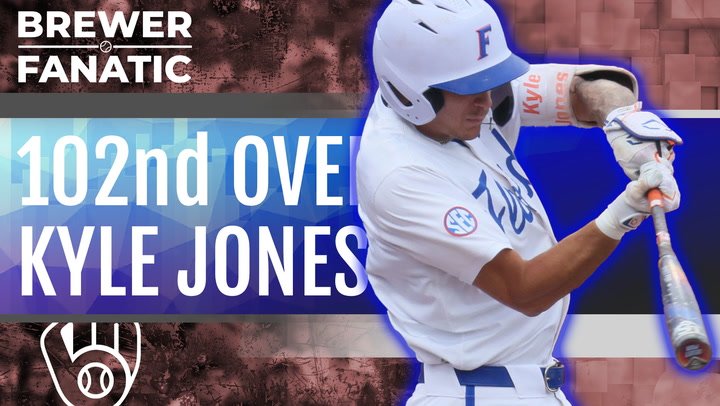 The Brewers selected Florida outfielder Kyle Jones with the No. 102 pick in the 2026 MLB Draft, their second straight college outfielder. In this video, we cover his path from Atlantic Sun Freshman of the Year at Stetson, through the shoulder surgery that limited him to four games in his first Florida season, to his 2026 bounce-back, where he hit .317 with 16 home runs and 17 stolen bases in 58 games. View the full article
 -
88 Strikeouts, 25 Walks In 2026: Twins Draft Pick Brett Renfrow
DiamondCentric posted an article in Twins Daily
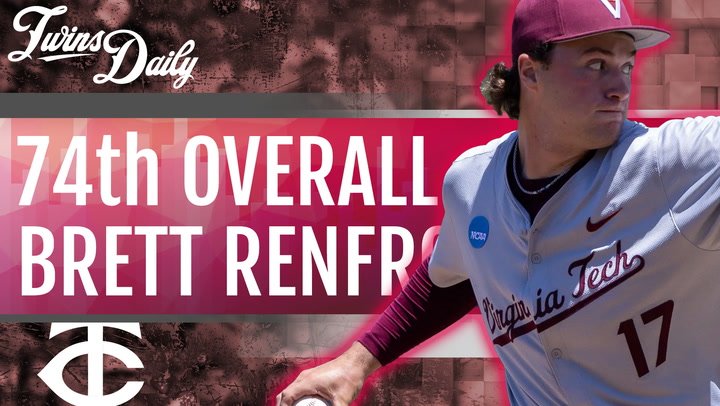 The Twins selected Virginia Tech right-hander Brett Renfrow with the No. 74 pick in the 2026 MLB Draft. In this video, we cover his three years as a Hokies starter, including a 2026 season with 88 strikeouts against 25 walks in 73.2 innings, his fastball that reached 98 with a deep secondary mix, his strike-throwing profile, and why his ACC experience could put him on a fast track. View the full article
 -
3 Relief Pitchers Twins Could Target to Fix Their Bullpen
DiamondCentric posted an article in Twins Daily
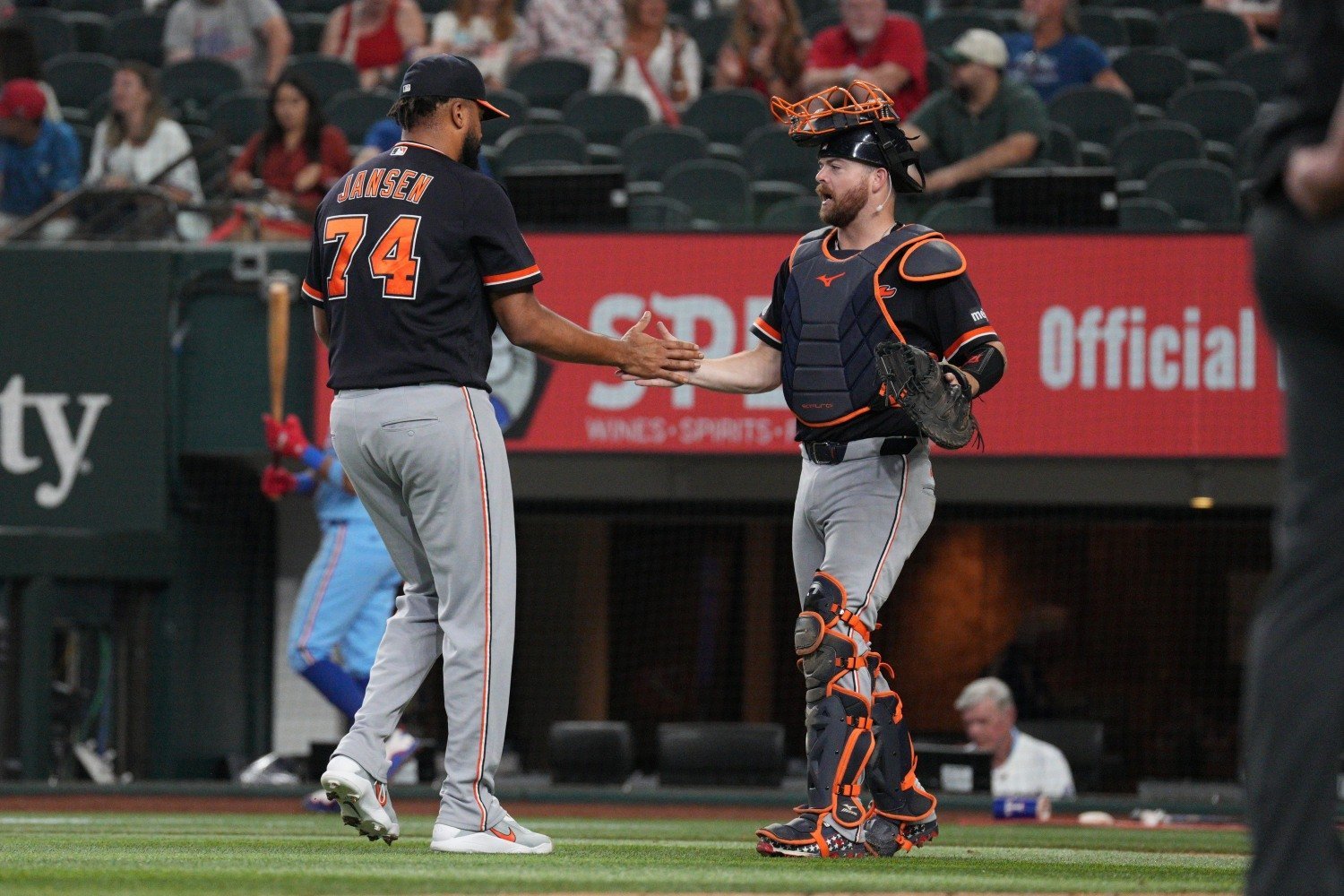 The Minnesota Twins are just one game below .500 and only three games back of the White Sox and Guardians in the AL Central. For most of the season, they've been viewed as deadline sellers, but that might not end up being the case. Their offense has been the best in the AL this season, and a few additions to the pitching staff might get them over the hump. The bullpen, in particular, has been extremely shaky. So, who are some relief pitchers the Twins could target over the next couple of weeks? Here are three names that make a lot of sense. Kenley Jansen On paper, the Tigers probably have the best roster in the AL Central. But in fact, they're eight games below .500, and Jansen is a 38-year-old reliever. There have been injuries. There have been blowups. There have even been way too many walks, which is a bit uncharacteristic. Jansen is one of the best closers of his generation, but he's very much in the later stages of his career. He's no longer the guy who carved out a plausibly Hall of Fame-caliber career shutting the door in the ninth inning. But that's also exactly why he feels like such an intriguing buy-low candidate, should Detroit be willing to move him to a division rival. The underlying metrics offer a lot more encouragement than the ERA does. Jansen owns a 3.82 expected ERA and continues to limit hard contact at a very impressive rate. While the cutter isn't the 98-MPH weapon it once was, he's still throwing it over 80% of the time, and hitters aren't doing much with it. He can still be one of the most uncomfortable at-bats in baseball when he's commanding that pitch. He can't be the relief ace that every contender is chasing at the deadline, which could work in Minnesota's favor. If the Twins are looking for an experienced late-inning arm without paying a premium prospect cost, Jansen feels like someone who could really stabilize this bullpen. Brock Burke Burke profiles similarly to Jansen, in the sense that both have struggled with command this season, but both are also excellent at limiting hard contact. Burke's hard-hit rate sits in the 90th percentile of all pitchers, and until this season, he consistently generated a ton of ground balls. That's been one of the biggest differences in 2026. Formerly a reliable ground-ball arm with solid command, Burke and the Reds made a few adjustments to both his delivery and pitch mix entering the season. Neither has really worked. He's lost the strike zone far more often than in previous years, and his ground-ball rate has dropped roughly 13 percentage points from where it was a year ago. Even with those issues, though, Burke has still managed to post a 3.02 ERA. The Twins wouldn't necessarily be acquiring him for what he's looked like over the last few months. They'd be betting on getting him back to the pitcher he had been for several years before that. As a low-salary rental arm, Burke is exactly the type of reliever teams love taking a chance on at the deadline, hoping a new coaching staff can unlock the version of the pitcher that's been buried underneath ill-conceived adjustments. Minnesota could certainly use another dependable left-handed reliever. Kody Funderburk and Kendry Rojas have both bounced between Triple-A and the major leagues this season, leaving the Twins without much consistency from the left side of the bullpen. Burke could provide exactly that, and since he'll be a free agent after the season, it wouldn't take much to bring him to Minnesota. Keaton Winn Of the three pitchers mentioned here, Winn would almost certainly cost the most to acquire. He's putting together an excellent season with the Giants, posting a 3.09 ERA across 32 innings while striking out 26 batters compared to just 10 walks. Unlike some of the other bullpen options who may become available, command really isn't a concern with Winn. He also comes with something teams always value: club control. Winn still has another year of pre-arbitration remaining on his contract, meaning the Twins would have him under team control well beyond this season. That added value is almost certainly going to increase the asking price, but it's also part of what makes him such an attractive target. Beyond his contract situation, this is an arm that could really benefit the Twins. Winn is one of the best pitchers in baseball at generating weak contact. His average exit velocity allowed and hard-hit rate both rank in at least the 95th percentile among major-league pitchers, while his barrel rate isn't far behind, in the 88th percentile. He throws strikes, he throws hard, and he keeps the ball on the ground. That's exactly the type of profile the Twins could use at the back end of their bullpen. Adding Winn wouldn't just be about fixing a problem for the rest of 2026. It would also strengthen Minnesota's relief corps moving forward, giving them another controllable late-inning option alongside the pieces already in place. Whether the Twins ultimately decide to buy or sell over the next few weeks will depend on how they play leading up to the deadline. But if they continue hovering around a playoff spot, standing pat probably isn't the best option. The offense has already proven it's capable of carrying this team. Now, it's up to the front office to decide whether adding to the bullpen is enough to turn the Twins from a fringe Wild Card contender into a legitimate playoff threat. Kenley Jansen, Brock Burke, and Keaton Winn are three relievers who could help make that happen. Let me know down in the comments what other relief pitchers you'd like to see the Twins go after! View the full article
 -
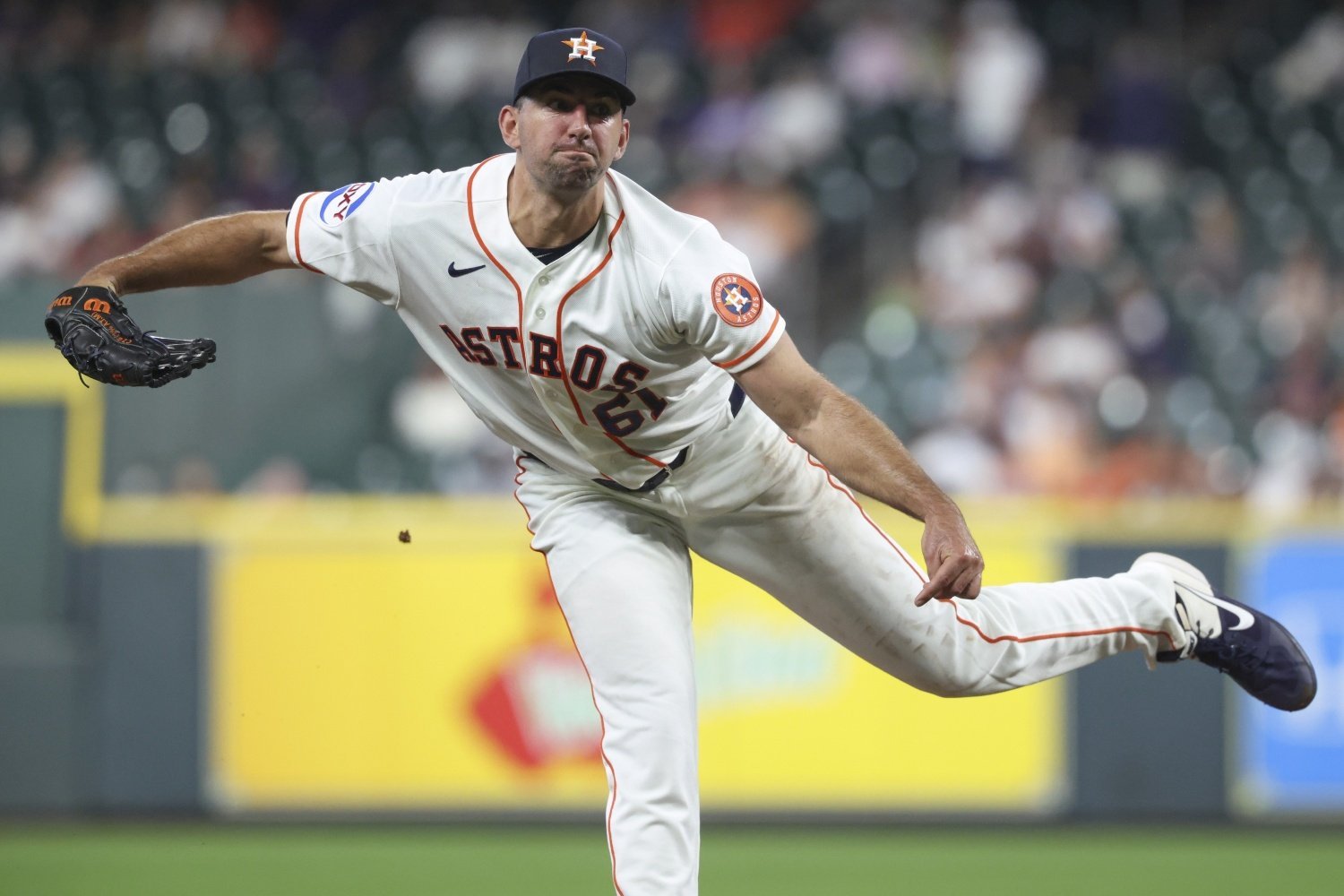 It's not hard to see what the Brewers like about Colton Gordon. He's not a standout guy, but he has upside. The 6-foot-4 lefty gets down the mound well and has plus extension, which the Brewers always love. He's shown the ability to work east and west with a sweeper and a slow but slurvy curveball, and he's shown the feel to create depth with his changeup. There are just two problems: he doesn't throw hard, and so far, he sucks. In 95 1/3 innings over 24 appearances in the majors going back to 2025, Gordon has a 5.95 career ERA. This season, he's spent most of his time in the minors—not because the Astros haven't needed him, but because he's surrendered six home runs in 50 batters faced and his ERA is on the wrong side of 11.00. He's had steady and impressive success at Triple-A Sugar Land over the last two and a half seasons, with an ERA under 4.00 each year as a starter, but that hasn't carried over to the majors. He throws 91 miles per hour, and the shapes of his fastballs just don't work. He has below-average carry on his four-seamer, even for a low three-quarters arm slot, and he doesn't get the heavy action you'd like on his sinker, either. Nothing sets up his softer stuff well, so despite what looks like a plus sweeper in a vacuum, he runs into barrels way too often and can't consistently miss bats the way he needs to. On the other hand, he fills up the strike zone exceptionally well. Between Triple-A and the majors, Gordon has faced 958 batters since the start of last season. He's only walked 52 of them. He's allowed more homers (27) than free passes (22) in his brief big-league career. Though that sinker lacks the movement you'd prefer to see from it, he locates so well with it that hitters rarely do damage. He has good feel for the sweeper to the glove side and the curveball as a backdoor offering against righties. He's just in the middle of the plate with that hittable four-seamer far too often. As the Brewers take control of Gordon, they probably do so without grand plans. He's good depth to have, with a demonstrated ability to start and throw strikes and one more year of optionability beyond this season. However, they might also have multiple ways to unlock him and get more from him, in the short and the long term. First, expect them to ask him to lean into his sinker and cutter a bit more, at least for the balance of this season. The former should work well against lefties, and even against righties, using that pitch more at the expense of the four-seamer should allow the defense to work behind him. Gordon's cutter has been more slider-like this season than in the past, and is slowly replacing a true slider as his sixth pitch, but Chris Hook and Jim Henderson might ask him to tinker with the harder, more fastball-flavored version of that offering for a bit. Just as importantly, though, the team will almost surely make some mechanical changes. You can see a Brewers-like pitcher in the body of Gordon, but not in the way he moves it. He starts on the third-base side of the rubber and uses a fairly extreme crossfire stride pattern. The Brewers are likely to move him to the first-base side and try to get him on a slightly straighter line to the plate, without losing the facility with the zone that is his trademark skill. With a bit better posture near release, he can also naturally lower his arm slot and add deception to his fastball. TkFOMzJfWGw0TUFRPT1fQlFsVFVGTUhVUUlBV1ZwWFVnQUhCQTlVQUZnRlZGTUFCd0JUVWxaV0J3VURWbEFB.mp4 As strange as it sounds for a 27-year-old with subpar velocity and so much polish in terms of strike-throwing, the Brewers will see Gordon as a ball of clay with real potential. His delivery doesn't fit their preferences, but it shows the mobility they need to make the changes they'll want. His pitch mix is unimpressive, but the differences between the pitching philosophies of the Astros and Milwaukee leave ample room for tweaks even before they make any big physical changes. Gordon is insurance, for now, for a team that needed reinforcement because of injuries and medium-term durability concerns among their stable of existing hurlers. He can be a lot more, though. As Bob Howsam built some great teams as the general manager of the St. Louis Cardinals in the 1960s and the Cincinnati Reds from the late 1960s through the late 1970s, he gained a reputation for frequently extracting a throw-in player in trades who turned out to be much more than that. Matt Arnold is getting exceptionally good at the same thing. Not all multi-player deals have that dynamic, but just as the one that brought in Kyle Harrison, David Hamilton and Shane Drohan felt that way, this one does. Lance McCullers Jr. has the big name, and he's at least a bit more likely to help the Brewers for the balance of 2026. They would not have made this deal without also acquiring Gordon, though, and a year from now, Gordon's stock is likely to be higher than it is right now. He's a quintessential Brewers pickup, and an excellent candidate to get a boost from a spin through the H & H Car Wash. View the full article
 -
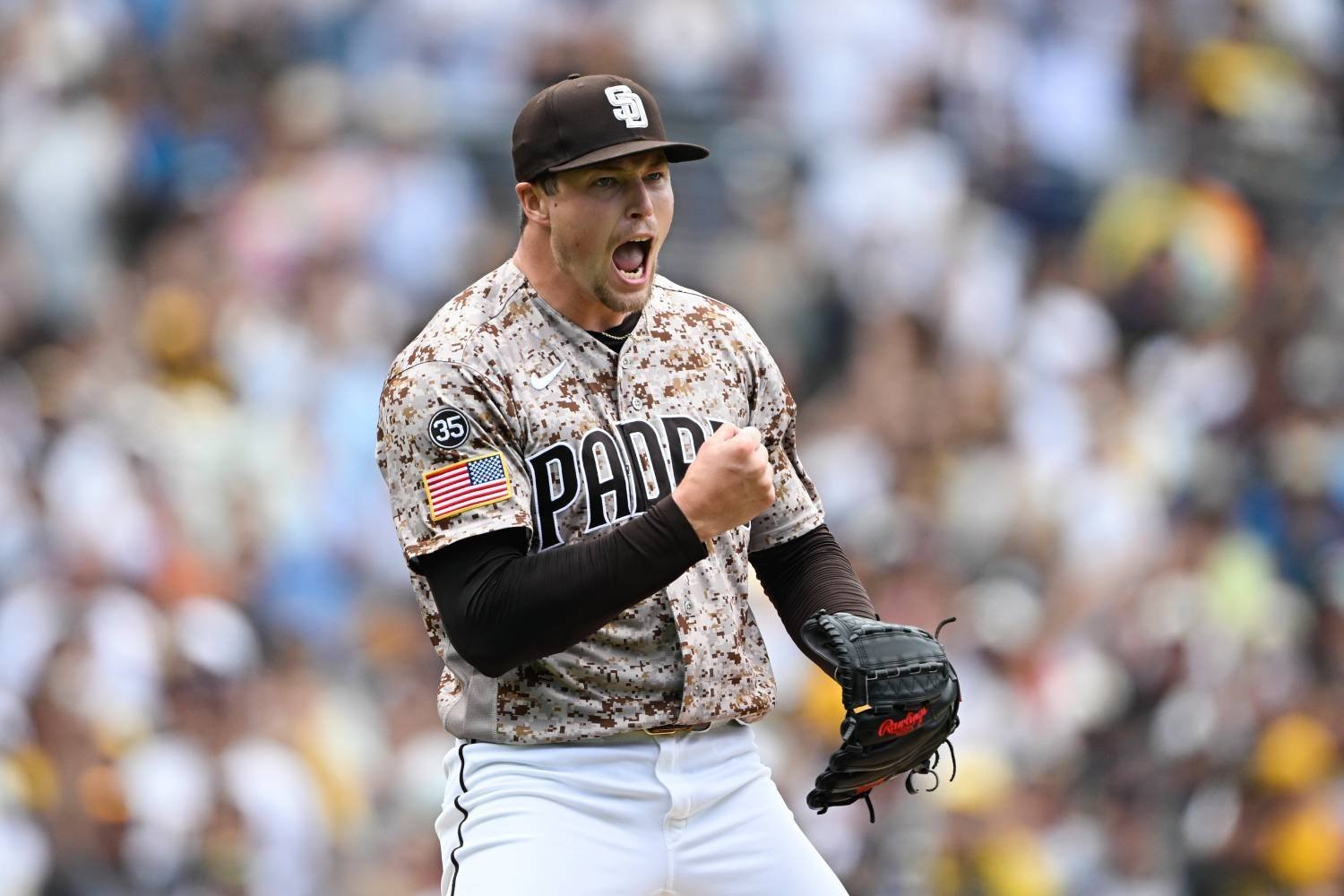 Could there be another blockbuster involving the San Diego Padres and New York Yankees? The Yankees are reportedly interested in All-Star Padres closer Mason Miller, according to Jon Heyman of the New York Post. The two teams hooked up in the 2023 offseason blockbuster in which the Padres shipped superstar outfielder Juan Soto and center fielder Trent Grisham to the Yankees for pitchers Michael King, Randy Vasquez, Jhony Brito, Drew Thorpe and catcher Kyle Higashioka. Miller would give the Yankees a better back end of the bullpen, moving current closer David Bednar to a setup role. Bednar is also a free agent following this season, while Miller is under club control through 2029. The Yankees have a few pitching prospects to dangle in front of the Padres, including right-handers Elmer Rodriguez, Carlos Lagrange and Ben Hess. Top Yankees prospect George Lombard Jr. is likely off the table unless there is more involved coming from the Friars. Rodriguez made his MLB debut in June, appearing in four games, while Lagrange is at Triple-A and Hess at Double-A. As the Padres have found out this year, you can never have too much pitching depth. View the full article
 -
3 Minnesota Twins Draft Picks Who Could Turn Out to Be Steals
DiamondCentric posted an article in Twins Daily
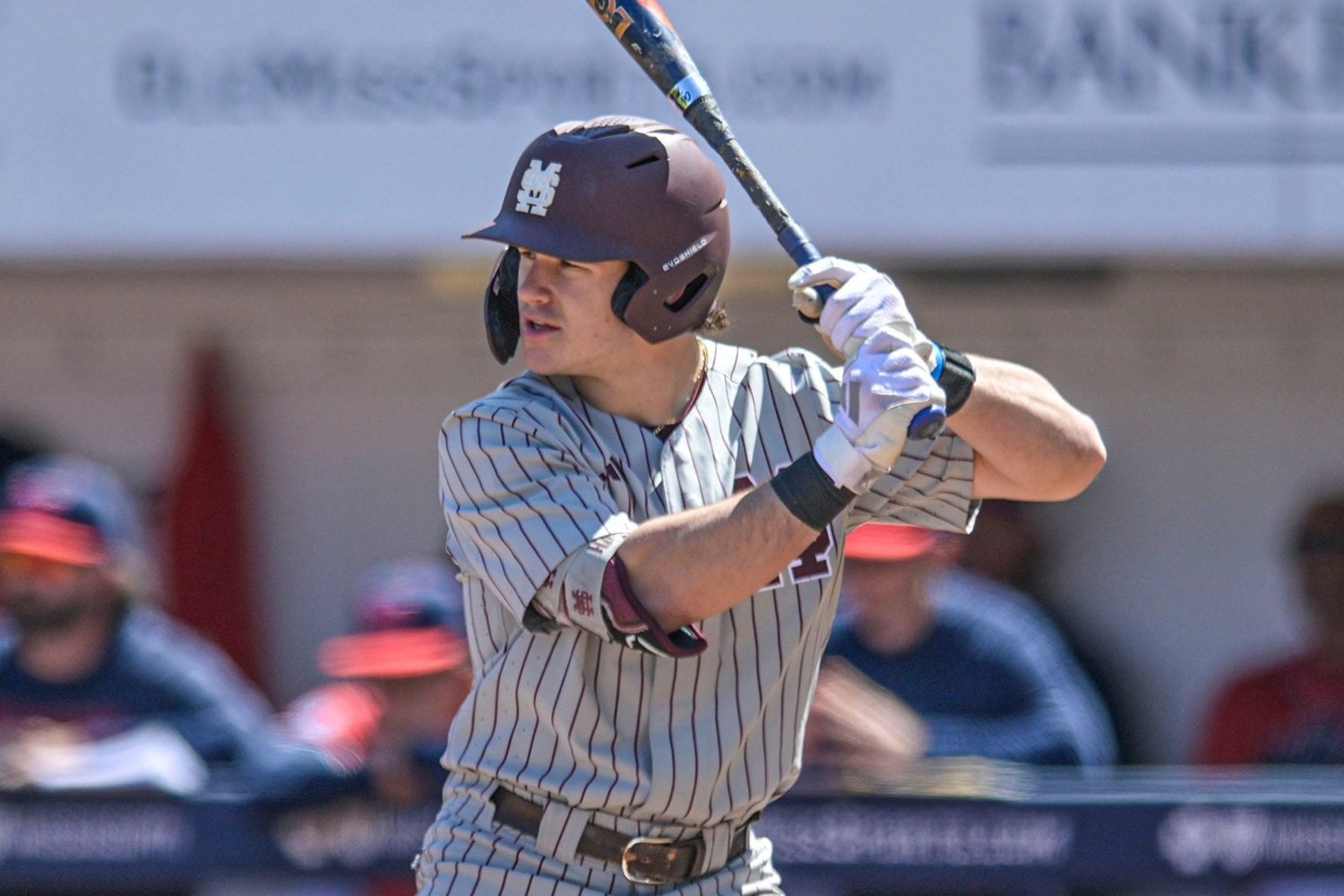 There are three main ways to thrive in player acquisition as a major-league ball club: nail free agency; make brilliant trades; or draft sharply and develop well. The Minnesota Twins got the big names like Vahn Lackey early on, but they also swiped some steals in the 2026 MLB Draft. Let’s dive in. Tommy LaPour (Round 4, Pick 107) A dearth of pitching depth has been a hot topic for the Twins lately, so it should come as no shock that they used three straight picks (starting in Competitive Balance Round B) to address that need. Tommy LaPour could go down as a serious bargain buy. The TCU right-handed pitcher could’ve gone earlier in the draft, per MLB.com, but elbow issues stifled his 2026 campaign and knocked his draft stock down a bit. LaPour looked remarkable in the 2025 season, registering an 8-3 record with a 3.09 earned run average and 88 punchouts over 90 1/3 innings pitched. LaPour’s fastball leads his arsenal, coming in with a 60 grade on MLB Pipeline’s 20-to-80 scouting grade scale. The 21-year-old can push his fastball through the zone in the 95-98 MPH range (and he has reached 101 before), with plenty of sinking action. His secondary offering is a mid-80s slider, operating with two-plane depth and coming in at a 55 grade. LaPour is still learning to harness the breaking ball, as he can’t always control the pitch or land it for strikes on command. Thomas Burns (Round 8, Pick 227) One could argue the Twins got Thomas Burns right around his true value, as Minnesota picked MLB Pipeline’s 221st-ranked draft prospect in the 227th spot. Another pitcher, Burns works with a large frame and can do serious damage with his fastball. The 6-foot-3, 240-pound Hortonville, Wis. product has a 70-grade fastball that sits between 95-98 miles per hour. Burns was a rotational piece for the Arizona State Sun Devils before tendinitis pushed him to the injured list and eventually led him to relief obligations with the Texas Longhorns. Burns only managed an unsightly 5.64 ERA this year, but he struck out an impressive 42% of his opposing hitters. Burns also flashes a 50-grade cutter, but he struggles to land the bullet-spin breaker for strikes. His stuff can be overpowering, but the 35-grade control means that he's often working from behind or catching too much of the zone. If the Twins can toy with a pretty complex delivery and shave down what was a 16% walk rate over three years in college, this could be a dynamite reliever. Aidan Teel (Round 11, Pick 317) Aidan Teel is the final member of this list, and his last name is no coincidence. The brother of former first-round pick Kyle Teel, Aidan proved to be a key piece in Mississippi State’s success throughout the 2026 season. The red-shirt Junior was set up to have a decorated season, and was the 28th-ranked outfielder in the country, per D1Baseball; 82nd-ranked junior, per Perfect Game; and even a Preseason All-American Fourth Team honoree. Teel was a cornerstone for this year’s group. He put up a .294 batting average with five home runs, 22 runs batted in and a .449 slugging percentage. He hit north of the .300 mark over a pair of seasons before this, showcasing an ability to hit at a high level while walking (52) nearly as much as he struck out (70) over his collegiate career. He's not as talented as his brother, but between his family ties and his production, there's cause to hope that he'll be much better than your standard-issue 11th-rounder. View the full article
 -
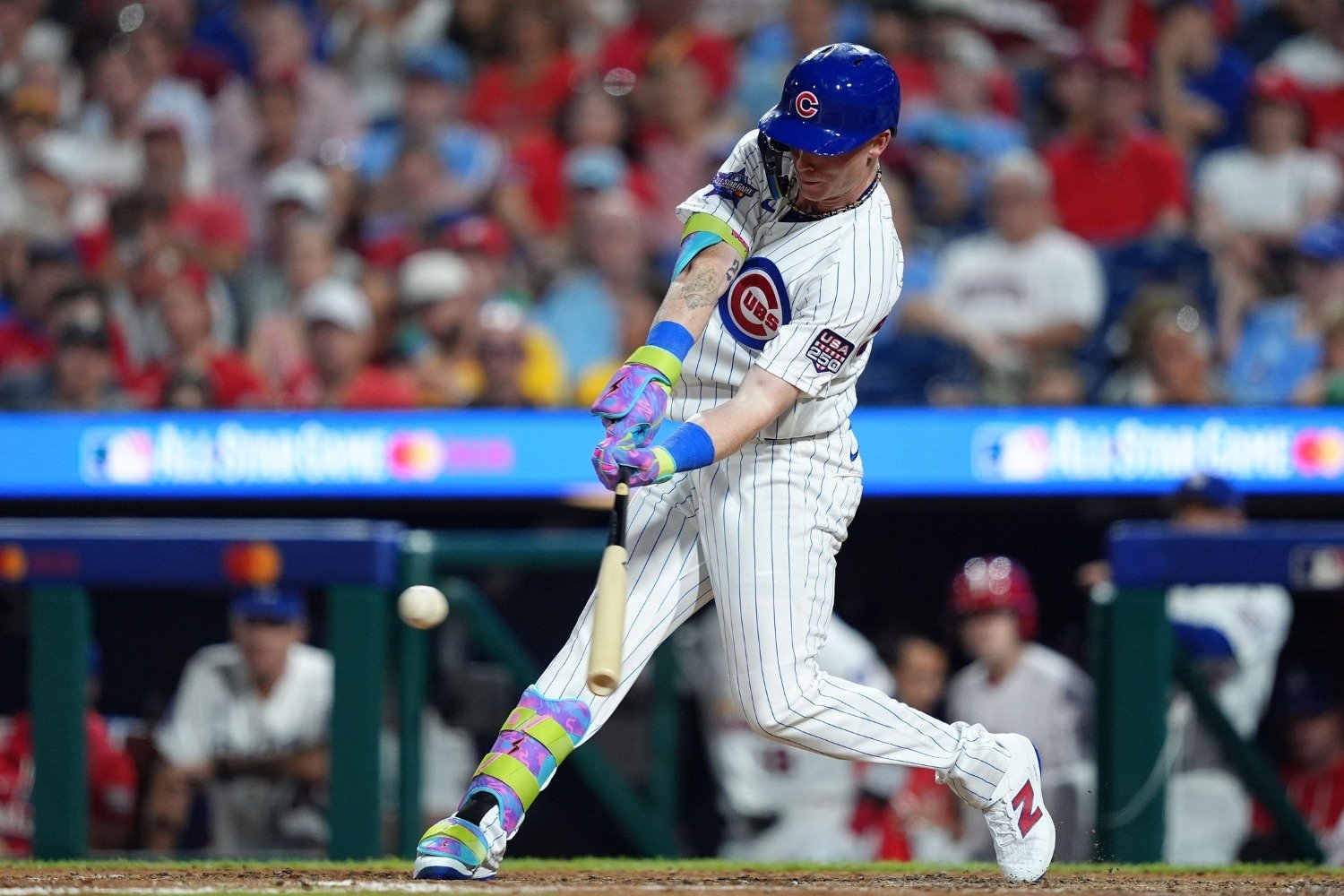 It's great to be recognized by your peers, as Pete Crow-Armstrong was when the Cubs center fielder was selected for the National League All-Star team by player vote. It's great to play on a field with the very best of your peers, as Crow-Armstrong did when he replaced starter Andy Pages mid-game Tuesday night. There's just one problem: Arguably, Crow-Armstrong has no peers right now. At the All-Star break, Crow-Armstrong is on pace to meet each of the following criteria this season, according to Baseball Reference: 40 or more batting runs above average 5 or more baserunning runs above average 15 or more fielding runs above average That magnitude of well-rounded excellence is extremely rare. How much so? Here are all the player-seasons that meet those three criteria, in baseball history: Willie Mays, 1958 Henry Aaron, 1961 Mays, 1964 Rickey Henderson, 1980 Henderson, 1990 Craig Biggio, 1997 Álex Rodríguez, 2000 Mike Trout, 2012 Mookie Betts, 2018 There have, of course, been several other seasons in which a player was more valuable overall, and simply had their value more concentrated in their bat and/or glove. The list above, though, is a pretty neat collection of the best players in the history of the game, in terms of showing all five tools and the remarkable ability to put all of them to work at once. But wait! The company gets even more exclusive. Since May 22, Crow-Armstrong has been on such a torrid pace at the plate that, if he keeps up at anywhere near that clip, he could get to 50 batting runs. If he does, he'll be in a group barely half that size. Only Mays (both years), Henderson (1990 only), Rodríguez, Trout and Betts have gotten to 50 batting runs in a season in which they were also so good in the field and on the bases. Neither metrically (you aren't obligated to believe that the values assigned by Baseball Reference are correct, especially when it comes to fielding) nor philosophically does this exclude considering other players as the game's most well-rounded ever. Johnny Bench had extraordinary value as an elite hitter and superb defensive catcher, and he ran well, too—for a catcher. It's not wholly fair to punish such a player for not being an elite baserunner, and after all, baserunning is much less important than hitting or fielding, even if it's disproportionately fun to watch and can feel game-breaking when done at the level we've seen from Crow-Armstrong. Cal Ripken Jr. wasn't consistently elite with the bat, but for a long time, he was an excellent defensive shortstop, and he had two years (1984 and 1991) when he easily cleared the non-baserunning thresholds here. Roberto Clemente was incredibly well-rounded; Mickey Mantle and Joe DiMaggio have to come up in this conversation. Shohei Ohtani is, of course, a unique case. Still, you can argue cogently that Crow-Armstrong is in a race to join a list of the half-dozen most well-rounded superstars in baseball history. Comps to Mays, Henderson, Rodríguez, Trout or even Betts would have felt ludicrously optimistic even a few months ago, but the talent Crow-Armstrong is putting on display has gone from powerful but conventional to nuclear. He's turned a corner at the plate, and as a result, his all-around excellence has reached a new level. In the unofficial second half of the season, one of the best stories around the Cubs will be whether their best player can complete his MVP case and claim a place among the best players ever—if only, so far, for one season. View the full article
 -
What To Make Of The Cubs At The All-Star Break
DiamondCentric posted an article in North Side Baseball
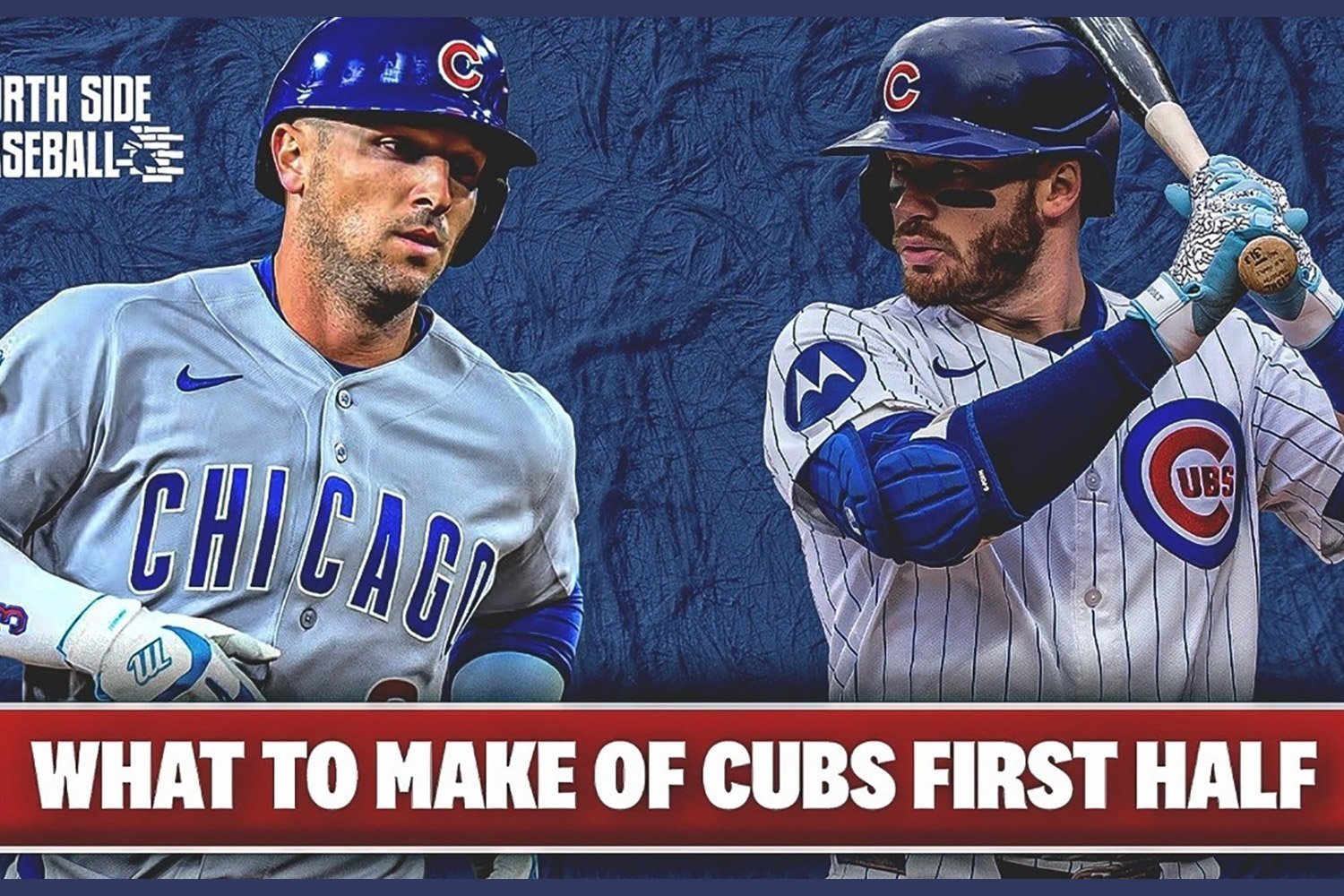 We're at the MLB All-Star break, and the Chicago Cubs finished strong. What are the expectations the rest of the way? Who played the role of hero in the first half? Listen on Apple Podcasts: https://podcasts.apple.com/us/podcast/the-north-side-baseball-podcast/id1798599313 Listen on Spotify: https://open.spotify.com/show/75wMGhBwlrDDYPt3kaF453 Listen on iHeartRadio: https://www.iheart.com/podcast/263-the-north-side-baseball-po-268998437/ Listen on Pocket Casts: https://pca.st/eey7h6ih Watch on YouTube: https://www.youtube.com/@northsidebaseball View the full article
 -
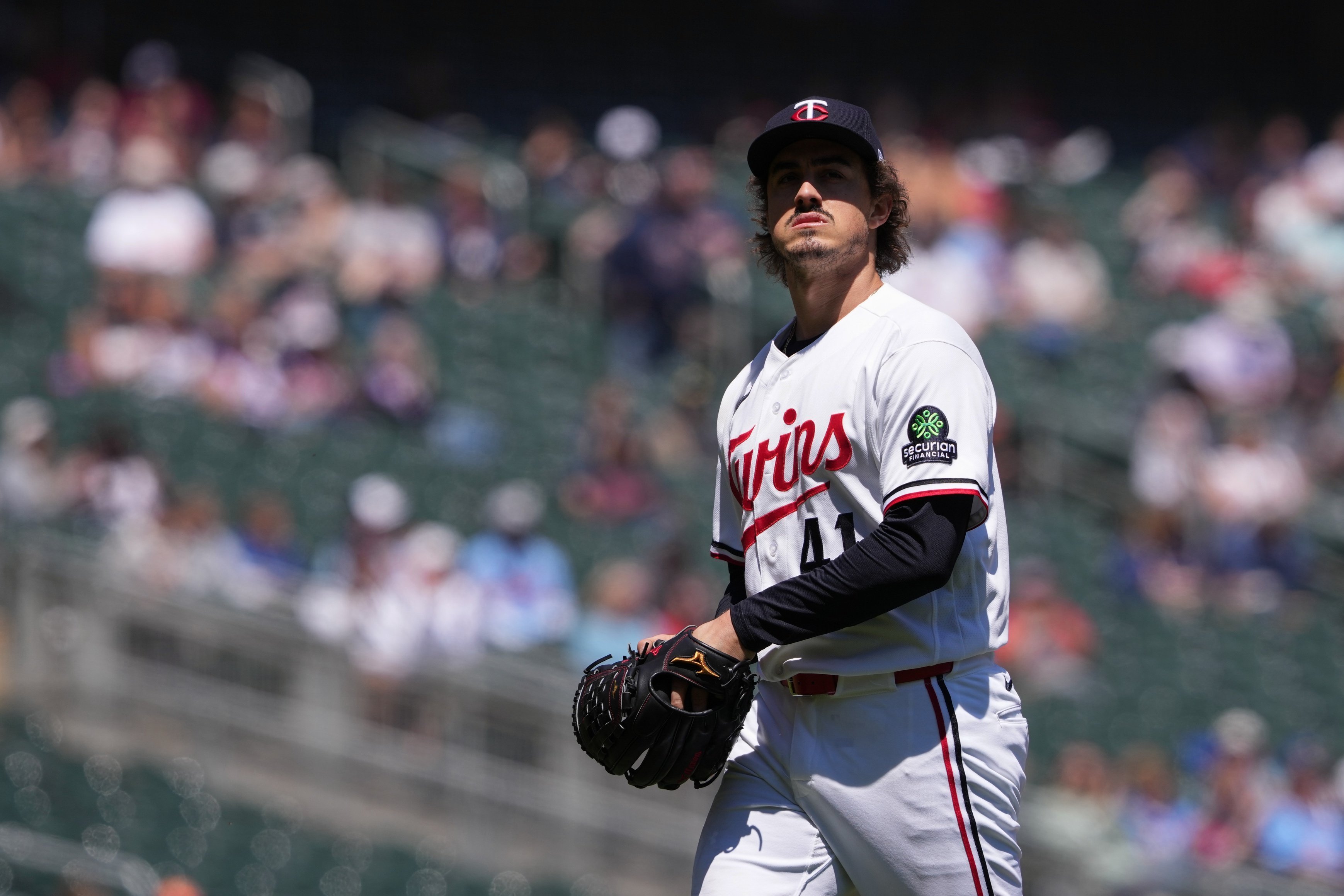 The next 16 games may determine the direction of the Minnesota Twins for years to come. The 2026 MLB Trade Deadline has become a franchise-altering moment for an organization that wasn't expected to contend this season. Minnesota has surged into a tie for the final American League Wild Card spot thanks to an impressive stretch leading into the All-Star Break, putting the club on the verge of climbing back to .500. That unexpected success has complicated what once looked like an obvious selling period at the deadline. While the Twins have exceeded expectations, they're still trying to balance a surprising postseason push against the long-term outlook of a roster that may not yet be ready to seriously challenge for a World Series title. No player embodies that dilemma more than Joe Ryan. Diamond Centric recently ranked Ryan as the No. 2 player with a chance to be traded before the deadline, citing his combination of durability, swing-and-miss stuff, and remaining club control as attributes that make him one of the most desirable starters available. The rankings noted that Ryan continues to miss bats at an elite level despite not overpowering hitters with velocity, relying instead on multiple fastball shapes, a deep mix of breaking pitches, and an occasional splitter that neutralizes left-handed hitters. He's also continued to pair high strikeout totals with excellent command while significantly reducing the home run issues that occasionally plagued him earlier in his career. With Ryan coming off a second consecutive All-Star appearance, his value may never be higher. That leaves Minnesota with four realistic options. Option 1: Trade Ryan at the Peak of His Value If maximizing organizational value is the goal, this is likely the strongest argument. Starting pitchers carry enormous value at the deadline—especially frontline arms with another full season of team control remaining. Ryan isn't a rental. Any acquiring club would have him through the 2027 season, allowing Minnesota to command one of the biggest prospect packages available this summer. Pitchers are also notoriously unpredictable. Ryan has established himself as one of the American League's better starters, but there are no guarantees that continues. He's faded somewhat during the second half in recent seasons, and every pitcher carries injury risk. The Twins have already experienced that harsh reality this year after Pablo López suffered an elbow injury during spring training that ultimately required Tommy John surgery. Trading Ryan would undoubtedly hurt the 2026 club. It would also signal that the organization isn't prioritizing this year's playoff chase. However, if the Twins believe they're still a year or two away from legitimate championship contention, adding another premium group of prospects to one of baseball's highest-ranked farm systems could accelerate the next competitive window. It would be difficult for fans to accept, but championship organizations often make uncomfortable decisions before they become obvious ones. Option 2: Hold Ryan and Trade Him This Winter The middle ground may be waiting. Ryan remains under team control through the 2027 season, meaning Minnesota wouldn't lose much leverage by waiting until the offseason. In fact, there is a blueprint for that approach. The Milwaukee Brewers, another small-market organization that has consistently developed high-end starting pitching, have frequently traded pitchers with roughly one season of control remaining. More often than not, those deals have come during the winter rather than at the deadline, allowing Milwaukee to better evaluate its roster before making a franchise-changing move. The Twins could take a similar path. Waiting would also allow them to see whether this surprising second-half push develops into a legitimate postseason run. If Minnesota reaches October, Ryan would be central to those hopes. Still, there are risks. The possibility of a looming lockout following the season could create an abbreviated offseason with a much smaller trade window than normal. If negotiations between MLB owners and the Players Association disrupt the calendar, the Twins may not have the luxury of patiently shopping Ryan throughout the winter. Instead of maximizing leverage, they could find themselves trying to complete a blockbuster under an accelerated timeline. Option 3: Keep Ryan Into 2027 and Reevaluate at Next Year's Trade Deadline The Twins also have the option of delaying the decision for another full year. If Minnesota believes its young core is capable of taking another step in 2027, Ryan could remain at the front of the rotation and help lead another postseason push. Should the Twins find themselves back in contention, keeping him would be an easy decision. However, if the season unfolds differently and the club falls out of the playoff race, Ryan could become one of the premier names available at the 2027 MLB Trade Deadline. The return likely wouldn't match what Minnesota could receive this summer. At that point, Ryan would be a true rental with only a few months remaining before free agency, limiting the number of years of team control that acquiring clubs value so highly. Even so, frontline starting pitching is always in demand at the deadline, and recent history has shown that contenders are willing to pay significant prospect capital for impact arms, even on expiring contracts. The downside is obvious. By waiting another year, the Twins would assume another full season of injury risk and the possibility that Ryan's performance declines. They would also lose the leverage that comes with offering an additional season of team control. Still, if the organization believes it can compete in 2027, keeping Ryan for another season while preserving the option to move him next July could provide the best balance between trying to win now and recouping value later. It wouldn't maximize his trade return, but it would give the Twins one more opportunity to contend before making a franchise-changing decision. Option 4: Keep Ryan Through Free Agency The simplest option may also be the riskiest. Minnesota could simply keep Ryan through the remainder of his arbitration years and allow him to anchor the rotation through the end of the 2027 season. If he departs in free agency, the Twins could extend him a qualifying offer and potentially receive draft pick compensation if he signs elsewhere. That strategy would allow the current core to compete while providing some long-term value if Ryan eventually leaves. But there are significant unknowns. The current Collective Bargaining Agreement expires after the 2026 season, meaning there's no guarantee the qualifying offer system even exists by the time Ryan reaches free agency. Banking on draft compensation that may disappear would be a considerable gamble. Even if the qualifying offer remains intact, injuries can dramatically change a player's value overnight. López's season-ending elbow injury served as another reminder that pitchers represent one of baseball's most volatile assets. Waiting always introduces the possibility that circumstances change before the Twins have another opportunity to capitalize on Ryan's value. A Defining Decision There isn't a wrong answer. Trading Ryan now likely maximizes his value and could further strengthen an already impressive farm system. Waiting until the winter gives the Twins more time to evaluate whether this season is the beginning of something larger while still preserving much of his trade value. Keeping him through 2027 prioritizes winning at the major league level but exposes the organization to significant financial, injury, and collective bargaining risks. What makes the decision so fascinating is that all four paths are defensible. The Twins weren't expected to be here. Their resurgence has forced the front office to weigh the excitement of an unexpected playoff chase against the discipline required to build the next championship-caliber roster. Whatever direction they choose with Ryan won't simply shape the remainder of 2026—it could define the organization's trajectory for years to come. What is the best option for the Twins? Leave a comment and start the discussion. View the full article
 -
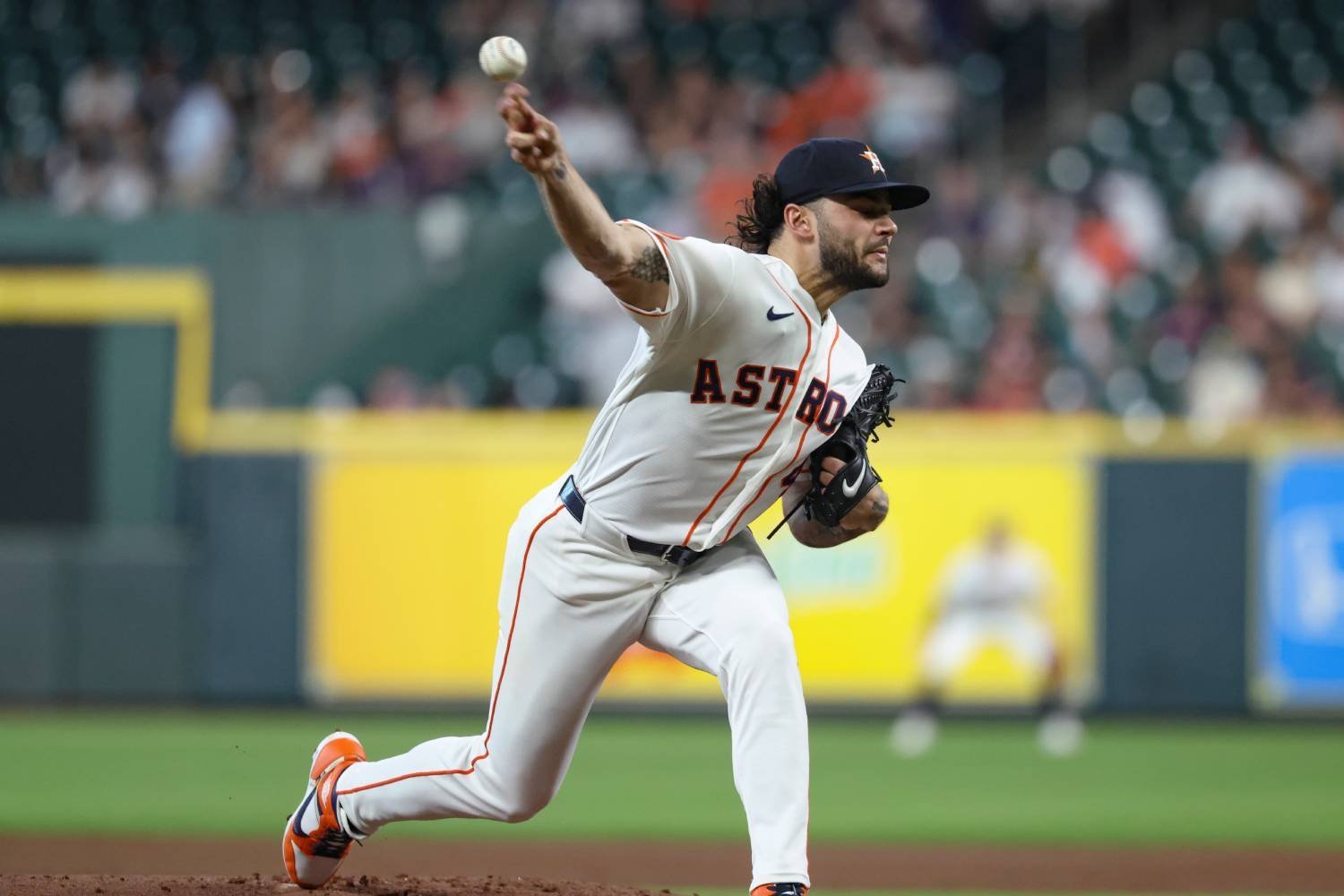 Needing a little more starting pitching depth, the Milwaukee Brewers have found a veteran arm, but also one that needs fixing. The Brewers on Wednesday acquired right-handed starter Lance McCullers Jr. from the Houston Astros, according to MLB.com's Brian McTaggart. The return was not immediately known. The Brewers are also getting minor-league left-hander Colton Gordon, a 2021 eighth-round draft choice, in the deal. McCullers, a two-time World Series champion with the Astros, is currently on the 15-day injured list with right shoulder inflammation. He also has a 6.86 ERA this season. More to come ... Thanks to @patrickgpe for starting the thread. View the full article
 -
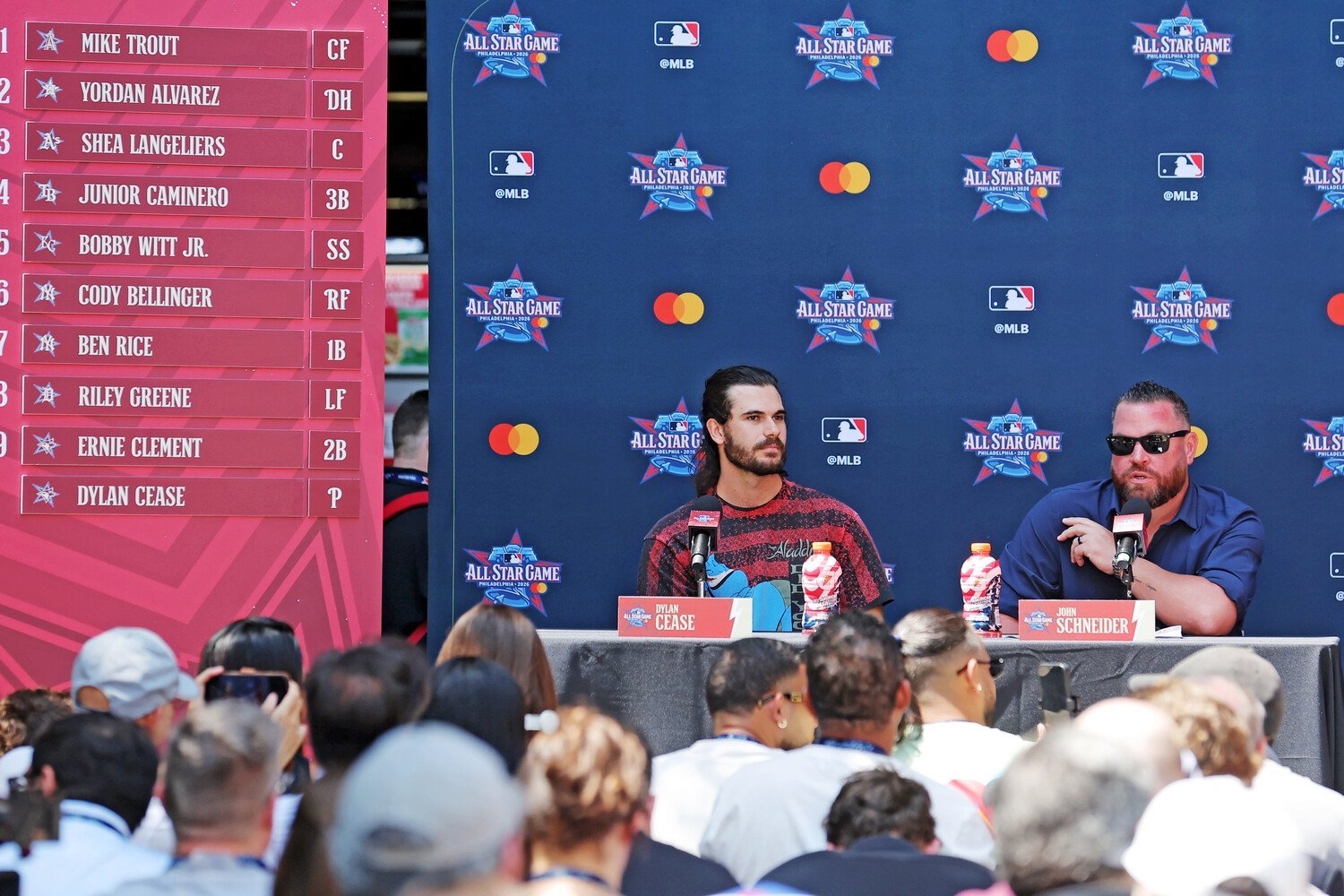 The American League cruised to a 4-0 victory in last night's All-Star Game, and the Blue Jays' representatives all did their part to help the cause. Here's how each of them performed. Dylan Cease By the time Dylan Cease threw his first pitch, he was already working with a comfortable lead. The AL All-Stars sent eight batters to the plate in the top of the first – the whole starting lineup except for Ernie Clement – and scored three against the Phillies' Cristopher Sánchez, much to the chagrin of the passionate Philadelphia crowd. It turns out that a one-run lead would have sufficed. In his inning of work, Cease set the tone for the AL pitching staff, throwing the first of what would be nine scoreless frames. First, he embarrassed MLB home run leader Kyle Schwarber. Cease got Schwarber to swing through two heaters down the middle before making him chase a slider well below the zone. Next up was Juan Soto, arguably the hardest out in baseball. Yet, Cease only needed four pitches to retire the Mets slugger. Known for his keen eye at the plate, all Soto could do was watch as Cease floated a knuckle curve and a changeup past him for strikes one and two. After Soto fouled off a sinker to the moon, Cease called his shot: "fastball down and away." (Both he and catcher Shea Langeliers were mic'd up for the inning. I have very mixed feelings about the "in-game mic'd up" thing, but it was interesting to hear Cease call some pitches over the broadcast.) The plan worked, and Soto's face said it all as he walked back to the dugout: The next batter was beloved Canadian / bitter World Series enemy Freddie Freeman, who battled his way to a nine-pitch walk. Oh well. It wouldn't be a Dylan Cease outing without a high pitch count and the occasional control issue. And it wouldn't matter anyway. The final batter of the inning was CJ Abrams. The Nationals shortstop gave Cease a beautiful whiff for his third swinging strikeout of the inning. You can't ask for much more than that. Ernie Clement Clement went 0-for-2 at the bottom of the AL lineup, grounding out on the first pitch in both of his at-bats. However, he still made his mark on the game. In the fifth inning, Clement ran into the outfield on the left side of second base to grab a hard grounder up the middle. Then, he leapt into the air and launched it to first base in time to steal a base hit from Andy Pages: For many, Clement included, it instantly called to mind the catch Pages made last fall to rob Clement of the hit that would have won the World Series. "Yeah, I had to get him back for what he did to us in the World Series... Getting him back a little bit, it felt pretty good," Clement said after the game. While it would have been nice to see him get a hit, I'm so glad Clement had his moment to shine in the All-Star Game. The way Blue Jays fans supported him in the voting was incredible, and being there clearly meant so much to the man himself. "I believe that I could help a team win in the big leagues, but this is just way farther off my radar. I never would have dreamed of it, and I'm just lucky to be here." Louis Varland Louis Varland didn't get to finish the game like I was hoping. He didn't even get a hold, like the seven pitchers who threw before him, because the AL had increased its lead to 4-0 by the time Varland came on for the bottom of the eighth. Still, I'm grateful he got to pitch a full inning. Varland started things off with a triple-digit heater (way outside) to James Wood, perhaps just to show he could. He would quickly retire Wood, perhaps the NL's most dangerous hitter right now, as well as Hunter Goodman and Iván Herrera. The only blemish on his line was a groundball single to NL MVP contender Pete Crow-Armstrong. John Schneider It's hard to argue with the way the AL skipper deployed his pitchers. He gave every available arm a chance to throw in the game, and those arms put on a masterclass against the best competition the NL had to offer. The AL pitchers held their opponents to three hits and two walks, never letting a runner reach scoring position. Most impressive was their 15 strikeouts. By strikeout rate, this was the most dominant showing by a pitching staff in All-Star Game history: League + Year Strikeouts Batters Faced K% AL 2026 15 32 46.9% AL 2019 16 35 45.7% NL 2015 15 39 38.5% NL 1968 11 30 36.7% AL 2014 13 37 35.1% As with the pitchers, it was admirable that Schneider got every eligible position player on his roster into the game. However, his starting lineup decisions were a little more questionable. Hometown kid Mike Trout leading off in Philadelphia was a great call, as was batting AL MVP favourite Yordan Alvarez second. It was a little harder to understand why Langeliers was batting third, considering how cold he's been for the past two months. Similarly, batting Cody Bellinger ahead of Ben Rice and Riley Greene seems to indicate a complete lack of awareness of how badly Bellinger has been playing as of late. That said, Bellinger would go on to win All-Star Game MVP honours, so maybe I'm the one who doesn't know what I'm talking about. (And of course, it's not like it really matters.) Finally, I'd be remiss if I didn't include this screenshot, showing the moment broadcast accidentally confused John Schneider with Mike Trout. Personally, I make that mistake all the time, so I totally get it. Crunching the Numbers The Blue Jays franchise record for most representatives at the All-Star Game was set, unsurprisingly, in 1993, when Toronto sent seven players to the Midsummer Classic. While the Jays only had four All-Stars this year (including Vladimir Guerrero Jr., who did not participate), they did have a record number of All-Stars in another way. Sort of. I'll let Jays Centre contributor Mike LeSage explain: Anyway, that's it for our 2026 All-Star Game coverage. Good luck surviving the next two days with no baseball, and get ready for a whole lot of trade deadline talk over the next 20 days! View the full article
 -
Is This the Josh Adamczewski Breakout That Was Foretold?
DiamondCentric posted an article in Brewer Fanatic
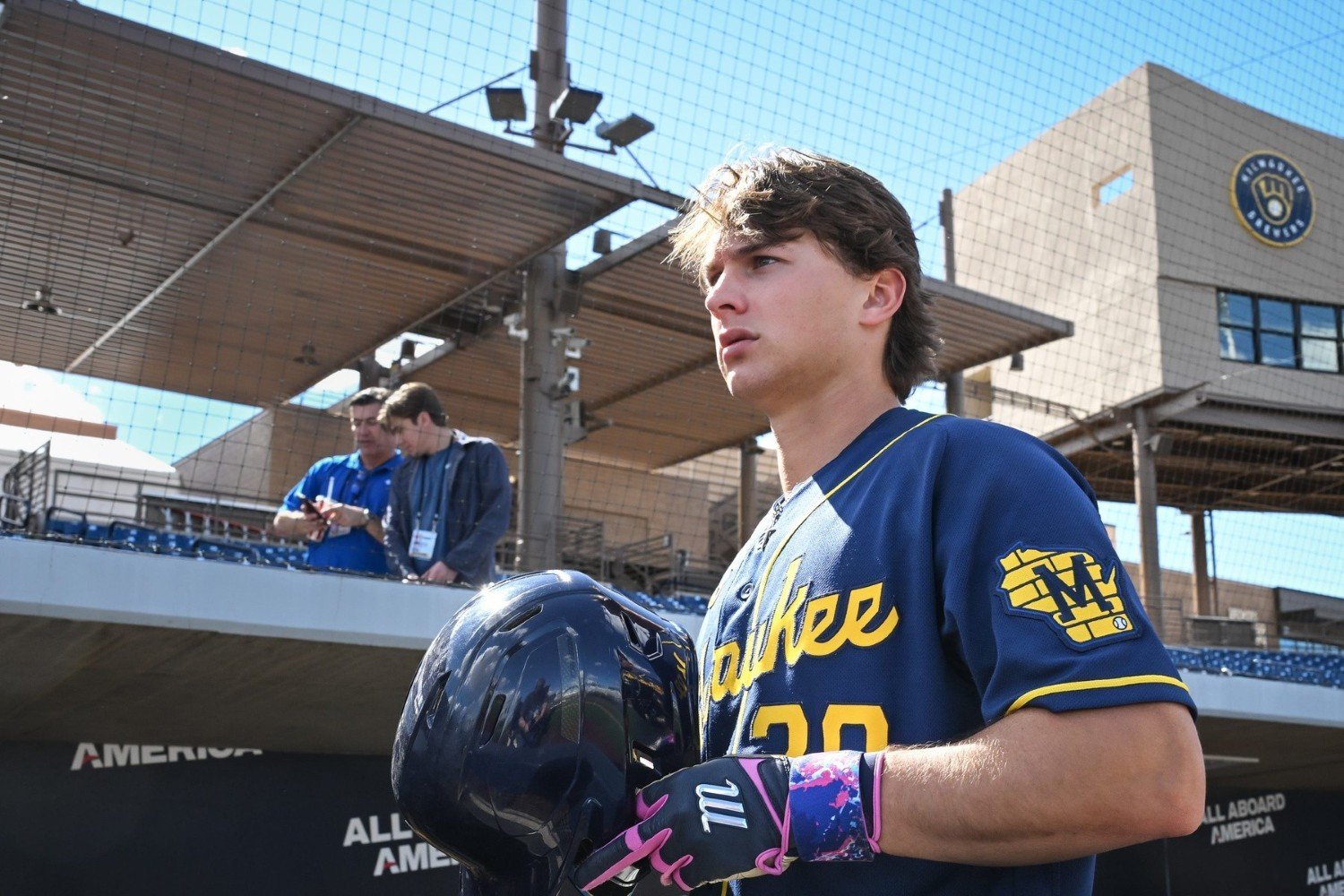 The Milwaukee Brewers’ farm system is as rich in talent as it’s ever been, and there’s another top-end prospect finding a groove in the upper levels of the minor leagues. Josh Adamczewski may be the next household name to enter the conversation for breakout prospect of the year, and his well-rounded game is important to monitor while he continues to climb. Adamczewski's Background Adamczewski is a 5-foot-11, 190-pound 21-year-old in the Brewers’ loaded pipeline. He’s ranked sixth in the team’s farm according to both Brewer Fanatic and MLB Pipeline, but the left-handed hitting phenom could be due for a bump up the list with Cooper Pratt and Luis Lara recently entering the big leagues. Three of his five tools grade out at a 50 (average) or better, according to MLB Pipeline’s 20-to-80 scouting scale. Adamczewski’s hit tool is a 55, and his power and run tools are both at the average level of 50. The 2023 15th-round pick is in his third full professional season after being selected right out of high school, and this has been his most promising season yet. An Elite Hit Tool The Crew’s outfield prospect rose all the way up to the High-A Wisconsin Timber Rattlers during the home stretch of last season, but he slashed just .196/.292/250 over 16 games with the club. This year, he returned to Appleton and laid waste to the Midwest League. Adamczewski slashed .331/.464/.572 for the T-Rats, earning a promotion to Double-A roughly a month ago. He's refused to slow down, and has hit .304 with an .883 OPS over 21 games with the Double-A Biloxi Shuckers. The approach is augmenting his sheer bat-to-ball skills. Adamczewski has walked 51 times this season compared to 55 strikeouts, which is in keeping with his track record over 186 career minor-league games. It's especially remarkable to see him adjust so rapidly and find such instant success with Biloxi; the jump from High-A to Double-A is the toughest one short of that from Triple-A to the majors. Developing a Potent Bat The high-end hit tool and ability to work an at-bat have been constants in Adamczewski’s professional career so far. His power, on the other hand, has really burst onto the scene this year. He swatted just eight home runs over his first 115 career games. Through 71 games in 2026, however, he’s managed to eclipse that total and then some, throttling 12 long balls with a career-best 55 runs batted in already. Part of this has come from his decision to lower the hands in his batting stance, allowing him to drive through the ball and cut down his ground-ball rate by 10 percentage points. He's even cracked six doubles and three homers since rising to Double-A. If his power is showing up in a whole new and lasting way, it marks a change in his profile from probable future role player to possible future star. Room To Improve While Adamczewski has made significant strides at the plate, he isn’t a complete prospect, by any means. Originally profiled as a second baseman, he moved to the outfield grass due to his below-average glove. His arm is his lowest-rated attribute, earning just a 40 from MLB Pipeline, so he won't be elite even in a corner outfield spot. He will go as far as his bat takes him, and try to shore up his skills in the field enough to be average out there. ETA to Milwaukee Between Garrett Mitchell’s loudly ticking service clock; Christian Yelich’s age and health record; and long-term commitments to Jackson Chourio and Luis Lara, Adamczewski will have both an opportunity to make a firm case for himself—and plenty of competition. I’d anticipate he rounds out this season in Double-A Biloxi and spends plenty of time developing with the Triple-A Nashville Sounds before getting a call-up as soon as late 2027. With a hitter this gifted, though, a faster track is always possible. View the full article
 -
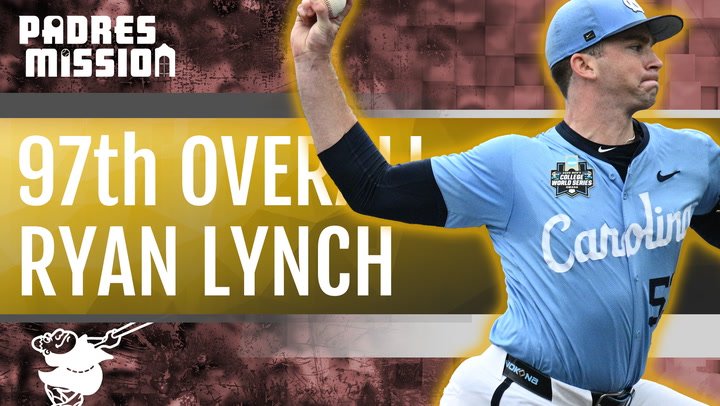 The Padres selected North Carolina right-hander Ryan Lynch with the No. 97 pick in the 2026 MLB Draft, their first college player of the class. In this video, we cover his 2026 season as a full-time starter, where he posted a 4.21 ERA with 89 strikeouts over 98.1 innings, his power sinker that sits 94-96 and touches 98, his College World Series experience, and the starter-versus-reliever debate surrounding his profile. View the full article
 -
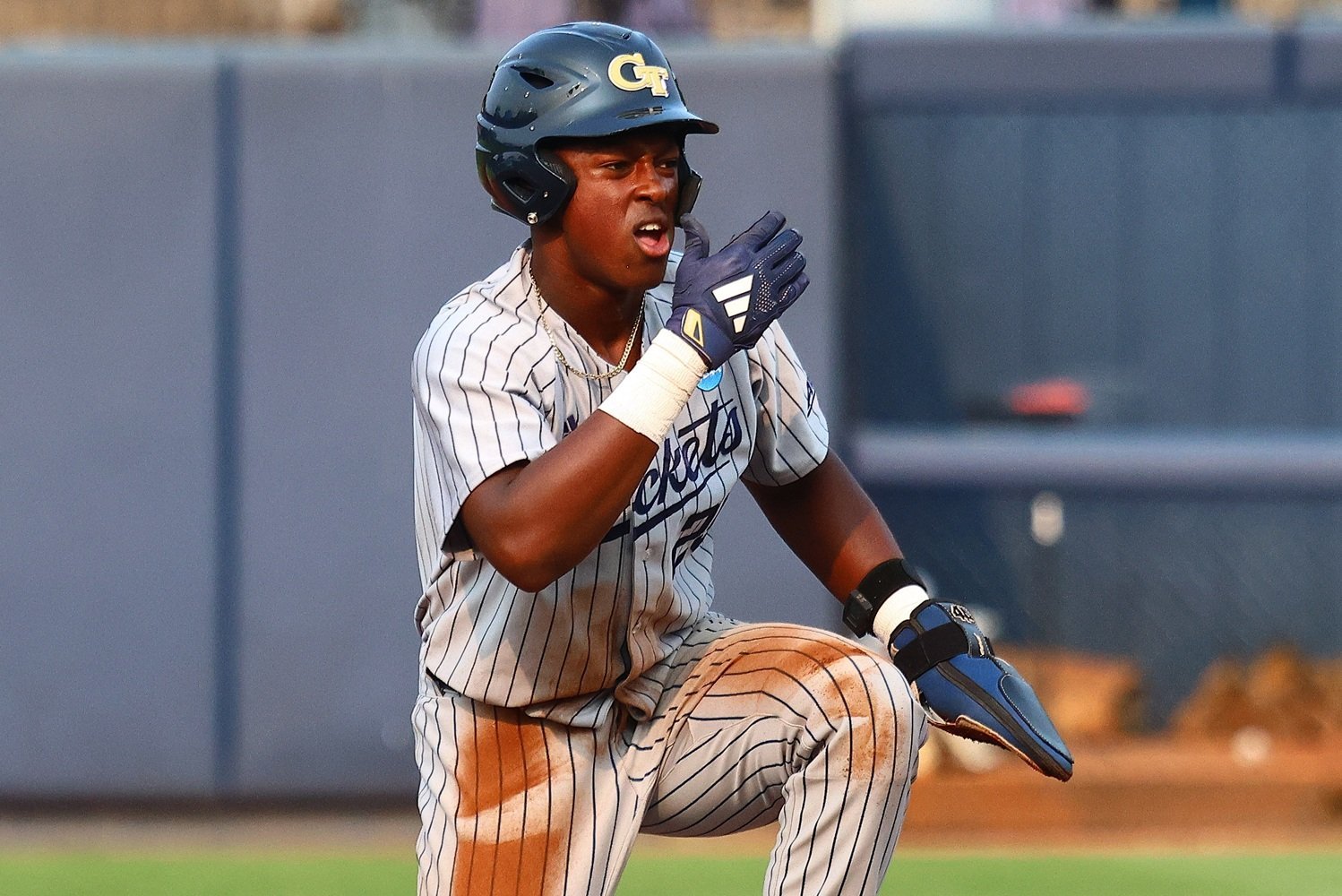 The Minnesota Twins' first draft of the Jeremy Zoll era is officially in the books, and they may have landed one of the best catching prospects in recent years. Georgia Tech catcher Vahn Lackey is officially a Twin, and there's a lot to like about his long-term outlook. This season with the Yellow Jackets, Lackey slashed .397/.519/.772 over 61 games. He collected 39 extra-base hits and walked 12 more times than he struck out. He's always been known for his bat-to-ball skills, but his power production shot up this season. As a result, so did his draft stock. It's not just the bat that makes him such an intriguing prospect, either. Lackey projects as a quality defensive catcher. He owns a 60-grade arm and a 55-grade fielding tool, giving scouts plenty of confidence that he'll remain behind the plate for the long haul rather than eventually needing to move to another position. Needless to say, the Twins got a good one. The timing of the pick makes it especially interesting, because Minnesota's catching situation could look dramatically different over the next 12 to 24 months. That raises the question: when could we realistically see Vahn Lackey make his major-league debut? Before getting too far ahead of ourselves, it's important to acknowledge something. No matter how talented Lackey is (or how excited Twins fans are about him), there's no guarantee he'll immediately live up to the hype. Prospects are never sure things. In fact, the last catcher selected this high in the MLB Draft was Henry Davis, who went first overall to the Pirates in 2021. Davis has yet to establish himself in the majors, carrying a career .568 OPS. That's not to suggest Lackey is destined for the same outcome, but it does serve as a reminder that development isn't always linear. Fortunately for the Twins, catcher has been one position where the organization has consistently done a nice job developing talent. Obviously, Joe Mauer is the gold standard. More recently, though, Ryan Jeffers developed into a quality major-league catcher after coming through Minnesota's farm system. They've drafted some guys (Mitch Garver, Ben Rortvedt) who didn't profile as big-leaguers at the time, only to develop them well enough to make them useful catchers—and, in Garver's case, even a short-lived star. Lackey has a chance to be the next success story. It's not impossible that we see him in the majors as soon as 2027. A few things would have to go right for that to happen. First and foremost, Lackey would need to hit the ground running. Players don't reach the majors a year after being drafted unless they're dominating the minor leagues and forcing the organization's hand. If Lackey is flying through the system, the Twins shouldn’t hesitate to reward him. The other factor is the major-league roster itself. Jeffers is very likely to leave via free agency this winter. If something were to happen to Victor Caratini or Alex Jackson—whether it's an injury, a trade, or another roster move—it could create an opportunity for Lackey much sooner than expected. Still, that feels more like the best-case scenario than the most likely one. If I had to project today, I think a debut sometime in 2028 is the more realistic outcome. Caratini has a mutual option for the 2028 season. While it's certainly possible both sides agree to bring him back, mutual options rarely end up being exercised. If Caratini departs after 2027, that creates a cleaner path for Lackey to step into a major-league role. There's also a world where the Twins simply decide to take their time. We've seen Minnesota exercise patience with several of its top prospects over the past few years, and Lackey could very easily be next in line. The organization also has several young catching prospects already in the system, including Eduardo Tait, Khadim Diaw, and Enrique Jimenez. While it's highly unlikely all four players (including Lackey) remain full-time catchers (or Twins prospects) throughout their professional careers, they represent additional competition within the organization. That depth could make the climb to the majors a little slower. If Lackey doesn't debut until 2029, which is the slow-play route, that shouldn't automatically be viewed as a red flag. He'll still be only 23 years old entering the 2029 season. If the Twins believe he needs additional development time, there's nothing wrong with allowing him to fully polish his game before asking him to handle one of the most demanding positions in baseball at the highest level. In many ways, that cautious approach has become part of the organization's philosophy. You could make a strong argument that Walker Jenkins, Kaelen Culpepper, and Emmanuel Rodriguez have all played well enough to deserve major-league opportunities. Injuries have certainly played a role in delaying those promotions, but it also feels like the Twins would rather err on the side of caution than rush one of their top prospects before they're completely ready. There's every reason to believe they'll take a similar approach with Lackey if they feel it's in his best interest. Ultimately, there are too many moving parts to confidently predict an exact debut date. If Lackey tears through the minor leagues and immediately looks capable of helping the big-league club, we may see him sometime during the 2027 season. If his development takes a little longer—or injuries, organizational depth, or other roster decisions get in the way—that timeline could easily shift into 2028 or even 2029. If I had to place a bet today, I'd lean toward the second half of the 2028 season. Of course, the Twins have far more information than any of us do, and they'll make whatever decision they believe gives Lackey the best chance to succeed over the long term. Regardless of exactly when he arrives, one thing feels pretty clear: Lackey is a prospect worth getting excited about. He has all the tools to become the Twins' catcher of the future, and if everything comes together, he could make a lasting impact on this organization. View the full article
 -
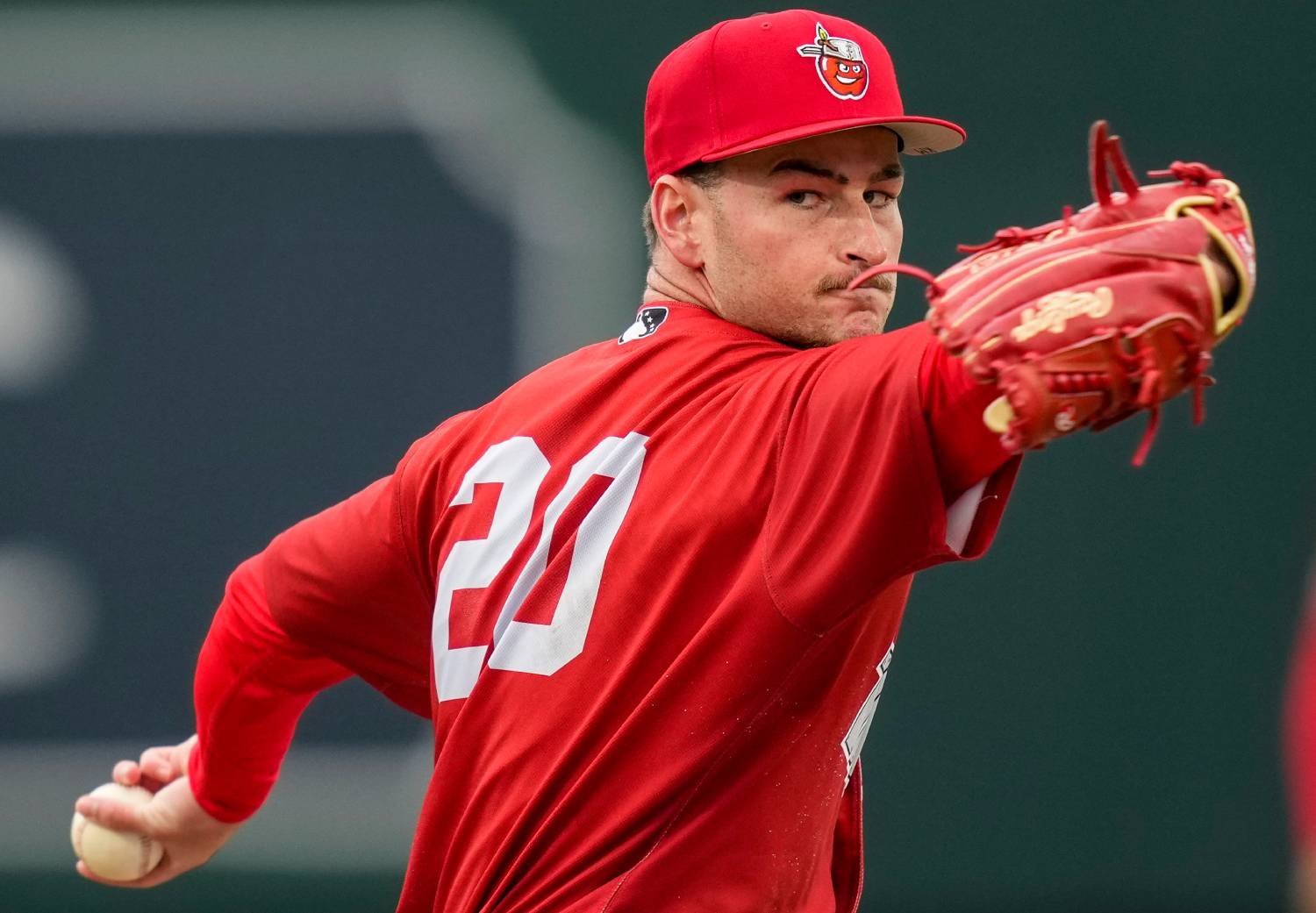 Editor's note: Padres Mission spoke with two industry experts about the state of the San Diego Padres' minor-league system, what they have done right, what they have done wrong, and how they got to this state. This is the third of four articles on the subject. Part 1: Trades Have Depleted Majority of San Diego's Prospect Capital Part 2: Despite Farm Ranking, Padres Are Good At Acquiring Talent With the San Diego Padres sitting at the bottom of the team prospect rankings, that means finding the top prospects in a system like this can sometimes be a difficult task. The good news is that there is a clear-cut No. 1 prospect in Ethan Salas. After that? You get a mixed bag, including who we and our readers at Padres Mission ranked in our Top 20. “You look at (the system) and you're like, ‘Are there 20 prospects here I would get excited about? No, are there six or seven? Yes,’” said Sam Dykstra, a senior reporter at MLB Pipeline. “And then they end up trading four of those and getting a key piece to make a postseason run. Now, that hasn't resulted in a pennant or a trophy or anything really substantive, but they're the ones who could pull off, were willing to pull off the Mason Miller trade last year.” Who does Dykstra have in his personal top five? “My top five right now, it's interesting,” Dykstra said. “We (at MLB Pipeline) have Ethan Salas, Kruz Schoolcraft, Miguel Mendez, Kash Mayfield and Jorge Quintana as the top five right now. ... (Former Top 100 prospect Schoolcraft is) a long-term project. I think there's a debate between him and Mayfield at two and Mendez, I still really like the fastball. I think it's major-league-quality stuff. So I think it's a clear one, you can put Schoolcraft, Mendez, Mayfield in any order, two through four. And then, at No. 5, I know (center fielder Ryan) Wideman's been really good this year. I'm tempted to go Tucker Musgrove, which is more aggressive than I would like for a relief prospect. I get that, but I'm pretty convinced that that (pitch) mix and now that he's healthy ... that fastball is really going to work well. The carry is really good, the velocity is really good. He's going to get important major-league outs for some team, whether that's the Padres, whether that's another team, I don't know.” Keith Law of The Athletic, on the other hand, was really high on another catcher the Padres have. “Salas one, (Ty) Harvey two and Schoolcraft three and then it starts to get kind of dicey,” Law said. “I mean, I know everybody wants to put Mayfield four, but I have not had good reports on him at all this year. The stuff is down, it's a little concerning. It can come back. That happened with (ex-Padres prospect Robby) Snelling actually. Snelling had a period where his stuff was also down. ... I had Miguel Mendez fourth before the season. I probably have him fourth now over Mayfield. You know, I'm trying to like mentally recalibrate the list as we're talking too. (Shortstop) Jorge Quintana, he's having a lousy season, but he's also 19 and at Low-A. He could be in short-season ball. I'm not giving up on him, but I don't see a reason to elevate him over Mayfield at this point. I guess that's kind of where I come down, I would say, Mayfield this fifth. It's a little bit by default.” The 19-year-old Harvey was the Padres’ fifth-round draft choice a year ago out of Inspiration Academy in Florida and is currently on the injured list with a fractured left hand. In 15 games, Harvey has a .340/.466/.447 slash line with no homers, six RBIs and five stolen bases. Harvey was also included in Baseball America’s top five. That outlet has, in order, Salas, Mayfield, Schoolcraft, Harvey and Wideman as the current cream of the crop. Of course, now that the 2026 MLB Draft is complete, a few new names (like first-rounder Coleman Borthwick) should be competing for this distinction soon. As for under-the-radar prospects from a national point of view, Dykstra was keen on outfielders Braedon Karpathios and Alex McCoy and right-handed starter Winyer Chourio and Bryan Balzer. He also mentioned outfielder Kale Fountain, who is out for the season following shoulder surgery, as someone to watch once he returns to action. View the full article
 -
 Sweet Lou, Comrade Cody, and Ol Gregg are joined by draft guru JD Cameron to go over the Twins' 2026 Draft, including a breakdown of number 3 overall pick Vahn Lackey, a second catcher in Carson Tinney, and a high-octane arm barn. We create a pitcher version of a Big Dude Who Dings Dongs. Listen using Apple Podcasts: https://podcasts.apple.com/us/podcast/the-twins-off-daily-podcast/id1741266056 Listen using Spotify: https://open.spotify.com/show/4tb78XlurcPTYYSsARdbD7 Listen using iHeartRadio: https://www.iheart.com/podcast/263-the-twins-off-daily-podcas-167548600/ Listen using Pocket Casts: https://pca.st/nvclbt0w Watch on YouTube: https://www.youtube.com/@twinsdaily View the full article
 -
The Fastest-Rising Arm in the Draft: Jack Slightom, Explained
DiamondCentric posted an article in Royals Keep
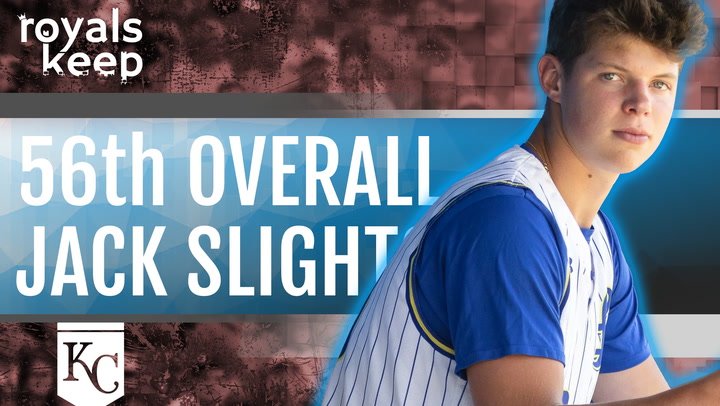 The Royals selected right-hander Jack Slightom out of Lyons Township High School in Illinois with the No. 56 pick in the 2026 MLB Draft. In this video, we cover his dominant senior season, where he posted a 0.37 ERA with 73 strikeouts in 37 innings, his velocity jump from the upper 80s to the mid-90s, his background as his school's starting quarterback, and his projectable 6-foot-5 frame. View the full article
 -
Cubs Draft Pick Brandon Arvidson Is A Weapon
DiamondCentric posted an article in North Side Baseball
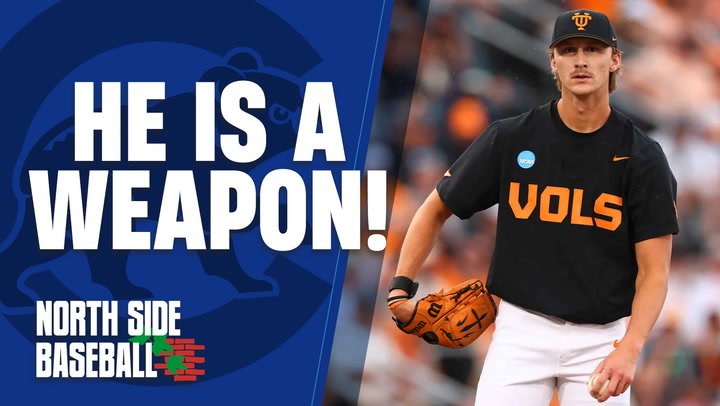 Brandon Arvidson has the potential to be a late-round draft steal for the Chicago Cubs. In this video, we'll break down Arvidson's potential and how his background as a high-leverage SEC arm for the Tennessee Volunteers could equip him for a quick rise up Chicago's pipeline. View the full article
 -
Vahn Lackey's Road to Target Field — Fast Track or Slow Burn?
DiamondCentric posted an article in Twins Daily
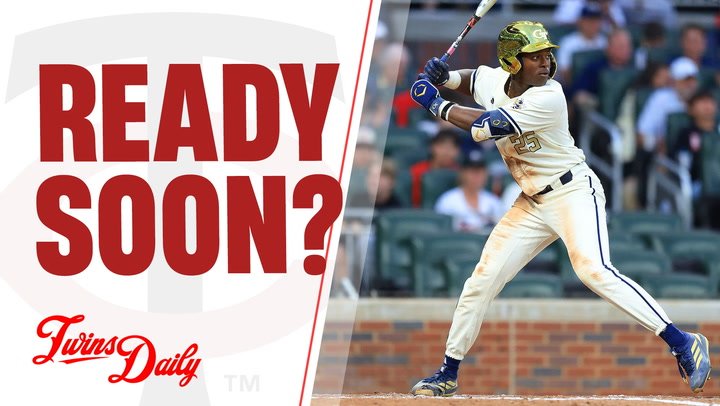 Vahn Lackey has the talent to move quickly through the Twins' farm system, but several factors will determine when he reaches Minnesota. View the full article
 -
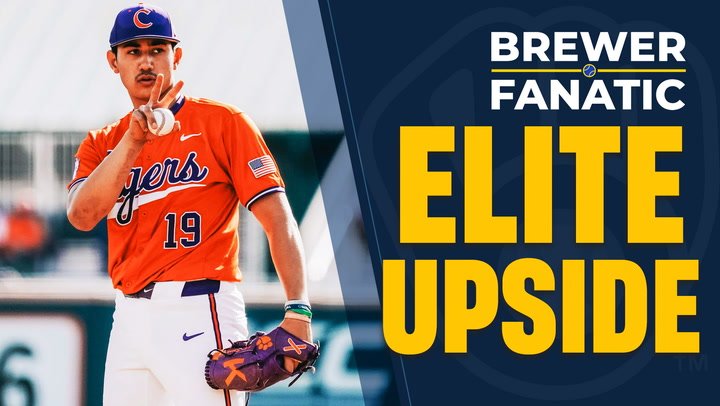 Aidan Knaak sports a 60-grade changeup and loads of potential for the Milwaukee Brewers' farm system. In this video, we'll dive into what he can harness, his pitfalls, and the overall projection for his progression within the Brewers' pipeline. View the full article
 -
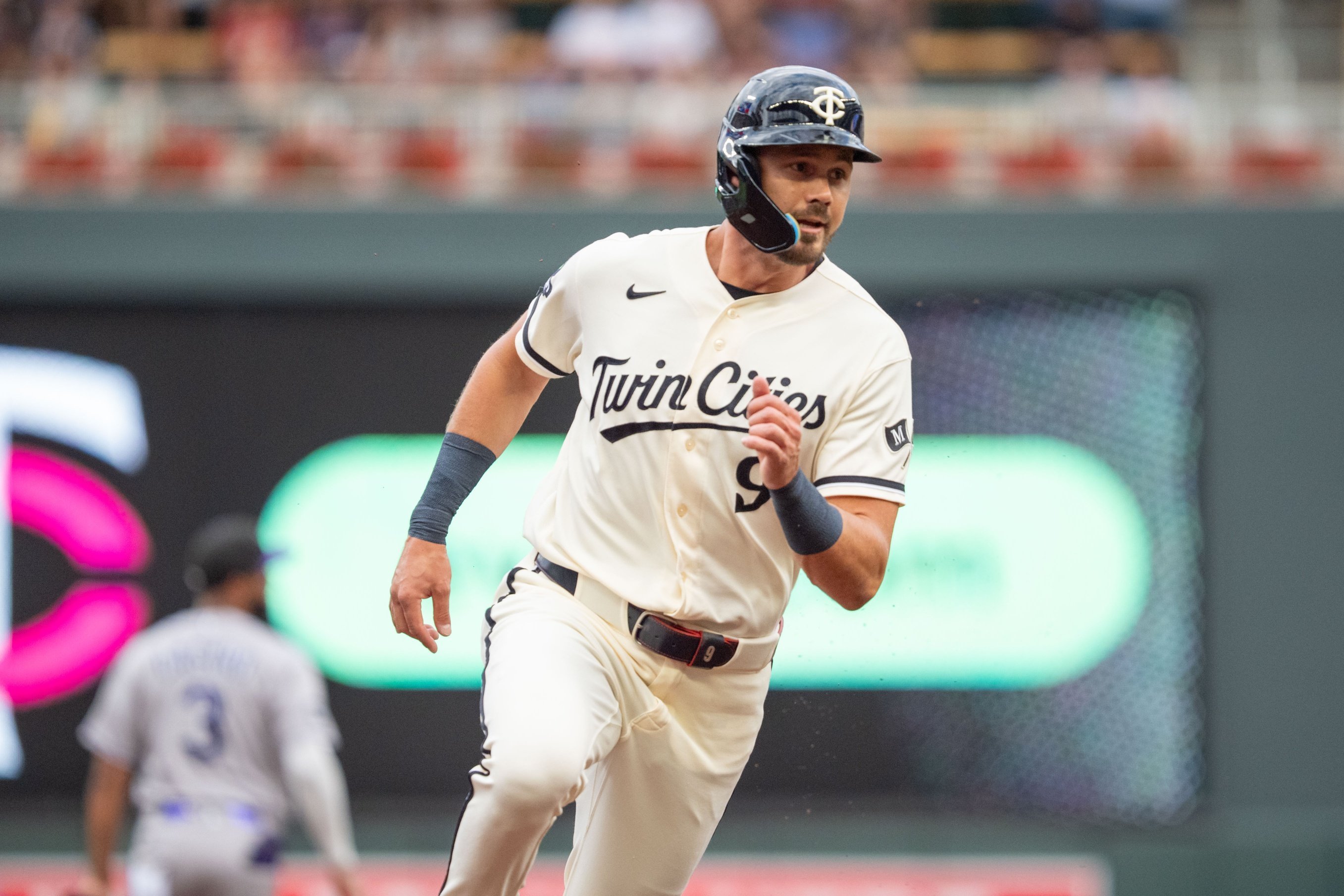 Alan Roden started five games last week after joining the Minnesota Twins roster in place of Byron Buxton. That might be all the time he gets, for now — Buxton is eligible to return from the injured list on Friday. Nearly a year after they acquired him as an ostensibly MLB-ready outfielder, the 26-year-old Roden has made a total of 56 plate appearances with the Twins, spending a vast majority of his time in Triple-A or on the IL. If we get to the end of this year and that remains the case, it'll feel like a failure in follow-through for this rebuilding (?) team. Roden was a key part of the return for Louis Varland, now the AL's best closer. Not only will the Twins have gotten no value from Roden, but they won't have learned much of anything about him in the span of a season and a half. Alas, as things stand, the path to regular playing time for a healthy Roden is basically non-existent. Buxton is an All-Star center fielder. Trevor Larnach is just behind Buxton in terms of productivity (.366 wOBA), thriving with a regular routine in left field. Meanwhile, Luke Keaschall has transitioned from infield to outfield and, so far, not looked back. His bat is coming on strong, with a .303/.418/.449 slash line in his past 30 games. Buxton and Keaschall aren't going anywhere. Larnach could be a different story. There is merit to the idea of trading him, even in a buyer context: sell high, free up payroll (~$2 million), and fall back on ample depth that includes Roden, Matt Wallner, Walker Jenkins, Gabriel Gonzalez, Kody Clemens and eventually Emmanuel Rodriguez. It's a strategically sound concept for a creative front office. But then you take a step back and say, really? The Twins are competing for a playoff spot and they're going to trade their leadoff hitter, who's been integral to a league-leading scoring offense, for a prospect or middle reliever? All to make room for a guy like Roden who was proven nothing as a big-leaguer? Seems kind of ludicrous when you put it that way. The same dynamic takes shape elsewhere across the roster. One solution to the outfield logjam — one that I sort of favor, in theory — would be shifting Buxton primarily to DH for the second half in order to preserve his health and keep him in the lineup. In that scenario, you could use Keaschall in center and give Roden some real run in right field. The problem is that Josh Bell is now the everyday designated hitter. I guess it's hard to call that a "problem" because Bell has been a dream-come-true at the position, with a .971 OPS in the past month, but his inflexible usage does create certain blockages. The argument for shopping Bell at the deadline is similar to Larnach: depth to replace him, salary relief to reinvest, and a lack of future fit. But the contradictory logic is also the same: You're going to trade the cleanup hitter who's been driving your offense to this point? And that's supposed to make your team better? Ryan Jeffers is another example, and maybe the most pressing. His return from the injured list last week has compelled the Twins to carry three catchers, including Alex Jackson who figures to rarely be used. The sticking point is that Jackson is out of options, and would likely be claimed off waivers if designated for assignment. Jackson has looked good enough to position himself as the team's backup catcher next year behind Victor Caratini. If the Twins are out of contention, the path forward is simple: trade the free-agency-bound Jeffers for what you can get, and spend the rest of the year working in your 2027 catching tandem. (You can afford to deal with the wasted roster spot in the meantime, because the games don't matter.) If the Twins are firmly in contention, and a legit threat in the American League, the path forward is also simple: hold Jeffers past the deadline and don't worry so much about losing Jackson. When you're playing in the now, you can't overly worry about tomorrow. Where the Twins are, a game below .500 at the All-Star break, is stuck weirdly in the middle. They are legitimately in postseason contention, primarily due to the overall shabbiness of the league, but still long shots to reach October and longer shots to advance. This puts their front office in a fascinating spot as the trade deadline approaches. In the likelihood the team misses the playoffs, you don't want to look back with regret at opportunities missed. At the same time, you also don't want to hinder your chances to capitalize on what's in front of you, especially with an edict seemingly coming down from ownership to push. Personally, I'm interested in seeing this season through but I'm mainly setting my sights on 2027 as the opening of a true championship window: a rotation led by Joe Ryan, Pablo López and Taj Bradley along with a more fully-formed bullpen and an emerging lineup bolstered by newly arriving top prospects. That's a team you can really start believing in, especially if Tom Pohlad is prepared to invest as he claims. Do the Twins want to take further steps now to maximize that window, or are they more inclined to stay focused on the present in pursuit of a postseason berth in this wide-open AL landscape? There are big trade-offs either way, setting up heavy implications for the front office's looming deadline decisions. View the full article
 -
Revisiting Red Sox's Fateful Quinn Priester Trade Over One Year Later
DiamondCentric posted an article in Talk Sox
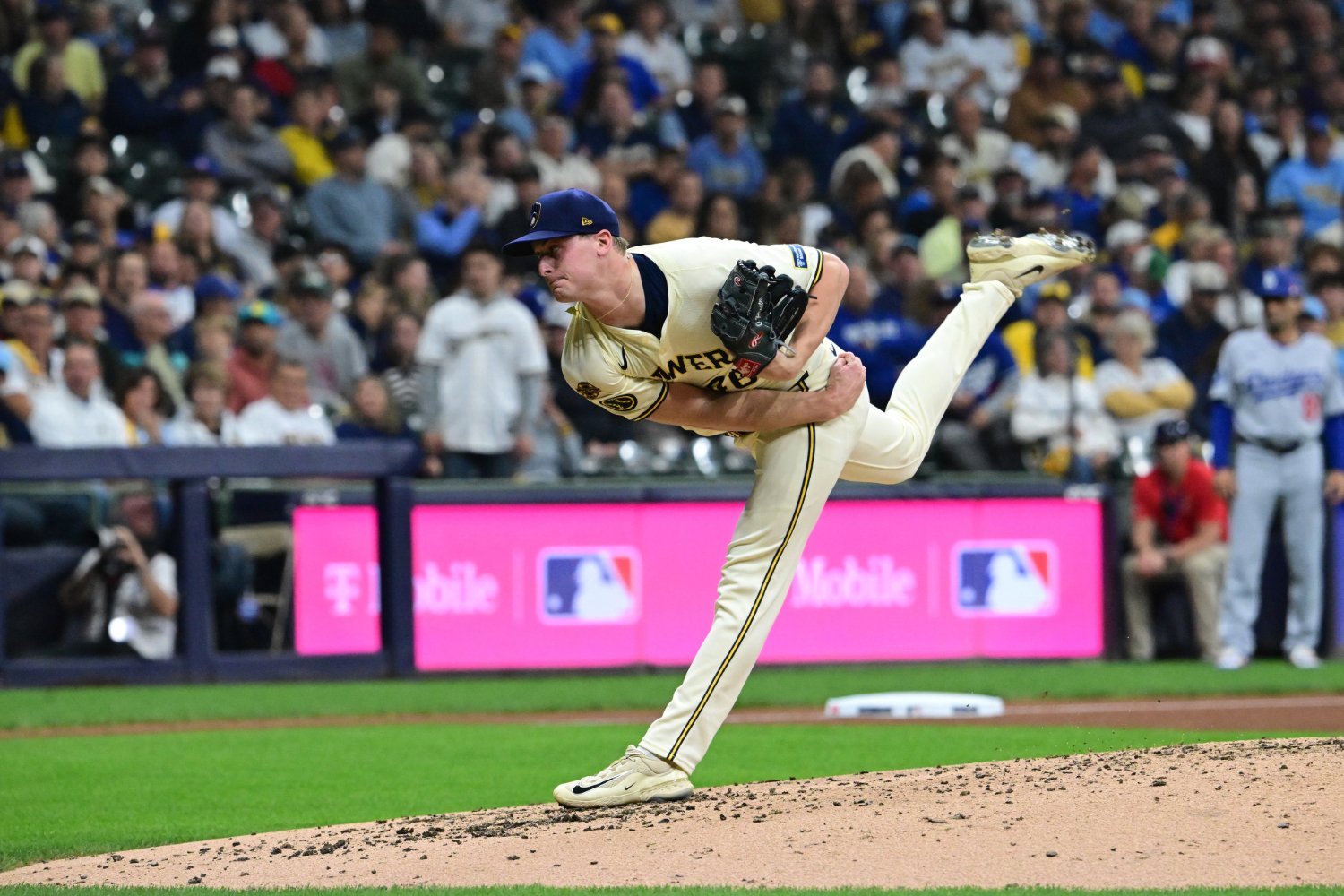 On April 7, 2025, the Boston Red Sox and Milwaukee Brewers completed a surprise trade. The Red Sox, flush with starting pitching depth, traded Quinn Priester and in return received two minor-league players and a Competitive Balance Round A pick. There wasn't a ton of drama surrounding the deal; Priester was in Triple-A and the Red Sox had other, young pitchers who could provide depth for the rotation. It made sense for Craig Breslow to take a swing at acquiring two young prospects that could help replenish the farm system after an offseason that saw multiple players get shipped out. The argument against the trade back then was that the Red Sox had put time and effort into helping develop Priester after trading for him less than a year prior. In that deal, they had moved 2020 first-round pick Nick Yorke to the Pirates and immediately kept Priester in Triple-A until the final series of the season. They worked on his pitch arsenal and pitch shape and in the offseason wanted him to gain weight and put on muscle. Upon arriving at spring training, he had done what they asked. Despite that, the pitcher was optioned to Worcester to open the 2025 season and after just one start where he allowed two runs in four innings, he was traded to the Brewers, who needed starting pitching help at the time. Unfortunately, later in the year, the Red Sox's rotation began to falter and injuries led to young pitchers like Connolly Early and Payton Tolle needing to step up. It just so happened that Priester immediately responded to Milwaukee's pitching lab, compiling an impressive campaign: he pitched in 29 games (24 starts) and went 13-3 with a 3.32 ERA. He managed to strike out 132 batters in 157 1/3 innings. The players the Red Sox acquired, Yophery Rodriguez and John Holobetz, weren’t exactly lighting the world on fire either. The biggest value from that trade wound up being the pick the team acquired and eventually used to draft Marcus Phillips. Because of this, the trade was deemed a failure. At the time, Rodriguez was the only player of note the Sox received, and in his first month he looked rather impressive, hitting .257/.409/.414 with two doubles, three triples, a home run and eight RBIs while walking 17 times. He would unfortunately fall off in May and June before showcasing his talents once more in July, which only gave way to a .147/.234/.235 line in August. Despite being just 19 years old, many were ready to call Rodriguez a bust. Fortunately, he bounced back to begin 2026 and showed the flashes of the potential that Breslow saw in him. In 19 April games he slashed .310/.380/.662 with seven doubles, six home runs and 12 RBIs and at one point led the entire organization in home runs. The outfielder also showcased great defense in left field. Unfortunately, much like in 2025, Rodriguez saw a decline at the plate as the season has gone on. May was especially tough as he struck out 19 times and slashed just .192/.270/.385. He's working with an 85 wRC+ while repeating High-A, though he's still just 20 years old. For Rodriguez, to reach his true potential, he’ll need to improve his pitch recognition as he already makes consistent contact on pitches thrown in the zone. Holobetz arrived as a player to be named later in the trade and was immediately sent to High-A Greenville. He had some quick success there, tossing 63 innings and striking out 62 batters before being promoted to Portland. At that stop, he appeared in six games and tossed 37 2/3 innings and only walked five batters. The right-hander used a four pitch mix of his fastball, slider, curveball and changeup to succeed in Double-A. Despite his success, he’s likely destined for the bullpen as someone who lacks a strong complementary pitch to a good fastball. Nevertheless, the right-hander has remained in the rotation to continue his development as a starter and so that he can pitch more innings than if he were in the bullpen. In 2026, he tweaked his slider a little, giving it more of a bullet shape, but it hasn’t moved the belief in it being nothing more than an average offering. In 2026, Holobetz has made 15 appearances and tossed 72 innings with a 4.75 ERA and 26.2% strikeout rate. Much like Rodriguez, Holobetz got off to a fantastic start in 2026 as he allowed just six runs over his first 22 innings. Unfortunately, May was a step back as his innings fell to 19 and he allowed 21 runs, 16 of them earned. Since then, Holobetz has continued to improve as he’s bounced back in June and the discussion about an eventual promotion Worcester has resumed. The final piece of the trade, Marcus Phillips, is the one that could really make the difference. Phillips is an incredibly talented pitcher who has high reliever risk. Taken 33rd overall, Phillips is best known for his flamethrowing tendencies, thanks to a fastball that tops out at close to 101 mph For Phillips, he’ll be developed as a starter due to the raw stuff of his pitches. However, unless he works on his control issues, he’s likely destined for the bullpen. In college, he walked 49 batters in 103 innings during his two seasons with Tennessee. So far in 46 innings with Greenville, he’s given up 37 walks. Of the three players acquired for Priester, Phillips is the most talented of them. However, he also has the highest risk of being a bust. Should the Red Sox manage to turn him into a dominant reliever or a back-end starter, then this trade becomes a success for the Red Sox. But even if two of the three players they received fail to pan out, the trade isn't a total disaster. Despite Priester’s great 2025 season, 2026 has been a struggle as he opened the year on the injured list and his rehab appearances didn’t go too well (15.75 ERA). Things got so bad that he would go on to have thoracic outlet decompression surgery on June 22. The surgery typically sidelines a pitcher eight to 10 months, putting his 2027 season into question as well. From that point of view, many could argue that the Red Sox were at least right to make the trade, even though it’s impossible to predict an injury of that degree. Even without that foresight, they received three interesting prospects for one really good season of Priester and two injured years. In Breslow’s case, that should be considered a legitimate success. View the full article
 -
Nolan McLean Is Right On Schedule As Mets' Ace of the Future
DiamondCentric posted an article in Grand Central Mets
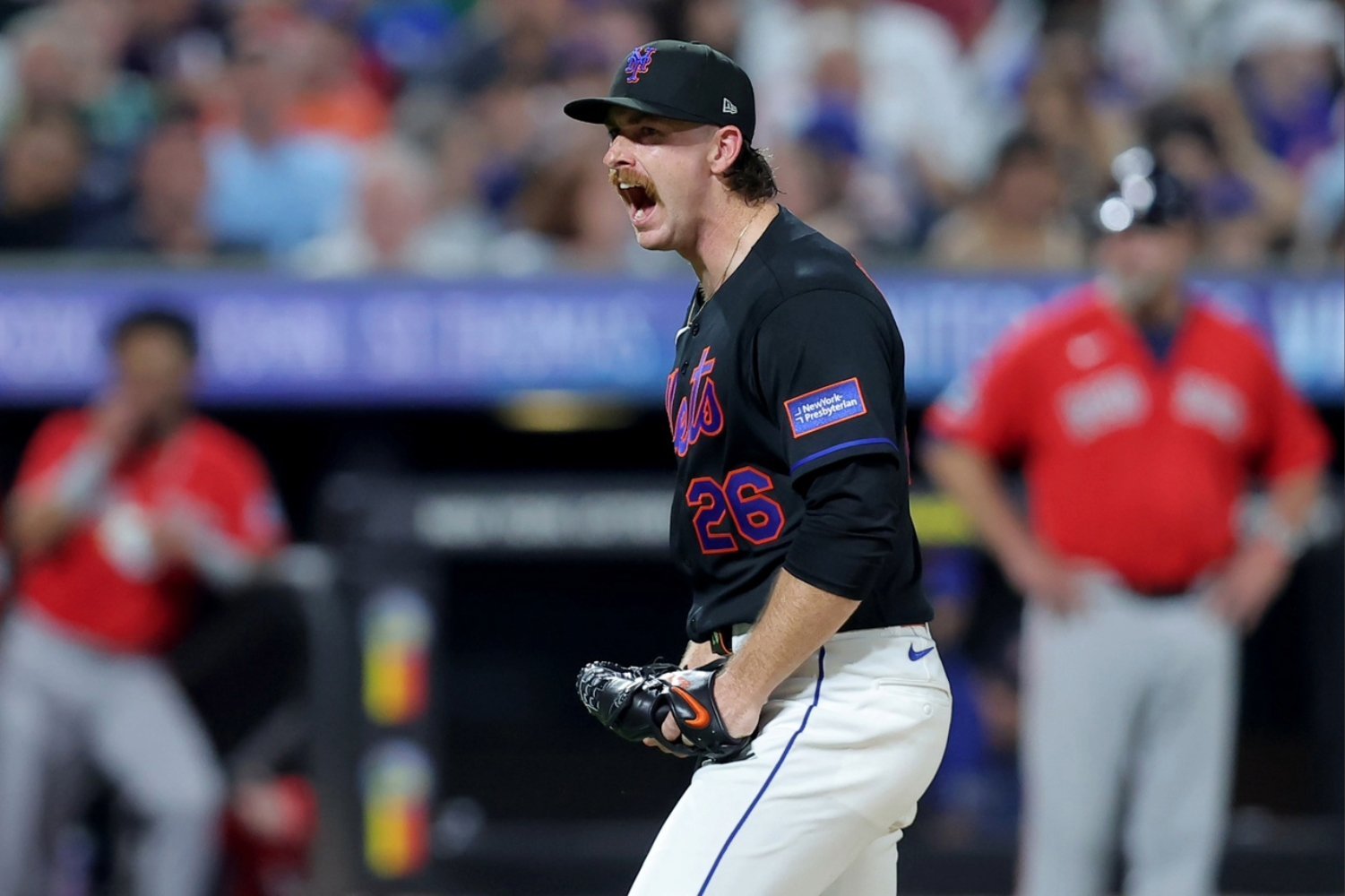 The New York Mets’ season, to say the least, has not gone according to plan. They enter the second half a 40-57 team, good enough for a 1.5-game lead over the Colorado Rockies for the worst record in the National League. The majority of their offseason moves have flopped, and they’ve been just as hapless under Andy Green as they were under the Carlos Mendoza line. The only positive things you can say about this team are that Juan Soto continues to be a Swiss-made hitting machine and Nolan McLean looks the part of a frontline starter. Debuting late in 2025, McLean’s eight-start cameo shot expectations into the stratosphere. It’s impossible not to get excited when a touted rookie pitches to a 2.06 ERA, 30.3% K%, 8.5% BB%, and 61.1% ground ball percentage. Despite his ace-level production, the Mets famously faltered down the stretch, but heading into 2026, nearly every media outlet was bought all the way in on McLean. McLean was FanGraphs’ number one pitching prospect, third overall with a 65 grade; Baseball America ranked him as 2026’s top rookie in a class they mused could be historic, and ESPN ranked him as the 100th best player in the MLB. As Michael Jordan would say, “the ceiling is the roof.” So, now that McLean has 107.1 innings under his belt in 2026, we can see just how well he has lived up to the hype. Let’s start with the obvious. McLean’s 2026 ERA of 3.52 is nowhere near his incandescent debut. However, if you were expecting him to replicate a 2.06 ERA, or even exceed it, I’ve got some bad news for you. Since 1946, the post-war period, the lowest career ERA for anyone who has thrown over 500 innings is Mariano Rivera’s 2.21 mark. As I’m sure you’re aware, Rivera was a single-inning reliever, and the best to ever do it. Among pitchers who were nominally starters, the lowest career ERA of the post-war period is Clayton Kershaw’s 2.53, with only 14 starters owning a career ERA below 3.00. Not to be that guy, but if you thought McLean was going to run sub-2.50 ERAs for the next 1,000 innings, congratulations, you played yourself. Eventually, regression comes for everyone. Paul Skenes posted a 1.97 ERA over his first 320.2 innings and is currently sporting a 3.57 ERA 108.1 innings into 2026. Fortunately, it’s the 21st century, so we have far better tools to analyze pitcher performance than just earned run average. McLean’s debut was legitimately exceptional, but all of his ERA estimators thought he was running quite hot. His xERA, based on Statcast data, was 3.56, his FIP was 2.97, and his xFIP was 2.78. In any given season, those are still elite, top-of-the-rotation figures, but they’re usually not going to win you the Cy Young without some help from BABIP (batting average on balls in play) and home run luck. When you stack his ERA estimators from 2025 and 2026 next to each other, McLean’s supposed step back looks far less pronounced. What’s interesting is that BABIP isn’t the culprit here. His 2026 BABIP of .272 is actually better than his .275 in 2025. The main change for McLean has been his inability to strand runners. In 2025, his left-on-base percentage (LOB%) was 84.1%, but that figure has dropped massively to 68.9% in 2026. Generally, better pitchers have better LOB%, but among starters in the post-war period with over 500 innings pitched, Andrew Abbot is the only player with a career LOB% over 80% (80.6%), and the lowest is Luke Hochevar at 63% (and his career 5.44 ERA). McLean was never going to continue to strand runners at an 84% clip, and he won’t continue to post a sub-70% figure going forward. The league average LOB% has been around 72.2% the past two seasons, and it’s very likely he’ll settle in around a 73% to 77% LOB% going forward, which will have the added benefit of shaving his ERA down a tad. While it might not feel like it, McLean’s underlying pitching ability hasn’t changed much between 2025 and 2026, even if the results have. However, that doesn’t mean he hasn’t changed as a pitcher. The most notable change in his underlying performance has been the complete erosion of his groundball percentage. MLB teams have moved away from trying to build groundball-generating machines, but that’s not because groundballs aren’t valuable; it’s because strikeouts are simply the best, and the two are mostly mutually exclusive — unless you were Nolan McLean in 2025. To put it mildly, McLean’s combination of strikeout and groundball rate in 2025 was absurd. He combined a 30.3% K% and a 61.1% groundball rate, which, if held over a full season, would have been historic. Since 2000, the highest single-season starting pitcher groundball rate was Derek Lowe’s 67% mark in 2006 and 2002, which he paired with sub-15% K%. In fact, there have only been 37 qualified seasons where a starting pitcher has posted a 60% or better groundball rate, and among that group, the highest (non-2020 division) K% was Tyson Ross’s 25.8% mark in 2015. While it would have been fair to assume that McLean’s strikeout and groundball rates would regress a bit, armed with a nasty sinker and the bendiest of breakers, there was no reason to believe that he couldn’t continue to be a strikeout-groundball-generating unicorn. Unfortunately, his groundballs have all but evaporated in 2026, and his pairing of a 27.9% strikeout rate and 47.8% groundball rate looks far more ordinary (although still excellent in a vacuum). Digging into the granular data, McLean has seen his groundball rate drop on nearly every single one of his pitches, and that drop has been most pronounced on his pitches with arm-side movement. Last season, he posted groundball rates of 79.5%, 63.2%, and 44.4% on his sinker, changeup, and fourseam fastball, but has seen those figures move to 54.4%, 47.4%, and 26.8% in 2026. The scale of this shift is staggering, and there are a few things at play pushing McLean’s groundball rate up and off the ground. The first is his arm angle. In 2026, McLean’s average arm angle has increased to 31 degrees from 27 degrees in 2025. But that vertical tilt up has not been uniformly distributed. On almost every pitch, McLean has bumped his arm angle up by about three degrees, but on his sinker it has shot up by five. There’s nothing magical about arm angles, but they do impact pitch characteristics and can have a downstream effect on pitch location. Unsurprisingly, all of McLean’s pitches have seen their movement characteristics change, but none more so than his sinker. *Horiztonal and Vertical Movement is relative to the league average per pitch McLean went from throwing a sinker with extreme vertical movement (drop) and comparatively minimal horizontal movement, to one with substantially more horizontal movement, but far less drop. The pitch’s effectiveness hasn’t waned, but it has altered its strengths. It went from generating gobs of ground balls but getting hit hard (92.4 MPH average exit velocity) to being an elite contact suppressor (86.8 MPH average exit velocity). On top of getting more on top of the ball, McLean’s new release point seems to have shifted where he is able to locate consistently. The difference might appear subtle, but in 2025, McLean was much more consistently locating his pitches lower in the zone. Once again, this isn’t a good or bad thing, but it marks a notable shift. Pitches lower in the zone will generally generate more ground balls, while certain pitches at the top lead to more whiffs and weak aerial contact. We’re a little more than halfway through McLean’s rookie season, and he has already established himself as one of the brightest young starters in the league. His breaking balls have elite movement characteristics, and he has a deep arsenal. However, where he goes next will be fascinating to see. There are real changes under the hood for McLean this season that have made him a slightly different pitcher, but not necessarily a better one. Before jumping to conclusions on whether the Mets need to bring back the old McLean, he deserves a period of grace to work with his new arm angle. Throughout the minors, McLean, a former two-way college player, always had elevated walk rates. It’s not that he has awful control, but he’s so new to pitching, and his pitches move so much, that he’s likely nowhere near his command potential. When you factor in the new arm angle and new pitch characteristics that follow, it’s no surprise he has taken a slight step back from that dominant 2025 run. To make it clear: The kid is right on schedule, just not ahead. He’s made changes at the big-league level and still found success, and there’s tons of untapped potential. It wouldn’t surprise me if he finds his pitches again and rips off a dominant ten-start run to close the season. The Mets have their ace of the future, even if the ERA doesn’t say it yet. View the full article
 -
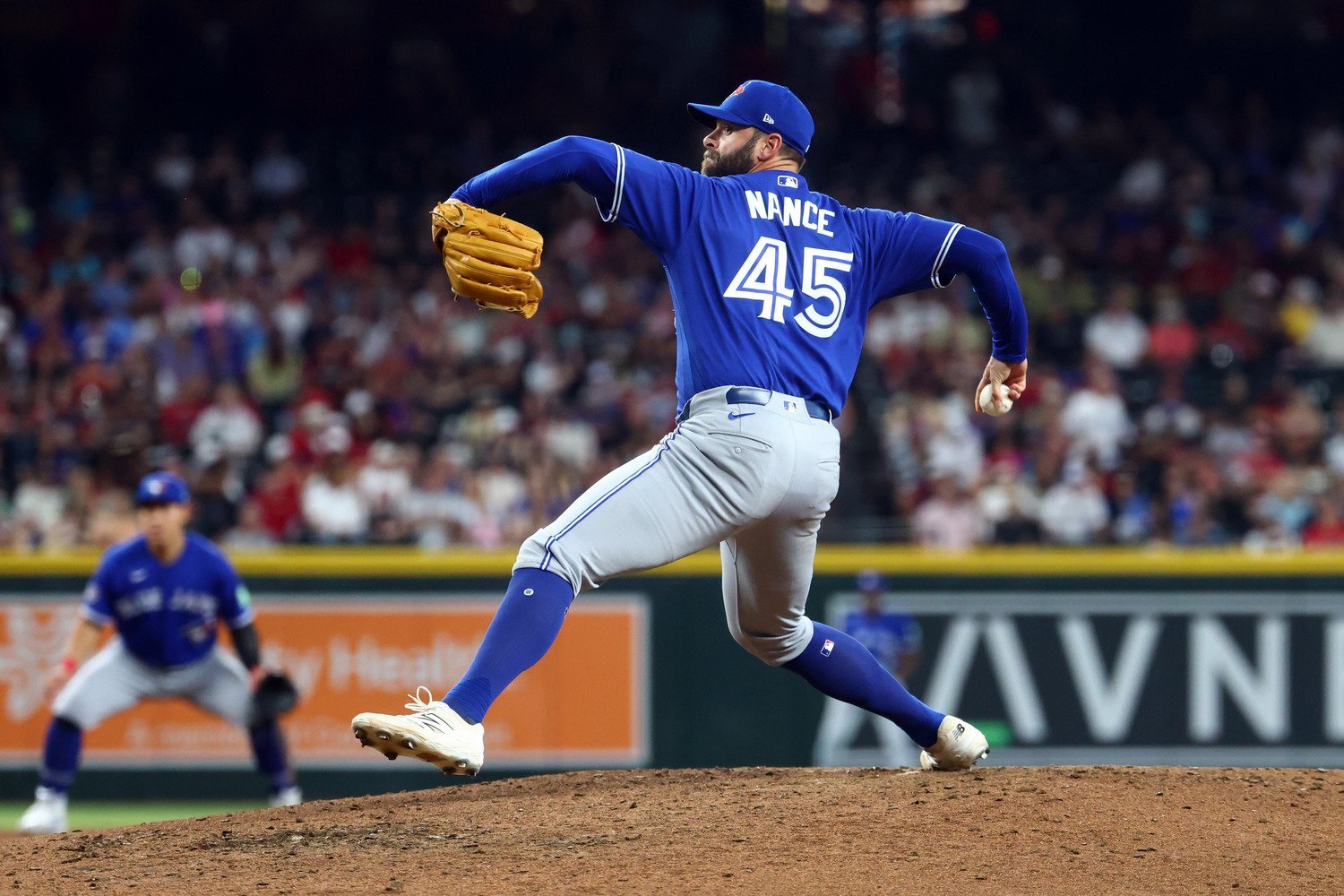 Let the trades begin. On Friday afternoon, the Blue Jays made their first of what could be many trades this deadline season, sending right-handed pitcher Tommy Nance and international bonus pool money to the Minnesota Twins for catching prospect Ryan Sprock. On the surface, the move seems like a good piece of business. Nance was 35 years old, out of options, and had gradually slid down the bullpen depth chart. It’s not that he wasn't pitching well; in fact, he’s been quite solid. He'd been pitching mostly in lower-leverage situations, despite posting a respectable 3.86 ERA. John Schnieder had recently noted the club has a surplus of right-handed relievers, and replacing Nance with an optionable pitcher capable of covering multiple innings gives Toronto greater bullpen flexibility. The move feels like one a team that would be selling around the trade deadline would make. Turning an effective major league reliever into a prospect who may not reach the majors for several years isn't the type of move teams chasing a playoff spot typically consider. Was this the first sign from the Blue Jays that they’re going to start selling pieces at the trade deadline? The easy reaction is to view every July trade through the lens of buying or selling, but not every deadline move is a declaration of intent. Sometimes it's simply about improving the organization wherever possible, and that appears to be the case here. There are several reasons this trade makes sense, regardless of Toronto’s deadline plans, starting with the fact that Nance’s value might never have been higher. He’s 35 years old, he’s strictly a one-inning middle reliever, and he doesn’t have any closing experience either. On top of that, Nance had allowed runs in each of his final three appearances as a Blue Jay, including allowing home runs in two of them. The fact that he’s out of options limits his roster flexibility, too, meaning the team has to keep him on the roster, or else they face the risk of losing him to waivers if they try to send him down. Relief pitchers are notoriously volatile from year to year, making it far from a guarantee that his value would improve between now and the August 3 trade deadline. If the Twins were offering a prospect they liked now, then why wait? From a Minnesota perspective, the move makes just as much sense. The Twins are looking to strengthen their bullpen for the stretch run, and relief pitching is always in demand around the trade deadline. Nance has shown he can provide reliable middle relief, and because he was pitching in a low-leverage role for Toronto, the Twins were able to acquire a dependable arm without giving up one of their premier prospects. So what exactly are the Blue Jays getting in return? Sprock isn’t one of the Twins' headline prospects, but he's the type of under-the-radar player Toronto has targeted successfully in the past. Let's take a closer look. Sprock is a 21-year-old catcher (who can also play some third base and left field). At the plate, his profile is built around contact and strike-zone control. On the season in A-Ball, he’s reached base at a .427 clip, while the zone contact rate is 90% and the swinging strike rate is 5.7%; both would be impressive if they translated to the major league level. Since making the transition to catcher, he’s improved his framing and blocking, and, as a two-way player in college (touching 96 mph), he has a good arm behind the plate. As a bonus, he was just named Florida State League player of the month for June. Including $250,000 in international bonus pool money in the trade suggests Toronto identified Sprock specifically rather than taking the best prospect Minnesota was willing to move. The Blue Jays were willing to spend additional resources to land a player they must believe fits their organizational philosophy. His combination of defensive and contact skills fits the profile of many players Ross Atkins has acquired during his recent tenure. Now, what does this mean for the Blue Jays going forward? Well, it's inconclusive. If the Blue Jays were to go into a full-on teardown, starting with Nance seems like an awkward move. Trading a core veteran such as George Springer, Daulton Varsho, or Kevin Gausman would send a much stronger signal that the organization had shifted into seller mode. What this likely means is that the Blue Jays are trying to walk the fine line between adding to their organizational depth and keeping the big league roster competitive to push for a playoff spot. The balancing act doesn’t come without risk. The Blue Jays bullpen is arguably weaker without Nance than it was with him. Even if Schneider is right and they can likely get more from the right-handed options further down the depth chart, there is no guarantee they will perform. Here are some of the internal right-handed options the Blue Jays could turn to in Tommy Nance’s absence: Pitcher On 40-Man Roster Shortcoming Chad Dallas Yes Limited experience Lazaro Estrada Yes 5.93 ERA in 4 MLB games Chase Lee Yes 8.10 ERA in 2026 Yimi García Yes Currently injured Yariel Rodríguez No 7.71 ERA in 2026 Simeon Woods Richardson No 8.72 xERA in Triple-A this year Tanner Andrews No Limited big league experience CJ Van Eyk Yes Limited big league experience While none of those options is a perfect replacement, the Blue Jays still have enough depth to absorb the loss. Tyler Rogers, Jeff Hoffman, and Louis Varland have stabilized the back end of the bullpen. Rule 5 pick Spencer Miles has been a standout all season. Braydon Fisher has also held his own, and the unit as a whole has been impressive; the Blue Jays bullpen leads the American League with a 3.83 xFIP. As things stand, Toronto’s roster is still unfinished, and more moves are likely before the August 3 deadline. Atkins has shown he won’t wait until deadline day if an opportunity presents itself. Whether the Blue Jays ultimately buy, sell, or thread the needle, this trade reflects an organization focused on long-term value without sacrificing its chance to remain in the 2026 playoff race. If Sprock develops into the catcher the Blue Jays believe he can become, this deal may ultimately be remembered less for Nance’s departure and more as the move that marked the beginning of the Blue Jays’ deadline season. View the full article
 -
3 MLB comps for Marlins 14th overall pick Jacob Lombard
DiamondCentric posted an article in Fish On First
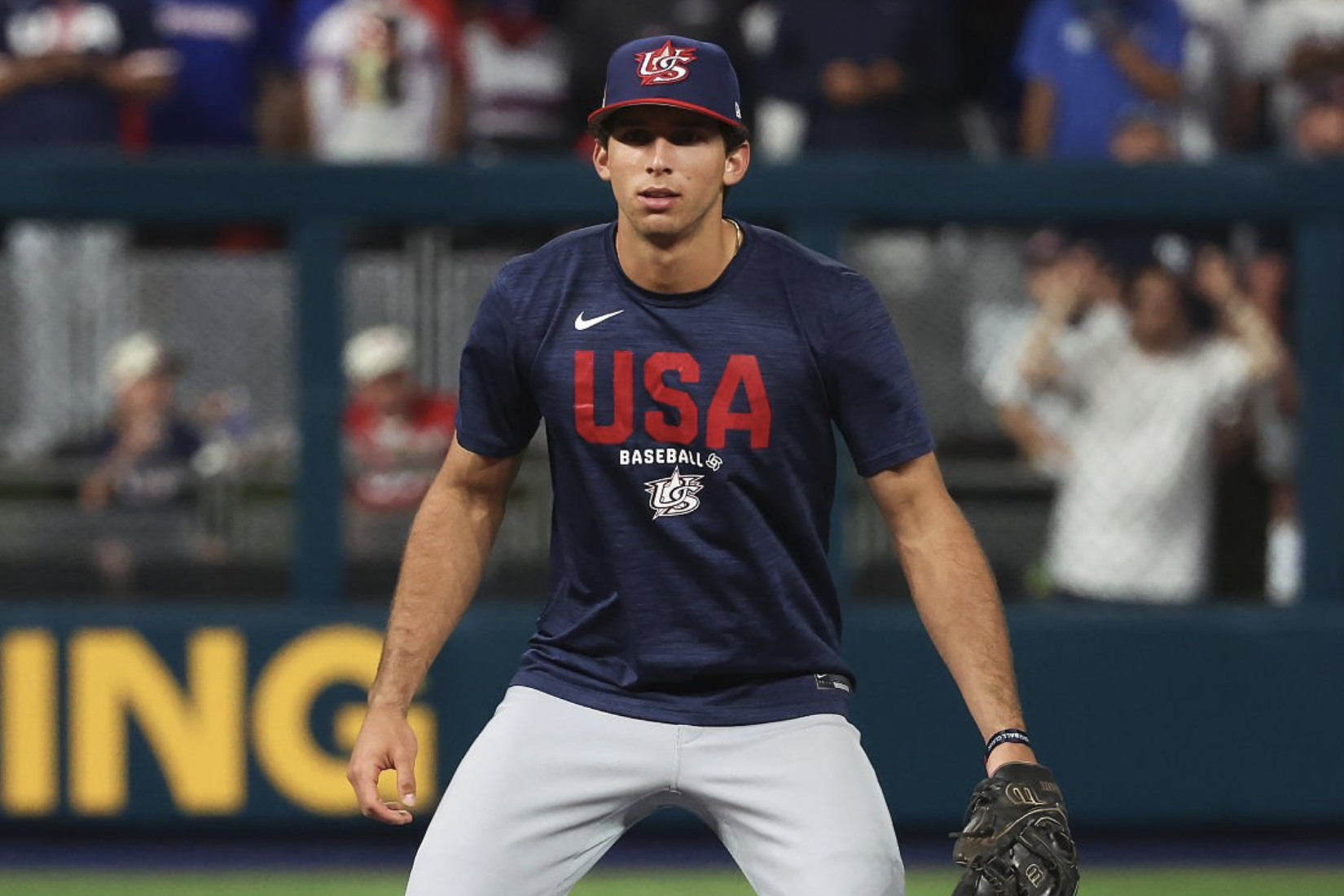 The Miami Marlins selected Jacob Lombard at 14th overall in last weekend's MLB Draft. Lombard "falling" to pick 14 was considered a shock around baseball. When he was still available to them, the Marlins pounced and selected the Miami native with a family history of baseball, Lombard's father is the bench coach of the Detroit Tigers and his brother, George, is a top prospect in the Yankees system who was also drafted in the first round out of high school. Jacob Lombard is a large 6'3" shortstop with big power projection, yet he's extremely fluid at the position. There are mixed opinions of his hit tool. Baseball America gives him a 45 on the 20-80 grade scale, citing his low contact rates compared to his peers on the summer circuit and tendency to chase. Meanwhile, MLB.com gives Lombard a 55 because his angles when he makes contact are strong, with a high fly ball rate, with hard-contact, and high bat speed. Low-end outcome: Trevor Plouffe MLB seasons: nine Peak bWAR: 4.2 Career bWAR: 7.4 The reason for Trevor Plouffe being the "low outcome" for Lombard is based on if Lombard cannot stick at shortstop, Plouffe like Lombard was drafted as a shortstop out of high school and in Triple-A moved to the hot corner. Plouffe had a solid career mostly being remembered for his power, playing nine years in the major leagues with 106 career home runs. cv_24749955_1200K.mp4 Middle outcome: Ian Desmond MLB seasons: 11 Peak bWAR: 4.4 Career bWAR: 15.8 Desmond was a tantalizing offensive talent who had 181 home runs and 181 stolen bases over his 11-year MLB career. He won three NL Silver Slugger awards at shortstop, but his OPS only topped .800 once and strikeouts became a big issue for him in his late 20s. The Nats kept Desmond at shortstop until he reached free agency even though he was very error-prone. Such a player might move down the defensive spectrum earlier in the Marlins organization in its current state. With the talent that Lombard possesses, he could achieve similar counting stats and accolades by staying relatively healthy. High-end outcome: Troy Tulowitzki MLB seasons: 13 Peak bWAR: 6.7 Career bWAR: 44.8 This would be an absolute top-tier outcome for Jacob Lombard, it is unlikely for any player to be the player Troy Tulowitzki was when he played, but if Lombard reaches his peak potential, the size and talent could be as dominate as Tulo was. This would mean the glove, power, and even hit-tool max out for Lombard, making him a complete 5-tool player. As unlikely as it is, the talent is there. Tulowitzki would've reached even higher career WAR and counting stats if it wasn't for injuries. cv_29056227_1200K.mp4 Jacob Lombard by most critics is one of the highest upside selections in recent Marlins history, the bloodlines and talent are there for Lombard to flourish. While unlikely that Lombard reaches superstar status like Tulowitzki did, the Marlins should expect an everyday big league player in some capacity. cv_28246085_1200K.mp4 View the full article
