


DiamondCentric
-
Posts
2,631 -
Joined
-
Last visited
Never
Content Type
Profiles
Forums
Events
News
Tutorials & Help
Major League Baseball Videos
Guides & Resources
Store
Downloads
Gallery
Everything posted by DiamondCentric
-

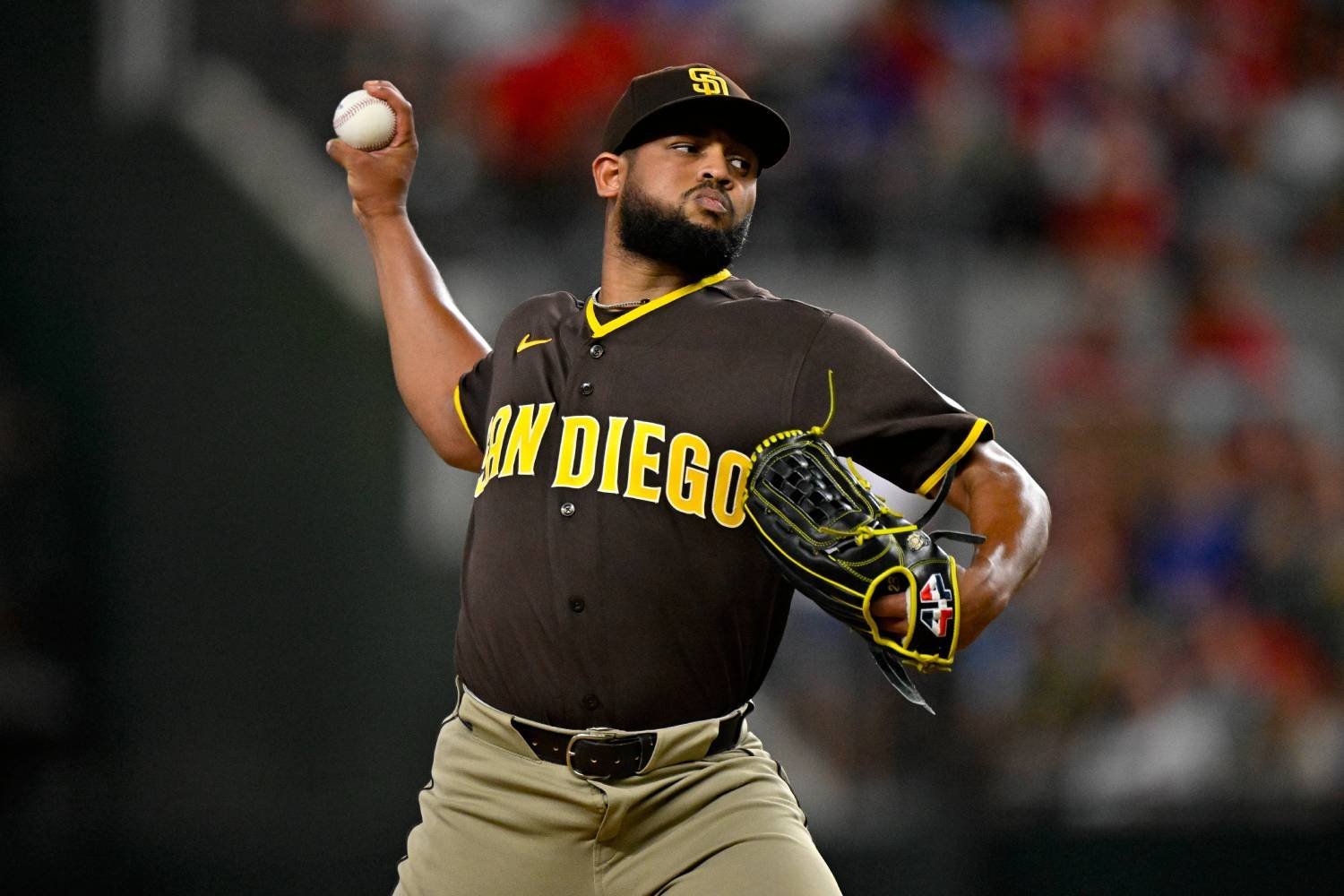 The San Diego Padres' pitching staff is a step closer to being at full strength, but will that be enough to snap out of their doldrums? Right-handed starter Randy Vasquez was activated from the 15-day injured list Sunday by the Padres, who also got left-handed reliever Wandy Peralta back from the bereavement list. That cost two players their roster spot: right-handed reliever Ron Marinaccio was designated for assignment and right-hander Jhony Brito was optioned to Triple-A El Paso. Vasquez, who started Sunday's game against the Kansas City Royals, was hit on the right ankle July 2 against the Los Angeles Dodgers and placed on the IL the next day with an ankle contusion. The night of the injury, Vasquez was being taken to get an X-ray at Dodger Stadium when he fainted and then taken to a hospital. He was released from the hospital the next morning and was back at the team hotel before the decision was made to put him on the IL. Vasquez did make one rehab appearance in the Arizona Complex League. After a strong start to his season, Vasquez has been a bit of an enigma since. In 17 games, he currently has a 4.91 FIP (4.71 ERA) with a good 7.3% walk rate and below-average 16.3% strikeout rate. Marinaccio was out of options and posted a 5.31 FIP (4.79 ERA) in 33 games with a walk rate of 8.9% and strikeout rate of 18.7%. If he goes unclaimed off waivers, which feels unlikely, he can be outrighted to Triple-A. Brito pitched a scoreless inning in Saturday's 6-1 loss to the Royals, his third appearance this the last two weeks since coming back up following internal brace and flexor tendon surgery in April 2025. View the full article
 -
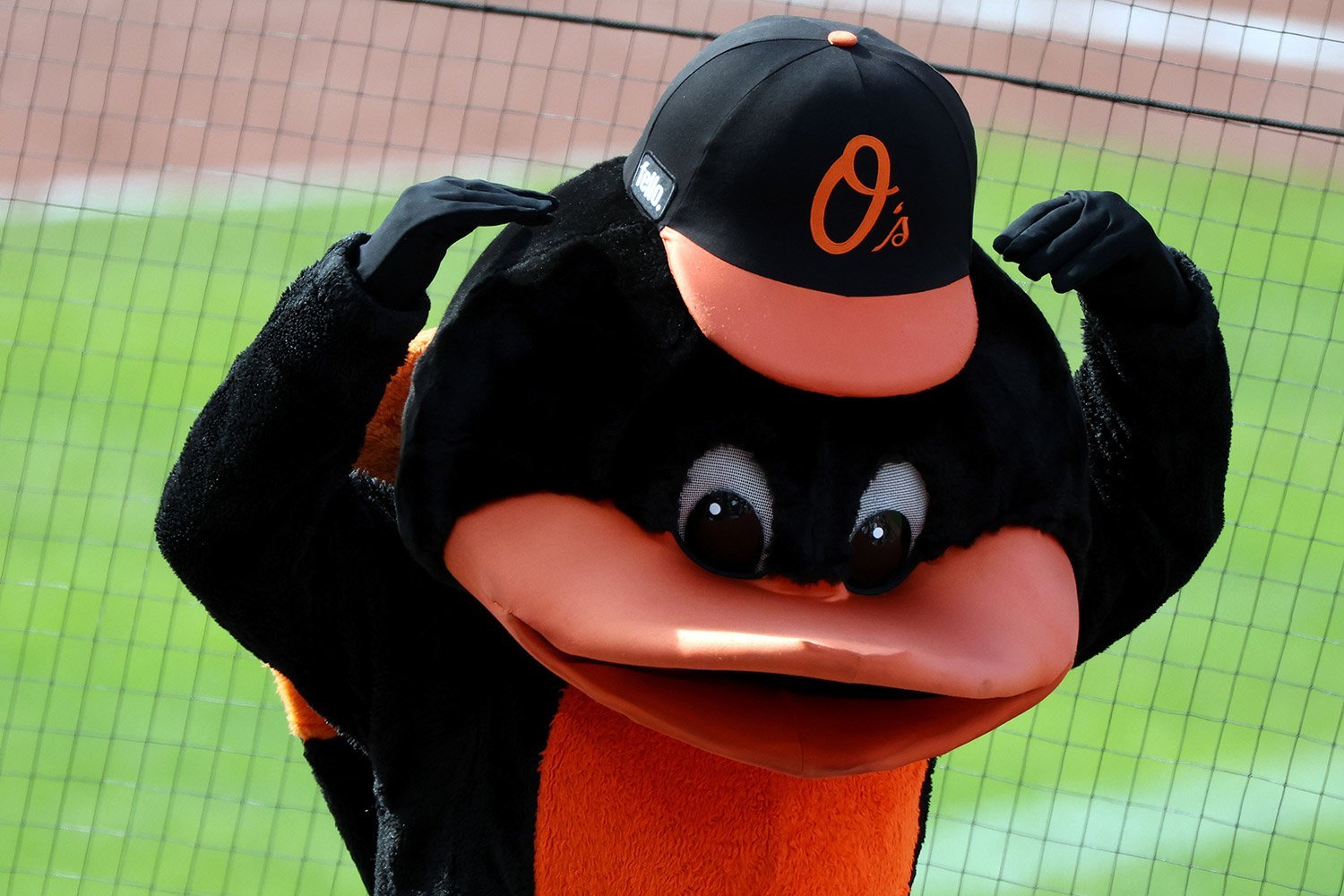 The Royals have traded OF Rudy Martin Jr to the Orioles in return for cash considerations. Martin Jr is a 30-year-old outfield prospect who was a former 25th-round pick by the Royals back in 2014. He climbed up the minor league ranks in his first stint with the Royals and got up to Triple-A Omaha back in 2019. He returned to Triple-A Omaha in 2021 and was granted free agency after the 2021 season. He played the 2022 season in the Washington Nationals organization and then played in Independent Ball in 2023 and 2024. He played in the Mexican Winter League in 2024-2025 prior to re-signing with the Royals for the 2025 season. He's played the majority of the 2026 season in Double-A but earned a call-up to Triple-A. Between the two levels, he slashed for a .284/.414/.441 across 255 plate appearances. He's walked at a 16.1% rate and struck out at a 23.5% rate as well. He also has eight home runs and 33 stolen bases on the year. He had an upward mobility clause in his contract that he triggered, and the Orioles chose to add him to their 40-man roster, which was the first time in his career that he earned a 40-man roster spot. It will be interesting to see if the long-time minor leaguer can earn his first major league call-up with Baltimore. View the full article
 -
Report: Twins Agree To Contract With No. 3 Overall Pick Vahn Lackey
DiamondCentric posted an article in Twins Daily
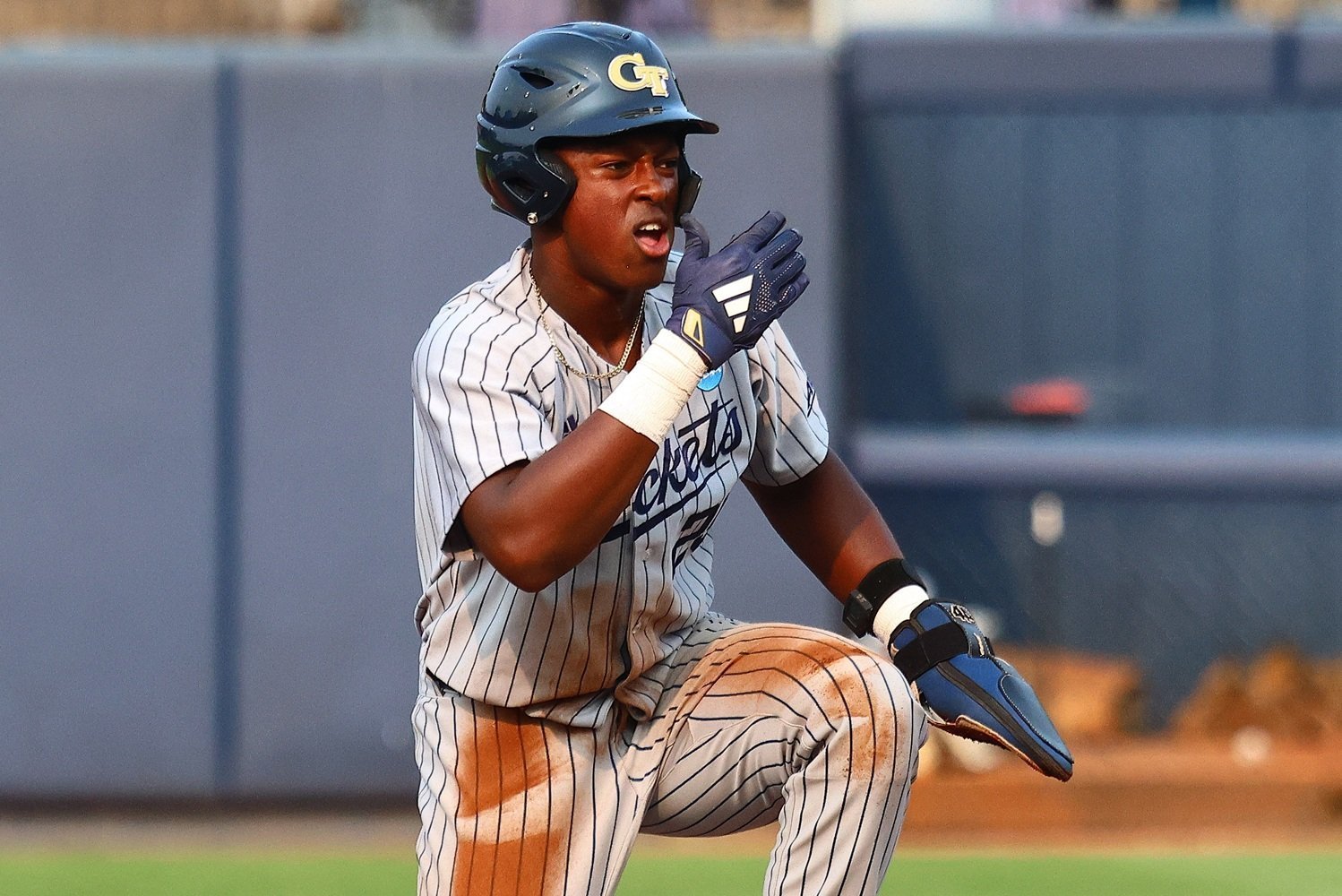 According to Dan Hayes, the Minnesota Twins have reached an agreement with first-round pick Vahn Lackey, officially bringing the third overall selection from the 2026 MLB Draft into the organization. While the club has not publicly announced the financial details, the No. 3 overall selection carried a recommended slot value of $9.74 million in this year's draft. The agreement remains subject to a standard physical before becoming official. Lackey represents the Twins' highest draft choice since they selected Royce Lewis with the first overall pick in 2017. Lewis received what was then a franchise-record $6.725 million signing bonus. The Georgia Tech standout put together one of the best offensive seasons in college baseball during his junior year. Over 283 plate appearances, Lackey slashed .397/.519/.772 (1.291), combining elite on-base skills with significant power production. His impressive statistical profile is only part of what attracted Minnesota's scouting department. "He's hard to take your eyes off when you see him play," Twins assistant general manager and scouting director Sean Johnson said. "He can really throw. He's athletic. He blocks. He does all the little things that you want to see a catcher do. He can take charge on the field. You can't take your eyes off him when he's out there. His presence is really good. All the things you want to see, the intangibles, he has them. The Twins have not invested this heavily in a catcher since selecting Hall of Famer Joe Mauer with the first overall pick in the 2001 MLB Draft. While comparisons to Mauer are premature, Lackey's combination of defensive ability, athleticism, and offensive upside made him one of the fastest-rising prospects in this year's class. After hitting .347 as a sophomore, Lackey unlocked another level offensively during his junior campaign. He boosted his home run total from six to 20, a jump he attributed to making adjustments that created more launch angle in his swing. Those changes transformed him from a solid collegiate hitter into one of the premier bats available in the draft. The Twins have emphasized finding players with well-rounded skill sets under scouting director Sean Johnson, and Lackey fits that philosophy perfectly. Evaluators consistently praised his receiving, throwing arm, leadership behind the plate, and advanced offensive approach, making him one of the safest bets among the top players in the draft. A Potential Franchise Cornerstone Twins Daily's Jamie Cameron said, “The Twins got their guy. Plus defensive catchers who put up a 170 wRC+ in the ACC are outlier prospects. In his draft recap, Eric Longenhagen said of Lackey’s strengths: "everything". He has a chance to solve a big problem for the Twins for at least five years. A special player.” Those expectations highlight why the Twins were thrilled to see Lackey available with the third overall pick. Catchers capable of impacting both sides of the game are among baseball's rarest commodities, and Minnesota believes it has landed one with the potential to anchor the position for years to come. With his signing now in place, the next step will be getting Lackey into professional games and beginning his development. Although catchers often require more time than other position players, the Twins are betting that one of the most complete players in the 2026 draft class can eventually become a cornerstone of their next championship contender. View the full article
 -
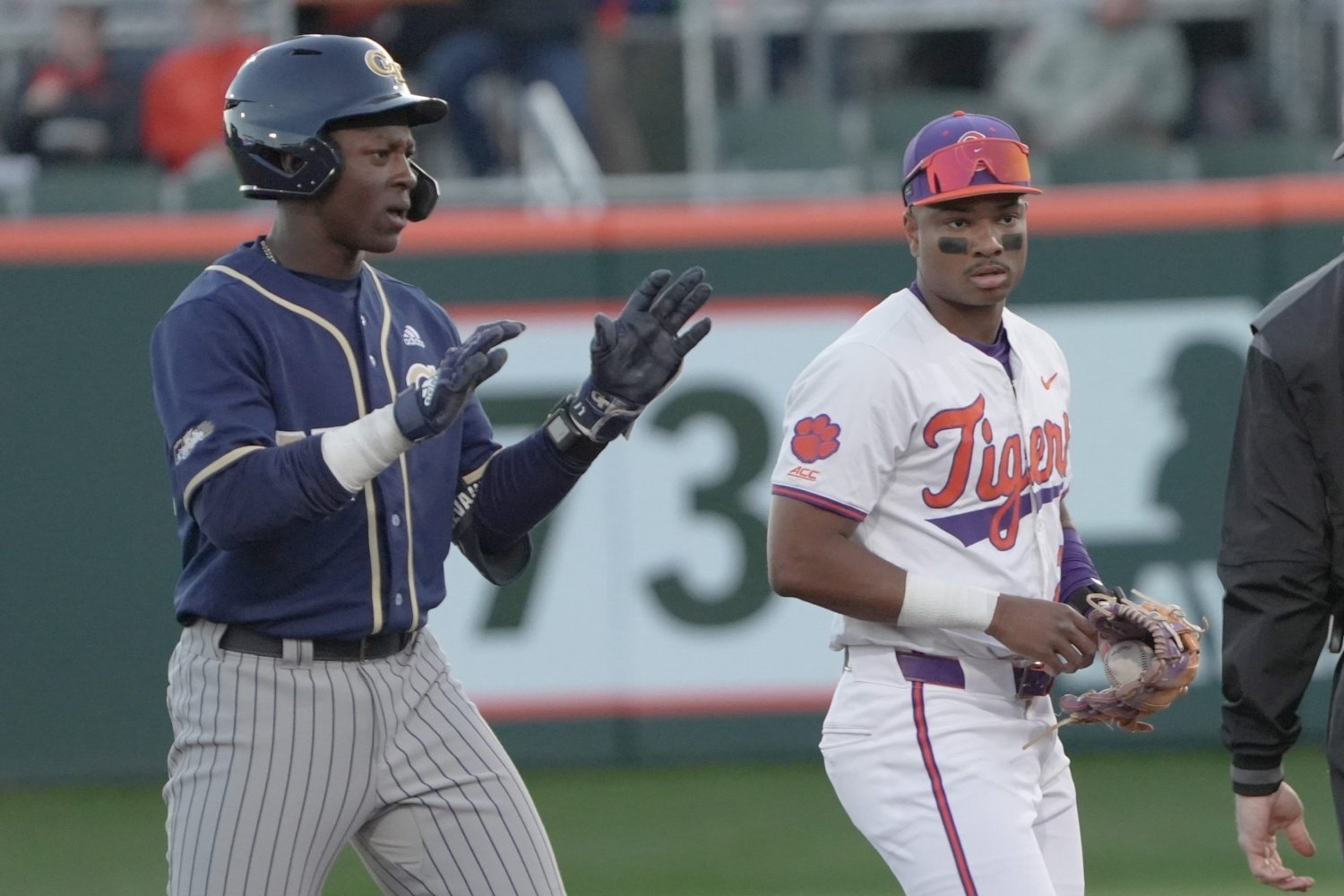 The top of the 2026 MLB Draft unfolded much the way evaluators expected. UCLA shortstop Roch Cholowsky went first overall to the Chicago White Sox, Texas prep standout Grady Emerson followed at No. 2, and the Minnesota Twins landed Vahn Lackey with the third overall selection. While the draft is now in the rearview mirror, prospect rankings are already beginning to provide context for how those players compare to the rest of baseball's young talent. Baseball America recently updated its Top 100 Prospects list following the draft, giving Twins fans an early indication of where Lackey fits among the game's best prospects. The publication's rankings suggest Minnesota may have added another cornerstone talent to an already impressive farm system. Lackey Debuts Among Baseball’s Best According to a recent ESPN report, the White Sox seriously considered selecting Lackey with the first overall pick and continued debating between him and Cholowsky until the final days before the draft. Ultimately, Chicago chose the polished UCLA shortstop. Baseball America's updated rankings reflect just how close that decision may have been. Cholowsky now checks in as the No. 5 prospect in baseball, immediately becoming one of the highest-ranked prospects in the sport. Emerson follows at No. 12 overall, giving the first two selections prominent placement near the top of the rankings. Lackey isn't far behind. Baseball America placed the Twins' newest prospect at No. 26 overall, making him one of just a handful of 2026 draftees to crack the upper tier of the Top 100 list immediately after being selected. For a player who has yet to appear in a professional game, that's an impressive endorsement of both his talent and long-term projection. Where Does He Fit in Minnesota's System? The more interesting debate may be where Lackey belongs within the Twins organization. Walker Jenkins remains the standard bearer. Baseball America had him ranked ninth overall entering the draft, and he continues to sit comfortably among baseball's elite prospects despite injuries slowing portions of his development. After Jenkins, however, the conversation becomes much more interesting. Minnesota's system features several high-end talents, including Kaelen Culpepper and Emmanuel Rodriguez. Each brings a unique blend of upside and proximity to the major leagues. Lackey immediately enters that discussion. An argument can reasonably be made that he is the organization's second-best prospect behind Jenkins. Others may prefer the combination of performance and proximity offered by players already succeeding in the upper minors. There's also a case for ranking him third while waiting to see how his tools translate to professional baseball. Regardless of where individual evaluators place him, Baseball America's ranking makes one thing clear: Lackey belongs in the conversation with the very best prospects in the organization. Another Boost for a Rising Farm System The Twins have spent the past several years building one of baseball's deeper farm systems, and the addition of Lackey only strengthens that foundation. Landing a player viewed as the No. 26 prospect in baseball immediately after the draft is a significant win for Minnesota's scouting department. It also provides another high-ceiling talent to pair with Jenkins at the top of the system. Whether Lackey ultimately becomes the Twins' No. 1 prospect remains to be seen. For now, Baseball America's updated rankings offer an encouraging reminder that Minnesota didn't just add another first-round pick last week. They added one of the most highly regarded young players in all of baseball. View the full article
 -
Thinking Big: Should the Twins Target Top Closer Mason Miller?
DiamondCentric posted an article in Twins Daily
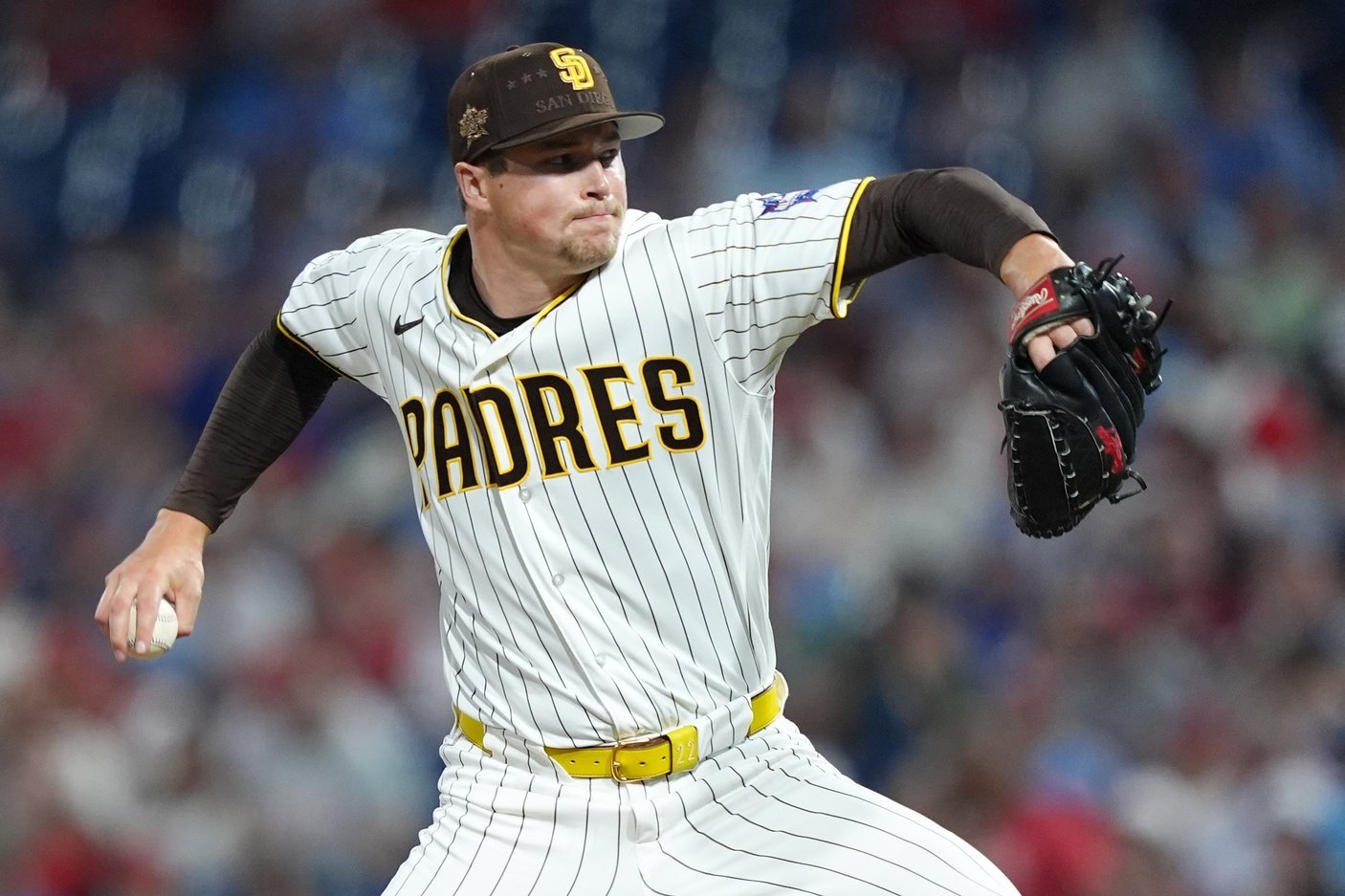 Trade deadline rumors are beginning to heat up, and one of the biggest names on the market could be Padres closer Mason Miller. Kevin Acee of The San Diego Union-Tribune recently reported that San Diego is open to moving the All-Star right-hander, a surprising development considering Miller has been nearly untouchable since arriving in San Diego. While adding the game's most dominant closer is an exciting idea, the Twins should look elsewhere this deadline. Miller was arguably the biggest name dealt at last year's trade deadline when the Padres acquired the flamethrowing closer from the Athletics. San Diego paid an enormous price, headlined by consensus top-five prospect Leo De Vries along with several additional prospects. At the time, it felt like one of the rare blockbuster trades that worked out exactly as both sides hoped. The Athletics received a franchise cornerstone prospect, while the Padres acquired arguably the most dominant reliever in baseball. After posting a microscopic 0.77 ERA during the second half of last season, he has followed it up with a 0.91 ERA across 40 innings with San Diego while leading the majors with 25 saves. There is little debate that Miller has established himself as baseball's premier closer. Despite all of that success, the Padres appear willing to deal away the right-hander. It is an understandable position for a team sitting at 48-48 in an incredibly competitive National League, particularly in a loaded NL West. With playoff odds hovering around 12 percent, the Padres may see this as an opportunity to replenish a farm system they emptied to acquire Miller in the first place. If he truly is available, there will be no shortage of bidders. Every contender would love to shorten games by handing the ninth inning to Miller. He is the type of player who instantly raises a team's ceiling. Despite their back-end bullpen needs, the Twins simply are not in the position where paying that price makes sense. Minnesota has put itself in a good spot to return to the postseason for the first time since 2023, finally back to a .500 record and with playoff odds of nearly 40 percent. That alone represents meaningful progress after the disappointment of the past two seasons. But making the playoffs and being one player away from a deep October run are two very different things. Acquiring Miller is the type of move teams make when they believe they are one missing piece from winning a World Series. It is hard to make that argument for this Twins roster. The asking price is almost certainly going to start with elite prospects. If San Diego paid Leo De Vries to get Miller, they are not going to flip him one year later for a package built around secondary prospects. The Twins would likely have to begin conversations with names like Walker Jenkins or Kaelen Culpepper. That is simply too steep for a relief pitcher, even one as dominant as Miller, for a team that's no sure thing to make the playoffs, nevertheless the World Series. There is also the financial side of the equation, which should not be overlooked. Miller is making just $4 million this season, but he has already begun the arbitration process which figures to escalate quickly for someone of his caliber. That matters because saves are one of the biggest drivers of arbitration salaries for relievers. With a league-leading save total and continued dominance, it is easy to envision Miller earning well north of $10 million next season before climbing to nearly $20 million and above in his remaining arbitration years. Yes, the Twins could technically afford those salaries. The better question is whether that is the smartest use of (self imposed) limited payroll flexibility. For organizations like the Dodgers, Yankees, or Mets, paying top dollar for a closer is manageable. For a mid-market club like Minnesota, every payroll decision carries more weight. Committing that kind of money to a reliever limits flexibility elsewhere on the roster, especially when the Twins have several young players who will also become more expensive over the next few seasons. Recent reports suggest the Padres have discussed the possibility of attaching Xander Bogaerts to a Miller trade as a way to unload the remainder of the veteran shortstop's contract. Bogaerts is still owed $25 million annually over each of the next seven seasons, an enormous commitment for an underperforming 33-year-old. On paper, absorbing that contract could reduce the prospect package needed to acquire Miller. In reality, it creates an even bigger problem for Minnesota. The Twins are already carrying $10 million annually of dead money for Carlos Correa's contract through 2028. Taking on Bogaerts would saddle the organization with another massive long-term commitment for a declining player. Even if the prospect cost became more reasonable, the financial burden would almost certainly outweigh the benefit. That is not how this front office should allocate its resources. The bullpen certainly deserves attention before the deadline. There is no question the Twins could use multiple reliable late-inning arms. The mistake would be confusing that need with a reason to push all of their chips into the middle of the table. Successful mid-market organizations rarely build bullpens through blockbuster trades. They identify undervalued relievers, develop arms internally, and spread their resources across multiple needs rather than concentrating them into one bullpen spot. If the Twins are going to make a significant deadline splash, it should come at a position that impacts the game every day or every fifth day. A frontline starter or an impact bat would move the needle far more than even the best closer in baseball. There is no denying that watching Mason Miller in a Twins uniform would be a lot of fun. His electric fastball and dominant stuff would immediately transform the back end of Minnesota's bullpen and make every late lead feel secure. The problem is that acquiring him would likely require paying both a prospect price and eventually a financial price that simply do not align with where this organization is today. The Twins are trending in the right direction, but they are not one closer away from winning a championship. Sometimes the smartest deadline move is recognizing that the biggest name on the market is not the right fit. What do you think? Should the Twins push their chips to the middle for the best closer in baseball, or should they focus their prospect capital and payroll on addressing bigger needs before the trade deadline? Leave a comment below and start the conversation! View the full article
 -
 Jonah Tong is not making much of a case to rejoin the New York Mets. The right-hander -- No. 1 in Grand Central Mets’ July ranking of the organization’s top 20 minor-league prospects -- has been mediocre to bad since being optioned back to Triple-A Syracuse on June 3. His start Saturday night against Buffalo was typical: five innings, five hits, two runs (both earned), three walks, two strikeouts. He threw 53 of his 89 pitches for strikes (59.6 percent), The offense gave him enough run support for him to qualify him for the win; the final was 15-2. It was his third consecutive start of exactly five innings; including Saturday, he’s averaging 4.71 innings in seven starts since the demotion. His ERA over that span is 6.00. Maybe his innings are being limited as the season goes on, or he’s experimenting in games. But a top prospect not shutting down Triple-A teams on a regular basis is a sign that he’s not ready to come back up. Elsewhere in the organization: Binghamton took another beating from Akron, losing Game 2 of the series 12-3. The Rumble Ponies were blown out 11-0 on Friday. On Saturday, the RubberDucks scored four in the top of the first inning off Danis Correa and Gabriel Rodriguez. Clay Holmes’ scheduled rehab start for Brooklyn was postponed because of rain. Holmes threw a live bullpen session of about 45 pitches instead, MLB.com reported. The rainout will be made up as part of a doubleheader Sunday afternoon. St. Lucie fell behind big early and lost to Palm Beach 7-4. The Cardinals jumped on opener Joel Diaz for three runs in the bottom of the first, although just one of them was earned thanks to center fielder D’Andre Smith committing a three-run error on a single. The FCL Mets were off Saturday. The entire Dominican Summer League was off ahead of its All-Star Game on Sunday. Outfielders Cleiner Ramirez and Jonnhan Sanchez and right-hander Abner Meza were chosen to represent the Mets on the National League squad. Mets Transactions New York Mets sent CF Luis Robert Jr. on a rehab assignment to Syracuse Mets. Melendez Keeps The Power On For Syracuse MJ Melendez hit two more home runs and drove in four in the Mets' rout. His three-run blast in the fifth gave Syracuse a 10-2 lead. He now has homered four times in his last four games and eight times in 12 games overall since being optioned to Triple-A on June 26. The Mets hit four homers in all Saturday. Christoper Morel and Luis Robert Jr. also went deep. Robert is back at Syracuse for more rehab work. He played eight innings in center field. As for the Mets' non-veterans, Yonny Hernández went 3-for-4 with two RBIs, and Nick Morabito reached base four times (three of them walks) and stole two bases. Tong handed the bullpen a big lead, and it responded with four scoreless frames, one each by Dan Hammer, Matt Turner, Dylan Ross, and Matt Seelinger. The quartet combined for seven strikeouts. Player AB R H RBI BB K Luis Robert Jr., CF 5 2 2 2 0 2 Cristian Pache, PH-CF 1 0 0 0 0 0 MJ Melendez, DH 5 3 3 4 1 0 Ronny Mauricio, 3B 5 1 1 1 0 2 Nick Morabito, RF 2 2 1 1 3 0 Ryan Clifford, LF 3 0 0 0 2 2 Christopher Morel, 1B 4 3 2 2 1 1 Yonny Hernández, 2B 4 1 3 2 1 0 Ben Rortvedt, C 5 1 1 1 0 2 Vidal Bruján, SS 4 2 1 1 1 0 Player IP H R ER BB K HR Jonah Tong (W) 5 5 2 2 3 2 0 Dan Hammer 1 1 0 0 1 2 0 Matt Turner 1 1 0 0 0 2 0 Dylan Ross 1 0 0 0 0 1 0 Matt Seelinger 1 1 0 0 1 2 0 Rumble Ponies Beaten Up Again Binghamton has been outscored 23-3 in the first two games of this weekend series. Akron scored its runs Saturday over three, four-run innings, starting with the first frame. Correa got just two outs before being replaced by Rodriguez. A wild pitch and an error contributed to the unraveling. For the game, Binghamton pitchers issued 11 walks to go with eight hits allowed. Brendan Girton walked two before serving up a game-breaking grand slam in the seventh. On the plus side, Rumble Ponies hurlers struck out 13. Nick Lorusso hit his 16th home run of the season, a two-run shot in the bottom of the seventh, for Binghamton. Akron tacked on four in the ninth against Brian Metoyer with a bases-loaded hit by pitch and a three-run triple. Lorusso, Kevin Parada, Jaylen Palmer and Nick Roselli each had two hits in the loss. Player AB R H RBI BB K Jose Ramos, CF 4 0 0 0 1 1 Nick Lorusso, 1B 5 2 2 2 0 2 Kevin Parada, C 4 0 2 0 1 2 Matt Rudick, RF 4 0 1 1 0 2 Vincent Perozo, DH-LF 4 0 0 0 0 2 Wyatt Young, SS 4 0 0 0 0 2 Nick Lucky, 2B-3B 4 0 1 0 0 2 Jaylen Palmer, LF-2B 4 0 2 0 0 0 Nick Roselli, 3B- P 4 1 2 0 0 0 Player IP H R ER BB K HR Danis Correa (L) 2/3 3 4 3 2 0 0 Gabriel Rodriguez 2 0 0 0 2 4 0 Justin Armbruester 1 1/3 0 0 0 1 1 0 Brendan Girton 2 2/3 3 4 4 2 5 1 Garrett Stratton 1 1/3 1 0 0 0 3 0 Brian Metoyer 2/3 1 4 4 3 0 0 Nick Roselli 1/3 0 0 0 1 0 0 Rough First Inning Sinks St. Lucie Most of the damage in the opening frame came from one play. Smith failed to field Brayden Smith's single with two runners on base. Both runners scored, and Smith circled the bases on the error. After St. Lucie answered with two runs in the second on a Chase Meggers RBI single and a Jeremy Rodriguez fielder's choice grounder, Palm Beach pulled away against Christian Rodriguez with single runs in the third and fourth and two runs in the fifth. Antonio Jimenez cut the deficit to 7-3 with a solo homer in the sixth, his sixth round-tripper of the season. Rodriguez added an RBI groundout in the ninth for the final margin. Both of Rodriguez's run-scoring grounders brought in Simon Juan. Rehabbing major-leaguer Mike Tauchman played eight innings in left field and went 0-for-4 at the plate. Player AB R H RBI BB K Elian Peña, SS 4 0 1 0 0 1 D'Andre Smith, CF 4 0 1 0 0 0 Jack Scanlon, 1B 0 0 0 0 0 0 Mike Tauchman, LF 4 0 0 0 1 2 Antonio Jimenez, 3B 4 1 1 1 0 1 Trey Snyder, DH 3 0 2 0 1 1 AJ Salgado, 1B-RF 4 1 0 0 0 1 Simon Juan, CF 3 2 2 0 0 0 Chase Meggers, C 4 0 2 1 0 0 Jeremy Rodriguez, 2B 4 0 0 2 0 0 Player IP H R ER BB K HR Joel Díaz (L) 2/3 2 3 1 1 1 0 Christian Rodriguez 3 1/3 4 4 4 1 3 2 Joe Scarborough 2 0 0 0 1 4 0 Caden Wooster 2 1 0 0 1 4 0 Top-20 Prospect Performance Jonah Tong: 5 IP, 5 H, 2 ER, 3 BB, 2 K (W) Jack Wenninger: DNP Ryan Clifford: 0-for-3, 2 BB, 2 K Elian Pena: 1-for-4, K Nick Morabito: 1-for-2, RBI, 3 BB, 2 SB Jacob Reimer: DNP Mitch Voit: DNP Jonathan Santucci: DNP Zach Thornton: MLB Chris Suero: DNP Will Watson: DNP Wandy Asigen: DNP Eli Serrano III: DNP Randy Guzman: DNP Dylan Ross: 1 IP, 0 H, 0 ER, 0 BB, 1 K Ryan Lambert: DNP Antonio Jimenez: 1-for-4, HR, RBI, K R.J. Gordon: DNP Jonathan Pintaro: DNP Marco Vargas: DNP View the full article
 -
 Let’s see how the Boston Red Sox's farm system fared through Saturday’s action. Triple-A Worcester Red Sox Series @ Scranton/Wilkes-Barre RailRiders (New York Yankees): 0-1 Season Record: 45-45 Worcester’s Saturday night game was postponed due to rain. No make-up date has yet been provided. Double-A Portland Sea Dogs Series vs. Somerset Patriots (New York Yankees): 2-1 Season Record: 47-41 Franklin Arias, Ronald Rosario and Anthony Eyanson put on a show for Portland as the Sea Dogs rolled to an 11-0 win. Anthony Eyanson has arguably been the Red Sox’s most impressive prospect in his first professional season. After turning heads in High-A, the LSU alum got the call-up to Portland in May. In July, Eyanson represented the Red Sox at the All-Star weekend Futures Game. In his first game of the second half, he twirled an absolute gem. With one hit, no earned runs, and an outstanding eight strikeouts across five frames, Eyanson was the epitome of dominance. He allowed one walk before Jedixson Paez took over in the sixth, who was similarly dominant across his two innings. He allowed one hit and struck out three, keeping the momentum going for Portland. John Holobetz completed the final two innings for Portland, allowing a walk and a hit as he matched Paez with three Ks. It was an incredibly successful day on the bump for Portland as the staff rebounded well from a rough Friday. Portland was equally as impressive on the other side of the ball. Tallying 11 hits and drawing nine walks, the Sea Dogs recorded six hits with runners in scoring position. Franklin Arias went 3-for-4 with two RBIs and Ronald Rosario went 2-for-5 as he drove in five runs on two moon shots. Rosario got started quickly, hammering a home run to center field in the first inning. Arias and Will Turner crossed home as Portland jumped out to an early lead. In the fifth, Matt Frazier tacked on another on an RBI groundout that scored Brooks Brannon. In the seventh, Nate Baez scored on a Caden Rose sac fly to begin a seven-run frame. Arias joined in on the fun with a fly-ball double to center, scoring Frazier and Miguel Bleis. Brooks Brannon drove in two more with a double of his own, scoring Arias and Turner. Rosario capped off an impressive inning with his second homer of the night, a two-run blast with Brannon aboard. Rosario’s ninth homer of the year put a bow on what may have been the Sea Dogs’ best all-around game of the season. High-A Greenville Drive Series vs. Frederick Keys (Baltimore Orioles): 1-1 Season Record: 36-50 Greenville’s pitching staff was rocked as the Drive fell 12-2. Dylan Brown got the nod to begin Saturday’s game for Greenville, turning in five innings of okay ball. Brown allowed three runs on seven hits and issued three walks as he struck out five. He got his sixth loss of the season as his ERA rose to 4.28. Shea Sprague entered the game next, lasting 1⅔ innings before being yanked. Across his appearance, Sprague allowed five runs (one unearned) on four hits as the Keys’ offense pulled away. Calvin Bickerstaff got the call from the pen next, but was unsuccessful in his efforts to stop the bleeding. Over just two-thirds of an inning, Bickerstaff let up four runs on five hits before Tyler Davis entered to clean things up. Davis succeeded in steadying the ship, closing out the final inning and ⅔ of Saturday’s game. Davis allowed three runs as he K’d two, staving off the Keys offense in the late stages of the game. The Drive was similarly weak at the plate, recording just eight total baserunners and stranding six throughout the game. Stanley Tucker was the only player to record multiple hits as he and Antonio Anderson recorded one RBI apiece. Anderson’s RBI came first as he drove in Isaiah Jackson on his second triple of the season. Down by two later in the inning, a Tucker single drove Anderson home, marking the Drive’s final RBI of the game. Low-A Salem RidgeYaks Series vs. Delmarva Shore Birds (Baltimore Orioles): 1-1 Season Record: 37-51 Salem’s eighth win of the month came behind a combined effort from both the pitching staff and offense. Ethan Walker took the first two frames of Saturday’s ballgame for the Yaks, allowing three runs (two unearned) on three hits before Jose Bello took over. Bello was more successful, allowing one run on three hits. He struck out four across his 5⅓ inning appearance. Harry Blum took over for Bello in the eighth, closing the game for Salem. Across 1⅔ innings, he allowed one more run on two hits as he struck out one. All three pitchers allowed one walk, but were good enough to help give Salem the win. Salem’s offense was the story of the game on Saturday. The Yaks combined for 12 hits and 10 runs as they notched 10 runs for the second straight contest. Anderson Fermin contributed three RBIs as Franklin Primera and Avinson Pinto added two each. However, it was Justin Barry who got the RidgeYaks on the board with an RBI single in the second, scoring Louis Andujar. Two innings later, Pinto tied the game with a single as Andujar and Andruw Musett crossed home. Pinto was subsequently driven home on a Fermin single as Salem took the lead. The Yaks didn’t look back, capitalizing on their momentum just one inning later. Andujar reached on a throwing error as Musett scored before Andujar and Pinto were driven home on another single from Fermin. The sixth inning featured season firsts from two players. Primera notched his first homer of the season with Skylar King aboard. Then, Andujar hit his first triple of the season, and of his career, as he drove in Adonys Guzman to cap off the ten-run game for Salem. Andujar was outstanding on Saturday, going 3-for-5 with two doubles, a triple, and adding two stolen bases. View the full article
 -
Three Relievers Who Could Fix Minnesota's Bullpen At The Deadline
DiamondCentric posted an article in Twins Daily
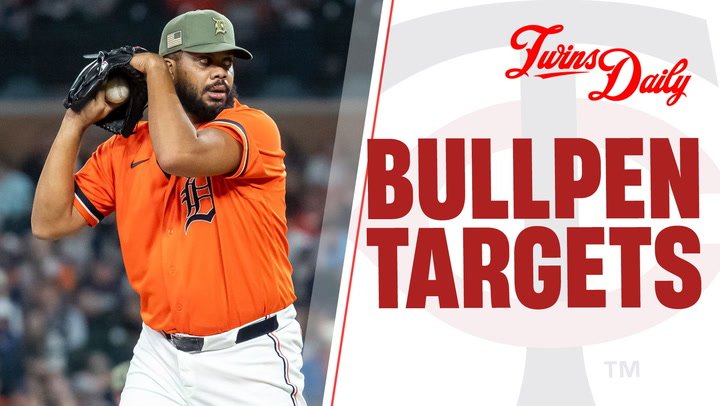 If the Twins decide to buy at the trade deadline, improving the bullpen should be the top priority. Kenley Jansen, Brock Burke, and Keaton Winn all stand out as intriguing options to strengthen Minnesota's late-inning pitching. View the full article
 -
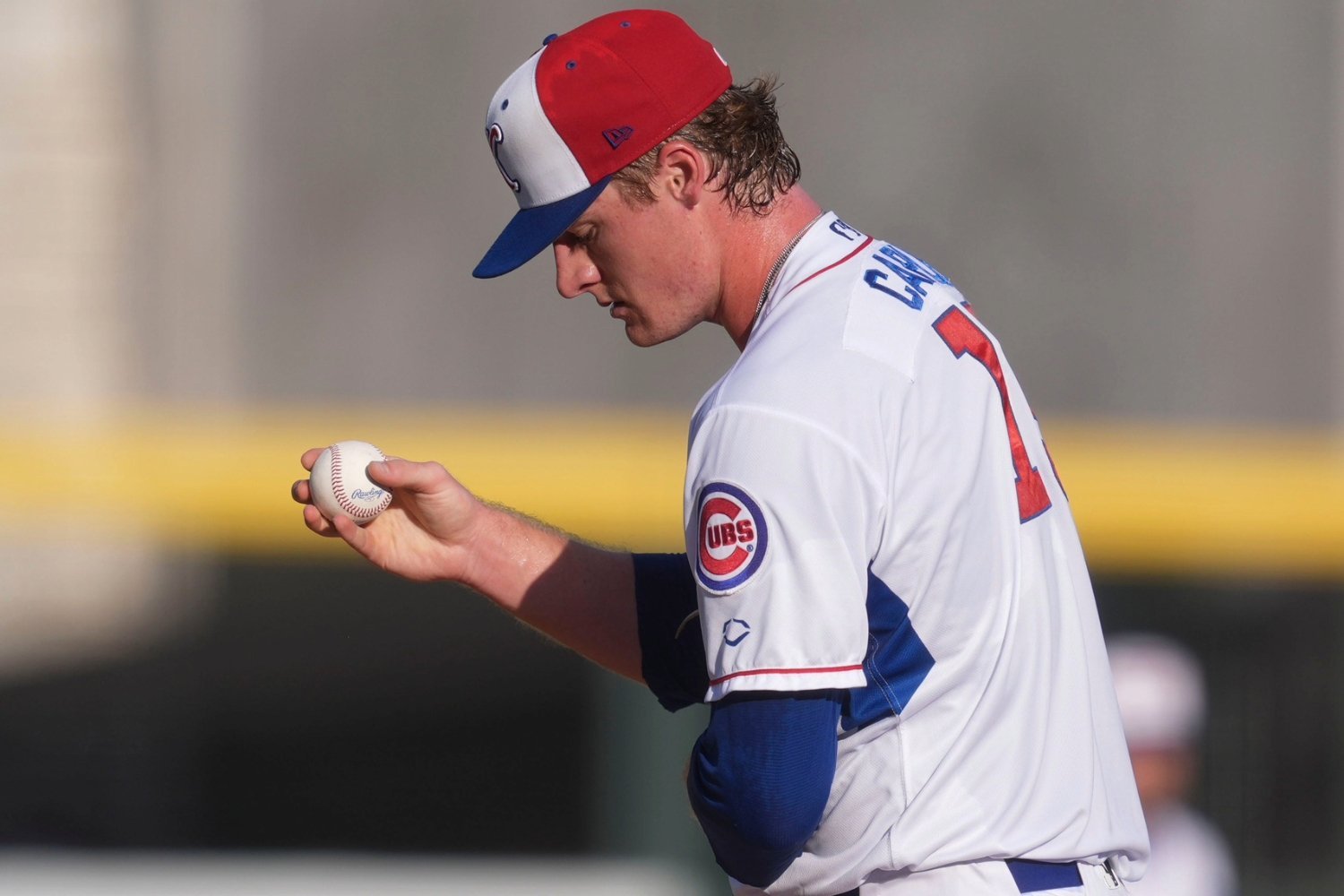 The Chicago Cubs’ starting rotation has been about as bruised up as any in all of MLB this year. With the trade deadline fast approaching and the team still very much in the hunt for an NL Central title, it makes sense to theorize who they could get from outside of the building. The Cubs’ farm system doesn’t have a ton of league-ready arms, after all. And yet, Brooks Caple has been quickly making a name for himself as a lockdown starting pitcher. Could he help the cause in the second half? Brooks Caple's Updated Cubs Scouting Report Caple is a 23-year-old right-handed pitcher in Chicago’s pipeline, and he currently ranks as the team’s 12th-ranked prospect, per North Side Baseball and MLB Pipeline. Caple is a tall glass of water, standing at 6-foot-6 and weighing 230 pounds in his second year of professional baseball. The Cubs selected him in the ninth round (272nd overall) of the 2024 MLB Draft out of Lamar, but his makeup truly evolved as he made his way through the college ranks. The righty was originally a reliever at Stephen F. Austin for a pair of years before he hit the transfer portal and became a starter for Lamar. This change of scenery, and a successful offseason, led to him winning Southland Conference Pitcher of the Year honors while garnering a 2.40 earned run average and just a 0.87 WHIP. An Impressive 2026 So Far Once the Cubs selected Caple, he got going as a starter in 2025, logging a 4.48 ERA with 74 punchouts and 43 walks in 98.1 innings pitched. In 2026, he has quickly become one of the team’s most prized possessions in the prospect world. The orthodox starter began the season with the South Bend Cubs (Cubs, High-A) and absolutely dazzled. He tallied a 3-1 record, 2.49 ERA and struck out 26 over 21.2 innings of work. This earned him a promotion to join the Knoxville Smokies (Double-A), and he’s only grown more impressive with the sample size. Caple has a 3-2 record with a 3.74 ERA, 1.09 WHIP and .221 batting average against in Knoxville. Outside of Jaxon Wiggins, Caple is the organization’s highest-rated arm to grace the Double-A level. A Lethal Fastball Rome wasn’t built in a day, and neither was Brooks Caple’s fastball. What was once a 90-91 mile per hour offering at the collegiate level can now sit in the mid-90s with the potential to touch 98. Caple has found a way to generate more spin on the ball, leading to arm-side carry to supplement an offering that is already gaining velocity. The 23-year-old effectively gets downhill, using a three-quarter arm slot delivery and above-average extension (release point in proximity to the plate) to give opposing hitters fits. Pick Your Poison Most starting pitchers have a couple of pitches that grade as average or better, especially as they’re still working up the minor league ladder. Caple has five different offerings, all earning at least a 50-grade on MLB Pipeline’s 20-to-80 scale. Along with the mid-90s fastball, he has a high-80s cutter, a curveball, slider and changeup. The carrying fastball leads the charge at a 60-grade, while the slider is currently at a 55. Projected Call-Up Date When will Caple get the call to the big leagues? This may sound premature, but depending on what pieces the big-league ball club adds at the Aug. 3 trade deadline (and further injury misfortune), he could debut as early as the end of this September. Chicago has 12 pitchers in their top-30 list. Right now, Grant Kipp and Wiggins are the only two who are healthy and have made it to Triple-A. Brandon Birdsell is also close to the big leagues, but he’s recovering from an elbow reconstruction procedure that has him out for the season. If Caple keeps opposing teams’ numbers down and can climb to Triple-A Iowa prior to the minor-league playoffs, he'll be in contention for an Opening Day roster spot in 2027 at the latest. View the full article
 -
Could the Twins Surprise Everyone at the Trade Deadline?
DiamondCentric posted an article in Twins Daily
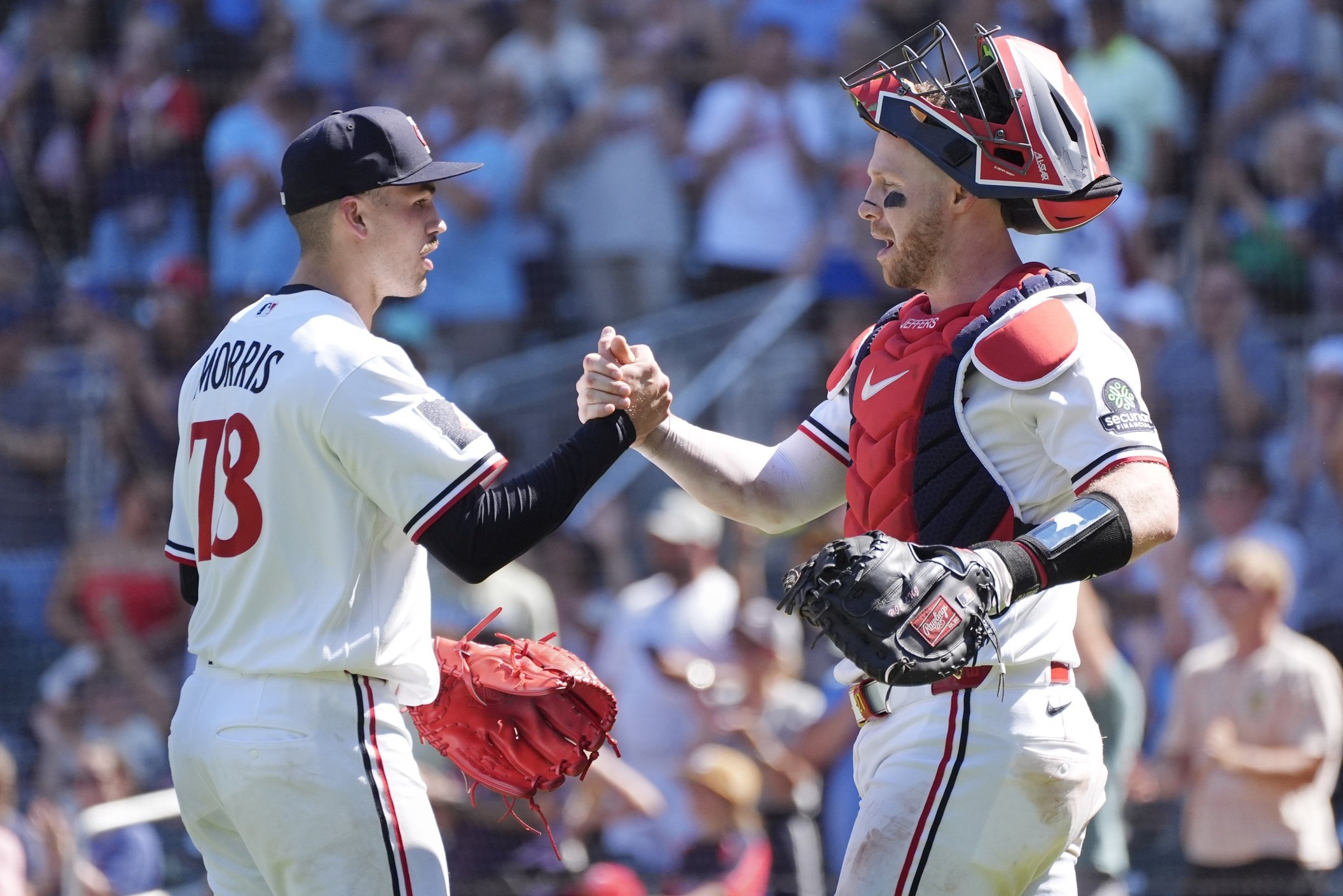 There's been a lot of speculation surrounding what the Minnesota Twins are going to do at this year's trade deadline. In most seasons, the answer would feel pretty straightforward. A team that's below .500 and sitting in third place in its own division at the All-Star break is usually preparing to sell. Expiring contracts get moved, veterans become trade chips, and the focus shifts toward the future. But this year feels different. Despite sitting a game below .500, the Twins are only three games behind both the White Sox and Guardians in the AL Central. They're also firmly in the wide-open Wild Card race if they don't end up winning the division. This isn't a team that's buried in the standings; they're very much in the mix. That makes the next few weeks especially interesting. I've talked recently about why it could make sense for the Twins to trade certain players, like Trevor Larnach or Kody Clemens. Both have short-term value, and moving one or both could help clear future roster logjams while bringing back pieces that fit the organization's long-term plans. But what if Tom Pohlad throws all of that out the window? What if instead of selling, the Twins decide to buy? As strange as that might have sounded a month or two ago, it's becoming a much more realistic possibility. This is a Twins team that feels surprisingly close to putting everything together. The record doesn't necessarily reflect it, but there are plenty of reasons for optimism. Minnesota has scored more runs than any other team in the American League this season. That's impressive enough on its own, but it becomes even more encouraging when you consider they've done it while dealing with injuries to key offensive contributors like Byron Buxton and Ryan Jeffers. The lineup has proven it can produce. If those players return healthy and perform anywhere near their usual levels, the offense can become even more dangerous over the final two months of the season. The top of the rotation is another reason to believe. Joe Ryan has continued to establish himself as one of the best pitchers in the American League, and Taj Bradley has looked like a quality number two option. Having a true one-two punch in a postseason race changes the outlook of an entire team. When those two are on the mound, the Twins have a chance to beat anyone. Now, that doesn't mean the roster is perfect. The back end of the rotation has been inconsistent for much of the year, and the bullpen has been the team's biggest weakness. Late leads have slipped away too often, and reliable relief pitching remains an obvious need. The good news is that this is exactly the time of year when pitching becomes available. Every trade deadline sees teams move veteran starters and relievers, and Minnesota has already shown it's willing to make additions. Just last week, the Twins acquired reliever Tommy Nance. It's not exactly the type of blockbuster move that's going to dominate national headlines, but it could be telling. I'm not sure that trade happens unless Tom Pohlad and the Twins' front office believe this team has a legitimate shot at reaching the postseason. If they thought selling was inevitable, there wouldn't be much reason to start adding bullpen depth before the deadline window even arrives. Pohlad's comments from last week only added more intrigue. When asked about the trade deadline, he said: Those comments shouldn't be interpreted as Pohlad promising an all-in approach over the next few weeks. No one should expect the Twins to empty the farm system or chase the biggest names on the market just because of one quote. But if he truly means what he says, it does open the door to a different kind of deadline than many fans expected. Maybe the obvious selling moves aren't actually in the organization's plans. If the Twins don't want to take a step back when they're only a few games out of first place, that's certainly not an unreasonable thought. Maybe they believe a couple of bullpen additions and another starting pitcher or two are enough to make a legitimate run over the final two months. The offense is already producing at one of the highest levels in baseball. The top of the rotation is capable of shutting down any lineup on any given night. If the Twins can simply stabilize the late innings and get more consistent production from the back end of the rotation, this could become a much more complete team. Of course, all of this is still speculation. The standings can change quickly, and the Twins will tell us a lot over the next few weeks leading up to the August 3rd trade deadline. A hot stretch could push them firmly into buying territory, while a prolonged slump could make selling unavoidable. But as things stand today, there's a legitimate case for Minnesota to be aggressive. For a team that's been hovering around .500 for much of the season, the Twins feel a lot closer to contention than their record suggests. If the front office believes that too, don't be surprised if the deadline ends up looking very different from what everyone expected. View the full article
 -
 The Brewers affiliates were 0-6 on Saturday, outscored 49-17, think of it as a combined NFL blowout score. Biloxi Starting RHP Jaron DeBerry exited early (injury, perhaps illness, video was inconclusive). It wasn't a good day. Transaction: Milwaukee Brewers recalled CF Blake Perkins from Nashville Sounds. Nashville Pre-Game Media Notes Final: Norfolk (Orioles) 9, Nashville 2 Box Score and Game Log Via the Sounds, game details, and we encourage readers to always review affiliate write-ups as part of their Link Report routine: Sounds Drop Third Straight in 9-2 Loss to Norfolk - Black extended his on-base streak to 23 consecutive games Perhaps evident of a lopsided loss, we won't be able to accentuate a whole lot of positive as is our Link Report norm. The summary's Tyler Black notes are fine and all, but there's been so much "been there, done that" on his journey and his no-options-for-2027 sullies whatever hope remained there. The Carlos Rodriguez saga is likewise not heading for a happy ending, at least with the Brewers. Another final option year member of the 40-man roster, the best the front office could hope for now is a throw-in sweetening of the pot on a deadline deal, but efforts like Saturday night's in a non-descript relief role won't help. Newcomer southpaw Colton Gordon struck out five in five innings (only one walk) in his Milwaukee organization debut. Each of the run-scoring Kjerstad, Tromp and Fabian knocks all left the bat at a minimum of 97.2 MPH (we don't see the 104.8 MPH triple he allowed to begin the fateful 4th). Jett Williams, still not on the seven-day IL with his wrist injury, but still idle since July 7th. Impressive blast for Wilken, but 0-for-14 since his prior base hit, as the summary noted. Do we kind of acknowledge the Brocket's with a shrug? We'll throw in a garbage time Luis Matos RBI single just for the token "accentuate the positive" vibe. RHP Coleman Crow gets the start Sunday. Catch up with the latest Biloxi pre-game audio interview archives - Former Manager Joe Ayrault, now the organization's MiLB Field Coordinator, is the most recent Biloxi Pre-Game Media Notes Final: Pensacola (Marlins) 16, Biloxi 6 Box Score and Game Log Shuckers Handed Lump of Coal by Blue Wahoos on Christmas in July - Bah Humbug in Biloxi After Beat Down by Pensacola Notice how those responsible for placing the titles on these affiliate write-ups are often at their creative best on "down" nights. If your name was Blake Burke, Dylan O'Rae, Josiah Ragsdale, Matthew Wood or Jack Seppings, your bottom-line stats page had a decent-to-good night. You know it's not a fun evening when consecutive Link Report opponents make use of a multi-box to get their offensive outburst points across. Jaron DeBerry allowed a three-run bomb in the first (be prepared, the Pensacola call is LOUD), and then DeBerry's second inning began HBP, soft infield single, then the single to center you see in the first of the three clips in the montage above. Notice that the other highlights above are with a lefty on the mound. That's 21-year-old Anthony Flores, who did not fare well during his brief outing. But more importantly, DeBerry's DeParture (wordplay there I would have preferred not to type) was not traditional. For those with archive subscriptions at MiLB.TV, visit the 01:34:00 hour/minute mark here. There's simply no clear indication as to why DeBerry essentially pulled himself by what he revealed in talking with management and training staff on the mound, but he fist-bumped his teammates on the way out. Hoping perhaps this was more illness-than-injury related? Not to throw more cold water on the night, but Mike Boeve has not played in either game since play resumed this week. Boeve is batting .341 in July after posting an OPS of .933 in June. It could be nothing more than attending to a personal matter, just pointing it out as something to monitor. Andrew Fischer singled in five at-bat's, three of them ended in K's (33.7% on the season, 34.7% at the AA level). Consistently fascinating for Mr. 1.113 OPS in 2026! If you're feeling fatalistic this morning, the Pensacola "X" feed has plenty more lowlights. Blame the ugly Christmas sweater concept, which in theory, looked fun when the 2025-2026 offseason Shuckers marketing meetings took place. Wisconsin Pre-Game Media Notes (download link) Final: Quad Cities (Royals) 6, Wisconsin 2, seven innings as scheduled Box Score and Game Log Via the Timber Rattlers, game details: Bandits Bop Rattlers in Game One Air Quality Concerns Cancel Second Game of Wisconsin’s Doubleheader with Quad Cities - Game will not be rescheduled Kudos to airing (OK, that pun was indeed intended) on the side of caution, Wisconsin front office. That bottom of the first inning, well documented in the summary, fits into the night's exasperating theme. Royals appear to have a good one two-to-three years away: Wisconsin plunked the Quad Cities first baseman three times - once by Dubanewicz, twice by Jason Woodward, who is still trying to get his footing in 2026. Timber Rattlers still sit atop the 2nd half Midwest League standings. We'll see if the cancelled game comes into play at season's end. Wilson Pre-Game Media Notes Final: Hickory (Rangers) 5, Wilson 4 Box Score and Game Log Late Rally Lifts Hickory Past Wilson - Warbirds hit three home runs in loss The one bright spot accounting for all the Warbird scoring - notice the Hickory staff doesn't quite have the follow-the-ball thing down pat on home runs - Neither RHP Jarrette Bonet nor LHP Joey Broughton were badly roughed up in their respective outings, it's just neither was effective enough in the end. Handelfry Encarnacion on base four times with a double and three walks but is only 19-of-30 in stolen base attempts. Jose Anderson 0-for-4 with three strikeouts as his K percentage reaches 39%. A couple of sobering video clips as our evening recap continues: My goodness, what a bomb to break the tie for Hickory in the 8th And what a fitting game-ending way to conclude our tour of the full-season affiliates Wilson sits in 3rd place, one game out, in the Carolina League 2nd half standings. Final, completion of suspended game of July 13th: ACL Dodgers 7, ACL Brewers 3, ten innings Box Score and Game Log This is what we wrote on the early portion of Monday's game - "Play was halted with two outs in the bottom of the 3rd in Maryvale. The Brewers have a 3-0 lead with men on 1st and 3rd base and first baseman Jonathan Rangel at the plate. Rehabbing LHP JD Thompson, who had not pitched with Wisconsin since leaving his June 2nd start early, threw two scoreless innings, inducing ground ball outs to the first four batters he faced. He ended the 2nd inning with a strikeout (on an automatic strike), a single and a lineout. RHP Caleb Nieman stranded two in the 3rd. The A-Crew patched together a two-out rally to plate a run in the 2nd and grab the lead - a Rangel walk, Leonard Rijo ground ball single to right, moving Rangel to 3rd, and Engel Paulino double on a pop up to apparent no-man's land behind first base. Catcher Freider Rojas fanned leaving two in scoring position. In the Maryvale 3rd, Brailyn Antunez singled with one out, followed by a Kenny Fenelon hit-by-pitch. Gerlyn Payano, acting as the DH in this game, doubled to center scoring Antunez but Fenelon was thrown out at third base for the second out. A wild pitch moved Payano to third base and shortstop CJ Hughes walked before the game was called due to rare Arizona rain." So, we pick it up on Saturday: There are a series of posts from our daily thread here you should read. Those posts let you know the uniqueness of the pitching lines in the box score. As that link will show, it was a comedy of errors that allowed the game to be tied by the Dodgers in the 7th, and as he was for that inning, RHP Hayden Vucinovich was on the mound for the blow-up 10th. Can't fault Vucinovich fully for the first frame, but the other was much of his own doing, though only one of the seven runs total he allowed was earned. Game began in Maryvale, ended at Camelback Ranch in Glendale, neither provided Statcast data. I had titled our daily thread on the Minor League Forum Saturday "DeBerry and Dubanewicz Got Da Goods". Starting to think I shouldn't have done that. Final, regularly scheduled game: ACL Dodgers 6, ACL Brewers 0, seven innings as scheduled Box Score and Game Log Two measly hits for the A-Crew, a Brailyn Antunez double and a Moises Polanco single. They hit back-to-back in the order (Antunez as the DH), but their base hits came in separate innings, thus the shutout. Three Brewers reached by free pass (two walks, one HBP). Twelve Brewers struck out, the bottom four in the order 0-for-10 fanning eight times. Team RISP: 0-for-4. Team LOB: 4. Kind of a perfect way to cap this Link Report. We will note there was another oddity here. The day's box scores will show that JD Thompson started both contests, gotta love suspended game magic! His combined line: 4 IP, 4 H, 1 R, 1 BB, 5 K. Sunday's action has Wisconsin and Wilson with 1:00 PM Central start times, while Nashville and Biloxi wrap up their respective three-game home series in the early evening. The Dominican Summer League plays its All-Star Game; we'll have info on that in our daily thread pinned to the top of our Minor League Forum. Have a great summer Sunday, everyone! Organizational Scoreboard including starting pitcher info, game times, MiLB TV links, and box scores Current Milwaukee Brewers Organization Batting Stats and Depth Current Milwaukee Brewers Organization Pitching Stats and Depth View the full article
 -
Mitch Voit Has Put Himself on the Fast Track to New York
DiamondCentric posted an article in Grand Central Mets
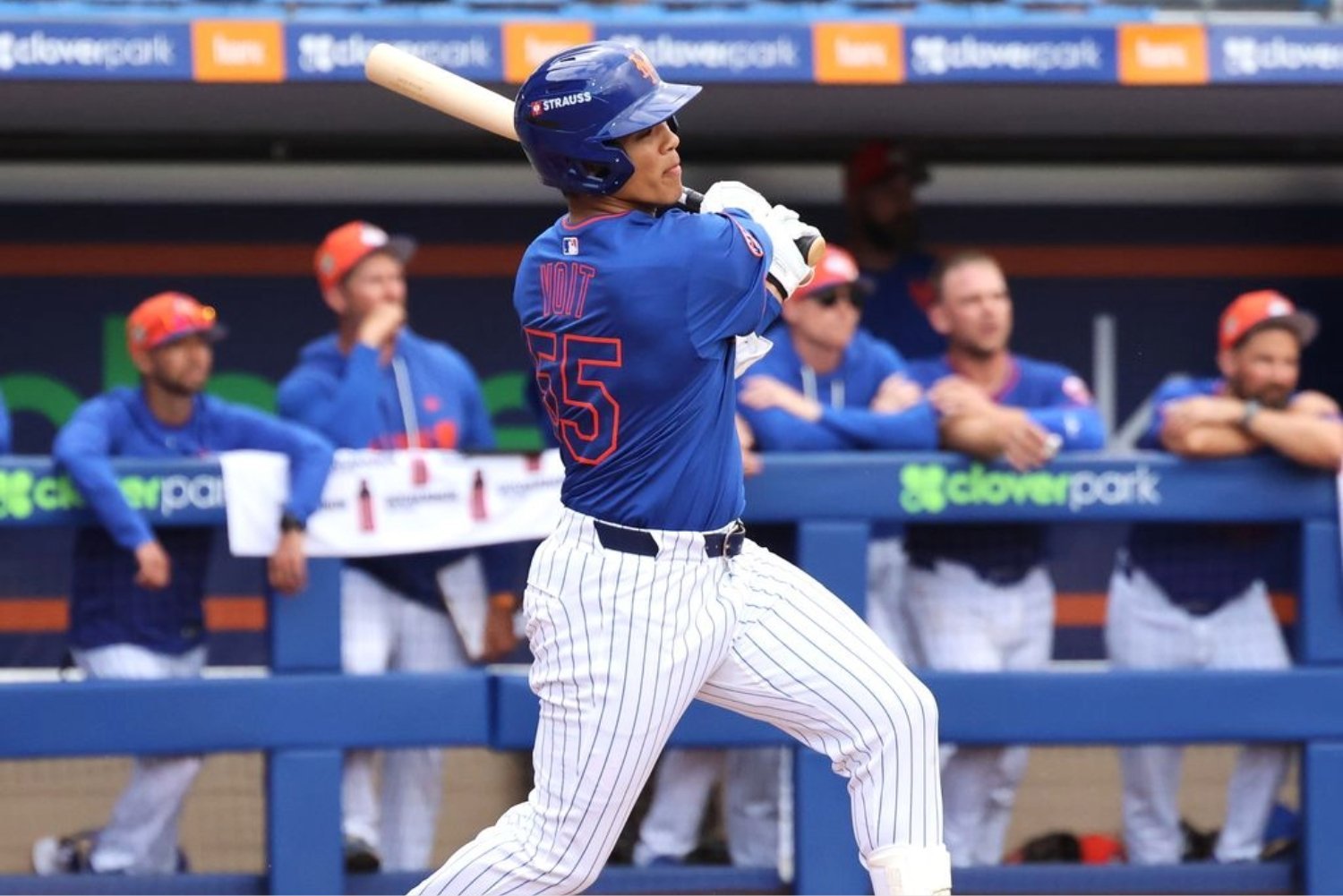 The New York Mets have a strong nucleus of up-and-coming contributors, and while some have already debuted (Carson Benge, A.J. Ewing), others like Mitch Voit are garnering momentum in the lower levels of the minor leagues. Voit has the tools to be a part of the next line of risers, and his recent performance implies he could already be well on his way. Let’s dive into his overall skillset and promising trajectory. Mitch Voit's Path to New York Voit is the Mets’ sixth-ranked prospect, per Grand Central Mets. The 21-year-old stands at 6 feet tall, weighs 201 pounds and New York picked him 38th overall in the 2025 MLB Draft. Every single one of his tools is at least a 50-grade on the MLB Pipeline 20-to-80 scouting scale. He used to be a two-way player, just like Nolan McLean and Carson Benge did. So far, a pair of seasons into his professional career (and embarking on his first full campaign), he has impressed and seems to be trending in the right direction. Ascending Quickly The middle infielder didn’t waste any time getting into the professional ranks after being drafted, as he played 22 games in Low-A St. Lucie to round out last year’s minor league season. The former Michigan Wolverine slashed .235/.343/.292 with a home run, eight runs batted in and a ridiculous 20 stolen bags in his brief but impactful stint in Low-A. This was enough to push him to High-A with the Brooklyn Cyclones, where Voit has improved in nearly every offensive category. His slash line is up to .240/.351/.408 through 68 contests with the Cyclones. July 9 was arguably one of his best showings, going 2-for-2 with a home run, three RBI, two runs scored, two walks and five total bases. He’s Got Power, He’s Got Speed Voit has shown plenty of power through just past the halfway point of his first full MiLB season, throttling 11 home runs and 11 doubles for 22 extra-base hits (averaging one about every third game). His pull-air rate is 14.8 percent, good enough to nestle him in the 63rd percentile according to TJ Stats. His swing decisions and overall contact ability have been promising too, as his 68.6 percent zone swing rate is above league average (63rd percentile), and he’s whiffing only 26.5 percent of the time, less often than the average minor league hitter. As a result, he’s only striking out 20.3 percent of the time (78th percentile) and is identifying pitches well as he elevates up the Mets’ minor league ladder. Voit’s speed, slotted as a 60-grade on MLB Pipeline’s scale, has also been a spectacle. The former Big Ten standout has 30 stolen bases through 66 games, as he’d be on pace for over 60 in a full season. Overall Trajectory When can we expect someone like Voit to ultimately debut at Citi Field? Considering he was a three-year college athlete who got selected just on the fringe of the first round, it shouldn’t be longer than 2-3 years in total. His arm is a 60-grade tool, the power numbers are climbing, and his awareness on the basepaths is only improving as the competition grows more fierce. Francisco Lindor is a roadblock, but only at shortstop. Nothing should be standing between Voit and Queens at second base once he's ready for The Show. View the full article
 -
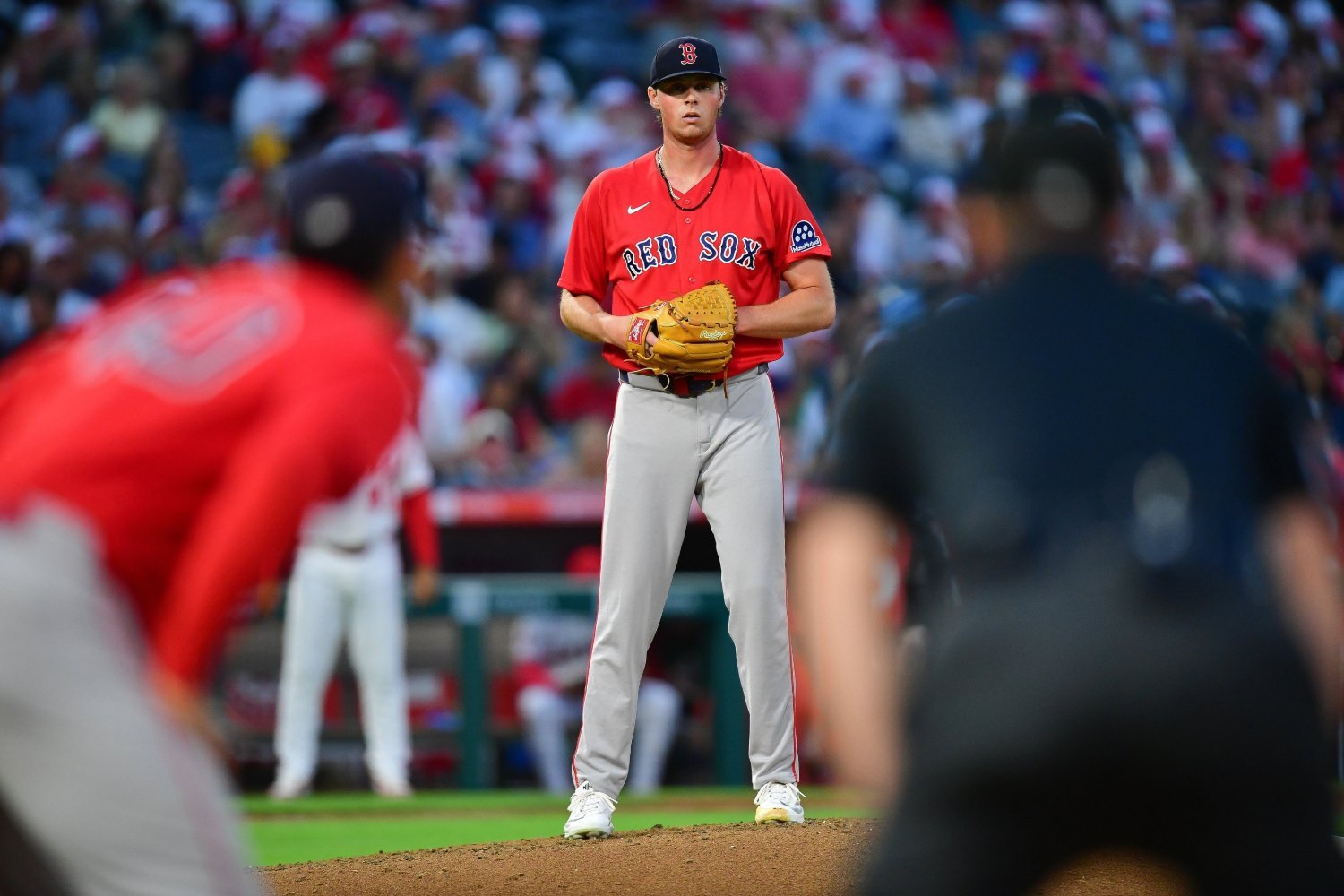 There's absolutely no denying that when it comes to the Boston Red Sox, starting pitching kept the team afloat during the tough stretches of the season and has also carried them through their strong stretches. Riding a nine-game winning streak into the All-Star Break, the team got strong pitching performances from their rotation throughout the season, but especially in late June through mid-July. Despite an injury to ace Garrett Crochet that has kept him out of action since April 25 and limited him to just six starts, as well as a rather lackluster season from Brayan Bello, the rotation hasn’t skipped a beat. Led by a group of left-handers comprised of Ranger Suárez, Connelly Early, Payton Tolle and Jake Bennett, not to mention surprise ace Sonny Gray, the pitching staff kept the team just half a game out of the playoff spot while also submitting the eighth-best rotation ERA in all of baseball during the first half. However, as the team returns from the break, they may be forced to get creative with the rotation during the second half of the season. Crochet has yet to make any substantial progress in his return from the injured list and he has since been joined there by Early and Suárez, as both landed on the IL shortly before the break. The team’s depth might also be at its limit, as Patrick Sandoval made his Red Sox debut starting on July 9. The team was also forced to throw a bullpen game on July 11, recalling Eduardo Rivera (who gave them 3 2/3 innings of one-hit baseball) to cover the outing. While Bennett and Tolle have been very good and have become reliable starting options for Boston, there should be concern as both pitchers are on pace to quickly surpass their career highs for innings pitched. Bennett, who is in his first full season since undergoing Tommy John surgery after 2023, has already thrown a combined 87 innings between Triple-A and the majors. In 2025, he threw a combined 95 1/3 innings between his time in Washington’s minor leagues and in the Arizona Fall League. Add to it that his career high was 117 innings while with Oklahoma back in 2022, and the Red Sox may choose to play it safe down the stretch with the exciting rookie. Tolle is in a similar situation, as his career high (set in 2025) was 108 innings between his time in the minors and majors. So far in 2026, he has thrown 99 innings, and the team showed concern in his latest start before the break by having him on a pitch count. In that outing against the New York Mets, he was limited to just 66 pitches while going just 3 2/3 innings. Even Connelly Early was getting close to passing his career high in innings prior to his injury. His previous career high was 119 2/3 innings set in 2025; in 17 starts this year he was already at 91 2/3 innings before elbow inflammation shelved him. Unfortunately, the team doesn’t have many options to choose from to provide innings should they choose to rest the young pitchers. Kutter Crawford, who was expected to provide depth and quality innings this year, has yet to pitch since his lone rehab start back on April 11. It seems he’ll be unlikely to provide any assistance to the team for the second straight season. Likewise, offseason trade acquisition Johan Oviedo is in no better shape, having been on the injured list since April 3 and yet to begin a rehab assignment. While he avoided surgery for a right flexor strain, he’s been taking part in a throwing program that he started in mid-June. There is no timetable for his return either. Even Suárez isn’t safe from the injury bug, as he landed on the IL with a left adductor strain though the hope is that he would only miss one start. And yet, there’s been no discussion of when he will return to the rotation. With that, the remaining 40-man pitchers available in Worcester are either injured or have been shortened to be ready for bullpen roles. Zack Kelly, who has provided key innings out of the bullpen, is on the IL and rehabbing in Fort Myers, while left-handed reliever Joe La Sorsa is dealing with a concussion. The healthy options include left-handed pitchers Alec Gamboa and Tyler Samaniego, though the latter is purely a relief pitcher. The former, who began the year as a starter, has now exclusively pitched out of the bullpen due to the organization needing him to be ready for any potential call-up. The biggest issue with that strategy was doing the same with Tyler Uberstine. Uberstine, who has been a starter for most of his professional career, made his major-league debut out of the bullpen before returning to Worcester and spending a good portion of the season on the injured list. Upon his return, the organization had him pitch from the bullpen, serving a multitude of roles from one inning, two innings and even bulk outings. The recent designation for assignment of Jack Anderson by the Red Sox was also done at the worst time; in need of a 40-man spot for Sandoval’s return, the organization DFA’d Anderson. The right-hander had previously given them eight good innings out of the bullpen early in the season and while he was having an inconsistent campaign in Worcester, he was an option to provide innings. Instead, he was claimed by the Minnesota Twins. At this point, the likes of John Holobetz, Blake Wehunt or even Anthony Eyanson could be added to the 40-man roster to provide some innings. While it would be a jump to go straight from Double-A to the majors, those three might be able to give Boston a start or two each, which could be key down the stretch. Last season, the team did turn to Tolle and Early after just a short stint in Triple-A to provide them key innings in a playoff race. It wouldn’t be out of the question to see it happen again. Still, Breslow should look to the trade market first and foremost if he feels the team is serious about competing for a playoff spot this season. There should be a few depth pitchers available in a trade, and so long as he doesn’t overpay for one like he did for Dustin May, the arm (or arms) he brings in should help lighten the load for the young pitchers. View the full article
 -
Why won't Marlins make room for red-hot Braxton Garrett?
DiamondCentric posted an article in Fish On First
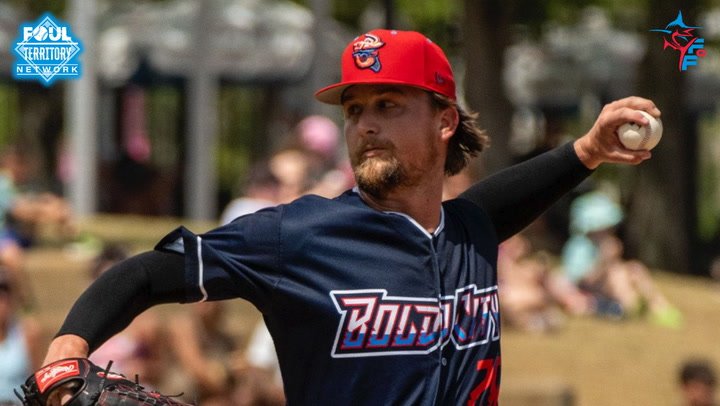 He's done everything he possibly can! Fish Unfiltered discusses the Marlins' bizarre handling of Braxton Garrett, who has allowed just one earned run over his last 33 innings with Triple-A Jacksonville. View the full article
 -
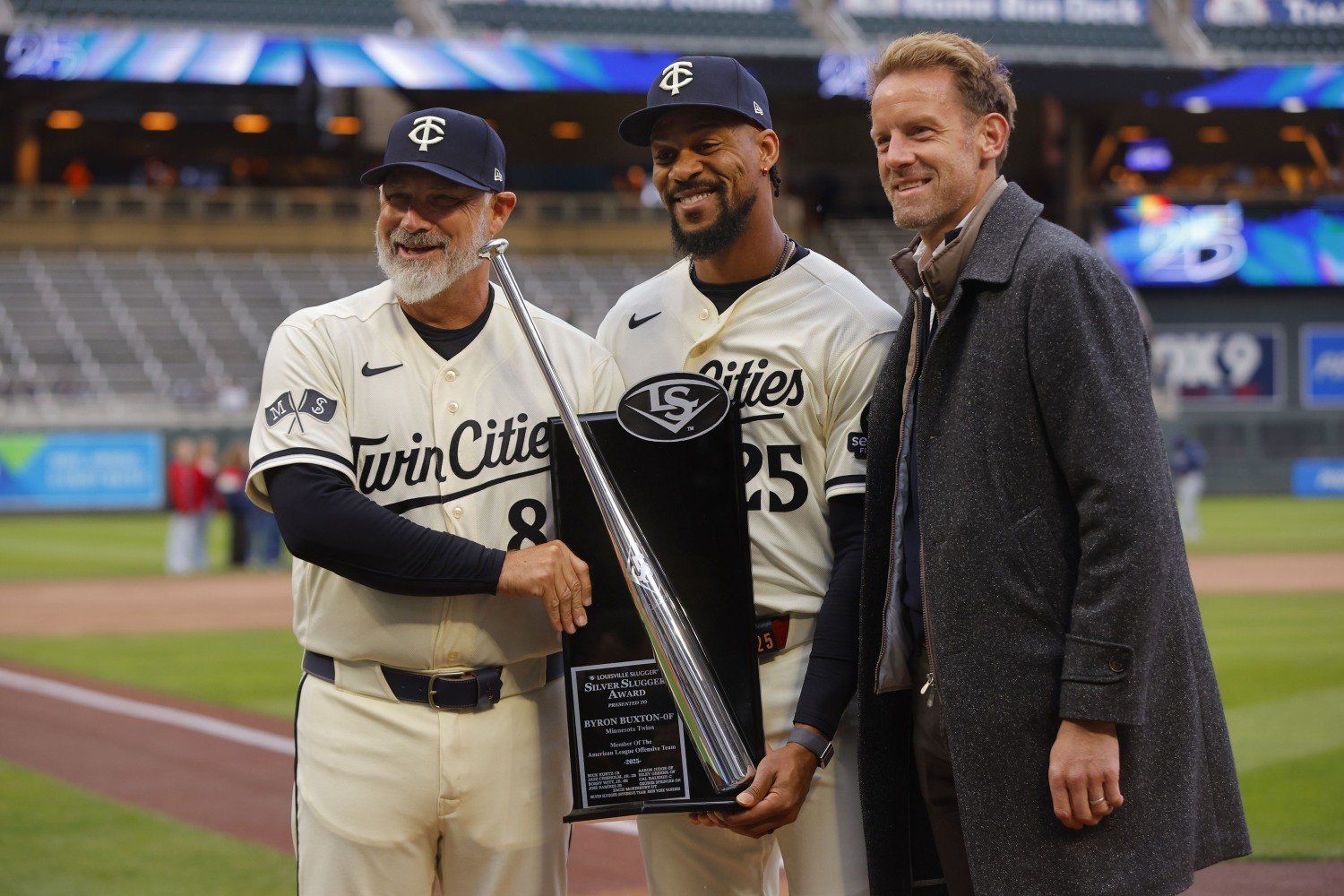 When Tom Pohlad recently addressed the media, he knew fans wanted more than another promise about the future. After years of declining payrolls, dwindling attendance, and frustration over the organization's direction, words alone weren't going to restore confidence. Now comes the opportunity to turn those words into action. The Twins are in playoff contention even after last year's deadline reshaped the organization. Despite multiple major injuries, the starting rotation has been a surprise. Joe Ryan has emerged as the staff ace, Taj Bradley has given Minnesota another impact arm at the top of the rotation, and the club has remained in the postseason conversation despite carrying one of baseball's leanest payrolls. The next step isn't another bargain addition. It's making the type of bold investment Pohlad himself described. "We might have a magical year this year," Pohlad said, "but a $100 million payroll is not going to get the job done trying to accomplish the kinds of things we want to accomplish. We’ve got to be competitive consistently. That's the baseline. And then we’ve got to be willing to make investments and make bold moves that allow us to be successful in the playoffs." Those comments landed well because they acknowledged what many fans have believed for years. Competing consistently requires more than hoping every young player develops or every value signing outperforms expectations. It requires spending. The Payroll Says One Thing. The Deadline Can Say Another. Minnesota’s $105 million payroll is down $60 million from 2023 and $30 million from last season. It’s clear that the Twins haven't yet shown fans the investment Pohlad discussed. He admitted as much while explaining the organization's long-term vision. "Early on, I may have made comments like 'we've got to build a business that can support more investment on the field,'" Pohlad said. "Well, to build that business, we've got to win. And to win, we've got to put a better product on the field. There does need to be an upfront investment made." It's a straightforward concept. The Twins need to win to bring fans back to Target Field. To win, they need a better roster. Building that roster requires investing before the revenue fully returns. In other words, they've got to spend money to make money. Trading for a frontline starter would be the clearest signal yet that those comments weren't simply talking points. One More Ace Could Change Everything Ryan and Bradley give Minnesota an excellent foundation. The problem is October baseball isn't won with two starters. Adding another legitimate frontline arm could be the difference between qualifying for the postseason and watching from home. If the Twins reach October, having Ryan, Bradley, and another established starter lined up for a best-of-three Wild Card Series dramatically changes their chances. It also provides valuable protection over the final two months of the regular season, limiting the strain on a young pitching staff while improving every game started by the rest of the rotation. The Twins also possess something they haven't always had at previous deadlines: a farm system capable of supporting a significant trade without emptying the cupboard. If Pohlad wants to demonstrate his commitment to making bold moves, the market offers several intriguing possibilities. Reid Detmers Offers Present Value and Future Stability Detmers may represent the best combination of upside and long-term value available. Diamond Centric currently ranks him fourth on the top trade candidates list, the third best pitcher behind Tarik Skubal and Joe Ryan. Skubal and Ryan might not be traded, making Detmers the top available target. After spending time in the bullpen, the left-hander has rediscovered himself as an effective starter by mixing speeds exceptionally well rather than overpowering hitters. His diverse pitch mix has made him one of the more difficult starters to square up, and his two remaining years of team control would make him more than a rental. Acquiring Detmers wouldn't simply strengthen this year's rotation, it could give Minnesota another foundational starter alongside Ryan and Bradley for multiple seasons. Kevin Gausman Brings Proven October Experience Gausman doesn't have to throw 98 mph to dominate. When his splitter is working, he's one of baseball's most dependable veterans, consistently generating strikeouts while attacking the strike zone. His postseason experience only adds to his value for a contender. Diamond Centric has him ranked as the seventh-best trade target and fourth-best pitcher. His contract is significant ($23 million), but Toronto could absorb part of the remaining salary to maximize its return. For a Twins team with payroll flexibility, taking on money rather than surrendering additional prospects could be an attractive path. Freddy Peralta Could Be a Cost-Effective Upgrade Peralta's overall numbers may not jump off the page this season, but his underlying track record makes him one of the more intriguing deadline arms. He is currently ranked as Diamond Centric’s eighth-best trade deadline target. He has spent years proving he can handle a playoff-caliber workload while flashing ace-level stuff on any given night. His affordable contract ($8 million) also makes him especially appealing for a team looking to add impact without dramatically increasing long-term payroll commitments. If he reaches the market, he'll likely have no shortage of suitors. A Familiar Reunion with Sonny Gray Twins fans hardly need an introduction to Sonny Gray. The veteran continues to thrive by relying on command, sequencing, and one of baseball's deepest pitch arsenals rather than overpowering velocity. His competitive edge and postseason experience would fit seamlessly back into Minnesota's clubhouse. Diamond Centric has Gray as the ninth best trade target, but Boston’s recent hot streak has the team back in playoff contention. Still, Gray already proved during his previous stint that he can anchor the Twins' rotation. A reunion would provide both familiarity and reliability for a team trying to make another October run. Time to Match the Message Tom Pohlad deserves some credit for saying what many fans wanted to hear. He acknowledged that the Twins can't expect stronger attendance or increased revenue without first improving the product on the field. He admitted that investment has to come before the financial rewards. Now comes the harder part. Trading for a frontline starter would represent more than a baseball move. It would show fans that ownership intends to follow through on its new philosophy. The Twins have the payroll room. They have the prospect capital. They have a competitive core already in place. Now they simply need ownership to walk the walk. Which player(s) should the Twins target? Does Minnesota need another frontline starter? Leave a comment and start the discussion. View the full article
 -
 David Shields spun five scoreless innings with four strikeouts as the Quad Cities River Bandits beat Wisconsin, and Darwin Rodriguez fired six strong frames for the Columbia Fireflies. Josh Hammond went 5 for 5, and Yandel Ricardo homered and drove in three in Columbia's rout. Matthew Lugo and John Rave supplied the offense as Omaha topped Lehigh Valley. Drew Beam battled six innings, but Northwest Arkansas fell to Midland despite Connor Scott's two-run home run. Royals Transactions Kansas City Royals traded RF Rudy Martin Jr. to the Baltimore Orioles for cash. Storm Chasers Rally Past IronPigs Behind Lugo And Rave, 6-2 The Omaha Storm Chasers rallied from an early deficit to beat the Lehigh Valley IronPigs, 6-2. Kameron Misner opened the scoring with an RBI double in the first, but Lehigh Valley grabbed a 2-1 lead in the third on a two-run single. Omaha answered in the bottom of the fifth when Lugo laced a two-run double to plate Elih Marrero and Rave, putting the Storm Chasers ahead for good at 3-2. From there, Omaha steadily pulled away, adding a run in the sixth on a Brandon Drury fielder's choice, another in the seventh, and a Rave solo home run, his 12th, in the eighth. Lugo finished 2 for 5 with a double, a triple, and two RBI, while Misner also collected two hits with a double and a triple. Rave reached three times, drawing two walks to go with his homer, and Marrero added two hits. Omaha utilized a bullpen-heavy strategy in the victory. Veteran Vince Velasquez turned in the longest and sharpest outing, working three scoreless innings, allowing one hit, and striking out three to earn the win. Starter Stephen Kolek, on a rehab assignment, gave up both runs on six hits over 2 2/3 innings, and Easton McGee, recently acquired from Milwaukee, bridged the middle with two shutout innings and three strikeouts. Anthony Gose closed it out with no runs and a strikeout in the ninth. The Storm Chasers left eight runners on base, one more than Lehigh Valley's seven. They also went 2-for-14 with runners in scoring position. Omaha improved to 42-52 for the season. Player AB R H RBI BB K John Rave 3 2 1 1 2 1 Matthew Lugo 5 1 2 2 0 0 Kameron Misner 4 1 2 1 0 2 Brett Squires 3 0 0 0 1 0 Drew Waters 4 1 1 0 0 1 Peyton Wilson 4 0 1 0 0 2 Brandon Drury 4 0 0 1 0 0 Elih Marrero 4 1 2 0 0 0 Andrew Velazquez 3 0 1 0 0 1 Player IP H R ER BB K HR Stephen Kolek 2 2/3 6 2 2 0 3 0 Ben Sears 1/3 0 0 0 0 1 0 Vince Velasquez 3 1 0 0 0 3 0 Easton McGee 2 1 0 0 1 3 0 Anthony Gose 1 1 0 0 0 1 0 Naturals Fall To RockHounds As Seventh-Inning Rally Sinks Beam, 8-2 The Northwest Arkansas Naturals managed just five hits and dropped an 8-2 decision to the Midland RockHounds. Scott accounted for most of the offense, homering in the second inning for an early 1-0 lead and later doubling home No. 18 prospect Daniel Vazquez in the ninth. Scott finished 2 for 4 with a home run, a double, and two RBI. Midland tied the game in the third and edged ahead in the sixth before breaking things open in the seventh. In that seventh inning, the RockHounds sent a string of hitters to the plate and pushed across five runs, turning a one-run game into a 7-1 lead. Brennan Milone added a solo home run in the ninth to cap the scoring. No. 7 prospect Beam pitched well in a losing effort, working six innings and allowing two runs, both earned, on six hits with two walks and four strikeouts. Unfortunately, the bullpen struggled behind him. Former first-round Draft pick Frank Mozzicato retired just one batter while walking four and being charged with four runs in the seventh, and that wildness allowed Midland to seize control. Zachary Cawyer followed with 1 2/3 innings, and Tyson Guerrero surrendered the ninth-inning homer. No. 8 prospect Carson Roccaforte singled and walked atop the order, and Vazquez collected a hit and scored a run. Northwest Arkansas left seven runners on base and went 0-for-7 with runners in scoring position. The Naturals fall to 37-50. Player AB R H RBI BB K Carson Roccaforte 3 0 1 0 1 0 Jack Pineda 3 0 1 0 1 1 Sam Kulasingam 3 0 0 0 1 2 Spencer Nivens 3 0 0 0 1 0 Daniel Vazquez 4 1 1 0 0 2 Connor Scott 4 1 2 2 0 0 Canyon Brown 4 0 0 0 0 1 Alberto Rodriguez 4 0 0 0 0 2 Justin Johnson 3 0 0 0 1 1 Player IP H R ER BB K HR Drew Beam 6 6 2 2 2 4 0 Frank Mozzicato 1/3 0 4 4 4 1 0 Zachary Cawyer 1 2/3 2 1 1 0 2 0 Tyson Guerrero 1 1 1 1 0 1 1 Shields And River Bandits Blank Timber Rattlers Early In 6-2 Win The Quad Cities River Bandits jumped on Wisconsin early and cruised to a 6-2 win over the Timber Rattlers in a seven-inning contest. Nolan Sailors got things started with a solo home run in the third, his fourth of the year, and Jose Cerice followed with an RBI single as Quad Cities built a 2-0 lead. The River Bandits blew the game open in the fifth, scoring three times on a Luke Pelzer RBI triple and back-to-back sacrifice flies from Derlin Figueroa and Erick Torres. No. 4 prospect Blake Mitchell was a catalyst at the top of the order, reaching base four times on two doubles and two walks while scoring twice. Sailors added a stolen base to his home run, Pelzer tripled and drove in a run, and No. 9 prospect Asbel Gonzalez singled and scored. The lineup struck out just once as a team. On the mound, Shields, the Royals' No. 2 prospect, was dominant. The left-hander spun five scoreless innings, scattering two hits with no walks and four strikeouts to pick up the win. L.P. Langevin handled the final two innings, allowing two runs, one earned, on a home run while striking out four. Quad Cities left seven runners on base, went 1-for-12 with runners in scoring position, and out-hit Wisconsin 7 to 4 while coasting to the victory. The win pushed the River Bandits' record to over .500, as they are now 43-42 for the season. The second game of a scheduled doubleheader was canceled due to deteriorating air quality in Appleton from the Canadian fires. Player AB R H RBI BB K Nolan Sailors 4 1 1 1 0 0 Asbel Gonzalez 4 1 1 0 0 0 Blake Mitchell 2 2 2 0 2 0 Luke Pelzer 4 1 1 1 0 0 Jose Cerice 1 1 1 1 0 0 Derlin Figueroa 3 0 1 1 0 0 Erick Torres 3 0 0 1 0 0 Tyriq Kemp 3 0 0 0 0 1 Angel Acosta 3 0 0 0 0 0 Player IP H R ER BB K HR David Shields 5 2 0 0 0 4 0 L.P. Langevin 2 2 2 1 1 4 1 Hammond and Ricardo Power Fireflies Past RiverDogs, 9-2 The Columbia Fireflies pounded out 14 hits and rolled to a 9-2 victory over the Charleston RiverDogs. Hammond, the Royals' No. 3 prospect, set the tone at the top of the order, going a perfect 5 for 5 with two doubles and two runs scored. Ricardo, the Royals' No. 10 prospect, was the biggest run producer, homering in the fourth to give Columbia a 2-1 lead and finishing 3 for 4 with a home run, three RBI, a walk, and a stolen base. After Charleston scratched across a run in the first, the Fireflies took control with a three-run sixth. No. 6 prospect Sean Gamble delivered an RBI single, and Columbia added two more on bases-loaded walks to Hyungchan Um and Connor Rasmussen, stretching the lead to 5-1. The visitors tacked on two more in the eighth on another pair of walks and put the game away in the ninth when Rasmussen launched a two-run homer. Rasmussen finished 2 for 4 with the home run and three RBI, and Gamble drove in two runs. Left-handed starter Rodriguez was excellent, working six innings and allowing just one run on two hits with two walks and five strikeouts to earn the win. Jhon Reyes, Randy Ramnarace, and Hunter Alberini combined for the final three innings out of the bullpen. Columbia stranded 10 runners and went 4-for-15 with runners in scoring position. Despite those questionable numbers, they had more than enough offense, out-hitting Charleston 14 to 5. The win propelled the Fireflies to over .500, as they now sit at 45-44 for the season. Player AB R H RBI BB K Henry Ramos 5 1 0 0 1 3 Josh Hammond 5 2 5 0 0 0 Yandel Ricardo 4 2 3 3 1 1 Sean Gamble 4 1 1 2 1 3 Jhosmmel Zue 5 0 2 0 0 0 Stone Russell 4 1 0 0 1 2 Hyungchan Um 4 0 0 1 1 1 Connor Rasmussen 4 1 2 3 1 1 Angel Ramirez 5 1 1 0 0 3 Player IP H R ER BB K HR Darwin Rodriguez 6 2 1 1 2 5 0 Jhon Reyes 1 1 1 1 0 0 0 Randy Ramnarace 1 1 0 0 2 3 0 Hunter Alberini 1 1 0 0 1 1 0 Top-20 Prospect Performance Kendry Chourio: DNP David Shields: W, 5 IP, 2 H, 0 R, 0 ER, 0 BB, 4 K for Quad Cities. Josh Hammond: 5 for 5 with two doubles and two runs scored for Columbia. Blake Mitchell: 2 for 2 with two doubles, two walks, and two runs scored for Quad Cities. Sean Gamble: 1 for 4 with two RBI, a walk, and a run scored for Columbia. Ramon Ramirez: DNP Drew Beam: L, 6 IP, 6 H, 2 R, 2 ER, 2 BB, 4 K for Northwest Arkansas. Carson Roccaforte: 1 for 3 with a walk for Northwest Arkansas. Asbel Gonzalez: 1 for 4 with a run scored for Quad Cities. Yandel Ricardo: 3 for 4 with a home run, three RBI, a walk, and a stolen base for Columbia. Michael Lombardi: DNP Ben Kudrna: DNP Justin Lamkin: DNP Felix Arronde: DNP Blake Wolters: DNP Steven Zobac: DNP Austin Charles: DNP Daniel Vazquez: 1 for 4 with a run scored for Northwest Arkansas. Kamden Edge: DNP Warren Calcano: DNP View the full article
 -
 David Shields spun five scoreless innings with four strikeouts as the Quad Cities River Bandits beat Wisconsin, and Darwin Rodriguez fired six strong frames for the Columbia Fireflies. Josh Hammond went 5 for 5, and Yandel Ricardo homered and drove in three in Columbia's rout. Matthew Lugo and John Rave supplied the offense as Omaha topped Lehigh Valley. Drew Beam battled six innings, but Northwest Arkansas fell to Midland despite Connor Scott's two-run home run. Royals Transactions Kansas City Royals traded RF Rudy Martin Jr. to the Baltimore Orioles for cash. Storm Chasers Rally Past IronPigs Behind Lugo And Rave, 6-2 The Omaha Storm Chasers rallied from an early deficit to beat the Lehigh Valley IronPigs, 6-2. Kameron Misner opened the scoring with an RBI double in the first, but Lehigh Valley grabbed a 2-1 lead in the third on a two-run single. Omaha answered in the bottom of the fifth when Lugo laced a two-run double to plate Elih Marrero and Rave, putting the Storm Chasers ahead for good at 3-2. From there, Omaha steadily pulled away, adding a run in the sixth on a Brandon Drury fielder's choice, another in the seventh, and a Rave solo home run, his 12th, in the eighth. Lugo finished 2 for 5 with a double, a triple, and two RBI, while Misner also collected two hits with a double and a triple. Rave reached three times, drawing two walks to go with his homer, and Marrero added two hits. Omaha utilized a bullpen-heavy strategy in the victory. Veteran Vince Velasquez turned in the longest and sharpest outing, working three scoreless innings, allowing one hit, and striking out three to earn the win. Starter Stephen Kolek, on a rehab assignment, gave up both runs on six hits over 2 2/3 innings, and Easton McGee, recently acquired from Milwaukee, bridged the middle with two shutout innings and three strikeouts. Anthony Gose closed it out with no runs and a strikeout in the ninth. The Storm Chasers left eight runners on base, one more than Lehigh Valley's seven. They also went 2-for-14 with runners in scoring position. Omaha improved to 42-52 for the season. Player AB R H RBI BB K John Rave 3 2 1 1 2 1 Matthew Lugo 5 1 2 2 0 0 Kameron Misner 4 1 2 1 0 2 Brett Squires 3 0 0 0 1 0 Drew Waters 4 1 1 0 0 1 Peyton Wilson 4 0 1 0 0 2 Brandon Drury 4 0 0 1 0 0 Elih Marrero 4 1 2 0 0 0 Andrew Velazquez 3 0 1 0 0 1 Player IP H R ER BB K HR Stephen Kolek 2 2/3 6 2 2 0 3 0 Ben Sears 1/3 0 0 0 0 1 0 Vince Velasquez 3 1 0 0 0 3 0 Easton McGee 2 1 0 0 1 3 0 Anthony Gose 1 1 0 0 0 1 0 Naturals Fall To RockHounds As Seventh-Inning Rally Sinks Beam, 8-2 The Northwest Arkansas Naturals managed just five hits and dropped an 8-2 decision to the Midland RockHounds. Scott accounted for most of the offense, homering in the second inning for an early 1-0 lead and later doubling home No. 18 prospect Daniel Vazquez in the ninth. Scott finished 2 for 4 with a home run, a double, and two RBI. Midland tied the game in the third and edged ahead in the sixth before breaking things open in the seventh. In that seventh inning, the RockHounds sent a string of hitters to the plate and pushed across five runs, turning a one-run game into a 7-1 lead. Brennan Milone added a solo home run in the ninth to cap the scoring. No. 7 prospect Beam pitched well in a losing effort, working six innings and allowing two runs, both earned, on six hits with two walks and four strikeouts. Unfortunately, the bullpen struggled behind him. Former first-round Draft pick Frank Mozzicato retired just one batter while walking four and being charged with four runs in the seventh, and that wildness allowed Midland to seize control. Zachary Cawyer followed with 1 2/3 innings, and Tyson Guerrero surrendered the ninth-inning homer. No. 8 prospect Carson Roccaforte singled and walked atop the order, and Vazquez collected a hit and scored a run. Northwest Arkansas left seven runners on base and went 0-for-7 with runners in scoring position. The Naturals fall to 37-50. Player AB R H RBI BB K Carson Roccaforte 3 0 1 0 1 0 Jack Pineda 3 0 1 0 1 1 Sam Kulasingam 3 0 0 0 1 2 Spencer Nivens 3 0 0 0 1 0 Daniel Vazquez 4 1 1 0 0 2 Connor Scott 4 1 2 2 0 0 Canyon Brown 4 0 0 0 0 1 Alberto Rodriguez 4 0 0 0 0 2 Justin Johnson 3 0 0 0 1 1 Player IP H R ER BB K HR Drew Beam 6 6 2 2 2 4 0 Frank Mozzicato 1/3 0 4 4 4 1 0 Zachary Cawyer 1 2/3 2 1 1 0 2 0 Tyson Guerrero 1 1 1 1 0 1 1 Shields And River Bandits Blank Timber Rattlers Early In 6-2 Win The Quad Cities River Bandits jumped on Wisconsin early and cruised to a 6-2 win over the Timber Rattlers in a seven-inning contest. Nolan Sailors got things started with a solo home run in the third, his fourth of the year, and Jose Cerice followed with an RBI single as Quad Cities built a 2-0 lead. The River Bandits blew the game open in the fifth, scoring three times on a Luke Pelzer RBI triple and back-to-back sacrifice flies from Derlin Figueroa and Erick Torres. No. 4 prospect Blake Mitchell was a catalyst at the top of the order, reaching base four times on two doubles and two walks while scoring twice. Sailors added a stolen base to his home run, Pelzer tripled and drove in a run, and No. 9 prospect Asbel Gonzalez singled and scored. The lineup struck out just once as a team. On the mound, Shields, the Royals' No. 2 prospect, was dominant. The left-hander spun five scoreless innings, scattering two hits with no walks and four strikeouts to pick up the win. L.P. Langevin handled the final two innings, allowing two runs, one earned, on a home run while striking out four. Quad Cities left seven runners on base, went 1-for-12 with runners in scoring position, and out-hit Wisconsin 7 to 4 while coasting to the victory. The win pushed the River Bandits' record to over .500, as they are now 43-42 for the season. The second game of a scheduled doubleheader was canceled due to deteriorating air quality in Appleton from the Canadian fires. Player AB R H RBI BB K Nolan Sailors 4 1 1 1 0 0 Asbel Gonzalez 4 1 1 0 0 0 Blake Mitchell 2 2 2 0 2 0 Luke Pelzer 4 1 1 1 0 0 Jose Cerice 1 1 1 1 0 0 Derlin Figueroa 3 0 1 1 0 0 Erick Torres 3 0 0 1 0 0 Tyriq Kemp 3 0 0 0 0 1 Angel Acosta 3 0 0 0 0 0 Player IP H R ER BB K HR David Shields 5 2 0 0 0 4 0 L.P. Langevin 2 2 2 1 1 4 1 Hammond and Ricardo Power Fireflies Past RiverDogs, 9-2 The Columbia Fireflies pounded out 14 hits and rolled to a 9-2 victory over the Charleston RiverDogs. Hammond, the Royals' No. 3 prospect, set the tone at the top of the order, going a perfect 5 for 5 with two doubles and two runs scored. Ricardo, the Royals' No. 10 prospect, was the biggest run producer, homering in the fourth to give Columbia a 2-1 lead and finishing 3 for 4 with a home run, three RBI, a walk, and a stolen base. After Charleston scratched across a run in the first, the Fireflies took control with a three-run sixth. No. 6 prospect Sean Gamble delivered an RBI single, and Columbia added two more on bases-loaded walks to Hyungchan Um and Connor Rasmussen, stretching the lead to 5-1. The visitors tacked on two more in the eighth on another pair of walks and put the game away in the ninth when Rasmussen launched a two-run homer. Rasmussen finished 2 for 4 with the home run and three RBI, and Gamble drove in two runs. Left-handed starter Rodriguez was excellent, working six innings and allowing just one run on two hits with two walks and five strikeouts to earn the win. Jhon Reyes, Randy Ramnarace, and Hunter Alberini combined for the final three innings out of the bullpen. Columbia stranded 10 runners and went 4-for-15 with runners in scoring position. Despite those questionable numbers, they had more than enough offense, out-hitting Charleston 14 to 5. The win propelled the Fireflies to over .500, as they now sit at 45-44 for the season. Player AB R H RBI BB K Henry Ramos 5 1 0 0 1 3 Josh Hammond 5 2 5 0 0 0 Yandel Ricardo 4 2 3 3 1 1 Sean Gamble 4 1 1 2 1 3 Jhosmmel Zue 5 0 2 0 0 0 Stone Russell 4 1 0 0 1 2 Hyungchan Um 4 0 0 1 1 1 Connor Rasmussen 4 1 2 3 1 1 Angel Ramirez 5 1 1 0 0 3 Player IP H R ER BB K HR Darwin Rodriguez 6 2 1 1 2 5 0 Jhon Reyes 1 1 1 1 0 0 0 Randy Ramnarace 1 1 0 0 2 3 0 Hunter Alberini 1 1 0 0 1 1 0 Top-20 Prospect Performance Kendry Chourio: DNP David Shields: W, 5 IP, 2 H, 0 R, 0 ER, 0 BB, 4 K for Quad Cities. Josh Hammond: 5 for 5 with two doubles and two runs scored for Columbia. Blake Mitchell: 2 for 2 with two doubles, two walks, and two runs scored for Quad Cities. Sean Gamble: 1 for 4 with two RBI, a walk, and a run scored for Columbia. Ramon Ramirez: DNP Drew Beam: L, 6 IP, 6 H, 2 R, 2 ER, 2 BB, 4 K for Northwest Arkansas. Carson Roccaforte: 1 for 3 with a walk for Northwest Arkansas. Asbel Gonzalez: 1 for 4 with a run scored for Quad Cities. Yandel Ricardo: 3 for 4 with a home run, three RBI, a walk, and a stolen base for Columbia. Michael Lombardi: DNP Ben Kudrna: DNP Justin Lamkin: DNP Felix Arronde: DNP Blake Wolters: DNP Steven Zobac: DNP Austin Charles: DNP Daniel Vazquez: 1 for 4 with a run scored for Northwest Arkansas. Kamden Edge: DNP Warren Calcano: DNP View the full article
 -
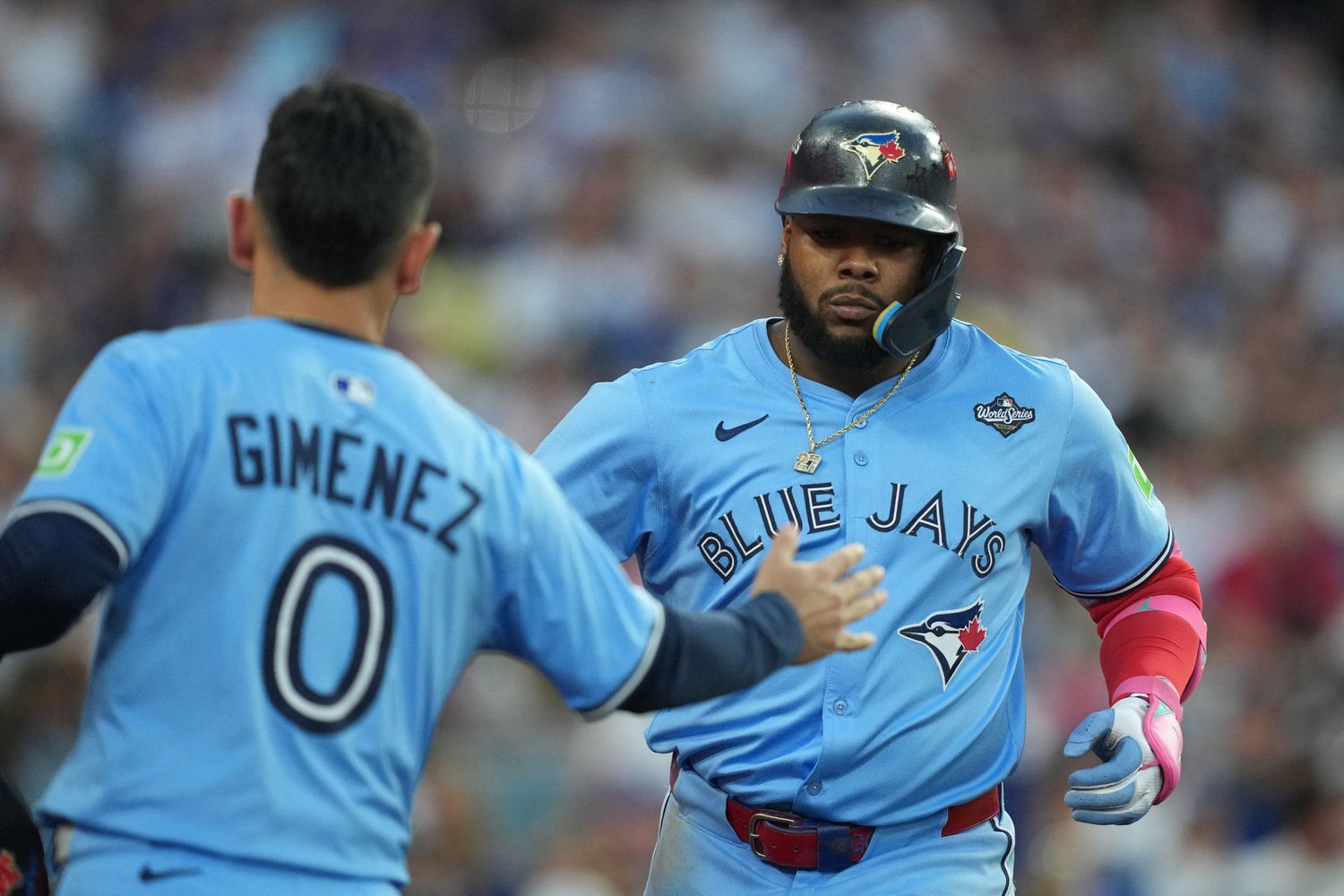 The Jays are committed to a high-priced core, with long-term deals for Vladimir Guerrero Jr., José Berríos, Andrés Giménez, Anthony Santander, and Alejandro Kirk. Most of these deals extend until at least 2029. Next year alone, this group will collectively earn approximately $114 million. Factor in about another $30 million for Dylan Cease, alongside the cost of filling out the rest of the roster, and the Jays will quickly find themselves closing in on the Competitive Balance Tax threshold, estimated to be around $250 million in 2027. Long-term deals are always risky (Vernon Wells, anyone?), but these ones still have merit. Even though he is in a down year relative to expectations, Guerrero’s massive extension was not solely about his year-to-year production. It solidified the franchise’s commitment to winning. It also served as a signal to the rest of Major League Baseball that ownership will spend and that Toronto is a destination. You can make an argument that subsequent major acquisitions, including trades and signings for Shane Bieber, Cease, and Kazuma Okamoto, were all a result of Guerrero's deal. With a new collective bargaining agreement coming somewhere down the road, time will tell if these deals are reasonable or restrictive. Collectively, they don’t completely handcuff the team from trades or signing big-name free agents over the next few seasons, but they will undoubtedly make the front office a little more hesitant to keep spending. Over his career, Guerrero has been an absolute gamer. Even before signing his mega-extension, he averaged 157 games per season over a three-year stretch, proving that his durability matches his star power. The same cannot be easily said for the rest of the core. Key elements of the roster have faced significant stints on the injured list over the past two seasons, testing the team’s depth. Significant injuries, like the ones to Berríos and Santander, are often covered under insurance that most teams carry, especially for large contracts. While it stinks for fans, it stings for insurance companies that are footing some or all of the base salary while the player is off. The contracts might be covered, but it doesn’t mean the team is free to spend that money somewhere else. Giménez was sidelined early last season and only appeared in 107 games. He has been looking a bit more mobile, especially on the bases leading up to the All-Star break, but beforehand had complained of hamstring and quad discomfort, and it showed in his hesitancy to advance on the basepaths. Big contracts are all about return. Guerrero has shown he can be an MVP-calibre player. When healthy, Berríos is a consistent starter who can rack up innings. Berríos produced a 3.65 ERA in 2023 across 189.2 innings and followed that with a 3.60 ERA in 2024 over 192.1 innings. Those back-to-back seasons reinforced his reputation as one of baseball's most durable starting pitchers. Even in 2025, when his ERA rose to 4.17, he still logged 166 innings in 31 appearances. However, that trademark durability took a major hit. After undergoing full Tommy John surgery in May, Berríos will miss the rest of this year and likely won't return to the Blue Jays' rotation until the second half of next season. Catchers seem to age faster than other players, but Kirk provides a lot of tools, and his average salary is commensurate with comparable catchers. The outliers on the list of bigger contracts are Giménez and Santander. Giménez earned his contract with the Guardians by hitting .297 with an OPS of .837 in 2022. He had a 7.4 Baseball Reference Win Above Replacement (bWAR) that season. His bWAR has dropped in each of the last three seasons. According to Baseball Reference, Giménez's WAR has been on a steady decline: 5.0 in 2023, 4.0 in 2024, and 1.1 in 2025. This season, it sits at 0.6. Baseball Savant still rates him highly with an 8 Fielding Run Value (96th percentile) and 10 Outs Above Average (99th percentile), but his offensive metrics remain among the weakest in the league, hence his precarious WAR. JoJo Parker and Arjun Nimmala are making waves at the top of the team’s prospect rankings, but they aren’t expected to make the bigs until 2028 at the earliest. Josh Kasevich is biding his time in Buffalo right now as a shortstop and third baseman. Based on estimations, he could make the jump at any point if there is an injury. Regardless, there isn’t really a market for a weak-hitting, exceptional-fielding middle infielder with a big contract. Most likely, the Jays ride Giménez for a few more seasons then don’t pick up his option in 2030. Santander is another matter. He has played a total of 54 regular season games and five in the postseason with the Jays since signing. Prior to becoming a Jay, he had averaged more than 153 games in the previous three seasons with the Orioles. With George Springer’s contract expiring after this season, and if he gets healthy, Santander is probably the team’s DH moving forward. His contract runs until 2029 with a player opt-out and a team option, but neither is expected to be exercised. That contract, five years at $92.5 million, is the one that isn’t looking so great these days. Every dollar committed to a single player impacts flexibility elsewhere on the roster. Every long-term deal carries the possibility of surplus value or dead money. Over the next three seasons, the success or failure of Toronto's payroll strategy will depend on whether these players produce at or near their peak levels. The broader challenge facing the Jays is not any individual contract. It is the cumulative effect of all of them. Guerrero, Berríos, Giménez, Santander, and Kirk represent a massive percentage of the club's financial obligations moving forward. With Daulton Varsho, Kevin Gausman, and Springer’s contracts expiring after this season, there is some financial relief on the horizon for the front office. Looking to the immediate future, the Jays will be looking for a couple of starters, a middle-order bat, and will possibly look to extend some younger players or someone like Ernie Clement, who will be eligible for arbitration for two more years. Having a core of high-paid players isn’t a big issue unless they don’t play to a baseline expectation. When they underperform, it means the organization needs to find value elsewhere in the system, and that carries its own risk. The parade of players that have been keeping the team afloat this season is an indication that the Jays are waiting for their core to return to form. A slew of moves before the trade deadline could indicate their patience is running thin. View the full article
 -
Rintaro Sasaki announces decision to sign with Marlins
DiamondCentric posted an article in Fish On First
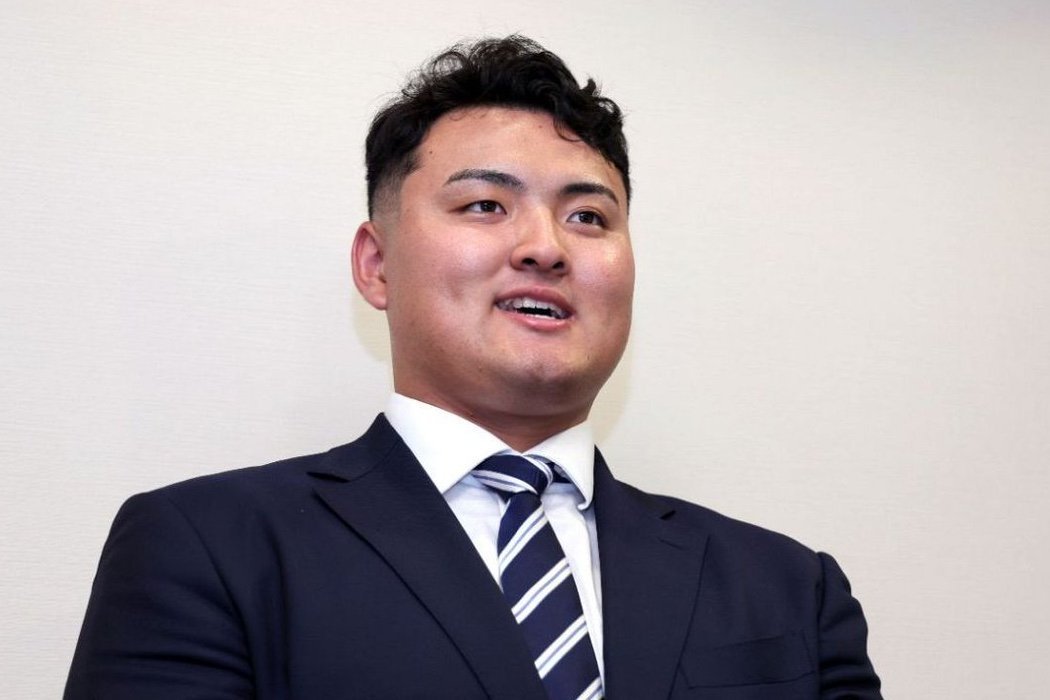 During a press conference on Sunday in Hanamaki City, Japan, Rintaro Sasaki announced that he will be signing with the Miami Marlins, who selected him in the eighth round of last weekend's MLB Draft. Sasaki holds Japan's all-time high school record for home runs. He didn't quite live up to the hype during his two seasons of college ball. In 106 games, he slashed .265/.391/.482 with 23 home runs and one stolen base. That's only a 96 wRC+ when adjusting for the ACC's offensive environment. He was still selected by the Fukuoka SoftBank Hawks in the first round of the NPB Draft last October. Sasaki's showing at the Draft Combine in June may have helped legitimize him as a prospect. He recorded a maximum exit velocity of 115.4 mph and max distance of 458 feet while using a wood bat. The speculation is that Sasaki's bonus with the Marlins will be similar to his draft pick's slot value of $239,200. He could have earned several multiples of that by either going to NPB or staying at Stanford for another season. Instead, the left-handed-hitting first baseman made expediting his journey to the big leagues his top priority. In finalizing his decision now, Sasaki will be available to participate in the Marlins' annual draft camp, which takes place this coming week in South Florida. The Marlins have until 5:00 p.m. ET on July 27 to officially sign their draftees. Soon after that, we should be seeing Sasaki make his minor league debut with either Low-A Jupiter or High-A Beloit. View the full article
 -
Top Marlins call-up candidates to join 2026 playoff push
DiamondCentric posted an article in Fish On First
 Before their trade activity begins, it's important that the Marlins recognize all of the intriguing internal reinforcements they already have. Ely Sussman and Kevin Barral dissect the Triple-A Jacksonville roster, explaining how those players could potentially contribute to the big league club over the next two-plus months. You can find Fish Unfiltered and Fish On First LIVE on the Fish On First YouTube channel, Apple Podcasts, Spotify or wherever else you get your pods. Notable names who saw action with the Marlins earlier this season include Braxton Garrett, Agustín Ramírez, Connor Norby and Graham Pauley. There are also excellent minor league performers making the case that they're ready to debut in the majors such as Kemp Alderman, Jack Ralston, Cam Cannarella and Gage Miller. View the full article
 -
 TRANSACTIONS Marco Raya began a rehab assignment with the Saints. Garrett Acton’s rehab assignment was moved to the Mussels. Miguel Briceno was promoted from Fort Myers to Cedar Rapids. SAINTS SENTINEL Game 1: St. Paul 11, Louisville 3 Box Score The Saints grabbed a 4-0 lead after just one inning. The Bats scored one in the fifth, and then they added two more in the top of the sixth inning. With their lead cut to just one run, St. Paul put seven on the board in the bottom of the inning to run away with the first game. Walker Jenkins led off the bottom of the first inning with a double. He stole third and scored on a Kyler Fedko double. After Matt Wallner walked, Aaron Sabato singled to drive in Fedko. With two outs, Cody Morissette singled to drive in Wallner. Morissette stole second before Ben Ross walked. Following a pitching change, David Banuelos walked to drive in Sabato with the inning’s fourth run. Jump to the bottom of the sixth. The Saints held a 4-3 lead. Walker Jenkins led off with a walk. With one out, Jenkins stole second and went to third on a throwing error. He scored on a wild pitch. Wallner walked and stole second. Sabato walked. With two outs, Hendry Mendez singled to drive in Wallner. Morissette walked. Ben Rose drove in two runs with a single that made it 8-3. David Banuelos followed with his third home run of the season, a three-run shot that made it 11-3. Ryan Gallagher was on the mound to start Game 1. He tossed the first five innings and gave up just one run on four hits. He walked one and had four strikeouts. Marco Raya came in and gave up two runs on a walk and a homer. He struck out two batters. Eric Orze walked one and struck out one batter in the seventh inning. The Saints scored their 11 runs on nine hits and 10 walks. All nine starting hitters contributed by getting on base at least once. Jenkins was 1-for-3 with two walks and his 11th double. Morissette 2-for-3 with a walk and his fifth double. Ben Ross was 1-for-2 with two walks. Fedko had a walk and his 13th double. Wallner walked twice. Banuelos led the way with four RBI. Game 2: St. Paul 7, Louisville 0 Box Score This was a quality pitchers' duel in Louisville. The Saints were scoreless until the top of the fifth when they scored one. They followed with six runs in the top of the sixth. The key point of this game? If your pitching staff doesn’t give up any runs, it’s difficult to lose. Maybe more impressive, six Saints pitchers combined for the seven-shutout innings. Ricky Castro started and threw two scoreless innings. He gave up one hit and had one strikeout. Alejandro Hidalgo had a walk and a strikeout in his inning. C.J. Culpepper gave up a hit and had a strikeout over 1 1/3 innings. Raul Brito gave up two hits and a walk in 2/3 of an inning without a run scoring. Matt Bowman gave up a hit in his inning. Grant Hartwig had one strikeout in a perfect seventh inning. The Saints got on the board in the fifth inning. With two outs, Kyler Fedko doubled and scored on a Matt Wallner singled to drive him in. The Saints broke things open in the sixth frame. Gabriel Gonzalez led off with a single. Ben Ross followed with a single. Kala’i Rosario lined out to center which allowed Gonzalez to advance to third base. Following a pitching change, Cody Morissette singled to drive in Gonzalez. Tanner Schobel singled to drive in Ross and make it 3-0. With two outs, Walker Jenkins walked to load the bases. Fedko got an RBI for walking. Wallner singled to drive in Schobel and Jenkins. Gonzalez came up and drove in Fedko with a single to make it 7-0. WIND SURGE WISDOM Wichita 6, Arkansas 5 Box Score It’s just a three-game series, but with Saturday’s win, the Wind Surge won a series for the first time in two months. On Sunday, they will go for the sweep. Wichita scored one run in the top of the first inning and four more in the top of the second. In the first inning, Khadim Diaw scored on a Brandon Winokur single. Caden Kendle led off the top of the second with a double. He scored on a Jaime Ferrer single. After Quinn McDaniel walked, Marek Houston drove in Ferrer with a single to center. McDaniel scored on a single to right by Diaw. Andrew Cossetti was hit by a pitch to load the bases. With one out, Brandon Winokur flew out to center to drive in Houston and made it 5-0. Riley Quick made his Double-A debut. They always say that as you move up, the strike zones get smaller. In reality, the strike zones are supposed to stay the same. It’s just that the hitters are more discerning and know the strike zone better. They don’t expand the strike zone. Quick walked too many in Cedar Rapids. How would that play out in Wichita? He gave up a single, walked a batter and struck out two batters in an 18-pitch first inning. He needed 33 pitches to complete the second inning. He gave up three runs on one hit and three walks. He had two more strikeouts as well. Of his 51 pitches, just 25 of them were strikes. William Fleming came in for the third inning with clear instruction to throw strikes. Andrew Cossetti led off the top of the fourth inning with his 15th home run to make it 6-3. He needed just eight pitches to complete the 1-2-3 inning. Cory Lewis came in for some bulk work. Over four scoreless innings, he gave up three hits, walked none and had four strikeouts. Paulshawn Pasqualotto gave up two runs on four hits and a walk over the final two innings to record the save. Caden Kendle led the offense. He went 4-for-5 with two doubles. Marek Houston and Khadim Diaw each went 2-for-4 with an RBI. Diaw was also hit by a pitch. Kyle DeBarge hit his 18th double. KERNELS CHRONICLES Game 1: Cedar Rapids 2, Beloit 3 Box Score Through seven innings, the game was tied at 1-1. Adrian Bohorquez started and tossed three scoreless innings. He gave up three hits, walked one and had two strikeouts. Mitch Mueller worked the next two innings and gave up one run on two hits. Cole Peschl gave up just one hit over two scoreless innings. Down 1-0, Eduardo Tait launched his 16th home run of the season to tie the game at 1-1 in the bottom of the sixth inning. Jesse Bergin came in for the eighth frame. He allowed the Manfred Man and one other runner to score. The bottom of the eighth inning began with Rayne Doncon at second base. Yasser Mercedes hit his 10th double to drive him in. However, the Kernels were unable to add one more and fell 3-2 in eight innings. Jacob McCombs stole his 12th and 13th bases, and Graham Brown had his third and fourth stolen bases. Game 2: Cedar Rapids 5, Beloit 0 Box Score Game 2 started out well for the Kernels. The bottom of the first began with a walk by Yasser Mercedes who followed it up with his 26th base. Dameury Pena drove him in with a single. Enrique Jimenez followed with his fourth home run of the season. Three batters and nine pitches into the game, the Kernels held a 3-0 lead. The Kernels scored one run in the bottom of the second inning on an error, a single, and a two-out wild pitch. In the bottom of the fifth, the Kernels added some insurance. Jimenez led out with a single. With one out, Jose Salas singled, and Graham Brown walked to load the bases. Miguel Briceno drove in two runs with a single to make it 6-0. But the highlight of Game 2 in Cedar Rapids was the performance of Justin Mitrovich in his Midwest League review. The 2025 draft pick from Elon University tossed five shutout innings. He gave up three hits, walked three batters, and he had two strikeouts. Yehizon Sanchez tossed the final two innings and held onto the shutout. He gave up one hit, walked one, and he had five strikeouts. Jimenez went 2-for-3 with two runs and two RBI. His homer was his fourth of the season. Jose Salas was also 2-for-3. MIGHTY MATTERS Fort Myers 3, Lakeland 7 Box Score Through three innings, this was a 3-3 game. However, Lakeland scored the final four runs to even the series at a game apiece. In the bottom of the first, Ramiro Dominguez led off with a single. Jake Rucker followed with a single. Luis Fragoza grounded out to third, but both runners moved up a base. Jayson Bass doubled to give the Mussels a 2-0 lead. Jason Reitz started with two scoreless innings. He gave up a three-run homer to rehabbing Gleyber Torres in the third inning. In total, he gave up five runs (2 earned) on six hits and two walks over 3 1/3 innings. He struck out two batters. Nick McAuliffe got the final two outs of the fourth inning. Garrett Acton faced six batters over two perfect innings. Ramiro Villanueva came in and gave up one run on two hits and three walks in 1 1/3 innings. Brent Francisco gave up a solo home run but had four strikeouts in his 1 2/3 innings. The Mussels had just seven hits in the game. Dominguez went 2-for-4. Jayson Bass drove in all three runs for the team. The Rucker Family Update: Jake Rucker, continuing his rehab, had four hits in five at-bats including a double. Carson Rucker, 21, went 3-for-4 with his seventh double and his eighth and ninth home runs. COMPLEX CHRONICLES FCL Twins/FCL Red Sox Box Score Rains came down on Saturday morning on the west coast of Florida. The Twins/Red Sox game was postponed until Wednesday. Meanwhile, up the Gulf the Orioles/Pirates game was cancelled. The Twins Elimination # is just one. In other words, the FCL Twins need to win all three of their remaining games, and the FCL Orioles will need to lose their remaining games. Remaining Schedules: FCL Twins: Friday (Home vs Red Sox, Win), Saturday (@ Red Sox, Postponed), Monday (@ Pirates), Tuesday (Home vs Orioles), Thursday (@ Orioles). FCL Orioles: Friday (Home vs Pirates, Win), Saturday (@ Pirates, Cancelled), Monday (@ Rays), Tuesday (@ Twins), Wednesday (Home vs Braves), Thursday (Home vs Orioles) DSL Twins Teams across the Dominican Summer League had the day off on Saturday. On Sunday morning, the DSL All Star Game will be played. The Twins will be represented by infielder Daiyer Barboza. PLAYERS OF THE DAY Hitter(s) of the Day Kyler Fedko (St. Paul): 3-for-6, 2 BB, 2-2B(14), 3 R, 2 RBI Ben Ross (St. Paul): 3-for-6, 2 BB, 3B(2), 2 R, 2 RBI. Cody Morissette (St. Paul): 3-for-6, 2 BB, 2B(5), 2 R, 2 RBI. Matt Wallner (St. Paul): 3-for-6, 2 BB, 2 R, 3 RBI, K Caden Kendle (Wichita): 4-for-5, 2-2B(3), R Jake Rucker (Fort Myers-Rehab): 4-for-5, 2B(2), R, K Pitcher(s) of the Day Ryan Gallagher (St. Paul): 5 IP, 4 H, 1 ER, 1 BB, 4 K, 70 pitches, 48 strikes (68.6%) Cory Lewis (Wichita): 4 IP, 3 H, 0 R, 0 BB, 4 K, 67 pitches, 43 strikes (64.2%) Justin Mitrovich (Cedar Rapids): 5 IP, 3 H, 0 R, 3 BB, 2 K, 62 pitches, 34 strikes (54.8%) PROSPECT SUMMARY Check out the Prospect Tracker for much more on our Twins Top 20 prospects after seeing how they did today. In addition, keep up with the Twins draft pick signings at our Twins 2026 Draft Board. #1 - OF Walker Jenkins (St. Paul) - Game 1: 1-for-3, 2 BB, 2B(11), 2 SB(9), 2 R (batted first, played CF); Game 2: 0-for-3, BB, R (batted first, DHd) #4 - C Eduardo Tait (Cedar Rapids) - Game 1: 1-for-4, HR(16), R, RBI, 2 K (batted second, played catcher) #5 - SS Marek Houston (Wichita) - 2-for-5, R, RBI (batted first, played SS) #6 - RHP Riley Quick (Wichita) - 2 IP, 2 H, 3 R, 2 ER, 4 BB, 4 K, 51 pitches, 25 strikes (49.0%) #7 - LHP Kendry Rojas (Minnesota) - 1 IP, 1 H, 0 R, 0 BB, K, 18 pitches, 13 strikes (72.2%) #9 - OF Hendry Mendez (St. Paul) - Game 1: 1-for-4, R, RBI (batted sixth, played LF) #10 - OF Gabriel Gonzalez (St. Paul) - Game 2: 2-for-4, R, RBI, K (batted fourth, played 1B) #12 - 3B/CF Brandon Winokur (Wichita) - 1-for-4, 2 RBI, 2 K, OF Assist (batted fifth, played CF) #13 - C/OF Khadim Diaw (Wichita) - 2-for-4, HBP, R, RBI, SB(5), (batted second, DHd) #15 - RHP Ryan Gallagher (St. Paul) - Game 1: 5 IP, 4 H, 1 ER, 1 BB, 4 K, 70 pitches, 48 strikes (68.6%) #17 - RHP C.J. Culpepper (St. Paul) - 1 1/3 IP, 1 H, 0 R, 0 BB, 1 K, 15 pitches, 11 strikes (73.3%) #18 - OF Yasser Mercedes (Cedar Rapids) - Game 1: 1-for-4, RBI, 2 K, CS(4), E(6) (batted first, played RF); Game 2: 0-for-3, BB, R, 2 K, SB(26) #19 - 1B/3B Billy Amick (Wichita) - 0-for-4, BB (batted fourth, played 3B) #20 - 2B/SS Kyle DeBarge (Wichita) - 1-for-5, 2B(18), K (batted sixth, played 2B) UPCOMING PROBABLES Sunday, July 19 Louisville @ St. Paul (2:07 pm CT) - TBD Wichita @ Arkansas (1:35 pm CT) - RHP Preston Johnson (0-3, 4.32 ERA) Beloit @ Cedar Rapids (1:05 pm CT) - RHP Michael Ross (5-4, 7.45 ERA) Lakeland @ Ft. Myers (11:05 am CT) - RHP Merit Jones (3-1, 3.99 ERA) DSL Twins- No Game Scheduled, Sunday All Star game. CURRENT W-L Records Minnesota Twins: 49-50 St. Paul Saints: 53-41 Wichita Wind Surge: 31-56 Cedar Rapids Kernels: 37-50 Fort Myers Mighty Mussels: 47-39 FCL Twins: 31-24 DSL Twins: 9-23 Please feel free to ask questions about the teams, the rosters, and discuss today’s games, or anything else Twins minor-league related! View the full article
 -
 The San Diego Padres' four full-season affiliates won just once Saturday as the Triple-A El Paso Chihuahuas fell to Sugar Land 8-3, the Double-A San Antonio Missions let one slip away against Corpus Christi 5-2, the High-A Fort Wayne TinCaps pulled out a 2-0 win in 11 innings over Lansing and the Low-A Lake Elsinore Storm were beaten by Ontario 9-4. Padres Minor-League Transactions C Truitt Madonna assigned to ACL Padres from Lake Elsinore Storm. C Colton Vincent assigned to Lake Elsinore Storm from ACL Padres. Chihuahuas Can't Hold Back Surge By Space Cowboys All four pitchers gave up a pair of runs as the host Triple-A El Paso Chihuahuas watched the Sugar Land Space Cowboys pull away for an 8-3 victory. El Paso has lost six straight for the first time since August 2024. The Chihuahuas managed just five hits, although they did draw six walks. Dustin Harris, signed last week after being released by the Chicago White Sox, had his first hit in three games and walked twice out of the leadoff spot, scoring once. Nick Solak and Will Wagner each drove in a run. Chihuahuas right-handed starter Evan Fitterer went four innings, allowing two runs on five hits and two walks with a strikeout. Right-hander Misael Tamarez gave up a pair of runs in 1⅔ innings on two hits and two walks with three strikeouts, while right-hander Andrew Moore also went 1⅔ with two runs (one earned) on no hits and three walks. Right-hander Justin Yeager went the final 1⅔, allowing two runs on a hit and a walk and three strikeouts. The Chihuahuas got a run in the first on Mason McCoy's double, a fly ball and a wild pitch. The Space Cowboys tied it in the top of the third on a Cavan Biggio homer, with the Chihuahuas regaining the lead on an Anthony Vilar single, a Harris walk, an error and Wagner drawing a bases-loaded walk. Sugar Land tied it in the fifth and El Paso went back on top 3-2 on Solak's RBI groundout. But the Space Cowboys went up with two in the sixth and put it away with four in the eighth. EP_0718.mp4 Player AB R H RBI BB K Dustin Harris 3 1 1 0 2 0 Mason McCoy 4 1 1 0 1 1 Carlos Rodríguez 3 0 0 0 1 1 Nick Solak 4 0 1 1 0 0 Will Wagner 3 0 0 1 1 0 Marcos Castañon 4 0 0 0 0 1 Clay Dungan 3 0 0 0 1 1 Romeo Sanabria 4 0 1 0 0 0 Anthony Vilar 4 1 1 0 0 1 Player IP H R ER BB K HR Evan Fitterer 4 5 2 2 2 1 1 Misael Tamarez 1 2/3 2 2 2 2 3 1 Andrew Moore 1 2/3 0 2 1 3 0 0 Justin Yeager 1 2/3 1 2 2 1 3 0 Ian Koenig's Start Goes For Naught As Missions Falter Late A game that was scoreless through six innings turned into a spring to the finish, with the host Double-A San Antonio Missions not having the required kick to overtake the Corpus Christi Hooks, who won 5-2. The Hooks scored three runs in the top of the seventh and two in the eighth before the Missions got their runs in the bottom of the eighth. Jake Cunningham was on base three times with a pair of singles and a walk, while driving in one and scoring another for the Missions. Albert Fabian walked and stole two bases. But the Missions had just six hits, while drawing six walks. That also meant Missions starting pitching was pretty good. Indeed, right-hander Ian Koenig went six shutout innings, yielding three hits, while walking one and striking out five. The damage came against two of the top arms in the Missions' bullpen in right-handers Clay Edmondson, who gave up two runs in one-third of an inning, and Tucker Musgrove, Padres Mission's No. 12 prospect who surrendered a two-run homer in the eighth. Musgrove has allowed three homers in 20⅔ innings this year. Left-hander Harry Gustin gave up the other run in two-thirds of an inning after Edmondson in the seventh. Trailing 5-0, Kai Roberts singled with one out, went to second on a groundout and easily scored on Cunningham's single to right-center. A Braedon Karpathios (Padres Mission's No. 9 prospect) single and Luis Verdugo walk loaded the bases, with a wild pitch bringing in Cunningham to make it 5-2. The Missions put up a mild rally in the bottom of the ninth as Francisco Acuna had a leadoff walk, went to second on a wild pitch and stole third with two outs, but was stranded there. SA_0718.mp4 Player AB R H RBI BB K Carson Tucker 5 0 0 0 0 4 Kai Roberts 5 1 1 0 0 2 Tirso Ornelas 3 0 0 0 1 2 Jake Cunningham 3 1 2 1 1 1 Braedon Karpathios 4 0 1 0 0 2 Luis Verdugo 2 0 0 0 2 1 Albert Fabian 3 0 1 0 1 1 Francisco Acuna 3 0 1 0 1 0 Chris Sargent 3 0 0 0 0 2 Ethan Salas 1 0 0 0 0 0 Player IP H R ER BB K HR Ian Koenig 6 3 0 0 1 5 0 Clay Edmondson 0 1/3 1 2 2 1 1 0 Harry Gustin 0 2/3 2 1 1 0 0 0 Tucker Musgrove 1 2/3 2 2 2 1 5 1 Bernard Jose 0 1/3 0 0 0 0 0 0 TinCaps Score Twice In 11th As 6 Pitchers Combine For Shutout Ryan Wideman drove in the decisive run in the top of the 11th inning and six pitchers combined on a five-hit shutout as the High-A Fort Wayne TinCaps outlasted the host Lancaster Lugnuts 2-0 despite having just three hits. TinCaps pitching was excellent. Left-handed starter Kash Mayfield, Padres Mission's No. 2 prospect who was fresh off appearing in the Futures Game, pitched two hitless innings, walking one and striking out one. After a scoreless inning by right-hander Carson Montgomery, right-hander Bryan Balzer struck out three in three innings of one-hit ball, walking one. Left-hander Igor Gil went two hitless innings, walking one and striking out three, while right-hander Will Varmette tossed two innings, allowing a hit and a walk with a strikeout. Right-hander C.J. Candiotti pitched the 11th, allowing a hit for his second save in two weeks and third of his career. In the top of the 11th, Kasen Wells hit into a fielder's choice that resulted in automatic runner Zach Evans being thrown out at third. Justin DeCriscio followed up with a double to left, moving Wells to third and extending his hitting streak to 10 games. With a drawn-in infielder, Wideman, Padres Mission's No. 4 prospect, hit a chopper to the shortstop who double-clutched on the throw and got Wideman at first as Wells scored. Alex McCoy, Padres Mission's No. 14 prospect, drew a full-count walk with ball four being a wild pitch, plating DeCriscio. FW_0718.mp4 Player AB R H RBI BB K Justin DeCriscio 5 1 1 0 0 0 Ryan Wideman 5 0 0 1 0 3 Alex McCoy 3 0 0 0 2 2 Kavares Tears 5 0 0 0 0 1 Rosman Verdugo 3 0 0 0 0 0 Lamar King Jr. 4 0 1 0 0 0 Kerrington Cross 3 0 0 0 1 1 Zach Evans 4 0 1 0 0 0 Kasen Wells 4 1 0 0 0 1 Player IP H R ER BB K HR Kash Mayfield 2 0 0 0 1 1 0 Carson Montgomery 1 2 0 0 0 0 0 Bryan Balzer 3 1 0 0 1 3 0 Igor Gil 2 0 0 0 1 3 0 Will Varmette 2 1 0 0 1 1 0 Clark Candiotti 1 1 0 0 0 1 0 Storm Lose Early Lead, Fall To Tower Buzzers A quick 2-0 lead disappeared fast as the Low-A Lake Elsinore Storm dropped a 9-4 decision to the host Ontario Tower Buzzers. Dylan Grego drove in a pair of runs and Yimy Tovar had two of the Storm's six hits. Right-hander Lan-Hong Su started for the Storm and went just the first inning, retiring all three batters he faced. Left-hander Zack Qin gave up a run in his one inning before right-hander Tyler Schmitt went the next four, but was tagged for five runs on eight hits and no walks with four strikeouts. Bradley Frye and Grego drove in runs in each of the first two innings before the Tower Buzzers got one in the bottom of the second and three in the third. They then tacked on two more in the sixth. LW_0718.mp4 Player AB R H RBI BB K Yimy Tovar 5 1 2 0 0 1 Jorge Quintana 4 0 1 1 0 0 Dawson Willis 4 0 1 0 1 1 Bradley Frye 2 1 1 1 3 1 Alcides Hernandez 4 1 0 0 1 4 Jose Verdugo 3 0 0 0 1 1 George Bilecki 3 1 0 0 1 1 Dylan Grego 3 0 1 2 1 0 Conner Westenburg 3 0 0 0 0 1 Yoiber Ocopio 1 0 0 0 0 0 Qrey Lott 0 0 0 0 0 0 Player IP H R ER BB K HR Lan-Hong Su 1 0 0 0 0 0 0 Zack Qin 1 2 1 1 1 1 0 Tyler Schmitt 4 8 5 5 0 4 1 Jordan Valenzuela 1 1 2 1 1 2 0 Sean Barnett 0 2/3 2 1 1 2 2 0 Carson Swilling 0 1/3 0 0 0 0 1 0 Padres Mission's Top 20 Prospect Performance Ethan Salas, C: 0-for-1 Kash Mayfield, LHP: 2 IP, 0 H, 0 R, 1 BB, 1 K Miguel Mendez, RHP: DNP Ryan Wideman, CF: 0-for-5, RBI, 3 K Kruz Schoolcraft, LHP: DNP Jorge Quintana, SS: 1-for-4, RBI Ty Harvey, C: On injured list (rehab assignment) Kale Fountain, OF: Injured, out for season Braedon Karpathios, OF: 1-for-4, 2 K Jagger Haynes, LHP: DNP Lamar King Jr., C: 1-for-4 Tucker Musgrove, RHP: 1 2/3 IP, 2 H, 2 R, 2 ER, 1 BB, 5 K, 1 HR Truitt Madonna, C: DNP Alex McCoy, OF: 0-for-3, 2 BB, SB, 2 K Jesus Castro, RHP: DNP Rosman Verdugo, SS: 0-for-3 Garrett Hawkins, RHP: DNP Eric Yost, RHP: DNP Michael Salina, RHP: DNP Winyer Chourio, RHP: DNP View the full article
 -
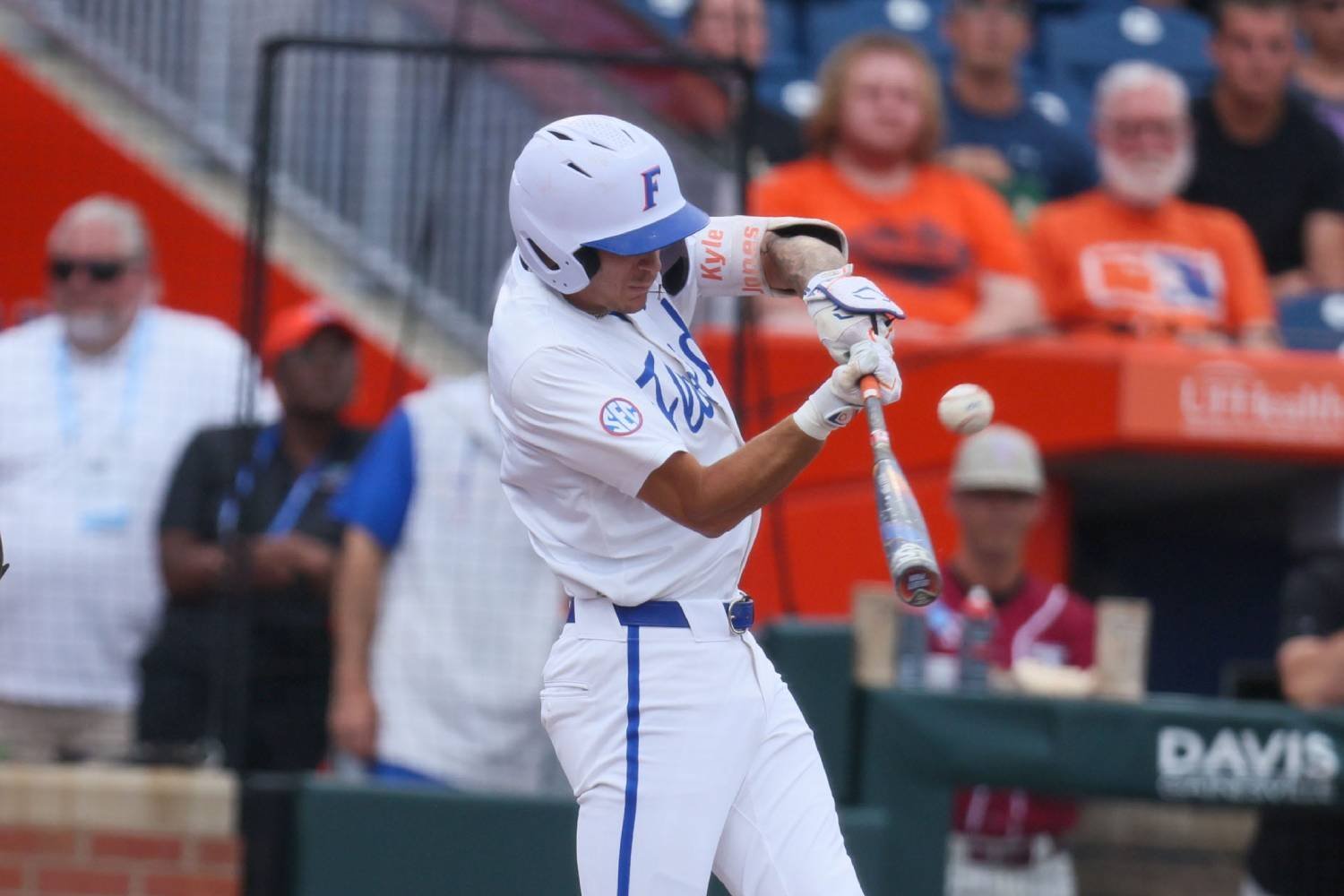 With a short window in which to sign their draft picks, the Milwaukee Brewers have four more secured. A day after signing first-round selection Trey Ebel to an underslot bonus, third-round pick Kyle Jones and three other of their top 10 choices have their deals done, according to Baseball America. Ebel signed for $2.8 million, with the assigned slot value for the 21st overall pick at $3,696,000. Kyle Jones, a speedy center fielder who hit leadoff for Florida this spring, received a signing bonus of $675,000, slightly under the slot value of $770,600. The 6-foot-3, 190-pound Jones slashed .317/.418/.478 with 27 stolen bases for the Gators. The Brewers also came to terms with their eighth-, ninth- and 10-round selections, all for underslot. Corona Del Sol (Ariz.) High School first baseman Kellan Tom, picked in the eighth round, received a $175,000 bonus, coming in under the $220,400 value. Ninth-rounder Chase Mora, a right-hander out of Texas State, and 10th-rounder Andrew Gaines, a right-hander from St. Joseph's, each got bonuses of $50,000. The slot values for those two picks were $202,500 and $191,900. Combined with sixth-rounder Ryan Oshinskie, a right-hander from Brown who inked for $222,500 on Friday, the Brewers have signed six of the 20 draft picks, all in the first 10 rounds. The reported bonuses for those six checks in at $3,882,500, which is a savings of $1,532,100. The Brewers' bonus pool is $8,042,900, leaving them plenty of flexibility with their remaining draft selections. Picks in the 11th to 20 rounds can receive up to $150,000 without counting against the bonus pool. Draft picks have until July 27 to sign. View the full article
 -
Brandon Woodruff to Undergo Second Shoulder Capsule Surgery
DiamondCentric posted an article in Brewer Fanatic
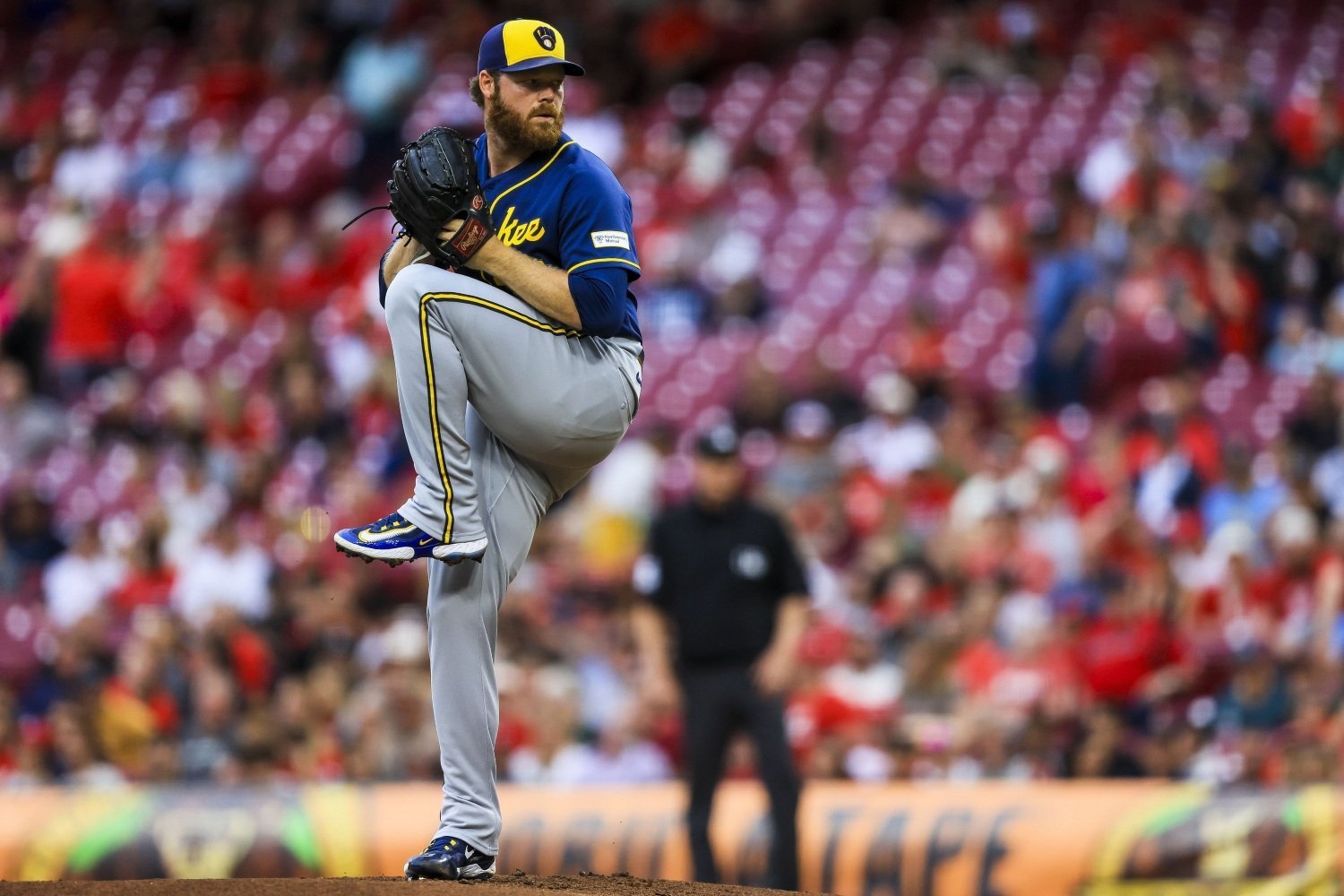 Brandon Woodruff planned to address the media on Sunday afternoon about his future, but after speculation about that pending announcement spread quickly on Friday afternoon, he moved his press conference up a day to clear the air. “I’m not having a funeral or anything,” Woodruff said. Woodruff made clear that he is not retiring, which was how some interpreted Pat Murphy’s announcement on Friday that “the outlook isn’t good” regarding the right-hander’s latest shoulder injury. As forecasted, though, it was bad news: Woodruff will undergo another surgery to repair his right shoulder capsule, the same procedure he had after the 2023 season. “There's a couple other things that are going on that's not the real issue,” Woodruff said. “The real issue is the capsule. I'll have to get it fixed, and then go from there.” He hasn’t looked ahead at timelines, but for now, Woodruff plans to fully rehab and prepare to pitch again. “The good news is I know exactly what this rehab entails,” he said. “I'm never closing the door on pitching. Like, I'm getting this with the intention of rehabbing and taking care of that and being able to pitch again. But as far as like when that is, I haven't even looked at the dates.” The last time around, that rehab was a 20-month process between regular-season outings, although that included two delays for separate injuries (at least technically) unrelated to his shoulder. When he finally made it back, he pitched to a 3.20 ERA and 3.17 FIP in 12 starts and still struck out 32.3% of opposing hitters, despite predictably diminished fastball velocity. It was a similar story this year, as Woodruff posted a 2.98 ERA and 3.19 FIP. “Going forward, it's like, I know I can go pitch,” Woodruff said. “Yeah, I would love to have 95-plus, but I've always prided myself on being a pitcher. It's almost, your brain works in a way where it's more fun getting guys out like I've had to get them out the last couple years. So in terms of going forward for me, it doesn’t take the fact away that you can still go and pitch at those velocities.” “Him coming back that first time in Miami last year … just watching that happen, we’re just looking at each other like, ‘He's rolling,’” Murphy said. “And then he bumps a 95 or a 96 in there, and we’re like, ‘This guy’s doing it.’ And then the continuation of the way he went out there, he was in command.” Throughout that time, though, Woodruff faced repeated problems in or near his surgically repaired shoulder. His 2025 season was cut short by a lat injury. He and the Brewers said his shoulder was structurally intact, and the club extended a qualifying offer for the 2025 season, which Woodruff accepted. In his sixth start of the year, his four-seam fastball velocity dipped to 85.4 mph, and he ultimately missed seven weeks after having fluid drained from a cyst in his shoulder. The Brewers would not confirm it, but as he worked his way back, there were signs that Woodruff was making tweaks to his mechanics and pitch usage to prepare for another velocity dip. However, he looked like his usual post-surgery self in his return outing in Cincinnati, and he was solid again in his next outing against the Chicago Cubs. Woodruff said that he had no reason to believe another major injury was about to occur in his next start in Arizona. “Truthfully, leading up before Arizona, I'd had a good week leading in between,” he said. “I had nothing that indicated that what was going to happen on July the 4th in Arizona was going to happen. And honestly, I was in a good spot. I was throwing the ball well and felt fine.” It was a similar story to last time, coincidentally another start against the Diamondbacks. Woodruff’s velocity dipped into the mid-80s, and he departed in the fourth inning with Murphy, pitching coach Chris Hook, and athletic trainers. There was a more somber tone to this exit, an unspoken acknowledgment that it was more than a minor setback. “If you watched my reaction out there, I kind of knew it was bad,” Murphy said. “And then when I heard the news, really what the MRI revealed at first, it was like, none of this can be good.” That MRI showed a new injury to Woodruff’s anterior capsule. Another surgery will sideline him for 2027 and position him to return in 2028–if he successfully makes it back. Given their unclear outlook for recovery, already making it back from one surgery of this kind was a remarkable feat. Recovering from a second one to pitch again would be unprecedented. The last notable comparison was Johan Santana, whose career ended after he tore his capsule a second time. For now, Woodruff will try to beat the odds by taking things one day at a time. “The kid’s been coming back from adversity his whole career,” Murphy said. “I didn't know what I was getting into three years ago when I had surgery,” Woodruff said. “Thankfully, I've got that perspective now, which I think will benefit me, for sure. It's not going to be easy. I know it's going to be tough, and so I know what's ahead of me.” View the full article
 -
 Blue Jays Affiliate Overview (July 14-17) Triple-A Buffalo Bisons Series vs Syracuse Mets (New York Mets): 1-0 Season Record: 45-49 Double-A New Hampshire Fisher Cats Series vs Harrisburg Senators (Washington Nationals): 1-0 Season Record: 45-41 High-A Vancouver Canadians Series vs Tri-City Dust Devils (Los Angeles Angels): 1-0 Season Record: 38-50 Single-A Dunedin Blue Jays Series vs Clearwater Threshers (Philadelphia Phillies): 0-1 Season Record: 41-46 FCL Blue Jays Week Record: 3-0 Season Record: 37-17 DSL Blue Jays Blue Week Record: 1-2 Season Record: 14-20 DSL Blue Jays Red Week Record: 2-1 Season Record: 17-16 Triple-A Buffalo Bisons Season Record: 45-49 Series vs Syracuse Mets (New York Mets) July 17: Bisons baseball is back, and they got back in a groove right away. They opened up a series against the Syracuse Mets on Friday and played a tight game all the way until the end. Buffalo got on the board first in the second inning. Eloy Jiménez singled to right field, moving Willie MacIver to third base, but he scored on the play when the Syracuse right fielder threw the ball away trying to throw him out. Ismael Munguia then sent a ball over the right field wall for a two-run home run. In the bottom of the third inning, Ronny Mauricio got a hold of a Grant Rogers splitter for a two-run home run. Buffalo extended their lead in the fourth, with RBI singles from Jay Harry and Yohendrick Piñango. Rogers then gave up another home run to the Mets in the sixth. Things stood pat at 5-4 until MJ Melendez homered for the Mets to tie the game up in the eighth. Davis Schneider would come up big though, smoking a two-run blast to left field in the top of the ninth and giving Buffalo the win, 7-5. Schneider now has hits in 11 of his 13 games since being sent down to Buffalo, including three multi-hit games. Double-A New Hampshire Season Record: 45-41 Series vs Harrisburg Senators (Washington Nationals) July 17: Gage Stanifer was on the mound for New Hampshire in their first game after the break on Friday night. They were taking on the Harrisburg Senators. Stanifer was good on the night, minus one or two batters where the command wasn't there. He went 4.1 innings, only allowed three hits, gave up just one run in the fifth inning, walked three, and struck out six. He generated 15 whiffs on the night over 84 pitches. New Hampshire grabbed the early lead in this one in the first inning. Hedbert Perez and Dub Gleed each had RBI singles, then in the seventh and eighth innings, Jorge Burgos drove in three runs. That was enough, as New Hampshire went on to win this one 5-2 in a sloppy game that saw seven errors combined between the teams. High-A Vancouver Season Record: 38-50 Series vs Tri-City Dust Devils (Los Angeles Angels) July 17: Holden Wilkerson had the best start of his professional career, going 5.2 no-hit innings against the Dust Devils, with the only base runner being a walk in the fifth inning. He struck out seven batters for his second straight great start in a row. The Dust Devils starter Jose Atencio also pitched well, with a quality start, but gave up a couple of runs. Peyton Williams started the scoring in the second with a homer to right-center. Edward Duran added an extra run with a sac fly in the fourth inning to make it two to nothing. Ryan Sprock made his Blue Jays organization debut with a hit and two walks, starting at third in this game as well. Unfortunately for Wilkerson, he was taken out in the sixth, but Carson Myers kept it scoreless over two innings, despite losing the no-hitter immediately after replacing Wilkerson. The Canadians got some insurance runs in the ninth, with Alex Stone and Jake Casey both driving in runs with singles to make it five to nothing. Jonathan Todd got the save despite giving up a run in the ninth and losing the shutout, but it was an impressive game for the Canadians after the All-Star break. Single-A Dunedin Season Record: 41-46 Series vs Clearwater Threshers (Philadelphia Phillies) July 17: The runs just kept on coming as the Threshers and the Blue Jays were just throwing haymakers back and forth against each other. The pitching was poor all around, as every pitcher who came into the game gave up at least one run. The Threshers had a better outing from their starter, as Zuher Yousuf went five innings, giving up three runs, whereas Giacomo Taschin was unable to get out the second inning, giving up four runs. It wasn’t much better as Bradley Wilson replaced him, giving up two runs over three innings, and the Jays were down 6-3 early on. The sixth inning was where it got interesting, as after Juan Sanchez was hit by a pitch to load the bases, an error from shortstop Juan Villavicencio allowed all three base runners to score, tying it up, before Enmanuel Bonilla took the lead with a sac fly. Villavicencio made up for the error, tying it up on a homer against Josbel Garcia. In the eighth JoJo Parker hit a sac fly to take the lead, but a throwing error once again tied it up from pitcher Lluveres Severino, who replaced Garcia. It looked like the Jays clinched the game in the eighth inning, with Will Cresswell and Jake Cook coming up with clutch RBI singles to make it a two-run game, but Severino gave those right back up, which sent the game to extras. The Treshers were able to finally pull away, as they dropped a six-spot on Diego Dominguez in the 10th, and the Jays were unable to answer with just one run scored on an error in the bottom of that inning, in a crazy loss. FCL Blue Jays Season Record: 31-17 July 14: The Tuesday game between the FCL Blue Jays and the FCL Yankees was a wild one, at least for the pitchers. The Yankees walked nine times and the Blue Jays walked 11, for 20 combined walks between the teams. There were also 16 hits and 21 runs. One pitcher that didn't seem to have an issue was Seojun Moon. He pitched four innings and gave up four hits and three walks, but was able to limit the damage with five strikeouts, while only allowing two runs. The Yankees got home runs from George Lombard Jr. and Wilberson De Pena, but it wasn't enough. The Blue Jays scored early and often in this one. Max Viera hit a three-run home run in the second inning, and in the sixth, the Blue Jays scored five. Angel Guzman singled in a run, followed by Pascual Archila bringing in two. Later, Viera would triple in a run and double in a run, as he fell a single short of the cycle. The Blue Jays would win big on the day, winning 13-8. July 16: Postponed July 17, Game 1: The first game Friday was the continuation of a suspended game from July 10 between the FCL Blue Jays and the FCL Phillies. In the game before the suspension, Angel Rivero went four innings, allowing five hits, and didn't give up a run. When the game picked up on Friday, Daniel Guerra was pitching on a rehab appearance. He allowed a run in his first inning on a walk and a single, then a double steal scored the run. In the second, he struck out all three batters, and then finished his day getting the first two hitters of his third inning. He went 2.2 IP, gave up one hit, one run, one walk, and struck out four. Andres Arias had driven in three runs with a double before the suspension, and Renyel Campos tripled in a run. After the game resumed on Friday, both teams combined for just three hits and the lone run. The Blue Jays won this one 4-1. July 17 Game 2: The second game on Friday between the FCL Blue Jays and the FCL Phillies was much more exciting. Angel Rivero pitched and didn't allow a hit, walked one, hit two batters, and struck out five. Connor O'Halloran came on for a rehab appearance and only allowed a single hit, while also striking out five. Offensively, Pascual Archila reached base four times without a hit, three walks and a hit-by-pitch. Alexis Hernandez, who was rehabbing, had a two-run single and was followed by Andres Arias hitting a three-run double. An RBI single and a bases-loaded walk would put the Blue Jays up 7-0. They would add two more runs, and the Blue Jays would win the second game, 9-2. DSL Blue Jays Blue Season Record: 13-16 July 14: While the rest of baseball was off on Tuesday, baseball was still being played down on the island. BJB faced off against the Giants Black team in a rare nine-inning game. BJB pitching was terrible, and it started with Tomoya Kinjo and his bad command getting him into trouble. He walked three, gave up five hits, four runs, and only pitched 1.2 innings. It was a theme that would continue for the other pitchers BJB sent to the mound out of the pen. In total, BJB pitchers walked 14, gave up nine hits, and it all led to 11 runs. It was the complete opposite for BJB hitters. They only managed to get three base knocks, but did walk nine times. They just couldn't get runs across home plate, just three for the game. A wild pitch scored Sebastian Casanova in the first, Cristopher Polanco singled home Juarlin Soto in the fourth, and Fabian Gonzalez scored on Juan Caricote's groundout in the sixth. BJB lost big 11-3. July 16: It was another light-hitting day down on the island for BJB; they only managed to get two hits in the game and just two runs. The first run came in the bottom of the sixth, Sebastian Casanova tripled and then scored on a throwing error by the second baseman. With the game tied at one in the bottom of the seventh, Randy Soto and Isay Veras walked to open the inning. Eiker Lothar came to the plate and then singled to left field, bringing home the walk-off winning run. BJB won 2-1 in a game that featured just five combined hits. July 17: BJB continued a recent streak of light hitting games, only getting five hits on Friday. Sebastian Casanova led the way for BJB on the hitting side. He collected two of the five hits on the way to a 2-for-3 day. Michael Mesa had an RBI double in the top of the third inning, scoring Cristopher Polanco (who walked) and Casanova (who singled). Down 5-2, BJB made an attempt at a comeback in the top of the seventh inning. Juarlin Soto singled, Luis Felipe walked, then Casanova singled in Soto to cut the deficit to two. Unfortunately for BJB, Juan Caricote struck out and Mesa grounded out to end the game. BJB lost 5-3. DSL Blue Jays Red Season Record: 15-13 July 14: It was a crazy game for BJR on Tuesday. The offense went wild, to say the least: 15 hits, 10 walks, and 14 runs. Darwin Núñez, Samuel Orellana, Ayberson Ortega, and Frelian Flores each had two hits. Alex Linares would top them, though. He ended the game with three hits. Some of the scoring highlights were Gabriel Porras' RBI triple to center in the fifth, Linares’ RBI single to center in the sixth, and Aneudi Severino's RBI double also to center in the seventh. Down 9-7 in the bottom of the ninth, Linares had his biggest hit of the game, a two-RBI double to left field that tied the game up. After exchanging runs in the 10th, Elian Reyes came up to the plate in the bottom of the eleventh with the bases loaded and the game all square at 10. With one swing, he ended the ball game in grand style: He smacked a walk-off grand slam to right, his only hit on the day. BJR won 14-10 in 11 innings. July 16: BJR was involved in another walk-off win on Thursday, but it would unfortunately not be them with the final at-bat. Aneudi Severino started the scoring in the top of the third inning, blasting his fifth home run of the season, a three-run shot to left. He has rather quickly become a must-watch name in the DSL; he has shown the power, but his batting average needs more work for sure, sitting below .225. After BJR scored a run on a wild pitch in the fifth, Darwin Núñez launched his second home run of the season in the sixth, a solo shot to left. Severino added an RBI single in the seventh to put BJR up 6-2. Their bullpen would waste it away from there, though. The Mariners DSL team scored three in the bottom of the seventh and then, down one run in the bottom of the ninth, walked it off with a two-RBI double. BJR lost another fun one, 7-6. July 17: BJR had more walks than hits on Friday, but it was enough to take home the win. They ended the day with 10 walks to five hits and, in the end, didn't score on any of the base knocks. They scored three runs on bases-loaded walks, a run on a wild pitch, and a run on a groundout. Alex Linares led the scoring charge; he didn't have a hit in the game, but walked three times and scored two of BJR's runs. Aneudi Severino tallied two more hits on the season, while the pitching was excellent in this game. Abrahan Diaz threw three scoreless innings and struck out five batters. Carlos Olivo came on in relief of Diaz and upped him. He also threw three scoreless innings but struck out six and walked just one. BJR won the game 5-0. View the full article
