


DiamondCentric
-
Posts
2,631 -
Joined
-
Last visited
Never
Content Type
Profiles
Forums
Events
News
Tutorials & Help
Major League Baseball Videos
Guides & Resources
Store
Downloads
Gallery
Everything posted by DiamondCentric
-

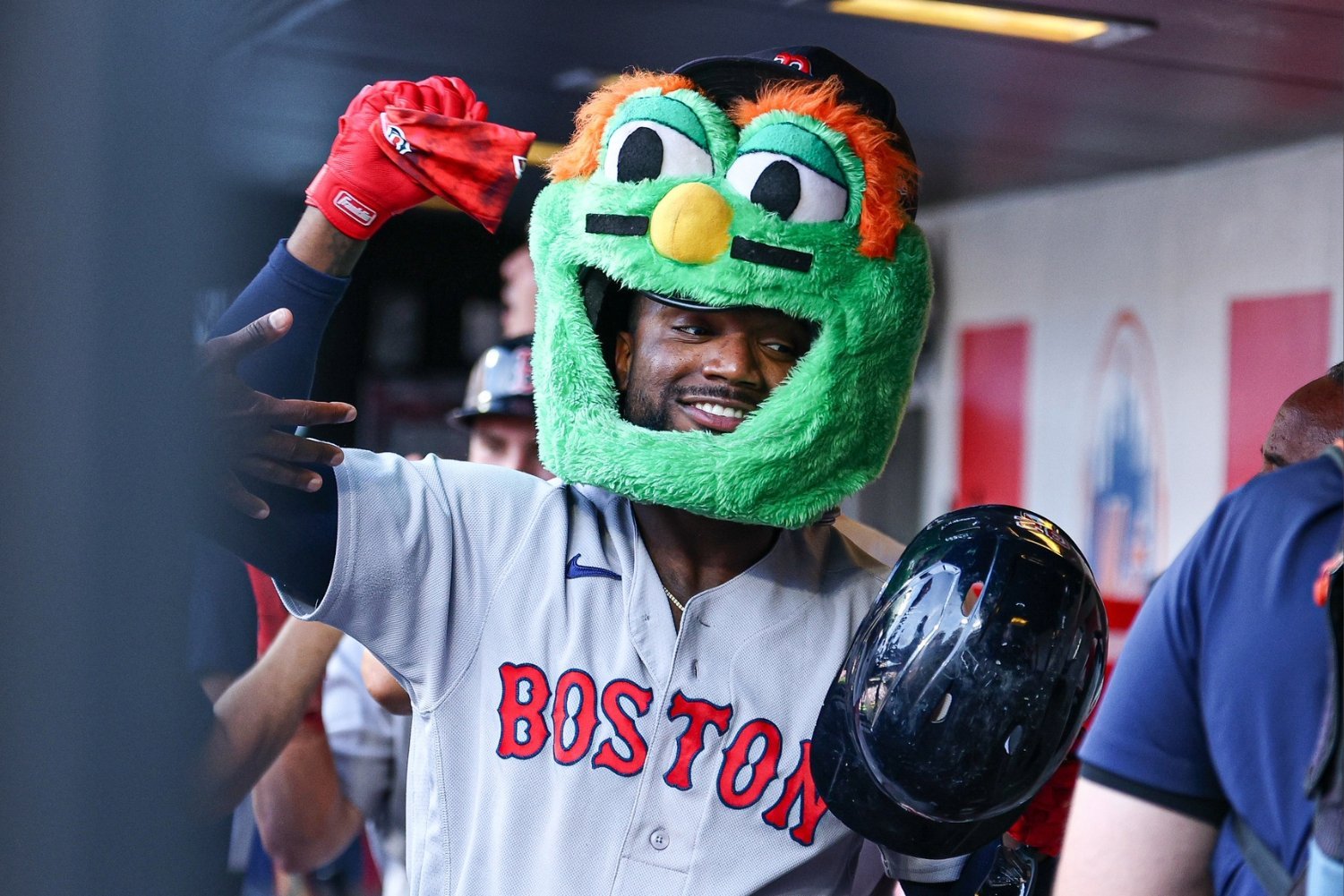 Craig Breslow spent most of June watching a relatively simple trade-deadline decision come into focus. If the Boston Red Sox continued losing, he could move veterans such as Sonny Gray, Aroldis Chapman and Willson Contreras, add to the farm system, and turn the organization’s attention toward 2027. Nine consecutive wins ruined the simplicity of that plan. Boston reached the All-Star Break at 46-48 after sweeping an entire nine-game road trip through Anaheim, Chicago and New York. The Red Sox have won 14 of their last 16 games and now sit only half a game out of the final American League Wild Card spot. They are still below .500, yet firmly back in the race. The All-Star Break was always going to provide the clearest checkpoint. When the Red Sox were 21-27 in late May, somewhere around a .480 winning percentage felt like enough to keep the Wild Card chase realistic. Reaching .500 would give the front office room to add, while falling 10 or more games under would leave little reason to delay a sell-off. Boston arrived almost exactly where it needed to be. A .489 winning percentage is not especially impressive, but the American League has given the Red Sox room to recover. FanGraphs now gives them approximately a 40 percent chance to reach the postseason. On June 12, Red Sox president and CEO Sam Kennedy acknowledged that the organization might have to abandon its original plan to buy. Boston had not yet reached its lowest point, but it would eventually fall 14 games below .500 and 6 1/2 games out of a playoff spot. “Unless things change dramatically, we may have to pivot here from what our initial planning was,” Kennedy said. “It just wouldn’t be responsible to do otherwise.” Less than two weeks later, the season changed dramatically. The 14-2 run has survived injuries, a suspension and a travel delay that left the team arriving in New York only hours before facing the Mets. It has also required contributions from nearly every corner of the roster. Payton Tolle opened the Chicago series with six scoreless innings. Patrick Sandoval allowed one run in his first major-league appearance since 2024. Gray handled the travel chaos before the opener in New York and improved to 11-1 with six innings of one-run baseball. Wilyer Abreu, Jarren Duran and Ceddanne Rafaela contributed, but so did Andruw Monasterio, Anthony Seigler and Caleb Durbin. Those performances matter even more with Garrett Crochet and Roman Anthony still sidelined. Ranger Suárez also landed on the injured list, while Contreras missed four games serving his suspension. Some perspective is fair. The Angels and Mets are among the worst teams in baseball, and Boston should have beaten both. Sweeping the first-place White Sox carries more weight. However, a perfect trip is still a perfect trip. Teams trying to recover from 14 games under .500 do not need to apologize for beating weaker opponents. Before the streak, Gray, Contreras and Chapman looked like logical trade candidates. Now they are among the biggest reasons this team is back in contention. Yes, trading them might produce a strong prospect return. It would also strip away the heart and soul of this team. Contreras does not sound ready to leave, and it appears he has taken the decision out of Boston’s hands. According to MassLive’s Chris Cotillo, Contreras told the Red Sox he would not waive his no-trade clause and wants to finish his career in Boston. During the All-Star festivities, he also offered a simple explanation for his optimism: “We’re not where we want to be, but we are on our way there.” Boston opens the second half with 10 home games against Tampa Bay, Baltimore and Toronto before visiting the Athletics and Dodgers ahead of the Aug. 3 deadline. The Red Sox are 29-21 on the road but only 17-27 at home. If the turnaround is real, it needs to follow them to Fenway. Even if the run holds, Breslow does not need to make an all-in trade. Boston has not earned the kind of deadline that empties the top of the farm system for a rental. Keeping the veterans already producing and adding another right-handed bat or a useful bullpen arm would give the current group help without sacrificing the organization’s best young talent. A collapse after the break could reopen conversations that appeared inevitable only a few weeks ago. For now, selling would require Breslow to dismantle a team that just played its way back into October contention. View the full article
 -
 Omaha edged Lehigh Valley 2-1 on solo home runs from Kameron Misner and Brett Squires, with Mason Black striking out seven over 5 1/3 innings. Carson Roccaforte homered in the ninth and singled home the winning run as Northwest Arkansas walked off Midland 7-6 in 10 innings. Quad Cities outslugged Wisconsin 13-10 on Luke Pelzer's five RBI, and Columbia edged Charleston 5-4 behind Yandel Ricardo's two RBI and Andy Basora's save. Kansas City Royals Transactions No Roster Moves Squires, Misner Homer As Storm Chasers Edge Lehigh Valley The Omaha Storm Chasers rode two solo home runs to a 2-1 win over the Lehigh Valley IronPigs on Saturday. Misner and Squires each homered, and Black struck out seven over 5 1/3 innings before the bullpen finished with 3 2/3 scoreless innings. Misner, just recently optioned to Omaha before the All-Star Break, opened the scoring with a solo home run to right center in the first inning. Lehigh Valley tied it in the sixth on a Dylan Moore solo homer, but Squires answered in the bottom of the seventh, driving a solo shot to right center that held up as the winning run. Matthew Lugo, Gavin Cross, and Andrew Velazquez had Omaha's other hits, and Velazquez stole a base. Black, who's made the transition back to the rotation in Omaha, started and allowed one run on two hits with no walks and seven strikeouts over 5 1/3 innings. The Storm Chasers relied on a trio of veteran arms to carry them to a victory over the Iron Pigs on Friday. Dan Altavilla worked around two walks in 1 1/3 scoreless innings, and Jose Cuas retired all four batters he faced to earn the win. Justin Topa pitched a perfect ninth for the save. Omaha managed five hits and left four runners on base. They went 0-for-2 with runners in scoring position. The Storm Chasers are now 41-52 this season. Player AB R H RBI BB K John Rave 4 0 0 0 0 1 Matthew Lugo 4 0 1 0 0 2 Kameron Misner 4 1 1 1 0 0 Brett Squires 3 1 1 1 0 0 Abraham Toro 3 0 0 0 0 2 Gavin Cross 3 0 1 0 0 1 Peyton Wilson 2 0 0 0 1 0 Luca Tresh 3 0 0 0 0 1 Andrew Velazquez 3 0 1 0 0 0 Player IP H R ER BB K HR Mason Black 5 1/3 2 1 1 0 7 1 Dan Altavilla 1 1/3 0 0 0 2 0 0 Jose Cuas 1 1/3 0 0 0 0 0 0 Justin Topa 1 0 0 0 0 0 0 Roccaforte Walks It Off As Naturals Edge Midland In 10 The Northwest Arkansas Naturals walked off the Midland RockHounds 7-6 in 10 innings on Saturday. Roccaforte, the Royals' No. 8 prospect, homered in the ninth to tie the game and singled home the winning run in the 10th, finishing 2-for-6 with two RBI. Omar Hernandez and Alberto Rodriguez each added two hits, and Colton Becker reached base three times with three walks and two steals. Northwest Arkansas scored in each of the first two innings, with the first run of the game being driven in by No. 18 prospect Daniel Vazquez. The Naturals pushed the lead to 5-2 in the sixth on a Jorge Alfaro run and a Rodriguez double-play grounder. Midland answered with a four-run seventh to take a 6-5 lead, and the game stayed there into the ninth, when Roccaforte homered to right field to force extra innings. In the 10th, Midland stranded its zombie runner at third without scoring. Northwest Arkansas then won it in the bottom half, as Alfaro was hit by a pitch and Roccaforte lined a single to right that scored zombie runner Becker. Former Kansas City Monarchs pitcher Grant Gambrell started and allowed two runs over five innings with three strikeouts and a home run. Anthony Simonelli was charged with four runs in the seventh without recording an out, but Dennis Colleran Jr. and Brandon Johnson steadied the bullpen, and Augusto Mendieta worked a scoreless 10th to earn the win. The Naturals stranded 11 runners on base and went 4-for-16 with runners in scoring position. Northwest Arkansas improved their record to 37-49 with the victory. Player AB R H RBI BB K Carson Roccaforte 6 1 2 2 0 0 Jack Pineda 4 1 1 0 0 1 Sam Kulasingam 2 0 0 0 3 1 Spencer Nivens 5 0 0 0 0 1 Daniel Vazquez 4 0 1 1 1 0 Colton Becker 2 3 0 0 3 0 Jorge Alfaro 3 1 0 0 1 0 Omar Hernandez 5 1 2 1 0 0 Alberto Rodriguez 5 0 2 1 0 0 Player IP H R ER BB K HR Grant Gambrell 5 3 2 2 2 3 1 Brandon Johnson 1 0 0 0 1 0 0 Anthony Simonelli 0 1 4 4 2 0 0 Tommy Molsky 1 2 0 0 0 0 0 Dennis Colleran Jr. 2 0 0 0 2 2 0 Augusto Mendieta 1 0 0 0 1 1 0 Pelzer Drives In Five As River Bandits Outslug Wisconsin The Quad Cities River Bandits outslugged the Wisconsin Timber Rattlers 13-10 on Saturday. Pelzer drove in five runs on two hits, including a three-run double, No. 9 prospect Asbel Gonzalez scored four times with two hits and two stolen bases, and Jose Cerice homered and drove in three. Trailing 3-1, Quad Cities got a two-run homer from Cerice in the third and then blew the game open with a five-run fourth, sending 10 men to the plate. No. 4 prospect Blake Mitchell, No. 6 prospect Ramon Ramirez, Pelzer, and Erick Torres each drew a bases-loaded walk or reached to force in a run, and Cerice was hit by a pitch that plated another. Wisconsin clawed back to tie it 8-8, but the River Bandits pulled away with a run in the seventh and a decisive four-run rally capped by Pelzer's three-run double. Mitchell added an RBI single in the ninth for insurance. Tanner Jones earned the win with three innings of two-run relief and six strikeouts. Blake Wolters started the game with two innings, struggling with control in his first outing after the All-Star Break. The Royals' No. 15 prospect allowed three runs on four hits and four walks. Aiden Jimenez and No. 20 prospect Kamden Edge each worked two innings as Quad Cities held on despite Wisconsin's 14 hits. The River Bandits left nine runners on base and went 4-for-13 with runners in scoring position. Quad Cities is now back to .500 at 42-42. Player AB R H RBI BB K Asbel Gonzalez 5 4 2 0 0 1 Blake Mitchell 4 2 1 2 2 1 Ramon Ramirez 4 2 0 2 2 3 Luke Pelzer 4 1 2 5 2 1 Jose Cerice 3 1 2 3 0 1 Derlin Figueroa 5 0 1 0 0 2 Erick Torres 4 1 1 1 1 0 Tyriq Kemp 3 1 1 0 2 1 Angel Acosta 4 1 2 0 0 0 Player IP H R ER BB K HR Blake Wolters 2 4 3 3 4 2 0 Aiden Jimenez 2 2 3 3 1 0 1 Tanner Jones 3 5 2 2 2 6 0 Kamden Edge 2 3 2 2 0 1 0 Ricardo, Hammond Lead Fireflies Past Charleston The Columbia Fireflies collected 13 hits and held on to beat the Charleston RiverDogs 5-4 on Saturday. No. 3 prospect Josh Hammond went 3-for-4 with two doubles and two runs, No. 10 prospect Ricardo went 2-for-3 with a triple and two RBI, and Hyungchan Um homered. Columbia struck first in the opening inning when Ricardo singled home Hammond. Charleston briefly went ahead with a two-run first, but the Fireflies retook the lead in the third on a No. 5 prospect Sean Gamble run-scoring single. Um provided the eventual difference in the fourth, launching a solo home run to left center for a 4-3 lead. Ricardo added an insurance run in the seventh, tripling home Roni Cabrera for a 5-3 lead. Charleston pushed a run across in the eighth, but the Fireflies closed it out from there. Hammond and Stone Russell each had two hits to go with Ricardo's and Gamble's pair of base knocks. Jose Gutierrez earned the win with five innings of three-run, two-earned ball and three strikeouts. Henson Leal followed with two scoreless innings and two strikeouts. After Dash Albus allowed a run in the eighth, Basora recorded the final 1 1/3 innings without a hit to earn the save. The Fireflies went 4-for-10 with runners in scoring position and stranded five runners on base. Columbia is back to .500 after the victory, with their record now 44-44. Player AB R H RBI BB K Henry Ramos 5 0 0 0 0 1 Josh Hammond 4 2 3 0 0 1 Yandel Ricardo 3 0 2 2 0 0 Sean Gamble 4 0 2 1 0 0 Jhosmmel Zue 4 0 1 0 0 1 JC Vanek 4 1 1 0 0 0 Stone Russell 4 0 2 0 0 1 Hyungchan Um 3 1 1 1 1 1 Roni Cabrera 3 1 1 0 1 0 Angel Ramirez 0 0 0 0 0 0 Player IP H R ER BB K HR Jose Gutierrez 5 5 3 2 3 3 0 Henson Leal 2 1 0 0 1 2 0 Dash Albus 2/3 2 1 1 0 0 0 Andy Basora 1 1/3 0 0 0 0 0 0 Top-20 Prospect Performance Kendry Chourio: DNP David Shields: DNP Josh Hammond: 3-for-4, 2 2B, 2 R, K Blake Mitchell: 1-for-4, 2 RBI, 2 R, 2 BB, K Sean Gamble: 2-for-4, RBI Ramon Ramirez: 0-for-4, 2 RBI, 2 R, 2 BB, 3 K Drew Beam: DNP Carson Roccaforte: 2-for-6, HR, 2 RBI, R Asbel Gonzalez: 2-for-5, 4 R, 2 SB, K Yandel Ricardo: 2-for-3, 3B, 2 RBI Michael Lombardi: DNP Ben Kudrna: DNP Justin Lamkin: DNP Felix Arronde: DNP Blake Wolters: 2 IP, 4 H, 3 R, 3 ER, 4 BB, 2 K Steven Zobac: DNP Austin Charles: DNP Daniel Vazquez: 1-for-4, RBI, BB Kamden Edge: 2 IP, 3 H, 2 R, 2 ER, 1 K Warren Calcano: 1-for-3, 3 R, 2 BB View the full article
 -
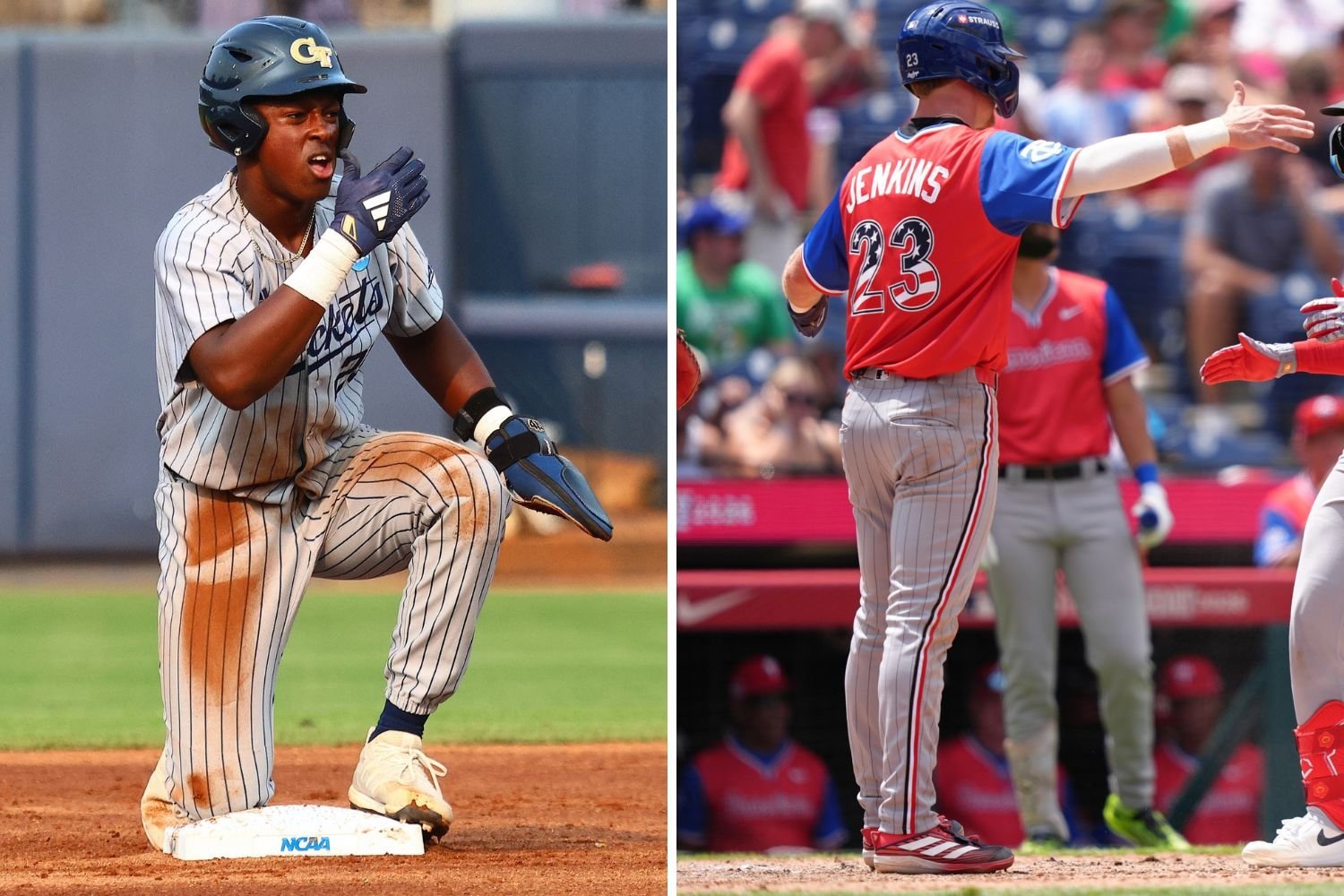 For years under the Derek Falvey regime, the Twins built their organization around pitching depth. While the farm system has consistently produced quality arms, impact position players have been much harder to come by. There have certainly been individual prospects to get excited about, but it has been a long time since Minnesota could point to an entire wave of elite offensive talent that looked capable of growing into the core of a contender. That is why the selection of Vahn Lackey feels so significant. The Twins entered this year's draft with the third overall pick in what many viewed as a three-player draft. Minnesota was fortunate enough to see Lackey still available, and they didn't hesitate. At just 21 years old, Lackey immediately becomes one of the organization's premier prospects and the latest piece of what is shaping up to be an incredibly exciting young offensive core. Lackey entered the spring as one of the best defensive catchers in the country, but he elevated himself into the conversation for a top-three selection because of what he did with the bat. During his junior season with Georgia Tech in the ACC, he hit nearly .400 while posting a ridiculous 1.291 OPS with 20 home runs in just 61 games. Those numbers would stand out anywhere, but doing it against some of the toughest competition in college baseball made them even more impressive. There is still plenty of development ahead before anyone should pencil him into the Twins' lineup, but the possibility of pairing that kind of offensive upside with a long-term catcher is incredibly enticing. Teams spend years trying to find impact offensive catchers, and the Twins may have just landed one. More importantly, Lackey is joining an organization that suddenly has elite offensive prospects all over the diamond, particularly at premium defensive positions. The biggest name remains Walker Jenkins. The fifth overall selection in the 2023 draft would have been the first overall pick in many other draft classes, and despite battling injuries throughout his professional career, he has done nothing but reaffirm that belief whenever he has been healthy. Across four seasons and four levels of the minor leagues, Jenkins owns an .870 OPS while continuing to flash the combination of power, athleticism and bat control that made him one of the most coveted high school hitters in years. Already in Triple-A at just 21 years old, Jenkins appears poised to make his major league debut during the second half of this season. Whether he ends up in center field or either corner, he has all the tools to become the middle-of-the-order bat for the Twins for years to come. The Twins have another first-round pick knocking on the door in Kaelen Culpepper. Selected 21st overall in 2024, Culpepper has impressed at every stop since entering the Twins' system, posting an .837 OPS across three seasons in the Twins' system. Like Jenkins, he looks ready to make his major-league debut later this season, if only he can get and stay healthy. Culpepper should get the opportunity to play shortstop initially, but his long-term value goes beyond one position. If Marek Houston develops into the defensive shortstop many believe he can become, Culpepper has the athleticism and versatility to slide to either second or third base without sacrificing his offensive impact. At just 23 years old, Culpepper looks like another player capable of anchoring Minnesota's lineup for years. Houston, meanwhile, has exceeded expectations almost immediately. Drafted 16th overall in 2025, he entered the draft as arguably the best defensive player in the entire class. The question was always whether the bat would allow him to become an everyday player. So far, the answer has been encouraging. Houston has climbed to Double-A at only 22 years old while posting an .861 OPS this season with seven home runs and 17 doubles in 73 games. His glove was never in doubt, but if the offense continues to develop, the Twins could have their long-term shortstop already in the organization. What makes this collection of talent so exciting is where these players play. Premium offensive players at catcher, shortstop and center field are among the hardest assets to acquire in baseball. The Twins now have legitimate long-term upside at each of those positions, and they are not done there. Luke Keaschall remains one of the organization's most promising young hitters. Still only 23 years old, he has already flashed his offensive upside in the majors and reminded everyone why the Twins were so high on him as a prospect. After hitting some bumps in his sophomore season, he has started to look much more comfortable at the plate lately and continues to project as an impact offensive player.. Brooks Lee is another player who is easy to overlook simply because he has already reached the majors and hasn't consistently popped yet. Still just 25 years old, Lee has experienced the expected ups and downs of a young hitter, but there are reasons for optimism. Since moving to third base, he has developed into a quality defender while continuing to deliver timely hits. There is still another level he can reach offensively, and the Twins believe that ceiling remains within reach. Eduardo Tait continues to rank among baseball's top prospects despite being only 19 years old. Before the draft, he looked like the organization's catcher of the future. Now, with Lackey in the fold, the Twins have options. Tait's bat has always been the carrying tool, and the organization could eventually choose to move him to first base or another position that allows him to focus on maximizing his offensive potential. Having two young catchers with that kind of upside is a luxury few organizations can claim. The depth extends even beyond those names. Emmanuel Rodriguez remains a top-tier all-around prospect, Gabriel Gonzalez continues to show intriguing offensive tools, while Alan Roden has done nothing but hit (in the minors) since joining the Twins. Not every prospect becomes a star, but having this many legitimate options dramatically improves the odds that several will develop into impact major leaguers. That is what separates this farm system from many Twins organizations of the past. This is not simply a collection of interesting prospects. It is a wave of former first-round picks and highly regarded young hitters playing premium positions throughout the diamond. Lackey at catcher. Jenkins and Rodriguez in the outfield. Houston at shortstop. Culpepper capable of sliding wherever needed across the infield. Keaschall and Lee already contributing in the majors. Tait waiting behind them with big offensive upside. Of course, prospect development is never linear. Some of these players will fall short of expectations. Others may need more time than anticipated. Injuries will always play a factor. But the sheer volume of talent, combined with the pedigree attached to so many of these players, gives the Twins something they have not possessed in a very long time. Even better, many of these players are already knocking on the door of the major leagues. Jenkins, Culpepper and Rodriguez could arrive before the end of this season. Houston is moving quickly. Additionally, with all of these players coming up together, they will be making league-minimum salaries, giving the Twins financial flexibility to strengthen the roster around them. There is still a long way to go before this group proves anything at the major league level. But for the first time in years, the Twins appear to be building something special offensively and defensively at premiere positions. Lackey is the newest piece of that foundation, and he may someday be remembered as the pick that completed one of the most exciting young offensive cores the Twins have assembled in decades. What do you think? Is this the most exciting offensive core the Twins have had in years? Which prospect are you most excited to watch develop? Leave a comment below and start the conversation! View the full article
 -
Marlins defeated by Garrett Mitchell's great catches, walk-off
DiamondCentric posted an article in Fish On First
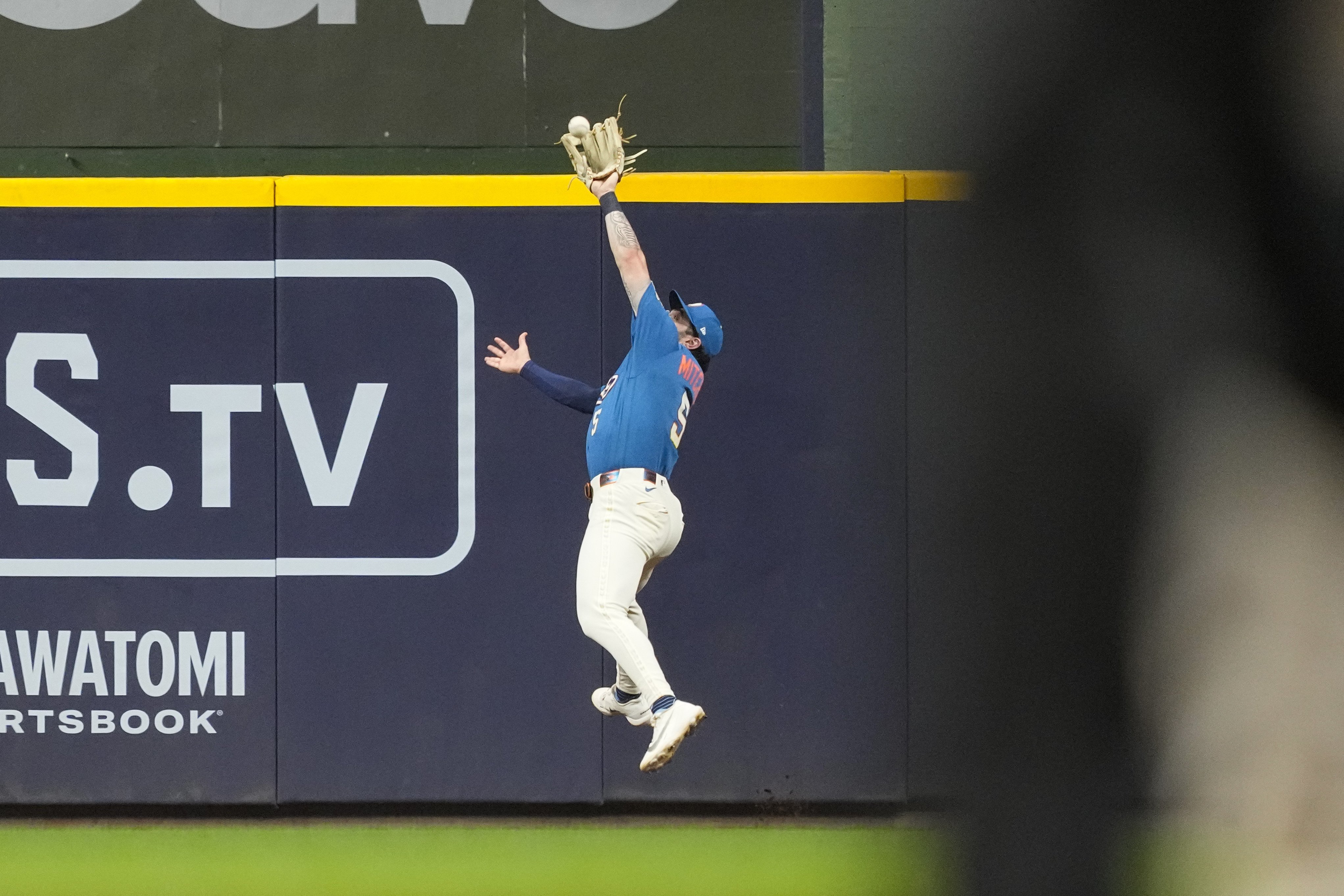 The second half of the season for the Miami Marlins got underway on Friday night in Milwaukee, facing a Brewers team that sits atop the National League Central. Game one of the series had a playoff feel to it, with the game tied at 1-1 going into extra innings, but it would be Garrett Mitchell and the Brewers who came out on top, winning their 60th game of the season, defeating the Marlins, 2-1. Mitchell not only won the game with a base hit up the middle off Lake Bachar, but he robbed both Heriberto Hernández and Joe Mack of potential go-ahead hits in the ninth and 10th innings, respectively. "It's a real recipe for winning a lot of games," said Marlins manager Clayton McCullough. "They didn't walk anyone tonight and you make some really nice plays to save some runs, then in close games like this, it makes a difference. I think we've seen that on our end as well. The margins are very small to win a major league game, especially on the road. Tonight, it was really close the whole way through and they came through with a two-out hit there, which was the difference." Griffin Conine gave the Marlins a 1-0 lead in the top of the fifth inning when he took starter Logan Henderson 398 feet deep to right-center field. He's been limited to 31 games this season due to injury, but Conine leads the team in wRC+ (147) and slugging percentage (.543). Despite his success, the Marlins replaced Conine with pinch-hitter Leo Jiménez in the top of the seventh to get the platoon advantage against Brewers left-handed reliever Aaron Ashby. Jiménez popped out. "I felt like with a runner on base and less than two outs to take a shot there with Leo to extend the inning and try to give ourselves what was at the time the best opportunity to score a run," McCullough said. "Maybe you don't see some of those guys in the back end of the games. Certainly weighing that moment, and then what potentially could be a few innings later." Sandy Alcantara did his part to give the Marlins an opportunity to win. In six innings of work, he allowed one run on three hits (one home run), walked four and struck out seven. In the bottom of the fifth inning, Joey Ortiz took Alcantara deep for a solo homer, but there was very little hard contact outside of that. The teams combined to go 0-for-17 with runners in scoring position until Mitchell's walk-off hit. Dating back to before the All-Star break, the Marlins are now losers of four straight games, dropping them to 52-46 on the season. With the St. Louis Cardinals defeating to the Arizona Diamondbacks, St. Louis has taken over the third National League Wild Card spot. Working on 10 days of rest, Max Meyer takes the mound on Saturday for a 4:10 pm first pitch. View the full article
 -
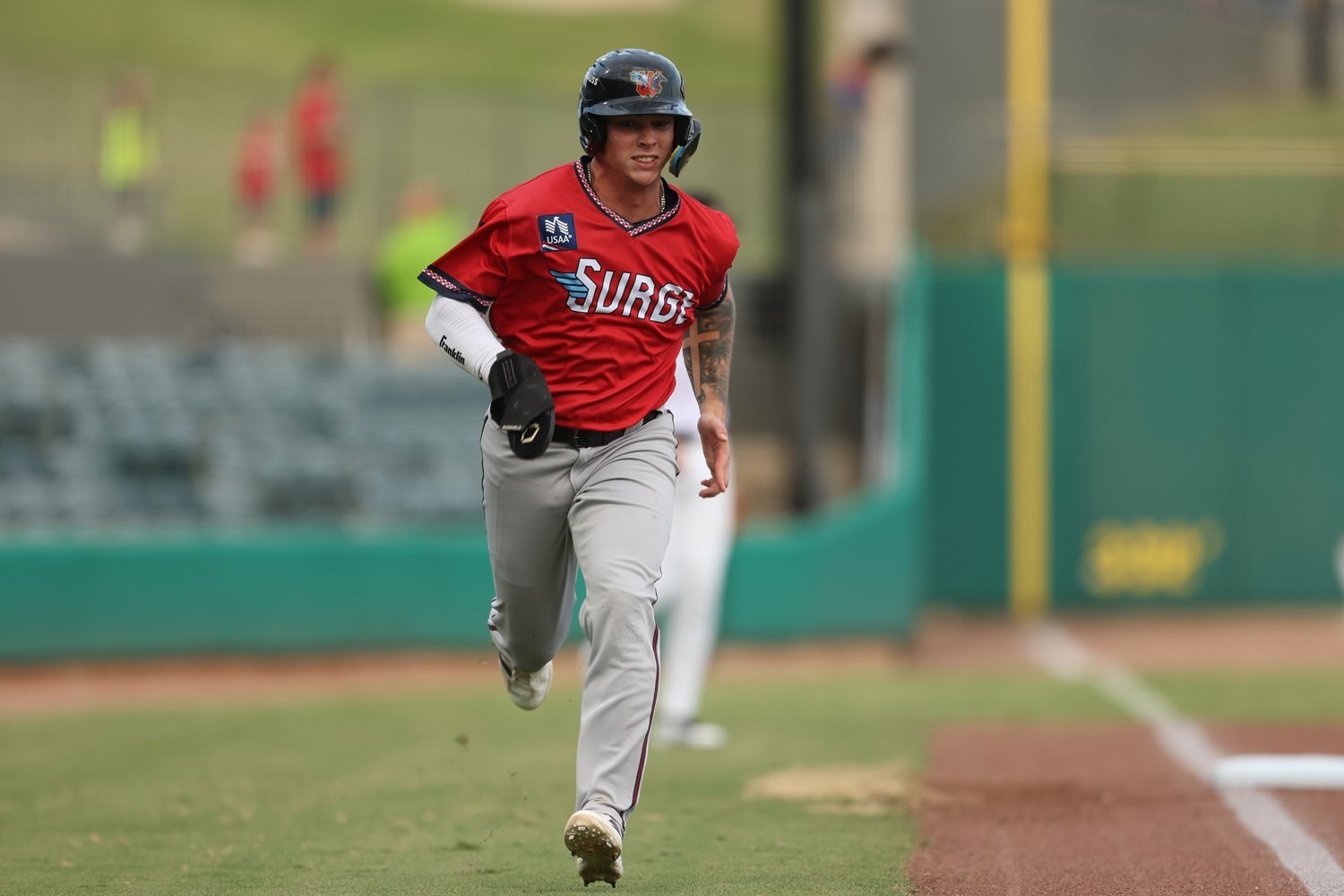 TRANSACTIONS The Twins have made several moves since last Sunday when the full-season teams last played. We have been updating those in the daily minor league reports throughout this week. However, they made a few more announcements on Friday, mostly some player rehab assignment movement. Twins RHP Cole Sands had his rehab moved from Fort Myers to the Saints. Saints RHP Julian Merryweather’s rehab was moved to Fort Myers. After being optioned before the All-Star break, Eric Orze was activated by the Saints. Wichita infielder Jake Rucker had his rehab moved from the FCL Twins. SAINTS SENTINEL St. Paul 3, Louisville 1 Box Score The pitchers seemed to have the advantage at CHS Field on Friday night. Maybe pitchers had a chance to completely rest their arms. Maybe hitters just hadn’t seen any live batting practice. The Bats scored in just one of their nine innings on offense. The Saints also scored in just one of the innings that they batted. Fortunately, that was a pretty powerful inning. But let’s start with the pitching. Jake Anderson made his first start in the Twins organization. The right-hander went three shutout innings. He gave up two hits, walked none and struck out one batter. Cole Sands came on and worked two scoreless innings. He gave up one hit and walked a batter, but he struck out three batters. Lefty Aaron Rozek came in and gave up one run in 2 2/3 innings. He gave up two hits, walked two and had two strikeouts. The lone run scored on a Michael Chavis home run. Cody Laweryson came on and got the final out of the eighth inning and threw a 1-2-3 ninth inning to record the Save. In the bottom of the fifth inning, Cody Morissette led off the inning with a nine-pitch at-bat. On a 3-2 pitch, he crushed a 95-mph fastball 469 feet and well beyond the wall in right field. It was his seventh home run in 21 games since joining the Saints. With one out, nine-hitter Noah Cardenas launched his seventh home run of the season. After watching two mid-80s sliders be called strikes, Cardenas got a 95-mph fastball almost literally right down the middle and hit it into the bullpen. Leadoff man Walker Jenkins came to the plate. The first pitch was called a strike. Jenkins challenged the pitch and it was overturned. On the next pitch, he turned on a 95.5 mph fastball that was barely on the inside corner. He launched the ball at 32 degrees and 105.7 mph, and it traveled 417 feet and gave the Saints a 3-0 lead. Noah Cardenas was the only Saints batter with more than one hit. He was 2-for-4 with a homer. Aside from the three, fifth-inning homers, the only other extra-base hit was a Kyler Fedko double. Orlando Arcia walked twice. WIND SURGE WISDOM Wichita 10, Arkansas 4 Box Score The Wind Surge started the scoring with three runs in the top of the first. The Travelers tied the game at three. However, Wichita went on to score seven more runs while giving up just one more and ran away with the win. The first two batters in the top of the first inning got out. Garrett Spain walked. Billy Amick was hit by a pitch, and Brandon Winokur singled to load the bases. As quickly as the bases filled, Kyle DeBarge cleared them with a double down the left field line. Ty Langenberg made the start. He gave up three runs on six hits over the first three innings. He had three strikeouts and no walks. All three runs scored in the bottom of the second inning. Hunter Gregory had two strikeouts in a perfect fourth inning. In the top of the fourth, Jay Thomason led off with a double. With one out, Khadim Diaw was hit by a pitch. With two outs, Diaw stole second base, and on the play, Thomason stole home to put the Surge back in fourth place. Diaw went to third on a wild pitch. Billy Amick singled to center to drive in the fifth run. The score remained 5-3 until the top of the seventh. With one out, Marek Houston flew out to center, deep enough to drive in Jaime Ferrer with the sixth run. After Diaw walked and Spain singled, the bases were loaded. Amick came through again with a two-run single to make it 8-3. In the top of the eighth, Jay Thomason came through with a two-run single to drive in DeBarge and Caden Kendle and make it 10-4. Sam Armstrong came in for the fifth inning and worked three innings. He gave up one run on two hits and a walk while striking out three batters. Darren Bowen and Kyle Bischoff each pitched a scoreless inning to close the door on a Wind Surge win! The Surge scored their 10 runs on 16 hits, six walks, and four hit batters. Kyle DeBarge went 3-for-5 with a walk, his 17th double and his 21st stolen base. Jay Thomason went 3-for-5 with his second double and his fourth and fifth steals. Brandon Winokur went 3-for-6. Billy Amick went 2-for-3 with two walks, was hit by a pitch and Garrett Spain went 2-for-5 with a walk. Caden Kendle was 2-for-4 and was twice hit by a pitch. Khadim Diaw had a single, a walk and was hit by a pitch. KERNELS CHRONICLES Cedar Rapids 9, Beloit 1 Box Score The Kernels grabbed the first lead in the bottom of the first inning. They put three on the scoreboard and just kept adding on, scoring in four of their final five at-bats. The other noteworthy key to this game is the pitching. The Kernels pitchers were very good, allowing just one run on four hits in nine innings. Kolten Smith started and gave up one run on three hits and three walks in 3 2/3 innings. He struck out four batters. Christian Becerra walked one and struck one out in 1 1/3 scoreless innings to get the Win. Nolan Santos struck out one over two perfect innings. Nick Trabacchi worked the final two innings. He gave up no runs, one hit, and one walk to finish the win. All nine hitters in the lineup contributed. The Kernels scored nine runs on 14 hits, six walks, and three hit batters. All nine batters had at least one hit. The team had two homers and three doubles. In the first inning, they got doubles from Eduardo Tait doubled with one out and Jacob McCombs doubled to drive him in. The team’s third double came in the bottom of the fourth. Henry Kusiak doubled, scored when Dameury Pena reached on an error. Graham Brown followed with a two-run homer to give the Kernels a 4-1 lead. The final extra base hit came in the top of the fifth inning. McCombs led off the inning with a long home run. McCombs went 3-for-5 with his 11th double and his fifth home run. Eduardo Tait was 2-for-4 with a walk and his 18th double. He was also hit by a pitch. Dameury Pena went 2-for-5. Andy Lugo was also 2-for-5. Graham Brown went 1-for-3 with two walks and his fourth homer. Yasser Mercedes went 1-for-4 with two walks. Henry Kusiak was 1-for-3 with a walk, his seventh double and was hit by a pitch. MIGHTY MATTERS Lakeland 5, Fort Myers 9 Box Score The Mussels returned and participated in arguably the most entertaining game of the day. Simply, it went back and forth. The Mussels took a 2-0 lead in the first inning. The Tigers tied it in the second. The Mussels took a 4-2 lead in the fourth and made it 5-2 in the sixth, but the Tigers responded with three runs in the top of the seventh to tie it at 5-5. However, after the 7th Inning Stretch, the Mussels scored four runs to take the lead and ultimately the win at 9-5. Ramiro Dominguez led off the bottom of the first inning with a walk. Jake Rucker doubled him to third base. Luis Fragoza flew out to center field to drive in Dominguez with the first run. JP Smith followed with a second sacrifice fly to drive in the rehabbing Rucker. Reed Moring made the start and gave up two runs on four hits and a walk in the first 3 2/3 innings. He struck out seven batters. Callan Fang came on next and tossed 2 2/3 scoreless innings. He gave up two hits, walked two and had five strikeouts. Fang got the first out of the seventh inning. Dylan Questad came on and walked a rehabbing Gleyber Torres. After a wild pitch and a walk and another wild pitch, runners were on second and third. A two-run double drove in two runs and cut the Mussels lead to 5-4. Michael Hilker came in and allowed the inherited runner to score the tying run before getting the final out of the top of the seventh. Luis Fragoza reached on catcher’s interference. JP Smith followed with his 11th home run to give the Mussels the 7-5 lead. Luis Hernandez singled, and then with one out Irvin Nunez walked. A wild pitch moved runners to second and third. With two outs, Merphy Hernandez drove in both of them with his third double of the season. Michael Hilker pitched a scoreless eighth inning before the rehabbing Julian Merryweather struck out two in a scoreless ninth inning. Hernandez went 3-for-3 with a walk, his third double, his 26th and 27th stolen base. Dominguez went 2-for-4 with a walk. Rucker hit a double as did Luis Fragoza hit his 13th double. JP Smith hit his 11th homer and drove in three runs. Family Fun at the Hot Corner: In a fun story, Jake Rucker’s rehab moved from the FCL to the Mighty Mussels this week. The third baseman is 26 and was the Twins seventh round pick in 2021 out of Tennessee. The third baseman for the Flying Tigers is Carson Rucker. The 21-year-old was the team’s fourth round draft pick in 2023 out of Goodpasture Christian High School in Madson, Tennessee, a suburb on the north end of Nashville. Yes, the two are brothers, and I would imagine that is pretty cool for the whole family. COMPLEX CHRONICLES FCL Twins 7, FCL Red Sox 2 Box Score Going into the games on Friday, the FCL Twins were 2 1/2 games behind the FCL Orioles for the Wild Card spot in the FCL playoffs. The Twins did their part on Friday by winning. However, so did the Orioles. On the surface, this looks like a very well-played and well-pitched game for the FCL Twins. The Twins scored in each of their first four innings at the plate including two crooked numbers. On a high level, the Twins pitchers gave up two runs on just one hit. Because of the win, maybe I just shouldn’t mention that Twins pitchers also walked 11 batters. Or maybe we shouldn’t mention that the Red Sox went 8-for-9 in stolen base attempts. Or maybe we can call it a great job of working out of some bad self-inflicted situations to hold the Red Sox to just two runs. The Red Sox were 0-for-9 with runners in scoring position and left eight on base. Matt Barr started and gave up an unearned run on one hit over two-plus innings. He walked four and had four strikeouts. Barr faced one batter in the third inning, but Geromy Villoria came in and walked a batter but recorded three outs without allowing the inherited runner to score. Hendry Chivilli came in to start the fourth inning. He was charged with one run on zero hits over 2 2/3 innings. He walked five batters and had two strikeouts. Jack Walker got the final four outs, two of them on strikeouts. The Twins scored their seven runs on six hits and seven walks. They also stole six bases in the game. Bryan Acuna went 2-for-4 with a double and two RBI. Darwin Almanzar went 0-for-0 but walked three times. Yovanny Duran led off and went 1-for-3 with a walk, his fourth triple, and his 31st and 32nd steals. Jose Barrios was 0-for-1 with two walks. Daniel Pena had a single, was hit by a pitch and stole a base. Remaining Schedules: FCL Twins: Friday (Home vs Red Sox, Win), Saturday (@ Red Sox), Monday (@ Pirates), Tuesday (Home vs Orioles), Thursday (@ Orioles). FCL Orioles: Friday (Home vs Pirates, Win), Saturday (@ Pirates), Monday (@ Rays), Tuesday (@ Twins), Wednesday (Home vs Braves), Thursday (Home vs Orioles) DSL Twins 10, DSL Phillies 7 Box Score The Phillies started this game with a 5-0 lead after just two innings. Both teams scored two runs in the fourth inning which made it 7-2 Phillies. The Twins then scored three runs in the fifth frame and five runs in the top of the seventh inning to win it 10-7. Adrian Martinez started and gave up five runs on three hits and two walks in 1 2/3 innings. He had two strikes. Juan Germosen came on and gave up a hit which allowed his inherited runner to score. He got the final out of that second inning. Sebastian Echavarria worked the middle three innings. He gave up two runs on two hits and three walks. Alwin Morillo struck out one in a perfect inning. Juan Quinones gave up a hit in a scoreless seventh frame. The top of the fourth began with two strikeouts. Abel Sosa then doubled. He went to third base on a single by Enmanuel Merlo. After Anibal Beltre walked to load the bases, Jefferson Abreu singled to drive in two runs. In the top of the fifth inning, Nolwer Barboza led off with a single. He went to second on a sacrifice bunt by Jendy Martinez, who also reached base when the first baseman forgot to catch the ball. Juan Holmann singled to drive in Barboza. Holmann stole second. The pitch was a passed ball which allowed Martinez to score. With Enmanuel Merlo drove in Holmann with a double which made it 7-5. That’s how it stood going to the seventh inning. Martinez led off with a walk and went to second on a wild pitch. Holmann walked. Jhon Gonzalez doubled to drive in Martinez with the sixth run. After a pitching change, Abel Sosa singled to left to drive in Holmann and Gonzalez and give the Twins an 8-7 lead. Merlo singled. A wild pitch put runners on first and second. On a second wild pitch, Sosa scored the ninth run, and later Merlo scored on another wild pitch. The Twins scored their 10 runs on 10 hits and five walks. Enmanuel Merlo went 3-for-4 with his third double. Abel Sosa went 2-for-4 with his third double. Jeferson Abreu was 2-for-4. Juan Holman was 1-for-3 with a walk and his 14th stolen base. Jendy Martinez walked twice. PLAYERS OF THE DAY Hitter(s) of the Day Kyle DeBarge (Wichita): 3-for-5, BB, 2B(17), R, 3 RBI, K, SB(21) Billy Amick (Wichita): 2-for-3, 2 BB, HBP, R, 3 RBI Jay Thomason (Wichita): 3-for-5, 2B(2), 2 R, 2 RBI, 2 SB(5) Jacob McCombs (Cedar Rapids): 3-for-5, 2B(11), HR(5), RBI, 2 R. Merphy Hernandez (Fort Myers): 3-for-3, BB, 2B(3), R, 2 RBI, 2-SB (17), Enmanuel Merlo (DSL Twins): 3-for-5, 2B(3), 2 R, RBI, K Pitcher(s) of the Day Jake Anderson (St. Paul): 3 IP, 2 H, 0 R, 0 BB, K, 40 pitches, 28 strikes (70.0%) Callan Fang (Fort Myers): 2 2/3 IP, 2 H, 0 R, 2 BB, 5 K. 44 pitches, 28 strikes (63.6%) PROSPECT SUMMARY Check out the Prospect Tracker for much more on our Twins Top 20 prospects after seeing how they did today. In addition, keep up with the Twins draft pick signings at our Twins 2026 Draft Board. #1 - OF Walker Jenkins (St. Paul) - 1-for-4, HR(4), R, RBI, K (batted first, played CF) #4 - C Eduardo Tait (Cedar Rapids) - 2-for-4, BB, HBP, 2B(18), 2 R, RBI, (batted second, DHd) #5 - SS Marek Houston (Wichita) - 0-for-4, SF RBI, BB, K (batted first, played SS) #9 - OF Hendry Mendez (St. Paul) - 0-for-4, 2 K (batted fifth, played DH) #10 - OF Gabriel Gonzalez (St. Paul) - 1-for-4, K (batted sixth, played 1B) #12 - 3B/CF Brandon Winokur (Wichita) - 3-for-6, R, 3 K (batted fifth, played 3B) #13 - C/OF Khadim Diaw (Wichita) - 1-for-4, BB, HBP, 2 R, SB(4), (batted second, played catcher) #14 - 3B/SS Quentin Young (Ft. Myers) - 1-for-3, K (batted sixth, played SS) #18 - OF Yasser Mercedes (Cedar Rapids) - 1-for-4, 2 BB, RBI, K (batted first, played RF) #19 - 1B/3B Billy Amick (Wichita) - 2-for-3, 2 BB, HBP, R, 3 RBI (batted fourth, played DH) #20 - 2B/SS Kyle DeBarge (Wichita) - 3-for-5, BB, 2B(17), R, 3 RBI, K, SB(21) (batted sixth, played 2B) UPCOMING PROBABLES Saturday, July 18 Louisville @ St. Paul (DH @ 4:37 pm CT) - RHP Ryan Gallagher (2-4, 7.44 ERA), RHP Ricky Castro (2-1, 4.50 ERA) Wichita @ Arkansas (6:05 pm CT) - RHP Riley Quick (First AA Start) Beloit @ Cedar Rapids (DH @ 4:30 pm CT) - RHP Adrian Bohorquez (0-0, 8.36 ERA), RHP Justin Mitrovich (first High-A start) Lakeland @ Ft. Myers (5:05 pm CT) - RHP Jason Reitz (0-1, 2.84 ERA) FCL Twins @ FCL Red Sox (11:00 am CT) - DSL Twins - No Game Scheduled, Sunday All Star game. CURRENT W-L Records Minnesota Twins: 49-49 St. Paul Saints: 51-41 Wichita Wind Surge: 30-56 Cedar Rapids Kernels: 36-49 Fort Myers Mighty Mussels: 47-38 FCL Twins: 31-24 DSL Twins: 9-23 Please feel free to ask questions about the teams, the rosters, and discuss today’s games, or anything else Twins minor-league related! View the full article
 -
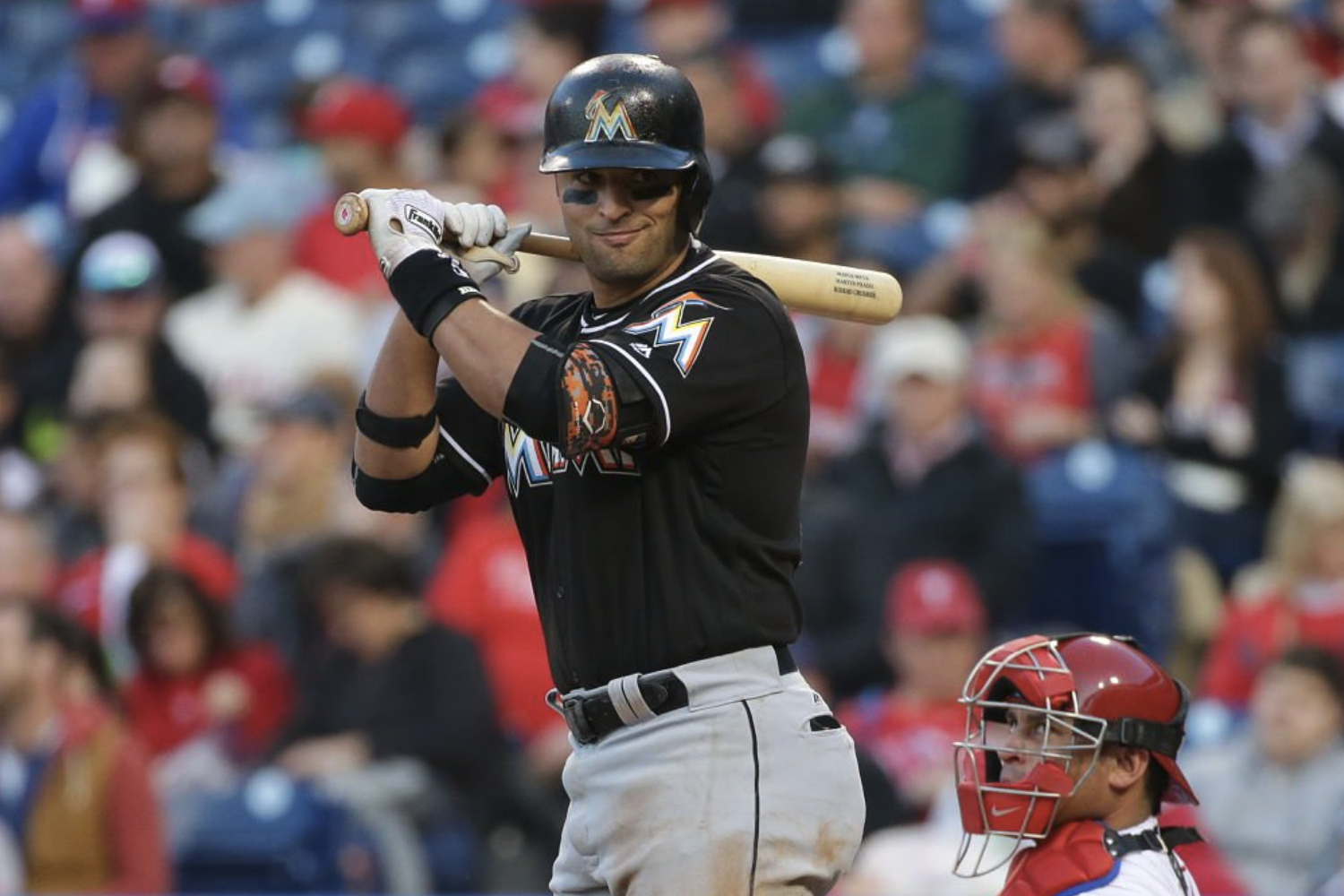 Over five seasons as a member of the Miami Marlins, Martín Prado hit just 22 home runs. His lone extra-innings shot came on this day 10 years ago. After the Marlins scored two runs in the ninth to force extra innings, Prado played the role of hero. His solo home run in the top of the 11th propelled Miami past the Philadelphia Phillies, 3-2. Through eight innings at Citizens Bank Park on July 18, 2016, Miami had managed just two hits and was on the short end of a 2-0 score. Looking to close it out, the Phillies turned to right-hander Jeanmar Gómez. Gómez began the night by getting Ichiro Suzuki to ground back to the mound. After a single by J.T. Realmuto, Gómez struck out Prado on just three pitches for the second out. On the very next pitch, Christian Yelich broke up the shutout with an RBI double. Yelich would go to third on a wild pitch as Giancarlo Stanton walked. Marcell Ozuna followed with the game-tying RBI single but pinch runner Yefri Pérez was thrown out at third base to end the threat. With the score now tied 2-2, the contest went to extras. After Fernando Rodney worked a scoreless ninth for the Marlins, both teams left runners in scoring position in the 10th. Lefty Brett Oberholtzer entered the contest for the Phillies in the top of the 11th. Leading off the inning for Miami was Prado. To that point, Prado was 0-for-4. After taking two pitches for balls, Prado took Oberholtzer’s letter-high fastball over the wall in left field for a no-doubter as the Marlins took their first lead, 3-2. AJ Ramos worked a 1-2-3 ninth to pick up the save. Kyle Barraclough, who worked a scoreless 10th, earned the win for Miami. The late collapse for Philadelphia spoiled a stellar start from Aaron Nola, who allowed just two hits in six shutout innings. It also got Miami starter José Fernández off the hook for the loss. Fernández allowed just two runs on four hits in 6 ⅓ innings while tying a career-high with 14 strikeouts. Maikel Franco got the scoring started for the Phillies with an RBI groundout in the first inning. Tommy Joseph took Fernández deep for a solo home run to lead off the bottom of the seventh to cap the Philadelphia scoring. After winning in 11 innings to open the series, the Marlins earned another extra-innings win the following night to clinch the series. As for Prado, only two of his 100 career home runs over 14 years in the big leagues came in extra innings. The last of those came as a member of the Marlins and on this day a decade ago. View the full article
 -
 Resuming play following the All-Star break, the full-season San Diego Padres affiliates went 2-1 with a postponement. The Triple-A El Paso Chihuahuas let one slip away against Sugar Land 5-3, the Double-A San Antonio Missions hung on for a 4-3 win over Corpus Christi, the High-A Fort Wayne TinCaps were postponed due to poor air quality and the Low-A Lake Elsinore Storm demolished Ontario 12-0. Padres Minor-League Transactions San Diego Padres sent RHP Jeremiah Estrada on a rehab assignment to ACL Padres. San Diego Padres optioned C Rodolfo Durán to El Paso Chihuahuas. Lake Elsinore Storm sent C Ty Harvey on a rehab assignment to ACL Padres. RHP Landry Jurecka assigned to Lake Elsinore Storm from ACL Padres. RHP Cameron Nohos assigned to Lake Elsinore Storm from ACL Padres. San Antonio Missions sent LHP Luis Gutierrez on a rehab assignment to ACL Padres. San Antonio Missions placed LHP Omar Cruz on the full-season injured list. RHP Carlos Medina assigned to Fort Wayne TinCaps from Lake Elsinore Storm. RHP Luis German assigned to Fort Wayne TinCaps from ACL Padres. San Diego Padres recalled RHP Jhony Brito from El Paso Chihuahuas. El Paso Chihuahuas released RF Nick Schnell. San Diego Padres sent RHP David Morgan on a rehab assignment to ACL Padres. RHP Victor Lizarraga assigned to ACL Padres from San Antonio Missions. RHP Matthew Watson assigned to San Antonio Missions from Fort Wayne TinCaps and placed on development list. San Antonio Missions activated C Ethan Salas from the temporarily inactive list (Futures Game). San Diego Padres sent RHP Randy Vasquez on a rehab assignment to ACL Padres. Two-Out Error In Ninth On Broken Glove Spells Doom For Chihuahuas A soft chopper turned into a three-run error with two outs in the top of the ninth inning as first baseman Romeo Sanabria failed to catch a toss from the pitcher in the host Triple-A El Paso Chihuahuas' 5-3 loss to the Sugar Land Space Cowboys. Right-hander Alek Jacob came on to start the ninth inning for the Chihuahuas, looking for the save. But he gave up a single, a foul out to first, a flyout to right, another single and a hit by pitch to load the bases with two outs. Pascanel Ferreras hit a soft chopper right in front of the plate that Jacob charged, picked up and threw a bit low to Sanabria at first, who saw the ball break through his mitt, then head into foul territory in right field, allowing all three runners on base to score and Ferreras ending up on second. That ruined what had been an otherwise good night for the Chihuahuas. Left-handed starter Jackson Wolf allowed two runs (one earned) on three hits over five innings, walking one and striking out four. The bullpen of right-handers Miguel Cienfuegos, Michael Flynn and Ethan Routzahn combined to allow one hit and one walk with two strikeouts over the next three innings. The two runs came in each of the first two innings as the Space Cowboys grabbed an early lead. But the Chihuahuas came back with a run in the third on a Bryce Johnson walk and Mason McCoy RBI double, then took the lead in the fourth on Nick Solak's leadoff double, Marcos Castanon's one-out RBI double and Blake Hunt's two-out run-scoring single. EP_0717.mp4 Player AB R H RBI BB K Mason McCoy, SS 5 0 1 1 0 1 Dustin Harris, CF 3 0 0 0 1 1 Carlos Rodríguez, LF 4 0 0 0 0 0 Nick Solak, DH 4 1 2 0 0 0 Will Wagner, 2B 4 0 1 0 0 1 Marcos Castañon, 3B 4 1 3 1 0 0 Clay Dungan, 3B 0 0 0 0 0 0 Nick Pratto, 1B 4 0 0 0 0 3 Romeo Sanabria, 1B 0 0 0 0 0 0 Blake Hunt, C 4 0 1 1 0 2 Bryce Johnson, RF 3 1 0 0 1 0 Player IP H R ER BB K HR Jackson Wolf 5 3 2 1 1 4 0 Miguel Cienfuegos 1 2/3 1 0 0 1 1 0 Michael Flynn 1/3 0 0 0 0 1 0 Ethan Routzahn 1 0 0 0 0 0 0 Alek Jacob 1 2 3 0 0 1 0 Kai Roberts' 2-Run HR, Jagger Haynes Lift Missions Kai Roberts' two-run homer broke a seventh-inning tie and left-handed starter Jagger Haynes struck out eight and didn't allow an earned run for six innings in the host Double-A San Antonio Missions' 4-3 victory over the Corpus Christi Hooks, their fourth win in a row. Haynes, Padres Mission's No. 10 prospect, allowed one unearned run on three hits and a walk to go along with his eight punchouts, which tied his season high. Right-hander Josh Mallitz gave up an unearned run in two innings with a pair of strikeouts. The Missions' damage came from their Nos. 8-9-1 hitters as Francisco Acuna had a hit and scored twice from the eight-hole, Roberts also scored twice from the nine-spot and leadoff hitter Carson Tucker had two hits and two RBIs. In the third inning, Acuna doubled and scored one out later on Tucker's single to tie the game 1-1. Roberts walked with two outs in the fifth and, after a pitching change and stealing his 30th base of the season, scored on another Tucker single for a 2-1 lead. The Hooks tied it with a run in the top of the seventh, but Roberts launched his fourth homer of the season, a two-run blast, in the bottom half to put the Chihuahuas up 4-2. The Hooks scored one in the top of the ninth, with right fielder Braedon Karpathios (Padres Mission's No. 9 prospect) throwing out a runner at the plate on the same play to prevent the tying run from scoring. SA_0717.mp4 Player AB R H RBI BB K Carson Tucker, 2B 4 0 2 2 0 1 Ethan Salas, C 4 0 0 0 0 2 Tirso Ornelas, DH 4 0 1 0 0 1 Jake Cunningham, LF 3 0 0 0 1 2 Braedon Karpathios, RF 4 0 1 0 0 0 Ryan Jackson, 3B 4 0 0 0 0 2 Albert Fabian, 1B 3 0 0 0 0 0 Francisco Acuna, SS 2 2 1 0 1 1 Kai Roberts, CF 2 2 1 2 1 0 Player IP H R ER BB K HR Jagger Haynes 6 3 1 0 1 8 0 Josh Mallitz 2 2 1 0 0 2 0 Sadrac Franco 1/3 0 1 1 3 1 0 Francis Peña 2/3 1 0 0 0 1 0 TinCaps Get An Extra Day Following Postponement Poor air quality in Indiana due to the Canadian wildfires prompted the High-A Fort Wayne TinCap's home game against the Lansing Lugnuts to be postponed. It will be made up Sept. 2 as part of a doubleheader in Michigan. Right-hander Bryan Balzer had been scheduled to pitch Friday, with left-hander Kash Mayfield (Padres Mission's No. 2 prospect) slated to go Saturday. No immediate word on pitching plans, but both could go in Saturday's game, with Mayfield likely getting the start. Kruz Schoolcraft Goes 5 Shutout As Storm Surge Early In Rout Left-handed starter Kruz Schoolcraft pitched five scoreless innings and Jose Verdugo went 3-for-5 with two RBIs and two runs scored as the Low-A Lake Elsinore Storm crushed the Ontario Tower Buzzers 12-0. The Storm scored six runs in the top of the first inning and never looked back. Schoolcraft, Padres Mission's No. 5 prospect, allowed just three hits while walking three and punching out six. This was his first scoreless outing since May 15, the only other game he didn't allow a run in his 16 starts this season. It was another strong outing after Schoolcraft allowed one run in 5⅓ innings last week. Dawson Willis had a pair of triples, scored three runs and had an RBI, Yoiber Ocopio had a two-run double in the big first inning and Bradley Frye walked twice and scored twice with an RBI. After Schoolcraft, the bullpen continued to shut down the Tower Buzzers. Big right-hander Cameron Nohos, a 6-foot-8, 235-pound undrafted free agent last year, made his first Storm appearance after being promoted from the Arizona Complex League before the game. Nohos, who made three appearances for the Storm at the end of 2025, struck out two, walked one and allowed a hit in a scoreless inning. He had 58 strikeouts in 37⅔ innings in the ACL over 12 games, including seven starts. Right-hander Rordy Mejia, right-hander Yoesmerli Beltre and left-hander Cal Riehl also pitched scoreless innings, combining for four strikeouts. LE_0717.mp4 Player AB R H RBI BB K Yimy Tovar, DH 4 1 1 1 1 1 Jorge Quintana, SS 5 1 1 1 0 2 Dawson Willis, 1B 4 3 2 1 1 1 Bradley Frye, 3B 3 2 0 1 2 1 Yoiber Ocopio, C 4 2 1 2 0 2 Jose Verdugo, 2B 5 2 3 2 0 0 George Bilecki, RF 3 1 1 0 1 1 Conner Westenburg, CF 5 0 1 1 0 2 Qrey Lott, LF 3 0 0 0 0 2 Player IP H R ER BB K HR Kruz Schoolcraft 5 3 0 0 3 6 0 Cameron Nohos 1 1 0 0 1 2 0 Rordy Mejia 1 0 0 0 1 1 0 Yoesmerli Beltre 1 1 0 0 0 2 0 Cal Riehl 1 1 0 0 0 1 0 Padres Mission's Top 20 Prospect Performance Ethan Salas, C: 0-for-4, 2 K Kash Mayfield, LHP: DNP Miguel Mendez, RHP: DNP Ryan Wideman, CF: DNP Kruz Schoolcraft, LHP: 5 IP, 3 H, 0 R, 3 BB, 6 K, W Jorge Quintana, SS: 1-for-5, RBI, 2 K Ty Harvey, C: On injured list (rehab assignment) Kale Fountain, OF: Injured, out for season Braedon Karpathios, OF: 1-for-4 Jagger Haynes, LHP: 6 IP, 3 H, 1 R, 0 ER, 1 BB, 8 K Lamar King Jr., C: DNP Tucker Musgrove, RHP: DNP Truitt Madonna, C: DNP Alex McCoy, OF: DNP Jesus Castro, RHP: DNP Rosman Verdugo, SS: DNP Garrett Hawkins, RHP: DNP Eric Yost, RHP: DNP Michael Salina, RHP: DNP Winyer Chourio, RHP: DNP View the full article
 -
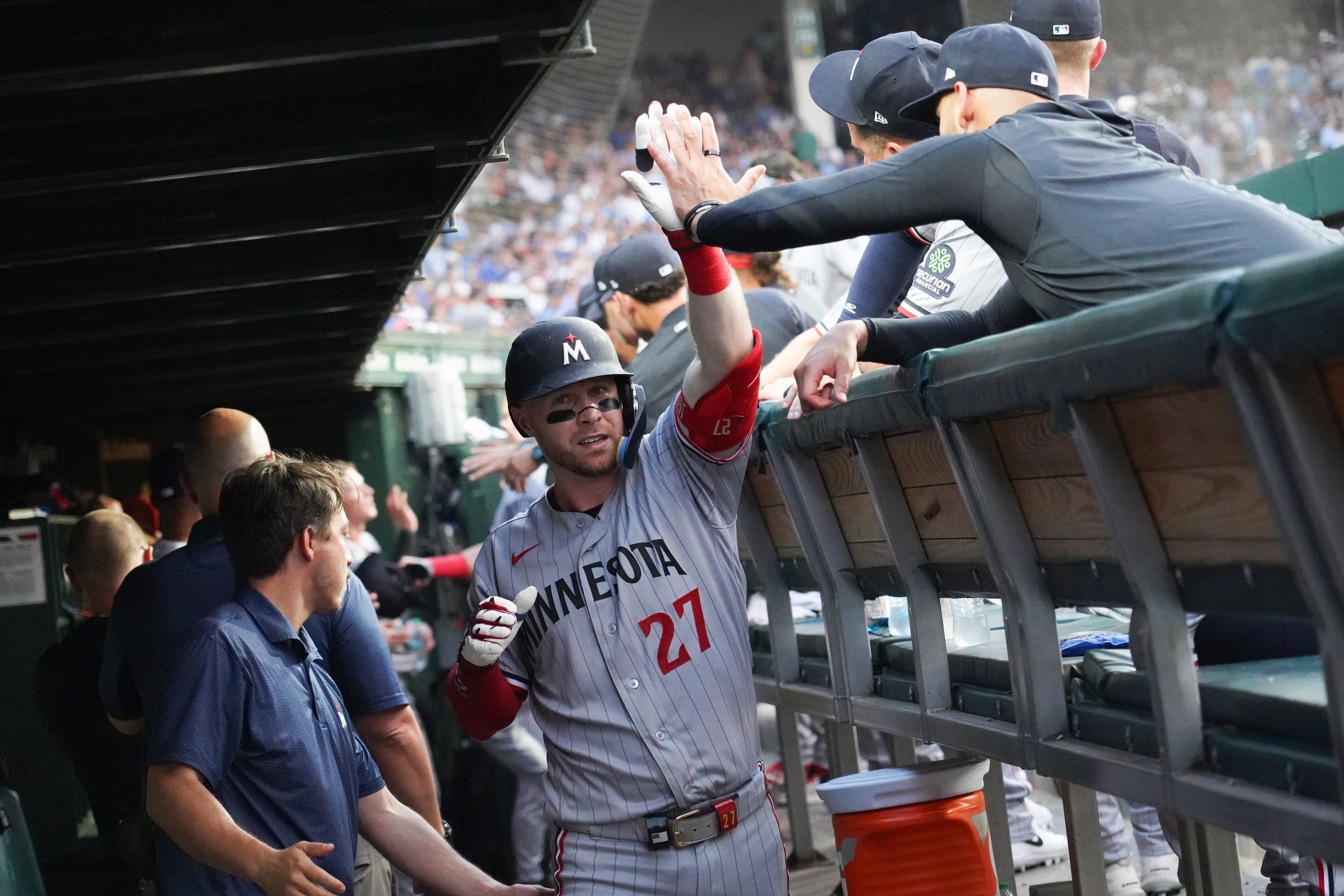 Box Score Starting Pitcher: Bailey Ober – 5 ⅓ IP, 5 H, 2 ER, 2 BB, 7 K Home Runs: Ryan Jeffers (8) Top 3 WPA: Ryan Jeffers (.130), Bailey Ober (.090), Tristan Gray (.090) Win Probability Chart (via FanGraphs): Baseball has returned from its break. Even a sport needs a sojourn. The time off offered a reset—the kind of mental and physical break needed as players and coaches and executives gather their senses midway through the seasonal slog. In their foray into action rebooted, the Twins gathered at Wrigley Field to play against the Cubs. Bailey Ober took the mound, his first start in the hallowed grounds. With a shuttered sigh, he walked Pete Crow-Armstrong to start the game. Was anyone surprised when he immediately stole second? Then a second walk. Then an RBI single. Perhaps Ober should have considered himself lucky to escape the frame with just the lone run against him; he coaxed a strikeout from Alex Bregman and a double play off the bat of Ian Happ. The Twins responded with silence. If you choose not to decide, then you still have made a choice, of course. Colin Rea had them under his thumb. Alan Roden challenged a strike three obvious to the blind and dead. But it was a ruse; Minnesota had a plan after all. Luke Keaschall reached on an infield single in the third, and he made third while keeping Tristan Gray safe on a soft chopper with subtle acumen. The grounder found the second baseman, and the second baseman should have found the shortstop on a force play, but Keaschall blocked the line of sight—and slightly deflected the ball with an unruly, flailing arm—and caused the ball to smack Dansby Swanson square in the jaw, bloodying his square jaw. He would be fine. The Cubs lead would not be. Trevor Larnach slashed a single to left to score one. Then Ryan Jeffers swatted a sweeper that caught too much of the plate, sending the offering 369 feet out to left field for a short, yet potent three-run homer. The teams traded zeroes for two frames, with little resistance from either offense. Attempts were stifled. Balls in play found unforgiving gloves. It was a usual seesaw baseball streak; with scoreless innings and defeated hitters trudging back to the dugout after unsuccessful attempts to add on. The score changed but the deficit righted itself, as the Cubs plated a run on a wild pitch in sixth, and the Twins pushed across a run of their own thanks to a Ryan Kreidler pinch-hit single in the seventh. By now, the entering of the bullpens hadn’t changed either side’s fortune; matters were as they stood when the starters roamed the field. Andrew Morris gave way to Yoendrys Gómez and the lead remained true: Minnesota held still as the victors, besting the Cubs with only tepid resistance from the home team lineup. The Twins bullpen held them scoreless, a statement seemingly impossible in games past. Perhaps something has finally changed. Perhaps this iteration of the Twins have finally found themselves. We shall soon see. Post-Game Interview: Coming soon What’s Next? The Twins and Cubs trek back to Wrigley Field on Saturday, with Taj Bradley set to start against Matt Boyd. First pitch arrives at 1:20 PM. Bullpen Usage Spreadsheet MON TUE WED THUR FRI TOT Nance 0 0 0 0 25 25 Gómez 0 0 0 0 22 22 Morris 0 0 0 0 14 14 Rogers 0 0 0 0 2 2 Rojas 0 0 0 0 0 0 Go 0 0 0 0 0 0 Adams 0 0 0 0 0 0 Funderburk 0 0 0 0 0 0 View the full article
 -
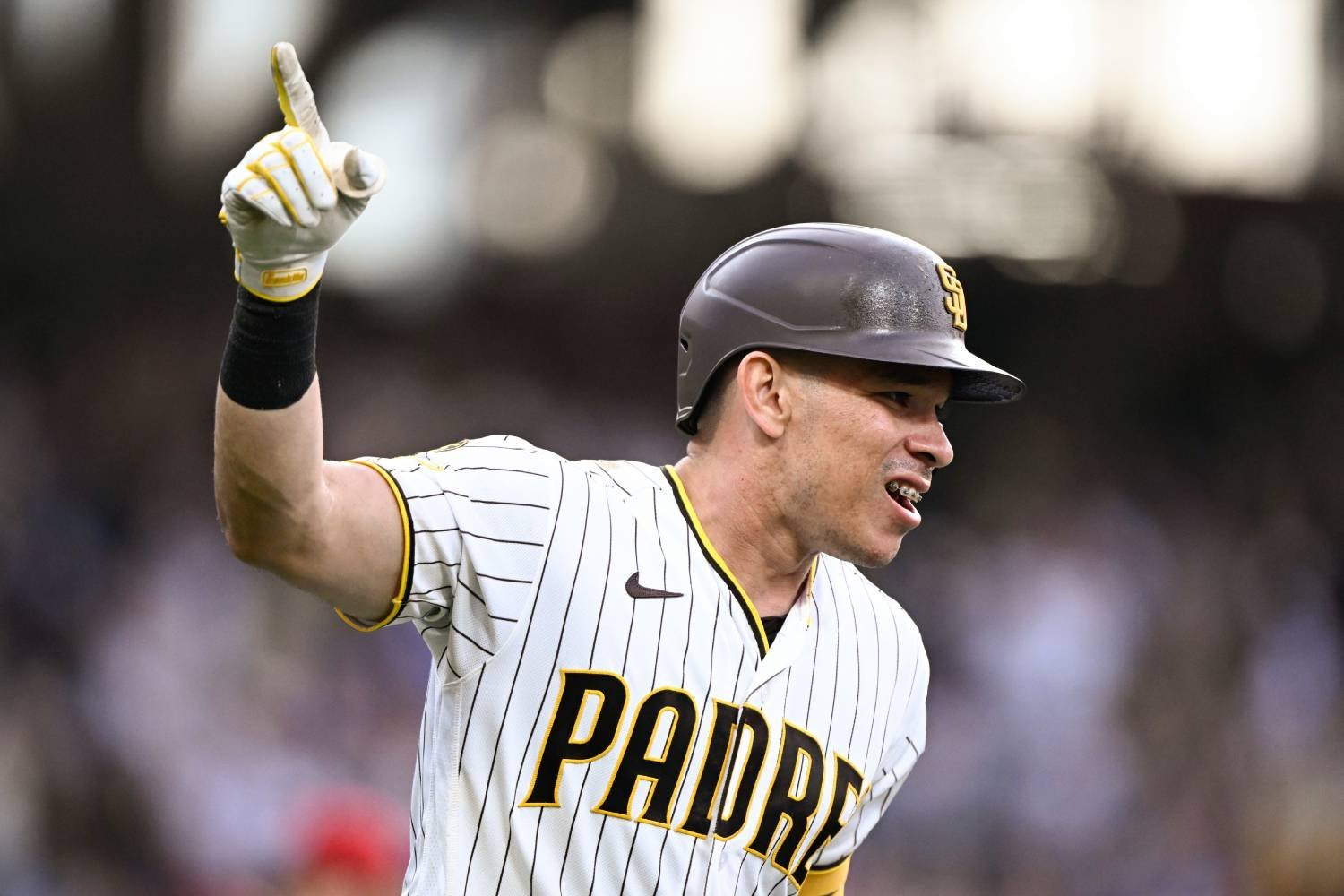 The San Diego Padres' catching situation is back to full strength. Freddy Fermin was activated off the 10-day injured list just two weeks after sustaining a head contusion. Catcher Rodolfo Duran, who made his MLB debut after 11 seasons in the minors, was sent back to Triple-A El Paso. Fermin was hit in the mask by a foul from Freddie Freeman of the Los Angeles Dodgers in the July 2 game. While he stayed in the game for a few batters, Fermin was removed during a mound visit by manager Craig Stammen when he showed signs of the injury. This came about 10 days after Fermin returned from the seven-day concussion list. Fermin's two injuries plus Luis Campusano breaking his left big toe in early May and not returning until July 3 tested the Padres' catching depth. That led to Duran making his debut as well as Blake Hunt getting his first taste of MLB action after nine seasons in the minors. Duran at one point was the No. 1 catcher with Hunt his backup. Duran endeared himself to Padres pitchers with his defense and game-calling. However, he only had a slash line of .146/.222/.305 in 35 games, with three homers and eight RBIs. He allowed just 16 stolen bases in 27 chances, a very good caught-stealing rate of 40.7% (the MLB average is 24%). View the full article
 -
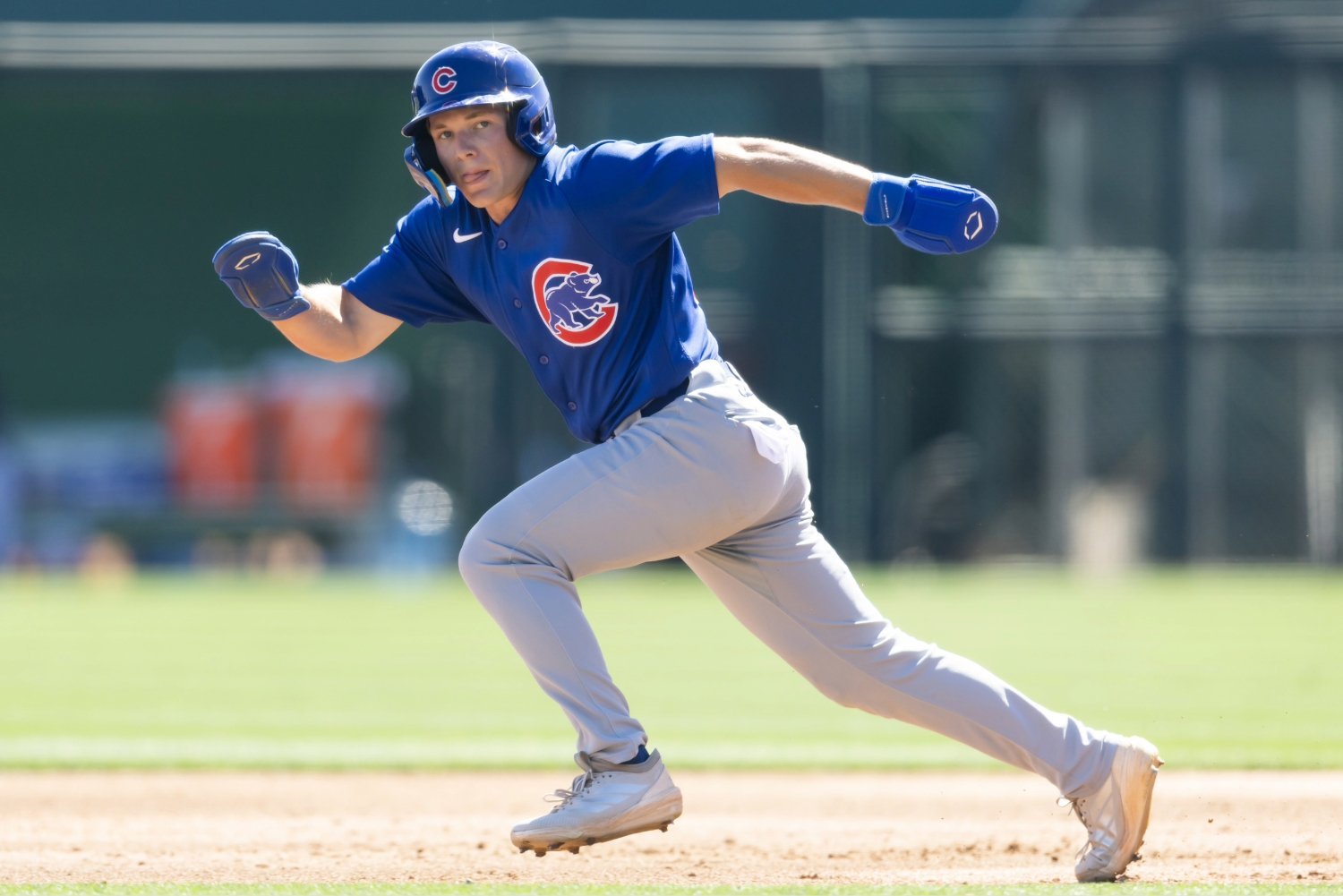 Let's take a look at some of the rising prospects across the minor-league affiliates of the Chicago Cubs organization and see how their respective seasons are going. Pitchers Alvin De Leon (DSL Cubs Blue) - De Leon has had a great start to his career, having a 0.00 ERA and a 0.61 WHIP in eight games pitched. In 18 innings on the mound, he has 17 strikeouts and has given up ten strikeouts. Preventing runs is his specialty this season as he has only given up two (none earned) in eight games pitched in the 2026 season. Yoendris Gonzalez (Myrtle Beach Pelicans) - In the ACL and Low-A levels this season, Gonzalez has done good striking batters out as he has 39 of them in 24 innings. For every nine innings, he averages over 14 strikeouts. Gonzalez also knows how to keep the bases empty, having 12 hits and eight walks given up. In 11 games this season, Gonzalez has a 2.25 ERA and a 0.83 WHIP. Evan Taylor (Knoxville Smokies) - In Taylor's first full Double-A season, he has done a fair job limiting hits (6.64 H/9) and limiting runs (14 given up, 11 earned). He has 63 strikeouts on the year, he has done a great job gaining punchouts. With 26 games on the hill so far in 2026, Taylor has a 2.43 ERA along with a 1.38 WHIP. Catchers Henniel Alcala (ACL Cubs) - Across Low-A and the ACL this season, Alcala has 18 strikeouts in 70 at-bats, which is a little bit concerning. He has good plate discipline, drawing 12 walks in the 2026 campaign. Alcala has 13 RBIs and 15 runs scored in 22 games. He has played 133 innings behind the plate and 16 innings at first base (two errors on 13 total chances) along with three games started as a designated hitter. With a 0.391 wOBA, he has done a good job getting on base. Casey Opitz (Iowa Cubs) - Although Opitz has only played in 16 games this season, he has done a great job getting hits as he has nine so far. Two things that are concerning are his 37.5 strikeout percentage and the .240 wOBA he currently has. Along with being a catcher for 39 innings this year, he has played first base in 18 other innings, having no errors on 12 total chances. With ten innings pitched this year (yes, you read that right), he has no errors on four total chances along with eleven earned runs and 20 hits given up. Daniel Campos (ACL Cubs) - Campos has caught 21 games and has started 20 of them this season. When he has not been catching, he was a designated hitter where he did that for one game. With a .306 wOBA and nine walks, plate discipline has been very good this season. Striking out is a bit of a concern for Campos this year, having 21 in 71 at-bats (nearly 30%). Infielders Jose Escobar (South Bend Cubs) - Although he is officially listed as an infielder, Escobar has spent more time in left field this season (406.1 innings) while only playing 185.1 at second base. When in the outfield, he has only one error on 78 total chances while he has four errors on 70 total chances. He also has started three games as a designated hitter in 2026. At the plate, he has around 15% of his at-bats being strikeouts (41 K's in 279 at-bats), which is amazing. With 49 RBIs and 35 runs scored this season, he has produced runs and run scoring chances for the Cubs. Escobar has 32 walks and a .402 wOBA, which shows that getting on base has been great. Derniche Valdez (Myrtle Beach Pelicans) - In 72 games this season, Valdez has 83 strikeouts in 285 at-bats, which shows a bit of a concern at the plate. With only 12 walks and a wOBA of .274, the ability to get on base is another struggle in 2026.While playing the infield for 585 innings (286 at third, 299 at short), he has 15 errors (five at third, 10 at short) on 210 total chances (81 at third, 129 at short). When Valdez is not playing games on the field, he is a designated hitter, having started three games there. Fernando Cruz (ACL Cubs) - Cruz has been on fire at the plate in 2026, having nine home runs in 172 at-bats. The only concern of his offense is his strikeout percentage, which is around 41% (71 K's in 172 at-bats). With 43 hits, 24 walks, and a wOBA at .383, he has done a good job with getting on base. On the dirt, he has spent 118.2 innings at second base and 221.1 innings at shortstop. He has two errors on 62 total chances at second base and has eight errors on 100 total chances. Cruz has also spent two games as a designated hitter. He is probably the top prospects for the Chicago Cubs organization at the rookie levels. Outfielders Kane Kepley (South Bend Cubs) - In his first High-A season, this prospect has made a name for himself. Kepley has no errors on 138 total chances (125 in center, 13 in left). He has spent 499 innings played in the outfield this season (448 in center, 51 in left). On offense, he has been a big aspect in run scoring, having 44 RBIs and 88 runs scored in 2026. With 54 strikeouts in 283 total at-bats (just over 19%), 73 hits, 76 walks, and a .403 wOBA, he has done a good job getting on base. His speed also is shown on the base path as he has stolen 41 bases. Eli Lovich (Myrtle Beach Pelicans) - On offense, Lovich has been dominating this season, boasting 8 home runs and 46 walks this season. However, he has 102 strikeouts in 256 at bats (nearly 40%) and a .335 wOBA, which are very concerning. Spending time in all three areas of the outfield (410.2 innings in right, 100.1 innings in left, 8.0 innings in center), he only has two errors (one in left, one in right) on 99 total chances (87 in right, 11 in left, one in center). Lovich has also been a designated hitter for 20 games this season. Alexey Lumpuy (Myrtle Beach Pelicans) - In 457.1 innings in center field and 77 innings in right field, he has no errors on 137 total chances (136 in center, 11 in right). He has spent three games being a designated hitter as well. In 65 games this year. Lumpuy has 37 RBIs and has touched home plate 33 times, showing another prospect contributing to scoring. Although he has a .245 batting average, he has 90 strikeouts in 257 at-bats (35%), which is very concerning. Another concern is his .348 wOBA, but when he does get on base, he can show his speed as he has 35 stolen bases in 2026. View the full article
 -
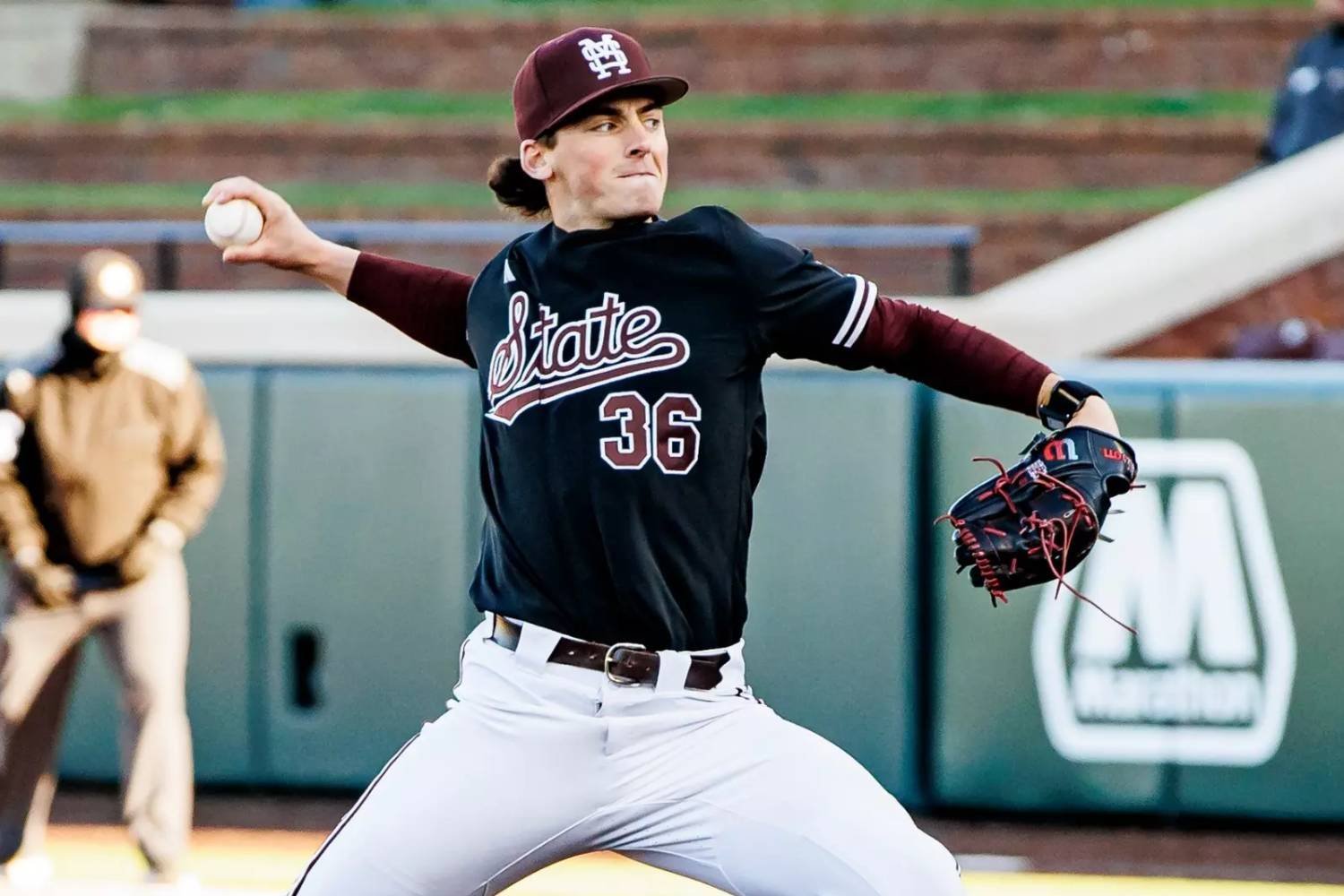 While the MLB Draft concluded one big piece of work for the San Diego Padres, there was still some immediate work left to do to help their minor-league system. Sign undrafted free agents, something they do pretty well. Two undrafted free agents are currently in Padres Mission's Top 20 prospects in Braedon Karpathios, who went undrafted in 2024, and Alex McCoy, who wasn't picked last summer. As of Thursday, Baseball America had reported that the Padres had signed nine players who were not selected, including two that were in the publication's top 500 draft prospects (there were 613 picked). All but two were out of college, with the others from high school. Leading the way are Mississippi State right-hander Tyler Pitzer and Winthrop outfielder Josh Skowronski. Pritzer (6-foot-3, 205 pounds) is a reliever who spent his first two seasons at South Carolina before transferring to Mississippi State. He struck out 38 in 30 innings over 22 appearances, posting a 3.20 ERA and a .193 opponent average. Pitzer was Baseball America's No. 307 draft prospect. Skowronski is a physical presence at 6-5 and 220 pounds and can play center field. After starting his career at Kentucky, he transferred to Winthrop for the past two seasons. The left-handed hitter slashed .305/.436/.588 with 13 homers and 49 RBIs in 58 games his first year at Winthrop, but followed that up with a .251/.414/.410 year with four homers and 23 RBIs in 55 games this season. Skowronski was Baseball America's 380th-ranked draft prospect. Here are the other seven at this point: Aidan Cochrane, RHP, East Lyme (Conn.) HS Drew Detlefsen, OF, Texas-San Antonio Ryan Gerety, OF, Northeastern Mac Moyer, OF, Nebraska Jack Pineau, RHP, Creighton Logan Satter, RHP Legion Collegiate Academy (S.C.) Andrew Wright, LHP, Cal State Fullerton Moyer has MLB bloodlines as the son of 25-year MLB left-hander Jamie Moyer. All of these players can sign for up to $150,000 without affecting the Padres' draft-bonus pool. None of the Padres' draft picks have signed thus far. View the full article
 -
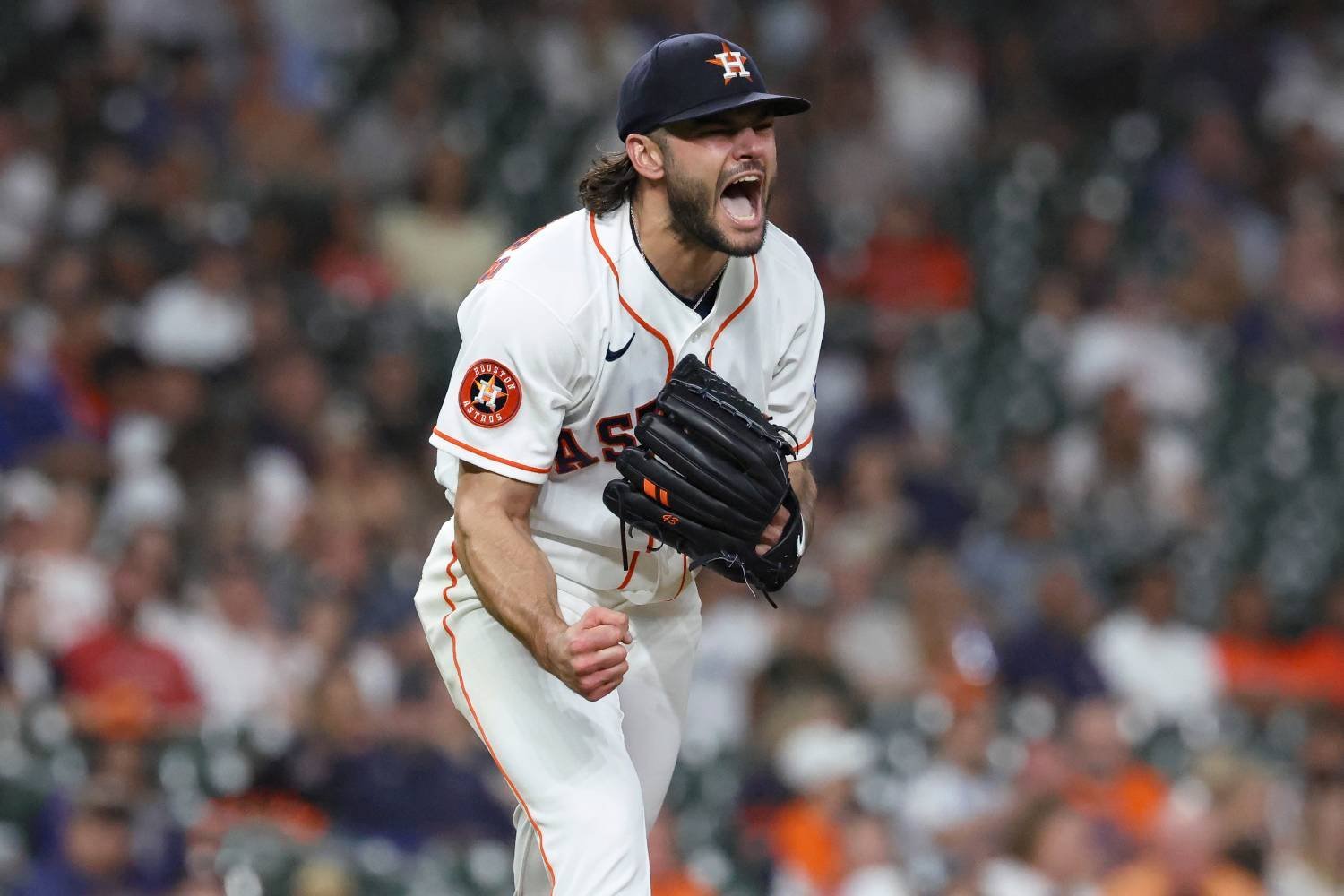 One somewhat surprising move led to another somewhat surprising move. The Milwaukee Brewers on Friday activated right-handed starter Lance McCullers Jr., who was on the 15-day injured list at the time he was acquired Wednesday from the Houston Astros, and optioned veteran left-handed reliever Jared Koenig to Triple-A Nashville. McCullers had been on the IL since May 19 due to right shoulder inflammation. He had been due to make another rehab start Friday for the Astros' Double-A affiliate before the trade went down. McCullers is not scheduled to start any of the three games this weekend at home against the Miami Marlins. It is possible that he goes in one of the three games against the New York Mets to begin next week. A bullpen role feels unlikely as McCullers has made just three relief appearances since the 2020 season, with all three coming last year. A few days before his first Brewers appearance allows pitching coach Chris Hook to do a little work with McCullers. McCullers made eight starts this year before his IL stint, posting a 5.06 FIP (6.86 ERA) with a poor 12.8% walk rate and just-below-average 25% strikeout rate. Koenig has appeared in six games since returning from the 15-day IL with a sprained left elbow. While his first two outings went as expected, with a scoreless inning each, the final four have not. Koenig has allowed seven runs in 2⅔ innings on seven hits and five walk with two strikeouts. Five of those runs and five of those hits came in his last appearance Sunday in a 14-5 loss to the Pittsburgh Pirates in which he did not record an out. Also, infielder-outfielder Greg Jones, who was designated for assignment Sunday and went unclaimed, was outrighted to Triple-A, but chose to become a free agent instead. Players can be outrighted once in their career before having the choice to become a free agent. View the full article
 -
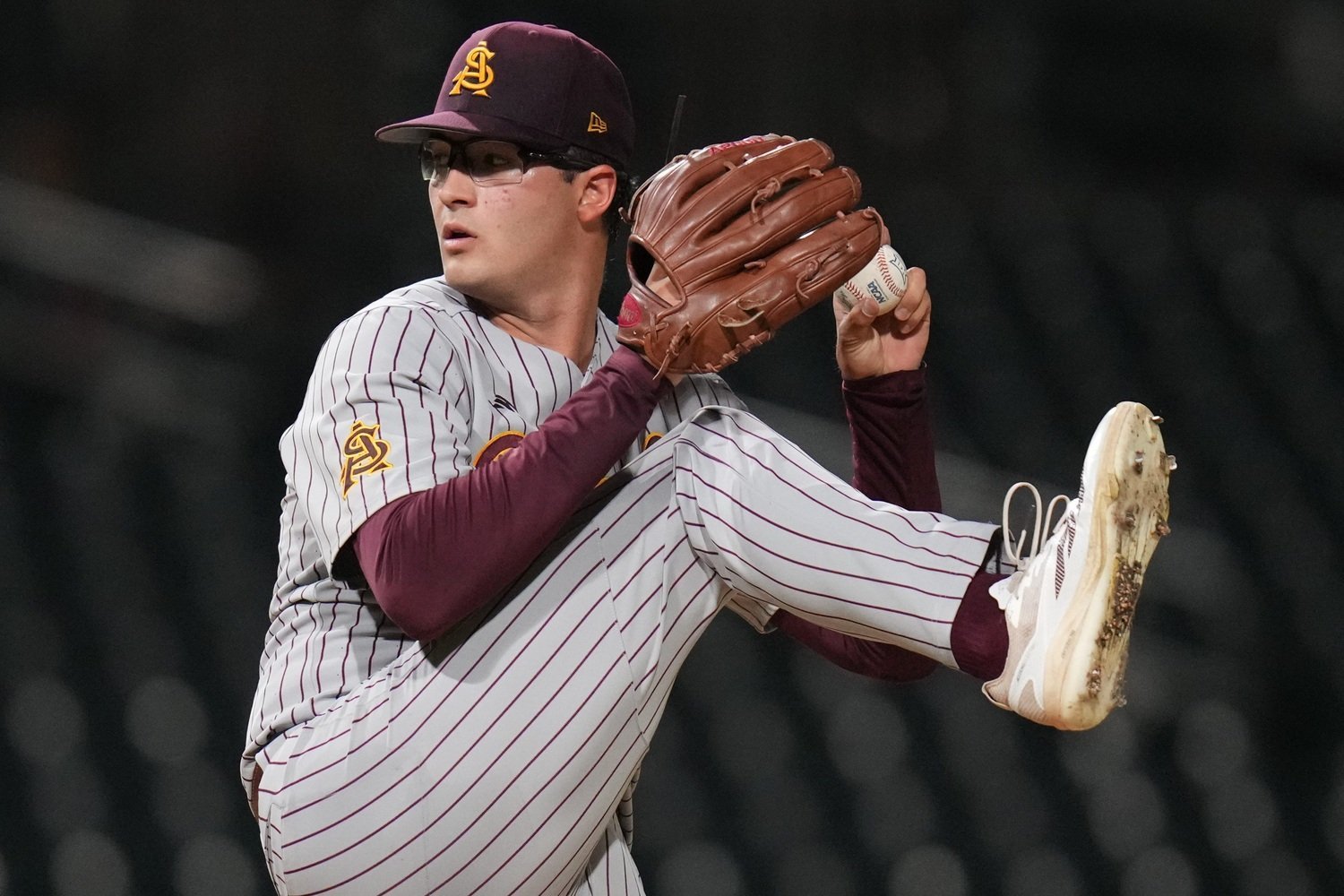 Cole Carlon and the Toronto Blue Jays have agreed to a contract with a $2.4 million bonus, according to a report from MLB Pipeline’s Jim Callis. The Jays took the left-hander with the No. 39 overall pick, which came with a slot value of $2,571,700. According to MLB.com's Keegan Matheson, the Blue Jays are expected to use the money they saved on Carlon's underslot bonus to woo No. 131 overall pick Will Brick with an overslot offer. You can read more about Carlon on Jays Centre at this link. You can also follow along with our Blue Jays Draft Tracker as the team comes to terms with more draft picks in the coming days. View the full article
 -
Miami Marlins 2026 draft pick signings and bonus pool tracker
DiamondCentric posted an article in Fish On First
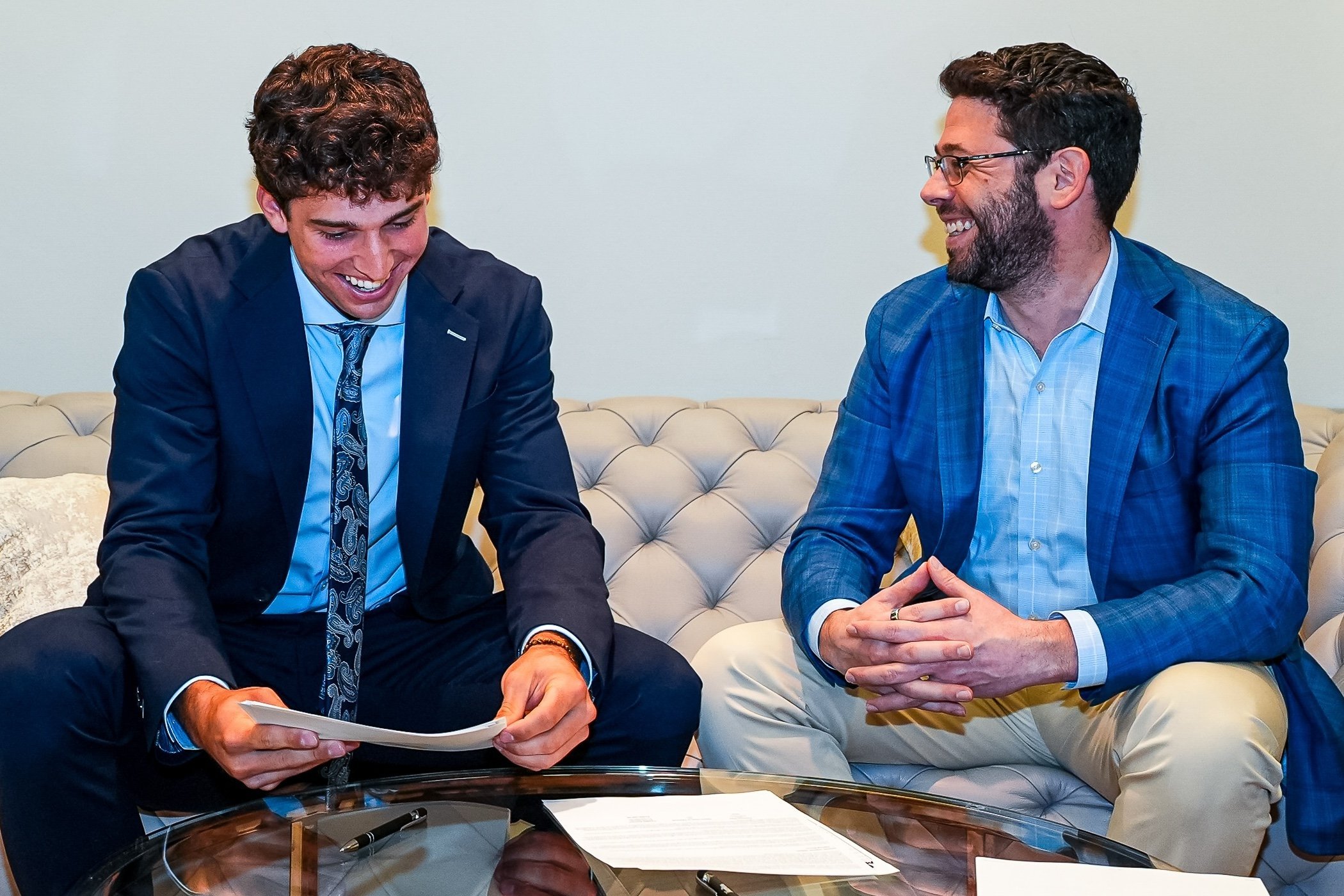 The Miami Marlins made 21 selections earlier this month in the 2026 MLB Draft. They successfully signed all of their draftees last year, but had a much larger bonus pool available to them. On this page, Fish On First will be tracking their efforts to reach deals with their 2026 class. The Marlins have a bonus pool of $11,960,100. They can spend up to 5% above that—a total of $12,558,105—without forfeiting future picks. As of 3:00 p.m. ET on Friday, the Marlins have committed $5,897,500 in bonus pool money. The signing deadline is 5:00 p.m. ET on July 27. Dollar amounts in bold count toward the Marlins' bonus pool. Round 1: SS Jacob Lombard signed for $5 million ($444,900 under slot value) Round 2: LHP Ethan Kleinschmit (slot value: $1,892,500) Competitive Balance Round B: RHP Ryan Peterson signed for $897,500 ($295,100 under slot value) Round 3: SS Cam Kozeal (slot value: $929,700) Round 4: OF Wessley Roberson (slot value: $677,500) Round 5: LHP Trey Beard (slot value: $496,400) Round 6: RHP Cole Selvig (slot value: $380,200) Round 7: SS Eric Guevara (slot value: $299,700) Round 8: 1B Rintaro Sasaki (slot value: $239,200) Round 9: 3B Nic Tolbert (slot value: $210,200) Round 10: RHP Zach Peters (slot value: $197,200) Round 11: RHP Fabio Bundi Round 12: RHP Bane Barker Round 13: RHP Connor Benge Round 14: RHP Tyler Kapa Round 15: RHP Colin Linder Round 16: RHP Porter Buursema Round 17: RHP Duke McCarron Round 18: OF Jatniel McCloud Round 19: RHP Jackson Mitchell Round 20: C Joey Lawson View the full article
 -
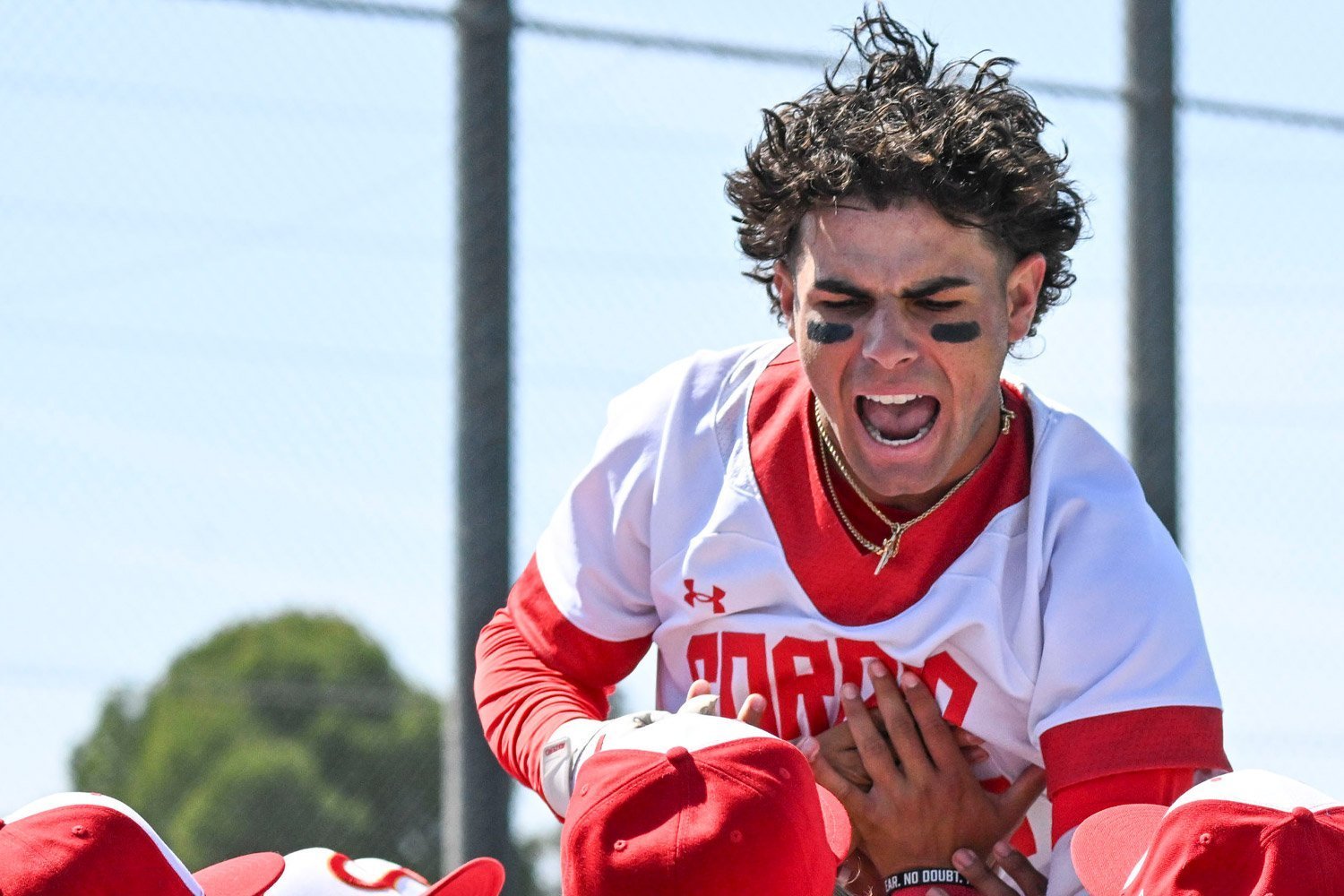 The Ebel brothers are officially Milwaukee Brewers teammates. Infielder Trey Ebel, the first-round pick (25th overall) by the Brewers in last weekend's MLB Draft, has signed with the Crew. MLB Pipeline's Jim Callis reported that Ebel signed for $2.8 million. That pick had an assigned slot value of $3,696,000, so the Brewers can use that nearly $900,000 on other picks. Ebel joins brother Brady Ebel, who was the 32nd overall pick in last year's draft and is now at High-A Wilson. Both played together at Corona on the same team as Pittsburgh Pirates prospect Seth Hernandez. The Ebels' father, Dino, is the thrid-base coach for the Los Angeles Dodgers. The Brewers also reportedly signed sixth-round selection Ryan Oshinskie, a right-hander out of Brown. Baseball America has Oshinskie signing for $222,500, an underslot deal. His slot value was $333,200. Like his brother, the 17-year-old Trey Ebel worked hard to become a top prospects. He has a good eye for the strike zone and had a career slash line of .345/.453/.596 with 12 homers and 77 RBIs. He walked 39 times, while striking out just 34. The 21-year-old Oshinskie broke out last summer during the Cape Cod League, with a 1.93 ERA and striking out 38 while walking seven. Ebel and Oshinskie are the only signed draft picks thus far. View the full article
 -
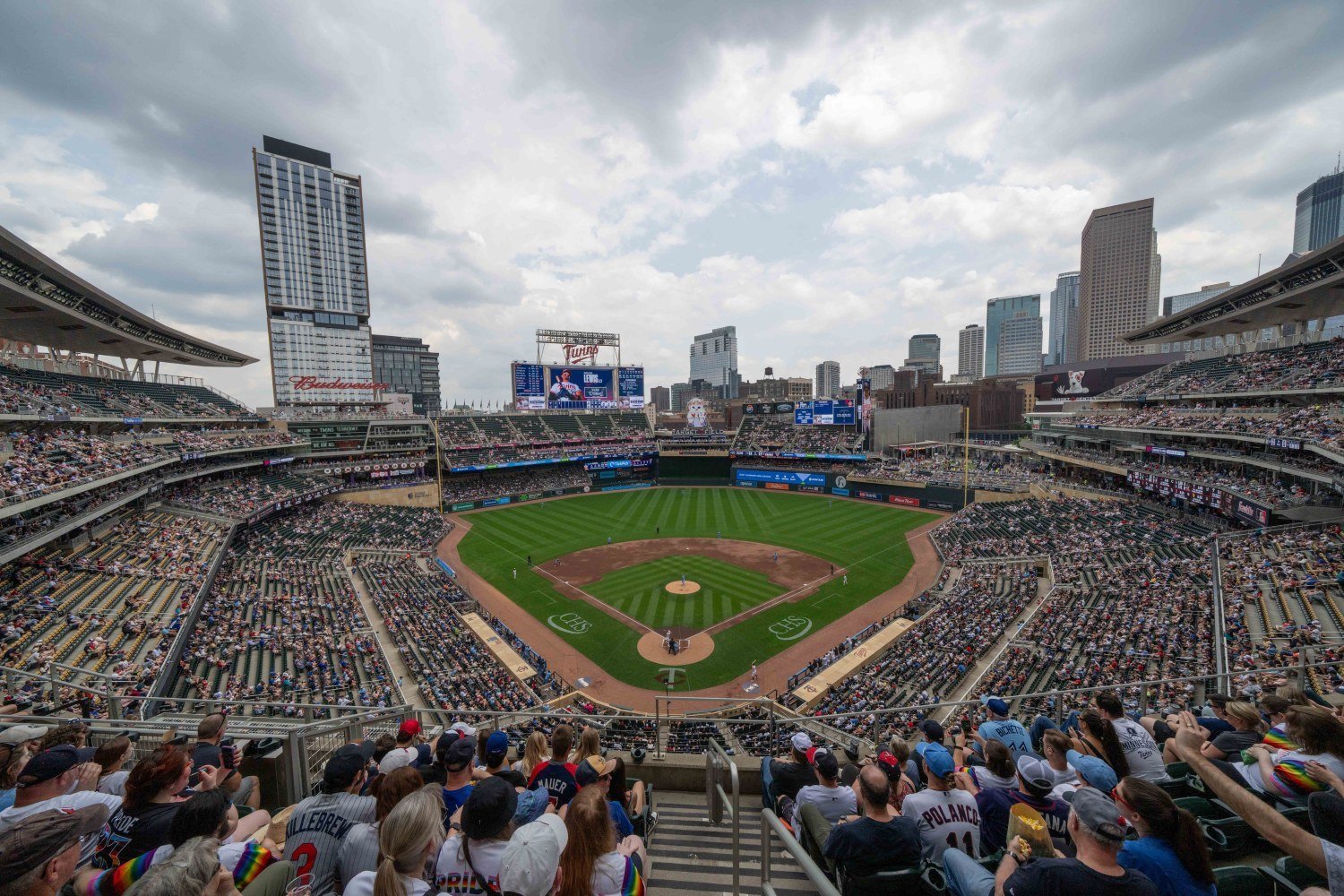 The Minnesota Twins officially unveiled their 2027 regular season schedule, providing fans with their first look at next year's road map. While game times and promotions will come later, the schedule already offers several intriguing storylines, including the earliest Opening Day in franchise history, another road opener, and a summer packed with marquee opponents at Target Field. Here's a closer look at what stands out from Minnesota's 2027 schedule. Earliest Opening Day in Twins History The Twins will begin the 2027 season on Thursday, March 25, when they travel to Kauffman Stadium to face the Kansas City Royals. It marks the earliest Opening Day in franchise history, one day earlier than last season's March 26 opener. Minnesota will spend the opening week on the road before returning to Target Field for its home opener on Friday, April 2 against the Tampa Bay Rays. The club will play six games during March, the most the franchise has ever played before the calendar flips to April. It also continues a recent trend, as the Twins will open the season away from Target Field for the fifth consecutive year and for the 14th time in the past 18 seasons. Target Field Loaded with Summer Marquee Matchups Fans won't have to wait long for attractive home series. The Twins will play 16 home games during April, welcoming the Washington Nationals and San Diego Padres alongside several American League opponents. Once summer arrives, the home schedule becomes even more appealing. Between Memorial Day and Labor Day, Minnesota will play 44 of its 81 home games, giving fans plenty of opportunities to catch baseball during the warmest months of the season. Some of the biggest draws coming to Target Field include the New York Yankees, Boston Red Sox, Chicago Cubs, Toronto Blue Jays, New York Mets, Milwaukee Brewers, Arizona Diamondbacks and San Francisco Giants. The schedule also includes two separate seven-game homestands in June featuring opponents such as the Los Angeles Angels, Chicago White Sox, New York Yankees and Cleveland Guardians. Balanced Schedule Continues Across Baseball Major League Baseball's balanced scheduling format remains in place for 2027, meaning the Twins will once again play every other club in the league. Minnesota will face each of its four American League Central rivals 13 times, splitting home and road games against the Chicago White Sox, Cleveland Guardians, Detroit Tigers and Kansas City Royals. The interleague schedule brings 24 National League games to Target Field. Home opponents include the Nationals, Padres, Pirates, Mets, Cubs, Diamondbacks, Brewers and Giants. On the road, the Twins will visit the Los Angeles Dodgers, Cincinnati Reds, St. Louis Cardinals, Colorado Rockies, Atlanta Braves, Philadelphia Phillies and Miami Marlins. One of the highlights comes during MLB's annual Rivalry Weekend, when Minnesota travels to Milwaukee from July 16-18 before welcoming the Cubs to Target Field the following weekend, July 23-25. Road Trips and September Finish The longest trip away from home comes early in the season. Minnesota's toughest stretch will run from May 28 through June 6, a nine-game, 10-day trip that includes stops in Toronto, Detroit and Atlanta. When September arrives, the Twins will finish the regular season at Target Field. They'll host the San Francisco Giants from Sept. 21-23 before closing the regular season with a three-game series against the Detroit Tigers from Sept. 24-26. Ending the season at home could prove significant if Minnesota finds itself battling for an American League Central title or postseason berth down the stretch. Still Waiting on the Details While the schedule is now official, several pieces of information remain to be announced. Game times, television schedules, promotional nights, giveaways and ticket sale dates will all be released at a later date. Those announcements typically come throughout the offseason as clubs finalize broadcast schedules and promotional calendars. For now, Twins fans can begin planning around an early Opening Day, another full slate against every Major League club and a summer schedule filled with some of baseball's biggest attractions. View the full article
 -
Gleeman & The Geek: Twins' Playoff Window Is Wide Open
DiamondCentric posted an article in Twins Daily
 You can listen by downloading us from: iTunes, Spotify, YouTube, iHeartRadio, Stitcher, GleemanAndTheGeek.com, or by clicking this link, or by watching/listening below. View the full article
 -
The Most Crucial Stretch of Blue Jays Baseball Starts Now
DiamondCentric posted an article in Jays Centre
 Owen and Jesse are back to preview the second half of the Blue Jays season. They begin by breaking down Toronto's All-Star Game performances before discussing the three biggest areas the Blue Jays need to improve if they're going to get back to their winning ways. Next, they make their bold predictions for the second half before wrapping things up with the first-ever Jays Centre Expansion Draft. Looking across the entire organization, each of them builds a 10-player protection list to determine who they'd keep if the Blue Jays were forced to start from scratch. Some of the selections may surprise you. Listen on Apple Podcasts: https://podcasts.apple.com/us/podcast/the-jays-centre-podcast/id1846108462 Listen on Spotify: https://open.spotify.com/show/3Bi7SzfpcqMo5xYWnbCeoL Listen on iHeartRadio: https://www.iheart.com/podcast/263-the-jays-centre-podcast-300304824/ Listen on Pocket Casts: https://pca.st/2qk9wqxd Watch on YouTube: https://www.youtube.com/@jayscentre View the full article
 -
 Maurice Samuel Mo Vaughn, nicknamed The Hit Dog, played 12 seasons in Major League Baseball. Vaughn made his legacy with the Boston Red Sox, posting all of his best seasons in front of the Fenway Faithful. Vaughn played for the Boston Red Sox, Anaheim Angels, and New York Mets. Like so many others, his time in MLB was derailed by injuries, and he was forced to retire in 2003. View the full article
 -
 With the Cubs' bullpen battered by injuries, adding relief help should be a top priority. Alex Lange, Victor Vodnik, and Keaton Winn are three intriguing trade targets who could help stabilize the late innings. View the full article
 -
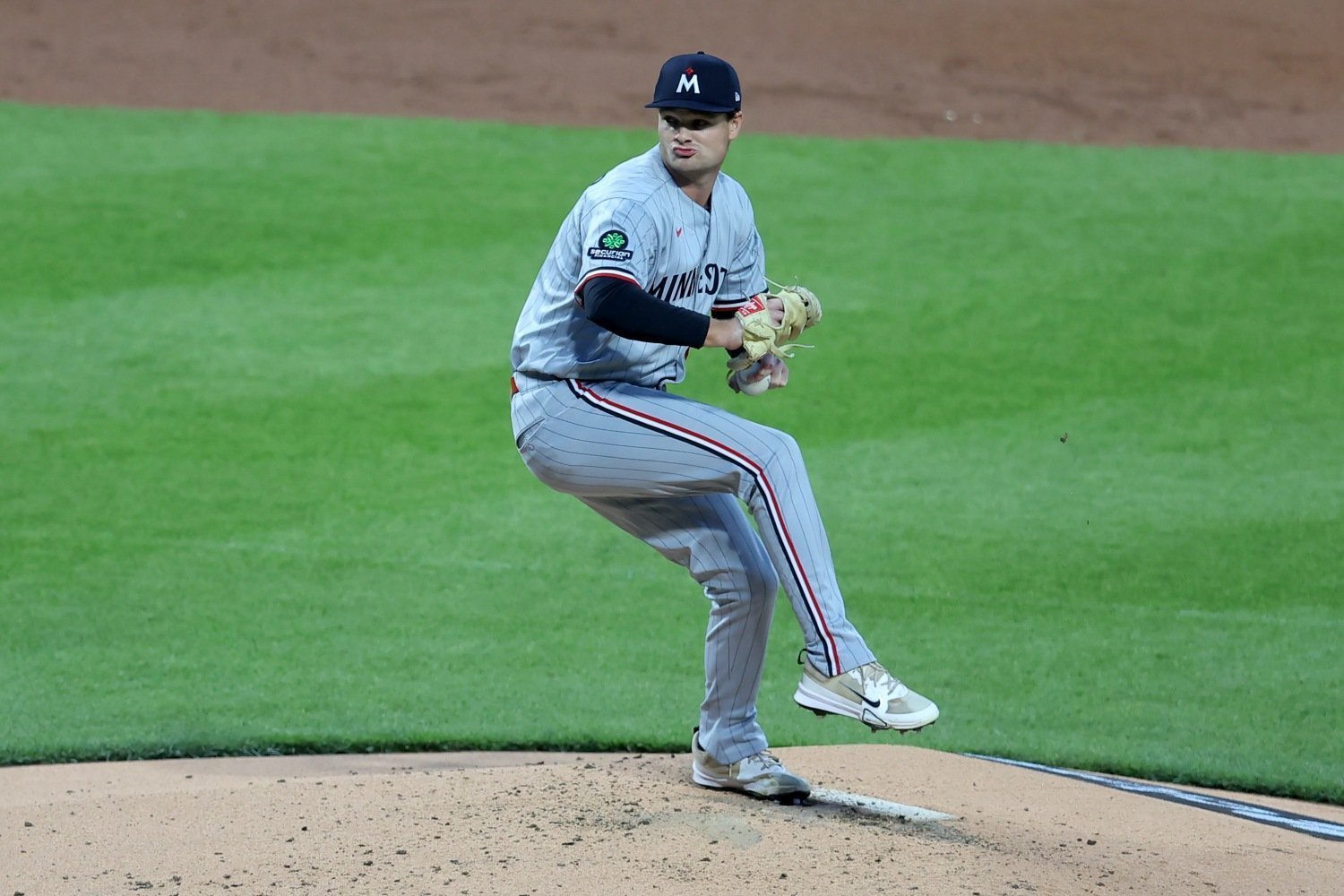 When Connor Prielipp arrived in the big leagues this season, the conversation was never going to be solely about results. The former second-round pick has long possessed some of the best pure stuff in the Twins organization, but his development path has been defined as much by innings restrictions and injuries as strikeouts and prospect rankings. Now, as Minnesota pushes toward the postseason, the Twins face a challenging question: How do they maximize Prielipp's value while protecting a pitcher who has rarely handled a full professional workload? The answer could have a significant impact on both Prielipp's long-term future and the Twins' chances of playing deep into October. The Workload Challenge Is Real Prielipp is currently on the 15-day injured list with a blister on his left middle finger, an issue that has surfaced before during his professional career. Before landing on the IL, Prielipp started against Cleveland and allowed three runs on four hits and two walks while striking out six over five innings. Through his first 13 major-league starts, he has posted a 5.00 ERA and 1.37 WHIP with 71 strikeouts in 66 2/3 innings. While the ERA may not jump off the page, his 3.90 FIP and underlying metrics suggest he has pitched better than the surface numbers indicate. The blister issue provides a temporary pause, but it also gives Minnesota something valuable: time. Prielipp has already thrown 82 1/3 innings between Triple-A and the major leagues in 2026. That's essentially matching the career-high 82 2/3 innings he logged across the minors last season. Even more remarkable is the fact that from 2020 through 2024, dating back to his senior year of high school, he threw only 58 total innings because of injuries and surgeries. That's why the Twins have approached every outing with caution. “I think any chance that we can give him a day or two, we’ll do that,” Twins manager Derek Shelton said. “There’s a big difference between monitoring a guy when he comes to the big leagues to be cautious, and then there’s the difference [with] this guy, who has 150 innings since he was a 17-year-old in high school. We have to be very thoughtful of that.” Letting Him Reach 120 Innings Is the Simple Solution The most straightforward path would be allowing Prielipp to remain in the rotation until he reaches roughly 120 innings before shutting him down. From a developmental standpoint, that makes sense. It would represent a significant increase from last year's workload while still keeping him within a manageable range. The Twins have already shown they are willing to carefully monitor his usage. Extra rest days, shorter outings, and strategic scheduling decisions could help stretch those innings further into September. As Shelton explained, there is no universal formula for managing pitchers with limited workloads. “I know there’s no perfect science to it, because if somebody had that figured out, you would always see getting an extra day, always getting two extra days, or you would see shortened starts,” said Shelton. “I don’t think there’s a perfect science. I think it’s kind of monitoring the situation day-to-day. It’s also monitoring where our bullpen’s at going into an off-day. If we’re not, if at the start of our series, so I think there’s a lot of factors.” The problem with the innings-limit approach is timing. If Prielipp continues averaging five to six innings per start after returning from the injured list, he could reach that threshold before the regular season ends. For a rebuilding club, that might be acceptable. For a team chasing a playoff spot, voluntarily removing one of its most talented arms from the roster becomes much harder to justify. The Bullpen Could Offer the Best Compromise That's why a move to the bullpen may ultimately be the most practical solution. With Bailey Ober returning from the IL, Minnesota could shift Prielipp into a multi-inning relief role. This could also allow Mike Paredes to stay in the rotation as the fifth starter. For Prielipp, he could work one to three innings at a time while maintaining a regular workload schedule instead of throwing five or six innings every fifth day. The benefits are significant. First, it would allow the Twins to better control his innings total. A pitcher who might accumulate 30-40 innings over the final two months as a starter could potentially throw half that amount in relief. Second, it would keep him available for the entire season instead of forcing a September shutdown. Third, his stuff could play up even more in shorter outings. Prielipp's secondary pitches have already proven capable of missing bats at the highest level. The curveball he added during the offseason has generated whiffs on 36.3 Whiff%, while his slider continues to be a legitimate weapon (27.7 Whiff%) against both right-handed and left-handed hitters. The next step remains finding more consistency with his fastball. Working in shorter bursts could allow him to attack hitters more aggressively and potentially add a little extra velocity. A bullpen role would also provide valuable postseason experience should Minnesota qualify for October baseball. The Twins Haven't Made a Decision Yet For now, the organization remains in evaluation mode. Prielipp's current IL stint delays the decision and gives the club additional time to assess its pitching depth. The Twins know they must manage his volume carefully, but they haven't yet determined exactly what that will look like over the season's final months. “I wish I had the answer to that,” said Shelton last month. “We will definitely have to monitor the volume regardless of if it’s within starts or throughout the year. I don’t think we’re at the point in the year where we will determine, or we have determined where we’re at with that yet.” The uncertainty is understandable, but the season timeline might force the Twins to make a decision sooner rather than later. Prielipp's health history makes every inning important, but so does his value to a team with postseason aspirations. Finding the Right Balance The Twins always envisioned Prielipp becoming a difference-maker. The challenge has never been talent. It has been availability. This season has finally provided a glimpse of what he can be when healthy. Even with some growing pains, he has missed bats, shown the ability to navigate major-league lineups, and demonstrated why he remains one of the organization's most important young pitchers. Shutting him down entirely once he reaches an innings threshold would certainly be the safest option. It would also remove a potentially impactful arm from the roster during the most important part of the season. A move to the bullpen feels like the better compromise. It allows Minnesota to continue protecting his health while keeping him available for meaningful games down the stretch and, potentially, into October. The Twins don't need to decide today. But as Prielipp inches closer to his workload limit, that decision is coming. And it could become one of the organization's most important roster choices of the second half. What is the best option with Prielipp? Should he continue to start and hit an innings limit or move to the bullpen? Leave a comment and start the discussion. View the full article
 -
 No one knows how CBA negotiations between MLB and the MLBPA will affect the 2027 season. However, we now know what the schedule will look like, presuming no prolonged work stoppage. The season will begin with one game on Wednesday, March 24. The teams for that game have not yet been announced. Opening Day for the Blue Jays will be Thursday, March 25, 2027, unless they're chosen to play the day before. They will take on the Yankees in a three-game set in the Bronx, before travelling to Baltimore for a series with the Orioles. The home opener is set for Friday, April 2, against the Mariners. The Jays will be home for Canada Day (facing the Angels) before departing on a 10-game road trip heading into the All-Star break. The Midsummer Classic is scheduled for July 13 at Wrigley Field. Finally, the Blue Jays will end their 2027 regular season at home with series against the Yankees and Rays, wrapping up on September 26. You can find their full 2027 schedule here. View the full article
 -
 Jack and Spencer react to the Lance McCullers Jr. trade and recap the Brewers' selections in this year's draft. Apple Podcasts: https://podcasts.apple.com/us/podcast/the-brewer-fanatic-podcast/id1740648724 Spotify: https://open.spotify.com/show/5CY8mWsQayqjDXqw9OT2Td iHeartRadio: https://www.iheart.com/podcast/263-the-brewer-fanatic-podcast-166534588/ Pocket Casts: https://pca.st/ommzz627 Watch On YouTube: https://www.youtube.com/@brewerfanatic View the full article
 -
1st-Round Stuff, 4th-Round Price: Why the Twins Bet On Tommy LaPour
DiamondCentric posted an article in Twins Daily
 The Twins selected TCU right-hander Tommy LaPour with the No. 107 pick in the 2026 MLB Draft. In this video, we cover his fastball that sits 95-98 and touches 101, his standout 2025 season, where he posted a 3.09 ERA with 88 strikeouts as TCU's ace, the elbow soreness that limited him to 17 innings in 2026 and dropped him down draft boards, and the starter-versus-bullpen debate around his future. View the full article
 -
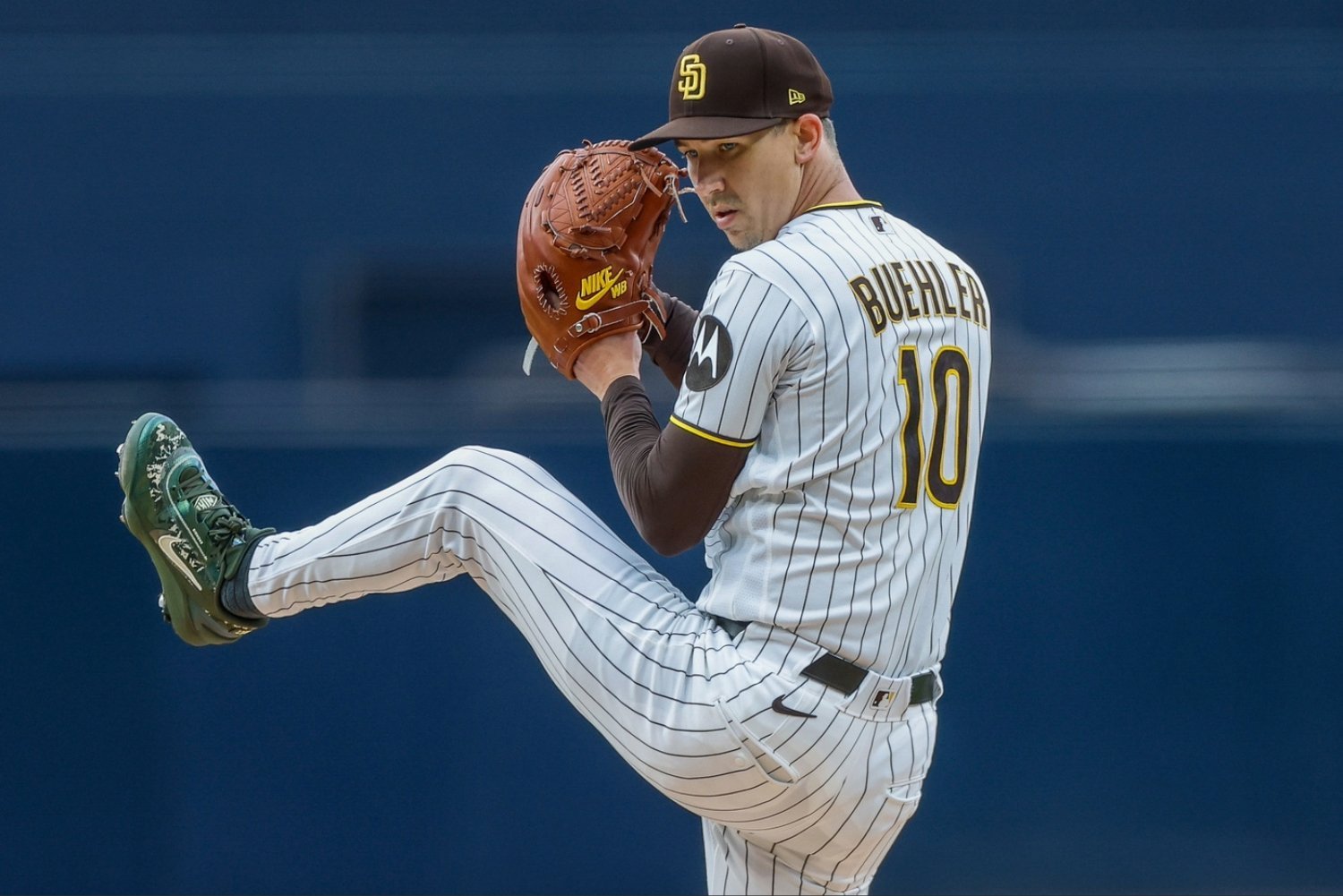 Walker Buehler is having a confounding season on the mound, and if the San Diego Padres want to salvage any chance at a playoff run down the stretch, he’s going to have to figure out how to be more consistnet. Fresh off of a brief stint where he flashed signs of his old self in 2025, the veteran right-handed pitcher has struggled mightily. Let’s break down what’s going wrong, and more importantly, if this is fixable. Walker Buehler’s Updated Padres Scouting Report Before fully diving into his struggles this year, it’s important to understand what type of pitcher Buehler is at this point in his career. The 31-year-old Vanderbilt alum was a first-round pick in 2015 by the Los Angeles Dodgers, and he holds a 62-34 career record with a 3.69 earned run average. The righty has managed to strike out 927 hitters in just about the same amount of innings, but his main issue has been staying on the field. Buehler had a stretch between 2019-2021 where he struck out 200 hitters in back-to-back full seasons (with COVID-19 shortening the 2020 campaign). After 2021, he hasn’t managed to toss 150 innings. In fact, 2019 and 2021 were the only two times the starter has accomplished that feat in his nine-season career. A Magical 2025 (But Short) Run Buehler’s injuries have made him a rather inconsistent rotation piece in the last few years, but he seemed to have turned back the clock in a couple of appearances with the Philadelphia Phillies last year. Buehler logged a 3-0 record, allowing just one earned run over 13.2 innings for a really impressive 0.66 ERA. He struck out just eight hitters while relinquishing six walks, and it was an extremely small sample size, but the signs of him being able to unlock performances reminiscent of his prime were there. Diminishing Velocity In 2026, his numbers have tumbled. Buehler is on pace to break the 150 innings mark for the first time in five years, but his 5.36 ERA and 1.44 WHIP shows that hitters aren’t having nearly the amount of trouble they once did while facing him. The diminishing velocity is the first rung to address. What was once a firm, high-90s four-seam fastball has fallen to an average of 94.0 mph, putting Buehler in the 40th percentile among all MLB pitchers (per Baseball Savant). There are ways to offset this issue, and building a more diversified pitch arsenal is a great way to start. Buehler has explored that route, featuring a mix that now includes the following seven pitches: a cutter, four-seamer, sinker, slider, knuckle curve, changeup and sweeper. He’s had to lean off of the four-seamer, as opposing hitters are collecting a .393 batting average against it. The slider has been his best tool, as he’s allowed just five hits in 42 plate appearances (.122 AVG) that have ended with the pitch. Quality Contact Control Unfortunately for the veteran hurler, the quality of contact has really spiked. Batters are managing a 42.2 percent hard-hit rate (batted balls with an exit velocity of 95 mph or greater), which puts him in the 25th percentile league-wide. The average exit velocity of 90.5 mph (15th percentile) that he's allowing falls right in line, and with below-average whiff and chase rates, he’s been hit around quite a bit in his age-31 season. Silver Lining: Contact Trajectory The silver lining for Buehler is two-fold: he has his varied arsenal, and he’s not allowing opposing hitters to launch the ball on him very often. While he’s allowing hard-hit balls, a lot of them are on the ground, as shown by his 46.3 percent ground ball rate (72nd percentile). His 4.48 expected ERA implies he’s run into his fair share of bad luck, but at this stage of his career, Buehler needs to be a finesse pitcher, keeping hitters off balance and forcing weaker contact. If he combines that with an already remarkable groundball rate, we could see Buehler return to form and serve as a pivotal part in a Padres playoff run. View the full article
