


DiamondCentric
-
Posts
2,631 -
Joined
-
Last visited
Never
Content Type
Profiles
Forums
Events
News
Tutorials & Help
Major League Baseball Videos
Guides & Resources
Store
Downloads
Gallery
Everything posted by DiamondCentric
-

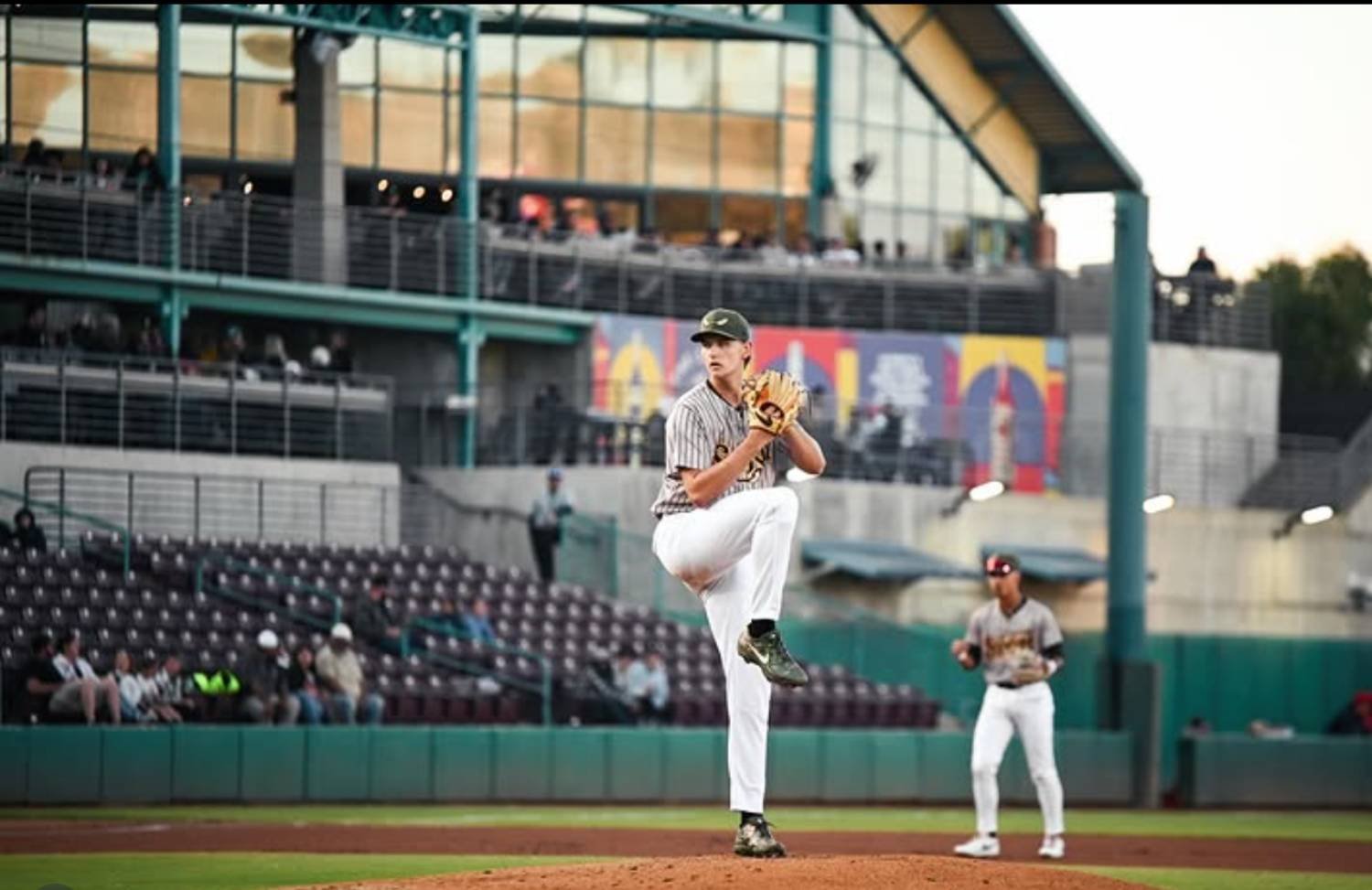 Let's check in on the San Diego Padres prospects who made a mark in the last week (check out Padres Mission's latest Top 20 rankings as well!): Note that this is an abbreviated list with teams only scheduled for three games due to the All-Star break. Kruz Schoolcraft, LHP, Low-A Lake Elsinore Storm Season stats: 2-5, 6.03 ERA, 16 games (all starts), 59⅔ IP, 64 H, 47 R, 40 ER, 39 BB, 63 K, .284 opponent average When grabbed with the 25th overall pick in the 2025 MLB Draft, the left-handed starter was always going to be a project. The question was: When would the Padres start to unlock some of the potential? We are likely seeing the early fruits of the Friars' labor. The 19-year-old, Padres Mission's No. 5 prospect, had one of his top three starts this season when he went five shutout innings Friday in a 12-0 victory over the Ontario Tower Buzzers. Schoolcraft allowed just three hits while walking three and striking out six. It was just the second time this season Schoolcraft didn't allow a run (May 15 was the other). This start also came after Schoolcraft went 5⅓ innings July 10 vs. the Rancho Cucamonga Quakes in a 5-4 walk-off loss. He gave up just one run on five hits with two walks and three strikeouts. The one major area where Schoolcraft is struggling is keeping runners off base. His opponent average is down to .284 after being at .400 in early May, while his walk rate is at 14.3%. His strikeout numbers are fine at 23.2%, just not where people expect a first-rounder to be. But Schoolcraft does appear to be making strides. Jagger Haynes, LHP, Double-A San Antonio Missions Season stats: 3-3, 4.37 ERA, 18 games (all starts), 94⅔ IP, 79 H, 48 R, 46 ER, 41 BB, 85 K, .228 opponent average Drafted in 2020 but not making his pro debut until 2023 following Tommy John surgery, the clock is ticking on the left-handed starter. While the consistency isn't there, the 23-year-old is showing more than he has previously. That was certainly evident in Friday's start against the Corpus Christi Hooks. Padres Mission's No. 13 prospect went six innings, giving up just a run on three hits and a walk while punching out eight, matching his season high. It was the second time in three starts he went at least five innings and allowed just one run, but in between, he gave up six runs in three innings. In five of his 18 starts, Haynes has given up four or more runs, while having 10 games of two runs or less. As has been mentioned previously, Haynes is eligible for the Rule 5 Draft this offseason (if and when that process is held is another question) for the second year in a row. He went unselected last year after being unprotected, but might now be showing enough to earn a 40-man spot from the Padres if not another team. Of course, that could also make him attractive to other teams at the trade deadline if the Padres add to the big-league roster. Dawson Willis, SS, Low-A Lake Elsinore Storm Season stats: .285/.370/.550, 41 games, 30 R, 11 2B, 4 3B, 7 HR, 30 RBI, 18 BB, 59 K, 12 SB, 1 CS Another undrafted free agent who is having success with the Padres, the toolsy shortstop showed off his speed over the weekend. The 6-foot-4, 187-pound 22-year-old put up a slash line of .300/.533/.800 (3-for-10) in three games. But his highlight most definitely was his two-triple game Friday against Ontario. Willis had two triples in 38 games before Friday. One of the triples against the Tower Buzzers drove in a run and he scored following both and a season-high three times that game. Three of his four triples this season have come in his 28 games with the Storm, where he was promoted after a .300/.373/.617 showing in 16 games in the Arizona Complex League. He has a .275/.368/.505 slash line with the Storm. This is Willis' first pro experience. He signed after not being taken following one year at Oklahoma following a transfer from LSU-Eunice, a junior college. He played third base at Oklahoma after being named the juco Division II Defensive Player of the Year. While he hit six home runs for the Sooners in starting all 60 games, he has already popped seven in 41 pro games. As someone with his raw talent, Willis has struck out a lot, fanning 41 times in 28 games with Lake Elsinore. View the full article
 -
 Blue Jays Affiliate Overview (July 18-20) Triple-A Buffalo Bisons Series vs Syracuse Mets (New York Mets): 2-1 Season Record: 46-50 Double-A New Hampshire Fisher Cats Series vs Harrisburg Senators (Washington Nationals): 1-2 Season Record: 45-43 High-A Vancouver Canadians Series vs Tri-City Dust Devils (Los Angeles Angels): 2-1 Season Record: 39-51 Single-A Dunedin Blue Jays Series vs Clearwater Threshers (Philadelphia Phillies): 0-2 Season Record: 41-47 FCL Blue Jays Week Record: 5-0 Season Record: 37-19 DSL Blue Jays Blue Week Record: 2-2 Season Record: 15-20 DSL Blue Jays Red Week Record: 2-2 Season Record: 17-17 Triple-A Buffalo Bisons Season Record: 46-50 Series vs Syracuse Mets (New York Mets) July 18: Taking on the Syracuse Mets on Saturday, Buffalo's bats were mostly missing when they needed them the most. The Bisons tallied eight hits in the game, as they faced off against one of the Mets' better starting pitchers, Jonah Tong. While eight hits is a decent number, five of them came from just two hitters, three by Josh Kasevich and two by Daz Cameron. Buffalo finally broke through and got on the scoreboard in the fourth inning. Yohendrick Piñango led it off with a single and moved to third on Charles McAdoo's double. Cameron brought both runners home when he ripped a line drive into the left-center gap for a double. Those would be the only runs Buffalo got across home plate all night. While they did score, it wouldn't matter much, as the Mets crushed Buffalo's pitching all night long. Devereaux Harrison, Conor Larkin, Sam Gardner, and Pat Gallagher all gave up at least three runs. In fact, the only pitcher who did not give up a run was Buffalo's starting catcher, William Simoneit, who came on to pitch the eighth inning. Buffalo lost big 15-2. July 19: In the final game of the shortened series with the Syracuse Mets, Buffalo battled tough until the very end. Je'Von Ward got Buffalo the early lead with a solo blast to right field in the top of the third inning. The home run had an exit velocity of 99.4 mph and was his ninth long ball of the season. Yohendrick Piñango gave Buffalo the lead back in the top of the sixth inning, when he roped a ball to right field for a two-run home run. On the mound for the Bisons was Chad Dallas, and he was excellent. He threw into the fifth, going 4.1 innings, didn't walk anyone, struck out four, and gave up just one run. He had his cutter working, getting two strikeouts on the pitch and using it a lot. Mason Olson took over for him and, in his Triple-A debut, was decent. He pitched 3.2 innings and gave up the game-tying, two-run blast to Christian Arroyo in the sixth. The game stayed tied headed into the ninth inning, when the Bisons finally broke through. Eloy Jiménez singled home a run, followed by Josh Rivera knocking in one with a single as well, then Jiménez scored on an RBI groundout by Carlos Mendoza. The scoring in the inning wrapped up with another RBI single, this one by Josh Kasevich. With a four-run lead, Tanner Andrews came into the game and shut the door on the Mets, striking out two and securing the 7-3 win for Buffalo. Double-A New Hampshire Season Record: 45-43 Series vs Harrisburg Senators (Washington Nationals) July 18: Saturday was a day for hits, as New Hampshire and Harrisburg would combine for 21 of them. Unfortunately, runs weren't as abundant. Jackson Hornung singled home a run in the second inning and immediately was matched by Ethan Petry tying the game with an RBI double for the Senators. In the fourth, Carter Cunningham hit an opposite-field single to bring in a run, but again Petry answered. This time he crushed a three-run home run. It was Petry's show, as he again had an RBI single in the eighth inning. New Hampshire couldn't get Petry out on the day, with him going 4-for-4 and was a triple shy of the cycle. The Fisher Cats added two runs in the ninth inning on an Eddie Micheletti Jr. double, but it wasn't enough. New Hampshire lost this one 7-4. July 19: It was a bad finale to the week-long series for New Hampshire against Harrisburg and not solely because of the result in the game. Nolan Perry was the starting pitcher for the Fisher Cats, and it was a short outing for him. After one inning and a hit, Perry surrendered a second hit, and it hurt. The Harrisburg hitter crushed a 104 mph line drive that came back right to Perry's head. It was a scary sight, but it appeared to not be as bad as it could have been. Perry would leave the game with a towel on the side of his head, but he walked off under his own power. The rest of the game wasn't much to see for the Fisher Cats. Arjun Nimmala had a double and New Hampshire added two singles, but that was it, just the three base runners in the game. New Hampshire lost this game 2-0. High-A Vancouver Season Record: 39-51 Series vs Tri-City Dust Devils (Los Angeles Angels) June 18: Jacob Sharp had a 4-for-4 night as he helped power the Canadians to their second straight win, and the rest of the middle of the lineup made significant contributions as well. Peyton Williams was the first one to do so as in the fourth inning, he hit a two-run homer which became a lead that the Canadians never relinquished. Troy Guthrie earned the promotion to Vancouver after pitching great for Dunedin, and went five solid innings to get the win in his first start. He gave up a run in the fourth after Williams' homer, but the Canadians were able to get three more runs, this time with Jake Casey tripling to score the first run of the inning, then Eric Snow and Sharp both hit doubles to knock in two more. Guthrie gave up only one more run before getting taken out for Gilberto Batista, who’s been much better in shorter stints as of late, who struck out two batters in two scoreless innings to keep it five to two. Sharp had hit number four in the ninth to drive in the sixth run for the Canadians, and Austin Marozas got his first save of the season with five Ks in two innings of work to end it 6-2. June 19: The Dust Devils spoiled Landen Maroudis’ best start of the year, as the righty went five innings, striking out a career-best seven batters, only allowing three hits and a run off of a homer from Randy De Jesus. Ryan Sprock also had his first homer in the Jays’ organization in the third inning. Reece Wissinger replaced Maroudis in the sixth inning, and in the seventh inning Harold Coll homered, which ended up being the deciding run of the game as the Canadians could not buy a hit against the Dust Devil relievers, only getting on once with a walk in the ninth inning before the Dust Devils were able to close it out, for a close 2-1 loss. Single-A Dunedin Season Record: 41-47 Series vs Clearwater Threshers (Philadelphia Phillies) June 18: Carson Messina’s command faltered against the Threshers, as they were able to tag him for three runs as he walked three batters while giving up three hits, putting the Jays down early three to nothing. However, Juan Sanchez struck back with his sixth homer of the season, lasering one over the left field wall. The Jays had a chance to make that inning even bigger, with runners on second and third with just one out, but were unable to capitalize. The Jays brought it within one after Jean Joseph hit a double, as when Brock Tibbitts hit a grounder to the third baseman Robert Phelps, Phelps threw it in the dirt, allowing Joseph to score. Shortly after, the Jays were victims of their own error, as JoJo Parker couldn’t handle a grounder, which led to an RBI double and then a two-run homer, making it 6-2 for the Threshers. The Jays got an RBI groundout in the seventh, then in the ninth were able to get runners on second and third again, but this time Giaconino Lasaracina got an infield hit to score another to bring it within two. That was just too little too late as the Threshers were able to pull away with the win. June 19: Postponed FCL Blue Jays Season Record: 37-19 July 18: The FCL Blue Jays took on the FCL Phillies on Saturday. It was a slow day for the Blue Jays offense, despite five runs scored. They only managed three hits in the game. A wild pitch scored a run in the second for the Blue Jays, and Angel Guzman doubled in a run during the third inning. The Phillies scored four in the third, with the big hit being Jack Barker hitting a triple. In the fourth, Guzman drove in two runs on an RBI single and then scored on a balk. The Phillies took control in the fifth inning, when a grand slam from Gabriel Flores did the damage. The Blue Jays lost 11-5. July 20: It wasn't much of an eventful game for the FCL Blue Jays against the FCL Tigers on Monday. The Blue Jays took a three-run lead in the second inning. Kennew Blanco doubled in a run, and Gavin Smith crushed a two-run home run. The Tigers then scored seven straight over a few innings. Cris Rodriguez had the big hit, with a two-run home run. Blanco would make the game closer with a two-run single in the fifth, but another Tigers home run would put the game away. The Blue Jays lost this one 8-5. DSL Blue Jays Blue Season Record: 15-20 July 20: On Monday, BJB got power from the top of their lineup, and the bottom part got on base to provide scoring opportunities. For BJB, the offense finally started in the fifth inning. Cristopher Polanco singled to right, scoring Luis Felipe, but Eiker Lothar was thrown out at third base to kill the rally. Down two in the bottom of the seventh, BJB really unlocked the power. After two singles, Polanco ripped a ball over the right field wall for a three-run home run. BJB wasn't done, though. After Sebastian Casanova walked, Juan Caricote followed Polanco's lead and took a ball over the right field wall as well, which was good for a two-run home run. Roberto Castellanos was solid again for BJB on the mound, going six innings and giving up just two unearned runs. Ire Martinez would get the call to close the game out, and he came through, as BJB won 6-3. DSL Blue Jays Red Season Record: 17-17 July 20: BJR had a daunting task ahead of them on Monday: They faced off against a potent Yankees lineup and one of the best teams in the DSL. Five errors in the game for BJR made it almost impossible to come out on top, as did their pitching. Franiel Severino gave up four runs and also committed two of those errors. Alexander Garcia also gave up four runs, though at least he didn't commit any errors. For BJR, the bats didn't match up with the Yankees either. They finally got on the scoreboard in the sixth inning. Alex Linares and Gabriel Porras each walked and would come in to score on Samuel Orellana's RBI double and Darwin Nuñez's two-RBI single. The three runs were all BJR would score in the game, as Yostin Pena powered the Yankees team to a 9-3 win. View the full article
 -
What Last Year's Fire Sale (Better Have) Taught the Twins
DiamondCentric posted an article in Twins Daily
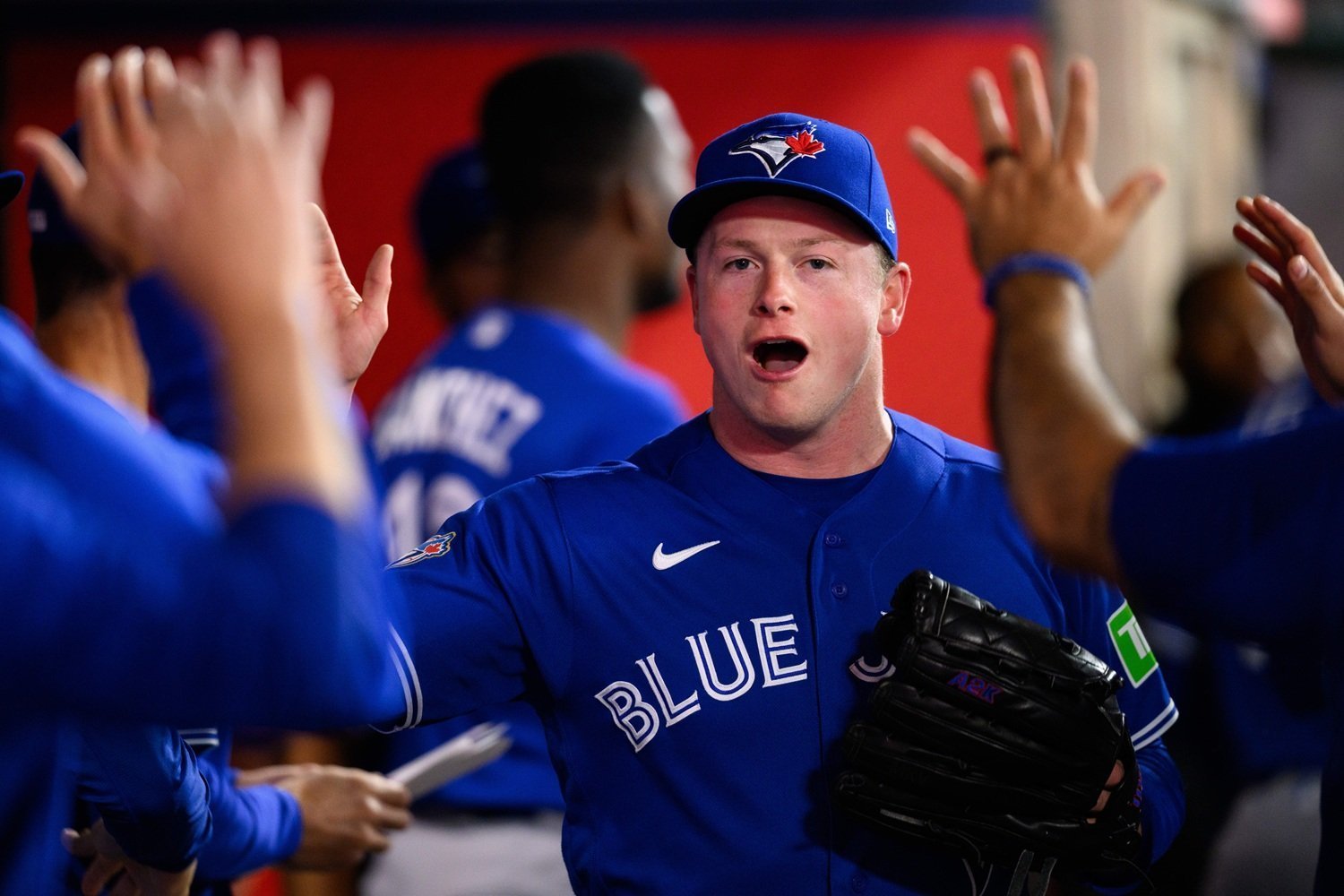 The 2025 trade deadline was one of the most dramatic turning points in recent Minnesota Twins history. In a matter of days, the front office dismantled much of the major-league roster, moving established veterans for a wave of prospects and younger talent while resetting both the payroll and the organization's timeline. Some of those deals already look like clear successes. The Twins replenished their farm system, adding high-upside talent that dramatically changed the long-term outlook of the organization. Others, however, have exposed just how difficult it is to project player development, replace elite major-league production, or assume payroll flexibility will eventually translate into roster improvements. One year later, the Twins find themselves back in the playoff race. Ironically, many of the same needs that existed entering last year's deadline remain unresolved. Looking back, three important lessons have emerged from the organization's aggressive sell-off. Lesson 1: Building a Bullpen Isn't Easy One of the biggest assumptions behind last year's deadline appeared to be that rebuilding the bullpen would be relatively straightforward. Elite relievers are volatile, and Minnesota's front office seemed confident it could identify undervalued arms through waivers, minor trades, cash-consideration deals, and internal development. Every organization believes it can find the next breakout reliever. The Twins have learned that that isn't nearly as easy as it sounds. Andrew Morris has been the organization's biggest internal success story this season, establishing himself as a reliable late-inning option. Beyond him, however, the front office has spent much of the year cycling through waiver claims, minor acquisitions, and depth pieces while searching for consistent production. Instead of entering the season with an established ninth-inning option, the Twins have been forced to piece together leverage innings on a nightly basis. Meanwhile, Louis Varland has developed into exactly the type of reliever every contender covets. The former Twin has emerged as one of baseball's premier bullpen arms, handling high-leverage situations with swing-and-miss stuff while remaining under inexpensive pre-arbitration control. Those are precisely the types of players championship-caliber teams spend years trying to develop. Looking back, it's becoming increasingly difficult to justify moving a high-leverage reliever with multiple years of team control remaining. Building a bullpen on paper is one thing. Actually replacing elite bullpen production is another. Lesson 2: Trading for MLB-Ready Players Doesn't Ensure They're MLB-Ready Prospect rankings often focus on upside, but last year's deadline also emphasized acquiring players who could contribute quickly. On paper, that strategy made plenty of sense. Alan Roden, Kendry Rojas, Mick Abel, and James Outman all had major-league experience or appeared ready to make the jump entering 2026. The expectation was that several would quickly become meaningful contributors. Instead, reality has been much messier. Outman struggled badly, producing negative WAR before ultimately being designated for assignment. Roden opened the season at Triple-A before suffering an injury that delayed his opportunity. He's only recently joined the Twins after finally getting healthy. On the pitching side, Abel showed flashes of why the Twins targeted him, but injuries once again interrupted his development. After several encouraging starts, he now appears likely to miss the remainder of the season following surgery to shave bone in his throwing elbow. Rojas has bounced between Triple-A and Minnesota in a multi-inning relief role. His stuff remains intriguing, but inconsistent command has prevented him from establishing himself as a dependable option. None of those players should be considered finished products. Several still possess the talent to become important contributors over the next few seasons. However, the past year has reinforced a valuable lesson. Being close to the major leagues isn't the same as being ready to consistently succeed in the major leagues. Development rarely follows a straight line. Lesson 3: Carlos Correa's Dumped Contract Was Never Going to Be Reinvested Perhaps the biggest misconception surrounding last year's deadline centered around payroll. When the Twins moved Correa and a significant portion of his remaining contract, it was reasonable for many fans to assume those savings would eventually be redirected toward improving the major-league roster. Instead, the opposite happened. Minnesota's payroll has continued to decline, dropping from roughly $160 million in 2024 to approximately $130 million in 2025 before falling again to roughly $105 million in 2026. Complicating matters further, more than $21 million of this year's payroll is tied up in Pablo López, who is sidelined after undergoing Tommy John surgery. Correa himself is out for the season with an ankle injury, while the Twins are still paying the Astros $10 million for him to play elsewhere. The payroll flexibility created by last summer's trade never materialized into meaningful roster additions. Imagine how different this year's club might look with another $20-30 million available. The Twins could have aggressively pursued multiple late-inning relievers, added another dependable back-end starter, or strengthened the bench with proven veterans. Instead, those remain the organization's biggest needs as another trade deadline approaches. Financial flexibility only creates value if ownership chooses to spend it. Otherwise, it's simply a smaller payroll. Looking Back While Looking Ahead It's still too early to declare winners and losers from the 2025 deadline. Several prospects acquired during the fire sale could become impact players over the next few seasons, and rebuilding the farm system was an important organizational objective. That part of the strategy has largely been successful. But one year later, the Twins also have a clearer understanding of what was lost. Elite relievers aren't easily replaced. MLB-ready players often require more development than expected. And payroll flexibility doesn't automatically become roster improvement. As Minnesota approaches another trade deadline with postseason aspirations, those lessons should be fresh in the minds of the front office. The decisions made this July will determine whether the organization truly learned from last summer, or simply repeats the same mistakes. Do you agree with these lessons from last year's fire sale? Leave a comment and start the discussion. View the full article
 -
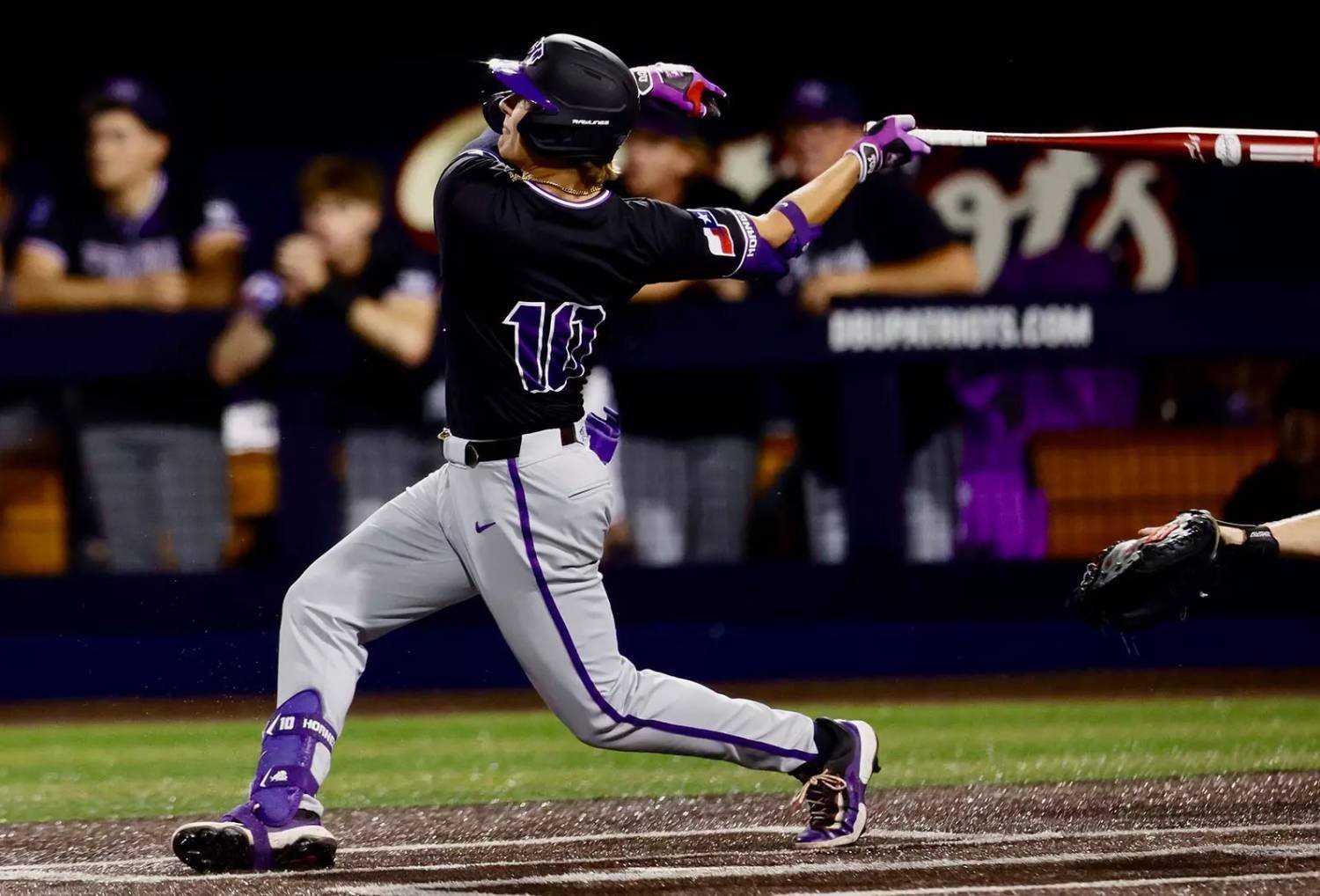 Having already saved cash on all of their other signings in the first 10 rounds of the MLB Draft, the Milwaukee Brewers used some of that surplus on their second- and fourth-round selections. TCU center fielder Sawyer Strosnider signed with the Brewers for a bonus of $2.1 million, more than the slot value of $1,353,100, while California high school right-hander Julian Garcia received a bonus of $1.5 million, above the $585,700 slot vale. Per Brewer Fanatic's Draft Tracker, the Brewers used up most of the savings they had achieved on deals with six of their other picks in the first 10 rounds. Those deals leave the Brewers with $560,400 to give to other draft picks. Only two of their picks in the top 10 rounds have yet to sign: Clemson right-hander Aidan Knaak and Alabama high school right-hander Grant Hill. There were some questions about Strosnider's hitting ability caused him to fall from a probable first-round selection to the Brewers' pick at No. 66 overall. After putting up a slash line of .350/.420/.650 with 11 homers and 51 RBIs en route to being named Big 12 Conference Freshman of the Year in 2025, Strosnider followed that up with a .273/.415/.590 mark with 13 homers and 47 RBIs this spring. He does have the skillset to remain a center fielder, but also possesses an arm that would be suitable in right field. View the full article
 -
Padres Sign Second-Round Draft Pick Elliot Lascelles
DiamondCentric posted an article in Padres Mission
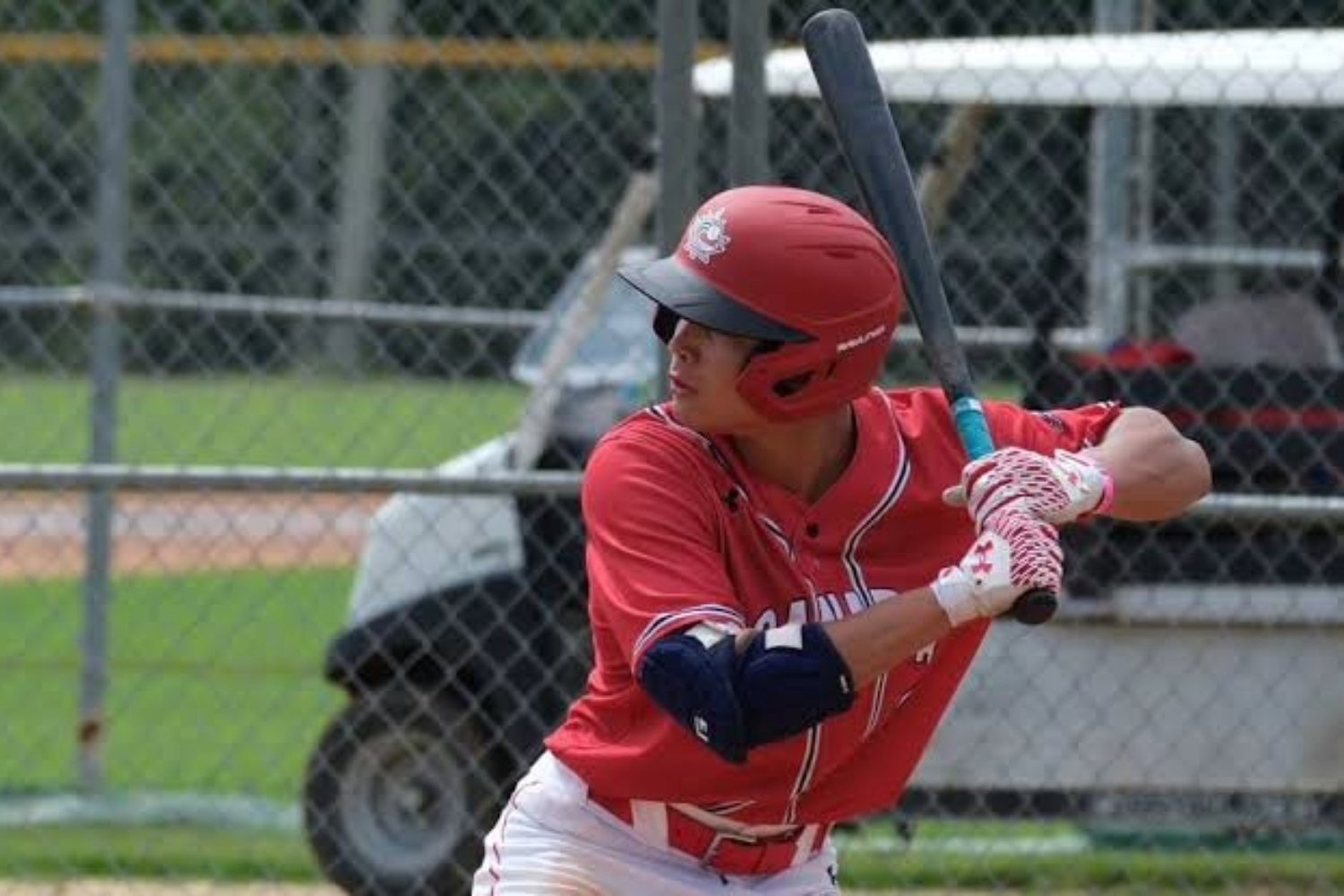 The San Diego Padres have reeled in their second draft pick of 2026. Toronto high school shortstop Elliot Lascelles, the Padres' second-round pick, has secured a signing bonus of $2,800,394, the highest amount for a Canadian position player, according to MLB Pipeline's Jim Callis. That is an above-slot deal. The No. 60 selection had an assigned value of $1,561,000. To keep tabs on how the Padres are spending their draft pool of $9,479,000, check out our Draft Tracker. Previously, the Friars had given a $170,000 bonus to 11th-rounder Chris McHugh, a first baseman from North Carolina State. For those drafted in the 11th through 20th rounds, only the amount over $150,000 counts against the draft allotment. Lascelles, 18, played at Upper Canada High School in Toronto and brings a terrific hit tool. In a spring tour of the U.S. in which his team faced a lot of minor-league pitching, Lascelles hit .389 in 59 at-bats with four extra-base hits. He is likely to have to eventually move off shortstop due to questionable arm strength, with second base a strong Plan B. View the full article
 -
Three Starters The Brewers Should Consider At The Trade Deadline
DiamondCentric posted an article in Brewer Fanatic
 The Milwaukee Brewers lost another starting pitcher in Brandon Woodruff due to injury. In this video, we'll break down why trading for the likes of Tarik Skubal, Sean Manaea, or Trevor Rogers could bolster the team's rotation and its chances at claiming a World Series title in 2026. View the full article
 -
The Curious Case of Daulton Varsho Ahead of the Trade Deadline
DiamondCentric posted an article in Jays Centre
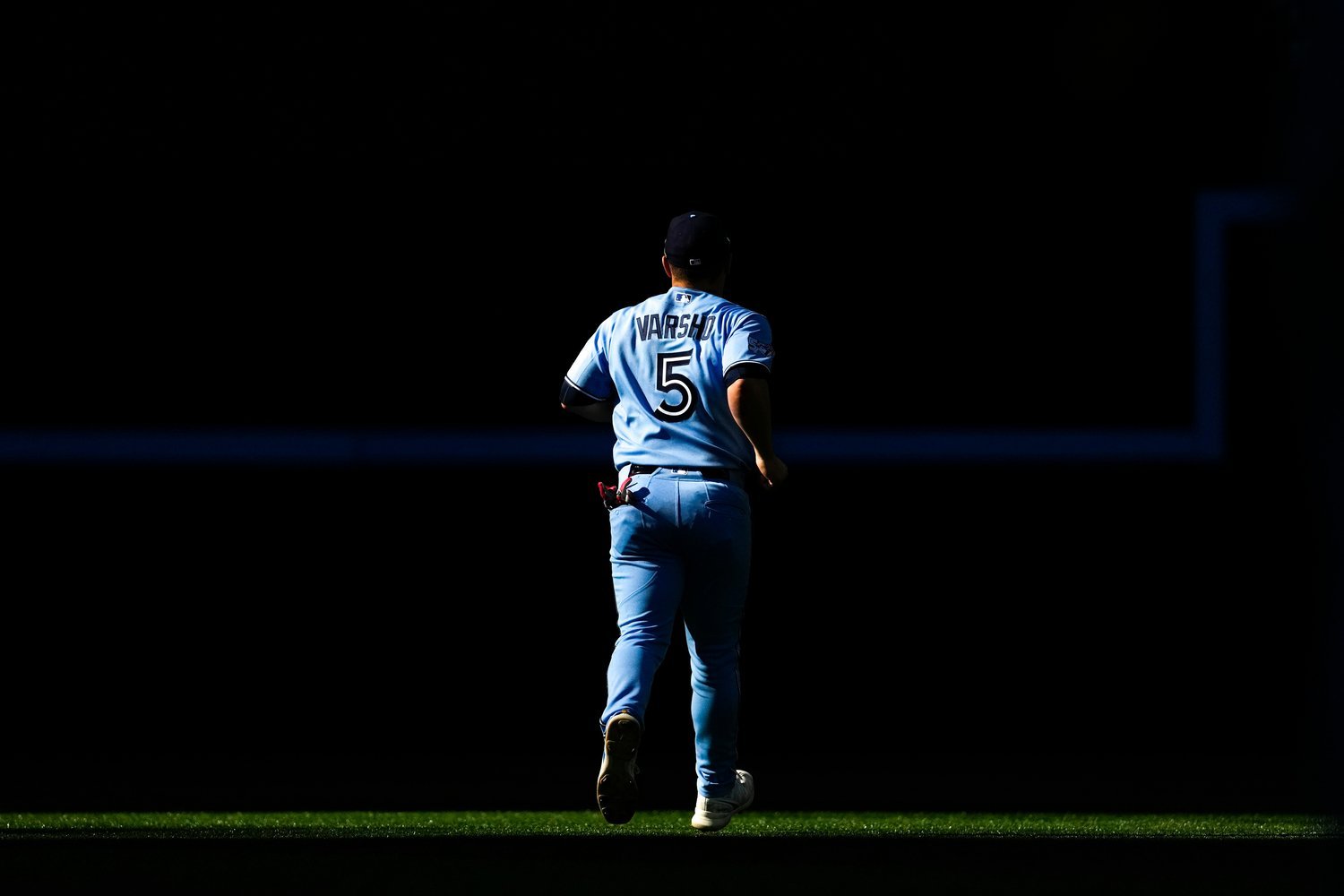 Daulton Varsho may be the toughest decision the Blue Jays have to make at this year's trade deadline. The Blue Jays have underperformed expectations, and with the trade deadline fast approaching, moving expiring contracts is becoming a more realistic possibility by the day. Varsho is set to become a free agent after the season, making him one of the team's most intriguing trade chips. Just one season ago, Varsho looked like he’d unlocked another level offensively, hitting 21 home runs in just 71 games, despite dealing with injuries throughout the year. This season, his power has disappeared, his defensive metrics have taken a step back, and the Blue Jays have to decide whether they're looking at a temporary down year or a player in decline. To understand why this decision is so complicated, it's worth looking at how Varsho got to this point. Earlier this season, Varsho’s offensive approach looked noticeably different. He traded some of his fast swings for more contact, and while the adjustment has helped him strike out less and walk more than he did a year ago, the power has largely disappeared. The result has been a 91 wRC+ and a below-league-average offensive season. Considering Varsho was expected to be a middle-of-the-order contributor, that’s been one of the reasons the Blue Jays' offense has struggled. Then there’s the question of the defence. Varsho had been well known as one of the best defensive outfielders in the league (which is thoroughly impressive for a player who came up as a catcher). From 2022-25, according to Fielding Run Value, Varsho was the best defensive outfielder in baseball, and it wasn’t particularly close: But even that number has taken a dramatic step back in 2026. He’s currently tied for 26th out of all outfielders with an FRV of just +3. Part of that is likely because of the rotator cuff surgery, which appears to have affected his arm strength, and some of the defensive decline may also come from a loss of athleticism, as his sprint speed went from 28.4 ft/sec in 2025, down to a below-league-average 27.2 ft/sec this season. In fact, just about everything from his baseball savant profile is down across the board: All of that leaves the Blue Jays facing an uncomfortable question. If Varsho isn’t the same hitter (or defender) as he was a year ago, then what should they do with him at the upcoming trade deadline? That’s what makes Varsho such a fascinating trade candidate. He’s set to become a free agent at the end of the season, and because of that alone, he seems like a likely candidate to be moved at the deadline, but there’s a lot more to it than meets the eye. Unlike many rental players, the Blue Jays already have a fallback option. If they keep Varsho through the season, they can issue him a qualifying offer. If he accepts, they keep a starting center fielder for another season. If he declines and signs elsewhere, they receive draft pick compensation, so any return the Blue Jays get in a trade will need to be more valuable than that. The real test of whether Varsho is moved will be how he’s valued by teams across the league. As previously mentioned, Varsho’s season simply hasn’t been that productive. He's been a worse-than-league-average bat, his sprint speed has taken a step back, and he has been just a one-win player (according to fWAR) on the season so far. If a rival front office views Varsho as the player he’s been in 2026, the return probably isn’t as significant as the Blue Jays might hope. The closest comp could be Cedric Mullins, who was traded from the Orioles to the Mets at last year's trade deadline. Both players are roughly the same age. They hit from the same side of the plate. Mullins had a .690 OPS last season, whereas Varsho’s sits at .689. Both have built their value around elite center field defence, and were/are both set to be free agents at season's end. For Mullins, the Orioles received three right-handed pitchers in that trade, including the Mets' 14th- and 30th-ranked prospects, as well as another unranked prospect in their system, according to MLB Pipeline. It’s a reasonable comparison for projecting what the Blue Jays could expect in return. Is that price worth the potential draft pick compensation or the potential of Varsho coming back on the qualifying offer? It's tough to say. Of course, another team may view Varsho very differently. He is just one season removed from a 20-home run, 123 wRC+ season. He’s also a former Gold Glove winner who now has postseason experience under his belt. If another team thinks they can bring that player back into the picture, the price for Varsho would be much higher, and then the Blue Jays would almost certainly move on from their center fielder. Now, if the Blue Jays do decide to make a trade, there should be several suitors available. Whether the real Varsho is the 92 wRC+, 1.0 fWAR player he’s been this season, or the one who hit 20 home runs in 71 games in 2025, or anywhere in between, he can still provide value to any club headed to the postseason, and center field defence will always be valuable, especially in October, where every play is magnified. With that in mind, contenders with below-average center field production or a need for another left-handed bat could view Varsho as one of the more attractive position players available. Here are some of those teams: The Phillies: By fWAR, they have one of the worst outfields in baseball, and inserting Varsho into center immediately gives them an upgrade on both the offensive and defensive side of the ball. The Astros: Houston seems like a potential fit for an impact left-handed hitting outfielder. Taylor Trammell, Brice Matthews, and Jake Meyers have been rotating in the outfield, and recently called-up Lucas Spence has been spending time in center. Varsho would fit in here easily. The Rays: Admittedly, this won’t feel great for Blue Jays fans, but the Jays have proven they will trade within their division in the past, and the Rays value outfield defence just as much as anybody. That’s what makes Varsho one of the most fascinating players to watch over the next two weeks. The Blue Jays know exactly what he was in 2025; they also know what he’s been in 2026. What they, and the rest of baseball, still have to decide is which version of Daulton Varsho they believe is the real one. Until another team answers that question with an aggressive offer, the Blue Jays may be better off betting on the return of the Varsho they saw last season. View the full article
 -
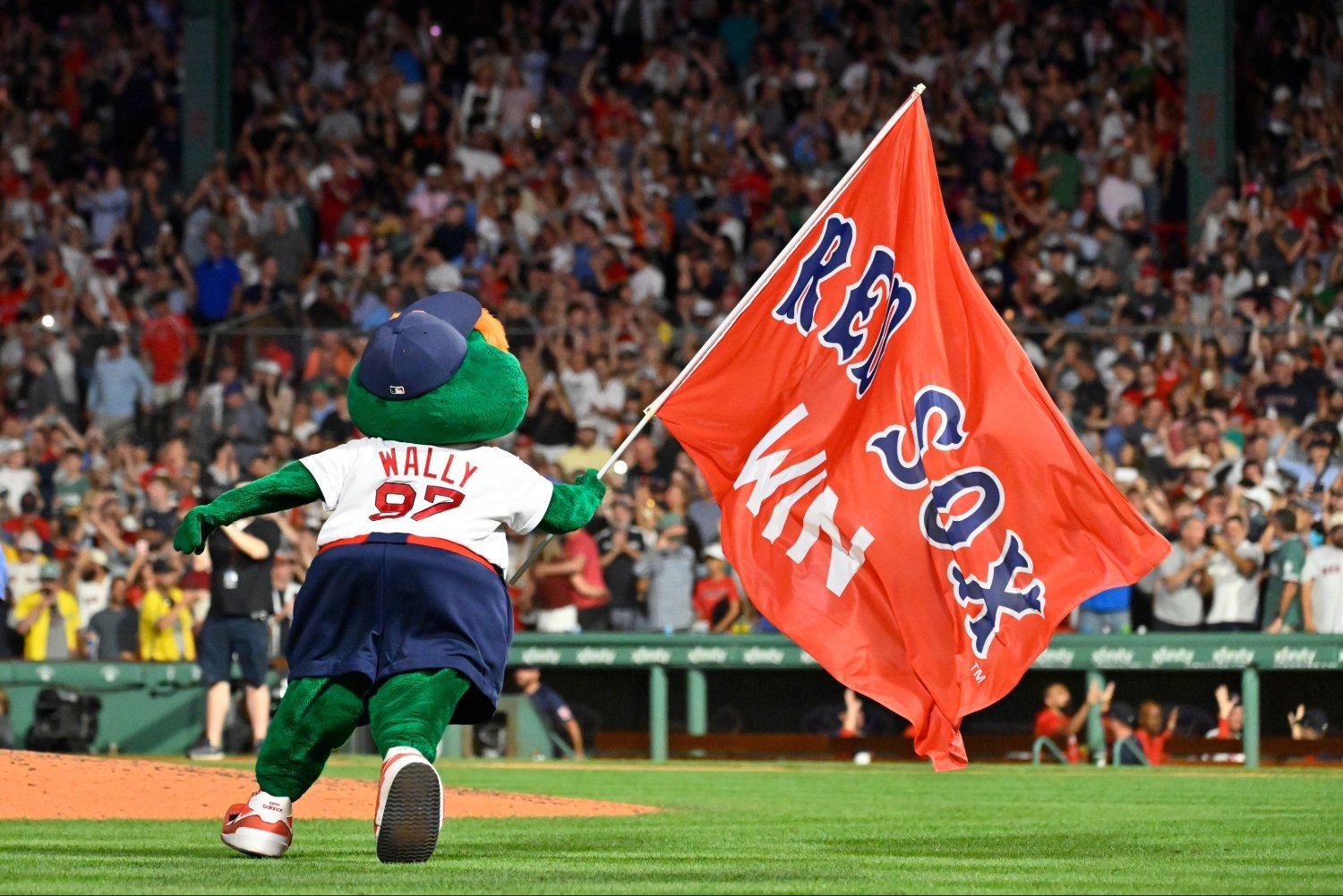 Less than two weeks out from the trade deadline, the Boston Red Sox are in the midst of their hottest run since 1948. This stretch of 14 straight wins has vaulted them back into the AL playoff race after a dismal start to the year. Who would have thought they’d be here at this point? After watching Alex Cora get fired, losing ace Garrett Crochet and up-an-coming star Roman Anthony to the injured list, and an uninspired offense through the first half of the season, many fans nearly threw in the towel. But here we are. The Red Sox hold sole possession of the third and final Wild Card spot in the American League. In the AL East, they are still a sizable six games behind the Tampa Bay Rays and 4.5 games behind the second-place New York Yankees. But hey, that is a huge leap from the whopping 14.5 games behind they were just one month ago on June 20 Red Sox chief baseball officer Craig Breslow has yet to tip his hand as to his trade deadline approach. What we do know is that where the team stands in comparison to the rest of their division and the American League overall will play a big factor in what the front office decides to do. Organizational Outlook I have mixed feelings when a front office says that they are making big internal additions in reference to having players come back from the IL. While I hope that isn't what we hear from the Red Sox in the coming weeks, the list of players who have the potential to return is extensive. With Ranger Suarez, Connelly Early, Trevor Story, Roman Anthony, Marcelo Mayer, and Garrett Crochet slated to return in phases between now and the end of the season, it is safe to say that the internal reinforcements will definitely help. Even without them, the roster currently at the disposal of manager Chad Tracy has been the catalyst behind the recent run. They will lose, eventually. But if they can keep playing well, taking advantage of opportunities, and continue to hit for power at this higher rate, they will have a chance to play themselves into October. That will be easier said than done, especially since the AL is wide open this season and a lot of teams will be looking to add at the deadline, stay in the mix, and make a push for a wild card spot. Speaking of which... American League East Standing As is usually the case, the AL East has several of MLB’s leading contenders within the division. We know about the New York Yankees. They will have a winning record (33 straight years), make the playoffs, and see what happens from there. They have held their own without Aaron Judge so far, but they need him back healthy to have the best chance down the stretch. What we also know about the Yankees is that they will look to make a splash at the deadline. Consider them a true contender. The Tampa Bay Rays, fresh off being swept in four games by the Red Sox, still hold the American League’s best record. With talent development, a young star like Junior Caminero getting MVP consideration, and a seasoned manager like Kevin Cash, the Rays will be fighting until the end. Look for them to add modestly at the deadline as well. The way that they have played this year should give them enough confidence to push for a deep run in October. While the Red Sox have leap-frogged the Baltimore Orioles and the Toronto Blue Jays in the standings, they cannot be counted out. The Orioles were on their own seven-game winning streak until they lost to the Red Sox on Monday. As for the team north of the border, well, they have largely the same roster that took them to a World Series appearance last season. If they become healthy and get Vladimir Guerrero Jr. to start hitting again, they too have the talent to make a run. To summarize, no team in the AL East is out of contention yet. They could all look to add at the deadline. While only time will tell, the Red Sox have their work cut out for them in this division. American League Wild Card Standing Zooming out to the rest of the American league, many teams are vying for those coveted three Wild Card slots. Right now, the AL East holds two of them thanks to the Yankees and Red Sox. The AL Central holds one via the Cleveland Guardians, but they are only a game back of the Chicago White Sox in the division, so those two teams may fluctuate. The AL West-leading Seattle Mariners are the only team in that division to hold a playoff spot. Who is outside the playoffs currently but still within striking distance? For the sake of this discussion, lets consider teams within six games still in contention. With that said, there is a huge crowd of six more teams still in the mix including the Texas Rangers, Orioles, Minnesota Twins, Houston Astros, Blue Jays, and Detroit Tigers. A whopping 12 teams in the American League still believe they have a chance to make the playoffs. In other words, 80% of the league could be looking to add talent at the deadline to make a push. While I don’t believe all of those teams are in the same tier, that is a lot to sort through whether you are a fan or a front office. Each of these teams has a reason to believe. Let's start with the two 2025 playoff teams looking to return. The Blue Jays, if they can turn things around, seem like they have the highest potential to threaten the teams currently in. The talent on their roster, star power, and experience from a World Series appearance are all potential beacons of hope. As for the Tigers, they have the best pitcher on the planet in Tarik Skubal, a +31 run differential, and star rookie Kevin McGonigle. The hunger to get back into the playoffs doesn’t end there. The Orioles have played good baseball as of late and have a lot of thump in their lineup. The Minnesota Twins are getting a career season out of Byron Buxton. The Houston Astros have Yordan Alvarez, who is the current favorite for the AL MVP award and has a chance at the batting triple crown. Lastly, the Rangers have a strong rotation and a well-rounded lineup capable of hitting for power and average. In recent days though, no team has more reason to believe than the Boston Red Sox. They have one of the best rotations in MLB. That may still be true even if they trade Sonny Gray ahead of the deadline. They have a +46 run differential. They are playing better defense of late, something that the teams of recent years under Alex Cora chased but couldn't attain. First baseman Willson Contreras may be the signing of the offseason across all of MLB. For a team that was down and nearly completely out just a month ago, they are now in as good a position as any. Grab the popcorn, the stretch run is going to be one heck of a show. View the full article
 -
3 Prospects the Mets Should Target at the Deadline
DiamondCentric posted an article in Grand Central Mets
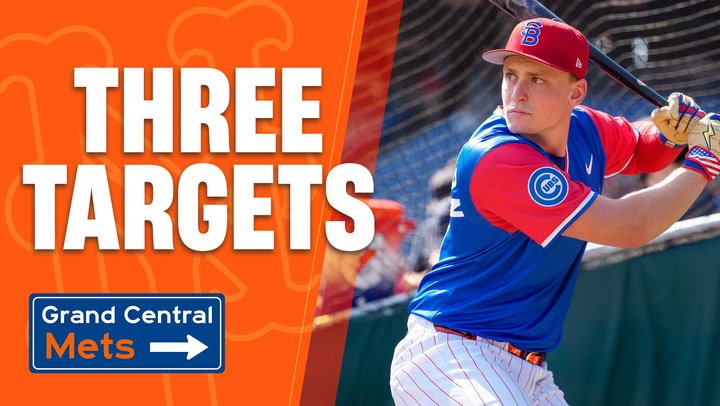 The New York Mets are in clear sell mode, as they are well below .500 coming out of the All-Star break. In this video, we'll explain the benefits of going after trade packages that include Rays pitching prospect Brody Hopkins, Cubs outfield prospect Josiah Hartshorn, and Pirates corner infield prospect Murf Gray. Enjoy! View the full article
 -
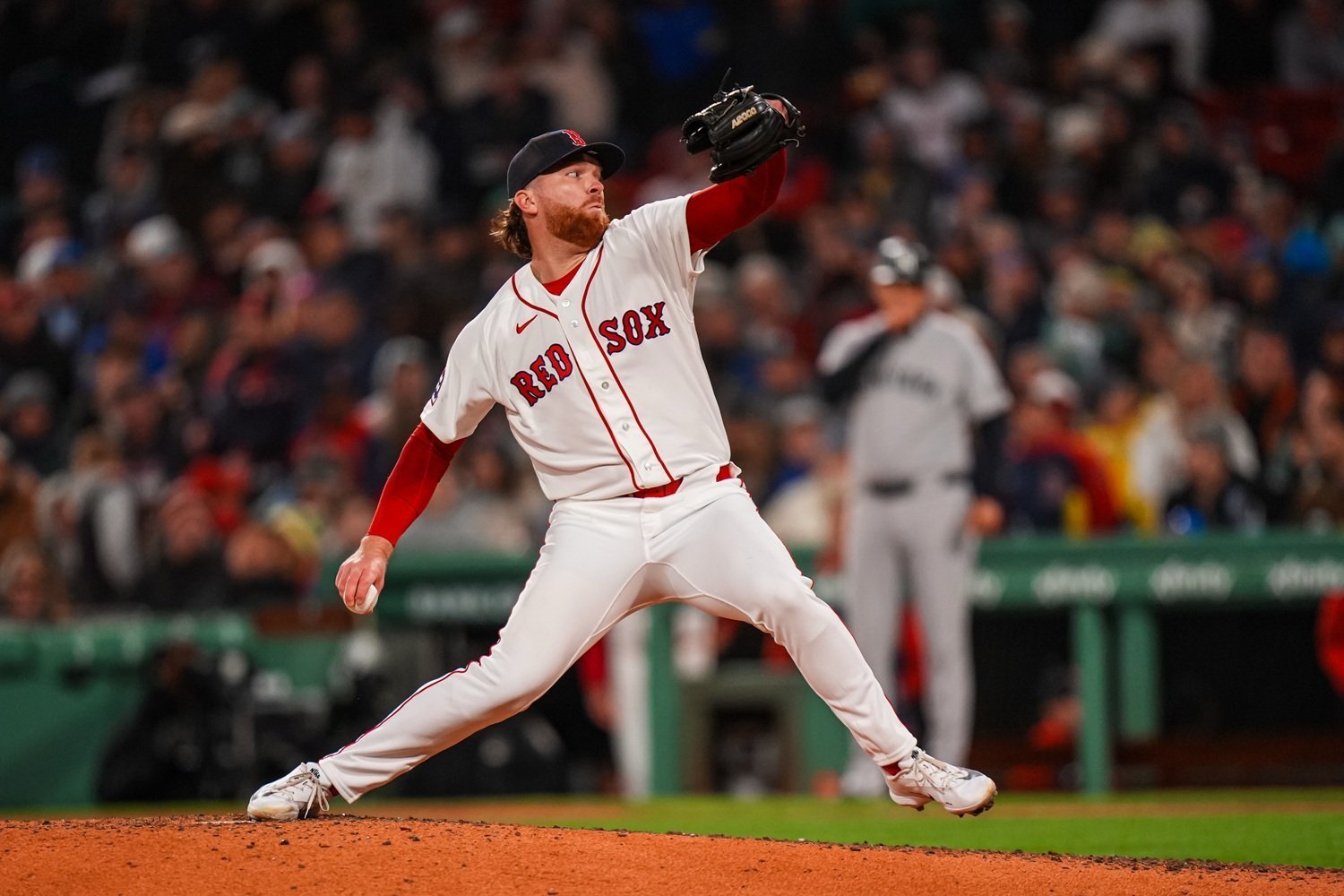 The revolving door in the Minnesota Twins bullpen kept spinning on Tuesday. Minnesota optioned right-hander Woo-Suk Go to Triple-A St. Paul and recalled Jack Anderson, the organization's newest bullpen addition. It's another move that highlights the reality of the Twins' season: they're still searching for anyone capable of providing consistent innings out of one of baseball's least reliable bullpens. Go's latest opportunity came to an abrupt end after Monday's outing, when he surrendered three runs on four hits while recording just three outs. It was another reminder that, despite the intriguing upside that made him worth acquiring, the results simply weren't there. When Minnesota initially acquired Go, the club was required to place him on the active roster because of a clause in his contract. That requirement never meant the Twins had to keep him in the majors indefinitely, and after four appearances, they decided it was time for him to continue working at Triple-A. The numbers made that decision relatively straightforward. Over four innings with Minnesota, Go allowed four earned runs on eight hits while posting a 5-to-2 strikeout-to-walk ratio. The strike-throwing wasn't necessarily the issue. Instead, opposing hitters consistently squared him up. A 53.5% hard-hit rate paired with a 94.9 mph average exit velocity tells the story. Big league hitters were making loud contact and that's a difficult formula for any reliever to survive, especially one trying to establish himself with a new organization. The Twins clearly still believe there's something to work with. Otherwise, they wouldn't have targeted him in the first place. But for now, Triple-A offers a better environment to make adjustments without the pressure of protecting late leads in the American League playoff race. His departure opens the door for another fresh arm. Minnesota claimed Anderson from the Boston Red Sox organization just over a week ago, and Tuesday marks his first opportunity with his new club. The 27-year-old already checked one milestone off his list this season by making his major league debut with Boston. He also represented Great Britain during the World Baseball Classic, where he threw three innings, allowing one earned run while striking out three. In limited major league action with the Red Sox, Anderson logged eight innings across three appearances, allowing three runs on eight hits with six strikeouts and only two walks. It's a small sample, but one that showed enough promise for Minnesota to take a chance. His Triple-A numbers were more modest, posting a 4.57 ERA while striking out 20.0% of opposing hitters and walking 8.1%. Anderson isn't going to overpower hitters. His fastball sits just above 90 mph, but his arsenal relies more heavily on movement than velocity. He leans on an 81.4 mph sinker and an 80.9 mph slider, giving hitters a different look than many of the power arms found throughout today's game. Whether that profile translates consistently at the major league level remains to be seen. For the Twins, though, this isn't about finding the next All-Star closer. It's about finding competent innings. The bullpen has been one of the organization's biggest weaknesses throughout the season, forcing the front office to cycle through waiver claims, internal promotions, and role changes in hopes of uncovering a reliable contributor. Anderson becomes the latest pitcher to receive that opportunity. Sometimes those moves produce unexpected success stories. Other times, they're simply placeholders until someone else earns the next chance. Minnesota hopes Anderson falls into the first category. For now, the latest bullpen shuffle reflects where the organization is today: rebuilding relief depth one roster move at a time. View the full article
 -
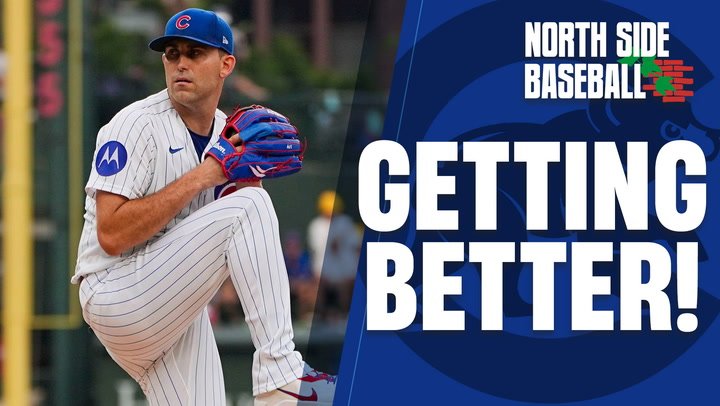 Matthew Boyd is 35 years old, yet the veteran southpaw has put up his best seasons in the last couple of years. Boyd was an All-Star for the first time in 2025 and has been a steady option for the Chicago Cubs, who still have five starters on the injured list. In this video, we'll break down Boyd's impactful yet sustainable strategy to dominate at Wrigley.View the full article
 -
Could Cubs Turn To Adley Rutschman To Upgrade Catching?
DiamondCentric posted an article in North Side Baseball
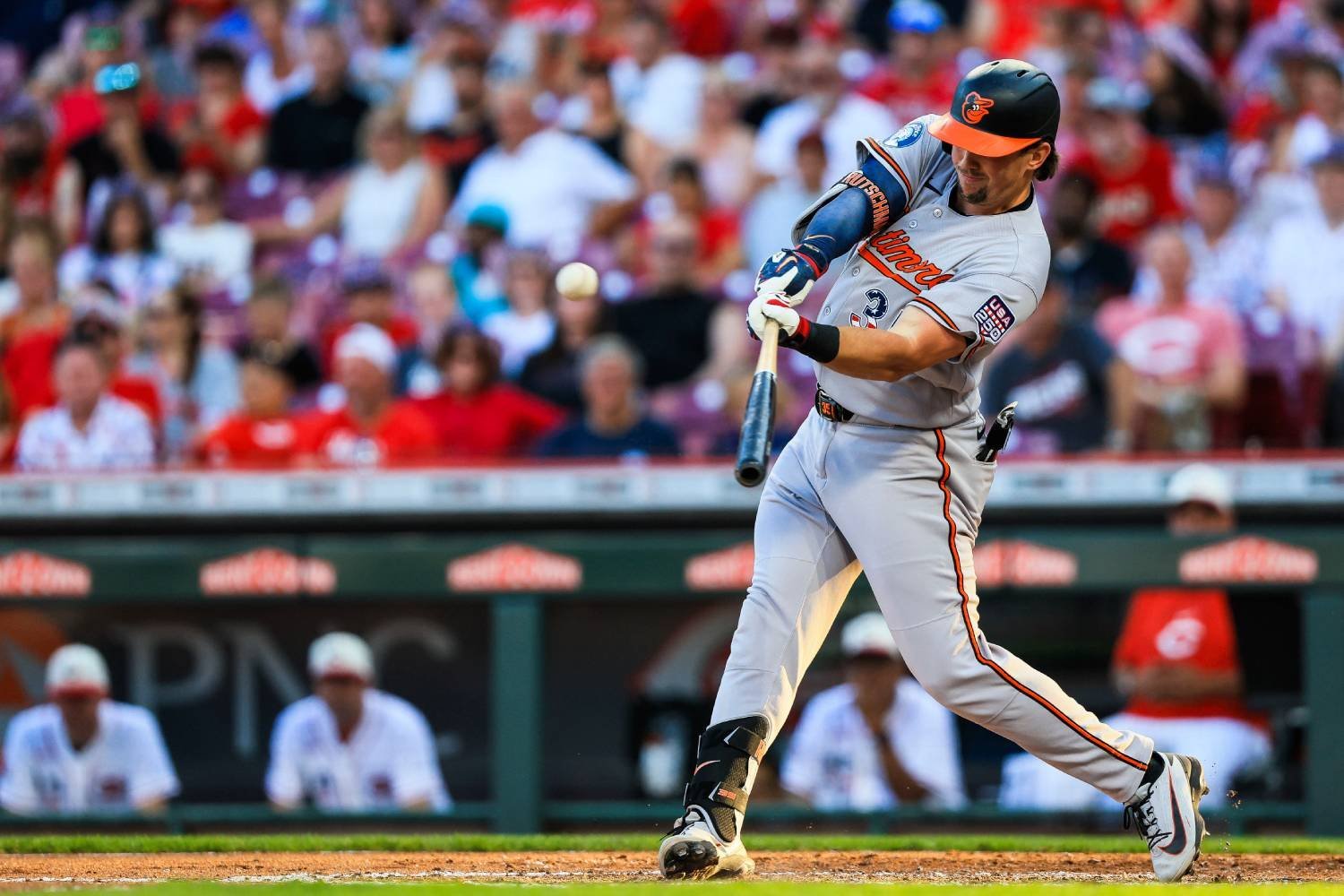
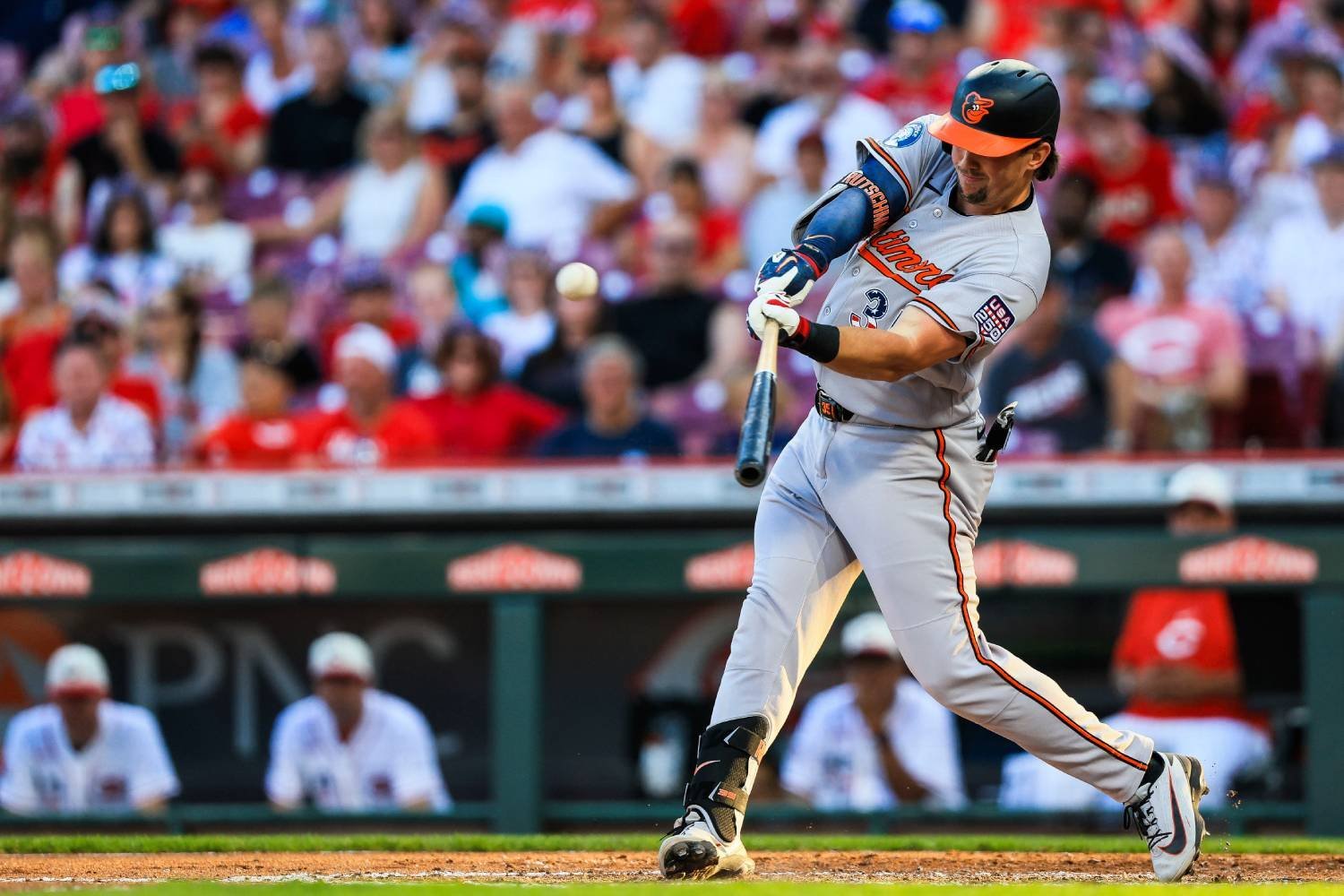 There are grandiose and subtle ways to upgrade positions for a contending team. For the Chicago Cubs, who get solid production from their catching tandem of Carson Kelly and Miguel Amaya, there could be a player who could increase that output that would be beneficial for a team already in postseason position. One catcher out on the market, per ESPN's Jeff Passan, is Baltimore Orioles backstop Adley Rutschman. Once the darling of the Orioles' rebuild, Rutschman hasn't been the superstar they envisioned. A switch-hitter, Rutschman has a career slash line of .254/.342/.414. He hit 20 and 19 homers in his second and third seasons in the majors, while drawing AL MVP votes in 2022, when he finished second in AL Rookie of the Year balloting, and 2023. But injuries in each of the last two seasons have slowed his production. In 90 games last year, Rutschman slashed .220/.307/.366 with nine homers and 29 RBIs. He has followed that up with a .251/.331/.433 with eight homers and 47 RBIs in 67 games this year before hitting the injured list for the third time this season Monday, this one for inflammation in his left wrist. Still, he represented the Orioles in last week's All-Star Game. That injury will keep him out until at least the weekend of the trade deadline, which is Aug. 3. The Orioles have struggled last year and this year and with Samuel Bassallo in the fold long term after signing an extension this year, making Rutschman not as valuable as he once was. Still an elite defender, Rutschman is also under club control through the 2027 season, so the Orioles won't be looking to dump him for just anything, yet it wouldn't cost the Cubs an arm and a leg (maybe just an arm) to pry him away. View the full article
 -
Red Sox Could Bolster Catching With Orioles' Adley Rutschman
DiamondCentric posted an article in Talk Sox
 It is no secret that the Boston Red Sox, suddenly a contender with their 14-game winning streak entering play Tuesday, would love to upgrade the catching position. So how about snatching one from a fellow AL East team? One catcher out on the market, per ESPN's Jeff Passan, is Baltimore Orioles backstop Adley Rutschman. Once the darling of the Orioles' rebuild, Rutschman hasn't been the superstar they envisioned. Passan noted the Red Sox were one of the teams that would be a good fit for Rutschman. A switch-hitter, Rutschman has a career slash line of .254/.342/.414. He hit 20 and 19 homers in his second and third seasons in the majors, while drawing AL MVP votes in 2022, when he finished second in AL Rookie of the Year balloting, and 2023. But injuries in each of the last two seasons have slowed his production. In 90 games last year, Rutschman slashed .220/.307/.366 with nine homers and 29 RBIs. He has followed that up with a .251/.331/.433 with eight homers and 47 RBIs in 67 games this year before hitting the injured list for the third time this season Monday, this one for inflammation in his left wrist. Still, he represented the Orioles in last week's All-Star Game. That injury will keep him out until at least the weekend of the trade deadline, which is Aug. 3. The Orioles have struggled last year and this year and with Samuel Bassallo in the fold long term after signing an extension this year, making Rutschman not as valuable as he once was. Still an elite defender, Rutschman is also under club control through the 2027 season, so the Orioles won't be looking to dump him for just anything. And especially if the Red Sox come calling, the Orioles will make sure to extract a good price for the No. 1 overall pick in the 2019 MLB Draft. He would certainly be an upgrade over Carlos Narvaez and Connor Wong, the Red Sox's current catching tandem. View the full article
 -
 Alex and Maddie sit down and celebrate the 14-game win streak. They review Brayan Bello’s return to the majors and his limited usage out of the pen. With the trade deadline nearing and the team's sudden turnaround, they discuss Shea Langeliers and Hunter Goodman as potential trade candidates. Finally, they unpack the latest Jarren Duran drama. Listen on Apple Podcasts: https://podcasts.apple.com/us/podcast/the-talk-sox-podcast/id1783204104 Listen on Spotify: https://open.spotify.com/show/3qPrPXEngu0CxgTmlf0ynm Listen on iHeartRadio: https://www.iheart.com/podcast/263-the-talk-sox-podcast-244591331/ Listen on Pocket Casts: https://pca.st/4tmd121v Watch on YouTube: https://www.youtube.com/@talksox View the full article
 -
Ranking Chicago Cubs' Priorities at 2026 MLB Trade Deadline
DiamondCentric posted an article in North Side Baseball
 The official second half of the season is underway, and the Chicago Cubs have come out ready to play. They took two of three at home from the surprisingly competitive Minnesota Twins. After their panic-inducing June, the team has played more like the one we saw early this season, firmly cementing their status as buyers. With the trade deadline less than two weeks away, let's rank the areas they can improve upon, starting with the least necessary and working up to the trades they need to make if they want to make noise in October. 5. Backup Outfielder The Cubs have a need for better bench depth, with Matt Shaw on the injured list for a second time this year. Top prospect Pedro Ramirez and resurgent veteran Michael Conforto have performed well off the bench, and the return of Shaw will further deepen this group. If the Cubs want to pick up a luxury piece on the cheap, they can go after a backup outfielder who can slot in above Kevin Alcántara and/or Justin Dean. Both have difference-making speed, but a hitter with a more consistent track record of success could go a long way. We don't want to see another situation like the Terrance Gore 13th-inning at-bat in the 2018 play-in game. It should be pretty easy to get Lane Thomas from the Royals, or Tyrone Taylor from the Mets. They could even reunite with Willi Castro, who can move all over the diamond. 4. Platoon Partner for Ian Happ For the most part, the Cubs lineup we have seen all season will be what we see the rest of the way and in the postseason. They have established regulars at every position, and they can all rake when they’re hot. As previously mentioned, a backup outfielder makes sense as their lineup is set, but if they want to take a bigger offensive swing, here is where they can. Ian Happ has struggled against lefties all season. Although he isn’t striking out from the right side at an alarming rate, he's hitting .160, with an OPS of .551. Benching a veteran leader on the verge of free agency is always complicated, even if it's only in roughly one-fourth of games, but it might necessary. Orioles outfielder Taylor Ward is a rental and would make a ton of sense here. The Cubs could also call up their division rival the Reds and see what they would want for Spencer Steer, who can play a few positions and comes with team control. 3. Left-Handed Reliever It should come to no surprise that the final three spots on this list will be about the pitching staff. There's really no wrong way they can address the pitching staff. We've already seen them bring back old friends Drew Pomeranz and Aaron Civale, as well as trading for David Peterson, but it's not going to stop there—and not just because Pomeranz is already gone again. As they continue to add pitching everywhere, they should target a high leverage lefty. Caleb Thielbar has not been nearly as effective as he was last season, but is still pitching higher-leverage innings, and who knows when Riley Martin will return? Hoby Milner and Ryan Rolison have been serviceable, but they each carry xERAs over a run higher than their actual ERA. A playoff series can go off the rails fast if they have to rely on these guys to get big outs. Please don’t tell me the plan A is for Justin Steele to come back and be a lockdown reliever. About two and a half weeks ago, the easy answer here would have been Aroldis Chapman, but the Red Sox have flipped their season around as they are currently on a 14-game winning streak. (Besides, as Cubs fans know all too well, there's never actually anything 'easy' about acquiring Chapman.) All-Star Foster Griffin could fill a rotation spot now but slide into the bullpen come October. If the Astros sell, they should have no issue finding suitors for Steven Okert, and the Mets should look to sell both Brooks Raley and A.J. Minter. 2. Closer The highlight of Daniel Palencia’s 2026 is looking more and more like it was closing out the WBC for Team Venezuela, because the plan for him to close for the Cubs has not worked. He is also back on the injured list. Actually, the Cubs having a closer at all has not come to fruition yet. The team has a total of 20 saves, with Jacob Webb leading the charge with five. This is not going to work in the playoffs. They need a guy who has recent experience closing games. The good thing for the Cubs is that many of the elite teams do have the ninth inning covered already, so there might not be 10 teams making a mad dash for a closer not named Mason Miller. The Cubs can certainly go for Miller, but he is arguably the hottest trade chip in baseball as the Padres fall further into seller territory. If they go for Miller, it could very well make it difficult for them to accomplish what you will read about next. Depending on how much further they fall out of it, could the Blue Jays look to move the cost-effective and controllable Louis Varland for a haul? The other options inspire less confidence, but still more than anyone the Cubs currently employ. This tier could include Luke Weaver of the Mets. 1. Front-End Starter This was the answer here from the end of April onward. The story of the Cubs’ season has been the injuries to their starting rotation, and how they have been able to overcome them to remain in playoff position. Edward Cabrera has a chance to return, but Cabrera has been a bag of mixed results all season, and Taillon just got back, but probably should be the last guy to look at for playoff innings with an xERA of 5.49. With Horton going down after two starts, Justin Steele’s multiple setbacks, and emerging ace Ben Brown’s season in jeopardy, Shota Imanaga and his 1.4 fWAR lead the Cubs’ starters. Matthew Boyd has been okay, but the only thing he has proven is that the durability of his 2025 was an outlier. Outside of them, the most promising option currently active looks to be Javier Assad and his fWAR of 0.0, or David Peterson, who has looked good, terrible, and fine in his three starts as a Cub. Really, if they had the resources, they should go after two front-line guys, but with the state of the entire pitching staff, they need to allocate resources to acquire good relievers, too. (They also don't have the prospects to acquire more than one high-priority target this summer.) Depending on how the next two weeks go for the Tigers, Tarik Skubal is an obvious choice here, but between his time on the shelf this season and the sentimental value he is worth in Detroit, the juice might not be worth the prospect squeeze for the Cubs. The Angels have recently hinted that they will listen on controllable starters Reid Detmers and José Soriano, and despite hanging on the fringes of the playoff picture, the Twins could be better off moving Joe Ryan. The Padres might want to move Michael King, but he has a complicated contract situation with which to deal. The best fit might be Freddy Peralta, who is a true rental and (barring injury) a lock to be moved—but he's also been bad and just got roughed up by a Brewers team the Cubs know they need to be able to beat. Another true rental is Kevin Gausman, who would be a good secondary piece next to a true number one. Failing that, he'd be a fine cog in whatever elaborate out machine Craig Counsell tries to build this fall. The Cubs can't do all of this, or even close to it. They need to accomplish at least two trades that check boxes from this list, though. If they do, they still have a chance to make the kind of impressive October run fans have craved for a long time, but not tasted since 2017. View the full article
 -
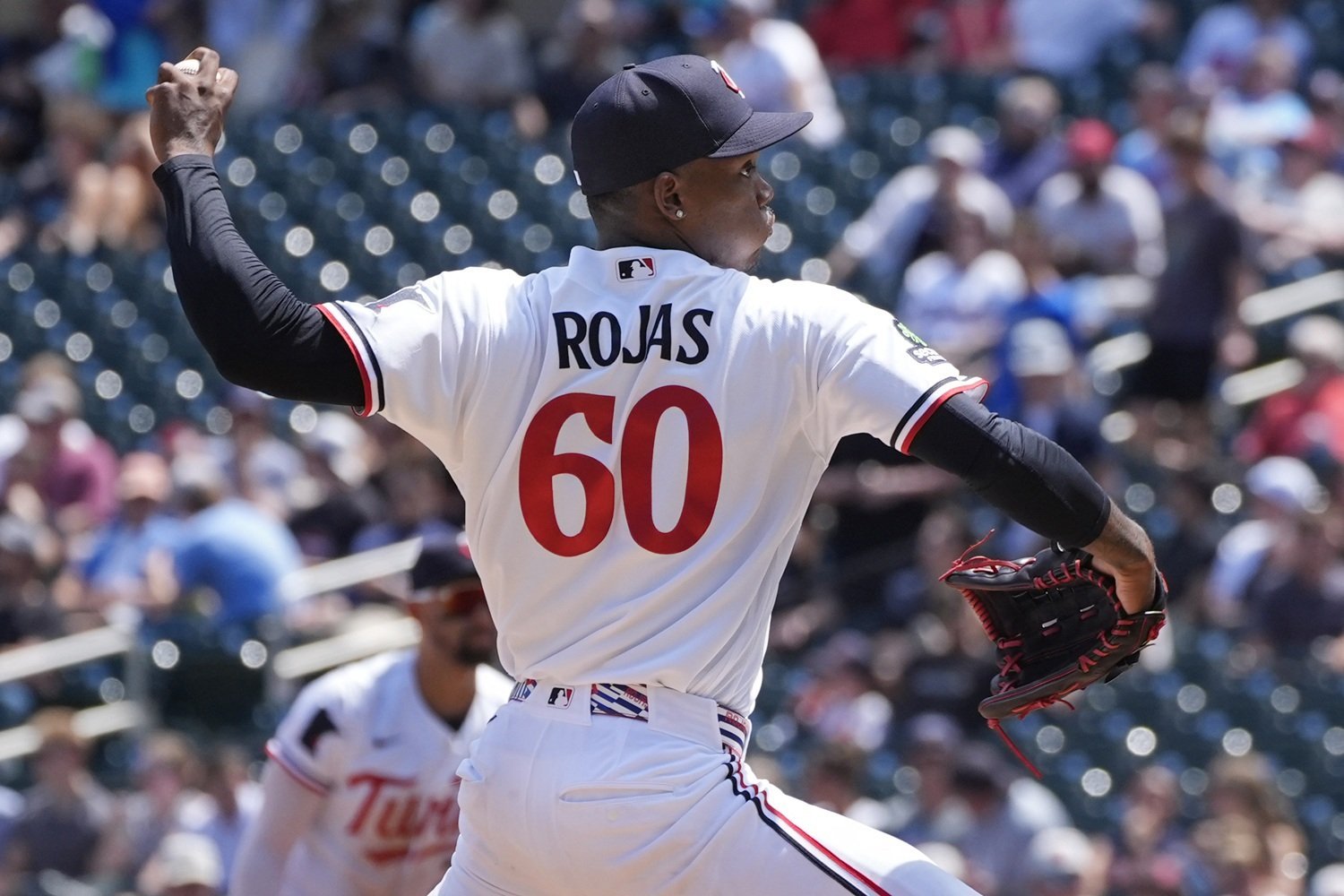 Kendry Rojas has become one of the biggest wild cards on the Twins' roster. There have been outings where he looks dominant, carving through hitters with overpowering stuff for three or four innings at a time. Then there have been appearances like his last two in the majors, where he walked three hitters across just two innings and struggled to consistently throw competitive pitches. At this point, it's incredibly difficult to predict which version of Rojas is going to show up on any given day. That's also what makes him so fascinating, because underneath the inconsistency is a pitcher with an incredibly encouraging foundation. The raw ingredients are there for a very good major-league arm. If Rojas can find a little more consistency—particularly with his control—the Twins could have something special. His arsenal lays the groundwork for success. Rojas's fastball sits around 96 MPH, giving him the kind of velocity that's difficult to teach. Pair that with his relatively high 44° arm angle, and the pitch generates more ride through the top of the strike zone than the average fastball. It's the kind of fastball that naturally sets up everything else. His slider and changeup have both flashed as legitimate swing-and-miss offerings. Neither pitch has an eye-popping movement profile compared to other breaking balls around the league, but they've consistently generated an absurd number of whiffs when Rojas actually lands them in competitive locations. But that's where the biggest issue begins. Control has been Rojas's biggest obstacle this season, and the numbers paint a pretty clear picture. Just 42% of all the pitches he's thrown this year have actually landed inside the strike zone. There are certainly pitchers who can live outside the zone and still dominate. A lot of them intentionally work off the plate, because they generate so many chase swings from hitters. Rojas hasn't been able to do that. His chase rate sits at just 25%, which isn't nearly high enough to make up for throwing so few strikes. Hitters aren't expanding the zone; they just wait him out. That's been the frustrating part, because in many cases, Rojas is actually doing the hard part first. He's getting ahead of hitters more than two-thirds of the time. That's usually where pitchers gain complete control of an at-bat. Instead, it often feels like Rojas starts trying to be too cute. Rather than attacking hitters with his excellent stuff, he'll nibble around the edges, looking for the perfect pitch instead of the competitive one. Too often, those favorable counts turn into long at-bats, walks, or situations where hitters are suddenly back in control. That’s a problem for any pitcher, but Rojas especially, because hitters really haven't been squaring him up all that often. The quality of contact he’s allowed has been encouraging. His hard-hit rate sits comfortably better than the league average. The same goes for his average exit velocity allowed. He's generating ground balls at an above-average clip, another indicator that hitters aren't consistently making authoritative contact. Those are all signs of a pitcher whose raw stuff is working. Add in the number of swings and misses he generates when pitching in the zone, and it's easy to see the blueprint of a quality major-league pitcher. The foundation is absolutely there. But unfortunately, none of that matters if hitters aren't uncomfortable. Walking nearly one out of every five hitters you face is incredibly difficult to overcome, no matter how electric your arsenal might be. Rojas currently owns a 19.5% walk rate, which puts a ceiling on what he can accomplish right now. That's not to say he needs to completely reinvent himself, however. Rojas has never been a pitcher who lives in the strike zone. Throughout his development, he's succeeded while working around it and using his stuff to entice hitters into chasing pitches. That approach can absolutely work. The problem is that major-league hitters are a completely different challenge. They're more disciplined, they're more selective, and they're much more comfortable taking borderline pitches until you prove you're willing to consistently throw strikes. At this level, you have to earn those chase swings. Rojas simply hasn't done that often enough. If anything, the adjustment feels relatively straightforward. He doesn't need to suddenly become a command artist or start filling up the strike zone on every pitch. He just needs to trust his stuff a little more. His fastball has enough life to miss barrels. His slider and changeup already generate plenty of empty swings. The contact he's allowing is generally weak, and he keeps the ball on the ground better than a lot of pitchers do. Those are all traits that should encourage him to attack hitters more aggressively, instead of trying to paint the corners with every two-strike pitch. Right now, it feels like Rojas is giving hitters opportunities to work themselves back into at-bats that he should be in control of. That's been the frustrating part of watching his development. The upside is obvious, but it’s getting overshadowed by self-inflicted mistakes. The good news is that Rojas is still just 23 years old. There's plenty of time for the consistency to come. Whether that ultimately happens in the rotation or out of the bullpen remains to be seen. His arsenal certainly gives him the ceiling of a quality major-league starter, but it could also make him a dominant late-inning reliever if that's the path the Twins eventually choose. Either way, the raw talent is undeniable. The Twins don't need Rojas to become a different pitcher. They need him to give himself a chance to succeed. It starts with trusting your stuff and throwing more competitive pitches in the strike zone. If he can do that, the foundation of an impact major-league arm is already there. View the full article
 -
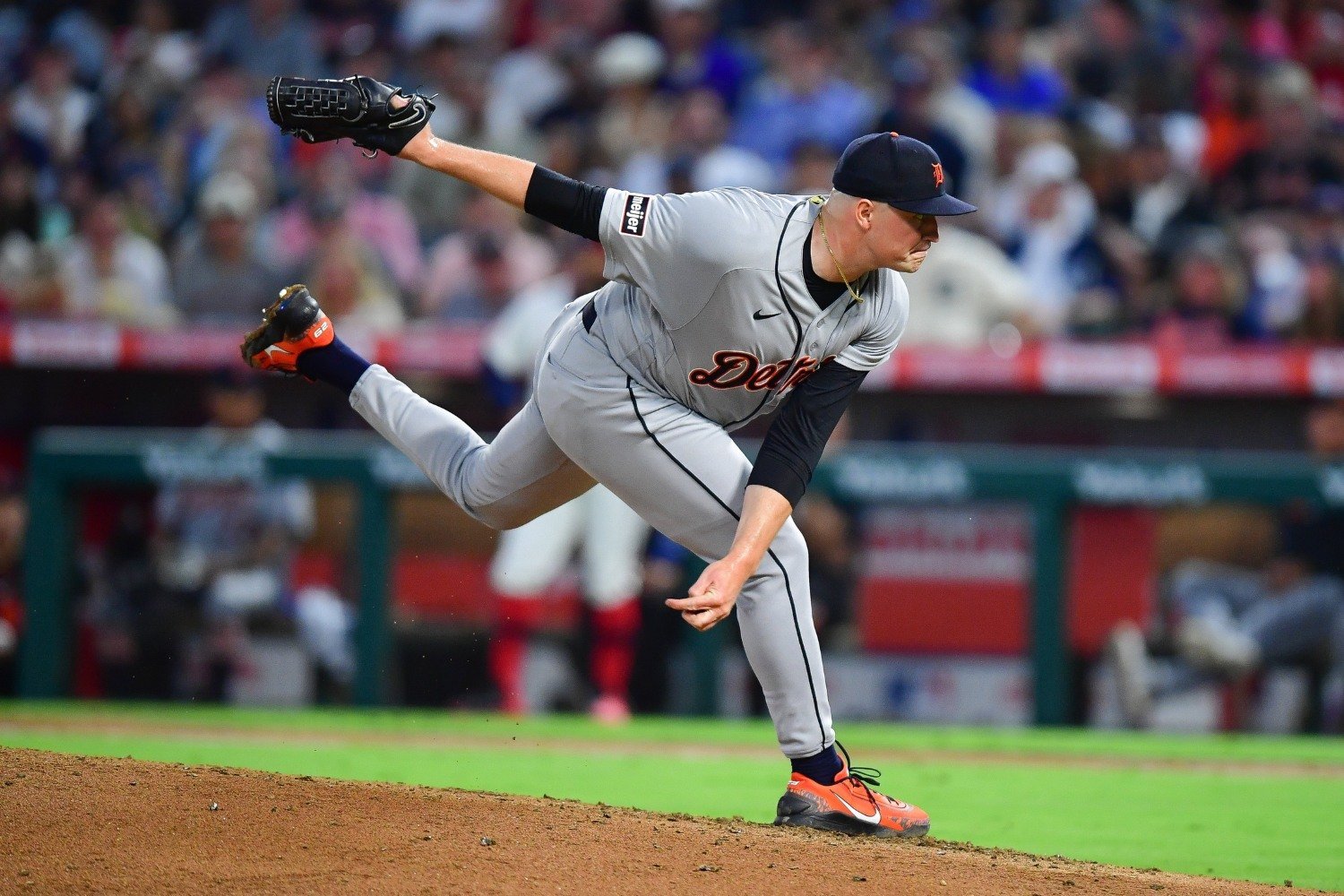 Brandon Woodruff needs season-ending surgery on his shoulder—a second operation on the anterior capsule. That leaves the Brewers rotation, which was already getting thin on the back end, further in need of reinforcement. Let’s break down three different starting pitchers Milwaukee should go after if they want to be serious contenders come the postseason. Tarik Skubal Tarik Skubal would be the home run pick. This would be the equivalent to what the team did for CC Sabathia in the second half of the 2008 season, and it’s no secret that even as a rental, Milwaukee would need to give up a lot of value to get the two-time Cy Young winner. Few teams are better-positioned to do that very thing, though. In addition to having the best record in the majors, Milwaukee boasts the best farm system, according to MLB Pipeline. Skubal is arguably the best pitcher in baseball, but he won't cost them top prospect Jesus Made. The team-friendly extensions signed by Cooper Pratt and Luis Lara make it unlikely that they'd be moved, either. That still leaves a long list of solid prospects whom the team could consider including, though. It’d be a gamble, but if all goes well, a 1-2-3 sequence including Jacob Misiorowski, Kyle Harrison and Skubal would give this team a chance to outpitch any team they encounter in October. Sean Manaea The New York Mets are clear sellers, and while Sean Manaea isn’t having the strongest season, he was a top-15 Cy Young Award finisher just two short seasons ago. Manaea is currently 2-5 with a 4.74 ERA and 81 strikeouts over 79 2/3 innings. Don’t let that discourage you; Milwaukee has taken many pitchers (Quinn Preister, Aaron Civale, Bryse Wilson) with similarly underwhelming recent numbers and flipped them into much better versions of themselves. Though he's in his age-34 season and has been relegated to the bullpen even in Queens, Manaea does do some things well enough to make him interesting. His plus-plus extension helps the 90.5-MPH fastball play up. The southpaw also has a remarkable chase rate, utilizing a five-pitch mix to get a chase 32.3% of the time. His contract is onerous, but one benefit of dealing with the Mets is knowing that they'll eat most of the money. In this case, even if they do so, the acquisition cost for the Brewers should be quite low. Trevor Rogers Trevor Rogers has the ability to be a wicked pitcher. Take one look at the Orioles hurler’s windup, and you’ll see the visual definition of the word 'deception'. Rogers releases the baseball at a low 22° arm angle, creating a rising effect on the majority of his pitches. The 2017 first-round pick is on a one-year, $6.2-million deal covering his final season of arbitration eligibility; he becomes a free agent this fall. He holds a 6-7 record with a 4.28 ERA this season, and has piled up 77 strikeouts in 96 2/3 innings. He induces one of the best chase rates in MLB at 33.0%, and he uses five different pitches. Overall, his sweeper proves to be the most lethal, breaking violently to his armside. The sweeper garners the highest whiff rate (31.3%) and lowest batting average (.200) of any of the options in an arsenal that also features the fastball, changeup, sinker and cutter. Combining Rogers’s deception with the Brewers’ pitching lab could make him into even more of a weapon. Any of these three hurlers could help the Brewers, who need sponges for innings down the stretch. However, their greater need—for a third playoff-caliber stud to lead the rotation—would only be filled if they can reel in Skubal, or if they nail it with Rogers. Whichever direction they go, the team is in a great position, but they must remain proactive. View the full article
 -
Have We Already Seen the Best of Michael Busch?
DiamondCentric posted an article in North Side Baseball
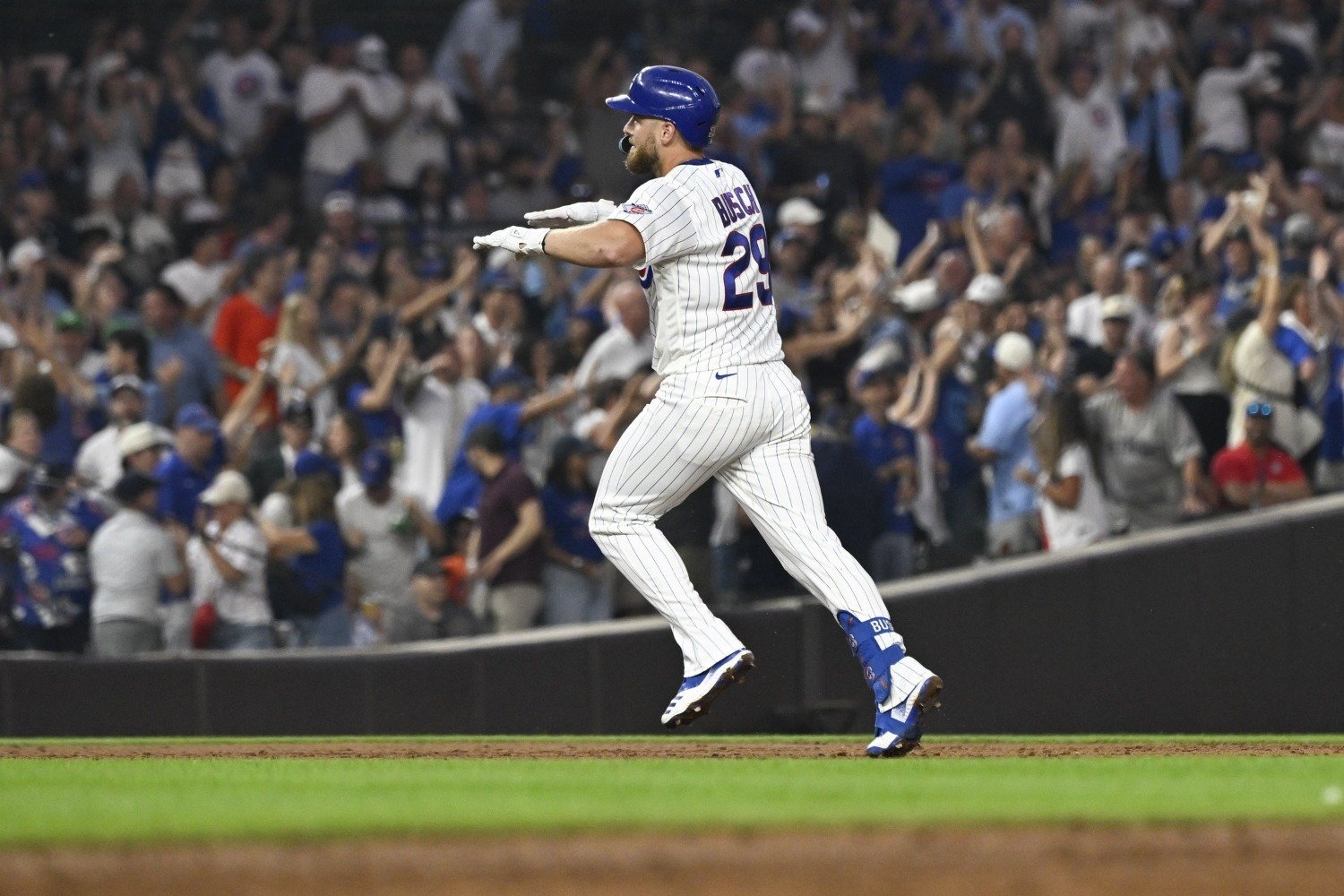 Michael Busch has quietly become a clearly first-division—and maybe a fringe All-Star—first baseman. Since the Cubs acquired him from the Dodgers ahead of the 2024 season, he's become a fixture, culminating in a breakout 2025 campaign that looked like the arrival of a true middle-of-the-order star. But after taking that massive leap forward, his production has come back down a bit in 2026. The big question now is whether Busch can rediscover the version of himself that broke out in 2025, or if that season will ultimately go down as the offensive outlier of his career. That question, of course, centers on his power. Busch's 34 home runs ranked sixth among all National League hitters last year, and his .866 OPS led all Cubs. Everything seemed to click. He's never had the bat speed you'd expect from an elite slugger, but by hitting the ball in the air a lot (and particularly pulling it in the air a lot), he still produced like one. This year, he's neither pulling nor lifting as often, with predictable results. After homering for the second time since the All-Star break Monday night, he's currently slashing .245/.370/.409. That’s still a perfectly respectable line, especially considering the value that comes with getting on base as often as Busch does. But when they're compared to what he accomplished a season ago, it's hard not to view this year as a step backward. The biggest difference—the source being a further downtick in bat speed, and related to the inability to get around and beneath the ball—is the quality of his contact. He's not hitting the baseball nearly as hard. Last season, Busch posted a 92.2 MPH average exit velocity. This year, that number has fallen to 88.3 MPH. His hard-hit rate has fallen substantially. He's generating far less consistently loud contact than he did during his breakout season, and it's reflected in the power numbers. Right now (probably not because of a conscious adjustment, but because he hasn't had the same easy bat speed or feel for the barrel), he's more of an all-fields line-drive hitter. Even though his power production has dipped, the foundation that made Busch successful in the first place remains very much intact. He's still one of the more selective hitters in baseball, and if anything, those skills have actually improved. His walk rate has climbed to 14.7% after sitting at 9.5% last season, and despite his batting average being 16 points lower than it was in 2025, his on-base percentage is actually 27 points higher. His contact rates have improved as well. Pitchers aren't going to make this easy on him. Less than half of the pitches Busch is seeing this season are actually landing inside the strike zone, meaning fewer opportunities to generate premium contact. After watching him launch 34 home runs last season, the league isn't nearly as willing to give him pitches he can drive. That's life for good hitters. One reading of this season in sequence would be that Busch has undergone a prolonged adjustment to being pitched very differently. He had to learn not to get himself out when the hittable fastball never comes, and while he was doing so, he gave up a bit of his aggressiveness and lost the pull-side launch that makes him so dangerous at his best. Lately, there are signs that he's rediscovered the timing and the connection of bat to ball to drive it in the air to right field, and if he does that as often as he did last year, he might get right back to hitting for huge power. We need a little more extended success before we can be confident that that's where things are trending, though. View the full article
 -
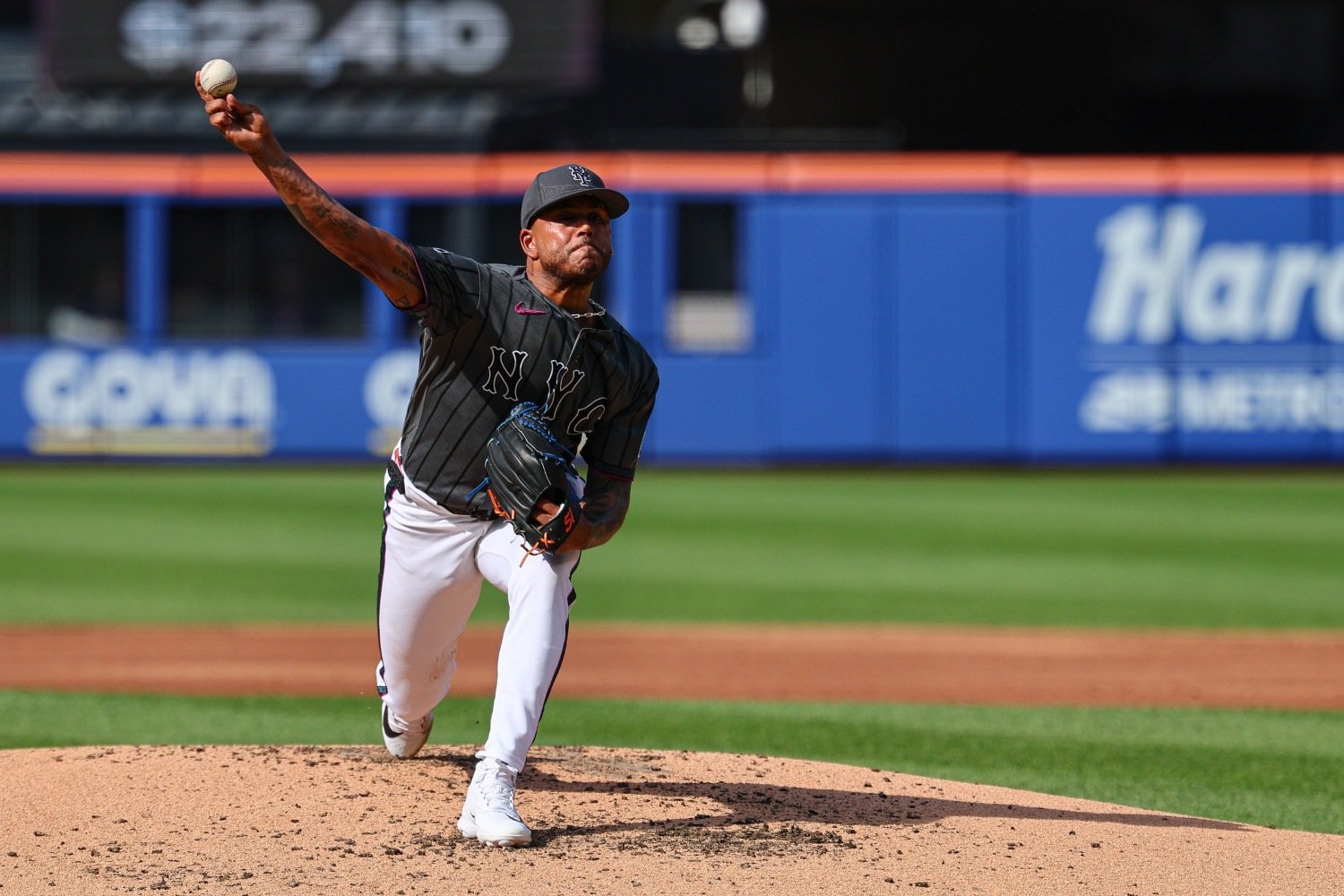 The 2026 MLB trade deadline is fast approaching, and the Minnesota Twins remain (surprisingly) locked firmly in the playoff race. Jim Pohlad has suggested that the Twins want to be buyers, and the team has four areas where an upgrade would be warranted: the starting rotation, the bullpen, first base, and shortstop. Below are three dream scenario example trades that would address each of these needs. By definition, these moves are very unlikely to happen, but they should provide the reader with context of what it would take to get something so big done, based on recent historical examples. I encourage the reader not to get too hung up on the specific names included within these trades, but rather to consider the bigger picture; if the Twins want to get a number-two or -three starting pitcher, it would take this caliber of prospect(s), for example. Without further ado, let's get to dreaming. Trade 1: Both the Rotation and the Bullpen Get a Big Boost Twins Get: RHP Freddy Peralta (expiring contract, $8 mil AAV), RHP Luke Weaver (1.5 years of control, $11 mil AAV) Mets Get: RHP Riley Quick, INF Royce Lewis, OF Brandon Winokur Historical Comparison: Mets Get: RHP Freddy Peralta, RHP Tobias Myers Brewers Get: RHP Brandon Sproat (top-100 prospect), SS Jett Williams (borderline top 100 prospect) To say that the Mets have underachieved this summer would be an extreme understatement. As of this writing, they sit above only the lowly Colorado Rockies in the National League standings and figure to be a seller come the trade deadline. Starting pitcher Freddy Peralta figures to be one of the more attractive names on the block. His contract is set to expire at the end of the season, and any team acquiring his services will owe him less than $3 million for the remainder of the season. His 4.66 ERA isn’t all that impressive, but his xFIP is a more respectable 4.25. However, his K-BB% is a meager 12.9%, by far the worst of his career. Getting out of New York and connecting with Pete Maki, who has helped turn ok pitchers into good pitchers (see Taj Bradley, for example) would probably do him well. Reliever Luke Weaver may secretly be the jewel of this trade. He currently ranks third in win probability added (2.45) among qualified relievers and is under team control through 2027. His four-seamer has elite rise (19.2 inches IVB), playing well at the top of the zone and holding opponents to a .242 slugging average. His changeup, while having below-average movement, plays well at the bottom of the zone and has held opponents to a .237 SLG. Weaver is nails against both sides of the platoon (.587 OPS against lefties and .345 OPS against righties) and would instantly be the best reliever in the Twins pen. Losing pitching prospect Riley Quick would hurt, but the Twins would be betting on the borderline top-100 prospect not being able to figure out his control issues (13.8% walk rate). Outfielder Brandon Winokur has some interesting power potential, but has been right at average offensively according to wRC+ at High-A (like OPS+ and other similar metrics, 100 is average; Winokur posted a 98 in 122 games in 2025 and a 105 in 74 games in 2026). Royce Lewis would provide name recognition for Mets fans and would get a nice early-career reset. Lewis has been pretty good since his mid-May demotion, hitting .258 with seven home runs, but his numbers have started to drop again in July; he slashed .279/.330/.512 in 22 June games and .214/.298/.429 in 11 July games, entering Monday. Moving on sooner, rather than later, would probably be in both parties’ best interests. Interestingly, the best comparison for a Peralta-centered trade is the one the Mets pulled off over the winter to acquire Peralta. They sent out two highly-regarded prospects and also got back a valuable bullpen arm. It’s possible that the Twins would have to surrender a Marek Houston or Eduardo Tait rather than Quick (or include another mid-level prospect) to get this deal done. It’s also probable that Peralta and Weaver will be highly sought after, so the Twins would probably have to give up more than they would like to beat other teams' offers. Would they do that for an impending free agent and good but not elite bullpen arm? It's hard to say. To be sure, though, Peralta's acquisition cost has come down since the winter. Dealt now, he would no longer net an acquiring team a draft pick if he leaves via free agency, and his rough half-season has taken some sheen off him as a potential playoff starter, too. Trade 2: The Twins Get Their Shortstop of the Future...But At What Cost? Twins Get: SS Gunnar Henderson (2.5 years of control, arbitration) Orioles Get: OF Emmanuel Rodriguez, SS Marek Houston, LHP Dasan Hill Historical Comparison: Dodgers Get: SS Trea Turner, RHP Max Scherzer Nationals Get: RHP Josiah Gray (top-100 prospect), C Keibert Ruiz (top-50 prospect), RHP Gerardo Carrillo (mid-level prospect), OF Donovan Casey (low-level prospect) Gunnar Henderson was in the conversation for best shortstop in the game a mere two seasons ago. Since then, Bobby Witt Jr. has continued to ascend, while Henderson’s career has somewhat stagnated. His 37-home run, 7.9-fWAR 2024 season was among the best for a shortstop in recent memory, but his 2025 was “only” above average (120 OPS+, 17 home runs, 4.8 fWAR) and his 2026 is shaping up to be the least productive of his young career (90 OPS+, 1.7 fWAR). Still, the Twins would have to absolutely blow the Orioles away to obtain Henderson’s services. Realistically, the Orioles would ask for outfielder Walker Jenkins—and the Twins would obviously say no. But Rodriguez, Houston, and Hill all rank among the top 50-150 prospects in the game and possess enticing skills and high upsides that may be attractive for the begrudgingly rebuilding Orioles. Rodriguez reaches base at an elite clip and provides both thump at the plate and the ability to play center field; Houston might be one of the best defensive prospects in the game; and Hill could be a solid No. 2 or 3 starter. However, all three also have their warts. Rodriguez has struggled to stay on the field for various orthopedic reasons; Houston still needs to prove that he can be an offensive threat in the high minors; and Hill’s K-BB% is a paltry 15.8 because of an atmospherically high 18.4% walk rate. It’s highly unlikely that Baltimore would part with Henderson, and if they do, a fervent bidding war would quickly commence. It’s doubtful that the Twins would be able to come out on top without offering Jenkins, Rodriguez, and more. What may give teams pause, however, is Henderson’s significant drop in bat speed—from 76.3 mph in 2024 to 75.3 mph in 2025 to 74.4 mph in 2026—and average exit velocity–92.8 mph to 92.1 mph to 89.5 mph. Correspondingly, he’s also seemingly lost all ability to hit fastballs, producing a paltry .276 SLG and -8 run value in 2026. Are these trends reversible or the sign of an early decline? That's something teams around the league, and the Orioles themselves, must wrestle with. Add in that Henderson has never really graded out well defensively according to Outs Above Average, and it's safe to wonder if the juice would be worth the squeeze. Trea Turner had 1.5 years of team control remaining when the Nationals packaged him with Max Scherzer, who was an impending free agent, and sent him to the Dodgers. While Washington’s return has largely flopped at the major-league level, the return was viewed as appropriate at the time. It also serves as a good example of why teams such as the Twins should be more willing to part with even their high-level prospects. Trade 3: Hey! A Legit First Baseman! Twins Get: 1B Luis Garcia Jr. (1.5 years of control, arbitration) Nationals Get: OF Gabriel Gonzalez, RHP Ryan Gallagher Historical Comparison: Nationals Get: SS Kevin Made (team top 20-30 prospect), LHP DJ Herz (1.7 fWAR in 2024; team top 15-20 prospect) Cubs Get: INF Jeimer Candelario (pending free agent, 126 OPS+ when traded, 16 home runs) Luis Garcia Jr. is having a breakout age-26 season. His 132 OPS+ is a career-best, as are his 20 home runs, and he ranks 17th in the National League among qualified hitters in overall production. He rarely strikes out (15.7%) and has a propensity to hit the ball very hard (91.9 mph average exit velocity; 46.9% hard-hit rate; both well above average) despite a 40.5% chase rate, one of the league's worst. Defensively, he is average, registering 0 Outs Above Average, which would actually be a pretty solid upgrade over Lewis, Victor Caratini, and Josh Bell. While Garcia seems like an attainable target on the surface, many dominoes would have to fall in the Twins’ favor for them to gain his services. First, the Nationals would have to decide to sell; they’re currently only two games out of the third Wild Card spot in the NL. Second, Minnesota would have to decide that they actually want to upgrade at first base. As mentioned above, Lewis has been… fine… since getting recalled. If the team was to move on from him, it might make more sense to do so during the offseason, as he would have more time to show that his turnaround is legit. Third, Garcia will be one of the more attractive first base options for contending teams, so the Twins would have to hope a bidding war doesn’t price them out. The Nationals were in a vaguely similar position at the 2023 deadline with Jeimer Candelario. However, he was an impending free agent, and Washington was bad. Candelario was performing similarly to how Garcia is, and split time between first and third base with the Cubs. Chicago gave up two mid-level prospects to acquire fewer than 50 games of Candelario’s services. With an extra full year of team control, the Twins would likely have to surrender multiple prospects in the 10-20 range on their own list. None of these players would be full-fledged instant fixes for a flawed Twins roster. They would, however, represent the kind of big swing fans seem to crave, and could put the Twins on the right side of the dividing line between the want-tos and the doers in 2026. They'd each also offer some kind of help to the 2027 team, which is an important consideration for a team ready to contend but not ready to go all-in. Let's dream a little. View the full article
 -
 Teams with forever loaded farm systems sometimes fall into the trap of thinking too much about The Shortstop of the Future. In the Brewers' case, fans are dreaming and drooling at the notion of Jesus Made coming to the majors sometime soon and assuming his place at short, where he could easily spend an entire decade for the team (if they can sign him for that long). Generational players are fun. They present-proof the fan experience; they give you something to look forward to and someone to focus on even when times are hard. Right now, though, times are easy for the Brewers, and they're not looking toward the future. On Monday night, their thunderous win over the Mets included home runs by both Cooper Pratt and Joey Ortiz, the shortstop and third baseman of the right-this-minute. For Pratt, it was the first homer of his career. "Cooper's very capable, very capable," Pat Murphy said after the game, acknowledging the raw power evident in Pratt's swing and his frame. However, the manager also said what he says about almost every player who's only been in the majors for a month or two: "He's got a lot to learn in the game." That learning has been happening lately. Pratt collected two other hits and stole a base Monday, and is batting .313/.404/.458 in July. As he's settled into the majors and found more opportunities to put his 'A' swing on the ball, he's tapped into more hard contact, even if it took almost 100 plate appearances to finally clear the fence. "I didn't go in trying to hit [a homer]," Pratt said after the contest. "I mean, it was in the back of my head, but I was just trying to hit a fastball, and got the slider, and it snuck out." cU93clFfWGw0TUFRPT1fVWdCUlVsTlhCMVlBQUFNRlZRQUhVbE1DQUZnQ0JRQUFCRk5SQ0FBR0JsVmRBVlpS.mp4 Indeed, though it will be memorable because of the occasion and the opposing pitcher, ex-Brewer Freddy Peralta ("I don't think I'll ever forget who I hit it off of," Pratt said with a chuckle), this was not a ball he got all of. Peralta left a sweeper on the inner half, and it ran into Pratt's barrel, though he was early enough that it still got off the end of his bat a bit. No matter. In fact, that's one of the things that made the long ball exciting. It was a reminder that Pratt is big enough, strong enough and capable of swinging fast enough not to need to hit the ball perfectly to generate power. Later—after Peralta departed—Ortiz hit a homer that snuck out in a different sense. His was a missile, but on a low line, and it stayed up long enough to clear the fence for his fifth home run of the year. That doesn't sound thrilling, but remember, a month ago, Ortiz lost his full-time starting gig, and even his place on the 26-man roster appeared in jeopardy. Pratt was promoted at the tail end of a home stand, and took over at short, moving Ortiz into a platoon with David Hamilton. It took Ortiz a few days to adjust to what was happening—to absorb it. Starting when the Brewers hit the road just after Pratt's arrival, though, Ortiz is batting .273/.305/.468, even though he ceased to be in a platoon of any kind when Hamilton landed on the injured list. What changed? "Reality," Murphy said, bluntly. "'Look, they went outside [of me] at shortstop. The kid's gonna come up and play shortstop. Not a lot I can do about it, now.'" Instead of spiraling downward, Murphy said, Ortiz has embraced the attitude that he can still play in the big leagues a long time, because of how good a defender he is—and a more relaxed mindset has carried over in the batter's box. "I think a ton of bricks was off his shoulders," the manager said. The team also talked to him right away when the change was made, with Murphy offering him as an exemplar Miguel Rojas of the Dodgers. Rojas was a little-known and little-wanted journeyman early in his career, but his excellent defense and positive contributions in the clubhouse gave him the runway to eventually emerge as an everyday player. If anything, Ortiz has better offensive tools than Rojas, so the comparison is apt, but it also leaves room for the Brewers' Third Baseman of the Present to excel. Murphy said Hamilton will go to Triple-A Nashville on a rehab assignment Tuesday, and that the team misses what his speed brings to the table. Ortiz isn't even guaranteed to have his spot to himself a week from now. All three incumbents must feel the slowly gathering pressure of Jett Williams, Made, Andrew Fischer, Luis Peña and others, progressing toward the majors and making their cases as possible left-sided infielders of the future. Monday was a reassuring and exhilarating reminder of the power of staying grounded in the present, though. As Milwaukee tries to make the most of a historic season by Jacob Misiorowski and a core of position players as good as they've had since 2018, it doesn't matter much whether Pratt and Ortiz can hold down their positions for the next five years. For the next five minutes, they're safe, because in the last five weeks, they've been an excellent pairing at a vital spot. If they become the shortstop and third baseman who race toward the mound to celebrate the Brewers' first-ever World Series title, they'll have five decades to dine out on the memory, no matter how long they stay in their places after that moment. View the full article
 -
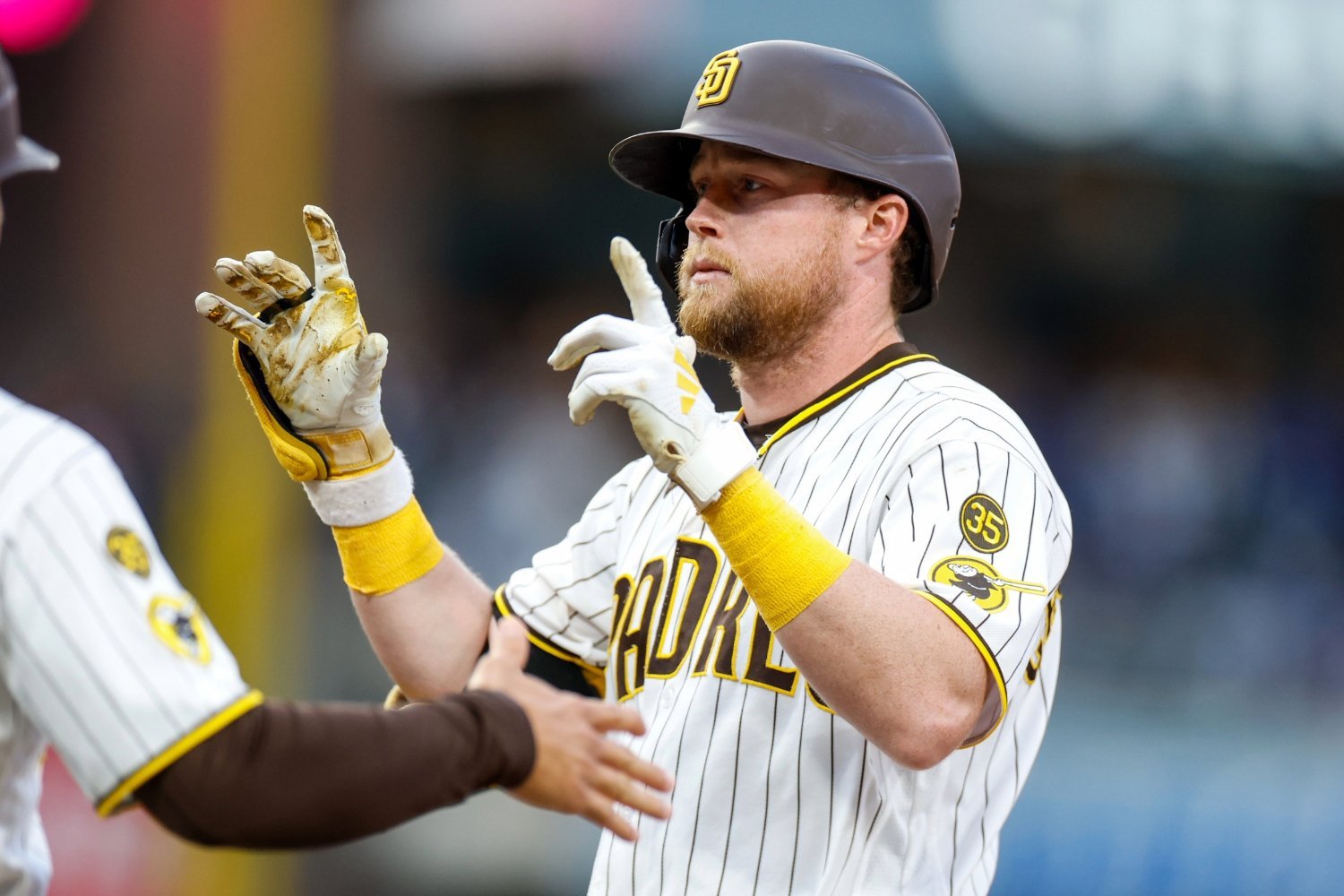 Despite the fact that the San Diego Padres have come out of the All-Star Break in the same uneven fashion in which they entered it, they remain on the outskirts of the National League playoff picture. Entering the week, they're 2.5 games out of the last wild card spot and, as such, do not appear to have a clear direction ahead of next month's trade deadline. Clarity could be on the horizon, though. The next couple of weeks will obviously dictate the avenue A.J. Preller chooses to pursue. Even if it appears that he doesn't have it in him to purely sell as a deadline strategy, continued struggles could force his hand in that direction. This is a team with an inconsistent offense, a woefully underperforming starting staff, and an upper-tier bullpen. The ultimate direction which things go is going to be dependent on a few players on the roster from the former two areas. If the Padres do find themselves in a position to add at the deadline, the needs are clear. It's starting pitching above all, with supplemental help in the lineup (the outfield, in particular) and in the bullpen (for the middle innings) considered to be more secondary. Preller is an executive incapable of standing idle. Instead, what we should be on the lookout for ahead of the deadline is the nuance of the additions needed. Do they need genuine impact from a prospective starter or volume from, perhaps, multiple? Would a bat in the lineup be someone who can compensate for continued struggles of certain key players or someone in the Ramón Laureano class of a true secondary piece? Let's talk about three names that could lend themselves to dictation of a particular route, regardless of such scale, prior to Aug. 3. Jackson Merrill, CF To say that Merrill has struggled in 2026 would be a grave understatement. His batting line reads .214/.271/.341 with a 71 wRC+ that paints him as a well-below-average hitter this season. On paper, he's — alongside Fernando Tatis Jr. and Manny Machado — one of the three most important hitters on the roster. Tatis has provided steady production even in the absence of his usual power, while Machado has begun to come into his own over the last handful of weeks. Merrill has no such sustained stretch of play this year. Whether these problems are mechanical or psychological or a combination of both, Merrill providing any sort of offensive competence over these next couple of weeks would be a massive boon to the Padres' collective offense. It would give them that trio of steady drivers of the lineup with quality supplemental work from the likes of Ty France, Miguel Andujar, and Jake Cronenworth. In short, it would lengthen the lineup in a way that would allow the team to string together regular wins in the standings. Of course, a continued run of play similar to the one we've seen would have the opposite effect. The Padres offense will continue to struggle on a given night and, considering the issues with their starting pitching, fail to collect crucial wins. Whether it's more of the same or a turnaround, Merrill's performance will have a lot to say about the team's direction in the next couple of weeks. His impact is just more of a generalized nature, with the capacity to send the team into buy or sell mode almost on his own. Walker Buehler, SP Unlike Merrill, whose impact in itself could determine direction, Buehler's influence on the deadline approach is a little more intricate. On one hand, he could impact how they approaching buying, and on the other, he could be the catalyst that sends them to the land of sellers. There was a brief time where it looked as if Buehler was giving the Padres the most steadiness out of any starter on the roster not named Michael King. After gaining his footing, he pitched to a 1.71 ERA and provided over five innings per start in June. Such a performance doesn't eliminate the Padres' need for starting pitching but at least helps to mitigate the severity of it. Things have been different since the start of July, however. In his last three starts, Buehler has worked only 11 innings and allowed 20 earned runs. That obviously represents a sharp deviation from his previous form, but compounded with the absence of four other starters (Randy Vásquez, Joe Musgrove, Lucas Giolito, and Nick Pivetta) and the names behind him reading Griffin Canning, Germán Marquez, and JP Sears, there's an onus on Buehler to pitch more akin to a second or third starter, unreasonable an ask as that may be in 2026. Like Merrill, though, Buehler's impact on the trade deadline is twofold. Either he gets sorted and begins to provide the volume that he proved capable of in the months prior to July, or he continues to implode in a manner that brings his roster spot into question. The former takes at least some of the pressure off of Preller to acquire multiple starting-capable arms ahead of Aug. 3. The latter calls Buehler's roster spot into question and further amplifies the team's need for volume out of their rotation. Jake Cronenworth, 2B At his best, Cronenworth isn't of the same caliber of hitter as Merrill. However, he does come from the secondary group of hitters that has been such a crucial part of the roster over the past couple of years. When the Padres are going right on offense, it includes contributions from those outside of Tatis, Merrill, and Machado. It goes without saying that their deadline approach is going to hinge on offensive output and, as such, is going to require those secondary contributions to manifest. Cronenworth represents the most essential of those secondary bats. While names like France or Andujar are important, the team has played most of the year without their keystone mainstay in Cronenworth. The early returns since his return are encouraging at least; thus far in July, Cronenworth has slashed .320/.333/.480 with a 126 wRC+. He hasn't demonstrated his typical patient approach as he regains his footing, but there's been some impact there. It's the kind of impact that could shape the approach to the deadline in a manner not all that dissimilar from Merrill. While we've seen the other end of the spectrum from Cronenworth in the last few seasons, a return to his form of yesteryear would be a boon unlike any other other on the roster. As such, it feels quite clear that one Cronenworth-based outcome sends the Padres in a much healthier direction than the other. View the full article
 -
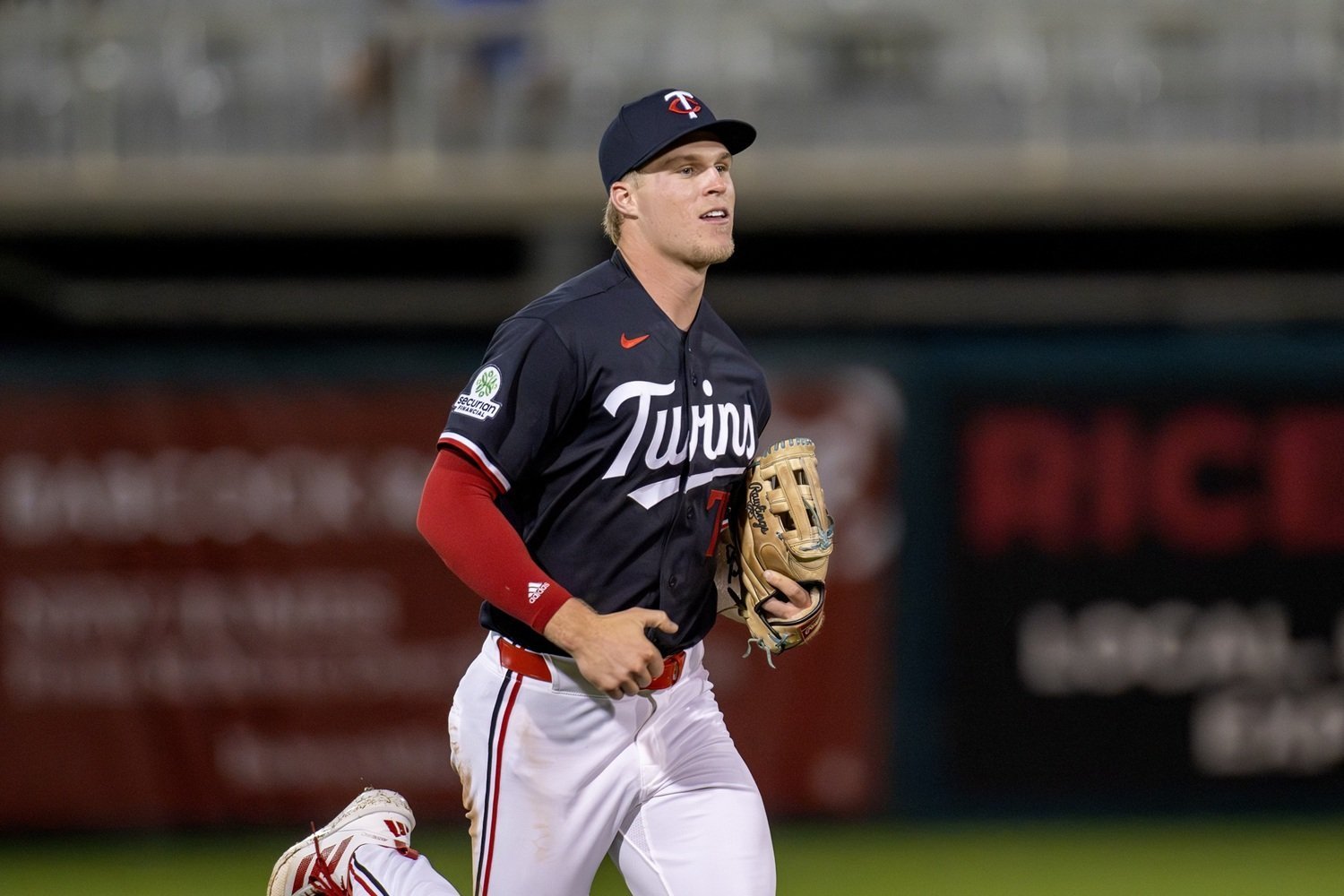 The Twins are approaching one of the most important stretches of their season. With the club battling for an American League Wild Card spot, every roster decision carries more weight than it did in April or May. The front office is expected to spend the next several days evaluating outside additions, particularly for a bullpen that has struggled throughout the year. However, the biggest offensive addition available to Minnesota may already be wearing a St. Paul Saints uniform. Walker Jenkins has done everything the organization could reasonably ask since returning from injury. Instead of waiting for a perfect opening, the Twins should be finding a way to get one of baseball's best prospects into their lineup before the MLB Trade Deadline. Jenkins returned to Triple-A roughly a month ago, after recovering from the shoulder injury he suffered crashing into the outfield wall while making a catch. Since coming back, he has looked every bit like the hitter scouts expected when Minnesota selected him fifth overall in the 2023 MLB Draft. Over the last 28 days, Jenkins owns a .929 OPS. Over the last week, he's been even better, posting a .643 slugging percentage and a 1.055 OPS. Those numbers become even more impressive when considering the context. Jenkins is accomplishing all of this during his age-21 season, while facing competition that is more than five years older on average in the International League. At some point, there isn't much more for him to prove. This week's Baseball America profile offered another encouraging glimpse into why evaluators remain so bullish on Jenkins. One of the biggest takeaways centered on his elite swing decisions and bat-to-ball ability against pitches in the strike zone. He has just seven whiffs against four-seam fastballs all season, and nearly all of those swings came on elevated pitches that finished above the strike zone. That type of zone control isn't common, especially for a player this young. Major-league pitchers will undoubtedly challenge him differently. Fastballs won't come nearly as often once opponents recognize his ability to handle velocity. Instead, he'll need to adjust to a steady diet of breaking balls and off-speed pitches. Still, the underlying skills suggest the transition could happen quicker than many rookie debuts. Jenkins doesn't chase often, rarely misses pitches he should hit, and consistently controls the strike zone. Those traits tend to translate regardless of level. The frustrating part is that the Twins don't appear to have a natural opening for him. Byron Buxton returned from the injured list earlier this week, prompting Minnesota to option infielder Tristan Gray back to Triple-A. The club is also carrying three catchers after Ryan Jeffers returned from injury. Because Alex Jackson is out of minor-league options, the Twins understandably didn't want to risk losing him on waivers. That leaves a crowded bench featuring Victor Caratini, Alex Jackson, Austin Martin, and Alan Roden. Martin and Roden are the only players with minor-league options remaining, making them the easiest roster moves if Minnesota chooses to promote Jenkins. As things currently stand, though, it feels like Jenkins's path requires someone else getting hurt. That shouldn't be the standard. The Twins have reached the point in the season where roster spots should be earned by performance, not protected by circumstance. Martin has struggled to provide much offensive impact recently, posting a .583 OPS over the last two weeks despite being deployed primarily in favorable platoon matchups. His versatility remains valuable, but if Minnesota is searching for ways to inject more offense into a lineup fighting for a postseason berth, Jenkins offers a significantly higher ceiling. Replacing Martin with Jenkins wouldn't solve every offensive concern overnight. It would, however, give the Twins another hitter capable of changing games instead of simply filling innings. Waiting for an injury to create an opening feels unnecessarily passive. If Minnesota believes Jenkins is one of the organization's cornerstone players (and every indication suggests they do), there is value in letting him experience the major leagues before the trade deadline. It gives him time to adjust before September, allows the coaching staff to evaluate where he fits best, and provides the front office with a better understanding of what additional moves might still be necessary. The Twins are searching for ways to improve their roster over the next week. External additions may grab the headlines, but the organization already has one of its most talented players waiting just down Interstate 94. The challenge isn't determining whether Jenkins is ready. It's deciding whether the Twins are willing to make room for him before someone else forces the decision. Should the Twins look to promote Jenkins? Leave a comment and start the discussion. View the full article
 -
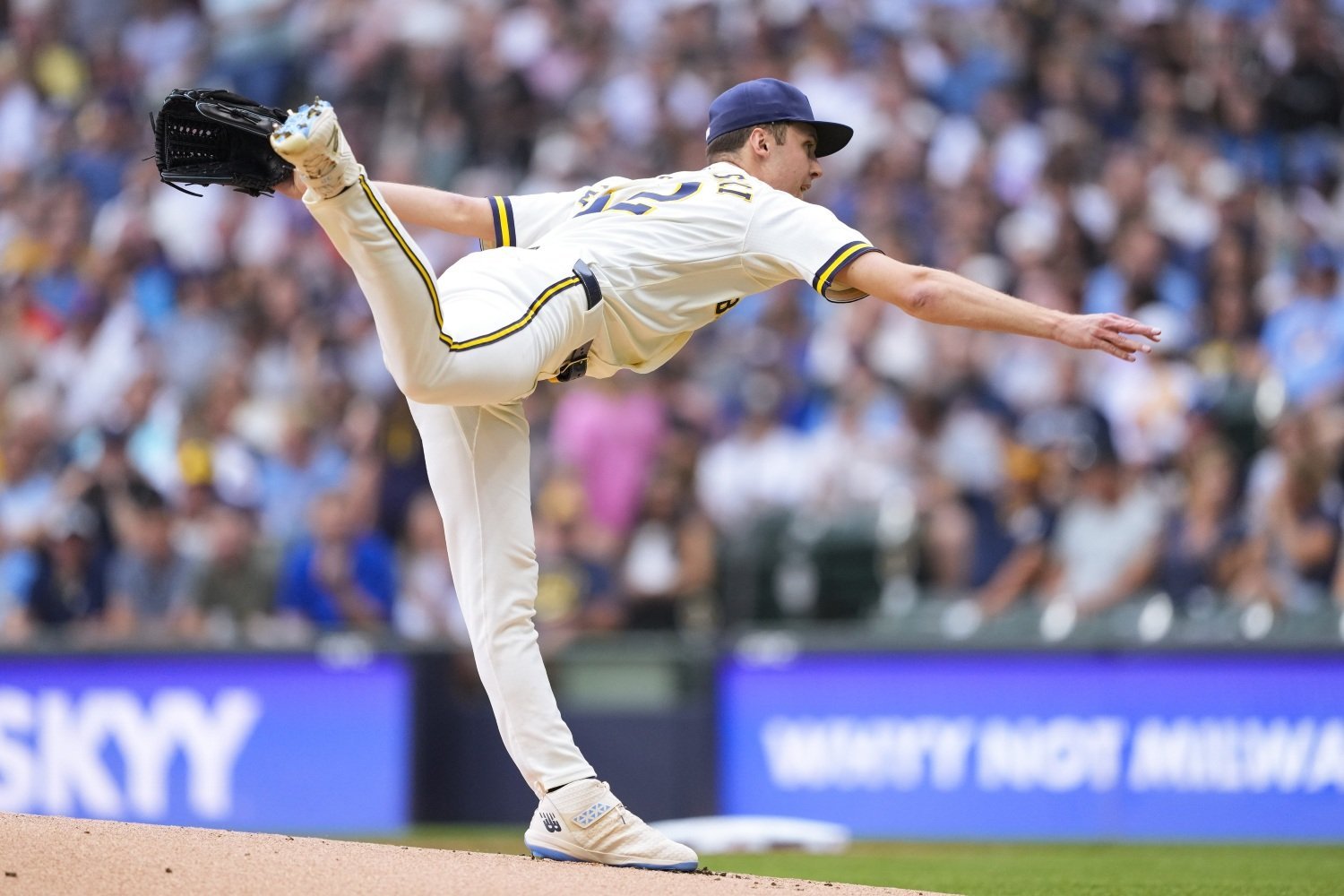 When the Brewers reconfigured their pitching plans to give Jacob Misiorowski a 12-day layoff between starts over the All-Star break, it brought to the forefront what was already going to be a significant story in the second half: how would the team manage his innings down the stretch? "It's a big discussion. It's a big topic," Pat Murphy said before Misiorowski took the mound against the New York Mets on Monday night. "It's all sorts of concern, planning, discussion, sidebar discussion. It's mechanics, biomechanics, everything about it. Strength testing, all that. Thus, the reason for the layoff. Now, how do we ramp it back up?" Misiorowski entered the break having thrown 111 innings. Last year, he set a career high with 129 ⅓ regular-season frames between Triple-A and the big leagues, plus 12 more innings in the postseason. After the Brewers frequently let him work deep into games during the first half, he's on pace to exceed last season's workload by a huge margin. The conventional rule of thumb for young pitchers—or, at least, the oft-cited approach—is increasing innings totals by 20-to-30% each season. Under that approach, Misiorowski could make up to 12 more starts while averaging five innings per outing for the rest of the regular season. In reality, it's not that straightforward. "I think it's very individual, very individually based, and I think that everybody's kind of keeping things in mind," Murphy said. "Has he had an injury history? Did he go through some setbacks? All that type of thing." That 20-to-30% rule probably won't apply to Misiorowski. Many of those deeper outings featured few high-stress pitches. More importantly, after he put on good weight in his lower half last winter, the Brewers believe he's physically equipped for a significant increase in his workload. "Offseason last year, we focused on legs and doing all that stuff to get myself ready for this track of the year," Misiorowski said. "I feel good where I'm at and ready to go." "It factors, yeah," Murphy said. "I always say this: when you're training to run a marathon, you don't ever go out and run the 26, you know what I mean? You never do. … So I don't think you have to set a number [based on] only what he did in the past. I think you can plan for more than that." Ironically, Misiorowski didn't have his legs underneath him a few hours later. With his body out of sync, he threw just 47% of his four-seam fastballs in the strike zone, prompting an in-game adjustment to lean more on his cutter. "He didn't throw a commanded heater past the second inning," Murphy said. "He was kind of coming off his legs and kind of getting stuck, and then trying to get out of it, and the ball was sailing." Entering Monday, Misiorowski had thrown his four-seamer 63% of the time and his cutter 14% of the time. In his outing against the Mets, those usage rates shifted to 55% and 29%, respectively. He threw as many cutters as four-seamers the second time through the order. "Going cutter kind of forces me to be shorter," Misiorowski said postgame. "I wasn't really feeling the legs, so kind of overcorrected [with] cutters. It worked out." Seeing that his body wasn't moving efficiently, the Brewers ended Misiorowski's outing at four innings at 65 pitches. "We would have probably let him go further if his delivery and his legs felt great," Murphy said. "I think he was a little bit out of it. The long layoff kind of affected his delivery and everything else. I think it was important to notice that and get him out of there then." The outing was a preview of how the Brewers plan to handle Misiorowski moving forward, even on nights when he's locked in. They may delay a few outings for extra rest days as the schedule allows, but the nearly two-week layoff was a one-time deal as a midseason break. Instead, they'll shorten some starts by an inning or two. It's less disruptive to Misiorowski's routine and the team's bullpen usage than outright skipping his turn in the rotation. "I think we lean more towards that, to keep the consistency," Murphy said, while also acknowledging that finding an extra start during a given turn in the rotation is harder than patching in a few extra innings from multi-inning relievers. "When you have a natural break like we just did—we kept him out of the Pittsburgh game three, the big break, kept him out of the first series—I think we take that as kind of a reset. Now, I think we have to build him back up and be sure that we do it in a mindful way." The Brewers aren't perfectly equipped to toe the line with their young ace—as the trade deadline approaches, they need more depth in both the rotation and the bullpen—but their position in the standings affords them some flexibility. Misiorowski's dominance and volume are a big reason why Milwaukee boasts the best record in baseball and leads the NL Central by 7 games. They won't treat him with kid gloves, but they have some wiggle room to be cautious when it makes sense. View the full article
 -
 Many of you, like me, have attended the elementary school promotion ceremony. In May, I attended (on the same night) my niece’s promotion to middle school and my nephew’s promotion to high school. While it is a nice year-end recognition of a student’s ascension to another level, it usually consists of awkward handshakes of congratulations, uncoordinated tromping across the stage, and an occasional flamboyant gesture from the class clown. Unlike the school promotion, promotions in the minor leagues signify excellence. I’m not saying there aren’t excellent students moving up in grade, but the kid who gets a 2.0 GPA goes to the next grade the same as the kid who pulls a 4.0 GPA. In baseball, a promotion means you have accomplished all you can at your current level, and it’s time for a new challenge. Let’s see who is ready to be promoted and face new challenges. Augusto Mendieta, RHP - 5’11”/190 - Age 21 Year W L ERA G GS SV IP SO WHIP 2026 MiLB Stats 4 4 4.39 27 0 1 41.0 51 1.39 The soon-to-be 22-year-old Mendieta started the season at High-A and, after only 3 IP, was promoted to Double-A Northwest Arkansas. The Ciudad Valles, Mexico native has a 28.5% K rate and an acceptable 10.1% walk rate. Mendieta throws strikes and gets ground balls all at an above-average rate. Jack Pineda, SS - B/T: L/R - 5’8”/170 - Age 26 Year AB R H HR RBI SB AVG OBP OPS 2026 MiLB Stats 210 34 78 7 25 16 .371 .443 .991 Pineda spent plenty of time getting end-of-game MLB at-bats in spring training. It looks like that experience has paid off as his second trip through Double-A has him on the cusp of a promotion to Triple-A Omaha. Pineda doesn’t walk much, but he does make excellent contact. There could be more power potential as the Baylor product learns to pull the ball more. Spencer Nivens, OF - B/T: L/R - Age 24 Year AB R H HR RBI SB AVG OBP OPS 2026 MiLB Stats 209 33 56 7 37 11 .268 .363 .818 Another player in his second trip to Double-A has kept his average and walk rate similar to 2025 but has increased his power output. The 2023 Missouri State draftee rarely strikes out and walks at a very good rate. Another player that might unlock more power with a more pull-happy approach. Kendry Chourio, RHP - 6’0”/160 - Age 18 Year W L ERA G GS SV IP SO WHIP 2026 MiLB Stats 5 1 2.26 15 15 0 67.2 65 0.90 The 18-year-old fireballing phenom from Maracaibo, Venezuela has already been promoted once on June 15th and is angling for another promotion to Northwest Arkansas. His appearance in the All-Star Futures Game did nothing but add helium to his already rising prospect status. He has been nothing short of dominant this season. Chourio fills the strike zone, and walks are almost non-existent. The Royals #1 prospect and Baseball America’s #32 prospect should have a taste of AA in his future. David Shields, LHP - 6’2”/210 - Age 19 Year W L ERA G GS SV IP SO WHIP 2026 MiLB Stats 8 4 3.86 18 18 0 81.2 96 1.10 Shields, the Royals' #3 prospect, has had a tremendous start to 2026. His 29.1% K rate and his ability to fill the strike zone have been on display in Davenport, IA all season. The biggest knock on Shields is his lack of fastball velocity at 92 mph. I believe his ability to locate pitches and feel for pitching far outweighs any marks against his fastball. This man deserves a promotion. L.P. Langevin, RHP - 6’1”/225 - Age 23 Year W L ERA G GS SV IP SO WHIP 2026 MiLB Stats 4 2 3.11 27 0 0 37.2 74 1.12 The Quebec City, Canada native throws almost exclusively (82.5%) a sinker. But man, does it work. Langevin is striking out an absurd 46.3% of batters but walking an equally absurd number at 17.5%. Langevin needs to find one more quality pitch to rely on. His slider, cutter, and changeup all grade 101 or better in tjstuff+, but he doesn’t throw any of them more than 8.8% of the time. Ramon Ramirez, C - B/T: R/R - 5’11”/180 - Age 21 Year AB R H HR RBI SB AVG OBP OPS 2026 MiLB Stats 284 59 84 11 72 8 .296 .379 .879 The Royals #7 prospect and current Midwest League RBI leader with 72 RBI in 75 games played has been on a heater all season long. Ramirez is hitting .296, walks a reasonable amount at 10.6%, and has decent power with 23 doubles, 1 triple, and 11 home runs in 329 at-bats. The Porlamar, Venezuela native has a strong arm and continues to work on his receiving and blocking as he converted from the outfield just four years ago. Ramirez has the look of a middle-of-the-order run producer and projects to have 20+ home run power. Ryan McDonagh, RHP - 6’5”/190, Age 20 Next is another Canadian with really strong metrics. The 20-year-old McDonagh is having a great 2026 season. He has already been promoted once from the Surprise complex league to Columbia on June 16th. The reliever throws a lot of strikes and continues to get a lot of swing and miss. Tjstuff+ doesn’t rank, but one of his pitches is average or above (changeup 101), and the four-pitch mix of 4-seam fastball, changeup, sinker, and curveball continues to get the job done. The big right-hander relies on his slow (76 mph) curveball 43.9% of the time. The Royals recently welcomed 21 new members to the team. Those new signees reported to the Surprise complex today. In short order, some of the more advanced players will be assigned to the Columbia Fireflies and possibly even the Quad Cities River Bandits. Some promotions will be needed to facilitate room at the lower levels. In school, you can pass with an A+ or barely scrape by with a D for degrees. Baseball is much less forgiving. Only one team celebrates a championship at season's end. When the Royals have had an A+ farm system, they won it all. The days of D and F farm systems are in the rearview mirror. Brian Bridges has a plan, and after his third draft, I believe the Royals are on the path to achieving that A+. Don’t see your favorite minor leaguer on this promotions list or have a question about a particular player? Leave a comment, and we can take a look at the likelihood of their promotion. View the full article
 -
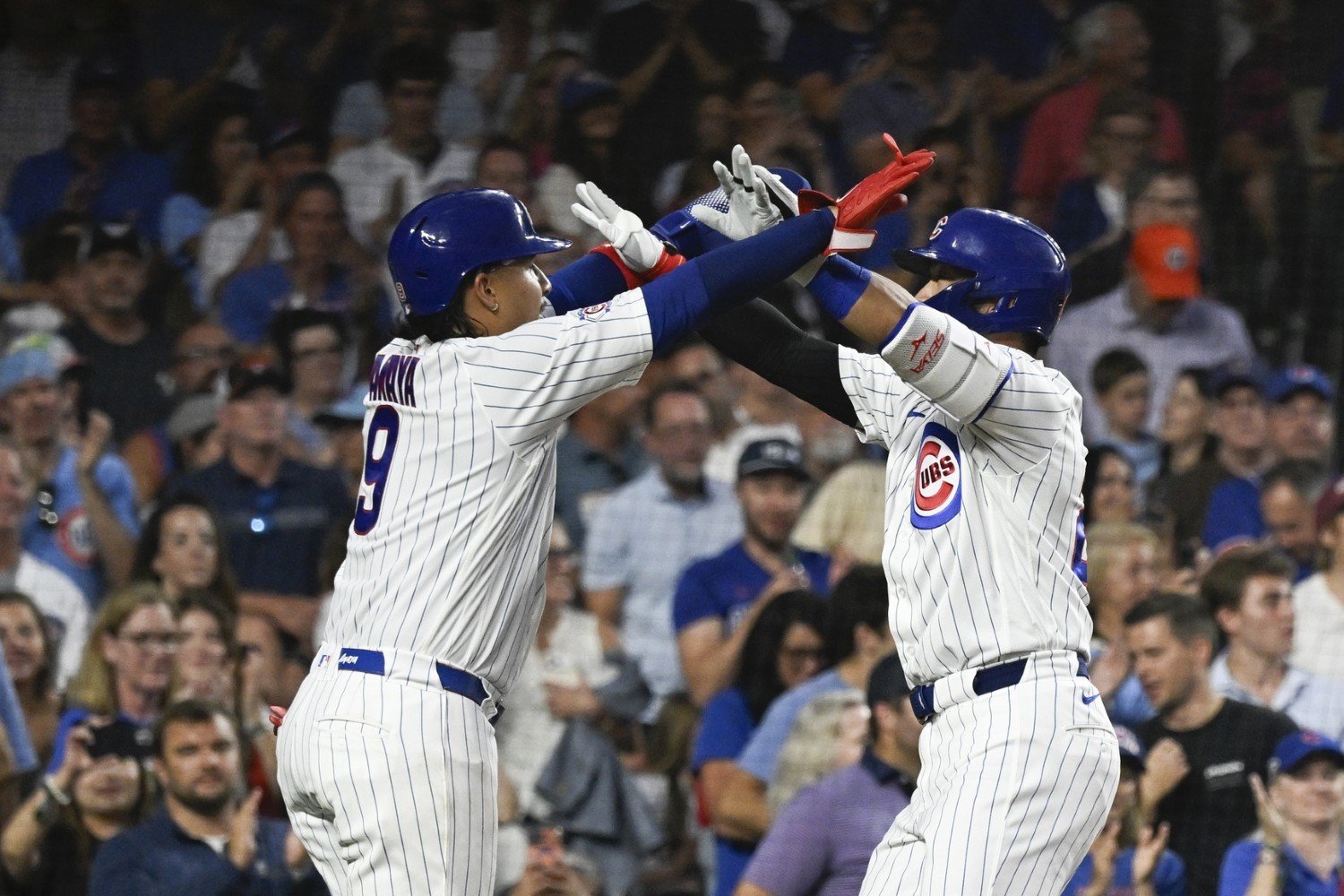 All things considered, the Chicago Cubs find themselves in an enviable position within a couple of weeks of the 2026 MLB trade deadline. They're atop the standings in the National League Wild Card race, with FanGraphs projecting them to remain in playoff position (albeit one slot lower given Philadelphia's slightly more favorable projection). It'd be dangerous to portray this as a sure-thing situation, considering some of the struggles we've seen from this team over sustained stretches this season, in addition to the myriad injuries they've experienced on the mound. Nevertheless, their position remains an enviable one as the season prepares to hit the major benchmark that the deadline represents. Of course, remaining where they are will hinge on a few names on the current roster stabilizing things. We know (or at least think; he's suddenly slumping again at the plate) that Pete Crow-Armstrong will be in the National League MVP mix, while offensive stars who have struggled (Alex Bregman and Nico Hoerner, for example) have begun to ascend of late. However, a few different names could have an even larger bearing on the team's ability to actually maintain their standing. Seiya Suzuki, OF/DH At his best, Suzuki is a player capable of driving offensive production on his own. While it hasn't been without various health issues over the years, we've all witnessed what peak performance looks like for him over sustained stretches of play. The issue is what unfolds in between those runs. In 2026 alone, Suzuki missed time early due to a knee injury before going on to a .328 batting average, .430 on-base percentage, and .239 isolated power across his first 79 plate appearances, for a rather gaudy 175 wRC+. Of course, that turned into a May where the slash read just .190/.265/.286 with a paltry 51 wRC+. It's not entirely dissimilar from a couple of the trends we've seen from Suzuki in each of the last two years Two seasons ago, Suzuki did almost exactly the same thing that we saw early on this year. He came out scorching in March and April, before falling well below average by wRC+ in May (71). Last season, Suzuki was excellent for each of the first two months before he began to linger closer to the average threshold, with wRC+ marks of 103, 103, and 106 from June to August. Much of that was due to waning power, including an August wherein his ISO sat at just .079. The issue isn't a question of quality. Suzuki is, objectively, one of the team's top hitters. The reason he gets a mention here is because of those rough stretches to which he's been prone. Whether they happen as a result of health or mechanics or approach isn't the point here. Instead, it's about the idea that Suzuki may be the team's most important hitter this side of Crow-Armstrong, especially in the face of so many other struggles that have permeated the lineup at various points this season. For the Cubs to maintain their position as buyers ahead of the trade deadline, Suzuki needs to do just that. He's looked good to start the second half, including homering Monday night. Matthew Boyd, SP The Cubs' rotation is in shambles. As of this writing, you're looking at a corps of Boyd, Shota Imanaga, Jameson Taillon, David Peterson and Colin Rea. Before returning to the mound Monday night, Taillon had been on the injured list since the beginning of June, with the likes of Edward Cabrera, Ben Brown, Justin Steele, and Cade Horton all joining him there or having gotten there first and saving him a seat on the shelf. Even Boyd himself went nearly two months between starts. And none of that takes into account what's transpired with the bullpen. The stack of injuries has forced Boyd into a role where he needs to be something of a stopper in the rotation. One could make the argument the team came into the season lacking a genuine one, but the combination of injuries and variance in performance from the other starters have left the role at Boyd's feet. Imanaga's fly-ball tendencies make him more prone to the occasional dud of a start; Boyd offers more stability. Unfair as it may be, Boyd is the pitcher who needs to remain as stable as possible across these next couple of weeks. If he can continue to turn in the type of classic quality start we've come to expect from him over the last two years, the Cubs can remain afloat even against the wave of injuries. If not, then there's a severe issue awaiting the Cubs—and they'll need a huge, unlikely deadline splash to surmount it. Caleb Thielbar, RP Like Boyd in the rotation, the rash of injuries across the relief corps have pressed arms into duties that they may not otherwise have served, both in terms of volume and leverage. That has very much been the case with Thielbar, who has thrown nearly half of his innings in medium or high leverage. Thielbar parlayed a solid 2025 into a second contract with the team, but was supposed to be a small cog in a big machine. It hasn't panned out that way. He hasn't been particularly successful in a fairly demanding role. Thielbar has spent the majority of the year trying to tread water, as illustrated by an ERA in the mid-4s and a 5.51 FIP. It would be entirely reasonable to have concerns about him being pressed into such a role. However, with guys like Daniel Palencia, Hunter Harvey, Ethan Roberts, Hoby Milner, and Phil Maton (again) out with injuries, the team will need Thielbar to keep delivering high-leverage outs. If Thielbar rediscovers some semblance of last year's form over the next 10 days or so, it will save Jed Hoyer a big headache. If he doesn't, the Cubs probably need to pick up a good lefty reliever by the deadline. Given the length of their shopping list even without that item, it'd be nice not to add that to it. View the full article
