


DiamondCentric
-
Posts
2,631 -
Joined
-
Last visited
Never
Content Type
Profiles
Forums
Events
News
Tutorials & Help
Major League Baseball Videos
Guides & Resources
Store
Downloads
Gallery
Everything posted by DiamondCentric
-

Royals Acquire Right-Hander Nate Pearson From Astros
DiamondCentric posted an article in Royals Keep
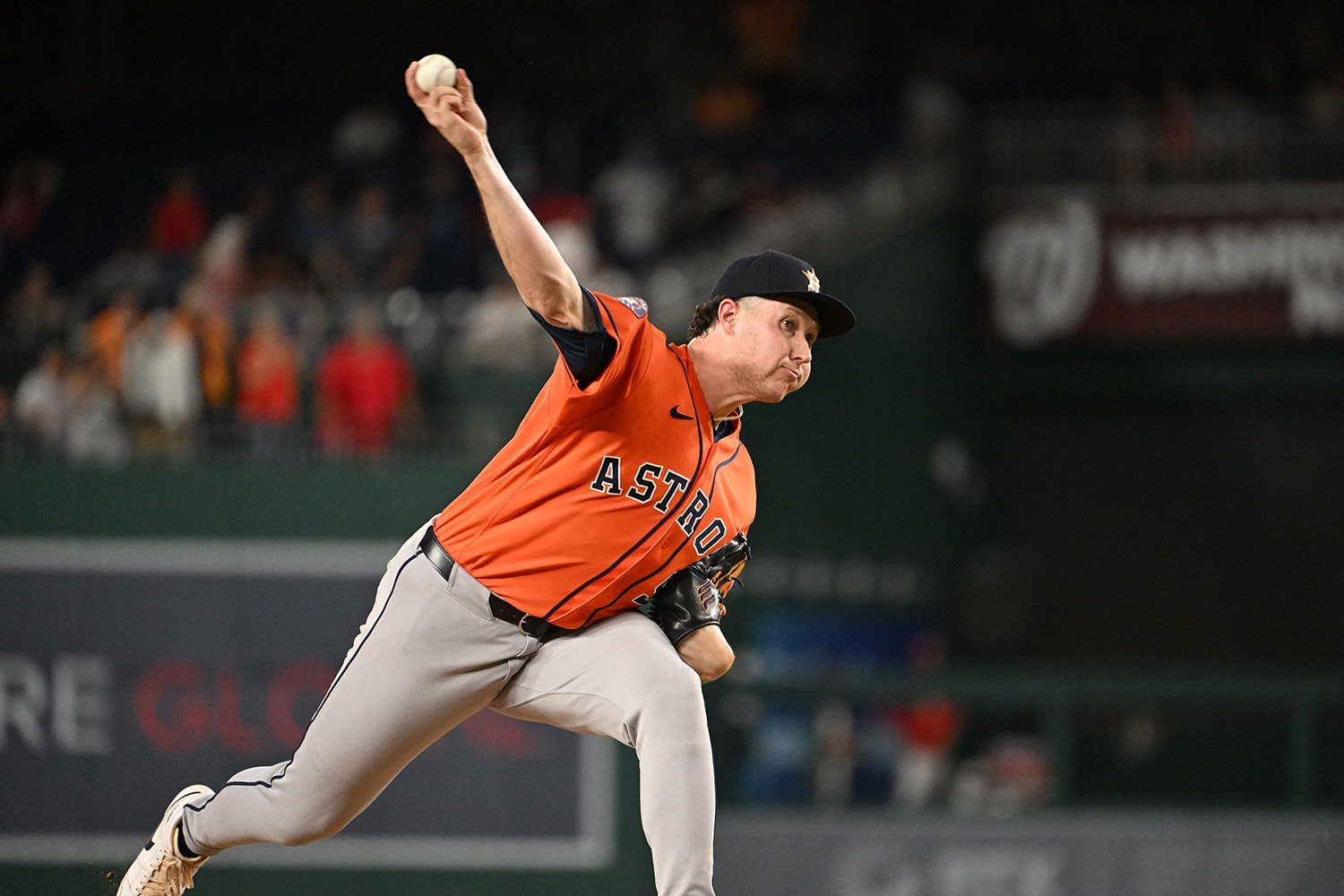 The Royals have acquired RHP Nate Pearson from the Houston Astros. Pearson was designated for assignment on July 19. In return, the Royals have sent prospect RHP Max Martin to Houston. Pearson had had decent results in the majors for the Astros, with a 3.60 ERA and 4.10 FIP over 20 innings pitched. He's appeared in 16 games, with 16 strikeouts and 12 walks in that time. Pearson, a former first-round pick by the Toronto Blue Jays (28th overall in 2017), is a six-year vet who is under team control through arbitration through the 2027 season. He's currently making $1.35 million this year, so he is still very affordable for a team looking to add to its bullpen depth. Martin has pitched between Single-A and High-A this year, pitching in 26 games, throwing 40 1/3 innings, recording 36 strikeouts with 13 walks. Martin was a 10th round pick in the 2025 draft. View the full article
 -
Bobby Witt Jr. Placed On Injured List; Andrew Velazquez Recalled
DiamondCentric posted an article in Royals Keep
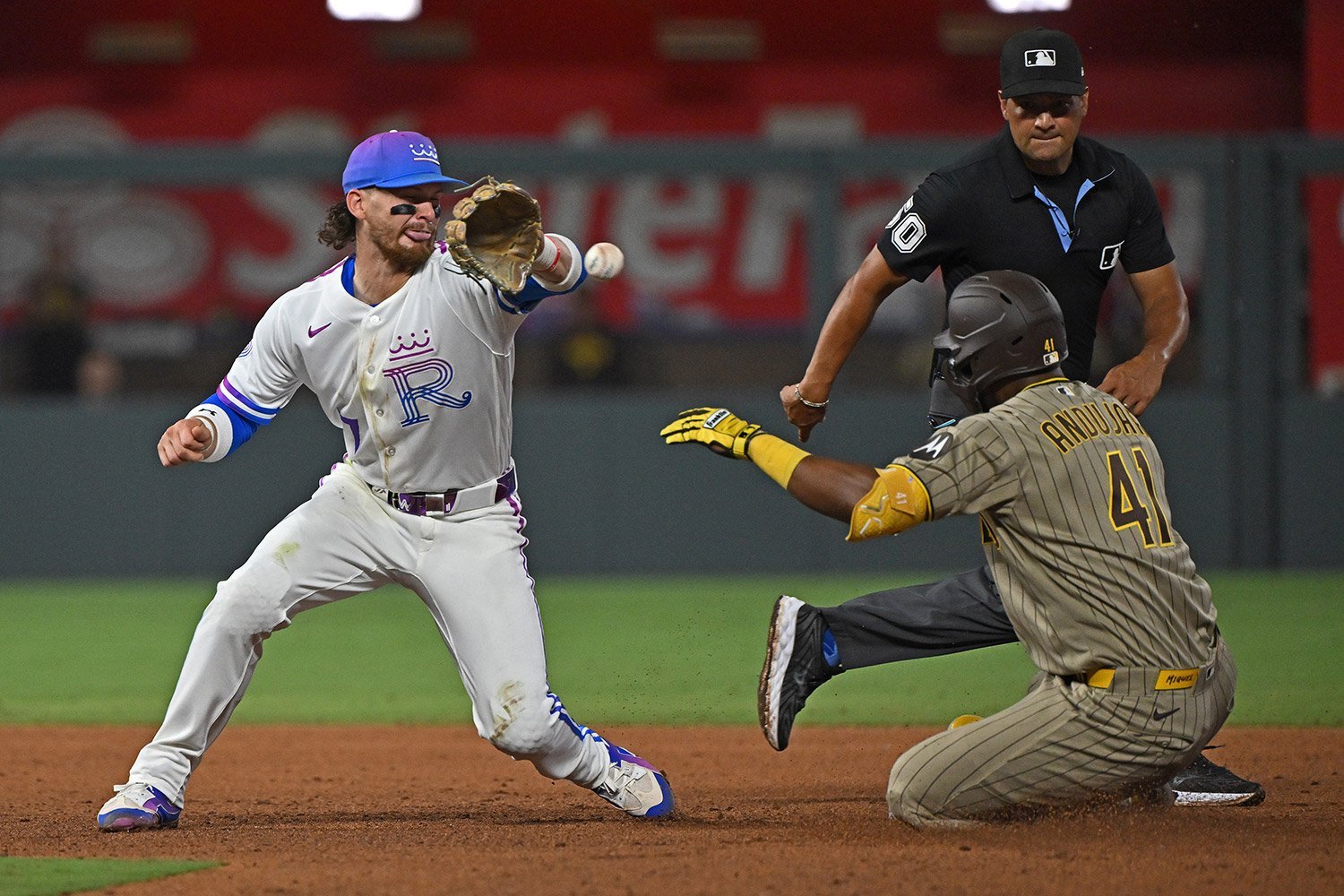 Shortstop Bobby Witt Jr. was placed on the 10-day injured list with low back tightness, which has kept him out of a few games recently. This move is retroactive to July 21, so the first day he will be eligible to come off the injured list is July 31. In a corresponding move, the Royals have selected the contract of shortstop Andrew Velazquez. Velazquez last appeared in a major league contest in 2023 with the Angels. He has major league experience every year from 2018-2023 and has played at Triple-A the past few years with the Braves, Yankees, and the Diamondbacks and Royals this year. Across 58 Triple-A games this year, he has hit for a slash line of .270/.333/.370. He's played shortstop, second base, and all three outfield positions this year, so expect to see him at multiple positions when he is on the field. To make room for Velazquez on the 40-man roster, RHP Stephen Kolek was transferred from the 15-day to the 60-day injured list. View the full article
 -
Jake Faherty is nearly unhittable, so why is he struggling?
DiamondCentric posted an article in Fish On First
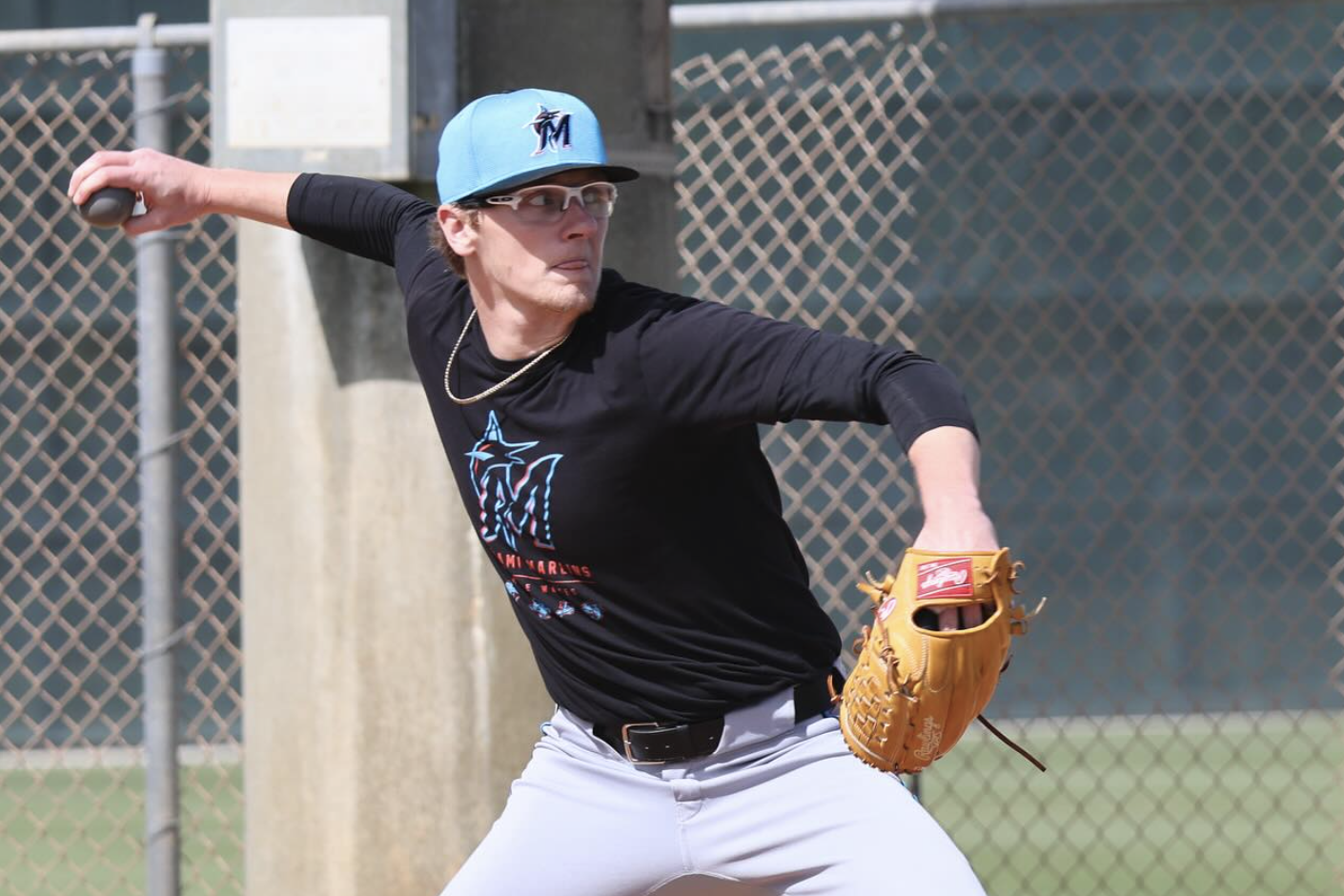 When the Marlins selected Jake Faherty in the 11th round out of Arkansas in the 2024 MLB Draft, they believed they were getting one of the hardest throwers in the class with legitimate late-inning upside. During his final season at Arkansas, he appeared in 16 games, throwing 14 ⅔ innings while striking out 26 batters, with opponents hitting just .151 against him. He had the look of an electric relief arm, sitting 97-99 mph with his sinker while touching triple digits. Unfortunately, two years later, things have gone almost as poorly as they possibly could have. So far in 2026, Faherty owns a 13.73 ERA over 19 ⅔ innings with a 2.85 WHIP. Across his professional career, he has posted a 9.40 ERA in 59 ⅓ innings despite striking out 82 batters. At first glance, those numbers would suggest a pitcher who is getting hit around, but that couldn't be further from the truth. Faherty has arguably been even more unhittable in the minor leagues than he was during his time at Arkansas. In 2025 with Jupiter, opponents hit just .167 against him, collecting only 14 hits in 29 ⅓ innings. This season, hitters have been even less successful, managing only five hits in 16 ⅔ innings. If nobody can hit him, why has he struggled so much? The answer is simple: command. Faherty's command has become one of the biggest "what-ifs" in the Marlins system. This season with the Hammerheads, he has walked 35.6% of the batters he has faced while throwing strikes just 39.8% of the time. His zone rate sits at only 37.8%, meaning he simply isn't giving himself enough opportunities to get ahead in counts. Yet when hitters do make contact, they still struggle to do anything with it. Opponents own an average exit velocity of just 82.3 mph against him in 2026—for context, that's lower than any qualified major leaguer, per Baseball Savant. This is another sign that the raw stuff is still every bit as overpowering as advertised. The Marlins recently reassigned Faherty to the FCL in hopes of getting him back on track, but the command issues have only worsened. In just three innings, he has allowed 14 runs, 12 walks, and five hits for a 42.00 ERA. On Monday, he failed to record a single out, surrendering two hits, five walks, and seven runs before being removed. Faherty features four pitches: a sinker, changeup, cutter, and slider. His sinker and changeup account for roughly 80% of his pitch usage, while the cutter and slider are used much less frequently. Remarkably, every single one of his pitches has held opponents to a batting average below .200. That alone tells the story. Hitters simply are not squaring him up; the problem is getting enough pitches into the strike zone. Faherty turned 23 years old last month, making him older than many of the hitters he is facing, but the type of stuff he possesses isn't something organizations simply give up on. When you think about the dominant stretches we've seen from pitchers like Robby Snelling and Thomas White last season or Karson Milbrandt this year, Faherty has flashed the kind of underlying metrics that suggest he could belong in that conversation when everything is clicking. The strikeouts, batting average against, exit velocity, and pure quality of his arsenal all point toward a pitcher with legitimate late-inning potential. Now it's simply a matter of finding enough command to let those tools play. The good news for the Marlins is that Faherty projects as a reliever, not a starter, meaning there is no need to rush his development. If he can ever find even average command, the Marlins could still have a high-leverage bullpen arm on their hands. View the full article
 -
The Twins Drafted Vahn Lackey, Not the Next Joe Mauer
DiamondCentric posted an article in Twins Daily
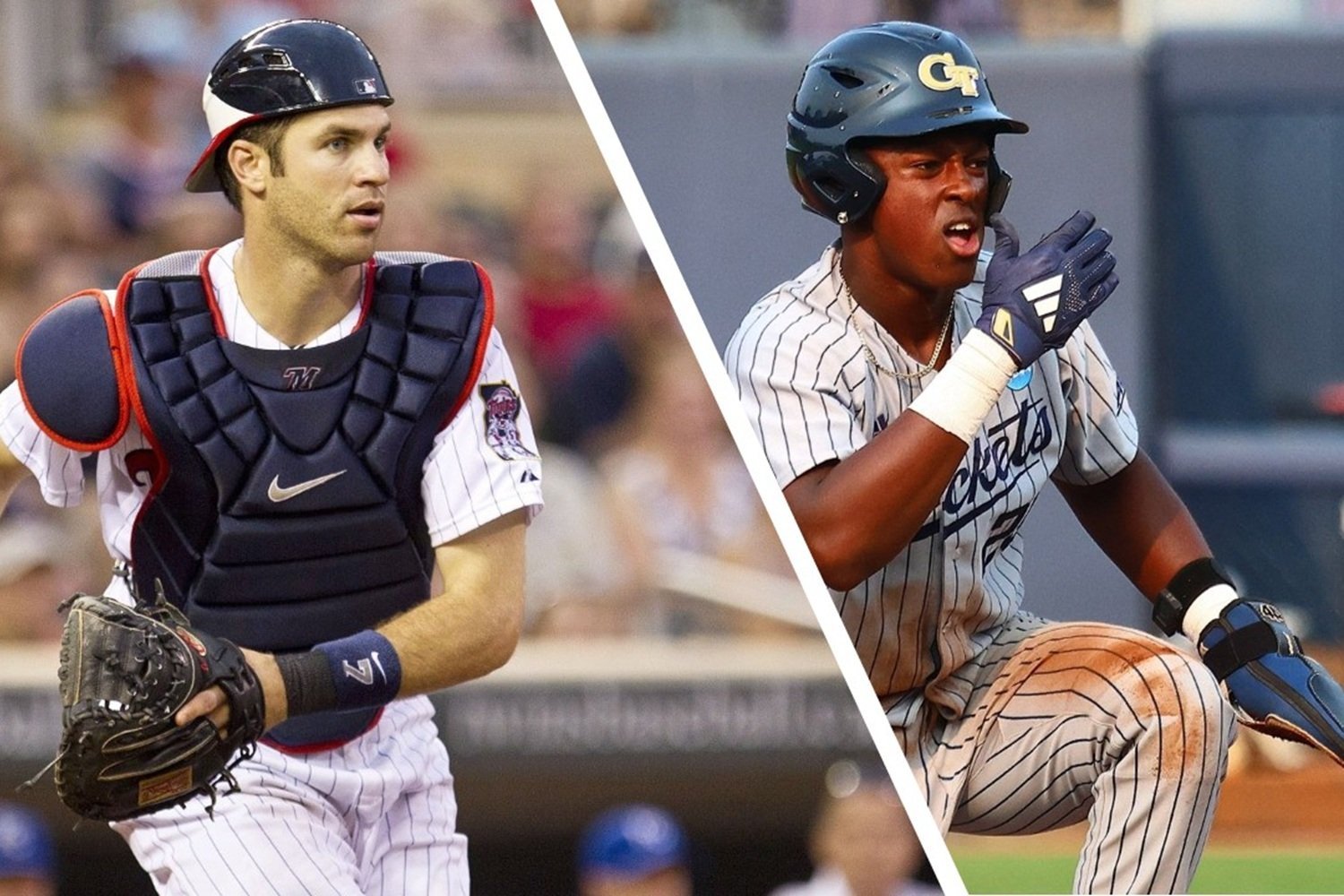 When the Minnesota Twins selected Vahn Lackey with the third overall pick in the 2026 MLB Draft, it didn't take long for one name to dominate the conversation. Joe Mauer. It was inevitable. Lackey became the first catcher the Twins have selected in the first round since Mauer went first overall in 2001. That fact alone guarantees the two will be connected throughout Lackey's professional career, whether it's fair or not. In reality, that statistic probably says as much about the Twins' drafting tendencies as it does about either player. Organizations go decades without selecting certain positions in the first round, for countless reasons. Draft classes differ from year to year; organizational needs change; and sometimes, the best player available simply isn't a catcher. Still, timing matters. Lackey is entering an organization where the standard for a franchise catcher isn't simply "good." It's one of the greatest players in baseball history. Mauer became the face of the franchise, a six-time All-Star, three-time batting champion, five-time Silver Slugger, three-time Gold Glove winner, American League MVP, and ultimately a first-ballot Hall of Famer. That bar is nearly impossible to clear. It's important not to expect Lackey to do so. Once the comparisons begin, there won't be any shortage of talking points. Both players entered professional baseball as elite catching prospects selected at the very top of the draft. Mauer went first overall in 2001 after starring at Cretin-Derham Hall in St. Paul, while Lackey came off the board with the third overall pick after an outstanding collegiate career. The paths were different (high school versus college), but the expectations were similar. Both projected as players capable of impacting games on both sides of the ball. Athleticism is another obvious connection. Catchers are often viewed as players whose athleticism is sacrificed for durability behind the plate. That wasn't true with Mauer, and it isn't true with Lackey. Mauer's athletic ability became legendary long before he reached the major leagues. He was one of the nation's top high-school quarterbacks and had committed to play football at Florida State before choosing professional baseball, instead. Lackey's athletic résumé looks different, but is equally impressive in its own way. During one collegiate game, he played eight different defensive positions, a remarkable display of versatility that few players at any level could replicate. It's also part of what makes evaluators believe he'll remain behind the plate. Defense is another area where the parallels become difficult to ignore. Mauer developed into one of the best defensive catchers of his generation, winning multiple Gold Gloves while earning a reputation for receiving, blocking, and managing a pitching staff. Lackey enters professional baseball with many of those same defensive accolades already attached to his scouting reports. His receiving skills, arm strength, leadership, and overall polish are consistently mentioned among his greatest strengths. While defensive awards are impossible to predict years in advance, he certainly has the profile of a catcher capable of earning that type of recognition. There are even similarities in the way both players are viewed as leaders. Catchers are often described as extensions of the coaching staff, responsible for managing games, building relationships with pitchers, and setting the tone defensively. Mauer excelled in those responsibilities throughout his career, and Lackey has already drawn praise for his baseball IQ, preparation, and competitiveness. Those characteristics don't guarantee success. But they do explain why the comparisons continue to surface. For every similarity, however, there are equally important differences. The most obvious come in the batter's box. Mauer's smooth left-handed swing became one of the most recognizable in baseball. His ability to spray line drives to every part of the field helped him become the first American League catcher to win a batting title, something he ultimately accomplished three different times. His bat-to-ball skills were extraordinary. Lackey, meanwhile, swings from the right side. His offensive profile isn't built around trying to become the next batting champion, even though he was remarkably productive in college. He finished his collegiate career with a .347 batting average and elevated that number to .397 during his junior season. Those are outstanding numbers. Expecting anyone to carry that level of offensive production into professional baseball would be unrealistic. Minor-league pitching—and eventually, major-league pitching—presents a completely different challenge. Where Lackey may separate himself is with power. He slugged 20 home runs while posting a staggering 1.291 OPS in 61 games during his junior season, showing an ability to drive the baseball with authority. Mauer’s power output was questioned throughout his career. Lackey's offensive ceiling may feature more over-the-fence production. Lackey’s athleticism could also show up on the bases. Mauer was an excellent athlete, but stolen bases were never a major part of his game. He reached double-digit steals only once and finished his 15-year career with 52 stolen bases. Lackey stole 15 bases during his junior season and has earned praise as an above-average runner. While catchers rarely become prolific base stealers in the majors because of the physical demands of the position, Lackey's speed gives him another dimension that Mauer rarely showcased. Their developmental timelines may also differ. Mauer entered pro ball as an 18-year-old phenom with years of development ahead of him. Lackey arrives after three seasons of college baseball, making him more polished and potentially closer to reaching the major leagues. That doesn't necessarily mean he'll become a better player, but it does mean his path could unfold much differently. Whether anyone wants it to happen or not, Twins fans are going to compare the two players. Every hot streak in the minor leagues will generate another headline asking if Lackey is the next Joe Mauer. Every slump will prompt questions about whether he can live up to being the organization's first first-round catcher in a quarter century. Every defensive highlight will remind fans of the Hall of Famer who spent 15 seasons behind the plate at Target Field. That's simply the reality of playing the same position for the same organization after a generational talent. The problem is that those comparisons create expectations that almost no prospect could realistically satisfy. Mauer became one of the best offensive catchers the game has ever seen and ultimately earned a plaque in Cooperstown. Measuring any young catcher against that standard is setting him up to fall short, even if he develops into an All-Star. That shouldn't diminish what Lackey can become. He has the talent to develop into one of baseball's premier catchers. His athleticism, defensive ability, power potential, and all-around skill set give him the ceiling of a true superstar. Those qualities are exactly why Minnesota invested the third overall pick in him. But there's a significant difference between having superstar potential and expecting a Hall of Fame career. The Twins aren't asking Lackey to recreate Mauer's legacy. They're asking him to build his own. If he becomes an All-Star catcher who anchors the lineup and the pitching staff for the next decade, the selection will be a tremendous success regardless of whether he wins three batting titles or hears his name called in Cooperstown someday. The comparisons will never disappear. That's the price of following a legend. For Lackey, the greatest accomplishment may be becoming the first Vahn Lackey. Is it fair to compare Lackey and Mauer? Leave a comment and start the discussion. View the full article
 -
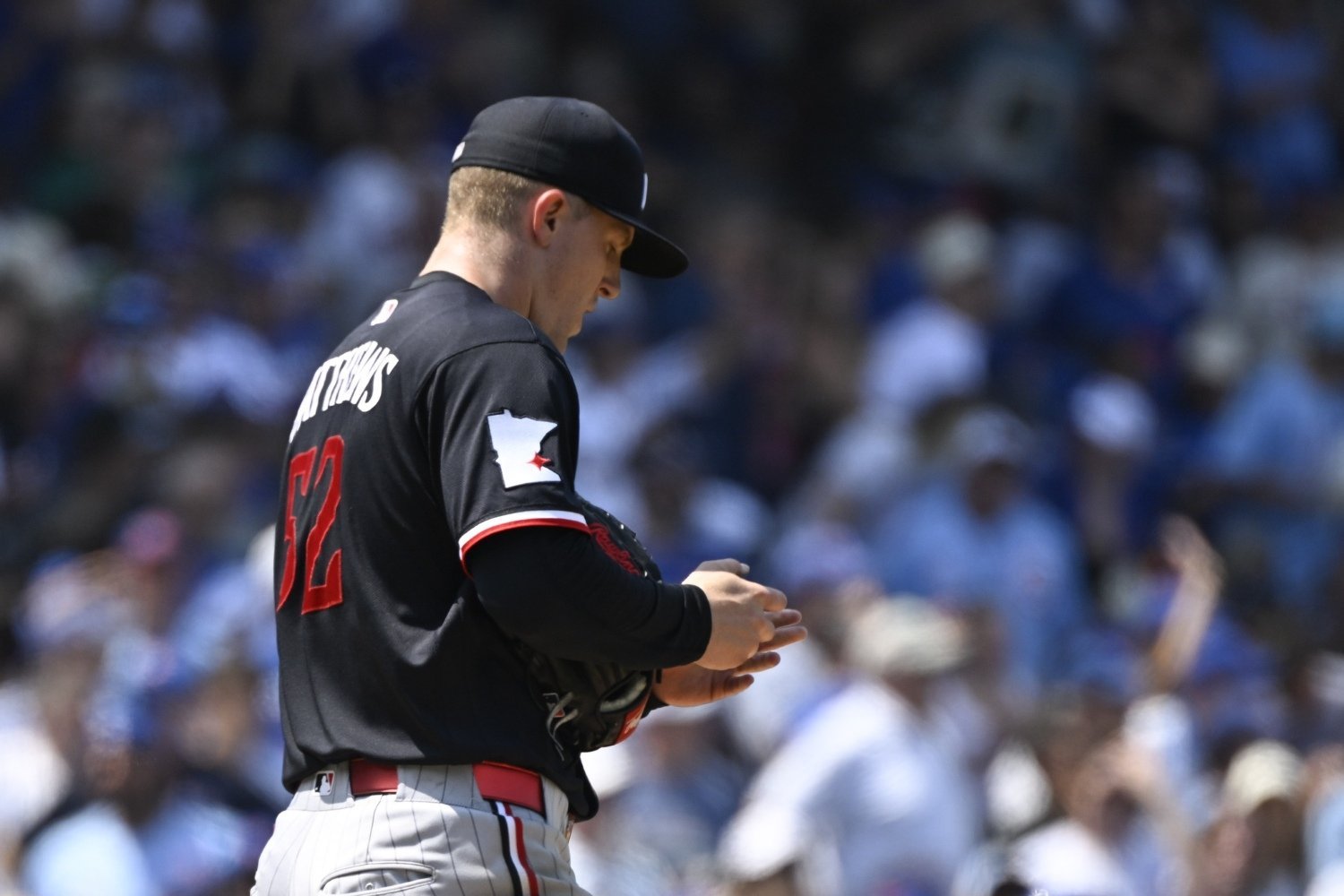 Zebby Matthews has been a win for the Twins' pitching development, even if his stock has dropped since his debut. After speeding through the minors on his way to his big-league debut in 2024, he's struggled with consistency. The Twins don't have other options in the rotation for the rest of 2026, but where will he be in 2027 and beyond? An 8th-round pick in 2022, Zebby Matthews is already a successful pick from that draft. He added velocity after the Twins took him, which he paired with impeccable control to dominate the minor leagues. His overall results at the big-league level so far leave plenty to be desired, with an ERA over 5.50 in just under 200 innings. There's always a chance he can improve, but there are signs that his best role long-term isn’t in the rotation. Matthews has a diverse arsenal, throwing five pitches at least 10% of the time in 2026. His best two offerings, by far, are his two breaking balls, an 89-MPH slider and an 87-MPH curveball. His fastball remains his most-used pitch and has been hit hard, with a .366 wOBA allowed while not drawing nearly enough swings and misses. His heater is also down to 95 MPH, from 96.2 last season. He throws a changeup and cutter as well, though neither has been particularly successful. Depending on the rotation depth the Twins have in 2027, they may have to ask themselves some difficult questions regarding Matthews. Can he improve enough to be a consistent starting pitcher? Can he transition to a relief role and become an impact reliever? As the sample size of innings in the rotation grows, these questions are starting to get louder. Matthews looked like a master of control and command in the minor leagues, but this hasn’t played out at the MLB level. His walk rate in the big leagues is still good, but it’s a far cry from the control he showed in the minors, where filling the strike zone didn’t lead to nearly as much punishment. What we’ve seen with Matthews is that while he’s capable of throwing plenty of strikes, he lacks the command to locate his pitches where they won’t be crushed. This is on full display when watching him while ahead in the count. Instead of putting hitters away by leveraging advantage counts, he far too often throws a hittable pitch, allowing opposing hitters to bail themselves out. He's flashed high-level stuff at points in his young career, but saw a slight decline in 2025 and then again in 2026, particularly with his fastball. It’s possible he lacks the command to be a consistently successful MLB pitcher with this diminished level of stuff. If it’s not going to come back in a starting role, it may be worth seeing if he can harness it out of the bullpen. The most recent example of a fringe starting pitcher turned impact reliever is Andrew Morris this season, but we've seen the Twins utilize this route plenty in recent years. A move to the bullpen would allow Matthews to trim his arsenal and utilize his best pitches more often in shorter stints. He shouldn't need to rely on his fastball as often as a reliever, but history tells us that there's a chance that he could reclaim the velocity he once flashed that approached triple digits. While starting pitchers of any type are valuable, Matthews reestablishing the stuff he flashed a few years ago could make him an impact reliever. While it would be great for Matthews to become even a back-end starting pitcher, there are other paths to him being an impact arm for the Minnesota Twins. Perhaps we need to see a bit more before committing to Zebby Matthews in the bullpen, but if he continues to struggle for the rest of 2026, the question may have to be asked. Is Zebby Matthews’ future in the Twins’ rotation? View the full article
 -
 Piggybacking, or having two pitchers work multiple innings back-to-back, is one of the ways clubs ease workloads and prevent hurlers from facing an opponent's lineup a third time. St. Lucie used the strategy to near perfection on Tuesday night. Conner Ware and Emilio Obispo combined to throw seven innings of two-run ball as the Mets defeated Fort Myers 8-2. Ware started and went three scoreless innings, allowing two hits and striking out four. He faced 13 batters. Obispo worked the next four frames, allowing two runs on two hits, with three walks and three strikeouts. He faced 18 batters, exactly twice through the order. Limiting both pitchers' innings is understandable based on where they are in their careers. Obispo, 19, missed all of last season with an injury. He has not gone more than five innings in a game in 2026, and has thrown 53 1/3 innings total. Ware, 22, is in his first professional season after being drafted in the 15th round by New York out of LSU last year. He leads the team with 57 2/3 innings pitched, with five also his single-game high. Elsewhere on the farm: Syracuse turned in an ugly performance in losing 13-5 to Scranton/Wilkes-Barre. The Mets committed six errors, walked eight batters, and allowed 12 hits. Despite all that, they only trailed 4-3 after 5½ innings. Binghamton’s bullpen wasted a late-inning comeback in the club's 4-3 loss to Portland. Garrett Stratton served up a go-ahead home run in the top of the ninth after the Rumble Ponies had tied the game with three runs in the bottom of the eighth. Brooklyn’s game vs. Jersey Shore was rained out. It will be made up as part of a twi-night doubleheader Friday beginning at 5:35 p.m. The FCL Mets were blown out 15-3 by the FCL Astros. Wyatt Vincent had two hits and an RBI in the loss. DSL Mets Blue suffered a worse defeat, 20-4 to the DSL Marlins. Adrian La Rosa hit his first home run, a two-run shot in the seventh. DSL Mets Orange outlasted the DSL Phillies 7-5 in 10 innings. Two run-scoring wild pitches and then a two-run single by Cesar Acosta in the top of the 10th were enough to withstand a Phils rally in the bottom of the half. Mets Transactions New York Mets recalled RHP Daniel Duarte from Syracuse Mets. New York Mets optioned RHP Xzavion Curry to Syracuse Mets. Syracuse Sloppy In Blowout Loss The six errors look bad, but 11 of the 13 runs the Mets allowed were earned, so they weren't completely responsible for the lopsided result. One of the unearned runs scored against starter Jack Wenninger, who went the first three innings. He allowed five hits, three runs (two earned) and two walks. The other one was charged to Ofreidy Gomez, who worked the fourth. That run made it 4-0, Scranton/Wilkes-Barre. Syracuse answered with three runs in the top of the fifth. RBI singles by Ben Rortvedt and Vidal Brujan halved the deficit, and a bases-loaded walk by MJ Melendez made it a one-run game. Melendez walked three times in the contest. Then, the bullpen let the game get away. Nate Lavender and Jonathan Pintaro combined to allow four runs in the sixth. After Lavender gave up a solo homer, Pintaro came on and added to the misery. He committed a throwing error on a bunt, which brought in a run, and later threw a wild pitch that brought in another run. After the Mets clawed back to 8-5 in the top of the eighth, Joey Gerber was charged with five runs in the bottom half while not recording an out. Matt Seelinger allowed his two inherited runners to score. Player AB R H RBI BB K Ronny Mauricio 3 0 0 0 1 0 MJ Melendez 2 1 0 1 3 1 Christopher Morel 4 1 1 0 0 1 Ryan Clifford 3 0 0 0 1 1 Nick Morabito 4 1 2 1 0 0 Jihwan Bae 3 1 1 1 1 1 Christian Arroyo 4 0 0 0 0 1 Ben Rortvedt 4 1 1 1 0 1 Vidal Bruján 4 0 1 1 0 1 Player IP H R ER BB K HR Jack Wenninger 3 5 3 2 2 2 0 Ofreidy Gómez 1 1 1 0 0 1 0 Nate Lavender 1 1/3 1 1 1 1 1 1 Jonathan Pintaro 1/3 2 3 3 2 0 0 Dylan Ross 1/3 0 0 0 0 0 0 Jefry Yan 1 0 0 0 0 0 0 Joey Gerber 0 3 5 5 2 0 0 Matt Seelinger 1 0 0 0 1 0 0 Binghamton's Rally Goes To Waste The Rumble Ponies came all the way back after being down 3-0 with two out and nobody on in the eighth. Chris Suero walked and then advanced to second on a passed ball. Jose Ramos doubled him home for Binghamton's first run. Nick Lorusso walked and Corey Collins reached on an infield hit to load the bases. John Bay was hit by a pitch to force in Ramos. Lorusso then scored from third on a wild pitch with Kevin Parada at bat to make it 3-3. Stratton allowed the home run in the top of the ninth, and Binghamton went down in order in the bottom half. Bryce Conley turned in a quality start, He gave up three runs (all earned) on four hits over six innings. He struck out nine and walked none. Felipe De La Cruz and Saul Garcia followed with a scoreless inning each. Mike Tauchman moved up to Double-A as his rehab from knee surgery continued. He went 2-for-4 with a walk while playing a full game in left field. Tauchman was competing for a major-league job in spring training when he suffered a meniscus tear in his left knee. Player AB R H RBI BB K Mike Tauchman 4 0 2 0 1 2 Chris Suero 4 1 0 0 1 0 Jose Ramos 4 1 2 1 0 2 Nick Lorusso 2 1 0 0 2 1 Corey Collins 3 0 1 0 1 1 John Bay 3 0 0 1 0 1 Kevin Parada 4 0 0 0 0 0 Wyatt Young 4 0 0 0 0 0 Nick Lucky 4 0 0 0 0 3 Player IP H R ER BB K HR Bryce Conley 6 4 3 3 0 9 2 Felipe De La Cruz 1 0 0 0 0 2 0 Saul Garcia 1 0 0 0 0 0 0 Garrett Stratton 1 1 1 1 0 1 1 Early Runs Put St. Luce in Control Vs. Fort Myers The Mets' hitters made Obispo's task a lot less stressful. He came into the game with a 5-0 lead. St. Lucie opened the scoring in the second inning when Randy Guzman, who reached on a hit by pitch, stole home on the front end of a double steal with two outs. It broke the game open in the third with four runs. Guzman drew a bases-loaded walk after a successful challenge, forcing in Julio Zayas. Trey Snyder followed with a two-run double, and then Antonio Jimenez singled, with Snyder scoring on a throwing error on the play. Antonio Jimenez added a sacrifice fly in the fifth. Zayas led off the sixth with a solo home run. After Fort Myers scored twice in the seventh, Zayas answered with his second home run of the night in the eighth. Player AB R H RBI BB K Elian Peña 4 1 0 0 1 2 D'Andre Smith 4 1 1 0 1 1 Marco Vargas 3 0 0 0 1 1 Randy Guzman 2 2 1 1 1 0 Trey Snyder 3 1 3 2 1 0 Antonio Jimenez 3 0 1 1 0 1 Branny De Oleo 3 0 0 0 1 0 Chase Meggers 4 0 0 0 0 1 Julio Zayas 4 3 3 2 0 0 Player IP H R ER BB K HR Conner Ware 3 2 0 0 1 4 0 Emilio Obispo 4 2 2 2 3 3 0 Zack Mack 1 1 0 0 0 0 0 Elwis Mijares 1 0 0 0 1 1 0 Top-20 Prospect Performance Jonah Tong: DNP Jack Wenninger: 3 IP, 5 H, 3 R (2 ER), 2 BB, 2 K Ryan Clifford: 0-for-3, BB, K Elian Pena: 0-for-4, R, BB, 2 K Nick Morabito: 2-for-4, RBI, R Jacob Reimer: DNP Mitch Voit: DNP Jonathan Santucci: DNP Zach Thornton: MLB Chris Suero: 0-for-4, R, BB Will Watson: DNP Wandy Asigen: 1-for-2, BB, K, CS Eli Serrano III: DNP Randy Guzman: 1-for-2, 2B, RBI, 2 R, BB, SB Dylan Ross: 1/3 IP, 0 H, 0 R, 0 BB, 0 K Ryan Lambert: DNP Antonio Jimenez: 1-for-3, RBI, K, SB R.J. Gordon: DNP Jonathan Pintaro: 1/3 IP, 2 H, 3 R, 2 BB, 0 K Marco Vargas: 0-for-3, BB, K View the full article
 -
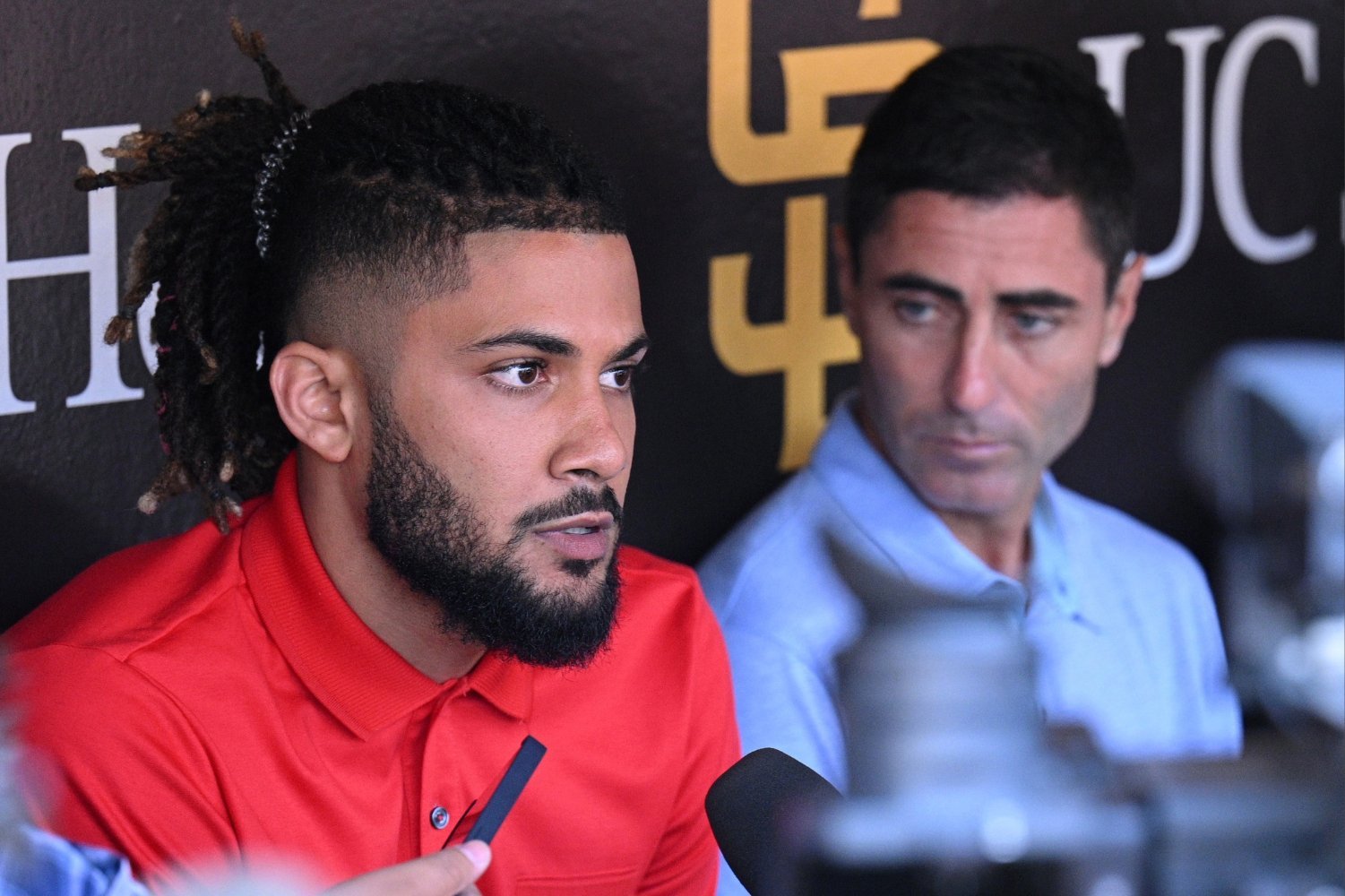 Hovering around .500, the San Diego Padres remain firmly in the National League wild-card race, but several holes throughout the roster have prevented them from living up to their preseason expectations. While San Diego is still waiting for breakouts from their stars that would immediately fix their offensive struggles, the team needs to enter the trade deadline with plans to better round out their roster. With injuries plaguing them all season, the deadline can be used to strengthen the team's depth as they look to force a second-half turnaround. Ranking Padres' Biggest Trade Deadline Needs #3: Middle-Infield Offense The Padres' middle infield has been a revolving door this season, with multiple players rotating between shortstop and second base while providing little offensive production all season. Outside of Fernando Tatis Jr., all the other options are currently batting below .240 and have played a major factor in the team having a league-low .226 batting average. With the Padres posting negative offensive WAR totals at both shortstop (-0.1) and second base (-0.9), the middle infield has become one of the team's biggest weaknesses. If the team wants to make a significant upgrade at the deadline, these might be the positions to target. Given the organization's surplus of right-handed starting pitching, the Padres could package multiple arms in pursuit of an impact bat such as Jeremy Peña or CJ Abrams. #2: Outfield Depth Samad Taylor being placed on the injured list is a real detriment to the Padres' offense. An unexpected contributor, Taylor's promotion to the MLB roster brought a spark to the offense as he hit .330/.410/398 and stole six bases in only 26 games. His patient approach at the plate, along with his ability to draw attention while on base, took much-needed pressure off his teammates. Since his injury, the team has attempted to replace his production with rookie Jase Bowen, but the lack of offense has been noticeable. As a team, the Padres have a .302 OBP and 386 runs scored, both ranking last in the league. Thus, they need to prioritize acquiring hitters that can consistently put more pressure on opposing pitchers. One name that has been linked is Chicago Cubs outfielder Seiya Suzuki due to his team's need for starting pitching. While the big-name is enticing, San Diego might benefit from contacting another pitcher-needy team like the St. Louis Cardinals and inquiring about José Fermín, who has a career .313 OBP and represents a cost-effective option that could build their outfield depth. #1: Left-Handed Starter While the Padres' offense has received most of the criticism this season, holes in their starting rotation must be addressed to spark some more life into the roster. As a team, their starters have a 4.79 ERA, the fourth-worst in the league, and this could be due to their lack of left-handed options. As it stands, JP Sears is the only starting lefty in their starting rotation, with San Diego deploying an all-right-handed rotation prior to his promotion. This lack of left-handed depth has hurt the Padres in limited opportunities; left-handed Padres starters have posted a 10.57 ERA against left-handed hitters, the third-worst mark in the league, despite logging just 7.2 innings, the fifth-fewest in the league. In order to better compete in the back half of the season, the team may benefit from better balancing its rotation. While high-profile names like Tarik Skubal have been linked, their current record and position in the National League may suggest that San Diego could benefit from someone who would cost less than an arm and a leg, such as Robbie Ray or Trevor Rogers. View the full article
 -
Nico Hoerner is the Type of Player Built for October
DiamondCentric posted an article in North Side Baseball
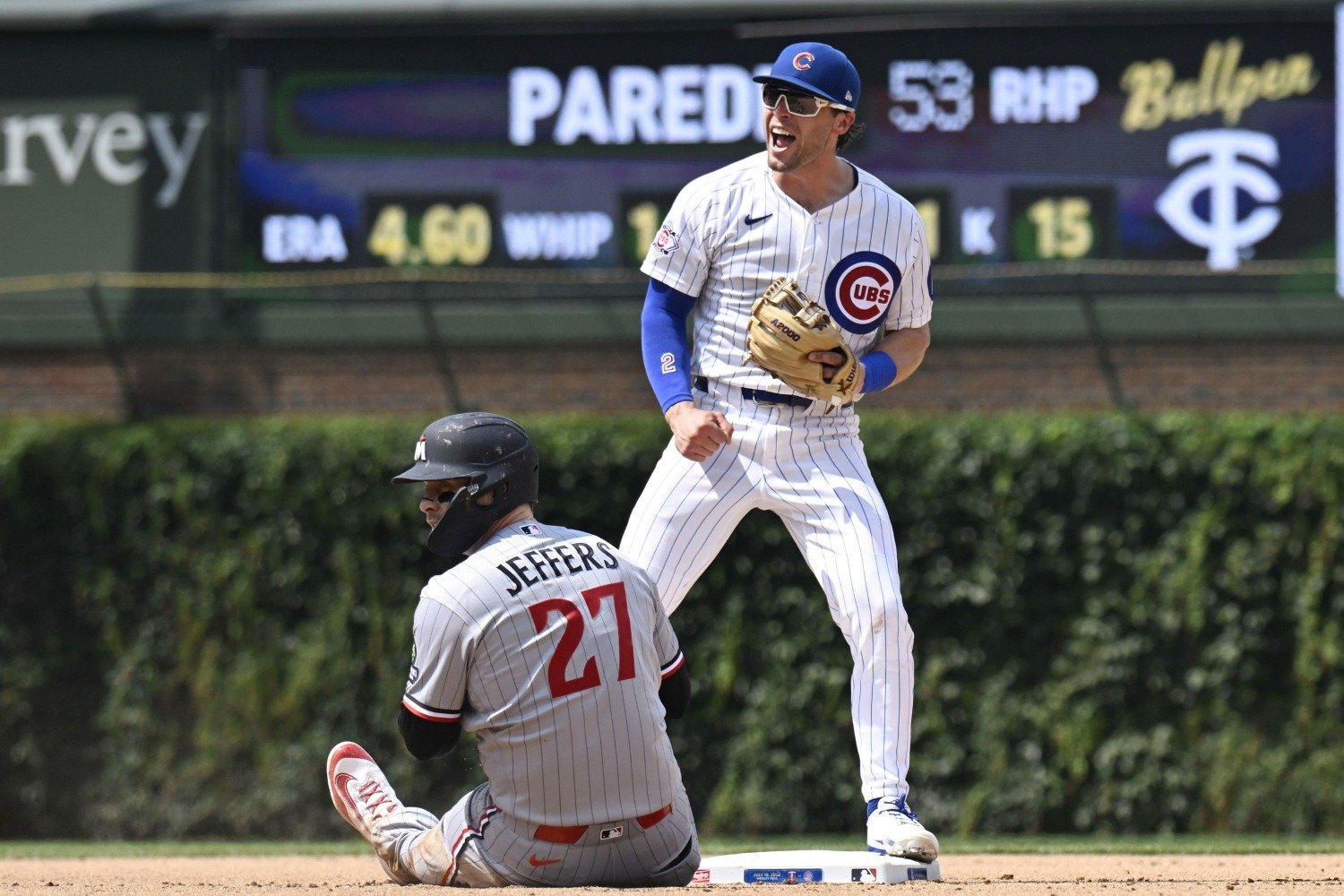 As we all know, Nico Hoerner hasn't been quite as indispensable for the 2026 Cubs as it looked like he might be. On the year, he’s slashing just .247/.314/.340. He doesn’t hit the ball particularly hard; he doesn’t produce many extra-base hits; and his two-month slump took him from a budding leadoff dynamo to someone being kept in the lineup by his glove and his contract. Fortunately, he's emerging from that quagmire, but he's no longer as essential to the team's offense, given the next-level season Pete Crow-Armstrong is having. Yet, while Hoerner may not be the type of player who dominates a box score, there are several things he does at an extremely high level—and when you look at the way postseason baseball is played, he could quietly be one of the biggest reasons why the Cubs do—or don’t—make a serious run this October. There’s reason to believe he’s been better than his stats indicate. Hoerner’s expected batting average sits at .289, more than 40 points higher than his actual mark. His squared-up rate ranks in the 98th percentile among major-league hitters, showing that even though he doesn’t consistently produce elite exit velocities, he’s still finding ways to make quality contact. His bat-to-ball skills remain among the best in baseball; his whiff rate and strikeout rate both rank in the 98th percentile or better. He's walking more than he’s striking out this season. That’s the type of skill set that can become incredibly important in October. Postseason games are often decided by small margins. One extended at-bat, one baserunner created out of nowhere or one mistake avoided can completely change the outcome of a game. Hoerner has built his career around those types of plays. And while his offensive numbers haven’t been what many expected, his ability to consistently put the ball in play gives the Cubs another tough at-bat in their lineup. If he's now getting back to being that .290 hitter with patience and a modicum of gap power, he rapidly becomes a major threat again. Throughout his career, Hoerner has been one of the more dangerous baserunners in baseball. While his sprint speed may not quite be what it once was, he still ranks among the better athletes at his position. He’s stolen at least 29 bases in each of the last three seasons, showcasing his ability to change games without needing to drive the ball over the fence. That type of pressure can completely alter the way pitchers attack hitters. A single can turn into a runner in scoring position. A routine ground ball can become a potential scoring opportunity. Defenses have to play differently when they know a player has the ability to take an extra base. Those are the things that don’t always show up in traditional statistics, but they matter. The same can be said for Hoerner’s defense. This season, he ranks in the 99th percentile in Outs Above Average, continuing to show why the Cubs value him so highly on that side of the ball. Organizations around baseball have placed a greater emphasis on defense in recent years, and that’s a big part of why the Cubs committed to Hoerner for the next six years. As the saying goes, defense wins championships. While that may sound cliché, there’s a reason it continues to be repeated. In the postseason, one defensive mistake can be the difference between moving on and going home. Having a player like Hoerner, who can consistently turn difficult plays into outs, gives the Cubs a level of stability that becomes even more important in high-pressure moments. His own defensive miscue cost the team the game Monday night, but that only underscores the importance of his skill set, and on balance, he's less likely to have such a costly hiccup than almost anyone else in the league. Perhaps the most encouraging sign for the Cubs is that Hoerner has already shown he can elevate his game when the lights get brighter. During last year’s postseason run, he was one of Chicago’s biggest contributors. Across the Cubs’ eight playoff games, Hoerner went 13-for-31, collecting as many extra-base hits as strikeouts. He didn’t try to become a different player. You need that from your veterans. Hoerner may not always receive the same attention as some of the Cubs’ biggest names, but if Chicago is going to make a deep postseason run, he’s going to have a major role in it. He’s the kind of player who can quietly change a game, and that makes him one of the Cubs’ biggest X-factors heading down the stretch. View the full article
 -
Luis Robert Jr., Clay Holmes Generating Trade Interest
DiamondCentric posted an article in Grand Central Mets
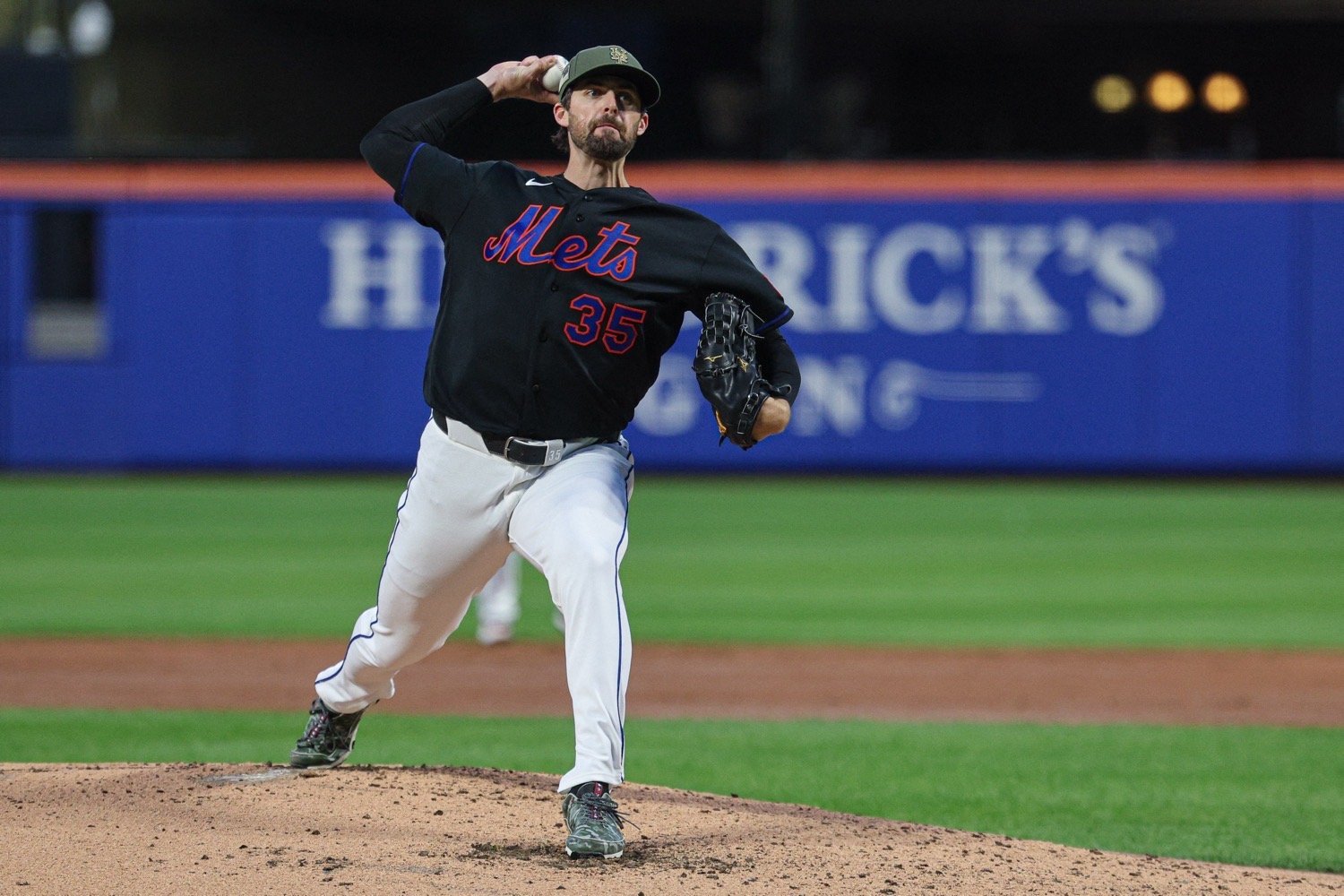 As the New York Mets' disappointing season trudges along, rumors will begin to get rampant as we are less than two weeks away from the trade deadline. Ken Rosenthal of The Athletic provided an update on two players who may be moved at the trade deadline. Rosenthal reported that there "is preliminary interest from multiple teams" on outfielder Luis Robert Jr. He went on to report that "While the possibility remains that the Mets and Clay Holmes agree to an extension, there’s a significantly greater likelihood of a trade..." Robert Jr, 28, has been limited to 26 unproductive games so far this season. He's carrying a .648 OPS with three home runs and two stolen bases. While his hard-hit rate is respectable, his barrel and sweet spot rates don't indicate bad luck as his BABIP may suggest. That, coupled with injuries and the impending lockout (though he does have a team option for 2027), may limit the return he would generate in any deal. Holmes, who has also dealt with injuries this season, has been far more productive when he's been healthy. He's pitched to a 2.39 ERA (3.22 FIP) despite just a 12.5% K-BB rate. Despite the solid surface stats and FIP, his peripherals suggest that his upside is limited as a front-end starter. Undoubtedly, a contending team would love to have them as their 2nd or 3rd arm in the rotation. Not to mention, he has experience as a high-leverage reliever on a playoff team if a contender decides to move him back to the bullpen for the short term. Like Robert, he has a team option in 2027. Do you think the Mets should trade either player? Join the conversation in the comments! View the full article
 -
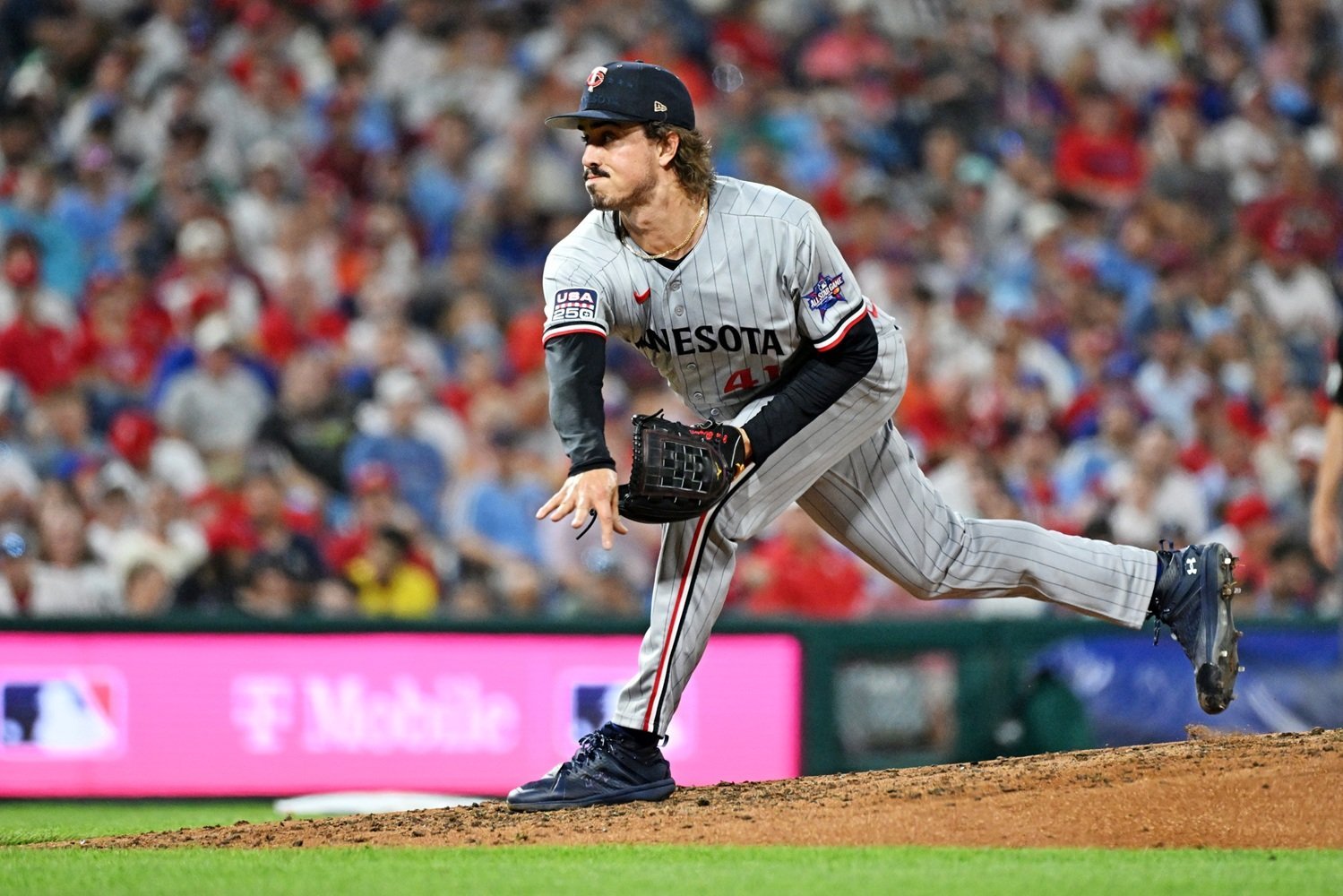 Over the next two weeks, the MLB trade deadline is going to dominate the baseball world. Rumors are about to pick up; contenders will start getting aggressive; and sellers will begin weighing whether it's time to cash in on their most valuable assets. The Twins have no shortage of players who should generate interest, with most of the speculation centered around their lineup. But there's one pitcher whose name has been making the rounds, as well. Not just any pitcher, either: it's their top dog, Joe Ryan. Fellow Twins Daily writer Cody Christie recently wrote a piece about the four options the Twins have surrounding Ryan. They can trade him now, trade him this winter, reevaluate at next year’s deadline, or keep him until he hits free agency. I've shared my belief that trading Ryan ahead of this year's deadline is the right move. If you're going to do it, now is the time. Waiting until the offseason or next summer only lowers his value. Ryan is set to enter his contract year in 2027, meaning any team acquiring him before this deadline would be getting multiple postseason runs with him instead of just one. He's far more than a rental, and that extra year of team control is incredibly valuable in today's market. The earlier you move him, the more you should expect to receive in return. That timing also happens to coincide with Ryan playing the best baseball of his career. Despite a blowup start on Monday that pushed his ERA up by over a full run, his numbers remain very strong. Through 114 1/3 innings this season, he's posted a 3.86 ERA while striking out more than five batters for every walk he allows. His ERA+ sits at an outstanding 126, and that number was up at 151 before Monday's outing. He's under team control beyond this season, he's pitching at a very high level, and he's exactly the type of arm contending teams dream about adding at the deadline. The return would likely never be higher. But here's the bigger question. Even if trading Ryan now makes sense, would Tom Pohlad actually be willing to pull the trigger? The Pohlad family has taken their fair share of criticism over the years, and that's putting it mildly. Since taking over as the club's primary owner, though, Tom Pohlad has been vocal about wanting to do things differently. He (supposedly) understands the frustration from the fan base, and he knows they want to see ownership fully commit to building a sustainable winner. Trading away your ace probably isn't the message those fans are hoping to hear. Whether it's the correct baseball decision or not, perception matters. The Twins have already dealt with historically low attendance numbers at Target Field throughout the 2026 season, and while wins and losses are ultimately what matter most, running a baseball organization involves much more than simply fielding the most efficient roster possible. You also have to give people a reason to come to the stadium. Last month provided a perfect example. When Joe Ryan took the mound against Shohei Ohtani and the Dodgers, Target Field was packed. Now, obviously, those fans weren't showing up solely because Ryan was pitching; Ohtani and the Dodgers are one of the biggest attractions in professional sports. But games like that are a reminder that your roster matters. Who you put on the field absolutely influences whether fans feel excited enough to come to the ballpark, and Ryan has become one of the Twins' biggest stars. Removing him from the roster would have consequences that go well beyond the rotation. There's another factor working against a Ryan trade, as well. The Twins are only 12 months removed from last summer's fire sale. That deadline dramatically changed the direction of the franchise and left a pretty sour taste throughout Twins Territory. Fans watched several important players leave while the organization signaled it was taking a step backward. Another deadline selloff—especially one that includes Ryan–would almost certainly be met with similar frustration, if not more. Even if the long-term return eventually proves worthwhile, convincing fans to be patient all over again would be no easy task. From purely a baseball standpoint, the argument for trading Ryan is a strong one. His value may never be higher than it is today, and if the Twins don't truly believe they're positioned to make a serious run over the next two seasons, maximizing that value is a logical strategy. But baseball decisions don't happen in a vacuum. There are business considerations, fan relations, clubhouse dynamics, and real consequences that come with moving one of the faces of your franchise. Trading Joe Ryan wouldn't just reshape the Twins' rotation. It would send a message about where this organization believes they stand, and where they’re headed. I'm still standing firm on my belief that trading Ryan now is the right baseball move, but it also comes with an enormous amount of risk. Not just from a performance standpoint, but from an engagement and morale standpoint as well. And if Tom Pohlad truly wants to show that this era of Twins baseball will be different, shipping off Joe Ryan would certainly be a bold first step. View the full article
 -
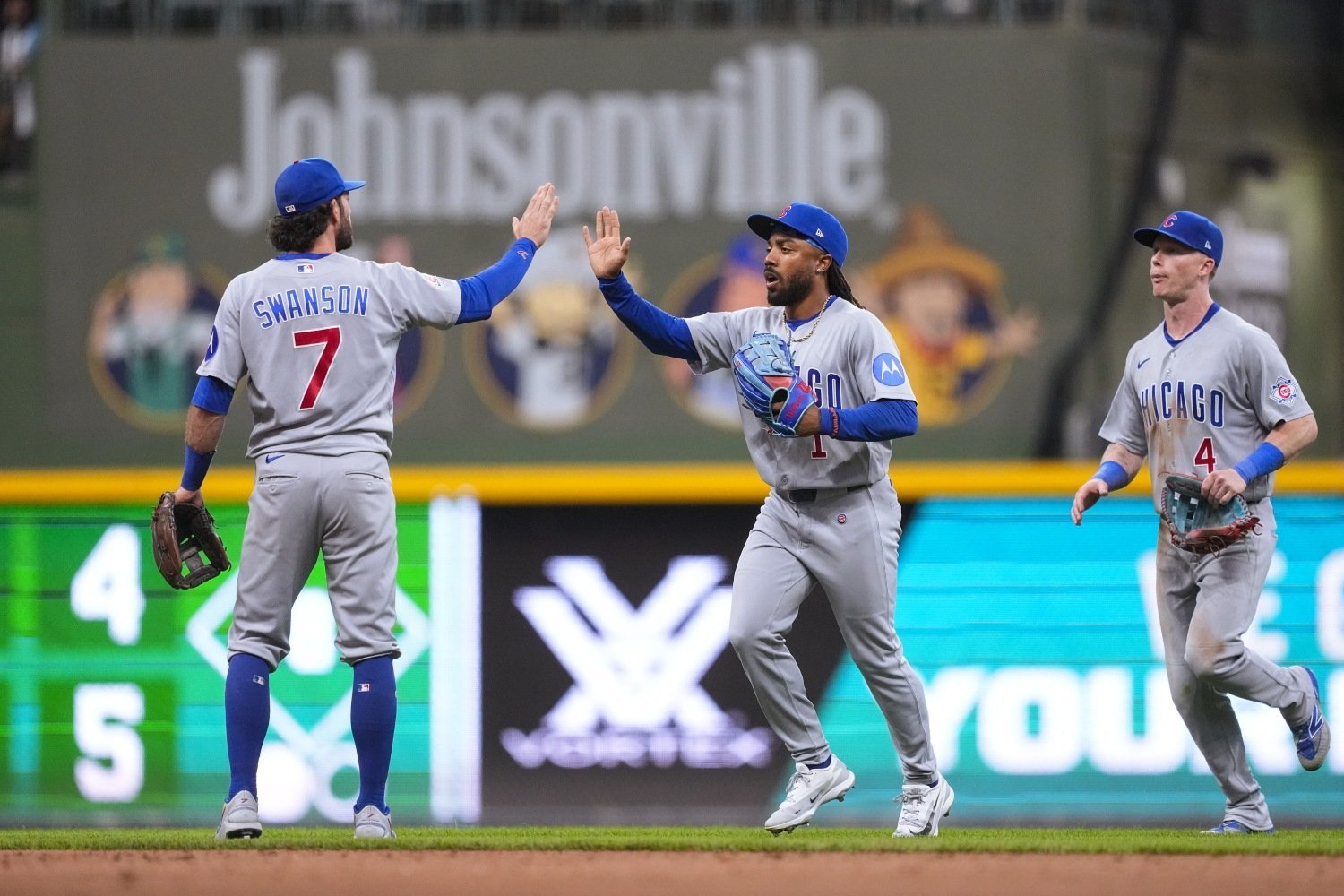 It was hot in Chicago on Sunday, It had been hotter on Saturday, and more oppressive on Friday, when the air was filled with down-drifting smoke, but Sunday was hot. Watch carefully on Sunday mornings at the ballpark, and you can see players allowing themselves tiny breaks. The season is grueling; surviving it means taking micro-vacations, like lingering over a breakfast plate in the team dining area an extra few minutes or attending some church gathering, be it one of the peer-led Bible studies or a miniature Catholic Mass. Two hours before first pitch, though, Justin Dean was already halfway through his demanding daily routine. "First thing, before I even get out here, I try to be one of the first guys through the cage, getting my flips in, my live pitching looks in," Dean said, standing and stretching on the steps leading down from the field toward the tunnel in the Cubs dugout. "That gives me time to do this, too." The "this" of which he speaks is a progression of defensive drills with third-base coach and outfield instructor Quintin Berry. Interestingly, their work together begins with Dean donning a mini-glove—a tool more often associated with infielders. Kneeling a few feet from Dean, Berry throws him a series of short hops, which Dean fields in several different positions. Unlike an infielder, he doesn't start down on his knees himself; this work is different. Instead, he goes through a series of arrangements of his feet, each one looking like he's reaching a ground-ball single at a different moment in his stride. The mini-glove forces him to get and stay even lower than he would in a game. "It’s so important. Getting to the ball quickly and getting rid of it, just stopping that guy from advancing, whatever I can do to be ready for that, I want to do it," he said. "So I try to do this every day. Make every kind of play that I might need to make out there. Be ready for anything." Dean has a preferred foot on which to plant as he swoops down to collect a ball, but he knows the game doesn't always operate on your rhythm, so he and Berry practice picking the ball up directly in front of him and to each side, with each foot forward. Relatively soon, the mini-glove is cast aside, and Dean switches to his custom-colored outfielder's mitt. Berry goes to work, then, with his fungo bat, and the drills are repeated, but with slightly greater distance between coach and pupil and slightly more pace on the balls being fielded. After going (again) through that exhaustive set of body positions and arrangements of Dean's feet, the two move farther and farther apart, until Berry is camped on the foul line about 40 feet beyond third base and Dean is out in shallow center. Now the balls are hit a greater distance from him, and the same ballet takes place with broader sweeps. Dean runs anywhere from three to 10 steps after each ball, fielding them exactly the way he did in the previous drills. He's locking in the same reliable set of movements, while making sure that the variety of those movements is great enough to prepare him for game action. "You want to be ready for anything. Not every ball you get out there is gonna be the same," Dean said of one move repeated at each level of the progression, wherein he backhands the ball like an infielder. (Nine times in 10, outfielders, will find a way to get around balls hit to their throwing-arm side and field it with their glove in a forehand position, surrounding the ball, but that's not always possible or preferable.) "I try to move some ways here that I might not do very often in a game, but then if I need to, I’m ready." That's Dean's credo, and the motto of any good fifth outfielder. "Be ready." It's much easier said than done, but that's why Dean works up a real sweat long before gametime—and does it every day. In all that time with Berry, he didn't make even one effortful throw; he returned the ball softly to his bare-handed coach on bounces or rolls. He'll play catch with a teammate closer to game time; this is just bonus work. "It can make a big difference; you never know what will," Dean said. "And so my main thing has been to have a routine. One, it wakes the body up, just get moving and get out there. Especially when you know that your playing time isn’t going to be that consistent, you want to be ready. You want to make that play when you’re called upon; it can be the difference." Dean said that, although he's always tried to get in extra work on occasion, he learned just how important a routine and a daily plan for improvement and preparedness were when he got a taste of life in the big leagues with the Dodgers last year. Then-teammate Mookie Betts talked him through it; Dean called Betts "my guy" and said the two still connect when needed. A 17th-round pick in 2018, Dean is a late bloomer. He's already, technically, a World Series champion, having been with the 2025 Dodgers, and he appeared in 13 games for Los Angeles in October last year. He didn't come to bat even once in those contests, though, and in what adds up to about four months of time on big-league rosters, he has only 42 games played and a hilariously low 10 career plate appearances. That's playing time being inconsistent, alright. It's a testament to Dean's dedication and his popularity in a clubhouse that both the Dodgers and the Cubs have been willing to carry him for so long while using him so little. He stays ready, even if it's only for a few innings' defensive work in blowouts. He knows that, one way or another, there's always a chance that he's called upon to play defense in a much higher-pressure, higher-leverage situation. He also keeps himself sharp as a hitter, leaning on the game's improved technological infrastructure. Dean said he got some reps in on the Trajekt machine while with the Dodgers last summer and fall, but has developed even more of a routine with it since coming to the Cubs. Unlike Los Angeles, Chicago has a machine at their Triple-A affiliate, as well as one at Wrigley Field; Dean built a pregame plan for utilizing that tool, too. "It can definitely help, just visually," Dean said of the machine, which uses video and data inputs to mimic the real experience of facing hurlers in a cage setting. "It doesn’t have to be about facing a specific pitcher or anything, but to feel like you’re getting more real reps that way." On the rare occasions when he's gotten to swing for the Cubs, that work, too, has paid off; he has his first two career hits this year. His role is a paltry thing, on a team loaded with outfield talent and three guys who (each for slightly different reasons) hate to come out of the lineup for any reason. Dean doesn't mind, and said that Craig Counsell doesn't need to coddle him by communicating constantly about what to expect. "I think it goes without saying, in a way," Dean said. "That’s what the job is. I can’t predict when the chance is going to come, but the work gets me ready to, when they need me, I want to make whatever play we need that day." Most days, the Cubs don't need any play from Dean. That hasn't diminished his passion for the preparation. Listening to and watching Betts, going along for the ride with that championship team as a 28-year-old rookie, and working under managers Dave Roberts and Counsell, Dean has soaked up a lot of experience in his short time in the majors, after spending the better part of a decade riding buses in the minors. He's making the most of his chance to stay in the bigs now, even if 'the most' of a role like this still isn't much. The metaphor of those reps where he's stationary and has to field the ball cleanly with each foot in each possible position is an apt one. The game can't wrong-foot you if you have no wrong foot. That's why Dean puts in the work, and the respect his teammates have for him is because he puts in the work. View the full article
 -
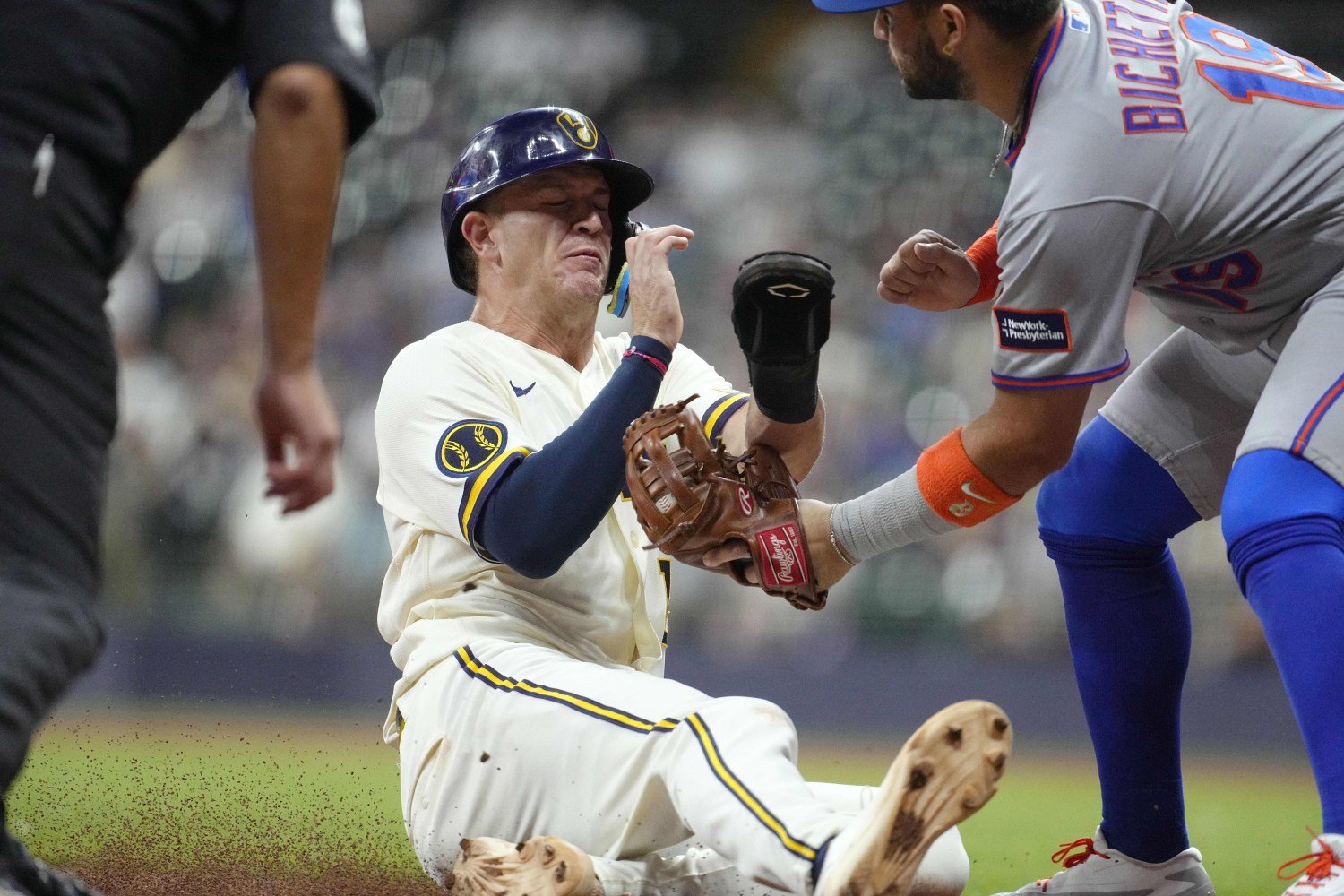 Pat Murphy is working hard to be both accountable—"I blame myself first. I didn't communicate it the right way, I guess," he said of a Cooper Pratt baserunning mistake Monday night—and positive. But the manager has made it clear that he's not as impressed with his team's play as their record might lead an outsider to expect, or as the rest of the baseball world always seems to be. In his eyes, the team is not playing up to its potential, and the difficulty of this year's National League means they'll have to get back into a groove down the stretch in order to maintain their great playoff position. If Murphy was at all worried that his team was learning the wrong lessons from a string of wins in which they didn't always play well enough to deserve the result, he can take reassurance from Tuesday's 4-0 loss to the Mets. In that contest, every mistake seemed to haunt Milwaukee—and there were lots of mistakes. Brandon Sproat couldn't command his fastball well enough to get the grind-it-out Mets lineup into swing mode, and they tortured him with a series of difficult innings. By and large, he worked out of trouble, surrendering just one run through his first four frames. That tally came on a solo homer, ironically, on a night when four walks and a series of clean singles meant the Mets seemed to have traffic at all times. Sproat's stultifying pace seemed to leave the Brewers offense a bit stagnant in their turns, so it was 1-0 when the top of the fifth rolled around. Finally, inevitably, Sproat's luck ran out. After two straight flyouts gave the starter a chance to get through five innings with the team very much in the game, he made a final mistake, issuing a walk to Bo Bichette with three straight misses after getting ahead 1-2. Murphy went to Chad Patrick to finish the frame, but instead, things unraveled. First, Francisco Lindor hit a grounder that took a bad hop as Brice Turang tried to dive and collect it. Worse, it deflected off Turang's glove into no-man's land in shallow center field. Garrett Mitchell couldn't charge and fire fast enough to Pratt covering second to prevent the near-groundout from turning into a Lindor double, putting two runners in scoring position. Then, the disaster became less subtle. Carson Benge hit a harder grounder, but one that went almost straight down and began a lazy two-bounce journey toward the are just to the right of first baseman Andrew Vaughn. However, the Brewers were playing their infield shaded toward that side of the diamond—a rarity for them—and Vaughn misread the play. Instead of collecting the ball himself and throwing to Patrick covering first, he took off for the bag, leaving Turang to try to run down the bounder. It eluded him and dribbled into right field, scoring two runs. It could easily have gotten even worse. Charging the hit, Luis Lara ill-advisedly threw behind Benge from right field, allowing the Mets rookie to take second. Patrick settled down and kept the game 3-0, but the damage was done. Turang, the team's defensive whiz, came up short on two plays in a row, but none of Vaughn, Mitchell or Lara covered themselves in glory, either. Murphy called it an instance of "miscommunication" after the game. The only really promising chance the Brewers had to rally came in the bottom of the sixth, but it was thwarted by more poor communication. Pratt and Joey Ortiz started the frame by reaching base, setting the table for the top of the order. After a bad at-bat by Chourio resulted in a strikeout, Turang worked a 2-2 count, and then a ball popped away from Mets catcher Luis Torrens. It clanked off his mitt despite being close to the zone, and it trickled far enough away for both runners to advance. Unfortunately, Pratt (perhaps screened by the pitcher, Zac Thornton) made the mistake of assuming too soon that the ball had been caught cleanly. By the time he saw that a chance had existed, it was gone—but it was no longer safe to stay at second base, either. Ortiz had correctly diagnosed the play as a chance to move up, but didn't check his lead runner before trying to do so. Compelled to take off way too late for third, Pratt was dead on arrival. Murphy said the greater share of blame there rests on Ortiz, but counts it as a double error, so to speak. "Yeah, it's on Joey to follow the runner, but it's on Cooper that you can't be indecisive," the manager said. Pratt's mistake the previous night was in the same class; he didn't break on a ground ball to the right side on which he could have scored from third base. You can't win every game, and though Murphy is famously and proudly devoted to trying, he doesn't expect his team to be perfect. Occasionally, getting punished for slip-ups with an L on the standings page is important. It teaches the team to be as close to perfect as possible, to maintain their margin for error. Tuesday night, then, represented a good learning experience, even if it was a lousy result for Sproat against his old team. The Brewers are still running a higher winning percentage than they did in either of Murphy's previous two seasons at the helm. If they can avoid repeating that sloppy performance, they'll be fine—and given the personalities of Murphy, Pratt, Vaughn and the rest of the team, it seems likely that they'll fix these problems in a hurry. View the full article
 -
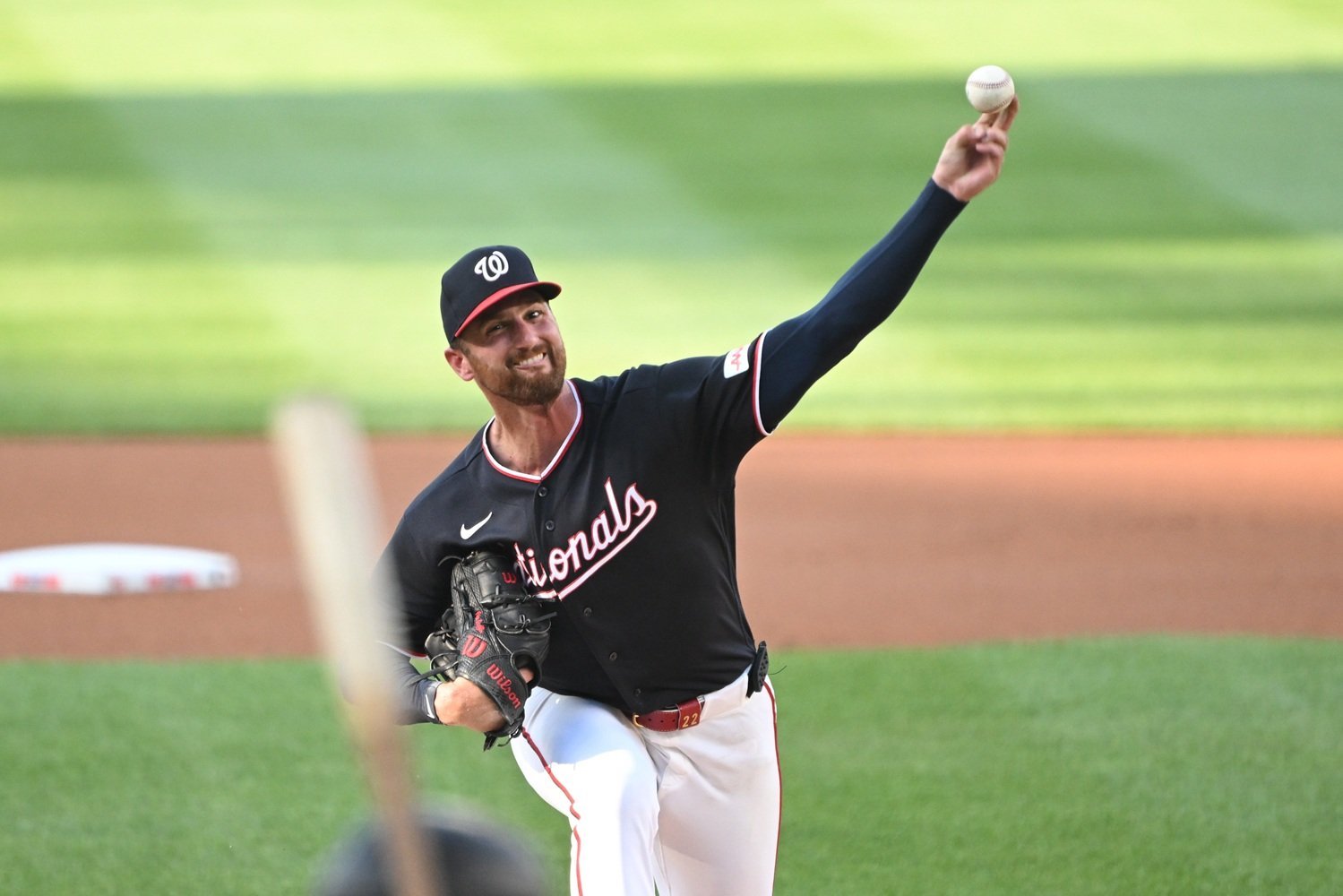 The Minnesota Twins have spent much of the 2026 season trying to survive one of baseball's least effective bullpens. Injuries and inconsistency have put added pressure on a club that has remained in the American League Wild Card race. Jeremy Zoll doesn't need to overhaul the bullpen with blockbuster acquisitions, but standing pat isn't a realistic option, either. Minnesota needs multiple relievers if it hopes to play meaningful games in September and October. One intriguing wrinkle is already inside the organization. Connor Prielipp and Zebby Matthews both have the type of electric stuff that could immediately play up in relief. A move to the bullpen would shorten games and potentially solve multiple late-inning problems. The challenge, of course, is replacing their innings in the rotation. If the Twins decide to shift one (or both) into relief, they'll need to acquire another starting pitcher capable of handling meaningful starts down the stretch. That combination of needs opens the door to several under-the-radar trade candidates who could improve Minnesota without requiring the type of prospect package attached to the biggest names on the market. RHP Foster Griffin Diamond Centric’s Trade Candidate Rank: 21 For the Twins, Griffin's versatility is what makes him particularly intriguing. Minnesota doesn't necessarily need an ace if it intends to move Prielipp or Matthews into relief. It simply needs someone capable of taking the ball every fifth day and keeping the team in games. Griffin could stabilize the back end of the rotation, while providing another option to shift into relief during a postseason series. His ability to throw strikes and keep hitters off balance also aligns well with the Twins' pitching philosophy, which has long emphasized command and pitch mix over pure velocity. LHP Steven Okert Diamond Centric’s Trade Candidate Rank: 24 Twins fans will be familiar with Okert from his time with the club in 2024, but he's a different pitcher. Minnesota has lacked a dependable late-inning left-handed option throughout much of the season, making Okert an ideal fit. Anthony Banda’s recent season-ending injury has only heightened that need. Okert’s ability to retire both left-handed and right-handed hitters would give manager Derek Shelton significantly more flexibility than simply using him as a matchup specialist. Minnesota has often leaned heavily on right-handed relievers in leverage situations, and adding a proven veteran like Okert would immediately diversify the bullpen while bringing postseason experience to a relief corps that desperately needs stability. LHP Trevor Rogers Diamond Centric’s Trade Candidate Rank: 33 Rogers might be the most interesting name on this list, because he addresses multiple needs at once. If Minnesota wants to convert Prielipp into a reliever to protect his innings, Rogers could slide directly into the rotation. His changeup-heavy approach would offer a different look than the Twins' current starters, and Target Field has historically been a favorable environment for pitchers who rely on deception and limiting hard contact. There is certainly risk attached to his uneven 2026 season, but the upside of adding another quality starter could be worth the gamble if Baltimore is willing to listen. RHP Kevin Ginkel Diamond Centric’s Trade Candidate Rank: 42 Ginkel checks nearly every box the Twins should value at the deadline. He has experience pitching in high-leverage situations, misses bats with two quality pitches, and has shown he can perform under postseason pressure. Minnesota's bullpen has struggled to consistently bridge games to the ninth inning, and Ginkel could immediately slot into the seventh or eighth inning. If the Twins are serious about making a playoff push, adding a reliever with October experience could pay dividends well beyond the regular season. LHP JoJo Romero Diamond Centric’s Trade Candidate Rank: 53 Romero would give Minnesota something it has lacked all season: a legitimate ground-ball specialist capable of escaping inherited-runner situations. Too often, the Twins have watched rallies snowball because their bullpen couldn't induce weak contact when it mattered most. Romero's ability to generate ground balls would pair nicely with Minnesota's improved infield defense in recent weeks after shifting players to new defensive homes. Even if his surface numbers aren't as dominant as they were a year ago, his underlying skill set fits exactly what the Twins should be seeking. The Right Mix Matters More Than the Biggest Name The Twins don't necessarily need to win the trade deadline headlines to transform their pitching staff. Adding a starter like Griffin or Rogers could create the flexibility to unleash Prielipp or Matthews in relief, where their premium stuff could have an even greater impact during a playoff race. Pairing that move with one or two experienced bullpen arms like Okert, Ginkel, or Romero would dramatically deepen a relief corps that has too often been the club's biggest weakness. Championship contenders are rarely built with one splashy acquisition. More often, they're assembled through several smart, complementary moves. If Jeremy Zoll can identify the right combination of these under-the-radar arms, the Twins could quietly turn one of baseball's weakest bullpens into a legitimate strength before October arrives. Which player(s) from this group should the Twins target? Leave a comment and start the discussion. View the full article
 -
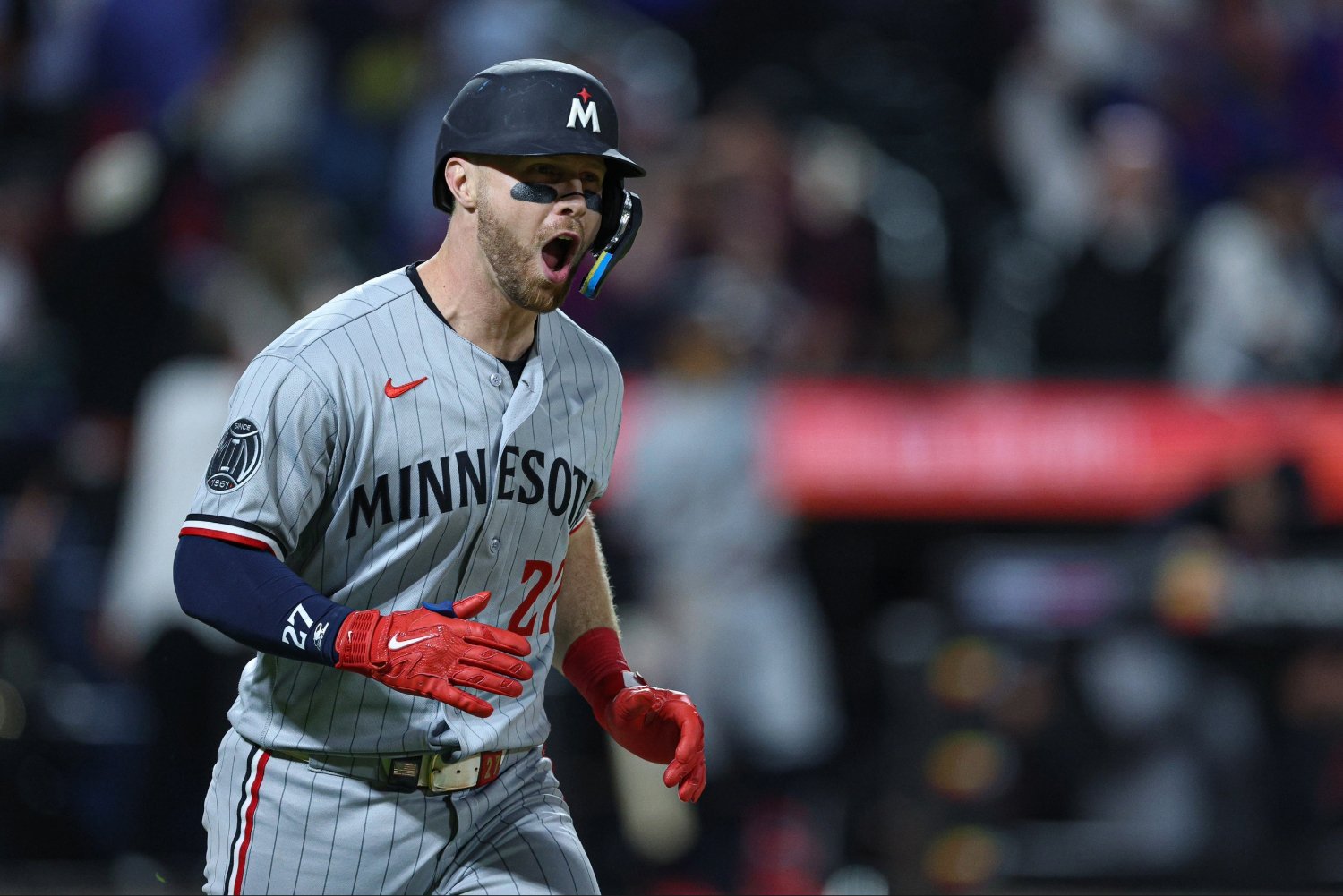 The Boston Red Sox have a bit of a black hole at the catching position this season. There were high hopes thrust upon Carlos Narvaez after his stellar breakout season in 2025, but he’s yet to live up to any of those. He could be waking up as he ended the first half strong and seems to be continuing that through the start of the second half, but he's still responsible for a 53 wRC+. Connor Wong has had a much better 2026 than he had in 2025, but he’s not an every day player for a contending team. Mickey Gasper isn't an MLB-caliber backstop. What are we left with? A fair number of options with no clear solution. To solve the problem, Craig Breslow should call the Minnesota Twins and see what it would take to pry Ryan Jeffers from them. Jeffers is the exact type of catcher the Red Sox need. Narvaez is a defensive wizard behind the dish, but the step backwards he has taken at the plate is one of the reasons that the team is having to play a big game of catch up to begin the second half. Jeffers solves that problem in more ways than one. Offensively, he is a right-handed menace. While he’s not technically a qualified hitter this season—he landed on the IL with a broken hamate bone in May and was just activated on July 10—his Baseball Savant page is bright red behind the hashmarks. He also fits the team’s model of someone who is top of the league in bat speed, averaging 73.3 MPH, good for the top 10% of swing speeds in the league. He’s currently slashing .292/.404/.538 with a .406 wOBA, 162 wRC+, and a 1.8 fWAR. His strikeout rate sits at an impressive 15.3%, matching his walk rate. Once he’s qualified, that walk rate will have him near the top of the league. What's more impressive is Jeffers' fit with this roster. Going into the 2026 season, Breslow prioritized pull-air percentage when he targeted fan favorite Willson Contreras. Contreras has a pull-air rate of 26.5% this year; Jeffers is currently sitting on a 20.7% rate. In other words, he'd also punish the Green Monster during homestands. Along with the impressive pull ability, Jeffers offers the offensive approach the team has been preaching since Breslow took over. His bat speed is averaging 73.3 MPH so far this season and he’s clocked 40 swings over 75 MPH. Both of those numbers put him in the top of the league in terms of swing speed and fast-swing rate percentages. His swing length is also slightly shorter than league average at 7.2’. That's an incredible combination for power, hence how he already has eight home runs in just over 40 games this season. This could be due, in part, to changes Jeffers made in his batting stance this season. He’s now standing further back in the box than he ever has in his career, from 28.3” to 30.6”, while being closer to the plate, from 27.3” to 25.9”, and has shortened the distance between his feet from 36.2” to 33.5”. What this has done is opened his stance up from 8° to 11°. He’s getting a bit more time to watch the ball approach the plate and it’s paying dividends for him this season. There are two knocks against Jeffers when it comes to a possible trade. First, he’s an average-at-best defender behind the dish. He is ranked in the 62nd percentile in blocks above average, the 15th percentile in caught stealing, the 62nd percentile in framing, and the 34th percentile in pop time. Compared to Narvaez, Jeffers is a liability on defense, though that's true for most catchers. The potentially bigger hurdle for a Jeffers trade is it’s unclear if the Twins are willing to move off him (and if they are, what the cost associated with doing so would be). As we know, the American League is weak this year, and Jeffers offers the Twins a lot of upside behind the plate as they push for a Wild Card spot throughout the summer. If he can be had, it’s going to be expensive. The Twins are likely going to want highly ranked, close-to-MLB-ready prospects in return. While the Red Sox have one of the better farm systems in the league, would they be willing to pull from it for a backstop who reaches unrestricted free agency at the end of the season? It’s hard to say, but if the team is all-in on competing for a playoff spot this season, it may be worth the risk. View the full article
 -
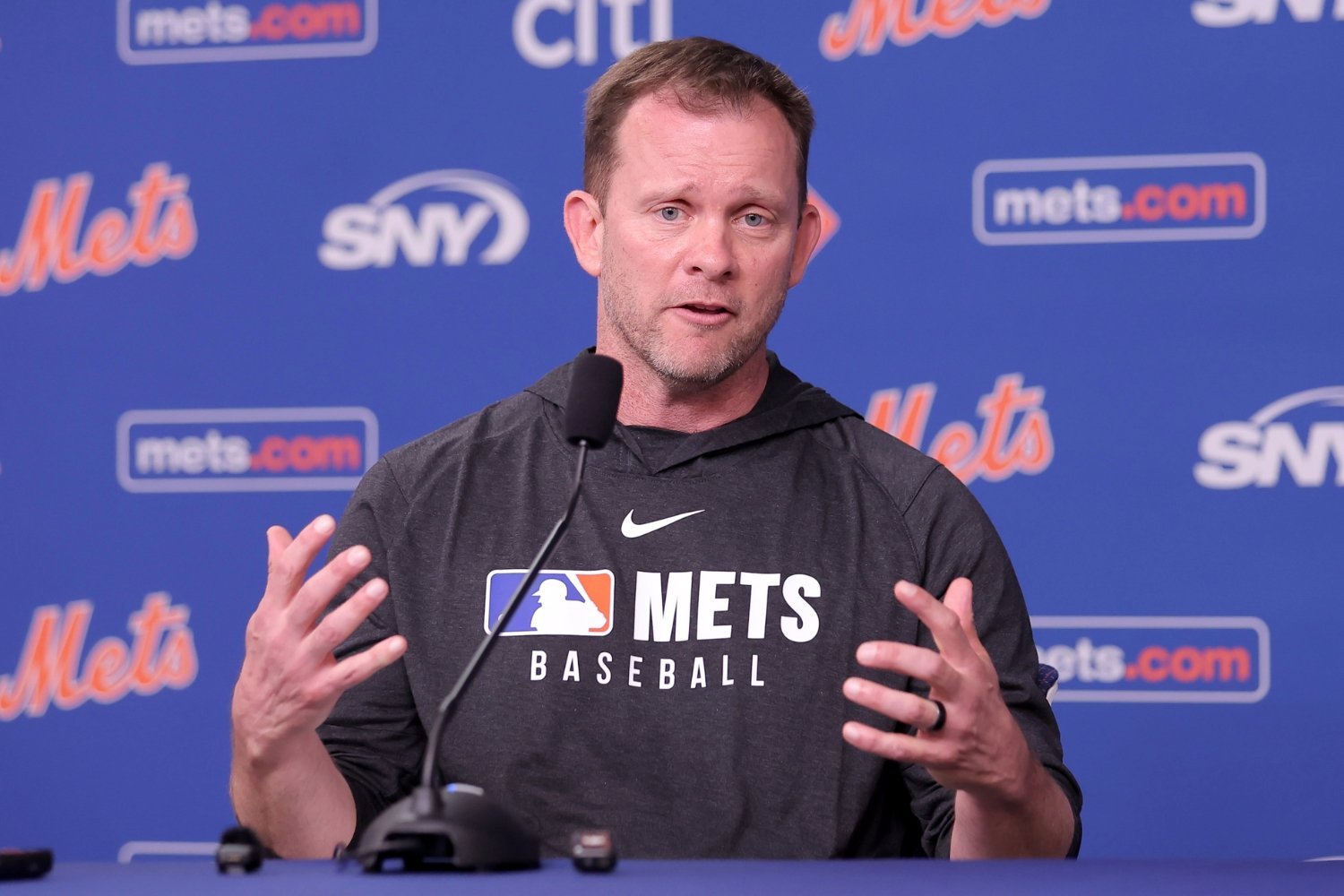 The New York Mets are currently the only NL East team below .500, completely buried in the division and only better than the Colorado Rockies in the National League. To say that things haven’t gone as planned in Queens this year would be an understatement. They won’t say it out loud, but the focus of the 2026 season is now accumulating as many young, talented, and, preferably, near-MLB-ready assets as possible. If, along the way, they can get rid of some pricey and struggling veterans, they surely will be ready to listen. Every case needs to be studied and analyzed individually, though. Of course, it makes more sense to keep certain players than others if they really want to compete next year. The Mets Have A Unique Trade Deadline Opportunity In Front of Them With that in mind, the Mets certainly have talented veterans who might be appealing for contenders: Luis Robert Jr. could become someone’s center fielder, Luke Weaver, Brooks Raley and A.J. Minter are all having amazing seasons and have the track record of success needed to bring in something relevant in return, and Bo Bichette and Jorge Polanco are both proven and versatile despite not really performing well in 2026 and being labeled by many as offseason busts. Additionally, Freddy Peralta is already generating interest despite underperforming with a 5.01 ERA as of Tuesday afternoon. We’re sure the Mets are willing to listen to approaches for every pitcher not named Nolan McLean or Christian Scott. The primary takeaway from the pre-deadline period for the Mets is not the fact that they will probably be active, but instead, that they appear to be in a position of strength at the moment. There aren’t many clear-cut sellers in the market, as most teams are either leading their division or competing for a Wild Card spot. Who Will Join the Mets As Sellers? If we had to name those squads that will clearly sell, the Mets would be joined by the Colorado Rockies, the Los Angeles Angels, the Cincinnati Reds, and the Kansas City Royals. That’s it. Buyers won’t have many options to choose from, perhaps overpricing the precious few assets available. Even the 43-57 Athletics may want to avoid big sales, since they are just 7.5 games behind the AL West lead and 8.5 games out of the last Wild Card spot. If anything, they may support their exciting young core with some win-now veterans, but there’s a big chance, knowing how they operate, that they decide to sell. You can also make the case that the 45-54 Reds, who are just six games out of the last Wild Card berth in the National League, won’t become sellers, further shrinking the potential pool of available players at the deadline. If the Mets move swiftly and decisively, they have a chance to retool their farm with some quality prospects and still compete in 2027. If they manage to get rid of most of the aforementioned players, plus others, they might get a nice haul and replenish their farm. With Juan Soto, Francisco Lindor, Francisco Alvarez, Carson Benge, A.J. Ewing, McLean, and Scott as the foundation, some savvy offloading process ahead of the deadline, and a good offseason, the Mets could conceivably compete next year... provided that there’s a season, of course. View the full article
 -
 Tuesday saw the San Diego Padres' four full-season affiliates go 4-0 in their series openers. The Triple-A El Paso Chihuahuas dropped Las Vegas 11-7, the Double-A San Antonio Missions beat Frisco 7-5, the High-A Fort Wayne TinCaps edged Lake County 7-6 and the Low-A Lake Elsinore Storm rallied for an 8-7 win over Visalia. Padres Minor-League Transactions LHP Jagger Haynes assigned to El Paso Chihuahuas from San Antonio Missions. El Paso Chihuahuas sent RHP José Leclerc on a rehab assignment to Fort Wayne TinCaps. El Paso Chihuahuas transferred 2B Victor Duarte to the Development List. San Diego Padres recalled C Rodolfo Durán from El Paso Chihuahuas. LHP Igor Gil assigned to San Antonio Missions from Fort Wayne TinCaps. San Antonio Missions activated RHP Matthew Watson from the Development List. San Antonio Missions placed LHP Ryan Och on the 7-day injured list. Nick Solak Homers, Drives In 4 As Chihuahuas Win Vegas Opener Nick Solak homered, tripled and drove in four, while Blake Hunt also went deep as the Triple-A El Paso Chihuahuas upended the host Las Vegas Aviators 11-7 to begin a six-game series. Dustin Harris went 4-for-5 with an RBI and two runs scored, while Solak, Carlos Rodriguez and Bryce Johnson each had a pair of hits for the Chihuahuas. Hunt had two RBIs, while Rodriguez, Hunt and Johnson each scored twice. Johnson walked twice, reaching base four times in five plate appearances, and stole a pair of bases. Padres right-handed reliever Jeremiah Estrada made his first rehab appearance for the Chihuahuas and second overall, walking two and allowing a hit in one-third of an inning. The Aviators took a 2-0 lead in the bottom of the first, but that would be their only lead. Hunt and Johnson drove in runs and the go-ahead run scored on a passed ball in the top of the second. Las Vegas tied it in the fourth, then took the lead for good on Solak's two-run homer in the fifth, his 12th of the year. Hunt hit a solo shot, his fifth, in the sixth to go up 6-3, then Harris and Rodriguez added RBI singles for an 8-3 advantage. Johnson stole home as part of a double steal in the eighth, with Solak tripling in a pair to cap the Chihuahuas' scoring. EP_0721.mp4 Player AB R H RBI BB K Dustin Harris 6 2 4 1 0 1 Mason McCoy 6 0 0 0 0 3 Carlos Rodríguez 3 2 2 1 2 0 Nick Solak 4 1 2 4 0 1 Will Wagner 4 1 1 0 0 0 Marcos Castañon 5 0 1 0 0 1 Nick Pratto 4 1 0 0 1 1 Blake Hunt 5 2 1 2 0 0 Bryce Johnson 3 2 2 1 2 0 Totals 40 11 13 9 5 7 Player IP H R ER BB K HR Sean Boyle 4 2/3 6 3 3 1 4 1 Logan Gillaspie (W) 1 1/3 0 0 0 1 1 0 Jeremiah Estrada 1/3 1 0 0 2 0 0 Johan Moreno (H) 1 2 4 4 2 0 1 Andrew Moore 1 1 0 0 0 0 0 Alek Jacob (S) 2/3 0 0 0 0 0 0 Francisco Acuna's Homer Helps Power Missions' Victory Francisco Acuna hit a two-run homer, while Carson Tucker also drove in a pair as the host Double-A San Antonio Missions rode a four-run third inning to a 7-5 win over the Frisco RoughRiders. Tucker, Ethan Salas (Padres Mission's No. 1 prospect), Braedon Karpathios (Padres Mission's No. 11 prospect) and Albert Fabian each had a pair of hits as the Missions outhit the RoughRiders 11-6. Missions right-hander starter Eric Yost allowed two runs over four innings, striking out five, right-hander Josh Mallitz pitched two perfect innings and left-hander Harry Gustin earned his second save by escaping a bases-loaded no-out jam after entering with a 7-4 lead. Trailing 1-0, the Missions took control in the fourth inning. Acuna had a leadoff walk and stole second, Tucker had a one-out run-scoring single to tie it, Salas' 13th double of the season plated Tucker for a 2-1 lead, Tirso Ornelas doubled home Salas and Karpathios singled him home with two outs. Tucker had another RBI single in the fifth to put the Missions up 5-2. The RoughRiders made it 5-2 in the top of the sixth, but Acuna hit his two-run blast, his fifth of the season, in the bottom half for a 7-3 cushion. SA_0721.mp4 Player AB R H RBI BB K Carson Tucker 4 1 2 2 1 1 Ethan Salas 4 1 2 1 1 1 Tirso Ornelas 3 1 1 1 0 1 Jake Cunningham 4 0 1 0 0 2 Braedon Karpathios 4 0 2 1 0 1 Ryan Jackson 3 0 0 0 1 0 Albert Fabian 4 2 2 0 0 2 Francisco Acuna 3 2 1 2 1 0 Kai Roberts 4 0 0 0 0 3 Totals 33 7 11 7 4 11 Player IP H R ER BB K HR Eric Yost 4 4 2 2 1 5 0 Bernard Jose (W) 2 1 1 1 0 3 1 Josh Mallitz 2 0 0 0 0 2 0 Clay Edmondson 0 1 2 2 3 0 0 Harry Gustin (S) 1 0 0 0 1 1 0 Alex McCoy's Walk-Off Caps Comeback From 6-0 For TinCaps Alex McCoy singled home Ryan Wideman from second base with two outs in the bottom of the ninth inning as the host Fort Wayne TinCaps erased a 6-0 deficit by scoring five runs over the final two innings for a 7-6 victory over the Lake County Captains. While McCoy, Padres Mission's No. 14 prospect who went 2-for-5, had the headlining hit, there were several contributors in the TinCaps' comeback. Wideman, Padres Mission's No. 4 prospect, not only scored the winning run, but tied the game with his RBI single to bring in Zach Evans. Wideman also had two hits, as did Jack Costello, who homered, drove in a pair and scored once. Five players had RBIs and seven players scored runs for the TinCaps. TinCaps right-handed starter Kannon Kemp allowed three runs in 2⅓ innings, giving up three hits and two walks with two strikeouts. Right-hander Maikel Miralles gave up the other three one one-plus innings thanks to three hits and five walks. He didn't retire any of the four batters he faced in the fifth inning. But that set the stage for the comeback. Down 6-0 after the top of the fifth, the TinCaps scored in the sixth on Kavares Tears' run-scoring groundout and in the seventh on Costello's solo homer, his 11th of the season. With two outs and Tears on first, Rosman Verdugo tripled, Lamar King Jr. (Padres Mission's No. 11 prospect) walked, Verdugo scored on a wild pitch and King came home on Costello's RBI single to make it 6-5. Evans walked to lead off the bottom of the ninth, Kasen Wells bunted him to second and, after a flyout, Wideman singled off the glove of the first baseman and Evans, after hesitating rounding third, scampered home ahead of the throw. Following a pitching change, McCoy walked it off by driving a single past a diving shortstop and into left-center, with Wideman racing home to set off a celebration following the TinCaps' sixth walk-off of the year. FW2_0721.mp4 Player AB R H RBI BB K Justin DeCriscio 4 1 0 0 1 0 Ryan Wideman 5 1 2 1 0 1 Alex McCoy 5 0 2 1 0 2 Kavares Tears 4 1 1 1 0 1 Rosman Verdugo 4 1 1 1 0 0 Lamar King Jr. 3 1 0 0 1 2 Jack Costello 4 1 2 2 0 0 Kerrington Cross 0 0 0 0 0 0 Zach Evans 3 1 0 0 1 1 Kasen Wells 3 0 1 0 0 0 Totals 35 7 9 6 3 7 Player IP H R ER BB K HR Kannon Kemp 2 1/3 3 3 3 2 2 0 Nick Falter 2/3 1 0 0 0 0 0 Maikel Miralles 1 3 3 3 5 2 0 Javier Chacon 2 1 0 0 1 2 0 Will Koger 2 0 0 0 2 4 0 Luis Germán (W) 1 0 0 0 1 1 0 Yimy Tovar Spearheads Late 7-Run Burst As Storm Prevail Yimy Tovar drove in four runs, including a two-run single that snapped a tie and capped a seven-run blitz over the seventh and eighth innings as the host Low-A Lake Elsinore Storm used nine stolen bases to topple the Visalia Rawhide 8-7. Tovar, George Bilecki and Qrey Lott each had a pair of hits with Lott and Dawson Willis each scoring twice for the Storm. Willis and Lott each stole three bases and Conner Westenburg two. Storm right-handed starter Jesus Castro struck out five and allowed just one hit in four innings, but did walk five. Right-hander Yoesmerli Beltre picked up his first Low-A victory with 2⅓ perfect innings. Visalia scored three runs in each of the fifth and sixth innings to grab a 6-1 lead. The Storm comeback began with a five-run seventh inning. Bilecki singled, Lott singled him to third with one out and stole second, Willis had an RBI single with Lott going to third, Willis stole second and Tovar had a two-run single to make it 6-4. Following a wild pitch and a pitching change, Jorge Quintana walked, then a two-out wild pitch put runners on second and third. Colton Vincent walked with Tovar scoring on a wild pitch, prompting another pitching change. Another wild pitch brought in Quintana with the tying run. In the eighth, Westenburg had a leadoff single and stole second with one out, Willis walked and had a double steal to put runners on second and third. Tovar then grounded one back up the middle to bring in both go-ahead runs. LE_0721.mp4 Player AB R H RBI BB K Dawson Willis 3 2 1 1 1 2 Bradley Frye 0 0 0 0 0 0 Yimy Tovar 4 1 2 4 1 0 Jorge Quintana 4 1 0 0 1 3 Yoiber Ocopio 4 0 0 0 0 0 Colton Vincent 2 0 0 0 2 0 Jose Verdugo 3 0 0 0 1 0 George Bilecki 4 1 2 0 0 1 Conner Westenburg 4 1 1 0 0 1 Qrey Lott 3 2 2 0 1 1 Totals 31 8 8 5 7 8 Player IP H R ER BB K HR Jesus A. Castro 4 1 0 0 5 5 0 Rordy Mejia 1 2 3 3 1 2 1 Jordan Valenzuela 2/3 3 3 3 1 1 1 Yoesmerli Beltre (W) 2 1/3 0 0 0 0 1 0 Cal Riehl (S) 1 0 1 1 1 0 0 Padres Mission's Top 20 Prospect Performance Ethan Salas: 2-for-4, 2B, K Kash Mayfield: Did not play Miguel Mendez: Did not play Ryan Wideman: 2-for-5, K Kruz Schoolcraft: Did not play Jorge Quintana: 0-for-4, 3 K Ty Harvey: On injured list (rehab assignment) Kale Fountain: Injured, out for season Tucker Musgrove: Did not play Coleman Borthwick: Yet to sign Lamar King Jr.: 0-for-3, 2 K Braedon Karpathios: 2-for-4, K Jagger Haynes: Did not play Alex McCoy: 2-for-5, 2B, 2 K Truitt Madonna: Did not play Jesus Castro: 4 IP, 1 H, 0 R, 5 K, 5 BB Garrett Hawkins: Did not play Elliot Lascelles: Not assigned team Winyer Chourio: Did not play Rosman Verdugo: 1-for-4, 3B View the full article
 -
 The Biloxi Shuckers came a tantalizing three outs away from a no-hitter on Tuesday. Josh Adamczewski powered the Shuckers to a 5-0 win. The rest of the full-season affiliates combined for just five runs and one win. In DSL action, the Brewers narrowly avoided a no-hitter. Transactions: RHP Manuel Moreno assigned to DSL Brewers Gold from DSL Brewers Blue Game Action: Nashville pre-game media notes Sugar Land (Astros) 3, Nashville 2, F/10 Box Score Via the Sounds, game details, and we encourage readers to always review affiliate write-ups as part of their Link Report routine: Sounds Suffer Extra-Inning Walk-Off Loss to Sugar Land - Tyler Black extends on-base streak to 25 consecutive games Nashville suffered a narrow 3-2 extra-inning loss to Sugar Land Tuesday night at Constellation Field. Despite a solid pitching performance and holding a mid-game lead, the Sounds were unable to hold on down the stretch, ultimately dropping the contest in ten innings. The Sounds struck first in the second inning thanks to an RBI single from Ethan Murray, and catcher Andrick Nava later reclaimed a 2-1 lead with a solo home run in the fifth inning. That would be the extent of the excitement for the Sounds’ offense, which managed just four other singles on the night. Luke Adams had two of the singles and now sports a .953 OPS on the season. The rehabbing David Hamilton was in action and singled in his return. However, Hamilton was one of the three players who were caught stealing for Nashville. On the mound, left-handed starter Thomas Pannone delivered a quality outing, yielding just two earned runs on three hits over 5.2 innings while striking out five. The bullpen was largely effective in keeping the game tied, highlighted by Blake Holub, who tossed two scoreless frames with three strikeouts to force extras. Unfortunately, the tenth inning proved to be Nashville's undoing when Reiss Knehr allowed the "ghost runner" to score with one out, handing the Space Cowboys the walk-off victory. Nashville is 11-11 in the second half and six games out of a playoff berth. RHP Garrett Stallings (3-3, 3.68 ERA) will take the hill on Wednesday. Biloxi pre-game media notes Biloxi 5, Chattanooga (Reds) 0 Box Score As always, you are encouraged to read the official round-up from the team’s site: Rodriguez, Shuckers Staff Shines in One-Hit Shutout - Biloxi Carries No-No into Ninth, Still Blank Chattanooga The Biloxi Shuckers put on a pitching masterclass Tuesday night at Erlanger Park, falling just three outs shy of a combined no-hitter in a dominant 5-0 shutout. Right-hander Manuel Rodriguez was spectacular on the mound, keeping the Lookouts hitless through six dazzling innings. Rodriguez racked up six strikeouts and surrendered just two walks, earning the win to improve to 10-3 on the season. That makes Rodriguez the 9th Shucker to win 10 games in a season: The bullpen nearly completed the combined no-hitter, with Nick Merkel and Jesus Broca continuing the hitless streak before Will Childers allowed a lone single to Graham in the ninth inning. On the offensive side, Biloxi supplied more than enough run support to back up their dominant pitching. Josh Adamczewski continued his torrid season at AA, going 2-for-3 and crushing a solo home run in the sixth inning to break the game open. Feast your eyes on Adamczewski’s homer here, courtesy of the Biloxi X account: Adamczewski also added a scorching double and drew a pair of walks, reaching base in four of his five plate appearances and raising his OPS to .986. Mark Coley II joined the home run party with a blast of his own in the seventh: Meanwhile, Dylan O'Rae continued to wreak havoc on the basepaths, crossing the plate twice and swiping three bases to push his season total to an impressive 43 steals. Blake Burke added two hits and a steal as well. Biloxi improves to 14-8 in the second half. RHP Travis Smith (0-1, 5.52 ERA) is scheduled to make his third AA start of the season for Biloxi on Wednesday. Wisconsin pre-game media notes South Bend (Cubs) 5, Wisconsin 2 Box Score South Bend Takes Game One from Wisconsin - Kepley continues to torment Timber Rattlers Wisconsin fell to South Bend 5-2, unable to sustain their offensive momentum after an early rally. The Cubs jumped out to a quick 2-0 lead in the first inning, but Wisconsin answered back in the top of the third to tie the game. Luis Castillo sparked the offense by launching his 12th home run of the season to center field, which you can see here courtesy of the Wisconsin X account: Shortly after, Eric Bitonti delivered an RBI single on a line drive to right field, bringing Braylon Payne across the plate and evening the score at 2-2. Unfortunately for the Timber Rattlers, their bats went cold for the remainder of the night, finishing the game with just five total hits. South Bend immediately reclaimed the lead in the bottom half of the third inning and tacked on two more insurance runs in the fifth. Ethan Dorchies started and for the first time since June 18, he allowed more than two earned runs. It was an uneven performance for the 19-year-old as he threw just 44 of 80 pitches for strikes, allowing all five Cub runs on four hits and three walks with just a lone strike out. Chandler Welch took over for Dorchies and delivered three flawless innings with four strikeouts. Jose Meneses tacked on a scoreless frame, but the Rattlers could not muster any more offense in the late innings With the loss, Wisconsin falls to 14-10 in the second half, 1.5 games out of first. LHP Wande Torres (6-5, 4.85 ERA) will look to rebound from a tough outing (3 IP 5ER) in his last start. Wilson pre-game media notes Wilson 1, Charleston (Rays) 0 Box Score Wilson Wins Pitcher’s Duel in Series Opener at Charleston - Three Warbirds Combine on Shutout Wilson blanked Charleston 1-0 in a Carolina League pitcher’s duel Tuesday night, despite a whopping seven combined errors by the teams. The bats were quiet for both teams for most of the night, but the Warbirds finally broke the deadlock in the top of the 8th inning. Kevin Garcia and Juan Ortuno got things rolling with a pair of singles. After Charleston opted to intentionally walk Alexander Frias to load the bases, Rylan Mills showed off his plate discipline, drawing a clutch bases-loaded walk to bring Garcia home for the game's only run. On the mound, it was a lethal three-headed attack from the Warbird pitching staff. Miqueas Mercedes started and went four scoreless innings, working around three hits and two walks. Hayden Robinson was even better in his four-inning outing, allowing just one hit and two walks to earn the win. Both Mercedes and Robinson struck out four. After the Warbirds took the lead in the top of the 8th, Joshua Quezada needed just nine pitches to earn his fourth save of the season. The win moves Wilson (12-11) just a half game out of first in the second half standings. RHP Diustin Mayorquin (0-0, 0.00) is set to make his first start in full-season ball on Wednesday. Mayorquin tossed three scoreless innings in his first Low A appearance last week. DSL Astros Blue 7, DSL Brewers Gold 3 Box Score The DSL Brewers Gold came one out from being no-hit on Tuesday morning. With two down in the top of the 9th, second baseman Romano Donato connected on a solo home run to break up the no-no. It was just the fourth hit of the season for Donato in 42 at-bats. The Brewers other two runs came courtesy of a throwing error and wild pitch. As a team, the Gold squad managed to take six walks and steal two bases. However, they also struck out 11 times and went 0-for-8 with RISP. On the mound, Daniel Garcia started and for the first time in his now three appearances (five innings) this season, Garcia allowed a run. 20-year-old Carlos Canales (3 IP 1H 2BB) had his longest outing since 2024, while not allowing any runs to close the game. The Brewers Gold are now 19-15 on the year. DSL LAD Mega 8, DSL Brewers Blue 7 Box Score Despite a furious comeback attempt in the final innings, the DSL Brewers Blue dropped a tough 8-7 decision to DSL LAD Mega on Tuesday. Starting pitcher Luis Aguayo delivered a strong performance to keep the game close early, tossing five innings and allowing just one earned run while striking out four. If you take out Aguayo’s five-run 1.1 inning outing on June 30, the 18-year-old righty has only allowed three earned runs across his other 19 innings this season. Johanderson Tarazona socked an RBI double in the 4th inning to get the Brewers on the board. Leanders Matos had a fly ball single that briefly knotted the game at 2-2. That would be it for the Brewers’ offense until late in the game. The Brewers found themselves in a deep 8-2 hole heading into the bottom of the 8th inning after the bullpen surrendered a combined six runs in the 7th and 8th. Roniel Paulino was a major bright spot in the lineup, leading the offensive charge by going 2-for-5 with three RBI. Paulino’s two-run double in the 8th cut the deficit to 8-4. Enrique Lovera then followed Paulino with a double of his own to make it 8-5. In the 9th, a sac fly from Frandy Lafond and a single from Paulino cut the deficit to one. Unfortunately, the tying run was left stranded on second when Tarazona struck out to end the game. Lafond was a menace on the basepaths. Though he officially went 0-for-1, he walked three times, scored twice, picked up an RBI, and stole three bases. As a team, the Brewers stole seven bags on the day. The DSL Brewers Blue are now 20-15 on the season. Wednesday features two matinees on the schedule. Wisconsin gets things started with an 11AM CT first pitch, The ACL Brewers will follow with their penultimate game of the season at noon. The three other full-season affiliates will be in action in the evening. I will be down in the Bay next week for Brewers/Giants, so I will be back with you on Thursday next week. Until then, enjoy the games! Organizational Scoreboard including starting pitcher info, game times, MiLB TV links, and box scores Current Milwaukee Brewers Organization Batting Stats and Depth Current Milwaukee Brewers Organization Pitching Stats and Depth View the full article
 -
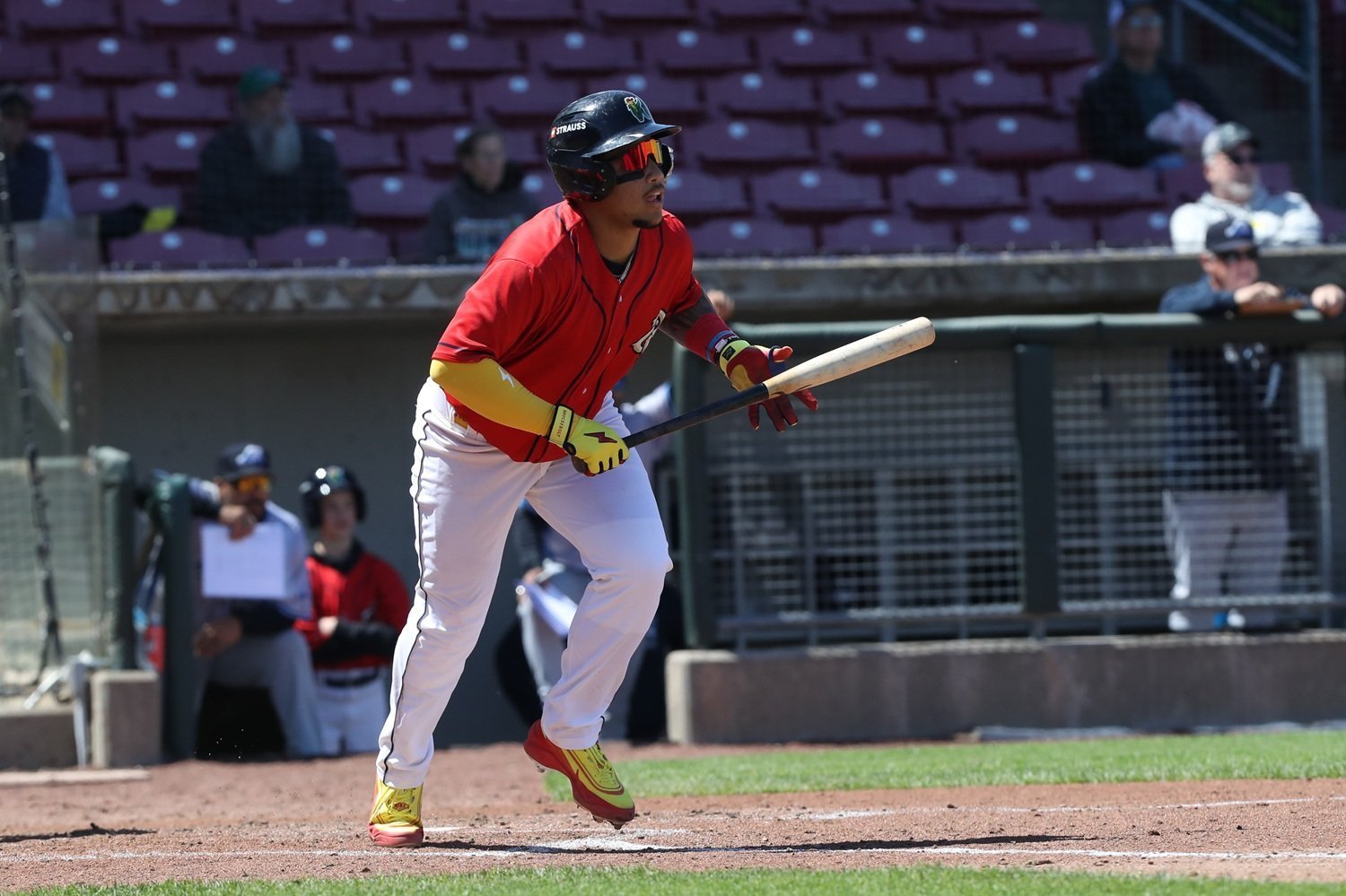 TRANSACTIONS The Minnesota Twins swapped RHP Woo-Suk Go and RHP Jack Anderson with the St. Paul Saints. The Saints also activated RHP Julian Merryweather from the 7-day injured list and his rehab assignment. In Double-A the Wichita Wind surge activated IF Jake Rucker from the injured list. SAINTS SENTINEL Columbus 13, St. Paul 2 Box Score While the Minnesota Twins took it on the chin against the Cleveland Guardians in the majors, the same happened in Triple-A to the Saints on Tuesday. The Columbus Clippers are the Guardians Triple-A affiliate, and while the Twins scrounged together 2 runs in Cleveland, that Saints managed just one at home in St. Paul. With the recall of Jack Anderson to the majors who was scheduled to start for the Saints, Matt Bowman stepped in to serve as a bit of an opener. The Clippers jumped all over him. He served up a pair of homers and four earned runs in 1 2/3 innings to kick this one off. He allowed four total hits, walked one, and struck out one. Grant Hartwig got the next 1 1/3 innings and was charged with two earned runs on two hits and a walk. The Clippers scored two runs in each of the first three innings. In the bottom of the third Noah Cardenas got the Saints on the scoreboard with a solo shot to left field to continue his recent power surge. There wasn’t much else to talk about when it comes to the Saints offense. Tristan Gray hit his first double with the Saints, Aaron Sabato hit his 23rd. Walker Jenkins finished 1-for-4. The team went 0-for-6 with runners in scoring position and left only five men on base. There were a couple major league rehabbers, however. Cole Sands gave up a leadoff single but retired the next three hitters he faced for a scoreless fourth inning. Marco Raya followed by not being able to complete the fifth. He served up a three-run homer and walked three in 2/3 of an inning, but his two outs came on strikeouts. Taylor Rashi (1 1/3 IP, H, BB, K), C.J. Culpepper (1 IP, H, ER, 2 BB), Raul Brito ( 1 IP, 2 BB, K), and catcher David Banuelos (1 IP, 2 H, 3 ER, BB) each pitched an inning to finish this one off. Just for giggles, Orlando Arcia hit a solo home run in the bottom of the ninth to make the final score. WIND SURGE WISDOM Midland 1, Wichita 4 Box Score Marek Houston started this one off for the Wind Surge by being hit by a pitch in the bottom of the first. Khadim Diaw followed with a double, and Andrew Cossetti delivered a sacrifice fly for an early 1-0 lead. In the bottom of the second Kyle DeBarge and Caden Kendle hit back-to-back two-out singles, executed a double steal to put themselves both in scoring position, and were rewarded for their effort when Jay Thomason brought them both in with a single. That 3-0 lead would hold up through the first four innings, as starter Chris Vallimont was more than effectively wild for Wichita. He walked three in his four innings but allowed just one hit while striking out four. The RockHounds finally scored a run against reliever Hunter Gregory, who gave up a solo homer but struck out three in the fifth. Darren Bowen (2 IP, BB, 3 K), Paulshawn Pasqualotto (1 IP, H, 2 K), and Kyle Bischoff (1 IP, 2 BB, 3 K) continued the trend of mowing down Midland hitters to close out the game. Wind Surge pitchers combined to allow just four hits and six walks, while striking out 16. Wichita added an insurance run in the bottom of the eighth on a sac fly from Brandon Winokur. Andrew Cossetti had led off with a walk and advanced to third on a Billy Amick double. Houston finished this one 1-for-2 with a double, run scored, and his 13th stolen base with the Wind Surge. KERNELS NUGGETS Cedar Rapids 13, Dayton 14 (10 innings) Box Score Leadoff man Yasser Mercedes wasted little time getting this one started, taking a 3-1 pitch in the opening at-bat out deep to left field to portent the Kernels early fortunes in this one. In the top of the second the first two Kernels hitters were retired before Dameury Pena launched a liner into center field that turned into a little league homer. It bounced high off the wall and scooted past the center fielder, resulting in a triple in the book but also an error that allowed him to scamper all the way home standing up. Henry Kusiak followed by drawing a walk in front of Graham Brown’s sixth home run of the season to make it 4-0. Yasser Mercedes then walked in front of Eduardo Tait’s 17th home run of the season for the early 6-0 lead. The Dragons were able to answer with three runs in the bottom half against Kernels starter Ivran Romero, who would go on to finish four innings. He was charged with five earned runs on six hits and two walks, striking out three. Danny De Andrade added a solo home run in the third to make it 7-3, but after five innings it was tied up at seven. Cole Peschl was the first bullpen arm summoned and he gave up two earned runs on three hits in his lone inning, striking out one. Yehizon Sanchez was charged with three earned runs on three hits in his lone inning which put the Dragons up 10-9. After Brown had driven in two with a single in the sixth, the Kernels got three more in the seventh to again take back the lead. Enrique Jimenez drew a walk. Jacob McCombs got a bunt single. De Andrade reached on an error that allowed Jimenez to score. Miguel Briceno capped it off with a two-run single and 12-10 lead. Then a thunderstorm rolled through in the middle of the seventh, leading to an hour-and-a-half long delay, and bad omen for the Kernels. When play resumed Nick Trabacchi took the mound for Cedar Rapids and delivered a one-two-three inning, striking out two Dragons. Back out for the eighth he gave up a pair of hits, but also picked up another pair of strikeouts. In the top of the ninth the Kernels added an insurance run thanks to some good bounces. Jacob McCombs was hit by a pitch with two outs. A passed ball moved him to second, then De Andrade delivered an RBI single to give them a three-run lead. That run would prove necessary, as Trabacchi was tasked with closing it out, and was unable. He walked the first two batters of the inning ending his outing at 2+ innings. Jesse Bergin came on and picked up a strikeout, but a catcher's interference call, two run single (with one of the most egregious defensive positioning blunders I think I’ve ever seen. Seriously, watch this highlight in the game summary link above. Enrique Jimenez’s reaction as a catcher on the hit says it all), and a sac fly sent this one to extra innings. Trabacchi was charged with two earned runs on two hits and two walks. Henry Kusiak delivered a single to move the Kernels ghost runner to third, but a double-steal attempt was sniffed out by the Dragons and turned into a double-play after the pitch was a strikeout to end the Kernels attempt. In the bottom half Bergin picked up a strikeout, but after a walk and a steal of third base, a sac fly walked it off for the Dragons just before midnight in Dayton, Ohio. MUSSEL MATTERS Fort Myers 2, St. Lucie 8 Box Score Right-hander Eric Hammond took the bump for the Mighty Mussels on the road against the Mets and worked a quick one-two-three bottom of the first. In the second he started off the inning by hitting a batter and walking the next one before a pair of outs put runners on the corners. The Mets executed a double-steal that included a throwing error to take an early 1-0 lead. In the bottom of the third it unraveled for Hammond, as two singles, two walks, and a double charged him with four more runs and ended his outing after 2 2/3 innings. He allowed three hits, walked three, and struck out four. Relievers Nick McAuliffe (1 1/3 IP, H, BB, K) and Dylan Questad (2 IP, 3 H, 2 ER, 2 BB, K) got the pitching staff through the sixth inning in a 7-0 hole before the Mighty Mussels offense was able to get on the scoreboard. In the top of the seventh Irvin Nunez and Ricardo Paez led off by trading places with doubles for their first run of the game. After a pair of walks to load the bases, a groundout from Jayson Bass scored their second run of the frame, but that was it in the game. Righty Mike McKenna finished off the final two innings for Fort Myers, allowing a lone run on a solo homer in two innings. As a team the lineup managed just five hits, finished 1-for-10 with runners in scoring position, and left nine men on base. Nunez finished 2-for-3 with a run scored, a walk, and a pair of doubles. Quentin Young added a double. Ramiro Dominguez batted first in the lineup and drew three of their five walks as a team. COMPLEX CHRONICLES FCL Orioles 9, FCL Twins 8 Box Score The Twins took a 7-1 lead into the top of the sixth inning, but the bullpen melted down and their ninth inning rally came up short. Starting pitcher Halton Hardy was fantastic over the first five innings. He allowed just one unearned run on three hits and a walk, while striking out four. As soon as the bullpen was called upon, the Orioles pounced. Cleiber Maldonado was charged with three earned runs on three hits and two walks in 2/3 of an inning. Matthew Becker got the final out of the sixth. Santiago Rojas had a scoreless seventh but gave up three runs (one earned) in the eighth. He finished 1 2/3 innings, striking out three. Matthew DesMarets ended up charged with the loss by allowing two earned runs on one hit and two walks to finish off the game. He struck out three. The Twins took a 4-0 lead in the bottom of the first behind a two-run homer from Teilon Serrano and a two-run single with two outs and the bases loaded from Jose Barrios. Yilber Herrera chipped in an RBI single in the third and Barrios clubbed another two-run homer in the fifth that made it 7-1 before the bullpen collapsed. In the bottom of the ninth the Twins loaded the bases, but a wild pitch was the only play that resulted in them scoring a run before a fly out ended the game. Jhomnardo Reyes (2-for-5, R, K), Darwin Almanzar (2-for-3, 2 R, 2 BB, K), and Barrios (2-for-3, R, HR, 4 RBI, 2 BB) each had two hits in the loss. DOMINICAN DAILY DSL Tigers 10, DSL Twins 12 (7 innings) Box Score The Twins were down 7-3 in the sixth inning, but exploded for nine runs in the bottom half to take a lead, and held on in the seventh for the win. Agustin Campusano made the start and delivered two scoreless innings before running into trouble in the third. He finished 2 1/3 innings and ended up being charged with four earned runs on five hits and three walks. He struck out two. Juan Collado went the next 2 ⅔, allowing two runs (one earned) on one hit and two walks while striking out three. Herkyn Taveras (1 IP, 3 H, ER, K), Juan Quinones (2/3 IP, 3 H, 3 ER, BB, K), and Failin Placencio (1/3 IP, BB, K) finished off the final two innings and held onto the Twins lead with white knuckles. The Twins lineup scored their first two runs of the game in the bottom of the fourth on a single, a walk, and a pair of errors from the Tigers defense. Enmanuel Merlo added an RBI single in the fifth before the offense took advantage in the sixth. The first 10 hitters reached base (four singles, five walks, and a hit-by-pitch) against two different pitchers before an out was recorded. Jhon Gonzalez (2-for-4, R, RBI), Merlo (3-for-3, 2 R, 2 RBI, BB), and Anibel Beltre (3-for-4, 2 R, RBI) had multiple hits, though they had no extra-base-hits as a team in the game. Jefferson Abreu drove in three. TWINS DAILY MINOR LEAGUE PLAYERS OF THE DAY Pitcher of the Day – Halton Hardy, FCL Twins (5 IP, 3 H, R (0 ER), BB, 4 K) Hitter of the Day – Graham Brown, Cedar Rapids Kernels (2-for-4, R, HR, 4 RBI, BB, 2 K) PROSPECT SUMMARY Check out the Prospect Tracker for much more on our Twins Top 20 prospects after seeing how they did today. #1 - OF Walker Jenkins (St. Paul): 1-for-4 #4 - C Eduardo Tait (Cedar Rapids): 1-for-4, R, HR (17), 2 RBI, BB, K #5 - SS Marek Houston (Wichita): 1-for-2, R, 2B, K, SB #7 - LHP Kendry Rojas (Minnesota): 2 1/3 IP, H, 2 ER, 2 BB, 2 K #8 - OF Hendry Mendez (St. Paul): 0-for-4, 2 K #12 - 3B/CF Brandon Winokur (Wichita): 0-for-2, RBI #13 - C/OF Khadim Diaw (Wichita): 1-for-3, 2B, BB #14 - 3B/SS Quentin Young (Fort Myers): 1-for-4, 2B, K #17 - RHP C.J. Culpepper (St. Paul): 1 IP, H, ER, 2 BB #18 - OF Yasser Mercedes (Cedar Rapids): 1-for-4, 2 R, HR (7), RBI, BB, 2 K #19 - 1B/3B Billy Amick (Wichita): 1-for-4, 2B, K #20 - 2B/OF Kyle DeBarge (Wichita): 1-for-4, R, SB WEDNESDAY’S PROBABLE STARTERS Columbus @ St. Paul (1:07 PM CDT) - LHP Aaron Rozek (2-1, 3.34 ERA) Midland @ Wichita (7:05 PM CDT) - RHP Ty Langenberg (0-4, 5.03 ERA) Cedar Rapids @ Dayton (6:05 PM CDT) - LHP Cesar Lares (0-4, 15.98 ERA) Fort Myers @ St. Lucie (10:10 AM CDT) - RHP Callan Fang (3-1, 1.00 ERA) FCL Twins @ FCL Red Sox (11:00 AM CDT) - TBD Please feel free to ask questions and discuss Tuesday’s games! View the full article
 -
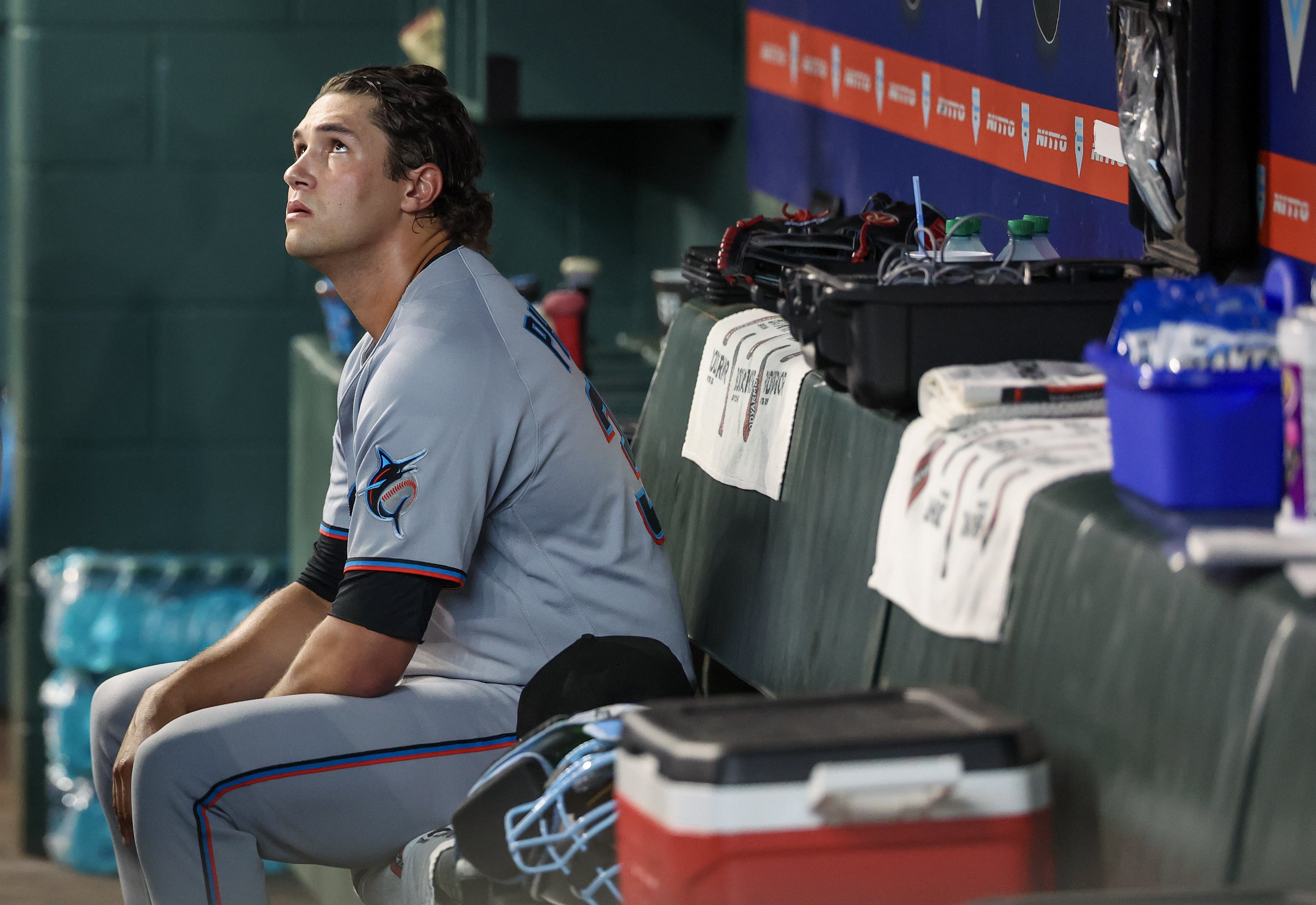 HOUSTON, TX - It isn't for lack of effort that the Miami Marlins have lost eight straight games. Most of the games have been highly competitive, with seven of the eight decided by two runs or less. Tuesday's 5-3 loss to the Houston Astros was because "we shot ourselves in the foot a couple times," manager Clayton McCullough said. That started in the fifth inning. With Tyler Phillips on the mound, Lucas Spence grounded out for the first out of the inning and nine hitter Christian Vazquez reached on a throwing error from Javier Sanoja. McCullough took Phillips out of the game to avoid facing the top of the Astros lineup a third time. Tyler Zuber entered the game to get the final two outs of the inning, and to his credit, he executed. Jeremy Peña grounded out and Yordan Alvarez struck out...except the Marlins weren't able to complete the out due to a wild pitch. Isaac Paredes followed with a three-run homer, giving the Astros a 5-1 lead they wouldn't lose for the remainder of the game. "It's tough to give opponents extra outs and they were able to capitalize on that," McCullough said. Overall, Phillips gave the Marlins 4 1/3 innings of work, allowing three runs (two earned) on five hits (one home run), one walk and two strikeouts. He surrendered a leadoff homer to Peña in the bottom of the first inning and an RBI double to Lucas Spence in the ensuing inning, giving the Astros a 2-0 lead. "Threw a ********* pitch to Peña," Phillips said. "Over convicted, tried to spin it hard and I spun it right into his barrel. Men on base in the second inning, lead-off walk is unacceptable. Gave up a hit to a guy I don't even know, good for (Spence). Can't be grooving stuff and getting into a 3-2 count. Didn't want to walk him, felt like a challenge and he got a hit. I settled in nicely, made pitches where I felt like I needed to." In 25 appearances (10 starts), Phillips now has a 3.52 ERA, 4.55 FIP, 6.58 K/9 and 4.08 BB/9. Within those 10 starts, Phillips has completed five innings or more in half of those and is now reaching his career-high in innings pitched (77.2), which he will surpass in his next scheduled start. "Going into the break, my arm was getting a little tired," Phillips said. "Every time you get close to your innings limit, your arm starts to catch up to you. It doesn't feel bad though. Went out there, I felt good to go. Been taking care of my body, did the best I can, doing good work with the trainers...I think the only thing for me tonight is if there was any fatigue or being tired, it was just after that long delay of nine days, and just keep building into it. I like the old school style of pitching, going deep into games. If it was up to me, I'd to throw 130 pitches every single time. I don't care how tired my arm is. Just gotta keep doing your job until they take the ball from you." For a second straight night, the Marlins struck out more than 10 times. In the series, opener it was 14 total strikeouts, and on Tuesday, it was 13. Xavier Edwards and Joe Mack both struck out three times. It marked the first time this season that Edwards had struck out three times in a single game. The Marlins also were 0-for-8 with runners in scoring position. A lot of credit needs to go to Astros starter Tatsuya Imai, who in six innings of work, allowed one run on four hits and struck out eight. The lone run he surrendered came in the top of the fifth inning, an RBI double from Kyle Stowers, scoring Otto Lopez from first base. Joe Mack gave the Marlins some life in the seventh inning, hitting his ninth home run of the season, a two-run shot. Mack now has a home run in back-to-back games. In 58 games this season, Mack is now slashing .243/.301/.438/.739 with nine home runs, 28 RBI and has a 101 wRC+. He also picked up his 18th caught stealing of the season, tying Milwaukee Brewers star William Contreras for the league lead. "It's pretty cool to hear that," Mack said regarding where he ranks in caught stealings. "I think that I attribute it to just the catching department. (Craig Driver) just putting in the work every day and getting good pitches to throw; sometimes not getting good pitches, but making the most of it. Being an athlete is just doing everything that I possibly can to help out the team." With the loss, the Marlins are now 52-50, only two games over .500. Their odds to make the playoffs, which were above 50% earlier this month, according to FanGraphs, have fallen all the way to 17.8% entering Wednesday. Despite the recent struggles, McCullough urges fans to not lose faith in the team. “People that want to jump off [the bandwagon], I wouldn’t do it. Stay on there. We’re gonna get this thing back going. We got a lot of baseball left.” The Marlins will send ace Sandy Alcantara out to the mound on Wednesday night in hopes of snapping the streak at eight, just like the 2023 team that made the postseason did three years ago. 8:10 pm first pitch. View the full article
 -
Guardians 5, Twins 2: Another Lackluster Performance
DiamondCentric posted an article in Twins Daily
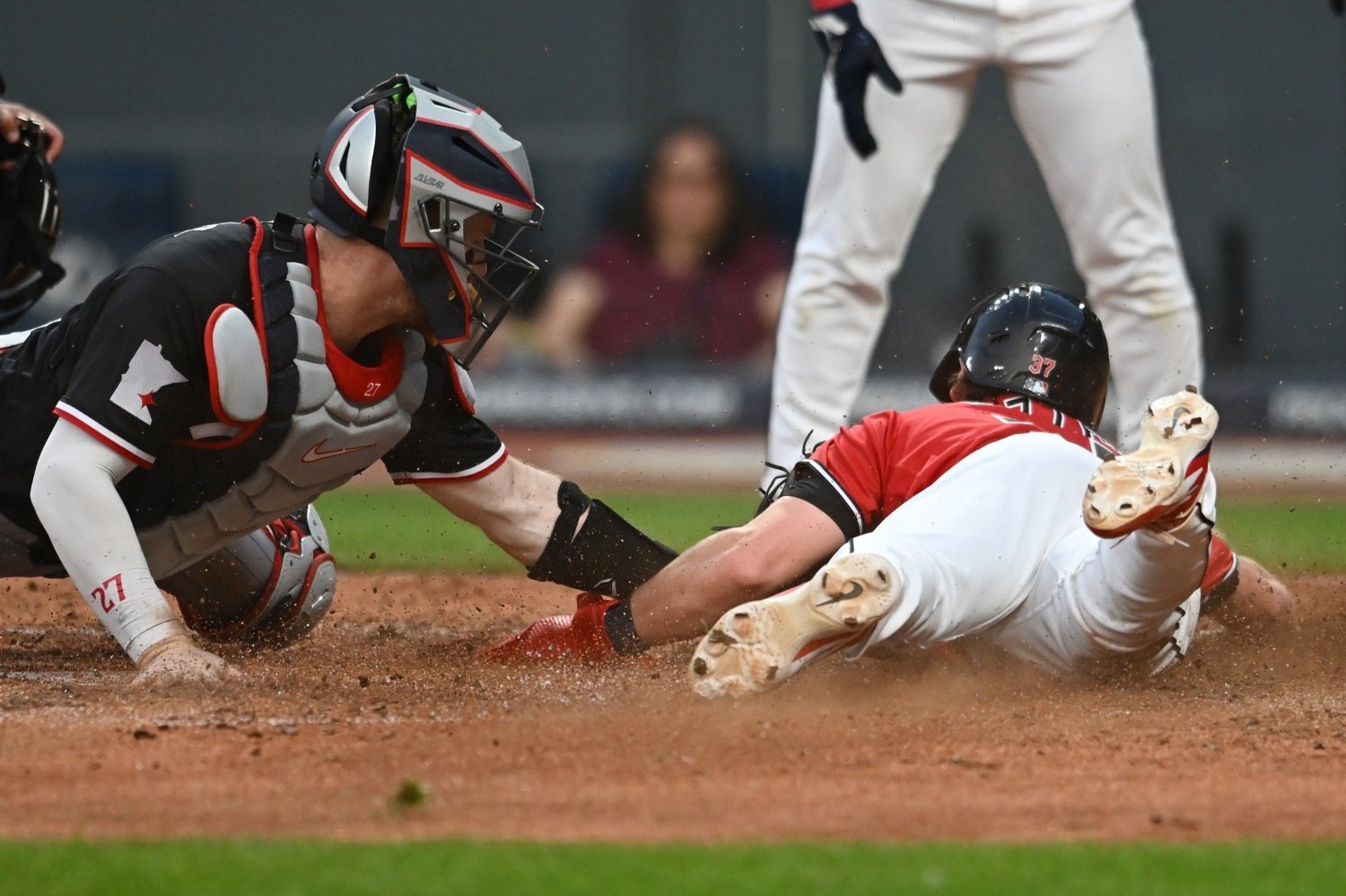 Box Score SP: Kendry Rojas - 2 ⅓ IP, 1 H, 2 R, 2 ER, 2 BB, 2 K (47 pitches, 28 strikes (59.6% strikes)) Bottom 3 WPA (via FanGraphs): Victor Caratini (-0.14), Mike Paredes (-0.13), Luke Keaschall (-0.12) Win Probability Chart (via FanGraphs) After a series loss against the Cubs over the weekend, the Twins had a game they will hope to soon forget in the first game against the Guardians. They were looking to bounce back Tuesday after two games where they gave up 10 and 13 runs, respectively. The Twins sent rookie lefty Kendry Rojas to the mound to face off with Guardians’ lefty Parker Messick. The visitors got on the board early when Ryan Jeffers hit a curveball that Messick left up into the seats in left field. Rojas got through the first two innings with only one baserunner allowed, but the Guardians were able to tie the game in the bottom of the third on a one-out Steven Kwan double, which chased Rojas from the game. Mike Paredes came into the game in relief of Rojas, and Brayan Rocchio greeted him with an RBI single to give Cleveland a 2-1 lead. Paredes was able to finish the inning without giving up another run despite another hit, due to an inning-ending double play off the bat of Rhys Hoskins. The Guardians' lead didn’t last long, as the Twins were able to score on an odd play where both Messick and second baseman Travis Bazzana were charged with errors. Messick failed to field a squibber from Royce Lewis, and then Bazzana threw away his chance to save the play. It looked like the Guardians may score in the bottom of the fifth, with runners on first and third with one out, but Paredes was able to tightrope out of danger with a short fly ball off the bat of Chase DeLauter and a pinch-hit flyout from Kyle Manzardo. In the bottom of the sixth inning, the first three batters reached versus Paredes, and Guardians catcher Austin Hedges was able to take a high breaking ball and hit a sacrifice fly, which gave the Guardians a 3-2 lead. Derek Shelton went to Taylor Rogers to try to escape without further damage, but on a shallow fly ball to center, Travis Bazzana took off for the plate. Byron Buxton's throw was slightly offline, pulling Ryan Jeffers to the first-base side of the plate, and Jeffers's valiant dive back toward Bazzana missed its mark until it was too late. The initial call was out, but it was changed on review. 4-2, Guardians. The hosts added another run in the bottom of the seventh inning, on a Bazzana check-swing flare that drove in Manzardo to stretch the Twins' deficit to three runs. The Twins offense went lifeless over the final two innings, going down 1-2-3 in both frames. Kahlil Watson made a nice play to end the game in the right-field corner off the bat of Luke Keaschall, but the outcome of the game wouldn't have been altered even if he hadn't gotten to the ball. The Twins have dropped four straight games and are now 1-4 since the All-Star break. Other Notes: Jack Anderson made his Twins debut, throwing 1 ⅓ innings and recording one strikeout. The Twins hope he can bolster a bullpen that has had its fair share of struggles this year. Josh Bell celebrated reaching 10 years of service time today, which is a significant milestone for any player in their major-league career. What’s Next? The Twins will play two more in Cleveland, with Bailey Ober (7-3, 4.32 ERA) toeing the rubber for tomorrow’s game. Slade Cecconi (4-6, 4.55 ERA) will pitch for the Guardians. In Ober’s last two starts, he has given up three earned runs over 10 ⅓ innings pitched, with his most recent start earning a win in the first game out of break against the Cubs. BULLPEN CHART FRI SAT SUN MON TUE TOT Nance 25 0 0 36 0 61 Gómez 22 0 0 0 0 22 Morris 14 0 0 0 0 14 Rogers 2 0 0 0 28 30 Rojas 0 18 0 0 47 65 Anderson 0 0 0 0 8 8 Adams 0 0 45 0 0 45 Funderburk 0 0 14 16 0 30 Alex Jackson 0 0 0 11 0 11 Paredes 0 40 0 0 49 89 View the full article
 -
Cubs Need Pitching As MLB Trade Deadline Looms
DiamondCentric posted an article in North Side Baseball
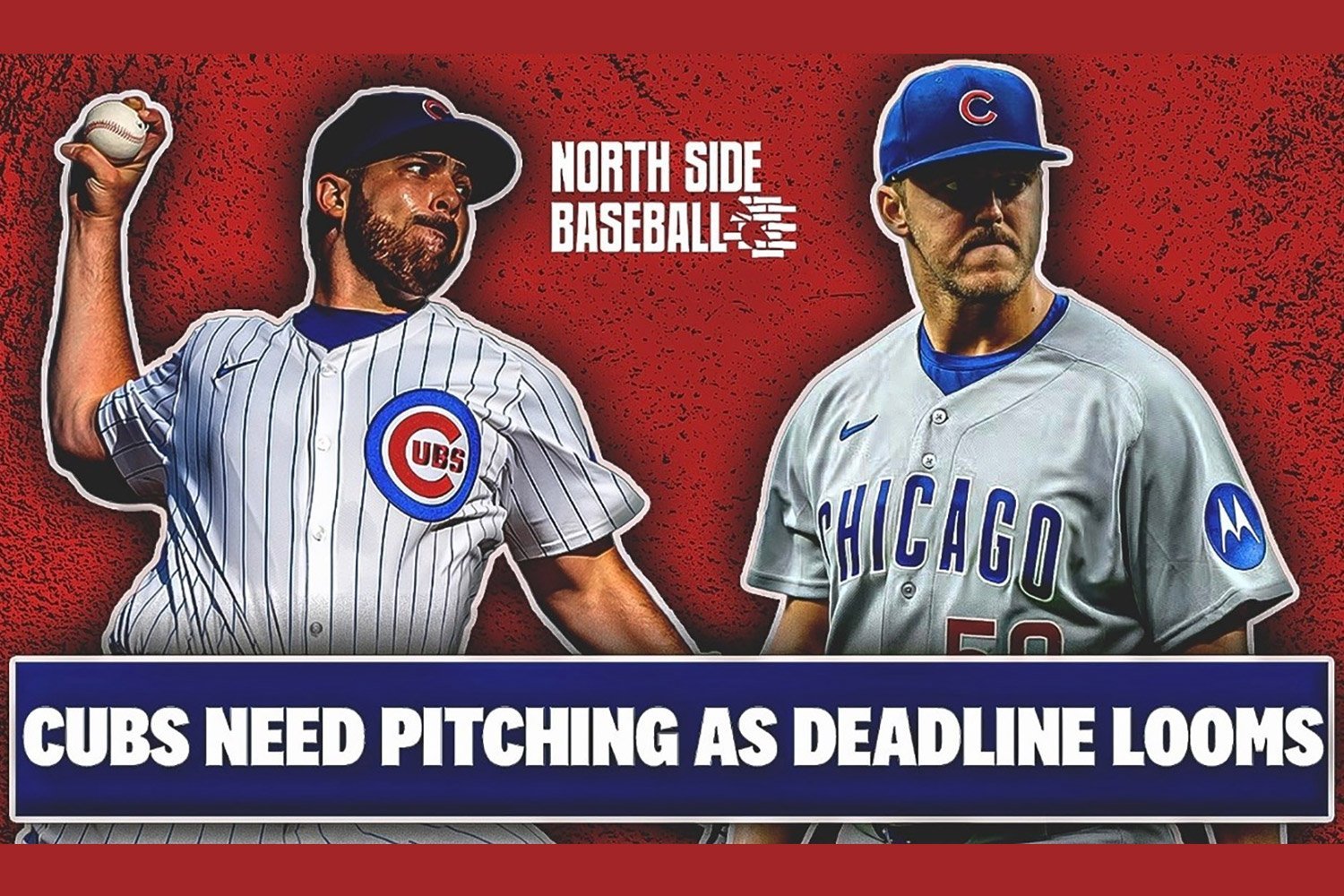 Two things are clear as August nears: The Cubs are contenders, but they need more pitching. What will they do at the trade deadline? Listen on Apple Podcasts: https://podcasts.apple.com/us/podcast/the-north-side-baseball-podcast/id1798599313 Listen on Spotify: https://open.spotify.com/show/75wMGhBwlrDDYPt3kaF453 Listen on iHeartRadio: https://www.iheart.com/podcast/263-the-north-side-baseball-po-268998437/ Listen on Pocket Casts: https://pca.st/eey7h6ih Watch on YouTube: https://www.youtube.com/@northsidebaseball View the full article
 -
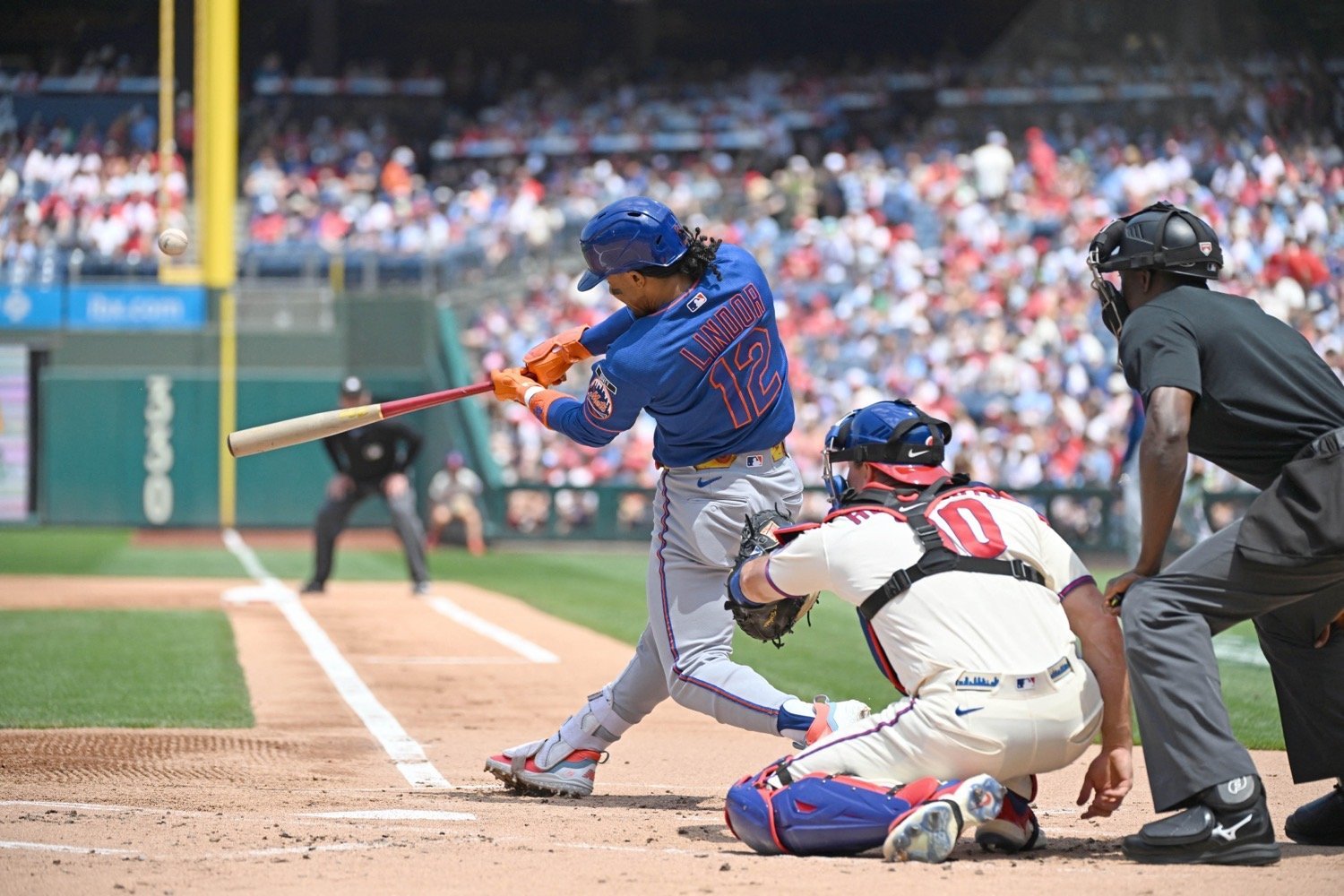 The Boston Red Sox are in the midst of an impressive win streak as they sprint their way back into the playoff picture. With less than two weeks until deadline day, the Red Sox are now looking like bona fide buyers to continue their impressive run. Jeff Passan of ESPN listed the top 100 trade candidates, which included New York Mets shortstop Francisco Lindor. Coming in as the 12th best trade candidate, he listed the Red Sox (along with three others, including two AL East foes) as a "best fit" for the four-time Silver Slugger. Lindor, 32, is in the midst of a career-worst season that has been highlighted by a left calf injury that saw him miss two months. When he has been available, he's slashed a paltry .220/.303/.387 (.691 OPS) with just six home runs and two stolen bases. While those numbers are well below his standard and the $32 million salary he's earning, they are only slightly below league average at a 94 wRC+. On the other side of the ball, the two-time Gold Glove winner is still playing a very good shortstop despite the struggles at the plate. Lindor has a no-trade clause that would need to be waived and is under contract through 2031, when he would be 37 years old. Passan points out that "in the past 20 years, only twice has a shortstop 35 or older put up a three-win season. Do you think the Red Sox should trade for Lindor in hopes of a bounce-back? Join the conversation in the comments! View the full article
 -
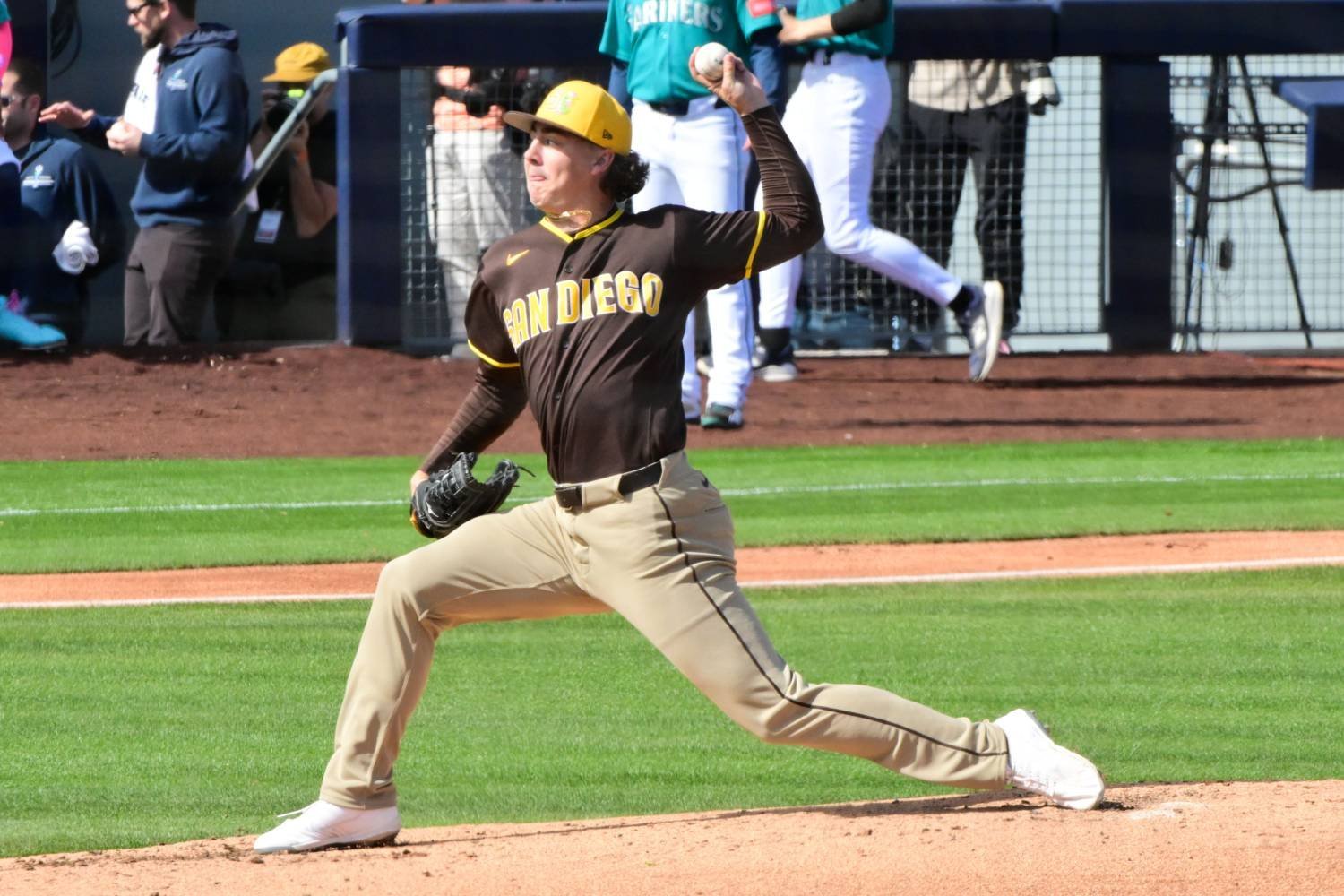 The recent stretch of good outings has earned left-handed starter Jagger Haynes a trip to El Paso. The 23-year-old was promoted from the Double-A San Antonio Missions to the Triple-A El Paso Chihuahuas before Tuesday's series opener against the Las Vegas Aviators. Haynes, Padres Mission's No. 13 prospect, has a 4.37 ERA in 18 starts for the Missions, with a 10.2% walk rate, the best of his career, and a 21.2% strikeout rate, which is the worst of his career. In his most recent start Friday, Haynes struck out eight over six innings, allowing a run on three hits and a walk. Haynes was the Padres' fifth-round draft choice in 2020 out of West Columbus High School in North Carolina. Also on the move before series began Tuesday were right-handed reliever Jose Leclerc, whose rehab assignment was transferred from the Arizona Complex League to High-A Fort Wayne, left-hander Igor Gil moving up from Fort Wayne to San Antonio and right-hander Ryan Och being placed on the seven-day injured list. View the full article
 -
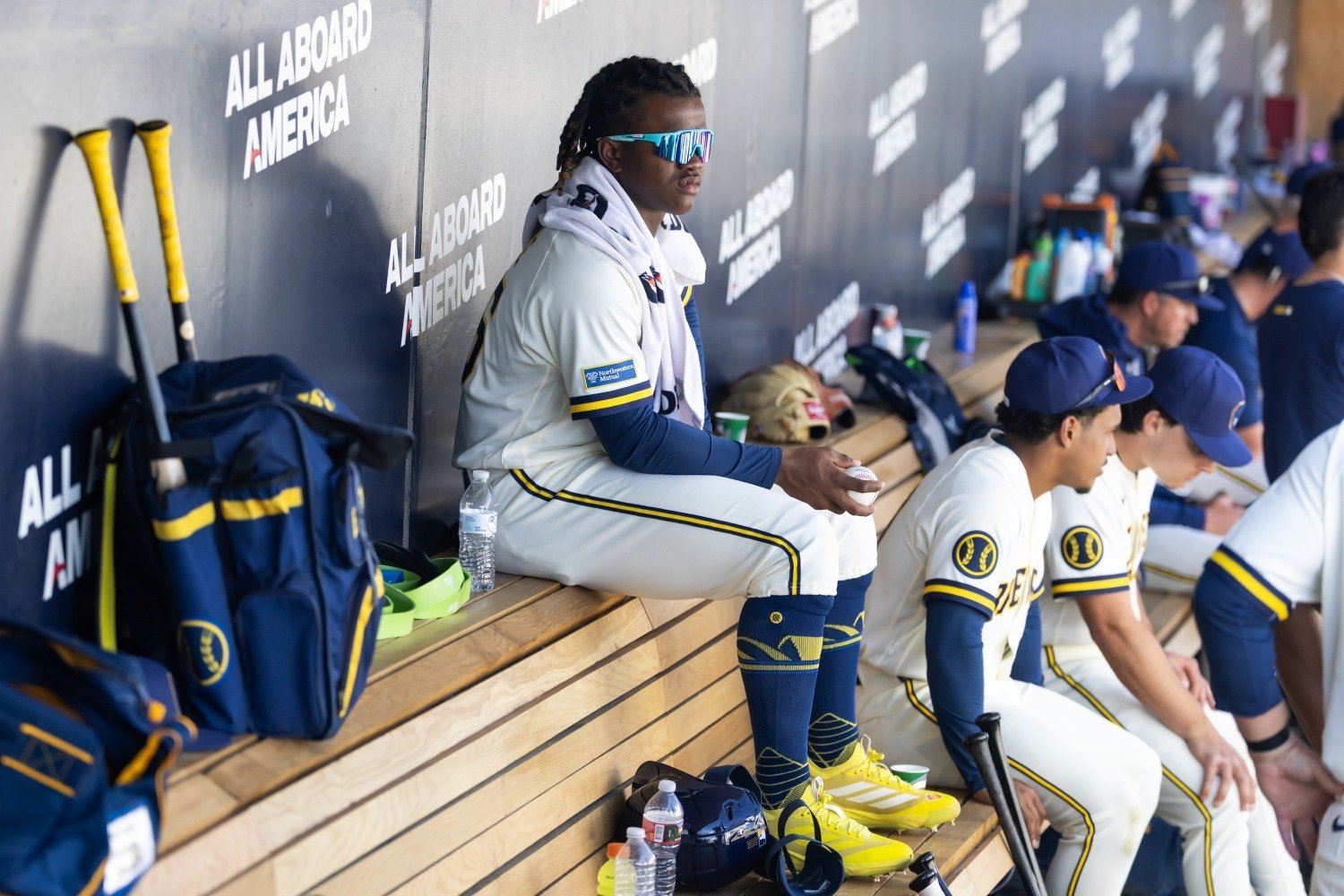 Nothing in this world comes free, and the MLB trade deadline is getting more expensive by the year. Since the league's expansion to six playoff teams, more teams are in contention to scrape into the playoffs than ever before, meaning more buyers and fewer sellers. Those teams typically have fewer coveted assets than their league-leading counterparts, so the frenzy surrounding those few impact players who hit the market is intense. For a Milwaukee Brewers front office that prides itself on finding value, that's been a tough sell. They're always very careful not to overpay for those acquisitions. They've been a bridesmaid more than a bride, finishing second-best to the Dodgers and Diamondbacks, respectively, in the Jack Flaherty (2024) sweepstakes and the Eugenio Suárez (2025) chase. Both were considered splashes, but the Brewers didn't quite pull the trigger. In some ways, that's worked out well. Garrett Mitchell has been surging in July, after finally garnering enough playing time to iron out his swing-and-miss problems. He was a key part of what the Tigers wanted for Flaherty, and the Brewers couldn't quite pull the trigger there. Whether Flaherty would have changed Milwaukee's postseason fortunes is impossible to know, but the Brewers are certainly glad they held onto Mitchell. Healthy at last, the former first-round pick has emerged as one of the club's most productive hitters in 2026 Suárez also struggled after the All-Star break in 2025, hitting under .200 with an OPS below .700 after being acquired. Perhaps a bullet dodged. Regardless, Milwaukee enters this deadline with one of baseball's deepest farm systems—particularly on the infield—giving the front office the flexibility to pursue upgrades without completely emptying the cupboard. The simple answer is that almost anyone could be discussed. The lone exception is Jesús Made, who should only be available in conversations involving a truly elite, controllable star—think Bobby Witt Jr.-caliber talent. Assuming that scenario never materializes, here's how Milwaukee's trade assets break down by tier. Controllable Impact players (e.g. Joe Ryan, Byron Buxton) Now, that would be a splash. The Brewers would be getting a player controllable for a year and a half who could either head up a rotation and dominate a playoff game, or someone who adds fearsome thump to the lineup. Trades like this do not come cheap, but the Brewers have the assets to make it without using Made. This is the only situation in which the Brewers would or should consider moving some of their high-upside, high-floor prospects, who are placing extremely well in prospect rankings at present. Two such names spring to mind: Luis Peña and Josh Adamczewski. Peña is the No. 2 Brewers prospect, per our Brewer Fanatic rankings; he placed 16th in Just Baseball's top 100 list. With 70-grade speed, a 60-grade hit tool, and improving defense with some thump (if a little too often on the ground), Peña combines one of the highest floors in the system with legitimate All-Star upside. He would probably be paired with Jesús Made at Double-A, but for a string of health issues early in the season, and at just 19 years old, there's a lot yet to uncover for him. Adamczewski was a 15th-round pick in 2023 and has gone from strength to strength, with an exceptionally sweet swing, great plate discipline and some real power he's just beginnng to tap into. Since his promotion to Double-A, Brewer Fanatic's No. 6 prospect is hitting .319/.404/.516 with a 17% strikeout rate and an 11.5% walk rate. He's looked very comfortable making the biggest step-up in the minor leagues, and has looked solid in left field to help his cause. Jeferson Quero is perhaps the only other name that could be thrown out here, if only for the positional need for the Brewers. William Contreras is headed into his final season of team control next year, and could even be traded before then. As such, the Brewers may want to hold onto their top catching prospect. Quero earns rave reviews for how he handles a pitching staff. He's a great receiver and blocker, and his pop times have improved this year to control the running game. Pairing positional uncertainty for the Brewers at catcher with Quero's defensive capabilities, his quality-of-contact metrics at Triple-A, and the general scarcity of high-quality catchers who can help on both sides of the runs ledger and are MLB-ready, you can make a case for Quero to be in this same tier. Headliners for an Impact Rental, or Support Characters In a Multi-Year Impact Trade (e.g. Casey Mize, Kevin Gausman) Landing an impact rental at the trade deadline typically requires a premium prospect, and acquiring a controllable player under contract beyond this season requires more than just one top prospect. Fortunately for the Brewers, they have several highly regarded prospects—particularly at positions where the organization has notable depth—who could headline a deal or serve as a premium secondary piece. Some are enjoying breakout seasons, while others continue to carry significant value because of their pedigree and long-term upside. Regardless of their current production, these are the prospects rival clubs will likely target in trade discussions. At first base (or potentially third base) are Blake Burke and Andrew Fischer, who have emerged as two of the Southern League's premier power hitters—although they generate that production in very different ways. Burke records higher exit velocities and better contact rates, although he has a proclivity to chase more than would be ideal. He's on a heater at the moment, with several 115+ mph balls in July alone, and has surpassed 20 homers at the Double-A level. Fischer has more swing-and-miss, but with a more patient approach at the plate. Absolutely crushing fastballs of all shapes and velocities, his air pull and hard-hit rates are incredible, but he does need to make contact more often. He was expected to see some regression at Double A, but that hasn't been the case yet. Despite his 34% strikeout rate, Fischer's 41.3% air-pull rate and consistent hard contact are fuelling his output with a 1.077 OPS at Double-A and 1.106 OPS across the season with almost 30 home runs. He may get found out at a higher level, but if Fischer can trim the swing-and-miss even marginally, the offensive ceiling is enormous. On the left side of the infield is Jett Williams, Brewer Fanatic's No. 10 prospect, whose slow start to the season at Triple-A didn't align with expectations and has seen him tumble down prospect rankings. Acquired in the Freddy Peralta trade, Williams is a versatile defensive option with 70-grade wheels. He limits swings and misses. He has solid strike zone discipline and more thump than you would expect from his frame. He's struggled to tap into it since joining the Brewers organization, but Williams would be a coveted piece in a bigger deal. He's also still been crushing left-handers at Triple-A as you can see below: In the outfield, Braylon Payne would have the kind of helium to headline a trade. With some hot, hot wheels and good coverage (albeit with developing routes) in center field, Payne was initially drafted in the first round as a slap hitter and elite center-field defender. He's hit 18 home runs this year, but a slightly rigid swing has led to some higher-than-ideal strikeouts, with a 29.5% rate at High-A. Payne is just 19 years old, with a lot of time to develop. He's a high-ceiling prospect with the chance to make a roster on his defense and his speed alone, if the reads continue to improve. Pitching-wise, two names stand out: Tyson Hardin and Bishop Letson. Hardin has been at Triple-A for most of the season, with three fastballs that miss barrels; a deadly sweeper; and a changeup that's come on a lot in 2026. He's someone the Brewers may have in their minds as rotation depth this year, and as a genuine rotation option for 2027 and beyond, which may make him difficult to part with unless a really high-end pitcher is coming back their way. Hardin's fastballs don't grade out brilliantly in Stuff+ models, but they're very deceptive, with an identical release point across his arsenal and a flat vertical approach angle on his four-seamer that brings good swing and miss at the top of the zone. Most importantly, he misses barrels, limits walks and has consistently gotten results at every level of the minor leagues. Letson is one of the system's favorite arms among public pitch models, with a high-IVB fastball averaging 97 mph in spring; an electric sweeper at 84 mph; and a solid changeup paired with a cutter. Letson hasn't performed as well as we may have expected this year, experiencing some command issues and home run problems with a ball that seems to be different from the 2025 baseball. However, he's been trending upward since June and there will be a host of teams interested in his upside. Players Who Need A New Home There are several players who may have had more trade value in the past, but at the present, they just look ready to be surpassed by others in the Brewers system. Tyler Black has spent parts of three seasons in Triple-A without establishing a clear defensive position or showing enough power to force his way into Milwaukee's lineup. Milwaukee's treatment shows their hand: they don't view Black as part of their long-term plans. Another organization may be more willing to give him everyday at-bats, particularly in left field or at first base. Brock Wilken was surging this time last year, with 18 home runs at the halfway point for Double-A Biloxi. Sadly, a knee injury in the celebration of their first-half championship put a Triple-A promotion on pause, and he hasn't found his stride this season. A key indicator in how a team views a prospect is how often they play, and where in the lineup they hit. Neither sign has been positive for Wilken over the last two months. The Brewers have built one of baseball's deepest farm systems, giving them the rare ability to pursue impact talent without mortgaging their future. Whether Matt Arnold ultimately cashes in that prospect capital remains to be seen, but Milwaukee has no shortage of pieces capable of anchoring significant trades. Even beyond the names discussed here, players such as Brady Ebel, Alexander Frias, Handelfry Encarnacion, Josiah Ragsdale, Marco Dinges, Josh Knoth and Bryce Meccage illustrate just how much talent remains in the pipeline. If the Brewers decide to make a splash, they'll have more than enough ammunition to do it. It's also important to recognize different teams will want to address different positional weaknesses and have different views on a variety of prospects. Finding the ideal trade partner isn't easy, especially with so many sharks swirling the chum in the water, and that competitive sphere will make it tough on the Brewers. Still, they have the chips to push in, if they're willing, to meet almost any need a team may have. Can you see any of these players being moved at the deadline? Do you have more untouchables than I do? Let me know your thoughts in the comments below! View the full article
 -
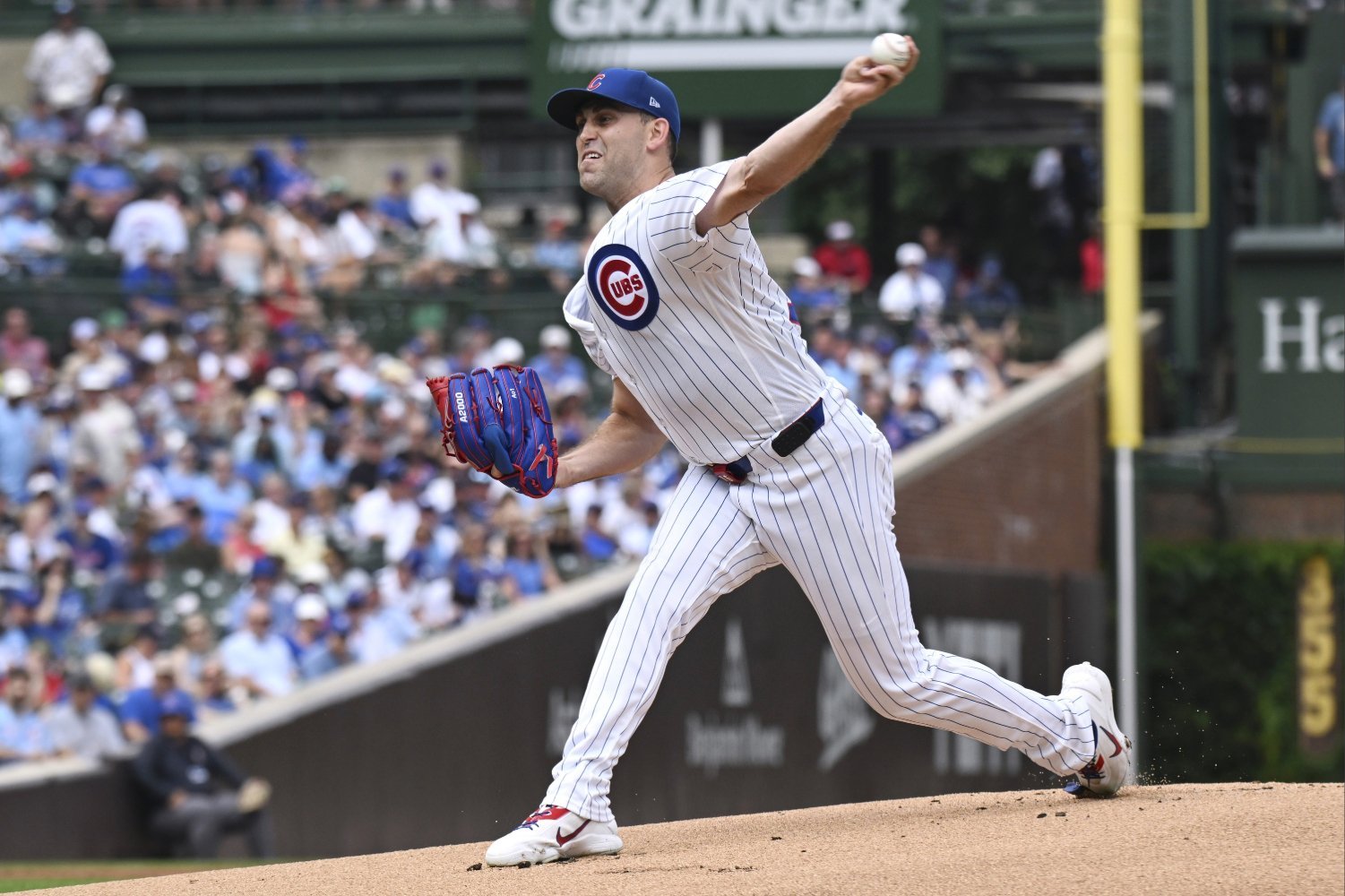 Matthew Boyd has been the steady hand on the wheel the Chicago Cubs have needed in a year where each injury has tried to sink the boat a little bit more. With four starting pitchers (Ben Brown, Cade Horton, Justin Steele and Edward Cabrera) on the team’s injured list, Boyd has had to assume more responsibility when he's been healthy. As the veteran southpaw celebrates 10 years of MLB service time, a mark he achieved just a few days ago, let’s break down how he has actually gotten better after turning 30 years old. Exploring Matthew Boyd's MLB Journey Boyd is currently 35 years old, and his career hasn’t come without a fair share of trials and tribulations. The veteran southpaw made his big-league debut in 2015, and from 2015-2020, he churned out a 34-54 record with a 5.08 earned run average. He struggled mightily with injury issues, eclipsing 100 innings three times over those six years and surpassing 150 frames just twice. Boyd turned 30 years old in 2021, and from that point on, he’s put up a 32-24 record with a 3.71 ERA. The Cubs sarter has been with five different organizations, spending eight seasons with the Detroit Tigers and two years or less with four other squads. Yet, in the midst of a career consisting of changing environments and a heavy dosage of the injury bug, he’s aging like fine wine. His Cubs Years Boyd’s season and a half with the Cubs has far and away been the best stint of his career, as the crafty left-handed pitcher earned an All-Star nod for the first time in his career in the 2025 season. This was thanks to a 14-8 record, 3.21 ERA, and 154 punchouts over 179.2 innings, the second-highest workload of his career. The question becomes this; how is Boyd putting up the best seasons of his big-league tenure in his mid-30s? Pitch Arsenal Boyd has to attack hitters a little differently than a lot of the front-of-the-rotation starters nowadays. He doesn’t have a high-90s fastball, as his primary offering (which he uses 47 percent of the time) is gliding in at an average of 92.7 miles per hour (23rd percentile). It’s also a pitch that, even from his 24 degree arm angle, is being hit at a relatively high clip. Opposing batters are managing to generate a .310 batting average against the four-seamer this year. His changeup is the next offering in terms of usage hierarchy, one he chooses to fire 27 percent of the time. While the fastball isn’t as high-octane as most in the league, the fact that Boyd’s changeup rides in at 79 miles per hour makes both pitches effective. The 35-year-old tunnels the pitches very well, with the changeup being 13 miles per hour slower while holding a very similar shape to the fastball. Both pitches have plenty of arm-side ride, with the off-speed pitch coming out just a bit flatter. Boyd also possesses a slider, arguably his best pitch, garnering a .118 batting average against with a single extra-base hit allowed across 38 at-bats that have ended with the offering. Setting up this option has been pivotal in allowing him to return to his 2025 form after coming back from injury. Pristine Location A four-pitch mix, combined with a deceivingly low arm angle, is a strong start to being productive, but Boyd’s best attribute is that he makes his opponent work. Walks provide a one-way street to give the offense a chance to do damage, and the longtime starter just doesn't allow them all that much. He gives up a free pass just 6.5 percent of the time, good enough to nestle him in the 80th percentile league-wide. Overall, Boyd’s ability to mix up his pitches, hit the zone and garner high chase rates have all given him a finesse-driven approach. This allows him to be much more productive, and he doesn’t have to demand as much velocity out of his arm in the process. View the full article
