


DiamondCentric
-
Posts
2,631 -
Joined
-
Last visited
Never
Content Type
Profiles
Forums
Events
News
Tutorials & Help
Major League Baseball Videos
Guides & Resources
Store
Downloads
Gallery
Everything posted by DiamondCentric
-

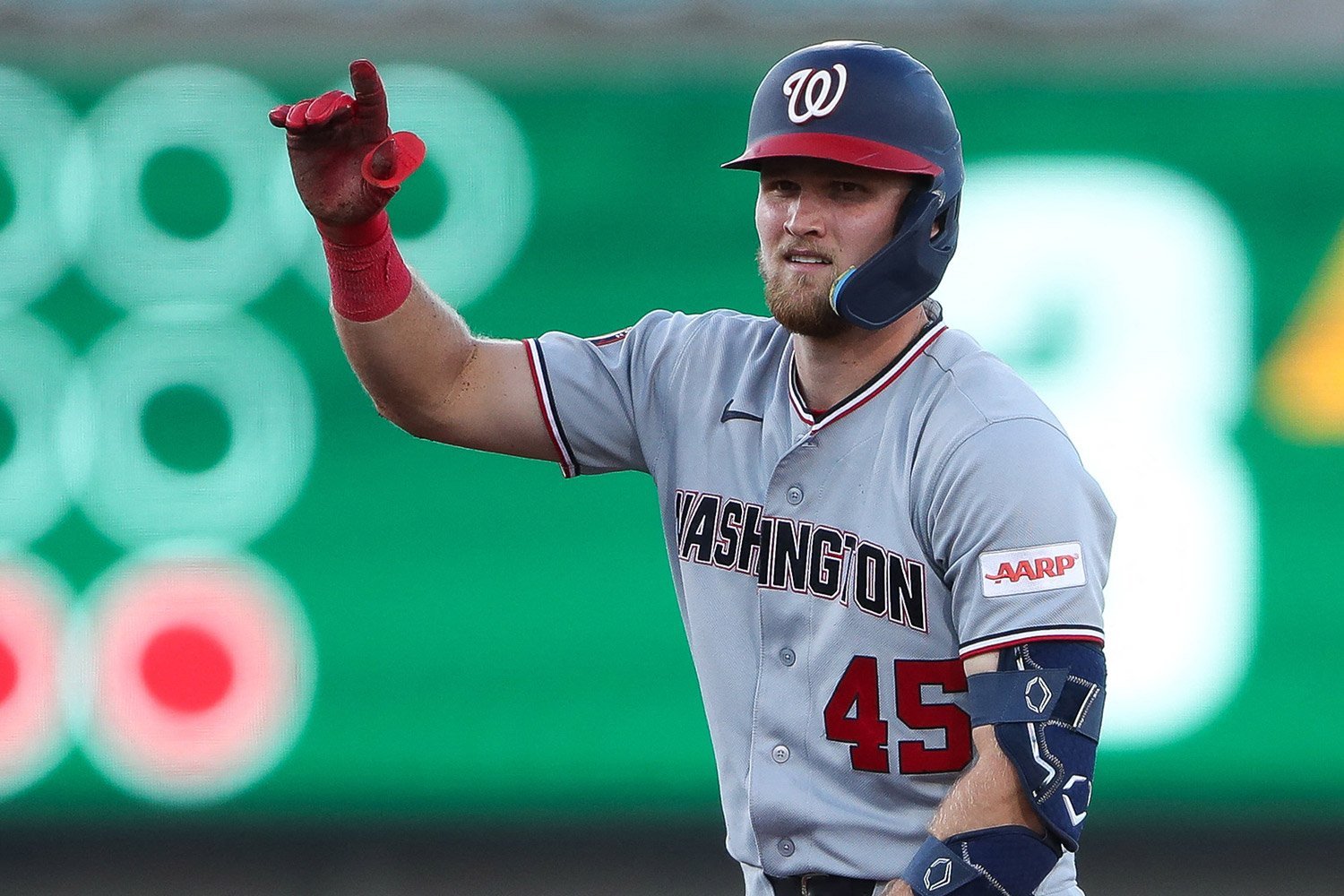 The Boston Red Sox and Washington Nationals completed a trade late Saturday night as left-handed pitcher Connelly Early was traded for infielder Curtis Mead. The trade helps fill both teams' holes as Early will slot into a Washington rotation in need of help while Mead's bat will slot into the Boston lineup nicely. The trade is a one-for-one deal with no other parts involved. Mead is coming off of a strong first half with Washington, where he put up a stat line of .256/.351/.505 with 17 doubles, one triple, 17 home runs, and 48 RBIs. A right-handed hitter, Mead will slot in nicely behind Wilyer Abreu and Willson Contreras while lengthening the lineup. This season, Mead has showcased an ability to be patient at the plate and not chase, with his whiff rate a low 17.9%, showing an ability to put the ball in play often while also walking to get on base. Mead follows the mold of hitters that Breslow is interested in, pulling the ball 47% of the time. He is also near the top of leaderboards for Pull Air percentage, sitting at 22.8%. Should that continue with his time in Boston, Mead should be able to take full advantage of the Green Monster in left field. Mead doesn’t come without some issues. The two biggest being his low exit velocity and his poor defense. While Mead makes contact often, his average exit velocity is sitting at just 88.1 mph. Despite that, he has been able to barrel the baseball up at an 11.1% rate. The infielder seems like a perfect candidate for Boston’s bat speed program during the offseason. The other major issue is his defensive ability. As of the trade, his Fielding Run Value sits at a negative eight, placing him in the fourth percentile of major league baseball. Mead plays first base, second base, and third base, but has mostly played third base with Washington. In 47 appearances at the hot corner, he’s made four errors and only turned five double plays. His range is some of the worst in baseball this season, sitting at a negative nine. Mead has broken out this season after hitting just .233/.299/.321 across 90 games last season with Tampa Bay and the Chicago White Sox. For Mead, the Red Sox get a middle-of-the-lineup bat who is only 25 years old and under contract through the 2030 season for cheap money. It doesn’t come without a cost, as Early was a fast riser through the system and showed he could pitch at the major league level. The Red Sox will need to decide how their infield will now align and whether Caleb Durbin will remain at third base and Mead will slot into second base or if the two will swap positions in the lineup. View the full article
 -
You’re not a GM. You Shouldn’t Want to Trade Ryan Jeffers.
DiamondCentric posted an article in Twins Daily
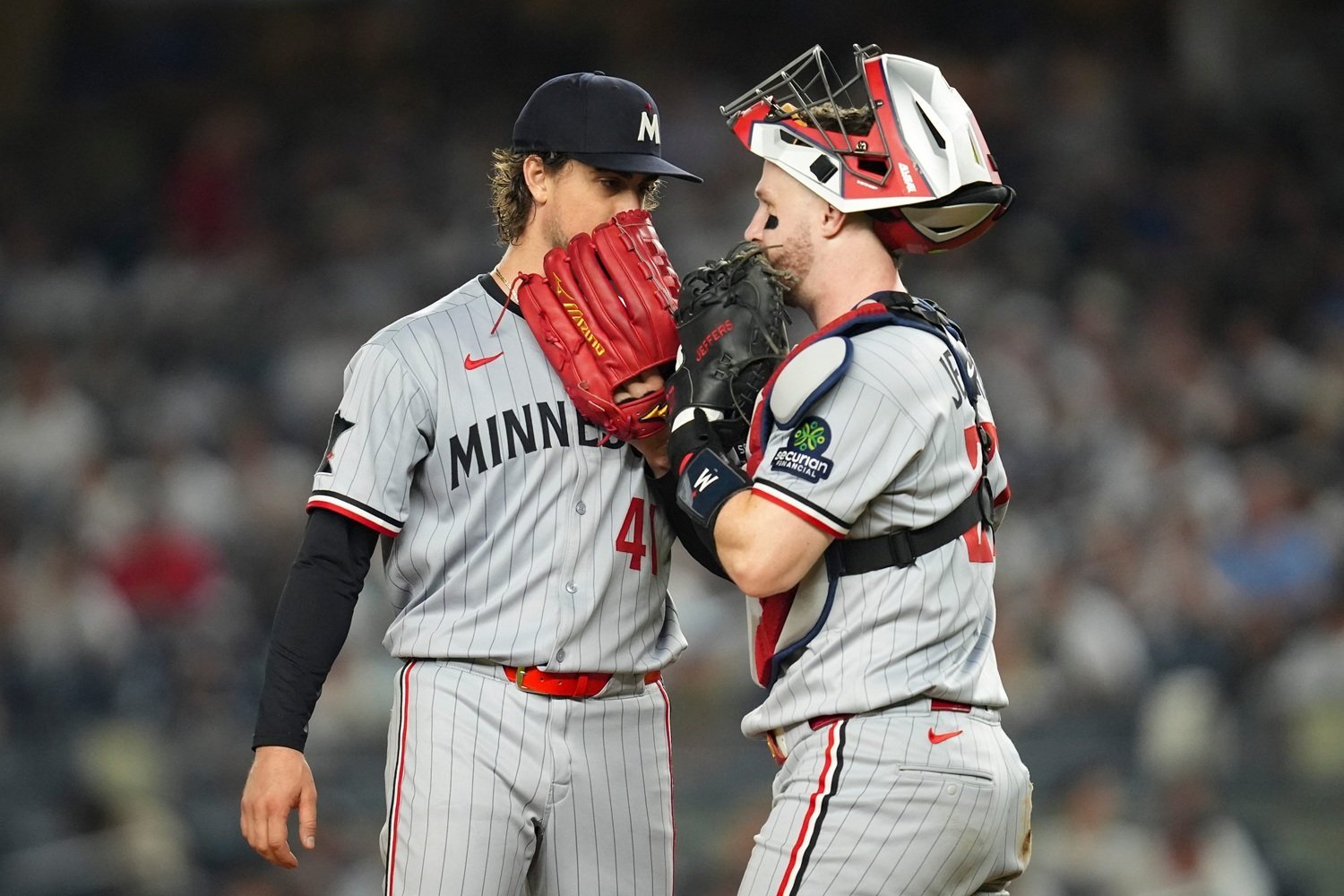 The Twins are two games out of a playoff spot and three and a half games out of a very winnable AL Central championship. There are 60 or so games to go this season. The team came in with low expectations, and there has been a very sour taste in many fans’ mouths since this time last year, when the Twins traded away 40% of their active roster in what was the largest trade deadline sell off in sports history. And yet, we’ve got people hoping the team will, nay, begging, the Twins to trade away good players. The title says Ryan Jeffers, and I’ll use him as a reference, but this can be applied to other players as well, such as Joe Ryan. Ryan Jeffers is an impending free agent in the midst of a career year, albeit set back by a broken hamate bone that he appears to be recovering from nicely. The Twins are in a playoff race with the trade deadline coming up, and many fans are fixated on the idea of trading one of the team’s top three players so as to avoid “losing him for nothing” in free agency (assuming they don’t offer him the qualifying offer, which I am in favor of). Now sure, you could say that’s the smart, calculating, cold-blooded, intellectual thing for the team to do, but I have a question: Why should that matter to you? What is the point of being a fan if you’re not hoping that your team does well this year? Following the Twins’ four-game skid from Saturday to Tuesday this week, many fans were almost gleeful that the team could “stop pretending to be a contender” and “wouldn’t be fooled into holding on to their assets.” That is, frankly, a pretty miserable way to be a fan. I’m guilty of it myself from time to time, but here’s the deal: I’m not a GM, and neither are you. It’s not your job to hope that the team trades away its good pieces to pick up some lottery tickets, rather than having the privilege of watching meaningful baseball with playoff implications. It’s not your job to hope the team gets worse. It’s not your job to pray for a tanking season. Sure, it’s better on your emotions to just check out and not care about wins or losses. But hey, maybe that’s a sign you should check out. This isn’t a Twins-only thing. Fans everywhere are plagued by this strange habit of watching their favorite team as if they were a decision-maker. Rooting for transactions has replaced rooting for wins. We forget why we actually enjoy watching sports, or, in this case, the Twins. It should be fun to watch the games. Even if they’re bad. If you read that last bit and heard me say “You should clap like a seal and accept mediocrity and shut up and buy a ticket,” then I’ll say you’re hearing someone else’s voice, not mine. If you’re not enjoying the product, go ahead and check out. Take a day, week, month, year, whatever, off. If the Twins are just a time filler between the end of Wild season and the beginning of Vikings season, be as casual as you want. But if you are locked in, the last thing you should be doing is begging the team to get worse or duck out of a potential playoff run, even if it’s not the most likely outcome. That’s what makes sports fun. It’s the journey. If it’s only the destination for you, you’re going to spend your whole sports life angry and/or looking ahead to the next season, only to look ahead to the following one as soon as it starts. Now, you might be saying, “But Gregg, I care about winning championships. This isn’t a championship team. They might as well cash in now and start building a team that can finally win a championship. It’s been 35 years and Minnesota sports are cursed and remember Gary Anderson?” Sports don’t only matter when your favorite team wins a championship. If the only reason you watch sports is to feel like a vicarious winner, and any season that your team doesn’t win a championship is a waste of time, try to sneak onto your son’s tee ball roster and win the city championship. Or maybe buy a copy of Madden and turn all your ratings up to 99. You’ll get your winning that way. Enjoy watching the game. Enjoy watch the team. Enjoy the storylines. Live and die with every win or loss. Otherwise, what’s the point of watching? You can’t sim to next season in real life. If Ryan Jeffers is trade it, so be it. But that shouldn't be your hope. Do you remember how miserable it was watching games last August and September? The Twins are probably not going to make the playoffs this season. If you’re honest with yourself, you probably know that to be true. But stripping the team for parts—especially parts that are far from guaranteed contributors at some nebulous future time—kneecaps their chances. They kneecap your chances of having entertaining Twins baseball to watch over the next two or three months. Shouldn’t that be worth more to you than a 20-year-old pitcher that MLB Pipeline ranks as the Twins’ new #8 prospect? I really hope it is. View the full article
 -
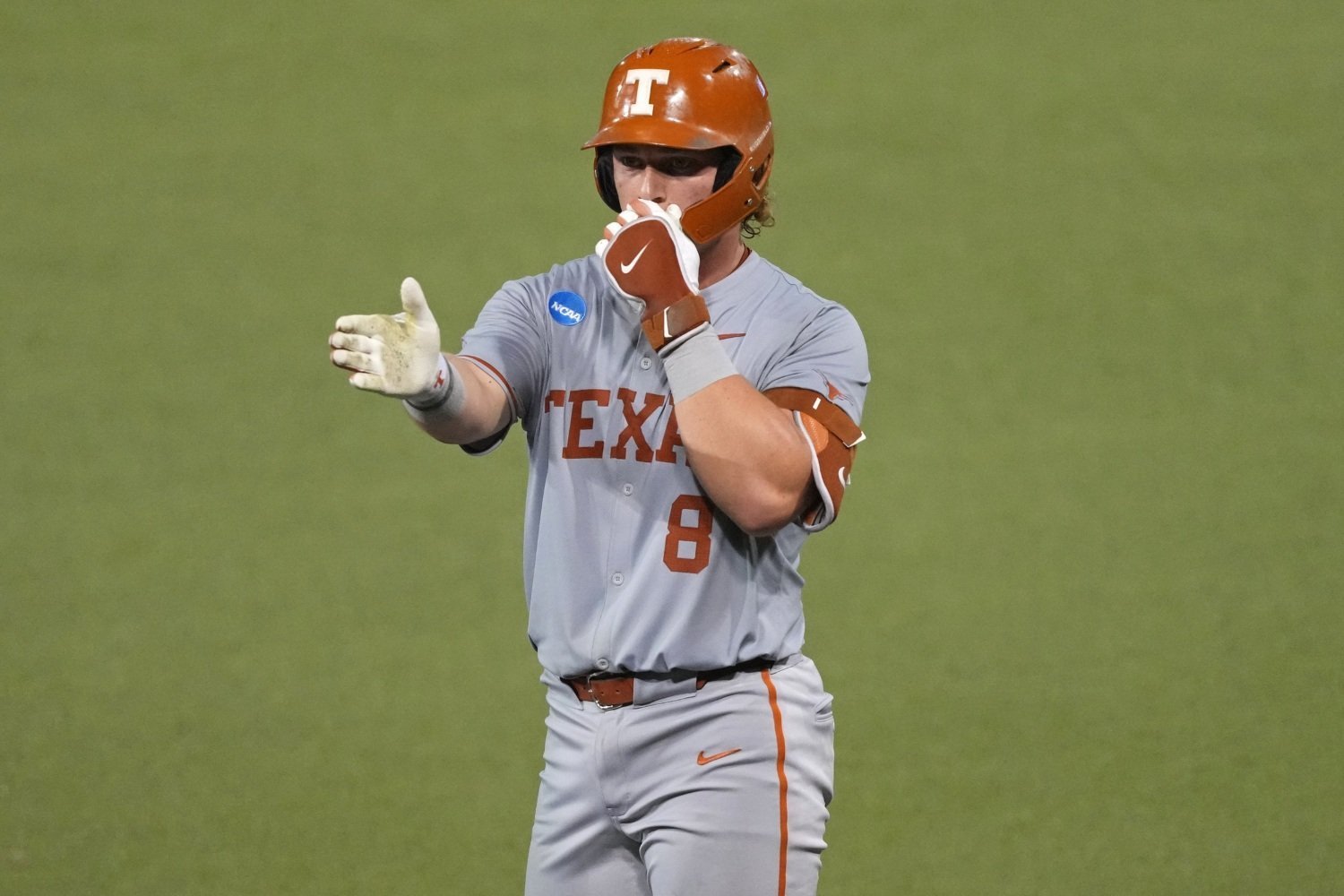 The Minnesota Twins were in position to take one of the draft’s top prospects when they used the third overall pick in the 2026 MLB Draft on catcher Vahn Lackey. Then they doubled down on the position with their very next pick, selecting Texas catcher Carson Tinney with the 43rd overall pick. Drafting two catchers that early wasn't about redundancy. It was about conviction. Minnesota believes both players have the talent to become impact major leaguers, and while Lackey entered the draft as one of the most polished catchers available, Tinney represents a different type of investment. His offensive upside is obvious, but the Twins believe there's considerably more to unlock behind the plate. If that sounds familiar, it's because the organization has already traveled this road once before. A Familiar Development Story Ryan Jeffers entered professional baseball with questions about whether he could stick behind the plate. The offensive tools were never in doubt. Across three collegiate seasons, Jeffers slashed .323/.445/.620 (1.064) while posting an OPS above 1.000 in each of those years. However, he hadn't received extensive coaching as a catcher, making his defensive development a priority once he joined the Twins organization. The results speak for themselves. Jeffers grew into a reliable major league catcher while maintaining the offensive impact that made him an attractive draft pick. Tinney arrives with a remarkably similar profile. After spending his first two seasons at Notre Dame, Tinney transferred to Texas and became one of the nation's most dangerous hitters. He hit .326/.478/.688 (1.165) over three seasons while launching 42 home runs, including 22 during his final collegiate campaign. Like Jeffers before him, Tinney's bat is already advanced. Like Jeffers, the Twins see defensive improvements that can elevate his overall value. Best Player Available When assistant general manager Sean Johnson joined Inside Twins to recap Minnesota's draft class, he explained that selecting a second catcher wasn't part of a predetermined strategy. "So, we had stacked the board the way we liked it. When we got to that range, Carson was definitely in play. And I think I say it every year, every scouting director says it, we're gonna take the best guy available." "And so that was, that rings true. We thought he was the best position player on the board. We think we can turn him into a real catcher at the big-league level. He's got tremendous makeup, desire. He hasn't caught, really, his whole life. So, there's some stuff to unlock there for sure." That belief mirrors the organization's philosophy with Jeffers several years ago. Rather than viewing Tinney as a finished product, the Twins see a player whose defensive ceiling is much higher than what he showed in college. More Than Just Power Tinney's offensive profile extends beyond tape-measure home runs. Johnson highlighted the complete package the Twins believe they're acquiring. "And then offensively, the guy did as much damage with the ball as almost anybody in the draft. You know, he's, he hit in a great lineup at Texas this year. Hits the ball extremely hard. Takes great at-bats. Really, really nice walk rate to kind of support. He's not just a power first guy." "But when he hits it, he hits the ball extremely hard. And a really good foundation to catch. He can really throw." The combination of patience, power, and arm strength gives the Twins multiple reasons to believe Tinney can develop into an everyday player. His defensive work is simply the next phase of that development. Betting on Makeup Player development is rarely just about physical tools. For the Twins, Tinney's willingness to improve may be one of his biggest assets. "We think we can do even more with his receiving,” said Johnson. “And again, like the makeup is the thing you're going to get into there once again. He's going to work at all the things that RPD is going to offer him once he signs." That comment stands out because it echoes what the organization valued in Jeffers years ago. Strong leadership, work ethic, and coachability can often determine whether a player reaches his ceiling. The Twins clearly believe Tinney possesses those qualities. Similar, But Not Identical Naturally, comparisons to Jeffers surfaced almost immediately. Johnson understands why. "They're somewhat similar. I think we had similar thoughts on Ryan. I don't like to compare the two of them directly. But Ryan needed… some work with his receiving. We thought his swing was in a good spot." "So, you can immediately kind of connect the two together in that way. But both had really good makeups, really good leaders on their team, carried their clubs, different leagues, obviously. So, I think we have similar feelings there. But I think as far as Carson's concerned, we think we can turn him into a real catcher." Johnson stopped short of labeling Tinney the next Jeffers, but the similarities are difficult to ignore. Both entered pro ball as offense-first catchers. Both needed refinement as receivers. Both were respected leaders with strong makeup. Most importantly, both joined an organization confident in its ability to develop catchers. The Twins drafted Tinney because Jeffers proved this development path can work. Minnesota has spent years building one of baseball's most respected player development systems, and Jeffers became one of the best examples of that philosophy. Tinney still has a long way to go before anyone should expect him to follow the same career trajectory. Prospect development is rarely linear, and plenty of talented college hitters never make the defensive leap required to become major league catchers. Still, if the Twins are looking for a blueprint, they don't have to look very far. They've already turned one offense-first college catcher into a productive big league regular. Now they'll spend the next several years trying to do it again with Tinney. Can Tinney become the next Jeffers? Leave a comment and start the discussion. View the full article
 -
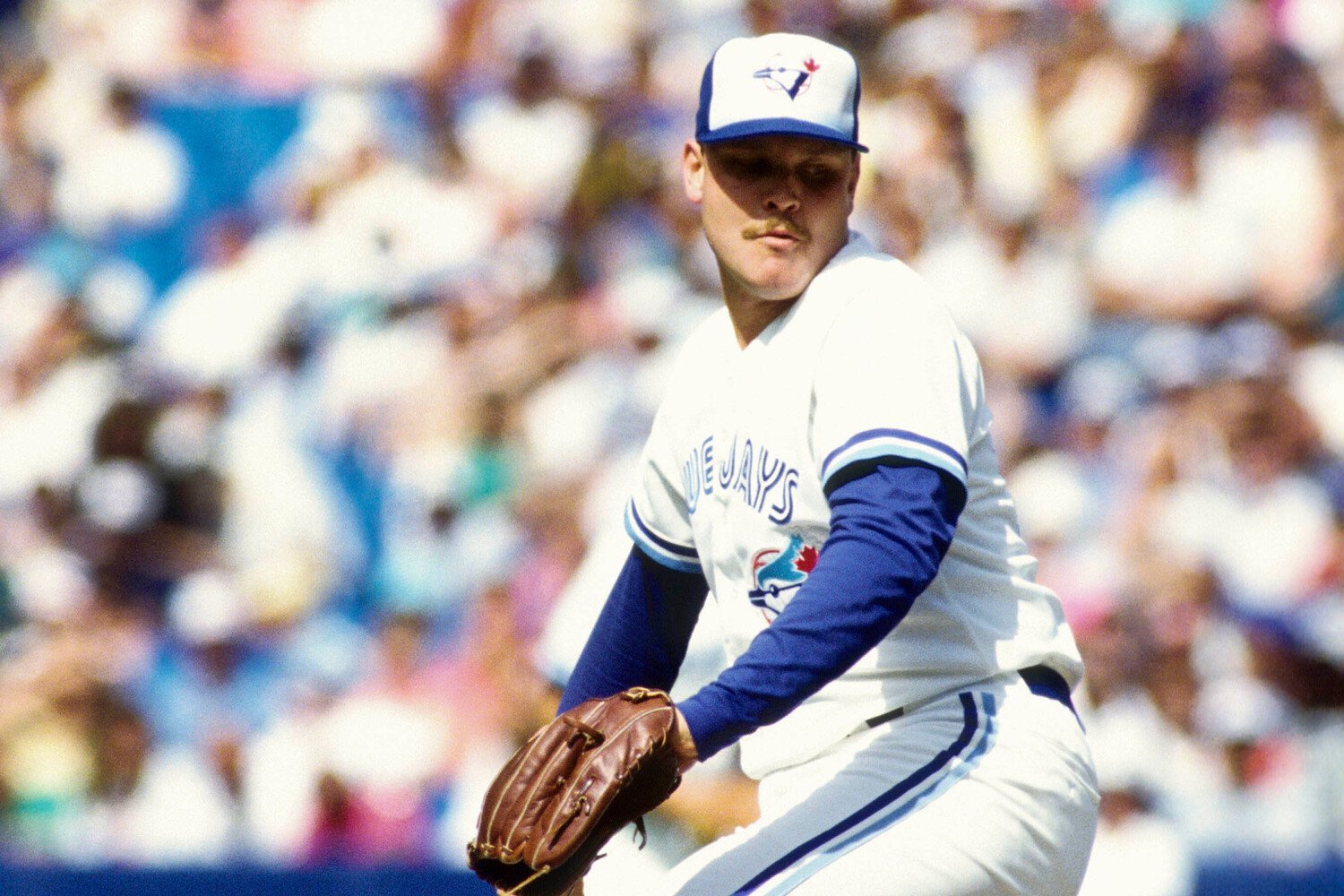 When Duane Ward passed away last weekend, baseball lost one of the most dominant relievers of his generation and Canadian baseball lost one of its most dedicated ambassadors. Duane Ward was a good closer, but he was a phenomenal setup man. There aren’t many modern bullpen rosters that mirror the dominance or structure of the Jays in the late eighties and early nineties. The general manager of the Jays at the time, Pat Gillick, acquired Tom Henke from the Rangers as a free agent compensation pick in 1985, and the following year traded pitcher Doyle Alexander to the Braves to acquire Ward. Both pitchers had been starters who had toiled within their respective organizations, seeing some time with the major league squads, but never for a sustained period. Neither made the major league roster right away, but whatever adjustments the Jays had them work on in the minors resulted in both establishing themselves at the MLB level in short order. Ward was selected ninth overall in the 1982 MLB June Amateur Draft by the Braves. With the Jays, between 1988 and 1992, he was the only pitcher in MLB to pitch more than 100 innings in relief in each of those five seasons. When Ward first arrived in the organization, teammates had already heard about the arm talent that accompanied him from Atlanta. Former Blue Jays infielder Rance Mulliniks recalled that players were eager to see for themselves whether the reports of Ward's "magnificent arm" were true. They were. His first postseason win came in the epic, 11th-inning Game 4 victory over the Athletics in the 1992 ALCS. The highlights always focus on Roberto Alomar’s home run off A’s closer Dennis Eckersley, but it was Ward who allowed only one hit across the ninth and 10th innings to keep the game tied. In an interview that sportscaster Mark Hebscher shared on social media, he asked Ward whether, during his years as a setup man, he ever wished he could be the closer. In typical "Ward-o" style, he said, “Never.” He took pride in getting the ball to Henke and providing him with a clean slate to pick up a save. That might mean Ward would pitch one inning, but often more. That answer would not have surprised Mulliniks. He described Ward as a player who fully embraced whatever role helped the team most. Even after becoming one of baseball's elite relievers, Ward remained committed to learning every aspect of the game. Mulliniks recalled that Ward frequently sought out hitters to better understand how they thought at the plate, believing that knowledge would make him a better pitcher. He wasn't content to rely solely on his remarkable arm. He wanted to understand how to pitch. He went on to mention some of the setup men who took over for him when he became the closer upon Henke’s departure. Those setup men included Mike Timlin, Mark Eichhorn, Bob MacDonald, and John Cerutti. All of them were effective in the role, but none were as good as Ward. Ward had the temperament of a Dave Stieb. He was intense, and his “stuff” matched that intensity. If anything, he was the polar opposite of Henke, who was zen-like in his approach. That perfect complement created a one-two punch that was nearly unstoppable. Mulliniks saw that intensity up close from his position at third base. He remembered Ward as one of the fiercest competitors on the team, but also noted that his intensity was controlled and purposeful. Ward wasn't simply trying to throw every pitch as hard as possible. His competitiveness was channelled in the right direction, which helped transform extraordinary raw talent into sustained excellence. On the rare occasions Ward ran into trouble, Mulliniks was sometimes sent to the mound by managers Jimmy Williams or Cito Gaston to buy time while another reliever warmed up. It was a task he never particularly enjoyed. Mulliniks remembered slowly making his way to the mound and joking, “First of all, Ward-o, this isn’t my idea.” Ward usually responded by saying nothing at all. Instead, he would pace impatiently, eager to get back to work. There was one rule, however, that Mulliniks learned quickly: Never step on the dirt of the mound. “That was his mound,” Mulliniks recalled. If a teammate stepped onto it, Ward would let them know in no uncertain terms that they weren't welcome there. Beneath the humour was a revealing trait. Ward believed that if he had created a mess, he should be the one to get himself out of it. The confidence, pride and accountability that defined those moments were the same qualities that made him one of baseball's most trusted relievers. Henke shared his memories with reporters this past week, talking a lot about Ward’s pre-game superstitions. These included playing catch with Henke after batting practice, using the exact same urinal at the same time every game day, and always being the first to arrive in the bullpen. Mulliniks also remembered Ward making sure he was the first player off the field after batting practice, often positioning himself toward the dugout to gain an advantage. What teammates seemed to admire most, however, was Ward's dependability. Even when his arm could have used a day off after several consecutive appearances, Mulliniks said Ward would still take the ball if a manager needed an inning or a crucial out. It was a quality that helped make him one of the game's most durable relievers during his peak seasons. Everyone remembers Joe Carter’s “Touch ’em all, Joe!” home run to win the 1993 World Series, but it was Ward who was the winning pitcher of record in Game 6 after pitching a scoreless ninth inning. It might have been his most important outing as a Jay, and it best illustrated the type of player and contributor he was: He set up his teammates to succeed, and you can’t ask for more. When Henke departed following the 1992 season, there was little doubt inside the organization that Ward could take over the ninth inning. Mulliniks, who retired after that season, admitted he was shocked that Toronto allowed Henke to leave, but he was equally confident Ward could handle the pressure of closing games. The Blue Jays knew it too. Whenever Henke needed a day off, Ward had already shown he could thrive in the role. In 1993, he responded with 45 saves, still a franchise single-season record. Ward finished his career with 121 saves and 452 games pitched, both second in Blue Jays history. His impact on Canadian baseball extended well beyond his playing days. Mulliniks credited Ward as the driving force behind many of the Blue Jays alumni clinics that travel across Canada teaching young athletes. Ward approached former team president Paul Beeston with the idea and became one of its strongest advocates. He poured the same energy into developing youth baseball that he once devoted to mastering his craft on the mound. Helping grow the game in Canada became one of his greatest passions. He was inducted into the Canadian Baseball Hall of Fame in 2020. Ward passed away in Toronto on July 18, 2026, at the age of 62. View the full article
 -
 The San Diego Padres' four full-season affiliates went 3-1 Saturday. The Triple-A El Paso Chihuahuas fell to Las Vegas 5-1, the Double-A San Antonio Missions edged Frisco 4-3, the High-A Fort Wayne TinCaps drilled Lake County 14-4 and the Low-A Lake Elsinore Storm rolled past Visalia 10-2. Padres Minor-League Transactions Lake Elsinore Storm activated C Ty Harvey from the 60-day injured list. C Truitt Madonna assigned to Lake Elsinore Storm from ACL Padres. LHP Adler Cecil assigned to Lake Elsinore Storm from ACL Padres. C Alcides Hernandez assigned to ACL Padres from Lake Elsinore Storm. Chihuahuas Walk 9 In Falling To Aviators The Triple-A El Paso Chihuahuas issued nine walks that led to their downfall, dropping a 5-1 decision to the host Las Vegas Aviators. The Chihuahuas outhit the Aviators 6-5, but didn't draw any walks off four Vegas pitchers. Nick Pratto had two of the Chihuahuas' hits, including a double, and Dustin Harris tripled. Chihuahuas right-handed starter Evan Fitterer walked four in four innings, allowing three runs and three hits with four strikeouts. Right-hander Johan Moreno walked just one in two shutout innings, right-hander Andrew Moore issued four free passes and two runs in two-thirds of an inning, right-hander Ty Adcock didn't walk anyone while getting one out and right-hander Alek Jacob also didn't issue a walk in his one shutout inning. The Chihuahuas got their only run in the top of the third. Harris tripled with one out and scored on Carlos Rodriguez's sacrifice fly to left. EP_0725.mp4 Player AB R H RBI BB K Bryce Johnson, RF 4 0 0 0 0 1 Dustin Harris, CF 4 1 1 0 0 1 Carlos Rodriguez, LF 3 0 1 1 0 1 Nick Solak, DH 4 0 0 0 0 1 Will Wagner, 3B 4 0 1 0 0 0 Mason McCoy, 2B 3 0 0 0 0 3 Nick Pratto, 1B 3 0 2 0 0 0 Blake Hunt, C 3 0 1 0 0 0 Clay Dungan, SS 3 0 0 0 0 0 Totals 31 1 6 1 0 7 Pitcher IP H R ER BB K HR Evan Fitterer (L, 3-4) 4.0 3 3 3 4 4 0 Johan Moreno 2.0 1 0 0 1 2 0 Andrew Moore 0.2 1 2 2 4 2 0 Ty Adcock 0.1 0 0 0 0 0 0 Alek Jacob 1.0 0 0 0 0 1 0 Totals 8.0 5 5 5 9 9 0 Jake Cunningham's Bat, Andrew Thurman's Arm Lift Missions Jake Cunningham homered and drove in three, while Albert Fabian snapped a tie with a sixth-inning sacrifice fly, right-handed starter Andrew Thurman struck out a career-high 10 and right-hander Josh Mallitz turned in a terrific three-inning save as the host Double-A San Antonio Missions turned back the Frisco RoughRiders 4-3. The Missions played in Buddy the Elf uniforms, marking Christmas in July. Ethan Salas, Padres Mission's No. 1 prospect, had two hits, including a 105 mph rocket, joining Cunningham and Fabian as Missions having multiple hits. Trailing 2-0 in the bottom of the first after three doubles by the RoughRiders, Cunningham belted just his third homer since being promoted to San Antonio from High-A Fort Wayne a month ago to tie the game 3-3. It was his 18th of the season and brought in Carson Tucker, who had a leadoff single. The RoughRiders scored another in the top of the second and it remained 3-2 until the fifth, when Tucker walked with one out, Salas laced a 105 mph shot past the second baseman and into right field and, one out later, Cunningham doubled down the left-field line to tie the game 3-3. In the sixth, Ryan Jackson tripled for the second time this season and scored when Fabian flew out to center, putting the Missions up 4-3. The 34-year-old Thurman, coming off a season-high six strikeouts in three innings last week vs. Corpus Christi, reached double digits in punchouts for the first time since his career began in 2013. Thurman, who didn't pitch from 2018 to 2025, had a previous career high of 9 on May 14, 2016, when he was pitching for Double-A Mississippi in the Atlanta chain in a 5-4 loss to the Pensacola Blue Wahoos. Against the RoughRiders, Thurman gave up three runs on five hits over six innings. Mallitz picked up the three-inning save, facing one over the minimum, allowing just one hit and striking out three. He has four saves this year. SA_0725.mp4 Player AB R H RBI BB K Carson Tucker, SS 3 2 1 0 1 1 Ethan Salas, C 3 0 2 0 1 1 Tirso Ornelas, LF 4 0 0 0 0 1 Jake Cunningham, CF 4 1 2 3 0 1 Braedon Karpathios, RF 4 0 0 0 0 3 Ryan Jackson, DH 4 1 1 0 0 2 Albert Fabian, 1B 2 0 2 1 0 0 Luis Verdugo, 3B 3 0 1 0 0 0 Francisco Acuna, 2B 2 0 0 0 1 0 Totals 29 4 9 4 3 9 Pitcher IP H R ER BB K HR Andrew Thurman (W, 2-5) 6.0 5 3 3 0 10 0 Josh Mallitz (S, 4) 3.0 1 0 0 0 3 0 Totals 9.0 6 3 3 0 13 0 Justin DeCriscio, Ryan Wideman Lead TinCaps' Hit Parade Justin DeCriscio and Ryan Wideman each had three hits in the first three innings as the host High-A Fort Wayne TinCaps erupted for 12 runs and Rosman Verdrugo had five RBIs in a 14-4 demolition of the Lake County Captains. The 14 runs are a season high for the TinCaps, who pounded out 14 hits. Wideman, Padres Mission's No. 4 prospect, stole his 54th base, giving him sole possession of the minor-league lead. Wideman had 43 steals with Low-A Lake Elsinore. TinCaps right-handed starter Bryan Balzer earned his first High-A victory since being promoted from Lake Elsinore by going five shutout innings, surrendering just one hit, while walking two and striking out two. All nine TinCaps had a hit, eight scored a run and five at an RBI. Verdugo hit a three-run homer and Luke Cantwell a two-run shot. Cantwell joined DeCriscio and Wideman in having multiple hits, going 2-for-4 with a walk and three runs scored. Alex McCoy, Padres Mission's No. 14 prospect, drove in a pair on his Midwest League-leading 25th double. DeCriscio started off a six-run first inning against Captains right-handed starter Ben Lively with the first of two doubles in the game, Wideman singled and, one out later, stole his 54th base of the season. Kavares Tears walked to load the bases, then a balk brought in the first run and Verdugo followed by crushing a three-run homer, his 12th of the season. With two outs, Carlos Rodriguez singled and Cantwell drilled his fourth homer since his midseason promotion from Lake Elsinore and sixth of the season, going the opposite way to left-center. DeCriscio and Wideman repeated their first-inning showing with a double and a single, chasing Lively. McCoy greeted the reliever with his two-run double, then scored an out later on Verdugo's sacrifice fly. DeCriscio had a two-run single in the third inning and, after going to third on Wideman's single, scored on an errant pickoff attempt to put the TinCaps up 12-0. FW1_0725.mp4 FW2_0725.mp4 Player AB R H RBI BB K Justin DeCriscio, SS 5 3 3 1 1 1 Ryan Wideman, CF 4 2 3 1 0 1 Alex McCoy, LF 4 1 1 2 1 2 Kavares Tears, RF 4 1 1 0 1 2 Rosman Verdugo, 2B 2 1 1 5 2 1 Lamar King Jr., C 5 0 1 0 0 0 Carlos Rodriguez, DH 5 1 1 0 0 1 Luke Cantwell, 1B 4 3 2 2 1 1 Kerrington Cross, 3B 3 2 1 0 2 0 Totals 36 14 14 11 8 9 Pitcher IP H R ER BB K HR Bryan Balzer (W, 1-1) 5.0 1 0 0 2 2 0 Maikel Miralles 2.0 6 4 4 0 1 0 Will Koger 1.0 0 0 0 2 2 0 Clark Candiotti 1.0 0 0 0 1 1 0 Totals 9.0 7 4 4 5 6 0 Big Offensive Night Supports Strong Pitching In Storm Triumph Yimy Tovar drove in three runs, Jorge Quintana had a two-run homer and right-handed starter Tyler Schmitt didn't allow a hit in his four innings as the host Low-A Lake Elsinore Storm cruised to a 10-2 victory over the Visalia Rawhide. Quintana (Padres Mission's No. 6 prospect), Tovar, Conner Westenburg, Jose Verdugo and George Bilecki each had a pair of the Storm's 13 hits. Schmitt led a standout pitching performance that limited the Rawhide to just three hits. While not allowing a hit over four innings, he did walk five and allowed a run while striking out two. Right-hander Jeferson Villabona followed Schmitt and retired the first five batters he faced before giving up a triple in the sixth. That was the only hit he allowed in three innings, striking out one. Right-hander Rordy Mejia gave up a pair of hits and a run on two walks and three strikeouts in the final two innings. The Storm jumped out to a 1-0 lead on Bradley Frye's run-scoring groundout in the bottom of the first and took a 2-1 lead in the second on Truitt Madonna's RBI single. A three-run third inning featured Tovar's two-run single and Verdugo's RBI single. Tovar drove in another run in the fifth and the Storm put this one out of reach with four in the sixth. Westenburg scored on an errant pickoff attempt, Fry had an RBI single and Quintana hit his four homer of the season to make it 10-1. LE_0725.mp4 Player AB R H RBI BB K Conner Westenburg, CF 3 2 2 0 1 1 Ty Harvey, C 4 1 0 0 1 2 Bradley Frye, 3B 5 2 1 1 0 0 Jorge Quintana, SS 3 3 2 2 1 0 Yimy Tovar, 1B 4 0 2 3 0 0 Jose Verdugo, 2B 4 1 2 1 0 0 Truitt Madonna, DH 4 0 1 1 0 2 George Bilecki, RF 4 0 2 0 0 1 Qrey Lott, LF 4 1 1 0 0 0 Totals 35 10 13 8 3 6 Pitcher IP H R ER BB K HR Tyler Schmitt 4.0 0 1 1 5 2 0 Jeferson Villabona (W, 1-0) 3.0 1 0 0 0 1 0 Rordy Mejia 2.0 2 1 1 2 3 1 Totals 9.0 3 2 2 7 6 1 Padres Mission's Top 20 Prospect Performance Ethan Salas: 2-for-3, BB, K Kash Mayfield: DNP Miguel Mendez: DNP Ryan Wideman: 3-for-4, RBI, K Kruz Schoolcraft: DNP Jorge Quintana: 2-for-3, 2B, HR, 2 RBI, BB Ty Harvey: 0-for-4, BB, 2 K Kale Fountain: Injured, out for season Tucker Musgrove: DNP Coleman Borthwick: Not assigned team Lamar King Jr.: 1-for-5 Braedon Karpathios: 0-for-4, 3 K Jagger Haynes: DNP Alex McCoy: 1-for-4, 2B, 2 RBI, BB, 2 K Truitt Madonna: 1-for-4, RBI, 2 K Jesus Castro: DNP Garrett Hawkins: DNP Elliot Lascelles: Not assigned team Winyer Chourio: DNP Rosman Verdugo: 1-for-2, HR, 5 RBI, 2 BB, K View the full article
 -
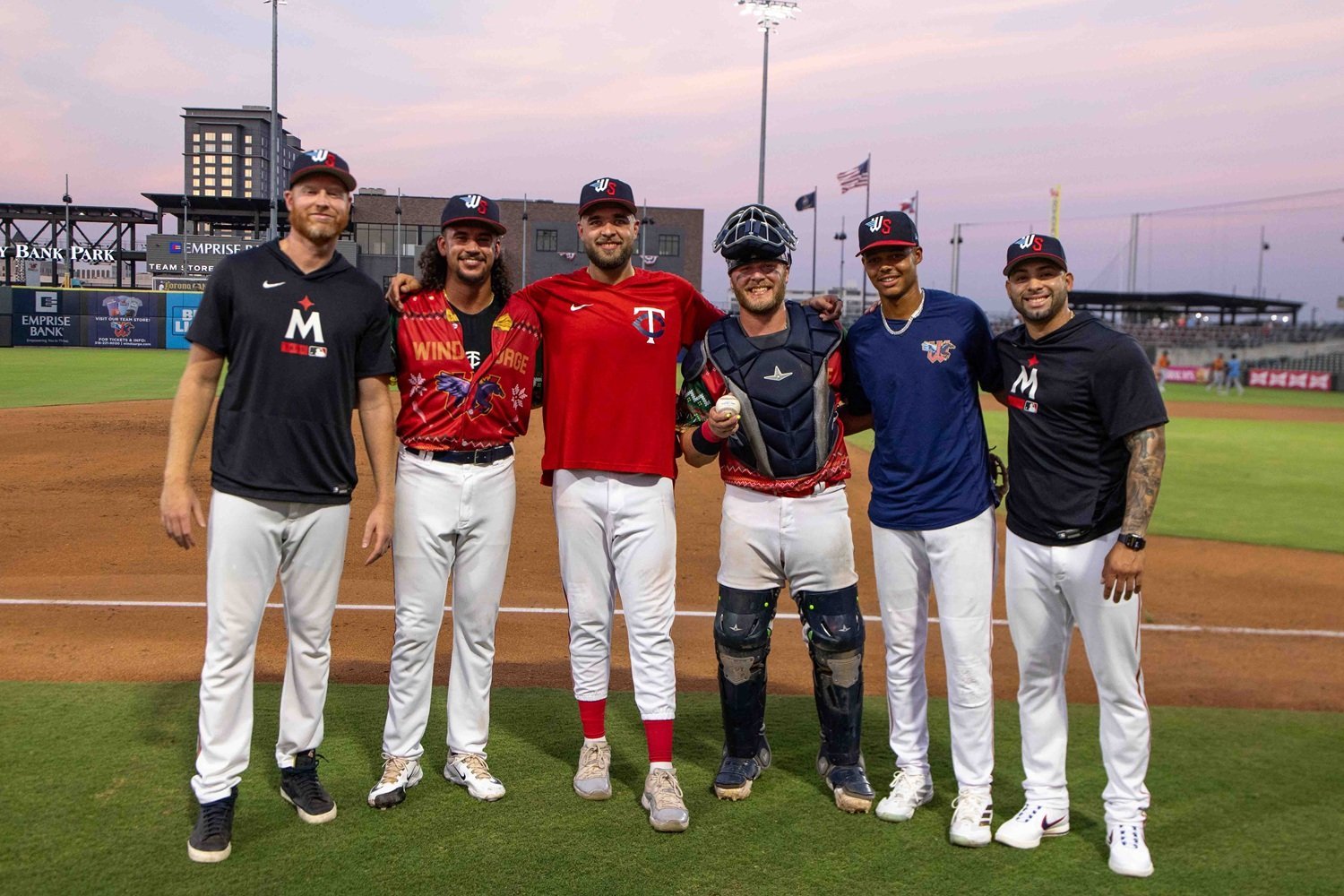 TRANSACTIONS The Twins activated RHP Marco Raya from the 15-day injury list and optioned him to St. Paul. Catcher Enrique Jimenez has been placed on the Cedar Rapids Injured List with a concussion. RHPs Santiago Rojas and Carter Holjes were released from the FCL Twins roster. SAINTS SENTINEL St. Paul 2, Columbus 1 Box Score Congratulations to Saints manager Brian Dinkelman on his 500th career win as a manager. After a couple of seasons as a hitting coach in the GCL and with Cedar Rapids, he became the manager of the Kernels. He won 367 games as manager of the Kernels, won a Midwest League championship and was once named Baseball America's minor league manager of the year. He spent one season in Wichita and won 76 games. This is his first game with the Saints, and his 57th win this season. The Saints got action started early with Walker Jenkins leading off the game with a double, and eventually advancing to third base on a balk. That’s where the threat ended, and the Saints bats remained silent until the bottom of the fourth when Gabriel Gonzalez raked a double to put runners on second and third again. Again, the Saints mirrored their major league affiliate and left the ducks on the pond. Meanwhile Trent Baker started off well for the Saints on the mound, but he surrendered Kody Huff’s 14th homer of the season to start the third inning. Baker only gave up two hits in his three innings of work, but that one kept Columbus ahead 1-0 late into the ballgame. Matt Bowman notched two scoreless frames, Alejandro Hidalgo picked up the victory with two scoreless frames of his own, and Julian Merryweather snagged a hold with a scoreless eighth after the Saints claimed the lead. Raul Brito locked things down for his fourth save with a 1-2-3 ninth. The long ball came back into play in the sixth and seventh innings, but this time it was the Saints that enjoyed the benefits. Matt Wallner mashed his 17th homer to dead center to tie the game at one apiece. In the seventh inning, Cody Morissette launched his eighth of the season to call “Ballgame” at 2-1! WIND SURGE WISDOM Wichita 11, Midland 0 Box Score What’s better than scoring 11 runs if you are Wichita? How about throwing a combined No-Hitter!!! Chris Vallimont got things started with five innings of no-hit ball. He had six strikeouts and only one walk. Darren Bowen took care of the next two innings without allowing a base runner and two K’s. Ruddy Gomez came in to try to accomplish the first no-hitter in the Texas League this season, and he got the Wind Surge within one out. Gomez walked Brennan Milone with two outs in the top of the ninth to add some excitement to the moment, but with the game well in hand and history on the horizon, Gomez struck out Devin Taylor swinging to complete the No-No! It was Christmas in July night in Wichita, and Vallimont, Bowen and Gomez delivered an amazing present! Marek Houston continued to rake, cracking three of Wichita’s 14 hits on the night. Kyle DeBarge hit a two-run shot for his 11th on the season, and Brandon Winokur hit his second home run on the year with two ducks on the pond. Eight of the nine starters got into the hit column, as the Wind Surge managed to score 11 while still leaving 10 runners on base! The game was out of reach by the fifth inning, but the Wind Surge arms kept things on lock down anyways to achieve a feat that they will never forget. KERNELS CHRONICLES Cedar Rapids 2, Dayton 8 Box Score The lone dud of the evening in the Twins organization came in Dayton, Ohio. The Kernels’ Danny De Andrade knocked in a tripling Eduardo Tait in the top of the first. However, the bats went silent until the top of the sixth when Jacob McCombs singled in Jose Salas. By that point, Dasan Hill’s return to the rotation had been touched up for two runs in 2 2/3 innings, and Cole Peschl and Mitch Mueller each gave up a run while the game was still within reach. Nick Tribucchi’s three-run seventh sealed the Kernel’s fate, as the offense couldn’t recover against a stingy Dragon bullpen. The Kernels created opportunities along the way but went 2-for-10 with runners in scoring position and left nine men on throughout the night. MIGHTY MATTERS Fort Myers 15, St. Lucie 14 Box Score When the Mussels batted for 25 minutes in the top of the first inning and plated eight runs, it didn’t appear that a one-run game was on the horizon. Matt Barr’s debut in Fort Myers was almost ruined, however, when he also stumbled out of the much-delayed gate to cough up five runs of his own in the bottom of the first. Barr managed to complete 2 2/3 innings of work with only giving up the five runs, but the Mets were allowed to linger, and it almost cost them a victory. After expanding the lead to 11-5 in the top of the third, the Mussels’ arms Ramiro Villanueva and Adam Falinski gave up seven runs across the middle frames to keep the game within reach. As Fort Myers nursed a three-run lead into the bottom of the ninth, Brent Francisco gave up a run on a wild pitch/throwing error and then a homer to Marco Vargas to bring the game to within one run. Francisco struck out Chase Meggers to save the day and to save the game for the Mussels. Offensively the boys flexed their mighty muscles with each of the starters collecting a hit, and eight of them getting at least one RBI. Leadoff man Ramiro Dominguez set the tone for the bats by going 3-for-6 with two doubles, two runs, and two RBI. Byron Chourio also raked with his seventh homer of the year and two runs with three RBI of his own. The offense was opportunistic when they smelled blood in the water, scoring crooked numbers in three separate innings, and only leaving four men on base all game. Quentin Young’s three-run blast in the top of the sixth personified the night for the Mussels bats. COMPLEX CHRONICLES DSL Twins 13, DSL Rangers 16 Box Score The DSL Twins started off the day of action across the Twins affiliate network, and they set the stage for expanded box score/recap capacity. Each team pushed runs across in seven of their innings, and four Twins pitchers bore the brunt of the damage. Adrian Martinez started things off by going 1 2/3 while walking four, which led to two earned runs and three total. Sebastian Echavarria took the loss on paper, as he started the third but could not finish it after allowing three runs with the last two on wild pitches. Aldwin Marillo surrendered three runs in his inning of work, and Jesus Moreno covered more ground in his 2 1/3 innings but also got charged with four earned runs. Nine of the Ranger runs came with two outs, which illustrates the Twins’ inability to escape jams all afternoon. The Rangers led from third inning on, and the game never really got as close as the score appears after that. Offensively you have to celebrate a 13-run effort, and eight different Twins notched an RBI. Jendy Martinez (2-5, 2 RBI) and Abel Sosa (3-6, 3 RBI) stood out for multi-RBI at-bats and consistent work across the game. PLAYERS OF THE DAY Hitter(s) of the Day Bryon Chourio (Ft. Myers): 2-3, 3 RBI, 2 BB, HR(7), SB(20). Pitcher(s) of the Day Wichita Wind Surge Pitchers - Chris Vallimont, Darren Bowen, and Ruddy Gomez combined for 0 hits, 2 BB, and 14 K! PROSPECT SUMMARY Check out the Prospect Tracker for much more on our Twins Top 20 prospects after seeing how they did today. Notice that the prospect rankings have been updated to include the 2026 draft picks. In addition, keep up with the Twins draft pick signings at our Twins 2026 Draft Board. As you’ll be able to see, all 21 players have signed. They have also signed four undrafted pitchers. #1 - OF Walker Jenkins (St. Paul) - 1-for-4, double(13), K (batted first, played CF). #2 - C Vahn Lackey (Signed) - #3 - IF Kaelen Culpepper (St. Paul) - 0-for-3, (batted third, played SS until eighth inning) #4 - OF Emmanuel Rodriguez (St. Paul) - Injured List (thumb) #5 - SS Marek Houston (Wichita) - 3-for-4, double(6), R, BB, (batted first, played SS) #6 - RHP Riley Quick (Wichita) - Did Not Pitch #7 - C Eduardo Tait (Cedar Rapids) - 1-for-3, triple(1), R, K (batted third, played catcher) #8 - LHP Kendry Rojas (Minnesota) - 4 IP, 1 H, 0 ER, 1 BB, 5 K, 56 pitches, 36 strikes (64%) #9 - LHP Dasan Hill (Cedar Rapids) - 2.2 IP, 3 H, 2 ER, 2 BB, 6 K, 53 pitches, 31 strikes (58.5%) #10 - OF Hendry Mendez (St. Paul) - 0-for-2, BB, 2 K (batted fifth, played DH) #11 - OF Gabriel Gonzalez (St. Paul) - 1-for-3, double(18) (batted sixth, played 1B) #12 - RHP Charlee Soto (Cedar Rapids) - Didn’t pitch #13 - C Carson Tinney (Signed) - #14 - C/OF Khadim Diaw (Wichita) - 1-for-4, double(5), 2 R, BB (batted second, played DH) #15 - 3B/CF Brandon Winokur (Wichita) - 2-for-5, home run(2), 2 R, 3 RBI, K (batted fifth, played 3B) #16 - RHP Brett Renfrow (Signed 2026 Pick) - #17 - 3B/SS Quentin Young (Ft. Myers) - 1-for-5, home run(12), R, 3 RBI, 2 K (batted fifth, played SS) #18 - RHP Ryan Gallagher (St. Paul) - Didn’t pitch #19 - RHP James Ellwanger (Ft. Myers) - 60 Day Injured List (right elbow sprain) #20 - RHP Ethan Wachsmann (Signed 2026 draft) - UPCOMING PROBABLES Sunday, July 25 Columbus @ St. Paul (2:07 pm CT) - LHP Aaron Rozek (4-2, 2.99 ERA) Midland @ Wichita (1:05 pm CT) - RHP Ty Langenberg (3-8, 5.24 ERA) Cedar Rapids @ Dayton (12:05 pm CT) - RHP Justin Mitrovich (2-3, 2.45 ERA) Ft. Myers @ St. Lucie (11:10 pm CT) - RHP Callan Fang (4-1, 2.67 ERA) FCL Twins - Season Complete. DSL Rangers Red @ DSL Twins (10:00 am CT) - TBD CURRENT W-L Records Minnesota Twins: 52-54 St. Paul Saints: 57-43 Wichita Wind Surge: 36-57 Cedar Rapids Kernels: 37-56 Fort Myers Mighty Mussels: 51-42 FCL Twins: 33-26 DSL Twins: 10-27 View the full article
 -
MLB Insider Predicts 6 Mets Trades Before Deadline
DiamondCentric posted an article in Grand Central Mets
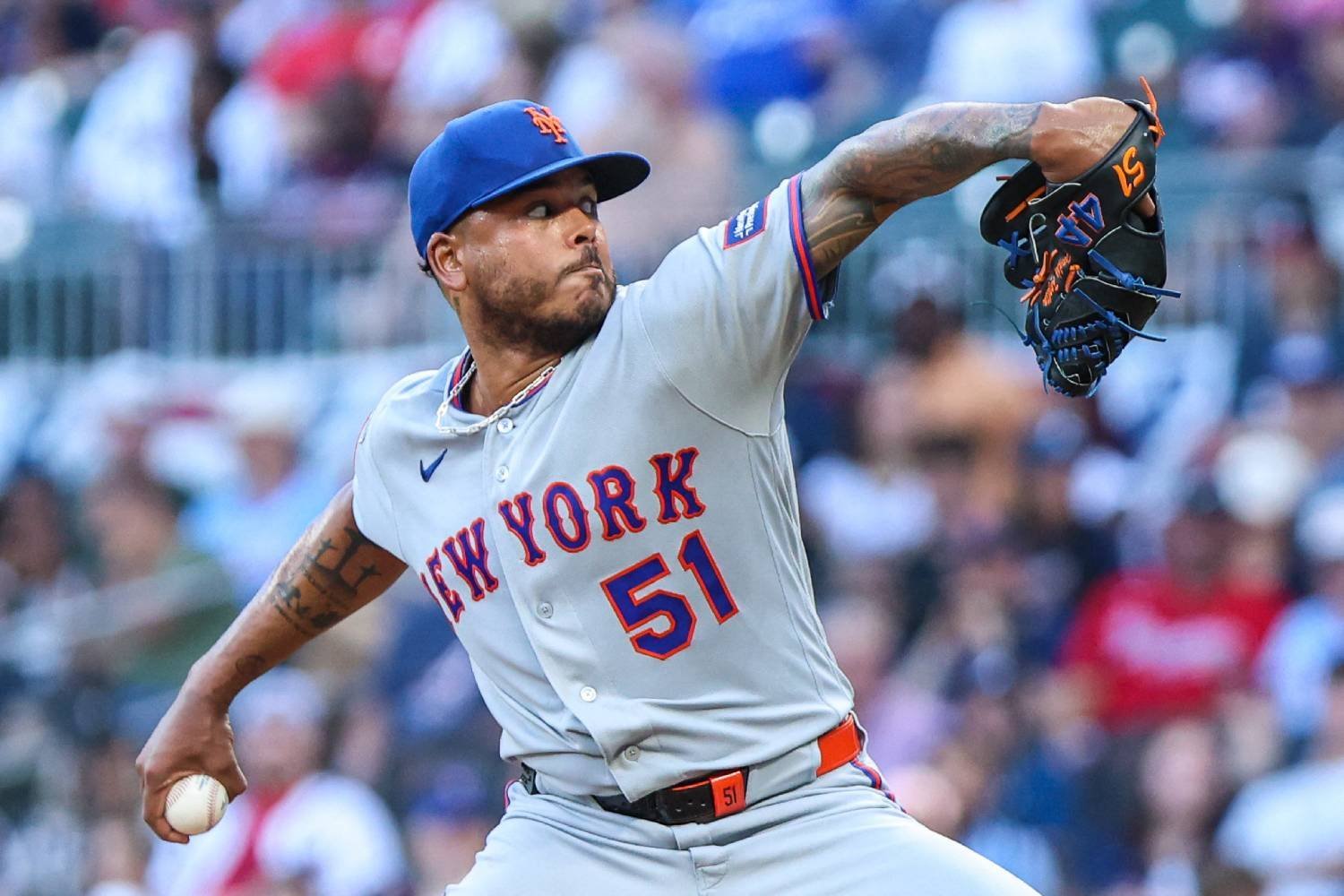 Brace yourself, New York Mets fans. In case you hadn't already. With the Mets entering Saturday with MLB's third-worst record, just ahead of the Colorado Rockies and Los Angeles Angels, MLB insider Ken Rosenthal is predicting a massive sell-off by president of baseball operations David Stearns. The five players who Rosenthal, who writes for The Athletic and was said this in his role as a dugout reporter during the Fox telecast of the Mets' game against the Los Angeles Dodgers on Saturday, said are most likely to be moved before the Aug. 3 trade deadline are right-handed starters Freddy Peralta and Clay Holmes, left-handed relievers Brooks Raley and A.J. Minter and right-handed reliever Luke Weaver as well as outfielders Luis Robert Jr. and Tyrone Taylor. Holmes is currently on a rehab assignment after sustaining a fractured right fibula on May 15. ROSENTHAL_0725.mp4 "I expect them to make at least six trades," Rosenthal said. "You see Peralta and Holmes—Holmes has a player option, but he's like Shane Bieber from last year, coming off a significant injury, but will be in demand and is likely to decline that player option. The Mets don't seem interested in giving him an extension. The two lefty relievers, A.J. Minter and Brooks Raley. The outfielders, Luis Robert Jr. and Tyrone Taylor, and the big question will likely be not (shortstop Francisco) Lindor, but Luke Weaver. The Mets have him for another year. They want to compete in 2027, but the demand for relievers is always high." Rosenthal said that while the Mets would likely prefer young major-league talent in return, they would likely be getting prospects for many of the players expected to be traded away, with the reason being the players leaving the Mets are for the most part on contracts expiring after this season. View the full article
 -
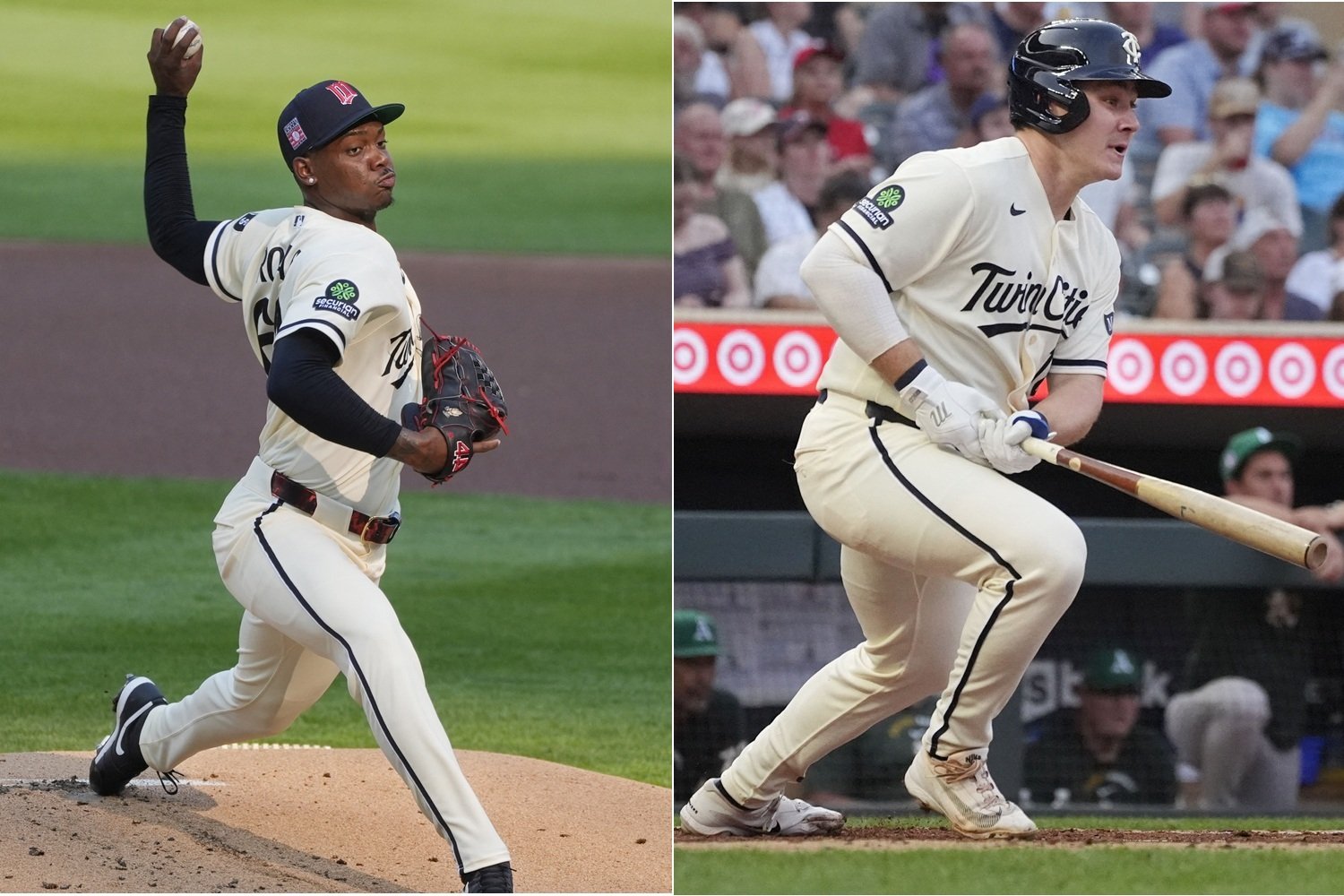 Box Score SP: Kendry Rojas - 4.0 IP, 1 H, 0 ER, 1 BB, 5 K (56 pitches, 36 strikes (64%)) Home Runs: N/A Top 3 WPA: Rojas (0.21), Alan Roden (0.19), Taylor Rogers (0.14) Win Probability Chart (via FanGraphs) The Twins continued to stay offensively challenged after the All-Star Break in a demoralizing 2-0 loss to the Athletics on Friday night. Saturday brought three reasons more optimism for the Target Field faithful: The Ryan Baseball Classic (a planned collection of people named Ryan), Kirby Puckett jersey giveaway day (a planned attempt to get fans to pay to see the Twins), and Athletics league-worst bullpen day (which means something to everyone in the MLB except the Twins apparently). Could the Twins capitalize on yet another chance to start winning again before the trade deadline? Or would 1,000 Ryans and 10,000 light blue reminders of what winning used to look like go home disappointed yet again? Starter Switch-Up Before the game could even begin, the Twins had to make a switch to their own bullpen game plan. Mike Paredes was announced as the opener and took his warm-up pitches, but right at game time Derek Shelton had to come out and get Kendry Rojas ready instead. Unfortuneately it wasn't just some creative managing skullduggery, for Paredes left with oblique soreness and was unavailable for an already depleted bullpen. Rojas took advantage of the unexpected early entry and worked four innings of one hit baseball, with five strike outs and outstanding control of his fastball which stayed around 97 mph all evening. Twins Still Lifeless at the Plate The Athletics went with their own lefty opener in Brady Basso, who took care of the Twins bats without much effort until Ryan Kreidler led off the bottom of the third with a slicing double to right to set the Ryan faithful into a frenzy. When Mason Barnett came in to replace Basso with one out, Kreidler immediately stole third to incite more frenzy. Barnett faced Byron Buxton, and Buxton's struggles with runners in scoring position continued as he chased a high heater. Kody Clemens is not named Ryan, and therefore he flew out to end the threat in what felt like groundhog day for the Twins offense over the past two weeks. Signs of Life...? The ageless left arm of Taylor Rogers got the Twins through the fifth and sixth innings with the game still locked in a scoreless tie. Barnett was still dealing for the A's, but he lost Josh Bell to a one-out walk. Then he surrendered a laser beam into the left field corner from Royce Lewis to put runners at second and third with only one out. Like clockwork, Victor Caratini popped up too shallow to advance the runners and it looked like Mark Kotsay was going to bring in a lefty to neutralize Alan Roden. Kotsay decided to stay with the righty, and Roden decided to smash the Twins into a 2-0 lead with a blistering single to right! Morris Throws Fire, Who Will it Burn? The Twins looked to be in the driver's seat but the scoreboard still only read 2-0 as Andrew Morris took over in the top of the eighth. Lawrence Butler worked a leadoff walk on a full count, and Morris looked like he was going to erase it immediately as he snagged a hard comebacker from Jacob Wilson. As Morris went to turn the 1-6-3 double play he instead threw it 101 mph into center field. Buxton chucked the ball to third base for no good reason, which allowed a bad play to multiply into a runners at second and third situation with nobody out. Pete Maki slowly made his way to the mound, and tried to calm down the young fireballer. Nick Kurtz was back in the lineup tonight, and he stood in at this most crucial junction of the ballgame. Morris was up to the challenge, fooling Kurtz on a cutter for a sword strikeout. Tyler Soderstrom struck out swinging at a cutter above his head. With the Target Field faithful too afraid to watch, Morris escaped the inferno of his own creation by inducing a Jonah Heim groundout to get his team back into the dugout still ahead 2-0! Yoendrys Gomez kept the Twins in the lead, as the Twins bullpen out-dueled the Athletics bullpen to even the series. What’s Next? The Twins look to take their first series since the All-Star Break on Sunday afternoon. Twins lefty Connor Prielipp (2-5, 5.00 ERA) will return to the rotation after an extended break. Joe Ryan is getting extended rest with "arm fatigue" and hopes to pitch in the Royals series. The Athletics will send yet another lefty starter out in Jeffrey Springs (3-9, 5.96 ERA) who has a 9.37 ERA over his last seven outings.. First pitch is scheduled for 1:10pm CDT. Postgame Interviews Bullpen Usage Spreadsheet TUE WED THU FRI SAT TOT Rojas 47 0 0 0 56 103 Rogers 28 0 13 0 30 71 Morris 0 28 16 0 26 70 Paredes 49 0 0 0 0 49 Anderson 8 0 18 17 0 43 Adams 0 27 0 14 0 41 Funderburk 0 22 0 12 0 34 Gomez 0 0 22 0 8 30 Nance 0 0 13 0 13 26 View the full article
 -
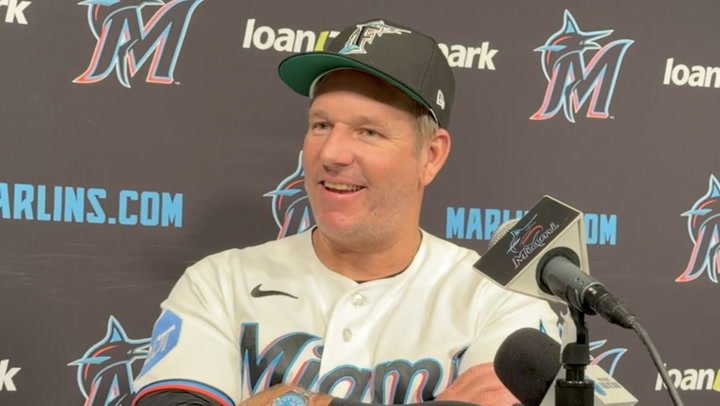 Following Saturday's loss to the San Diego Padres, Clayton McCullough speaks with the media about navigating the rough seas of an 11-game losing streak. His team has matched the franchise record for most consecutive losses.View the full article
 -
Freefalling Marlins lose 11th straight, tie franchise record
DiamondCentric posted an article in Fish On First
 MIAMI, Fla. — If the Miami Marlins are in freefall, they may have reached terminal velocity on Saturday. Miami’s 7-2 loss to the San Diego Padres was their 11th consecutive loss, tying a franchise record set in 1998 and matched in 2011. Perhaps the most frustrating part of this spiral is that it came directly on the heels of one of the better streaks the team had gone on since their 2023 postseason run. Just prior to the skid beginning on July 10, the Marlins swept the Seattle Mariners and Athletics, and capped off a 20-6 June to go 10 games over .500 and hold a wild-card spot. “I think every game is kind of its own chapter in a story,” Marlins manager Clayton McCullough said. “We had some chances early the last couple of days—first inning with some guys on, and you're not able to cash in. I think for the most part, we just haven't done enough within these games to find a way to get on top and to win.” Each of the previous losses during this streak came by margins of three runs or fewer, so this was the most lopsided contest of them all. Through the first 10 games of the streak, the Marlins’ .273 on-base percentage was the lowest in the majors. They also had the second-lowest batting average (.214) and wRC+ (70). Saturday’s loss did not help those numbers. The Marlins mustered five hits, all of which were singles. Even when they got on, the Marlins made mistakes on the basepaths that abbreviated what could’ve been a couple of rallies. Down 2-0 in the third inning, Otto Lopez hit a sacrifice fly to right field with runners at the corners. Esteury Ruiz scored from third thanks to the throw hitting the backstop. Marsee, standing at first base, hesitated on his run to second. After the ball had already ricocheted to pitcher Randy Vásquez, Marsee darted for the bag, and was thrown out. The Marlins scored one run in an inning that should’ve still had some juice to it. “He reads a lower trajectory coming in from (right fielder Gavis Sheets) there and hold,” McCullough said. “And then it gets by the catcher. Give Vásquez credit for backing it up. (Marsee tried) taking a shot to get into scoring position and he got thrown out.” Lopez himself got thrown out in the eighth inning when he tried going first to third on a Kyle Stowers single. Ruiz scored from third to make it 6-2, but Lopez’s overaggressiveness put Miami in a two-out situation with just a runner at first, instead of what could’ve been one out with two runners on. “It's hard to like fault guys for trying to make plays,” McCullough said. “The number of outs you got left, and somewhat weighing the risk versus reward. Again, guy makes a really good baseball play and gets you. Chalk it up to that, and just continue to discuss those things, and all become better from it.” Eury Pérez, for his part, continued his season turnaround. He put together a quality start, allowing three runs over seven innings with just one walk. The 23-year-old has a 1.75 ERA in six outings since returning from the injured list, which ranks third among qualified NL starters during that span. Staring down the possibility of suffering back-to-back-to-back-to-back series sweeps and setting a new franchise record for consecutive losses, the Marlins host the Padres again on Sunday afternoon. Janson Junk is their probable starter. View the full article
 -
Blue Jays Minor League Recap: Buffalo Rides Fireworks to a Win
DiamondCentric posted an article in Jays Centre
 Blue Jays Affiliate Overview (July 23-24) Triple-A Buffalo Bisons Series vs Rochester Red Wings (Washington Nationals): 2-2 Season Record: 48-52 Double-A New Hampshire Fisher Cats Series vs Somerset Patriots (New York Yankees): 1-3 Season Record: 46-46 High-A Vancouver Canadians Series vs Hillsboro Hops (Arizona Diamondbacks): 1-3 Season Record: 41-53 Single-A Dunedin Blue Jays Series vs Bradenton Marauders (Pittsburgh Pirates): 3-0 Season Record: 44-47 FCL Blue Jays Week Record: 2-0 Season Record: 38-20 DSL Blue Jays Blue Week Record: 1-2 Season Record: 16-22 DSL Blue Jays Red Week Record: 3-0 Season Record: 20-17 Triple-A Buffalo Bisons Season Record: 48-52 Series vs Rochester Red Wings (Washington Nationals) July 23: On Thursday, Buffalo sent Richard Gallardo to the mound, and he rewarded them with an excellent start. Gallardo threw four scoreless innings, struck out six, walked just one, and gave up three hits. He gave the Buffalo bats a great chance to get ahead early and get a win. Buffalo's lineup did at least half of that, as they took the lead 1-0 in the third inning with Josh Kasevich scoring on a wild pitch. After a Brady House triple scored two runs for Rochester, Buffalo answered in the fifth inning by scoring a run on Ismael Munguia's bases-loaded walk. Devereaux Harrison pitched three scoreless innings out of the bullpen to help keep the game all square at two and send it into extra innings. In the additional frames, Rochester scored three, while Buffalo didn't score any. Sean Keys ended the game by striking out. Buffalo fell 5-2 in a game that really never felt like they were in control. July 24: After a lackluster showing on Thursday, Buffalo's bats came to play Friday night. Not only did Buffalo tally 11 hits in the game, they swatted five home runs and would need every one of them, as the game was a close one. After a sacrifice fly by Charles McAdoo in the first inning, Daz Cameron laid into an 88 mph fastball and obliterated it, 107.4 mph off the bat, and it went 440 feet. CJ Stubbs and Carlos Mendoza went back-to-back to start the second inning. The solo home runs gave Buffalo a 5-0 lead at the time. In the third inning, Je'Von Ward got into the home run party, smacking his tenth long ball of the season, a solo blast to right. Buffalo's starting pitcher (Grant Rogers) and bullpen arm (Chase Lee) would combine to cough up six runs themselves, leaving the game tied. Josh Kasevich would score the last run of the game on a solo home run in the eighth inning. It was his fourth of the season, and he ended the day going 3-for-4, raising his batting average to .307. He looks ready for a call-up to the major leagues when the need should arise. Buffalo won this game 7-6 on the backs of five home runs and a lot of fireworks! Double-A New Hampshire Season Record: 46-46 Series vs Somerset Patriots (New York Yankees) July 23, Game 1: In the first game of the Thursday doubleheader, the New Hampshire Fisher Cats started in a hole and could never climb out. DJ Gladney started things in the first inning for Somerset with a two-run home run. Arjun Nimmala answered with a home run in the third for the Fisher Cats. Somerset would go on to score seven straight runs from that point. Owen Cobb had two RBI singles in that span, and Gladney added an RBI single. Two errors also allowed runs to score. Eddie Micheletti Jr. would break the scoring run for Somerset when he hit a low line drive home run to right field, scoring two more for New Hampshire. It wasn't enough, though, as the Fisher Cats fell 9-3. July 23, Game 2: Game 2 of the doubleheader had more promise for New Hampshire with Gage Stanifer on the mound. Things went about the same though overall. Stanifer would walk Jace Avina, who then scored after a groundout moved him to second and a single brought him home. The second inning was better for Stanifer, just allowing a single. Cutter Coffey would hit a sacrifice fly to tie the game in the bottom of the inning. The third inning was the best for Stanifer, who walked Avina again, but then got the next three batters via a strikeout. In the fourth, a run scored on a soft shallow fly ball after a leadoff double for Somerset. In the fifth, Stanifer walked another batter after a long battle and ended up hanging a slider for a two-run home run. He would strike out two more batters as well. On the day, he went five innings, gave up five hits, struck out seven, walked four, and gave up four runs. In the sixth, Somerset got two more home runs to take a big lead again. New Hampshire would lose this one 8-3. July 24: In the Friday matchup between New Hampshire and Somerset, things were again bad for the New Hampshire pitchers. They would give up just five runs, but allowed 15 hits on the day. Somerset took a two-run lead in the second and third innings, from a Jace Avina home run and a sacrifice fly. Dub Gleed would launch a home run to tie the game in the sixth inning to tie things up. In the ninth, things got interesting. Somerset scored three runs on two RBI singles and a sacrifice fly. New Hampshire put a comeback together in the bottom of the ninth, though. Victor Arias drove in a run with an RBI groundout to short and was followed by an RBI single by Cade Doughty. After a walk to load the bases, Aaron Parker came up to the plate and went down swinging. That left Eddie Micheletti Jr. as the last chance, but he roped a line drive to center field that was caught for the final out. New Hampshire lost 5-4. High-A Vancouver Season Record: 41-53 Series vs Hillsboro Hops (Arizona Diamondbacks) July 23: Holden Wilkerson was on the mound for Vancouver on Thursday and struggled a lot with his command. He walked four batters and coughed up five hits, leading to four runs in the first four innings of the game. His outing would not be a long one, as he was pulled in the fourth inning. Vancouver was at least in a decent position after the fourth; they scored four runs in the first two innings of the game. Peyton Williams started the scoring with an RBI double that brought home J.R. Freethy in the first inning. Tucker Toman would then single to bring in Williams. Sacrifice flies by both Ryan Sprock and Williams would give Vancouver a 4-1 lead after the second inning. In the sixth, Sprock grounded into a double play, which would score Maddox Latta and give Vancouver the 5-4 lead. In the bottom half of the inning, Hillsboro tied the game up at five with an RBI single. All was still square until the eighth inning, when Hillsboro launched a three-run home run off of Carson Myers. It would give Hillsboro a three-run lead that they would hold until the end of the game. Vancouver fell 8-5. July 24: Friday didn't bring much luck to Vancouver, as their starting pitcher was again a bit wild early in the game. Troy Guthrie walked two in the first two innings, and both came around to score: one in the first inning that scored on a two-run home run and one in the second on an RBI single. Vancouver was in a 4-0 hole quickly, but Guthrie locked in after the second inning. He would throw four more innings and not give up any more runs. During that span, Vancouver cut into the Hillsboro lead. Jake Casey singled home Ryan Sprock in the third inning, and Alexis Hernandez singled home a run in the fifth. Hernandez repeated the feat in the seventh, singling home another run and cutting the deficit to one. Unfortunately for Vancouver, the bullpen imploded in the eighth, giving up four runs highlighted by a three-run home run. Vancouver fell 8-4. Single-A Dunedin Season Record: 44-47 Series vs Bradenton Marauders (Pittsburgh Pirates) July 23: The Thursday game between Dunedin and Bradenton was a rain-shortened one, but it still had its big moments. Daniel Guerra was on the mound, continuing his rehab back up to High A. He was fantastic on the day, going 3.1 innings, allowing just one hit, surrendering just one walk, striking out five, and not giving up a run. He mostly used his fastball and cutter on the day, slowly building up his pitch count and pitch usage again. The fastball was great, sitting 96 and 97 mph most of the time and touching 98 mph. Offensively, JoJo Parker had an opposite-field single for an RBI in the fifth inning, and Jake Cook homered to right field before the rain hit in the seventh inning. Blaine Bullard added a single for Dunedin. There were only five combined hits in the short game, but Dunedin did enough to get the win, 2-0. July 24: Postponed FCL Blue Jays Season Record: 38-20 July 23: The Thursday game between the FCL Blue Jays and FCL Phillies was the final one of the regular season, and it was a standout game for Angel Guzman along with Andres Arias. In the first inning, both Guzman and Arias homered to give the Blue Jays a two-run lead. In the third inning, Arias brought home Guzman, who had doubled earlier in the inning. Pascual Archila doubled to score Arias, then Max Viera tripled to bring in Archila. Guzman would walk and steal second base in the fifth inning, adding to his big game. Brandon Barriera started the game for the Blue Jays and set the tone on the mound, going 2.1 innings and allowing no hits, with just two walks, striking out four in his rehab appearance. The Blue Jays finished the regular season with a big victory, winning 8-1. DSL Blue Jays Blue Season Record: 16-22 July 23: Thursday was a rough day all around for BJB. Their pitchers surrendered 10 walks, 12 hits, and 14 runs. At the plate, it was a little better, but not a whole lot. Down 13-0 in the fifth inning, their lineup finally started to show some life. Cristopher Polanco drew a bases-loaded walk, Sebastian Casanova hit a ball to center for a sacrifice fly, and Juan Caricote matched him with a sacrifice fly as well. They scored three runs in the inning without a base hit. Isay Veras added two runs for BJB in the seventh, with a single to right that scored Casanova and Michael Mesa. It was all BJB could do, though, as they fell 14-5. July 24: On Friday, Kenyer Navarro was on the mound for BJB, and he kept the game close for the bats to try to score some runs and get a bounce-back win. Navarro threw five innings, only gave up two runs, but didn't register any strikeouts. Sebastian Rodriguez came on in relief of Navarro and held the DSL Twins down, throwing two scoreless innings. Despite the good pitching efforts, BJB was down 2-0 in the sixth, where they finally broke through and scored a run when Cristopher Polanco crossed home on a wild pitch. In the bottom of the seventh inning, Polanco drew a bases-loaded walk and tied the game up at two. Sebastian Casanova then also drew a bases-loaded walk, giving BJB a walk-off win. BJB won 3-2, in a game in which they scored three runs and didn't put the ball in play to plate any of them. DSL Blue Jays Red Season Record: 20-17 July 23: BJR had a whirlwind of a game on Thursday against the Tigers 1 team. BJR took the lead in the first inning when Luis Nunez was hit by a pitch with the bases loaded. After surrendering the lead, BJR took it back in the third on Darwin Núñez's RBI single and Nunez's sacrifice fly. They added to their lead in the fourth when Frelian Flores scored on a wild pitch and Gabriel Porras knocked in Alex Linares on a single to center. BJR's bullpen then imploded and coughed up seven runs in the top of the seventh, leaving them in an 8-5 hole. In the bottom half of the inning, an RBI groundout by Flores, a bases-loaded walk by Porras, and a sacrifice fly by Aneudi Severino tied the game up at eight and sent it into extra innings. Núñez would be the hero of the game, getting an RBI single to give BJR the walk-off 9-8 win. July 24: Friday's game for BJR was most uneventful until the last couple of innings. Aneudi Severino started off the sixth inning for BJR with some fireworks. He smoked a ball over the left field fence for a three-run home run, giving BJR the late lead. Arizona's Black team answered in the bottom half of the inning when they scored on a bases-loaded walk. In the top of the seventh, BJR broke it open, scoring four runs, highlighted by Luis Nunez's RBI single to center and Elian Reyes’ RBI double to right. BJR won going away late, 8-1. View the full article
 -
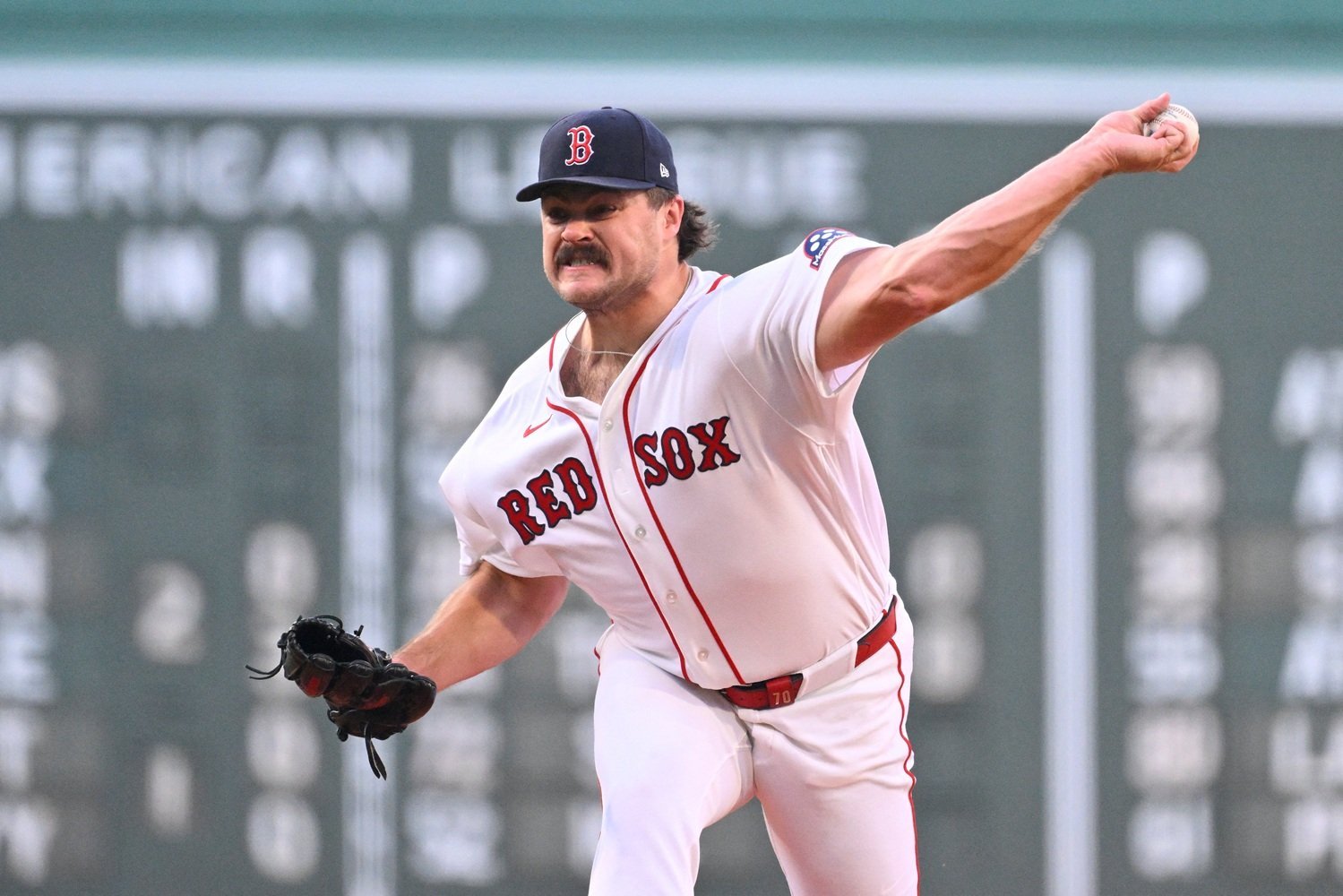 According to Alex Speier from The Boston Globe, the Twins were offered a huge package in exchange for RHP Joe Ryan. Left-handed pitcher Payton Tolle is a 23-year-old. He was the Red Sox second-round pick in 2024 out of Texas Christian. Early in the 2025 season, he jumped to the top of the Red Sox prospect rankings. At the end of August, he was called up by the Red Sox and made three starts and four relief appearances. He was in the Red Sox bullpen in the playoffs He began the 2026 season at Triple-A. He made three starts and went 2-0 with a 3.03 ERA. Since he has made 16 starts and is 5-6 despite an ERA of 3.31. At 6-5 and over 250 pounds, he has a big fastball and breaking pitches with and without velocity. Franklin Arias was always a well thought of prospect. Before the 2025 season, he was in Top 100 rankings. He began this season as a Top 50 prospect. He began this season where he ended last season, in Double-A. In 75 games for Portland, he hit .318/.407/.587 (.993) with 17 doubles and 19 home runs. Just this weekend, he earned a promotion to Triple-A Worcester. He is now a Top 5 prospect in all of baseball and right on the cusp of the big leagues. From the Boston Globe, "The Sox ended up with a deadline fizzle of Dustin May and Steven Matz while whiffing on a much bigger swing. They made a push to acquire All-Star starter Joe Ryan from the Twins. According to multiple sources, the team was willing to send Minnesota its top two prospects: High-A shortstop Franklin Arias and Double-A lefthander Payton Tolle." Of course, Twins fans know all about Joe Ryan. He came to the Twins five years ago from the Rays in exchange for Nelson Cruz. He was the team's opening day starter in 2022. He's been very good, making the All-Star team for the American League each of the past two seasons. "According to Alex Speier of The Boston Globe, the Red Sox offered left-handed pitcher Payton Tolle and current top prospect shortstop Franklin Arias in exchange for Ryan. It’s a trade that many in Boston likely would not hesitate to make at the time, but the conversation has changed after the season Tolle has had and Arias’ continued rise through the organization’s farm system." Ryan has one more year of team control before he can become a free agent. Would a package of Tolle and Frias have be enough for you to click "Yes" on the trade offer have been enough for you to like it last summer? Remember, Tolle was in AA and Arias was in High-A. How about right now? Would you need a couple more lottery ticket prospects too? View the full article
 -
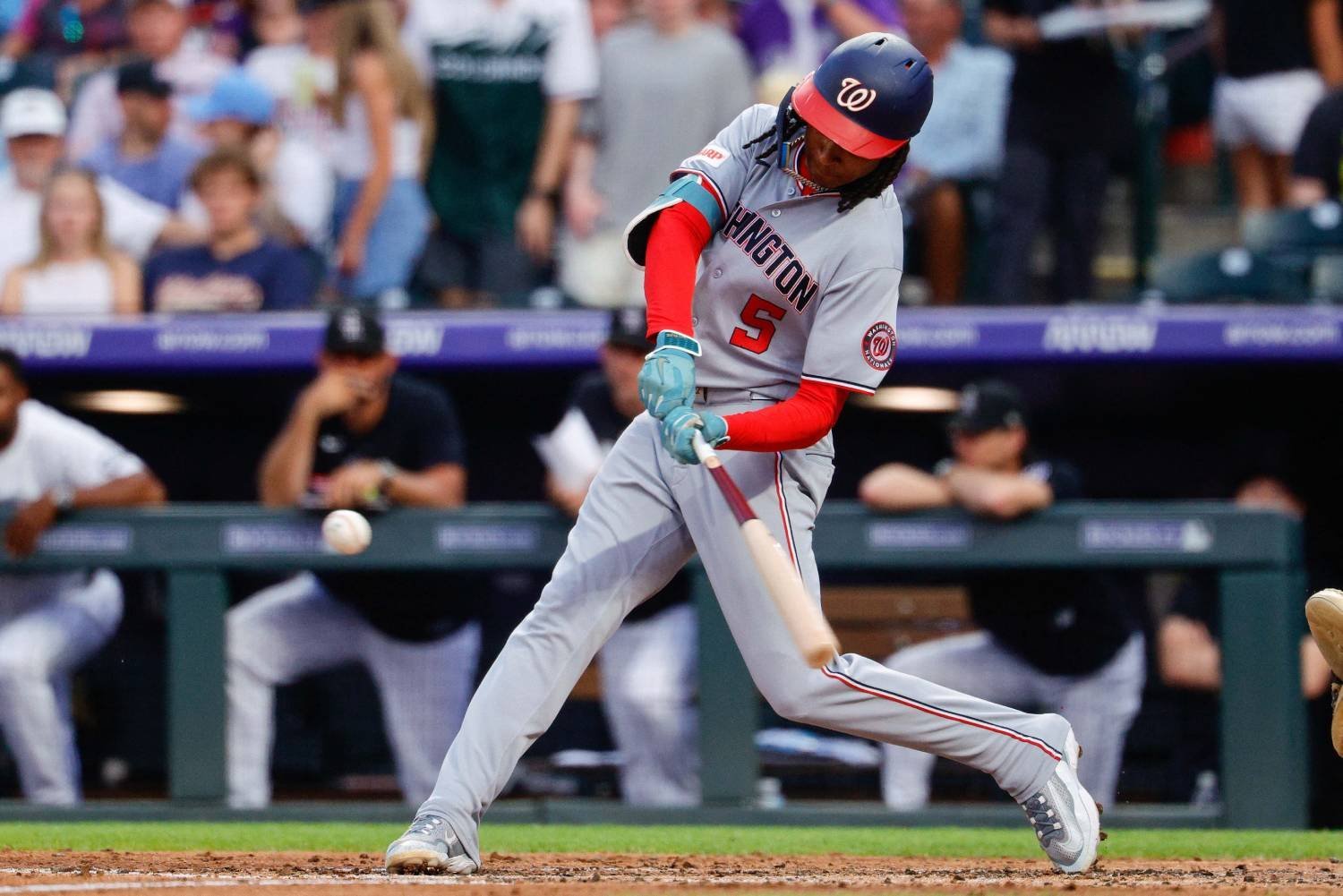 After pursuing a trade for Washington Nationals shortstop CJ Abrams in the offseason, the Milwaukee Brewers are checking in on him again as the Aug. 3 trade deadline approaches. At least that is according to Spencer Nussbaum and Will Sammon of The Athletic in an article posted Saturday. Abrams is making $4.2 million this season and under club control for an additional two seasons. Abrams, whose defense has been questioned but is in the midst of a terrific offensive year, would likely shift over to third base as the Brewers would value the defense provided by rookie Cooper Pratt at shortstop. During the offseason, the Brewers were one of several teams to go after Abrams, but the Nationals' asking price was too high, according to The Athletic. At the time, Abrams was coming off a .257/.315/.433 slash line with 19 homers, 60 RBIs and 31 stolen bases in 144 games. But this year, the left-handed hitter has put up a slash line of .288/.361/.544 with 24 homers, 76 RBIs and 16 stolen bases in 100 games entering play Saturday. It also must be noted that Abrams caused a stir late in the 2024 season when he was out late at a Chicago-area casino, first being suspended by the Nationals and then demoted to the minors for the rest of the season. Currently, the Brewers are riding with Joey Ortiz at third base after Pratt supplanted him as the starting shortstop. David Hamilton, just activated off the 10-day injured list, will also get time at third base. But Abrams would be an offensive upgrade at the hot corner, a position he has never played, even in the minors. Since being traded to the Nats in the Juan Soto deal with the San Diego Padres, the only position Abrams has played is shortstop. View the full article
 -
From 18th-round pick to legitimate Marlins prospect
DiamondCentric posted an article in Fish On First
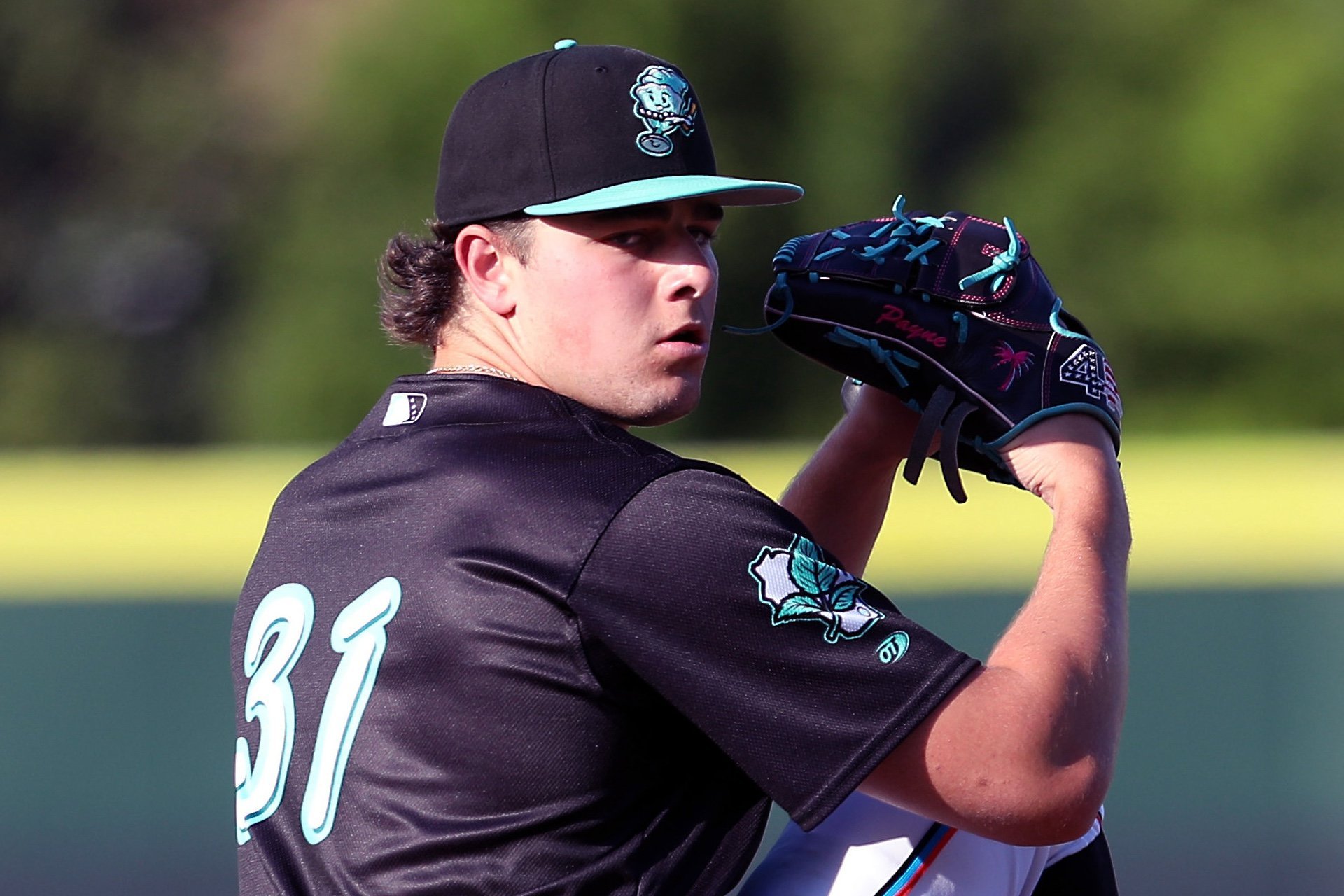 It's not common for a high school player to sign in the 18th round, and it's even less common for an 18th-round pick to put up the kind of numbers that turn heads throughout an organization. The Marlins drafted Nate Payne 544th overall in the 2024 MLB Draft out of Central Dauphin High School in Harrisburg, Pennsylvania. They signed him for $235,000, convincing him to forgo his commitment to George Mason University. In just two years, Payne has gone from a lottery ticket to a legitimate candidate to become a quality major leaguer. Payne spent the majority of the 2025 season in the Florida Complex League before finishing the year with Jupiter. Between both levels, he pitched to a 3.20 ERA across 56 ⅓ innings while striking out 73 batters. Opponents hit just .176 against him. He did just about everything the Marlins could have hoped for except limit the walks, issuing 37 free passes, which equated to a 5.91 BB/9. He was also an extreme fly-ball pitcher, posting a GO/AO ratio of just 0.41. According to Prospect Savant, which tracked only 16 ⅔ of his Hammerheads innings, Payne generated a 37.7 Whiff% while allowing an average exit velocity of just 83.5 mph. In those innings, he surrendered only six hits (five singles and one home run) while striking out 27% of the batters he faced. The strikeout-to-walk ratio (18 K/14 BB) further showed that the electric stuff was there even if the command still needed refinement. Fast forward to 2026, and Payne opened the year in Jupiter before earning a promotion to Beloit after just three starts. The strikeouts are up, the walks are down, he's generating more ground balls, and he's throwing more strikes. Between both levels this season, Payne has made 17 starts, throwing 83 innings (4.88 innings per start) with a 3.69 ERA and 113 strikeouts, good for an outstanding 12.25 K/9. Perhaps the biggest sign of development is the improved command. Payne has already thrown nearly 25 more innings than he did all of last season while walking eight fewer batters. His BB/9 has dropped from 5.91 to 3.14. His GO/AO ratio has also improved from 0.41 to 0.68, and he has induced 29 ground-ball double-play opportunities compared to just 17 all of last season. The trade-off has been the amount of hard contact he's allowed. Payne has surrendered 14 home runs along with 12 doubles and two triples. His .379 BABIP suggests he has been hit around at times and has likely been on the wrong side of some bad luck as well. At the same time, his strike percentage has jumped by nearly 10 percentage points from last season. In many ways, 2026 has been a year of sacrificing some contact quality for significantly better command and efficiency. Nate Payne's journey so far is what baseball is all about. He gave up his college commitment to chase his dream of playing professional baseball, despite the long odds that come with being an 18th-round pick out of high school. At just 20 years old, Payne has already shown flashes of becoming a quality major league pitcher. The last player taken at least 544 picks into the amateur draft who reached the majors was college right-hander Duncan Davitt (pick No. 554 in 2022). No Marlin has done it since 2019 draftees Jeff Lindgren and Josh Simpson, back when the draft was comprised of 40 rounds instead of 20. They also came from the college ranks. No matter what happens from here, both Payne and the Marlins have already exceeded expectations. For a player selected 544th overall, the pick looks better and better with each passing start. View the full article
 -
Juan Soto Heads To Mets' Injured List With Strained Calf
DiamondCentric posted an article in Grand Central Mets
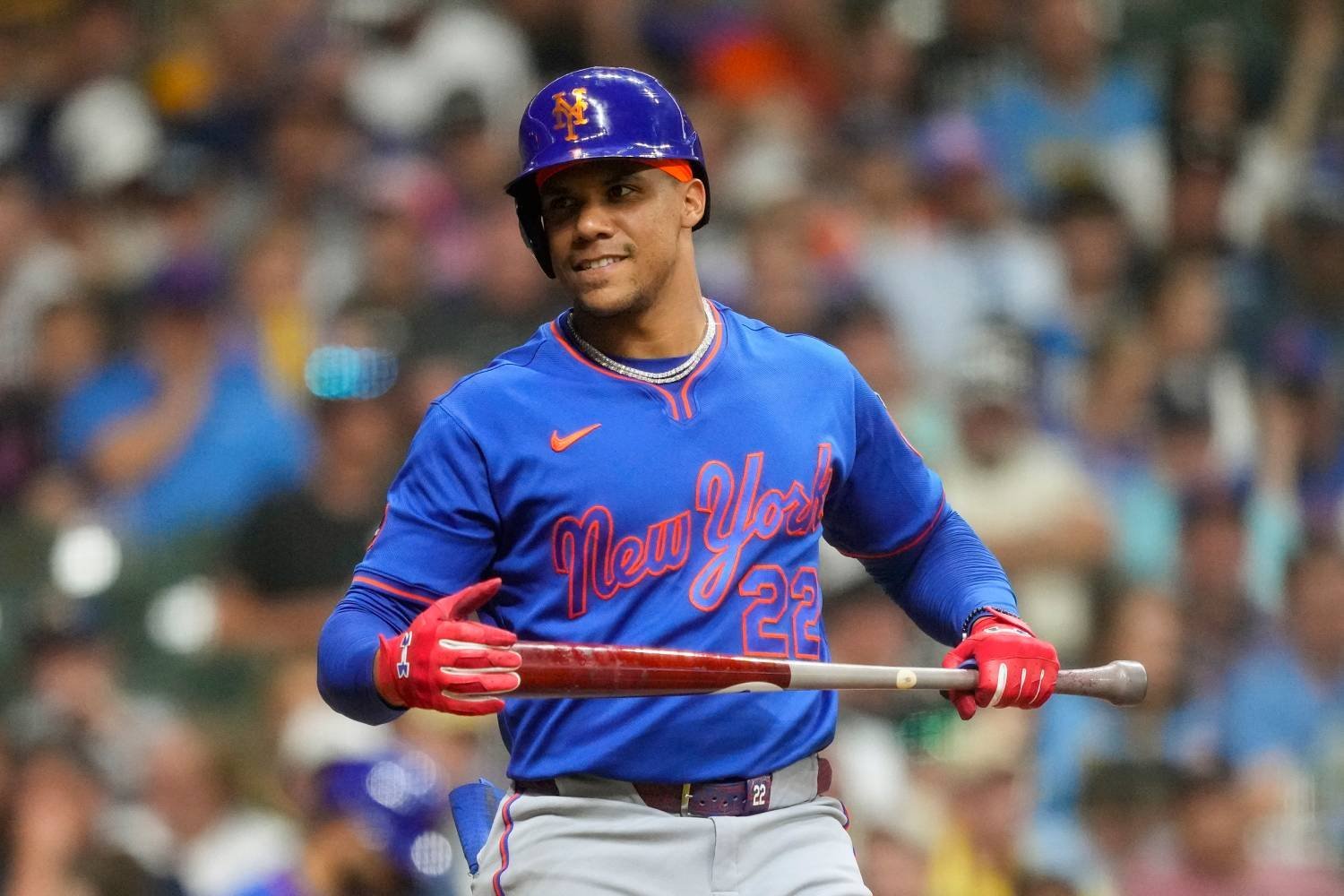 For the second time this season, Juan Soto is shuffling off to the injured list. The superstar left fielder was placed on the 10-day injured list with a strained right calf Saturday by the New York Mets, who called up first baseman Eric Wagaman from Triple-A Syracuse. Soto spent more than two weeks in April after straining his left calf. He had been dealing with the calf injury for more than a week, but was removed from Friday's game and hit the IL Saturday. Entering play Saturday, the All-Star is slashing .283/.408/.539 with 21 homers and 52 RBIs over 84 games. His .408 on-base percentage is the best in MLB. He has been one of the few bright spots in a dismal 2026 that had a would-be contender for the NL East title instead with the third-worst record in all of MLB at 43-61. Wagaman has been on the Syracuse shuttle since being designated by assignment by the Minnesota Twins in spring training. He has been optioned and DFA'd by the Mets a handful of times, including being sent down Monday when Luis Robert Jr. came off the 60-day injured list. Wagaman doesn't provide much offensively with a slash line of .162/.262/.324 with two homers and four RBIs in 21 games. View the full article
 -
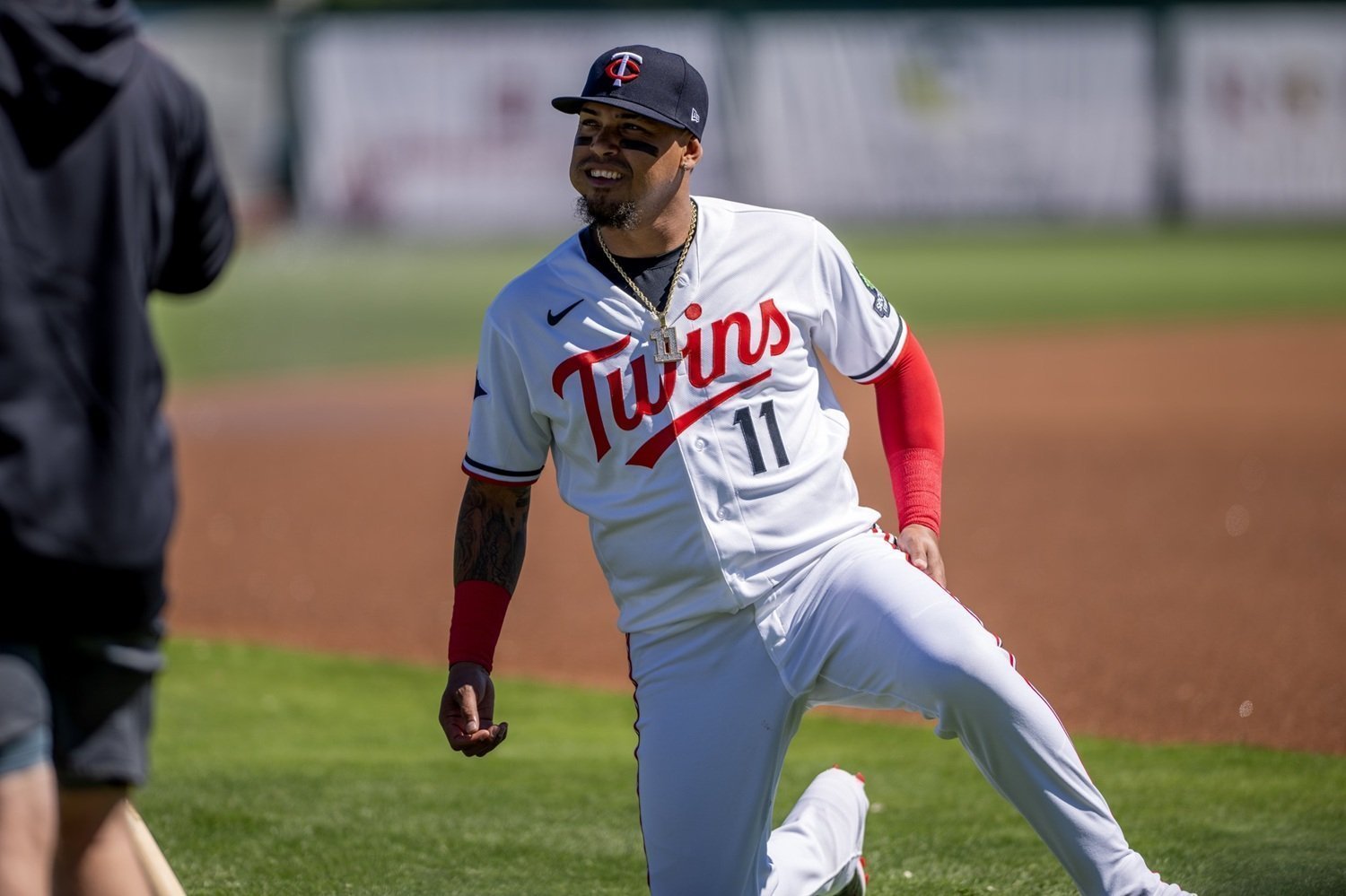 The Twins have officially moved on from Orlando Arcia. The veteran infielder was released from Triple-A St. Paul’s roster, according to Bobby Nightengale of the Minnesota Star Tribune. Arcia had spent the majority of the season in the minors after appearing in 19 games for Minnesota earlier this year. It’s an understandable roster decision, but it also leaves the Twins without much experienced infield depth on their bench. Arcia’s Brief Twins Opportunity Minnesota signed Arcia to a minor league contract in January, giving the organization an experienced option to stash in Triple-A. He didn’t make the team out of spring training, but his opportunity eventually came when Royce Lewis was sent to the minors. Arcia joined the Twins and remained with the club for less than a month before Lewis returned. Arcia appeared in 19 games and received 50 plate appearances. He hit .271/.300/.354 with one home run, producing a .654 OPS. The veteran also provided plenty of defensive flexibility, seeing time at all four infield positions. When Lewis returned to the big-league club in June, there was no obvious spot left for Arcia. Minnesota designated him for assignment, giving him the opportunity to elect free agency. Instead, Arcia chose to remain with the Twins and continue playing at Triple-A St. Paul. Now, that stint has come to an end. Arcia's time in the majors didn't produce much offensive impact, but his work with the Saints was considerably better. Across 63 games with St. Paul, Arcia slashed .282/.336/.498 (.834). That production offered a reminder of what he can bring when his bat is clicking, particularly when combined with his ability to move around the infield. That type of versatility made Arcia a useful depth piece for the Twins. Unfortunately, Minnesota's current roster construction didn't leave much room for him. Arcia’s Recent MLB Struggles Arcia entered 2026 looking to rebound from a difficult 2025 season. He split last year between the Braves and Rockies and struggled significantly at the plate. In 76 games, Arcia posted a 33 wRC+. An elbow injury also cost him time in August. The offensive decline has been noticeable over the last couple of seasons. Since the beginning of 2024, Arcia owns a .217/.265/.338 (.603) slash line in the majors. That stretch has pulled down his career numbers, which now sit at .240/.292/.369 (.661) across more than 3,500 plate appearances. Still, there is evidence that Arcia can be a productive major leaguer. The 31-year-old has appeared in the majors across parts of 11 seasons and enjoyed a resurgence with the Braves. During the 2022 and 2023 seasons, he hit .258/.319/.419 (.738) and established himself as a reliable contributor while also providing defensive versatility. The question entering this season was whether that version of Arcia could return. His performance at Triple-A suggested there might still be something left, but his limited opportunities with Minnesota didn't provide much evidence either way. Where Does This Leave the Twins? The timing of Arcia's departure is interesting because Minnesota could arguably use the type of player he represents. Brooks Lee has settled in as the team's full-time third baseman, while most of Royce Lewis' recent infield work has come on the right side of the diamond. Ryan Kreidler has handled shortstop, and Kody Clemens has taken over at second base with Luke Keaschall transitioning into a full-time outfield role. That leaves a somewhat unusual configuration. The Twins don't have a true middle infielder on the bench after demoting Tristan Gray over the last week. Arcia could have provided insurance at both middle-infield positions while also offering the ability to cover third base in a pinch. His offensive track record isn't particularly strong at this stage of his career, but his defensive flexibility would have given Minnesota another way to navigate injuries and late-game substitutions. Instead, the Twins have decided they can live without him. Arcia will now hit the open market and look for another organization willing to give him a chance. Given his experience, defensive versatility, and productive Triple-A season, another opportunity could be waiting. For the Twins, though, the organization appears comfortable moving forward with its current infield alignment. That could work just fine if everyone stays healthy. But as every team learns over the course of a long season, having an experienced utility infielder around can become pretty valuable in a hurry. View the full article
 -
 Chicago Cubs Minor League Report Affiliate Overview Triple-A Iowa Cubs Series at Gwinnett Stripers (Atlanta Braves): Stripers lead, 2-1 Season Record: 42–54-1 Double-A Knoxville Smokies Series at Rocket City Trash Pandas (Los Angeles Angels): Tied, 2-2 Season Record: 51–43 High-A South Bend Cubs Series vs. Wisconsin Timber Rattlers (Milwaukee Brewers): Cubs lead, 4-0 Season Record: 55–35 Single-A Myrtle Beach Pelicans Series at Hickory Crawdads (Texas Rangers): Crawdads lead, 2-1 Season Record: 37–54 Triple-A: Iowa Cubs Season Record: 42–54-1 Series Opponent: Gwinnett Stripers (50-47) Series Standing: Trail, 2-1 July 24: The Iowa Cubs were washed out on Friday at Gwinnett. They will be back in action today with a doubleheader, with game one starting at 2:05 p.m. CT. Double-A: Knoxville Smokies Season Record: 51–43 Series Opponent: Rocket City Trash Pandas (47–46) Series Standing: Tied, 2-2 July 24: The Knoxville Smokies evened their series at the Rocket City Trash Pandas with a 4-3 victory on Friday night at Toyota Field. Carter Trice (2-for-4) gave the Smokies the lead in the opening frame on an RBI-double, his 21st two-bagger of the season. Andy Garriola (1-for-3) doubled the lead with an RBI-single in the third and Alex Madera (1-for-3) made it 3-0 with a sacrifice fly in the fourth. The Trash Pandas would cut the lead to one with a pair of runs in the bottom of the fourth and later tie the ballgame at 3-3 with a run in the seventh. Trice led off the eighth with a solo shot, his 12th home run of the season, which would be the decisive swing of the contest, as Jacob Wallace and Tyler Ras each tossed scoreless frames to end the game to secure the win, with Ras earning his fourth save. Knoxville starter Luis Martinez-Gomez turned in the best outing of his career, but took a no-decision. Martinez-Gomez tossed six innings and allowed two runs, one earned, on two hits to go along with 12 strikeouts and no walks. He fired 53 of his 73 pitches for strikes, generating 18 swings and misses, and began the game by retiring the first nine batters he faced. The two hits allowed by Martinez-Gomez were the only two hits the Smokies pitching staff gave up in the game, as the arms combined for 14 strikeouts and no walks. High-A: South Bend Cubs Season Record: 55–35 Series Opponent: Wisconsin Timber Rattlers (48–41) Series Standing: Lead, 4-0 July 24: The South Bend Cubs earned a series victory and pushed their winning streak to six games with a 9-8 walk-off victory, in extra innings, over the Wisconsin Timber Rattlers on Friday night at Four Winds Field. The Cubs are now 20 games over .500 on the season. South Bend took a 1-0 lead in the first by scoring on an error but the Timber Rattlers eventually knotted it up with a run in the fourth. The Cubs went back in front in the bottom of that inning when Michael Carico (1-for-4) launched his first-career Double-A home run to make it 2-1. Wisconsin made it 2-2 in the fifth before Josiah Hartshorn (3-for-5) singled home a pair of runs in the sixth to put South Bend up two. The back-and-forth affair continued as the Timber Rattlers plated two in the seventh to make it 4-4 but Hartshorn’s RBI-single in the eighth gave the Cubs a slim one-run lead. The Timber Rattlers would force extra innings when they drew a bases-loaded walk with two outs in the ninth. The teams would trade runs in the 10th, with Hartshorn’s third hit of the night earning his fourth RBI for South Bend. Wisconsin scored twice in the 11th to go up 8-6 but the Cubs were able to rally for three runs in their trip to the plate. Kade Snell (1-for-5) doubled in a run and Logan Poteet (0-for-4) followed with a sacrifice fly to tie the game. Justin Stransky (2-for-5) completed the comeback with a two-out single to earn the walk-off win. Alfredo Romero got the start on the mound for South Bend and took no decision. Romero allowed two runs, one earned, on four hits over 4 2/3 innings of work to go along with one walk and five strikeouts. Single-A: Myrtle Beach Pelicans Season Record: 37–54 Series Opponent: Hickory Crawdads (53–37) Series Standing: Trail, 2-1 July 24: The Myrtle Beach Pelicans split their doubleheader at the Hickory Crawdads on Friday, winning the opener, 2-1, before falling in the second game, 2-1. Game 1: The Pelicans snapped their five-game losing skid with a 2-1 win in extra innings over the Crawdads to open the twin bill. Neither team scored through seven innings, with Myrtle Beach starter Daniel Avitia firing four scoreless frames, allowing just three hits to go along with two walks and two strikeouts. David Bracho, who would eventually pick up the win in relief, improving to 2-2 on the season, tossed three shutout innings out of the bullpen, allowing no hits and walking three to send the game into extras. In the eighth, Edward Vargas (2-for-3) finally broke the deadlock with an RBI-single and Alexis Hernandez (1-for-4) made it 2-0 with an RBI-single of his own. Hickory would pull one back in the home half of the eighth but Yoendris Gonzalez was able to end the ballgame and earn his first save of the season. Game 2: Myrtle Beach dropped the second game of the doubleheader to Hickory, 2-1, splitting the two games on Friday. Ethan Conrad’s (1-for-3) RBI-double in the first gave the Pelicans an early 1-0 lead but that would be the only run the offense would score in the game, as Myrtle Beach would be held to just four hits the rest of the way. Hickory tied the game in the third and would eventually score the winning run in the sixth. Braylon Myers got the start on the mound for the Pelicans and took no decision. Myers allowed one run on three hits over four innings of work, issued one walk and struck out six. View the full article
 -
 Jonah Tong struck out nine over 4 2/3 innings, Ronny Mauricio homered and drove in four runs, and Syracuse rolled to an 8-1 win over Scranton/Wilkes-Barre on Friday night. Mets full-season affiliates went 3-4 overall. Tong, as has been the case for some time, did not get past the fifth inning in this start, but he was effective enough, allowing one run on four hits. He also walked four to go with his nine Ks. Mauricio gave the Mets a 2-0 lead in the first inning with his home run. He drove in two more runs with a single during a three-run sixth inning that broke the game open. Elsewhere in the organization: Binghamton endured an awful fifth inning, allowing six runs without allowing a hit, and lost to Portland 8-1. Chris Suero drove in the Rumble Ponies' only run. Brooklyn split a doubleheader with Jersey Shore, winning Game 1 4-3 in eight innings and losing the nightcap 5-0. Noah Hall struck out 10 over six innings in Game 1. St. Lucie lost 9-3 to Fort Myers. Jack Scanlon and Jackson Hauge homered for the Mets in the loss. DSL Mets Blue lost 8-4 to the DSL Marlins, Royner Bravo hit a three-run double in the ninth. DSL Mets Orange defeated the DSL Nationals 6-4. Olmedo Barria allowed one run over four innings for the win. New York Mets Transactions No Roster Moves Syracuse Buries Scranton/Wilkes-Barre Syracuse built an early lead and then pulled away in the middle innings. After Nick Morabito was hit by a pitch in the first, Mauricio homered to right-center field for a quick Mets lead. Scranton/Wilkes-Barre answered with a run on a groundout in the second, and the score stayed 2-1 until the fifth. Ben Rortvedt opened the inning with a double, and Cristian Pache advanced him to third on a sacrifice bunt. Jihwan Bae singled to left field to score Rortvedt, Morabito walked, and Ryan Clifford singled to right field to bring home Bae and Morabito for a 5-1 lead. Syracuse added three more in the sixth. Christopher Morel, Rortvedt, and Pache singled in succession to load the bases, Bae grounded out to score Morel, Morabito reached on catcher's interference, and Mauricio singled to right to score Rortvedt and Pache. Syracuse pitchers combined for 15 strikeouts, with Nate Lavender and Dan Hammer racking up three each out of the bullpen.. Player AB R H RBI BB K Jihwan Bae 4 1 1 2 1 1 Nick Morabito 1 2 0 0 2 0 Ronny Mauricio 5 1 2 4 0 0 Ryan Clifford 4 0 1 2 1 1 MJ Melendez 5 0 1 0 0 2 Mike Tauchman 5 0 1 0 0 0 Christopher Morel 3 1 1 0 1 1 Ben Rortvedt 3 2 2 0 1 0 Cristian Pache 3 1 1 0 0 2 Player IP H R ER BB K HR Jonah Tong 4 2/3 4 1 1 4 9 0 Joe Jacques 1 1/3 1 0 0 0 0 0 Nate Lavender 2 0 0 0 0 3 0 Dan Hammer 1 0 0 0 0 3 0 Walks, Errors Sink Binghamton Binghamton carried a lead into the fifth inning but lost it in a hurry. Portland scored six times in the frame without a hit. A wild pitch on a strikeout by Douglas Orellana got everything started. Two walks followed, loading the bases. A throwing error by JT Schwartz brought in two runs, and a bases-loaded walk later in the inning forced home a third. With the bases still loaded, a balk was called, bringing in the fourth run of the inning. A sacrifice fly plus a throwing error by Chris Suero accounted for the final two runs. Binghamton's run came in the third inning when Suero doubled home Jaylen Palmer, who had walked. The Rumble Ponies were held to two hits and struck out 15 times. Player AB R H RBI BB K Chris Suero 3 0 1 1 1 2 John Bay 3 0 1 0 1 2 Corey Collins 3 0 0 0 1 2 Jose Ramos 3 0 0 0 1 2 Kevin Parada 4 0 0 0 0 2 JT Schwartz 3 0 0 0 1 1 Vincent Perozo 4 0 0 0 0 2 Jaylen Palmer 2 1 0 0 1 0 Nick Lucky 3 0 0 0 0 2 Player IP H R ER BB K HR Danis Correa 2 1 0 0 2 2 0 Felipe De La Cruz 1 2/3 1 0 0 2 4 0 Douglas Orellana 2/3 0 6 3 4 3 0 Brendan Girton 3 2/3 2 2 2 1 3 1 Brian Metoyer 1 1 0 0 0 1 0 Brooklyn Rallies In Extras To Take Opener Brooklyn scored three times in the eighth inning and then held on for the win. Kevin Villavicencio began the eighth as the ghost runner at second base. Sam Biller was hit by a pitch, Yonatan Henriquez singled to left field to score Villavicencio, and Mitch Voit followed with a single to center field that brought in Biller for a 3-1 lead. After a flyout, Baylor was hit by a pitch and Daiverson Gutierrez walked with the bases loaded to force in Henriquez. Jersey Shore answered with two runs in the bottom of the eighth, one on a single and the other on a wild pitch, but Cristofer Gomez worked out of the jam to record the win. Hall was dazzling in a no-decision, allowing one run on four hits and a walk. Voit went 3-for-4 with an RBI to lead the offense. Player AB R H RBI BB K Yonatan Henriquez 4 1 1 1 0 2 Mitch Voit 4 0 3 1 0 0 JT Benson 3 1 0 0 1 2 Jamari Baylor 3 0 1 1 0 1 Daiverson Gutierrez 3 0 1 1 1 0 Trace Willhoite 4 0 1 0 0 2 AJ Salgado 3 0 1 0 0 1 Kevin Villavicencio 3 1 0 0 0 0 Sam Biller 2 1 0 0 0 1 Player IP H R ER BB K HR Noah Hall 6 4 1 1 1 10 0 Cristofer Gomez 2 4 2 1 0 3 0 Cyclones Held To Two Hits In Nightcap Brooklyn's offense disappeared in Game 2. The Cyclones struck out 12 time in the shutout loss. Ronald Hernandez and AJ Salgado accounted for the Cyclones' hits. Jersey Shore scored three times in the opening inning and tacked on single runs in the fourth and sixth. Parker Carlson took the loss, allowing three runs on four hits over two innings. Hunter Hodges and Josh Blum each worked two innings in relief, and each allowed a run. Blum committed a balk that accounted for Jersey Shore's final run. layer AB R H RBI BB K Yonatan Henriquez 3 0 0 0 0 1 Mitch Voit 3 0 0 0 0 0 JT Benson 3 0 0 0 0 1 Ronald Hernandez 2 0 1 0 1 1 Jamari Baylor 3 0 0 0 0 3 AJ Salgado 3 0 1 0 0 1 Colin Houck 2 0 0 0 0 2 Yohairo Cuevas 2 0 0 0 0 2 Sam Biller 2 0 0 0 0 1 Player IP H R ER BB K HR Parker Carlson 2 4 3 3 0 1 0 Hunter Hodges 2 1 1 0 2 4 0 Josh Blum 2 0 1 1 2 3 0 Homers Account For St. Lucie's Offense Scanlon launched a homer to right field in the fifth, scoring Jeremy Rodriguez ahead of him, to cut the Mets' deficit to 4-2. Hague's solo shot in the ninth accounted for the final margin. Christian Rodriguez took the loss, allowing one run on three hits over 3 2/3 innings. He walked one and struck out three. The bullpen leaked badly, with Tyler McLoughlin giving up three runs and Ernesto Mercedes the other five. Caden Wooster restored order with 2 2/3 scoreless innings and five strikeouts. Andy Ibáñez, who played for the parent Mets earlier in the season, was in the lineup for St. Lucie. He went 1-for-4. Player AB R H RBI BB K Antonio Jimenez 5 0 0 0 0 3 Andy Ibáñez 4 0 1 0 0 0 Jackson Hauge 1 1 1 1 0 0 Trey Snyder 4 0 1 0 1 1 Randy Guzman 3 0 0 0 1 2 Julio Zayas 3 0 0 0 1 1 Chase Meggers 3 0 0 0 1 1 Taylor Darden 3 0 1 0 1 0 Jeremy Rodriguez 4 1 1 0 0 1 Jack Scanlon 4 1 1 2 0 1 Player IP H R ER BB K HR Christian Rodriguez 3 2/3 3 1 1 1 3 1 Tyler McLoughlin 1 1/3 3 3 3 0 1 0 Ernesto Mercedes 1 1/3 4 5 4 1 2 1 Caden Wooster 2 2/3 0 0 0 1 5 0 Top-20 Prospect Performance Jonah Tong: 4 2/3 IP, 4 H, 1 R, 1 ER, 4 BB, 9 K Jack Wenninger: DNP Ryan Clifford: 1-for-4, 2 RBI, BB, K Elian Pena: DNP Nick Morabito: 0-for-1, 2 R, 2 BB Jacob Reimer: DNP Mitch Voit: Game 1: 3-for-4, RBI; Game 2: 0-for-3 Jonathan Santucci: DNP Zach Thornton: DNP Chris Suero: 1-for-3, 2B, RBI, BB, 2 K Will Watson: DNP Wandy Asigen: 0-for-4, 3 K Eli Serrano III: DNP Randy Guzman: 0-for-3, BB, 2 K Dylan Ross: DNP Ryan Lambert: DNP Antonio Jimenez: 0-for-5, 3 K R.J. Gordon: DNP Jonathan Pintaro: DNP Marco Vargas: DNP View the full article
 -
 Abraham Toro homered twice with four RBI as Omaha piled up 15 hits in a 10-7 win at Salt Lake, where Gavin Cross was a single shy of the cycle. Columbia broke a tie with four runs in the sixth and beat Kannapolis 6-3 behind three hits apiece from Sean Gamble and Ivan Sosa. Quad Cities managed one run in a 5-1 loss at Beloit, and Northwest Arkansas was shut out 9-0 by Springfield. Kansas City Royals Transactions Kansas City Royals activated RHP Nate Pearson. Kansas City Royals optioned RHP Eli Morgan to Omaha Storm Chasers. Toro's Two-Homer Night Carries Omaha To A 10-7 Win The Omaha Storm Chasers collected 15 hits, homered five times, and held on for a 10-7 win over the Bees. Toro did the heaviest lifting, going 3-for-4 with two home runs, a walk, four RBI, and two runs scored. His solo shot in the second inning opened the scoring, and his three-run blast in the third was the middle of a six-run rally that put Omaha ahead 8-1. Cross finished a single shy of the cycle, homering, tripling, and doubling in a 3-for-5 night with three runs scored. Matthew Lugo added two hits, including a solo homer in the sixth, and Peyton Wilson connected for his first home run of the season during the third-inning outburst. Brandon Drury drove in two runs, the second on a ninth-inning single that pushed the lead back to three. Starter Vince Velasquez never settled in. He lasted three innings and was charged with seven hits, six earned runs, and three walks while striking out three, allowing Salt Lake to climb within 8-6 by the fourth inning. The bullpen took over from there. Ben Sears worked 2 2/3 scoreless innings with three strikeouts to earn the win and improve to 6-1. Ryan Ramsey struck out four over 2 1/3 innings and surrendered only a Cade Marlowe home run in the eighth. Justin Topa walked two in the ninth but finished the game without allowing a hit, locking down his third save of the year. The Storm Chasers left seven runners on base and went 3-for-7 with runners in scoring position. Omaha improved to 47-52 with the win. Player AB R H RBI BB K Matthew Lugo, LF 5 2 2 1 0 1 John Rave, RF 4 1 2 0 1 0 Drew Waters, CF 5 1 1 1 0 1 Abraham Toro, 3B 4 2 3 4 1 1 Gavin Cross, DH 5 3 3 1 0 0 Brandon Drury, 1B 5 0 2 2 0 1 Peyton Wilson, 2B 4 1 2 1 1 2 Elih Marrero, C 5 0 0 0 0 2 Alejo Lopez, SS 4 0 0 0 0 0 Player IP H R ER BB K HR Vince Velasquez 3 7 6 6 3 3 0 Ben Sears 2 2/3 2 0 0 0 3 0 Ryan Ramsey 2 1/3 1 1 1 0 4 1 Justin Topa 1 0 0 0 2 0 0 Northwest Arkansas Held To Three Hits In A 9-0 Shutout Loss The Northwest Arkansas Naturals never found any traction at the plate and were shut out 9-0 by the Springfield Cardinals. Springfield needed two innings to warm up, then broke the game open with five runs in the third. Jesus Baez started it with a three-run homer, and Miguel Ugueto followed with a two-run double that scored Rainiel Rodriguez and Won-Bin Cho. Baez went on to add sacrifice flies in the fourth and sixth innings, driving in five runs on the night. Drew Beam absorbed the damage. The right-hander went four innings and was tagged for eight hits, seven earned runs, and a home run while striking out one and issuing no walks, dropping him to 5-9. Beam kept the ball around the strike zone, but Springfield squared him up repeatedly, and the Cardinals finished with 13 hits. The Royals' No. 13 prospect was helped by some stellar defense, especially by infielder Justin Johnson. The bullpen steadied things. Chase Jessee gave Northwest Arkansas three innings of one-run, one-hit ball with four strikeouts, and Brandon Johnson worked the final two innings and allowed a run on four hits. Northwest Arkansas managed just three hits. Carson Roccaforte doubled and walked to reach base twice, Luke Pelzer singled, and Omar Hernandez singled. The Naturals drew three walks, struck out 10 times, and stranded five runners. Sam Kulasingam and Spencer Nivens each worked a free pass without coming around to score, and the lineup never mounted a rally once it fell behind by five runs in the third inning. Northwest Arkansas didn't have a lot of scoring chances, going just 1-for-3 with runners in scoring position. The Naturals fell to 40-52 with the loss. Player AB R H RBI BB K Carson Roccaforte, CF 3 0 1 0 1 1 Luke Pelzer, LF 4 0 1 0 0 2 Sam Kulasingam, 3B 3 0 0 0 1 2 Spencer Nivens, RF 3 0 0 0 1 2 Daniel Vazquez, SS 4 0 0 0 0 1 Jorge Alfaro, DH 3 0 0 0 0 1 Omar Hernandez, C 3 0 1 0 0 0 Justin Johnson, 2B 3 0 0 0 0 1 Stone Russell, 1B 3 0 0 0 0 0 Player IP H R ER BB K HR Drew Beam 4 8 7 7 0 1 1 Chase Jessee 3 1 1 1 1 4 0 Brandon Johnson 2 4 1 1 0 1 0 Shields Strikes Out Five But Quad Cities Falls 5-1 At Beloit The Quad Cities River Bandits never solved the Beloit pitching staff until the ninth inning and dropped a 5-1 decision to the Sky Carp. David Shields, the Royals' No. 2 prospect at Royals Keep, took the loss despite a serviceable outing. The left-hander pitched six innings, struck out five, and walked just one, but he was charged with seven hits and five earned runs, including a home run. Beloit jumped on him immediately, as Cody Schrier laced a two-run double in the first inning to make it 2-0. A groundout in the third, an Esmil Valencia solo homer in the fourth, and a second Schrier RBI double in the sixth accounted for the rest of the scoring against him. Shields fell to 8-5 on the season, but the back of the bullpen was sharp behind him. Nick Conte tossed a scoreless inning with a strikeout, and L.P. Langevin worked a scoreless frame of his own despite issuing two walks. Quad Cities put together seven hits and three walks, yet the offense could not string anything together. Chris Brito led the way with two hits and finally broke up the shutout in the ninth inning, singling home Derlin Figueroa. Tyriq Kemp and Angel Acosta each added two hits, and Jose Cerice reached twice with a single and a walk. Nolan Sailors went 0-for-3, and Asbel Gonzalez went 0-for-4 at the No. 1 and 2 spots in the order, which stunted their lineup overall and resulted in the River Bandits leaving five runners on base. Quad Cities didn't have many opportunities to generate runs, going 1-for-2 with runners in scoring position. The loss dropped the River Bandits back to .500 at 45-45. Player AB R H RBI BB K Nolan Sailors, RF 3 0 0 0 0 0 Asbel Gonzalez, CF 4 0 0 0 0 1 Derlin Figueroa, 3B 3 1 0 0 1 0 Chris Brito, DH 3 0 2 1 1 1 Jose Cerice, 1B 3 0 1 0 1 0 Erick Torres, LF 4 0 0 0 0 1 Tyriq Kemp, SS 3 0 2 0 0 0 Ricson Gonzalez, C 3 0 0 0 0 2 Angel Acosta, 2B 3 0 2 0 0 1 Player IP H R ER BB K HR David Shields 6 7 5 5 1 5 1 Nick Conte 1 1 0 0 0 1 0 L.P. Langevin 1 1 0 0 2 0 0 Four-Run Sixth Sends Columbia Past Kannapolis 6-3 The Columbia Fireflies broke a sixth-inning tie with four runs and never looked back in a 6-3 win over the Kannapolis Cannon Ballers. Ivan Sosa and Sean Gamble each collected three hits and two RBI to lead an 11-hit attack. Sosa put Columbia on the board in the second inning with a run-scoring single, then added another RBI single in the seventh. Gamble delivered the biggest swing of the night, a two-run double in the sixth that stretched the lead to 5-1. That sixth inning began with a wild pitch that plated two runs while Josh Hammond struck out swinging, an odd sequence that flipped the game after Kannapolis had tied it 1-1 in the fifth. Starter Darwin Rodriguez set the tone. He worked five innings, allowed one run on seven hits, walked nobody, and struck out five, keeping Columbia in a game that was still tight when he departed. Andy Basora followed with two innings and picked up the win to move to 4-3, and Henson Leal finished with two innings of one-run ball. Connor Rasmussen reached base three times on walks and scored twice, and Roni Cabrera added two hits and a walk out of the seven hole. Columbia stranded 12 runners, a total that could have made the finish uncomfortable, but Kannapolis managed only single runs in the fifth, seventh, and ninth innings despite piling up 12 hits of its own. The Fireflies went 5-for-19 with runners in scoring position. They are now 49-45 this season and are the only Royals affiliate with a record over .500. Player AB R H RBI BB K Henry Ramos, DH 5 1 1 0 0 2 Josh Hammond, SS 5 1 0 0 0 2 Sean Gamble, CF 4 0 3 2 1 1 JC Vanek, LF 4 0 1 0 0 3 Jhosmmel Zue, 1B 5 0 1 0 0 2 Connor Rasmussen, 2B 2 2 0 0 3 2 Roni Cabrera, RF 3 1 2 0 1 0 Ivan Sosa, 3B 4 1 3 2 0 0 Gabriel Silva, C 4 0 0 0 0 2 Player IP H R ER BB K HR Darwin Rodriguez 5 7 1 1 0 5 0 Andy Basora 2 2 1 1 1 2 0 Henson Leal 2 3 1 1 1 0 0 Top-20 Prospect Performance Kendry Chourio: DNP David Shields: 6 IP, 7 H, 5 ER, 1 BB, 5 K (L, 8-5) Josh Hammond: 0-for-5, R, 2 K Blake Mitchell: DNP Sean Gamble: 3-for-4, 2B, 2 RBI, BB, K Ramon Ramirez: DNP Zion Rose: DNP Asbel Gonzalez: 0-for-4, K Carson Roccaforte: 1-for-3, 2B, BB, K Taylor Rabe: DNP Yandel Ricardo: DNP Justin Lamkin: DNP Drew Beam: 4 IP, 8 H, 7 ER, 0 BB, 1 K, HR (L, 5-9) Michael Lombardi: DNP Jack Slightom: DNP Felix Arronde: DNP Angeibel Gomez: DNP Ben Kudrna: DNP Steven Zobac: DNP Blake Wolters: DNP View the full article
 -
Ian Happ Is Hitting More Home Runs, But At What Cost?
DiamondCentric posted an article in North Side Baseball
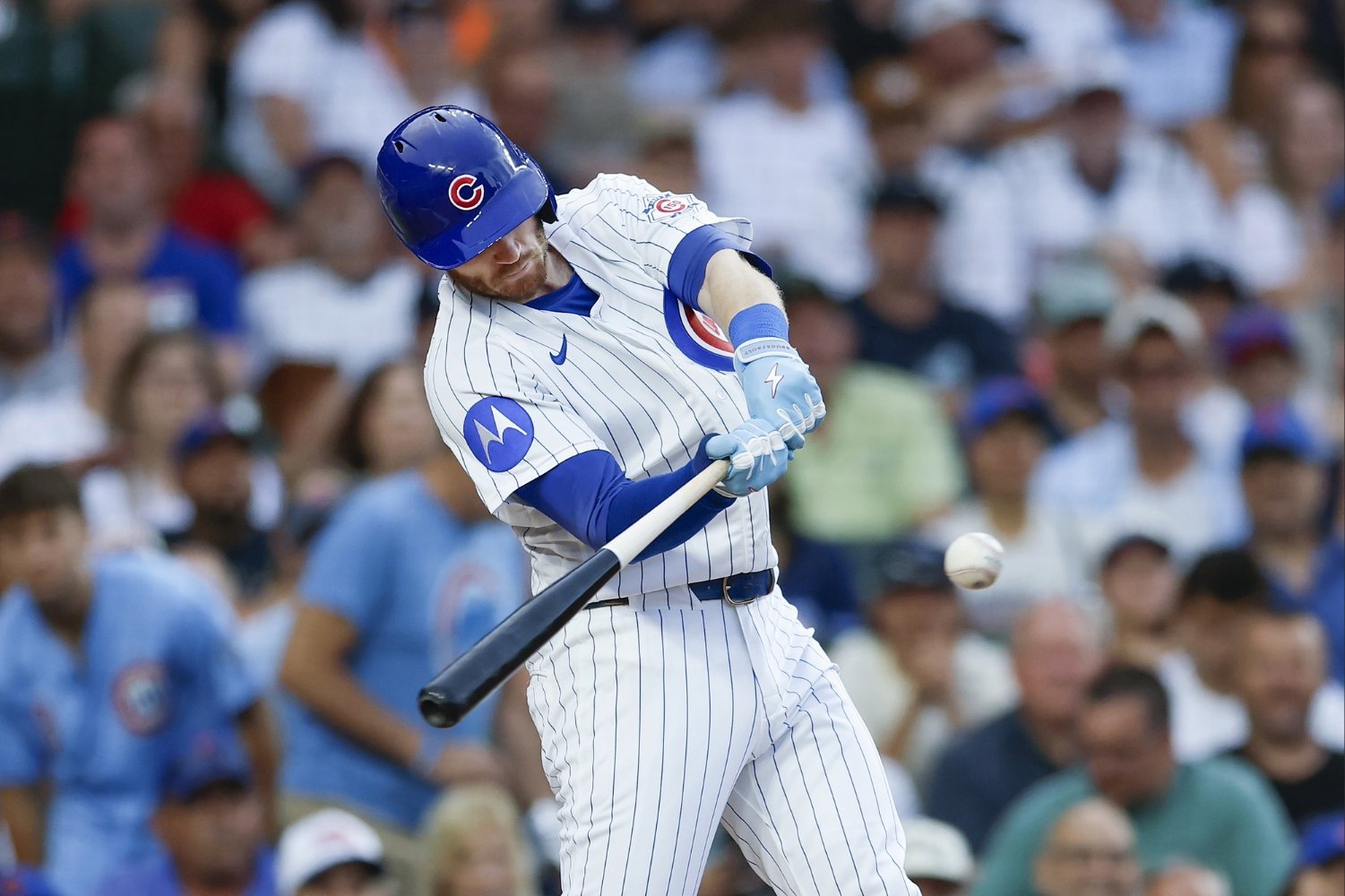 Ian Happ has long been one of the most effectively boring players in baseball. Every year, it feels like you know exactly what you’re getting with him. He’s going to hit right around .250, post an on-base percentage roughly 100 points higher than his batting average, and finish with an OPS somewhere in the high-.700s. That’s the type of hitter Happ has been throughout most of his career, and it’s worked out well for the Chicago Cubs. Since 2022, Happ has posted a wRC+ of at least 113 every single season. He’s been a steady, reliable middle-of-the-order bat. Not necessarily a superstar, but the kind of player every contender needs. And while that sort of consistency might not always be exciting, that kind of production will always play at the major league level. But 2026 has been slightly different. On the surface, nothing really jumps out. His batting average has dipped down near .220, but his on-base percentage and OPS remain largely in line with what Cubs fans have come to expect. If you just glanced at the back of the baseball card, you probably wouldn’t think much of it. Under the hood, though, there’s a much more concerning trend developing. Happ’s bat-to-ball skills have seemingly taken a noticeable step backward in his age-32 season. And while he’s never been known as an elite contact hitter necessarily, there’s enough regression here to at least raise an eyebrow. In 2025, Happ’s whiff rate sat at 24.6%, just below league average. In 2026, that number has jumped all the way to 31.9%, placing him in just the 12th percentile among major-league hitters. That’s a massive change in a relatively short amount of time. Breaking balls, in particular, have given Happ fits. Despite seeing slightly fewer breaking pitches than he did a year ago, his whiff rate against them has climbed by 11.3 percentage points. That’s not a small increase, and it suggests something larger may be taking place. A couple of different factors likely drive that change. For one, Happ is chasing pitches outside the zone more than he has in previous seasons. It’s not an egregious increase, but it’s enough to make a difference over the course of hundreds of plate appearances. But beyond that, it also appears there’s been a shift in his approach. Looking at Happ’s batted-ball profile, his fly-ball rate has climbed to a career-high 45.9%, while his pull rate is as high as it’s been since his rookie season back in 2017. Those numbers paint a pretty clear picture. It appears as though Happ has placed a greater emphasis on generating power, and to be fair, it’s worked. He’s already up to 18 home runs and is on pace to eclipse his career high of 25. This is not to say that Happ’s declining bat-to-ball skills are inherently a bad thing. Clearly, the changes he’s made are producing some positive results, and for right now, that approach will play. Happ is still in the prime of his career—albeit, the back end of it—but he has enough power to make this profile work. A hitter who can draw walks, hit 25-plus home runs, and provide solid defense in left field is still a valuable player. Where I would start to worry a little bit is if this approach begins to completely define who he is. If Happ continues to chase pitches outside the strike zone more often, and continues to sell out for power at the expense of contact, eventually that’s going to catch up with him. Come October, if opposing pitchers know he’s someone who will expand the zone and chase a curveball in the dirt, you better believe that’s exactly what they’ll be feeding him. Playoff baseball is all about exploiting weaknesses, and increased swing-and-miss creates opportunities for pitchers to do just that. For now, though, it’s more interesting than alarming. Happ’s contract with the Cubs is set to expire after the 2026 season, so maybe he won’t be around long enough for fans to see whether this trend becomes a larger issue. Maybe this version of Happ remains productive for several more years, or maybe the bat-to-ball skills he's sacrificing now will be too difficult to get back at a certain age. So long as he keeps delivering impact this year, we can worry about what comes next later. View the full article
 -
Four Trade Packages That Actually Make Sense for Joe Ryan
DiamondCentric posted an article in Twins Daily
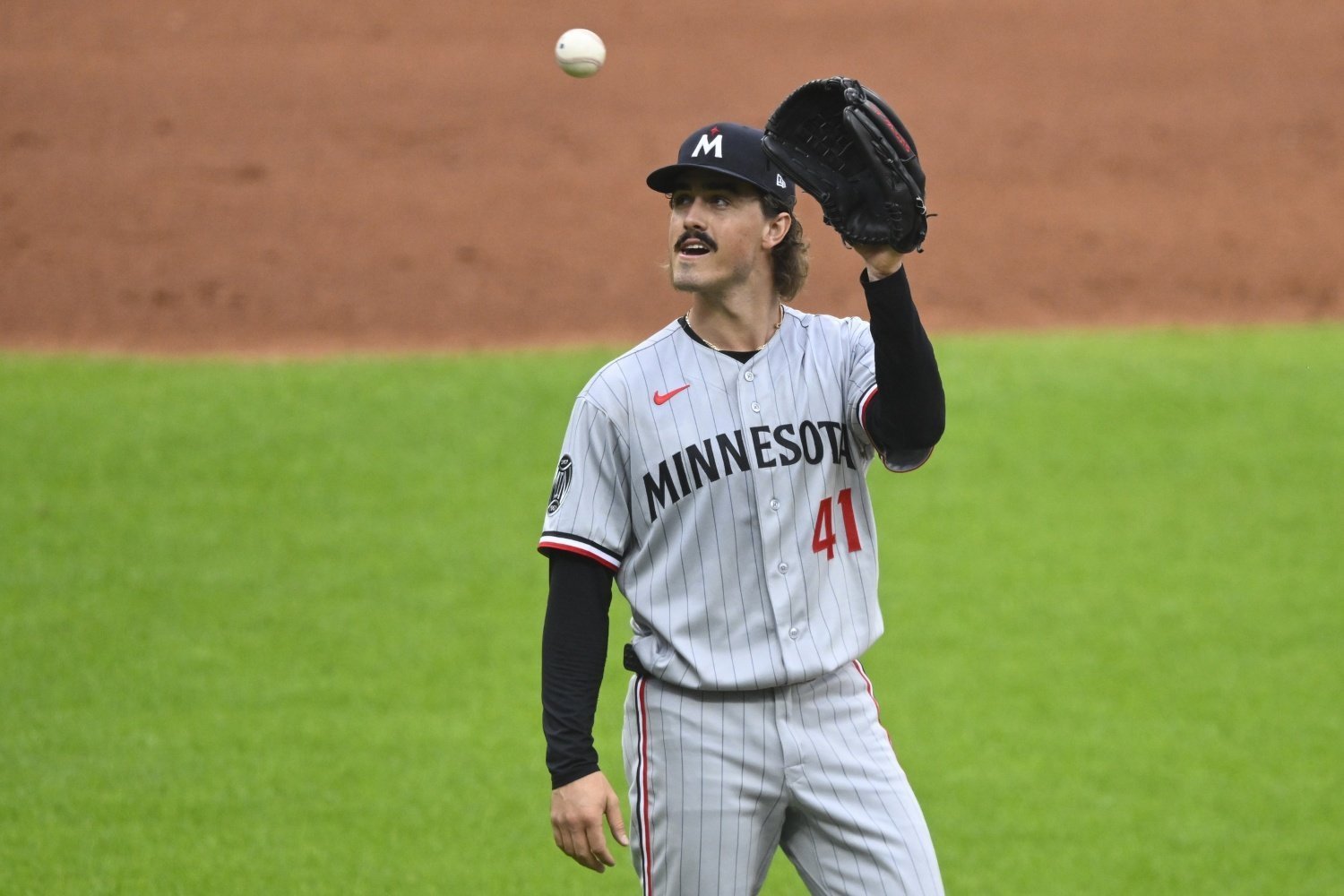 Joe Ryan is exactly the type of player every contender covets at the MLB Trade Deadline. He has developed into one of the American League's most consistent starters, earning an All-Star selection while posting another sub-3.50 ERA season. Better yet, Ryan isn't a rental. He remains under team control through 2027, making him one of the most valuable starting pitchers who could realistically be available this summer. That's why his name continues to surface in trade speculation, even as the Twins insist they want to add rather than subtract. If Minnesota remains in the Wild Card race, Ryan isn't going anywhere. However, if the club falls out of contention over the next two weeks, the front office would have to at least listen. Pitchers with Ryan's production, durability, and affordable contract rarely become available, and the bidding would be fierce. Diamond Centric currently ranks Ryan as the third best trade deadline candidate behind Mason Miller and Tarik Skubal. There’s no guarantee that either of those arms gets moved, so Ryan could be the top player traded at the deadline. Here’s what Diamond Centric said about Ryan: Not every contender has the prospect capital to make a competitive offer. Some farm systems simply can't match Ryan's value, while others line up almost perfectly with what Minnesota should seek in return. Instead of focusing only on potential destinations, these are four realistic trade packages that could make sense for both sides if the Twins ultimately decide to move one of their biggest stars. New York Yankees Twins fans would hate this, but the Yankees are never shy about making aggressive moves when they believe another World Series run is within reach. With questions surrounding their rotation and several key injuries throughout the roster, adding an All-Star starter like Joe Ryan would immediately become one of the biggest deadline upgrades available. New York also has one of the deepest farm systems among contenders. If the Twins are going to move Ryan, they need impact talent at the top of the return, and that conversation should start with George Lombard Jr. The 21-year-old has developed into one of baseball's better infield prospects and is close enough to the majors to envision him helping Minnesota as early as next season. To make the value work, the Yankees could pair Lombard with left-hander Elmer Rodríguez, another upper-level prospect with mid-rotation upside. Minnesota would land a potential everyday infielder and another young arm capable of joining its next competitive core. That's the type of package it should demand for a pitcher with Ryan's résumé and another season of club control. Seattle Mariners Few organizations can match Seattle's collection of young talent, which makes the Mariners an intriguing trade partner. If Seattle wants to maximize its current championship window, it may need to trade from an area of strength. Ryan would slide into the front of the rotation immediately and give the Mariners another proven arm for multiple postseason runs. The return starts with Kade Anderson, one of the top pitching prospects in baseball. His combination of stuff, command, and projection gives him legitimate top-of-the-rotation potential. Pairing him with infielder Michael Arroyo would give Minnesota another consensus top 100 prospect who is already knocking on the door of the upper minors. Arroyo's advanced approach at the plate and offensive upside would add another potential impact bat to an organization that has prioritized position-player depth. This proposal offers the Twins the best of both worlds: a potential frontline starter and an advanced middle infielder with everyday upside. Premium starting pitching is one of the hardest assets to acquire, and adding a player like Arroyo gives Minnesota an impact position player who could arrive in the big leagues on a similar timeline as the club's next wave of prospects. Los Angeles Dodgers The Dodgers seem to find themselves connected to every impact player at the trade deadline, and Ryan would fit their model perfectly, especially with his California roots. Los Angeles doesn't need another back-end starter, it needs someone capable of starting Game 2 or Game 3 in a postseason series. Unlike Seattle, the Dodgers' strength is position-player talent. Their system is loaded with athletic outfielders who may eventually struggle to find opportunities in Los Angeles because of the organization's major league depth. Mike Sirota and Eduardo Quintero would be an appealing combination for Minnesota. Good news for Twins fans is that both players are right-handed to add to the team’s left-handed heavy prospect list. Sirota brings impact power and athleticism, while Quintero has quietly developed into one of the organization's better all-around offensive prospects. Together, they would give the Twins two legitimate everyday position-player candidates without sacrificing years of team control. The Dodgers have repeatedly shown they're willing to move prospects for proven major league talent. If Ryan becomes available, this feels like the type of deal Andrew Friedman would seriously explore. San Diego Padres If one team is going to be part of a blockbuster, it might be San Diego. The Padres have spent the last several seasons chasing another deep postseason run, but injuries have once again exposed their rotation depth. Ryan would immediately become one of the club's most dependable starters while remaining under control beyond this season. San Diego’s farm system is depleted after multiple years of blockbuster trades. Any conversation between Minnesota and San Diego would likely begin with Ethan Salas, San Diego’s lone top 100 prospect. Despite an up-and-down development path, Salas remains one of baseball's premier catching prospects and possesses the type of ceiling organizations rarely make available. To match Ryan's value, the Padres could include left-hander Kruz Schoolcraft, a towering pitching prospect with frontline upside if everything clicks. Minnesota would walk away with a potential big-league catcher and another premium arm, giving the organization impact talent at two premium positions. However, Minnesota spent its first two draft picks on catchers last week, so the Padres might not have the prospect capital to make this trade. The Twins aren't actively shopping Ryan (yet), nor should they be. A pitcher with his combination of production, durability, and affordable team control is exactly the type of player every organization hopes to build around. If Minnesota stays in the playoff race, keeping Ryan gives the club its best chance to compete this season and next. However, every player has a price. If the Twins find themselves slipping out of contention before the deadline, Ryan instantly becomes one of the most valuable starting pitchers available. That means the return can't be centered around organizational depth or lottery-ticket prospects. Minnesota should be targeting players who project as future everyday contributors or impact starters. The types of prospects capable of becoming foundational pieces for the next winning core. Whether it's Lombard Jr., Anderson, Salas, or another elite prospect, the Twins would only have one opportunity to maximize Ryan's value. If they're willing to make that move, the return needs to be significant enough that fans look back in three or four years and understand exactly why the organization pulled the trigger. Which package is the best fit for the Twins? Leave a comment and start the discussion. View the full article
 -
Gavin Sheets Is No Longer A Mystery Padres Must Decode
DiamondCentric posted an article in Padres Mission
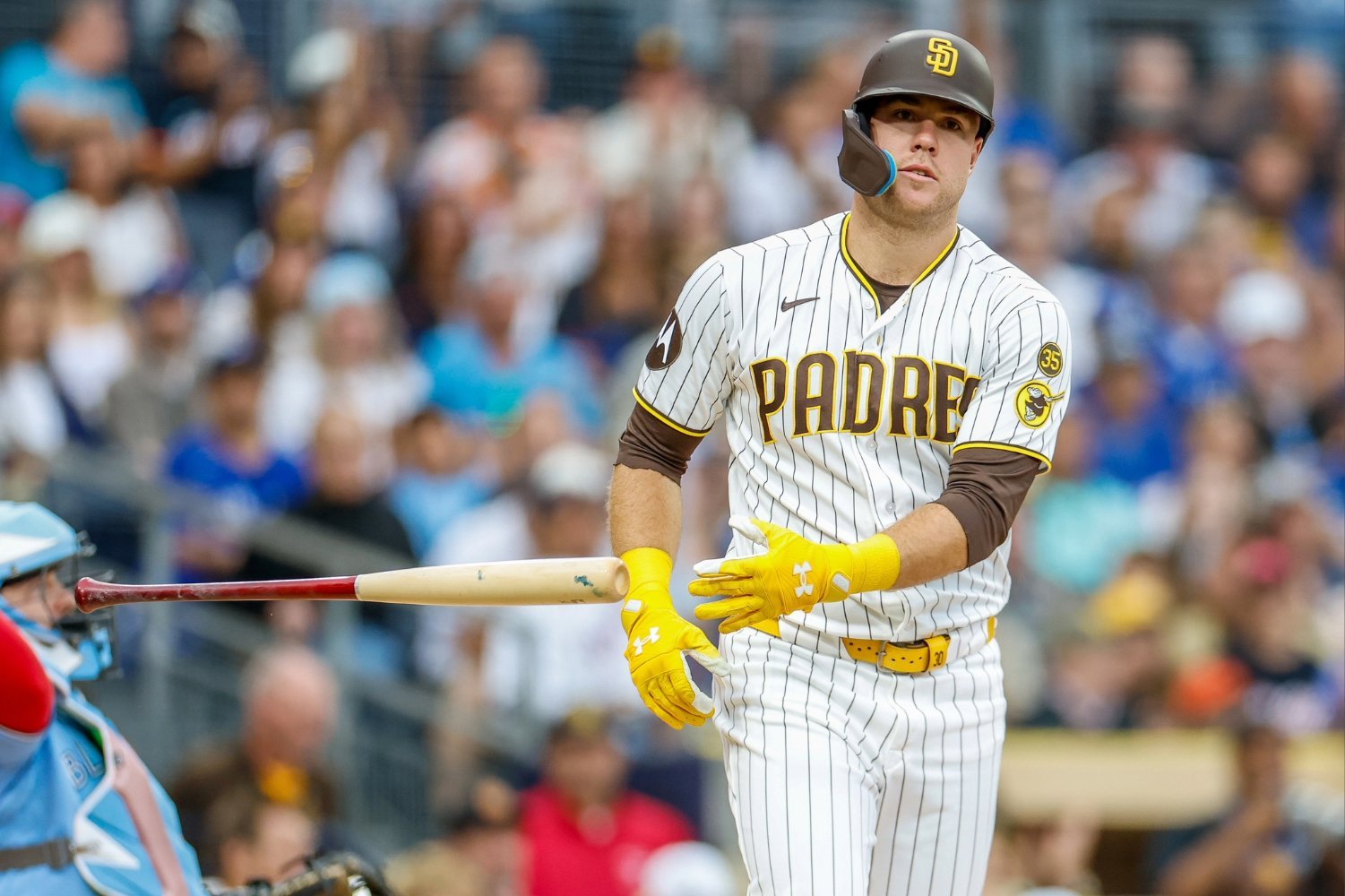 When the San Diego Padres signed Gavin Sheets ahead of the 2025 season, it was as a non-guaranteed flier. Those kind of things tend to happen when you underperform over multiple years with a woeful Chicago White Sox club. When the White Sox non-tendered Sheets following the 2024 season, the two parties were in very different spots. Sheets impressed across a 179 plate appearances cup of coffee back in 2021, posting a .250/.324/.506 line and 123 wRC+ for a team that won the American League Central. His performance began to wane a bit in 2022, as he fell just under the average threshold by way of wRC+ (99), and it tailed off entirely over the next two seasons as Sheets and the Sox fell to the depths of the league in rather historic fashion. For their part, the Sox have ascended back to relevance here in 2026. Sheets, however, didn't need to wait as long. Upon his departure from the South Side, he landed in San Diego for a team starved for any supplementary bats they could find ahead of last season. The returns there were solid. In his first season with the Padres, Sheets went for a .252/.317/.429 line. His wRC+ was back up at 111 while his .177 ISO was his best power output since that initial call-up in Chicago. There was something of an evolution that occurred as he adjusted to his new surroundings, too. After striking out more than 26 percent of the time in the opening month of 2025, Sheets progressively improved his ability to make contact throughout the year. He maxed out on output in August when he hit over .400, managed a strikeout rate under 18 percent, and ISO'd a gaudy .333. That, of course, came over a somewhat smaller sample (51 PA) due to injury, so it was unreasonable to expect that iteration of Sheets to carry over into 2026. The total body of work, though, is what's carried between seasons. These last two years have given us some clarity as to the type of player that Sheets actually is. His last two seasons in Chicago were indicative of a player struggling to generate any level of consistency in the power game, which was a perception that didn't lend itself to much merit given his stature (6'3", 235 lbs). While his overall ability to make contact never really waned, his ability to make it of a certain quality definitely did, with a great deal of inconsistency in his overall swing trends. As that evolution manifested over 2025, the continued sample we've gained in 2026 has given us a firm picture of who Gavin Sheets is as a hitter. Sheets' .217/.318/.408 line is somewhat deceptive given a .242 batting average on balls in play that is ahead of only his 2023 campaign as the lowest of his career. Even through that, he remains an above average hitter by wRC+ (105), with a 21.6 percent strikeout rate that falls in line with his career norm and an 11.7 percent walk rate that sits above it. What's important is that everything we saw at his heights as 2025 progressed has stabilized, if not improved altogether. Despite the poor batted ball fortune, Sheets has been doing virtually everything right. His swing rate in each of his two seasons in San Diego has been the lowest of his career, and his contact rate (81.4 percent) in 2026 sits as a career best. His quality-of-contact rates with the Padres have been at their best since that 2021 season, with a 46.5 Hard-Hit% in 2025 and a 40.4 percent mark this season. What's rather beautiful about all of this is that this clarity we've gained around Sheets has emerged because of the simplicity of his offensive game. Sheets isn't a player that actively seeks out power at the expense of everything else. Instead, he has a quietly effective approach that helps to stabilize him as an on-base presence in between bouts of impact contact. His overall contact ability is deceptive for a player of his profile, too. The noise around him might be a whole lot louder were it now for the run of bad luck he's experienced on the BABIP side of things this year. That steadiness is an element that goes a bit overlooked on a team like the Padres that feature so much streakiness embedded into their offensive approach. Sure, you'd like the output to be better, but it's also clear that's not entirely the fault of Sheets and his run up against bad luck. Stability can be an undervalued trait in a hitter, and the way we've watched Sheets adjust from his aggressive self at the outset of his Friars tenure into a patient, calculated hitter is an encouraging tale for a team seemingly reliant on star power. View the full article
 -
The Twins Could Cash In on Joe Ryan — But Should They?
DiamondCentric posted an article in Twins Daily
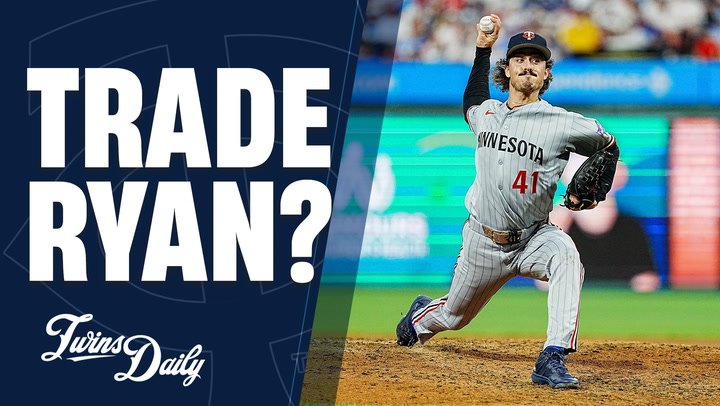 The Twins could maximize Joe Ryan's trade value at this year's deadline, but Tom Pohlad has much more to consider than just the return package. View the full article
 -
 Biloxi's Bombers may have garnered Friday night's spotlight, but there was plenty to note at every level of the farm system. We think Randy Wolf was wearing a Shuckers uniform at Am-Fam. Transactions: INF David Hamilton returned to Milwaukee from MLB Rehab with Nashville Sounds Nashville Sounds activated RHP Brett Wichrowski from the 7-day injured list. RHP Peyton Niksch assigned to Biloxi Shuckers from Wisconsin Timber Rattlers. Wisconsin Timber Rattlers activated LHP Bjorn Johnson from the 7-day injured list. OF Brailyn Antunez assigned to Wilson Warbirds from ACL Brewers. RHP Cesar Espinal assigned to Wilson Warbirds from ACL Brewers. C Luis Corobo transferred from ACL Brewers' 7-day injured list to 60-day injured list ACL Brewers transferred RHP Sean Episcope from the 7-day injured list to the 60-day injured list. RHP Ryan Oshinskie placed on ACL Brewers' full season injured list There is just a bit of commentary and backstory surrounding most of these moves included within our ongoing minor league transaction thread beginning here. It doesn't seem quite right to kick off game action with a seemingly rather non-descript Nashville game given the other action Friday night, but we have our top-to-bottom format, and hey, we're sticking with it! Final: Sugar Land (Astros) 6, Nashville 2 Box Score and Game Log Via the Sounds, game details, and we encourage readers to always review affiliate write-ups as part of their Link Report routine: Nashville Falls to Space Cowboys for Third Straight Night - Luke Adams records his third straight 2-hit game this week versus Sugar Land Miscellaneous notes beyond the detailed game summary, which included a nice write-up on Tyson Hardins's season-to-date, although the word "efficient" was used, and 83 pitches over four innings isn't quite that. We've seen indications that Jeferson Quero isn't far from moving back behind the plate for the first time in many weeks but count us in the "we'll believe it when" camp for now. In his first rehab game, Brandon Lockridge was tagged out by Space Cowboy first baseman Shay Whitcomb in one of the more athletic plays we've seen this season, also forced Lockridge to test his leg on the improvised crow hop at the bag. Lockridge would exit the game (planned, 99% sure), he had been in right field. An outfield juggle then placed Eric Brown, Jr. in center field, and wouldn't you know, here's Whitcomb again and Brown's late jump cost him (this was also our lone look at returning RHP Brett Wichrowski): Whitcomb wasn't perfect, the Sounds and Lockridge benefitted by a misplay to score the game's first run.. Hardin was hardly (hey, word play!) smacked around. A 78.8 MPH RBI single tied the game at 1-1, while this RBI ground ball to left didn't appear to be 99.9 MPH, but that's what was registered. Back to Wichrowski, his first batter reached on an error by Jacob Hurtubise in right, but things went sideways from there - walk, HBP, sac fly, soft line RBI single to center, ground out, then the Brown, Jr. dive/double, another walk, K to end the inning. Wichrowski also retired the first two men he faced in the 6th before exiting. In the top of the 7th, Brock Wilken was hit by a pitch to open the inning and was immediately pinch run for by Freddy Zamora. This wasn't pretty, folks, and man, what must be running through Brock Wilken's head this morning. Deep into an at-bat, Wilken was hit by a 2-2 slider directly into the ear flap protecting his left ear. The pitch can be seen by MiLB archive subscribers at the 03:10:30 hour/minute mark here. Wilken dropped to the ground immediately but rose to his feet on his own after the trainer's visit and walked off under his own power. Scary stuff and too reminiscent of other Wilken at-bats. Catch up with the latest Biloxi pre-game audio interview archives - 20-year-old control artist RHP Manuel Rodriguez is the most recent Biloxi Pre-Game Media Notes Final: Biloxi 10, Chattanooga (Reds) 7 Box Score and Game Log Shuckers, Burke Rewrite Record Books in Historic Win - Shuckers set franchise record with seven home runs, Burke ties single-game record with three If you were on social media at all Friday night, you couldn't help but notice the bombardment going on in Chattanooga by the Shuckers, heck I believe Randy Wolf even homered there. Oh wait, mixed dual screen. In total, the Shuckers hit 2,676 feet (0.509 miles) worth of home runs across their seven blasts, tied for the second-most in a game in Southern League history. This is when you realize there is just way too much statistical information being collected in the universe. Between Javik Blake's 'X' feed and that of the Shuckers' team feed, plenty of excitement abounded. But let's not lose sight of how competitive this game was and that Biloxi trailed 6-5 heading to the top of the 8th. The Chattanooga site includes eight highlights from their perspective should you wish to see some of the offerings of the Biloxi staff on this night. Those arms struck out 14 Lookouts but also walked seven on the night. Starter Jaron DeBerry allowed seven baserunners and three runs in his four innings of work. Blake Burke was hit by a pitch but stayed in the game in the 9th - bummer, as the four-HR watch was on. Andrew Fischer had a sac fly, Marco Dinges walked and stole a base in his 2nd game at the AA level, Dylan O'Rae stole his 45th base in 53 tries. There's something for everyone in the box and log. Perhaps the most important takeaway of the night - what did all the visiting scouts think of what they saw? They weren't there to check out Reds' farmhands. Somehow Josh Adamczewski went 0-for-5, that's OK, don't touch Josh, MLB. Is veteran Chattanooga voice Larry Ward endearing or just exasperating? Mee him in an interview from this past fall here. Wisconsin Pre-Game Media Notes (download link) Final: South Bend (Cubs) 9, Wisconsin 8, eleven innings Box Score and Game Log Via the Timber Rattlers, game details: Heartbreak in South Bend - Guilarte drives in five for Wisconsin in eleven-inning loss to Cubs I'm going to pull out a Jerry Augustine-ism from his WTMJ postgame appearances - "I'll tell you what". Love Jerry, but it'd be a fun drinking game to pour one each time you hear that. Well, I'll tell you what, but this game had as much drama, if not more, than the Biloxi contest. Chris Mehring is the man. Thanks for all the detail in that incredible game summary, because it captures the oddities within almost every batted ball, fielding play, and pitch. A must-read, to be sure. When Chris someday reflects on an amazing career, he may be most proud that he survived three full seasons of reliever Yerlin Rodriguez and lived to tell the tales. He's likely a fine young man, blessed with a rifle right arm, won't turn 25 years old until March, but may find greener pastures in his post Brewers career, scheduled for this fall. Nice work by 2025 2nd round LHP JD Thompson, back from Maryvale rehab along with 21-year-old reliever Jose Meneses, no earned runs combined over 5.1 innings. The T-Rats smacked four doubles, had smart at bats (sac bunt, sac fly), and drew 12 walks. Daniel Dickinson was on base four times, Braylon Payne received three free passes (two walks, one HBP), how'd they lose again? Oh, there were contributing reasons. Tyler Rodriguez caught stealing twice, once at home. Three errors, including two by Dickinson, that's 18 errors in 77 games split between second and short (second base on this night). Team RISP: 2-for-15. Team LOB: 13. Four hours and 11 minutes of drama, madness, and in the end, a discouraging defeat. Game three missed by Eric Bitonti. Wilson Pre-Game Media Notes Final: Charleston (Rays) 6, Wilson 4 Box Score and Game Log Late Wilson Rally Falls Short The Brewers thought enough of catcher Kevin Garcia to have him begin 2026 in Wilson, even if the native of Venezuela didn't turn 19 years old until July 20th, five days ago. This was home run #6 in 128 at-bats. Oh, and Garcia has thrown out 22 of 78 attempting basestealers, an excellent (especially for A-Ball) 28.2%. Yes, there are big holes in his offensive game, but much to work with. Ninth-inning rally just fell short, but here's Brady Ebel's third hit of the night. Also from the 9th, Alexander Frias smoked this ball, and the shortstop was charged with an error on the play. Can't be walking nine, Warbirds staff. On a brighter Wilson note, Voice of the Warbirds Chris Edwards has chronicled the 2026 walk-off history for the club, and their celebratory total leads all of minor league baseball! Final: DSL Brewers Gold 8, DSL Cubs Red 5, seven innings as scheduled Box Score and Game Log A bit of Cubs retribution for the Wisconsin loss. DBG, as we affectionately refer the Gold squad (OK, we really don't, but there you go), led 7-2 after three innings and held on. Shortstop Ricki Moneys was hit by a pitch and walked three times (good, now more walks than K's on the season), stole his 20th base in 24 tries (also good), and was picked off first base once (oh well), OBP is up to .430 (!), He was on base once for each member of ABBA: 18-year-old Venezuelan first baseman Matthew Moses clubbed his 5th home run, the two Gold pitchers were not spectacular but were fine, and the team moves to 21-15. Final: DSL Red Sox Red 18, DSL Brewers Blue 3 Box Score and Game Log It wasn't Mercedes' morning on Friday as the box score indicates, his four wild pitches were part of the ten wild pitches in this game (seven by the Crew). Prized infield prospect Diego Frontado singled three times. Other stuff happened. Nashville plays twice on Saturday, so we get a seven-game schedule even though Maryvale is done for the season. With the exception of the DSL, all the action is under the early evening lights. Have a great day! Organizational Scoreboard including starting pitcher info, game times, MiLB TV links, and box scores Current Milwaukee Brewers Organization Batting Stats and Depth Current Milwaukee Brewers Organization Pitching Stats and Depth View the full article
 -
 Robbie Ray is a 34-year-old veteran lefty who is putting up a remarkable season in 2026. In this video, we'll break down his contract, play style, strengths, weaknesses, and what the Cubs should have to give the Giants in order to land him. Enjoy! View the full article
