


DiamondCentric
-
Posts
2,631 -
Joined
-
Last visited
Never
Content Type
Profiles
Forums
Events
News
Tutorials & Help
Major League Baseball Videos
Guides & Resources
Store
Downloads
Gallery
Everything posted by DiamondCentric
-

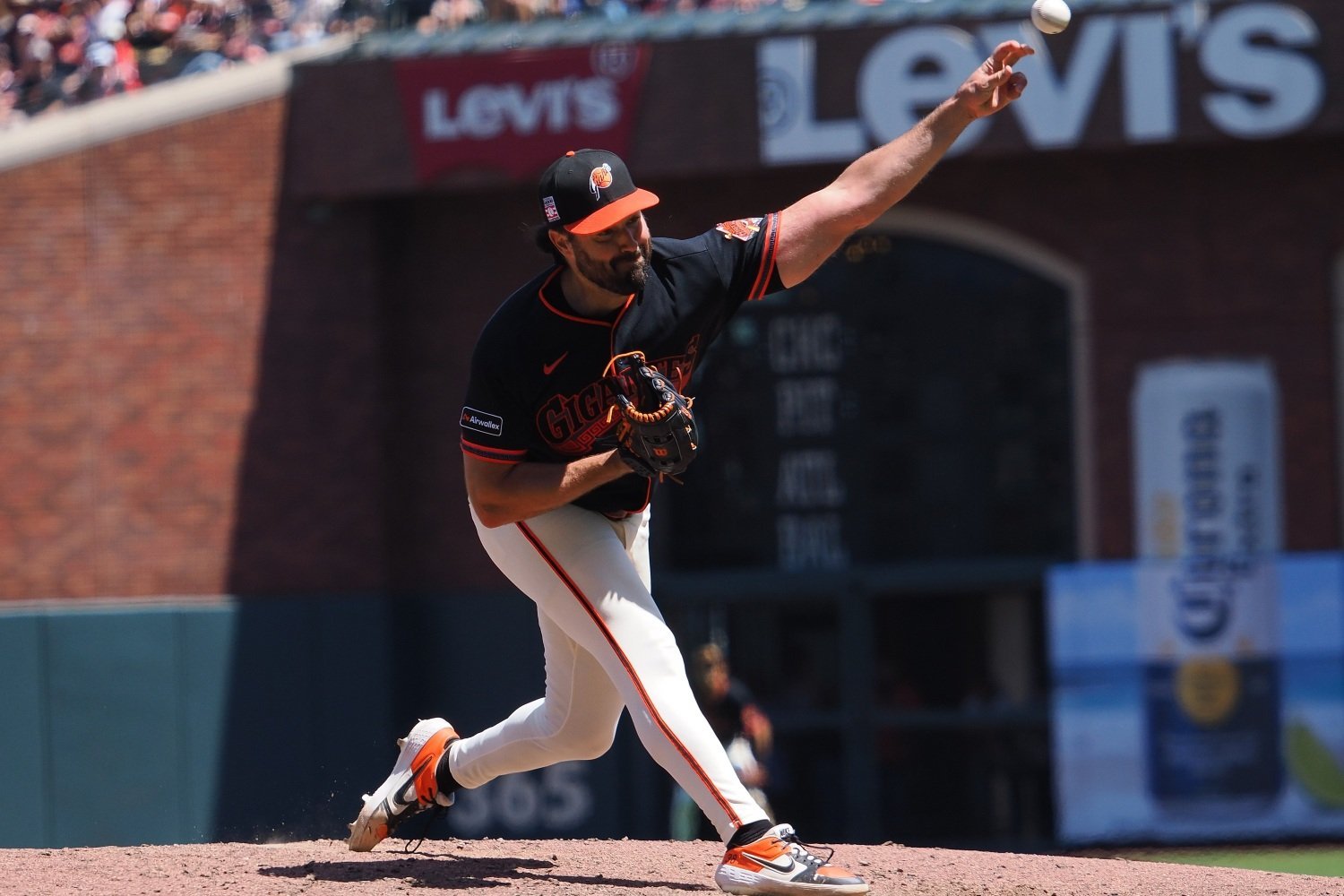 In their first series out of the All-Star break, the Brewers swept the Miami Marlins, pushing that tottering team further toward being sellers at next Monday's MLB trade deadline. They then welcomed two teams who needed no such influencing, in the hapless Mets and Rockies. Now, as they hit the road for a pair of series on the West Coast, they'll extend their streak to an improbable five straight against sellers, in a league that doesn't have all that many teams thus classified. Obviously, it will be nice to swoop into San Francisco and Anaheim, where two reeling teams are bracing for being picked apart by trades. Wins should be as easy to come by there as they were during the team's homestand. It adds another layer of intrigue, though, to know that some of the players the Brewers will see while in each city are candidates to be Brewers themselves by this time next week. Arguably, the top two controllable starters on the market are members of the Angels, in Reid Detmers and José Soriano. Anaheim also has a couple of useful relievers available, including Kirby Yates and old friend Brent Suter. On the position-player side, they could look to move righty sluggers Jorge Soler and/or Jo Adell, and if the right offer comes for shortstop Zach Neto, they might even move on from him. Detmers, Soriano and Neto are high-value targets, even if the fit for Neto would be imperfect from the Brewers' standpoint. One or more of those guys could be traded before Milwaukee even gets to the Big A, though. First, the Crew will drop in on Willy Adames and the Giants. Adames, of course, has an onerous contract attached to him, and fitting him back into the infield mix for the Brewers would be even more fraught than acquiring Neto. However, there are whispers that the Giants might try to move sweet-swinging outfielder Jung Hoo Lee, and they have a trio of veteran starters who will be available to lengthen a rotation. In all likelihood, the Brewers will have no interest in a reunion with Adrian Houser or in Tyler Mahle, but Robbie Ray could be a solid fit for them. San Francisco also has a few relief arms who might be easy to acquire, led by JT Brubaker. Normally, West Coast trips are imposing, even when a good team is venturing out to play poor ones. At this moment, though, these should make for some easy wins for the Crew. The Giants and Angels have too many of their own problems to focus on their opponents well right now. San Francisco's decision to hire manager Tony Vitello away from his head coaching job at the University of Tennessee has gone pear-shaped; the Angels fired GM Perry Minasian earlier this summer. Amid the chaos of each club and the cloud hanging over each clubhouse, the Brewers need to make hay. They'll also get the chance to scout some of those could-be helpful pieces up close. Only Detmers and Soriano stand out as great fits for Milwaukee. On the other hand, in the right creative sequence (a trade bringing in Neto and sliding him to third base, while spinning off Joey Ortiz to bolster the pitching staff? One that moves an outfielder to land Detmers, and another that brings in Lee to slot into the lineup?), they could be the kinds of splashy moves that have been bandied about by the national media over the last week. One thing this stretch of the schedule underscores needs to remain in the front of Brewers fans' minds over the next week: Every acquisition they make must be about October. This team will win its division and go to the playoffs with a good chance to reach the World Series. They need to reinforce the roster in ways that specifically address what might prevent them from going that far. Playing these bad teams should keep them comfortable in the standings and make clear to everyone how dominant the Crew can be. They don't just need to fill innings. They need to think about who, on these lousy teams they're facing in the final fortnight of July, can help them beat much stronger opponents two months from now. View the full article
 -
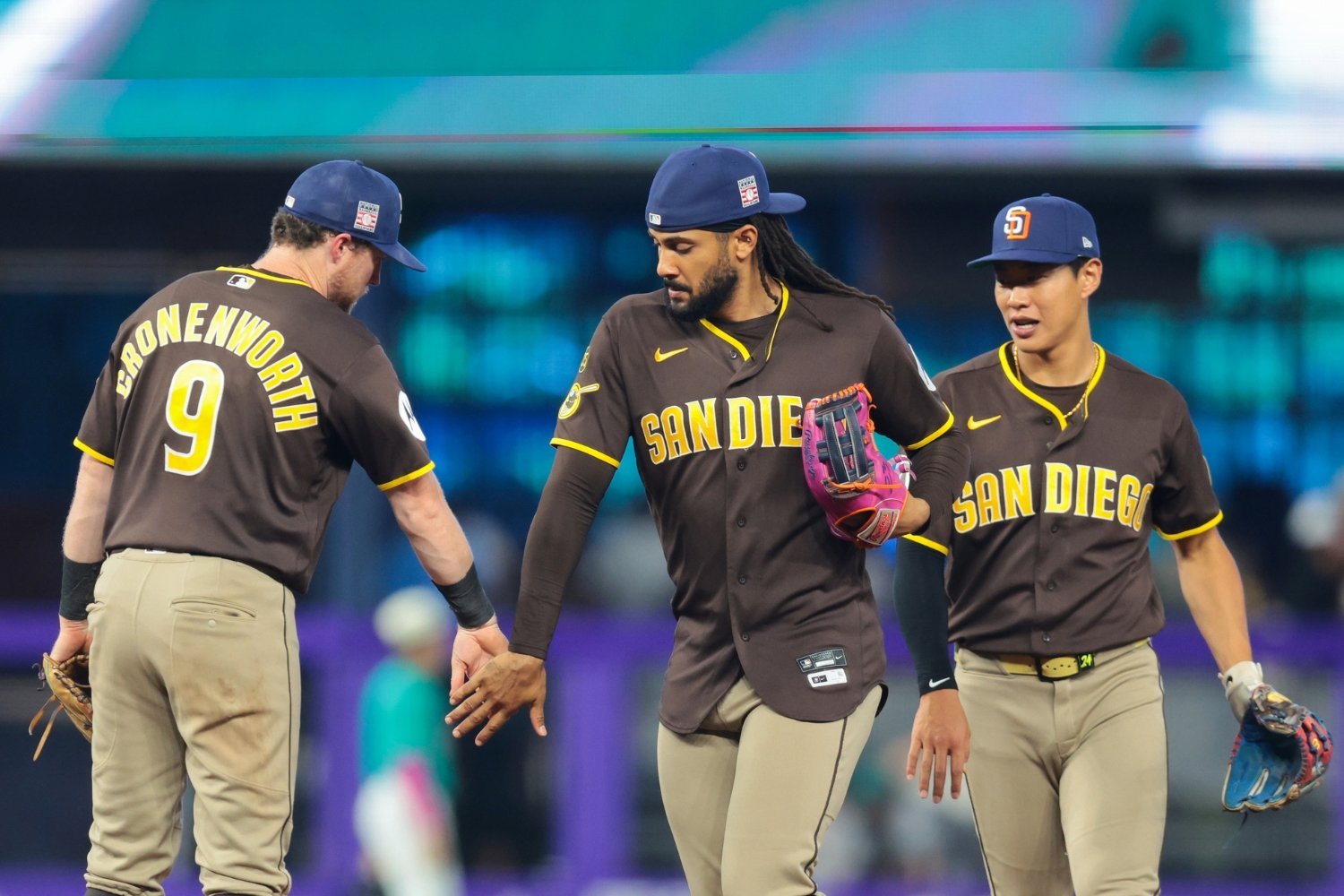 As the trade deadline looms, the San Diego Padres find themselves looking at a long road to get back into the playoff picture. At 53-53, they sit 14 games behind the Los Angeles Dodgers and two games out of the final National League Wild Card spot. Entering the season as one of the favorites to challenge the Dodgers for the NL West title, an underperforming offense and injuries to key starters have held the team back. However, four of their next five series come against National League opponents, including a four-game set against the Arizona Diamondbacks, who currently sit ahead of them in the NL West standings. That stretch offers the Padres an opportunity to make up ground before the deadline. The Friars' offense has been frustrating all season. They own the third-worst batting average in the league at .230 and a bottom-10 wRC+ of 91, contributing heavily to the team’s -23 run differential and position out of the playoff picture. While Fernando Tatis Jr. has begun to rediscover his form, San Diego’s other big-name bats have struggled to produce. Among players with at least 50 games played, Ty France leads the team with a .286 batting average, with established stars like Manny Machado and Jackson Merrill batting below .240. If the Padres hope to get back into the playoff conversation, they need more consistency from their offense. Still, July has offered some optimism for the team. The Padres are coming out of a series in which they swept the Miami Marlins, who entered the series two games ahead of them in the NL standings, and put together their best offensive stretch of the season. In July, the team has batted .257/.342/.431 with a .773 OPS, all ranking in the top-10 of the league with a 4.8 team WAR, the second highest during this time. Additionally, this improvement has been backed by underlying metrics. While the sample size is small, their 37.8% hard-hit rate ranks eighth in the league, an improvement on the 34.1 season-long percentage, suggesting this breakout might be more than an outlier. While the team is still missing contributors like Miguel Andújar and Samad Taylor, the offense is finally starting to ease the load off the pitching staff. While the rotation hasn’t underperformed as much as the offense, the team has yet to replicate the production lost from losing ace Dylan Cease in free agency. Currently, no Padres starter owns a winning record, with Michael King leading the team with a 6-7 record and 3.24 ERA over 119.1 innings. As a staff, their team ranks near the bottom of the league with a 4.1 WAR, 4.65 FIP and a 4.68 ERA. While the starters shouldn’t be criticized the way the offense is, their ineffectiveness has made it hard for the team to take advantage of their one solid unit, the bullpen. San Diego’s relief pitchers have been the lone bright spot of the season. As a group, their relievers have a 3.75 ERA, the sixth-lowest in the league, and are anchored by All-Star closer Mason Miller, who has the third-most saves in the league and a 0.84 ERA. If the offense can sustain its recent improvements, a complementary offense may be all the Padres need to capitalize on a dependable bullpen and quality outings from their rotation. This possibility makes the next two weeks especially important. While trade speculation has surrounded players like Miller and King, the team can put those conversations to a close with a late run up the NL standings. View the full article
 -
 In 2004, Ben Sheets put together one of the most dominant pitching seasons in Brewers history. Despite finishing with a 12–14 record due to poor run support from a 67-win team, Sheets established himself as an MLB powerhouse with a 2.70 ERA, 0.98 WHIP, and an All-Star selection. View the full article
 -
Cubs Could Look To Mariners To Improve Starting Rotation
DiamondCentric posted an article in North Side Baseball
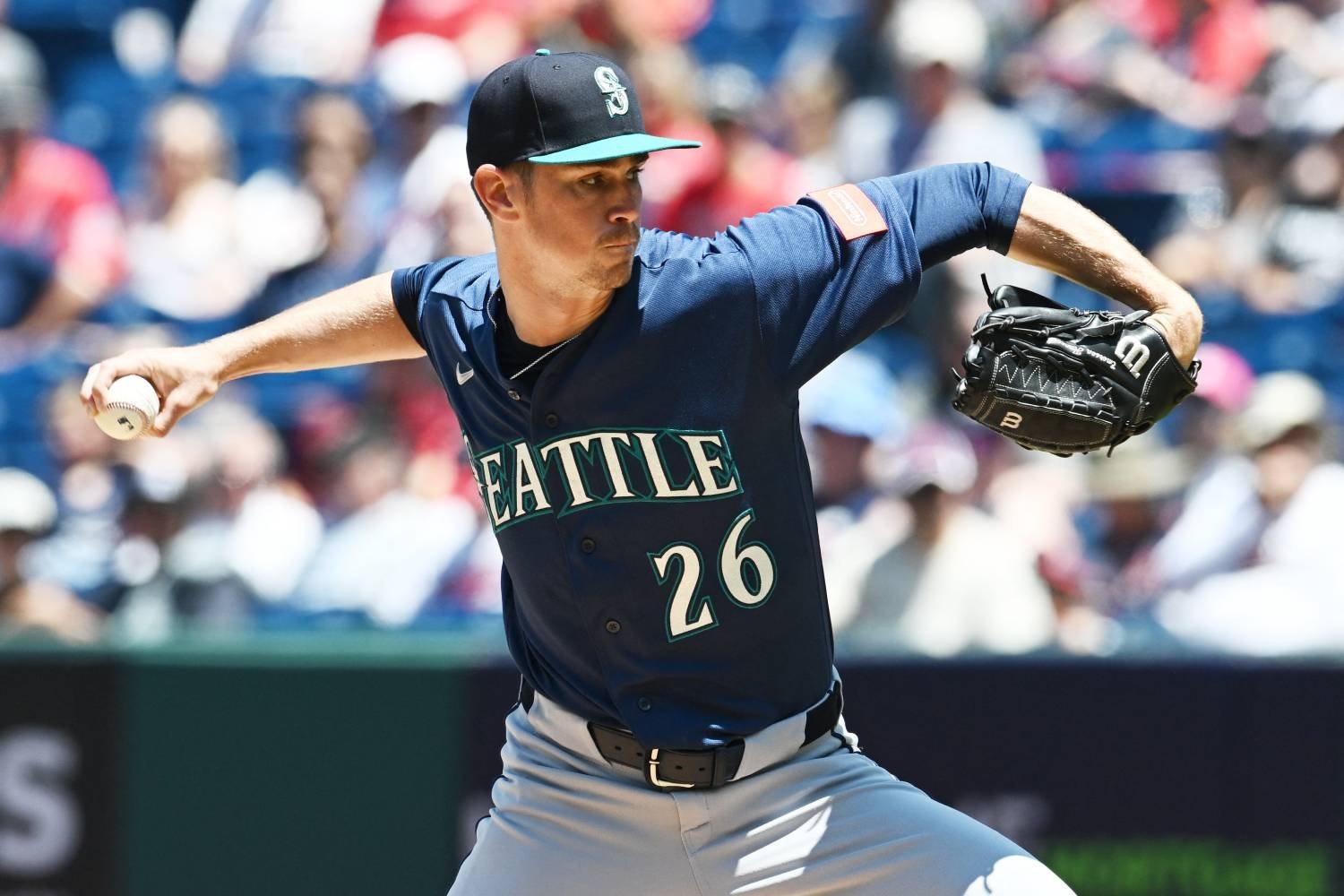 With Jameson Taillon now jettisoned and the Chicago Cubs having multiple spots in their starting rotation that need an upgrade, there seems to be a team that they would match up well with. The Seattle Mariners. The Mariners, still in contention in the AL West even after dropping three of four vs. the Texas Rangers following Monday's 7-3 loss, are open to trading at least one of the six starters they have in their rotation. The two who are most available are young right-hander Emerson Hancock and veteran right-hander Luis Castillo. Hancock could be priced higher as he is under club control through 2030 before hitting free agency. Hancock has a 3.73 FIP (3.16 ERA) with a 6.3% walk rate and 23.4% strikeout rate. Castillo, on the other hand, is due a lot of money through next season, about $32.5 million with a vesting option for 2028 at $25 million if he reaches 180 innings in 2027. But the Mariners would be willing to eat some of Castillo's contract in the right deal. Castillo's output has slid from the days when he was an All-Star starter. He has a 4.37 FIP (4.85 ERA) in 19 games, walking 7.2% of hitters and striking out 20.1%. Seattle would be looking for major-league offense in return. One option the Cubs could part with in a deal for pitching would be right fielder Matt Shaw, who is currently on the 10-day injured list with a sprained right wrist but could be close to returning. There would have to be more than Shaw, perhaps a young hitter such as infielder Pedro Ramirez. View the full article
 -
From Queens to Cooperstown: Beltran and Kent's Mets Legacy
DiamondCentric posted an article in Grand Central Mets
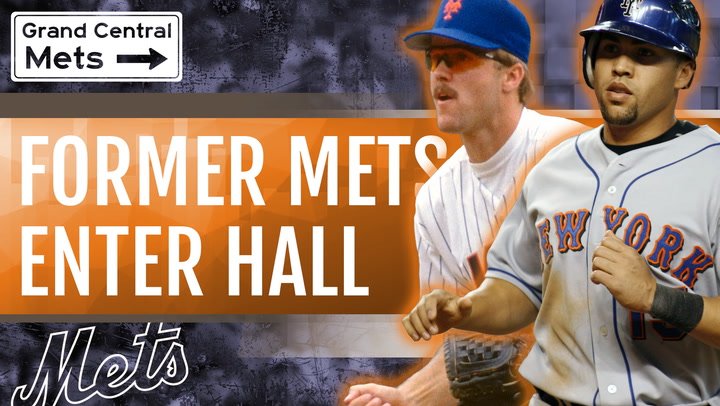 The 2026 MLB Hall of Fame Class included two former Mets, Carlos Beltran and Jeff Kent. Carlos Beltran played seven seasons for the New York Mets, earning four All-Star selections, three Gold Glove Awards, and two Silver Slugger Awards. Jeff Kent played five seasons for the Mets, and although he was productive for the Mets, his career kicked off afterward with the Giants. View the full article
 -
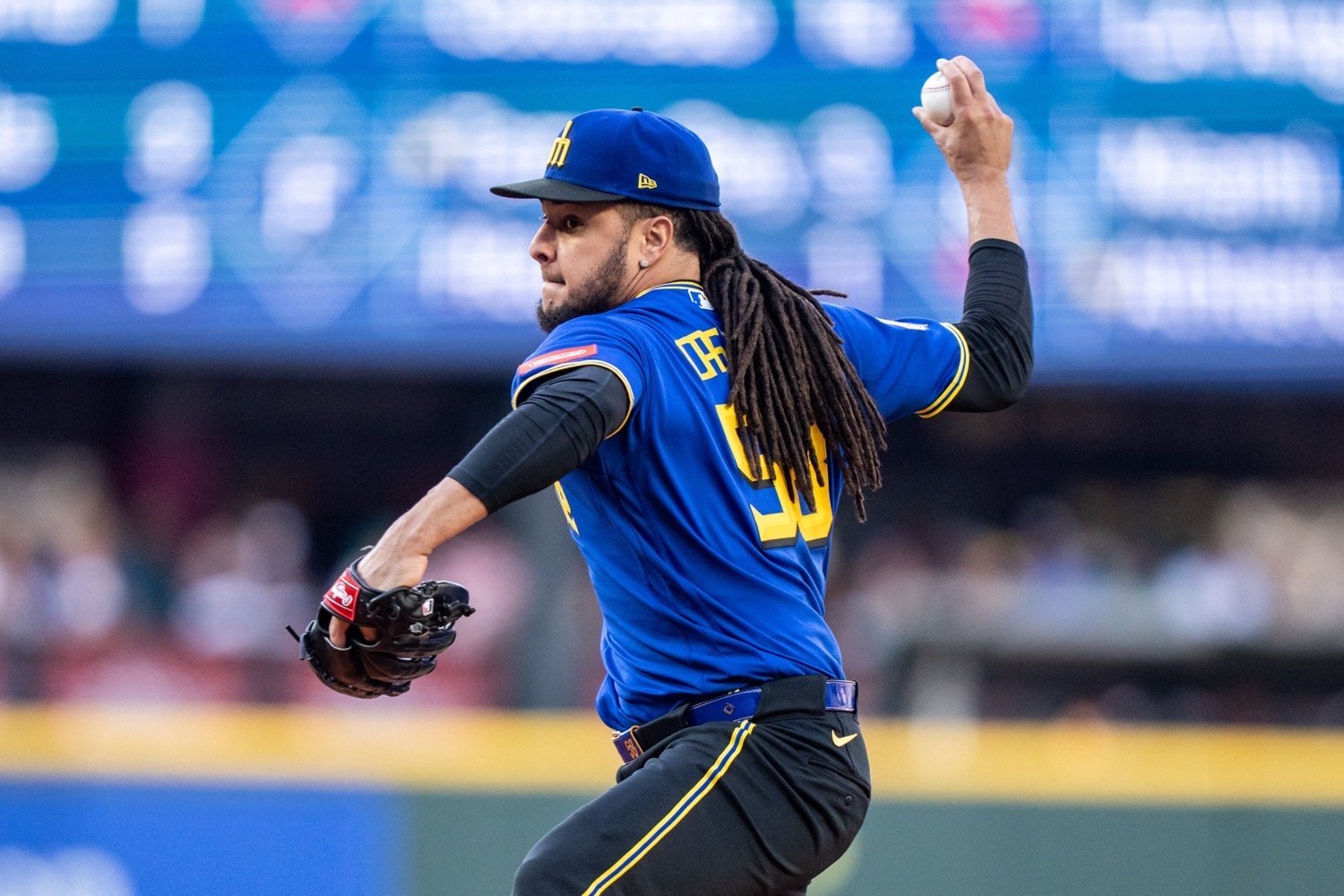 The Cubs’ clearest deadline priority is starting pitching, driven by a rotation and bullpen that have been hit hard by injuries throughout the season. On the other side of the ball, their lineup is likely limited to a bench bat rather than guys who could contribute daily. If they were to strike a deal, it would likely come from the team’s hitting prospect depth, since pitching is the far greater organizational need. One option who's been on the market is Luis Castillo of the Seattle Mariners. Daniel Kramer of MLB.com is reporting that the Seattle Mariners are willing to eat part of Luis Castillo's contract to help facilitate a deal. Castillo, 33, has had a down year, posting a 4.85 ERA (4.37 FIP) with a 12.9% strikeout-minus-walk rate across 94 2/3 innings. This comes after seven consecutive seasons of sub-4 FIPs and five straight seasons of a K-BB north of 15%. Despite all that success, a down 2026, an impending lockout, and a $24+ million salary for the next two years make him a little less attractive on the open market. He also has a vesting option for 2028 that locks in if he reaches the 180 IP mark in 2027. It's not clear if that number gets prorated based on a lockout/shortened season. Do you think the Cubs should move a hitting prospect for the southpaw? Join the conversation in the comments! View the full article
 -
Jameson Taillon Designated For Assignment By Cubs
DiamondCentric posted an article in North Side Baseball
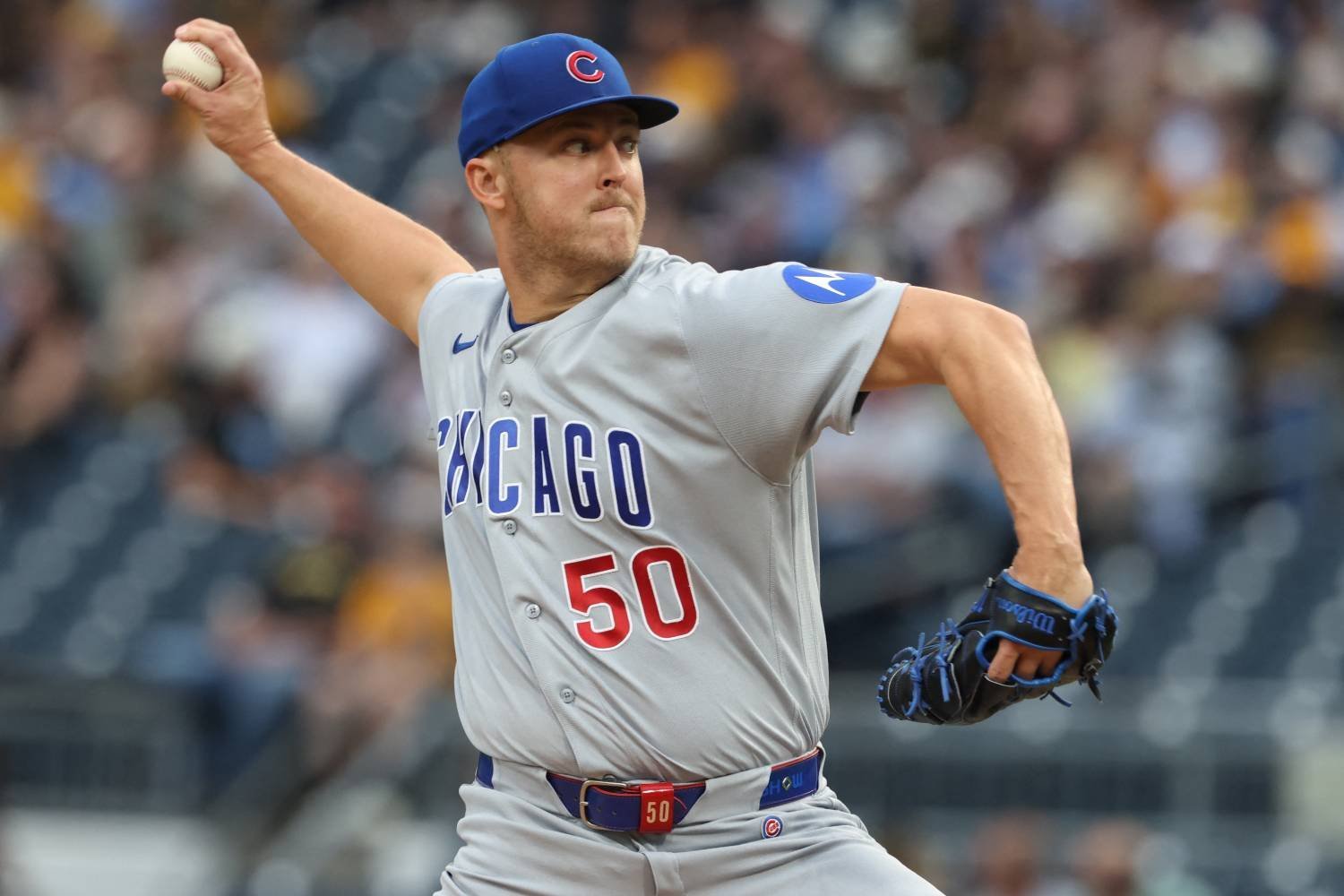 On a team desperate for starting pitching to remain in the postseason hunt, the Chicago Cubs have decided to cut one of their starters. Right-hander Jameson Taillon was designated for assignment by the Cubs on Monday. Left-hander Andrew Wantz had his contract selected from Triple-A Iowa. Taillon is making $18 million in 2026, the final season of a four-year, $68 million deal. Unless another team claims him off waivers or he is traded, the Cubs will be on the hook for the prorated portion of that $18 million. Taillon has a 6.74 FIP (5.92 ERA) in 15 starts this season, with an 8.3% walk rate and 20.9% strikeout rate. The final straw came in Sunday's 8-7 loss to the Pittsburgh Pirates in which Taillon was tagged for seven runs in four innings on six hits and two walks with three strikeouts. He allowed 11 runs over 8⅓ innings in his last two starts. The Cubs currently have 12 pitchers on either the 15- or 60-day injured list, including starters Justin Steele, Cade Horton, Edward Cabrera and Ben Brown. Wantz was signed to a minor-league deal June 6 after being designated for assignment and choosing to become a free agent instead of being outrighted to Triple-A. He appeared in one game for the Rays, giving up five runs in 1⅔ innings. After signing with the Cubs and reporting to Iowa, Wantz has appeared in seven games, three starts, with a 4.32 ERA over 25 innings, walking 15 and striking out 26. Wantz was originally a seventh-round draft choice by the Los Angeles Angels in 2018 out of North Carolina-Greensboro. View the full article
 -
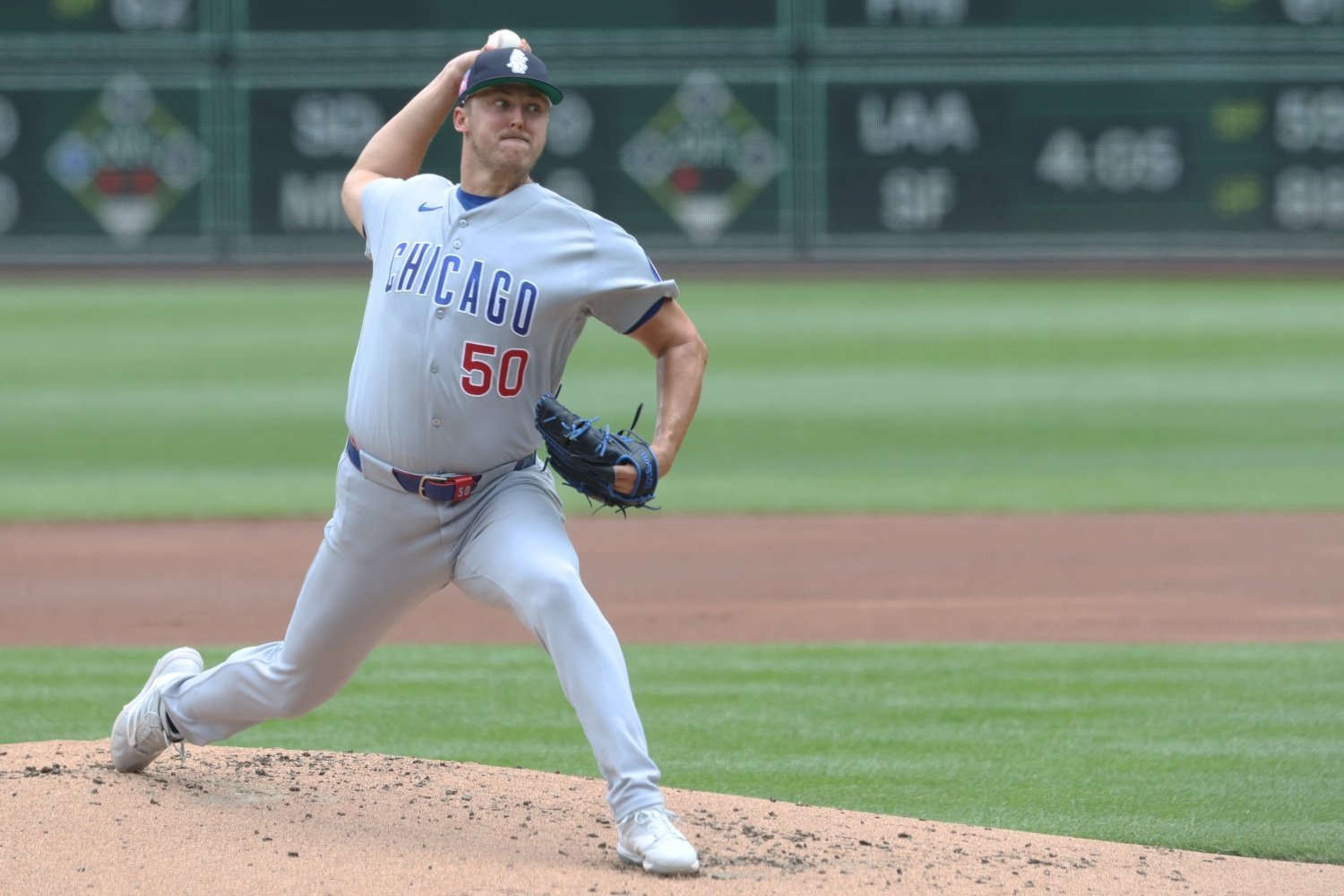 The Chicago Cubs designated Jameson Taillon for assignment Monday, the team announced. Righty reliever Andrew Wantz, signed last month after being released by the Tampa Bay Rays, will be promoted to take Taillon's place on the active roster. It's a sad but necessary end to the four-year Cubs tenure of Taillon, 34, who had a 5.92 ERA in 15 starts with the team this year. Wantz, 30, is a fringe arm who made seven appearances as a quasi-starter with the Triple-A Iowa Cubs before being called up, with a 4.32 ERA. He's ready to give the team length, but is even less of a viable starter than Taillon was. He's here strictly as a fresh arm; the team will replace him very soon. The timing of this move makes it fascinating, even though it was dictated by logistics as much as by any specific plan to complete an imminent deal. According to a source close to the team, no trade to immediately replace Taillon is close to completion, but it's clear that a spot is now open in the rotation. By Friday (rather than next Monday, Aug. 3, when the trade deadline hits), the team needs a new starter. They could always patch things together with a bullpen game, but ideally, at this point, the team will move within the next 72 hours to acquire a starter to reinforce their rotation. More to come. View the full article
 -
MLB Insider Reports Twins Will Buy at Deadline, Not Break Up Core
DiamondCentric posted an article in Twins Daily
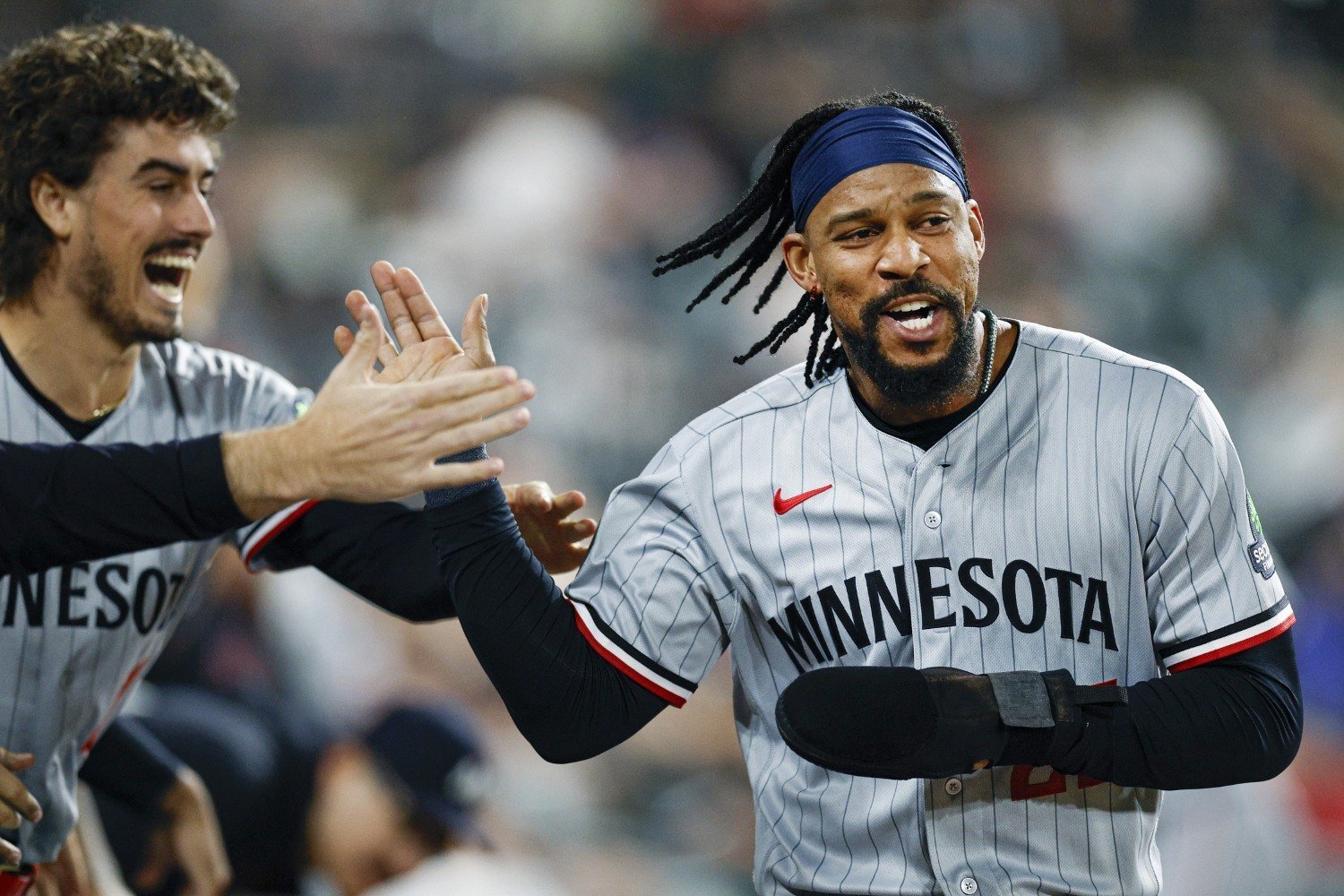 With one week remaining before the August 3 MLB trade deadline, the Minnesota Twins continue to walk the line between contender and pretender. At 53-54, they have exceeded expectations and are still very much alive in both the American League Central and Wild Card races. That reality has fueled weeks of speculation about whether Minnesota could cash in on its biggest stars. Byron Buxton and Joe Ryan have frequently surfaced in trade rumors, with rival executives wondering if the Twins would entertain blockbuster offers. According to former MLB general manager and current insider Jim Bowden, that isn't happening. Twins Operating as Buyers Speaking on GM Territory, Bowden shut down the idea that Minnesota is shopping either of its franchise cornerstones. "No, absolutely not," Bowden said when asked if the Twins would trade Buxton or Ryan. "I'm being told neither one is going. In fact, the Twins are buyers right now, they feel like they're in the race as well. They feel they have a chance for the Wild Card." That aligns with everything the Twins have shown publicly. Owner Tom Pohlad has repeatedly indicated that Minnesota would add talent if the club remained in postseason contention. Despite hovering around .500 for much of the summer, the Twins have done just enough to stay within striking distance. The Twins trail the division-leading Chicago White Sox by only 3.5 games and sit just one game behind the final American League Wild Card spot currently held by Cleveland. In a league where few teams have separated themselves, Minnesota believes it has a legitimate opportunity to play meaningful baseball in October. Bullpen Is the Clear Priority If the Twins are going to buy, the biggest need isn't difficult to identify. Minnesota's bullpen has struggled throughout the season, posting a 5.03 ERA that ranks among the worst relief units in baseball. Late-inning inconsistency has turned potential victories into frustrating losses and left little margin for error. Adding one impact reliever may not be enough. Minnesota could realistically use multiple bullpen arms capable of pitching high-leverage innings if it hopes to survive the stretch run. Bowden's report suggests that's exactly where the front office is directing its attention instead of pursuing splashier moves. Ryan and Buxton Aren't Going Anywhere While rival clubs would undoubtedly love to pry away Ryan or Buxton, neither situation has ever appeared particularly realistic. Ryan has once again established himself as one of the American League's better starters, compiling a 3.38 ERA with 131 strikeouts across 114 1/3 innings. Even after a pair of uneven outings, he remains the ace of Minnesota's rotation and would leave an enormous hole if traded. Buxton's case is even simpler. The veteran center fielder owns a full no-trade clause through 2028 and has repeatedly stated his desire to spend his entire career in Minnesota. When healthy, he remains one of baseball's most impactful players, providing elite defense, game-changing speed, and middle-of-the-order power. Bowden also noted that Minnesota believes staying healthy (particularly with Buxton and Royce Lewis) is critical to making a postseason push. If those stars remain on the field, the Twins believe their roster is capable of competing with the rest of the American League. Buying Makes Sense With the Right Moves A 53-54 club buying at the deadline may raise eyebrows, but context matters. The American League has been defined by parity, and Minnesota remains firmly in the playoff picture despite an inconsistent first four months. Selling would signal surrender in a race where virtually every contender has flaws of its own. The Twins don't necessarily need a dramatic overhaul. Their lineup has produced enough offense to compete, and the rotation has been anchored by Ryan while receiving quality contributions from the rest of the staff. The glaring weakness has been the bullpen, making it the logical place to invest deadline resources. There is also an opportunity to move Connor Prielipp or Zebby Matthews to the bullpen if the team acquires a back-end starter. Whether that's enough to make a deep postseason run remains to be seen. A frontline starting pitcher would undoubtedly elevate Minnesota's October outlook, but there has been little indication that such a move is on the table. If Bowden's reporting proves accurate, the Twins have made their decision. Ryan and Buxton will stay put, the front office will search aggressively for bullpen reinforcements, and Minnesota will bet that a healthier roster and a stronger relief corps are enough to turn a .500 season into a playoff berth. View the full article
 -
The Blue Jays and Pirates Make Perfect Trade Partners
DiamondCentric posted an article in Jays Centre
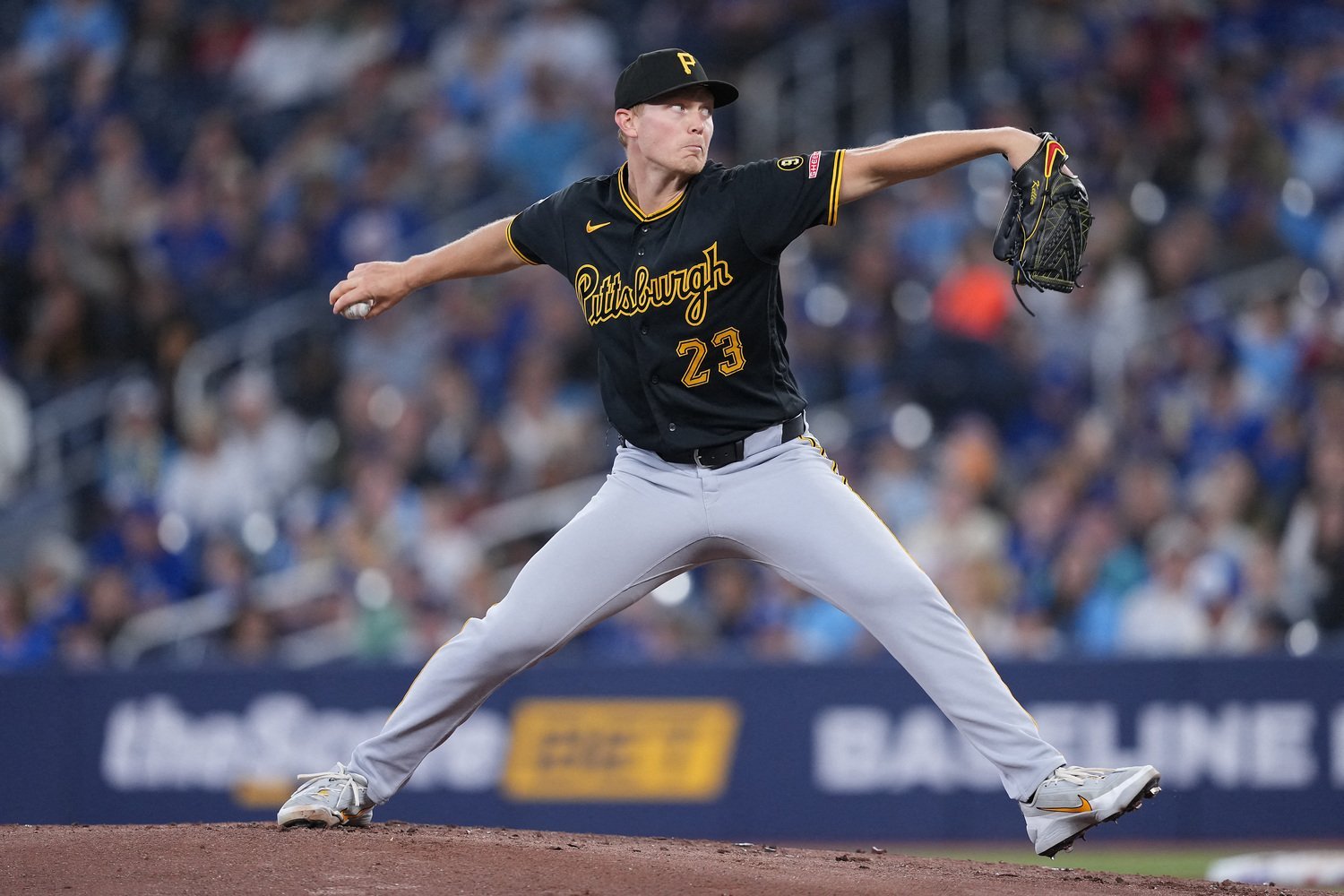 There is always one question every selling team asks itself at the trade deadline: How can they get back the best prospect package? Sometimes the biggest advantage in trade negotiations isn’t the players being moved, it's the money that can be attached to a deal. As the Blue Jays look more and more like sellers, that financial flexibility could become one of Ross Atkins’ biggest trade assets. Atkins has shown a willingness to take on money in previous trades. If he’s willing to do it again, one club stands out as a particularly intriguing trade partner, and that's the Pittsburgh Pirates. The Jays and Pirates have had a consistent trade relationship in recent years. Pirates GM Ben Cherington previously worked with Ross Atkins as the Blue Jays' vice president of baseball operations from 2016-2019 before leaving for Pittsburgh. Most recently, the teams linked up in a three-team trade with Cleveland that sent Andrés Giménez to the Blue Jays and Spencer Horwitz to the Pirates. Back in 2024, the last time the Jays sold at the deadline, they traded Isiah Kiner-Falefa to Pittsburgh for Charles McAdoo. Recently, Bob Nightengale reported that the Pirates are planning to be aggressive at the deadline as long as it doesn’t increase the payroll. For the Blue Jays, this could be music to their ears. Imagine two clubs offer a similar prospect package for Daulton Varsho. The difference is that one team asks Toronto to cover the remainder of his salary while the other doesn’t. If the Blue Jays are willing to absorb the money, they're no longer trading just Varsho; they’re trading Varsho and payroll relief. That gives the team another bargaining chip, and it’s reasonable to expect a better prospect in return because they’re providing more value to the acquiring team. Pittsburgh is in a precarious position. As of Sunday evening, they have a 54-52 record and find themselves just one game out of a playoff spot. The Pirates haven’t made the postseason since 2015, and with Paul Skenes still in his pre-arbitration years, their competitive window is wide open. The time to make a push is right now. The team does have some areas of need, particularly in the bullpen. As a unit, their bullpen has a 4.50 ERA, and that number jumps to 8.70 in high-leverage situations, so an improvement there is paramount. The Pirates could also use an improvement defensively in center field. Oneil Cruz is great with the bat, but the numbers (-9 defensive runs saved) and the eye test leave you wanting more. Fortunately for the Blue Jays, they have players who fit those needs almost perfectly. Varsho is on an expiring contract, and the Blue Jays will likely look to trade him at the deadline. Myles Straw fits the mold, too. Both players have a history of playing exceptional center field defense, and Varsho also offers some left-handed power. In the bullpen, Jeff Hoffman carries a 4.30 ERA, but the strikeout rate, FIP, and underlying stats remain in line with some of the best of his career. Game 7 of the World Series aside, he also has a proven postseason track record. None of these players would lack suitors. Contenders consistently pay a premium for impact relievers and elite defensive center fielders. If the Jays are going to maximize their return, they shouldn’t just be shopping their players; they should be shopping payroll flexibility as well. Taking on money shouldn’t scare Toronto. The Blue Jays already carry one of baseball’s highest payrolls, and even after selling off at the deadline, they’re unlikely to fall below the luxury tax threshold. If absorbing an additional $5 million is the difference between landing a 40 FV prospect and a 45 FV prospect, then that’s an investment worth making for a club focused on 2027 and beyond. The Pirates could also move on from an expensive contract that the Blue Jays could take on. In their rotation, Skenes, Jared Jones, Bubba Chandler, and Braxton Ashcraft are all under control, with additional pitching on the way. Because of that, Mitch Keller and his $39 million remaining on his contract in 2027 and '28 could be expendable. Keller wouldn’t be the centrepiece of the deal. Instead, his contract could serve as the financial leverage that allows the Jays to demand an even stronger prospect package. One player who doesn’t fit the obvious trade candidate mold is Louis Varland. Trading one of the best relievers in baseball with multiple years of control would be unpopular, but that's exactly why his value is so high. Deadline history shows controllable elite relievers can command franchise-altering returns. If the Pirates view themselves as a legitimate postseason team, then Varland is exactly the kind of arm worth paying a premium for. With the prospect package the Pirates could offer, the Jays should at least pick up the phone. Every extra dollar the Blue Jays are willing to absorb could translate into a better prospect this deadline. The Pirates may not be the only club that fits that equation, but this trade match is a great example of how money can serve as a prospect-acquisition tool. If Ross Atkins and company are serious about maximizing every trade, their payroll shouldn’t just be a budget; it should be another asset in trade talks. View the full article
 -
Anthony Volpe Headlines Intriguing Ryan Jeffers Trade Proposal
DiamondCentric posted an article in Twins Daily
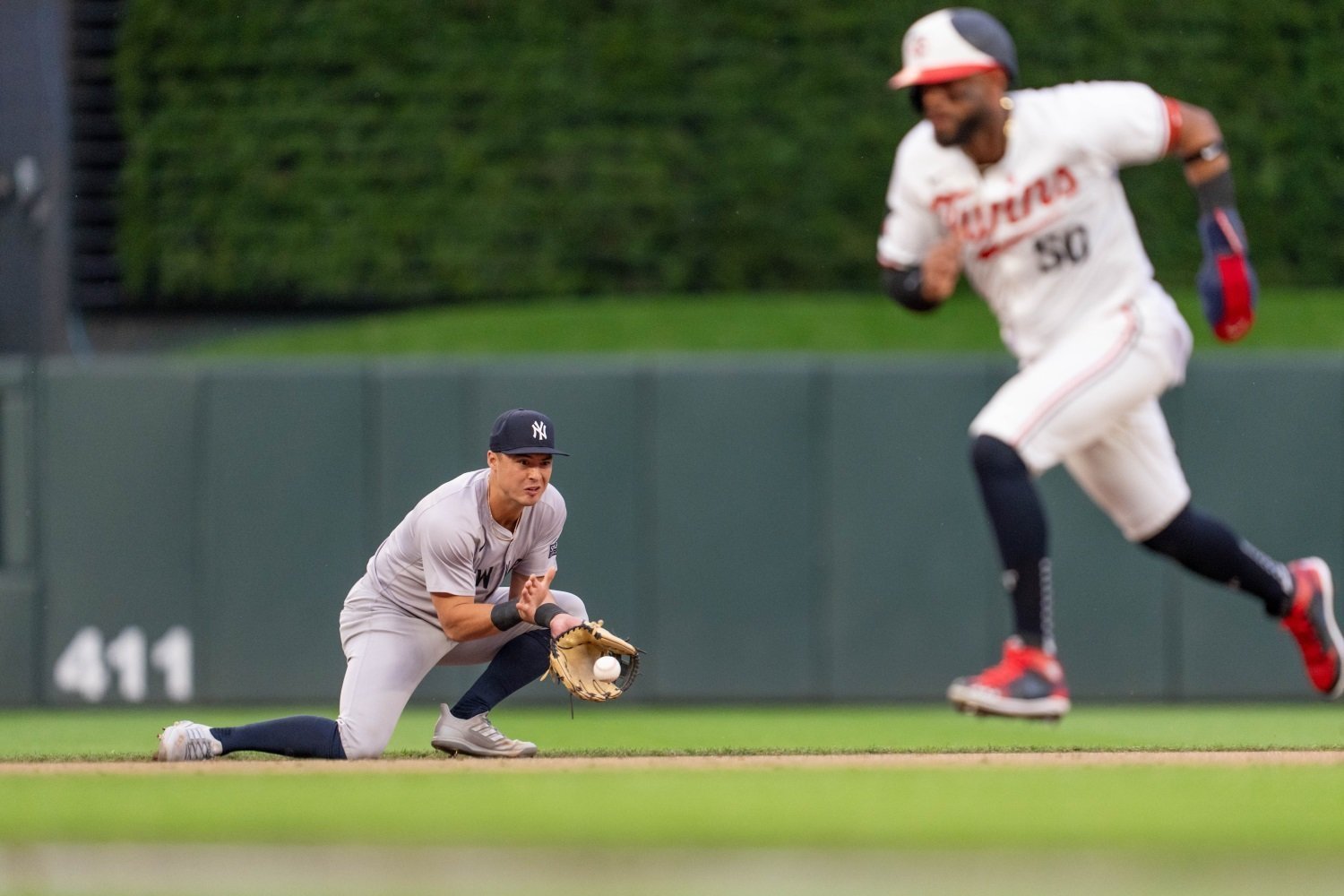 The Minnesota Twins have no shortage of trade deadline questions to answer over the next week. Ryan Jeffers is one of the organization’s most obvious trade candidates as he approaches free agency, and if the Twins decide to move their veteran catcher, finding a return that helps both now and in the future will be the priority. One recently proposed deal checks both boxes. According to The Athletic’s Chris Kirschner, the Yankees could send shortstop Anthony Volpe and reliever Camilo Doval to Minnesota in exchange for Jeffers. Shortstop has been the most underperforming position in a lineup that leads the American League in runs scored. While Volpe’s value has fallen considerably over the last two seasons, the Twins would be betting on a talented player rediscovering the potential that once made him one of baseball’s premier prospects. Jeffers Makes Sense for New York The Yankees have been connected to the catching market leading up to the deadline, and Jeffers fits what they’re searching for. Kirschner noted that Jeffers has an existing relationship with Yankees director of catching Tanner Swanson, who played an instrumental role in Minnesota selecting Jeffers in the second round of the 2018 MLB Draft. “Ryan Jeffers is the most logical catching target for the Yankees because of his relationship with Tanner Swanson, the club’s director of catching. Swanson was a key figure in the Minnesota Twins’ decision to draft Jeffers in 2018,” Kirschner wrote. “Jeffers will be a free agent after this season, so this move would also give the Yankees a stretch run to determine if he could also be a longer-term fit. In return, the Twins would get two change-of-scenery candidates in Volpe and Doval.” For New York, Jeffers would fill an immediate need behind the plate while allowing the club to evaluate whether he’s worth retaining beyond this season. Could Minnesota Unlock Volpe? From the Twins’ perspective, Volpe would be the centerpiece of the return. The former first-round pick entered professional baseball with enormous expectations, but his offensive production has never consistently matched the hype. Injuries haven’t helped, as Volpe missed the first month and a half of the season recovering from shoulder surgery before returning to split time at shortstop with Jose Caballero. In 158 plate appearances this season, the 25-year-old has hit .246/.342/.326 (.668) with one home run and 13 RBI. While both his batting average and on-base percentage are the highest marks of his career, the lack of power has limited his overall production. Since making his MLB debut in 2023, Volpe owns a .224/.288/.375 (.663) career slash line. He flashed intriguing power early in his career, hitting 21 home runs as a rookie before adding 19 more the following season, but his offensive inconsistency has remained a recurring issue. Even so, the Twins could view Volpe differently than the Yankees do. Minnesota has shown a willingness to bet on athletic players with strong defensive ability (6 OAA in 2026), particularly when they’re still under team control. Volpe would also give the Twins another option at shortstop, a position that seems to be waiting for top prospects Kaelen Culpepper and Marek Houston. Doval Addresses Another Need Adding Camilo Doval could make the proposal even more intriguing. While the Twins have been expected to pursue bullpen help at the deadline, acquiring an established late-inning reliever as part of a larger deal would allow them to strengthen another area of need without sacrificing additional prospect capital. He has a 4.51 FIP and a 22.6 K% this season. A reliever with Doval’s experience could immediately slot into the middle of Minnesota’s bullpen while remaining under team control through next season. A High-Risk, High-Reward Gamble Trading Jeffers won’t be easy, especially for a club that still sees itself as a postseason contender. But if Minnesota decides his impending free agency makes a move inevitable, maximizing the return becomes the priority. Volpe is no longer viewed as the lineup changing player many expected when he arrived in New York, but he is still just 25 years old with premium defensive skills and untapped offensive upside. Pairing him with a proven reliever like Doval could give the Twins two players capable of making an impact well beyond 2026. For a front office looking to compete now while building for the future, this is exactly the type of creative buy-low opportunity worth exploring. View the full article
 -
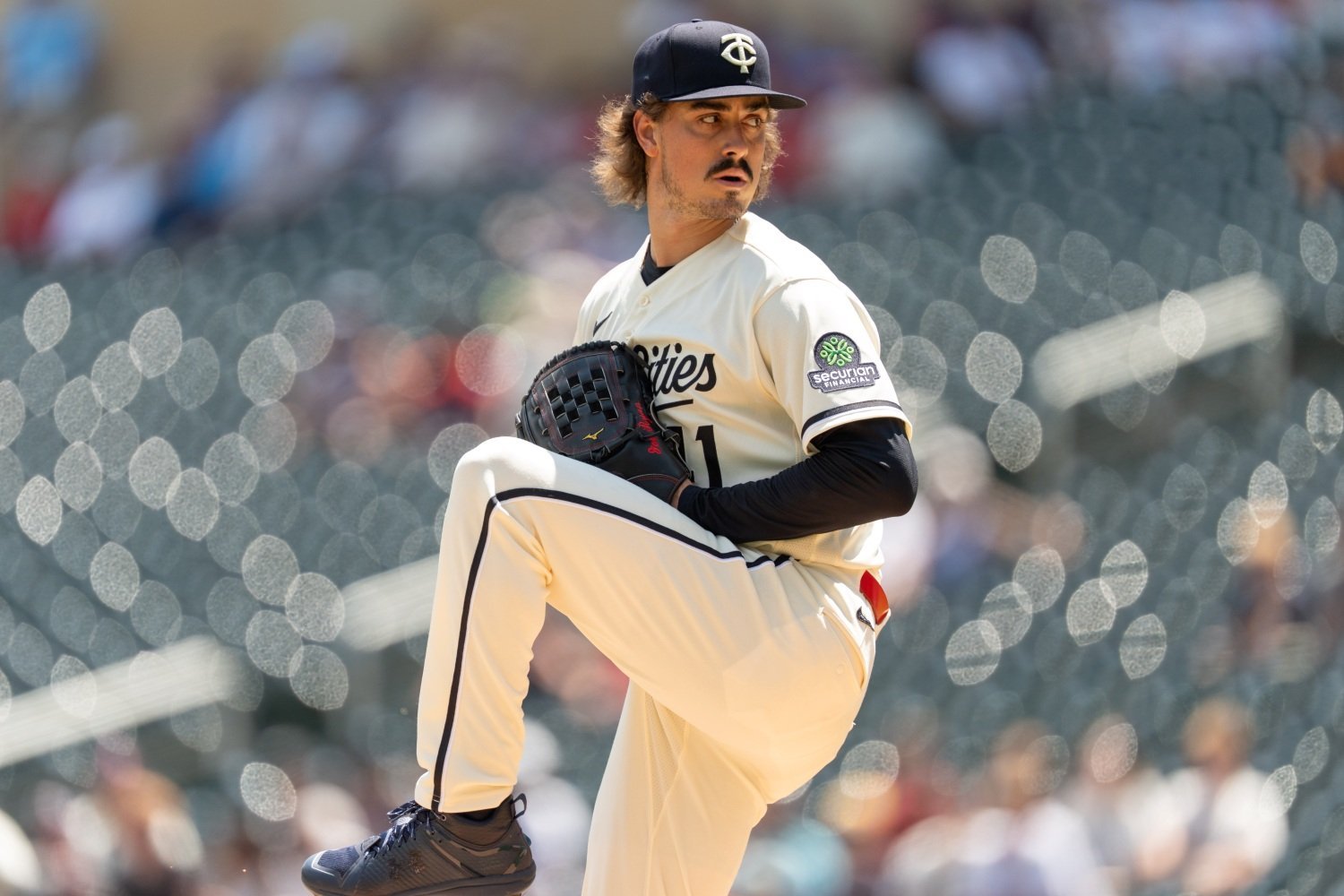 The Minnesota Twins, like many other teams across MLB, are no stranger to pitcher injuries, and, unfortunately, they became even more familiar recently. Starting pitcher Mick Abel was ruled out for the remainder of the season after undergoing an arthroscopic elbow procedure; spot starter Mike Paredes suffered a Grade 2 oblique strain before Saturday’s game against the Athletics; and All-Star Joe Ryan skipped his scheduled turn in the rotation with the ever-nebulous arm fatigue. Mick Abel Abel had a strong start to the 2026 season, posting a 2.77 FIP with 23 strikeouts in 20 ⅓ innings pitched, before he was shut down with what was believed to be a relatively minor elbow injury in mid-April. (Note: There is no such thing as a “relatively minor” elbow injury in baseball pitchers.) He eventually underwent an arthroscopic procedure in late June that will ultimately end his season. Generally, arthroscopic procedures are considered minimally invasive, as the incisions are small and few instruments are needed to perform it. Damaged tissue such as frayed cartilage, bone spurs, and/or “loose bodies”—pieces of bone and/or cartilage suspended in the joint—are trimmed and removed, and rehabilitation begins within a couple of days. Rehab focuses on re-establishing full range of motion and reducing swelling before moving on to forearm and rotator cuff strengthening and (eventually) a gradual throwing program. On average, MLB pitchers return from arthroscopic elbow surgeries in 5-6 months, with 12% going on to eventually suffer a UCL injury within five years of the procedure, which is approximately the same rate as control comparisons. While Abel may not resume throwing on a mound until October, he should be all systems go by spring training—assuming spring training begins on time. It's bad news for this year, but when you lose a pitcher to an elbow issue in April and they eventually need surgery, this is one of the best possible outcomes. Mike Paredes While his numbers are unassuming—4.72 ERA, 5.67 FIP, 3.9% K-BB%—Paredes filled a need. He delivered 34 innings of coverage for a Twins team that has, at times, been desperate for any effective pitching they could get. In his five starts, the club went 3-2. However, it’s possible he has thrown his last pitch for the summer. Oblique strains are relatively common in baseball. The muscle group’s primary job is to forcefully rotate the trunk. Grade 2 strains are considered moderate, and generally speaking, it takes approximately 4-8 weeks for them to heal. Previous research reported that MLB pitchers missed, on average, 35 days due to oblique injuries, but this data was published in 2012, when pitchers carried very different loads. Paredes's return-to-play timeline, therefore, falls anywhere between the end of August (in a best-case scenario) and the end of September, with the Twins’ final regular-season game scheduled for September 27. While the Twins probably wouldn’t carry Paredes on their playoff roster even if he were healthy, they’ll miss his plug-and-play ability over the coming weeks, even if his underlying numbers suggest he was over his skis. Joe Ryan For all intents and purposes, Ryan’s injury—deemed arm fatigue, as of this writing—seems relatively inconsequential. Ryan, according to The Athletic’s Dan Hayes and other reporters on the scene, threw a bullpen session Saturday and is expected to make his next start against the Kansas City Royals on Wednesday. It’s not uncommon for pitchers to experience episodes of dead arm, in which velocity drops and the arm “feels heavy” or tires more quickly. That can happen without any underlying orthopedic mechanism. It’s a long season, and sometimes a pitcher’s arm just needs a little extra rest. Unless and until there is another setback or more information put forth, this doesn’t seem to be an issue to worry about. The combination of Abel's and Paredes’s injuries, in particular, places increased pressure on the Twins front office to add pitching depth at the trade deadline. With no clear starting pitcher options waiting in the wings at Triple-A and Kendrys Rojas averaging less than four innings per start, it would behoove general manager Jeremy Zoll and company to add a back-end starter or a long reliever who can provide a spot start when needed, such as Pittsburgh’s Carmen Mlodzinski—3.62 FIP, 10.8% K-BB%—or Arizona’s Eduardo Rodríguez—4.16 FIP, 8.3% K-BB%. Here are their capsules from our DiamondCentric Top Trade Candidates ranking: It doesn't seem like Abel or Paredes can help the 2026 Twins down the stretch. But if their absence prompts the team to add more quality depth options who can bolster the staff for 2027, the team can still survive the grind now—and improve in the future, too. Injuries are the worst part of baseball, but they also create some valuable opportunities, roster-wise. View the full article
 -
 Chicago Cubs Minor League Report Affiliate Overview Triple-A Iowa Cubs Series at Gwinnett Stripers (Atlanta Braves): Stripers win, 4-2 Season Record: 43–56-1 Double-A Knoxville Smokies Series at Rocket City Trash Pandas (Los Angeles Angels): Tied, 3-3 Season Record: 52–44 High-A South Bend Cubs Series vs. Wisconsin Timber Rattlers (Milwaukee Brewers): Cubs win, 5-1 Season Record: 56–36 Single-A Myrtle Beach Pelicans Series at Hickory Crawdads (Texas Rangers): Crawdads win, 4-2 Season Record: 38–56 Triple-A: Iowa Cubs Season Record: 43–56-1 Series Opponent: Gwinnett Stripers (52-48) Series Standing: Lose, 4-2 July 26: The Iowa Cubs closed out their series at the Gwinnett Stripers with a 7-3 win on Sunday at Gwinnett Field. Moisés Ballesteros (1-for-5) launched a two-run shot in the first, his second of the season, and Kevin Alcántara (0-for-3) made it 3-0 in the opening frame with a sacrifice fly three batters later. The Stripers pulled one of those runs back in their first trip to the plate but an RBI-single from Brett Bateman (3-for-4) and an RBI-double from Jonathan Long (2-for-5) in the fourth made it 5-1. Another RBI-double from Long in the sixth made it 6-1 and Owen Ayers (3-for-4) extended the lead further with an RBI-single in the seventh. Gwinnett would score twice after the stretch to make it 7-3 but Zac Leigh and Collin Snider each tossed a scoreless inning in relief to end the game. Grant Kipp got the start on the mound for Iowa and earned the win to improve to 1-0 on the season. Kipp allowed one run on four hits to go along with three walks and two strikeouts. Ayers’ three-hit game was his second such performance in his first eight Triple-A contests and he now has four total multi-hit games during that span. Alcántara drew a walk in the ninth, which extended his on-base streak to an I-Cubs record 36 games. Double-A: Knoxville Smokies Season Record: 52–44 Series Opponent: Rocket City Trash Pandas (48–47) Series Standing: Tied, 3-3 July 26: The Knoxville Smokies earned a series split with a 6-5 victory, in extra innings, over the Rocket City Trash Pandas on Sunday at Toyota Field. Ariel Armas’ (1-for-3) solo blast in the second opened the scoring in the ballgame before the Trash Pandas rallied for a pair of runs in the fourth to grab the lead. Carter Trice (1-for-4) made it 2-2 in the sixth with an RBI-single and Edgar Alvarez (2-for-4) would give Knoxville the lead later in the frame with a two-run double. Rocket City scored twice in the eighth and neither team was able to break the deadlock in the ninth, sending the ballgame to extras. In the 10th, Jefferson Rojas (2-for-5) crushed a two-run shot with two outs, his 15th of the season, to give the Smokies a 6-4 lead. The Trash Pandas would score in their trip to the plate in the 10th but Jacob Wallace was able to strand a pair of runners to earn his first save of the year. Kevin Valdez got the start on the mound for Knoxville and took no decision. Valdez allowed two runs on three hits over five innings of work, walked one and struck out four. High-A: South Bend Cubs Season Record: 56–36 Series Opponent: Wisconsin Timber Rattlers (49–42) Series Standing: Win, 5-1 July 26: The South Bend Cubs earned an 8-3 victory in their series finale vs. the Wisconsin Timber Rattlers on Sunday at Four Winds Field. Angel Cepeda’s (2-for-4) RBI-single in the first would put the Cubs in front and the home team would later make it 3-0 in the third thanks to an RBI-double from Josiah Hartshorn (2-for-4) and another run-scoring single from Cepeda. The Timber Rattlers would rally for three runs in the sixth to tie the contest but South Bend answered with a three-spot of its own in the home half of the frame. Michael Hallquist (1-for-3) doubled home a pair of runs and Justin Stransky (2-for-4) made it 6-3 with a run-scoring single. Stransky would then put the game out of reach in the eighth with a two-run homer, his fifth of the season, helping the Cubs to their seventh win in their last nine games. Pierce Coppola got the start on the mound for South Bend and took no decision. Coppola spun five scoreless frames, allowing just two hits while walking one and striking out four. After allowing six runs in his High-A debut, Coppola has now thrown eight-straight scoreless innings in his last two outings. Single-A: Myrtle Beach Pelicans Season Record: 38–56 Series Opponent: Hickory Crawdads (55–38) Series Standing: Lose, 4-2 July 26: The Myrtle Beach Pelicans split their doubleheader at the Hickory Crawdads on Sunday, winning the opener, 4-1, before falling in the second game, 9-2. Game 1: The Pelicans claimed a 4-1 victory to open the twin bill, thanks to five innings of scoreless baseball from starter Riely Hunsaker, who picked up the win to improve to 3-2 on the season. Hunsaker allowed just two hits, struck out seven batters and issued just one walk. Derik Alcantara (1-for-3) gave Myrtle Beach a 1-0 lead in the second on an RBI-single. That score would hold until the seventh, where the Pelicans scored some much needed insurance runs to go up 4-0. Fernando Cruz (1-for-3) launched the first home run of his professional career, a solo shot, and Edward Vargas (1-for-3) also went yard, his homer a two-run blast. Hickory would score once in the ninth but Anhuar Garcia was able to shut down the rally and earn his first save of the season. Game 2: Myrtle Beach dropped the second game of the doubleheader to Hickory, 9-2, splitting the two games on Sunday. The Pelicans split both doubleheaders against the Crawdads during this series. Derniche Valdez (0-for-2) put Myrtle Beach in front in the first with a sacrifice fly but Hickory would eventually plate six in the third, two in the fourth and one more in the fifth to take a commanding 9-1 lead. Geuri Lubo (1-for-3) hit a solo home run in the seventh, his sixth of the season, as a consolation run in the final inning of the game. Pelicans starter Jordan Henriquez took the loss in the start, falling to 2-4 on the year. Henriquez allowed five runs, three earned, over 2 1/3 innings of work to go along with one walk and one strikeout. View the full article
 -
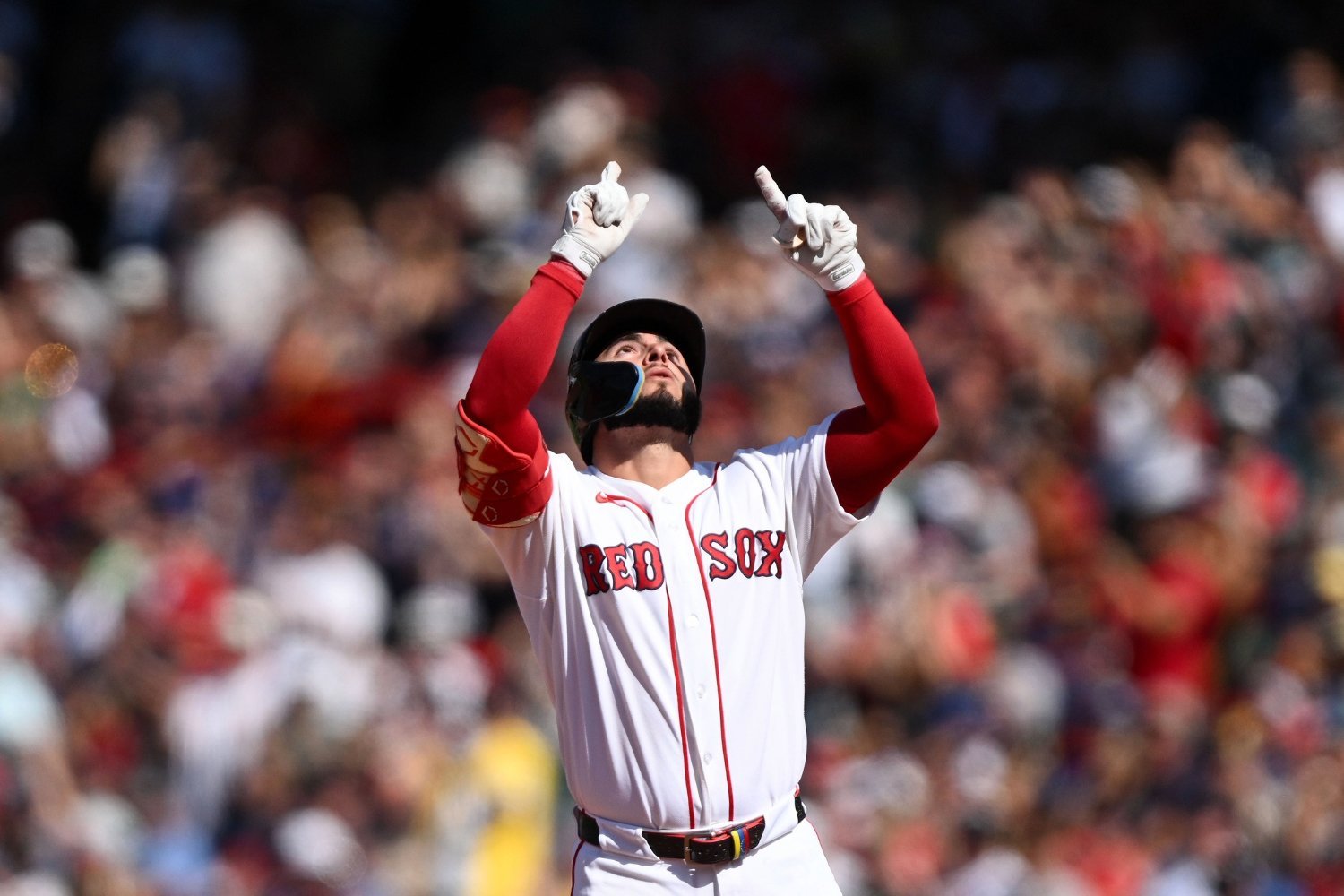 Boston Red Sox Weekly Snapshot Record Last Week: 4-2 Runs Scored Last Week: 25 Runs Surrendered Last Week: 24 Standings 3rd in AL East 6.5 GB First Place 2nd in AL Wild Card Transactions 07/21/26: Boston Red Sox recalled RHP Zack Kelly from Worcester Red Sox. 07/21/26: Boston Red Sox placed RHP Zack Kelly on the 60-day injured list. Right elbow inflammation. 07/22/26: Boston Red Sox recalled LHP Alec Gamboa from Worcester Red Sox. 07/23/26: Boston Red Sox optioned LHP Eduardo Rivera to Worcester Red Sox. 07/26/26: Boston Red Sox traded LHP Connelly Early to Washington Nationals for 3B Curtis Mead. 07/26/26: Boston Red Sox optioned LHP Alec Gamboa to Worcester Red Sox. 07/26/26: Boston Red Sox traded LHP Connelly Early to Washington Nationals for 3B Curtis Mead. 07/26/26: Boston Red Sox activated LHP Ranger Suarez from the 15-day injured list. Scores Game 99: BOS 6, BAL 5 Game 100: BOS 6, BAL 3 Game 101: BOS 1, BAL 5 Game 102: BOS 6, TOR 5 Game 103: BOS 0, TOR 6 Game 104: BOS 6, TOR 1 Series Breakdown/Highlights Orioles Series: The Red Sox looked to keep rolling at home, and see if they could break their single-season win streak record against the division rival O’s to open the week. Things started off well in game one, with Willson Contreras, Caleb Durbin, Jarren Duran, Wilyer Abreu, and Ceddanne Rafaela all contributing RBIs in the win. Durbin’s came on some eighth inning heroics after the O’s tied the game in the 7th inning. On the pitching side, Payton Tolle was fine for the most part, but he fell apart in the sixth inning. He tossed 5.2 innings, allowing four earned runs, walked one, and struck out nine. Tyron Guerrero threw 1.1 innings, allowing one earned run, and struck out three. Garrett Whitlock and Aroldis Chapman both worked scoreless innings to close out the game. Game two was rescheduled for a Wednesday doubleheader. Duran was the offensive star of the game with his three RBIs. Rafaela contributed one RBI on a solo home run while Caleb Durbin drove in two. Rookie Jake Bennett tossed 5.2 innings of three-run baseball, walking none and striking out four. He wasn’t his typical dominant self, but he had more than enough to put the team in a position to win the game. Out of the bullpen Justin Slaten, Whitlock, and Chapman all worked clean appearances. This win was the 15th straight, tying the team’s longest streak in the history of the franchise. Game three was packed, the highest attendance at Fenway Park since 2017 according to the broadcast. Unfortunately for the Red Sox, the O’s Kyle Bradish was in fine form on Wednesday night. For the Red Sox, opener Eduardo Rivera only tossed 0.2 innings while giving up four earned runs and that’s all she wrote. Brayan Bello came out of the pen to throw 5.1 innings, walking one and striking out five. He’s added some velocity to his pitch mix since being called back up and it makes you start to wonder if he’s going to be in the conversation for the starting rotation with Connelly Early now shipped out to Washington. Behind Bello, Ryan Watson and Alec Gamboa finished the game out in quiet fashion. Offensively, there was nothing to really get excited about. The lone RBI belonged to Masataka Yoshida. Everyone then turned their attention to the weekend series against the Blue Jays to see how the team would rebound after their first loss in quite some time. Blue Jays Series: In game one, Anthony Seigler was the star of the show in the Friday Fenway Greens. The rookie went four-for-five on the night, including a home run to open the contest. Rafaela contributed another home run and two RBIs on the night, while Andruw Monasterio and Romy Gonzalez also drove in one run each. Patrick Sandoval was shaky in the start, but worked his way out of a couple of jams early on. He ended up going 4.2 innings while striking out three and allowing no earned runs. Guerrero, Greg Weissert, Whitlock, and Chapman all came out of the pen in this one. Weissert reverted to his old self in this appearance, allowing three earned runs to let the Blue Jays back into the game, but the offense bailed him out again. Game two was nothing to write home about. Dylan Cease looked every bit of the Cy Young contender that he has been all season. He had his no-hitter broken up by Monasterio, but that was all the offense the Red Sox could muster. Shockingly, Sonny Gray was incredibly shaky. He allowed five earned runs over five innings, while only striking out three. Gamboa covered the final four innings, indicating that he would likely be the person sent down when Ranger Suarez was activated before game three. In game three, Suarez worked a quick game but was fantastic in his four innings. He struck out four and allowed no earned runs. Weissert, Guerrero, Slaten, and Ryan Watson finished out the game with only Watson allowing an earned run on the day. Offensively, newcomer Jahmai Jones shone off the bench with a two-RBI double, Duran contributed two RBIs himself, and Wilyer Abreu and Rafaela both knocked in a run to help give the team the win. It was a great way to respond after the loss in game two and sent the team on the West Coast trip with growing confidence. Website Highlights Red Sox and Nationals Trade Connelly Early and Curtis Mead in 1-for-1 Swap by Nick John 3 Players Most Responsible for Red Sox’s Historic WInning Streak by Cory Sparks Wilyer Abreu has Entered the Goldilocks Zone at the Plate by Maddie Landis Red Sox Trade Deadline Targets: Ryan Jeffers is the Upgrade Behind the Plate We’ve Been Waiting For by Alex Mayes Looking Ahead 07/27/26: Red Sox (Payton Tolle) @ Athletics (Jack Perkins): 9:40 PM EDT 07/28/26: Red Sox (Jake Bennett) @ Athletics (Gage Jump): 9:40 PM EDT 07/29/26: Red Sox (Patrick Sandoval) @ Athletics (Jacob Lopez): 9:40 PM EDT 07/30/26: Red Sox (Sonny Gray) @ Athletics (TBD): 9:40 PM EDT 07/31/26: Red Sox @ Dodgers: 10:10 PM EDT 08/01/26: Red Sox @ Dodgers: 9:10 PM EDT 08/02/26: Red Sox @ Dodgers: 7:20 PM EDT Sunday Night Baseball View the full article
 -
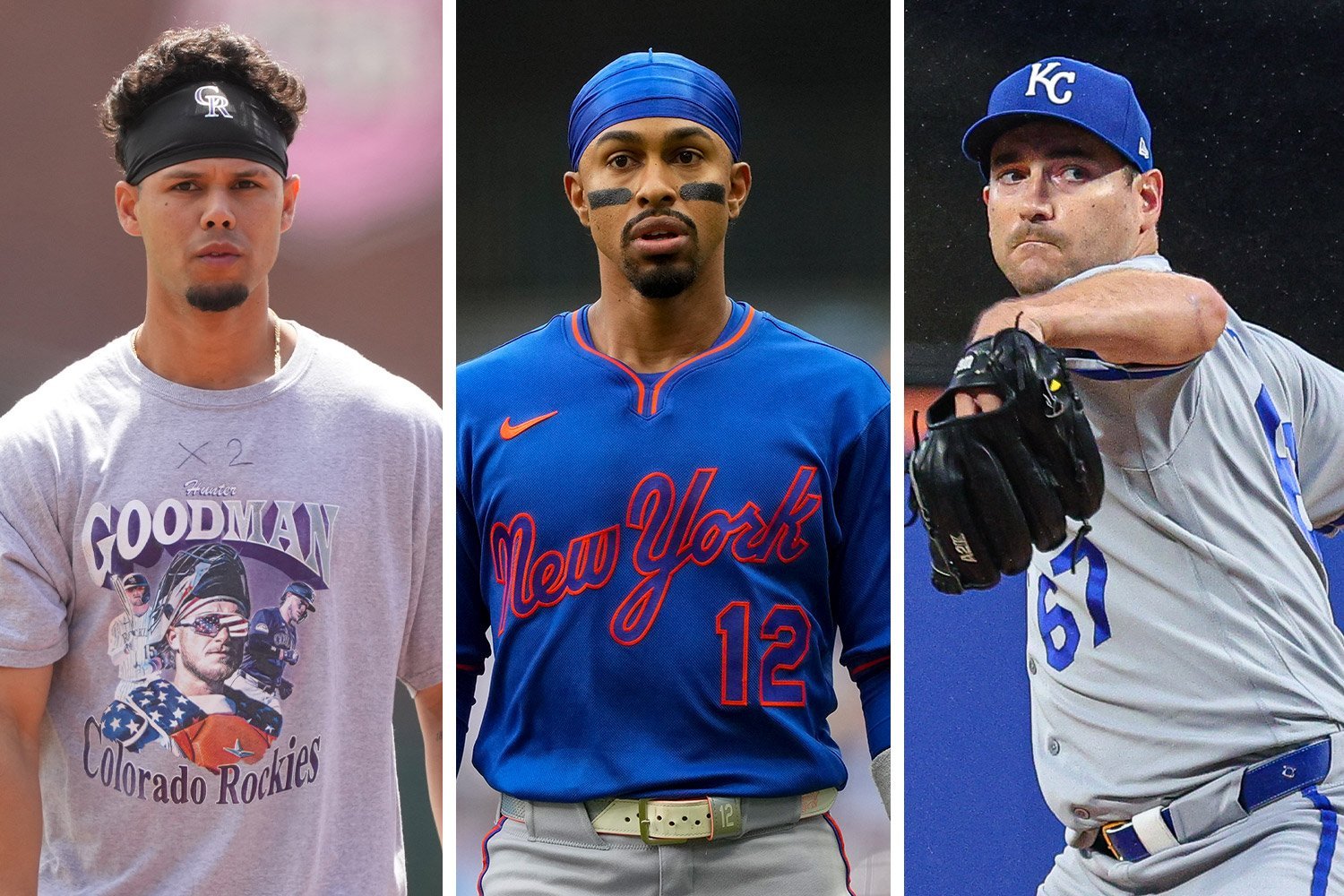 We recently asked our forum community about which trade targets they'd like the Red Sox to pursue at the deadline. After many users chimed in with their opinions, here are the players who received the most mentions. Surprisingly, to top the list, the community leaned into an innings-eater from the Royals. Seth Lugo, RHP, Kansas City Royals - 6 Mentions The ultimate kitchen-sink starter, Lugo throws seven, eight or nine pitches, depending on whom you ask and whom you choose to believe. He’s wily. He’s crafty. He is not, however, all that good anymore. Nothing he throws misses bats, and not even the depth of his mix can induce enough freeze-ups for called strikes to get to strikeouts without more whiffs. Nor does he force weak contact especially well. The only skill left in his set is the ability to fill up the strike zone whenever and however he wants. When he walks a batter, it’s usually because he pitched around him. That makes him a viable fifth or sixth starter for a team who needs to get over the finish line and into the postseason, but he can’t be a big part of your plan once you get there—save, perhaps, as a reliever. He’s under contract on expensive terms again next season, though that downside is softened by the upside of a team option for 2028. At this moment, the Royals need to be cashing in anyone with value who isn’t going to actively support Bobby Witt Jr. in seizing the AL Central beginning next season. That means trading Lugo for at least a dice-roll of a young player, plus some salary relief. Francisco Lindor, SS/3B, New York Mets - 5 Mentions The logistics of any potential trade sending Lindor to a new home seem untenable. There’s more than $170 million left on his deal after this season. At 32, he’s begun to struggle with injuries and could need to be moved off shortstop soon. Most ominously, for some, his offensive production has nosed down sharply this year. That makes his contract look like an albatross, but the truth is that he’s pretty much the same hitter he’s been for the last few years. He’s run into some bad luck, is all. The Mets might consider moving him if they could save 30-50% of the money they owe him and get a significant prospect return. That’s not impossible—cut that monstrous deal by such a big share, and he’s worth giving up something good for. It seems more likely, though, that Lindor and Juan Soto will simply have to get used to one another. Shea Langeliers, C, Athletics - 5 Mentions *sad trombone noise* Langeliers is likely to miss the remainder of the 2026 season after suffering a torn meniscus. Hunter Goodman, C, Colorado Rockies - 5 Mentions Unlike Langeliers, Goodman is capable of taking the field in 2026. The Rockies will only deal Goodman if they get a haul commensurate with the young slugger’s 40-homer upside. It’s fair to wonder whether they’ll find that much enthusiasm anywhere. Analytics departments and scouts alike wonder about Goodman’s ability to slug the way he does if he didn’t get to call Coors Field home. His splits don’t show any Coors Effect this year; he’s hitting better on the road. But his profile (many strikeouts, few walks, a grip-it-and-rip-it hitting style short on nuance) does make for understandable concerns. He’s a perfectly cromulent catcher, but not a plus as a defender. Whatever layers of concern anyone has, though, the power is huge—and hugely valuable. Zach Neto, SS, Los Angeles Angels - 4 Mentions Per Jeff Passan, the Angels are "at the very least listening" on Zach Neto, though he put the odds of an actual trade at just 30 percent. The appeal is obvious: Neto is hitting .238/.327/.445 with 19 homers, 13 steals, and 2.7 WAR, tracking toward a third straight 20-20 season, with solid shortstop defense and a 118 OPS+. The price reflects his contract: under club control through 2029 with a $4.15 million salary this season, he's a multiyear answer. The Angels probably keep him; he's one of their few genuine building blocks, but a strong enough offer could entice them to action. View the full article
 -
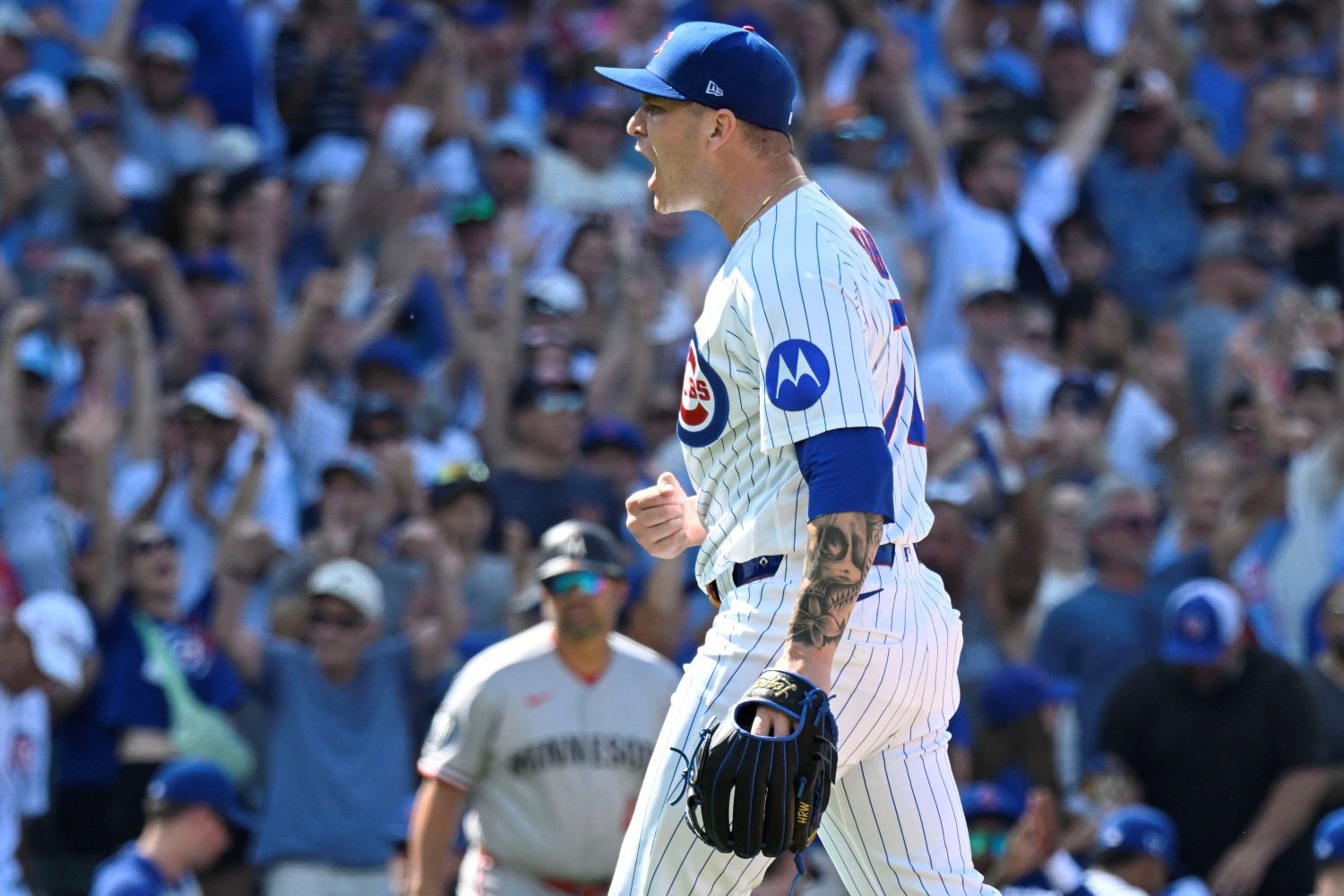 The synergy of the Cubs' pitching infrastructure is never more clear, these days, than when Jacob Webb takes the mound. The de facto relief ace of a team currently missing Daniel Palencia, Phil Maton, Hunter Harvey and more, Webb has a 2.84 ERA and a team-leading 5 saves. He's also struck out 27% of the batters he's faced, which is a career-best mark. He doesn't throw especially hard, and he knows he's gotten some good fortune here and there, but he's thriving in his new home on the North Side. That's thanks to a skill set that surely jumped off the page for Tyler Zombro, the Cubs' vice president of pitching, but also to the diligent coaching of pitching coach Tommy Hottovy. Those two leaders play off one another brilliantly in cases like Webb's, where there's plenty of appealing clay but a bit of molding is required. Webb's changeup is his signature weapon. That's been the case almost as long as he's been in pro ball. However, unlike most pitchers' changeups, Webb's doesn't tumble due to low spin, and it doesn't have much vertical depth. It's a pitch that runs to his arm side based on a lot of spin, in fact. It's just a change in spin axis created by the way he throws the pitch. "I think the four-seam changeup will always have a little more spin than other ones," Webb said on July 19, standing next to his locker in the Cubs' clubhouse at Wrigley Field. "Yeah, I just use the standard four-seam, straight changeup grip. It’s kind of like I grip the fastball and then just slide it over in my hand a little bit." Most pitchers try out grips that are a bit more elaborate, like the circle-change, the splitter, or the newfangled kick-change, in order to find a pitch that moves as much and has as great a speed differential from the fastball as Webb's. The big right-handed hurler has the luxury of sticking to something similar to his heater, because he's comfortable doing what most pitchers aren't. "A lot of it comes from, I supinate a little bit on the fastball, cut it a little," Webb said, referring to a slight turn of the wrist to make the palm face inward as he releases the pitch, "and with the changeup, I pronate." That sounds like a very simple statement, but for those who know pitching, its profundity and uniqueness are obvious—and that goes extra for Zombro. Tread Athletic, the pitching-forward training facility where Zombro got his start as a pitching guru and development wonk, emphasizes the importance of understanding motor preference. Most pitchers naturally either supinate or pronate as they release a pitch; Tread and Zombro help them identify that tendency and problem-solve around it. Rare are the hurlers who can truly do both, though, and Zombro loves guys who have that much facility with the ball. "It’s definitely harder, and it all comes down to throwing it," Webb said. "You have to get that feel for it, for that little bit different way of releasing each pitch. Catchers and hitters have told me a lot that it looks pretty similar, so I just try to lock that in and make sure I’m executing that slight turn every time." Zombro and Hottovy have helped Webb lock in those invaluable manipulations, which is why Webb has a sensational 42% whiff rate on the changeup this year. His fastball has what amounts to cut-ride properties, relative to his low-three-quarter arm slot; that sets up the changeup beautifully. "You can get used to pronating and supinating, both. It takes a lot of throwing," Webb said. "And I’m not too extreme with the pronating. If you watch Devin Williams, he really pronates hard and kind of drops his slot on that pitch. I want to stay in the same slot and just turn it the other way from my fastball." Webb is above-average in that ability to turn both ways, but he's not elite. Only a handful of pitchers in each generation show a real ability to move the ball up and down, left and right, all with well-dialed tweaks of the wrist. If Webb were on that level, you'd have heard much more about him by now, and he wouldn't have signed a cheap one-year deal to be a middle reliever for the Cubs over the winter. There has, for most of his career, been a glaring weakness in his game. "The last few years, I threw the sweeper, but I felt like I could never quite find the feel for it," he said. "I had to think too hard about supinating, getting around that ball more, and I just couldn’t consistently do that with command. So they actually showed me a grip, here, for more of a bullet-spin slider, a tight slider. That feels a lot more comfortable, because I can just kind of rip down through it. It’s a lot more like my fastball; I don’t have to exaggerate as much and get around it the same way." Indeed, you can see a progression at work. Here's what Webb's movement profile looked like against righties in 2025: Over the first two months of this season, Webb kept trying the sweeper, while he and the Cubs also explored a curveball and that new slider: Finally, though, over the last two months, he's locked in on that slider, pulling down through the side of the ball and not exaggerating the supination. He can comfortably throw that pitch without losing feel for it, or for his fastball or changeup. Instead of more extreme a turn in one direction, he's now leaning into smaller turns in both directions. It's precisely the kind of thing both Zombro and Hottovy love. "It’s a great feeling for me, to have something for righties," Webb said. "Because I’ve had a lot of trouble with righties in my career before this. Just having something that, moves away from them but I can keep it on the plate, match that with my fastball, it makes a big difference in terms of comfort facing them in a big spot." Forcing righties to respect the outer half of the plate—throwing the high fastball and then a slider out there on the edge, for instance—also sets them up to swing over or be tied up by a well-placed changeup running in on them. The slider taking the place of the sweeper makes Webb a more complete and versatile reliever. Craig Counsell is deeply appreciative of his righty's evolution. "Jacob’s been, amidst all the change and all the turnover, a real consistent presence down there," the skipper said. "He’s taking the ball kind of whenever, and oftentimes, kind of in the most important spot in the game, and he’s handled that part really, really well. He’s been available, and durable. He’s been a really important part of putting this puzzle together." For his part, Webb hopes to continue in that kind of role—although not the same one, exactly—for the rest of the year. "I don’t think I’m really a defined closer or anything, but I feel really good about working in those leverage spots," he said. "I definitely hope to stay in an important role like that once Danny returns, hopefully. That trust always feels good." Whether it's a returning Palencia or an incoming relief acquisition, someone is likely to push Webb one rung down the bullpen ladder down the stretch. From where he is now, though, even one rung down is pretty high. Thanks to that new slider and the delightful fit of his skill set with the philosophies and competencies of Zombro and Hottovy, Webb has been good enough to keep an injury-torpedoed bullpen afloat. He won't have to do it single-handedly for much longer. View the full article
 -
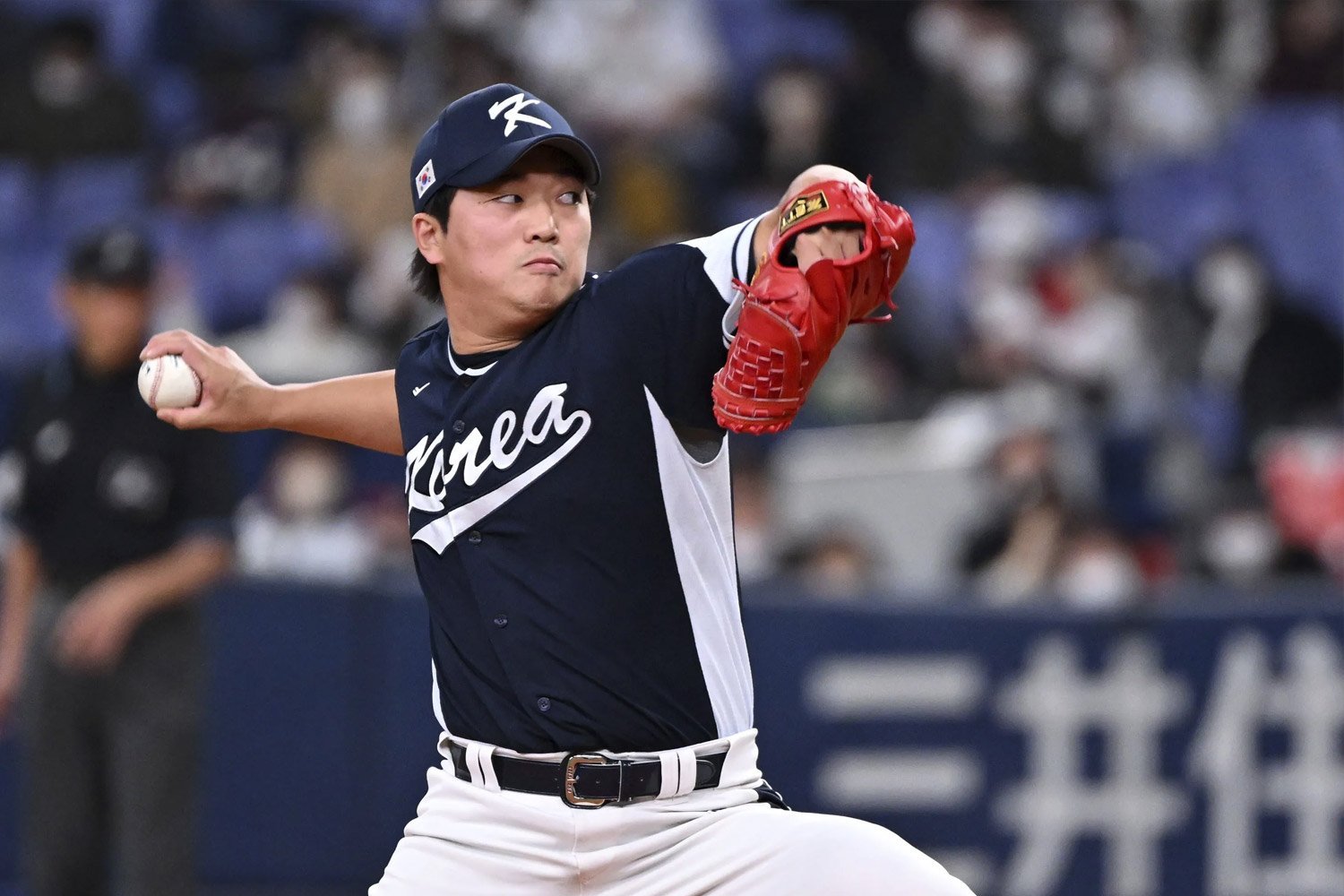 The Minnesota Twins took a low-risk gamble earlier this month when they acquired right-handed reliever Woo-Suk Go from the Detroit Tigers for cash considerations. After a brief look in the majors, the organization sent him to Triple-A St. Paul to continue refining his mechanics and remain available as bullpen depth. Instead of getting another opportunity to prove himself, Go will now spend the next 10 games serving a suspension. Major League Baseball announced Sunday that Go received a 10-game suspension after an illegal foreign substance was discovered on his glove during Friday night's game with the St. Paul Saints. The suspension is retroactive to Saturday. Why Was Go Suspended? The incident occurred before Go could even throw his first pitch for the Saints. During a routine glove inspection, third base umpire Joe McCarthy noticed something unusual and conferred with the rest of the umpiring crew before ejecting the 27-year-old reliever. His glove was confiscated and sent to Major League Baseball for further examination, ultimately leading to the suspension. He will not be eligible to return until the Saints' next homestand starting August 4. For Go, the timing couldn't be much worse. After Minnesota acquired him from Detroit on July 6, the Twins quickly gave him an opportunity at the major-league level. He appeared in four games, allowing four runs on eight hits (including two home runs), while striking out five over four innings before being optioned back to Triple-A. The demotion wasn't necessarily surprising. Minnesota wanted Go to iron out some mechanical issues while giving another reliever an opportunity in the bullpen. The expectation was that a few solid outings in St. Paul could put him back into the conversation for another call-up. A Long Road to the Major Leagues Go's professional journey has been anything but conventional. He debuted in the Korean Baseball Organization as an 18-year-old and spent seven seasons establishing himself as one of the league's better late-inning relievers. Across 354 appearances, he posted a 3.18 ERA while striking out 401 batters in 368 innings, eventually earning a two-year, $4.5 million contract with the San Diego Padres before the 2024 season. The transition to affiliated baseball proved difficult. Control problems prevented him from making San Diego's Opening Day roster, and his struggles continued in Double-A. After later joining the Miami Marlins organization and being released, Go signed a minor-league contract with Detroit before the 2025 season. That move appeared to get his career back on track. Between Double-A Erie and Triple-A Toledo this season, Go posted a 1.96 ERA over 41 1/3 innings, showing enough promise for the Twins to acquire him as they searched for additional bullpen depth. Another Opportunity Will Have to Wait Minnesota's bullpen has lacked consistency throughout the season, meaning there is still a realistic path for Go to earn another opportunity in the majors once his suspension ends. However, the challenge has become significantly steeper. Players on the fringe of a big-league roster have little margin for error, and a suspension involving an illegal foreign substance raises questions that Go now has to answer with his performance. The Twins were hoping he could become another reclamation success story, but first he'll have to regain the organization's trust. If he can rediscover the form that made him dominant in Detroit's farm system, another call to Minnesota remains possible. But after this latest setback, he'll have to earn that opportunity all over again. View the full article
 -
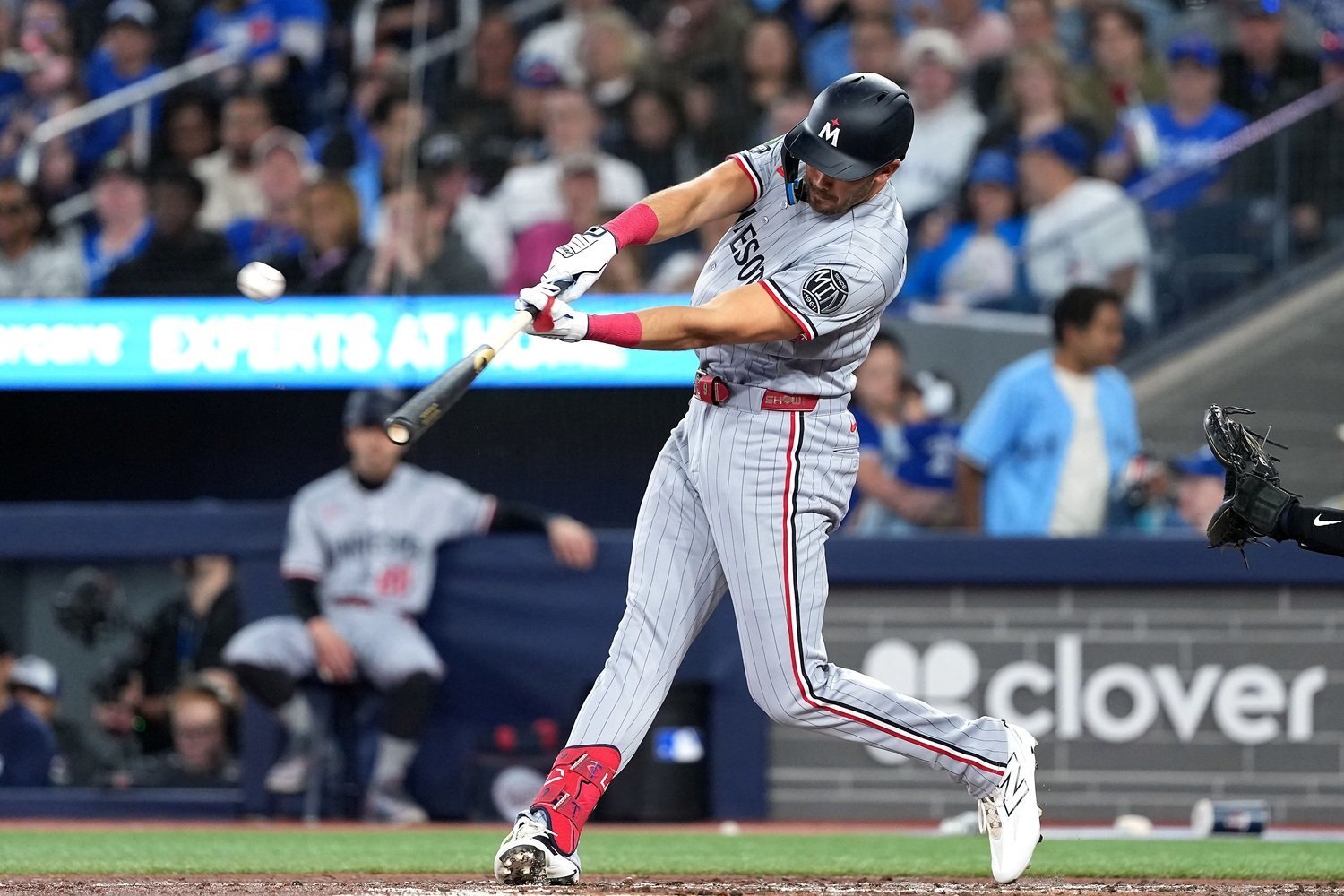 The Minnesota Twins remain squarely in the middle of the American League postseason race, leaving the front office with one of the more intriguing decisions before next Monday's MLB Trade Deadline. A strong finish to July could cement Minnesota as a buyer, but that doesn't necessarily mean the organization will only deal prospects. If the Twins choose to add, the priorities are obvious. Their rotation could use another reliable starter, and the bullpen has been one of the club's biggest weaknesses throughout the season. The challenge is finding impact pitching without sacrificing too much of the organization's future. According to The Athletic's Dan Hayes, Minnesota could solve that problem by trading from its major league roster instead of relying exclusively on prospects. Buying Doesn't Mean Keeping Everyone Hayes believes the Twins will ultimately acquire major league pitching, but the price may come from the current roster rather than the upper levels of the farm system. "In an effort to bolster their long-shot odds, the Twins will trade someone with experience off their 40-man roster - perhaps Matt Wallner, Ryan Jeffers or Trevor Larnach - to acquire major-league pitching help. The club also will dip into its farm system, though not at an all-in level, to add useful pieces to Derek Shelton's big-league bullpen and perhaps the rotation." It's a fascinating prediction because it doesn't fit the traditional buyer-or-seller mold. Rather than standing pat with the current roster or sacrificing premium prospects, Minnesota could improve by swapping from areas of relative strength. At 53-54, the Twins aren't in position to mortgage the future, but they also aren't far enough out of contention to wave the white flag. That makes creative roster construction more important than ever. Ryan Jeffers Headlines the Trade Candidates Jeffers has been connected to multiple clubs in recent weeks, including the Yankees and Rays. Catching is one of the more difficult positions to fill across baseball, which gives the Twins leverage if they decide to move him. The question is whether the return outweighs what Jeffers brings behind the plate. If Minnesota can acquire a meaningful upgrade for either the rotation or bullpen while remaining confident in its catching depth, it's a move worth considering. Trevor Larnach's Value May Never Be Higher Larnach is enjoying the best offensive season of his career (134 OPS+), making him one of the Twins' most valuable trade assets. His production, combined with another season of team control, would appeal to clubs looking for middle-of-the-order offense beyond 2026. Trading one of the lineup's best hitters would certainly be difficult, but controllable bats often bring back value. If the Twins believe they can replace Larnach's production internally (Perhaps with top prospect Walker Jenkins), his value on the market could be difficult to ignore. Matt Wallner Could Be a Change-of-Scenery Candidate Wallner doesn't carry the same trade value as Jeffers or Larnach after spending much of the season at Triple-A. Even so, his power potential and previous major league success could intrigue a rebuilding organization willing to bet on a change of scenery. While Wallner likely wouldn't headline a blockbuster, he could still be part of a package that helps Minnesota address its pitching needs. An Aggressive But Balanced Strategy The Twins don't have to choose between buying and selling. Hayes' prediction outlines a middle path that could improve the major league club without emptying the farm system. Jeffers would likely command the strongest return, while Larnach could bring back a controllable impact arm. Wallner represents more of a secondary asset, but each player gives Minnesota flexibility as it explores different trade scenarios. If the front office can turn a position player surplus into much-needed pitching, the Twins could strengthen their chances of reaching October while maintaining much of their long-term foundation. It's a difficult balancing act, but it may be the most realistic path toward improving this year's roster without compromising the future. View the full article
 -
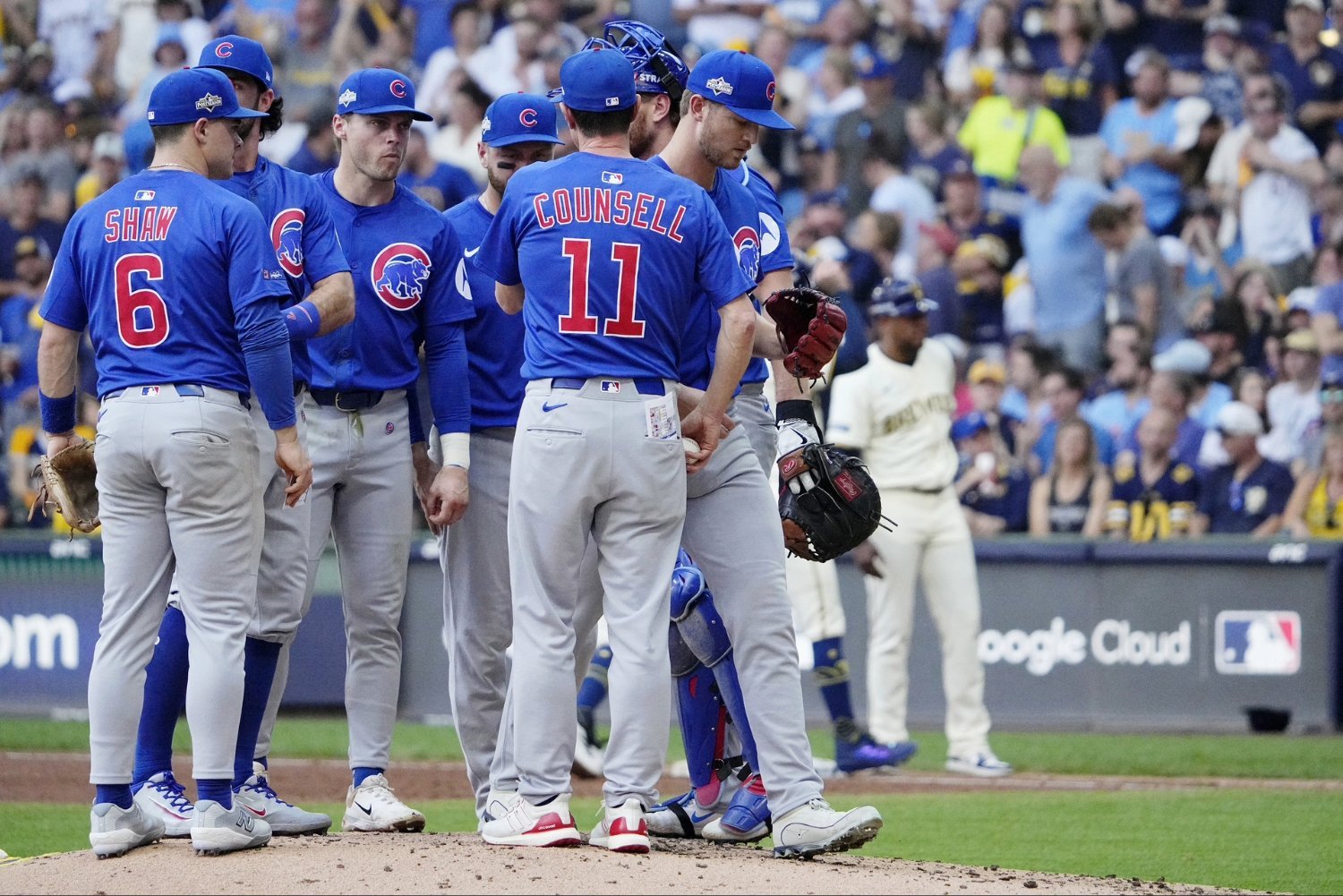 Let’s take ourselves back to October of 2025. The Chicago Cubs, facing a winner-take-all Game 5 against the Milwaukee Brewers, sent Drew Pomeranz to the mound to open the game. One swing from William Contreras later, and the Brewers led 1-0 before the first inning had even ended. Unfortunately, despite the poor result, Pomeranz was probably the best option that they had. Matthew Boyd couldn't be trusted after he failed to complete the first inning in a Game 1 loss. They couldn’t trust Shota Imanaga after he gave up four runs in less than three innings in Game 2. The cupboard was bare. So after Pomeranz, they turned to Colin Rea. While he maintains his status as a decent and useful arm, Rea is not someone any team should be turning to in a tie game in the playoffs. He performed admirably before eventually giving up a home run to Andrew Vaughn to make it 2-1 Brewers, who went on to win the game 3-1. Running out of pitching in the final game of the NLDS is a precarious place to be, especially when you consider that the Los Angeles Dodgers were waiting on the other side of that Game 5. The root of the issue is traced all the way back to the trade deadline, when Jed Hoyer knew his team needed pitching, and all he came away with was Michael Soroka, Taylor Rogers, and Andrew Kittredge. Our @Jeremy Tecktiel recently revisited the 2025 deadline here, so we won’t get too in-depth in this piece. In case you’ve forgotten, though, let me jog your memory: the Cubs sorely needed pitchers to help out an offense that was one of the best in baseball. The Cubs then acquired the three guys above, and none of those guys made a huge impact. Soroka got hurt in his first start as a Cub, returning in time to give up three runs in one inning of postseason work. Rogers made little impact and threw just one, low-leverage postseason inning. And while Kittredge was key to beating the San Diego Padres in the Wild Card round, he only threw 2.2 innings. One impactful bullpen arm was not enough. You might argue that it’s hard to pin the Game 5 loss on the pitching, given that the offense only came through with one run that game. That’s fair, though I am here to say that Jed Hoyer never even gave the offense a chance. After Michael Busch got the Cubs off to an early 1-0 lead with a lead-off home run in Game 1, Boyd promptly surrendered six runs in the bottom half of the first. After Seiya Suzuki spotted the Cubs to a 3-0 lead in Game 2, Shota Imanaga immediately gave that lead back by allowing a three-run home run to Andrew Vaughn. The offense failed to come through, sure, but that offense was good enough to do damage in the playoffs. The fact of the matter is that they never had a chance to win the World Series, or even the Division Series, because of the pitching. And that is because Jed Hoyer failed to appropriately supplement his team at the trade deadline. Now here the Cubs sit in 2026 in the exact same situation. They have a top five offense by almost any measure. Their pitching, on the other hand, sports a 4.19 ERA, which is 15th in baseball. Frankly, that number is propped up by an elite defense. FIP, which is a stat that attempts to isolate what a pitcher can truly control, rates this Cubs staff as 25th in baseball. FanGraphs WAR rates them at 27th. Their strikeout rate, despite Hoyer constantly saying they were going to work hard to increase that in the offseason, is 22nd. The 2025 trade deadline was a failure. The 2026 trade deadline has to be better. I am not saying that the Cubs need to go get Tarik Skubal. Even two mid-tier starting pitchers would help this team immensely, because right now, the North Siders probably only have two starters that should even be sniffing a postseason mound. Boyd is a good pitcher, but should probably be starting Game 3 or 4 of a playoff series, not the opener, as he likely would for the Cubs right now. Ditto for Imanaga, who gives up way too many home runs to be trusted in October (as we saw last year). The options after that get bleak fast. Jameson Taillon has been worth -0.8 fWAR, one of the lowest figures in baseball. Colin Rea should not be on a postseason mound. David Peterson has been good in three of his four starts in a Cubs uniform, but in the other one, he gave up 10 runs. I wouldn’t guarantee that Edward Cabrera or Ben Brown will be making a huge impact here, either. What about the bullpen? Some guys have had some flashes, sure, but in July so far they have posted an unsightly 4.69 ERA. Who are we supposed to trust out of that group? With this cobbled-together pitching staff, the Cubs still have an 87.1 percent chance to make the playoffs, and a 4.2 percent chance of winning the World Series, per FanGraphs’ playoff odds. Just imagine what they could do with a couple of extra competent pitchers on the staff? Last season, Hoyer failed to go out and get those pitchers. Reportedly, the lockout scared him away, and those fears will be heightened this year. But this team won't go further than they did last year if fear controls the front office's thinking over the next week. View the full article
 -
Ryan Kreidler is Turning Back into a Pumpkin at the Plate
DiamondCentric posted an article in Twins Daily
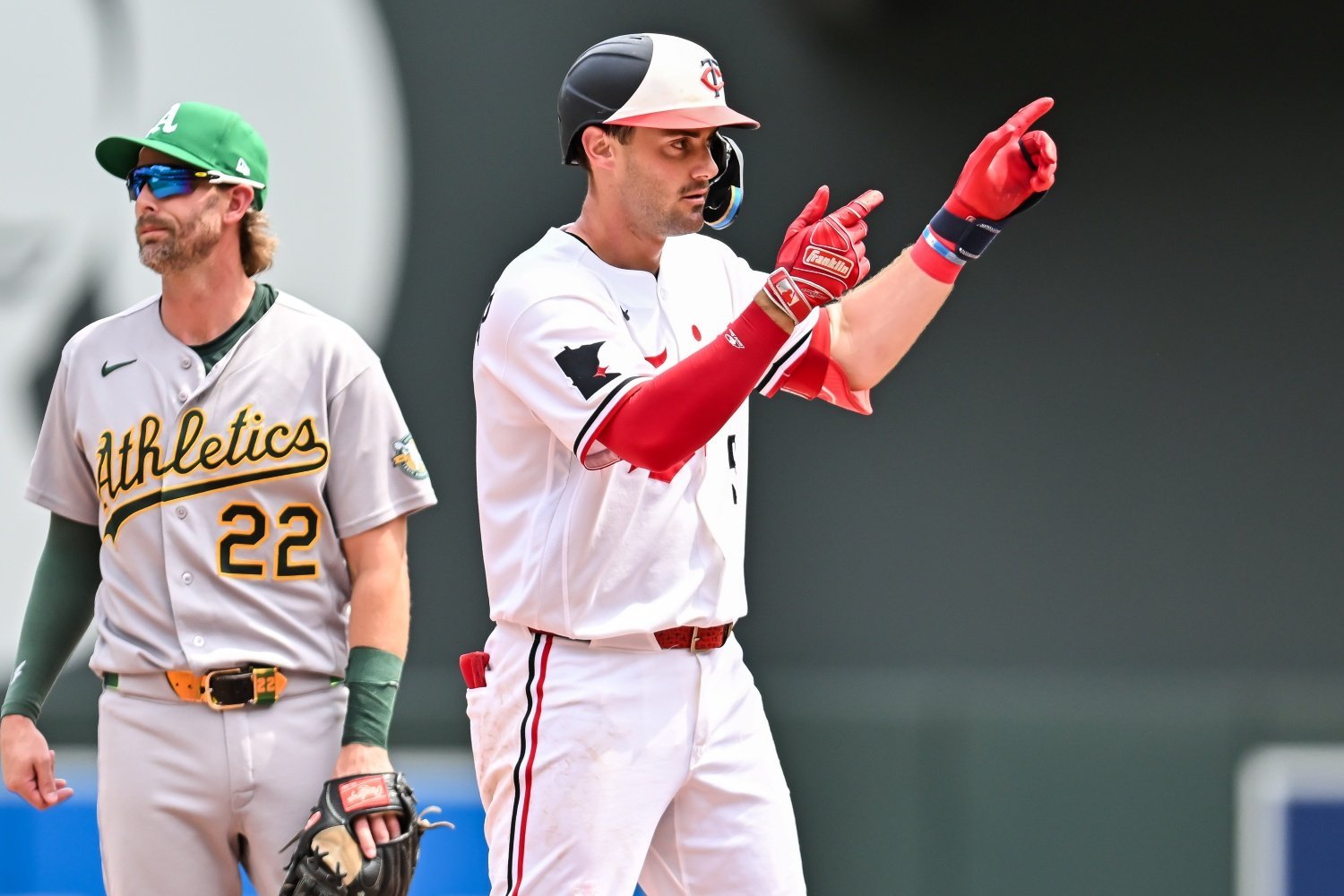 Weeks before spring training concluded and the Minnesota Twins flew from sunny Fort Myers to Baltimore to begin their 162-game regular season campaign, I published an article on utility player Ryan Kreidler, stating the 28-year-old had been MLB’s worst hitter over the past six seasons. Though harsh, the claim was valid—Kreidler’s career wRC+ of 11 made him the worst-performing hitter (766 out of 766) with at least 200 plate appearances from 2020 through 2025. Still, optimism remained that the former Detroit Tiger could contribute for Minnesota this season, particularly given his defensive flexibility. Luckily, that has been the outcome so far. Kreidler has hit .244/.301/.419 with five home runs and a 99 wRC+ over 173 plate appearances, meaning that he's been essentially average. Nobody in Twins Territory is complaining about an 88-point improvement from his career average, especially given his plus glove and arm at one of the position’s highest on the defensive spectrum: shortstop. What is concerning about Kreidler's performance, however, is how stark a decline he has undergone in recent weeks, lending credence to the idea that he might be reverting to one of the league’s most ineffective hitters. From April 11 to June 30, the right-handed bat hit .287/.357/.505 with a 140 wRC+ over 112 plate appearances. Hitting the ball hard and rarely striking out, Kreidler had underlying metrics that supported his offensive breakout, sporting a .334 xwOBA during that stretch. Since July 1, however, the first-time Twin has plummeted down to earth. Before a major breakthrough (or was it a burp?) on Sunday in which he collected three extra-base hits, he was hitting an atrocious .127/.158/.164 with a -17 wRC+ over 57 plate appearances this month. His ability to drive the ball evaporated in the heat of the summer; yesterday's outburst more than doubled his total of extra-base hits this month. His underlying metrics match his struggles, too. He did nothing but hit the ball hard and in the air on Sunday, but in the 50 plate appearances before that game, his xwOBA was a paltry .208. No one who follows the Twins expected Kreidler to continue hitting like a star. Still, how quickly he descended into being the Tigers' version of himself is alarming, illustrating how unsustainable success is for fringe major-leaguers. Kreidler is still a serviceable rotational piece, considering he’s Minnesota’s best defensive option at shortstop while also possessing the ability to play all three outfield positions, third base, and second. But the Twins would be wise to move quickly to minimize his plate appearances. Luckily, one of their top prospects is the closest he’s ever been to making his major-league debut. On Friday, St. Paul activated Kaelen Culpepper from the reserve list, with the organization’s third-ranked prospect returning to the Triple-A lineup. The 23-year-old shortstop had knocked on the parent club’s door earlier this season, sporting a 117 wRC+ over 303 plate appearances with the Saints. Unfortunately, however, injuries have delayed the top prospect’s major league debut. Yet, with Kreidler’s struggles, Tristan Gray’s recent demotion to Triple-A, and Brooks Lee’s full-time transition to third base, nothing stands in the way of Culpepper taking over as the Twins' primary starting shortstop as the club seeks its first postseason appearance since 2023. Kreidler can still stake his claim anew, while Culpepper gets up to speed. His bat speed had sagged and his swing had flattened out this month, but he's still a fundamentally different hitter than he was before. Maybe he's survived a round of adjustments and a bout of understandable fatigue, as he navigates the first thing anywhere close to a full big-league season he's ever experienced. He has a bit of time to show that Sunday was more than a blip. Failing that, though, the countdown to Culpepper's arrival is on. The team even has one more week to entertain and pursue possible upgrades at shortstop in the trade market. In that way, the timing of this regression is fortuitous, even beyond Culpepper's convalescence. If Kreidler is back after that great game, the Twins are in business. If his warts are showing and his time is up, they've gotten the red flags early enough to scour the market for a low-cost boost at his position. Either way, a top prospect looms as an internal solution. Things could be much worse. View the full article
 -
The Angels are Looking for a Catcher. Can the Cubs Help?
DiamondCentric posted an article in North Side Baseball
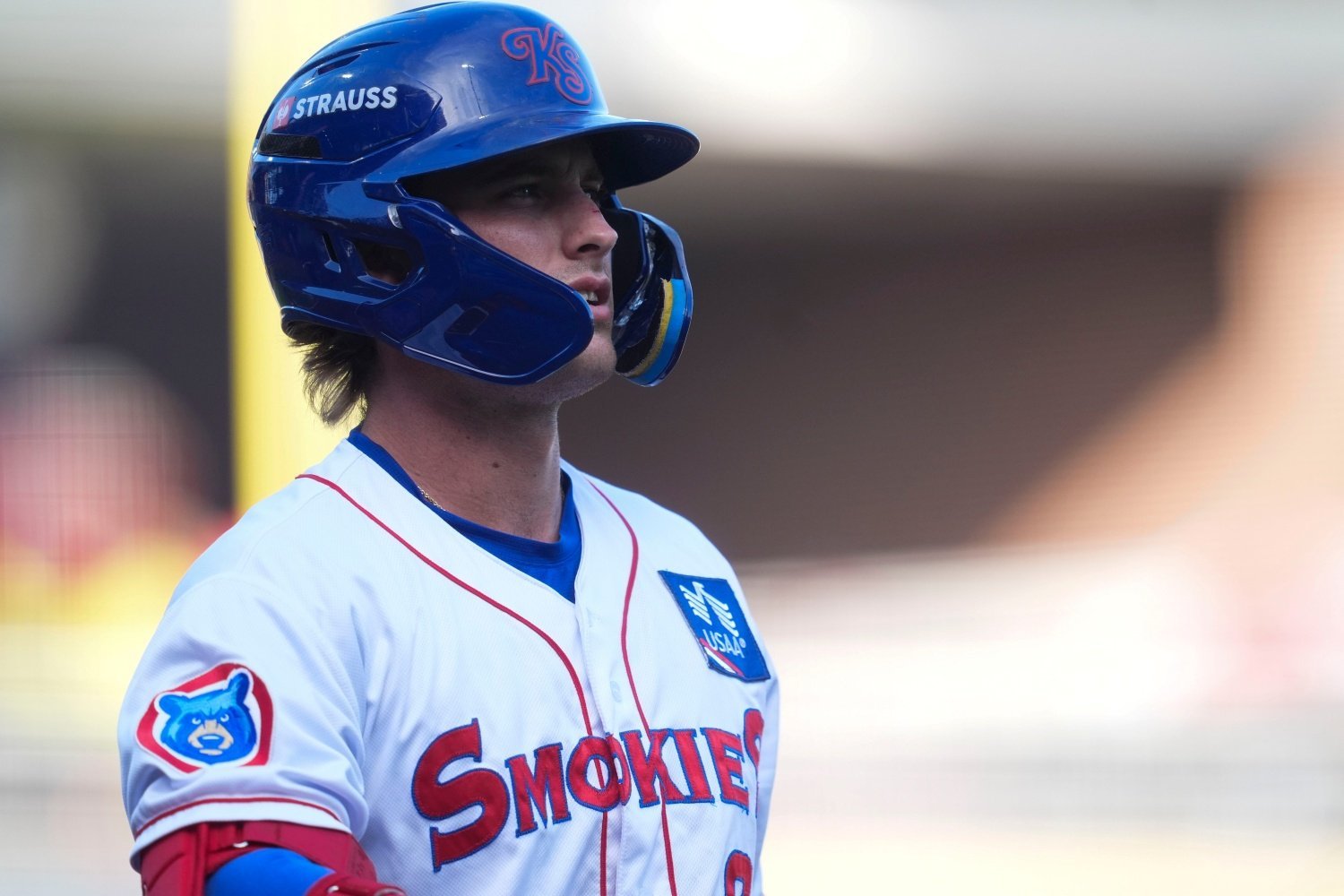 We're a week out from the August 3 MLB trade deadline. Rumors are churning and some minor trades have been made, but the main story here is the number of teams whose status as buyers or sellers could change between now and next Monday. One team whose status has been cemented since May, however, is the Los Angeles Angels, who are stumbling toward a 100+ loss season, which will be the most in franchise history. As one of the few bona fide sellers, the Angels have a chance to reset their trajectory under John Mozeliak and significantly upgrade a farm system that was always one of baseball’s worst under former GM Perry Minasian. Jon Heyman of The New York Post reported earlier in the week that the Angels are willing to discuss trade opportunities for Jose Soriano and Reid Detmers. Soriano and Detmers both have two more years of arbitration eligibility left, making them two of the higher-end starters on the market due to the team control and lower cost. Soriano was one of the brightest spots on a competitive Angels team through the first month of the season, wherein he won AL Pitcher of the Month honors. In his first seven starts, he went 5-1 with a 0.84 ERA, with 49 strikeouts. He only allowed three home runs in 42 2/3 innings pitched. If you remove his last start of April (in which he allowed three earned runs against the White Sox), he had a 0.24 ERA, allowing only 1 earned run through his first six starts of the season. Since then, Soriano has not been more than a back-end starter. In his last 15 starts, he has a 4.93 ERA, but a slightly more encouraging 4.60 FIP. With the Cubs’ stellar defense behind him, these numbers should improve. He has been a terrific ground-ball guy (52.1% of his batted balls), and he's done well at keeping the ball in the yard, allowing less than one homer per nine frames. He has a career ERA of 3.77 and has been the Angels’ most consistent starter since 2024. While he’s not a No. 1 kind of guy, he will greatly impact a Cubs rotation that cannot afford to keep trotting out Jameson Taillon and Colin Rea. Detmers is the even more exciting name. He's made his return to the rotation this season after spending all of 2025 in the bullpen and has been the Angels’ best pitcher, unless you're on the Walbert Ureña train. The health issues seem to be behind him, as he's made 21 starts with an xERA of 3.32 and a 1.10 WHIP. His .214 opponents batting average is eighth-lowest among qualified American League starters, and his 136 strikeouts are the eighth-most in baseball. He currently has the lowest walk rate of his career and has eclipsed 3.0 fWAR, a number that he has not hit yet over a full season. As far as controllable starters go, Detmers is the top guy on the market. The Angels certainly don’t have to trade him, but this is probably their best opportunity to bring in a major haul. Even with team control through 2028, that very well might not be enough time for the Angels to return to contention, considering the state of their roster. This is certainly why Detmers and Soriano, as well as Zach Neto and Jo Adell, are on the market. What could the Cubs do to acquire one of these arms? On Friday, Ken Rosenthal and Will Sammon of The Athletic reported that the Angels are hoping to add a young catcher. It looked like the Angels had one of the best all-around young catchers in the game with former top prospect Logan O’Hoppe, but since his breakout in 2024 where he hit 20 home runs and played solid defense, he has produced a total of -1.6 fWAR. Even within that 2024 season, after (ironically) the Cubs' pursuit of him at the trade deadline went nowhere, he fell apart. To make matters worse, his -16 DRS in 2026 is the worst mark in baseball. What you’re probably thinking is that Moisés Ballesteros is the young catcher the Cubs can trade, but another one has emerged this season: prospect Owen Ayers. Drafted in the 19th round of the 2024 draft out of Marshall University, Ayers has done nothing but rake this season. He began the year in High-A, mashed to the tune of a 1.008 OPS in 65 games with Double-A Knoxville, and is now with Triple-A Iowa, where he has collected 11 hits in eight games. A 25-year-old would normally be considered an older prospect, but catchers tend to need more time to develop defensively, and he didn’t even become a full-time catcher until his final season in college. His emergence this season gives the Cubs options in regard to their future catching situation and could take pressure off Ballesteros to emerge as the backstop of tomorrow. Ayers could conceivably be one piece in a trade for Soriano, which would net the Cubs a controllable starting pitcher who'd also bolster their chances this fall. He would give the Angels a catching solution for the near future, as their top catching prospects Garrett Wright and Juan Flores are not even 21 years old yet. Ayers (along with, say, Jefferson Rojas) for Soriano moves the needle, but not enough to consider it their “big” starting pitching move. Detmers is a guy who can go in Game 1 in a playoff series, but he is going to be much harder to acquire. For example, Jeff Joiner of Sports Illustrated proposed a trade with the White Sox where they would acquire Detmers for lefty starter Hagen Smith and shortstop Billy Carlson, two of their top three prospects per mlb.com. If the Cubs wanted to mimic a package like this, top pitching prospect Jaxon Wiggins would have to be involved, as well as Ayers and another high-end prospect. The Cubs will refuse any request for Josiah Hartshorn, but they might have to give up either Ethan Conrad or Kane Kepley to round out a package for Detmers. It’s hard not to prospect hug, but the Cubs’ window is open now, and they currently have one of the weaker starting pitching units in baseball. It would be malpractice to not bring in a high-level arm, and for what it's worth, a 2027 rotation including Detmers and Edward Cabrera as well as (hopefully; gulp) Justin Steele, Cade Horton and Ben Brown sounds pretty good, too. Ayers could be a very useful little linchpin in a trade. It might even be the Cubs' only hope for the kind of upgrade they need to make this week. View the full article
 -
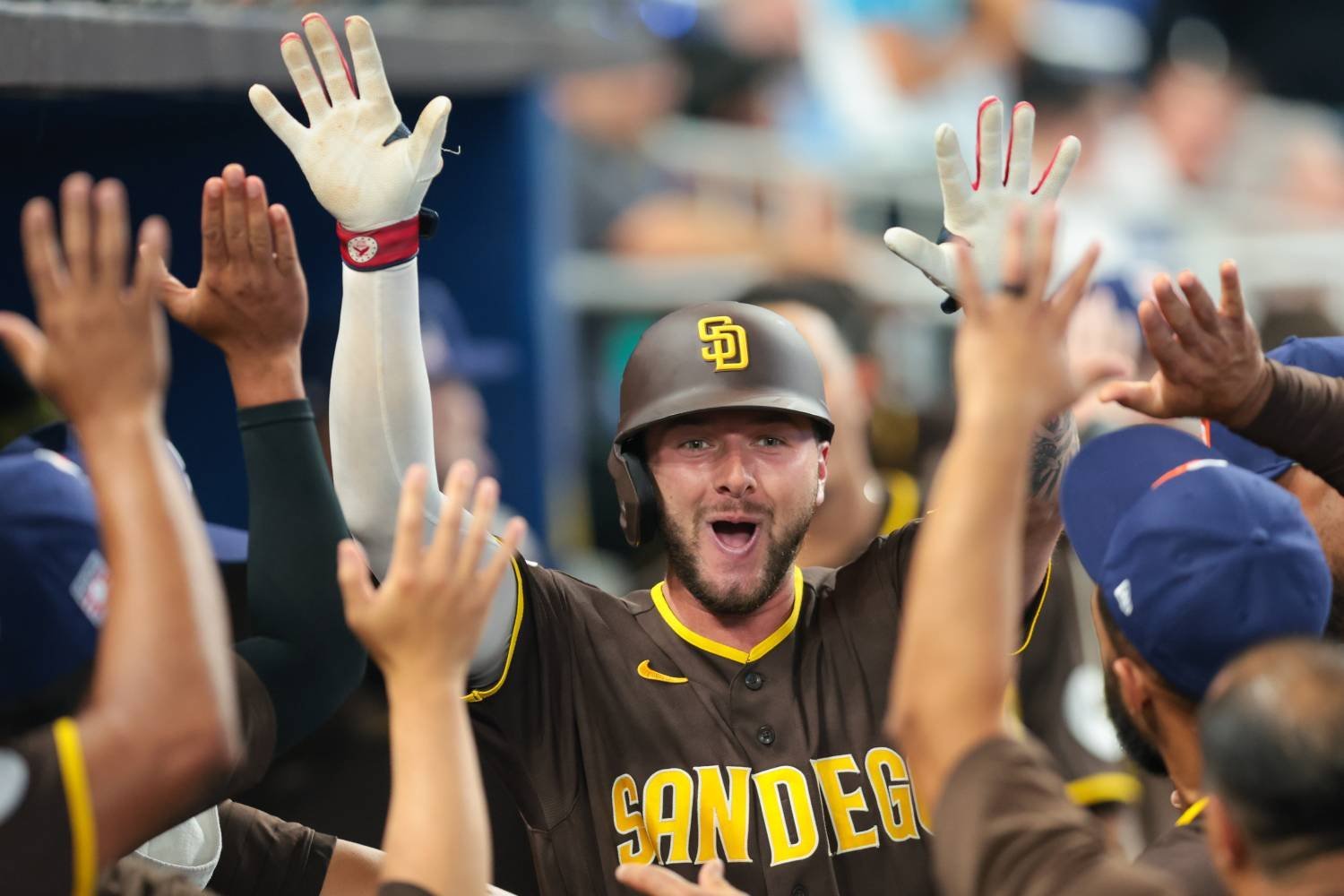 San Diego Padres Weekly Snapshot Record last week: 4-3 Runs scored last week: 37 Runs allowed last week: 26 (season run differential: minus-21) Scores Game 100 (Monday): Atlanta 3, Padres 2 Game 101 (Tuesday): Padres 8, Atlanta 3 Game 102 (Wednesday): Atlanta 7, Padres 6 Game 103 (Thursday): Atlanta 6, Padres 5 Game 104 (Friday): Padres 4, Marlins 2 Game 105 (Saturday): Padres 7, Marlins 2 Game 106 (Sunday): Padres 5, Marlins 3 Week in Review and Highlights Atlanta series Game 1: This is one of those games that if the Padres had a better record, it would hurt, but not as much. But as a team whose postseason hopes are dangling by an ever-thinning thread, it stings that much more. Manny Machado and Ty France hit solo homers and left-handed starter JP France went at least five innings for the third time in five outings, but it wasn't enough in a 3-2 loss to open a four-game series against Atlanta. Michael Harris II and Ozzie Albies homered for Atlanta, which got a solid outing from right-handed starter Bryce Elder. The Padres outhit Atlanta 7-4, but couldn't get the hit when they needed it the most. How desperate are the Padres? After Fernando Tatis Jr. led off the game with a walk and Jackson Merrill struck out, No. 3 hitter Machado put down a bunt toward third base that he easily beat out. But Tatis was then nabbed trying to steal third and France grounded out to end the inning. After France hit his 15th homer of the season, and third in two days, in the top of the seventh to pull the Padres within 3-2, Luis Rengifo singled and went to third on a pair of groundouts. Pinch-hitter Luis Campusano drew a full-count walk and Sung-Mun Song flew out to center. Those were the big threats. Meanwhile, JP Sears allowed a pair of runs, one unearned, on three hits and no walks, striking out three. Both runs came in the fifth, his final inning. Left-hander Wandy Peralta allowed a sixth-inning homer for a 3-1 Padres deficit. Game 2: With their most noteworthy lineup shuffle, moving Xander Bogaerts down and France into the cleanup spot, the Padres had a nice day offensively. They also had a nice day on the mound, a rare occurrence where both parts synched up to provide a solid victory, this an 8-3 victory over Atlanta. How much France's presence in the top four affected Tatis, Machado and Merrill we don't really know, but that trio homered in the same game for the first time this season. While Machado had a pair of solo homers, Tatis' blow was the highlight of the night. Nando hit a monstrous 474-foot two-run blast in the eighth inning, the longest in MLB this season and the second-longest behind a 477-footer in Colorado in 2021. It was also Tatis' third homer in four games, giving him eight this season. His lowest season total was actually misleading as he hit 17 in the pandemic-shortened 2020 season. His fewest in a 162-game schedule was 21 in 2024. The revamped lineup had Tatis getting three hits, three RBIs and two runs scored, Cronenworth one hit, Machado two hits, two RBIs and two runs scored and France two hits and an RBI. France's RBI came in the top of the first, immediately paying dividends. Merrill had two hits, including his solo homer in the sixth, an inning after Machado's solo shot. Padres right-handed starter Walker Buehler was good despite walking five. That is because he only allowed two hits over 5⅔ innings as he struck out three. Left-hander Yuki Matsui gave up a seventh-inning run in his two-thirds of an inning. Right-hander Bradgley Rodriguez, left-hander Adrian Morejon and right-handed closer Mason Miller finished things off without allowing a run. Rodriguez struck out a pair in his two-thirds of an inning, while Miller struck out three of the five batters he faced in the nonsave situation. Momentum, for the day, was back on the Padres' side. Game 3: Which came first, the chicken or the egg? That can be applied to what happened to the Padres in their 7-6 loss to Atlanta. The Padres scored five runs in the top of the ninth inning, forcing Atlanta to bring in its closer to preserve the lead. But would the Friars have put up a five-spot if they weren't trailing 7-1 entering the ninth? But the Padres were trailing by that margin after surrendering six runs in the bottom of the eighth to break open a tie game. It is hard to tell which is the more unlikely situation, Atlanta's six-run outburst that started against one of the Padres' better relievers or the Friars making it a one-run game in the ninth after that explosion. But the bottom line was a loss and the Padres are in a bottom-line situation when it comes to their immediate future and the trade deadline. They are 50-52 and, while just three games out of the final NL wild-card spot, the Padres would need to leap over five teams to get into postseason position. Atlanta's bottom of the eighth started with Peralta entering the game. He gave up three hits and a walk before right-hander Randy Vasquez, traditionally a starter but in the bullpen after just coming off the injured list, tried to clean things up. Peralta ended up being charged with four runs and Vasquez a pair. The Padres, showing some fight, had a one-out walk to Bogaerts, then the next four batters hit for the cycle: Cronenworth singled, Sheets doubled, Tatis tripled and Luis Rengifo homered. Atlanta closer Raisel Iglesias was tagged for Rengifo's blast, his first in six games as a Padre after not hitting one in 57 games as a member of the Milwaukee Brewers. But Iglesias struck out Machado and France to end it. The Padres were in that position because of right-handed starter Michael King. Completing six strong innings after a shaky first, King struck out seven and walked four, giving up just one run on four hits. King issued walks to the first three batters before getting an RBI groundout and two punchouts to escape further damage. Merrill homered for the second game in a row and fourth time in four games, giving him 14 for the year. Game 4: It is human nature to look at pitching matchups and say this is a game that the other team will win. Thursday's series finale was such an occasion with Atlanta ace left-hander Chris Sale on the mound. The 2024 NL Cy Young Award winner is having another banner season. So that is what makes Thursday's result frustrating for the Padres, who capitalized on an Atlanta miscue but then couldn't hold that advantage in a 6-5 loss. Freddy Fermin hit a flyball to shallow left field that left fielder Mauricio Dubon didn't charge immediately, letting it fall for a single and putting runners on first and second. A little rattled, Sale hit Cronenworth one out later, then walked Tatis on five pitches to force in a run. Rengifo made the gaffe hurt with a two-run single to right-center for a 3-0 Padres lead. Sale settled down and finished with 11 strikeouts. Right-hander Griffin Canning, who came on in the second following left-hander Kyle Hart serving as an opener, gave one of those runs back in the bottom of the second on a Harris homer. Canning's struggles continued in the fourth and led to the Padres' downfall. Albies led off the inning with a homer, Harris singled with one out and Dubon reached on a catcher's interference. After a strikeout, Canning coughed up a three-run homer to Dominic Smith for a 5-3 edge. Atlanta added another run in the seventh before the Padres put up a pair in the eighth on France's 16th homer of the year. The Padres put up a threat in the ninth with Cronenworth and Tatis singling with two outs, but Iglesias redeemed himself for giving up a homer to Rengifo by striking him out to end the game. The Padres lost three of four in the series and dropped them three games below .500 for the first time since they were 2-5 on April 3. Marlins series Game 1: If there is one team somewhat responsible for not burying the Padres at this point of the season, it might be the Miami Marlins. The Marlins were 10 games above .500 and held the No. 3 NL wild-card spot after winning July 9. Since then, they had lost nine straight entering the series opener against the Friars. While the Padres can't bury the Marlins this weekend, they can get themselves out of having one foot in the grave. Rengifo hit the first pinch-hit homer of his career, a two-run shot in the top of the eighth inning as the Padres won the opener of a huge series 4-2. On a day where offense was hard to come by for the Padres, the biggest hit came from a player who was released by a first-place team a month ago and could be a key moment to the Friars saving their season. Manager Craig Stammen patched together a pitching plan, similar to a postseason game, with right-hander German Marquez starting, yet going just 2⅓ innings, allowing a run. After striking out the leadoff hitter in the third, Hart went two scoreless, Peralta was stretched out to 1⅔ and allowed a run, Rodriguez got a pair of outs, Morejon went 1⅓ innings and Miller finished things off with a perfect ninth and his 26th save in as many chances. This could become more of the norm when certain pitchers are scheduled to start. Machado had a pair of hits, including one in the fourth and then scored on a Merrill lineout to right-center to tie the game 1-1. In the fifth, Bogaerts walked, was bunted to second by Song, Cronenworth walked with two outs and Machado lined an RBI single to left to make it 2-1. Peralta gave up a homer in the bottom of the fifth as the Marlins tied it up again. France led off the eighth with a double, was pinch-run for by Jase Bowen and, after a strikeout, Rengifo pinch-hit for Luis Campusano. After taking a first-pitch slider for a strike, Rengifo got another slider down the middle and drove it over the right-field fence for his second homer in three games. It was also Rengifo's third straight game with two RBIs. Game 2: Have the Padres finally figured out a formula to get some modest production out of their starting pitching? While the experiment is only a few games old, the planned short starts with a bulk guy following helped the Padres dispatch the Marlins 7-2, handing Miami its 11th straight loss. Sure, it is a good time to be facing the Marlins, but also executing this plan is the other part of the formula. In this case, it was Vasquez starting and going 2⅔, with Sears taking the next 3⅓. Each allowed just one hit, with Vasquez surrendering a run. It also helped that the offense tacked on five runs late, allowing Matsui and right-hander Matt Waldron to handle the final three innings of a win. The offense wasn't facing a pushover. Marlins right-hander Eury Perez is the type of starter that would absolutely baffle the Padres in May and June. But the Friars got a pair of runs in the third as, following a double play, Cronenworth walked, Machado doubled him to third and France singled both home. The Marlins got one back in the bottom half, then the Padres got another off a tiring Perez in the seventh on a Merrill double (his first since June 23), a flyout that moved Merrill to third and a Sheets sacrifice fly. More runs were possible as Bogaerts and Fermin singled, but Tatis grounded out. More runs did come in the eighth, though, as Cronenworth walked, stole second and scored on France's third RBI of the day, a single to center. Merrill singled and Rengifo walked to load the bases. Bowen, just inserted the inning before for his defense, capitalized by lining a two-run single the opposite way to right, with Merrill (who doubled again) sliding in ahead of the throw for a 6-1 lead. After the Marlins made it 6-2 and had Miller stirring in the bullpen, Cronenworth got that run back when he singled home Tatis. Now, the Padres, a game away from .500 at 52-53, have a chance for a sweep, something that hasn't happened in July. Game 3: The look on Marlins right-handed reliever Lake Bachar's face said it all. "What just happened?" The 2016 fifth-round draft choice of the Padres had just given up back-to-back homers to Machado and Merrill, blasts that could prove season-defining for the Friars. Machado's two-run blast tied it and Merrill's shot put the Padres up in the eighth inning, reversing a 3-1 deficit that resulted in a 5-3 victory and a well-deserved three-game sweep. This was the Friars' first sweep since taking three from Atlanta in late June. While it sent the Marlins to a franchise-record 12th consecutive setback, the Padres are now back at .500 at 53-53. That number itself isn't remarkable, but it came against a Marlins team that the Padres are battling for the third NL wild-card spot and may suddenly change the Friars into buyers instead of sellers as next Monday's trade deadline approaches. In fact, the Padres leapfrogged the Marlins in the wild-card standings and are now just two games behind the Arizona Diamondbacks, who hold that No. 3 spot. But there are three other teams between the Friars and D'backs. After two days of a chaos pitching strategy, the Padres got a traditional start out of Buehler, who allowed three runs (two earned) and struck out seven over 5⅓ innings with four hits and two walks. The bullpen of Matsui, Peralta, Morejon and Miller locked it down from there, allowing just one hit and a walk with just three strikeouts. Miller is now 27-for-27 in saves, striking out one in a perfect ninth. While Buehler and the bullpen deserve a chunk of credit, it was the big bat of Machado that made their effort pay off. Playing in his hometown, the superstar slugger now has 11 homers in his last 31 games, including eight in 18 road games. Machado, who had a fifth-inning RBI double, torched a four-seamer to center for his 23rd homer of the season and fourth in this crucial 10-game road trip that didn't start well but finished with a flourish. Merrill's go-ahead homer came three pitches later and was his 15th this year. Merrill had five multihit games during the road trip, including going 5-for-8 with three extra-base hits in the final two games. A day off following a long flight home is a nice reward, but the work this weekend in Miami won't make a difference if the Padres don't build on that momentum in the two-game series against the Colorado Rockies and four against the San Francisco Giants at Petco Park before the deadline. Marvelous Mason Miller Some of the amazing stats for the Padres' closer: Season stats: 2-1, 0.82 ERA, 42 games, 27 saves (27 chances), 43⅔ IP, 21 H, 6 R, 4 ER, 15 BB, 80 K, .141 opponent average Miller struck out three in an inning for the 12th time Tuesday, trailing only two starting pitchers, Milwaukee's Jacob Misiorowski (18) and Pittsburgh's Paul Skenes (15), for the most in MLB this year. Has finished 35 of the Padres' 53 victories this year and has not allowed a run in 37 of his 42 appearances. Random Stats With his homer Monday, Manny Machado has reached 20 homers in all seven seasons since joining the Padres. Machado's two-homer game Tuesday was the 45th multihomer game of his career, the second-most among active players. Aaron Judge of the New York Yankees has 47. Machado has reached base in a season-best 17 consecutive games (.395, 30 times in 76 plate appearances). Luis Rengifo became the 10th player to start in the No. 2 spot in the batting order Wednesday, the second-most players used in that spot in MLB. The Atlanta series marked the sixth straight road series the Friars have lost and eighth in nine tries. Seven of Jackson Merrill's last 17 hits have been homers. Transactions Monday: Placed DH Miguel Andujar on the 10-day injured list with a right wrist fracture. Monday: Recalled C Rodolfo Durán from Triple-A El Paso. Monday: Sent RHP Jeremiah Estrada on a rehab assignment to ACL Padres. Tuesday: Sent RHP Jeremiah Estrada on a rehab assignment to Triple-A El Paso. Thursday: Traded RHP Ron Marinaccio to Pittsburgh Pirates for international signing bonus money. Website Highlights Sheets no longer a mystery the Padres must unlock — Randy Holt Padres sign all but one of their 21 draft choices — Steve Drumwright How Andujar's injury alters Padres' plan at the trade deadline — Randy Holt Cronenworth is becoming more impactful, but Padres require a balancing act — Randy Holt Padres' three biggest positional needs ahead of the trade deadline — Gottie Chavez Three Padres who will make or break San Diego's trade deadline direction — Randy Holt Merrill must counter pitchers' adjustment that has exploited his primary flaw at the plate — Yirsandy Rodriguez Padres prospect Alex McCoy credits goldfish mentality for his breakout — Steve Drumwright 3 underrated draft picks who could be quick risers in the Padres' system — Gottie Chavez Padres Mission podcast: Are the Padres buyers or sellers? — Randy Holt and Steve Drumwright Looking Ahead Monday: Off Tuesday: Rockies at Padres (Michael King), 6:40 p.m. Wednesday: Rockies at Padres (TBA), 1:10 p.m. Thursday: Giants at Padres (German Marquez), 6:40 p.m. Friday: Giants at Padres (JP Sears or Randy Vasquez), 6:45 p.m. Saturday: Giants at Padres (Walker Buehler), 5:40 p.m. Sunday: Giants at Padres (Michael King), 1:10 p.m. View the full article
 -
 Let’s take a trip down to the farm following Sunday’s action. Triple-A Worcester Red Sox Series vs. Jacksonville Jumbo Shrimp (Miami Marlins): 6-0 Season Record: 51-46 Worcester pulled off the six-game sweep with a 4-3 win on Sunday. Michael Sansone, who has bounced between Triple-A and Double-A this season, was in Worcester to start Sunday’s game. He turned in a 3⅔ innings appearance, allowing one run on three hits and notching three punchouts. Hobie Harris came in next and didn’t allow a run for the first time this season. He pitched 1⅓ innings, allowing a hit and a walk as he struck out one. Osvaldo Berrios got the nod next, entering in the sixth inning. He allowed two runs on three hits, striking out three across 2⅔ innings. Tommy Kahnle entered with the game, and the winning streak, on the line. He turned in 1⅓ frames of shutout ball, allowing one hit and striking out two as he sealed the dominant series sweep. A three-hit, two-RBI game from Braiden Ward helped lift the WooSox to victory. Kristian Campbell also notched two hits as he extended a now eight-game hit streak. With Jason Delay on third in the bottom of the third inning, Ward got the WooSox on the board with a line drive double as Delay scored. In the fifth, Campbell gave Worcester the lead on an RBI double to left, driving home Allan Castro. After Jacksonville snagged a one-run lead, Ward struck again in the eighth. He drove in Campbell on a single to right field, tying the game at three runs apiece. Hitless through seven at-bats in Worcester, Franklin Arias gave the WooSox the lead as he reached on a fielding error while Ward raced home. Arias is still seeking that first hit, but his impact is being felt already as he helped push the WooSox to a win. Double-A Portland Sea Dogs Series @ Binghamton Rumble Ponies: 3-3 Season Record: 51-44 Portland was outhit 15-3 as they fell 8-4 in the series finale. After twirling a five-frame gem his last time around, Gage Ziehl struggled on Sunday afternoon. Across a three-inning start, Ziehl allowed three runs (one unearned) on seven hits and a walk. He struck out four, but had a hard time getting the Sea Dogs off on the right foot. Caleb Bolden got the ball next as the game got away from Portland. Across two innings, Bolden allowed three runs on four hits, issuing two walks. He earned the loss for his shoddy performance on Sunday. Tyler Davis, who was recently called up from High-A Greenville, closed the final three innings of the contest. Davis allowed two more runs on four hits, walking one and striking out four. It was a poor day from the Portland staff as they struggled to curb Binghamton from the outset. Portland was able to drive in four runs on just three hits on Sunday afternoon, drawing four walks and going 1-for-3 with runners in scoring position. Jack Winnay led the way with two RBIs as no Sea Dog recorded a multi-hit game. Max Ferguson led things off for Portland with a sac fly in the first inning, driving in Ahbram Liendo. Two innings later with the game tied 1-1, Winnay gave Portland the lead with a two-run blast over the left field wall, driving in Ferguson. After the Rumble Ponies tied the game once more, Mason White gave Portland a short-lived lead with his first homer of the season on a fly ball to right center. Portland was dead for the rest of the night as they fell in the later stages of the game, splitting the series with Binghamton. High-A Greenville Drive Series vs. Hub City Spartanburgers (Texas Rangers): 3-3 Season Record: 39-54 After a back-and-forth game, the Drive won in walk-off fashion to secure the series split. Jojo Ingrassia made the start on Sunday afternoon, turning in a solid outing. Ingrassia let up two hits and struck out two across three shutout frames. Matt Duffy got the ball next, but had a shakier outing. Over 3⅓ innings, Duffy allowed two runs on five hits as he struck out four. His ERA rose to a staggering 12.27. Adam Bates entered next, and nearly let the ballgame slip away. Over just 1⅔, frames Bates allowed four runs on three hits as he issued three walks. Joe Vogatsky came in in the ninth and closed the game with a solid one-hit inning, shutting the door on any late heroics from Hub City. The Drive held a lead through the first seven frames of Sunday’s contest, and came up clutch when it mattered the most. Yoeilin Cespedes contributed three RBIs as Enddy Azocar and Isaiah Jackson had two hits each. Jackson got the Drive on the board with a solo homer in the second inning, his 14th of the year. Three innings later, Cespedes made his mark. With Azocar and Justin Gonzales aboard, Cespedes clubbed his 18th homer of the season to left center. Holding a two-run lead in the seventh, Gerardo Rodriguez tacked on another run for Greenville as he sent Azocar home on a ground ball single to left field. Following a four-run eighth inning from Hub City, the Drive needed a hero. Coming off a suspension following an altercation last week, Gonzales made it clear that he was back. With Azocar on second in the bottom of the ninth, Gonzales absolutely demolished a ball over the wall in left center. Gonzales admired his work, taking his time to celebrate with the dugout as he rounded first and won the game for the Drive. Low-A Salem RidgeYaks Series vs. Augusta GreenJackets (Atlanta Braves): 3-3 Season Record: 41-54 Salem had no issue getting on base but struggled to drive runners home as they fell 13-3. Following his call-up to Salem on July 24, Williams Montero made his first Low-A start on Sunday afternoon. However, it was a debut to forget as Montero let up six runs on just one hit in only ⅓ of an inning. He walked four batters before Yermain Ruiz did some early relief work. Ruiz was excellent over 1⅔ innings of cleanup, allowing a hit and a walk as he shut out the GreenJackets. Leighton Finley took over in the third, but he was no better than Montero. Over 4⅔ of bulk relief, Finley allowed seven runs on 11 hits. He issued two walks and struck out four but any chance of victory slipped away quickly. Harry Blum took over following Finley, allowing a hit and issuing two walks before Nicolas De La Cruz took over. De La Cruz shutout Augusta over the final 1⅓ innings with two strikeouts. He walked two but blanked the GreenJackets otherwise. The Yaks drew ten walks and tallied eight hits as they went hitless with runners in scoring position, struggling to drive runners in. Salem scored just three times and got on board in the second inning. Down 6-0 early, Andruw Musett drove in Louis Andujar on a fly ball homer to center, his second of the season. The Yaks’ third and final run came in the seventh inning on Justin Barry’s first Low-A homer of the season. Andrews Opata was the only RidgeYak to record a multi-hit game as he reached base in all five appearances. He went 3-for-3 with two walks, but Salem limped to a crushing defeat. View the full article
 -
 Jacob Reimer is making his way back from a groin injury that kept him out of action for about a month. He took another step forward Sunday. The No. 6 prospect in Grand Central Mets' Top 20 reached base three times and drove in two runs in his first game with St. Lucie as the Mets outslugged Fort Myers 11-8. He played nine innings at third base. Reimer joined St. Lucie after playing in three games for the FCL Mets last week. He went on the seven-day injured list in mid-June with Double-A Binghamton. The 22-year-old corner infielder had put himself high on the prospect list with a big 2025 season, but he was having a tough time at Double-A this year prior to the injury. He was sporting a .723 OPS and five home runs in 50 games for the Rumble Ponies. He was striking out at 26.6 percent rate. Elsewhere in the organization: Syracuse lost its series finale to Scranton/Wilkes-Barre 3-2. Christopher Morel accounted for both Mets runs with an RBI double and a solo home run. Jack Weisenburger opened and threw three perfect innings. Binghamton downed Portland 8-4. Jose Ramos went 4-for-5 with a home run and three RBIs, and the Rumble Ponies' bullpen threw 4 1/3 scoreless innings of relief. Brooklyn rolled past Jersey Shore 6-1. Jose Chirinos struck out six over four scoreless innings, while Mitch Voit had two hits and two RBIs to lead the Cyclones' attack. Both DSL Mets clubs were off. The FCL Mets' season has concluded. New York Mets Transactions No Transactions. Morel Provides The Offense In Syracuse's Loss Morel gave the Mets a 1-0 lead in the first when he doubled home Nick Morabito, who had singled and moved to third on a single by Ronny Mauricio. He homered in the ninth to cut the Mets' deficit to one. In 16 games with Syracuse, Morel has five homers and a 1.114 OPS over 61 plate appearances. Scranton/Wilkes-Barre scored twice in the fourth to take a 2-1 lead. The second run came home on a throwing error charged to Christian Arroyo as he tried to turn a double play, although it appeared as if Morel missed the throw at first base. The RailRiders added insurance in the eighth with a solo home run. Weisenburger struck out two and threw 21 of his 30 pitches for strikes. Joey Gerber followed him in the fourth and gave up the RailRiders' first two runs. Xzavion Curry, back from New York, worked two innings in relief. Rehabbing right-hander Dedniel Núñez struck out one in a hitless inning. Player AB R H RBI BB K MJ Melendez 4 0 0 0 0 2 Nick Morabito 4 1 1 0 0 1 Ronny Mauricio 4 0 1 0 0 0 Christopher Morel 4 1 2 2 0 2 Ryan Clifford 4 0 0 0 0 3 Christian Arroyo 3 0 1 0 1 1 Zack Short 3 0 0 0 0 2 Hayden Senger 3 0 0 0 0 1 Cristian Pache 2 0 1 0 0 0 Totals 31 2 6 2 1 12 Player IP H R ER BB K HR Jack Weisenburger 3 0 0 0 0 2 0 Joey Gerber 1 2 2 1 1 1 0 Xzavion Curry 2 1 0 0 1 0 0 Dedniel Núñez 1 0 0 0 0 1 0 Jefry Yan 1 2 1 1 0 2 1 Totals 8 5 3 2 2 6 1 Ramos Rakes In Binghamton Win Ramos was in the middle of all of the Rumble Ponies' offense. He singled and scored in the third as they tied the game 3-3. He doubled home John Bay and Matt Rudick in the fourth to break a 4-4 tie. He belted a two-run homer, his 15th of the season, in the eighth to close the scoring. Starter Bryce Conley struck out eight over 4 2/3 innings, but a pair of home runs and four walks made the pitching line look ugly. He was charged with four runs (all earned). The 'pen picked him up in a big way. Justin Armbruester struck out three over 1 1/3 innings. Carlos Guzman and Brian Metoyer each struck out one in a hitless inning, and Saul Garcia worked a scoreless ninth. Bay, Rudick, Chris Suero, Corey Collins and Wyatt Young each had two hits. The Rumble Ponies collected 15 in all, Player AB R H RBI BB K Chris Suero 5 1 2 0 0 1 John Bay 3 2 2 0 2 0 Nick Lorusso 3 0 0 0 2 2 Corey Collins 5 1 2 0 0 0 Jose Ramos 5 3 4 3 0 1 Matt Rudick 5 1 2 1 0 0 Vincent Perozo 4 0 0 0 0 4 Jaylen Palmer 4 0 1 2 0 1 Wyatt Young 4 0 2 0 0 0 Totals 38 8 15 6 4 9 Player IP H R ER BB K HR Bryce Conley 4 2/3 2 4 4 4 8 2 Justin Armbruester 1 1/3 0 0 0 0 3 0 Carlos Guzman 1 0 0 0 0 1 0 Brian Metoyer 1 0 0 0 0 1 0 Saul Garcia 1 1 0 0 0 0 0 Totals 9 3 4 4 4 13 2 Brooklyn Pitching On Point At Jersey Shore Cyclones pitchers struck out 15 batters in the victory, Chirinos set the tone with his six over the first four innings, He allowed one hit and two walks. Bryce Jenkins, Rafi Vazquez and Gregori Louis each struck out three out of the 'pen. Brooklyn got back-to-back RBI doubles from Ronald Hernandez and Yairo Cuevas in the fourth to take a 2-0 lead. Hernandez's double drove home Andy Ibáñez, who is rehabbing in the Mets' system. Ibáñez played third base and went 2-for-4. The Cyclones put the game away with four runs in the seventh. Cuevas walked, AJ Salgado singled, and Sam Biller walked to load the bases with no outs. Mitch Voit lined a single to left to score Cuevas and Salgado. Voit stole second, and then D'Andre Smith hit a sacrifice fly to right, scoring Biller. The catcher tried to throw Voit out at third but threw the ball away, allowing Voit to come home for a 6-0 lead. Player AB R H RBI BB K Mitch Voit 5 1 2 2 0 2 D'Andre Smith 3 0 0 1 0 0 Andy Ibáñez 4 1 2 0 0 1 Yonatan Henriquez 4 0 0 0 0 1 Daiverson Gutierrez 4 0 0 0 0 1 Ronald Hernandez 4 1 1 1 0 0 Yohairo Cuevas 2 1 1 1 1 1 AJ Salgado 4 1 1 0 0 1 Sam Biller 3 1 1 0 1 2 Totals 33 6 8 5 2 9 Player IP H R ER BB K HR Jose Chirinos 4 1 0 0 2 6 0 Bryce Jenkins 1 2/3 2 0 0 2 3 0 Rafi Vazquez 1 1/3 4 1 1 0 3 0 Gregori Louis 2 1 0 0 2 3 0 Totals 9 8 1 1 6 15 0 St. Lucie Returns The Favor Against Fort Myers One day after giving up an eight-run inning, the Mets put up an eight-spot of their own. This big inning erased a 5-0 deficit in the second. Randy Guzman started the rally with a walk. Julio Zayas and Chase Meggers followed with singles. Branny De Oleo walked to force home Guzman. Jeremy Rodriguez singled to score Zayas. After a flyout, Reimer was hit by a pitch to force in Meggers. Trey Snyder then walked to score De Oleo, Guzman singled to center, bringing home Rodriguez and Reimer. Zayas singled to center, scoring Snyder and Guzman, for an 8-5 lead. The Mets added three more in the third on an RBI single by Elian Peña, Reimer's RBI double and a sacrifice fly by Snyder. Bulk reliever Conner Ware the beneficiary of all this support. He was lights-out in his four scoreless innings of work, striking out eight, walking one and allowing one hit. St. Lucie fell into an early hole as another opener failed to get out of the first inning. Nathan Hall recorded just one out. He was charged with three runs on two hits and two walks. Zack Mack was charged with the other two runs. Rodriguez finished 4-for-4 with an RBI and two runs scored. Player AB R H RBI BB K Elian Peña 5 1 2 1 0 1 Jacob Reimer 3 2 1 2 1 0 Marco Vargas 3 0 0 0 0 1 Taylor Darden 2 0 0 0 0 1 Trey Snyder 2 1 0 2 1 0 Randy Guzman 3 2 1 2 1 1 Julio Zayas 4 1 2 2 0 1 Chase Meggers 4 1 1 0 0 1 Branny De Oleo 3 1 0 1 1 0 Jeremy Rodriguez 4 2 4 1 0 0 Totals 33 11 11 11 4 6 Player IP H R ER BB K HR Nathan Hall 1/3 2 3 3 2 0 0 Zack Mack 1 2/3 4 2 1 0 2 0 Conner Ware 4 1 0 0 1 8 0 Luis Sotillo 2 2 3 3 2 2 0 Elwis Mijares 1 0 0 0 0 1 0 Totals 9 9 8 7 5 13 0 Top-20 Prospect Performance Jonah Tong: DNP Jack Wenninger: DNP Ryan Clifford: 0-for-4, 3 K Elian Pena: 2-for-5, RBI, K Nick Morabito: 1-for-4, K Jacob Reimer: 1-for-3, 2B, 2 RBI, BB, HBP Mitch Voit: 2-for-5, 2B, 2 RBI, 2 K Jonathan Santucci: DNP Zac Thornton: MLB Chris Suero: 2-for-5, K Will Watson: DNP Wandy Asigen: DNP Eli Serrano III: DNP Randy Guzman: 1-for-3, 2 RBI, BB, K Dylan Ross: DNP Ryan Lambert: DNP Antonio Jimenez: DNP R.J. Gordon: DNP Jonathan Pintaro: DNP Marco Vargas: 0-for-3, K View the full article
 -
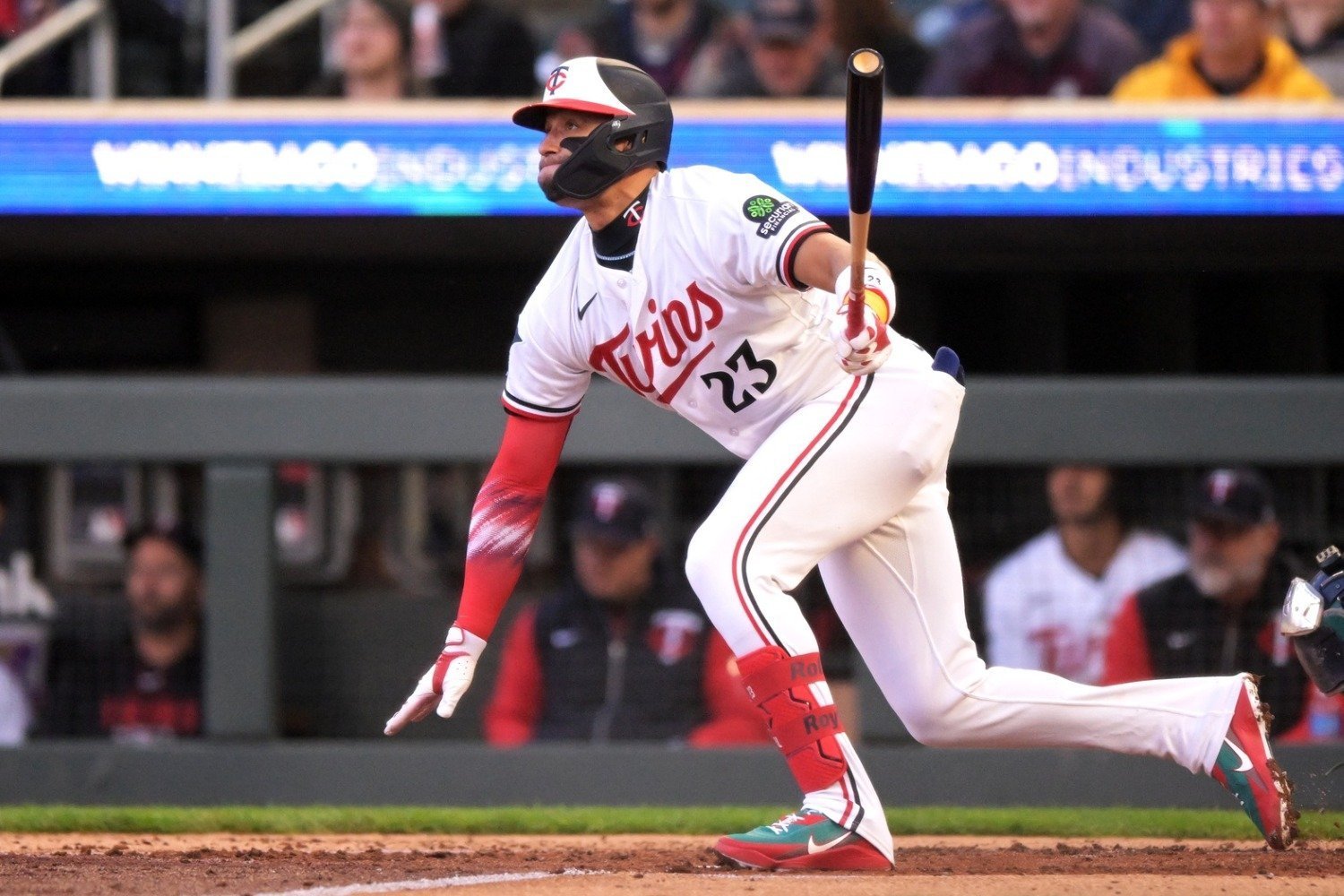 The Minnesota Twins don't have to make a decision about whether they are buyers or sellers in a vacuum. The calendar is making the decision for them. The August 3 trade deadline is just a week away, and Minnesota remains in the American League playoff race. That wasn't necessarily the expectation when the season began, but the Twins have played well enough to make the front office consider adding pieces, instead of simply looking toward the future. That doesn't mean every player on the roster is untouchable. In fact, Minnesota could potentially make a move that improves the team while also dealing from an area of depth. With that in mind, it's time to hand out some trade deadline superlatives. Most Likely to Be Traded: Ryan Jeffers Jeffers has arguably been the most logical trade candidate on Minnesota's roster for months. That's not necessarily a reflection of his value to the Twins. It's a reflection of his contract situation and the organization's catching depth. Jeffers is a pending free agent, making him one of the few players Minnesota can move without sacrificing multiple seasons of team control. He also plays a premium position, has experience as an everyday catcher, and could interest contenders looking for an upgrade behind the plate. Recent reporting has connected him to teams such as the Yankees or Rays, while the Twins have also been linked to potential bullpen upgrades in a deal involving their catcher. Minnesota wouldn't have to completely abandon its postseason ambitions to make the move, either. The Twins have options behind Jeffers, including Victor Caratini and Alex Jackson. That's what makes Jeffers different from someone like Joe Ryan. Trading Ryan would fundamentally change the rotation. Trading Jeffers would hurt, but the Twins could survive it. If Minnesota receives a controllable bullpen arm in return, the move could make sense, even if the Twins continue trying to win in 2026. Biggest Surprise Trade: Royce Lewis If the Twins trade Lewis, it would set off a torrent of debate among fans. Lewis was the first overall pick in the 2017 MLB Draft. He was supposed to be part of the organization's long-term core, and there were still hopes entering 2026 that he could reclaim some of the star potential he showed during his breakout 2023 season. Instead, the former top prospect has continued to battle inconsistency, and Minnesota has already shown a willingness to send him to Triple-A when his performance hasn't matched expectations. That doesn't mean the Twins should give him away. In fact, that would be the biggest problem with trading Lewis right now. His value isn't what it once was, and another organization would be buying into the possibility of a rebound rather than paying for a proven middle-of-the-order bat. Still, Lewis is an intriguing trade chip because another team could believe it has the environment to unlock something Minnesota hasn't been able to consistently find. A Lewis trade would also signal something larger. Minnesota would be admitting that the former No. 1 overall pick is no longer a necessary piece of the organization's next competitive window. That would be a stunning development, at least to some fans. Best Value Acquisition: Dustin May If the Twins want to add starting pitching without paying the premium attached to the biggest names on the market, May could make plenty of sense. The Cardinals acquired May as part of their rotation plans, but his 2026 season hasn't been dominant. He's posted a 4.59 ERA with a 3.15 FIP, numbers that could make him considerably more attainable than some of the marquee pitchers available. That's exactly why he could be interesting. Minnesota doesn't necessarily need to acquire a pitcher who has to immediately become a de facto ace. The Twins need more reliable innings and another arm capable of taking meaningful starts down the stretch. May has enough track record and underlying ability to make a rebound plausible, while the price should be considerably lower than what teams would pay for a pitcher such as Tarik Skubal. May is currently ranked as DiamondCentric's 43rd-best trade candidate: This is the type of move that could fit Minnesota's situation perfectly. The Twins can improve without sacrificing the upper levels of their farm system. If the organization believes its pitching infrastructure can help May find another level, he becomes even more intriguing. Sleeper Bullpen Pickup: Huascar Brazobán The Twins don't need to make every move a headline. Brazobán could be the kind of under-the-radar bullpen addition that makes a bigger impact than expected. Minnesota's bullpen has been one of the obvious areas of need heading into the deadline, and the Twins have already shown they are willing to add relief help rather than wait for internal solutions. Brazobán makes sense because the price should be much more manageable than it would be for one of the market's premier closers. The Twins don't necessarily need another traditional ninth-inning arm. They need more pitchers who can take important innings without forcing the coaching staff to overextend its top relievers. DiamondCentric ranks Brazobán as the 56th-best trade candidate: That's where Brazobán could fit. The Mets have plenty of reasons to consider selling, and their roster could look considerably different by the deadline. A pitcher like Brazobán could become available as part of that reshuffling. For Minnesota, this would be the type of transaction worth pursuing. Don't overpay for a reliever. Don't sacrifice a top prospect. Find a pitcher with enough stuff to make a difference and give the coaching staff another option in the late innings. It's about augmentation, not transformation. That's an important distinction for an organization that has already gone through a dramatic roster transformation. Minnesota has rebuilt its farm system, added young talent and unexpectedly found itself back in the playoff picture. Another massive selloff doesn't make much sense, but going all-in on one season could be equally dangerous. That's why Jeffers remains so fascinating. He's one of the few players Minnesota could move without completely changing its roster construction. Lewis would be the surprise, May represents the type of calculated pitching gamble that could work, and Brazobán could be the quiet bullpen addition that helps make everything else work. The Twins don't need to make five trades before August 3. They need to identify which one or two moves can make this surprising season last a little longer. What other superlatives would you add to the list? Biggest trade mistake? Leave a comment and start the discussion. View the full article
