


DiamondCentric
-
Posts
2,631 -
Joined
-
Last visited
Never
Content Type
Profiles
Forums
Events
News
Tutorials & Help
Major League Baseball Videos
Guides & Resources
Store
Downloads
Gallery
Everything posted by DiamondCentric
-
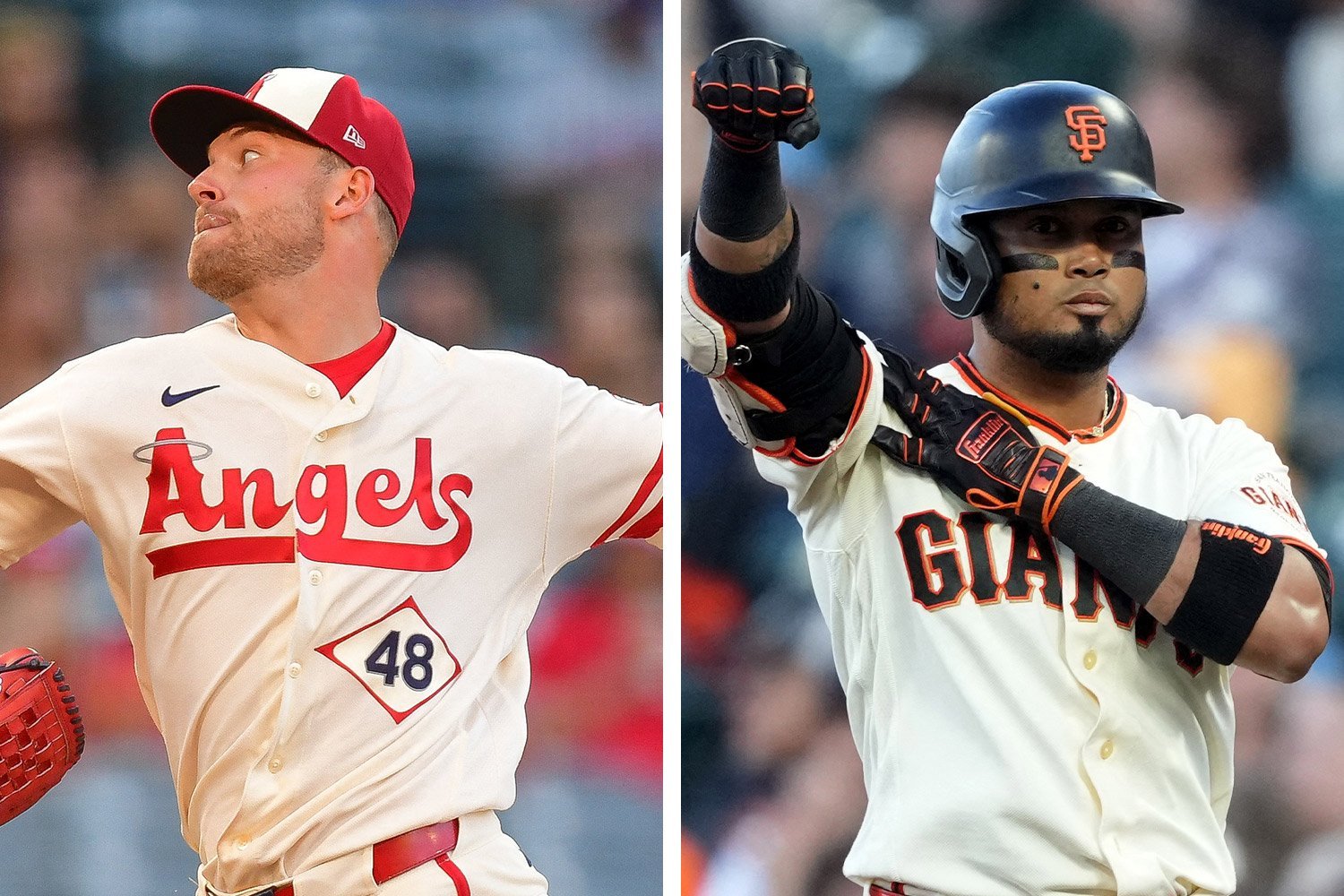 We recently asked our forum community about which trade targets they'd like the Twins to pursue at the deadline (we're assuming they will, in fact, buy before August 3). After many users chimed in with their opinions, here are the players who received the most mentions. Reid Detmers, RHP - Los Angeles Angels After a one-season sojourn to the bullpen, Detmers is back in the starting rotation and better than ever. He’s become one of the game’s elite speed-changers, with a fastball at 94 MPH, a changeup at 84, and a curveball at 73, with a sinker and slider mixed in for good measure. The change and curve are particularly effective; he’s just taking the sting out of hitters’ bats by making them cover a huge range of speeds and shapes. With two years of team control left after this year, he’s the kind of arm you could try to build a rotation around, and there’s a chance that the Angels will hold onto him. It’s hard to say whether that chance rose or fell when the team fired GM Perry Minasian. But these are the Angels, and if they keep Detmers beyond this year, he’ll start to get expensive. He’s never likely to have more trade value than he does this summer. You do the math. Luis Arraez, 1B/2B - San Francisco Giants When you’re the best contact hitter in the sport, a little change can go a long way. Arraez, who can manipulate the bat and the ball better than any hitter this side of Ichiro (or maybe even Tony Gwynn), is back on top of his game this year after a tepid 2025. Making a plan to catch the ball slightly farther out in front has led to a few more of his signature humpbacked liners and a few more ringing doubles. He’s also showed teams what they seemed to believe he didn’t have within him this winter, by stealing a few bases and playing solid defense at the keystone. Because he can play either position on the right side and seems to have figured things out well enough to be a worthy DH even for most contenders, he has substantial value, even if you need him to be the fourth-best hitter in your lineup, not one of the three best. Zach Neto, SS - Los Angeles Angels A young and dynamic bat is valuable anywhere, but Neto is a present shortstop who also has a chance to provide a lot of defensive value. That probably won’t be at shortstop itself, where his range is shaky, but he has enough arm strength to profile well at third base, and he could slide equally easily across the keystone to second base. At either spot, he could still be an above-average hitter, because his exceptionally steep swing produces a lot of pull power. The Angels have the worst reputation in the league when it comes to player development and instruction; Neto seems like someone who would obviously and immediately benefit from getting out of their halo. He’s under team control via arbitration for three more years after this, too, though if he keeps performing as hoped, he’ll get very expensive in the final two of those seasons. Anaheim’s willingness to move him is probably contingent on acquiring a new shortstop of the future, be that directly or in a separate deal involving one of their high-profile starters. Jose Soriano, RHP - Los Angeles Angels Man, you guys love the Angels roster. One of the hardest-throwing starters in the game, Soriano also gets tons of ground balls, because that triple-digit heater (the main one, anyway) is a very heavy sinker. He occasionally shows command of a plus splitter and a plus knuckle-curve, which allows him to strike out hitters at a healthy clip, in addition to the grounders and the sheer power of his profile. That’s the good news. The bad news is, he’s going to walk people, and you can’t be sure how well he’ll hold up to his current workload. He threw 169 innings last season, but that more than doubled his career total, and he’s on pace for over 180 in 2026. He started the season like gangbusters but has struggled of late. The list of guys with a higher ceiling who might be dealt this summer is very short. The list of guys with a better chance of being useful for a pennant contender is longer. View the full article
 -

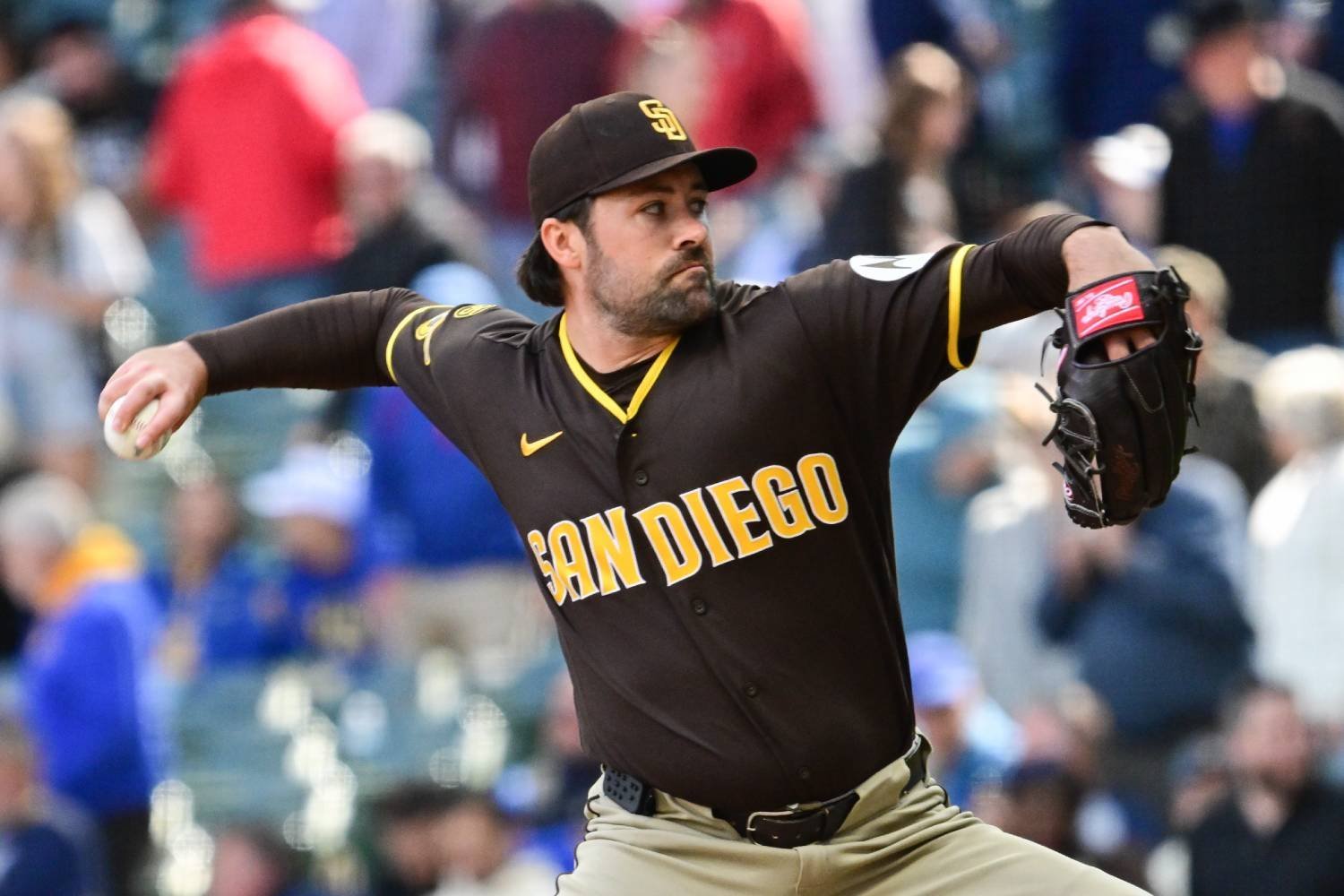 The writing has been on the wall for Matt Waldron. An injury delayed a decision earlier in the season. There was no avoiding it now. Waldron, one of the few MLB pitchers who still throws a knuckleball, was designated for assignment by the San Diego Padres on Wednesday as right-handed reliever Jeremiah Estrada was activated from the 15-day injured list. Estrada had been on the IL since June 5 with inflammation in his right knee. Waldron, who is out of minor-league options, was on the verge of being DFA'd when he revealed he had been hurting and hiding an injury, which ended up being a right brachialis muscle injury that put him on the 15-day IL on May 15 after six appearances and an 8.49 ERA. He came back July 11 and has made four solid relief appearances, but was the obvious off man out with Estrada coming back. Waldron has a 5.10 FIP (7.16 ERA) with a 5.4% walk rate and 19% strikeout rate in 10 games and 32⅔ innings. It is possible Waldron remains with the Padres if he clears waivers. Estrada is a valuable member of the Padres' bullpen, posting a 3.60 FIP (3.48 ERA) with a 12.2% walk rate and 28% strikeout rate. View the full article
 -
 Chicago Cubs Minor League Report Affiliate Overview Triple-A Iowa Cubs Series vs. Scranton/Wilkes-Barre Rail Riders (New York Yankees): RailRiders lead, 1-0 Season Record: 43–57-1 Double-A Knoxville Smokies Series vs. Pensacola Blue Wahoos (Miami Marlins): Blue Wahoos lead, 1-0 Season Record: 52–45 High-A South Bend Cubs Series at Lake County Captains (Cleveland Guardians): Captains lead, 1-0 Season Record: 56–37 Single-A Myrtle Beach Pelicans Series vs. Charleston RiverDogs (Tampa Bay Rays): RiverDogs lead, 1-0 Season Record: 38–57 Triple-A: Iowa Cubs Season Record: 43–57-1 Series Opponent: Scranton/Wilkes-Barre RailRiders (54-46) Series Standing: Trail, 1-0 July 28: The Iowa Cubs were handed a 6-3 defeat by the Scranton/Wilkes-Barre RailRiders in the series opener between the two teams on Tuesday night at Principal Park. Owen Miller’s (1-for-4) RBI-double and Kevin Alcántara’s (1-for-2) sacrifice fly gave the Cubs a 2-0 lead in the first and Owen Ayers (1-for-4) made it 3-0 in the fourth with a solo shot, his first-career home run at the Triple-A level. Iowa starter Jace Beck tossed five shutout innings to get the home team in front and allowed just four hits to go along with two strikeouts and no walks. The RailRiders pulled a run back in the sixth and would eventually rally to take the lead with three runs in the eighth. Scranton/Wilkes-Barre then added two more insurance runs in the ninth to make it 6-3. Through his first nine games with the I-Cubs, Ayers is slashing .375/.459/.531 with three extra-base hits and six RBI, good for a 157 wRC+. Double-A: Knoxville Smokies Season Record: 52–45 Series Opponent: Pensacola Blue Wahoos (52–44) Series Standing: Trail, 1-0 July 28: The Knoxville Smokies dropped their series opener to the Pensacola Blue Wahoos, 3-2, on Monday night at Covenant Health Park. The Blue Wahoos took a 3-0 lead in the ballgame after scoring twice in the second before adding another in the third. Karson Simas (1-for-3) got the Smokies on the board in the fifth with an RBI-single and Miguel Useche (1-for-1) made it a one-run game with a sacrifice fly in the seventh. Knoxville would put the tying run at third with one out in the ninth but would strand the runner to end the game. Connor Schultz got the start on the mound for the Smokies and took the loss, falling to 3-4 on the season. Schultz allowed three runs on six hits over 3 2/3 innings of work, issued five walks and struck out four. Tyler Santana (1.1 IP), Evan Taylor (2.0 IP) and Tyler Ras (2.0 IP) combined for 5 1/3 shutout frames in relief, giving up just one hit while striking out six and walking one. The Knoxville offense was held to just four hits in the contest, with just one going for extra bases, and went 1-for-7 with runners in scoring position. High-A: South Bend Cubs Season Record: 56–37 Series Opponent: Lake County Captains (53–40) Series Standing: Trail, 1-0 July 28: The South Bend Cubs opened their series at the Lake County Captains with a 7-5 defeat on Monday night at Classic Auto Group Park. The Captains plated three runs in their first trip to the plate and later made it 4-0 with a run in the third. The Cubs scored twice in the fourth to cut the lead in half, thanks to a two-run homer from Kade Snell (2-for-4), but Lake County got those runs right back in the home half of the frame to make it 6-2. An RBI-double from Michael Hallquist (1-for-4) and a sacrifice fly from Josiah Hartshorn (0-for-3) in the fifth got South Bend back within two before the Captains made it 7-4 with a run in the seventh. Logan Poteet (1-for-4) launched his second home run of the season in the eighth to make it 7-5 but the Cubs would not be able to rally in the ninth. Mason McGwire got the start on the mound for South Bend and took the loss, falling to 1-2 on the season. McGwire allowed six runs on five hits over 3 1/3 innings of work, walked four and struck out one. Three of the five hits allowed were home runs. Single-A: Myrtle Beach Pelicans Season Record: 38–57 Series Opponent: Charleston RiverDogs (55–42) Series Standing: Trail, 1-0 July 28: The Myrtle Beach Pelicans opened their series vs. the Charleston RiverDogs with a 6-2 defeat on Monday night at Pelicans Ballpark. The RiverDogs scored a run in their first trip to the plate and later made it 2-0 with a run in the sixth. Eli Lovich (1-for-3) got the Pelicans on the board with an RBI-single in the sixth and would score later in the inning on a wild pitch to make it 2-2. Charleston would deliver the decisive blow in the ballgame with four runs in the seventh to take a 6-2 lead and would maintain that advantage through the rest of the contest. Hayden Frank got the start on the mound for Myrtle Beach and took no decision. Frank allowed one run on seven hits over four innings of work to go along with two strikeouts and no walks issued. Sam Mettert tossed 2 1/3 shutout innings in relief, giving up just one hit while walking three and whiffing two. The Pelicans offense was limited to just four hits on the night with none going for extra bases. The offense would also go 1-for-7 with runners in scoring position, stranding six baserunners. View the full article
 -
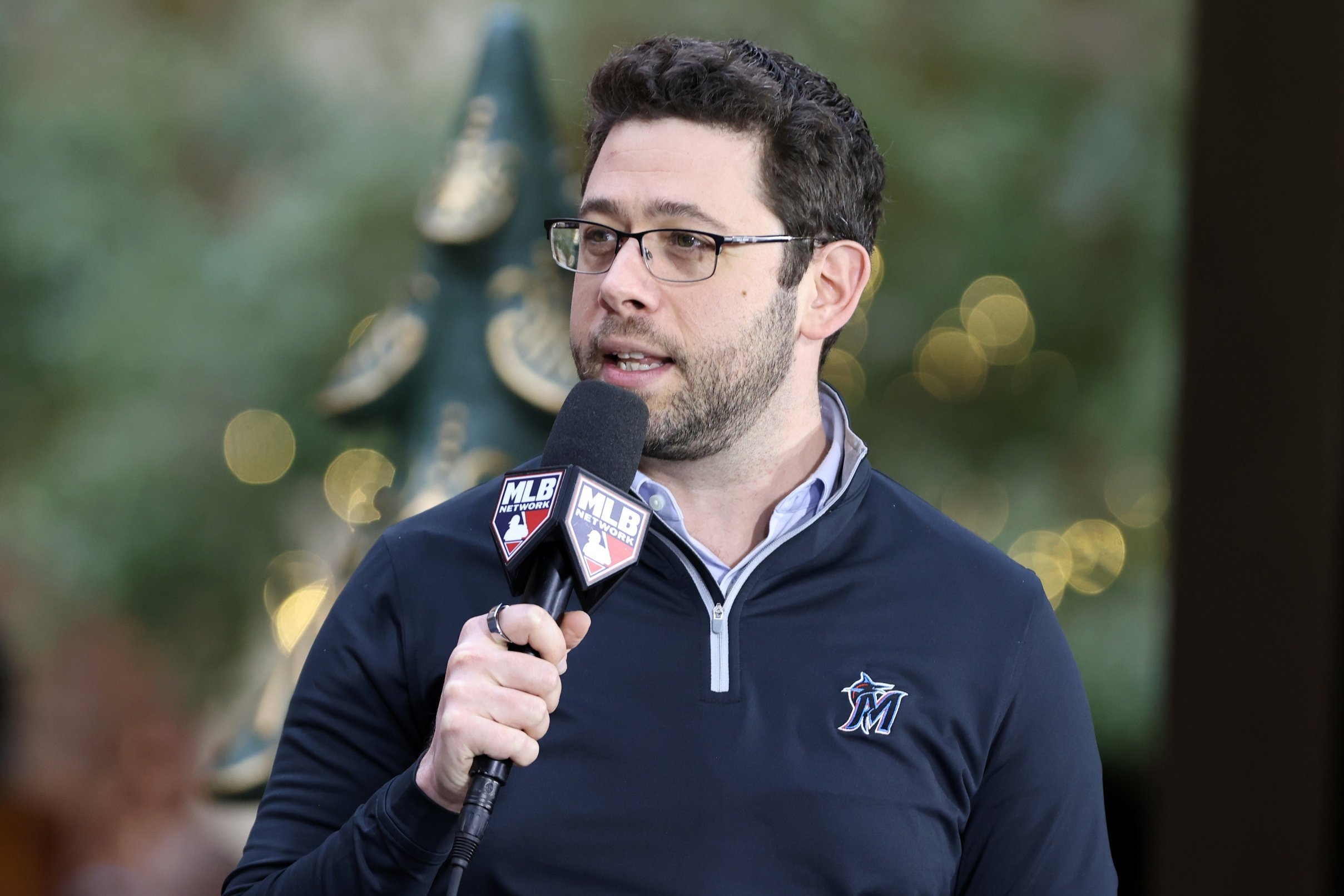 In the blink of an eye, the Miami Marlins have seemingly gone from buyer to seller. Such is the life of a Marlins fan. Most of you reading this probably just need one hand to count the number of times you can recall this team doing any kind of buying at the deadline. The perception of this team as a perennial farm system for MLB's postseason bound clubs has been well-earned. This time around, though? Things have to be different for the Marlins and their beleaguered fans. Fortunately, in at least one key way, that is already virtually certain to be the case. In a refreshing departure for Marlins fans, barring an eleventh hour trade of franchise face Sandy Alcantara that no outlets are reporting as likely, the money is not going to be a factor. No big salaries are being unloaded...because there aren't really any to unload. If Alcantara is staying, that leaves only Pete Fairbanks making the big bucks, and many Marlins fans would probably still be willing to drive him to the airport to get a trade done even after two big saves versus Philadelphia. However, not being able to be tagged with penny-pinching is only part of the equation here. Because what is of even greater importance for Marlins fans is knowing that the future is now, not later. That this team really is committed to being consistently good, and isn't just kicking the can down the road a few years. Not after this past June. Not after feeling that close to a postseason race. Not after seeing so many players level up into dependable players, even if there was some regression from others. And especially not while hope exists that the team's financial situation could look very different come next Opening Day. No, whoever the "big piece" is that Peter Bendix acquires in selling off any key pieces of this season's Miami Marlins roster pretty much needs to be viewed as having a shot to be a key piece of next season's Miami Marlins roster. Yes, I have pessimistically held off on typing the phrase "2027 Miami Marlins" to this point, as the odds are just a touch to high for my liking that "next season" could mean 2028, not 2027. What keeps coming to my mind is trade that didn't involve the Marlins at all, when the 2014 Chicago Cubs packed off two-fifths of their starting rotation for prized shortstop prospect Addison Russell. Russell made the team next season, immediately becoming a locked in starter for a team that made four consecutive playoff runs, including that long-awaited championship in 2016. The players sent away, Jeff Samardzija and Jason Hammel, were popular players View the full article
 -
Four Popular Cubs Trade Targets, According To Fans
DiamondCentric posted an article in North Side Baseball
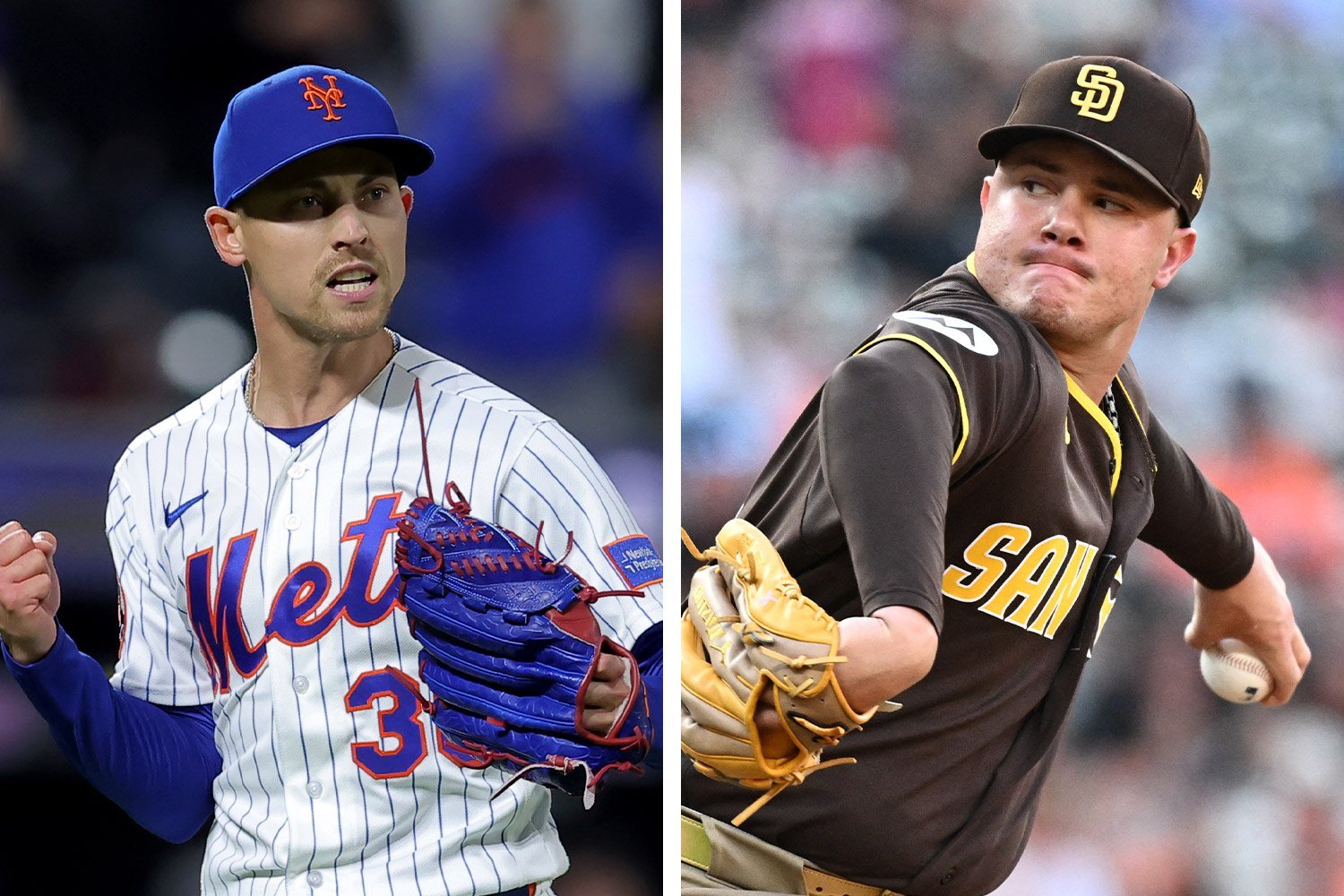 We recently asked our forum community about which trade targets they'd like the Cubs to pursue at the deadline. After many users chimed in with their opinions, here are the players who received the most mentions. Surprisingly, to top the list, the community leaned into an innings-eater from the Royals. Luke Weaver, RHP - New York Mets A well-established high-leverage reliever having his best year on a massively disappointing team, Weaver is just about perfectly situated to be traded for a haul and to be a main character come October. He’s always had good swing-and-miss stuff, and is filling up the strike zone better than ever, working with a simple three-pitch mix and excellent command. The Mets are slated to pay him $12.5 million in 2027, and for them, that’s a drop in the bucket, so they might even pay down some of his salary to maximize the return in a trade. Neither on this year’s moribund club nor on next year’s is he likely to have a greater impact on the organization’s fortunes than he can have as a trade chip on a market starved for top-flight right-handed relievers. Adrian Morejon, LHP - San Diego Padres Few pitchers in the game can throw 100-MPH sinkers. Even fewer can do it left-handed. Fewer still fill up the strike zone, though, and that’s what makes Morejón special. He’s a rental arm, headed for free agency this fall, but before that happens, he can be a transformative arm in October. The Padres benefited from his emergence as that kind of difference-maker last fall; they’re likely to cash him in for a high-value return and let another team realize those benefits this time. Casey Mize, RHP - Detroit Tigers The first overall pick in the 2018 MLB Draft came into pro ball throwing strikes, and hasn’t stopped. However, injuries and the mysteries of pitching development have held him back in all bids to be the frontline starter the Tigers hoped they were getting with that selection. This year, he’s figured out the latter. He’s now missing bats like a high-end starter, with a pitch mix that has become exceptionally varied. Injuries haven’t stopped nagging and nipping at him, but he’s showing the feel and command that were supposed to make him an elite starter. That it’s happening amid a season in which the Tigers just can’t get untracked is deeply unfortunate, but that it’s happening at all gives the team a chance to cash him in for some real long-term value, rather than watching him leave for modest draft-pick compensation this winter. Mason Miller, RHP - San Diego Padres It’s extremely rare for a one-inning reliever to be the top name on the trade market, but if he’s made available, that’s exactly what Miller will be. No one else with a realistic chance to be dealt (however slim) has a blend of potential playoff impact and affordable team control that can match his. His fastball’s ability to touch 104 MPH grabs the headlines, but his slider is his best pitch. Hitters have realized their only hope is not to swing, so his walk rate is rising, but he misses so many bats that (95% of the time) it just doesn’t matter. The Padres are close enough to playoff position to keep him, but if they get a chance to cash him in for both present and future help in a large enough quantity, they have to at least listen. View the full article
 -
3 Versatile Pieces Brewers Could Trade For at MLB Trade Deadline
DiamondCentric posted an article in Brewer Fanatic
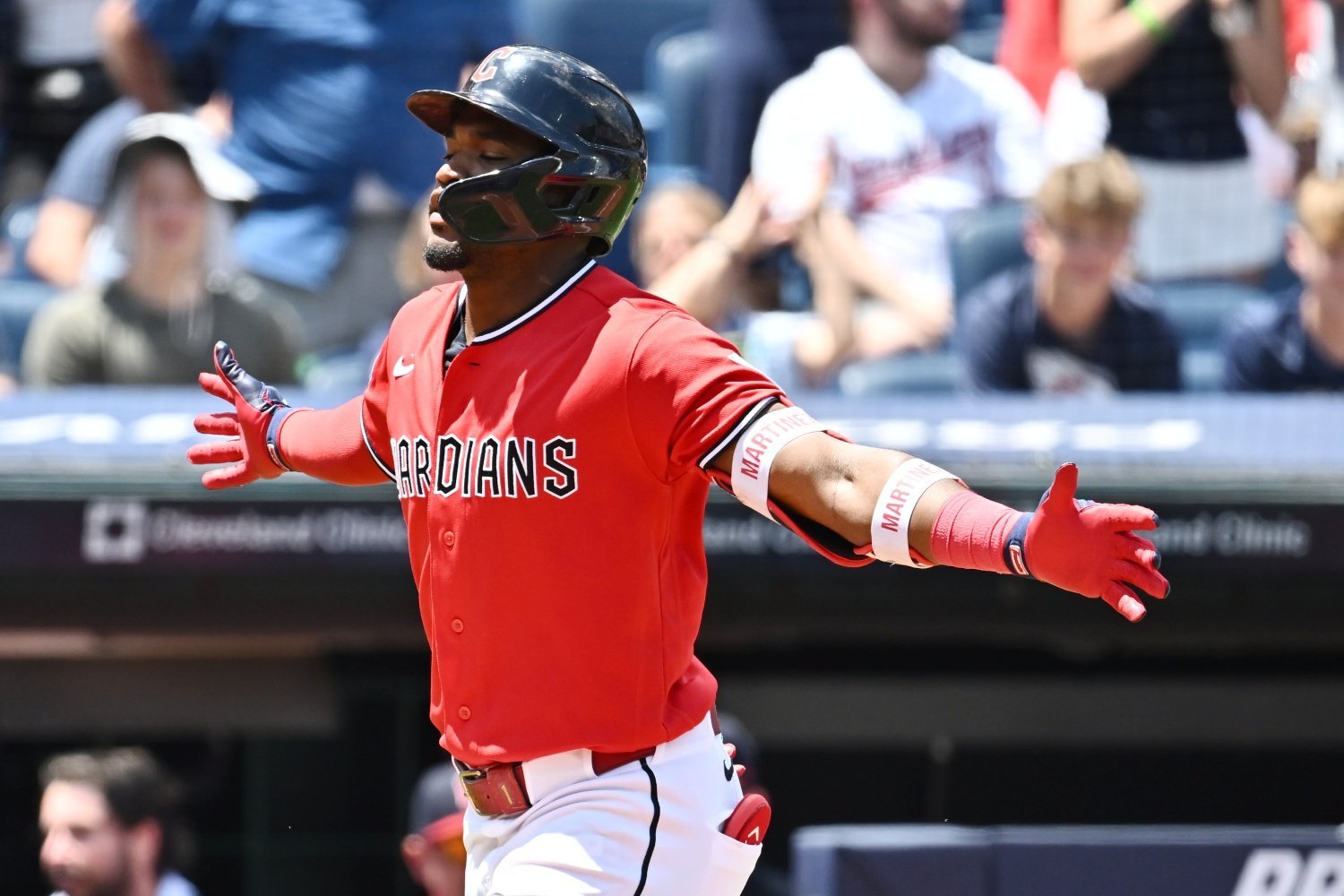 In 2025, the Brewers managed to get the top seed in the playoffs and home-field advantage throughout the postseason. There was just one problem: Getting there meant they ran out of gas in the National League Championship Series, getting swept. The real issues were seen on the offensive side, as the team couldn’t muster any sort of offense against the Dodgers. We know how that series ended. So how do the Brewers avoid that same petering-out in 2026? The answer may well be picking up an upgrade for the bench—someone who delivers proven offense, but can fill in at multiple positions with competent defense. The Brewers' Current Bench As things stand, the "bench mob” for the Brewers includes Gary Sánchez, David Hamilton, Joey Ortiz, Luis Lara, and Blake Perkins. Depending on how you choose to taxonomize it, you could exclude Ortiz, or include Garrett Mitchell and Andrew Vaughn. With Sal Frelick and Jake Bauers down with injuries, though, Vaughn and Mitchell have pretty secure, everyday places in the lineup. That's a pretty strong group, but it's possible to upgrade it, especially now that injuries have added some pressure to find versatility among the non-starters each day. So, whom might the Brewers want to target in a deal before the deadline? Here are three possibilities. Angel Martínez, Cleveland Guardians Cleveland needs some help in center field. The Brewers’ center fielder of the future, Lara, is in Milwaukee now, but not getting everyday time because Mitchell has been pretty hot. Cleveland’s in need of a center fielder, with Petey Halpin getting the bulk of the playing time lately despite an atrocious .200/.238/.316 line. Martínez would be a big asset for Milwaukee, able to play all three outfield positions, second base, and shortstop. He’s a switch-hitter with some real pop (although his approach is awful), and he’s no slouch on the basepaths, either. He’s also under team control for four more years after this one. Here's the catch: the Crew might have to give up Mitchell to get him. Willi Castro, Colorado Rockies Colorado’s still rebuilding, but the Brewers might be able to help them along with it by scooping up another bench option. Colorado's current shortstop, Ezequiel Tover, is posting -1.0 WAR, according to Baseball Reference, and has mustered a 47 OPS+ playing half his games in Coors Field. The Brewers, of course, have a nice upgrade available for the Rockies who comes with a fair bit of team control, in Ortiz. In return for Ortiz, Milwaukee could land the versatile and well-liked Castro, who is capable of getting as hot at the plate as Ortiz can. He's not as good a defender, and he's not under team control for as long, and he's more expensive, but that's where the value lies: The Brewers would also be in position to snare some pitching help in this trade. It would have to be Castro and an arm Milwaukee likes in exchange for Ortiz, but if that fit exists, it's worth exploring. Jett Williams could obviate Ortiz in Milwaukee soon, anyway. Brock Rodden, Seattle Mariners Earlier this week, we discussed the possibility of dealing Gary Sánchez to Seattle, where Cal Raleigh’s bat has dropped off from last year’s near-MVP performance. Rodden is one player the team could target in such a deal. He's seen action at second base, third base, and shortstop, with limited action in left field and center field. He’s a switch-hitter who has flashed pop, OBP skills, and the ability to swipe a few bags here and there. He’d need to be added to the 40-man this fall, and ideally, he'd help you sooner than that. He's too old (and not toolsy enough) to be much of a prospect, but he could slot in as a fine little bench piece for the team late in the season. He's not better than Ortiz or Hamilton. However, the Brewers might end up wanting to move Ortiz, and not in one of the other small deals proposed here—but rather, as part of a big pitching acquisition. Rodden would be one option to backfill the bench in that scenario. Do you think the Brewers should upgrade their bench for the pennant race? Let us know in the comments below! View the full article
 -
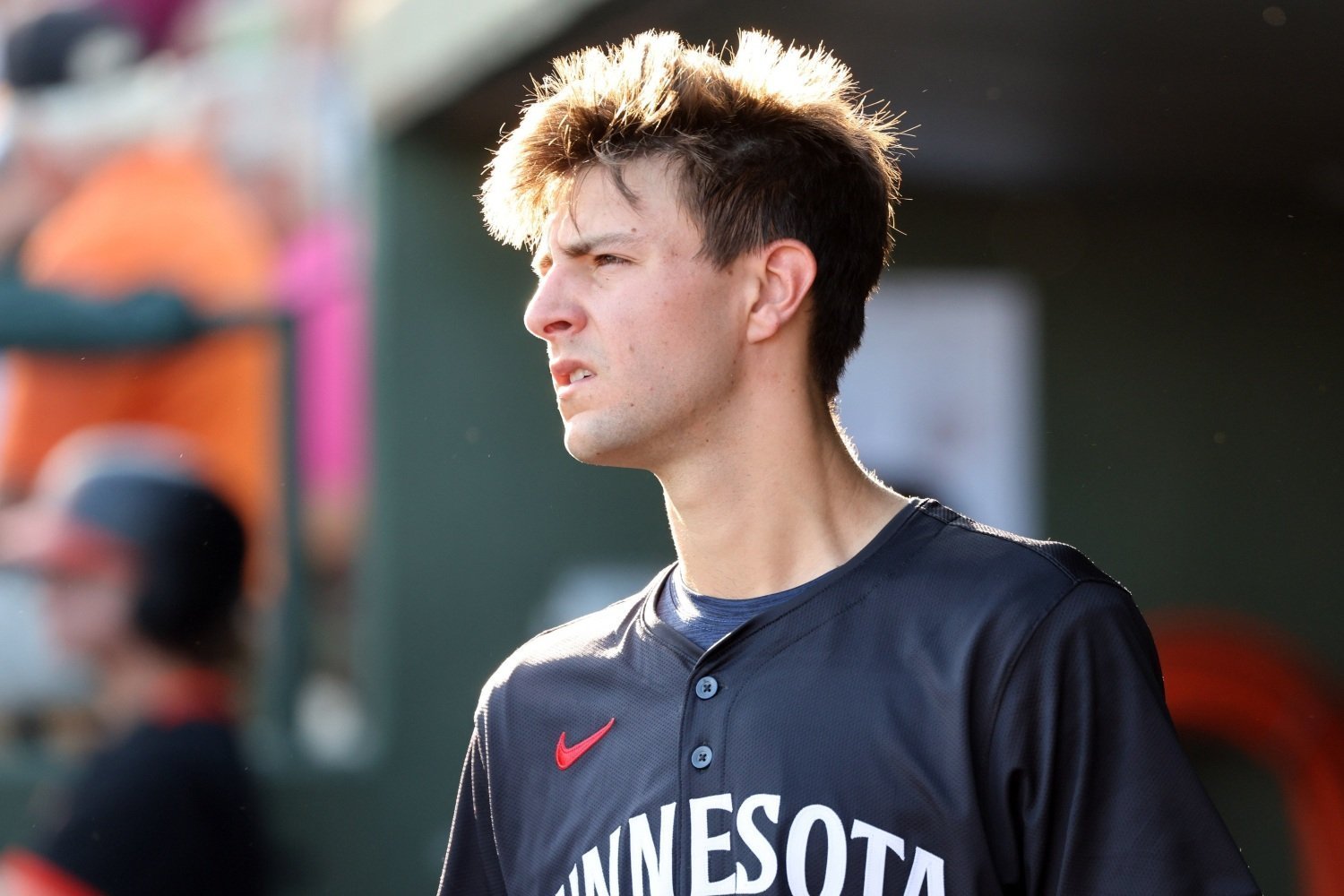 The Minnesota Twins received official confirmation on one of the organization's longest-running injury situations Wednesday. Right-hander David Festa will undergo two separate surgeries on Thursday, bringing an end to any possibility of a return during the 2026 season. According to Dan Hayes of The Athletic, Festa will have a procedure to correct a shoulder impingement while also undergoing surgery to treat neurogenic thoracic outlet syndrome, a condition caused by compressed nerves between the neck and shoulder. General manager Jeremy Zoll hinted last week that Festa was unlikely to pitch again this season. These operations make that outcome official and shift the focus toward getting the 26-year-old healthy for 2027. A Seemingly Endless Injury Journey Festa's shoulder troubles are nothing new. What initially appeared to be a manageable issue has lingered for nearly two years, preventing him from building any momentum. The Twins first sought answers last September when Festa met with a thoracic outlet specialist. Doctors determined that a compressed nerve was contributing to his discomfort, though surgery wasn't recommended at the time. Instead, he attempted to rehab the issue. Unfortunately, the symptoms resurfaced during Spring Training, preventing Festa from getting through his normal throwing program. He has remained on the 60-day injured list throughout the season and hasn't appeared in a regular-season game since last July. A Promising Arm Looking for a Fresh Start Before the injuries piled up, Festa was viewed as one of Minnesota's top pitching prospects. The former Seton Hall standout reached the majors in 2024 and flashed the swing-and-miss arsenal that made him such an intriguing prospect. Across 25 big-league appearances, Festa owns a 5.12 ERA over 117 2/3 innings. His ability to generate strikeouts has remained encouraging (25.7 K%), and his walk rate (8.3 BB%) has generally been under control. The biggest obstacle has been limiting home runs (1.45 HR/9), which have inflated his results despite otherwise solid underlying numbers. With two surgeries now scheduled, the Twins will be hoping this finally addresses the physical issues that have stalled his development. What Comes Next Because Festa has spent the entire season on the 60-day injured list, Minnesota will need to make a decision on his roster status once the offseason begins. The club will either have to restore him to the 40-man roster or expose him to waivers. Given Festa's age, prospect pedigree, and the flashes he has shown when healthy, it would be surprising if the Twins moved on. The more likely scenario is that they keep him on the roster while he continues his recovery, hoping the surgeries allow him to return at full strength for the 2027 season. View the full article
 -
Brewers Call Up Thomas Pannone To Start Today Against Giants
DiamondCentric posted an article in Brewer Fanatic
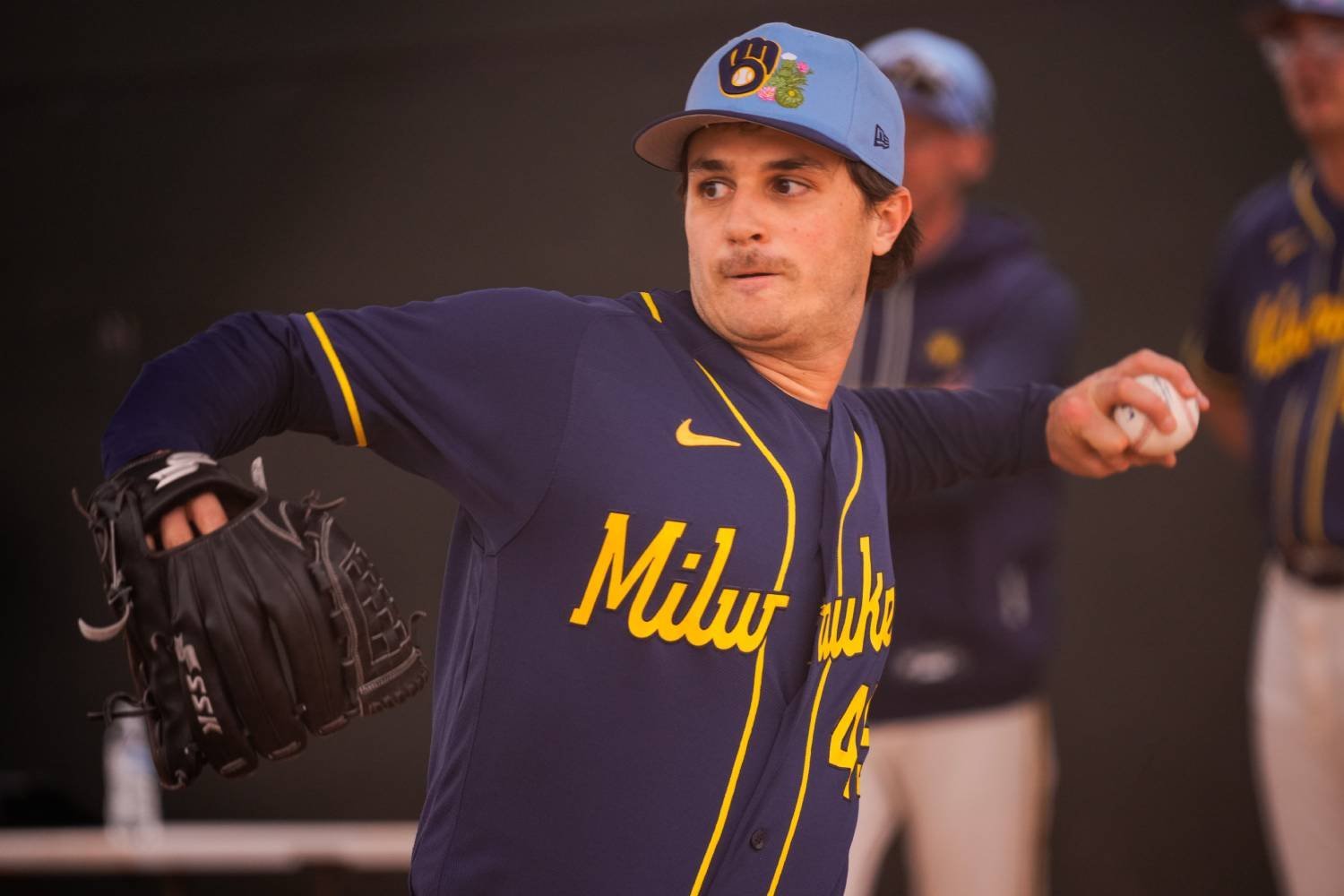 As the Milwaukee Brewers look for a way to limit the regular-season innings from their young starting rotation, that creates opportunities and good stories. One of those is left-handed starter Thomas Pannone, who had his contract selected from Triple-A Nashville and will start for the Brewers in Wednesday's series finale against the San Francisco Giants at Oracle Park. Right-hander Garrett Stallings was optioned to Nashville. The Brewers had two openings on the 40-man roster, so a move there was not necessary. Pannone is back in MLB since a one-game stint in 2023 with the Brewers. Before that, he made 49 appearances over the 2018-19 seasons with the Toronto Blue Jays. Also, left-handed reliever DL Hall's rehab assignment was moved from Triple-A to High-A Wisconsin. Hall is making his way back from a left pectoral strain. The 32-year-old Pannone missed all of the 2025 season after sustaining a flexor tendon injury in his left forearm in spring training with the Brewers. He has posted a 4.13 ERA in 16 games (all but one a start), walking 22 and striking out 57 in 72 innings. Left-hander Shane Drohan, Wednesday's scheduled starter, has earned a regular spot in the rotation, but has also pitched 95⅔ innings between Triple-A and the Brewers, already far more than the 54 innings he threw in 2025 as he came back from shoulder surgery and forearm inflammation. Stallings, in his second stay with the Crew this year, pitched two innings in Monday's 3-0 loss to the Giants. View the full article
 -
Sources: Cubs Interested in Giants Starter Tyler Mahle
DiamondCentric posted an article in North Side Baseball
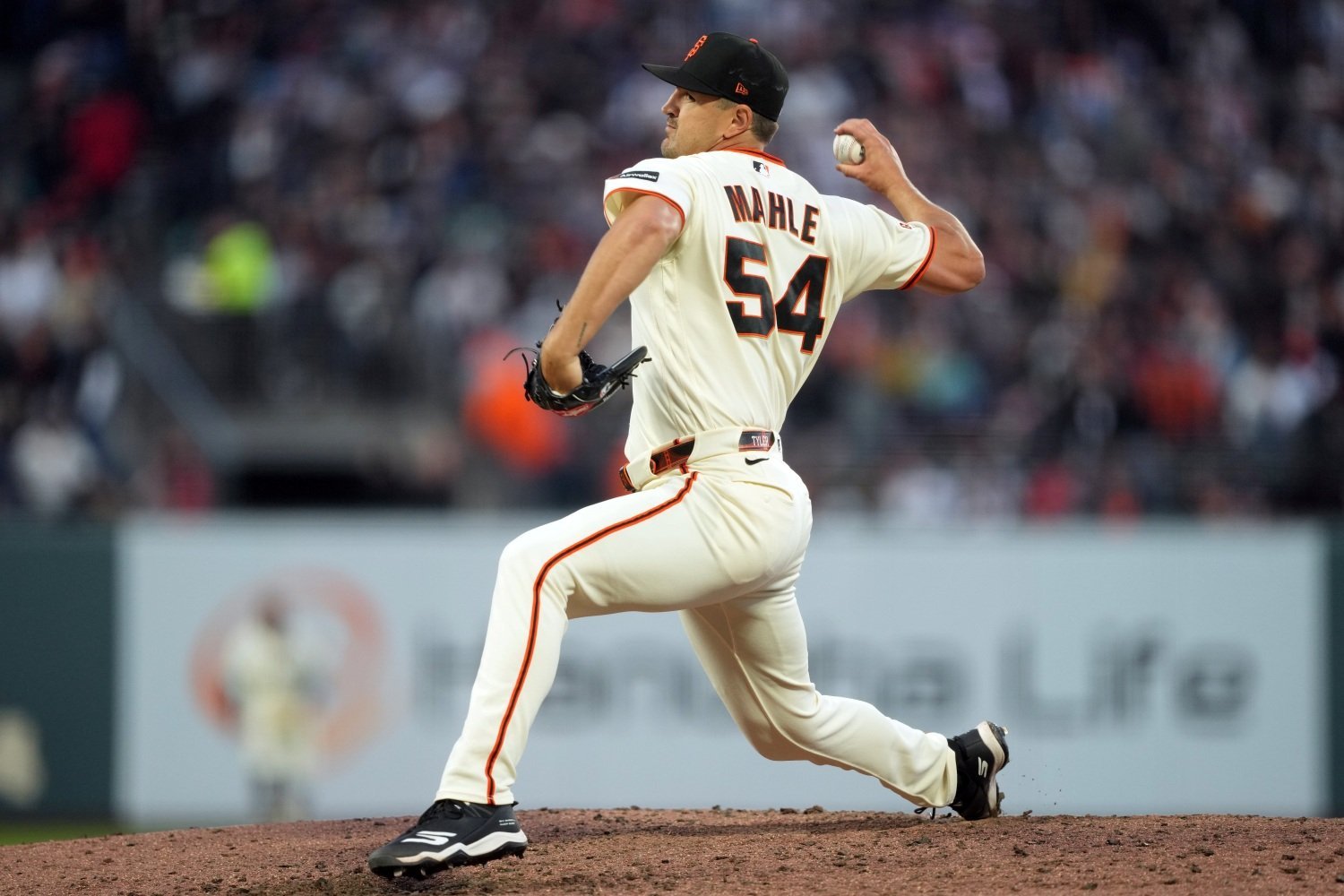 It wouldn't be a sexy pickup, but the Cubs have checked in with the Giants about right-handed starter Tyler Mahle and are "still interested" after gauging the price, a league source said. Mahle, 31, is an impending free agent who signed a one-year deal worth $10 million with San Francisco this winter. He has a 4.96 ERA in 89 innings over 17 starts, but little has changed about his profile from last year, when he had a 2.18 ERA in a similar amount of work. Mahle was never as good as the surface-level numbers he put up with the Rangers in 2025. Indeed, he hasn't been viewed as more than a back-end starter since roughly 2022, when he was a modestly hyped trade chip for the Reds but proved unable to stay healthy after being dealt to the Twins. However, he also hasn't deserved some of the ugly results that have befallen him this year, and he'd be much better in front of the Cubs' far superior team defense. He spun six scoreless innings in his latest start, Monday against the Brewers, to boost his trade stock a bit. One reason for the Cubs' interest in him is his contract, which they view as an opportunity to get a useful starter at a minimal cost in talent. Mahle's actual salary for this season is $7 million, but he's guaranteed a $3-million signing bonus that will be paid on January 15, according to Cot's Contracts. Incentives in his deal will earn him an extra $1.5 million if he pitches at least 36 innings the rest of the way. In total, despite nominally picking up a player whose prorated salary would be just $3.3 million for the final third of the year, the Cubs could end up paying Mahle twice that much, if they acquire him and he stays healthy the rest of the way. The Giants would like to get out of paying that money, a source familiar with their thinking said, which has led to a low asking price on Mahle as the trade deadline approaches. Mahle is the kind of pitcher you can run out there for a playoff game, but you'll want to have a quick hook ready. He wouldn't be a game-changer for Chicago, by any means. If they can get him cheaply and add him to the rotation mix, however, the front office could feel emboldened to make bigger or more long-term-focused moves. Whether that takes the form of giving up a top prospect for rental relief ace Adrián Morejón or trading for a controllable arm (think Reid Detmers, Emerson Hancock, or even more creative possibilities like Carmen Mlodzinski, Andrew Painter or Braxton Garrett), making a move to bring in a pitcher with a high ceiling will be easier if the team feels it has set a solid floor for a team hurtling toward the top Wild Card spot in the National League. As we've already discussed this week, the team has ownership's blessing to add payroll ahead of the deadline, although not in the form of onerous long-term deals. Mahle would be the perfect way to leverage that flexibility. He has an arsenal that suits Tommy Hottovy's predilections well and a pitch-to-contact profile that would feed the club's elite fielders. Before committing to that path, however, the team will want to see whether and how they can make a separate move to create more of a splash and upgrade the segments of the pitching staff on which they'll lean most heavily in the postseason. View the full article
 -
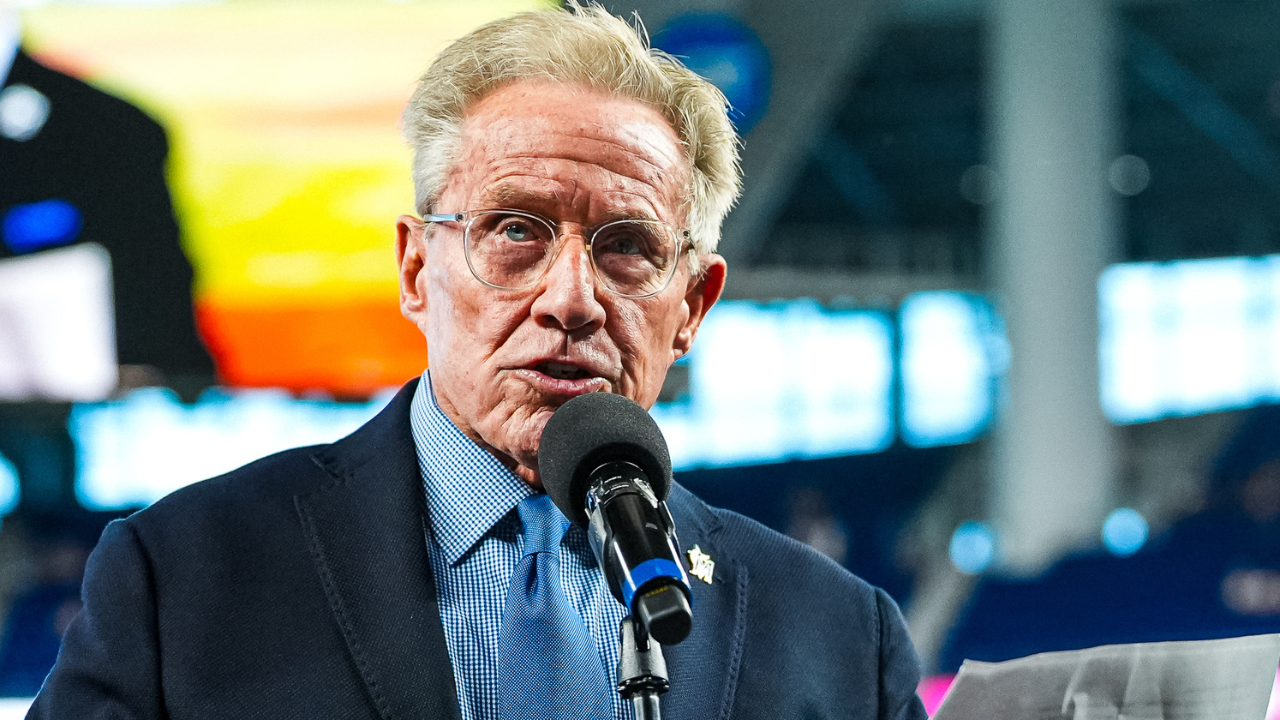 MIAMI, FL — The Miami Marlins announced on Wednesday that August 23 will be "Thank You Tommy Day" at loanDepot park. Prior to that afternoon game against the Washington Nationals, there will be a special pregame ceremony for broadcaster Tommy Hutton. "The day will recognize his extraordinary contributions to the organization and the South Florida community as he wraps up his final season in the booth," the Marlins said in their press release. The "Thank You Tommy" celebration will begin with an on-field pre-game recognition featuring a tribute video highlighting some of Hutton's most memorable moments and signature calls. He will then be joined by his family on the field, and his three granddaughters will throw out the ceremonial first pitch to him. Additional festivities and tributes will take place throughout the game. Hutton started his tenure with the Marlins organization in 1997, when the organization won its first World Series. Since then, Hutton has been with the organization for parts of 28 seasons, 23 of which were on television. He has been partnered with a handful of Marlins play-by-play announcers, beginning with Joe Angel and currently Kyle Sielaff. He developed particularly good chemistry with Rich Waltz when they were partnered together from 2005-2015. Unfortunately, they didn't cover any postseason-caliber teams during that period. Hutton was fired by the Marlins after the 2015 season, but brought back in June 2018 and has worked in a part-time capacity ever since. Apart from the Fish, Hutton had previous stints with the Montreal Expos, New York Yankees and Toronto Blue Jays and appeared on national telecasts for ESPN, ABC and NBC. The former first baseman/outfielder played 12 major league seasons from 1966-1981. Overall, he has spent more than six decades in professional baseball. Hutton announced during spring training that this would be his final season, saying that "calling Marlins games and being part of this community has been one of the greatest honors of my life." Hutton has exclusively worked home games on Marlins.TV this season. The team's other TV analysts are Jeff Nelson and Gaby Sanchez. First pitch on August 23 is scheduled for 1:40 pm. Fans are encouraged to be in their seats early for the pregame ceremony and help celebrate one of the most influential figures in Marlins history. View the full article
 -
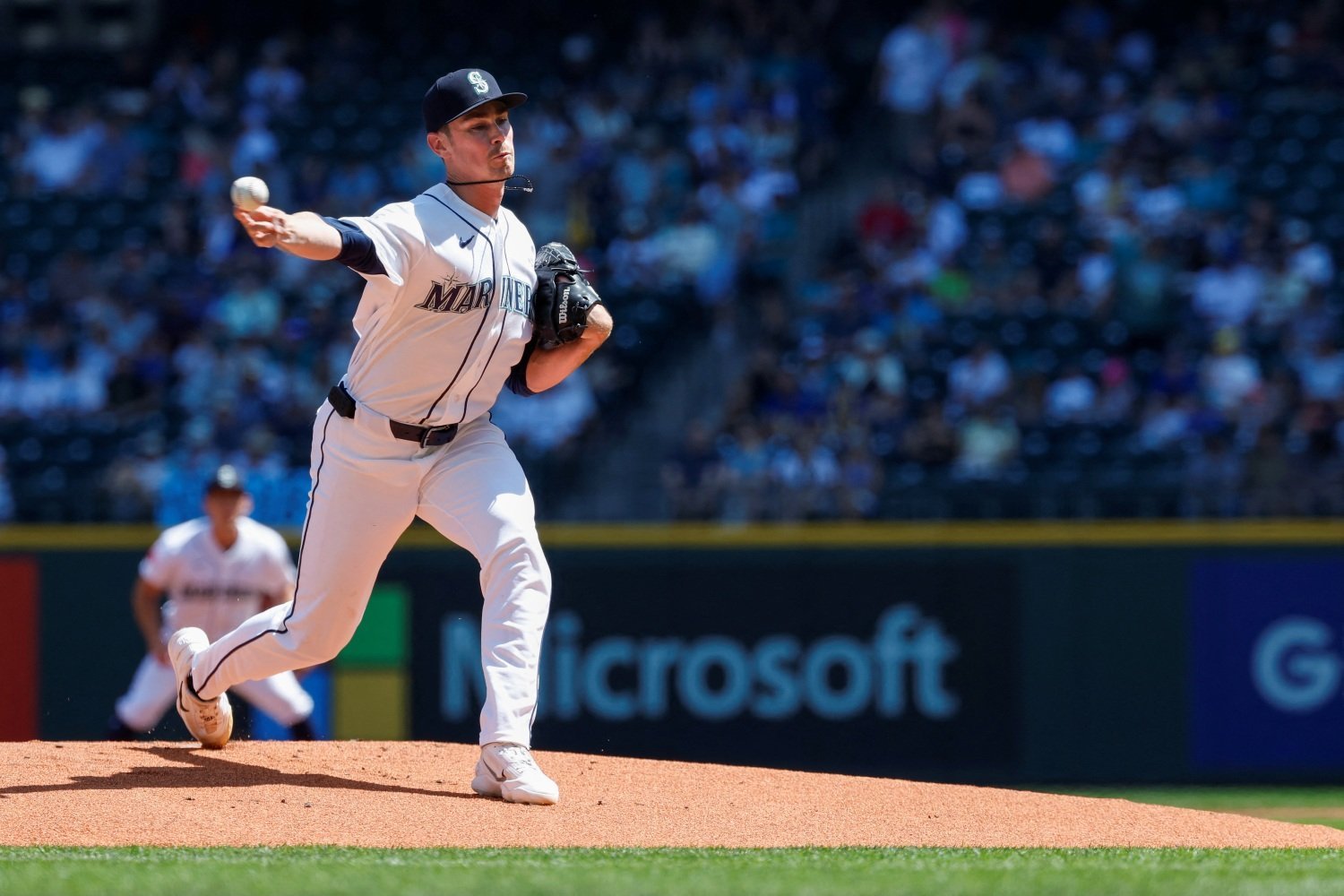 For the past several weeks, the biggest debate surrounding the Twins has centered around one question: should they buy or should they sell? With the club hovering around the Wild Card race, there are compelling arguments on both sides. Buyers believe the Twins have enough talent to make a postseason run if they reinforce a few weaknesses before the August 3 trade deadline. Sellers point to the club's roughly one-in-three playoff odds and argue that it would be wiser to shift focus toward building the next core of championship-caliber players. The Twins staked out their position Tuesday, though: they're buying. The goal now is to do it responsibly. Most trade deadline decisions force teams to pick a lane. Emerson Hancock is one of the few players who could allow the Twins to both shore up this year's rotation and carry that help forward for multiple seasons. The Seattle Mariners find themselves in an interesting position. They sit at 53-55, third place in the AL West, with three teams (including the Twins) standing between them and the final Wild Card spot. Despite those standings, FanGraphs still gives Seattle a 59.1% chance to reach the postseason, making them one of the more fascinating teams to watch over the next several days. Even with those favorable playoff odds, nearly every report surrounding the Mariners suggests they are expected to move at least one of their starting pitchers. During his trade deadline preview on YouTube, Jeff Passan said he expects Seattle to trade Emerson Hancock before the deadline. Trading Hancock would not necessarily signal a sell-off. Quite the opposite. The Mariners simply possess more starting pitching than almost anyone else in baseball. Their current rotation is six arms deep, and help is already on the way. Two of baseball's premier pitching prospects, Kade Anderson and Ryan Sloan, are nearing the majors, giving Seattle the luxury of dealing from an area of tremendous organizational strength. What the Mariners desperately need is offense. Seattle owns one of baseball's weakest lineups, entering the deadline with a .690 team OPS. Their struggles become even more pronounced against left-handed pitching, where their .656 OPS ranks third-worst in baseball. If the Mariners intend to chase a playoff spot, their priority will almost certainly be acquiring impact bats. From the Twins' perspective, Hancock checks nearly every box. The former top-50 prospect debuted in 2023, and while his first taste of the majors came with growing pains, 2026 has looked much more like the version scouts envisioned when Seattle selected him sixth overall in the 2020 draft. This season, Hancock owns a 3.16 ERA while posting career bests nearly across the board. His strikeout rate has climbed to 23%, and his 3.73 strikeout-to-walk ratio reflects the improved command that made him such a highly regarded prospect. His arsenal has taken another step forward, as well. Hancock's fastball has become one of the more effective pitches in his repertoire, while his sweeper has generated a 37% whiff rate. Just as importantly, he has handled both right-handed and left-handed hitters effectively, avoiding the dramatic platoon splits that often limit young starters. Perhaps the most attractive part of his profile has nothing to do with this season. Hancock remains in his pre-arbitration years and is under team control through the 2030 season. That's exactly the type of pitcher the Twins should be targeting. Rather than acquiring a rental starter who only helps for two months, Minnesota could add a pitcher capable of sliding immediately into the middle of the rotation while also becoming a foundational piece for several seasons. Whether the Twins ultimately sneak into the playoffs or not, Hancock would remain one of the organization's most valuable long-term assets. That makes him one of the rare deadline acquisitions who strengthens both the present and the future. Of course, acquiring that kind of pitcher will not come cheaply. Making things even more interesting is the schedule. Minnesota travels to Seattle this weekend for a three-game series, the final series before both clubs reach the August 3 trade deadline. Those games could dramatically alter the outlook for both organizations. If the Twins win the series and bury the Mariners a little deeper in the Wild Card standings, Seattle could become much more motivated to prioritize future value over a playoff chase. On the other hand, if the Mariners surge over the next week, they could still view themselves as buyers while remaining motivated to move Hancock in exchange for immediate offensive help. In that scenario, the Mariners would likely seek hitters who can help them immediately, especially a right-handed bat. Minnesota is one of the few organizations capable of satisfying that need. A package centered around Royce Lewis and a couple of the team's higher-level prospects could make sense, if Seattle believes Lewis can regain his All-Star form while giving them another impact right-handed bat. Another possibility would be a deal built around Luke Keaschall, whose offensive upside and ability to play the outfield would fit well with what the Mariners are trying to accomplish. Those kinds of moves become much more palatable for Minnesota because of the talent waiting in the upper levels of the farm system. Kaelen Culpepper continues to move toward the majors, Walker Jenkins remains one of baseball's top prospects, and the Twins have enough young position-player depth to replace a player like Lewis or Keaschall internally while strengthening a rotation that still needs another dependable arm. That flexibility is exactly what makes Hancock such an appealing target. Most deadline additions force teams into an all-in approach or push them toward selling off pieces for tomorrow. Hancock represents something different. He would improve Minnesota's chances of competing this season while giving the organization another controllable starter to build around for 2027, 2028 and beyond. If the Twins are looking for a way to invest in the present without sacrificing the future, there may not be a better trade target available at this year's deadline. What do you think? Should the Twins pursue Emerson Hancock if the Mariners make him available? Leave a comment below and start the conversation! View the full article
 -
 Everyone's talking about the Twins adding pitching, but what about another right-handed outfielder? Lane Thomas, Nelson Velázquez, and Max Schuemann all make intriguing deadline targets. View the full article
 -
Red Sox 'Checked In' On Cardinals Catcher/DH Ivan Herrera
DiamondCentric posted an article in Talk Sox
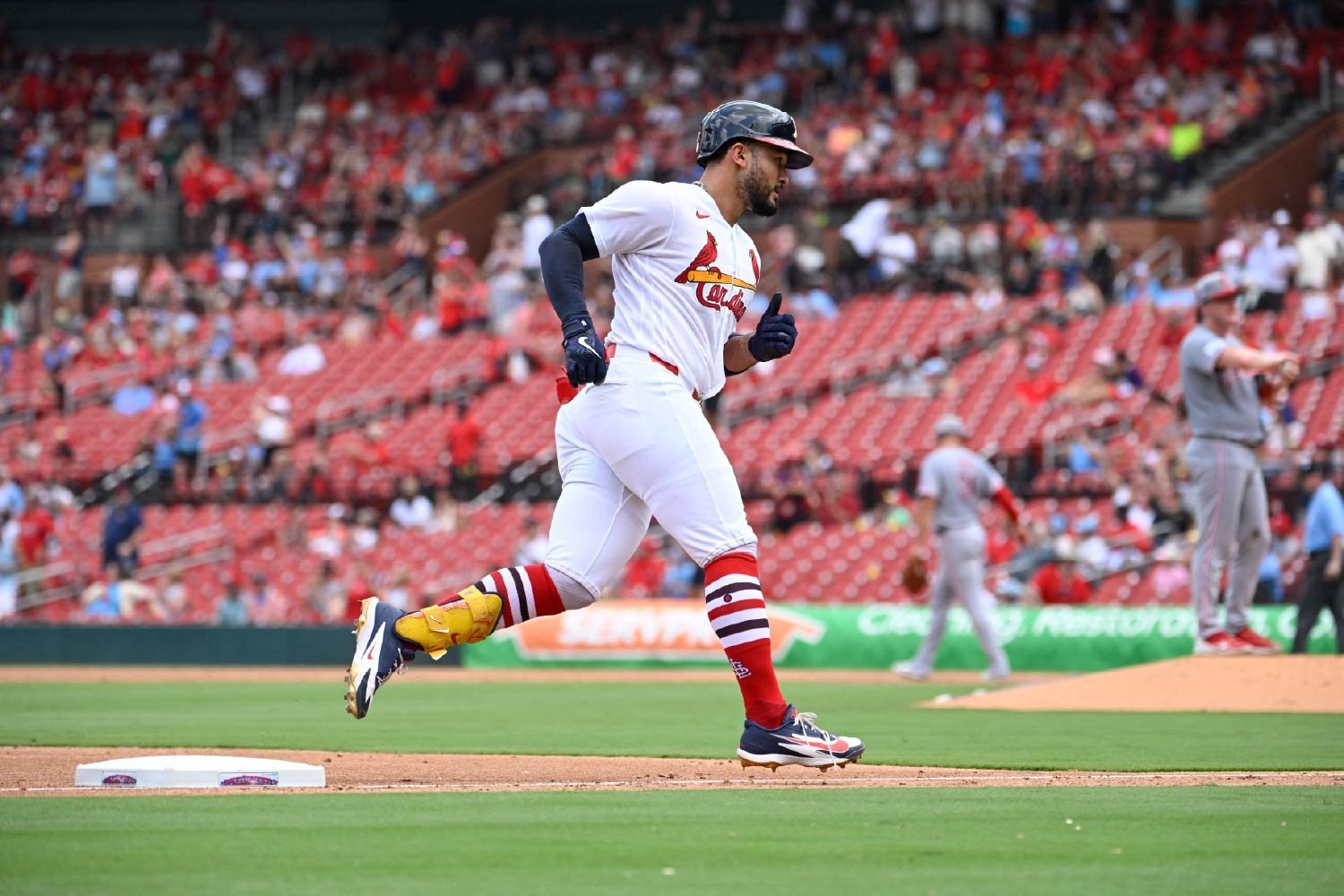 The Red Sox are among the teams that have 'checked in' on Cardinals catcher Ivan Herrera, according to Jorge Castillo of ESPN. Other AL East teams in need of catching help, like the rival Yankees, have also checked in. The Red Sox have gotten little production from the catcher position this season, with the position posting a 78 WRC+. Herrera has posted a 111 WRC+ in 472 plate appearances, which would be a significant upgrade behind the plate for Boston. The best part is Herrera comes with club control through 2030, which would give the Red Sox some stability behind the plate for a few seasons to come, which is a nice alternative to Connor Wong and Carlos Narvaez, who currently anchor the position. Behind the plate, Herrera is not the best defensive option, however. Herrera has posted -2 defensive runs saved over 347.0 innings logged while catching. Herrera is also not the best framer behind the plate, but that might not matter to teams as much with ABS, which Herrera has been above league average with behind the plate (63% overturn rate, according to Statcast). View the full article
 -
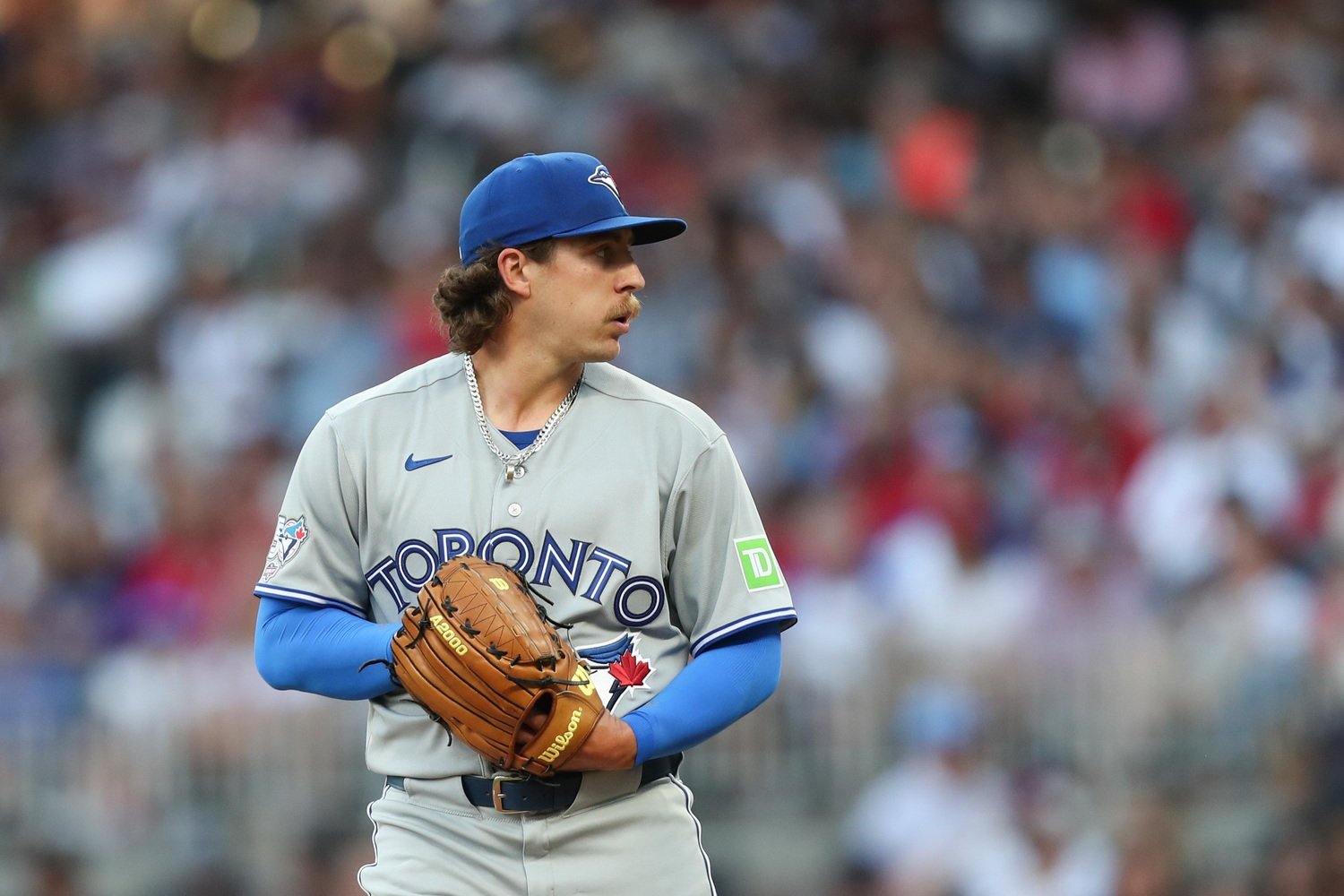 The trade deadline is less than a week away. The Toronto Blue Jays sit 5.5 games back of the third Wild Card spot, held by the Cleveland Guardians, and have five teams ahead of them. The American League is weaker than usual this season, which will make some of the teams ahead of Toronto feel as if they're only a few pieces away from contending, making them buyers. The Jays won't be aggressive buyers because they need too many pieces, especially on offense, where they rank 30th in runs, 25th in home runs, and 29th in OPS. However, they have good talent on their roster, so they don't need a full fire sale or to give up on the season completely. The Blue Jays could take a page out of the Guardians' 2025 playbook by trading expiring contracts and still compete the rest of the season. Cleveland won the AL Central with this approach, although that was a much weaker division than the AL East. The players on expiring contracts are George Springer, Kevin Gausman, Shane Bieber, Max Scherzer, and Daulton Varsho. Scherzer and Springer have full no-trade rights, while Gausman has eight teams he can block a trade to. Looking at the starting rotation, Gausman and/or Bieber would be the best bets to get dealt, especially with starting pitching being a popular target for contending teams. Although, Gausman has stated that he hopes that he doesn't get traded. He's spent the last five seasons with the Blue Jays, so it'll be an awkward conversation if the team decides to move him. If Gausman and Bieber get dealt, how will the Blue Jays fill the holes in their rotation for the remainder of the season? Spencer Miles With the plethora of injuries the Blue Jays' rotation suffered in the first half of the season, Spencer Miles was needed to fill in after Eric Lauer was designated for assignment. However, he's been more successful as a reliever than a starter this season. Role IP ERA Average Against K/9 WHIP FIP Starter 14.0 9.00 0.333 5.79 1.64 4.33 Reliever 55.0 1.80 0.187 9.33 0.96 2.62 He hasn't been as effective striking out batters as a starter, with only a 14.1 percent strikeout rate, compared to 26.6 percent when pitching out of the bullpen. The Rule 5 draft selection this offseason has been an asset all season long in the later innings, so he wouldn't be the ideal rotation fix, as that would weaken the pen. Chad Dallas Chad Dallas missed the entire 2025 season due to undergoing Tommy John surgery in September 2024. He returned at the beginning of the 2026 season and has been solid in Triple-A, posting a 3.16 ERA and a 23.8 percent strikeout rate. Dallas was called up June 4, but he made only one appearance, though it was an impressive MLB debut. He faced 15 Atlanta Braves hitters over 3 2/3 innings in relief, allowing two hits and one earned run. Despite the solid appearance, the Blue Jays sent him back down and recalled Brendon Little. Dallas got another shot on July 10, pitching a scoreless inning against the San Diego Padres, but he was quickly demoted again a few days later. The righty returned to the starting rotation in Triple-A Buffalo, but he hasn't completed more than 4 1/3 innings in his two starts since his second demotion. It's not that he has pitched poorly, as he has allowed only one earned run over his last 7 1/3 innings. It could be more of a sign that the Blue Jays envision him as a reliever in the future, or that they are closely monitoring his workload. However, the Blue Jays are slim on MLB-ready arms, and if Gausman and Bieber are gone, then the team will need inning eaters. Dallas would be a top in-house choice, as he is already stretched out. Simeon Woods Richardson The Blue Jays re-acquired Simeon Woods Richardson from the Minnesota Twins for cash earlier this season. They originally acquired him in the 2019 deal that sent Marcus Stroman to the New York Mets but then sent Woods Richardson to the Twins in 2021 to acquire José Berríos. The righty struggled this season with the Twins, posting a 7.74 ERA, a 26:25 strikeout-to-walk ratio, and a 1.89 WHIP over 47 2/3 innings. However, he was solid in his brief stint as a Blue Jay. The righty threw 10 scoreless innings, though he still struggled with control, walking seven batters and striking out five. To make room for Adam Macko, Woods Richardson would get DFA'd again, but this time he cleared waivers and went to Triple-A Buffalo. He hasn't looked pretty in Buffalo, posting a 6.60 ERA and 1.80 WHIP, while striking out 11 and walking eight over 15 innings. Even though the righty has struggled in the minors, the Blue Jays somehow figured out a way for him to be successful in his first stint with the club, so maybe he can find his groove again. Though, Woods Richardson needs to start showing signs of improvement if he wants a shot before some of Toronto's more qualified prospects. Ricky Tiedemann Ricky Tiedemann is a promising left-handed prospect who might have already made his MLB debut if not for injuries. He missed the entire 2025 season due to undergoing Tommy John surgery on July 30, 2014. He made his 2026 debut for Single-A Dunedin on June 16, but that was short-lived, with him only making one additional start before suffering discomfort in his neck and shoulder. The southpaw received injections, which forced him to sit out another month. Tiedemann returned to the mound for Dunedin on July 25, facing four batters and striking out two. He throws a mid-90s fastball, with his changeup being one of his better offspeed pitches, fooling batters. He also possesses a sweeping slider that has been getting batters to swing and miss. With Tiedemann's injury history, the Blue Jays will ease him back into playing shape, but he could be ready come September to make his debut. Jameson Taillon As I stated above, the Blue Jays are short on MLB-ready arms if Gausman and Bieber are traded, so they'll likely need to acquire a player from outside of the organization. That makes bringing in Jameson Taillon a smart idea. The Chicago Cubs DFA'd him on July 27 due to his struggles this season. Over 76 innings, he has a 5.92 ERA, a 1.36 WHIP, and has allowed batters to hit .256 off of him. Taillon is owed $18 million in his last season of a four-year $68 million contract, but if the Cubs can't find a trade partner within the seven-day window, they'll possibly release him. In a trade, the Cubs would likely be willing to eat a big chunk of what remains of his $18 million salary, making acquiring Taillon a beneficial move for the Blue Jays, who don't have many in-house options. He represented Team Canada in the 2013 and 2026 World Baseball Classics because his parents are Canadian and he's a dual citizen. So, it would be a heartwarming full-circle moment to see Taillon pitching in Toronto. View the full article
 -
The Twins' Minor-League Catching Depth Has Never Been This Good
DiamondCentric posted an article in Twins Daily
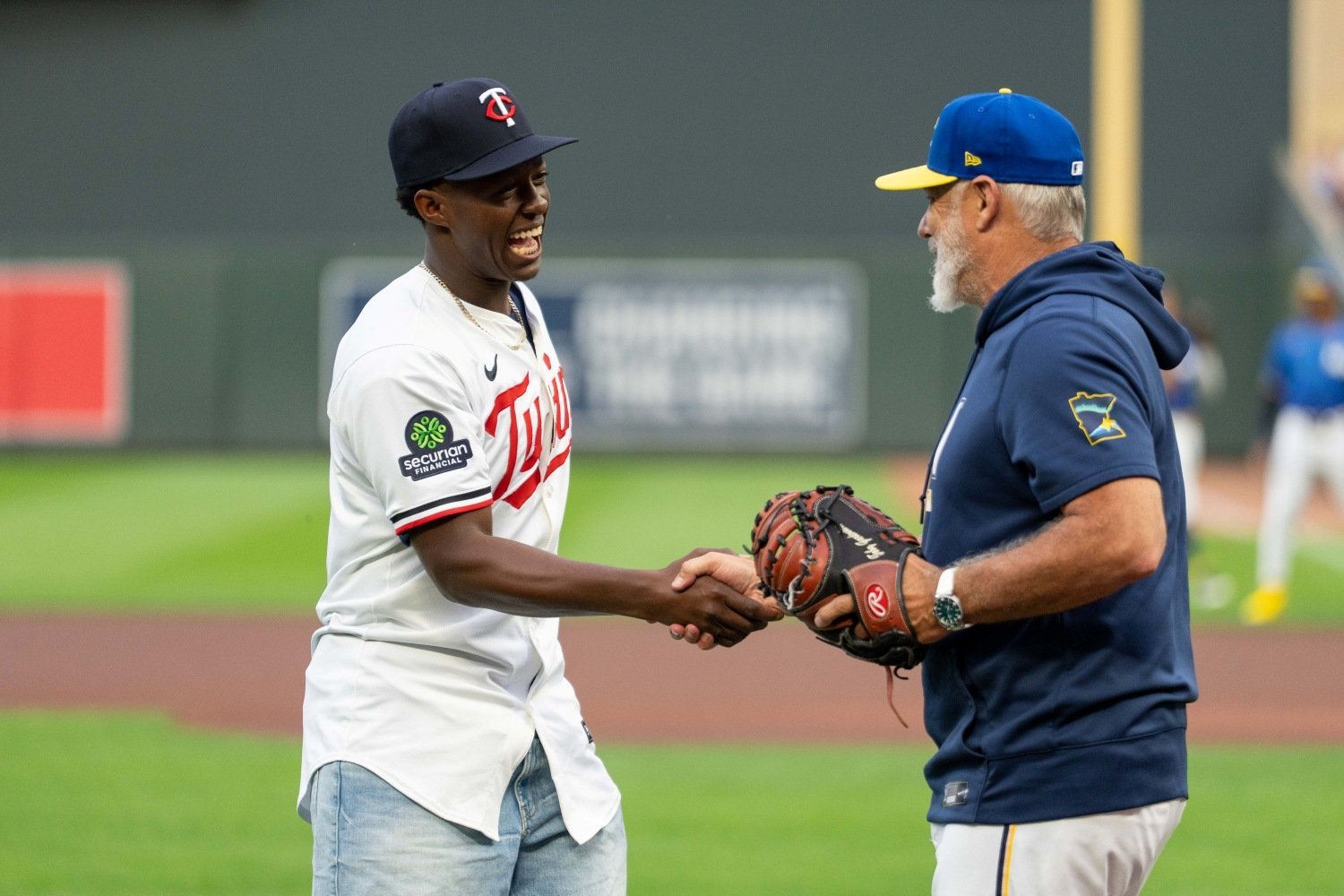 It wasn’t a surprise when the Twins drafted Georgia Tech catcher Vahn Lackey with the third overall pick in the 2026 MLB Draft. Their second pick, Texas catcher Carson Tinney, though, was a surprise. It’s not common to see a team use their first two picks on college catchers who will (theoretically, anyway) be moving through the system at something approximating the same speed, as long as everything goes well. Lackey was a legitimate candidate to be the top pick in the draft, and he’s among the best catching prospects to enter professional baseball in the last decade. There’s a non-zero chance that Twins fans could see him next season, though it’s probably more likely that he reaches the majors in 2028. Either way, he's the heir apparent following Ryan Jeffers's inevitable departure. Few, if any, would rank him any lower than second in the Twins system behind 2023 first-round pick Walker Jenkins; Twins Daily ranked him No. 2 in our most recent reranking. Tinney, on the other hand, is a bit more of a work in progress. His ability to stick behind the plate is uncertain, but he was drafted for having some baseline talent defensively and a ton of raw power. He’s got some swing-and-miss in his profile, and he’s a large human, about 6-foot-4 and 240 pounds. He could have a career as a first baseman if his defense doesn’t come through, assuming he’s able to be productive with the bat. He’s a borderline top-10 organizational prospect, and Twins Daily ranked him 13th. There’s another prominent name to discuss here, though. What made the Tinney selection even more surprising was that the Twins recently traded for a catching prospect. Acquired as part of the Jhoan Durán trade to Philadelphia, Eduardo Tait was the top catcher in the system prior to Lackey’s selection. The 19-year-old made it to High-A last season, but he’s struggled somewhat this go-around after appearing on global top-100 lists including MLB Pipeline and Baseball Prospectus before the 2026 season, ranking in the top five organizationally at most publications. Given his struggles, he’s slipped down lists, but he’s still solidly within the Twins Daily top prospect list at #7. And there are others. Khadim Diaw was the Twins’ third-round pick in 2024. A good athlete, Diaw is questionable to stick at catcher and is seeing time in the outfield, as well. He’s consistently been ranked in the mid-teens to mid-20s on Twins lists, and Twins Daily has him ranked right behind Tinney at No. 14. There’s also Enrique Jimenez, a switch-hitting catcher acquired for Chris Paddack and Randy Dobnak last July who is just 20 and at High-A. Jimenez profiles as a backup catcher, but teams need those. He’s caught on to a few organizational lists in the late 20s. Ricardo Olivar is another Diaw-like prospect who plays catcher and outfield, and it’s questionable that he is an MLB catcher. Furthermore, the Twins have a 17-year-old catcher in Miguel Caraballo, whom they just acquired in a trade during the most recent Rule 5 Draft. Caraballo has also appeared at the end of some top-30 lists. After bringing up all of these names, I first want to point out that among this list, only Olivar and Diaw were in the organization last June. This crop of catching prospects is almost entirely newly acquired, either through trade or draft. The cupboards were bare, with names like Jair Camargo and Diego Cartaya headlining the Twins’ catching prospects, both of whom are no longer in the organization, alongside Olivar. So there has been a major improvement since the beginning of 2025, but this class of catchers is notable in the context of Twins history. I’m going to do a quick exercise using Baseball America’s top 30 Twins prospects year-by-year. It's not a perfect system, but Baseball America consistently gives good prospect rankings, and they have one of the most complete catalogs available. Rankings are mostly available going back to the 1999 season. Although they had Jimenez listed as their 30th Twins prospect, he slipped off at their midseason update, leaving “only” four Twins catchers in their top 30: Lackey (2), Tait (6), Tinney (11), and Diaw (18). The last time the Twins had four catchers in their top 20 prospects? According to Baseball America, never. They did have four catchers in their top 23 back in 2001. Those names were Justin Morneau (5), Rob Bowen (7), AJ Pierzynski (18), and Chad Moeller (23). All four of them went on to have MLB careers ranging from MVP to journeyman third catcher. But hey, if that was the outcome for these four names, I’d be ecstatic. As mentioned, the cupboards have been bare lately. Since 2021, when Jeffers was ranked as the Twins’ No. 4 prospect, the highest a catching prospect has been ranked by Baseball America was 16th by Olivar. In 2022 and 2023, they didn’t rank a single Twins catcher in their top 30. Of course, overall system depth varies year-to-year, and one year’s 10th-best prospect might be another year’s 18th-best prospect. But the Twins have a top-10 system in baseball right now, so those rankings do mean something. Jimenez, who would be the Twins' 5th-best prospect (I’d assume, given his spot on the list at the beginning of the season and his solid production thus far in 2026), would probably be the Twins’ top catching prospect in 2022 and 2023. Right now, he’s buried. Since I did some research and you might be curious, here are some more things I found through this analysis. In addition to 2022 and 2023, the Twins did not have a catcher listed by Baseball America among their top 30 in 2015, 2011, 2007, and 2006. The last time they had a catcher listed second or better was Wilson Ramos in 2010, then Joe Mauer, No. 1 from 2002 to 2005. Other catchers in their top 5 were Jeffers (4th, 2021), Ramos (3rd, 2008-2009), Morneau (5th, 2001), and Matt LeCroy (3rd, 2000; 5th, 1999). They’ve only even had two in their top 10 twice, Mauer and Bowen (8) in 2002 and Morneau and Bowen in 2001. Note: The rankings for 2000 only went 10 deep, and only LeCroy (3) made the top 10. I’m unsure where Pierzynski and Co. were on that list. It’s possible that between LeCroy and the four names from 2001, the Twins did indeed have five catchers or four in the top 20, but I can neither confirm nor deny. Similarly, in 1999, only the top 15 is available. That list included LeCroy (5) and Pierzynski (14). Needless to say, the Twins are in a long-term catching position that they have not been in for quite some time. Catcher development is hard to predict, but they have one of the surest bets to be a long-term catcher in Lackey, quality Plan Bs (or co-catchers with Lackey) in Tait and Tinney, and a host of depth options in Diaw, Jimenez, Olivar, and Caraballo. Hopefully, at least two of those names turn out to be real talents behind the dish. Catching depth is valuable in trade, as well. It might have seemed unconscionable to include a talent like Tait in a trade in November, given how bare the catching cupboard was, but today, his spot in the system is far easier to backfill (even if far easier might still mean pretty difficult). Overall, the Twins are far better set at catcher than they were 13 months ago, and although there are no sure things when it comes to baseball prospects, this is a better situation than they’ve had in decades. The cries from fans, almost overnight, switched from “when will the Twins get their catcher of the future?” to “why are the Twins obsessed with catchers?” View the full article
 -
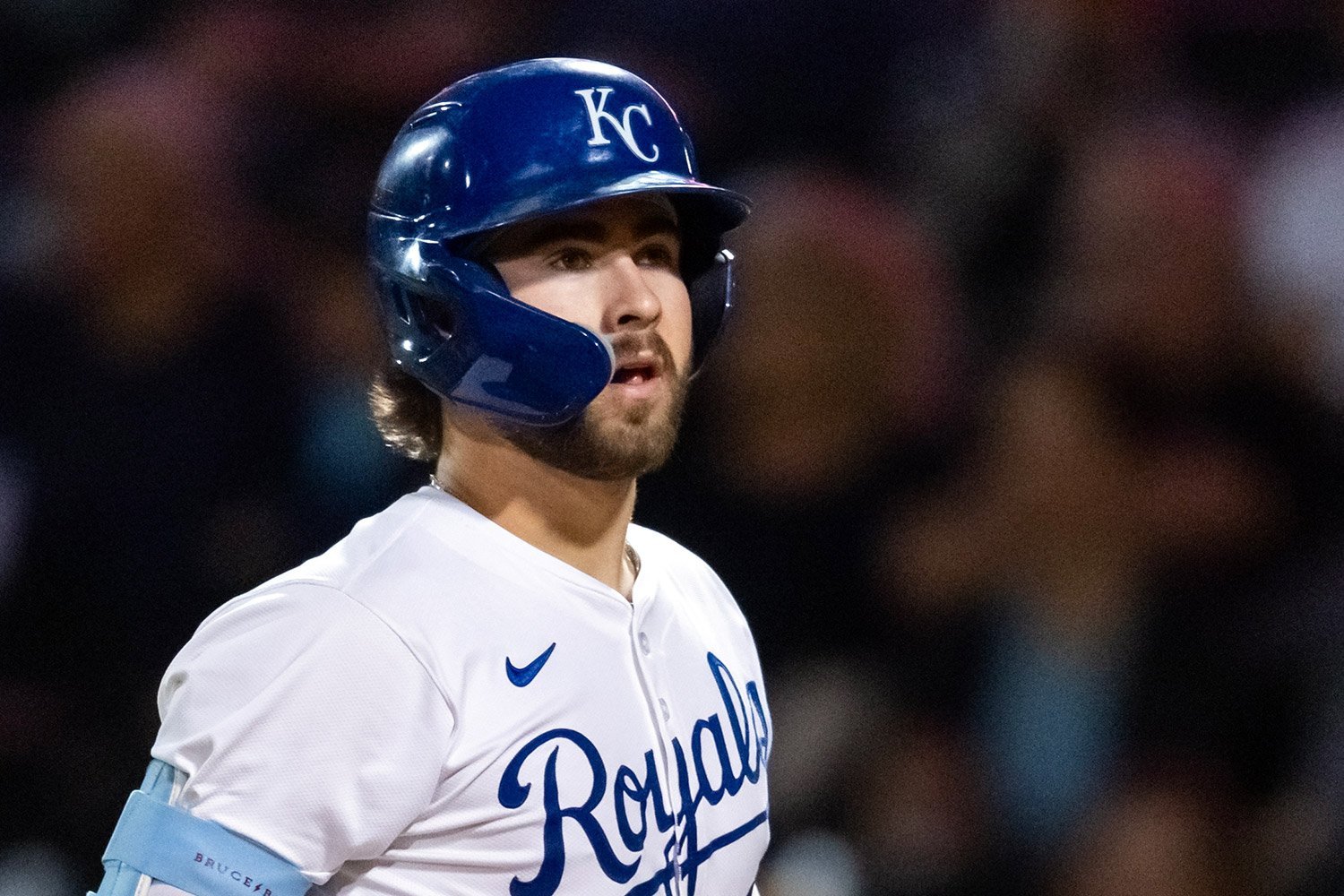 The Kansas City Royals selected Blake Mitchell with the 8th overall pick in the 2023 MLB draft. Mitchell was a high school catcher out of Sinton, Texas. As the first prep catcher off the board, the Royals had incredibly high hopes for Mitchell’s long-term success. The draft prospect grades for Mitchell were outstanding. Hit 55, Power 55, Arm 70, Field 50, Run 35 for an overall grade of 55. Very deserving numbers to be taken that high in the draft. Mitchell spent the 2023 season at the Complex League, appearing in 13 games in his first taste of professional baseball. In 2024, he was assigned to Low-A Columbia and, in 106 games, had an exceptional season, posting a .238 batting average, .376 OBP, .439 slugging percentage, an .815 OPS, and slugging 18 home runs. He also posted a 35.0% strikeout rate. That earned Mitchell a brief five-game promotion to High-A Quad Cities to end the season. The 2025 season was derailed before it ever got started. On February 23, 2025, it was announced that Mitchell would undergo surgery on his right hamate bone, leading to 4-6 weeks of downtime plus a rehab assignment. A hamate bone injury is notorious for sapping power, and that's what happened. Mitchell returned to High-A and in 49 games produced a .207 batting average, .372 OBP, .296 slugging percentage, and a .668 OPS while being reduced to just 2 home runs. He also continued to post another high strikeout rate of 32.9%. Fast forward to the end of Mitchell’s fourth professional campaign, and he is putting up another really good season, batting .233, with a .414 OBP, .469 slugging percentage, and a .883 OPS while bashing 17 home runs. Unfortunately, his strikeout rate has continued to climb to an unsustainable 34.5%. Mitchell has become the epitome of a true three-outcome hitter: walk, strike out, or hit a home run. What do you do with a player with this truly interesting batting profile? Option 1: Promote Mitchell To Double-A There are definite arguments for a promotion. Mitchell is having a good season, save for his strikeout rate. He would definitely see better pitching at Double-A Northwest Arkansas. It is clear Mitchell has an excellent grasp of the strike zone. He has walked at an incredible 23% rate in 2026. With better pitches to hit, does his contact rate increase? We won’t know until Mitchell is promoted, but there are signs that contact rate has been getting better right before our eyes. Since July 1st, Mitchell is hitting .321/.433/.643/1.076 with 4 home runs, 11 walks, and just 12 strikeouts in 67 plate appearances. That is a 16.4% walk rate with a 17.9% strikeout rate. It is a small sample size, but is it sustainable? Has Mitchell figured some things out and deserves a promotion? Or is the sample too small and it is just a hot streak? Option 2: Keep Mitchell At High-A For Remainder Of 2026 The High-A season ends September 6. With 38 games remaining and hopefully a playoff appearance in their future, there are benefits to remaining with the River Bandits. If Mitchell has figured some things out to improve his contact rate while dropping his strikeout rate, this would allow him to continue to build on the 67 plate appearances currently trending in a positive direction. The Double-A Northwest Arkansas Naturals did not win the first-half split and are currently tied for fourth place and 2.5 games behind the division leader in the North Division. A playoff spot and extending the season is unlikely at Double-A. A promotion potentially denies Mitchell exposure to high-pressure playoff baseball. Additionally, if this was just a hot streak, Mitchell could get exposed and further diminish his already declining prospect status. Option 3: Trade Mitchell, Either At Trade Deadline Or In Offseason Internally, if the Royals do not believe the player will ever hit for average, you could look to move them in a trade. Mitchell happens to have a running mate at High-A in Ramon Ramirez that is also a catcher. Ramirez is still learning the position, as he was converted to catcher from the outfield four years ago when he was a Royals international signing. By all accounts, Mitchell is the superior defender, but Ramirez is the more well-rounded hitter. Until recently, Mitchell has been the more highly touted prospect, which makes sense given his first-round draft status. In 2024, MLB Pipeline had Mitchell ranked as the 94th overall prospect and climbed to 52 by season's end. In 2025, Mitchell ranked 48th overall even with an injury-marred season. In 2026, Mitchell started the season as the 50th-ranked prospect but has fallen out of the top 100 in MLB.com rankings and to 105th in the FanGraphs pre-trade-deadline rankings. Do you look to move a once top 100 prospect before the shine wears completely off of them? You do have 23-year-old rookie Carter Jensen already ranking in the top 10 as an offensive catcher in the major leagues and an up-and-coming catcher in Ramón Ramírez that recently surpassed Mitchell in those same 2026 FanGraphs top 100 rankings at 81st overall. This would be a great time to trade from a clear position of organizational depth to address an area of weakness. According to MLB Trade Rumors, the Angels are looking to acquire a young catcher and are clear sellers at the trade deadline. Could the Angels be a potential trade partner for a Royals franchise that hopes to rebound in 2027? The Royals have an interesting dilemma on their hands. They have a former first-round pick with great defense, a good eye, and immense power, who strikes out too much but has recently been making better contact. They have young organizational depth with Carter Jensen and Ramon Ramirez in the organization. They also have a clear need in both the high minors and with the MLB club lacking talent in the outfield, starting pitching, and relief pitching. Arguments can be made for all three scenarios. It will be interesting to see what decision the Royals front office will make with Blake Mitchell. Which path would you pick? Maybe you have other ideas on how to handle the situation. Please leave your comments. I would love to hear your thoughts. View the full article
 -
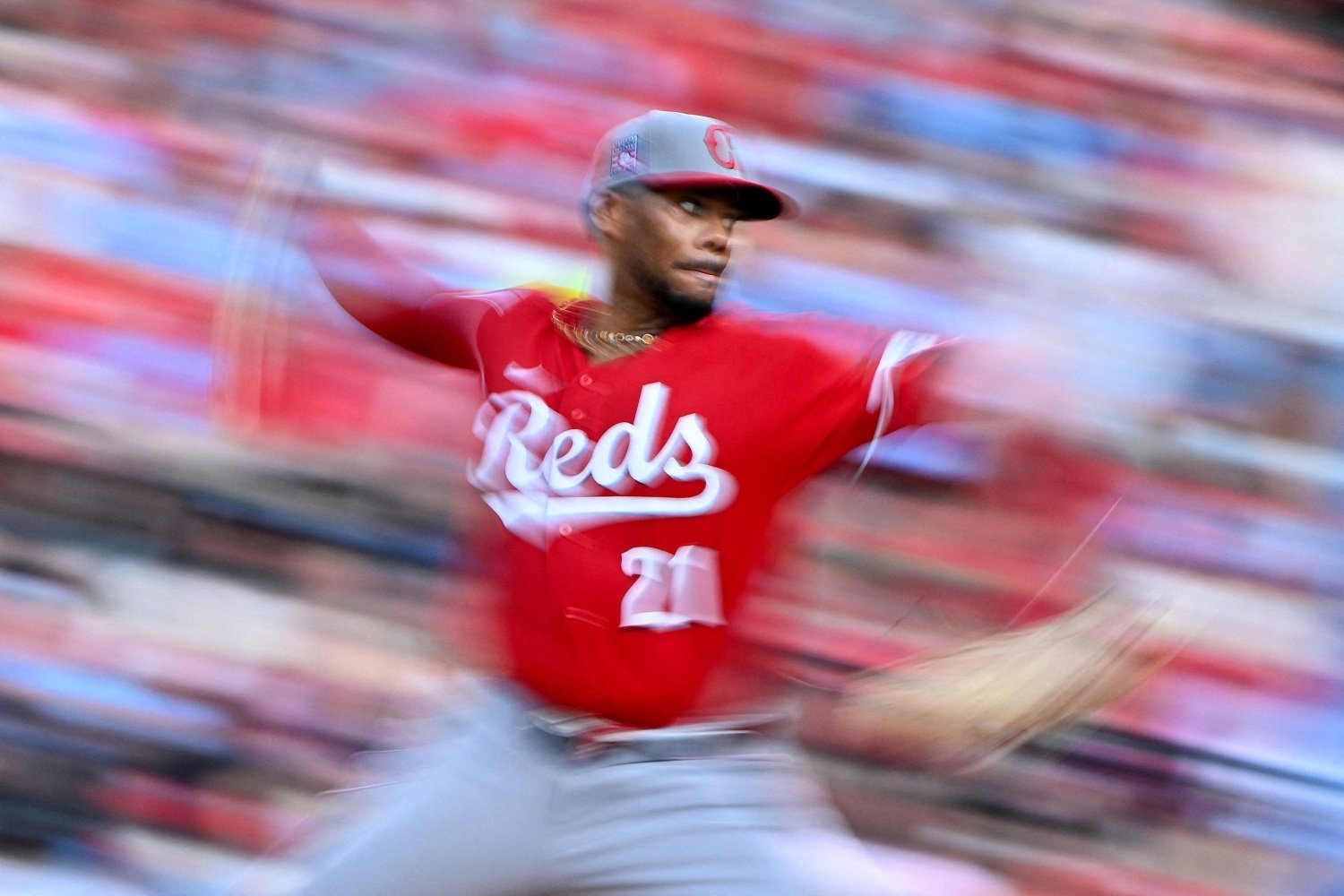 It’s no secret that, if the Cubs want to make a deep postseason run this October, they have to add some pitching before Monday's trade deadline. They have some depth, but when October rolls around, every contender wants as many top-of-the-rotation starters as possible. That's why names like Tarik Skubal and Joe Ryan have dominated the rumor mill over the past several weeks. But there's one name that almost nobody has mentioned. What if the Cubs made a run at Cincinnati Reds ace Hunter Greene? Now, before you race to the comments to tell me how crazy this is, it's worth acknowledging the obvious. Greene is only 26 years old, one of the most electric pitchers in baseball, and he's under team control well beyond this season. On top of that, trades between division rivals are uncommon, especially when they involve a player of Greene's caliber and who's under control for more than part of a season. There are plenty of reasons why this deal never gets off the ground. The Reds may have no interest in helping a division rival, even if they're willing to move Greene. If Cincinnati does decide to listen to offers, they might prefer sending him to an American League club, rather than keeping him in the NL. And because of Greene's age, talent, and remaining team control, the asking price would almost certainly be enormous. The Cubs would have to decide whether the upside of adding a true ace outweighs the risk of giving up multiple premium young players for a pitcher with an extensive injury history—and giving them, specifically, to a division foe. But even with all of those obstacles, the more you look at Cincinnati's situation, the more you can start to understand why the Cubs should at least pick up the phone. There's no questioning Greene's talent. When healthy, he's every bit the ace teams spend years trying to develop. His upper-90s fastball is among the best in baseball; he misses bats at an elite rate; and he's shown he can dominate the league's best lineups. The problem has never been ability; it's been availability. Despite debuting back in 2022, Greene has never thrown more than 150 innings in any season. Injuries have repeatedly interrupted what has otherwise looked like a career that should include a Cy Young Award or two. This season has been another reminder of that reality. Greene missed more than three months at the start of the year, after undergoing elbow surgery to remove bone spurs in his throwing arm. While the procedure isn't viewed the same way as Tommy John surgery (which he's also had), it adds another entry to an injury history that's becoming difficult to ignore. It's also far from the only issue he's dealt with. In addition to his arm injuries, he's dealt with a lengthy list of lower-body and other non-arm ailments that have limited his time on the mound. When Greene's healthy, he's one of the best pitchers in the National League. The problem is knowing how often you'll actually have him, and that's where things could become interesting for Cincinnati. The Reds certainly aren't one of baseball's biggest spenders, and Greene's contract is about to become considerably more expensive. He's owed roughly $32 million over the next two seasons, a more than reasonable number for an ace but a much more difficult commitment for a small-market club when that ace hasn't been able to stay on the field. Cincinnati has to ask a difficult question: Is it worth committing that kind of money to a pitcher whose biggest obstacle year after year is his own health? If the answer is no, Greene suddenly becomes a fascinating trade candidate. The Reds could capitalize on his immense value while avoiding the financial risk that comes with paying for his late-20s seasons. From the Cubs' perspective, it's exactly the kind of gamble a contender should be willing to make. If Greene stays healthy, he'd immediately give Chicago one of the better postseason rotations in baseball, while remaining under contract well beyond this year's playoff run. That's not something most of the other starters on the market can offer. The Cubs have the organizational depth to put together a compelling offer if the Reds ever became serious about moving Greene. It would take a significant package—arguably, so much so that it would leave the cupboard bare—but it's not impossible. A deal centered around Matt Shaw and Jaxon Wiggins would give Cincinnati a young, everyday outfielder and the Cubs' best pitching prospect, along with another player or two. Another possibility could feature Pedro Ramírez, Moisés Ballesteros and Wiggins, giving the Reds two young players on the verge of becoming everyday major-leaguers, along with a high-upside arm. If the Cubs were truly willing to push all of their chips to the middle, they could offer Shaw, Wiggins and Jefferson Rojas in a true blockbuster package. None of those returns would be easy to stomach, but that's the type of talent it would likely take to pry away a 26-year-old ace with multiple years of team control. Rental pitchers certainly have value, but acquiring someone like Greene would strengthen the Cubs' rotation for years, instead of months. That's a debate worth having, but it's also why Greene stands out from the rest of the market. Most trade targets come with limited upside or only a few months of team control. Greene offers something few pitchers can: legitimate ace potential for multiple seasons. Even if the odds of a deal remain slim, the Cubs should at least explore the possibility. Sometimes the best trade deadline moves are the ones nobody sees coming. If the Reds decide the injury concerns and future financial commitment outweigh the reward, Hunter Greene could become one of the most intriguing names available before the deadline. Even that's unlikely, but the more you hear the word 'creative' about them this week, the wider you can imagine that door opening. View the full article
 -
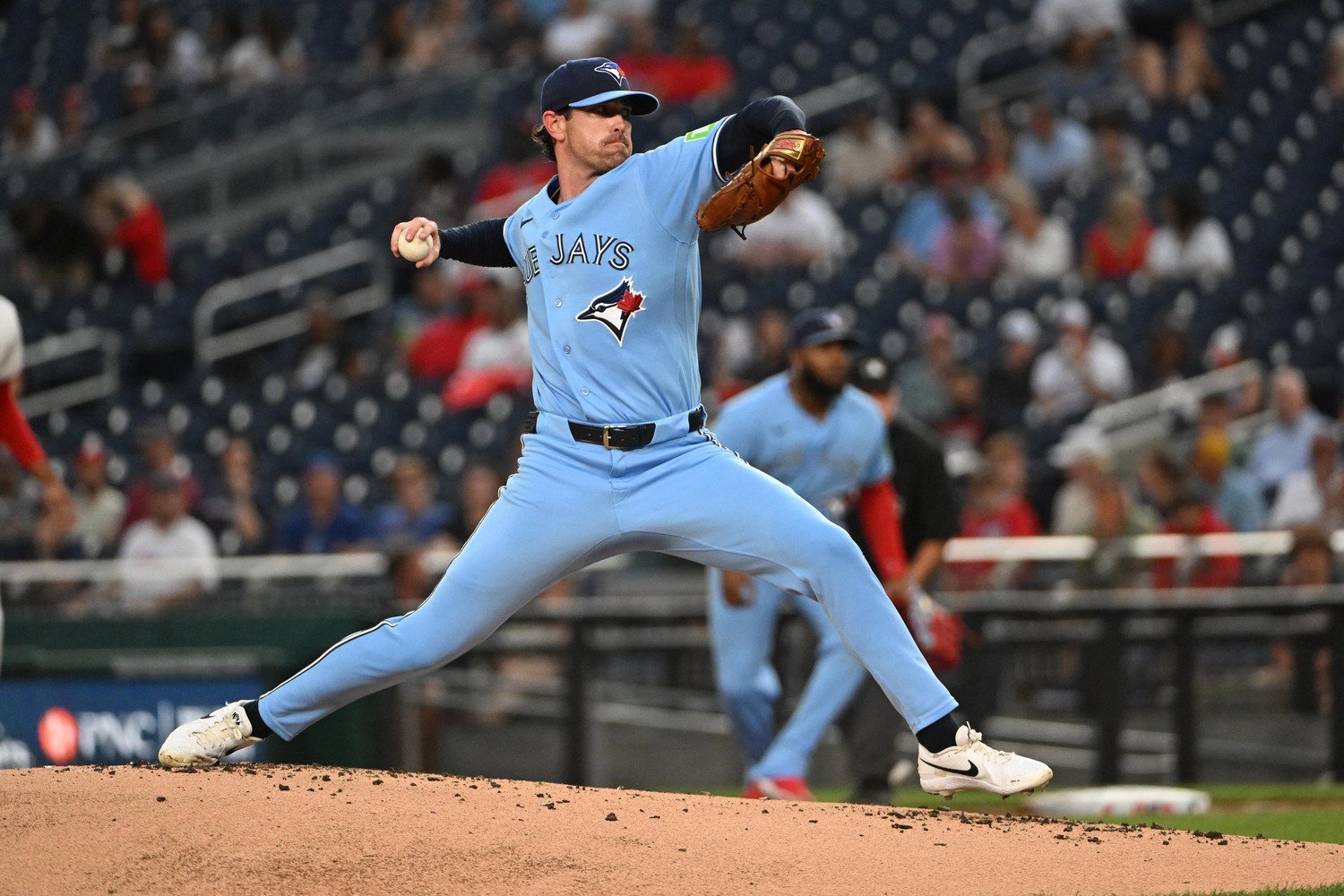 The clock continues to tick towards the trade deadline, and the market seems to be anxiously waiting for the season’s first big trade to start a cascading response across the MLB. Perhaps either Tarik Skubal or Mason Miller will be that first big trade. The Jays would be wise to secure some depth and controllable pieces for expiring contracts as they explore their options. For Ross Atkins and the front office, there are definitely some untouchables, but for the most part every player on the roster can be had for the right price. Here's a look at where every notable Blue Jay stands before the deadline. Untouchable 1. Vladimir Guerrero Jr. A disappointing season thus far and a long-term, big contract mean Vladdy isn’t going anywhere. As the saying goes, “sell high, buy low.” Vladdy’s return these days, even if you could find a buyer, wouldn’t be worth it. Trade likelihood: 0% 2. Kazuma Okamoto Toronto signed Okamoto to be more than a short-term solution, and he has come as advertised. Some whiff, but big power. Decent defender as well. His contract and production profile make him far more valuable to the Jays than he would be as a trade chip. Trade likelihood: 0% 3. Dylan Cease He might have even exceeded expectations thus far. Front-line starting pitching is among the hardest assets in baseball to acquire, and Cease remains a bona fide No. 1 starter. He is locked in for the next six seasons. Unless the Jays receive a crazy offer, moving him would create a hole impossible to fill. Trade likelihood: 0% 4. Trey Yesavage The Blue Jays view him as a potential rotation anchor for years to come. Some inconsistency this season can be corrected. Trading a high-upside rookie pitcher while the big league club is in transition doesn’t make sense. Trade likelihood: 0% 5. Brandon Valenzuela Good young catchers are exceptionally difficult to find. Valenzuela offers a switch-hitting bat, offensive upside, defensive growth, and years of affordable control. Trade likelihood: Under 5% Unlikely To Be Traded These players aren't untouchable, but the Jays would need a compelling reason to move them. 6. Alejandro Kirk Even a disappointing season so far doesn't justify moving Kirk. Trade likelihood: 10% 7. Spencer Miles Young controllable bullpen arms are exactly the type of players rebuilding or retooling teams retain. Miles could become part of Toronto's next late-inning core alongside Fisher and Fluharty. Trade likelihood: 10% 8. Mason Fluharty Left-handed relievers with years of control are extremely valuable. He has been a workhorse this season. Trade likelihood: 10% 9. Braydon Fisher Like Fluharty, Fisher is one of John Schneider’s go-to options in the pen. Reliable and durable. Trade likelihood: 10% 10. Myles Straw Like Giménez, Straw's contract significantly limits trade possibilities. However, his improved contributions have made him more valuable to Toronto than to many potential buyers. Trade likelihood: 10% 11. Adam Macko Macko has been decent when given the chance. Trade likelihood: 10% 12. Andrés Giménez His contract makes a trade difficult, but the defense makes him valuable. Enough for someone to bite… probably not. Trade likelihood: 15% 13. Lenyn Sosa The Jays have invested time into the currently injured Sosa. His age and club control fit the next competitive timeline better than many veterans. Trade likelihood: 15% 14. Davis Schneider Schneider still retains intrigue because of his offensive upside and positional flexibility. His Buffalo numbers have been good, but he hasn’t done much at the major league level when given the chance this season. There is a market for right-handed bats, so we will see. Trade likelihood: 20% 15. Luis Urías Urías does all the little things contenders appreciate. The reason he remains unlikely to move is simple: He's useful and affordable. Trade likelihood: 20% 16. Louis Varland Contenders want durable pitchers like Varland. That’s why the Jays picked him up in the first place. It is highly unlikely the front office moves a cost-controlled bullpen weapon unless they are blown away by an offer. Trade likelihood: 20% 17. Ernie Clement His value has never been higher. He's versatile, inexpensive, productive, and beloved in the clubhouse. From a value perspective, it makes more sense to keep him, but if the price is right... Trade likelihood: 25% 18. Tyler Rogers Rogers might be one of the most valuable relievers available, but he is under contract for two more seasons, so the deal would need to be sweet. Trade likelihood: 30% Legitimate Trade Candidates These are players opposing teams are calling about. 19. George Springer Does his upside (leadership and offensive output) supersede the remaining value of his expiring contract? Trade likelihood: 40% 20. Max Scherzer His no-trade protection gives him enormous control over any discussions, but he is no doubt hungry for another playoff run. Trade likelihood: 50% 21. Daulton Varsho If a contender believes his bat can rebound, the market could be strong. Trade likelihood: 55% 22. Jesús Sánchez Jays have a surplus of outfielders. As a power-hitting corner outfielder, there is a market. Trade likelihood: 60% 23. Brendon Little A controllable reliever can often bring back more value than fans expect. Trade likelihood: 65% 24. Jeff Hoffman Jays fans fixate on his blown saves and control issues, but Hoffman could generate a good return on the roster because contenders usually overpay for late-inning relief help. Trade likelihood: 70% 25. Nathan Lukes Every year, playoff teams search for reliable outfield depth. His value probably exceeds his long-term importance to Toronto. Trade likelihood: 70% 26. Kevin Gausman Veteran starters with playoff experience always carry deadline value. An expiring contract means the Jays can always try to re-sign him after the season. Trade likelihood: 70% 27. Shane Bieber Not a great game yesterday, but he had some good starts before that. He's experienced, accomplished, and capable of helping a postseason rotation. Trade likelihood: 75% Who's Missing? Addison Barger If healthy, Barger would be in the “unlikely to be traded” category. His age, power potential, and years of control (along with being injured) take him off the table. José Berríos His injury status takes him off the table as well. Jonatan Clase A packed outfield might put him in the mix. His speed, athleticism, and years of control make him the type of player teams generally keep through a transition period. If the organization throws in the towel for this season, the most aggressive shopping list should include Bieber, Hoffman, Lukes, Little, Gausman, and Sánchez, with Scherzer, Varsho and Springer available depending on market conditions and player approval. Everyone else is available only if another club makes an offer too good to refuse. View the full article
 -
 Ready or not, Clay Holmes is on his way back to the New York Mets. He’ll spend the rest of this week waiting to see when and for whom his next start will be. The right-hander completed an abbreviated minor league rehab assignment Tuesday with four scoreless innings for Single-A St. Lucie at Dunedin. He allowed two hits and two walks and struck out three. He threw 59 pitches, his biggest workload in his three rehab outings, with 37 for strikes. MLB.com reported that Holmes reached 94.1 mph with his sinker. As of now, he’s lined up to make his next start Sunday, one day ahead of the Aug. 3 MLB trade deadline, with his pitch count around 70. If he reports no problems after Tuesday’s start, trade talks figure to move to full steam ahead, and Sunday may never come into play; either the Mets will deal him before then, or they’ll hold back one of their top trade assets to extract maximum value. Holmes pitched for a St. Lucie squad that was overhauled earlier in the week amid a series of late-season promotions by the organization. Ten players were called up from the FCL Mets on Monday, and six of them were in the starting lineup Tuesday. All six contributed to a 14-6 victory. The full list of promotions, per the affiliates’ respective transactions pages: To Syracuse from Binghamton (1): LHP Jonathan Santucci (No. 8 prospect in Grand Central Mets’ Top 20) To Binghamton from Brooklyn (2): RHP Noah Hall, SS/2B Mitch Voit (No. 7) To Brooklyn from St. Lucie (6): RHP Joel Diaz, OF Randy Guzman (No. 14), SS/3B Antonio Jimenez (No. 17), C Chase Meggers, RHP Emilio Obispo, INF/OF Trey Snyder To St. Lucie from FCL Mets (10): OF Bohan Adderley, OF Kuhio Aloy, INF Dylan Carey, INF Vladi Gomez, OF Aiden Robbins, C Yovanny Rodriguez, INF Kooper Schulte, OF John Smith III, C Ryan Tayman, OF Wyatt Vincent. Robbins, Tayman, Aloy, Smith and Schulte were all taken by the Mets in the MLB Draft earlier this month. Elsewhere in the organization: Syracuse lost to Rochester 6-5. Ronny Mauricio and Nick Morabito (No. 5) homered in the loss. Mike Tauchman, still on rehab, went 0-for-5. Tobias Myers gave up five runs in the second inning. Voit’s Binghamton debut was postponed because of rain in Reading, Pa. The clubs will make up the game Saturday as part of a twilight doubleheader. Game 1 is set for 4:30 p.m. ET. Brooklyn dropped a 10-6 decision to Winston-Salem. Guzman, Jimenez and Snyder all were in the lineup for the Cyclones. Rehabbing big-leaguer Andy Ibañez had three hits and scored a run. DSL Mets Blue topped the DSL Cardinals 5-4. Sanchez and Oramas each had two hits and two RBIs. Marquez allowed a run and no hits over three innings. DSL Orange lost 6-5 to DSL Arizona Red. Wandy Asigen (No. 12) hit his first professional home run, a solo shot in the fifth inning. New York Mets Transactions No Roster Moves Morabito, Mauricio Supply The Offense For Syracuse The M&M Boys combined for four hits, five RBIs and four runs scored. They started early as they put Syracuse ahead 1-0 in the first. Morabito opened the game with a single and later scored on Mauricio's sacrifice fly. Rochester answered with five runs in the second against Myers. Four straight singles produced the tying run, a forceout brought home the go-ahead run, a wild pitch made it 3-1, and a two-run double closed out the inning. Myers left after 1 2/3 innings. Morabito cut into the deficit in the third with a two-run home run to left-center. Mauricio sliced it further in the seventh with a two-run home run to left. Syracuse couldn't do anything after that. Syracuse Mets Hitting Player AB R H RBI BB K Nick Morabito 4 3 2 2 1 0 Mike Tauchman 5 0 0 0 0 1 Ronny Mauricio 3 1 2 3 0 0 Christopher Morel 4 0 1 0 0 0 Ryan Clifford 3 0 0 0 1 2 Christian Arroyo 4 0 2 0 0 1 Cristian Pache 3 0 0 0 0 1 MJ Melendez 1 0 0 0 0 0 Hayden Senger 3 0 0 0 0 1 Jihwan Bae 1 0 0 0 0 0 Zack Short 2 1 0 0 1 1 Ben Rortvedt 1 0 0 0 0 0 Syracuse Mets Pitching Player IP H R ER BB K HR Tobias Myers 1 2/3 4 5 5 1 1 0 Matt Seelinger 1 1/3 1 0 0 1 1 0 Matt Turner 2 1 0 0 0 1 0 Dan Hammer 1 2 1 1 2 1 0 Nate Lavender 2 1 0 0 0 3 0 Brooklyn Rally Falls Short Brooklyn scored two in the eighth and two in the ninth, and it got the tying run to the plate in the ninth, but the Cyclones could not overcome an early deficit. Winston-Salem led 10-2 going into the bottom of the eighth. A five-run fourth decided the game. Winston-Salem opened with two singles and a walk to load the bases. Starter Daviel Hurtado departed after a line out for the first out. Parker Carlson entered and allowed three straight RBI singles. A forceout scored a fourth run, and a throwing error brought in the fifth run. Daviel Hurtado walked six over 3 1/3 innings to go with five hits allowed. He struck out three. Guzman, Jimenez and Snyder all played after their promotions. Guzman singled home a run in the fourth and drew a bases-loaded walk in the ninth. Snyder had two hits and an RBI. Jimenez had a hit and scored a run. Jacob Reimer (No. 6), on rehab from Double-A Binghamton, added a double and a walk. Brooklyn Cyclones Hitting Player AB R H RBI BB K Yonatan Henriquez 4 2 0 0 0 0 Jacob Reimer 4 2 1 0 1 2 Andy Ibáñez 4 1 3 0 1 1 Trey Snyder 5 0 2 1 0 0 Randy Guzman 4 0 1 2 1 2 Ronald Hernandez 5 0 1 1 0 1 Daiverson Gutierrez 4 0 0 0 0 1 Antonio Jimenez 4 1 1 0 0 1 JT Benson 4 0 1 0 0 1 Brooklyn Cyclones Pitching Player IP H R ER BB K HR Daviel Hurtado 3 1/3 5 5 5 6 3 0 Parker Carlson 1 2/3 3 2 1 0 2 0 Hunter Hodges 1 1 1 1 1 2 0 Josh Blum 1 2 2 2 1 1 0 Cristofer Gomez 2 0 0 0 2 4 0 Promoted Players Give St. Lucie A Jolt The newcomers went right to work. Smith, a 19th-rounder, homered twice in his pro debut, and drove in three runs. Tayman, making his debut after being drafted in the ninth round, homered in his first at-bat, a two-run drive in the second inning, sparking a 4-for-5 night. He also scored three times. Robbins, in his pro debut after being selected in the third round, drove in two. Rodriguez, Vincent and Schulte each had a hit, and all three scored at least once. Holdovers Marco Vargas (No. 20) and Elian Peña (No. 4) contributed as well. Vargas was 3-for-5 with three RBIs, while Peña homered in the eighth. New York reliever Austin Warren made a rehab outing himself. The right-hander followed Holmes and threw a scoreless fifth inning, walking one and striking out one while throwing 13 pitches (eight strikes). He was credited with the win. The new-look Mets led 8-0 after 5 1/2 innings. Dunedin scored four in the bottom of the sixth against Tyler McLoughlin, who recorded just one out. The Blue Jays scored two more in the ninth against Luis Alvarez for the final margin. St. Lucie Mets Hitting Player AB R H RBI BB K Elian Peña 5 2 1 2 1 0 Cole Mathis 3 0 0 1 0 1 Julio Zayas 0 1 0 1 2 0 Marco Vargas 5 1 3 3 1 1 Aiden Robbins 6 0 2 2 0 1 Yovanny Rodriguez 4 2 1 0 1 1 John Smith III 5 2 2 3 0 1 Ryan Tayman 5 3 4 2 0 0 Wyatt Vincent 4 1 1 0 1 2 Kooper Schulte 3 2 1 0 1 2 St. Lucie Mets Pitching Player IP H R ER BB K HR Clay Holmes 4 2 0 0 2 3 0 Austin Warren 1 0 0 0 1 1 0 Tyler McLoughlin 1/3 4 4 4 1 0 0 Ernesto Mercedes 1 2/3 0 0 0 0 4 0 Miguel Mejias 1 0 0 0 0 1 0 Luis Alvarez 1 1 2 2 2 2 0 Top-20 Prospect Performance Jonah Tong: DNP Jack Wenninger: DNP Ryan Clifford: 0-for-3, BB, 2 K Elian Pena: 1-for-5, HR, BB Nick Morabito: 2-for-4, HR, BB Jacob Reimer: 1-for-4, 2B, BB, 2 K Mitch Voit: DNP Jonathan Santucci: DNP Zac Thornton: MLB Chris Suero: DNP Will Watson: DNP Wandy Asigen: 1-for-4, HR, RBI, BB Eli Serrano III: DNP Randy Guzman: 1-for-4, BB, 2 K Dylan Ross: DNP Ryan Lambert: DNP Antonio Jimenez: 1-for-4, K R.J. Gordon: DNP Jonathan Pintaro: DNP Marco Vargas: 3-for-5, 2B, BB, K View the full article
 -
 Boston Red Sox Affiliate Recap Triple-A Worcester Red Sox Season Record: 51-47 The WooSox's late ninth-inning surge came up just short, falling 4-3 to the Norfolk Tides (Baltimore Orioles). In the leadoff spot, Franklin Arias smoked the first pitch he saw from long-time MLB veteran pitcher Chris Bassitt for his first Triple-A hit and home run with a 103.8 MPH exit velocity, putting the Sox on top 1-0. Although the young slugger is 1-for-12 since his promotion, he has been crushing the baseball. Just for reference, Arias hit into a 96 MPH flyout, 98.9 MPH groundout, and an 89.2 MPH flyout in this game. His last out was not particularly hit too hard, but this is how his first three games have been: hard-hit outs. Norfolk tied it up in the fourth as Raymond Burgos surrendered the only run of his four-inning start. The Tides gave themselves a lead in the seventh with an RBI single and some small ball, a sacrifice bunt that led to another run crossing the plate, 3-1. A solo shot in the eighth from the Orioles affiliate extended their lead to 4-1, putting Worcester in a hole to enter the ninth inning. With two outs and nobody aboard, the WooSox did not give up. Allan Castro roped a double to right field, and Brett Harris drew a walk to put two runners on. During Kristian Campbell’s at-bat, a couple of wild pitches brought in Castro to make it 4-2. Norfolk’s pitcher was still wild as Campbell drew a four-pitch walk, putting runners on the corners. Vinny Castro forced the Tide’s shortstop to make a good play, legging out an RBI infield single to put Worcester within one run, 4-3. Arias had a chance to tie it with the runner on third but flew out to end the game. Double-A Portland Sea Dogs Season Record: 51-45 The Sea Dogs had trouble hitting with runners aboard, suffering a tough 8-3 defeat to the Harrisburg Senators (Washington Nationals). Oddly enough, Portland out-hit the Senators with 10 to their five, but scored just three runs while going 3-for-13 with RISP. The Sea Dogs pitching staff did not help much either; however, they gave up six runs (two unearned), with their downfall coming from walking nine batters, giving Harrisburg more opportunities to score. With bases loaded and no outs in the first inning, the Sea Dogs had a golden opportunity to strike ahead. Unluckily, Johanfran Garcia grounded into a double play to bring in a run, but that was the only runner they brought in. After lighting up Triple-A, second baseman Tyler McDonough was sent back down to Double-A to make room for Tsung-Che Cheng from Boston. The unfortunate news did not stop the former third-rounder, as he delivered multiple RBI singles and stolen bases for Portland. Jack Winnay, Ronald Rosario, and Nelly Taylor all recorded two-hit days and the only doubles for the Sea Dogs. Hayden Mullins started on the mound and struggled finding the strike zone (85 pitches – 46 strikes) but did not have any problems missing bats, only allowing one hit with six strikeouts, but gave up four walks and three runs (two unearned). Jeremy Wu-Yelland was great through two perfect innings of relief with four strikeouts. Standout Performances: Tyler McDonough: 2-for-3, R, 2 RBI, BB, 2 SB Nelly Taylor: 2-for-2, 2B, R, 2 BB Jeremy Wu-Yelland: 2 IP, 0 H, 0 ER, 4 K High-A Greenville Drive Season Record: 39-54 The game was postponed due to rain. Makeup on July 30. Low-A Salem RidgeYaks Season Record: 41-54 The game was postponed due to rain. Makeup on July 29. View the full article
 -
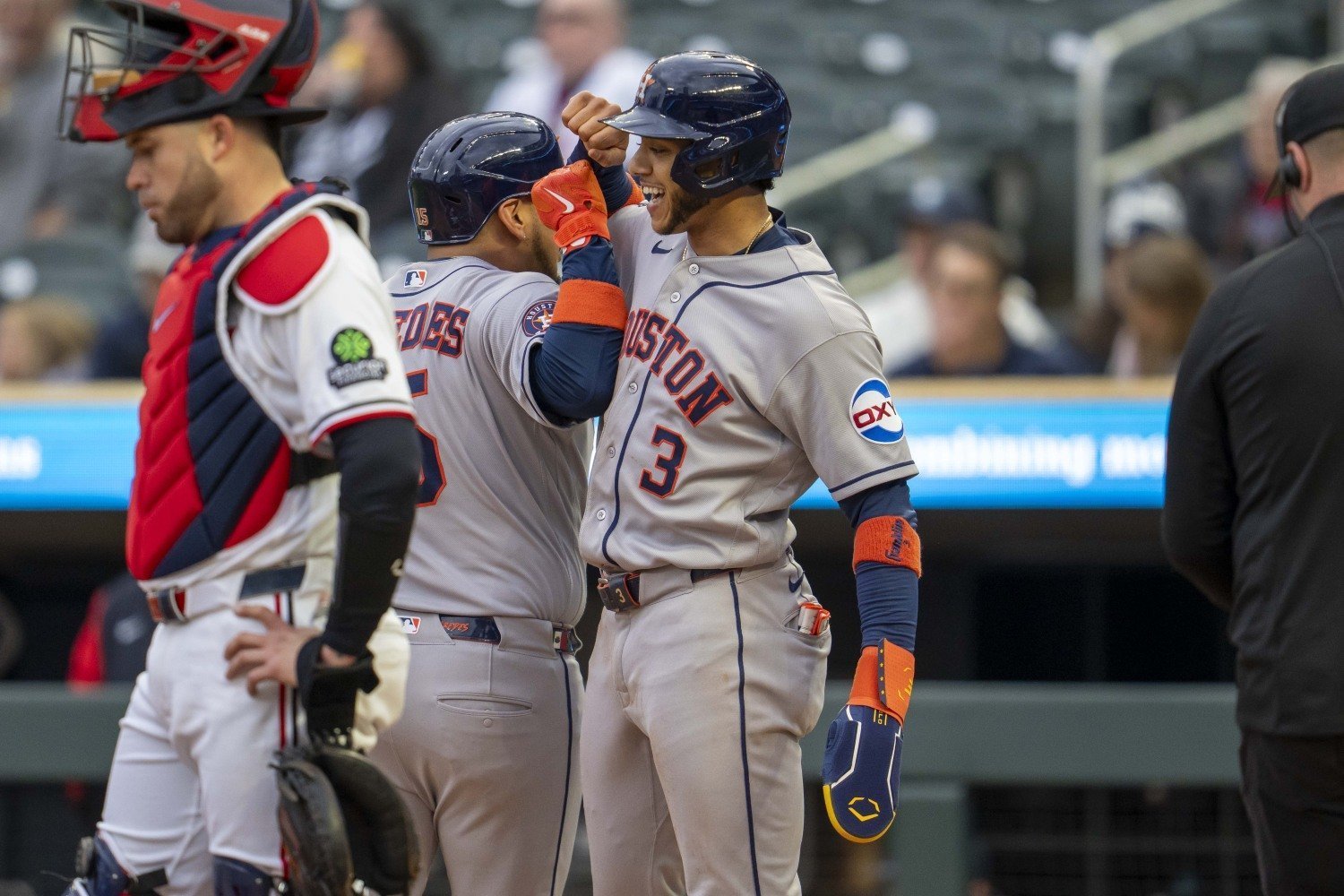 The Minnesota Twins offense has been among baseball's best all season and currently leads the American League in runs scored. The lineup has consistently found ways to produce, even while dealing with injuries and inconsistent production from a few regulars. Most conversations surrounding the deadline have understandably centered on the bullpen, which has been one of the club's biggest shortcomings. Still, no contender is perfect—especially the 2026 Twins. If the Twins decide to look beyond pitching, the biggest opportunity for improvement sits at shortstop. The problem isn't identifying better players. It's finding one the Twins can realistically acquire without sacrificing too much of their future. The Weakest Spot in a Strong Lineup Ryan Kreidler has done an admirable job filling the position, but the offensive production leaves room for improvement. He's posted an 89 OPS+ while producing 0.3 rWAR, and his .675 OPS is actually about 160 points higher than his career average. That's a positive development for Kreidler personally, but it also illustrates why the Twins could benefit from more offense at one of the game's premium defensive positions. Unlike other spots in the lineup, shortstop isn't currently providing the type of impact expected from a postseason contender. Even a modest offensive upgrade could lengthen an already dangerous batting order. Why Kaelen Culpepper Isn't the Easy Solution On paper, the obvious answer is waiting in Triple-A. Kaelen Culpepper remains the organization's top infield prospect and projects as Minnesota's long-term answer at shortstop. However, his timeline doesn't perfectly align with this year's playoff push. A glute injury sidelined Culpepper for much of the past two months, delaying what had been an impressive season. He finally returned to action for Triple-A St. Paul on Friday, but asking him to immediately jump into a pennant race after such a lengthy absence would be a significant gamble. The Twins would almost certainly prefer to see him regain his rhythm and prove he's fully healthy before handing him everyday responsibilities in the majors. That leaves Minnesota in an awkward position. Their future answer is close, but perhaps not close enough for August and September. Plenty of Upgrades, Few Easy Trades According to Diamond Centric, the trade market features several starting-caliber shortstops who would represent clear offensive upgrades for Minnesota. The problem isn't talent. It's acquisition cost. Quality shortstops are among the most valuable players in baseball, and teams rarely move them without demanding premium prospect packages. For a Twins club that has spent most of the season hovering around Wild Card contention rather than establishing itself as a clear World Series favorite, paying that type of price becomes much more difficult to justify. Each of the top options comes with a different complication. Jeremy Peña– Houston Astros Diamond Centric Trade Candidate Rank: 4 If Houston ultimately decides to sell, Jeremy Peña would immediately become one of the most attractive rental position players available. Diamond Centric ranks him as the fourth-best trade candidate, and despite some fluctuations throughout his major league career, he'd represent a significant offensive and defensive upgrade over Minnesota's current production at shortstop. As a pending free agent, however, Houston would likely receive interest from numerous contenders, driving up the asking price for only a few months of control. CJ Abrams– Washington Nationals Diamond Centric Trade Candidate Rank: 8 Abrams offers a much different profile. He's under team control through 2028, making him the type of long-term building block organizations rarely move. The Nationals also find themselves in a similar position to Minnesota, sitting only a few games outside the Wild Card race. Washington could easily decide it's better to keep Abrams and revisit trade conversations this winter or next summer if the club isn't ready to contend. Even if he becomes available, acquiring two additional years of team control would almost certainly require one of the largest prospect packages exchanged at the deadline. Francisco Lindor– New York Mets Diamond Centric Trade Candidate Rank: 9 Lindor has been one of baseball's premier shortstops, but the financial commitment makes him an unlikely fit for nearly every organization. He's still owed roughly $170 million after this season, a figure that would likely eliminate Minnesota from serious discussions unless the Mets were willing to absorb a substantial portion of the remaining contract. Lindor has also dealt with injuries more frequently in recent years and could eventually need to shift away from shortstop as he gets older, adding another layer of uncertainty to such a massive investment. Zach Neto– Los Angeles Angels Diamond Centric Trade Candidate Rank: 13 Perhaps the most intriguing option is Neto. He's under team control through 2029, giving whichever team acquires him multiple seasons of value beyond 2026. His athleticism also provides defensive flexibility, allowing him to move around the diamond if Culpepper ultimately claims shortstop down the road. If the Angels truly decide that nearly everyone outside of Mike Trout is available, Neto becomes an extremely appealing target. The downside is obvious. Players with years of affordable control don't come cheaply, and the Angels would almost certainly ask for one of the strongest prospect packages available at this year's deadline. A Decision That Shapes More Than This Season The Twins don't necessarily need another bat. They've already built one of the American League's highest-scoring offenses. What they need is a better bat at one specific position, and that's what makes this deadline so challenging. Minnesota can hope Culpepper is ready in a few weeks, continue riding with Kreidler, or pay a premium for an established major league shortstop. None of those paths is perfect. That's why the bullpen will likely remain the organization's top priority before the deadline. Relievers are generally easier to acquire, and Minnesota's need there is more pressing. But if the front office decides to make one unexpected splash, don't be surprised if it comes at shortstop. The upgrade is obvious. Finding one at the right price is the difficult part. Do the Twins need an upgrade at shortstop? Would the front office pay a premium for a premium position? Leave a comment and start the discussion. View the full article
 -
What Trading for Jose Soriano Would Cost the Brewers
DiamondCentric posted an article in Brewer Fanatic
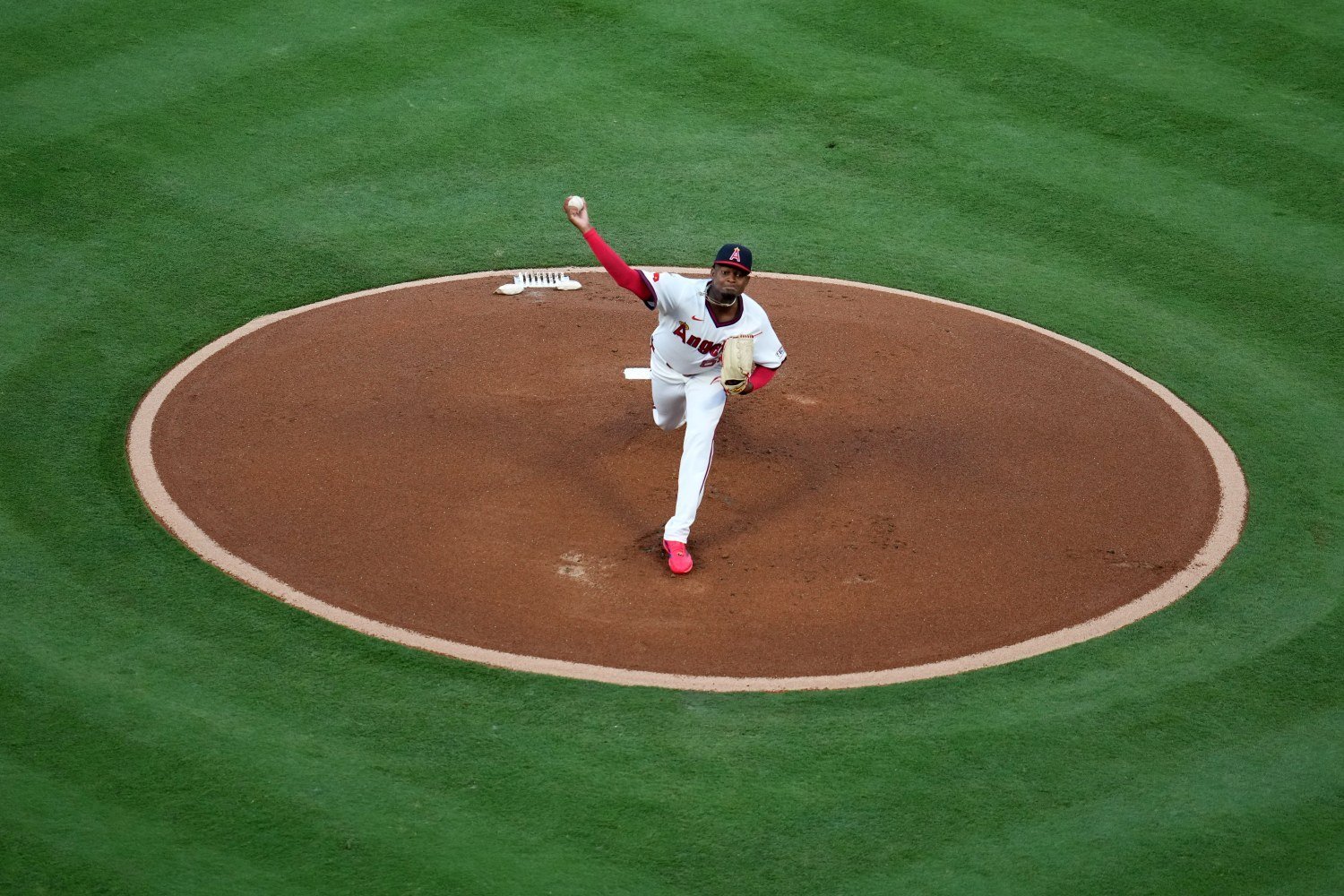 The move that would make the Milwaukee Brewers’ rotation historic is taking a flyer on Detroit Tigers starter Tarik Skubal. While that would make the most waves of any Brewers trade since the team acquired CC Sabathia in 2008, there’s a reason that was such a significant move: it’s uncharacteristic for this team. The more realistic move is that the team bolsters the back end of the rotation. With the hope that Jacob Misiorowski and Kyle Harrison are both healthy and able to be the 1-2 punch, José Soriano would be a dynamic third piece in an already strong group of starters. Let’s do some cost analysis on the Angels starter. This season, the hard-throwing righty has a 9-6 record with a 3.29 earned run average and 127 punchouts in 123 innings. He’s been a consistent presence in the team’s rotation, already logging 22 starts. Soriano touts a five-pitch arsenal, leading with a high-octane sinker. The arm-side riding pitch is just a tick off of his four-seam fastball (96.4 miles per hour compared to 97.2) with more horizontal movement, tunneling well out of a relatively shallow arm angle of 34°. The velocity is great, but the other stuff is even more impressive. Plenty of pitchers can throw hard, but how they get a hitter to react is the real key. Soriano checks off many of the right boxes, ranking in the 89th percentile for whiff rate (31.4%), 89th percentile for ground ball rate (52.3%) and 68th percentile for strikeout rate (24.9%). Between the sinker, curveball, four-seam fastball and splitter, the Angels’ ace uses all four options at least 19% of the time. His slider, which is his fifth pitch, is arguably the most devastating. Despite the small sample size, the offering has held hitters to a .188 batting average, not allowing an extra-base hit across 19 plate appearances. Reportedly, the Angels have prioritized acquiring a young catcher for either Soriano or Reid Detmers. In Jeferson Quero and Marco Dinges, the Brewers have two intriguing upper-level catching prospects whom they could offer as co-headliners in a deal. Soriano would probably cost them another of their top outfield or pitchiong prospects, too, but because he's controllable beyond this year, the electricity he would bring to the rotation would last. This move could position the team to contend more fiercely for a place in this year's World Series, but it would also bolster them during the next two campaigns. For that prize, it's worth paying a handsome price. View the full article
 -
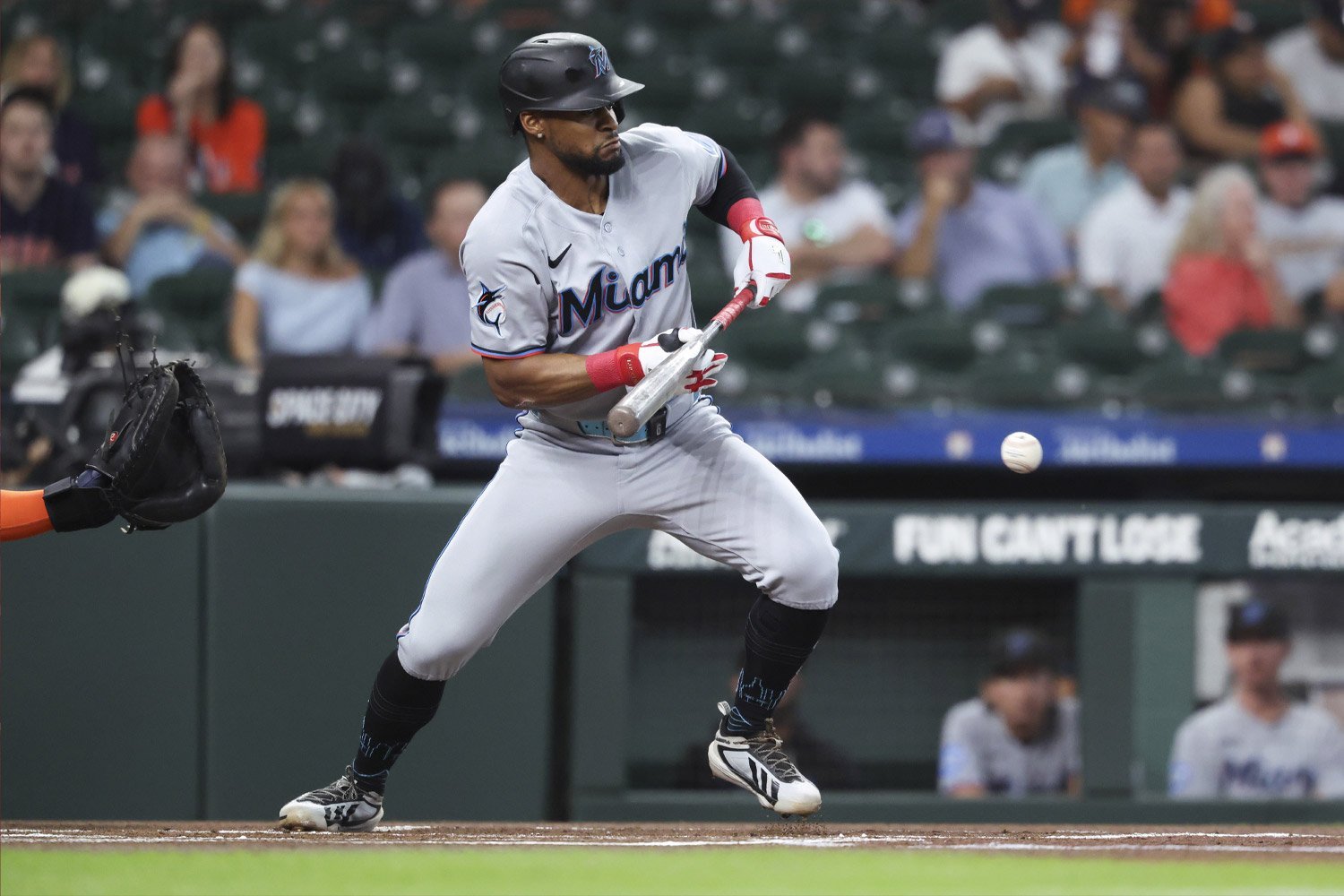 The Red Sox have shown interest in infielder Otto Lopez of the Miami Marlins, according to Buster Onlely of ESPN. Lopez currently leads the league in batting average (.328) and is truly a game-changer. With the injury to the newly acquired Curtis Mead that will sideline him for an unknown period of time, Boston is looking for other options to play middle infield and make an impact on each game. Lopez has 7 defensive runs saved at shortstop, which is tied for the third most in baseball, and would help the Red Sox' defense. Lopez also has logged some innings at second base this season and has been a good defender at that position as well. Onley also notes that any alternative brought in to play shortstop will replace Marcelo Mayer when he returns from the IL at the position. If it was not clear before, the Red Sox are going for it at this deadline. View the full article
 -
 Omaha and Quad Cities won, Northwest Arkansas and Columbia fell. Bailey Falter struck out five over five innings and Aaron Bummer closed out a 6-3 win. Aiden Jimenez, Tommy Molsky, and L.P. Langevin combined for 6 2/3 hitless innings behind Tyriq Kemp's grand slam. Yeri Perez and Brandon Herbold kept Augusta hitless, though Columbia managed three hits, with Roni Cabrera homering. Carson Roccaforte homered and Omar Hernandez tripled in a six-run seventh for the Naturals. Kansas City Royals Transactions Kansas City Royals placed RHP Beck Way on the 15-day injured list. Low back spasms/tightness. Kansas City Royals sent 3B Maikel Garcia on a rehab assignment to Northwest Arkansas Naturals. Kansas City Royals recalled RHP Easton McGee from Omaha Storm Chasers. Storm Chasers Break A Tie Late To Beat St. Paul 6-3 The Omaha Storm Chasers scored three runs in the eighth inning to beat the St. Paul Saints 6-3. Falter started and allowed one run on three hits, walking three and striking out five over five innings. Dan Altavilla followed and gave up two runs, one of them earned, on two hits, and he was charged with a blown save. Anthony Gose allowed a hit and a walk without giving up a run. Eli Morgan gave up two hits and a walk without allowing a run, earning the win to improve to 4-0. Aaron Bummer struck out two and allowed no hits and no walks for his first save. Gavin Cross put Omaha ahead in the third with a two-run homer to right field, his 11th of the season and his sixth in six consecutive games. Leadoff man Kyle Isbel scored on the play after drawing a walk. Peyton Wilson added a solo home run to left in the fifth and finished 2-for-4 with a run scored and an RBI. St. Paul pulled even at 3-3 in the sixth. However, the Storm Chasers were able to pull away in the later innings. Jack Pineda untied it in the eighth with an RBI double, and Luca Tresh followed with a two-run single. Pineda went 2-for-4 with a double, an RBI, and a run scored, and Tresh drove in two. Brett Squires had a double and two walks. John Rave, Matthew Lugo, and Abraham Toro each collected a hit. Omaha finished with 10 hits, three walks, two doubles, and two home runs while striking out seven times, and the Storm Chasers left seven men on base. Player AB R H RBI BB K Kyle Isbel 3 1 0 0 1 0 Alejo Lopez 1 0 0 0 0 0 Gavin Cross 4 1 1 2 0 2 John Rave 4 0 1 0 0 0 Matthew Lugo 4 1 1 0 0 1 Brett Squires 2 0 1 0 2 0 Drew Waters 0 1 0 0 0 0 Jack Pineda 4 1 2 1 0 0 Abraham Toro 4 0 1 0 0 2 Luca Tresh 4 0 1 2 0 1 Peyton Wilson 4 1 2 1 0 1 Totals 34 6 10 6 3 7 Player IP H R ER BB K HR Bailey Falter 5 3 1 1 3 5 0 Dan Altavilla 1 2 2 1 0 0 0 Anthony Gose 1 1 0 0 1 1 0 Eli Morgan 1 2 0 0 1 0 0 Aaron Bummer 1 0 0 0 0 2 0 Totals 9 8 3 2 5 8 0 Naturals Score Six In The Seventh But Fall 11-8 At Tulsa The Northwest Arkansas Naturals put up six runs in the seventh inning and still lost 11-8 to the Tulsa Drillers. Felix Arronde started and gave up eight runs on seven hits over 3 2/3 innings, walking two and striking out one. He allowed four home runs and took the loss, falling to 5-4. Chase Jessee followed with 2 1/3 innings, allowing one run on five hits with four strikeouts. Frank Mozzicato gave up two runs on two hits over 2/3 of an inning with a walk and two strikeouts. Augusto Mendieta closed it out with 1 1/3 hitless innings, a walk, and a strikeout. Northwest Arkansas trailed 9-1 before the seventh. Justin Johnson opened the inning with a ground-rule double, and cleanup man Spencer Nivens brought him home with a single. Daniel Vazquez singled home Sam Kulasingam, Jorge Alfaro doubled in two runs, and Hernandez tripled home Alfaro. The inning produced six runs. Vazquez led the offense with a 3-for-5 night, an RBI, and a run scored. Hernandez went 2-for-3 with a triple and two RBI. Alfaro was 1-for-4 with a double and two RBI. Roccaforte homered to left-center in the third, his 22nd of the season, and finished 1-for-4 with a walk and three strikeouts. Luke Pelzer drew three walks. Maikel Garcia, on a rehab assignment, went 0-for-3. The Naturals totaled 10 hits, five walks, two doubles, a triple, and a home run, struck out 14 times, and left eight men on base. Player AB R H RBI BB K Maikel Garcia 3 0 0 0 0 1 Justin Johnson 2 1 1 0 0 0 Carson Roccaforte 4 1 1 1 1 3 Sam Kulasingam 4 1 1 0 1 1 Spencer Nivens 5 1 1 1 0 2 Daniel Vazquez 5 1 3 1 0 2 Luke Pelzer 2 1 0 0 3 1 Jorge Alfaro 4 1 1 2 0 2 Omar Hernandez 3 1 2 2 0 0 Connor Scott 4 0 0 0 0 2 Totals 36 8 10 7 5 14 Player IP H R ER BB K HR Felix Arronde 3 2/3 7 8 8 2 1 4 Chase Jessee 2 1/3 5 1 1 0 4 0 Frank Mozzicato 2/3 2 2 2 1 2 0 Augusto Mendieta 1 1/3 0 0 0 1 1 0 Totals 8 14 11 11 4 8 4 River Bandits Bullpen Goes Hitless In A 12-5 Win Over Dayton The Quad Cities River Bandits erased an early five-run deficit and beat the Dayton Dragons 12-5. Jordan Woods started and allowed five runs on four hits over 2 1/3 innings, walking two and striking out two. He gave up a grand slam. Aiden Jimenez followed with 3 2/3 hitless innings, walking one and striking out four, and he earned the win to move to 2-3. Tommy Molsky struck out three in a hitless inning and picked up his first hold. L.P. Langevin struck out five over two hitless innings with two walks for his first save. The three relievers combined for 6 2/3 hitless innings. Quad Cities answered with a run in the fourth on an RBI single by cleanup man Jose Cerice. Two more came in the fifth. Tyriq Kemp turned the game with a grand slam to right field in the sixth, his eighth of the season, and Asbel Gonzalez singled home another run to cap a five-run inning. The River Bandits added four in the eighth on a Nolan Sailors RBI single, a Gonzalez groundout, a Blake Mitchell sacrifice fly, and a Chris Brito single. Cerice went 3-for-4 with an RBI and a walk. Kemp finished 2-for-4 with four RBI and two runs scored. Trevor Werner had two doubles in a 2-for-3 night with a walk and three runs scored. Gonzalez was 2-for-5 with two RBI, and Sailors and Erick Torres each had two hits. Quad Cities piled up 16 hits, four walks, and three doubles, struck out five times, and left six men on base. Player AB R H RBI BB K Nolan Sailors 5 1 2 1 0 1 Asbel Gonzalez 5 0 2 2 0 1 Blake Mitchell 3 2 1 1 1 0 Jose Cerice 4 1 3 1 1 0 Derlin Figueroa 3 0 0 0 0 1 Chris Brito 2 0 1 1 0 0 Erick Torres 5 2 2 0 0 1 Tyriq Kemp 4 2 2 4 0 0 Trevor Werner 3 3 2 0 1 1 Angel Acosta 3 1 1 1 1 0 Totals 37 12 16 11 4 5 Player IP H R ER BB K HR Jordan Woods 2 1/3 4 5 5 2 2 1 Aiden Jimenez 3 2/3 0 0 0 1 4 0 Tommy Molsky 1 0 0 0 0 3 0 L.P. Langevin 2 0 0 0 2 5 0 Totals 9 4 5 5 5 14 1 Fireflies Manage Three Hits In An 8-5 Loss At Augusta The Columbia Fireflies collected three hits and lost 8-5 to the Augusta GreenJackets. Ryan McDonagh started and allowed six runs on five hits over three innings, walking two and striking out two. He surrendered four home runs and took the loss, dropping to 2-3. Perez followed with two hitless innings, walking three and striking out two. Brandon Herbold worked 1 1/3 hitless innings with four walks and two strikeouts. Moises Amezquita gave up two runs on one hit with three walks and three strikeouts. Jhon Reyes retired both batters he faced and struck out one. Cabrera accounted for Columbia's first run with a solo home run to left in the third, his eighth of the season, and he added two walks in a 1-for-2 night. The Fireflies scored three times in the eighth. Connor Rasmussen came home on a throwing error, and Josh Hammond followed with a two-run single to right. Hammond finished 1-for-3 with two RBI and a walk. Columbia added a run in the ninth when JC Vanek grounded out to score Yandel Ricardo. Henry Ramos had the other Columbia hit and scored a run. Ricardo, Sean Gamble, Cabrera, Rasmussen, and Angel Ramirez all drew walks, and Columbia worked seven walks in all against nine strikeouts. The Fireflies left three men on base. Player AB R H RBI BB K Henry Ramos 4 1 1 0 0 1 Josh Hammond 3 0 1 2 1 1 Yandel Ricardo 3 1 0 0 1 1 Sean Gamble 3 0 0 0 1 2 Jhosmmel Zue 4 0 0 0 0 0 JC Vanek 4 0 0 1 0 2 Roni Cabrera 2 1 1 1 2 1 Connor Rasmussen 3 1 0 0 1 0 Angel Ramirez 2 1 0 0 1 1 Totals 28 5 3 4 7 9 Player IP H R ER BB K HR Ryan McDonagh 3 5 6 6 2 2 4 Yeri Perez 2 0 0 0 3 2 0 Brandon Herbold 1 1/3 0 0 0 4 2 0 Moises Amezquita 1 1 2 2 3 3 1 Jhon Reyes 2/3 0 0 0 0 1 0 Totals 8 6 8 8 12 10 5 Top-20 Prospect Performance Kendry Chourio: DNP David Shields: DNP Josh Hammond: 1-for-3, 2 RBI, BB, K Blake Mitchell: 1-for-3, 2B, RBI, BB Sean Gamble: 0-for-3, BB, 2 K Ramon Ramirez: DNP Zion Rose: DNP Asbel Gonzalez: 2-for-5, 2 RBI, K Carson Roccaforte: 1-for-4, HR, RBI, BB, 3 K Taylor Rabe: DNP Yandel Ricardo: 0-for-3, BB, K Justin Lamkin: DNP Drew Beam: DNP Michael Lombardi: DNP Jack Slightom: DNP Felix Arronde: 3 2/3 IP, 7 H, 8 R, 8 ER, 2 BB, 1 K, 4 HR Angeibel Gomez: 1-for-3, 2B, R Ben Kudrna: DNP Steven Zobac: DNP Blake Wolters: DNP View the full article
 -
 Wande Torres and Tyler Renz started and led Wisconsin and Wilson to comfortable wins. Blake Burke, Andrew Fischer and Josiah Ragsdale continued their barrage, but Biloxi fell. Nashville was three-hit in defeat. Transactions: RHP Garrett Hodges promoted to AA Biloxi from High-A Wisconsin RHP Nick Merkel placed on AA Biloxi’s 7-day injured list RHP Jacob Morrison promoted to High-A Wisconsin from Low-A Wilson INF Juan Baez placed on High-A Wisconsin’s 7-day injured list RHP Patricio Aquino transferred to AA Biloxi’s full season injured list RHP Will Rudy transferred to High-A Wisconsin’s full season injured list RHP Josh Timmermann transferred to Low-A Wilson’s full season injured list OF Nick Monile released by Low-A Wilson RHP Ayendy Bravo released by ACL Brewers RHP Josue Toledo released by ACL Brewers 7 recently-signed draft picks were assigned to ACL Brewers Game Action: Nashville Pre-Game Media Notes Final: Charlotte (White Sox 6), Nashville 1 Box Score Via a Sounds’ press release, game details: Sounds Avoid Shutout in Loss to Knights Trailing 2-0 just four batters into the game, the Sounds’ response of three single and five walks over nine innings wasn’t enough to make this series-opening game competitive. In fact, the Sounds’ first base hit was of the infield variety and was promptly eliminated by a ground ball double play in the 2nd inning. The contest was 6-0 before Nashville collected its second base hit, an OF Brandon Lockridge (2-for-4) single to open the bottom of the 4th inning. He also singled to commence the 9th inning: At least Tyler Black impressed defensively in left field: On the mound, starting RHP Brett Wichrowski (1 1/3 IP, 2 R, 2 H, 2 BB, 2 Ks) made his second appearance since a five+ week injury layoff, while RHP Kaleb Bowman’s recent struggles continued (2 IP, 3 R, 3 H, 1 BB, 1 K). Sounds’ Extras: RHP Carlos Rodriguez covered 3 2/3 innings in efficient fashion (48 pitches, 32 strikes – 1 run allowed), despite allowing five hits and striking out none. LHP Drew Rom (1 K) and RHP Blake Holub (3 Ks) each tossed a scoreless inning of relief. Wednesday’s outlook: RHP Tyson Hardin (3.48 ERA with 62 Ks in 62 AAA innings) is set for his 13th start of 2026 for Nashville, who need a win to even the series. Biloxi Pre-Game Media Notes Final: Montgomery (Rays) 8, Biloxi 7 Box Score Via the Shuckers’ website, game details and we encourage readers to review affiliate write-ups as part of their Link Report routine: Burke Ties Franchise Record For Homers, Shuckers Lose Nail-Biter To Biscuits – Burke Blasts 27th Bomb To Make History in Series Opener Against Montgomery As you’ve seen from the box score and read in the linked game report, Biloxi’s offense continues to amaze, with 3B Andrew Fischer smacking his 33rd homer of 2026, 1B Blake Burke his 27th dinger and OF Josiah Ragsdale his 15th blast. Unfortunately, RHP Jack Seppings’ first career start (in his 60th minor league appearance) was a difficult one (3 IP, 5 R, 6 H, 2 BB, 2 Ks), particularly the five runs on five hits (including two homers, a triple and a double) he allowed in the 2nd inning. Fischer’s leadoff 2nd inning walk went for naught, three Shuckers’ hits in the 4th inning produced a single run and two baserunners were left stranded in the 5th inning, after which Biloxi opted for the long ball strategy. LHP Jesus Broca (3 1/3 IP, 1 R, 4 H, 1 BB, 2 Ks) did a solid job to bridge the middle innings and give Biloxi a chance to catch up, but the Biscuits unfortunately added a run in each of the 8th and 9th innings to re-build their lead. Burke (9th inning, two-out homer at an earth-shattering 116mph) and Fischer (single) refused to make the game’s final out, so that role sadly fell to OF Josh Adamczewski (1-for-5, SB) with Fischer on first base as the potential game-tying runner. Shuckers’ Extras: Fischer (3-for-4, HR, double, walk, RBI) reached base four times, while Burke (2-for-5, HR, 2 RBIs, SB) and Ragsdale (1-for-4, HR, 2 RBIs) combined to drive in four runs. OF Mike Boeve (1-for-3, walk) and SS Jesus Made (1-for-4, double, walk, RBI) also remained productive, reaching base twice. RHP Garrett Hodges’ AA debut started in rough fashion (single, walk, RBI single), but he did earn a strikeout and get a little help from 2B Dylan O’Rae to end the inning. Wednesday’s outlook: RHP Yorman Galindez put his 12-inning scoreless streak on the line, with Biloxi needing a victory to even the series. Wisconsin Pre-Game Media Notes Final: Wisconsin 7, Lansing (Athletics) 2 Box Score Via the Timber Rattlers’ website, game details: Rattlers Open Homestand with a Win We’re grateful to the Wisconsin media team for compiling YouTube highlights of their victory: And don’t miss the Mehring-Timm post-game podcast, featuring 2B Daniel Dickinson, 3B Eric Bitonti and Manager Nick Stanley. All Wisconsin needed to get back to their winning ways was to return home and get Bitonti (2-for-5, 2 doubles) back in the lineup after he missed the team’s last five games. LHP Wande Torres (4 2/3 IP, 2 R, 5 H, 4 BB, 7 Ks) delivered a solid start and also won the race to the plate for the final out of the 3rd inning, while the three-man bullpen tossed 4 1/3 scoreless innings including RHP Quinton Low (1 1/3 IP, 0 R, 1 H, 0 BB, 1 K) stranding two baserunners inherited from Torres. Two-out hitting by Dickinson (2-for-3, double, 2 walks, RBI, SB) and OF Luis Castillo (3-for-5, 2 RBIs) gave Wisconsin a 3-2 lead in the 5th inning, after which they benefitted from 3 Lugnuts’ errors over the next two frames to add four more runs. Unfortunately, DH Luis Pena exited early for the second consecutive game, this time for a pinch hitter in the bottom of the 2nd inning. Timber Rattlers’ Extras: OF Braylon Payne (2-for-4, walk, SB) and C Yannic Walther (1-for-2, 2 walks) both had productive days at the plate as well in the victory. Kudos to RHPs Tanner Perry (2 IP, 0 R, 0 H, 1 BB, 3 Ks) and Michael Fowler (1 IP, 0 R, 1 K) for closing out the win with relative ease. Wednesday’s outlook: LHP JD Thompson gets his second start for Wisconsin after a return from injury, having gone 2 2/3 innings on 51 pitches on Friday. Wilson Pre-Game Media Notes Final: Wilson 6, Fredericksburg (Nationals) 1 Box Score Via the Warbirds’ website, game details: Warbirds Soar to Series-Opening Victory – Four in Fourth Powers Wilson RHPs Tyler Renz (4 2/3 IP, 1 R (0 ER), 3 BB, 6 Ks), Cesar Espinal and Diustin Mayorquin (4 IP, 0 R, 1 H, 0 BB, 3 Ks) dominated the first place Nationals, conceding only three singles and three walks, with starting pitcher Renz holding the fort until the Warbirds’ offense came through. After stranding two baserunners in the 3rd inning, Wilson wasn't denied in the following frame, as 18-year-old outfielders Alexander Frias and Brailyn Antunez sparked the rally from a 1-0 deficit via a single and double. Three consecutive two-out hits followed by DH Pedro Ibarguen (2-for-4, RBI, SB), 1B Frederi Montero and C Kevin Garcia to grab a 4-1 advantage. Antunez (2-for-3, HR, double, walk, 2 RBIs, SB) has played two games at the Low-A level and already has two homers. He also grabbed his first stolen base and has not struck out in nine plate appearances (vs. 81 Ks in 259 plate appearances in the Arizona Complex League). Warbirds’ Extras: Through his first three Low-A games, the Nicaraguan Mayorquin, who won’t turn 19 years old until October: 12 IP, 1 R, 4 H, 2 BB, 9 Ks. OF Handelfry Encarnacion (1-for-4, walk, SB) and SS Brady Ebel (0-for-2, walk, HBP, SB) each reached base twice to continue their impressive seasons. Wednesday’s outlook: In their matinee (11:05pm CST start time), Wilson aims to claim a 2-0 home series lead, though their starting pitcher has not yet been named. Final: DSL Brewers Blue 8, DSL Padres Gold 6 (in 8 innings) Box Score Trailing 5-2 entering the final inning, 3B Cristian Montilla singled to spark a three-run rally that included 2B Diego Frontado’s RBI single and 1B Leanders Matos’ two-out, two-run single to send the game to extras. The next inning, Montilla singled again to load the bases before two runs scored on a ground out and SS Jose Rodriguez added an RBI single. RHP Manuel Davila (2 IP, 0 ER, 2 Ks) did well to work around doubles in each of the final two frames to earn his first career win. Long before that, starting RHP Luis Aguayo had covered four innings (3 R (0 ER), 6 H, 1 BB, 3 Ks)), hurt by three errors in a three-run third inning. Frontado and Matos combined to go 4-for-8 with two walks and four RBIs, while Montilla went 2-for-2 after entering as a substitute. The Blue squad improve to 22-18. Final: DSL Brewers Gold 13, DSL Rojos 4 (in 7 innings) Box Score The Golden Men didn’t monkey around, bringing 14 batters to the plate in a nine-run first inning, highlighted by eight consecutive hitters reaching base via hit or walk with two outs. OF Angeni Fernandez contributed a single and a bases clearing double in that frame, but was then replaced by Ruben Revost. The G-Men then responded to a four-run fourth inning by tacking on two more runs over the next two frames, including Revost’s two-run homer in the fifth inning. Starting LHP Daniel Garcia (3 IP, 0 R, 0 Ks), RHP Jose Arias (2 1/3 IP, 0 R, 3 Ks) and RHP Christopher Peralta (1 IP, 0 R, 1 K) were all solid on the mound, while RHP Carlos Canales struggled. SS Ricki Moneys (1-for-2, triple, walk, HBP, RBI) and C Moises Salazar (walk, 2 HBPs) each reached base three times, while OF Manny De Los Santos drove in two runs and stole his 20th base as the Gold team boosted their record to 24-16. We hope that you enjoy the Minor League Link Report. On Wednesday, five minor league games are on the agenda, commencing with DSL Brewers Blue at 10:00am CST. Wilson has its matinee and the Milwaukee Brewers have a 2:45pm CST game at the Giants, while the other affiliates play evening contests. Organizational Scoreboard including starting pitcher info, game times, MiLB TV links, and box scores Current Milwaukee Brewers Organization Batting Stats and Depth Current Milwaukee Brewers Organization Pitching Stats and Depth View the full article
