


DiamondCentric
-
Posts
2,631 -
Joined
-
Last visited
Never
Content Type
Profiles
Forums
Events
News
Tutorials & Help
Major League Baseball Videos
Guides & Resources
Store
Downloads
Gallery
Everything posted by DiamondCentric
-
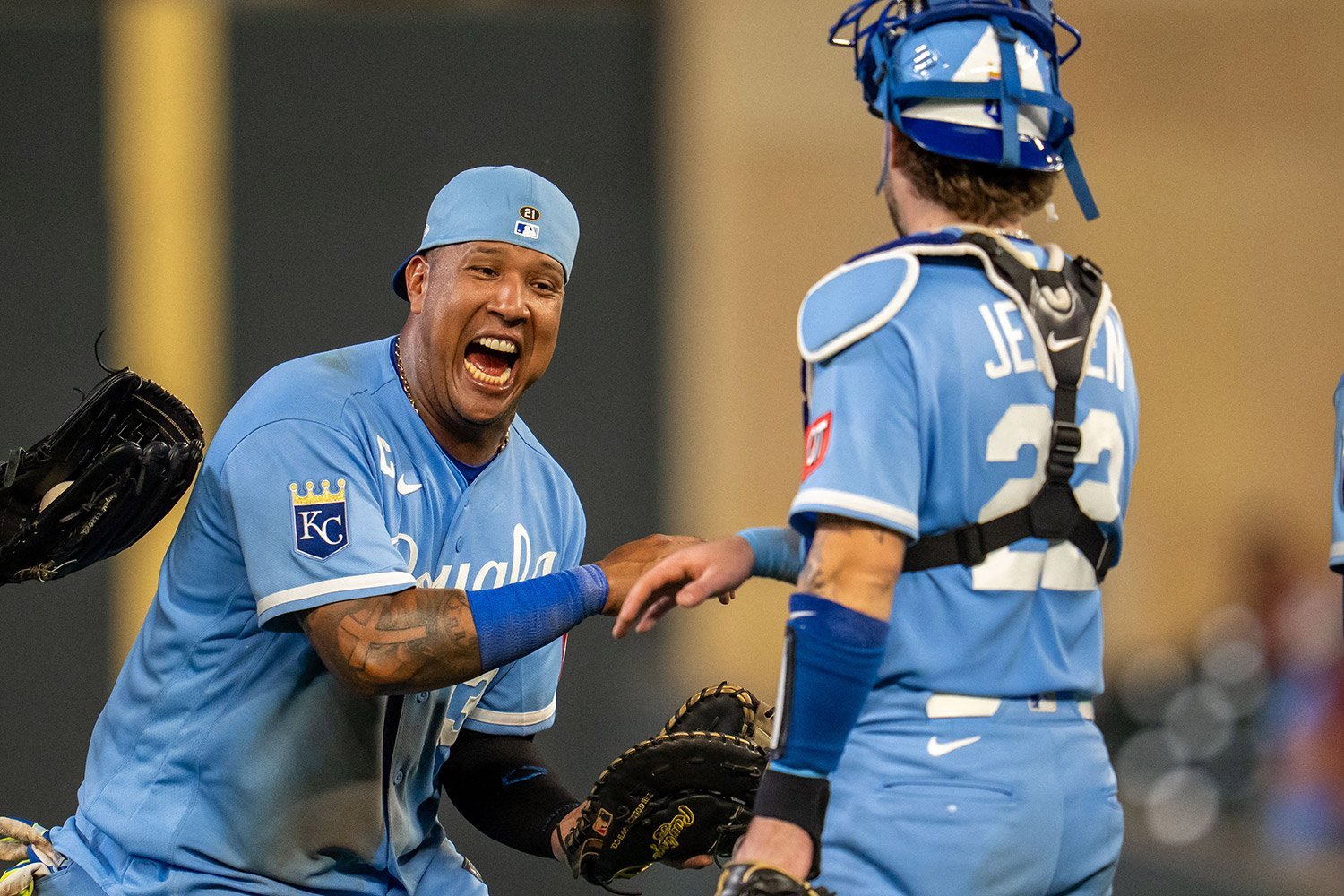 The 2026 trade deadline is around the corner, and the Kansas City Royals are expected to be one of a few sellers offloading pieces. That should put them in an advantageous position, as the majority of squads in the league have enough incentives to be buyers. One Royals player who won’t be playing for another team, however, is catcher/designated hitter Salvador Perez. The veteran, according to The New York Post and MLB Network’s Jon Heyman, “doesn’t want to leave the Royals and has veto power over trades.” Sounds like Pérez, who was signed as an amateur free agent in 2006 and has been a major leaguer since 2011, will retire as a Royal, which would make him one of the rare one-club players in modern baseball. Heyman did say that “about a half-dozen teams seek a catcher but they can probably look elsewhere” when discussing Pérez on X. The 36-year-old former World Series champion is having a down season, hitting a disappointing .208/.259/.365 with 15 home runs and a 67 wRC+. He has played 45 games at the designated hitter spot, 39 at catcher, and 16 at first base, grading out as a mediocre defender everywhere. Pérez has been an offensive and defensive liability this year, but is coming off a 2025 season in which he hit 30 homers and drove in 100 runs. He appears to have hit rock bottom in the 2026 campaign, though, sporting the second-worst fWAR in baseball at -1.2 as of Tuesday. View the full article
 -

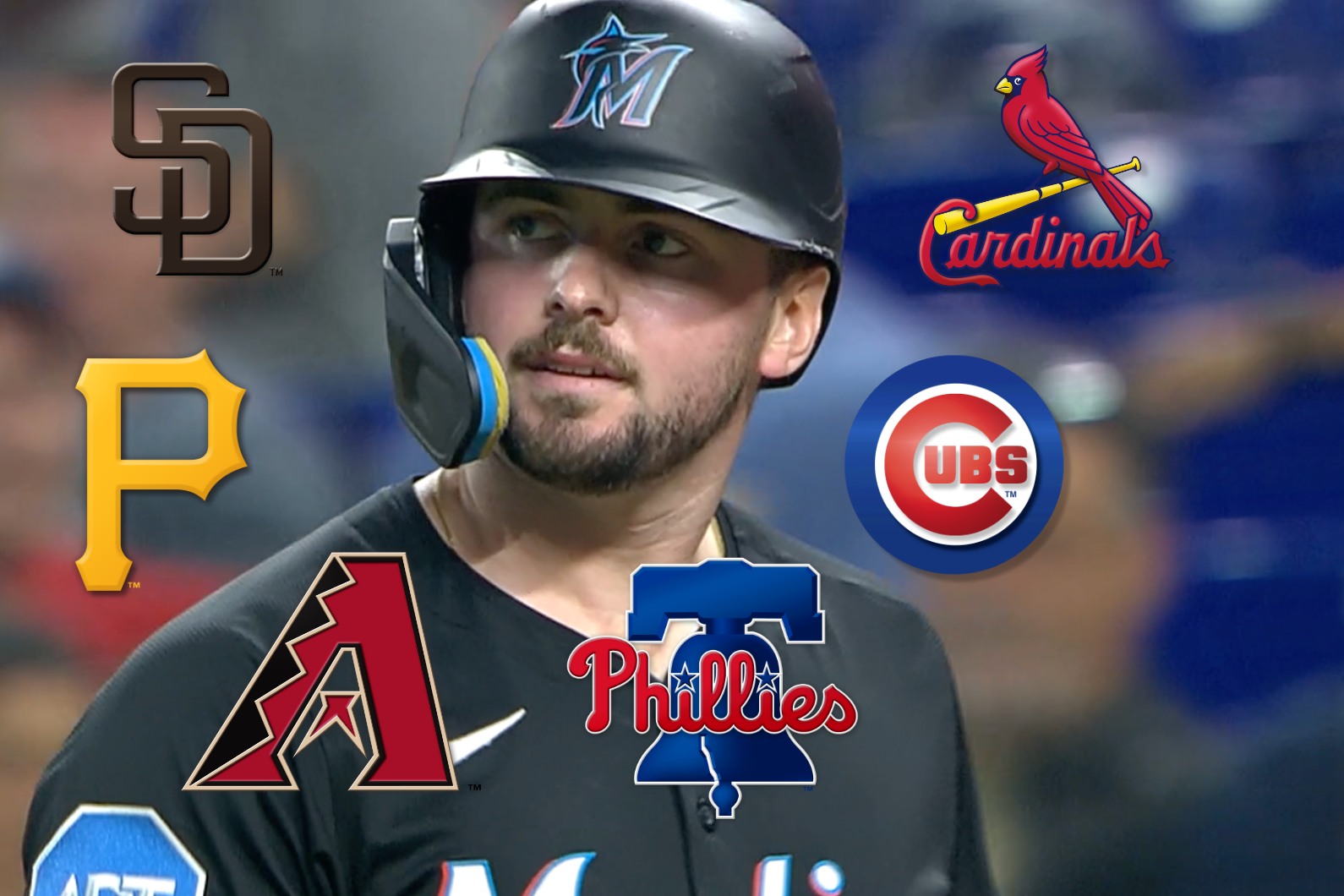 If the 2026 Miami Marlins are going to keep the band together, they simply can't lose this weekend's series. There's just no way around that fact. Miami has to leave New York the same way they came in: over the .500 mark. Sweeping the Phillies set up the possibility of a stay of execution for their postseason prospects, but no more than that. Actually buying outside help is no longer on the table. Doing the 'ol standing pat, running it back, dancing with the one that brought you thing? That's much more likely to be on the table if Miami merely wins the series. It could even be in play with a split. Some of that will come down to how the team plays this weekend, and if they can keep the offensive resurgence fans saw against Philadelphia going. Staying healthy will be key as well. However, what will be just as important as what the Marlins do on the field this weekend in Queens is what the other NL Wild Card contenders do in their weekend series. Honestly, for the first time this season, it might even be more important. That's right, sports fans, it's scoreboard watching time. Selling off key pieces of an over. 500 team would be hard enough to portray as a move fans should be excited about. Selling off key pieces of a team that is actually a game back or less of a playoff spot, though? Possibly even in possession of one? Way harder to, for lack of a better word, "sell" that decision to paying customers the rest of way, especially heading into a tumultuous MLB offseason. Of particular interest for Marlins fans will be a series featuring the team that got the ball rolling on Miami's heartbreaking twelve-game skid. The Cleveland Guardians will be playing host to the Arizona Diamondbacks this weekend. Currently, Arizona enjoys a two-game lead over Miami along with Philadelphia (playing Baltimore) for one of the last two Wild Card spots. The Guardians are more than good enough to help narrow that gap. Speaking of being more than good enough to beat someone, the division-leading Braves are hosting the Nationals for four games. Washington has been excellent on the road this season, but the Braves are the Braves. If that series goes the way it should on paper, that could easily push the Nats back behind the Marlins in the Wild Card race. Elsewhere in the packed playoff race, the free-falling Cardinals are on the road versus the Blue Jays. The Pirates are much better than the Reds this year, but Great American Ball Park remains a house of horrors for any pitcher. And if you are feeling extremely optimistic about Miami's playoff chances, it might interest you to know the Cubs are playing the Yankees. Not likely to matter, but I point it out as they "only" have a five-game lead in the standings over the Marlins with six left to play against them. The only real cakewalk on the schedule for an NL playoff hopeful this weekend? That would be the Padres' opponent: the lowly Rockies. Beyond that, the Marlins are in excellent shape to gain some ground in the playoff race if their fellow contenders do their part and stumble into August. If you combine some standings luck and a strong showing versus the Mets? It all adds up to the Marlins playing for something this season after all...and perhaps even taking steps to make that goal more likely. View the full article
 -
Byron Buxton's Injury Could Completely Change The Twins' Season
DiamondCentric posted an article in Twins Daily
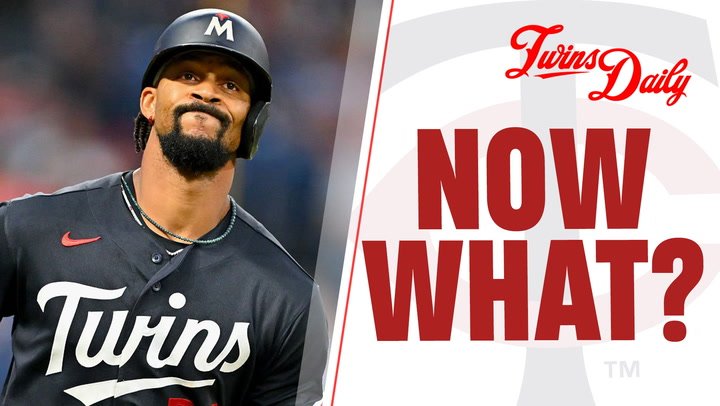 The Twins were expected to be buyers at the deadline, but Byron Buxton's latest injury changes the equation. It could impact everything from potential trades to the timeline for Walker Jenkins and Emmanuel Rodriguez. View the full article
 -
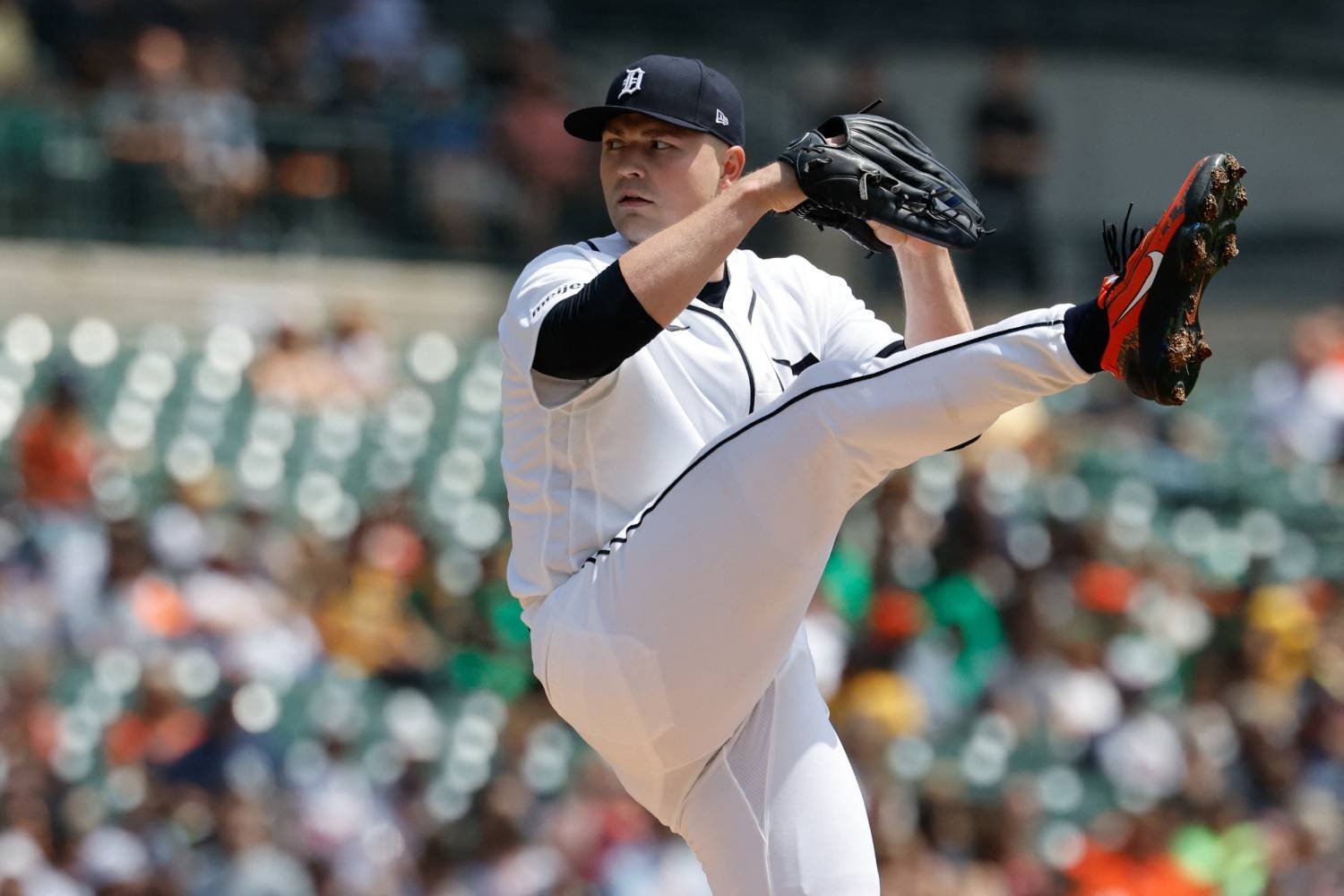 The price for Tarik Skubal will be high regardless of what team acquires the reigning two-time AL Cy Young Award winner from the Detroit Tigers. With the Milwaukee Brewers possessing the top farm system in MLB, they are well-positioned to deal for this year's biggest prize on the trade market. The deadline for making trades is Monday at 5 p.m. CT. But what does that package look like? No better expert to put a proposal together than JJ Cooper of Baseball America. Cooper spent the time identifying packages from six teams, led by the Brewers and Los Angeles Dodgers. Without further adieu, here is what he put together for the Brewers: Shortstop Luis Pena Third baseman Andrew Fischer Outfielder Josiah Ragsdale Shortstop Ricki Moneys Cooper said that Pena's path to the majors with the Brewers might be a little tougher with how their infield is currently constructed and with No. 1 prospect Jesus Made soon to join that group. Another top prospect, Cooper Pratt, has taken over as the starting shortstop and Brice Turang is a former Gold Glove second baseman. That leaves third base as Made's likely position, perhaps as soon as Opening Day next year. Fischer, last year's first-round draft choice, is a corner infielder who leads the minors in home runs with 33 entering play Thursday. Ragsdale is having a breakout season that has raised his prospect profile at High-A Wisconsin and Double-A Biloxi. Moneys was the Brewers' top international signing in January who is a power-hitting infielder. What do you think? Is that too much for the Brewers to give up for a chance at the franchise's first World Series championship? View the full article
 -
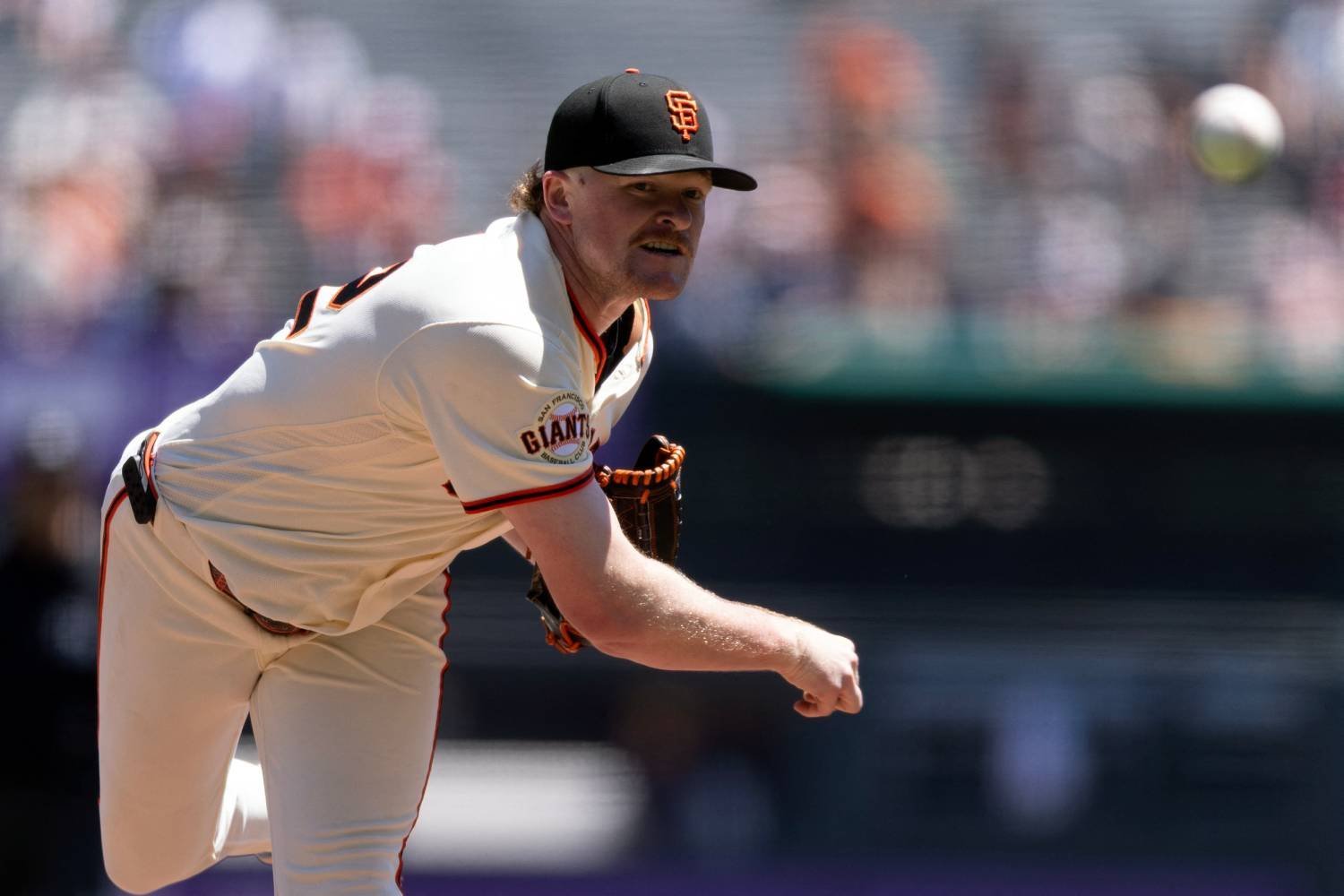 It can be a little dangerous at the trade deadline when columnists and beat writers get bored by a lack of activity from MLB teams. So take this with that grain of salt: The Milwaukee Brewers should trade for San Francisco Giants right-handed starter Logan Webb. At least that is the thought of Joel Sherman of the New York Post, who presented outside-the-box deals for three contenders. Webb is a true ace, not just a No. 1 pitcher on a staff. A three-time All-Star, Webb has finished in the top 11 of NL Cy Young Award voting in the last four years, including second in 2023 and fourth in 2025. The Giants need help in resetting their roster and Webb would help that process. Of course, the financially fickle Brewers would have to absorb Webb's contract, which pays him $23 million this year, $23 million in 2027 and $24 million in 2028. Having that type of guarantee of Webb being around for two more full seasons would make dealing away the prospects needed to acquire the right-hander a bit more palatable. Webb has a 3.44 FIP (3.93 ERA) with a 6.2% walk rate and 19.1% strikeout rate. As Sherman points out, Webb would also fit the Brewers' pitching plan and emphasis on defense. He is a groundball pitcher who will give you innings. He averages just about 6⅓ per outing, which would give the Brewers' bullpen a break. Webb slotting in atop the rotation with young right-hander Jacob Misiorowski and former Giants left-hander Kyle Harrison would be a pretty decent trio heading into a postseason series. With the Brewers having just spent a few days in San Francisco, perhaps Brewers president of baseball operations Matt Arnold and his Giants counterpart, Buster Posey, had a chance to discuss a few things. View the full article
 -
Heyman: Mets Aren't Discussing Extension With Clay Holmes
DiamondCentric posted an article in Grand Central Mets
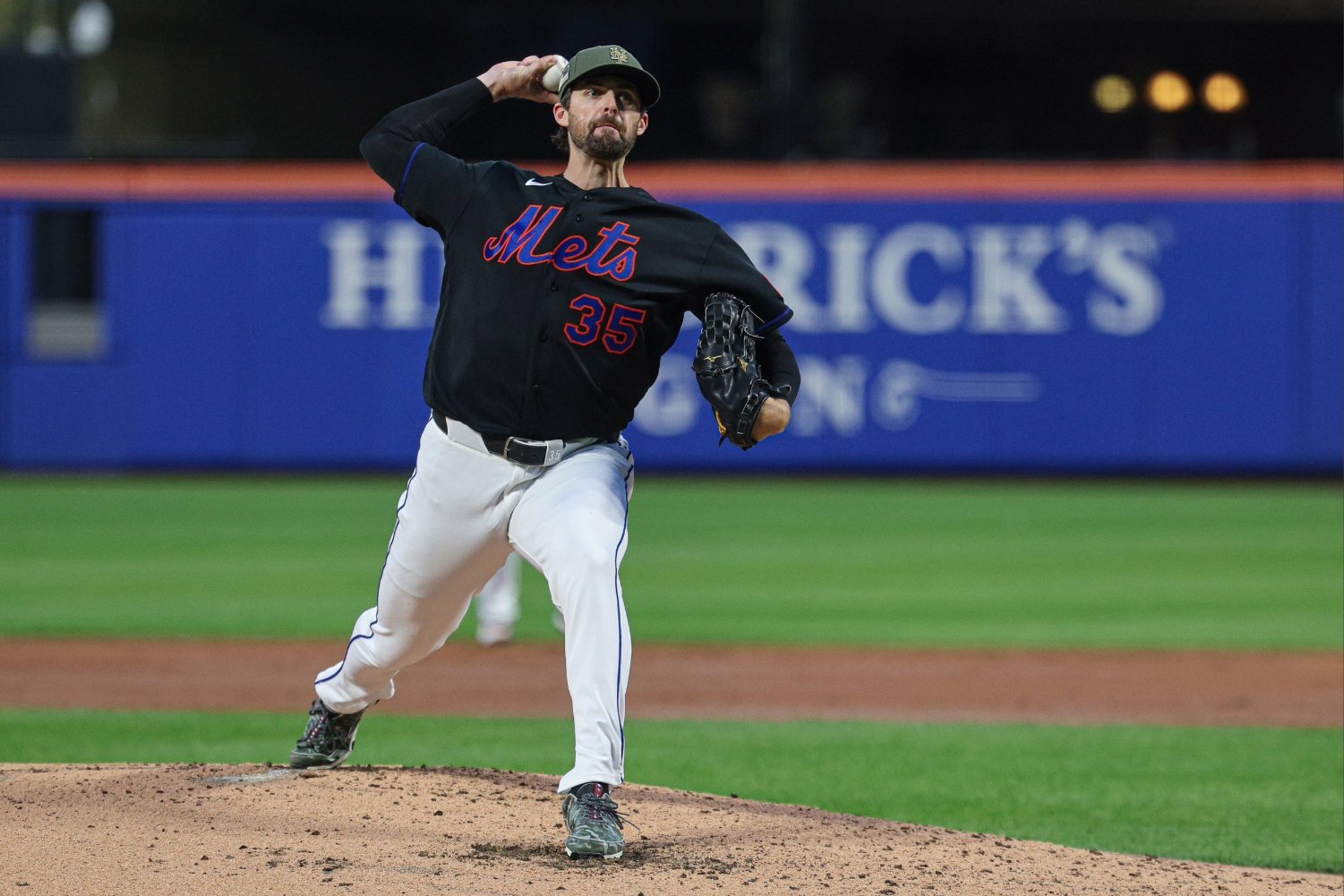 The New York Mets, one of the worst teams in the National League with a 46-63 record, are one of the few true sellers heading into Monday’s trade deadline. One of the players drawing the most attention isn’t even healthy at the moment: starting pitcher Clay Holmes. Holmes, who suffered a fractured fibula in mid-May, tossed four scoreless innings on Tuesday’s rehab start at Low-A St. Lucie, hitting 94 mph on the radar gun. Multiple contenders were in attendance to see his progress. The 33-year-old Holmes has a $12 million player option next year, but should be able to get more than that in the open market, provided he gets the chance. The Mets, according to Jon Heyman, aren’t discussing an extension with the former reliever, so it’s safe to say that the pitcher extending his deal to stay in New York is highly unlikely. His fate seems to be sealed: the likelihood of Holmes pitching for a contender in the second half is quite high. “In this sellers’ market, with precious few frontline starters available, this is a big trade piece. Nearly every contender scouted him in his rehab game,” Heyman wrote on X. Holmes has a 2.39 ERA in 52 2/3 innings with the Mets this year, in nine starts. He has walked 18 and struck out 45, with a 4-4 record. View the full article
 -
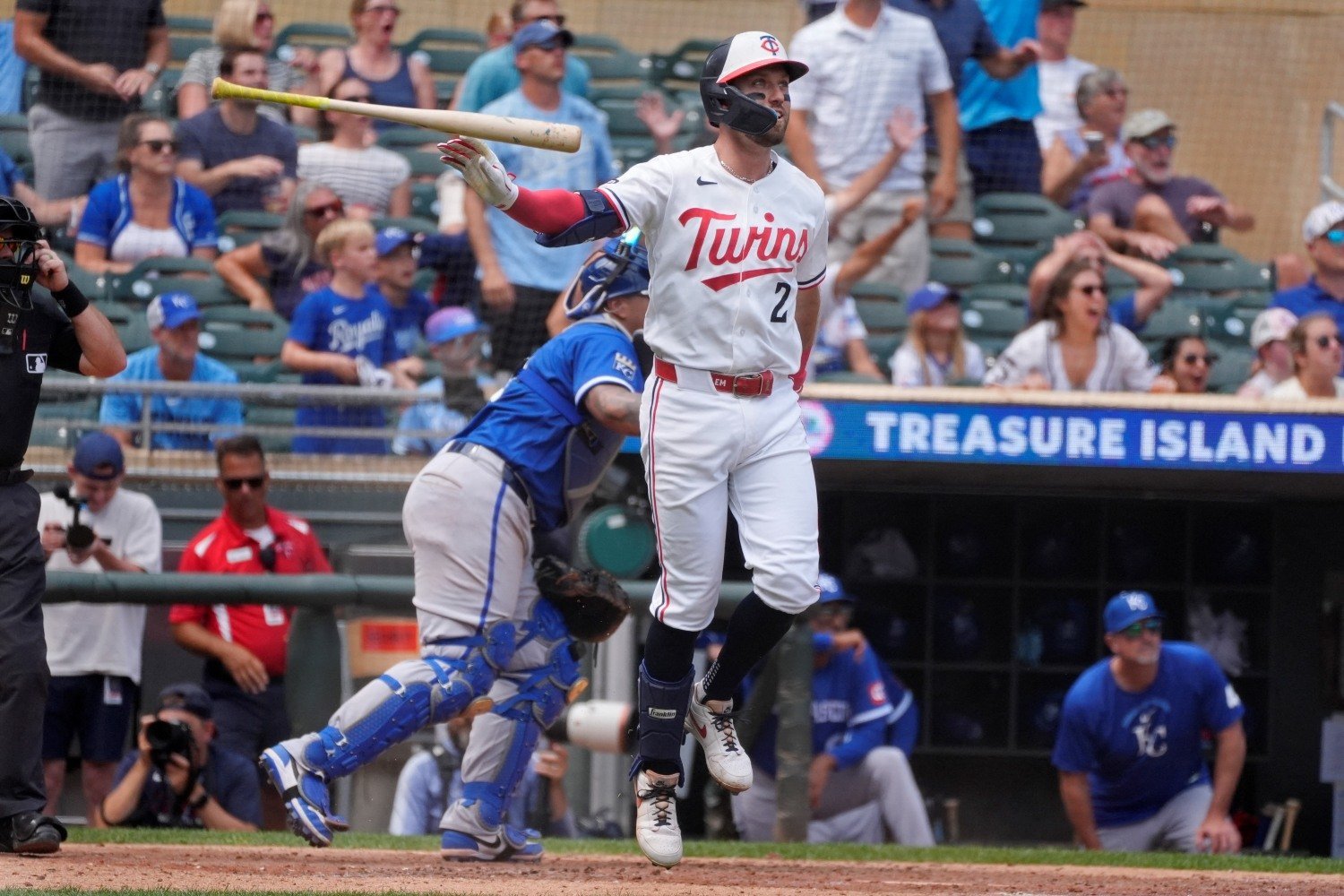 Box Score SP: Bailey Ober - 6 IP, 4 H, 3 R (2 ER), 2 BB, 3 K (79 pitches, 52 strikes (66% strikes)) Home Runs: Kody Clemens Top 3 WPA: Kody Clemens (0.84!!), Ryan Jeffers (0.02), Andrew Morris (0.02) Win Probability Chart The Twins entered Thursday afternoon's series finale against the Royals looking to secure a series victory after splitting the first two games. For eight innings, it looked like they were headed for another frustrating offensive performance. Then everything changed. Minnesota managed just one hit through the first eight innings against Royals left-hander Noah Cameron and entered the bottom of the ninth trailing 3-0. But after the team loaded the bases with two outs, Kody Clemens delivered the biggest swing of the Twins' season, launching a walk-off grand slam into the right-center field seats to give Minnesota a stunning 4-3 victory. After looking completely lifeless at the plate for most of the afternoon, the Twins somehow found a way to steal the series. NOAH CAMERON SHUTS DOWN THE TWINS AGAIN Coming into Thursday, Cameron had already dominated Minnesota twice this season. Unfortunately for the Twins, the third meeting looked a lot like the first two. Austin Martin worked a seven-pitch leadoff walk to begin the game, but was immediately erased trying to steal second base. From there, Cameron settled into a rhythm that the Twins never disrupted. The Royals' left-hander faced the minimum through five innings, allowing just the one walk while Minnesota failed to record a hit. Even when the Twins finally created their first real scoring opportunity in the sixth, Cameron escaped unscathed. Brooks Lee worked a leadoff walk in the bottom of the sixth, before Ryan Kreidler dropped down a swinging bunt that advanced Lee into scoring position. After a wild pitch moved him to third with one out, it appeared Minnesota finally had a chance to cut into the deficit. Instead, Cameron got Austin Martin to ground out to shortstop, stranding Lee 90 feet from home plate. Ryan Jeffers finally broke up the no-hit bid with a leadoff single in the seventh, but once again the Twins couldn't capitalize. Cameron finished his afternoon with another dominant outing against Minnesota, keeping them scoreless and handing the game over to Kansas City's bullpen. Big mistake. Huge. BAILEY OBER DESERVED BETTER While the Twins couldn't solve Cameron, Bailey Ober quietly turned in another quality performance of his own. The right-hander worked around a pair of early walks before running into trouble in the third inning. John Rave lined a two-out double off the wall in right-center, bringing Jac Caglianone to the plate. On the very first pitch of the at-bat, Caglianone hammered a slider right down the middle well over the wall in right field, for a two-run homer. Justin Morneau's reaction on the television broadcast said it all, simply blurting out "wow" as the ball disappeared. That proved to be the only major mistake Ober made all afternoon. The Royals added another run in the fifth, after Rave collected his second double of the game. A misplayed relay allowed Carter Jensen to score all the way from first, extending Kansas City's lead to 3-0. Outside of those two innings, Ober was excellent. He finished six innings while throwing just 79 pitches, consistently working ahead in counts and giving the Twins every opportunity to climb back into the game. Unfortunately, much like Cameron on the other side, he didn't receive much offensive support. DEFENSE AND THE BULLPEN KEPT MINNESOTA CLOSE Even while trailing, the Twins continued making plays that kept the deficit from growing. Alex Jackson made an outstanding sliding stop down the first base line to rob Carter Jensen of extra bases in the third inning. Kody Clemens answered with a sliding catch in right field during the fourth, while Luke Keaschall made one of his own in center field to take away a hit from Michael Massey in the sixth—although he had to slide mostly because he initially misread the ball and took a poor route to it. After Ober exited, the bullpen did its job, as well. Taylor Rogers stranded two runners in the seventh after Lane Thomas was frozen on a sinker for the final out. Andrew Morris followed with a clean eighth that ended with a perfectly turned 4-6-3 double play, before Yoendrys Gómez stranded runners at the corners in the ninth by blowing a 99-MPH fastball past Carter Jensen. Every inning the bullpen kept Kansas City off the board gave the offense another chance. As it turned out, they only needed one. KODY CLEMENS DELIVERS THE WALK-OFF OF THE YEAR Entering the bottom of the ninth, the Twins needed three runs just to force extra innings. Trevor Larnach struck out to begin the inning, and Victor Caratini lined out, leaving Minnesota down to its final out. Then the rally began. Jeffers was hit by a pitch to extend the game, Royce Lewis followed with a single into center, and Josh Bell worked a terrific at-bat that ended in a walk to load the bases. That brought Royals manager Matt Quatraro out of the dugout to make one final pitching change, calling upon left-hander Matt Strahm to face Clemens. Big mistake. Huge. After falling behind in the count, Clemens got a two-strike slider left over the heart of the plate and absolutely crushed it into the seats in right-center field. Just like that, a game that looked completely over became one of the Twins' most memorable wins of the season—or any season since 2023, for that matter. The grand slam gave Minnesota a 4-3 walk-off victory, marking the second time in this series the Twins walked off the Royals. For eight innings, the offense couldn't get anything going. In the ninth, they saved their best swings for last. The Twins finish the homestand back at .500 after securing the series victory, and if there was ever a win capable of injecting some life into a club, this certainly feels like it. It also made for a pretty memorable 56th birthday present for manager Derek Shelton. What’s Next? The Twins will travel west to begin a three-game weekend series in Seattle against the Mariners. Zebby Matthews will toe the rubber for the Twins, and he’ll face off against right-hander Bryce Miller. First pitch is set for 9:10 PM CT. Postgame Interviews Coming soon! Bullpen Availability Chart View the full article
 -
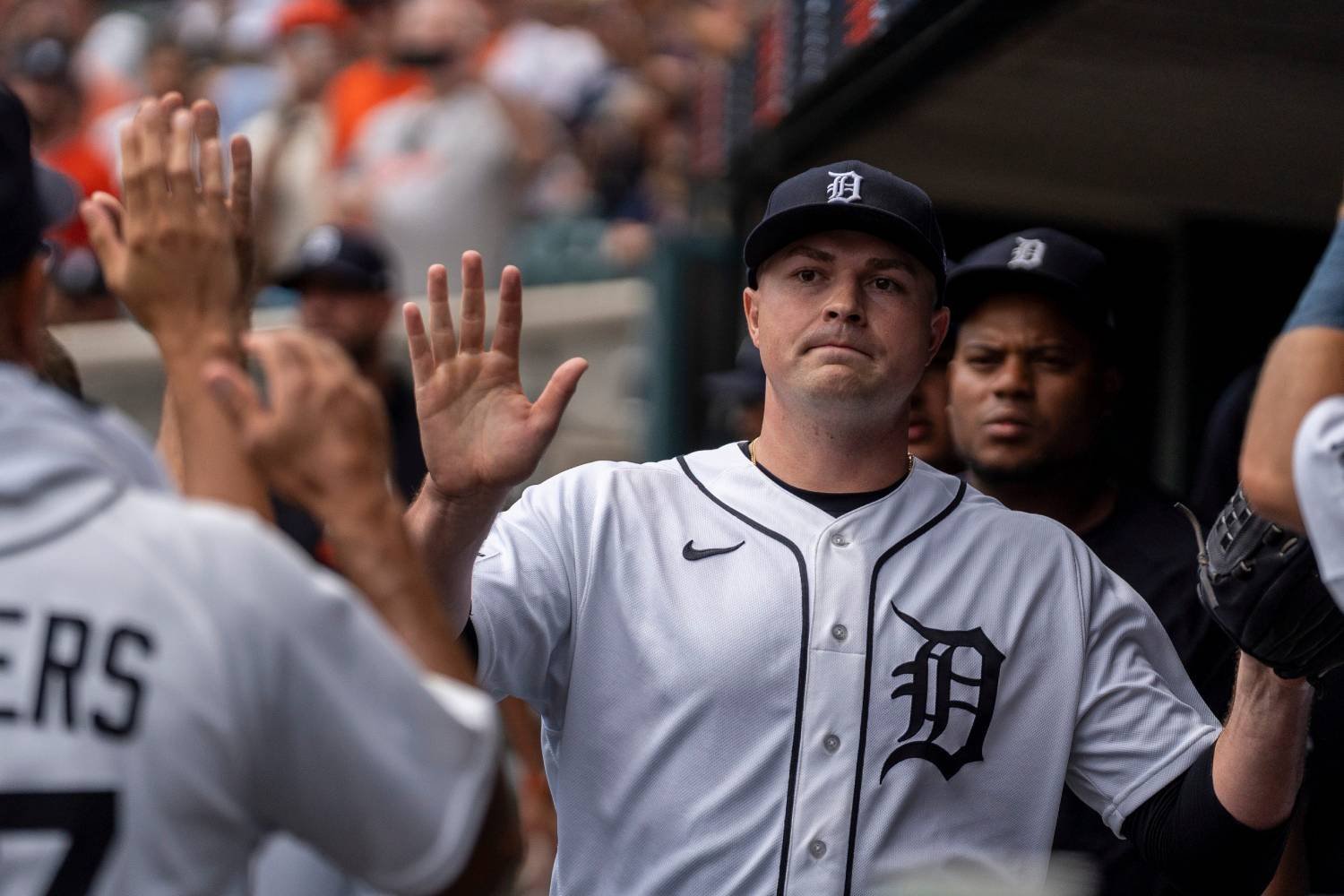 As the likelihood of the Detroit Tigers trading reigning two-time AL Cy Young Award winner Tarik Skubal increased with Wednesday's devastating defeat, the heat is being turned up with the clock ticking toward Monday's trade deadline. With one NL executive telling MLB.com's Mark Feinsand, "The offers should start flowing in any minute," another source said there are three teams that are the clear top suitors in terms of prospects for what it would take to pry the left-handed starter away from the Tigers. One of those teams is the Milwaukee Brewers. "The Brewers, Rays and Dodgers have the most high-end prospects to move,” one source said. “It would be somewhat surprising if he didn’t wind up with one of those three teams." For fans of the Crew, that shouldn't be surprising. After all, the Brewers have the consensus top farm system in MLB. Per MLB Pipeline, the Brewers have six players on that Top 100 list. Baseball America has seven Brewers prospects on its Top 100. For the Brewers, that begins with Double-A shortstop Jesus Made, still the No. 1 prospect in baseball (and not surprisingly at Brewer Fanatic) on most every list. With that quality as well as young controllable starting pitching already in the majors, the Brewers can definitely put together an attractive package, it is just a matter of will they be willing to meet the Tigers' asking price. The Dodgers and Rays have multiple players on those Top 100 lists. View the full article
 -
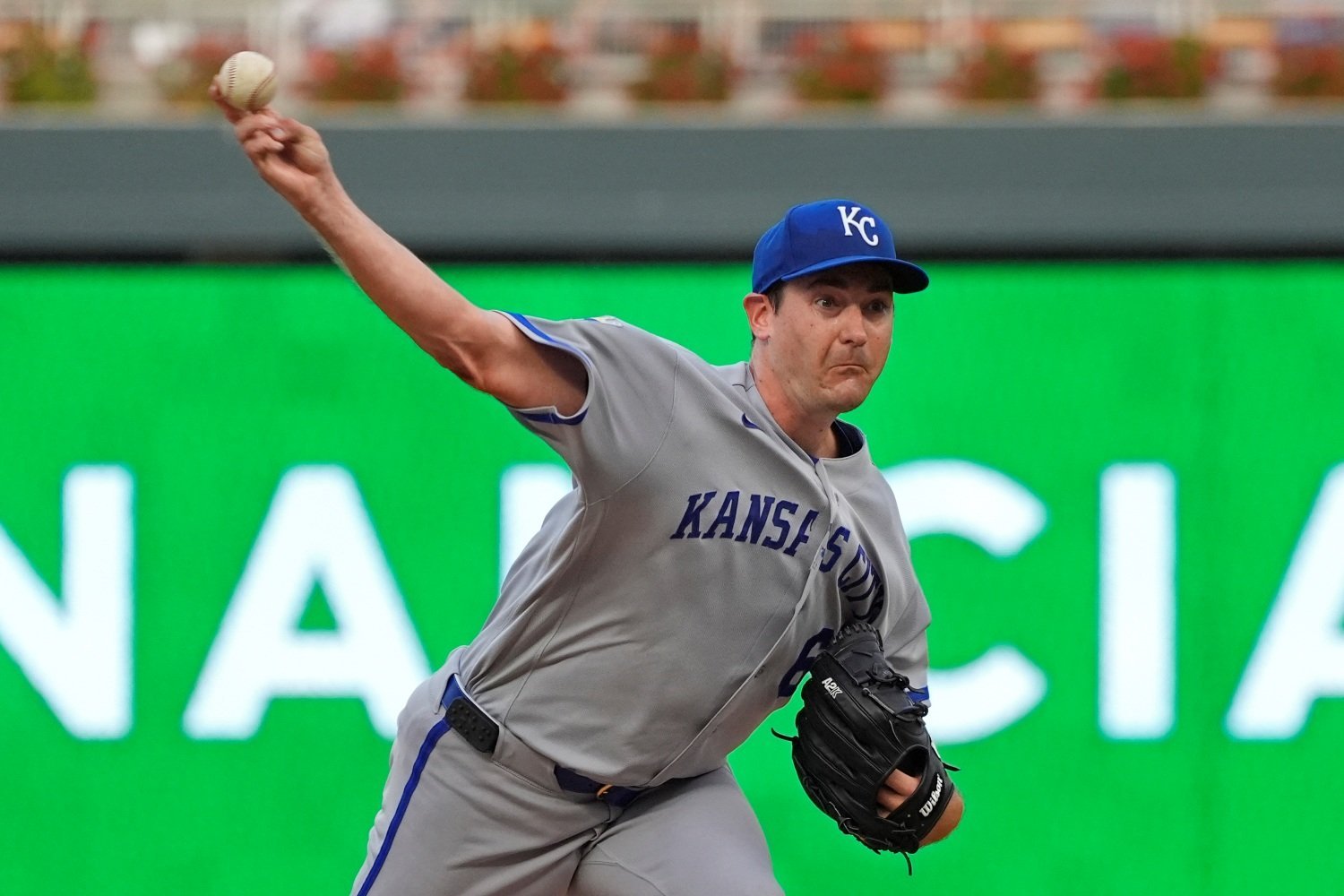 Not satisfied to shop for pure rental arms, the Brewers are in touch with the Royals about two veteran starters under contract for 2027, according to a source briefed on recent discussions between the two teams. Milwaukee scouted Seth Lugo's start at Target Field this week and are also interested in fellow righty Michael Wacha. Lugo, 36, is owed about $7 million for the balance of 2026 and another $21.5 million in 2027. There's a team option in the deal that would pay him $17 million in 2028, and which comes with a $3-million buyout. Lugo is 4-6 with a 4.22 ERA in 22 starts, and is pitching better than that of late. Over his last three outings, he's allowed just five earned runs in 19 innings. He doesn't miss bats the way he did even a year or two ago, muting the value of his exceptionally deep arsenal, but his durability and capacity to work deep into games is regarded as a huge potential boost for a Brewers staff in need of an innings sponge. Somewhat more tantalizing and fresh off a trip to the All-Star Game, Wacha is 35 years old, but has a prettier 3.60 ERA in his 21 starts. He's owed $6 million for the rest of this year and $14 million (with a chance to make another $4 million via incentives) in 2027, and his deal comes with a more affordable 2028 option. He, too, is running a below-average strikeout rate, but he's been consistently able to mute hard contact while filling up the strike zone throughout his career. These deals reflect a couple of interlinked and important realities, league sources say. One is that the Tigers' asking price on Tarik Skubal remains "unrealistic," according to one source, making it unlikely that Milwaukee will pony up for the top rental arm on the market. Another is that, with the trade deadline coming so deep in this season and the Brewers' place atop the NL Central seemingly safe, the team is reluctant to pay the trade prices even on lower-tier rentals. They would rather do so for a pitcher who can continue to ease their management of pitchers' workloads in 2027 (or beyond), and while their budget is not unlimited even for partial-season additions, they're prepared to absorb some salary obligations in order to pay lower prospect costs for the upgrades they feel they need. It's been a slightly wrong-footed fortnight for the NL Central leaders, but they still have a strong position in the playoff jostling, and there might not be a better all-around team in the league even as they're currently constructed. Teams with top-tier chips to move will try to extract Milwaukee's highest-value prospects, but the team believes they can make important improvements without setting themselves back in the future that way. The Royals' veterans offer one path to that destination; the team still has four days to explore others. View the full article
 -
Cole Sands' Frustrating Season Ends With Elbow Surgery
DiamondCentric posted an article in Twins Daily
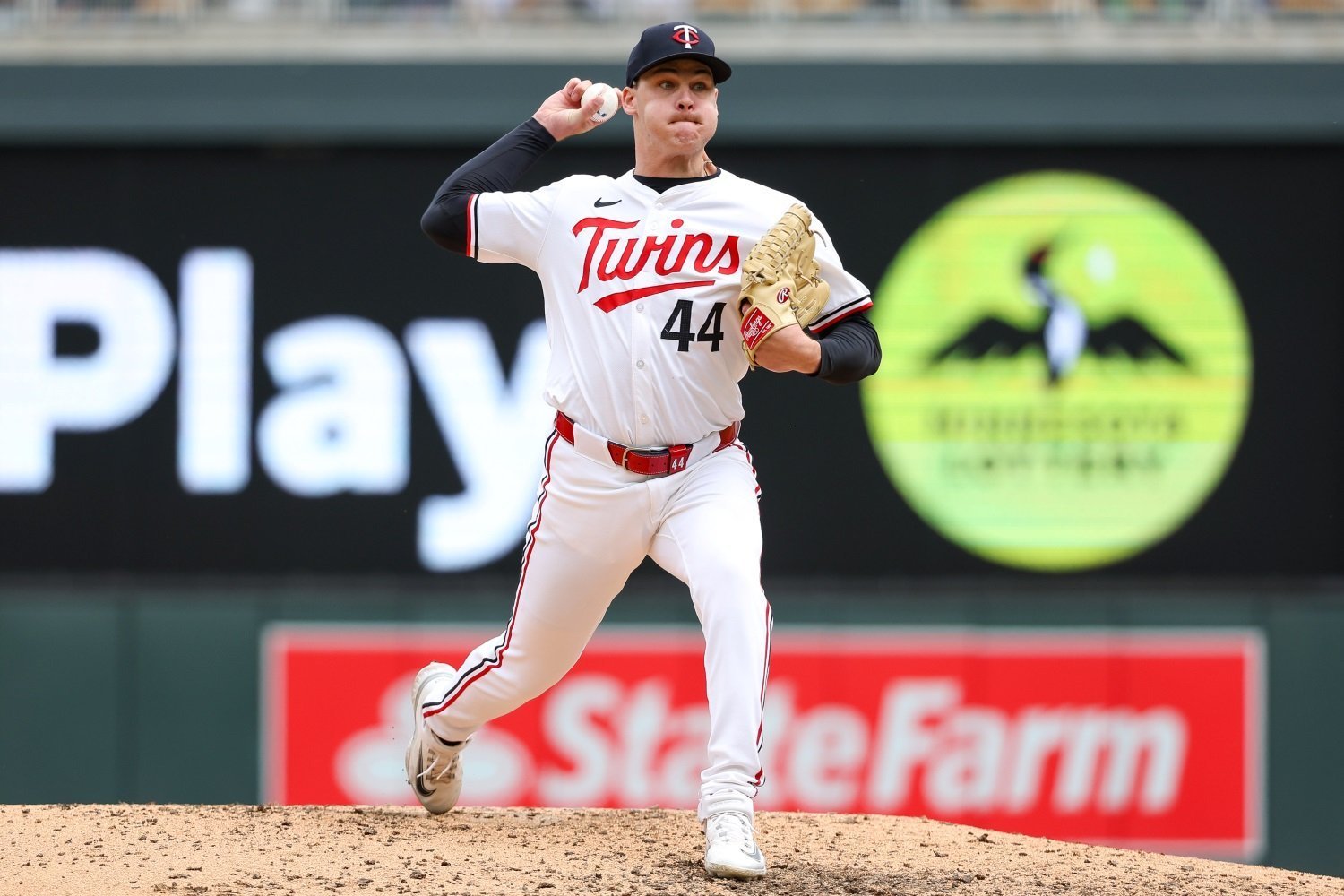 For months, the Minnesota Twins hoped Cole Sands could finally put his injury troubles behind him. Every time it looked like the right-hander was nearing a return, another setback followed. Now, his frustrating 2026 season has officially come to an end. The Twins announced that Sands will undergo arthroscopic surgery on his right elbow Tuesday, ending any chance of him pitching again this season. He'll also receive a platelet-rich plasma (PRP) injection, with the organization optimistic that the procedure will allow him to have a relatively normal offseason and report healthy for Spring Training in 2027. It's an unfortunate ending to what became one of the most frustrating injury sagas of the Twins' season. Sands first landed on the injured list on May 2, retroactive to April 29, with what was initially diagnosed as a right forearm strain. At the time, Minnesota believed the injury would only sideline him briefly. Instead, it lingered for months. He began a rehab assignment in early June but was shut down after inflammation returned. As the forearm strain improved, Sands still wasn't feeling right, prompting the Twins to continue searching for answers. He underwent multiple MRIs and a CT scan before doctors determined arthroscopic surgery to clean up his elbow offered the best path forward. The 28-year-old restarted his rehab assignment earlier this month and finally appeared to be turning a corner. Over seven scoreless innings in the minors, Sands struck out eight hitters and earned another call back to the major league bullpen. Unfortunately, his return lasted just one appearance. Facing the Athletics over the weekend, Sands recorded only one out while allowing five earned runs. He finished with a -0.14 Win Probability Added (WPA), and although Minnesota held on for the victory, it was immediately apparent that something wasn't right. The Twins placed him back on the injured list shortly afterward, and the decision to proceed with surgery followed. It marks a disappointing interruption for a reliever who had quietly become a valuable piece of Minnesota's bullpen. Since making his major league debut in 2022, Sands has logged 207 1/3 innings with a respectable 4.21 ERA while consistently limiting free passes with a better-than-average 6.9% walk rate. His breakout came in 2024 when he struck out 29.1% of opposing hitters, though that figure dipped to 21.5% beginning in 2025 as he transitioned into more of a contact-management role. Before the injury, Sands owned a 4.63 ERA across 12 appearances this season, but the numbers hardly tell the story of a year defined by rehab assignments, shutdowns, and unanswered questions. The good news for both Sands and the Twins is that the organization believes the surgery addresses the underlying issue that repeatedly derailed his comeback attempts. With the procedure coming now, the expectation is that he'll still have something close to a normal offseason rather than facing a prolonged rehabilitation into next year. For a bullpen that has already endured its share of injuries and turnover, losing Sands for the remainder of the season is another difficult blow. But after months of uncertainty, both player and club finally have a clear path forward. The focus now shifts from returning in 2026 to making sure Sands is fully healthy when pitchers and catchers report next February. View the full article
 -
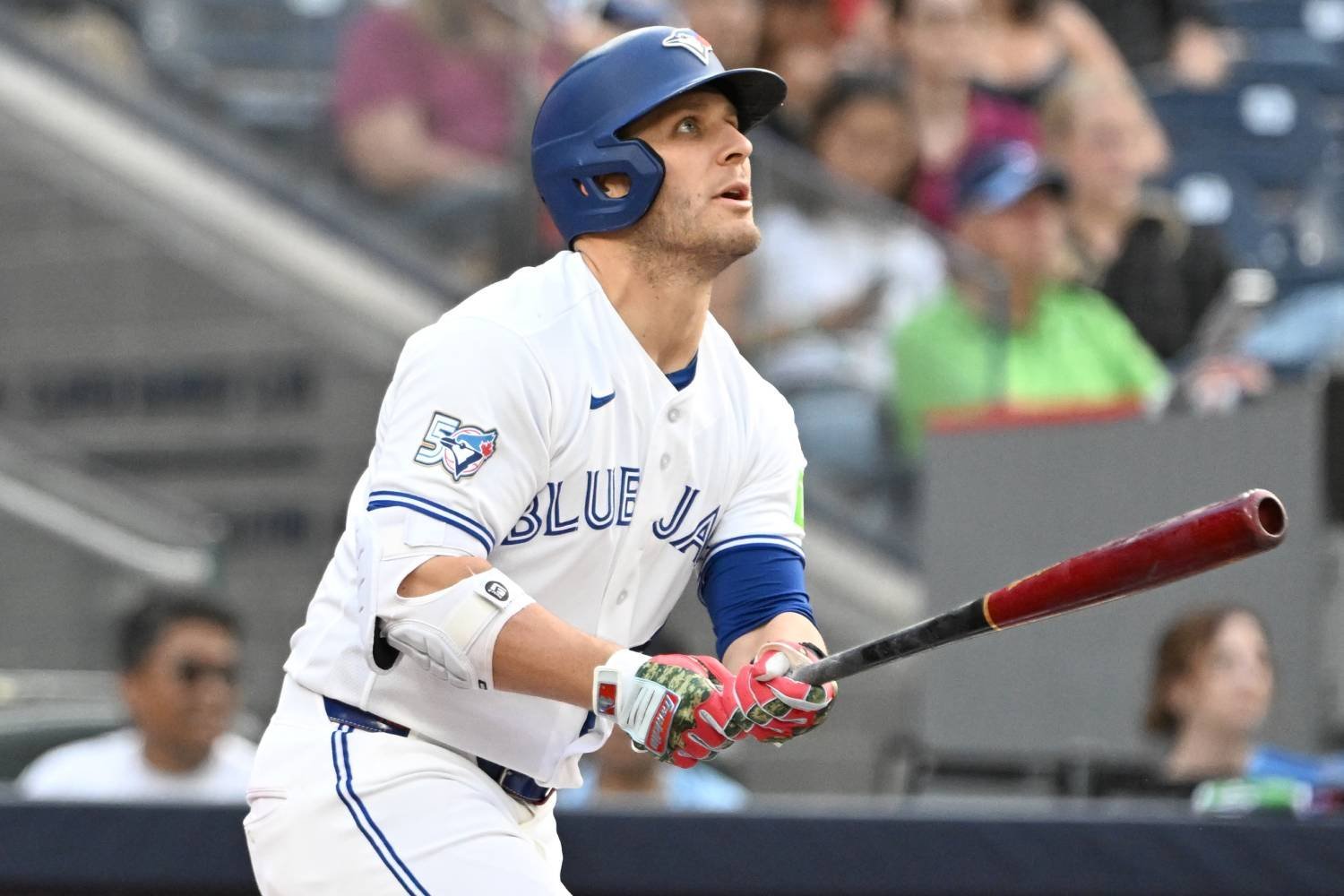 With the Toronto Blue Jays in sell mode after a disappointing first four months of the season, the players on expiring contracts are more likely than not to be wearing another uniform next week. Center fielder Daulton Varsho is one of those and he is drawing a good bit of interest, but not necessarily for his bat, but for the tremendous defense he provides. Among the teams looking for a center fielder is the Philadelphia Phillies, who indeed have "interest" in Varsho, according to MLB insider Jon Heyman. The Phillies are 6½ games off Atlanta's NL East lead, while tie with the Arizona Diamondbacks for the second (and third) NL wild card after Philadelphia was swept by the Miami Marlins. While the Phillies are in need of an offensive boost—they rank 22nd in team OPS at .703—Varsho would provide more experience in center field than rookie Justin Crawford with maybe a nudge in the power department. Varsho has a .247/.308/.383 slash line with seven homers and 26 RBIs in 96 games to Crawford's .257/.306/.339 with two homers and 23 RBIs in 99 games. Crawford does have more steals 13-9. There are other pieces the Phillies and Jays match. Right-handed starters Kevin Gausman and Shane Bieber and left-hander Eric Lauer are all free agents after the year, while the Jays could also spin off bullpen pieces such as right-handed closer Jeff Hoffman. View the full article
 -
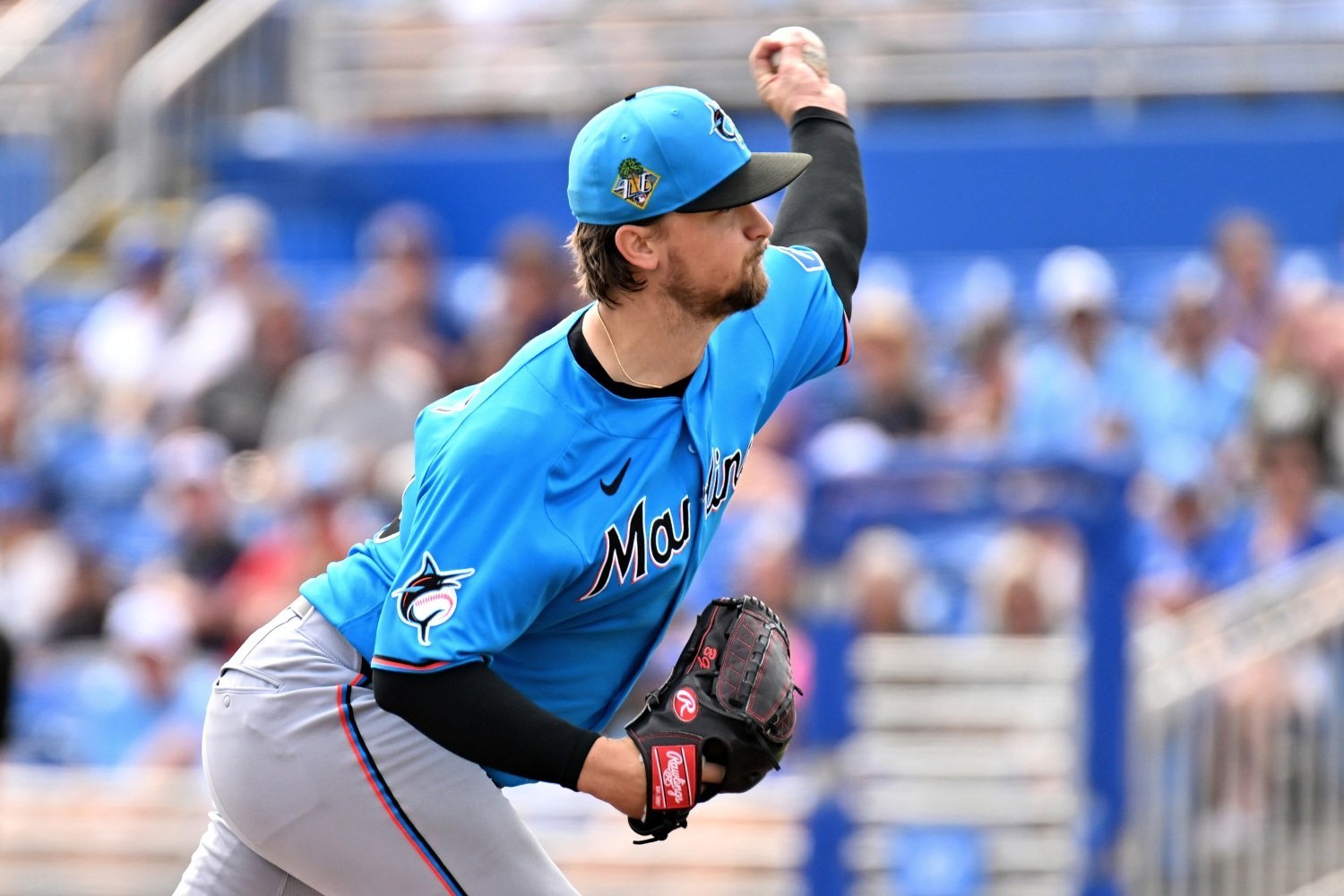 Despite varying levels of need, none of Jonah Tong, Andrew Painter or Braxton Garrett are even on the major-league roster of their NL East clubs right now. Yet, each have been subjects of inquiry by the Cubs ahead of Monday's trade deadline, as the team seeks ways to build a playoff-caliber starting rotation both now and for the balance of the decade. Sources familiar with the conversations said Chicago has sounded out several teams on hurlers under long-term team control, in creatively structured isolated deals or as part of larger packages. If the Cubs and Mets get together on a trade that nets the North Siders any of Freddy Peralta, Clay Holmes, Luke Weaver or Huascar Brazobán, Tong (or fellow minor-league assignee Tobias Myers) could also be part of the deal. For New York, adding a controllable arm to the deal would give access to the Cubs' top tier of young assets (other than Josiah Hartshorn, who's viewed as essentially untouchable during this period). For Chicago, getting a controllable arm as well as immediate help would soften the blow of shipping out a top prospect. Although Tong and Myers would each be longer-term plays, it's also possible that each could help the Cubs before the end of this season. The story is similar with Garrett, whose return from December 2024 Tommy John surgery has not gone smoothly. The Cubs have long had some level of interest in Sandy Alcantara, but the team might also try to scoop up Pete Fairbanks in a low-cost move while finding their immediate starting help elsewhere. If the Marlins want to get anything of value in return for Fairbanks, they could include Garrett, a lefty under medium-term team control whom the Cubs believe would improve under their care. A swap that nets Chicago Garrett would have to include a good young player going to Miami, but it would be a cheaper move than dealing for Reid Detmers or José Soriano. A trade for Painter is less likely, because the Phillies are likely to dangle him to teams who can directly give them offensive help, a source said. However, a variety of three-team possibilities could lead to the Cubs ending up with Painter, while they send a prospect or young big-leaguer to a seller who forwards a (probably) outfielder to Philadelphia. Like Detmers and Soriano, Garrett has just two years of team control left after this season. He also won't be eligible to be optioned to the minors next season, although the Cubs' belief is that they wouldn't need to consider that, anyway. Painter and Tong wiull each have six more years of team control after this year and multiple option years remaining; Myers falls in the middle. He'll have four more years of team control left, but can't be optioned beginning next spring. They represent a wide spectrum of possible approaches for the Cubs, who are keeping as many options open as possible. Many of the partners with whom they hope to engage on trades are still vacillating between buying and selling, or looking to do some of each. In a sense, the Cubs are, too, as they try not to leave themselves too much work to do this winter. If the right opportunity arises, they'll pounce on a chance to improve the 2027 and 2028 rotations, but the present is the top priority, so moves like these will happen only once they have enough clarity to be sure they won't compromise their efforts to prepare for October. View the full article
 -
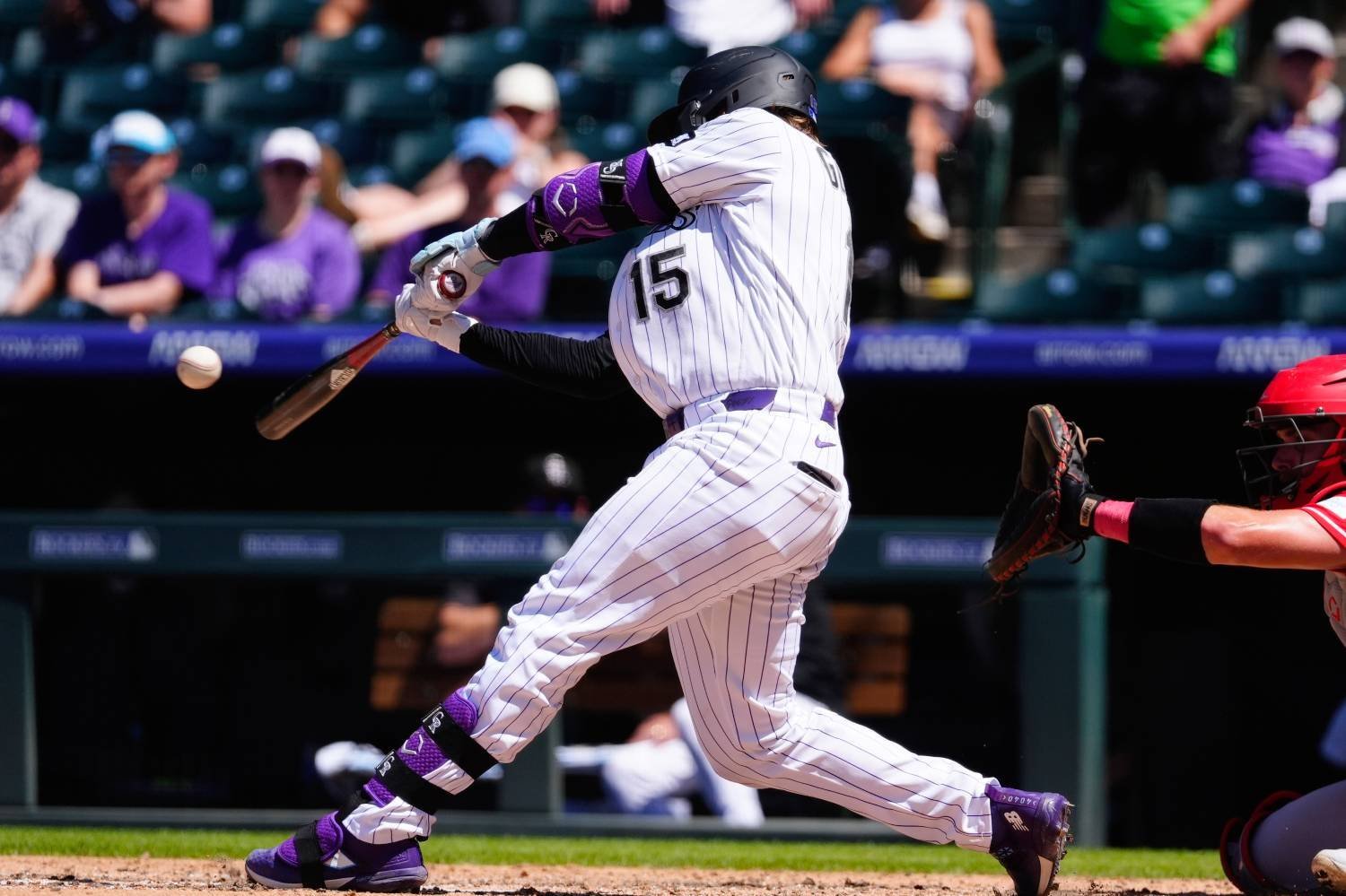 If the Boston Red Sox are truly going to acquire controllable talent at the trade deadline instead of a two-month rental, it might hurt a little bit when it comes to prospect capital. One area the Red Sox would love to find a long-term solution is catcher—and the most popular name when it comes to a controllable player and production is Hunter Goodman of the Colorado Rockies. The 26-year-old is third in MLB with 31 homers, matching his 2025 total, and has a .254/.326/.545 slash line with 60 RBIs. While some might think he is just a product of the thin air at Coors Field, 18 of Goodman's homers have come on the road. While Goodman's defense has been questioned, that is something a team can work on. That type of right-handed power would look terrific at Fenway Park, right? But with the Rockies turning a corner under a new front office and actually looking competent, Colorado isn't necessarily in the mood to ship off a player the team can build around. Goodman is making $810,000, just above the MLB minimum, and has three more years of club control. So that makes the price a stiff one for competitors to pry away Goodman. Combine that with two other AL East rivals, the New York Yankees and first-place Tampa Bay Rays, also seeking a catcher before Monday's deadline, and the price increases that much more. According to several reports, the Rockies are looking at the very top of the prospect list if they are going to surrender their young star. For the Red Sox, that begins with shortstop Franklin Arias, who was just promoted to Triple-A Worcester and homered in his first plate appearance. The 20-year-old, Talk Sox's No. 1 prospect, entered play Friday with a .307/.393/.570 slash line in 79 games between Double-A and Triple-A this year. With a 15-game winning streak flipping the script on the Red Sox this month, would that price be worth it to not only guarantee a postseason spot but make a deep run to a World Series? View the full article
 -
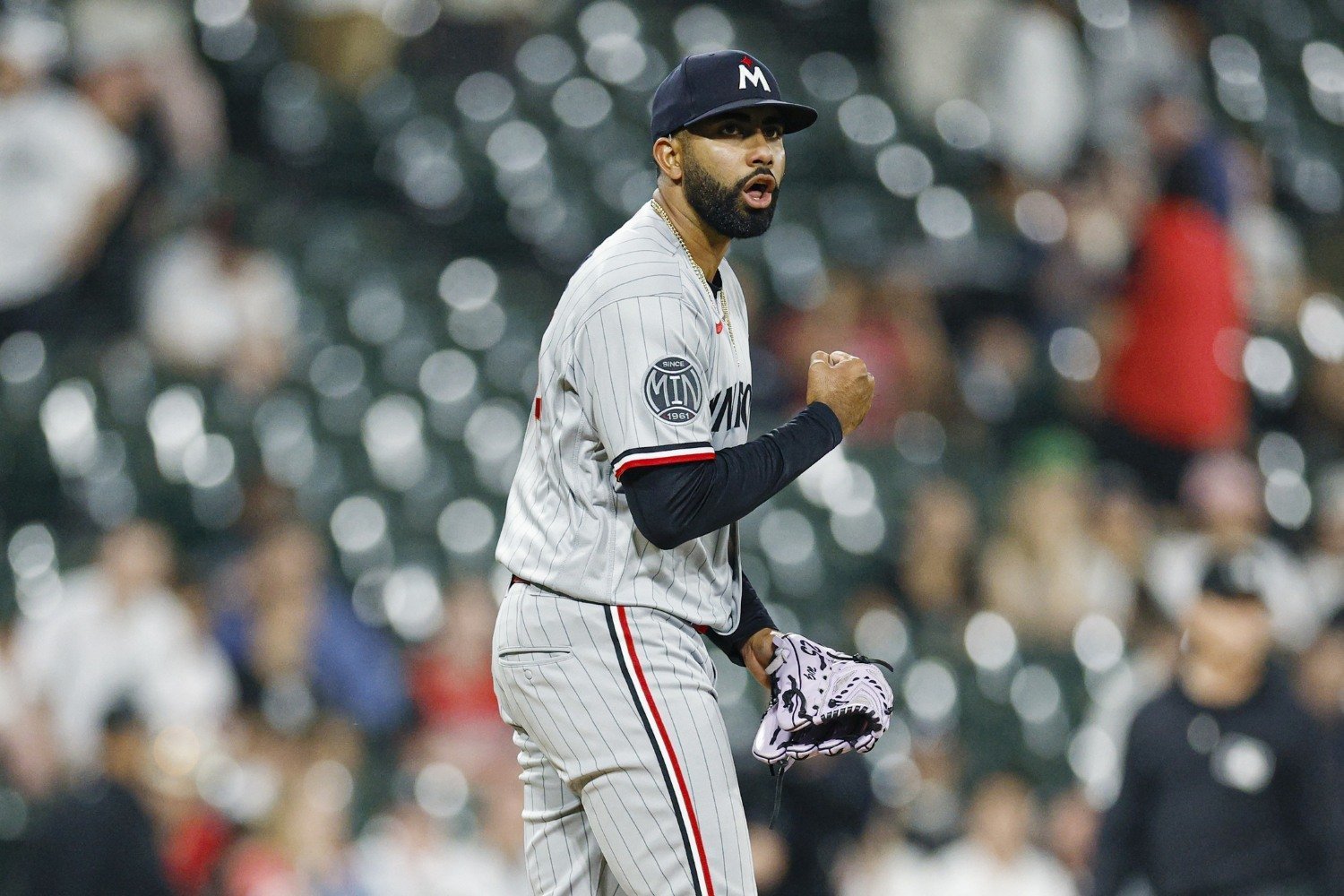 The Minnesota Twins have made their trade deadline intentions crystal clear. General manager Jeremy Zoll told reporters before Tuesday's game that the club intends to improve the major-league roster before Monday's August 3 trade deadline, with bullpen help sitting at the top of the shopping list. That shouldn't come as much of a surprise. While Minnesota has fought its way back into contention, the relief corps remains the biggest obstacle between this team and a legitimate postseason push. There are a few relievers manager Derek Shelton can trust. After that, the confidence level drops off quickly. If the Twins want this bullpen to become a strength instead of simply surviving games, they'll need to add multiple high-leverage relievers—not just another middle-inning option. Here's what the current hierarchy looks like, as the club ponders upgrades. Tier 1: Yoendrys Gómez, Andrew Morris Few waiver claims have changed the trajectory of a season like Yoendrys Gómez. He has quite literally saved Minnesota's bullpen. Shortly after arriving, Gómez took over the closer's role and never looked back. Credit goes to both Gómez and Minnesota's pitching coaches, who made subtle mechanical adjustments that unlocked another level. Since joining the Twins, Gómez owns a 1.78 ERA and a 1.02 WHIP, and is a perfect 13-for-13 in save opportunities. Andrew Morris has been just as important. When Minnesota traded Jhoan Duran, Griffin Jax, and Louis Varland at last year's deadline, the organization believed it could rebuild the bullpen internally. Morris has become the poster child for that philosophy. After transitioning from the rotation into a one-inning relief role, his stuff has played up dramatically. Over his last 19 appearances, Morris has surrendered just one earned run (a solo home run) while striking out 20 batters across 21 innings. He's quickly become one of the most dependable setup options in the American League. Tier 2: Tommy Nance, Kendry Rojas, Travis Adams This is where Minnesota's bullpen starts showing its biggest weakness. Tommy Nance has been perfectly serviceable since arriving from Toronto. His 23.8% strikeout rate, 10.1% walk rate, and 4.03 FIP paint the picture of a capable middle reliever. On many playoff-caliber clubs, he'd slot into the sixth or seventh inning. For the Twins? He's arguably their third- or fourth-most trusted reliever. That's the problem. Nance isn't pitching above his ability. He's being asked to occupy a bigger role than a contender ideally wants. Kendry Rojas remains one of the organization's most intriguing arms, but he's difficult to rank. The left-hander has bounced between spot starts, piggyback outings, and relief appearances as injuries have forced Minnesota to stay flexible. He's probably the club's most trusted left-handed reliever, but he isn't being used like one, because the organization still views him as a long-term starter candidate and an important source of legnth. With Mike Paredes landing on the injured list, Rojas also represents the next logical rotation option. Until that changes, he'll stay at least partially stretched out, instead of becoming a traditional late-inning weapon. Travis Adams has quietly climbed this list over the past month. His overall numbers remain inflated after allowing 14 earned runs in 10 appearances between May 27 and June 29, but July has looked much different. Adams has given up just two earned runs across 10 2/3 innings, while striking out eight and walking four. Perhaps the most encouraging development has been his strikeout rate, which has climbed to 26.4%, nearly seven percentage points better than last season. The walks, however, remain elevated at 10.7%, leaving room for improvement before he can consistently handle high-leverage situations. Tier 3: Taylor Rogers, Kody Funderburk, Jack Anderson Taylor Rogers's return to Minnesota had a chance to be one of the better stories of the season. The veteran reunited with the organization that drafted and developed him, while also reaching the milestone of 10 years of major-league service time. Unfortunately, sentiment hasn't translated into production. Rogers owns an ERA north of 5.00, and his strikeout rate has dropped more than eight percentage points below his career average. There are encouraging signs, though. He's allowed just one earned run over his last nine appearances, suggesting he may have a little gas left in the tank. Kody Funderburk hasn't taken the step forward Minnesota hoped to see after his strong finish to 2025. Instead, he's spent much of the season shuttling between Triple-A and the majors. His strikeout rate has fallen from 21.9% to just 15.0%, while a matching 15.0% walk rate has created too many stressful innings. Since returning at the end of June, Funderburk has been more effective, posting a 3.65 ERA with 10 strikeouts and four walks across 12⅓ innings. It's progress, but not enough to erase the inconsistency. Jack Anderson may be the bullpen's biggest unknown. Claimed off waivers from Boston, Anderson has quietly impressed during his brief stint with Minnesota. He's thrown 4 1/3 scoreless innings, allowing one hit while striking out four. Earlier this season with the Red Sox, he posted respectable numbers over three appearances, giving the Twins enough reason to believe there's more upside to unlock. The sample size remains small, but Anderson has earned the opportunity to stick around. What the Deadline Should Look Like The biggest takeaway from these rankings isn't that Minnesota lacks quality relievers. It's that there aren't enough of them, and that shouldn’t be a surprise to Twins fans. Gómez and Morris have formed an excellent late-inning duo, but asking Nance to be one of your top setup options is asking too much from the current roster construction. In an ideal bullpen, Nance slides down a couple spots on the depth chart, while Rogers, Adams, Funderburk, and Anderson compete for lower-leverage innings. That's why adding one reliever may not be enough. If the Twins are serious about making noise in October, they need to acquire multiple relievers who immediately rank ahead of Nance in the bullpen hierarchy. Doing so would transform the middle innings, deepen Shelton's options, and lessen the nightly workload on Gómez and Morris. There's also another reinforcement on the horizon. As Connor Prielipp approaches his anticipated innings limit as a starter, the Twins could transition one of their top pitching prospects into a relief role late in the season. His power arsenal could make him an impact weapon out of the bullpen, much like Morris after his own move away from starting. Of course, if they go that route, they have to replace Prielipp in the rotation. That possibility gives Minnesota another intriguing internal option. But with October aspirations on the line, the Twins can't afford to wait for internal solutions alone. The bullpen has improved dramatically since Opening Day, but the gap between Minnesota and the American League's elite contenders is still measured in late-inning arms. Jeremy Zoll knows it. Now, the trade deadline will reveal just how aggressively the Twins intend to close it. Do you agree with the rankings above? Leave a comment and start the discussion. View the full article
 -
 With the trade deadline just days away and the Padres fresh off their fifth win in a row, Randy Holt and Steve Drumwright discuss the suddenly sunny outlook on the rest of the season now that they are on the cusp of an NL wild-card spot and how that impacts what A.J. Preller does to improve the roster before Monday's deadline to make deals. Randy and Steve go over the Padres' most tradable players and discuss whether they should stay or go in an effort to upgrade the roster, then pick out some names that fit in with the Padres' ability to go out and acquire players with a lack of top prospects. Listen on Apple Podcasts: https://podcasts.apple.com/us/podcast/padres-mission-podcast/id1896922834 Listen on Spotify: https://open.spotify.com/show/033xclmydmbLmEp0exYuYz Listen on iHeartRadio: https://www.iheart.com/podcast/1333-padres-mission-podcast-336930560 Watch on YouTube: https://www.youtube.com/@padresmission View the full article
 -
 Boston Red Sox Affiliate Recap Triple-A Worcester Red Sox Season Record: 52-47 Worcester’s offense bounced back with an 11-hit showing, defeating the Norfolk Tides (Baltimore Orioles) 6-2. The WooSox got aggressive right out the gate; Braiden Ward reached first base on a bunt, then stole his 44th bag of the season as Franklin Arias struck out. Mikey Romero was the next man up, singling to center, then Jason Delay followed up with a walk to load the bases. Allan Castro delivered a two-run single to center field, giving the Sox a 2-0 lead. Norfolk gave Worcester a scare in the fourth inning, scoring two runs to tie it 2-2, but Brett Harris and Vinny Capra broke the game open with a pair of two-run homers in the sixth, giving their team a breathable 6-2 lead. The Sox’s bullpen was lights out the rest of the way; Tyler Samaniego, Angel Bastardo, and Wyatt Olds combined for 3 ⅔ shutout one-hit innings and five strikeouts. Blake Wehunt made his second start for Triple-A Worcester as he continues to get comfortable, tossing five innings with one earned run (one unearned) and four strikeouts. Standout Performances: Vinny Capra: 2-for-4, HR, 2B, R, 2 RBI Brett Harris: 1-for-4, HR, R, 2 RBI Double-A Portland Sea Dogs Season Record: 51-46 After taking a lead with a big sixth inning, Portland’s bullpen blew the game in the ninth inning, losing 9-6 against the Harrisburg Senators (Washington Nationals). Catcher Nate Baez had himself a multi-hit day at the plate, including an RBI single in the second inning that gave the Sea Dogs an early 1-0 lead. The Senators tied it up in the fourth with a line drive RBI single and gave themselves a lead with a sacrifice fly. Their bats stayed hot in the fifth, blasting a two-run shot to extend their lead to 4-1. Portland had a big sixth inning while taking advantage of a pitcher struggling to find the strike zone. The inning started with a leadoff Baez single and a Will Turner walk; afterward, Miguel Bleis and Matt Frazier delivered a pair of RBI singles to put his squad within one run. With runners on the corners, the Sea Dogs were patient at the plate, and it all worked out. It started with an Ahbram Liendo four-pitch walk to juice the bases, then Mason White and Ronald Rosario both drew bases-loaded walks, giving Portland a 5-4 lead. In the seventh, Liendo gave his team some insurance with an RBI single to bring in Bleis, making it a 6-4 game. Erik Rivera came into the ninth with a two-run cushion and struggled mightily, giving up five runs on three hits and a walk as he took the blown save and loss in this contest. Patrick Halligan was the bright spot for Portland’s pitching staff, tossing three shutout one-hit innings with three strikeouts. High-A Greenville Drive Season Record: 40-54 Greenville’s bats erupted for an astonishing 13 runs while giving up just one run against the Asheville Tourists (Houston Astros). In this blowout defeat, the Drive collected 15 hits, four of them coming from Enddy Azocar, who contributed with an RBI single, a two-run single, and a solo blast in the ninth inning, his 10th homer in High-A. Justin Gonzales continued to hit the cover off the baseball, hammering a solo shot in the first, making it three straight games with a homer. Ronny Hernandez had himself a solid 2-for-3 day with an RBI walk and single while getting on base four times. After struggling since coming off the IL, Maximus Martin finally had the breakout game he had been looking for, a multi-hit day with a home run and three RBIs. Antonio Anderson stayed extremely hot; a 2-for-4 day with two doubles moved his batting average in July up to .348 with a 1.018 OPS. The Drive rolled out a two-man pitching staff, and they were nails. It all started with Kyson Witherspoon’s start, mowing down the Tourists through 5 ⅓ innings of one-run ball with five strikeouts to earn the win. Alex Bouchard was solid, finishing off the last 3 ⅓ innings, giving up just two hits, three walks, and striking out three to earn the first save of his minor league career. Standout Performances: Enddy Azocar: 4-for-5, HR, 2 R, 4 RBI Ronny Hernandez: 2-for-3, 2 R, 2 RBI, 2 BB Maximus Martin: 2-for-4, HR, R, 3 RBI Justin Gonzales: 1-for-4, HR, 2 R, RBI, 2 BB, SB Kyson Witherspoon: 5 ⅓ IP, 4 H, 1 ER, 1 BB, 5 K Alex Bouchard: 3 ⅔ IP, 2 H, 0 ER, 3 BB, 3 K Low-A Salem RidgeYaks Season Record: 42-55 Game 1 of Doubleheader For the first game of a seven-inning doubleheader, the RidgeYaks strung together a couple big innings as they cruised to an easy 7-2 victory over the Kannapolis Cannon Ballers (Chicago White Sox). Salem wasted no time, coming out hot with a three-run inning in the top of the first. Starly Nunez led the game off with a double (his first of two hits), then Kleyver Salazar brought him in with a double of his own. After struggling mightily towards the end of May and all throughout June, Louis Andujar has been scorching hot in July; he continued his hot stretch by blasting a two-run homer to give the RidgeYaks a 3-0 lead. After Franklin Primera was plunked by a pitch and advanced to second base on a Salazar walk, Skylar King extended Salem’s lead to 4-1 with an RBI double in the third inning. Then came another three-run inning in the fourth, highlighted by a Nunez two-run blast and a Givian Sirvania RBI groundout, giving the Yaks a commanding 7-1 lead. Christian Fouch looked nice in his four-inning start, giving up an unearned run on two hits and three walks with five strikeouts. Cole Tolbert finished off the rest with three innings, two hits, and one run allowed while also earning the win. Standout Performances: Starlyn Nunez: 2-for-4, HR, 2B, 2 R, 2 RBI Louis Andujar: 1-for-3, HR, R, 2 RBI, BB Game 2 of Doubleheader The second game of the doubleheader was a snoozer, with the RidgeYaks taking a 1-0 defeat to the Cannon Ballers. Salem’s offense was dominated by the Kannapolis pitching staff. The Yaks tallied a whopping two hits and one walk, with the hits coming from Franklin Primera (single) and Anderson Fermin (single), and the walk was drawn by Justin Barry. Despite Jason Gilman taking the loss, the southpaw was outstanding through all six innings for Salem, giving up just one run on three hits, two walks, and punching out four batters. Standout Performance; Jason Gilman: 6 IP, 3 H, 1 ER, 2 BB, 4 K View the full article
 -
 The short version of Mitch Voit’s Double-A debut: Well, that was easy. No, it wasn’t easy, but Voit (No. 7 in Grand Central Mets’ Top 20) looked like he belonged as he played shortstop and led off for Binghamton at Reading on Wednesday. He got to work right away with a long double over the center fielder’s head on the second pitch of the game. The decisive blow came after Randy Guzman (No. 14) singled home a run to make the score 6-5. Brooklyn erased a pair of deficits in this one. They were down 4-0 before scoring four runs in the sixth. With two out, Antonio Jimenez (No. 17) doubled home Jamari Baylor, and Houck singled in Jimenez to make it 4-2. Yohairo Cuevas walked, and then Trace Willhoite doubled in Houck and Cuevas to even the score. Winston-Salem scored in the seventh and ninth for a 6-4 lead. Player AB R H RBI BB K Trey Snyder 4 0 0 0 1 1 Ronald Hernandez 4 0 0 0 1 0 Randy Guzman 4 0 3 1 0 0 Yonatan Henriquez 0 1 0 0 0 0 Jamari Baylor 5 2 1 0 0 1 Daiverson Gutierrez 5 1 1 3 0 0 Antonio Jimenez 3 1 1 1 1 1 Colin Houck 4 1 4 1 0 0 Yohairo Cuevas 3 1 0 0 1 1 Trace Willhoite 3 1 1 2 1 0 Totals 35 8 11 8 5 4 Player IP H R ER BB K HR Nicolas Carreno 3 5 4 4 4 6 1 Luis R. Rodriguez 2 0 0 0 0 5 0 Juan Arnaud 1 1 0 0 1 1 0 Bryce Jenkins 2 1 1 1 0 1 1 Ryan Dollar 1 1 1 1 0 2 1 Totals 9 8 6 6 5 15 3 St. Lucie Outslugged In Dunedin The Mets briefly led after scoring four runs in the top of the fifth. Branny De Oleo hit an RBI double and Simon Juan followed with a two-run homer to tie the game. Adderley, who was called up from the FCL Mets this week, made it back-to-back long balls with a solo shot for a 9-8 lead. Zack Mack and Joe Scarborough were the bullpen arsonists, combining to give up the final six runs of the game. In all, Mets pitchers allowed 14 hits and 11 walks over eight innings. Elwis Mijares was the best of the six who took the mound, striking out three over 2 1/3 scoreless frames of relief. Elian Peña (No. 4) added two hits and two RBIs in the loss. Player AB R H RBI BB K Elian Peña 4 0 2 2 0 1 Cole Mathis 4 1 1 0 0 0 Julio Zayas 1 0 0 0 0 0 Marco Vargas 3 2 1 0 1 1 Vladi Gomez 1 0 0 0 0 1 Kuhio Aloy 5 0 0 0 0 3 Yovanny Rodriguez 4 1 1 3 1 2 Branny De Oleo 4 1 1 1 1 1 Simon Juan 4 1 1 2 0 1 Bohan Adderley 4 2 2 1 0 1 Dylan Carey 3 1 1 0 0 0 Totals 37 9 10 9 3 11 Player IP H R ER BB K HR Owen Woodward 1 2 2 2 1 2 1 Jose Lopez 2 2/3 4 6 6 6 2 1 Elwis Mijares 2 1/3 2 0 0 1 3 0 Zack Mack 0 2/3 4 4 4 1 0 0 Joe Scarborough 1 2 2 1 1 3 0 Caden Wooster 0 1/3 0 0 0 1 1 0 Totals 8 14 14 13 11 11 2 Top-20 Prospect Performance Jonah Tong: DNP Jack Wenninger: DNP Ryan Clifford: DNP Elian Peña: 2-for-4, 2 RBI, K Nick Morabito: DNP Jacob Reimer: DNP Mitch Voit: 3-for-5, 2 2B, 3B, BB, 2 R Jonathan Santucci: DNP Zac Thornton: MLB Chris Suero: 0-for-3, 2 BB, R Will Watson: DNP Wandy Asigen: DNP Eli Serrano III: DNP Randy Guzman: 3-for-4, 2B, RBI Dylan Ross: DNP Ryan Lambert: DNP Antonio Jimenez: 1-for-3, 2B, RBI, BB, K R.J. Gordon: DNP Jonathan Pintaro: DNP Marco Vargas: 1-for-3, BB, K, 2 R View the full article
 -
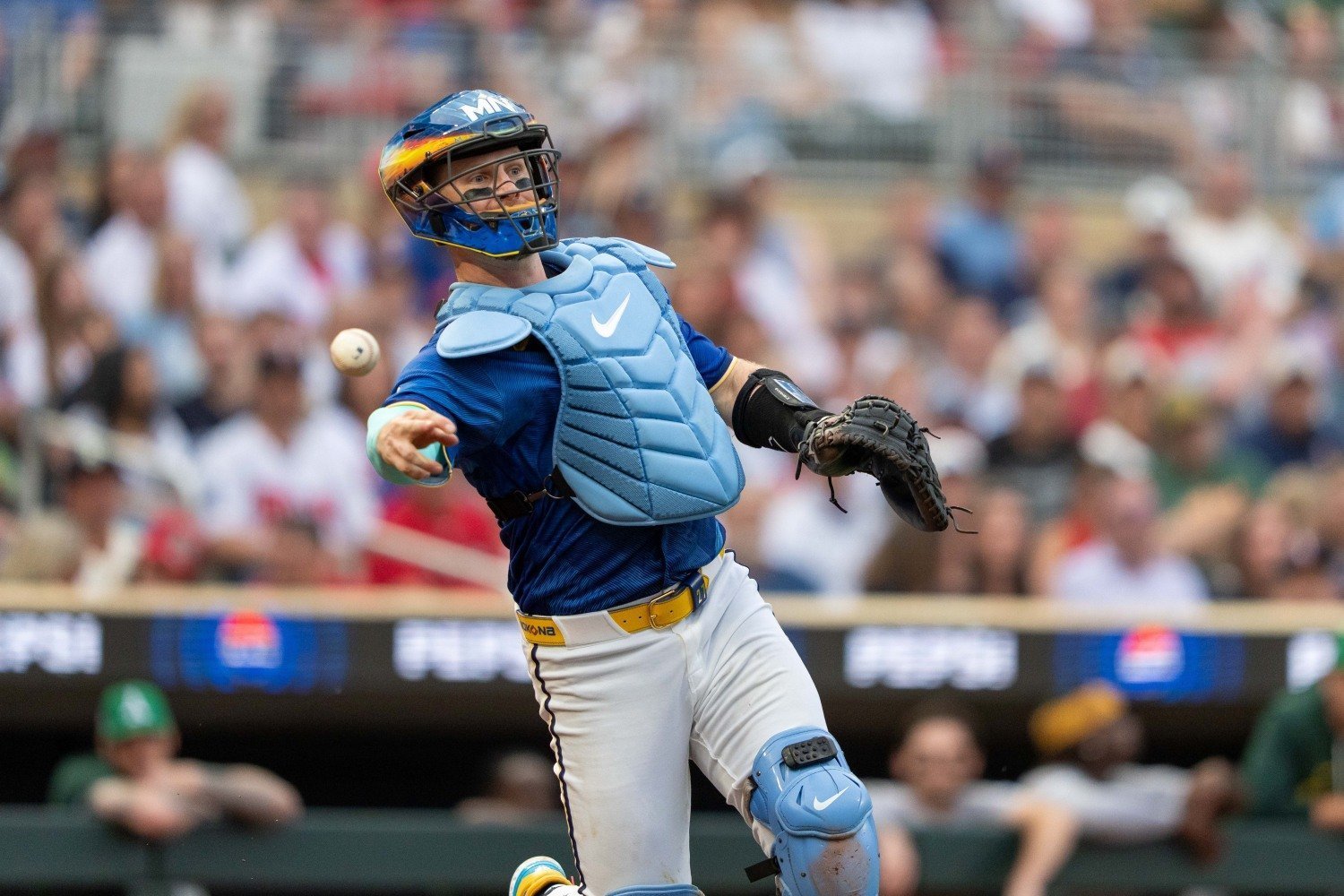 The Minnesota Twins continue to insist they plan to improve their roster ahead of Monday's MLB trade deadline, but that doesn't necessarily mean only adding players. ESPN insider Jeff Passan believes Minnesota could still move one of its most valuable trade chips if the right major league return is available. General manager Jeremy Zoll reiterated before Tuesday's game that the Twins intend to add, with bullpen help remaining the organization's top priority. That stance hasn't changed, but Passan believes the front office is prepared to be flexible if a deal strengthens the current roster. Jeffers is the Twins' Top Trade Asset In his latest deadline preview, Passan identified catcher Ryan Jeffers as Minnesota's best trade asset. While Jeffers has spent months at the center of trade speculation, Passan doesn't believe the Twins are interested in moving him simply to add prospects. "Jeffers still could go, but just not necessarily for prospects," Passan wrote. "If there's a big league-for-big league trade to execute, Minnesota won't hesitate." That distinction is significant. The Twins have repeatedly emphasized that they expect to compete this season. Rather than subtracting from the major league roster, dealing Jeffers for an established bullpen arm (or multiple major league contributors) would allow Minnesota to address a weakness without taking a step backward. Bullpen Remains the Clear Priority Passan listed two of Minnesota's biggest needs as adding a swing-and-miss reliever and another hard-throwing bullpen arm. That aligns with what Zoll has said publicly. Despite an encouraging stretch to begin the second half, the Twins' bullpen has spent much of the season near the bottom of baseball. While the overall ERA has started trending in the right direction, Minnesota still lacks the type of dominant late-inning arms that contenders often acquire before the deadline. With several clubs expected to shop proven relievers over the next few days, the Twins appear focused on finding upgrades that can make an immediate impact. Why Jeffers and Larnach Still Make Sense Passan also noted that Jeffers and Trevor Larnach remain logical trade candidates because of Minnesota's organizational depth. "Jeffers and outfielder Trevor Larnach... remain in play," Passan wrote. "Minnesota won't trade anyone just for the sake of trading them." The Twins have one of baseball's deepest collections of young position players. Walker Jenkins is waiting in Triple-A and projects to become an everyday corner outfielder in the near future, while Victor Caratini gives Minnesota another experienced catching option if Jeffers were moved. That depth gives the front office flexibility to deal from positions of strength if it means addressing a more pressing need. The Balancing Act Passan also acknowledged the difficult position Minnesota finds itself in. With half of Major League Baseball hovering around .500, every loss carries extra weight. A short losing streak can dramatically alter the standings and change how aggressive a front office chooses to be. Rather than making moves simply because ownership wants the team to compete, Passan believes the Twins will remain disciplined. They'll pursue upgrades, but only if the value is right. That approach could ultimately lead to one of the more intriguing possibilities of trade deadline season, a rare big-league-for-big-league swap centered around Jeffers. If the Twins can turn a position of organizational strength into immediate bullpen help, they may accomplish both goals at once: improve the 2026 roster while avoiding mortgaging the future. View the full article
 -
 While a multi-game deficit and a handful of teams ahead of them in the National League Wild Card race isn't the most ideal set of circumstances for the San Diego Padres, their weekend sweep of the Miami Marlins likely gave A.J. Preller all the clearance he needed to work in an additive direction ahead of next week's trade deadline. With only the lowly Colorado and San Francisco organizations standing in their way prior to August 3, the expectation is that the Friars fancy themselves buyers at the present moment. It's at least a mildly more encouraging picture than last week, when we didn't any level of clarity over which direction the team could head. Buying doesn't necessarily mean keeping all of their current major-league talent, however. There's a path where the team trades one of their high-leverage relievers (Mason Miller, Adrian Morejon) with an eye on adding starting pitching and catapulting themselves square into the middle of the NL Wild Card race. And that's an important note within all of this. The Padres don't have an upper-tier farm system; in fact, their minor-league talent pool generally ranks among the league's worst (if not at the very bottom). Even within the context of buying, Preller is likely going to have to move impact talent if he seeks to add impact talent in turn. That means that even buying is going to result in someone like Miller or Morejon finding their way to a new organization in the name of improvement elsewhere. While those aren't the only appealing names the team has on their roster, it feels like at least one would have to go for the necessary improvements to be made to other areas of the team. With that in mind, which prospective trade partner represents the most ideal organization with which to strike a deal? The Milwaukee Brewers are a team that immediately springs to mind. This is for two reasons. The first is that they can offer the Padres at least one major-league caliber starting pitcher in a trade for one of Miller or Morejon. Someone like Logan Henderson represents exactly the type of arm the Padres would covet. He's having an exceptional year (3.05 ERA, 2.98 FIP in eight starts) pitching in the latter half of the Brewers' rotation and isn't even eligible for arbitration until 2029. There are other arms that could be appealing here (Robert Gasser, Coleman Crow), but Henderson and some combination of prospects would be an ideal path given the Padres' current shortcomings in their starting staff. The prospect component represents the other reason Milwaukee is such an ideal trade partner. The Brewers have a system lauded by essentially every outlet, with six prospects inside of MLB Pipeline's Top 100. While we wouldn't necessarily expect one of those six in a potential deal alongside an upside play like Henderson, it speaks to the strength of their system to have such a consistent presence throughout that list. Overall, it's a team with which the Padres have a transactional history and can help to fill a need. The Brewers are in need of some starting pitching help in their own right given injuries, but they're also in search of relief help. If the Padres were to part with one of Miller or Morejon, then a move here presents plenty of logic for both parties (with room for either to seek out other organizations for additional needs). In a similar vein, the New York Yankees could represent the type of organization that represents the ideal partner for Preller. Like the Brewers, the Padres have a history of trades with the Yankees (the Juan Soto deal being most notable among them). And, like Milwaukee, New York has the ability to provide the Padres with what they need ahead of this deadline. The dynamic is only slightly different. On the minor-league side of things, the Yankees do not boast the farm system depth that the Brewers have. What they do have, though, is pitching in abundance. Roughly 20 of the team's top 30 prospects come from the mound, with many featuring an ETA of 2026 or 2027. Could a package involving someone like Will Warren and additional minor=league arms make sense in a deal? Absolutely, but that would also come at a similar expense in that the Padres would be likely to part with Miller or Morejon in such a scenario. It's similar contexts and similar needs from both New York & Milwaukee, which would then come down to which minor-league system Preller and the scouting department favor more. That doesn't mean those are the only two teams worth watching out for ahead of Aug. 3. Nor does any trade for impact mean that Preller will be forced to send Miller or Morejon the opposite way; it just feels like the most efficient way of shifting the fortunes of the current roster. Preller could also approach Detroit about Casey Mize, the Mets about someone like Clay Holmes, or the Royals (another team with which there's a recent transactional history) about old friends Michael Wacha & Seth Lugo. Options exist here toward improving the Padres' most vulnerable phase of their roster. But if we're talking about the type of deal Preller loves to make — the one where he gets to turn the baseball world on its head — then facilitating a deal with the Milwaukee Brewers or New York Yankees is the best bet. View the full article
 -
Jesus Made is Starting to Show His Full Array of Tools
DiamondCentric posted an article in Brewer Fanatic
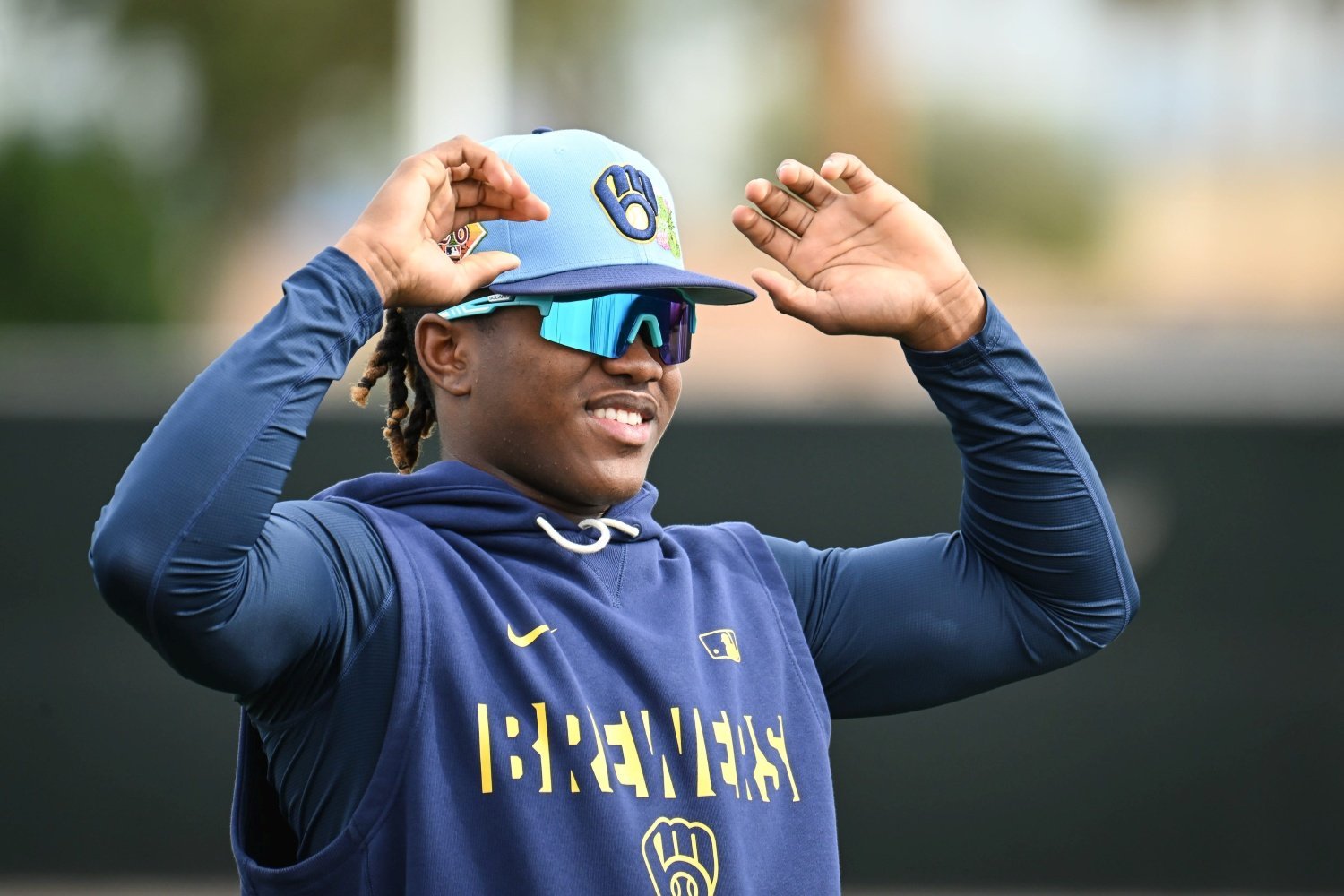 Jesus Made is the top prospect in baseball, and he leads a farm system loaded with top-end talent. The Milwaukee Brewers’ best farmhand is still only 19 years old, but he’s outplaying nearly everyone at the Double-A level right now. The most impressive part of what he’s been accomplishing lately, though, is his ability to build another tool from the ground up. Made has had the spotlight on him for years now, but despite playing at 4.9 years younger than the average Double-A player, he's shown no signs of slowing down. The Biloxi Shuckers’ shortstop is slashing .276/.351/.438 with 10 home runs and 29 stolen bases in 87 games. He was clocked throwing a ball 100 mph across the field earlier this year, and the well-rounded talent touts a 65-grade overall rating on the MLB Pipeline 20-to-80 scouting scale. One of the best parts of Made’s game is his plate discipline, and the switch-hitting infielder hasn’t allowed that aspect to waver in the 2026 season. He’s drawing a walk 10.3 percent of the time, and he’s one of the toughest hitters to strike out in all of Minor League Baseball. The 19-year-old has punched out just 14.5 percent of the time this year. Made’s journey hasn’t ended once he’s reached the bases, as he’s on track to eclipse 40 stolen bases for the second consecutive season. The one projectable skill that hasn’t fully shown itself in box scores is Made’s power—that is, until this year. The Dominican Republic native had just 12 home runs over his first two years (166 games), but there were signs that he had slugging potential. He hit 28 doubles last year, registering a .792 OPS. His MLB Pipeline scouting report even had the following description: “Made is one of the twitchiest prospects in baseball, relying on quick bat speed from both sides of the plate. He ran almost exactly even platoon splits in ’25, and while his six homers don’t exactly jump off the page, his raw power continues to grow as he ages.” Well, guess what: it’s about that time. Made is currently listed at 6-foot-1, 221 pounds, and he recently hit his 10th round-tripper of the 2026 campaign. At this rate, he’s on pace to hit about 20 homers in the same amount of time it took him to hit the first 12. Now, imagine what he looks like (and can do) in two more years. Made’s body still has some maturing to do, but we’re already seeing him fill out his frame. The 25-30 home run potential is nearing fruition. Is there a world where the budding power numbers lead to Made making his major-league debut as soon as this upcoming postseason run? It's unlikely, but not impossible. He's ascended to the top of the prospect pile without fully unfurling his tools in games. Now that that's starting to change, he's closer to the big leagues than it might appear. View the full article
 -
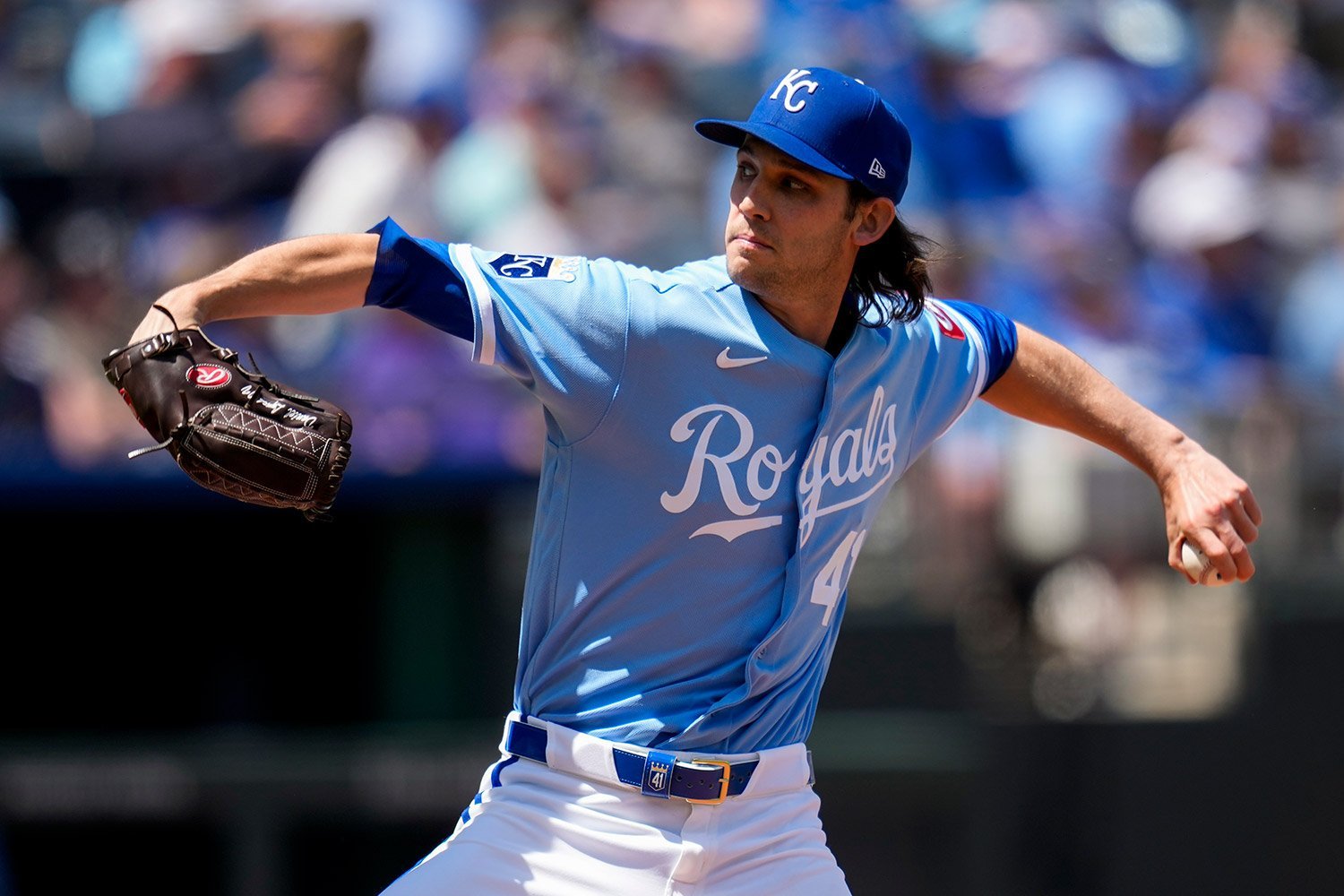 There is no denying that the Royals bullpen is on pace to be the worst in franchise history, but that’s to say that there haven't been any bright spots. One in particular has been Daniel Lynch IV, who has had a breakout year coming out of the pen. His season has resulted in him becoming a very interesting trade piece for the Royals as the deadline draws closer. A Breakout Year For Daniel Lynch IV Lynch, a first-round Royals draft pick (34th overall) in 2018, has certainly made his mark as the Royals' best arm to come out of the pen. His 1.2 bWAR and 2.09 ERA (backed by a 3.11 FIP) are the best out of any Royals relief pitcher. He’s also one of the best pitchers in baseball when it comes to pitching against lefties, as they are hitting just .147 against him, good for tenth best in all of MLB. A 19.8 K% and 7.0 BB% also help as well. With all that in mind, he is certainly going to be a sought-after pitcher if the Royals were to shop him this deadline. Here are a few options the Royals could go with. Lynch IV to the Yankees for Elmer Rodriguez The Royals are looking for young, controllable talent while the Yankees are looking to bolster their bullpen, so this trade would suit both teams nicely. Lynch would fit in nicely in a stout Yankees pen while Rodriguez will get some much-needed playing time in the Royals rotation if the team were to move on from Lugo and/or Wacha. Rodriguez is in his rookie season, which gives the Royals flexibility just in case he doesn’t pan out in Kansas City. He has scuffled in his first 17 big-league innings, but was ranked in the back half of top prospects by MLB, Baseball America, and Baseball Prospectus prior to the 2026 season. Lynch IV to the Phillies for Gabriel Rincones Jr. Another team that needs improvements in their bullpen is the Phillies, whose team ERA of 4.29 could benefit from Lynch’s services. The Phillies are desperate for a lefty, and Lynch fits the bill perfectly. The Royals could ask for a young outfielder in Rincones, who is also in his rookie season, and some cash would be able to get it. Rodriguez, who has struggled in only a handful of plate appearances this season, posted a .799 OPS in Triple-A Lehigh Valley in 2025. Lynch IV and Blake Mitchell to the Red Sox for Tyler Uberstine and Mikey Romero The likelihood of this trade happening is very slim, but it really helps both teams. The Red Sox are the hottest team in baseball and need someone like Lynch to strengthen their pen, but a potential franchise catcher in Blake Mitchell would also help as well. Uberstine and Romero, who are both under team control for the foreseeable future, would fit right in Omaha and potentially get some much-needed playing time in the bigs with a team desperate for young talent. This swap would be a massive transfer of assets from both teams, but would fill needs all around. The Red Sox, after trading Kyle Teel to the White Sox a little over a year ago, have virtually no catching depth in the majors or upper minors, and Mitchell would give them long-term security behind the dish. View the full article
 -
Behind the Scenes of a Trade Deadline, with Derek Falvey
DiamondCentric posted an article in Twins Daily
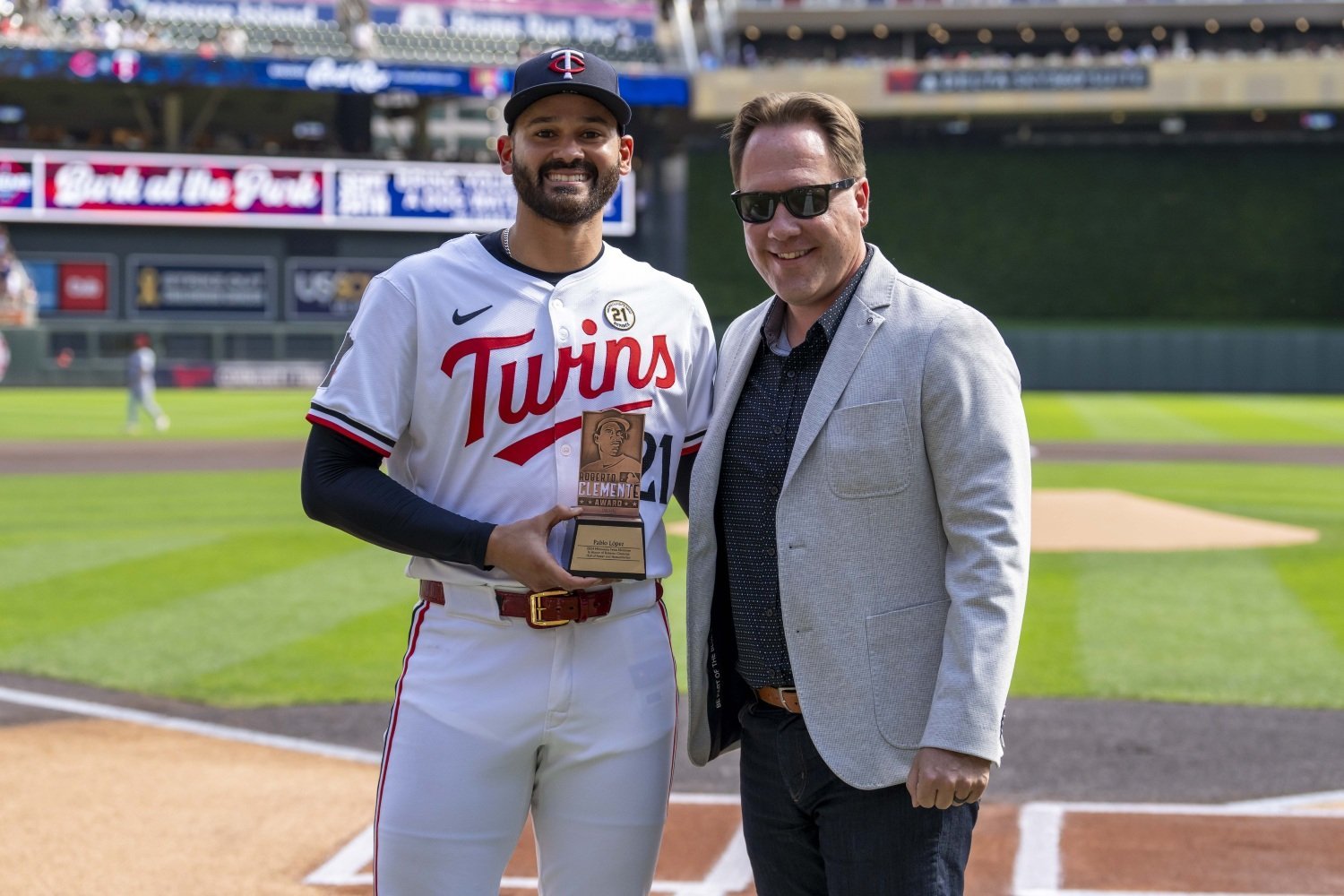 The 2026 MLB trade deadline is less than a week away, and teams are actively working the phones trying to improve their short-term or long-term outlooks (or both). We get the alerts and see the news, but what does it actually look like from inside an MLB front office? Derek Falvey sat down with a group of members of MLB’s Fan Council on Tuesday to discuss just that. The Fan Council is an effort by MLB to do fan outreach, hold focus groups, and generally educate fans on behind-the-scenes stuff. You may have heard about our meeting on competitive balance, which caused quite a stir: there was an article from Evan Drellich of The Athletic, and a Foul Territory episode. I’m a member. I have no idea why. I just got a DM from MLB in the spring of 2025 inviting me to join. I thought it was a scam at first. There are about 120 members, with about four representatives per team. The only other Twins fan I’m aware of is Tyler the Twins Guy, whom you can follow on Twitter here. Anyway, on to the topic at hand. Falvey graciously met with us this week to answer all of our questions about how the deadline looks from inside a front office. We weren’t allowed to ask any questions about specific players or trades, out of respect for the players involved. Instead, the focus was on the deadline itself. I want to share some of that information with you, starting with a timeline for your average MLB trade deadline. The Months Leading up to the Deadline Even months out from the deadline, conversations are beginning. There’s not much concrete discussion going on here, to the dismay of fans who want their team to fill a need early. Many teams don’t know which direction they’re going, but teams are keeping in touch with each other throughout, trying to understand what every other club needs. Many of these conversations aren’t GM-to-GM (or whatever the club calls their lead; I’ll say GM for brevity). Instead, other senior officials—assistant GMs and directors—handle many of these conversations. Most of the dialogue is over text. This is pretty consistent throughout the league, though there are some teams who still primarily communicate GM-to-GM. This work is divided up because it’s hard for one person to keep 29 lines of communication open at all times. The other officials will keep the GM in the loop, but they’ll be tapping into connections in other organizations that their colleagues might not have. Every call is noted afterward on some sort of shared server or program, so that it can be reviewed ahead of any future conversations. These conversations are not fast. Falvey estimated that there are 10-20 touch-bases (on average) between two teams before a trade actually comes to fruition. There are a lot of hypotheticals thrown out, most of which never progress—but this is also how funkier trades, such as three-team trades, start. A lot of the time, it’s best for the GM not to do this inefficient spitballing, which is why most clubs deputize the early conversations. June-Mid July By early June, teams start to sort themselves into buyers and sellers, and more concrete conversations can be had. It’s still pretty spread out among members of the front office, and it’s more in theoretical terms. One team will ask another, “Are you looking for something? Do any of our players fit that bill? What’s the range of prospects you’re looking for?” The MLB Draft being moved to the All-Star break has been a detriment to trade deadline discussions, because although much of the decision-making and discussion is among the amateur scouting staff and executives, the GM and others from broader baseball operations are also part of those discussions, which shifts their focus away from trades. Many teams have scouts who spend time on both amateur and pro coverage, and they can't switch from one to the other (thereby laying the groundwork for trades) until after the draft. This is when a war room starts to come together. Decision-makers, analysts, pro scouts, and even some members of the clubhouse are chosen to give input on trades and targets, and many lower-ranking members of baseball operations are included for education. A lot of information is gathered during this phase, including reports on players’ off-field reputations and clubhouse presence, but few trades are actually made. Final Weeks Members of the war room who don’t live in the team's home city (such as some pro scouts) make their way to HQ to be present for discussions. The phones are still being worked, but teams are getting closer, and their discussions become more concrete after the draft; GMs start communicating more directly. Falvey mentioned that one of the most crucial parts of this time is understanding the cadence of other front offices. With enough time in the game, a GM will start to learn the patterns of rival GMs. Sometimes when a GM gives you a final offer, you know he doesn’t mean it, because he’s done this to you before. For other GMs, you need to learn what their final offer voice sounds like, lest you miss your chance to complete a trade because you assume they’ll circle back. (Again, he did not use any names, but you might be able to think of an example of this.) These are long days, making sure no stone goes unturned. Some trades start trickling through at this point, and the landscape becomes ever clearer, even if that’s because your target just got acquired by a different team. Deadline Day This is where the fun happens. Trades are flying all over the place, and teams are sometimes learning about them at the same time as fans. When a trade takes place, there are several things front offices have to do that fans might not immediately think of. Every GM is different, but Falvey said he wanted to talk to any player he traded away, giving him the news first. Falvey said he wouldn’t beat around the bush; he’d lead the conversation with the news. Many players know that they might be on the block. He might also have contacted his agent days ahead of time to make the player aware that they might be moved—even if they aren’t—so they aren't blindsided. He also mentioned being aware of whether the player had been traded before, or other factors like that that can influence how much information a player needs, or how they might react: sadness, shock, anger, happiness even. At times, leaks will break the news before it’s official, which puts a GM in a tough spot. A lot of these calls are uncomfortable, but Falvey found it important to do them himself. If a player wants to know why he was traded, he’s owed that, too. GMs will also get the process of the player joining a new organization started by giving them a phone number from the other club who will be reaching out to coordinate travel and logistics. The immediate focus is to get the player and his belongings to the new city. He, or someone in the organization (depending on the level of player acquired), would also start communicating with any new players coming back in the trade. Part of their background research on each player is understanding who they are and how they might fit into a clubhouse, but teams will also share some information with the new organization about what they’ve been working on. For instance, if a guy has been tinkering with his swing or doing extra defensive drills, it’s helpful to know what he’s focused on at that moment. Beyond that, they’ll learn as much about the player’s history as possible to start forming a human connection with them. Medicals are also being surveyed during this time. Even after a trade is agreed to, there’s work to do. Teams need to do their due diligence on the player they’re bringing in, and a spotty medical record has thwarted many trades. Again, you can probably think of trades in Twins history where this is relevant. Furthermore, team owners need to be consulted about any major money being added to the team’s payroll. And if the trade involves a transfer of funds, such as one team retaining a portion of a player’s salary after trading him away, the league office needs to approve the transaction. The Final Hour Falvey noted that the final hour is the most fun, but also the most dangerous. More deals get completed in that hour than any other hour leading up to it, and there are a lot of moving parts to keep track of—which is part of the reason that it’s helpful to have multiple people working the phones. Some teams will mistime the final hour, though that’s sometimes to their benefit. Many of the most reckless trades occur during this period, and some are proposed with too little time to do proper due diligence. As noted, there are medical reports to review, and many trades require league office approval, which must happen before the deadline. Some trades that a team might have otherwise agreed to dissolve during this time. It’s not as relevant for a player on an expiring contract—with those guys, you are more desperate to move on from them or acquire them for the here and now. But if the trade involves a player with multiple years of control (say, a mid-20s starting pitcher), there might not be enough time between a proposal and the deadline to conduct a proper review of his medical records. If there’s an underlying injury, the deal is liable to blow up within months of the player’s acquisition. The losers of this period are often the teams who’ve been holding their cards tight to the chest. Without transparency, the background work required to make a significant deal won’t happen ahead of time, and the other team will often choose not to make a deal, rather than jumping into an enticing one. This is, again, an example of why all the weeks of communication between teams is so important. Hopefully, the last hour is reserved for finalizing deals, or selecting the best package, rather than running through brand new ideas. Again, Falvey couldn’t name names, but I’d bet you might have heard of one of these in recent years (or weeks) (or days). The Aftermath This was my question for Falvey. What are the moments immediately after the clock hits zero like? What about the following hours? Do you look around and start questioning “What have we done?” Falvey noted that deals aren’t all announced by the buzzer, and, like fans, the team also waits to watch any straggling deals come in between other clubs. But the adrenaline doesn’t go away for a while. It’s mostly excitement in the room, no matter which direction the deadline went for the team, but there’s a lot of variance in what kind of excitement that is from year to year. But then, at least for the GM, you need to rebalance yourself. The media gets access very quickly, and you have to be professional, no matter what transpired over the past several hours. Maybe on the car ride home you can soak it in and start really thinking through it, but it’s going to be a few hours. There’s also the matter of talking to stakeholders. Ownership needs to be appeased, and you have a clubhouse to answer to. Some GMs will travel with the team during deadline week, but Falvey preferred to stay in Minneapolis. If the club was on the road, he flew out the next day. Sometimes the team needs to have a full meeting to discuss what happened. Other times, key players will get meetings and are trusted to communicate with their teammates. Nevertheless, Falvey saw it as important to be there and be available to answer questions from anyone who had them. There are a lot of uncomfortable conversations to be had, even with the players who weren’t traded. They might be upset about players who were traded away. Sometimes rumors come out that the club knows aren’t true, but they need to explain it to players who weren’t in the war room. After-Action Reviews Falvey stated that within days following the deadline, he liked to hold after-action reviews to discuss what went well, what went poorly, and what needs to change in future years. He liked to note the thought process behind all moves that did or didn’t happen. It’s easy to look back in hindsight, but having a record showing why a deal did or didn’t happen (or how the team evaluated a player) is vital for the group's growth. It helps to identify what the group did well or poorly and can be revisited years down the line. I hope this writeup has been informative. I'm no GM, so a lot of this stuff was new, and the things that weren't new were interesting to hear from Falvey's perspective. I’ve gotten to peek behind the curtain of a few of these processes as a member of the Fan Council, but none thus far has been Twins-relevant enough to devote a writeup. I also have a whole host of assorted topics that Falvey discussed, and I’m going to be writing a Part 2 shortly. Look out for that to learn about how GMs use emojis and GIFs to make trades. View the full article
 -
 With four days to go before the 2026 MLB trade deadline, the Chicago Cubs are playing well. Starting pitching is still the key area of concern for this club, and after they cut ties with Jameson Taillon, Jed Hoyer should be out looking to pick up not only a front-line starter, but also some additional depth toward the back of the rotation. The more dire the pitching needs, the less it looks like the offense will be addressed at all. The Cubs still have one of the best lineups in baseball, sitting third in runs scored, wRC+, and fourth in OPS. Pete Crow-Armstrong is a full-strength superstar, which the Cubs have lacked since the World Series core dissolved. We could (though probably won't) see a second straight season where three hitters top 30 homers, with Crow-Armstrong, Seiya Suzuki, and Ian Happ the most likely to do it. With the right pitching moves, this is a team that can compete with anyone in the postseason, due to their elite offense. However, there is a glaring hole in the lineup: Happ, against left handed pitching. Happ has 123 plate appearances against southpaws this season, and is slashing .161/.236/.304. That's the sixth-lowest batting average in baseball against lefties, and that includes left-handed hitters. His .540 OPS is the 10th-lowest, and he only has eight extra-base hits while striking out 42 times. Happ has always been stronger against righties (swinging from the left side) over the course of his career, rather than from the right side against lefties, as evidenced by his .819 OPS against righties compared to a .692 against left-handers. This trend is somewhat common amongst switch-hitters, and a .692 OPS is still almost average. As Matt Trueblood wrote in late 2023, he got more patient for a while, limiting the exposure of a weaker swing from the right side. The next year, he got more aggressive again and found some power. But Happ has been a near-automatic out in 2026 against lefties, making a platoon something to think about. The caveat here is that the four-time Gold Glove winner is still playing strong defense, and with the pitching as suspect as it is, defense isn’t an area the Cubs should be subtracting from. His 6 Defensive Runs Saved (DRS) puts him fifth in baseball, and second in the NL in that department among left fielders. If the Cubs were to find a platoon partner, they would also need to be strong defensively, which makes the trade pool more shallow. That's wildly unlikely, anyway. Happ is an impending free agent who's also the most tenured Cub and a revered presence in the clubhouse. They're unlikely to bench him even part of the time. If they decide it's important enough to explore, though, here are the options they might pursue. Lane Thomas, Kansas City Royals The Royals are firmly in seller mode and will look to move anything that won’t be part of their future. The former Cardinal is on a cheap one-year deal and should not take more than a flier-type prospect to acquire. Although Thomas has played only center and right field this season, he’s been worth 3 DRS in right and has a top-tier arm. He has a .799 OPS against lefties and would fit well in the bottom half of the Cubs lineup. Austin Martin, Minnesota Twins The fifth overall pick in the 2020 MLB Draft has only about two years of MLB service time, but with Byron Buxton not going anywhere and top prospects Walker Jenkins and Emmanuel Rodriguez on the cusp of the majors, the Twins might not see room for Martin in their future. He’s played mostly right this season and has been strong defensively there, posting 5 DRS, but has logged over 200 innings in left, as well. He offers average arm strength and is a plus fielder in both corners. The right-handed hitter has a .788 OPS against opposite-handed pitchers and could have a role on the Cubs’ lineup (in the right matchups) for years to come. Although he is controllable, he shouldn't be costly. Jacob Young, Washington Nationals Young was worth 13 DRS in center field last season, but this year, that number is down to 1. The arm hasn’t always played great in center, which would hypothetically improve upon shifting over to left. From a pure speed standpoint, an outfield featuring Crow-Armstrong and Young would be the baseball equivalent to when the Miami Dolphins lined up both Tyreek Hill and Jaylen Waddle as their wide receivers. Young was never a feared hitter, but he does have a .758 OPS against left-handed pitching and has already topped his career high in home runs this season, with nine. The Cubs might have to part with a pitching prospect to entice the Nationals, but if Dylan Crews continues to improve from a rough start to his career, Young could be seen as expendable. None of these options will get the casual fan hyped, but these are all players who could fill in as a quality fourth outfielder, regardless of the Happ situation. They can handle left field adequately, while providing a spark in the bottom of the lineup. It’s important to remember that the Cubs, barring an extension, have their starting left and right fielders set to hit free agency after this season, so players like Martin and Young would serve a purpose beyond 2026. The team is prioritizing controllable arms in their quest to improve the pitching staff. Could they also look to the future while upgrading the present on the position-player side? View the full article
 -
 The Twins don't need the flashiest bullpen arm available. Huascar Brazobán, JoJo Romero, Brennan Bernardino, and Brent Suter could all provide immediate value without costing a premium. View the full article
 -
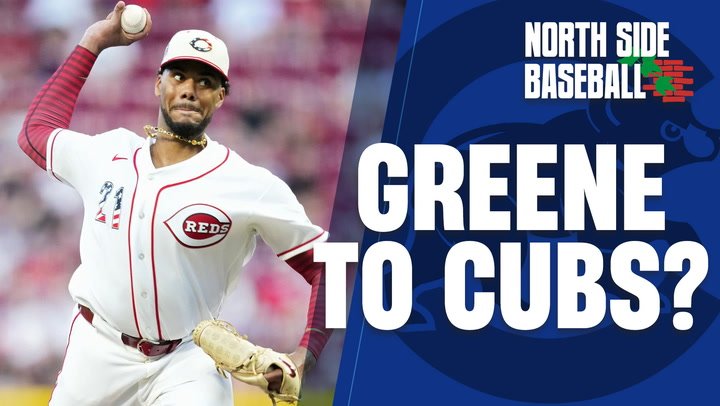 An intradivisional blockbuster involving Hunter Greene feels almost impossible. But if the Reds decide to listen, the Cubs may have exactly what it takes to make a deal happen. View the full article
