


DiamondCentric
-
Posts
2,631 -
Joined
-
Last visited
Never
Content Type
Profiles
Forums
Events
News
Tutorials & Help
Major League Baseball Videos
Guides & Resources
Store
Downloads
Gallery
Everything posted by DiamondCentric
-

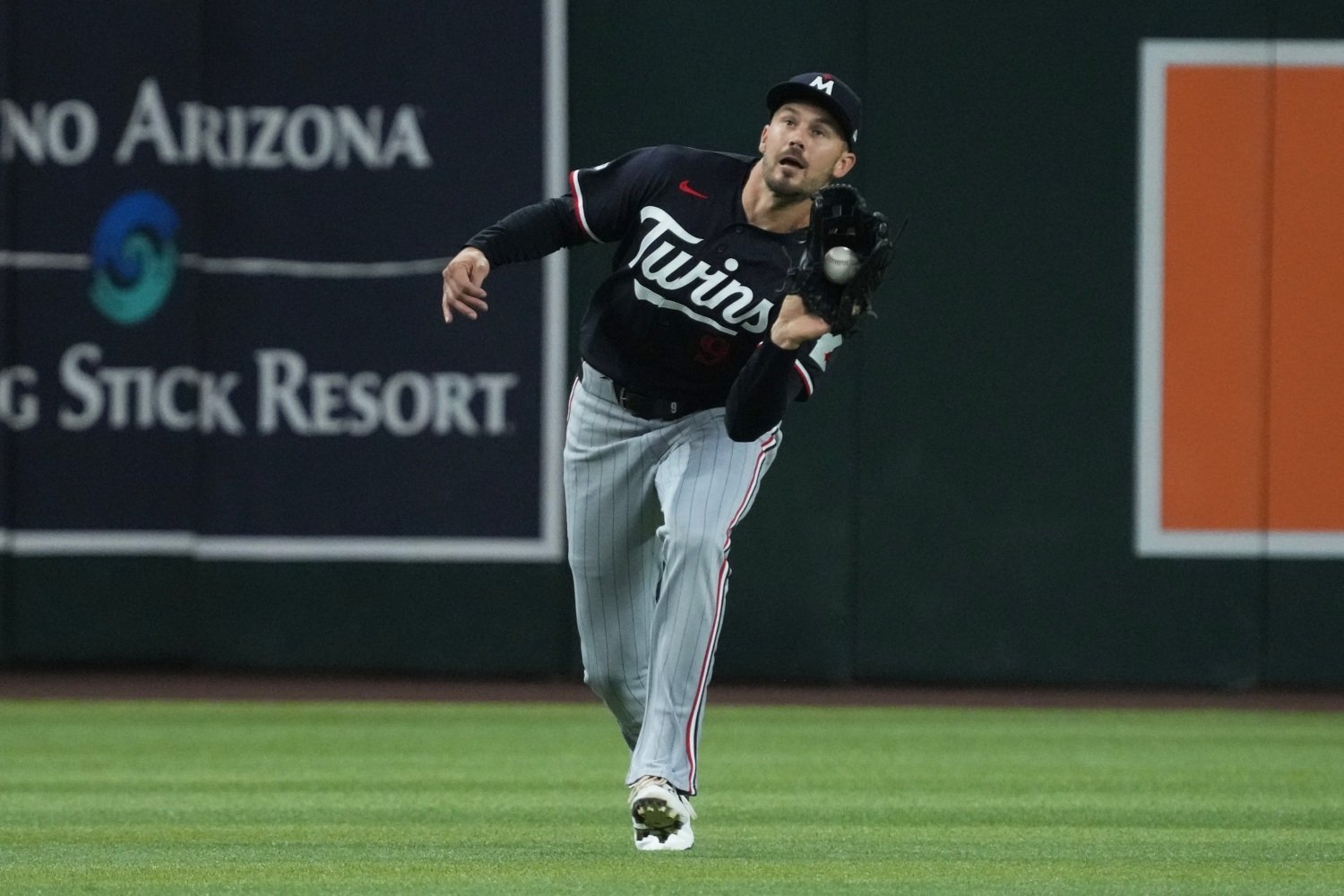 The Minnesota Twins have already been one of baseball's busiest teams leading up to the August 3 trade deadline, but it doesn't sound like they're finished yet. After adding three pitchers in recent days, Minnesota continues to scour the market for bullpen upgrades. According to multiple reports, the front office remains engaged in trade discussions centered on acquiring another right-handed reliever. One of those conversations came remarkably close to producing another deal before it was halted from the top of the Houston Astros organization. Trevor Larnach appeared to be at the center of one of the more surprising trade discussions of deadline season. According to the Minnesota Star Tribune, Larnach learned through social media that Astros owner Jim Crane blocked a trade that would have sent reliever Bryan Abreu to Minnesota in exchange for the veteran outfielder. A league source familiar with the discussions confirmed both the proposed deal and Crane's involvement. The Astros entered Saturday atop the American League West standings, making it understandable why ownership may have been reluctant to move one of its most experienced late-inning relievers, even amid an inconsistent season. For the Twins, the proposal made plenty of sense. Trevor Larnach's Value Has Never Been Higher Larnach has quietly put together the best season of his major league career while significantly outperforming expectations. After being somewhat surprisingly tendered a contract last offseason, the former first-round pick agreed to a $4.48 million salary for 2026. He remains under club control through the 2027 season, making him an affordable option beyond this year. Through 92 games, the 29-year-old is batting .284 with nine home runs, 19 doubles, 39 RBI and an .843 OPS. His 128 OPS+ reflects a hitter who has been comfortably above league average all season. Even with only modest home run production, Larnach has become one of Minnesota's most productive hitters over the past two months. Larnach was able to block out the rumors in Seattle on Saturday when he launched a solo home run in the sixth inning before drawing a one-out walk in the eighth. Why the Twins Were Willing to Listen Trading one of the team's hottest hitters might seem counterintuitive for a club firmly in the postseason race, but Minnesota's roster construction makes Larnach one of its most logical trade chips. The Twins possess an enviable collection of left-handed corner outfielders. Matt Wallner has performed well at Triple-A, Alan Roden has emerged as another capable option, and top prospect Walker Jenkins is viewed as a cornerstone piece for the future. With that surplus, moving Larnach for a premium bullpen arm would address one of the club's biggest weaknesses without significantly weakening the organization's long-term outlook. Considering he's under team control through next season at a reasonable salary, Larnach's value may never be higher. Bryan Abreu Fits Exactly What Minnesota Needs It's easy to understand why Minnesota targeted Abreu despite his uneven 2026 campaign. The hard-throwing right-hander owns a 4.74 ERA and 5.41 FIP this season, but those numbers don't tell the entire story. Over the previous four seasons, Abreu established himself as one of baseball's premier setup relievers, posting a combined 2.30 ERA with a 2.79 FIP while playing a key role in Houston's 2022 World Series championship. His recent performance suggests he may be rediscovering that form. Over his last 18⅔ innings, Abreu has allowed only four earned runs, good for a sparkling 1.45 ERA. As an impending free agent making $5.85 million this season, Minnesota would have been responsible for only the prorated remainder of his salary while potentially adding another high-leverage weapon to a bullpen that has already received multiple reinforcements. Could the Talks Resume? Whether Houston revisits the framework before Monday's deadline remains to be seen. The Twins and Astros already completed one notable transaction when Minnesota sent Carlos Correa back to Houston last season in a salary-clearing move. That recent history shows the two organizations are certainly willing to do business with one another. With the Twins continuing to pursue another right-handed reliever, it wouldn't be surprising if they circle back with Houston or explore similar deals involving Larnach. Minnesota's front office has made it clear that adding pitching remains the priority. Even after acquiring three new arms, the Twins don't appear ready to stop until they've addressed every bullpen need they can before the trade deadline arrives. View the full article
 -
BREAKING: Royals Trade Lane Thomas & Bailey Falter To Braves
DiamondCentric posted an article in Royals Keep
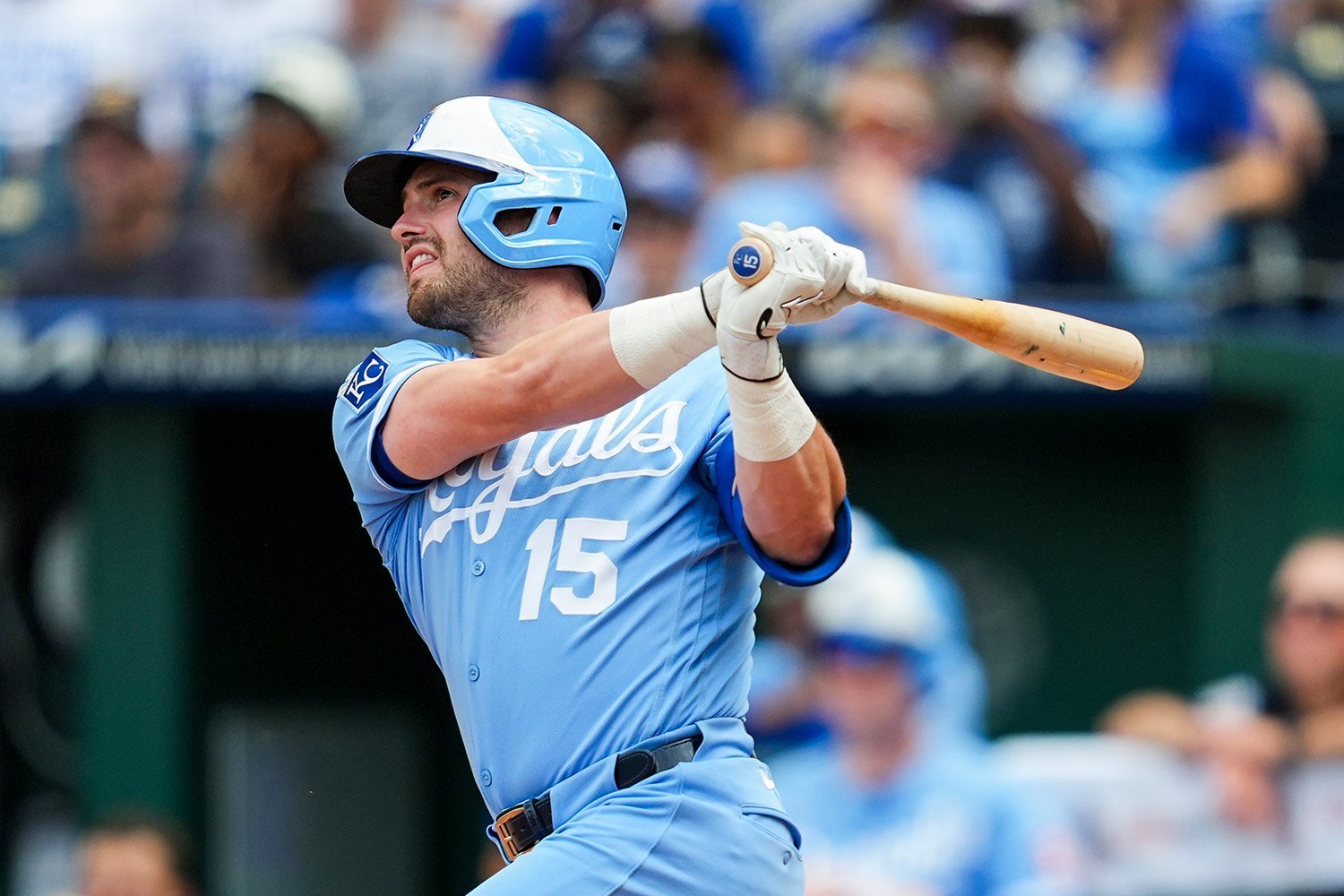 Outfielder Lane Thomas and left-handed pitcher Bailey Falter are headed to the Atlanta Braves in a trade. Thomas was a popular name in trade rumors over the past few weeks, and it is not surprising to see him moved ahead of Monday's trade deadline. More to Come... View the full article
 -
Back at full strength, Marlins offense mashes Mets
DiamondCentric posted an article in Fish On First
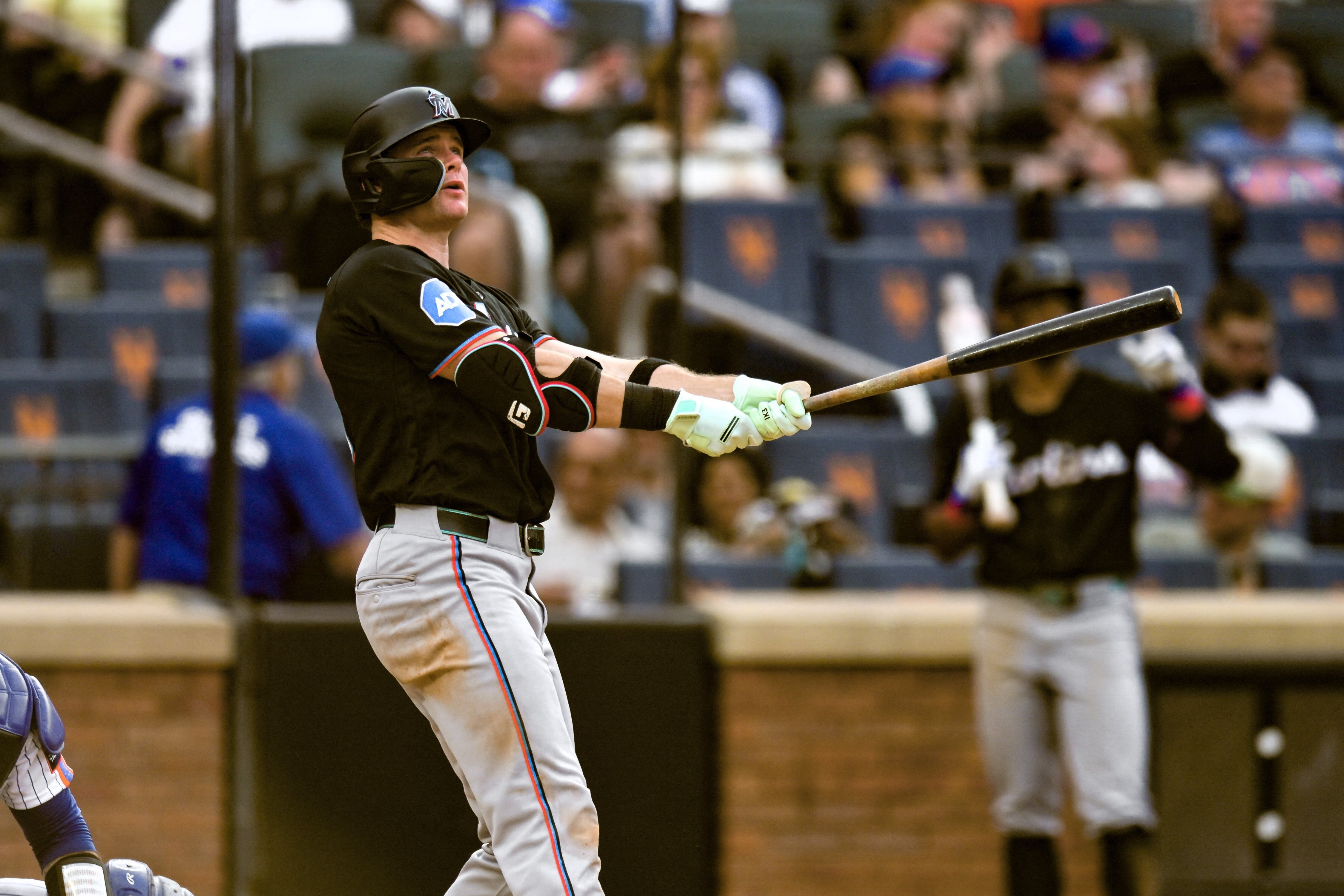 NEW YORK — Throughout the 2026 season, there has always been something missing from the Miami Marlins offense. It took until the game No. 112 for the stars to align. Shortly before the start of Saturday's contest, Owen Caissie returned from a right calf strain. With that, every hitter on the Marlins 40-man roster is now simultaneously healthy for the first time this year. Caissie didn't start on Saturday as Miami was matched up with left-hander Zac Thornton. He didn't even play—with the Marlins leading the New York Mets from wire to wire, his pinch-hitting services were not required. Thornton labored through arguably the worst start of his young MLB career. He allowed 10 baserunners while lasting 4 ⅔ innings. A Francisco Lindor fielding error helped the Marlins manufacture a 1-0 lead in the top of the first. They tacked on two more runs in the following inning when Javier Sanoja took Thornton deep to left field. In the lineup against a lefty for only the third time this season, Griffin Conine singled off Thornton in the top of the fourth. That pushed Esteury Ruiz to third base, where he scored on Otto Lopez's sacrifice fly. Conine's louder contribution came in his next plate appearance when he connected on a towering solo shot against reliever Daniel Duarte. Conine raised his season wRC+ to 153 (with 100 representing league average), putting him on pace for the best single-season mark by any lefty batter in Marlins history. "He's performed...He has done nothing but hit and put together at-bats," manager Clayton McCullough said of Conine postgame. Liam Hicks had a pair of RBI singles. That snapped his season-high 10-game drought without driving in a run. The weakest link in Miami's lineup on Saturday was Xavier Edwards. The switch-hitting second baseman went 0-for-5 and twice stranded the bases loaded. Overall, the Marlins compiled 10 hits and five walks. They are 10-1 this season when reaching both of those marks in the same contest. Tyler Phillips (5.0 IP, 6 H, 2 ER, 0 BB, 3 K) did a great job of attacking the bottom of the strike zone. Tyrone Taylor ripped a sinker for a two-run homer in the second inning, but even that pitch was well-located. Keeping the ball down was crucial to inducing a 55.6% ground ball rate on the day. For the first time since June 28, Phillips had the opportunity to pitch into the sixth inning. McCullough promptly called to his bullpen after Bo Bichette recorded a leadoff single, though. The 6-2 victory was the Marlins' fifth in their last six games. That hot streak coinciding with a Philadelphia Phillies skid leaves just one game between them in the race for the National League's third wild-card spot. The four-game series between the Marlins and Mets concludes Sunday afternoon. Sandy Alcantara starts for the road team, having historically fared very well at Citi Field (2.70 ERA in nine career outings). First pitch by New York's still-to-be-announced starter is scheduled for 1:40 p.m. View the full article
 -
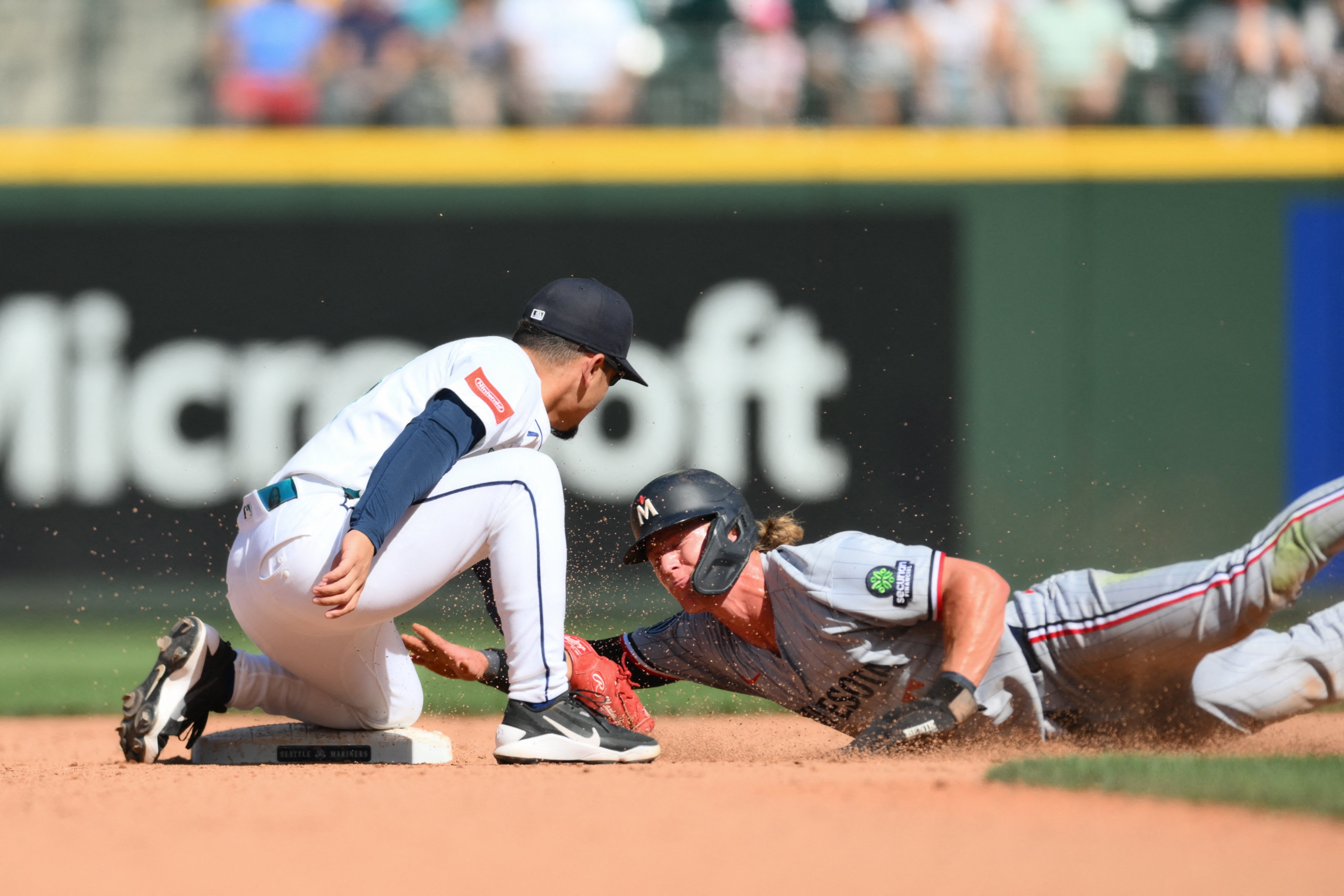 Box Score SP: Connor Prielipp 5.1 IP, 4 H, 3 ER, 4 BB, 5 K (88 pitches, 58 strikes (66%)) Home Runs: Luke Keaschall (5), Trevor Larnach (9) Bottom 3 WPA: Andrew Morris (-0.38), Prielipp (-0.14), Victor Caratini (-0.13) Win Probability Chart (via FanGraphs) While trade rumors continued to swirl around the Twins organization, the team had a chance to keep above the .500 mark against a Seattle club suddenly on the "sellers" side of the ledger. Connor Prielipp hoped to build on a solid start last week, while veteran Logan Gilbert looked to turn the tide of his club towards "buyers" again. The Mariners came into the game 29th in the league against left-handed pitching, while the Twins looked to keep their recent homer surge rolling with the wind blowing out to left against a recently-stingy hurler. Something had to give on Saturday afternoon, but who would it be? Prielipp Gives First In Friday night's game, Zebby Matthews struggled out of the gate and loaded the bases before eventually surrendering two runs. Saturday afternoon looked like groundhog day for Prielipp, with lack of control again proving problematic early. Cole Young went first pitch hunting in the bottom of the first, and he ripped a leadoff double. Then Prielipp walked the bases loaded with nobody out, and Julio Rodriguez hit a grounder up the middle that Ryan Kreidler stopped but couldn't offload. With the Mariners up 1-0 and the bases still loaded, things looked dire for the young lefty, but he recovered to strike out Cal Raleigh and Josh Naylor. Things looked positive as Mitch Garver fell behind 0-2 in the next at-bat, but Prielipp couldn't put him away with fastballs, and eventually lost him as well to make it 2-0 Seattle. After the 35-pitch first, Connor came back out for the second and mowed down the first two batters and got two strikes against Randy Arozarena but then the aforementioned wind turned a warning track fly ball into a second row homer to make it 3-0. Gilbert Gives Little Meanwhile, Gilbert took care of the Twins with relative ease in the early innings. Royce Lewis hit a hard grounder to third to lead off the second, and Weston Wilson swiped the ball up and out into left for a double. Brooks Lee hit a rope to deep right, but his launch angle this afternoon didn't match his homer arc from Friday and it was tracked down at the wall. Lewis advanced to third, but was stranded there as Luke Keaschall and Victor Caratini struck out swinging to end the scoring opporunity. Gilbert was dealing with the Twins' kryptonite: splitters. Powering Back Little by Little Gilbert remained in the game after Lewis tried to break his shin in the top of the fourth, and he got Lee to ground out to start the fifth. Covering first base on the play also made Gilbert test that leg, and when he returned to the mound Keaschall was waiting to ambush him. The Twins were finally on the board as Keaschall connects for fifth homer of the season. In the top of the sixth, it was Trevor Larnach's turn to turn the trade noise into a booming crack with a moon shot solo homer to right to make it 3-2. GIlbert was only at 71 pitches, but he was beginning to look less invincible by the at-bat. Kody "Missile" Clemens missed tying the game by mere inches as his rocket turned right past the foul pole, but he drew a two-out walk to bring up Lewis to the plate. With Gilbert still wearing the results of Lewis' last swing, a battle at the crux of the game ensued. A passed ball on a swinging strike sweeper put Clemens into scoring position, but a 3-2 high slider froze Lewis and kept Seattle in the lead. Prielipp and the Pen Hold the Line While the first two innings were rough, Prielipp cruised through the middle innings and kept the Twins in the game until the sixth. After taking care of Naylor to start the inning, Derek Shelton went to the pen and brought in Travis Adams to hold the line. Adams decided to hold the line by walking Garver on four pitches, and could have walked Wilson right after that but Caratini rescued a strike with a challenge and hung on to a foul tip strike three. Next came some umpire confusion and a bit of bad luck for the twins, as Cole Emerson hit a sinking liner to center that Keaschall appeared to catch. He also appeared to trap it. One umpire declared "out," while another declared "no out." The umpires gathered together, and the feeling from the reply was that whatever the call on the field would be would not have enough evidence to overturn the call either way. The umpire huddle stated "no out," but the call stood and now runners were at first and second with two out. This led to the Twins debut of A.J. Minter, who promptly induced a Young fly out on only one pitch. More Late Inning Magic? GIlbert stayed in the game to start the seventh, and Lee ambushed the first pitch he saw for a double down the right field line. Keaschall followed up his homer with a first pitch sac bunt to advance Lee to third, putting the onus on Caratini who hadn't connected from Gilbert all afternoon. Caratini still didn't hit anything solid, but his swinging bunt to third got the job done and tied the game. The Twins tried to get into the lead in the top of the eighth, but Andres Munoz came in to strike out Lewis with runners on second and third to end the threat. Taylor Rogers came in to work the bottom of the eighth, and Naylor led off with a single and stolen base to immediately put the pressure on Rogers and the Twins defense. Naylor advanced to third on a ground out to third, but Wilson went to ambush Rogers and hit it right to the mound for out number two. Twins legend Rob Refsnyder came in to pinch hit, and Shelton elected to walk him. Yes, that happened with Young on deck. The stage was set for an evening of teeth gnashing and rage-posting, but Shelton won that chess match as Young bounced out to Lewis to end the Seattle threat. Lee led off the ninth with a single against the nasty Munoz, but a strike-em-out, throw-em-out took care of that when Caratini froze after failing to challenge ball four, and Keaschall spun out on his way to second. Andrew Morris continued his quest to earn the moniker "nasty" with his third outing in a row, but an Arozarena was nastier and he laced a leadoff double off the wall in left. A fly out advanced Arozarena, and Shelton brought in Martin as a fifth infielder and walked Julio Rodriguez to put the double play into play. Morris induced a double play ball to Lewis... but Lewis then had a brain freeze and didn't know where to go with it once he touched first base. With the force at second no longer in play, Lewis needed to throw home but the hesitation allowed Rodriguez to slide across home plate for the kind of loss good teams don't have. The Twins rise above .500 lasted less than 24 hours. What’s Next? The Twins look to take the series and to once again taste that sweet nector of winning baseball on Sunday afternoon. Twins righty Taj Bradley (9-4, 3.65 ERA) will look to keep being the ace of the staff, while trade bait rumor RHP George Kirby (8-9, 3.98 ERA) is scheduled to start but stay tuned for deadline news. First pitch is scheduled for 3:10pm CDT. Postgame Interviews Bullpen Usage Spreadsheet TUE WED THU FRI SAT TOT Rojas 0 52 0 0 0 52 Funderburk 27 0 0 19 3 49 Gomez 0 0 21 25 0 46 Rogers 0 0 27 0 14 41 Morris 0 0 12 6 12 30 Nance 0 0 0 11 16 27 Adams 11 0 0 0 11 22 Anderson 13 0 0 0 0 13 Minter 0 0 0 0 1 1 View the full article
 -
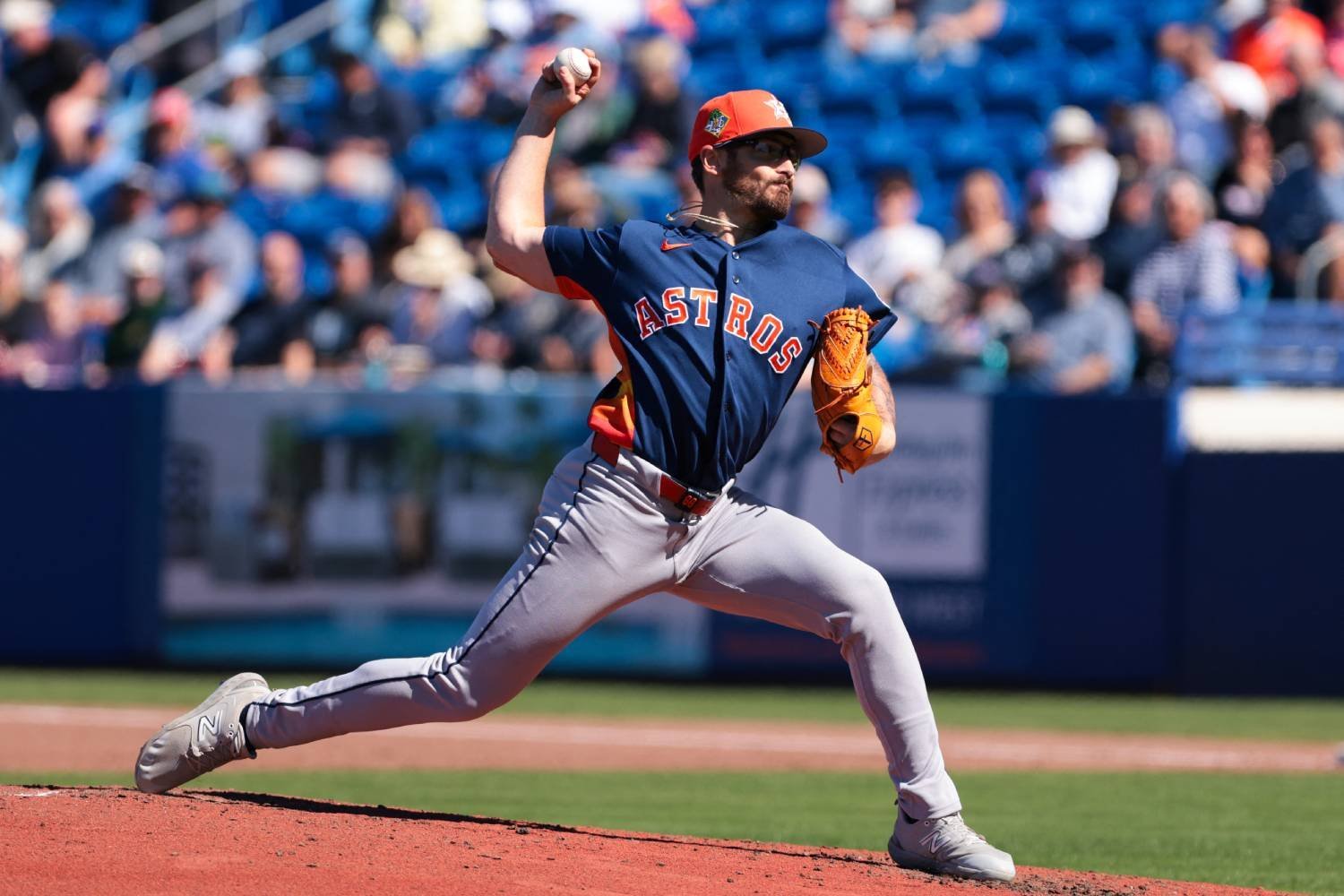 With all of the uncertainty around the San Diego Padres' pitching depth as Monday's trade deadline approaches, they are taking a shot on a recently released player. Right-hander J.P. France has signed a minor-league contract with the Padres, The Athletic's Chandler Rome reported Saturday. The 31-year-old France had been designated for assignment by the Houston Astros, went unclaimed and was released Thursday. France made three relief appearances for the Astros this year, giving up six runs in 6⅔ innings, walking five and striking out four. He has been at Triple-A for most of 2026, appearing in 29 games, including one start, with a 3.72 ERA in 36⅓ innings. He had a rather high 14.8% walk rate and 23.1% strikeout rate. France appeared in 34 games, including 28 starts, for the Astros over the last four seasons, including 24 games (all but one a start) in 2023 as he posted a 3.83 ERA. He is likely to join Triple-A El Paso next week, depending on what else happens at the trade deadline. View the full article
 -
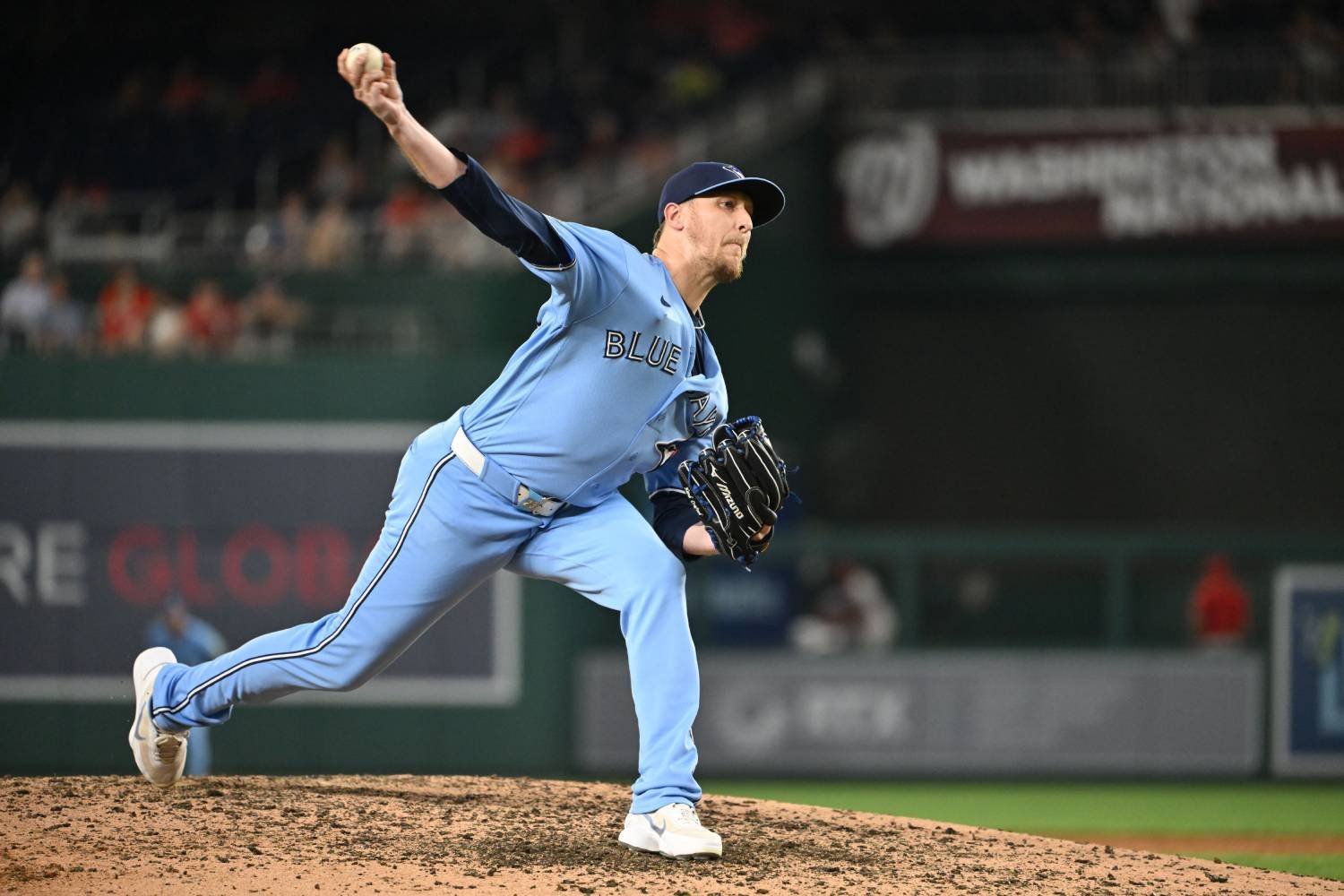 While interleague play has knocked down a lot of the walls of a player being a better fit for one league over the other, sometimes a player just feels more comfortable in either the AL or NL. Could that be the case for Toronto Blue Jays right-handed reliever Jeff Hoffman? According to a report Saturday by Robert Murray of FanSided, the Chicago Cubs are among the teams interested in the Blue Jays' former closer. The Cubs entered Saturday as the top NL wild-card team. Hoffman finished an MLB-leading 59 games in 2025 with 33 saves, but did have issues down the stretch before becoming more reliable in the Jays' run to the World Series. But this year, those troubles persisted and he lost his role as the closer. He entered Saturday with a 2.46 FIP (4.02 ERA) in 50 appearances and 47 innings. Hoffman has a walk rate of 8.1% and a strikeout rate of 35.2%, both career bests. He has five saves in nine chances, but none since May 23. Hoffman is making $12.667 million this year and next year, but the Blue Jays are willing to move on from him with the team having never really been in contention this season and his erratic performance as a closer. He had success in a setup role in two seasons with the Philadelphia Phillies as well as one of his two years with the Cincinnati Reds. He began his MLB career with the Colorado Rockies. View the full article
 -
Cubs Could Make A Move For Blue Jays' Jeff Hoffman
DiamondCentric posted an article in North Side Baseball
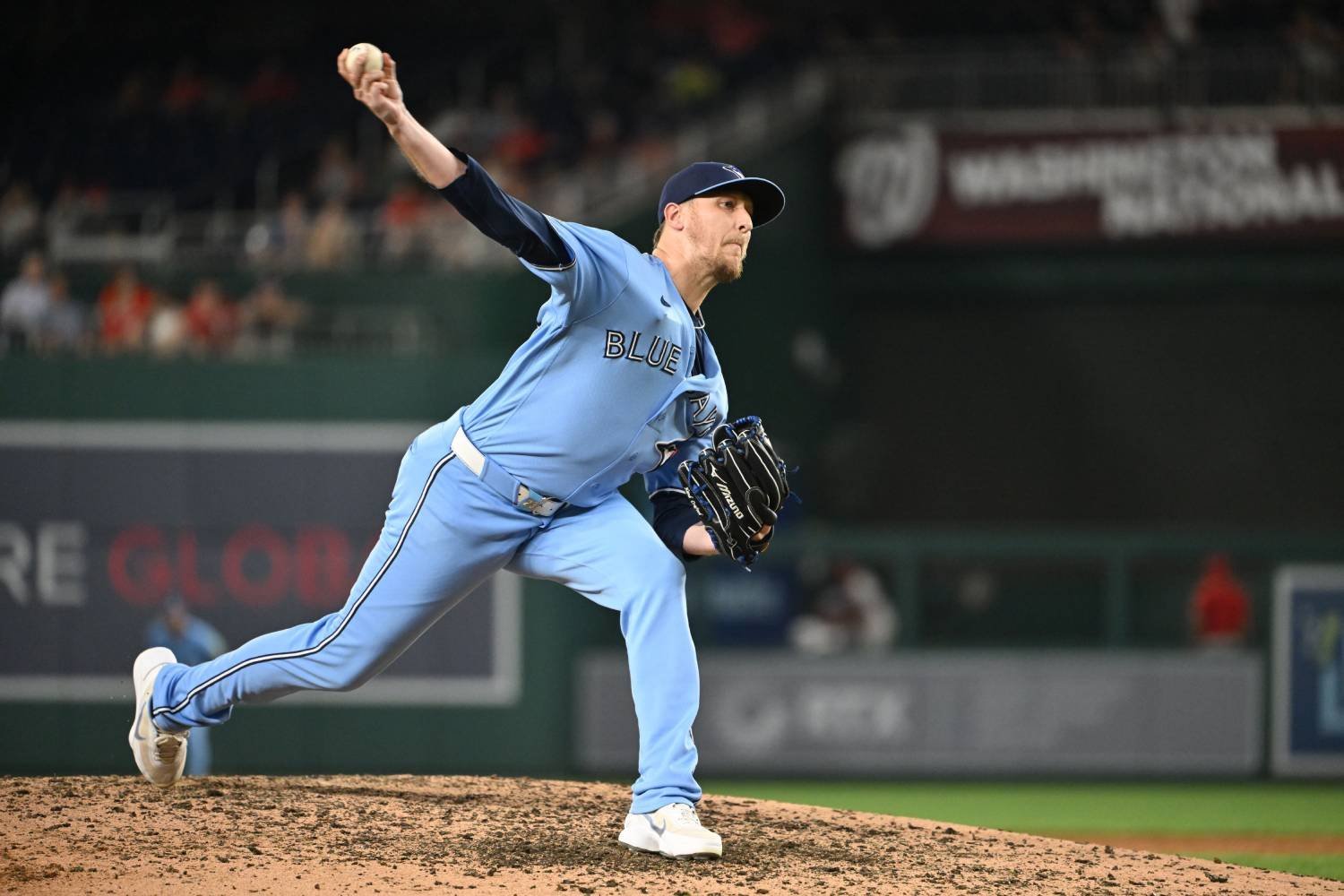 While interleague play has knocked down a lot of the walls of a player being a better fit for one league over the other, sometimes a player just feels more comfortable in either the AL or NL. Could that be the case for Toronto Blue Jays right-handed reliever Jeff Hoffman? According to a report Saturday by Robert Murray of FanSided, the Chicago Cubs are among the teams interested in the Blue Jays' former closer. The Cubs entered Saturday as the top NL wild-card team. Hoffman finished an MLB-leading 59 games in 2025 with 33 saves, but did have issues down the stretch before becoming more reliable in the Jays' run to the World Series. But this year, those troubles persisted and he lost his role as the closer. He entered Saturday with a 2.46 FIP (4.02 ERA) in 50 appearances and 47 innings. Hoffman has a walk rate of 8.1% and a strikeout rate of 35.2%, both career bests. He has five saves in nine chances, but none since May 23. Hoffman is making $12.667 million this year and next year, but the Blue Jays are willing to move on from him with the team having never really been in contention this season and his erratic performance as a closer. He had success in a setup role in two seasons with the Philadelphia Phillies as well as one of his two years with the Cincinnati Reds. He began his MLB career with the Colorado Rockies. View the full article
 -
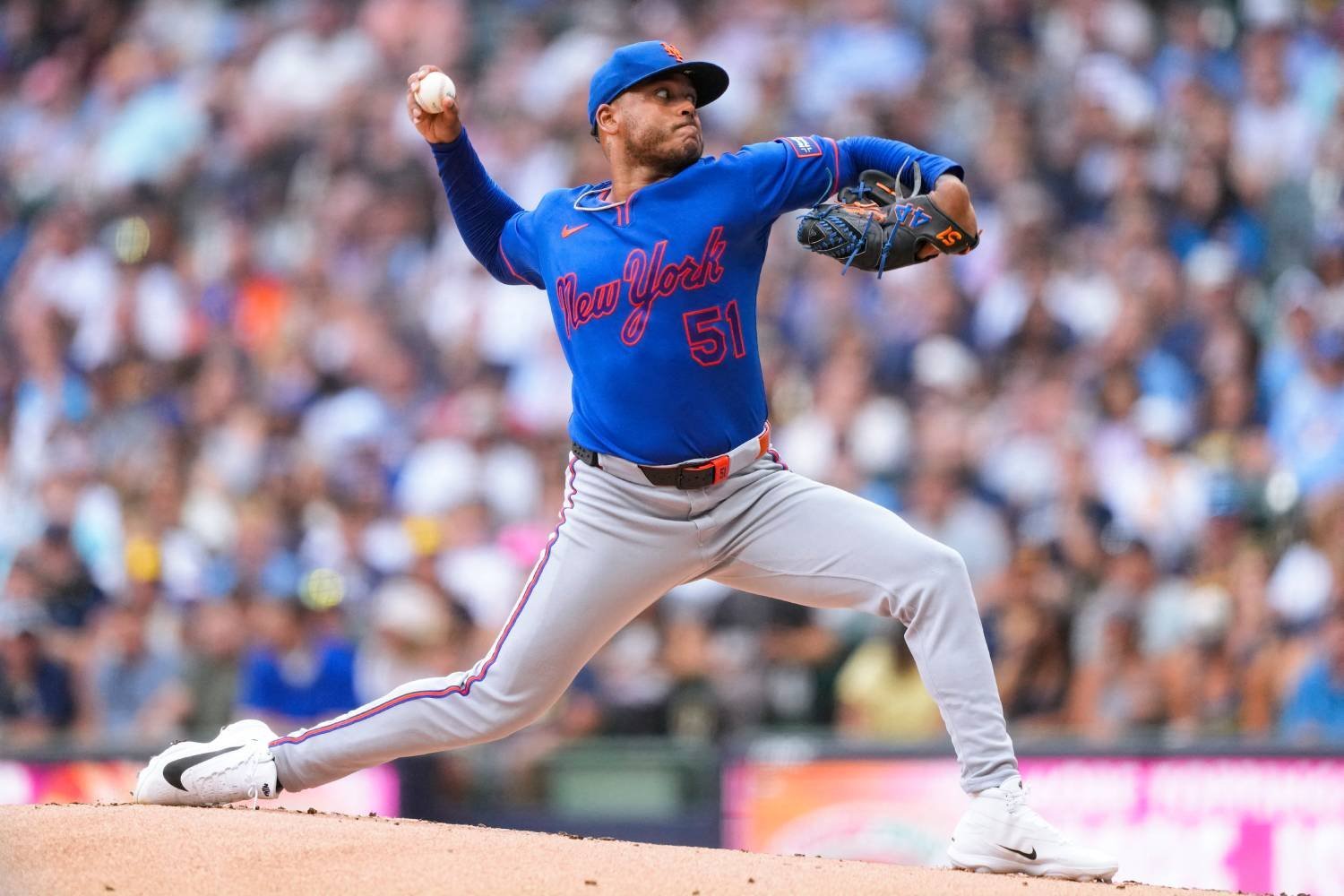 With New York Mets right-handed starter Freddy Peralta set to depart, the only question is where he will land. Among the latest destinations to perk up is the Tampa Bay Rays, who lead the AL East. Robert Murray of FanSided said the Rays are looking for rental starting pitchers. One of those is the prize of this year's trade deadline, two-time reigning AL Cy Young Award winner Tarik Skubal of the Detroit Tigers, while Peralta is one of the other options for the Rays. Peralta, who was scratched from his scheduled start Friday due to Monday's trade deadline, is making a very affordable $8 million this season, of which the acquiring team would be taking on about $2.35 million. Murray also included names of seven other rental starters, led by Clay Holmes, Peralta's Mets teammate, and Kevin Gausman of the Toronto Blue Jays. The 30-year-old Peralta has had a disappointing season for the Mets after being acquired in a high-profile trade from the Milwaukee Brewers in the offseason. He has a 4.45 FIP (4.99 ERA) in 22 starts with 9.4% walk rate and 22.1% strikeout rate. View the full article
 -
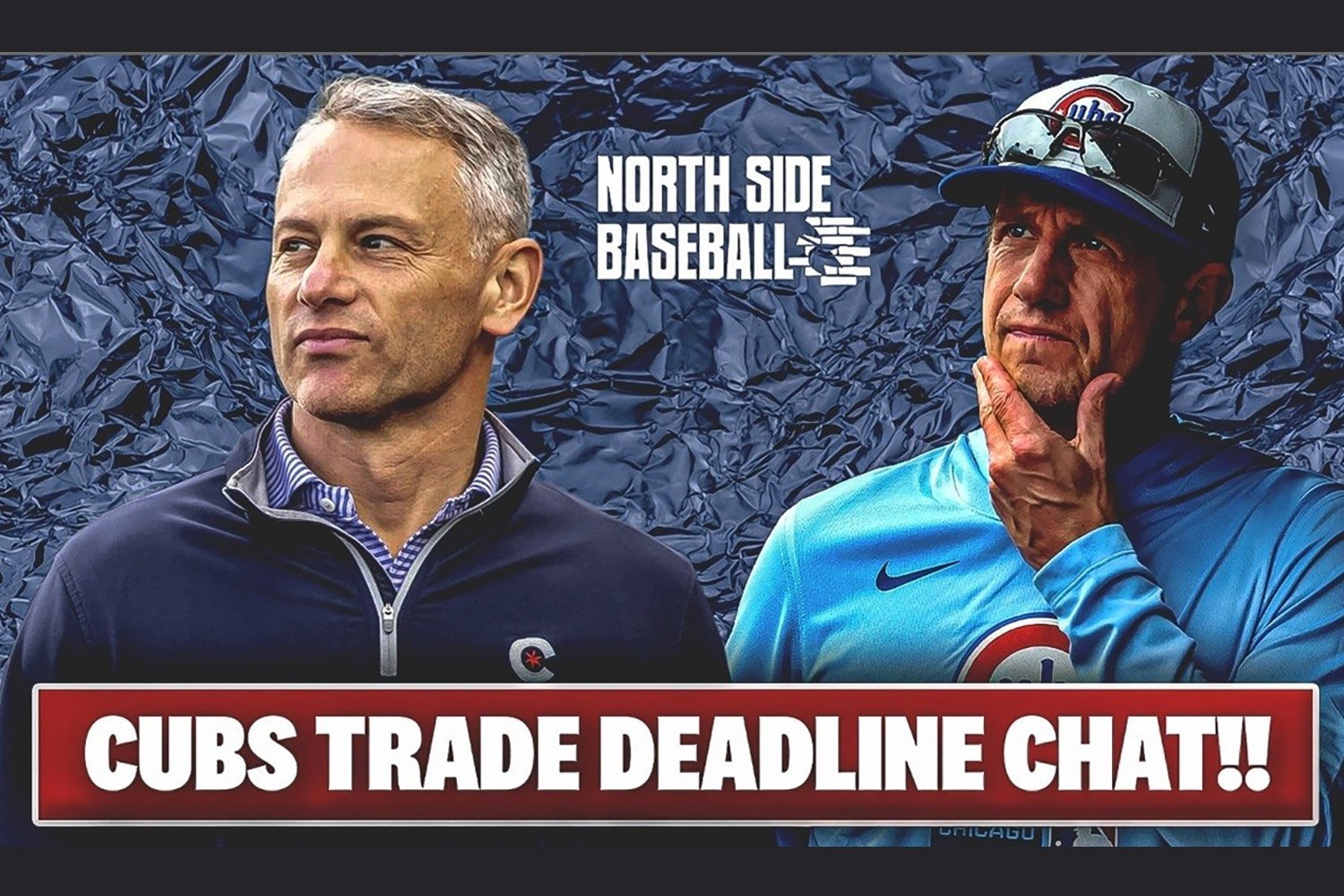 It's time to discuss what the Chicago Cubs may or may not do at the MLB trade deadline! Listen on Apple Podcasts: https://podcasts.apple.com/us/podcast/the-north-side-baseball-podcast/id1798599313 Listen on Spotify: https://open.spotify.com/show/75wMGhBwlrDDYPt3kaF453 Listen on iHeartRadio: https://www.iheart.com/podcast/263-the-north-side-baseball-po-268998437/ Listen on Pocket Casts: https://pca.st/eey7h6ih Watch on YouTube: https://www.youtube.com/@northsidebaseball View the full article
 -
Brandon Lockridge Comes Off Brewers' Injured List
DiamondCentric posted an article in Brewer Fanatic
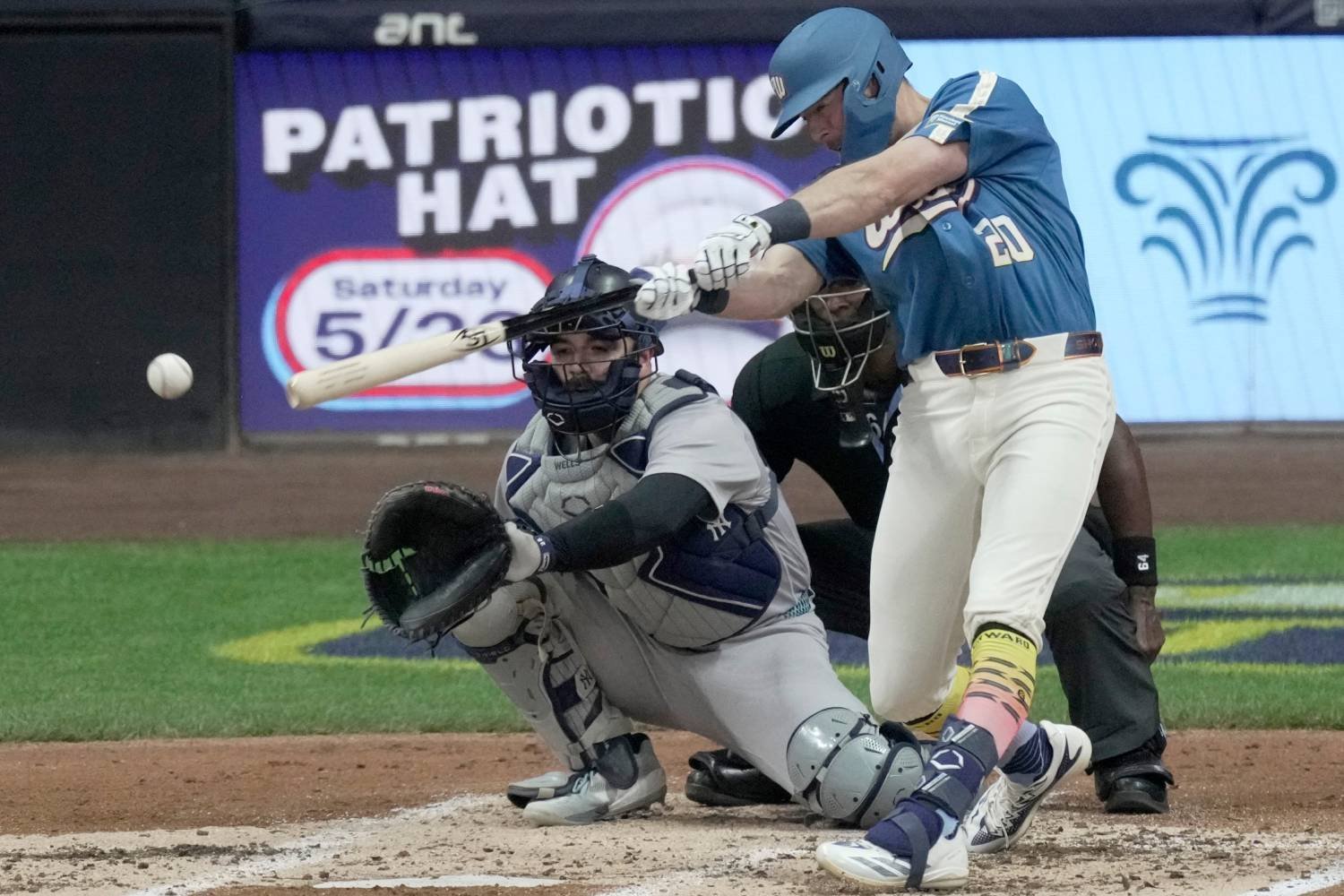 One of the Milwaukee Brewers' spark plugs from the beginning of the season is back. Outfielder Brandon Lockridge was activated Saturday from the 60-day injured list by the Brewers, who also called up right-handed reliever Garrett Stallings from Triple-A Nashville. Lockridge has been out since a slide into the corner of a cement wall on May 8 created a deep gash on his right knee. The moves also fill out the Brewers' 26-man roster following the trade with the Cleveland Guardians that sent right-handed reliever Craig Yoho and outfielder Blake Perkins to the Cleveland Guardians for right-handed reliever Codi Heuer and catcher Bo Naylor. Those two players have yet to report to the Brewers, which is likely to happen Sunday. They were already added to the 40-man roster, which had an opening to accommodate the activation of Lockridge. Lockridge, acquired at last year's trade deadline from the San Diego Padres for left-hander Nestor Cortes and prospect shortstop Jorge Quintana, was slashing .294/.368/.341 with no homers and 12 RBIs in 28 games before he was injured. Stallings is with the Crew for the third time this season and has yet to allow a run in five innings, giving up one hit with two walks and five strikeouts. View the full article
 -
Red Sox Getting Selective On A Potential Franklin Arias Trade
DiamondCentric posted an article in Talk Sox
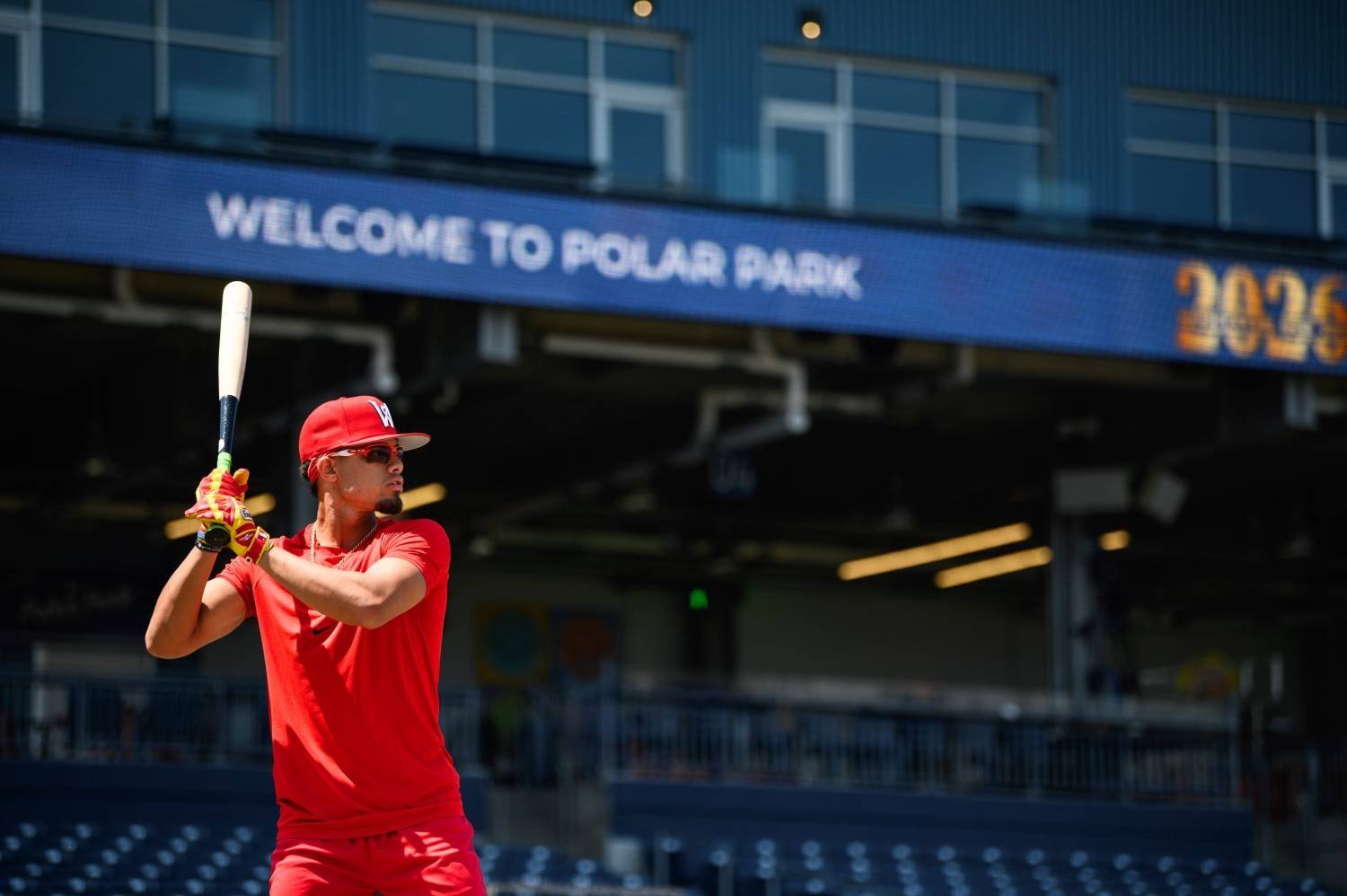 The Boston Red Sox may have narrowed their focus to one shortstop as Monday's 6 p.m. ET trade deadline approaches, but the price could be their top prospect. The discussion now is whether that is the proper price to pay to upgrade one of the most important positions on the field. Franklin Arias, Talk Sox's No. 1 prospect who was just recently promoted to play shortstop at Triple-A Worcester, is a big name being bandied about, although there are no discussions under way to acquire an MLB shortstop, Jen McCaffrey and Ken Rosenthal of The Athletic wrote in an article posted Saturday. That same report, citing one MLB executive, said the only way Arias could possibly be included in a deal was for All-Star Washington Nationals shortstop CJ Abrams. Seemingly that would rule out Zack Neto of the Los Angeles Angels, while Otto Lopez of the Miami Marlins has already been crossed off. The 25-year-old Abrams entered Saturday with a .290/.367/.563 slash line, with that .563 slugging percentage leading the NL. He has 28 homers and 21 doubles and 83 RBIs. All but the doubles are the best numbers of his career. Abrams is making $4.2 million this season and has two more years of club control. Arias played second base for the second consecutive game Saturday after having only played the position five times in 75 games at Double-A Portland. Saturday marked Arias' sixth game at Triple-A. View the full article
 -
Padres Likely To Deal From Bullpen Depth To Improve Roster
DiamondCentric posted an article in Padres Mission
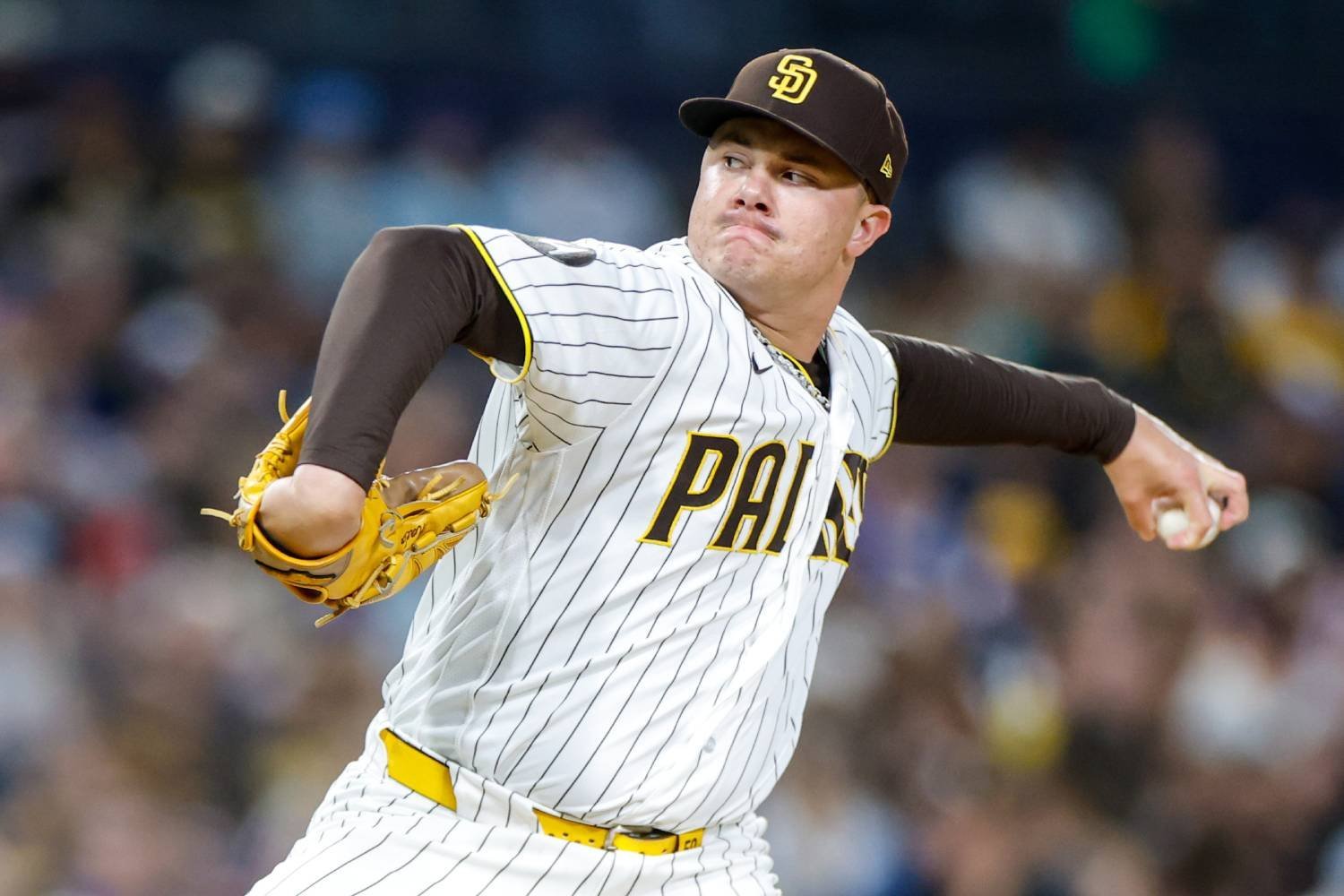 With a thin farm system and a bullpen that has depth, there is a likelihood that the San Diego Padres address needs on their major-league roster by dealing from their relief corps before Monday's 3 p.m. PT deadline. That is according to Kevin Acee of the San Diego Union-Tribune, who posted an article Saturday saying sources inside and outside the organization that Padres president of baseball operations A.J. Preller will use the variety of bullpen arms to address areas such as the starting rotation. The Padres entered play Saturday one game behind the Philadelphia Phillies for the third and final NL wild-card spot with two months left in the season. While right-hander Mason Miller has basically been ruled out from being traded, the biggest name the Padres could move and bring back a good return is left-hander Adrian Morejon. Experiencing a banner season that has seen his velocity jump a few ticks and is regularly at 101 mph, Morejon is making $3.9 million this year, which leaves about $1.15 million to cover the rest of the season. Morejon is a high-leverage reliever who is just 27 years old before he hits free agency. He could easily remain as a setup man for another established closer or could take over closer duties for a team needing stability in that role. He has a FIP of 2.49 (3.14 ERA) in 57⅓ innings over 50 games, with a 6.3% walk rate and 27% strikeout rate, the highest in his eight-year career other than a 31.6% mark in the pandemic-shortened 2020 season. Morejon is one of four left-handers in the Padres' bullpen, along with Wandy Peralta, Yuki Matsui and Kyle Hart. Acee also notes that Preller could swing another deal like he pulled with the Baltimore Orioles to acquire outfielder Ramon Laureano and first baseman Ryan O'Hearn at last year's deadline, when he dealt away five 2024 draft picks, led by their second-, third- and fourth-rounders. The Padres' system is routinely rated as the worst in MLB, but there are probably a dozen prospects that other teams would be interested in, especially in a package deal. View the full article
 -
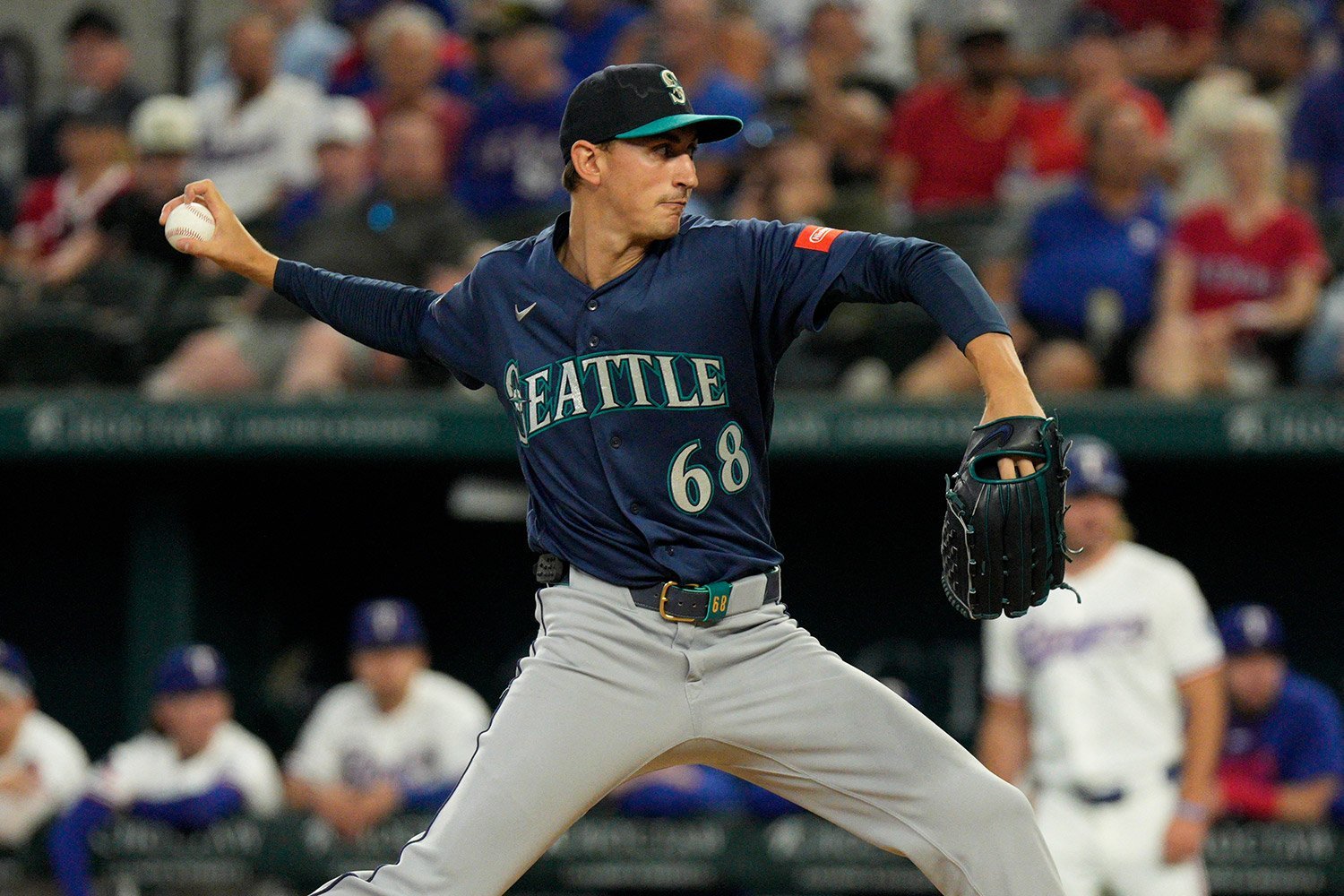 The Seattle Mariners are listening on most of their starting rotation, according to Jeff Passan of ESPN. Passan reported Saturday afternoon that multiple teams have engaged in discussions about right-handed pitcher George Kirby, as well as right-hander Luis Castillo and Emerson Hancock. Kirby, 28, is earning $6.55 million this season after avoiding arbitration and remains under team control through 2028. This season, he's sporting a 20.9% strikeout rate and a 20.9% whiff rate, both of which sit below average, offset by an elite 5.7% walk rate. His 3.33 FIP edges his 3.76 xERA, but quality of contact has crept up (.303 xwOBA, .384 xSLG, 42.0% hard-hit), leaving him reliant on limiting damage in the zone. The 96.6 mph fastball still plays; the swing-and-miss less so. The Red Sox are always looking at pitching, making any three of these pitchers a fit. View the full article
 -
Brewers Add Bo Naylor and Codi Heuer: What to Expect
DiamondCentric posted an article in Brewer Fanatic
 Bo Naylor brings long-term upside behind the plate, while Codi Heuer gives Milwaukee another reclamation project on the mound. Here's what Brewers fans should expect from the club's newest additions. View the full article
 -
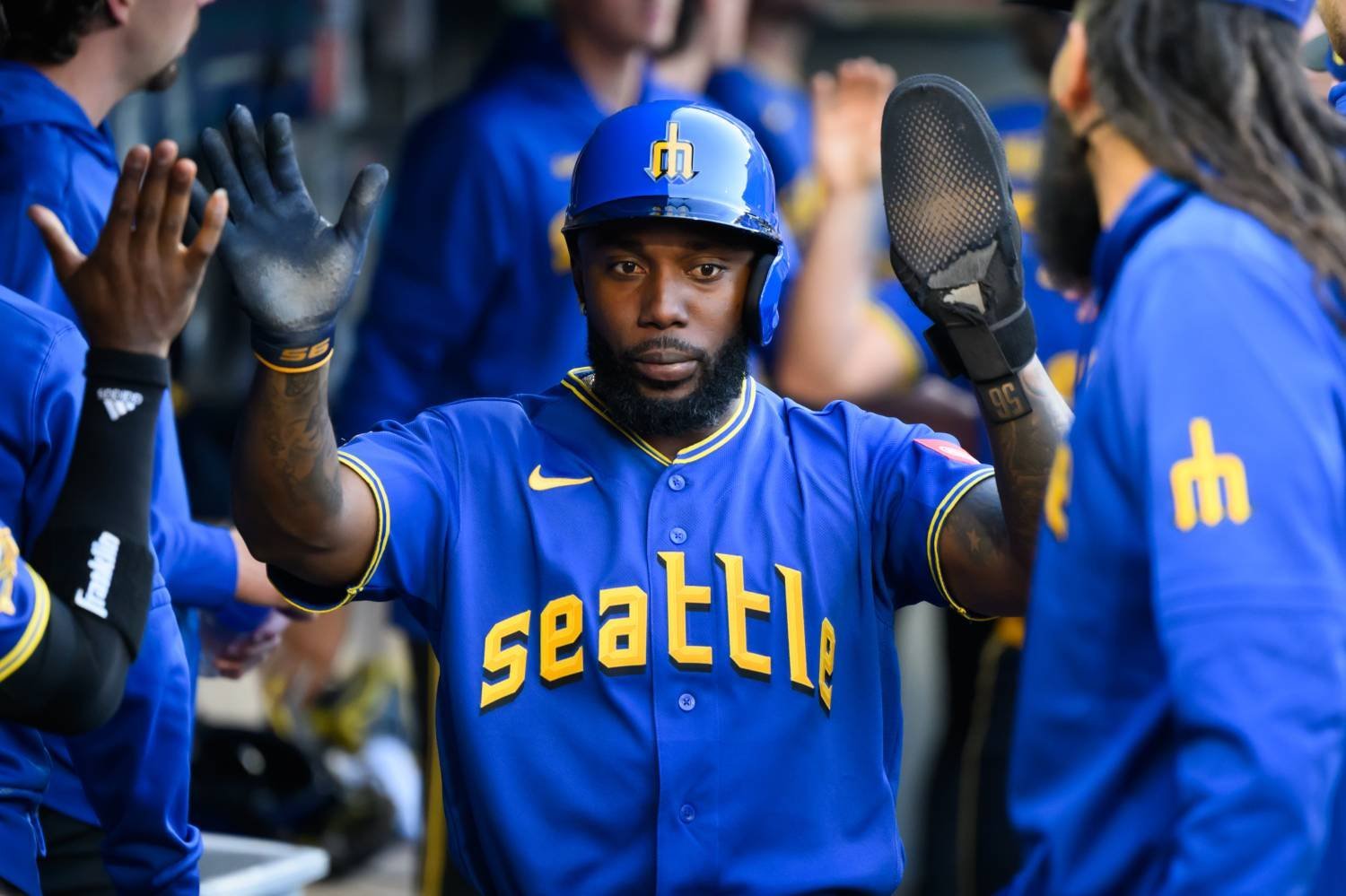 While at first glance Seattle Mariners left fielder Randy Arozarena doesn't feel like a great fit in a crowded Boston Red Sox outfield, he does have one attribute that could be a boon to the offense. He hits right-handed. With the Red Sox skewed left-handed when it comes to hitters, Arozarena would help balance that out. Arozarena is having a nice bounce-back year in 2026 with the Mariners, posting a .280/.375/.447 slash line with 13 homers and 48 RBIs in 103 games entering play Saturday. That .280 average is the highest since the pandemic-shortened 2020 season, when he hit .281 in 23 games. His power numbers are down from the 27 homers he hit last year, his first full season in pitcher-friendly Seattle, but that right-handed power would look good attacking the Green Monster at Fenway Park. Arozarena is making $15.65 million this year and is a free agent, so the cost to extract him from the Mariners might not be too great, although Seattle is still pushing for a postseason spot of its own. It also could be an opportunity to move an outfielder who may not fit the Red Sox's plans moving forward. View the full article
 -
Ryan Jeffers Report Gives Twins Another Trade Deadline Dilemma
DiamondCentric posted an article in Twins Daily
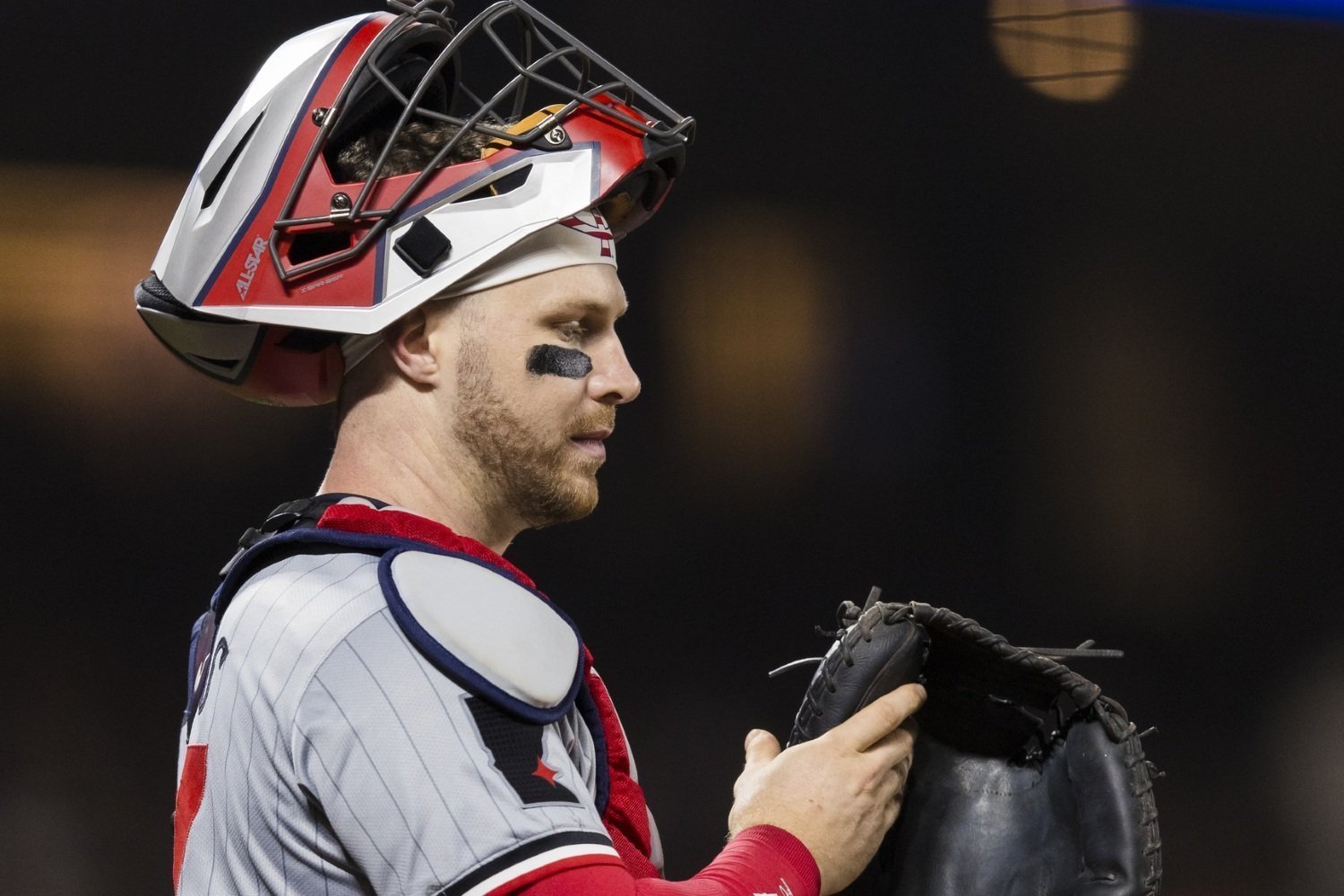 The Minnesota Twins have made it clear they aren't sitting still at the trade deadline. Beginning with a July 10 trade for Tommy Nance, the club has added three pitchers over the last three weeks, acquiring Tommy Nance, A.J. Minter, and Dean Kremer in an effort to strengthen a roster that has climbed back into the American League Wild Card race. Yet even after those additions, Minnesota is reportedly still searching for another late-inning, right-handed reliever before Monday's deadline. That aggressive approach creates an uncomfortable question: Could the Twins still move one of their best hitters? Ryan Jeffers remains one of the more intriguing names to watch over the final hours before the deadline. While trading an everyday catcher in the middle of a playoff push feels counterintuitive, a new report from The Athletic highlights why Minnesota's front office may still have to listen. According to Dan Hayes of The Athletic: "If a bidding war began, the Twins would receive more compensation by trading Jeffers than by offering him a qualifying offer ahead of free agency. However, by making him a qualifying offer, one team source close to Jeffers said the catcher would reject, the Twins would at least receive a compensatory draft pick when he departs via free agency." The key takeaway isn't simply that Jeffers is expected to reject a qualifying offer—it's that the Twins now have a clearer picture of his future. If the organization already believes he'll be playing elsewhere in 2027, the decision becomes whether a compensatory draft pick is enough return for one of the league's better offensive catchers, or if another club is willing to offer considerably more right now. Jeffers certainly isn't hurting his value. He's hitting .293/.396/.539 with 10 home runs and 36 RBIs in 198 plate appearances. Since returning from the injured list last month, he's posted a .893 OPS while collecting five extra-base hits and 10 RBIs in just 50 plate appearances. Those numbers would make him attractive in any market. This year, they may make him the premier catcher available. Normally, rental players don't command massive returns, and rental catchers have historically brought back even less. The circumstances this season, however, are different. Catching help is scarce, and contenders such as the New York Yankees, Boston Red Sox, and Los Angeles Dodgers all have reason to explore upgrades behind the plate. If multiple clubs decide Jeffers is the missing piece, the Twins could find themselves in the middle of the type of bidding war Hayes referenced. Of course, that doesn't make the decision any easier. A team chasing the postseason rarely chooses to subtract from one of its biggest strengths. Jeffers has been one of Minnesota's most productive hitters when healthy, and removing him from the lineup would leave a noticeable void during the season's most important stretch. Even if the return improves the organization's long-term outlook, it would be a difficult pill to swallow for a clubhouse trying to end a postseason drought. The Twins don't have to trade him. If they hold onto Jeffers through the remainder of the season, they could still extend a qualifying offer and potentially receive a compensatory draft pick after he signs elsewhere. But if Minnesota truly believes Jeffers is headed for free agency regardless, and another club is willing to pay a premium because of a thin catching market, the calculus changes. The Twins have spent the last three weeks buying, adding pieces to strengthen a playoff contender. Trading Jeffers would send a far different message, but it wouldn't necessarily signal surrender. Instead, it would reflect a front office attempting to maximize an asset whose long-term future appears increasingly clear. Whether Minnesota ultimately keeps its middle-of-the-order catcher or cashes in on his value, the report that Jeffers is expected to reject a qualifying offer has added another fascinating layer to one of the organization's toughest trade deadline decisions. View the full article
 -
Twins Pursuing Late-Inning Reliever To Bolster Bullpen
DiamondCentric posted an article in Twins Daily
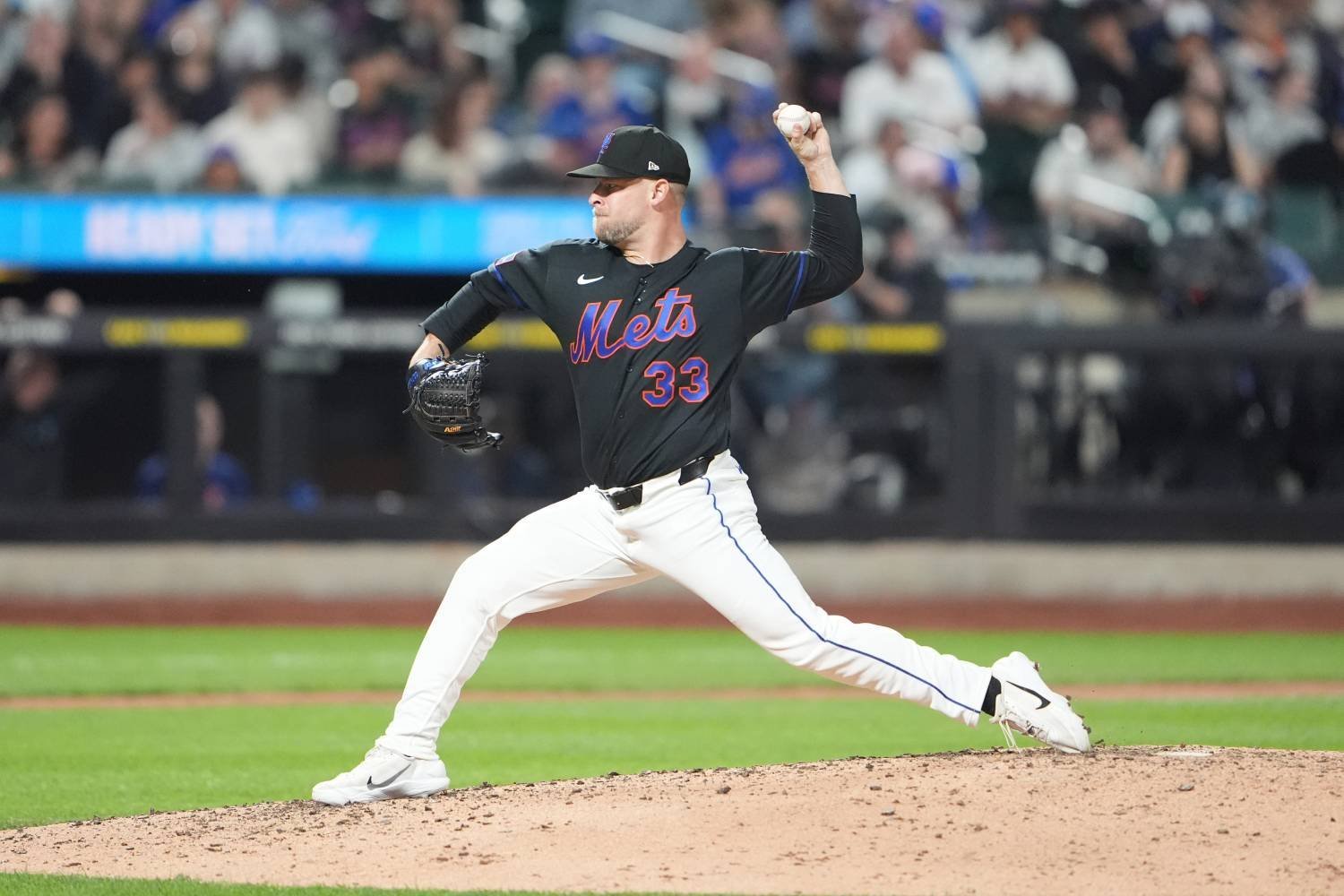 While the trades (thus far) for left-handed reliever A.J. Minter and right-handed starter Dean Kremer weren't necessarily exciting additions, they did raise the floor for the Minnesota Twins this season. Now, they are hunting for a piece that will make a bigger difference in a push for the postseason. Next up on the Twins' shopping list is a late-inning right-handed reliever, according to Dan Hayes and Ken Rosenthal of The Athletic. That is quite the turn following last year's massive sell-off by the Twins at the deadline that alienated a lot of fans. Being buyers, even at a smaller level, is at least a goodwill gesture to try and regain some of that faith back. And adding someone to lock down the seventh, eighth or ninth innings would be huge for everyone involved. No names of late-inning relievers were mentioned, but the fact the Twins have added two veterans to the pitching staff and are looking for a third is certainly a positive development. View the full article
 -
How The Brewers Can Maximize The Sleeping Giant, Bo Naylor
DiamondCentric posted an article in Brewer Fanatic
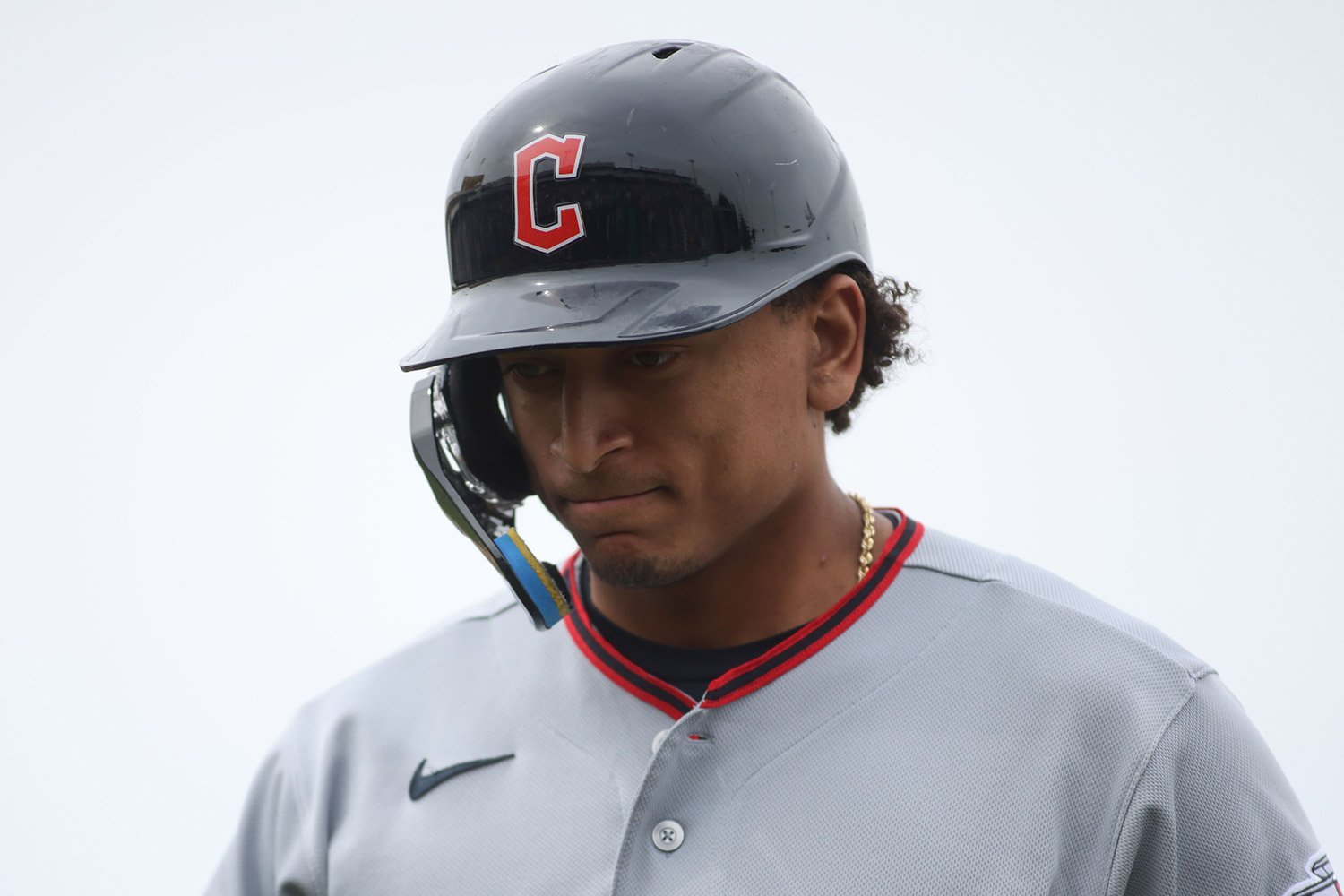 The Milwaukee Brewers have made a deal a day ahead of the 2026 MLB trade deadline, and this one centers around Bo Naylor. Milwaukee is shipping pitcher Craig Yoho and outfielder Blake Perkins to the Cleveland Guardians in exchange for pitcher Codi Heuer and Naylor. Naylor has shown in the past that he has the intangibles to be a productive bat in a contending lineup. Let’s break down what has gone wrong in the past couple of years and how the Brewers can maximize their return on this deal. Bo Naylor’s Background Naylor is a five-year MLB veteran, and he’s a former first-round pick from the 2018 MLB Draft. Cleveland selected him with the 29th overall pick as a product right out of St. Joan of Arc Catholic CC. The 26-year-old made a splash in 2023, his first real crack at the big leagues after logging just eight at-bats the year prior. The Guardians’ former backstop currently has 40 career home runs and a .199 batting average over 1,131 at-bats. This year, with a limited sample size to go off of, the catcher has struggled to get on base at a consistent clip. However, there’s evidence out there that Naylor can punish opposing pitching. The Early Glory Days The 26-year-old’s best season to date was three years ago. The backstop hit 11 home runs and drove in 32 runs over 67 games, slashing .237/.339/.470 with a career-best .809 OPS. He was picking up the baseball, operating with a 37.0 Launch Angle Sweet Spot percentage, good enough to put him well above the league average that year. Naylor showed an ability to spray the ball all over, but 10 of his 11 long balls that season were to the pull side, implying the newest Brewer has been at his best when he can get in front of a pitch. His pop time was also an immaculate 1.94 (67th percentile) that season, showing that he can have a profound impact on defense too. What Went Wrong? Over the last three years, we’ve seen Naylor’s OPS drop drastically. So far in 2026, it’s at just a .438 through 28 games. This also marks the first time since 2022 that Naylor has been a negative WAR player, registering a -0.6 mark entering the month of August. What led to this drop-off? Naylor’s walk rate has tanked to 6.7 percent. It’s well below the league average number. Advanced analytics imply he’s running into a bit of bad luck, as his expected batting average (.215) is 72 points higher than his actual clip (.143). The same can be said for his expected slugging percentage (.399), a mark that far exceeds his real mark (.238). The good news, along with those numbers implying he could be due for a spike in production, is that Naylor has the right habits. His 25.6% chase rate and 14.8 % whiff rate are far better than the big league average; now it’s just about working enough counts to see ball four or at least get in an advantageous count. Milwaukee Is The Perfect Fit Enter the Brewers, a team that could serve as the perfect home for someone aiming to get on base. Entering play on Aug. 1, Milwaukee has drawn the second most walks (451) in all of baseball, trailing only the Cubs. As a result, Pat Murphy’s squad also has the third-best on-base percentage (.338) of anybody in the sport. There are examples up and down the lineup of players who can spoil off pitches, work deep into counts, and get their on-base percentages up. With Gary Sanchez slashing .214/.368/.422, there could be room for Naylor in a role supplementary to William Contreras. View the full article
 -
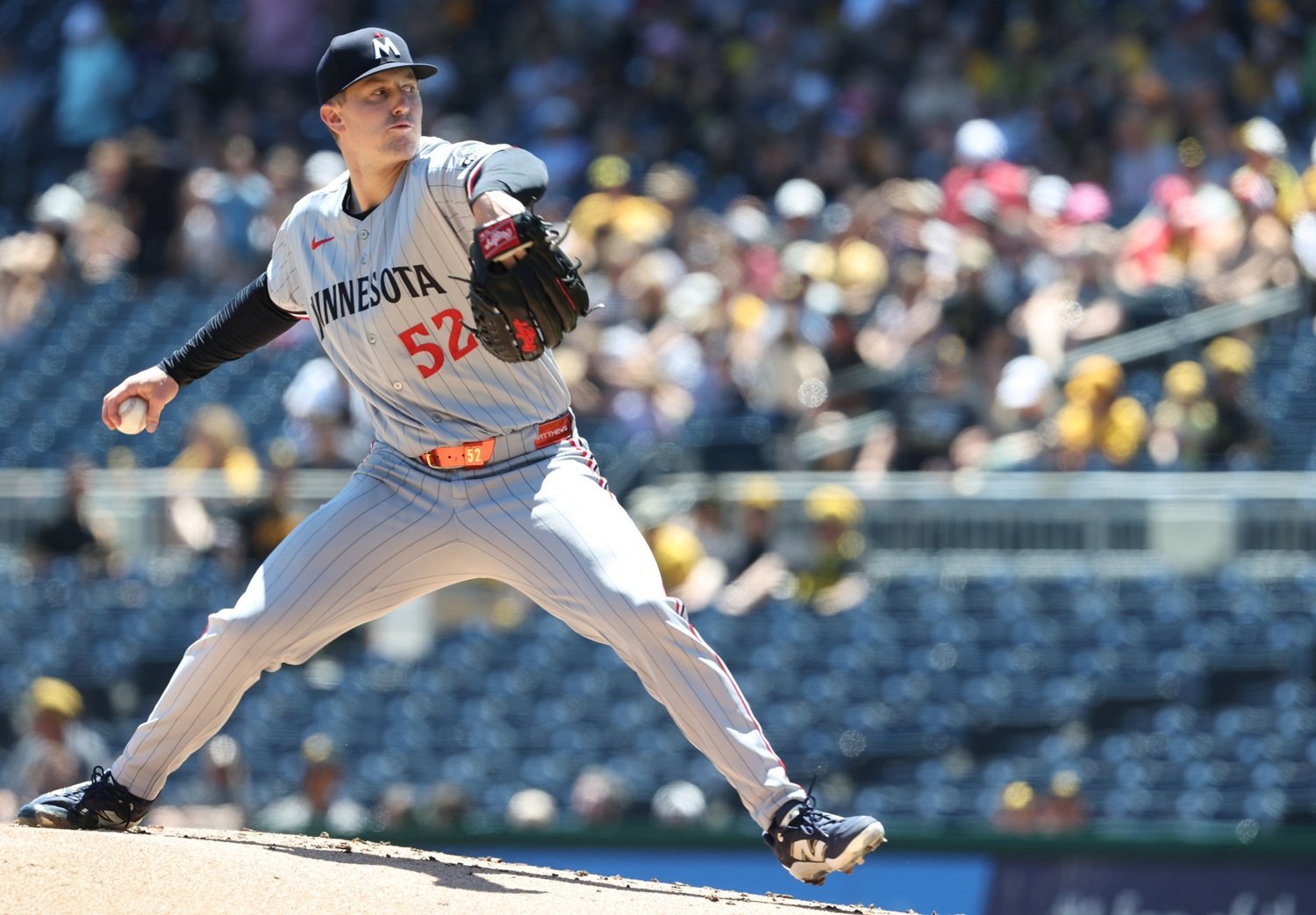 Minnesota's roster makeover continued Saturday. Less than 24 hours after adding another starting pitcher before the trade deadline, the Twins announced another round of transactions ahead of their matchup with the Seattle Mariners. The headline move was expected: newly acquired left-handed reliever A.J. Minter was officially activated. To make room on the 26-man roster, the Twins optioned right-hander Zebby Matthews to Triple-A St. Paul. The move isn't necessarily an indictment of Matthews' performance on Friday night. He gave Minnesota five innings, allowed three earned runs, and struck out an impressive 10 hitters against Seattle. However, his overall July results painted a different picture. Across 24 2/3 innings, Matthews posted a 7.66 ERA and 5.69 FIP while recording 23 strikeouts against 14 walks. With Dean Kremer acquired to bolster the rotation, Matthews became the logical candidate to head back to Triple-A. The timing gives the Twins a fresh bullpen arm in Minter while creating what appears to be a clear opening for Kremer to slide into the starting rotation. Minnesota also made a change to its 40-man roster, designating right-hander Cody Laweryson for assignment. Laweryson appeared in 15 games for the Twins this season, logging 16 2/3 innings with a 4.86 ERA and 5.08 FIP while striking out 18 and walking eight. Although he flashed intriguing stuff at times, injuries have impacted him this season. A right forearm strain sidelined Laweryson for much of April and May, and after he was optioned to Triple-A in early July, Laweryson has been on the St. Paul injured list since July 19. His departure immediately created room for another pitcher. Right-hander Garrett Acton was reinstated from the 60-day injured list and optioned to Triple-A St. Paul. Minnesota acquired Acton from the Miami Marlins this spring in exchange for Logan Whitaker, but he has been limited to four appearances after suffering a right shoulder strain that landed him on the injured list at the end of April. Acton's rehab assignment offered plenty of encouragement. In six innings for St. Paul, he surrendered just one earned run while striking out eight and walking only one. Opponents managed just a .053 batting average against him during that stretch. If the shoulder continues to respond well, Acton could quickly emerge as another bullpen option for a Twins club that has spent the past week aggressively reshaping its pitching staff. With Minter now in the bullpen, Kremer expected to join the rotation, and additional depth returning from injury, Minnesota's pitching staff looks noticeably different than it did just a few days ago, and the Twins might not be done adding before Monday’s deadline. View the full article
 -
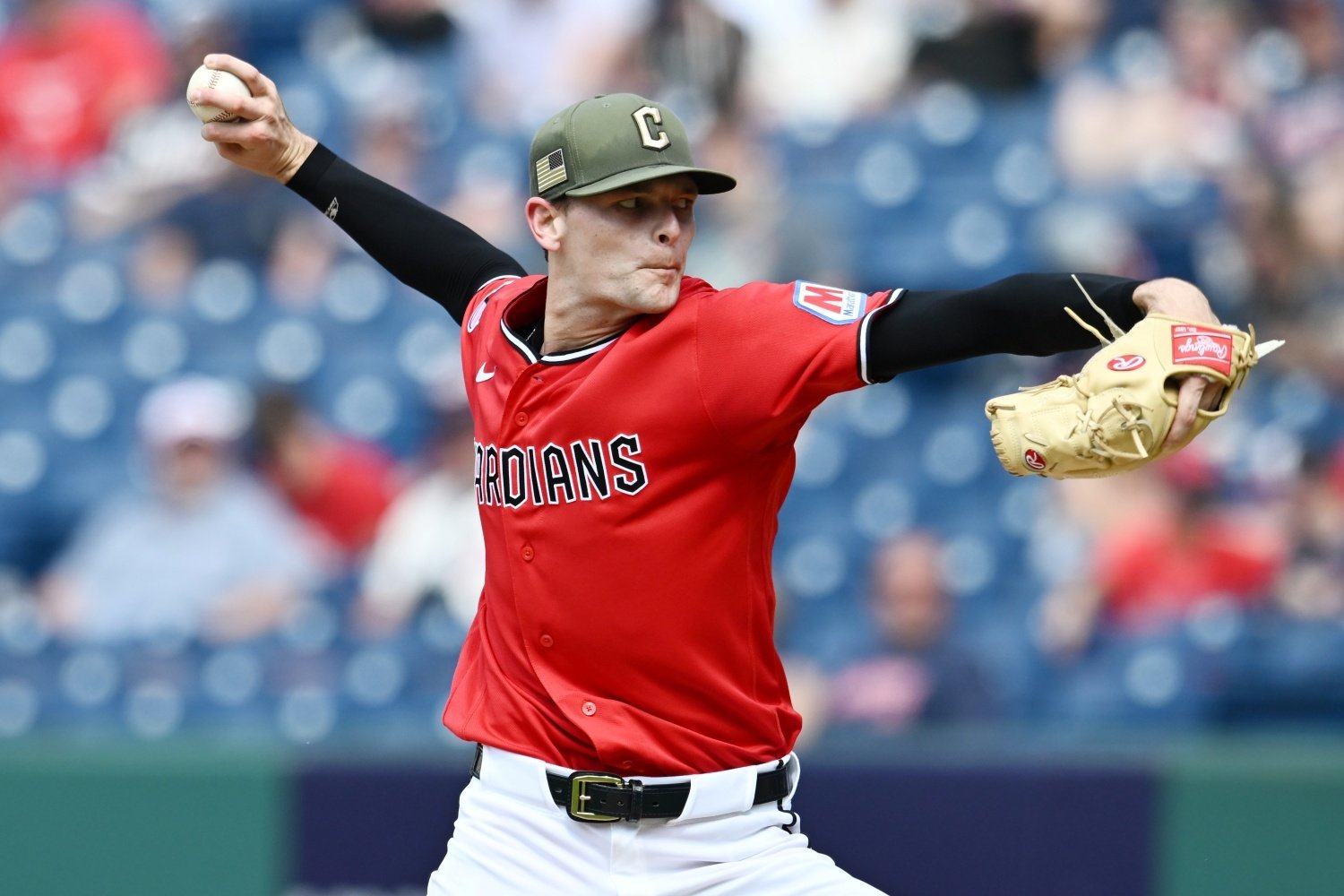 The Brewers began their trade deadline activity on Saturday morning with a four-player deal with the Guardians. Reliever Craig Yoho and outfielder Blake Perkins went to Cleveland, while catcher Bo Naylor and reliever Codi Heuer joined Milwaukee. In optioning both Naylor and Heuer to Triple-A Nashville, the Brewers reinforced that the deal is (for now) a swap of peripheral players. None of the four had clear roles in their former organizations, but each may be more appreciated by their new teams. Naylor is the most notable piece coming back. The Guardians' first-round pick in 2018, he enjoyed a productive rookie year, hitting .237/.339/.470 (123 wRC+) in 67 games. He didn't make much loud contact, though, and his approach of catching fastballs out in front to pull them in the air left him vulnerable against secondary pitches. Those aspects of his profile quickly caught up to him, and he's hit just .192/.266/.351 (74 wRC+) since the start of 2024. Patrick Bailey, Austin Hedges, and David Fry all surpassed Naylor on Cleveland's catching depth chart, but he has a clearer path to playing time in Milwaukee. Reports have been mixed on whether the Brewers are shopping incumbent backup catcher Gary Sánchez, but if he's dealt in the next 50 hours or so, Naylor could take his place. Even if Sánchez stays, he'll be a free agent after this season, and William Contreras will hit the open market after 2027. Once that catching core thins, Naylor could be ahead of Jeferson Quero as the next man up. Quero was an excellent defensive catcher with a promising bat, but his development was stalled by a shoulder injury two years ago, and Will Sammon and Ken Rosenthal of The Athletic report that the reason why he's been exclusively a DH since June 28 is a biceps injury. Even if Quero rounds into better form on both offense and defense, Naylor could have more upside, particularly at the plate. Despite his subpar hard-hit rate in the big leagues, he was scouted with above-average raw power. The Brewers diverge from much of baseball in emphasizing deep contact and an all-fields approach over pulling the ball in the air, so they could make Naylor's bat more consistent and tap into some doubles power with a more balanced approach. In any case, Naylor looks like a potential supporting piece for the stretch run, then a more important long-term piece if things go according to plan. The 26-year-old is controlled through 2030 and is first-time arbitration-eligible this winter, but the Brewers could push that back one more year if he remains in Triple-A for the rest of the season. He's more likely to help than Perkins, whose defense in center field and left-handed swing cratered after he fractured his shin last spring. It's the opposite tradeoff in swapping Yoho for Heuer, as the former is a rookie reliever with enticing stuff, while the latter is a non-tender candidate in a few months. After the Brewers selected him in the eighth round of the 2023 draft, Yoho skyrocketed through the minor leagues with an arsenal of elite east-west movement and debuted last season. The writing was on the wall for his time in Milwaukee, though, as the big-league coaching staff remained reluctant to trust him over concerns about his control and whether his stuff could deceive more disciplined hitters. The Brewers will replace him with Heuer, who owns a passable career 3.76 ERA, 3.97 FIP, and 4.20 SIERA but has spent most of the season with Triple-A Columbus. As a 30-year-old journeyman, he lacks Yoho's upside, but the Brewers probably believe his arsenal gives him a higher floor as a middle reliever they can shuttle between Nashville and Milwaukee. Like Yoho, Heuer throws from a low right-handed slot and naturally pronates when he releases the baseball, giving him a solid fastball-changeup combination. The difference is that he has less raw movement and a tighter velocity spread. His mid-90s fastball runs less than Yoho's, his changeup has less downward movement and is 8 mph faster on average, and his short gyro slider is more useful than the big 77-mph curveball Yoho could not control. The Brewers' top assignment for Yoho was to throw more strikes. They also felt hitters could pick up his changeup too early because of its low velocity and big movement, prompting Pat Murphy to say last month that it was "not a swing-and-miss" pitch, even though Yoho has gotten whiffs on 33.1% of changeup swings in his limited big-league career. With shorter shapes and closer velocity across his pitches, Heuer may be better-equipped right now to throw strikes and make his pitches look similar to each other out of his hand. According to the tunneling metrics at Baseball Prospectus, batters have an 82.4% chance of correctly identifying Yoho's changeup by the time they must decide to swing or take, and a 69.5% chance of identifying his sinker. For Heuer's changeup and four-seamer, those chances are 56% and 78.7%, respectively. Even though those pitches have less actual movement, their perceived depth to the hitter is similar to Yoho. Standing 6-foot-5, Heuer is three inches taller than Yoho and throws from a slightly higher slot. His pitches move downward less, but because he's throwing them from a higher release, they approach home plate at more of a downward angle. Vertical approach angle looks at both movement and where the pitcher releases the ball, making it a great metric for measuring how much carry or drop a pitch appears to have to a hitter. Vertically, Heuer's stuff looks strikingly similar to Yoho's. His secondaries have actually gotten more swings and misses, both this season (the table below) and for their careers. Yoho, meanwhile, could be a better fit with the Guardians, who throw significantly fewer fastballs (57.9% as a team) than the Brewers (67.3%, once again the highest rate in baseball). Even if he pans out as a high-leverage arm in Cleveland, the Brewers would only lose so much future value in giving up on a talented one-inning reliever. It's fair to question whether they truly gave Yoho's skill set a fair opportunity and shipped him out too quickly for what they believe is the better short-term version of him. For now, though, the Brewers have probably made their bullpen slightly better today and their catching mix slightly better in the future. More moves are almost certainly coming as the trade deadline nears. View the full article
 -
Shane Bieber Trade Destinations: Yankees, Red Sox, Rangers, Braves
DiamondCentric posted an article in Jays Centre
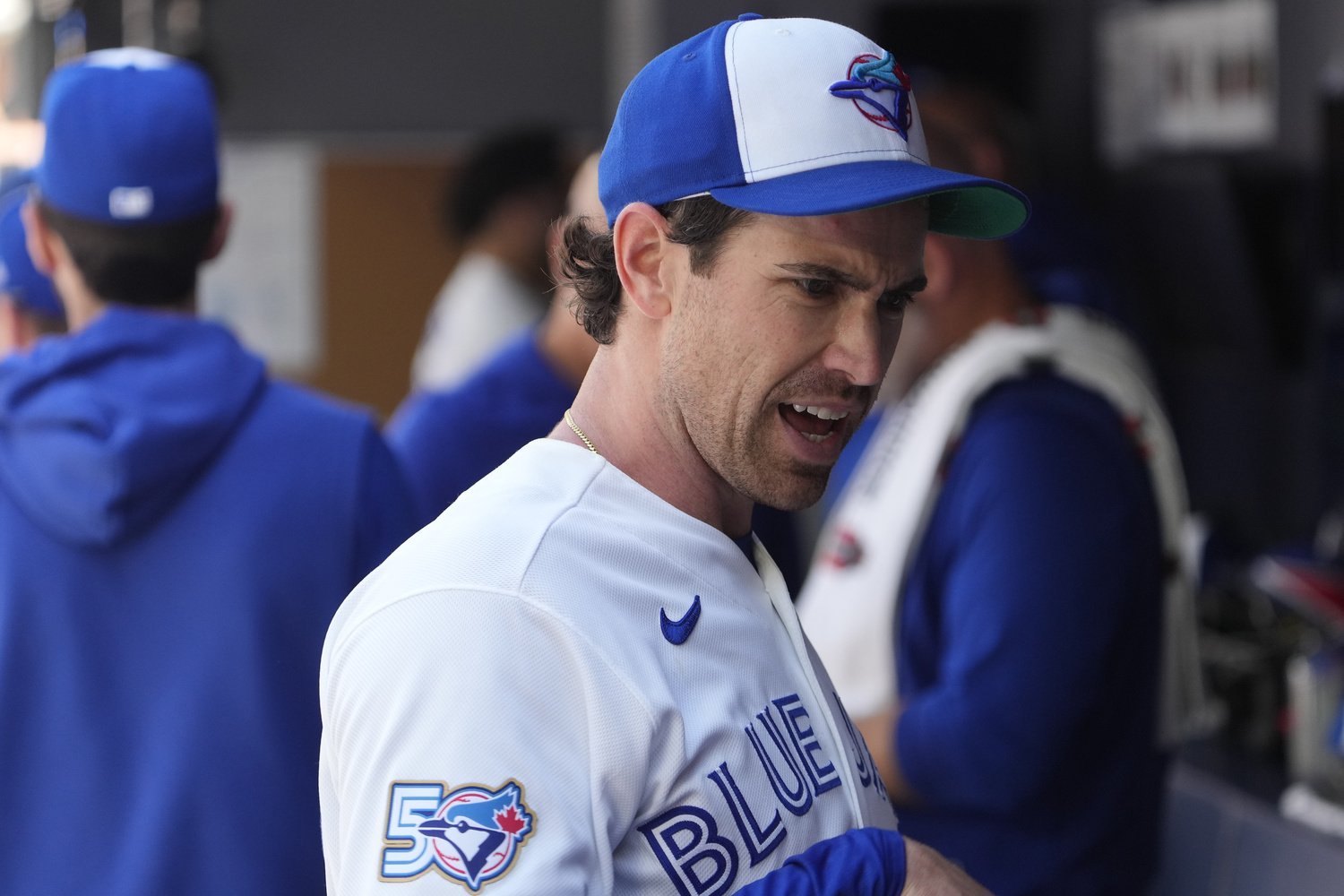 Earlier this week, I wrote about some possible landing spots for Kevin Gausman. His teammate Shane Bieber is a whole different beast of a trade chip. Both pitchers can lead a rotation when they're at their best. Gausman, however, is as low-risk as they come. Whichever team trades for him (and it does seem like he will be traded, despite his protestations), they know they're getting at least 10 solid starts down the stretch. Bieber is not such a safe bet. The 2020 AL Cy Young winner has not pitched a full season since 2022. He has made seven starts this season since returning from an elbow injury. In those starts, he has a 5.74 ERA and a 7.55 xERA in 31.1 innings. Two of his last three starts were absolute gems against a couple of the top teams in the American League, the White Sox and the Rays. Unfortunately, his most recent start, which was his final game before the deadline, was a disaster. Something was clearly wrong, as he gave up four runs on six walks and failed to escape the first inning. So, teams in the market for Bieber will be those that are looking for upside but can afford to take on some risk. In other words, we're looking for contenders that can (a) make room for Bieber in their rotation if he's pitching well and (b) have a backup plan if he isn't. Who might that be? Why the Yankees Would Want To Trade for Shane Bieber I know, I know. Nobody wants to see the Blue Jays trade with the Yankees. But the fit is there. The Yankees could use another starter, considering Max Fried, Gerrit Cole, and Carlos Rodón have all missed time with injuries this year. AL Cy Young front-runner Cam Schlittler has been rock solid all season, but even he has his question marks; he is approaching unprecedented territory in terms of his workload. Will Warren and Ryan Weathers have stepped up in a big way for the Yankees, but either of them could move to the bullpen following a Bieber trade. If Bieber struggles or gets hurt, the Yankees have a great insurance policy. Why the Red Sox Would Want To Trade for Shane Bieber Yes, another AL East opponent. I'm sorry, but once again, the fit is too good to ignore. Garrett Crochet is hoping to return for the playoffs. If he does, Boston's top three of Crochet, Sonny Gray, and Ranger Suárez would be downright scary. Either Payton Tolle or Jake Bennett would be more than qualified to be the No. 4. Yet, the Red Sox have to get to the playoffs for that to matter. Suárez is an All-Star, but he's also a perennial injury risk. Tolle and Bennett are rookies. Boston's No. 5 starter is Patrick Sandoval, who has only made four starts since his return from Tommy John surgery. It's understandable why they traded Connelly Early for Curtis Mead, but Early's presence on the roster will be missed. The Red Sox don't need a starting pitcher, but some depth could help them avoid a late-season collapse. Why the Rangers Would Want To Trade for Shane Bieber Like the Yankees and the Red Sox, the Rangers have plenty of starters, but most of them have their question marks. MacKenzie Gore is sturdy, but Jacob deGrom and Nathan Eovaldi are older veterans with lengthy injury histories. Kumar Rocker lacks experience. Jack Leiter should be the No. 5, but he's currently on the IL. Cal Quantrill (and possibly Cody Bradford and Jordan Montgomery) offers depth, but any contending team would prefer an option with more upside. Bieber can be that option. Shane Bieber Mock Trade Jays Centre's Matthew Creally came up with a mock trade last week that would send Shane Bieber to the Braves. I'll let him explain the logic behind that landing spot (you can read the article here!), but Atlanta is another team that could use (a) a pitcher with Bieber's upside and (b) survive if he suffers another injury. Matthew's formula determined that Bieber could net the Jays one mid-range prospect, but the return could be more exciting if Toronto packaged Bieber with another player. Here is the mock he ultimately came up with: Braves get Shane Bieber and Jesús Sánchez Blue Jays get Jorge Mateo and Owen Murphy (BA Braves No. 7) Any thoughts on these landing spots? Any other teams you think I should have considered? Leave a comment and let me know! View the full article
 -
Dean Kremer Is a Twin: Breaking Down Minnesota's Newest Starter
DiamondCentric posted an article in Twins Daily
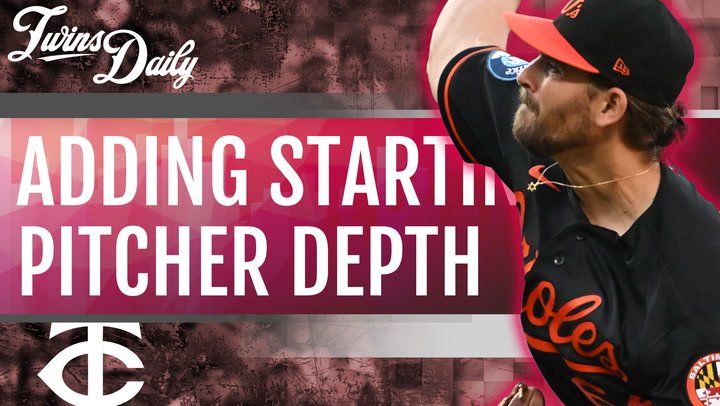 The Twins swung their second trade in as many days, acquiring Orioles starting pitcher Dean Kremer. Here's everything fans need to know about Minnesota's newest rotation addition. View the full article
 -
Twins Have More Money to Spend Ahead of MLB Trade Deadline
DiamondCentric posted an article in Twins Daily
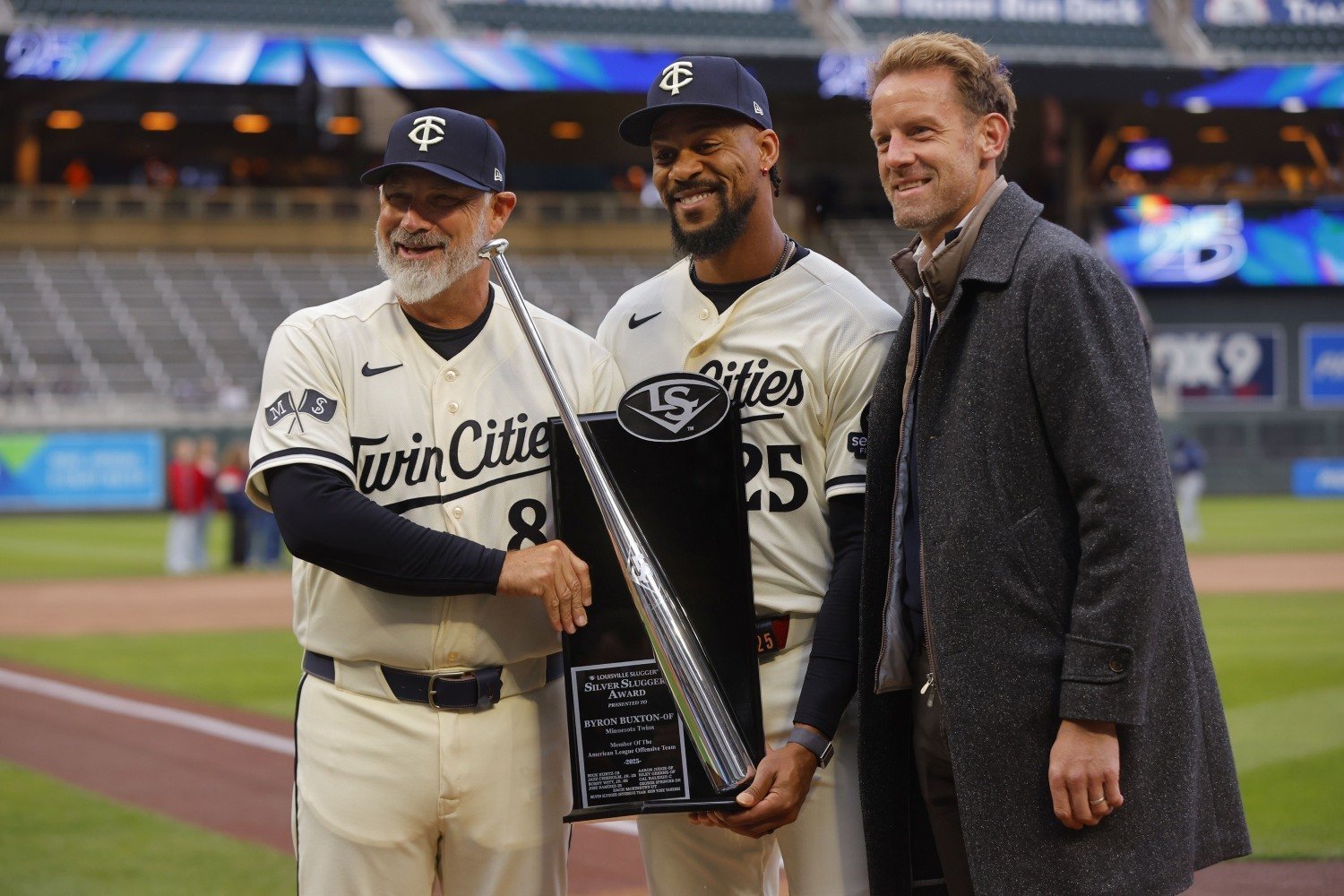 For years, one of the biggest questions surrounding the Minnesota Twins at the trade deadline wasn't whether they would make a move—it was whether they were willing to spend the money necessary to improve the roster. This deadline feels different. Less than 24 hours after strengthening the bullpen, the Twins addressed another glaring need Friday night by acquiring Baltimore Orioles starter Dean Kremer in exchange for a rookie-level outfielder. It wasn't the splashiest addition available, but it provided the rotation with badly needed depth as Minnesota continues its push toward an American League Wild Card spot. The move came on the heels of Thursday night's trade for left-handed reliever A.J. Minter from the New York Mets. Rather than limiting the financial commitment, the Twins assumed the remainder of both contracts, taking on approximately $5 million combined between Minter and Kremer. If sources are correct, the spending may not be finished. According to Dan Hayes and Ken Rosenthal of The Athletic: “Though they’ve already been one of the more active teams at the deadline, the Twins next want to add a right-handed, late-inning reliever before Monday’s trade deadline, a Twins source said, speaking on condition of anonymity to discuss the team’s thinking. The source said Twins chairman Tom Pohlad has authorized general manager Jeremy Zoll to add even more payroll if necessary.” Those developments back up what chairman Tom Pohlad said in the middle of July when he spoke about taking a more aggressive approach. After consecutive trade deadlines left both the clubhouse and fan base frustrated, the organization appears determined to change the narrative. Whether it's adding talent for the stretch run or demonstrating a greater willingness to increase payroll, the Twins are making moves that haven't traditionally been associated with this front office. While Kremer won't generate the same excitement as a frontline starter, his value shouldn't be overlooked. Minnesota's rotation has quietly been stretched thin, particularly with rookie Connor Prielipp entering uncharted territory. Between Triple-A St. Paul and the major leagues, Prielipp has already logged 91 innings this season. That's a significant workload for a pitcher who threw only 112 2/3 innings combined over his first four professional seasons. Adding Kremer gives manager Derek Shelton another dependable arm capable of absorbing innings, allowing the Twins to better manage Prielipp's workload over the final two months. Even if Kremer slots into the back of the rotation, his presence could prevent Minnesota from overextending one of its most important young pitchers. There is also a chance the Twins could move Prielipp or another starter to the bullpen. The Twins have already checked two major boxes by adding a late-inning left-hander and rotation depth. If Hayes and Rosenthal's reporting proves accurate, another bullpen addition could be coming before Monday's deadline. For the first time in several years, the biggest story isn't just that the Twins are buying. It's that they're spending like they mean it. What else do the Twins need to add before Monday? Leave a comment and start the discussion. View the full article
 -
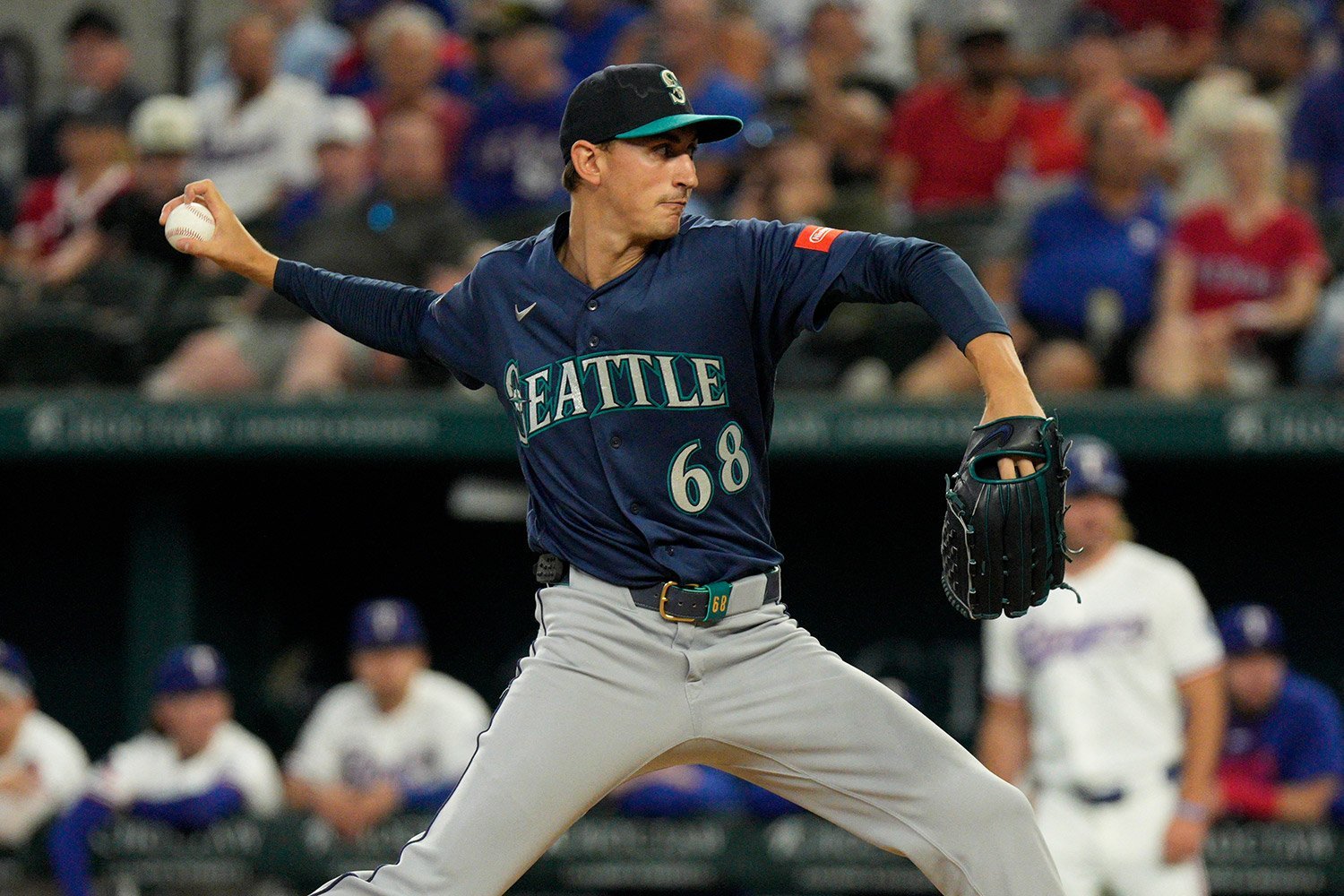 The Seattle Mariners are listening on most of their starting rotation, according to Jeff Passan of ESPN. Passan reported Saturday afternoon that multiple teams have engaged on right-handed pitcher George Kirby, as well as right-hander Luis Castillo and Emerson Hancock. Kirby, 28, is earning $6.55 million this season after avoiding arbitration and remains under team control through 2028. This season, he's sporting a 20.9% strikeout rate and a 20.9% whiff rate, both of which sit below average, offset by an elite 5.7% walk rate. His 3.33 FIP edges his 3.76 xERA, but quality of contact has crept up (.303 xwOBA, .384 xSLG, 42.0% hard-hit), leaving him reliant on limiting damage in the zone. The 96.6 mph fastball still plays; the swing-and-miss less so. The Padres need rotation arms looking to make a postseason push, making any of these three pitchers a fit. This is especially true with the expectation that the Padres will hold on to Mason Miller and Adrian Morejon. View the full article
 -
Byron Buxton's Injury Complicates Everything At The Deadline
DiamondCentric posted an article in Twins Daily
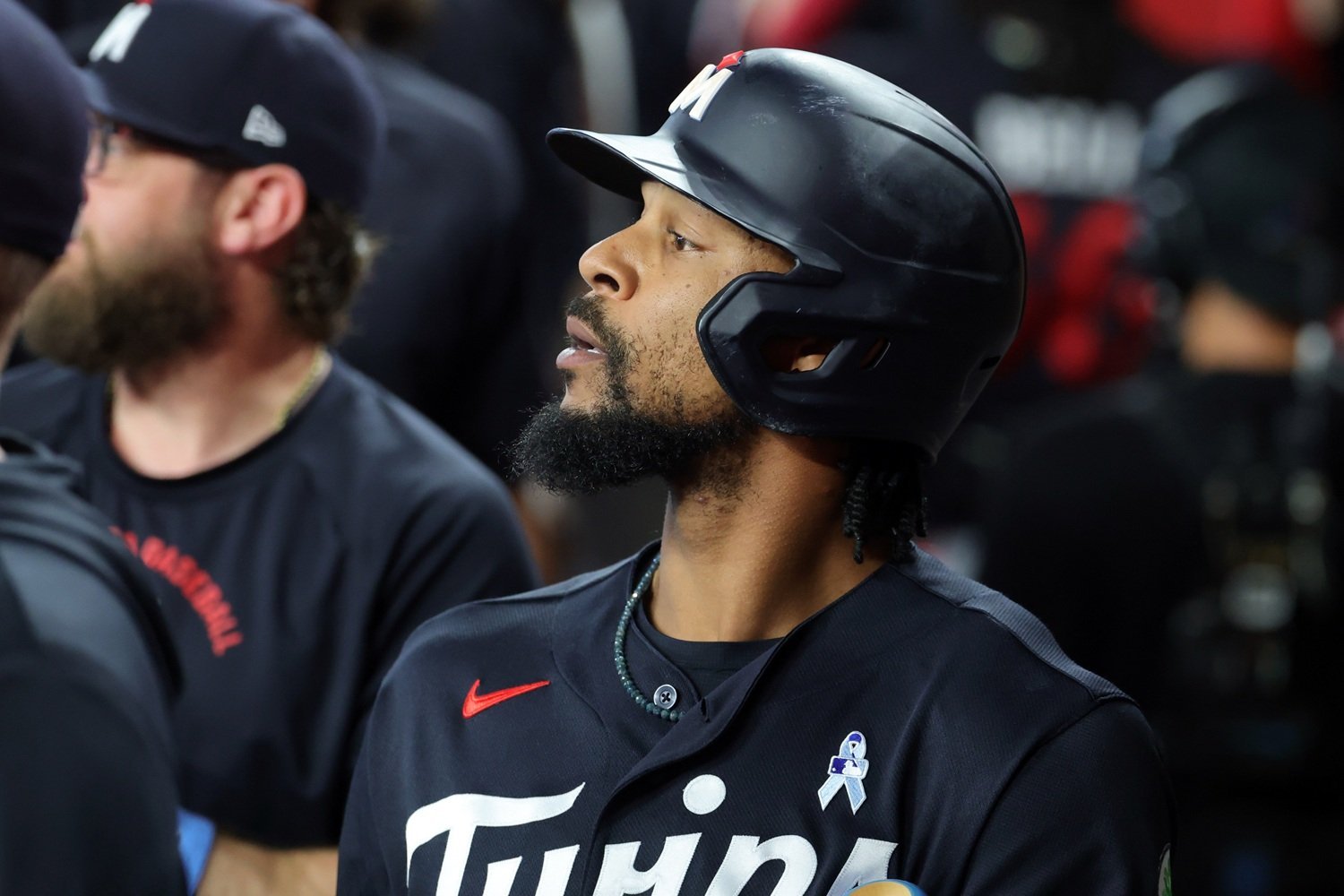 Stop me if you've heard this before: Byron Buxton is currently injured. The Twins' star center fielder left Tuesday night's game against the Royals with right hip soreness–the same hip that's given him trouble on and off for a good portion of the season. And sure enough, it led to another trip to the injured list. Minnesota officially placed Buxton on the 10-day IL with a right hip impingement, and considering how long this issue has lingered throughout the year, it wouldn't be surprising if this ends up being much more than just a minimum stay. Obviously, the front office knows far more about the severity of the injury than any of us do. Maybe this is something he'll be able to play through after a couple of weeks, and it's just a precautionary move. But there's also a very real chance we don't see Buxton again for quite some time. If that's the case, this injury could have a MASSIVE impact. Not just on the Twins' trade deadline plans, but also on what happens with several of the organization's top prospects over the final two months of the season. Let's start with the trade deadline because this changes quite a bit. For one, if the Twins are going to be without Buxton for a significant portion of the remainder of the season, their view of themselves as legitimate contenders becomes a little more tentative. At the moment, Minnesota sits a game above .500, three games behind the White Sox and Guardians in the AL Central, and tied with Cleveland for the final American League Wild Card spot. They're right there. With a healthy roster, it's not difficult to picture this team making a run over the final two months; especially if the front office adds another impact player or two before the deadline. But doing that without the face of the franchise in the lineup becomes a whole lot more difficult. Buxton has been the engine behind so much of the Twins’ success this season. His production at the plate and his defense in center field simply aren't things you can replace with one player. This injury could force the Twins to become more conservative over the next few days. That doesn't mean the team will switch to sellers; that die is cast. But if the front office no longer believes this team has a serious chance of making the playoffs without Buxton, it becomes much easier to justify thinking about the bigger picture instead of pushing additional chips into the middle of the table. Perhaps that means being less aggressive in their trade pursuits. At the same time, there's another scenario that's become much more interesting. What if the Twins still decide they're going to be just as aggressive? If that's the case, there's now an even bigger need for another outfielder. You could argue that was already one of Minnesota's biggest needs heading into the deadline; now it feels impossible to ignore. And not just any outfielder, either. The Twins likely need another right-handed bat. Without Buxton in the lineup, Austin Martin and Luke Keaschall are the only right-handed hitting outfield options currently on the major league roster. With Tristan Gray being recalled in a corresponding move with Buxton, that likely means Ryan Kreidler will take on a bigger role in the outfield as well. The Twins also have Gabriel Gonzalez and Kyler Fedko putting together solid seasons in Triple-A St. Paul, but if you're trying to replace anything close to Buxton's production, it's hard to imagine the answer coming from within the organization. That's probably a need you'll have to address externally. As a matter of fact, fellow Twins Daily writer Matthew Taylor recently wrote about some right-handed outfield targets Minnesota could target. Even before Buxton landed on the injured list, you could've argued adding a right-handed hitting outfielder was the Twins' second-biggest need behind bullpen help. Now, that need becomes even more urgent if this team still believes it can make a postseason push. On the other hand, if the Twins decide Buxton's injury changes everything and they pull back at the deadline, that could end up creating opportunities for some of the organization's top prospects. Emmanuel Rodriguez returned to the St. Paul Saints' lineup earlier this week, and Buxton's absence could eventually open the door for his long-awaited major league debut. There's another interesting domino that could fall as well. If Minnesota eventually decides Buxton's injury requires a move to the 60-day injured list later this season, that would create an opening on the club's 40-man roster. That spot could very well be reserved for the Twins' top prospect, Walker Jenkins. In fact, if Buxton misses an extended period of time, the chances of seeing both Rodriguez and Jenkins in the majors later this summer increase considerably. That's obviously not the way anyone wants those promotions to happen, but it's a possibility worth monitoring over the next several weeks. I'm not going to sugarcoat it; this really, really sucks. It finally felt like the Twins had started building some legitimate momentum. There was reason to believe this team was beginning to turn the corner at exactly the right time, and then the worst possible thing that could’ve happened actually happened. Hopefully, this ends up being a relatively short absence, and we're looking back on all of this in a couple of weeks wondering why we were so concerned. But until we know more, it's impossible to ignore just how much this injury could change—not only the Twins' outlook for the rest of the season, but also everything they planned to do before the trade deadline. View the full article
