


DiamondCentric
-
Posts
2,631 -
Joined
-
Last visited
Never
Content Type
Profiles
Forums
Events
News
Tutorials & Help
Major League Baseball Videos
Guides & Resources
Store
Downloads
Gallery
Everything posted by DiamondCentric
-

Padres Minor League Report: Bullpen Stands Tall In Storm Victory
DiamondCentric posted an article in Padres Mission
 In what could be the final game for certain prospects with the San Diego Padres, the four full-season affiliates went 2-2 with another game suspended. The Triple-A El Paso Chihuahuas fell to Albuquerque 10-5, the Double-A San Antonio Missions were walked off in extras again 7-6 in 10, the High-A Fort Wayne TinCaps completed Saturday's suspended with a 12-5 victory, then had the regularly scheduled game suspended after three innings leading 6-2 and the Low-A Lake Elsinore Storm prevailed over Stockton 5-3. Padres Minor-League Transactions San Diego Padres sent RHP David Morgan on a rehab assignment to El Paso Chihuahuas. RHP Hans Crouse assigned to El Paso Chihuahuas. Chihuahuas Suffer 6-Game Sweep By Isotopes Left-handed starter Jackson Wolf was roughed up for eight runs over four innings as the host Triple-A El Paso Chihuahuas fell to the Albuquerque Isotopes 10-5. The Chihuahuas (44-63, 9-23 second half) were swept in the six-game series. Rehabbing Padres right-handed reliever David Morgan pitched a scoreless fifth inning, facing four batters and alloing a hit with no walks or strikeouts. This was his second rehab outing as he comes back from left knee inflammation. Blake Hunt went 3-for-4 with a solo homer, while Dustin Harris, Marcos Castanon and Clay Dungan each had two hits for the Chihuahuas, who gave up three runs in the top of the first and were down 8-1 after the top of the fourth. Ethan Salas, Padres Mission's No. 1 prospect who was just promoted to Triple-A Wednesday, did not play after playing the other five games this week, including Tuesday's with Double-A San Antonio. EP_0802.mp4 Player AB R H RBI BB K Dustin Harris, DH 5 0 2 0 0 0 Mason McCoy, CF 5 0 1 0 0 0 Nick Solak, RF 5 1 1 0 0 0 Marcos Castañon, 3B 4 1 2 1 0 0 Nick Pratto, LF 4 1 1 0 1 0 Romeo Sanabria, 1B 5 1 0 1 0 0 Blake Hunt, C 4 1 3 1 0 1 Clay Dungan, SS 4 0 2 1 0 1 Anthony Vilar, 2B 4 0 0 0 0 2 Totals 40 5 12 4 1 4 Player IP H R ER BB K HR Jackson Wolf (L, 5-10) 4 9 8 8 1 4 3 David Morgan 1 1 0 0 0 0 0 Andrew Moore 2 1 1 1 0 3 1 Daison Acosta 1 1 0 0 0 0 0 Ethan Routzahn 1 2 1 1 1 0 0 Totals 9 14 10 10 2 7 4 Missions Rally, But Get Walked Off In 10th By Sod Poodles Braedon Karpathios had three hits and along with Jake Cunningham hit a homer, but the Double-A San Antonio Missions were walked off in the 10th inning by the host Amarillo Sod Poodles 7-6. The Missions (45-57, 14-19 second half) went 1-5 in the six-game series, including an 11-inning loss Saturday. Carson Tucker, Tirso Ornelas and Albert Fabian each had two hits, with Ornelas driving in a pair of runs. Missions left-handed starter Jamie Hitt allowed three runs over four innings, giving up six hits and two walks with three strikeouts. It was 2-2 after the first inning, 3-3 after four, then the Sod Poodles scored three in the bottom of the fifth. The Missions battled back with a pair in the seventh on Brendan Durfee's lineout to center that brought in Luis Verdugo and Ornelas' RBI single that plated Wyatt Hoffman. Ornelas tied it in the ninth on a run-scoring single to right. But the Sod Poodles walked it off in the 10th. Right-hander Tucker Musgrove, Padres Mission's No. 9 prospect, came on to begin the 10th with the zombie runner on second. After striking out the first batter, Druw Jones, sone of Hall of Famer Andruw Jones, won it with a one-out ground single to center. SA_0802.mp4 Player AB R H RBI BB K Carson Tucker, CF 5 0 2 0 0 1 Tirso Ornelas, DH 5 0 2 2 0 1 Jake Cunningham, LF 5 1 1 1 0 2 Braedon Karpathios, RF 5 1 3 1 0 0 Ryan Jackson, SS 4 0 0 0 1 3 Albert Fabian, 1B 5 1 2 0 0 2 Luis Verdugo, 3B 3 1 1 1 0 1 Wyatt Hoffman, 2B 4 1 1 0 0 0 Brendan Durfee, C 4 0 1 1 0 1 Kai Roberts, PR 0 1 0 0 0 0 Chris Sargent, C 0 0 0 0 0 0 Totals 40 6 13 6 1 11 Player IP H R ER BB K HR Jamie Hitt 4 6 3 3 2 3 0 Harry Gustin 1 2 3 1 1 2 0 Clay Edmondson 2 0 0 0 2 1 0 Igor Gil 2 0 0 0 1 1 0 Tucker Musgrove (L, 0-2) 1/3 1 1 0 0 1 0 Totals 9 1/3 9 7 4 6 8 0 TinCaps Prevail In First Suspended Game; Second One Suspended, Too After rain wiped out all but 1½ innings Saturday, the High-A Fort Wayne TinCaps and host Great Lakes Loons were able to complete that suspended game, but then only made it through four innings of the regularly scheduled game before that was suspended. The TinCaps picked up a 12-5 win in the first suspended game, which was interrupted after the top of the first with Fort Wayne up 7-0. Alex McCoy finished with his two homers and three RBIs, Jack Costello also homered and went 3-for-3, Justin DeCriscio went 3-for-5 with two RBIs and two runs scored and Zach Evans had two hits, two RBIs and a run scored. McCoy, Padres Mission's No. 14 prospect, has 15 homers after going deep three times in the series. The TinCaps led the second game, scheduled for seven innings, 6-2 entering the top of the fifth when the field conditions were determined to be unplayable. The game will resume in Fort Wayne when the Loons visit Aug. 18-23. The exact date has yet to be determined. Costello had a two-run double as part of a three-run third inning and a walk, while Rosman Verdugo had two hits. The TinCaps (45-55, 18-16 second half) won four of five games in the series. Player AB R H RBI BB K Justin DeCriscio, SS 5 2 3 2 1 0 Ryan Wideman, CF 6 1 1 0 0 1 Alex McCoy, RF 5 3 2 3 1 1 Jack Costello, 1B 3 2 3 1 0 0 Rosman Verdugo, 2B 3 0 1 1 2 1 Lamar King Jr., DH 5 1 1 1 0 0 Carlos Rodriguez, C 3 2 0 0 2 0 Zach Evans, 3B 5 1 2 2 0 0 Kasen Wells, LF 4 0 0 0 1 1 Totals 39 12 13 10 7 4 Player IP H R ER BB K HR Bryan Balzer 1 1 0 0 0 1 0 Abraham Parra (W, 5-5) 5 1/3 5 4 4 4 5 1 Will Koger 1 2/3 0 0 0 1 0 0 Will Varmette 1 2 1 1 0 1 0 Totals 9 8 5 5 5 7 1 Bullpen, Conner Westenburg Spearhead Storm Victory Three relievers combined for 5⅔ shutout innings, while Conner Westenburg and Jorge Quintana each had a pair of hits as the Low-A Lake Elsinore Storm used early strikes to beat the host Stockton Ports 5-3. The Storm (54-48, 15-21 second half) went 4-2 in the six-game series. After right-hander Luis Maracara allowed three runs in 3⅓ innings on three hits and two walks and a pair of punchouts, left-hander Cal Riehl, right-hander Jordan Valenzuela and right-hander Isaiah Lowe allowed just one hit from the fourth inning on. Valenzuela struck out five in his three innings. Westenburg got things going in the top of the first with a leadoff single, causing a balk and stealing third with one out, his 43rd stolen base. Quintana grounded out to the shortstop to plate Westenburg. Three more runs came in the third inning as Westenburg doubled with one out, stole his 44th base and scored on Ty Harvey's fielder's choice. After a wild pitch, Quintana singled Harvey to third and Bradley Frye had a sacrifice fly. Quintana stole his 23rd base and scored on Truitt Madonna's single to center. Dylan Grego added an RBI single in the fourth for a 5-0 lead. All three Ports runs came in the bottom of the fourth. LE_0802.mp4 Player AB R H RBI BB K Conner Westenburg, LF 4 2 2 0 0 1 Ty Harvey, C 4 1 0 1 0 1 Jorge Quintana, DH 4 1 2 1 0 0 Bradley Frye, 3B 2 0 0 1 0 0 Truitt Madonna, 1B 4 0 1 1 0 1 George Bilecki, RF 4 1 1 0 0 0 Jose Verdugo, SS 3 0 0 0 1 0 Dylan Grego, 2B 4 0 1 1 0 1 Yimy Tovar, 2B 0 0 0 0 0 0 Qrey Lott, CF 4 0 1 0 0 0 Totals 33 5 8 5 1 4 Player IP H R ER BB K HR Luis Maracara 3 1/3 3 3 3 2 2 0 Cal Riehl (W, 1-1) 1 2/3 0 0 0 1 1 0 Jordan Valenzuela (H, 3) 3 1 0 0 2 5 0 Isaiah Lowe (S, 1) 1 0 0 0 0 0 0 Totals 9 4 3 3 5 8 0 Padres Mission's Top 20 Prospect Performance Ethan Salas: DNP Kash Mayfield: DNP Miguel Mendez: DNP Ryan Wideman: 1-for-6, 1 K Kruz Schoolcraft: DNP Jorge Quintana: 2-for-4, 1 RBI Ty Harvey: 0-for-4, 1 RBI, 1 K Kale Fountain: Injured, out for season Tucker Musgrove: ⅓ IP, 1 H, 1 R, 0 ER, 0 BB, 1 K Coleman Borthwick: In Arizona Lamar King Jr.: 1-for-5, 1 RBI Braedon Karpathios: 3-for-5, HR, 1 RBI Jagger Haynes: DNP Alex McCoy: 2-for-5, 2 HR, 3 RBI, 1 BB, 1 K Truitt Madonna: 1-for-4, 1 RBI, 1 K Jesus Castro: DNP Garrett Hawkins: DNP Elliot Lascelles: In Arizona Winyer Chourio: DNP Rosman Verdugo: 1-for-3, 1 RBI, 2 BB, 1 K View the full article
 -
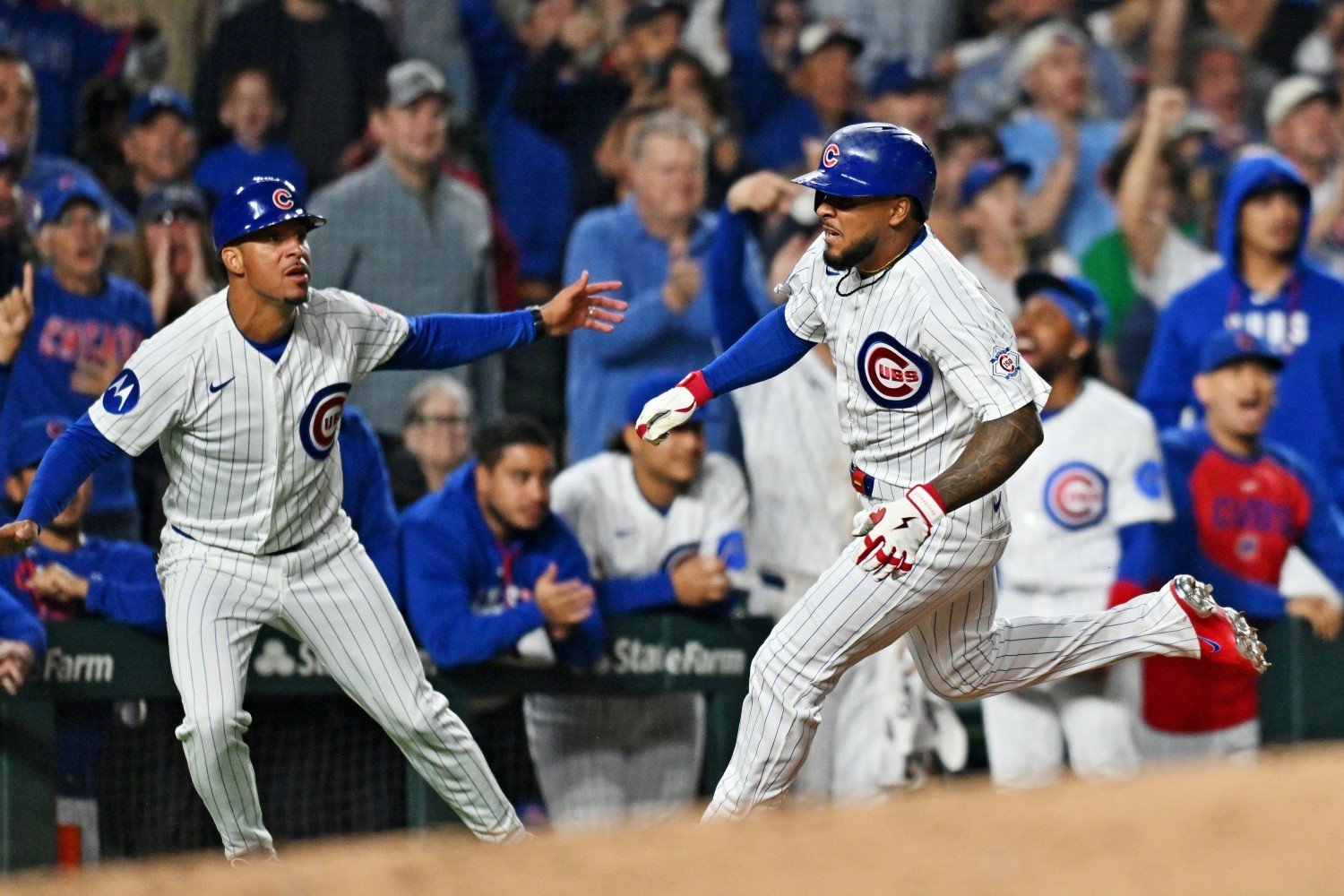 The Cubs weren't able to swing the deadline's big blockbuster. As everyone predicted, Tarik Skubal is a Dodger. But while off-the-field affairs kept baseball diehards captivated, the team from Wrigleyville undertook a seven-game slate of contests that further proved this club is worth the investment. The NL Central has become strictly a two-team race between the Cubs and Brewers, but that didn't stop Chicago's four-game series in St. Louis from feeling the familiar pinch of rivalry and intensity. Craig Counsell and his squad seized the first game of the set in a mostly convincing 7-3 win. Clutch homers from Alex Bregman and Nico Hoerner capped an impressive showing from the offense. The North Siders' starter, trade steal David Peterson, kept the Cards off balance through 5 2/3 innings, allowing 2 earned runs before handing things over to a steady bullpen. Jacob Webb allowed his first run in over a month, but the game was never truly in doubt. Clinching no worse than a split in the series, Colin Rea and the dangerous offense behind him waltzed to a 10-2 victory on Tuesday night. Rea dealt six full innings of quality work, allowing just one run on four hits and minimizing opportunities for the Cardinals. Meanwhile, the North Siders' charged-up offense, led by newcomer Pedro Ramírez and the sizzling Seiya Suzuki, taxed St. Louis's pitching staff, with those two combining for six hits. Contests like this don't necessarily provide a window into what this team could be come October, but they sure are fun. Tough losses are an inevitable part of this great game, but it's what makes the losses tough that sticks with you. The third game of Cubs-Cardinals this week was a spellbinding pitcher's duel between Dustin May and Matthew Boyd. The Cubs' veteran lefty was magnificent, going seven strong shutout innings, issuing just two walks and striking out five, but his offense couldn't come up with a run in support of him. The sides finished the regulation nine at 0-0.. In the top of the 10th inning, NL MVP favorite Pete Crow-Armstrong came through with a signature moment by absolutely detonating an 0-1 pitch from Luis Gastelum. The swing put Chicago ahead 2-0 heading into the home half of the frame. Making perhaps the strongest case yet for a bullpen overhaul, though, reliever Trent Thornton failed to play his role in capturing a cinematic win for his squad, surrendering the walk-off knock to Iván Herrera on the first pitch of the at-bat with two on and only one out. (The real trouble, arguably, came when the team failed to find an out on a ground ball to second base, and then when Thornton walked a batter to put the winning run aboard.) The Cards escaped with an enthralling 3-2 triumph. Good teams find a way to put adversity behind them, and that's exactly what the Cubs did with a 4-2 revenge win in 10 innings on Thursday. Timely hits and sound baserunning let the North Siders stick around long enough to once again find their way into free baseball, and this time, they did not throw away their shot. After Alex Bregman's go-ahead double, Ian Happ traded places with his teammate, driving in the all-important insurance run before Webb and Aaron Civale turned away the home team in the bottom half of the inning. Returning to the Friendly Confines after claiming three out of four games from their division foe, the Cubs hosted the New York Yankees in the first of a three-game matchup. Squandering a quality 6 2/3 inning start from hurler Shota Imanaga, the hosts failed to string together the right hits at the right time, suffering a 2-0 loss in the opener. Deflating as the defeat was, the contest demonstrated the type of baseball necessary to compete with playoff-caliber clubs like Aaron Boone's squad. New York might not share much of the same DNA, but they're still fighting in the same weight class. In front of a national audience, the North Siders bounced back to win a big game with a big, late rally Saturday. After a Hoerner homer tied the game 2-2 in the bottom of the seventh, Crow-Armstrong laced an RBI triple down the line in right field, scoring Ramírez. One batter later, Suzuki sliced an RBI single into right field to pad what turned out to be the game-winning run driven in by Crow-Armstrong. Cubs' starter David Peterson was brilliant again: 6 1/3, 2-run innings. Whatever happens to this rotation in the wake of the trade deadline, Peterson has earned the right to keep his spot. The body of work he's produced since his first, dismal start in his North Side debut proves that he wields the resiliency and the stuff to add a serious weapon to the squad. Sunday's finale saddled Cubs fans with the sinking, unfamiliar feeling of a series loss, as Chicago fell to the Bronx Bombers. The Cubs made excellent use of their ABS challenges throughout the game, except for a perplexing sixth-inning scenario which saw Hoerner miss an opportunity to challenge a 3-0 pitch with the bases loaded. Had he challenged, replay showed it would have been ball four, allowing the tying run to score. Frozen in the moment, Hoerner later flied out to end the threat as the game entered the top half of the seventh. Learning hard truths through those in-game situations is an excruciating form of tough love, but may yet fortify this team, making them ready for when these key moments inevitably resurface. Standing at the spiritual crossroads of the season, Chicago (as they have been for much of the season) is a team in control of its own destiny. The front office set itself up to complete a successful deadline period by acquiring Kevin Gausman Sunday night. Now, they have to make more moves to capitalize on their opportunity to put together a more satisfying October foray. This week was successful, but not so much so as to hide what needs to be done. View the full article
 -
Twins Minor League Report (8/2): Fort Myers Collects a 20-Piece
DiamondCentric posted an article in Twins Daily
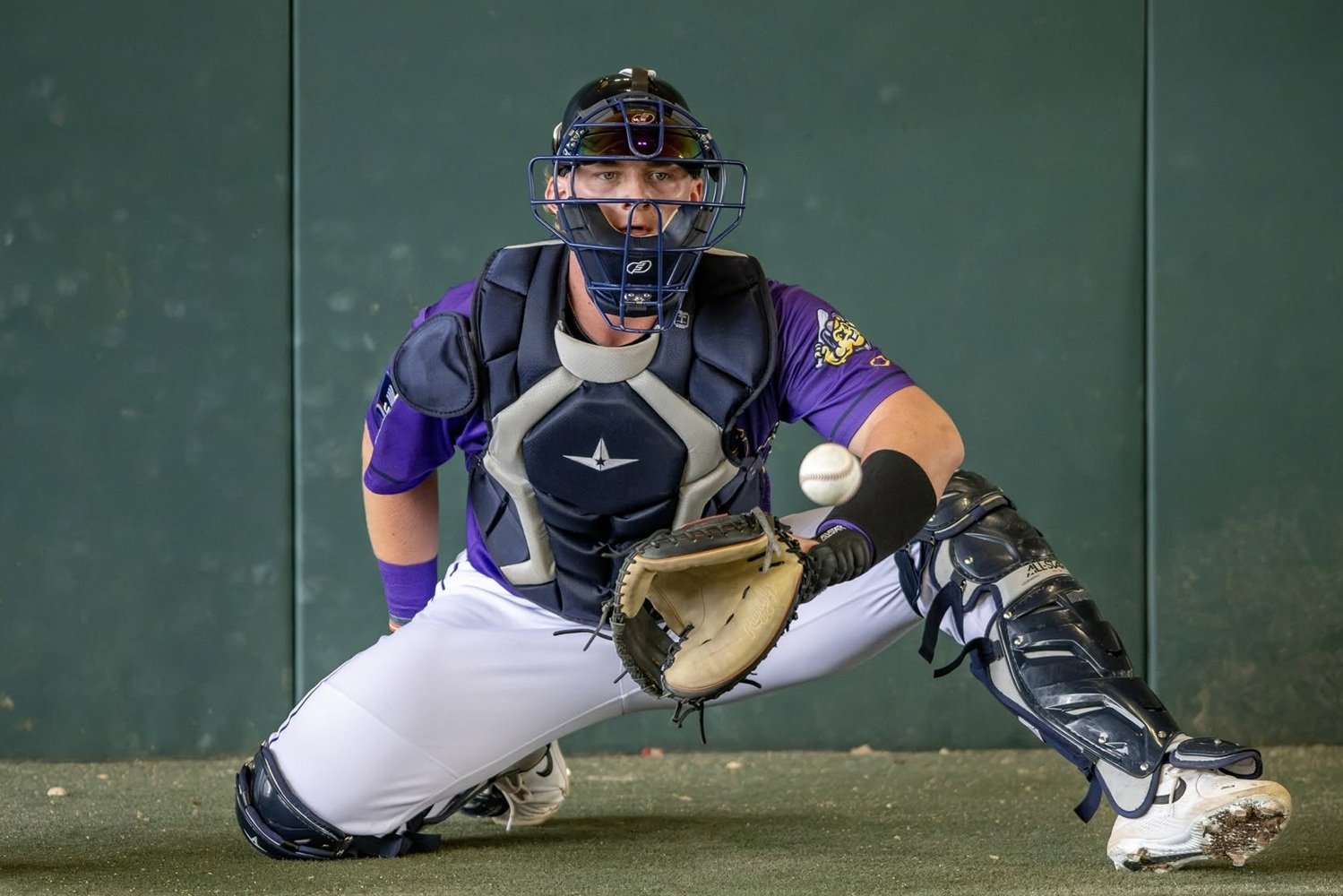 TRANSACTIONS RHP Raul Brito released RHP Xavier Kolhosser placed on 7-day IL (A+ Cedar Rapids) LHP Michael Carpenter activated from 7-day IL (Cedar Rapids) INF Jay Thomason activated from temporary inactive list (AA Wichita) RHP Jack Anderson optioned to AAA St. Paul C Enrique Jimenez transferred to 60-day IL (Cedar Rapids) Saints Sentinel St. Paul 4, Omaha 2 Box Score Trent Baker: 2 ⅓ IP, 2 H, 1 ER, 2 BB, 3 K HR: None Multi-hit games: Walker Jenkins (3-for-5), Hendry Mendez (2-for-4, 2 2B, 2 RBI) The Saints were victorious on Sunday. It was an ordinary, garden-variety win. Not that there’s anything wrong with such a thing. The Saints’ pitching staff allowed a smattering of baserunners, but found outs at critical junctures, holding the Storm Chasers to a meager 1-8 showing with runners in scoring position. Ruddy Gomez was probably the happiest of the bunch. He washed away his two-run Saints debut earlier in the week with a scoreless inning and the win. Julian Merryweather nailed down the save. 75% of St. Paul’s runs came on a two-out rally in the third. A pair of strikeouts appeared to steer the frame into empty territory. Then, Kaelen Culpepper smacked a double and Matt Wallner walked. Kyle Fedko bulleted a double into the left field corner to score them both; Hendry Mendez swapped places with his outfield brethren on a double of his own. Mendez added on with a final insurance sacrifice fly in the ninth, which proved unnecessary when the aforementioned Merryweather quickly earned the game’s final three outs. Vibes surrounding the win were neutered when, with two outs in the ninth, Kyler Fedko chased a ball hit into the left field corner and crumpled on a non-contact play. He lay hidden behind the wall for some time as his teammates gathered to check on the outfielder, who had to be helped onto his feet before he was carted off the field. Omaha is an affiliate of the Royals system, which claims four players on MLB.com’s top 100 prospect list. None played in this game; the best youngster the Storm Chasers had to offer was the franchise’s 26th-ranked player, outfielder Gavin Cross. He went 0-for-4 with two strikeouts. Wind Surge Wisdom Wichita 2, Springfield 9 Box Score Cory Lewis: 4 IP, 3 H, 5 ER, 3 BB, 3 K HR: Caden Kendle (2), Jaime Ferrer (5) Multi-hit games: None The Wind Surge were thumped on Sunday. Caden Kendle and Jaime Ferrer hit home runs in the third. The Ferrer homer was the final hit Wichita earned on the day. Wichita hitters took six walks—demonstrating that they weren’t helpless on Sunday—though, for whatever reason, getting hits to fall proved difficult. Just one of 13 balls in play resulted in a knock. Jaylen Nowlin was the only Wind Surge pitcher to escape without an earned run attached to him. MLB’s 12th-overall prospect, catcher Rainiel Rodriguez, collected three hits, including a homer and a double. Kernels Nuggets Cedar Rapids 2, Peoria 3 Box Score Ivran Romero: 3 1/3 IP, 2 H, 3 ER, 5 BB, 6 K HR: None Multi-hit games: Eduardo Tait (2-for-4, BB), Jayson Bass (2-for-5, K), Graham Brown (3-for-4, 2 2B, RBI) The Kernels squandered a winnable game on Sunday. Runs were hard to come by for Cedar Rapids. 11 hits—five of them doubles—should score a team more than two runs; yet the team found placing men on far easier than bringing them home, and a rough 2-for-10 with runners in scoring position did not help their chances of winning. The first run came on a Jose Salas sacrifice fly in the second. The next arrived on a Graham Brown double that eked beyond the third baseman and slowly tucked itself into the left field corner. Perhaps no sequence better encapsulated Cedar Rapids’ futility with men on than the ninth. Eduardo Tait singled and was pulled for a pinch-runner. Yasser Mercedes slammed a double into center. With men on second and third with no one out, Danny De Andrade went down swinging. No matter. They still had two outs to play with. Jayson Bass hit a dribbler fielded by the pitcher, who spun around and caught Byron Chourio advancing too far after third. A weak rundown ended with the lead running Chourio out, as the trailing Mercedes—who tried to run to third—scampered back to second, resulting in the team losing their man on third and an out without any other advancement. Salas then grounded out to end the game. The Kernels bullpen combined to pitch 5 2/3 scoreless innings with seven strikeouts and one hit allowed. Emmanuel Rodriguez was scratched from the lineup with thumb soreness. Like us all, he’s day-to-day. Chiefs’ center fielder Tai Peete clocks in as the 16th-best prospect in the Cardinals’ system. He singled and walked in four trips to the plate. Mussel Matters Fort Myers 20, Palm Beach 3 Box Score Merit Jones: 4 IP, 3 H, 3 ER, 3 BB, 5 K HR: Carson Tinney (1), Luis Fragoza (11) Multi-hit games: Ramiro Dominguez (2-for-6, 2B, 2 R, 2 RBI), Vahn Lackey (2-for-5, 4 R, RBI, 2 BB), Carson Tinney (2-for-4, HR, 3 R, 3 RBI, 2 BB), Colby Turner (2-for-3, 2B, 4 R, 4 RBI, 2 BB), Aidan Teel (3-for-5, 2B, 2 R, RBI), Luis Fragoza (3-for-6, HR, R, 5 RBI), Charlie Scholvin (3-for-4, R) The Mighty Mussels crushed their opponents on Sunday. Do you think Fort Myers is enjoying the injection of college talent? The 2026 draftees combined for 12 hits, 14 runs, and nine RBIs on Sunday as they spearheaded the third Fort Myers 20-run game since 1992. Though attention will obviously go to what occurred in the batter’s box, the mound provided some history as well: starter Merit Jones collected his 102nd strikeout of the season, the most in a year for Fort Myers since the ditched the “Miracle” moniker after 2020. He’s also second in innings pitched with 93 ⅔. After the game, the righty said “[the records are] truly a blessing,” and that he’s grateful to “have gotten so many opportunities here.” He also leads the FSL in innings pitched this year. Alright, on to the offensive explosion. What a melee. Fort Myers piled up 10 runs in the second alone, with a Carson Tinney vapor shot and a Luis Fragoza grand slam serving as the biggest knocks of the frame. That Tinney blast—a 114.9 MPH projectile that stayed in the air for maybe four seconds—was hit harder than any Twins batted ball this year. On top of the 18 hits, Fort Myers also took nine walks and endured five hit by pitches. The only inning where a Mighty Mussels batter didn’t reach base was the ninth—and that was only because they didn’t play a bottom of the ninth. Five runs scored in the eighth thanks to an assembly line of walks, hit by pitches, and two singles. Three in the seventh concluded matters with Colby Turner and Aidan Teel, brother of Kyle, earning RBIs on doubles. Matthew Dalquist and Michael Hilker combined for five shutout innings out of the bullpen, striking out nine. Cardinals DH Yairo Padilla is the 13th-ranked player in the system. He went 0-4 as the DH. TWINS DAILY PLAYERS OF THE DAY Twins Daily Minor League Pitcher of the Day – Matthew Dalquist Twins Daily Minor League Hitter of the Day – Carson Tinney PROSPECT SUMMARY Here’s a look at how the Twins Daily Top 20 Twins Prospects performed: #1 – Walker Jenkins (St. Paul) - 3-5, K #2 – Vahn Lackey (Fort Myers) - 2-5, 4 R, RBI, 2 BB, 2 K #3 – Kaelen Culpepper (St. Paul) - 1-4, 2B, 2 R, BB, 2 K #5 – Marek Houston (Wichita) - 0-3, BB, 2 K #7 – Eduardo Tait (Cedar Rapids) - 2-4, BB #8 – Kendry Rojas (Twins) - 1 IP, 2 H, 3 ER, 1 BB, 1 K #10 – Hendry Mendez (St. Paul) - 2-4, 2 2B, 2 RBI, K #11 – Gabriel Gonzalez (St. Paul) - 0-3, BB #13 – Carson Tinney (Fort Myers) - 2-4, HR, 3 R, 3 RBI, 2 BB #15 – Brandon Winokur (Wichita) - 0-3, BB, K MONDAY’S PROBABLE STARTERS DSL Phillies @ DSL Twins (10:00 AM) - TBD View the full article
 -
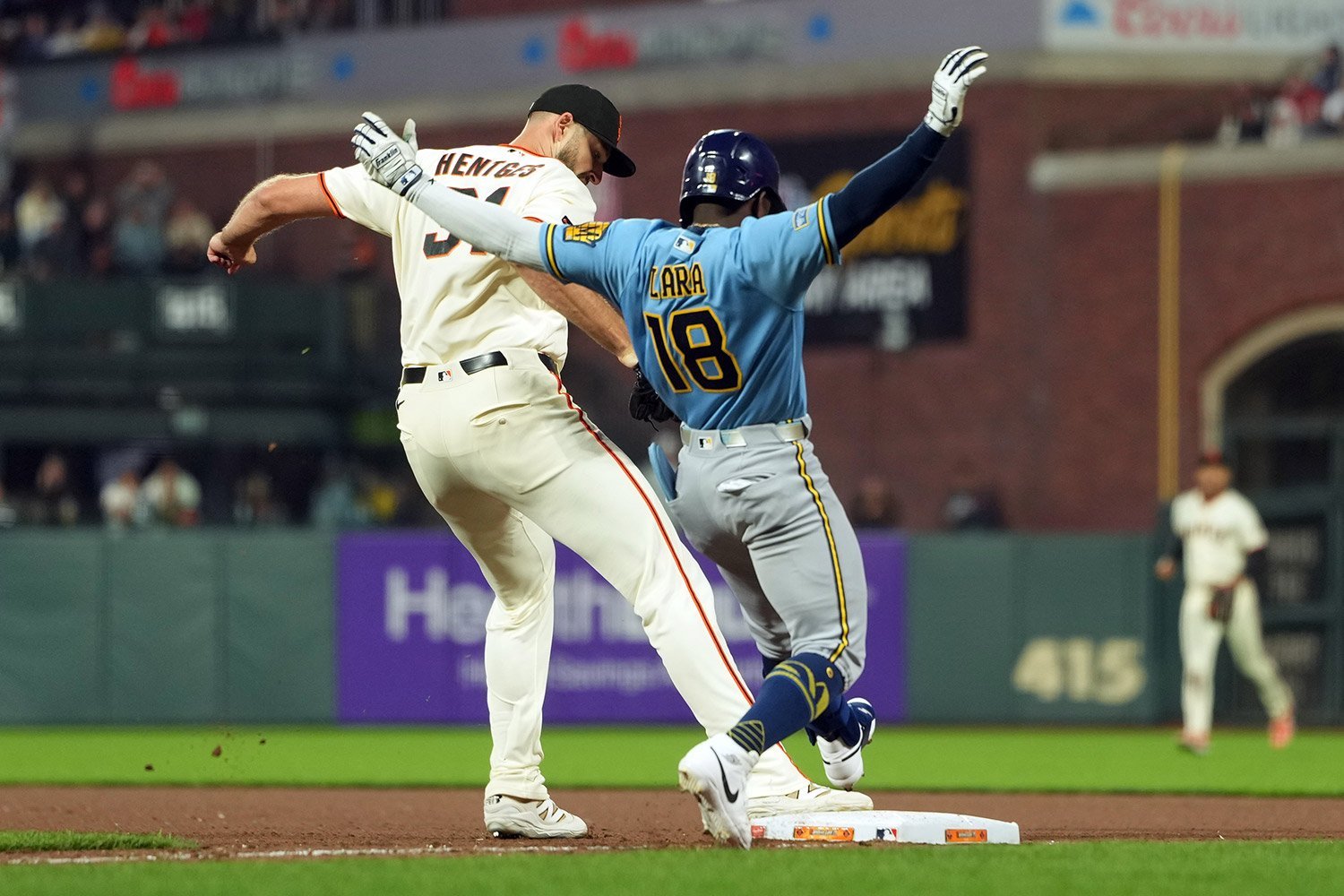 Weekly Snapshot: Record Last Week: 3-3 (Overall: 69-42) Runs Scored Last Week: 18 Runs Surrendered Last Week: 27 Standing: 1st in NL Central Game 106 (7/27) | SF 3, MIL 0 Game 107 (7/28) | MIL 8, SF 2 Game 108 (7/29) | SF 16, MIL 3 Game 109 (7/31) | MIL 6, LAA 2 Game 110 (8/01) | MIL 3, LAA 1 Game 111 (8/02) | LAA 3, MIL 0 Game 106 | Giants 3, Brewers 0 MIL Starter: Brandon Sproat (6.0 IP, 6 H, 3 BB, 3 ER, 5 K) Top Performers: Garett Stallings (2.0 IP, 0 H, BB, 0 ER, K) The Brewers were unable to get to Tyler Mahle and the Giants on Monday despite a solid start from Brandon Sproat, with the offense only managing to scrape across 3 hits against a struggling Giants team, losing the opener in the process, 3-0. Game 107 | Brewers 8, Giants 2 MIL Starter: Logan Henderson (5.2 IP, 2 H, 2 BB, 0 ER, 7 K) Top Performers: Brice Turang (3 H, 2 RBI) Jackson Chourio (2 H, 2 RBI) Luis Lara (H, 3B, 3 RBI) Milwaukee evened the series behind Logan Henderson on Tuesday, as the young Brewer righty worked 5.2 innings of scoreless baseball. Meanwhile, the Brewers got to Landen Roupp for the second time this season, chasing him from the game before he could complete four innings, and scoring eight runs en route to an 8-2 victory. Luis Lara’s RBI-triple (+2.3 WP%) Game 108 | Giants 16, Brewers 3 MIL Starter: Thomas Pannone (3.0 IP, 3 H, 2 BB, 3 R, 2 ER, 2 K) Top Performers: Jake Bauers (2 H, 3B) Brice Turang (2 H, 2 RBI) Some shuffling with pitching resulted in Thomas Pannone toeing the slab for the series rubber match, and despite a solid effort in spite of some poor defense, the game slipped from Milwaukee’s hands quickly, turning into their ugliest loss of the year. Andrew Vaughn records a strikeout… as a pitcher Game 109 | Brewers 6, Angels 2 MIL Starter: Shane Drohan (6.0 IP, 4 H, BB, 2 ER, 7 K) Top Performers: Jake Bauers (2 H, BB, HR, 3 RBI) Brice Turang (H, 2 BB, HR, 2 RBI) The West Coast trip continued Friday, as the Brewers faced off against the Angels, sending Shane Drohan to the mound as their starter. He was effective, recording 7 strikeouts in a quality, six-inning start, while the Brewers used the long ball to record a 6-2 win. Brice Turang goes deep (+16.1 WP%) Game 110 | Brewers 3, Angels 1 MIL Starter: Robert Gasser (5.0 IP, 4 H, 2 BB, ER, 6 K) Top Performers: Chad Patrick (2.0 IP, H, 0 BB, 0 ER, 5 K) Robert Gasser followed up Drohan’s start the previous day with a strong outing of his own, while some timely soft-hitting from the Brewers was enough for the Brewers to ink out a 3-1victory and give themselves a chance to sweep on Sunday. Brice Turang’s go-ahead single (+20.0 WP%) Game 111 | Angels 3, Brewers 0 MIL Starter: Jacob Misiorowski (7.0 IP, 2 H, BB, 2 ER, 10 K) Top Performers: Jackson Chouri (2 H, BB) The Brewers ended the week as they began it, falling 3-0 despite a strong outing from their opener. This time it was Jacob Misiorowski recording his 10th outing with ten or more strikeouts, but the offense could only muster five hits on the way to their eventual defeat. Misiorowski's 10-K outing Transactions: 08/01/26 - Activated LF Brandon Lockridge from the 60-day injured list. 08/01/26 - Optioned RHP Codi Heuer to Nashville Sounds. 08/01/26 - Acquired C Bo Naylor and RHP Codi Heuer from the Cleveland Guardians in exchange for CF Blake Perkins and RHP Craig Yoho. 08/01/26 - Optioned C Bo Naylor to AAA Nashville. 08/01/26 - Recalled RHP Garrett Stallings from Nashville Sounds. 07/31/26 - Designated LHP Thomas Pannone for assignment. 07/31/26 - Activated LHP DL Hall from the 15-day injured list. 07/30/26 - Sent LHP Kyle Harrison on a rehab assignment to High-A Wisconsin. 07/29/26 - Sent LHP DL Hall on a rehab assignment to High-A Wisconsin.. 07/29/26 - Optioned RHP Garrett Stallings to AAA Nashville. 07/29/26 - Selected the contract of LHP Thomas Pannone from AAA Nashville. 07/28/26 Milwaukee Brewers sent SS Braden Shewmake outright to Nashville Sounds. Looking Ahead: Monday, 7/03 - Pirates @ Brewers - 6:40 PM CDT Tuesday, 7/04 - Pirates @ Brewers - 6:40 PM CDT Wednesday, 7/05 - Pirates @ Brewers - 6:40 PM CDT Thursday, 7/06 - Pirates @ Brewers - 1:10 PM CDT Friday. 7/07 - Twins @ Pirates - 6:40 PM CDT Saturday, 7/08 - Twins @ Pirates - 6:10 PM CDT Sunday, 7/09 - Twins @ Pirates - 1:10 PM CDT View the full article
 -
Trade Deadline Live: Get Ready to Eat Cheese Curds, Buddy
DiamondCentric posted an article in Brewer Fanatic
 One day before the 2026 trade deadline, Jason Wang and Jake McKibbin dive into what the Brewers have done and what deals could still go down in the future. Apple Podcasts: https://podcasts.apple.com/us/podcast/the-brewer-fanatic-podcast/id1740648724 Spotify: https://open.spotify.com/show/5CY8mWsQayqjDXqw9OT2Td iHeartRadio: https://www.iheart.com/podcast/263-the-brewer-fanatic-podcast-166534588/ Pocket Casts: https://pca.st/ommzz627 Watch On YouTube: https://www.youtube.com/@brewerfanatic View the full article
 -
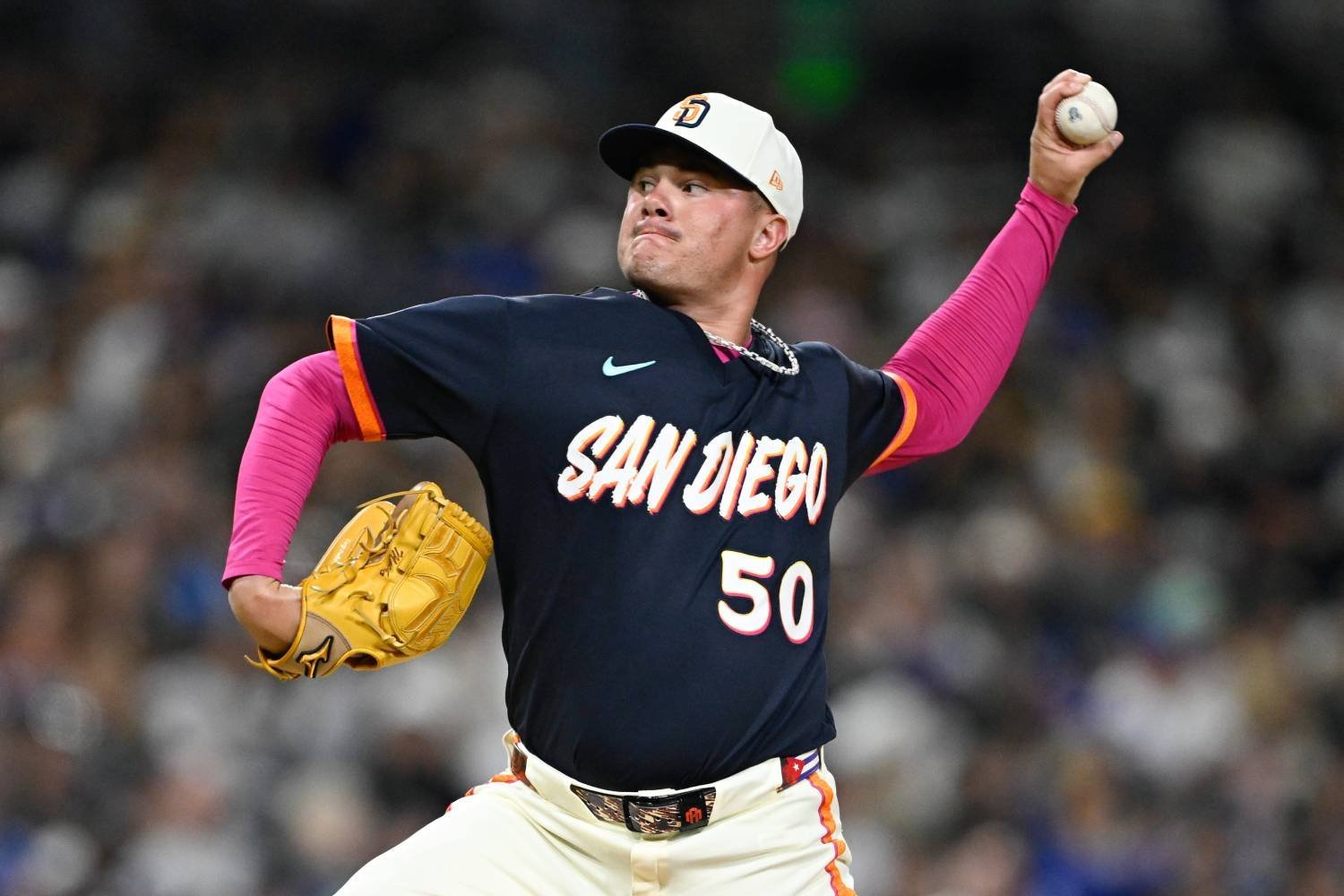 Maybe the San Diego Padres are going to hold onto valuable left-handed reliever Adrian Morejon. According to USA Today's Bob Nightengale, whose accuracy on breaking news can be questioned as much as an ABS challenge is made, reported Sunday that the Padres rejected a deal with the New York Yankees that would have brought right-handed starter Will Warren to San Diego. No other details were given, whether it was a one-for-one deal or other pieces might have been involved, but it would have been an ideal trade for the Padres from one aspect, but not from another. Yes, it would have given the type of young controllable starting pitcher the Padres crave as Warren is under club control through the 2030 season, still a year away from arbitration. But it also would have taken a crucial arm out of the Padres' bullpen. While Morejon is a free agent at the end of the season, perhaps president of baseball operations A.J. Preller is exhibiting a little bit of self-control. OK, we say that with a chuckle as that would be a first for Preller at the trade deadline. Morejon is one of the top left-handed relievers in MLB, while the 27-year-old Warren has a 3.96 FIP (4.14 ERA) in 22 starts over 108⅔ innings with a 7.6% walk rate and 23% strikeout rate this year. View the full article
 -
Marlins looking dangerous again as trade deadline eve arrives
DiamondCentric posted an article in Fish On First
 Fish On First staffers react to the latest Miami Marlins series and prepare you for what lies ahead. Sunday's show was hosted by Ely Sussman and featured panelist Kevin Barral. The following topics were covered: A very encouraging series win over the New York Mets Michael Petersen's incredible effort on Sunday Notable trades completed around the majors (as of early Sunday evening) Latest rumors regarding Liam Hicks, Kyle Stowers, Pete Fairbanks and Xavier Edwards Predicting the next series against the Atlanta Braves You can find Fish Unfiltered and Fish On First LIVE on the Fish On First YouTube channel, Apple Podcasts, Spotify or wherever else you get your pods. Our next FOF LIVE episode will be a special trade deadline countdown/reaction show, scheduled for Monday at approximately 5:00 p.m. ET. View the full article
 -
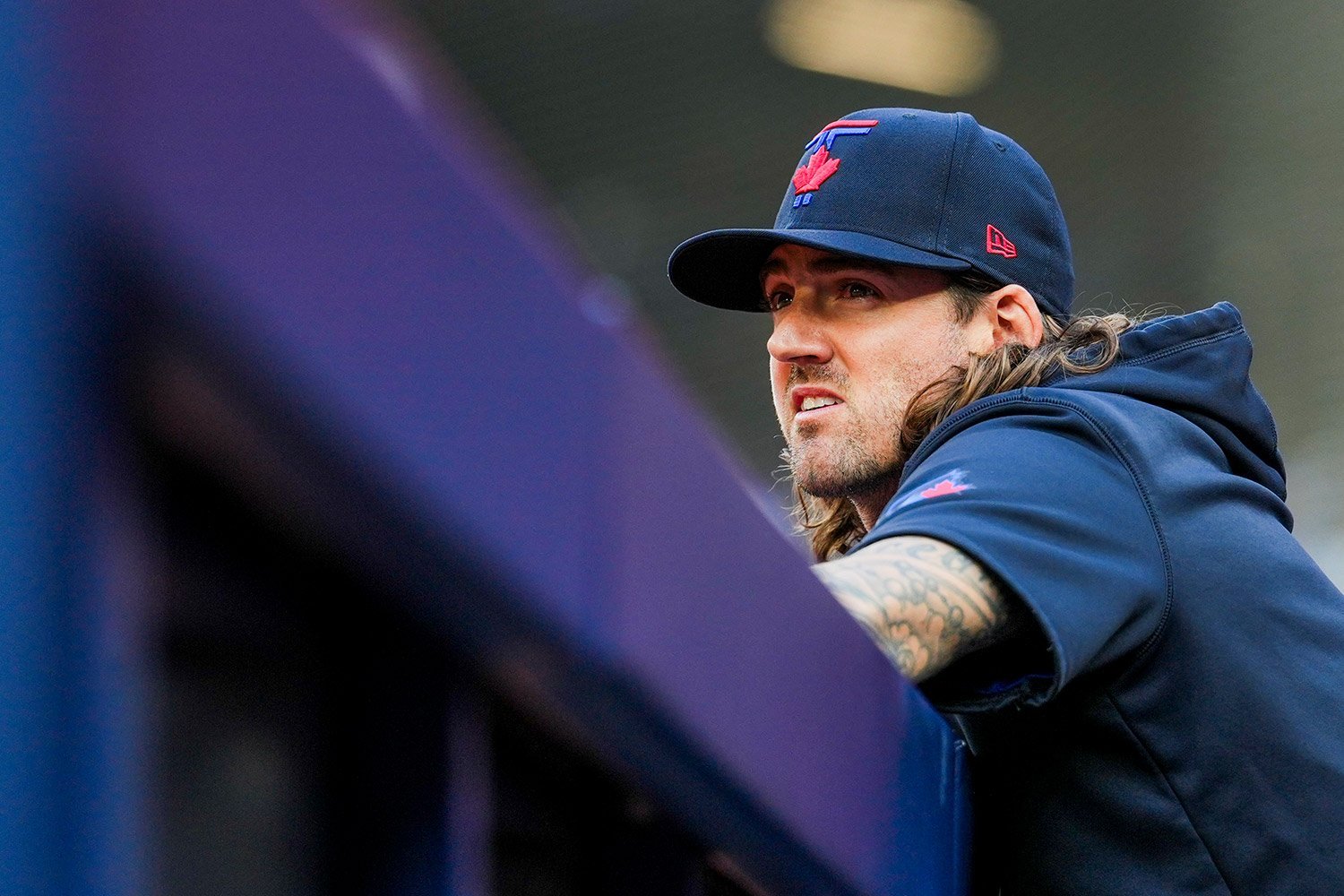 The Toronto Blue Jays have made their first major deadline move, sending veteran starter Kevin Gausman to the Chicago Cubs in exchange for outfielder Brett Bateman and infielder Ty Southisene. The move gives the Cubs additional rotation help for their stretch run, and for the Blue Jays, it’s a sign that they will likely be moving away from expiring contracts as they look to re-tool their roster for 2027. More to come. View the full article
 -
AJ Minter, Dean Kremer, Who's Next for the Twins at the Deadline?
DiamondCentric posted an article in Twins Daily
 Sweet Lou, Comrade Cody, and Ol Gregg react to the Twins' first two trades at the 2026 deadline. What more they could pursue, big names they should chase, and the return of Immaculate Gregg. Listen using Apple Podcasts: https://podcasts.apple.com/us/podcast/the-twins-off-daily-podcast/id1741266056 Listen using Spotify: https://open.spotify.com/show/4tb78XlurcPTYYSsARdbD7 Listen using iHeartRadio: https://www.iheart.com/podcast/263-the-twins-off-daily-podcas-167548600/ Listen using Pocket Casts: https://pca.st/nvclbt0w Watch on YouTube: https://www.youtube.com/@twinsdaily View the full article
 -
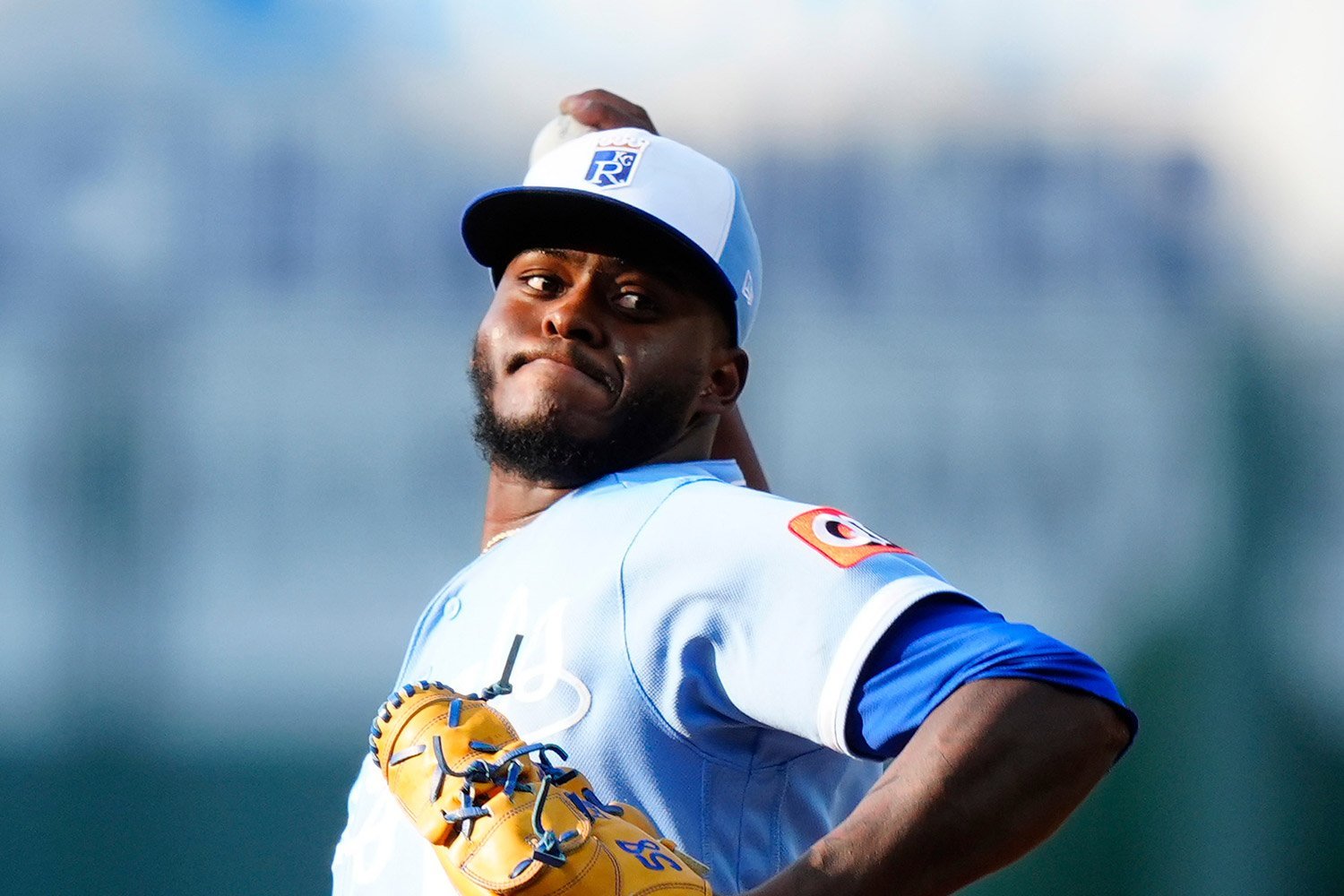 The Royals placed RHP Luinder Avila on the 15-day injured list with right forearm tightness. He was taken out after 2 2/3 innings in Saturday's 12-6 loss to the Colorado Rockies. Avila has struggled at points this year. In 21 appearances (12 starts), he has a 5.53 ERA with a better 4.54 FIP. He's recorded 60 strikeouts and 42 walks in 70 innings pitched at the major league level this year. To replace Avila on the active roster, the Royals selected the contract of LHP Aaron Bummer from Triple-A. Bummer made 4 appearances, throwing 4 1/3 innings and recording seven strikeouts in that brief stint with the Storm Chasers. Earlier this year, Bummer pitched in 19 games for the Atlanta Braves before being designated for assignment, struggling to a 7.63 ERA over 15 1/3 innings. He also pitched with the Cubs Triple-A team prior to signing a minor league contract with the Royals on July 20. View the full article
 -
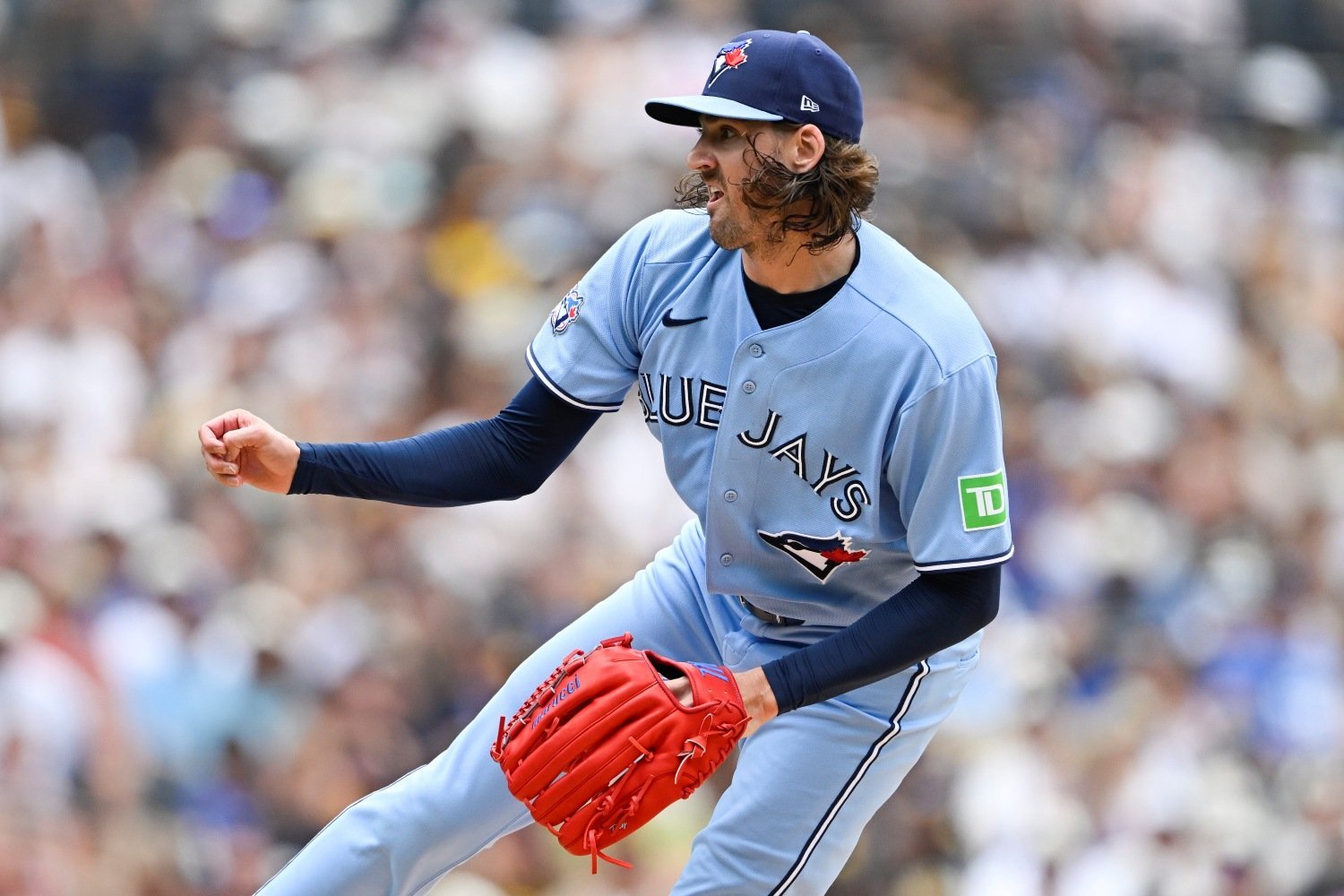 Needing a starting pitcher who offers a blend of durability, experience and the ability to miss bats, the Cubs hit the sweet spot with a trade for Blue Jays starter Kevin Gausman, a source familiar with negotiation said Sunday night. Ken Rosenthal and Mitch Bannon of The Athletic were first with the news, on Twitter. More to come. View the full article
 -
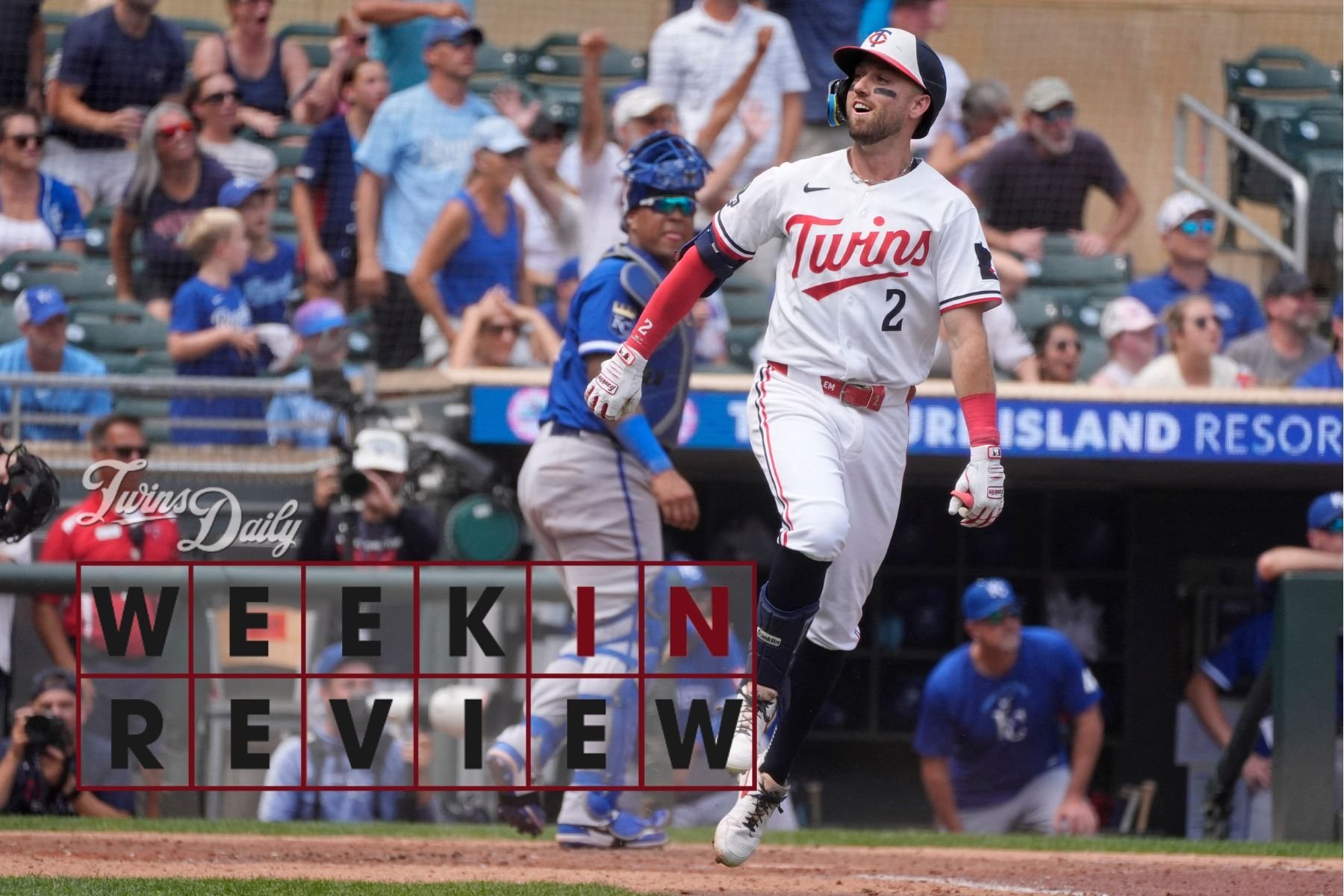 The Weekly Nutshell: No shortage of action or excitement in the final week before the trade deadline. On the field, the Twins battled through a string of tightly contested ballgames — including one of the most thrilling and improbable victories in franchise history — to finish with a 3-3 record, while the front office made multiple significant trades to shake up its increasingly depleted pitching staff. The trade deadline looms on Monday, and the Twins find themselves in a fascinating position, teetering on the brink of contention with dueling motivations to buy and sell. Let's break it all down heading into a pivotal week for the organization and its newly embedded leadership structure. Weekly Snapshot: Mon, 7/27 through Sun, 8/2 *** Record Last Week: 3-3 (Overall: 56-57) Run Differential Last Week: +1 (Overall: -29) Standing: 3rd Place in AL Central (4.0 GB); 1.0 games out of WC Latest Game Results Game 108 | MIN 3, KC 2: Lewis Delivers Clutch Walk-Off Hit with Two Outs in the Ninth Bradley: 6 IP, 2 ER, 3 H, 3 BB, 10 K Game 109 | KC 4, MIN 0: Dobnak Outpitches Ryan as Slumping Offense Can't Find Life Twins offense: 5-32, 1 XBH Game 110 | MIN 4, KC 3: Clemens Caps Stunning 9th-Inning Rally with Walk-Off Grand Slam Clemens: 1-4, HR, 4 RBI Game 111 | MIN 5, SEA 3: Another Late Burst from Offense Leads to Series-Opening Victory Keaschall: 2-3, RBI Game 112 | SEA 4, MIN 3: Close Game Ends in M's Walk-Off on Lewis Braine Freeze at First Prielipp: 5.1 IP, 3 ER, 4 H, 4 BB, 5 K Game 113 | SEA 7, MIN 6: Another Late Comeback Falls Short as Emerson Walks Off Gómez Gómez: 0.1 IP, 3 H, 1 ER, L NEWS & NOTES The Twins got their deadline shopping started in early July with a relatively minor trade to acquire Tommy Nance from the Blue Jays. Last week, Minnesota's front office made its first real splashes, trading two prospects to the Mets in exchange for veteran lefty reliever A.J. Minter, and then following by sending a teenaged outfielder to Baltimore for starter Dean Kremer. The Minter trade came first, on Thursday night. Described by Jeff Passan as "one of the top relievers on the market," Minter is a legit addition to the late-inning mix, with plenty of experience in high leverage and in the postseason. He serves as an apt replacement for Anthony Banda, who went down with a season-ending injury at the end of June. Billy Amick and Bruin Agbayani, the two minor-leaguers given up by Minnesota in the deal, are solid prospects but not ones ranking near the top tier of the system. A fairly emphatic, yet responsible, buy move. The Kremer trade was a bit less straightforward, and a bit less favorable on the surface. The right-hander is much more of a floor-raising addition versus a ceiling-lifter. He's the definition of a back-end starter: 30 years old, 4.37 career ERA, generally worth about 1.5 fWAR per season. He missed most of the first half this year with an injury and has struggled to a 6.50 ERA when on the mound, so it's a little surprising the Twins had to give up a prospect as interesting as Jhomnardo Reyes, but ultimately the team decided the price of a low-minors lotto ticket was worth adding veteran stability to their staff, which has been thinned out substantially. I get it. Kremer is under team control for 2027 as well. Interestingly, it was Zebby Matthews optioned to the minors to make room. He hasn't pitched all that well this year, with a 5.22 ERA in 14 starts, but still I would expect it's a temporary arrangement. Shifting him into a bullpen role might help unlock his greatest impact, if the team is willing to accept the starting depth trade-off. Between the Minter and Kremer trades, Minnesota's front office added some reinforcements to their pitching group with maybe more to come. But one pitcher who will not be helping their cause down the stretch is Cole Sands. He made one extremely rough appearance off the injured list, then went back on the IL, and now will miss the rest of the season following arthroscopic elbow surgery. It'll go down as a lost year for the right-hander, who had a real opportunity to assert himself within a wide-open bullpen mix, but now he'll hope to come back healthy next year and get his career on track. Jack Anderson rejoined the bullpen in place of Sands, pitching one shutout inning before being swapped out to make room for Kremer. Byron Buxton also landed back on the IL after a brief return to action in which he never looked quite right. Buxton went 4-for-25 (.160) with no extra-base hits before exiting Tuesday's game with another flare-up of his chronic hip issue. He received an injection that the Twins are hoping can provide lasting relief, but it's really hard to feel confident in his availability — at least at anything resembling 100% — for the rest of this season. For now, infielder Tristan Gray is back on the roster to fill Buxton's vacancy. Rounding out the roster churn: Mike Paredes went on the 60-day IL, ending his season. Cody Laweryson was designated for assignment. Garrett Acton was activated from the injured list and optioned to Triple-A. HIGHLIGHTS What a run it's been for Kody Clemens with the Twins. In 210 games since being acquired as essentially a waiver claim in April of 2025, Clemens has hit 38 homers and driven in 105 runs. He's had a lot of big hits and big moments, delivering plenty of value with his consistent power, defensive versatility and clubhouse vibe. His Twins career reached a new pinnacle on Thursday, when Clemens capped one of the most improbable comebacks in franchise history with a walk-off grand slam against the Royals. The Twins had been no-hit through six innings, and were down 3-0 with two outs and nobody on in the bottom of the ninth before scratching together three baserunners to set up Clemens' surreal game-winning blast. He was down to his last strike, trailing 0-2 in the count against a left-handed reliever, when he got a hanging breaking ball and drove it over the wall in right field to turn one of the worst losses of the season into the most exhilarating win. Matt Strahm would love to have that pitch back. Two days earlier, Royce Lewis came through with a clutch highlight of his own, grasping victory from the jaws of defeat with a two-run triple off the wall in the right center. This one also came with the Twins down to their last out, flipping the outcome on a game that was ready to go down as one of the season's most disappointing. On Sunday, Lewis ripped a three-run homer to fuel a comeback that fell just short in the finale at T-Mobile Park. He's been sporadic, but the big-moment theatrics are certainly here. In what might have been his final week as a Twin, Ryan Jeffers was customarily very good, notching five hits including a homer in 18 at-bats, with two walks and just one strikeout. Since coming back from injury, he's done everything he can to prop up his value in the eyes of trade suitors ... but also to the Twins, who are routinely using him as their No. 2 or 3 hitter. Trading Jeffers while trying to get better and make a push would be a tricky needle to thread. For the front office, the primary area of focus in trades has been supplementing the bullpen. They've said as much openly, and they've also made it clear through their actions, acquiring Nance and Minter with seemingly at least one more move yet to come. The bullpen is a logical area to target for improvement, in the big picture, but also an ironic one considering that relief pitching has — at times — been the biggest strength of this team. That was the case this past week. Those dramatic walk-off wins at home don't happen if the bullpen isn't nearly flawless to keep Kansas City's leads from expanding. Twins relievers combined for nine shutout innings against the Royals. The Minnesota bullpen was also mostly nails in Seattle, holding the Mariners scoreless over four innings in Friday's two-run win and only surrendering the walk-off on a defensive miscue in the ninth on Saturday. The unit finally showed some cracks on Sunday, but before that it was nearly a perfect week. Really strong performance all around on the relief front. Kody Funderburk tossed three hitless innings with one walk and four strikeouts. He has a 0.75 ERA and 12-to-3 K/BB ratio in 12 innings since the start of July. Minter recorded an out on one pitch in his Twins debut on Saturday, then fired a scoreless frame on Sunday. Taylor Rogers, Travis Adams and Nance all appeared multiple times without allowing a run. The relievers haven't been effective overall this season, but you've gotta give the Minnesota bullpen credit for largely coming through when it counts. They've climbed up near the middle of the pack in Win Probability Added (17th in MLB) despite ranking 26th in ERA, thanks to finishing fourth among all teams in WPA in the month of July. The role of the relief corps in keeping this season afloat and putting the Twins in position to buy should not be overlooked. LOWLIGHTS What also shouldn't be overlooked, in light of the thrilling finishes to Tuesday's and Thursday's games, is how bad the offense been, putting Minnesota on the verge of deflating losses in those games before Lewis and Clemens came through with heroic swings. The Twins were held to one run with out remaining in the series opener against Kansas City. They were shut out on Wednesday behind seven scoreless innings from Randy Dobnak. And on Thursday the Twins were on their way to another shutout loss before their miraculous surge with two outs in the ninth. All of the bullpen additions in the world aren't going to make a difference if this lineup can't rediscover some life. That's easier said than done. Their best hitter, Buxton, is down again indefinitely. Who knows what we can expect from him the rest of the way. The team's two best healthy hitters, Jeffers and Trevor Larnach, are both generating buzz as trade candidates. (Larnach was reportedly very close to being shipped to Houston, in a deal that was nixed by Astros owner Jim Crane at the last minute.) Meanwhile, Alan Roden continues to spin his wheels — he went 2-for-9 last week and is still searching for his first extra-base hit. Victor Caratini is off to an 0-for-5 start in August after posting a .526 OPS in July. Josh Bell had four singles and a double in 19 at-bats and is experiencing a power outage, with no homers since July 4th. An offense carried by All-Star production from Buxton was one of the strengths that put Minnesota in a meaningful spot entering this deadline window. Can they count on that in the final two months? It's unclear. And unfortunately this uncertainty also applies to their other All-Star, Joe Ryan, whose shakiness atop the rotation leaves that unit in some doubt. After giving up six home runs in one of his worst starts ever the previous week, Ryan took a few extra days of rest in between turns, complaining of arm fatigue. He took the mound again on Wednesday against the Royals and looked better, but still not himself. The righty allowed four earned runs on eight hits over six innings, striking out only four against a team he has thoroughly dominated throughout his career. It was far from a disastrous performance, differentiating it from the one before, but Ryan's post-game quotes hardly inspired confidence that he's feeling right or figuring things out. Without Buxton and Ryan on top of their games in August and September, does anything else matter? TRENDING STORYLINE The trade deadline falls at 5:00 PM CT on Monday, and the Twins are expected to be actively involved up until the clock strikes. That was the case last year too, but then, the front office was busy conducting an all-out firesale. They weren't buying. This time around, they've already begun trekking down the buyer aisle, yet the coming day could bring anything as the team navigates unique circumstances. Larnach has been the regular leadoff hitter in a lineup that's scuffling of late. Trading him seems an odd choice through that lens, but the Twins have made clear they are willing to do so in the right deal. It would potentially open the door for someone like Walker Jenkins to enter the fold for the stretch run. Jeffers, too, seems a strange trade candidate as Minnesota's best healthy hitter, but the logic in trying to recoup value for an impending free agent can't be ignored. The Yankees are among clubs known to be in hot pursuit of MLB's best-hitting catcher. The likelihood of a Ryan trade has dropped sharply as he battles through physical issues and grapples with a history of second half drop-offs, but you can't rule out the possibility that an ambitious contender comes at the Twins with an offer they can't refuse, especially with top prize Tarik Skubal now off the market. Of course, while the three bullets above wouldn't indicate it, the Twins do fancy themselves buyers, and we can't rule out an additive move that is bolder than any of the above. Tom Pohlad is looking to put his stamp on this operation and give something fans to believe in. He's already taken baby steps by green-lighting a rare level of salary intake. Will he take things a step further? I'm intrigued to see what goes down on Monday. LOOKING AHEAD Following Monday's trade deadline, the Twins will head to Kansas City for a quick-turn rematch against the Royals. Assuming Ryan is still here, he's in line for another match-up against Dobnak as the lineup looks to redeem itself against him and Noah Cameron (who no-hit them through six innings on Thursday). Next weekend will feature one of the toughest remaining series on the schedule: three games in Milwaukee against a Brewers team that is neck-and-neck with Los Angeles for the best record in baseball, and 16 games above .500 in their home park. The Twins are slated to face phenom Jacob Misiorowski in Game 1 of that series. TUESDAY, AUGUST 4: TWINS @ ROYALS — RHP Joe Ryan v. RHP Randy Dobnak WEDNESDAY, AUGUST 5: TWINS @ ROYALS — RHP Bailey Ober v. LHP Noah Cameron THURSDAY, AUGUST 6: TWINS @ ROYALS — RHP Zebby Matthews v. RHP Michael Wacha FRIDAY, AUGUST 7: TWINS @ BREWERS — LHP Connor Prielipp v. RHP Jacob Misiorowski SATURDAY, AUGUST 8: TWINS @ BREWERS — RHP Taj Bradley v. RHP Brandon Sproat SUNDAY, AUGUST 9: TWINS @ BREWERS — RHP Joe Ryan v. RHP Logan Henderson View the full article
 -
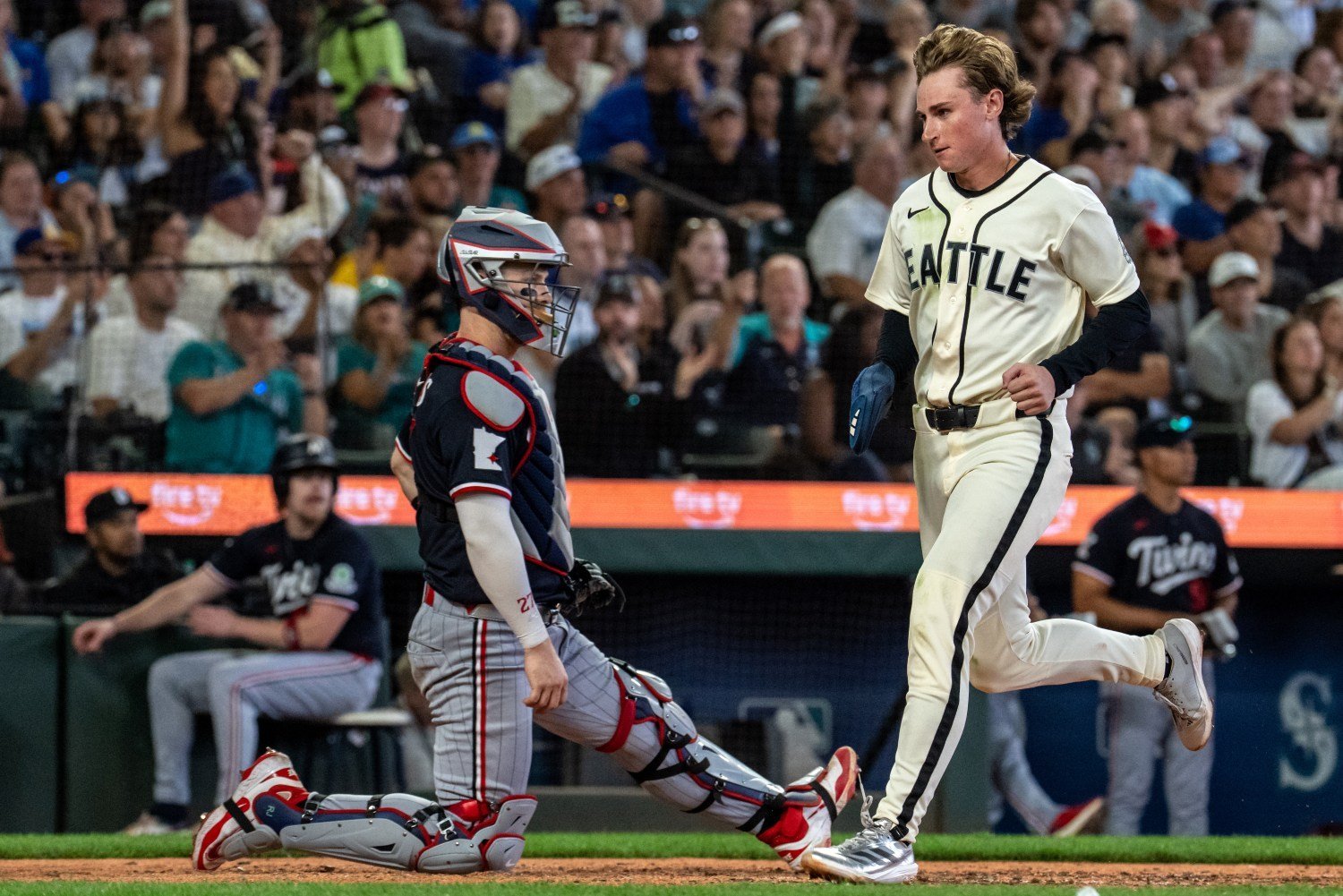 Box Score: Starting Pitcher: Taj Bradley: 6 IP, 7 H, 3 ER, 4 BB, 2 K (94 Pitches, 57 Strikes, 60.6%) Home Runs: Trevor Larnach (10), Royce Lewis (12), Luke Keaschall (6) Bottom 3 WPA: Yoendrys Gomez (-0.38), Kody Clemens (-0.17), Brooks Lee (-0.14) Win Probability Chart (Via BaseballSavant): A lot has been happening in Twins world lately. The front office signaled they would be buyers at the trade deadline; the team got above .500 for the first time since April; and they acquired two veteran pitchers to back up the talk from ownership. They split the first two games against the scuffling Mariners in Seattle and looked to keep winning series, with Taj Bradley on the mound opposing George Kirby. Bradley was a little wobbly with his command, and for the third straight game, the Mariners jumped out to a 2-0 lead in the first. Cole Young singled, Randy Arozarena walked, and Josh Naylor doubled them both home with two outs. Bradley did settle down from there, relying more on his cutter as the outing progressed. Kirby was pounding the strike zone (as usual), and outside of a few deep fly balls, he was able to keep the Twins in check. They managed three singles in the second, but Brooks Lee lined into a double play with Royce Lewis getting doubled off of first. The teams traded zeroes from there, with Kirby throwing the kitchen sink at the Twins (getting outs on six separate pitches), and Bradley pitching around traffic but navigating the Mariners lineup to great effect. That would end in the sixth. With two outs, Colt Emerson singled, followed by a walk to the .130-hitting Leo Rivas. Cole Young then delivered his third hit of the game, a grounder up the middle that scored Rivas and gave the M's a crucial insurance run. With four walks and only two strikeouts, it ended up being one of his poorer outings in recent memory. Kendry Rojas took over for the seventh, and it didn't go great. He allowed a swinging bunt to Dominic Canzone, followed by a walk to Julio Rodríguez. After retiring Naylor (and looking pretty good in doing so), Rojas got ahead of Cal Raleigh 0-2. He then hung a slider above the zone, which Raleigh walloped for a three-run, game-breaking home run. Larnach homered off of Eduard Bazardo following Ryan Kreidler reaching on an error in the eighth. Josh Bell then doubled, prompting the Mariners to insert lefty Jose A. Ferrer. Kody Clemens singled off Ferrer's glove, and Lewis then crushed a sinker 402 feet to bring the game to within one. A.J. Minter was called upon for the eighth, and quickly allowed a line out, a squib single from Young and a sharper single from Arozarena. He was hitting 95 MPH on his fastball and didn't allow too many hittable pitches, however. He ended up striking out Rodríguez on a cutter to end the frame. Andres Muñoz was called upon to close out the game, and he brought in a career 4.91 ERA against the Twins. it didn't take long for that figure to rise. Keaschall jumped on the second pitch of the at-bat and launched a fastball the other way for a game-tying home run. Larnach then singled with one out, and Ryan Jeffers walked. Bell and Clemens were unable to cash in, though. Yonedrys Gómez got the ninth and allowed singles to Naylor and Victor Robles around a strikeout to Raleigh. Emerson then got a far-too-hittable pitch behind in the count and roped the game-winning single down the right field line. Stuff I'm Tracking: Lewis has a hit in eight straight games and has looked less hopeless than a few weeks ago. His eighth-inning homer was key, of course, but he also nearly homered off of Kirby in the fourth after singling in the first. Trevor Larnach got carved up by Kirby three times, striking out feebly in the fifth to end the frame. He showed some frustration at that point, perhaps indicating some angst over being reportedly traded to the Astros on Friday. However, if you told Aaron Gleeman a few months ago that the Twins could acquire Bryan Abreu for just Larnach, his entire worldview would have fallen apart—confidence shattered—and he would have stayed with The Athletic, writing about baseball nationally. I don't love the Mariners' offensive approach, with a lot of chase and a lot of focus on getting off their "A" swings. You see how they got to the ALCS with Cal Raleigh hitting like Aaron Judge, but now that he's human and Julio Rodríguez more often looks like Harrison Bader than Mickey Mantle, it's hard to see the vision here. What’s Next: The Twins have an off day to (ahem) enjoy the trade deadline. They will travel to Kansas City to start a three-game set with the Royals starting Tuesday. Joe Ryan will have a rematch with Randy Dobnak in the series opener. Postgame Interviews: Coming Soon Bullpen Usage Chart: WED THU FRI SAT SUN TOT Rojas 52 0 0 0 24 76 Gomez 0 21 25 0 19 65 Rogers 0 27 0 14 0 41 Morris 0 12 6 12 0 30 Nance 0 0 11 16 0 27 Funderburk 0 0 19 3 0 22 Minter 0 0 0 1 19 20 Adams 0 0 0 11 0 11 View the full article
 -
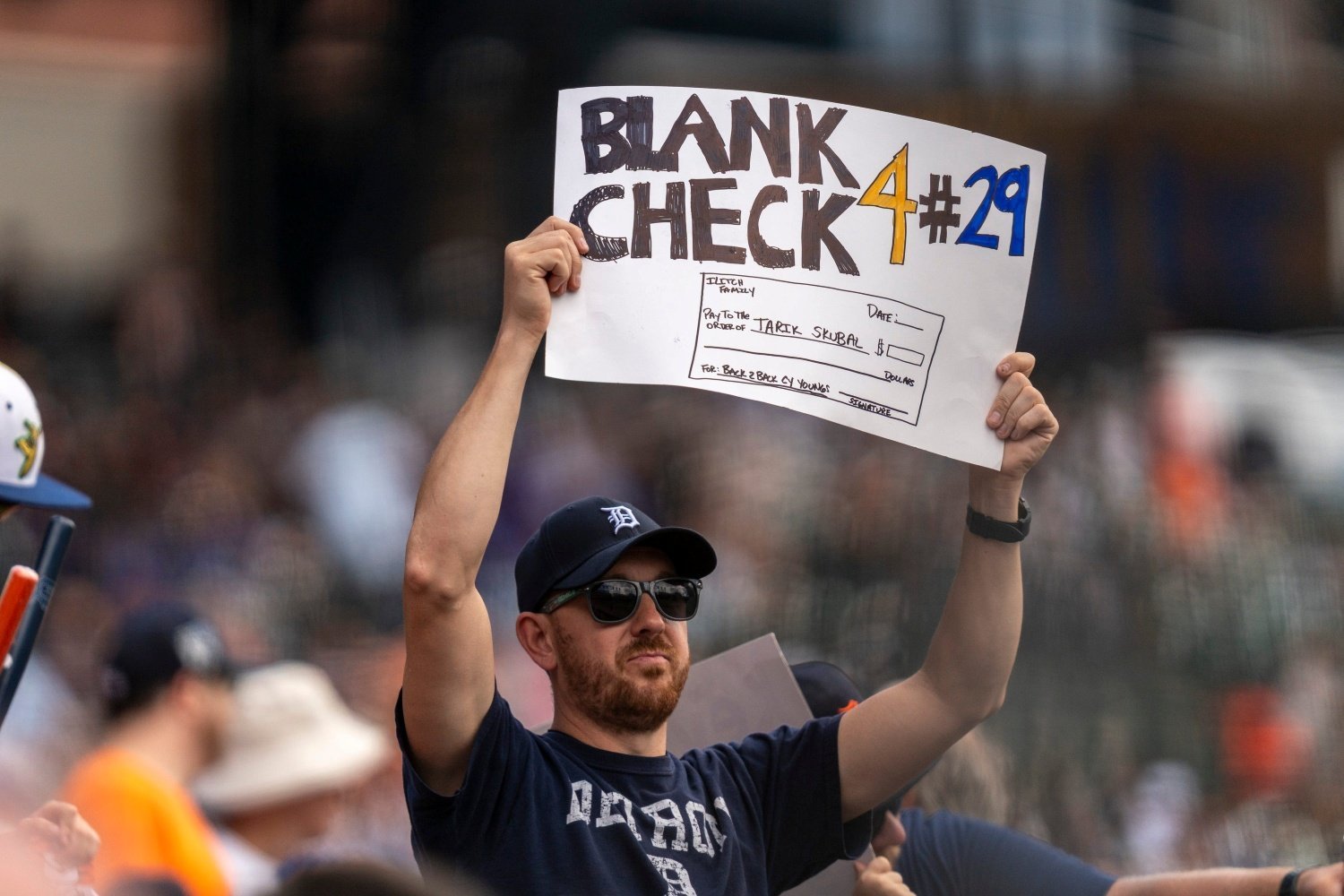 Jed Hoyer’s reputation as a prospect-hoarding cheapskate is a bit overblown. He’ll take big swings when the chance arises and the numbers support his decision. What he is guilty of, perhaps, is letting value and circumstance rule him, rather than finding conviction in a particular evaluation. That might be a major factor in what the Cubs decide to do over the final 23 hours before the trade deadline. Tarik Skubal is a Dodger. FanGraphs now gives them a 30.4% chance of winning the World Series. In projections, that’s as close to a sure thing as you can reasonably build. Obviously, it's still a mile from being an actual sure thing. Even the chances of the Dodgers winning the pennant (44.3%) aren't prohibitive, and that's the number the Cubs have to worry about, anyway. Still, if this wasn't an all-in juggernaut before, it is now. Hoyer has built a team with one player performing as a superstar and a pitching staff beset by injuries. The defense is, of course, its own star, ruining the experience of watching lesser teams fumble the ball around on routine plays. The Cubs are good. But the numbers will never catch up to what the Dodgers have assembled. So what will the Cubs do? Find a cheap retread and hope he clicks, like they've done with David Peterson? Go for some relievers? Do nothing, counting on injury returns like Hoby Milner and Edward Cabrera to function as deadline acquisitions? No matter what Hoyer does, though, the Cubs will be heavy underdogs against the Dodgers. Going by odds of winning the pennant, Chicago (8.4%) also looks overmatched against Milwaukee (16.7%) and the team from outside Atlanta (13.5%). If he is to make fans happy and make a big splash, Hoyer will have to go against his history and his instincts. Hoyer talked about obtaining a first-round bye, the possibility of which would justify a heavy investment at the deadline. They aren’t likely to do that; they'd have to catch Milwaukee to do so. By the numbers, the opportunity he talked about wanting to see just isn't there. So where are we? Are the Cubs, as long rumored, happy to just make the playoffs and let it shake out? Or are they going to try to win the darn thing, 10 short years after the last one? Will they let the numbers intimidate them, or will they acknowledge that their odds will only be a dice-roll and roll those dice anyway? One answer, of course, could be to reject the premise of the numbers and say that there's more to chase in a baseball season than a title, anyway—that the real failure is a failure to become one's best self, without regard for who or what anyone else is. That would be a very un-Hoyer-like way to do business, though. Hoyer’s actions tonight and tomorrow will tell us a lot about his mindset. We wait with bated breath to see if his slavish devotion to projections extends further than anticipated. View the full article
 -
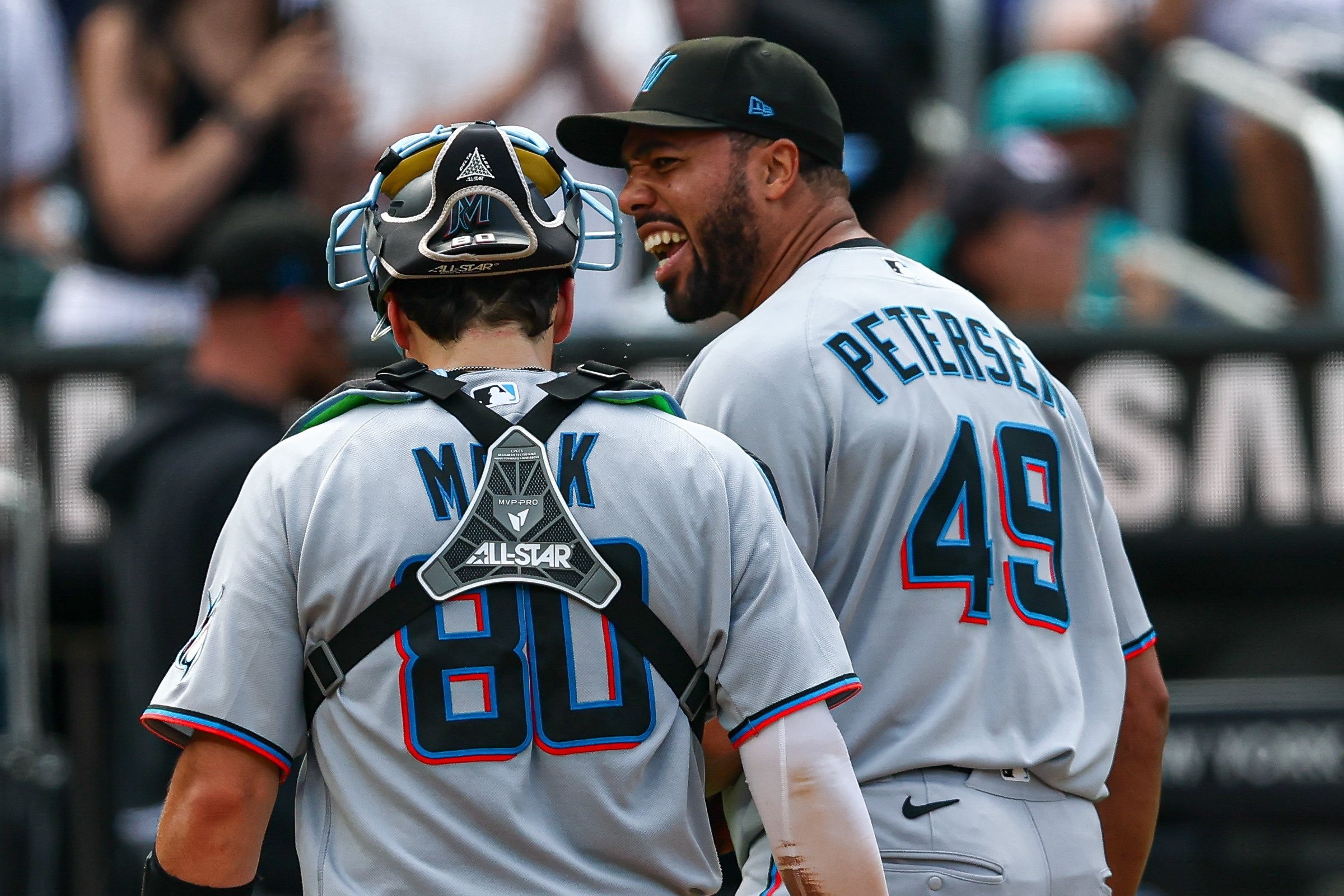 NEW YORK — It's extremely rare, if not unprecedented, that in a game featuring a scoreless start by Sandy Alcantara, he wasn't the Miami Marlins' most valuable pitcher. On Sunday, that title belonged to Michael Petersen. The journeyman right-hander put out a blazing fire in the bottom of the seventh inning, preserving Alcantara's shutout and earning his team-leading 18th hold of the season in a 2-0 win over the New York Mets. Marlins manager Clayton McCullough called upon Petersen with runners on second and third and his club clinging to a 1-0 advantage. In that moment, the Mets had an estimated win probability of 65%, per Baseball Savant. Petersen issued a walk to Marcus Semien to load the bases, but then struck out Jorge Polanco and Francisco Alvarez, escaping the jam on an A.J. Ewing groundout. The Mets' win probability plunged to 25% after coming up empty. "Great decision by the manager out there," Alcantara said postgame. "Bring in the best guy [for] the best moment." "As he's continued to get these types of opportunities, we have seen (Petersen) really grow," McCullough said. "He's a very confident pitcher with good stuff...Not surprised that Mike is getting these type of outs for us." Petersen has performed well overall in his first year as a full-time big leaguer (3.13 ERA and 3.25 FIP in 46.0 IP), but he shines especially brightly when inheriting baserunners. Only two of the 22 runners left behind for him by fellow Marlins pitchers have come home. Petersen takes that responsibility very seriously. “There's not a worse feeling than coming in with someone else's runner in and cashing it," Petersen said. "Those guys are, in my mind, winning the World Series if they come through. My own score, I pitch like crap, that's on me. But when someone's been grinding and you come in and blow that, you feel like an *******. So I try really hard not to do that." Interestingly enough, Petersen did not make a single appearance with inherited runners until May 15. McCullough explained that the right-hander's usage changed through a combination of his own success and the losses of various relievers due to injuries, a few of whom (such as Anthony Bender and Andrew Nardi) are still on the IL. Safe to say, Petersen will remain in a prominent role as long as he continues to be a reliable out-getter. Petersen's outing was so stressful because the Marlins offense barely provided any support. They were held scoreless until Joe Mack's fifth-inning home run. Xavier Edwards drove in their only other run with an RBI single in the ninth. Alcantara is on the verge of setting yet another Marlins franchise record. By recording at least seven outs in his next start, he'll surpass Ricky Nolasco in career innings pitched (Nolasco had 1,225.2 IP). And now we wait. As Marlins players and coaches rest on Monday, front office staffers will be doing the exact opposite, discussing a wide variety of potential moves in advance of the 6:00 p.m. ET trade deadline. View the full article
 -
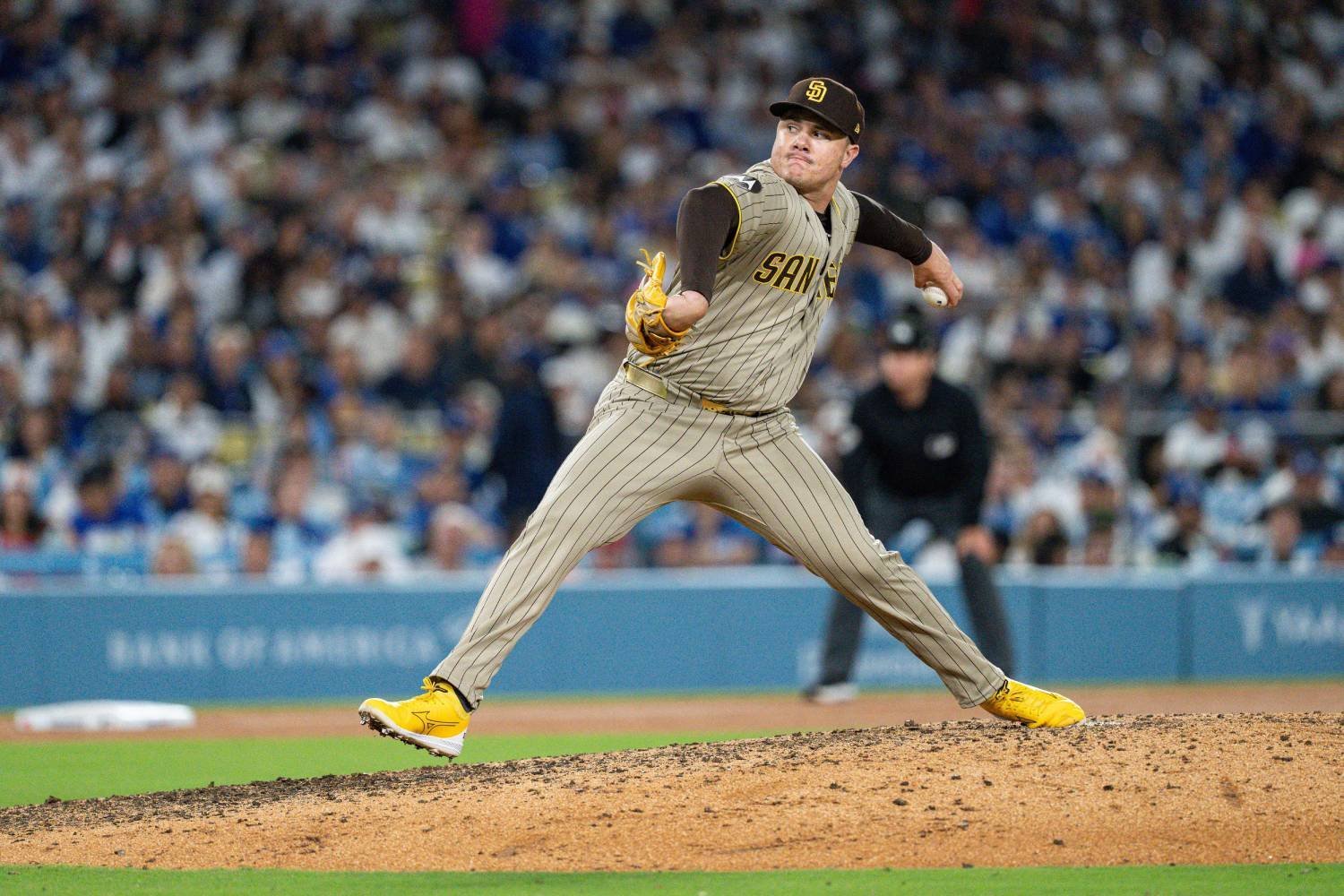 There is no secret that San Diego Padres left-handed reliever Adrian Morejon is one of the most coveted names on the trade market as Monday's 3 p.m. PT deadline approaches. The names of the teams interested should tell you all you need to know. While long associated with the Chicago Cubs, you can add the New York Yankees, Tampa Bay Rays and Pittsburgh Pirates to that list, according to a report Sunday by MLB insider Francys Romero. Morejon has boosted his value this year with an increase in fastball velocity by a few ticks up to 99.4 mph. A pending free agent who would be a big late-inning addition to any bullpen, including possibly as a closer, Morejon has been expected to bring back a decent package even as a rental, potentially a young controllable starter. View the full article
 -
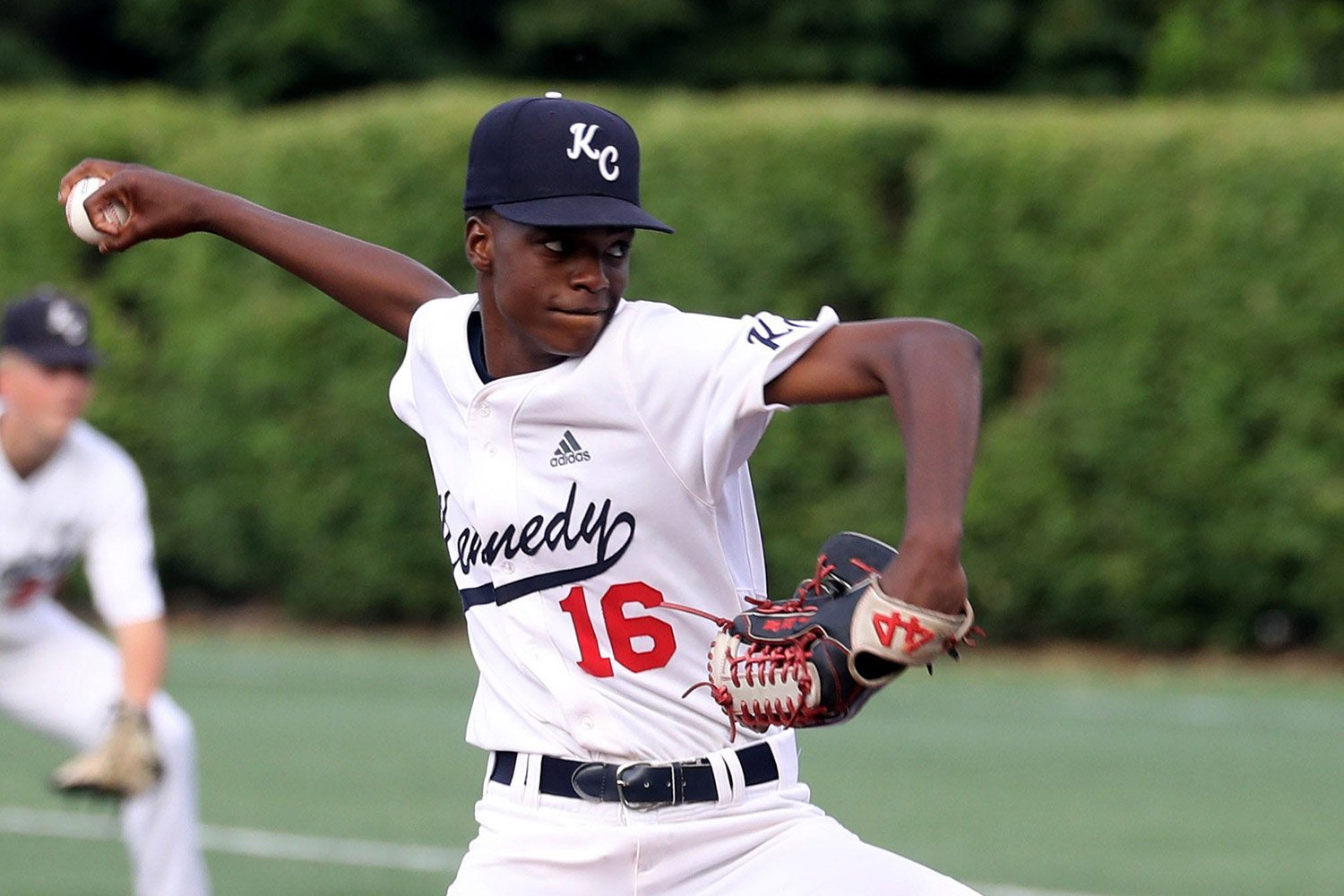 The second piece of the New York Mets’ 2026 sell-off is out the door, as right-hander Freddy Peralta moves to the Tampa Bay Rays. As with all the deals team president David Stearns will make between now and the 6 p.m. ET Monday trade deadline, prospects comprise the return. In this deal, Stearns has plucked two who appear to fit the profile that he favors. In exchange for seven weeks of Peralta, the Mets on Sunday acquired three minor leaguers: outfielder Aidan Smith, right-hander Gary Gill Hill and infielder Emilien Pitre. None of them were ranked in MLB Pipeline’s overall Top 100 or Rays Top 10. Smith was ranked highest at 15th among Rays prospects, followed by Hill at 26th and Pitre at 27th. So, what will each player bring to the Mets’ organization? A quick rundown: Aidan Smith Smith, 22, has not advanced past Single-A in his five pro seasons since being drafted by the Seattle Mariners out of a Texas high school in 2023. This year, the 6-1, 190-pound center fielder settled at High-A Bowling Green, where he put together a .215/.283/.410 slash line with 10 home runs in 228 plate appearances. Prospect Savant puts his hard-hit percentage in the 83rd percentile and his barrel rate in the 76th percentile among High-A hitters. But while he hits the ball hard, he doesn’t hit it enough. Strikeouts are a real problem (32.0 percent K rate at Bowling Green, 27.9 percent for his career). His walk rate is in the 43rd percentile. Speed is not a problem, however. He had back-to-back seasons of 41 stolen bases in 2023 and 2024. A hamstring injury delayed his 2026 season debut to early May, one reason he’s at 16 steals in early August. Smith is on his third organization since being drafted. The Mariners sent him to the Rays in the Randy Arozarena trade in July 2024. Now, he’s headed to the Mets, where he brings the type of athleticism Stearns desires. Gary Gill Hill Hill, 21, is a local kid; he went to John F. Kennedy Prep in Somers, N.Y., in Westchester County. The Rays took him out of that school in the sixth round of the 2022 draft. He has advanced to Double-A Montgomery in his fourth pro season, working a regular turn for the Biscuits. His overall numbers there were underwhelming: a 1.39 WHIP, a 17.7 strikeout rate, a 2.9 percent home run rate, and a .305 opponents’ batting average. On the plus side, some of the peripherals are, well, plus. He stays in the zone, as evidenced by his 4.1 percent walk rate (96th percentile among Double-A hurlers) and near-the-top ranks in strike percentage (95th percentile) and zone percentage (96th percentile). In fact, he has almost as many walks (14) as homers allowed (10) at Montgomery. Also, his ground ball rate is in the 76th percentile. Hill also has international experience after pitching twice for Great Britain in this year’s World Baseball Classic. Emilien Pitre Pitre, 23, was the Rays’ second-round pick in the 2024 draft out of the University of Kentucky by way of Canada (he’s a Quebec native). He is primarily a second baseman, with 26 games of experience at shortstop. He has been excellent at the dish since his promotion to Double-A in mid-June: a .323/.451/.492 slash line (152 wRC+) in 163 plate appearances for Montgomery. The power isn’t quite there (three home runs, 14 extra-base hits total), but the speed sure is (11 steals, although in 18 attempts). Again, that’s something Stearns covets. And, his bat-to-ball skills are off the charts: 70 walks to 40 strikeouts in 384 PAs between two levels this season, and a 30:17 ratio at Double-A. His K and whiff rates are in the 98th percentile among Double-A hitters, his walk rate is in the 94th percentile, and his Z-contact rate is in the 95th percentile. It all adds up to a .418 wOBA with the Biscuits. The 5-11, 185-pound Pitre seems to fit exactly the “Brewers East” mold Stearns seems to have cast as Mets POBO. View the full article
 -
The Blue Jays acquire Jameson Taillon from the Chicago Cubs
DiamondCentric posted an article in Jays Centre
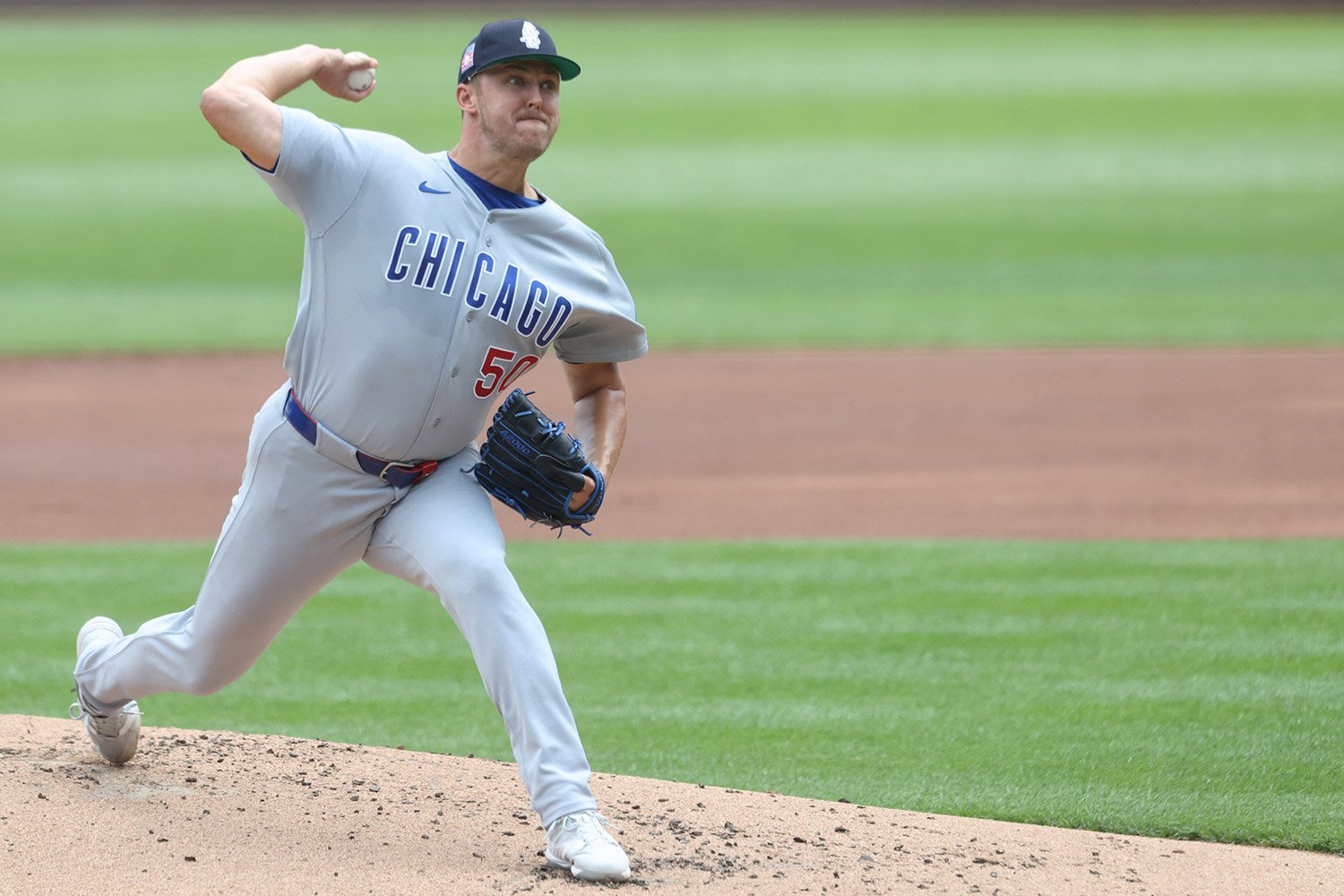 The Toronto Blue Jays have acquired Jameson Taillon from the Chicago Cubs for cash considerations on Sunday, August 2. He was designated for assignment on July 27, but the move adds depth to a pitching staff that has been plagued by injuries all season. However, it may also be a precursor to a move that sees Kevin Gausman or Shane Bieber dealt away, as they're both available. Taillon has struggled this season, posting a 5.92 ERA, 1.36 WHIP, and 68:27 strikeout-to-walk ratio over 76 innings. He pitched for Team Canada in the 2013 and 2026 World Baseball Classic, so it's a full-circle moment seeing him in Toronto. The Blue Jays are short on MLB-ready starting pitchers, especially if Gausman and/or Bieber are dealt, so Taillon brings experience to a starting rotation hoping to still be competitive in the second half of the season. View the full article
 -
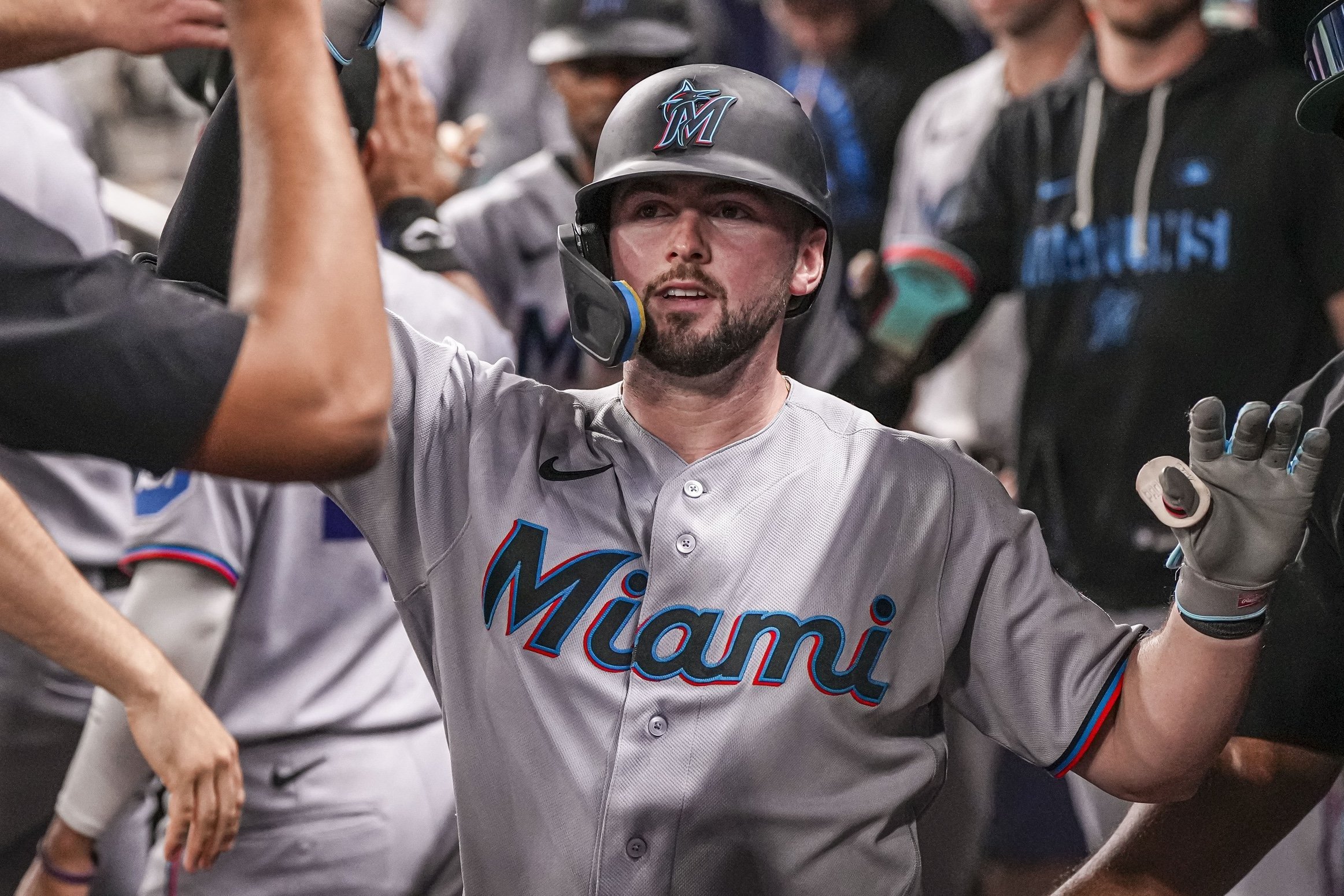 As Fish On First's own Kevin Barral detailed earlier in the day, Liam Hicks is a logical trade candidate for the Miami Marlins leading up to Monday's deadline. Hicks is enjoying a strong sophomore season, slashing .283/.364/.434 and producing 1.6 fWAR through his first 100 games, but he's an awkward fit moving forward given the presence of Joe Mack as Miami's primary catcher and the organization's deep group of other left-handed hitters. The latest from Ken Rosenthal and Will Sammon of The Athletic: "As the Miami Marlins ponder trade scenarios, they are discussing catcher Liam Hicks and first baseman/outfielder Kyle Stowers more actively than shortstop Otto López and second baseman Xavier Edwards, according to league sources briefed on their conversations. The Tampa Bay Rays and Boston Red Sox are among the teams interested in Hicks, the person said. The New York Yankees are not involved in the talks. Hicks bats left-handed, and the Yankees want a right-handed hitting receiver. The catching position has been a vexing position for the Rays ever since they bypassed Buster Posey with the top pick of the 2008 draft. The Rays, who own the best record in the American League, traded for New York Mets right-hander Freddy Peralta on Sunday, and are active on other fronts as well. The Red Sox, the hottest team in baseball, have been shopping for shortstops and catchers. Chicago White Sox general manager Chris Getz reaffirmed to reporters Sunday his desire to add a catcher in the wake of losing Kyle Teel to a left high ankle sprain, but a source said his team is not in the mix." The Athletic's reporting on Stowers is more vague, speculating about the Arizona Diamondbacks and Cleveland Guardians as fits due to their lack of production at first base. FOF's Isaac Azout confirms that "multiple conversations" are ongoing regarding Hicks. View the full article
 -
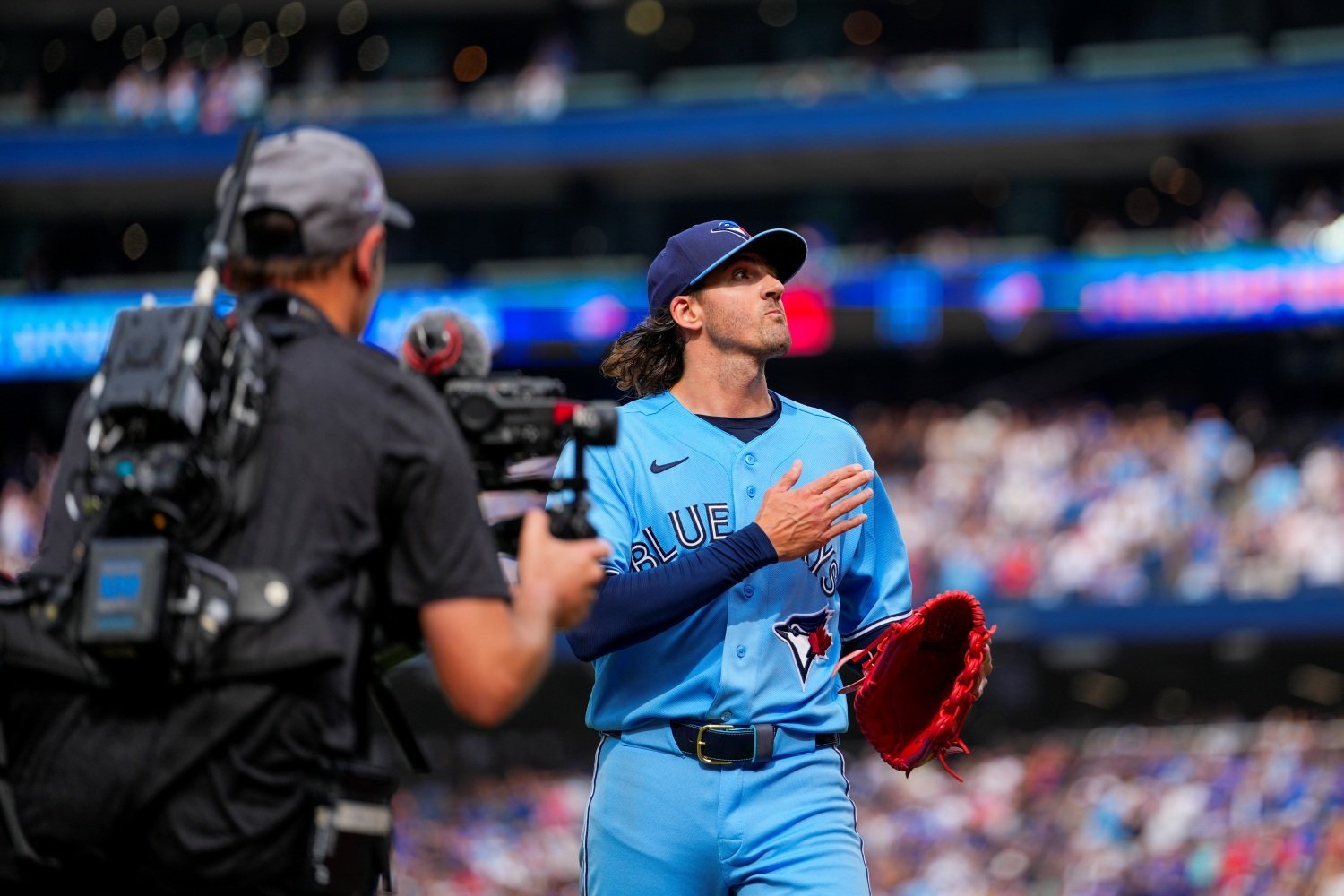 The Rays acquired Mets right-handed pitcher Freddy Peralta Sunday, according to multiple reports. After Luis Castillo and Tarik Skubal were dealt Saturday night, this trade makes three that constrict the market for starting pitchers as the clock ticks down toward 24 hours to the 5 PM CT Monday MLB trade deadline. The Cubs continue to prefer acquiring a controllable starter in a significant deal, sources familiar with the team's thinking say, but they're rapidly developing alternative plans. The Mets, Blue Jays, Cardinals and Tigers have all expressed a willingness to trade a rental starter and a relief pitcher in the same package deal, league sources said, and the Cubs have talked to all four about that possibility in the last few days. A trade with St. Louis is unlikely, because the Cubs will be loath to send the kind of package Chaim Bloom would demand for starter Dustin May and relievers JoJo Romero or Riley O'Brien to a division rival. However, the other three teams make easier fits, and there's mutual interest in a deal in each case. New York has already sent David Peterson to the Cubs, A.J. Minter to the Twins, and Peralta to the Rays this summer, but they're looking to trade Clay Holmes and willing to move Luke Weaver. In exchange for a strong package, they would move both together, a source with knowledge of their strategy said. Holmes is finishing up a rehab assignment, and should be ready to start again in the majors next week. Weaver is under contract for 2027, making him an especially tempting pickup for a Cubs team that expects to contend next season, too. Tying the two together would force the Cubs to open up their second tier of prospects to the Mets, but that's possible. Ditto for the similar but (arguably) stronger Blue Jays pairing of Kevin Gausman and Jeff Hoffman. Gausman is in the final year of the five-year deal he signed with Toronto and will be a free agent this fall, but in the meantime, he looks ready to pitch at the front end of a playoff series for a team like Chicago. Hoffman, like Weaver, will make an eight-figure salary as a short reliever next season. That's a hefty price tag for a Cubs team that likes to cobble together bullpens on the cheap, but like Weaver, he has a track record of dominating even in October and can miss bats at a level unmatched by any current Cubs reliever. The money involved in taking on both Gausman and Hoffman would mute the prospect return slightly, which the Cubs would welcome, but they'd still have to give up at least as much as for Holmes and Weaver. The wild card is the Tigers. Though they tried to talk about Tarik Skubal with former Cubs employee Scott Harris, the Cubs knew all along that they were better positioned to aim for Casey Mize. They were interested in now-Tigers reliever Kyle Finnegan both at last year's trade deadline and during the offseason, and could snap up both Mize and Finnegan (or Kenley Jansen, if they opt for more experience at the back end of a game) in a deal now that Skubal is off the board and out of the way. There's an almost inevitable overlap between what the Cubs would surrender to get both a starter and a reliever in the same deal and what they would trade to acquire a controllable starter like Reid Detmers. That creates a dilemma for the team: Should they hold out for a bigger prize, and risk not landing them? Or should they pay the freight to get their major shopping done in one swoop, knowing it means waiting until the winter to address the holes in their 2027 rotation? The answer could come down to whether they find an alternative on the relief market whom they can acquire cheaply enough to preserve their depth for a Detmers-or-similar trade—a tricky thing to figure, given the lack of depth in their farm system and the profundity of their need for a high-leverage reliever. View the full article
 -
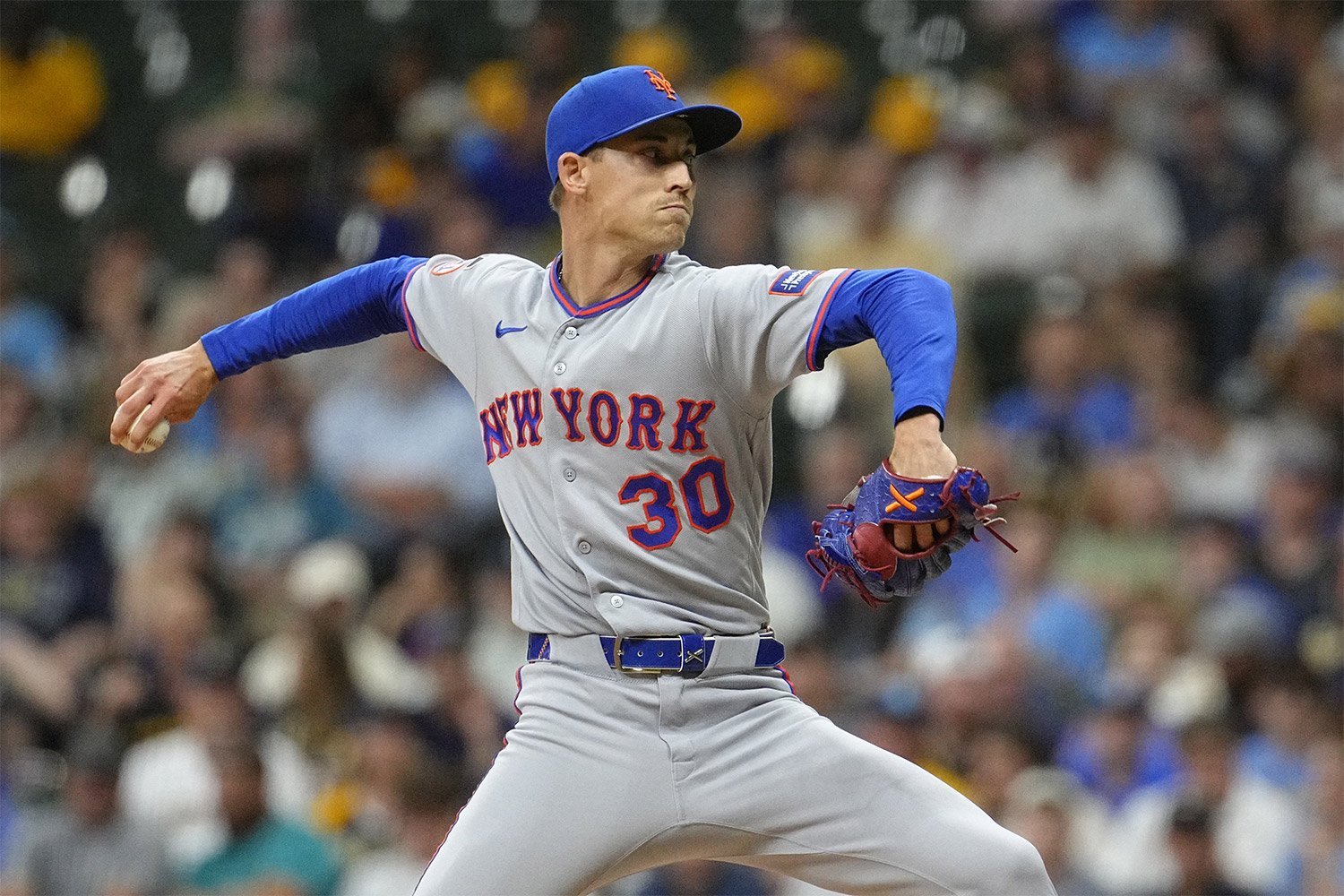 The New York Mets were not shopping Luke Weaver at the 2026 trade deadline. Now, with the reality of how expensive the relief market is, Chealsy Janes of SNY is reporting that it's "more definitive" that the right-hander will be moved. Weaver has been outstanding this season. In 43.0 innings, Weaver has posted a 1.88 ERA, a 2.87 FIP, and a 4.00 K/BB ratio. Weaver was transformed into one of baseball's top relievers over the past few seasons. Weaver has experience closing in the biggest of games from his time with the Yankees, which will make him more appealing to teams. He also has another year left on his contract and is owed $12.5M in 2022. The New York Post reported that the Pittsburgh Pirates, New York Yankees, Chicago Cubs, and Chicago White Sox are among the teams to have varying interest in acquiring Weaver's services. View the full article
 -
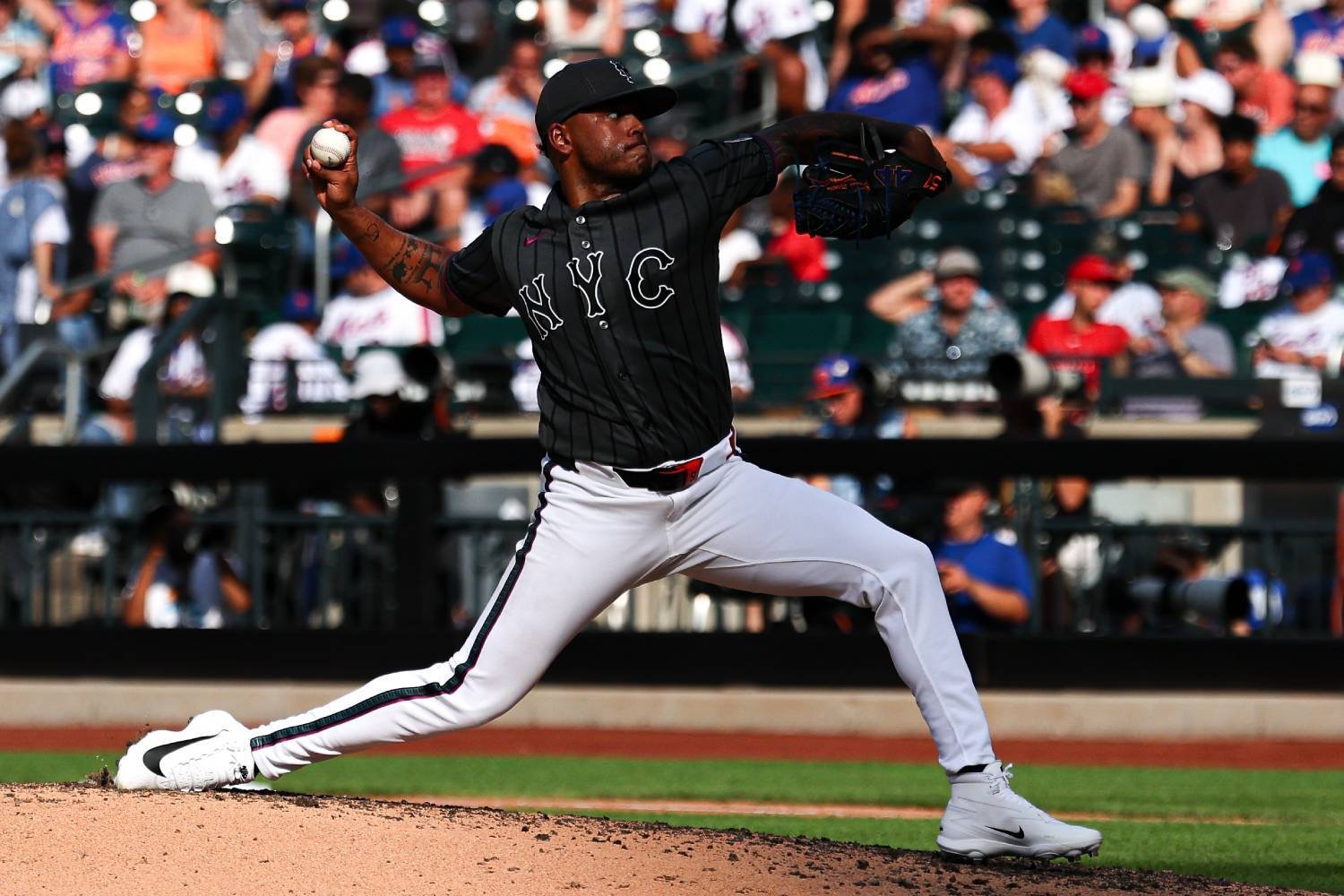 The New York Mets have officially moved on from Freddy Peralta, trading the right-handed starter to the Tampa Bay Rays, according to Will Sammon of The Athletic. Peralta is making $8 million this season and is leaving the last-place Mets to join the AL East-leading Rays. More to come ... View the full article
 -
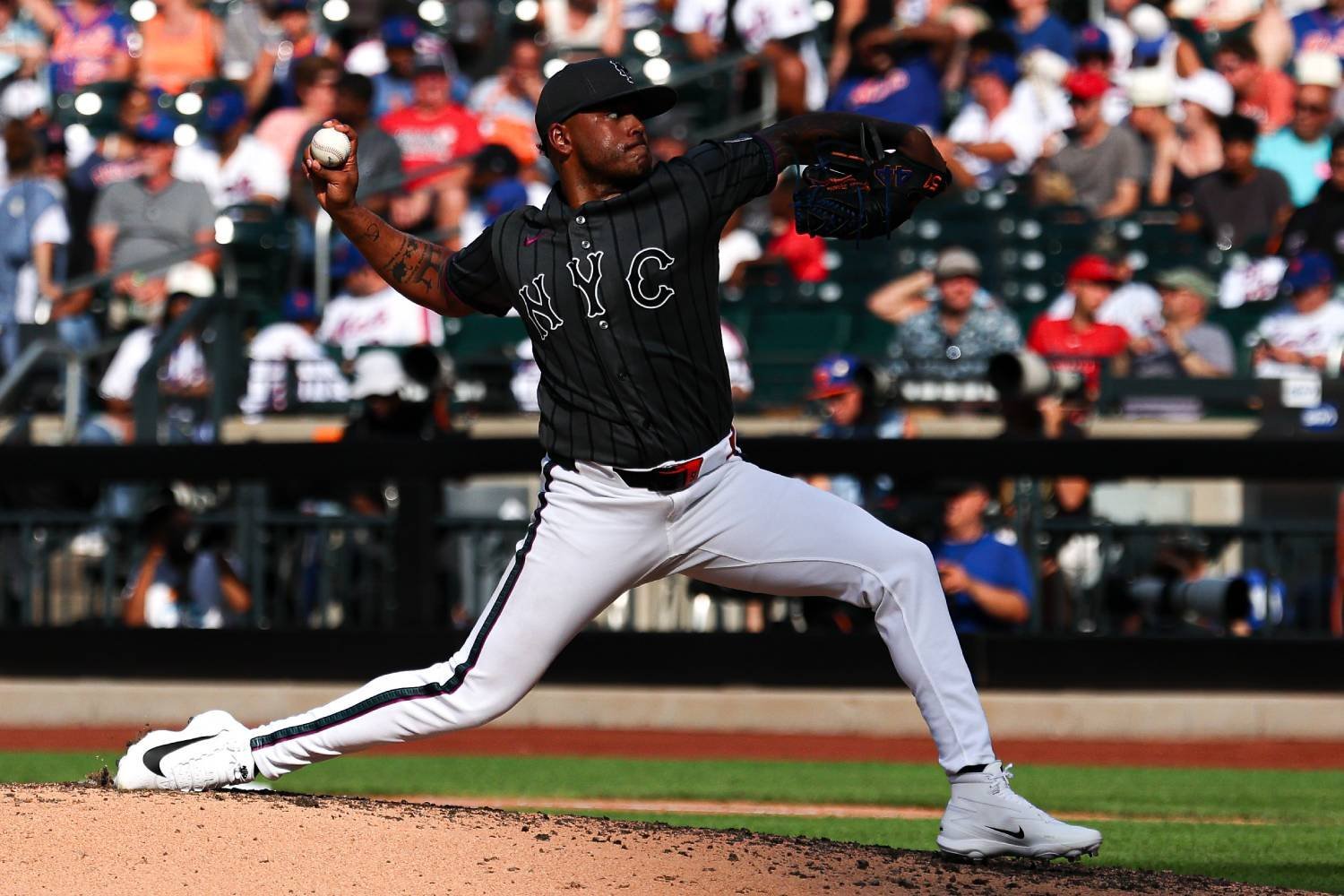 The New York Mets have officially moved on from Freddy Peralta, trading the right-handed starter to the Tampa Bay Rays, according to Will Sammon of The Athletic. According to Mark Feinsand of MLB.com, the Mets are receiving High-A outfielder Aidan Smith, Double-A right-handed starter Gary Gill Hill and Double-A second baseman Emilien Pitre from the Rays. Smith is the No. 15 prospect by MLB Pipeline and Baseball America, Gill Hill No. 26 by MLB Pipeline and No. 27 by Baseball Amerca and Pitre No. 27 by MLB Pipeline and unranked by Baseball America. Peralta is making $8 million this season and is leaving the last-place Mets to join the AL East-leading Rays. More to come ... View the full article
 -
 Triple-A Worcester Red Sox Series @ Norfolk Tides (Baltimore Orioles): 4-1 Season Record: 55-47 With Franklin Arias starting at second for the second straight night, Worcester won its fourth straight in an extra-innings thriller. Alec Gamboa took the mound to start Saturday’s matchup with Norfolk, turning in a solid effort across four and ⅔ innings. He allowed one run on four hits, issuing one walk and striking out four. Gamboa turned the ball over to Devin Sweet with two outs in the fifth. Sweet contributed two innings of one-run ball, allowing two hits and walking one. Tyler Samaniego finished the seventh inning and pitched through the eighth following Sweet’s exit. Samaniego allowed one hit and walked one across his appearance, striking out one before Hobie Harris entered the game. Harris closed the game strongly in extras, allowing one run and striking out two as he helped Worcester to its fourth straight win. Worcester saw limited offensive production and a lowly 1-for-9 line with runners in scoring position but was able to capitalize late. Early in the first inning, Andrew Knizner put the WooSox in front as he reached on a fielder’s choice, sending Nate Eaton home. After a four-RBI showcase on Friday, Arias showed no signs of slowing down. In the second, Arias doubled to left field, scoring Kristian Campbell. After Norfolk tied the game in the seventh, Eaton stepped to the plate with one out in the tenth. With Braiden Ward standing at second, Eaton launched a ball to left field, clearing the wall. His late blast put the WooSox ahead as they won on his heroics. Double-A Portland Sea Dogs Series vs. Harrisburg Senators (Washington Nationals): 2-3 Season Record: 53-47 Portland won behind a four-run sixth inning and a clutch bullpen performance from Michael Sansone. Jedixson Paez started the contest for the Sea Dogs, who were playing as the Maine Whoopie Pies. Paez ran into trouble early, allowing four runs in the first three innings of the contest. He steadied himself later, however, exiting the game after five frames. He allowed four runs on seven hits and struck out four. Down one run in the top of the sixth, Portland needed Michael Sansone to lock the game down. Sansone delivered, allowing three hits across a four-inning shutout relief appearance. Sansone issued two walks and struck out two as he closed the game. Every batter reached base at least once for Portland amidst a solid day at the dish. Johanfran Garcia led the way with two hits and an RBI. Down by four in the third inning, Brooks Brannon got the Sea Dogs on the board with a sac fly scoring Tyler McDonough. Later in the inning, Miguel Bleis drove in Jack Winnay on a single as Portland slashed the deficit in half. Two innings later Garcia inched the Sea Dogs closer with a sac fly that scored Winnay. After Will Turner drew a leadoff walk to begin the sixth inning, Max Ferguson drove him home with a bang. Ferguson tripled into the corner of left field as Turner crossed home, tying the game. One batter later, Ahbram Liendo drove Ferguson home on a double as Portland took the lead. Once it gained the lead, Portland didn’t look back. Mason White tacked on one more as he drove Liendo in on a single to right field. Winnay completed the offensive surge as he drove in McDonough on a double play. The burst was enough to lift Portland to a hard-fought win. High-A Greenville Drive Series @ Asheville Tourists (Houston Astros): 5-0 Season Record: 44-54 Greenville cruised to its sixth straight win in the professional debuts of top draft picks Owen Hull and Jake Schaffner. Dylan Brown, a 2025 draft pick, turned in one of his best starts of the year on Saturday evening. Brown went the distance, pitching into the seventh inning. He allowed two runs (one unearned) on three hits and issued a walk. Brown struck out nine batters, the most in over a month, before being replaced by Shea Sprague with one out in the seventh. Sprague closed the game without much trouble. He allowed one run on three hits and issued three walks as he struck out three. His effort sealed the win for Greenville as they sit ten games under .500. An offensive outpouring that included a hit from every Greenville batter was more than enough for a win on Saturday night. In his third game with the Drive since returning from injury, Nazzan Zanetello went 4-for-6 with an RBI. The Red Sox’s most recent draftees showed up as well. Hull went 2-for-5 with three RBIs and a walk as Schaffner went 2-for-3 with an RBI, scoring three times. Schaffner made his impact felt early, scoring Enddy Azocar in his first professional at-bat on a groundout to second. In the second, Zanetello scored Yophery Rodriguez on a double to left field. Zanetello scored on an RBI single from Stanley Tucker later in the inning. With the bases loaded, Hull came up big. He swung on a ball low in the zone that snuck through the infield, driving in Justin Gonzales and Jake Schaffner. One inning later, Hull reached again on a throwing error as Schaffner scored once more. Gerardo Rodriguez crossed home later in the inning on a Luke Heyman double to right field. In the sixth, Hull made his mark again, scoring Schaffner on a ground ball single to center. With a six-run advantage in the seventh, Azocar added to the lead with a solo homer, his 11th of the season, to right field. Just an inning later, Azocar stepped to the plate with the bases loaded. He delivered a single to center, scoring Heyman. Gonzales completed the 11-run evening later in the eighth with a sac fly, scoring Y. Rodriguez. The Drive tallied 19 runs and drew four walks in one of the most successful offensive days of the season. Low-A Salem RidgeYaks Series @ Kannapolis Cannon Ballers (Chicago White Sox): 2-3 Season Record: 43-57 Despite reaching base 16 times, Salem never led on Saturday and fell behind a rocky start from Jose Bello. Bello, who has been successful throughout the season, limped through a three and ⅓ inning start on Saturday evening. He allowed five runs (one unearned) on seven hits, and he registered just one strikeout. Harry Blum entered and pitched one and ⅔ innings of hitless relief following the quick exit. Blum issued three walks and struck out three before Wuilliams Rodriguez took over. Rodriguez allowed two runs on three hits over two innings as the game slipped further out of reach. He walked two before Nicolas De La Cruz took the final frame of the night. Across the inning, De La Cruz walked three and allowed a run on one hit, striking out two. D’Angelo Ortiz and Franklin Primera had three hits apiece, and Kleyver Salazar drove in two as the Yaks came up short at the dish. Salazar got the Yaks on the board in the fifth. Facing a five-run deficit, Salazar scored Primera and Starlyn Nunez on a line drive to left field. Three innings later, Skylar King scored Primera on a sac fly before Ortiz scored Adonys Guzman on a double to left field. Guzman reached on an error in the ninth as Ilan Fernandez scored, capping off a disappointing day for Salem as they fell by three. View the full article
 -
 Chicago Cubs Minor League Report - August 1 Affiliate Overview Triple-A Iowa Cubs Series vs. Scranton/Wilkes-Barre Rail Riders (New York Yankees): RailRiders lead, 4-0 Season Record: 43–60-1 Double-A Knoxville Smokies Series vs. Pensacola Blue Wahoos (Miami Marlins): Blue Wahoos lead, 3-1 Season Record: 53–47 High-A South Bend Cubs Series at Lake County Captains (Cleveland Guardians): Cubs lead, 3-1 Season Record: 59–37 Single-A Myrtle Beach Pelicans Series vs. Charleston RiverDogs (Tampa Bay Rays): RiverDogs lead, 3-1 Season Record: 39–59 Affiliate Highlights Triple-A: Iowa Cubs Season Record: 43–60-1 Series Opponent: Scranton/Wilkes-Barre RailRiders (57-46) Series Standing: Trail, 4-0 July 31: The Iowa Cubs suffered a fourth-straight defeat as they fell in Friday night’s contest, 9-5, at Principal Park. The RailRiders took a 4-0 lead in the second and would turn it into a 6-0 lead with two more in the sixth. Owen Ayers (1-for-2) got the Cubs on the board with an RBI-single in the sixth, but Scranton/Wilkes-Barre would score runs in the seventh and eighth to make it 8-1. Kevin Alcántara (1-for-4) and Chas McCormick (1-for-4) each drove in runs with RBI-singles in the eighth, and Greg Jones (0-for-3) also brought in a run in the frame with a sacrifice fly to make it 8-4. Both teams traded runs in the ninth, with Iowa getting its tally on an Owen Miller (1-for-5) RBI-groundout that made it 9-5. Edward Cabrera, making his first rehab start with the I-Cubs, took the loss after allowing three runs on two hits over 1 2/3 innings of work, walking two batters and striking out three. Double-A: Knoxville Smokies Season Record: 53–47 Series Opponent: Pensacola Blue Wahoos (54–45) Series Standing: Trail, 3-1 July 31: The Knoxville Smokies dropped Friday night’s contest to the Pensacola Blue Wahoos, 5-4, at Covenant Health Park. The Blue Wahoos opened the scoring in the ballgame with a run in the second, but Carter Trice’s (1-for-4) RBI-single in the third evened the contest. Both teams traded two-run frames in the fifth, the Smokies getting their runs thanks to a two-run blast from Alex Ramírez (3-for-5), his 13th of the season. Pensacola scored twice in the seventh, but Knoxville was able to pull one of those runs back in the home half of the stretch, an Ariel Armas (1-for-3) RBI-double, to make it 5-4. The Smokies would load the bases in the ninth with two outs, but Edgar Alvarez (0-for-4) would ground out to end the game. Luis Martinez-Gomez got the start on the mound for Knoxville and took no decision. Martinez-Gomez fired his second-straight quality start, his third such outing in his last four starts between Single-A and Double-A. He allowed three runs on five hits over six innings of work, walked two batters and struck out five. Tyler Ras tossed two perfect innings in relief, retiring all six batters that he faced, whiffing two of them. The Knoxville offense went 2-for-13 with runners in scoring position on the night, stranding 12 baserunners. High-A: South Bend Cubs Season Record: 59–37 Series Opponent: Lake County Captains (53–43) Series Standing: Lead, 3-1 July 31: The South Bend Cubs claimed at least a series split with a dominant 15-7 victory over the Lake County Captains on Friday night at Classic Auto Group Park. A nine-run outburst in the second inning from the Cubs gave them an insurmountable advantage on the night. Logan Poteet (2-for-5) got the scoring started with an RBI-single and Kane Kepley (1-for-4) followed with a three-run blast, his seventh homer of the year. Jose Escobar (3-for-6) doubled home a pair of runs three batters later and was along for the ride on Kade Snell’s (1-for-6) two-run homer that made it 8-0. Angel Cepeda (2-for-4) went back-to-back with Snell, launching a solo shot, to cap the scoring in the inning. The Captains got one run back in the home half of the second and scored again in the third to make it 9-2. Matt Halbach (1-for-4) hit South Bend’s fourth homer of the contest in the sixth, a two-run variety, and Ty Southisene (3-for-4) gave the Cubs a 12-2 lead with a two-run double later in the frame. Lake County would score once in the sixth and four times in the seventh, but South Bend would put up another crooked number on the scoreboard in the eighth, scoring three times. Josiah Hartshorn (1-for-6) doubled in a pair of runs, and Escobar’s second double of the ballgame brought home another to make it 15-7. Nate Williams picked up the win in relief for the Cubs, improving to 4-0 on the season. Williams tossed 2 1/3 innings of one-run ball, allowed two hits, walked three, and struck out three. The South Bend offense amassed 14 total hits in the game with eight going for extra bases. Eight of the nine starters recorded at least one hit, with four recording multi-hit efforts. Single-A: Myrtle Beach Pelicans Season Record: 39–59 Series Opponent: Charleston RiverDogs (57–43) Series Standing: Trail, 3-1 July 31: The Myrtle Beach Pelicans were routed by the Charleston RiverDogs, 13-1, on Friday night at Pelicans Ballpark. The RiverDogs took a 5-0 lead in the third before Eli Lovich (1-for-4) drove in the Pelicans' lone run of the game in the third on a single. Charleston then pulled away with three runs in the third before adding one in the eighth and four more in the ninth to make it 13-1. Daniel Avitia got the start on the mound for the Pelicans and took the loss, falling to 2-3 on the season. Avitia allowed five runs on seven hits in three innings of work, walked one, and struck out one. Corey Nunez was the lone Myrtle Beach batter to record a multi-hit effort in the contest, going 2-for-4 with a double, which was the Pelicans' only extra-base hit of the game. View the full article
