


DiamondCentric
-
Posts
2,631 -
Joined
-
Last visited
Never
Content Type
Profiles
Forums
Events
News
Tutorials & Help
Major League Baseball Videos
Guides & Resources
Store
Downloads
Gallery
Everything posted by DiamondCentric
-
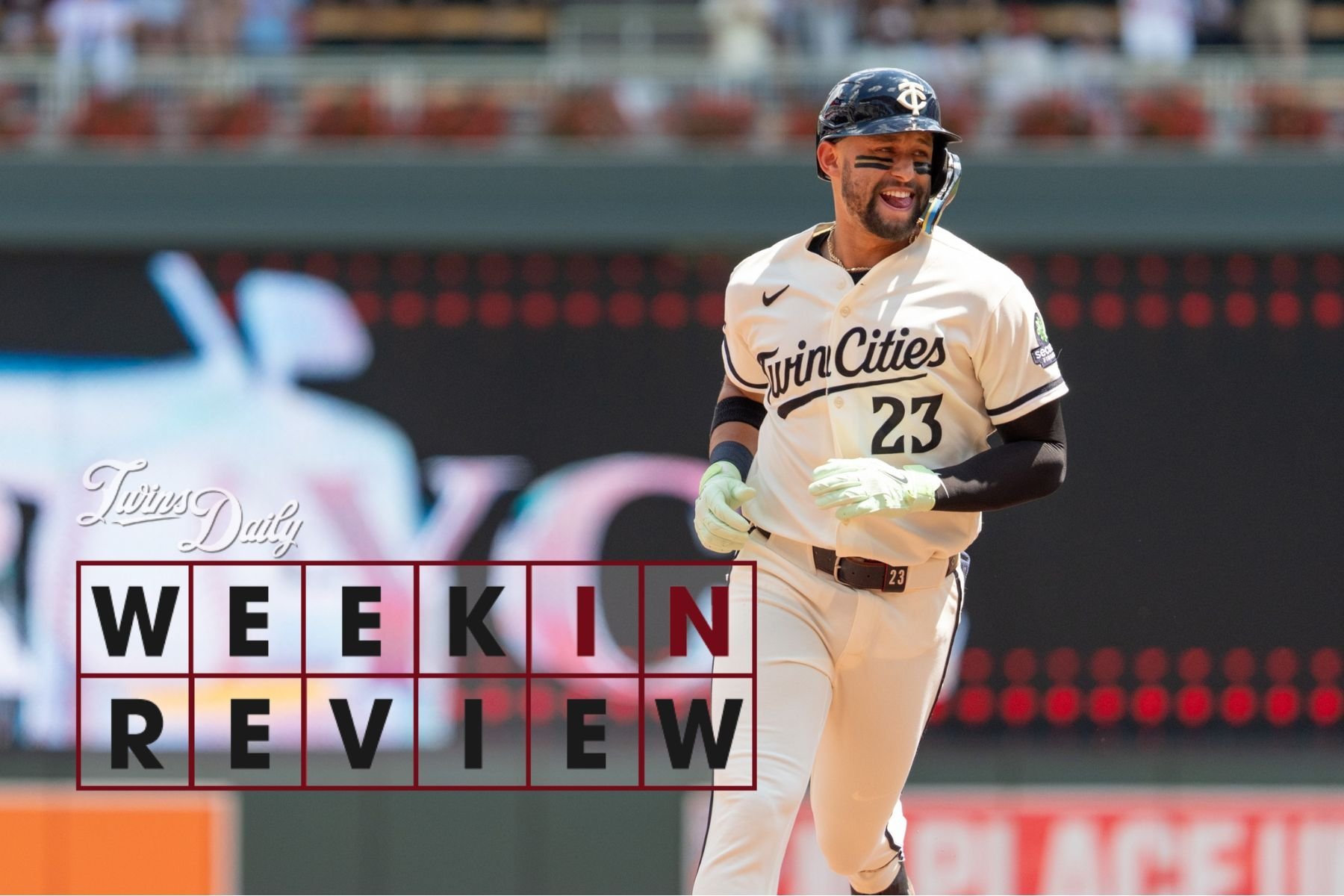 The Weekly Nutshell: Winning their first two games against Cleveland brought the Twins within a game of .500 ... and then, of course, they lost two straight to ensure they wouldn't get back to that elusive break-even point before the All-Star break. They haven't had a non-losing record since April 22nd, and here at the season's unofficial midpoint, their W/L is nearly identical to where it was last year when they conducted a deadline firesale on the way to 90 losses. Still, something about this season feels different, and that was evident again last week. Coming off an excellent road trip that featured series wins against two long-time tormenters in New York and Houston, the Twins conquered another bitter rival by taking two of three from the Guardians for a second time this year. It was a gratifying, and meaningful, turning of the tides for a Twins team trailing Cleveland by just a couple of games in the standings. All of this might say more about the state of the American League and its typical heavyweights than it does about the caliber of this Twins team, but hey — opportunity is opportunity, and they clearly have one in front of them. After taking care of business against the lowly Angels over the weekend, the Twins are oh-so close to the .500 mark that they've been chasing all summer, and well within range of a postseason spot with 65 left to play. Weekly Snapshot: Mon, 7/6 through Sun, 7/12 *** Record Last Week: 4-2 (Overall: 48-49) Run Differential Last Week: +3 (Overall: -14) Standing: 3rd Place in AL Central (3.0 GB) Latest Game Results Game 92 | MIN 3, CLE 1: Bradley Dominates, Leads Twins Past Sloppy Guardians Bradley: 7 IP, 1 ER, 3 H, 0 BB, 10 K Game 93 | MIN 6, CLE 5: Roden's Walk-Off Wall Ball in Ninth Caps Comeback Win Roden: 2-5, 2 RBI Game 94 | CLE 5, MIN 2: Guards Avoid Sweep Behind Dominant Start from Williams Twins offense: 3 H, 1 BB, 14 K Game 95 | LAA 4, MIN 3: Twins Strand 9 Runners as Offense Struggles to Get Going Matthews: 6 IP, 4 ER, 6 H, 2 BB, 3 K Game 96 | MIN 5, LAA 3: Pitchers Steer Out of Trouble, Lineup Produces Key Late Hits Lewis: 2-4, HR, 2 RBI Game 97 | MIN 4, LAA 2: Larnach and Jeffers Drive in Two Apiece, Bradley Deals Again Bradley: 7 IP, 2 ER, 6 H, 2 BB, 6 K NEWS & NOTES It was a busy week of roster movement that also saw the Twins pick third overall in the draft. Let's run through the updates: Byron Buxton's run of avoiding the injured list came to an end on Tuesday, when he was placed on the IL with a hip impingement that he aggravated at the end of last week. The timing of this stint, just in front of the break, means Buxton potentially could miss relatively minimal game time; he'll be eligible to return on Friday when the Twins are back in action, which would equate to six games lost. In the meantime, Alan Roden was recalled to take over the open roster spot and has been starting regularly in right field, with Luke Keaschall sliding over into center. Ryan Jeffers was activated from the IL on Friday after missing nearly two months with fractured hamate. Kyler Fedko was optioned to make room. Jeffers started behind the plate on Friday and Sunday, notching two hits in eight at-bats. Bailey Ober also came off the IL after missing all of June with elbow inflammation, starting Thursday's series finale against Cleveland. He had a fine outing on paper with five innings of one-run ball, but the fastball was averaging less than 88 MPH. Connor Prielipp (blister) and Marco Raya (right shoulder impingement) were placed on the IL. Eric Orze and Cody Laweryson were optioned to Triple-A. Mick Abel and Anthony Banda were both moved to the 60-day IL to create space on the 40-man. The Twins acquired right-hander Woo-Suk Go in a minor trade with the Tigers. Go had an upward mobility clause in his contract that meant he needed to be placed on the MLB roster, so the Twins moved him straight to their big-league club. Left-hander Kendry Rojas was also recalled amid all the bullpen juggling. Right-hander Jack Anderson was claimed off waivers from the Red Sox and then optioned to the Saints. Garrett Acton started a rehab assignment with Class-A Ft. Myers. Cole Sands rebooted his own rehab in Triple-A after having it halted due to a flareup of injury symptoms. Sands could be in line to return after the break and has the potential to provide a big bullpen boost. The Twins made their first semi-significant trade of deadline season, striking early to acquire reliever Tommy Nance from the Blue Jays in exchange for catching prospect Ryan Sprock. At 35, Nance is a bit of a journeyman but has pitched reasonably well out of the Toronto bullpen over the past couple years. It's a talent upgrade, if a modest one. Nance allowed a run in his first inning of work as a Twin on Saturday, but struck out two and was credited with the win. That should just about get us caught up with roster news at the big-league level. But the most exciting moment of the week for prospect sickos like myself came on Saturday when the Twins selected third overall in the MLB Draft, their highest position since 2017. They took Georgia Tech catcher Vahn Lackey, who emerged as a consensus top-three pick with a breakthrough college season. He immediately bolsters the overall quality of Minnesota's farm system and will be an exciting name to follow going forward, with the capability to rise very fast. In addition to Lackey, the Twins also added a number of other intriguing new players to their system on Day 1 and Day 2 of the draft; you can click on those threads to catch up and share your thoughts. HIGHLIGHTS Taj Bradley set the tone in Tuesday's series-opening victory over Cleveland with his second straight dominant outing, compiling 10 strikeouts over seven innings of one-run ball with only three hits allowed. Bradley induced 25 swings and misses, most by any Twins starter this season, and 17 of those came on the cutter. Bradley was stellar again on Sunday, firing seven innings of two-run ball to pick up his ninth win. Outside of a brief downswing coming off the IL, Bradley has been pitching like a legitimate ace, not just in terms of performance but workload. That's enormous with Pablo López down. As the bullpen shuffles wildly from day to day, the Twins are at least seeing some steadiness from key arms that are likely to stick around and support the cause in the second half. Andrew Morris was once again fantastic, tossing five shutout innings with five strikeouts, one walk and two hits allowed. He's rattled off 16 straight scoreless appearances and has a 17-to-3 K/BB ratio in that span. I think I'm ready to say the rookie has become their most trusted reliever in my eyes? Yoendrys Gómez is also very much in that conversation — he picked up two saves and a win in three scoreless outings. Gómez has finished the game in his last seven straight appearances, so he's one of the few in this bullpen with a clearly defined role. The Twins' closer is answering the call admirably with a team-leading 1.80 Win Probability Added and a perfect 11-for-11 conversion rate on saves. I'll admit I'm a little perturbed by his drop-off in strikeouts of late, and the 2.7% HR/FB rate feels like a bit of a ticking time bomb, but there's no knocking the results. He's been an amazing pickup and you've gotta hope the Twins can get similarly lucky with one of their latest "throw-it-at-the-wall" additions like Nance, Go and Anderson. While far from being trusted, left-handers Taylor Rogers and Kody Funderburk at least took steps in the right direction last week, combing for 3 ⅓ scoreless innings. Funderburk, in particular, is on an encouraging run: he's issued only one walk in six frames since returning from Triple-A, throwing strikes at a 66% clip. I ranked Funderburk very low on my reliever confidence scale, but if he actually gets to a place where he can reliably throw the ball over the plate, that changes everything for him. The Twins offense continues to lead the American League in scoring, but had a relatively quiet week, averaging under four runs per game. Still, what I appreciate is that they're putting up a fight every night, and comebacks almost never feel out of reach, as Royce Lewis noted following Saturday's victory. Lewis did his part to power the offense with five hits, including a double and a pair of home runs. He drove in four and by week's end, Royce's OPS was back up to a respectable .696. His two-run homer to open the scoring on Saturday, a 419-foot nuke to the upper deck, was the kind of swing that really gets your juices flowing. That is the guy we all want to see — the explosive wild-card who could completely change this team's fortunes down the stretch. Lewis' growing confidence is palpable. While the circumstances that paved way for his return were unfortunate, it was nice to see Roden finally get another shot in the majors after spending the first half in Triple-A, and largely injured. He wasted no time making an impact, delivering two RBIs in his first game back on Wednesday including the ninth-inning walk-off hit. Last year, Roden drove in one run and drew zero walks in 12 games with the Twins; this year he's already at three and two respectively in his first week. He looks like a big-leaguer. I just don't know how long the runway is going to be right now, because Buxton could be back on the other side of the break and then you go back to a starting outfield alignment that's tough to crack. Buxton's been their best hitter and Trevor Larnach (who homered and drove in two on Sunday) is right up there with him. At the same time, Keaschall is coming on strong: he went 6-for-16 last week and is batting .393 with power here in July. LOWLIGHTS While Rogers and Funderburk had positive showings to earn back some faith as left-handed options in the bullpen, that wasn't true for Rojas in his return to the big-league stage. With his electric, high-velocity arsenal, he has the makings of a game-changing arm if only he can harness the stuff and command the zone. That didn't happen on Thursday in his worst outing as a big-leaguer: Rojas allowed three earned runs in two innings of work against Cleveland, yielding three walks and a home run. He entered in the sixth inning of a 1-1 tie game and left with a 4-1 deficit, costing the Twins their chance at a sweep over the dreaded Guards. There's still plenty to like about the lefty's long-term outlook, but it's an open question how much he can be counted to help the Twins in the present. I do wonder if he'll be a part of the post-deadline picture, and to what extent if so. I'm also curious to see what the plan is with Go. The 27-year-old is sort of an interesting project, as a former KBO standout who signed for $4.5 million with the Padres back in 2024 but has since been passed around and failed to earn a big-league opportunity until now. His numbers in Triple-A were nothing to write home about and he did not look terribly impressive to my eyes in his first couple of appearances with the Twins, but obviously more time is needed for a proper evaluation. That's sort of the trouble with the spot the Twins are in: they don't have a ton of leeway to assess these marginal arms while panning for another Gómez-like diamond in the rough. And when opportunities for these fringy relievers arise, they're often going to be in higher leverage than you'd like to be using suspect pitchers. Running out Go and Nance in the seventh and eighth innings of a tight game on Saturday felt precarious even if it ultimately worked out. The last thing you want to do is run Morris into the ground as he acclimates to a true relief role for the first time. TRENDING STORYLINE How will the Twins handle the catcher position? For now they are carrying three following the return of Jeffers, because they understandably don't want to expose Alex Jackson (out of options) to waivers and risk losing him for nothing. Jackson had a solid run while Jeffers was sidelined, slashing .296/.321/.407 with quality defense, and he's established himself as a viable option to back up Victor Caratini in 2027 once Jeffers presumably moves on as a free agent. The problem is that keeping Jackson around means letting him collect dust while clogging up a bench spot. He's barely ever going to play with Jeffers and Caratini healthy, especially since the DH spot is fully clamped down by Josh Bell. Is Jeffers setting up to assist a push for the Twins down the stretch, or is he being showcased as a trade candidate? There are a lot of angles at play here. He's one of their most valuable players and could be critical to their hopes of reaching the postseason. At the same time, you don't want to risk losing a valuable asset for nothing at season's end, and Minnesota's contention hopes remain slim. Maybe you hold onto him with plans to offer a qualifying offer in the offseason. That would require a willingness to pay Jeffers around $20 million in 2027. (Good test for Tom Pohlad's mettle?) Exploring a contract extension is also on table, but is that really a route you want to go with a catcher who's about to turn 30 when you just drafted a college star at the same position who is likely to be on the fast track? Their actions at the deadline will tell us a lot about how the Twins envision their short-term future behind the plate. Are they going to stay in this three-catcher limbo until then? LOOKING AHEAD The All-Star break is upon us. Sadly Buxton will not be able to participate in Tuesday's festivities due to his placement on the IL, but I expect we'll see Joe Ryan pitch an inning for a second straight year. Coming out of the break, the Twins will head to Wrigley Field for a three-game series against a very solid Cubs team. Pitching probables are currently unknown but I'm going to guess the Twins open the second half with Ober, Zebby Matthews and Ryan. MONDAY, JULY 13: MLB HOME RUN DERBY TUESDAY, JULY 14: MLB ALL-STAR GAME (PHILADELPHIA) FRIDAY, JULY 17: TWINS @ CUBS SATURDAY, JULY 18: TWINS @ CUBS SUNDAY, JULY 19: TWINS @ CUBS View the full article
 -

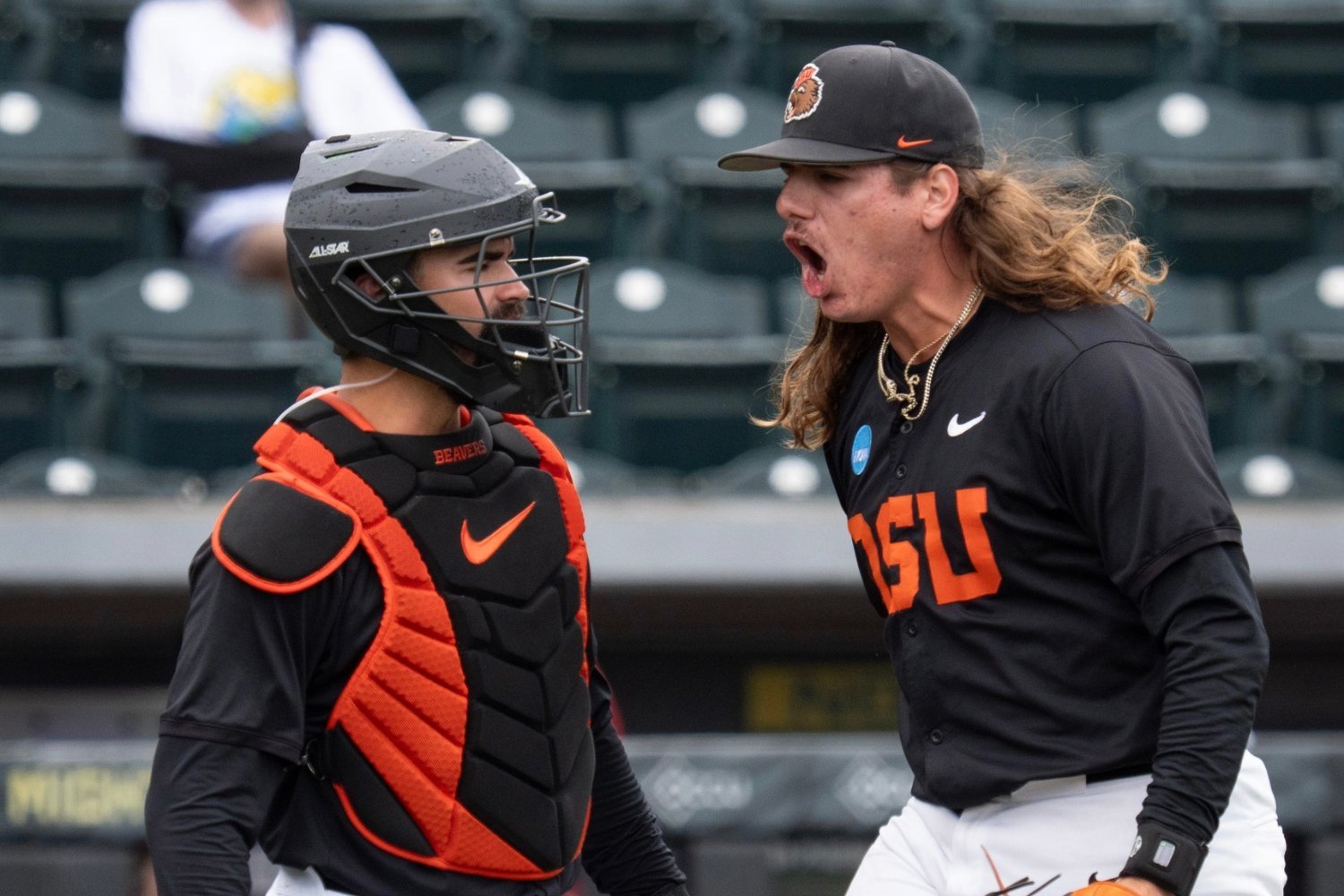 After an eventful two days, we can finally gauge the San Diego Padres' 2026 draft class in its entirety. Check below for initial scouting reports on each of their final 10 picks! Round 11: 1B Chris McHugh The San Diego Padres select McHugh at No. 335 in the MLB draft from North Carolina State. He was not ranked in our MLB mock draft. Last season, he led the Wolf pack with 50 RBIs along with recording a team-record 23 multi-hit games. Round 12: LHP Rob Evans With No. 365 pick in the MLB draft, the Padres select Evans from Miami State University. He was not on our big board and finished the 2026 season with a 10-3 record. In addition, Evans had a 3.29 ERA, recording 89 strikeouts in 90 innings pitched. Round 13: OF Michael Smith Jr. The San Diego Padres selected Smith at No. 395 from the University of Dayton. He was ranked number 62 in D1 baseball's top 100 outfielders. In 2026, Smith led the team with 38 stolen bases, slashing a .332/.502/.588. He was also named College Advantage Student-Athlete of the Week twice on April 15 and May 6. Round 14: RHP Ty Brachbill The Padres selected Brachbill at No. 425 from High Point University. He was the Big South Pitcher of the Year in 2026 behind an 11-2 record with a 3.59 ERA. He led the team with 81 strikeouts in 90 innings pitched. He also tossed a complete game, allowing six hits in a 6-2 victory against Radford University. Round 15: SS Ryan Kucherak The Padres took Kucherak with pick No. 445 from Northwestern University. He was not on our consensus board; however, Kucherak became the first Northwestern player to record double digit home runs in consecutive seasons since Stephen Hrustich in 2021-2022. In 2026, Kucherak was also ranked second with a .295 batting average and led the Wildcats with 27 walks along with 11 stolen bases. Round 16: RHP Albert Roblez With pick No. 485, the Padres selected Roblez from Oregon State University. He was not on our big board, but he was a NCBWA First-Team All-American after finishing the 2026 season with a 2-1 record and 1.50 ERA. In addition, he recorded 53 strikeouts in 50 innings pitched. Round 17: RHP Denton Lord The San Diego Padres select Lord at #515 in the MLB draft from South Walton High School committed to Mississippi State. He was ranked #128 on our big board and #80 in the MLB prospect rankings. Here is a summary from our MLB draft coordinator Jamie Cameron: "Lord is a prep pitcher out of Florida committed to Mississippi State. As you might expect from a pitcher who stands 6'8, 220 pounds, there's both present stuff and plenty of projection in the profile. Lord has easy velocity. His fastball will sit at 94 mph but can grab up to 98 mph in shorter outings. It's easy to see a world in which he's touching triple digits with consistency as he fills out and synchs up his delivery with more consistency. For breakers, he's shown a solid affinity for spin, with a firmer slider and a high-70s curveball which can blend together and become slurvy. There's also an emergent changeup in his pitch mix. Lord had TJ surgery as a HS freshman, but he's one of the most projectable right-handed prep pitchers in the class." Round 18: C Mark Quatrani With pick No. 545, the Padres grabbed Quatrani from Notre Dame University. In 2026, he crushed a .376/.457/.643 batting line along with hitting 15 home runs. Quartrani also had 24 walks and 66 RBIs in 254 plate appearances. Round 19: LHP Chris Downs The Padres took Downs with pick No. 575 from Cal Poly University. He was not on our consensus big board, as Downs' ERA increased from 4.09 in 2025 to 5.71 in 2026. Throughout the 2026 season, he recorded 56 strikeouts along with a 1.59 WHIP in 58.1 innings pitched. Round 20: OF Ezekiel Zion The San Diego Padres concluded the MLB draft with Zion, a 2026 Campo Verde High School Graduate from Arizona. He has yet to commit to a college, though Zion ranks #28 in AZ outfielders according to Perfect Game. Zion also won a player of the week award in the state this past season, going 6-for-8 with a home run, four RBIs, and three runs scored while adding a stolen base and a walk. View the full article
 -
 The four full-season San Diego Padres affiliates went 2-2 Sunday as they head into a four-day break for the MLB All-Star Game. The Triple-A El Paso Chihuahuas were shut out 8-0 by Oklahoma City, the Double-A San Antonio Missions used a big inning to beat Midland 10-9, the High-A Fort Wayne TinCaps cruised to a 9-1 win over West Michigan and the Low-A Lake Elsinore Storm were stopped by Rancho Cucamonga 6-2. All four will resume action Friday. Padres Minor-League Transactions None. Ethan Salas Shines, Kash Mayfield Goes 1 Inning In Futures Game While they didn't have a huge effect on the outcome of the game, Ethan Salas and Kash Mayfield showed well at the Futures Game in Philadelphia. The NL lost to the AL 6-1. Salas, Padres Mission's No. 1 prospect signed as an international free agent in 2023, had two plate appearances and reached both times, with a line-drive single on an 0-1 four-seamer from Texas Rangers right-hander Caden Scarborough, then walking on a 3-2 four-seamer from Boston Red Sox right-hander Anthony Eyanson in the fourth inning. The Double-A San Antonio Missions star started the game as the designated hitter, then switched to catcher in the top of the fifth to catch Mayfield before being removed in the sixth inning. This was Salas' second Futures Game, having appeared in 2024. Mayfield, Padres Mission's No. 2 prospect and a first-round draft choice in 2024, came on to pitch the fifth inning of the seven-inning game. The High-A Fort Wayne TinCaps star got Chicago White Sox shortstop Caleb Bonemer to ground out to third, then walked Ike Irish of the Baltimore Orioles on five pitches, with Salas challenging the final pitch. Los Angeles Angels outfielder Nelson Rada hit a popup that was lost in the sun behind second base and ended up being a forceout at second. Rada stole second and scored on a single by Tampa Bay Rays outfielder Theo Gillen as the AL moved ahead 2-1. Toronto Blue Jays shortstop JoJo Parker flew out to left to end Mayfield's lone inning. Mayfield threw 25 pitches, 13 for strikes and was tagged with the loss. Freddy Fermin Has 1 of 2 Chihuahuas Hits In Loss To Comets Padres catcher Freddy Fermin had one of just two hits for the Triple-A El Paso Chihuahuas, who were blanked by nine Oklahoma City Comets pitchers in an 8-0 loss. The Chihuahuas won just once in the five-game series (Saturday's game was rained out) and that came in the opener. The Chihuahuas are 41-51, including 6-11 in the second half, following their fourth loss in a row. Fermin, again in a designated hitter role during his rehab assignment as his head contusion heals, broke up the no-hit bid in the fourth inning with his single, then Carlos Rodriguez followed with his own single. That would be the last hit as the Comets used one pitcher for each inning before the All-Star break, with eight tossing hitless innings. The Chihuahuas went with three pitchers. Right-hander Sean Boyle allowed four hits over a season-high six innings on eight hits, including a homer, and no walks with two strikeouts. Right-hander Daison Acosta pitched a scoreless seventh, allowing two hits, while right-hander Alek Jacob was pounded for four runs in the eighth on four hits and a walk, striking out one. Jacob also gave up a homer. Player AB R H RBI BB K Dustin Harris 3 0 0 0 1 1 Freddy Fermin 4 0 1 0 0 2 Carlos Rodríguez 4 0 1 0 0 0 Nick Solak 4 0 0 0 0 2 Nick Pratto 3 0 0 0 0 1 Mason McCoy 3 0 0 0 0 1 Marcos Castañon 2 0 0 0 1 1 Clay Dungan 2 0 0 0 1 0 Anthony Vilar 3 0 0 0 0 1 Totals 28 0 2 0 3 9 Player IP H R ER BB K HR Sean Boyle 6 8 4 4 0 2 1 Daison Acosta 1 2 0 0 0 0 0 Alek Jacob 1 4 4 4 1 1 1 Jake Cunningham's Bases-Loaded Triple Fuels 7-Run Missions Rally Jake Cunningham had a bases-loaded triple during a seven-run sixth inning that vaulted the Double-A San Antonio Missions to a 10-9 victory over the host Midland RockHounds. The Missions (40-47, 9-9 second half) won the final three games to split the six-game series. The last two wins were both 10-9 triumphs. Tirso Ornelas went 3-for-3 with two walks and a run scored, while Kai Murphy was on base three times with a single, a double and a walk driving in a pair and scoring once and Francisco Acuna singled twice and scored twice. On the strength of a five-run fourth inning, the RockHounds had an 8-3 lead entering the top of the sixth. But that changed quickly. Wyatt Hoffman's bases-loaded grounder made it 8-4, Chris Sargent's fielder's choice trimmed it to 8-5, Ryan Jackson's RBI single pulled the Missions within 8-6 and Cunningham notched his second triple of the season on a liner to the wall in right-center that brought in three runs and put the Missions up 9-8. Cunningham scored on a balk for the final run of the seven-run outburst. Missions right-handed starter Ian Koenig walked four and allowed two hits, including a three-run homer, en route to giving up five runs (four earned) in three innings. But it was right-handers Sadrac Franco, with two scoreless innings, and Francis Pena, with a perfect ninth for his second save, who sealed the victory for the Missions. SA_0712.mp4 Player AB R H RBI BB K Ryan Jackson 5 1 1 1 0 0 Tirso Ornelas 3 1 3 0 2 0 Jake Cunningham 5 1 1 3 0 0 Braedon Karpathios 5 0 1 0 0 1 Albert Fabian 4 2 0 0 1 2 Francisco Acuna 5 2 2 0 0 0 Kai Murphy 4 1 2 2 1 0 Wyatt Hoffman 4 1 0 1 0 2 Brendan Durfee 2 0 2 1 0 0 Chris Sargent 2 1 0 1 0 1 Totals 39 10 12 9 4 6 Player IP H R ER BB K HR Ian Koenig 3 2 5 4 4 1 1 Josh Mallitz 1 2 2 2 0 0 1 Jamie Hitt 2 3 2 1 1 1 0 Sadrac Franco 2 1 0 0 0 1 0 Francis Peña 1 0 0 0 0 1 0 Justin DeCriscio, Oswaldo Linares Do All The Damage For TinCaps Leadoff hitter Justin DeCriscio and No. 8 hitter Oswaldo Linares provided all of the damage, driving in all the runs in the High-A Fort Wayne TinCaps' 9-1 steamrolling of the West Michigan Whitecaps. The TinCaps (36-51, 9-12 second half) won for just the second time to cap this six-game series. DeCriscio went 3-for-5, including a three-run homer, with a career-high five RBIs, while Linares was 3-for-4, including a three-run blast of his own, with a season-best four RBIs. Linares also scored three times, while Zach Evans scored twice. After using two pitchers to open the first two innings, right-hander Maikel Miralles went five strong, giving up a run on one hit and three walks with no strikeouts. Right-hander Matthew Watson, right-hander Kannon Kemp, left-hander Braian Salazar and right-hander Will Varmette each went a scoreless inning around Miralles, with Watson, Salazar and Varmette each punching out a pair. Linares got the scoring started when he lofted his second homer of the season to left-center with two outs in the fifth for a 3-0 lead. The Whitecaps scored one in the bottom of the sixth, but DeCriscio quickly reestablished order by smacking his eighth homer, a line shot that cleared the left-field fence to make it 6-1. The duo combined to put this one out of reach in the eighth as Linares singled home Kavares Tears and DeCriscio had a two-run double, with Kasen Wells being thrown out at the plate. DeCriscio's previous career high was a four-RBI game June 12. Linares has only had one other game with more than three RBIs and that came in 2022 in the Dominican Summer League when he had six. FW1_0712.mp4 FW2_0712.mp4 Player AB R H RBI BB K Justin DeCriscio 5 1 3 5 0 0 Ryan Wideman 5 0 1 0 0 0 Alex McCoy 5 0 1 0 0 1 Kavares Tears 3 1 0 0 2 0 Rosman Verdugo 5 0 3 0 0 0 Jack Costello 5 1 1 0 0 2 Zach Evans 4 2 1 0 0 0 Oswaldo Linares 4 3 3 4 0 0 Kasen Wells 4 1 2 0 0 1 Totals 40 9 15 9 2 4 Player IP H R ER BB K HR Matthew Watson 1 0 0 0 1 2 0 Kannon Kemp 1 2 0 0 0 0 0 Maikel Miralles 5 1 1 1 3 0 0 Braian Salazar 1 1 0 0 1 2 0 Will Varmette 1 1 0 0 1 2 0 Storm Gives Up Big Inning Late, Falls To Quakes A combination of not enough offense and allowing one big inning sent the Low-A Lake Elsinore Storm to a 6-2 loss to the host Rancho Cucamonga Quakes. The Storm (45-42, 6-15) won just twice in the six-game series. Conner Westenburg had two of the Storm's five hits, while Alcides Hernandez walked twice. Jose Verdugo had a sacrifice fly in the fifth inning and Qrey Lott an RBI single in the seventh that tied the game, but the Quakes scored four times in the bottom of the seventh to take control. The Storm used seven pitchers to cover the nine innings before dispersing for the All-Star break. LE_0712.mp4 Player AB R H RBI BB K Jose Verdugo 3 0 1 1 0 0 Jorge Quintana 4 0 1 0 0 2 Dawson Willis 3 0 0 0 1 2 Bradley Frye 1 0 0 0 1 0 Yimy Tovar 2 0 0 0 0 1 Alcides Hernandez 2 0 0 0 2 0 Truitt Madonna 4 0 0 0 0 3 George Bilecki 4 0 0 0 0 4 Conner Westenburg 4 2 2 0 0 0 Qrey Lott 3 0 1 1 0 1 Totals 30 2 5 2 4 13 Player IP H R ER BB K HR Jesus A. Castro 1 0 0 0 0 1 0 Luis Maracara 3 2 2 2 3 3 1 Isaiah Lowe 1 0 0 0 0 0 0 Daichi Moriki 1 1 0 0 1 1 0 Brandon Langley 2/3 2 4 4 2 1 1 Cal Riehl 1/3 0 0 0 1 1 0 Sean Barnett 1 0 0 0 0 2 0 Padres Mission's Top 20 Prospect Performance Ethan Salas: 1-for-1, 1 BB Kash Mayfield: 1 IP, 1 H, 1 R, 1 BB, 0 K Miguel Mendez: DNP Ryan Wideman: 1-for-5 Kruz Schoolcraft: DNP Jorge Quintana: 1-for-4, 2B, 2 K Ty Harvey: On injured list Kale Fountain: Injured, out for season Braedon Karpathios: 1-for-5, 1 K Jagger Haynes: DNP Lamar King Jr.: DNP Tucker Musgrove: DNP Truitt Madonna: 0-for-4, 3 K Alex McCoy: 1-for-5, 1 K Jesus Castro: 1 IP, 0 H, 0 R, 0 BB, 1 K Rosman Verdugo: 3-for-5 Garrett Hawkins: DNP Eric Yost: DNP Michael Salina: DNP Winyer Chourio: DNP View the full article
 -
Analyzing Every New York Mets Day 2 Pick In 2026 MLB Draft
DiamondCentric posted an article in Grand Central Mets
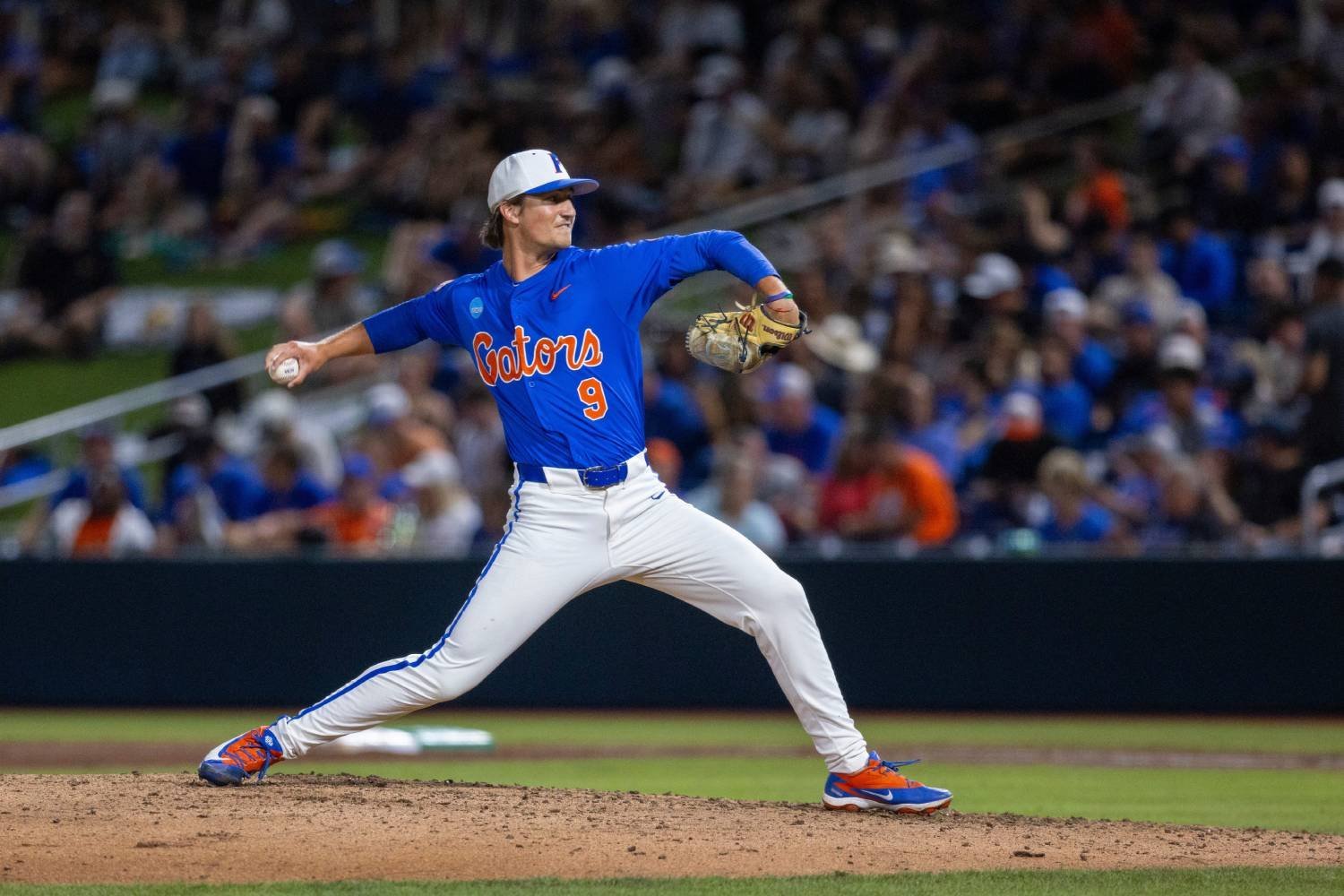 If you had the thought that the New York Mets had an eye on bolstering the system’s pitching depth after Day 1, that belief crystallized big-time on Day 2. The Mets’ first four picks Sunday were college pitchers, with 10 of their 16 overall on Day 2 being college pitchers. They selected just two high school players, a catcher and an outfielder, on Sunday. That came after the Mets used two of their three picks Saturday on college pitchers, including taking Arkansas sophomore right-hander Carson Wiggins with their first-round pick. They also took Texas A&M senior left-hander Shane Sdao in the fourth round. Of their 19 total draft picks, 12 were college pitchers. Sunday began with the fifth round, where the Mets stayed the course and took Florida junior right-hander Luke McNeillie with the 152nd pick. The 6-foot-3, 200-pounder profiles as a key reliever, where his stuff plays up, but could also be a starter with some work. While his fastball sits in the upper-90s, he has a high-spin slider in the upper-80s that is his best pitch. The 21-year-old also has a changeup that needs improvement, especially if he is to remain a starter. He has some delivery issues that lead to his pitches being more hittable. Auburn redshirt junior right-hander Alex Petrovic was the Mets’ choice in the sixth round (181st pick). A big frame at 6-5 and 235 pounds, the 22-year-old had 92 strikeouts in 92⅔ innings across 17 starts that helped make him a high selection after going undrafted a year ago when eligible. He added about 3 mph of velocity, touching 96 mph while sitting 92-93 mph. He also has a good changeup to go along with a sweeper and a cutter. He battled arm inflammation in high school and when he stepped onto the Auburn campus, then had a stress fracture in his elbow that first spring and had surgery. The same injury cropped up the next year, but he chose a different recovery path and has been healthy since. In the seventh round (210th pick), the Mets went with Stanford junior right-hander Aidan Keenan, who was a starter and reliever throughout his college days. The 6-2, 200-pounder battled an oblique injury this season and has trouble with control and consistency. He has a very nice mid-90s fastball with life that has reached 99 mph. He also utilizes two types of changeups, one that is a high-spin traditional offering and another lower-spin split. Mississippi junior right-hander Landon Koenig went in the ninth round (240th). The 6-6, 245-pounder started his career with two years at North Dakota State to little acclaim, but refined his performance at Ole Miss, where he posted a 29.7% strikeout rate and 6.3% walk rate. He picked up a couple ticks in velocity to sit 95-96 mph with his fastball. His fastball hasn’t missed a lot of bats, but he does throw it for a lot of strikes. He also has an upper-80s slider, which is pretty good, and a splitter. The ninth round broke the pitcher trend as the Mets went with a college catcher. That was Cal Poly junior backstop Ryan Tayman with the 270th pick. He played two seasons at Cal before transferring to Cal Poly for this past season. The 6-2, 210-pounder slashed .349/.445/.672 with 15 homers and 43 RBIs in 50 games. It was a breakout season after hitting .254 and .274 at Cal. The right-handed hitter cracked three grand slams as a junior for good measure. It was back to college pitching in the 10th round as the Mets picked Dartmouth junior right-hander Nate Isler, who could be a sleeper pick. The 6-6, 235-pounder has a dynamic fastball that led to 80 strikeouts in 65 innings, including two 11-strikeout games. He did have a 4.98 ERA by virtue of allowing 68 hits and 25 walks. The second half of the draft began with the Mets selecting Arkansas junior outfielder Kuhio Aloy in the 11th round (330th pick), the second Razorback behind Wiggins selected by New York this year. A 6-1, 205-pound Hawaii native who began his career at BYU before spending the last two years with the Razorbacks, he slashed .293/.352/.486 this season, hitting nine home runs and driving in 41. He was the eighth player drafted from Arkansas in this year’s draft. UC Santa Barbara junior right-hander AJ Krodel was scooped up in the 12th round (360th pick). The 6-4, 200-pounder is a reliever who can rack up strikeouts but has issues with walks. His stuff and traits show the potential that the stats don’t. He is the fifth member of the Gauchos’ pitching staff to be drafted this year, led by No. 4 overall pick Jackson Flora, who was taken by the San Francisco Giants. Krodel had a 5.66 ERA this year with 17 walks and 42 strikeouts in 35 innings. He also gave up 42 hits, including seven homers, so the Mets will look to do some fine-tuning with him. It took until the 13th round for the Mets to finally select a high school player. Catcher Jacob Madrid was taken with the 390th selection out of Notre Dame High School in Sherman Oaks, Calif., the same school that has produced Hunter Greene and Giancarlo Stanton. The 6-4, 215-pound right-handed hitter, who also pitched in high school, is a terrific defender, which will be his calling card and could take him all the way to the majors. An Oregon commit, Madrid has a very strong arm (65 on the 20-80 scouting scale) to highlight his elite defensive skills. He also has some raw power to tap into. The Mets went back to college pitching in the 14th round (420th pick) with Troy (Ala.) senior left-hander Zach Crotchfelt. At 6-3, 215 pounds, Troy was the third school for Crotchfelt, who also attended Auburn and Texas Tech. He helped Troy make a surprising run to the College World Series by striking out 81 in 67 innings for a 3.47 ERA. His fastball sits 93-94 mph, reaching 97 mph and was the pitch he relied on a lot in college, using it 72% of the time. Crotchfelt also has a changeup and a curveball that misses bats even with less usage. He throws from a three-quarters slot with a crossfire delivery. Missouri-St. Louis junior right-hander Dustin Hagens Jr. was taken in the 15th round (450th pick). The 6-1, 185-pounder was a starter in his first two college seasons, but converted to a reliever as a junior and experienced a ton of success. In 20 games and 39⅓ innings, Hagens struck out 57 and walked 18. In the 16th round (480th pick), the Mets went with LSU junior right-hander Gavin Guidry. No, he is not related to former New York Yankees star left-hander Ron Guidry, also a Louisiana native. This Guidry, a 6-2, 184-pounder, missed all of 2025 as he redshirted with a back injury, but rebounded in 2026 to strike out 59 in 43⅔ innings while posting a 6.39 ERA. While his strikeouts spiked as a junior, he was more effective in his freshman and sophomore years, with ERAs of 3.77 and 2.59, respectively. Cooper Dossett, a senior right-hander out of Arkansas and the third Razorback the Mets took in the draft, was the 17th-rounder (510th pick). A 6-0, 210-pounder, Dossett is another reliever that will need work. He had a 6.88 ERA in 17 innings over 16 appearances, striking out 18, while allowing 13 runs on 12 hits and 12 walks. The 18th round (540th pick) saw the Mets take their second high school player. That was outfielder Marcus Ward out of King’s Ridge Christian School in Alpharetta, Ga. The 5-11, 172-pounder left-handed hitter has a commitment to Western Carolina. In the 19th round (570th pick), the Mets again went back to college, selecting Central Florida senior outfielder John Smith III. At 6-1, 200 pounds, the right-handed hitter slashed .322/.383/.574 in starting 47 of the team’s 49 games, hitting 12 homers and driving in a team-high 49 runs. He showed a good ability to reach base, with a 23-game on-base streak. He played his junior year at South Alabama after two years at Pensacola (Fla.) State. To wrap things up, the Mets used their final pick to pick their only infielder of the draft, Iowa senior shortstop Kooper Schulte. The 6-1, 198-pound right-handed hitter slashed .274/.344/.451 with nine homers and 39 RBIs with 11 steals and 50 runs scored in 56 games. View the full article
 -
Scouting Reports for Boston Red Sox's Final 10 Picks In 2026 MLB Draft
DiamondCentric posted an article in Talk Sox
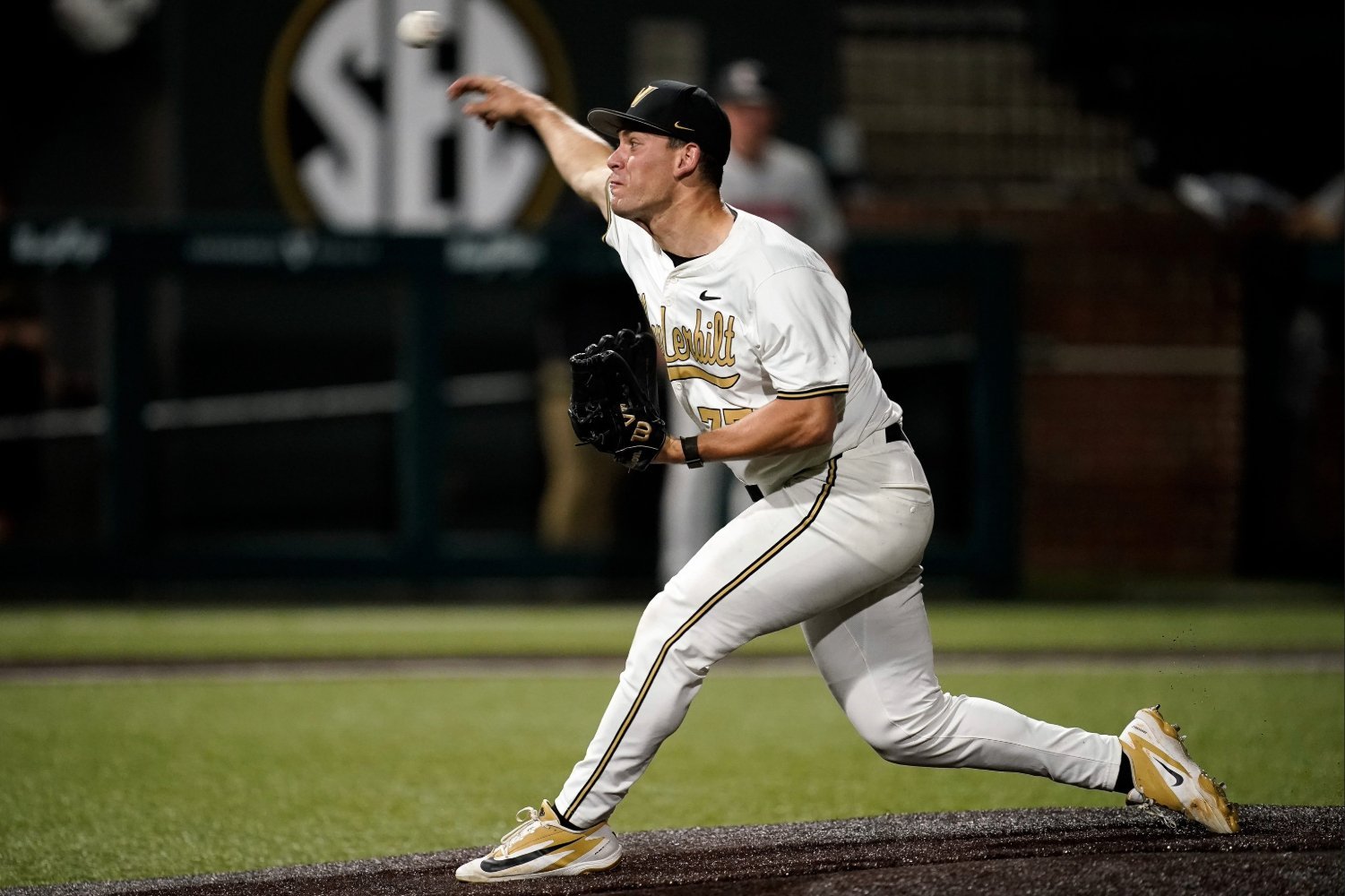 After going after bats on day one of the 2026 MLB Draft and then going pitching heavy for the beginning of day two, the Boston Red Sox drafted with a mixture of the two ideas for the latter half of the draft. Over the remaining 10 rounds, they selected four positional players and six pitchers. Also, unlike in 2025 where they focused mainly on college players, Breslow appeared to be interested in a few high school prospects as he drafted three of them in the remaining 10 rounds after taking three in the first 10. Of the four position players taken in the final 10 rounds, three were drafted as shortstops, while the other was an outfielder. Round 11: Wills Maginnis, SS, Georgia State Maginnis, a 6-foot-3, 195-pound infielder, was a 2026 All-Sun Belt First Team selection and was committed to transferring to Arkansas prior to being selected. Drafted by the Red Sox as a shortstop, the infielder has experience at first base, third base and a little in the outfield as well, giving him plenty of versatility. During his sophomore season with Georgia State, Maginnis put up a stat line of .306/.404/.486 with 13 doubles, one triple, eight home runs and 42 RBIs in 56 games. Much like the selections from day one, Maginnis has strong bat-to-ball skills as he struck out just 36 times in 216 at-bats. He also has room to grow in the power department. Round 12: Jacob Webster, SS, Oak Hills High School Webster follows in the same way as the other shortstops Breslow has focused on this draft: tall, athletic, and room to grow. Currently, he’s 6-foot-4 and weighs 190 pounds. Despite being drafted as a shortstop, there’s a possibility he could begin his career as a two-way player as he was also a pitcher in high school with a fastball that got up to 90 mph. He's committed to Loyola Marymount University so the Red Sox will have to convince him to sign. Offensively, he’s a switch-hitter who has shown power from the right side of the plate. Defensively. he should be able to stick at shortstop but could also move to the outfield, assuming he opts to focus on hitting. Round 13: Mason Lei, RHP, Illinois-Chicago Much like the other pitchers Breslow has targeted, Lei is a large man, standing at 6-foot-4 and weighing 220 pounds. He has good control and limits the walks. In his lone season pitching at Illinois-Chicago, he made 16 starts and tossed 96 2/3 innings while walking just 19 batters. He also struck out 86 in that same span and threw two complete games. He has a fastball that comes in at the low-90s, and it’s paired with a sharp slider that usually sat 79 to 80 mph. Scouts believe there is more swing and miss in his arsenal than he showed in college. Last year, he was named All-Missouri Valley Conference First Team and made the All-MVC Tournament Team. Round 14: Jase Evangelista, RHP, University of Nevada, Las Vegas Evangelista comes in a bit smaller than most picks by Breslow, standing at just 6-foot-2 and weighing 195 pounds. Despite that, he has shown development that should intrigue many as after years of work, his fastball now sits in the mid-90s. Prior to being drafted, Evangelista was transferring to play for Texas A&M after previously planning to transfer to Texas Tech. During his time with UNLV, the right-hander showcased impressive swing-and-miss ability as he produced a 47% whiff rate last year. Making 19 appearances out of the bullpen, he tossed 46 2/3 innings while striking out 64 batters against 18 walks. Currently, he possesses a fastball, curveball, and cutter but in an interview during his time in college said he wanted to develop two more pitches at the pro level. Round 15: Chase Frey, LHP, Grand Canyon University Frey fits the mold of a Breslow pitcher very well as he stands 6-foot-6 and weighs 215 pounds. He still has room to add velocity and held opponents to a .226 batting average in 67 2/3 innings in 2026. Overall, he made 13 appearances with 12 being starts, striking out 69 batters and walking 17. Over the summer, he was pitching in the Cape Cod League where he threw 21 2/3 innings for Orleans and allowed just four earned runs while striking out 25. There is room for added velocity, but his secondary offerings will need the most work. He is committed to transferring to Oregon, so the Red Sox will need to convince him to sign. Round 16: Colton Coates, SS, Louisiana Tech Coates comes in at 6 feet even and 195 pounds and was drafted as a shortstop despite having mostly played first base and third base with Louisiana Tech. In 58 games last season, he hit .330/.447/.488 with 13 doubles, three triples, five home runs and 28 RBIs. Most importantly, he showcased the same skill set that Breslow has been targeting this draft: an ability to recognize pitches and a great understanding of the strike zone. He worked 45 walks to 30 strikeouts as part of his breakout campaign. He is a switch-hitter and played all four infield spots this past season. He also showcased an ability to limit swing-and-miss in his game. He has above-average speed and thanks to his range and arm should be able to play up the middle. This is a high-floor prospect with room to grow if he adds more pop to his game. Round 17: Alex Kranzler, RHP, Vanderbilt The 21-year-old right-hander stands at 6-foot-3 and weighs 219 pounds. Last year, he made 19 appearances for Vanderbilt tossing 43 2/3 innings while striking out 54 batters. At the time of the draft, he was playing summer baseball for the Trenton Thunder where he made five starts and tossed 23 innings while allowing just six earned runs. He throws a sinker that averages around 95 mph but can top out at 98 mph. He also has a changeup, slider and cutter. During his time with Vanderbilt last year, opponents hit just .225 against him. He also had a strikeout per nine innings of 11.1. Despite a different looking delivery, he manages to pound the strike zone with his sinker. Round 18: Ethan Offing, OF, Dutch Fork High School The Red Sox returned to the high school ranks once more as they took Offing, their second high school outfielder, in round 18. The right-handed hitter stands at 6-foot-1 and weighs 190 pounds. He showcases a lot of athletic upside to go along with speed that allows him to fly on the base paths. In the outfield, he has shown quick jumps to get to the ball and also played shortstop in high school. He’s viewed as a potential plus defender in centerfield. He’s a player who was picked as a project, mainly due to how far his hitting will need to develop. He is currently committed to Clemson, and it could take a lot to sway him from that decision. Round 19: Luis Calderon, RHP, El Shaddai Christian High School The Red Sox went back-to-back on high school players as they drafted Calderon in the 19th round. Calderon is a 19-year-old pitcher out of Puerto Rico and is smaller than the other pitchers taken by Breslow. Currently, he stands 6 feet and weighs 160 pounds but should be able to add to that as he grows and adds muscle. He has a three-pitch mix currently that is made up of a fastball that topped out at 93 mph in January, a cutter and a slider. He also played outfield, though there seems to be no interest by the Red Sox in trying him as a two-way player. He currently has a commitment to Dodge City Community College. Round 20: Aiden VanDeHatert, LHP, Dallas Baptist VanDeHatert continues the trend of Breslow drafting big pitchers. The left-hander stands at 6-foot-4 and weighs 190 pounds with big extension. His sinker has room to add velocity as it currently sits in the low-90s. He also throws a slider and changeup. Last year, he made 17 appearances for Dallas Baptist where he tossed 31 innings and struck out 35. Over the summer, he was playing for Greeneville of the Appalachian League where he made five appearances and tossed 13 2/3 innings. What are your thoughts on the Red Sox 2026 Draft? Leave us know in the comments below! View the full article
 -
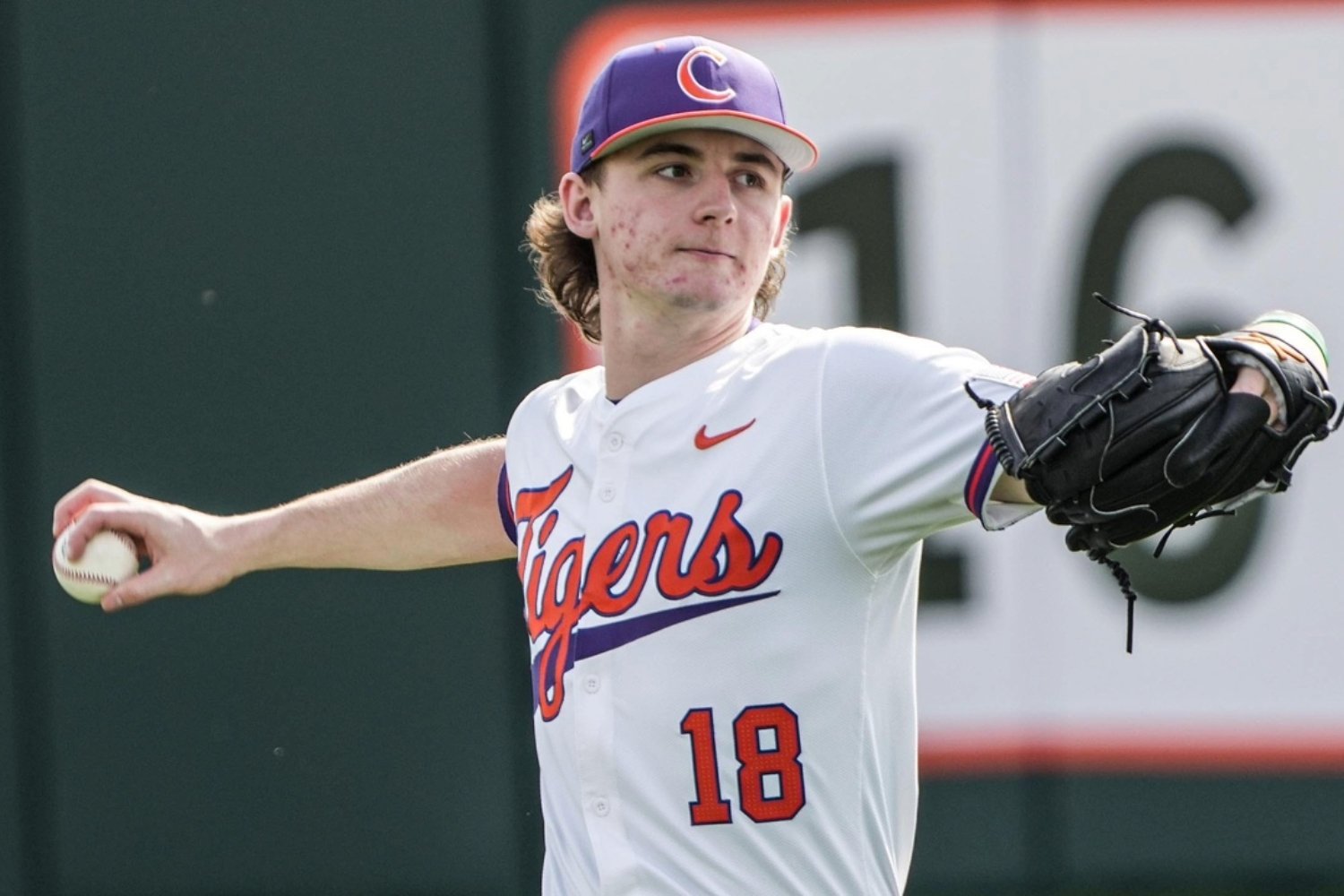 The 2026 MLB Draft has officially wrapped up and much like the theme of rounds 6-10, the Chicago Cubs had a heavy focus on adding pitching depth to their minor-league system. Here's key information to know about the 10 players drafted to round out Chicago's 2026 draft class. Round #11 - RHP, Ariston Veasey, Clemson Veasey was used out of the bullpen for Clemson during the 2026 season and was solid in the process. His mid-90s fastball helped him pitch to a 3.29 ERA and a 32.2K% in 20 appearances. Veasey also features a slider than induced nearly a 60% whiff rate, as well as a 12-6 curveball that he'll occasionally spin up to the plate. Round #12 - LHP, Brandon Arvidson, Tennessee Arvidson is a strikeout machine. Over the previous two seasons at Tennessee, he's punched out 114 batters across 76 innings pitched. His fastball sits in the mid-90's, and it plays well with the swing-and-miss slider that he features. He did miss some time in 2026 with an injury, so keeping track of that will be important for his development. Round #13 - C, Emanuel Hernandez, Puerto Rico Hernandez hails from Puerto Rico and was a member of the Carlos Beltran Baseball Academy. According to Baseball America, he's the No. 2 ranked Puerto Rican player in his class. Hernandez is a Miami of Ohio signee, so his decision to pursue to the college or professional route will be one to watch over the coming days/weeks. Round #14 - SS, Corey Nunez, UC Santa Barbara Nunez will join his Santa Barbara teammate Cole Tryba in the minor-league system after Tryba was selected by the Cubs in the 7th round. Nunez had a stellar senior season that saw him slash .280/.361/.393 with nine double, three triples, two home runs and 15 RBIs. Most impressive of all, Nunez had just an 11.5% strikeout rate. Round #15 - RHP, Griffin Naess, Cal Poly Naess is a tall, lanky right-hander at 6'6" and strikeouts are the name of his game. Despite his 4.63 ERA last season, Naess punched out 97 batters in 91 1/3 innings. He features an upper-80s fastball, and he'll seldom mix in a curveball and slider, but it's his changeup that he relies heavily on, as it was his best strikeout pitch during the season. Round #16 - RHP, Ashton Pocol, Florida Golf Coast Pocol came out of the bullpen for Florida Golf Coast and was dominant while doing so. A three-pitch mix that includes a fastball, slider and curveball helped the right-hander rack up a 36.8% strikeout rate. Pocol is steadily in the zone with all three pitches, as shown by his walk rate of just 7.4%. The development of a fourth pitch or an increase in velocity will be a huge part of his development. Round #17 - RHP, Ryan Marton, UNLV Marton is a bulky 6'4", 230-pound right-hander from Ontario that spent his 2026 collegiate season at UNLV. Marton pitched both in the starting rotation and out of the bullpen, posting a 6.16 ERA across 13 outings. The swing-and-miss numbers weren't great, as he punched out just 22 batters and walked nine across 19 innings. Marton recently committed to the University of Missouri, so he'll have a choice to make between the pros and another year of college. Round #18 - RHP, Luke McGrath, James Madison McGrath pitched 28 times across two college seasons, including 24 last year. He posted a 5.79 ERA with 28 strikeouts across 28 innings. His fastball sits in the low-90s, and he pairs it with multiple off-speed pitches. He did walk 20 batters in 28 innings, so command of the strike zone will need to improve in the minor leagues. Round #19 - RHP, Luke Guth, Vanderbilt Back-to-back Lukes in Rounds 18 & 19 for the Cubs, as the Vanderbilt product will likely sign after entering the transfer portal and still having yet to announce a commitment. Guth lives in the low-90's with his fastball, as well as featuring a mid-80's slider and a looping, low-70s curveball. Round #20 - 1B, Brennan Hudson, Georgia The final selection of the 2026 MLB Draft for the Cubs was used on Georgia first baseman Brennan Hudson. Hudson has major power, as he launched 38 home runs in his collegiate career, including 22 in his senior season. His plate discipline is a plus, as he struck out 109 times compared to 81 walks during his college career. A career OPS of 1.099 from an SEC program at pick No. 607 feels like excellent value for Chicago. View the full article
 -
Toronto Blue Jays Picks For Rounds 11-20 In The 2026 MLB Draft
DiamondCentric posted an article in Jays Centre
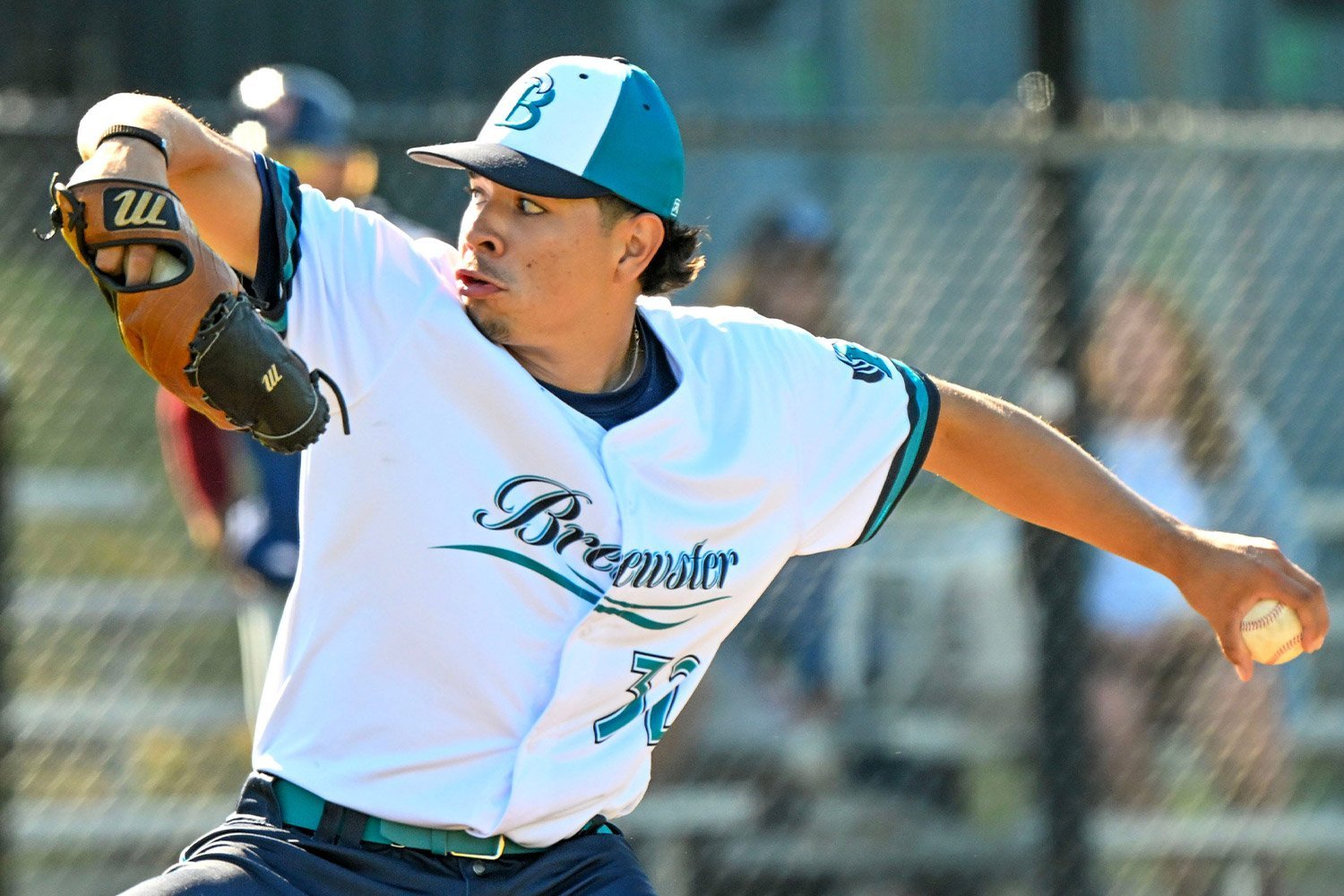 With the draft wrapped up, here are the Toronto Blue Jays' selections for picks 11-20. Round 11. Brayden Martin, 3B, Maryland The Toronto Blue Jays selected Brayden Martin at 342nd overall in the 2026 MLB Draft. Martin is a third baseman out of the University of Maryland. In his junior season, he slashed .352/.488/.449, struck out just 20 times, while walking more than double that with 56 free passes. He only had two home runs, 13 doubles, and one triple, giving him 60 singles for the season. Reports have been circulating that he had a 96% contact rate this past season, an absurd number at any level. Martin stands at 5-foot-10 and is listed at 175 pounds, leaving little room to fill out or allow for any future power projection. He should be a big-time contact guy at the plate, someone who should be able to do all of the little things to help a team win. He should be more of a prototypical second baseman, two-hole type of hitter. Round 12. Santiago Garcia, P, LSU The Toronto Blue Jays selected Santiago Garcia at 372nd overall in the 2026 MLB Draft. Garcia is a relief pitcher out of Louisiana State University. In 2026, he threw 22.2 innings, had a 5.96 ERA, a 1.588 WHIP, a 32.7 strikeout rate, and a 15.9% walk rate. During the Cape Cod League, he was used as a starting pitcher and fared much better, with a 2.35 ERA. Baseball America said he is able to compensate well for his undersized frame by pitching from some unique angles. They had his fastball in the 88-90 mph range while in the Cape Cod League, with his best secondary pitch being a 79-81 mph curveball. According to them, he also showed a changeup and slider, both of which were not up to the level of his curveball. It is still unclear what role the Blue Jays intend to use Garcia, but he will have to improve his pitch arsenal if there are any plans to have him work as a starter. Initial reactions tend to see him working as a relief pitcher who could have success due to his awkward pitch angles from the left side. If his control and velocity can tick up some, he could find success as a starter, though. Round 13. Mathis Nayral, SP, Kansas The Toronto Blue Jays selected Mathis Nayral at 402nd overall in the 2026 MLB Draft. Garcia is a starting pitcher out of the University of Kansas. He only pitched in one season for the Jayhawks, throwing 69 innings in 2026. In his 18 games (18 starts), he had an ERA of 4.96, a WHIP of 1.435, a 22.8% strikeout rate, and a 9% walk rate. Nayral is an international player, being born and raised in France, before coming over to play at Kansas. Reports have him with a four-pitch mix, including a fastball in the low to mid-90s. He seems like the perfect project for the Blue Jays farm factory to work with him and get him to a more elite starting pitcher level. Round 14. Connor Kelley, P, Texas-San Antonio The Toronto Blue Jays selected Connor Kelley at 432nd overall in the 2026 MLB Draft. Kelley is a pitcher out of Texas-San Antonio. In 2026, he pitched both as a starter and a relief pitcher. In 20 games (five starts), he amassed 66.1 innings, has an ERA of 2.98, a WHIP of 1.131, a strikeout rate of 26.7, and a walk rate of 8.1%. Kelley could be more of a relief pitcher mold, as he has hit in the upper 90s with his fastball. If Toronto can get a tick or two more out of him, he might turn into a late-inning demon that they so desperately need. Round 15. Oliver de la Torre, P, California The Toronto Blue Jays selected Oliver de la Torre at 462nd overall in the 2026 MLB Draft. De la Torre is a pitcher from the University of California. In 2026, he threw the third most innings in the ACC, topping out at 81.1 innings. He started 14 games and had a 3.76 ERA, a 1.143 WHIP, a 21.2% strikeout rate, and a walk rate of 6.8%. De la Torre is more of a fastball/changeup pitcher right now, which should bode well for his development. If he can improve his breaking ball, he will have a great foundation for a starting pitcher. His changeup though will most likely remain his biggest weapon, in 2025 the pitch had a 48.8% whiff rate. Round 16. Carson Cormier, P, Illinois State The Toronto Blue Jays selected Carson Cormier at 492nd overall in the 2026 MLB Draft. Cormier is a pitcher out of Illinois State. He pitched out of the bullpen and as a starter in 2026, making 10 starts out of his 16 appearances. He threw 69 innings, had an ERA of 4.17, a WHIP of 1.377, a strikeout rate of 25.1%, and a walk rate of 4.1%. Cormier has shown he will throw strikes and can keep the walks to an extreme minimum. With his large 6-foot-6, 235-pound frame, Toronto might be able to get a boost out of his fastball and gyro slider. If they can, he has a frame to eat innings and go deep into games. Round 17. Landon Waters, RP, Mississippi The Toronto Blue Jays selected Landon Waters at 522nd overall in the 2026 MLB Draft. Waters is a pitcher out of the University of Mississippi. In 2026, he pitched entirely out of the bullpen, throwing 24 innings in 24 games. He had an ERA of three, a WHIP of 1.417, a strikeout rate of 24%, and walked 11.5% of the batters he faced. Waters uses three pitches: a fastball close to the mid-90s, a cutter, and a slider. With him having success as a relief pitcher in the SEC, there is hope he could move more quickly than other pitchers, but he will need to show an improved fastball to be anything other than a middle reliever. Round 18. Jake McCoy, P, South Carolina The Toronto Blue Jays selected Jake McCoy at 552nd overall in the 2026 MLB Draft. McCoy is a pitcher out of the University of South Carolina. MLB Pipeline had this to say about him “Though McCoy recorded a 7.11 ERA in his first two seasons at South Carolina, a brief but dominant stint in the Cape Cod League last summer left some evaluators wondering if he might be the best college left-hander in the 2026 Draft. He struck out 25 of the 54 Cape batters he faced while issuing just three walks in three starts. He has the stuff and metrics to back up that performance and will have to show that he can sustain it, but he won't get the chance to do so this year after blowing out his elbow in January and requiring Tommy John surgery. McCoy's fastball gained a couple of ticks of velocity on the Cape, parking at 94-95 mph and peaking at 98 with natural cutting action. He also threw a nasty mid-80s slider with plenty of sweep and mixed in some true cutters at 87-91 mph. He doesn't have much trust in a fading upper-80s changeup that he struggles to locate. McCoy's low three-quarters arm slot and resulting low release height create pitches with an unusual combination of velocity and shapes that are hard for hitters to deal with. He lacks size, has effort in his delivery, and doesn't have much track record of success or strikes, so he might be more of a reliever than a starter. He looked like he could pitch in the front half of a rotation while on the Cape, and he has the arsenal for a high-leverage role if he does wind up in the bullpen.” I think with how the draft has gone for Toronto, they will make McCoy a large offer, well, probably along the lines of a second or third round pick, to try and keep him from returning to South Carolina. If they are able to pry him away from his college commitment, he might be one of the steals of the draft. Round 19. Cole Travers, SS, St. Neumann HS The Toronto Blue Jays selected Santiago Garcia at 582nd overall in the 2026 MLB Draft. Travers is a shortstop out of St. Neumann HS. Similar to Jake McCoy, except a sizable offer is going to him to keep him from heading to college. 20. Eddie Rosado Jr., OF, Holy Ghost Prep School View the full article
 -
 The Brewers continued to go with prep players for round 16-18, then they took a Division II player, and then they finished the draft off with the son of a Brewers legend. All in all, a pretty exciting final five rounds. Round 16, Pick 491: RHP Bradyn Havard -- George County HS (MS) -- Pearl River CC Commit This is an interesting selection, as the Brewers take a player committed to a community college for next season. Havard had a very strong season in Mississippi this year, striking out 134 batters in 75 1/3 innings and posting a 1.30 ERA. He sits in the 88-90 MPH range and gets up to 93 at times, with armside run. He also mixes in a curveball, a slider, and a changeup. The slider is the pitch he seems to have the best feel for at this moment, and seems to be his go-to secondary when he's looking to put someone away. A community college commitment is not a common one for a high school pick, but it certainly would seem like he'd be someone willing to sign into pro ball if the offer is right. Round 17, Pick 521: INF Chance Ruby -- Wilmot HS (WI) -- Illinois-Chicago Commit This marks the third Ginger Poulson pick in rounds 11-20. Ruby was an under-the-radar name in the state of Wisconsin. He's got extremely quick hands at the plate, with some Joey Wiemer mannerisms (at times) to the hand movement during his load, though never quite as exaggerated. He runs a sub-6.6 60-yard dash and has numerous 100+ MPH batted balls in games already. He's also shown the ability to catch up to upper-90s fastballs in live AB settings. There are some right-handed Josh Adamczewski parallels to this profile. The glove might wind up moving him off of shortstop eventually, but the arm is strong enough to handle it if he can improve upon some of the infield actions. He is very instinctual and has a lot of baseball IQ as well. Ruby is a UIC commit, like Adamczewski was a Ball State commit, which gives the impression he could be a signable player, even at this point in the draft. Round 18, Pick 551: RHP Brady Smith --East Carter HS (MO) -- Wichita St Commit Smith is another lanky pitcher with room to fill out and add some more velocity. He seems to sit in the low-90s with decent regularity and has touched 94 MPH in a showcase setting. The fastball shape seems to blend into a sinker type of shape, so he may wind up embracing that as his primary fastball, if he hasn't already. The slider is a solid secondary offering with average spin rates in the 2300 RPM range, and a pretty stock slider shape. The changeup seems to be the secondary with the most potential, as he will get up to 22 inches of run on it at times, with close to 0 inches of induced vertical break as well. It has the potential to be a plus offering down the line. His Wichita State commitment is another tough one to gauge. The odds are the Brewers won't be able to sign all of these prep players in this range, but Smith is another who feels attainable. Round 19, Pick 581: LHP Sam George -- Minnesota State Mankato (D2) -- Iowa Transfer Commit George is another Poulson area pick, and another interesting one. This is a left-handed arm that has seen a lot of success at the Division II level for Mankato. This most recent season, he posted a 3.80 ERA in 64 innings, and that was coming off a sophomore season in which he posted a 2.97 ERA in 60 2/3 innings. George starts in a very closed stance and falls off to the third base side a bit on his finish. He threw a ton of strikes at Mankato, only walking 48 in 165 innings. He mixes both a four-seam and a sinker in the low-90s, touching 94 MPH. His best secondary is his slider, which he spins well and can command to both sides of the plate. He will also mix a changeup in, which he lacks the same feel for, but shows some interesting signs at times. He is committed to transferring to Iowa, but feels like another name that could very well wind up signing. Round 20, Pick 611: 1B Carsten Sabathia III -- Houston Yes, this is CC's son. No, he is not a pitcher. Yes, this is a very cool pick. The Brewers will now have the sons of CC Sabathia and Prince Fielder in their organization. Carsten is a first baseman who started his career at Georgia Tech and finished it at Houston. He possesses quite a bit of raw power, with the hit tool lagging behind. He was not a regular for Houston this season, but in 107 plate appearances, he posted a slash line of .283/.374/.511 for an .885 OPS, and also hit six home runs. He also participated in the MLB Draft League, where he didn't perform great in 43 plate appearances, but he did pop close to a 111 MPH exit velocity in a game this year. Whether it works out or not, the Sabathia family will be back in the organization for the first time since that magical 2008, and that is very cool for Brewers fans. That concludes the 2026 MLB Draft. Thanks for following along all day or catching up later on. Non-drafted Free Agents are next over the next few weeks, because the fun never really stops! View the full article
 -
 Here is a look at all of the Royals' draft picks from rounds 11-20 in the 2026 MLB draft. While these prospects may not require top dollar like some of the day one picks might, there is still plenty of potential, and it will be interesting to see if these players can be contributors at the major league level one day. Round 11 (329th overall): Tanner Griffith, OF, Saint Mary’s Griffith, a left-handed hitting outfielder, played three years at Saint Mary’s, where he hit .300/.450/.437. This past year, he hit at an even better rate, with a 1.022 OPS, and he hit five home runs. He hit three in his first two years of college. He’s also shown the ability to steal some bases as well, stealing 43 bases over his three years at Saint Mary’s. He announced that he transferred to TCU, but the Royals will look to get him to start his professional career and forgo his final year of eligibility. Griffith will add to the outfield depth, as he played all three outfield positions while in college. Saint Mary's Baseball (@smcbaseball) • Instagram photos and videos WWW.INSTAGRAM.COM 561 likes, 6 comments - smcbaseball on March 21, 2026: "Griffith to the moon ??➡️ #GaelsRise". Round 12 (359th overall): Lance Hartley, RHP, College of Central Florida Hartley pitched at the College of Central Florida, where he pitched in five games, giving up six earned runs over 16 innings pitched while recording 22 strikeouts. He previously committed to play next year at the University of South Carolina, which was one of two division one offers he had after this past year. He pitched in the 2024 MLB Draft League. He throws a mid-90s fastball and a low-80s slider. He also throws a changeup and a curveball. Unfortunately, he is currently rehabbing for Tommy John and has reopened his recruitment, so the Royals will look to have him pitch starting in 2026 at the professional level instead. Round 13 (389th overall): Dalton Hill, RHP, Nicholls St Hill pitched out of the bullpen at Nicholls St this past season, appearing in 17 games, throwing 20 innings, recording 19 strikeouts, and giving up only three runs. In 2025, he had less success in the rotation, pitching in 15 games with 10 starts. Hill previously pitched at Northeast Texas Community College prior to the last two years at Nicholls State. Hill has a lot of emotion on the mound as well, which makes for a fun player to watch. Round 14 (419th overall): Banks Wickhersham, C, Fort Dorchester HS (South Carolina) Listed as a catcher, Wickersham has played all over the diamond, including some time on the mound. He has thrown in the mid-90s on the mound. He also played quarterback for his high school football team. He is committed to playing collegiately at the College of Charleston. Here is a look at how he approaches his work as a player: Round 15 (449th overall): Madden Clement, LHP, Virginia Tech Clement, son of former MLB pitcher Matt Clement, played for the Hokies for three years, where he pitched both in the rotation and as a reliever. In 2026, he pitched in eight games, five starts, and threw 13 ⅔ innings while striking out 13, walking nine, and giving up six earned runs. He missed most of the season with an arm injury, which is never a great sign for a pitcher. He pitched this summer in the Cape Cod League, where he pitched 12 ⅓ innings over four appearances. While the 6.57 ERA might not look great, he struck out 18 batters in that time, so he showed the ability to strike hitters out on the Cape. Round 16 (479th overall): Dylan Alonso, RHP, Troy University Alonso pitched this past year with Troy, mostly out of the bullpen. He threw 49 ⅓ innings and struck out 60 hitters over that time. He also had a high walk rate, walking 32 in that time period as well. He pitched at Middle Tennessee State University his freshman year before pitching at Columbia State Community College in 2025. He has a mid-90s fastball that has touched 96 mph and an above-average curveball that sits 83-84. He was part of a pitching staff that helped Troy make a College World Series appearance at the Division I level for the first time in program history. Round 17 (509th overall): Richie Roman, RHP, Houston Roman has pitched the past three years at Houston, where he has improved year over year. In 2026, he pitched in 13 games, starting four, where he threw 30 ⅓ innings, recording 31 strikeouts with a 3.86 ERA. His control was suspect this past year, walking 13 and hitting eight batters in those 13 appearances. He just turned 21 last week, so he will be pitching his age-22 season in the first full season of his professional career in 2027. His fastball has reached as high as 97 mph with a splitter/sinker that sits 88-92. He also throws a curveball and a changeup. Round 18 (539th overall): Cooper Corkrean, LHP, University of New Mexico Corkrean was thrown out of the Lobos bullpen this past year, recording four saves across 21 appearances. In those appearances, he had two starts, throwing 59 innings with 59 strikeouts. He was second-team All Mountain West in his one year with the Lobos. Prior to pitching at New Mexico, he pitched for Galveston College for two years. His fastball tops out in the low-90s. He entered the transfer portal after the 2026 season, originally committing to Houston but then flipping his commitment to Kentucky. Round 19 (569th overall): Hudson DeVaughan, P, Mooresville HS (Indiana) The University of Alabama commit has a deep repertoire, including a four-seam fastball, a two-seamer, a cutter, and two breaking balls. His fastball has reached 98 mph. He was part of a state championship team his sophomore season in high school. He was limited on the showcase circuit last summer, but he bounced back as one of the best pitching prospects in the Midwest. It will likely take more than the $150,000 to convince DeVaughan to forgo his college commitment. His parents were both athletes at the University of Florida, and his dad, Derek, was drafted in the 23rd round of the 1997 MLB draft by the Toronto Blue Jays. MLB Pipeline ranked him as the 138th-best prospect in the 2026 draft. He projects to have more velocity to come, so that is an intriguing thing to keep an eye on going forward as well. If he doesn’t sign, he will be draft eligible again in 2028 as a sophomore. Round 20 (599th overall): Riley McDonald, RHP, State College of Florida McDonald, a JUCO product, pitched mostly out of the bullpen, with 21 appearances and five starts. He threw 63 ⅔ innings, where he recorded 58 strikeouts. He entered the transfer portal at the end of the season and committed to Liberty University. Which of these picks are you most excited about? View the full article
 -
 The early rounds of the MLB Draft are where organizations find their potential franchise players, but the later rounds are where scouting departments can truly separate themselves. These picks often require teams to identify traits that can be developed into something more. Maybe it’s a pitcher with one dominant pitch but some command concerns. Maybe it’s a power hitter whose defensive home remains uncertain. Or maybe it’s a player who simply needs the right development environment to unlock his potential. The Twins have found plenty of value outside the top rounds throughout franchise history. Kent Hrbek famously became a franchise icon after being selected in the 14th round. Taylor Rogers was an 11th-round pick who developed into an All-Star closer. Even Gene Larkin, whose pinch-hit heroics helped Minnesota win the 1991 World Series, was a 20th-round selection. There is value to be found throughout the draft, and the Twins continued their search for future contributors in Rounds 16-20 of the 2026 MLB Draft. 16th Round, 467th Overall: RHP Connor Mattison, Kentucky Mattison is a 6-foot-2, 195-pound right-handed pitcher with a history of missing bats. Before transferring to Kentucky, he spent two seasons at Grand Canyon, where he became one of the program’s most accomplished young pitchers. As a freshman, Mattison threw Grand Canyon’s first no-hitter in 42 years, striking out 10 batters against Sacramento State. He earned national recognition while finishing the season with a 12.5 K/9 rate and multiple weekly honors. In 2025, Mattison continued to show swing-and-miss ability, leading the team with 41 strikeouts in just 33 1/3 innings while earning WAC Pitcher of the Week honors after throwing five shutout innings against Vanderbilt. The move to the SEC level at Kentucky proved more challenging. Mattison made 14 appearances (six starts) and posted an 8.10 ERA with a 1.53 WHIP. However, some underlying numbers suggest there could be more upside. His 6.33 FIP and .337 BABIP indicate some bad luck, while his strikeout rate remained above 20%. The Twins are betting that their pitching development staff can help Mattison recapture the dominant stuff he showed earlier in his career. 17th Round, 497th Overall: C Hideki Prather, California Prather enters professional baseball as one of the more intriguing offensive profiles in this group. After limited playing time early in his college career, he broke out in 2026 with California. The catcher slashed .333/.421/.632 (1.053) with 14 home runs and 17 doubles across 52 games. He posted a .299 ISO, a 10.8% walk rate, and a 123 wRC+, showing impressive power and plate discipline. Prather missed the 2024 season because of injury and saw limited action at Clemson before transferring. That lack of consistent catching experience means he still has development ahead of him defensively, particularly with receiving and game-calling responsibilities. The bat gives him a chance to climb quickly if the Twins can help him continue developing behind the plate. 18th Round, 527th Overall: RHP Colter McAnelly, Utah McAnelly brings plenty of starting experience to the Twins organization after serving as Utah’s Friday night starter during his final two collegiate seasons. In 2025, he earned All-Big 12 First Team honors after making 14 starts and posting a 3.79 ERA across 92 2/3 innings. He struck out 92 batters, averaged 8.9 K/9, and ranked among the conference leaders in innings pitched and opponent batting average. McAnelly followed that performance with another solid season in 2026, recording 70 strikeouts over 67⅓ innings. He finished his Utah career ranked fourth all-time in program history with 207 strikeouts. The right-hander has experience handling a starter’s workload and has consistently shown the ability to generate swings and misses. His next challenge will be translating that success against professional hitters. 19th Round, 557th Overall: SS PJ Moutzouridis, Arizona State Moutzouridis gives the Twins another athletic middle-infield option with a strong approach at the plate. In 55 games with Arizona State in 2026, he hit .286/.410/.417 (.827) with 14 extra-base hits. His 13.0% walk rate and 15.0% strikeout rate highlighted his advanced approach, while his .131 ISO and 94 wRC+ showed room for additional offensive growth. Before transferring to Arizona State, Moutzouridis spent time at California, where he emerged as one of the better young shortstops in the country. He earned Freshman All-American and All-Pac-12 honors after starting all 55 games at shortstop. Moutzouridis has the defensive foundation and plate discipline that teams look for in middle infielders. If the power develops, he could become an interesting organizational piece. 20th Round, 587th Overall: RHP Michael Barnett, UCLA Barnett gives the Twins another experienced college starter with a proven track record of durability and winning. Over four seasons at UCLA, he compiled a 24-3 record, finishing eighth in program history in career victories while serving as a key member of the Bruins' weekend rotation. His best season came in 2025 when he earned Second Team All-Big Ten honors after leading the conference with 12 wins, posting a 3.98 ERA over 86 innings with 75 strikeouts and an impressive 75-to-22 strikeout-to-walk ratio. He followed that with another productive senior season in 2026, going 6-0 with a 4.18 ERA across a team-high 71 innings while helping UCLA go 15-1 in his starts. Barnett struck out 58 batters and allowed one earned run or fewer in seven of his 16 outings. While he doesn't possess overpowering velocity, his experience, command, and ability to throw strikes give him a chance to move quickly through the Twins' system as organizational pitching depth with the potential to develop into more. The final five rounds of the draft are about finding players with one or two standout traits and trusting the development system to maximize their potential. Whether it's power stuff, defensive versatility, or an advanced approach at the plate, the Twins added several intriguing bets. History has shown that impactful big leaguers can come from anywhere in the draft, and Minnesota will hope one of these late-round selections becomes the next hidden gem. What stands out about the players in this group? Leave a comment and start the discussion. View the full article
 -
 Weekly Snapshot: Record Last Week: 4-4 (Overall: 59-37) Runs Scored Last Week: 40 Runs Surrendered Last Week: 41 Standing: 1st in NL Central Game 89 (7/06) | MIL 4, STL 3 Game 90 (7/07) | MIL 4, STL 3 Game 91 (7/07) | MIL 10, STL 2 Game 92 (7/08) | STL 5, MIL 1 Game 93 (7/09) | MIL 8, STl 4 Game 94 (7/11) | PIT 7, MIL 6 Game 95 (7/11) | PIT 3, MIL 2 Game 96 (7/12) | PIT 14, MIL 5 Game 89 | Brewers 4, Cardinals 3 MIL Starter: Shane Drohan (6.0 IP, 6 H, 2 BB, 3 ER, 2 K) Top Performers: David Hamilton (2 H, 2B, 2 RBI) Garett Mitchell (2 H, BB) Brice Turang (H, 2 RBI) Game one of five in St. Louis kicked off with Shane Drohan giving the Brewers another solid start, allowing 3 runs through six innings of work. Cardinals righty Dustin May continued to be a problem for the Brewers in his second appearance against them this season, only departing after 4.2 innings of 7 K ball due to a pitch count. Still, the Brewers would find a way to win, storming back from the 3-0 deficit with a 4-run 7th inning, and never looking back to close out game one. Brice Turang’s go-ahead single Game 90 | Brewers 4, Cardinals 3 MIL Starter: Jacob Misiorowski (7.0 IP, 3 H, 0 BB, 3 ER, 11 K) Top Performers: Christian Yelich (3 H, 2 2B, 2 RBI) Garett Mitchell (2 H, RBI) Joey Ortiz (3 H, 2B, RBI) Jacob Misiorowski was on the mound for game one of Tuesday’s doubleheader, and despite the Cardinals managing to score 3 runs off of Miz via the home run ball, the young Brewer fireballer was able to get through seven innings, striking out 11. For the second straight game, then, the Brewers' offense did just enough, scoring four runs assisted by 3-hit games from Joey Ortiz and Christian Yelich. Christian Yelich’s go-ahead double Game 91 | Brewers 10, Cardinals 2 MIL Starter: Robert Gasser (7.2 IP, 4 H, BB, 2 ER, 4 K) Top Performers: Cooper Pratt (2 H, BB, 2B, 2 RBI) Gary Sánchez (2 H, 2 BB, 2 RBI) Luis Lara (H, BB, 2 RBI) The second leg of the doubleheader wasn’t much of a contest compared to the first one, but it was notable for a couple of young Brewers. The first was Luis Lara, who recorded his first MLB knock in a big moment early in the game, driving in a pair. Then, Robert Gasser pitched past the sixth inning for the first time in his big league career and pitched well, giving the Brewers bullpen much-needed rest as the team grinded through an 8-game week. Luis Lara’s first MLB hit Game 92 | Cardinals 5, Brewers 1 MIL Starter: Kyle Harrison (4.0 IP, 4 H, 0 BB, 3 ER, 2 K) Top Performers: Garett Stallings (2.0 IP, 0 H, 0 BB, 0 ER, 3 K) Cooper Pratt (2 H, RBI) The Redbirds were able to win game four on Wednesday behind Michael McGreevy, who bested Kyle Harrison in what was another short start for the first-year Brewer. Cooper Pratt’s sacrifice fly Game 93 | Brewers 8, Cardinals 4 MIL Starter: Logan Henderson (5.1 IP, 3 H, BB, 3 ER, 4 K) Top Performers: Jake Bauers (2 H, BB, HR, 3 RBI) Brice Turang (2 H, HR, 2 RBI) Cooper Pratt (2 H, BB, RBI) The series finale saw the Brewers beat the Cardinals for the fourth time, and they did so behind the returning Logan Henderson on the mound and a pair of home runs from Jake Bauers and Brice Turang. Jake Bauers’s 3-run blast Game 94 | Pirates 7, Brewers 6 MIL Starter: Brandon Sproat (3.0 IP, 2 H, 2 BB, 2 ER, 3 K) Top Performers: Craig Yoho (2.0 IP, 0 H, BB, 0 ER, 3 K) Jake Bauers (H, BB, HR, 2 RBI) Sal Frelick (H, HR, 2 RBI) A rainout on Friday pushed the series opener in Pittsburgh to Saturday afternoon in a game the Brewers would soon like to forget. They jumped out to an early lead, getting home runs from Sal Frelick and Jake Bauers, but a short start from Brandon Sproat and a pair of home runs, including the go-ahead Grand Slam, from Esmerlyn Valdez saw the Brewers fall 7-6. Sal Frelick sends one out Game 95 | Pirates 3, Brewers 2 MIL Starter: Shane Drohan (5.1 IP, 5 H, 0 BB, 3 ER, 6 K) Top Performers: Brice Turang (H, 2B, 2 RBI) The Pirates completed the twin bill sweep later in the afternoon, with another one-run victory, again riding the white-hot Esmerlyn Valdez, who homered for the third time on the day. That was in spite of a nice outing from Shane Drohan, who pitched into the sixth inning, but that wasn’t enough as the Pirates used six pitchers to limit the Brewers to just 2 runs. Turang’s 2-run double Game 96 | Pirates 14, Brewers 5 MIL Starter: Robert Gasser (3.0 IP, 8 H, 0 BB, 7 ER, 3 K) Top Performers: Bryse Wilson (3.0 IP, 2 H, 0 BB, 0 ER, 4 K) Paul Skenes and the Pirates completed the sweep on Sunday, the second time the Brewers have been swept all season. Not only that, it was the most lopsided loss of the season, as the Pirate offense exploded for 14 runs on Gasser and the Brewer pen. Transactions: 07/12/26 - Designated LF Greg Jones for assignment. 07/12/26 - Transferred RHP Brandon Woodruff from the 15-day injured list to the 60-day injured list. 07/12/26 - Activated RHP Coleman Crow from the 15-day injured list. 07/12/26 - Acquired SS Braden Shewmake from the Houston Astros 07/12/26 - Optioned RHP Garrett Stallings to AAA Nashville. 07/12/26 - Optioned RHP Coleman Crow to AAA Nashville. 07/11/26 - Placed LHP Kyle Harrison on the 15-day injured list with left forearm tightness. (Retroactive to July 9, 2026) 07/11/26 - Recalled LHP Robert Gasser from AAA Nashville. 07/11/26 - Recalled RHP Garrett Stallings from AAA Nashville. 07/10/26 - Signed free agent RHP Bryse Wilson. 07/10/26 - Designated RHP Easton McGee for assignment. 07/10/26 - Sent LHP Rob Zastryzny on a rehab assignment to AAA Nashville. 07/10/26 - Optioned LHP Drew Rom to AAA Nashville. 07/09/26 - Activated RHP Logan Henderson from the 15-day injured list. 07/09/26 - Optioned RHP Garrett Stallings to AAA Nashville. 07/08/26 - Optioned LHP Robert Gasser to ACL Brewers. 07/07/26 - Sent RHP Carlos Rodriguez on a rehab assignment to AAA Nashville. 07/07/26 - Placed 3B David Hamilton on the 10-day injured list with a strained left hamstring. 07/07/26 - Transferred LF Brandon Lockridge from the 10-day injured list to the 60-day injured list. 07/07/26 - Sent RHP Carlos Rodriguez on a rehab assignment to AAA Nashville. 07/07/26 - Recalled CF Luis Lara from AAA Nashville. 07/07/26 - Optioned CF Blake Perkins to AAA Nashville. 07/07/26 - Recalled LHP Robert Gasser from ACL Brewers. 07/07/26 - Selected the contract of LF Greg Jones from AAA Nashville. Notes Jacob Misiorowski missed his last start on Sunday in favor of Robert Gasser. There is no injury, though the Brewers are being cautious as Misiorowski didn't bounce back from his last start as they'd hoped. Kyle Harrison's trip to the IL isn't expected to cause him to miss any starts. Looking Ahead: Monday 7/12 - Thursday 7/17 - MLB All-Star Break Friday, 7/17 - Marlins @ Brewers - 6:40 PM CDT Saturday, 7/18 - Marlins @ Brewers - 3:10 PM CDT Sunday, 7/19 - Marlins @ Brewers - 1:10 PM CDT View the full article
 -
Twins Minor League Report (7/12): Marek Houston is Incredible
DiamondCentric posted an article in Twins Daily
 TRANSACTIONS RHP Jack Anderson claimed and optioned to AAA St. Paul Saints Sentinel St. Paul 5, Iowa 4 Box Score Aaron Rozek: 4 IP, 5 H, 1 ER, 2 BB, 0 K HR: Kyler Fedko (16), Ben Ross (8) Multi-hit games: Kyler Fedko (2-for-5, HR, R, RBI), Aaron Sabato (3-for-5, R), Ben Ross (2-for-3, HR, 2 R, RBI, BB) The Saints eked out a win on Sunday. The Cubs struck first, with James Triantos jumping on an Aaron Rozek fastball in the second, launching the pitch above the elevated wall in left field. St. Paul was in a responding mood, however, as the Cubs could only celebrate having the lead for five batters before they suddenly were at a disadvantage. How? A Matt Wallner hit by pitch—shocker—an Aaron Sabato single, and an Orlando Arcia double smoked down the left field line. One inning later, Ian Daugherty extended the lead with his first AAA hit. Moisés Ballesteros struck back with a solo homer—these Cubs seem to favor the long ball—which perhaps gave Kyler Fedko a wild idea. Why doesn’t he homer, too? Brilliant. Seeing some logic in this thinking, Ben Ross, too, homered, giving St. Paul their fifth and final run of the day. Iowa struck for two in the ninth, but Trent Baker steeled himself, remained resolute, and whiffed Christian Betancourt on three pitches to end the game. The aforementioned Triantos ranks as the seventh-best prospect in the Cubs system, and he added a double in a 2-4 day. Wind Surge Wisdom Wichita 8, NW Arkansas 5 Box Score Chris Vallimont: 3 ⅔ IP, 5 H, 3 ER, 1 BB, 3 K HR: Jaime Ferrer (3), Marek Houston (2) Multi-hit games: Marek Houston (3-for-4, HR, 2B, 3 R, 2 RBI, BB), Jaime Ferrer (2-for-4, HR, 2 R, RBI) The Wind Surge rode an explosive offense to victory on Sunday. Someone let Marek Houston know that Twins Daily writers are running out of superlatives to shower him with. His supernova season remains shining and dominant: on Sunday, he collected three hits—two for extra bases—and took a walk, his first time reaching base four times in a game at AA. Watch him uncork one over the berm and into the scattered fans in left field: Art. Further down the lineup, Jaime Ferrer also had a potent day at the ballpark. He actually preceded Houston’s bomb with a tank out to right-center—a blast self-evidently impressive yet accentuated even further by the fact that he scored a direct hit onto the bouncy house beyond the outfield wall. Ruddy Gomez dominated the game’s final two frames, striking out three without allowing a run. His season ERA sits at 2.30. Billy Amick’s 61 RBIs are good for sixth-most in the Texas League. The outfielder Carson Roccaforte is the 16th-ranked player in the Royals system. He tripled once in five trips to the plate. Kernels Nuggets Cedar Rapids 2, Iowa 5 Box Score Dasan Hill: 2 2/3 IP, 0 H, 2 ER, 2 BB, 4 K HR: Jose Salas (3) Multi-hit games: None The Kernels struggled to get their bats going on Wednesday. Four hits. Two walks. Hey, at least half of their knocks went for extra-bases! They plated two, at least, as Jose Salas blasted a solo homer and Henry Kusiak drove in the aforementioned Salas with a double socked into the left-center gap. Pitching wise, Dasan Hill put forth one of the strangest pitching lines you’ll ever see. No hits? Two earned runs? Spread across two innings? The first score came on a walk, balk advancement, stolen base, and RBI grounder sequence, while the second arrived on a walk, two steals, and run-scoring wild pitch progression. Both unusual events. Occurring in back-to-back frames. It’s been that kind of season for the young lefty. Yasser Mercedes stole his 36th base of the season, the 21st most of all qualified batters across all of MiLB, which totals 1,321 players. Kane Kepley, the fifth-ranked prospect in the Cubs system, tripled once in three at-bats on Sunday. His alliterative name remains exceedingly pleasant to write. Mussel Matters Fort Myers 2, Bradenton 5 Box Score Merit Jones: 5 IP, 2 H, 0 ER, 1 BB, 4 K HR: Luis Fragoza (10) Multi-hit games: Luis Fragoza (2-for-4, HR, 2B, 2 R, RBI) The Mighty Mussels found little offense and lost on Sunday. Though most of the bats oscillated between cold and tepid, Luis Fragoza continued to be a right-handed firecracker. The 19-year-old blasted one way out to left-center, not quite hammered enough to cause the outfielders to remain stationary yet crushed enough that they realized how feeble their efforts were before they could even touch the warning track. He also doubled in the ninth. Fragoza might be the breakout Twins hitter of the low minors. He’s slashing a robust .343/.392/.650 in 137 at-bats for the Mighty Mussels this season, again, as a 19-year-old in his first taste of pro ball above the rookie levels. On the mound, Merit Jones enjoyed arguably his best start of the season, going five shutout innings with four strikeouts to lower his season ERA below “4”. He threw 58 pitches and earned eight swings-and-misses. The Marauders are, naturally, an affiliate of the Pittsburgh Pirates, though this author must note a "marauder" sounds far more intimidating than a pirate, even if the words are synonymous. Anyways, their best prospect was the 21st team-ranked Edgleen Perez, who went 1-4 from the catcher position. TWINS DAILY PLAYERS OF THE DAY Twins Daily Minor League Pitcher of the Day – Merit Jones Twins Daily Minor League Hitter of the Day – Marek Houston PROSPECT SUMMARY Here’s a look at how the Twins Daily Top 20 Twins Prospects performed: #1 – Walker Jenkins (St. Paul) - DNP (went 0-2 with two walks in the Futures Game) #4 – Eduardo Tait (Cedar Rapids) - 0-4, 2 K #5 – Marek Houston (Wichita) - 3-4, HR, 2B, 3 R, 2 RBI, BB #8 – Hendry Mendez (St. Paul) - 0-4, 2 K #12 – Brandon Winokur (Wichita) - 0-2, 2 BB #13 – Khadim Diaw (Wichita) - 1-4, BB #14 – Quentin Young (Fort Myers) - 1-4, K #18 – Yasser Mercedes (Cedar Rapids) - 0-4 #19 – Billy Amick (Wichita) - 1-2, R, RBI, K MONDAY’S PROBABLE STARTERS FCL Twins @ FCL Braves (11:00 AM) - TBD DSL Twins @ DSL Rangers Red (10:00 AM) - TBD View the full article
 -
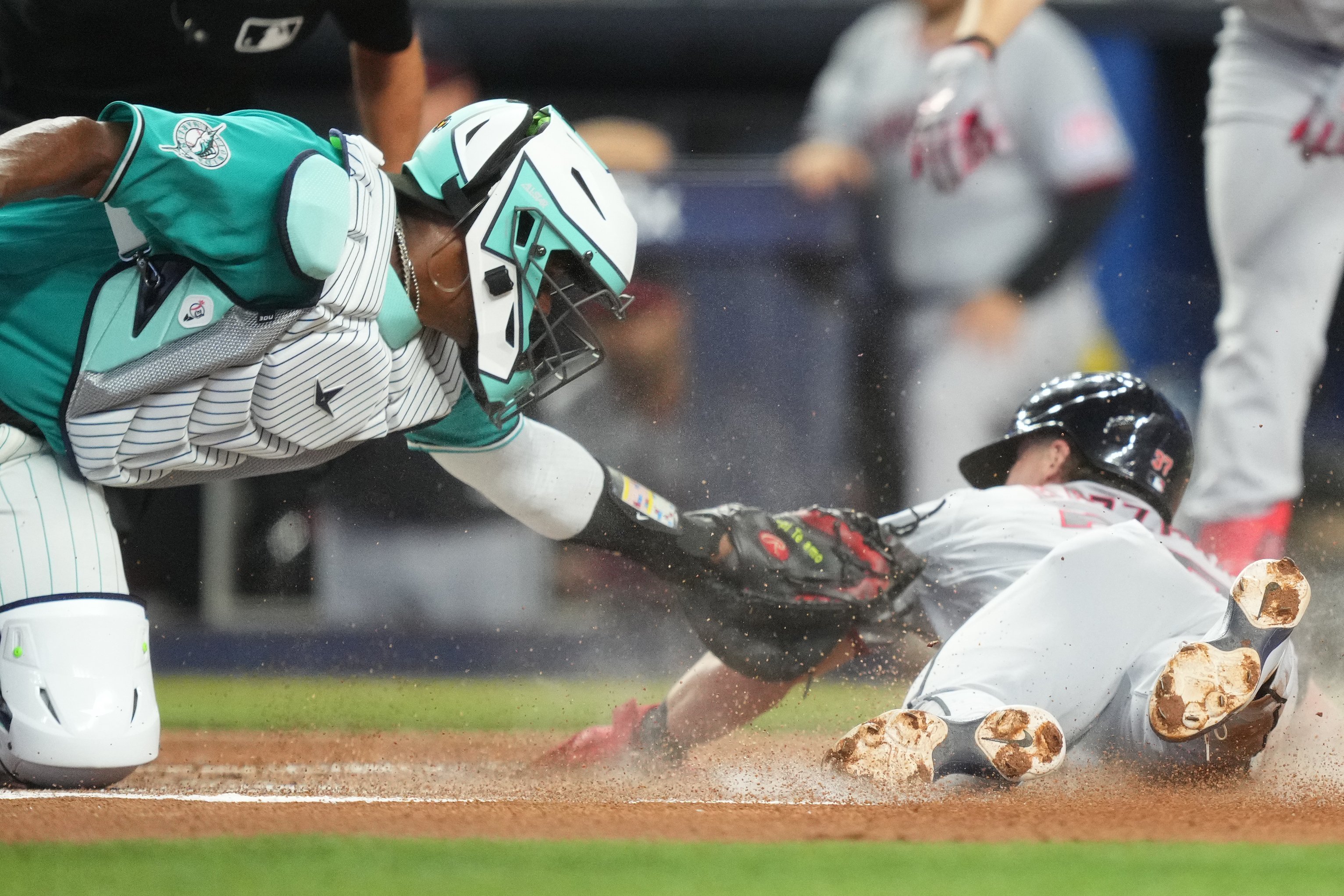 MIAMI — In a turn of events that would have been baffling to consider 72 hours ago, there might not be a team in all of MLB that welcomes the upcoming All-Star break more than the Miami Marlins. Fresh off sweeping a Seattle Mariners club that was a game away from playing in the World Series a season ago, Miami was thoroughly dominated by the visiting Guardians from pitch one on Friday to the final out on Sunday. Cleveland secured their sweep of the Fish in a 5-2 effort in the finale. It marks the first time that they'd been swept since the streak-igniting waxing at the hands of the Mets in late May. With the loss, Miami falls one game short of tying the franchise record for wins in a first half and cling onto the final Wild Card spot in the National League by just one game over St. Louis. Nevertheless, they still sit at 52-45, a mark that skipper Clayton McCullough and fans alike would have accepted without hesitation in the spring. "We would have certainly signed up for it," said McCullough postgame. "We did play to a level that put ourselves in a good spot this many games in—that part's great. On the other side, we know how much we have ahead of us. I don't like to look a whole lot backwards, but I do think that we've done a lot of really terrific things on an individual level in this half, and collectively as a team, and how we've been able to put this together. We just have to get back to it and have to play really well moving forward for us to continue winning games." Across all three games against Cleveland, McCullough's squad did not lead at any point, scoring only five runs courtesy of a 3-for-19 combined number with runners in scoring position. On Sunday alone, they went 1-8, including stranding the bases loaded with nobody out in the second. Guardians pitching, led by southpaw Joey Cantillo with nine, punched out fourteen Marlins with a steady dose of off-speed. "We just didn't really make a whole lot of adjustments against it," said McCullough. "We had the one inning where we were able to load them up with nobody out and were unable to cash in early on. They pitched well, we didn't do a whole lot offensively to make adjustments or really do a lot to stress them out during this series, which we've seen." It took Miami 26 outs to get a buzzing crowd of over 17,000, but in terms of majestic long balls, Griffin Conine made it well worth the wait with his fifth blast of the year. In addition to the surprise slump, a sudden injury bug continues to bite Marlins whom have played critical roles in the bullpen. Michael Petersen, perhaps the most encouraging late-inning arm thus far, exited his outing with right hamstring tightness. McCullough said removing Petersen was "precautionary" and that he will undergo testing to determine the severity of the injury. Petersen looks to avoid the list of relievers that have gone down in recent weeks in John King, Anthony Bender, Josh Ekness and William Kempner (a recent addition as of Sunday morning with a right elbow sprain). As for the break itself? McCullough's message to his players was simple and concise. "Go home and enjoy your families," McCullough relayed. "Everyone across the league has earned these few days to take a bit of a blow. We'll know when we come back from this that we have a sprint ahead of us. We certainly didn't finish and round out this half like like we had hoped to getting swept here, but I think we just got outplayed. We'll just have to go enjoy our time away a little bit, rest up, and get ready to start it back up in Milwaukee." All-Star festivities begin Monday night in Philadelphia with the T-Mobile Home Run Derby, followed by the Midsummer Classic on Tuesday. Both events are set for 8:00 EST. As McCullough alluded to, Miami returns to action on Friday night for a date with Jacob Misiorowski and the NL Central-leading Brewers at American Family Field. View the full article
 -
 The Brewers brought in two college arms, who will almost certainly sign, and then also drafted three prep players who are less of a certainty to sign, but all bring some interesting traits to the table. Round 11, Pick 341: RHP Gavin Perry -- Western Kentucky Perry is a different type of pick than we usually see from the Brewers in round 11. A fifth-year senior, Perry is a similar type of pitcher to Braylon Owens from the 2025 draft. Like Owens, Perry seems to have a reputation for pitching with a lot of fire and as a competitor. He's a big guy, listed at 6'5, 265 pounds, and throws in the 92-94 MPH range on his fastball for the most part. Unlike Owens, his fastball appears to be more of the sinker variety. It's a four-pitch mix, including a curveball, a slider, and a splitter. He appears to be the type of arm that could potentially add a cutter to the mix in the pro ball as well. Perry had a very strong season in 2026, posting a 3.89 ERA in 15 starts. He struck out 83 batters in 85 2/3 innings and only walked 19. This isn't the highest upside pick, but Owens has shown that there can be quite a bit of value in this type of pitcher, already making it to Double-A, not even a year after he was drafted. Round 12, Pick 371: RHP Marcus Kruzan -- Minnesota Kruzan began his career at St Thomas in Minnesota before transferring to Minnesota for this most recent season. He's a native of Ashland, WI, as well. He pitched well in his first season with the Gophers. Kruzan started 12 of his 14 appearances and finished with 52 2/3 innings total. He struck out 54 and only walked 16, which was a big improvement from where he had been the couple of seasons he spent at St Thomas. It's a very athletic delivery for Kruzan. His pitch mix is built around his four-seam fastball. He gets around 7 feet of extension and sits in the low to mid-90s on it with solid carry. He will also mix in a curveball, slider, and splitter. There are some similarities to the John Holobetz and Tyson Hardin picks from 2024 here. If the secondaries can be cleaned up a bit, he could be a starter option. Brewers fans who follow the draft know that Ginger Poulson has a tendency to cook in rounds 11-20, and this is the first pick from her territory, though it isn't her last. Round 13, Pick 401: OF Carson Hart -- Mankato East HS (MN) -- Creighton Commit Hart is also from Poulson's territory. He's a premium athlete in the outfield and was recently clocked at a ridiculous 6.28-second 60-yard dash at a Prep Baseball event. It's plus-plus speed, with the potential for really good outfield defense as well. The offensive side of the ball is very intriguing, too. He has a short swing, but his exit velocities have been creeping up of late, and at 17, there is some untapped power still coming down the line. On top of that, there's potential for an above-average hit tool already, with good bat-to-ball skills and a line drive approach, though he didn't tear up his competition to the extent you might expect this spring. Hart is a Creighton commit and will likely be the first of the 11-20 picks to command a bonus over $150,000. If they can bring him in, he will bring an exciting brand of baseball to pro ball. Round 14, Pick 431: LHP Daunte Bell II -- Millikan HS (CA) -- Houston Commit Bell is a very projectable left-handed pitcher out of California, committed to Houston for college. He sits in the mid-to-upper 80s right now and has touched 91 MPH in games. The fastball has late life, however, and he mixes in a five-pitch mix from a funky arm angle. He'll throw a cutter, a bigger slider, and a curveball, and he shows pretty good feel for a changeup as well. Standing 6'3 and only weighing 175 pounds, Bell has a ton of room left to put on weight. There is a lot of low-hanging, untapped velocity potential that could be uncovered just from a professional lifting routine and eating well. It's hard to say how signable Bell will be, but the potential is undeniable. Round 15, Pick 461: RHP Keaton Maiorana -- Mountain Vista HS (CO) -- Minnesota Commit Maiorana is an under-the-radar high school arm out of Colorado. He was ranked as the number 43 player in the state by Prep Baseball, but he was up to 95.5 MPH in February of 2025, which means there might already be more in there. He tinkered with his curveball and turned it into more of a sweeper in the upper-70s. He spins it extremely well, breaking 3000 RPMs at times. He showed a little bit of feel for a changeup, though it blended with the fastball shape a bit. The fastball shape itself is somewhat dead-zone, so the Brewers would likely tinker with the shape if they are able to sign him. He flipped his commitment from UNLV to Minnesota about a month ago, and it's unclear if he is signable or not. He's an up-arrow prospect this spring who could benefit from going to school, but the Brewers certainly will be hoping to bring him in before he blows up. Rounds 16-20, coming up soon! View the full article
 -
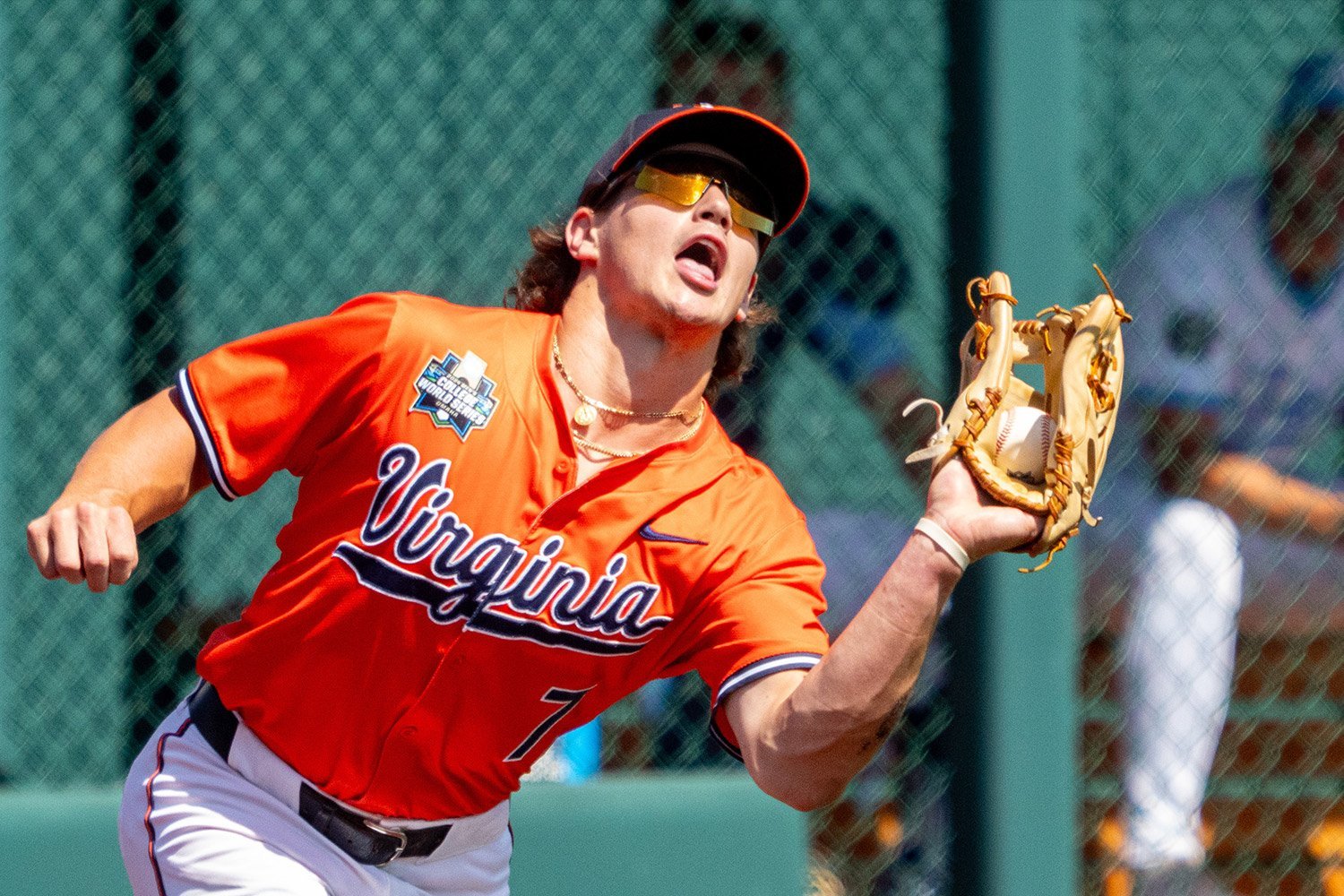 After nine consecutive pitchers taken in the 2026 MLB Draft, the Twins added four college hitters and a college pitcher. Many of the same familiar tropes from past Twins drafts have re-emerged, though in slightly different forms. In recent seasons, the Twins have turned their 11-15 picks into major leaguers, including Louis Varland, David Festa, Kyler Fedko, and Kody Funderburk. Will any of these picks see time with the Twins? 11th Round, 317th Overall: OF Aidan Teel, Mississippi State In the first draft since the end of the Derek Falvey era, the Twins showed incredible restraint, waiting until the 11th round to draft a left-handed outfielder. Teel, the younger brother of White Sox catcher Kyle Teel, breaks up the Twins' run of pitchers in this draft. Nearly 22 on draft day, Teel just completed his redshirt junior season at Mississippi State after spending his first three seasons at Virginia, missing his freshman season due to injury. In 168 plate appearances, he slashed .294/.416/.449 (.864) for the SEC program, down from his .979 OPS in 2025 for the ACC's Virginia. Teel has a good eye at the plate and solid contact skills, presenting the Twins with a well-developed player, which isn't surprising given his age on draft day (he will turn 22 next month), but it's unclear how much power the Twins will be able to add to his 6'0, 200 lb. frame, though he did have 11 home runs and 11 doubles in 40 Northwoods League wood bat games. In 2024, he has some speed and may be able to play all three outfield positions, but his best bet is probably in a corner. 12th Round, 347th Overall: RHP Colby Turner, Michigan Once again, showing immense restraint, the Twins held off on drafting the type of player that they have had a habit of taking about 10 rounds earlier than they did today, as they've loved taking a good bat college second baseman somewhere between Supplemental Round A and Round 3 in recent years. Turner is a second baseman who torched the Big 10 in 2026 with a combination of contact and power, with more extra-base hits than strikeouts, including 14 home runs in 57 games. His 1.057 OPS this season was nearly 300 points better than his 2025--first year in the Big 10, making him an enticing name who might have snuck up on some teams. He's a very aggressive hitter, so improving his plate discipline will be beneficial for the Twins Like many college second basemen, defense is not his strong suit, as although he has fine feet and a 6'0, 205 lb. frame, his arm leaves much to be desired, and he might be best suited for left field, reminiscent of the path taken by current Twins like Luke Keaschall and Austin Martin. 13th Round, 377th Overall: SS Isaiah Lane, Hope International (NAIA) Lane is a shortstop whose 2026 season is not found on Baseball Reference, because he transferred from San Diego to Hope International (an NAIA school) shortly before his junior season. It's unclear exactly what spurred his exit from San Diego, other than reports that he had "violated team rules," per the San Diego Union Tribune. Lane posted a .860 OPS at Big 12 Oklahoma in 2024, mostly fueled by a lot of singles and walks in his 71 freshman plate appearances. After transferring to the WCC's San Diego, he slashed .328/.457/.528 as a sophomore, including 21 extra base hits in 245 plate appearances (8 home runs). His power numbers dropped in the wood bat Cape Cod league the following summer, with just a .289 slugging percentage. Lane predictably dominated in NAIA play, with a 1.111 OPS and 7 homers in 117 plate appearances. He's described as having a solid glove and may be able to cut it defensively as a middle infielder. There's a lot of uncertainty with Lane, but such is picking in the 13th round. 14th Round, 407th Overall: RHP Alec Bouchard, Wofford Bouchard is a right-handed starting pitcher who just finished his third season at Wofford. His ERA has fallen year-over-year from 7.36 in 2024 as a freshman to 5.69 as a sophomore to 2.83 as a junior. More to come on Wofford shortly. 15th Round, 437th Overall: SS Charlie Scholvin, Toledo Scholvin is a high-contact, high-OBP infielder who played three seasons at Toledo. More to come on Schlovin shortly. View the full article
 -
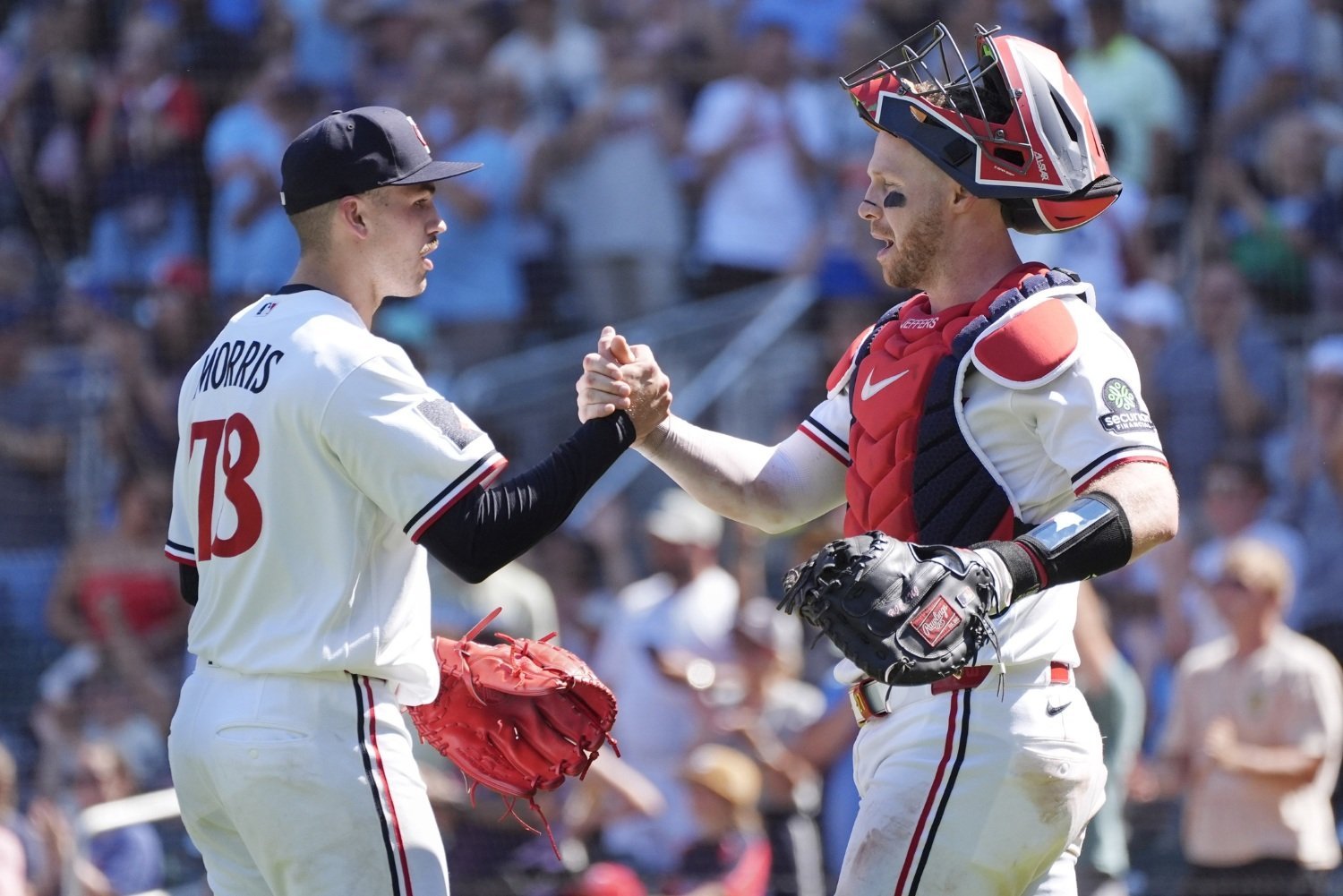 Box Score: Starting Pitcher: Taj Bradley: 7 IP, 6 H, 2 ER, 2 BB, 6 K (99 Pitches, 66 Strikes, 66.6%) Home Runs: Trevor Larnach (7) Bottom 3 WPA: Bradley (0.19), Andrew Morris (0.20), Larnach (0.17) Win Probability Chart (Via BaseballSavant): Thanks to a victory Saturday against the Angels, the Twins entered Sunday's rubber game with a chance to win their eighth series in their past nine. That's pretty good any way you slice it, and the offense is for real, at least in a regular season context. Another ascending piece has been Taj Bradley, who has been great since a rough stretch following his activation from the IL in May. Bradley took the ball against Jose Soriano, who looked like a world beater in the first month and a half of the season, but has fallen back into what he is: a live arm with trouble throwing strikes. Soriano did look good early, locating his breaking ball and sinker to great effect. Royce Lewis did work an 0-2 count into a one out walk in the second, but was picked off by Soriano shortly after. Meanwhile, Bradley's stuff looked good, hitting 100 MPH on his fastball and throwing some nice cutters to keep the Angel's hitters off balance. He did hang a splitter to Josh Lowe in the second, resulting in the right fielder crushing the pitch 405 feet for a 1-0 lead. The Twins showed their typical scrappiness in the third. Luke Keaschall, Ryan Kreidler and Trevor Larnach hit sharp singles to tie the game, and Ryan Jeffers followed by golfing a breaking ball down the left field line to score two more. Jeffers was subsequently thrown out trying to advance to third on a wild pitch in which the ball caromed off the limestone and right to catcher Logan O'Hoppe's glove, who relayed to third for the out. Bradley moved off his splitter a bit, and featured mainly the four-seam fastball and cutter. The Angels had no answers, as he continually dotted the corners, and may have thrown even more strikes if Jeffers had challenged a few more calls behind the plate. The Angels made some noise in the sixth, with Mike Trout leading off with a single followed by a sharp single by Nolan Schanuel (on an 0-2 count) to put runners on the corners with nobody out. Bradley bore down to induce a pop up to Jorge Soler, and got Jo Adell to bounce into a double play, featuring a great turn at second by Kody Clemens. Bradley looked good striking out Oswald Peraza in the seventh, but he hung a cutter to Denzer Guzman, and the LA third baseman launched it just over Larnach's glove in left for a home run. Bradley then walked O'Hoppe on four pitches to bring the go-ahead run to the plate in Neto. Bradley got Neto chasing 98 MPH up and away to end the inning, and finished his first half in style (and with what would be a career best 3.59 ERA). Andrew Morris took over in the eighth, and retired the 2-3-4 hitters in order, including a dominant sword inducing cutter against Soler to end the frame, his 16th straight scoreless inning. Larnach led off the bottom of the eighth with a moonshot home run off of tough righty Ryan Zeferjahn. It was only Larnach's seventh homer of the year, but that .830 OPS is working pretty well at the top of the lineup. Morris stayed on for the ninth and retired the first two hitters rather easily before Wade Meckler worked a long at-bat that ended in a walk. Guzman then lined the first pitch from Morris back up the shoot for a single before Morris settled down to get O'Hoppe on a fly out to left. Stuff I'm Tracking: -Ryan Kreidler made three great plays at shortstop in the fourth and fifth innings, including a diving catch on a screaming liner from Neto to end the fifth. -Don't look now, but Keaschall is within shouting distance of a .700 OPS. An explanation as to why this Twins lineup has produced so well would be that almost everyone they put in the lineup is at least at .690 plus in the OPS department. A .690 OPS is pretty light on its own, but the Twins hitters at around that level (Keaschall, Austin Martin, Alen Roden) happen to be some of the strongest OBP guys on the team. The flaw in OPS is that it overrates slugging, so that is my theory as to why this offense is currently so effective. -The Angels are so sad, and they remind me of the Twins over the past few years (the teams with expectations). They are too reliant on players with injury histories and hitters they hope will break out. Sometimes they do see breakouts from guys like Neto and Adell, but they are never sustaining, and eventually everyone ends up hurt. You can't accuse them of being cheap, unlike the Twins, so it is understandable why they fired their GM right before the draft. -Speaking of the draft, I am definitely buying Vahn Lackey's breakout, especially since he was a high caliber hitter the year before, he just happened to add the power that made him a can't miss prospect. As someone who used to put Charles Johnson on all my teams in Triple Play 99 for Playstation growing up, it's cool to see the next African-American catcher come to my team. -Brooks Lee stole his sixth base in the seventh. He is molasses slow, but so is Josh Naylor. If Lee can read pitchers and pick spots at a high level, that will be a fun wrinkle in his game that could be hugely beneficial to the Twins. What’s Next: The MLB All-Star Game is this Tuesday, featuring Joe Ryan representing the Twins. Minnesota will begin the second half of the year in Chicago to face the Cubs, who finished the first half strong and hold the first wild card spot in the NL. They can hit, with their run output exceeding the AL-leading Twins, but their pitching is suspect, at least until they address it at the trade deadline. Postgame Interviews: Coming soon Bullpen Usage Chart: WED THU FRI SAT SUN TOT Morris 0 0 25 0 37 62 Rojas 0 47 0 0 0 47 Go 0 18 0 21 0 39 Gómez 19 0 0 18 0 37 Adams 20 0 12 0 0 32 Funderburk 20 10 0 0 0 30 Nance 0 0 0 27 0 27 Rogers 15 0 0 0 0 15 View the full article
 -
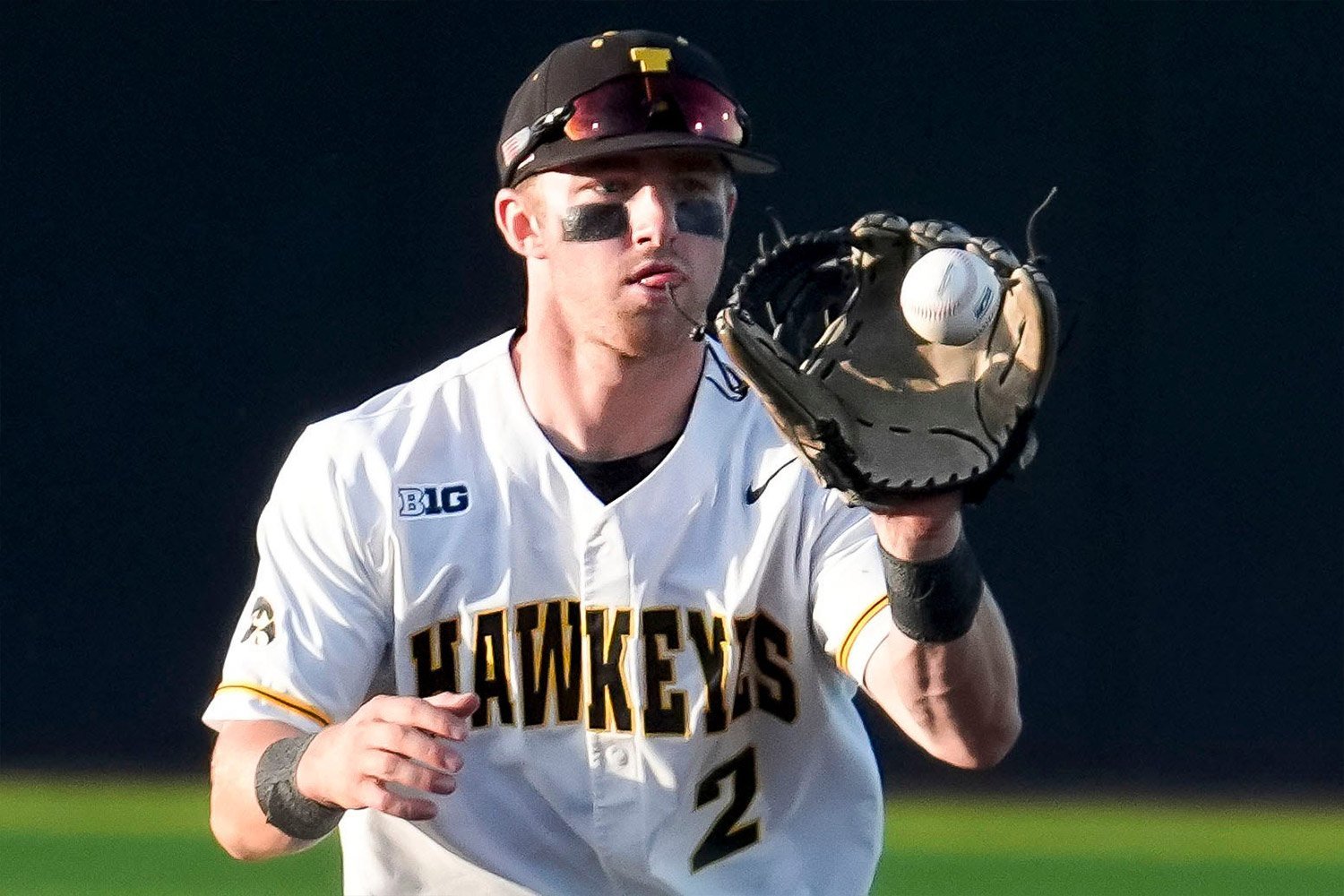 Round 6, Gable Mitchell - SS The Toronto Blue Jays selected Gable Mitchell at #193 in the 2026 MLB Draft. Gable Mitchell is a SS at the University of Iowa. The slot value for the pick is $330,300. Gable Mitchell was not ranked on our MLB Draft Consensus Board. Mitchell is another prototypical Blue Jays draft selection. Standing 5-foot-9, he is not an imposing stature on the field, but in 2026, he hit .360/.452/.535, with 33 walks, and only 18 strikeouts over 56 games. He is a contact machine that should likely find his way to 2B moving forward as he climbs the minor league levels. Round 7, Dean West - OF The Toronto Blue Jays selected Dean West at #222 in the 2026 MLB Draft. Dean West is an OF at UCLA. The slot value for the pick is $262,300. Dean West was not ranked on our MLB Draft Consensus Board West is a carbon copy of Gable Mitchell, but instead of playing on the infield, he is an outfielder. Like Mitchell, West is a 5-foot-9 contact oriented hitter who this season at UCLA hit .277/.418/.417, added 11 stolen bases, and seven home runs. Power likely won't be a strong point in his profile, and this pick probably will come in under slot, setting up some potential high school picks in the later rounds. Round 8, Jake Bennett - C The Toronto Blue Jays selected Jake Bennett at #252 in the 2026 MLB Draft. Jake Bennett is a C at Dallas Baptist University. The slot value for the pick is $219,500. Jake Bennett was not ranked on our MLB Draft Consensus Board Sticking with the college focus of this draft, the Blue Jays took Bennett in the eighth round. He is a 6-foot-2, 231-pound catcher out of Dallas Baptist. This season he had stellar numbers, crushing 19 home runs and hitting .346/.475/.776. This is a bat-first profile that could end up at first base or DH, if he doesn't stick at catcher. Round 9, Joey Urban - OF The Toronto Blue Jays selected Joey Urban at #282 in the 2026 MLB Draft. Joey Urban is an OF at the University of Southern Mississippi. The slot value for the pick is $202,100. Joey Urban was not ranked on our MLB Draft Consensus Board. Urban is a four-year college outfielder who stands 6-foot. He offers a bit of power and contact in his profile, and he likely won't be a zero on the bases. His last year at Southern Mississippi, he hit .320/.426/.574. As a four-year college player, this could be another under-slot potential for the Blue Jays. Expect Urban to start out his minor league career with some aggressive placements if he does sign. Round 10, Bryce Chance - OF The Toronto Blue Jays selected Bryce Chance at #312 in the 2026 MLB Draft. Bryce Chance is an OF at Mississippi State University. The slot value for the pick is $191,200. Bryce Chance was not ranked on our MLB Draft Consensus Board Like Urban, Chance is a four year college outfielder. He played all four years in the SEC at Mississippi State University. He doesn't offer much power, but is another super high level contact bat. He only had 18 strikeouts in 62 games his last year in college. His slash line was .349/.437/.469 and he added 13 stolen bases. As one of the older players selected, Chance should see at-bats quickly if he signs. He is 23 years old already and a likely under slot deal potentially for the Blue Jays. View the full article
 -
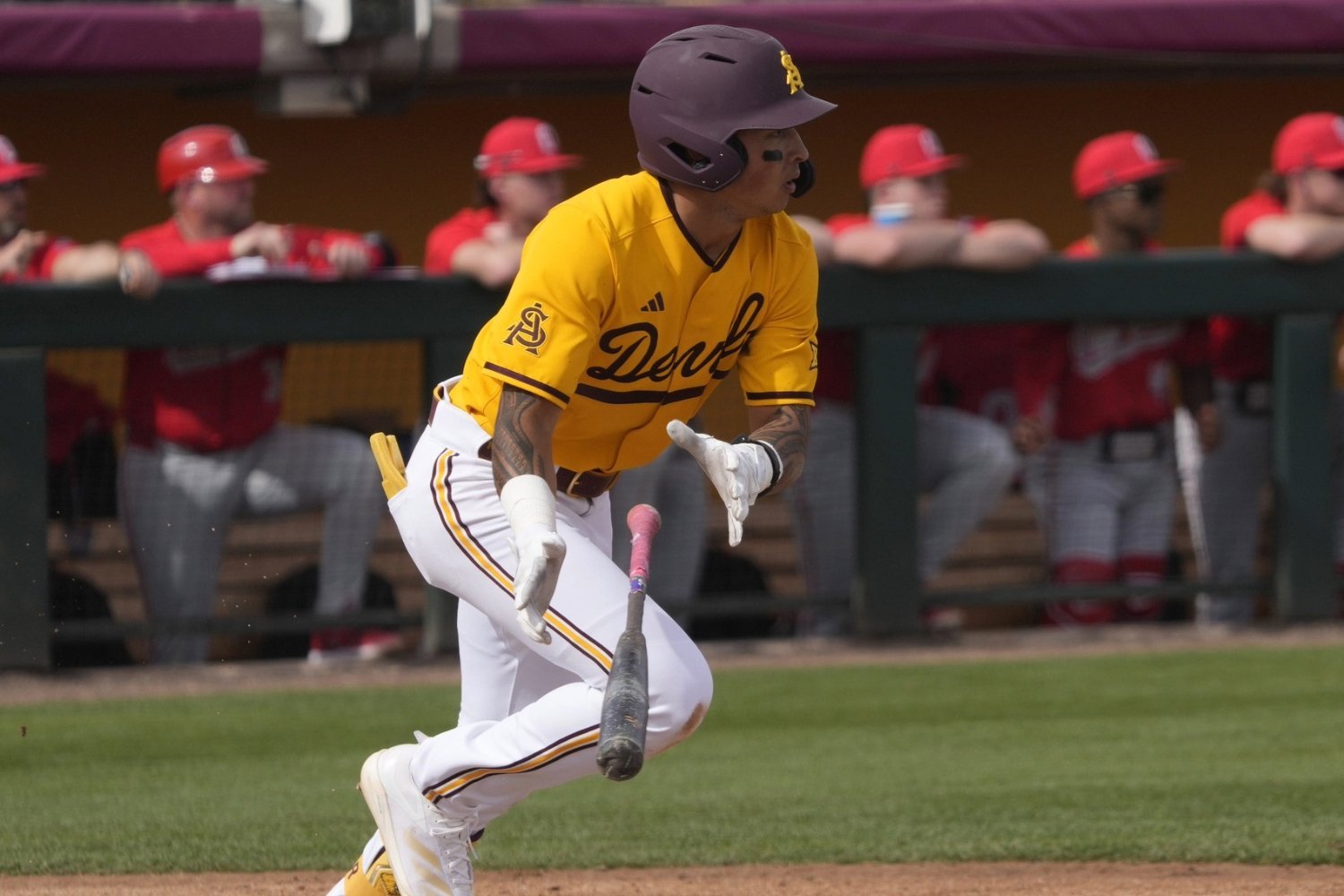 The San Diego Padres have added six new members to their organization already today, with 10 more draft picks still to go. You can find our analysis of their Round 5 pick, James Guyette, here. Round 6, Pick 186 Overall: INF/2B Nu’u Contrades, Arizona State The Padres selected Nu’u Contrades out of Arizona State, where he helped lead the Sun Devils to an NCAA Regional appearance. Spending all four years with the program, Contrades steadily improved each season, culminating in a career-best .366/.434/.762 batting line with a 1.197 OPS in his fourth year. Noted for his consistency and disciplined plate approach, this past season was highlighted by a significant power jump, hitting 21 home runs after having a previous career-high of eight during his freshman year. Originally recruited as a shortstop, Contrades also spent time playing second and third throughout his collegiate career. Already 22 years old, his defensive versatility, combined with his polished offensive approach, makes him a well-rounded prospect that has the potential to move quickly through the farm system. Round 7, Pick 215 Overall: 2B Joe Tiroly, Virginia The Padres selected Joe Tiroly out of Virginia with the 215th overall pick. Tiroly is an infielder who entered the draft ranked No. 147 on MLB.com Draft Prospect rankings. Transferring to Virginia after spending his first two seasons at Ryder University, he dealt with a minor foot injury that slowed his early season, but he quickly found his rhythm. Tiroly would finish the season leading the Cavaliers with 16 home runs and 66 RBIs while slashing .319/.408/.576 with a .984 OPS. He's hit at least 15 home runs in each of his three collegiate seasons, showcasing consistent power throughout his career. His average exit velocity and elite pull-air rate both rank among the top percentiles in college baseball, giving the Padres another intriguing power bat with significant offensive upside. Round 8, Pick 245 Overall: P Sean Fitzpatrick, Arizona State With the 245th overall pick, the Padres selected pitcher Sean Fitzpatrick from Arizona State. After posting an ERA above 6.50 in his sophomore and junior seasons, Fitzpatrick rebounded in his senior year, finishing with a 3.12 ERA, 4-1 record, and 45 strikeouts over 31 appearances. Increasing his fastball velocity to the low-to-mid 90s, Fitzpatrick proved effective in many high-leverage situations, allowing just 11 earned runs all season. Deploying a low arm angle, Fitzpatrick presents the Padres with a battle-tested reliever with the potential to develop into a reliable bullpen arm. Round 9, Pick 275 Overall: P Benjamin Stubbs, Troy The Padres selected pitcher Benjamin Stubbs out of Troy with the 275th overall pick. After spending his first three collegiate seasons with Division 2 Flagler College, Stubbs transferred to Troy for his senior year and slotted in as a reliable starter. He finished the season with a 6-3 record, 5.12 ERA, and led the team with 95 innings pitched, with much of his value coming from his ability to pitch deep into games. Stubbs delivered at least six innings in eight of his appearances and has a strong chance to stick as a starting pitcher during his climb to the big leagues. Round 10, Pick 305 Overall: C Augie Lopez, USC With the 305th overall pick, the Padres selected catcher Augie Lopez out of USC. Lopez broke out in his sophomore season, leading the Trojans with 19 home runs while slashing .281/.366/.598 with a .964 OPS. Spending the second half of the season as USC’s primary designated hitter, Lopez will need to continue developing defensively to round out his profile behind the plate. However, his power from the left side gives him a solid foundation and offers the Padres yet another intriguing backstop to develop. View the full article
 -
Royals Continue Pitching-Focused Draft With Picks 6-10
DiamondCentric posted an article in Royals Keep
 The Kansas City Royals continued their pitcher-heavy focus to start Day 2 of the 2026 MLB Draft. In rounds 6-10, the Royals used four out of five picks on pitchers. That carries on an overall theme for the draft, in which 8-out-of-11 picks by Kansas City have been used on pitchers. Round 6, Justin LeGuernic - LHP In the sixth round of the draft, the Royals selected Justin LeGuernic at 180th overall. LeGuernic is a left-handed pitcher from Clemson. The slot value for the pick is $367,600. He is unranked on DiamondCentric’s Consensus Draft Board and ranked 220th by MLB Pipeline. Here’s MLB Pipeline's pre-draft analysis of LeGuernic: “Part of a deeper-than-usual New York prep pitching crop in 2023 that also included Brewers supplemental first-rounder Josh Knoth and future North Carolina ace Jason DeCaro, LeGuernic deflected interest from pro clubs to attend Clemson. He logged an 8.62 ERA in his first two years with the Tigers before cutting that mark to 4.69 as a full-time reliever as a junior. Scouts believe he has a lot of untapped potential, so he could go a few rounds earlier than his performance might indicate. LeGuernic owns one of the more unhittable sliders in the college class, a mid-80s breaker with high spin rates and huge sweeping action. His fastball operates in the mid-90s and touches 98 mph with carry and armside run, though right-handers crush it more than they should. Both pitches added 3-4 mph this spring. He doesn't have much faith in an upper-80s changeup with mild fade that he can't land in the zone often enough to tempt hitters. Working from an extremely low arm slot gives LeGuernic deception as well as sweep on his slider, though it also hampers his control and command. His quick arm and 6-foot-4 frame have some scouts wondering if he could succeed as a starter in pro ball, though he'd need to do a better job of locating his pitches and refine his changeup. It's more realistic to project him as a slider-happy reliever who can carve up left-handers.” Round 7, Dylan Vigue - RHP Kansas City grabbed another pitcher in the seventh round, selecting Dylan Vigue at #209. Vigue is a right-handed pitcher from Georgia. The slot value for the pick is $289,900. He is unranked on our Consensus Draft Board and ranked 201st by MLB Pipeline. Here’s what MLB Pipeline has to say regarding Vigue: “Scouts have been trying to figure out Vigue since his days as a Massachusetts high schooler, when he could be unhittable at times and unable to find the strike zone at others. That pattern continued in two years at Michigan, where he went undrafted as a sophomore-eligible in 2025. After switching schools, he has had an up-and-down season as Georgia's No. 2 starter and missed a turn in the rotation in late April with forearm tightness. Vigue gets more horizontal separation between his fastball and slider than almost any pitcher in the college crop. His 93-95 mph sinker reaches 98 with significant armside run, while his mid-80s slider has huge sweep in the opposite direction. He has utilized those two offerings 95 percent of the time this spring, rarely using a low-90s cutter and upper-80s changeup. Vigue generates plenty of swings and misses with his slider and weak contact with his fastball, but he has great difficulty landing either pitch in the zone on a regular basis. He rarely works past five innings, running up high pitch counts when hitters lay off his slider or he can't command his sinker. He has a strong 6-foot-3, 230-pound frame and a delivery that should provide more strikes, giving hope that he can add a third pitch and succeed as a starter in pro ball, but realistically, he's more of a reliever.” Round 8, Hunter Possehl - LHP In the eighth round, the Royals selected Hunter Possehl, their fourth pitcher of the day, at #239. Possehl, towering at 6 '8”, is a left-handed pitcher from Florida Gulf Coast University. The slot value for the pick is $233,400. He is unranked by both DiamondCentric and MLB Pipeline. In two seasons at FGCU, Possehl had a 4.14 ERA and 1.506 WHIP in 87.0 innings pitched. He tossed 67.1 of those innings in 2026, where he had a 3.21 ERA and 1.322 WHIP. His 2026 performance was rewarded with Second Team All-ASUN honors. Round 9, Camden Johnson - SS In the ninth round, the Royals broke their streak of taking pitchers, selecting Camden Johnson at #269. Johnson is a shortstop out of national champion Oklahoma. The slot value for the pick is $207,900. Johnson is unranked on our Consensus Draft Board, but is ranked 116th by MLB Pipeline. Here’s MLB Pipeline’s write-up on what could be a steal by Kansas City: “Johnson's athleticism and potential to play shortstop could make him the first player drafted from Oklahoma's national championship team. A transfer from Wichita State, he's one of the few Sooners whose performance didn't drop precipitously in Southeastern Conference action. He's one of the twitchiest and fastest players in the college ranks. Johnson displays a good feel for the barrel from the left side of the plate, but chases too many non-fastballs out of the zone. He doesn't miss strikes and employs a line-drive approach. He has average raw power and is driving the ball more than ever, but he hasn't shown much pop with wood bats in summer leagues and may top out at 10-12 homers per season. A consistent plus-plus runner, Johnson can get from home to first in less than four seconds at his best and is an accomplished basestealer. He shows average arm strength at third base, where his fluid actions lead to the belief that he could handle shortstop in pro ball after seeing occasional action there for the Shockers. He also could become a dynamic center fielder or valuable super utilityman.” Round 10, Grant Fontenot - RHP It did not take long for the Royals to go back to another pitcher, selecting Grant Fontenot at #299. Fontenot is a right-handed pitcher out of LSU. The slot value for the pick is $195,600. Fontenot was unranked by both DiamondCentric and MLB Pipeline. Fontenot spent two seasons in Baton Rouge, preceded by one season apiece at McLennan Community College and Texas. In his three NCAA seasons, Fontenot registered a 4.10 ERA and 1.531 WHIP in 48.1 innings pitched. In 2026, he clocked a 4.18 ERA and 1.577 WHIP in 32.1 innings pitched. In high school, Fontenot was ranked the No. 1 prospect in Louisiana by Prep Baseball Report. View the full article
 -
 The Boston Red Sox did not make a crazy splash in day one of the 2026 MLB Draft, going under-slot with Jake Schaffner or right on it with Owen Hull and Jace Mataczynski. It was off-brand seeing the Red Sox prioritize the offensive side of things after the first two drafts under Breslow's tenure being incredibly pitcher focused. We now see a shift back to the norm in Rounds 6-10, as they attacked high-extension pitchers while making a huge splash in the ninth round, selecting a prep prospect we at DiamondCentric had in the top 100 of our consensus mock draft board. Below you can find more analysis on the players selected in rounds 6-10 of the draft on Sunday. Round 6: Brett Lanman, LHP, Abilene Christian University Lanman fits the typical Red Sox desired pitcher build, standing at 6'5 and getting good extension off the mound. However, his numbers in his junior season won't jump out with a 5.35 ERA and a 1.40 WHIP. His 24.1% strikeout rate was sixth in the Western Athletic Conference and first on ACU, but he'll need to work on reducing his walk rate to have a chance at impacting the major leagues. According to Baseball America, Lanman sits in the low 90s with his fast and will occasionally touch 95, while also mixing in a cutter/slider, a changeup, and the occasional curveball. Lanman is a clear project pitcher for the Red Sox, but they have been able to thrive developing pitchers with his physical traits. Round 7: Kide Adetuyi LHP, Florida Atlantic University Once again, the Red Sox select a collegiate left-handed pitcher that can generate elite extension. Adetuyi stands much shorter than the aforementioned Lanman at only 6'1, but he still can get almost seven feet down the mound despite some perceived physical limitations. Adetuyi pitched 73 innings last season with a 4.19 ERA and a 1.27 WHIP. His 27.5% K% was third in the American Athletic Conference and led the Owls. Baseball America describes his motion as a "low slot" with some "funk and crossfire" and he comes with a filthy sweeper that generates 2700 RPMs with almost a foot of glove-side movement. Adetuyi was ranked 442nd on Baseball America's big board. Round 8: Josh Volmerding, LHP, California Polytechnic State University Similarly to Red Sox sixth-round pick Brett Lanman, Volmerding stands at 6'4, 200 lbs. He pitched to the tune of a 6.51 ERA with a 1.55 WHIP. He gets up to 95 mph on his fastball and in 2026 he set a new career-high in strikeout rate, getting to 24.2% in 27.2 innings of work. His FIP was significantly lower than his ERA at 3.89. It's also worth noting he dealt with a knee issue this season, which cut his year short. Round 9: Martin Shelar, OF, Marist HS (GA) Finally, the Red Sox show us where all the slot money was headed. Martin Shelar is a significantly over-slot selection by the Red Sox, projected 71st on our consensus mock board while being selected 274th. Our Jamie Cameron says of the selection: "Shelar is a prep outfielder out of Georgia with some of the best athleticism in the class. It's likely he commands a big bonus in July. If it's not met, he's currently committed to Mississippi State. Shelar's swing divides opinions — it can get steep at times, with a two stage stride that may have to be tweaked as a pro, but there's no denying the results. This is some of the best bat speed and raw power on the prep side in 2026, and despite the unconventional swing, he continues to find the barrel plenty, alleviating concerns around his hit tool. There's good speed and an above-average arm in this profile too, so Shelar has more value to add than simply raw pop. He's a prototypical (compliment) high school corner outfield prospect with a shot at becoming a 25-25 player as a pro if it all clicks." One has to assume the Red Sox and Shelar are in agreement on the financial side of things. Deals have rarely fallen through this early in the draft in recent years. This is a huge splash for Boston and one that fans should be seriously excited about. Round 10: Kaleb LaFavor, RHP, Bishop Heelan HS (IA) Yet again another giant at pitcher, this time in the form of 6-foot-6 Kaleb LaFavor. According to Baseball America, LaFavor sits in the low-90s with his fastball and occasionally touches 95, but given his height and frame, his velocity could spike as he continues to mature. He also possesses a slider, changeup and mixes in the occasional cutter. LaFavor is currently committed to Iowa. Stay locked in on Talk Sox as we cover the remainder of the 2026 MLB Draft! View the full article
 -
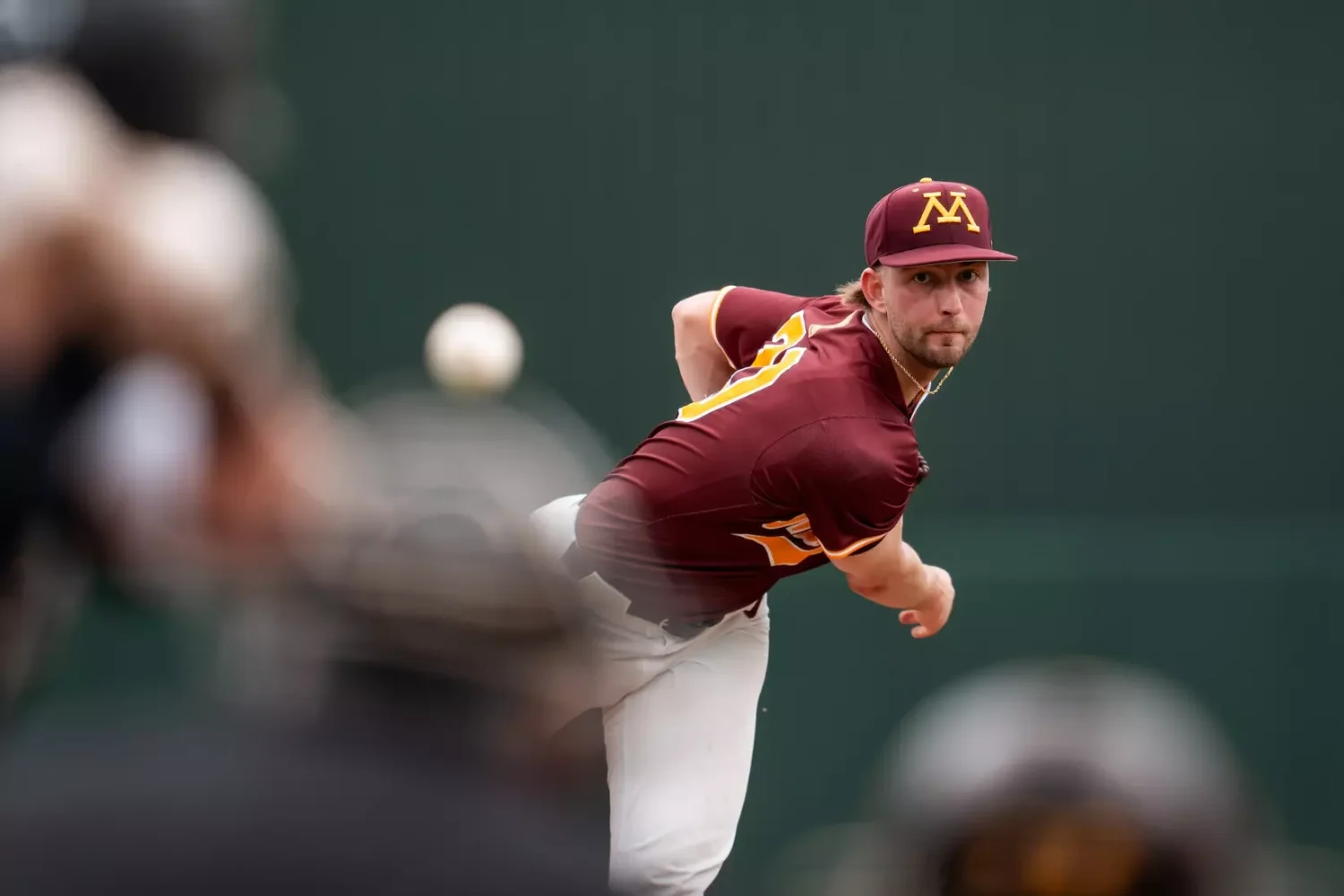 Rounds 6-10 of the MLB Draft have concluded, and the Chicago Cubs added five new players to go along with their five selections on Day 1 of the draft. Here's key information to know about the five players drafted by Chicago on Day 2 (we've analyzed the team's fifth-round pick, Dylan Blomker, in his own article here). Round #6 - RHP, Isaac Morton, Minnesota Morton is a 6'3" right-hander that spent two seasons at Texas A&M before transferring to Minnesota for the final season of his collegiate career. Morton was drafted once in 2023 in the 19th round by the Milwaukee Brewers but chose to take the college route. He sits around 93-95 mph with his fastball, as well as including a slider, cutter and changeup. Morton has struggled with injuries, suffering damaged tendons in 2023 and blowing out his arm in his final collegiate start in 2026, meaning he likely won't see professional action until the end of the 2027 season. Round #7 - LHP, Cole Tryba, UC Santa Barbara Chicago stuck with its run of pitchers in the seventh round when selecting left-hander Cole Tryba out of UC Santa Barbara. Tryba is unique with his lower, funky arm slot that worked when pitching in relief at Santa Barbara. He pitched to a 3.50 ERA with 57 strikeouts across 43 2/3 innings last season on a team that advanced into Regionals. Tryba also features a slurve and cutter that he uses as put away pitches. His teammate, Jackson Flora, got all the pre-draft hype, but there's some that believe the skillsets for the two aren't as far apart as their draft positions would suggest. Round #8 - RHP, Lance Williams, Maryland Another round, another pitcher selected for the Cubs, this time with it being Lance Williams out of Maryland. Williams transferred to Maryland after spending time at East Carolina and he has an electric fastball that consistently sits at 95-96 and can get up near triple digits. He pitched out of the bullpen and in the starting rotation for the Terps and had a couple bad outings balloon his season ERA up to a 6.16 at season's end. More command of the strike zone will be a big part of Williams' development. Round #9 - RHP, Chase Meyer, West Virginia Meyer has struggled to get on the mound in his collegiate career, as he collected just 51 1/3 innings over the last two season, with 48 of those coming in 2025. He has a mid-90's fastball to go along with a power curveball that he uses as his strikeout pitch. His strikeout numbers are impressive, as he racked up 68 over two seasons. Much like Morton, health will be a key part of his development and success. Round #10 - RHP, Luke Alwood, Seattle University A native of Japan, Alwood stands at 6'5" and spent all four years of his collegiate career at Seattle. Alwood struggle in his time there, going 6-15 with a 7.19 ERA across 62 appearances and 26 starts. He sits around 92-94 mph with his fastball and also features a slider that can be used as a strikeout pitch. Alwood completes rounds 6-10 for the Cubs, a stretch in which they selected five collegiate pitchers. It seems Jed Hoyer has a type. View the full article
 -
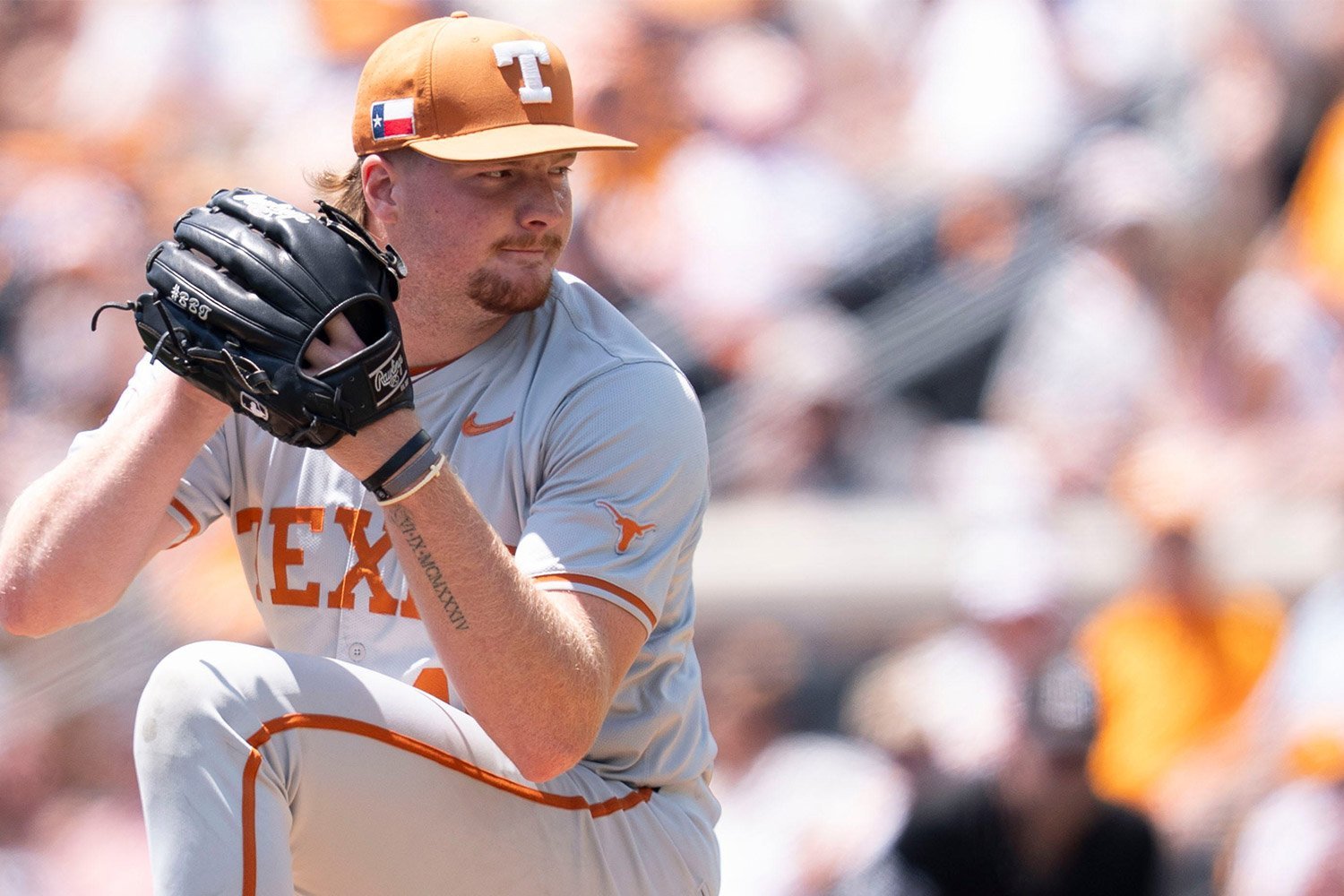 The first few rounds of the MLB Draft always command the spotlight. That's where the future stars and top-100 prospects come off the board, making headlines across baseball. But championship organizations separate themselves in the middle and late rounds by consistently identifying overlooked talent that can be developed into major league contributors. The Twins have done exactly that in recent years. Zebby Matthews arrived as an eighth-round pick before quickly becoming one of baseball's fastest-rising pitching prospects. Bailey Ober was selected in the 12th round and developed into a reliable major league starter. Minnesota's player development staff has built a reputation for finding pitchers with specific traits they believe they can maximize, and this year's class continues that trend. From experienced college starters to power relievers with elite stuff, here's a look at the Twins' selections in rounds six through 10. 6th Round, 168th Overall: RHP Ethan Lay, Sacramento State Lay fits the profile of a potential bonus pool savings pick as a fourth-year college senior, but he's also a pitcher who has steadily improved throughout his college career. The 6-foot-3, 230-pound right-hander struggled during his freshman season at Chico State, posting a 6.10 ERA and 1.72 WHIP while battling inconsistent command and allowing too much hard contact. Everything changed during his sophomore season. Lay cut his ERA to 3.74 and issued only eight walks in 55 1/3 innings, showing the type of strike-throwing ability that has become a hallmark of many Twins pitching prospects. That breakout prompted a transfer to Sacramento State, where he became the Saturday starter in 2025. He logged 76 innings with a 3.55 ERA, 1.24 WHIP, 66 strikeouts and only 16 walks. While he still surrendered more than a hit per inning and uncorked eight wild pitches, the overall trend was encouraging enough to return for his senior season after going undrafted. Promoted to the Friday night role in 2026, Lay took another step forward. His strikeout rate climbed from 20.6% to 24.7% while lowering his walk rate from 5.0% to 4.3%. He attacks hitters with a four-pitch mix, relying more on pitchability than overpowering velocity. The Twins have had success developing college pitchers with command and feel for multiple offerings, making Lay another intriguing arm for their pitching development staff. 7th Round, 197th Overall: RHP Max Bayles, Santa Clara Bayles has been on scouts' radars for several years. Baseball America labeled him one of college baseball's "most underrated draft prospects" entering the 2026 season after he steadily climbed from freshman reliever to Friday night ace at Santa Clara. Bayles immediately contributed as a reliever at Santa Clara, collecting five saves and earning West Coast Conference All-Freshman honors before transitioning into the rotation. After earning Second Team All-WCC recognition in 2025, he became one of the conference's best starters this spring, posting a 2.54 ERA while holding opponents to a .185 batting average. His calling card is a devastating high-spin slider. The low-80s breaking ball generated an incredible 50% whiff rate and is thrown even more frequently than his fastball. Sitting around 91 mph and touching 94, his fastball plays up because it tunnels effectively with the slider, although inconsistent command limits its effectiveness. If the Twins can clean up his delivery and improve his strike throwing, his plus slider gives him a chance to move quickly through the system. 8th Round, 227th Overall: RHP Thomas Burns, Texas Burns might possess the loudest raw stuff of any pitcher Minnesota selected on Day 2. The 6-foot-3, 240-pound Wisconsin native has one of the draft's biggest fastballs, routinely sitting between 95-98 mph while touching triple digits. His riding life from a high arm slot allows the pitch to miss bats even when hitters know it's coming. His college career has taken an unconventional path. Burns opened at Arizona State as a weekend starter before shoulder tendinitis cut short his freshman campaign after six starts. He later transferred to Texas, where he spent the past two seasons pitching out of the bullpen. Despite posting a 5.64 ERA this year, he struck out 42% of opposing hitters, highlighting just how overpowering his arsenal can be. Burns complements his fastball with an upper-80s cutter that flashes plus potential, though he struggles to consistently throw it for strikes. He also mixes in a mid-80s changeup, but it remains well behind his other offerings and frequently misses the strike zone. The biggest obstacle is command. Burns has posted a 16% walk rate during his college career, making it difficult to trust him in leverage situations despite his elite swing-and-miss ability. Minnesota will undoubtedly see an arm with premium traits worth developing. If the Twins can help him throw more consistent strikes, Burns has the ceiling of a late-inning power reliever. 9th Round, 257th Overall: RHP JT Raab, Georgetown Raab gives the Twins another experienced college arm who may come with some bonus pool flexibility as a fourth-year senior. Standing 6-foot-5 and weighing 225 pounds, he has the size teams covet and enough raw stuff to intrigue evaluators. He began his career at Stony Brook, where he pitched primarily out of the bullpen before transferring to Georgetown ahead of the 2025 season. During his first year, Raab started 14 games and threw 74 1/3 innings with a 3.63 ERA, earning All-Big East Second Team honors. His walk rate increased from 4.9% to 10.6%, however, and opponents hit .280 against him. After going undrafted, Raab returned for his senior season looking to improve his stock. His strikeout rate jumped to an impressive 31.4%, but inconsistent command and poor luck limited the results. He surrendered 12 home runs in only 45 2/3 innings while allowing opponents to hit .308, though a .410 BABIP suggests some unfortunate batted-ball results. Raab's fastball reaches the mid-90s, and he showed what he could look like at his best during the Cape Cod League last summer, posting a 1.80 ERA across 20 innings. The Twins will hope that version becomes the norm as they continue refining another high-strikeout college arm. 10th Round, 287th Overall: RHP Kole Klecker, Arizona State Klecker closes Minnesota's run of college pitchers after spending his final season at Arizona State following three years at TCU. His career has been defined by steady adjustments and improving strikeout ability despite moving between the rotation and bullpen. He burst onto the scene as a freshman, making 17 starts while posting a 3.72 ERA and 1.12 WHIP. His 10 victories made him the first TCU freshman since 2014 to reach double-digit wins. During his sophomore campaign, his K-BB rate improved from 10.4% to 17.3%, although opponents continued to square him up, hitting .300 with a 5.82 FIP. His junior season was interrupted by injuries and inconsistency, but he still struck out 20 batters in just 19 1/3 innings, while the Horned Frogs went 10-0 in games he appeared in. After transferring to Arizona State, Klecker produced arguably his most complete collegiate season. He posted a career-best 26.5% strikeout rate, trimmed his walk rate from 11.9% to 8.2%, and limited hitters to a .247 batting average, his best mark since his freshman year. Like several of Minnesota's Day 2 pitching selections, Klecker offers a solid blend of strike-throwing ability, improving swing-and-miss stuff, and a track record of development that fits the type of pitcher the Twins have targeted successfully in recent drafts. The Twins clearly leaned into pitching throughout rounds six through 10, selecting five consecutive college right-handers with varying levels of polish and upside. Some, like Lay and Raab, provide experienced depth and potential bonus pool savings. Others, like Burns and Bayles, possess swing-and-miss stuff that could play in high-leverage bullpen roles if their command improves. Minnesota has shown it doesn't need a first-round pedigree to develop quality pitching, and history suggests at least one of these names could emerge as the next hidden gem in the organization's system. View the full article
 -
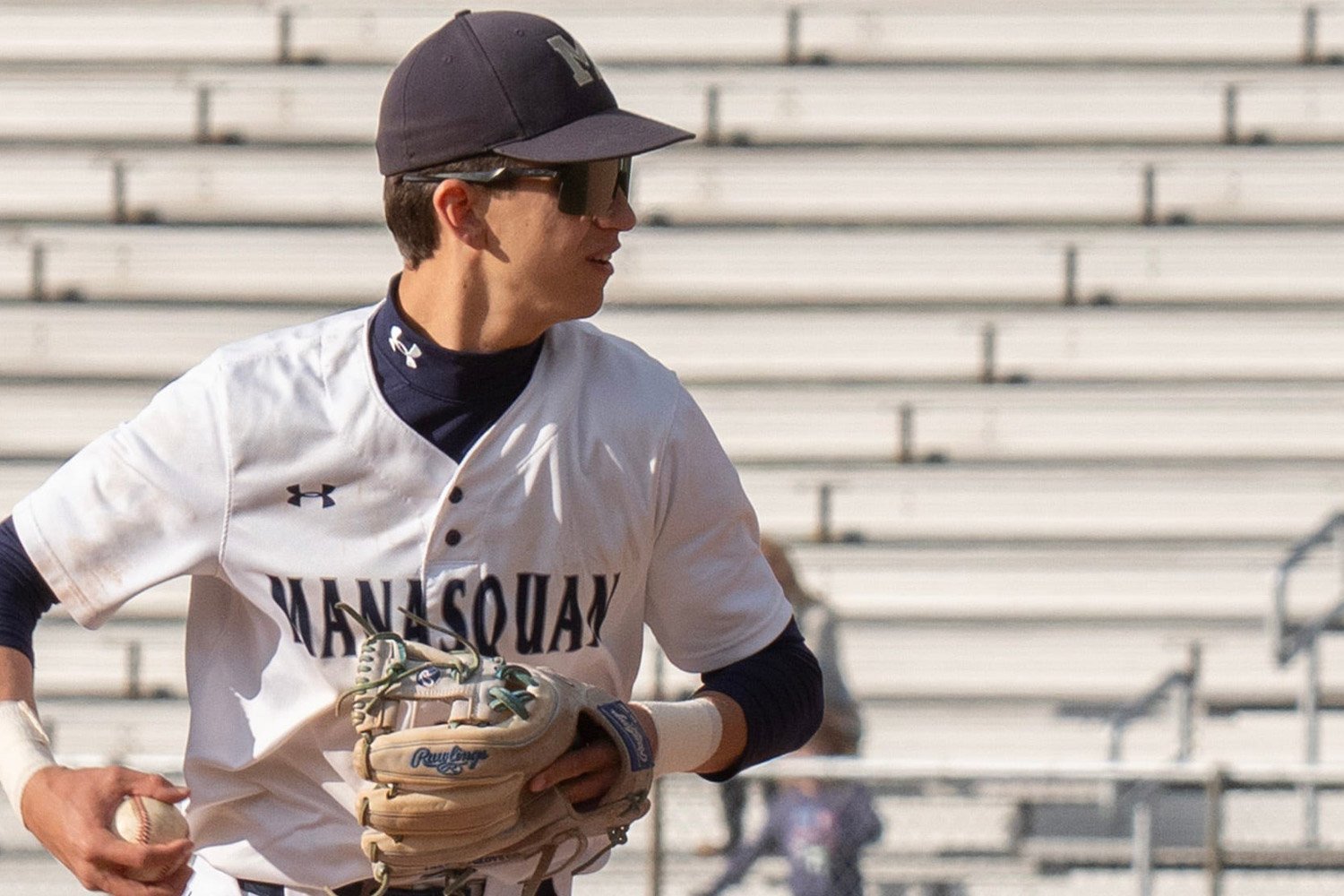 The Brewers began Day Two of the draft with the selection of RHP Aidan Knaak of Clemson. Who did they select in rounds 6-10? Round 6, Pick 192: RHP Ryan Oshinskie -- Brown University Oshinskie missed the entire 2026 season with what is believed to be Tommy John surgery. He possesses a deep pitch mix, and there is a bit of a rare fastball shape here, with a lot of armside-run, but also decent carry on the pitch. He will get into the mid-90s on the fastball at times. The changeup flashes as a plus pitch with over 20 inches of armside run at times, and there is feel and ability to spin multiple different breaking balls as well. The slider has a chance to be a good pitch for him as well, though a pro team will likely try to get him to throw it a bit harder. The curveball is a distant fourth offering right now, but it gets good enough velocity and movement separation from the slider to serve a purpose in the pitch mix. The command is a work in progress, but it was the best it had ever been on the Cape, where he was a standout performer in 2025, with a 1.93 ERA in 28 innings, with 38 strikeouts and only 8 walks. Round 7, Pick 221: RHP Grant Hill -- Chelsea HS (AL) -- Grand Canyon commit Probably the greatest Grant Hill in the history of sports, this Grant Hill is not an NBA All-Star, but rather an intriguing prep pitcher with a commitment to Grand Canyon. Hill stands 6-foot-4, and at 17 years old, he definitely has some projection left in the tank at 205 pounds. His fastball appears to be one that would benefit from leaning into a cutter shape, as he sits around 70% spin efficiency. He could get to a cut-ride fastball shape too, as he did flash some fastballs close to 20" of Induced Vertical Break. His slider is thrown in the 82-84 MPH range, and he spins it decently, averaging around 2,400 RPMs. He also has a changeup that he sells well and gets pretty good run on it, but it could use some more depth. Hill will likely need to add some velocity in pro ball, but he has the build to do it. Command has been solid for him on the circuit and in high school games as well. Round 8, Pick 251: 1B Kellan Tom -- -- Arizona State commit Tom was the Prep Baseball Player of the Year in Arizona this season. A two-way player in high school, he was announced as a first baseman. There is big raw power, with exit velocities close to 110 MPH, this past October in a batting practice setting. He showed the ability to hit home runs to the opposite field throughout his high school season, which isn't a common trait for prep bats and is a trait the Brewers place a lot of value in. Despite his size, he did run a 6.72 60-yard dash this past October, which is better than average in terms of pure speed. There are some Luke Adams similarities here, though Tom's swing looks to be simpler than Adams' was out of high school. Perhaps the Brewers believe he could handle some other positions outside of first base with his sneaky athleticism. Arizona State isn't often an easy school to sign players away from, but the Brewers probably feel like they can get him at a pretty reasonable number at this point in the draft. Round 9, Pick 281: RHP Chase Mora -- Texas State Mora got a lot of attention for his freshman year at Texas State when he slashed .316/.382/.653 for a 1.035 OPS and hit 17 home runs. That production slipped over time, and the Brewers are actually drafting him as a pitcher. He only threw 1 1/3 total innings in college, so this is a very intriguing development. Jim Callis reported on the live broadcast of the draft that Mora has been up to 96 MPH on the mound and has a good feel for spinning the ball. This is likely to be a $10,000 senior sign pick for the Brewers, and they clearly like what they've seen in a tiny sample on the mound. There isn't any pitching video, but here he is hitting a go-ahead, 9th inning home run against USC this year; Round 10, Pick 311: RHP Andrew Gaines -- St Joseph's Gaines began his career at Iona, transferred to Pittsburgh, and eventually wound up at St Joseph's, where he was their closer this season. He finish the year with 47 strikeouts in 30 2/3 innings, but also with 15 walks a 4.99 ERA. Gaines has a fastball in the mid-90s that has good carry and can generate a good Vertical Approach Angle, helping it miss bats when used up in the zone. He also throws an intriguing changeup, as well as a hard slider or cutter-type pitch. Command is not a strong suit right now, but the repertoire is one that is built to miss bats. If the Brewers can help him hone in his command a bit, there could be an intriguing relief prospect here. Gaines is also likely to sign for close to the (unofficial) $10,000 minimum. View the full article
 -
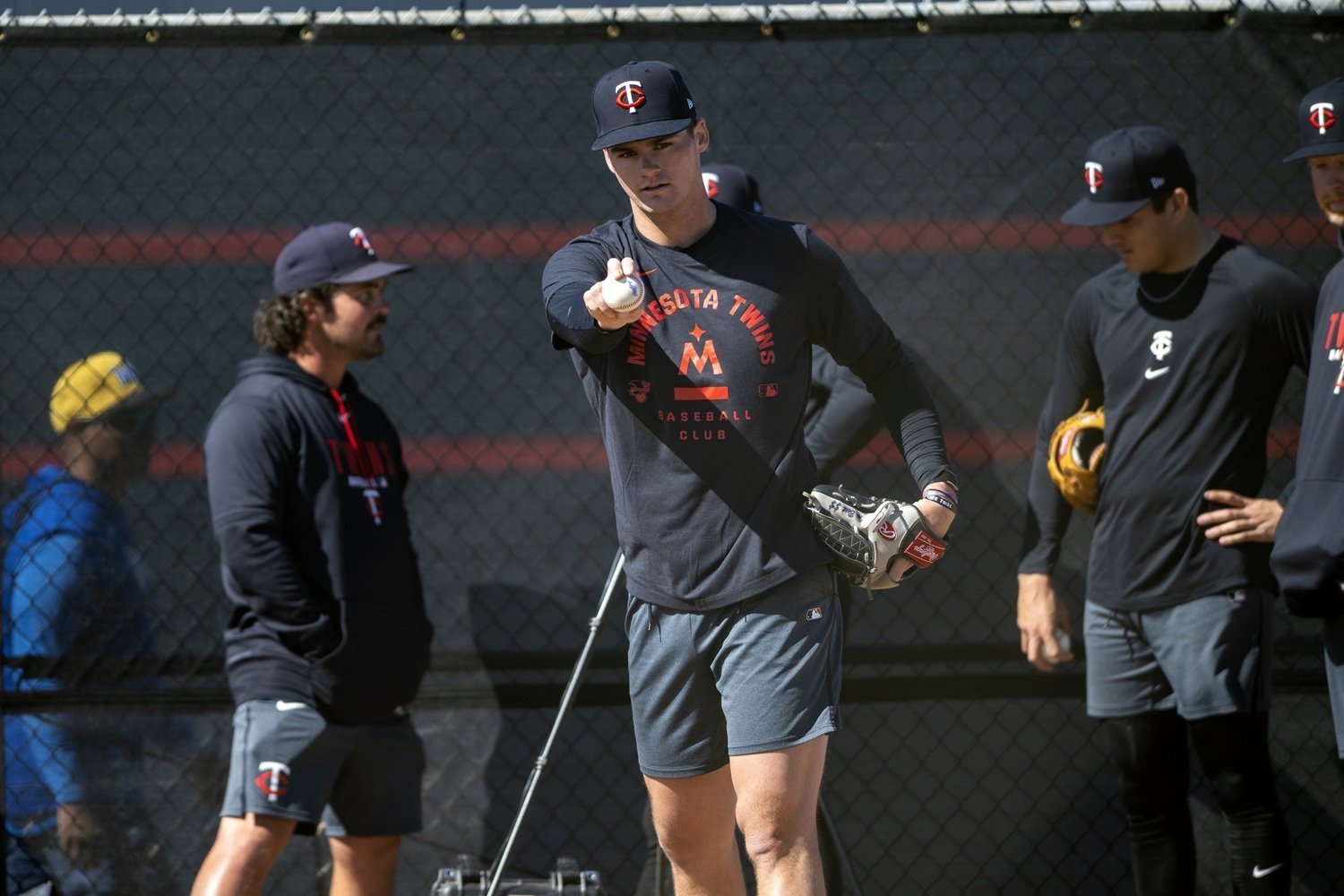 Riley Quick doesn’t just have a spectacular baseball name; he could hold a pivotal role in the future of the Minnesota Twins. The Twins’ rising prospect is turning heads as he coasts up the team’s minor league system. Let’s break down who the recently promoted pitcher is, what his strengths and weaknesses are and just how ‘quick’ he can impact the big league ball club. Growing Up With A Dominant Stature Quick could pass as an NFL player, as he stands at 6-foot-6, 255 pounds while using every bit of that size to generate plenty of force on the rubber. This is somebody who played offensive line in high school, but he’s converted that physicality to becoming an intimidating, effective pitcher in Minnesota’s farm system. The Twins selected him the 36th overall pick in last year’s draft, and he’s already toeing the rubber with the High-A Cedar Rapids Kernels. So far through 13 starts (10 with the Kernels), he holds an 0-2 record with a 3.57 earned run average. Quick has fanned 69 hitters while walking just 22 across 45.1 innings of work, all as a starter. An Electric 1-2 Punch The 22-year-old towering righty primarily operates with a three-pitch mix: the fastball, slider and changeup. MLB Pipeline has his fastball and slider each at a 60-grade, and it’s for good reason. His firm four-seamer has a sinking action, and it sits easily in the 96-97 mile per hour range with the potential to reach 99. While Quick is fresh off of Tommy John surgery in 2024, he’s showing the ability to hold that velocity through games, a key component differentiating a potential starter from a bullpen arm. While the heater is a prominent part of his game, a little variety is never a bad thing. The hard-throwing orthodox pitcher utilized his fastball nearly 50% of the time during his final season with the Alabama Crimson Tide. His fastball holds just as much weight, also earning a 60-grade on MLB Pipeline’s 20-to-80 scouting scale. It’s a two-plane pitch, breaking both vertically and horizontally as an effective break-off option from a cutter that also sits in the low 90s. Working Up A Sample Size The stature and dominant nature are there, but the Twins need to be careful with Quick. Averaging about three and a half innings per start, the Kernels’ starter is on track to clock 80-90 innings in his first year as a professional. This comes after he logged 87 total innings in college ball. It’s a relatively normal approach considering the circumstances; Phillies’ first rounder Gage Wood has seen the same type of innings management after he had never thrown more than 40.1 innings at the college level. The Alabama alum’s main priority will be maintaining his command as he gets more acclimated to pitching deeper into games. The tools are clearly there, and there should be plenty of opportunity for someone sporting an impressive .191 batting average allowed when he does reach the major league level. When Will He Arrive? When will Quick get to the big leagues? His stuff could probably play as a reliever as soon as next year, as most ball clubs could find a place for someone who can live in the mid-to-upper 90s with a sharp secondary offering. The road to becoming a starter will be heavily dictated by the innings and control, as he has relinquished 22 walks over 45.1 frames (roughly a walk every other inning). A mid-2028 call-up seems realistic, as it would still be a minor league journey that takes less than three years for a former SEC arm. View the full article
 -
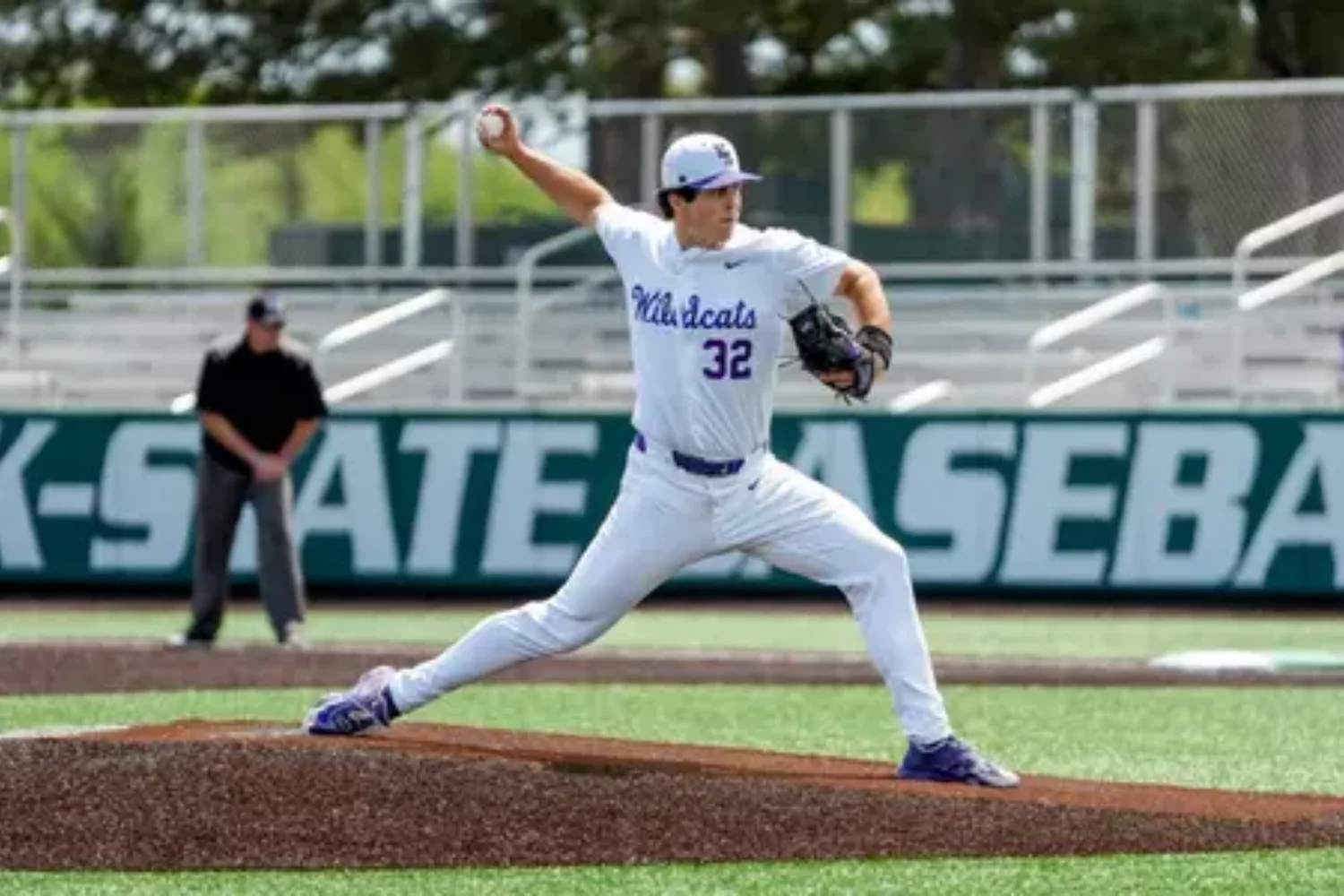 The San Diego Padres selected James Guyette with pick No. 157 in the 2026 MLB Draft. Guyette is a right-handed pitcher out of Kansas State University. The slot value for the pick is $449,500. Guyette, a rising senior, produced a 5.56 ERA in 16 appearances (15 starts) with the Wildcats in 2026. He tallied double-digit strikeouts in three starts last season, including 13 punchouts in a complete game victory over the Cincinnati Bearcats on May 10. "[Guyette] went to training camp with the U.S. collegiate national team last summer," MLB Draft analyst Jim Callis said on MLB's live stream. "What stands out with him is the East-West contrast on his sinker and slider. He's got a 92-94 MPH sinker that breaks [arm side], a low 80s slider that breaks [glove side]... has also got a fading changeup that keeps guys off balance." Guyette was an All-Big 12 Team Honorable Mention in 2025, when he operated exclusively as a reliever. As a starter in 2026, he racked up 105 strikeouts in 79 1/3 innings. View the full article
