


DiamondCentric
-
Posts
2,631 -
Joined
-
Last visited
Never
Content Type
Profiles
Forums
Events
News
Tutorials & Help
Major League Baseball Videos
Guides & Resources
Store
Downloads
Gallery
Everything posted by DiamondCentric
-

 Chicago Cubs Minor League Report Affiliate Overview Triple-A Iowa Cubs Series vs. St. Paul Saints (Minnesota Twins): Cubs lead, 3-1 Season Record: 38–50-1 Double-A Knoxville Smokies Series vs. Biloxi Shuckers (Milwaukee Brewers): Smokies lead, 3-1 Season Record: 49–36 High-A South Bend Cubs Series at Cedar Rapids Kernels (Minnesota Twins): Cubs lead, 3-1 Season Record: 48–33 Single-A Myrtle Beach Pelicans Series vs. Fredericksburg Nationals (Washington Nationals): Tied, 2-2 Season Record: 35–48 Triple-A: Iowa Cubs Season Record: 38–50-1 Series Opponent: St. Paul Saints (49-40) Series Standing: Lead, 3-1 July 10: The Iowa Cubs clinched at least a series split with a 7-4 victory on Friday night over the St. Paul Saints at Principal Park. The win pushes the Cubs’ winning streak to three games, their longest since winning four-straight contests from May 23-27. The Saints plated three runs in their first trip to the dish but Iowa was able to rally for four runs in the second to take the lead. Christian Bethancourt (3-for-4) got the Cubs on the board with an RBI-double and James Triantos (1-for-3) and Hayden Cantrelle (1-for-4) followed with RBI-singles. Brett Bateman’s (2-for-4) bunt-single brought home Iowa’s fourth run, which would give the home team the lead for good. Iowa would make it a three-run game with two in the fifth, scoring on a wild pitch with Bethancourt picking up his second RBI of the ballgame on a single. Cubs No. 3 prospect (North Side Baseball) Jaxon Wiggins made his first start for the I-Cubs since April 4 and took no decision. Wiggins allowed three runs on three hits over 2 2/3 innings of work to go along with three walks and four strikeouts. Zac Leigh earned the win in relief to improve to 3-2 on the season, tossing 1 1/3 scoreless frames, giving up just one hit and whiffing two batters. Owen Miller (2-for-5) made it a 7-3 game with a run-scoring single in the sixth before St. Paul pulled a run back in the seventh to make it 7-4. Eduarniel Nuñez tossed the final two innings to earn his second save of the season, retiring all six of the batters he faced, four via a punchout. Double-A: Knoxville Smokies Season Record: 49–36 Series Opponent: Biloxi Shuckers (44–37) Series Standing: Lead, 3-1 July 10: The Knoxville Smokies clinched at least a series split with a 7-3 triumph over the Biloxi Shuckers on Friday night at Covenant Health Park. The Shuckers opened the scoring with a run in the third but the Smokies responded with a pair of runs in the home half of the frame to take the lead. Owen Ayers’ (3-for-5) RBI-single tied the game and Carter Trice (2-for-3) put Knoxville in front with a sacrifice fly. Biloxi would score twice in the top of the fifth to go ahead 3-2 but again the Smokies were able to prevent a shutdown inning, with Trice’s RBI-single knotting the game at 3-3. Jefferson Rojas (0-for-3) got the home team back in front with a sacrifice fly of his own in the sixth to make it 4-3. Knoxville sealed the win with three big insurance runs in the eight, with Ayers plating two on a single and Trice, also collecting his third RBI of the night, driving in another run with his second sacrifice fly of the ballgame to make it 7-3. Evan Taylor tossed 2 2/3 scoreless innings in relief to end the game, earning his third save of the season. Taylor allowed just one hit and struck out three batters. Dawson Netz got the start on the mound for the Smokies and took no decision. Netz allowed three runs on four hits over five innings of work, whiffing five batters without issuing a walk. High-A: South Bend Cubs Season Record: 48–33 Series Opponent: Cedar Rapids Kernels (34–48) Series Standing: Lead, 3-1 July 10: The South Bend Cubs clinched at least a series split with a dominant 18-8 victory at the Cedar Rapids Kernels on Friday night at Veterans Memorial Stadium. The Cubs scored three times in their first trip to the plate, getting their runs on a passed ball, wild pitch and an RBI-single from Jose Escobar (2-for-5). The Kernels would grab one of those runs back in the bottom of the first and cut the lead to one after another run in the second but South Bend would score seven times in the third to make it 10-2. Matt Halbach (3-for-6) got the frame started with an RBI-single and Christian Olivo (1-for-5) was then hit by a pitch with the bases loaded. Kane Kepley (1-for-5) drove in two with a single and Josiah Hartshorn (2-for-5) also brought home a pair with a triple to cap the frame. Cedar Rapids rallied for four runs of their own in the home half of the third and scored two more in the fifth to make it 10-8. A two-run double from Logan Poteet (2-for-5) and an RBI-double from Olivo in the seventh made it 13-8 and the Cubs would eventually put the game away with a five-spot in the ninth. Miguel Useche (2-for-4) tripled home a run and Poteet followed with an RBI-double. South Bend scored its third run of the ninth on an error and Angel Cepeda (2-for-5) capped the 18-run outburst with a two-run single. Pierce Coppola got the start for the Cubs and took no decision. Coppola allowed six runs on four hits over three innings of work to go along with four walks and two strikeouts. Ethan Flanagan would eventually pick up the win in relief to improve to 2-3 on the season. Flanagan tossed four scoreless frames, allowing just two hits while issuing just one walk and whiffing seven batters. Offensively, eight of the nine South Bend starters tallied a hit in the game, with six putting together multi-hit efforts. Eight of the nine starters also drove in at least one run. Single-A: Myrtle Beach Pelicans Season Record: 35–48 Series Opponent: Fredericksburg Nationals (56–29) Series Standing: Tied, 2-2 July 10: The Myrtle Beach Pelicans dropped Friday night’s contest to the Fredericksburg Nationals, 9-7, at Pelicans Ballpark. The Nationals took a 2-0 lead after one but the Pelicans rallied for three in the third to take their first lead of the contest. Alexis Hernandez (1-for-5) got Myrtle Beach on the board with an RBI-single and Ludwing Espinoza (1-for-5) slugged a two-run blast, his first-career Single-A home run, to put the home team in front. Fredericksburg plated two in the fourth to take a 4-3 lead but the Pelicans also scored twice in the home half of the frame to go back in front, thanks to RBI-singles from Edward Vargas (2-for-3) and Derik Alcantara (1-for-4). The Nationals would go in front for good with three runs in the fifth and would later add two more in the eighth to go up 9-5. Myrtle Beach would also score twice in the eighth, off an RBI-double from Jose Silva (1-for-3) and an Alcantara groundout, but would not rally further, ultimately dropping the ballgame. Braylon Myers got the start for the Pelicans on the mound and would take no decision. Myers allowed four runs on four hits over four innings of work, walking four batters and striking out three. View the full article
 -
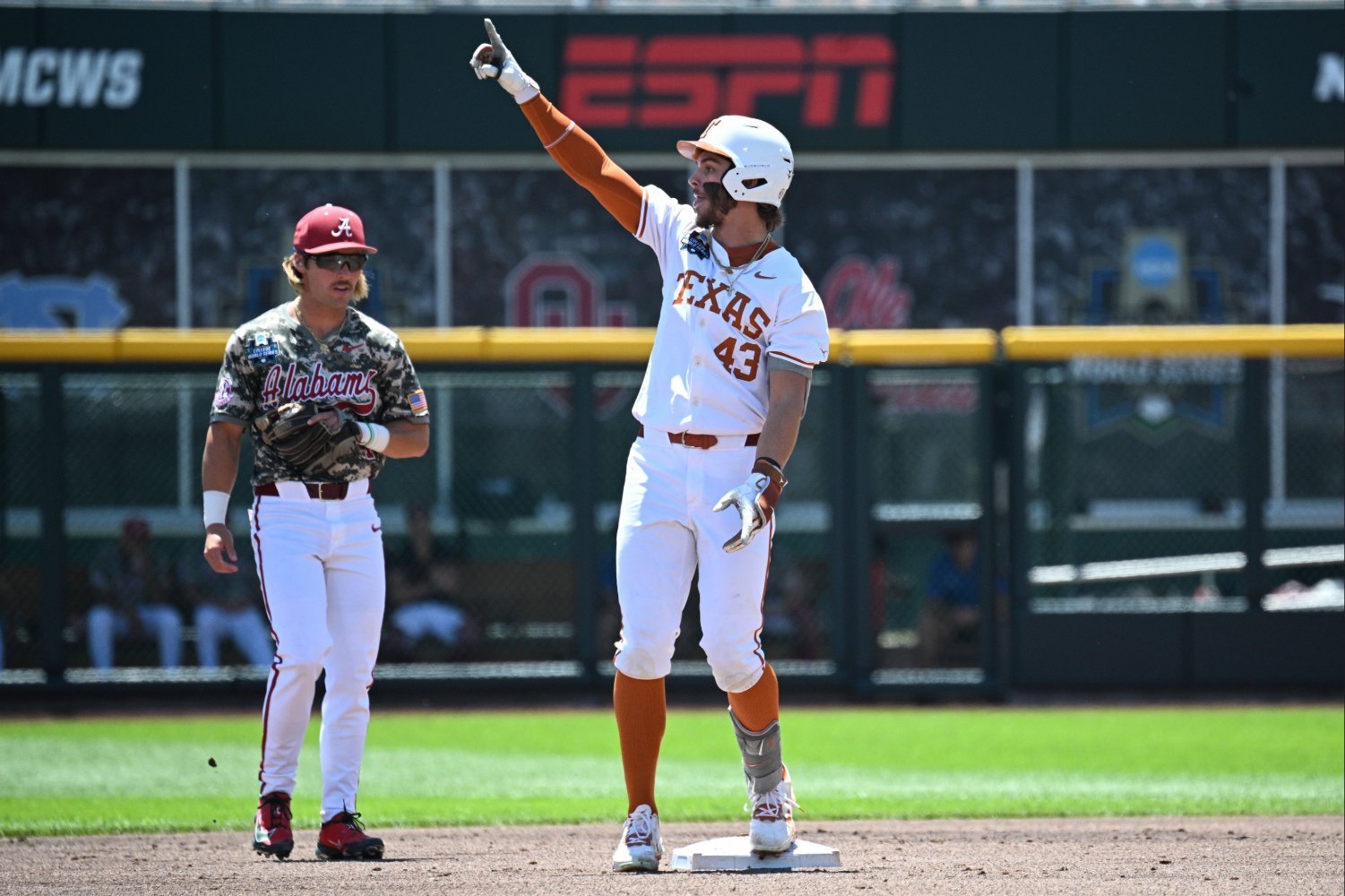 The New York Mets entered day one of the 2026 MLB Draft with just three picks, including just one in the top 90. And yet, they found a way to bring in a trio of players who could all have a long future within the organization. With Carson Wiggins at 27, the Mets ended a four-year drought of selecting a pitcher in the first round. (Kumar Rocker was selected with their tenth overall pick in the 2020 draft.) Here’s an overview of their day one picks: No. 27. Carson Wiggins, RHP, Arkansas Slot value: $3,466,500 Here’s an excerpt of our write-up on Wiggins from our DiamondCentric consensus board: His fastball will sit at 98 mph, but has grabbed 101 mph. There’s a chase inducing slider with a ton of depth, and a sparsely used changeup in the mix, too. Wiggins managed 14 IP as a freshman, with a 2.98 FIP, 33.9 K%, and 15.3 BB%, I’d expect the pro journey to be similar to Jaxon’s strike-throwing concerns with elite arm talent and upside. Wiggins comes with a high ceiling and considerable injury risk. If his last name rings a bell, he’s the younger brother of Jaxon Wiggins (currently ranked the Cubs’ No. 3 prospect). Listed at 6’5”, 210 lbs, Wiggins is a big guy with an athletic build and clean delivery. His freshman season abruptly ended due to internal brace surgery in May 2025. If Wiggins stays healthy and develops a reliable off-speed pitch, he could be a mid-rotation arm. He limits hard contact and didn’t allow a single home run, though he posted a 15.3% walk rate. At worst, he could end up as a reliever with a nasty fastball/slider combo. His fastball reached 97.4 mph at the MLB Draft Combine and his slider generates a ton of spin. 92. Aiden Robbins, OF, Texas Slot value: $859,900 Here’s an excerpt of our write-up on Robbins from the consensus board: Robbins put up insane numbers in 2025 at Seton Hall before transferring to UT ahead of the 2026 season. While the bat-to-ball numbers have taken a bit of a dip in 2026, Robbins has a good approach at the plate, taking plenty of walks. Where he excels, is doing damage on contact. Robbins routinely launches baseballs north of 110 mph and has EV90 and barrel% numbers north of the 90th percentile in 2026. There's above-average speed and athleticism to boot. Robbins has the legs to be a threat on the basepaths and the range to play all three outfield positions, at least at the onset of his pro career. He's one of the sharpest risers on the college side in 2026, managing a .333/.426/.696 line with 24 home runs (36 XBH), a 13.7 BB%, a 22.9 K% and a 138 wRC+. Robbins was expected to be selected in the first round, but fell to the third round (perhaps due to signing bonus concerns). He has some room to grow and add muscle to his 6’2”, 200 lb frame. Robbins posted one of the biggest jumps in power among college players. In his sophomore year at Seton Hall, he hit six home runs before mashing 24 at Texas as a junior. He’s shown sharp instincts on the basepaths, and is a competent fielder to boot. 120. Shane Sdao, LHP, Texas A&M Slot value: $645,100 Here’s an excerpt of our write-up on Sdao from the consensus board: After impressing as sophomore for Texas A&M in 2024 on a team that went to the CWS championship series, Shane Sdao needed TJ surgery in the fall and missed all of his 2025 draft eligible junior season. He turned down significant money to return to Texas A&M in 2026 and will be eligible again as a 22-year old senior. 2026 marked the first season Sdao operated solely as a starter, and the results were poor. His velocity hasn't fully returned post TJ. His fastball, which previously sat 92-94 mph and sat 97 mph, didn't miss many bats. Sdao shows an affinity for spin, with a nasty sweeper he can throw to left or right handed hitters, and a curveball that sits in the high-70s. There's strength to add in the frame, in addition to a five pitch arsenal, but Sdao is older for the class and managed a 5.35 FIP in 71.2 IP in 2026, striking out 24.5% of hitters and walking 5.9%. Before his 2025 Tommy John surgery, Sdao posted a 2.96 ERA as a Texas A&M sophomore. This past season, he posted a 7.41 ERA across 71.2 innings pitched. His fastball occasionally flirts with 96-97 mph and he has solid command as evidenced by his 6.1% walk rate. The Mets have one of the best farm systems in baseball. Overall, there’s a solid mix of pitchers and position players in the organization, but they decided to pick two high-risk arms on the first day of the draft. Wiggins and Sdao come with injury history and concern about reaching their ceilings post-elbow surgery. Robbins was a lottery ticket, who will immediately break the top ten, if not the top five, in the team's prospect rankings. There’s some concern with his ability to handle breaking balls as he advances through the minors, but he turns heads whenever he makes contact with the ball. What are your thoughts on the Mets' day one performance? Drop them below in the comments! View the full article
 -
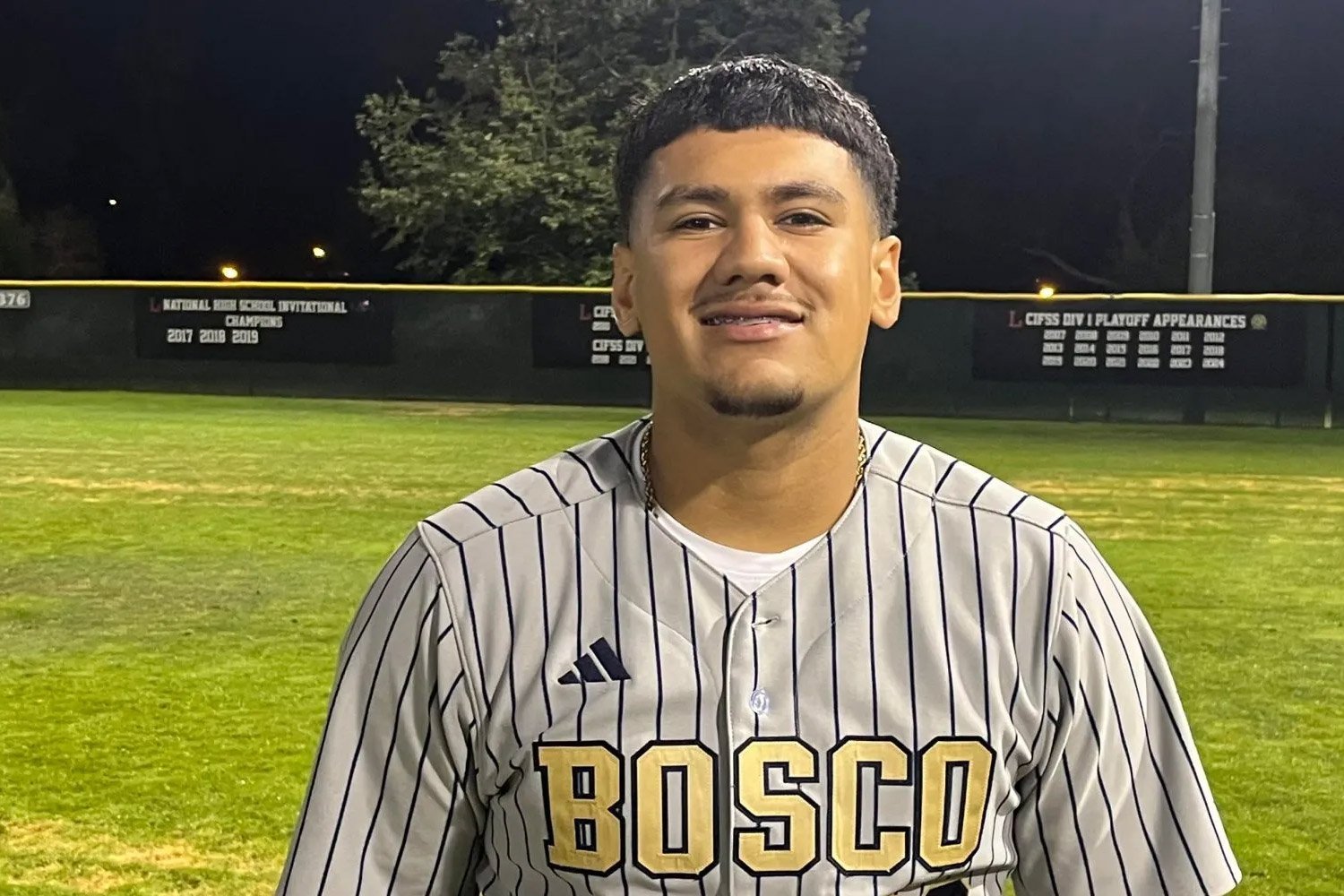 The Milwaukee Brewers selected Julian Garcia at pick No. 130 in the 2026 MLB Draft. Garcia is a right-handed pitcher out of St. John Bosco High School. The slot value for the pick is $585,700. Garcia was ranked No. 118 overall on our MLB Draft Consensus Board. Here's what Jamie Cameron, curator of our MLB Draft Consensus Board, said about Garcia: Garcia is a Long Beach State commit playing for nationally ranked St. John Bosco in California. After having TJ surgery a year ago, he's put together a strong spring, playing alongside fellow 2026 draft prospect James Clark. Garcia has an electric one-two punch. It's a fastball up to 97 mph that he's been able to hold velocity on deeper into his starts in 2026. It plays well at the top of the strike zone thanks to 17-19 inches of IVB. It's complimented by a hammer curveball, a 60 offering producing spin rates north of 3,000 rpms that's been a bit a huge whiff inducer for him. Garcia has also shown feel for a changeup with some tumble and fade, hinting at a potentially tough three-pitch mix for hitters to face. His injury history raises some questions, but the arm talent is real, and the college commitment should be easy to navigate if a pro organization feels convinced enough of Garcia's profile." What do you think of the pick? Add your thoughts in the comments! View the full article
 -
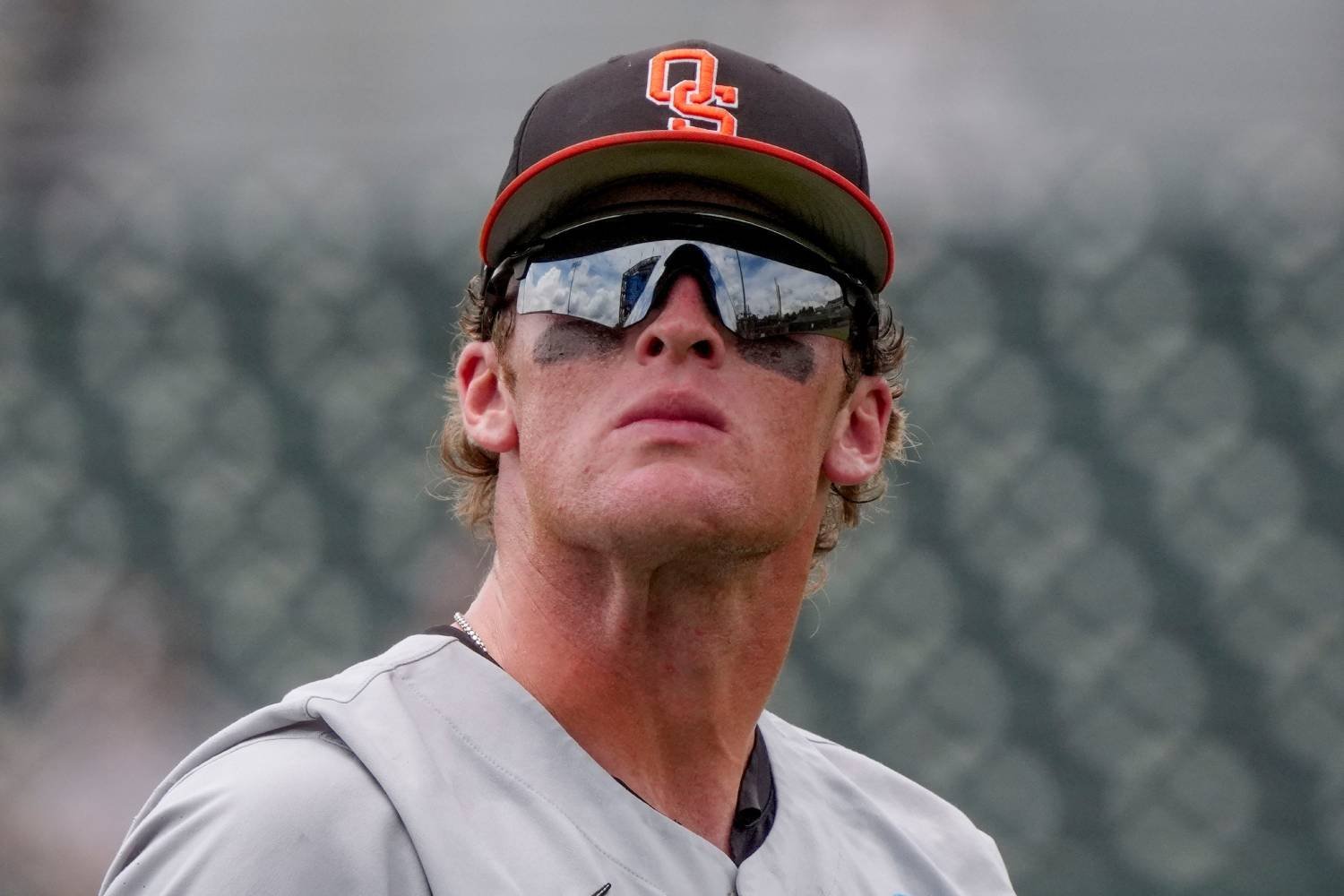 With their final pick on the first day of the 2026 MLB Draft, the San Diego Padres got their first power bat. That came in the form of Oklahoma State junior outfielder Alex Conover, who was taken with a compensation pick in the fourth round, the 134th overall selection. The Friars received this pick as a result of the qualifying offer given to right-handed starter Dylan Cease, who signed with the Toronto Blue Jays for seven years and $210 million in free agency. The 134th pick has a $563,900 bonus slot. Another left-handed bat, the 6-foot-4, 202-pound Conover slashed .357/.476/.625 at Oklahoma State with 14 homers, 37 RBIs and 16 stolen bases. All of his tools were given a 50-grade on the 20-80 scouting scale by MLB Pipeline. He made huge strides in cutting his chase rate from 2025 to 2026, going from 26% down to 19%. He rarely swings and misses when the ball is in the zone and does go gap-to-gap. One drawback is he does tend to hit too many groundballs. Conover also has solid speed but played mostly left field at Oklahoma State, though he did see action in center. His arm is rather average, which probably leaves him in left with first base also a possibility. As a minor bonus, he did catch in high school. View the full article
 -
Blue Jays Select Will Brick At #131 In The 2026 MLB Draft
DiamondCentric posted an article in Jays Centre
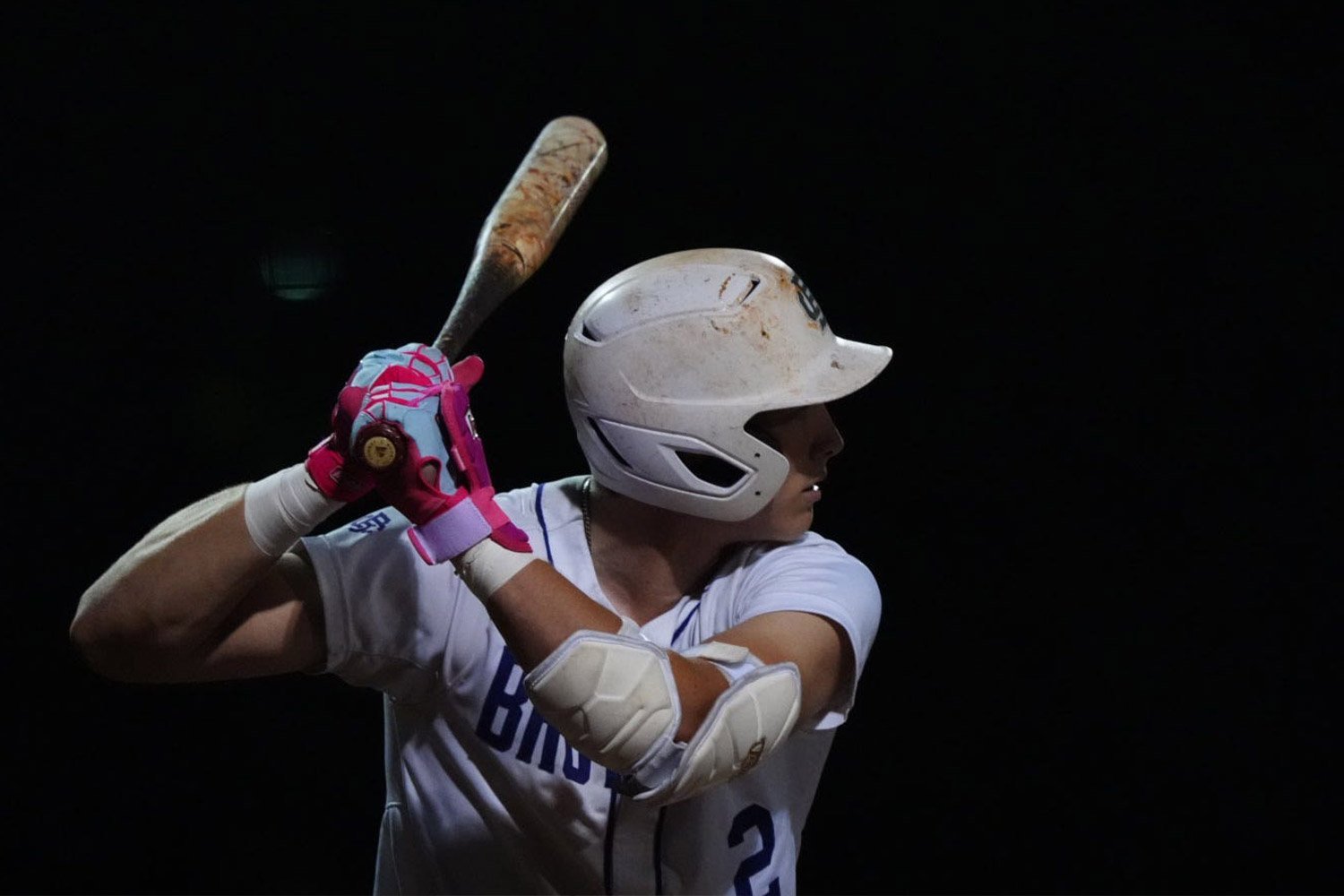 The Toronto Blue Jays selected Will Brick at #131 in the 2026 MLB Draft. Brick is a catcher from Christian Brothers High School in Tennessee. The slot value for the pick is $581,100. Brick was ranked 50th on our MLB Draft Consensus Board. Here’s what our write-up of Brick by DiamondCentric draft expert Jamie Cameron: Brick is another reclass originally part of the 2027 draft class who is currently committed to Mississippi State. Prep catching (and catching in general) is notoriously difficult to prognosticate, but Brick has well-rounded skills and tools that give me a greater level of optimism than most prospects in this demographic. Hitting from the right side of the plate, Brick has a clean swing and put up some of the best bat speed numbers on the 2025 summer showcase circuit. While he hasn't accessed more than average in-game power yet, Brick's swing and frame have the ingredients to get there. This is supplemented by good bat-to-ball skills and a solid approach, a combination of offensive skills that may eventually get Brick to above-average hit and power tools. Defensively, he's a strong prospect. It's a massive arm, with additional skill (sub 1.9 pop times) in controlling the running game. His receiving game (and defense in general) is as praised as his leadership capabilities and other intangibles. Prep catching is not a demographic that inspires confidence, but Brick is one of the few I'd bet on to make an impact as a pro. View the full article
 -
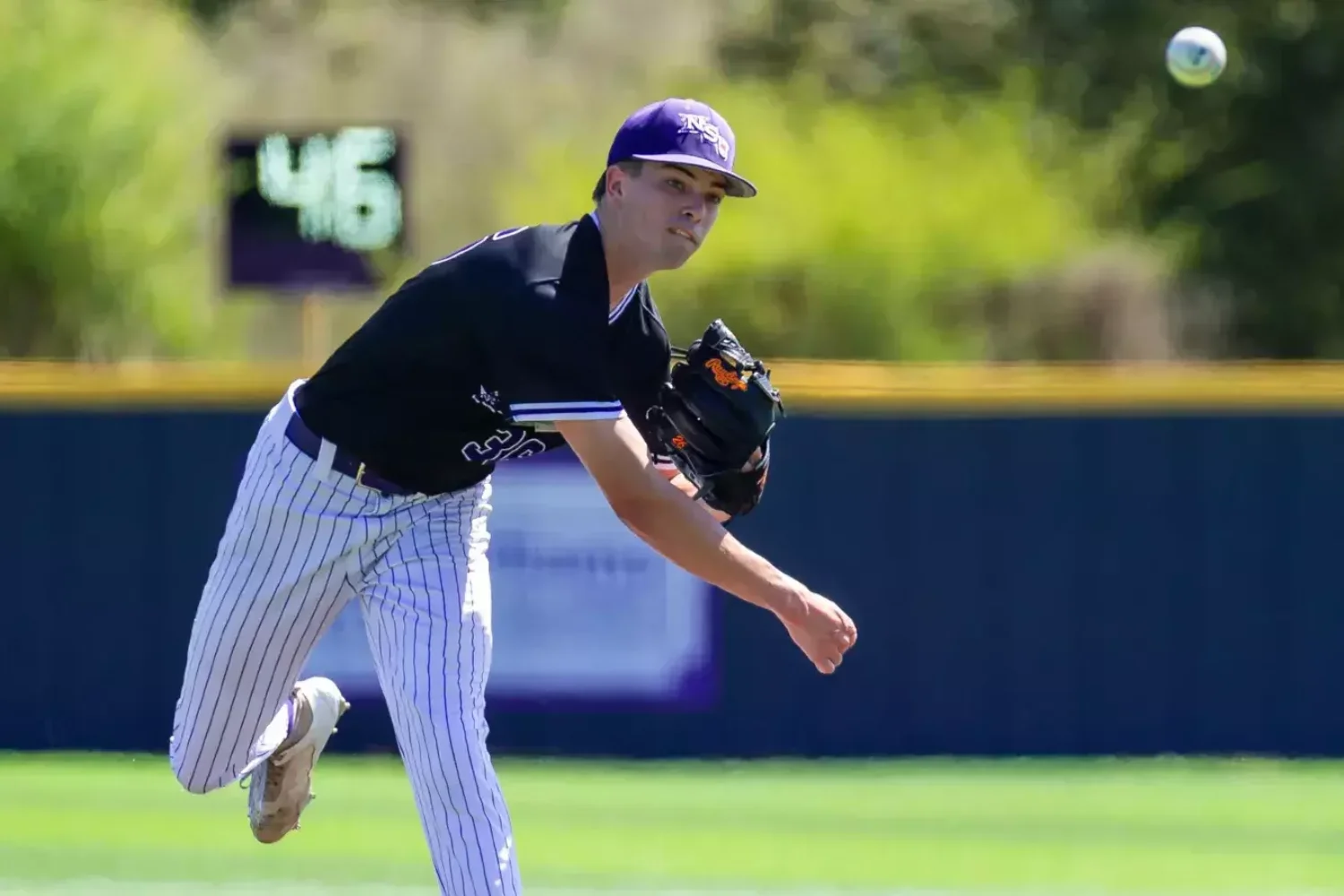 The Chicago Cubs selected Dylan Marionneaux with the 126th pick in the 2026 MLB Draft Saturday afternoon. Marionneaux is a pitcher at Northwestern State University. The right-hander had entered the transfer portal this year and had interest from the University of Miami, though ultimately would transfer to the SEC and the Alabama Tide. The slot value for the 126th pick in the MLB draft is $609.200. Marionneaux stands 6'3" but is listed only at 163lbs. In his most recent season at Northwestern, he struck out 81 hitters over the span of 84 innings pitched, while sporting a 3.51 ERA on route to making the All-Southland first team. According to Baseball America in 2025, Marionneaux lives in the upper-80s and threw mostly fastball-slider: "Though Lane made history with eight innings in a combined no hitter, the performance of the week goes to Northwestern State’s Dylan Marionneaux, who silenced New Orleans with a complete game shutout in which he struck out nine to just one walk and allowed two hits. "Marionneaux, who sits in the high-80s and primarily relies on just a fastball and slider, didn’t allow a base runner after the fifth inning. He has given up just one earned run over his last 21.1 innings." This is is a developmental pitcher with prototypical height who could add velocity through strength training. It's also a good sign that multiple SEC programs, such as Alabama and LSU, as well as Miami, were all sniffing around the pitcher in the transfer portal. View the full article
 -
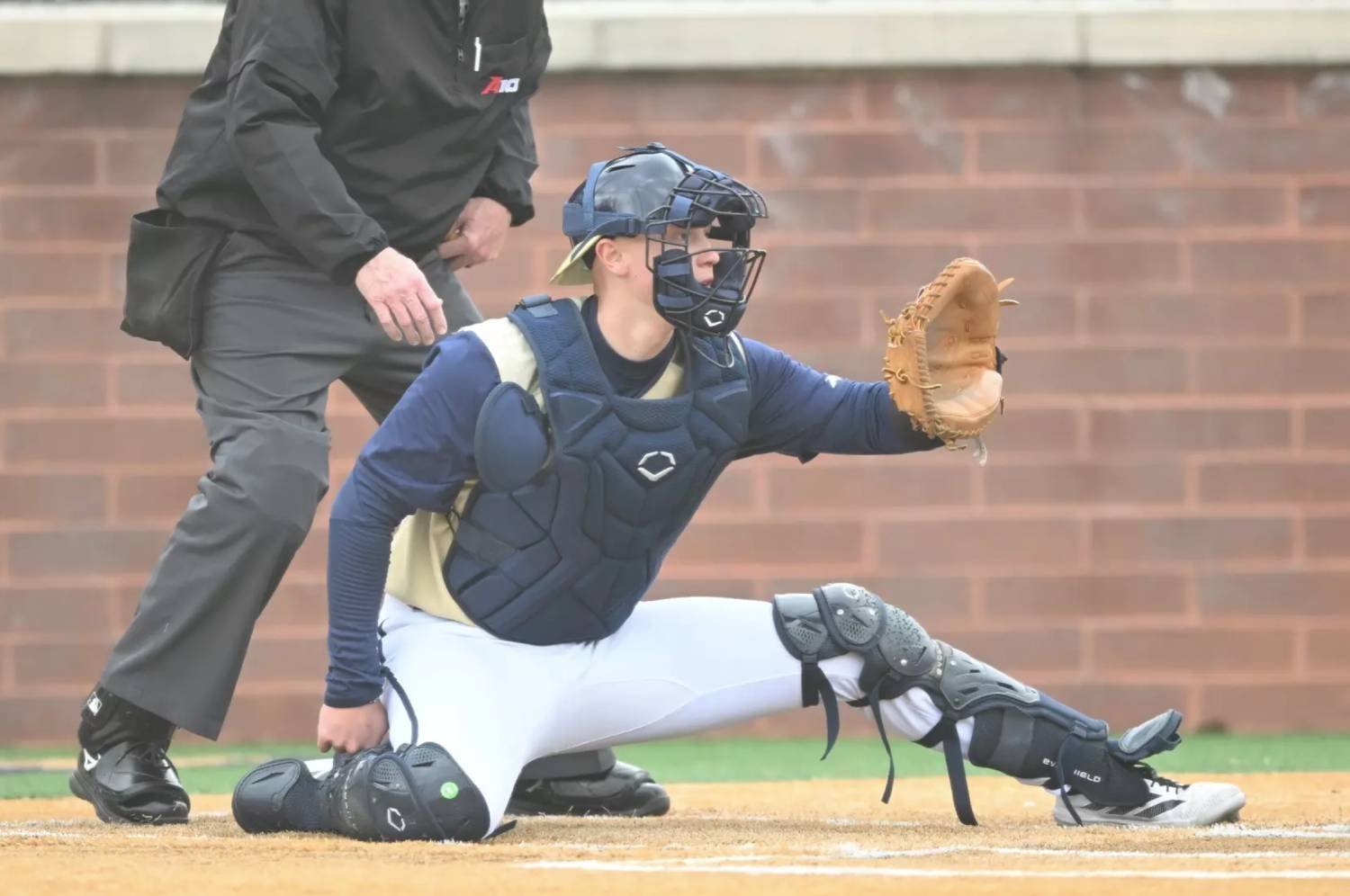 Not that the San Diego Padres needed additional catching depth, but they went out and drafted another backstop. With the first of two fourth-round selections, the Padres selected George Washington junior catcher Robbie Lavey with the 124th overall pick. The 6-foot-2, 215-pound left-handed hitter had a .339/.462/.526 slash line this season with 20 extra-base hits and 37 RBIs. His slot number is $620,300. Lavey is 20 years old. Lavey does a lot of things very well, but nothing overly well. His best trait is his arm, which has been graded as 55 on the 20-80 scouting scale. He is a line-drive hitter who makes good contact and can drive the ball. Defensively, he might need some work, but is a positive there more than a detriment behind the plate. The Padres have good catchers at every level, led by No. 1 prospect Ethan Salas. View the full article
 -
Royals Select Prep Outfielder Dominic Battista With 119th Pick
DiamondCentric posted an article in Royals Keep
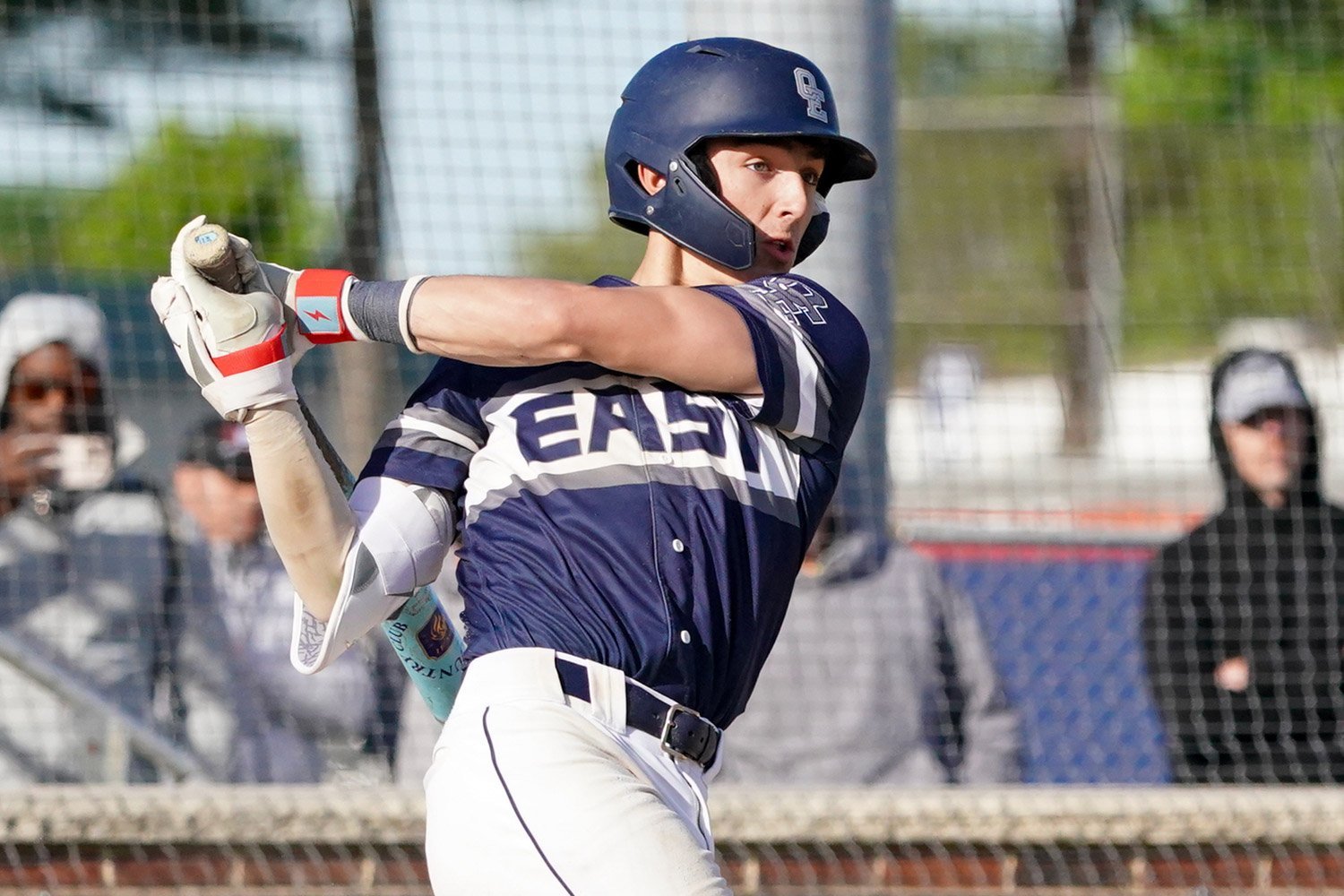 In the fourth round, the Kansas City Royals selected Dominic Battista, an outfielder from Oswego East High School in Illinois. Selected 119th overall, Battista is committed to the University of Illinois-Chicago. Battista missed some time due to a hamate injury, but he's been widely hailed by scouts for his toolsy and athletic profile. Here's what Prep Baseball said about him back in a write-up last August. Battista will be a project of sorts, as he is currently 18 and won't turn 19 until October. Prep Baseball ranked him the 6th-best player in Illinois and the best outfielder in the state as well. The Royals are now done for the first round, having made all four of their picks. A complete review of Day 1 of the MLB Draft will be posted on Royals Keep later this evening. View the full article
 -
Minnesota Twins Select Tommy LaPour With 107th Overall Pick
DiamondCentric posted an article in Twins Daily
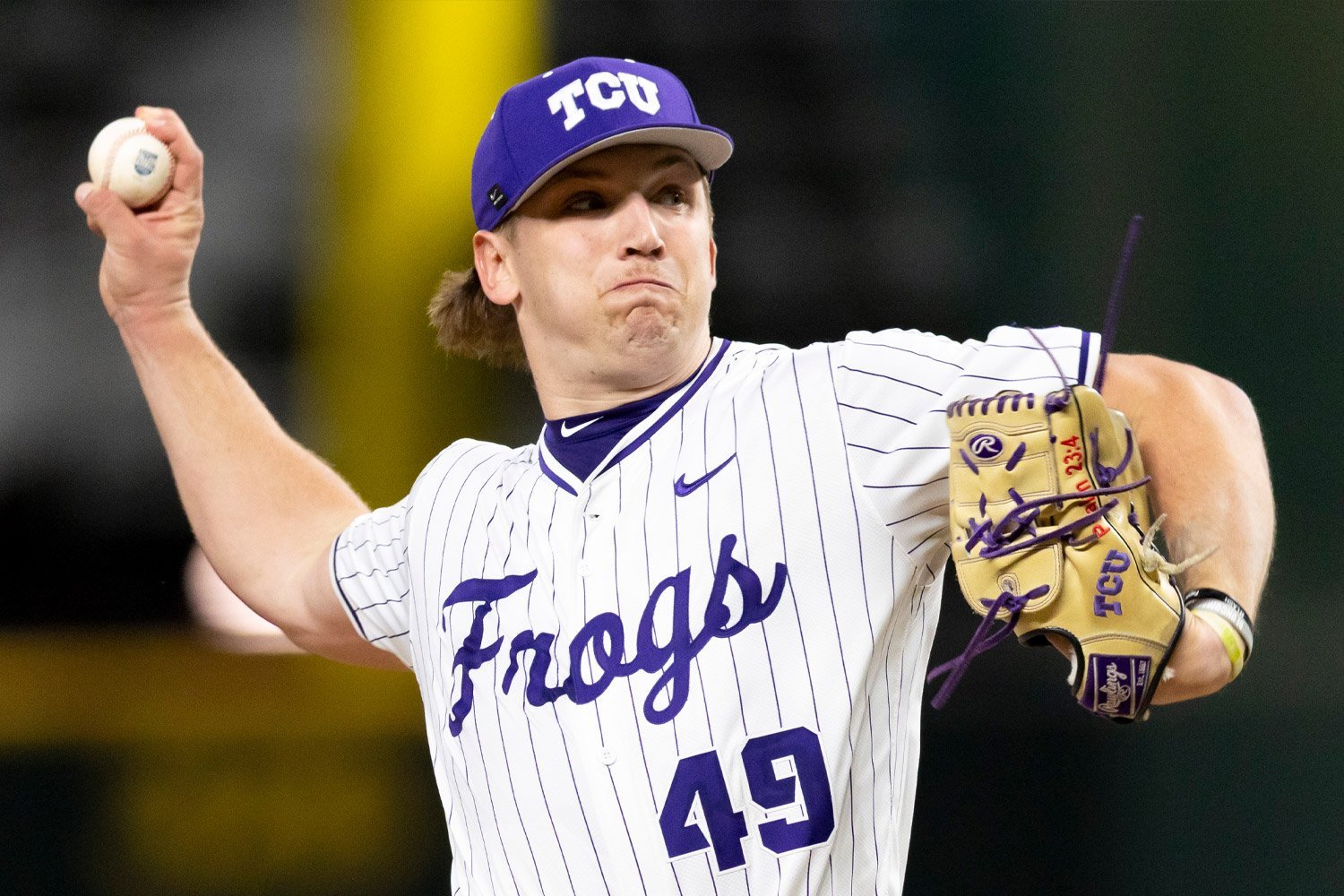 The Minnesota Twins have selected Tommy LaPour with the 107th overall pick in the MLB Draft. Slot value for the pick is $733,100. LaPour, a right-hander out of TCU, will join a Twins organization that lacks elite right-handed pitching prospects. Here's what our draft expert Jamie Cameron has to say about LaPour. Tommy LaPour was a decorated athlete out of high school in Missouri (football, baseball, wrestling). After spending a season at Wichita State, he transferred to TCU ahead of the 2025 season and put together a 4.01 FIP in over 90 innings of work in the Horned Frogs' rotation. LaPour has excellent arm talent, throwing his fastball in the 95-98 mph range, although it's been up to triple digits. It tends to perform poorly, due to its ordinary shape and spotty control and command. There's an above-average two-plane slider and a solid changeup to round out his mix. LaPour was limited to just 17 innings in 2026, missing a ton of time due to elbow soreness. He managed a 6.46 FIP while striking out 21.3% of hitters and walking 12.5%. This is a prospect for whom recent performance and arm talent didn't align. The right pro system and development could see him develop into a starter, with a high-leverage reliever as a fallback option. View the full article
 -
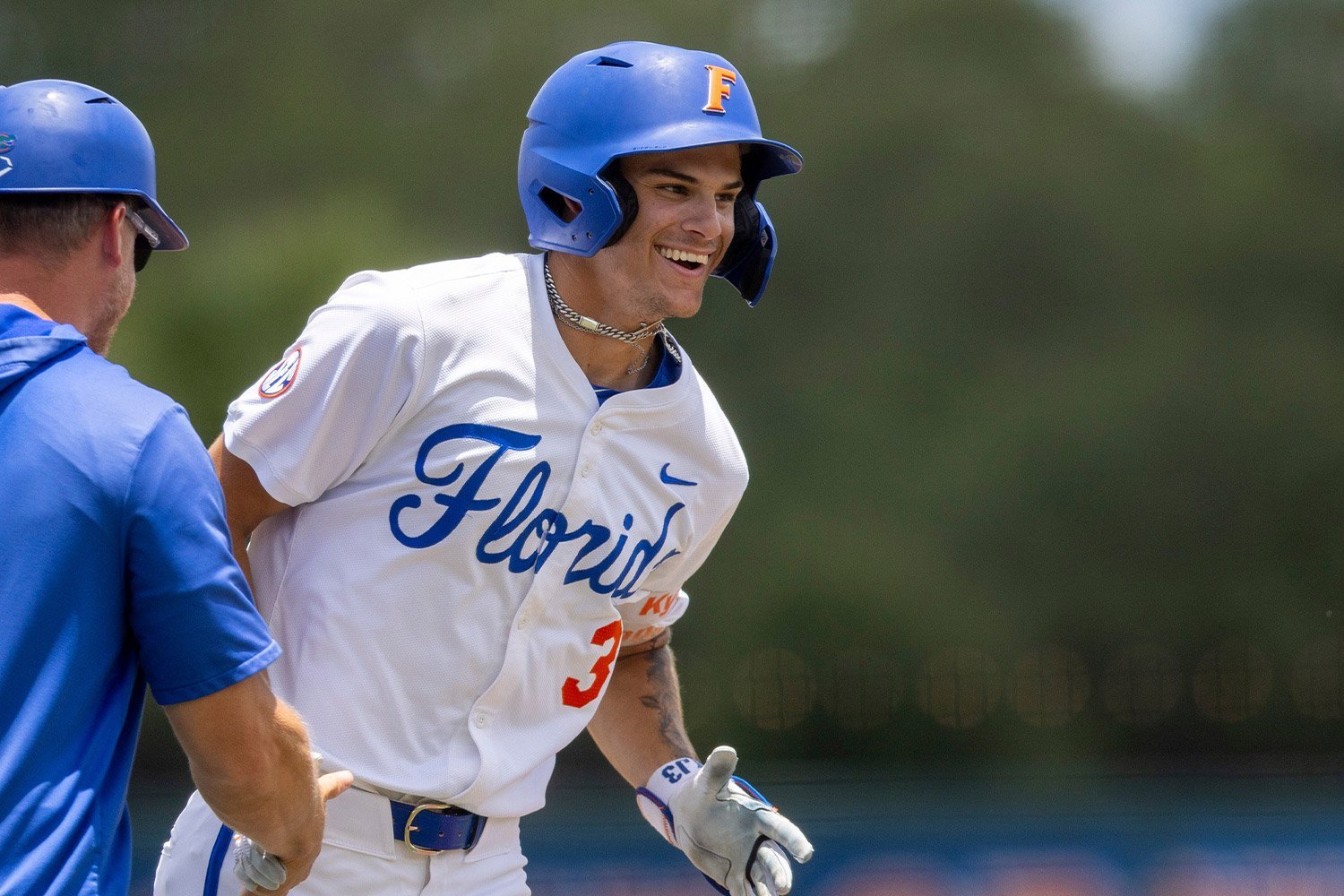 The Milwaukee Brewers selected Kyle Jones at pick No. 102 in the 2026 MLB Draft. Jones is a right-handed-hitting outfielder from the University of Florida. The slot value for the 102nd pick is $770,600. Jones was ranked No. 111 overall on our MLB Draft Consensus Board. In 2026, Jones slashed .317/.417/.478 with six home runs, 46 RBI, and 17 stolen bases. Here's what Jamie Cameron, curator of our MLB Draft Consensus Board, said about Jones: Jones had one of the better collegiate seasons in the country in 2024 for Stetson, before transferring to Florida ahead of his sophomore campaign. Unfortunately, hamstring and shoulder injuries slowed him down, and he missed most of the season. Back in the Gators lineup with consistency in 2026, he's been a steady late riser on industry boards. Offensively, there's a solid all-around profile here. Jones has good bat-to-ball skill, backed by a good approach and solid swing decisions during his plate appearances. While it's been more doubles and gap power than over-the-fence power, Jones has some projection in a frame that's listed at 6'3, 180 pounds. Jones has strong supplementary tools, too. He's an above-average to plus runner who takes solid routes in the outfield that should allow him a shot to stick in center as a pro. He ended 2026 with a .317/.418/.478 line with 6 home runs (23 XBH), a 12% walk rate, a 16.4% strikeout rate (105 wRC+), and 17 steals in 21 attempts. What do you think of the pick? Add your thoughts in the comments! View the full article
 -
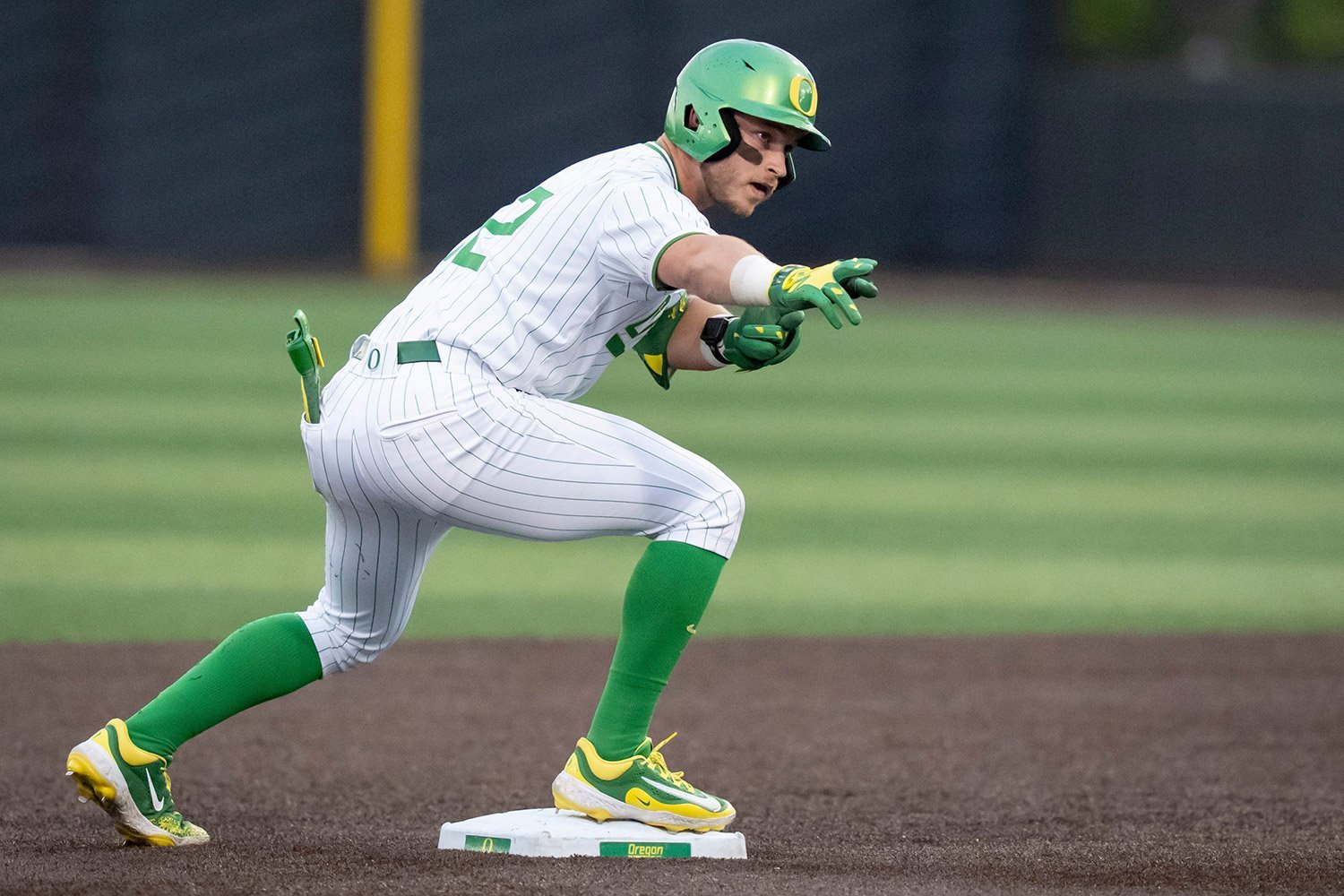 The Toronto Blue Jays selected Ryan Cooney at #103rd overall in the 2026 MLB Draft. Ryan Cooney is a shortstop at Oregon. The slot value for the pick is $762,900. Ryan Cooney was not ranked on our MLB Draft Consensus Board. Here’s what the write-up of Ryan Cooney by MLB Pipeline said: "Hailing from a Jesuit High School program in Oregon that produced first-round arms Mick Abel and Noble Meyer, Cooney headed south from his Portland area school to attend the University of Oregon for college ball. He was the only true freshman to start on opening day for the Ducks in what turned out to be an up-and-down first collegiate season for the infielder. Things clicked as a sophomore for Cooney, who earned All Big Ten first-team honors while leading Oregon in hitting and stolen bases. It’s been more of the same as the Ducks’ top bat during his junior campaign. If you get just one look at Cooney, he might not jump off the page because he doesn’t possess overly loud individual tools. Watch him for a while, though, and you can’t help but leave liking what he can do. There is some definite bat talent from the right side of the plate, with a good feel for the barrel and an advanced approach that has led to him walking as much as he’s striking out. He has a definite hit-over-power profile, but he has been getting to more damage this year and has been really locked in during conference play. Cooney has above-average speed and knows how to steal a base. He plays with an edge in a Dustin Pedroia kind of way, an aggressiveness scouts like. He initially lost his starting job at short to teammate Maddox Molony, then worked his way back into the starting lineup at second base. He’s a solid defender there, with some evaluators thinking he could still handle the left side of the infield at the next level." What do you think of the pick? Add your thoughts in the comments. View the full article
 -
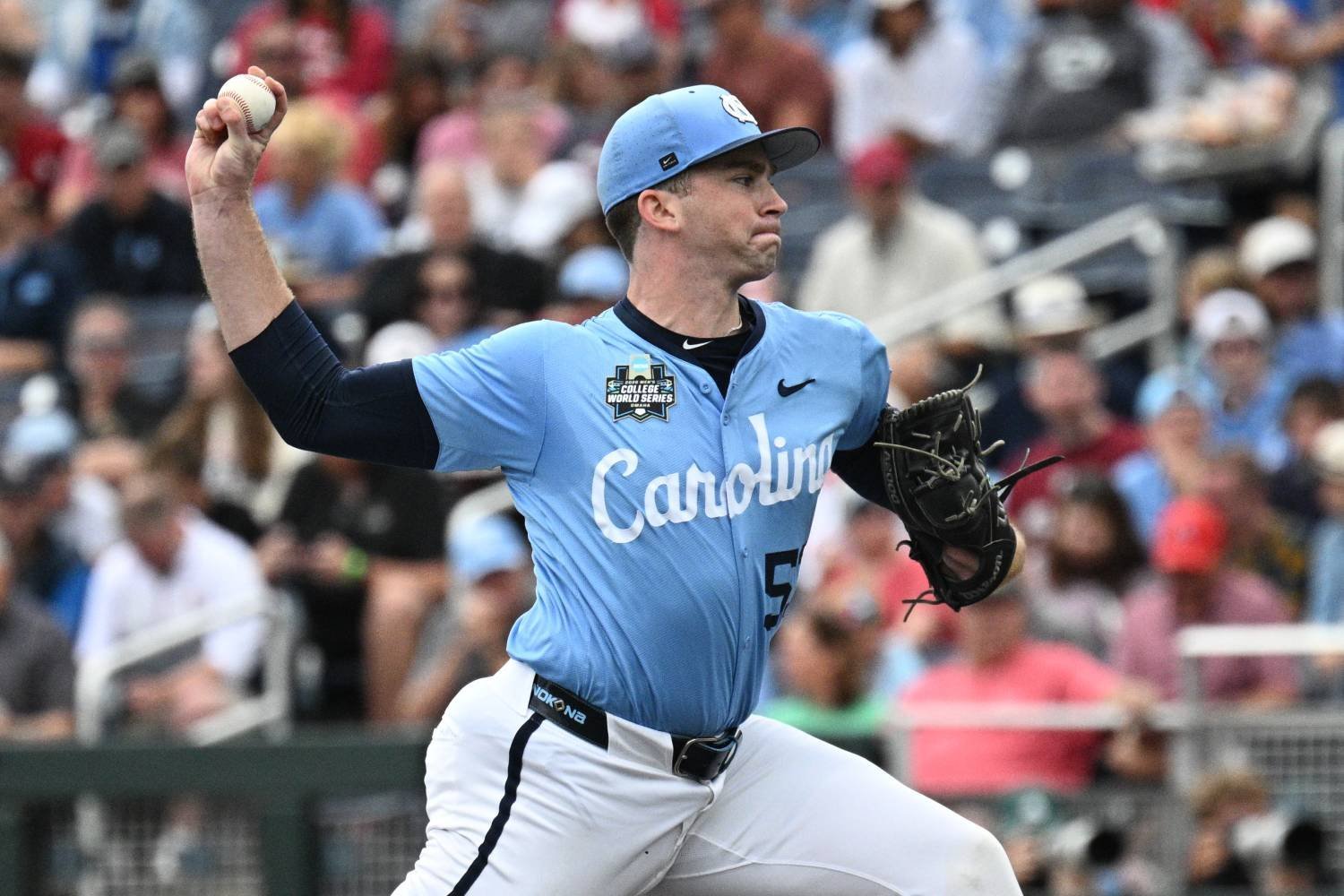 After going undrafted out of high school, right-handed starter Ryan Lynch bolstered his profile high enough for the San Diego Padres to select him in the third round (97th overall pick) in the 2026 MLB Draft. Lynch finished his junior season as part of North Carolina's starting rotation, posting a 4.21 ERA with 36 walks and 89 strikeouts over 98⅓ innings in 19 games, all but one a start. Lynch has a tremendous sinker that has reached 98 mph and sits at 94-96 mph. He also has a 83-85 mph slider that shows good depth. He also has a changeup that needs more development. At 6-foot-4 and 215 pounds, he has an excellent frame, yet didn't have big strikeout numbers this year. He did excel in a relief role as a freshman and some see him more in that role than as a starter, with the potential of being a closer if he goes to the bullpen. The 97th pick has a bonus slotted at $808,100. DiamondCentric's Jamie Cameron had this to say about Lynch, who was 95th on his big board: "Lynch is a young for the class college pitcher who will turn 21 a month before the draft. He's occupied a number of roles in his two years for the Tar Heels, beginning as a reliever, before transitioning into a starting role in 2026. It's a frame with ingredients for starting. Lynch stands 6'3, 235 pounds and can maintain his velocity into his outings. There's some interesting release traits too, as Lynch gets good extension and throws from a low release height. There's interesting stuff, too. His best pitch is a power sinker with a ton of run. It typically sits 94 mph but has been up to 97 mph. Lynch frequently mixes in a slider with some depth and sweep, a curveball, and a changeup, although he relies on his sinker/slider combo. Results have been mixed as a full time starter in 2026 and there's some reliever risk here until Lynch can more consistently tap into a more diverse arsenal with regularity and effectiveness. Lynch ended 2026 with a 4.88 FIP in 98.1 innings of work, striking out 20.3% of hitters and walking 8.2%." He has delivery of more of a slinger, which helps with deception on his pitches and could also lead to some of his control issues. View the full article
 -
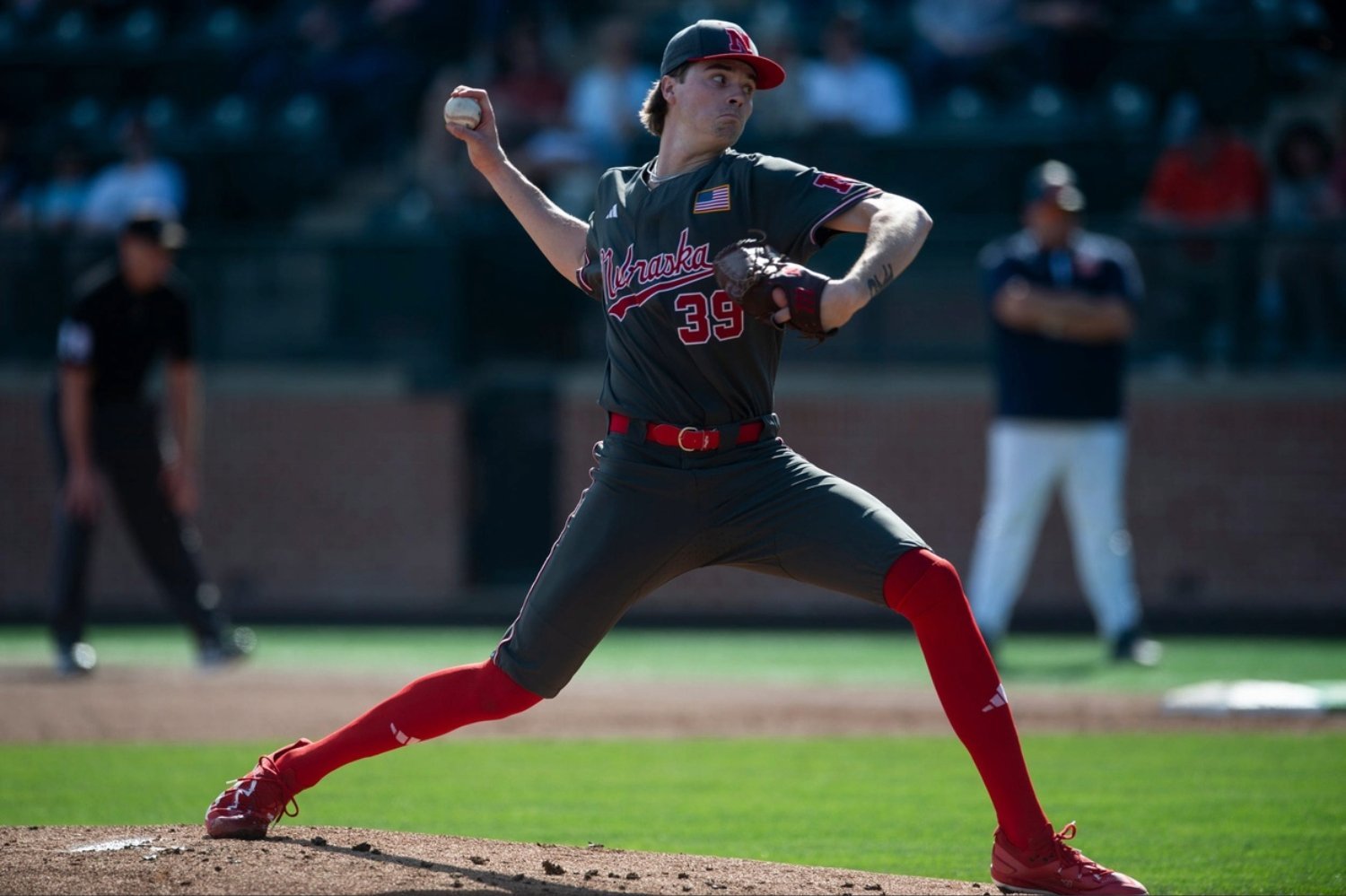 The Chicago Cubs have selected Carson Jasa the with No. 98 overall pick in the MLB draft. Slot value for the selection is $800,000. Jasa went 10-2 with a 3.59 ERA across 87 2/3 innings pitched for Nebraska last season. He limited opponents to just a .204 average last season and posted a 30.4% strikeout rate. Jasa used his fastball just 28% of the time last season, but that was because opponents struggled mightily against his off-speed pitches last season, managing just six hits and punching out 81 times against his curveball. His player profile from MLB.com says the following about his talents. "Jasa averages 96 mph and reaches 98 with his fastball, but it lacks life and command and tends to get hit harder than would be expected, so he has used it just 28 percent of the time this spring. He leans much more on a tight upper-80s slider that tops out at 91 and plays well off his best pitch, a downer 78-82 mph curveball. Opponents went 6-for-111 (.054) with 81 strikeouts against his curve in 2026. Though he doesn't employ his low-80s changeup very often and has difficulty landing it for strikes, it shows promising tumble and fade at its best. Jasa has much better feel for his breaking balls than his dead-zone fastball, and while his control has improved, it's still below average. That means he comes with a good deal of reliever risk, though he also has huge upside as a starter if a team can help him improve his ability to shape and locate his heater. He's athletic and has improved tremendously in college, leading to hope he can continue to do so at the next level." More to come... View the full article
 -
Red Sox Select Jace Mataczynski No. 96 Overall in the 2026 MLB Draft
DiamondCentric posted an article in Talk Sox
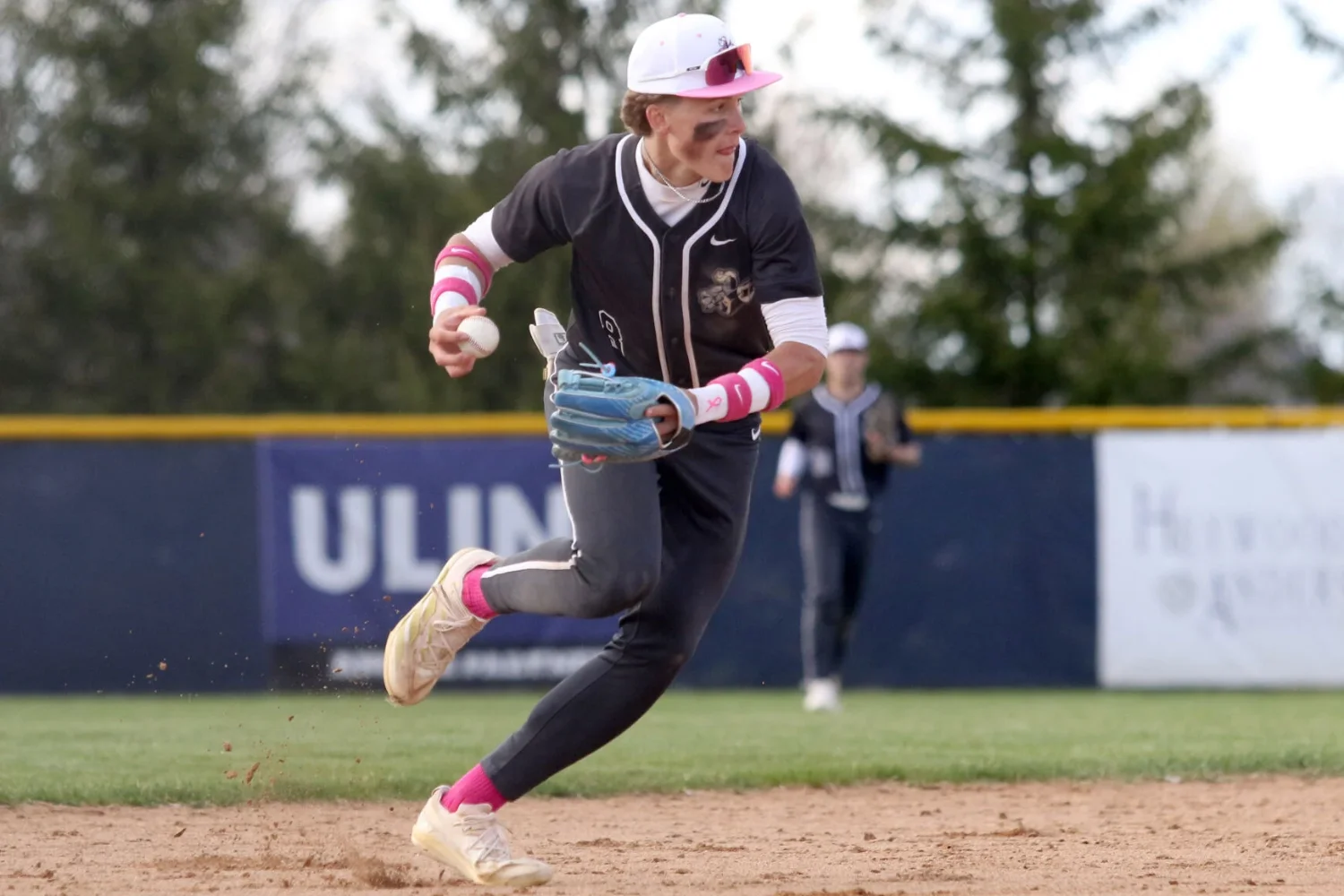 The Red Sox selected Jace Mataczynski with the No. 96 overall pick in the 2026 MLB Draft. Jace Mataczynski is a shortstop at Hudson High School in Wisconsin. The slot value for the pick is $815,700. He was ranked 108 on our MLB Draft Consensus Board. Here’s what our write-up of Jace Mataczynski by Jamie Cameron has to say: "Jace Mataczynski, like many cold-weather prospects, exploded onto the scene in a hurry and has remained in the cross hairs of the scouting community ever since. The Auburn commit out of Wisconsin displays premium athleticism and twitch, present in both his offensive and defensive profiles. At the plate, it’s a right handed swing that could still stand to add a touch more refinement. He starts in a wide base with a higher handset, close to his ear. From there it’s a drift back into his load before a small jabbing step into his swing. Mataczynski’s wide base helps him get into his legs well and there’s plenty of present bat speed. I’d envision some of the mechanical rawness working itself out via his impressive athleticism. Defensively, he has a good chance to stick at short. He’s a fluid mover with smooth actions and a decisive first step. His hands are soft and there’s a really quick arm there, too (he’s been clocked up to 98 mph in the infield). This is the type of talent, and twitch that can end up looking like a draft steal. If Mataczynski’s offensive game continues to trend in the right direction, he’ll check most of the boxes you’re looking for in a projection-reliant shortstop profile." More to come... View the full article
 -
Royals Select Left-Hander Maxx Yehl With 91st Overall Pick
DiamondCentric posted an article in Royals Keep
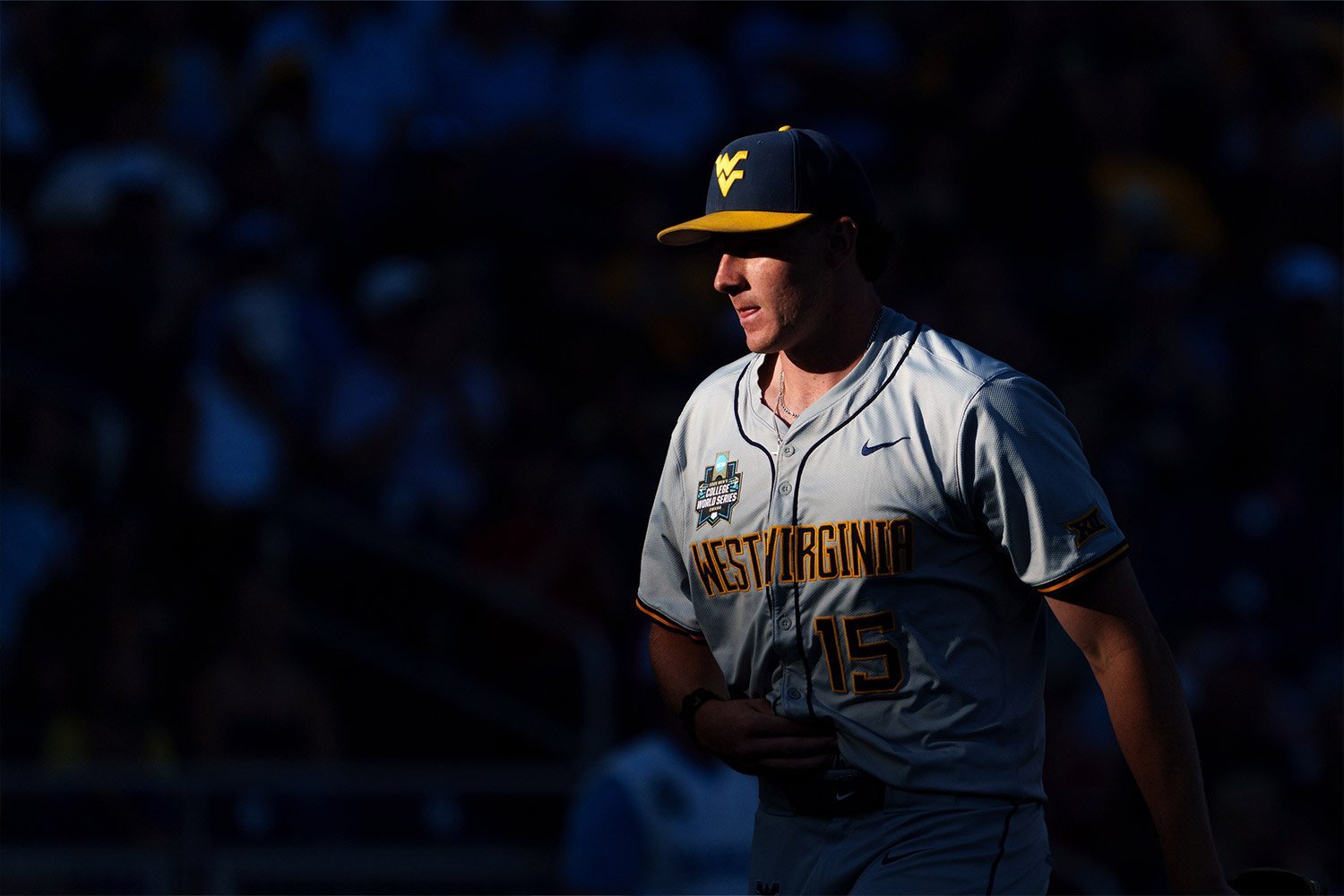 Maxx Yehl thrived out of West Virginia's bullpen as a 2023 freshman and again in 2024, but Tommy John surgery cost him 2025. Back in 2026, the 6-foot-6 lefty seized his first shot at starting, became the Friday night ace, won Big 12 Pitcher of the Year, and clinched the Mountaineers' first College World Series berth. His fastball has hit 96-97 mph, backed by an above-average slider up to 87. Late-season fatigue is understandable post-surgery. A strong strike-thrower and competitor with limited starting experience, he could stick in a rotation—or fall back on his fastball-slider combo in relief. View the full article
 -
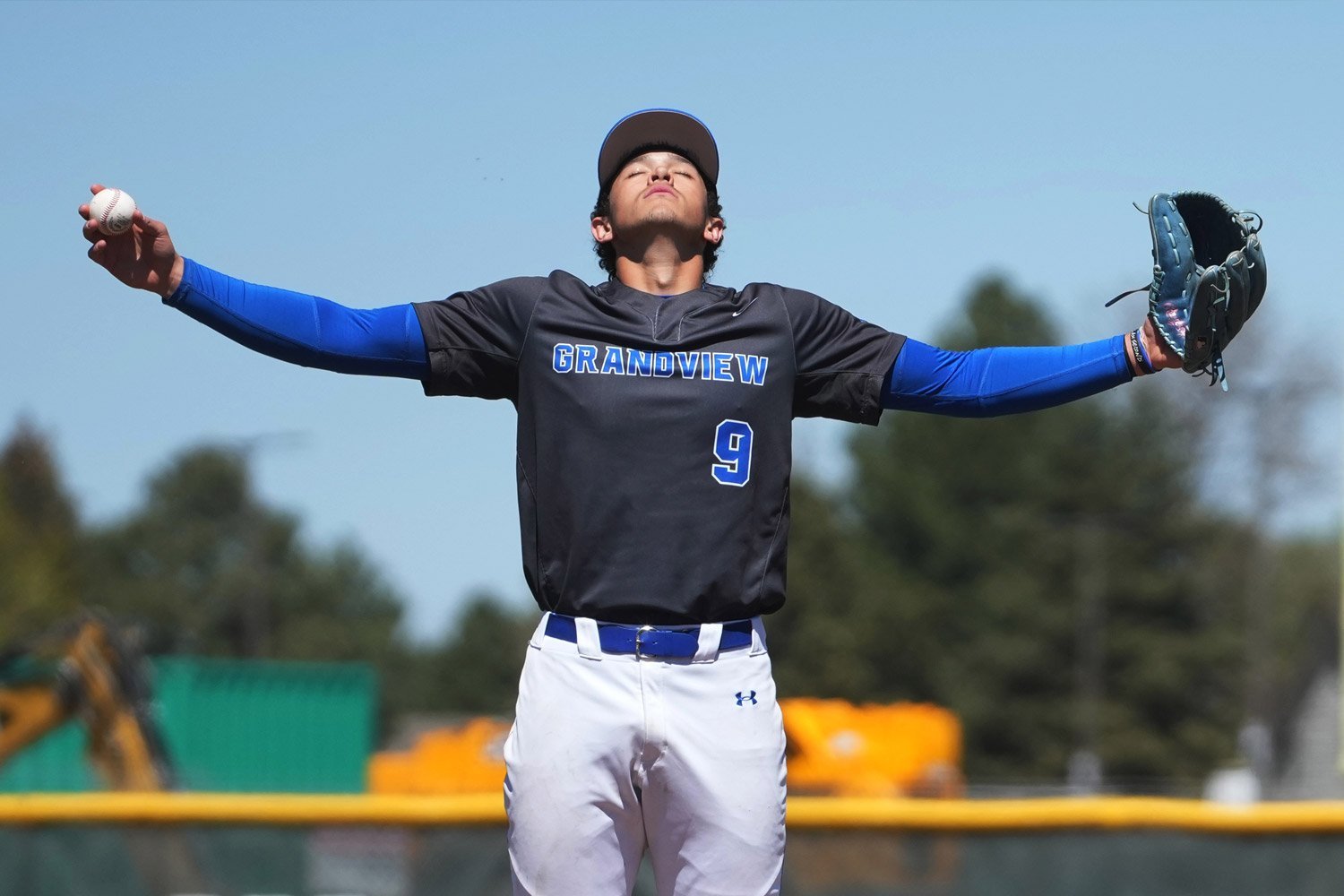 The Minnesota Twins have selected Ethan Wachsmann with the No. 79 overall pick in the MLB Draft. Slot value for the No. 79 pick is $1,052,700. Wachsman, a Wake Forest signee, may garner over slot value, according to the MLB Draft experts. The right-hander had an outstanding senior season at Grandview High School, posting a 6-2 record with a 2.10 ERA and 66 strikeouts across 36 2/3 innings. Here's what our draft expert Jamie Cameron had to say about Wachsman. "Wachsmann is a sharp riser on the draft board this spring. A CO prep arm hailing from the same high school program as Kevin Gausman, it's a fascinating blend of size and stuff, with plenty of rawness still present. Wachsman's fastball has touched triple digits already; it'll more routinely sit in the 94-96 mph range in the middle innings. He's added a cutter that sits in the high 80s this season as a bridge to the rest of his arsenal. While the velocity is excellent, there's work to do on both the control and command of his arsenal, which are currently fringe-average. Wachsman will fire off a breaking ball that can be slurvy but exhibits good spin rates. There's a changeup that he sells well with good arm speed and velocity separation from his fastball. It'll be worth monitoring the strike-throwing if a team can pry him away from his Wake Forest commitment, but if he can round out his arsenal with better breaking pitch shapes, he'll be a tough look for hitters." View the full article
 -
Minnesota Twins Select Brett Renfrow In 2026 MLB Draft
DiamondCentric posted an article in Twins Daily
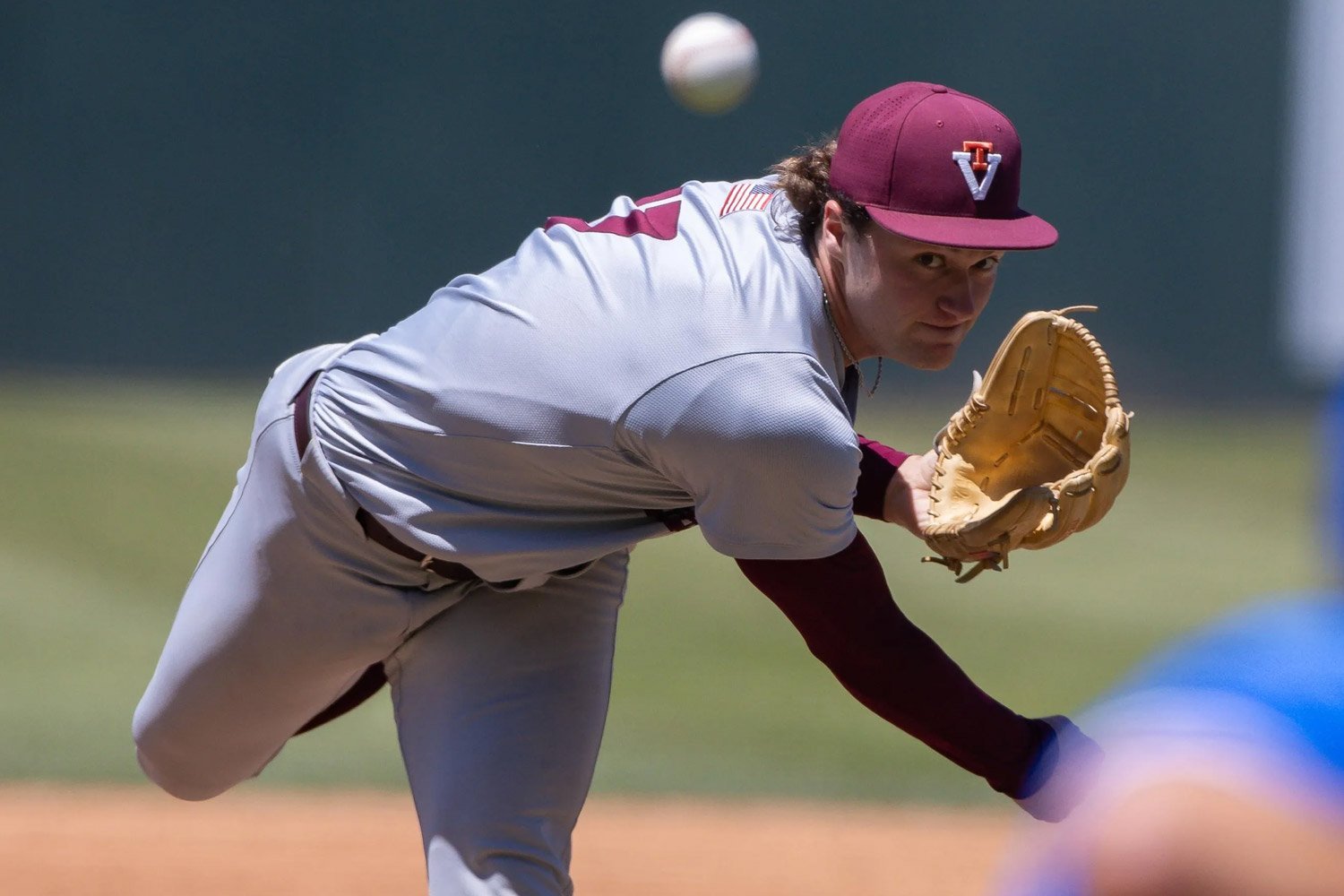 In the Competitive B round, the Minnesota Twins select right-handed pitcher Brett Renfrow for the 74th pick. Renfrow is a Junior at Virginia Tech and was ranked consistently in the top 100 college prospects. In 2026, Renfrow registered a 27.7% strikeout rate, flashing a massive uptick in his ability to miss bats as he racked up 88 punchouts over just 73.2 frames. Here is more info on Renfrow from our draft expert, Jamie Cameron. Renfrow has slowly ticked up his strikeout rate while reducing his walk rate, exactly what you want to see. In terms of stuff, the fastball is good. It sits at 94 mph and has been up to 97 mph, playing well at the top of the zone. There's a slider/cutter hybrid he throws in the upper 80s, a curveball with plenty of depth that sits in the low 80s, and a changeup with good horizontal action. Renfrow is a pitcher you can see making significant strides in a pro organization. There are plenty of starter traits here. In 73.2 innings in 2026, Renfrow managed a 4.67 FIP, while striking out 27.7% of hitters and walking just 7.9%. Compared to the flashier, high-velocity pitchers in the 2026 draft, Brett Renfrow stands out as a highly durable, low-risk college starter. His elite 7.9% walk rate against top-tier ACC competition gives him a much safer floor than his peers, offering the Minnesota Twins a reliable, workhorse arm who is highly likely to remain a starting pitcher in professional baseball. Ultimately, selecting Renfrow at #74 overall is a calculated, high-value move for the Minnesota Twins. By securing a durable, strike-throwing right-hander with a proven ACC pedigree, the front office adds an immediate safety net of pitching depth to complement their high-ceiling offensive picks. If the Twins' celebrated pitching lab can successfully unlock a bit more swing-and-miss capability from his secondary stuff, Renfrow has all the traits of a reliable, fast-rising major league rotation piece. https://x.com/Twins/status/2076053929767452839?s=20 View the full article
 -
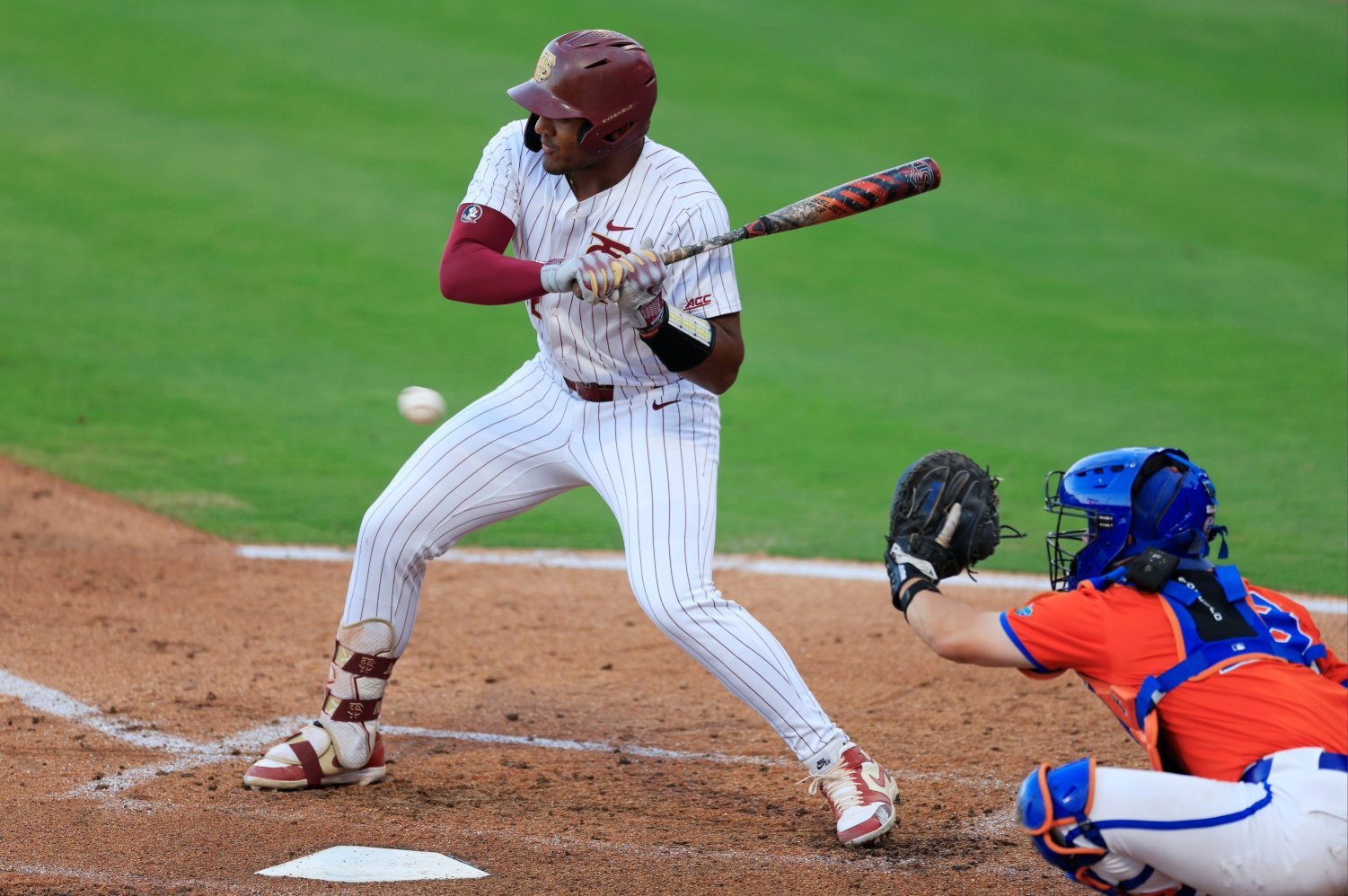 The Chicago Cubs selected Myles Bailey with the 75th pick in the 2026 MLB Draft Saturday afternoon. Bailey is a first baseman, formerly of the University of Florida State. The slot value for the pick in the MLB draft is $1,120,900. The Cubs were awarded the 75th pick in the draft for losing Kyle Tucker to the Los Angeles Dodgers in free agency. Last year, Bailey hit .363 with 13 home runs. He was ranked #83 on MLB Pipeline, unranked (given a 40 FV) on Eric Logenhagen of FanGraphs' "The Board", and #67 according to Baseball America. Using Jamie Cameron's consensus board, he was our No. 96th-ranked prospect. Jamie had this to say about him: "Bailey has the best raw power in the entire class. His average EV and EV90 are top of the scale. He was torching non-conference play to the tune of 13 home runs (a .913 SLG) in his first 26 games before a serious ankle injury resulted in surgery and the end of his season. Raw power isn't Bailey's only asset. He's a good athlete and has an excellent approach. He followed up a 13.7 BB% in 2025 with a 28.7 BB% in 2026. Additionally, he just doesn't expand the strike zone, with a 98th percentile chase rate. The profile does come with serious swing and miss concerns, however. Bailey registered a K% over 30% in 2025 and has some of the worst whiff and in-zone whiff percentages in D1 baseball. He's likely destined to stick at 1B in pro ball. He has an unusually diverse range of outcomes for a college prospect, but the power upside is huge." This is a developing story and more information is to come. View the full article
 -
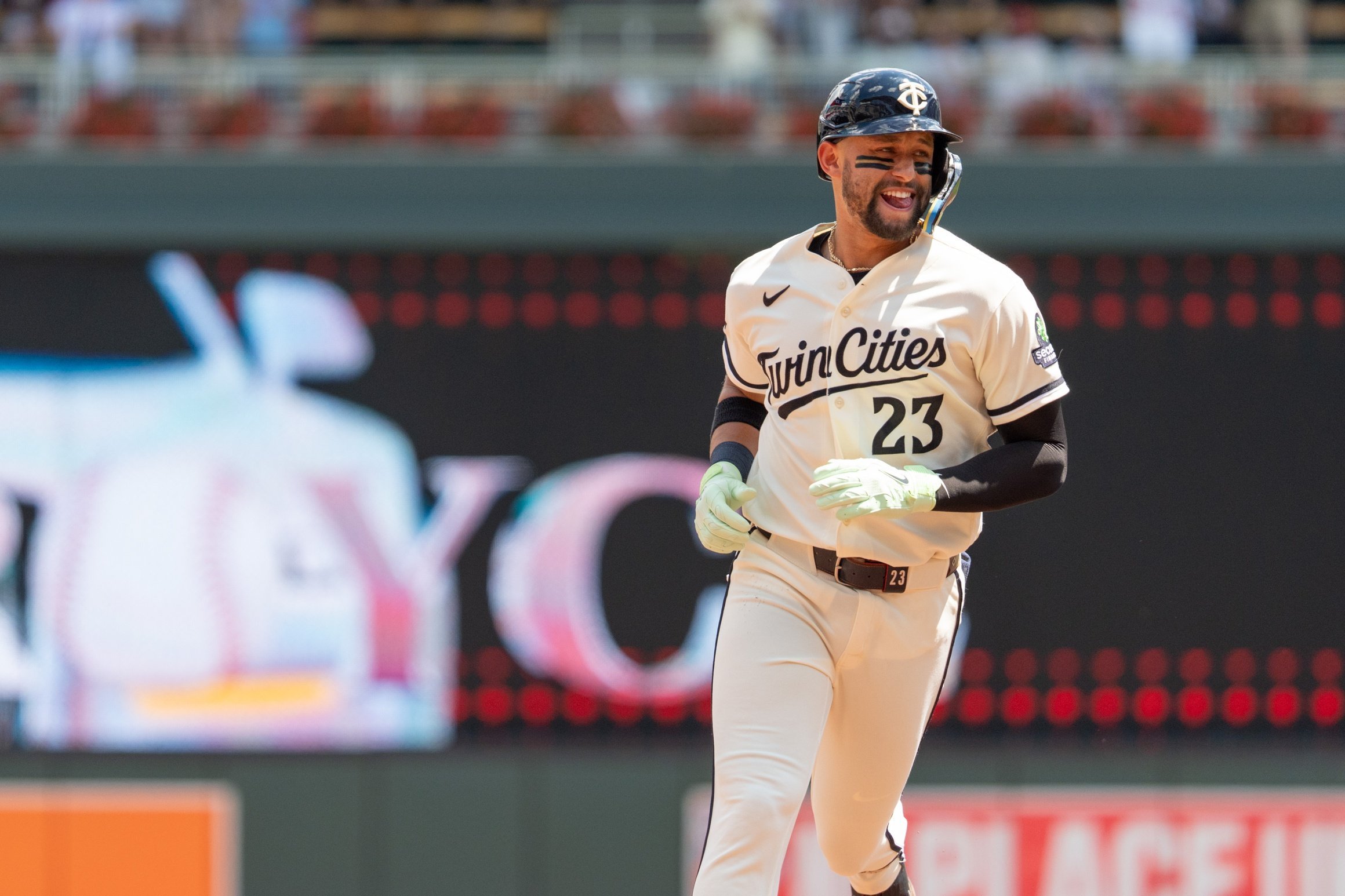 Box Score SP: Joe Ryan - 6 IP, 6 H, 2 R, 2 ER, 2 BB, 6 K (94 pitches, 61 strikes (64.9% strikes)) Home Runs: Royce Lewis (10) Top 3 WPA (via Fangraphs): Royce Lewis (0.25), Joe Ryan (0.19), Victor Caratini (0.16) Win Probability Chart (via FanGraphs) After dropping Friday night's opener to the Angels, the Twins needed a response before heading into the All-Star break. They got one. Powered by another big afternoon from Royce Lewis and six steady innings from Joe Ryan, Minnesota knocked off Los Angeles 5-3 to even the series and set up a rubber match on Sunday. The afternoon started with a celebration as longtime Twins television voice Dick Bremer was inducted into the Twins Hall of Fame before first pitch. Once the game got underway, Joe Ryan had to work around immediate trouble. The Angels put two runners aboard in the opening inning, but Ryan stranded both and never let the early traffic snowball. The Twins wasted little time providing him with some run support. Kody Clemens drew a four-pitch walk to open the second inning, bringing Royce Lewis to the plate. One pitch later, Lewis launched his 10th home run of the season, giving Minnesota an early 2-0 lead. Luke Keaschall added another run later in the inning with a sacrifice fly that scored Victor Caratini, extending the lead to 3-0. Luke Keaschall added another run later in the inning with a sacrifice fly that scored Victor Caratini, extending the lead to 3-0. The Angels answered in the third when Jorge Soler ripped an RBI double to cut the deficit to one, but Ryan settled right back in. Over his final three innings, Ryan allowed just two baserunners while continuing to attack the strike zone. It wasn't his most overpowering outing, but it was another example of why he's been one of the American League's most dependable starters this season. The only blemish after Ryan departed came in the seventh. Making his Twins debut after arriving from Toronto earlier this week, Tommy Nance surrendered a two-out RBI single to Nolan Schanuel after Zach Neto stole second, allowing the Angels to tie the game at three. Nance also recorded a pair of strikeouts in the inning. The tie lasted only a few minutes. Royce Lewis opened the bottom of the seventh with a double before Victor Caratini followed with another double into the gap, putting the Twins back in front 4-3. Alan Roden kept the line moving with an RBI single one batter later, giving Minnesota an important insurance run. That was all the bullpen needed. Woo-Suk Go handled the eighth, and Yoendrys Gómez closed things out in the ninth for his 11th save of the season and 10th since joining the Twins. One number that stood out when the afternoon ended: 11. That's how many runners the Angels left on base. Ryan and the bullpen bent more than a few times, but they consistently made pitches when traffic mounted. That's often the difference between winning and losing games like this. What's Next? The Twins will try to secure the series win Sunday before the All-Star break. Taj Bradley (8-3, 3.67 ERA) gets the ball for Minnesota against José Soriano (8-5, 3.40 ERA). Bradley enters the finale throwing some of his best baseball of the season. He has allowed two earned runs or fewer in four consecutive starts and is coming off a dominant seven-inning, 10-strikeout performance against Cleveland. After Sunday's finale, Joe Ryan and Byron Buxton will head to Philadelphia for the All-Star Game while the rest of the Twins get a much-needed breather before opening the second half with a road series against Pete Crow-Armstrong and the Cubs. {C}%3C!%2D%2Dbr%20%7Bmso-data-placement%3Asame-cell%3B%7D%2D%2D%3E--> TUE WED THU FRI SAT TOT Rojas 0 0 47 0 0 47 Morris 13 0 0 25 0 38 Rogers 17 15 0 0 0 32 Adams 0 20 0 12 0 32 Funderburk 0 20 10 0 0 30 Gómez 3 19 0 0 18 40 Go 0 0 18 0 21 18 Nance 0 0 0 0 27 27 View the full article
 -
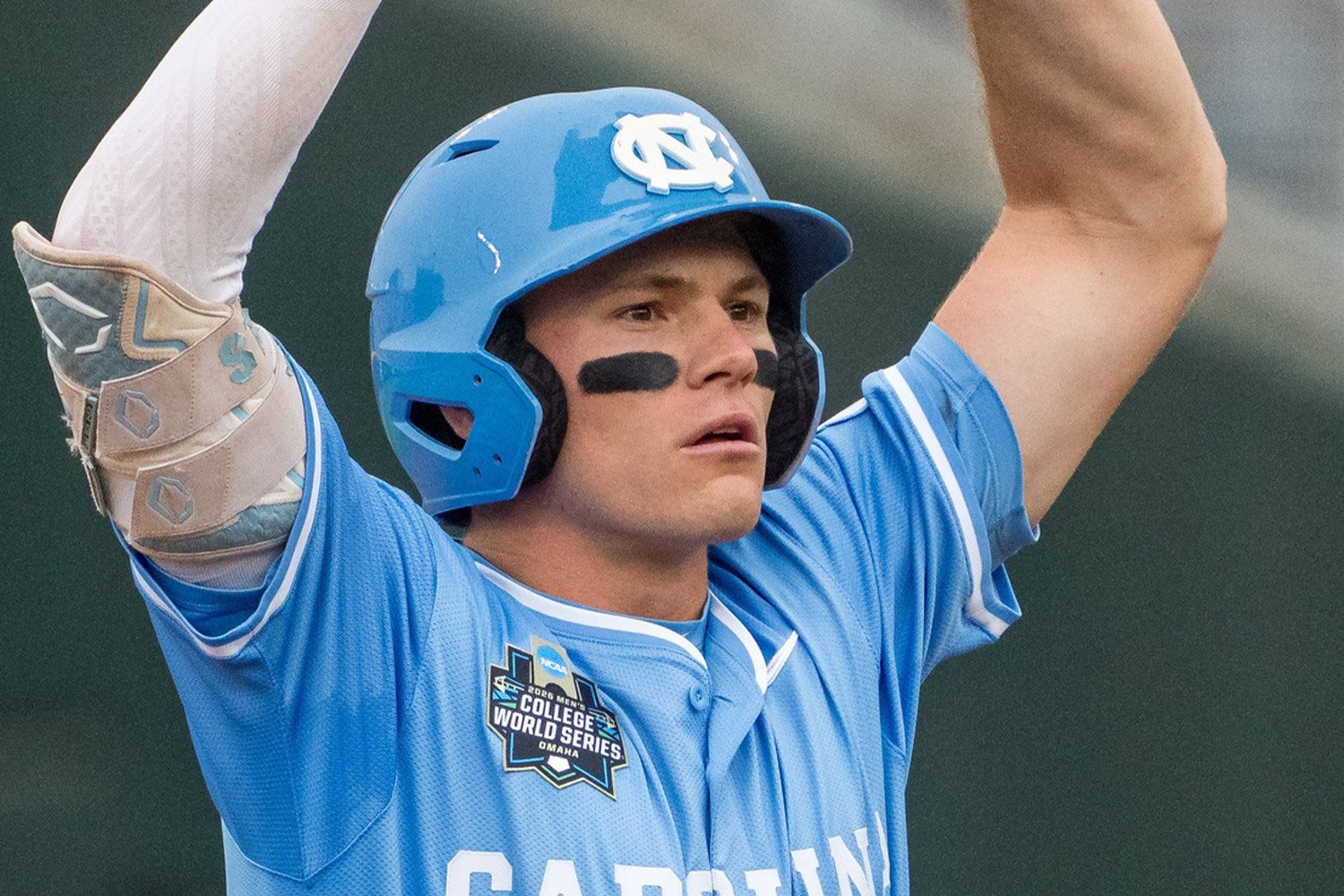 With the 67th overall pick in the draft, the Boston Red Sox selected Owen Hull. Hull is a sharp riser on the college side of the draft after an impressive postseason run as part of North Carolina’s CWS squad. After spending his first two collegiate seasons at George Mason, the 6’4 outfielder made the transition to the ACC look seamless and has set himself up as a likely day one pick as a result. Hull hits from the left side and has a bit of an unorthodox-looking swing. There is some swing and miss in the profile, but the damage on contact is impressive. He controls his at-bats well and takes plenty of walks, rarely expanding the zone in collegiate ball. Hull has a chance to stick in center field with plus speed. It’s a fringe-average arm, but the range and glove will play in center, at least during the onset of his professional career. Hull hit .393/.500/.615 with 9 home runs (38 extra base hits), a 14.8 BB%, a 15.1 K%, and a 146 wRC+ in 2026. As a player, Hull is viewed as having one of the best combinations of physicality and athleticism as he stands 6-foot-4 and weights 215 pounds. Hull spent his first two seasons in college with George Mason before transferring to North Carolina. Appearing in 69 games with North Carolina, the left-handed hitter slashed .393/.500/.615 showing an ability to get on base along with great bat-to-ball skills. He flashed some power, hitting 27 doubles, two triples and nine home runs all while driving in 87 runs. Thanks to a combination of great baserunning and speed, he swiped 18 bases. The outfielder also showed an understanding of the strike zone, walking 48 times while striking out in 49 at-bats. During his time with UNC, he finished second in Division I in hits (103), and RBIs and third in doubles Despite that, there is some concern from scouts in regards to his swing. At times it gets rigid and his bat speed could be better, something the Red Sox could target with their bat speed program. Despite the less than ideal bat speed, he makes hard contact easily and with his raw power could be a 15 to 20 home run hitter at his best. Defensively he mainly played right field prior to joining UNC where he shifted to center field. Despite still learning the position, he has the speed to remain and his arm shouldn’t be a concern there. View the full article
 -
Red Sox Select OF Owen Hull With 67th Pick in the 2026 MLB Draft
DiamondCentric posted an article in Talk Sox
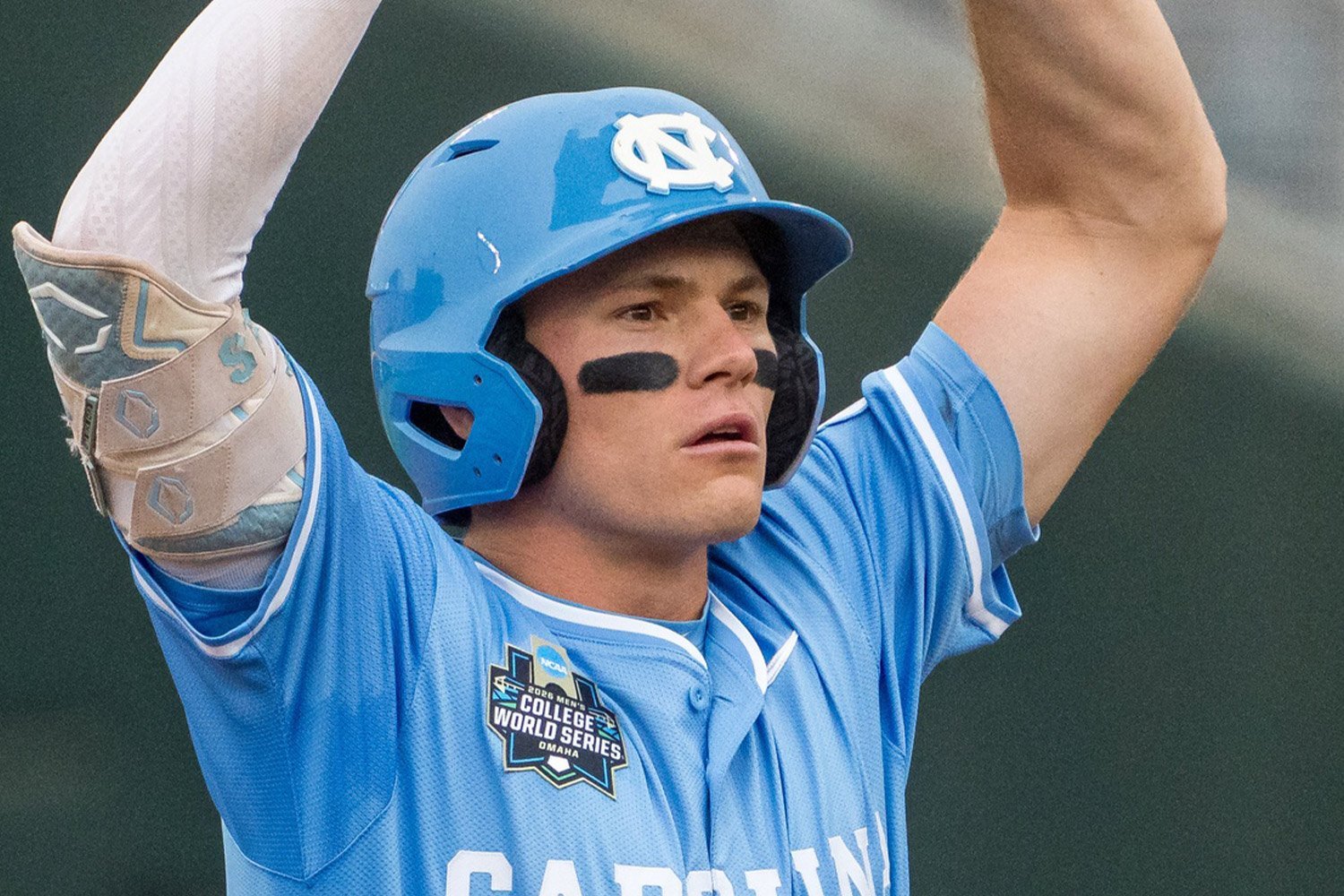 With the 67th overall pick in the draft, the Boston Red Sox selected Owen Hull. Hull is a sharp riser on the college side after an impressive postseason run as part of North Carolina’s CWS squad. After spending his first two collegiate seasons at George Mason, the 6’4" outfielder made the transition to the ACC look seamless and set himself up as a day one pick. Hull hits from the left side and has a bit of an unorthodox-looking swing. There is some swing and miss in the profile, but the damage on contact is impressive. He controls his at-bats well and takes plenty of walks, rarely expanding the zone in collegiate ball. Hull has a chance to stick in center field with plus speed. It’s a fringe-average arm, but the range and glove will play in center, at least during the onset of his professional career. Hull hit .393/.500/.615 with 9 home runs (38 extra base hits), a 14.8 BB%, a 15.1 K%, and a 146 wRC+ in 2026. Hull spent his first two seasons in college with George Mason before transferring to North Carolina. Appearing in 69 games with UNC, the left-handed hitter showed an ability to get on base along with great bat-to-ball skills. He flashed some power, hitting 27 doubles, two triples and nine home runs all while driving in 87 runs. Thanks to a combination of great baserunning and speed, he swiped 18 bases. The outfielder also showed an understanding of the strike zone, walking 48 times while striking out in 49 at-bats. During his time with UNC, he finished second in Division I in hits (103), and RBIs and third in doubles Despite that, there is some concern from scouts in regards to his swing. At times it gets rigid and his bat speed could be better, something the Red Sox could target with their bat speed program. Despite that, he makes hard contact easily and with his raw power could be a 20 home run hitter at his best. Defensively, he mainly played right field prior to joining UNC, where he shifted to center field. Despite still learning the position, he has the speed to remain and his arm shouldn’t be a concern there. View the full article
 -
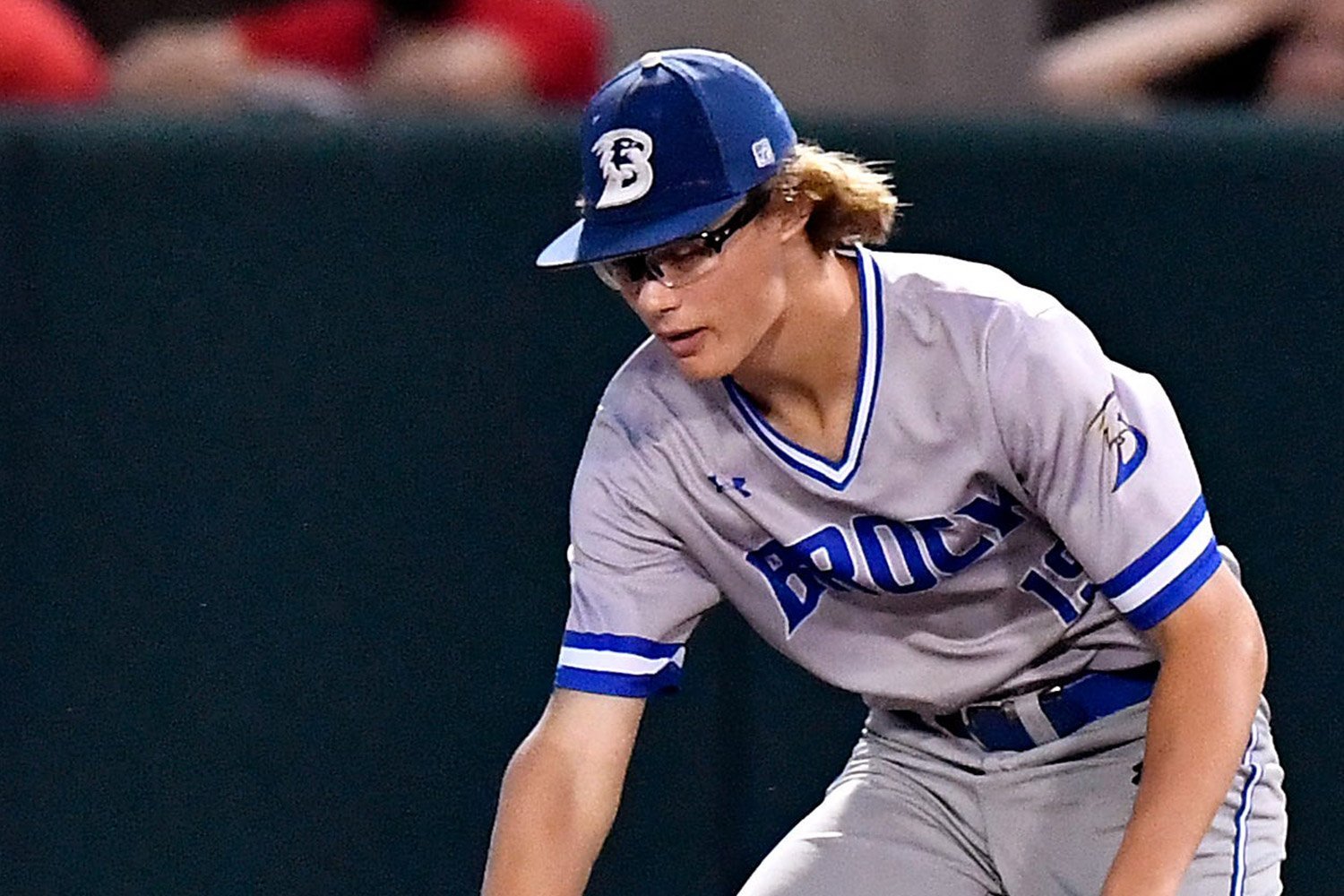 If you want a prospect who bridges the enormous ceiling of some prep prospects with the current skill and productivity of many first-round college players, Sawyer Strosnider might be the player for you. Strosnider was a multi-sport athlete in high school (basketball, track), and the athleticism you'd expect translates beautifully to the diamond. A twitchy, powerful left-handed swing, Strosnider has massive raw power. On his way to winning Big 12 freshman of the year in 2025, he hit 11 home runs, 13 doubles, and 10 triples, an indicator of the power/speed blend on offer. Entering 2026, Strosnider's offensive focus centered on reigning in an overly aggressive approach at the plate. Strosnider accomplished this, increasing his walk rate from 8% to 18.4%, while posting a matching 18.4% strikeout rate. Unfortunately, his hitting took a half-step back, as he hit .273 (down from .350). There's plenty of supplementary tools here. Strosnider has plus speed and a good arm, a combination that will give him a chance to stick in centerfield as a pro. View the full article
 -
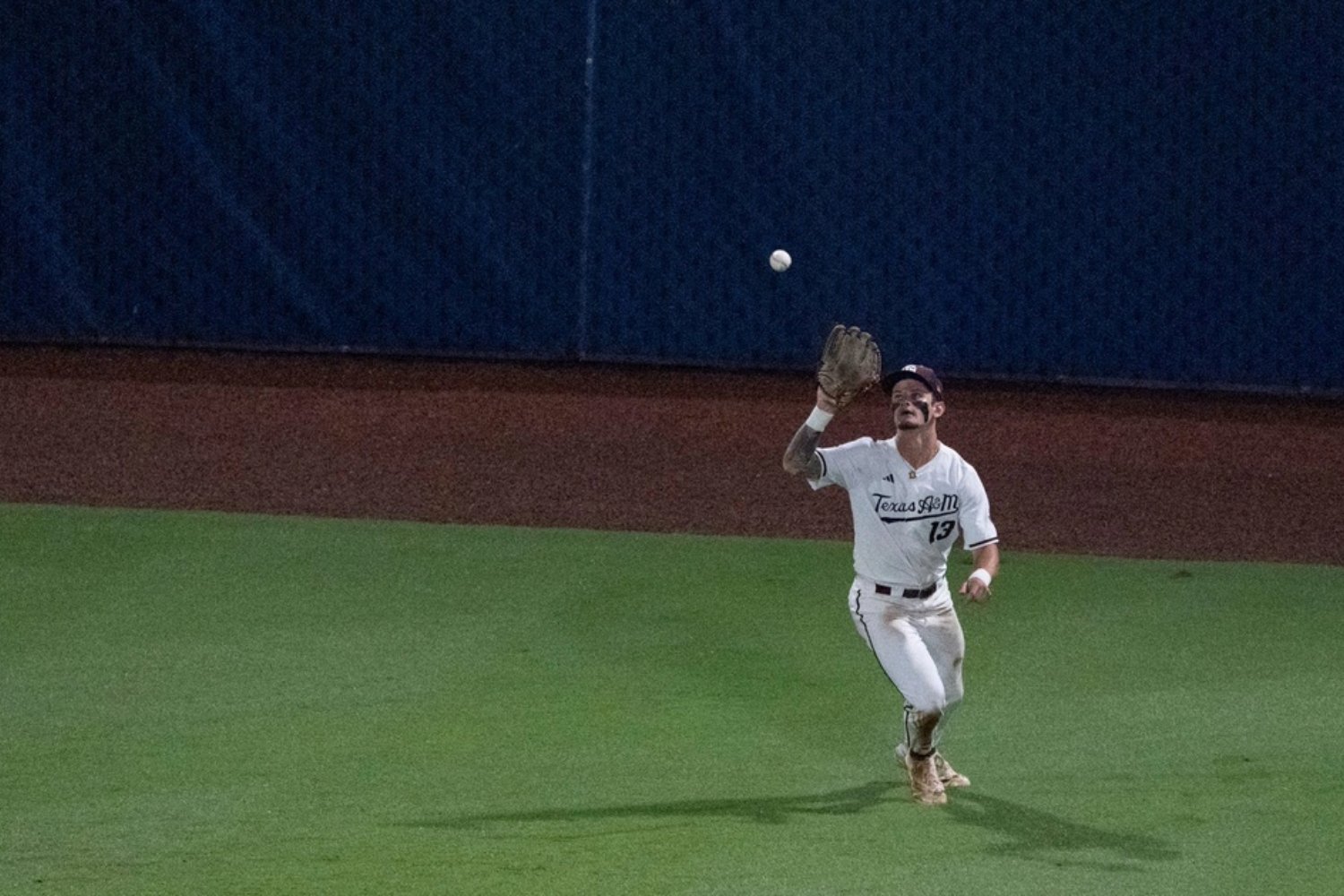 With the No. 62 overall pick in the 2026 MLB Draft, the Chicago Cubs have selected Caden Sorrell. Sorrell was a good prep prospect in 2023 but opted to attend Texas A&M. Fast-forward three years and he's got some first-round caliber tools.. Sorrell's offensive skillset is geared towards damage and loft, a potent combination. It's excellent bat speed from the left side of the plate, as he was a productive hitter in both of his first two collegiate seasons, despite being derailed by some nagging injuries. There are some weaknesses to exploit, though, offensively. Sorrell does have some bat-to-ball issues, which, when combined with his propensity to chase, can lead to him wracking up significant strikeout totals. He has a plus arm and is an above-average runner. It's likely a corner outfield profile long term, but with those additional tools, he has a chance to be a plus right fielder. In 56 games in 2026, Sorrell managed a .341/.434/.743 line with 23 home runs (44 XBH), a 12.5 BB%, a 23 K%, and a 149 wRC+. More to come... View the full article
 -
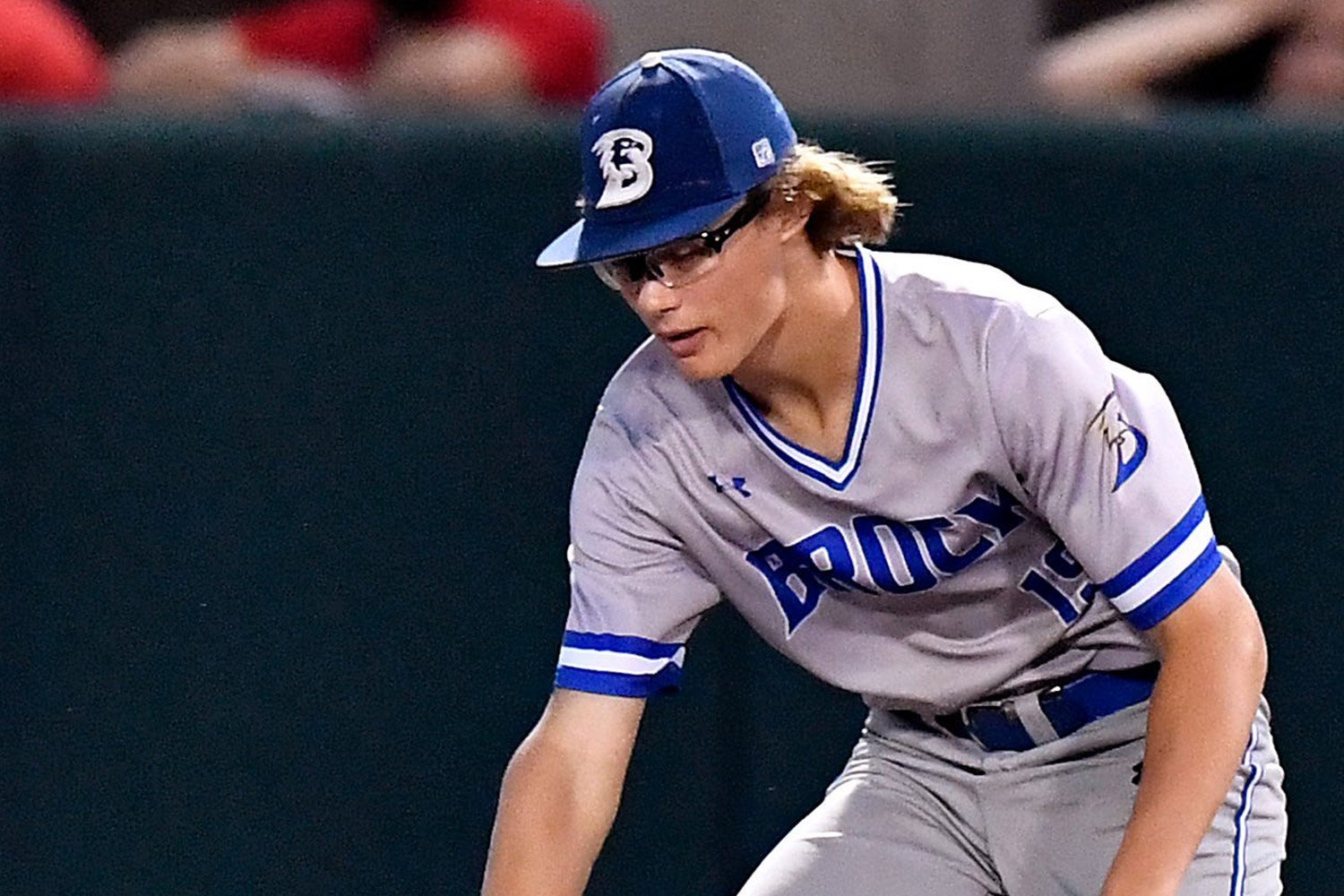 The Milwaukee Brewers selected Sawyer Strosnider with the No. 66 overall pick in the MLB Draft. Slot value for that pick is $1,353,100. Strosnider was ranked as high as 15th on some draft boards, making his slide all the way down to No. 66 puzzling to mot but fortunate for Milwaukee. The two-year starter at TCU posted a .314 average across two seasons while slugging an impressive .641 in those two seasons. A late season slump may have played a role in his slide down draft boards, but he still showcased his impressive power during the MLB Combine, posting several exit velocities upward of 105mph. Here's what our draft expert Jamie Cameron had to say about Strosnider. "If you want a prospect who bridges the enormous ceiling of some prep prospects with the current skill and productivity of many first-round college players, Sawyer Strosnider might be the player for you. Strosnider was a multi-sport athlete in high school (basketball, track), and the athleticism you'd expect translates beautifully to the diamond. A twitchy, powerful left-handed swing, Strosnider has massive raw power. On his way to winning Big 12 freshman of the year in 2025, he hit 11 home runs, 13 doubles, and 10 triples, an indicator of the power/speed blend on offer. Entering 2026, Strosnider's offensive focus centered on reigning in an overly aggressive approach at the plate. Strosnider accomplished this, increasing his walk rate from 8% to 18.4%, while posting a matching 18.4% strikeout rate. Unfortunately, his hitting took a half-step back, as he hit .273 (down from .350). There's plenty of supplementary tools here. Strosnider has plus speed and a good arm, a combination that will give him a chance to stick in centerfield as a pro." Strosnider will likely enter Milwaukee's system as its No. 2 or No. 3 outfield prospect, either trailing or just ahead of current No. 6 prospect Josh Adamczewski. The Brewers do have a loaded outfield with Christian Yelich, Jackson Chourio, Garrett Mitchell, Luis Lara and others, so a path to the majors may be a lengthy process for Strosnider. View the full article
 -
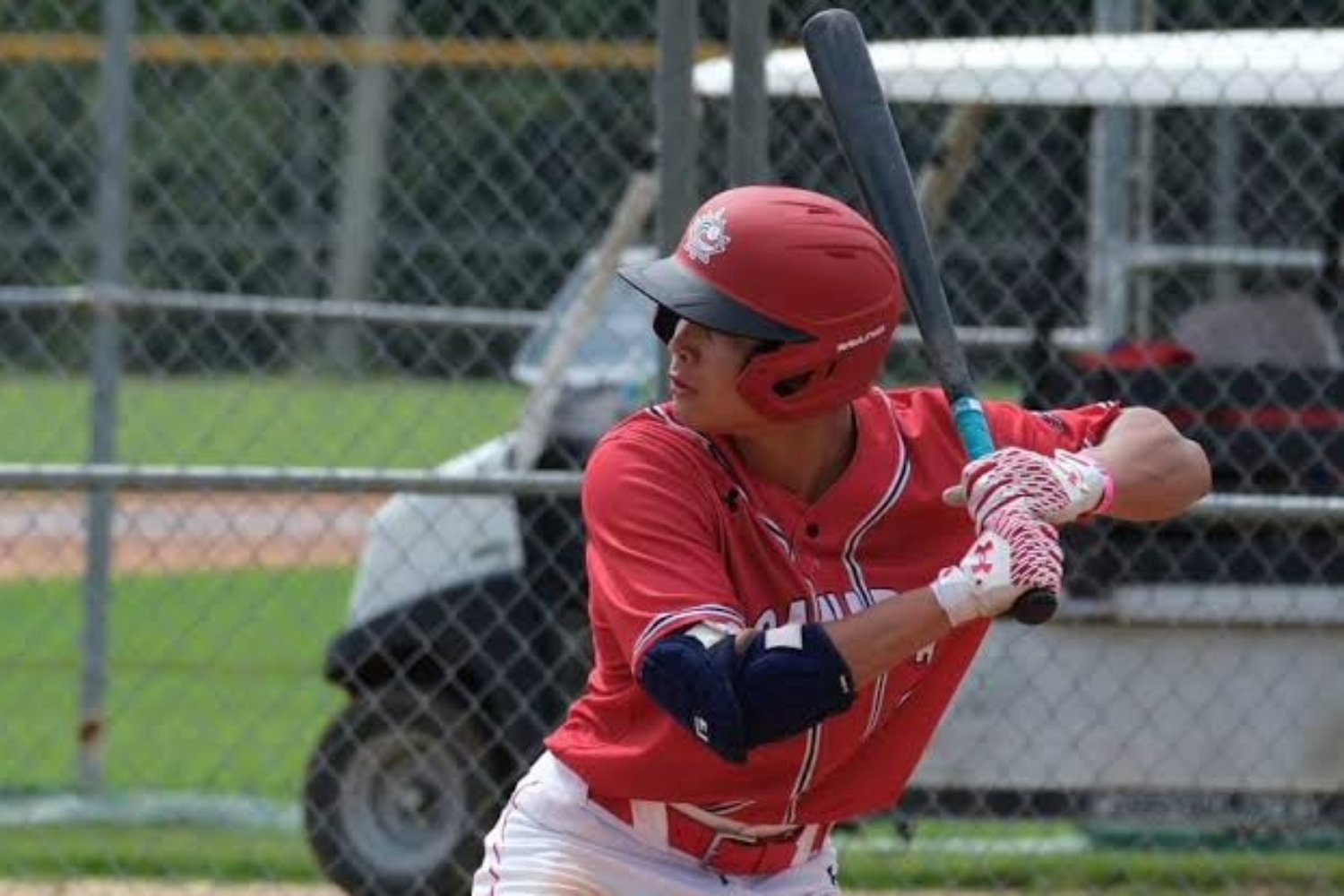 Sticking with the high school path, the San Diego Padres selected Canadian shortstop Elliot Lascelles with their second-round pick, the 60th overall in the 2026 MLB Draft. A 6-foot-2, 195-pound left-handed hitter, the 18-year-old is committed to Yale. In addition to having good size for a shortstop, Lascelles makes good contact and doesn't chase much. As such, he doesn't show as much power at this point. The bonus allotment for the 60th pick is $1,561,000. DiamondCentric's Jamie Cameron had this to say about Lascelles, who was 89th on his big board: "Lascelles is a Yale commit who is the best position player prospect out of Canada in the 2026 class. At 6'2, 190, he's grown and added size and strength in the last twelve months to a profile that has started to be more heavily scrutinized by scouts. Lascelles hits left handed, with some pre-swing waggle in his stance and a slightly unorthodox look. His swing isn't the smoothest, and it doesn't look like Lascelles gets into his lower half as much as he might, potentially limiting his power output. What there's plenty of, is bat-to-ball skills. Lascelles has exceptional hand-eye coordination and almost never strikes out, a tendency he combined with a ton of discipline in his at-bats. While he may move off shortstop long term due to a fringy arm, Lascelles should stick in the dirt, possibly at second base. He's a plus runner and a threat on the base paths. If he's to add more power, there's some swing work to do, but Lascelles has the most important tool in his bag." More to come... View the full article
