


DiamondCentric
-
Posts
2,631 -
Joined
-
Last visited
Never
Content Type
Profiles
Forums
Events
News
Tutorials & Help
Major League Baseball Videos
Guides & Resources
Store
Downloads
Gallery
Everything posted by DiamondCentric
-

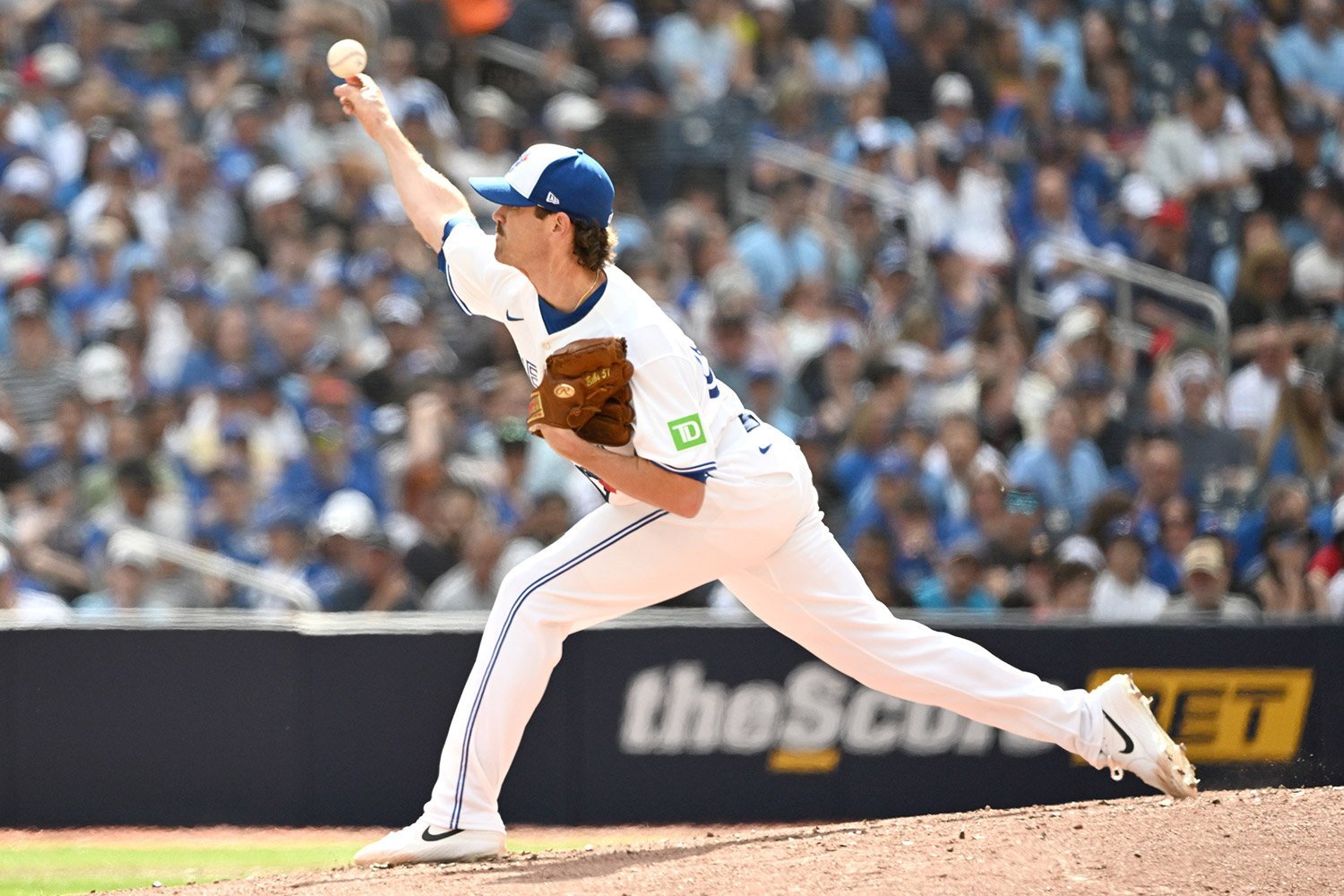 It’s not often that a team gets to add a former Cy Young winner to its rotation in the middle of June, but that’s exactly what the Blue Jays did on Tuesday afternoon when Shane Bieber made his season debut. Bieber’s return puts the Jays’ starting rotation as close to full strength as it's been since Cody Ponce blew out his ACL in the third inning of his own Blue Jays debut all the way back in March, but the best version of this rotation includes a much better version of Bieber than we saw in this start. Across 3.2 innings against the Astros, Bieber threw 75 pitches, allowing four runs on nine hits, including three consecutive solo homers in the fourth, and a total of 10 hard-hit balls. The important thing is that Bieber was actually able to get on a Major League mound and make a start. The Blue Jays will be more concerned with how he recovers from this than with the results, but the expectations for his performance going forward have to be much higher than what he showed here. The Jays will also be concerned with the underlying numbers, because they matched the poor results. Bieber’s fastball averaged 91.7 MPH, down almost a full mile compared to the 92.6 he got out of it in 2025. Bieber also forced only six whiffs, none of which were on his fastball. A ratio of 10 hard hit balls to six swings and misses is not a very sustainable practice. There’s no positives to find in his velo being down, but in all fairness, Bieber’s never been a stuff guy – he hasn’t averaged 93 MPH on his fastball since 2020. Instead, his ability to mix and locate five different pitches has helped him put up many impressive statistical seasons with Cleveland over the years. From 2019 through two starts in 2024 before undergoing UCL surgery, Bieber threw 728.1 innings and allowed just a 3.02 ERA for the Guardians. It’s what the Jays hoped they were acquiring when they traded for him at the 2025 trade deadline, and for the most part, it’s what they got down the stretch and deep into the playoffs. Bieber followed up a 3.57 ERA across 40.1 regular-season innings after the trade deadline with 18.2 innings and a 3.86 ERA through game seven of the World Series. After Bieber opted into his player option for just $12M at the beginning of the offseason, concerns were raised about some persisting health issues from that 2024 elbow surgery. Those concerns were vindicated when Bieber’s spring training build-up was delayed with forearm fatigue and elbow inflammation cited as he started the season on the injured list. His rehab process was extensive as well. Bieber made five starts between three minor league levels on his way back to the big leagues, and while the results don’t mean much of anything, he did get hit hard in those as well. Across 17 innings, he had a 6.88 ERA and struck out just 14. His velocity was also reported to be down in many of those. It’s not unusual to see established major leaguers struggle in minor league rehab outings and then turn it on once they get back to the big leagues, but that’s not what we saw in Bieber’s start against the Astros. Is it time to press the panic button on Bieber? Absolutely not. Regardless of the team’s need for dependable starting pitching, Bieber has shown he can be effective without elite-elite stuff as recently as October, and with some more effective pitch mixing and location, we’re sure to see him get back to being a reliable option every fifth day. The current shape of the rotation also gives Bieber essentially unlimited runway. Bieber came in to fill a slot that had been a bullpen day since Max Scherzer went back on the IL in early June, and if we’re honest, it was often a bullpen day even when Scherzer was making the starts. Even then, if you consider Dylan Cease, Kevin Gausman, and Trey Yesavage ahead of him on the depth chart, the Jays have been running out Scherzer and Patrick Corbin to various degrees of ineffectiveness for the better part of this season. Obviously, if Bieber can get back to anything close to his Cy Young form, he raises the Blue Jays’ ceiling drastically, but even if he ends up in some sort of five-and-dive routine, he’ll have raised the floor of the pitching staff. The Jays have thrown the fourth most innings out of the bullpen in 2026, and Bieber’s ability to provide some length should help the Jays find more days off for Louis Varland, Jeff Hoffman, Tyler Rogers, and Mason Fluharty, who are all top 12 in reliever appearances. Unfortunately, we didn’t see the ceiling or floor-raising version of Shane Bieber in that first outing on Tuesday afternoon, but if he can continue to shake off some rust going forward, he absolutely transforms the starting rotation. View the full article
 -
 Edward Cabrera and Ben Brown are the latest to hit the IL for the Cubs. What's next in a critical stretch for the squad? Listen on Apple Podcasts: https://podcasts.apple.com/us/podcast/the-north-side-baseball-podcast/id1798599313 Listen on Spotify: https://open.spotify.com/show/75wMGhBwlrDDYPt3kaF453 Listen on iHeartRadio: https://www.iheart.com/podcast/263-the-north-side-baseball-po-268998437/ Listen on Pocket Casts: https://pca.st/eey7h6ih Watch on YouTube: https://www.youtube.com/@northsidebaseball View the full article
 -
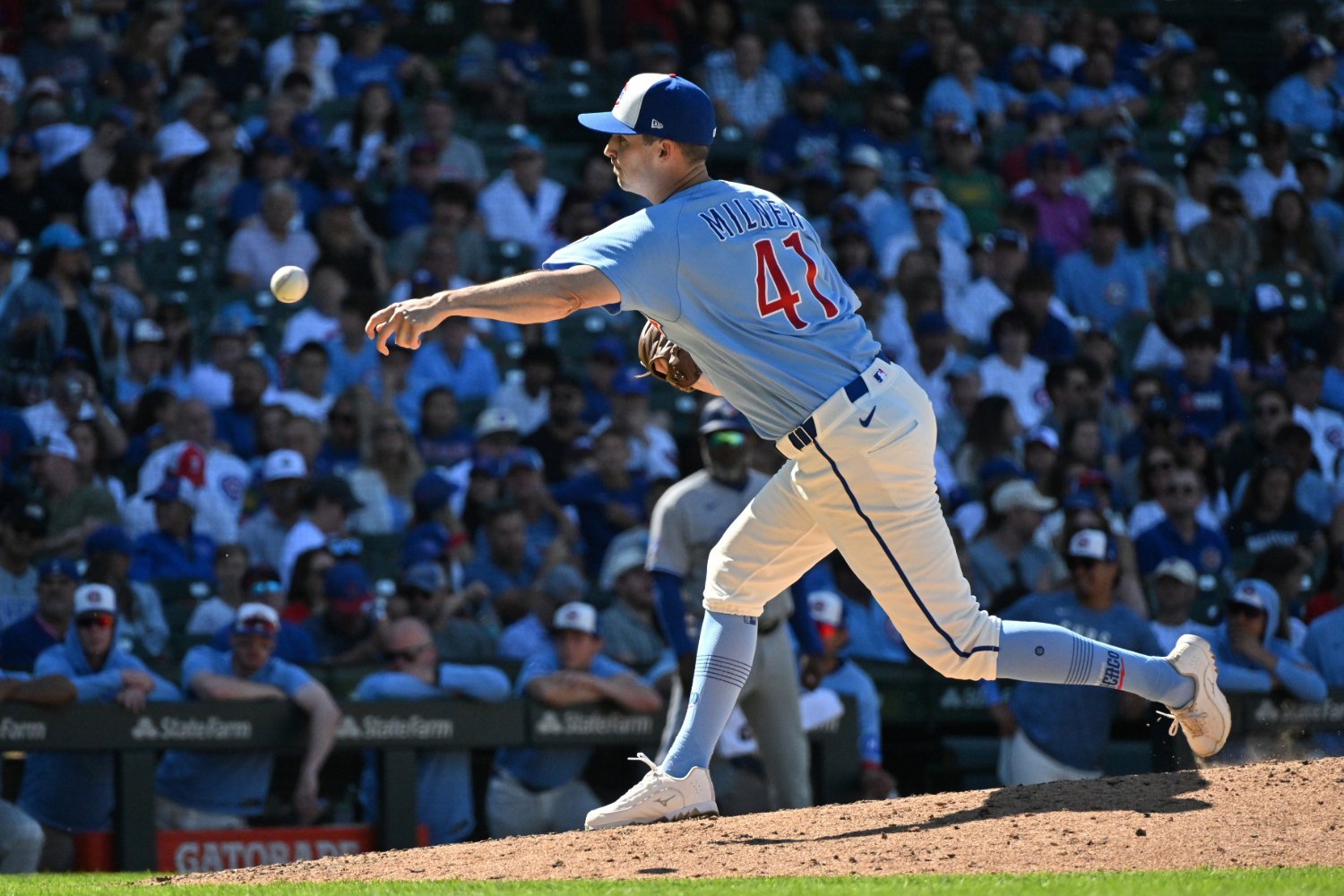 That the Chicago Cubs' bullpen hasn't been a total catastrophe serves as something of a minor miracle in this 2026 season. Despite a fWAR figure that ranks just 24th in the league (-0.1), they sit comfortably in the top half of the league in reliever ERA (3.82), walk rate (9.2 percent), and groundball rate (42.6 percent). Those elements have helped them to remain afloat in the face of consistent instability permeating throughout the individuals in the group. The absence of stability in the team's relief corps stems from a few different factors. Its construction is one. Injuries, both internally and within the rotation, have represented another (perhaps even more significantly so). In the face of such turmoil, one unassuming arm has emerged as a source of stability for Craig Counsell in the form of Hoby Milner. Our Jason Ross last discussed Milner in this space back in April. Therein, he noted some of the successes that Milner was experiencing in the early going but also confronted some of the red flags. At that point in the year, the veteran southpaw was rolling at a 2.39 ERA but a FIP over six, with a sharp decline in his typical groundball tendencies. Milner ended April with 15 innings pitched and a 2.40 ERA. His strikeout rate, though, sat at 8.6 percent, a low number even by his modest standards. His 6.9 percent walk rate was also up a bit from his career norms, with a .192 opposing batting average that indicated some good fortune in the face of uneven trends. There were some role changes and subsequent usage tweaks at play that impacted him, but the bottom line was that the results weren't completely jiving with the underlying trends. Fast-forward almost exactly two months to now and many of the concerns around Milner's early performance have stabilized. As of this writing, he has a 3.38 ERA to his credit and a 4.20 FIP. He's still outperforming the peripherals a touch (4.94 xERA, 4.71 xFIP), but there's been a progression over the last three months that helps to illustrate his value as a steady arm in this bullpen. The two months since April have looked as follows: May: 10.1 IP, 2.61 ERA, 2.33 FIP, 15.9 K%, 4.5 BB%, 50.0 GB%, .250 opposing batting average June: 9.1 IP, 5.79 ERA, 4.39 FIP, 12.8 K%, 5,1 BB%, 40.0 GB%, .294 opponent batting average At first blush, the idea that Milner not only has his red flags behind him (as the headline posits) but is also a source of stability would seem outrageous. After really find his groove in May, the surface numbers are more indicative of a player falling back toward the regression feared by some of the trends back in April. However, it's important to note that Milner had an especially poor outing back on June 5. He allowed six earned runs in just a third of an inning. In his other nine innings of work, he's allowed zero runners to cross home plate. Which means that the image of Milner as a reliable arm in relief is still very much intact. His usage is starting to support that idea as well. In Jason's piece, he noted the increased usage of Milner's sinker given some of the higher traffic on the basepaths, as well as the higher-leverage situations into which an increased role had pressed him. That came at the expense of his sweeper. In the stretch of time since, he's gotten back to the arsenal we generally expect: The shift in usage from being sinker-heavy to blending the sinker and sweeper more effectively comes as a result of Milner not being asked to handle make-or-break moments, while also being deployed against left-handed hitters more frequently than righties. That June 5 outing notwithstanding, he's regained his form in limiting baserunners while also maintaining strikeout and walk trends more akin to his career norms. As a result, Milner has been able to maintain his status as perhaps the most stable arm this relief corps has to offer. He's taken on more work than any current member of the bullpen (34.2 IP), and while the early turbulence forced him to take on an increased role, the early red flags — the traffic, absence of strikeouts, and waning groundball contact — are largely behind him. Given how messy the configuration of this group of relievers has been (mostly for reasons which are out of their control), that Milner has settled back into his usual self speaks to exactly what the Cubs were hoping he'd provide as a veteran soft-tossing lefty. View the full article
 -
Mets Trade Deadline Candidates: Peterson, Peralta, & More
DiamondCentric posted an article in Grand Central Mets
 The Mets restructured their team during the 2025-2026 offseason. On paper, they were bound for the playoffs; however, that didn't go according to plan. We now approach the trade deadline, not discussing who they will get, but instead we are sitting here with who they will they trade. In this episode, we will discuss the likelihood of David Peterson, Freddy Peralta, and Francisco Lindor's odds of being traded. View the full article
 -
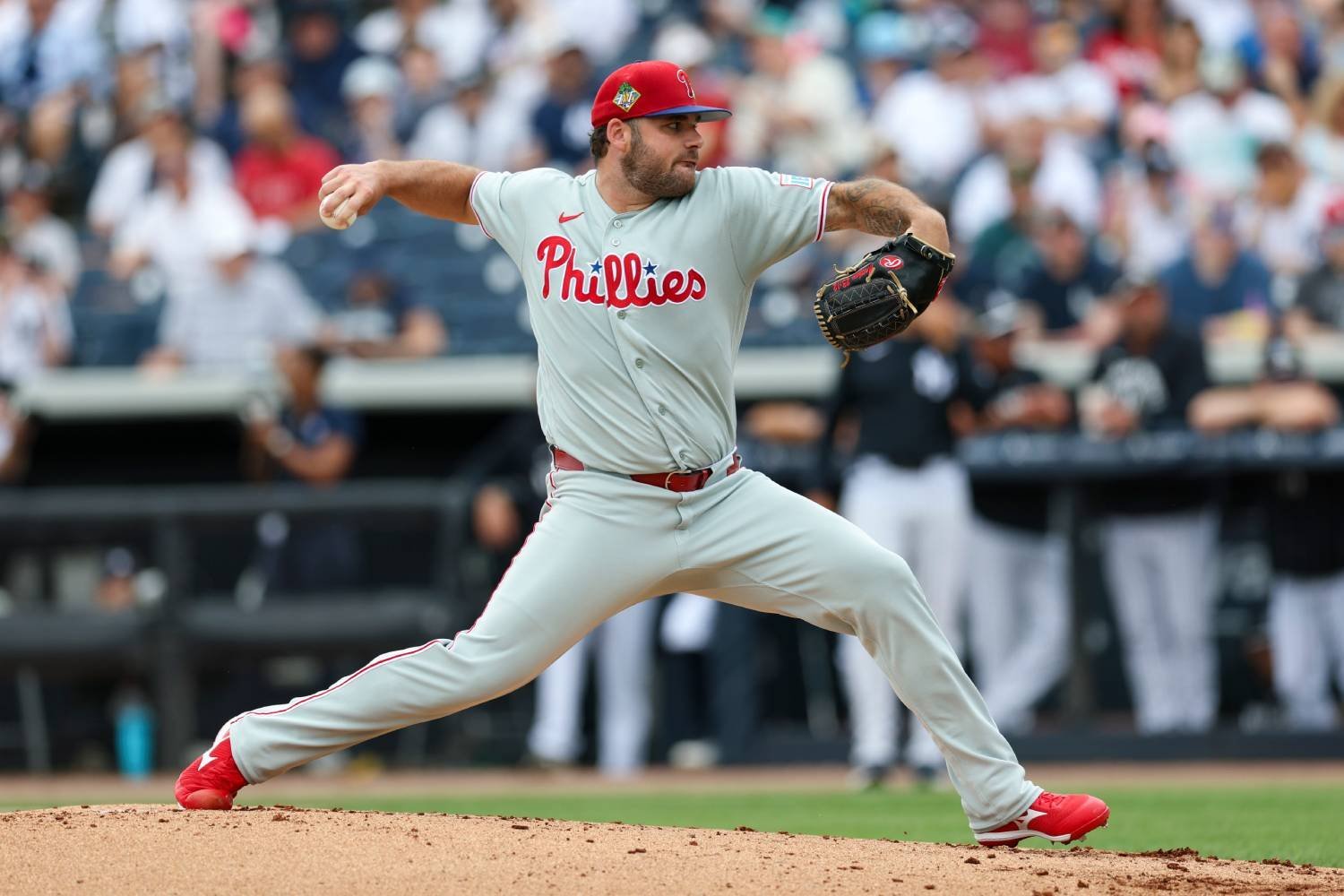 As injuries continue to hit the pitching staff, the Chicago Cubs continue to bring in help from wherever they can find it. The Cubs on Wednesday claimed right-hander Bryse Wilson off waivers from the Philadelphia Phillies. Right-handed reliever Christian Roa was designated for assignment to make room for Wilson on the 40-man roster. A move regarding the 26-man roster will need to be made once Wilson reports to the Cubs. Wilson was designated for assignment by the Phillies on Monday. The Cubs are approaching desperation mode after two more starting pitchers went on the 15-day injured list before Wednesday's doubleheader against the New York Mets in Edward Cabrera and Ben Brown. The good news is left-hander Matthew Boyd is set to come off the 15-day IL and rejoin the rotation Thursday. Wilson made just one appearance with the Phillies, pitching two scoreless innings in Saturday's 6-4 loss to the Mets. View the full article
 -
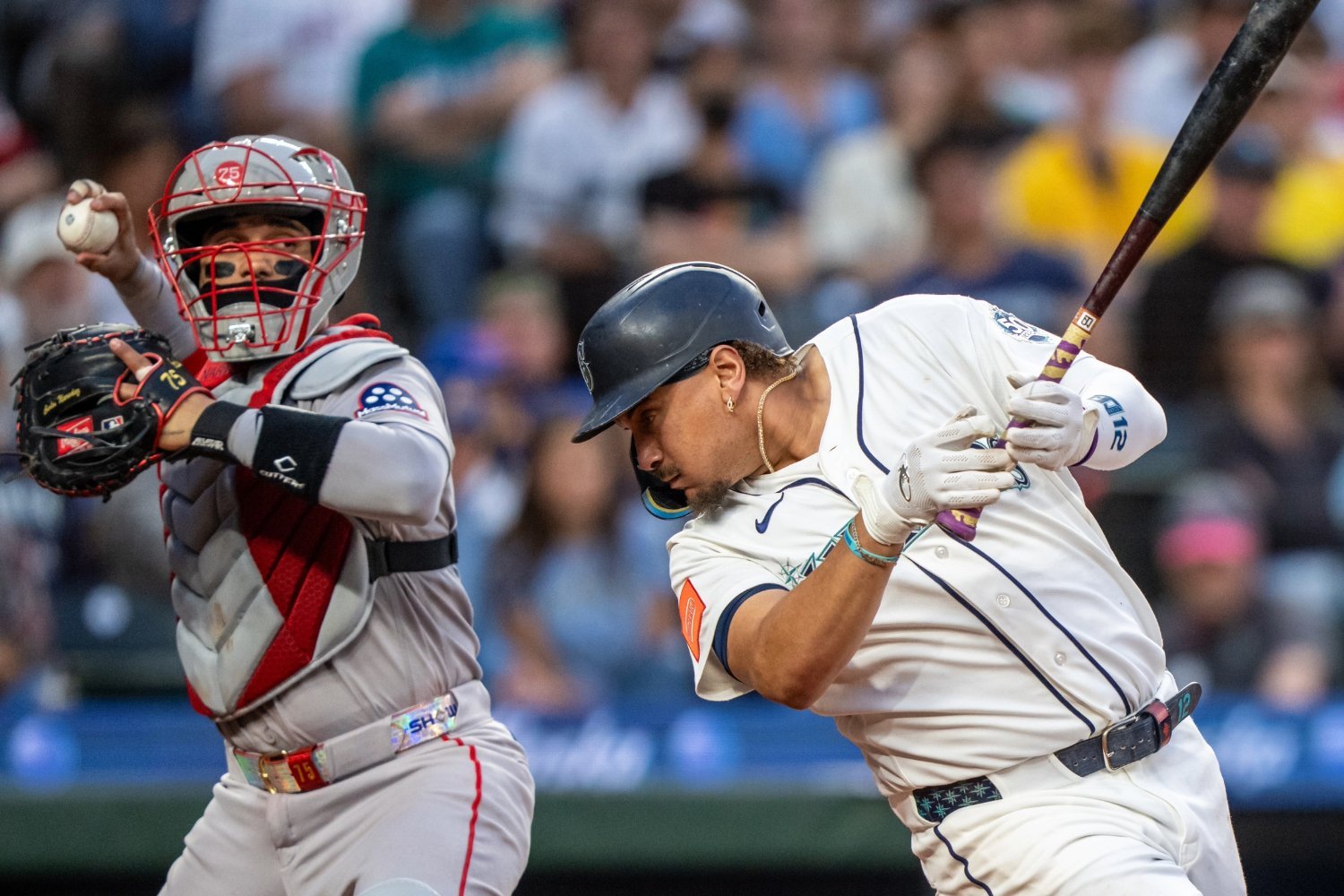 A catcher’s value is rarely found where most fans are looking. While Carlos Narváez continues searching for consistency at the plate, the Boston Red Sox may have already discovered something just as important: one of the American League’s most complete defensive catchers. The bat still has room to develop. A 53 wRC+ and -7.7 offensive runs reflect a player who has yet to establish himself at the plate at the MLB level. But those numbers also risk obscuring the bigger picture. Narváez is already providing value in some of the hardest areas of the game to measure—areas that rarely make highlight reels but often influence the outcome of games. What makes his emergence especially intriguing is that it is not being driven by one extraordinary physical tool. Instead, Narváez has built his profile through the accumulation of countless small advantages, executed with remarkable consistency. Carlos Narvaez Controls the Running Game Without A Cannon Arm For years, the image of an elite defensive catcher was tied to arm strength. The best catchers were the ones capable of discouraging runners before they even attempted a steal. Narváez is proving there is another way. With an average throwing velocity of 76.3 mph, his arm strength falls well below that of specialists such as J.T. Realmuto or Dillon Dingler. On paper, there is little reason to expect him to rank among baseball’s most effective catchers at controlling the running game. And yet, the results suggest otherwise. Since 2025, Narváez has accumulated +6.0 Catcher Stealing Runs, the fourth-highest total among major-league catchers. He has also recorded +9.3 Caught Stealings Above Average after throwing out 29 of the 103 runners who have attempted to steal against him. Running Game Leaders (Since 2025) Narváez consistently posts excellent transfer times from glove to throwing hand while maintaining the accuracy necessary to maximize every opportunity. The ball gets out quickly, arrives on target, and gives his middle infielders a chance to finish the play. Sure, it lacks the flash of a rocket throw to second base, but the value is no different. At catcher, fractions of a second often separate a stolen base from an out. Clean mechanics, efficient footwork, and precise execution can be just as impactful as elite arm strength. Stealing Strikes Is Another Way to Win Games A catcher’s defensive influence does not end when runners stay put, of course. Every pitch received presents an opportunity to affect an at-bat. One extra strike in a 2-2 or 3-2 count can completely alter the outcome of a plate appearance, and Narváez has quietly become one of the better practitioners of that craft. His framing metrics credit him with +3 runs, placing him among the most effective receivers in baseball this season. Only Adley Rutschman, Dillon Dingler, Brandon Valenzuela, and Austin Wells have produced better framing results. Catcher Defensive Value (2026) His blocking metrics grade out around league average, but that is part of what makes his overall profile so impressive. Narváez does not need to compensate for a glaring weakness because, to this point, one has not emerged. Positive framing, elite control of the running game, and stable performance in virtually every other defensive responsibility is a profile that, for a catcher with limited big-league experience, is an unusually complete package. A Defensive Reputation Built Through Accumulation Many catchers build their reputations around one defining skill. Realmuto became synonymous with arm strength. Patrick Bailey established himself through elite framing. Others derive much of their value from offensive production. Narváez is more well-rounded than most of his contemporaries. That type of profile tends to inspire confidence within an organization because it is not dependent on one rare physical tool. Technique, preparation, anticipation, and repetition are skills that can sustain value over time, and Narváez is already showing how impactful they can be. The offense will ultimately determine his ceiling. If he develops into even an average hitter for the position, his overall value would rise significantly. But that future offensive growth does not need to arrive before the Red Sox recognize what they already have. Narváez makes everyone around him better, which is perhaps the single-most important trait a catcher can have. View the full article
 -
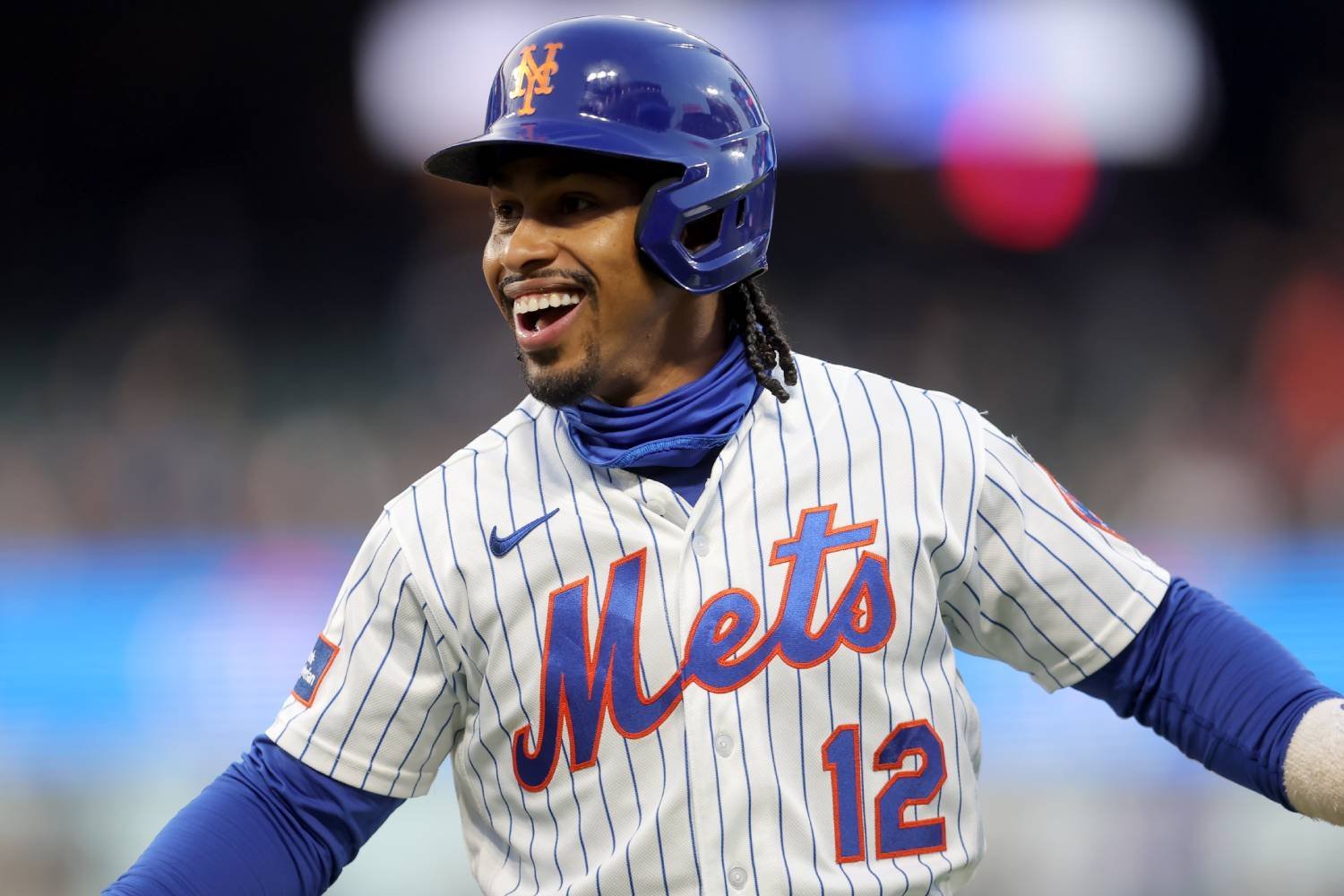 The New York Mets have their infield anchor back. Shortstop Francisco Lindor was activated from the 10-day injured list in time for the Mets' second game of a doubleheader Wednesday. The Mets lost to the Chicago Cubs 10-3 in the opener. Shortstop Ronny Mauricio was also activated from the 10-day IL following a fractured left thumb and optioned to Triple-A Syracuse. Shortstop Zack Short was designated for assignment as right-hander Jonathan Pintaro was brought up from Triple-A as the extra player for the doubleheader. Lindor has been out since April 23 with a strained left calf. He has appeared in just 24 games this season with a .226/.314/.355 slash line with two homers and five RBIs. Mauricio, who had been called up to fill in for Lindor, went on the IL on May 3. Short appeared in just three games and went 1-for-8 after being claimed off waivers June 15 from the Detroit Tigers, who had designated him for assignment. View the full article
 -
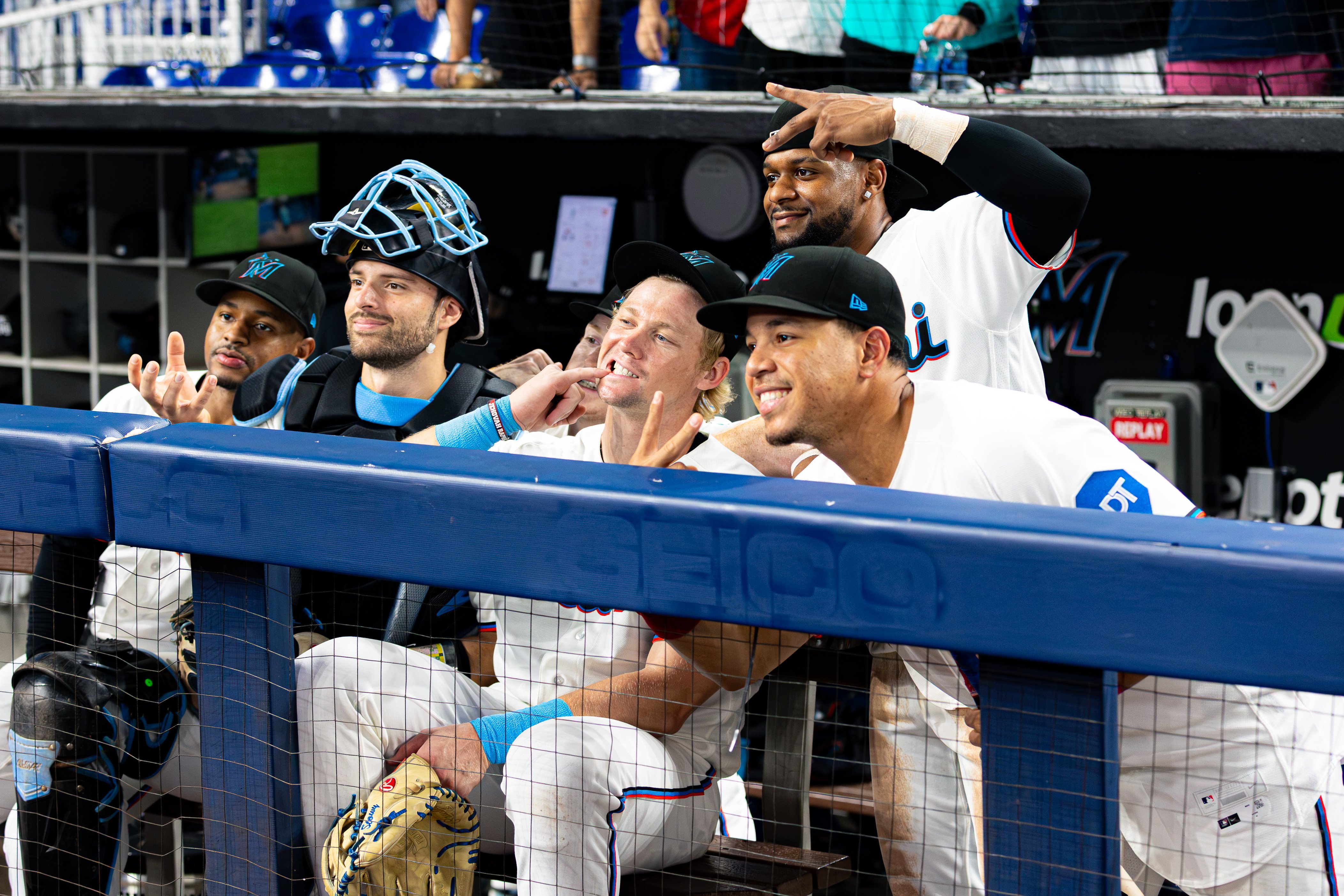 MIAMI, FL—While the All-Star break is still nearly three weeks away, the Miami Marlins reached the midpoint of their 2026 regular season schedule on Wednesday afternoon. With 81 games played and 81 games remaining, the Marlins currently find themselves with a 42-39 record, good for third place in the National League East and half a game out of the third and final NL Wild Card spot. This is a six-game improvement from the previous year. The 2025 Marlins were playing well at the same point of the season, but dug themselves a deeper hole early on and had a 36-45 record. The 2026 team is in a much better position to potentially act as buyers at the MLB trade deadline and ultimately get back to the postseason. Last time the Marlins found themselves above .500 at the halfway point was in 2023, when they were 47-34. How much of the Marlins' success is sustainable entering the second half of the season and how might things look different moving forward, both for better and worse? Let's take a closer look. Positives It all starts with the breakout season Otto Lopez is having, slashing .340/.374/.483/.857 with six home runs, 35 RBI and a 136 wRC+. He currently leads MLB in hits and batting average and ranks third in doubles. Lopez also has 32 multi-hit games. Unfortunately, fans outside of Miami are not noticing him. While an All-Star selection looks inevitable, he will have to settle for being selected as a reserve at the shortstop position. His middle infield partner, Xavier Edwards, is also having a breakout season, hitting .293/.374/.425/.799 with six home runs, 28 RBI, 11 stolen bases and a 121 wRC+. The switch-hitter has take a step forward from the right side of the plate and has been a staple near the top of the order, even hitting cleanup at points this season. Although Liam Hicks is currently on the injured list with a low back strain, he leads the team with 13 home runs and 53 RBI. Hicks has primarily split time between first base and designated hitter with the emergence of Joe Mack, but he does still catch once or twice a week. The trio of Hicks, Edwards and Lopez carried the Marlins lineup through the first two months of the season before we finally saw the lineup begin to lengthen out with Kyle Stowers, Jakob Marsee and Owen Caissie beginning to hit. The return of Hicks will be a final boost before the All-Star break. If there is one offseason acquisition that has panned out for this team, it has been Esteury Ruiz, who is having a career year with the Marlins. He did not start the final game of the series against the Rangers, but entered in the bottom of the seventh inning. He is now slashing .257/.356/.541/.897 with four home runs, nine RBI, 14 stolen bases and a 145 wRC+ in 46 games thus far. Ruiz has been implemented into late-game situations to pinch run and for his defense. Max Meyer may be on his way to Philly at the rate he is pitching, now with a 2.80 ERA, 3.33 FIP, 10.20 K/9 and 3.40 BB/9 in 90.0 innings of work, which is a career-high for him. Meyer won't win the Cy Young by any means, but he could finish towards the bottom of the top 10 in voting. Meyer is set to make his next start on Friday against the St. Louis Cardinals. Since the incorporation of Joe Mack, teams are preparing differently for what can happen on the basepaths. Mack has thrown out 12 runners this season, which is good for a 34.3% caught stealing rate. Offensively, he is finally beginning to heat up, slashing .259/.317/.405/.723 with four home runs, 18 RBI and a 101 wRC+. The Marlins as a team continue to lead MLB in stolen bases with 88. Jakob Marsee has a team-high 18 steals. There are four players with 10 or more this season. Entering the series finale against the Rangers, the Marlins bullpen ranked seventh in ERA (3.42), FIP (3.65), fourth in K/9 (9.50) and 22nd in BB/9 (4.18). Although the walks remain an issue, performances from John King, Anthony Bender and Lake Bachar have carried the bullpen to becoming a strength of his ball club. That doesn't mean it is perfect, as Pete Fairbanks is having an up and down season. On Wednesday, the bullpen struck out six Rangers and allowed one run on three hits (one home run). The lone run the bullpen surrendered came in the top of the ninth inning from Joc Pedersen off Fairbanks, who did rack up his 12th save of the season. Negatives Injuries always suck. The absences of Robby Snelling, Eury Pérez and Janson Junk put the Marlins starting rotation in a situation where they had to rely on Braxton Garrett, Ryan Gusto and converted reliever Tyler Phillips. Somehow, they did manage to post a 15-5 record in the month of June before Pérez's return on Wednesday. In June, the Marlins bullpen has thrown 84 ⅓ innings pitched. Lake Bachar has been the real hero, having to start four games in June, throwing 13 ⅔ innings and posting a 1.32 ERA and 2.45 FIP in the span. Although Janson Junk is expected to return next month, the need for another starting pitcher or just pitching in general is there if the Marlins plan to contend in 2026. The biggest need for the Marlins is a third baseman. Amongst players who have played the position this year, they have a 43 wRC+, tied for worst in baseball with the Cincinnati Reds. Those who have played third base for the Marlins include Connor Norby, Leo Jiménez, Javier Sanoja and Graham Pauley, all who have a wRC+ well below 100 this season. Defensively, they have the third-worst fielding percentage in baseball (.944) and tied for the second-most errors (12). Jiménez, who the Marlins continue to give plenty of opportunities to, is now slashing .177/.283/.203/.486 with two extra-base hits and a 44 wRC+. His wRC+ is the eighth-worst in the National League among players with comparable playing time. You can sacrifice a bit more defense at third to increase production offensively. If Miami plans on buying, Matt Chapman of the San Francisco Giants and Isaac Paredes of the Houston Astros are two options who can help the team drive in runs, and Chapman will provide some help with his glove as well. Outlook The Marlins have had the advantage of a home-heavy schedule, playing 45 of their first 81 games at loanDepot park. That will be flipped around the rest of the way to even things out. They are set to begin a three-city road trip on Friday in St. Louis against the Cardinals. For any scoreboard watchers, the Cardinals (42-35) currently hold the first NL Wild Card spot, so this series is a huge one for the Marlins. View the full article
 -
 Chicago Cubs Minor League Report Affiliate Overview Triple-A Iowa Cubs Series vs. Buffalo Bisons (Toronto Blue Jays): Bisons lead, 1-0 Season Record: 30–43-1 Double-A Knoxville Smokies Series at Birmingham Barons (Chicago White Sox): Smokies lead, 1-0 Season Record: 39–31 High-A South Bend Cubs Series vs. Quad Cities River Bandits (Kansas City Royals): Cubs lead, 1-0 Season Record: 41–25 Single-A Myrtle Beach Pelicans Series at Salem RidgeYaks (Boston Red Sox): Pelicans lead, 1-0 Season Record: 29–39 Affiliate Highlights Triple-A: Iowa Cubs Season Record: 30–43-1 Series Opponent: Buffalo Bisons (36-40) Series Standing: Trail, 0-1 June 23: The Iowa Cubs opened their series against the Buffalo Bisons with an 11-10 defeat, in 10 innings, on Tuesday night at Principal Park. Both teams scored in their first trip to the plate, with the Cubs’ BJ Murray (3-for-5) slugging solo blast, his ninth of the season, making it 1-1. The Bisons would eventually retake the lead with three runs in the fifth but Moisés Ballesteros (2-for-4) was able to pull one of those runs back in the bottom of the frame with a sacrifice fly to make it 4-2. In the sixth, Owen Miller’s (2-for-5) grand slam put Iowa back in front and Ballesteros added on later in the inning with an RBI-double to make it 7-4. Buffalo cut the lead to one with a pair in the seventh but Chas McCormick (1-for-4) was able to push the lead to two with an RBI-single later in the inning. The Bisons would make it 8-8 in the ninth to send the contest to extras, where they would then score three in the 10th to make it 11-8. The I-Cubs were able to score twice in their chance in extras, through RBI-singles from Murray and Ballesteros, but Kevin Alcántara (0-for-4) bounced into a double play with runners at first and second and nobody out and Jonathan Long (0-for-4) would strike out with the tying run on third to end the game. Paul Campbell got the start on the mound for Iowa and took no decision. He allowed four runs on four hits over five innings of work, walking two and striking out five. Double-A: Knoxville Smokies Season Record: 39–31 Series Opponent: Birmingham Barons (26–44) Series Standing: Lead, 1-0 June 23: The Knoxville Smokies opened their series at the Birmingham Barons with a 5-3 victory. The Smokies opened the scoring in the second on an Andy Garriola (3-for-4) solo shot and later made it 3-0 after scoring twice in the third through an Alex Ramírez (0-for-5) and a Garriola RBI-double. Jefferson Rojas’ (0-for-4) sacrifice fly in the fourth made it 4-0 but the Barons would cut the lead to one after plating three in the home half of the frame. That would be all the Knoxville pitching staff would allow, as Erian Rodriguez (2.2 IP, 1 H, 0 R/ER, 2 BB, 3 SO) and Tyler Schlaffer (3.0 IP, 1 H, 0 R/ER, 0 BB, 3 SO) combined for 5 2/3 scoreless frames to shut down Birmingham. Rodriguez would pick up the win to improve to 2-0 on the season and Schlaffer earned his first save of the campaign. Owen Ayers (1-for-4) added some insurance in the seventh, a solo shot for his 13th homer of the season, to make it 5-3. Smokies pitching held the Barons to just 2-for-9 with runners in scoring position and stranded 12 runners on the night. High-A: South Bend Cubs Season Record: 41–25 Series Opponent: Quad Cities River Bandits (30–36) Series Standing: Lead, 1-0 June 23: The South Bend Cubs opened their series against the Quad Cities River Bandits with a 6-2 victory on Tuesday night at Four Winds Field. Matt Halbach’s (2-for-4) RBI-single gave the Cubs a 1-0 lead in the first and Jose Escobar’s (4-for-4) two-run shot in the fourth made it 3-0. The River Bandits got on the board in the fifth with a pair of runs but South Bend would eventually put the game away with three runs in the seventh. Angel Cepeda (2-for-4) singled in a run and Josiah Hartshorn (0-for-4) would later race home on a passed ball. Escobar then picked up his fourth hit and third RBI of the ballgame on a double to make it 6-2 and cap the scoring in the frame. Ben Johnson (1.2 IP, 1 H, 0 R/ER, 0 BB, 1 SO), Adam Stone (2.0 IP, 2 H, 0 R/ER, 3 BB, 1 SO) and Grayson Moore (1.0 IP, 0 H, 0 R/ER, 0 BB, 1 SO) combined for 4 2/3 shutout innings out of the bullpen, yielding just three hits. Johnson would pick up the win to improve to 3-1 on the season while Stone earned his second hold. Offensively, the Cubs had four players record multi-hit efforts and totaled four hits with runners in scoring position. Single-A: Myrtle Beach Pelicans Season Record: 29–39 Series Opponent: Salem RidgeYaks (26–43) Series Standing: Lead, 1-0 June 23: The Myrtle Beach Pelicans opened their series at the Salem RidgeYaks with a 7-4 victory on Tuesday at Carilion Clinic Field. Derniche Valdez (1-for-4) opened the scoring in the contest with a sacrifice fly and Alexey Lumpuy (3-for-5) made it 3-0 in the fourth with a two-run single. Yoendris Gonzalez got the start for Myrtle Beach and turned in three scoreless and hitless frames to go along with two walks and four strikeouts. Riley Hunsaker would eventually pick up the win to improve to 2-2 on the season, fired four innings of one-run ball, unearned, and whiffed three batters without issuing a walk. The Pelicans added the run in the sixth on an error before the RidgeYaks made it 4-1 with their first run of the game later in the inning. Logan Poteet (3-for-5) put the ballgame out of reach in the seventh by homering for the fourth-straight contest, this time a two-run shot, to make it 6-1. Salem tacked on a run in the eighth but Myrtle Beach got the run right back in the ninth on Michael Carico’s (1-for-3) RBI-single that made it 7-2. View the full article
 -
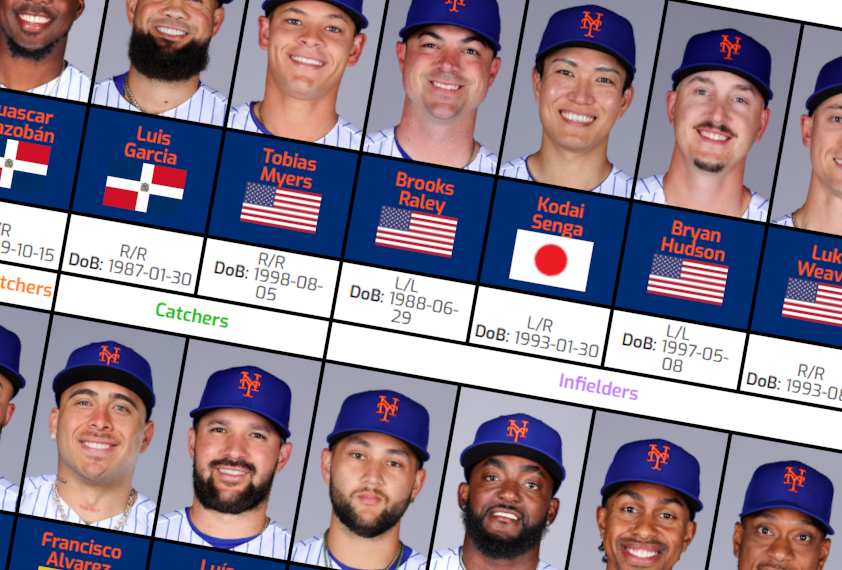 You aren't seeing the relaunching of seasons detoured by injuries and rehab assignments in this batch of transactions, but if you squint, you get a picture of what is coming next. Transactions, 6/20/2026 COMING Signed away from Southern Maryland (Atlantic League) and Assigned to Brooklyn Infielders Taylor Darden R/R DoB: 2000-01-16 High Level: Atlantic League (2026) Taylor Darden may sound like a non-player character in a video game, but, well ... that may be just what he ends up being as a Met. He comes by way of The Southland Conference and The Atlantic League. At 26, he is probably meant to be playing at a higher level than Brooklyn, but, the Mets are probably preparing to put an infielder or so on waivers when Francisco Lindor and Ronny Mauricio get activated, so young Tyler has been invited to the desultory birthday party that is the Mets organization in 2026. Special credit to the Brooklyn press office for getting a thumbnail of Taylor in a Cyclones cap online for his very first day in the organization. That's a pro move. Transactions, 6/21/2026 GOING Released Relief Pitcher Wilson Lopez R/R DoB: 37452 High Level: Atlantic League (2026) Wilson Lopez, a member of the small fraternity of Colombians in the Mets organization, had been on the Injured List for the last year. As it is illegal to release a player while he is on the IL, It is a mixed motivation for a player to get himself healthy, only to make him vulnerable to release. The time comes inevitably, however, and Lopez got activated and then immediately axed. Usually such guys appear in a game before the grim reaper comes, in order to establish their healthiness. Lopez didn't even do that. Transactions, 6/23/2026 COMING Claimed off Waivers from SFG, Assigned to Syracuse Outfielders Jared Oliva R/R DoB: 1995-11-27 High Level: MLB (2026) LIke Taylor Darden above is to infielders, so Jared Oliva is to infielders. With a long career in the minors (he's 30), he has pretty solidly established that his offensive ceiling isn't much a above a .700 minor-league OPS, so he must be an impressive fielder to have stuck this long, but his presence mostly means, MJ Melendez and/or Eric Wagaman is about to face a DFA notice. It also kind of suggests the Mets have a shortcoming of faith in Jihwan Bae, Oliva's fellow former-Pirates-prospect-turned-journeyman. Mets Roster Central cares, so we checked, and we've been unable to unearth any familial connection between Jared and Tony Oliva. Transactions, 6/24/2026 COMING Promoted from Syracuse Relief Pitchers Jonathan Pintaro R/R DoB: 1997-11-07 High Level: MLB (2026) You get a 27th player for double-headers, and invariably you use them. Frequently, they get mop-up slop-up innings, and the Mets have had plenty of those to spread around. So, um ... expect Jonathan Pintaro to pitch both games today. Seriously. Your 2026 New York Mets Starting Pitchers Relief Pitchers Sean Manaea Tobias Myers Nolan McLean Freddy Peralta David Peterson Kodai Senga R/L DoB: 1992-02-01 R/R DoB: 1998-08-05 R/R DoB: 2001-07-24 R/R DoB: 2996-06-04 L/L DoB: 1995-09-03 L/R DoB: 1993-01-30 Relief Pitchers A.J. Minter Tobias Myers Cionel Pérez Jonathan Pintaro Brooks Raley Austin Warren Luke Weaver L/L DoB: 1993-09-02 R/R DoB: 1998-08-05 R/L DoB: 35176 R/R DoB: 1997-11-07 L/L DoB: 1988-06-29 R/R DoB: 1996-02-05 R/R DoB: 1993-08-21 Relief Pitchers Catchers Infielders Devin Williams Francisco Alvarez Luís Torrens Bo Bichette Brett Baty Marcus Semien Zack Short R/R DoB: 1994-09-21 R/R DoB: 2001-11-01 R/R DoB: 1996-05-02 R/R DoB: 1998-03-05 L/R DoB: 1999-11-13 R/R DoB: 1990-09-17 R/R DoB: 34848 Infielders Outfielders Mark Vientos Eric Wagaman Carson Benge A.J. Ewing MJ Melendez Juan Soto Jared Young R/R DoB: 1993-12-11 R/R DoB: 1997-08-14 L/R DoB: 2003-01-20 L/R DoB: 2004-08-10 L/R DoB: 1993-11-29 L/L DoB: 1998-10-25 L/R DoB: 1995-07-09 Also on 40-Player Roster Starting Pitchers Starting Pitcher Clay Holmes Tylor Megill Christian Scott Zach Thornton Jonah Tong Alex Carrillo Daniel Duarte R/R DoB: 1993-03-27 R/R DoB: 1995-07-28 R/R DoB: 1999-06-15 L/L DoB: 2002-01-17 R/R DoB: 2003-06-19 R/R DoB: 1997-06-06 R/R DoB: 1996-12-04 Relief Pitchers Catchers Infielders Reed Garrett Joey Gerber Justin Hagenman Dedniel Núñez Dylan Ross Hayden Senger Francisco Lindor R/R DoB: 1993-01-02 R/R DoB: 1997-05-03 R/R DoB: 1996-10-07 R/R DoB: 1996-06-05 R/R DoB: 2000-09-01 R/R DoB: 1997-04-03 S/R DoB: 1993-11-14 Infielders Outfielders Ronny Mauricio Jorge Polanco Nick Morabito Jared Oliva Luis Robert, Jr. Tyrone Taylor S/R DoB: 2001-04-04 S/R DoB: 1999-11-13 R/R DoB: 2003-05-07 R/R DoB: 1995-11-27 R/R DoB: 1997-08-03 R/R DoB: 1994-01-22 View the full article
 -
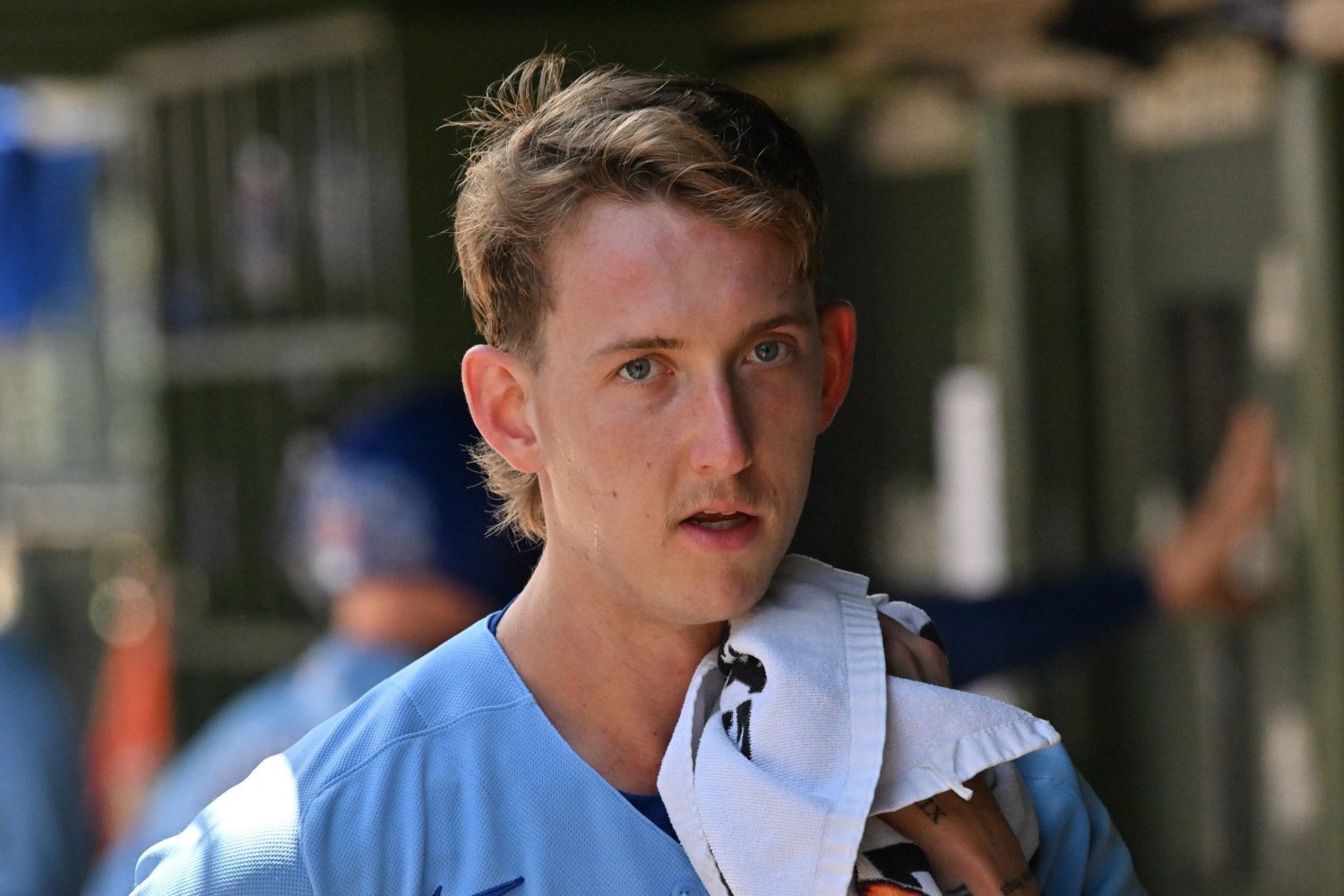 Both Ben Brown and Edward Cabrera landed on the injured list Wednesday. Brown (ironically, the one Cubs hurler not plagued by the home-run ball and vulnerable to whiplash this year) has a neck strain; Cabrera has injuries to both his hamstring and his adductor. Brown could be back relatively soon, but then again, it could be months. Cabrera is almost certainly out until after the All-Star break. Neither is officially being shelved with a broken back, but that sound you heard was this pair of straws breaking the Cubs'. Though they began Wednesday's doubleheader in playoff position, the Cubs aren't making it to October. That much should be obvious by now. They're too diminished and depleted by injury, and too few of the hurlers currently on the IL have clear paths to returning to form this year. Of the handful of pitchers who have stayed relatively healthy, too few have any upside beyond what they're already doing, and too many have had major flaws exposed or appear to be pitching through some nagging trouble of their own. This team can't win anything important. They'll have to turn their eyes to next year. The last sentence should send shrieking alarms into life in your mind, though. That's a catastrophe. That's an unmitigated and massive failure that will haunt this team for years to come. The 2026 Cubs were built to compete for a pennant, and certainly to wrest the NL Central back from the Milwaukee Brewers. That's not happening, and the organization is not nearly ready to thrive in the wake of this misfire. They have a weak farm system. They have a poor track record for player development, and they've ceased to be good even at keeping pitchers relatively healthy, a strength about which they boasted a few years ago. Technically, the team does have several trade candidates they can move before the trade deadline on August 3. Seiya Suzuki, Ian Happ, Carson Kelly and Shota Imanaga headline that group. If Jameson Taillon can get healthy or if Caleb Thielbar, Phil Maton, Jacob Webb or Michael Conforto can show enough to convince suitors of their utility, they could be dealt, too. For the most part, though, this team is ossified. They intentionally invested in and committed to a long-term core of Dansby Swanson, Nico Hoerner, Pete Crow-Armstrong, Alex Bregman, Cade Horton, Justin Steele, Cabrera, and Daniel Palencia, with Matt Shaw, Moisés Ballesteros and Ben Brown as key supplementary pieces. Crow-Armstrong looks like the biggest star the Cubs have had since Sammy Sosa, and arguably the best all-around player they've ever had, at least while he's on this scintillating hot streak. The rest of that group, however, is proving either flawed or injury-prone, and because of what the club has already committed to each, they can't quickly shift gears and build around a different core, instead. They don't have the financial flexibility to do that via free agency; they don't have trade assets capable of bringing back that caliber of player; and they certainly don't have either the star power or the depth in their farm system to reload. In most articles like this one, this would be where I offer a creative solution or a radical possibility. I've done that a lot of times with a lot of different teams, over the years. I can't come up with anything this time. The Cubs have owners with only moderate interest in fielding a competitive team, who have hired and renewed their commitment to a front office with similarly tepid ambitions. That front office sells itself constantly to the media as a competent and nimble outfit, but the reality is that they're a below-average all-around team. They have above-average talent on the big-league roster, but only because they've concentrated almost all their resources there over the last three years. They've traded first-round picks, spent money to retain former first-round picks, and signed players to massive, long-term free-agent deals. They've swapped prospects for controllable players who could contribute immediately. They've done everything they can do to make themselves a winning major-league team right now, and 2026 was meant to be the high point in their competitive cycle. The results have been two 83-win teams, a 92-win one that lost the division and fell to their biggest rivals in October, and this unit, which will probably finish more like the 2023 and 2024 Cubs than like the 2025 ones. Meanwhile, the cupboard has been left bare in the minor leagues, and even the guys they hoped to convert into homegrown help have faltered badly. Jed Hoyer should never have gotten the extension he signed last July. That he did was the sign of an unearnedly content ownership group. The Cubs don't draft well, develop well, coach well or make smart enough transactions to make up for those glaring weaknesses. They don't have what they would need to turbo-charge a reload for next season, but this season is circling the drain, due as much to their lack of homegrown depth as to the bad injury luck they courted by leaning so hard on the likes of Horton and Cabrera. A decade after its greatest success, this franchise is right back where it's spent much more of the last 80 years: in a quagmire of its own making, and unlikely to rise from the muck any time soon. View the full article
 -
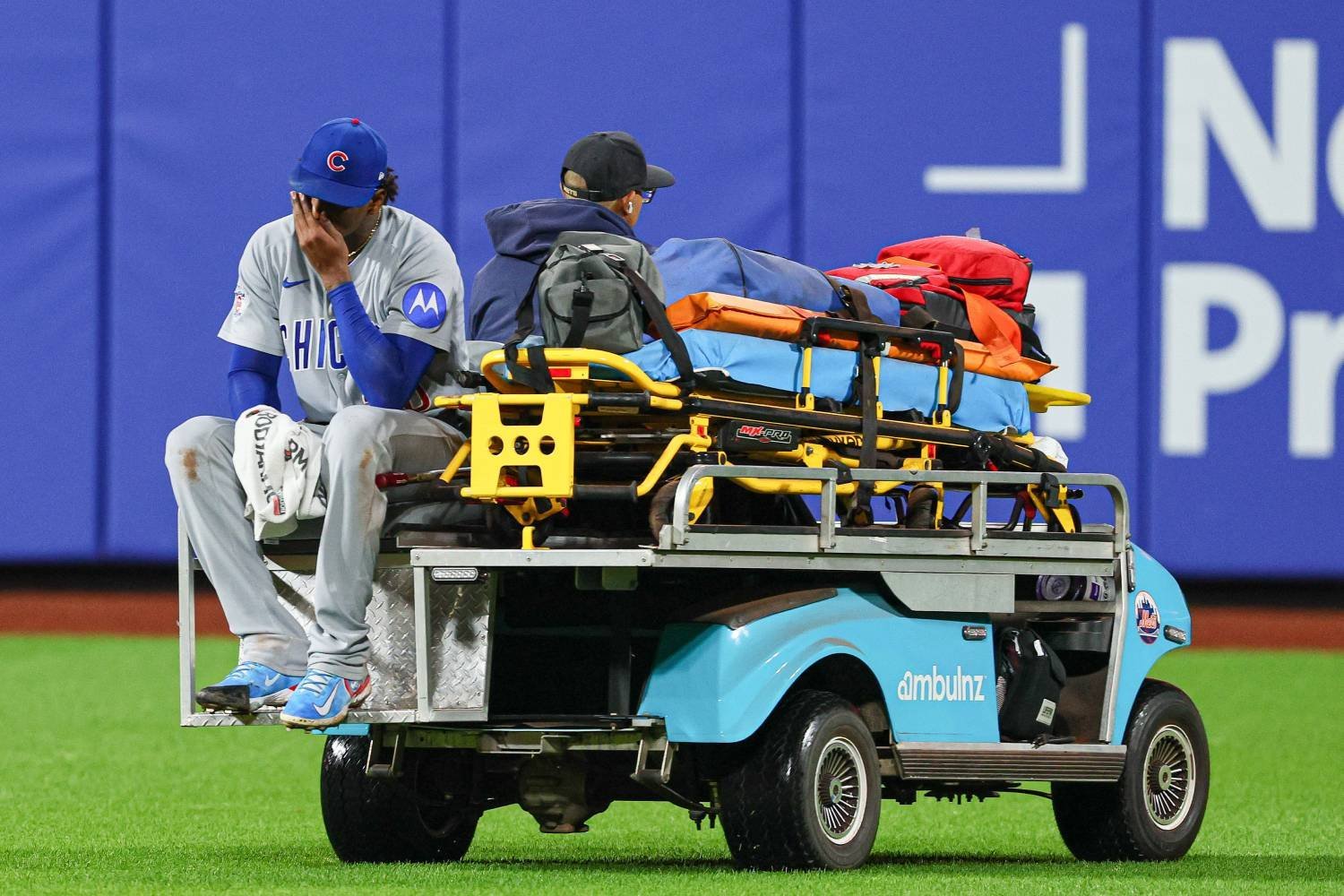 Within the span of about 12 hours, the Chicago Cubs lost 40% of their starting rotation. The Cubs on Wednesday placed right-handed starters Edward Cabrera and Ben Brown on the 15-day injured list. Right-handed relievers Gavin Hollowell and Vince Velasquez were called up from Triple-A Iowa. Velasquez needed to be added to the 40-man roster, which is full, so right-hander Eduardniel Nunez was designated for assignment. Cabrera went on the IL after he strained his left adductor and left hamstring while stretching for a throw as he covered first base in Tuesday's 9-6 victory over the New York Mets. Brown's IL placement was due to a strained neck. They make it six Cubs starting pitchers on the IL, with left-hander Matthew Boyd set to come off Thursday. More testing was set for Wednesday to determine the extent of Cabrera's injury, which figures to be much more longer than Brown's. Brown is likely to just have a minimal IL stay. Cabrera, acquired in a big offseason trade with the Miami Marlins, is on the IL for the second time this season after missing the minimum with a blister on his right middle finger, having just returned June 5. Cabrera has a 5.07 FIP (5.10 ERA) with a 9.4% walk rate and 21% strikeout rate in 14 starts. Brown has stepped into the rotation following a myriad of injuries, making eight starts in his 20 appearances. He has a 2.50 FIP (1.85 ERA), walking 7.2% and striking out 24.5% of batters. Hollowell had just been sent down the day before as right-hander Jayden Murray was added to the roster following a trade. Velasquez made a triumphant return to the majors this season after last appearing in 2023. The recently turned 34-year-old pitched in just one game, going 2⅓ shutout innings, with one hit, no walks and one strikeout April 25 in a 12-4 loss to the Los Angeles Dodgers. View the full article
 -
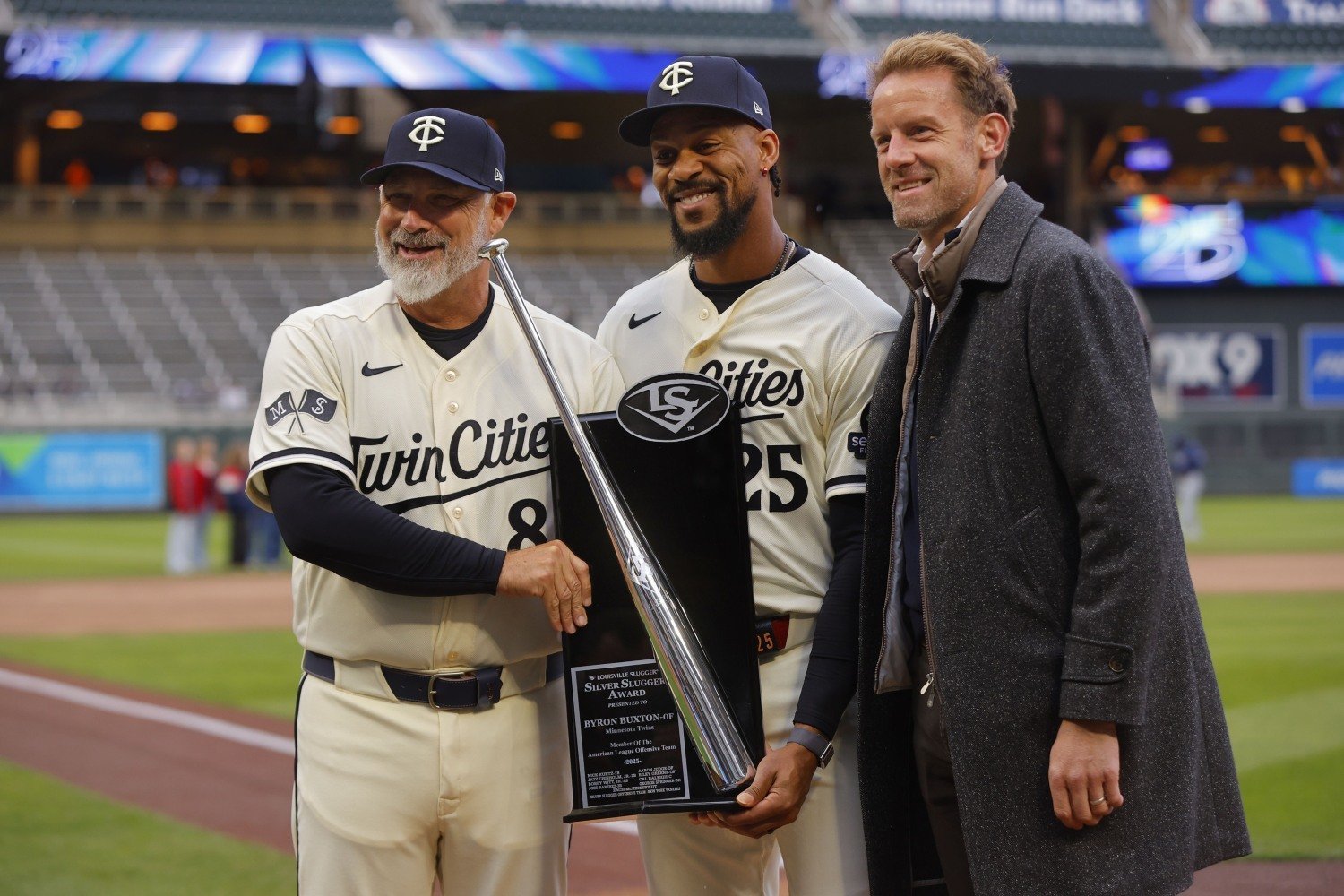 Minnesota Twins Executive Chair Tom Pohlad appeared on Shark Tank this week seeking $150 million in funding for a groundbreaking startup known as Competitive Payroll. The company, which Pohlad described as "an innovative new approach to running a Major League Baseball franchise," is seeking capital to fund a radical experiment involving paying talented players their market value. "For years, we've operated under the assumption that spending less money was the safest path forward," Pohlad told the panel. "But what if there was another way?" The Sharks appeared intrigued. "So what's the business?" asked Mark Cuban. "We own a baseball team. And we'd like to make it better." "How?" "We were hoping you could help us answer that." Pohlad then unveiled a 47-slide presentation titled: Can Spending Money Make Money?!? The first slide showed a graph illustrating payroll reductions over the past several seasons. The second showed additional payroll reductions to the rest of the organization. The third was simply a picture of a piggy bank. "Interesting," Cuban said. "But how does the business grow?" Pohlad clicked to the next slide. The title read: Potential Additional Cost Savings. Throughout the presentation, the Sharks repeatedly attempted to explain how baseball economics work. "You know, fans usually like it when teams keep their best players," said Barbara Corcoran. Pohlad nodded politely. "We've identified several opportunities to reduce travel expenses." "No," Corcoran replied. "I mean, fans spend money when they believe the team is trying to win." Pohlad quickly advanced to a pie chart labeled: “Areas Where We Could Potentially Spend Even Less.” Kevin O'Leary jumped in. "Let's say you spend more money on players," the shiny-domed entrepreneur said. "Then you win more games. Then attendance goes up. Then revenue goes up." The room became quiet. Pohlad studied the diagram. "We have not previously explored that sequence of events." At one point, Cuban attempted to simplify the discussion. "Tom, let's forget baseball. Imagine you own a restaurant." "Okay." "You serve great food." "Seems expensive." "Stay with me. People like the food, so more customers come." Pohlad looked confused. "Why would we want more customers?" The Sharks stared blankly. "Because they spend money." Pohlad immediately called for a brief recess. After returning, ownership unveiled what they called a revolutionary internal metric known as Cost Above Replacement, or CAR. The statistic measures how much money can be saved by replacing productive players with cheaper players. According to the Twins' projections, the organization could achieve record efficiency by eventually fielding a roster composed entirely of league-minimum salaries, waiver claims, and one veteran reliever acquired for cash considerations. Guest Shark Alex Rodriguez attempted one final time. "Winning creates excitement." Pohlad nodded. "Excitement creates attendance." "Interesting." "Attendance creates revenue." Pohlad began furiously taking notes. "Revenue can then be reinvested into the roster." The Twins executive paused. "You're saying the payroll is connected to the baseball team?" "Yes." "And the baseball team is connected to the fans?" "Also, yes." "Has Major League Baseball reviewed this theory?" Despite the educational session, all five Sharks ultimately declined to invest. "I still don't understand the business plan," Cuban said. "Neither do we," Pohlad replied. "That's why we're seeking strategic partners." As filming concluded, Pohlad remained optimistic. "We learned a lot today," he said. "Apparently, there may be a relationship between winning games and making money. We're planning to spend the next several years studying the concept." Sources confirmed the Twins immediately formed a committee to determine whether fans prefer victories over payroll flexibility. The committee is expected to issue its findings sometime in 2034. View the full article
 -
Red Sox Trade Deadline Candidates: Jarren Duran & Isiah Kiner-Falefa
DiamondCentric posted an article in Talk Sox
 The 2026 Red Sox looked like a playoff team on paper. However, the season has gone into the gutter while the team looks like the Puppy Bowl when playing on the field. The Red Sox have some key players who could be moved by the trade deadline. During this 2 part episode, we will look at Mickey Gasper, Isiah Kiner-Falefa, and Jarren Duran's chances of being traded. View the full article
 -
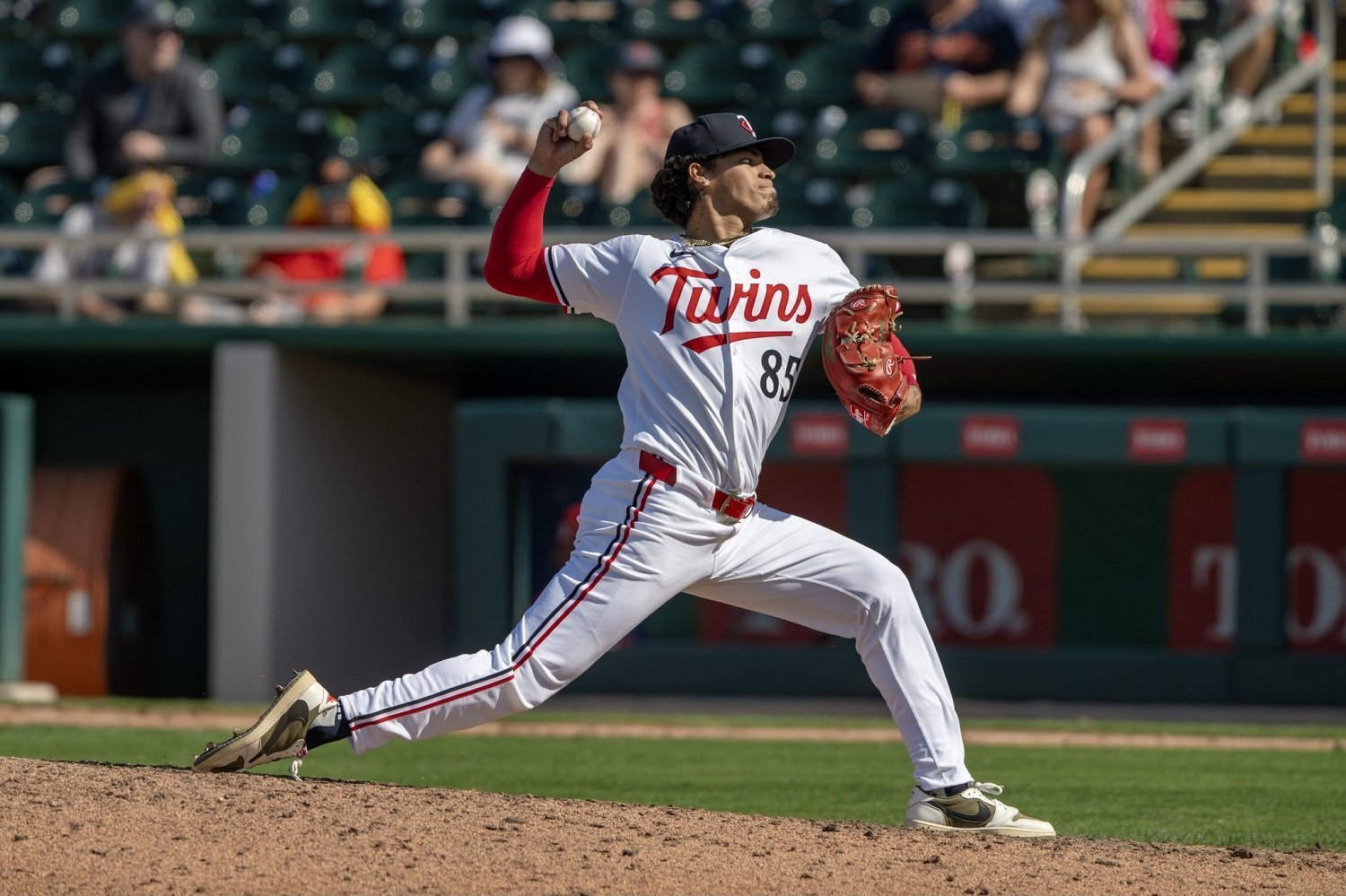 The Minnesota Twins continued reshaping their pitching staff on Tuesday, announcing that right-hander Austin Voth has been designated for assignment while left-handed prospect Kendry Rojas was optioned back to Triple-A St. Paul. Taking their places on the active roster are left-hander Kody Funderburk and right-hander Marco Raya, who is set to make his major league debut. For Raya, the move represents the culmination of a development path that has been anything but conventional. Raya Finally Gets the Call Since selecting Raya out of a Texas high school in the fourth round of the 2020 MLB Draft, the Twins have viewed him as one of the organization's most intriguing pitching prospects. His combination of athleticism, arm talent, and advanced feel for pitching allowed Minnesota to move him aggressively through the minor league system. At the same time, the organization carefully monitored his workload, often limiting innings while still challenging him with aggressive promotions. That balancing act pushed Raya to Triple-A at just 21 years old in 2024, but his development as a starter eventually stalled against more advanced competition. Rather than continue forcing the issue, Minnesota shifted Raya into a relief role last season. The transition has paid dividends. While his overall 2026 numbers don't immediately jump off the page, they don't tell the full story. Raya owns a 5.54 ERA and 1.26 WHIP at Triple-A St. Paul, but nearly all of that damage came during a disastrous April. Opposing hitters posted a 1.129 OPS against him during the season's opening month, and his ERA ballooned to 11.68. Since then, Raya has looked like a completely different pitcher. Over the last 28 days, the right-hander has posted a 1.64 ERA with a microscopic 0.64 WHIP across 11 innings. Perhaps most encouraging has been his command. Raya has struck out 11 hitters during that stretch without issuing a single walk. The Twins are clearly betting that version of Raya can help a bullpen that continues searching for reliable innings. Rojas Returns to St. Paul Rojas' stay in the majors was brief. The young left-hander started Monday night's game against the Dodgers and worked two innings before turning the game over to the bullpen. While the Twins remain high on the talented southpaw, the move back to Triple-A gives the Twins fresh arms for the bullpen. Given Minnesota's recent pitching injuries and constant roster shuffling, it would hardly be surprising to see Rojas back in Minneapolis before long. Voth's Twins Tenure Ends Quickly Voth's time with Minnesota lasted just one appearance and it was clear during last night’s game that the Twins were going to keep throwing him out there with the game already lost. After signing a minor league contract with the Twins late last month, the veteran right-hander earned a promotion to the major league roster earlier this week. He was immediately thrown into a difficult assignment against one of baseball's most dangerous lineups. Tasked with covering multiple innings after Rojas exited Monday's game, Voth surrendered five earned runs on 11 hits and a walk across four innings against the Dodgers. The outing pushed his season ERA even higher, but it doesn't fully reflect the veteran's recent track record. Voth entered 2026 with a career 4.70 ERA across 360 1/3 major league innings and was effective as recently as 2024, when he posted a 3.69 ERA in 61 innings for the Seattle Mariners. He also spent last season pitching for the Chiba Lotte Marines in Japan's Nippon Professional Baseball, where he logged a respectable 3.96 ERA over 125 innings. Even this year, Voth pitched well at Triple-A between the Blue Jays and Twins organizations, compiling a 3.65 ERA across 11 starts before receiving another big league opportunity. Unfortunately for him, the results in the majors never followed. Between Toronto and Minnesota, Voth allowed 11 earned runs over just 10 major league innings in 2026. What Happens Next? The Twins now have seven days to resolve Voth's DFA. During that period they can attempt to trade him, place him on outright waivers, or release him. If Voth clears waivers, he has enough service time to reject an outright assignment and elect free agency. For Minnesota, however, the bigger story is Raya. After six years in the organization, a role change, and plenty of ups and downs along the way, one of the Twins' longest-tenured pitching prospects has finally arrived. Now comes the next challenge: proving he belongs. View the full article
 -
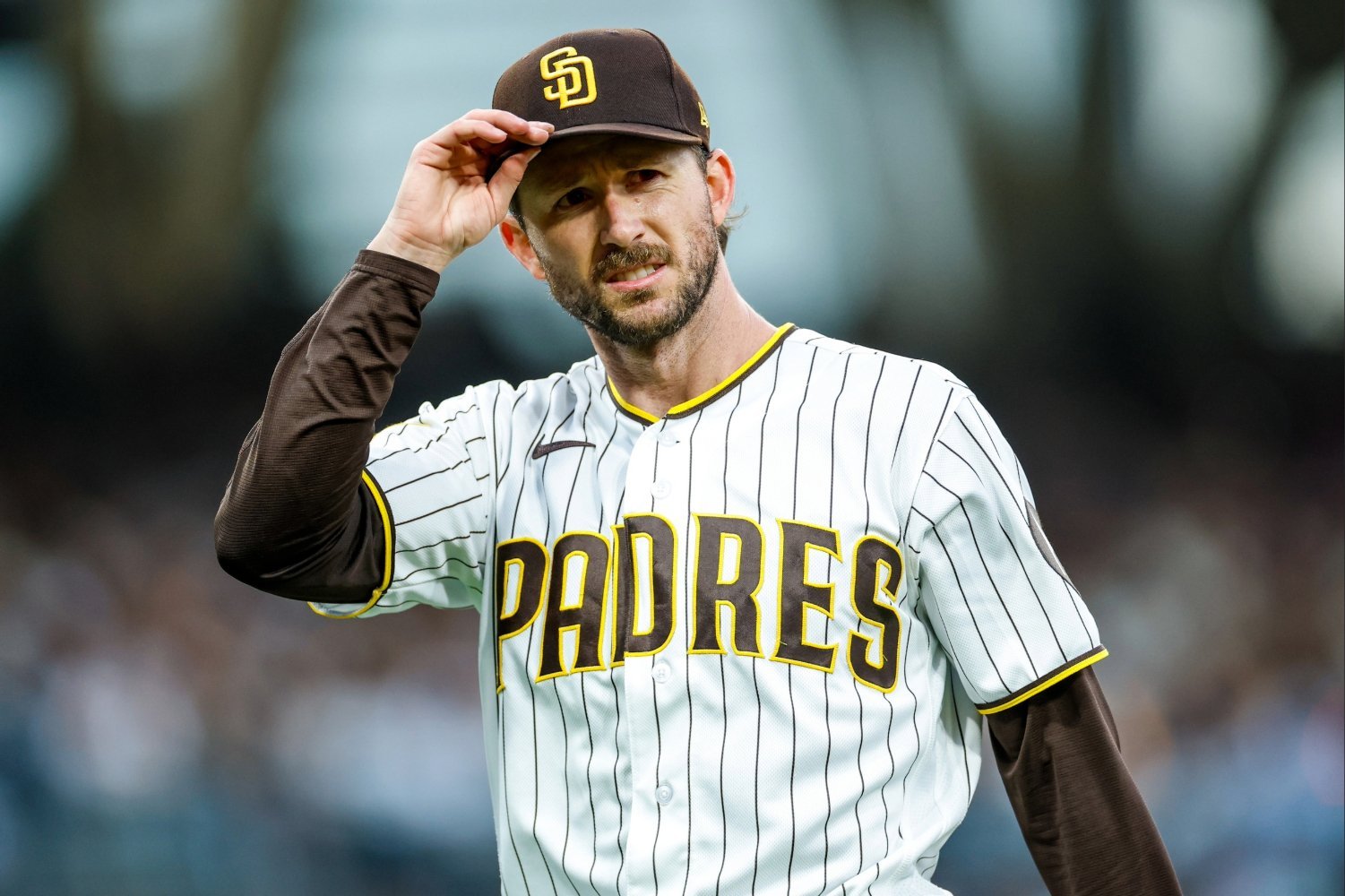 As we hit the end of June, the San Diego Padres' rotation picture remains as clouded as ever. Michael King is entrenched at the top of the starting five. We know that much. Randy Vásquez continues to provide decent-enough volume to stick around as part of the group despite increasingly alarming peripherals. From there, it gets messy. Lucas Giolito is now on the injured list with JP Sears up to replace him. Germán Márquez is nearing the end of a rehab assignment before his 5.76 ERA can rejoin the group. Griffin Canning has struggled mightily with his command, while each of Nick Pivetta & Joe Musgrove remain out indefinitely. If you're keeping track, that's two certainties for five spots, three massive question marks in the middle, and three injured arms on the other end. The Padres had Wandy Peralta serve as an opener on Tuesday with Sears scheduled to take the ball on Wednesday. They'll have an off day before circling back to Vásquez to open their series with the Los Angeles Dodgers on Friday. Which means that the most pressing question at this exact moment — how the team should handle Márquez & Canning upon the former's return — will get pushed to at least the weekend. It's difficult to imagine that the Padres would be comfortable running out both pitchers in their rotation given their respective struggles. While Giolito's absence does make it possible (as does Sears' ability to move to El Paso), each of Márquez and Canning have represented the starters with the largest hurdles to overcome in 2026. Prior to hitting the IL with a forearm injury, Márquez had made six starts for the Padres. He pitched to a 5.76 ERA, 6.64 FIP, a 14.8 percent strikeout rate, and a 9.4 percent walk rate. While his command fell within the neighborhood of "middling" from a walks perspective, his continually waning 94.3 MPH fastball velocity and precisely average (by Stuff+) knuckle-curve couldn't avoid hard contact; Márquez's 45.8 percent hard-hit rate sits in just the ninth percentile league-wide. Canning, meanwhile, has struggled with his command on the other side of the spectrum. His ERA sits at 7.38, largely due to the fact that he's walking more hitters than ever (13.7 percent). When hitters do swing, they're doing more damage than they were against Márquez in the hard-hit game, with Canning posting a 50.4 percent rate in that respect. He's had his moments, with a clean five-inning start against the New York Mets on June 6 and a 4.1 inning, one-run outing following an opener against St. Louis on June 17. The issue is that in between those kind of outings, he's had clunkers like a seven-run start on June 12 and a pair of six-run starts earlier in his Padres tenure. His second bulk outing saw him unable to finish even an inning and being credit for four runs before Kyle Hart cleaned up the bases he left loaded. Fresh as that particular outing may be, neither arm is one that's going to inspire much confidence. As such, determining which the Padres could go when Márquez is ready to return becomes a difficult task. In the case of Márquez, he's coming off four successful rehab outings with El Paso. He's thrown 15.1 innings, allowed three runs in total, and has his velocity up to 95.1 MPH. There's also more of an established track record (even if not terribly recently) to the point where the Padres may feel more comfortable rolling with him if they had to choose. Especially in the face of Canning's command woes. Even if the Friars wanted to get creative, something like piggybacking appears out of the question. Márquez has an 8.49 ERA his first time through the order while Canning features a 6.61 figure through the first pass. Given the inability to option either pitcher, it may be something they explore nevertheless, especially if they feel it can offer a bit more volume than they'd get from either arm on their own. Volume is, realistically, going to be the name of the game here. Neither pitcher is in a situation that offers Craig Stammen's squad legitimate upside, even if Márquez is showcasing improved velocity while out on rehab assignment. He has, though, given them 4.8 innings per start this year while Canning's down at 4.6 innings per start (excluding his bulk appearances out of the bullpen). If it's as simple as those two components, then perhaps the edge goes to Márquez. At the same time, maybe they feel as if Canning deserves a bit more runway himself in still working his way back to full strength from last year's Achilles injury. Tuesday's appearance could sap them of that patience, though. If this feels like stretching to make a case for one, that's the situation in which the Padres find themselves. It was always a volume approach to rounding out the rotation with the hope being that someone would latch onto a gig and run with it. That hasn't happened, to the point where the team likely is not going to be comfortable allowing each to retain their own spot even in the absence of three other starting pitchers. Given the development on Tuesday, it does feel like it'll be Márquez next time around, whether out of the gate or working in bulk. With such a shallow pool from which to choose, though, it's anybody's guess how this plays out over the remainder of the 2026 campaign. View the full article
 -
The Twins Might Need To Consider A Big Change For Brooks Lee
DiamondCentric posted an article in Twins Daily
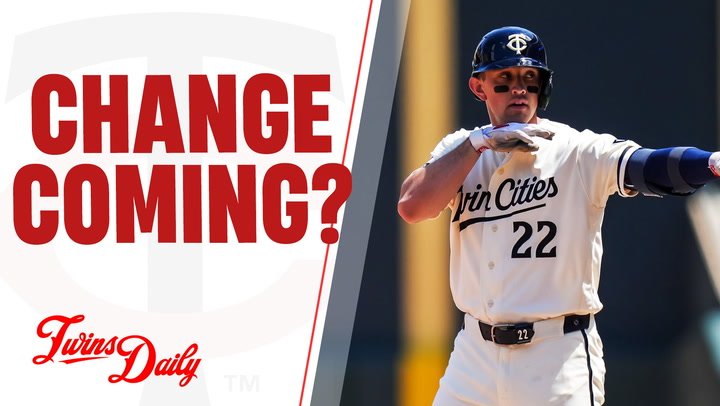 Brooks Lee has taken a major step forward in 2026. The numbers suggest his future might be clearer from one side of the plate than the other. View the full article
 -
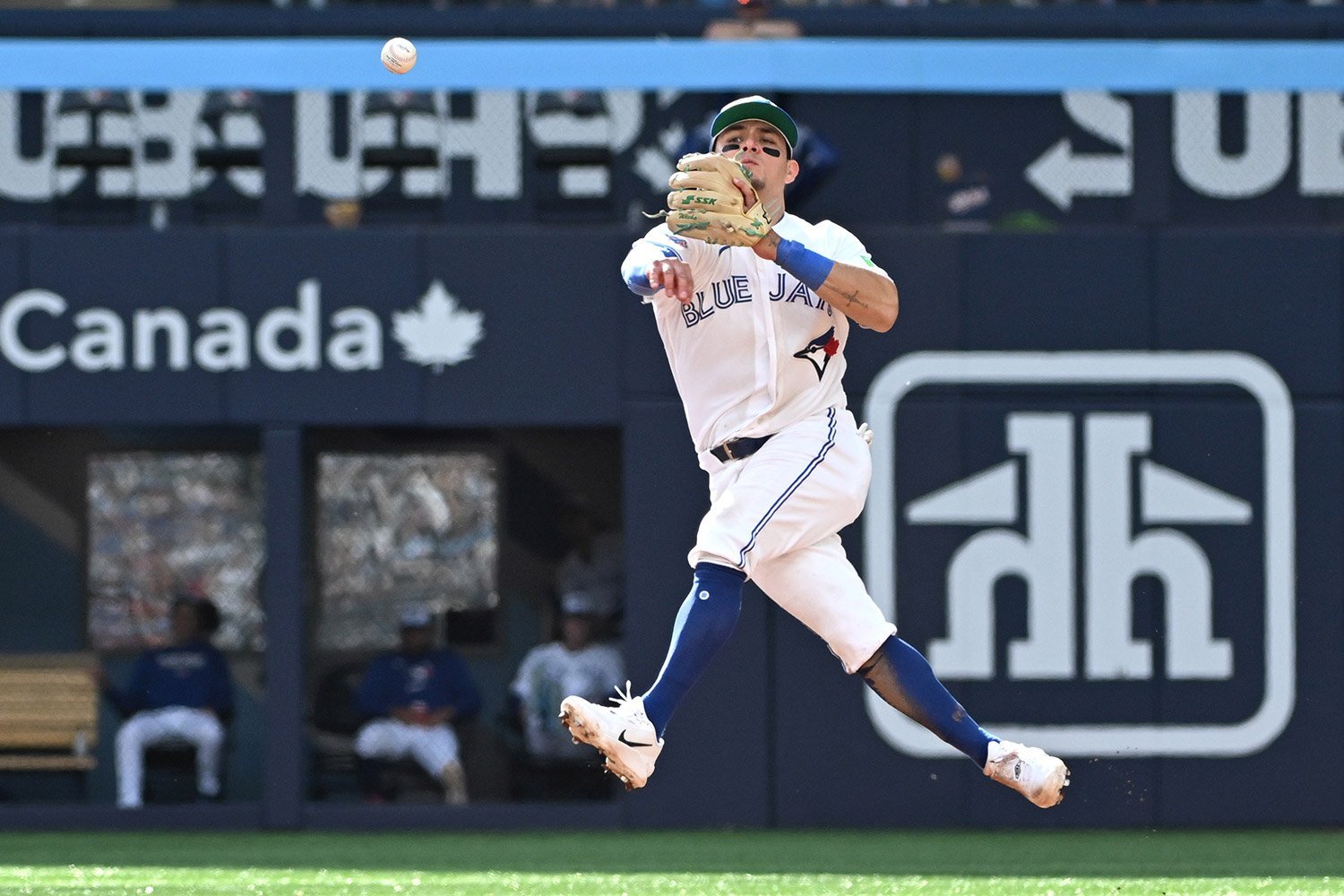 The Blue Jays certainly have a type. On Saturday afternoon, the Blue Jays made a minor trade with the Diamondbacks to acquire infielder Luis Urias in exchange for cash considerations. The move on its own won’t generate a ton of headlines. He has bounced between organizations and is a career .231/.329/.378 hitter over eight big league seasons. Urias had an “upward mobility clause” in his contract, which forced the Diamondbacks to either promote him, release him, or trade him, and the Blue Jays pounced at the opportunity. The Blue Jays' bench has been heavily skewed toward left-handed hitters and outfielders, so the addition of a right-handed hitting infielder doesn't come as much of a surprise. What is surprising, however, is why they chose Urias. Urias has never established himself as a consistent, productive major league hitter. He has an OPS under .700 in each of his last three seasons. He’s in the bottom 20% in the league in sprint speed, and defensively, he’s been a negative in both Outs Above Average (OAA) and Defensive Runs Saved (DRS). Add it all up, and you can see why the Diamondbacks weren’t willing to give him a spot on their major league roster. The question now becomes, what do the Blue Jays see in Urias that the Diamondbacks don't? The answer may lie in the underlying data. More specifically, the Blue Jays may be betting on a set of underlying skills that look far better than Urias’ traditional numbers suggest. First, Urias made notable changes to his approach in the 2025 season with the Athletics. Prior to that point, he had been known as a patient (or sometimes even passive) hitter. He drew his fair share of walks (career 10.2 BB%), but the approach often came at the expense of impact contact. During that stretch, his line drive rate, average exit velocity, and wOBA all sat below league average. In 2025, however, Urias began making a different kind of contact. Urias’ swing rate stayed relatively inline with his career average, but the amount of contact he was making, particularly on pitches in the zone, skyrocketed. The 91.8% zone contact rate rose by 9.2% over the prior season and by over 7.3% on his career average. That zone contact rate was higher in 2025 than both Bo Bichette (91.7%) and Nathan Lukes (91.0%), who are both relatively well known for their ability to make contact on pitches in the zone. There’s more to hitting than simply making contact; some of the highest contact rate hitters in baseball typically have slower swings. Urias hasn't done that; in fact, he’s started making more contact while also swinging harder. It's a rare combination. The combination of elite zone-contact rates and increased bat speed was a major part of the Blue Jays' offensive identity during their 2025 World Series run. It's exactly the type of skill set the Blue Jays have shown a preference for. Making contact is important, but contact quality matters too. Urias has always been able to hit the ball in the air to the pull side, which adds another layer to his offensive profile. The league-average pull-air rate sits at 16.8%. Urias’ career mark is 19.8%. Hitting the ball in the air to the pull side matters, especially when you're not an exit velocity machine. This chart is from a FanGraphs article from 2023 about wOBA and hit direction based on exit velocity. Urias has never been great at producing elite exit velocity, so when he does get his bat on the ball, hitting the ball to the pull side is going to yield better results. Taken individually, none of these traits is enough to make Urias an impact player. Taken together, however, they paint a picture of the exact type of hitter Toronto has targeted in recent years: a player who controls the strike zone, makes frequent contact, and creates enough bat speed to do damage when he pulls the ball in the air. These are exactly the types of underlying skills teams often target because they tend to stabilise before traditional results do. Part of the reason the Blue Jays bought into Urias is that he’s been keeping up this production in Triple-A so far. On the season, he’s hitting .361/.393/.546. The .367 BAPIP is likely to come down due to regression and making the adjustment to major league pitching, but all of the adjustments he made in 2025 look to be sticking around so far. The zone contact rate is still at an outstanding 92.4%, and while we don’t have public data for bat speed in Triple-A, the 87.3 average EV is slightly higher than the 86.2 EV he had with the A’s in 2025, suggesting that the bat speed is holding firm. The underlying traits help explain why Toronto targeted Urias. Roster construction explains why they moved now. Team needs are a large part of this, too. The Diamondbacks middle infield is set with two all-stars, Ketel Marte and Geraldo Perdomo. There wasn’t much of an opportunity for him there, but on the Blue Jays, there was a real need. Down on the farm, the Blue Jays' middle infield options are lackluster. Top prospect Josh Kasevich has just a 94 wRC+ in Buffalo. Arjun Nimmala and JoJo Parker are still too far away to make an impact this season, and there are no other currently healthy middle infielders on the 40-man roster that could help the team. The Blue Jays aren’t asking Urias to save their offence. If they were, he wouldn’t have been available for cash in the first place. Instead, Toronto is betting on a collection of traits that it has consistently valued: elite zone contact, improving bat speed, and the ability to pull the ball in the air. Similar bets have produced mixed results, but the Blue Jays clearly believe Urias is worth the gamble. Whether Urias becomes the next success story remains to be seen, but if nothing else, his acquisition serves as another reminder that the Blue Jays clearly have a type and Urias fits it perfectly. View the full article
 -
 Boston Red Sox Affiliate Recap Triple-A Worcester Red Sox Season Record: 36-36 A tough offensive performance from Worcester led to a low-scoring 4-1 loss to the Toledo Mud Hens (Detroit Tigers). The WooSox dropped this one at home; they never had a lead and managed just six hits while only tallying one in the run column. Toledo's pitching staff allowed just one unearned run while striking out nine. The WooSox lone bright spot was Tsung-Che Cheng, who went 2-for-4 with a triple (Worcester's only extra-base hit) and scored the team's only run in the third, coming home on Jason Delay's RBI groundout to briefly tie it 1-1. After that, the bats went quiet: Romy Gonzalez (his first Triple-A rehab appearance of 2026), Vinny Capra, Allan Castro, and Kristian Campbell each chipped in a single, but the WooSox couldn't string anything together and never put another runner across, going 1-for-11 with RISP. On the mound, rehabbing starting pitcher Patrick Sandoval took the loss, giving up two runs (one earned) on four hits over 3 ⅓ innings. The bullpen was mostly sharp; Zack Kelly, Seth Martinez, and Angel Bastardo combined for 4 ⅔ scoreless one-hit innings, but Noah Song struggled, surrendering a two-run sixth (two RBI singles) that broke the game open to 4-1. The story of the night: solid relief work wasted by a cold offense. Worcester struck out nine times and could not bring in runners in scoring position. Double-A Portland Sea Dogs Season Record: 35-34 The Sea Dogs made a comeback but blew a lead late in the game, losing 7-5 to the Yard Goats (Colorado Rockies). A tough one for the Sea Dogs, who battled back from an early deficit to take a 5-4 lead in the seventh, only to watch the bullpen give it right back in a three-run bottom of the seventh. Portland out-hit Hartford 10-7, but couldn't close it out. Franklin Arias led the offense, going 3-for-5 with an RBI single in the second. Johanfran Garcia added a 2-for-5 night with a double while scoring twice, and Marvin Alcantara drove in two (an RBI groundout and a sac fly) while also scoring. The Sea Dogs clawed back from a 4-1 deficit, scoring runs in the fourth, fifth (twice), and seventh to briefly take a 5-4 lead. Alcantara's RBI groundout-double-play in the seventh brought in the go-ahead run. On the mound, Dalton Rogers ate five innings but gave up four runs in his start. The loss went to Caleb Bolden, who couldn't hold the lead. Hartford tied it on an RBI single and went ahead for good on a fielder's choice that scored the go-ahead run in the seventh. Patrick Halligan was outstanding from the bullpen: 1 ⅔ hitless innings with four strikeouts. Standout Performances: Franklin Arias: 3-for-5, RBI Johanfran Garcia: 2-for-5, 2B, 2 R Patrick Halligan: 1 ⅔ IP, 0 H, 0 ER, 4 K High-A Greenville Drive Season Record: 29-38 A dominant performance from Greenville’s pitching staff led to a 2-0 victory, sneaking past the Tourists (Houston Astros). The star of the game was starter Devin Futrell, who had a sensational performance. Futrell tossed six shutout innings with 12 strikeouts while allowing just two hits for the Drive. Including his last scoreless outing, he has thrown 13 straight innings without giving up a single run. Tyler Davis came out of the bullpen in the seventh and threw 1 ⅔ hitless frames (three K's), and Steven Brooks closed it out for his fifth save, locking down the final 1 ⅓ innings. Asheville never scored and managed just four hits all night against 16 combined strikeouts from the Greenville staff. The offense did just enough. Justin Gonzales put the Drive on the board in the third with an RBI single (reached base two times other times with two walks), and Luke Heyman provided the insurance with a solo homer (his fourth of the season) in the fourth. Antonio Anderson chipped in with a 2-for-3 night, while Ronny Hernandez doubled and scored on the Gonzales single. Standout Performances: Devin Futrell: 6 IP, 2 H, 0 ER, 1 BB, 12 K Tyler Davis: 1 ⅔ IP, 1 H, 0 ER, 1 BB, 3 K Steven Brooks: 1 ⅓ IP, 1 H, 0 ER, 1 K Justin Gonzales: 1-for-2, RBI, 2 BB Luke Heyman: 1-for-4, HR, R, RBI Low-A Salem RidgeYaks Season Record: 26-43 The RidgeYaks struggled on both sides of the ball at home, taking a 7-2 defeat to the Myrtle Beach Pelicans (Chicago Cubs). Salem managed just four hits total, one came from Skylar King, who homered (his eighth of the year) in the eighth, and Adonys Guzman recorded the other RBI with a sacrifice fly. Avinson Pinto was the only hitter for the RidgeYaks with a multi-hit game, putting up a 2-for-3 night. The lineup drew four walks but couldn't string anything together, striking out 10 times and not having much traffic on the basepaths to work with. On the mound, starter Barrett Morgan took his second loss of the season, giving up two runs over three innings. The bullpen couldn't stem the tide: Harry Blum was charged with three runs (one unearned), and Myrtle Beach kept adding on, including a two-run homer in the seventh that broke it open 6-1. Salem's staff issued six walks on the night, which kept the Pelicans' rallies alive. View the full article
 -
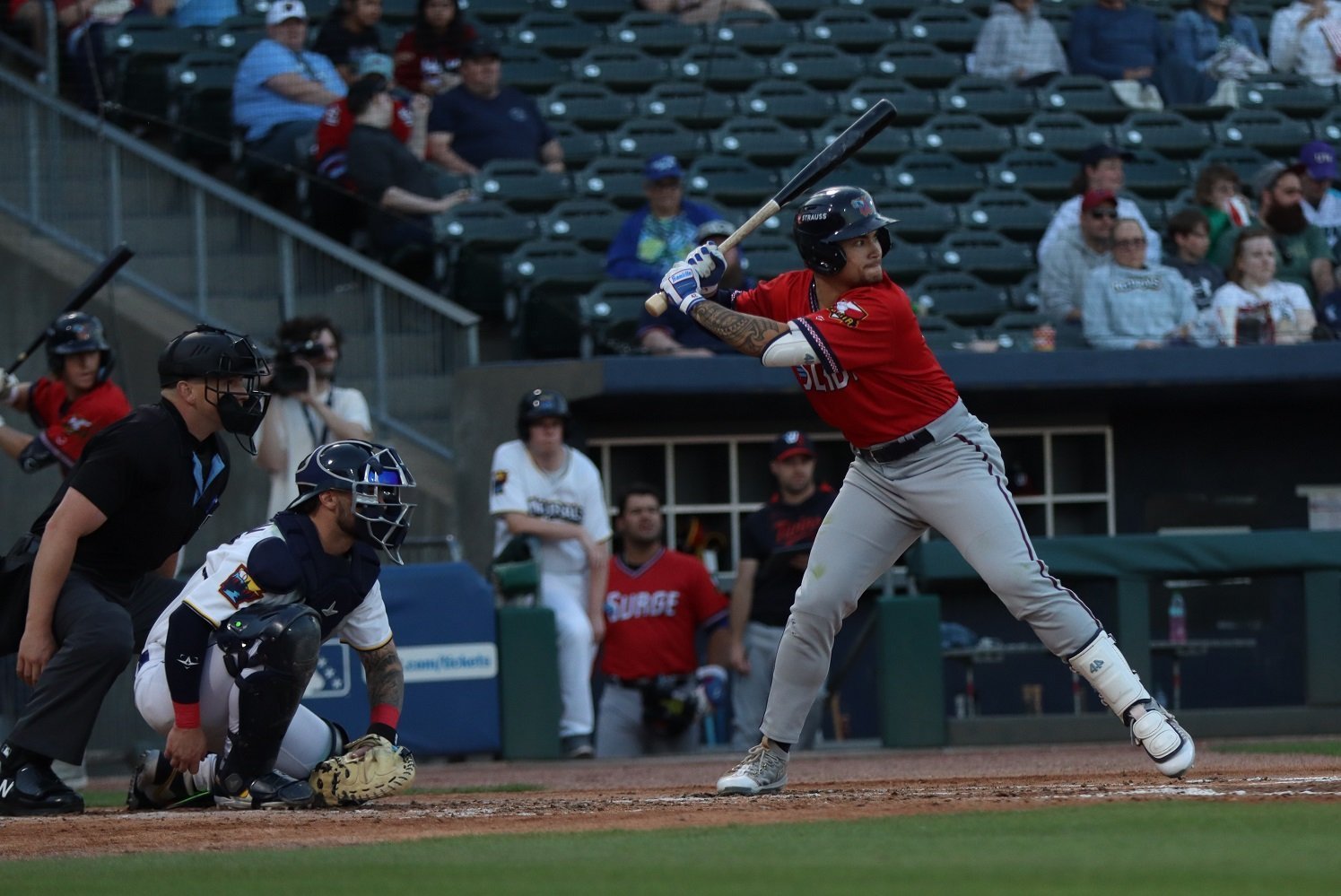 Kala'i Rosario has spent the last two years in prospect limbo. The Minnesota Twins' fifth-round pick from the shortened 2020 draft once looked like one of the organization's fastest-rising hitters. After winning Midwest League MVP honors in 2023 and capturing the Arizona Fall League Home Run Derby title, Rosario appeared poised to climb into the upper tier of the system's prospect rankings. Instead, injuries, strikeouts, defensive concerns, and a pair of Rule 5 Draft snubs pushed him toward the background of Minnesota's prospect conversation. Now, after another season showcasing his biggest strength while adding a surprising new wrinkle to his game, Rosario may be forcing his way back onto the Twins' prospect map, especially after his recent promotion to Triple-A. The Power Has Never Left The easiest way to understand Rosario's appeal is to look at the power. Few hitters in the Twins' system consistently impact the baseball the way Rosario does. The right-handed slugger possesses plus bat speed, routinely drives balls to all fields, and has now topped 20 home runs in two of the last three seasons. After an injury-shortened 2024 campaign, Rosario bounced back by launching 25 home runs with a 131 wRC+ while playing 130 games at Double-A Wichita. He paired that production with a 12.6% walk rate, continuing a positive trend that has followed him throughout his professional career. The Twins have long believed the raw power could play at the major-league level. At this point, it's becoming increasingly difficult to argue otherwise. Even when Rosario has struggled, the power output has remained. His ability to drive the ball over the fence gives him a carrying tool that many prospects don't possess. A New Dimension to His Game Power wasn't the biggest surprise of Rosario's 2025 season. Speed was. Known primarily as a bat-first corner outfielder, Rosario arrived in better shape and became a much more aggressive runner last year. He stole 32 bases, doubling his previous career total and adding an element few expected to see from his game. So far in 2026, he has gone 9-for-12 on stolen base attempts. No one is going to confuse Rosario with a burner, but the willingness to improve his conditioning and maximize his athleticism shouldn't be overlooked. Players often become more one-dimensional as they climb the ladder. Rosario managed to broaden his skill set. That development may not erase concerns about the rest of his profile, but it does show a player willing to make adjustments and find ways to increase his value. More speed also means better range in the outfield, even if he'll never be a standout with the glove. Why He Keeps Getting Overlooked If Rosario's power is so intriguing, why wasn't he selected in the Rule 5 Draft? The answer is simple: the flaws remain significant. For every tape-measure home run, there is plenty of swing-and-miss. Rosario posted a 27.5% strikeout rate at Double-A last season, and that was a career-low mark. He continues to have difficulty against softer secondary offerings, and his career .251 minor-league batting average doesn't exactly scream future middle-of-the-order star. In 2026, his strikeout rate has risen back to over 30%, so it will be something to watch as he faces better pitchers at Triple-A. The defensive concerns are even more pronounced. While Rosario possesses a tremendous throwing arm, his routes and instincts in the outfield remain works in progress. Evaluators have questioned his ability to track balls consistently, and defense has long been the biggest obstacle standing between Rosario and a clearer major-league path. To his credit, there were signs of improvement. Some of the rough edges appeared less severe than in previous seasons. Still, Rosario is unlikely to ever become a plus defender. The question is whether he can become good enough for the bat to carry the profile. Double-A Learning Curve One reason Rosario may be getting undervalued is that his statistical line doesn't fully reflect the difficulty of his assignment. After dominating High-A Cedar Rapids in 2023, Rosario jumped to Double-A as a 21-year-old. Nearly all of his plate appearances came against older and more experienced pitchers. He’s managed to improve his offensive numbers while playing parts of the last three seasons at Double-A. Rosario posted a .726 OPS in 2024, improved to an .844 OPS in 2025, and held steady with an .839 OPS this season. Even after going back to Double-A, he is over a year younger than the average age of the competition in the Texas League and was facing older pitchers nearly 60% of the time. That performance may not have generated headlines, but it demonstrated that his power could survive against better pitching. When teams challenge young players with advanced affiliate assignments, there are sometimes growing pains. That can bring their stock down, but sometimes, the player just needs more time to take advantage of the situation they're in than if they'd been brought along more slowly. Back on the Radar Rosario isn't a perfect prospect. In fact, he might be one of the most polarizing players in Minnesota's farm system. The strengths are tantalizing, while the weaknesses remain difficult to ignore. The power is legitimate. The walk rates are encouraging. The improved athleticism and stolen-base totals suggest there may be more to the profile than previously believed. At the same time, the strikeouts and defensive limitations continue to create questions about whether he can become an everyday major leaguer. That's why Rosario remains far from consideration for many national prospect lists and why the Twins felt comfortable leaving him unprotected in consecutive Rule 5 Drafts. But prospect development is rarely linear. Players fall off the radar and work their way back all the time. Rosario may never become one of Minnesota's elite prospects again, but after another season showcasing legitimate power and surprising athletic growth, he's giving the organization a reason to keep watching closely. For a player who seemed to be fading from the conversation, that's a significant step forward. What stands out about Rosario's season? Can he work his way back into Minnesota's long-term plans? Leave a comment and start the discussion. View the full article
 -
Mets Minor League Report: St. Lucie Runs Wild
DiamondCentric posted an article in Grand Central Mets
 Syracuse rallied late to beat Lehigh Valley 9-6 behind Tyrone Taylor's three hits and home run, with Ronny Mauricio driving in three. Brooklyn won a 10-inning thriller 8-7 as Daiverson Gutierrez singled home the winning run, and JT Benson homered among three hits. St. Lucie cruised 6-2 as Emilio Obispo fired four scoreless innings and Julio Zayas collected four hits and three RBIs. Binghamton fell 10-2, undone by four home runs allowed. Mets Transactions New York Mets claimed CF Jared Oliva off waivers from San Francisco Giants. New York Mets optioned CF Jared Oliva to Syracuse Mets. Syracuse Bats Wake Up Late To Knock Off Lehigh Valley The Syracuse Mets scored in six different innings to beat the Lehigh Valley IronPigs 9-6. Tyrone Taylor led the offense, going 3-for-5 with a double, a home run, and two RBIs, while Ronny Mauricio added two hits and three RBIs. Nick Morabito reached base three times, scored twice, and stole two bases, and Francisco Lindor chipped in two hits. The game turned in the middle innings. Syracuse took a 2-0 lead in the fourth on a Ryan Clifford RBI single and a Jihwan Bae sacrifice fly, but the lead did not last. In the bottom of the fourth, Lehigh Valley answered with four runs, all coming on a grand slam, to lead 4-2. Syracuse clawed back with single runs in the fifth and sixth on sacrifice flies from Mauricio and a Hayden Senger groundout. The decisive blow came in the seventh, when Taylor hit a two-run home run to put Syracuse ahead 6-5. They added two more in the eighth on a Mauricio single and one in the ninth. Jack Wenninger struggled across 3 2/3 innings, allowing four runs on five hits and three walks while striking out four, including the grand slam. The bullpen was strong, as Jefry Yan struck out five over 1 2/3 scoreless innings, and Guillo Zuñiga and Dylan Ross combined for more scoreless work. Player AB R H RBI BB K Francisco Lindor, SS 5 2 2 0 0 0 Grae Kessinger, SS 0 0 0 0 0 0 Tyrone Taylor, CF 5 3 3 2 0 2 Cristian Pache, CF 0 0 0 0 0 0 Ronny Mauricio, 3B 4 1 2 3 0 1 Ryan Clifford, 1B 4 0 1 1 1 2 Nick Morabito, RF 4 2 2 0 1 2 Ji Hwan Bae, LF 2 0 1 1 2 1 Kevin Parada, C 4 0 0 0 1 2 Hayden Senger, DH 5 0 0 1 0 2 Vidal Bruján, 2B 3 1 0 0 2 0 Player IP H R ER BB K HR Joey Gerber 2/3 2 1 1 0 1 0 Jack Wenninger 3 2/3 5 4 4 3 4 1 Jefry Yan 1 2/3 0 0 0 0 5 0 Guillo Zuñiga 1 1/3 0 0 0 1 1 0 Dylan Ross 1 2 0 0 0 2 0 Dan Hammer 2/3 1 1 1 2 0 0 Home Runs Sink Binghamton In Erie The Binghamton Rumble Ponies were overwhelmed by the long ball in a 10-2 loss to the Erie SeaWolves. Jose Ramos and Nick Lorusso each homered, accounting for both Binghamton runs, while Matt Rudick and Wyatt Young added doubles. The offense managed just five hits and struck out 12 times as a team. The game broke open in the fourth inning. After Lorusso's leadoff home run in the first gave Binghamton a 1-0 lead, Erie erupted for six runs in the bottom of the fourth, all of them on home runs. The SeaWolves added another run in the fifth, two more in the seventh, and one in the eighth to pull away. Ramos provided Binghamton's only other offense with a solo home run in the sixth. Bryce Conley shouldered the bulk of the work and absorbed heavy damage, allowing seven runs, all earned, on eight hits over five innings with no walks and four strikeouts. He surrendered four home runs. Out of the bullpen, Brian Metoyer gave up two runs while recording two outs, and Danis Correa tossed a scoreless inning with a strikeout. Player AB R H RBI BB K Chris Suero, C 4 0 0 0 0 4 Jose Ramos, CF 4 1 1 1 0 3 Nick Lorusso, 3B 4 1 1 1 0 0 JT Schwartz, 1B 3 0 0 0 1 1 Vincent Perozo, DH 4 0 0 0 0 1 Matt Rudick, RF 4 0 1 0 0 1 Wyatt Young, SS 4 0 1 0 0 1 Kevin Villavicencio, 2B 4 0 0 0 0 1 Nick Lucky, LF 3 0 1 0 0 0 Player IP H R ER BB K HR Justin Armbruester 1 1/3 2 1 1 0 1 0 Danis Correa 1 0 0 0 0 1 0 Brian Metoyer 2/3 1 2 2 3 2 0 Bryce Conley 5 8 7 7 0 4 4 Brooklyn Walks Off Jersey Shore In The Tenth The Brooklyn Cyclones outlasted the Jersey Shore BlueClaws 8-7 in 10 innings on a walk-off single. JT Benson led the way, going 3-for-4 with a double, a triple, and a home run. John Bay added a hit, scored three times, and drove in a run, while Corey Collins collected two hits and two RBIs. Daiverson Gutierrez finished with two hits, including the game-winner. Brooklyn built an early 2-0 lead on RBI singles from Yonatan Henriquez and Colin Houck, and Benson's solo home run made it 3-2 in the fourth. The fifth inning was the turning point. Jersey Shore plated five runs in the top half, aided by two Brooklyn errors, to take a 7-3 lead. Brooklyn answered immediately in the bottom of the fifth, scoring three runs on a John Bay RBI double and a Corey Collins two-run single to close within 7-6. Sam Biller tied the game at 7-7 with an RBI single in the eighth. In the 10th, with zombie runner John Bay aboard, Gutierrez singled him home for the win. Nicolas Carreno had a rough outing, allowing five runs, all earned, on five hits and three walks over four innings while striking out five and giving up a home run. The bullpen stabilized things, as Robert Stock struck out four over two scoreless innings, and Hoss Brewer closed with two scoreless frames and four strikeouts. Player AB R H RBI BB K Mitch Voit, SS 4 2 1 0 1 0 Ronald Hernandez, DH 5 1 1 0 0 2 Yonatan Henriquez, 2B 5 0 2 1 0 2 John Bay, CF 5 2 1 1 0 0 Daiverson Gutierrez, C 5 1 2 1 0 2 Corey Collins, 1B 4 0 2 2 0 0 Colin Houck, 3B 4 0 1 1 0 3 JT Benson, RF 4 2 3 1 0 0 Jamari Baylor, 2B 1 0 0 0 1 0 Sam Biller, LF 2 0 1 1 0 1 Player IP H R ER BB K HR Robert Stock 2 1 0 0 0 4 0 Nicolas Carreno 4 5 5 5 3 5 1 Parker Carlson 1 0 0 0 1 1 0 Hunter Hodges 1 1 2 1 1 1 0 Hoss Brewer 2 1 0 0 1 4 0 St. Lucie Steals All The Bases The St. Lucie Mets beat the Fort Myers Mighty Mussels 6-2 behind a solid offensive effort and strong pitching. Julio Zayas was the standout, going 4-for-5 with a double and three RBIs. Antonio Jimenez reached base three times, scored twice, and drove in a run, while Trey Snyder added two hits, two runs, and three stolen bases. The team swiped nine bases in all. St. Lucie scored early and often, plating a run in the first on Zayas's RBI double and another in the third when Jimenez walked and later scored. They extended the lead in the fifth on a Jimenez RBI single. The big inning was the seventh, when Zayas delivered a two-run single to score Snyder and Jimenez, pushing the lead to 6-1. Emilio Obispo turned in a scoreless outing, allowing no runs on three hits over four innings, but walking five and striking out three. Ernesto Mercedes was sharp as well, striking out four over two scoreless innings, and Zack Mack finished with two innings, allowing one unearned run. Player AB R H RBI BB K Elian Peña, SS 4 1 0 0 1 0 Trey Snyder, CF 5 2 2 0 0 1 Antonio Jimenez, 3B 3 2 1 1 2 0 Julio Zayas, DH 5 0 4 3 0 0 Branny De Oleo, LF 4 0 0 0 1 3 Simon Juan, RF 5 0 1 0 0 1 Jeremy Rodriguez, 2B 4 1 1 0 0 0 Francisco Toledo, C 4 0 1 0 0 0 Jack Scanlon, 1B 3 0 0 0 0 1 Player IP H R ER BB K HR Miguel Mejias 1 0 1 1 2 0 0 Ernesto Mercedes 2 1 0 0 2 4 0 Emilio Obispo 4 3 0 0 5 3 0 Zack Mack 2 1 1 0 1 1 0 Top-20 Prospect Performance Carson Benge: DNP A.J. Ewing: DNP Jonah Tong: DNP Elian Pena: 0-for-4, BB, R, SB Jack Wenninger: 3 2/3 IP, 5 H, 4 R, 4 ER, 3 BB, 4 K, HR Ryan Clifford: 1-for-4, RBI, BB, 2 K Jacob Reimer: DNP Nick Morabito: 2-for-4, BB, 2 K, 2 R, 2 SB Mitch Voit: 1-for-4, BB, 2 R, SB Jonathan Santucci: DNP Chris Suero: 0-for-4, 4 K Zach Thornton: DNP Wandy Asigen: DNP Will Watson: DNP Eli Serrano III: DNP Randy Guzman: DNP Ryan Lambert: DNP Dylan Ross: 1 IP, 2 H, 0 R, 0 ER, 0 BB, 2 K, 0 HR Antonio Jimenez: 1-for-3, RBI, 2 BB, 2 R, SB R.J. Gordon: DNP View the full article
 -
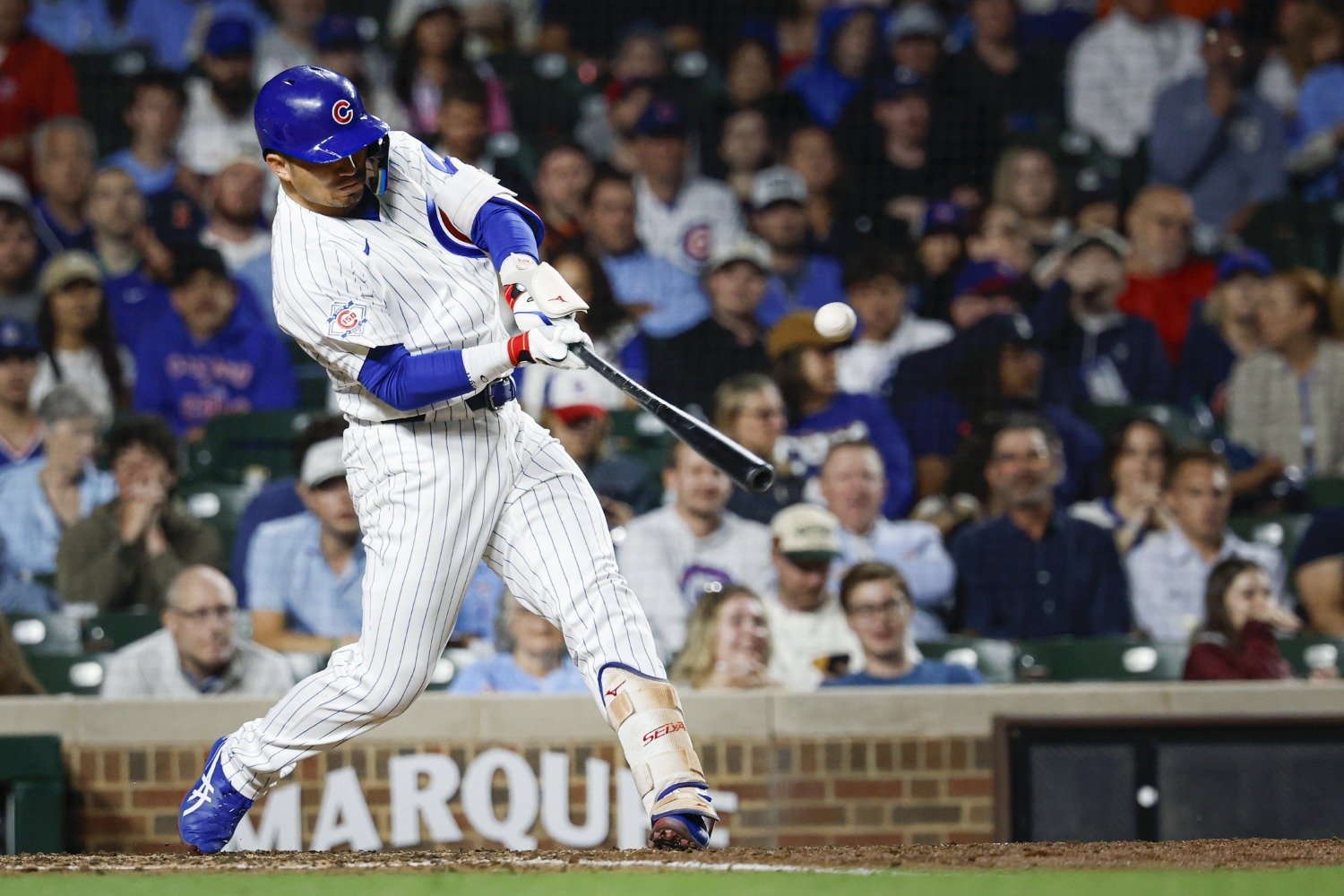 Mother Nature and the Chicago Cubs seem to think otherwise, but we are in the midst of summer. The Fourth of July is around the corner and the Cubs currently sit at 41-37, 7.5 games out of first in the NL Central. They're tied with the Padres for the final Wild Card spot, narrowly behind the Cardinals and Phillies for the top two berths and barely ahead of the Nationals and Marlins. The early season juggernaut has been crippled by pitching injuries and extended slumps from their offensive stars not named Pete Crow-Armstrong. The good news is that Matthew Boyd is nearly ready to go again, and that Crow-Armstrong leads baseball (non-Ohtani division) in wins above replacement. The bad news is that Edward Cabrera went down with a bad hamstring strain on Tuesday night in Queens, and could be lost for quite a while. More bad news is that the Cubs’ next three matchups after this tussle with the Mets are against Milwaukee, San Diego and St. Louis. The time to gain some ground was earlier this month, but they could barely tread water, going 6-6 against Colorado and San Francisco. Technically, facing these three teams is an opportunity to make up for lost time. Non-technically, the team is only now sloshing back into form, and the pitching staff feels way too thin to get them through such a crucial stretch right on the heels of playing four games in three days in New York. The Cubs offense looked great over the weekend at home against the Blue Jays. We hope this is a turning point and they can start mashing themselves into frequent wins again, but their struggles of late have gotten the rumor mill turning. One player often mentioned is right fielder and designated hitter Seiya Suzuki, who's in the last year of his contract and is slashing .269/.348/.445, with 10 homers and 1.7 fWAR. If the Cubs do decide to trade him in either a move to re-tool for next season, or a creative trade to acquire pitching for this season, he would be one of the top right-handed bats on the market. The Cubs, hopefully, will be in a position where they can demand a decent return, but he won't fetch any top-tier prospects. Here are five teams who would make solid trade partners if the Cubs do decide to explore a deal. Padres Another early season powerhouse who has fallen back to earth after a terrific April, the Padres have not been getting the results they're paying for from their star players. Xander Bogaerts has a .659 OPS, Jackson Merrill’s is .631, Fernando Tatis Jr. only has two home runs, and Manny Machado has 14 bombs but is hitting only .185. Tatis has been filling in at second base for the injured Jake Cronenworth, leaving two revolving doors in the outfield next to Merrill, because Ramón Laureano is on the 60-day IL. The Padres are currently playing Jase Bowen and Samad Taylor nearly every day. [Editor's note: I had to check, too, but no, he's not making up Jase Bowen. That's a real person.] While Taylor has hit well, Lord (not Brad) knows how sustainable that is. Although Suzuki has gone through his own struggles this season, his arrival would immediately take some pressure off their underperforming stars and provide some much-needed right-handed pop. As for a return, the Cubs should not be asking for teenagers or low-level lottery ticket guys. Anything they get for Suzuki should help them in the very near term. The problem is that the Padres’ top prospect list is littered with players in the low minors. An interesting name is right-handed reliever Garrett Hawkins, who has a mid-90s fastball with significant movement. He's still working on developing a consistent secondary pitch. He will issue walks but profiles as a big-league reliever, should he continue to make adjustments. The Padres might also be willing to part with a reliever on their big-league roster in order to help out the offense. The 22-year-old Bradgley Rodriguez is a high-upside, controllable piece, although that might make him the toughest to acquire. Adrian Morejon or Ron Marinaccio are both having good, but not great, seasons and could be a target for the Cubs, as well. Trading Suzuki for nothing but relief help would hit like a jab to the ribs, but since the Cubs have failed to develop their own pipeline of talented arms, they're going to have to overpay for some, one way or another. Phillies As is true with the Padres, the Cubs may be hesitant to move Suzuki to a team they hope to be directly competing with in the Wild Card race, but what if the team that sits dead last in outfielder fWAR makes them an offer they can’t refuse? The Phillies acquired reserve outfielder Derek Hill from the White Sox last week, which shows their desperation to find any workable solution. Adolis Garcóa is now on the 60-day IL, which leaves them with rookie Justin Crawford, who has been disappointing. Luckily, Brandon Marsh is having the best season of his career with 10 homers and an .833 OPS, but their lefty-heavy lineup needs some support from the right side. Could the Cubs ask for an outfielder in return? Gabriel Rincones Jr. is currently on the Phillies’ major-league roster, but is 1-19 and would benefit from more time in the minors. The Cubs have enough outfield depth options to afford to send Rincones back to the minors even after a Suzuki trade; Matt Shaw would take over in right. If the 25-year-old is able to tap into his raw power consistently, he could become a 30+ home run threat. That's not that likely, given how slowly he's developed, but he could be one piece in a deal. The closer for the Double-A Reading Phillies, Alex McFarlane, has a 2.08 ERA across 26 innings and has a fastball-slider combo that can play in the big leagues this season. Young righty Moisés Chace is another interesting option. He is recovering from Tommy John surgery, but he has a full arsenal of effective pitches. His mid-90s fastball, combined with a sweeper, changeup, and cutter, give Chace a reliever floor with potential starter upside. He could break into the big leagues next season. Yankees A decade after the Cubs and Yankees pulled off the biggest blockbuster of 2016, could they be in a position to do it again this season? Well, not exactly. A Suzuki trade would not be considered a blockbuster, but the Yankees are in need of outfield help with Aaron Judge down for a significant portion of the summer. With Giancarlo Stanton and Trent Grisham joining Judge on the IL, Cody Bellinger is sharing outfield duties with Jasson Dominguez and sub-.700 OPS, light-hitting utility player Max Schuemann, and extremely flawed, (technically) extremely talented quasi-prospect Spencer Jones. The Yankees are another team whose lineup leans very left-handed, especially while missing Judge and Stanton. The 38-year-old Paul Goldschmidt is playing like an All-Star again, but only in a very limited role. He is nearly the entirety of the team’s right-handed production. The Yankees’ farm system is littered with pitching, even if Elmer Rodriguez and Carlos Lagrange are off the table. Their 2024 first rounder, Ben Hess, could be an intriguing name for the Cubs to target. The burly 6-foot-5 righthander has drawn comparisons to Lance Lynn, but control issues have kept him from reaching his full potential. He has issued 16 walks in 21 2/3 innings in Double-A this season. With Gerrit Cole, Carlos Rodón, and Max Fried under large contracts, Cam Schlittler emerging as one of the top arms in the game, and guys like Will Warren and Ryan Weathers in the fold, the Yankees may not see a path to the majors for Hess. One last name to think of here is 2024 AL Rookie of the Year Luis Gil. Since winning the award, he has dealt with ineffectiveness and injuries, making him a great change of scenery candidate. Guardians Now that their lineup is missing all three of José Ramírez, Chase DeLauter, and Angel Martínez, it's safe to say they have the worst lineup in baseball. Even when they were healthy, their offense really wasn't anything for opposing pitchers to worry about. They are 23rd in wRC+, 25th in home runs, and 26th in runs scored. Rookie Travis Bazzana is doing all he can, as he is now the default best hitter on the team, but the punch is basically nonexistent. Steven Kwan is in the worst slump of his career, which began last season, and the right-handed power bat is the ghost of Rhys Hoskins. With all due respect to David Fry, Petey Halpin and Stuart Fairchild, they need another competent hitter in the outfield if they want to gain any significant ground on the White Sox and the suddenly surging Tigers. Traditionally, the Guardians’ pitching is what carries them through the season until their inevitable October demise, but if they are serious about making noise in the playoffs, they need a right-handed bat. With the bullpen being a big strength of this team, anchored by closer Cade Smith, they may be willing to part with a reliever on the major-league roster as well as a mid-range prospect. Veteran righties Colin Holderman and Shawn Armstrong are having strong seasons, as is lefty Erik Sabrowski. It would be fair for the Cubs to ask for one of these guys in return, but if they want to add another outfielder, they can target 21-year-old Jaison Chourio, the younger brother of Jackson. He had a down year in 2025 which caused him to drop off the back end of top-100 prospect lists, but he has a .942 OPS with Double-A Arkansas this season and should be worthy of a major-league look sometime in 2027. This is the kind of player the Guardians usually hate to move, but with the number of suitors for Suzuki, the Cubs can afford to force Cleveland to pay up. Blue Jays The Blue Jays have a nice little outfield of Nathan Lukes, Jesús Sánchez, and Daulton Varsho, but the nearly 37-year-old George Springer is probably best left as a platoon player, rather than the primary DH for a team trying to defend the AL title—even if he is second on the team in home runs, with eight. The Yankees and Rays are both legit contenders, so the Blue Jays can’t afford to sit around and hope Vladimir Guerrero Jr. starts to hit with power again. They have also been without a healthy Addison Barger for most of the season, so rookie Yohendrick Piñango (old friend alert!) had been a major piece of their roster before he was optioned this week. He was hitting .283 with a .764 OPS, good enough to be a table setter, but would hardly scare a pitching staff in the postseason. The Blue Jays wouldn’t be in this conversation if Anthony Santander, who signed a five-year deal before last season, was dependable. There are reports that he is working his way back, but he was awful in the 54 games he played last season, slashing .175/.271/.294. The point is, it would make the most sense for Toronto to be aggressive as anyone in a Suzuki pursuit. The Blue Jays have a strong farm system that is loaded with high-upside arms like Johnny King, Ricky Tiedemann, and Gage Stanifer, but with an aging rotation at the big-league level, they might not feel inclined to trade from that bunch. However, they have a 25-year-old righty named Jake Bloss who touches the high 90s on his fastball and boasts a curveball/slider combo that could work great in a bullpen role. He is currently recovering from elbow surgery, but is expected to be back this season. Depending on the handedness the Cubs are looking for, lefty Mason Fluharty and righty Spencer Miles have FIPs under 3.40 and come with years of team control, so either one of them could be a fair ask, along with Bloss. If they’re looking for a throw-in player with some upside and positional versatility, Charles McAdoo was also just sent down. He can play first, third, and the corner outfield spots and can turn into a nice right-handed bench bat or even a starting option in right. View the full article
 -
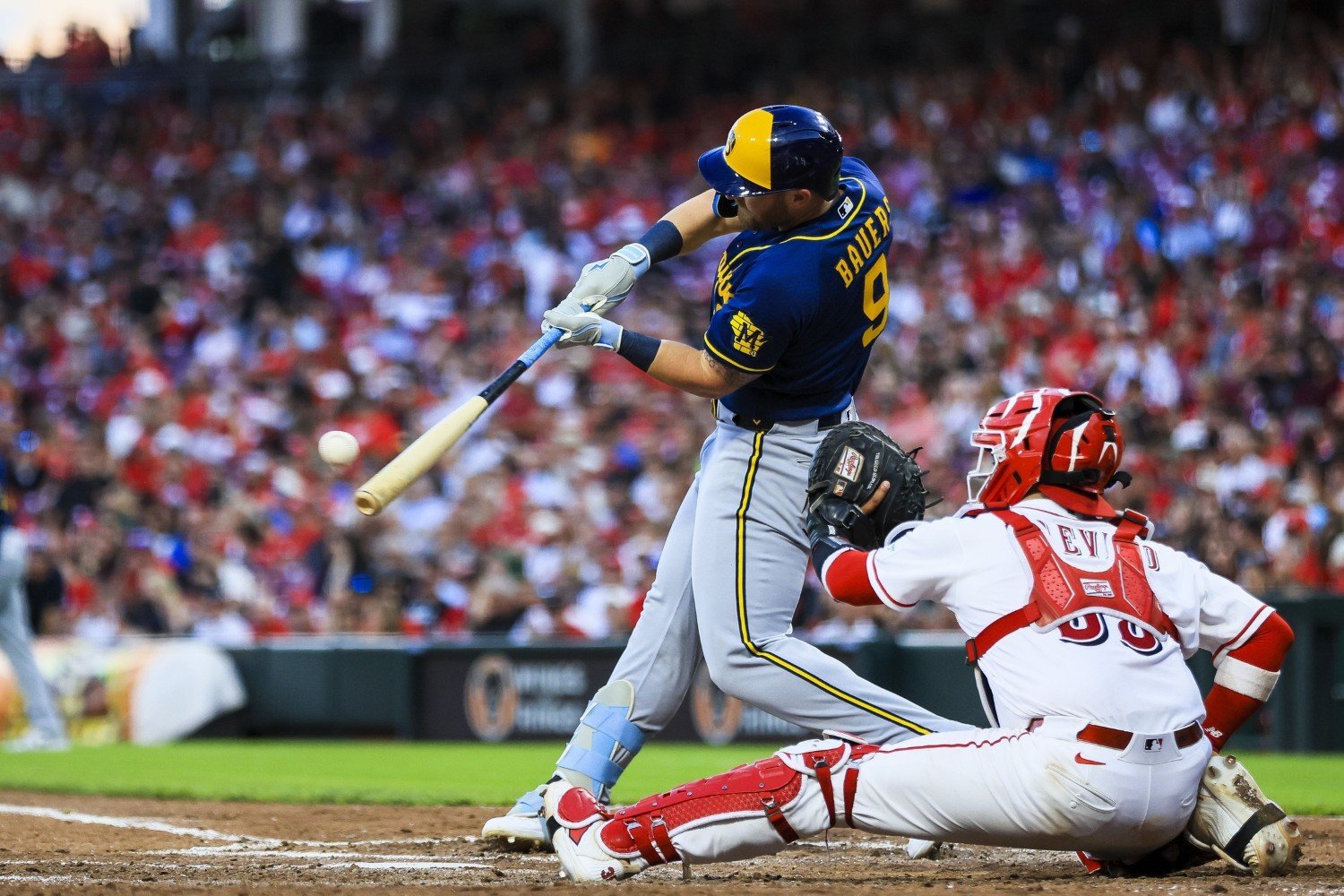 Jake Bauers has been a potent force all season in the Brewers lineup, almost single-handedly carrying them through the first month of the season. His 139 wRC+ estimates his offensive production to be 39% better than a league-average hitter, and he currently leads the Brewers in home runs. It's tough to be disappointed in those numbers, but the Brewers have seen that production dip in June as pitchers have changed their approach to Bauers. If we isolate him to the last two weeks of games (which include two games in Las Vegas), Bauers has slashed just .161/.297/.258, with a 40.5% strikeout rate. Now, every hitter goes through some peaks and troughs, but there are some areas in which Bauers needs to adjust to how he's being attacked. The first thing we can see clearly is that pitchers are pitching around him more often. The volume of pitches inside the strike zone that he's faced has decreased dramatically in June, and that shouldn't be a surprise. Teams are well aware of his threat in a lineup starved of consistent power, and they're not letting Bauers be the one to beat them. Below is the month-by-month percentage of pitches faced by Bauers inside the strike zone across all counts: He dropped from 55.8% of fastballs in May landing inside the zone to a mere 47.2% of them so far in June, with similar reductions in zone rate for breaking stuff. Bauers has been crushing fastballs this season to the tune of a .314 batting average and .579 slugging percentage, so it's no surprise that pitchers are trying to keep these away from the danger zone. The reduced production over the last two weeks isn't because he's chasing these fastballs, however. in fact, it's quite the opposite, Bauers has become too passive, trying to balance doing damage with avoiding the chase rates that can cause him to swing and miss excessively. If we compare Bauers's performance in June to date against his April/May form, there are some glaring differences: The in-zone swing rate is the lowest in baseball over this time, and that's the opposite of what you want from a player you're relying on to contribute some raw slugging numbers. He's taking a lot of pitches. He isn't chasing, and he's getting on base via the walk at an astonishing clip. He's also still showing remarkable quality of contact numbers. It's just that he doesn't seem to be targeting that contact all too often this month, going a little into his shell. The other thing pitchers are doing a great job of is preventing Bauers from pulling the ball in the air. While he doesn't need that air pull to clear the fences with regularity, and his willingness to drive the ball to the opposite field has been a growth point this season, it's still the primary source of his power. Even bat speed superfreaks find most of their extra-base hits on the pull side. That being said, for Bauers, it's still about striking a balance with his approach at the plate. It's when he uncorks a swing that might need a little more nuance. For example, pitchers are throwing him just 37.5% of pitches inside the strike zone when he gets into a three-ball count. They're not concerned with walking him, and he knows it. However, they're not as concerned with throwing such strikes early in the count, throwing 55% of pitches inside the zone in 0-0 counts, more than they did in May. They're gambling that Bauers, like all Brewers hitters, will be in auto-take mode in a 3-0 count, and that he'll be pretty passive at the front end of the at-bat, too. So Bauers has some leverage in counts with no strikes, and he's getting pitches to hit. Deeper into the at-bat, they're just avoiding the zone at all costs. The problem is, the Brewers slugger is currently swinging more often in deeper counts than he is early, so he's missing his opportunity on those pitches that are there to hit. I'm not suggesting Bauers should swing out of his shoes in every hitter's count, but he's shown enough consistent thump this year that his approach can be centered around more than a prayer to be walked. Bauers is enough of a threat that he's no longer getting pitches to hit in the counts he's previously targeted. It might be that he now has to search elsewhere for those pitches, and be more aggressive early in the at-bat. That, or the Brewers need to engineer some lineup support around him to scare teams off putting a runner on base for free. Either way, it will be fascinating to see how Bauers adjusts to how teams are approaching him. View the full article
 -
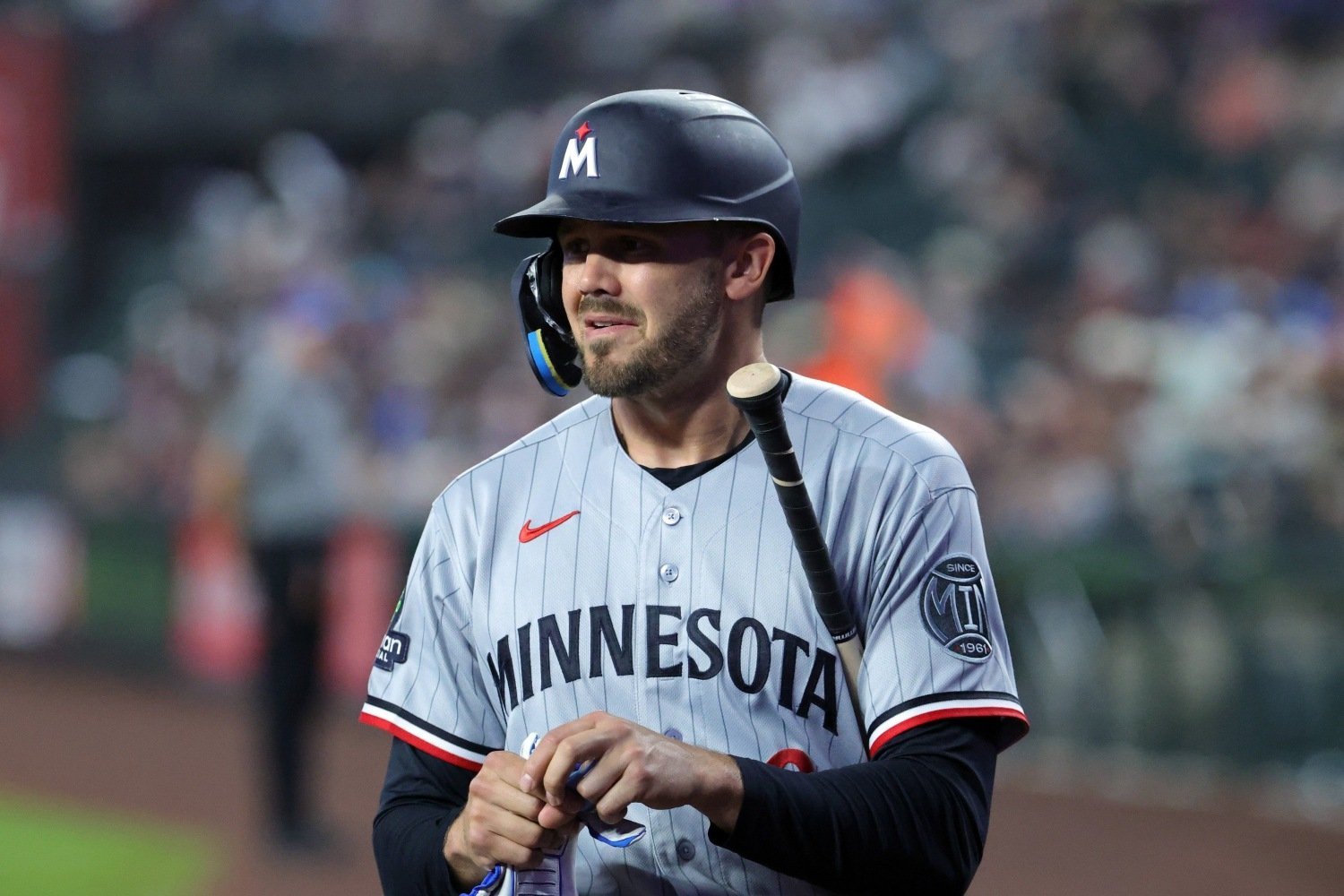 There's a lot of talk right now about what the Twins should—or shouldn't—do at this summer's trade deadline. Of course, last summer's fire sale left a sour taste in the mouths of Twins fans. Watching the front office move multiple veterans while the team drifted out of contention wasn't exactly fun, and it's understandable why many fans would prefer to avoid a repeat of that experience. The reality, though, is that another selling deadline is more likely than any other path. The Twins currently sit five games below .500 and own a 19-27 record against teams with winning records. There's still time to climb back into the race, but the margin for error is shrinking, and this team hasn't consistently shown that it's capable of beating quality opponents. Even if they don't become full-on sellers, it's very clear that moves have to be made. I think the easiest move to make this summer is trading Trevor Larnach. Moving Larnach makes sense for several reasons. The first is that he's in the middle of the best season of his major-league career. Entering Tuesday night’s game, Larnach is hitting .280/.377/.425. Both the batting average and the on-base percentage would be new career highs. While the power output hasn't quite lined up with previous years, there's still plenty to like about what he's done offensively. His strikeout rate is notably lower than it has been in previous years. He's controlling the strike zone better than ever, by sitting on fastballs and making sure he's on time when they come. Larnach is playing really good baseball, and that's part of why the Twins should consider trading him. It's important to acknowledge that he’s 29 years old. He's very much in the prime of his career right now, and if the Twins aren't a truly competitive team, that's not necessarily the type of player profile that makes the most sense to keep around. If the organization believes they can earn a Wild Card spot or even win the AL Central, then you're not trading Larnach, and essentially everything I say from here on out can be disregarded. But if the Twins are still trying to figure out what the next great team looks like, then maximizing the value of players in their prime should be a priority. There's also the contract aspect. Larnach has one more year of arbitration eligibility remaining before he reaches free agency. That means the Twins still have some team control left, which increases his value on the trade market. If they were to wait beyond this summer, they'd be dealing with a player entering a contract year. Naturally, that's going to reduce the return compared to what they could get now. For someone who's currently having the best season of his career, this may very well be the moment when his value is at its highest. Then there's the roster construction side of things. If the Twins did decide to trade Larnach, there would be no shortage of candidates to step up in his absence. Emmanuel Rodriguez has been on the minds of Twins fans for months. He's currently working his way back from injury, but assuming he's healthy later this summer, there's a very good chance he gets an opportunity to see major-league action. Left field would be one of the easiest pathways to getting his bat into the lineup. Alan Roden recently returned from his own injured list stint and has been red-hot at Triple-A. At one point during spring training, it looked like he had a legitimate chance to earn an Opening Day roster spot before ultimately falling short. He's done nothing but continue hitting since then; it feels like he's earned an opportunity. You also have Walker Jenkins, the organization's top prospect, waiting in the wings. Jenkins could easily force his way into the conversation before the season is over, and frankly, it would be nice to see him do so. Staying on the field will be the biggest obstacle, but health permitting, he should earn an opportunity. Hendry Mendez is another intriguing option. While he doesn't receive quite as much attention as Rodriguez or Jenkins, he's continued to put himself on the radar and could make his major-league debut during the second half. And let's not forget about Matt Wallner. Wallner's name has surfaced in trade conversations as well, but as things currently stand, he's still on the 40-man roster and remains another option. He certainly has less trade value than Larnach right now, and there's more team control remaining, so of the two, it makes more sense to move Larnach if the team is in sell mode this summer. That's five names that could immediately become part of the equation if the Twins decide to move on from Larnach. Even during a career year, he simply isn't producing at a level that makes him completely irreplaceable. He's a good player, but he's also playing a position where the Twins have an abundance of young talent waiting for opportunities. They can barely find playing time for all the outfielders they have in St. Paul, especially after the promotion of Kala'i Rosario. They need to ease the logjam somehow, at some point. In a different set of circumstances, the Twins might be looking at that group and discussing which prospect could be moved to acquire immediate help for a playoff run. But with the team sitting below .500, the more logical approach may be creating opportunities for those players, rather than blocking them. Keeping Larnach around while simultaneously trying to find at-bats for Rodriguez, Jenkins, Mendez, and Roden becomes increasingly difficult, making Larnach one of the organization's clearest trade candidates. There are contending teams around baseball that could use corner outfield help. Larnach is productive, affordable, and under team control beyond this season. That's a profile that should generate legitimate interest. Whether the Twins ultimately buy, sell, or try to walk the line somewhere in between, I think it's in their best interest to explore a Larnach trade. A month from now, if the Twins are sitting two or three games above .500 and firmly in the playoff picture, I'd probably have a change of heart. But as things stand today, trading Trevor Larnach this summer feels about as easy as it gets. View the full article
 -
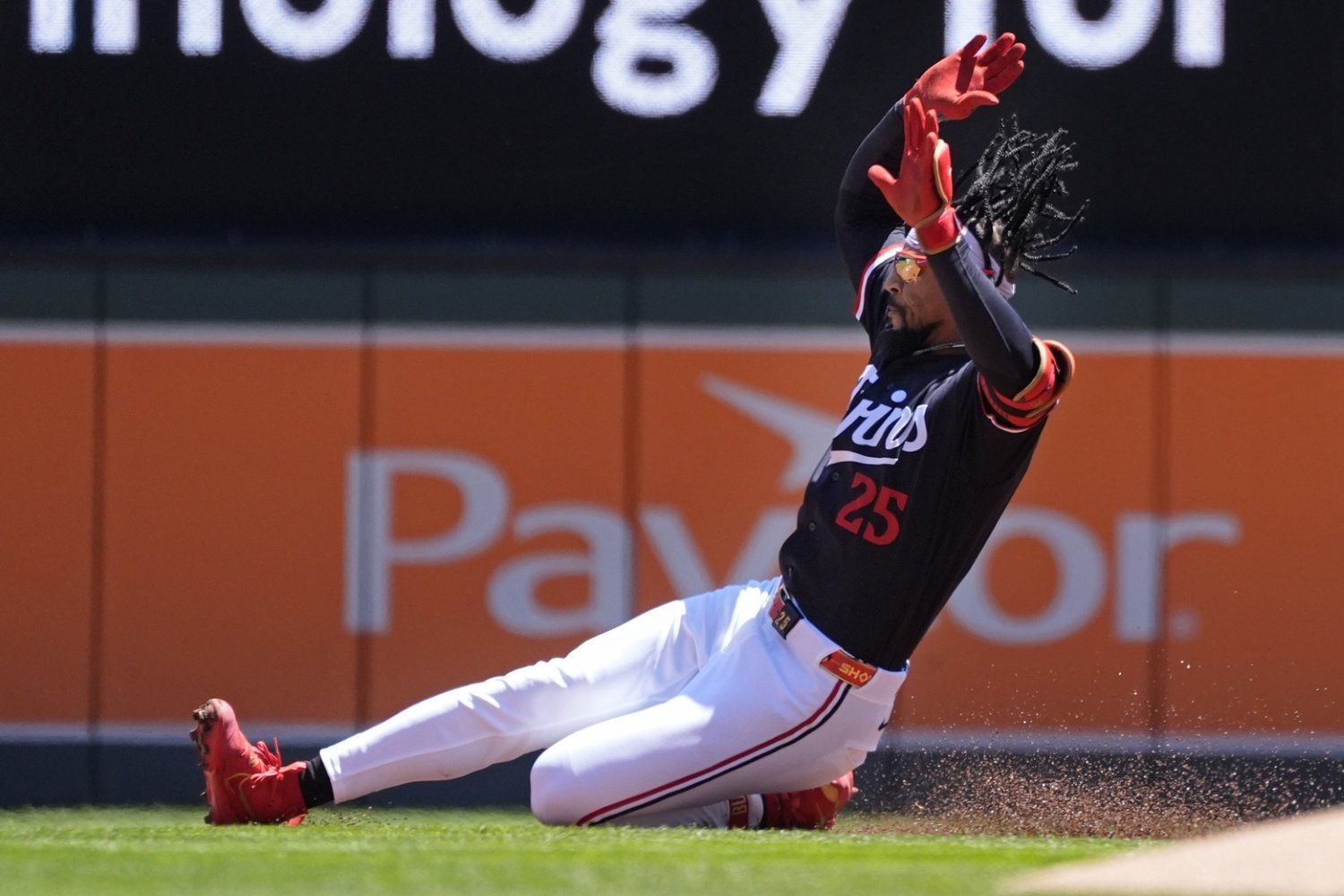 Minnesota Twins fans can officially stop refreshing trade rumor websites looking for Byron Buxton updates. On Tuesday, Twins general manager Jeremy Zoll delivered something front office executives rarely offer: a definitive answer. "We have no plans to trade Byron," Zoll said. "It's not something we're exploring. It's not something we plan to explore." That statement alone carries significant weight. Front offices are typically careful with their wording, especially as the trade deadline approaches. Executives often leave themselves flexibility, speaking in vague terms about listening on players or evaluating opportunities. Even when a team has little intention of moving a player, they rarely remove the possibility altogether. Zoll did exactly that. With the August 3 trade deadline approaching and Minnesota sitting in the middle of a crowded American League playoff race, recent speculation had connected Buxton's name to potential trade discussions. A national report from ESPN even suggested he could become the second best player traded if the Twins decided to pivot toward selling. Zoll's comments leave little room for interpretation. Buxton Has Been Carrying the Twins Part of the reason trade rumors gained traction is because Buxton's value has never been higher. Through 306 plate appearances, the Twins center fielder owns a .275/.333/.596 slash line with an American League-leading 25 home runs. When healthy, he's playing like one of the best players in baseball and has positioned himself squarely in the MVP conversation. Of course, health remains the lingering question. Durability has followed Buxton throughout his career, and it's impossible to discuss his value without acknowledging that reality. However, when he's on the field, few players impact a game the way he does. The Twins know that. Even though Minnesota sits four games below .500, they remain very much alive in both the AL Wild Card race and the AL Central. They're only two games out of a playoff spot and 3.5 games behind both Chicago and Cleveland in the division standings. Trading Buxton would signal a dramatically different organizational direction. Instead, Zoll made it clear the Twins aren't interested in taking that path. A Different Tone Than Last Year What's perhaps most interesting about Zoll's comments is how different they are from the organization's approach a year ago. Last summer, rumors circulated around several veteran players as Minnesota struggled to find consistency. While there was never any concrete indication that the Twins seriously considered moving Buxton, the organization never publicly dismissed the possibility either. That silence didn't go unnoticed. When Buxton arrived at spring training, he acknowledged some frustration with how the situation had been handled. "All it takes is for somebody at the top to go to the media, 'We're not trading you,'" Buxton said in February. "Trade rumors stop and now we don't have those conversations. That's how simple this could get." At the time, the comments stood out because Buxton rarely speaks publicly about front-office matters. While the situation clearly didn't damage the relationship between player and organization, it offered a glimpse into how unnecessary speculation can affect even veteran stars. Fast forward a few months and Zoll essentially provided the exact public backing Buxton had requested. Whether intentional or not, the message was received. Looking Beyond the Deadline The bigger story may not be whether Buxton gets traded, but whether the Twins eventually explore keeping him in Minnesota beyond his current contract. If both sides remain aligned, this offseason could present an opportunity to discuss an extension that allows Buxton to finish his career where it started. That's still speculative, but it's a far more realistic conversation than trade rumors at this point. For now, both the player and the organization are delivering the same message. Buxton said he isn't interested in leaving. The Twins say they aren't interested in moving him. Trade rumors may never completely disappear when a star player is involved, but Zoll's comments are about as close to a final answer as a front office executive can provide. View the full article
