


DiamondCentric
-
Posts
2,631 -
Joined
-
Last visited
Never
Content Type
Profiles
Forums
Events
News
Tutorials & Help
Major League Baseball Videos
Guides & Resources
Store
Downloads
Gallery
Everything posted by DiamondCentric
-
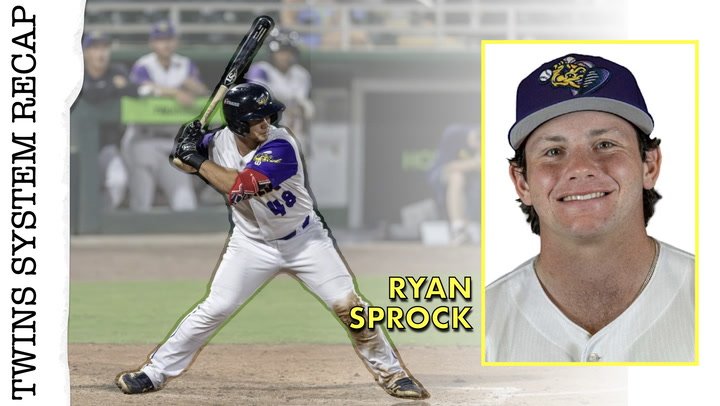 Twins System Recap: Ryan Sprock won't stop hitting! He's already extended his hitting streak three more games this week and is on the verge of breaking the all-time Fort Myers record. He was a standout performer, but so was teammate Quentin Young. It's been a tough season for Young, but he had a couple of good games this week, including one in which he ended with a walk-off homer. Among the many other players discussed in this one include Marco Raya, Walker Jenkins, Brandon Winokur, Eduardo Tait, and Jayson Bass. View the full article
 -

Reranking Padres' 2025 Trade Deadline Deals One Year Later
DiamondCentric posted an article in Padres Mission
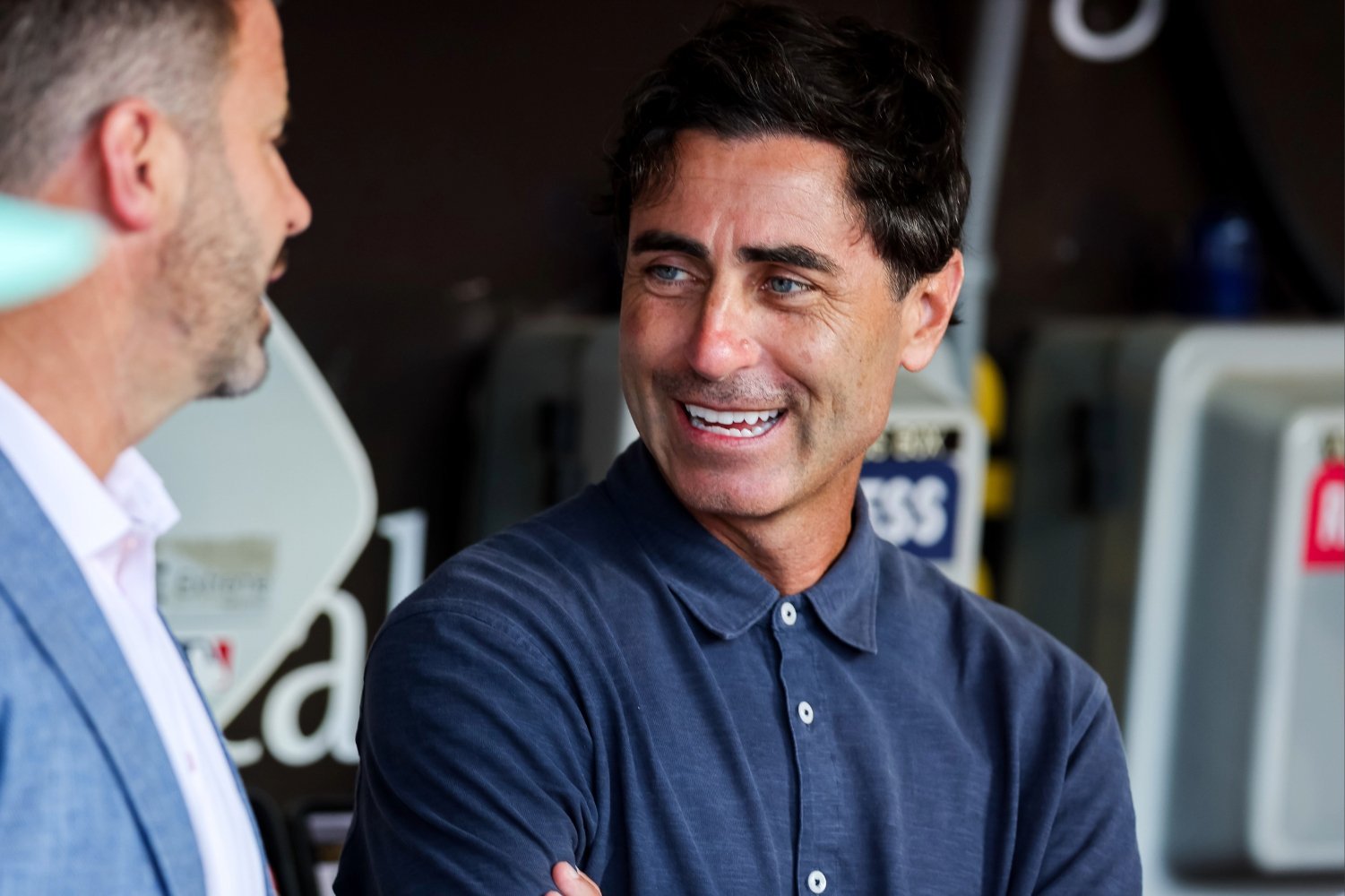 A.J. Preller isn’t a mad scientist, at least not technically. His role as San Diego Padres’ president of baseball operations and general manager doesn’t require a STEM degree. But his roster machinations and the construction of his contract offers can only be cooked up in a lab. Exhibit A: The 2025 trade deadline. On July 31, 2025, the day of the deadline, the Padres sat 11 games over .500 and were strong Wild Card contenders. That was thanks in large part to one the best pitching staffs in baseball, patched together in a typically Preller-ian fashion. Robert Suarez, the team’s erstwhile closer, was signed in 2021 from Japan. Starting pitcher Nick Pivetta, the team’s most valuable pitcher by bWAR, was signed on a bizarre four-year contract that paid him just $2.5 million in that first year. Various trades had brought in Dylan Cease, Randy Vasquez, and Michael King. That did not stop Preller from swinging five trades at the deadline, two of them major and one of them franchise-altering. The 2026 Padres are a worse team than last year's, but they’re again in the Wild Card hunt. No one really knows what Preller will do, but we know one thing: Preller will not sit on his hands. Below is a ranking and assessment of the 2025 deadline trades with the benefit of a year's worth of hindsight. 5. Milwaukee Brewers trade LHP Nestor Cortes, SS Jorge Quintana and cash to San Diego Padres for LF Brandon Lockridge Preller has made many successful trades, and his acquiring a minor-league Fernando Tatis Jr. in 2016 is at the top of the list. But for a GM as active as Preller, it is impossible to avoid some clunkers. This trade is one of them. Outfielder Brandon Lockridge was a useful bench player for a couple seasons, offering defensive versatility and speed on the basepaths. In 2025, he stole eight bags in 47 games for the Padres. But the Padres needed starting pitching in light of injuries to King and Yu Darvish, so they shipped Lockridge to Milwaukee for starter Nestor Cortes and prospect Jorge Quintana. Cortes started six games and pitched to a 5.47 ERA. He’s currently a free agent rehabbing from arm surgery. Quintana is 19-years old and playing in Single-A. Lockridge, for his part, is having a solid season as a bench player for a great Brewers team. As with most teams, the Padres are desperate for right-handed outfield depth. Lockridge would look quite nice in the brown and gold right now. 4. Kansas City Royals trade C Freddy Fermin to San Diego Padres for RHP Ryan Bergert and RHP Stephen Kolek The Friars are cursed at the catcher position, so it makes sense why Preller targeted Freddy Fermin. In 2023 and 2024, he had solid seasons at the plate, and throughout his career he has displayed excellent defense. There are not many all-around catchers in MLB. Fermin was one of them. Key word: was. Fermin was productive for the Padres last season in 47 games, but his slash line this season warrants a trigger warning. Brace yourself: It’s .145/.245/.258. Granted, his defense still makes him a valuable player—just barely—but the Padres’ anemic offense can’t afford the black hole in the lineup when he starts. Consequently, the Padres’ catcher carousel continues. They’ve started four different players at the position this year. Meanwhile, Stephen Kolek is for the Royals what he was for the Padres: an adequate number four or five in the rotation. In 14 starts for Kansas City, Kolek has a 3.28 ERA. (Ryan Bergert, a swingman, is rehabbing from Tommy John surgery.) 3. Toronto Blue Jays trade 3B Will Wagner to San Diego Padres for C Brandon Valenzuela The media pays attention to the blockbuster trades and fans dwell on the lopsided calamities, but most trades don’t change much about either team. One side may get payroll flexibility, while the other side may open up a roster spot. Prospects are exchanged and fade into the minor-league abyss. Replacement-level players on expiring contracts disappear as quickly as they came. This is one of those deals. Will Wagner has been fine for the Padres. Brandon Valenzuela has been fine, if not quite good, for the Blue Jays. This trade is fine. 2. Baltimore Orioles trade 1B Ryan O'Hearn, RF Ramón Laureano and cash to San Diego Padres for LHP Boston Bateman, RHP Tyson Neighbors, RHP Tanner Smith, SS Brandon Butterworth, SS Cobb Hightower and 1B Victor Figueroa This is one of two major trades Preller swung at the 2025 deadline, and, until Ramón Laureano went down with a season-ending injury this month, Preller crushed it. In the stretch run last year, Laureano was one of the Pads’ best players, registering an .812 OPS. That performance earned Laureano a starting outfielder spot in 2026, though his lingering hip issue ultimately turned this season into a wash. Ryan O’Hearn also contributed to the Padres’ postseason berth last season, accruing 0.5 bWAR in just 50 games. The other side of the ledger is still an open question. Boston Bateman, Tanner Smith, Cobb Hightower, and Victor Figueroa are all figuring things out in A-ball. Tyson Neighbors has an ERA over 10 at Double-A this season. Brandon Butterworth is the closest to the majors. Some or all of these players may become quality major leaguers, but if I was presented with that list of names before researching this piece, then I wouldn’t be sure if any of them were real minor-league players or extras in Bull Durham. This trade was the kind of win-now, low-cost move that Preller specializes in. The book’s not closed on the deal, not with so many young players sent to the Baltimore Orioles, but with Laureano and O’Hearn in tow, the Padres made the playoffs for the fourth time in five seasons. 1. Athletics trade RHP Mason Miller and LHP JP Sears to San Diego Padres for RHP Henry Baez, RHP Eduarniel Núñez, SS Leo De Vries and RHP Braden Nett Cue “Blind” by Korn. Closer Mason Miller hardly needs introduction. He is one of the most dominant pitchers in baseball, and he is under team control through 2029. That’d be case-closed on this trade, except Leo De Vries, the Padres’ former top prospect, might hit 150 home runs per season once he and his major=league team move to the thin, hot air of Las Vegas. In Double-A this season, the 19-year-old (!) has an OPS just a shade under .800, though he’s gotten better as he gains experience. In June, his OPS is .880. In the last week, it's over .904. With all due respect to the other players involved, this trade was essentially a one-for-one swap between Miller and De Vries. It was the Athletics making a bet that De Vries would develop into a generational shortstop and the Padres making a bet that Miller would continue being unhittable. So far, both bets are hitting. In any case, this is a veritable blockbuster, a trade that will reverberate for years, if not decades, to come. View the full article
 -
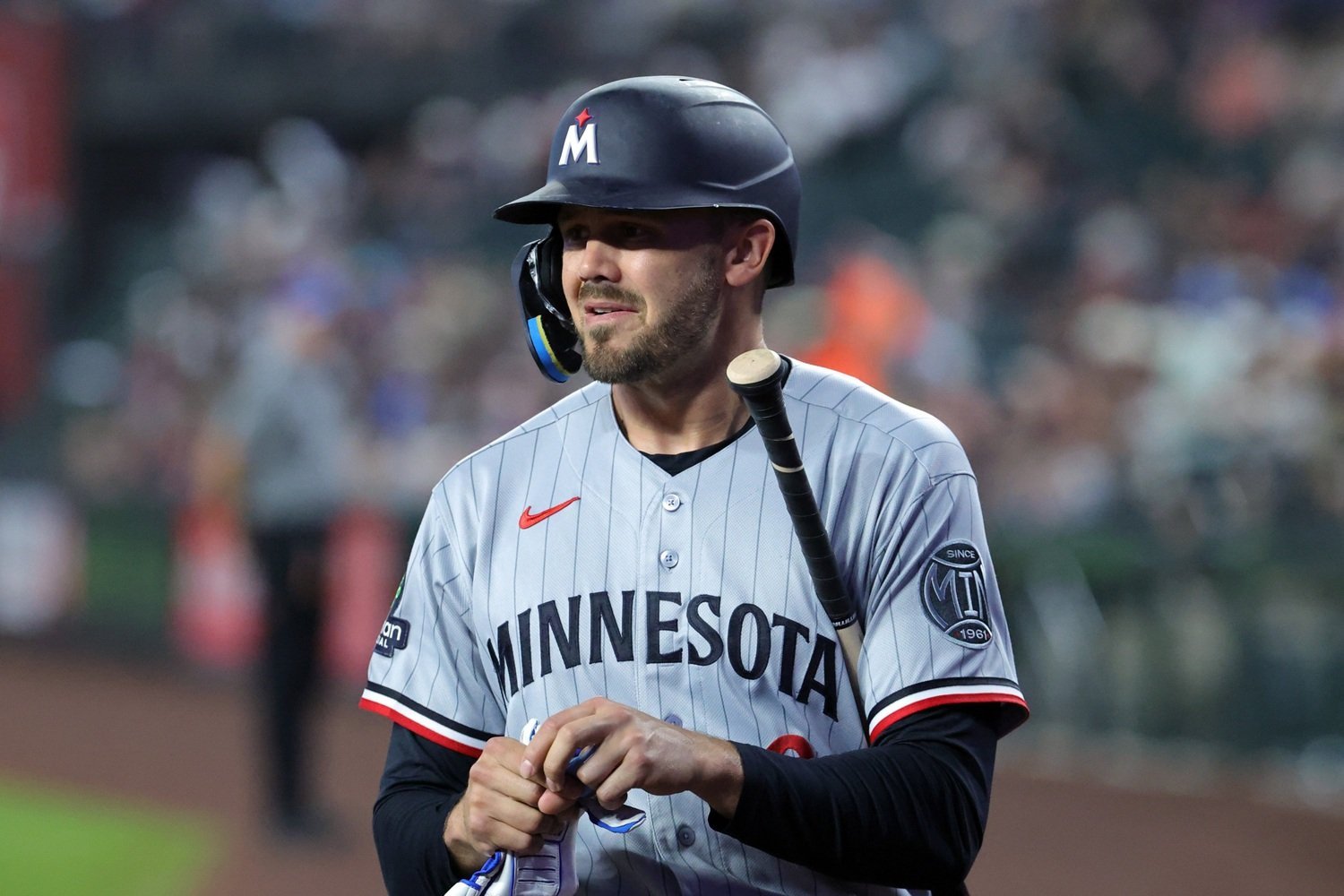 Trevor Larnach is having a nice season. So...trade him?? TD has, without a doubt, the absolute best Twins minor league coverage anywhere. Here's a great sample... Hopefully Ryan Jeffers returns soon from his broken hamate. Then what? Off to the Bombers? View the full article
 -
 A Biloxi split and another rout by red-hot Wisconsin were the only "normal" parts of Friday night's action. Can we have a serious discussion about the playing conditions in Arizona, especially for one 19-year-old catcher in particular? Transactions: Nashville Sounds returned LHP Jared Koenig to Milwaukee from rehab Nashville Sounds placed C Ramón Rodríguez on the 7-day injured list Nashville Sounds activated C Andrick Nava from the Development List Nashville Pre-Game Media Notes Final: Gwinnett (Braves) 13, Nashville 10 Box Score and Game Log Via the Sounds, game details, and we encourage readers to always review affiliate write-ups as part of their Link Report routine: Sounds Squander Eight-Run Lead Falling to Gwinnett - Luke Adams Belts Fifth Career Grand Slam Just going to copy this portion of the first paragraph of the linked game summary above in case you didn't visit immediately: "Gwinnett then scored 11 unanswered runs over the final five innings as the Sounds saw their lead vanish in the ninth." A Tale of Two Tweets: "Full-Fledged Rout" (3rd inning): Ouch. The game summary included more of the positive side of the video, including Luke Adams' grand slam, so be sure to visit the write-up. But it's also worthwhile to view this below in its entirety. Gwinnett picked up all the calls of the Voice of the Sounds' Jeff Hem, such a pro but like those in attendance, was in a bit of disbelief. Some weak but productive contact, some misplaced pitches, and insurance runs that didn't matter in the end but quite the drop in left field by Luis Matos. One of my favorite parts of the Nashville write-ups is the often-creative sub headers. This one, on this night, was perfect: "FUN TIL IT WASN'T" On base 14 times in his last six games, Luis Lara has his OPS for June up to .674 after a really rough start to the month. Had to investigate this on the archived game video (03:50:00 hour/minute mark): Ejections: Sounds center fielder Luis Lara ejected by HP umpire Jacob Metz (9th); Sounds right fielder Greg Jones ejected by HP umpire Jacob Metz (9th); Sounds manager Rick Sweet ejected by HP umpire Jacob Metz (9th). With one out and nobody on in the bottom of the 9th, Lara said something to the umpire as he walked away from home plate after being called out on a breaking pitch on the outside corner and was ejected. Nashville had a challenge left but Lara did not use it, puzzling. Tyler Black took ball one in the next at-bat, but there was yapping from the Sounds dugout and Jones, who struck out swinging in the prior at-bat, was tossed. Jones was skeptical of the first strike called against him in his at-bat. Out of the dugout came Sweet with a classic in-the-umpire-face confrontation with plenty of finger-pointing that quickly found the skipper in the clubhouse. Black would also strike out looking to end the game, Black challenged the final pitch, but it was wholly within the zone. Wild night in Nashville! Each game below was seven innings as scheduled. Biloxi pre-game media notes Final, Game One: Montgomery (Rays) 6, Biloxi 3 Box Score and Game Log Final, Game Two: Biloxi 6, Montgomery 3 Box Score and Game Log Shuckers Split Twin Bill with Biscuits - Biloxi Breaks Even in Doubleheader at Montgomery An old friend got things going: Areinamo had three hits plus a walk in the twinbill, however the 22-year-old only sports a .308 OBP on the season. Also from Game One, we all have interest in Cameron Wagoner, but it was a high fastball that was pulled out against him as he surrendered late runs for the Biscuits: From the nightcap: There are more clips via the Shuckers 'X' feed. Jesús Made sat out the nightcap after an 0-for-4 in Game One. There are inconsistencies in both box scores that MiLB will need to clean up. From the opener, Mark Coley II did not pinch-run twice. He did run for Mike Boeve, who had singled twice and walked up to that point. In the Game Two box, it shows starter Manuel Rodriguez getting the win but throwing only 2.1 innings (69 pitches). Reliever Nick Merkel will eventually be assigned the statistical victory. Once again, it was worth dipping into the MiLB.TV archive (go to the 01:06:00 hour/minute mark for the start of that half-inning). The first batter of the 3rd inning worked a 14-pitch walk, and it was a ten-pitch at-bat (RBI single) that ended Rodriguez' night. The heavy workload within that inning needed to be addressed and Rodriguez was pulled. Wisconsin Pre-Game Media Notes (download link) Final: Wisconsin 10, Cedar Rapids (Twins) 1 Box Score and Game Log Via the Timber Rattlers, game details: Rattlers Win Sixth Straight Game - 6-0 in the second half is the best start to a half in team history We might as well say that "Read, Watch and Listen" is the equivalent of "Stop, Drop and Roll" because the Timber Rattlers (uh, Udder Tuggers) are on fire. So, with that, you're familiar with the home game routine - game summary above, video package and podcast below. Enjoy! Postgame Podcast with Braylon Payne, Manager Nick Stanley and Wande Torres Somehow yours truly is nailing the Minor League Forum Pre-Game Thread titles this week. Friday night's choice was "Wisconsin Hopes to Wave Magic Wand(e) to Sixth Straight Second Half Win" 21-year-old southpaw Torres looked dejected after surrendering the 2nd inning home run you just watched to give the Kernels a 1-0 second inning lead, but goodness, he buckled down after that. Torres' game log will reveal that in his last two starts he has been dominant - as referred to in the game summary, 11.2 IP, 8 H, 1 R, 0 BB, 11 K. Corner fully turned and full steam ahead, hopefully. It's not like Ragsdale is ancient. The 2025 7th round pick out of Boston College turns 23 in December. Kudos to Northeast Regional scout Steve DiTrolio and subsequently the player development staff, and of course, Ragsdale himself. Have to imagine scouts from across the baseball landscape are taking note of the versatile outfielder (20 games in CF, 37 in RF in 2026), forcing the Brewers to fully assess what they have in this young man. Trade piece or long-term homegrown Brewer, keep building value, Josiah. Not about to gloss over the exploits of others here, because Braylon Payne (HR, single), Eric Bitonti (double, single, three stolen bases), Luis Castillo (double, walk, sacrifice fly) all deserve their due, and every man in the lineup contributed. This video featured on the Brewers website is excellent because not only does it feature all four of Luis Pena's stolen bases (how's that hamstring, Luis?), but it shows how he reached base prior to each instance. Suspended: Wilson 1, Fredericksburg (Nationals) 1, top of the 4th in Fredericksburg Box Score and Game Log (Thus Far) The Warbirds have men on 1st and 2nd with one out. "The action will resume Saturday with the same time and score at 5:05 PM (4:05 Central). The two teams will see out all nine innings of the first game and then play a seven-inning contest immediately after." Alexander Frias walked with two outs in the first inning, stole second, but was stranded. In the 4th, Frias grounded a sharp single to center to drive in Brady Ebel, who walked to open the inning. Frias then again attempted to steal second but was unsuccessful this time. Jose Anderson then lined a single to left and Rylan Mills walked before the umps called it a night for all. Southpaw Andrew Healy's only run allowed was on this home run. Final: ACL Royals 16, ACL Brewers 13 Box Score and Game Log And it was 13-13 going to the top of the 9th in Maryvale! The Royals, save for one passed ball, played clean defense, The Brewers were charged with five errors, two of those coming on catcher interference calls against 19-year-old Malachai Halterman, also charged with two passed balls. Now, let's chat. Halterman caught all nine innings of this game. First pitch temperature was 106 degrees. Halterman was behind the plate for all 219 pitches thrown by the five Maryvale pitchers, including four pitches officially ruled as "wild". Catcher Eric Martinez remained in the bullpen throughout. Game time three hours, 52 minutes. I don't care what the official defensive stats will show, young Mr. Halterman, but there had better be some serious discussions among Brewers Player Development this morning for what you endured Friday night. It's just plain wrong and dangerous. By the way, at the plate, Halterman singled twice, drove in a run, and stole his 8th base of the season (11 attempts). Props. A box score like this lends itself to all you diehards dissecting every bit of data - the three home runs in the game (all off Maryvale bats) and well, the combined 26 free passes via HBP's and walks, etc. Excuse me for not breaking it all down here, it's simply too much. Hope the postgame IV drip went well, Malachi. Final: DSL Brewers Gold 11, DSL CLE Mendoza (Guardians) 10 Box Score and Game Log Are you kidding with these Rookie-level games Friday night? After eight innings, Team Gold had a comfortable 7-3 lead. 18-year-old first-year RHP Jean Rivero opened the 9th looking for a four-inning save. Rivero pitched scoreless ball in the 6th, 7th and 8th allowing one single and one walk. only. The 9th began single, double, walk and reliever Dalvin Bodre was called upon and even retired his first batter on a lineout to first base. A bases loaded walk and sacrifice fly made it a 7-5 game, but hey, there were two outs, Next batter homered to put Gold in an 8-7 hole. More madness ensued and a third pitcher in the frame, Carlos Canales managed to strand two of the three runners he inherited from Bodre. It was now 10-7 heading to the bottom of the 9h. Needing four to win, Guardian pitchers obliged without retiring a single Gold batter: walk, double, wild pitch, walk, walk, pitching change, game-winning walk-off three-run double by just-turned 17-year-old shortstop Santiago Garcia, his third hit and second double of the contest. Ballgame. Three hours and 40 minutes of more rookie ball madness. Enjoy your box score dissection. Final: DSL Padres Gold 8, DSL Brewers Blue 7, eight innings (scheduled for seven) Box Score and Game Log A walkoff loss with both teams scoring multiple runs in the 10th? Again, are you kidding with these Rookie-level games Friday night? What did I tell you a few moments ago: Three hours and 27 minutes of more rookie ball madness. Enjoy your box score dissection. Despite the loss, have fun with the box score. Knock yourself out with the game log. As for me on this Saturday morning, I'm getting too old for this stuff. Kidding. Kind of. Oh joy, all three Rookie Complex teams play Saturday (day games). At least the two DSL squads face each other and can wreak havoc internally. Wilson has the quasi-doubleheader. We'll see Bishop Letson and Jayden Dubanewicz on mounds today, nice. If you made it this far, congratulations! Catch your breath and hope you all enjoy your day. Coincidentally and prior to Friday's action, I had arranged to shift tonight's Link Report duties to "Ro" Mueller, he'll take good care of you, I'm going to take a nap now. Organizational Scoreboard including starting pitcher info, game times, MiLB TV links, and box scores Current Milwaukee Brewers Organization Batting Stats and Depth Current Milwaukee Brewers Organization Pitching Stats and Depth View the full article
 -
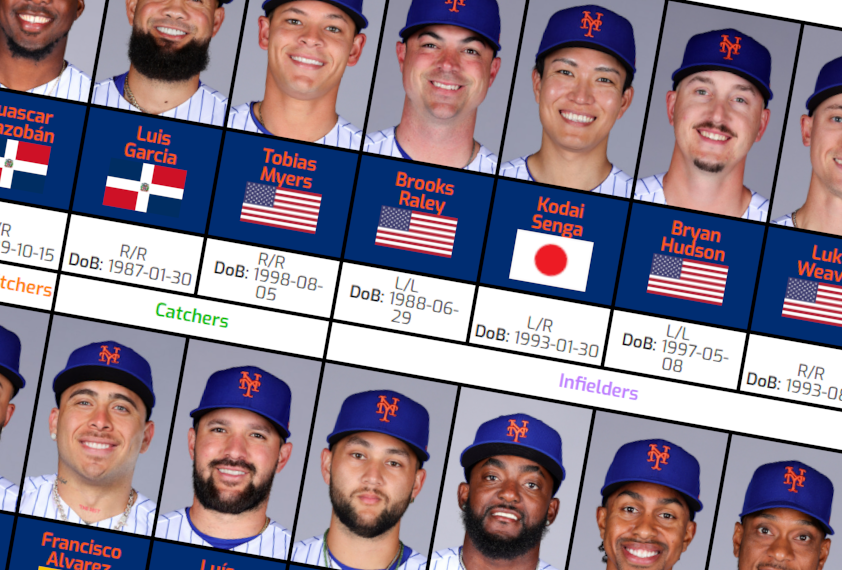 So it has come — the leadership change that is too late for some, too soon for David Stearns, but was deeply inevitable. Transactions, 6/24/2026 GOING Fired Demoted to Syracuse Demoted to Syracuse Manager Relief Pitchers Infielders Carlos Mendoza Daniel Duarte MJ Melendez S/R DoB: 1979-11-27 High Level: MLB (2026) R/R DoB: 1996-12-04 High Level: MLB (2019) L/R DoB: 1993-11-29 High Level: MLB (2019) COMING Transferred from Senior Vice President of Player Development Promoted from Syracuse Ended Rehab Assignment and Activated from IL Interim Manager Starting Pitchers Outfielders Andy Green Zach Thornton Tyrone Taylor R/R DoB: 1977-07-07 High Level: MLB (2026) L/L DoB: 2002-01-17 High Level: MLB (2026) R/R DoB: 1994-01-22 High Level: MLB (2026) Daniel Duarte did nothing to deserve appearing in this update. He returned to the team with a perfect ERA in his back pocket, and left without throwing a pitch. The same protestations of innocence will not avail Carlos Mendoza and MJ Melendez. Managers are almost always "terrific guys" the day after they get fired. This is mostly fair and gracious and the way it should be, for managers tend to take the fall for situations not entirely within their control. The policy is made above them and the performance occurs below them. They are the narrow choke-point of the process and make for the most concentrated target. Also, they often are, actually, decent guys. And from the Mets Roster Central standpoint, Carlos has been standup all the way. But before and after that day, a more forensic analysis needs to be done. Mendoza, to our eyes, was more of a manager of policy than a manager of people. He was not the captain that people burned to follow into battle. He certainly cared for the brand. MRC recalls the speech he made to his team after qualifying for the 2024 playoffs, when the SNY cameras made a rare intrusion into the team's locker room. Carlos congratulated his players, but made a point of reminding the team that their success is also a product of the scouting department and the development department. This was all true, and it needed to be said. But was it the message for that team in that moment? The players needed to be congratulated for having each other's back, carrying each other, and reminded that the guy in the next locker carried them. They still had a challenge ahead of them, and the fans were behind them. Carlos' comments amounted more of a speech for an external audience. He was thanking his friends in the organization and management. It was the act of the gracious man he is, but he could have done that with a phone call or text, and given them their public acknowledgment after the end of the post season, for better or worse. In the end, it was the loyalty of those friends of his in management that kept his tenure going so long. But the bread-and-butter notes that George H.W. Bush was famous for only got him one term, and so it was with Mendy. Carlos Mendoza — terrific organization guy. Not so much an us-against-the-world guy in the clubhouse. All the best to him. Zach Thornton's return can and should signal a new direction of the 2026 team under new manager Andy Green. With Thornton, Nolan McLean, Christian Scott, and Jonah Tong potentially rounding out the rotation in the months to come, with A.J. Ewing and Carson Benge anchoring the lineup, this team can put on a new character going forward, for better or for worse. Any players from Generation Peterson will have to justify their presence with performance day in and day out, or else meet the fate of David Peterson himself. Reload. Your 2026 New York Mets Starting Pitchers Relief Pitchers Sean Manaea Nolan McLean Freddy Peralta Zach Thornton Huascar Brazobán R/L DoB: 1992-02-01 R/R DoB: 2001-07-24 R/R DoB: 2996-06-04 L/L DoB: 2002-01-17 R/R DoB: 1989-10-15 Relief Pitchers A.J. Minter Tobias Myers Cionel Pérez Brooks Raley Kodai Senga Austin Warren Luke Weaver L/L DoB: 1993-09-02 R/R DoB: 1998-08-05 R/L DoB: 35176 L/L DoB: 1988-06-29 L/R DoB: 1993-01-30 R/R DoB: 1996-02-05 R/R DoB: 1993-08-21 Relief Pitchers Catchers Infielders Devin Williams Francisco Alvarez Luís Torrens Bo Bichette Brett Baty Francisco Lindor Ronny Mauricio R/R DoB: 1994-09-21 R/R DoB: 2001-11-01 R/R DoB: 1996-05-02 R/R DoB: 1998-03-05 L/R DoB: 1999-11-13 S/R DoB: 1993-11-14 S/R DoB: 2001-04-04 Infielders Outfielders Mark Vientos Eric Wagaman Carson Benge A.J. Ewing Juan Soto Tyrone Taylor Jared Young R/R DoB: 1993-12-11 R/R DoB: 1997-08-14 L/R DoB: 2003-01-20 L/R DoB: 2004-08-10 L/L DoB: 1998-10-25 R/R DoB: 1994-01-22 L/R DoB: 1995-07-09 Also on 40-Player Roster Starting Pitchers Relief Pitchers Clay Holmes Tylor Megill Christian Scott Jonah Tong Alex Carrillo Daniel Duarte Reed Garrett R/R DoB: 1993-03-27 R/R DoB: 1995-07-28 R/R DoB: 1999-06-15 R/R DoB: 2003-06-19 R/R DoB: 1997-06-06 R/R DoB: 1996-12-04 R/R DoB: 1993-01-02 Relief Pitchers Catchers Infielders Joey Gerber Justin Hagenman Dedniel Núñez Jonathan Pintaro Dylan Ross Hayden Senger Jorge Polanco R/R DoB: 1997-05-03 R/R DoB: 1996-10-07 R/R DoB: 1996-06-05 R/R DoB: 1997-11-07 R/R DoB: 2000-09-01 R/R DoB: 1997-04-03 S/R DoB: 1999-11-13 Infielders Outfielders Marcus Semien MJ Melendez Nick Morabito Jared Oliva Luis Robert, Jr. R/R DoB: 1990-09-17 L/R DoB: 1993-11-29 R/R DoB: 2003-05-07 R/R DoB: 1995-11-27 R/R DoB: 1997-08-03 Designated for Assignment Infielders Zack Short R/R DoB: 34848 Your Mets Coaching Staff Interim Manager Bench Coach Pitching Coach Hitting Coord. Third Base Coach First Base Coach Bullpen Coach Ass't Pitch. Coach Andy Green Kai Correa Justin Willard Jeff Albert Tim Leiper Gilbert Gomez José Rosado Dan McKinney DoB: 1977-07-07 DoB: 1989-07-14 DoB: 1990-09-09 DoB: 1992-08-16 DoB: 1996-07-19 DoB: 1992-03-08 DoB: 1974-11-09 DoB: 1989-06-06 Hitting Coach Strategy Coach Catching Coach Coaching Assistant Bat'g Pract. Pitcher Equip. Manager Bullpen Catcher Bullpen Catcher Troy Snitker Danny Barnes J.P. Arencibia Rafael Fernandez Kevin Mahoney Kevin Kierst Eric Langill Dave Racaniello DoB: 1988-12-05 DoB: 1989-10021 DoB: 1986-01-05 DoB: 1988-08-03 DoB: 1987-05-11 DoB: 1964-07-09 DoB: 1979-04-09 DoB: 1978-06-03 Your Mets Training Staff Director of Player Health Head Athletic Trainer Assistant Athletic Trainer Recond. Coordinator Recond. Therapist Head Performance Coach Assistant Performance Coach Performance Coordinator Soft Tissue Specialist Brian Chicklo Joseph Golia Bryan Baca Sean Bardanett Josh Bickel Dustin Clarke Tanner Miracle Jeremy Chiang Hiroto Kawamura DoB: 1972-07-17 DoB: 1978-??-?? DoB: Circa 1980 DoB: 1988-06-23 DoB: 1996-??-?? DoB: 1987-??-?? DoB: 1991-??-?? DoB: ????-??-?? DoB: 1962-07-19 View the full article
 -
 Syracuse got a quality start from Jonah Tong and four hits from Yonny Hernández as it defeated Lehigh Valley 4-3 in 10 innings on Friday. Brooklyn edged Jersey Shore 6-5, coming back after blowing an early lead. John Bay clubbed a three-run homer in the first inning for the Cyclones, while Gregori Louis, Hoss Brewer, and Juan Arnaud combined for four scoreless innings of relief. Binghamton was blanked 6-0 at Erie. Gabriel Rodriguez's two scoreless frames were a bright spot. St. Lucie fell 6-2 at Fort Myers, but Elian Peña had a productive night with two hits, an RBI, and two walks. Mets Transactions New York Mets sent RHP Dedniel Núñez on a rehab assignment to St. Lucie Mets. New York Mets activated CF Tyrone Taylor from the 10-day injured list. New York Mets optioned DH MJ Melendez to Syracuse Mets. New York Mets recalled LHP Zach Thornton from Syracuse Mets. New York Mets optioned RHP Daniel Duarte to Syracuse Mets. Tong Effective, Hernández Collects Four Hits As Syracuse Edges Lehigh Valley The Syracuse Mets won 4-3 in 10 innings on the road over the Lehigh Valley IronPigs. The eventual winning run scored on an error by Lehigh Valley's pitcher, who threw wildly to first base on a pickoff attempt. The biggest development of the night was Jonah Tong turning in a quality start. The right-hander allowed two runs and four hits over six innings, walking two and striking out three. His command was excellent overall; 69 of his 98 pitches were strikes. The effort was a needed turnaround for Tong. He has struggled for most of the season, and before Friday he had allowed 15 earned runs in his last 12 innings (11.25 ERA). The Mets also got a big night from Yonny Hernández, who went 4-for-5 with a double, an RBI, and two stolen bases. Syracuse scratched out single runs in the sixth, seventh, and eighth after being blanked for the first five. In the sixth, Jihwan Bae doubled in Cristian Pache to tie the game 1-1. In the seventh, Grae Kessinger drove in Jared Oliva with a sacrifice fly. In the eighth to make it 2-2. In the eighth, Vidal Bruján scored from first on Hernández's double to put Syracuse ahead 3-2. After Lehigh Valley tied the game in the ninth, Syracuse went back ahead in the 10th. Ghost runner Hayden Senger advanced to third on a Pache sacrifice bunt and then scored on the throwing error. Danis Correa closed out the win with a scoreless 10th. Player AB R H RBI BB K Jihwan Bae 5 0 1 1 0 1 Vidal Bruján 5 1 1 0 0 3 Yonny Hernández 5 0 4 1 0 1 Ryan Clifford 5 0 1 0 0 2 Jared Oliva 4 1 1 0 0 0 Ben Rortvedt 4 0 0 0 0 1 Grae Kessinger 3 0 1 1 0 1 Hayden Senger 4 1 0 0 0 1 Cristian Pache 3 1 1 0 0 2 Player IP H R ER BB K HR Jonah Tong 6 4 2 2 2 3 1 Ben Simon 1 1/3 2 0 0 0 0 0 Jefry Yan 1 2/3 1 1 1 1 4 0 Danis Correa 1 0 0 0 0 1 0 Rumble Ponies Blanked In Erie; Rodriguez Sharp In Relief The Binghamton Rumble Ponies were shut out 6-0 on the road against the Erie SeaWolves. The offense managed only four hits and five walks while leaving seven on base. Jaylen Palmer doubled and drew a walk, JT Schwartz singled and walked, and Wyatt Young and Nick Roselli each added a single. Nick Lucky walked twice. Starter Channing Austin took the loss. He allowed three runs on two hits, walking three and striking out one, in his one inning of work. Gabriel Rodriguez followed with two scoreless innings, surrendering one hit and striking out four. Max Green went the final five innings, allowing three runs on five hits, walking two, striking out four, and giving up one home run. Player AB R H RBI BB K Jose Ramos 4 0 0 0 0 0 JT Schwartz 3 0 1 0 1 0 Vincent Perozo 4 0 0 0 0 1 Matt Rudick 4 0 0 0 0 2 Wyatt Young 4 0 1 0 0 2 Jaylen Palmer 3 0 1 0 1 1 Kevin Villavicencio 3 0 0 0 1 0 Nick Lucky 1 0 0 0 2 0 Nick Roselli 3 0 1 0 0 1 Player IP H R ER BB K HR Channing Austin 1 2 3 3 3 1 0 Gabriel Rodriguez 2 1 0 0 0 4 0 Max Green 5 5 3 3 2 4 1 Bay Homer, Late Rally Lift Brooklyn Past Jersey Shore The Brooklyn Cyclones rallied to defeat the Jersey Shore BlueClaws 6-5 at home after surrendering an early lead. John Bay set the tone with a three-run homer, his 10th of the season, in the first inning, But Jersey Shore touched up Brooklyn starter Jose Chrinos for five runs in the fourth to take the lead, going deep three times. The Cyclones came back in the sixth to tie the game 5-5. Jamari Baylor drove home Daiverson Gutierrez with an infield hit, and Colin Houck scored when the throw to first couldn't be handled. In the seventh, Gutierrez singled home Ronald Hernandez for the go-ahead run. Hernandez reached base four times in all (double, three walks), scored twice, and stole a base. Chirinos lasted five innings, allowing five runs on five hits, walking two, and striking out five. The bullpen was outstanding, as Joe Jacques, Gregori Louis, Hoss Brewer, and Juan Arnaud combined for four scoreless innings. Louis earned the win, and Arnaud notched the save. Player AB R H RBI BB K Yonatan Henriquez 5 1 1 0 0 1 Ronald Hernandez 1 2 1 0 3 0 John Bay 3 1 1 3 0 1 Corey Collins 3 0 0 0 1 0 Daiverson Gutierrez 3 1 1 1 1 0 Colin Houck 4 1 1 0 0 2 Jamari Baylor 4 0 2 1 0 0 Trace Willhoite 4 0 0 0 0 3 Sam Biller 4 0 2 0 0 2 Player IP H R ER BB K HR Jose Chirinos 5 5 5 5 2 5 3 Joe Jacques 1 0 0 0 1 1 0 Gregori Louis 1 0 0 0 0 1 0 Hoss Brewer 1 0 0 0 0 3 0 Juan Arnaud 1 0 0 0 0 2 0 Peña Shines In St. Lucie Loss To Fort Myers The St. Lucie Mets fell 6-2 on the road to the Fort Myers Mighty Mussels. Elian Peña went 2-for-3 with an RBI, a stolen base, and two walks to pace the offense. Taylor Darden added two hits, a walk, and a stolen base. Chase Meggers doubled and drove in a run. Antonio Jimenez reached three times (single, two walks), scored a run, and stole a base. St. Lucie got its runs in the sixth and ninth. In the sixth, Meggers doubled in Jimenez. In the ninth, Peña singled home Darden. Starter Jonathan Jimenez took the loss, allowing five runs and four hits over 2 2/3 innings, walking four, striking out one, and surrendering three home runs. Caden Wooster allowed one run in 2 1/3 innings of relief. Joe Scarborough followed with two scoreless innings and three strikeouts, and Zack Mack tossed a scoreless ninth. Player AB R H RBI BB K Elian Peña 3 0 2 1 2 0 Trey Snyder 4 0 0 0 1 3 Antonio Jimenez 2 1 0 0 2 0 Simon Juan 4 0 1 0 0 1 Branny De Oleo 4 0 1 0 0 1 Chase Meggers 4 0 1 1 0 1 Francisco Toledo 4 0 0 0 0 0 Taylor Darden 3 1 2 0 1 0 Jackson Hauge 3 0 0 0 1 2 Player IP H R ER BB K HR Jonathan Jimenez 2 2/3 4 5 5 4 1 3 Caden Wooster 2 1/3 1 1 1 0 1 1 Joe Scarborough 2 1 0 0 2 3 0 Zack Mack 1 3 0 0 0 0 0 Top-20 Prospect Performance Carson Benge: MLB A.J. Ewing: MLB Jonah Tong: 6 IP, 4 H, 2 R, 2 ER, 2 BB, 3 K, 1 HR Elian Pena: 2-for-3, RBI, SB, 2 BB Jack Wenninger: DNP Ryan Clifford: 1-for-5, 2 K Jacob Reimer: DNP Nick Morabito: DNP Mitch Voit: DNP Jonathan Santucci: DNP Chris Suero: DNP Zach Thornton: DNP Wandy Asigen: DNP Will Watson: DNP Eli Serrano III: DNP Randy Guzman: DNP Ryan Lambert: DNP Dylan Ross: DNP Antonio Jimenez: 0-for-2, SB, 2 BB R.J. Gordon: DNP View the full article
 -
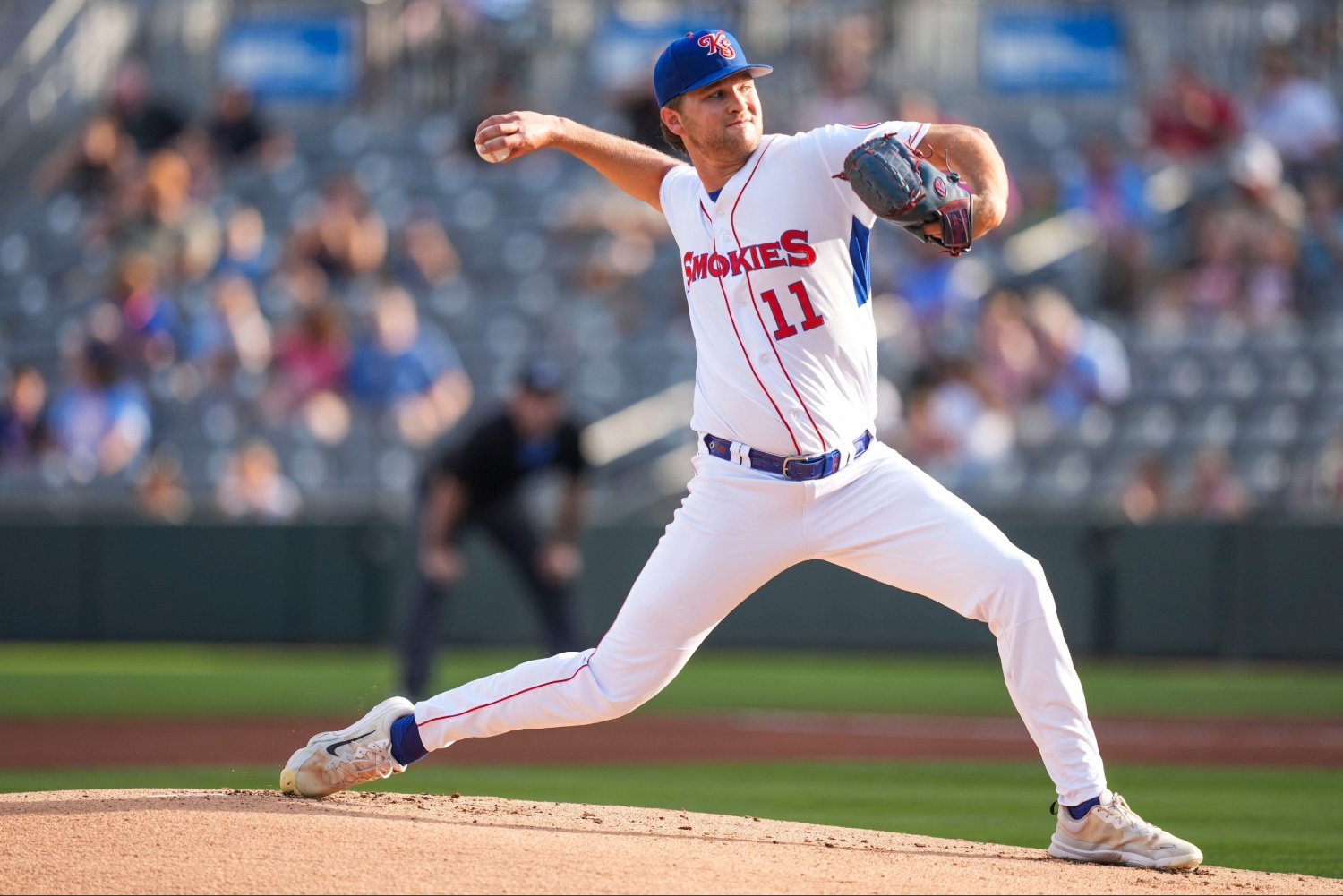 As the calendar is set to turn from June to July, baseball is about to hit its midpoint of the season, both at the highest levels and in the minors. This means players are starting to differentiate themselves in meaningful ways beyond just a hot streak or a cold snap. The good news for the Chicago Cubs is that they've had a relatively strong season down on the farm, but that doesn't mean everyone's having a career year. Whose stock is up? Whose is down? Chicago Cubs Updated Top-20 Prospects List (June 2026) 1. Jefferson Rojas, INF 2. Pedro Ramirez, INF* 3. Jaxon Wiggins, SP 4. Josiah Hartshorn, OF 5. Kevin Alcantara, OF 6. Ethan Conrad, OF 7. Kane Kepley, OF 8. Owen Ayers, C 9. Jonathon Long, 1b 10. Kaleb Wing, SP 11. James Triantos, INF 12. Brooks Caple, SP 13. Mason McGwire, SP 14. Ty Southisene, INF 15. Will Sanders, SP 16. Juan Cabada, INF 17. Eli Lovich, OF 18. Ariel Armas, C 19. Jostin Florentino, SP 20. Grant Kipp, SP *indicates a player who has since graduated from prospect status since our most recent vote. New Additions Mason McGwire, SP Mason McGwire took a little time to get going, but now, fully healthy, he's showing what intrigued the Cubs back in 2022. Flashing upper-90s velocity and an improved level of control, the righty has worked his way to South Bend and could see Knoxville by the end of the year. The downside here is clearly the injury risk, as his 45 IP so far in 2026 marks a new career high since turning professional. If he can remain healthy, there's mid-rotation (or better, if the secondaries develop) upside. Ariel Armas, C Ariel Armas was drafted with one massive feather in his cap: the guy is a great defender behind the plate. While at San Diego University, Armas won the NCAA Gold Glove for his play behind the dish. Having the defensive aspect of the game in spades, Armas only needs to be a "bad hitter" to have an MLB pathway as a catcher, and he seems to have just enough juice offensively to keep him interesting. His 70 wRC+ in Knoxville isn't good enough yet, but it's not far off if the glove is as good as advertised. Armas does not have a starter's profile, but with a few years of seasoning, he probably will get a shot to be a big-league backup someday. Grant Kipp, SP Grant Kipp has been on the fringes of being ranked in the top-20 over the last few seasons, and the 26-year-old now finds his name on this list. While he's been given the bulk of his time starting in the minors, he's likely ticketed for an MLB bullpen, maybe even as soon as 2026. His slurve-y breaking ball is hell on right-handed hitters, and his fastball plays up just enough, sitting 92-94 as a starter, that you could believe 93-95 could be in play from the pen. He's got good size and a nasty demeanor on the mound, too. There's a decent shot we get a look at Kipp in Chicago this year. Biggest Risers Josiah Hartshorn, OF There's a legitimate argument to be made that Hartshorn is the best prospect in the Cubs' system. The over-slot 2025 draft pick has looked nothing short of a star, breezing through Myrtle Beach and has hit nary a speed bump in South Bend. Hartshorn should be a freshman, playing in the SEC, but legitimately could make Knoxville by the end of the year. That's amazing. So far through roughly 100 plate appearances in High-A, the switch-hitting outfielder has posted a 164 wRC+, has belted nine home runs in just 27 games, and has maintained a K-rate under 20%. There's a long way to go, but so far, he looks every bit of a very special hitter whose future defensive home isn't even a worry with how good his bat has been. Owen Ayers, C The story on Owen Ayers is one of the best in the entire system. Ayers, a 19th-round selection out of Marshall in 2024 (the 572nd player selected overall), was kind of an afterthought on draft day. Two years later, we're seeing a real breakout from the switch-hitting catcher. Ayers has made short work of Double-A so far, posting a 174 wRC+, 14 home runs, and a very acceptable 26.3 K%. The one drawback is that Ayers is 25, which is obviously near the elder stages for a legitimate prospect. With that said, he's new to the position, and catchers tend to be slow to develop. If he were 22 years old, he'd be a top prospect, not just in the system but in the league. But that he's 25 has likely kept him under the radar. Don't sleep on him. Kaleb Wing, SP Kaleb Wing was an over-slot prep arm from the 2025 draft class. He looked to have a live arm, and with development, he could begin to pop, and pop he has. He's sped through the Complex League and now has found himself in Myrtle Beach. He's shown mid-90s velocity with room to grow and has struck out one-third of the hitters he's faced. Control is still a bit of a work in progress, but he's showing early signs of upside and has rocketed up the Cubs' top-20. Biggest Faller Jonathon Long, 1B Jonathon Long is proving how hard it is to be a minor-league first baseman; you have to hit from day one, and you simply cannot stop. Posting a 131 wRC+ in Iowa last year had Long almost called up to the MLB team. Had he not suffered an elbow injury in spring training, he may have been the most logical hitter to take the spot vacated by Tyler Austin when he underwent knee surgery. However, since then, Long has fallen down the pecking order due to a weak second year in Iowa. His .724 OPS on the surface isn't horrible, but part of the issue is that Iowa plays in the International League, and right now, it's as if every ballpark is playing like prime Coors Field; offensive outputs are off the hook right now. This means that Long has been 14% worse than league average, and at his position, this puts a damper on your light. Hopefully for the Cubs and Long, his power stroke comes back in the second half, but if not, it's likely we'll see him fall down the ladder a bit more. Cubs' Farm System Outlook Realistically, this has been a really, really good year for the Cubs' system. Despite Rojas getting off to a weak start (he's since turned on the jets and is absolutely blistering the baseball) and injuries to Jaxon Wiggins and Ethan Conrad, the system has had almost everything else go right. The 2025 draft class has looked like an absolute haul so far, with Kane Kepley and Josiah Hartshorn already getting top-100 love and Kaleb Wing flashing upside. They've even found a few pitchers to get excited over, like Brooks Caple, Mason McGwire, and Grant Kipp. While it isn't a top-10 system today, the Cubs are showing an ability to develop and replace. Over the last few years, Pete Crow-Armstrong, Cade Horton, Moises Ballesteros, Matt Shaw, and others have come through the system and graduated from prospect status. Yet the team has continued to find new talent through (primarily) the draft and International Free Agency. This should fill fans with hope that they can create a consistent churn of talent. It could have easily been a tough year on the farm as the team waited for the 2026 draft to restock, but instead, they've seen some real breakout performances. They're really just missing the big-time pitching upside, and it's likely the team will look to address this come the next few weeks when they add 18-20 new names to the system. Who is your biggest riser in the Cubs' system? Your biggest disappointment? What do you think of the Cubs' minor-league system today? Sound off in the comments below! View the full article
 -
Red Sox's Craig Breslow Era Is Set to End With A Whimper
DiamondCentric posted an article in Talk Sox
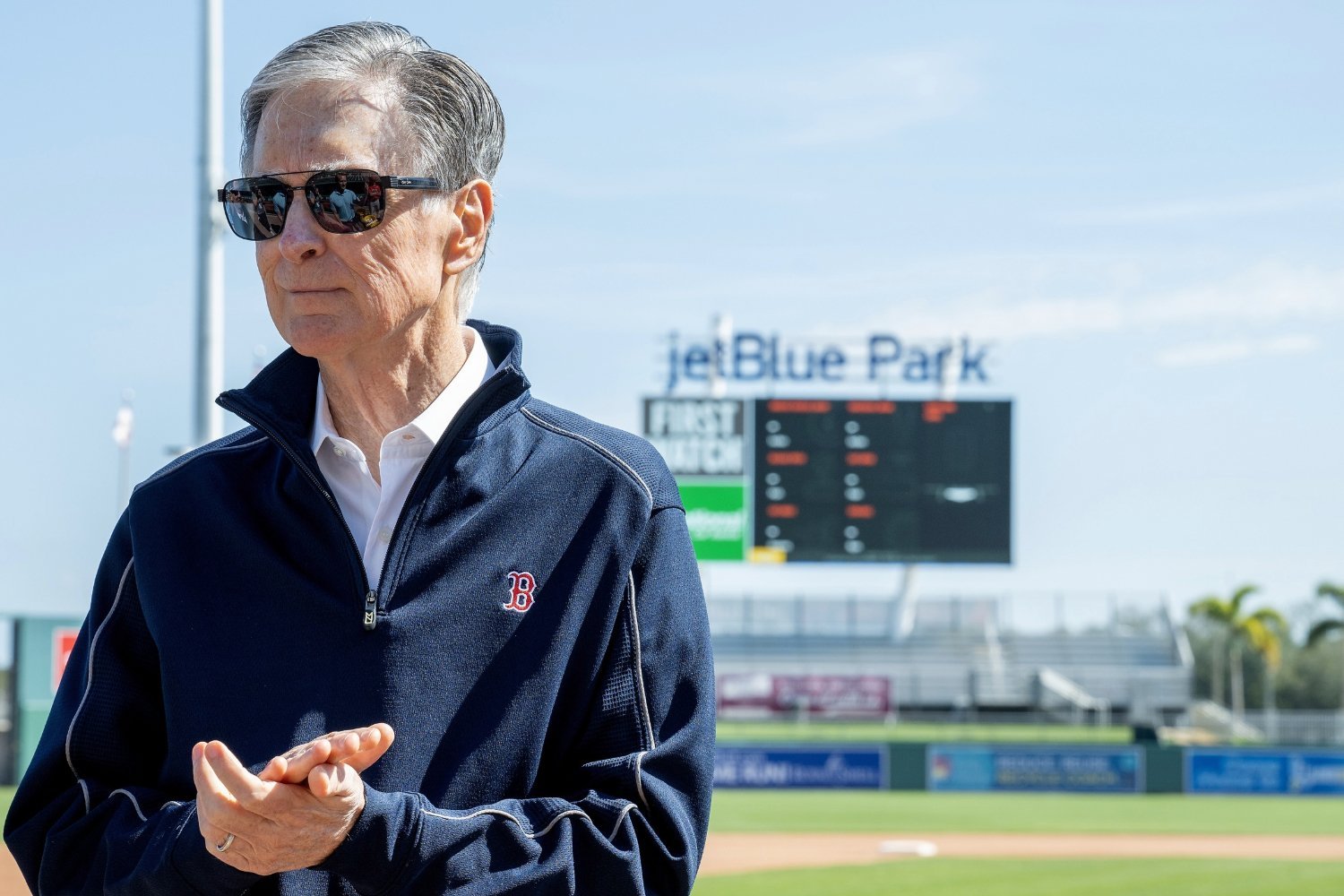 At the risk of sounding like a broken record as of late, the Boston Red Sox are awful in 2026. It’s a shame coming off a postseason appearance in 2025 that should have pointed president of baseball operations Craig Breslow in the right direction. Even the free-agent signings believed they were coming into a situation where they would “breeze to get to the playoffs," at least according to Isiah Kiner-Falefa. He even went on to say that his goal with signing in Boston was to be a bench player for a championship team, so even those who weren’t with the organization last year saw the direction the team should have been headed. “Should” is the operative word in that sentence. We’re now no longer in ‘well it’s still early’ territory, and the Red Sox are what they are as we approach the halfway point of the season. In an effort not to mince words: They are a sub .500 team that struggles at home and seems to be allergic to hitting with runners in scoring position. It’s the end of June and the season already feels lost. The team can’t keep up in a middling American League Wild Card race and, even if they somehow managed to limp their way into that third spot, they’d be certainly eliminated in short order. With all of that being said, the most obvious path forward for the Red Sox is to let Craig Breslow go sooner than later. Breslow is an excellent pitching coordinator. He’s drafted and developed some of the best arms that the organization has seen in years, but that’s about as far as his credentials go. He terminated most of the scouting department during the first 18 months of his tenure and the big-league club has suffered mightily from it. The team that is on the field day in and day out for the Red Sox can’t function properly as a major-league team. There’s far too many utility players with everyday roles, there’s almost zero power outside of Willson Contreras, and the bullpen has been incredibly leaky outside of Aroldis Chapman and Garrett Whitlock. I’m not going to sit here and rehash the firing of Alex Cora and the majority of his coaching staff, but that gave us a bit of a peak behind the curtain as to the true feelings of Fenway Sports Group’s opinion of Breslow. The morning after the firings, Breslow sat at a table next to Sam Kennedy and said that the decision to move on from Cora and crew was a mutual decision. Within seconds, Kennedy pinned the decision solely on Breslow. Ownership signed off on it, of course, but they essentially looked at Breslow and said, “Okay, you can do this, but just know there’s no one else to be the fall guy if things don’t get better.” To absolutely no one’s surprise, things have arguably gotten worse. Garrett Crochet and Roman Anthony have spent significant time on the injured list, Jarren Duran looks like a shell of himself at the plate, and the catching situation is maybe the most confusing roster dilemma in all of baseball. Speaking of the catching situation, it paints a clearer picture for how Breslow didn’t learn anything from the drama that surrounded Rafael Devers last season. It was reported time and time again that Devers wasn’t spoken to about his changing roles, then when he was approached about possibly moving to first base he was combative because he felt he had been disrespected and blindsided. Now, Carlos Narvaez has spoken to The Athletic’s Jen McCaffrey about how his playing time has been diminished but he hadn’t been told anything by either Chad Tracy or someone in the front office. Breslow recognizes that communication isn’t a strong point of his, but it’s gotten to the point that, according to Boston Globe’s Tim Healey, multiple officials within the organization believe that Breslow would benefit from having a “baseball interpreter” to convey his overall message to the players. This shouldn't need to be said, but the freaking President of Baseball Operations shouldn’t need someone else to convey his message and vision to the team. If Craig Breslow can’t effectively communicate, then he doesn’t need to be in a position of leadership with the team. What should be the final nail in the coffin for Breslow is the fact that his past two trade deadlines have been absolutely abysmal. I took at look at those deadlines to see if we could figure out what direction Breslow is going to take in 2026 and came up with the following: He struggles to pick a lane and ends up putting the team in a much worse position because of it. To add onto that, ESPN’s Buster Olney went so far as to say that “someone in ownership” was picking up the phone to talk trades with other clubs. While it shouldn’t come as a surprise that ownership has to be involved to sign off on any big trades that occur, they shouldn’t have to be the ones making the calls to get conversations started. Ownership should only be involved at the finish line of a trade, since they need to approve the money moving in each direction. If they don’t trust their front office chief enough to let him negotiate his own trades, why does he still have a job? If he can’t handle one of the most important aspects of his role, he doesn’t need to occupy space in the front office anymore. Fenway Sports Group has publicly backed Craig Breslow so far this season, and they pretty much have to publicly. They can’t come out and say that they are considering firing him; that’s not practical nor the way you run a business. Remember, they made similar comments around this same time about both Chaim Bloom and Dave Dombrowski during their eventual final seasons with the team. It finally seems like John Henry is frustrated with the direction of the Red Sox if both Sean McAdam and David Ortiz are to be believed. If that’s the case, then the difficult decision needs to be made to move on from Craig Breslow now. If they wait much longer, they run the risk of a trade deadline that is mishandled and delay the ability to start looking for his replacement prior to the 2027 lockout. The time to act is now. View the full article
 -
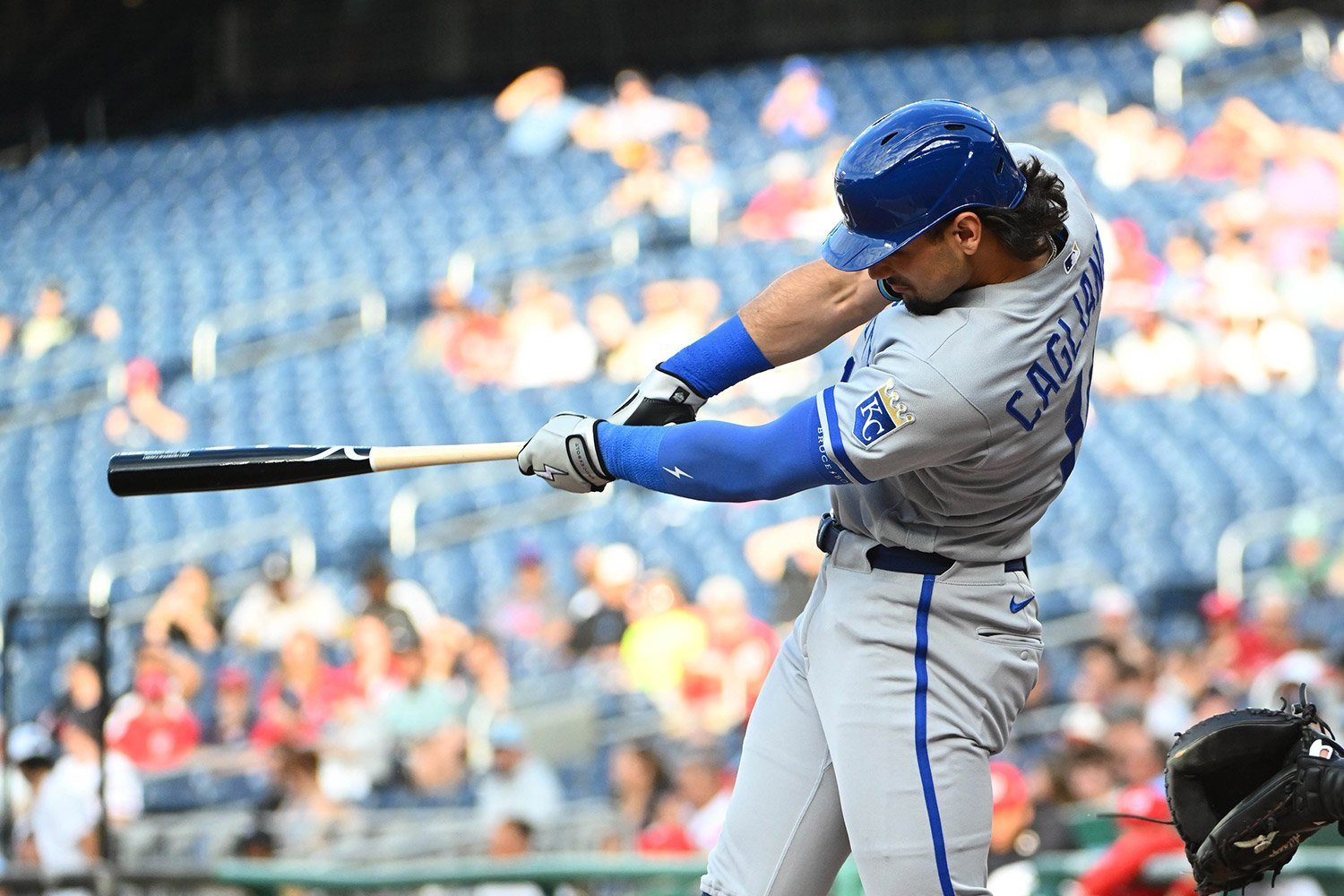 When the Kansas City Royals drafted Jac Caglianone with the sixth overall pick in 2024, they knew they had a future star worth the wait. Yes, he has some strikeout issues, and that was true back then, but his power potential was off the charts. Boy, are they enjoying the latter now. After a rough MLB showing last year and a rather quiet first couple of months in 2026, Caglianone is breaking out and starting to realize his vast power potential right before our eyes. The lefty slugger is slashing a robust .277/.349/.498 with 14 home runs, a 132 wRC+, and 1.8 fWAR in 74 games and 281 plate appearances before Wednesday’s games. Here is his performance in each month: March/April: .250/.333/.398, .731 OPS, 103 wRC+ May: .222/.271/.367, .638 OPS+, 72 wRC+ June: .373/.453/.773, 1.227 OPS, 232 wRC+ He was merely league-average in the first month and an offensive liability in May. The Royals, however, were patient with him throughout his struggles and are now reaping the benefits with a historic June. Caglianone has nine home runs in June alone, and six of them have come in his last seven games. Over that span, he is slugging .900, and that number is still impressive, .810 over his last 15 games. Is Caglianone ready to enter the upper echelon of MLB sluggers at this point? There will be some bumps in the road, particularly in the strikeout and batting average departments, but the short answer to that question is yes. His .387 expected wOBA (xwOBA) ranks in the 95th percentile of MLB hitters. His rolling xwOBA over his last 100 plate appearances is even more impressive. Hint: it's flirting with .500: Caglianone hits the ball so hard and so frequently that only five percent of the hitters in the league have a better xwOBA than him, despite his 13th percentile 29.2% strikeout rate. Basically, the slugger has some issues making consistent contact, but when he does, incredible things happen, hence his 98th percentile xwOBAcon (expected wOBA on contact). You know you are dealing with a unique physical specimen when, in addition to the jaw-dropping batted ball data, he is in the 90th percentile in Arm Value and leads the league in Arm Strength, at 98.3 mph. Some talent evaluators had Caglianone as one of the most impressive offensive talents in the 2024 MLB Draft, even ahead of first overall pick Travis Bazzana. The two exciting rookies have been impressive, but the Royals are obviously happy with the former Florida Gator. It took a while, but Caglianone is now a unique offensive specimen who has no issues hitting lefties (125 wRC+) and righties (135 wRC+). He can be deployed as a middle-of-the-order masher no matter the pitcher’s hand, the day, the team, or any other circumstances. Just look at these two missiles against Shane McClanahan on Tuesday: It’s scary to think that Caglianone is just starting to scratch his ceiling. Royals fans sure are in for a lot of fun in the upcoming seasons, watching their homegrown sluggers hit tape-measure home runs for the remaining part of the decade at the very least. View the full article
 -
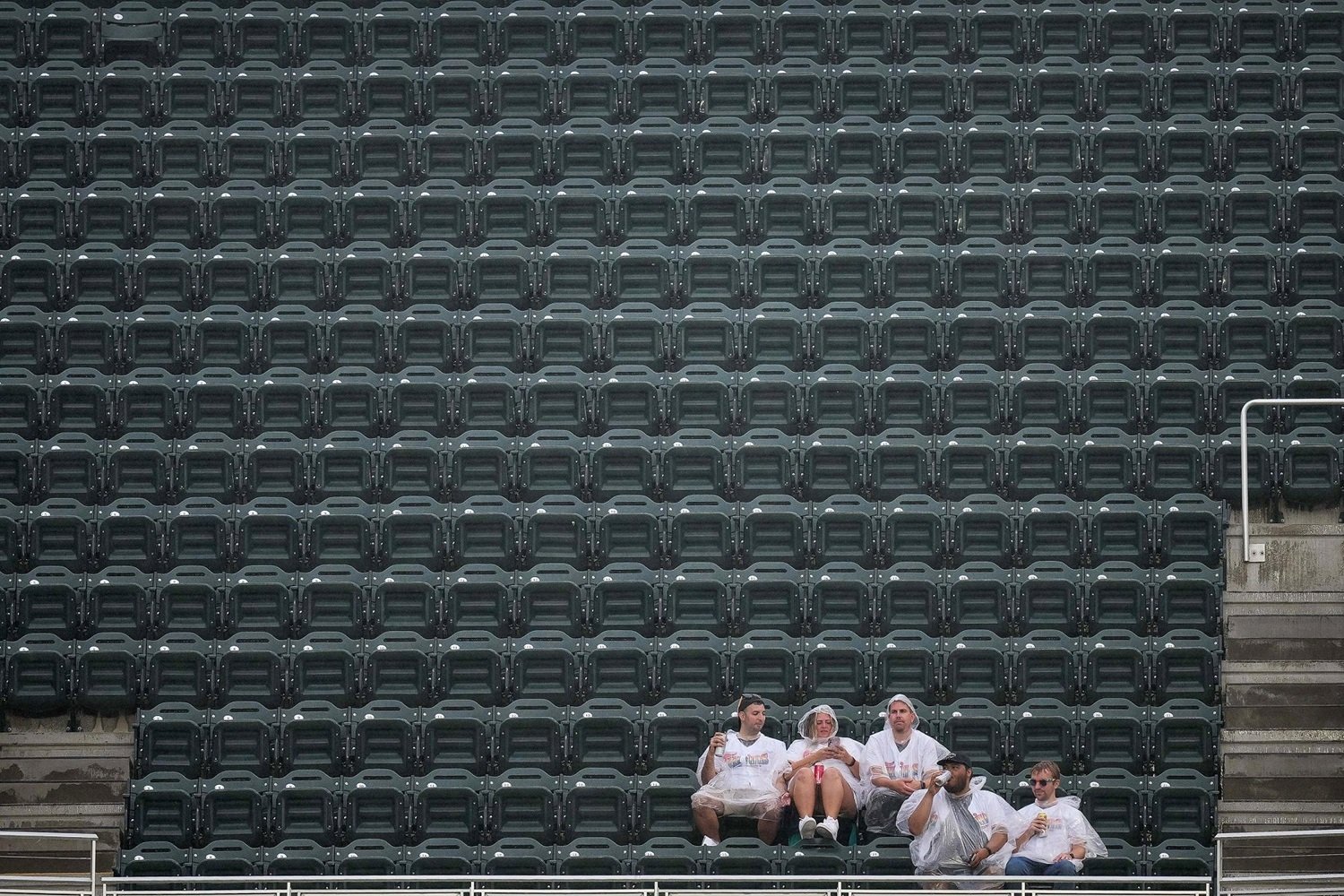 The Twins have spent much of the season trying to convince fans to come back to Target Field. The problem is that the numbers and Through 41 home games, Minnesota has announced ticket sales of 825,361, a 0.11% decline from the 826.296 tickets reported at the same point a year ago. That works out to an average of 23 fans per game, ranking 15th among the 30 major league clubs. On the surface, that small of a drop may not seem dramatic. The context makes it more concerning. Last season was already the lowest-attended full season in Target Field history. Excluding the pandemic-disrupted years of 2020 and 2021, the Twins' 1.769 million fans in 2025 represented their smallest crowd total since 2001, when the club still played in the Metrodome. Falling below that pace raises questions about both fan engagement and the organization's relationship with its customer base. A Predictable Decline The warning signs were obvious long before Opening Day. Fans entered the season frustrated after last summer's deadline selloff saw Minnesota move a significant portion of its major league roster. The winter brought little relief. Ownership cut payroll dramatically, leaving the Twins with a $105.7 million Opening Day payroll, their lowest figure in more than a decade. For a fan base already skeptical about ownership's commitment to winning, there was little reason to rush out and buy tickets. The schedule didn't help either. Minnesota played 17 home games in April, two more than it did during the same stretch last season. Cold weather has never been a friend of attendance figures in Minnesota, and several early-season crowds reflected that reality. Still, weather only explains part of the story. Promotions Can Help, But Only So Much The Twins have tried a variety of methods to generate interest. Friday and Saturday games now feature pregame $2 beers, one of several promotions designed to lower the barrier for fans considering a trip to the ballpark. The organization has also leaned heavily into ticket giveaways and special-event nights. Those efforts may help announced attendance figures, but they don't necessarily translate into meaningful revenue or sustained fan interest. That's part of why the 0.11% decline could actually understate the issue. A ticket given away counts the same as a ticket sold when attendance is announced publicly, even though the financial impact is obviously different. The Twins can improve optics by filling seats on paper. Rebuilding trust with paying customers is a much harder challenge. The Bigger Picture Around Baseball What's happening in Minneapolis stands out even more when viewed against the rest of the league. Major League Baseball is experiencing another attendance increase this season, with average crowds rising by more than 640 fans per game across the sport. Summer weather and pennant-race excitement could push that number even higher as the season progresses. Some clubs have seen massive jumps. The Blue Jays have enjoyed the largest increase after their World Series appearance, adding more than 10,000 fans per game. Tampa Bay's return to its home ballpark has also produced a significant attendance boost (+6,747). The Twins, meanwhile, are moving in the opposite direction. Their average crowd has dropped by roughly 23 fans per game compared to last season. Half the league has experienced larger declines, but many of those teams started from much stronger attendance positions. Even within the AL Central, the Twins aren't standing out in a positive way. The White Sox, despite entering the season with low expectations, have posted one of baseball's largest attendance increases (+6,115). However, the rest of the AL Central ranks below the Twins in decreased average attendance, but that might have to do with how low Minnesota was in 2025. Empty Seats Have Become Common Perhaps the most telling statistic is how rarely Target Field has hosted a truly large crowd. Minnesota has surpassed 30,000 announced fans only five times this season: April 3: The Home Opener. April 17: When the club offered complimentary tickets to fans affected by the Home Opener power outage. May 16: A Saturday matchup against Milwaukee. June 22-23: Dodgers series Outside of those dates, large crowds have been difficult to find. The contrast was particularly striking in mid-May. Two days after announcing a crowd of 33,115 against the Brewers, the Twins reported a season-low attendance of just 11,488 for a game against Houston. That's a swing of more than 21,000 people in the span of a single series. Can a Minnesota Summer Save The Numbers? There is still time for attendance to improve. The weather is getting warmer, and the Twins have several attractive home dates remaining, and a postgame Ludacris concert scheduled for June 26. Winning would help, too. Minnesota has a 38-43 record and sitting just outside the playoff picture. The American League remains crowded enough that a sustained hot streak could quickly put the Twins back in the postseason conversation. Fans have shown throughout the Target Field era that they'll support a contender. The challenge for the organization is convincing them that this team (and this ownership group) is worth investing in again. The Twins expected some attendance fallout after last year's deadline teardown and payroll reduction. What they probably didn't expect was to be tracking below a season that already represented a historic low point for Target Field. Promotions, giveaways, and concerts can provide temporary boosts, but they don't address the underlying issue. Fans respond to belief. They buy tickets when they trust the organization is committed to putting a competitive product on the field. Right now, the attendance numbers suggest many Twins fans are still waiting to be convinced. With half the home schedule remaining, there is time to change the story. Whether the club can do enough on the field (and off it) to bring fans back through the gates may be one of the most important questions facing the franchise during the second half. What stands out about the team’s attendance so far this year? Leave a comment and start the discussion. View the full article
 -
Marlins Birthday: "Mr. Marlin" Jeff Conine turns 60
DiamondCentric posted an article in Fish On First
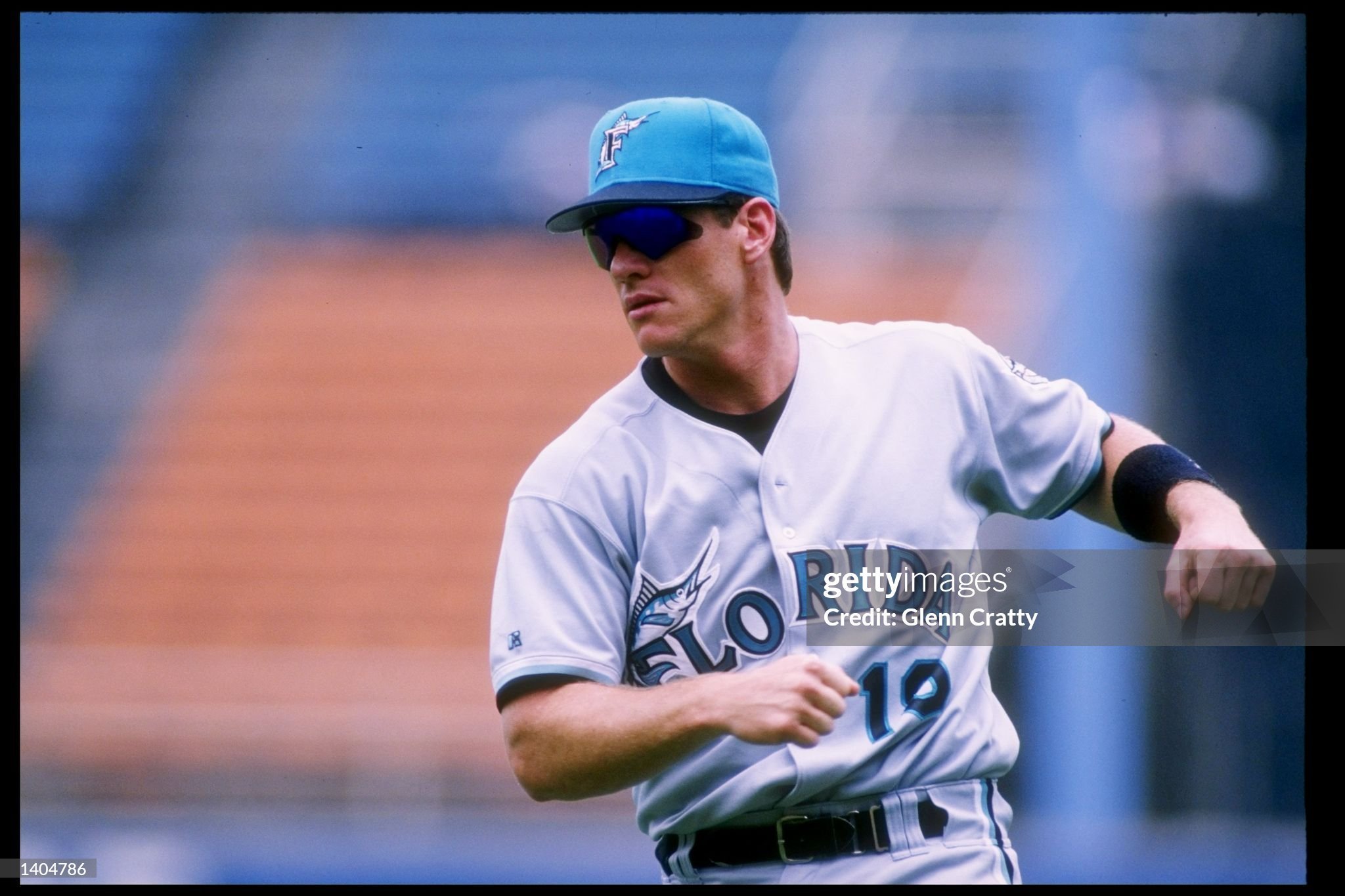 When one thinks about the early years of the Florida Marlins organization, there is perhaps no name more synonymous than Jeff Conine. Nicknamed, “Mr. Marlin,” Conine was one of the team’s early stars and is the only player to be present for each of the franchise's World Series celebrations. A native of California and a graduate of UCLA, Conine was born on June 27, 1966. He celebrates his 60th birthday today. Drafted by the Kansas City Royals in the 58th round of the 1987 Major League Baseball Draft, Conine had played in just 37 games in parts of two seasons with Kansas City before being selected by Florida in the 1992 expansion draft. Before long, Conine was one of the faces of a young franchise. His impact was instant. In Florida’s inaugural game – a 6-3 win over the Los Angeles Dodgers on April 5, 1993 – Conine went 4-for-4 with two runs scored. Less than a month later, Conine hit his first career home run, which also served as the first Marlins grand slam in the history of Joe Robbie Stadium in a 7-6 win over the Colorado Rockies. After hitting .292 with 12 home runs and 79 RBIs in 1993, Conine would make back-to-back All-Star Games for Florida in 1994 and 1995 – the only two selections of his career. Conine would get just one All-Star Game at-bat but made the most of it. His solo home run off Steve Ontiveros of the Oakland Athletics in the eighth inning of the 1995 All-Star Game in Arlington gave the National League a 3-2 win and earned Conine MVP honors. Excluding Kyle Stowers’ efforts in last year's “swing off,” Conine remains the lone Marlin to homer in the All-Star Game and their only MVP. After another solid campaign in 1996, Conine had his worst full season in the big leagues in 1997, but he still finished with 17 home runs and 61 RBIs as the Marlins won their first World Series. Despite a lackluster campaign by his lofty standards, Conine was instrumental in the Marlins’ success. In a 2-1 win over the St. Louis Cardinals on April 17, Conine had the lone walk-off home run of his career -- and as a pinch hitter. In Game 5 of the National League Championship Series, Conine had the game-winning RBI in the seventh inning as Florida beat the Atlanta Braves 2-1 to take the series lead and move to within one win of its first pennant. Following the Marlins’ first title, Conine was traded back to the Royals. After one season back in Kansas City and parts of five with the Baltimore Orioles, which included a 97-RBI season in 2001, Conine made his return to South Florida midway through the 2003 season. With Mike Lowell nursing a hand injury, the Marlins needed another bat and Conine provided that. With the Marlins leading the Philadelphia Phillies by a game in the National League Wild Card chase on Sept. 23, Conine’s three-run home run tied the contest during what would be a five-run inning for Florida in a 5-4 win over Philadelphia. The following day, Conine homered again in a win over the Phillies and the Marlins took a three-game lead in the Wild Card race with four games left in the season. In the postseason, Conine batted .304 in 17 games, which included a solo shot against the Chicago Cubs in Game 5 of the National League Championship Series as Florida won 4-0 to keep its season alive. The most memorable moment from Conine during the Marlins’ run to a second World Series title, however, was his throw from left field to gun down J.T. Snow at the plate for the final out in the Marlins’ National League Division Series-clinching win over the San Francisco Giants. Conine scored Florida’s final run of the season on a Juan Encarnación in the sixth inning of Game 6 of the World Series – a 2-0 victory over the New York Yankees to end the series. Conine spent two more seasons with the Marlins, helping the franchise achieve three straight winning seasons for the first time ever. In 2004, at the age of 38, Conine hit .280 with 14 homers and 83 RBIs. After two stints each with the Royals and Marlins, Conine returned to Baltimore for a second stint with the Orioles following the 2006 season. He would also play for the Phillies, Cincinnati Reds and New York Mets over his final two seasons of 2006 and 2007. For his career, Conine spent parts of 17 seasons in the big leagues and parts of eight with the Marlins. A two-time All-Star, Conine had a better average, on-base percentage, slugging percentage and more hits, home runs and RBIs for the Marlins than any other team. Since then, Conine has returned to the organization as a broadcaster and special assistant. In March 2025, he was inducted as the first member of the Miami Marlins Hall of Fame. His son, Griffin Conine, is currently an outfielder for the Marlins. View the full article
 -
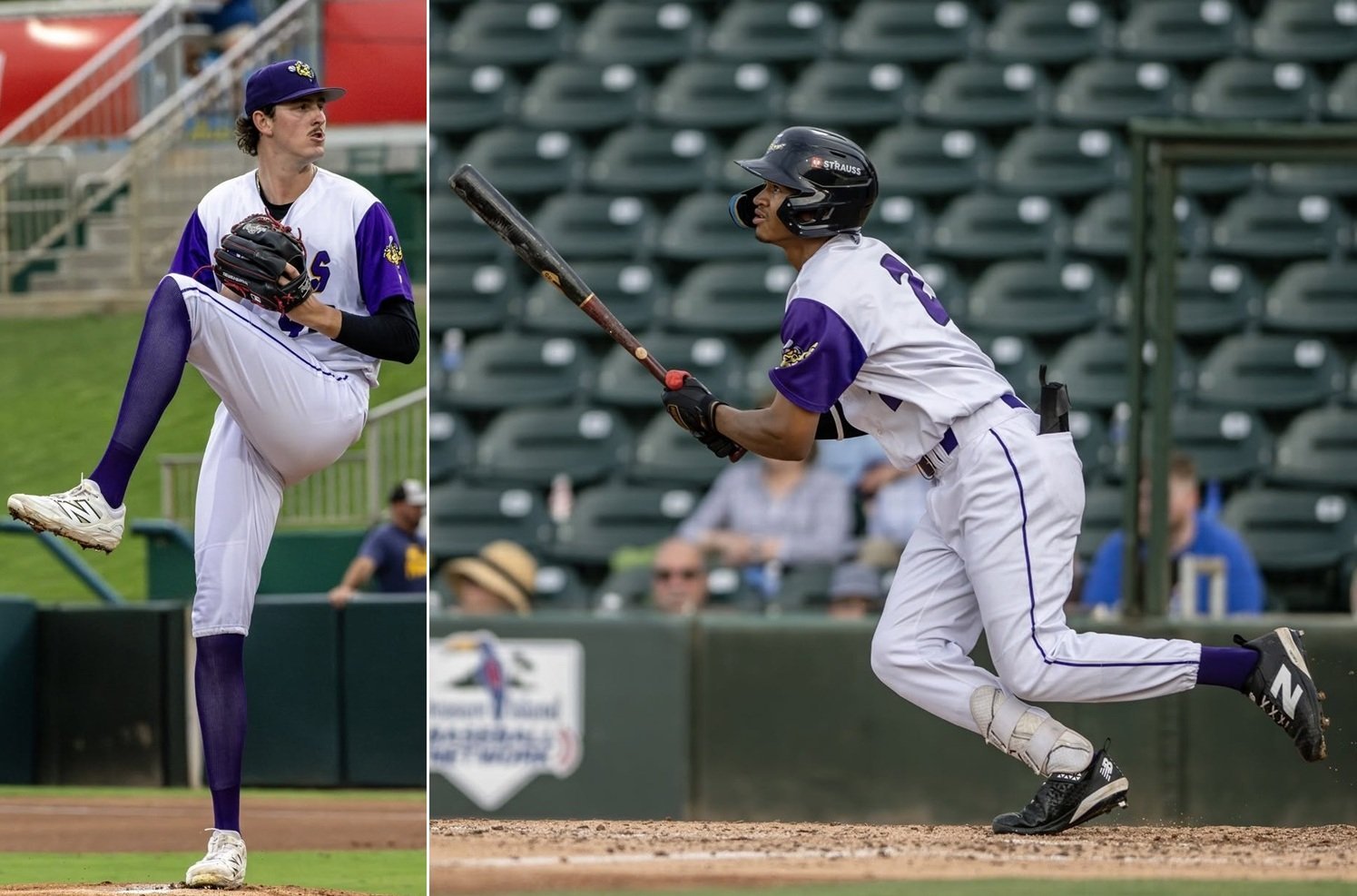 TRANSACTIONS The Saints activated OF Hendry Mendez from the 7-Day Injured List. ICYMI: RHP Justin Lawrence was claimed by the Washington Nationals. Meanwhile, RHP Austin Voth went unclaimed and outrighted to St. Paul. However, he has elected free agency. The Twins signed RHP Arthur De La Cruz, an 18-year-old, on Thursday. He was added to the DSL Twins roster on Friday. SAINTS SENTINEL St. Paul 3, Louisville 1 Box Score A couple of #OldFriends bookended the Saints game in Louisville. A rehabbing Emilio Pagan started and worked a 1-2-3 first inning. Lefty veteran Anthony Misiewicz threw a perfect seventh inning. In between, the Twins faced right-hander Jose Franco. The Saints lineup is starting to come back to what was envisioned earlier in the season. Walker Jenkins and Alan Roden are back from long IL stints. On Saturday, Hendry Mendez came back after missing the minimum seven days on the injured list. He hadn’t played in a week, so he batted sixth in the Saints lineup. In the second inning, he came up with runners on first and second and nobody out. He lined a 97 mph ball off the pitcher. It deflected and Mendez reached on an infield single. With that single, he has now reached base in all 29 games he has played for the Saints. Ben Ross walked a run in with the bases loaded. A couple of batters later, David Banuelos hit a sacrifice fly to drive in the second run. John Klein started and gave up one run on three hits over four innings. He walked two and had three strikeouts. Jake Higginbotham came on and struck out two batters over two quiet innings. The Saints added a little insurance in the sixth inning. Arcia doubled, and Mendez followed with a line drive single to drive in the third run of the game. Grant Hartwig pitched a scoreless ninth inning to record the save. The teams were planning on playing two games on Friday. That’s why this was a seven-inning game. However, the rains soon came and washed-out Game 2. They will try to play two games again on Saturday. WIND SURGE WISDOM Wichita 4, Midland 6 Box Score After being shut out on Thursday, the Wind Surge went five innings on Friday without scoring. However, they fell short on the scoreboard again. Cory Lewis started and gave up two runs on three hits in 3 1/3 innings. He walked two and had five strikeouts. Darren Bowen struck out two batters over the next 1 2/3 innings. Spencer Bengard gave up three runs on four hits over two innings. He struck out one batter. Hunter Gregory gave up one run in the eighth inning. Maddux Houghton led the offense. He went 3-for-4 with his 10th and 11th doubles and an RBI. He also stole his 15th base. Garrett Spain went 2-for-3 with a walk. Andrew Cossetti went 2-for-5. He stole his second base. Jay Thomason KERNELS CHRONICLE Cedar Rapids 1, Wisconsin 10 Box Score After losing 9-1 on Thursday night in Wisconsin, it was a 10-1 loss on Friday night. The Kernels actually took the first lead of the game. In the top of the second inning, Caden Kendle hit his fourth home run of the season. Ivran Romero started and gave up three runs (1 earned) on five hits and a walk in four innings. He struck out four. Cole Peschl came on and gave up one run on one hit and one walk over two innings. Nick Trabacchi came in and gave up six runs on six hits (including two home runs) in 1 1/3 innings. He had three strikeouts. Brian Zeldin got the final two outs. The Kernels had four hits in the game. Kendle homered. Jacob McCombs and Henry Kusiak each doubled. MIGHTY MATTERS Ft. Myers 6, St. Lucie 2 Box Score The Mighty Mussels showed some early muscles that were mighty enough to club four, early home runs, take an early lead and hang on. Ryan Sprock’s hitting streak came to an end at 18 games on Saturday night, but he did continue his on-base streak. He led off the bottom of the first inning with a walk. He went to second on a wild pitch. With one out, he scored on a JP Smith single to center. The streak was the third longest in Fort Myers franchise history. In 2021, Christian Encarnacion-Strand hit in 20 straight games. Mike Gonzalez had a 19-game streak in 2014. Sprock said after Friday’s game, “This is the best stretch I have had.” He added later, “Baseball is a rollercoaster, and you have to try and stay levelheaded.” The second inning began with a walk by Irvin Nunez. Byron Chourio followed by crushing his fourth home run into the Southwest Florida twilight to give the Mussels a 3-0 lead. JP Smith led off the top of the third inning with a solo home run. As he was still celebrating and giving high-fives in the Mussel dugout, Jayson Bass followed with another home run to make it 5-0 Fort Myers. With one out in the bottom of the fourth inning, the Mussels added one more run when speedster Merphy Hernandez clubbed his second homer since joining the Mussels. Jason Reitz started for the Mussels and tossed 4 2/3 scoreless innings. He gave up two hits, walked three and had three strikeouts. Dylan Questad came on and stranded an inherited runner. He got three outs. He was charged with one run on no hits. He walked three and had two strikeouts. Matt DesMarets came on and allowed Questad’s inherited runner. He got four outs without additional runs scoring. He gave up two hits, walked one and had two strikeouts. Michael Hilker pitched a scoreless eighth inning. Brent Francisco gave up a run on two hits in the ninth. Merphy Hernandez went 2-for-3 with a walk and his second home run. He also stole his 21st and 22nd bases. JP Smith went 2-for-3 with a walk and his ninth homer. Harry Genth went 2-for-3 with a walk and his sixth double. Bass’s home run was his 10th of the season, and Chourio hit his fourth home run. COMPLEX CHRONICLES FCL Twins 2, FCL Red Sox 8 Box Score The Red Sox scored four runs in the bottom of the second inning, and four more in the bottom of the sixth inning. The Twins countered with a two-run top of the seventh, but when it’s a seven-inning game, it comes to an end quickly. The Twins signed Billy Oldham as a non-drafted minor league free agent out of Southern Mississippi right after the 2024 draft. Unfortunately, soon after reporting for spring training 2025, he was injured and missed the full season. He started this season on the 60-Day Injured List but is just beginning his path back. In his second rehab appearance, the 25-year-old worked one inning. He gave up one hit and struck out two batters. Jake Covey came in next. He gave up four runs (2 earned) on three hits in three innings. He had three walks and six strikeouts. Omar Montana came in for the seventh inning. He gave up four runs on two hits and three walks, though he did record two strikeouts. The Twins scored their two runs on three hits and five walks. Yovanny Duran was also hit by a pitch. Victor Leal had the only extra base hit, his third triple. Teilon Serrano walked twice. Both runs scored in the top of the seventh when Daiber De Los Santos reached on a fielding error. DSL Twins 4, DSL Marlins 10 Box Score Here is another good example of a game illustrating the value of offenses putting crooked numbers on the scoreboard. Both teams scored runs in four of their innings. However, the Twins scored one run four times. The Marlins had innings in which they scored one, two, three and four runs to take an easy win. Adrian Martinez started and gave up five runs (4 earned) over the game’s first three innings. He gave up six hits and walked two batters. Jeremy Jimenez gave up three runs (one earned) on three hits and a walk over the next 2 1/3 innings. Aldwin Morillo came in and got the final five outs. He was charged with two runs on two hits and two walks. The Twins scored their four runs on just four hits. They were helped with 10 walks. All nine batters at least contributed something to the Twins offense. I’ll just walk through the batting order. Jendy Martinez walked twice and scored a run. Daiyer Barbosa walked twice. Enmanuel Merlo walked twice and scored a run. Abel Sosa had the lone extra base hit, his first double, and an RBI. Juan Holmann had a single and two walks. He also stole a base. Luis Duarte walked twice. Jeferson Abreu had a single and scored a run. Luis Suarez had a single. Misael Rodriguez had one of the team’s two RBI. PLAYERS OF THE DAY Hitter(s) of the Day Merphy Fernandez (Fort Myers): 2-for-3, BB, HR(2), R, RBI, 2-SB(22) Pitcher(s) of the Day Jason Reitz (Fort Myers): 4 2/3 IP, 2 H, 0 R, 3 BB, 3 K, 69 pitches, 40 strikes (58.0%) PROSPECT SUMMARY Check out the Prospect Tracker for much more on our Twins Top 20 prospects after seeing how they did today. #1 - OF Walker Jenkins (St. Paul) - 1-for-4, K (batted second, played CF) #4 - C Eduardo Tait (Cedar Rapids) - 0-for-4, K (batted second, played DH). #5 - SS Marek Houston (Cedar Rapids) - 1-for-4, BB, 2 R, K, SB(2)l (batted second, played SS) #9 - OF Hendry Mendez (St. Paul) - 2-for-3, RBI (batted sixth, played LF) #10 - OF Gabriel Gonzalez (St. Paul) - 1-for-4 (batted third, played 1B) #12 - 3B/CF Brandon Winokur (Cedar Rapids) - 0-for-4, K (batted first, played 3B) #14 - 3B/SS Quentin Young (Ft. Myers) - 0-for-4, 2 K. (batted fifth, played DH) #18 - OF Yasser Mercedes (Cedar Rapids) - 0-for-3 (batted fifth, played LF) #20 - 2B/SS/CF Kyle DeBarge (Wichita) - 0-for-5, 3 K (batted first, played 2B) UPCOMING PROBABLES Saturday, June 27 St. Paul @ Louisville (DH at 2:05 pm CT) - RHP Ty Langenberg (2-2, 5.79 ERA), RHP Ryan Gallagher (2-2, 7.97 ERA) Wichita @ Midland (7:00 pm CT) - RHP Preston Johnson (0-3, 6.10 ERA) Cedar Rapids @ Wisconsin (6:40 pm CT) - RHP Adrian Bohorquez (0-0, 11.25 ERA) St. Lucie @ Ft. Myers (6:05 pm CT) - RHP Merit Jones (2-1, 4.55 ERA) FCL Red Sox @ FCL Twins (9:00 am CT) - DSL Rangers @ DSL Twins (10:00 am CT) - CURRENT W-L Records Minnesota Twins: 39-44 (3rd place (of 5) in AL Central, 4.5 GB)) St. Paul Saints: 44-33 (2nd place (of 10) in IL West Division, 3.0 GB)) Wichita Wind Surge: 26-45 (5th place (of 5) in TL North Division, 21.0 GB)) Cedar Rapids Kernels: 31-39 (5th place (of 6) in MWL West Division, 12.5 GB)) Fort Myers Mighty Mussels: 42-30 (2nd place (of 6) in FSL West Division, 0.5 GB)) FCL Twins: 22-18 (3rd place (of 6) in FCL South Division, 2.0 GB)) DSL Twins: 6-12 (7th place (of 7) in DSL East Division, 6.5 GB)) Please feel free to ask questions about the teams, the rosters, and discuss today’s games, or anything else Twins minor-league related! View the full article
 -
 The San Diego Padres' top four affiliates went 2-2 Friday as the Triple-A El Paso Chihuahuas cruised to an 8-1 triumph over Sugar Land, the Double-A San Antonio Missions dropped a 7-4 decision to Arkansas, the High-A Fort Wayne TinCaps beat Lake County 8-4 and the Low-A Lake Elsinore Storm lost to Fresno 9-4. Padres Minor-League Transactions None. Jake Cronenworth Homers, Has 2 Hits To Spark Chihuahuas Padres second baseman Jake Cronenworth homered in the first plate appearance of his rehab assignment and also doubled, while Blake Hunt also went deep and drove in four runs as the Triple-A El Paso Chihuahuas rolled past the host Sugar Land Space Cowboys 8-1. Clay Dungan hit a solo homer for the Chihuahuas, with Hunt and Nick Pratto joining Cronenworth with two hits. Cronenworth, who had four plate appearances and played the field for seven innings, has been on the seven-day concussion list since May 5 following an incident about two weeks prior. This was his first game after facing live pitching at the team's complex in Arizona. After Pablo Reyes drew a leadoff walk in the first inning, Cronenworth cranked a 3-2 changeup 413 feet to right field with a 107.5 mph exit velocity. He homered once in 97 at-bats for the Padres before being sidelined. Cronenworth popped out to second and short in his other two at-bats. Hunt made it 4-1 in the fourth inning with his second homer of the season, scoring Bryce Johnson, who had walked with one out. Cronenworth triggered a three-run seventh inning with a leadoff walk. After being bunted to third, Marcos Castanon hit a grounder to short and the Space Cowboys got Cronenworth out in a rundown trying to score. With Castanon on second, Nick Pratto walked and Mason McCoy's single plated Castanon. Johnson's infield single to the second baseman loaded the bases, setting up Hunt's two-run double for a 7-1 lead. Dungan, who pinch-hit for Cronenworth, made it 8-1 with his eighth-inning leadoff homer. Chihuahuas left-handed starter Jackson Wolf struck out eight in five innings, allowing one run on three hits with four walks. Right-hander Ethan Routzahn pitched two scoreless innings, yielding one hit and striking out four, while right-hander Alek Jaconb and struck out four in two innings with a hit and a walk as the Chihuahuas combined for 16 strikeouts. Chihuahuas center fielder Carlos Rodriguez drew a first-inning walk to extend his on-base streak to 34 games. EP_0626.mp4 Player AB R H RBI BB K Pablo Reyes 4 1 1 0 1 1 Jake Cronenworth 4 1 2 2 0 0 Clay Dungan 1 1 1 1 0 0 Carlos Rodríguez 3 0 0 0 1 1 Marcos Castañon 5 1 0 0 0 0 Nick Pratto 4 1 2 0 1 2 Mason McCoy 3 1 1 1 2 2 Bryce Johnson 4 1 1 0 1 2 Blake Hunt 5 1 2 4 0 1 Nate Mondou 4 0 1 0 0 1 Player IP H R ER BB K HR Jackson Wolf 5 3 1 1 4 8 0 Ethan Routzahn 2 1 0 0 0 4 0 Alek Jacob 2 1 0 0 1 4 0 Plethora Of Early Walks Spell Doom For Missions Right-handed starter Victor Lizarraga walked seven while getting just four outs as the Double-A San Antonio Missions lost to the host Arkansas Travelers 7-4. Braedon Karpathios, Padres Mission's No. 9 prospect, homered and Wyatt Hoffman had two hits in his first start of the season for the Missions. Hoffman was just activated Tuesday off the 60-day injured list following a back injury in spring training. The Missions scored in the first inning as Tirso Ornelas walked with two outs and raced home on Jake Cunningham's first Double-A triple. However, Arkansas scored three times in the bottom of the first. The teams traded second-inning runs with Hoffman doubling home Luis Verdugo, who had walked. Arkansas scored another in the third for a 5-2 lead, then added a pair on the sixth. The Missions got one back in the seventh as Hoffman had a two-out single and Chris Sargent Jr. doubled him home. Karpathios hit his sixth homer of the season in the eighth. Lizarraga gave up four runs on those seven walks, a hit and a hit batter. He struck out two in 1⅓ innings. SA_0626.mp4 Player AB R H RBI BB K Carson Tucker 4 0 1 0 1 2 Ryan Jackson 4 0 1 0 0 2 Tirso Ornelas 3 1 0 0 1 1 Jake Cunningham 4 0 1 1 0 2 Braedon Karpathios 4 1 1 1 0 1 Luis Verdugo 2 1 1 0 2 0 Albert Fabian 4 0 0 0 0 2 Wyatt Hoffman 4 1 2 1 0 2 Chris Sargent 3 0 1 1 1 1 Player IP H R ER BB K HR Victor Lizarraga 1 1/3 1 4 4 7 2 0 Harry Gustin 1 2/3 2 1 1 0 2 1 Josh Mallitz 3 2 2 2 1 5 1 Johan Moreno 2 2 0 0 0 2 0 Justin DeCriscio's Near-Cycle Propels TinCaps' Victory Justin DeCriscio came a double short of hitting for the cycle, driving in three, while Kerrington Cross and Rosman Verdugo also homered as the High-A Fort Wayne TinCaps pulled away from the host Lake County Captains 8-4. TinCaps left-handed starter Kash Mayfield, Padres Mission's No. 2 prospect, had a second straight abbreviated outing, going 2⅔ innings, allowing two runs on six hits with a walk and two punchouts. Mayfield had his turn skipped two weeks ago and returned last week with two innings as the Padres manage the 2024 first-rounder's workload. Verdugo, Ryan Wideman (Padres Mission's No. 4 prospect) and Alex McCoy (Padres Mission's No. 14 prospect) each had two hits for the TinCaps, while Cross had two RBIs. DeCriscio singled in the first inning, homered in the third and flew out to right in the fifth, struck out in the seventh and tripled in the ninth. He also scored twice. After the Captains grabbed a 2-0 lead in the bottom of the second, the TinCaps tied it in the top of the third on DeCriscio's fifth homer of the season. The TinCaps took control with a three-run sixth inning on Cross' first High-A homer after 11 at Low-A Lake Elsinore and Verdugo's 11th of the year two outs later. The Captains scored one in the bottom of the sixth and the teams exchanged runs in the seventh, with the TinCaps scoring on McCoy's RBI single on which Wideman was thrown out trying to score. In the top of the ninth, the TinCaps put this one away as Wideman drew a two-out walk, DeCriscio had his second triple of the season to make it 7-4 and scored on a wild pitch for 8-4. Right-hander Abraham Parra picked up the win, following Mayfield with 3⅔ innings, striking out five and giving up two runs on three hits and three walks. Left-handers Braian Salazar and C.J. Widger covered the final 2⅔ scoreless innings. FW_0626.mp4 Player AB R H RBI BB K Ryan Wideman 4 1 2 0 1 1 Justin DeCriscio 5 2 3 3 0 1 Alex McCoy 4 1 2 1 1 0 Kerrington Cross 4 1 1 2 1 0 Zach Evans 4 0 0 0 0 1 Kavares Tears 4 0 0 0 0 2 Rosman Verdugo 4 1 2 1 0 1 Carlos Rodriguez 4 0 0 0 0 1 Kasen Wells 4 2 2 0 0 0 Player IP H R ER BB K HR Kash Mayfield 2 2/3 6 2 2 1 2 0 Abraham Parra 3 2/3 3 2 2 3 5 0 Braian Salazar 1 2/3 1 0 0 0 1 0 C.J. Widger 1 1 0 0 2 2 0 Storm Unable To Erase Early Deficit A slow start cost host Low-A Lake Elsinore Storm, who fell behind 4-0 and rallied late only to fall short against the Fresno Grizzlies 9-4. Bradley Frye had two hits, an RBI and a run scored and Yoiber Ocopio drove in a pair of runs for the Storm. Left-handed starter Kruz Schoolcraft, Padres Mission's No. 5 prospect, turned in his fourth straight start of exactly five innings, allowing four runs (three earned) on five hits and three walks with four strikeouts. The Storm were down 5-0 when they finally pushed a run across in the bottom of the sixth inning as Frye doubled home Conner Westenburg. But the Grizzlies restored control with a three-run top of the seventh. The Storm did get a pair back in the bottom of the eighth on Ocopio's two-run single. Fresno scored a final run in the top of the ninth, with the Storm mounting a rally in the ninth. Alcides Hernandez singled and scored on Qrey Lott's double, but that would be it as the next three batters were retired. Player AB R H RBI BB K Bradley Frye 5 1 2 1 0 1 Dylan Grego 3 1 0 0 1 1 Dawson Willis 2 0 0 0 2 0 Yoiber Ocopio 4 0 1 2 0 0 Jose Verdugo 4 0 0 0 0 3 Jorge Quintana 3 0 0 0 0 0 Alcides Hernandez 1 1 1 0 0 0 Qrey Lott 4 0 1 1 0 1 Yimy Tovar 4 0 0 0 0 1 Conner Westenburg 4 1 1 0 0 1 Player IP H R ER BB K HR Kruz Schoolcraft 5 5 4 3 3 4 0 Carson Swilling 1 2 1 1 2 2 0 Daichi Moriki 2/3 2 3 3 1 0 0 Jeferson Villabona 2 3 1 1 2 0 0 George Bilecki 1/3 0 0 0 0 0 0 Padres Mission's Top 20 Prospect Performance Ethan Salas, C: On injured list Kash Mayfield, LHP: 2⅔ IP, 6 H, 2 R, 1 BB, 2 K Miguel Mendez, RHP: DNP Ryan Wideman, CF: 2-for-4, K Kruz Schoolcraft, LHP: 5 IP, 5 H, 4 R, 3 BB, 4 K Jorge Quintana, SS: 0-for-3 Ty Harvey, C: On injured list Kale Fountain, OF: Injured, out for season Braedon Karpathios, OF: 1-for-4, HR, K Jagger Haynes, LHP: DNP Lamar King Jr., C: DNP Tucker Musgrove, RHP: DNP Truitt Madonna, C: DNP Alex McCoy, OF: 2-for-4 Jesus Castro, RHP: DNP Rosman Verdugo, SS: 2-for-4, HR, K Garrett Hawkins, RHP: DNP Eric Yost, RHP: DNP Michael Salina, RHP: DNP Winyer Chourio, RHP: DNP LE_0626.mp4 View the full article
 -
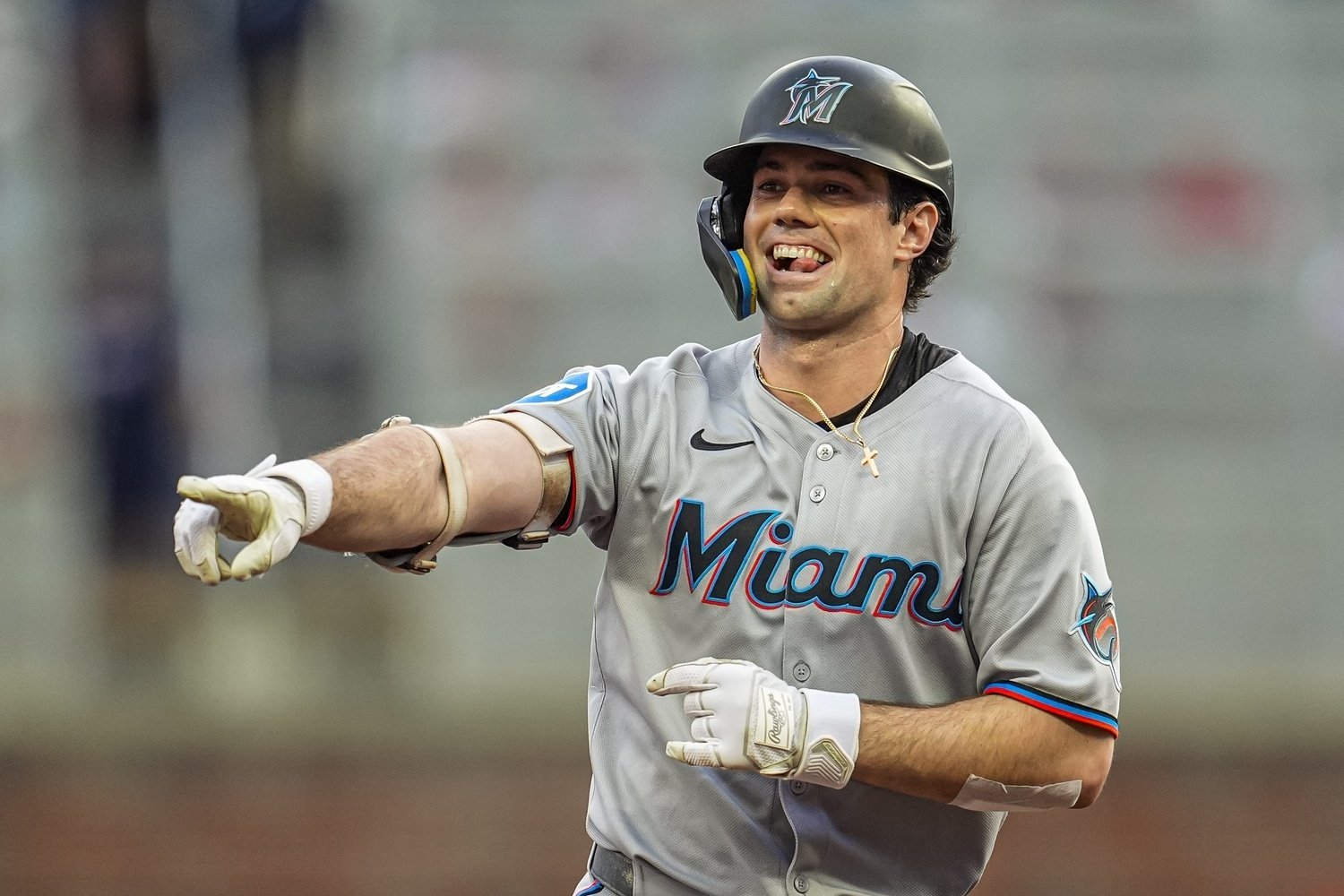 The Miami Marlins can only have 26 players active at any given time, but it will require way more than that for them to sustain their winning ways over the course of the season. Graham Pauley's pivotal plays on Friday night exemplified the importance of organizational depth. Throughout the majority of May and June, Pauley was out of sight and out of mind, optioned to Triple-A Jacksonville for a total of 26 games across two separate stints due to his offensive shortcomings. He owned an atrocious .165/.211/.271 slash line (29 wRC+) with only one home run and one stolen base across 33 appearances for the Marlins. Swapping spots with the slumping Connor Norby, Pauley was called up from Jacksonville for the series opener against the St. Louis Cardinals. Slotted at the very bottom of Miami's lineup, he served as the unlikely hero with an RBI double to break the game's scoreless tie, followed by a crafty slide to arrive safely at home with an insurance run in their 4-0 victory. Both offenses were in hibernation for the majority of the night. Right-handers Max Meyer and Michael McGreevy exchanged zeroes through six innings, neither allowing so much as an extra-base hit. The farthest batted ball of the game to that point? Pauley's 381-foot flyout to the right-center field warning track. On the heels of an off day, the effective Marlins bullpen was fully rested, but with Meyer's pitch count at just 66, sending him back out there for the bottom of the seventh was the obvious call. Meyer rewarded his club's trust in him, albeit with plenty of help required. The right-hander's control was detriorating, resulting in a hit-by-pitch and two walks, loading the bases with only one out. His battery mate, Joe Mack, secured a crucial strike against Masyn Winn in a 2-0 count using the ABS challenge system, and Winn would eventually hit into a force out at home. Then, Nathan Church made two ill-advised swing decisions on Meyer's misses outside the strike zone. He lined out to left for the final out of the frame. Meyer lowered his season ERA to 2.60 and remains without a losing decision through 17 starts. In the blink of an eye, the Marlins had a golden opportunity to take a lead in the top of the eighth when Esteury Ruiz led off with a single and stolen base. Pauley capitalized, catching up to George Soriano's 97 mph fastball and finding a gap in the infield near the first base line. Down 1-0 with one out, the Cardinals aggressively tried turning a double play on Kyle Stowers' grounder to the right side. Alec Burleson stepped on the first base bag, meaning that a tag was required on Pauley, who was charging home. The throw arrived in time and Pauley was initially called out, but upon further review, his left hand touched the plate before the tag was applied. Jakob Marsee's two-run single in the ninth provided the Fish with even more breathing room. Relieving Meyer, Michael Petersen and Calvin Faucher combined to complete the shutout. Only a half-game separates these teams in the NL wild-card race. With Friday's win, the Marlins have clinched at least a split of the season series. They will be back in action at Busch Stadium on Saturday at 7:15 p.m. ET. Ryan Gusto is Miami's scheduled starter. View the full article
 -
Twins 9, Rockies 8: Extra-Innings Walk-Off Redeems Late Blown Lead
DiamondCentric posted an article in Twins Daily
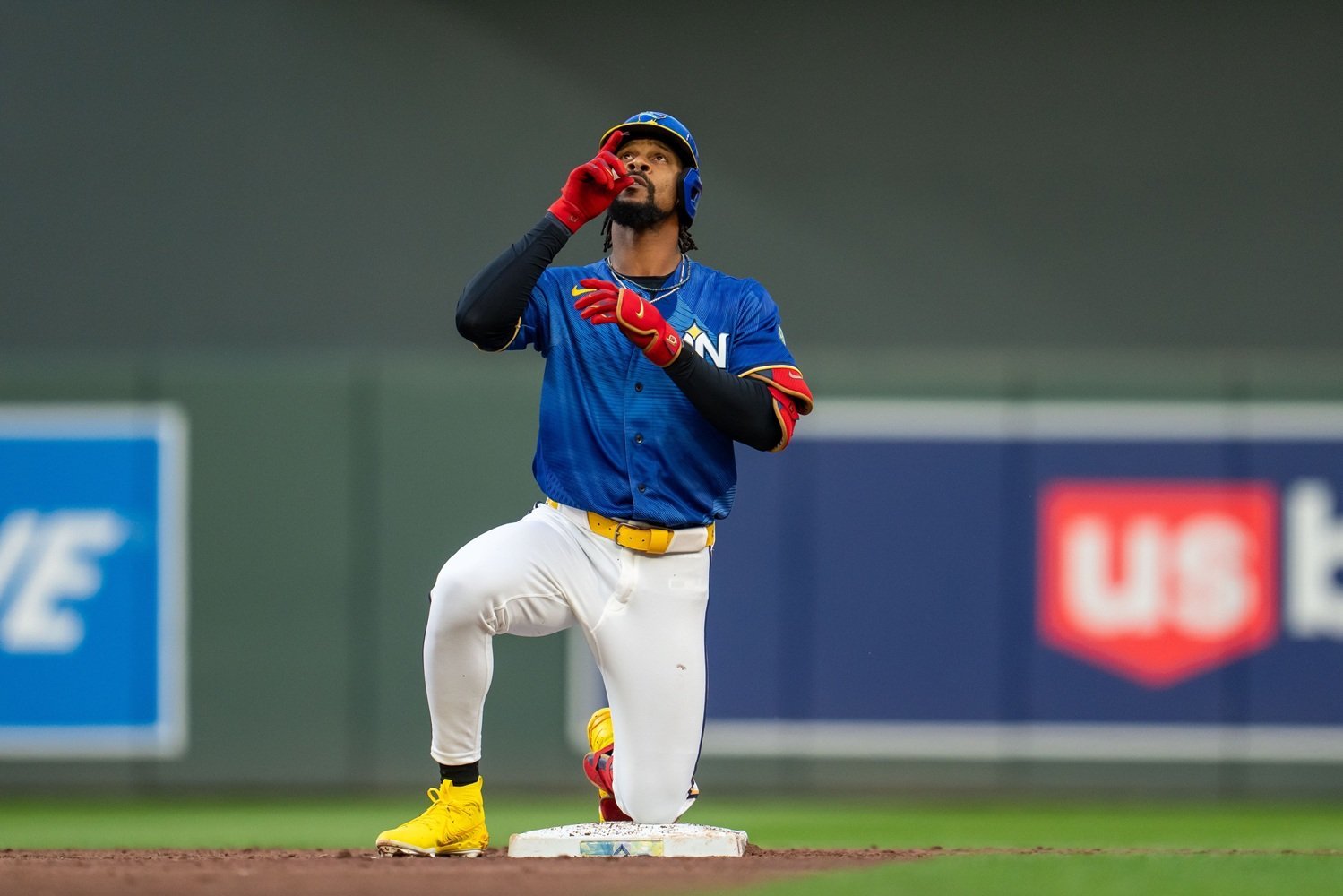 Box Score Taj Bradley: 7+ IP, 3 H, 2 ER, 3 BB, 7 K Home Runs: Kody Clemens (12), Brooks Lee (14) Top 3 WPA: Byron Buxton (.420), Andrew Morris (.310), Taj Bradley (.200) Win Probability Chart (via FanGraphs) Are the Dodgers gone? Thank God. Unalienable is the feeling of getting your (Butt) beat. Just thrashed. The brutal knowledge that your opponent is simply better; and that any success on your end is a fluke, a mirage occasionally fading into sight, just to turn sour eventually. And it will. Thus is the mandate when the Great matches up against the meager Just Fine. Fortunately, not every team is Great, and sometimes, another Just Fine rolls into town just in time for a beleaguered team to lick their wounds and move on. The Rockies entered town a common opponent; not particularly impressive in any facet—though probably better than their last three 100-loss efforts. They play baseball. Sometimes it’s good baseball. They command a few players of unordinary stature. But their purple and black hides very little: this is a doldrum team that could offer solace to a Twins squad in need of some mojo. And so it was early on Friday. The two teams could hardly exchange pleasant greetings before Kody Clemens stepped up to the plate with a man on and pounced on a Tomoyuki Sugano splitter, blasting the offering into the right-field overhang. Not to be one-upped, Brooks Lee did the exact same thing in the second. The Twins took a two inning break from their mayhem before returning for more in the fifth for a double-infested rally, manifest in acuity and action as the lineup turned what was a two-out situation into a three-run frame that would soon chase the starter Sugano from the game and turn what was a normal lead into the sort of advantage that can put even the most stringent manager at ease. Trevor Larnach hit the first double. Byron Buxton, the second. Then Clemens walked and Josh Bell sharply parted the left-center gap to cap the innings’ action. By his lack of appearance so far, Taj Bradley’s dominance should be self-evident. The Rockies had no answer. His fastball overwhelmed, and his breaking stuff befuddled; the innings melted into each as the outs piled up, slowly morphing a potentially good outing into an undeniably great one. He finished with seven innings pitched and just two earned runs allowed, and neither run scored while he was on the mound. Right. So. That was all from the Before Times. Well, between the eighth and ninth when a victory appeared imminent. And it should have been: the Twins entered the game's final frame the owners of a convincing 7-3 lead. It should have been enough. Not one soul in the stands, watching on TV, or standing in the Twins dugout could have believed the game to be in any serious danger. And yet! That's not how the ninth played out. A walk portended an RBI double. So be it. Then a homer. Alright, matters might be somewhat serious now. Backs straightened. A carefree tone and vigor in the dugout now altered, impacted by the sudden realization of what could be reality. Derek Shelton's decisions suddenly carry immense weight. He brought in Anthony Banda. A double. A homer. What was once a lead, eviscerated. One swing turning a fun romp into a disappointing disadvantage. But the Twins buckled down. Steeled up, Whatever. An Austin Martin blooper and Ryan Kreidler single put Minnesota back into business. They could save this situation. Buxton chopped a ball to Willi Castro at third and... the unexpected big hop ate up the third baseman. The ball was in left field. Martin was scrambling home. Andrew Morris stranded his Manfred Man in the tenth, and a wild pitch in the bottom of the inning moved Minnesota's rule-forced runner to third. With the infield in, Royce Lewis shot a grounder up the middle and safely into center field. The pinch-runner Kyler Fedko scampered home safely, and the Twins saved what could have been a tragic, inconceivable loss. Notes: Post-Game Interview: What’s Next? The Twins and Rockies meet once more in a Saturday evening showdown, pitting two namesakes against each other: the casual Mike Parades against the professional Michael Lorenzen. First pitch is at 6:10 PM. Bullpen Usage Spreadsheet MON TUE WED THU FRI TOT Rogers 17 38 0 0 0 55 Banda 0 0 24 0 11 35 Adams 0 30 0 0 0 30 Morris 15 0 7 0 6 22 Funderburk 0 0 0 0 20 20 Orze 11 0 0 0 14 11 Gómez 0 0 10 0 0 10 Raya 0 0 0 0 0 0 View the full article
 -
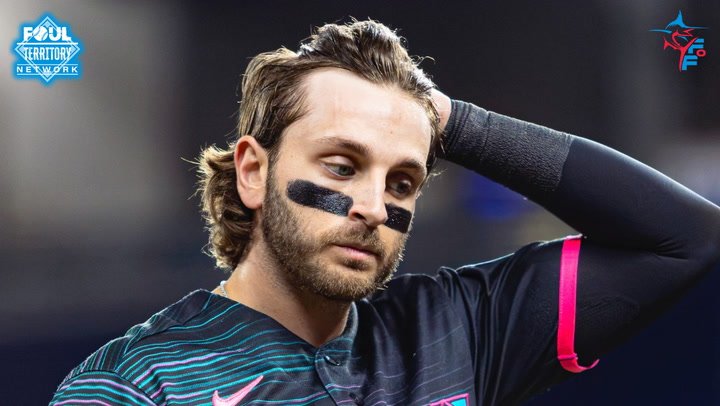 In the aftermath of Connor Norby's demotion to Triple-A, Fish On First LIVE discusses the need for the Marlins to look outside the organization for help at the hot corner.View the full article
 -
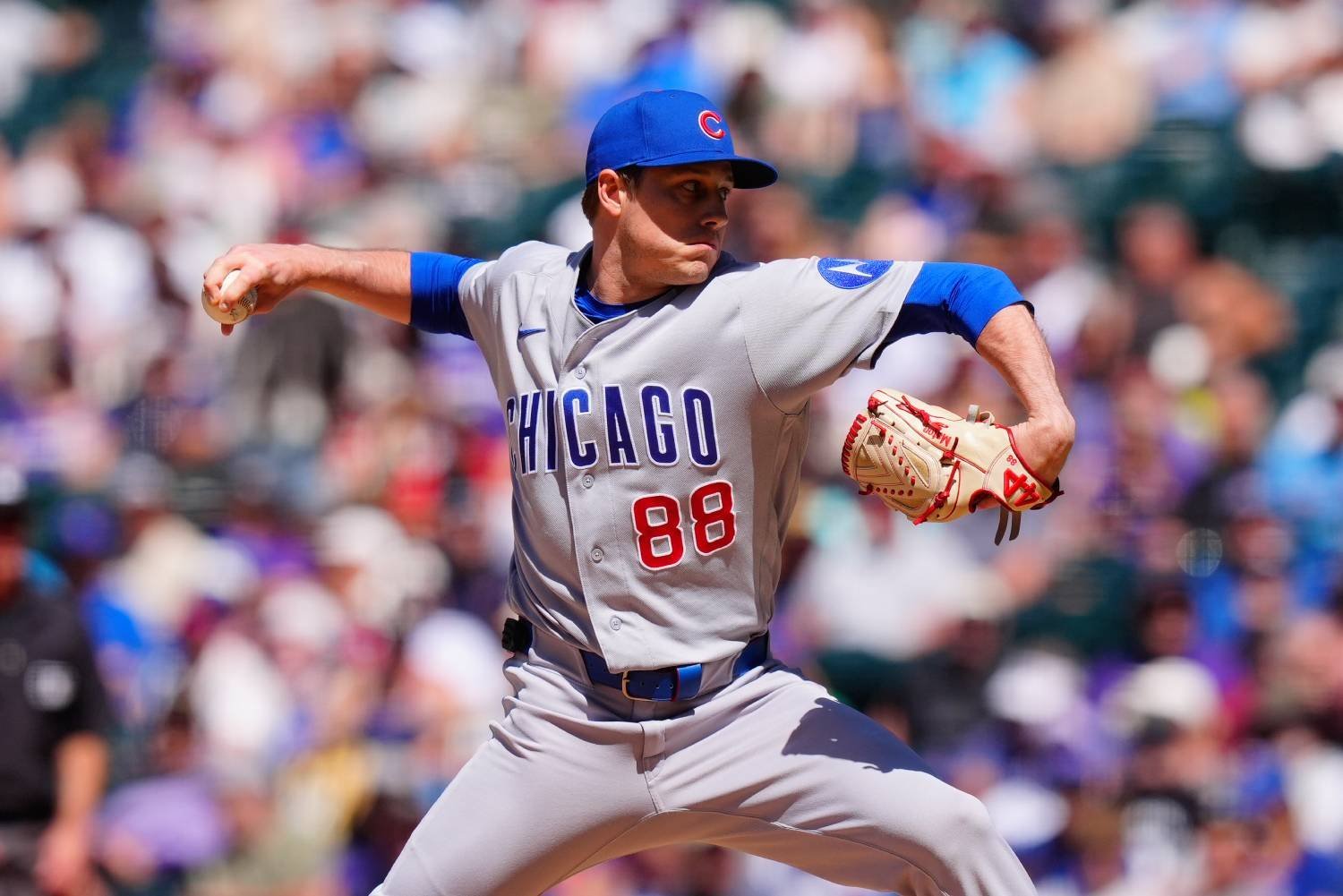 Another day, another pitching injury. The Chicago Cubs on Friday placed right-handed reliever Phil Maton on the 15-day injured list with a right knee injury. Left-hander David Peterson, acquired two days ago in a trade with the Mets, was added to the 26-man roster and will make his Cubs debut when he starts Saturday against the NL Central-leading Milwaukee Brewers. Maton becomes the 11th Cubs pitcher to currently be on the injured list. He was on the IL in the early stages of the season with tendinitis in his right knee, but was out just a brief time. Acquired at last year's trade deadline and then re-signing with the Cubs as a free agent, Maton has struggled this season. In 30 games and 26⅔ innings, he has a 5.47 FIP (6.08 ERA) with an 11.5% walk rate and 23.8% strikeout rate, both numbers a few percentage points below his career averages (9.2% and 26.5%). While the Cubs are desperate for starting pitching, Peterson has also struggled this year, putting up a 3.85 FIP (6.09 ERA) in 16 games, including eight starts. He has a 9.4% walk rate and 19.7% strikeout rate. View the full article
 -
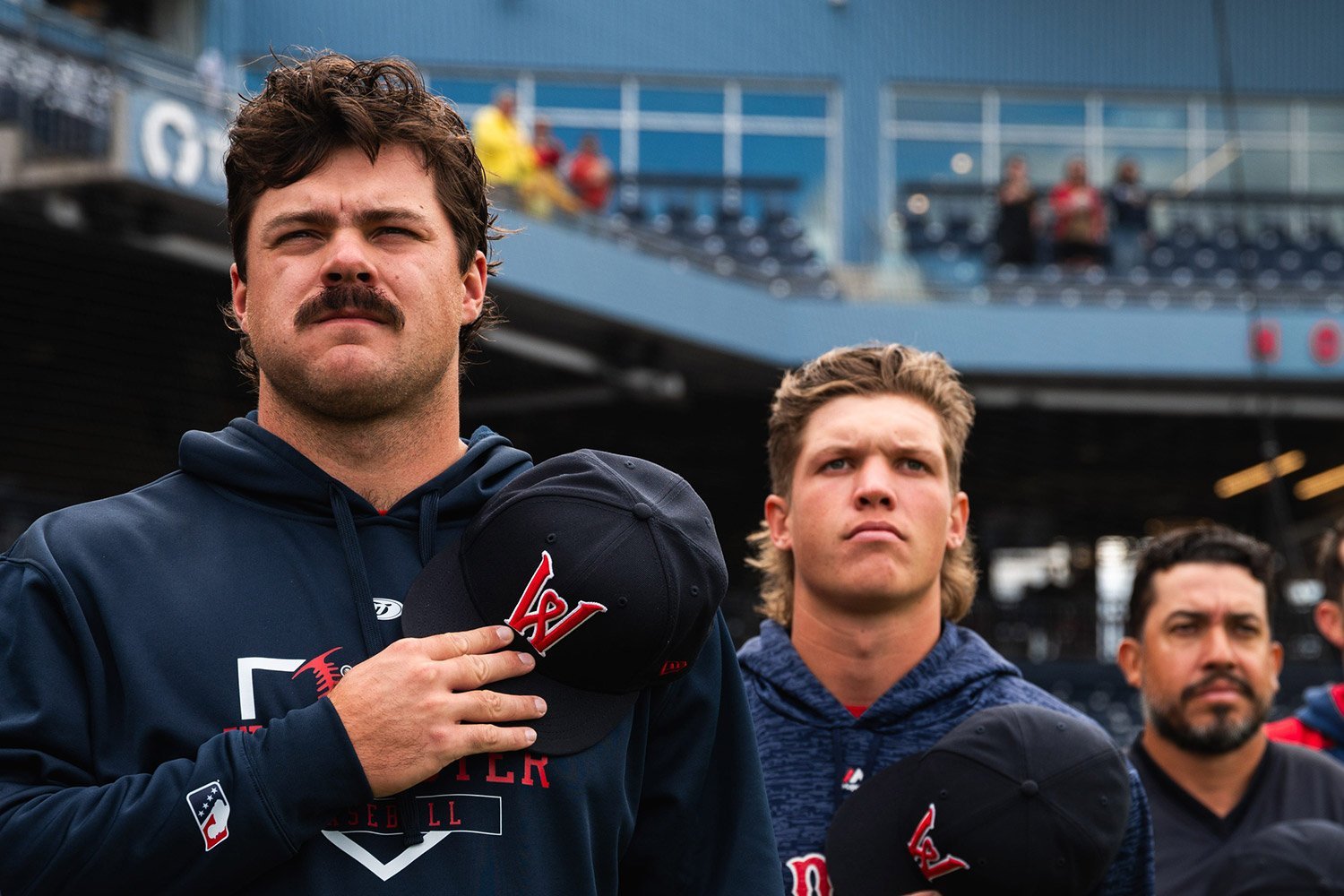 When the Boston Red Sox assembled their rotation for 2026, they envisioned something very different. Garrett Crochet was supposed to be the centerpiece. Brayan Bello was expected to solidify himself as one of the group’s long-term pillars. Veteran arms would provide reliability while younger pitchers continued their development. It wasn’t a flawless plan, but it was a clear one, and one Boston believed it could build around. Crochet made only six starts before suffering an injury. Bello never found consistency. Johan Oviedo effectively lost the season. Patrick Sandoval’s return timetable stretched far longer than expected. As the months passed, it appeared the organization’s pitching depth was about to face its toughest test. While much of the attention remained on the injured list and the pitchers who failed to meet expectations, the Red Sox quietly began uncovering a new backbone for their staff. Alongside veteran leader Sonny Gray, Ranger Suárez brought consistency. Payton Tolle flashed the upside of a pitcher capable of becoming much more. Connelly Early stepped in and shouldered meaningful innings at exactly the right time. None of them entered the season expected to become central figures in Boston’s plans. Now it is nearly impossible to explain where the Red Sox stand without mentioning all three. Pitcher IP ERA FIP WAR Ranger Suárez 76 2.93 2.84 2.3 Payton Tolle 58 2.93 3.09 1.7 Connelly Early 81 3.64 4.87 0.4 Suárez may be the easiest pitcher in this group to overlook. He does not light up radar guns. His average fastball sits just above 91 mph. He also does not rank among the staff leaders in pure stuff metrics. Yet the results continue to follow, and the explanation lies in the way he attacks hitters. While many starters rely on power, Suárez builds his outings through location, sequencing, and execution. His 105 Location+ reflects a pitcher who understands how to manipulate an at-bat, move hitters around the strike zone, and force uncomfortable decisions. His success is not tied to a single dominant weapon but to a combination of command, intelligence, and an ability to avoid damaging mistakes. That formula has allowed him to remain effective against hitters from both sides of the plate while emerging as Boston’s most dependable starter through the first half. Every young rotation needs a stabilizing presence. Not necessarily an ace, but someone capable of stopping problems from snowballing when adversity arrives. Suárez has filled that role better than anyone could have anticipated. If Ranger Suárez represents reliability, Payton Tolle represents upside. The 24-year-old left-hander possesses the kind of arsenal that can alter an organization’s outlook. His fastball averages 96.4 mph, and his 115 Stuff+ ranks first among Boston starters. But the most intriguing part of his profile is not the velocity or any individual metric. Tolle generates swings. He generates chase. He puts opponents in a position where they must respond to his pitches rather than dictate the at-bat themselves. No starter on the staff produces more swings or a higher chase rate. That kind of ability is difficult to teach. Pitcher K% BB% Stuff+ Pitching+ Payton Tolle 25.4% 6.8% 115 107 Ranger Suárez 24.2% 7.7% 95 100 Connelly Early 22.5% 8.8% 102 99 June brought the first meaningful adjustments from opposing hitters and a slight decline in Tolle’s strikeout rate. That is a natural stage in the development of any young pitcher who begins accumulating major-league exposure. Hitters study tendencies, identify patterns, and eventually force a counterpunch. The velocity is still there. The swing-and-miss ability is still there. The traits that make him such an intriguing long-term piece are still there. The next stage of his development will be proving he can adapt as quickly as opposing hitters do. Then there is Early, whose contribution may be the least flashy and, in many ways, one of the most valuable. Unlike Tolle, he is not viewed as a future star. Unlike Suárez, he does not thrive through elite command. What he has done instead is something every organization needs and rarely celebrates enough: take the ball every fifth day and continue piling up innings. The underlying metrics suggest some regression could eventually arrive. His ERA has outperformed both his FIP and xFIP, and several recent indicators point in that direction. But even if some correction comes, it does not diminish what he has already provided during a season defined by uncertainty. Boston needed someone capable of keeping the rotation afloat. Early answered the call. Boston needed someone who could prevent every injury from becoming a larger problem. He answered that call as well. That type of value often receives less attention than it deserves. What makes this story especially compelling is that it does not require ignoring the questions that remain. Concerns about Crochet’s health have not disappeared. Bello is still searching for answers. The rotation remains a work in progress. But the Red Sox now possess something that seemed far less certain a few months ago: multiple avenues toward a sustainable future. Suárez has shown he can stabilize the rotation today. Tolle has displayed the tools to grow into a far larger role. Early has proven he belongs in a major-league rotation. Perhaps none of them were part of the original blueprint. Then again, organizations often discover their best solutions only after they are forced to abandon the script. And if Boston eventually builds its next great rotation, there is a chance the story begins here—with three pitchers who stepped into an unexpected opportunity and turned it into something much larger. View the full article
 -
Marcelo Mayer On Injured List, Another Blow To Red Sox's Infield
DiamondCentric posted an article in Talk Sox
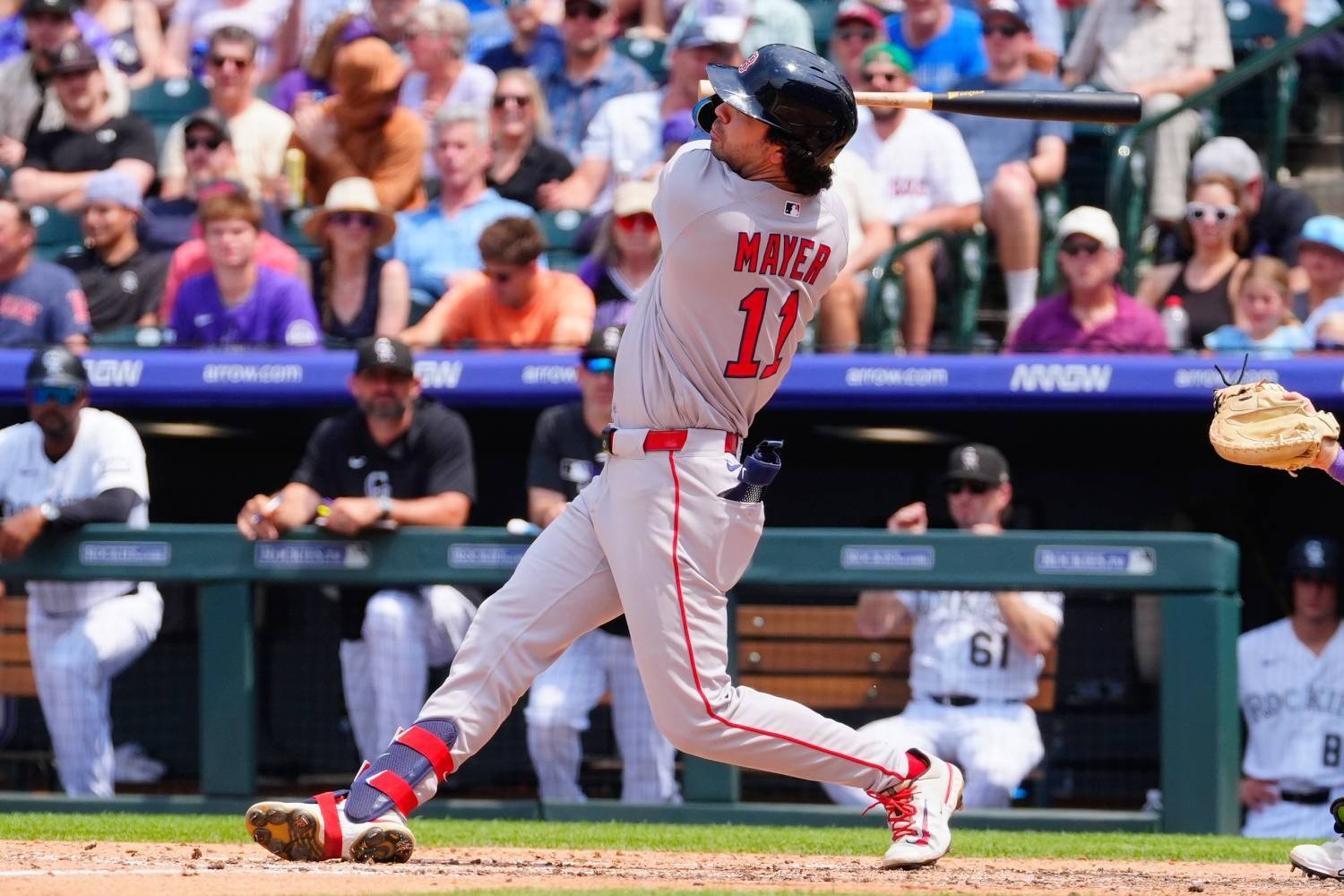 An already banged-up infield took another hit. Second baseman Marcelo Mayer was placed on the 10-day injured list Friday by the Boston Red Sox due to a stress reaction to the left ulna. Shortstop Tsung-Che Cheng was called up from Triple-A Worcester to make his Red Sox debut. Mayer has been dealing with the forearm issue for a couple months, but it got to the point where the Red Sox decided to shut Mayer down. The Red Sox now have six infielders on the IL, including three on the 60-day IL (Trevor Story, Triston Casas, Romy Gonzalez). Gonzalez, on the mend from surgery on his left shoulder, could return this weekend against the New York Yankees. He was scheduled to play in a rehab assignment for Worcester on Friday. In addition, third baseman Caleb Durbin has a partially dislocated left pinkie finger that he is currently playing through. Mayer is slashing .220/.282/.312 with three homers and 22 RBIs in 70 games this season. Cheng, who bounced around the waiver wire this offseason before finally sticking with the Red Sox, made his MLB debut last season with the Pittsburgh Pirates, going 0-for-7 in three games. At Worcester this year, Cheng has a .254/.351/.424 slash line with seven homers, 18 RBIs and 10 steals in 64 games. View the full article
 -
Chicago Cubs Weekly Prospect Update - 6/26/26 to 7/2/26
DiamondCentric posted an article in North Side Baseball
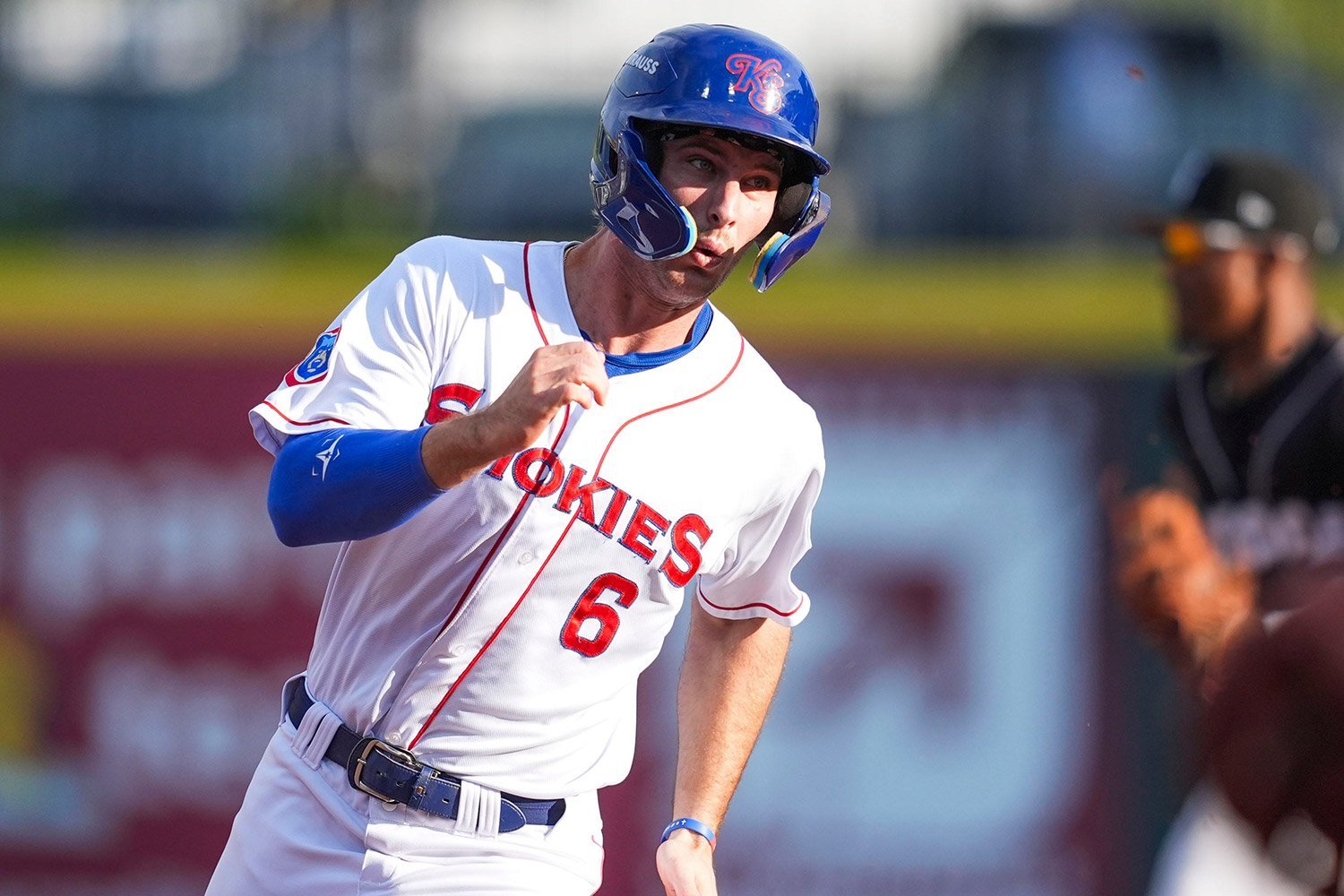 Pitchers • Jackson Brockett (South Bend Cubs) - In his first professional season, Brockett has done a good job keeping the bases empty, only having 12 walks, seven earned runs, and also has 42 strikeouts in 43 2/3 innings pitched. In 16 games, he has a 1.44 ERA and a 0.92 WHIP. • Tyler Ras (Knoxville Smokies) - Ras is a solid strikeout pitcher, averaging around ten strikeouts for every nine innings pitched (38 strikeouts this season). He also does not give up a lot of runs, with only seven earned in 36 innings pitched this season. In 21 games on the mound, Ras has a 1.75 ERA and a 1.22 WHIP. • Marino Santy (Knoxville Smokies) - Santy has done an excellent job keeping the ball in the park this season, only giving up one home run. He has also given up 23 hits and has 53 strikeouts in 37 innings pitched across High-A and Double-A. Santy also only has six earned runs and 18 walks. This season, he has a 1.46 ERA and a 1.11 WHIP in 22 games pitched. Catchers • Owen Ayers (Knoxville Smokies) - Ayers’ bat has been on fire to start the season with 19 home runs (six in High-A, 13 in Double-A). Being walked 41 times shows he has good plate discipline, and his .504 wOBA (.560 in High-A, .447 in Double-A) shows he is very good at getting on base. When he has not been catching this season, he has been playing at first base (71 innings this season), where he has only had two errors on 52 total chances. He started 26 games this season as a DH (four in High-A, 22 in Double-A). • Logan Poteet (Myrtle Beach Pelicans) - Poteet is another player with a bat on fire in the 2026 season, having 14 home runs. He contributes to scoring for the Pelicans as he has scored 38 times and brought in 37 runs. He has done a good job at getting on base with a wOBA of .431 so far this season. Poteet has started eight games as a DH. • Sergio Patino (DSL Cubs Blue) - Patino is off to a good start to his career at the plate with only two strikeouts in 27 at-bats. When he is not behind the plate, he plays first base (14.2 innings this season), where he has no errors on 15 total chances. The rookie has a .421 wOBA, which is very impressive. Infielders • Jefferson Rojas (Knoxville Smokies, SS/3B) - Although Rojas is officially listed as a shortstop, he has played more innings at third base this season, along with several innings at second base. He has nine errors (four at third, five at shortstop, none at second) on 131 total chances on the field this season. At the plate, he has 13 home runs and 41 runs in 230 at-bats, along with 47 RBIs and 24 walks. Rojas gets on base often with a .383 wOBA, which is solid. In five at-bats, he strikes out on average at least one of them. However, with the long ball threat and his ability to get on base, the strikeouts aren’t much of a concern. Rojas has started 2 games and played 3 total as a DH. • Jonathon Long (Iowa Cubs, 1B) - With 492.1 innings played at first base, Long only has two errors on 416 total chances, which is incredible. While playing 64 innings in left field, he has no errors on 15 total chances. The 68 strikeouts in 284 at-bats (around 24%) is not bad. He has scored 43 runs and brought in 39 in 71 games played for Iowa in 2026. Getting on base has been a bit of a struggle with a wOBA of .330. Long has also started seven games in the DH position. • BJ Murray (Iowa Cubs, 3B/1B) - Murray has had a solid season at the plate for Iowa, having 9 home runs, 43 RBIs, and 41 runs scored in 257 at-bats. His strikeout percentage is around 25% (65 on the season), so his numbers aren’t bad in this category. With a wOBA of .419 and 40 walks, he has done a great job getting on base this season. On the field, Murray has 370 innings played (207 at third, 127 at first, 36 innings left field), where he has six errors (one at first, five at third, none in left) on 187 total chances. He has started in 42 games this season (24 at third, 14 at first, four in left). He has also started 26 games as a DH. Outfielders • Josiah Hartshorn (South Bend Cubs, OF/1B) - In his first season out of rookie ball, Hartshorn has killed it at the plate, with 14 of his 71 hits being home runs, meaning anytime he gets a recorded hit, nearly one out of every five is a home run. With 342.1 innings played combined in right and center field in 40 games started (24 in right, 16 in center), he has no errors on 68 total chances. He also played 165.1 innings at first base this season with four errors on 142 total chances. He has also killed it at getting on base with a .463 wOBA on the season. Hartshorn has started six games as a DH. • Andy Garriola (Knoxville Smokies, OF) - With 379 innings played in all parts of the outfield this season, Garriola has no errors on 89 total chances in 44 games started (6 in left, 26 in center, 12 in right). On the offensive side, he has 16 walks in 190 at-bats, which displays solid plate discipline. He has 15 home runs, showing he has another hot bat in the Cubs organization. With 48 RBIs and 35 runs scored by himself, he is a contributor to run production for the Smokies. Garriola also gets on base a solid amount of times as shown by his .375 wOBA. Garriola has started eight games as a DH so far this season. • Kevin Alcántara (Iowa Cubs, OF/DH) - Alcántara has one of the best bats in Triple-A this season. He has 17 home runs, 41 RBIs, and 38 runs scored in 202 at-bats in 52 games. He has around a 36% strikeout percentage (73 on the season), which is very high and the only bad part of his offense, and nearly 15% of his at-bats have been walks for him (30 on the season). On the field, he only has one error in 427.1 innings played (82 in left, 150 in center, 195.1 in right) and 99 total chances. With a wOBA of .402, he has done a good job this season of getting on base. Alcántara has also started 3 games as a DH. View the full article
 -
Simeon Woods Richardson Designated For Assignment By Blue Jays
DiamondCentric posted an article in Jays Centre
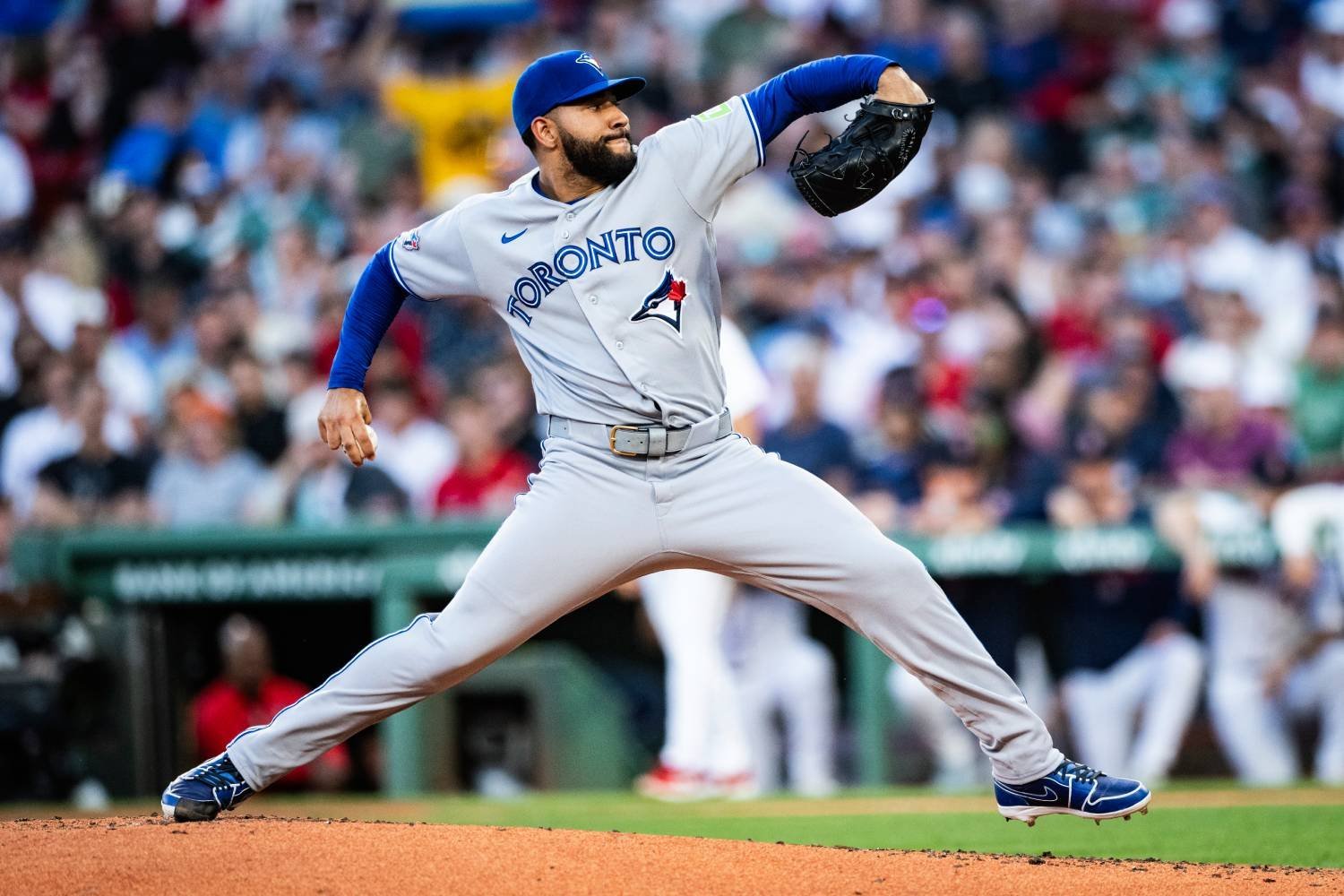 Despite not allowing a run, Simeon Woods Richardson's stay with the Toronto Blue Jays didn't last very long. The right-hander was designated for assignment by the Blue Jays on Friday to make room for left-handed reliever Adam Macko. Woods Richardson, acquired June 3 from the Minnesota Twins for cash after being DFA'd, made three relief appearances for the Jays, throwing 10 scoreless innings while allowing four hits and seven walks with five strikeouts. The walks could have been a contributing factor to Woods Richardson being DFA'd by the Jays. With the Twins, Woods Richardson had a 6.17 FIP (7.74 ERA) in 10 starts and two relief appearances covering 47⅔ innings with an 11% walk rate and 11.5% strikeout rate. His walk rate with the Jays in the small sample size was 18.4%, with his strikeout rate up a bit to 13.2%. Macko gives the Jays a much-needed second left-hander in the bullpen next to Mason Fluharty. Macko is up for the second time this season after making his MLB debut in May. In 12 games, Macko has a 2.94 FIP (1.50 ERA) with a 4.2% walk rate and 25% strikeout rate over 12 innings. View the full article
 -
 Alex and Maddie sit down and do their best to answer your questions about the Red Sox’s farm system. They provide suggestions on how to cope with the Red Sox’s annus horribilis, and consider when Franklin Arias will be called up. With the help of Nick John, they review the team’s catching depth. Finally, they give a brief recap of the Rockies series. Listen on Apple Podcasts: https://podcasts.apple.com/us/podcast/the-talk-sox-podcast/id1783204104 Listen on Spotify: https://open.spotify.com/show/3qPrPXEngu0CxgTmlf0ynm Listen on iHeartRadio: https://www.iheart.com/podcast/263-the-talk-sox-podcast-244591331/ Listen on Pocket Casts: https://pca.st/4tmd121v Watch on YouTube: https://www.youtube.com/@talksox View the full article
 -
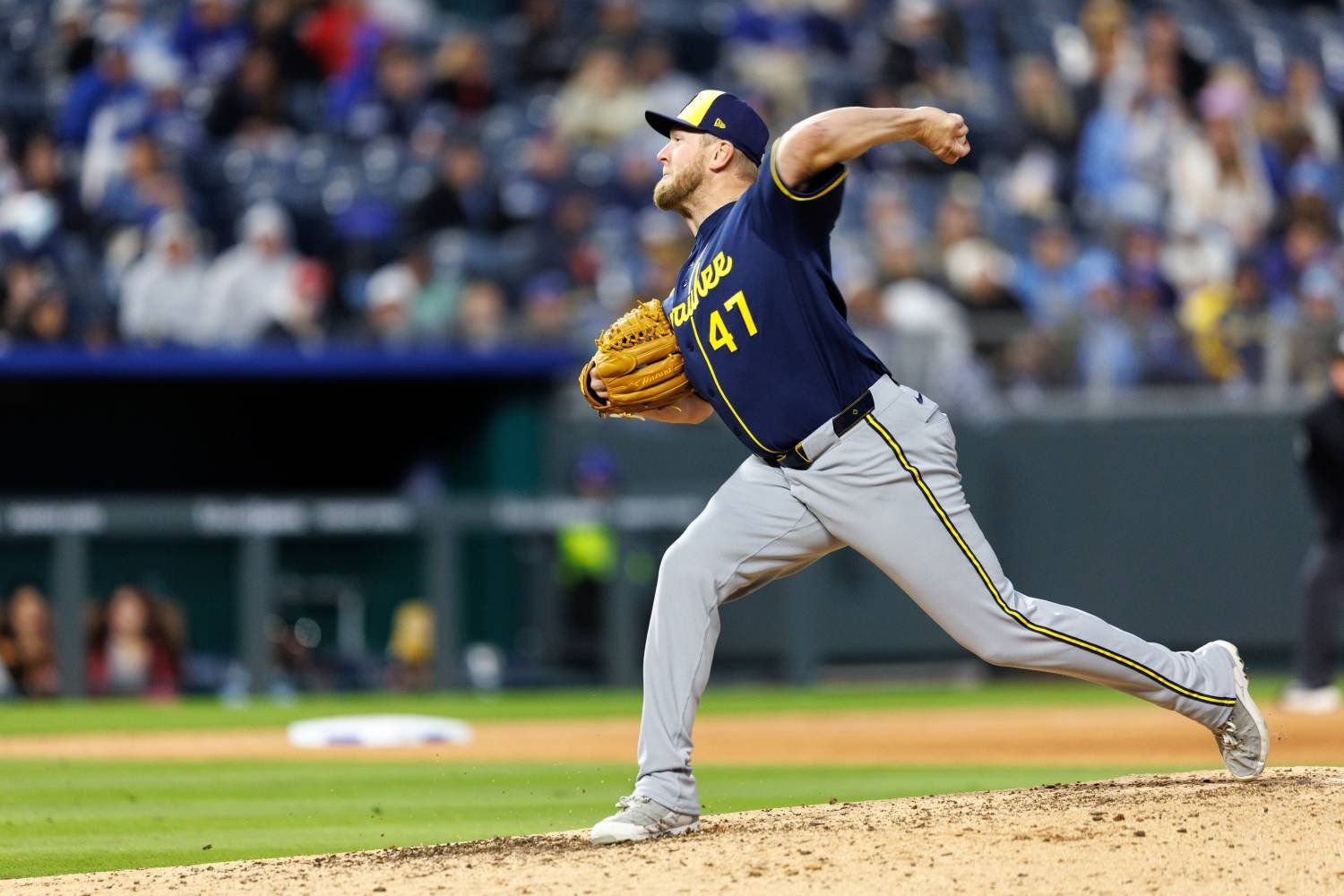 The Milwaukee Brewers have their reliable lefty back in the bullpen. Left-handed reliever Jared Koenig was activated off the 15-day injured list Friday by the Brewers, who optioned right-handed reliever Craig Yoho to Triple-A Nashville. Koenig had been out since April 6 with a sprained left elbow. He had made just three appearances before being injured, allowing two runs on three hits and two walks with four strikeouts in 2⅓ innings. Koenig appeared in 11 games on his rehab assignment, pitching 9⅔ innings. Yoho, once considered a big-time relief prospect, has wavered at the MLB level. In two call-ups this year, Yoho appeared in five games, giving up four runs on five hits and three walks with eight strikeouts in six innings for a 6.00 ERA. He made his MLB debut last season, appearing in eight games and posting a 7.27 ERA in 8⅔ innings with nine walks and seven punchouts. View the full article
 -
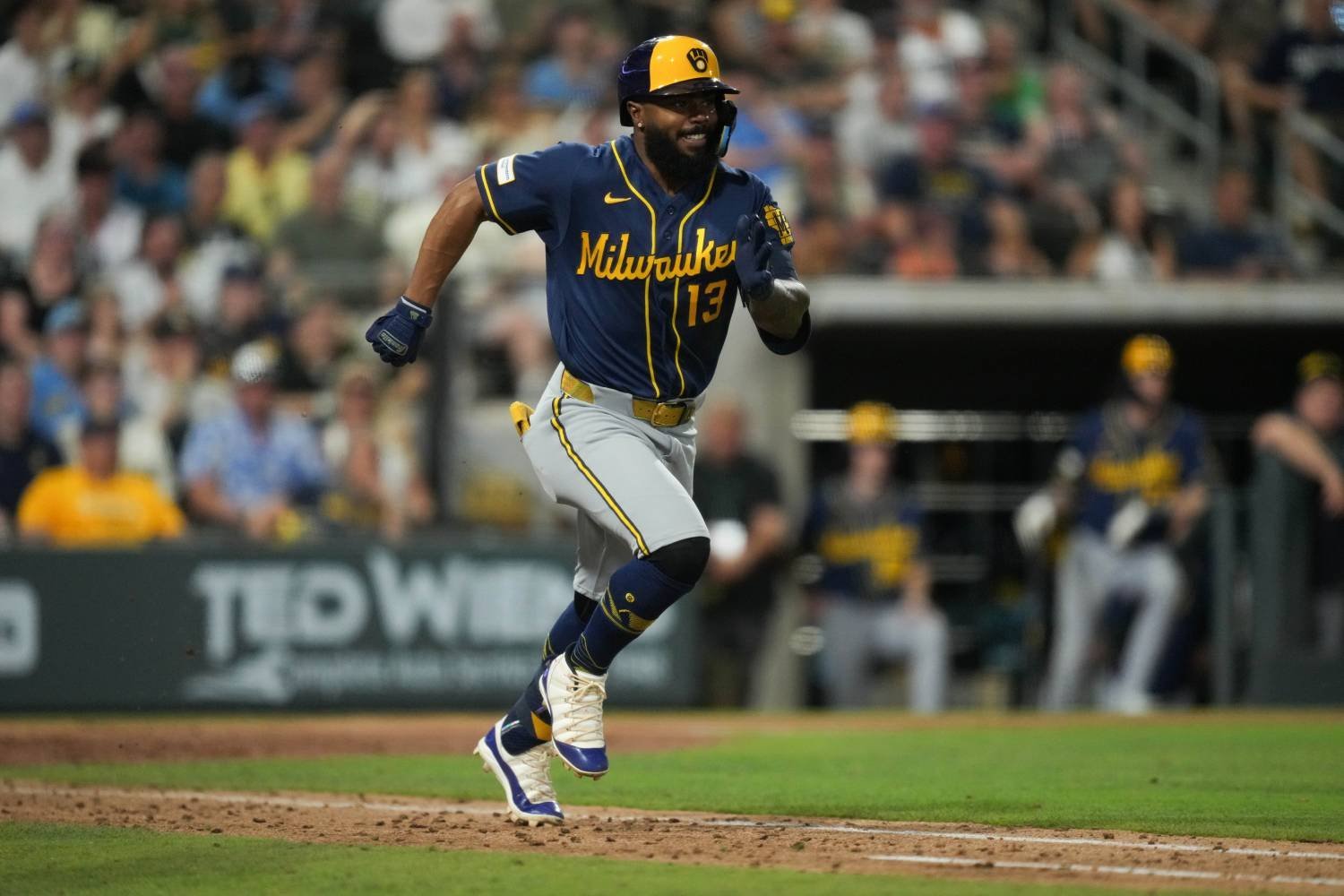 After a poor experience with the Milwaukee Brewers, infielder Luis Rengifo is getting a chance with the San Diego Padres. Rengifo, a second baseman-third baseman, has signed a minor-league contract with the San Diego Padres, Dennis Lin of The Athletic reported Friday. Rengifo was released by the Brewers after putting up a .205/.280/.254 slash line with no homers and 19 RBIs in 57 games while starting at third base. Rengifo will report to Triple-A El Paso. The Brewers signed Rengifo to a one-year, $3.5 million contract just before spring training following the trade of Caleb Durbin to the Boston Red Sox. The Brewers are on the hook for the remainder of the contract, except for the prorated minimum that the Padres will be paying Rengifo. View the full article
 -
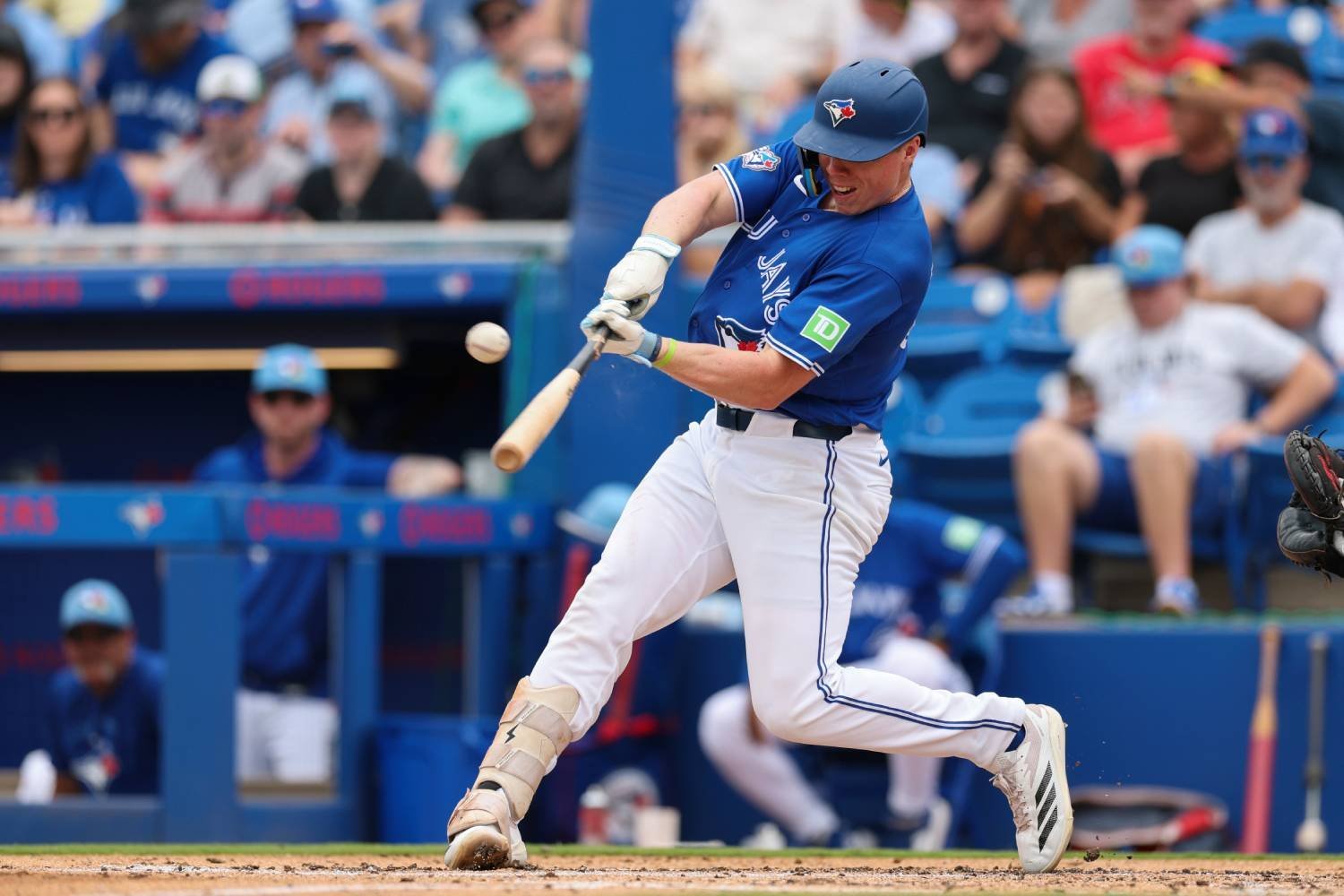 The Toronto Blue Jays are getting a power boost. Corner infielder Sean Keys, Jays Centre's No. 7 prospect, is reportedly being called up from Triple-A Buffalo to make his MLB debut. The move will be made before Saturday's game. Keys hit his 21st homer of the season Thursday for Buffalo. KEYS_VIDEO_0626.mp4 That followed a two-homer game Wednesday. Keys now has seven homers since being called up from Double-A New Hampshire on June 5. Between the two stops, Keys is slashing .284/.409/.619 with 54 RBIs and seven stolen bases in 67 games. At Buffalo, he has a .281/.403/.719 slash line with 20 RBIs in 18 games. Keys was the Jays' fourth-round draft choice in 2024 out of Bucknell. Moves to accommodate Keys on the 26- and 40-man rosters will need to be made, much less where he fits into the Jays' lineup. View the full article
