


DiamondCentric
-
Posts
2,631 -
Joined
-
Last visited
Never
Content Type
Profiles
Forums
Events
News
Tutorials & Help
Major League Baseball Videos
Guides & Resources
Store
Downloads
Gallery
Everything posted by DiamondCentric
-
 San Diego Padres affiliates went 2-2 Friday with the Triple-A El Paso Chihuahuas cruising to a 14-1 win over Reno, the Double-A San Antonio Missions winning late over Corpus Christi 8-6, the High-A Fort Wayne TinCaps falling to South Bend 7-6 and the Low-A Lake Elsinore Storm being edged by San Jose 6-5. Padres Minor-League Transactions San Antonio Missions placed C Ethan Salas on 7-day injured list. Lake Elsinore Storm placed RHP Ethan Long on the full-season injured list. Chihuahuas' Offensive Explosion Backs Matt Waldron In Rehab Start Mason McCoy went 4-for-4 with two RBIs and three runs scored, while Carlos Rodriguez had a pair of hits, including a homer, and drove in four runs as the host Triple-A El Paso Chihuahuas stomped the Reno Aces 14-1. The Chihuahuas put this one away with a seven-run eighth inning. Padres right-handed starter Matt Waldron, in his second rehab outing, went three innings, allowing a run on three hits, including a homer, with one walk and two strikeouts. Waldron faced 11 batters, throwing 44 pitches, including 27 strikes. The only run he gave up was on the first pitch of the game on a home run by Ryan Waldschmidt, who was recently demoted by the Arizona Diamondbacks. That was the first run he has given up on two rehab assignments this season after 14⅓ scoreless innings over four previous starts. EP1_0619.mp4 Rodriguez, who had a career-best 22-game snapped the day before, started a new one when he lined a single to right field in the first inning. Rodriguez got the Chihuahuas on the board when he cranked his second homer of the season, a two-run blast, in the bottom of the fourth. Nick Pratto had an RBI double and Clay Dungan a two-run single to make it 5-1 in the sixth. Rodriguez kept it going with a two-run single in the seventh. The seven-run eighth inning was highlighted by McCoy's two-run single and Nick Schnell's two-run double. The Chihuahuas' bullpen was outstanding after Waldron, allowing just three hits in six innings. Right-hander Sean Boyle struck out three and allowed a hit in three innings, while left-hander Miguel Cienfuegos, right-hander Michael Flynn and right-hander Ethan Routzahn each pitched a scoreless inning. EP2_0619.mp4 Player AB R H RBI BB K Bryce Johnson 3 2 0 1 2 1 Mason McCoy 4 3 4 2 0 0 Carlos Rodriguez 4 2 3 4 1 1 Nick Schnell 5 1 1 2 0 2 Nate Mondou 3 1 0 1 1 0 Nick Pratto 4 2 2 2 1 0 Clay Dungan 4 1 2 2 1 1 Anthony Vilar 4 1 0 0 1 0 Dylan Grego 4 1 2 0 0 2 Player IP H R ER BB K HR Matt Waldron 3 3 1 1 1 2 1 Sean Boyle 3 1 0 0 1 3 0 Miguel Cienfuegos 1 0 0 0 0 1 0 Michael Flynn 1 1 0 0 0 0 0 Ethan Routzahn 1 1 0 0 0 1 0 Luis Verdugo's Second HR Gives Missions Dramatic Win Luis Verdugo hit a pair of homers, including a tiebreaking two-run shot in the top of the ninth inning, while right-hander Ian Koenig tossed six strong innings as the Double-A San Antonio Missions edged the host Corpus Christi Hooks 8-6. Brendan Durfee, starting in place of Ethan Salas, Padres Mission's No. 1 prospect who went on the seven-day injured list, homered. Ryan Jackson had two hits and two RBIs, while Romeo Sanabria and Braedon Karpathios each had two hits. Sanabria scored once and drove in a run and Karpathios scored a run. In addition to his two homers, Verdugo walked twice. Koenig struck out seven and allowed two runs on four hits and a pair of walks. Right-hander Andrew Moore struck out a pair in a scoreless seventh inning and now has 45 strikeouts in 24⅓ innings. The Missions jumped out to a 5-0 as Verdugo hit a solo homer in the fourth inning, Durfee hit a solo shot, his second of the season, and Sanabria had an RBI single in the fifth and Jackson drove home a pair on a sixth-inning single. The Hooks made it 5-2 in the bottom of the sixth, with the Missions getting one back in the top of the seventh on Albert Fabian's sacrifice fly. But the Hooks would tie it with four runs in the eighth off right-hander Sadrac Franco. Karpathios, Padres Mission's No. 9 prospect, had a one-out single in the top of the ninth, then Verdugo untied it with his sixth homer of the year, a no-doubt two-run shot to left. Right-hander Francis Pena pitched a perfect ninth for his first save of the season and sixth of his career. SA1_0619.mp4 SA2_0619.mp4 Player AB R H RBI BB K Ryan Jackson 5 0 2 2 0 0 Francisco Acuna 4 1 1 0 1 1 Romeo Sanabria 4 1 2 1 1 1 Tirso Ornelas 5 0 1 0 0 0 Braedon Karpathios 5 1 2 0 0 1 Luis Verdugo 3 3 2 3 2 0 Albert Fabian 3 1 1 1 1 0 Kai Murphy 5 0 0 0 0 2 Brendan Durfee 4 1 1 1 0 2 Player IP H R ER BB K HR Ian Koenig 6 4 2 2 2 7 0 Andrew Moore 1 0 0 0 1 2 0 Sadrac Franco 1 4 4 4 1 1 0 Francis Pena 1 0 0 0 0 0 0 Kasen Wells Hits Inside-The-Park HR, But TinCaps Fall In 11 The second half of the Midwest League season opened with a bang as the host High-A Fort Wayne TinCaps scored five runs in the first inning, but it ended in disappointment as the South Bend Cubs pulled out a 7-6 victory in 11 innings. TinCaps left-handed starter Kash Mayfield, Padres Mission's No. 2 prospect, went just two innings and didn't allow a run, striking out four and giving up two hits. Mayfield did not pitch last week. Kasen Wells had two hits, including an inside-the-park home run that triggered the five-run first inning, and scored twice, while Carlos Rodriguez had a triple among his two hits, driving in one and scoring one. Kavares Tears had a double and two RBIs. Rodriguez and Alex McCoy also walked twice. Wells' inside-the-parker—the first for the TinCaps since Jackson Merrill's on May 30, 2023—came with one out as he pulled a line drive into the right-field corner that kicked away from the right fielder. It was his first homer of the season. Rodriguez followed that with a walk and McCoy reached on an error by the third baseman. Jake Cunningham's grounder forced McCoy at second and moved Rodriguez to third before Tears doubled home both runners for a 3-0 lead. Zach Evans singled home Tears and Jack Costellos doubled home Evans. South Bend chipped into the lead with two runs in the third and two in the fifth, with the TinCaps going up 6-4 on Rodriguez's triple that scored Wells, who had walked, stolen second and went to third on an error. The Cubs tied the game with a pair of runs in the top of the eighth and scored on an RBI single in the top of the 11th. FW_0619.mp4 Player AB R H RBI BB K Justin DeCriscio 4 0 1 0 1 0 Kasen Wells 5 2 2 1 1 1 Carlos Rodriguez 4 1 2 1 2 1 Alex McCoy 4 0 0 0 2 1 Jake Cunningham 5 1 0 0 0 2 Kavares Tears 4 1 1 2 1 2 Zach Evans 5 1 1 1 0 1 Jack Costello 4 0 1 1 1 1 Wyatt Hoffman 5 0 0 0 0 1 Player IP H R ER BB K HR Kash Mayfield 2 2 0 0 0 4 0 Isaiah Lowe 2 0 2 1 3 1 0 Jeferson Villabona 1/3 3 2 2 1 1 0 Braian Salazar 2 2/3 2 0 0 0 2 0 Igor Gil 2 2 2 2 2 3 0 C.J. Widger 2 1 1 0 2 1 0 Storm 5-Game Win Streak Ends As Second-Half Quest Begins A rocky start by left-hander Kruz Schoolcraft led to the Low-A Lake Elsinore Storm dropping the first game of the second half, a 6-5 decision to the host San Jose Giants. The Storm, who had their five-game winning streak snapped, won the first-half championship for the California League's South Division. Dawson Willis homered and drove in a pair. He was one of three Storm players to have two hits, joined by Kerrington Cross and Qrey Lott. Ryan Wideman, Padres Mission's No. 5 prospect, was on base twice with a single and a walk, while stealing his minors-leading 43rd base and scoring twice. Schoolcraft, Padres Mission's No. 4 prospect, gave up two runs each in the first, second and fourth innings. He surrendered six hits and three walks while punching out four. Willis hit a two-run homer as part of a three-run fifth inning that pulled the Storm within the final margin of 6-5. LE_0619.mp4 Player AB R H RBI BB K Ryan Wideman 3 2 1 0 1 1 Kerrington Cross 4 1 2 1 0 2 Dawson Willis 4 1 2 2 0 2 Qrey Lott 3 1 2 0 1 0 Luke Cantwell 4 0 1 0 0 0 Truitt Madonna 3 0 0 0 0 0 Yoiber Ocopio 1 0 0 0 0 0 Bradley Frye 4 0 0 0 0 0 Yimy Tovar 4 0 0 0 0 2 Conner Westenburg 3 0 0 0 0 1 Player IP H R ER BB K HR Kruz Schoolcraft 5 6 6 5 3 4 0 Daison Acosta 1 2/3 0 0 0 1 2 0 Carson Swilling 1 1/3 0 0 0 1 2 0 Padres Mission Top 20 Prospect Performance Ethan Salas: DNP Kash Mayfield: 2 IP, 2 H, 0 R, 0 BB, 4 K Miguel Mendez: DNP Kruz Schoolcraft: 5 IP, 6 H, 6 R, 5 ER, 3 BB, 4 K Ryan Wideman: 1-for-3, BB, SB, K Jorge Quintana: DNP Ty Harvey: On injured list Kale Fountain: Injured, out for season Braedon Karpathios: 2-for-5, K Lamar King Jr.: DNP Jagger Haynes: DNP Alex McCoy: 0-for-4, 2 BB, SB, K Truitt Madonna: 0-for-3 Tucker Musgrove: DNP Garrett Hawkins: DNP Michael Salina: DNP Eric Yost: DNP Rosman Verdugo: DNP Bryan Balzer: DNP Deivid Coronil: DNP View the full article
 -
Diamondbacks 9, Twins 5: Blunders and Mishaps in the Desert
DiamondCentric posted an article in Twins Daily
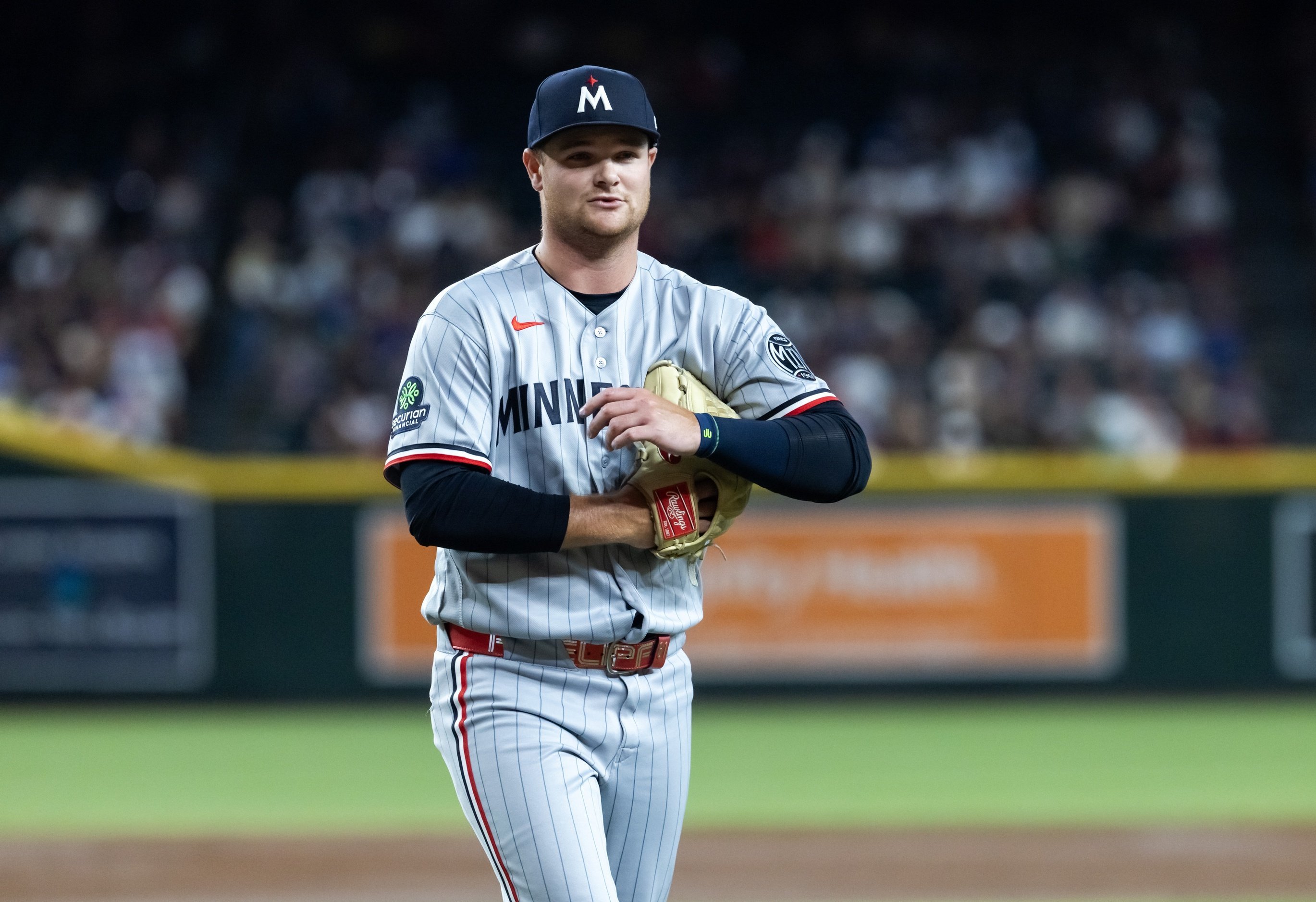 Box Score Connor Prielipp: 6 IP, 9 H, 3 ER, 3 BB, 4 K Home Runs: Victor Caratini (5), Josh Bell (9), Royce Lewis (7) Bottom 3 WPA: Connor Prielipp (-.420), Travis Adams (-.110), Brooks Lee (-.080) Win Probability Chart (via FanGraphs) What to make of these Twins? The ramshackle and dilapidated group, at one time—moons ago—the class of the AL, but for a moment; in more recent games, fallen into derelict as the flaws and pitfalls of their roster reared their ugly head, and causes losses to pile up. But have things changed? They swept the Rangers. They took a series from the Cardinals. Minor successes, yes—common for any team, in any year to claim such victories; as the ebbs and flows of a season, occasionally turgid, sometimes lean promise hope both false and real to any fan willing to watch. Would this stretch prove a mirage? We shall see. Early results portended… something. What exactly “it” was wasn’t clear, but it was obvious this force was nefarious. In the second at-bat of the game, Byron Buxton launched a liner off the left field wall, only to be thrown out at second thanks to an excellent relay by Lourdes Gurriel Jr., and a rare mild pace by Buxton before he rounded first. Then he sped things up. It was too late. Kody Clemens extended the inning with an infield single. Strange things abounded. The inning also ended up claiming Arizona starter Michael Soroka; he suffered an injury while warming up for the second inning, and left the game, and left manager Torey Lovullo suddenly relying on an impromptu bullpen game. The new hurler Taylor Clark coaxed two quick outs before allowing a mammoth solo homer to Victor Caratini. Chaos neither subsided or lessened; rather, it started to manifest in a ball suddenly unruly and impossible to glove. With Luke Keaschall on second, Clemens bounded a grounder the other way only for Nolan Arenado—the six-time Platinum Glove winner—to flub the play and allow Keaschall to score. The Diamondbacks responded with a run with no funny business attached, just for the Twins to strike back with a score in the fourth aided by a bouncing ball that just had to ricochet off the second base bag, and over the adroit Geraldo Perdomo who otherwise certainly would have made the play. Prielipp entered the fifth a workmanlike presence. Not dominant, he nonetheless had effectively contained the Diamondbacks offense, flipping his signature breaking stuff in and around the zone with the kind of ease that made him such a tantalizing prospect. That soft providence quickly turned. It started with a walk. Always dreadful. Then a flurry of hits, and an infield defense that could only stumble and fall over themselves turned a 3-1 advantage to a 5-3 deficit. Then a 6-3 one when Ketel Marte led off the sixth with a solo homer. Minnesota struck back once again; this time, homering twice in the eighth to draw them within one run. That was as close as they would get. Travis Adams labored in his second inning of work. Two hits and a walk loaded the bases. Suddenly Corbin Carroll was up with the bases loaded. No lefty? It was Adams' trouble to escape. On a 1-2 count, he tried to fool the superstar with a low and outside changeup, and Carroll softly lofted the pitch into right field, expertly guiding the liner as the bases emptied and Carroll, who always runs like the world is about to end, slid harmlessly into third base. The Twins went down quietly in the ninth. Notes: Post-Game Interview: What’s Next? The Twins and Diamondbacks will return to their ordinary TV broadcasts on Saturday yet will continue to start at unordinary times: first pitch is at 9:10 PM. Taj Bradley will start opposite Zac Gallen. Bullpen Usage Spreadsheet SUN MON TUE THU FRI TOT Adams 0 0 13 0 42 55 Laweryson 0 0 20 17 5 42 Morris 17 9 0 8 0 34 Orze 0 15 0 12 0 27 Gómez 10 15 0 0 0 25 Rogers 0 6 0 15 0 21 Lawrence 0 0 0 18 0 18 Banda 11 0 0 0 0 11 Paredes 0 0 0 0 0 0 View the full article
 -
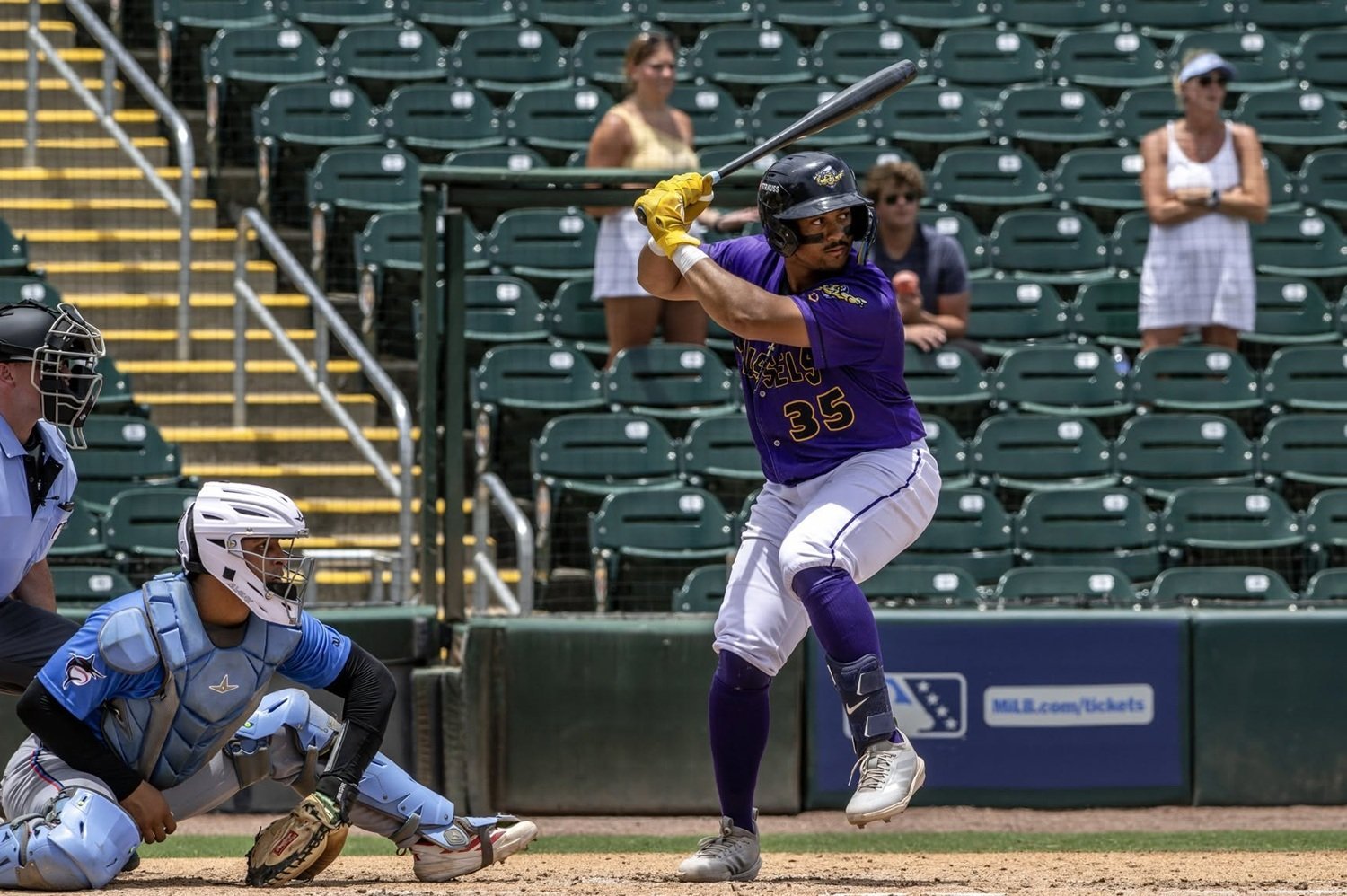 TRANSACTIONS Orlando Arcia was outrighted to St. Paul on Thursday but officially re-joined the roster on Friday. RHP Drew Smith was released by the organization. SAINTS SENTINEL St. Paul 6, Omaha 5 Box Score CHS Field hosted a game with several storylines from the first inning through the walk-off winner in the bottom of the ninth. Minnesotan Aaron Rozek made the start for the Saints, and he has been terrific this season. The southpaw tossed four innings and gave up two runs on five hits and a walk. He struck out two batters. Starting for the Storm Chasers was long-time Twins and Saints pitcher Randy Dobnak. The veteran gave up three runs on six hits and a walk over the first 4 1/3 innings. He had five strikeouts. Dobnak was traded to the Tigers with Chris Paddack at last year’s trade deadline. He became a free agent when the Tigers declined his option for the 2026 season. Very early in the offseason, Dobnak signed a minor-league deal with the Seattle Mariners. Last week, he had an “upward mobility” clause in his contract. The Mariners worked out a trade that sent Dobnak to the Royals organization. In the bottom of the first inning, Alan Roden led off with a single. Gabriel Gonzalez followed with another single. Following a fielder’s choice, Aaron Sabato stepped to the plate and launched his 14th home run of the season to give the Saints a 3-0 lead. C.J. Culpepper came in for the fifth inning. He gave up an unearned run on two hits in the inning. He had a strikeout. Kody Funderburk and Taylor Rashi each pitched a scoreless inning. In the bottom of the sixth, Orlando Arcia singled. He stole second and went to third base on an errant throw. He scored on a Ben Ross sacrifice fly which gave the Saints the 4-3 lead. Lefty Jake Higginbotham pitched the eighth inning. He gave up a bunt single, and then Abraham Toro gave the Storm Chasers a 5-4 lead. The next batter doubled, and that was followed by a walk. Things could have gone really bad for Higginbotham and the Saints, but the southpaw stepped up. He got a pop up and then struck out the next two batters to limit the damage and keep the Saints within one run. Raul Brito worked a scoreless top of the ninth for the Saints. With one out in the bottom of the ninth, Alan Roden drilled a ball 108.3 mph at a 26-degree angle. It landed 411 feet away from home plate and when Roden touched the plate, the game was tied at 5-5. Gabriel Gonzalez followed with his 10th double. Harry Genth pinch ran for him. Matt Wallner came to the plate and lined a single to right field which allowed Genth to easily score the game-winning run. Roden went 3-for-5 with his fifth home run. Gonzalez went 2-for-4 with a walk and his 10th double. Sabato went 2-for-4 with his 14th home run and three RBI. Wallner went 2-for-4 with a walk, his eighth double, and the walk-off single. The top four batters in the Saints lineup accounted for nine of the team’s 11 hits, five of the six runs, five of the six RBI, two of three walks. WIND SURGE WISDOM Wichita 4, Springfield 10 Box Score Chris Vallimont originally came to the Twins in a 2019 trade deadline deal with Sergio Romo from the Marlins in exchange for Lewin Diaz. He stayed with the organization until May of 2022 when he was DFAd and claimed by the Orioles. About a year later, he received a call to the big leagues. He pitched in just one game and faced just two batters. He has been pitching in the Atlantic League the last couple of seasons. Last week, the Twins signed him. On Friday, he made his return to the Twins organization. Vallimont started and gave up one run on three hits, two walks, and a hit batter. Hunter Gregory came in and gave up four runs on five hits over 1 2/3 innings. Darren Bowen went two innings and was charged with three runs on five hits and a walk. Nick Mikolajchak worked the final two innings and gave up two runs on five hits. The Wind Surge scored four runs on five hits and seven walks. However, they were 0-for-7 with runners in scoring position. Wichita was down 8-0 in the bottom of the seventh. Kala’i Rosario singled to lead off the inning. Garrett Spain followed with his 12th home run of the season. Spain also had two outfield assists. He threw out one batter at second and another at home. Andrew Cossetti hit his ninth home run to start the bottom of the eighth inning. Down 10-3 and with two outs in the bottom of the ninth, Caleb Roberts was hit by a pitch, Cossetti walked, Khadim Diaw walked, and then Roberts scored when Billy Amick was hit by a pitch. Diaw was 1-for-2 with three walks. Cossetti was 1-for-2 with two walks and his ninth home run. KERNELS CHRONICLE Cedar Rapids 2, Beloit 12 Box Score In the bottom of the first inning, Marek Houston led off with a walk. He stole second, his 24th steal of the season, and scored on a Walker Jenkins single. It was all Sky Carp after that. Garrett Horn started and gave up three runs on one hit (a homer) over the first two innings. He walked two batters, hit one, and had three strikeouts. Nick Trabacchi came in and gave up three runs on four hits, two walks and hit a batter in 2 1/3 innings. He struck out three batters. Brian Zeldin gave up three runs on one hit, three walks, and hit a batter in 1 2/3 innings. He struck out two batters. Adam Falinski gave up one run on one hit and two walks in one inning. Sam Rochard gave up two runs on three hits and a walk over the final two innings. The Kernels managed just two runs on four hits, although they also walked six times. Jenkins went 2-for-3. Eduardo Tait hit his 12th double. Enrique Jimenez had the second RBI on a bases-loaded walk. Marek Houston had three walks in the game. MIGHTY MATTERS Ft. Myers 7, Tampa 8 Box Score The Mussels scored four runs in the top of the third inning to take a 4-1 lead. Tampa scored two in the bottom of the fifth inning and three more in the bottom of the seventh to take the 6-4 lead. Fort Myers cut the deficit to 6-5 with a run in the top of the eighth inning. But the Tarpons scored two runs in the bottom of the eighth to take the 8-5 lead. The Mussels made a comeback in the top of the ninth inning. However, they fell just one run short. Ramiro Villanueva made the start for Fort Myers. He gave up three runs (1 earned) on three hits and a walk over 4 1/3 innings. He had six strikeouts. Jake Murray came on and allowed both inherited runners to score. He was also charged with two runs on one hit in 1 2/3 innings. He walked two and had two strikeouts. Dylan Questad allowed both of his inherited runners to score and gave up one run in the seventh inning on a solo homer. Mike McKenna came in and gave up two runs on three hits in the eighth inning. With two outs in the top of the third inning, Dameury Pena singled. Ryan Sprock followed with a single, and Ramiro Dominguez walked to load the bases. JP Smith came to the plate and drilled his eighth home run of the season, a grand slam that turned a 1-0 deficit into a 4-1 lead. The Mussels were down 6-4 through seven innings. In the top of the eighth, Sprock and Dominguez walked, and Smith reached on an infield single. Sprock scored on a double play ball. Another ground ball and the inning was over with the Mussels still down by a run. Going to the ninth, the Mussels were trailing 8-5. With one out, Merphy Hernandez reached on a bunt single. He stole second and went to third base on a wild pitch. Ricardo Pena was hit by a pitch. Jayson Bass pinch ran for him and stole second. Dameury Pena drove in Hernandez with a sacrifice fly. After a wild pitch, Sprock doubled to drive in Bass and cut the deficit to 8-7. Unfortunately, that’s as close as they got. JP Smith was 2-for-4 with his eighth homer and four RBI. Ramiro Dominguez walked three times. Ryan Sprock was 3-for-3 with two walks and his seventh double. As impressive, he was 6-for-6 in pitch challenges in the game too. (five as a catcher, one as a hitter) COMPLEX CHRONICLES FCL Twins 3, FCL Red Sox 11 Box Score Putting crooked numbers on the scoreboard is very good. In this game, both teams scored in three innings. The Twins scored one in the third, one in the fourth, and one in the sixth inning. The Red Sox scored four in the first, two in the second, and five in the fourth inning. Down 6-0, the Twins got on the scoreboard in the bottom of the third. Daiber De Los Santos led off with a walk. De Los Santos stole second. Carlos Taveras drove him in with his first triple. In the fourth, the Twins were down 11-1. With one out, Darwin Almanzar walked. He moved to second on a ground out. He stole third base and scored on a single by Jose Barrios. Carlos Taveras led off the bottom of the sixth with a walk. He went to second on a balk and then went to third on a passed ball. Later, he scored the team’s third and final run on a wild pitch. Veteran Eduardo Salazar made his second rehab appearance. He gave up four runs on four hits and recorded just two outs. Santiago Rojas came on and gave up seven runs (6 earned) on seven hits in three innings. He walked two and struck out two batters. Four of the seven hits were home run balls. Jack Walker came in and struck out four batters over 2 1/3 scoreless innings. He gave up no hits and just one walk. Infielder Yilber Herrera came on and walked one batter in a scoreless, hitless inning. DSL Twins 4, DSL Blue Jays 3 Box Score The Twins scored three runs in the top of the first inning. They added a run in the fourth and then hung on for a 4-3 win. With one out in the top of the first, Juan Holmann walked. He stole second and advanced to third on a wild pitch. Enmanuel Merlo walked. Another wild pitch allowed Holmann to score and Merlo advanced to second. Merlo went to third base on a wild pitch. After a strikeout, Merlo scored. Guess how? Whoa! You’re good! Yes, he scored the inning’s second run on a wild pitch. Luis Duarte walked and went to second on a wild pitch. Luis Suarez walked. Runners advanced to second and third base on a balk. The team’s third run of the innings came … on a wild pitch. In the fourth inning, Suarez led off with a double. He advanced to third base on a balk. With one out, guess how he scored. Wrong! Ashwar Sprok lined a single to right field to drive in the team’s fourth run. 16-year-old Adrian Martinez made the start for the Twins. Coming into the game, he had thrown a combined 4 2/3 innings in his first two starts. On Friday, he more than doubled his career innings. He tossed five innings and gave up just two runs. He allowed five hits, hit a batter and walked two. Martinez earned his first win as a professional. Herkyn Taveras just turned 17 earlier this month. On Friday, he had his best outing to date. He tossed two innings and gave up only an unearned run on one hit and one hit batter. He had two strikeouts. Taveras earned his first career save. The Twins had just four hits and six walks. Three of the hits went for extra bases. Luis Suarez hit his second double. He also walked once. Misael Rodriguez hit his third double of the season. Anibal Beltre hit his first triple. Luis Duarte walked twice. PLAYERS OF THE DAY Hitter(s) of the Day Alan Roden (St. Paul): 3-for-5, HR(5), R, RBI, K Matt Wallner (St. Paul): 2-for-4, BB, 2B(8), R, GW RBI, K Aaron Sabato (St. Paul): 2-for-4, HR(14), R, 3 RBI, K. Ryan Sprock (Fort Myers): 3-for-3, 2 BB, 2B(7), 2 R, RBI. JP Smith II (Fort Myers): 2-for-4, HR(8), 4 RBI, R, K. Pitcher(s) of the Day Adrian Martinez (DSL Twins): 5 IP, 5 H, 2 R, 2 BB, 3 K, first pro Win. PROSPECT SUMMARY Check out the Prospect Tracker for much more on our Twins Top 20 prospects after seeing how they did today. #1 - OF Walker Jenkins (St. Paul) - Rehab in CR: 2-for-3, RBI (batted second, played CF) #4 - LHP Connor Prielipp (Minnesota) - 6 IP, 9 H, 6 R, 3 ER, 3 BB, 4 K, 97 pitches, 63 strikes (64.9%) #5 - C Eduardo Tait (Cedar Rapids) - 1-for-4, 2B(12) (batted fourth, played C). #7 - SS Marek Houston (Cedar Rapids) - 0-for-1, 3 BB, R, SB(24), CS(2) (batted first, played SS) #10 - OF Gabriel Gonzalez (St. Paul) - 2-for-4, BB, 2B(10), R, (batted second, played LF) #17 - RHP C.J. Culpepper (St. Paul) - 1 IP, 2 H, 1 R, 0 ER, 0 BB, 1 K, 17 pitches, 11 strikes (64.7%) #19 - C/OF Khadim Diaw (Wichita) - 1-for-2, 3 BB (batted second, played DH) UPCOMING PROBABLES Saturday, June 20 Omaha @ St. Paul (6:37 pm CT) - RHP Ryan Gallagher (2-0, 8.00 ERA) Springfield @ Wichita (6:05 pm CT) - RHP Sam Armstrong (1-5, 5.02 ERA) Beloit @ Cedar Rapids (6:35 pm CT) - RHP Eston Stull (1-0, 6.75 ERA) Ft. Myers @ Tampa (5:30 pm CT) - RHP Merit Jones (2-1, 2.86 ERA) FCL Twins @ FCL Red Sox (9:00 am CT) - DSL Twins @ DSL Rockies (9:00 am CT) - CURRENT W-L Records Minnesota Twins: 36-41 (3rd place (of 5) in AL Central, 4.5 GB)) St. Paul Saints: 41-31 (3rd place (of 10) in IL West Division, 4.5 GB)) Wichita Wind Surge: 25-40 (5th place (of 5) in TL North Division, 18.0 GB)) Cedar Rapids Kernels: 31-34 (4th place (of 6) in MWL West Division, 9.0 GB)) Fort Myers Mighty Mussels: 37-29 (2nd place (of 6) in FSL West Division, 2.5 GB)) FCL Twins: 19-16 (2nd place (of 6) in FCL South Division, 2.0 GB)) DSL Twins: 5-9 (5th place (of 7) in DSL East Division, 4.0 GB)) Please feel free to ask questions about the teams, the rosters, and discuss today’s games, or anything else Twins minor-league related! View the full article
 -
Top Padres Prospect Ethan Salas Placed On Injured List
DiamondCentric posted an article in Padres Mission
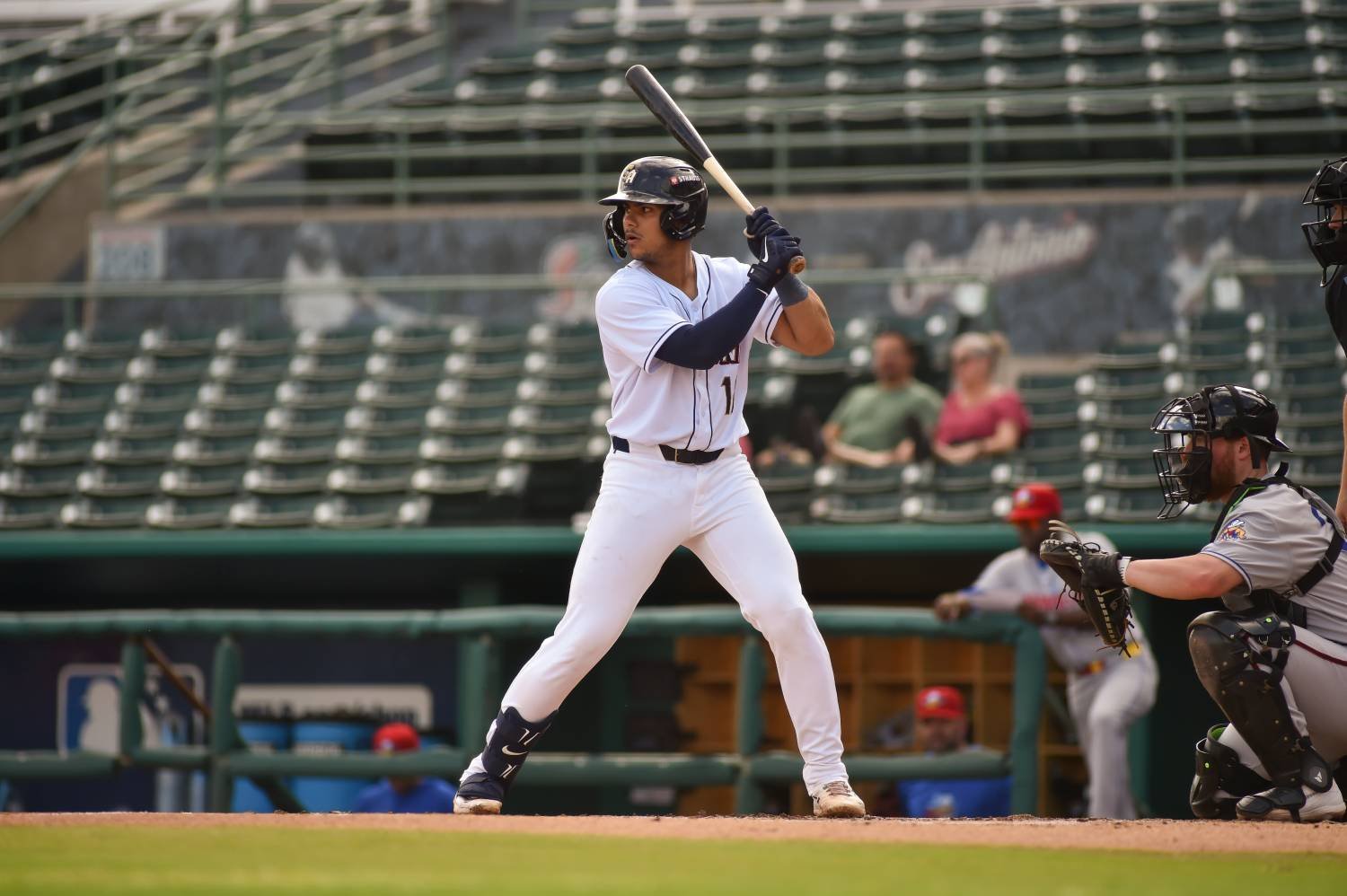 The San Diego Padres' top prospect will be sidelined for a bit. Catcher Ethan Salas, Padres Mission's No. 1 prospect, was placed on the seven-day injured list by the Double-A San Antonio Missions, according to the team. The type of injury was not disclosed by the team, but Mad Friars reported it to be a minor oblique strain. The move was made retroactive to Thursday. The 20-year-old Salas was in the midst of a breakout season when he was injured. The left-handed hitter has a slash line of .282/.352/.432 with seven homers and 33 RBIs in 56 games. He also has 13 steals in 17 attempts. Salas last played in the first game of Wednesday's doubleheader against the Corpus Christi hooks when he walked three times, going 0-for-1 and scored three times. The three walks matched a career high, one other happening this season, May 3 vs. Tulsa, and the other happening in 2024 while playing for High-A Fort Wayne. Salas has been otherwise healthy this season after missing all but 10 games of 2025 due to a stress reaction in his lower back. While Salas would seem like an untouchable prospect as the trade deadline approaches, his name has popped up in rumors and it wouldn't be the first time Padres president of baseball operations A.J. Preller would deal the system's top prospect. Just last year, shortstop Leo De Vries was part of a big package of prospects that went to the A's in the Mason Miller trade. View the full article
 -
Mason Miller Returns To Padres After Missing A Series
DiamondCentric posted an article in Padres Mission
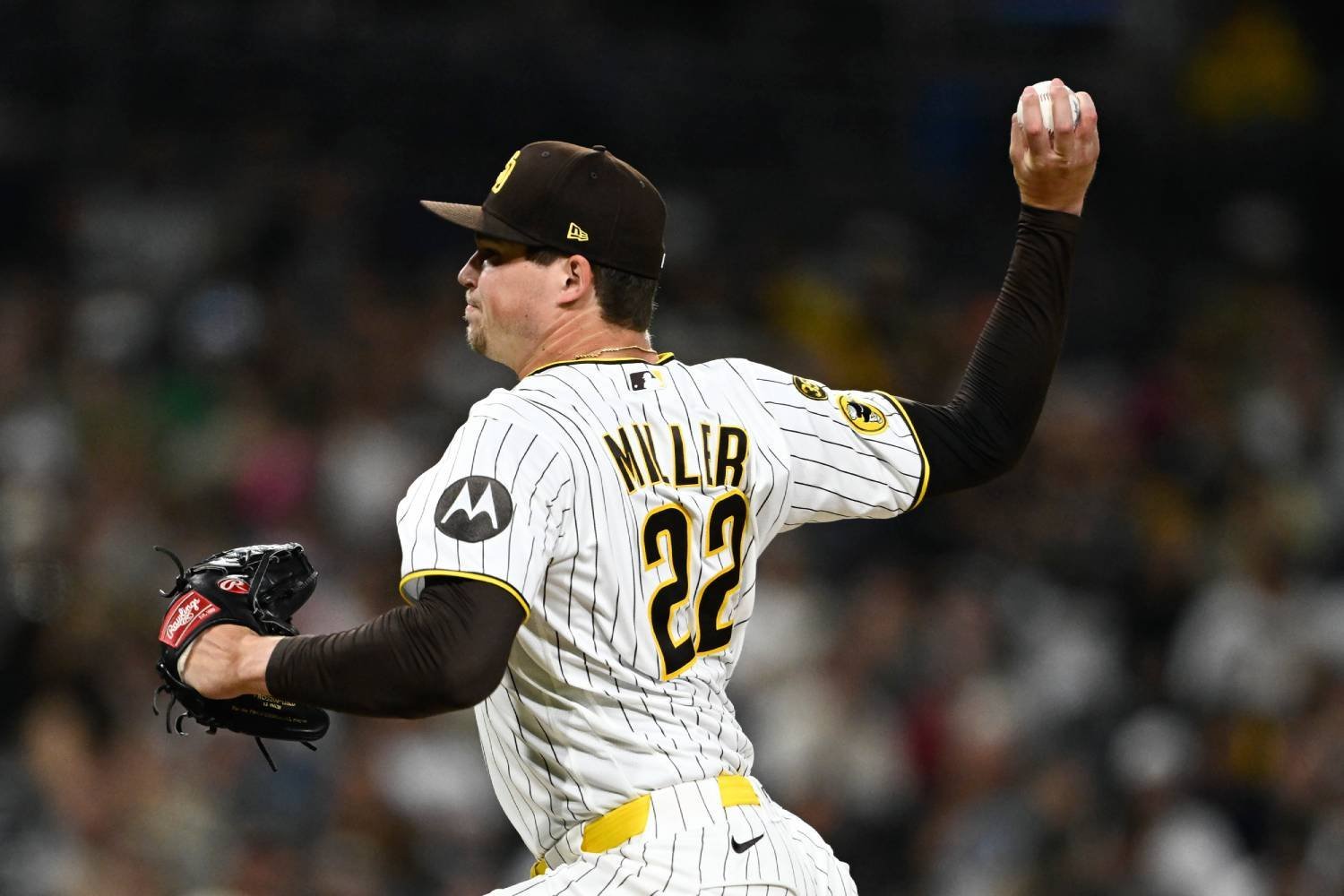 After missing the St. Louis Cardinals series, Mason Miller is back with the San Diego Padres. The superstar right-handed closer was activated off the bereavement-family medical emergency leave list Friday. In a somewhat surprising move, right-handed reliever Bradgley Rodriguez was optioned to the Arizona Complex League. Details behind Miller not being with the team have not been revealed as of this writing. Miller is second in MLB with 19 saves and has a 0.90 ERA. Rodriguez, according to Kevin Acee of the San Diego Union-Tribune, was assigned to the rookie-level team in order to get some planned rest. Rodriguez is a rookie who made his MLB debut last season, appearing in seven regular-season games, then was included on the postseason roster for the NL Wild Card Series against the Chicago Cubs. He has been a key member of a very good Friars bullpen. In 31 games and 34⅓ innings, Rodriguez has a 2.66 FIP (2.10 ERA) with an 8.3% walk rate and 22.2% strikeout rate. View the full article
 -
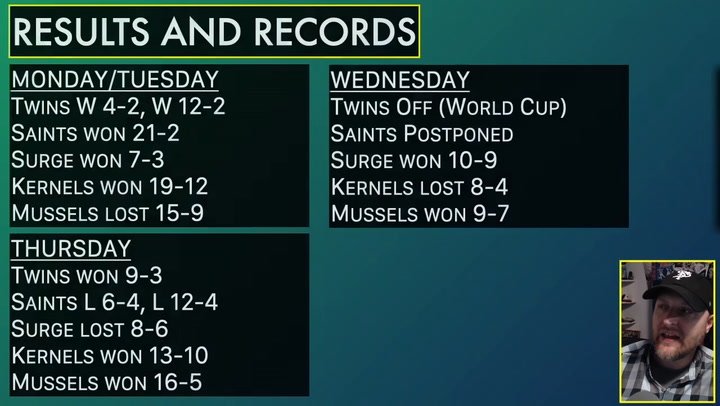 Twins System Recap: Eduardo Tait is killing it so far this week. He had a two homer game and drove in five runs on Tuesday before adding another homer while driving in six on Thursday. He has seven homers in just 13 games so far this month. Fellow catchers Andrew Cossetti and Enrique Jimenez also had big performances this week, Marek Houston continued his hot month, and Alan Roden had a triumphant return to the Saints. View the full article
 -
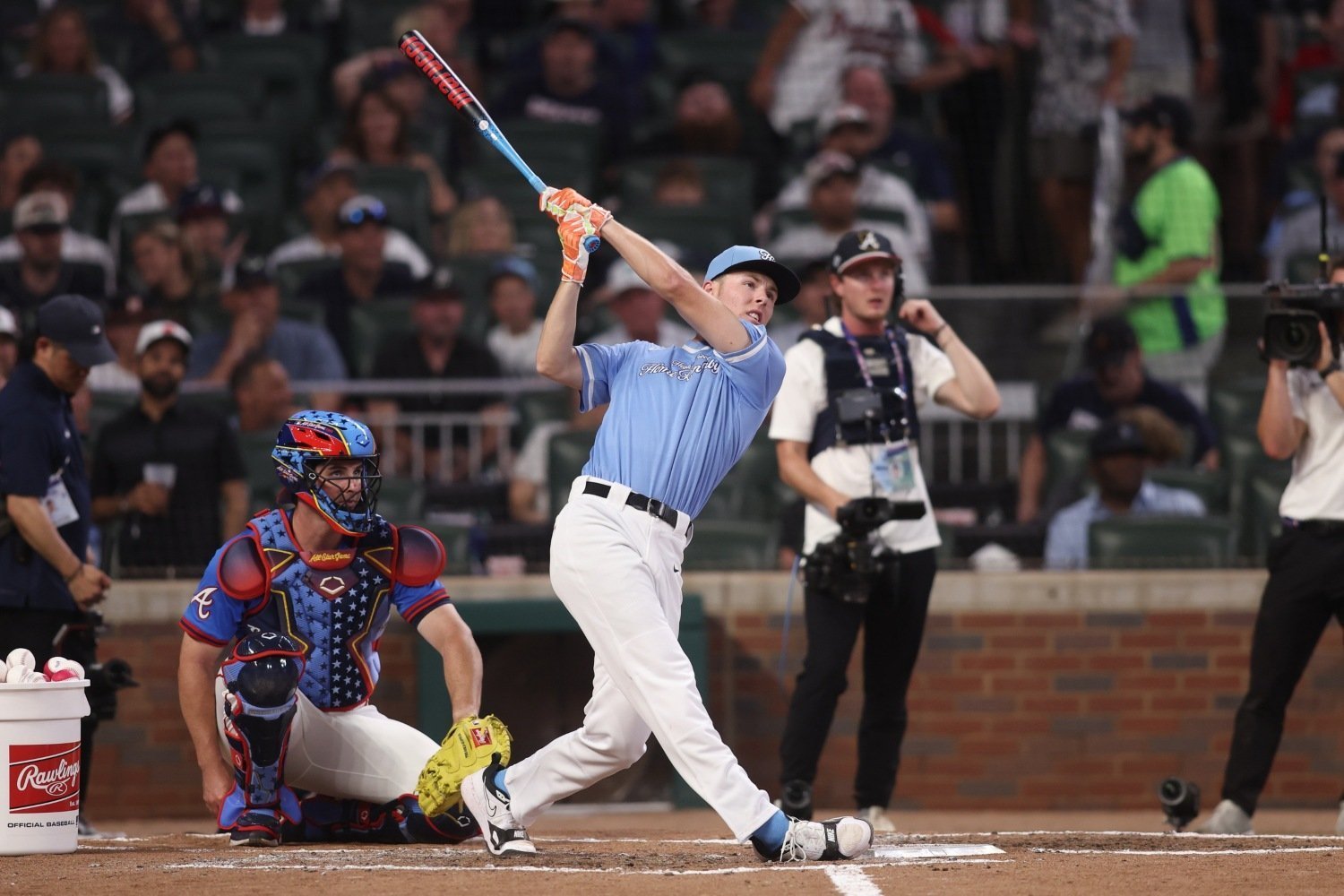 As the countdown to the 2026 MLB Draft continues, most evaluators agree on one thing: nobody truly knows how the first three picks will unfold. That uncertainty is exactly what makes this year's draft so intriguing for the Twins. In his latest attempt to project the top of the draft, MLB.com draft expert Jim Callis laid out six different scenarios for the first three selections. While there are certainly other possibilities, his projections reinforce the idea that three elite prospects have separated themselves from the rest of the class. The debate centers around three names: UCLA shortstop Roch Cholowsky, Georgia Tech catcher Vahn Lackey, and prep shortstop Grady Emerson. For Minnesota, that's a pretty good place to be. Cholowsky Still Leads the Pack Callis currently projects the White Sox to select Cholowsky with the first overall pick. That wouldn't qualify as a surprise. Cholowsky has spent much of the draft cycle viewed as the favorite to go No. 1 overall thanks to his polished all-around game, defensive value at shortstop, and offensive upside. He has been the most consistent name atop draft boards for months. But consistency doesn't necessarily mean certainty. With several weeks remaining before draft night, teams are still gathering information, discussing bonus pool strategies, and determining whether another player might offer more value at the top of the board. Lackey's Meteoric Rise If Cholowsky goes first, Callis predicts the Rays would select Lackey with the second overall pick. Few players have boosted their stock more than the Georgia Tech backstop this spring. What began as a strong season evolved into a legitimate argument that Lackey could be the best player available in the entire draft. Catchers always bring additional risk because of the physical demands of the position, but Lackey's offensive profile and defensive tools have convinced many evaluators that he belongs in the conversation for the first overall selection. In fact, several of Callis' scenarios have Lackey coming off the board before either Cholowsky or Emerson. Emerson Could Be the Twins' Prize Under Callis' most likely projection, Minnesota lands Emerson at No. 3 overall. Not long ago, many draft observers believed Emerson would be the favorite to go second overall to Tampa Bay. That's no longer a consensus view, but it illustrates just how fluid the top of this draft remains. For the Twins, Emerson represents the type of upside teams dream about acquiring near the top of the draft. The prep shortstop has long been viewed as one of the most talented players in the class, and there are still plenty of scenarios where he doesn't make it past the first or second pick. That's why Minnesota's front office is likely spending more time preparing for multiple outcomes than targeting one specific player. The Tyler Bell Wild Card Another factor worth monitoring is Kentucky shortstop Tyler Bell. Callis noted that Bell could be willing to sign for less than slot value if selected within the top five picks. Those types of bonus considerations can dramatically alter draft boards. If a team believes it can save money early and redistribute those dollars later in the draft, Bell could become an appealing option. Any surprise move involving Bell would create a ripple effect that impacts the prospects available when Minnesota is on the clock. The Odds Favor Minnesota Callis assigned probabilities to six potential outcomes involving the first three selections: Cholowsky (White Sox), Lackey (Rays), Emerson (Twins): 26% Cholowsky (White Sox), Emerson (Rays), Lackey (Twins): 24% Emerson (White Sox), Lackey (Rays), Cholowsky (Twins): 21% Emerson (White Sox), Cholowsky (Rays), Lackey (Twins): 19% Lackey (White Sox), Emerson (Rays), Cholowsky (Twins): 5% Lackey (White Sox), Cholowsky (Rays), Emerson (Twins): 5% From Minnesota's perspective, the math works out quite nicely. Those projections give the Twins roughly a 43% chance of landing Lackey, a 31% chance of selecting Emerson, and a 29% chance of ending up with Cholowsky. When the possible outcomes are the three best players in the draft, those are odds any front office would gladly accept. A Familiar Situation This year's draft bears some resemblance to the 2023 draft. That summer, the Twins benefited from the inaugural MLB Draft Lottery, jumping from the 13th pick to the fifth overall selection. The top of that draft featured a clear group of elite prospects, and Minnesota's strategy was simple: wait and take whichever premium talent remained available. The result was Walker Jenkins, who has remained the organization's top prospect ever since. The Twins could find themselves following a similar blueprint this year. Rather than being locked into one player, Minnesota appears positioned to let the first two picks dictate its decision. With Cholowsky, Lackey, and Emerson all viewed as top-tier talents, the organization may simply select whichever member of that trio is still available. Draft season often becomes a search for certainty, but this year's class isn't offering much of it at the top. What it is offering, however, is opportunity. The White Sox and Rays will ultimately determine how the board unfolds, but Minnesota enters the process in an enviable position. Whether it's Cholowsky's polish, Lackey's rising star power, or Emerson's immense upside, the Twins appear likely to walk away with one of the draft's premier talents. With less than a month until commissioner Rob Manfred steps to the podium, the picture remains cloudy. For the Twins, that's perfectly fine. Sometimes the best draft strategy is letting the talent come to you. View the full article
 -
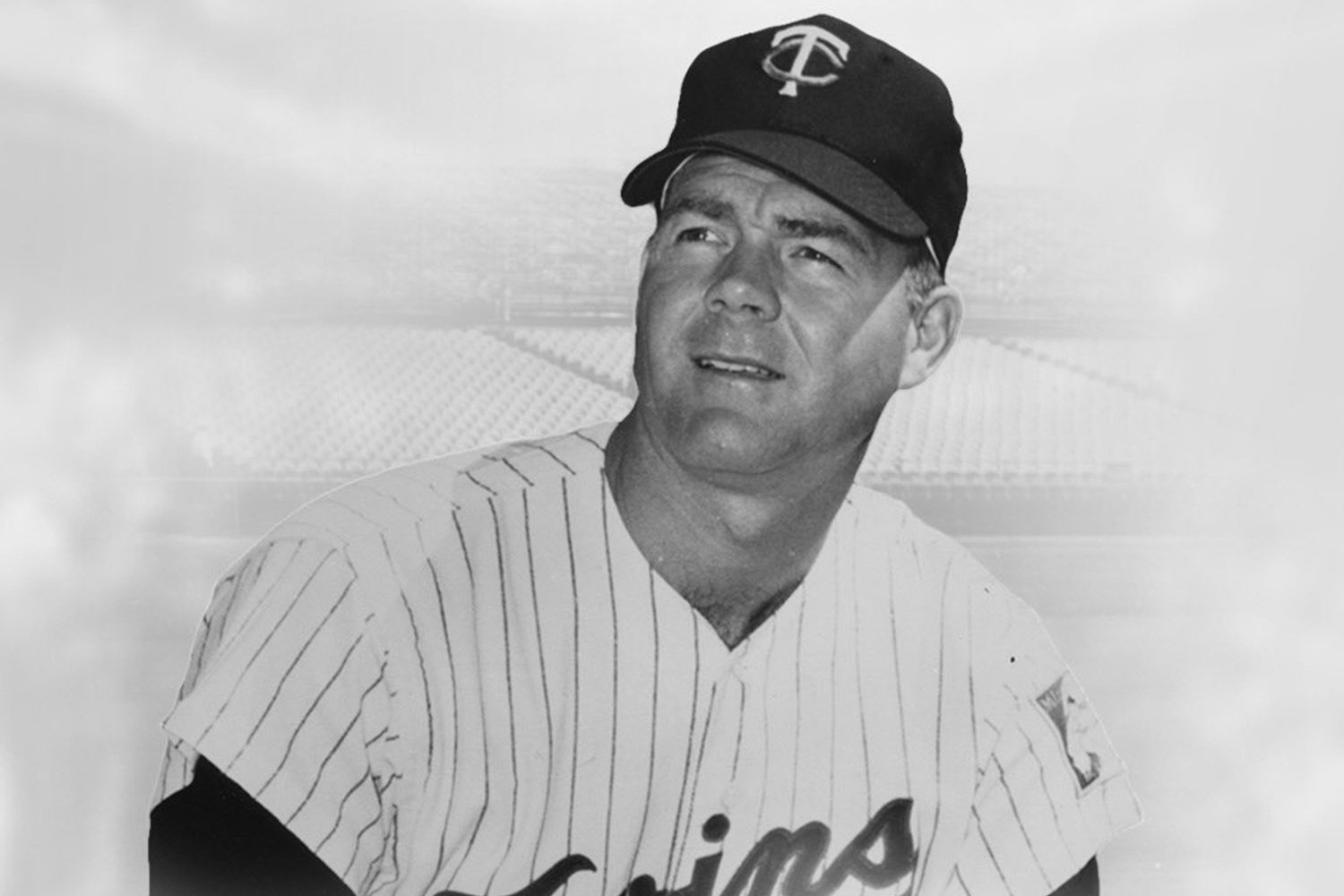 The Minnesota Twins announced Thursday that former pitcher Al Worthington passed away earlier this week at the age of 97. For younger Twins fans, Worthington's name may not immediately jump off the page. However, his impact on some of the most successful teams in franchise history is impossible to overlook. Long before closers became baseball celebrities and bullpen usage charts consumed front offices, Worthington quietly became one of the game's most reliable late-inning arms and a key contributor to Minnesota's first American League pennant. Worthington arrived in professional baseball after starring at the University of Alabama and signing with the Chicago Cubs organization in 1951. After only one season in the minors, he was traded to the New York Giants, a move that would launch a major-league career spanning parts of 14 seasons. His introduction to the majors was memorable. Called up in 1953, Worthington opened his career by throwing complete-game shutouts in each of his first two appearances. He posted a 3.44 ERA as a rookie and appeared briefly for the Giants during their 1954 championship season. Although he did not pitch in the World Series, he was part of the club that defeated Cleveland in a Fall Classic best remembered for Willie Mays' iconic over-the-shoulder catch at the Polo Grounds. Worthington spent six seasons with the Giants organization, including the franchise's historic move from New York to San Francisco in 1958. Along the way, he transitioned from starting pitcher to reliever, a role that ultimately prolonged his career. Stops with the Chicago White Sox, Boston Red Sox, and Cincinnati Reds followed before his baseball journey took an unexpected turn. By 1964, Worthington was 35 years old and back in the minor leagues. Many players at that stage are contemplating retirement. Instead, the Twins purchased his contract from the Reds organization and gave him another opportunity. It turned out to be one of the better under-the-radar moves in franchise history. From 1964 through 1969, Worthington became a bullpen cornerstone for Minnesota. He won 37 games, recorded 88 saves, and posted four consecutive seasons with an ERA below 3.00. His finest season came in 1965 when he went 10-7 with 14 saves and a sparkling 2.14 ERA across 62 appearances. That season, the Twins captured their first American League pennant and advanced to the World Series against the Los Angeles Dodgers. Worthington delivered four scoreless innings during the series, allowing only an unearned run despite Minnesota ultimately falling in seven games. The right-hander remained a valuable contributor through the end of the decade, including a final postseason appearance during the Twins' 1969 American League Championship Series run. By the time he retired after the 1969 season, he had established himself as one of the most effective relievers in franchise history. Although the save did not become an official Major League Baseball statistic until the final year of his career, Worthington was retroactively credited with 111 saves. He finished his major-league career with a 75-82 record, a 3.09 ERA, 834 strikeouts, and 602 appearances. More than half of those outings ended with him recording the final outs of the game. His baseball accomplishments extended well beyond the major leagues. Before reaching the majors, Worthington spent four seasons with the Minneapolis Millers and helped lead the club to the 1955 American Association championship while posting a 19-10 record with 18 complete games. In nine minor-league seasons, he compiled a 98-69 record. After retiring as a player at age 40, Worthington dedicated nearly two decades to coaching and administration at what is now Liberty University. From 1973 through 1986, he amassed a 343-189-1 record as the school's baseball coach and later served as athletic director. His contributions earned him induction into both the Liberty University Hall of Fame and the Alabama Sports Hall of Fame. In 2010, the Twins recognized his place in franchise history by naming him one of the organization's "50 Greatest Twins." Worthington was the fourth-oldest living former major-league player at the time of his passing and one of the last remaining players who wore a Giants uniform before the franchise relocated to San Francisco. For Twins fans, however, his legacy will always be tied to the club's first pennant winner. More than 60 years after arriving in Minnesota as a veteran searching for one last opportunity, Worthington remains one of the most successful bullpen arms the franchise has ever had. View the full article
 -
 Let's check in on everything that happened down on the Chicago Cubs' farm yesterday. Iowa's Late Power Surge Falls Short in 11-8 Loss to Indianapolis Iowa hit four home runs but could not overcome a rough middle stretch, falling to the Indianapolis Indians 11-8. Will Sanders set the tone early, working five innings and allowing one run on three hits with one walk and six strikeouts, earning him the Player of The Game. Jonathon Long gave Iowa a brief 1-0 lead with a solo home run in the second, and he finished 3-for-5 with a double, a home run, and two runs scored. The game turned in the sixth, when Indianapolis pushed across seven runs to open an 8-1 lead. Iowa answered in the bottom half with three home runs of its own. Chas McCormick hit a two-run shot that scored BJ Murray, Christian Bethancourt followed with a two-run home run that brought home Long, and Casey Opitz capped the rally with a solo home run to pull Iowa within 8-7. Indianapolis pulled away again with runs in the seventh and eighth, and Iowa's ninth-inning sacrifice fly from James Triantos, scoring Owen Miller, was not enough. McCormick and Bethancourt each drove in two runs, and Iowa left nine runners on base. The bullpen could not hold the deficit, as Yosver Zulueta and Christian Roa combined to allow nine runs across the middle innings. Player AB R H RBI BB K Brett Bateman 3 0 1 0 2 0 Owen Miller 5 1 1 0 0 0 BJ Murray 4 1 2 0 1 1 Chas McCormick 4 1 1 2 1 1 James Triantos 4 0 1 1 0 0 Jonathon Long 5 2 3 1 0 1 Ben Cowles 4 0 1 0 0 1 Christian Bethancourt 4 2 2 2 0 0 Casey Opitz 4 1 1 1 0 2 Player IP H R ER BB K HR Will Sanders 5 3 1 1 1 6 1 Yosver Zulueta 0 2/3 3 5 5 2 1 1 Christian Roa 1 6 4 4 1 1 1 Collin Snider 1 1/3 2 1 1 2 2 0 Corbin Martin 1 1 0 0 0 1 0 Three Straight Homers Lift Knoxville Over Chattanooga 4-1 Knoxville rode a single explosive inning and a strong start from Dawson Netz to defeat the Chattanooga Lookouts 4-1. Netz worked five innings, allowing one run on six hits with three walks and seven strikeouts. Erian Rodriguez and Marino Santy combined for four scoreless relief innings to close it out, with Santy earning the save. The fourth inning decided the game. With the score tied 1-1, Jefferson Rojas, Owen Ayers, and Andy Garriola hit consecutive home runs to give Knoxville a 3-1 lead. Rojas added an insurance run in the seventh, drawing a bases-loaded walk that scored Edgar Alvarez. Rojas finished with two runs batted in, and Ayers and Garriola each drove in one. Knoxville managed just three hits but made them count, all leaving the yard, and stranded five runners on the night. Player AB R H RBI BB K Karson Simas 3 0 0 0 0 0 Jefferson Rojas 3 1 1 2 1 1 Owen Ayers 4 1 1 1 0 1 Alex Ramírez 4 0 0 0 0 1 Andy Garriola 4 1 1 1 0 0 Edgar Alvarez 2 1 0 0 2 0 Carter Trice 2 0 0 0 1 0 Ariel Armas 3 0 0 0 0 2 Hayden Cantrelle 1 0 0 0 2 0 Player IP H R ER BB K HR Dawson Netz 5 6 1 1 3 7 1 Erian Rodriguez 3 2 0 0 0 1 0 Marino Santy 1 1 0 0 1 0 0 Halbach Homers but South Bend Drops Both Ends at Fort Wayne South Bend dropped the opener to the Fort Wayne TinCaps 4-3 despite solid pitching across the staff. Mason McGwire opened with three innings, allowing one run on two hits with three walks and three strikeouts. Cole Reynolds followed with four innings, giving up one run on one hit with two walks and three strikeouts. South Bend's lone offensive push came in the sixth. Trailing, the team got a two-run single from Justin Stransky on a soft fly to left, scoring Jose Escobar and Miguel Useche to make it a one-run game. Stransky drove in both of South Bend's runs on the play and finished with two runs batted in. The offense managed just three hits, drew eight walks, and left nine runners on base, unable to find the tying run. Adam Stone struggled in a brief relief outing, recording one out while allowing two runs to score and taking the loss. Player AB R H RBI BB K Kane Kepley 4 0 0 0 0 0 Ty Southisene 3 0 1 0 1 1 Josiah Hartshorn 4 1 0 0 0 1 Matt Halbach 3 0 1 0 1 2 Jose Escobar 3 1 0 0 0 1 Miguel Useche 2 1 0 0 2 0 Justin Stransky 2 0 1 2 2 0 Alex Madera 3 0 0 0 1 2 Christian Olivo 3 0 0 0 0 2 Player IP H R ER BB K HR Mason McGwire 3 2 1 1 3 3 0 Cole Reynolds 4 1 1 1 2 3 1 Adam Stone 0 1/3 3 2 0 1 0 0 In the nightcap, South Bend fell 5-2 despite a strong outing from Jostin Florentino, who worked four innings and allowed one run on one hit with two walks and six strikeouts. The game stayed close until the bottom of the sixth, when Brayden Spears ran into trouble and allowed four runs on three hits and two walks across two innings, taking the loss. South Bend built an early lead with single runs in the third and fourth. In the third, Kane Kepley singled, moved into scoring position, and came around to tie the game at 1-1. Matt Halbach put South Bend ahead in the fourth with a solo home run to left center, making it 2-1. The offense went quiet after that, managing just three hits, and Fort Wayne answered with a four-run sixth to pull away. Kepley reached base twice and stole two bases, while Miguel Useche added a double. Player AB R H RBI BB K Kane Kepley 3 1 1 0 1 0 Ty Southisene 1 0 0 0 2 0 Josiah Hartshorn 3 0 0 0 0 1 Matt Halbach 3 1 1 1 0 1 Angel Cepeda 2 0 0 0 1 0 Miguel Useche 3 0 1 0 0 0 Jose Escobar 3 0 0 0 0 1 Drew Bowser 3 0 0 0 0 2 Christian Olivo 3 0 0 0 0 2 Player IP H R ER BB K HR Jostin Florentino 4 1 1 1 2 6 1 Brayden Spears 2 3 4 4 2 2 0 Myrtle Beach Erupts for Eight Homers in 21-10 Rout of Delmarva Myrtle Beach overcame an early five-run deficit and exploded for a 21-10 win over the Delmarva Shorebirds. The pitching was uneven early, as Hayden Frank issued five walks across three innings while allowing five runs, three earned, on three hits with three strikeouts. The bullpen settled things down, with Yoendris Gonzalez tossing 2 2/3 scoreless innings and earning the win, and Jordan Henriquez adding a scoreless frame with two strikeouts. The offense did the heavy lifting in two enormous innings. Trailing 5-0, Myrtle Beach scored four in the fifth, highlighted by an Alexis Hernandez run-scoring double and a Michael Carico sacrifice fly. The eighth inning blew the game open with an 11-run outburst. Derniche Valdez, Henniel Alcala, Alexey Lumpuy, Michael Carico, and Geuri Lubo all homered in the frame. Alcala, Carico, and Lubo each delivering multi-run shots. Carico drove in four runs on the day, while Valdez, Lubo, Alcala, and Darlyn De Leon each knocked in three. Yahil Melendez reached base in all four trips and scored four times. Myrtle Beach pounded out 17 hits and left 11 runners on base. Player AB R H RBI BB K Alexey Lumpuy 6 2 2 2 1 0 Alexis Hernandez 4 1 2 1 3 0 Eli Lovich 5 1 0 0 1 3 Ezequiel Pena 1 0 0 0 0 1 Michael Carico 3 2 1 4 3 0 Derniche Valdez 6 3 2 2 1 1 Yahil Melendez 4 4 3 1 0 0 Geuri Lubo 4 3 1 3 2 0 Henniel Alcala 5 2 3 3 1 2 Darlyn De Leon 5 3 3 3 0 1 Player IP H R ER BB K HR Hayden Frank 3 3 5 3 5 3 0 Emilio Ramos 2 1/3 4 5 5 2 0 0 Yoendris Gonzalez 2 2/3 1 0 0 1 2 0 Jordan Henriquez 1 1 0 0 0 2 0 Top-20 Prospect Performance Jefferson Rojas: 1-for-3, HR, 2 RBI, BB, K Jaxon Wiggins: DNP Pedro Ramirez: DNP Kevin Alcantara: DNP Josiah Hartshorn: 0-for-7, 2 K Ethan Conrad: DNP Kane Kepley: 1-for-7, BB, 2 SB Jonathon Long: 3-for-5, 2B, HR, RBI, K James Triantos: 1-for-4, RBI Cole Mathis: DNP Owen Ayers: 1-for-4, HR, RBI, K Brooks Caple: DNP Juan Cabada: DNP Kaleb Wing: DNP Angel Cepeda: 0-for-2, BB Dominick Reid: DNP Jostin Florentino: 4 IP, 1 H, 1 R, 1 ER, 2 BB, 6 K, 1 HR Ty Southisene: 1-for-4, 3 BB, K, SB Will Sanders: 5 IP, 3 H, 1 R, 1 ER, 1 BB, 6 K, 1 HR Brandon Birdsell: DNP View the full article
 -
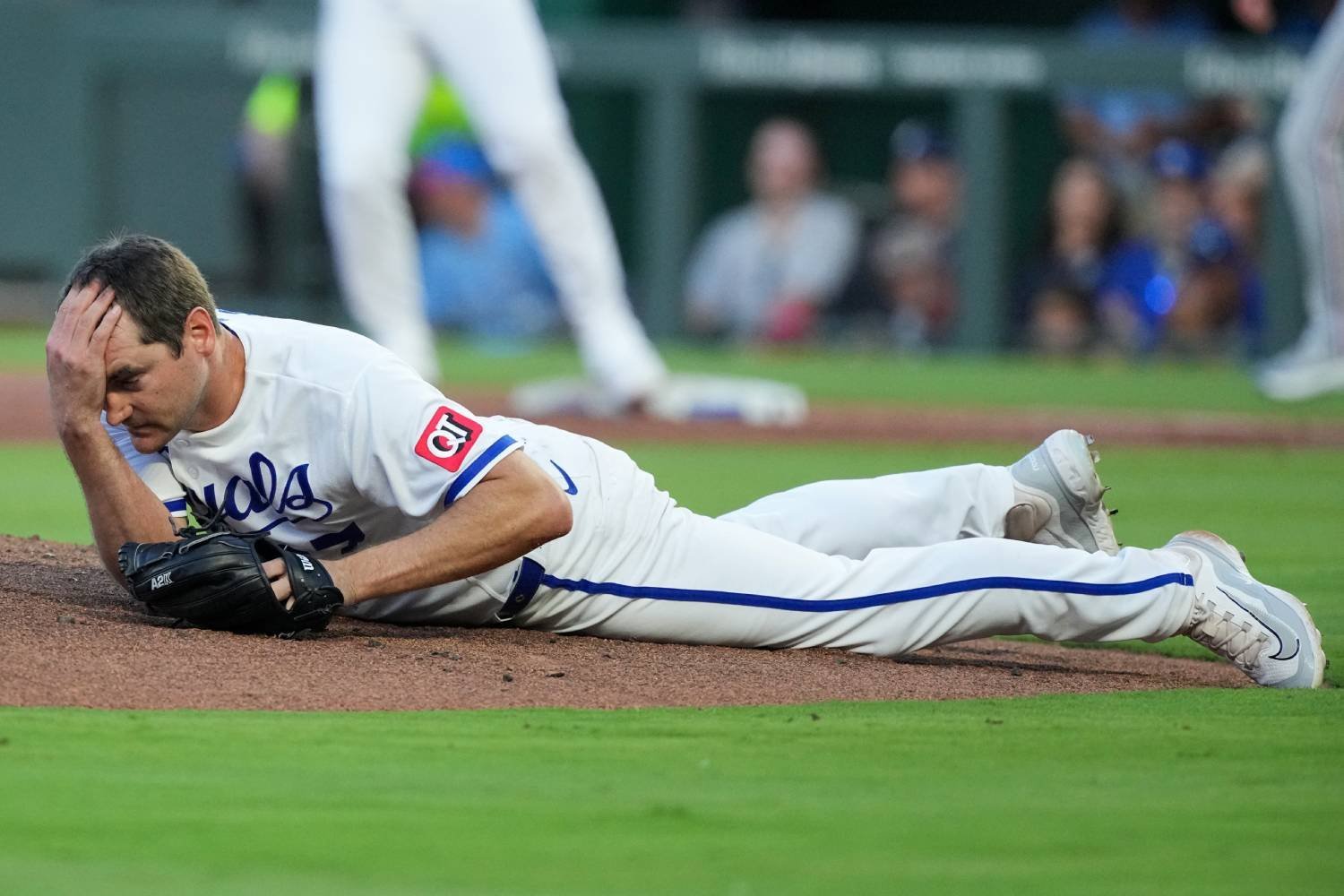 What could have been a lengthier stay on the concussion list turned out to be a minimal one. The Kansas City Royals on Friday activated right-handed starter Seth Lugo from the seven-day concussion list and optioned right-handed reliever Mason Black to Triple-A Omaha. Lugo will be on the mound to start Friday's series opener against the St. Louis Cardinals. Lugo was injured Thursday of last week when he was drilled in the forehead by a line drive off the bat of the Texas Rangers' Brandon Nimmo, leaving a massive welt. He was able to walk off the mound and was even joking before entering the clubhouse. Concussions are a tricky injury and it can take time for symptoms to appear and longer to dissipate. At this stage, Lugo came out on the better side of that situation. For Black, his second call-up to the Royals included eight appearances. Overall, Black has pitched in 12 games with a 5.81 FIP (3.57 ERA), walking 13.4% of hitters and striking out 18.3%. View the full article
 -
Blue Jays Promote Brendon Little, Send Chad Dallas Down
DiamondCentric posted an article in Jays Centre
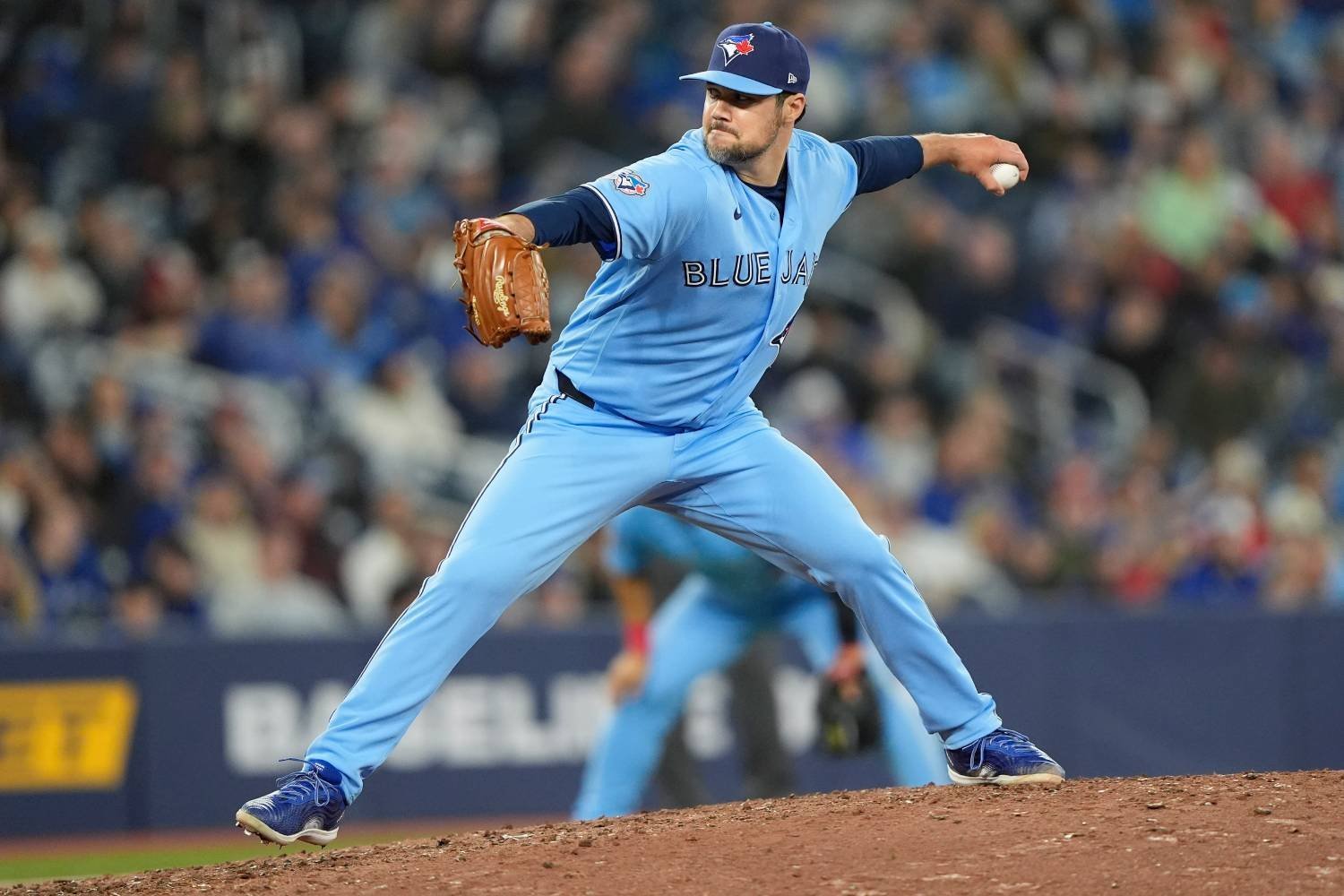 Turns out that Chad Dallas was just called up to be a safety net. The Toronto Blue Jays on Friday optioned the right-hander back to Triple-A Buffalo and called up left-hander Brendon Little from Buffalo. Dallas was called up Wednesday when right-handed starter Max Scherzer went on the 15-day injured list with back spasms. Despite it being a bullpen game that day, Dallas did not appear in his second MLB game. Nor did he appear in Thursday's series finale against the Boston Red Sox. Now as the Jays open a series at Wrigley Field against the Chicago Cubs, they opted to have a left-hander in the bullpen over the right-handed Dallas. Little, whom the Jays acquired from the Cubs after the 2023 season, is up for the second time this season after making the Opening Day roster. He appeared in five games before being sent to Triple-A, with a 24.55 ERA in 3⅔ innings with three walks and six strikeouts. He did give up 11 runs (10 earned) and 10 hits, including three homers. View the full article
 -
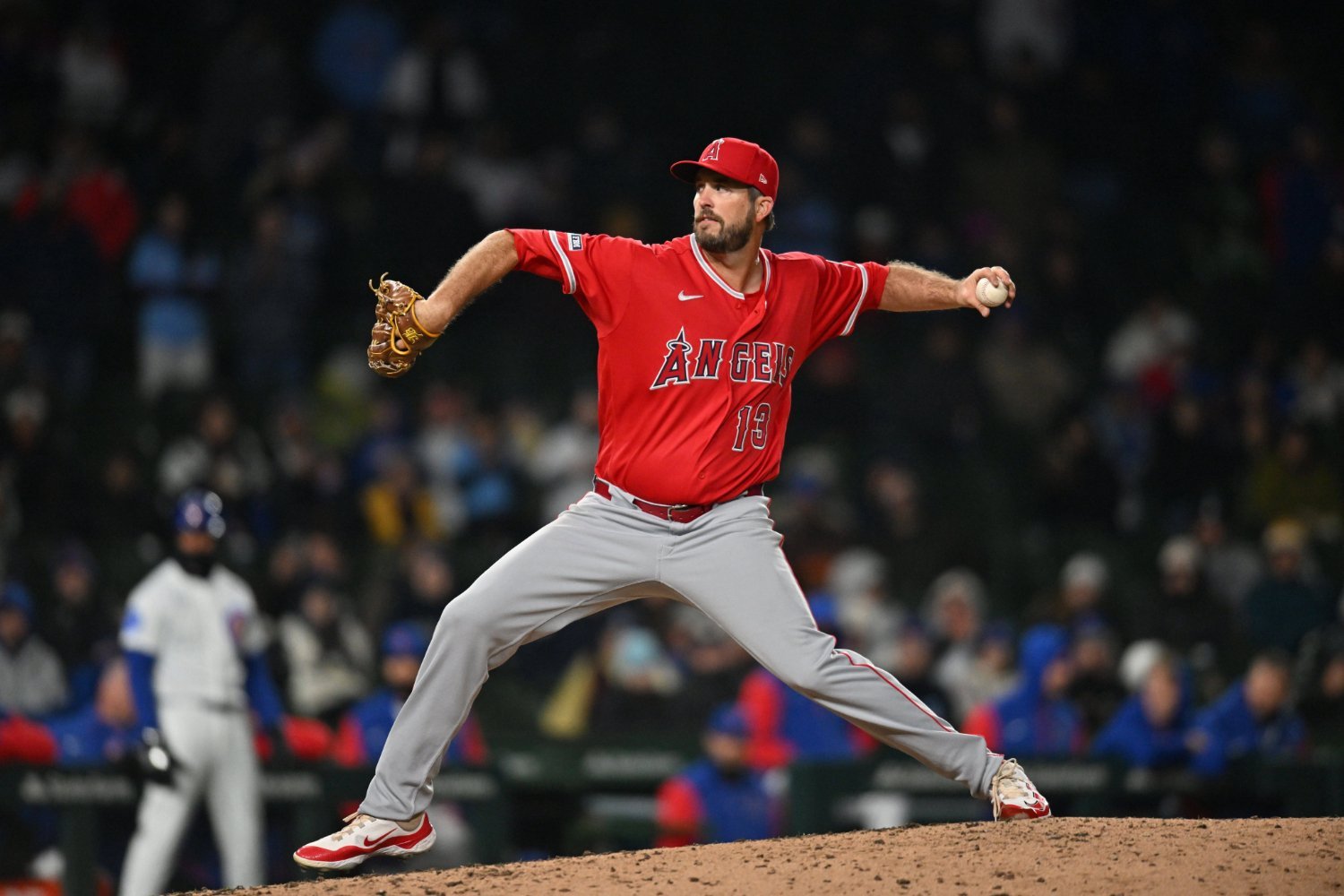 The Chicago Cubs’ bullpen construction this season was no different than what we have traditionally seen from the Jed Hoyer-Carter Hawkins group since they took over the job from Theo Epstein. Once again, they opted to sign a bunch of cheaper options in the hopes that they'd be able to coax more from players with MLB experience. It worked last year, but injuries and underperformance have reminded us fans how frustrating it is to go through the season without a shut down reliever. Well, I am not writing here to tell you all about a stud reliever the Cubs can go get for pennies, but there was a flier-worthy arm designated for assignment by the Los Angeles Angels this week, and that was old friend Drew Pomeranz. The Cubs signed the then-36-year-old, who hadn’t pitched in the majors since 2021, to a minor-league contract last season and it somehow turned out to be one of the best moves they made. In 49 2/3 innings, Pomeranz pitched to a 2.17 ERA and a 1.06 WHIP while striking out 57 batters (although his xERA of 3.48 showed he was lucky at times). Him and the other ageless lefty, Caleb Thielbar, were inexplicably one of the best left-handed relief duos in the game. In 2020, when he was converted to a full-time reliever with the Padres, Pomeranz stopped using his tertiary pitches completely like the changeup, cutter, and sinker. He has since used his four-seam roughly 75% of the time, mixing it with a knuckle curve, to become a pure two-pitch pitcher. Since simplifying the pitch mix and moving to the 'pen, his average xERA in the three seasons he’d pitched (2020, 2021, 2025) before heading to L.A. was 2.82. Another two interesting related points for Pomeranz’s 2025 were his BB/9 and his first pitch strike percentage; he threw a first pitch strike nearly 66% of the time, which coincides with his 2.7 BB/9, the lowest of his career outside of his 18-inning debut season. His renaissance in Chicago allowed him to find a major-league deal with the Halos this past offseason, but his tenure with he Angels was nothing like what we saw with the Cubs a year ago. In 23 1/3 innings, Pomeranz posted a 5.01 ERA, a 1.59 WHIP, and only 16 strikeouts. His walk percentage is way up, with his BB/9 at 4.6/9, which is the second-highest mark of his career. His strikeout percentage is way down, due to chase and whiff rates that has been nearly sliced in half from a season ago. The whiffs on his knuckle curve have shown a dramatic drop-off, with the percentage falling from 19.8 to 13.6. One of the key contributors to his success with the Cubs was been his ground-ball rate which was just under 40%, which was in-line with his career norms. However, that number plummeted to 26.9% so far in 2026. For a lefty throwing in the low-90s, that's a major issue. He has already given up as many home runs (5) as he did last season, in less than half the innings. On the other hand, his barrel percentage is in the same realm as it was last season, and he is still limiting hard contact to much of the same degree, outside of the homers. Maybe a reunion with Tommy Hottovy and the Cubs’ coaching could bring back more of what we saw last season. With the way the Cubs have played over the last month and a half, there should be no option off the table. Riley Martin should be back soon, but adding Pomeranz back to the mix on a minor-league contract to see if he can find his groove, would not hurt. If he is able to make the necessary tweaks, he should bounce back to some level of success. Having cleared waivers and now been released, he's about as low-risk of a flier as you'll find at this point in the season. View the full article
 -
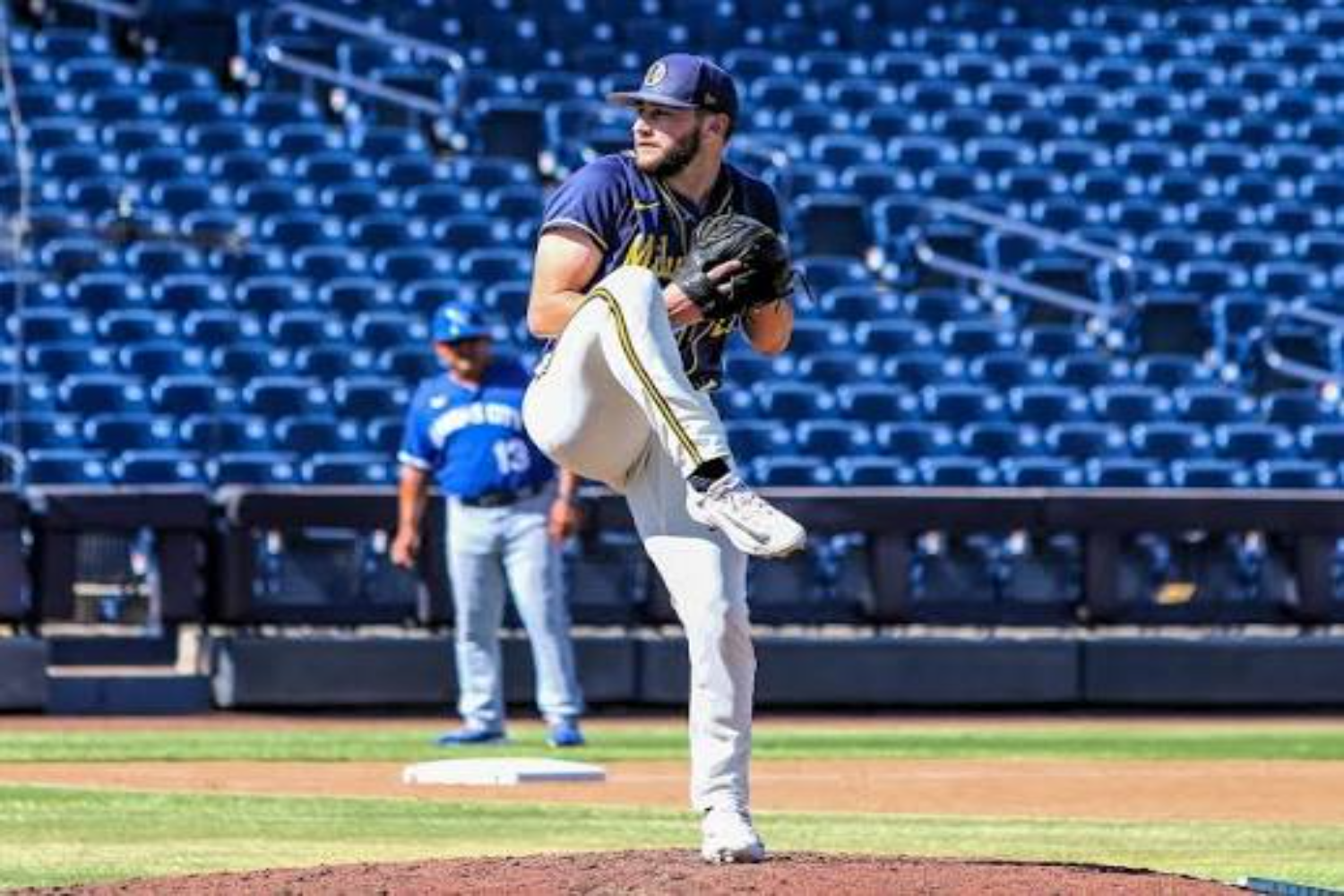 You'll find the complete list of qualifying names within this article. Plus, this year, an imminent MLB lockout could impact Matt Arnold's Rule 5 roster decisions. We'll explain. Let's kick things off with this Rule 5 primer reminder: What is the Rule 5 Draft? (via MLB.com) "A draft that allows clubs that do not have a full 40-man roster to select certain non-40-man players from other organizations. Essentially, it is an avenue for teams to identify and give a Major League opportunity to players that they feel have been held back elsewhere. Players signed at age 18 or younger must be added to their club’s 40-man roster within five seasons or else become eligible for the Rule 5 Draft. Players signed at 19 or older must be protected within four seasons." Essentially, as it relates to this year's roster decisions, high school players from the 2022 draft would need to be protected should Matt Arnold and his fellow "Ivory Tower" collaborators so choose. That's why Jett Williams (Mets draft pick), Luke Adams and Dylan O'Rae are up for consideration for the first time, as are college selections from the 2023 draft, such as Tate Kuehner, Brock Wilken, Mike Boeve and Brett Wichrowski, among others. The Brewers already have several players on their 40-man roster who would have been first-year eligible this fall - Luis Lara, Brandon Sproat and Craig Yoho. Then there's Cooper Pratt, who would not have been Rule 5 eligible until fall 2027. Given all that and based on player performances across the board to be evaluated, there does not appear to be a true roster crunch facing the Crew's braintrust. Regular followers of MLB Trade Rumors might remember that every November it seemed as though an astute franchise like the Tampa Bay Rays would be forced to trade some of their Rule 5 eligible prospects for those a bit younger, simply because they faced a roster glut. That doesn't appear to be the case in 2026 for the Brewers, Despite middling numbers year-to-date, it'd be a surprise if Jett Williams were not added to the big-league active roster at some point this regular season. If he is not, then he's a lock for a Rule 5 add (barring any trade activity involving him, of course). So, it's several of the names listed below under the most scrutiny and consideration - Kuehner, Adams, Wilken, mix in intriguing pop-up candidates like fireballing Cameron Wagoner. But wait, there's a monkey wrench! When the 2021 lockout finally ended in March 2022, the owners and players agreed that no Rule 5 draft would take place. Is it likely that a similar situation occurs in the upcoming cycle? If an organization wants to hedge its bets on players who are fringe decisions - those who would be nice to protect but aren't slam-dunk choices - that would be a way to protect precious 40-man roster spots. Plus, it allows for another full season of player evaluation. The 2021 cancelled Rule 5 led to having a lot more first time-eligibles to consider for December 2022, but the Brewers navigated that potential glut just fine. Please weigh in and interact with your fellow diehard prospect followers/huggers by commenting in this thread, which will be pinned to the top of our Minor League Forum all year. We'd love to hear from you! This initial post (the main article) will also be edited as the months pass whenever an eligible player is added to or departs from the Milwaukee organization for any reason. Be sure to read through to the second half of this article where we list the players currently set to be eligible for minor league free agency in October. Rule 5 Eligible Players (44) - * = First Time as Rule 5 Eligible Nashville: 1B/3B Luke Adams* RHP Kaleb Bowman* RHP Will Childers RHP Blake Holub LHP Tate Kuehner* LHP Mark Manfredi, Sr.* C Eric Martinez INF Ethan Murray RHP Brett Wichrowski* 1B/3B Brock Wilken* INF/OF Jett Williams* Biloxi: RHP Patricio Aquino RHP Ryan Birchard* INF/OF Mike Boeve* LHP Jesus Broca* INF/OF Eric Brown, Jr. OF Mark Coley II RHP Chase Costello* LHP Anthony Flores* RHP Yorman Galindez* RHP Edwin Jimenez OF Damon Keith RHP Nick Merkel 2B/OF Dylan O'Rae* C Edgardo Ordonez RHP Manuel Rodriguez* LHP Russell Smith RHP Cameron Wagoner C Matthew Wood Wisconsin: INF Juan Baez* OF Luis Castillo RHP Daniel Corniel* INF/OF Daniel Guilarte 1B/OF Tayden Hall RHP Quinton Low RHP Bryan Rivera* RHP Will Rudy LHP Wande Torres* RHP Jason Woodward Wilson: LHP Jose Meneses* LHP Anfernny Reyes RHP Josh Timmerman* Maryvale: RHP Cesar Espinal* RHP Cole Phillips There are two aspects regarding this next list of names (minor league free agents to be). Last year, RHP Coleman Crow was on this list, and it was quite clear that the Brewers were not about to let him reach free agency, and the one way they could prevent that for sure was to add Crow to the 40-man roster in October, which they clearly did. Upon review below, there does not seem to be a glaring candidate for a similar tact. That's the first aspect. The other aspect is that the Brewers will always be up for bringing back a player they like under a newly negotiated minor league deal, and players are often amenable to this. Just last fall, several players who you see listed below were enticed to return, among them Garrett Stallings, J.B. Bukauskas, Eduardo Garcia, Ramon Rodriguez and Darrien Miller. One miscellaneous note - Biloxi RHP Edwin Jimenez (he'll turn 25 in December) is signed through 2027 already, as part of his own re-up last fall, since he signed a two-year deal at that time. He appears on the Rule 5 list but not the list below. Minor League Free Agents to Be (23) - Nashville: RHP J.B. Bukauskas RHP Junior Fernandez RHP Gerson Garabito INF/OF Eduardo Garcia OF Greg Jones RHP Reiss Knehr INF/OF Eddys Leonard OF Luis Matos LHP Thomas Pannone RHP Lyon Richardson C Ramon Rodriguez RHP Garrett Stallings RHP Jake Woodford INF Freddy Zamora Biloxi: OF Dasan Brown RHP Stiven Cruz OF Jacob Hurtubise C Darrien Miller UT Jheremy Vargas Wisconsin: C Blayberg Diaz C David Garcia C Andrick Nava RHP Yerlin Rodriguez Thanks for following along as we document things for you in the coming months. View the full article
 -
 Boston Red Sox Affiliate Recap (June 18) Triple-A Worcester Red Sox Season Record: 35-33 The Worcester Red Sox out-hit the Lehigh Valley IronPigs 13 to 11 and clawed all the way back from an early three-run hole, but they failed to capitalize with the bases loaded in the ninth and dropped a 5-4 decision on the road. Worcester fell behind quickly. The IronPigs scratched across a run in each of the first three innings against the Sox starter Raymond Burgos, a sacrifice fly in the first, an RBI single in the second, and another RBI single in the third built a 3-0 lead. The WooSox bats woke up, and they did it with power. In the top of the fourth, Max Ferguson and Tyler McDonough went back-to-back, each launching solo bombs to cut the deficit to 3-2. An inning later in the fifth, shortstop Tsung-Che Cheng led off and connected on his seventh homer of the year, evening up the game, 3-3. Burgos settled in to finish his five-inning, three-run outing with four strikeouts, but the bullpen couldn't hold the tie game. Lehigh Valley pushed across two runs in the bottom of the sixth off WooSox reliever Devin Sweet, on an RBI single and a sacrifice fly, retaking the lead 5-3. Worcester kept battling. In the ninth, Anthony Seigler came around to score on an Allan Castro single to make it 5-4. Nathan Hickey came up and walked, loading the bases for Kristian Campbell, but the rally died there. Campbell fought hard in his at-bat, forcing eight pitches to be thrown, but he ultimately struck out to end the game. Cheng led the offense with a three-hit night with a home run and an RBI. Mikey Romero added two hits and a walk, while Castro also collected two hits and an RBI. Despite stacking up 13 hits as a team, the WooSox repeatedly came up empty with runners on, leaving the door open for Lehigh Valley to escape with the win. The Worcester bullpen did its part down the stretch: Zack Kelly tossed a scoreless seventh, and Wyatt Olds struck out two in a perfect eighth, but the early deficit and the rough sixth inning proved to be the difference. Standout Performances: Tsung-Che Cheng: 3-for-5, HR, R, RBI Max Ferguson: 1-for-4, HR, R, RBI Tyler McDonough: 1-for-3, HR, R, RBI, BB Double-A Portland Sea Dogs Season Record: 33-32 The Portland Sea Dogs erupted with a big inning and survived a three-run Somerset ninth to hang on for a 7-6 victory over the Patriots. Somerset struck first, scoring two in the top of the first on a sacrifice fly and an RBI single off Portland’s starter Hayden Mullins. But Portland answered emphatically in the bottom of the second. Raudelis Martinez cleared the bases with a two-run ground-rule double to right, Marvin Alcantara tied it with a sacrifice fly, then Will Turner gave the Sea Dogs the lead for good with a solo homer (his ninth of the season), capping a four-run frame to make it 4-2. From there, Portland kept adding on. Somerset made it a one-run game with a sacrifice fly in the fourth, but the lead for the Sea Dogs grew to 5-3 in the fourth on a stolen base from Alcantara, and with some help from the Patriots catcher’s bat throw, he ran home to score. Nate Baez and Ahbram Liendo drove in runs in the sixth and seventh due to more bad defense from Somerset, pushing the lead to 7-3. Michael Sansone earned the win, his first of the year, working 5 ⅔ innings of three-run ball with five strikeouts and no walks. Sansone was outstanding up until the ninth inning when he ran into trouble. Somerset launched a three-run homer to pull them within one run, 7-6. Cade Feeney came in from the bullpen to slam the door, recording the final out for his second save of the season. The Sea Dogs pounded 13 hits, getting multi-hit games from four batters: Turner, Stanley Tucker, Alcantara, and Brooks Brannon. Standout Performances: Will Turner: 2-for-4, HR, R, RBI Marvin Alcantara: 2-for-4, 2B, R, RBI, BB Raudelis Martinez: 1-for-4, 2B, R, 2 RBI High-A Greenville Drive Season Record: 26-37 A catastrophic inning led to an 8-5 Greenville defeat to the BlueClaws. The Drive jumped in front in the top of the first when Yophery Rodriguez led off with his 11th home run of the season, a shot to right field for a quick 1-0 lead. Starter Jojo Ingrassia kept the BlueClaws mostly in check across his outing, but Jersey Shore tied it 1-1 in the second on an RBI triple. The game turned in the bottom of the fifth. The BlueClaws batted around the lineup and scored an astonishing seven runs, forcing reliever Tyler Davis to exit the game. An RBI double, a two-run homer, and a run-scoring double led to his departure. Matt McShane came in the game and struck out the first batter he faced for the second out of the inning, giving his team a chance to stop the bleeding. Unfortunately, McShane gave up a three-run blast right after, blowing the game open, 8-1. To their credit, the Drive didn't fold. The bullpen steadied, and Luke Heyman launched a two-run homer in the eighth. Ronny Hernandez and Justin Gonzales added an RBI as well. Greenville pushed four runs across to climb within 8-5. The rally stalled there, and the BlueClaws closed it out. Heyman led the Drive with a 2-for-4 night, a home run, and two RBIs. Greenville drew six walks and seven hits, but going 1-for-11 with RISP as a team does not win ballgames. Low-A Salem RidgeYaks Season Record: 25-40 The RidgeYaks shook off a mid-game deficit and took over, taking a 10-5 win against the Nationals. Salem struck early in the top of the second. Ilan Fernandez’s bases-loaded walk and an Avinson Pinto two-run single staked the RidgeYaks to a 3-0 lead. Fredericksburg chipped away with a run in the second, then turned the game in the bottom of the fifth, scoring three runs with the help of a sacrifice fly and a two-run single to surge ahead 4-3. The Nationals' lead didn't last. Salem answered in the top of the seventh: Andruw Musett delivered a clutch two-run single to take the lead, then Adonys Guzman followed with an RBI single to flip the score to 6-4. The RidgeYaks tacked on an unearned run in the eighth, then blew it open in the ninth. Andrews Opata launched a solo homer (his fourth of the year), Musett scored on a wild pitch, and Givian Sirvania brought in Guzman with a sacrifice fly. Salem pushed across three in the frame to make it 10-4 before Fredericksburg managed a consolation run in the home half of the inning. Cole Tolbert started on the mound and was excellent, tossing three no-hit innings with an unearned run and two strikeouts. Salem’s bullpen locked it down after a shaky middle. Harry Blum earned the win, improving to 2-2 on the year with 2 ⅔ innings of one-run ball and four strikeouts. View the full article
 -
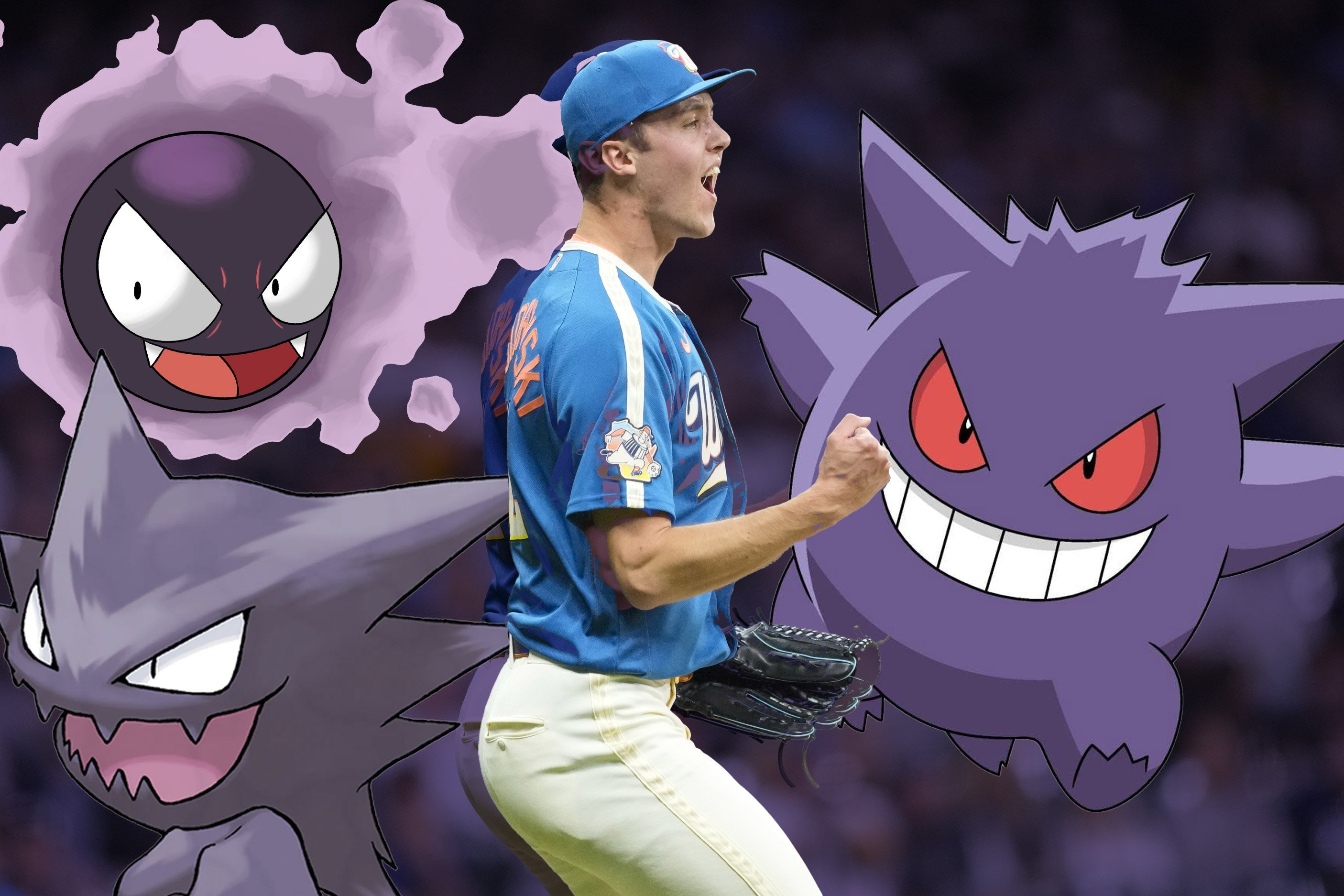 Pokémon is the world’s highest-grossing media franchise of all time, netting more than $100 billion in total revenue. It includes video games, an animated television series, various movies, and the ever-popular trading card game. While specific storylines vary across each medium, the basic premise is simple: a trainer befriends Pokémon, trains them, and battles other people’s Pokémon. You know who loves Pokémon? Brewers ace Jacob Misiorowski. What is a Pokémon? Pokémon are creatures that co-exist with humans. Some resemble household pets. Others look like mythical creatures. Then, there are some Pokémon where I have no idea what the design team was thinking. The most popular and recognizable Pokémon is Pikachu, a yellow rodent. Pokémon are categorized by species, element type, and rarity. This year marks Pokémon’s 30th anniversary. As an avid Pokémon fan, I’d bet Brewers ace Jacob Misirowski is celebrating by ripping some packs. Last year, he pulled a rare Charizard holographic card from a Base Set Booster pack. If you’re an active nerd on social media (your timeline crosses over between baseball and Pokémon fandoms), you’ve probably seen his purple custom glove with a Gengar holographic card embedded in the web. Misirowski’s development follows Gastly’s evolution line to a tee. Gastly: College & Minors "Almost invisible, this gaseous POKéMON cloaks the target and puts it to sleep without notice." - Pokémon Red Version Pokédex Gastly is an amorphous Ghost/Poison Pokémon. It’s literally just a floating head, two eyes, and a purple gas cloud. Early in his career, Misiorowski was an under-the-radar prospect with unrefined stuff. Some scouts flagged his fastball-slider combination and lack of control (5.3 BB/9) as a considerable reliever risk. Watching older videos from this stage in Misiorowski’s career, you can see why some scouts were bullish on him. Misiorowski’s delivery is violent and explosive for his lanky six-foot-seven frame. He throws from a low three-quarter arm slot and starts with a bicycle kick in his windup, accelerates forward, and snaps his right hip as he releases the ball. Once the ball is gone, his right leg whips around him. The holes in Misiorowski’s kinematic sequencing (energy transfer) were most obvious in his deceleration, where leftover energy kept his body moving. He would often stumble down the mound and catch himself with his back leg instead of bracing with his lead leg. A pitcher who can’t stop his body from moving after releasing the ball will struggle with command since he’s not throwing the ball from the same spot. Misiorowski’s 100.7 mph fastball garnered attention at the 2022 MLB Draft Combine. Despite the concerns with his profile, the Brewers selected him in the second round (63rd overall) of the 2022 MLB Draft. He plowed through Milwaukee’s farm system as expected by throwing hard, slicing through batters, and walking a ton of guys. Haunter: Rookie Season "Because of its ability to slip through block walls, it is said to be from another dimension." - Pokémon Red Version Pokédex Gastly evolves into Haunter at level 25. Haunter has a pointy Cheshire Cat grin and disconnected clawed hands. It’s still levitating, though it carries a longer tail-like wisp towards the bottom of its body. Haunter learns the move “Lick”, which paralyzes opponents. As a 23-year-old rookie, Misiorowski immediately embarrassed major league hitters, thankfully without any licking. His funky delivery and blistering velocity overpowered batters. He tossed ten no-hit innings across his first two starts and made a scoreless relief appearance in the 2025 All-Star Game. Towards the end of the season, Misiorowski's command faltered. He posted a 9.58 ERA in August, and his K-BB% plummeted to 12.4% in September. He finished the season with a 4.36 ERA, 3.62 FIP, and 20.5% K-BB% across 66 innings. These numbers were a step down from his commanding start, but his underlying metrics and raw stuff signaled he hadn’t touched his ceiling. Miz's Rookie Splits by Month Month IP K% BB% K-BB% CSW% ERA FIP Jun 16.0 33.9% 12.5% 21.4% 28.6% 1.13 2.89 Jul 17.1 38.4% 9.6% 28.8% 30.5% 4.15 3.37 Aug 10.1 38.3% 14.9% 23.4% 28.0% 9.58 3.23 Sept/Oct 22.1 22.7% 10.3% 12.4% 27.9% 4.43 4.52 Gengar: Present Day "Under a full moon, this POKéMON likes to mimic the shadows of people and laugh at their fright." - Pokémon Red Version Pokédex Gengar is the final evolution of Gastly. Unlike most Pokémon, Haunter doesn’t evolve into Gengar by leveling up. It requires an intentional act of either a trade or exposure to a Linking Cord. Gengar resembles the purple McDonald’s mascot Grimace, if Grimace finessed a GLP-1 prescription. It has full legs and arms, pointy ears, red eyes, and a menacing smile. Gengar is an absolute beast in the video games. I usually carry one in my party because of its versatility, colossal base special attack stat, and high speed. This year, Misiorowski has evolved into baseball’s hardest-throwing front-of-the-rotation force. He’s added muscle to his frame, which stabilizes his legs. He now has better control over his deceleration. His lead leg is more braced in the follow-through, so he’s not stumbling off the mound after every pitch. That previously leftover energy transfers to his velocity. His four-seamer’s average velocity has increased from 99.3 mph to a ridiculous 100.1 mph. Bolstering his kinematic sequencing has also helped his command. Last year, his walk rate graded in the 11th percentile (11.0%). This year, he’s improved to the 77th percentile (6.7%). He’s throwing more first pitch strikes (66.3%), up from last year’s (58.1%). Mega Gengar: The Future Introduced in Pokémon X and Y, Mega Evolutions temporarily inflate a Pokémon’s base stats. There are only 87 Pokémon species that can undergo a Mega Evolution, so they’re not guaranteed for every Pokémon. Misirowski doesn’t need a Mega Evolution yet. He’s breaking records left and right and is the current frontrunner in the National League Cy Young race. If everything holds together, there’s a version of him (Mega Miz X) that becomes the first pitcher to throw a 110+ mph pitch. View the full article
 -
 Randy Holt and Steve Drumwright recap the start of the Padres' road trip against the Orioles and Cardinals and then go in-depth on the struggles by the starting rotation, including the lack of going deeper into games. They check in on the minor leagues and possible promotions, take a look at the upcoming series vs. the Rangers and Atlanta, and wrap up with one thing they are thinking about. Listen on Apple Podcasts: https://podcasts.apple.com/us/podcast/padres-mission-podcast/id1896922834 Listen on Spotify: https://open.spotify.com/show/033xclmydmbLmEp0exYuYz Listen on iHeartRadio: https://www.iheart.com/podcast/1333-padres-mission-podcast-336930560 Watch on YouTube: https://www.youtube.com/@padresmission View the full article
 -
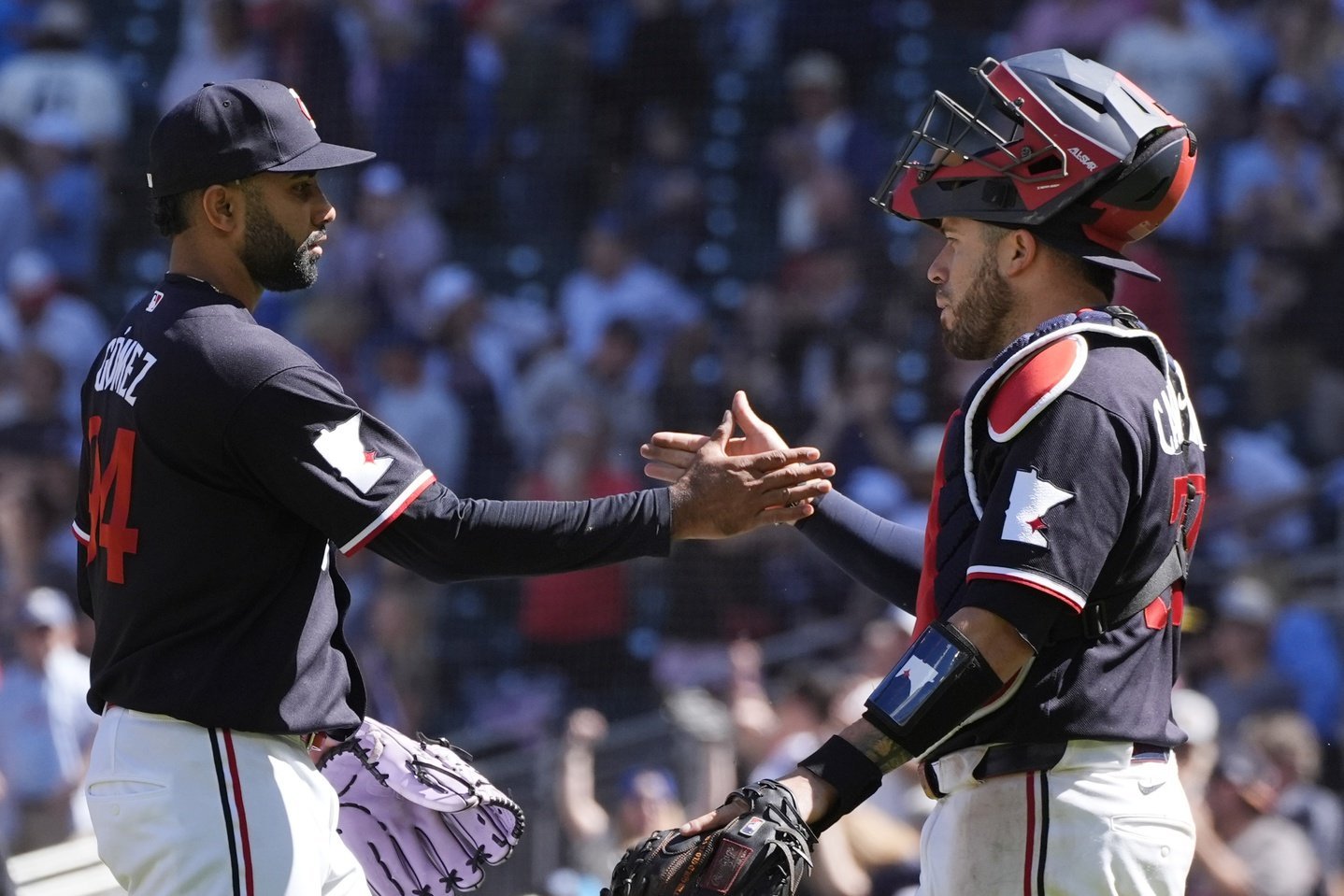 Hey, how bout that Gomez guy! He's doing great...wait, wut?? Is it real? Please oh please oh please oh please..... Hmmmmm...maybe??? View the full article
 -
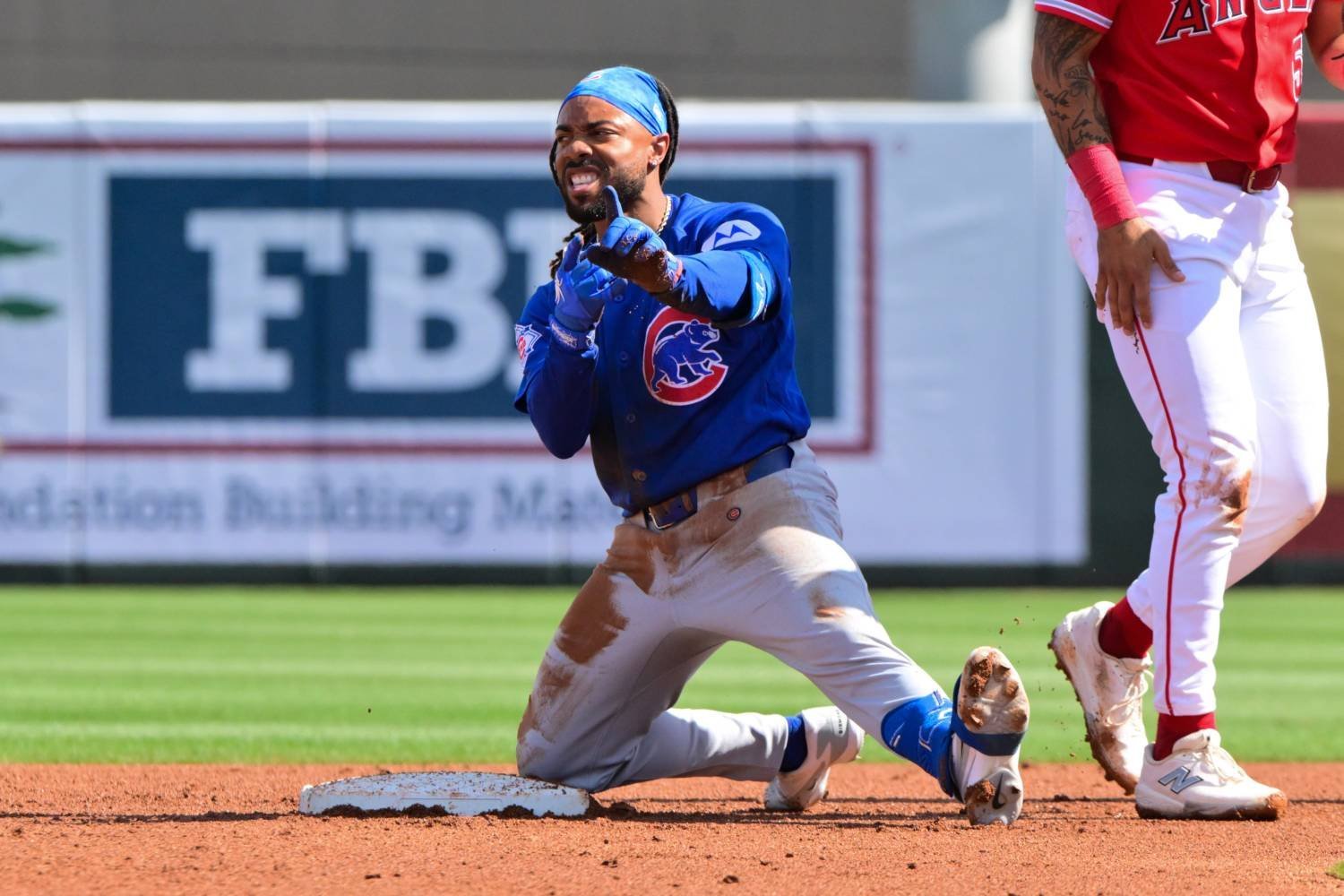 With only a few 40-man roster options available, the Chicago Cubs opted for outfield defense to replace a slumping hitter. The Cubs on Friday called up outfielder Justin Dean from Triple-A Iowa following the demotion of designated hitter Moises Ballesteros. Dean will be making his Cubs debut after being claimed off waivers this offseason from the San Francisco Giants. Dean was somewhat of a cult figure in the Los Angeles Dodgers' run to the World Series last year, appearing in 13 games but not once coming up to bat. He was a late-inning defensive substitution and pinch-runner. Dean made his MLB debut last year and is hitless in two at-bats over 18 games. At Triple-A this year, Dean was slashing .238/.369/.354 with three homers and 25 RBIs, stealing 14 bases in 15 tries. Ballesteros being sent down would seem to open more at-bats for Matt Shaw, who was in the lineup in right field for Friday's series opener against the Toronto Blue Jays, with Seiya Suzuki as the designated hitter. View the full article
 -
 You can listen by downloading us from: iTunes, Spotify, YouTube, iHeartRadio, Stitcher, GleemanAndTheGeek.com, or by clicking this link, or by watching/listening below. https://youtu.be/MbC0KeSQujM View the full article
 -
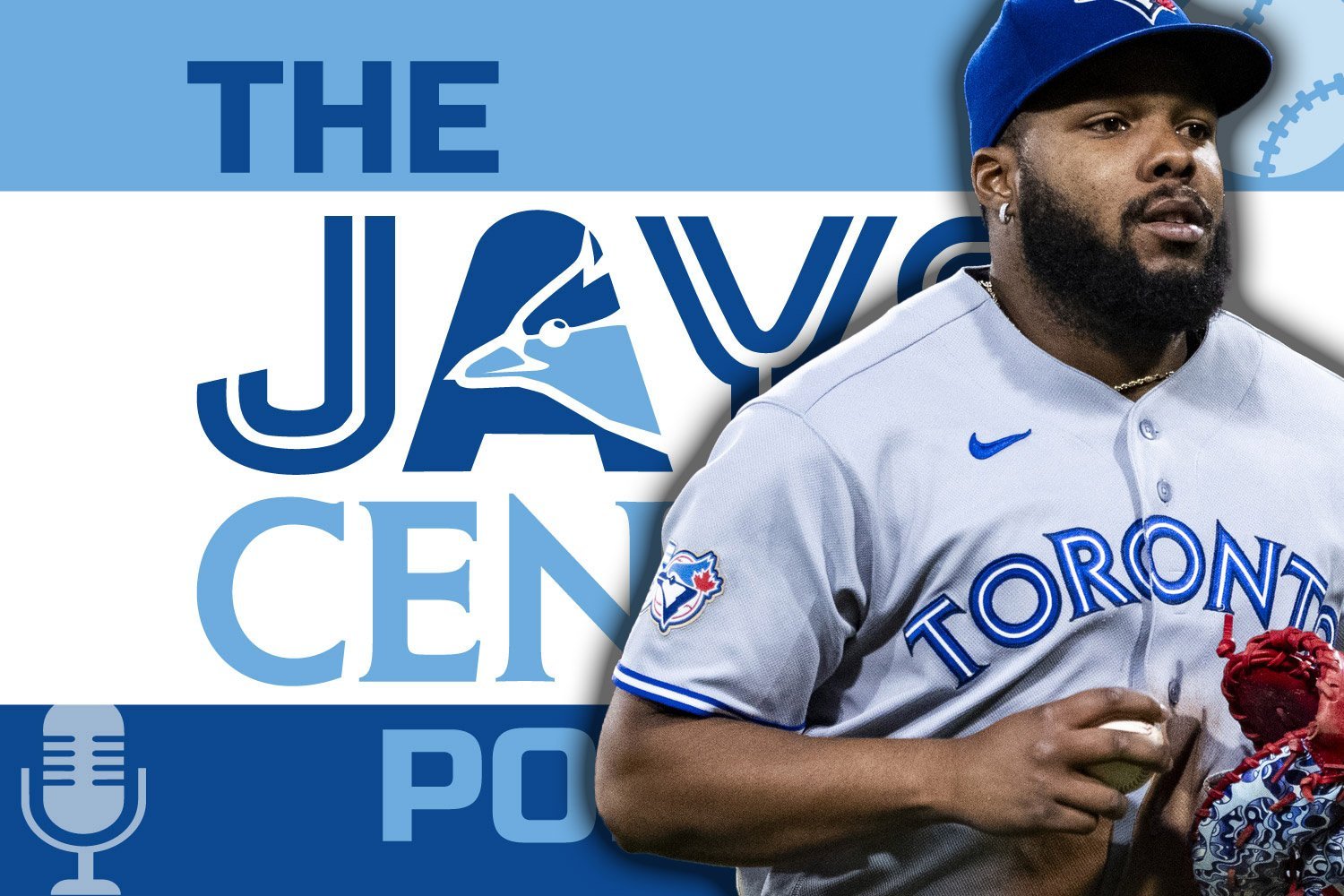 Owen and Jesse are overjoyed to get to talk about the Blue Jays' first series sweep since opening weekend against the Athletics. They talk about Trey Yesavage's impressive 7 1/3 inning start in the third game of the series, give flowers to Spencer Miles, Simeon Woods Richardson, and Louis Varland for the game two victory, and break down Dylan Cease's rocky but effective start in game one. After the break, they get into the offense and have nice things to say about Vladimir Guerrero Jr. after his homer in game three. They marvel over Brandon Valenzuela's ninth-inning at-bat against Aroldis Chapman in game three, talk about optimism with George Springer, and take joy in Davis Schneider's power outburst. Listen on Apple Podcasts: https://podcasts.apple.com/us/podcast/the-jays-centre-podcast/id1846108462 Listen on Spotify: https://open.spotify.com/show/3Bi7SzfpcqMo5xYWnbCeoL Listen on iHeartRadio: https://www.iheart.com/podcast/263-the-jays-centre-podcast-300304824/ Listen on Pocket Casts: https://pca.st/2qk9wqxd Watch on YouTube: https://www.youtube.com/@jayscentre View the full article
 -
Should Marlins listen on Sandy Alcantara despite recent surge?
DiamondCentric posted an article in Fish On First
 With Peter Bendix in charge of baseball operations, it's never as simple as "buyer or seller" for the Miami Marlins. The club leads Major League Baseball with 11 wins in June, but the roster is far from perfect and any move the Marlins make will take the long-term consequences into account. AJ Ramos, Kevin Barral and Isaac Azout discuss what's been working for the Fish lately, the "popularity contest" that is MLB All-Star Game fan voting, factors to consider when negotiating a potential Sandy Alcantara trade and much more. You can find Fish Unfiltered and Fish On First LIVE on the Fish On First YouTube channel, Apple Podcasts, Spotify or wherever else you get your pods. In an article for ESPN earlier this week, Jeff Passan estimated that there is a 40% chance of the Marlins trading Alcantara prior to the August 3 deadline. Passan listed the Chicago Cubs, Arizona Diamondbacks, Cleveland Guardians, San Diego Padres, Athletics, Tampa Bay Rays, Atlanta Braves, Chicago White Sox and Milwaukee Brewers as "best fits" for his services. The most expensive player on the 2026 Marlins payroll, Alcantara is under control next season via a $21 million club option. He leads MLB in innings pitched and is four strikeouts away from becoming the franchise all-time leader in that category. The right-hander's 4.18 ERA and 3.98 FIP are almost precisely in line with what he did in 2023, though that's a far cry from what the ace of a contending team is expected to produce. The article also mentioned Marlins relievers Pete Fairbanks, Anthony Bender, Lake Bachar, Michael Petersen, Calvin Faucher and John King as potential trade candidates. The Marlins return home to loanDepot park on Friday for a six-game homestand against the San Francisco Giants and Texas Rangers. After that, they'll be precisely halfway through the 2026 regular season. View the full article
 -
The Brandon Valenzuela Problem the Blue Jays Didn't See Coming
DiamondCentric posted an article in Jays Centre
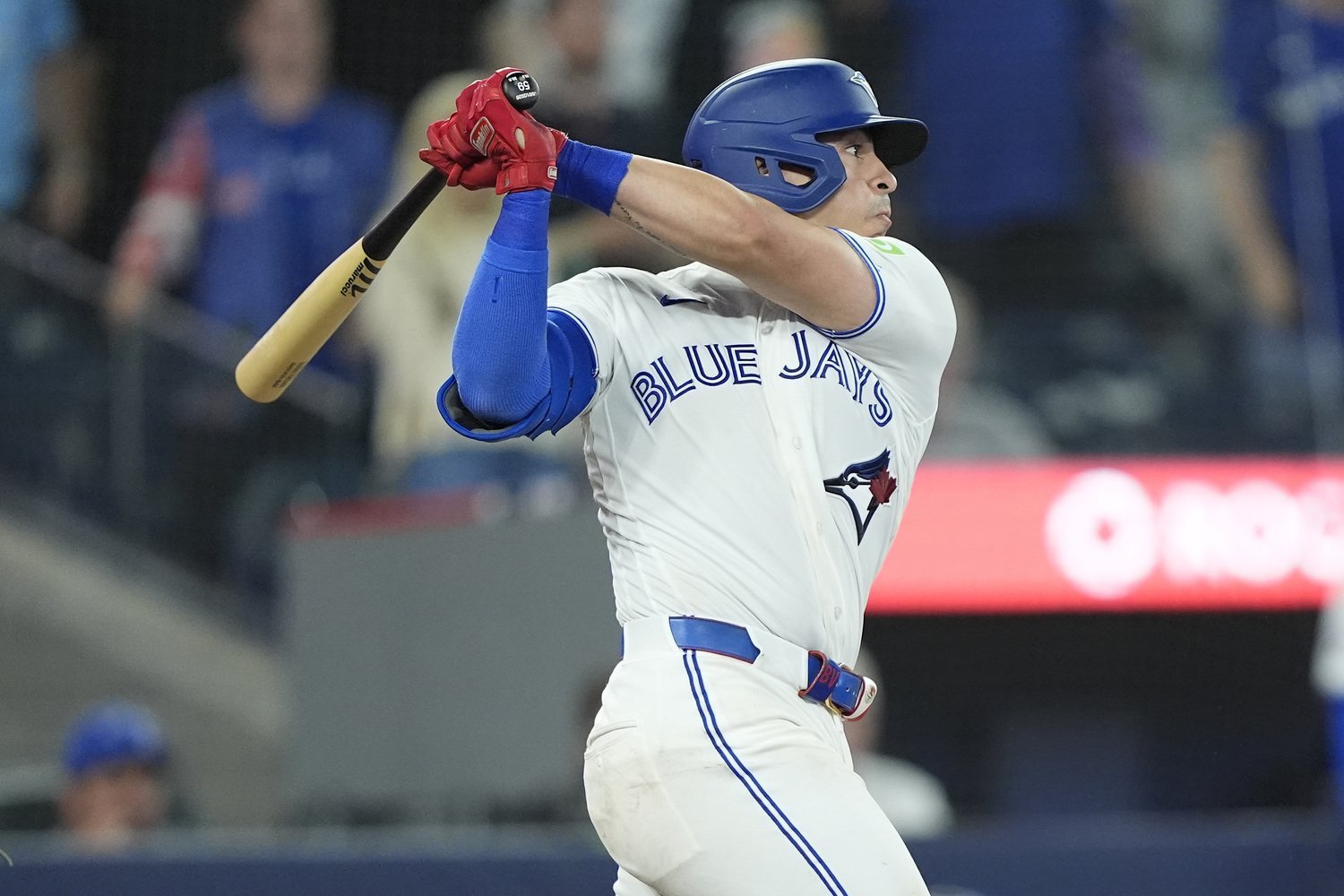 The Blue Jays expected Alejandro Kirk's return to solve a problem. Instead, it may have created a new one. When the season began, Kirk was on the short list of Blue Jays players the team couldn't afford to lose. He’s a middle-of-the-order bat, a leader in the clubhouse, and one of the best defenders in all of baseball. From 2023 through 2025, only Patrick Bailey had a higher Defensive Runs Above Average (Def) than Kirk. All it took was seven games. Kirk took a foul ball off his thumb, suffering a fracture that sent him to the injured list for the next two months. Because of the injury, the Blue Jays found themselves in a difficult spot. Tyler Heineman was expected to handle most of the catching duties, while Brandon Valenzuela, a rookie who had impressed throughout spring training, was called up to fill the void. The transition to the major leagues is difficult for any prospect, but the challenge is even greater for catchers, who must not only adjust to big league pitching at the plate but also learn how to manage an entirely new pitching staff behind it. Valenzuela was more than ready for the task. Since his debut, Valenzuela has posted a 121 wRC+. His seven home runs are tied for second on the team, and his .792 OPS leads the Blue Jays (as of June 17). Defensively, Valenzuela has been just as impressive. His Defensive Runs Above Average trails only Andrés Giménez on the Blue Jays and ranks among the top five catchers in baseball dating back to Kirk's injury. Baseball Savant loves his glove too. His 4.89-second average pop time is in the 82nd percentile in baseball, he’s in the 90th percentile in caught stealing above average, and his framing has been incredible. Only Dillon Dingler and Adley Rutschman have more catcher framing runs than Valenzuela. Valenzuela's emergence has been noticed by the organization, as when Kirk returned from the injured list, the Blue Jays chose to keep him on the roster, despite his having minor league options, even if it meant the risk of losing Heineman (who is a good defensive catcher in his own right) to waivers or free agency. As a team that values depth and roster control, it wouldn’t have been a shock if they chose to send Valenzuela down instead. The challenge for the Blue Jays wasn't determining whether Valenzuela had played well enough to remain on the roster; he clearly had. The challenge is figuring out what comes next. The simple solution would be to just insert Kirk back into the starting role and have Valenzuela take up the traditional backup catcher job, playing once every four or five days or when Kirk needs a break. The problem with that is that Valenzuela has been too good offensively to take out of the lineup right now: (image from https://thatsball.baby/jays) For a Blue Jays team that is in the bottom 10 in the league in runs scored, wRC+, wOBA, and home runs, it's hard to justify giving one of the best hitters on the team less playing time and expecting the results to get better. There is another factor to consider. For as well as Valenzuela has played so far, he’s still a prospect who needs time to develop at the major league level. Catchers develop differently from other prospects, and the Blue Jays want to be confident that the Kirk-Valenzuela tandem will be their catching tandem of the future. Valenzuela losing reps behind the plate will only slow the evaluation process. With all that said, Kirk remains one of the most important players on the roster. While Valenzuela is still building relationships with Toronto’s pitching staff, Kirk has already established himself as one of the game’s premier defensive catchers. For a team trying to win games now, that familiarity and stability behind the plate carries significant value. As impressive as Valenzuela has been, the Blue Jays still need Kirk in the lineup as often as possible. Finding playing time for both catchers won't be easy. With Heineman now traded to the Angels, the Blue Jays are operating with only two catchers, making lineup flexibility more important than ever. Most teams prefer not to start both catchers on the same day because it limits late-game options and increases the risk of running out of depth if an injury occurs. That reality means Kirk and Valenzuela won't be in the batting order together every day. Still, with the Blue Jays desperately searching for offence, there will be plenty of situations in which John Schneider will be tempted to find a way to fit both bats into the same lineup. The easiest way to get both players into the lineup is to have Valenzuela or Kirk play another position. Recently, John Schneider mentioned that George Springer could see the occasional start in right field, opening the designated hitter spot for one of the two catchers. Valenzuela could also factor in at first base after appearing there 68 times in the minor leagues; he has recently begun taking practice reps at the position again. The good news in all of this is that it is essentially a good problem for the Blue Jays to have. They have too many talented players for not enough lineup spots, so John Schneider can get creative with how he uses his two catchers. Prioritizing Valenzuela doesn’t mean Kirk will see less playing time. Heineman still found his way into 31 games before he was designated for assignment. Taking into account that Valenzuela is a switch-hitter, getting him into the lineup against a tough right-handed pitcher will give the Blue Jays a platoon advantage. In baseball, these things tend to have a way of sorting themselves out. Remember, the Blue Jays were supposed to have too many pitchers for not enough spots, and that hasn’t turned out to be true either. Catchers tend to take on a tremendous amount of wear and tear over the course of the season, so having depth at the position is still incredibly important. But as long as the Blue Jays continue to search for more offence, they’ll need to find ways to get their best hitters into the lineup more often. For the time being, that includes both Alejandro Kirk and Brandon Valenzuela. The challenge for John Schneider is no longer deciding whether Valenzuela belongs in the major leagues. He has already answered that question. The challenge now is finding enough opportunities for one of the Blue Jays’ most productive hitters to stay on the field. Stats updated prior to games on June 18. View the full article
 -
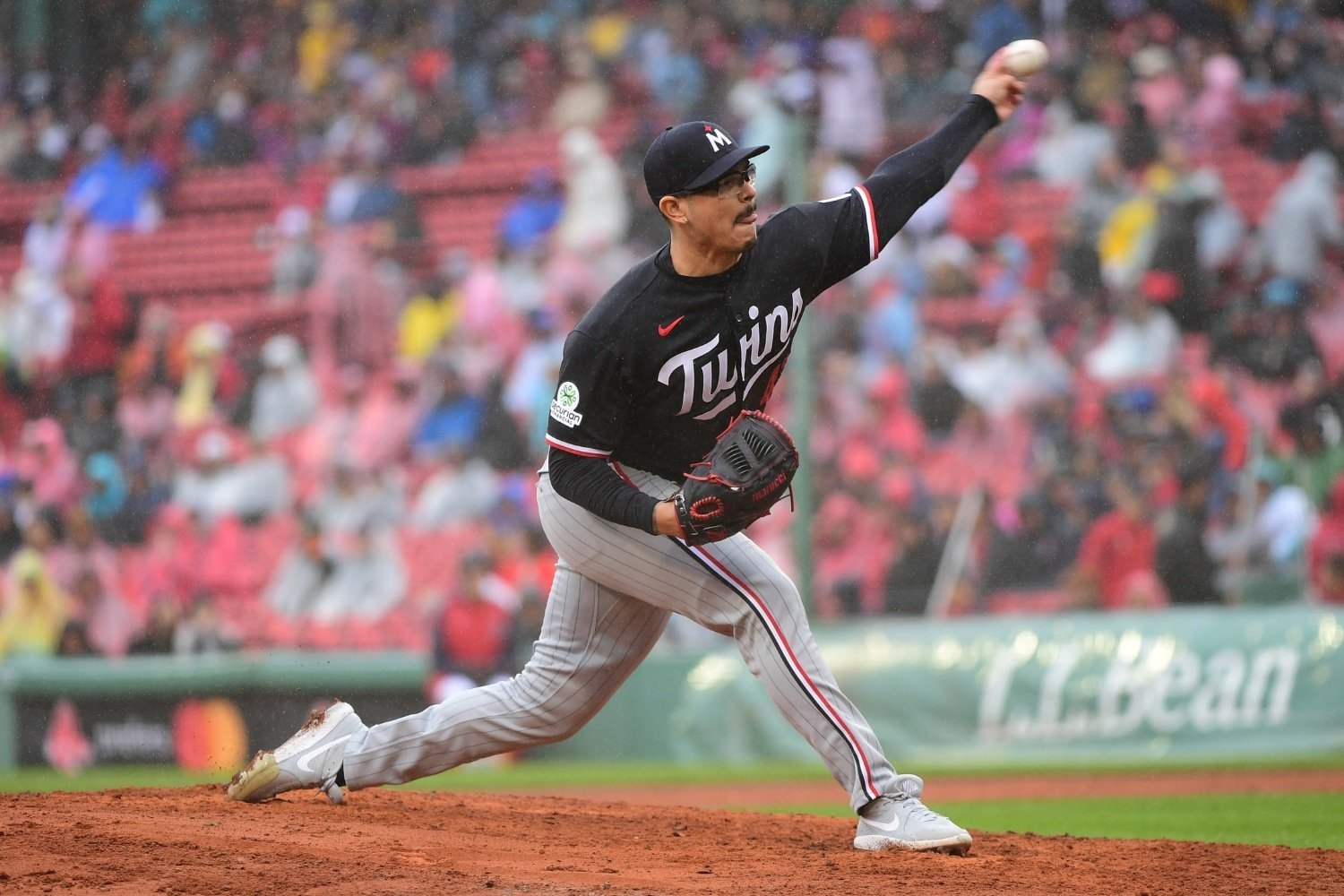 As Major League Baseball inches closer to the trade deadline, one of the most valuable exercises isn't identifying specific trade targets. It's figuring out which teams believe they are buying and which ones are preparing to sell. That information shapes virtually every conversation that follows. In a recent piece for The Athletic, Jim Bowden checked in with all 30 organizations to gauge where each club stands and what their biggest needs are as the deadline approaches. For front offices around the league, this type of intelligence is critical. Before serious trade discussions begin, teams need a clear understanding of what other organizations are trying to accomplish. Most trades don't materialize overnight. Executives spend weeks gathering information, comparing organizational strengths and weaknesses, and identifying potential matches. Knowing which clubs need starting pitching, bullpen help, offense, or prospect capital is often the first step toward finding a workable deal. Normally, the biggest storyline of the trade deadline revolves around sorting teams into two categories: buyers and sellers. This season, however, things are far less straightforward. Outside of the San Francisco Giants and Colorado Rockies, virtually every team can still point to some path toward postseason contention. Expanded playoffs have created a middle class of teams that remain within striking distance, making it much harder for organizations to wave the white flag in June or even July. That reality could create a fascinating deadline dynamic. Rather than the traditional contender-versus-rebuilder transactions, many of this year's deals may involve two teams that both believe they have a legitimate chance to play meaningful games in October. The Twins appear to fall squarely into that category. According to Bowden, "The Twins are searching for bullpen help and believe if they can keep their star players like Byron Buxton and Royce Lewis healthy that they can stay in the race all season." The bullpen need shouldn't surprise anyone. Minnesota's relief corps has been inconsistent throughout the season, and adding another high-leverage arm would help stabilize a group that has struggled to protect leads at key moments. The more interesting part of Bowden's report is the confidence the organization apparently still has in its postseason chances. Looking strictly at the standings, that optimism requires a leap of faith. The Twins sit just 1.5 games behind the final American League Wild Card position, but several teams stand between them and a playoff berth. Every one of those clubs believes it can contend as well. According to FanGraphs, Minnesota currently owns a 27.9% chance of reaching the postseason. That's an improvement of more than 5 percentage points since the beginning of June, but it still means the Twins remain significant underdogs in the playoff race. In fact, it’s only the third-highest mark in the AL Central. Of course, front offices don't always view the situation through the same lens as projection systems. There's also an important leadership factor at play. This is the first trade deadline featuring the Twins' new organizational structure. Tom Pohlad is overseeing the business side, while Jeremy Zoll is running baseball operations. Neither has navigated a deadline from their current position before, creating plenty of uncertainty regarding how aggressively Minnesota will act. Zoll recently discussed Minnesota’s trade deadline position. He said that a lot of teams are currently having check-in conversations, but there isn’t enough separation in the playoff race to determine who the buyers and sellers are. It probably comes down to how the teams perform into the middle of July before meaningful trade conversations can occur. Still, the ultimate decision to buy or sell may come down to Pohlad. Earlier this season, Pohlad made it clear that he expected the Twins to remain competitive. Those comments could prove meaningful as the deadline approaches. Ownership groups rarely enjoy watching a team sell off pieces, especially when they're hovering around the playoff picture. If Minnesota remains within striking distance over the next several weeks, there may be pressure to continue pursuing contention rather than pivoting toward the future. That doesn't necessarily mean the Twins will become major buyers. It simply means they may be reluctant sellers. The next month will ultimately determine everything. If Minnesota gains ground in the standings, adding bullpen help could become a realistic objective. If the club falls further behind, difficult conversations about expiring contracts and tradeable veterans will become unavoidable. For now, though, Bowden's reporting offers a clear glimpse into the Twins' current mindset. Despite long odds, a crowded Wild Card race, and multiple teams standing in their way, Minnesota still appears to view itself as a contender. Whether reality eventually forces a different conclusion remains one of the most important questions facing the organization over the next six weeks. Do you view the Twins as buyers or sellers? Leave a comment and start the discussion. View the full article
 -
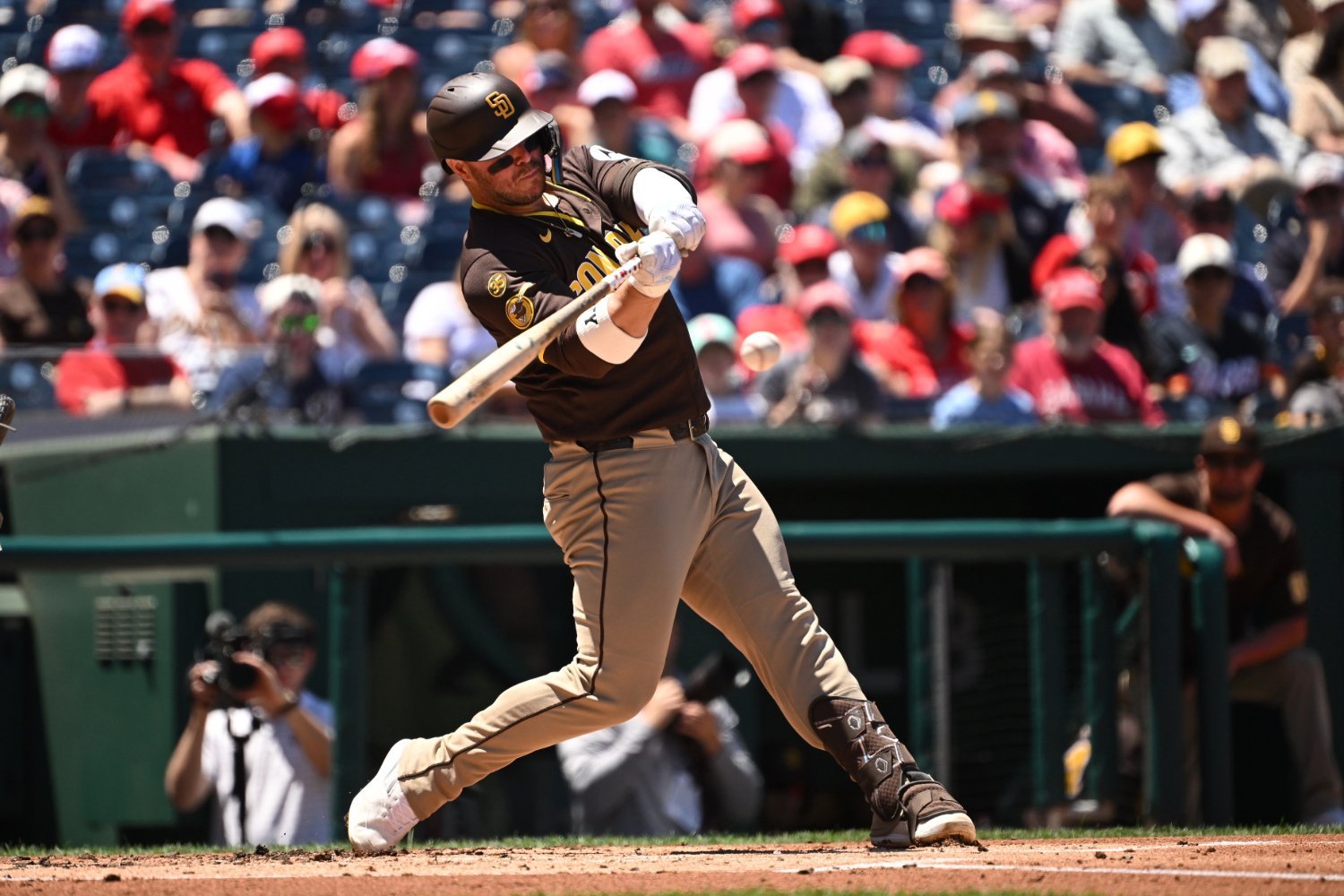 From a distance, Ty France’s 2026 season does not look especially concerning. Through his first 154 plate appearances, the San Diego Padres first baseman owns a .245/.294/.434 slash line, has hit six home runs, and carries a 102 wRC+. Those are perfectly respectable numbers for a complementary hitter and, broadly speaking, represent exactly the kind of production San Diego hoped to get from him. The closer you look, however, the harder it becomes to ignore the cracks. The season-long numbers still describe a hitter performing above league average. The recent trends tell a much less encouraging story. The Padres never needed France to carry the lineup. That responsibility belongs to Fernando Tatis Jr., Manny Machado, and the rest of the club’s offensive core. What San Diego needed was a hitter capable of extending innings, punishing mistakes, and preventing opposing pitchers from finding relief once they worked their way through the heart of the order. For much of the season’s first few months, France filled that role exactly as intended. Even as the strikeouts began to rise, the production remained strong enough to offset them. There were obvious flaws in his offensive profile, but the results made those flaws easier to live with. June has started to change that equation. Monthly Production Month SLG ISO K% wRC+ Mar/Apr .578 .289 8.3% 154 May .500 .217 34.9% 126 Jun .158 .026 32.6% 12 The decline is impossible to ignore; after producing at a 154 wRC+ level in March and April and maintaining a strong 126 wRC+ in May, France has collapsed to a 12 wRC+ in June. His slugging percentage has fallen from .500 to .158. His ISO has dropped from .217 to just .026. The offensive production that once justified the rising strikeout totals has largely disappeared. Part of that decline can be explained by poor fortune. His BABIP fell from .400 in May to .208 in June, a dramatic enough difference to suggest that some well-struck balls simply have not found results. That explanation alone, however, does not fully account for such a steep drop in power production and slugging. And that is where the underlying data make the story much more interesting. The simplest explanation would be to assume that France is no longer hitting the ball with authority. After all, when a hitter stops producing, the quality of contact often declines as well. That is not what the numbers show. Metric 2025 2026 Hard-Hit% 44.2% 50.0% Barrel% 7.7% 11.6% Avg Exit Velocity 89.5 91.4 Zone Contact% 88.5% 78.8% Whiff% 21.3% 30.2% K% 16.9% 25.2% What stands out is that several of his contact-quality metrics are actually better than they were a year ago. France is producing more hard-hit balls, more barrels, and a higher average exit velocity than he did in 2025. In other words, when he makes contact, he is still capable of doing damage. However, while the impact metrics have improved, the contact metrics have deteriorated. His in-zone contact rate has fallen by nearly ten percentage points compared to last season. His whiff rate has climbed above 30 percent. As a result, his strikeout rate has increased significantly as well. His bat-tracking data only furthers the concern. His Perfect Contact Rate against fastballs has fallen from 20 percent in 2025 to 13 percent in 2026, while his whiff rate against the same pitch has jumped from 15.8 percent to 30.8 percent. Fastballs are typically the foundation of a hitter’s offensive profile, so a decline of that magnitude helps explain both the rise in strikeouts and the drop in production throughout June. It also helps explain why the recent results appear to conflict with some of his underlying metrics. Pitchers are not necessarily limiting the damage when France puts the ball in play; what the data show is that France is reaching that contact point far less frequently than he did before. For the Padres, the concern is obvious. A team with postseason aspirations needs more than a hitter producing a 12 wRC+ over the course of a month. San Diego does not need Ty France to be a star, but it does need him to return to being the complementary piece that helped provide lineup depth throughout April and May. What remains to be seen is whether these June results represent the beginning of a larger trend or simply a rough stretch within a season that, when viewed as a whole, still offers reasons to believe a rebound is coming. View the full article
 -
 Jack and Spencer react to Jacob Misiorowski's historic 95-pitch shutout against the Phillies and preview what to expect from Cooper Pratt. Apple Podcasts: https://podcasts.apple.com/us/podcast/the-brewer-fanatic-podcast/id1740648724 Spotify: https://open.spotify.com/show/5CY8mWsQayqjDXqw9OT2Td iHeartRadio: https://www.iheart.com/podcast/263-the-brewer-fanatic-podcast-166534588/ Pocket Casts: https://pca.st/ommzz627 Watch On YouTube: https://www.youtube.com/@brewerfanatic View the full article
