


DiamondCentric
-
Posts
2,631 -
Joined
-
Last visited
Never
Content Type
Profiles
Forums
Events
News
Tutorials & Help
Major League Baseball Videos
Guides & Resources
Store
Downloads
Gallery
Everything posted by DiamondCentric
-

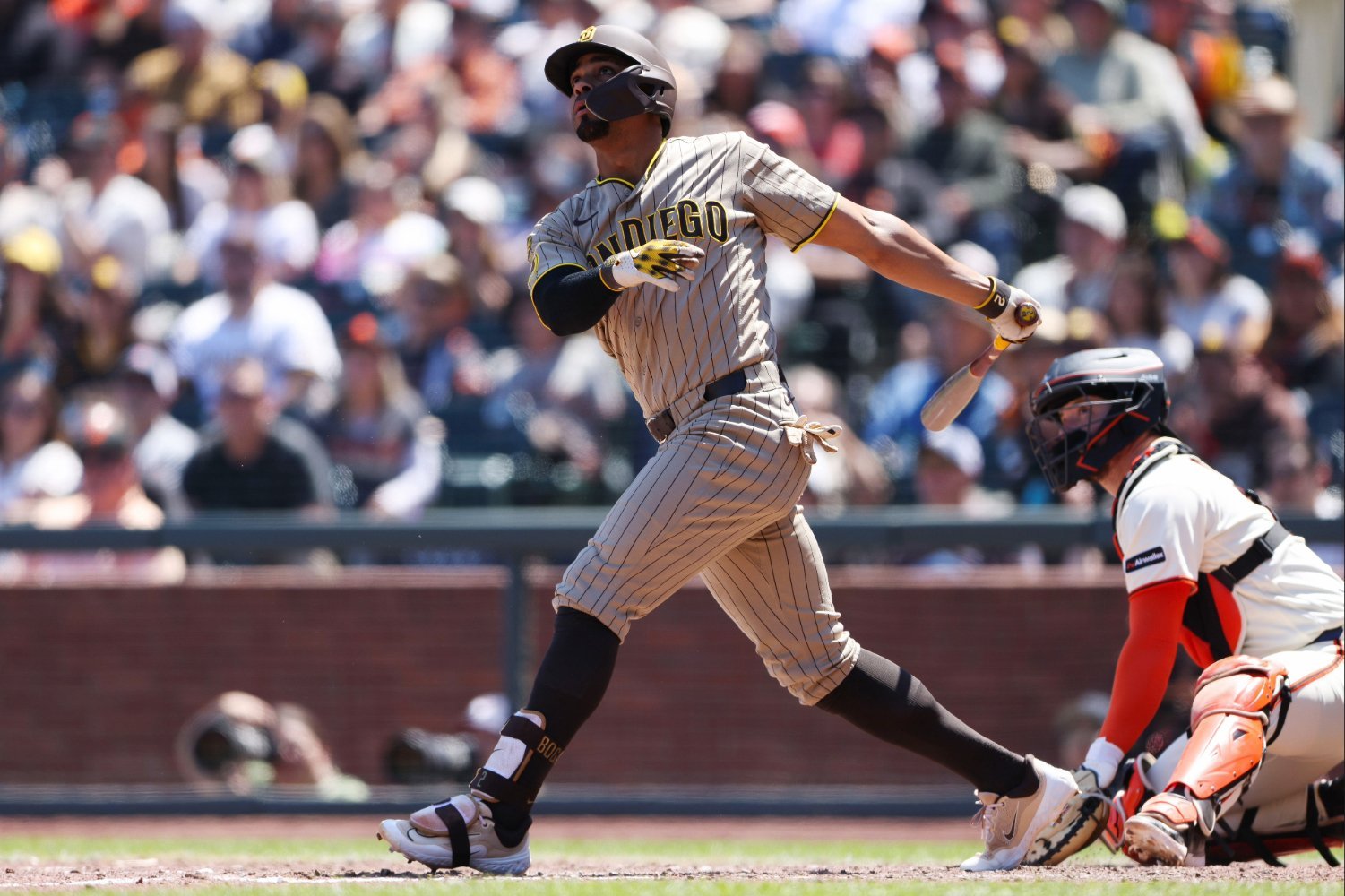 The San Diego Padres have largely continued to win baseball games despite an offense that has slowly worked its way from below average to more of a middling nature. While they continue to wait on the likes of Fernando Tatis Jr. and Jackson Merrill to become regular contributors to the cause, it’s been an unlikely source spearheading the runs they are able to score: Xander Bogaerts. Bogaerts hasn’t been entirely lost on offense during his time with the Padres, but there have certainly been stretches where it looked as if the organization would regret his 11-year deal far too early into it. He’s done his best to stave off those concerns in 2026, however, working at a pace that has him to set to exceed his prior production just about everywhere if he’s able to maintain it. Through more than 160 plate appearances thus far, Bogaerts carries a line that reads .262/.337/.423 with a 121 wRC+. His 16.9 percent strikeout rate sits up in the 78th percentile with a walk rate that rests nicely at 10.2 percent. The former is down slightly and the latter is up more significantly from his trends since arriving in San Diego prior to 2023. Most notable within his performance, though, is the power. Bogaerts has a .161 isolated power figure to this point. That’s not a gaudy number relative to the league’s genuine sluggers, but he previously topped out for the Padres back in that initial 2023 campaign with a .154 ISO. The two subsequent years featured marks of .117 and .128, respectively. He compensated well in those two middle years with his baserunning acumen, but the absence of any real impact stifled his ability to contribute regularly to an offensive attack to which his place in the payroll indicates he should be central. Nevertheless, there’s a contribution happening here that wasn’t before. With a player experiencing even a modest upswing in power after an extended sample without it, the sustainability question generally harkens to mechanics and approach as preeminent sources of the increase. And what’s interesting in this case is that Bogaerts isn’t doing anything demonstrably different within his swing that is indicative of an uptick in power. He’s actually swinging the bat slower, with an attack angle, attack direction, and tilt that have all remained fairly similar to every other season on which we have data. The mechanics of the swing have remained just about constant. As for the approach, Bogaerts has remained fairly steady there, too. He’s become a touch more aggressive overall, raising his swing rate from 41.7 percent last year to 44.3 percent thus far in 2026. He’s also managed to make slightly more contact, so there’s a higher volume of balls in play. That tends to help the overall line, especially when the contact is happening to all fields (Bogaerts has driven his Oppo% up by nearly six percent). He’s also swinging at more fastballs (also by about six percent), which can help to yield the type of all-fields contact helping Bogaerts to maintain his production to date. But there isn’t anything particularly noteworthy within this area of his game either. What it may, in fact, come down to is rather simple: he’s healthy. In each of Bogaerts’ first three seasons with the Padres, he has dealt with an injury of some sort. He battled a lingering wrist injury and a calf issue in 2023, a shoulder injury in 2024, and a myriad of problems in 2025 that included his shoulder, hamstring, and foot. Only the 2024 injury cost him legitimate time as he appeared in just 111 games. The rest, however, were of the lingering variety which certainly tamped down his production across even games in which he was still playing. Which means that there’s a decent shot that Bogaerts is the same player he’s always been in matters of his mechanics and his approach. We know the talent has always been there. Perhaps something in the underlying data will manifest as the sample grows and provides us with another rationale. In the meantime, a healthy Xander Bogaerts is not only an improved player for the Padres in 2026, but an absolutely crucial one given the slow start of some of his counterparts. View the full article
 -
 The Brooklyn Cyclones blanked Rome behind a sterling effort from Channing Austin, who allowed three hits across five scoreless innings while Daiverson Gutierrez crossed home three times. Chris Suero homered for Binghamton in a tough 5-3 loss, and Elian Peña tripled in St. Lucie's 4-2 setback to Jupiter. Jonah Tong absorbed his third loss as Syracuse fell 11-3 to Scranton/Wilkes-Barre, surrendering six earned runs in only one and two-thirds innings of work. Mets Transactions New York Mets signed free agent SS Jaylen Palmer to a minor league contract. Tong Roughed Up As Syracuse Falls In Scranton Syracuse dropped its game against the Scranton/Wilkes-Barre RailRiders 11-3. Starter Jonah Tong was tagged for six earned runs on five hits in one and two-thirds innings, walking three and striking out three. Tong gave up two home runs, both during a five-run bottom of the second that opened a 7-1 gap. Reliever Carlos Guzman did not stop the bleeding, allowing four earned runs on four hits in his one and two-thirds innings, including three home runs in a four-run bottom of the fourth that pushed the score to 11-1. The Syracuse offense managed three hits and pushed across single runs in the second, fifth, and sixth. Ben Rortvedt accounted for two RBI, including a sacrifice fly to right field that scored Christian Arroyo in the top of the second. Cristian Pache went 1-for-3 with a double and a walk, and Jihwan Bae added a base hit. Yonny Hernández, who later took the mound himself, drew two walks and scored a run, and Jackson Cluff drew a walk and crossed home in the sixth. The bullpen finally settled in. Dan Hammer, Alex Carrillo, Cionel Pérez, and Yonny Hernández combined for four and two-thirds scoreless innings, surrendering five hits and striking out six. Syracuse left seven runners on base. Player AB R H RBI BB K Nick Morabito (CF) 3 0 0 0 1 1 Matt Rudick (PH) 1 0 0 0 0 0 Ji Hwan Bae (2B) 4 0 1 0 0 0 Ryan Clifford (LF) 4 0 0 1 0 3 Christian Arroyo (3B) 4 1 1 0 0 1 Eric Wagaman (1B) 4 0 0 0 0 3 Yonny Hernández (P) 1 1 0 0 2 0 Cristian Pache (RF) 3 0 1 0 1 2 Ben Rortvedt (C) 3 0 0 2 0 1 Jackson Cluff (SS) 2 1 0 0 1 0 Player IP H R ER BB K HR Jonah Tong (L) 1 2/3 5 7 6 3 3 2 Carlos Guzman 1 2/3 4 4 4 2 3 3 Dan Hammer 1 2/3 1 0 0 1 2 0 Alex Carrillo 1 2 0 0 0 1 0 Cionel Pérez 1 1 0 0 1 3 0 Yonny Hernández 1 1 0 0 0 0 0 Suero Homer Not Enough In Binghamton's 5-3 Loss Binghamton fell 5-3 to the Somerset Patriots. Starter Jonathan Santucci took the loss after five innings, allowing four runs (two earned) on six hits with one walk and four strikeouts. The Patriots reached him for two runs in the bottom of the first and added another in the bottom of the fourth before the Rumble Ponies tied things up an inning later. With Diego Mosquera aboard after his second walk, Chris Suero crushed his sixth home run of the season to left center, knotting the score 3-3 in the fifth. The lead was short-lived. Somerset answered with a run in the bottom of the inning, and untied the game for good in the bottom of the seventh on a solo home run charged to reliever Douglas Orellana. Suero finished the night 2-for-4 with the home run, two RBI, a stolen base, and a run scored. JT Schwartz tripled in the top of the second to plate Nick Lorusso for Binghamton's first run. Lorusso, TT Bowens, and Kevin Parada each added a hit, and Mosquera scored a run while drawing two walks from the nine hole. Player AB R H RBI BB K Eli Serrano III (CF) 4 0 0 0 0 2 Chris Suero (C) 4 1 2 2 0 1 Jose Ramos (RF) 4 0 0 0 0 2 Kevin Parada (DH) 3 0 1 0 1 1 Nick Lorusso (3B) 4 1 1 0 0 2 TT Bowens (LF) 4 0 1 0 0 2 JT Schwartz (1B) 4 0 1 1 0 1 Wyatt Young (2B) 4 0 0 0 0 1 Diego Mosquera (SS) 1 1 0 0 2 1 Player IP H R ER BB K HR Jonathan Santucci (L) 5 6 4 2 1 4 0 Jefry Yan 1 1 0 0 0 1 0 Douglas Orellana 1 1 1 1 0 2 1 Felipe De La Cruz 1 0 0 0 1 2 0 Cyclones Roll To 7-0 Shutout In Rome The Brooklyn Cyclones blanked the Rome Emperors 7-0, riding a five-inning, scoreless start from Channing Austin and a twelve-strikeout team effort on the mound. Austin scattered three hits and three walks while striking out five and earning the win. The bullpen completed the shutout. Gregori Louis worked two scoreless innings with four strikeouts, Hunter Hodges followed with a one-strikeout frame, and Juan Arnaud added a strikeout of his own in the other relief inning. Brooklyn built the score one run at a time before breaking the game open. Mitch Voit drove in the first run with a third-inning groundout that scored Sam Biller, and Colin Houck doubled to center in the fourth to plate Daiverson Gutierrez. Yonatan Henriquez singled home Yohairo Cuevas in the fifth. The sixth inning produced the breathing room. Cuevas walked with the bases loaded to score Gutierrez, and Henriquez followed with another bases-loaded walk that brought home Houck. Brooklyn tacked on two more in the seventh: Trace Willhoite grounded out to score Ronald Hernandez, and Sam Biller's sacrifice fly to left brought Gutierrez home for the seventh and final run. Player AB R H RBI BB K Mitch Voit (SS) 3 0 0 1 2 2 Yonatan Henriquez (3B) 4 0 1 2 1 1 John Bay (LF) 4 0 0 0 1 0 Ronald Hernandez (DH) 5 1 2 0 0 1 Daiverson Gutierrez (C) 2 3 1 0 2 0 Colin Houck (2B) 4 1 1 1 0 2 Trace Willhoite (1B) 4 0 0 1 1 1 Sam Biller (CF) 3 1 1 1 1 1 Yohairo Cuevas (RF) 2 1 0 1 2 1 Player IP H R ER BB K HR Channing Austin (W) 5 3 0 0 3 5 0 Gregori Louis 2 0 0 0 0 4 0 Juan Arnaud 1 0 0 0 0 1 0 Hunter Hodges 1 0 0 0 0 2 0 St. Lucie Drops 4-2 Decision To Jupiter The St. Lucie Mets fell 4-2 to the Jupiter Hammerheads. Starter Frank Camarillo worked four and two-thirds innings, surrendering two earned runs on five hits with three walks and five strikeouts. In the fifth, Elian Peña tripled to center with one out, and he later came home on a pickoff error at third base during Randy Guzman's strikeout, an unearned run that tied things 1-1. The Mets briefly took the lead an inning later when Julio Zayas singled, advanced to second on a groundout, and scored on Sam Robertson's RBI single to center. The deciding run came in the top of the seventh. Reliever Elwis Mijares allowed an RBI single that pushed Jupiter back in front and was charged with the loss for his two innings of work. Closer Zack Mack walked three in a wild ninth inning, and a throwing error by Peña allowed an additional unearned run to cross. Robertson finished 2-for-3 with a double, a walk, and the RBI. Peña added the triple, a walk, and a run scored. Joe Scarborough turned in one and one-third scoreless relief innings. The Mets managed four hits, struck out ten times, and stranded seven runners. Player AB R H RBI BB K Elian Peña (SS) 2 1 1 0 1 1 JT Benson (LF) 3 0 0 0 1 0 Randy Guzman (1B) 4 0 0 0 0 2 AJ Salgado (RF) 3 0 0 0 1 1 Julio Zayas (DH) 3 1 1 0 1 0 Chase Meggers (C) 3 0 0 0 0 1 Sam Robertson (CF) 3 0 2 1 1 1 Kevin Villavicencio (3B) 4 0 0 0 0 2 Jamari Baylor (2B) 3 0 0 0 1 2 Player IP H R ER BB K HR Frank Camarillo 4 2/3 5 2 2 3 5 0 Joe Scarborough 1 1/3 4 0 0 0 1 0 Elwis Mijares (L) 2 2 1 1 1 2 0 Zack Mack 1 0 1 0 3 2 0 Top-20 Prospect Performance Carson Benge: DNP A.J. Ewing: DNP Jonah Tong: 1 2/3 IP, 5 H, 7 R, 6 ER, 3 BB, 3 K, 2 HR (L) Elian Pena: 1-for-2, 3B, R, BB, K Jack Wenninger: DNP Ryan Clifford: 0-for-4, RBI, 3 K Jacob Reimer: DNP Nick Morabito: 0-for-3, BB, K Mitch Voit: 0-for-3, RBI, 2 BB, 2 K, SB Jonathan Santucci: 5 IP, 6 H, 4 R, 2 ER, BB, 4 K (L) Chris Suero: 2-for-4, R, 2 RBI, HR, K, SB Zach Thornton: DNP Wandy Asigen: DNP Will Watson: DNP Eli Serrano III: 0-for-4, 2 K Randy Guzman: 0-for-4, 2 K Ryan Lambert: DNP Dylan Ross: DNP Antonio Jimenez: DNP R.J. Gordon: DNP View the full article
 -
When Will Blue Jays Prospect Arjun Nimmala Get The Call?
DiamondCentric posted an article in Jays Centre
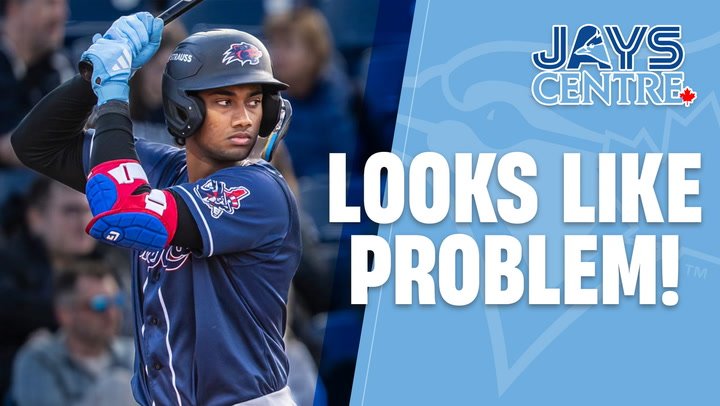 Arjun Nimmala is one of the most advanced prospects in the Toronto Blue Jays' pipeline. After logging more High-A at-bats than any other player aged 19 or younger in his respective league last year, Nimmala got the promotion to Double-A New Hampshire just a few weeks into the 2026 campaign. What makes his game so advanced, and when will we see him in the big leagues? We break it all down in this video! View the full article
 -
RD Topp Joins The Pod, Talks Miz, & Brewers Series Wins
DiamondCentric posted an article in Brewer Fanatic
 Spencer is joined by Ryan Topp of Milwaukee's Tailgate to discuss the Brewers' sweep over the Yankees, their series win over the Padres, Jacob Misiorowski's dominance, Brice Turang's continued ascension, and a lot more! Apple Podcasts: https://podcasts.apple.com/us/podcast/the-brewer-fanatic-podcast/id1740648724 Spotify: https://open.spotify.com/show/5CY8mWsQayqjDXqw9OT2Td iHeartRadio: https://www.iheart.com/podcast/263-the-brewer-fanatic-podcast-166534588/ Pocket Casts: https://pca.st/ommzz627 Watch On YouTube: https://www.youtube.com/@brewerfanatic View the full article
 -
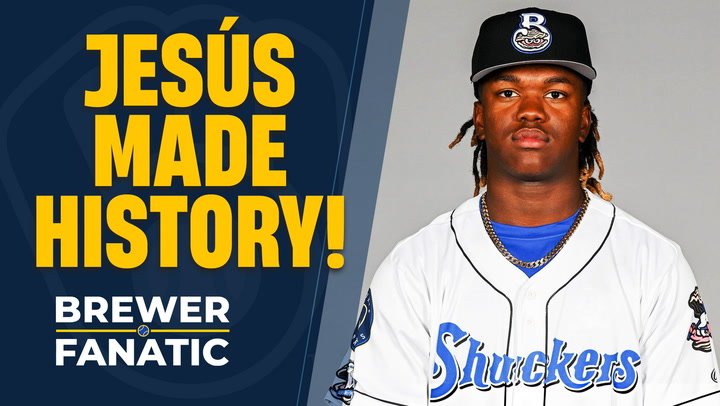 The Brewers' top prospect, Jesus Made, is now baseball's top prospect. With Konnor Griffin and Kevin McGonigle both graduating to the majors, the 19-year-old phenom out of the Dominican Republic is now the most highly touted prospect in Major League Baseball. In this video, we'll dive into each of his tools and unearth what makes Made so special. View the full article
 -
Sabermetrician Renounces Math After Bailey Ober Start
DiamondCentric posted an article in Twins Daily
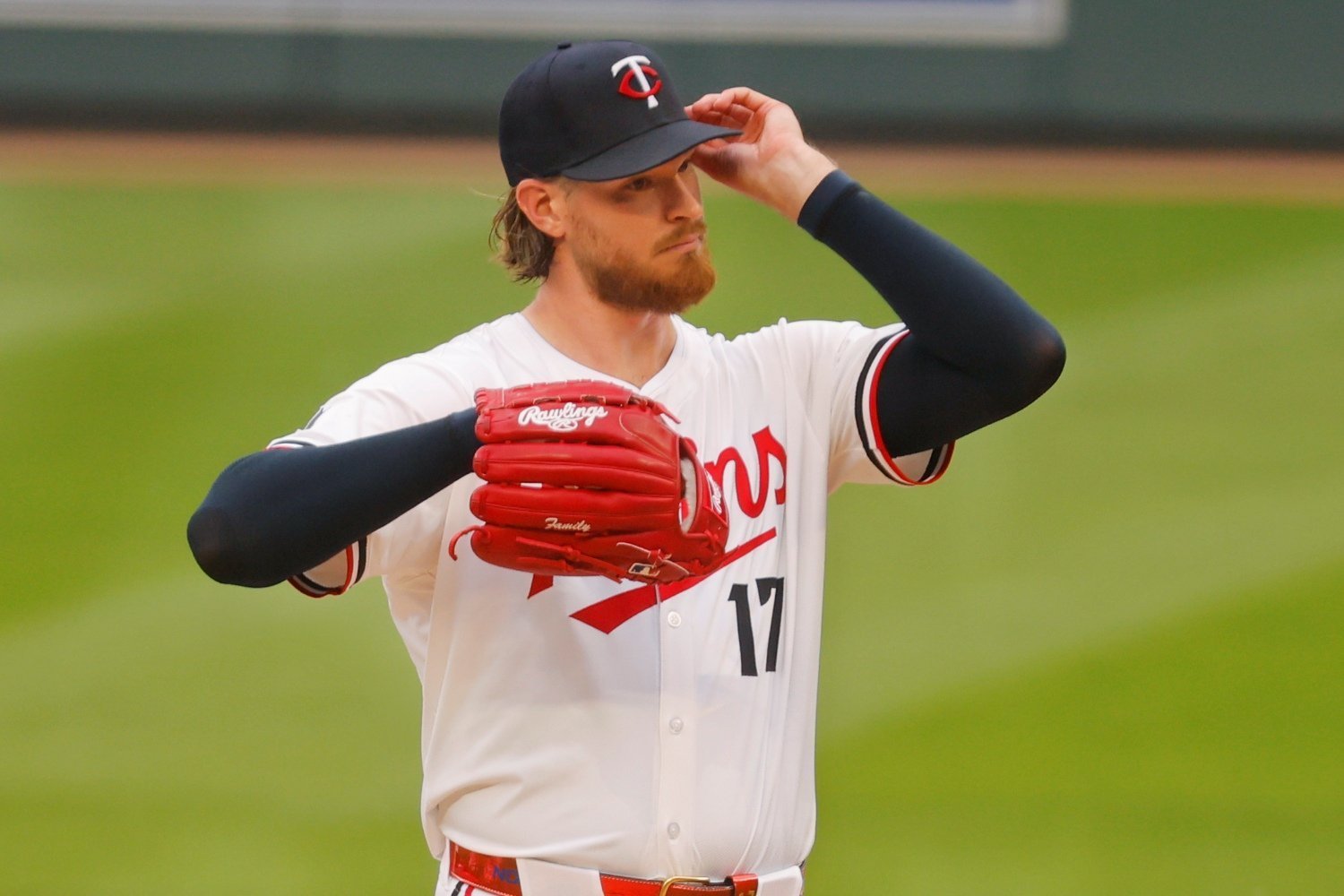 Samuel Lewiston "Sloot" Von Hansen has been a baseball fan and a math geek his whole life. When he discovered the world of sabermetrics, it intensified both interests and opened up a post-collegiate career in the world of baseball statistics. He was getting paid to do what he loved, and there was no looking back. His opinion on sabermetrics in May 2026? "Meaningless. A dog's breakfast. Mere darts at a board," he said. "A handful of dust blown by an idiot wind." The cause of Von Hansen's loss of faith? Twins starter Bailey Ober. "How can you explain what he's doing," cried the married father of two. "You cannot. The math does not math. He strikes nobody out. His fastball never hits 90. His changeup isn't even a changeup, it's just 5 mph slower than his fastball, which, as I have already said and will say again, isn't fast." The final straw for Von Hansen was Ober's Tuesday night outing, a masterful "Maddux" (a complete game shutout with less than 100 pitches thrown, named after Hall of Famer Greg Maddux) versus the Miami Marlins. "The Minnesota Twins defense, outside of Byron Buxton, has never met a ball in play that they didn't want to turn into a meal," shouted a red-faced Von Hansen, growing louder by the second. "All Ober does is put balls in play because he can't strike anyone out. Is no one else watching this happen? How can we abide this? Agahghaehage [sic]!" Von Hansen said he tried to calculate the probability of Ober's Tuesday stat line on his laptop after the game, using Ober's velo, BABIP, and team defense metrics. The result, he said, broke him irreparably. "The machine wouldn't provide an answer," said Von Hansen. "Instead, it made a sound akin to a wave hitting a pier. The screen went to blue and the air smelled of ozone. A message appeared. It read: ALL THESE WORLDS ARE YOURS EXCEPT EUROPA ATTEMPT NO LANDING THERE USE THEM TOGETHER USE THEM IN PEACE "Then it melted." Von Hansen said he has abandoned sabermetrics, math, baseball, reason itself, and his family. "I flew to Belgium last night and am driving to a remote monastery as I speak. I have renounced all my worldly possessions. I will sleep on the ground and help them make bread and vinegar. Nothing matters, you see? Do you see?" Von Hansen broke down in tears and said he was throwing his phone out the window into a nearby pond. The line went dead. Ober sits at 4-2 for the season with a 3.46 ERA. His next start is slated to be against Milwaukee this Sunday. View the full article
 -
Marlins farm system on pace for record strikeout rate
DiamondCentric posted an article in Fish On First
 More than a quarter of the way through the minor league season, Miami Marlins affiliates are on pace to make history. The organization's strikeout rate is not only up significantly from 2025, but it's higher than any other mark that any org has posted in a single season. This is the continuation of a trend. In 2023—the final year before Peter Bendix became Marlins president of baseball operations—the farm system struck out 22.2% of opposing batters. In 2024, that rose to 23.9%. In 2025, it reached 25.0%. Entering play on Friday, the Jacksonville Jumbo Shrimp, Pensacola Blue Wahoos, Beloit Sky Carp, Jupiter Hammerheads and FCL Marlins are collectively at 28.2%. The organization’s emphasis on swing-and-miss stuff ("throw nasty strikes") is showing at every level. Jacksonville Jumbo Shrimp Coming off a Triple-A title, expectations were still high with Robby Snelling and Thomas White leading the Jumbo Shrimp rotation. Even with Snelling now in the big leagues, Jacksonville still has a loaded rotation consisting of Thomas White, Ryan Gusto, Dax Fulton, and Bradley Blalock. White is currently ranked as the top left-handed pitching prospect in baseball. The bullpen has been just as dominant. Josh White is putting up Josh White numbers as usual, William Kempner owns a K/9 approaching 20, and Jack Ralston has been one of the more underrated signings made by Bendix. Even with constant pitching transactions between Jacksonville and Miami, the Jumbo Shrimp staff has arguably been even more dominant than last year’s championship team. The team K/9 has jumped from 9.28 last season to 10.90 this year, while opponents are hitting just .207 against them compared to .228 last season. Players with a K/9 Above 11 (min. 10 IP, Excluding Current MLB Roster Players) William Kempner — 19.21 Tyler Zuber — 14.95 Josh Ekness — 14.92 Thomas White — 13.50 Jack Ralston — 13.08 Zach McCambley — 10.71 Pensacola Blue Wahoos With quite a few pitchers getting promoted between last season and this offseason, the Blue Wahoos entered 2026 with a much different pitching staff. Headlined by Fish On First’s No. 10 prospect Karson Milbrandt, Pensacola has still managed to take another leap in the strikeout department. After leading the Southern League in 2025 with a 9.83 K/9, the Blue Wahoos were not satisfied. Through the first quarter of the 2026 season, they currently rank second in the Southern League with a 10.56 K/9. They also lead the league with a .226 batting average against. Milbrandt has continued to dominate, Brandon White has been one of the bigger surprises in the system so far, and Kade Bragg, who was acquired from the Twins during the offseason, has been productive as well. Even with roster turnover throughout the organization, Pensacola has continued to develop into one of the better swing-and-miss staffs in Double-A baseball. Players with a K/9 Above 11 (min. 10 IP) Justin King — 16.2 Gabe Bierman — 15.30 Alex Williams — 12.88 Livan Reinoso — 12.00 Logan Whitaker — 11.93 Karson Milbrandt — 11.87 Kaden Bragg — 11.09 Brandon White — 10.73 Stephen Jones — 10.26 Beloit Sky Carp When it comes to pure pitching talent, Beloit stands out within the organization. The rotation consists of Fish On First’s No. 15 prospect Eliazer Dishmey, No. 30 prospect Nate Payne, 2024 CB-B pick Aiden May, 14th-round pick Carson Laws, and 2025 Florida State League All-Star Liomar Martinez. Beloit finished last season with a 9.21 K/9, which was good enough for second in the Midwest League. So far this year, that number has jumped all the way to 11.06. While walks have been an issue, as the Sky Carp also lead the Midwest League in BB/9 at 6.63, the raw talent is clearly there. With several pitchers in Jupiter excelling as well, Beloit could see multiple arms promoted to Pensacola later this season. Players with a K/9 Above 11 (min. 10 IP) Luis Ramirez — 15.68 Liomar Martinez — 14.10 Cannon Pickell — 13.15 Eliazar Dishmey — 13.50 Peyton Fosher — 11.90 Nate Payne — 11.32 Justin Storm — 10.90 Juan Reynoso — 10.80 Carson Laws — 10.71 Dameivi Tineo — 10.03 Jupiter Hammerheads The Hammerheads have done a complete 180 with their pitching staff from last season to this year. They finished with the second-worst ERA in the Florida State League in 2025, but through 33 games this season they own the second-best ERA in the league at 3.47, trailing only Fort Myers. The staff has been led by a couple of pitchers who broke out last season in Julio Mendez and Keyner Benitez. Walin Castillo is beginning to break out as well, while the bullpen has been anchored by Jake Faherty, who is capable of touching 100+ mph. Walks and injuries have slowed the start of Faherty’s professional career, but the raw stuff has never been in question. Out of all four affiliates, Jupiter has made the biggest leap in the strikeout department. Last season, the Hammerheads finished with a 9.82 K/9, which ranked second in the Florida State League. This year, that number has exploded to 12.68 K/9, nearly a full strikeout per nine higher than the next closest team in the league. Players with a K/9 Above 11 (min. 10 IP) Elier Morillo — 19.00 Michael Perez — 15.88 Julio Mendez — 13.09 Luis De La Cruz — 12.39 Franklyn Moreta — 12.19 Jake Clemente — 11.81 Braulio Salas — 11.72 Samuel Carpio — 11.30 Keyner Benitez — 11.17 From Jacksonville all the way down to the rookie ball, there is legitimate talent throughout the system, and the numbers back it up. Each affiliate currently boasts a K/9 of 10 or higher, featuring multiple pitchers who should be on everyone’s radar moving forward. There is a logjam of arms at every level, including the major league roster, and that is the type of problem an organization loves to have. View the full article
 -
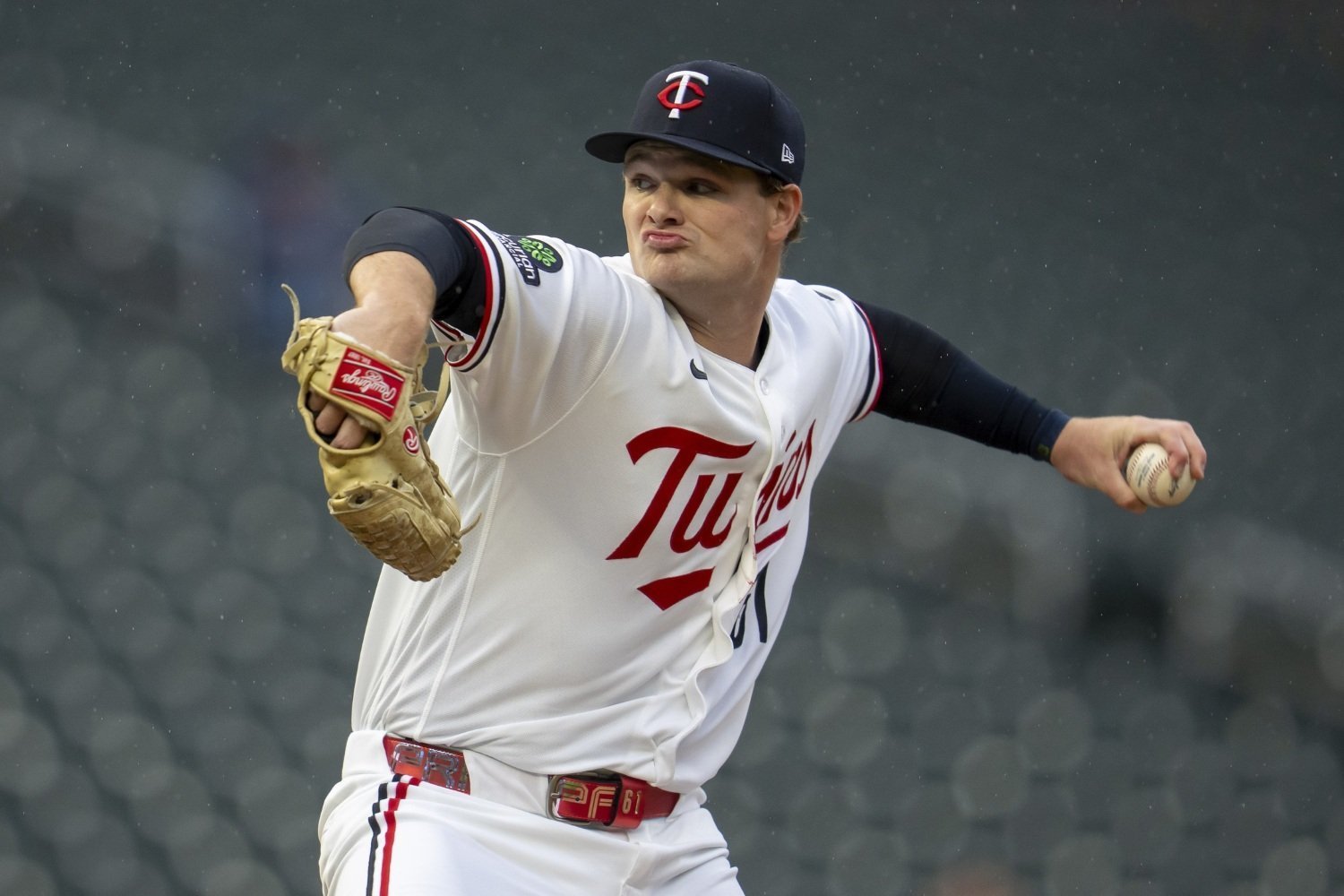 The Minnesota Twins always knew Connor Prielipp’s arm came with risk. That was part of the profile long before he reached the big leagues. A former first-round talent who underwent Tommy John surgery twice before establishing himself professionally, Prielipp’s path has never resembled that of a typical starting pitching prospect. Now the Twins are asking him to do something he has literally never done before: Pitch every fifth day (or so) against major-league hitters, while carrying a workload that continues to climb into unfamiliar territory. Last Friday night against Cleveland showed both the challenge and the upside. Prielipp’s outing began with immediate disaster, as the Guardians loaded the bases against him in the first inning. A defensive mistake from Luke Keaschall opened the door for trouble before Rhys Hoskins added a sacrifice fly and Travis Bazzana launched his first career home run. What looked like it might become another short outing instead turned into one of the most encouraging performances of Prielipp’s young career. After the rocky opening frame, the left-hander settled in completely. He dominated over the next four innings, piling up six strikeouts while allowing very little hard contact. Even though he was charged with the loss, only one of the four first-inning runs counted as earned because of the Keaschall error. More importantly, he pushed through five innings while throwing a career-high 93 pitches. “It wasn't my cleanest inning of all time, but the team needed me, and I was able to buckle down and get through five,” Prielipp said. That quote probably explains exactly why the Twins are so intrigued by him. The stuff has always been there. The swing-and-miss ability is real. The fastball explodes at the top of the strike zone, and the slider can disappear underneath bats. The question has never been whether Prielipp has enough talent to start in the majors. The question has always been whether his body can withstand the demands it entails. Right now, the Twins are discovering the answer in real time. Minnesota already appears ready to slow things down. Prielipp’s next turn in the rotation lined up with Thursday’s series finale against Miami, but the Twins gave him an extra day. He'll pitch on six days of rest Friday night against the Brewers, as the team carefully monitors his workload and his recovery. “This is just being mindful of the player, because we really like him and believe in him,” Twins manager Derek Shelton said prior to Prielipp’s last start. “We have to be thoughtful that way. He will be monitored very closely, and I’ll presume it will happen for the foreseeable future.” That balancing act is complicated, because Prielipp’s current workload is unlike anything he has handled before. MLB.com’s Matthew Leach recently asked him how he was feeling physically with the demands of major-league life, and Prielipp admitted that pitching every fifth day is difficult. That may sound routine for established starters, but for him, it is completely new territory. Last season, Prielipp crossed the five-inning mark only twice in the minors. He topped 80 pitches only twice all year. In his last two major-league starts, he has surpassed 90 pitches both times. The Twins have also pushed him to complete at least five innings in three of his five starts. That jump matters. Minor-league pitching schedules differ from those in the majors. Mondays are typically off days across the league, which naturally creates more recovery time between outings. Organizations also carry larger pitching staffs because development matters more than squeezing every possible inning out of a prospect. Young pitchers are often removed early, regardless of effectiveness, simply to protect health and preserve long-term value. There are clear benefits to that philosophy. Pitchers avoid unnecessary wear and tear during critical developmental years. Teams can gradually build strength while refining mechanics and pitch design. Organizations also gain more opportunities to evaluate multiple arms rather than overwork a single prospect. Prielipp is probably a perfect example of why teams take that cautious approach. Given his injury history, there is a reasonable argument that aggressive workloads earlier in his career could have derailed him completely. At the same time, there are downsides to modern pitching development. Pitchers can arrive in the majors without ever learning how to manage fatigue deep into outings or bounce back quickly between starts. Five innings and 75 pitches may dominate player development plans, but major-league rotations still require durability. Starters eventually need to navigate lineups a third time, adjust when they lose command, and survive when their best stuff is not present. Prielipp is learning those lessons against major-league competition, because the Twins do not really have another choice. Minnesota’s pitching depth has collapsed faster than anyone expected. Pablo López is out. Taj Bradley is on the injured list. Mick Abel is sidelined. David Festa still has not contributed in the majors this season because of injuries. Simeon Woods Richardson has struggled badly enough, but the Twins have reached the point where there are few realistic alternatives available. What once looked like an organizational strength now feels dangerously thin. That reality places additional pressure on Prielipp. Under normal circumstances, the Twins might have preferred to shelter him more aggressively. They could have skipped starts more often, capped outings earlier, or even shifted him into shorter bursts to preserve innings. Instead, they need him to hold together meaningful portions of the rotation. That creates both opportunity and risk. The opportunity is obvious. Few pitchers in the organization possess Prielipp’s upside. Even Friday’s outing demonstrated how overpowering he can become once he settles into a rhythm. Over those middle innings against Cleveland, he looked every bit like the high-ceiling arm the Twins envisioned when they drafted him. The risk is equally obvious. Every additional inning pushes him further beyond any workload he has carried before. Every five-day turnaround becomes another test his body has never experienced. The Twins are trying to develop a future starter while simultaneously relying on him to help stabilize a damaged rotation in the present. That is not an easy line to walk. For now, the Twins appear committed to remaining cautious, while still letting Prielipp compete. Extra rest periods will likely continue. Shorter outings may appear periodically, even when he is pitching well. Some inconsistency is probably inevitable as he adapts to the rhythm of a full major league schedule. But last week may have revealed why the organization is willing to take the risk in the first place. Prielipp got punched in the mouth immediately. He could have unraveled. Instead, he regrouped, attacked hitters, and delivered four outstanding innings afterward while reaching a career high pitch count. That combination of stuff, resilience, and competitiveness is exactly what teams dream about in a young starter. The Twins just have to figure out how to protect it long enough for him to fully become one. Are the Twins handling Prielipp appropriately? Should they have pushed him harder in the minors? Leave a comment and start the discussion. View the full article
 -
 We’re excited to team up with Brewer Fanatic for a dual-city celebration that brings baseball fans together in Minneapolis and Milwaukee for a full night of baseball, community, giveaways, and game-day energy. On Saturday, Twins fans in and around Milwaukee can join a watch party at Broken Bat Brewing, while Twins fans (and Brewers fans) in Minneapolis will be kicking off the night from 4-5:30 pm at Smorgie’s in Minneapolis – just blocks from the ballpark. In true Twins Daily Social Club style, our hometown gathering will have drink specials, giveaways, baseball conversation, and plenty of Twins Daily vibes throughout the afternoon, including chances to win one of the most popular collectibles in Twins Daily history: the exclusive 2026 Winter Meltdown pint glass. Fans can also enter raffles for Smorgie’s gift cards and other baseball-themed prizes during the event. Once the game begins, the festivities continue in Wisconsin with a full watch party at Broken Bat Brewing from 5:30–9 pm. Located in Milwaukee’s Walker’s Point neighborhood, Broken Bat Brewing will host Brewers and Twins fans alike for a lively watch party complete with giveaways (including the Winter Meltdown pint glass), contests, baseball talk throughout the evening, AND your first beer of the evening is free! Expect a fun-filled night of camaraderie and baseball excitement. If you joined us at Smorgie’s earlier this season for the Home Opener party, you already know how much fun these gatherings can be. The energy was incredible, and we cannot wait to do it again with the Brewers in town this weekend. So, grab your Twins gear, bring your friends, and celebrate another great baseball weekend with the Twins Daily community! MPLS PREGAME PARTY DETAILS What: Minneapolis Pregame Party Cost: Free Where: Smorgie’s, 508 N 1st Ave, Minneapolis When: 5/16/26 4-5:30 pm MILWAUKEE WATCH PARTY DETAILS What: Milwaukee Watch Party Cost: Free Where: Broken Bat Brewery, 135 E Pittsburgh Ave, Milwaukee When: 5/16/26 5:30-9 pm View the full article
 -
 We are thrilled to team up with Twins Daily for a dual-city baseball celebration that brings Brewers and Twins fans in Milwaukee and Minneapolis together for a full night of baseball, giveaways, community, and game-day energy. On Saturday, Brewers fans traveling to Minneapolis can join a pregame gathering near Target Field. For those that aren't making the trip, Milwaukee is where the full watch party experience comes alive at Broken Bat Brewery. The night begins in Minneapolis, where Brewers and Twins fans will enjoy a pregame gathering at Smorgie’s from 4–5:30 pm just steps from Target Field. We'll have 2-4-1 drink specials, giveaways, baseball conversation, and plenty of Brewers vibes throughout the afternoon, including chances to win a first-of-its-kind Brewer Fanatic pint glass. Once first pitch arrives, the party shifts to Milwaukee as Brewer Fanatic takes over Broken Bat Brewing from 5:30–9 pm for a full Brewers vs. Twins watch party. Brewers fans can expect a night packed with baseball on the TVs, great beer flowing, giveaways throughout the night, and plenty of Brewers conversation inside one of the most baseball-themed breweries around. Even better? Your first beer of the night is free, making Broken Bat Brewing the perfect place to spend a Saturday night cheering on the crew with fellow Brewers fans. Both parties will provide chances to win our exclusive Brewer Fanatic x Broken Bat Brewing co-branded pint glass. These limited-edition glasses are a must-have collectible for Brewers fans and the perfect way to remember a night built around baseball, beer, and Milwaukee baseball culture. Both locations will also be raffling off gift cards and additional baseball-themed prizes throughout the evening. If you have never been to Broken Bat Brewing before, tomorrow is the perfect excuse. The Walker’s Point brewery was practically built for baseball fans, complete with baseball decor, craft beer, big screens for watching the game, and an atmosphere that feels tailor-made for Brewers baseball nights. And if you're in Minneapolis, Smorgie's is a bratwurst-throw from Gate 34, so you won't miss a minute of the game. Whether you are coming with friends, meeting fellow Brewers fans for the first time, or just looking for the best place to pregame or watch the game, tomorrow night is shaping up to be one of the most fun fan events of the season. Throw on your Brewers gear, grab your crew, and join us. We cannot wait to celebrate and watch Brewers baseball with you! MILWAUKEE WATCH PARTY DETAILS What: Milwaukee Watch Party Cost: Free Where: Broken Bat Brewery, 135 E Pittsburgh Ave, Milwaukee When: 5/16/26 5:30-9 pm MPLS PREGAME PARTY DETAILS What: Minneapolis Pregame Party Cost: Free Where: Smorgie’s, 508 N 1st Ave, Minneapolis When: 5/16/26 4-5:30 pm View the full article
 -
 We are thrilled to team up with Twins Daily for a dual-city baseball celebration that brings Brewers and Twins fans in Milwaukee and Minneapolis together for a full night of baseball, giveaways, community, and game-day energy. On Saturday, Brewers fans traveling to Minneapolis can join a pregame gathering near Target Field. For those that aren't making the trip, Milwaukee is where the full watch party experience comes alive at Broken Bat Brewery. The night begins in Minneapolis, where Brewers and Twins fans will enjoy a pregame gathering at Smorgie’s from 4–5:30 pm just steps from Target Field. We'll have 2-4-1 drink specials, giveaways, baseball conversation, and plenty of Brewers vibes throughout the afternoon, including chances to win a first-of-its-kind Brewer Fanatic pint glass. Once first pitch arrives, the party shifts to Milwaukee as Brewer Fanatic takes over Broken Bat Brewing from 5:30–9 pm for a full Brewers vs. Twins watch party. Brewers fans can expect a night packed with baseball on the TVs, great beer flowing, giveaways throughout the night, and plenty of Brewers conversation inside one of the most baseball-themed breweries around. Even better? Your first beer of the night is free, making Broken Bat Brewing the perfect place to spend a Saturday night cheering on the crew with fellow Brewers fans. Both parties will provide chances to win our exclusive Brewer Fanatic x Broken Bat Brewing co-branded pint glass. These limited-edition glasses are a must-have collectible for Brewers fans and the perfect way to remember a night built around baseball, beer, and Milwaukee baseball culture. Both locations will also be raffling off gift cards and additional baseball-themed prizes throughout the evening. If you have never been to Broken Bat Brewing before, tomorrow is the perfect excuse. The Walker’s Point brewery was practically built for baseball fans, complete with baseball decor, craft beer, big screens for watching the game, and an atmosphere that feels tailor-made for Brewers baseball nights. And if you're in Minneapolis, Smorgie's is a bratwurst-throw from Gate 34, so you won't miss a minute of the game. Whether you are coming with friends, meeting fellow Brewers fans for the first time, or just looking for the best place to pregame or watch the game, tomorrow night is shaping up to be one of the most fun fan events of the season. Throw on your Brewers gear, grab your crew, and join us. We cannot wait to celebrate and watch Brewers baseball with you! MILWAUKEE WATCH PARTY DETAILS What: Milwaukee Watch Party Cost: Free Where: Broken Bat Brewery, 135 E Pittsburgh Ave, Milwaukee When: 5/16/26 5:30-9 pm MPLS PREGAME PARTY DETAILS What: Minneapolis Pregame Party Cost: Free Where: Smorgie’s, 508 N 1st Ave, Minneapolis When: 5/16/26 4-5:30 pm View the full article
 -
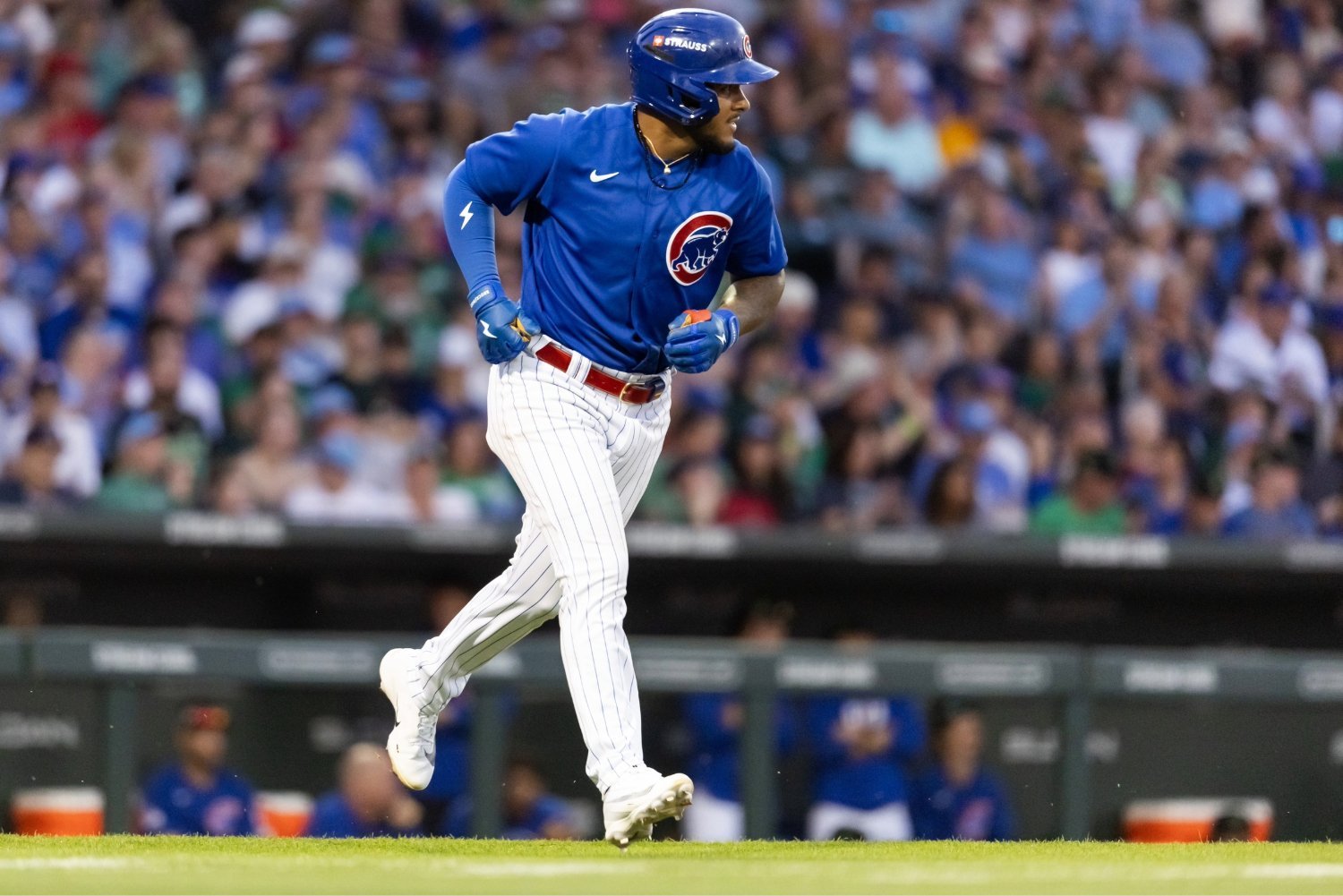 As the ivy on the brick walls at Wrigley grows stronger and greener and prospects have had a chance to separate themselves over a month of play, we here at North Side Baseball have finished up our first round of 2026 prospect voting and have seen a significant shakeup in the Chicago Cubs' top 20. A shifting of the tide was always expected; the Cubs have seen many of their top prospects graduate or be traded in the past two years, but there have been a few surprises, both good and bad so far in the new year. Who made our new top 20? We'll break it down below. Chicago Cubs Top 20 Prospects (May 2026): 1. Jefferson Rojas, SS 2. Jaxon Wiggins, SP 3. Pedro Ramirez, 2b/3b 4. Kevin Alcantara, OF 5. Josiah Hartshorn. OF 6. Ethan Conrad, OF 7. Kane Kepley, OF 8. Jonathon Long, 1b 9. James Triantos, INF 10. Cole Mathis, 1b/3b 11. Owen Ayers. C 12. Brooks Caple. SP 13. Juan Cabada, SS 14. Kaleb Wing, SP 15. Angel Cepedad, SS 16. Dominick Reid, SP 17. Jostin Florentino, SP 18. Ty Southisene, SS 19. Will Sanders, SP 20. Brandon Birdsell, SP Who's Stock is Up? Simply put, it feels like it would be malpractice if this section didn't begin with Pedro Ramirez. Ramirez is someone who has hit at every level and to be fair, everyone has probably slept on him a bit. How many switch hitting infielders put up a 122 wRC+ while striking out just 15.1 % of the time at Double-A to begin with? How many of them are 21 years old? And how many players who put up those data points wouldn't even make an organization's top five, let alone be hanging around on the back end of a top 10? I'm not even blaming anyone, I've remained skeptical too, mainly because he looked mostly like a second baseman and one with limited power. It feels like that old Michael Jordan meme; as it seems, Pedro Ramirez took that personally. As of publishing, Ramirez has already set his career high for HR's hit at any level in any season with nine. He's done so with a sterling 136 wRC+, a strikeout rate under 17%, a wOBA in the 80th percentile, and an in-zone contact rate in the 96th percentile. He's done this as a 22-year-old in Triple-A. While Baseball America contributor Eli Ben-Porat is almost assuredly being hyperbolic considering it's 38 games and he wasn't anywhere near a top-100 list to start the year, he compared him to Guardians star-third baseman Jose Ramirez. You don't get put in a sentence with that level of a player if you're not having a hell of a season, regardless of how exaggerated that comment may be. Ramirez is not the only prospect who's stock is way up, as the early returns on the 2025 draft class are simply fantastic so far. First off, sixth-round selection, and the receiver of the second highest slot bonus of the draft, Josiah Hartshorn looks like an absolute menace for opposing pitchers. Thus far, the switch hitting outfielder has a 154 wRC+, has walked 30 times compared to just 10 strikeouts, and has four home runs. Simply put, you will not find a 19-year old with a better idea of what is and isn't a strike than this kid. And unlike Ramirez's early days, people won't be worried about the power potential of a 6'0", 220lbs prospect like Hartshorn. Not to be outdone, 19-year-old pitcher Kaleb Wing has been generating a ton of strikeouts and whiffs down in Arizona and feels like he's way ahead of schedule. Wing, the Cubs' fourth-round pick in the 2025 draft, has massive upside and is flashing it already. He's got a fastball that has added value (and people in the organization, according to Cubs' prospect guru Bryan Smith, believe this offering could hit 100mph). My favorite aspect? A 19-year-old who's relatively new to the position already has a changeup. Again, you just don't see teenagers with this pitch very often. Usually, it's a story more like Cade Horton or Ben Brown; it's a pitch you learn later. It's hard not to dream on Wing's upside. A few other notable names who have raised their stocks: Brooks Caple has had a wonderful start in South Bend, has already been promoted to Knoxville, and his stuff has jumped and looks like he could be a real MLB starting pitcher down the road. Arizona Fall League standout Owen Ayers made short work of South Bend as well and now is also in Double-A. The power has really begun to pop and despite being 25, he's new to being a catcher so some of that is easily forgiven. As well, Kevin Alcantara has showed off some impressive power and a new swing change, and is now among the top homer hitters regardless of level across all of MiLB. Who's Stock is Down? The reality of prospects is that while as fun as it is to count your wins, not everyone is going to succeed all the time. The first month of the season has certainly had some players whose stock is down. Jonathon Long, one of the darlings of the 2025 season, hasn't had the best start to his 2026 campaign. While his .305/.377/.413 line looks good, the International League is a bit of a hitters' paradise, so his wRC+ is sitting at just 105. More importantly, his quality of contact just isn't as good as it was last year. He's seen a decline in his barrel rate, pull rate, zone contact, whiff rate and hard-hit rate. Though some of them are only a few percentage points, you'd like to see someone who is now pushing 800 PA's at his current level remain in that upper crust, especially as a 1B prospect who relies so heavily on his bat. It's not dire, but it's not in the right direction either. The good news is that it's just one month of data; we can look back at this in a few weeks and consider ourselves silly for worrying. A few injuries have also been a bit of an annoyance for various players. For some, like Jaxon Wiggins and Ethan Conrad, it has just (knock on wood) delayed the start of their seasons. Wiggins, the Cubs' de facto best arm in the system, has dealt with elbow soreness. The hope is that a weekend bullpen session will jumpstart his 2026 campaign, but it's yet to have been reported how that went (as of this writing). Top 2025 draft selection, Ethan Conrad, has also been sidelined with a back injury and has yet to make his debut. The Cubs have also seen other injuries to starting pitchers such as Will Sanders, who was placed on the seven day injured list on April 23rd and Brandon Birdsell, who is still recovering from Tommy John surgery last year. Both pitchers are currently hanging on to the 19th and 20th spots on our list, but could fall off if a few of the other risers keep pushing upward. State of the Farm System The Chicago Cubs' minor-league system was always going to take a hit here. The team has graduated a lot of players recently and has traded others. There should be no panic in a tumble down the rankings due to these reasons; good baseball teams do this. Prospects are capital; sometimes that capital is used to graduate players and turn them into MLB contributors, such as Moises Ballesteros, Pete Crow-Armstrong, Matt Shaw and others. Sometimes you trade that capital (such as Jackson Ferris, Owen Caissie and Zyhir Hope) to acquire MLB contributors like Michael Busch. The trick is in what you do afterward, and it'd be hard to argue this year hasn't been promising. Entering the offseason, the Cubs were generally a team you'd feel comfortable placing in the bottom-10 in baseball but as of today, things are trending closer to being an "average" system than a "below-average" one. I didn't even hit on our new top prospect Jefferson Rojas, despite a pretty solid 114 wRC+ on the year from the 21-year-old who's currently playing in Knoxville. That's how you know it's been a pretty good start down on the farm; the guy in the top spot is kind of an afterthought so far (and really, by no fault of his own). Another sign it's been a good start: Jonathon Long is the one statistical player in the top-20 you can find some fault with, and even then he's not off to a drastically bad season, just a less than impressive one. So far, the highs are pretty highs and the lows are pretty acceptable. It's early, however, so the Cubs shouldn't count their chickens too fast. Pedro Ramirez is flying high, but it's been less than 40 games into his breakout and we should probably stop short of the hyperbolic dreams (he probably isn't the next Jose Ramirez). Jaxon Wiggins isn't entirely out of the crosshairs of a potential injury, and what does or doesn't happen to Kevin Alcantara's contact rate moving forward is unknown. That said, it's hard not to be at least optimistic as we sit here in the middle of the May that the Cubs are at least showing signs that they're capable of finding replacements for all of those prospects who have either been promoted or traded. Which Cubs top-20 prospects are you most excited about? Did someone make your personal top-20 list that didn't make ours? Let us know in the comments below! View the full article
 -
Three Changes the Royals Need to Do to Finish May Strong
DiamondCentric posted an article in Royals Keep
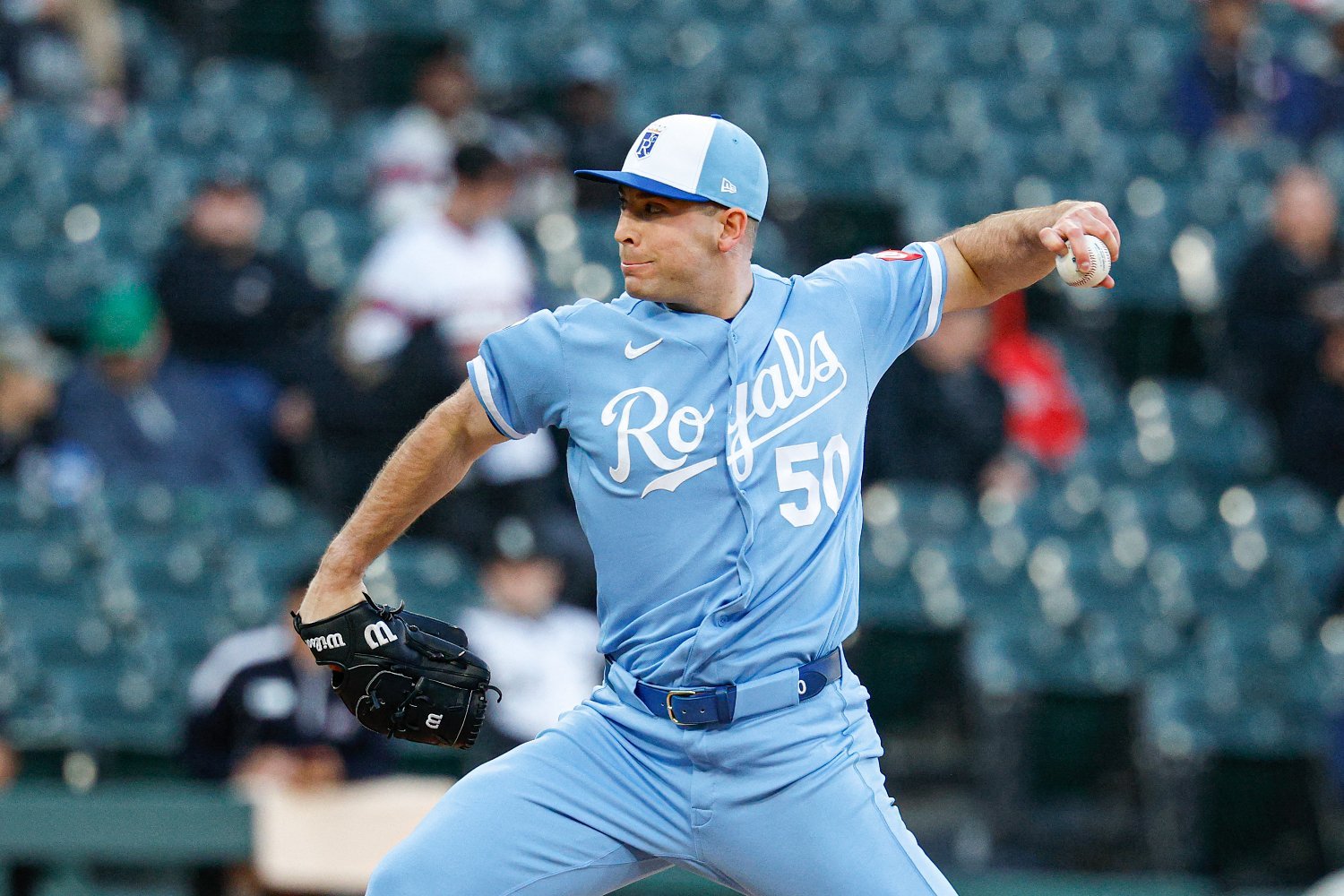 The Royals were swept this week by the Chicago White Sox at Guaranteed Rate Field, losing the series finale on Thursday, 6-2. That brings Kansas City's record to 19-25, tying them for last in the AL Central with the Detroit Tigers. Currently, the Royals are 4.5 games behind the Cleveland Guardians, who lead the AL Central with a 24-21 record. The upcoming stretch is not an easy one for the Royals. They go to St. Louis this weekend for a three-game series against the rival Cardinals in Busch Stadium. Then, they come back home for a nine-game homestand that includes series against the Red Sox, Mariners, and Yankees. The Yankees are one of the best teams in the American League with a 27-17 record. While the Red Sox (18-25) and Mariners (22-23) have struggled this year, they still have high-quality talent and could beat the Royals in a three-game series. Thus, Kansas City may need to shake up a roster that ranks 21st in runs scored and pitching ERA. After 44 games, the Royals have a decent sample of at-bats and innings and thus have enough evidence to make the changes needed to turn their fortunes around. Let's take a look at three changes the Royals could make, whether to the lineup, rotation, or bullpen, to help provide a much-needed spark to this currently floundering squad. Move Salvador Perez Out of the Cleanup Spot Salvy is the heart of the Royals and the captain for a reason. He has a long history of production with the Royals, especially on the offensive end. He had 27 home runs and 104 RBI in 2024 and 30 home runs and 100 RBI in 2025. Thus, it makes sense why manager Matt Quatraro and GM JJ Picollo decided to lean on Salvy to be the Royals' cleanup hitter for another season. However, Perez has finally shown signs of decline this year, especially at the plate. This year, the 36-year-old Royals catcher has six home runs, but he's only hitting .200 with a .578 OPS in 176 plate appearances. His bat speed and hard-hit metrics are down across the board, as evidenced by his TJ Stats Statcast profile. As fans can see above, there are many alarming trends with Salvy this year. His bat speed ranks in the 38th percentile, his hard-hit ranks in the 24th percentile, his pull-air% ranks in the 35th percentile, and xwOBA ranks in the 16th percentile. Furthermore, his 49 TJ Bat+ ranks in the 14th percentile, making him not just the worst cleanup hitter in baseball, but one of the worst regular hitters as well. At some point, the Royals need to try something different in this slot. One option could be to bat Jac Caglianone in the cleanup spot against righties and Maikel Garcia against lefties. Here's a look at Cags' TJ Stats' Statcast splits profile this year, and notice how solid he's been against righties, especially in those exit velocity, barrel, and hard-hit categories. Now, let's look at Garcia's TJ Statcast Summary splits this season. Against righties, Cags has an 80th percentile xwOBA and 97th percentile barrel rate. Against lefties, Garcia has a 99th percentile xwOBA and 75th percentile barrel rate. Thus, the Royals could get that ideal cleanup production in the aggregate, though that would mean Quatraro would have to find a different leadoff hitter against lefties (whether that's Lane Thomas or Starling Marte, who have shown solid performances against lefties this year). Designate Elias Diaz For Assignment; Promote Kameron Misner Diaz has filled in nicely for the Royals with Salvy dealing with some hip injuries. He's not hitting for a high average or getting on-base much, but he's at least hitting the ball hard and with power, as evidenced by his TJ Stats Statcast profile below. I think Diaz is serviceable as a third catcher for the Royals. However, the Royals do not need a third catcher. Instead, they need a bat that can provide some pop and production off the bench. One hitter in Omaha who could provide that much-needed production is Misner, who is off to a strong start with the Storm Chasers this season. In 39 games and 165 plate appearances, Misner is hitting .273 with a .894 OPS. He also has seven home runs, 34 RBI, 26 runs scored, and seven stolen bases. Add that with solid defense in the outfield, and he could be a player who could get some at-bats in left field or designated hitter, depending on the matchup. Looking at his Statcast percentiles, there are some flaws, especially in hard-hit rate and strikeout rate. However, there's more upside in his profile than John Rave, who saw some time with the Royals a season ago. The former Tampa Bay outfielder and Miami draft pick has also had a penchant for clutch hitting. On Thursday, he hit a walk-off home run against Toledo, his second-straight game with a walk-off hit. Misner is the kind of hitter who walks, launches, and pulls the ball in the air well. That may not result in everyday playing time, especially with this lineup already flush with lefties. However, he could be a fourth outfielder who could get hot and give this Royals lineup a much-needed jolt. Move Kris Bubic to the Bullpen I know this is a tough move to make, especially with the Royals' rotation affected by injury right now. Ryan Bergert is out for the year. Cole Ragans is on the IL. Thus, Quatraro may not want to move Bubic to the bullpen, especially since he's been decent with a 4.11 ERA, 1.23 WHIP, and 3.72 FIP in 50.1 IP this season. However, the Royals do not need a "decent" starting pitcher from Bubic. They need an elite one, and right now, the metrics and profile haven't been quite elite, as seen below in his TJ Stuff+ summary from this season. Bubic is posting a 12.6% BB% and 12.1% K-BB%, both worse than his 2025 marks (8.2 BB% and 16.2% K-BB%). He is also throwing fewer strikes, as his 62.9% strike rate is down from 66% in 2025. Those aren't good trends, especially for a pitcher about to enter free agency this offseason. The Royals have some pitchers returning from the IL soon who could take Bubic's place. Ragans has been throwing and could be up for a quick return from the IL. Furthermore, the Royals also have Bailey Falter, who could be utilized in the rotation as a No. 4-5 starter, though he would need some help from a long reliever in his starts. That said, even though he may not be a frontline starter, his TJ Stuff+ summary from Omaha shows that he could be an intriguing arm who could go 3-5 innings, depending on the outing. Another reason the Royals could use Bubic in the bullpen is that their relievers have been mediocre this year, to put it nicely. They rank 27th in ERA, 26th in WHIP, and 28th in BB/9 and HR/9. The group needs help, and it's too early in the season to acquire any reliever of note in a trade. When he pitched in the Royals bullpen in 2024, Bubic was elite. In 27 outings and 30.1 IP, Bubic posted a 2.67 ERA, 1.02 WHIP, 1.88 FIP, 32.6% K%, and 28.1% K-BB%. Below is what his TJ Stuff+ summary looked like that season. As fans can see, there are a lot of benefits to moving Bubic to the bullpen in terms of his stuff and profile. As a reliever, Bubic posted excellent zone, chase, whiff, and xwOBACON rates. He has been paltry in those categories, even with a TJ Stuff+ profile that, in 2024, was similar to his 2026 profile. Even though the stuff was pretty similar in 2024 to his 2026 marks, the fastball velocity is markedly different. In 2024, he averaged a 93 MPH and 108 TJ Stuff+. In 2026, his four-seamer averaged 91.7 MPH and a 104 TJ Stuff+. Those are good marks, but they could be even better if he's able to pump the velocity a bit. That would be easier to achieve as a reliever than as a starter. The Royals could use Bubic as their primary setup man for the remainder of the season. While Strahm has veteran credibility, his TJ Stuff+ profile has declined, and as a result, he is posting a 4.02 ERA in 15.2 IP this year. It's a bold move and a big risk, especially considering Bubic's history as a starter last year. That said, the Royals need to preserve Bubic over the course of the season, especially since his season was cut short due to injury just after the All-Star Break. Moving to relief preserves his health and gives the Royals bullpen the big-out arm that they desperately need, especially in those high-leverage situations in the late innings. View the full article
 -
 Transactions: LHP Rob Zastryzny assigned to Nashville on Major League rehab INF/OF Eric Brown Jr. reinstated from AA Biloxi’s 7-day injured list C Edgardo Ordoñez placed on Development List from AA Biloxi Game Action: Nashville Pre-Game Media Notes Final: Nashville 6, Iowa (Cubs) 5 Box Score and Game Log Via MLB.com, details and video of the terrific game-ending defensive play by OF Jordyn Adams: Former 4-star wide receiver makes incredible game-ending HR robbery at Triple-A Also, via extracts from the Sounds’ postgame notes which we’re able to share: Adams Robs I-Cubs Chance at Late Game Rally – Williams Collects a Pair of Extra-Base Hits in Sounds Win Jordyn Adams sealed Nashville's Thursday night victory with a game-ending double play from right field and robbed the I-Cubs of any late-inning magic in the 6-5 win at First Horizon Park. The outfielder tipped what appeared to be a three-run home run off the bat of Justin Dean into his own glove on the way down before doubling off Christian Bethancourt trying to return to first base. The Sounds struck first with an RBI for Ethan Murray after Jeferson Quero (1-for-2, HR, 2 walks, RBI) and Greg Jones drew two of the 11 walks issued by Iowa to start the inning. Nashville played small ball to move the runners into scoring position for Murray to capitalize on the RBI chance with a productive groundout. The I-Cubs took their first lead in the next half inning with two runs on four hits of RHP Carlos Rodriguez (3 1/3 IP, 4 R, 8 H, 2 BB, 4 Ks; 75 pitches), who piggy-backed off a three-up, three-down one-inning start for rehabbing Major Leaguer Rob Zastryzny (3-up, 3-down first inning). Tyler Black (1-for-4, double, walk, RBI, SB) quickly evened the score at two a piece and extended his hitting streak to 11 games with an RBI double in the home half of the third. Following a quiet fourth inning, Iowa jumped back out to a 2-run lead with three more hits off Rodriguez. RHP Kaleb Bowman (2 2/3 IP, 0 R, 2 H, 1 BB, 5 Ks) inherited a bases-loaded situation and walked the first man he faced before striking out Dean and inducing a groundout to escape the inning without any further damage done. Quero started Nashville's comeback with a solo home run in the bottom of the fifth to cut the deficit to one run. Jett Williams (2-for-4, double, walk, SB) doubled in the sixth for his second extra-base hit of the night after hitting a triple in the fourth and came around to tie the game on an RBI single for Cooper Pratt (2-for-5, double, RBI) to tie the game at 4-4. Black worked his way around the bases in the home half of the seventh to put Nashville back in front. After drawing a walk, Black advanced to second on an errant throw trying to double him off first after a lineout and then stole third before a throw from Bethancourt ended up in left field and allowed Black to make his way home. In the eighth, Williams reached on a fielder's choice, and Pratt collected his second hit with a double before Iowa gave Luis Lara (0-for-1, 4 walks, SB) an intentional free pass to first base to load the bases. Brock Wilken recorded his 25th RBI of the season with a sac fly to give Nashville a run in four straight innings and build a 6-4 lead. RHPs Junior Fernandez and Reiss Knehr tag-teamed the final two innings on the mound for Nashville. Fernandez struck out one, walked one, and allowed a hit as he stranded two for his second hold of the season in the top of the eighth. Knehr allowed two straight singles to start the top of the ninth but got Scott Kingery to fly out to right field for the first out and advance one runner to third. That set the stage for Adams to rob Dean of a go-ahead three-run home run and end the game with his highlight-reel finish. Sounds’ Extras: Wilken extended his on-base streak to 30 consecutive games, drawing a one-out walk in the bottom of the third inning. He has the longest-active streak in the International League and is tied for fifth among full-season minor leaguers with Pablo Reyes and Derek Bernard. Black is currently hitting .310 (13-for-42, 4 XBH, 7 RBI, 8 BB, 8 R) during his hitting streak. After going 0-for-4 on opening night of the season in Norfolk on March 27, he is hitting .319 (22-for-69) with seven doubles, a home run, 14 RBI, eight walks, and 10 runs scored over his last 20 games between Nashville (11 G) and Milwaukee (9 G). Quero’s solo shot marked his fifth homer of the season, the fourth off right-handed batters and the second at home. In his three-year stint with the Sounds, Quero has posted a .253 career batting average (86-for-340), 21 doubles, one triple, 11 homers and 69 RBI. Pratt earned his eighth multi-hit of the 2026 campaign, extending his on-base streak to eight consecutive games. Friday’s outlook: LHP Tate Kuehner (5.50 ERA, 1.44 WHIP, 9.0 K/9 in 36 IP) is expected to start, with Nashville looking to clinch the series with a 4th straight win. RHP Coleman Crow (last pitched on May 7) is another starting option, though he may be called up to The Show or the MLB Taxi Squad instead. Biloxi Pre-Game Media Notes Final: Montgomery (Rays) 9, Biloxi 3 Box Score and Game Log Via the Shuckers’ website, game details and we encourage readers to review affiliate write-ups as part of their Link Report routine: Brown Jr. Returns from IL with Multi-Hit Performance in Shuckers Loss 25-year-old RHP Tanner Gillis’ first career AA start was an active one (4 IP, 3 R (2 ER), 5 H, 1 BB, 2 Ks), with 7 of the first 12 batters reaching base but only 3 making it home. He helped himself out with a 1st inning pick-off and benefitted from OF Eric Brown Jr.’s 3rd inning assist. Unfortunately, the Shuckers’ offense only sent 16 batters to the plate in the first 5 innings, finding themselves in a 5-0 hole by the end of that 5th inning. 1B Blake Burke (3-for-4, RBI; .900 OPS), C Darrien Miller (1-for-2, HR, HBP, sac fly, 2 RBIs; 1.082 OPS) and Brown (2-for-4, double, SB) collected 6 of the team’s 7 hits, as the squad got to within 5-2 by the 7th inning but could not close the gap further. Shuckers’ Extras: RHPs Edwin Jimenez and Ryan Birchard were effective in relief (combined 2 IP, 0 R, 0 H, 0 BB, 3 Ks), while RHP Sam Garcia and LHP Joe Corbett struggled (combined 2 IP, 6 R, 3 Ks). SS Eduardo Garcia exited for a pinch hitter in the 7th inning, shifting Brown to shortstop and 3B Mike Boeve to the outfield. Back from 2-week injury absence, former first round pick Brown is now in his 5th minor league season. If he can keep his OBP above .320 (presently .340 after 47 plate appearances), his strong defensive skills can see the 25-year-old progress further up the organizational chain. Friday’s outlook: RHP Brett Wichrowski (7.34 ERA, 1.60 WHIP, 9.7 K/9 in 30 2/3 IP) is set for his 5th start (8th appearance), with Biloxi shooting to grab a 3-1 series lead at Montgomery. Wisconsin Pre-Game Media Notes Final: South Bend 25 (Cubs), Wisconsin 6 Box Score and Game Log Via the Timber Rattlers’ website, game details: South Bend Pulls Away Late to Beat Wisconsin In addition to the embedded videos in the linked game report, the Wisconsin media team has compiled more highlights here: As you’ve read in the report and seen in the box score, this was a back-and-forth baseball game most of the way, tied 6-6 as they entered the 7th inning before things took a negative turn. Starting LHP JD Thompson (4 IP, 2 R, 2 H, 2 BB, 5 Ks) faced the minimum number of batters through 3 innings, inducing a ground ball double play to end the 2nd inning and picking off a runner in the 3rd frame, ultimately exiting at 56 pitches after a 4-pitch walk to start the 5th inning. Outfielders Braylon Payne (3-for-5, HR, RBI) and Josh Adamczewski (3-for-4, triple, walk, RBI, SB) had 6 of the team’s 8 hits and 3 of their 6 runs, including Payne’s solo homer to grab a 4-3 lead and Adamczewski’s infield RBI single to tie the game 6-6 in the 6th inning. Timber Rattlers’ Extras: Although it hurt to concede 4 runs in the 7th inning, RHP Jose Nova (1 IP, 4 ER) made steps in the right direction by not throwing any wild pitches (vs. 7 in his last outing) and only issuing one walk (vs. 3 last time out). By contrast, RHP Bryan Rivera (2 IP, 4 ER), RHP Quinton Low (1/3 IP, 4 ER) and LHP Bjorn Johnson (2/3 IP, 3 ER) were not able to follow up previous strong relief outings. INF/OF Luiyin Alastre’s 4th career minor league mop-up appearance saw his career ERA rise from 16.88 to 27.00. After a big game on Sunday, C Marco Dinges missed his 3rd consecutive game, though we’re encouraged by the fact that he’s not been placed on any injured list. Per a trusted source on SS Luis Pena: “Details of his visit to the neurologist will remain private. As for his status, it remains the same as my last update. I’ll reiterate that Peña is fine and could be playing right now, but the organization wants to know if there is a deeper issue that caused the incident or, equally possible, that resulted from the incident before a return to the field.” Friday’s outlook: 23-year-old RHP Travis Smith has had a great start to the season (3.14 ERA, 0.94 WHIP, 7.5 K/9 in 28 2/3 IP) and will get the chance to lead Wisconsin to a series-levelling victory. Wilson Pre-Game Media Notes Final: Wilson 7, Hill City (Guardians) 3 Box Score and Game Log Via the Warbirds’ website, game details: Funky Fourth Inning Gives Wilson First Win of Series On Military Appreciation Night in Wilson, a patient eye (8 walks) and wild-and-wacky defense by the Howlers (5 errors, 4 wild pitches, 1 passed ball) were an effective formula on Thursday, as Wilson built a 6-1 lead by the 4th inning. DH Jadyn Fielder (2-for-4, RBI) connected on 2 doubles and OF Handelfry Encarnacion (0-for-1, RBI) drew 4 walks were the offensive standouts, with the Warbirds scoring 7 runs despite going 1-for-13 with runners in scoring position and only tallying 3 RBIs. 2025 third round pick RHP Jacob Morrison (2 1/3 IP, 1 R, 1 H, 1 BB, 1 K) made his 3rd start, conceding a leadoff homer before buckling down to retire the next 6 batters in order. Morrison exited the game after a walk and caught stealing to commence the 3rd inning, with an “injury delay” listed in the game log. Hopefully he’s not had any setback. C Kevin Garcia snapped a 1-for-28 skid to start the year with a leadoff bloop single in the 2nd inning, scoring alongside 3B Filippo Di Turi on a bases loaded wild pitch and error to grab a 2-1 second inning lead. Fielder’s first double pushed the lead to 4-1 in the 4th inning, followed by a run-scoring interference error (and ejection for the Hill City manager) and a run-scoring walk. RHP Thomas Conrad (1 2/3 IP, 0 R, 1 H, 0 BB, 3 Ks) was terrific in relief of Morrison, while RHP Eric Prado (2 IP, 0 R, 1 H, 0 BB, 0 Ks) induced two ground ball double plays to earn his first career save. There was some interesting baserunning by the opposition here: Warbirds’ Extras: 6’6” LHP Andrew Healy’s first career win came in an up-and-down relief effort (3 IP, 2 R, 4 H, 2 BB, 4 Ks), ably covering the 5th through the 7th innings. Eight Wilson position players reached base via hit or walk, while 1B Frederi Montero contributed a sacrifice fly. Friday’s outlook: LHP Enderson Mercado (6.58 ERA, 2.15 WHIP, 11.1 K/9 in 26 IP) is scheduled to make his 5th start (8th appearance) of 2026, with Wilson aiming to even the series at two games apiece. Final: ACL Brewers 13, ACL Rangers 7 Box Score and Game Log Sparked by leadoff catalyst OF Brailyn Antunez (2-for-4, HR, walk, RBI, 2 SBs), the Zona Crew scored in each of the first 4 innings to build an 8-2 lead, then tacked on 4 more runs in the 6th inning to push their advantage to 12-5 and essentially put the game away. Antunez singled, stole a base and scored on an error in the first inning, then walked, stole again and came home on a DH Cristopher Acosta single for a 5-2 lead in the second frame. Eight Brewers collected at least one base knock, as they out-hit the Rangers 15-6, while also benefitting from 5 opposition errors. OF Kenny Fenelon (2-for-3, double, walk, HBP, RBI, 3 SBs) and 3B Moises Polanco (3-for-4, walk) reached base 4 times, while OF Alexander Frias (3-for-5, double, RBI), SS CJ Hughes (1-for-3, 2 walks, SB) came aboard 3 times. Rehabbing 2023 #33 overall draft pick RHP Josh Knoth got the start (2 1/3 IP, 2 R, 3 H, 1 BB, 3 Ks), while 19-year old RHP Chase Bentley did the heavy lifting out of the ‘pen (3 1/3 IP, 2 R, 2 H, 4 BB, 3 Ks). The mission was apparently to cause havoc on the basepaths, as the team registered 8 thefts, but was also caught stealing twice and were picked off 4 other times. Even with 15 hits, 8 walks and 1 HBP, the team only left 3 men on base over 9 innings, as they either scored or ran into outs (e.g. Polanco was caught on a double steal in the 2nd inning, picked off in the 5th frame and picked off again in the 9th inning). 1B Roderick Flores (2-for-4, 2 RBIs) saw his first action in one week, while C Freider Rojas (1-for-3, walk, SB) played for the first time in 6 days. RHP Bryan Regalado struggled in relief (1 1/3 IP, 3 R (2 ER), 2 Ks), while RHPs Josue Toledo, Argenis Aparicio and Ayendy Bravo combined on 2 hitless, scoreless innings with 2 Ks. We hope that you enjoy the Minor League Link Report. On Friday, Wilson kicks things off with a 6:05pm CST start time, while the ACL Brewers (4-5) host the ACL Guardians (4-5) at 8pm. The Milwaukee Brewers also commence their series in Minnesota at 6:10pm. Organizational Scoreboard including starting pitcher info, game times, MiLB TV links, and box scores Current Milwaukee Brewers Organization Batting Stats and Depth Current Milwaukee Brewers Organization Pitching Stats and Depth View the full article
 -
 Fish On First staffers react to the latest Miami Marlins series and prepare you for what lies ahead. Thursday's show was hosted by Ely Sussman and featured panelists Jeremiah Geiger and Sean Millerick. You can find Fish Unfiltered and Fish On First LIVE on the Fish On First YouTube channel, Apple Podcasts, Spotify or wherever else you get your pods. Our next FOF LIVE episode will be Sunday at approximately 6:30 p.m. ET the day after the Marlins-Rays series finale. View the full article
 -
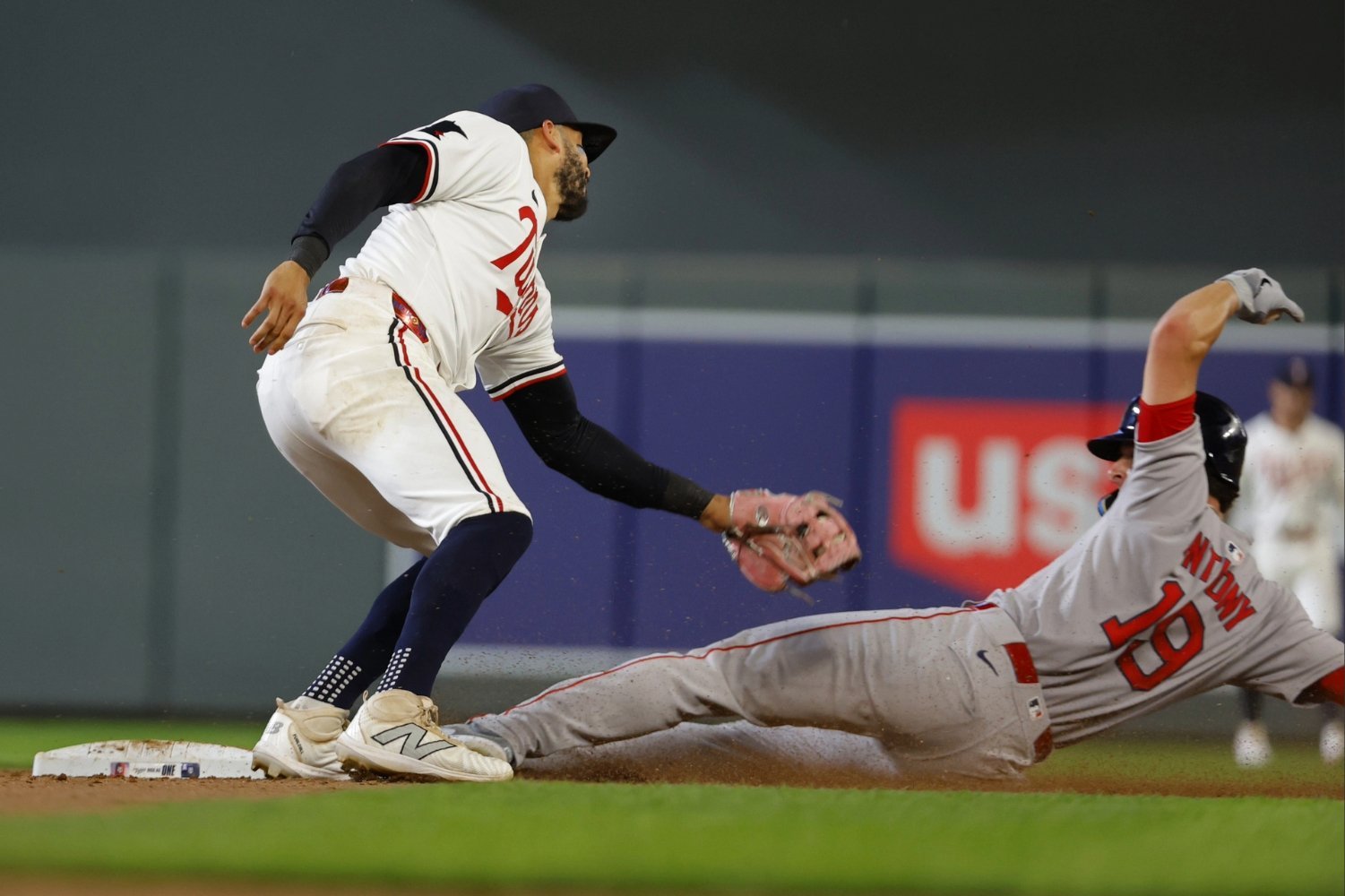 In theory, speed is a means to manufacture runs. Speed puts pressure on the opposing defense, stretches singles into doubles, and helps runners steal bases. The implication is that you have to get on base to take advantage of speed, which the 2026 Boston Red Sox haven’t been doing. Despite a paltry .313 OBP (23rd), they lead the American League in baserunning runs (5). Baseball is a unique sport for many reasons, one of them being that the defense controls the ball. Because of this, it’s harder to quantify speed’s offensive value. Baserunning outcomes depend on a myriad of context-based factors, like the runner’s sprint speed, their instincts, which base they’re on, their ability to make decisions under pressure, not to mention the opposing defense and where the ball was hit. You can see where things start to get messy. Hitting and pitching are easier to quantify because they can be isolated. A hitter's outcomes can be grouped into their contact quality and plate discipline. FIP isolates fielding from pitching by honing in on events pitchers directly control (strikeouts, walks, hit-by-pitches, and home runs). Sprint speed is a metric runners own, but by itself, it doesn’t tell you much (not unlike Craig Breslow’s press conferences). The Red Sox’s average sprint speed clocks at 27.6 feet per second, placing them at fifth overall, but they’ve posted a 71.43% stolen base percentage, ranked 19th. At some point, their steal attempts start costing more runs than they create. For a team that’s scored an eye-popping five runs in the past week, the Red Sox can’t afford to be careless on the basepaths. Overall, a stolen base’s value is marginal. They’re exciting to see, but I equate them to eating Taco Bell. It’s initially exciting and releases some endorphins, but doesn’t reap many benefits in the long run. Timing the pitcher’s release and getting a good jump are important factors that go into basestealing. Neither can be quantified. Slow-moving players like Josh Naylor rack up stolen bases because they have good baserunning instincts. On the other hand, you have speedier guys like Ceddanne Rafaela (28.7 ft/s, 90th percentile) posting a 40% stolen base rate. Marginal differences matter, especially in baseball, but a team shouldn’t be entirely dependent on speed and contact to manufacture runs. A roster built for October baseball needs to be well-rounded. Power produces runs. A home run guarantees at least one run is driven home. A stolen base might yield one. The Yankees are a lethargic team (I’d bet my cat is faster than most of the guys in their lineup), but they lead the American League with 223 runs and boast the highest ISO in the sport (.199). The Red Sox are often compared to the Brewers for their contact-and-baserunning approach. I’d say they’re the Brewers’ Waluigi. They want to emulate the Brewers, but they don’t have the plate discipline to work counts or the ability to hit the ball in the gaps. Instead, the team leans hard into bat speed and exit velocity. As such, speed alone won’t save the Red Sox. They’re stuck with who they have (unless Breslow miraculously pulls off a godfather trade for one or two sluggers). Despite their 18-24 record, the team still has a shot of reaching the playoffs, but they face an identity crisis. They’re built as a contact-first squad, but constantly swing for the fences. If the Red Sox want to succeed, they need to play to their strengths. Contact first, then wreak havoc on the basepaths. View the full article
 -
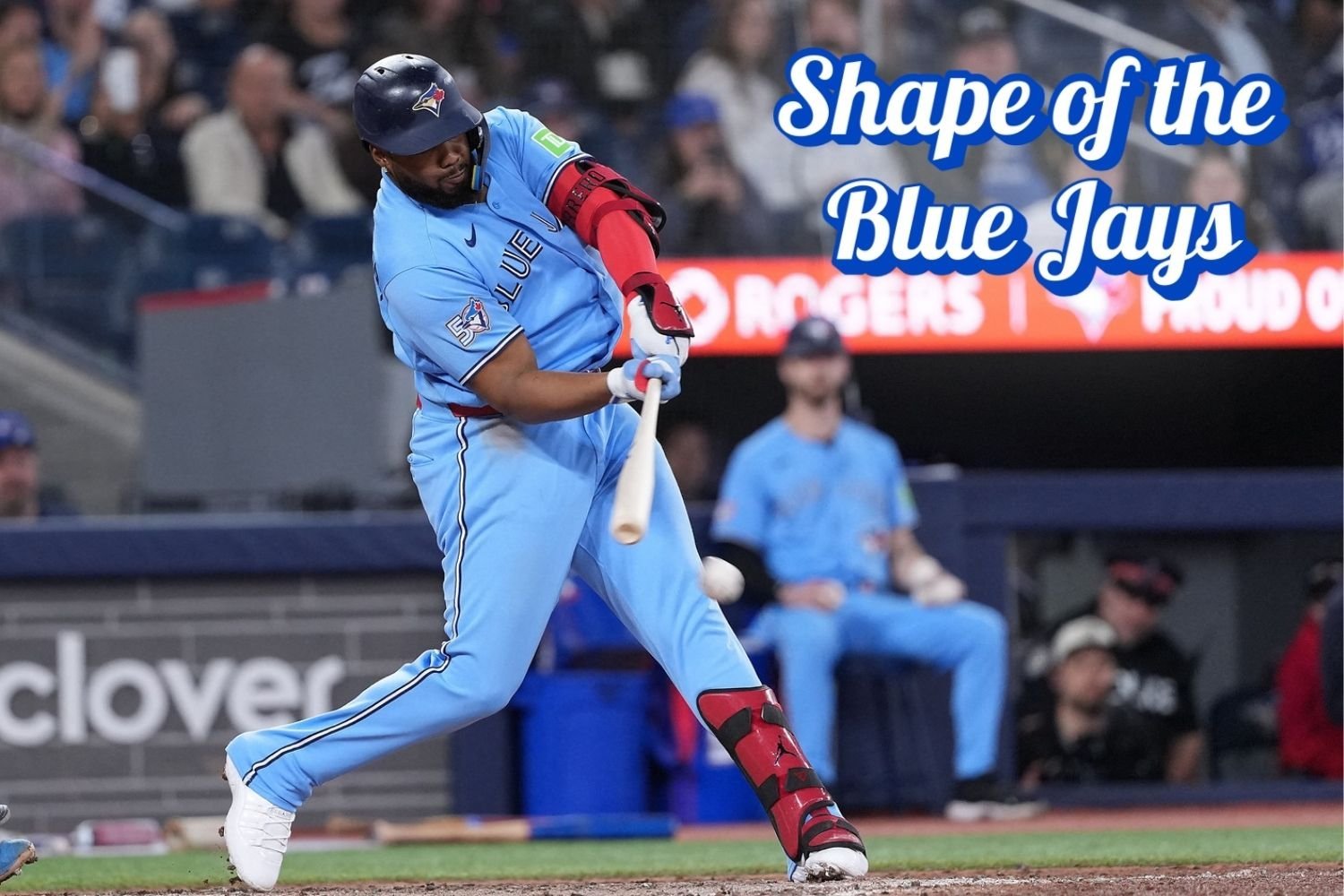 Welcome to Shape of the Blue Jays, my column where I dig into Statcast numbers to analyze recent pitch shape and swing shape trends for Toronto Blue Jays players and discuss how they have impacted their performance. Click here to read the last edition. Quick Hits: Prospects When Eric Lauer was designated for assignment on Monday, Yariel Rodríguez was recalled to take his spot on the active roster. The immediate plan for that fifth spot in the rotation seems to be a piggyback situation with Spencer Miles and Rodríguez, but John Schneider also mentioned CJ Van Eyk and Chad Dallas, two starters with the Buffalo Bisons, as internal candidates to fill the role. Van Eyk, 27, is a former second-round pick from the 2020 draft. The righty has a 3.13 ERA through seven starts in Triple A so far. He has a 30° arm angle and sits 93 mph with his four-seamer. He makes use of seven different pitch types, with a low-80s two-plane curveball standing out from a results standpoint in 2026 (.163 xwOBA, 43.5% swing and miss). To lefties, he has been throwing his four-seam, curveball, cutter, and changeup each between 19% and 28% of the time. To righties, his approach centers around his cutter and curveball, with a sinker and sweeper as secondaries. He'll also mix in the odd gyro slider. Van Eyk is an arsenal-over-stuff guy who won't blow anyone away but thrives as a called-strike machine. Dallas, 25, was taken in the fourth round in 2021 and recently returned from an elbow injury that sidelined him for the entire 2025 season. This year, he has a 3.60 ERA in seven appearances (six starts) for Buffalo. He has a more over-the-top delivery and a very unique profile. Like Van Eyk, his fastball sits around 93 mph, but his calling card is a monstrous sweeper that generates around 17" of glove-side action, a rarity for someone with a higher-than-average arm angle. From a stuff perspective, his 12-6 curveball and low-90s cutter are also plus pitches that are instrumental to his strategy against lefties. In 2026, he's using the sweeper 44% of the time to righties. Dylan Cease Toronto's big signing from the offseason is on a heater, going seven innings in each of his past two starts after going that distance only twice last year. It appears the Blue Jays are making good on their vow to help Dylan Cease add to his repertoire, and it's paying off in a big way. Last Friday (7 IP, 0 ER, 5 H, 10 K, 0 BB), he put the Angels in a blender by coming out with distinct approaches each time through the order. In the early innings, he frequently called upon his changeup and sinker to supplement the primary fastball-slider combo. The second time through, his slider usage shot up to 45%, giving the Angels a healthy dose of spin before he hit the gas in the later innings. His four-seam usage was up to 43% his third time through, averaging 99 mph in the seventh inning as he moved back off his slider, using it and the knuckle curve on a near-interchangeable basis. On Wednesday against the Rays (7 IP, 1 ER, 3 H, 9 K, 3 BB), Cease used his four-seamer just 30% of the time against lefties, his lowest single-game mark of the season so far. Instead, he pushed his knuckle curve and sinker in those matchups more than he has all season. Overall, his walk rate is still hovering around 10%, but we're seeing in real time just how unhittable a starter becomes when he combines nasty stuff with a polished arsenal. Cease's 2.2 fWAR now ranks second among all qualified starting pitchers. This is a Cy Young frontrunner. Vladimir Guerrero Jr. Vladimir Guerrero Jr. hasn't recorded an extra-base hit since he doubled on April 28 against Boston, a career-long drought. His .381 OBP is now outpacing his .372 SLG, and he's slashing just .116/.235/.116 in the month of May. It's hard to feel optimistic about the offense when he's hitting like this. When he has struggled in the past, he has usually underperformed his expected numbers thanks to an inconsistent ability to lift the ball. Not only is he not lifting this year, but his 55th-percentile hard hit rate would be his lowest since his rookie year in 2019. Besides that, he has never finished a season with a hard-hit rate worse than the 89th percentile. Part of the reason this is happening is that he's chasing more. Last year, Guerrero showed the best plate discipline of his career, swinging at only 21.5% of pitches outside the zone. This year, that number is up to 30.3%, above league average and the highest we've seen from him since 2022. The last time I gave him a segment in this column, I noted that the league was pitching him differently in the wake of last postseason, which is still true. He hasn't seen such a lack of pitches in the zone since 2019, and the amount of hittable fastballs and changeups he's getting has dropped precipitously compared to 2024 and 2025. Last year was a perfect storm: He saw more in-zone fastballs and chased less than he ever had. We're still waiting to see how he'll counter. Kevin Gausman The Blue Jays' Opening Day starter became the sixth active pitcher to reach 2,000 career strikeouts on Monday against Tampa, a testament to how well his contract has worked out for both sides as we progress through its final year. Still, he got tagged for six earned runs on 10 hits across 4.2 innings. Kevin Gausman hasn't looked quite as sharp in recent outings as he did to start the year; part of the story on Monday was bad luck (the Rays hit .435 against him with an xBA of .290), but even by expected batting average, it was his second-worst outing of 2026. The Rays put six lefties in their lineup, which makes it fascinating that Gausman only threw his signature splitter 33% of the time in those matchups, a new season low...which surpassed the low he previously set last week, also against Tampa. He threw them a ton of four-seamers instead, which may seem counterintuitive given the Rays' lineup has the flattest average swing path in MLB. Flat swings are usually good for making contact and slugging against high fastballs, but they can be vulnerable against low secondaries. However, I think this was intentional. Eno Sarris of The Athletic noted on his podcast last week that at the time, the Rays were 30th in MLB in weighted value against four-seamers because most of their hitters don't catch them out in front, leading to a lack of power. Theoretically, locating four-seamers down in the zone against them as Gausman did on Monday would lead to a lot of swings over the top of the ball. Yet, he got burned on plays such as a pair of weakly hit singles by speedster Chandler Simpson and a well-placed groundball single by Richie Palacios. He only gave up two extra-base hits the entire outing. Both were barrels hit by lefties, and both came on fastballs that missed in - you guessed it - the upper part of the zone. That's baseball! Gausman's Four-Seam Location vs LHB - Catcher's View 5/11/2026 vs TB (left) and 2026 overall (right) All data from Baseball Savant and FanGraphs, as of May 14, 2026. View the full article
 -
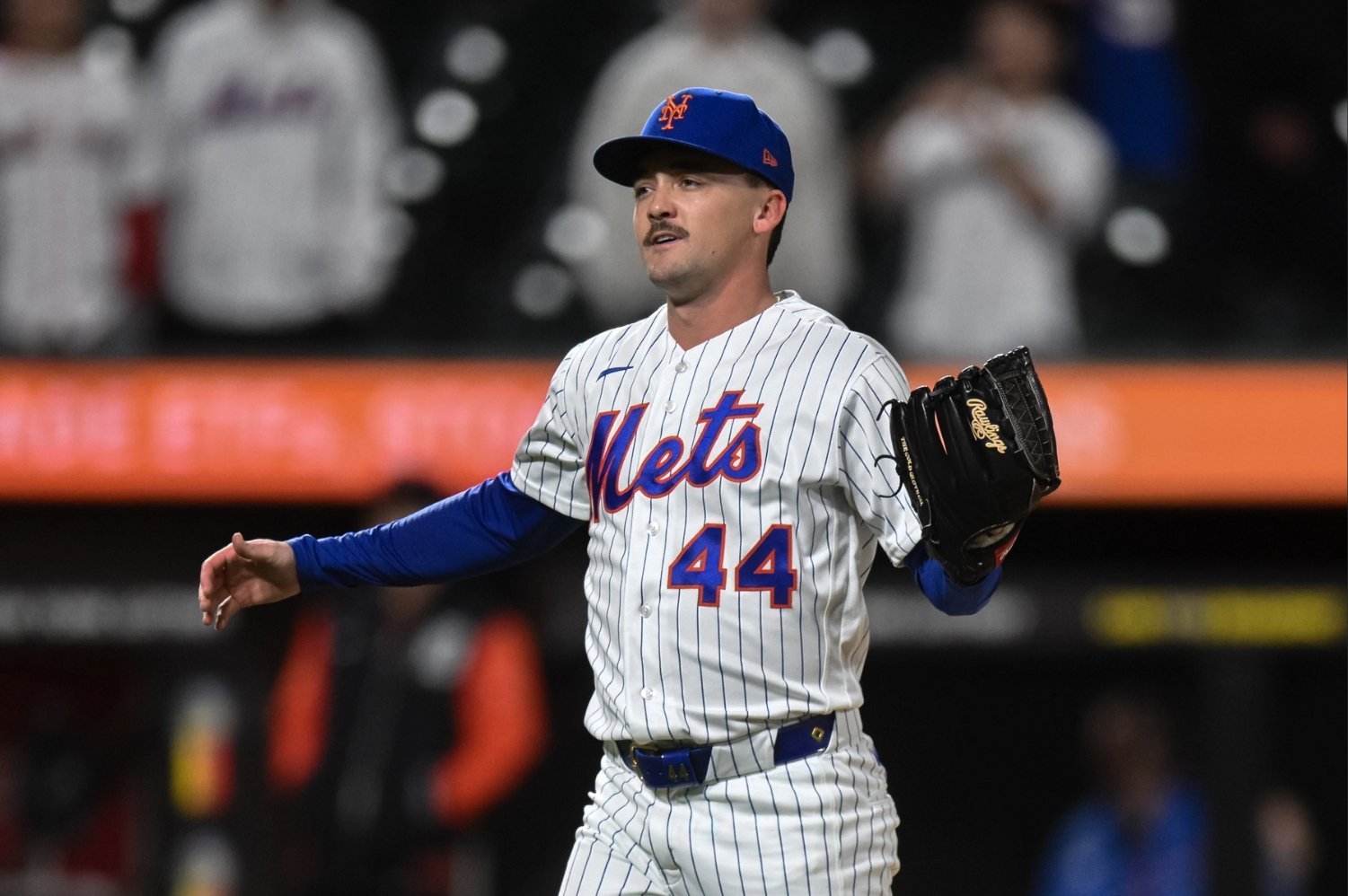 Amidst the New York Mets' scuffling to start the season, the bullpen has actually performed exceptionally well. They currently rank ninth in MLB in ERA (3.64) and third in strikeouts (177). The only problem is that the Mets' relievers have been overused. They’ve pitched 165.2 innings, which is the eighth-largest total in the majors. Some of that success is coming from a pitcher who has never seen a consistent role out of the bullpen since making his major-league debut in 2021 with the Los Angeles Angels. We’re talking about Austin Warren, who’s in the midst of his sixth big-league season, but hasn’t pitched more than 20.1 innings in a single campaign thus far. Warren pitched for the Angels from 2021 to 2023 before being designated for assignment in February of 2024. He underwent Tommy John surgery in May of 2023 after only pitching in two games. Warren survived the winter with the Angels, but was designated for assignment in February of 2024. The San Francisco Giants picked him up a couple days later but didn’t get activated until July as he continued to recover from UCL surgery. The Giants called him up in August where he’d log 10.2 innings pitching to a 1.69 ERA and 1.31 WHIP. Warren stayed in the Giants organization until January of 2025, when they designated him or assignment and he found his new home with the New York Mets. Austin Warren's Strong Results with Mets Warren has been with the Mets organization ever since they claimed him last spring. He saw a lot of brief stints last year in the majors only pitching 9.1 innings, but he threw 50.2 frames with the Syracuse Mets. Jumping ahead to this year, Warren has already pitched 11 innings which is his most in a season since his 2022 campaign. He has been effective in relief, owning a 0.82 ERA to go along with a 1.09 WHIP. He is striking out 29.5% of batters, equivalent to a 10.6 K/9 ratio. It’s still such a small sample to look at, but he’s performed well. His 0.82 ERA is amazing, but will be tough to sustain. His underlying peripherals suggest he could maintain solid production even if he regresses, hence his 3.30 FIP and 3.22 SIERA. His expected earned run average sits at 3.52 which is good, but again showing where his real results would likely be with a larger sample size. He could improve his walk rate that currently sits at 11.4%, a below-average mark that, if improved, could make Warren an even more reliable bullpen arm. Two Pitches That Look Good, but Will Regress Over Time While Warren has featured six differently tagged pitches this year, he relies mainly on his sweeper (51%) and sinker (21%). Both of these offerings are getting the job done right now, but the underlying numbers suggest that they might start to get hit harder as he logs more innings. Overall, batters are making contact with 93.2% of Warren’s strikes, putting him in the bottom second percentile. His sweeper is his best offering looking at the pitch traits and shape. It’s averaged 85.4 mph with -15.4 inches of horizontal break. Warren’s sweeper is getting an incredible 2776 RPM’s of spin. It’s his best pitch by Stuff+ (113), per TJStats. Opponents are hitting just .200 against the pitch, but it has a .290 expected batting average. On top of that, it’s only generating an 18.2% swing-and-miss rate, signaling Warren’s sweeper is not as effective as it could be. The pitch is also responsible for a below-average .347 xwOBA. When Warren isn’t throwing his sweeper, he goes to his sinker more often than not. It grades out a tick below average (99 Stuff+) but has done its job thus far -- batters have yet to record a hit against it. Still, keep in mind he’s only thrown it 36 times and has poor underlying numbers. Warren’s sinker is only generating 8.3% whiff and also has a poor .348 xwOBA on its ledger. Warren also throws a four-seam fastball and curveball, which have both been generating good expected numbers, but given their extremely limited usage, it's hard to draw any firm conclusions at the moment. This is a guy who lives and dies with his primary offerings, which might make him due for regression as opposing hitters see his best stuff more often. Nevertheless, he's been one of the most valuable relievers in the Mets' bullpen thus far, making him a much-needed win on David Stearns' track record. View the full article
 -
Twins Minor League Report (5/14): Teilon Serrano's Big Day
DiamondCentric posted an article in Twins Daily
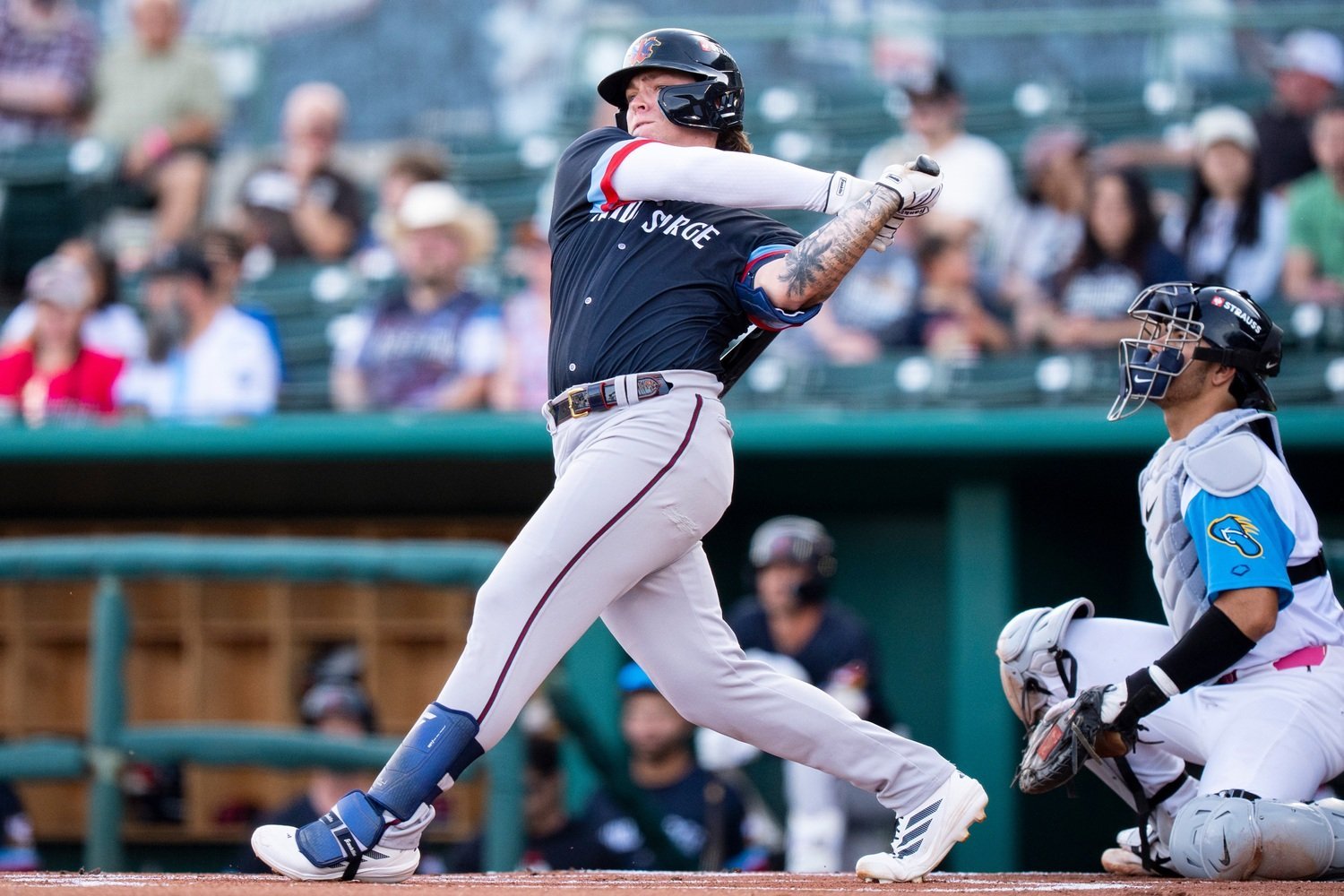 Happy Birthday to Brian Dozier and Justin Morneau! May 15th! No, I'm not one that pays attention to birthdays of ballplayers, but The Young'n happened to be born on May 15th as well. On Thursday night, she graduated (with honors) from a Minnesota trade school. On Friday, she turns 20. Yup, proud dad who continues to realize that he is getting old. So, I apologize for posting this a little late tonight and maybe not being as detailed as I try to be. I definitely welcome questions and comments about Thursday's games and encourage anyone who was at the games to give us reports too. TRANSACTIONS Early on Thursday morning, the Twins optioned OF Matt Wallner and RHP Travis Adams and recalled UT Ryan Kreidler and RHP Zebby Matthews. Zebby pitched really well. OF Kala’i Rosario was placed on the 7-Day Injured List. Fort Myers C Enrique Jimenez began his rehab in the FCL on Thursday. SAINTS SENTINEL St. Paul, Columbus Box Score The rains came down in St. Paul and Mother Nature won on this night. The two teams will attempt to play a doubleheader on Friday at CHS Field. WIND SURGE WISDOM Wichita 7, San Antonio 0 Box Score Shutouts are always good. They’re rare, especially in the minor leagues. Let’s start there. Sam Armstrong started and tossed four scoreless innings. He gave up one hit, walked one, and had four strikeouts. Ricky Castro came on and threw three scoreless innings. He gave up two hits, walked two, and had four strikeouts. Jaylen Nowlin and William Fleming each threw a scoreless innings. The Wind Surge bats scored their seven runs in the middle inning. They put a “2” on the scoreboard three times. In the third inning, Kyle DeBarge came to the plate with the bases loaded. He drove in two runs with his fourth double of the season. Caleb Roberts led off with his first home run since joining the Surge over the weekend. It was DeBarge again in the fifth inning. He hit another double which drove in Ricardo Olivar with the fourth run. DeBarge later scored on an Andrew Cossetti sacrifice fly to make it 5-0. Finally, in the top of the sixth, Garrett Spain walked with two outs and scored when Billy Amick launched his 11th home run of the year. DeBarge went 3-for-5 with two doubles and three RBI. Amick was 2-for-5 with his fifth double, 11th homer, and two RBI. He was also hit by a pitch early in the game. Olivar went 2-for-3 with a walk. Check out the Top 20 Padres Prospects according to our sister site, Padres Mission. KERNELS CHRONICLE Cedar Rapids 3, Fort Wayne 11 Box Score Ivran Romero made the start for the Kernels and took one for the team. He gave up 10 runs (9 earned) on nine hits and two walks in 3 1/3 innings. Nolan Santos came in and gave up one run on two hits and three walks over 3 2/3 innings. He struck out three batters. Adam Falinski struck out four batters and had one walk over two scoreless, hitless innings. Miguel Briceno had two of the Kernels’ five hits, his second and third doubles. Jay Thomason went 1-for-2 with two walks, a triple, and two RBI. Check out the Top 20 Padres Prospect according to our sister site, Padres Mission. MIGHTY MATTERS Ft. Myers 0, Bradenton 6 Box Score The Mussels lineup was quiet on Thursday night in Bradenton. They managed just five hits in the game, but they also had five walks. The batters combined for 15 strikeouts. Henry Kusiak had two walks. Harry Genth and Byron Chourio each went 1-for -3 with a walk. Genth stole his 11th base. Ramon Villanueva made the start. The 19-year-old gave up two runs on five hits and a walk in three innings. He had two strikeouts. Jonathan Stevens gave up four runs on four hits and recorded four outs. Kolten Smith worked the final 3 2/3 innings and He gave up just one hit, walked none and struck out four batters. COMPLEX CHRONICLE FCL Twins 5, FCL Rays 2 Box Score Yordi Jose started and gave up two runs (1 earned) on two hits. In 3 2/3 innings, he walked four and had two strikeouts. Rainer Marin kept an inherited runner from scoring. He recorded four outs and gave up no runs, two hits and no walks. Geremy Villoria came on and the youngster gave up three hits and a walk, but no runs, over 1 2/3 innings. Hendry Chivilli recorded the final out of the seventh inning. He tossed two more scoreless innings to record his second save of the year. He walked two and had three strikeouts. The best news of the day is probably that catcher Enrique JImenez made his first appearance of the year, a rehab appearance. He has missed most of spring training and the first six weeks of the season with a fractured finger. You recall he came to the Twins last summer from the Tigers organization in exchange for RHPs Chris Paddack and Randy Dobnak. In this game, he went 0-for-3 with a strikeout. The results obviously don’t matter, but it’s great to see him starting to get games. He caught the first five innings before being replaced by Miguel Caraballo. Down 2-0 going to the bottom of the fourth, the Twins cut their deficit in half. Jhomnardo Reyes walked, and Luis Fragoza singled. Teilon Serrano drove in Reyes with the run. The Twins took the lead in the bottom of the fifth inning. Jose Barrios and Yovanny Duran singled. With two outs, Jhomnardo Reyes reached on a two-base error that drove in both runners. The bottom of the sixth inning began with back-to-back doubles by Fragoza and Serrano. The latter scored on a Ricardo Pena single to make it 5-2. Serrano led the offense with a 4-for-4 day with his first double and first stolen base. Coming into the game, he was just 1-for-23 with a triple and 14 strikeouts this season. Fragoza went 2-for-4 with his third double. PLAYERS OF THE DAY Hitter of the Day Teilon Serrano (FCL Twins): 4-for-4, 2B(1), R, 2 RBI, SB(1) Pitcher of the Day Sam Armstrong (Wichita): 4 IP, H, 0 R, 1 BB, 4 K, 51 pitches, 31 strikes (60.8%) PROSPECT SUMMARY Check out the Prospect Tracker for much more on our Twins Top 20 prospects after seeing how they did today. #1 - OF Walker Jenkins (St. Paul) - 7 Day Injured List (left shoulder) #2 - IF Kaelen Culpepper (St. Paul) - Rained out #3 - OF Emmanuel Rodriguez (St. Paul) - 7 Day Injured List (thumb) #4 - LHP Connor Prielipp (Minnesota) - Did Not Pitch #5 - C Eduardo Tait (Cedar Rapids) - 0-for-4 (batted second, played catcher). #6 - LHP Dasan Hill (Cedar Rapids) - Did Not Pitch #7 - SS Marek Houston (Cedar Rapids) - 1-for-4 (batted first, played SS) #8 - RHP Riley Quick (Cedar Rapids) - Did Not Pitch #9 - LHP Kendry Rojas (Minnesota) - 2 IP, 1 H, 1 ER, 2 BB, 3 K, 43 pitches, 23 strikes (53.5%) #10 - OF Gabriel Gonzalez (St. Paul) - No Game Scheduled. #11 - RHP Charlee Soto (Cedar Rapids) - Injured List #12 - RHP Andrew Morris (Minnesota) - Did Not Pitch #13 - OF Hendry Mendez (St. Paul) - Rained Out. #14 - 3B/SS Quentin Young (Ft. Myers) - 0-for-4, 3K (batted sixth, played SS). #15 - 3B/CF Brandon Winokur (Cedar Rapids) - Did Not Play. #16 - RHP Ryan Gallagher (St. Paul) - No Game #17 - RHP C.J. Culpepper (St. Paul) - No Game. #18 - RHP James Ellwanger (Ft. Myers) - 60 Day Injured List (right elbow sprain) #19 - C/OF Khadim Diaw (Cedar Rapids) - 0-for-4 (batted third, played CF) #20 - 2B/SS/CF Kyle DeBarge (Wichita) - 3-for-5, 2-2B(5), R, 3 RBI, K (batted fourth, played SS) UPCOMING PROBABLES Friday, May 15: Columbus @ St. Paul (4:37 pm CT) - LHP Aaron Rozek (0-0, 0.00 ERA, RHP Mike Paredes (2-1, 4.58 ERA) Wichita @ San Antonio (7:05 pm CT) - RHP Ty Langenberg (0-3, 4.28 ERA) Fort Wayne @ Cedar Rapids (6:35 pm CT) - RHP Michael Ross (0-3, 4.29 ERA) Ft. Myers @ Bradenton (5:30 pm CT) - TBD FCL Twins @ FCL Red Sox (11:00 am CT) - TBD CURRENT W-L Records Minnesota Twins: 20-24 St. Paul Saints: 21-19 Wichita Wind Surge: 17-18 Cedar Rapids Kernels: 20-16 Fort Myers Mighty Mussels: 20-16 FCL Twins: 5-4 DSL Twins: 0-0 (season begins Monday, June 1) Please feel free to ask questions about the teams, the rosters, and discuss today’s games, or anything else Twins minor-league related! View the full article
 -
 Carson Montgomery tossed five scoreless innings as Fort Wayne routed Cedar Rapids 11-3 behind Alex McCoy's three-run homer. El Paso rallied for a 3-2 road win on Pablo Reyes' go-ahead double, with Sean Boyle earning the victory on three scoreless innings. San Antonio was shut out 7-0. Bryan Balzer was tagged for seven runs in the Lake Elsinore's 7-4 loss to Rancho Cucamonga. Padres Minor-League Transactions No roster moves Strong Pitching, Pablo Reyes' Go-Ahead Double Lift Chihuahuas Pablo Reyes had an RBI double in the top of the seventh inning and four pitchers combined on a six-hitter as the Triple-A San Antonio Missions edged the host Salt Lake Bees 3-2, snapping a three-game losing streak. Left-handed starter Fernando Sanchez, just promoted from Double-A San Antonio, turned in four strong innings in his Triple-A debut. He gave up two runs (one earned) on two hits and three walks, striking out four. Sanchez had a 4.50 ERA in eight games, three starts, at Double-A. Right-hander Sean Boyle followed with three perfect innings, combining with Sanchez to retire 15 in a row. Right-handers David Morgan and Ethan Routzahn each had to escape two runners on base to pitch a scoreless eighth and ninth innings, with Routzahn earning his fourth career save. Salt Lake got to Sanchez for two runs in the first inning, but the Chihuahuas got one back in the top of the second on Jase Bowen's leadoff double and steal of third, a Nick Solak walk and steal and then a wild pitch that brought in Bowen. El Paso tied it in the fourth when Jose Miranda drew a one-out walk, went to second on a wild pitch and scored on Marcos Castanon's two-out single to center. It stayed 2-2 until the seventh. With one out, Castanon and Victor Duarte walked, with Reyes then doubled off the right-field wall to score Castanon with the decisive run. Reyes had singled in the top of the third to extend his on-base streak to 30 games, every game he has played this season, and has a hit in eight of his last 10 games. Reyes also stole a base, his 10th in as many tries. EP_0514.mp4 Player AB R H RBI BB K Pablo Reyes 5 0 2 1 0 0 Mason McCoy 3 0 0 0 1 3 Will Wagner 3 0 0 0 1 1 Samad Taylor 0 0 0 0 0 0 Jase Bowen 4 1 1 0 0 2 Nick Solak 3 0 0 0 1 0 Jose Miranda 3 1 0 0 1 1 Carlos Rodríguez 4 0 0 0 0 2 Marcos Castañon 3 1 1 1 1 0 Clay Dungan 0 0 0 0 0 0 Victor Duarte 3 0 1 0 1 1 Player IP H R ER BB K HR Fernando Sanchez 4 2 2 1 3 4 0 Sean Boyle 3 0 0 0 0 2 0 David Morgan 1 2 0 0 0 1 0 Ethan Routzahn 1 2 0 0 0 1 0 Pair Of Homers Sink Missions, Who Muster Just 4 Hits The host Double-A San Antonio Missions managed just four hits off four Wichita pitchers as the Wind Surge scored in four consecutive innings for a 7-0 victory. Romeo Sanabria doubled, while Tirso Ornelas, Ryan Jackson and Francisco Acuna each singled for the Missions' lone hits, with Ornelas and Acuna also adding walks. Ethan Salas drew the other Missions walk and stole a base. Missions right-handed starter Ian Koenig went 4⅔ innings, giving up five runs on eight hits with a pair of walks and three strikeouts. Left-hander Harry Gustin gave up two runs in 2⅓ innings on one hit, a two-run homer, and a walk with four strikeouts. Andrew Dalquist finished with two scoreless innings, yielding a hit and a walk, striking out four. Wichita scored two in the third, one in the fourth on a solo homer and two each in the fifth and sixth innings. Player AB R H RBI BB K Ethan Salas 3 0 0 0 1 1 Kai Roberts 4 0 0 0 0 3 Leandro Cedeño 4 0 0 0 0 1 Tirso Ornelas 3 0 1 0 1 1 Romeo Sanabria 4 0 1 0 0 0 Braedon Karpathios 4 0 0 0 0 3 Ryan Jackson 4 0 1 0 0 0 Francisco Acuna 2 0 1 0 1 1 Luis Verdugo 3 0 0 0 0 0 Player IP H R ER BB K HR Ian Koenig 4 2/3 8 5 5 2 3 1 Harry Gustin 2 1/3 1 2 2 1 4 1 Andrew Dalquist 2 1 0 0 1 4 0 Carson Montgomery Goes Another 5 Scoreless As TinCaps Roll Right-handed starter Carson Montgomery extended his scoreless streak to 16 innings, while Alex McCoy hit a three-run homer and the Fort Wayne TinCaps scored five runs in the second inning en route to an 11-3 triumph over the host Cedar Rapids Kernels. Montgomery, a 13th-round draft choice in 2023, has gone five scoreless innings in three straight starts, plus his final inning of his previous outing to lower his ERA to 1.33. He gave up two hits and three walks with four strikeouts. He opened the game by retiring the first eight hitters. The TinCaps gave Montgomery and the bullpen all the runs they would need in the second inning. Jack Costello had a one-out single and Kavares Tears walked before Rosman Verdugo grounded a run-scoring single to center, Oswaldo Linares followed with an RBI single to right to make it 2-0 and Kasen Wells made it three straight run-scoring hits to drive in a third run. Recently promoted Justin DeCriscio drove in a run with a groundout and Zach Evans made it 5-0 with an RBI double to right. McCoy, Padres Mission's No. 12 prospect, scored in the third after drawing a leadoff walk and coming around on three straight groundballs, the last of which featured a Kernels throwing error. In the fourth, the TinCaps tacked on as Wells had a leadoff double and Evans a one-out RBI single. Lamar King Jr. singled to center ahead of McCoy lining a three-run homer to left, his seventh of the season and second in as many games for a 10-0 advantage. It is the first time McCoy has gone back-to-back as a pro. King added an RBI single in the fifth for an 11-0 cushion. Thanks in large part to Montgomery, Cedar Rapids didn't score until plating a pair in the seventh and one in the ninth. Evans entered May with one RBI and has driven in eight in the last eight games and has a six-game hitting streak. He is hitting .302 in 11 games this month, increasing his batting average to .232. King, Padres Mission's No. 10 prospect, singled twice and has reached base in 25 consecutive games. FW_0514.mp4 Player AB R H RBI BB K Justin DeCriscio 3 1 0 1 1 1 Zach Evans 5 1 2 2 0 0 Lamar King Jr. 5 1 2 1 0 1 Alex McCoy 4 2 1 3 1 1 Jack Costello 5 1 1 0 0 1 Kavares Tears 2 1 0 0 3 1 Rosman Verdugo 5 1 1 1 0 2 Oswaldo Linares 5 1 2 1 0 2 Kasen Wells 4 2 2 1 1 1 Player IP H R ER BB K HR Carson Montgomery 5 2 0 0 3 4 0 Isaiah Lowe 2 2 2 2 1 2 0 Kleiber Olmedo 1 0 0 0 0 0 0 Igor Gil 1 1 1 1 1 0 0 Qrey Lott Has 3 Hits, But Storm Can't Quell The Quakes Qrey Lott went 3-for-4, but a rough start by right-hander Bryan Balzer spelled defeat for the Low-A Lake Elsinore Storm, who dropped a 7-4 decision to the Rancho Cucamonga Quakes. The Storm had seven hits and drew five walks, but couldn't capitalize on four Quakes errors. Balzer was roughed up for seven runs on nine hits and four strikeouts in 4⅔ innings. His highlight was not issuing a walk. Right-handers Brian Langley (2⅓ innings), Daichi Moriki and Sean Barnett allowed just one hit the rest of the way. The Storm took a quick 2-0 lead in the bottom of the first. Luke Cantwell drew a one-out walk and an errant pickoff attempt and Ty Harvey's fielder's choice put runners on the corners. Harvey was thrown out stealing second, but Truitt Madonna brought in Cantwell with a single to left and Kerrington Cross doubled home Madonna. Rancho Cucamonga scored once in the second, three times in the third and two more in the fourth for a 6-2 lead before the Storm got two back in the bottom of the fourth. That came when Lott had an infield single and went to second on another errant pickoff attempt. Ryan Wideman singled and Lott scored ahead of the throw in a massive collision at the plate, with Wideman taking second. After a passed ball, Cantwell reached on an error by the second baseman, allowing Wideman to score, pulling the Storm within 6-4. But the Quakes got one back in the top of the fifth, the final run of the game. LE_0514.mp4 Player AB R H RBI BB K Ryan Wideman 5 1 1 1 0 1 Luke Cantwell 4 1 0 0 1 1 Ty Harvey 4 0 1 0 1 1 Truitt Madonna 2 1 1 1 2 0 Kerrington Cross 3 0 1 1 1 2 Jose Verdugo 4 0 0 0 0 0 George Bilecki 3 0 0 0 0 2 Bradley Frye 1 0 0 0 0 0 Qrey Lott 4 1 3 0 0 0 Dylan Grego 3 0 0 0 0 3 Conner Westenburg 1 0 0 0 0 0 Player IP H R ER BB K HR Bryan Balzer 4 2/3 9 7 7 0 4 2 Brandon Langley 2 1/3 0 0 0 3 3 0 Daichi Moriki 1 1 0 0 1 0 0 Sean Barnett 1 0 0 0 0 1 0 Top 20 Prospect Performance Ethan Salas: 0-for-3, BB, K, SB Kash Mayfield: DNP Miguel Mendez: DNP Kruz Schoolcraft: DNP Ryan Wideman: 1-for-5, R, RBI, K Jorge Quintana: DNP Ty Harvey: 1-for-4, 2B, BB, K Kale Fountain: DNP Braedon Karpathios: 0-for-4, 3 K Lamar King Jr.: 2-for-5, R, RBI, K Jagger Haynes: DNP Alex McCoy: 1-for-4, HR, BB, 2 R, 3 RBI, K Truitt Madonna: 1-for-2, 2 BB, R, RBI Tucker Musgrove: DNP Garrett Hawkins: DNP Michael Salina: DNP Eric Yost: DNP Rosman Verdugo: 1-for-5, R, RBI, 2 K Bryan Balzer: 4⅔ IP, 9 H, 7 R, 7 ER, 4 K, 2 HR (L) Deivid Coronil: DNP View the full article
 -
What are your Marlins vs. Rays series predictions?
DiamondCentric posted an article in Fish On First
 Once again in 2026, I will be monitoring Miami Marlins predictions from our valued SuperSubs, Fish On First staffers and livestream guests. Individual article pages like this one will be created prior to every Marlins series and featured prominently on the FOF site. Consistent participation is key if you want to win this annual contest. Submissions only take a few seconds. Scoring system A "perfect" series is worth three points: Earn one point for predicting which team will win the upcoming series Earn one point for predicting the precise number of victories for each team Earn one point for predicting the “Series MVP” who accumulated the highest win probability added (WPA) during the series as calculated by FanGraphs (could pick a player from either team) FOF SuperSub Nicolas Milton currently sits atop the 2026 season leaderboard, which will be updated between every Marlins series. If you are a SuperSub, leave a comment with your Prediction Time picks on this page, or join the Marlins Discord Server and submit there. We'll feature them on the upcoming Fish On First LIVE episode and track your points throughout the season! Any picks submitted prior to the first pitch of the series opener will be counted. If you are not a SuperSub, please consider signing up here to support the FOF staff. Series preview notes Probable starting pitchers: RHP Janson Junk (MIA) vs. RHP Bailey Ober (MIN) on Friday RHP Sandy Alcantara (MIA) vs. RHP Simeon Woods Richardson (MIN) on Saturday RHP Eury Pérez (MIA) vs. TBD (MIN) on Sunday The Marlins rank 17th in MLB with a 98 wRC+ and 11th in MLB with a 3.87 FIP. They are 4-6 in their last 10 games and have a 6-12 record on the road this season. The following Marlins players are on the injured list: Griffin Conine (10-day IL), Pete Fairbanks (15-day IL), Ronny Henriquez (60-day IL) and Adam Mazur (60-day IL). Fairbanks is expected to be reinstated during this series. The Rays rank 14th in MLB with a 99 wRC+ and 15th in MLB with a 4.02 FIP. They are 8-2 in their last 10 games and have a 14-4 record at home this season. The following Rays players are on the injured list: Joe Boyle (15-day IL), Michael Grove (60-day IL), Gavin Lux (10-day IL), Steven Matz (15-day IL), Ryan Pepiot (60-day IL), Manuel Rodriguez (60-day IL), Edwin Uceta (60-day IL) and Steven Wilson (60-day IL). View the full article
 -
Mets Roster Central: Getting the Band Back Together
DiamondCentric posted an article in Grand Central Mets
 There's nothing wrong with second thoughts. Just because you let a guy walk doesn't mean you can't reassess him. Maybe your needs change, maybe your assessment of the guy changes, maybe the guy just has gotten better. You don't want to dig in on your old evaluations. Anyhow, this is what Mets Roster Central told their wife. Transactions, 5/14/2026 COMING Signed away from CHC to Minor-League Contract, Assigned to Binghamton Outfielders Jaylen Palmer R/R DoB: 2000-07-31 High Level: AAA (2025) After re-signing infielder Nick Roselli, previously of Levittown, SUNY Binghamton, and the Mets organization right up until they released him on April 1 of this year, the Mets Office of Second Thoughts wasn't done. Outfielder Jaylen Palmer had an even greater claim to a Mets territorial claim, having sprung from the streets of Flushing and the halls of Holy Cross High School. Jaylen played in the system from 2018 to 2024 before achieving minor-league free agency and jumping to the Cubs. But a Flushing guy is a guy you keep tabs on, and when Jaylen and his solid on-base/speed combo (and low average and power) became available again at a time of Mets need, well, a reunion was inevitable. The Palmer family — based in Canarsie — were regular supporters of Jaylen when he played for the Mets in Coney Island, so hopefully a few summer trips to Binghamton will be coming up. Your 2026 New York Mets Starting Pitchers Clay Holmes Nolan McLean Freddy Peralta David Peterson Christian Scott R/R DoB: 1993-03-27 R/R DoB: 2001-07-24 R/R DoB: 2996-06-04 L/L DoB: 1995-09-03 R/R DoB: 1999-06-15 Relief Pitchers Huascar Brazobán Craig Kimbrel Sean Manaea Tobias Myers Brooks Raley Austin Warren Luke Weaver R/R DoB: 1989-10-15 R/R DoB: 32291 R/L DoB: 1992-02-01 R/R DoB: 1998-08-05 L/L DoB: 1988-06-29 R/R DoB: 1996-02-05 R/R DoB: 1993-08-21 Relief Pitchers Catchers Infielders Devin Williams Hayden Senger Luís Torrens Bo Bichette Brett Baty Vidal Brujan MJ Melendez R/R DoB: 1994-09-21 R/R DoB: 1997-04-03 R/R DoB: 1996-05-02 R/R DoB: 1998-03-05 L/R DoB: 1999-11-13 S/R DoB: 1998-02-09 L/R DoB: 1993-11-29 Infielders Outfielders Marcus Semien Mark Vientos Carson Benge A.J. Ewing Austin Slater Juan Soto Tyrone Taylor R/R DoB: 1990-09-17 R/R DoB: 1993-12-11 L/R DoB: 2003-01-20 L/R DoB: 38209 R/R DoB: 33951 L/L DoB: 1998-10-25 R/R DoB: 34356 Also on 40-Player Roster Starting Pitchers Relief Pitchers Tylor Megill Kodai Senga Jonah Tong Alex Carrillo Reed Garrett Joey Gerber Justin Hagenman R/R DoB: 1995-07-28 L/R DoB: 1993-01-30 R/R DoB: 2003-06-19 R/R DoB: 1997-06-06 R/R DoB: 1993-01-02 R/R DoB: 1997-05-03 R/R DoB: 1996-10-07 On 60-Day Injured List with torn right UCL. On 15-Day Injured List with Lumbar Spine Inflammation With Syracuse With Syracuse On 60-Day Injured List — right UCL surgery and nerve relocation surgery. With Syracuse On 60 Day Injured List with fractured rib. Relief Pitchers Catchers Infielders A.J. Minter Dedniel Núñez Jonathan Pintaro Dylan Ross Francisco Alvarez Francisco Lindor Ronny Mauricio L/L DoB: 1993-09-02 R/R DoB: 1996-06-05 R/R DoB: 1997-11-07 R/R DoB: 2000-09-01 R/R DoB: 2001-11-01 S/R DoB: 1993-11-14 S/R DoB: 2001-04-04 With Syracuse on Rehab Assignment On 60-Day Injured List — right UCL surgery. With Syracuse With Syracuse On 10-Dayl IL with Torn Right Meniscus On 10-Day Injured List with Strained Left Calf On 10-Day Injured List with fractured right thumb. Infielders Outfielders Jorge Polanco Nick Morabito Luis Robert, Jr. Jared Young S/R DoB: 1999-11-13 R/R DoB: 2003-05-07 R/R DoB: 1997-08-03 L/R DoB: 1995-07-09 On 10-Day Injured List with right wrist contusion. With Syracuse On 10-Day Injured List with Lumbar Spine Disc Hernitaion On 10-Day Injured List with torn left meniscus. Designagted for Assignment Infielders Andy Ibáñez R/R DoB: 1993-04-03 DFA'd, 2026-05-12. Your Mets Coaching Staff Manager Bench Coach Pitching Coach Hitting Coordinator Third Base Coach First Base Coach Bullpen Coach Ass't Pitching Coach Carlos Mendoza Kai Correa Justin Willard Jeff Albert Tim Leiper Gilbert Gomez José Rosado Dan McKinney DoB: 1979-11-27 DoB: 1989-07-14 DoB: 1990-09-09 DoB: 1992-08-16 DoB: 1996-07-19 DoB: 1992-03-08 DoB: 1974-11-09 DoB: 1989-06-06 Hitting Coach Strategy Coach Catching Coach Coaching Assistant Bat'g Practice Pitcher Equipment Manager Bullpen Catchers Bullpen Catchers Troy Snitker Danny Barnes J.P. Arencibia Rafael Fernandez Kevin Mahoney Kevin Kierst Eric Langill Dave Racaniello DoB: 1988-12-05 DoB: 1989-10021 DoB: 1986-01-05 DoB: 1988-08-03 DoB: 1987-05-11 DoB: 1964-07-09 DoB: 1979-04-09 DoB: 1978-06-03 Your Mets Training Staff Director of Player Health Head Athletic Trainer Assistant Athletic Trainer Reconditioning Coordinator Reconditioning Therapist Head Performance Coach Assistant Performance Coach Performance Coordinator Soft Tissue Specialist Brian Chicklo Joseph Golia Bryan Baca Sean Bardanett Josh Bickel Dustin Clarke Tanner Miracle Jeremy Chiang Hiroto Kawamura DoB: 1972-07-17 DoB: 1978-??-?? DoB: Circa 1980 DoB: 1988-06-23 DoB: 1996-??-?? DoB: 1987-??-?? DoB: 1991-??-?? DoB: ????-??-?? DoB: 22846 View the full article
 -
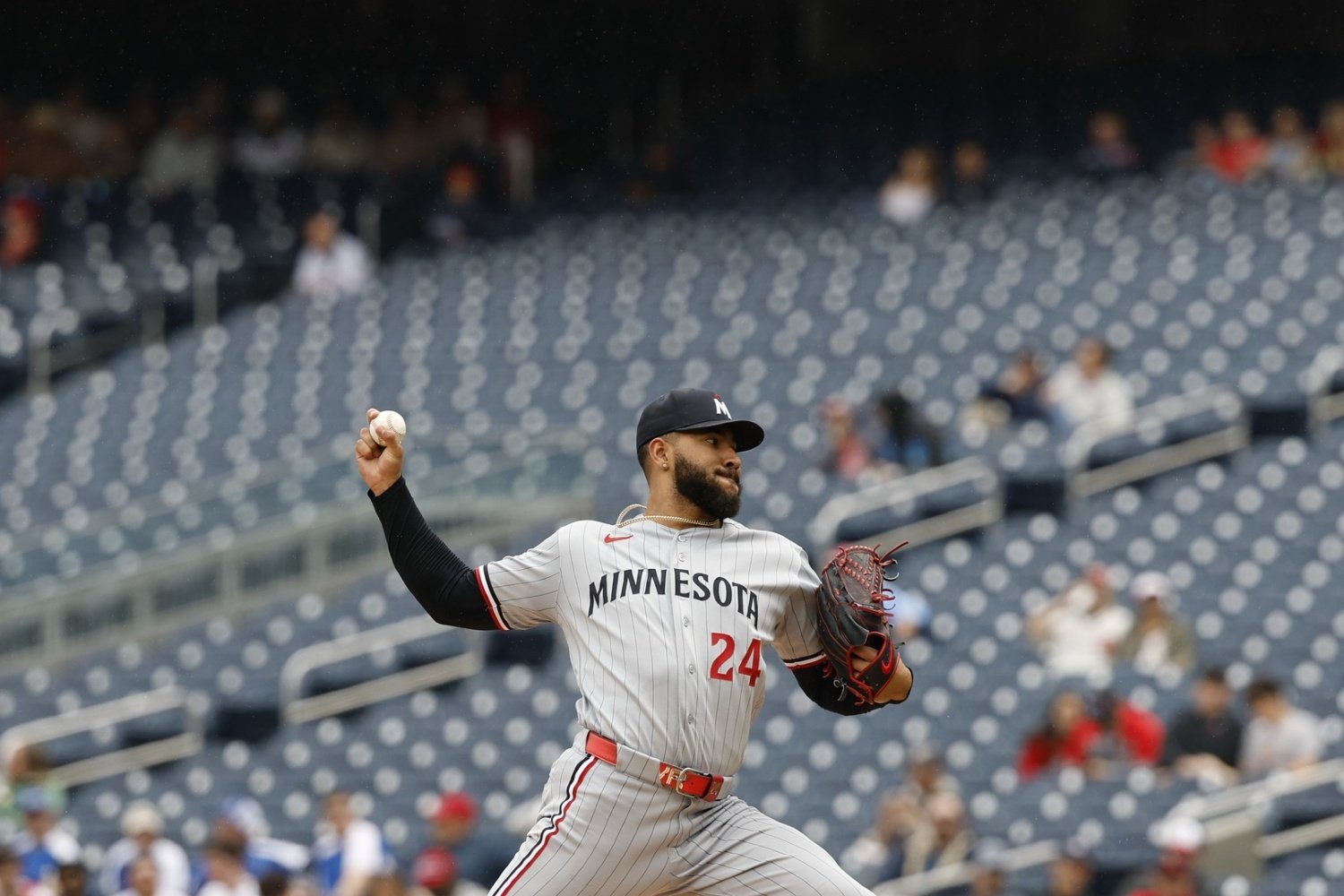 Forty-four games into the 2026 MLB regular season, multiple Minnesota Twins position players are overperforming preseason expectations. Byron Buxton is tied for the third-most home runs in baseball with 15, alongside Chicago White Sox rookie Munetaka Murakami. Ryan Jeffers is on track to earn his first All-Star nod. Austin Martin is reaching base in roughly 45% of his plate appearances, and Brooks Lee appears to have finally developed into an average regular. There have been numerous success stories on the mound, too. Mick Abel and Taj Bradley look like stalwarts atop future Twins rotations. Connor Prielipp has impressed in his first cup of coffee in the majors, and Joe Ryan continues to pitch like a top-20 starting pitcher in the sport. Despite the aforementioned positive early-season surprises, though, Minnesota has a 20-24 record, leaving the club with an uninspiring 21.8% chance of making the playoffs, according to FanGraphs. A significant portion of the club’s early-season struggles can be attributed to them fielding the fifth-worst bullpen in baseball, according to Wins Above Replacement at FanGraphs (fWAR). Despite the Twins having one of the worst bullpen collectives in the sport, specific position players and starting pitchers have also played key roles in dragging the club down over the first two months of the season. No two players have made a greater negative impact than outfielder Matt Wallner and starting pitcher Simeon Woods Richardson. Wallner, 28, entered the 2026 regular season expected to be the club’s full-time right fielder, netting most starts against right- and left-handed starters. Through 135 plate appearances, however, the left-handed hitting corner outfielder hit .167/.259/.292 with a 58 wRC+. Wallner also struck out 39.3% of the time while producing minimal damage upon contact, evidenced by the should-be slugger netting only four home runs and a below-average .125 Isolated Power (ISO). As a result, Wallner possesses the 10th-lowest wRC+ of all qualified hitters. At the same time, he generated the second-lowest fWAR (-0.8) among qualified position players in the sport, with only Tampa Bay Rays centerfielder Cedric Mullins residing below him. The Southern Miss product was also one of the worst fielders in baseball, netting -8 Defensive Runs Saved (DRS) over 284 innings played in right field. According to FanGraphs, only Junior Caminero, Jake Bauers, and Bryce Harper have delivered more negative value based on their fielding and positional assignments. He’s tied for the lowest DRS in the sport, alongside Oneil Cruz. Given that Wallner is inarguably a bottom-ten hitter and bottom-five fielder in the sport, it is not hyperbolic to opine that he regressed into the worst position player in baseball. In response, the Twins optioned him to Triple-A St. Paul early Thursday morning. As mentioned earlier, Woods Richardson hasn’t been much better on the mound. Among starting pitchers with at least 40 innings pitched, Woods Richardson has the highest ERA in the sport, coming in at 7.71. He also sports the fourth-highest FIP (6.51) and second-lowest Skill Interactive ERA (SIERA), coming in at 5.91. The 25-year-old is tied with Washington Nationals starting pitcher Zack Littell for the lowest strikeout rate (10.1%) among starting pitchers with at least 40 innings pitched and the 10th-worst hard-hit rate (40.4%). Woods Richardson has served the ball on a silver platter to hitters, and they are unsurprisingly excelling. Unsurprisingly, Woods Richardson’s arsenal grades out very, very poorly. According to Run Value at Baseball Savant, Woods Richardson has the worst splitter in baseball, with the pitch netting a -13 run value over 206 pitches thrown. He also possesses the worst slider among starting pitchers, with the pitch netting a -6 run value over 178 pitches thrown. On a positive note, his fastball has been serviceable, generating 0 run value over 323 pitches. Still, the former top prospect’s pitches have been abysmal this season, making his poor start to the season unsurprising. (Author’s note: I’m not having fun writing this article. I’ve been frowning like Florence Pugh in Midsommar for 20 minutes now.) Given his inability to suppress runs and poor pitch grade, it would not be hyperbolic to opine that Woods Richardson is the worst starting pitcher in baseball. Again, many factors have played into Minnesota’s slow start to the season. Still, no two players have been more consequential than Wallner and Woods Richardson. With Martin and Trevor Larnach performing well as the new primary corner outfielders and Walker Jenkins, Emmanuel Rodriguez, Gabriel Gonzalez, Hendry Mendez, and Alan Roden waiting in the wings at Triple-A St. Paul, Wallner may never play for the Twins again. Woods Richardson’s days in the rotation are numbered if he is unable to quickly change course, given Bradley, Abel, Ryan, and Prielipp’s aforementioned early-season success and Kendry Rojas, Zebby Matthews, Ryan Gallagher, and others awaiting extended opportunities in the rotation. Minnesota is transitioning to a new era. Unfortunately, it appears as though Wallner and Woods Richardson won’t be part of it. View the full article
 -
Pete Crow-Armstrong and the Perils of Bat Speed
DiamondCentric posted an article in North Side Baseball
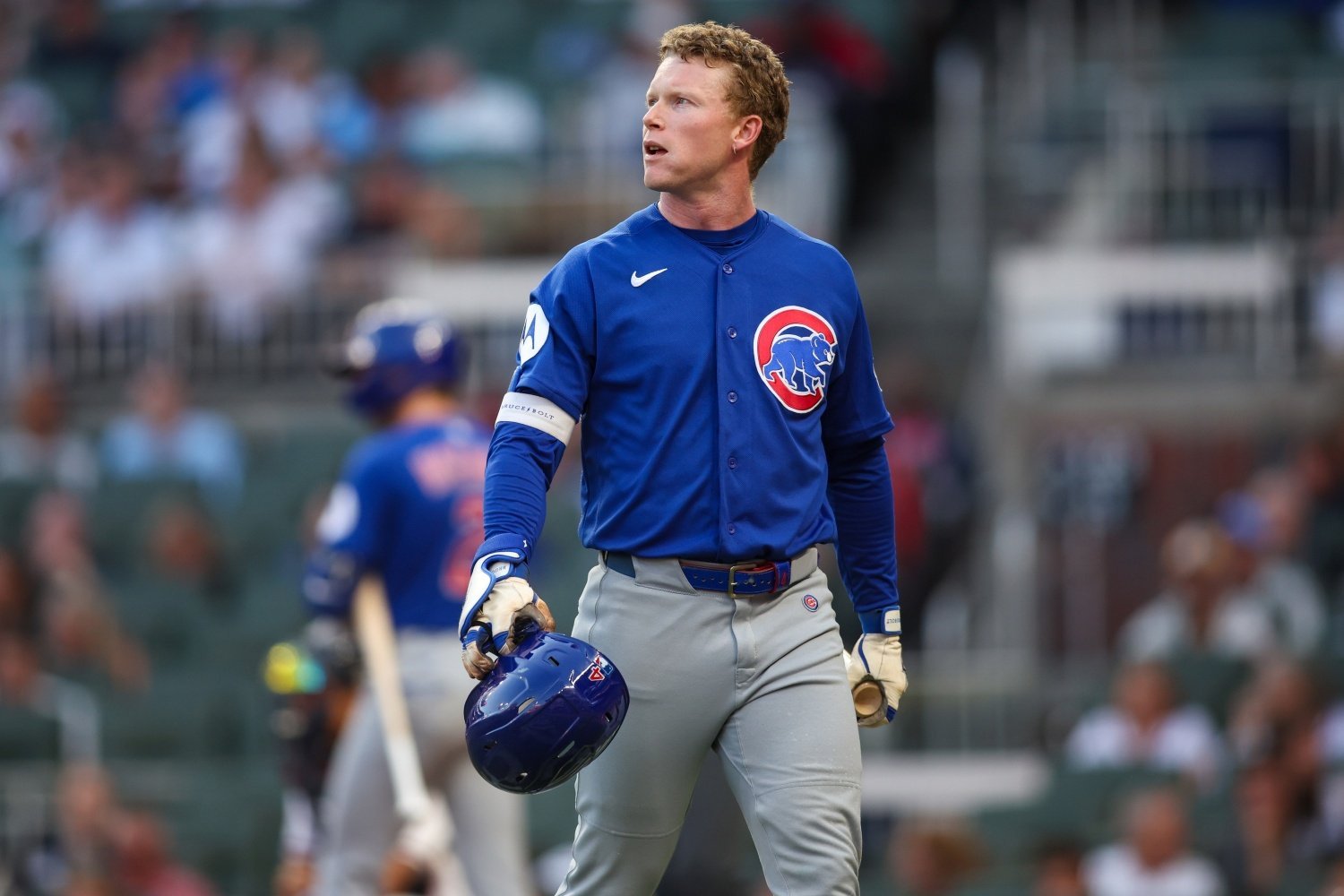 Let's start here: Bat speed is good. All else equal, you'd rather swing faster, rather than slower. All else is often not equal, of course, but bat speed gives you a greater margin for error, just as foot speed or arm strength do. The faster you can move the barrel through the zone, the later you can make swing decisions, and the harder you can hit the ball even if you don't quite catch it flush. It is, on balance, a good thing—or, to draw a tricky but important distinction, an encouraging thing—that Pete Crow-Armstrong has more bat speed this season than he had in 2025. There's no mistaking that fact, at least. According to Statcast, Crow-Armstrong's average swing speed is 74.3 miles per hour this year, up from 72.7 MPH in 2025 and up nearly 4.0 MPH since 2024, when he first got a meaningful run in the majors. He swings as fast as some of the top sluggers in the game, which was certainly not true even as he enjoyed a breakout, 30-homer season last year. The first thing you should look for, to assess the efficacy of a bat-speed bump, is increased exit velocity. With Crow-Armstrong, we have it. Crow-Armstrong's average exit velocity is up by 1.5 MPH this season, and his hard-hit rate has gone from average to plus, in lockstep with the bat speed itself. The second thing you should check is whether a hitter has sacrificed contact by swinging harder, and have thus set themselves up to strike out a ton. That's not happening here, though. Crow-Armstrong has gotten slightly more selective this year, especially early in counts, and his contact rate on swings is actually up slightly. All the news, to this point, is good. Here's the bad: Last season, a solid 33.9% of Crow-Armstrong's batted balls clustered in the Statcast-denoted sweet spot for launch angle, between 8° and 32°. Those are line drives and fly balls with the best chance to carry through or over the infield, and to land before an outfielder can run underneath them—while still having a chance to clear the fence, if hit hard enough. That 33.9% number was unbremarkable, but it was good enough to make Crow-Armstrong a star slugger. This season, that figure is down to 23.0%, one of the worst in the league. Crow-Armstrong is just not hitting the ball flush often enough. At first blush, you might struggle to explain this. Statcast has a metric to estimate the solidity of a player's contact, by using physics to estimate the maximum possible exit velocity given the player's swing speed and the speed of the incoming pitch and then calling a ball Squared Up if it exceeds 80% of that possible maximum. Crow-Armstrong's Squared Up rate is flat (or even up, albeit very slightly) in 2026, so he hasn't lost the ability to catch a fair piece of the ball. If he had, we would also have seen that in his exit velocity distributions, despite the boosted bat speed. It's easier to see it this way. Here's a plot of all Crow-Armstrong's batted balls from 2025, by launch angle and exit velocity. He found all that offensive value last year because he got quite good at hitting the ball hard in that launch-angle sweet spot—but also because, when you find that sweet spot, you don't have to hit it hard to get some value out of it. Soft line-drive singles live there, too. Crow-Armstrong hit a good number of those last season. Here's the same chart for 2026. I've highlighted two areas to which we should pay special attention. He's hitting more balls hard, although very weakly hit balls are also slightly more frequent. What's missing? A bunch of medium-speed liners that should be inside that blue square. Many of those would be hits, but they're simply not there. Meanwhile, look up at the top of the chart. Crow-Armstrong isn't hitting more lazy, routine flies this year. In fact, he's hitting fewer. But he's hit a bunch of unusually hard-hit balls straight up, which tells us something. Those are the balls that are still counting as Squared Up, and that are propping up his hard-hit rate—but they're still easy outs. They look like this. NXk5bktfWGw0TUFRPT1fVWdBRUIxSURWVkFBWGdSUlVBQUhBd0JWQUZnQ1dsY0FVMWRRQkFWUUJnUmRVMVpX.mp4 That left Crow-Armstrong's bat at exactly 100.0 MPH, but you don't care, because he hit it way up in the air and it never had a chance to be anything but a flyout. This is a frequent problem for him this year, and it stems from the increase in his bat speed—but not necessarily in the way you might think. Crow-Armstrong isn't out of control and unable to deliver his barrel to the right part of the hitting zone. He's just habitually, almost unavoidably early, and the nature of his swing yields lots of these kinds of batted balls. Crow-Armstrong has a steeper than average swing, and he catches the ball well out in front of him. That much, we already knew. It's why the Cubs were willing to invest in him for the long term, with a nine-figure payout that will look wise only if he at least sometimes flashes what he did for the first two-thirds of 2025. That type of swing gets the barrel working uphill toward the ball, and when it's on time, it generates a lethal combination of loft and ball speed. It looks like this: eHk5VmtfWGw0TUFRPT1fVXdsVFZRWlhBMU1BQzFGUlZ3QUhCQUZUQUZnTlZGZ0FDZ1lDVWxCUVVsZFFBRkFG (1).mp4 Or this: N3lSR3JfWGw0TUFRPT1fVndGWFZBVUZVZ1VBWGxJRlVRQUhBZ2NDQUFOWFVGRUFCbFlCVkZBTUF3WUhBUVlI.mp4 However, it's possible for hitters who work this far in front of their bodies to get too far out there, for long stretches. Crow-Armstrong reinvented himself offensively in 2024 and had a different contact point in 2025 than before. It also came with a different attack direction, which is the orientation of the barrel relative to the front edge of home plate at contact. Season Contact Point (in. in front of center of mass) Attack Direction 2024 32.8 0° 2025 36.2 4° Pull 2026 37.3 6° Pull It's possible to consistently barrel the ball at 36 inches in front of your body, but that's about the maximum. Beyond that, you're basically too early. Meanwhile, Crow-Armstrong's barrel is still moving. Once it passes that 33-36 inch zone in front of him, it's turning enough that (despite that loft that keeps him capable of getting good wood on the ball and slicing one the other way) a mishit is likely. It'll be a specific mishit, too, most of the time. It'll look like this. M3k2WnlfWGw0TUFRPT1fQmdaWFZGSU5VZ0FBQVFBRFZRQUhDRk5XQUFCUkFGa0FDZ1JRQUFSV0FGZFVBQUFB.mp4 The point of that tilt and that pull orientation in Crow-Armstrong's swing is to get behind the ball and send it screaming toward or over the right-field fence. Obviously, that won't always happen, but the swing is geared to maximize the chances of it on any given cut. When he misses, though—when he's not rolling over on the ball, but has just swept past the optimal zone in that arc before he meets the ball—it hits the upper, outer side of the bat and goes way up. The bat speed was still delivered to the ball, but the angle is all wrong. Flatter swings usually do better farther out in front; most hitters with tilt similar to Crow-Armstrong do better with deeper contact points. Right now, he's not missing because he's moving the bat too fast to maintain control. Rather, the ball is where he means for the barrel to go, but by the time it gets there, the barrel has already come and gone from that optimal zone. A flatter swing on which a hitter was similarly early would produce rollover grounders and whiffs. Crow-Amrstrong's swing creates, technically, better contact even when he's early. He's getting a lot of the bat on the ball, for a hitter who's early. In practice, though, it's a glancing blow, steered forward by the angle of the bat but much like a foul ball. It comes to the same thing as if he were hitting the ball much less well (or not at all), because those are virtually guaranteed outs. This isn't bad news, really. There are worse ways Crow-Armstrong could be getting to his underwhelming .675 OPS, in general. There are even worse ways he could specifically be suffering from his own increase in bat speed. Instead, he's still in control of his swing, and if anything, his swing decisions have improved. Swinging faster still should be good for him, in time. For now, though, he's yet to figure out how to alter his timing in a small enough way to compensate for being early, without falling into the trap of being late, as he was for some stretches last season. It's not easy to make that adjustment, small though it might sound. There are no guarantees that Crow-Armstrong will lock in and start producing a .900 OPS again any time soon. There is, however, a real chance of that—because his bat speed is up, and bat speed is good. It's just a matter of paying the cost of it. View the full article
 -
Marlins blown out, drop series as Garrett flounders in return
DiamondCentric posted an article in Fish On First
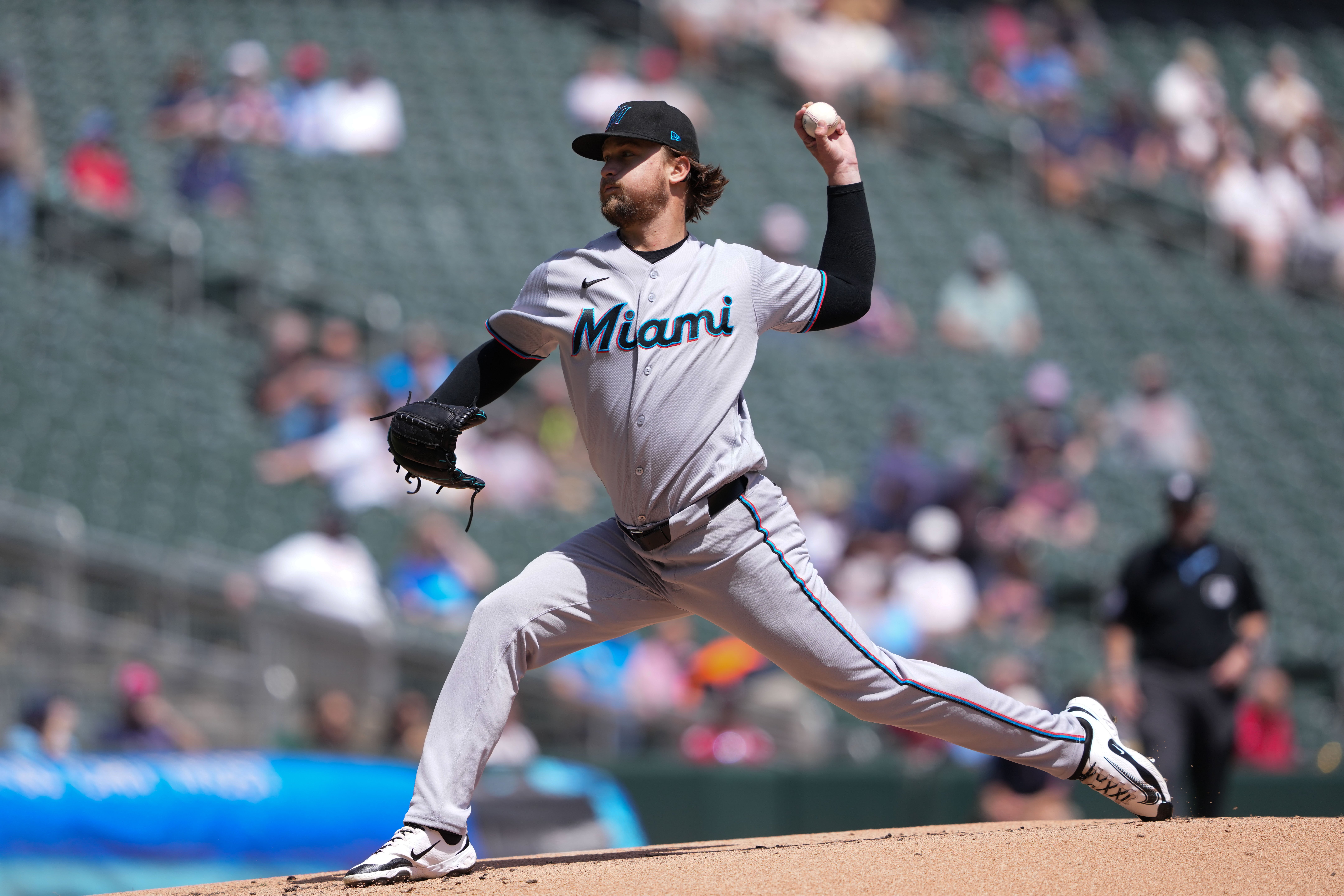 "Walks will kill you." There's a reason that baseballism has become so infamous: because it is true. Even when Braxton Garrett has struggled in the past, walks have rarely been to blame. Thursday afternoon, starting his first MLB game in nearly 700 days, Garrett and Miami succumbed to a quick death in what was ultimately a 9-1 waxing at the hands of the Twins. In his first major league appearance since recovering from his second Tommy John surgery, Garrett was visibly off from the jump. A tightrope act got through a bases-loaded, nobody-out jam in the bottom of the first inning. He found himself in the exact same situation in the second, though. A total of five free passes and four hits were enough to chase the southpaw after just an inning and a third. By the time Garrett walked off the mound with his glove over his mouth, he had allowed four runs to cross and walked more Twins than he retired. Although Garrett's calling card is his command and ability to spot pitches, walks were an issue in the veteran's six starts in Triple-A Jacksonville, with all but one outing being a multi-walk effort. Positively, all of Garrett's five offerings featured an uptick in velocity. The sinker, most notably, rose from an average of 90 to 91.3 mph. Following Garrett's departure, the burden fell on Miami's bullpen to get outs and get the team out of Target Field as they continue their brutal 16-game, no off-day stretch through May 28. Low-leverage but nonetheless scoreless multi-inning efforts from Calvin Faucher, Anthony Bender and Lake Bachar did what they could before Miami enters a brutal stretch going opposite the two best teams in the league. In uncharacteristic fashion, the usually steady John King forfeited three runs in the eighth, easily his most in any outing as a Marlin. If these Fish want any chance against said the increased competition ahead of them, the offense-specifically the middle and bottom of the order-must perform better. Outside of the consistent top three of Xavier Edwards, Liam Hicks and Otto Lopez, Miami's bats collected two hits whilst striking out eight times on Thursday. It was Lopez that ensured Miami wasn't shut out for the second time this set with a run-scoring single in the top of the eighth. On Deck Miami heads to the west coast of Florida, returning to Tropicana Field for a date with the AL-best Tampa Bay Rays and the first edition of the 2026 Citrus Series. Friday's opener featuring Janson Junk and Jesse Scholtens is set for 7:10. View the full article
