


DiamondCentric
-
Posts
2,631 -
Joined
-
Last visited
Never
Content Type
Profiles
Forums
Events
News
Tutorials & Help
Major League Baseball Videos
Guides & Resources
Store
Downloads
Gallery
Everything posted by DiamondCentric
-

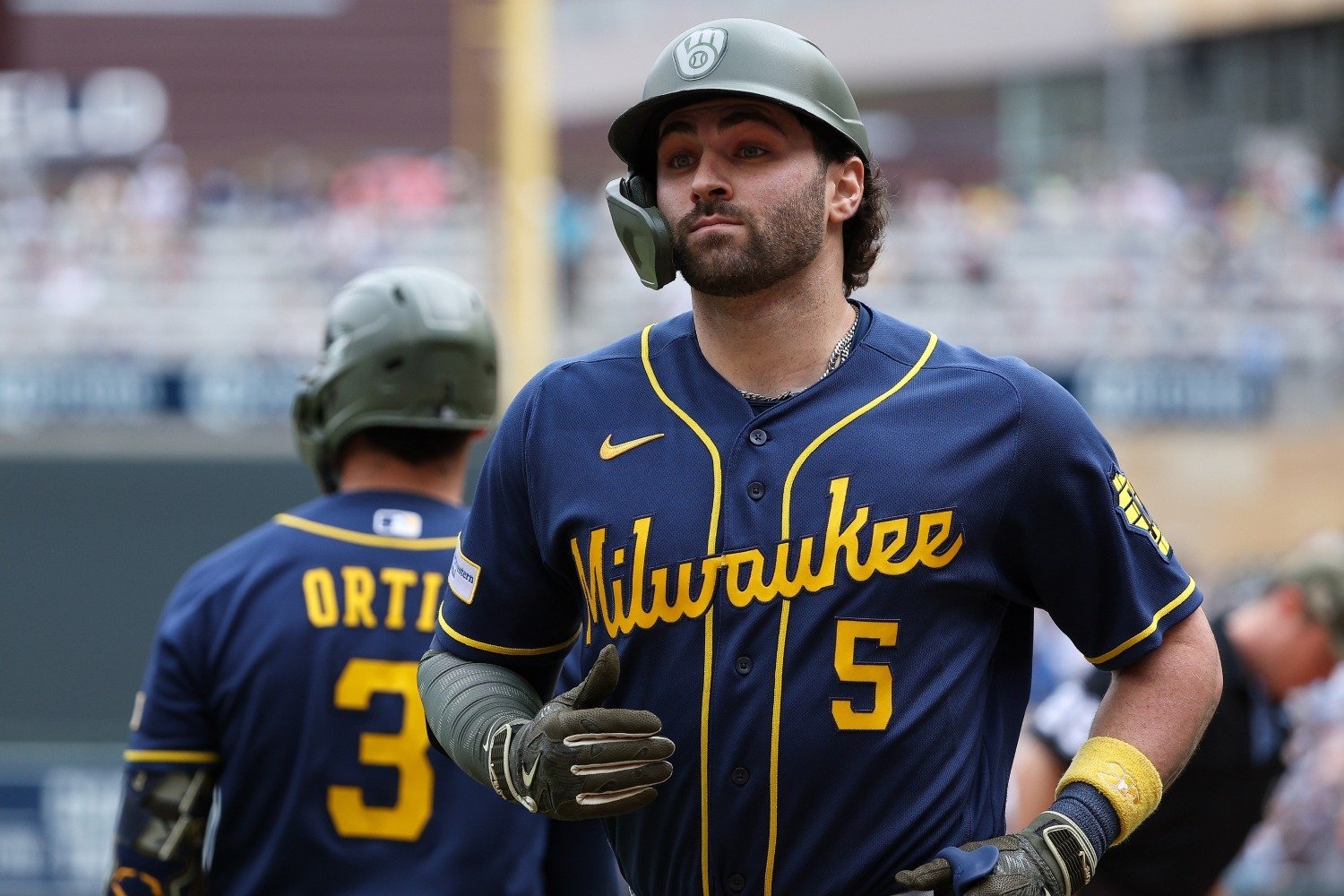 We've been here before. Garrett Mitchell may be one of the most polarizing players in the Brewers organization, combining tantalizing upside with glaring weaknesses. He's the type of player capable of dominating a playoff series matchup, or draining offensive momentum. We saw the Pirates destroy him with high fastballs a few weeks ago, and the results haven't been pretty overall. Including yesterday's home run, Mitchell has hit .281/.284/.303 over the last 30 days, with a 35,2% strikeout rate. Combined with Mitchell scuffling in the outfield (-5 Defensive Runs Saved (DRS), according to Sports Info Solutions) while trying to be careful to avoid diving on his weak shoulder, there has been a justifiably loud murmuring about whether Mitchell is fit to be an almost everyday player in the major leagues. Despite that, there has been some data to suggest that Mitchell has been improving, without the results to show for it. If we look at his rolling swing and miss rate on pitches inside the strike zone, there's some clear progress being made: We can see a steady trendline in the above graph, culminating in Mitchell (over his last 60 in-zone swings) being in the 50th percentile in MLB for contact rate. At points in the season, Mitchell's in-zone contact rate dropped below 60%, so to see it now approaching 85% marks an extreme transformation. Why hasn't this translated to results? Well, the problem is two-fold. Mitchell's strikeout rate has always garnered a lot of attention, but his ground ball rate has historically been a cause for concern, as well. He had a 55.8% ground ball rate in 2024, dropped to 46.5% in 2025, and is currently at 51.5% this year. No matter how hard you hit the ball, if you're hitting the majority of balls on the ground or low line drives, you will be susceptible to bad luck and rely on finding holes. Those holes are bigger if you hit a ball 115 MPH, but major-league infields are so good that you need to find the outfield grass to be consistent in this game. It should come as no surprise, then, that Mitchell's sweet-spot rate (the rate at which he finds ideal launch angles on his batted balls) almost perfectly mirrors his overall production: Mitchell got off to a rip-roaring start, before finding himself in a funk as he tried to cut down on the swing-and-miss. He was late on a lot of balls and pounding them into the ground, before recently making some better contact and seeing some extra bases as a result. There's one other problem. Mitchell is still striking out an awful lot despite the reduced whiff rate, with his 40-plate appearance rolling average sitting exactly on his season average of 37%: So, how has the zone contact improved to this extent and his chase rates also improved, but his actual strikeouts haven't changed? There are a couple of ways. Perhaps Mitchell is just not swinging as much? Or perhaps he's lasting longer in at-bats, fouling off pitches before eventually whiffing? Let's take a look! Up to April 19, Mitchell had swung at 25 high fastballs. He fouled off 13 of those pitches and whiffed on the other 12. In a two-strike count, you could force Mitchell into a swing, and he wasn't doing any damage in those locations. The ball wasn't even being put in play. Over the last month, he's swung at a lot more fastballs, and been targeted more heavily, but the whiff hasn't been as bad as we thought: Out of 91 high four-seam fastballs, Mitchell has swung and missed on just 20 of them, good for a 21.9% whiff rate. Initially, these resulted in more foul balls, and, when he did put the ball in play (note the numbers below the EVs are not balls in play, just the pitches located to that section), he's been hitting rockets: The problem is, while Mitchell has been getting his bat to the high fastball more often, he's being forced to do so more often. Pitchers (especially righties, working up and away) have worked him there more frequently. Mitchell hasn't whiffed in the last month on a lefty's four-seam fastball, but right-handers have found it easier to pound that spot. On top of that, Mitchell appears to have been so dialed into the high fastball that he's struggled against his bread-and-butter breaking pitches, with skyrocketing ground ball rates and high whiff rates against changeups and sliders. There's an implied question to parse here. Is Mitchell getting a hold of the high fastball only because he's expecting it on each and every pitch? Or can he find a balance where he can handle breaking pitches and off-speed offerings, while still managing the fastball? Hitting at the highest level of the sport is a chess match, and Mitchell showing off on Sunday with his home run against Bailey Ober is one way to place doubt in a pitcher's mind. If he can continue to progress against the high fastball and force pitchers into a more nuanced approach, that bodes well for him, but to avoid the streaky results, he will need to be capable of more than just selling out for one particular offering at a time. After all, everyone else in the league throws harder than Ober, which makes it easier for them to put Mitchell in the rocking chair. The initial signs are good. He's making more contact than ever, and he's not doing it by just stopping himself from swinging. There are more foul balls, and he'll need to turn those into actual balls in play more often, but the trend lines are pointing upward across the last month, and a little confidence can go a long way. If he can find that adjustability to cover more than just one offering at a time, the second half of 2026 could be a very fun time for Mitchell. View the full article
 -
Kris Bubic Goes On Royals' Injured List With Elbow Soreness
DiamondCentric posted an article in Royals Keep
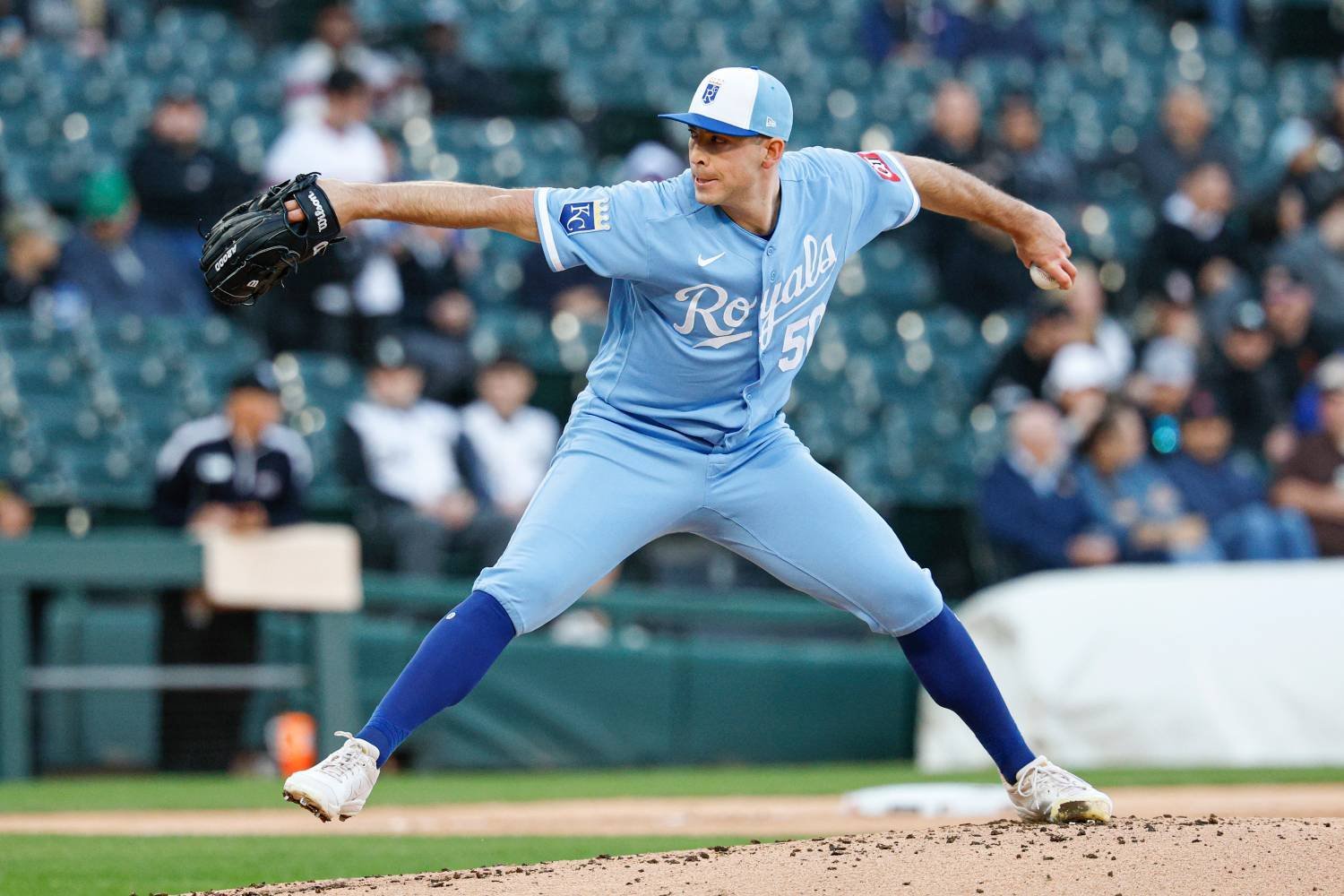 The Kansas City Royals have lost another valuable member of their starting rotation. Left-handed starter Kris Bubic was placed on the 15-day injured list Monday by the Royals with a soreness in his left elbow. Right-handed reliever Eli Morgan was called up from Triple-A Omaha. Bubic joins ace left-hander Cole Ragans on the injured list. Ragans went on the 15-day IL May 8 with an impingement in his left elbow. Ragans did throw a 30-pitch bullpen session Sunday, but still needs to go through steps before returning to the rotation. Bubic started Thursday and gave up five runs in just four innings on five hits and three walks with four strikeouts in a 6-2 loss to the Chicago White Sox. For the season, Bubic has a 4.11 ERA over nine starts, with four homers allowed in 50⅓ innings, a 12.6% walk rate and a 24.6% strikeout rate. Morgan is making his third trip up from the minors this year. He has appeared in seven games with a 2.61 ERA in 10⅓ innings, allowing eight hits and six walks with nine strikeouts. The Royals will still have to find a starter to fill Bubic's spot in the rotation. View the full article
 -
Daniel Duarte Comes Up In Latest Mets Bullpen Move
DiamondCentric posted an article in Grand Central Mets
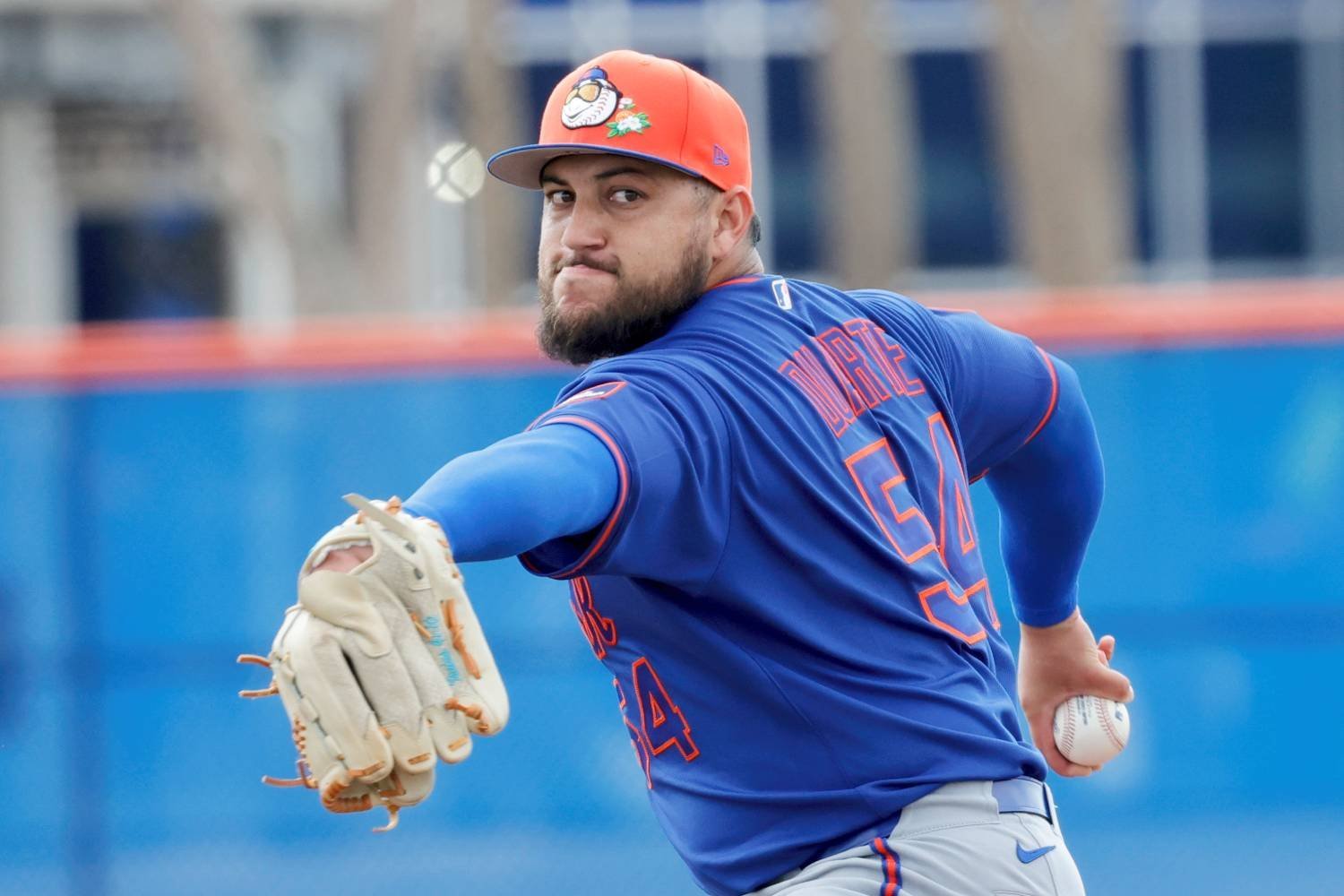 The New York Mets swapped out an arm in the bullpen, selecting the contract of right-hander Daniel Duarte from Triple-A Syracuse and sending down right-hander Joey Gerber. Duarte is back in the majors for the first time since 2024, when he was with the Minnesota Twins. He made two appearances that year with the Twins after 34 games with the Cincinnati Reds the previous two seasons. Duarte has a 3.99 ERA in 36 games. He had a 14.5% walk rate and 17% strikeout rate, both below average with the bases on balls more concerning as the MLB average is 22.6%. At Triple-A this year, Duarte has appeared in 12 games with four starts, giving up five runs on 13 hits in 17⅓ innings, with nine walks and 14 strikeouts. Gerber has been up twice this year, appearing in one game with a trip to the 15-day injured list. View the full article
 -
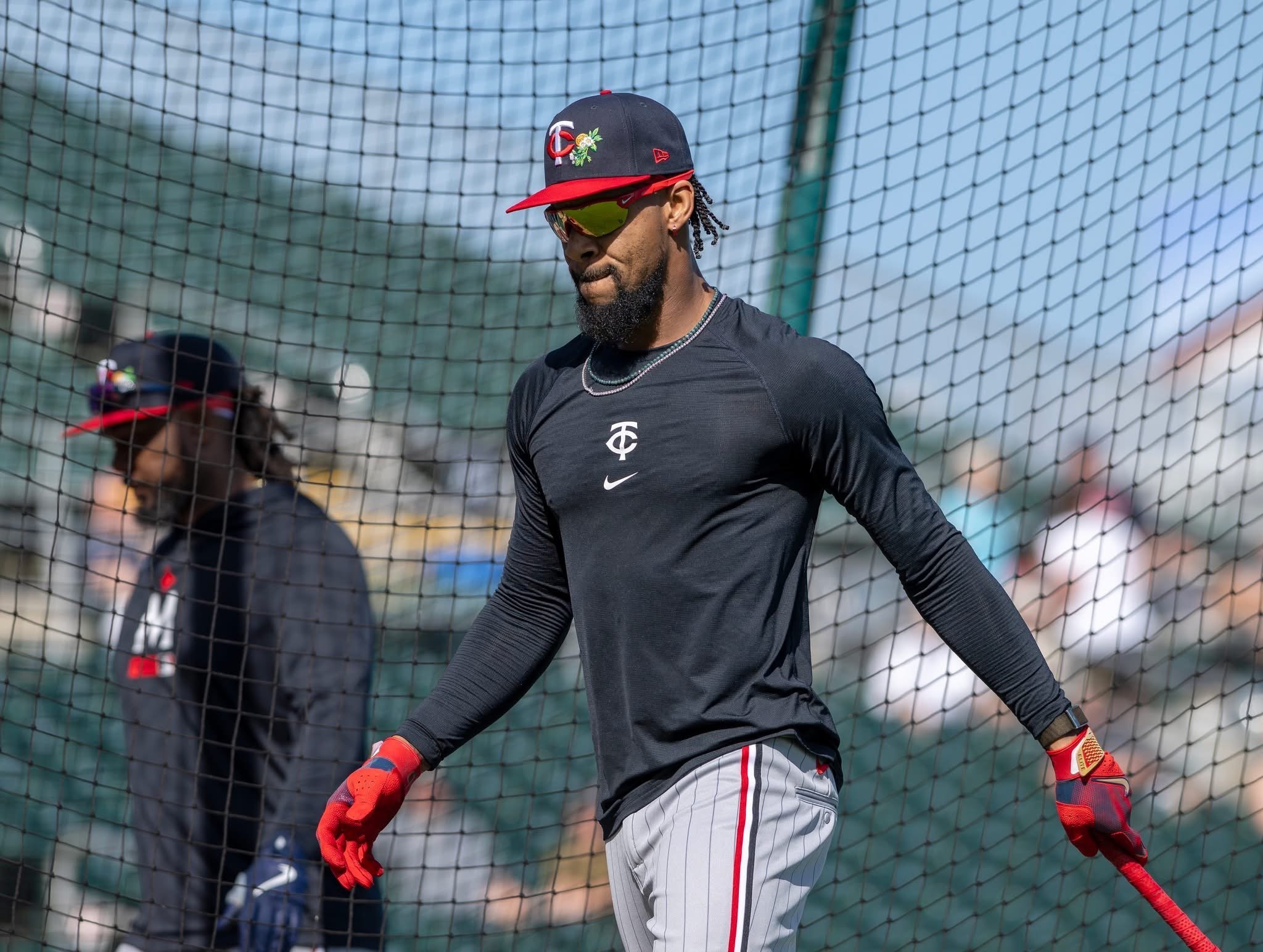 The Minnesota Twins continue to battle through injuries as the calendar pushes deeper into May. With the season past the quarter mark, staying healthy becomes even more important for a club trying to get closer to a .500 record. Some updates offered optimism this weekend, while others created additional uncertainty. Byron Buxton appears close to returning after progressing through baseball activities, but Taj Bradley’s rehab outing at Triple-A St. Paul raised more questions about his timeline. Minnesota also provided updates on several pitchers working their way back from arm injuries. Byron Buxton Progressing Toward Return Buxton continues to trend in the right direction after dealing with right hip flexor soreness. The Twins consider him day to day, and the recent updates suggest a return may not be far away. Buxton reportedly came through a workout on May 16 without issues and returned to on-field work before the game again on May 17. That is an encouraging sign considering how important he has been to Minnesota’s lineup this season. When healthy, Buxton changes the complexion of the roster. His defense in center field remains above-average, and his power production has helped stabilize the middle of the lineup. Minnesota has understandably taken a cautious approach because hip and lower body injuries can quickly become lingering concerns for a player whose game depends heavily on explosiveness. The fact that he continues to increase baseball activities is a positive development for the Twins moving forward. Taj Bradley’s Rehab Outing Raises Concerns Bradley remains on the 15-day injured list with right pectoralis muscle inflammation after being placed there retroactive to May 6. The Twins hoped Bradley would take a significant step forward during his rehab start with Triple-A St. Paul on Sunday. Instead, the outing ended much earlier than anticipated. Bradley failed to make it out of the second inning after throwing 31 pitches in the frame before being removed from the game. On Sunday’s episode of Inside Twins, general manager Jeremy Zoll explained that the organization wanted Bradley to complete roughly four innings while staying near 65 pitches. Because he was unable to reach those benchmarks, his timetable for returning to Minnesota remains unclear. That development is notable because the Twins have leaned heavily on their rotation early in the season. Bradley was expected to play a meaningful role for the pitching staff, but the club now appears likely to proceed carefully until he demonstrates he can handle a normal workload again. Cody Laweryson Takes Another Step Forward Laweryson continues progressing in his recovery from a right forearm strain that landed him on the injured list back on April 9. Laweryson made a rehab appearance with Triple-A St. Paul on Saturday and delivered a clean inning. He allowed no hits, walked one batter, and did not record a strikeout. For a pitcher returning from a forearm issue, simply getting through an outing healthy is often the biggest objective. The Twins will likely continue gradually increasing his workload before considering him for activation. According to Zoll, he is expected to make at least two more rehab appearances this week. Minnesota’s bullpen depth has been tested throughout the season, so getting another healthy arm back into the mix would provide needed reinforcement. Cole Sands Beginning Throwing Progression Sands remains sidelined with a mild right forearm strain after going on the injured list retroactive to April 29. The good news is that Sands resumed playing catch on May 12 and May 13 as the Twins began building him back up. At this stage, the organization appears focused on making sure he progresses slowly over the next week before advancing to more intense throwing sessions. Forearm injuries always create some level of concern for pitchers, which explains why Minnesota has emphasized patience with Sands. Before the injury, he had become an increasingly important option for the Twins in middle relief situations. If his throwing progression continues without setbacks, he could eventually begin mound work later this month. Mick Abel Receives Encouraging Evaluation One of the more encouraging updates involved Abel, who has been sidelined with right elbow inflammation since April 17. Abel was evaluated by noted orthopedic surgeon Dr. Keith Meister, who agreed with previous evaluations that the issue stems from posterior elbow impingement. Most importantly for the Twins, there were reportedly no concerns involving the forearm or the ulnar collateral ligament. That distinction matters significantly because UCL damage often carries the possibility of Tommy John surgery. Instead, Abel has already resumed light throwing and started playing catch on Wednesday. Minnesota can now focus on rebuilding his arm strength rather than worrying about a more serious structural issue. Injuries remain one of the defining storylines for the Twins during the opening months of the season. The organization received positive news regarding Byron Buxton and Mick Abel, while Taj Bradley’s shortened rehab outing introduced additional uncertainty to the pitching staff picture. As Minnesota attempts to stay competitive through the middle months of the season, getting healthy contributors back on the field could be a major factor in whether the club can gain momentum in the standings. View the full article
 -
 Chicago Cubs Minor League Report - May 17 Affiliate Overview Triple-A Iowa Cubs Series at Nashville Sounds (Milwaukee Brewers): Sounds win, 6-0 Season Record: 18–26 Double-A Knoxville Smokies Series at Columbus Clingstones (Atlanta Braves): Tied, 3-3 Season Record: 21–18 High-A South Bend Cubs Series at Wisconsin Timber Rattlers (Milwaukee Brewers): Cubs win, 4-1 Season Record: 20–15 Single-A Myrtle Beach Pelicans Series vs. Augusta GreenJackets (Atlanta Braves): GreenJackets win, 4-2 Season Record: 18–19 Affiliate Highlights Triple-A: Iowa Cubs Season Record: 18–26 Series Opponent: Nashville Sounds (26–19) Series Standing: Lose, 6-0 May 17: The Iowa Cubs saw their losing streak reach seven games as they fell, 4-3, to the Nashville Sounds on Sunday at First Horizon Park. This marks the first time this season that the Cubs have been swept in a series. Scott Kingery (1-for-3) put Iowa on the board first with a sacrifice fly in the second. Paul Campbell, who did not factor in the decision, turned in his best start of the season, firing five innings of scoreless ball, allowing two hits and striking out four. The Sounds evened the contest in the sixth but Kingery gave the Cubs the lead right back with an RBI-double in the seventh. James Triantos (3-for-4) delivered what looked to be an important insurance run in the ninth when he singled home Justin Dean, but Nashville would score three times in the home half of the inning to hand Iowa the 4-3 defeat in walk-off fashion. Double-A: Knoxville Smokies Season Record: 21–18 Series Opponent: Columbus Clingstones (19–19) Series Standing: Tied, 3-3 May 17: The Knoxville Smokies earned a series split with a 4-3 triumph over the Columbus Clingstones on Sunday at Synovus Park. Alex Ramírez (2-for-4) gave the Smokies the lead in the third with an RBI-single but the Clingstones would go ahead in the fourth by scoring twice. Columbus would then make it a 3-1 game through an inside-the-park home run in the eighth. In the ninth, Knoxville had its first two batters retired quickly but Jordan Nwogu (0-for-3) and Ariel Armas (0-for-3) were able to draw back-to-back walks. Edgar Alvarez (1-for-3) would then club his fourth home run of the season to give the Smokies a 4-3 lead. Marino Santy earned his first save of the season by turning in a scoreless ninth, whiffing two, to seal the comeback victory for Knoxville. High-A: South Bend Cubs Season Record: 20–15 Series Opponent: Wisconsin Timber Rattlers (20–16) Series Standing: Win, 4-1 May 17: The South Bend Cubs had their series finale at the Wisconsin Timber Rattlers canceled due to rain. The contest will not be rescheduled. Single-A: Myrtle Beach Pelicans Season Record: 18–19 Series Opponent: Augusta GreenJackets (21–18) Series Standing: Lose, 4-2 May 17: The Myrtle Beach Pelicans dropped their series to the Augusta GreenJackets following Sunday’s 7-4 defeat at Pelicans Ballpark. The GreenJackets scored twice in their first trip to the plate but the Pelicans were able to level the contest with two runs in the third thanks to Alexis Hernandez’ (1-for-3) first home run of the season. Both teams would score twice in the fifth, with Myrtle Beach getting its runs through an RBI-single from Edward Vargas (2-for-3) and a sacrifice fly from Darlyn De Leon (0-for-3). Augusta would make it 7-4 with three runs in the seventh and kept the Pelican bats quiet for the rest of the ballgame to hand Myrtle Beach the loss. David Bracho started for the Pelicans but did not factor into the decision. He allowed two runs, one earned, on three hits over four innings of work to go along with a pair of strikeouts. View the full article
 -
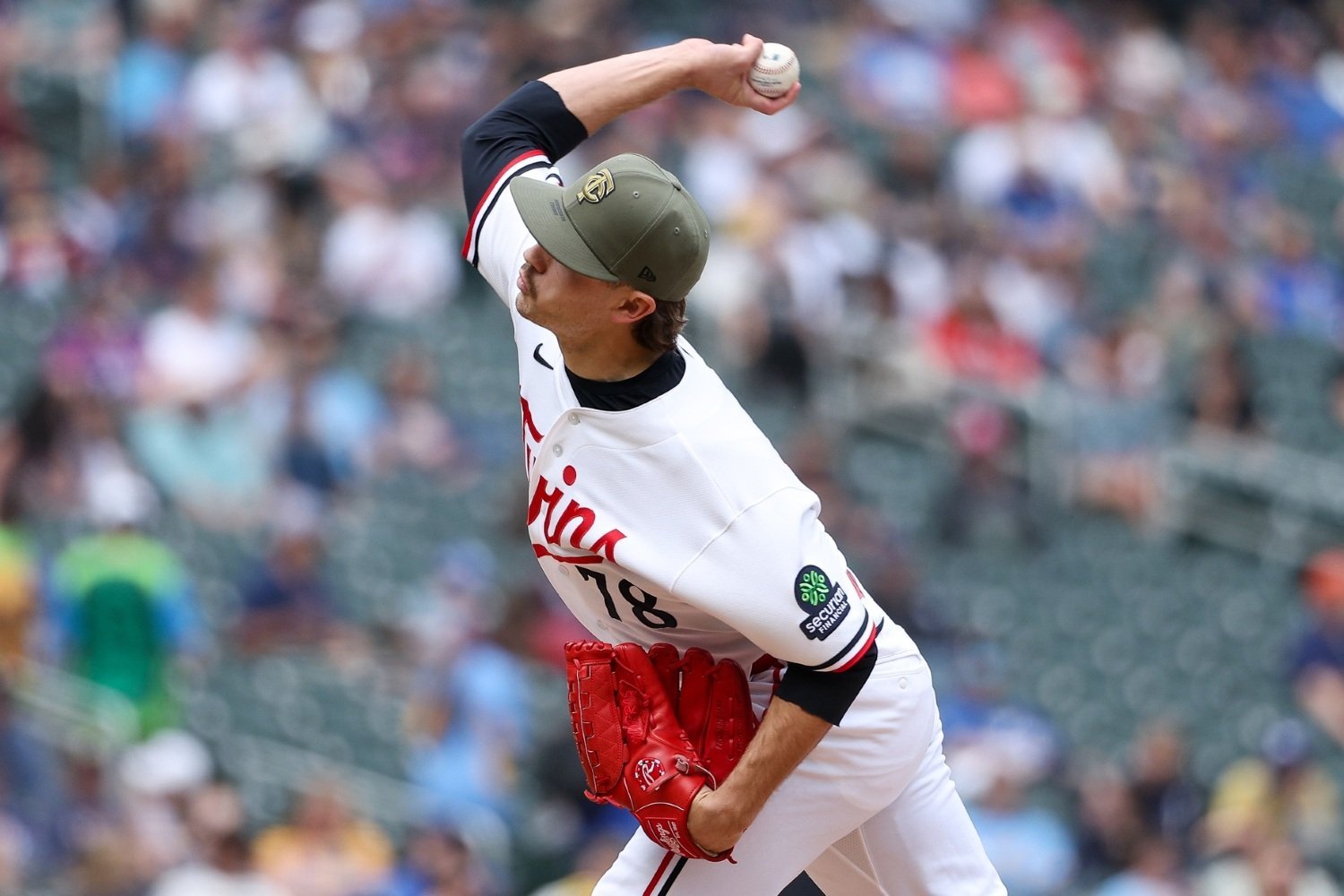 Throwing the way Andrew Morris comes with some limitations. At 61°, he has one of the league's highest arm angles; few pitchers have a truer over-the-top motion than his. That can be good—it's deceptive, and it gives him easy access to the top of the strike zone with his riding four-seam fastball—but it can also be bad. Most pitchers who operate from a high slot struggle to consistently generate much horizontal movement. Most of them struggle to target the bottom of the zone or to get out of it and induce chases, except with steep breaking balls that can be hard to command and/or easy for opposing batters to spot. Throwing overhand helps you stay over the 17-inch plate and can be the most natural movement for some pitchers, but the league is trending toward lower slots for a reason: it's easier to tinker from there. It's easier to manipulate the ball and challenge hitters with unusual angles. For all those reasons and more, it made sense for the Twins to move Morris to the bullpen when they needed help there earlier this season. He's made 62 starts across parts of five minor-league seasons, and he began the year as a starter with Triple-A St. Paul. Quickly, though, the Twins' historic, insupportable lack of hard throwers or bat-missers in the bullpen became a problem they had to solve, and Morris was the sensible solution. Called up to pitch in multi-inning relief, Morris has rarely opened the tank and fired with reckless abandon. When he has, though, his fastball has touched 99 miles per hour. It's averaging 96, and he can live there, comfortably. His movement—a little more carry than one would expect (but only a little, because of the high arm slot), but very straight horizontally and very true to the spin direction of the pitch—is unexceptional, so he has to throw hard to succeed; it's easier to do that in short bursts. The heater has worked fine so far, and in this role, that's sustainable. His sweeper is also working well. Few pitchers can create so much sweep from that high slot, so he's not only getting a good whiff rate on it, but inducing weak contact when batters do meet the ball. His pitch mix has consisted mostly of the four-seamer and the sweeper against righties, and it's worked pretty well. He's only fanned six of the 41 right-handed batters he's faced, which is a problem, but he's also only walked three of them, and he's yet to surrender an extra-base hit to a righty. With the right sequencing and the command he's already shown, he'll miss a few more bats and benefit from some better defensive support; those two pitches can get righties out for him. Lefties are a different story. Morris has already allowed six extra-base hits to left-handed batters this season, and it's not a coincidence. The sweeper really doesn't work against them, so the converted starter has tried a kitchen-sink approach. His four-seamer is the main offering, but otherwise, he's mixing his sweeper, cutter, sinker, curveball and changeup in, trying to find something that will flummox opposite-handed batters. So far, that's been elusive. His walk rate is excellent against them, too, and he has 10 strikeouts in 44 plate appearances—but missing bats isn't enough to make up for how hard he's getting blistered when he fails to do so. To fix that, the Twins and Morris need to find a third pitch that works for him—or, rather, a second truly functional offering against lefties. It's not going to be the current version of his changeup. He kills spin relatively well on that pitch, but again, most pitchers struggle to generate depth on a changeup from that high arm slot—and Morris is no exception. His change has a decent amount of run, relative to his four-seamer, but it comes from noticeably lowering his arm angle. There's a decent velocity gap (around 10 MPH), but that's partially because he doesn't use the same arm speed on the changeup as on the fastball. Worst of all, he can't get to the bottom of the zone or below with it; the pitch hangs in hittable regions. Right now, Morris uses a version of a circle-change grip. That's ill-suited to his motor preference and to his arm angle. The team does have a ready-made model Morris can emulate in the pursuit of a better fit, though: Taj Bradley. Like Morris, Bradley throws from an exceptionally high arm angle. His splitter has been the key to his success this season. One path forward is to have Morris try a splitter instead of this unusable changeup. Another option is his unique cutter. The spin direction and movement on his cutter make Morris very unusual. His cutter has a good mix of carry and glove-side movement, and it's something hitters hardly ever see from this arm slot. Guys who achieve that shape on the cutter tend to have much lower arm angles and less ride on their four-seamers. The one guy who matches Morris well, in terms of spin direction and actual movement direction from such a high angle, is Guardians right-hander Tanner Bibee, but his has a bit more depth and acts as his main breaking ball. Morris's could best be used another way. Its spin makes it easy to distinguish from his four-seamer early, but it moves deceptively after that. He could use the cutter to force lefties to cover the inner half and be more defensive, the better to set them up for a four-seamer that they'd then be less likely to hit hard. His curveball (so far, not especially polished) could factor in, too, as the pitch the hitter chases because they're locked in on the four-seamer and cutter and the curve looks enough like the four-seamer to earn the bad swing. Morris is learning on the fly, not only because he had a change in role sooner than the team initially envisioned but because injuries have interrupted his development since the team selected him in the 4th round in 2022. He isn't yet dominating hitters, though he's been able to work out of some jams and did a marvelous job to strand two Brewers runners in the top of the 7th inning Sunday. The sheer stuff will be good enough to make him a high-leverage arm, but Morris and the Twins have to make a few more adjustments first. It might mean letting go of the idea that he will ever be a big-league starter—but that's the right choice for the player and the team, right now. View the full article
 -
 These three Milwaukee Brewers hitters mashed against Chicago Cubs pitching in 2025. Brice Turang led all Brewers batters with 16 hits, Andrew Vaughn had some clutch home runs to lift Milwaukee over Chicago, and William Contreras drew a team-best 10 walks in last year's rivalry showdowns while possessing a cannon of an arm to start this year. View the full article
 -
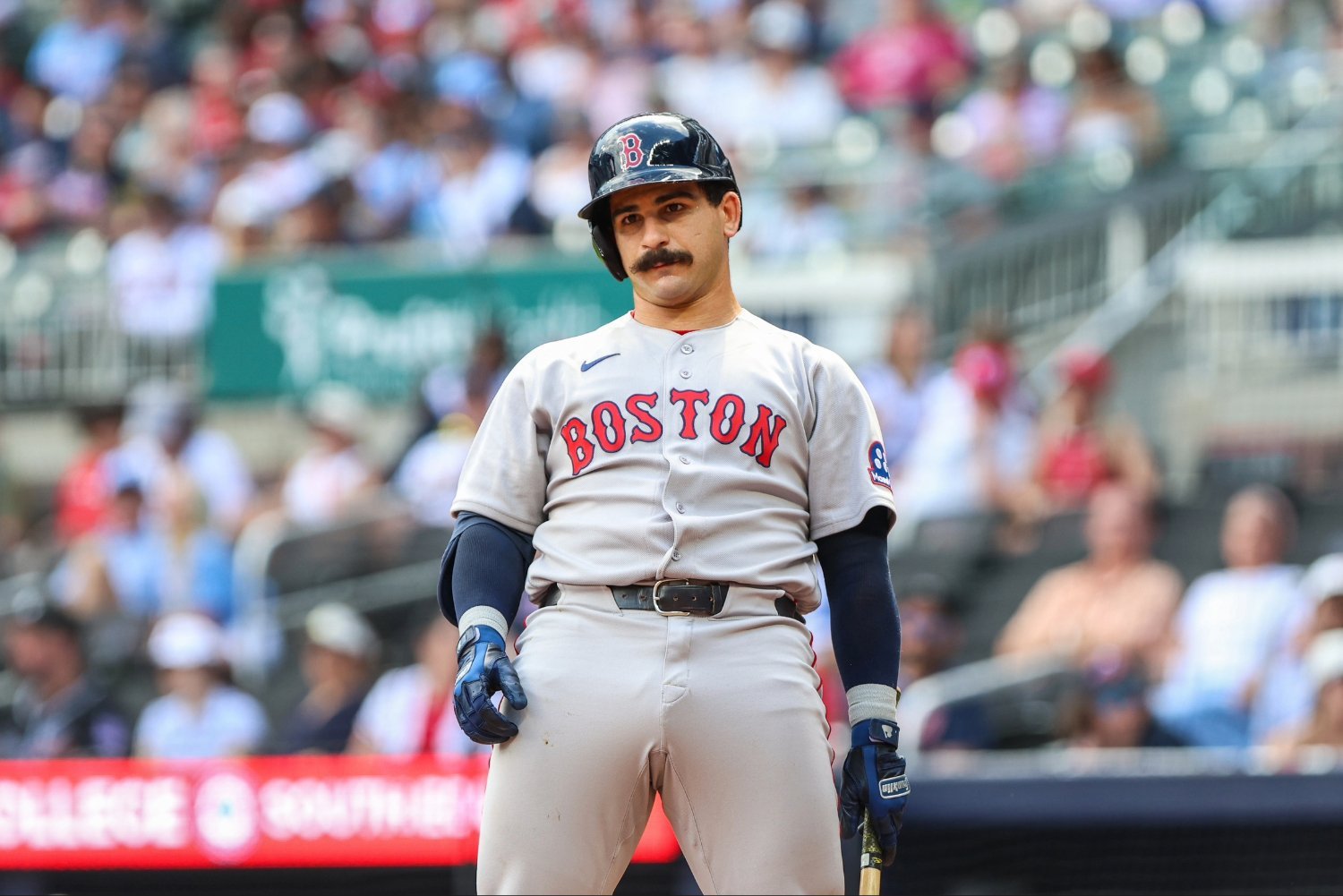 Boston Red Sox Weekly Snapshot Record Last Week: 2-4 Runs Scored Last Week: 11 Runs Surrendered Last Week: 19 Standings: 5th in AL East 11.5 GB First Place Transactions: 05/15/26: Red Sox sent LHP Danny Coulombe on a rehab assignment to Portland Sea Dogs. 05/15/26: Red Sox recalled 1B Nick Sogard from Worcester Red Sox. 05/15/26: Red Sox placed SS Trevor Story on the 10-day injured list, retroactive to May 15, 2026. Sports hernia. Scores: Game 40 (05/12): BOS 1, PHI 2 Game 41 (05/13): BOS 3, PHI 1 Game 42 (05/14): BOS 1, PHI 3 Game 43 (05/15): BOS 2, ATL 3 Game 44 (05/16): BOS 3, ATL 2 Game 45 (05/17): BOS 1, ATL 8 Series Breakdown/Highlights Phillies Series: Much like every other series this season, the Phillies series was defined by stellar starts from the Red Sox that couldn’t be backed up with any sort of offense. Time and time again, Boston had opposing pitchers on the ropes with runners in scoring position and they failed to capitalize. Maybe the biggest flaw in the Red Sox’s offensive approach is that they can’t get deep into counts. In the first game of this series they saw a combined 16 pitches through the first three innings against Zack Wheeler, who is still working his way back from a medical procedure and isn’t quite the pitcher the Phillies need him to be. In game two, the Red Sox managed to ride Sonny Gray’s best start of the season to a win, thanks in large part to some excellent defense from Willson Contreras and Marcelo Mayer. Ranger Suarez shoved in his return to action against his former club, tossing 5 ⅓ innings with eight strikeouts, one walk, and zero earned runs. Wilyer Abreu also kept his hot streak against left-handed pitching going against the Phillies. Maybe the best thing to happen during this part of the week was when Garrett Crochet began throwing off a mound. Braves Series: The series against the Braves was more of the same, except for terrible starting pitching in the rubber match on Sunday. Why the decision to abandon the opener for Brayan Bello was made is something that will be discussed for the next few days as the club looks to rebound, but it’s obvious he’s not cut out for a full starter’s role at this point in the season. Connelly Early and Payton Tolle both got tagged by Drake Baldwin to start games one and two, but they settled in nicely. As it currently stands, the two rookies are the brightest spots of the Red Sox’s rotation. They carry themselves like veterans and have an infectious energy each time they step on the mound. Game one ended in an extra-inning walk-off for the Braves, but the Red Sox were mostly in it despite some defensive miscues from Caleb Durbin at the hot corner. Game two saw Tolle toss eight innings of three strikeout baseball, but the defense behind him picked him up and made sure he secured the win. Game three was over by the end of the first inning. In other news, Trevor Story landed on the injured list with a sports hernia during this series. Website Highlights Payton Tolle Has Earned A Long-Term Spot In the Red Sox’s Rotation by Nick John The Red Sox Are One of Baseball’s Fastest Teams, but Gosh Are They Bad At Manufacturing Runs by Maddie Landis Red Sox must Balance Andruw Monasterio’s Bat & Glove Following Trevor Story’s Injury by Gottie Chavez Wilyer Abreu Has Covered Up His Greatest Weakness This Season by Alex Mayes Looking Ahead May 18: Red Sox (Sonny Gray) @ Royals (Seth Lugo): 7:40 PM EDT May 19: Red Sox (Ranger Suarez) @ Royals (Kris Bubic): 7:40 PM EDT May 20: Red Sox (Connelly Early) @ Royals (Michael Wacha): 7:40 PM EDT May 22: Twins @ Red Sox: 7:10 PM EDT May 23: Twins @ Red Sox: 4:10 PM EDT May 24: Twins @ Red Sox: 1:35 PM EDT View the full article
 -
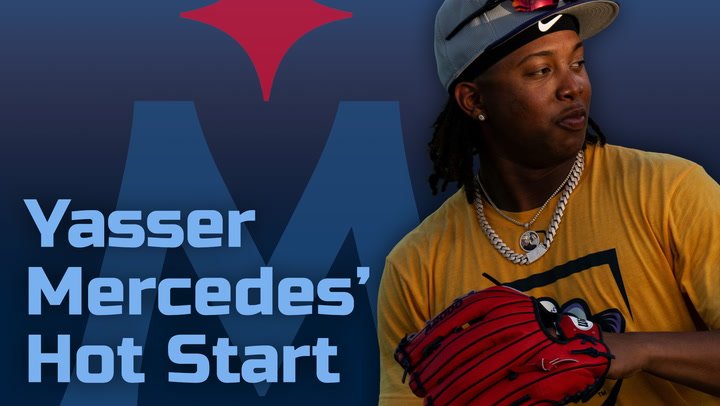 A few notable prospect names have moved up the Twins system over the last week. One of note is Yasser Mercedes, who finally moved on from Single-A to High-A Cedar Rapids after two full seasons in Fort Myers. Jamie and Jeremy break down his hot start and ask if it can be sustained with the Kernels. View the full article
 -
Padres Week in Review: After Seattle Sweep, Dodgers Are Next
DiamondCentric posted an article in Padres Mission
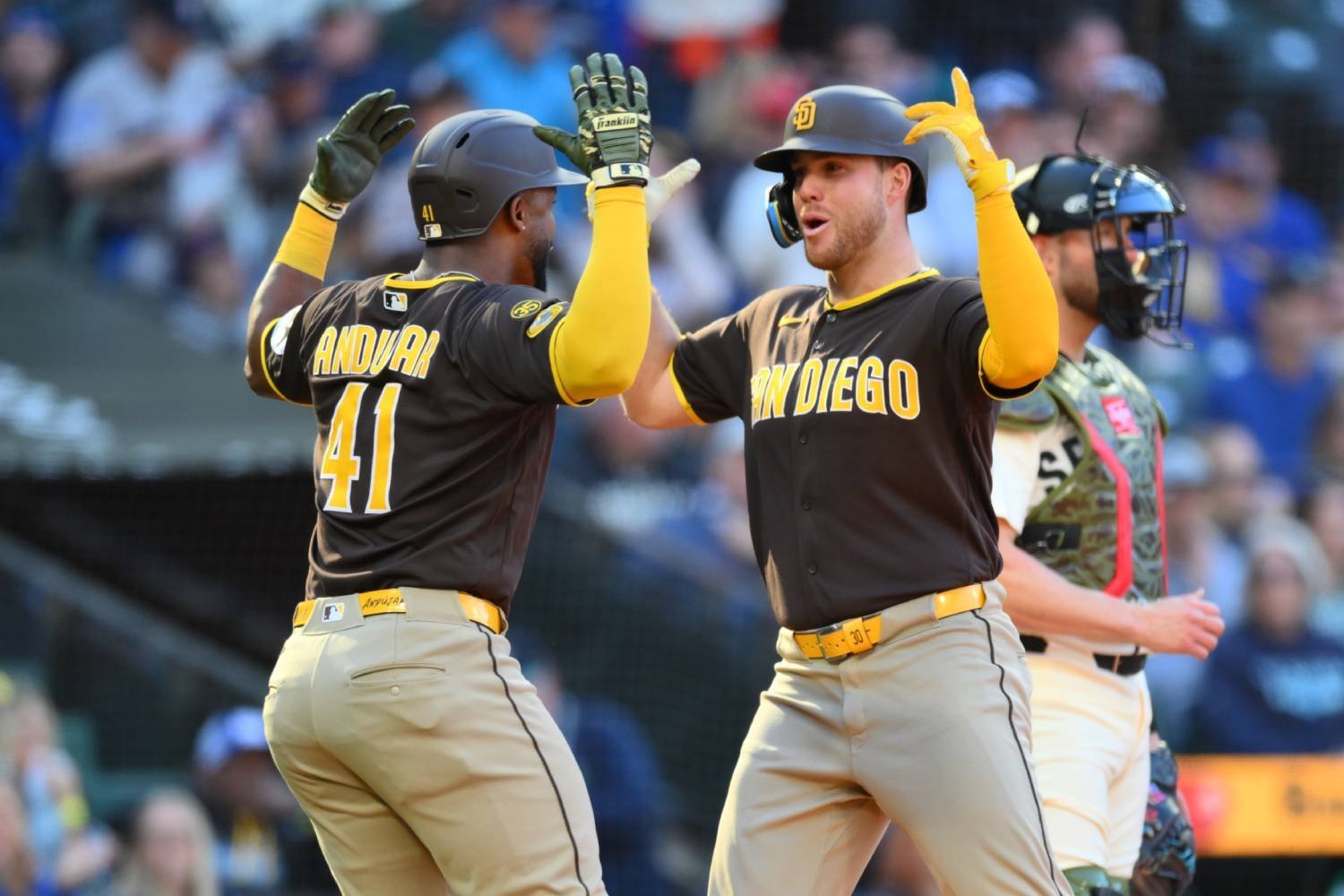 San Diego Padres Weekly Snapshot Record last week: 4-2 Runs scored last week: 25 Runs allowed last week: 21 Standings Scores Off Game 41 (Tuesday): Brewers 6, Padres 4 Game 42 (Wednesday): Padres 3, Brewers 1 Game 43 (Thursday): Brewers 7, Padres 1 Game 44 (Friday): Padres 2, Mariners 0 Game 45 (Saturday): Padres 7, Mariners 4 Game 46 (Sunday): Padres 8, Mariners 3 Week in Review and Highlights Brewers series Game 1: It what could very well be his last game in a Padres uniform, right-hander Matt Waldron didn't make a very strong statement to keep him around. In fact, it was just the opposite. Waldron coughed up six runs in 2⅔ innings as the Padres fell to the Milwaukee Brewers 6-4. With Lucas Giolito set to join the roster this weekend, Waldron is the easy choice to be replaced in the rotation. In five games, including three starts and following an opener the last two outings, Waldron has amassed a 9.28 ERA. Waldron has no minor-league options remaining, which means he is likely to be designated for assignment and potentially be claimed by another team. He could stick around if he goes unclaimed and accepts being outrighted to the minors. Coming in after right-hander Bradgley Rodriguez served as his opener again, Waldron pitched a scoreless second and gave up a run in the third on a rare Joey Ortiz homer. But it was the fourth inning where Waldron came undone. After the Friars took a 2-1 lead in the top half on a two-run Nick Castellanos single, the Brewers pieced together a five-run outburst via hard hits, soft hits, a walk and pressuring Waldron into a fielding faux pas en route to a 6-2 lead. Meanwhile, the Padres' bats were kept off-balance by Brewers rookie right-hander Brandon Sproat, who allowed three runs on six hits in 5⅓ innings, striking out six and walking two. Sproat was lifted after giving up a solo homer to Miguel Andujar, his third of the season, and a single to Xander Bogaerts. The Padres put together a rally in the eighth inning as Fernando Tatis Jr. had a leadoff single and went to second on a wild pitch. One out later, Andujar doubled home Tatis, but Bogaerts and Ty France struck out to and the threat. Game 2: For the second time in three games, the Padres entered the ninth inning with zero runs. And for the second time in three games, the Padres were victorious because of ninth-inning rallies. After scoring twice in the bottom of the ninth Sunday and winning in the 10th vs. the St. Louis Cardinals, the Padres turned to late-inning hero Gavin Sheets once again and he delivered a dramatic three-run homer with two outs in the top of the ninth for a 3-1 victory. For Sheets, it was his third homer in the ninth inning of at least three runs that put his team ahead. There have only been a total of four in all of MLB, including Sheets' trio. It was the 13th comeback win in 42 games, including an MLB-best five from a deficit of four or more runs, and 25th win of the season, keeping the Friars atop the NL West. In the ninth, Tatis and Manny Machado were retired by Brewers closer Abner Uribe to begin the frame. Andujar got things going with a single to center and was replaced by pinch-runner Bryce Johnson. Bogaerts drew a walk on a 3-2 pitch, bringing up Sheets, who went out an got an 87.6 mph slider on the outside corner and at the top of the zone, yanking it into the right-field stands for the go-ahead homer and his sixth blast of the year. The Padres have scored 38 runs in the ninth inning or later, the most in MLB. Before the ninth, it was a pitching duel. Michael King kept the Brewers off the board until an RBI groundout in the fifth inning. King would finish with 5⅔ innings, allowing six hits and two runs with five strikeouts. It was King's fifth start this year (nine total) of allowing one or fewer runs. But as good as King was, Brewers right-hander Jacob Misiorowski was even better. The flamethrower struck out 10 in seven shutout innings, allowing just four hits. Misiorowski threw 40 pitches at more than 100 mph. Sheets' blast gave Mason Miller a save opportunity. Following scoreless outings by right-handers Jeremiah Estrada and Jason Adam, Miller gave up a hit, but struck out two to secure his 13th save in as many chances. Game 3: The Padres have come back so many times this season that when the Friars fell behind 6-0 after two innings in the series finale, you had to think there was plenty of time to erase that deficit. But not on this occasion. Right-handed starter Griffin Canning struggled for the first time in his three starts since joining the Padres, who dropped the series with a 7-1 setback. Canning only got five outs and allowed six runs to the Brewers, who like to nickel-and-dime teams to death. Canning, who threw 43 pitches in the first inning, walked four and gave up five hits, while notching a pair of strikeouts. That put the onus on the bullpen, which once again came through, but could use a few quality starts from the rotation. Included in that bullpen effort was a surprise appearance by Waldron, the starter just two days prior. Waldron allowed one hit and struck out four in two scoreless innings. Manager Craig Stammen said postgame that Waldron would be joining the bullpen this weekend for the Mariners series, giving the relievers another multi-inning arm. Meanwhile, the Padres' offense was stifled again. Left-hander Kyle Harrison spun five shutout innings, striking out seven with no walks and five hits. The Padres couldn't break into the scoring column until the ninth inning. Castellanos reached on a one-out error by the first baseman, went to second on Freddy Fermin's single and to third on Johnson's walk that loaded the bases. Sung-Mun Song hit an RBI grounder to short, easily beating the relay to first to prevent a game-ending double play. Mariners series Game 1: The evolution of Randy Vasquez from questionable back-end starter to an extremely reliable No. 3-type took another big step. The right-hander turned in his third shutout outing, allowing four hits and striking out three while not issuing a walk paved the way for a 2-0 victory to open the second leg of the Vedder Cup. The Padres improved to 8-1 in Vasquez starts as he lowered his ERA to 2.68 (3.30 FIP). This one got at little sticky at the end. After a scoreless seventh from left-hander Adrian Morejon, Adam came on for the eighth with a 2-0 lead. After a strikeout, Morejon gave up a single to Brendan Donovan and a walk to Julio Rodriguez before Josh Naylor flew out to center. With Randy Arozarena due up, Stammen summoned Miller for a four-out save. Arozarena reached on an infield single when he threw the bat at one of Miller's wicked sliders and the bat shattered into a gazillion pieces as no play was able to be made on the ball, loading the bases. But Miller escaped by winning a seven-pitch battle with Connor Joe, who looked at a center-cut slider for strike three to end the eighth. In the ninth, Miller walked J.P. Crawford on five pitches and struck our Rob Refsnyder on six pitches. Cole Young singled Crawford to second before Miller struck out Mitch Garver and Donovan to end the inning. It was Miller's third four-out save of the season and second in six days. Offense is always at a premium when playing at T-Mobile Park and this day was no exception. Andujar continued his recent hot run in the fourth when he doubled home Sheets, who had walked with one out stole second with two outs. Andujar was in the middle of things in the seventh, too. He had a one-out single and moved to third on Laureano's single, with Song driving him in with a groundout to first. Three of the Padres' four shutouts this year have come in Vasquez starts. The victory also clinched the Vedder Cup for the Padres, who swept the Mariners in the earlier series. Game 2: The Rodolfo Duran game. After spending 11 seasons in the minor leagues, Duran finally got a call-up May 7, but had yet to get a hit. That changed in his fourth game and in his 11th plate appearance when he not only got his first MLB hit, but he did it by smacking a first-pitch fastball for a two-run homer in the seventh inning that helped the Padres to a 7-4 triumph. Duran has hit 81 homers in 631 career minor-league games, including 20 at Triple-A El Paso as he has spent the last two seasons in the Padres' organization. Now he has one in the majors, coming on national television, after lining one out to left off right-handed starter Logan Gilbert. He should have had a second, but his ninth-inning drive to center was snared by Julio Rodriguez, who reached over the wall to bring it back. Duran's blast was the third by the Friars in the game. Sheets hit a solo shot in the second inning, his seventh this year, while Castellanos drilled a three-run homer in a four-run fourth. It was Castellanos' third homer of the season and second in his last five games, with this one putting the Padres up 5-0. Andujar drove in a run with an RBI groundout following walks to Machado and Sheets and a single by Bogaerts. Padres right-handed starter Walker Buehler was solid and threw a season-high 101 pitches to make it through five innings. He surrendered two runs on five hits with two walks and six strikeouts. He gave up an RBI single in the fourth and Crawford's solo homer in the fifth. Five relievers were needed to finish this one out, with right-hander Alek Jacob, called up Friday, when Waldron went on the 15-day injured list, providing the only blemish by allowing two runs without getting an out in the eighth. That made it a 7-4 game. With Miller unavailable, Stammen turned to Estrada to get the save, which he did despite giving up a single and a walk. That was Estrada's five career save and gave the Padres a series win in Seattle for the first time since 2018. Game 3: Lucas Giolito's much-anticipated debut went about as well as he could have imagined, albeit the finish could have been better. And thanks to two more Sheets homers, it was a victorious first game with the Padres, too. Giolito took a shutout into the sixth inning and Sheets went 3-for-3 and drove in four as the Padres swept the Mariners for the second time with an 8-3 win in the finale of this year's Vedder Cup. Giolito allowed just one hit in five-plus innings, striking out three, but he walked three straight to open the sixth inning to end his day. He threw 78 pitches, 44 for strikes, and looked in control until the sixth. After walking the bases loaded, left-hander Yuki Matsui came on to face Josh Naylor, a left-handed hitter whom he walked to trim the Padres' lead to 7-1. Two sacrifice flies followed, meaning all three of Giolito's runners that Matsui inherited scored. Meanwhile, thanks to Sheets, the Friars had a big offensive day against an ace-quality opponent. Sheets cranked a solo homer against Mariners right-hander George Kirby with two outs in the first, then a two-run shot in a five-run sixth inning as the Padres took a 7-0 lead. France, who has a team-high nine homers, had an RBI single in the fifth, with Merrill an run-scoring double and France another single to bring home the final two in the top of the sixth. After the Mariners got their three runs in the bottom of the sixth, Sheets got one back when he rifled an RBI double down the right-field line to score Tatis, who hit leadoff in this game. Sheets was on base in all five plate appearances as he also drew a pair of walks. Now the Padres have their first series against the Los Angeles Dodgers, separated by just half a game atop the NL West standings. Marvelous Mason Miller Some of the amazing stats for the Padres' closer: Season stats: 20 games, 1-0, 14 saves in 14 chances, 0.86 ERA, 21 innings, 10 hits, two runs, six walks, 44 strikeouts. In May, has four saves with 15 of 17 outs via strikeout. Struck out the side seven times this year, including in five straight appearances. Random Stats Gavin Sheets became the first player in MLB history to hit a three-run homer or grand slam in the ninth inning to put his team ahead three times in a full season, according to OptaStats. The Padres are 13-5 this year in games decided by two runs or less. Miguel Andujar's double Friday vs. the Mariners was his ninth on the road this year, which were the second-most in MLB. He has only one double at home and leads the team with 10. Randy Vasquez is now tied with Michael King for the team lead in quality starts with four. Walker Buehler has the other two. Adrian Morejon has held left-handed hitters hitless in 13 of his last 14 appearances when facing at least one lefty hitter, including 0-for-16 in the last eight instances. Fernando Tatis Jr.'s season power outage reached 193 plate appearances. Only three other players with enough plate appearances to qualify for hitting leaders have yet to hit a homer: Nick Gonzales of the Pittsburgh Pirates, Nasim Nunez of the Washington Nationals and Luis Rengifo of the Milwaukee Brewers. Transactions Friday: Placed RHP Matt Waldron on the 15-day injured list with a right brachialis muscle injury. Friday: Recalled RHP Alek Jacob from Triple-A El Paso. Sunday: recalled RHP Lucas Giolito from Double-A San Antonio. Sunday: Optioned RHP Alek Jacob to Triple-A El Paso. Sunday: Sent RHP Jhony Brito on a rehab assignment to Double-A San Antonio. Website Highlights Bogaerts' improvements are the result of one hilariously simple root cause — Randy Holt Laureano suddenly can't turn left — N.B. Lindberg Is Salas suddenly an untouchable prospect again for the Padres? — Randy Holt Don't sleep on Miranda: Why the former top prospect is the ultimate Padres depth piece — Taylor Leonard What Andujar lacks in patience, he makes up for in contact — Tom Gatto Padres' farm system update: Breaking down Padres Mission's new Top 20 list — Steve Drumwright Looking Ahead Monday: Dodgers (Yoshinobu Yamamoto) at Padres (Michael King), 6:40 p.m. Tuesday: Dodgers (Emmet Sheehan) at Padres (Griffin Canning), 6:40 p.m. Wednesday: Dodgers (Shohei Ohtani) at Padres (Randy Vasquez), 5:40 p.m. Thursday: Off Friday: A's at Padres (German Marquez), 6:40 p.m. Saturday: A's at Padres (Lucas Giolito), 6:40 p.m. Sunday: A's at Padres (Michael King), 1:10 p.m. View the full article
 -
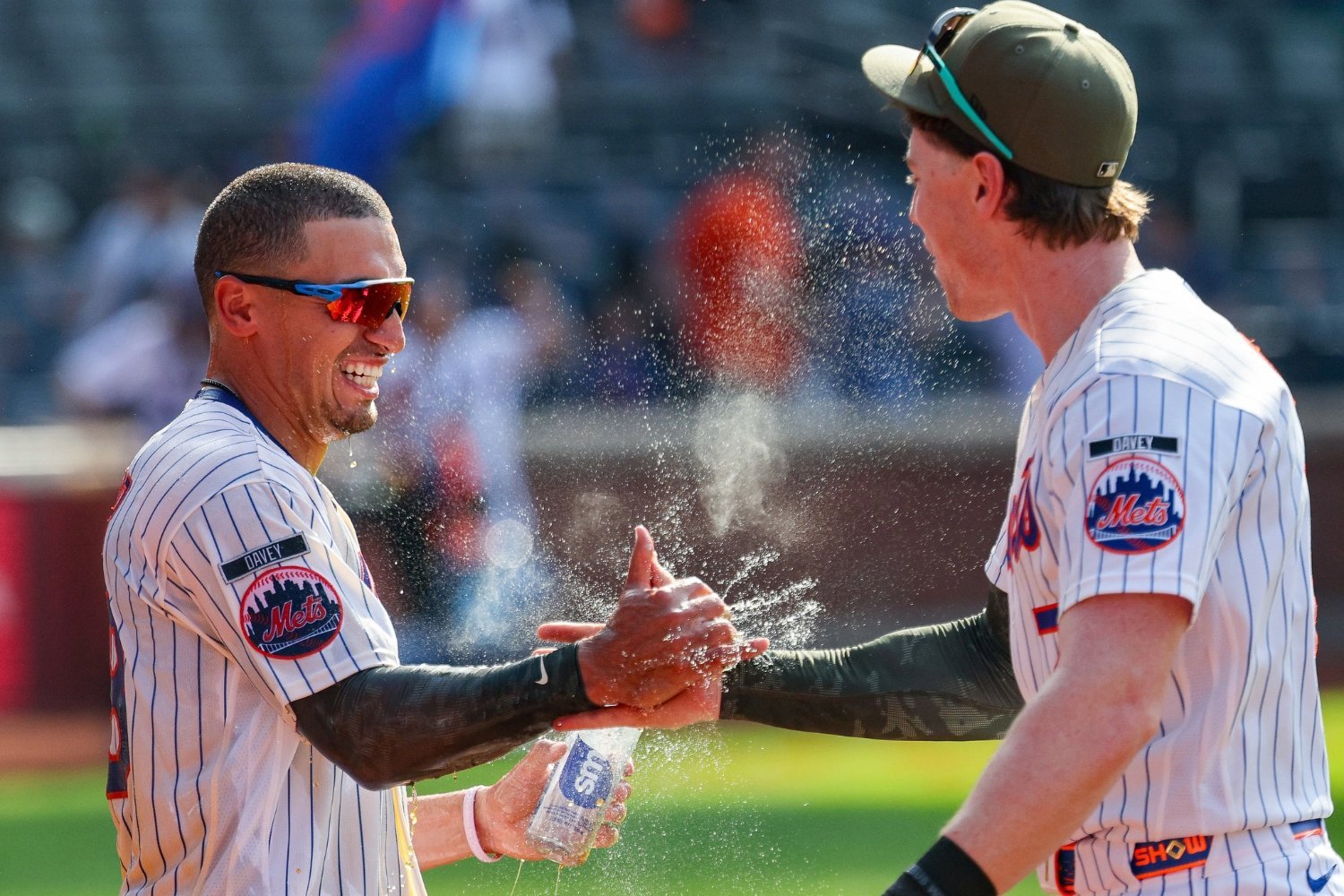 New York Mets Weekly Snapshot Record Last Week: 5-1 Runs Scored Last Week: 27 Runs Surrendered Last Week: 22 Standings: 5th in NL East (15-25) 8.0 GB of 1st Place Transactions: 5/10 New York Mets sent 1B Eric Wagaman outright to Syracuse Mets. 5/10 New York Mets optioned RHP Joey Gerber to Syracuse Mets. 5/12 New York Mets designated 2B Andy Ibáñez for assignment. 5/12 New York Mets selected the contract of LF A.J. Ewing from Syracuse Mets. 5/13 New York Mets placed C Francisco Alvarez on the 10-day injured list. Right meniscus tear. 5/13 New York Mets recalled C Hayden Senger from Syracuse Mets. 5/15 New York Mets sent 1B Jared Young on a rehab assignment to St. Lucie Mets. 5/15 New York Mets sent 2B Andy Ibáñez outright to Syracuse Mets. 5/16 New York Mets placed RHP Clay Holmes on the 15-day injured list. Right fibula fracture. 5/16 New York Mets recalled RHP Joey Gerber from Syracuse Mets. Scores: Game 40: NYM 10, DET 2 Game 41: NYM 3, DET 2 (10) Game 42: NYM 9, DET 4 Game 43: NYM 2, NYY 5 Game 44: NYM 6, NYY 3 Game 45: NYM 7, NYY 6 (10) Series Breakdown/Highlights Tigers Series: The flood of youth gave the Mets some new life. AJ Ewing made his MLB debut on Tuesday against the Detroit Tigers, collecting his first MLB hit and RBI – a triple – and getting on base four times in five at-bats. This game saw every Met in the starting lineup besides Austin Slater reach base as the offense scored 10 runs. Freddy Peralta turned in six solid innings against a struggling Tigers lineup on their way to a nice 10-2 win. On Wednesday, Christian Scott turned in another solid outing for the Mets, surrendering two first-inning runs, both a result of a dropped pop-up from Carson Benge. Benge would pay him back later as the Mets were able to get two runs off Framber Valdez and keep the game tied going to extras, where the rookie outfielder hit a walk-off, RBI single, scoring Ewing to win the game, and series, for the Mets. In the series finale with Nolan McLean on the bump, the Mets fell behind 3-0 early. It was far from McLean’s best start of the season, but he kept the Mets in the game, enough for his offense to get to Keider Montero. McLean went seven innings, earning the win as homers from AJ Ewing, Juan Soto, and Marcus Semien lifted the Mets to their first series sweep of 2026. Yankees Series: Game one of the 2026 subway series was no easy task. The Mets were going against the AL Cy Young leader Cam Schlittler, with former Yankee Clay Holmes on the other side. Holmes struggled, giving up four runs in 4.2 innings of work. The worst part about Holmes’ outing was that he was hit on the leg with a line drive off the bat of Spencer Jones, which fractured his fibula, and landed him on the IL. The only blemish on the line of Schlittler was a Juan Soto solo home run in the seventh inning. The Mets did not go quietly in the ninth, a theme in this series, making it 5-2 Yankees, and that would be your final. In game two, the Mets pitched a bullpen game, and it worked. Huascar Brazobán, David Peterson, Brooks Raley, Luke Weaver, and Devin Williams held the Yankees offense to just three runs. Weaver was the most impressive, entering the game with the bases loaded and no outs and escaping without a run scoring. The floodgate of Mets runs opened when Carlos Rodon spiked a pitch in the dirt for a wild pitch in the third inning, then attempted to make a throw that got away and allowed another run to score. The Mets took the middle game 6-3. In the series finale, the Mets got very little going against Yankees rookie Elmer Rodriguez in his 4.1 innings of work. Freddy Peralta was only able to go five-plus innings, leaving runners on first and second, no outs for Sean Manea. The Yankees would score four runs in the frame, helped out by a dropped pop-up by Bo Bichette that would have ended the inning. The Yankees handed their closer, David Bednar, a three-run lead. Two singles opened the bottom of the ninth, and the Mets had hope. They were 0-90 in these situations dating back to the 2024 ALWCS. After Bednar got Soto to ground out and Vientos to strike out, Tyrone Taylor took a first pitch curveball off Bednar into the left field seats and tied the game. The Yankees did not score in the top of the 10th and an RBI infield single by Carson Benge walked-off the crosstown set. Website Highlights Carson Benge Is Finding His Rhythm After A Turbulent Start Mets Farm System Updates: Breaking Down Grand Central Mets’ New Top 20 Prospect List Austin Slater Isn't Living Up to His Reputation With the Mets Looking Ahead May 18th: at WAS (6:45pm) May 19th: at WAS (6:45pm) May 20th: at WAS (6:45pm) May 21st: at WAS (4:05pm) May 22nd: at MIA (7:10pm) May 23rd: at MIA (4:10pm) May 24th: at MIA (1:40pm) View the full article
 -
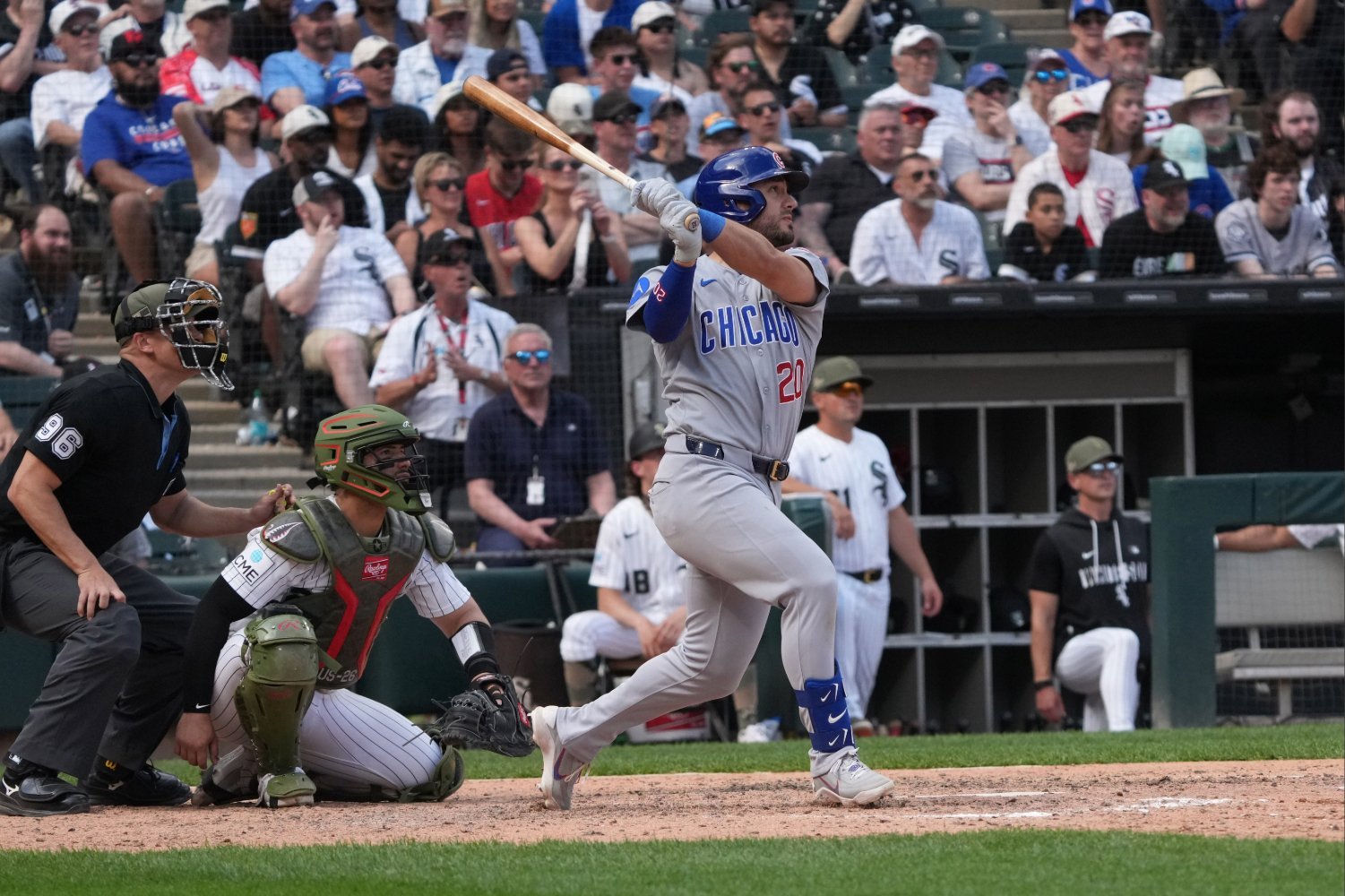 The North Siders' three biggest pillars of success in 2026 — clutch situational hitting, baserunning, and sparkling defense — all but dried up in the most frustrating week of the season. We had alluded to the fact that it doesn't get easier, but with the Cubs' warts put on full display, their ability to right the ship will determine whether or not the squad's larger aspirations are attainable. A day off this past Monday allowed the Cubbies to settle into the accommodations at Truist Park as they set to do battle for three games with the dreaded Atlanta Braves. The two clubs briefly traded places, boasting the best record in baseball. By the end of their three-game tilt, Atlanta presented as the real cream of the crop. The consistently average Colin Rea took the ball for the North Siders opposite Grant Holmes in the opener. A seesaw defensive struggle turned in the fourth inning as the home team put up a four-run tally on the Cubs, including a two-run blast off the bat of Mike Yastrzemski. Holmes and the Atlanta pitching staff silenced Chicago's bats, with a solo shot from the ascending Alex Bregman providing the only hit of the contest for the Cubs in a 5-2 loss. Squandering an absolute gem from the southpaw Shota Imanaga, a dormant offense hamstrung the Cubbies once again in the middle game of this matchup. The de facto ace of this club was as sharp as we've come to expect this season, striking out six batters and surrendering just five hits. His impressive effort set his team up nicely heading into a tied eighth inning, where, in relief of Imanaga, the beleaguered Phil Maton sank the visiting team's hopes for a series-tying victory. The little things in this game make the biggest difference, and this rang painfully true in the Cubbies' 4-1 defeat. The margins between these two clubs are slim yet pronounced. When clicking, the Cubs have one of the most fearsome offenses in all of the majors. Squaring off against a Cy Young-caliber hurler in Chris Sale, the North Siders rose to the level of their competition. Ben Brown matched Sale stride for stride in the early going. Brown threw four remarkably efficient innings, allowing only a run and striking out seven Braves. His mastery on the mound gave Ian Happ and an opportunistic offense a chance to secure their 28th win of the season in the series' finale. With that consolation prize in hand, the Cubs arrived in the neighborhood of Bridgeport for the renewal of the Crosstown Classic. While still not among baseball's elite, Will Venable's White Sox are heading in the right direction faster than an express train leaving the Sox/35th station. This truth notwithstanding, the North Siders slugged their way to a late, convincing victory in the opener. The cathartic offensive output came from batters throughout this lineup, especially Carson Kelly, who bashed his way to a 3-for-5, four-RBI day. The rally turned a nip-and-tuck, tie game into a cakewalk for the visiting team, earning them a 10-5 triumph. Starting pitcher Jameson Taillon has earned his fair share of criticism for lacking control, mental stamina, and giving up too many home runs. Those criticisms roared louder than ever on the veteran's worst start of the season. Jamo was pelted, surrendering eight earned runs and five long balls, raising his ERA to an alarming 4.97. He is a glaring liability in this rotation, putting the onus for improvement not just on the pitching staff, but the front office as well. Pete Crow-Armstrong provided a silver lining in the ninth, blasting a two-run bomb, his fifth long fly of the year in the losing effort. "Summer Time Chi" was in full swing this past weekend on the South Side. For a fleeting, tantalizing time, it looked like the North Siders would board the team bus with bragging rights in tow. But it was the fans from the part of town that gave us Grammy award-winning rapper Common, who ran back to their fantasy, a win over their hated rivals in extra innings. Knotted at four, Phil Maton coughed up a three-run blast to the Sox Tristan Peters. The homer completed the rally for the South Siders, who erased a 4-1 deficit. The thunderous bomb from Peters had all but sealed the fate of Craig Counsell's squad, until the scorching-hot Michael Conforto crushed a dramatic, game-tying home run off of SerAnthony Dominguez. The Cubs took the lead in the tenth yet failed to tack on insurance, making way for Edgar Quero's cinematic two-run walk-off blast, silencing the raucous Cubs fans in attendance. The loss marked the North Siders' third straight series loss. No reprieve will come to this struggling Cubs squad as it heads back to Wrigley for a six-game homestand. Up next, the Cubbies host Christian Yelich and the defending NL Central champion Milwaukee Brewers. This upcoming weekend sees the Houston Astros paying a visit to the North Side of Chicago. No ardent supporter of this Chicago Cubs team should situate themselves too close to the panic button, but this week, with a chance to either cushion or relinquish their division lead, stands to shed light on where this club is right now. View the full article
 -
Blue Jays Clutch Plays: Varsho Shines, Bullpen Turns It Around
DiamondCentric posted an article in Jays Centre
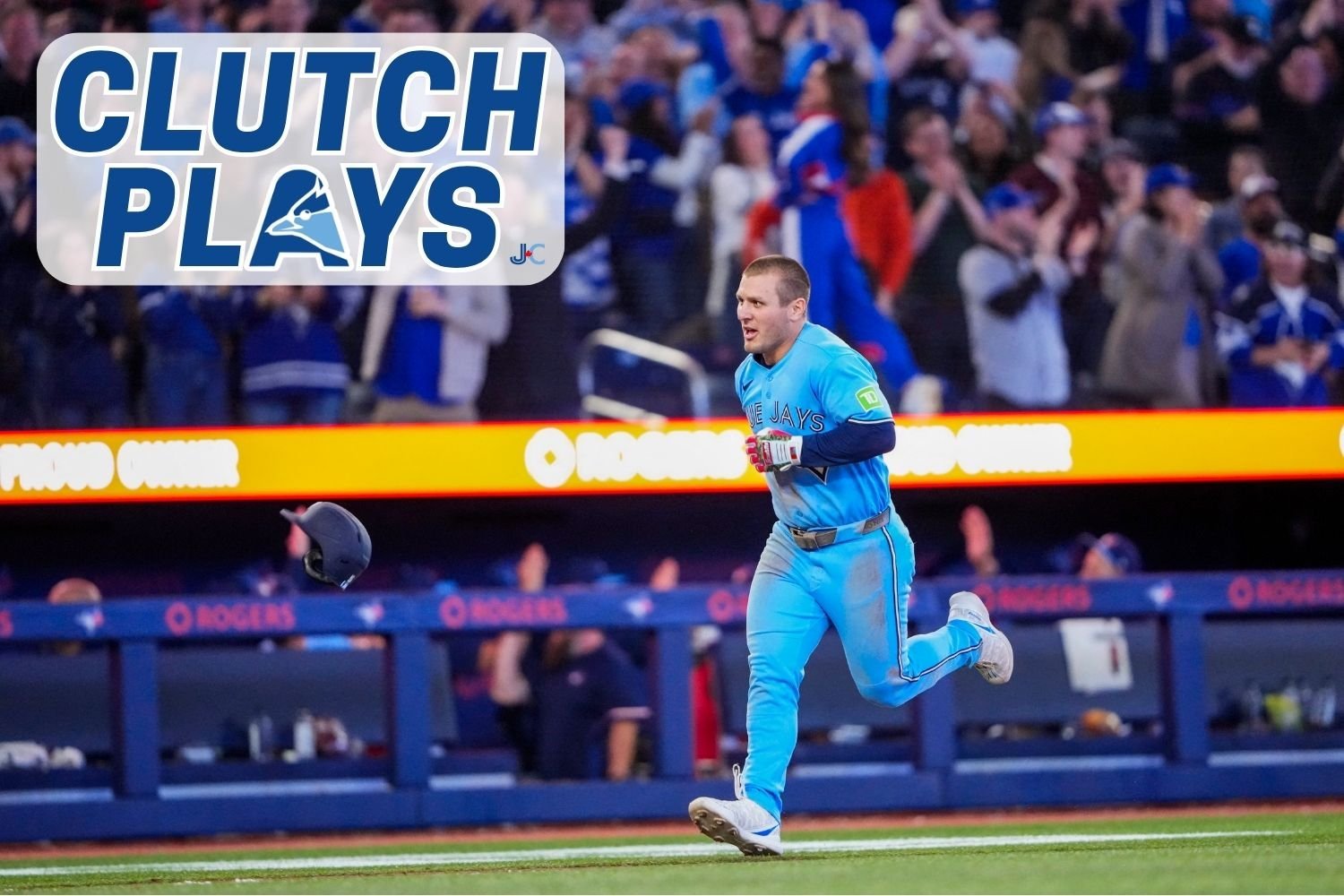 Welcome back to Blue Jays Clutch Plays, a recurring post that highlights the six most pivotal plays (three pitching, three hitting) from the past week of Blue Jays baseball, according to MLB's win probability model. Click here to read last week's edition. The Toronto Blue Jays remained a tough watch for most of the past week, but after a couple more losing efforts against the Rays, a walk-off grand slam from Daulton Varsho prevented another sweep before the Jays prevailed in a three-day war of attrition in Detroit. It hasn't been a pretty month, but the AL is such a logjam that the Blue Jays' 21-25 record puts them only one game back of the final Wild Card spot. Opportunity awaits in the form of their upcoming four-game set versus the Yankees, who are 6.5 games up on the Jays after dropping a series against their crosstown rival Mets over the weekend. Pitching 3. Louis Varland: Cedric Mullins Popout, Top 9, 5/12 (+15.0% wPA) Tuesday night's loss to Tampa Bay was a 10-inning nailbiter, and Louis Varland's scoreless ninth didn't come easy. With the go-ahead run at third and two outs in the frame, Varland went with a 98-mph fastball as his payoff pitch to Cedric Mullins and elevated it enough that Mullins skied it harmlessly to shallow center. Daulton Varsho had a lot of ground to cover, but he got there in time to make a sliding backhanded catch. 2. Louis Varland: Jake Rogers Groundout, Bot 10, 5/16 (+15.8% wPA) Varland's biggest performance of the year came on Saturday afternoon as he authored a six-out save on 26 pitches to steal a victory on a bullpen day. The offense didn't manage to score anyone besides the ghost-runner in the top half, but "The Committee" needed just one pitch to start closing the door in the bottom half as this outside fastball incinerated Jake Rogers's bat before rolling slowly into Ernie Clement's glove at shortstop. 1. Louis Varland: Dillon Dingler Strikeout, Bot 10, 5/16 (+16.8% wPA) The final punch from Varland's latest herculean effort was a tumbling knuckle curve to get Dillon Dingler swinging after the tying run had moved up 90 feet. Following this week, Varland now has the eighth, ninth, and 10th-most clutch plays of the season amongst Blue Jay pitchers, which are worth a combined 47.6% wPA on their own...and don't even include the plays at No. 1, 4, and 7 on that list, for which he was also on the mound. If this team rights the ship, we may talk about this Varland performance alongside the Mason Fluharty game at Dodger Stadium from last August. Hitters 3. Vladimir Guerrero Jr.: Reached on Error, Bot 7, 5/12 (+22.1% wPA) Vladimir Guerrero Jr. finally broke out of his weeks-long home run drought on Sunday, but early in the week, he was still searching for that big break. Junior Caminero gifted it to him with two outs in the bottom of the seventh and the Jays down by one on Tuesday, failing to come up with the groundball to his left. Yohendrick Piñango scored from second, and for a moment, the baseball gods smiled upon the Blue Jays instead of their rivals to the south. 2. Daulton Varsho: RBI Single, Top 10, 5/16 (+25.2% wPA) For the second time in three games, Varsho delivered the decisive blow in extra innings for an otherwise struggling offense. In a lefty-lefty matchup with Detroit reliever Tyler Holton, Varsho got a pitch in his wheelhouse down in the zone and stayed on it long enough to line it up the middle and score Guerrero from second. Toronto's center fielder has had an inconsistent year, but his timely hits last week have helped his wRC+ tilt back to the right side of league average. 1. Daulton Varsho: Walk-Off Grand Slam, Bot 10, 5/13 (+68.4% wPA) It doesn't get much more dramatic than a come-from-behind victory on a walk-off slam. The Jays would be incredibly fortunate if one of their hitters comes up with another swing as big as this at any point the rest of the season. At the time, it was the ninth-biggest single-play change in wPA in the major leagues in 2026. The Blue Jays have only had eight offensive plays worth at least a 60% jump in wPA since the start of 2021. Here's an eerie fun fact: The team's most clutch play of 2025? A go-ahead home run by Varsho in the eighth inning...also against the Rays at the Rogers Centre...exactly one year before this grand slam on May 13. View the full article
 -
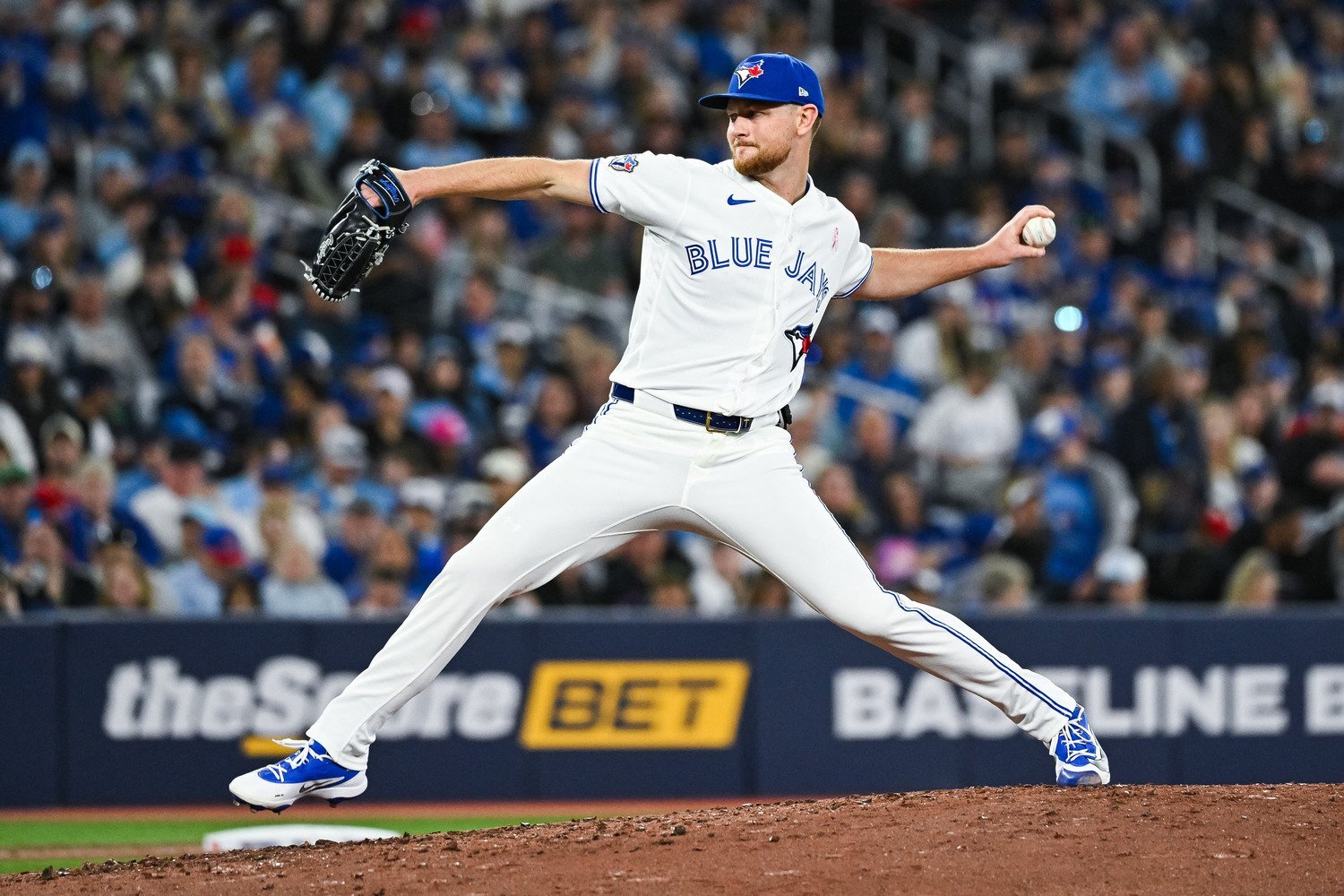 What's that line from The Dark Knight? Oh yeah, "You either die a hero or live long enough to see yourself become the villain." Eric Lauer was a hero for the Blue Jays in 2025, pitching to a 3.18 ERA over 104.2 innings between the bullpen and the rotation. He gave the team another 8.2 innings with a 3.12 ERA in October. While he seemed superfluous throughout most of the 2025-26 offseason, the southpaw had a spot in Toronto's Opening Day rotation. Yet, although the team's rotation depth is even thinner now than it was then, Lauer just wasn't pitching well enough to hold onto a roster spot. By the time he was designated for assignment last Monday, he had more runs (27) than strikeouts (26) on the season. He also gave up 16 walks, 38 hits, and 11 home runs in 36.1 innings. Yesterday, Lauer finally escaped DFA limbo when the Blue Jays announced they had traded him to the Dodgers for a player to be named later or cash considerations. According to The Athletic's Fabian Ardaya, he will take on a "reliever/swingman" role in L.A. View the full article
 -
Connection: Jake Bauers and the Enormous Power of a Clear Mind
DiamondCentric posted an article in Brewer Fanatic
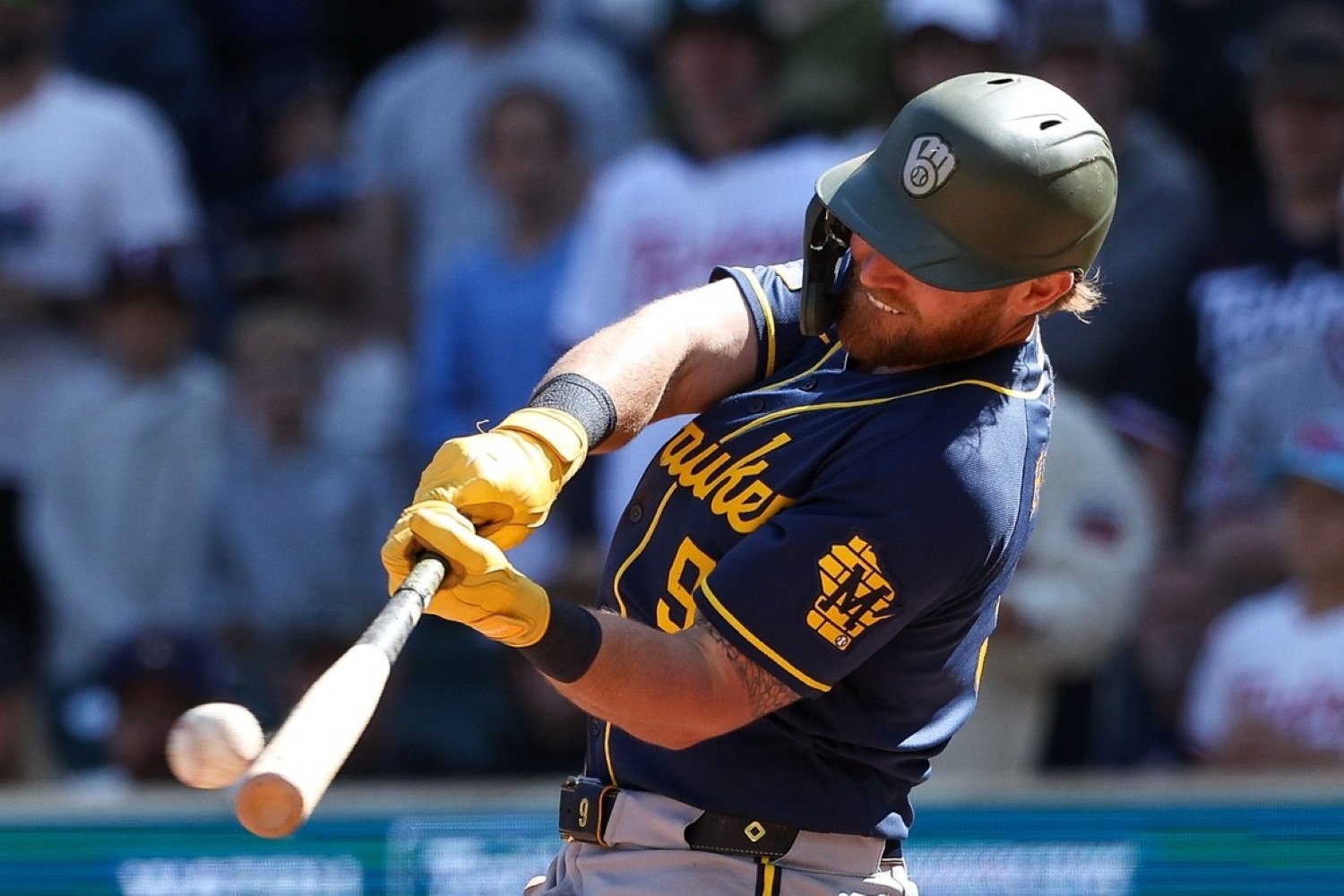 Jake Bauers has changed his stance this season. He's changed his contact point and his approach a bit. But all that work has amounted to the programming of muscle memory. Once he steps to the plate, his mind and his eyes are clear. He says that's the key to his late-blooming success. He changed his setup after dealing with an injury-related slump last summer, but hasn't spent time refining his new stance or tweaked swing. He's just focused on seeing the ball. "I'll be honest with you," Bauers said Sunday morning, inside the visitors' clubhouse at Target Field in Minneapolis. "I haven't thought about mechanics in the box even one time since I got [to Arizona for spring training]." The stats say it's working, and working exceptionally well. Bauers went 4-for-8 with a pair of doubles, a walk and a stolen base over the weekend against the Twins, and (as manager Pat Murphy noted) Sunday's double and one long flyout could easily have been home runs, if not for swirling winds that knocked the ball down for most of the final game of the set. He's batting .281/.358/.489 on the season, and there's room for growth from there, based on his batted-ball profile and the lowest strikeout rate of his career (21.9%). He's been a godsend, for a team sorely in need of that offensive juice. They're just stick figures, but you can see the relaxation in Bauers's swing by comparing a Statcast animation of the very start of it to those of other lefty batters who roughly match his near-elite bat speed. Here's what Jac Caglianone looks like when his front foot lands and his swing begins. His bat is fairly flat behind him, forcing it to describe a long arc to the hitting zone. Meanwhile, hie front shoulder is turned in, while his weight is already shifting from his back leg to his front one, opening his hips. It's not hard to see where Caglianone is getting the torque in his swing, but nor is it hard to guess why he whiffs on 31.8% of his swings. Here's Kyle Schwarber, who does a lot of the same things—though he stays on his back leg a hair longer, allowing him to make slightly later adjustments and find the barrel more often. Here's teammate Garrett Mitchell, built much the same way as Bauers. Now, here's Bauers. Notice how upright he is, and how his barrel isn't wrapped around behind him or flattened the way the others' are. Notice, too, how much closer together his feet are, and how even is his weight distribution. This hasn't always been how he's hit. You can see the difference even by looking at last year's visual, but to wash out the distortion created by the changes he implemented in late 2025, let's look at his 2024 self. This is a much more standard lefty power hitter's initial swing position. The feet are farther apart; he's taken a longer stride. He's leaning forward a bit more as he uses his lower half to generate power, forcing a compensatory movement up top to stay balanced. His bat is flatter, and his hands are farther behind his torso. This was the version of Bauers the league saw for years. This year's is a new guy, full of confidence and clarity and the added functional strength on which he worked hard late last year and throughout the offseason. It doesn't look like most lefty sluggers do. That's a good thing. "I'm just trusting myself," Bauers said. "It sounds simple; it's not simple. But you have to take some of those other thoughts out of it. In the past, I would be in the box thinking about my swing, thinking about what I was trying to do physically, and it just got in the way." It takes a great deal of hard work to earn the privilege of hitting that way, of course. You have to know your swing exceptionally well, in order to start pushing thoughts about it down into the subconscious part of the brain during the activity itself. Bauers said he's also simplified the way he digests information about opposing pitchers, and uses reps on the Trajekt machine when the Crew is at home to prepare for encounters with specific pitchers in a setting that feels more alive than pages of a scouting report. "Part of it is trusting the hitting coaches, that they'll bring something to me if there's something going wrong or something I need to be doing," Bauers said. "But I just want to be in the box with the plan to see it well." Prospect lists can be overrated, in the sense that they give a false impression of certainty about which current minor-leaguers will become great big-leaguers. They encourage fans to see the game through the prism of talent, when there's much more in the stew that becomes success than just that key ingredient. However, they're not as irrelevant as some of their denigrators would have you believe, either. When you're a top prospect, you get an abundance of one irreplaceable currency: opportunity. When a team has a player in whom they've made a major investment, and when that player gets the marketability and trade-value boost of being identified as a top prosect, they funnel chances toward that player. They pave a road to the majors for them, including a full-time role when they first arrive, and they don't give up on them easily. That stability—that routine, and that rapid familiarity with the league, and that absence of pressure to make something happen in every plate appearance, and most of all, all those reps—is hugely valuable. In 2013, Bauers was a 7th-round pick by the Padres out of his California high school. He signed, but not for big money. After his first full season in the San Diego system, he was part of the infamous trade sending Wil Myers to the Padres and Trea Turner to the Nationals. Bauers landed with the Rays, where he spent the next four seasons. He didn't debut until 2018, but to their credit, the Rays did set him up to succeed, handing him a job on June 7 that year and never taking it away. Unfortunately, it would be (essentially) the last time he ever got that luxury. That winter, Bauers was part of the beefy three-team trade that sent Yandy Díaz to Tampa, Carlos Santana back to Cleveland (for the first time) and Edwin Encarnación to Seattle. Bauers landed on the shores of Lake Erie, and Cleveland tried to give him (more or less) a full-fledged shot. He struggled so mightily, though, that they demoted him to Triple-A Columbus for all of August. He would languish a little longer in the Cleveland system, but get no more real chances. They traded him to Seattle for a player to be named later in June 2021. Seattle cut him that fall. He latched on with the Reds for 2022, and the Yankees scooped him up in a cash deal that June. New York cut him that fall. They re-signed him about a month later, though, and a pattern began to emerge: Once you have Bauers around for a bit, you tend to want him around longer than you'd think. He certainly wasn't in Cleveland's plans, after that initial failure in 2019, but they weren't quick to jettison him, by any means. The Yankees went out of their way to get him twice. They traded him to the Brewers after 2023, and the Brewers would cut him one year later—but they also re-signed him, and voluntarily retained him again this winter. Bauers's career high in plate appearances is still 423, from that 2019 season. That might change this season, though. Finally, at age 30, Bauers is getting some runway—partially because Andrew Vaughn got hurt on Opening Day, but partially because he's earned it, and is taking full advantage of it. He's on pace to qualify for the batting title, and he's been worth 6 runs more than an average batter, according to Baseball Reference. It's been difficult to make the last several years work for him, rather than against him, but Bauers now feels that he's amassed enough reps in the majors to achieve a level of physical and mental comfort that empowers him. "It's just been getting the chances, getting the reps, and getting more confident about what I know to do," he said. The simplicity of it all undersells the achievement, especially because he never got his uninterrupted shot for a full season in the majors—let alone two or three of them, as many higher-profile prospects might have gotten. Bauers is, quite suddenly, a respected veteran in the clubhouse, rather than someone clinging to the edge of the roster. He's friendly, thoughtful and just the right amount of talkative to fit into a big-league clubhouse. He, Brice Turang, Christian Yelich and others pass information well back and forth, and they have an easy camaraderie in their personal interactions, too. He exudes a California cool. Even though he's meandered from those roots and spends his winters in the Dallas area, he still likes the beach, and wears the same sand-colored sleeveless t-shirt around the clubhouse virtually all the time. A relaxed mindset was always where he was likely to find the power to emerge as a star, or as close to it as a 7th-round pick gets after only establishing themselves upon joining their eighth pro organization. That relaxation is a privilege conferred on elite prospects, but through enough resiliency and focused work, it can also be achieved by the Other Guys. View the full article
 -
 Boston Red Sox Minor League Affiliate Recap Triple-A Worcester Red Sox Series at Buffalo Bisons (Toronto Blue Jays): 2-4 Season Record: 23-20 Worcester got back in the win column with a 4-0 victory in the series finale. Six pitchers made appearances for the WooSox as they emptied out their bullpen. Devin Sweet pitched a scoreless first inning, allowing two walks and striking out one before turning the ball over to Eduardo Rivera. Rivera earned his fourth win of the season for his two innings of work, allowing a hit and a walk while lowering his ERA to 2.13. Jack Anderson got a hold for his three innings of work, the longest outing of the afternoon for Worcester. He also allowed just one hit and one walk before Angel Bastardo came into the game. He pitched a perfect inning, striking out two. Tayron Guerrero also pitched a perfect inning, and Tommy Kahnle closed out the game, allowing one hit but completing the shutout for Worcester. It was a successful day at the plate as well for Worcester as they tallied four runs on eight hits. Mikey Romero and Nathan Hickey led the way with two hits and an RBI apiece. Hickey hit his third homer of the year in the third inning, grabbing a 1-0 lead. Romero then added on a run of his own driving in Nate Eaton on a single. Later in the sixth inning, Kristian Campbell doubled, driving in Romero. To cap off the three-run inning, Vinny Capra drove in Campbell on a single as the WooSox put the game out of reach. Double-A Portland Sea Dogs Series at Hartford Yard Goats (Colorado Rockies): 3-3 Season Record: 17-21 Portland lost on a walk-off for the second straight game, losing 6-5. Michael Sansone got the start and notched five frames of work. He allowed four runs on five hits in what was one of his worst starts of the season. He allowed two home runs while striking out three. Caleb Bolden pitched three innings of relief and flipped the script. He gave up two walks and just one hit, striking out one. He lowered his ERA to 4.43 as he rectified Sansone’s rough start. Unfortunately for Portland, the momentum gained by Bolden faltered when Cooper Adams came into the game. Over ⅔ innings of work he allowed two runs on two hits as he relinquished the lead and Hartford won the game on a walk-off fly ball to center. Franklin Arias has begun to come back to Earth after his scorching start to the season. He went 0-for-4 with a walk as his batting average sunk to .330. Brooks Brannon and Miguel Bleis each tallied two RBIs as they made up the bulk of Portland’s offense. Brannon crushed his seventh homer of the season in the first inning, giving Portland a two run advantage early. Bleis then hit a two-run homer of his own later in the inning as the Sea Dogs took an early four-run lead early. After Hartford tied the game at four runs apiece, Max Ferguson singled in the top of the ninth to score Tyler McDonough and take a one run edge. Despite the homers, Portland couldn’t produce enough to make up for the spotty pitching, falling for the second day in a row. High-A Greenville Drive Series vs. Bowling Green Hot Rods (Tampa Bay Rays): 1-5 Season Record: 15-24 Greenville snapped their eight-game losing streak as they beat Bowling Green 12-10. Alex Bouchard got the nod, starting Sunday’s contest with high hopes for Greenville. He allowed three runs on six hits across four and ⅓ innings. He walked four, but limited the potent Hot Rods offense. P.J. Labriola earned the win for his performance on Sunday. He gave up two runs on two hits but struck out three across one and ⅔ frames of work. Danny Kirwin had trouble keeping Bowling Green in check, allowing four more runs in his one and ⅓ inning appearance. In a close game, Matt McShane entered in a high stakes situation. He handled the pressure well however, allowing nothing but a solo homer as he was just good enough to help Greenville snap their skid. Greenville’s offense was hot on Sunday, amassing 12 runs on nine hits. Mason White contributed five RBIs as he helped lead the Drive to victory. Jack Winnay carried his excellent performance from Saturday into Sunday, getting Greenville on the board with a one-run single in the first inning. White then drove in Yoeilin Cespedes later in the inning with a single of his own. Freili Encarnacion added the third run of the inning as he drove Winnay in on another single. Yophery Rodriguez joined the party in the third inning, reaching on a throwing error as Winnay and Isaiah Jackson scored. Justin Gonzales then hit his eighth double of the season, adding two runs and extending the lead to six. In the fourth, White collected four more RBIs as he crushed his eighth homer of the season, a grand slam to make the lead ten. Justin Gonzales then hit a homer in the fifth inning as he brought the run total to 12. It was just enough to snap the losing streak as Greenville emerged victorious. Low-A Salem RidgeYaks Series at Fredericksburg Nationals (Washington Nationals): 2-4 Season Record: 17-22 Salem lost by one run for the third straight game, this time by a score of 6-5. Jacob Mayers worked the first two frames of the afternoon, allowing two hits and one run but struck out six as he maintained a respectable 2.41 ERA. Myles Patton took the next one and ⅓ innings, allowing the same stat line as Mayers, one run on two hits. Harry Blum took over in the fourth inning, allowing three runs on three hits and three walks. Wuilliams Rodriguez came out of the bullpen hot. He turned in three innings of perfect ball, striking out two. Nicolas De La Cruz entered in the ninth inning looking to stave off a walk-off from the Nationals. He failed to do so, however, walking three and allowing the walk-off on a wild pitch as Salem fell for the third straight time. Salem’s offense has been consistent as of late, and this continued into Sunday’s contest. Kleyver Salazar got the scoring started early, driving in Enddy Azocar on a line drive single in the first. Down 5-1 in the eighth, Ilan Fernandez doubled, driving in Anderson Fermin. Later in the inning, Azocar brought Fernandez home on a double of his own. With the lead within reach in the ninth, Luke Heyman scored on a wild pitch to bring the RidgeYaks within one. D’Angelo Ortiz then tied the game with a sacrifice fly to drive in Avinson Pinto. Unfortunately it wasn’t enough for the win as Salem fell just short yet again. View the full article
 -
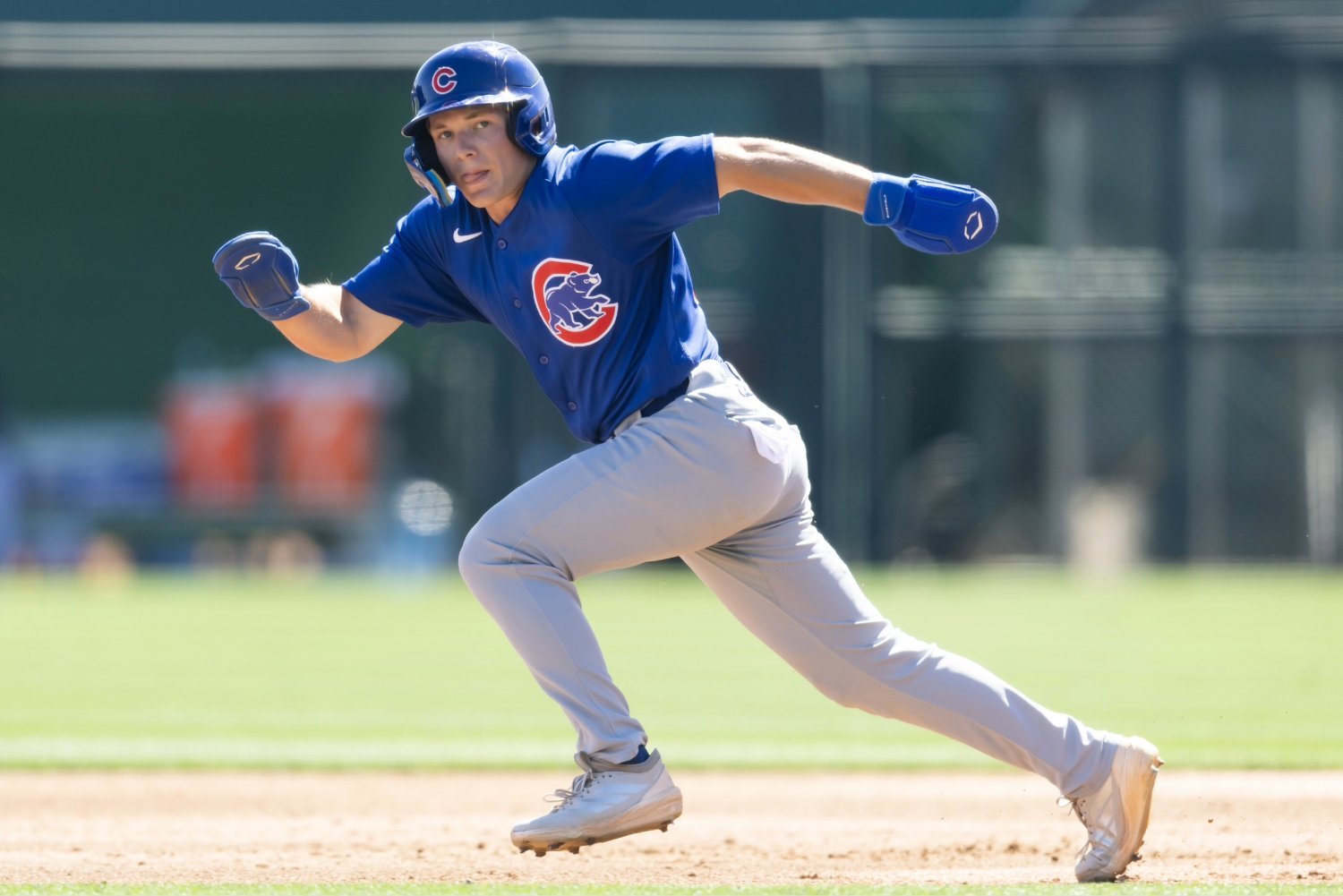 Now that we're beyond the annual sample-size caveats of April, Kane Kepley is growing impossible to ignore. The team’s No. 7 overall prospect (per North Side Baseball) is off to a very strong start to his 2026 campaign. Let’s dive into his skillset, what he’s been up to lately, and how long we’ll have to wait before he breaks into the major leagues. Kane Kepley’s Background For starters, Kepley was Chicago’s second-round pick in the 2025 MLB Draft. The Cubs selected the outfield prospect at 56th overall. He was originally a walk-on before topping Conference UCA with 53 walks drawn and 25 stolen bags for Liberty before earning an All-Star nod in the Cape Cod summer baseball league. He then transferred to North Carolina to become a Tar Heel, where he led the ACC in strikeout rate at just 7% and stole 45 bags. Kepley wasted no time getting his licks in at the professional level, as he hit .299 over 28 games at Low-A Myrtle Beach after being drafted last year. The Ideal Contact Hitter In terms of his strengths, the hit tool and speed pop right out at you immediately. It’s what scouts notice, it’s what drew North Carolina in, and ultimately it caught the Cubs’ attention enough for them to pick him late in the second round last year. He’s currently operating with a .298 career batting average, and he already has five triples in just 58 pro contests, now including some time in High-A South Bend, where the 22-year-old started this season. Arguably the most impressive part of his game, to me, is that stinginess that we just mentioned from his college days. It has followed him into the professional ranks, as he’s sporting an on-base percentage just below .500. Building off of that? He has 61 walks to just 35 strikeouts. Any time a prospect can walk as much as they strike out, it’s a great sign. This isn’t even close. He also has 39 stolen bags while only being caught on five occasions In terms of how Kepley is performing in High-A so far, let's start here: He had a game on May 15 where he racked up four hits AND four stolen bases in just one contest. This was his first four-hit game of the season, though likely not his last. I think you’re figuring out pretty quickly why this guy has earned a 60-grade for his hit tool and a 60-grade for his run tool. And that speed translates to him being a strong fielder; Kepley has plenty of range in South Bend’s outfield. Weaknesses In regards to parts of his game that are bringing up the rear, Kepley doesn’t have the strongest arm, but it’s serviceable in center field, and his ability to cover a lot of ground in not a ton of time can compensate for that. His power tool doesn’t have much to it either, since he hasn’t generated a ton of above average exit velocities and is already 22 years of age, but that isn’t really his game. This is someone who can cover ground fast and will use that to impact the game on both offense and defense. MLB ETA When will we see Kane Kepley debut in the major leagues? We’ve brought this situation up before as it pertains to Kevin Alcantara, but with Pete Crow-Armstrong locking down in center field and both Ian Happ and Seiya Suzuki in contract years, we’re kind of in a wait-and-see scenario. In terms of Kepley’s overall ability, I wouldn’t be shocked if he gets up there by the final sprint of the 2027 season since he is 22, looks advanced compared to his peers, and does have multiple college baseball seasons under his belt. An outfield featuring him and Crow-Armstrong would be among the fastest and most dynamic in recent history. View the full article
 -
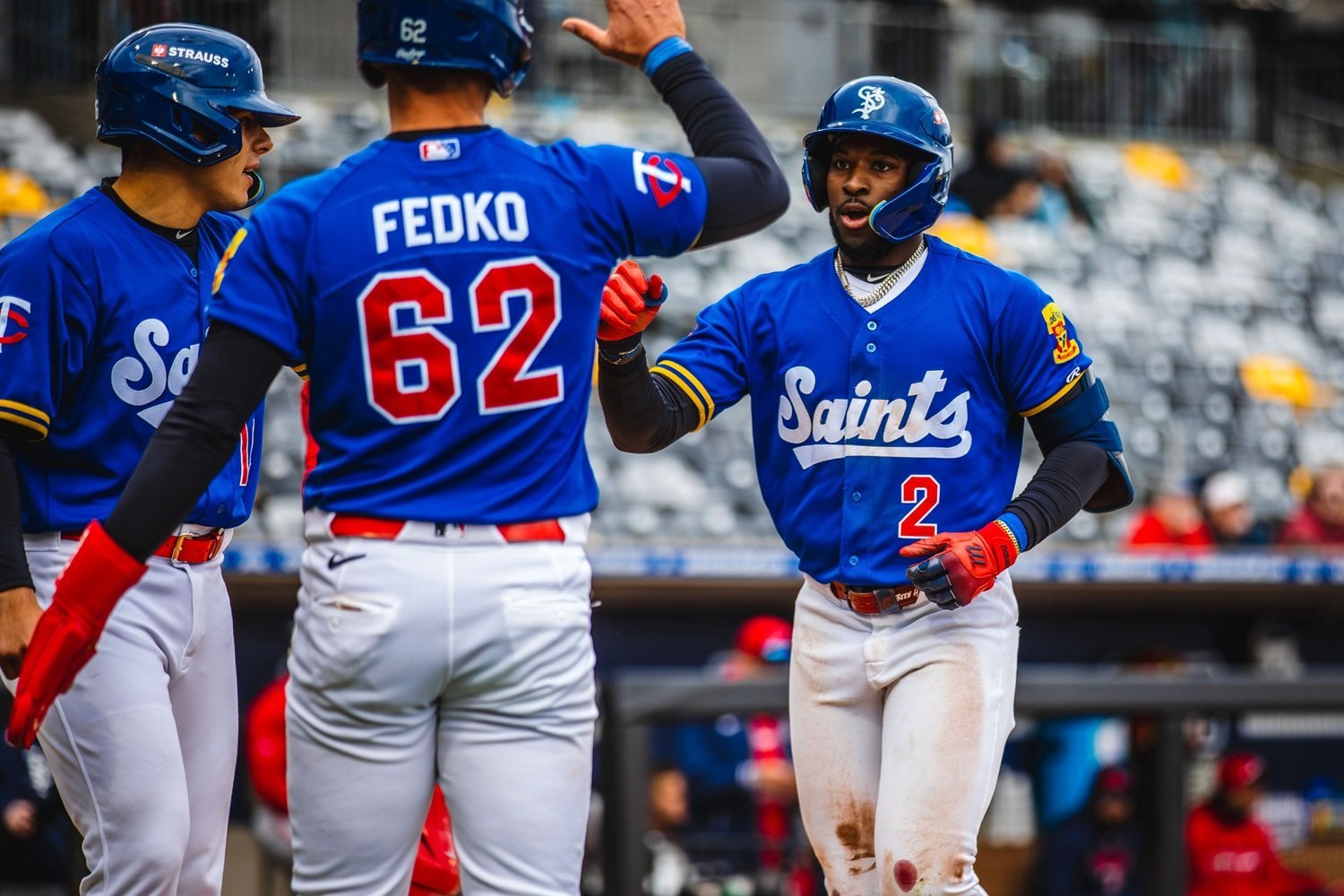 Player development is a winding and often treacherous road. Some prospects fly through the minors and arrive in the big leagues within two years. Others battle injuries, make swing changes, or need extra time refining their approach before they are ready for the next level. For organizations like the Minnesota Twins, those first-round picks carry great weight because competing with lower payrolls means the organization must consistently develop homegrown talent into impact contributors. Unfortunately, that doesn't exempt the team from the vagaries of turning those picks into top-tier players. The Twins will once again have a premium opportunity to add talent this summer. Minnesota owns the third overall pick in the 2026 MLB Draft, its highest selection since 2017, when the club selected Royce Lewis with the first overall pick. As the organization prepares for another important draft, it’s worth examining how the Twins’ recent first-round selections have progressed in professional baseball. 2025 First Round (16th Overall): SS Marek Houston When the Twins drafted Houston, the appeal centered around his glove. Evaluators viewed him as a Gold Glove-caliber defensive shortstop with excellent instincts, clean actions, and advanced defensive reliability. The bigger question was always going to be the bat. Houston answered some of those concerns during his junior season at Wake Forest, when he posted a 1.055 OPS with 15 home runs and 14 doubles. Still, some scouts wondered if those offensive gains would translate against professional pitching. Now in his age-22 season, Houston has returned to the Midwest League. Through his first 30 games, he has slashed .282/.348/.403, with eight extra-base hits, a 20.9% strikeout rate and a 7.9% walk rate. The elite defense has remained intact, and the Twins are likely to challenge him with a promotion to Double-A later this summer. Houston’s development path could resemble that of another recent Twins first-round shortstop (see below), who steadily climbed the ladder through strong defense and enough offensive growth to profile as an everyday player. Updated ETA: Second Half of 2027 2024 First Round (21st Overall): SS Kaelen Culpepper Culpepper quickly became one of the more intriguing prospects in the organization after the Twins selected him in the first round. Minnesota believed in the offensive upside and arm strength, but many evaluators projected him to move off shortstop eventually. So far, Culpepper has done plenty to quiet those concerns. He posted a 138 wRC+ during the 2025 season, while showing enough athleticism and defensive consistency to remain at shortstop in the near term. The Twins challenged him aggressively by assigning him to Triple-A to begin the 2026 campaign, and he has largely handled the jump well. Culpepper has emerged as a consensus top-100 prospect and is viewed by many as the organization’s second-best prospect. In 36 Triple-A games, he has slashed .253/.345/.460, with eight home runs and seven doubles. One encouraging sign has been his improved plate discipline. His walk rate climbed from 9.7% in 2025 to 11.5% this season, although his strikeout rate has also increased by roughly three percentage points. Given Minnesota’s current roster construction, it would not be surprising if Culpepper makes his major league debut sometime this season, when injuries inevitably create opportunities. Updated ETA: Second Half of 2026 2023 First Round (5th Overall): OF Walker Jenkins The Twins were one of the biggest winners of MLB’s inaugural Draft Lottery. Minnesota jumped from the 13th position based on their 2022 record to fifth overall, in a draft class that many evaluators considered exceptionally strong at the top. The organization selected Jenkins, and he has been viewed as the club’s top prospect ever since. Jenkins has shown flashes of why scouts viewed him as a potential superstar, but injuries have complicated the beginning of his professional career. He's currently on the injured list after injuring his shoulder while making a catch and running into the outfield wall. Even with the injuries, Jenkins has advanced rapidly through the system. Reaching Triple-A during his age-20 season is a significant accomplishment, especially for a player drafted out of high school. Last season, he produced a 135 wRC+ across multiple levels, and he carried a 111 wRC+ in 2026 before landing on the injured list. The talent is obvious. The remaining question is whether Jenkins can remain healthy enough to play consistently. If he does, the Twins still believe he has the upside to become the franchise-caliber player this organization has lacked in recent years. Updated ETA: First Half of 2027 2022 First Round (8th Overall): SS Brooks Lee Few players on this list arrived with as polished an offensive profile as Lee. Many evaluators viewed him as the best pure college bat in the 2022 draft class, and the Twins were thrilled when he remained available at eighth overall. Questions existed about his long-term defensive home, but scouts believed the hit tool would carry him to becoming an above-average major league regular. Out of the players discussed here, Lee has become the most important part of Minnesota’s major-league roster so far—though, of course, that's mostly because he was drafted longest ago. After the Twins traded Carlos Correa at last year’s deadline, Lee took over as the club’s everyday shortstop. Across 139 games, Lee posted a 79 OPS+, though there were encouraging signs beneath the surface. He hit 16 home runs and 15 doubles, which exceeded expectations for a player once viewed as having limited power potential. The beginning of 2026 was rough, but Lee has been looking more comfortable in recent weeks. He currently owns a 99 OPS+ with five home runs, and he has hit close to .300 during the month of May. While the defensive limitations remain part of the equation, the offensive production is beginning to resemble the player the Twins envisioned when they drafted him. Updated ETA: Made His Debut in 2024 The Twins’ recent first-round history reflects both the uncertainty and importance of player development. Houston is trying to prove his bat can complement elite defense. Culpepper is rapidly forcing his way into the major-league conversation. Jenkins still possesses superstar upside if he can remain healthy. Lee is establishing himself at the highest level while continuing to adjust to the league, but showing the warts that will become his ceiling. Not every first-round pick becomes an All-Star, and even successful prospects rarely follow the same developmental timeline. Still, for an organization like Minnesota, consistently finding contributors through the draft remains essential. With another top-three pick approaching in 2026, the next cornerstone player could soon be joining this list. How have the Twins fared in recent drafts? Leave a comment and start the discussion. View the full article
 -
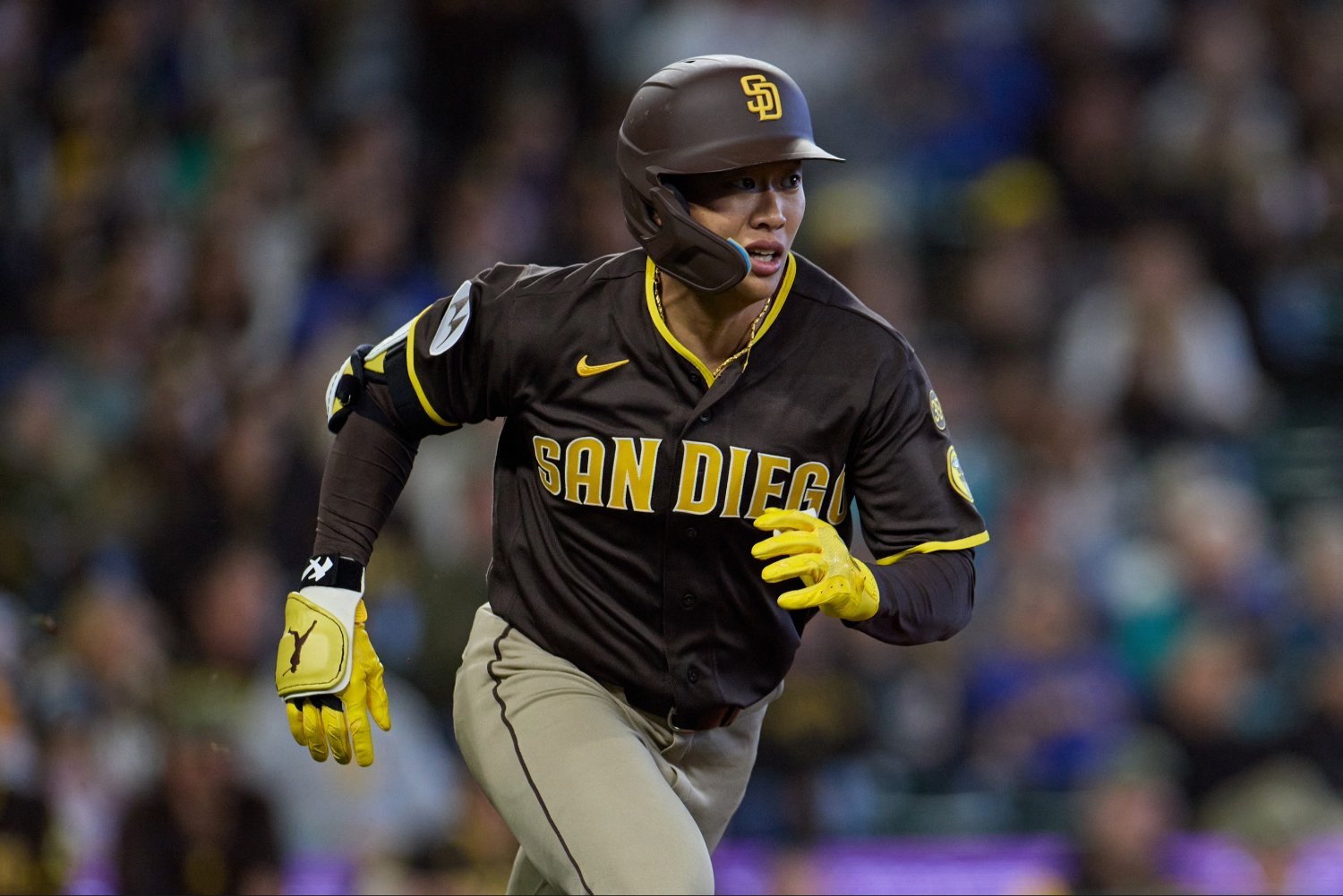 The San Diego Padres are not a fast baseball team when it comes to moving around the bases. Anyone who has watched Manny Machado sidle up the basepaths would not be surprised by that fact. But while Machado represents the most noticeable element of the team’s collective lack of speed, he’s hardly the only sole representative in this department. In fact, when it comes to the broader major-league picture, only a trio of Padres would come highly recommended in their ability to scoot on the basepaths: Jake Cronenworth, Jackson Merrill, and Fernando Tatis Jr. Those three sit in the 91st, the 89th, and the 85th percentiles, respectively, in sprint speed. You’d have to trek down the 71st to find the next-closest Padre in Ramón Laureano before you saw another name from this roster. That there are so few fleet-footed members of the 2026 Padres doesn’t feel particularly surprising. This is a veteran-laden roster that is heavily comprised of first base/corner outfield types. However, the actual distribution of spring speed does paint a rather sobering picture of what the group is able to do on the basepaths: In the above visual, Luis Campusano represents the slower of the two catchers indicated, while Ty France is the slower of the two first basemen. Nick Castellanos and Bryce Johnson, respectively, are represented as part of the right field group. Ultimately, that is a contingent that falls quite heavily below average in matters of spring speed, or, at best, decidedly average. Interestingly, though, it’s not something that is proving to be too much of a surface-level detriment. We can see where the issue is manifesting for them, however. Statcast’s Run Value illustrates the value of the baserunner, taking into account runs created via steals or extra bases taken. The Padres actually rank ninth in the league in this metric, checking in with a run value of two. Where things get complex is in where that run value emerges. In establishing run value via extra-bases taken, the Padres’ ranking falls all the way down to 17th where their run value is zero. Instead, the run value they do have is rooted in their ability to steal bases, where they rank tied for second. That’s where the impact of the team’s collective (lack of) speed comes into focus. In the breakdown of run value via extra bases taken, the Padres are 26th in advances (6), 13th in runners thrown out (-2), and fourth in runners held up (-4). That’s where a team’s lack of speed is going to hurt you. It leads to conservative tendencies on the basepaths and a 23rd-place ranking in advance attempts overall (102). You’re not going to have a Manny Machado or a Ty France or even a Nick Castellanos try to grab an extra base. Such a conservative approach helps to buoy them in the rankings a bit in avoiding throw-outs and makes holds the more logical approach, but it certainly isn’t generating much in actually producing value. The steals game, meanwhile, is where the Padres are proving effective. They rank eighth in the league in steals (41), with Tatis (10), Jackson Merrill (8), and Xander Bogaerts (5) leading the way. An even dozen players have at least one steal to their credit this year. As a result, they’re fifth in league in run value added via steals of second (1), and seven in the league in run value in steals of third (0). They have six more attempted steals of second versus the average (which ranks fifth) and two more attempted steals of third against the average (which ranks sixth). Their 12th-place standing in attempted steals is indicative of a certain efficiency in this phase of the game. It’s important to note the difference in how sprint speed impacts the two sides of the Padres’ run value. A runner doesn’t have to be fast to steal bases. While it can be a positive factor, the concept of a read and a jump also have a bearing on a successful steal. The taking of extra bases, however, requires less on the instinct front and more on the ability to get around the bases with a certain degree of speed. The Padres visibly have the former but lack the latter. Given the two’s standing in opposition with one another, it’s hard not to feel like they cancel each other out. The Padres aren’t hurt in their ability to score because they can get runners into scoring position with the steal. They’re also held back some by a relative absence of extra bases being taken upon contact. At the end of the day, it’s the byproduct of the team’s roster construction and something that will likely be maintained moving forward. For a team that finds offensive production quite challenging on any given night, that's not the most satisfying answer to give, but it's one the Friars will have to live with. View the full article
 -
 Chad Tracy was promoted as intern manager following the firing of Alex Cora. Since he has taken over, the team has responded by playing .500 ball to this point. Tracy coached about 75% of the current roster, making this transition welcoming, though he's still new as an MLB manager. Today, we discuss Tracy and what his future role may look like. View the full article
 -
Cubs Prospect Kane Kepley Is Impossible To Ignore
DiamondCentric posted an article in North Side Baseball
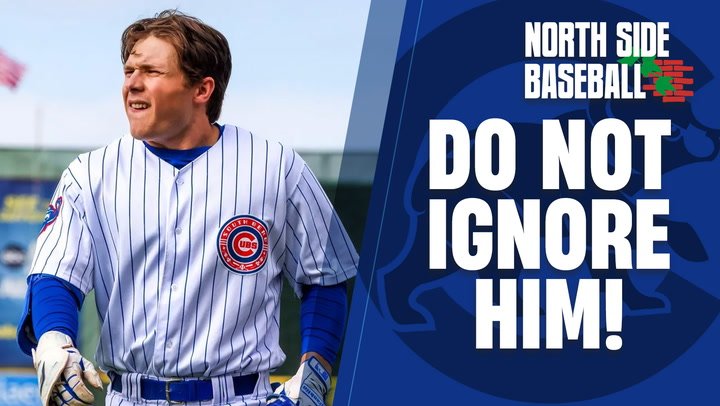 The Cubs' seventh-ranked prospect, Kane Kepley, is on an absolute tear to start his 2026 campaign. With wicked speed, a knack for getting favorable jumps on the bases, and an approach that has led to almost double the amount of walks to strikeouts in his pro career, this video breaks down why Kepley could be a fast riser up Chicago's pipeline. View the full article
 -
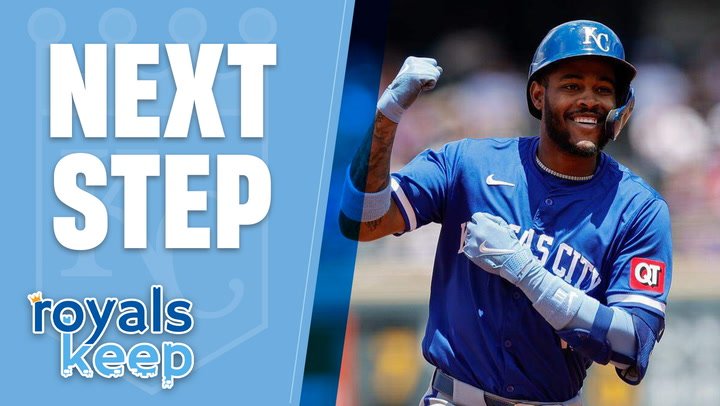 Kansas City Royals third baseman Mikael Garcia is taking the next step towards being a true power hitter in 2026. The 26-year-old righty is timing up the baseball, has an above-average hard hit percentage, and has honed in on a few other key elements that could make this season a breakout campaign. View the full article
 -
Promoted Twins Prospects Making Good Early Impressions
DiamondCentric posted an article in Twins Daily
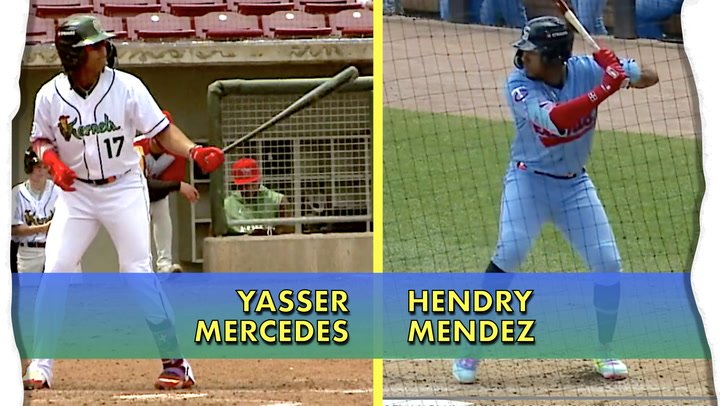 Twins System Recap: Over the weekend, both Hendry Mendez (of the Saints) and Yasser Mercedes (of the Kernels) hit their first home runs since being promoted. Ben Ross is another recently-promoted prospect who is also maintaining momentum. Switching gears to the pitching side, Dasan Hill, Justin Mitrovich, and Mike Paredes are all really rolling. View the full article
 -
Vladdy Busts Slump as Blue Jays Win Series In Detroit
DiamondCentric posted an article in Jays Centre
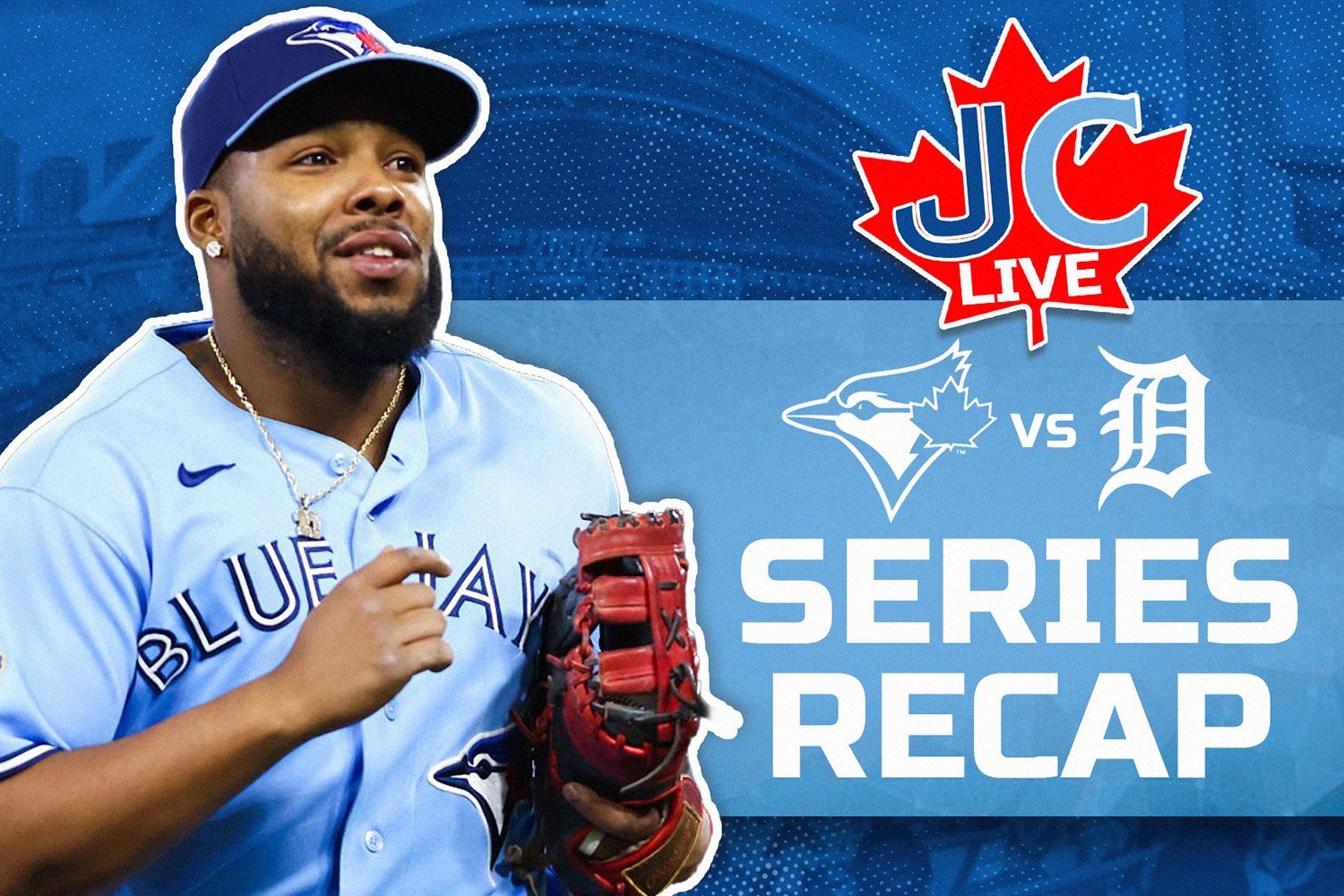 Owen Hill and Jesse Burrill went live to talk Blue Jays immediately following the series finale in Detroit. They talked about Vladimir Guerrero Jr.'s slump, Yohendrick Pinango's hot start, and took comments and questions from listeners. Listen on Apple Podcasts: https://podcasts.apple.com/us/podcast/the-jays-centre-podcast/id1846108462 Listen on Spotify: https://open.spotify.com/show/3Bi7SzfpcqMo5xYWnbCeoL Listen on iHeartRadio: https://www.iheart.com/podcast/263-the-jays-centre-podcast-300304824/ Listen on Pocket Casts: https://pca.st/2qk9wqxd Watch on YouTube: https://www.youtube.com/@jayscentre View the full article
 -
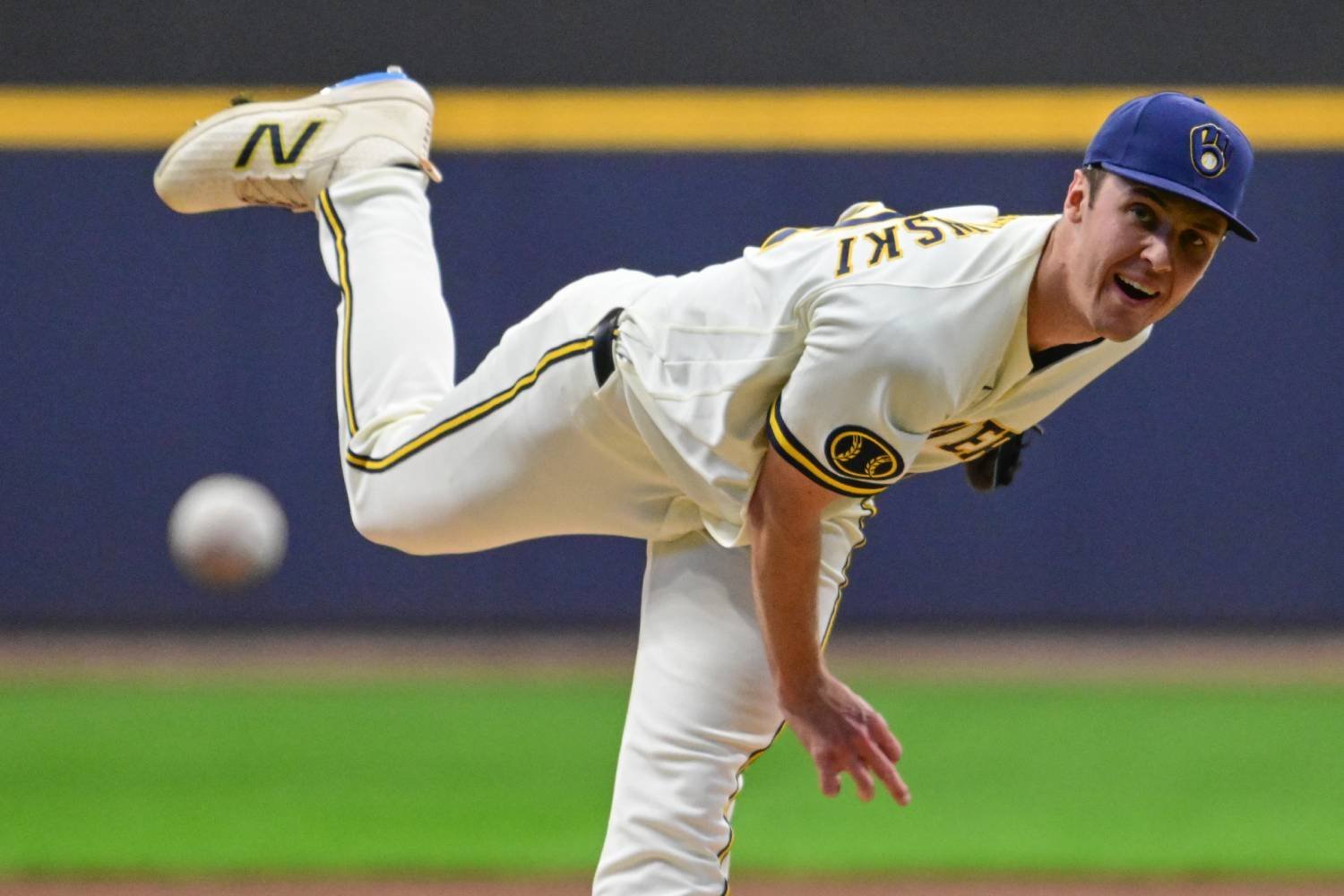 It took long enough, but the Milwaukee Brewers and Chicago Cubs are finally playing their first series of the 2026 season. While the Cubs have put the loyal followers at North Side Baseball in a euphoric stage with a pair of 10-game winning streaks, there is also the knowledge that work has only produced a 1½-game lead in the NL Central. As you might know, objects in the rearview mirror may be closer than they appear. In this case, the Brewers (and somehow the St. Louis Cardinals) are tied for second as the entire NL Central is above .500 entering the three-game series vs. the Cubs at Wrigley Field that runs Monday-Wednesday. The whole division is separated by five games. Being in first place has been good for the Cubs after the Brewers won a feisty five-game NL Division Series in October, the teams' first meeting in postseason history. Meanwhile, the Brewers have just been doing Brewers things to this point in the season, as they have done en route to three consecutive NL Central championships. Pitching pretty well and getting timely hits. Both teams have dealt with their share of injuries, although the Cubs have gotten the shorter end of that stick. So what do Cubs fans need to know about the Brewers entering this series? Let's take a look. Jacob Misiorowski Headlines Excellent Pitching Staff Despite trading away ace right-hander Freddy Peralta in February, the Brewers have one of the best pitching staffs in all of MLB. The Brewers have a team ERA of 3.29, which ranks third in MLB, a year after finishing second at 3.58. That begins with the emergence of flamethrowing right-hander Jacob Misiorowski as ace material. The Miz has a 2.12 ERA (2.28 FIP) in nine starts and leads MLB with 80 strikeouts. That translates into a remarkable 39.6% strikeout rate (22.2% is the MLB average), while cutting down his walk rate from 11.4% as a rookie to 8.4% in his second year (8.6% is the average). But it isn't Misiorowski alone. Left-hander Kyle Harrison, acquired when the Brewers traded third baseman Caleb Durbin to the Boston Red Sox in a six-player deal just as players were reporting to spring training, has a slightly better ERA at 2.09 (2.86 FIP), a remarkable improvement from his brief time with the Red Sox and the beginning of his career with the San Francisco Giants. Between the two, Harrison posted a 4.39 ERA (4.43 FIP) in 42 games, all but five starts. Milwaukee Brewers (@brewers) • Instagram photo WWW.INSTAGRAM.COM 9,784 likes, 53 comments - brewers on May 14, 2026: "All of these guys are 25 and under btw". The Brewers' rotation is doing this, at the moment, without veteran right-hander Brandon Woodruff, who went on the 15-day injured list May 1 with what was deemed inflammation in his right shoulder. He had a procedure to aspirate a cyst and remove fluid, then had a bullpen session Thursday as he hopes for a quick return. Currently, the oldest of the Brewers' five rotation members is 26-year-old Robert Gasser, who made his season debut Sunday. The backbone of the team is the bullpen. The back end has been a bit unsettled with right-hander Trevor Megill, the closer who had 30 saves a year ago, had some rocky outings early and has been in a setup or middle-relief role since. Right-hander Abner Uribe has taken over closer duties, notching four in six chances, but even he hasn't been a lockdown reliever, having yielded nine runs in 17⅓ innings. Left-hander Aaron Ashby has been the most valuable member of the bullpen. He leads MLB in wins with eight, making 21 appearances and throwing 29 innings for a 2.17 ERA (2.06 FIP). Another left-hander, Shane Drohan, is starting to get a more prominent role. He was another player the Crew acquired in the Durbin trade. Drohan made his MLB debut with a start this season and has flourished in relief, sporting a 3.24 ERA (2.39 FIP). Lacking Power, Speed Is The Focus Of Brewers' Offense The Brewers rank dead last in MLB with 30 homers, yet they are eighth in runs scored. How? Milwaukee draws a lot of walks (fourth-most), but also is pretty aggressive with its team speed, often using bunts to put pressure on the defense and then taking an extra base whenever possible. This has been an early-season identity carved out of necessity due to injuries to three of their power bats in outfielder Jackson Chourio, designated hitter Christian Yelich and first baseman Andrew Vaughn. Chourio went on the injured list Opening Day and Vaughn a day later. Both returned two weeks ago and have hit the ground running, adding a right-handed presence in the lineup even if they have a combined two homers after Chourio went deep Saturday. Yelich returned from the IL Monday following a strained left adductor, but then sat out the final two games of a series vs. the San Diego Padres and the first two against the Minnesota Twins with a back issue, something that has plagued him during his Milwaukee tenure. He was back in the lineup Sunday and hit second homer of the season. But the speed is real. David Hamilton, who starts at third base or shortstop, is second on the team in stolen bases with eight and is the primary bunt threat, something that works well at the bottom of the order as the big bats come up. Former Platinum Glove-winning second baseman Brice Turang leads with nine steals and has continued the momentum he built last year with six homers thus far. A healthy Garrett Mitchell patrols center field and has six steals, but his offensive contributions are more inconsistent despite being a true power-speed threat. There are black holes in the Brewers' offense. Shortstop Joey Ortiz and infielders Luis Rengifo and David Hamilton, who split time at third, are batting .198, .203, .225, respectively. Yet the Brewers have the 11th-best team batting average and the third-best on-base percentage. Who Are The Brewers' Scheduled Starting Pitchers? The Brewers' rotation sets up very well for the series against the Cubs as right-hander Brandon Sproat, Misiorowski and Harrison will start. All three will be coming off an extra day of rest with the Brewers getting a pair of spot starts over the weekend against the Twins. Sproat is one of the two players the Brewers got from the New York Mets in the Freddy Peralta trade. Infielder-outfielder Jett Williams, Brewer Fanatic's No. 4 prospect, is the other and currently at Triple-A Nashville. Sproat has bounced back from a pair of subpar outings with two decent ones. Following four shutout innings against the St. Louis Cardinals on May 6, he went 5⅓ innings in Tuesday's series opener vs. the San Diego Padres. Walks have been a little bit of an issue for Sproat, with a 13% walk rate, much worse than the MLB average of 8.6%, while his 23.4% strikeout rate is about one point better than the MLB average (22.2%). The issue for Sproat thus far has been trying to harness the excellent movement he has on his pitches. Misiorowski, meanwhile, is coming off two of his finer starts of his not even one-year-old career. One of the things that made baseball fans latch onto Miz as he made a splashy MLB debut was the emotion he carried. He still does that, but he doesn't let the emotion overtake him. That was very evident in his May 8 start vs. the New York Yankees. He limited a potent Yankees lineup to two hits over six innings, walking a pair and matching his season high with 11 strikeouts. He threw 29 pitches that lit up the radar gun at 101 mph or more, which was the second-most since the pitch-tracking era began in 2008. Misiorowski was pumped to face the Yankees as his first-inning velocity revealed. He had the four fastest pitches in the pitch-tracking era and seven pitches that registered at 103 mph, peaking at 103.6, and the two fastest strikeouts. This chart is from just the first two innings against the Yankees. Then, Wednesday against the San Diego Padres, he wasn't quite as amped up, but turned in another spectacular performance. Misiorowski struck out 10 over seven innings and gave up four hits, but did not walk a batter for just the second time in his career, both coming this year. This time, he had 30 pitches at 101 mph or better, one better than his previous outing and giving him three of the top five spots. That is showing some of the maturity that may have been lacking in the second half last year that resulted in him going to the bullpen at the end of the regular season and for the postseason. Harrison has been very steady in all eight of his starts with the Brewers. He hasn't allowed more than two runs in any start, with strikeout totals at five or above in six starts, with a high of 12 April 26 vs. the Pittsburgh Pirates. Walks were an issue in his start May 9 vs. the Yankees, issuing four. In his last start, Thursday vs. the Padres, Harrison struck out seven over five shutout innings, buoyed by a pair of three-run innings by the Brewers' offense to begin the game. View the full article
