


DiamondCentric
-
Posts
2,631 -
Joined
-
Last visited
Never
Content Type
Profiles
Forums
Events
News
Tutorials & Help
Major League Baseball Videos
Guides & Resources
Store
Downloads
Gallery
Everything posted by DiamondCentric
-
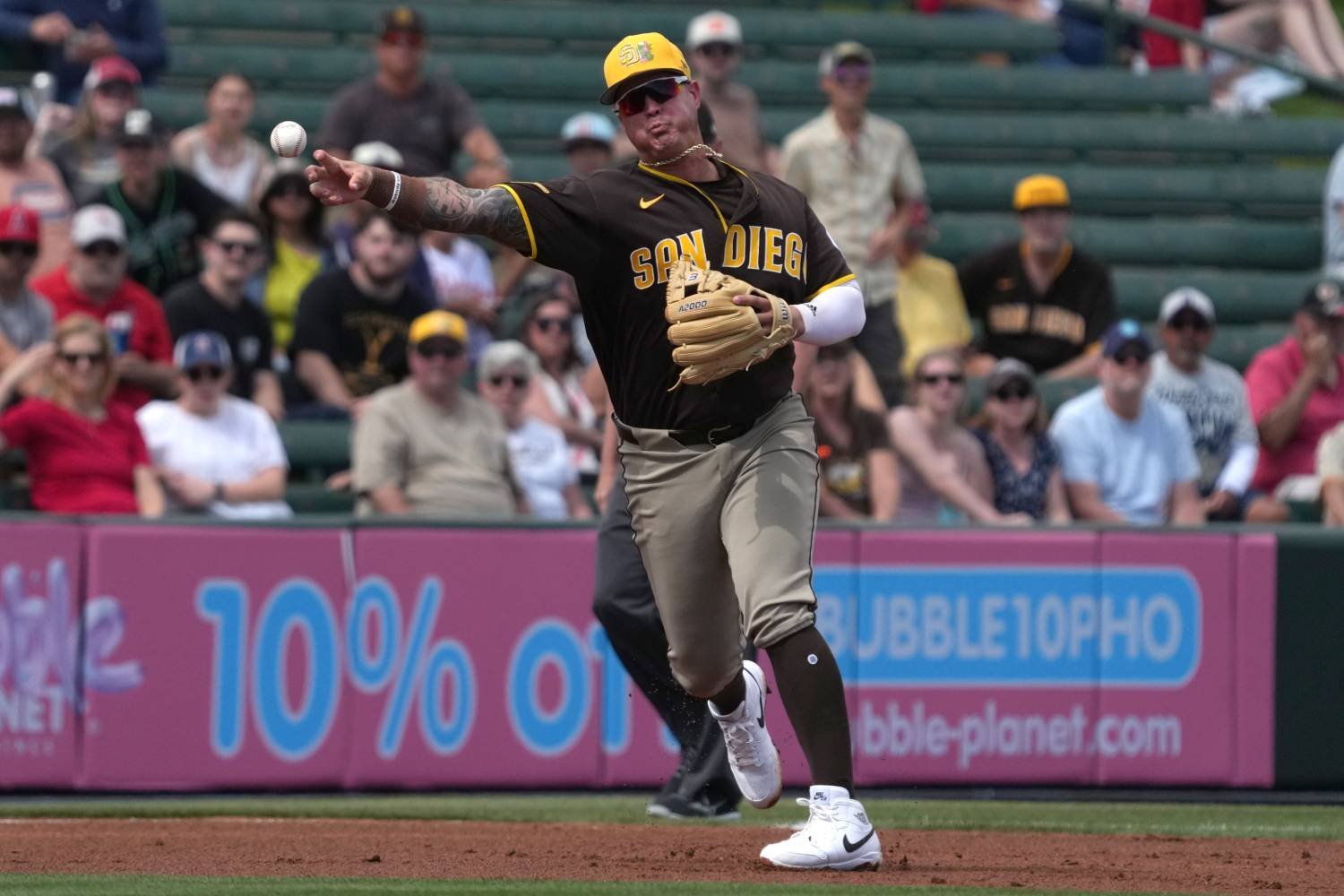 Infielder Jose Miranda, considered a long shot to make the San Diego Padres' Opening Day roster, was released by the team Tuesday. Miranda had a June 1 opt-out in his contract, per the San Diego Union-Tribune. The 27-year-old Miranda had been with the Triple-A El Paso Chihuahuas this season and had produced a .268/.308/.482 slash line with five homers and 26 RBIs in 28 games. The move was not that all surprising as there was no room for Miranda on the Padres' roster. First baseman Ty France earned the last bench spot in spring training and the Padres have not used infielder Sung-Mun Song, signed to a four-year, $15 million contract in the offseason, much since he was called up to replace second baseman Jake Cronenworth, who is on the seven-day concussion list. At Triple-A, he mainly played first base, starting there 15 of the 16 games he played there. Miranda only played five games at third base, his primary position when he was with the Minnesota Twins. Miranda had a solid spring training with a .304/.385/.522 slash line, a pair of homers and nine RBIs in 22 games. View the full article
 -

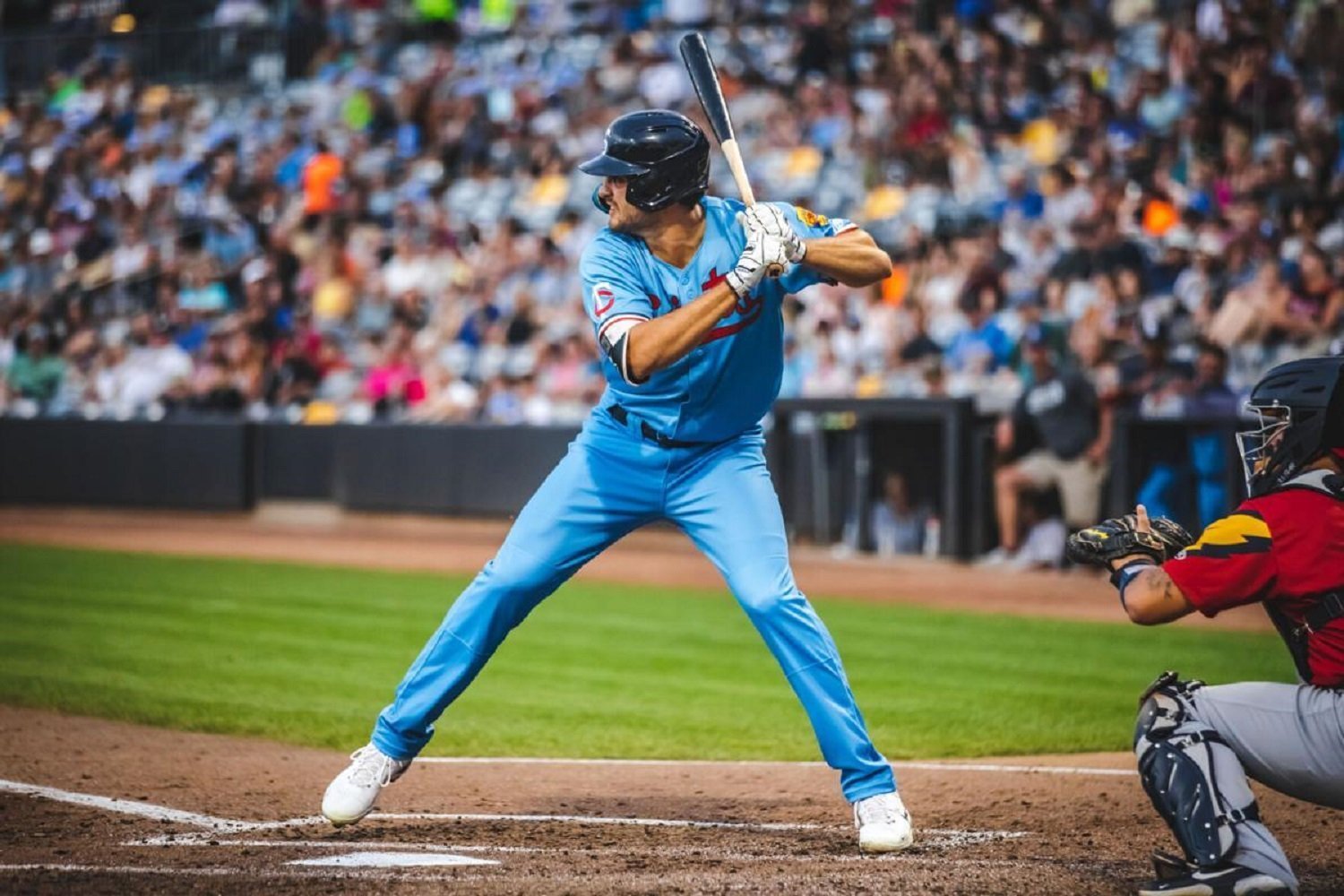 The Minnesota Twins have seen this movie before with Matt Wallner. A talented slugger with massive raw power starts the season in a deep slump, gets sent to Triple-A to reset mechanically and mentally, then returns looking like a completely different hitter. That formula worked in 2024. The question now is whether lightning can strike twice. Minnesota demoted Wallner after one of the worst starts by any regular player in baseball. Through the opening stretch of the season, he slashed .167/.259/.292 with a 58 wRC+, a 39.3% strikeout rate, and a league-worst -8 Defensive Runs Saved (DRS). His struggles were severe enough that he accumulated negative value on both sides of the ball and had a ghastly -1.3 rWAR before the demotion. The Twins didn't put him in a position to succeed, either. Minnesota faced an unusually heavy dose of left-handed starting pitching during the first month of the season, and the club continued running Wallner into the lineup regularly despite his long-standing platoon concerns. His production against right-handed pitching was already underwhelming with a .580 OPS, but things cratered further against lefties, where he posted just a .496 OPS. Still, the underlying issues went beyond usage patterns. Wallner’s inability to handle fastballs became one of the biggest red flags in his profile. For a hitter whose value comes from power, pitchers consistently beating him with velocity is a dangerous trend. He produced just a .377 xSLG against fastballs while posting a 35.0% whiff rate against them. Even more concerning, his whiff rates against breaking balls and offspeed pitches both climbed above 50%. Pitchers essentially discovered they could attack him in every zone and with every pitch type. That much generalized suckage is nearly impossible to survive against major-league pitching. Part of the problem may stem from a subtle but meaningful drop in bat speed. Wallner ranked among baseball’s elite in bat speed over the previous two seasons, sitting at 76.6 mph in 2024 and climbing even higher in 2025 at 77.4 mph. This season, that number dropped to 75.4 mph. While still strong overall and ranking in the 90th percentile, even a slight decrease can dramatically alter timing windows for a hitter whose offensive profile depends on punishing mistakes. A hitter losing even a fraction of reaction time can suddenly find himself late on fastballs and vulnerable to secondary pitches once behind in counts. That's exactly what happened to Wallner. The encouraging part for Minnesota is that there is already a blueprint for fixing him. Back in May of 2024, the Twins sent Wallner to Triple-A for a similar reset. He responded by posting an .888 OPS with 19 home runs and 15 doubles across 67 games. When he returned during the second half, he looked far more confident and under control at the plate, producing a .914 OPS with 10 home runs and 14 doubles in just 55 games. The assignment worked then because Wallner simplified things. He attacked pitches he could drive, punished mistakes early in counts, and stopped trying to cover every inch of the strike zone. He looked athletic and explosive again. Now he has to prove those adjustments are still available to him. So what exactly must Wallner accomplish at Triple-A before earning another call to Minnesota? The first priority is reducing swing-and-miss against fastballs. The Twins can live with strikeouts if Wallner is demolishing velocity, but they cannot carry a slugger who consistently loses to four-seamers in the zone. If he starts driving fastballs to the pull side again with authority, that will be the clearest sign his timing and bat speed are returning. Second, the Twins need to see better swing decisions. Wallner does not need to become a low-strikeout hitter, but he has to show more control within at-bats. Too often this season, opposing pitchers expanded the zone and watched him chase himself into disadvantageous counts. Triple-A will give him an opportunity to rebuild his confidence by attacking hittable pitches earlier, rather than constantly reacting from behind. The defensive side matters, too. Minnesota can survive slightly below-average defense from Wallner because of his offensive upside, but they cannot continue playing someone costing runs at the rate he was earlier this year. Better reads in the corner outfield and more consistent routes would help rebuild trust with the coaching staff. At his best, he is not an everyday middle-of-the-order bat facing all pitching styles. He is a devastating weapon against right-handed pitching who can completely change a game with one swing. The Twins may have overextended him by trying to force everyday usage. A successful reset could include Wallner embracing that role again and dominating favorable matchups, instead of trying to prove he can handle every situation. Minnesota still needs the version of Wallner that looked like a breakout power hitter during the second half of 2024. Few players in the organization possess his raw power or ability to change a game instantly. But talent alone will not get him back to Target Field. The Twins need to see a hitter who can catch up to velocity again, control the strike zone better, and rebuild enough confidence to become a dangerous platoon bat. They need to see competent defense in a corner outfield spot. If Wallner can accomplish those things at St. Paul, another opportunity in Minnesota will come sooner rather than later. What does Wallner need to accomplish at Triple-A? Leave a comment and start the discussion. View the full article
 -
 Kody Clemens has emerged as one of the more important players on this Twins roster. Between his bat, glove, and sneaky speed, he's providing Minnesota with a little bit of everything. View the full article
 -
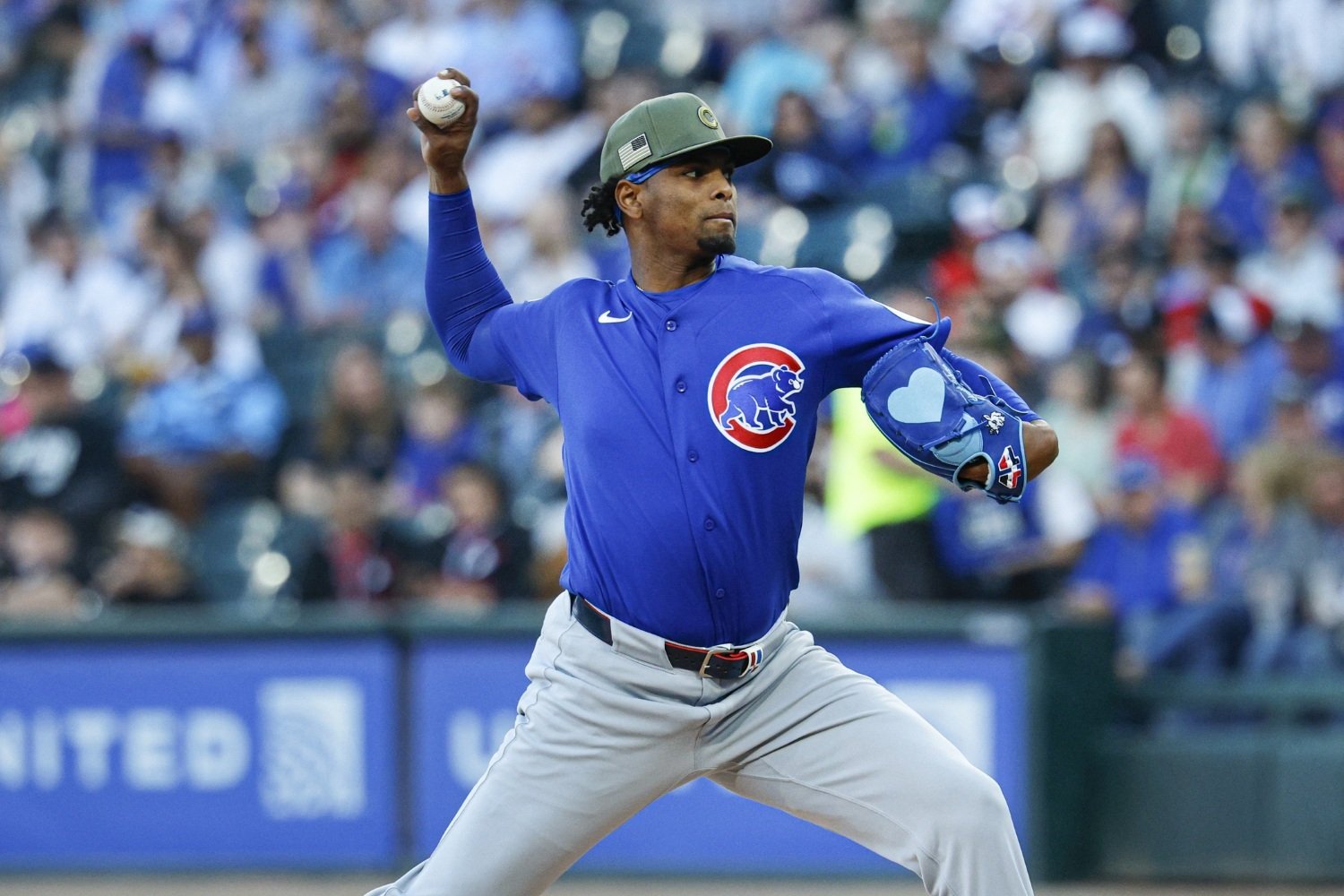 After getting shot out of a cannon to start the 2026 campaign and looking ultra-impressive, Cubs right-handed pitcher Edward Cabrera is hitting his first slump as a member of the North Siders. Today, we’ll dive into what’s gone south for him, specifically in the month of May. Setting The Table As a reminder, the Cubs acquired Cabrera in a trade for outfield prospect Owen Caissie, the jewel of their farm system who got a cup of coffee in the major leagues last season. That was a high price to pay, but with Justin Steele being set back and Cade Horton going down (among a litany of injuries that have popped up with this starting pitching staff), it looks like addressing the rotation was a pretty smart choice. Now, let’s dive into his struggles, because those very injuries make Cabrera indispensable for the team. A Rough Month Of May After a strong first couple of starts in the 2026 season, Cabrera has an earned run average north of 6.00 in the month of May. He allowed a season-high five earned runs a couple of starts ago, and he has now given up at least three earned runs in seven consecutive starts, a streak I’m sure he’d love to break Wednesday night against the Brewers. What’s contributing to this drop-off from the Cabrera who didn’t allow a single earned run over his first pair of starts? Let’s take a look. Hard Contact, XBA Quality of contact is a great place to start. We mentioned that the earned runs have spiked in the last few starts. For the culprit, look no further than the home run ball. Cabrera has allowed the long ball five times in his last three combined starts, and he has now given up at least one round-tripper in five consecutive starts. For an opposing hitter to get a home run, two factors need to go right: quality of contact and launch angle. The hard contact box is certainly checked off. Cabrera is allowing one of the highest average exit velocities of any pitcher in baseball, at 91.6 mph. That’s in the bottom 6 percent of all pitchers. Not far from exit velocity is its cousin, barrel percentage. Cabrera is getting barreled up 12.9% of the time, which puts him in the bottom 8 percent of pitchers. How about the launch angle? Well, Cabrera is allowing an average launch angle of 12.5 degrees. That’s the second-highest mark of his six-year career, and it’s not missing the watermark he set in 2022 by much, which was 12.7°. Consequently, the righty’s ground ball rate is right around league average at 44.2%. Hitters aren’t just teeing off on Cabrera, but they’re getting optimal launch angles in the process. The Sinker Is Getting Mashed Another way to slice up a hurler’s struggles is to go pitch-by-pitch. We know Edward Cabrera is known for his changeup. It’s his bread and butter, and so far, so good—for the most part. He has an opposing batting average of .241 with that selection. It’s a bit of a spike from his .203 mark a year ago, but this pitch isn’t the main issue. The sinker is yet again looking like his Achilles heel. A year removed from a campaign wherein Cabrera’s sinker was hit at a clip of .370, he’s allowing a .364 opposing batting average. This is far and away the highest of any of the five options in his arsenal. Brighter Skies Ahead? On the bright side, Cabrera still has five options to choose from. Pitchers who have a more limited list of pitches are sometimes stuck with what they have, but Cabrera has the changeup, curveball, sinker, four-seamer and a slider. The changeup is supposed to be one of the most lethal weapons in the game, and I think he can be one of the more impressive righties out there with it. Now it’s just about keeping the ball down and preventing hard contact. View the full article
 -
 Box Score SP: Joe Ryan - 6 IP, 5 H, 1 ER, 0 BB, 9 K (99 pitches, 71 strikes (72% strikes) Home Runs: Ryan Kriedler (3) 3 WPA: Ryan Kreidler (0.24); Joe Ryan (0.20); Victor Caratini (0.11) Win Probability Chart (via FanGraphs) The rubber match of a series against the Astros Wednesday afternoon was also getaway day, and the telling contest of a nine-game homestand. The Twins had won one series and lost the next, and entered Wednesday needing a win to go 5-4 before heading out on a 10-game road trip. Two Ryan Experiences for the Price of One Joe Ryan gave up three singles to the bottom of Houston’s lineup in the top of the 2nd, allowing the Astros to strike first on an RBI single from former Twin Christian Vázquez. Houston grabbed the early lead, but the Twins answered immediately with a (looong) solo home run from Victor Caratini to tie the game at 1-1. Both before and after that blip, however, Ryan looked much more like himself. While his pitch count continued to climb, he worked out of several jams and racked up nine strikeouts through six innings, looking more confident with every trip to the mound. The Twins took control in the fourth inning with a three-run homer from Ryan Kriedler, extending the lead to 4-1 heading into the fifth. Kreidler had an execrable offensive track record in the majors before this season, but he's thriving in his part-time role with the Twins this year. Ryan finished six innings and told Audra Martin afterward that one of the things he appreciates most is his defense, pointing specifically to James Outman’s diving catch for the final out of the fourth inning. Ryan also joked about former teammate Vázquez being the lone hitter to drive in a run against him. Since leaving his start on May 3 with elbow soreness after facing just two batters, he's not only managed to stay in the rotation, but been dazzling. It's a huge relief, in a year when every other player who reports some minor malady seems to land on the injured list for months. It's a Team Effort Kody Clemens has become an important piece of the lineup, filling multiple roles defensively. Against Houston, he started in right field and finished at first base. Derek Shelton commented before the game that Clemens has been “a net positive at every defensive position he’s played,” while also allowing other players to get needed rest without sacrificing defense. Clemens has also continued to improve offensively, hitting .240 with a .754 overall OPS—his best production to date. There were no more runs for either side after the fourth inning, and the bullpens set up to battle it out, both sides needing the win. Strong Bullpen Appearance Yoendrys Gómez relieved Ryan in the seventh and struck out three straight hitters, preserving the cushion and allowing the offense to avoid grinding through every at-bat. The Twins have played in 10 one-run games this season and won only three of them, making any lead larger than one especially valuable. The bullpen still brings some uncertainty, but lately the starters have been delivering longer, more effective outings, giving the relievers room to breathe instead of being overused on a nightly basis. Gómez returned for the eighth inning and looked a little less sharp than he did in the seventh, but still managed to post a zero and keep the Twins in control. Andrew Morris closed things out with a 10-pitch save, the first of his career. He's settling ever more into a standard, high-leverage relief role, and is one symbol of the rising promise of this roster. What’s Next? The Twins have a day off on Thursday in Boston, after which they'll begin a 10-day road trip. Their first contest at Fenway Park begins at 6:10 PM CT on Friday. The Twins will send Connor Prielipp to the mound (1-2, 2.88 ERA), facing Payton Tolle (2-2, .205 ERA), Postgame Interviews Bullpen Availability Chart View the full article
 -
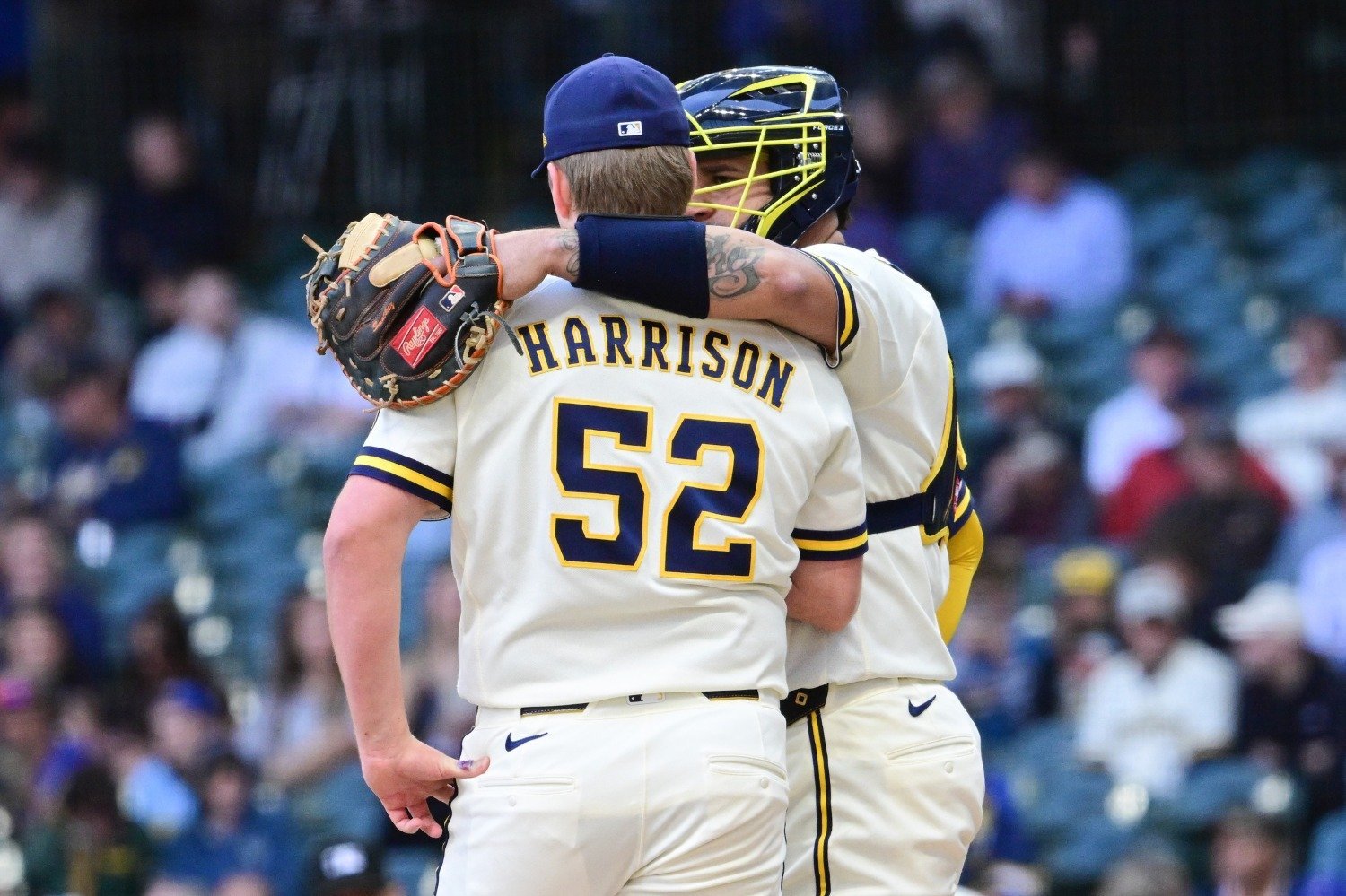 The Milwaukee Brewers' pitching lab strikes again. Stop me if you’ve heard that one before. Mere months after they traded for Kyle Harrison in a deal that involved Caleb Durbin and the rest of this team’s former third base depth chart, they've watched the young left-hander emerge as a vital part of their starting rotation. Today, we’ll explain what Harrison is doing so well. Building The Background While he’s relatively young (just 24 years old), the Brewers are Harrison’s third MLB team already. He started his major-league career with the San Francisco Giants, who picked him in the 3rd round in 2020, went to the Red Sox last June in the Rafael Devers trade, and then was flipped to Milwaukee just months later. So far in his career, he’s been solid, but there are a few metrics that Harrison has improved in that have led to what could be a career year in 2026. Let’s dive in. Getting Players To Chase First, the strikeout rate. Harrison is striking out 29.2% of the hitters he faces. In four years, the lefty’s previous career high was 24.4%, set just last year. Right there with it, his chase rate and whiff rate are in the top quartile of the league, with a very impressive K-per-9 mark for a starting pitcher. What could be leading to this spike in strikeouts? Harrison’s out-of-zone pitch percentage has actually gone up a couple of ticks, but the opposing swing rate is up, and his out-of-zone swing percentage is up. This means now, more than ever, the southpaw is throwing pitches that look appetizing off the hand but end up being not-so-great decisions for the opposing hitter. Jumping Ahead In The Count Another metric that has led to higher strikeout percentages (and more success, overall) is a simple one, but it’s one that the Brewers pitchers are great at hammering home. His first-pitch strike percentage is at 70, which is 9.4 percentage points better than last year. The dance that pitchers and hitters do is mainly dictated by count leverage, and if you’re up 0-1 70% of the time, it usually spells advantage to the pitcher. Harrison simply has command of his pitches more than ever, and once he’s able to get that leverage, hitters get into defensive mode and have to try and fight off anything close. Minimizing Hard Hit Rate Another metric to keep an eye on is hard-hit rate, because even the best pitchers are going to give up contact, and Harrison passes the eye test there, too. The former Giant is allowing a hard-hit ball just 30.1% of the time, putting him in the top 12% among all big-league pitchers. His offspeed stuff is much nastier in the past, thanks to a new grip on the changeup, a new position on the rubber, and a change to his arm angle. The bottom line is this: the Brewers have done it again. We’re starting to see some of the dividends with Brandon Sproat as well, but the left-handed Harrison already looks like he's living up to the prospect hype he garnered just a few short years ago. View the full article
 -
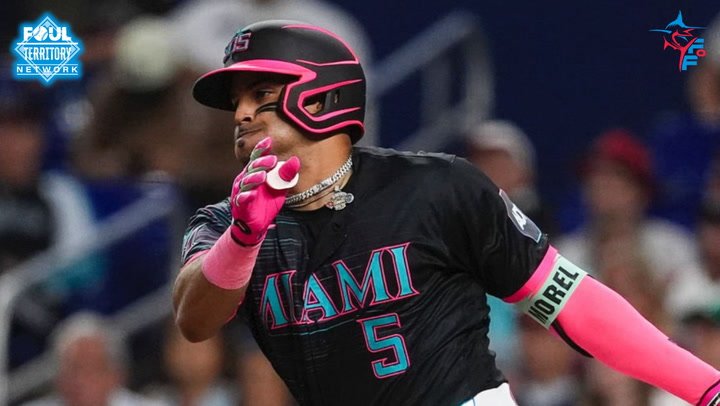 On Fish Unfiltered, Clayton McCullough addresses the criticism about his team's unconventional batting orders and explains which factors dictate who starts for the Marlins each day. View the full article
 -
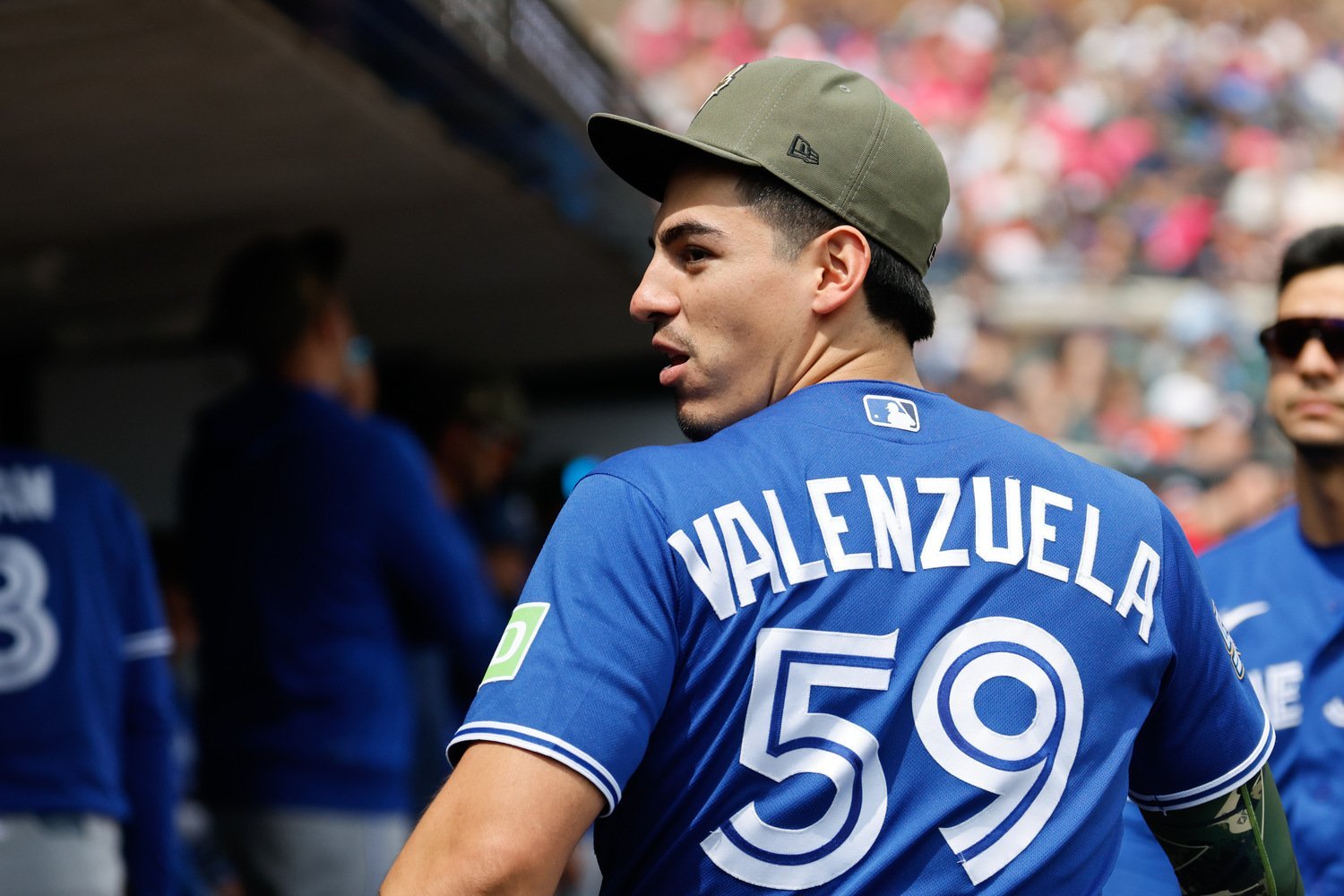 Monday was a rough one for Brandon Valenzuela. The Blue Jays catcher made two errors and let the Yankees steal five bases. He was well off the mark in his only ABS challenge of the game. His called strike rate on pitches in the shadow zone was uncharacteristically poor. Overall, his pitchers only earned strikes on 60% of their pitches. They gave up seven runs on 11 hits, four walks, and three homers. Yet, even in what was otherwise the worst defensive game of his young career, Valenzuela made the play of the night. Yankees catcher J.C. Escarra bunted a pop-up down the third base line. The ever athletic Valenzuela sprung to his feet and laid out for a sliding grab, the kind a catcher rarely has the opportunity to make. Despite the backwards somersault that knocked his helmet off his head, he held on to the baseball. Jeff Hoffman pumped his fist in celebration. Even the fans in the stands at Yankee Stadium were impressed. My point? Valenzuela has been nothing short of phenomenal behind the dish for the Blue Jays this season. His latest outing against the Yankees wasn't the most prototypical example of his defensive skills, but nonetheless, his glove found a way to shine. Valenzuela started the season with the Triple-A Buffalo Bisons. He only got the call to the majors when Alejandro Kirk hit the injured list eight games into the year. Then, he had to prove he deserved to be more than Tyler Heineman's backup. As a result, he has only played in 29 of Toronto's 48 games so far. His 203.2 defensive innings rank 27th among catchers. Despite that disadvantage, he leads his position in Statcast's Fielding Run Value (+6). He's tied for second in Defensive Runs Saved (+4). His framing has been spectacular, as has his ability to control the running game. The sample is small, but the company Valenzuela is keeping is elite: Catcher FRV Brandon Valenzuela 6 Patrick Bailey 5 Adley Rutschman 5 Dillon Dingler 4 Carlos Narváez 4 Tyler Heineman 4 J.T. Realmuto 4 Truth be told, that one leaderboard is pretty much the whole reason I wanted to write this article. I saw Valenzuela sitting just ahead of Bailey, Rutschman, and Dingler, and I wanted to shout from the metaphorical rooftop that the Blue Jays have the best defensive catcher in baseball – and his name isn't Kirk or Heineman. Yet, Valenzuela deserves commendation for more than just his glove. The switch-hitter has looked much more competent with the stick in May. He went 5-for-34 (.147) with one walk, one extra-base hit, and 14 strikeouts in his first three weeks with the Jays. Over the next three weeks, he hit .308 with three home runs, walking nearly as often as he struck out. His full-season OPS is up to a respectable .720. Both his wOBA and xwOBA sit right around league average. All told, Valenzuela's .233/.309/.411 slash line is nothing to write home about. But the difference between an elite defensive catcher who can hold his own against big league pitching and one who can't is massive. That's why Valenzuela is taking more and more playing time from Heineman. When the Blue Jays called up Valenzuela, all they were asking for was solid defense and a bat they could hide in the nine-hole of the order. They've gotten so much more. Since the day of his big league debut, Valenzuela ranks second among Blue Jays position players with 0.9 FanGraphs WAR. (Daulton Varsho is first with 1.2 fWAR.) That should tell you that the team has struggled, which you probably already knew. But it should also tell you how valuable Toronto's rookie catcher has been. Can Valenzuela keep playing at this level? The jury is still out on that one. Right now, however, he's helping to keep the team afloat while almost everyone else around him is either slumping or injured (or a bit of both). Hopefully, Kirk will come back soon, and Valenzuela won't have to do this much longer. But no matter what he does going forward, the young backstop has already been a hero for the Blue Jays in 2026. View the full article
 -
 Every month, Fish Unfiltered takes Miami Marlins fans "Inside the Dugout," bringing you an extended, exclusive interview with Marlins manager Clayton McCullough. During our May sitdown, McCullough speaks with Isaac Azout, AJ Ramos and Kevin Barral about Max Meyer's career year, Braxton Garrett's demotion, the process of deciding on a daily lineup and why Marlins batters have rarely used ABS challenges. He always gives a vote of confidence to struggling right-hander Eury Pérez and tries to remember every player who started for Miami in his managerial debut on Opening Day 2025. You can find Fish Unfiltered and Fish On First LIVE on the Fish On First YouTube channel, Apple Podcasts, Spotify or wherever else you get your pods. The Marlins enter Wednesday with a 22-27 record, 11 games out of first place in the National League East and seven games back of the final NL wild-card spot. Among the season's biggest surprises: Meyer dramatically outperforming Pérez. Through 10 starts apiece and approximately the same overall workload, Pérez's ERA is practically doubled Meyer's (5.33 to 2.85), with the latter doing a far better job of filling up the strike zone and suppressing home runs. View the full article
 -
Zach Thornton Called Up By Mets To Make MLB Debut Today
DiamondCentric posted an article in Grand Central Mets
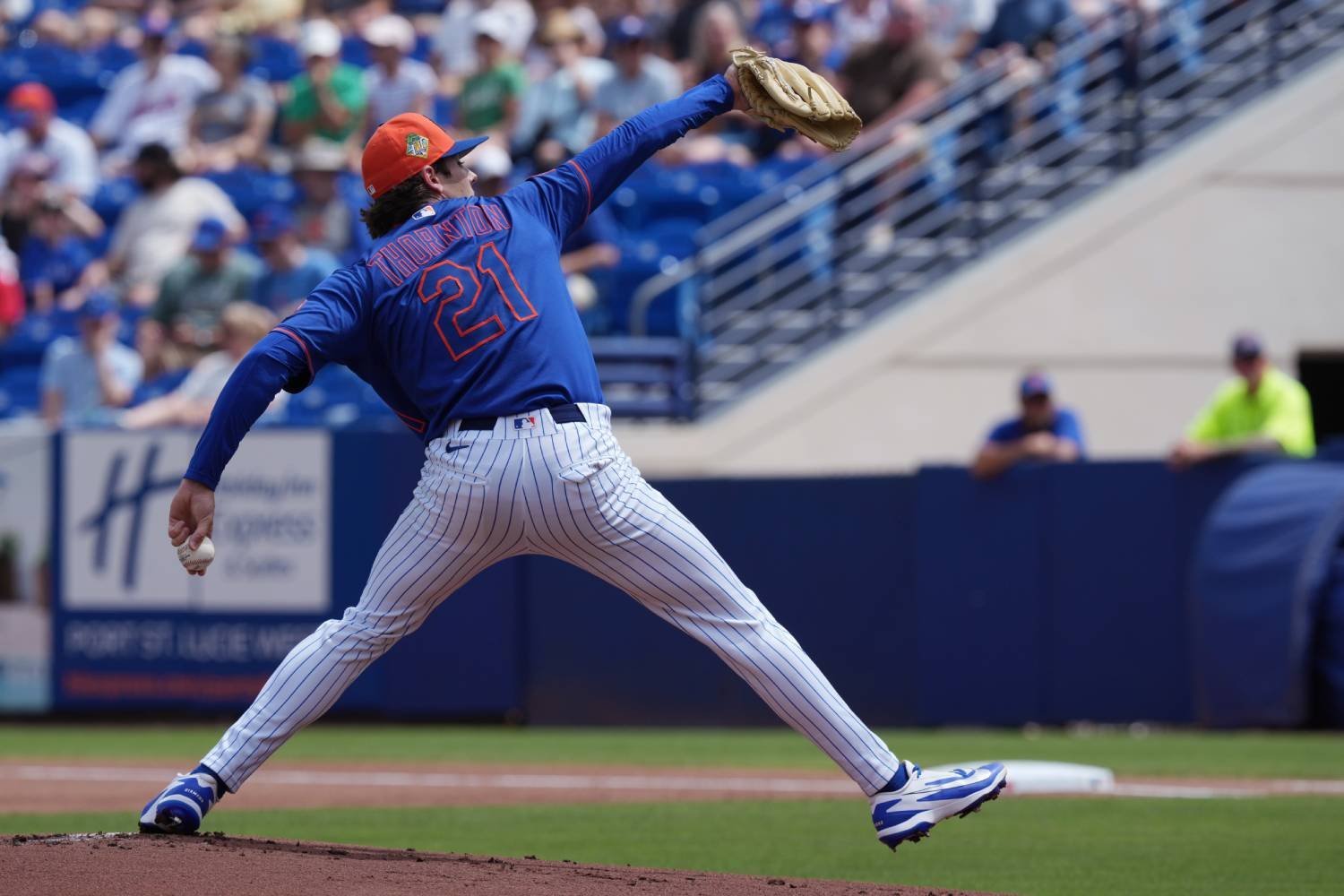 The New York Mets' youth movement continues. A day after promoting a prospect outfielder to make his MLB debut, the Mets have promotoed left-hander Zach Thornton from Triple-A Syracuse to make his MLB debut in today's game against the Washington Nationals. To make room on the 26-man roster, right-hander Daniel Duarte was sent back to Syracuse. The Mets had an open spot on their 40-man roster. On Tuesday, outfielder Nick Morabito came up and appeared in his first MLB game during the Mets' 9-6 loss to the Nationals. The week before, another top outfield prospect, A.J. Ewing, made his debut. So Thornton, Grand Central Mets' No. 11 prospect, makes it three players who will have made their MLB debut since the beginning of last week. The 24-year-old Thornton, a fifth-round draft choice in 2023 out of Grand Canyon, will be appearing at his third level in the Mets' organization this year. He made five starts at Double-A Binghamton with a 3.60 ERA with nine walks and 27 strikeouts in 25 innings. That earned him a call-up to Triple-A, where he had two starts, going 12 innings with three walks and 13 strikeouts for a 2.25 ERA. Duarte was called up Monday and made his only appearance in Tuesday's game, going 2⅓ scoreless innings, allowing one hit with a strikeout. View the full article
 -
 Chicago Cubs Minor League Report - May 19 Affiliate Overview Triple-A Iowa Cubs Series vs. Memphis Redbirds (St. Louis Cardinals): Redbirds lead, 1-0 Season Record: 18–27 Double-A Knoxville Smokies Series vs. Montgomery Biscuits (Tampa Bay Rays): Biscuits lead, 1-0 Season Record: 21–19 High-A South Bend Cubs Series at West Michigan Whitecaps (Detroit Tigers): Whitecaps lead, 1-0 Season Record: 20–16 Single-A Myrtle Beach Pelicans Series at Kannapolis Cannon Ballers (Chicago White Sox): Cannon Ballers lead, 1-0 Season Record: 18–20 Affiliate Highlights Triple-A: Iowa Cubs Season Record: 18–27 Series Opponent: Memphis Redbirds (28–18) Series Standing: Trail, 1-0 May 19: The Iowa Cubs saw their losing streak reach eight games after suffering a 6-3 defeat to the Memphis Redbirds on Tuesday at Principal Park. The Redbirds took the lead in the first but Kevin Alcántara (1-for-5) was able to bring the Cubs level with an RBI-single in the third. The teams traded runs in the fifth, with James Triantos (2-for-4) tying the game for Iowa at 2-2 with an RBI-triple. Memphis went ahead for a third time on the night with a run in the seventh and doubled its lead with another in the eighth to make it 4-2. Justin Dean’s (1-for-3) solo shot in the eighth cut the deficit to one but the Redbirds pulled away with two runs in the ninth to earn the series-opening win. Ryan Jensen got the bulk of work in relief after I-Cubs starter Connor Noland departed in the second following being struck by a comebacker in the right leg. Jensen worked 2 1/3 scoreless frames, allowing just two hits while striking out four. Double-A: Knoxville Smokies Season Record: 21–19 Series Opponent: Montgomery Biscuits (21–19) Series Standing: Trail, 1-0 May 19: The Knoxville Smokies opened their series against the Montgomery Biscuits with a 3-1 defeat on Tuesday night at Covenant Health Park. The Biscuits jumped out to a 3-0 lead after scoring twice in the second and adding their third in the third. The Smokies finally got on the board in the seventh when Edgar Alvarez (1-for-2) doubled home Ed Howard (1-for-1). Knoxville would be held to just five hits in the ballgame with no batter able to record a multi-hit effort. Yenrri Rojas started on the mound for the Smokies, taking the loss and falling to 1-3 on the year. Rojas allowed three runs on six hits over five innings of work, striking out four while issuing no walks. Jace Beck worked three scoreless frames in relief, yielding one hit while punching out seven. High-A: South Bend Cubs Season Record: 20–16 Series Opponent: West Michigan Whitecaps (14–16) Series Standing: Trail, 1-0 May 19: The South Bend Cubs dropped their series opener to the West Michigan Whitecaps, 6-4, on Tuesday night at LMCU Ballpark. The Whitecaps plated a run in both the second and third innings before the Cubs got on the board in the sixth through an RBI-single from Kade Snell (1-for-4). West Michigan responded with four runs in the home half of the sixth to make it a 6-1 game. South Bend was able to make it 6-4 in the seventh thanks to a three-run blast from Kane Kepley (1-for-4), his second of the season. The Cubs weren’t able to rally further, ultimately dropping the contest. Nazier Mulé suffered the loss in the start, allowing one run on one hit over 1 1/3 innings of work, but issued four walks to go along with three strikeouts. Single-A: Myrtle Beach Pelicans Season Record: 18–20 Series Opponent: Kannapolis Cannon Ballers (19–21) Series Standing: Trail, 1-0 May 19: The Myrtle Beach Pelicans saw their losing skid his three games as they dropped their series opener to the Kannapolis Cannon Ballers, 3-1. Pelicans starter Pierce Coppola set career-best marks in innings pitched (5 1/3) and strikeouts (9) but allowed three runs on one hit and three walks and was handed the loss, falling to 0-2 on the campaign. The Cannon Ballers took the lead with a run in the fourth and would later make it 3-0 with two runs in the sixth. Myrtle Beach got their lone run of the contest in the seventh on Jose Escobar’s (2-for-3) RBI-single. Mason McGwire worked 1 2/3 scoreless frames out of the bullpen, striking out one. McGwire has posted a 1.93 ERA (3 ER/14.0 IP) in four appearances this month, striking out 20 while issuing just four walks. View the full article
 -
 Chicago Cubs Minor League Report - May 19 Affiliate Overview Triple-A Iowa Cubs Series vs. Memphis Redbirds (St. Louis Cardinals): Redbirds lead, 1-0 Season Record: 18–27 Double-A Knoxville Smokies Series vs. Montgomery Biscuits (Tampa Bay Rays): Biscuits lead, 1-0 Season Record: 21–19 High-A South Bend Cubs Series at West Michigan Whitecaps (Detroit Tigers): Whitecaps lead, 1-0 Season Record: 20–16 Single-A Myrtle Beach Pelicans Series at Kannapolis Cannon Ballers (Chicago White Sox): Cannon Ballers lead, 1-0 Season Record: 18–20 Affiliate Highlights Triple-A: Iowa Cubs Season Record: 18–27 Series Opponent: Memphis Redbirds (28–18) Series Standing: Trail, 1-0 May 19: The Iowa Cubs saw their losing streak reach eight games after suffering a 6-3 defeat to the Memphis Redbirds on Tuesday at Principal Park. The Redbirds took the lead in the first but Kevin Alcántara (1-for-5) was able to bring the Cubs level with an RBI-single in the third. The teams traded runs in the fifth, with James Triantos (2-for-4) tying the game for Iowa at 2-2 with an RBI-triple. Memphis went ahead for a third time on the night with a run in the seventh and doubled its lead with another in the eighth to make it 4-2. Justin Dean’s (1-for-3) solo shot in the eighth cut the deficit to one but the Redbirds pulled away with two runs in the ninth to earn the series-opening win. Ryan Jensen got the bulk of work in relief after I-Cubs starter Connor Noland departed in the second following being struck by a comebacker in the right leg. Jensen worked 2 1/3 scoreless frames, allowing just two hits while striking out four. Double-A: Knoxville Smokies Season Record: 21–19 Series Opponent: Montgomery Biscuits (21–19) Series Standing: Trail, 1-0 May 19: The Knoxville Smokies opened their series against the Montgomery Biscuits with a 3-1 defeat on Tuesday night at Covenant Health Park. The Biscuits jumped out to a 3-0 lead after scoring twice in the second and adding their third in the third. The Smokies finally got on the board in the seventh when Edgar Alvarez (1-for-2) doubled home Ed Howard (1-for-1). Knoxville would be held to just five hits in the ballgame with no batter able to record a multi-hit effort. Yenrri Rojas started on the mound for the Smokies, taking the loss and falling to 1-3 on the year. Rojas allowed three runs on six hits over five innings of work, striking out four while issuing no walks. Jace Beck worked three scoreless frames in relief, yielding one hit while punching out seven. High-A: South Bend Cubs Season Record: 20–16 Series Opponent: West Michigan Whitecaps (14–16) Series Standing: Trail, 1-0 May 19: The South Bend Cubs dropped their series opener to the West Michigan Whitecaps, 6-4, on Tuesday night at LMCU Ballpark. The Whitecaps plated a run in both the second and third innings before the Cubs got on the board in the sixth through an RBI-single from Kade Snell (1-for-4). West Michigan responded with four runs in the home half of the sixth to make it a 6-1 game. South Bend was able to make it 6-4 in the seventh thanks to a three-run blast from Kane Kepley (1-for-4), his second of the season. The Cubs weren’t able to rally further, ultimately dropping the contest. Nazier Mulé suffered the loss in the start, allowing one run on one hit over 1 1/3 innings of work, but issued four walks to go along with three strikeouts. Single-A: Myrtle Beach Pelicans Season Record: 18–20 Series Opponent: Kannapolis Cannon Ballers (19–21) Series Standing: Trail, 1-0 May 19: The Myrtle Beach Pelicans saw their losing skid his three games as they dropped their series opener to the Kannapolis Cannon Ballers, 3-1. Pelicans starter Pierce Coppola set career-best marks in innings pitched (5 1/3) and strikeouts (9) but allowed three runs on one hit and three walks and was handed the loss, falling to 0-2 on the campaign. The Cannon Ballers took the lead with a run in the fourth and would later make it 3-0 with two runs in the sixth. Myrtle Beach got their lone run of the contest in the seventh on Jose Escobar’s (2-for-3) RBI-single. Mason McGwire worked 1 2/3 scoreless frames out of the bullpen, striking out one. McGwire has posted a 1.93 ERA (3 ER/14.0 IP) in four appearances this month, striking out 20 while issuing just four walks. View the full article
 -
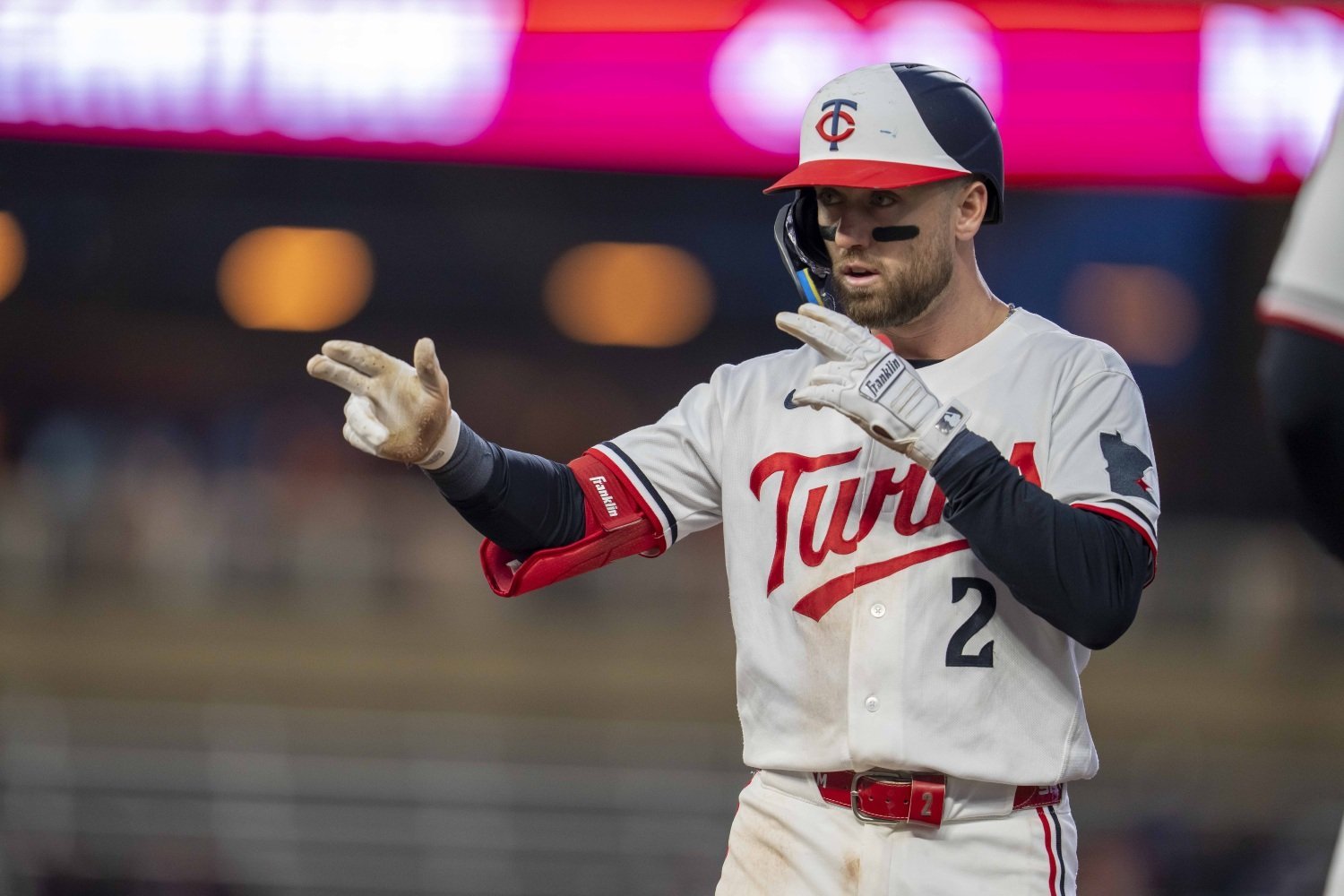 For much of the 2026 season, the Twins have been searching for consistency in the middle of their lineup. Injuries, cold streaks, and underperforming veterans have all played a role in the team’s uneven offensive production. But while much of the attention has gone elsewhere, one player has quietly emerged as one of the most important pieces on the roster: Kody Clemens. Not only has Clemens become a steady contributor offensively, but he’s also provided the Twins with strong defense and lineup flexibility—two things every contending team needs over the course of a long season. After a sluggish start to the year, Clemens has found another level offensively over the last few weeks. He’s now slashing .245/.341/.445, while adding 14 extra-base hits and five stolen bases. Among those are a team-leading 10 doubles, highlighting just how consistently he’s been driving the baseball. In May, Clemens is hitting .333 with eight extra-base hits, looking every bit like a hitter who has fully settled into a groove. His confidence is noticeable. He’s driving the ball with authority and showing a level of comfort that simply wasn’t there during the opening weeks of the season, when manager Derek Shelton identified him as the hitter "who maybe suffered the most" from the disruption of a bizarrely lefty-heavy stretch of the team's schedule. Yes, the strikeouts remain somewhat concerning. Clemens is punching out at roughly a 26% clip, which is certainly higher than you’d like from an everyday player. But the overall quality of contact more than makes up for some swing-and-miss issues. In fact, the underlying metrics paint the picture of a player who has been significantly better than many fans probably realize. Clemens currently owns a 92.4 MPH average exit velocity, which not only leads all Twins hitters, but also ranks in the 90th percentile league-wide. His equally strong barrel rate indicates that there's even more power upside here. Even when the traditional numbers looked modest earlier in the year, the expected stats suggested that better production was coming. Now, we’re starting to see those results. Perhaps most importantly, Clemens is proving that he deserves everyday at-bats, regardless of the opposing pitcher. Historically, he’s been viewed as more of a platoon option, due to questions surrounding his production against left-handed pitching. But so far in 2026, Clemens has done nothing but silence those concerns. In a small but encouraging sample of 20 plate appearances against lefties, he’s hitting .438 with three extra-base hits and a pair of walks. While that number will obviously regress over time, it’s still an important development for both Clemens and the Twins. Shelton can and should try Clemens out against more lefties, even if the schedule turns against him again, to keep him in rhythm. Right now, there’s a very legitimate argument that he should simply be the team’s everyday first baseman. With both Josh Bell and Victor Caratini struggling offensively in recent weeks, Clemens has clearly earned the opportunity for more consistent playing time. The production is there, the advanced metrics support it, and frankly, the eye test does too. Bell appears to be pulling out of what was a prolonged, nightmarish slump, but he can serve as the regular designated hitter. Caratini, meanwhile, will be essentially full-time at catcher while Ryan Jeffers is on the injured list. Then there’s the defensive side of the equation, and Clemens has quietly become very reliable in the field. The Twins’ infield defense is a weakness, but Clemens has stood out as a clear exception. According to Statcast, he currently ranks in the 78th percentile in Outs Above Average, an impressive mark for a player who entered the year without an everyday role. Now, is Clemens going to maintain an OPS near .800 for the entire season? Probably not. There will likely be some regression offensively, particularly as pitchers begin adjusting to the hot streak he’s currently enjoying. But even if he settles into the range of a .730 to .750 OPS hitter, that represents a highly valuable player, when paired with above-average defense and (at least theoretically) positional flexibility. Clemens is certainly not a superstar. He’ll never headline the Twins’ roster or dominate national conversations. But winning teams need players exactly like this: dependable contributors who impact games in multiple ways and consistently outperform expectations. View the full article
 -
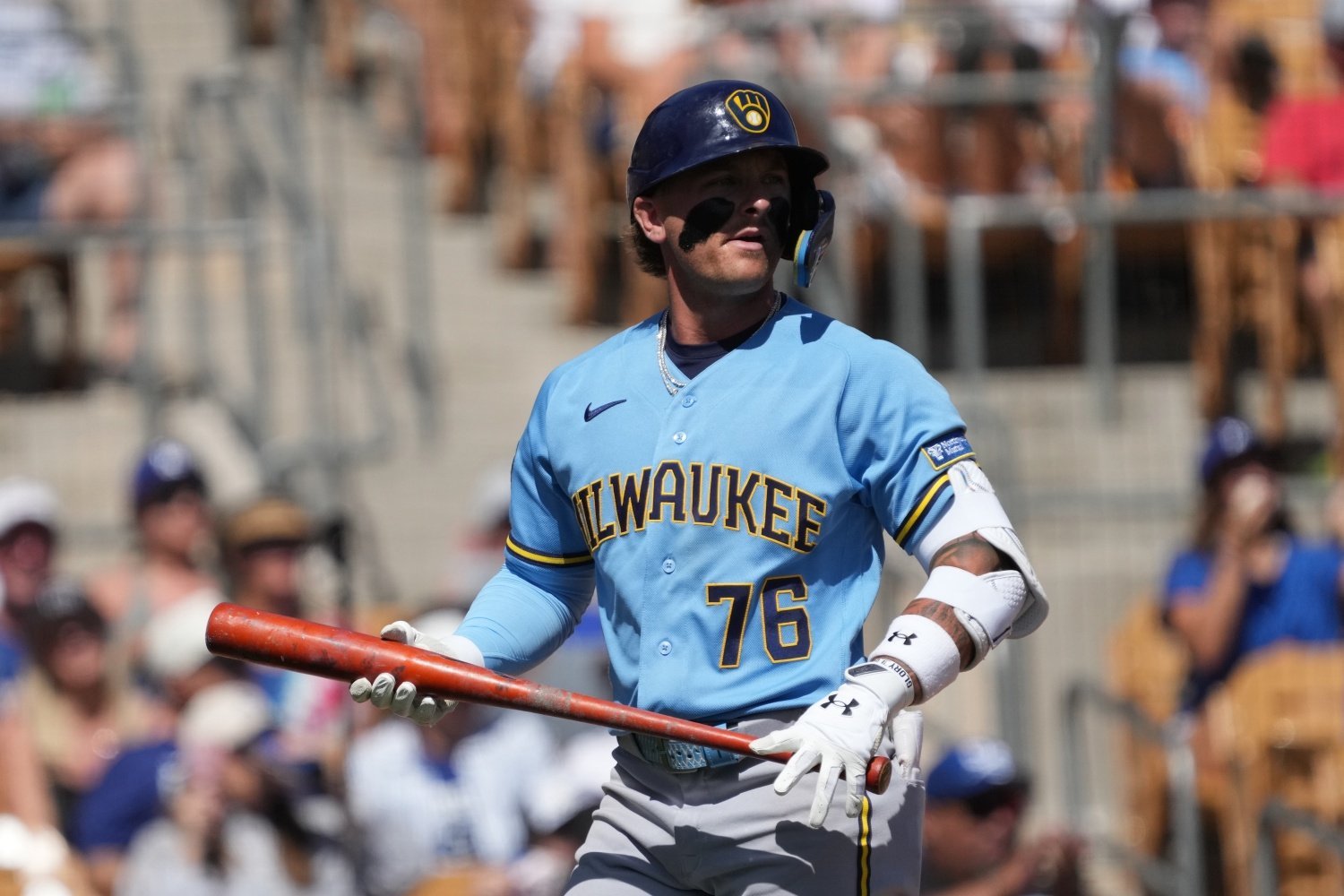 It's starting to wear on Pat Murphy. He can't let it show, but when you ask him about Jett Williams, you can see him working not to betray the eagerness he feels for the arrival of his next dynamic two-way weapon. It's just a question of when and how to best introduce him to the majors—and what roster machinations will make it possible. "I love the kid, and I think it won't be long," Murphy said Sunday at Target Field in Minneapolis. "I love Jett, and I keep in contact with him." Not every prospect gets regular, direct check-ins from the big-league manager. In fact, some skippers elect not to do that at all, lest the players on their big-league roster start feeling like the boss no longer has their back. Murphy texts and speaks with Williams regularly, though, and continues to get reports from the Triple-A coaching staff on his progress. His defense is of particular interest, because Williams has sanded some of the rough edges off his offensive game, but the Brewers need him to be ready to play well in the field when he arrives—and not in a fill-in, move-around-the-diamond kind of way. "No," Murphy said, when asked whether the eventual call-up might be a situation wherein Williams plays shortstop on some days and third base on others. "He plays both, he could play second [base], he can play center field, he can play left field. He can do a lot of things. [But] you don't like the idea of a young player coming to the big leagues and being a utility player." Murphy believes the speed of the game and the subtleties of each position created by that greater intensity only make it more difficult for a player matriculating from the minors to the majors, at a time when that jump has never been more difficult, anyway. Murphy has been (understandably) dissastisfied with what he's seen from his team so far this season, despite their recent winning skein and first-place position in the NL Central standings table. "The major-league team, right now, as it sits, has to get better," he said, during a discussion in which he praised the depth waiting at Nashville, including Williams, Cooper Pratt, Luis Lara and others. "We have to continue to work and find our rhythm a little bit." As Murphy acknowledged, the timeline of Williams's promotion will depend as much on the needs of the team as on his development, now. He's increased his in-zone contact rate and smoothed out some problems with hitting non-fastballs this spring, and is batting a solid .248/.375/.412 for the Sounds. He's pulling the ball a ton and hitting it on the ground a bit more, which the team will try to help him even out, but his approach and his combination of plus-plus speed and sneaky pop look essentially ready for the majors. Murphy and the Brewers just don't want to promote him before they have a clear role for him to fill. Williams is the rare top prospect who spent his whole childhood moving around the diamond, playing several positions. He swears that he doesn't have a preference for any particular spot, and Murphy acknowledged that that makes it a bit easier to envision him in a super-sub role—but ideally, that would come after he's fully established in the majors, rather than right away. "I think he's a likely kid that could be the one that could do it a little bit," Murphy said. "And if forced to do it, I think we could do it. I think the best version of Jett is playing him every day somewhere, and kind of consistently learning a position at this level with the speed of the game at this level." That doesn't have to mean keeping Williams in the minors until he's a defensive ace at one spot. As Murphy noted, Caleb Durbin took time to blossom as a defender at third base last year, even though he'd had experience there in the minors. Ditto for Joey Ortiz, when Ortiz moved from third base back to short. Isaac Collins needed time to adjust to how big-leaguers hit the ball before becoming (however briefly) a strong defensive outfielder. Rather, what the Brewers want is an open spot into which Williams can be slotted, so that his adjustment and growth period goes as smoothly as possible and he can dedicate enough time to the other side of the runs ledger, too. It's becoming pretty clear that that spot is the hot corner, where Luis Rengifo finds himself on an increasingly hot seat. Rengifo has shown signs of life and made some big plays for the team over the last fortnight, but even in that stretch, there have also been some glaring mistakes. He was thrown out trying to stretch a single into a double Monday night. On Tuesday, a misplay on a hard-hit ground ball at third base nearly opened the floodgates on a Cubs comeback attempt. Rengifo also isn't hitting lefties well this year, which makes his utility harder to express or see in simple terms. His .712 OPS from the right side is easily the stronger of the switch-hitter's splits, and was a vital aspect of his appeal to the Brewers. Albeit in just 60 plate appearances, he's batting .107/.150/.143 against southpaws in 2026. Rengifo also lost his platoon partner, in part, when the offensive ineptitude of Ortiz forced the Brewers to start playing David Hamilton more often at shortstop. Hamilton has started at short in three of the Brewers' last four games (and 7 of their last 11) against right-handed starters. Rengifo's defense has been inconsistent; his offense has been anemic. With Hamilton getting more comfortable at short, the door is starting to swing open on Williams at third. Indeed, Williams has started 32 games at that position for Nashville, and just five each at shortstop and in center field. Murphy said the reports have been "very good" on his glove work at the position. If he were on the 40-man roster (like fellow top prospect but purer shortstop Cooper Pratt), Williams might already be in the majors. The Brewers did create a vacancy on their 40-man over the weekend, however, when they designated reliever Peter Strzelecki for assignment to make room on the 26-man roster for spot starter Robert Gasser. Rengifo's hold on the third-base job could be running out extremely quickly. That doesn't necessarily mean the team would dump him as part of calling up Williams, though. In fact, to preserve depth and give their investment a bit more time to turn for the better, they'd be more likely to option either Ortiz or Hamilton (the former being more likely, for multiple reasons) and roll with Rengifo as a bench option for a spell. In any event, Murphy is right: it won't be long before Williams comes to the big leagues. Injuries could solve the dilemma for the team, but it's becoming increasingly likely that the sustained underperformance of the left side of the infield will force the club's hand. Williams is the more ready of the two Nashville infielders, offensively, and the team seems to feel a greater urgency to fix third base, anyway. If none of Rengifo, Ortiz and Hamilton turn a corner for the better in the very near future, Williams (or, perhaps, Pratt) will be taking one of their jobs imminently. View the full article
 -
Who is Alex Jackson, and What Can He Bring to the Twins?
DiamondCentric posted an article in Twins Daily
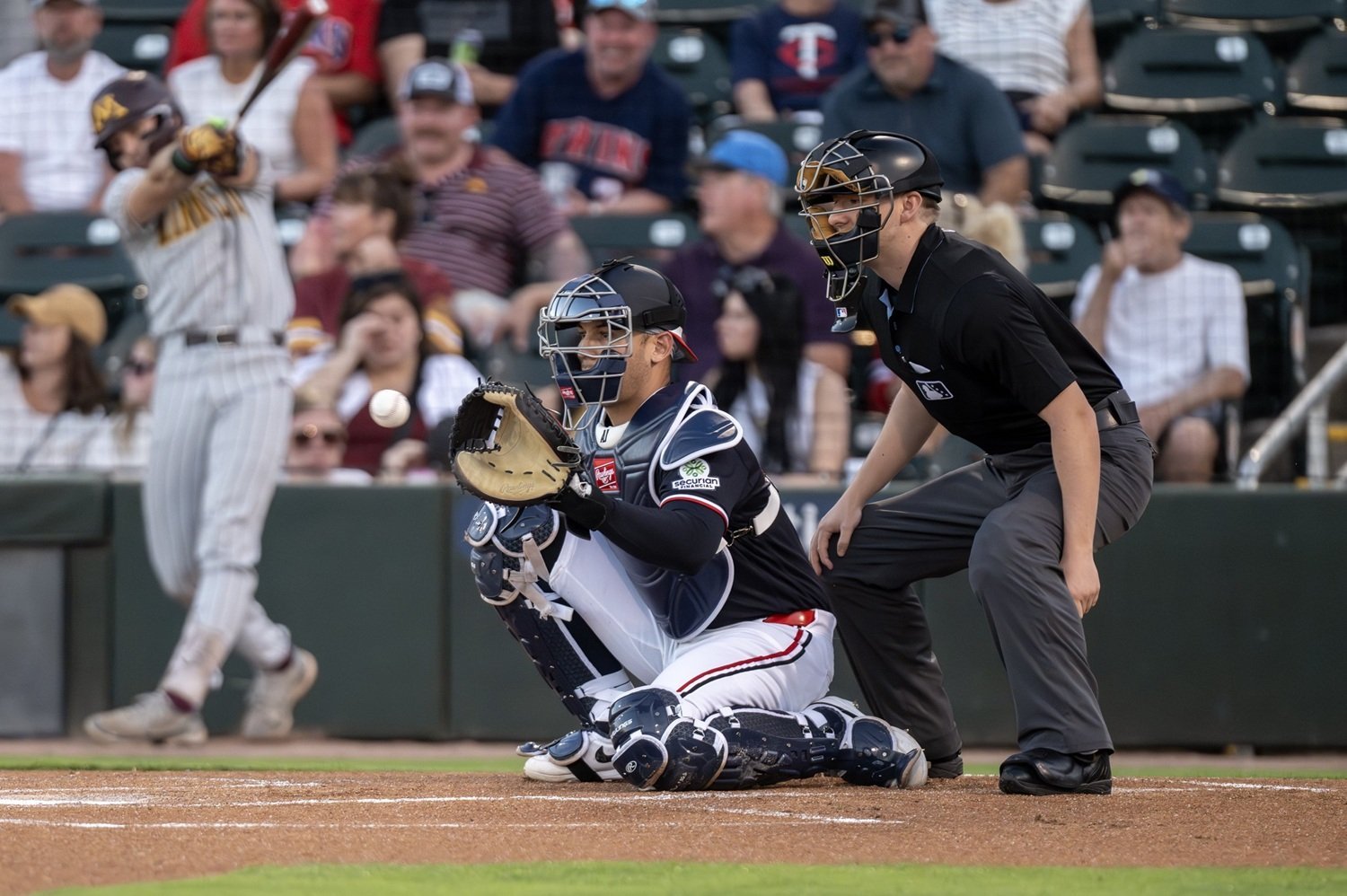 The Minnesota Twins did not expect Alex Jackson to factor into the major-league roster again this quickly. Baseball rarely sticks to the original script. With Ryan Jeffers on the IL with a broken hamate bone, the Twins called up Jackson from Triple-A St. Paul to stabilize the catching situation as a complement to Victor Caratini. For Jackson, it represents another opportunity in a career that has taken plenty of unexpected turns. Back in March, the Twins designated Jackson for assignment near the end of spring training. The writing was on the wall after the club signed Caratini late in the offseason, and Jackson no longer had minor-league options remaining. Minnesota reportedly explored possible trades before the DFA, but rival clubs were not eager to absorb his $1.35-million salary. The Twins originally acquired Jackson from the Orioles during the offseason, in exchange for minor-league infielder Payton Eeles. At the time, Minnesota’s payroll situation appeared uncertain, while ownership discussions lingered in the background. Jackson fit the profile of a relatively inexpensive defensive catcher with some right-handed power potential. For much of the winter, Jackson looked like the favorite to open the season as Jeffers’s backup. That changed once the Twins committed to Caratini for two years and $14 million. The early returns on that investment have not exactly inspired confidence. Through 34 games, Caratini owns a 50 OPS+ with negative WAR production—though he's been the best catcher in baseball at adding value via the ABS system, which counts for something. Jackson’s career path has always carried intrigue. He was once viewed as one of the top prospects in baseball after being selected sixth overall in the 2014 MLB Draft. Scouts loved the athleticism and raw power, and his upside made him one of the most recognizable prep bats in the country. The major leagues have been a different story. Across 440 plate appearances since debuting in 2019, Jackson has produced a .153/.239/.288 line, with 11 home runs. The power flashes occasionally appear, but the swing-and-miss issues have consistently overwhelmed the rest of his offensive profile. He has struck out in more than 40 percent of his major-league plate appearances. Defensively, however, Jackson continues to earn praise around the league. Pitch framing and arm strength remain his calling cards, and those skills are ultimately what keep him employed, despite the offensive limitations. Teams view him as a serviceable depth catcher who can handle a pitching staff and provide occasional power. After clearing waivers, Jackson reported to St. Paul and quietly put together one of the more productive offensive stretches of his professional career. In 24 games with the Saints, Jackson posted a .239/.295/.511 line with seven home runs and three doubles. The raw slugging numbers stand out, though the International League has become notoriously hitter-friendly. His 97 wRC+ suggests the overall offensive package is still roughly league-average, despite the home run surge—and a veteran putting up that number in Triple-A can't be counted on for much in the bigs. Some familiar concerns remain underneath the surface. Jackson’s strikeout rate has climbed to 32.6%, roughly four percentage points higher than it was during his Triple-A stint last season. His walk rate has also dipped from 10.3% to 6.3%. The power is legitimate, but the offensive profile still carries very little margin for error. The Twins’ lack of upper-level catching depth made the decision easy: Jackson was the only real option. Noah Cardenas has struggled badly at Triple-A, carrying a .470 OPS into the week. David Banuelos owns a more respectable .708 OPS but profiles more as organizational depth than as a true major-league option. If another injury occurs behind the plate, Minnesota could quickly find itself stretched thin at the position. For now, Jackson gets the call. The Twins are not asking him to become an everyday offensive contributor. They simply need competent innings behind the plate while Jeffers recovers. If Jackson can provide steady defense, run into a few fastballs, and avoid becoming an automatic out, he may stick around longer than many expected when the organization designated him for assignment two months ago. Baseball careers are rarely linear. Jackson knows that better than most. Now he gets another chance to prove he still belongs in the big leagues. What stands out about Jackson so far in 2026? Leave a comment and start the discussion. View the full article
 -
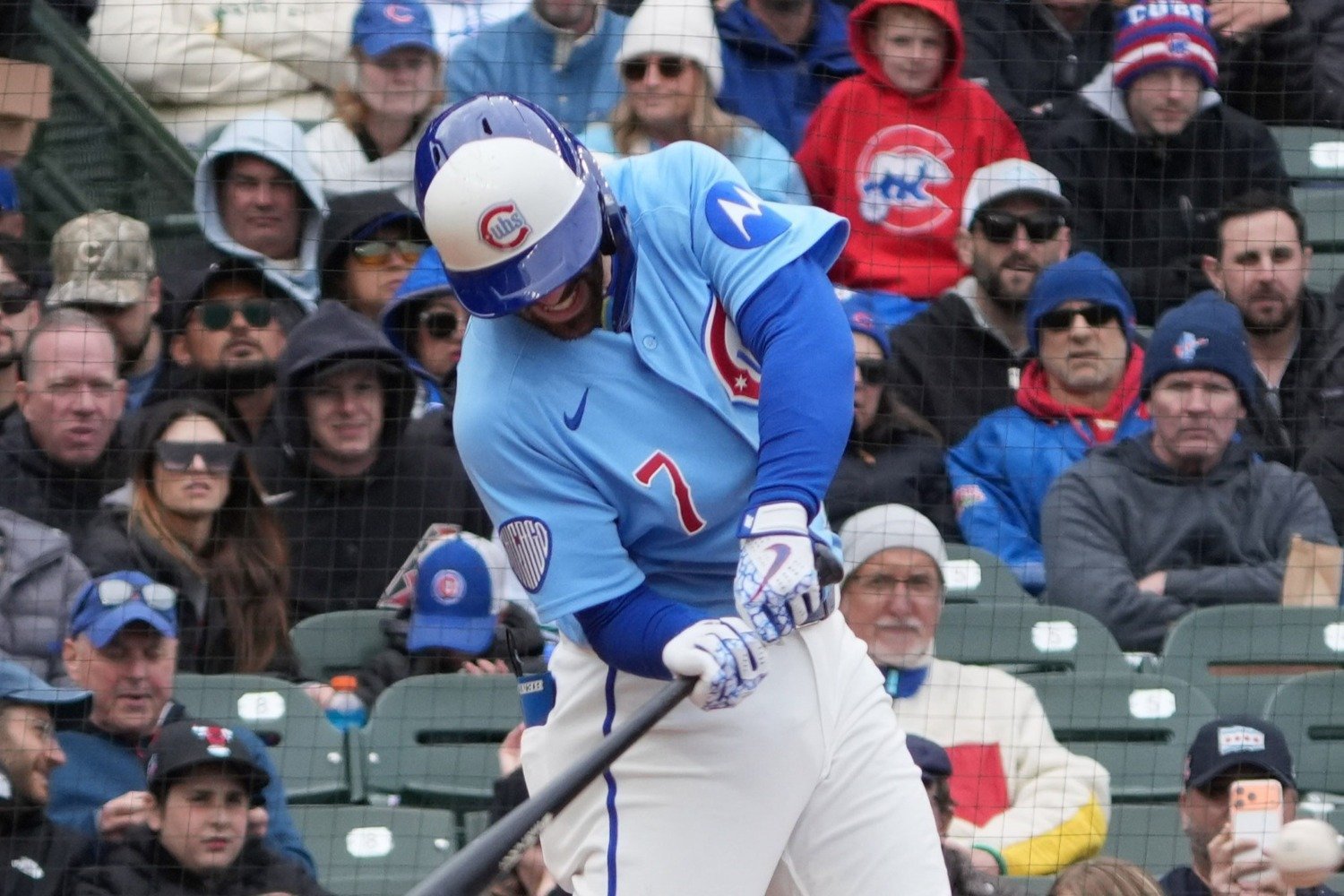 Throughout his career, whether with the Chicago Cubs or in Atlanta, the key to Dansby Swanson's success at the plate has become increasingly evident. Regardless of whatever month-to-month variance he may be experiencing, he's a player who needs to lean on the fastball in order to drive his production. His time on the North Side has illustrated both sides of what that can look like. Last season, in particular, Swanson demonstrated the benefits of being fastball-focused. His .173 isolated power was his highest since 2021, with a hard-hit rate of 47.7%—the highest rate of his career up to that point, and a well-above-average mark. He hit 55.2% of his balls in play against fastballs hard and slugged .579 against them. That came in a season where he chased 27.1% of fastballs outside the zone, indicating that he was hunting them even at the expense of plate discipline (a trend he'd mostly managed to temper over the three previous seasons). That aggressiveness helped Swanson in the power production department, but nowhere else. He ended the 2025 season swinging more than ever (50.2%) and making contact at a rate lower than either of his two previous seasons with the Cubs (73.1%). Fastball hunting wasn't the sole reason for the higher-power, lower-contact results, but it was certainly part of the equation. Alarmingly, we're starting to see some of those trends manifest again. It's not that Swanson was off to the hottest of starts in March and April, but there was some improvement there. He slashed .214/.344/.439 in the opening month, with a 122 wRC+. That latter figure was driven by a strong power output (.244 ISO) and an underlying 47.9% hard-hit rate. There was some improvement on the discipline front from last season, with a 39.8% overall swing rate and 21.5% chase rate, the latter of which included just 22.9% against fastballs. That helped him generate a walk rate over 16% through the end of April. We were comparing him to some of the game's most notorious three-true-outcomes dudes. When the calendar flipped, though, Swanson began to run into some trouble. In fact, he's derailed. He's currently sitting at .158/.213/.246 for the month of May, with a wRC+ of just 30. His strikeout rate has fallen to a shade over 16%, but his walk rate has fallen by nearly 10 percentage points, too, to 6.5%. His ISO has cratered, at just .088. Some of that is bad luck; Swanson has a batting average on balls in play of just .174 this month. To an extent, though, you can work your way out of that via a quality approach. Whatever approach was working for Swanson in the first month, however, has gone the way of the rest of his output. Here is Swanson's overall swing rate between the two stretches of play: The overall swing rate has climbed, and not by a little. More worrisome, though, is the chase rate: The chase rate itself moving up 10 percentage points speaks to exactly the type of issues we've seen from Swanson during his periods of poor performance. Given what we know about Swanson and fastballs, that makes the following perhaps the most notable in all of this: It's one thing for Swanson to become more aggressive in trying to create offense. We've also seen the perils of attacking fastballs without any regard for the strike zone. His chase rate against fastballs has jumped by more than 20 percentage points, while his hard-hit rate against them has fallen by nearly that same number. Toss in the fact that his groundball rate, wrought by his increasing disregard for the zone in favor of the pitch type, has ballooned by 11 percentage points, and it's no wonder we're watching a player without much to offer at the plate right now. That it's a familiar issue doesn't make it a less frustrating one. The Cubs offense, as a collective, has largely sputtered of late without consistent power from Swanson on which to fall back. History tells us he'll work his way out of it by the time June runs around, but more recent history also makes us somewhat wary of the approach on fastballs that appears to be, for the second consecutive season, slipping from his control. View the full article
 -
 Boston Red Sox Affiliate Recap Triple-A Worcester Red Sox Season Record: 23-21 A back-and-forth game turned into a comeback that came up just short for Worcester in their 7-6 loss to the Rochester Red Wings (Washington Nationals). The WooSox grabbed an early lead in the first inning when Nate Eaton ripped a leadoff double and came around to score on an Anthony Seigler single. Rochester tied it up 1-1 at the top of the third with a solo homer; afterwards, Worcester added another in the bottom half. Tsung-Che Cheng doubled, and Mikey Romero drove him in with a double of his own to make it 2-1. The fourth inning unraveled for starter Raymond Burgos. Rochester strung together three singles and a bases-loaded walk to score three runs and take a 3-2 lead. However, the WooSox answered right back in the bottom half, back-to-back walks to Allan Castro and Matt Lloyd got things started, then a fielder's choice loaded the bases, and Cheng hit an RBI groundout that brought Castro home to tie it at 3-3. The fifth inning gave Burgos a rough time again, giving up a lead-off walk and back-to-back hits to give up a run as he got pulled from the game right after in a 4-3 game. Noah Song came into the game, inheriting a runner on second and third base. Both runners scored due to an RBI groundout and a single to give the Red Wings a comfortable 6-3 lead. Rochester belted another solo shot at the top of the seventh to make it 7-3, but the bottom half is where the WooSox started a rally. Cheng worked a seven-pitch walk, Eaton singled, Romero advanced the runners with a groundout then Kristian Campbell got hit by a pitch to load the bases. Seigler delivered the big blow with his second hit of the game, a two-run single to cut it to 7-5. Vinny Capra followed up with a sacrifice fly to make it 7-6. Castro singled to keep the pressure on, but Lloyd flew out to end the threat one run short. Worcester had a couple more chances to at least tie the game in the eighth and ninth, having two runners on base with one out in each inning, but they could not capitalize. Although they came up short in the end, there were some standout performances for the WooSox. Eaton, Seigler, Castro, and Cheng all got on base three times and delivered some big hits. Key Performances: Anthony Seigler: 2-for-4, 3 RBI, BB Nate Eaton: 3-for-5, 2B, 2 R, Tsung-Che Cheng: 1-for-2, 2B, 2 R, RBI, BB Allan Castro: 2-for-4, R, SB Double-A Portland Sea Dogs Season Record: 18-21 The Sea Dogs' pitching staff dominates at home against the Reading Fightin Phils (Philadelphia Phillies) with a shutout 2-0 victory. Starting on the mound, Southern California native Anthony Eyanson made his second Double-A start and was brilliant once again over five innings, lowering his Double-A ERA to 1.00 and his season ERA to 0.61. Although his stuff was not as great as his past starts, throwing three walks and his fastball velocity was more down than usual, averaging 92-94 mph, he still didn't allow a single hit in five shutout frames and struck out four while generating eight whiffs. Eyanson also mixed in a new cutter, which averaged around 90-91 mph. Joe Vogatsky came out of the bullpen to pitch the sixth, throwing two scoreless innings and surrendering Reading's only two hits while striking out four. Reidis Sena slammed the door in the final two innings, striking out five batters without allowing a baserunner to earn the save. Portland's offense was not particularly on point in this matchup but the two runs was all they needed. With two outs in the second inning, Nelly Taylor reached base on an infield single, then stole a base in the next at-bat. Ahbram Liendo put the Sea Dogs on the board first with an RBI single, bringing in Taylor to make it a 1-0 lead. With the game still at 1-0 in the seventh, Liendo reached base once again with a walk, then immediately stole his seventh bag of the season while advancing to third base on a throwing error from the catcher. Franklin Arias followed up with his second knock of the game, an RBI single to bring in Liendo, making it a 2-0 game. Key Performances: Anthony Eyanson: 5 IP, 0 H, 0 ER, 3 BB, 4 K Joe Vogatsky: 2 IP, 2 H, 0 ER, 4 K Reidis Sena: 2 IP, 0 H, 0 ER, 5 K Franklin Arias: 2-for-4, RBI Ahbram Liendo: 1-for-2, R, RBI, BB, SB High-A Greenville Drive Season Record: 16-24 Greenville fell down early, but their eight-run eighth inning prevailed past the Frederick Keys (Baltimore Orioles) with a 9-4 victory. The Keys jumped on Greenville in the first inning with a sacrifice fly and an RBI single, making it 2-0 before the Drive even got going. Jack Winnay crushes his third homer in three games with a solo bomb in the fourth, to cut it 2-1. That was the only run the Drive scored for a long time, while Frederick scored another run with a homer of their own in the sixth, making it 3-1. Down 3-1 in the eighth, Greenville put together a monster inning. With one out, Justin Gonzales’ single set the table, Henry Godbout drew a walk to put two runners aboard, Yoeilin Cespedes followed and lined an RBI single to make it 3-2. Gerardo Rodriguez ripped a single as well to tie it. Winnay smoked a two-run single, earning his second hit of the game, putting Greenville ahead 5-3. Isaiah Jackson crushed a two-run homer to blow it open at 7-3. That was where the Keys changed pitchers and got and immediately got their second out of the inning. Greenville was not done, however. Ronny Hernandez doubled another run in, as the lineup flipped over, Gonzales capped it off with one more RBI single, making it a very comfortable 9-3 lead for the Drive. Frederick scored one more run in the bottom half of the eighth to shorten the deficit, but it was not enough to make it a 9-4 final. Ben Hansen was excellent in his 4 ⅓ innings of relief, striking out nine batters while only giving up three hits and one earned run. Key Performances: Ben Hansen: 4 ⅓, 3 H, 1 ER, 9 K Justin Gonzales: 2-for-4, R, RBI, BB Jack Winnay: 2-for-4, HR, 2 R, 3 RBI, BB Isaiah Jackson: 2-for-5, HR, R, 2 RBI Single-A Salem RidgeYaks Season Record: 17-23 The Salem RidgeYaks suffered an embarrassing 16-2 blowout defeat to the Hill City Howlers (Cleveland Guardians). On the bright side of the tough defeat, 19-year-old Enddy Azocar has been on an insane tear while waiting on the promotion to Greenville, getting four hits in this matchup. During Azocar’s five game hitting streak, he has collected back-to-back four hit games and four multi-hit games. In 22 at-bats in that stretch, Azocar has an outstanding .591 batting average, hitting one home run, five RBIs, two walks, and five strikeouts. The RidgeYaks combined for six hits, four coming from Azocar and two from Starlyn Nunez. The only runs Salem scored came in the ninth inning when Ilan Fernandez grounded into a double play with the bases loaded to bring in a run, and Azocar knocked his fourth hit of the game with an RBI double to make it a 16-2 game. View the full article
 -
 The rich just continue to get richer. Aaron Gleeman has worked on his craft for decades, and has earned the trust of thousands of followers when it comes to his coverage of the Minnesota Twins. But if you’re a joyless curmudgeon like me, his new business endeavor after leaving The Athletic has to make you sick. It hasn’t even been two weeks since he launched his site, and he’s already lured thousands of poor souls to his click trap of a website. So I implore all of you like-minded cynics out there: please, for the love of all that is good, do not support this man, and keep your credit card numbers far, far away from AaronGleeman.com. If you absolutely seethe at the thought of a local writer choosing to stay loyal to his hordes of followers rather than pursue a national gig, then please do not encourage Aaron Gleeman. If you detest strong writing, with a clear thought process and well-argued talking points that can be easily digested by casual fans and diehards alike, then please do not encourage Aaron Gleeman. If you find yourself rooting against underdog protagonists who follow their heart and bet on themselves even when facing uncertainty, then please do not encourage Aaron Gleeman. If you can’t stand when humble people thank you endlessly and graciously for your kind support, then please do not encourage Aaron Gleeman. If you are bored to death by an engaging and interactive weekly list of interesting articles that someone with good taste recommends to you, then please do not encourage Aaron Gleeman and his Link-O-Rama bit. If you roll your eyes when an established, well-known media personality encourages aspiring podcasters and writers to pursue their passions, then please do not encourage Aaron Gleeman. I guess if you actually do admire all of those things, then by all means, waste your hard-earned money on this schlub. Whatever, it’s your funeral. A lot of people pay good money to hear and read what this guy has to say. His hard work, dedication and insightful voice have made him a must-follow for baseball fans, and he’s now built two legitimate Twins content empires. But please, I beg of you, do not encourage him enough that he wants to build a third. He’s taking enough of my money each month as it is. View the full article
 -
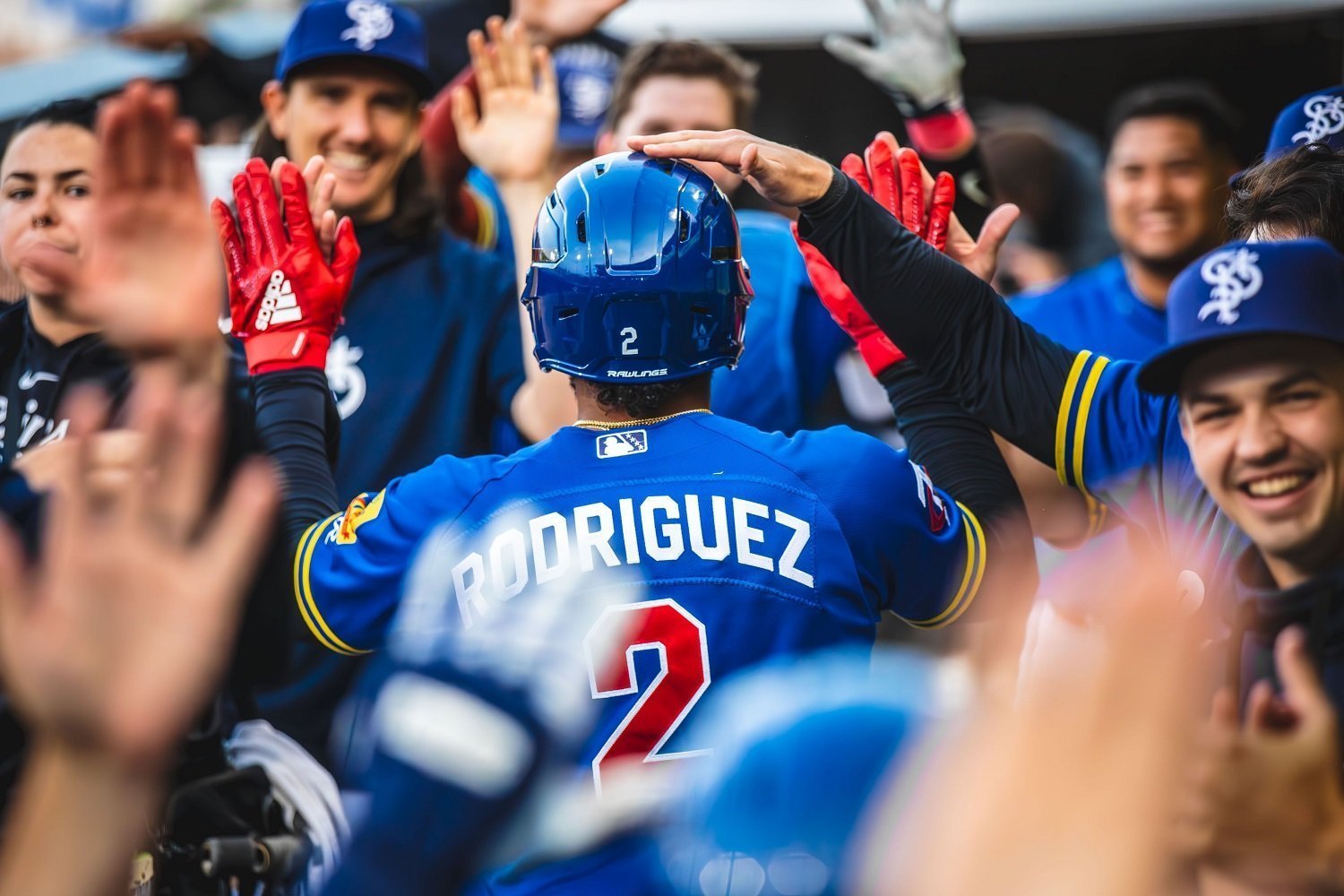 Lesson for the kids: don’t slide headfirst into first base. No matter what Nick Punto tells you. The Minnesota Twins received discouraging news regarding top prospect Emmanuel Rodriguez after the outfielder’s lingering thumb issue was diagnosed as far more serious than initially believed. Rodriguez is expected to undergo surgery next week to repair a torn ulnar collateral ligament in his left thumb. The injury traces back to May 1, when Rodriguez dove headfirst into first base during a game for Triple-A St. Paul. Early evaluations pointed to a strain, and there was optimism that the issue would resolve quickly enough for him to avoid a lengthy absence. Instead, the discomfort never fully disappeared. Even after the swelling began to improve, Rodriguez continued experiencing pain in the thumb. That prompted the Twins to conduct another MRI, which ultimately revealed the torn ligament that will now require surgery. The organization has not yet announced an official recovery timetable and likely won’t until after the procedure is completed. “There was a lot of swelling,” Twins general manager Jeremy Zoll said. “The experts were not able to see into the joint there on the initial set of images, and when he still had the pain persisting here, that hadn’t fully dissipated, that’s what led to the follow-up images and updated diagnosis.” Before the injury, Rodriguez was doing exactly what the Twins hoped to see at Triple-A. In 25 games with St. Paul, he slashed .247/.417/.506 (.923) with six home runs and 18 RBIs while continuing to show the elite plate discipline that has made him one of the most intriguing prospects in baseball. That production only makes this setback more frustrating. Twins Daily ranked Rodriguez as the organization’s third-best prospect entering the season, and he continues to sit comfortably inside most national top-100 prospect lists. The talent has never been questioned. Staying on the field has been the challenge. Since beginning his professional career in 2021, Rodriguez has yet to appear in more than 99 games during a single season and is averaging just 59 games per year. That reality is becoming increasingly difficult to ignore. Over the last four years alone, Rodriguez has battled injuries involving both thumbs, his right hip, oblique, abdomen, and left knee. The Twins and Rodriguez spent part of the offseason proactively addressing those concerns, with the outfielder working in the Dominican Republic before heading to Tampa for specialized training with an athletic trainer. Unfortunately, baseball development is rarely linear, especially for prospects whose bodies keep betraying them. The Twins still believe Rodriguez has impact bat potential at the major league level. When healthy, he combines power, patience, and athleticism in a way few prospects in the organization can match. But every missed month delays that timeline and creates more questions about how sustainable his future role can be. For now, the focus shifts from development to recovery once again. View the full article
 -
3 Padres Who Should Be First-Time All-Stars In 2026
DiamondCentric posted an article in Padres Mission
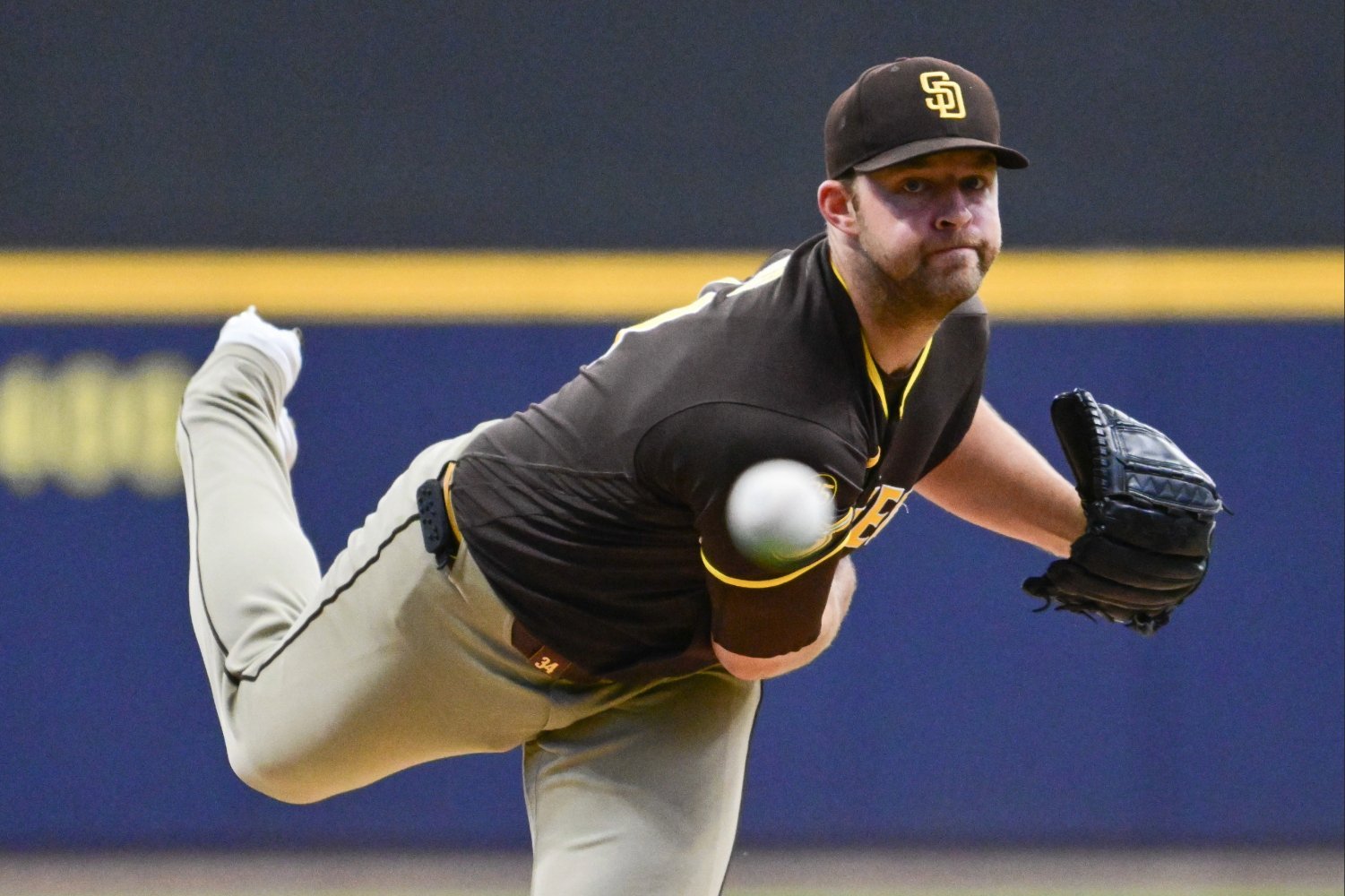 Even though he’s a closer, San Diego Padres' Mason Miller has a case to be the National League’s starting pitcher in the 2026 MLB All-Star Game in Philadelphia. His 1.4 fWAR this season is better than all but five starters, and his 0.86 ERA is worse than only Shohei Ohtani’s. Years from now, baseball nerds will ask their friends, “Remember when Mason Miller had a negative FIP?” They’ll referring to the halcyon days of May 2026. But Miller should not be the Padres' lone pitching representative at the All-Star Game, not when the staff is the reason the team is keeping pace with the Dodgers in the NL West. Below are three Padres pitchers who, so far this season, are worthy of their first All-Star nod. Michael King, SP The Padres have no less than five starting pitchers on the injured list, including Nick Pivetta and Joe Musgrove. It’s why the team took a flier on free agent starting pitcher Lucas Giolito, and it’s why they’re considering bringing Jake Peavy out of retirement. (Just kidding. I think.) Michael King has always been good, pitching to a career 3.18 ERA, but this year he has been a savior. Through nine starts, King has posted a 2.63 ERA, a 155 ERA+, and 0.9 fWAR, making him one of twenty most valuable pitchers in the National League. By any metric, he is on pace to have a career year, and as a just-short-of-elite veteran on a reasonable contract, he’s emblematic of the post-Peter Seidler era. The predictive stats indicate he’s been a little lucky this season. His expected batting average against is higher than the actual number, and his FIP is a full point higher than his ERA. Not everyone can be Mason Miller. But luck hardly explains King’s performance this season. He has an elite off-speed repertoire, which keeps hitters off balance, allowing him to avoid getting hit hard. Despite an average fastball velocity of 93.2 mph, just 13.3% of batted balls off King are pulled in the air, and his hard-hit percentage is in the 86th percentile, according to Baseball Savant. King is simply a great pitcher, and he’s worthy of his first All-Star selection. Randy Vásquez, SP Along with King, starting pitcher Randy Vásquez was one of the key pieces in the trade that sent Juan Soto from the Padres to the New York Yankees after the 2023 season. Back then, he was the Yankees' No. 13 prospect, a 24-year-old with promise. After a pretty poor 2024 season and a merely decent season last year, Vásquez’s career began indicating more hope than anything else. Heading into 2026, Vásquez was the question mark of the rotation behind King, Pivetta, and Musgrove. “With a lack of better options at this point, Vasquez is pretty well set to be part of the rotation this year, whether it be at the No. 4 or 5 spot,” Padres Mission’s Steve Drumwright wrote in February. Fast forward to May, and he’s indisputably the Padres' second-best starting pitcher. In fact, Vásquez has produced 1.0 fWAR, practically aligning him in value with King, and the two share nearly identical stat lines. If King is deserving of an All-Star nod, then so is Vásquez. Bradgley Rodriguez, RP Purely on historical precedent, Bradgley Rodriguez is unlikely to make the All-Star Game. No more than a couple non-closer relievers get selected every year. It’s rarer still for non-setup guys to get recognition. The fact that, last year, the Padres became the first team ever to send three relievers to the All-Star Game—Robert Suarez, Jason Adam, and Adrian Morejon—speaks to the difficulty for relievers to get their just due. Although, it wouldn’t be a surprise to see the Padres repeat that feat, what with Miller, Morejon, Adam, and now Rodriguez in the fold. It’s difficult to know where to start with Rodriguez, for he has been a revelation across the board. Traditional stats? Sure: 22.2 inning pitched, a 1.59 ERA, no home runs allowed, and just five walks. Advanced stats? Why not: An expected ERA in the 99th-percentile, to go along with 0.5 fWAR. Statcast? He throws hard, his off-speed pitches are elite, and nothing he throws is hit hard. It's not a stretch to say the right-hander is one of the best middle relievers in baseball, which may just get him some love as a potential injury replacement around the Midsummer Classic. View the full article
 -
It’s Not One Game, It’s a Pattern: The Blue Jays Need To Be Better
DiamondCentric posted an article in Jays Centre
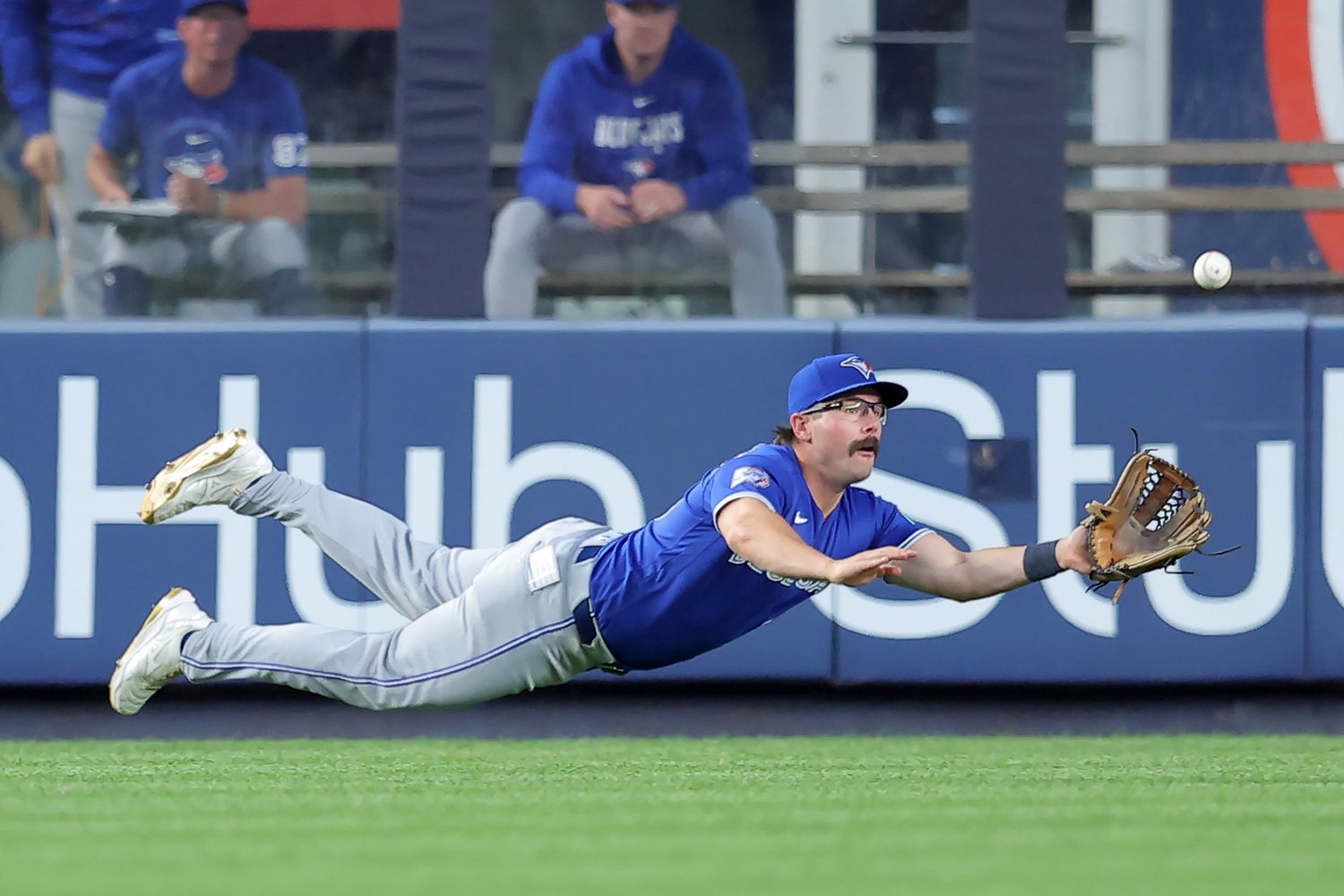 You can whine about another narrow loss, or you could call it progress. If you are looking for trends, then perhaps the Blue Jays winning five of their last nine series (and they split one as well) is a positive development. Sure, the Jays dropped the opener against Detroit in a way that felt uncomfortably familiar. A handful of chances that weren’t capitalized upon, then one slightly misplaced pitch in extra innings. Stack that beside the series-opening loss to the Yankees that played out in about the same way, and it is hard not to be a frustrated fan right now. This is not about the occasional bad inning or unfortunate bounce. It is about a team that keeps doing just enough to stay in games, but is unable to consistently pull away. The Tigers are not built like the Yankees. In fact, they are surprisingly similar to the Jays. Detroit’s team OPS is .699 compared to the Jays' .677. However, in their last 15 games, the Tigers are 3-12, whereas the Jays are 5-10. Not surprisingly, the 11-games-over-.500 Yankees have a team OPS of .766. The Jays are righting the ship, but slowly. They are only two games below .500 in their last 20. Their record has been below .500 since April 4, when they were 4-4. They are starting to get healthy again, which is helping a lot, but they will continue treading water until they start to play cleaner baseball. Short at-bats, failures to advance runners and sloppy defence continue to be amplified when the roster is not at full strength. Should Davis Schneider have let that ball drop to keep Anthony Volpe to a single? Or at least pop straight instead of selling the catch and firing the ball to second? In a vacuum, you can make the argument. Situational awareness, risk versus reward, the idea of limiting damage rather than taking the out. It's hard to criticize Schneider, who went all out for that ball, but the resulting couple of runs evened the score at that point. When a team is losing games like the Jays have been, how can you not be second-guessing everything? The same applies to the decision to bring in Yariel Rodríguez. Pitching to Aaron Judge and giving up a single isn’t a bad outcome… except when the next two batters homer. If a pitcher executes, they can get anyone out. If they miss, especially against elite hitters, they pay for it. There just hasn’t been any cushion or margin for the Jays in most games this season. A 3-1 lead against the Yankees? Tied after the bottom of the inning. A one-run lead with two outs in the seventh? Down by two a few batters later. It just keeps happening. It is not about one decision. Or even one or two players. It is about the inability to create separation. According to FanGraphs, the Jays still have a 31.9% chance of making the playoffs, but only a 1.4% chance of winning the division. That same projection has them finishing the season with just under 80 wins. They still have a big hill to climb compared to their 2025 World Series opponent, the Dodgers, who have a 98.6% chance of making the playoffs. The Jays are playing tight games, and within those games, they are playing tight. Close games are part of baseball. Good teams win their share of them because they execute when it counts. Playing tight shows up in swings at pitches just off the plate in big spots. Runner at second, down by one in the ninth, with nobody out. Good teams score that run. The Jays had a target on their back to start the season. Sure, the slow start can be attributed to injuries, but poor execution and lack of focus have played a role. These players need an “us against them” chip on their shoulder. They need to return to a focus on turning the lineup over and pushing opponents to break a sweat. The Jays just need to play better. They need to take a deep breath and trust each other. This Yankees series and the current run of games until an off day on June 11 will be tough. Slowly chipping away at the hole they're in and winning or tying series will go a long way to realigning the season. It won’t be easy. After the Yankees are the Pirates (Paul Skenes is scheduled to pitch Saturday), the Marlins (who are 15-13 at home), the Orioles in Baltimore, the Braves on the road and then back to the dome for series against the Orioles and Phillies before a day off. That is a lot of games to practice playing sound baseball. Sound baseball means better at-bats in hitter’s counts. It means turning a favourable count into hard contact instead of a bailout swing. It means shortening up with runners on base and focusing on advancing the runner. It means taking that extra base. On the mound, it means finishing hitters once ahead. It means avoiding predictable sequences in key moments. It means pitchers trusting their best stuff is enough instead of trying to out-think situations. Defensively, it means staying clean and steady. It means not looking for perfect outcomes or low-percentage plays, just making sure the routine ones are handled. None of that requires shaking up the lineup or dramatic changes. It requires consistency in the details that decide games. Right now, the margin for error is almost non-existent. Through games like the opener in Detroit and the last two losses against the Yankees, it is hard not to just come to the conclusion that this is who the Jays are in 2026. The team is good enough to stay close, to linger on the edge, but they’re not sharp enough or consistent enough to finish what’s right in front of them. At some point, that has to change, right?. It’s no longer about one at-bat or late-inning decision. It’s about understanding why these moments keep happening over and over. Prioritizing clean at-bats, timely outs and attention to detail when the pressure rises seems so obvious. This team has been through this before. Last season’s slow start and the run through the playoffs didn’t seem to faze them. This year’s similar start and all the injuries haven’t made it easy. It doesn’t matter who’s in the other dugout. Whether it’s the Yankees striking late or the Tigers quietly capitalizing, the onus is on the Jays to simply play better baseball. And if that doesn’t happen, it will be a long and painful rest of the season. View the full article
 -
 Syracuse's six-run first inning carried a 9-5 win over Buffalo as Eric Wagaman collected three hits and Ben Rortvedt drove in three, while Nate Lavender earned the win and A.J. Minter recorded a hold. Binghamton rallied past Richmond 10-7 on home runs from Eli Serrano III, D'Andre Smith, JT Schwartz, and Nick Lorusso, with Brian Metoyer collecting his third save. John Bay homered in Brooklyn's 7-3 loss, and Conner Ware struck out seven in St. Lucie's 4-1 defeat. Mets Transactions New York Mets designated RF Austin Slater for assignment. New York Mets transferred RHP Clay Holmes from the 15-day injured list to the 60-day injured list. Right fibula fracture. New York Mets sent 1B Jared Young on a rehab assignment to New York Mets. New York Mets recalled CF Nick Morabito from Syracuse Mets. Syracuse Erupts In First Inning, Cruises Past Buffalo 9-5 The Syracuse Mets jumped on the Buffalo Bisons for six runs in the first inning and never trailed in a 9-5 win. Christian Arroyo opened the home half with a solo home run, his third of the year. After two outs, Ryan Clifford and Eric Wagaman strung together singles before Jihwan Bae tripled to right to score both runners. Cristian Pache then singled in Bae, and Ben Rortvedt capped the rally with a two-run home run. Wagaman led the offense with three hits and two runs batted in, including a two-run single in a three-run seventh that pushed the lead back to four. The seventh started with a Jackson Cluff single and walks to Andy Ibáñez and Clifford to load the bases ahead of Wagaman's hit, and Rortvedt later capped the inning with a sacrifice fly that scored Clifford. Rortvedt finished 2-for-3 with three runs batted in, and Yonny Hernández added two hits. Starter Jack Weisenburger worked 4 1/3 innings, allowing three runs on three hits with three walks and three strikeouts. Joey Gerber gave up two runs in 2/3 of an inning. Nate Lavender earned the win after a clean inning with two strikeouts. A.J. Minter recorded his third hold with a 1-2-3 frame, and Dylan Ross and Anderson Severino finished the game with a scoreless inning apiece. Player AB R H RBI BB K Christian Arroyo 4 1 1 1 0 0 Jared Young 3 0 0 0 0 1 Jackson Cluff 2 1 1 0 0 0 Andy Ibáñez 4 1 0 0 1 1 Ryan Clifford 3 2 1 0 1 0 Eric Wagaman 4 1 3 2 0 0 Ji Hwan Bae 4 1 1 2 0 0 Cristian Pache 3 1 1 1 1 0 Ben Rortvedt 3 1 2 3 0 1 Yonny Hernández 4 0 2 0 0 1 Player IP H R ER BB K HR Jack Weisenburger 4 1/3 3 3 3 3 3 1 Joey Gerber 2/3 3 2 2 0 0 1 Nate Lavender 1 0 0 0 0 2 0 A.J. Minter 1 0 0 0 0 1 0 Dylan Ross 1 0 0 0 0 0 0 Anderson Severino 1 0 0 0 0 1 0 Four Home Runs Power Binghamton's 10-7 Win At Richmond The Binghamton Rumble Ponies trailed by two through five innings before back-to-back home runs in the sixth and a two-run seventh pushed them past the Richmond Flying Squirrels 10-7. D'Andre Smith opened the sixth with a bunt single, and JT Schwartz followed with a two-run home run to tie the score. In the seventh, Chris Suero singled and Jacob Reimer reached on an error to put two on, then Jose Ramos lined a single to left that scored both runners when the ball was misplayed in the outfield. Eli Serrano III led the offense with two hits, including his second home run of the year leading off the second inning, and two runs batted in. Smith finished 2-for-3 with a home run, a walk, a stolen base, and two runs scored. Nick Lorusso added a solo home run, his fifth, and Wyatt Young singled in Reimer in the ninth for the final run. Starter Bryce Conley allowed seven runs on nine hits over 4 1/3 innings with one walk, four strikeouts, and two home runs. Carlos Guzman picked up the win with 1 2/3 scoreless innings of relief and two strikeouts. Jefry Yan, Zach Peek, and Brian Metoyer each tossed a scoreless frame, with Metoyer collecting his third save. Player AB R H RBI BB K Marco Vargas 4 1 1 0 1 0 Chris Suero 3 2 1 0 2 0 Jacob Reimer 4 2 0 0 1 1 Eli Serrano III 5 1 2 2 0 1 Jose Ramos 5 0 2 1 0 1 D'Andre Smith 3 2 2 1 1 1 Wyatt Young 1 0 1 1 0 0 Nick Lorusso 5 1 1 1 0 2 JT Schwartz 4 1 1 2 0 1 Vincent Perozo 4 0 0 0 0 3 Player IP H R ER BB K HR Bryce Conley 4 1/3 9 7 7 1 4 2 Carlos Guzman 1 2/3 0 0 0 0 2 0 Jefry Yan 1 0 0 0 1 2 0 Zach Peek 1 1 0 0 0 1 0 Brian Metoyer 1 0 0 0 0 1 0 Brooklyn Bats Quiet In 7-3 Loss To Hudson Valley A five-run third inning sent Brooklyn to a 7-3 loss to the Hudson Valley Renegades. Hudson Valley broke a 1-0 game open in the third with a leadoff solo home run, two walks around a strikeout, a run-scoring single, and a grand slam, all charged to starter Jonathan Jimenez. The Cyclones had taken a 1-0 lead the previous inning when JT Benson doubled to left to score Corey Collins. John Bay then provided Brooklyn's only other damage with a two-run home run in the eighth that scored Diego Mosquera. Bay finished 1-for-4 with his fifth home run of the season and two runs batted in. Benson added a double and a run batted in. Beyond that pair, Brooklyn collected no other hits, finishing with two for the game and striking out 14 times. Yonatan Henriquez struck out four times, and Ronald Hernandez fanned three more. Corey Collins drew two walks, and Ronald Hernandez, Colin Houck, and Diego Mosquera added one each. Jimenez took the loss after allowing five runs on six hits over five innings with two walks, five strikeouts, and two home runs. Adbert Alzolay gave up an unearned run in the sixth on a balk, and Tanner Witt allowed a run in the seventh. Dakota Hawkins and Hoss Brewer finished with a scoreless eighth and ninth. Player AB R H RBI BB K Yonatan Henriquez 4 0 0 0 0 4 John Bay 4 1 1 2 0 1 Ronald Hernandez 3 0 0 0 1 3 Corey Collins 2 1 0 0 2 2 Daiverson Gutierrez 4 0 0 0 0 0 Colin Houck 3 0 0 0 1 2 JT Benson 4 0 1 1 0 0 Sam Biller 3 0 0 0 0 1 Diego Mosquera 2 1 0 0 1 1 Player IP H R ER BB K HR Jonathan Jimenez 5 6 5 5 2 5 2 Adbert Alzolay 1 1 1 0 1 1 0 Tanner Witt 1 2 1 1 0 0 0 Dakota Hawkins 1 0 0 0 1 0 0 Hoss Brewer 1 0 0 0 1 0 0 St. Lucie Stymied In 4-1 Loss To Palm Beach The St. Lucie Mets managed just four hits in a 4-1 loss to the Palm Beach Cardinals, with all of Palm Beach's runs coming on two early home runs against starter Conner Ware. A solo home run in the second and a three-run home run in the third gave the visitors a 4-0 lead, and St. Lucie was unable to break through against the Palm Beach bullpen the rest of the way. The Mets pushed across their only run in the seventh. AJ Salgado was hit by a pitch to lead off the inning, advanced to second on a walk to Yohairo Cuevas, and scored on Sam Robertson's sacrifice fly to right. Jeremy Rodriguez, Randy Guzman, Cuevas, and Chase Meggers each collected one hit. Elian Peña went 0-for-4 batting leadoff, and the lineup struck out 10 times as a team. Starter Conner Ware was charged with the loss, allowing four runs on six hits in five innings with one walk, seven strikeouts, and two home runs. The bullpen kept the deficit manageable from there. Zack Mack tossed a scoreless sixth with a strikeout, Josh Blum followed with 1 1/3 scoreless innings, and Miguel Mejias closed the game with 1 2/3 innings of one-hit ball and two strikeouts. Player AB R H RBI BB K Elian Peña 4 0 0 0 0 0 Jeremy Rodriguez 4 0 1 0 0 1 Randy Guzman 4 0 1 0 0 1 AJ Salgado 1 1 0 0 1 0 Julio Zayas 4 0 0 0 0 2 Yohairo Cuevas 3 0 1 0 1 0 Sam Robertson 3 0 0 1 0 3 Chase Meggers 3 0 1 0 0 1 Simon Juan 3 0 0 0 0 2 Player IP H R ER BB K HR Conner Ware 5 6 4 4 1 7 2 Zack Mack 1 0 0 0 0 1 0 Josh Blum 1 1/3 0 0 0 1 0 0 Miguel Mejias 1 2/3 1 0 0 0 2 0 Top-20 Prospect Performance Carson Benge: DNP A.J. Ewing: DNP Jonah Tong: DNP Elian Pena: 0-for-4 Jack Wenninger: DNP Ryan Clifford: 1-for-3, BB, 2 R Jacob Reimer: 0-for-4, BB, 2 R, K Nick Morabito: DNP Mitch Voit: DNP Jonathan Santucci: DNP Chris Suero: 1-for-3, 2 BB, 2 R Zach Thornton: DNP Wandy Asigen: DNP Will Watson: DNP Eli Serrano III: 2-for-5, HR, 2 RBI, K Randy Guzman: 1-for-4, K Ryan Lambert: DNP Dylan Ross: 1 IP, 0 H, 0 R, 0 BB, 0 K Antonio Jimenez: DNP R.J. Gordon: DNP View the full article
 -
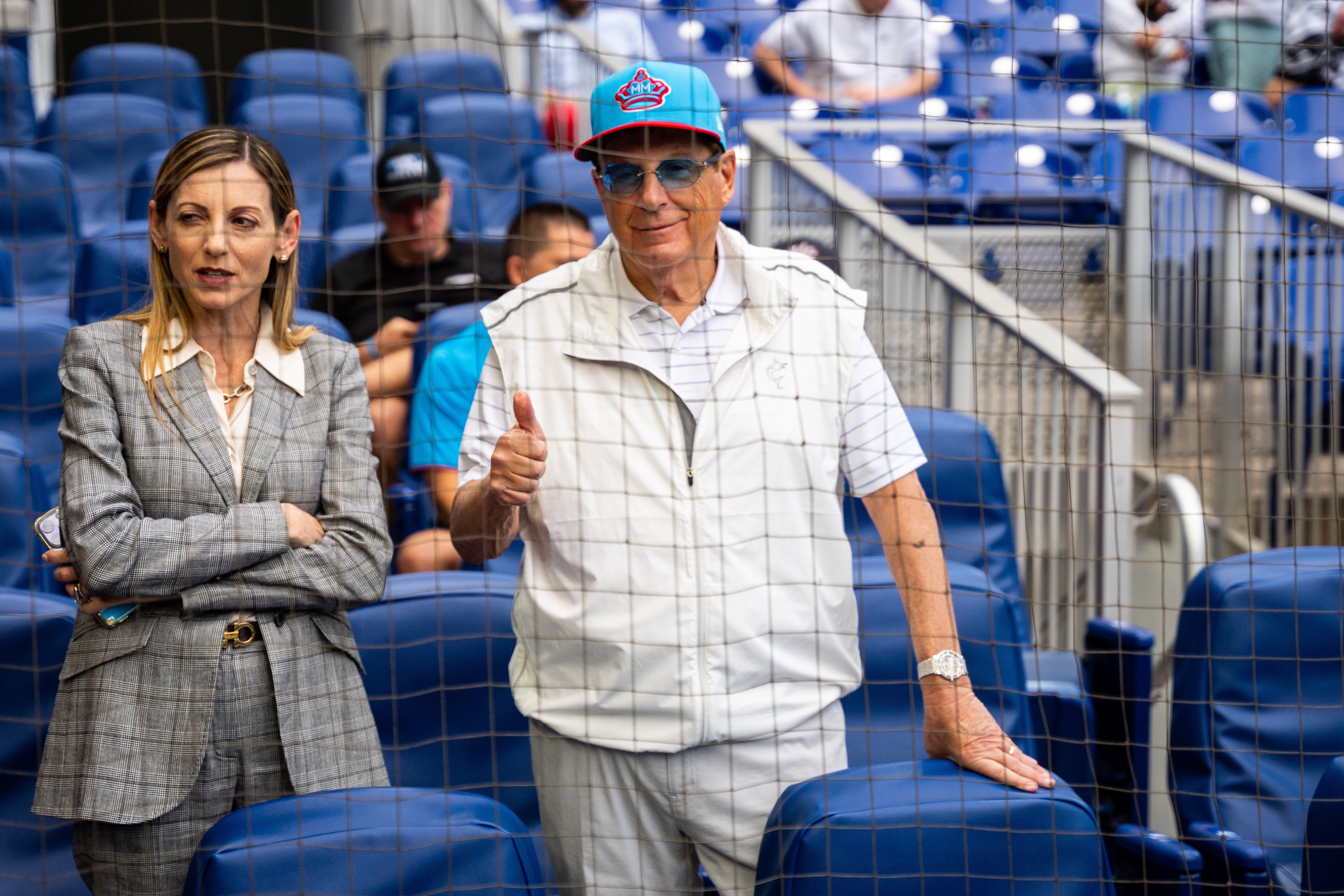 As you might have heard, the Miami Marlins got a bit creative with their start time recently. The organization made the curious choice to go with a 4:10 pm start this past Tuesday with an eye towards seeing if any kind of attendance boost could be gained from such a move. Once you get past the absurdness, the possible advantages are obvious. No rush hour. Works pretty cleanly as an after-school activity. No need to push back bedtime too much. What's not to like? Well, plenty, if the social media response to this is any guide. That 4:10 pm first pitch is even more of a non-starter than usual for the Broward County crowd. If you work a 9 to 5 job? Clearly not happening either, and in that case, some of the angst this experiment has seemed to cause is even understandable. After all, thousands of South Floridians were unable to attend as a result. It would have been particularly upsetting if you were one of the precious few who regularly attend Marlins games. Should we now count how many potential Marlins ticket buyers work non-traditional hours, though? Add up all the teachers? Then tack on all the hospitality workers and a big chunk of first responders? Tabulate all the people able to telecommute and essentially decide when they work and when they don't? Point being, there is no perfect start time. Nothing is going to be convenient for everyone. Over 2 million people live in Dade County alone, and there are less than 40,000 seats in loanDepot park. Which means that in a vacuum, there are plenty of ways for the ticket-buying math to math in the Marlins favor. Of course, as everyone reading this knows, you can't view anything the Marlins do attendance-wise in a vacuum. Merely shuffling a start time is rearranging deck chairs on the Titanic, putting lipstick on a pig level stuff for this franchise. Until they win consistently, and very likely spend more on payroll to do so, no dramatic turnaround at the ticket window is coming. However, that doesn't mean it isn't worth the Marlins time to get creative at drawing more people in. They just need to be far more aggressive at doing so than they have been so far. The same kind of aggressiveness that the club has taken with their analytics and player development should be pursued in boosting attendance. In 2003, the team created special D-Train inspired flex packages to give fans plenty of flexibility in when to come out to the ballpark. While the team doesn't have as equally marketable of a star right now, the idea of any kind of incentive for fans to buy multiple tickets seems worth considering. With thousands of empty seats, it's hard to see what the team would have to lose by even offering 2-for-1 seats, at least for weekday games. And speaking of weekday games, I'm not sure there's a summer camp in Miami that shouldn't be getting heavily discounted tickets to those June and July weekday afternoon starts. Not to mention sending those campers home with a voucher for a free ticket to a future game in case those campers are inclined to tell their parents how much fun they had. As long I'm spending Bruce Sherman's money, though, a radical idea even dearer to my heart would be bussing. The Marlins already have a trolley linked up with the Metrorail, and a bus deal set up with Brightline. Unfortunately, one of those serves a very narrow range that is already close enough to the stadium and the other involves an expensive train that is so popular it is heading for bankruptcy court. But what if the Marlins arranged for a location nearer to Broward to bus in all those fans that wring their hands at the prospect of driving much farther than they did in the past to get to a Marlins game? Hard Rock Stadium, perhaps? Not even kind of kidding, at least not for the many months the Dolphins aren't a factor. There might not be enough parking lot space for the Super Bowl's liking these days, but there's more than enough for Broward-based Marlins fans to park their cars and hop on a bus that gets them to loanDepot in time for first pitch. Same goes for Amerant Bank Arena when the Panthers aren't playing. Even if the stadium owners netted all the parking fees, the Marlins would still benefit plenty from tickets and concessions, as well as the potential for some fan goodwill from going that extra mile. Again, there are no silver bullets for the Marlins attendance woes beyond winning. Ideas like Tuesday's start time shuffle are a step in the right direction, but need to be part of a much more concentrated, creative effort to get people in the door. In my humble opinion, the suggestions offered here would be much more impactful. As would plenty of other ideas, I'm sure. Then again, I'm the kind of fan who used to cheerfully sneak out of school and endure summer rainouts in order to attend games. I presently live in Texas and have already been to three Marlins home games this season. Admittedly, I might not be the best sample size here. So the odd 4:10 pm start isn't something I have an issue with—this team needs to leave no stone unturned in generating interest and revenue. With attendance numbers as bad as Miami's, there are no bad ideas. Seeing as how only 7,521 people showed up for a showdown with the rival Braves, and this was only the third-best crowd on a Tuesday all season? Looks like it'll be back to the drawing board. Until the wins increase, tinker away, Marlins. Tinker away. View the full article
 -
Connor Prielipp's Emergence Is Coming At The Perfect Time
DiamondCentric posted an article in Twins Daily
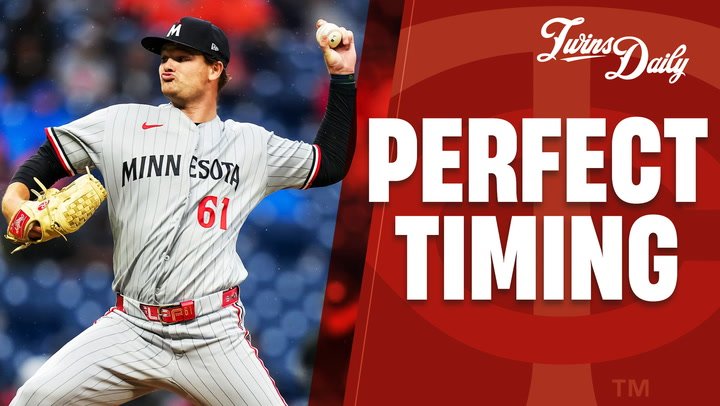 Through his first five starts, Connor Prielipp has been all Twins fans could've hoped for. The timing of his emergence couldn't have been any better, either. View the full article
 -
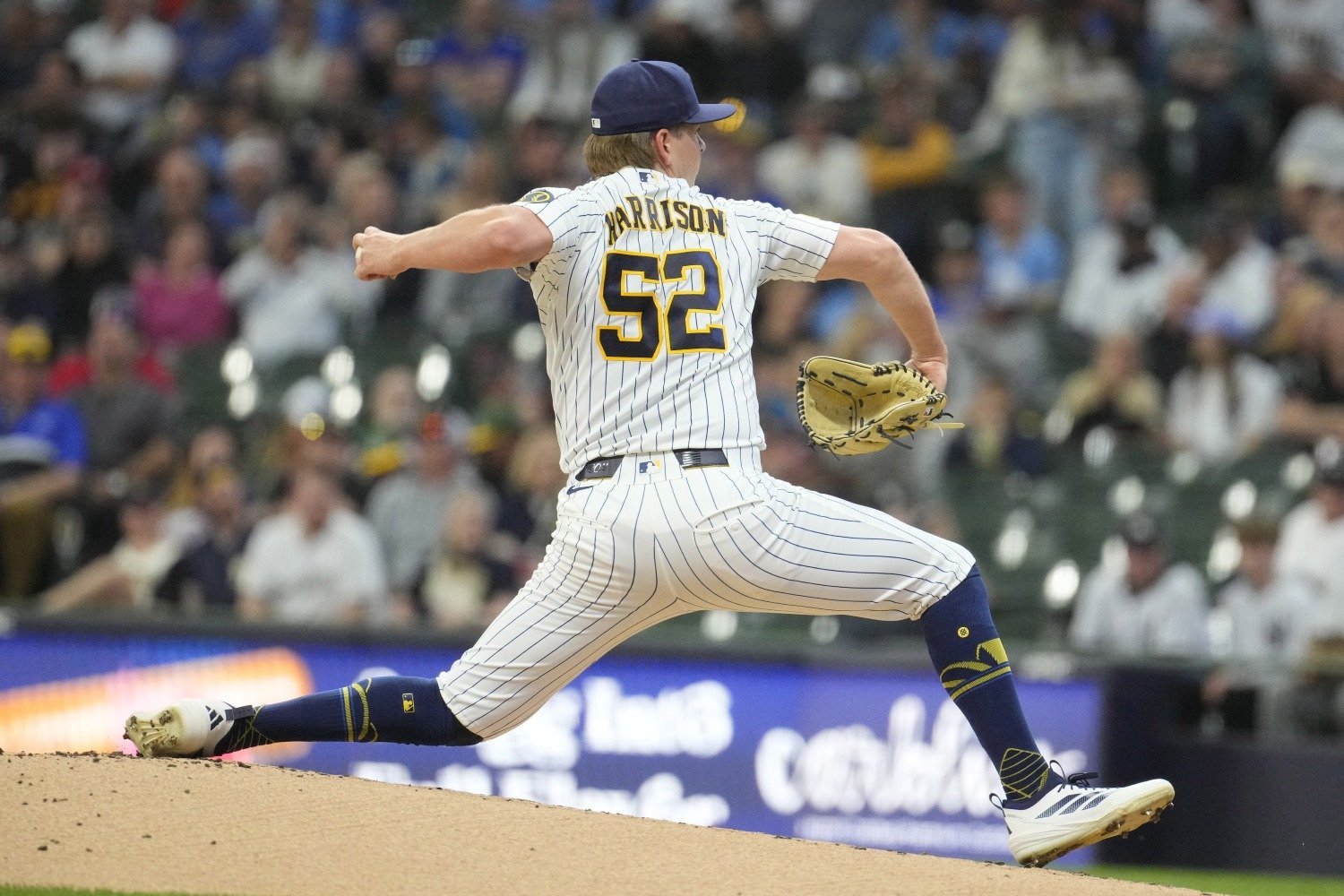 When people ask Chris Hook about Kyle Harrison, he talks up the fact that Harrison has a low arm angle. He says it gives his pitches deceptive movement, especially when he can find lift on his fastball. But Harrison had a low arm angle (27°) last year, when he was an up-and-down guy and was traded from the Giants to the Red Sox. He had an even lower one (24°) in 2024, when he pitched to a 4.56 ERA in the pitcher-friendly environs of San Francisco. In fact, you know what? His arm angle is actually up quite a bit this year, to 33°. That's not a complete mechanical overhaul, but it's noticeable. "Yeah, it's just how the ball is coming out [best]," Harrison said Sunday, inside the visitors' clubhouse at Target Field in Minneapolis. "I'm staying behind the ball a little better up there. I think it's helped the shape on the fastball, helped the changeup after I changed that grip, I think the curveball tunnels a little better from there." What gives, though? Shouldn't this adjustment—however good it feels for the southpaw—be compromising something important? Hook has insisted that the combination of fastball movement and arm slot is the key to Harrison's success, because it cues the hitter to expect something other than what they get. That's not how things are playing out. Well, firstly, there's more than one way to get low and cause trouble for your opponent. Here are side-by-side shots of Harrison at release on a four-seam fastball, in 2024 and earlier this season. You can see how much higher the slot is now. But the hitter only gains information with which to intuit expected movement based on the arm angle. The vertical release point—the raw distance between one's hand and the ground, especially relative to the eventual location of the pitch as it crosses home plate—controls vertical approach angle, which is the source of much of Harrison's power over opposing batters. To release a pitch from down low, you can throw from a sidearm angle, but you can also drive farther down the mound and get deeper into your legs at delivery. As you can see above, Harrison is doing more of that this year. His raw release height is still up a bit this year; raising the slot made that unavoidable. However, because the slot is still low three-quarters (not standard three-quarters or overhand) and because he gets so low with his drop-and-drive mechanics, the 6-foot-2 Harrison releases the ball barely over 5 feet above the ground. Of the 248 pitchers who have thrown at least 100 four-seam fastballs this year, only 14 have a lower average release height than Harrison, so he remains capable of throwing that high fastball with an exceptionally flat VAA, even from a higher slot. Harrison is right, too, that the higher slot is getting his hand behind the baseball better. The induced vertical break (IVB) on his heater is up about three inches this year, which makes it much more effective at the top of the zone. Batters might expect that extra carry, because his slot is higher, but that doesn't mean they can contend with it, given how flat it is as it steams through the zone. It doesn't hurt that Harrison threw the hardest pitches of his career in his last outing against the Padres, almost touching 98 MPH, and that he now sits comfortably at or above 95. Being behind the ball has given him more backspin on the four-seamer, which now mirrors the spin on his slurve just about perfectly. Meanwhile, the depth on his changeup is getting better all the time, thanks to that same combination of movement direction and hand position. Seeing Harrison benefit so much from a slight but noticeable rise in his arm angle, I was forcibly reminded of the old pitching saw: You want to be a Ferris wheel, not a merry-go-round. Even pitchers who use low arm slots get this advice at some point, because it's not solely about slot. It's also about working down the mound well, and making sure one's energy flows directly toward the target. I asked Harrison whether he thinks that's why he's better from up higher, despite the benefits of being down low. "Actually, I had an old pitching coach—that's so interesting, that you say that, because he used to say that I'm halfway between a Ferris wheel and a merry-go-round," Harrison said, flattening his hand and holding it at a 45° angle. "In terms of what the hitter gets, I'm in between those in a way that's hard to pick up." Aha! I think we've hit on something. Do you remember the Gravitron? If you haven't been to a county fair or a pop-up carnival recently, you might not, but the Gravitron is one of the best portable thrill rides such events offer. It lines riders up along the outer walls of a round platform, then uses centrifugal force to hold them in place as it spins increasingly fast—and as the platform slowly tilts upward. Plastered to the barrier, riders experience roughly three times the ordinary force of gravity, and they're held in place even as the ride sometimes spins them almost at a Ferris wheel's angle, before the mechanical arm brings them back down. Kyle Harrison is Gravitron. His low release height and unique hand position at release let him manipulate gravity on hitters in ways that leave them looking as slow and helpless as if they're suddenly three times their usual weight. That shows up in the fastball, and in that devastating new kick-change, and in his slurve. Harrison feels he's concretized all of that by moving across to the first-base side of the rubber, too, which forces him to be more direct with his fastball placement. "In the past," he said, "when I would try to throw the fastball in on righties, it would sometimes run a little bit too much and just leak back over the middle of the plate, which is never what you want. So now, being on the other side of the rubber, it kind of forces me to get out front and across more, and throw it on a straight line at them. I think that's also where the tunneling comes in better, with the [slurve]." Opponents probably agree. Harrison has a 30% strikeout rate and a 2.09 ERA in eight starts. He's a tough combination of traits to guess against. He's a good athlete tapping into that better than ever. He's the advanced course, not the one for beginners. He's neither a Ferris wheel nor a merry-go-round; he's the more exciting next step. He's Gravitron. View the full article
