


DiamondCentric
-
Posts
2,631 -
Joined
-
Last visited
Never
Content Type
Profiles
Forums
Events
News
Tutorials & Help
Major League Baseball Videos
Guides & Resources
Store
Downloads
Gallery
Everything posted by DiamondCentric
-

 Boston Red Sox Affiliate Recap (May 20) Triple-A Worcester Red Sox Season Record: 23-22 Great pitching performances went to waste as Worcester gave up five runs in the 11th inning to lose 7-2 to the Rochester Red Wings (Washington Nationals). Jake Bennett was dominant, striking out 11 batters, tying the WooSox franchise record for the most strikeouts in a game. Bennett tossed five innings of one-run ball, generated 15 whiffs, and a 49% chase rate. The curveball was filthy, creating 10 whiffs, and the velocity on all his pitches was up by +2 mph. 35-year-old Tayron Guerrero lit up the radar gun in his two shutout innings, his fastball maxed out at 102.6 mph while having a 63% whiff rate on the heater, generating five whiffs on eight swings. The bullpen held it down after Bennett for the rest of the game, up until the 11th inning came along. In the meantime, Guerrero, Eduardo Rivera, and Tommy Kahnle combined for four scoreless innings after Bennett. Kyle Keller allowed a run from a sacrifice fly in the sixth to give Rochester a 2-1 lead, but Worcester clawed back afterwards. Wyatt Olds came in for the 11th, and the floodgates opened. The Red Wings had themselves a five-run inning to blow the game open, giving Worcester no chance to come back with the way their bats had looked prior. Offensively, Worcester couldn't get much going, managing seven hits and just two runs across 11 innings. Matt Lloyd's solo homer in the fifth tied it at 1-1, and Nate Eaton drove in Tsung-Che Cheng with a clutch groundout in the bottom of the 9th to force extras at 2-2. Beyond that, the lineup was quiet, no extra-base hits besides Lloyd's blast as the lineup altogether went 0-for-8 with RISP. Key Performances: Jake Bennett: 5 IP, 7 H, 1 ER, 0 BB, 11 K Tayron Guerrero: 2 IP, 0 H, 0 ER, 1 BB, 3 K Double-A Portland Sea Dogs Season Record: 19-21 On Roman Anthony’s bobble head day, the Sea Dogs jumped on the Fightin Phils (Philadelphia Phillies) early and never looked back, defeating them 9-4. Johanfran “The Username” Garcia was the star on offense for Portland. The catcher collected two hits with a walk, scored three runs, and had two RBIs, including a solo homer in the fifth to push the lead to 8-2. Hayden Mullins was impressive in his outing. The 26-year-old lefty only let up one hit while allowing two runs, striking out seven in his five innings of work. Mullins now holds a 3.58 ERA as opponents are batting just .140 off him. Portland got off to an early 3-0 lead in the first inning. Will Turner walked, and Nate Baez hit a double to left field to put two runners on. Garcia followed up with an RBI single to bring in Turner. Marvin Alcantara came up to the plate and brought in Baez with a sacrifice fly, then Nelly Taylor roped an RBI double to give the Sea Dogs the early lead. After Reading made it a one-run game in the second, the Sea Dogs exploded with a four-run inning in the bottom half. Raudelis Martinez smacked a lead-off single, and Ahbram Liendo reached base on a throwing error by the pitcher, advancing both runners an extra 90 feet. That set up Franklin Arias to bring in Martinez with a sacrifice fly, making it 4-2. Turner made a productive groundout count to push the lead 5-2. With two outs, Baez hit an infield single, and Garcia worked a walk, then Alcantara capped off the four-run inning with a base-clearing RBI double, giving the Sea Dogs a big 7-2 lead entering the third. Johanfran Garcia launched a solo bomb in the fifth, giving them an 8-2 lead. The Fightin Phils tried to claw back by scoring two runs in the sixth, but it was not enough. Liendo made it a 9-4 game in the eighth with a sacrifice fly, giving Portland a comfortable lead to finish the last inning. Cade Feeney pitched well in the last two innings, tossing two shutout innings, giving up one hit and no runs while striking out three. Key Performances: Hayden Mullins: 5 IP, 1 H, 2 ER, 3 BB, 7 K Johanfran Garcia: 2-for-3, HR, 3 R, 2 RBI, BB Nelly Taylor: 2-for-4, 2 2B, RBI, SB Nate Baez: 2-for-5, 2B, 2 R High-A Greenville Drive Season Record: 16-25 The Greenville Drive’s bats were not quite on point, despite a late comeback attempt in the ninth, losing 6-4 to the Frederick Keys (Baltimore Orioles). Justin Gonzales kept his hitting streak alive, now reaching eight games. The 19-year-old phenom still awaits his promotion to Portland, slashing .315/.420/.534 for Greenville this season. The Drive offense was largely silenced through the first six innings by Frederick’s starter. Greenville managed baserunners in the second inning, a hit-by-pitch, a single, and a walk loaded the bases; unfortunately, they could not push anything across the plate. Adonys Guzman broke the shutout in the seventh with a solo homer to right field, his third home run of the year, cutting it 2-1. But the Keys answered emphatically in the bottom half of the seventh, reliever Osvaldo Berrios and Joey Gartrell got roughed up as Frederick scored three runs on an RBI single and a two-run single to blow it open 5-1. Down 5-1, the Drive showed some fight in the eighth, drawing three straight walks to load the bases with no outs, but the Keys got two outs very quickly with no damage, a run was forced in when Yophery Rodriguez walked with the bases loaded to make it 5-2, but Greenville left the bases juiced when a strikeout ended the threat. In the ninth, Yoeilin Cespedes crushed a two-run homer, his eighth of the year, scoring Henry Godbout to pull the game closer 6-4. Sadly, a lineout with a runner on ended the game. Single-A Salem RidgeYaks Season Record: 18-23 Other than a couple of errors, Salem took control of both sides of the ball in the 8-3 victory over the Hill City Howlers (Cleveland Guardians). Enddy Azocar tallied a double, his 15th of the year, to extend his hitting streak to six games, while D’Angelo Ortiz and Luke Heyman each had themselves a multi-hit game. The Howlers scored early in the first inning with a sacrifice fly, but Salem tied it up 1-1 in the second inning when Anderson Fermin roped a one-out triple, then Stanley Tucker put the ball in play and caused an error, scoring Fermin to tie it. A bad-timed error in the bottom half from the RidgeYaks gave up a run, losing the lead 2-1. Salem exploded in the fourth inning, scoring four runs on five extra-base hits. Andrews Opata kicked things off by launching a solo homer to center, his third of the year, to tie it 2-2. From there, the RidgeYaks just kept hammering doubles: Ilan Fernandez lined one to center to score Ortiz, Azocar doubled to right to bring in Fernandez, and Starlyn Nunez roped an RBI double to left field to make it 5-2. In the fifth, Opata reached on a fielder's choice, then stole his 20th base of the season. Fermin drew a walk, and Tucker delivered the knockout blow with a two-run single to right. Ortiz followed with a sacrifice fly to push the lead to 8-2. The Howlers managed one more unearned run in the bottom half, but the game was effectively over with how efficient Salem’s pitching staff had looked. Barrett Morgan started on the mound and went 4 ⅓ innings, allowing one earned run, on one hit with one strikeout and three walks. Wuilliams Rodriguez and Harry Blum combined to shut the door over the final innings, keeping the Howlers to just three hits total on the night. Key Performances: D’Angelo Ortiz: 2-for-3, 2 2B, R, RBI Andrews Opata: HR, 2 R, RBI, SB Stanley Tucker: 1-for-4, R, 3 RBI, SB View the full article
 -
The Twins Simply Don't Believe in Outfield Prospect Kyler Fedko
DiamondCentric posted an article in Twins Daily
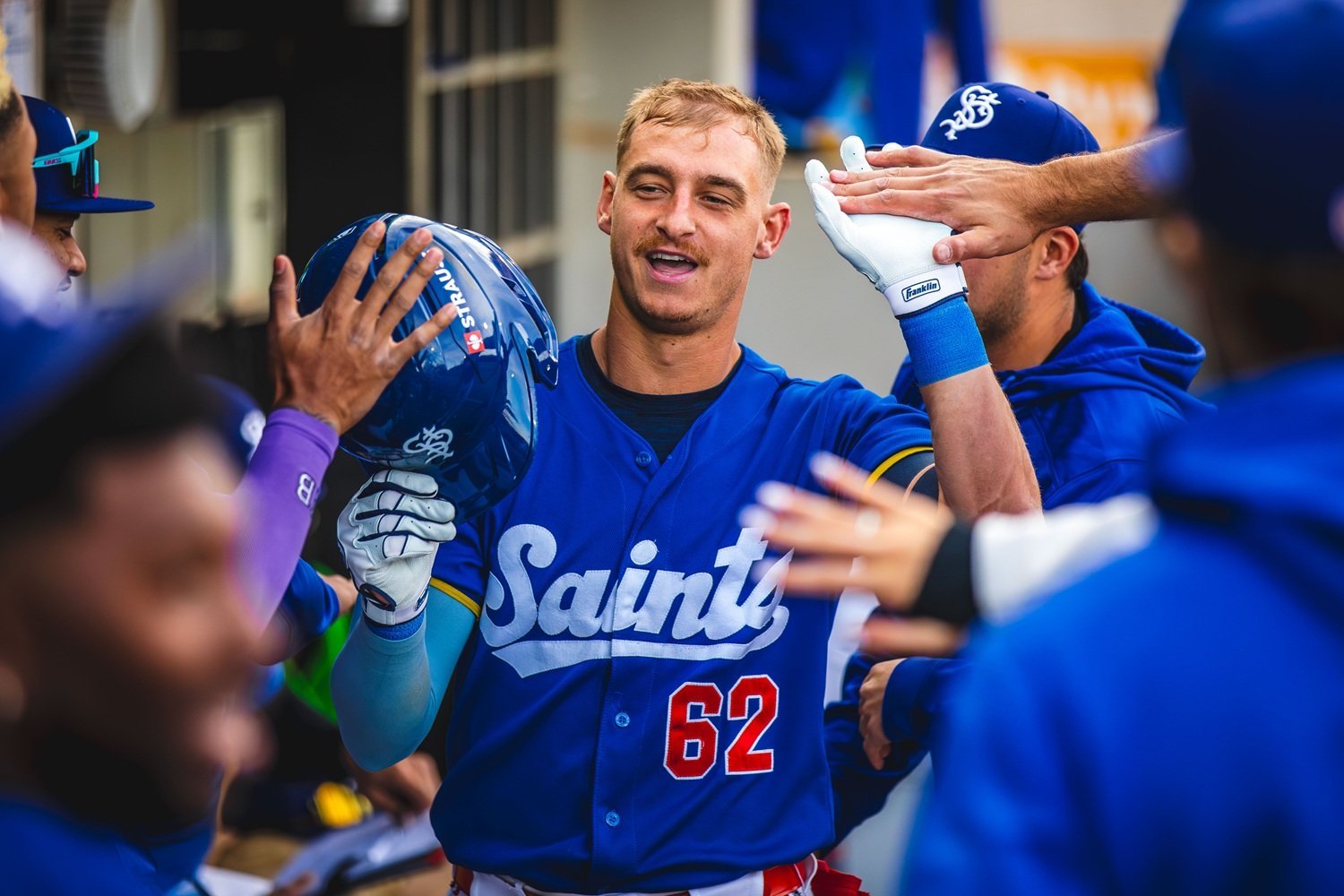 There comes a point when an organization stops sending subtle hints and starts using a megaphone. For the Minnesota Twins, their handling of Kyler Fedko feels like the latter. Fedko has done almost everything the organization could reasonably ask for from a 12th-round pick. He's climbed the ladder steadily since being drafted out of the University of Connecticut in 2021, improved his offensive profile every season, added defensive versatility, and developed into one of the more intriguing right-handed bats in the system. Yet, every time the major-league roster opens a lane for him, the Twins find another person to fill it. At some point, it stops being about development and starts looking like a lack of trust. Fedko, now 26, spent all of 2024 at Double-A Wichita and put together a respectable but unspectacular campaign. In 77 games, he hit .227/.327/.319, with three home runs and 14 doubles. Minnesota (unsurprisingly) had him repeat Double-A to begin 2025, and that decision looked too conservative immediately. Fedko exploded offensively at Wichita, posting an .868 OPS with 35 extra base hits in 88 games while becoming one of the hottest hitters in the organization. He also stole 38 bases, giving Minnesota a rare blend of right-handed power and speed. Few players in the organization combined patience, power, and athleticism the way Fedko did in 2025. That breakout season completely changed the conversation around him. He became a regular topic among Twins prospect followers and quickly forced his way into the organizational spotlight. The Twins promoted him to Triple-A on August 1, and he did not slow down. After arriving in St. Paul, he somehow got even hotter, posting an 1.104 OPS with six home runs and seven doubles during his first 22 games. Overall, Fedko posted an .829 OPS in 42 games after the promotion while continuing to show improved power against upper-level pitching. During one stretch with the Saints, Fedko earned Twins Minor League Player of the Week honors after hitting .407 with three home runs and a 1.299 OPS across six games. He also tied a Saints franchise record with five hits in a single game. By the end of the season, he finished runner-up to Gabriel Gonzalez for Twins Daily Minor League Hitter of the Year after smashing 28 home runs and maintaining an on-base percentage near .370. Usually, when a player forces the issue that aggressively, an opportunity follows. Instead, Fedko has remained stuck in Triple-A while the Twins continue patching together solutions at the major league level. Last season felt like the perfect opportunity to see what he could do. Minnesota struggled badly after the trade deadline and desperately needed offensive consistency, especially from the right side. Fedko never got the call. Nor did the team add him to the 40-man roster in November. They left him exposed to the Rule 5 Draft, though he wasn't selected. Now in 2026, he is producing again. Through 37 games, Fedko is hitting .292/.372/.608, with 19 extra-base hits while going 8-for-11 on stolen base attempts. On Wednesday, he went 4-for-5 with two doubles, two homers, four RBIs, and three runs scored. His strikeout rate has climbed from 21.2% to 24.5%, and his walk rate has dipped from 14.0% to 9.1%, but the overall production remains difficult to ignore. More importantly, his profile fits a very obvious organizational need. The Twins' lineup has leaned heavily left-handed for multiple seasons. Fedko hits right-handed, brings legitimate power, and adds athleticism on the bases. Defensively, he has played all three outfield spots while also making starts at first base and second base. That kind of versatility usually earns players at least a short look in Minnesota. Instead, the organization keeps treating him like organizational depth, rather than a legitimate option. That reality becomes harder to justify with every passing week. Fedko is no longer a young prospect who needs years of refinement. He is 26 years old, succeeding against upper-level pitching, and offering skills the major-league roster clearly lacks. If the Twins believed he could help them, there have already been multiple opportunities to prove it. Their actions suggest otherwise. Maybe the organization sees flaws behind the scenes that outsiders cannot fully evaluate. Maybe they believe the swing-and-miss concerns will become more pronounced in the majors. Maybe they simply do not view him as a long-term roster fit. Whatever the reason, the message has become increasingly clear. Fedko keeps producing like someone deserving of an opportunity, while the Twins continue operating like they do not trust him to handle one. Should Fedko get a shot with the Twins? Leave a comment and start the discussion. View the full article
 -
 Chicago Cubs Transactions No Roster Moves Kevin Alcántara Goes Deep As Iowa Walks Off Memphis Doug Nikhazy delivered five innings of one-hit ball with two walks and five strikeouts, helping set up a tight game at Principal Park. Iowa scratched its first run across in the sixth, when Chas McCormick led off the inning with his sixth double, Eric Yang followed with a single to move McCormick to third, and Brett Bateman lifted a sacrifice fly to left to bring McCormick home. Cleanup hitter Kevin Alcántara made it 2-0 in the seventh with his 15th home run of the season, a solo shot to right-center. Memphis answered in the top of the ninth against Collin Snider, tying the game on a Nelson Velázquez sacrifice fly and a Bligh Madris RBI single. In the bottom half, leadoff hitter Justin Dean drew a walk, BJ Murray reached on a fielding error, Jonathon Long laid down a sacrifice bunt that advanced both runners, and Alcántara plated Dean on a fielder's choice for the winning run. Iowa managed just three hits in the victory, but the bullpen carried the load. Opener Gabe Klobosits worked two scoreless innings with four strikeouts, Christian Roa added a clean inning, and Snider picked up the win despite allowing two runs in the ninth. Iowa stranded just three runners on the night. Player AB R H RBI BB K Justin Dean, DH 3 1 0 0 1 0 BJ Murray, 3B 4 0 0 0 0 0 Jonathon Long, 1B 3 0 0 0 0 0 Kevin Alcántara, RF 4 1 1 2 0 1 James Triantos, 2B 3 0 0 0 0 1 Owen Miller, SS 3 0 0 0 0 1 Chas McCormick, LF 3 1 1 0 0 0 Eric Yang, C 3 0 1 0 0 1 Brett Bateman, CF 2 0 0 1 0 1 Player IP H R ER BB K HR Gabe Klobosits 2 1 0 0 0 4 0 Doug Nikhazy 5 1 0 0 2 5 0 Christian Roa 1 1 0 0 0 1 0 Collin Snider 1 3 2 2 1 1 0 Owen Ayers Homers But Smokies Fall To Montgomery 6-5 Cleanup hitter Owen Ayers gave Knoxville an early jolt in the first, depositing his fifth home run of the season to right-center to score Carter Trice for a 2-0 lead. Starter Grant Kipp went 4 2/3 innings for the Smokies, allowing one run on four hits with three walks and six strikeouts. Knoxville pushed across another run in the fourth on an Edgar Alvarez RBI single that brought home Jefferson Rojas, making it 3-1. The game tilted on the seventh. Montgomery struck for two runs off Luis Rujano, including a two-run home run, to grab a 4-3 edge. Knoxville responded in the bottom half. Ariel Armas worked a walk, Ed Howard ripped his third double of the year to score Armas, and Howard came home on a Karson Simas triple to right that put the Smokies back in front 5-4. The lead did not last. Rujano left the bases loaded with two outs in the eighth, and Evan Taylor surrendered a two-run single that gave Montgomery a 6-5 lead. Vince Reilly closed the door with a perfect ninth featuring two strikeouts, but Knoxville could not answer in the bottom half. Ayers finished 1-for-4 with two RBI, Rojas added a double, Howard tallied two hits, and the Smokies stranded just three runners on the night. Player AB R H RBI BB K Karson Simas, CF 4 0 1 1 0 2 Alex Ramírez, RF 4 0 0 0 0 1 Carter Trice, LF 3 1 1 0 1 1 Owen Ayers, C 4 1 1 2 0 1 Jefferson Rojas, 3B 3 1 1 0 1 0 Edgar Alvarez, 1B 4 0 1 1 0 2 Ariel Armas, DH 3 1 0 0 1 0 Hayden Cantrelle, 2B 4 0 1 0 0 2 Ed Howard, SS 3 1 2 1 0 1 Player IP H R ER BB K HR Grant Kipp 4 2/3 4 1 1 3 6 0 Frankie Scalzo Jr. 1 1/3 2 1 1 0 1 0 Luis Rujano 1 2/3 5 4 4 1 2 1 Evan Taylor 1/3 1 0 0 0 0 0 Vince Reilly 1 0 0 0 0 2 0 Late Rally Carries South Bend Past West Michigan Alfredo Romero set the tone for South Bend, working 3 2/3 innings on three hits with two walks and six strikeouts. He surrendered the only West Michigan run in the fourth on an RBI single, but the Cubs bullpen took the game from there. Nate Williams covered 2 1/3 hitless innings with four strikeouts, and Jackson Brockett closed with three scoreless innings, allowing one hit, no walks, and two strikeouts. Trailing 1-0 entering the eighth, South Bend pieced together a rally. Kade Snell drew a leadoff walk, Leonel Espinoza moved him to second on a sacrifice bunt, and Alex Madera walked to put two runners on. Miguel Useche then drilled a single to left that scored Snell, and Madera came around to score on a fielding error by the left fielder. The 2-1 lead held into the ninth, when leadoff hitter Kane Kepley drew a walk, advanced to second on a groundout, and came home on a Cameron Sisneros RBI single to right taking his on base streak to 17 straight. South Bend managed just four hits and worked four walks but turned them into the runs that mattered. The Cubs struck out seven times, stranded three runners according to the line score, and saw the bullpen post 5 1/3 scoreless innings in relief to wrap up a 3-1 victory. Player AB R H RBI BB K Kane Kepley, CF 3 1 0 0 1 1 Ty Southisene, SS 4 0 0 0 0 1 Cameron Sisneros, 1B 4 0 1 1 0 1 Kade Snell, LF 3 1 1 0 1 0 Leonel Espinoza, RF 3 0 0 0 0 1 Alex Madera, 3B 3 1 1 0 1 2 Miguel Useche, C 2 0 1 1 1 0 Drew Bowser, DH 3 0 0 0 0 1 Christian Olivo, 2B 3 0 0 0 0 0 Player IP H R ER BB K HR Alfredo Romero 3 2/3 3 1 1 2 6 0 Nate Williams 2 1/3 2 0 0 0 4 0 Jackson Brockett 3 1 0 0 0 2 0 Pelicans Shut Out By Kannapolis Dominick Reid had a tough start for Myrtle Beach, allowing four runs on eight hits over four innings with two walks, two strikeouts, and a home run. Kannapolis built the lead inning by inning. The hosts scored once in the first on an RBI single, added two more in the second on a solo home run and a sacrifice fly, and tacked on another run in the third on an RBI single to make it 4-0. Braylon Myers followed Reid out of the bullpen with two innings, giving up one run on three hits with two walks and three strikeouts in the sixth that pushed the lead to 5-0. Connor Knox closed out the night with two innings, allowing a two-run home run in the eighth that capped the scoring at 7-0. The Pelicans bats went quiet, mustering just seven hits and drawing no walks. Josiah Hartshorn led the way with a 2-for-4 night that included a double, Yahil Melendez chipped in two hits, and Jose Escobar, Derniche Valdez, and Jairo Diaz each added a single. Leadoff hitter Alexis Hernandez went hitless in four at-bats, and Myrtle Beach struck out nine times and stranded seven runners on the night, never able to push a runner across the plate. Player AB R H RBI BB K Alexis Hernandez, SS 4 0 0 0 0 1 Josiah Hartshorn, CF 4 0 2 0 0 1 Alexey Lumpuy, RF 4 0 0 0 0 2 Jose Escobar, 2B 4 0 1 0 0 0 Eli Lovich, DH 4 0 0 0 0 1 Derniche Valdez, 3B 4 0 1 0 0 2 Yahil Melendez, 1B 4 0 2 0 0 1 Jairo Diaz, C 3 0 1 0 0 0 Darlyn De Leon, LF 3 0 0 0 0 1 Player IP H R ER BB K HR Dominick Reid 4 8 4 4 2 2 1 Braylon Myers 2 3 1 1 2 3 0 Connor Knox 2 1 2 2 1 1 1 Top-20 Prospect Performance Jefferson Rojas: 1-for-3, 2B, BB Jaxon Wiggins: DNP Pedro Ramirez: DNP Kevin Alcantara: 1-for-4, HR, K Josiah Hartshorn: 2-for-4, 2B, K Ethan Conrad: DNP Kane Kepley: 0-for-3, BB, K Jonathon Long: 0-for-3 James Triantos: 0-for-3, K Cole Mathis: DNP Owen Ayers: 1-for-4, HR, K Brooks Caple: DNP Juan Cabada: DNP Kaleb Wing: DNP Angel Cepeda: DNP Dominick Reid: 4 IP, 8 H, 4 R, 2 BB, 2 K, HR Jostin Florentino: DNP Ty Southisene: 0-for-4, K Will Sanders: DNP Brandon Birdsell: DNP View the full article
 -
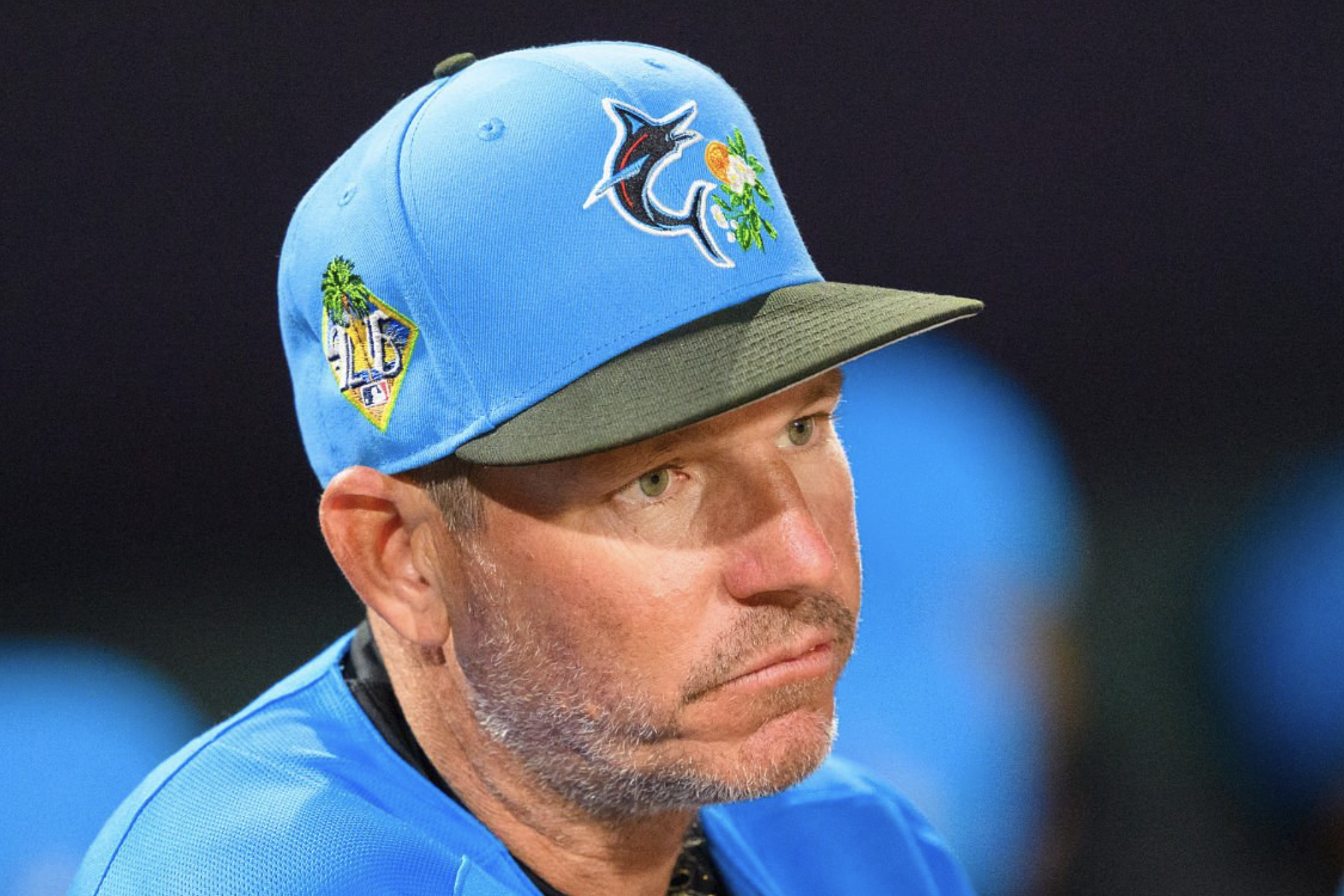 Did I ever tell you about my greatest moment writing about the Miami Marlins? It came eleven years ago this past Sunday. The year was 2015. Miami was 16-21 under Mike Redmond. That fateful morning, I wrote an article making the case for why Redmond wouldn't manage another game for Miami if that record hit 16-22. Redmond was fired shortly after that afternoon's loss. Now, my editor at the time referred to my prediction as "pure speculation." Personally, I'd have preferred "astute analysis" of an owner in love with the legacy of his one successful season that was happy to change owners as often as Miguel Rojas changes sneakers. Jeff Torborg was fired at 16-22, and the Marlins went on to win a title. Jeffrey Loria was exactly the kind of owner who would be willing to believe lightning could strike twice. As my four-year old has taken to saying lately, easy-peasy, lemon-squeezy. After a true only in Miami adventure with Dan Jennings recently discussed on Fish Unfiltered, the club hired Don Mattingly next offseason. The Marlins haven't fired a manager since. Which brings us, dear reader, to current Marlins skipper Clayton McCullough and the point of that parable. For beyond the obvious lesson that I should be making ESPN money for that bit of prognostication, there is also a lesson far more useful for today's Marlins devotee. For fan temperature seems to have reached a point where it's worth pointing out how unlikely a manager change is this season, and how little of an impact it would even have on any of the things fans are angry about. Before diving into McCullough specifically, allow me to address anyone sitting there thinking I'm off in my terminated manager count. Sure, you could read between the lines all you want on Miami's "mutual parting of the ways" with Mattingly and Skip Schumaker. However, you can't deny that Bruce Sherman has never fired a manger— capital F, publicly stating you were bad at your job Fired—during his tenure. Manager or general manager, all prominent changes happened in the offseason, with the mask of those mutual differences. He has been far more patient than his predecessor. Partly, that comes down to what is surely just a genuine difference in temperament between Loria and Sherman. Yet it's hard to conclude that just as much of it hasn't been a deliberate commitment to changing Miami's image. Change was needed. In other words, Sherman's track record says no change is coming before October. Period. Everyone the Marlins have moved on from completed their contract. McCullough is extremely unlikely to be an exception. It's also important to stress the difference in circumstances. Every other time a Marlins manager has been fired midseason, there were serious expectations for better play, ones typically backed by aggressive offseason signings and/or front office bluster. The 2026 Marlins expected to better, sure, but drawing a comp between them and the 1996, 2001, 2003, 2010, and 2015 Marlins would be pushing it. Those teams were all much better positioned for success. As I've said before, John Boles is probably the best comparison for Clayton McCullough when it comes to previous Marlins skippers. But if McCullough does go as Boles did, it's more likely to be like when Miami moved on from Boles after 1996 than during 2001. This team was supposed to improve, and still might. That doesn't mean the investment in it happening was high enough to warrant an early firing though if that improvement doesn't happen. There has been no Guillen-esque PR disaster. No clubhouse meeting heard round the world. Nothing off the field to support such a rash decision. Bringing it back to McCullough specifically though, there are two reasons that Marlins fans shouldn't be so quick to wish for him being shown the door. Or at the very least, thinking it will change anything. For one, what would a manager firing do to the identify of those scrappy, in every game to the very last out Miami Marlins you've come to know and love? Obviously, much of that has to do with the players on the field. But a team's identity does tend to be linked to the individual leading it, and that's McCullough. Would a new manager push all those same buttons? Would this clubhouse receive a change well? Again, there's been no evidence that McCullough has lost it. Just evidence that a talent gap remains between the Marlins and more serious contenders. That's not a McCullough problem. It's a front office one. Secondly, let's talk a little bit more about that front office. They aren't going anywhere. Back in the old days of 1993-2023, changing the manager might have had a dramatic impact on how Miami operates. In the brave new world Peter Bendix and company have brought the Marlins into? Waaaay more debatable. That's not a slight against the team's increased reliance on analytics either but merely to say that any new manager Miami brings in is going to be expected to continue to tow the company line. Meaning that any of the things that have upset fans to this point are still going to be there. Platoons. Bullpen decisions. Quick hooks for starting pitchers. All of those decisions have been backed by a massive pile of numbers. The Marlins are going to continue to provide their manager those numbers...and expect their manager to act on them. None of that adds up to a manager change making sense for the Marlins in 2026. View the full article
 -
A Long Winding Road Ends in Tommy John for José Berríos
DiamondCentric posted an article in Jays Centre
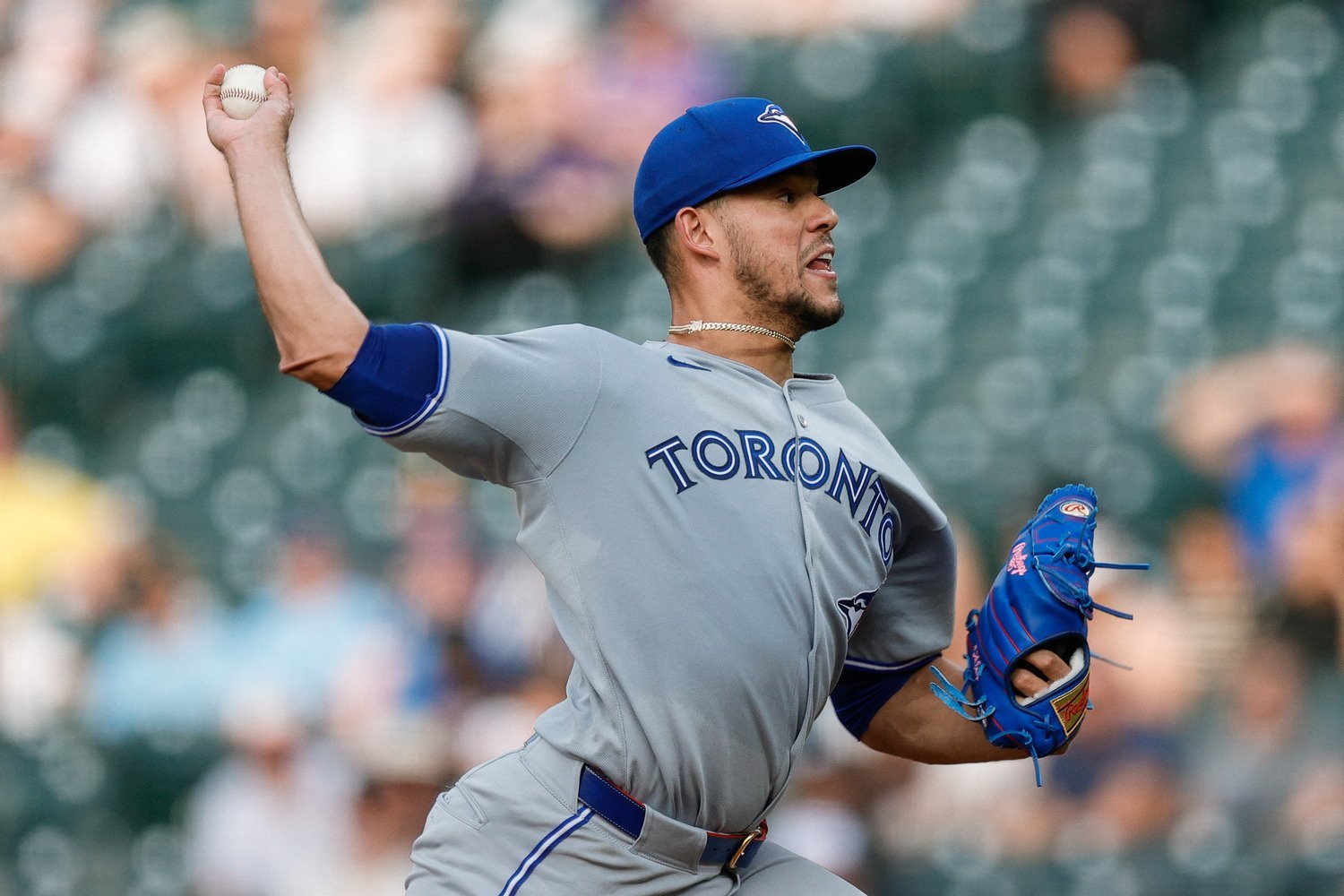 At least we have an answer. Last September, the Blue Jays placed José Berríos on the injured list with elbow inflammation. I'll admit I was skeptical at the time. I thought it was a phantom IL stint. After all, Berríos was never hurt. Never. All of a sudden, shortly after the team moved him to the bullpen – a move he was openly upset about – a vague injury allowed the Jays to remove the struggling veteran from their active roster while preserving some of his dignity. It just felt a bit too convenient. Then, when Ross Atkins revealed that Berríos chose not to be with the team during the World Series because "he was disappointed that he wasn’t in our rotation," I thought my suspicions were confirmed. This wasn't about an injury. It was personal. I didn't know what any doctors might have seen on the righty's scans, but clearly, Berríos himself thought he was healthy enough to pitch. A couple of months later, we got another update. Berríos explained that he was pitching through discomfort throughout the entire 2025 season. Huh. I had to rethink my phantom IL conspiracy theory. Maybe the truth was somewhere in between an actual injury and my cynical speculation. My new hypothesis? Berríos really was hurt, but the Blue Jays let him pitch through the pain until it became a convenient reason to remove him from the roster. Regardless, it seemed like we were done worrying about Berríos and his elbow. After his first spring start, the veteran told reporters that he felt "pretty healthy, pretty strong." “Last year, at this time, I had doubt in my mind already,” he explained. “Today, I felt like nothing's on my mind. I'm clear.” Unfortunately, while his mind may have been clear, his scans weren't. When Berríos was first denied insurance coverage to pitch in his fourth World Baseball Classic, I was among the outraged. For all we knew at the time – from what the Blue Jays and Berríos had communicated – he was perfectly healthy. However, when he was denied a second time, it came with the news that an MRI had found more inflammation in his elbow. Even so, Berríos maintained that he was "feeling great and throwing the ball well." Both he and the Jays were so unconcerned that he wasn't even shut down from throwing. It was puzzling, but it still didn't seem like a big deal. Or at least, the Blue Jays and Berríos weren't making it seem like a big deal. A week later, the "big deal" alarms finally started to go off in my head. Berríos was diagnosed with a stress fracture in his elbow. He would miss Opening Day. Once again, he claimed he was still pain-free. John Schneider was confident Berríos wouldn't be out for long. My confidence, however, was starting to wane. How did the team miss a fractured elbow? How on earth was Berríos pain-free? Were we getting the full story? To be fair, the stress fracture diagnosis really didn't keep Berríos down for long. He made his first rehab start on April 16. But the mixed messages continued. The Jays maintained that the right-hander was nearing his return, despite his struggles against minor league hitters. Even when he suffered a setback and went for another MRI, the messaging was that this wasn't a soft tissue injury. Until it was. Yesterday, Berríos went under the knife. Afterwards, the team announced that he had undergone a full Tommy John procedure. He will miss the rest of the 2026 season and likely most of 2027 as well. Eight months ago, "La Makina" was the most durable pitcher in baseball. Since then, his elbow has taken him on a roller coaster ride. It's always a gut punch when a pitcher looks dominant one moment, then he exits a start early, and the next day you learn he'll be out for the next 12-18 months recovering from Tommy John. Yet, I think the long, drawn-out Berríos situation was even more frustrating. The only good news is that it's finally over (for now). It may not be the answer anyone wanted, but at least we have an answer. View the full article
 -
Gavin Sheets Is Elevating His Contact & Performance
DiamondCentric posted an article in Padres Mission
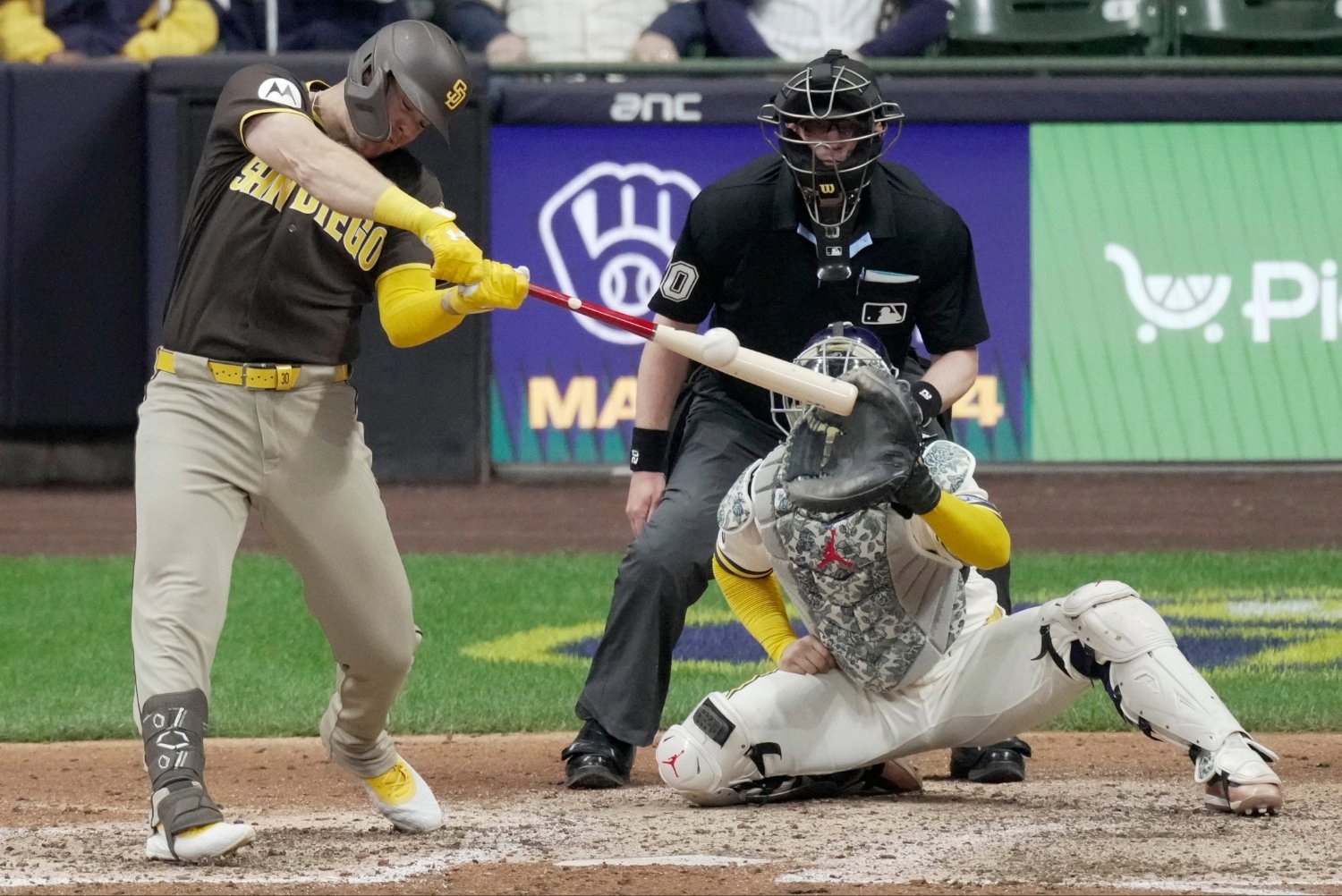 To say that Gavin Sheets got off to a poor start here in 2026 might be overstating the situation. After all, he did finish April above the average threshold in wRC+ (110). For a San Diego Padres team starved for consistency on the offensive side, though, it was definitely an output that left something to be desired. Sheets' first month of the season was propped up heavily by his power output. He struck out 22.0 percent of the time against a mere 4.4 percent walk rate. That type of spread doesn't lend itself to regular contribution. As such, the power (.244 ISO) represented the only meaningful production Sheets was able to offer the Friars. That ISO figure trailed only Luis Campusano among Padres hitters in March & April, though Sheets' number came with nearly twice the plate appearances. In terms of total contributions, things have certainly shifted for Sheets here in May. Here is the breakdown of Sheets' performance between the season's first month and his work this month: March/April: .233/.275/.477, 22.0 K%, 4.4 BB%, 110 wRC+ May: .302/.434/.674, 18.9 K%, 18.9 BB%, 209 wRC+ It's not just that Sheets has been better; he's been obscenely good in general. No qualifying hitter in the sport has a better wRC+ than Sheets' 209 and only two have posted a higher ISO over halfway through the month than his .372 mark (Byron Buxton & Kyle Schwarber). How Sheets has managed to drive up his numbers in such an impressive way isn't any sort of mystery. For one, he's become more patient. Sheets' swing rate in April was 46.8 percent before dropping to 38.1 thus far in May. The chase rate has come down along with that overall decline in swings, falling from 37.2 percent to 31.3 percent between the two months. That increased patience has (obviously) allowed him to drop his strikeout rate while driving the walk rate way up, but it's also allowed him to do more with the contact that's being made. More specifically, it's allowing him to find the portions of the zone that are going to yield the most positive outcomes. The below visual is of Sheets' swing rates in and around the strike zone in March & April: It's not a bad trend, mind you, where many of those swings wind up. But there's also a lot of work down in the zone that's going to result in a heavy volume of groundball contact. Meanwhile, this is where Sheets is swinging to this point in May: There's been a much heavier emphasis on not only the inner portion of the zone, but avoiding those lower areas that have caused him trouble in the past. With not a ton of variable change with respect to pitch types, we can attribute the improved patience to his ability to lock in on more impactful portions of the zone. The areas of emphasis in the second visual (middle-middle and middle-in) are where we typically see his power manifest. That trend is present in the elevation of Sheets' contact over these past handful of weeks. After going for a groundball rate over 45 percent in April, he's down to 36 percent in May. His fly-ball rate, meanwhile, has experienced an eleven percent leap up to 30.3 in May. The quality of contact was always there, but his lack of discipline wasn't allowing it to be maximized. By honing in his approach and gaining control of the zone, he's been able to elevate his game to a fairly drastic extent, much to the Padres' benefit. View the full article
 -
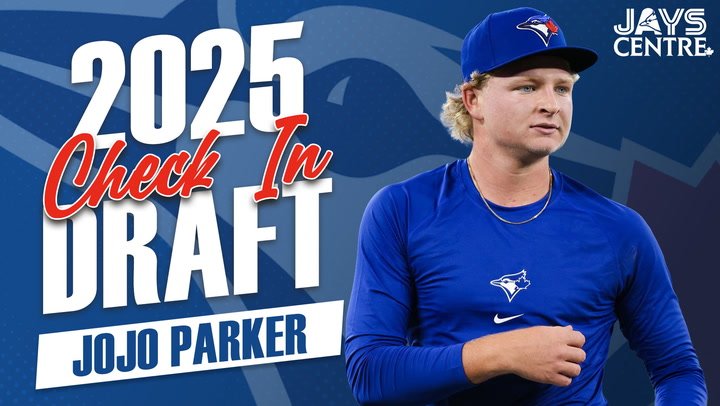 JoJo Parker generated plenty of buzz during spring training, resulting in lofty expectations out of the gate. What should we make of his first month and change of pro ball? View the full article
 -
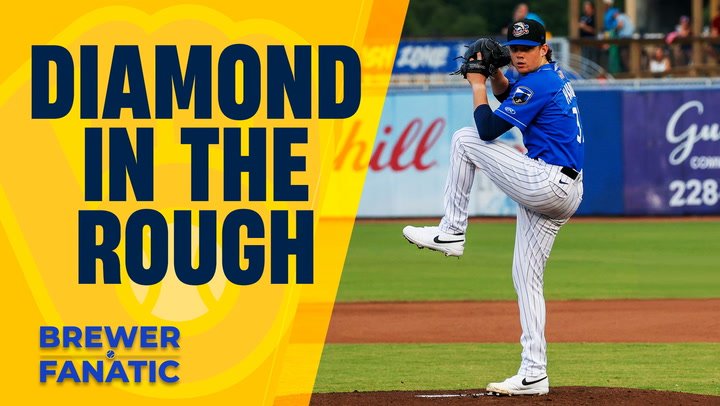 Tyson Hardin is getting some much-deserved attention after turning in a seven-inning shutout performance for his Triple-A debut with the Nashville Sounds. In this video, we will break down the Milwaukee Brewers' 15th-ranked pitching prospect's arsenal, his pro-level command, and one key improvement that could lead to his big league debut. View the full article
 -
Mickey Gasper's Hot Bat Is Helping The Struggling Offense
DiamondCentric posted an article in Talk Sox
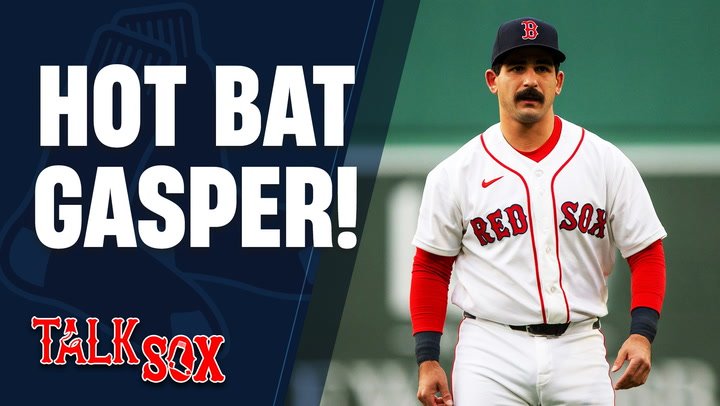 Mickey Gasper was recently recalled from the Triple-A Worcester Red Sox. Claimed by Boston in early February, Gasper has been hot in the minors this season; he has flashed better contact with his bat, along with some raw power. Gasper has only played a handful of games with the Red Sox and been has been spark to their recent offensive production.View the full article
 -
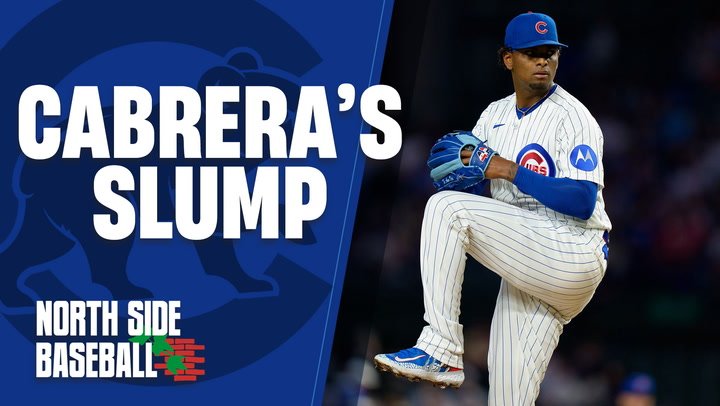 After shutting out his opponents in back-to-back starts to begin the season, Edward Cabrera has allowed at least one home run in five consecutive appearances and holds an earned run average north of six in the month of May. What is going wrong for the Chicago Cubs' right-handed pitcher? We break it all down in this video. View the full article
 -
 Syracuse pounded out 14 hits in a 10-5 win over Buffalo behind Christian Arroyo's three-RBI afternoon, while Ryan Clifford added a two-run home run. Channing Austin spun 6 2/3 scoreless innings, striking out eight, to lead Brooklyn past Hudson Valley 5-0. Joe Scarborough earned the win as St. Lucie edged Palm Beach 4-3, with Yohairo Cuevas driving in the go-ahead run. Binghamton dropped a 7-6 walk-off loss in Richmond despite Jacob Reimer's three-run, two-hit afternoon. Mets Transactions LF Nick Morabito changed number to 55. New York Mets optioned RHP Daniel Duarte to Syracuse Mets. New York Mets selected the contract of LHP Zach Thornton from Syracuse Mets. Syracuse Mets Pound Bisons Behind Arroyo's Three-RBI Day The Syracuse Mets pounded out 14 hits in a 10-5 win over the Buffalo Bisons. Christian Arroyo led the charge, going 3-for-5 with three RBIs, a double, a run scored, and a stolen base. Kevin Parada added two hits, two runs scored, and two RBIs, including a triple. Ryan Clifford launched his eighth home run, walked twice, drove in two, and stole a base. Cristian Pache and Eric Wagaman each collected two hits, with Pache plating two and Wagaman driving in another. Syracuse opened the scoring in the first when Wagaman singled home Jared Young. Buffalo answered with a two-run home run in the second, but Syracuse responded in the bottom half on Arroyo's two-RBI single that scored Parada and Jackson Cluff. The Mets stretched the lead in the third on Parada's RBI triple and Arroyo's RBI single, pushing Syracuse ahead 5-2. The sixth inning broke the game open. Clifford crushed a two-run home run that scored Arroyo, and later Pache delivered a two-run single that brought home Wagaman and Jihwan Bae, swelling the lead to 10-4. Buffalo added a run in the seventh, but the Syracuse bullpen closed the door. Starter Matt Turner opened, allowing two runs on two hits over 1 2/3 innings, walking one and striking out two. Ben Simon earned the win with 1 1/3 scoreless frames in relief. Syracuse stole six bases and left ten runners on base. Player AB R H RBI BB K Christian Arroyo 5 1 3 3 0 1 Jared Young 5 1 1 0 0 1 Andy Ibáñez 5 0 1 0 0 1 Ryan Clifford 3 1 1 2 2 0 Eric Wagaman 5 1 2 1 0 0 Ji Hwan Bae 3 2 1 0 1 1 Cristian Pache 5 1 2 2 0 1 Kevin Parada 3 2 2 2 0 0 Jackson Cluff 3 1 1 0 1 1 Player IP H R ER BB K HR Matt Turner 1 2/3 2 2 2 1 2 1 Ben Simon 1 1/3 0 0 0 1 0 0 Ofreidy Gómez 1 2 2 2 2 1 0 Parker Carlson 2 0 0 0 1 1 0 A.J. Minter 2/3 1 1 1 1 0 0 Cionel Pérez 1 1/3 1 0 0 1 0 0 Alex Carrillo 1 0 0 0 1 0 0 Rumble Ponies Fall On Late Richmond Comeback The Binghamton Rumble Ponies dropped a 7-6 walk-off loss to the Richmond Flying Squirrels after surrendering a two-run ninth. Binghamton led 6-5 entering the bottom of the ninth before Richmond tied it on a leadoff home run and walked it off two batters later on an RBI single. Jacob Reimer led the offense with two hits, three runs scored, a double, a walk, and a stolen base. JT Schwartz delivered a three-run home run, his second of the year. Nick Lorusso added two hits and an RBI, Jaylen Palmer collected two hits and a stolen base, and Jose Ramos drew two walks and scored twice. Binghamton struck first in the opening inning, when Lorusso's single brought home Reimer, and Schwartz reached on an error that allowed Ramos to score, making it 2-0. After Richmond tied it in the second, the Rumble Ponies answered in the third on Schwartz's three-run home run that plated Reimer and Ramos, pushing the lead to 5-2. Richmond responded with two in the fourth to make it a one-run game. In the fifth, Reimer scored on a Ramos double play to extend the advantage, but a solo home run in the bottom half trimmed Binghamton's lead to 6-5. Starter Jonathan Santucci struggled, allowing four runs on seven hits over four innings, walking one and striking out four. Saul Garcia took the loss after surrendering a home run in the ninth. Player AB R H RBI BB K Chris Suero 5 0 0 0 0 2 Jacob Reimer 4 3 2 0 1 1 Eli Serrano III 3 0 1 0 1 1 Jose Ramos 2 2 0 0 2 0 Nick Lorusso 4 0 2 1 0 1 JT Schwartz 4 1 1 3 0 2 TT Bowens 4 0 0 0 0 1 Jaylen Palmer 4 0 2 0 0 1 Wyatt Young 4 0 0 0 0 2 Player IP H R ER BB K HR Jonathan Santucci 4 7 4 4 1 4 0 Gabriel Rodriguez 1 1 1 1 0 0 1 Guillo Zuñiga 1 0 0 0 0 1 0 Dan Hammer 2 1 0 0 0 4 0 Saul Garcia 2/3 2 2 2 1 1 1 Channing Austin, Cyclones Blank Renegades The Brooklyn Cyclones blanked the Hudson Valley Renegades 5-0 behind Channing Austin's dominant quality start. Austin worked 6 2/3 scoreless innings, allowing one hit and one walk while striking out eight to earn his second win of the year. Brooklyn's bullpen completed the shutout with 2 1/3 hitless innings of relief. Yonatan Henriquez led off with two hits, two runs scored, and a stolen base. Nick Roselli connected for his first home run, going 2-for-3 with two runs and two RBIs. John Bay drove in three on two hits and added a stolen base. Cleanup hitter Corey Collins doubled, Sam Biller singled and scored, and Trace Willhoite drew a walk. Brooklyn broke the game open in the third. With Sam Biller aboard, Roselli launched a two-run home run to put the Cyclones on top 2-0. Henriquez followed with a base hit, stole second, and scored when Bay singled to right to push the lead to 3-0. The fifth produced two more runs, both driven in by Bay, whose two-run single scored Roselli and Henriquez to make it 5-0. Brooklyn left three runners on base. Player AB R H RBI BB K Yonatan Henriquez 4 2 2 0 0 1 John Bay 4 0 2 3 0 0 Ronald Hernandez 3 0 0 0 1 1 Corey Collins 4 0 1 0 0 0 JT Benson 4 0 0 0 0 3 Colin Houck 3 0 0 0 0 1 Trace Willhoite 2 0 0 0 1 2 Sam Biller 3 1 1 0 0 1 Nick Roselli 3 2 2 2 0 0 Player IP H R ER BB K HR Channing Austin 6 2/3 1 0 0 1 8 0 Garrett Stratton 1/3 0 0 0 1 0 0 Gregori Louis 1 1 0 0 1 2 0 Hunter Hodges 1 1 0 0 1 1 0 St. Lucie Mets Edge Cardinals On Late Rally The St. Lucie Mets rallied to beat the Palm Beach Cardinals 4-3, scoring the go-ahead run in the eighth inning. Joe Scarborough earned the win with 1 1/3 hitless innings, walking three and striking out three. Randy Guzman led the offense with two hits and two runs scored. Branny De Oleo added two hits, a run scored, a double, and a stolen base. Kevin Villavicencio singled in a run. Yohairo Cuevas drove in two on a sacrifice fly and a bases-loaded walk. Julio Zayas singled and was hit by a pitch that scored a run. Jeremy Rodriguez worked a walk and scored once. Palm Beach plated the first run in the third, but St. Lucie answered in the bottom half when Villavicencio's single brought home De Oleo. Palm Beach took the lead back in the fourth, and St. Lucie countered in the bottom half. With the bases loaded, Zayas was hit by a pitch to bring in Rodriguez, and Cuevas followed with a sacrifice fly that scored Guzman to put the Mets up 3-2. Palm Beach tied it in the fifth. The decisive moment came in the bottom of the eighth, when Cuevas drew a bases-loaded walk to force in Guzman and put St. Lucie ahead 4-3. Starter Daviel Hurtado was sharp, allowing one run on three hits over three innings, walking none and striking out five. The bullpen worked six innings the rest of the way. Palm Beach left 14 runners on base, while St. Lucie stranded seven. Player AB R H RBI BB K Elian Peña 4 0 0 0 0 1 Jeremy Rodriguez 3 1 0 0 1 1 Randy Guzman 4 2 2 0 0 2 AJ Salgado 3 0 0 0 1 1 Julio Zayas 2 0 1 1 0 0 Yohairo Cuevas 2 0 0 2 1 2 Branny De Oleo 4 1 2 0 0 1 Chase Meggers 4 0 0 0 0 3 Kevin Villavicencio 3 0 1 1 0 0 Player IP H R ER BB K HR Daviel Hurtado 3 3 1 1 0 5 0 Justin Armbruester 2/3 1 1 0 1 1 0 Elwis Mijares 1 1/3 2 1 1 2 0 0 Christian Rodriguez 2 2/3 2 0 0 2 3 0 Joe Scarborough 1 1/3 0 0 0 3 3 0 Top-20 Prospect Performance Nolan McLean: DNP Carson Benge: DNP A.J. Ewing: DNP Jonah Tong: DNP Ryan Clifford: 1-for-3, HR, 2 RBI, 2 BB, R, SB Jacob Reimer: 2-for-4, 2B, BB, 3 R, SB, K Jack Wenninger: DNP Elian Pena: 0-for-4, K Mitch Voit: DNP Nick Morabito: DNP Jonathan Santucci: 4 IP, 7 H, 4 R, 4 ER, BB, 4 K Chris Suero: 0-for-5, 2 K Zach Thornton: DNP Wandy Asigen: DNP Will Watson: DNP Eli Serrano III: 1-for-3, BB, K Ryan Lambert: DNP Dylan Ross: DNP Antonio Jimenez: DNP R.J. Gordon: DNP View the full article
 -
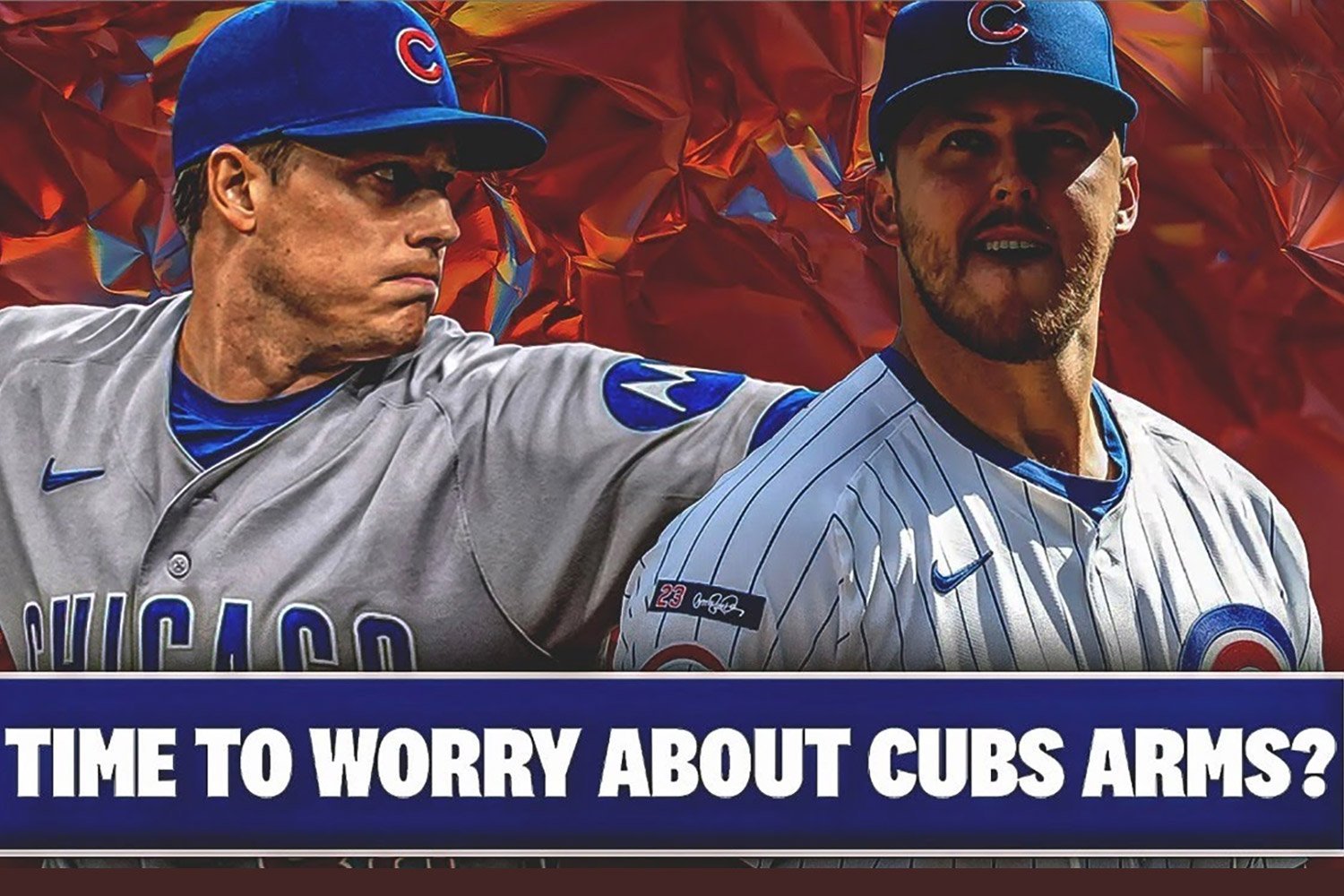 The Chicago Cubs are going through it with pitching injuries and some underwhelming outings for those who are healthy. Is it time to worry? Listen on Apple Podcasts: https://podcasts.apple.com/us/podcast/the-north-side-baseball-podcast/id1798599313 Listen on Spotify: https://open.spotify.com/show/75wMGhBwlrDDYPt3kaF453 Listen on iHeartRadio: https://www.iheart.com/podcast/263-the-north-side-baseball-po-268998437/ Listen on Pocket Casts: https://pca.st/eey7h6ih Watch on YouTube: https://www.youtube.com/@northsidebaseball View the full article
 -
Why Eli Jones Is A Name To Follow At Double-A Wichita
DiamondCentric posted an article in Twins Daily
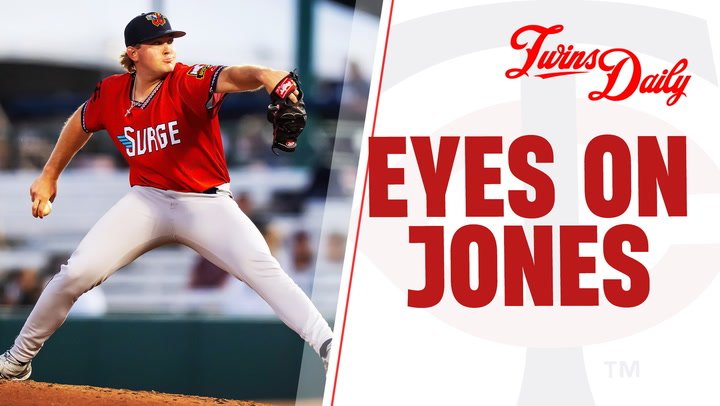 Many of the Twins' best pitching prospects are either breaking into the majors or are starting their 2026 season out at High-A Cedar Rapids. Eli Jones is a name flying under the radar that was just promoted to Double-A Wichita, and Jamie and Jeremy explain why he's a name to follow on the Wind Surge. View the full article
 -
A Chance Worth Taking: The Twins Are Still in This, Somehow
DiamondCentric posted an article in Twins Daily
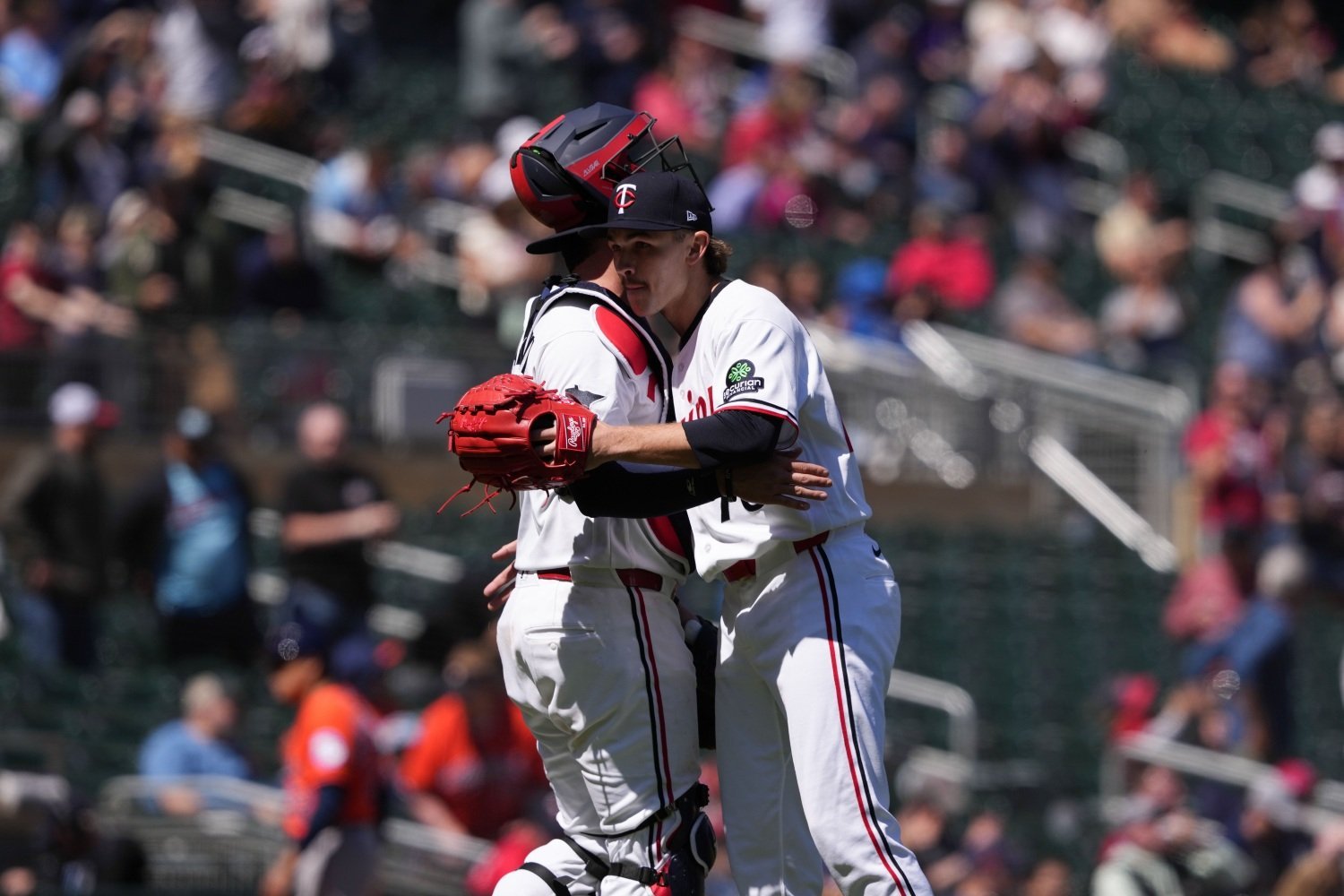 By no means have the 2026 Twins gotten lucky. In fact, they can't catch a break. Their run differential (230 runs scored, 231 allowed) implies a 25-25 record, but they're 23-27. They lost their ace to season-ending elbow surgery on the first day of full-squad workouts in the spring, and their in loco Pablosis ace, Joe Ryan, has had multiple disruptions to his preparation and performance. Their star center fielder went off to international duty and found himself benched, slowing his start to the season. They had two strong breakout candidates in their rotation for the first month, but both are currently on the injured list. Now, their primary catcher is shelved for weeks by a broken bone in his hand. Their top two prospects got hurt in Triple-A. Given all that (and especially given the aforementioned 23-27 record), though, things feel oddly hopeful. The Twins are 5.5 games behind the Guardians for first place in the AL Central, but they've already proved they can hang with that team, beating them twice in three games at Progressive Field earlier this month. They're only 1.5 games out of playoff position. According to FanGraphs, they have a 23.8% chance to make the playoffs—down from their highest point during their early-season hot streak, but right in the same range they've been in for the last four weeks or so. While neither Matt Wallner nor Royce Lewis left the team much choice but to demote them to Triple-A, this situation made that decision both easier and more urgent. Ditto for their replacement of Simeon Woods Richardson in the starting rotation. Because of what now seem to be real problems—and not just slow starts—for the Royals, Tigers, Red Sox, Orioles, Mariners, Astros and Blue Jays, the door to the playoffs remains open to this team. To give themselves a chance to push through it, the team needed to make changes. Here's a position-by-position breakdown of all 30 teams' wins above average, courtesy of Baseball Reference. The Twins' totals are highlighted. Rk Total All P SP RP Non-P C 1B 2B 3B SS LF CF RF OF (All) DH PH 1 Atlanta Braves9.5 ATL4.8 ATL3.9 SDP1.4 LAD6.3 BAL0.9 ATL1.9 STL1.7 LAD1.8 KCR2.6 SEA1.5 LAD2.2 STL2.1 BOS3.2 PHI1.0 ATL0.2 2 Los Angeles Dodgers9.3 NYY4.3 MIL3.8 PHI1.2 CHC5.8 CHC0.7 ATH1.3 MIL1.7 CHW1.2 MIA1.7 NYY1.3 CHC1.5 BOS1.8 CHC2.7 LAD1.0 LAD0.2 3 New York Yankees7.3 PHI3.4 NYY3.6 ATL0.9 ATL4.7 ATH0.7 BOS1.1 PIT1.4 CLE1.2 CIN1.4 DET0.9 LAA1.1 ARI1.8 NYY2.7 HOU0.9 CHC0.1 4 Milwaukee Brewers3.5 MIL3.4 TBR2.5 COL0.8 BOS3.6 MIN 0.6 NYY1.1 MIA1.3 ARI1.0 NYY1.3 CHC0.6 BOS1.1 NYY1.4 LAD2.6 TBR0.9 BOS0.0 5 Cleveland Guardians3.4 LAD3.0 CLE2.5 NYY0.7 NYY3.0 DET0.5 CHW1.0 CHC1.3 TEX0.7 WSN1.0 BAL0.5 MIN 0.9 WSN0.8 SEA1.9 ATL0.9 WSN0.0 6 Chicago Cubs3.0 CLE2.7 CHW2.4 LAD0.6 STL2.5 MIL0.3 HOU0.9 SEA1.3 KCR0.5 CLE0.9 TBR0.3 ATL0.8 TEX0.7 TEX1.5 CLE0.3 NYY0.0 7 Tampa Bay Rays1.7 ATH2.6 ATH2.4 ATH0.2 TEX2.2 SDP0.3 STL0.6 SFG1.1 HOU0.4 DET0.7 MIN 0.3 TOR0.7 CHC0.6 WSN1.3 CHC0.3 TBR0.0 8 Texas Rangers1.7 DET1.8 MIN 2.4 MIA0.2 ARI1.7 ATL0.3 PIT0.5 ATL1.1 SFG0.4 PIT0.7 BOS0.3 TEX0.6 LAD0.3 ARI1.1 MIL0.2 MIN -0.1 9 Athletics1.7 CHW1.6 PHI2.2 DET0.2 TBR1.1 LAD0.1 MIL0.4 CHW0.5 TBR0.3 TBR0.7 WSN0.3 SEA0.4 ATL0.2 ATL0.9 STL0.2 PIT-0.1 10 Chicago White Sox1.6 TOR1.6 LAD2.2 SEA0.2 HOU0.9 BOS0.1 SDP0.3 CLE0.3 CHC0.1 LAA0.5 TEX0.2 WSN0.2 CLE0.1 STL0.8 BOS0.1 ARI-0.1 11 Boston Red Sox1.1 SDP1.6 TOR1.8 CLE0.1 WSN0.7 TEX-0.1 TEX0.3 LAD0.3 TOR0.1 ARI0.5 LAD0.1 BAL0.1 KCR0.1 CLE-0.3 BAL0.1 HOU-0.1 12 Seattle Mariners0.7 MIN 0.8 DET1.6 SFG0.0 SEA0.7 KCR-0.1 CHC0.3 LAA0.2 DET0.0 HOU0.5 CIN0.1 PIT0.0 SEA0.0 TOR-0.3 NYY0.0 TEX-0.1 13 Philadelphia Phillies0.5 TBR0.6 PIT1.3 TEX-0.1 CLE0.7 HOU-0.2 BAL0.2 TBR0.2 SEA-0.1 CHW0.3 PHI-0.1 NYY0.0 TBR-0.1 BAL-0.4 WSN-0.1 KCR-0.2 14 Arizona Diamondbacks0.3 COL0.1 KCR0.7 TOR-0.1 PIT0.5 STL-0.2 CIN0.2 ARI0.2 PIT-0.1 CHC0.3 ATL-0.1 ARI-0.1 PIT-0.2 MIN -0.4 CIN-0.1 CIN-0.3 15 Kansas City Royals0.1 SEA0.0 CIN0.7 ARI-0.3 KCR0.4 COL-0.3 LAD0.2 TEX0.0 BOS-0.2 TEX0.2 COL-0.2 CHW-0.1 HOU-0.3 PIT-0.4 NYM-0.1 SDP-0.3 16 Pittsburgh Pirates0.1 KCR-0.3 SDP0.2 CHC-0.4 MIL0.1 PIT-0.3 PHI0.2 BAL0.0 ATL-0.2 SDP0.2 MIL-0.2 NYM-0.1 NYM-0.4 TBR-0.5 COL-0.1 MIA-0.3 17 St. Louis Cardinals-0.3 MIA-0.3 SEA-0.2 MIL-0.4 CHW0.0 MIA-0.4 MIN 0.1 ATH-0.1 LAA-0.3 STL0.2 PIT-0.2 CLE-0.1 CHW-0.4 KCR-0.6 ATH-0.2 CHW-0.3 18 Minnesota Twins -1.1 PIT-0.4 LAA-0.2 NYM-0.4 BAL-0.8 ARI-0.4 TBR0.0 WSN-0.1 COL-0.3 LAD0.1 CHW-0.2 KCR-0.1 ATH-0.4 CHW-0.7 TEX-0.3 ATH-0.3 19 Detroit Tigers-1.4 TEX-0.5 TEX-0.4 BOS-0.5 ATH-0.9 NYM-0.4 WSN-0.2 BOS-0.2 ATH-0.4 MIL0.0 NYM-0.3 HOU-0.2 TOR-0.5 NYM-0.8 DET-0.3 SEA-0.3 20 Toronto Blue Jays-1.6 NYM-0.9 STL-0.4 CHW-0.7 CIN-1.6 SFG-0.4 ARI-0.2 DET-0.2 STL-0.4 SFG-0.1 CLE-0.3 SDP-0.3 LAA-0.6 LAA-0.8 SEA-0.4 BAL-0.3 21 San Diego Padres-2.1 ARI-1.4 MIA-0.5 KCR-1.0 MIN -1.9 TOR-0.5 TOR-0.2 NYY-0.3 WSN-0.5 ATH-0.1 SDP-0.4 MIL-0.3 COL-0.7 HOU-0.9 LAA-0.4 LAA-0.3 22 Miami Marlins-2.4 CIN-1.4 NYM-0.6 WSN-1.0 LAA-1.9 SEA-0.5 COL-0.2 CIN-0.4 CIN-0.6 TOR-0.2 HOU-0.4 PHI-0.3 SFG-0.8 CIN-1.3 ARI-0.4 SFG-0.4 23 Cincinnati Reds-3.0 SFG-2.4 COL-0.7 MIN -1.6 MIA-2.1 CIN-0.5 LAA-0.3 KCR-0.4 PHI-0.6 NYM-0.3 STL-0.4 MIA-0.3 MIL-0.9 PHI-1.3 SDP-0.4 NYM-0.4 24 Washington Nationals-3.2 BOS-2.5 ARI-1.0 PIT-1.7 SFG-2.4 TBR-0.5 MIA-0.4 MIN -0.5 NYM-0.7 BAL-0.3 SFG-0.5 CIN-0.5 CIN-0.9 MIL-1.4 SFG-0.4 MIL-0.4 25 Houston Astros-3.8 CHC-2.8 HOU-1.7 TBR-1.9 PHI-2.9 LAA-0.5 NYM-0.5 TOR-0.5 MIL-0.7 PHI-0.3 ATH-0.5 COL-0.6 PHI-0.9 COL-1.5 MIN -0.5 CLE-0.4 26 New York Mets-4.8 STL-2.8 BOS-2.0 BAL-2.0 DET-3.2 WSN-0.7 SFG-0.6 HOU-0.6 MIN -0.7 ATL-0.4 TOR-0.5 SFG-0.7 BAL-1.0 DET-1.7 KCR-0.5 PHI-0.4 27 San Francisco Giants-4.8 LAA-3.3 CHC-2.4 CIN-2.0 TOR-3.2 CLE-0.7 CLE-0.6 PHI-0.7 SDP-0.8 SEA-0.4 ARI-0.6 TBR-0.7 SDP-1.2 ATH-1.8 MIA-0.6 STL-0.4 28 Colorado Rockies-5.0 WSN-3.9 SFG-2.4 STL-2.4 SDP-3.7 PHI-0.8 SEA-0.8 NYM-0.7 NYY-0.9 MIN -0.4 KCR-0.6 STL-0.9 MIA-1.2 SDP-1.9 CHW-0.9 TOR-0.6 29 Los Angeles Angels-5.2 HOU-4.7 BAL-2.8 HOU-3.0 NYM-3.9 NYY-0.9 KCR-0.9 COL-1.0 BAL-1.0 BOS-0.5 MIA-0.9 ATH-0.9 DET-1.5 SFG-2.0 TOR-1.0 COL-0.7 30 Baltimore Orioles-5.7 BAL-4.9 WSN-2.9 LAA-3.2 COL-5.1 CHW-1.1 DET-1.4 SDP-1.1 MIA-1.0 COL-1.0 LAA-1.3 DET-1.1 MIN -1.6 MIA-2.4 PIT-1.2 DET-0.8 Coming into this season, any hopes for this club to contend were anchored to their starting rotation being good. That hasn't happened in the way fans or the front office hoped and expected, in that Pablo López is out for the year and both Mick Abel and Taj Bradley have been sidelined, but lo, the unit has been a strength, after all. Bailey Ober is settling in as an obviously usable (though, just as obviously, vulnerable) keep-you-in-the-game guy. Woods Richardson was a disaster, but Zebby Matthews has looked just as good as Woods Richardson did bad. Bradley is on the cusp of returning to a rotation that now includes Connor Prielipp as a full and semi-permanent member, with fellow hard-throwing lefty Kendry Rojas as a more provisional piece. With Woods Richardson out of that picture, the team has come round to enjoying both ample upside and enviable depth in their starting corps, by however circuitous a route. Ryan, Ober, Bradley, Prielipp, Matthews, and whichever of Abel and Rojas is the right mix of available and effective can be the starting pitching depth chart of a playoff team. The (relatively) proactive fix of swapping Woods Richardson out for Matthews is echoed throughout the roster, where the team is (as expected) playing an even harder game of Whack-a-Mole. They entered the season with an utterly underpowered bullpen, and that unit still hasn't been good, so far. However, they're starting to cobble together a group that can be good, in the medium term. Already, they've churned through several external additions (Garrett Acton, Luis García, and Yoendrys Gómez), but more telling is what they've done with their internal options. Gone is Justin Topa, a roster casualty whom the team also couldn't trust anymore. Into the mix are Woods Richardson (who has a real chance to be useful in a long relief role, if deployed correctly) and Andrew Morris, who has unceremoniously claimed the mantle of relief ace. Rojas might yet spend some time in the pen, too, as the rotation gets healthier and stabilizes. No team has gotten worse performances from its right fielders than the Twins, thanks to Wallner's all-around atrociousness, but he's now out of the frame. Minnesota is 26th in wins above average from third basemen, but now, Lewis is out of the way, too. The replacements for those players won't put the team in the top echelon at either spot, but they have a real chance to be better than Lewis and Wallner. The outline of a decent team is coming into focus. That invites the question: What's next? What does the team need to do to keep improving, so they can take advantage of this unexpected opportunity to stay relevant all summer? Firstly, as the chart shows, things still aren't good at shortstop. Brooks Lee has responded better to the influence of new hitting coach Keith Beauregard than his fellow last-wave top prospects, Wallner and Lewis, but he's still only batting .248/.299/.388. He's doing a slightly better job of making contact against breaking and offspeed stuff, but that's the only notable change in his profile. Nor has he become a viable defensive shortstop. Lee almost certainly could play a solid third base, and his bat is playable. In the medium term, then, the move is obvious: call up Kaelen Culpepper, test him at short, and slide Lee over. That will be risky at any point this year, though, and Culpepper isn't quite ready for it yet. Right now, the team will stick with Lee at that position, and the first change we're likely to see will be a slow shift toward more matchup play. Tristan Gray, Orlando Arcia and Ryan Kreidler form an underwhelming but extremely intriguing collection of role players on the infield. Gray brings a left-handed bat, with enough bat speed to be dangerous. Kreidler looked like he would never hit in the big leagues, but in a tiny sample this year, he's hitting in the big leagues. Arcia brings the most experience defensively, and while he'd be no more than a minor upgrade on Lee's glove at short, he would be a big step up from Luke Keaschall's glove work at second. That brings us to Keaschall, who has belatedly pulled his OPS to the right side of .600. He's just not going to work as a defensive second baseman, though any real move to another position has to wait, right now. He can hit enough to outpace his defensive woes, though, and the team now has several guys on the roster whom Derek Shelton can use to mitigate the damage Keaschall can do in the field. It won't be easy for the team to sustain the momentum they've built by winning three of their last four series. Ryan Jeffers's absence looms large. There are guys on this roster overperforming, and guys already coming back to Earth after hot starts. (Witness Trevor Larnach's .217/.280/.326 batting line in May.) They have a 10-game road trip to survive, beginning Friday, in which they'll play the Red Sox, White Sox and Pirates. Don't forget, either, that this team is just 23-27. They haven't exactly surged. They've just maintained a decent pace longer than expected. However, the chance before them is real. By staying afloat into (at least) the final third of May, they've checked the box Tom Pohlad put on their to-do list over the winter, when he made the then-improbable claim that the team would contend this year. Pohlad said last month that he would supplement the roster via trade this summer, if new top executive Jeremy Zoll came to him with a chance to do so. Now, that feels less like a pipe dream and more like a possibility. By winning just enough to stay alive, Zoll, Shelton and the team have bought themselves enough time to fix some of their most glaring flaws. View the full article
 -
As Cubs' Offense Wanes, Michael Busch Is Ascending
DiamondCentric posted an article in North Side Baseball
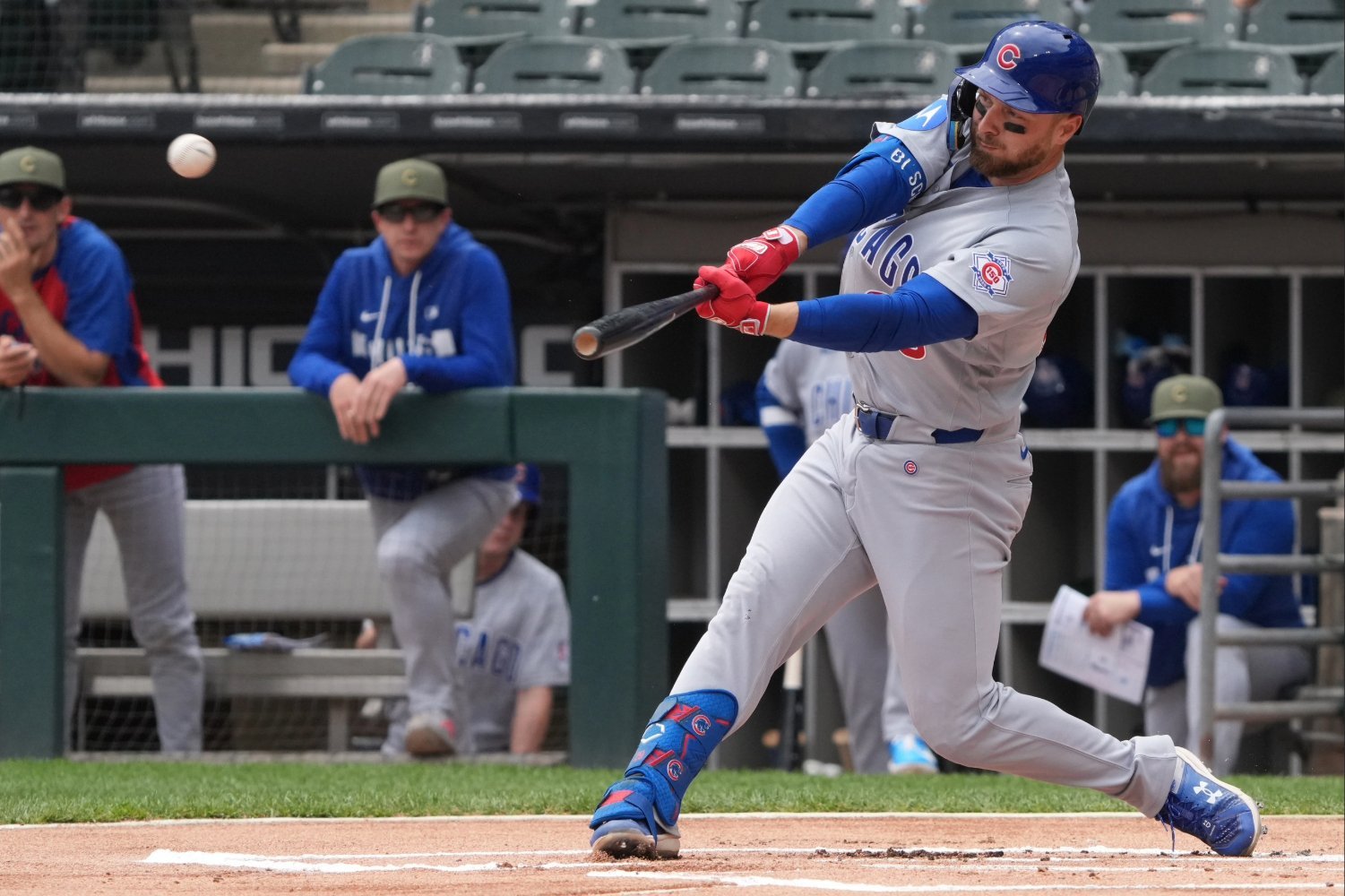 The Chicago Cubs are not a particularly good baseball team at present. Their offense has been a specific source of struggle, with the team being shut out twice and failing to score more than two runs another four times over their last 10 games. As the collective struggles mightily, though, Michael Busch is beginning to emerge from a first-month swoon. March & April weren't particularly kind to the first baseman. Busch's 2025 represented a breakout; he reined in his approach, cut down on the strikeouts, and slugged 34 home runs on his way to establishing himself among the more valuable players the position had to offer. His first month of 2026, however, failed to demonstrate the same growth. He slogged his way to a .193/.295/.281 line with a 71 wRC+. His isolated power checked in at a mere .088. Even if we were to attribute some of that to a woeful .241 batting average on balls in play, there was enough chase (28.6 percent) and enough of a struggle to generate hard contact (a 32.9 percent rate that was 15 points below 2025) for valid concern. Even as his counterparts throughout the lineup have fallen off at the plate here in May, though, Busch has gotten himself back on track. It's not merely that the production is there, either. It's loud production backed by some really impressive underlying elements. Through his first 80-ish plate appearances of the month, Busch's line reads .317/.468/.567 with a 190 wRC+. He has an even split between his strikeout and walk rate, with a 21.5 percent number in each. Only five qualifying hitters have posted a better wRC+ and only three have walked at a higher clip than he has. The .405 BABIP helps to indicate a leveling out of his fortunes, but there are so many positive things happening beyond the luck component. Between the two months, Busch has managed to nearly double his rate of hard contact: He's managed to increase the Hard-Hit% against each of the three pitch types, but it's especially been true against breaking pitches and fastballs; his hard-hit rate has leapt from 40 to 75 percent against the former and from 32.8 percent to 62.2 against the latter. While that's happening, his groundball rate has plummeted. Busch is putting balls on the ground just 31.8 percent of the time in May against 48.2 percent in March & April. That's resulted in a six percent uptick in line drives and a 13 percent jump in fly balls. That means that the all-important PullAIR% has risen steadily, with Busch now at 17.3 percent for the year. It appears that this really comes down to settling back into his approach. Throughout his two years on the North Side, we've watched Busch graduate from more of a free swinger prone to swings and misses to a much more calculated presence at the plate. Between the first two months of the year, he's cut his chase rate by about eight percent (20.9 percent thus far in May). It's not that the contact rate has changed; that's actually remained relatively constant regardless of where the calendar falls. It's that he's been able to do more with the contact he's making. Nothing that Michael Busch is doing at the plate should be a surprise. We knew from his initial acquisition from the Los Angeles Dodgers that there was impact in the bat, it was just a matter of if the approach would allow it to be realized. We've seen the development of it over the last two years, and while it disappeared for a bit in the season's opening month, he's managed to settle right back into where he should be. Hopefully, the rest of the Cubs' lineup will follow his lead in short order. View the full article
 -
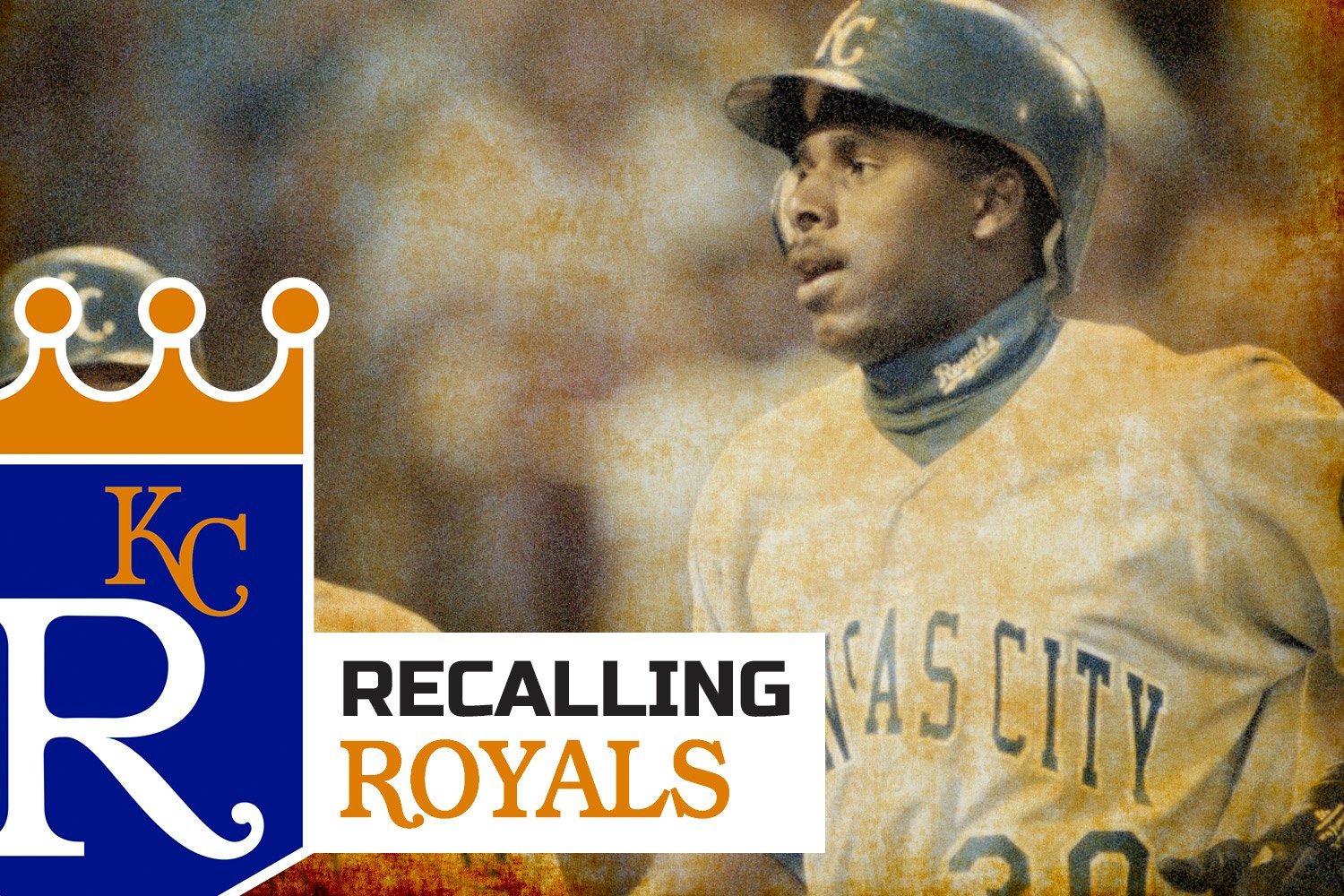 Trivia question: Who has the highest batting average in Royals history (minimum of 1,500 plate appearances)? That’s easy, right? George Brett. Or if you suspect a trick question, you might go with someone who was famous for their hitting, like Mike Sweeney, Billy Butler, or Hal McRae. But it’s not any of those guys. Instead, it’s Jose Offerman, who hit .306 as a Royal to barely best Brett’s .305. Jose Antonio Offerman Dono was born on November 8, 1968, in San Pedro de Macorís, Dominican Republic. The city has a long-standing reputation as a hotbed of baseball talent, with nearly 100 major leaguers hailing from a city of about 217,000 people over the years. Jose Offerman attended Colegio Biblico Cristiano High School, then signed with the Los Angeles Dodgers as an amateur free agent in 1986. The Dodgers kept him out of the minor leagues until 1988, but he quickly made his way through the system. He hit .331/.421/.438 with 57 stolen bases for Great Falls in the Rookie-level Pioneer League in 1988, followed that up with a .296/.387/.375 season split between the A and AA levels in 1989, and .326/.416/.410 for Triple-A Albuquerque in 1990. He made his big league debut on August 19 of that season. The bat was obviously there, and Offerman had displayed tremendous speed, a strong arm, and plenty of range at shortstop. Despite that, his defense was still a concern, as he had committed 50 errors in his 1989 season. The Dodgers also hoped he would develop a little more power, as he had only hit six home runs in the minors through the 1990 season. However, he did hit a home run in his first major-league at-bat, taking Dennis Martinez deep and becoming the first Dodger since 1947 to accomplish the feat. Offerman’s time in Dodger blue was definitely up and down. After part-time duty in 1990 and 1991, he established himself as an everyday player in 1992. His defense was still an issue, as he led the majors in errors in 1992, 1993, and 1995. During the 1994 season, he got into an argument with manager Tommy Lasorda after being given a bunt sign, and was soon sent back to Albuquerque for the rest of the season. Still, in 1993, he had 1.9 bWAR, and in 1995, he had 2.6 bWAR and made an All-Star team for the first time. But near the end of the 1995 season, he suffered a shoulder injury and was benched. The Dodgers had had it with the errors and other misplays that didn’t necessarily show in the box score. When they signed free agent shortstop Greg Gagne, who had been the Royals’ starter for three seasons, Offerman was expendable. On December 17, he was traded to Kansas City for relief pitcher Billy Brewer. The move did not help Offerman’s defense, as he committed five errors in the first eight games. But the Royals were desperate for offense and needed his bat in the lineup. So soon, he was moved to first base. It made sense, as many of his errors came on throws. And, oddly enough, it worked! Offerman committed five errors in 96 games at the cold corner. He also played 38 games at second base, with one error, and one game in center field, where he handled all six chances without incident. He also hit .303/.384/.417, stole 24 bases, led the team in walks by far with 74, and hit a career-high five home runs. With Offerman showing he could handle second base and the desire for more power at first base, the Royals made an offseason trade to acquire shortstop Jay Bell and first baseman Jeff King from the Pittsburgh Pirates. That penciled Offerman in at the keystone for 1997. But he would endure an injury-plagued season, with a groin injury in early April, a bout of chicken pox in mid-July, and a sprained ankle in mid-August, limiting him to 106 games. He hit .297/.359/.394 and, while he wasn’t going to make anyone forget Frank White, committed just nine errors in 101 games at second base. But Offerman rebounded in a big way in 1998. He played 158 games, hit .315/.403/.438, stole 45 bases, and led the majors with 13 triples. He also enjoyed a 27-game hitting streak; when that was snapped, he followed it with a six-game streak. The 27-gamer, at the time, was the second longest in team history, behind Brett, of course (both were passed by Whit Merrifield in 2018-19). Had he picked up a hit in that one game and run it to 34, he would still have the franchise record. On the other hand, if Offerman had collected just three fewer hits as a Royal, he would not be the answer to our trivia question. Offerman was a free agent after the 1998 season, and with those numbers and this being the late-90s Royals, it was no surprise when he signed with the Boston Red Sox. He played 3 1/2 seasons in Boston before being traded to Seattle in 2002. He then played in the independent Atlantic League in 2003 before making it back to the majors with Minnesota in 2004, and wrapped up his time in the bigs with Philadelphia and the New York Mets in 2005. Offerman’s post-MLB career was…eventful. In 2007, he was back in the Atlantic League, playing for the Long Island Ducks, when he was involved in an ugly brawl. After being hit by a pitch, Offerman charged the mound, still holding his bat, which he used on both pitcher and catcher. The pitcher sustained a broken finger, while the catcher suffered a concussion that basically ended his career. Offerman was arrested and charged with two counts of assault, for which he received two years of probation. The catcher sued him and was eventually awarded $940,000. That was the end of Offerman’s time in organized baseball in America. He had some success as a manager in LIDOM, the professional Dominican league, but was involved in another incident in 2010, punching an umpire during an argument. That got him a lifetime suspension in that league, although it was lifted in 2013. More recently, he has managed in the Mexican League. View the full article
 -
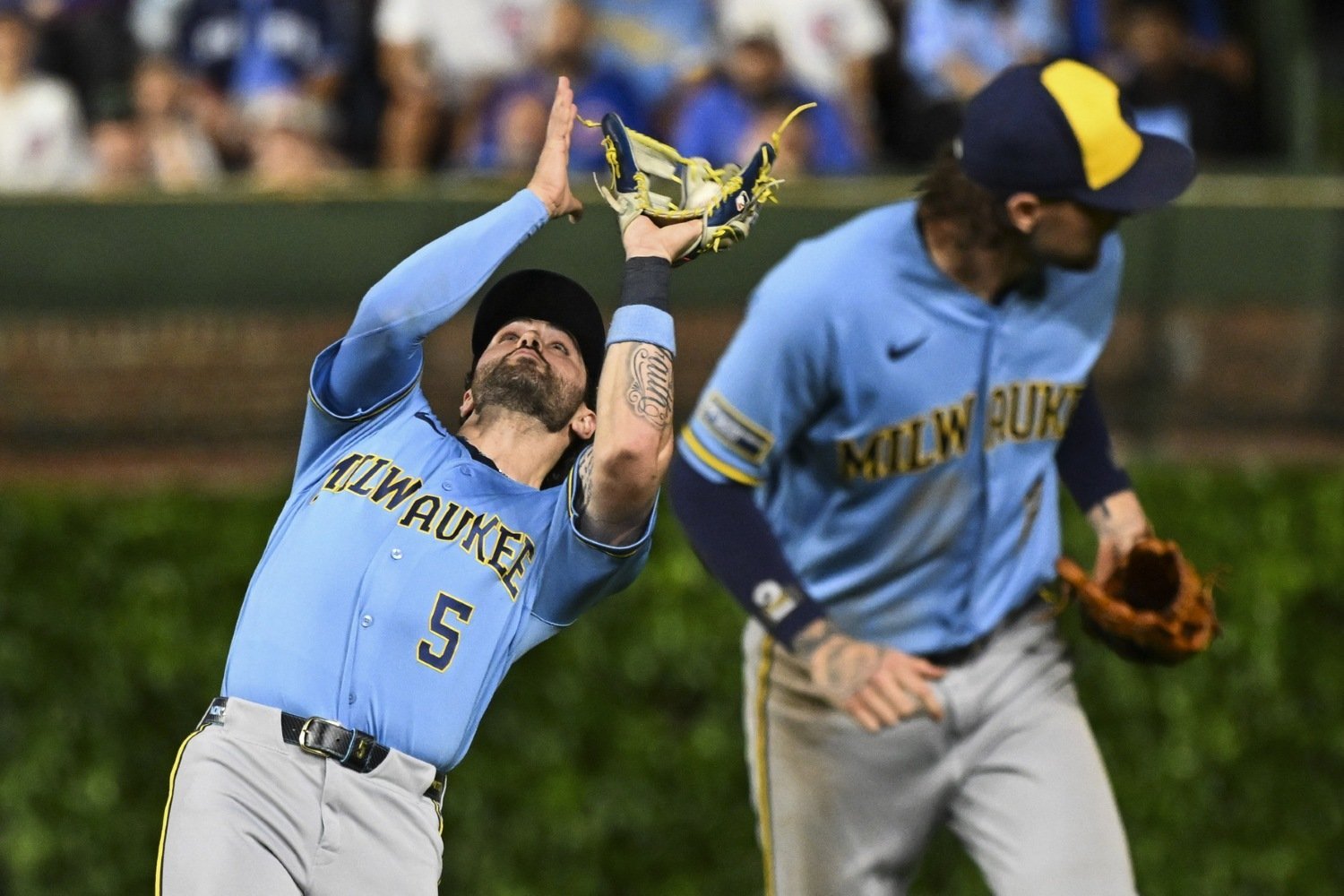 Garrett Mitchell owes many of his continued opportunities as the Brewers’ starting center fielder to his high ceiling. When he’s clicking, no position player on the 40-man roster has the potential to be a more explosive player. Part of what makes Mitchell so polarizing is that his shortcomings are glaring issues, but he’s countered some of those flaws by being elite in his areas of strength. For most of his career, that has included being an excellent defensive center fielder. Mitchell entered this season with 10 Defensive Runs Saved and a 7 Fielding Run Value in just 822 ⅓ innings, a pace that would make him one of the game’s most valuable defenders at the position over a full season. It’s been a much different story in 2026. Mitchell has been a negative up the middle, with -3 DRS and -2 FRV in just over 300 innings. Mitchell is converting fewer plays, despite having some of the best reads and athleticism of his career. His average sprint speed of 29.7 feet per second is the fastest he’s run since his debut in late 2022. According to Statcast, he’s covering 2.3 more feet with his jump (distance traveled in the correct direction within the first three seconds of a ball being hit) than the average outfielder, which is a career best. The issue hasn’t been tracking the ball. Mitchell is putting himself in positions to make just as many rangy catches as before—if not even more. However, things unravel quickly when he faces danger in the final pace or two of completing the play. Mitchell has already accumulated a laundry list of injuries by age 27. He’s finally been able to stay on the field for the most continuous stretch of his career, but has looked afraid to put himself in harm’s way. That hesitancy cropped up almost immediately during Opening Day weekend, when Mitchell made his first atypical failed attempt of the year against the Chicago White Sox. 40.mp4 Based on the trajectory of the ball and how much ground Mitchell had to cover, Statcast assigned him a 40% catch probability for this play. It was far from a routine opportunity, but it’s the kind he has historically made with ease. As he usually does, Mitchell made it to the ball, but once it appeared he might need to dive for it, he slowed down and got tangled up as he reached for the catch while trying to stay on his feet. Ironically, he could have caught this one on the run had he kept closing in at full speed, but that hesitation to lay out thwarted his attempt. Here’s a similar play from the Brewers’ last homestand against the San Diego Padres: 5_2.mp4 With just a 5% catch probability, this was a far more challenging play that required a dive to complete. The fact that Mitchell got there speaks to his athleticism and his jump on the ball. He did lay out for this one, but it was a half-hearted attempt in which he never fully left his feet. This time, the irony lay in Mitchell jamming his wrist on the awkward dive, thus injuring himself in an apparent attempt to avoid injury from a harsher landing. Mitchell’s most egregious misplays have come on fly balls taking him back near the wall, where he has frequently pulled up to avoid a hard collision. His worst non-catch of the season also came during the Padres series, when he missed a ball with a 99% catch probability. By slowing down as he neared the warning track, he forced himself to leap backward toward the ball, and it popped out of his glove. 99.mp4 He had a similar issue in Miami less than a month earlier. This time, in addition to slowing down, Mitchell turned his eyes toward the wall and braced himself before making the catch, turning a would-be flyout into a triple. As another play with just a 5% catch probability, this was a challenging one, but he had already completed the hard part of getting there. It’s an opportunity an athlete of his caliber should convert. 5.mp4 Mitchell hasn't lost the tools of an excellent center fielder, but if he keeps failing to use them, it should become a factor in how the Brewers construct their lineups. This version of Mitchell is not demonstrably better in center than Jackson Chourio, who posted -4 DRS and 1 FRV in over 700 innings there last season. Chourio started up the middle in consecutive games on Sunday and Monday, allowing Pat Murphy to start Jake Bauers, Andrew Vaughn, and Christian Yelich in the same lineup for the best version of the Brewers’ offense. Because of Mitchell’s upside, that may not become the permanent arrangement any time soon. Even if Chourio starts making more appearances in center, Mitchell will get semi-regular starts as long as he’s healthy and providing nearly average offense. But the longer Mitchell’s cautious approach leaves his defense lagging behind his ability, the less convincing the argument that he’s part of Milwaukee’s best starting nine. View the full article
 -
Three Things Jac Caglianone Has to Do to Play More Regularly
DiamondCentric posted an article in Royals Keep
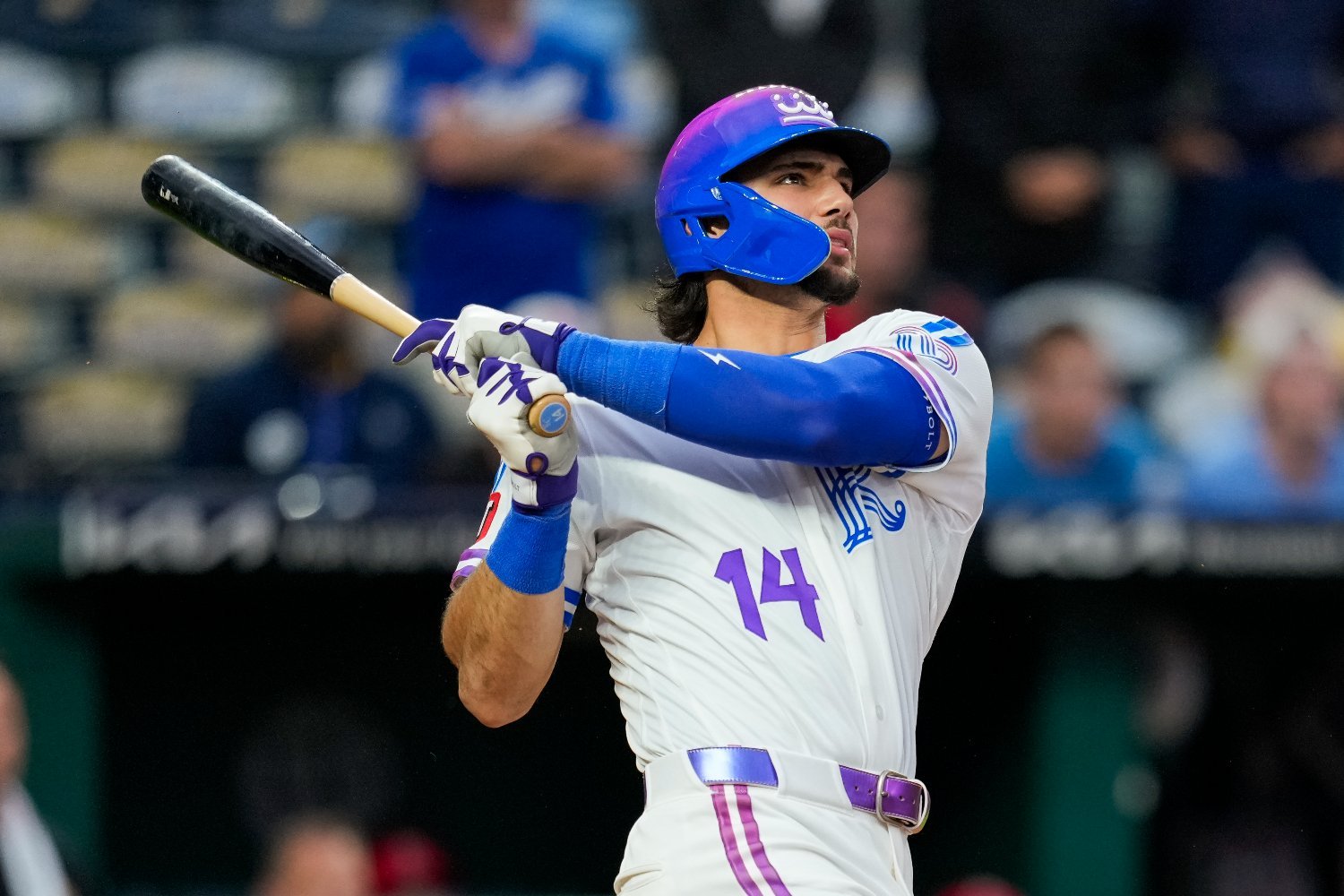 Many frustrated Royals fans have been advocating for more at-bats from Jac Caglianone, especially against left-handed pitchers. This season, Cags has only received 36 plate appearances against lefties, compared to 120 against right-handed pitchers. It makes sense when looking at the data. Against lefties, Caglianone is hitting .171 with a .508 OPS. Against righties? He's hitting .271 with an .817 OPS. Thus, it makes sense that manager Matt Quatraro would want to put Cags in situations where he can succeed the most. That said, this Royals lineup is searching for answers to their "run-generating" issues. Going into Wednesday's game, they rank 27th in the league in runs scored and were limited to two runs combined in their first two games against the Red Sox this week (they have scored three on Wednesday night so far). With his batted-ball profile and tremendous power, Caglianone could help with the Royals' "runs" woes, especially if he can move up in the batting order and replace Vinnie Pasquantino (.604 OPS) or Salvador Perez (.591 OPS) in the three or four spot. Cags' Statcast profile, especially in those exit velocity, barrel, hard-hit, and launch angle categories, may be the most impressive of any Royals hitter on the team not named Bobby Witt Jr. However, Quatraro shouldn't simply give Cags that spot and the trust to hit against lefties and righties. The former Florida product needs to earn it, because the Royals right now don't need "upside", they need production. This isn't a rebuilding team (yet). This is one with playoff hopes and aspirations in a division that's been incredibly mediocre. For Cags to play more and justify a regular spot in the batting order, here are three things that need to happen with him going forward this season. Improve His Swing Decisions Against Lefties When looking at Cags' differences in performance against lefties and righties, TJ Stats' Statcast percentiles splits chart is a great tool for seeing how hitters perform against each in a single graphic. Here's a look at Caglianone Statcast percentiles splits via TJ Stats. As Royals fans can see above, there are a lot of categories where Jac lags against lefties. The biggest differences are in Z-Swing%, O-Swing%, and Strike%. Against lefties, Cags ranks in the 7th percentile in Z-Swing% (swings on pitches in the strike zone), 11th percentile in O-Swing% (swings outside the strike zone), and 94th percentile in Strike% (percentage of pitches he's seen that are strikes). Conversely, against righties, he ranks in the 60th percentile in Z-Swing%, 57th percentile in O-Swing%, and 19th percentile in Strike% (lower is good in this case). So what do these metrics mean? Against lefties, Cags is swinging more, chasing less, and facing more challenges from pitchers. Unfortunately, he's being challenged because the production isn't there against lefties (1st percentile xwOBA), and he tends to chase. His chase issues are also prevalent against breaking pitches. Below is his pitch result zone chart against breaking balls from left-handed pitchers. Safe to say, he's tended to chase on a lot of those pitches this year, especially those out of the strike zone. He's had four hits on those pitches (two singles and two doubles), but he also has six strikeouts. Here's an example of him striking out badly on a sweeper from the White Sox's Anthony Kay on April 9th. ZzZ3bDRfWGw0TUFRPT1fQlZSUUFBWUNCQVVBQ0ZZQ0FnQUhCUTVlQUZrQVZWQUFWRmRSQVZjSEFWWlNWVlJl.mp4 Not only does Cags need to do a better job of picking up and laying off those breaking balls out of the zone better, but he needs to be a little more aggressive on pitches in the zone, especially early in the count. Pitchers are challenging him early because they know he will not swing early against lefties. That's why his Strike% is so high, putting him behind in counts. Increasing that Z-Strike%, especially early in the count, could help his production and encourage left-handed pitchers to be more prudent with him in terms of how they attack him. Cags Needs to Launch the Ball Better Against Lefties Another big difference in Cags' Statcast splits is that he launches the ball much worse against lefties than righties. Against righties, he has a 40.5% LA Sweet-Spot%, which ranks in the 86th percentile. Here's a look at his radial chart against righties, which shows a lot of batted balls elevated productively, especially base hits. Against lefties, however, the results have been much different. His LA Sweet-Spot% is 31.8% against lefties, which ranks in the 18th percentile. Furthermore, here's a look at his radial chart against left-hander pitchers this year, via Savant. Caglianone has a couple of doubles and a home run, but for the most part, the ball is being hit on the ground (albeit hard). That is not a recipe for success, which explains why his barrel rate is 4.5% against lefties despite an average exit velocity of 92.2 MPH on batted balls against lefties. That isn't much worse than his 94.8 MPH average exit velocity against righties, which ranks in the 98th percentile. Launch angle can be a challenging thing for a hitter to correct. Yes, it can be tied to mechanical issues with the swing. However, for the most part, it's often heavily tied to swing decisions and pitch recognition. Cags' bat speed is 73 MPH against lefties, which is 2.3 MPH slower than his bat speed against righties. Is Cags too hesitant in his swing decisions against lefties? Is he not picking up the ball well and reacting too late, which explains the bat speed decline? If Cags and the Royals' hitting coaches can figure out the issues, then perhaps Cags can increase his bat speed against lefties. If that happens, then it is likely that we will see the barrels and, more importantly, the launch angle on batted balls against lefties improve. A launch angle sweet-spot% against left-handed pitchers that is closer to his rate against right-handed pitchers will help Cags be more productive against lefties and make him worthy of being an everyday bat in the Royals lineup this season. Improve With Runners in Scoring Position I shared this in my post on Wednesday morning, but the Royals have not been good with runners in scoring position this year. Below is a table that shows how Royals hitters have fared this year in RISP situations, via Fangraphs. As Royals fans can see, Cags has been the third-worst Royals hitter in RISP situations with a -21 wRC+ mark. The only hitters who have been worse are Starling Marte (-57 wRC+) and Tyler Tolbert (-100 wRC+). Tolbert only had 1 plate appearance in a RISP situation and is currently in Triple-A. For those who want metrics other than wRC+, here's how Cags breaks them down into some more "easily understood" categories. 36.7% K% (2nd worst) 3.3% BB% (5th worst) .138 average (3rd worst) .167 OBP (3rd worst) .138 SLG (3rd worst) It's bad enough that he's striking out a ton in RISP situations. However, the fact that he's not making any productive or hard-hit contact either is also concerning, especially for a hitter that many Royals fans want in the No. 3 or 4 spot in the batting order. It's also interesting to see how Cags has done not just in situations where the bases are empty, but even with runners on base. Here's a breakdown of his numbers in those categories. Bases Empty: .271/.354/.506, .860 OPS, 138 wRC+. Men on Base: .211/.250/..316, .566 OPS, 54 wRC+. As we can see, it's not just RISP situations where Cags has struggled. He also has underperformed in situations with runners on base in general. There is an 84-point difference between his wRC+ with the bases empty and with men on base. That's far too great a difference, especially for a hitter who is expected to cash in with runners on base regularly. I want Cags to succeed. Hopefully, he can make these adjustments, especially with runners on base and in scoring position. That said, Cags has to SHOW that he can produce in these run-generating situations. So far, he hasn't, which explains why Quatraro has batted him lower in the order so far this season. The former 2024 1st-round pick is in control of his own destiny, especially as Quatraro gives him more opportunities in the lineup, against both lefty and righty starting pitchers. View the full article
 -
 The New York Mets' playoff hopes are by no means back in business, but they’ve done enough to forestall foreclosure. Entering May, the Mets owned a 10-21 record, built on the tidal cesspool 3-17 stretch from April 8 to April 30, but their 11-6 start to May has them at 21-27 and gives them an outside chance to make a real postseason push. While everything that can go wrong has and did go wrong, Carson Benge’s May surge, one horrific defensive play aside, has been central to the Mets’ turnaround. To put it mildly, Benge’s April was as bad as the Mets' was. Over his first 97 career plate appearances, he hit two home runs, two doubles, and struck out 23.7% of the time to produce a 52 wRC+. To put that offensive ineptitude in perspective, that’s the career wRC+ of Sad Sam Jones (who I swear is a real person), a pitcher from 1914 to 1935. Needless to say, you probably want to outhit a mediocre pre-war pitcher if you plan to stick around in the bigs. Fortunately, the calendar turned to May, and we might as well call him Carson Binge. In 66 May plate appearances, Benge has been on fire. He has cut his strikeout rate to 14.1% and posted a wRC+ of 165. While that has only been thanks to one home run and five doubles, Benge has started to get far more out of his contact, even if it's been in a subtle way. The funny thing about hitting is that averages can be misleading, and I’m not talking about batting averages. Benge is hitting for more power in May than in April, but you’d never guess based on his average batted ball metrics. I mean, how is he hitting for more power doing this? Your eyes do not deceive you. Benge is hitting fewer fly balls, more ground balls, is pulling it less, and hitting it hard less often in May (the month where he has basically hit like Juan Soto) than in April, when he hit like Sad (Sack) Sam Jones. So, what the heck is going on? Well, like I said, averages are deceiving. While hitting the ball hard, in the air, and to the pull side is a great way to post elite batting lines, you’ve got to do all three at the same time for it to matter. You can hit a ball 120 MPH to the pull side, but if it goes straight into the ground, you’re probably running past first base, straight down the right field line, and into the showers, because you just grounded out to end the game. So, while Benge, on average, isn’t hitting the ball hard and in the air more frequently, when he is hitting the ball hard, he’s getting it off the ground more often, which is actually what matters. Using 100 MPH batted balls as our proxy for smoking the ball, we can see how Benge’s slow stretch to start the season was largely due to hitting his best struck balls straight into the ground. *Stats in graph charted as of May 18 When you factor in his improved contact figures, it’s not hard to figure out why Benge started binging, and his rolling 100+ MPH launch angle average just so happens to look eerily similar to his rolling wOBA. Instead of focusing on averages, which can be obscured a bit by one freak batted ball, it’s even easier to see why Benge’s batting line has taken off. Using April 15 as the date of demarcation, Benge has done a much better job of getting his best contact off the ground. In the early going, 40% of Benge’s best batted balls were grounders, while only 40% were line drives or fly balls. Now, 60% of his premium contact has been a line drive or fly ball, and only 20% is headed for the dirt. Hard ground balls can become hits, possibly even a double, but the chances are low, and the upside is minimal. When you clobber the ball, you want it to have a chance to find a seat, not have it play around in the dirt. It should be noted that some of Benge’s turnaround is down to better luck. He posted a BABIP of .231 in April and is at .426 in May. Hitting them where they ain’t is still an undefeated strategy, but BABIP isn’t just about luck. Benge, despite lifting more of his best contact, is still a lower launch angle hitter. That means when he does lift the ball, he’s far less likely to hit it in the can-o-corn range, where even elite exit velocities go to die. As long as he continues to limit his worm burners, he should maintain an above-league-average BABIP. We might track and analyze hitting largely through averages, but at its core, it’s all about events. Having an average exit velocity of 75 MPH would be dreadful, but if you hit one ball 100 MPH and another 50 MPH, you’re probably going to have a hit to your name. Carson Benge has turned his season around by getting the most out of his batted ball events. He won’t continue to post a BABIP above .400, but he doesn’t need to in order to help the Mets achieve liftoff. View the full article
 -
 No player was more important to the Blue Jays' success in 2025 than George Springer. It's not just that he led the team in home runs, runs scored, on-base percentage, wRC+, and every type of Wins Above Replacement. It's not just that he stayed red-hot in October, battling through injuries to hit another four home runs, including the go-ahead shot in Game 7 of the ALCS. It's that he, like the Blue Jays themselves, achieved so much more than anyone anticipated heading into the year. Springer wasn't Toronto's only star in 2025. He had help from Vladimir Guerrero Jr., Kevin Gausman, Alejandro Kirk, and Bo Bichette, all of whom had excellent seasons of their own. The difference is that the Blue Jays were counting on Guerrero, Gausman, Kirk, and Bichette to lead the way. Springer was 35 and coming off the worst season of his career. He was only supposed to be a role player. FanGraphs' preseason projections saw Toronto as an 82-83 win team. They saw Springer as a 1.5-2.0 win player. No single factor elevated the Blue Jays more than Springer turning back the clock and earning MVP votes for the first time since his peak in Houston. The Blue Jays sure could use that version of Springer now. Through 29 games and 125 trips to the plate, the four-time All-Star is slashing .197/.274/.321 with three home runs and nine RBI. His wRC+ is 30% worse than league average, while his expected wOBA puts him among the bottom 20% of hitters in the sport. Last year, it felt like every fly ball he hit had a chance to leave the yard. These days, he's having trouble getting fly balls out of the infield. I don't know how concerned I should be. I never expected Springer to repeat his 2025 season. That would have been too much to hope for. However, my theory over the winter was that any regression from Springer would be counterbalanced by a return to form for Anthony Santander. Springer was worth 5.2 fWAR last year. Santander was worth -0.9. I hoped each of them could be worth, say, 2.5 wins in 2026. Needless to say, we aren't getting 2.5 WAR from Santander this season. But can Springer still be an above-average contributor? Evidently, John Schneider thinks so. Aside from the 15 games he missed with a fractured toe, Springer has played almost every day. He's hit leadoff in all 28 games he's started. Of course, it's not like Toronto has another perfect option for the leadoff spot right now. Even so, it would be hard for Schneider to justify keeping Springer at the top of the order unless he thought a bounce-back was imminent. Springer has a .232 on-base percentage in May. His 37 wRC+ in the month is the third-worst mark on the team, ahead of only a slumping Guerrero and an at-risk-of-losing-his-job-soon Tyler Heineman. None of that is good. At the same time, the fact that Vladdy came up in that last sentence is precisely why I'm not smashing the panic button. Maybe my concerns about Springer are overblown. Springer's 70 wRC+ is bad. But guess what? Fernando Tatis Jr. has a 71 wRC+ right now. Cal Raleigh has a 63 wRC+. Bo Bichette has a 74 wRC+. Samples are still small around the league, and Springer's especially so, given the time he spent on the IL. Need more proof that 29 games is a small sample? Just last year, when Springer was one of the best hitters in baseball, he had a 29-game stretch where he was barely better than he's been this year. From May 15 to June 18, he hit .188 with an 85 wRC+. In 2024, he had a 30 wRC+ in his worst 29-game period. The year before, it was a 59 wRC+ in his lowest 29-game sample. In 2022, he had two completely separate 29-game stretches with a 90 wRC+, and in 2021, his first year with the Jays, he posted a 56 wRC+ in a 29-game span from August to September. Even in 2017 and '18, his first two All-Star seasons with the Astros, he had equally poor stretches of similar lengths. Ups and downs are just a part of baseball. Underlying numbers aren't immune to the small sample size effect either. Springer's .286 xwOBA is poor. His .306 xwOBA on contact is more troubling. Yet, he's had stretches with numbers like that before. He's always managed to rebound. That's a reassuring thought. That is, until I start to worry that it's too reassuring. What if I'm using the small sample size defense to shield myself from the truth? Springer's quality-of-contact metrics look a lot like they did in 2024. His bat speed is higher than it was that year, but he's swinging under the ball so often that he isn't putting that bat speed to use. I feel like I'm in a sci-fi movie, staring at so many different George Springers, and I don't know which is real. There's the superstar from 2025. There's the disappointment so far in 2026. There's also the player Springer was in 2024, which seemed like a disappointment at the time, but who the Jays would take in a heartbeat now. Finally, there's the Springer I thought we'd get this year. The 2.5-win player. The happy medium between superstar and scrub. They say that when you hear hoofbeats, you should think horses, not zebras. It's good advice. My problem, however, is that I don't know which option here represents the horses and which ones represent various other hoofed creatures. Am I ignoring the facts in front of me if I still believe in Springer? Am I ignoring his track record if I don't? Am I just avoiding the hard decisions if I split the difference? I don't know. I don't know. I don't know. All I know is that it's May 20 (as I'm writing this), and George Springer is hitting .196 with a .596 OPS. How concerned are you about that? Stats and rankings updated prior to games on Wednesday, May 20. View the full article
 -
Red Sox Turnaround Timeline: When Does "Still Early" Stop Applying?
DiamondCentric posted an article in Talk Sox
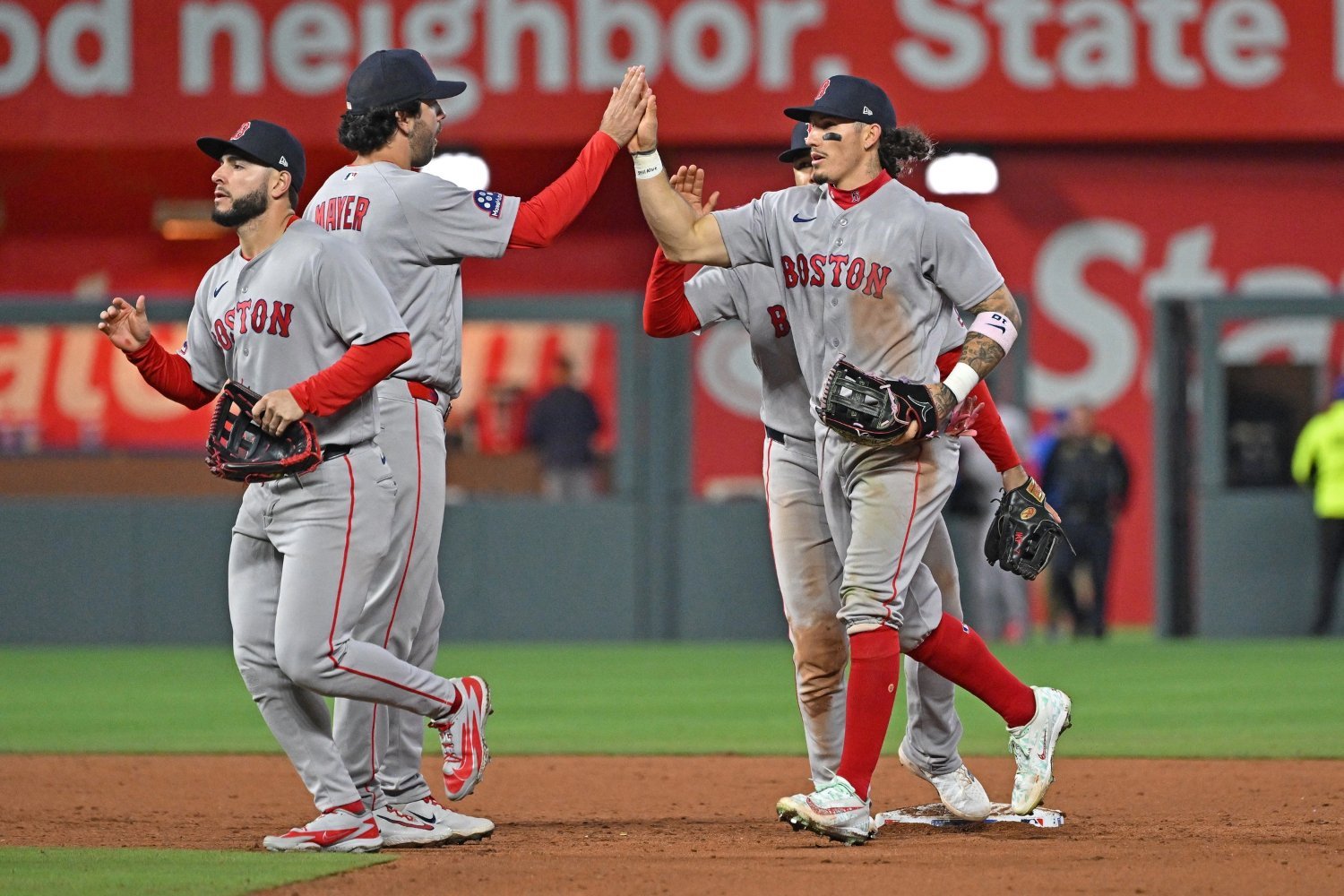 The Boston Red Sox do not need a miracle by June. They need proof. At 21-27, Boston is dancing around last place in the AL East, double-digit games behind Tampa Bay and already well short of where this roster was supposed to be in late May. The division race no longer looks like the cleanest path back into relevance. If the Red Sox are going to make anything of this season, it almost certainly has to come through the wild-card chase. That path is still open, but only if the next few weeks look nothing like the last six. The team doesn’t need to erase six weeks of bad baseball by Memorial Day. It doesn’t need one homestand to fix the lineup or turn the season back into what the front office expected. But the Red Sox do need to start giving Craig Breslow something better than “maybe.” A young core can buy time. A possible wild-card picture can buy time. Decent pitching can stretch the clock. A bottom-of-the-league offense burns through all of that fast. The Red Sox's woeful lineup is the biggest reason the season already feels so stuck. At 3.7 runs per game, the Red Sox have spent too many nights following the same tired script. The pitching keeps them close, the bats disappear for five or six innings, and a win that should have been there turns into another missed chance. Eventually, that forces a front office to stop grading talent and start judging production. The first checkpoint comes on June 1. Boston has nine games before then: three at Fenway Park against Minnesota, three more at home against Atlanta, and three in Cleveland. That is not an easy stretch, but it is manageable enough that a serious team has to make up ground. A 6-3 run would put the Red Sox in a much better place entering June. Still under .500, but at least moving in the right direction. Even 5-4 keeps the postseason conversation alive. Anything worse leaves Boston asking for patience it has not really earned. An even more pivotal stretch runs through June 10. After Cleveland, the Red Sox get Baltimore at home before six road games against the Yankees and Rays. That could be where the season starts to lose its excuses. If Boston wants to sell itself as a team still capable of climbing back into the wild-card picture, it cannot keep losing ground against the teams it is supposed to be chasing. A 12-6 run over these next 18 games would leave the Red Sox right around the .500 barrier. That is not contender status, but it would feel like a reset. Breslow could wait on anything drastic, and the clubhouse would have something real to build on. A 9-9 stretch is harder to read. Having scratched and clawed their way to 30 wins, they would still be alive, but still leaning too much on projection. If the bats still look the same, even a modest winning stretch only delays the harder conversation. Anything worse should change the tone. By then, the “too talented to be this bad” argument starts sounding less like analysis and more like denial. The All-Star break should be the clearest cutoff. The Red Sox do not have to be way over .500 by mid-July, but they need to be close enough that buying is based on more than hope. Somewhere around .480 keeps the wild-card chase a real goal. Getting back to .500 gives the front office room to add. Falling 10 or so games under should leave very little to debate. None of that means tearing the roster down to the studs. The Red Sox still have players worth building around. Wilyer Abreu, Ceddanne Rafaela, Roman Anthony and Marcelo Mayer give Boston enough young talent to believe the next good version of this team is not far away. The pitching has also done enough to keep the season from completely cratering. But the Red Sox cannot keep living off what this group might become. At some point, a young core has to produce wins, not just reasons to wait. That is what Breslow has to sort through before the Aug. 3 trade deadline. If the Red Sox are near .500, within reach of a playoff spot, and finally getting real production from the lineup, adding around the edges makes sense. Not a reckless, prospect-depleting push, but a measured move or two for a team that found its footing. If the offense stays quiet and the deficit grows past 10 games, the response should be different. Take calls on expiring veterans. Clear at-bats where they need to be cleared. At that point, Boston cannot sacrifice 2027 and beyond by chasing a 2026 season that never really got moving. We do not need the next three weeks to save the season. It needs to be about the organization making the idea of being patient feel more like a baseball decision, and less like wishful thinking. View the full article
 -
 Transactions: RHP Jacob Waguespack assigned to Nashville Sounds from ACL Brewers. Nashville Sounds transferred LF Jacob Hurtubise to the Development List Game Action: Nashville pre-game media notes Nashville 10, Durham (Rays) 2 Box Score A day after a dramatic 9th inning comeback, Nashville won their ninth straight. The Sounds scored first and then scored a lot more after the Bulls tied the game at two in the third. The lineup produced a season-high four home runs, including two from Akil Baddoo, Cooper Pratt’s fifth and the eighth home run of the season for Eddys Leonard. At 446 feet, Leonard’s blast tied for the third longest of the season in triple A. Luis Lara had a double as part of a three hit night as he continues to be a hit machine and raise his prospect profile. On the mound Tate Kuehner failed to make it through the third inning, but the bullpen pitched a shutout for six and a third innings, Including a three strikeout, five out performance from Easton McGee. McGee remains on call for the Brewers should the need arise. Nashville improved to 28-19 and are now in a tie for first place in the International League. Biloxi 9, Birmingham (White Sox) 7 Box Score The Shuckers survived a wild affair against Birmingham, pulling out a 9-7 win in a game packed with offense, defensive miscues, and momentum swings. Biloxi capitalized on four Birmingham errors and overcoming three of their own. Dylan O’Rae scored three runs on no hits and one walk at the top of the lineup, while Jesus Made had two singles and four RBI. Each member of the double play combo also added a steal bringing Made’s total to 18 and O’Rae’s to 22. The pitching was uneven, but finished with Mark Manfredi pitching a clean 9th inning to earn his first save of the season. Biloxi moved to 19-21 on the season in the tightly packed Southern League standings. Great Lakes (Dodgers) 4, Wisconsin 3 Box Score The T-Rats fell to the Dodgers affiliate on a night where they could only muster three hits, none of which produced runs. The excitement for the visitors occurred in the top of the sixth inning, when Davis Chastain came into pitch for the Loons. Chastain proceeded to walk the first five batters he faced, scoring two runs! After Juan Baez struck out looking, Blayberg Diaz secured a sacrifice fly to take the lead at 3-2, and that would be the end of the scoring for Wisconsin. The Brewers then countered with a new pitcher in the bottom of the sixth with Yorman Galindez surrendering the lead in a hard luck inning. After getting two quick outs, Galindez hit Nico Perez, who then stole second and third base and scored on a throwing error by the catcher Diaz. Brewers starter, Braylon Owens, gave up a leadoff home run to start the game, and followed that up with a walk and a hit to leave the first inning down 2-0, but put in a strong effort thereafter. Owens threw four more scoreless innings only allowing one more hit and walk, while striking out seven overall. Wisconsin drops to 21-17, just a half game behind the Cubs affiliate for first place in the Western Division. Delmarva (Orioles) 12, Wilson 6 Box Score The Warbirds fell back below .500 just as soon as they got there, getting doubled up by the last place Shorebirds. One day after hitting his first home run as a professional, shortstop Brady Ebel had two more hits including a triple. Joining him with multiple hits at the top of the lineup were Handelfry Encarnacion and Juan Ortuno, with the three combining for seven of the team’s eleven hits on the night. In his second start of the year, Jayden Dubanewicz made progress, pitching into the fourth inning, and recording five strikeouts and no home runs allowed. The Shorebirds were aggressive on the bases, testing young catcher Rylan Mills. They successfully stole four bases, but the 19 year old 2025 over slot signing also threw out two would-be thieves for a solid caught stealing percentage of thirty-three on the night. Warbirds record now 20-21. View the full article
 -
 It was a rough day Wednesday for the San Diego Padres' affiliates as Triple-A El Paso and High-A Fort Wayne each surrendered more than 20 runs, while Double-A San Antonio could muster just four hits and Low-A Lake Elsinore wasted a strong start by Jesus Castro. Padres Minor-League Transactions El Paso Chihuahuas released 3B Jose Miranda. El Paso Chihuahuas sent RHP Ty Adcock on a rehab assignment to Fort Wayne TinCaps. Chihuahuas Issue 13 Walks, Get Throttled By Express The host Triple-A El Paso Chihuahuas held a 7-6 lead after two innings, but gave up 17 unanswered runs as the Round Rock Express cruised to a 23-7 victory. While the hits were fairly even, with the Express holding a 14-12 advantage, Chihuahuas pitchers issued a whopping 13 walks. The top four hitters in the Chihuahuas' lineup had nine hits, with Clay Dungan getting three and Samad Taylor, Pablo Reyes and Jase Bowen two each. Dungan was the only El Paso hitter to drive in multiple runs with two. Chihuahuas left-handed starter Fernando Sanchez, in just his second Triple-A game, gave up six runs on three hits and two walks with no strikeouts in two innings. All six Chihuahuas pitchers gave up at least one one walk, with right-hander Misael Tamarez issuing four free passes in 1⅓ innings. Dungan came on to get the final two outs and gave up five runs. EP_0520.mp4 Player AB R H RBI BB K Samad Taylor 5 2 2 0 0 1 Clay Dungan 5 1 3 2 0 0 Pablo Reyes 4 1 2 1 1 0 Jase Bowen 3 0 2 0 1 1 Mason McCoy 1 0 0 0 0 0 Nick Solak 5 0 0 1 0 0 Carlos Rodríguez 3 0 0 0 1 1 Marcos Castañon 3 1 1 0 1 0 Nick Schnell 4 1 1 0 0 3 Victor Duarte 3 1 1 1 0 1 Anthony Vilar 1 0 0 0 0 1 Player IP H R ER BB K HR Fernando Sanchez 2 3 6 6 2 0 1 Miguel Cienfuegos 3 2 2 2 2 3 0 Michael Flynn 1 3 5 3 1 1 0 Kyle Hart 1 1 1 1 3 1 0 Misael Tamarez 1 1/3 0 4 4 4 2 0 Clay Dungan 2/3 5 5 5 1 1 0 Kai Murphy Homers, But That Is Lone Highlight In Missions' Loss The host Double-A San Antonio Missions managed just four hits in dropping a 5-1 decision to the Frisco RoughRiders. Kai Murphy homered in the third inning and had two of the Missions' four hits. Murphy also had his fifth stolen base in addition to his first homer of the year. Frisco scored once in the first, took a 3-1 lead in the fourth and added single runs in the fifth and seventh innings. Missions left-handed starter Jagger Haynes went five innings and gave up four runs on eight hits, including a pair of homers, and two walks with five strikeouts. Haynes has gone at least five innings in six of his eight starts this season, including his last five. SA_0520.mp4 Player AB R H RBI BB K Carson Tucker 4 0 0 0 0 1 Kai Murphy 4 1 2 1 0 0 Albert Fabian 4 0 1 0 0 1 Tirso Ornelas 4 0 0 0 0 2 Romeo Sanabria 4 0 0 0 0 0 Braedon Karpathios 2 0 0 0 1 1 Ryan Jackson 3 0 1 0 0 0 Luis Verdugo 3 0 0 0 0 0 Chris Sargent 3 0 0 0 0 0 Player IP H R ER BB K HR Jagger Haynes 5 8 4 4 2 5 2 Francis Peña 2 2 1 1 0 4 0 Clark Candiotti 1 1 0 0 0 1 0 TinCaps Blitzed Early, Get Smoked By Dragons The host High-A Fort Wayne TinCaps were buried by an early avalanche of runs en route to dropping a 22-8 setback at the hands of the Dayton Dragons. Dayton, which hit six homers in the game, scored five runs in the first inning and eight in the second. The 22 runs allowed were the most in TinCaps history. Alex McCoy, Justin DeCriscio and Lamar King Jr. each homered for the TinCaps, with King's being a three-run blast and McCoy and DeCriscio hitting solo shots. DeCriscio, McCoy, Jake Cunningham, Jack Costello and Oswaldo Linares each had two hits and King was the only player who drove in multiple runs. TinCaps right-handed starter Maikel Miralles gave up eight runs in 1⅔ innings, walking five and allowing two hits with no strikeouts. Right-handed reliever Ty Adcock, on the Padres' 40-man roster and assigned to Triple-A, made his first rehab appearance since a spring training oblique injury, allowing two runs on two hits with a walk and two strikeouts in one inning. FW_0520.mp4 Player AB R H RBI BB K Justin DeCriscio 3 2 2 1 2 0 Rosman Verdugo 4 1 1 0 1 2 Lamar King Jr. 5 1 1 3 0 1 Alex McCoy 4 2 2 1 1 1 Jake Cunningham 5 1 2 1 0 2 Jack Costello 5 1 2 1 0 2 Zach Evans 3 0 0 0 2 1 Oswaldo Linares 5 0 2 1 0 2 Kasen Wells 5 0 0 0 0 2 Player IP H R ER BB K HR Maikel Miralles 1 2/3 2 8 7 5 0 2 Kleiber Olmedo 2 1/3 6 5 5 2 1 1 Ty Adcock 1 2 2 2 1 2 1 Javier Chacon 2 2 2 2 1 0 1 Jeferson Villabona 1 4 4 4 0 0 1 Jonathan Vastine 1 2 1 1 0 1 0 Jesus Castro Fans 6, But Fateful 4-Run Inning Costs Storm Right-handed starter Jesus Castro turned in his second straight shutout performance, but one bad inning doomed the Low-A Lake Elsinore Storm in a 6-3 loss to the Visalia Rawhide. Castro struck out six in four shutout innings, allowing four hits and two walks. That follows 5⅔ shutout innings in his start last week vs. Rancho Cucamonga in which he struck out nine. Castro has 22 strikeouts over 15⅓ innings in his last three starts. But the Rawhide scored four runs in the fifth inning off left-handed reliever Joseph Herrera, who didn't retire any of the five batters he faced, walking two, allowing two hits and hitting another as Visalia took a 4-1 lead. After the Storm scored in the top of the sixth, the Rawhide added two more in the seventh. Jose Verdugo hit a solo homer in the eighth inning for the Storm. He also doubled and scored on Truitt Madonna's sixth-inning single. Bradley Frye had an RBI groundout in the top of the third. Madonna had three hits. LE_0520.mp4 Player AB R H RBI BB K Ryan Wideman 5 0 1 0 0 3 Bradley Frye 4 0 0 1 0 1 Jose Verdugo 3 2 2 1 1 1 Ty Harvey 2 0 0 0 2 1 Truitt Madonna 4 0 3 1 0 0 Jorge Quintana 4 0 0 0 0 4 George Bilecki 3 0 0 0 0 2 Kerrington Cross 1 0 1 0 0 0 Dylan Grego 3 0 0 0 0 0 Yoiber Ocopio 1 0 0 0 0 1 Qrey Lott 4 1 1 0 0 1 Player IP H R ER BB K HR Jesus A. Castro 4 4 0 0 2 6 0 Joseph Herrera 0 2 4 4 2 0 0 Carson Swilling 2 2 0 0 2 4 0 Cal Riehl 1 2 2 0 0 1 0 Daichi Moriki 1 0 0 0 1 0 0 Top 20 Prospect Performance Ethan Salas: DNP Kash Mayfield: DNP Miguel Mendez: DNP Kruz Schoolcraft: DNP Ryan Wideman: 1-for-5, 3 K Jorge Quintana: 0-for-4, 4 K Ty Harvey: 0-for-2, 1 K Kale Fountain: DNP Braedon Karpathios: 0-for-2, 1 K Lamar King Jr.: 1-for-5, HR, 1 K Jagger Haynes: 5 IP, 8 H, 4 R, 4 ER, 2 BB, 5 K, 2 HR Alex McCoy: 2-for-4, HR, 1 K Truitt Madonna: 3-for-4 Tucker Musgrove: DNP Garrett Hawkins: DNP Michael Salina: DNP Eric Yost: DNP Rosman Verdugo: 1-for-4, 2 K Bryan Balzer: DNP Deivid Coronil: DNP View the full article
 -
 Justin Lamkin spun six innings with eight strikeouts as the Northwest Arkansas Naturals beat Amarillo 8-1, fueled by Carson Roccaforte's two home runs. Ramon Ramirez drove in four to power Quad Cities' 7-5 comeback over Beloit, with Josh Hansell striking out five in two scoreless innings. Shane Panzini surrendered four runs as the Omaha Storm Chasers fell 14-4 at St. Paul, and JC Vanek's two homers were not enough in Columbia's 5-4 walkoff loss at Augusta. Royals Transactions No Roster Moves Eight-Run Sixth Sinks Storm Chasers in St. Paul The Omaha Storm Chasers fell 14-4 to the St. Paul Saints, undone by a disastrous bottom of the sixth. Starter Panzini took the loss, going 4 1/3 innings and allowing four earned runs on five hits, including three home runs, with two walks and one strikeout. Reliever Mason Black was tagged for seven earned runs on five hits and three walks in 1 1/3 innings, fanning two. Helcris Olivárez allowed three runs in one inning of work, while Anthony Gose closed with 1 1/3 scoreless innings and three strikeouts. Josh Rojas, who entered at designated hitter, went 2-for-3 with a three-run home run, his fifth of the year, in the seventh to plate Connor Kaiser and leadoff man John Rave. Brett Squires drove in Omaha's other run with an RBI single in the fifth that scored Dustin Dickerson. Kameron Misner doubled and stole a base, and Luca Tresh added a single. The Saints opened the bottom of the sixth with a leadoff double, then drew two walks to load the bases. An RBI single, a two-run double, a wild pitch, and an RBI groundout pushed the lead to 9-1. After another walk and a strikeout, a double set up a three-run home run that capped the eight-run inning at 12-1. The Storm Chasers struck out 11 times and left seven on base. Player AB R H RBI BB K John Rave 4 1 0 0 1 3 Tyler Tolbert 1 0 0 0 1 1 Josh Rojas 3 1 2 3 0 0 Brett Squires 3 0 1 1 0 1 Drew Waters 3 0 0 0 1 1 Kameron Misner 4 0 1 0 0 0 Luca Tresh 4 0 1 0 0 3 Abraham Toro 3 0 0 0 1 1 Connor Kaiser 4 1 0 0 0 0 Dustin Dickerson 3 1 0 0 1 1 Player IP H R ER BB K HR Shane Panzini (L, 1-3) 4 1/3 5 4 4 2 1 3 Mason Black 1 1/3 5 7 7 3 2 0 Helcris Olivárez 1 3 3 3 3 2 1 Anthony Gose 1 1/3 1 0 0 0 3 0 Roccaforte's Two-Homer Day Powers Naturals Past Sod Poodles The Northwest Arkansas Naturals rolled to an 8-1 win over the Amarillo Sod Poodles behind Lamkin's quality start and a two-home-run day from Roccaforte. Lamkin tossed six innings, allowing one earned run on one hit while striking out eight without issuing a walk for the win. Dennis Colleran Jr., Caden Monke, and Augusto Mendieta each followed with a scoreless inning, combining for five strikeouts and no walks. Roccaforte led off the game with his 11th home run of the season and added his 12th to open the eighth, finishing 2-for-5 with two runs, two RBI, and two strikeouts. Canyon Brown went 2-for-4 with a leadoff home run in the ninth, his second of the year, plus a double and two RBI. Sam Kulasingam picked up three hits, including a double. Daniel Vazquez doubled in a run, and Spencer Nivens reached twice with a double and a walk. The Naturals extended the lead to 4-0 in the second. Colton Becker singled home Daniel Vazquez, Connor Scott doubled in Spencer Nivens, and Brown's double brought home Scott. Three more runs crossed in the eighth: Roccaforte's solo shot opened the frame, Vazquez doubled home Kulasingam, and Jorge Alfaro scored on a wild pitch during Becker's at-bat. Player AB R H RBI BB K Carson Roccaforte 5 2 2 2 0 2 Rudy Martin Jr. 3 0 1 0 0 0 Justin Johnson 1 0 0 0 1 1 Sam Kulasingam 5 1 3 0 0 0 Jorge Alfaro 4 1 1 0 0 2 Daniel Vazquez 4 1 2 1 0 0 Spencer Nivens 3 1 2 0 1 0 Colton Becker 4 0 1 1 0 1 Connor Scott 3 1 1 1 1 1 Canyon Brown 4 1 2 2 0 0 Player IP H R ER BB K HR Justin Lamkin (W, 1-1) 6 1 1 1 0 8 1 Dennis Colleran Jr. (H, 3) 1 1 0 0 0 0 0 Caden Monke 1 1 0 0 0 2 0 Augusto Mendieta 1 1 0 0 0 3 0 Ramirez Drives In Four as River Bandits Rally Past Sky Carp The Quad Cities River Bandits overcame a 4-0 deficit to beat the Beloit Sky Carp 7-5, led by cleanup man Ramirez's 4-for-4 night with four RBI. Starter Tanner Jones allowed four earned runs on seven hits and three walks in five innings, striking out four and surrendering two home runs. Josh Hansell followed with two scoreless innings, allowing one hit and striking out five for the win. L.P. Langevin worked a scoreless eighth with three strikeouts, and Kamden Edge gave up a solo home run in the ninth for the save. Ramirez doubled home three runs in the sixth and singled in another in the seventh. Angel Acosta went 3-for-4 with two runs scored and an RBI single, while Asbel Gonzalez reached on a walk, scored once, and Blake Mitchell drew two walks and scored. Leadoff man Nolan Sailors also reached twice on walks. The River Bandits trailed 4-0 entering the sixth. Acosta singled, Sailors walked, and after a strikeout, Mitchell drew a walk to load the bases. Ramirez followed with a bases-clearing double, scoring Acosta, Sailors, and Mitchell to cut the deficit to 4-3. Quad Cities took the lead in the seventh. Tyriq Kemp walked, Erick Torres singled, and Acosta singled home Kemp to tie it. Gonzalez walked, then a wild pitch scored Torres before Mitchell drew a walk. Ramirez singled home Acosta, and Gonzalez scored on a fielding error to push the lead to 7-4. Player AB R H RBI BB K Nolan Sailors 3 1 0 0 2 1 Asbel Gonzalez 4 1 0 0 1 2 Blake Mitchell 2 1 0 0 2 1 Ramon Ramirez 4 0 4 4 0 0 Derlin Figueroa 4 0 0 0 0 2 Jose Cerice 4 0 0 0 0 0 Tyriq Kemp 3 1 0 0 1 1 Erick Torres 4 1 1 0 0 1 Angel Acosta 4 2 3 1 0 1 Player IP H R ER BB K HR Tanner Jones 5 7 4 4 3 4 2 Josh Hansell (W, 1-4) 2 1 0 0 1 5 0 L.P. Langevin (H, 2) 1 0 0 0 0 3 0 Kamden Edge (S, 2) 1 1 1 1 0 1 1 Vanek's Two Homers Not Enough as Fireflies Fall on Walkoff in Augusta The Columbia Fireflies fell 5-4 to the Augusta GreenJackets on a ninth-inning walkoff single, despite two home runs from Vanek. Starter Jose Gutierrez allowed four earned runs on six hits in five innings, striking out four and walking two while surrendering three home runs. Shane Van Dam followed with 3 1/3 innings of relief, allowing one earned run on two hits with four strikeouts and two walks, and took the loss. Andy Basora yielded the walkoff hit without recording an out. Vanek launched a solo home run, his fifth of the season, to open the fifth inning and added another, his sixth, with two outs in the ninth to tie the game at 4-4. Leadoff hitter Henry Ramos got the scoring started with a solo home run in the first, his second of the year. Josh Hammond went 2-for-4 with a run scored, Brooks Bryan reached three times on a hit and two walks, and Yandel Ricardo and Jhosmmel Zue added one hit apiece. Augusta took control in the bottom of the fifth. Back-to-back solo home runs erased Columbia's 2-0 lead and put the GreenJackets ahead, and after a single and a flyout, a two-run home run made it 4-2. Columbia answered in the sixth when Stone Russell's groundout scored Hammond, who had singled and worked his way around to third earlier in the frame. After Vanek's tying homer in the ninth, the GreenJackets put a runner on against Van Dam, and a single off Basora scored the winning run. Player AB R H RBI BB K Henry Ramos 4 1 1 1 0 0 Sean Gamble 4 0 0 0 0 0 Josh Hammond 4 1 2 0 0 0 Brooks Bryan 2 0 1 0 2 0 Yandel Ricardo 4 0 1 0 0 2 Stone Russell 4 0 0 1 0 1 JC Vanek 4 2 2 2 0 0 Jhosmmel Zue 4 0 1 0 0 1 Roni Cabrera 2 0 0 0 0 1 Player IP H R ER BB K HR Jose Gutierrez 5 6 4 4 2 4 3 Shane Van Dam (L, 1-3) 3 1/3 2 1 1 2 4 0 Andy Basora 0 1 0 0 0 0 0 Top-20 Prospect Performance Kendry Chourio: DNP David Shields: DNP Sean Gamble: 0-for-4 Blake Mitchell: 0-for-2, 2 BB, R, K Josh Hammond: 2-for-4, R Ramon Ramirez: 4-for-4, 2B, 4 RBI Drew Beam: DNP Asbel Gonzalez: 0-for-4, R, BB, 2 K Ben Kudrna: DNP Carson Roccaforte: 2-for-5, 2 HR, 2 R, 2 RBI, 2 K Yandel Ricardo: 1-for-4, 2 K Felix Arronde: DNP Blake Wolters: DNP Michael Lombardi: DNP Luinder Avila: DNP Steven Zobac: DNP Frank Mozzicato: DNP Daniel Vazquez: 2-for-4, 2B, R, RBI Warren Colcano: DNP Shane Panzini: 4 1/3 IP, 5 H, 4 ER, 2 BB, K, 3 HR, L View the full article
 -
Twins Minor League Report (5/20): Kyler Fedko Goes Nuclear (Again)
DiamondCentric posted an article in Twins Daily
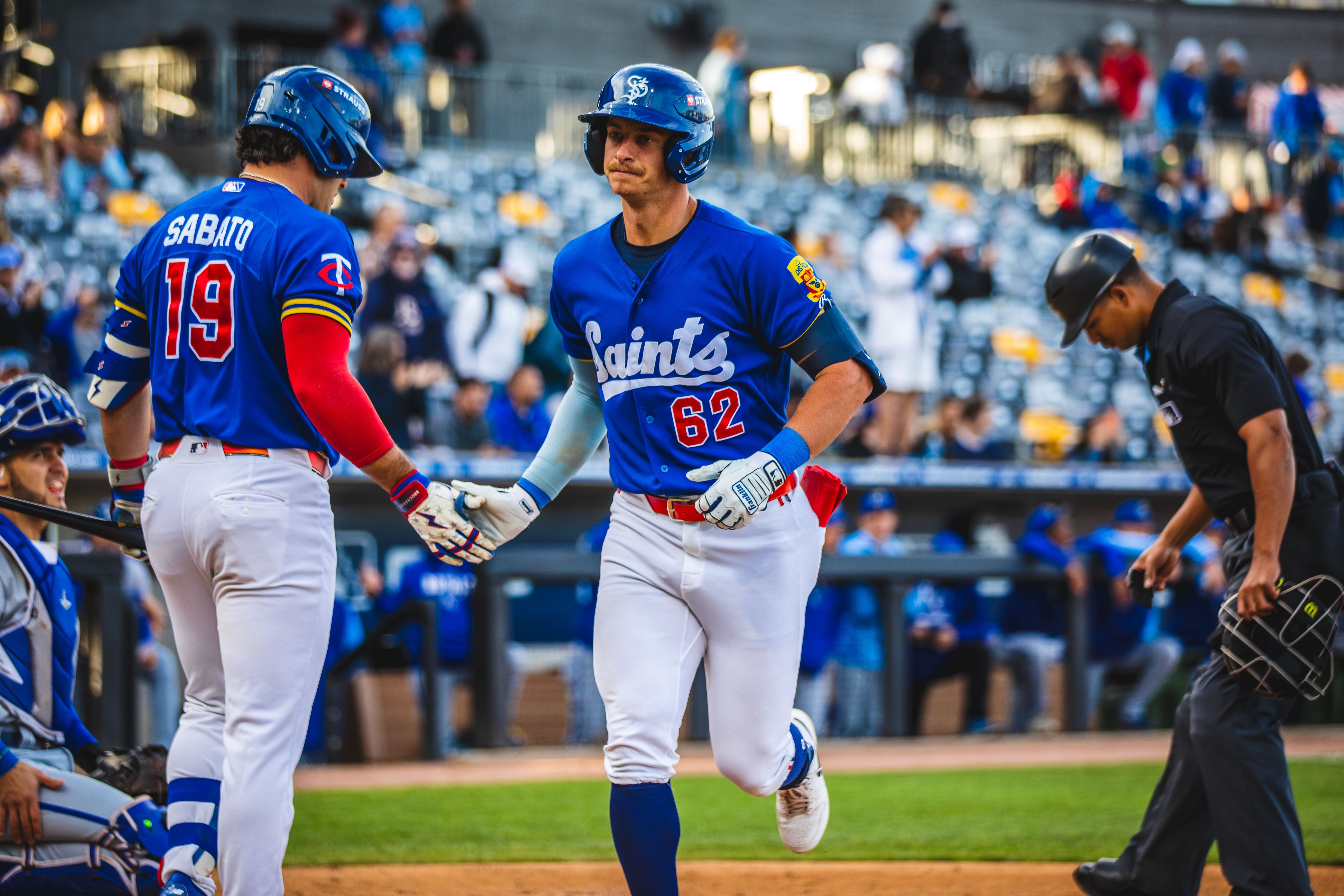 TRANSACTIONS RHP Matt Bowman released RHP John Brebbia released RHP Alejandro Hidalgo promoted to AAA St. Paul C/OF Ricardo Olivar promoted to AAA St. Paul RHP Ty Langenberg promoted to AAA St. Paul RHP Cory Lewis reinstated from 7-day IL and transferred to AA Wichita OF Jaime Ferrer promoted to AA Wichita RHP Preston Johnson promoted to AA Wichita INF Harry Genth promoted to AA Wichita INF Jorel Ortega placed on 7-day IL (AA Wichita) INF Quinn McDaniel promoted to A+ Cedar Rapids RHP Brian Zeldin promoted to A+ Cedar Rapids UTIL Luis Fragoza promoted to A Fort Myers You got all that? Oh, and for fun, when Tristan Gray goes on paternity leave in the near future, who will get called up? Saints Sentinel St. Paul 14, Omaha 4 Box Score Aaron Rozek: 3 IP, 0 H, 0 ER, 1 BB, 3 K HR: Kyler Fedko 2 (9, 10), David Bañuelos (2), Aaron Sabato (10) Multi-hit games: Hendry Mendez (2-for-5, RBI), Gabriel Gonzalez (2-for-4, 2 R, RBI, BB), Kyler Fedko (4-for-5, 2 HR, 2 2B, 3 R, 4 RBI), Aaron Sabato (2-for-4, HR, 2B, 2 R, 3 RBI, BB), David Bañuelos (2-for-5, HR, 2 R, 2 RBI) The Saints bludgeoned their opponent on Wednesday. Most hitters would struggle to compete with one-upping a 15 total base game; evidently, Kyler Fedko isn’t like most hitters. His April 12th masterpiece that swung his season slugging .400 points forward was impeccable. On Wednesday, he was impossible, totaling a pair of homers and doubles with four RBIs. Mason Black must have been in cahoots with a warlock when he struck him out in the fifth. Aaron Sabato’s game wasn’t half-bad either: he homered, doubled, and walked. A mere seven bases if you include the free pass. Ty Langenberg’s first taste of AAA ball went well, as the Urbandale, Iowa native allowed one earned run across three frames, striking out four. Rehabbing big leaguer Cody Laweryson allowed a pair of earned runs in ⅔ of an inning. He threw 26 pitches. Starter Shane Panzini ranks as the Royals’ 19th-best prospect. He allowed four earned runs in 4 1/3 frames. Wind Surge Wisdom Wichita 0, Tulsa 6 Box Score Cory Lewis: 3 2/3 IP, 1 H, 2 ER, 2 BB, 6 K HR: None Multi-hit games: Jaime Ferrer (2-for-4) The Wind Surge were shut out on Wednesday. Hey! It’s Cory Lewis! 2025 was a tumultuous time for the righty as every number went in the wrong direction: his ERA; his WHIP; his innings. He probably even shrank a little. His efforts to get back off the ground in 2026 have started slowly, yet just getting back on the mound with tepid success in this start could be the start of the comeback. Good news in this game is self-evidently sparse, so enjoy Jaime Ferrer collecting his first AA hit. Kyle DeBarge stole his 12th base, the 10th-most in the Texas League. Wondering who the next big Dodgers prospect is? Well, he played on Wednesday: outfielder Josue De Paula clocks in as the ninth-best prospect in baseball according to MLB.com. He walked twice in five plate appearances. Kernels Nuggets Cedar Rapids 4, Peoria 3 Box Score Michael Ross: 5 IP, 2 H, 1 ER, 1 BB, 4 K HR: None Multi-hit games: Marek Houston (2-for-5, 2B, RBI), Khadim Diaw (3-for-4, 2B, R, RBI) The Kernels won narrowly on Wednesday. Following his worst game of the season, Michael Ross authored his best performance of the year. The righty was efficient, navigating around two hits, a walk, and an error to limit the Chiefs to just one run over five innings. He threw 64 pitches. It helps when you never throw a pitch while behind. Three straight walks in the first loaded the bases for Khadim Diaw, now presented with a chance to damage the game before it had really begun. He did just that, driving a double deep to left field to score two. He later added two singles to earn his first 3+ hit game since April 29th. Diaw wasn’t the only Kernel with an RBI double; Marek Houston—that’s him in the video, trust—also ripped a run-scoring two-bagger. Though the Cardinals enjoy yet another quality farm system, most of their prospects inhabit the upper levels of the minors, leaving just their 17th-ranked youngster—outfielder Tai Peete—as their finest player on Wednesday. He went 0-2 before leaving the game after three innings. Mussel Matters Fort Myers 6, Dunedin 4 Box Score Ramiro Villanueva: 3 2/3 IP, 4 H, 2 ER, 3 BB, 2 K HR: JP Smith II (3) Multi-hit games: Dameury Pena (2-for-4, 2 R, BB), Jayson Bass (2-for-4, 2B) The Mighty Mussels held on to win on Wednesday. Platonic ideal leadoff man Dameury Pena continued his tremendous start to the season. Need a man on base? He’ll reach first. Need an extra-base hit? He’ll reach first. His small-talk skills with the opposing team’s first baseman must be major-league quality already. He’s slashing the rare “all 3’s” line in 2026—.321/.390/.368. JP Smith II provided the big swing for Fort Myers, popping an opposite-field homer in the fourth. Buried in the box score is Kolten Smith’s outstanding relief outing: the 22-year-old righty whiffed six over three scoreless frames, providing a crucial bridge in the middle-to-late innings. The Georgia product has 39 strikeouts in 23 2/3 innings in 2026. Luis Fragoza made his FSL debut, playing center field for the Mighty Mussels. He doubled once and struck out three times. Rehabbing big leaguer Nathan Lukes started for Dunedin. He walked twice and hit a sacrifice fly before being pinch-hit for. MLB.com’s 32nd-ranked prospect, JoJo Parker, manned shortstop for the Blue Jays on Wednesday, doubling and singling in five at-bats. He’s a 19-year-old former first-round pick from the 2025 draft. TWINS DAILY PLAYERS OF THE DAY Twins Daily Minor League Pitcher of the Day – Aaron Rozek Twins Daily Minor League Hitter of the Day – Kyler Fedko PROSPECT SUMMARY Here’s a look at how the Twins Daily Top 20 Twins Prospects performed: #2 – Kaelen Culpepper (St. Paul) - 1-4, 2B, 3 R, 2 RBI, BB #5 – Eduardo Tait (Cedar Rapids) - 0-3, R, 2 BB, 2 K #7 – Marek Houston (Cedar Rapids) - 2-5, 2B, RBI, 2 K #10 – Gabriel Gonzalez (St. Paul) - 2-4, 2 R, RBI, BB #12 – Andrew Morris (Twins) - 1 IP, 0 H, 0 ER, 0 BB, 1 K #13 – Hendry Mendez (St. Paul) - 2-5, RBI, K #14 – Quentin Young (Fort Myers) - 1-4, 2 K #15 – Brandon Winokur (Cedar Rapids) - 0-4, R, BB #19 – Khadim Diaw (Cedar Rapids) - 3-4, 2B, R, 2 RBI #20 – Kyle DeBarge (Wichita) - 1-4, 2 K THURSDAY’S PROBABLE STARTERS Omaha @ St. Paul (6:37 PM) - RHP John Klein Tulsa @ Wichita (6:35 PM) - RHP Jose Olivares Cedar Rapids @ Peoria (6:35 PM) - RHP Jason Doktorczyk Fort Myers @ Dunedin (3:30 PM) - TBD Fort Myers @ Dunedin (Game Two) - TBD FCL Twins @ FCL Pirates (11:00 AM) - TBD View the full article
