


DiamondCentric
-
Posts
2,631 -
Joined
-
Last visited
Never
Content Type
Profiles
Forums
Events
News
Tutorials & Help
Major League Baseball Videos
Guides & Resources
Store
Downloads
Gallery
Everything posted by DiamondCentric
-
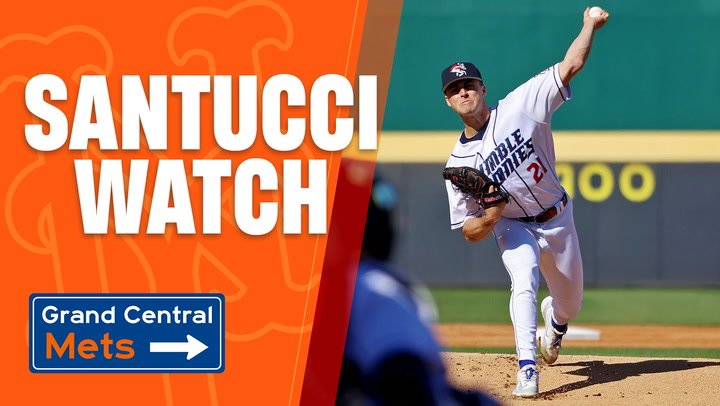 Jonathan Santucci is the ninth-ranked prospect in the Mets' farm system. Santucci was drafted in the second round of the 2024 MLB Draft, and excelled through the minors and is currently in Double-A Binghamton. Santucci is projected to be a mid-rotation arm; however, he could be a bullpen option in the future if his secondary pitches don't pan out. View the full article
 -

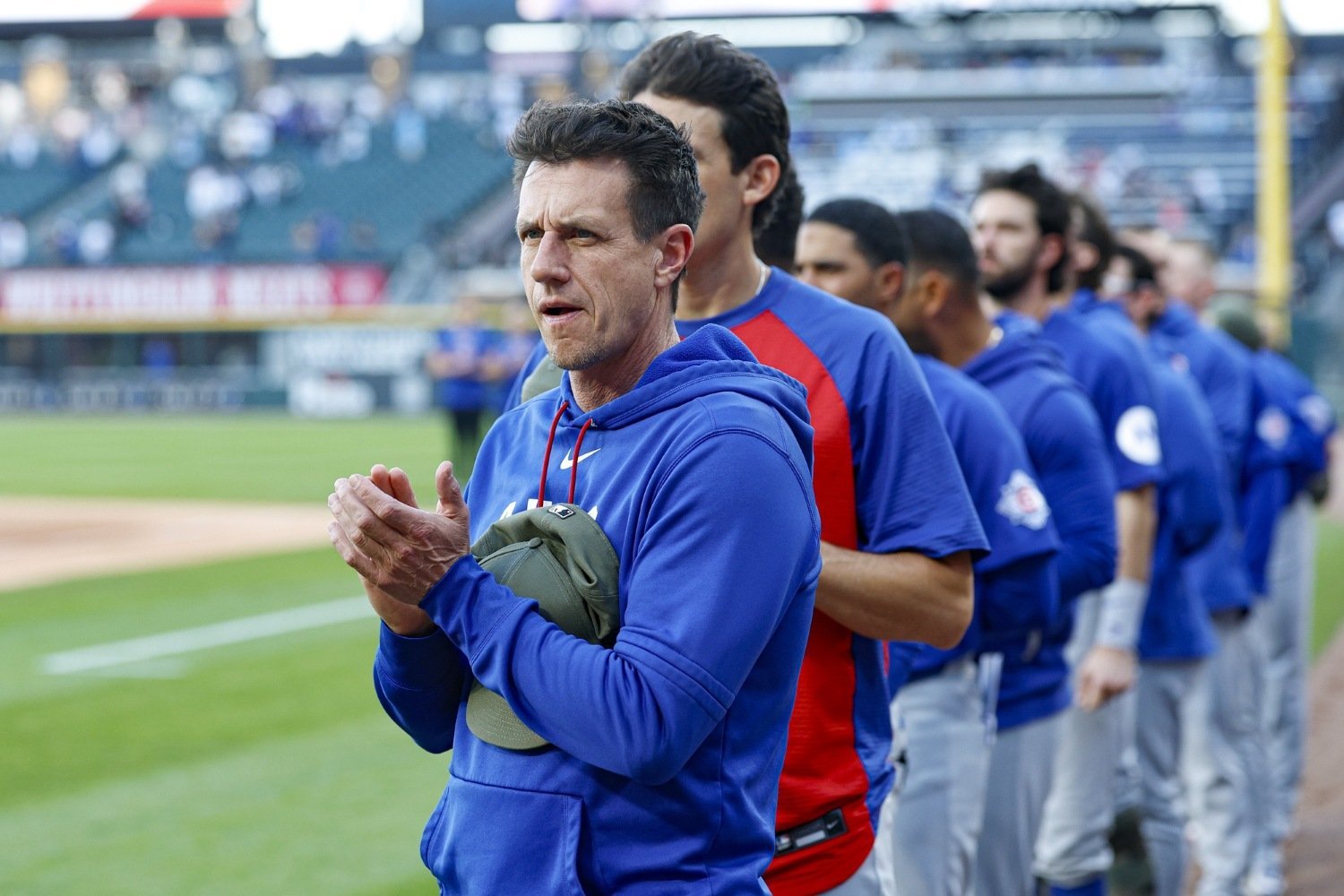 The Cubs were an unimpressive (but not concerning) 7-9 through their first 16 games of the 2026 campaign. It was too early to tell how good they had a chance to be—especially because Cade Horton was already gone for the year but they were just getting Seiya Suzuki back—but they were gradually coming into focus. It seemed like things would be clearer in a month or so. As is true when cleaning your mirrors, though, in baseball, streaks make everything blurrier. Since that 7-9 start, the Cubs have: Won 10 Lost 3 Won 10 Lost 4 Won 2 Lost 4 In a 33-game slice of a 162-game season, the team hasn't alternated wins and losses over any three-game span. They're 22-11 over this period, which is the most salient fact to take away from it, but they're also a team that seems to oscillate between great and ghastly in longer arcs than others. The offense has been hit-or-miss. The pitching has been unable to demonstrate consistency amid all their injury problems, even as the bullpen has gradually become (almost) whole again. Even their vaunted defense has unexpected hiccups. Heading into Wednesday's series finale against the Brewers, the Cubs have already lost the set and (for now, anyway) have fallen out of first place in the NL Central. They're slumping badly, and that's no longer to be considered a minor aberration. They might end up with a very good record, or not, but this team has a lot of volatility to it. Nico Hoerner's season has seen him start with four scorching weeks, then slog through four dreadful ones. He showed signs of getting back into the groove in Tuesday night's loss, which is encouraging. Dansby Swanson started with a miniature barrage of homers and drew a ton of walks over the first month, but has been a strikeout machine of late. He, too, looks like he might be rounding back into form. Pete Crow-Armstrong is the opposite of those two: he started abysmally, but has been (if not quite his best self) a very productive hitter over the last month. Ditto for Michael Busch. The lineup is full of stories like these; so is the starting rotation. Suzuki has always been streaky at the plate, but he's avoided two-week nadirs so far. His source of volatility is defense, where he's made more difficult plays this year but spent most of the last road trip watching balls land just beyond his reach. Streakiness doesn't disqualify a team from being good, but it puts a big dent in ambitions to be great. The Brewers are reminding the Cubs of that, forcefully. Milwaukee came to town having weathered many of the same kinds of losses and frustrations as Chicago so far this year, and they haven't had a run where they got red-hot—until now. But they've also avoided losing more than six out of 10 in any stretch. This is the recipe with which they've beaten the Cubs in the division race for three straight years: the same preparedness to ride a wave and get hot, but better insulation against going cold. The most consistent player on the 2026 Cubs, unsurprisingly, has been Alex Bregman. He's not firing on all cylinders yet, but he's put together competitive at-bats even during his colder snaps. Jed Hoyer spent big on Bregman on the premise that he would have a hugely positive influence on his teammates; that needs to show up in the weeks and months ahead. If Bregman continues to warm up as he works through some of the timing issues that have plagued him so far, he can pull the Cubs up with him, and the team might discover greater, more durable consistency. For now, though, they look like one of those teams who could still with 96 games, or 83, based solely on whether they happen to be hot or cold when the music stops in late September. For a roster built to be as good this year as they'll be any time in the next half-decade, that's not especially comforting—but it does give them upside, and they have plenty of time to realize it. Streaks and slumps make it feel late early; the reality is that we know less about this team right now than we know about most clubs after 50 games. The next 50 should be more telling. For now, it's important to avoid both panic and Pollyanna. View the full article
 -
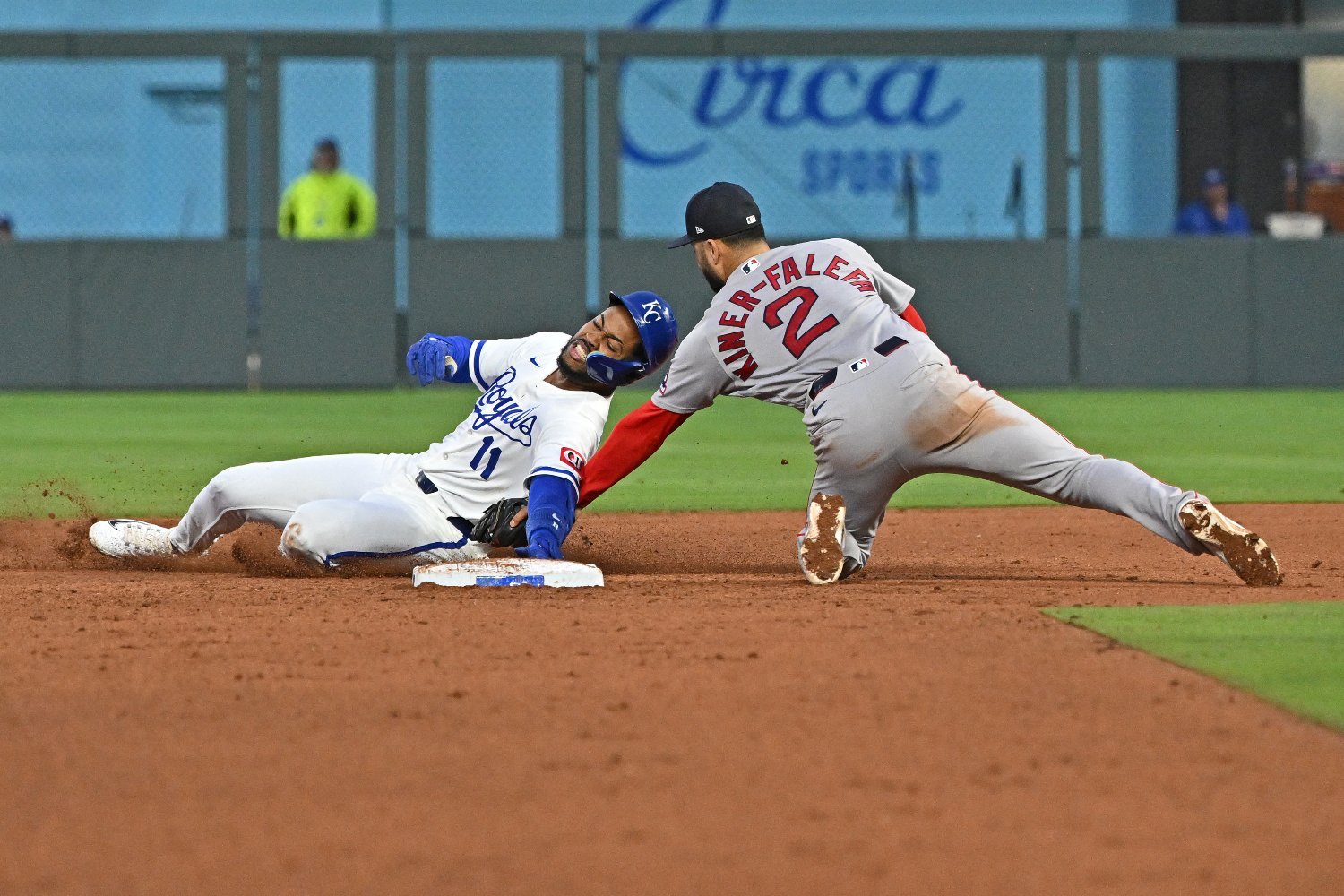 I was able to attend my eighth game of the year at Kauffman Stadium on Tuesday evening. The game started out promising, even with "opener" Bailey Falter allowing a run in the top half of the first inning. The Royals tied the game 1-1 in the bottom of the first, thanks to a double down the right field line that scored Bobby Witt Jr and got Salvador Perez into scoring position at third base with one out. Unfortunately, the Royals weren't able to cash in with less than two outs. Jac Caglianone grounded out to first base in a close play that was challenged (the call stood as an out), and Starling Marte grounded out to third to end the inning and the possible rally. The first inning was not just a microcosm of the Royals' 7-1 loss to the Boston Red Sox, but the 2026 season in general. With their second straight loss to the Red Sox, Kansas City has not won a series since the Tigers series at home from May 8th to the 10th. This month, which started promising with a sweep of the Mariners in Seattle, has been a disappointing one through May 19th. They are 8-10, which is a better pace than the 10-17 April they experienced. However, it's not exactly the "turnaround" this club was hoping for after a brutal first full month of play. So what is going on with this Royals team? Why is this team nine games under .500 and sitting in the cellar of the AL Central, a division that's pretty weak to begin with? (Only the AL West is worse.) There are plenty of reasons, which I will break down in this post. That said, the season is starting to get a little clearer for the Royals after nearly 50 games. Unfortunately, it's not trending in a positive direction, especially compared to the preseason expectations. Scoring Runs Remains the Problem for the Royals During the postgame press conference, a reporter asked manager Matt Quatraro whether the Royals were around league average in most offensive categories...except runs scored. Quatraro agreed and also pointed out that they were performing well in many underlying categories, like hard-hit rate. However, the sentiment remained the same among everyone in the room, Quatraro included: the Royals aren't doing a good job of bringing runners home. According to Fangraphs, the Royals rank 25th in baseball in runs scored. When looking at their performance with runners in scoring position, the data is even bleaker. In RISP situations this year, the Royals have the second-worst wRC+ in baseball with an 81 wRC+. The only team worse? The Boston Red Sox, with a 79 wRC+. Considering the Red Sox scored seven runs today, it wouldn't be surprising to see them past the Royals on May 20th on Fangraphs, when all that data updates overnight. Many factors contribute to the Royals' struggles in RISP situations this season. They rank 17th in BB%, at 11.5%. That is not great, but it's not terrible. They also rank 17th in K% at 21.2%. Thus, they're around the same mark as their walks. The biggest areas where the RISP metrics start to look bad are in the areas of batting average and ISO. They rank 25th in batting average with a .229 mark and 29th in isolated power with a .104 mark. It's hard to score runs when hits aren't falling, and the batted balls are not going for power. When looking at the Royals' hitters individually, here's how they break down in RISP situations this year, as of May 19th. Nick Loftin, Jonathan India, Witt, and Kyle Isbel have been elite with runners in scoring position this year. All four have wRC+ marks of 145 or higher in RISP situations. Unfortunately, India is out for the remainder of the season due to a shoulder injury. When it comes to Royals hitters who have struggled in RISP situations, some names are tough to stomach. Vinnie Pasquantino and Salvy were expected to carry this Royals offense in the No. 3 and 4 spots, respectively. They have RISP wRC+ marks of 27 and 24. Caglianone, whom Royals fans are advocating for on social media to get more at-bats, is the third-worst hitter in RISP situations this year with a -21 wRC+. Only Marte (-57) and Tyler Tolbert have been worse, and Tolbert only has one PA in RISP situations. On Tuesday, the Royals were 2-for-7 in RISP situations and left six runners on base. They also made crucial outs on the basepaths, with Thomas getting picked off while trying to steal third in the sixth and Garcia getting thrown out at second while trying to extend a single in the fifth. Thus, Tuesday's loss to the Red Sox only amplified the Royals' struggles with runners in scoring position, further deflating a Kauffman Stadium crowd of 14,047, especially on a chilly May evening. Inconsistency With the Pitching Staff The Royals were in a tough spot on Tuesday, having to use a "bullpen" game after an elbow injury sidelined initial starter Kris Bubic. For eight innings of work, the Kansas City bullpen held its own, allowing three runs over that span. Opener Bailey Falter struggled with command, walking three and allowing two runs on four hits in two innings of work. However, despite those issues, the TJ Stuff+ still looked encouraging, and he surprisingly did a good job of generating whiff (26.7%) and not letting the hard contact get too out of control either. That can be seen in his TJ Stuff+ summary below. However, the main star pitcher for the Royals in this bullpen contest was Lunider Avila, who went three innings in the Royals' loss. Avila threw 51 pitches and allowed no runs on one hit and one walk while striking out three. He generated a 60.8% strike rate and a TJ Stuff+ of 105. The Venezuelan-born pitcher looked in control and confident on the mound, which wasn't always the case when he initially made his 2026 debut. However, not only is Avila producing solid metrics (as seen below in his TJ Stuff+ summary), he's showing a profile of a dependable reliever in the Royals bullpen. Lastly, John Schreiber had another solid outing, striking out two, allowing one hit, and walking no one in an inning of work. The veteran righty was pretty efficient against his old team, throwing a strike rate of 72.2% on just 18 pitches. Schreiber generated a lot of chase (50%) and whiff (30%), which helped him keep the Red Sox hitters at bay. Unfortunately, while the Royals' bullpen showed some flashes of positives, it all came crashing down in one inning. That trend has also been far too common for Kansas City this year, especially with a bullpen that ranks 19th in ERA, 26th in WHIP, and 28th in BB/9. This struggling reliever happened to be Eli Morgan, who was just recently promoted from Triple-A after Kris Bubic was added to the 15-Day IL. Morgan threw 26 pitches in an inning of work and was tagged for four runs on seven hits. The biggest hit came from Jarren Duran, the Red Sox leadoff hitter, who hit a three-run home run with two outs that essentially put the game away for Boston. Again, one bad pitch, this time from Morgan, leads to a brutal inning that puts a game out of reach. It's been a far too common trend with not just this bullpen but the pitching staff in general, which explains why the Royals are 20-29 after another home loss to the Red Sox. The Royals rank 20th in team ERA, 25th in xERA, and 27th in BB%, according to Fangraphs. While the Royals' offense is not scoring enough runs in clutch situations, the Royals' pitching staff is bleeding runs slowly, but surely. Pitching was once an area of strength for the Royals under Quatraro. According to Fangraphs, they ranked 4th in ERA and 6th in FIP from 2024 to 2025. While their xERA ranked 17th, the rest of the metrics were good enough to help the Royals win 86 and 82 games in 2024 and 2025, respectively. Unfortunately for the Royals, that kind of pitching consistency isn't happening from the pitching staff this year, both from the rotation and the bullpen. On Tuesday, Royals fans saw that firsthand, as some promising outings in the beginning led the way to a brutal performance from Morgan that caused Royals fans to leave the stadium in droves before the Red Sox finished batting in the ninth. Are Fans Fed Up With This Club? It wasn't a pretty crowd at the K on Tuesday, May 19th. Some fans booed Quatraro in the pregame introductions. Fans booed loudly after the Royals left runners on base at second and third with one out. The fans booed after Duran's big three-run home run. Lastly, the fans booed after the Royals went quietly in the ninth by striking out three times. That included a backward K by Caglianone, who had three backward Ks in four at-bats on Tuesday. Fans questioned why Quatraro wasn't playing Caglianone against lefties. Well, Tuesday was a prime example of why, especially when one looks at his ball/strike zone chart from the game. Safe to say, Caglianone was completely overwhelmed by the Red Sox's left-handed pitchers on Tuesday. There's still a lot of baseball left in the season, but the vibes aren't good with this team and fanbase. On social media, 90+% of the content is negative. It's nothing but widespread fan vitriol of this team. Many blame Quatraro. Some blame Alec Zumwalt (still). Some are beginning to blame JJ Picollo. Lastly, the players are getting heat, especially Vinnie and Salvy, who have been long-time fan favorites among this loyal fanbase. Losing brings out the worst in fans, and tonight was no exception. There was a tense energy at Kauffman Stadium that seemed to affect everyone, players included. They didn't look as locked in or as sharp as previous games, and the blunders on the basepaths and lack of hitting seemed to confirm that the Royals players were being affected by the "negative" energy in the ballpark. That said, one cannot blame Royals fans. They are feeling the hole that the Royals are digging themselves into, and with each loss, their postseason hopes dim a little bit more. According to Fangraphs, the Royals' chances of making the postseason sit at 18.6%, and their chances of winning the division sit at 9.3%. Only the White Sox, who have a significantly better record than the Royals at 24-23, have worse odds in the division (12.1% to make postseason; 6.2% to win the division). However, if the White Sox continue winning, it's only a matter of time before the South Siders are ahead of Kansas City in those categories. That's a shame, especially considering the positive hype with this team after the World Baseball Classic. This was supposed to be the season that the young Royals stepped up and made a name for themselves in the division. Instead, the Royals need a significant spark, both on the pitching and hitting ends, to turn this season around. That spark certainly didn't happen on Tuesday, and fans exiting Kauffman Stadium, including myself, are wondering if that spark will come anytime soon or at all in 2026. Thankfully, there are still 113 games to go this season. View the full article
 -
Patience Now Could Pay Off Big for Twins and Kaelen Culpepper
DiamondCentric posted an article in Twins Daily
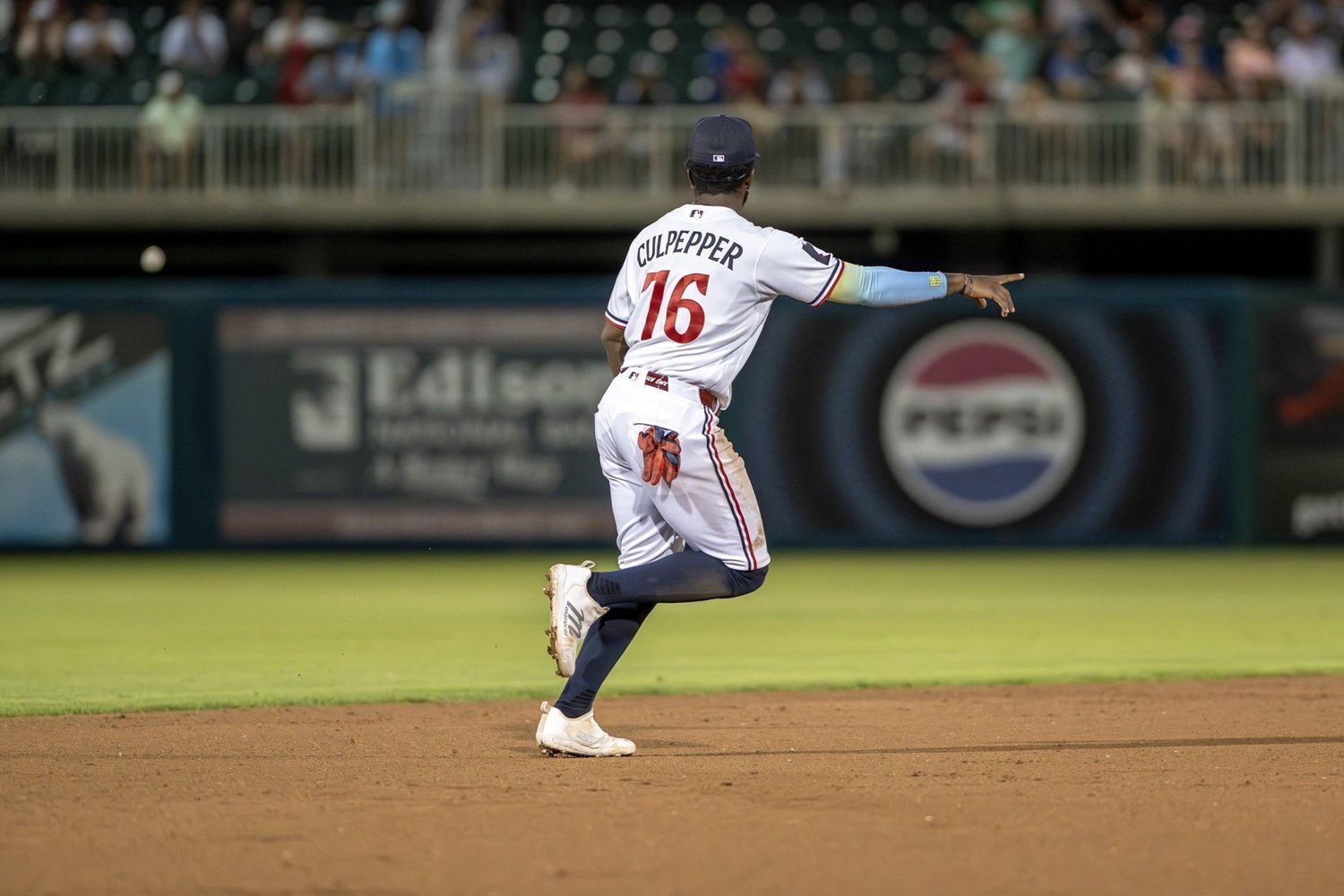 The Minnesota Twins knew demoting Royce Lewis would create headlines. What they probably also knew was that the follow-up decision would create even more debate. Instead of promoting top prospect Kaelen Culpepper, the Twins turned to veteran Orlando Arcia to fill the roster spot. For a fan base looking for a spark and dreaming about the organization’s future, it felt underwhelming. Culpepper is one of the most exciting prospects in the system, and he’s been on an absolute heater during May. But even if the move was unpopular, it was probably the correct long-term decision. Culpepper has played fewer than 40 games at Triple-A. On a recent episode of Inside Twins, general manager Jeremy Zoll discussed how he believes the jump from Triple-A to the big leagues is more difficult now than ever. That distinction makes it easier to swallow the Culpepper decision. The former first-round pick has looked impressive for St. Paul, slashing .253/.346/.469, with nine home runs and nine steals in 39 games. Since the calendar flipped to May, he has elevated his production even further, hitting .291/.403/.582 with four homers in 67 plate appearances. There is no question that the talent is real. Selected with the 21st overall pick in the 2024 MLB Draft, Culpepper has moved quickly through the organization because of his athleticism, power potential, and defensive versatility. While he has spent most of his time at shortstop, he also has extensive experience at third base, dating back to college. Some evaluators even believe third base could ultimately become his best defensive home because of his arm strength. That positional flexibility makes him even more enticing. The temptation is obvious. If the Twins are serious about moving on from Lewis (for the time being), there are multiple ways Culpepper could fit onto the roster immediately. Brooks Lee could shift to third base to open shortstop for Culpepper, or Culpepper himself could handle third while continuing to get occasional work in the middle infield. On paper, it all works. Reality is a little more complicated. The Twins are trying to avoid putting Culpepper into a situation where he arrives in the majors before every aspect of his game is fully prepared. According to The Athletic’s Dan Hayes, team officials want him to continue refining his defense at shortstop while also developing more consistency offensively. That is not an insult to his performance. It acknowledges that Triple-A development is still part of the process. Fans often treat promotions like rewards for good statistics, but organizations view them as long-term investments. Once a top prospect arrives in the majors, expectations change immediately. Every slump becomes magnified. Every defensive mistake becomes a talking point. The Twins would prefer Culpepper’s debut to come when they believe he is fully equipped to stay permanently, rather than bouncing between levels because of short-term roster needs. That distinction matters. Too many organizations across baseball have rushed prospects simply because the big league roster needed energy. Sometimes it works, like what the Twins saw with Luke Keaschall in 2025. Other times, a player arrives before he is fully polished, struggles immediately, loses confidence, and spends the next two years trying to recover. The Twins do not want Culpepper learning on the fly while trying to save a roster spot. That is where Arcia makes perfect sense. He is not the flashy choice, but he is the practical one. Arcia has spent a decade in the majors and can handle multiple infield positions without the organization having to worry about stunting his development. He is also earning the opportunity himself after hitting .318/.376/.556 (.932) with eight home runs in 39 games for St. Paul. Most importantly, Arcia buys the Twins time. If Lewis figures things out quickly or if the roster construction changes again in a few weeks, Minnesota avoids forcing Culpepper into a potentially unstable situation. If Culpepper continues to dominate Triple-A while sharpening his defense and approach, the eventual call-up becomes easier and cleaner. And if the Twins do summon him later this summer, they want it to feel permanent. That should excite Twins fans more than a rushed promotion in May. Culpepper is clearly part of Minnesota’s future. Nothing about this decision changes that reality. In fact, keeping him at Triple-A for now may be the best evidence that the organization believes he can become a cornerstone player instead of just a temporary roster fix. The hardest part for fans is patience. The smartest part for the Twins may be showing it. Should Culpepper have been promoted? Leave a comment and start the discussion. View the full article
 -
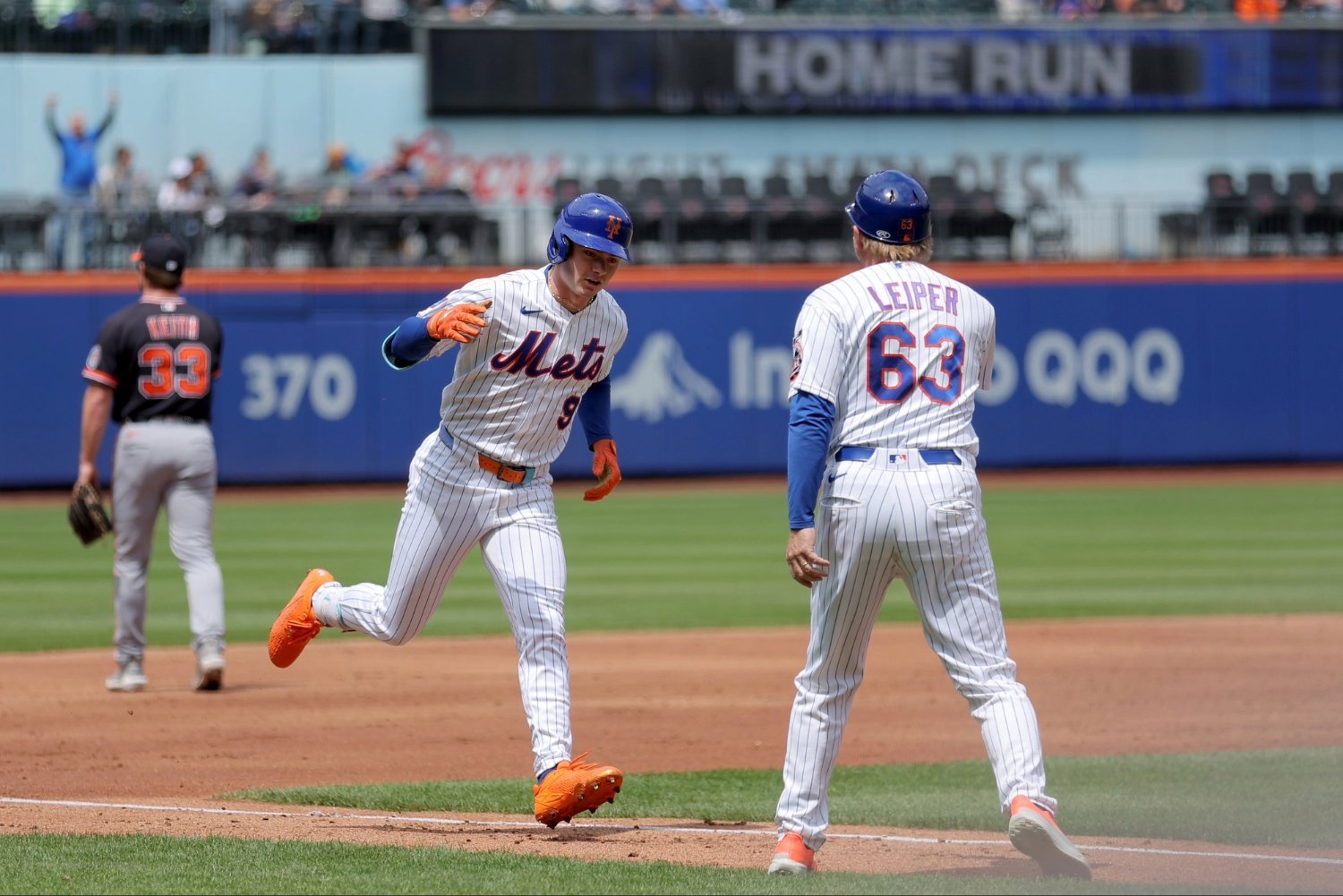 While it's impossible to prove the correlation, the New York Mets have been playing better since top prospect A.J. Ewing made his major league debut. They have since gone 6-1, after beginning the season with a disappointing 15-25 record. He joins Juan Soto and former top prospect Carson Benge who all look to anchor the Mets outfield for years to come. Once Benge and Ewing really start to consistently produce at the big-league level, the Mets could have one of the best outfield trio’s in all of baseball. Ewing started the season in the minors, starting with the Binghamton Rumble Ponies before getting promoted to the Syracuse Mets in late April. Between both levels, he owned a .339 batting average complimented by a .961 OPS. He racked up 13 extra-base hits while walking more than he struck out (22/20 ratio). Throughout his minor-league career, Ewing has made a reputation out of providing professional at-bats, hence his 14.3% walk rate and 21.8% strikeout clip. Being an on-base machine -- favoring contact over power and drawing plenty of walks -- he’ll be a nice addition to a Mets offense that ranks 29th in on-base percentage (.295). This profile we’ve come accustomed to with Ewing has carried over the majors thus far. He’s already notched his first career home run and triple. His bat speed is below average, only averaging 69.8 mph, which isn’t going to lead to much power in the future. His minimal bat speed is what’s behind his 46.2% of batted balls hit up the center. Ewing is only pulling 23.1% of balls, which is below the 37.4% league-average mark. As expected, he’ll likely be a guy who’ll be able to spray the baseball all over the yard with gap-to-gap power. So far, Ewing’s average batted-ball exit velocity hasn’t been overwhelming, averaging 88.3 mph. You can see this translate from his minor-league play, as he only hit 15 home runs over four minor league seasons with a .290 batting average. Although Ewing may not blow fans away with his power, he’ll certainly bring a fun style of play to the Mets. On top of his aforementioned hit tool, Ewing has incredible speed, topping out at 29.2 feet per second thus far with the Mets, putting him in the 95th percentile among all MLB players. He’s considered a plus defender and should be easily able to man center field effectively. He won't produce a 185 wRC+ forever, but he won't have to thanks to his speed and defense. He’s only played seven games but is sporting a .467 on-base percentage. Ewing’s excellent approach at the plate has translated well, as he’s walked seven times, equal to his number of punchouts. Ewing is doing a great job not expanding the zone only chasing 18.2% of the time -- way better than the league average 28.5% mark. He’s only squaring up 22.6% of batted balls but is still doing a good job making contact and limiting his whiff rate to 18.4%. In just his small sample size, Ewing already ranks tied for fourth among Mets hitters with 0.4 fWAR, only trailing Juan Soto (0.9), Francisco Lindor (0.6), and Francisco Alvarez (0.5). Perhaps that's an indictment on the scuffling lineup, but it's also proof that the rookie has the goods to become part of baseball's most exciting outfield in short order. View the full article
 -
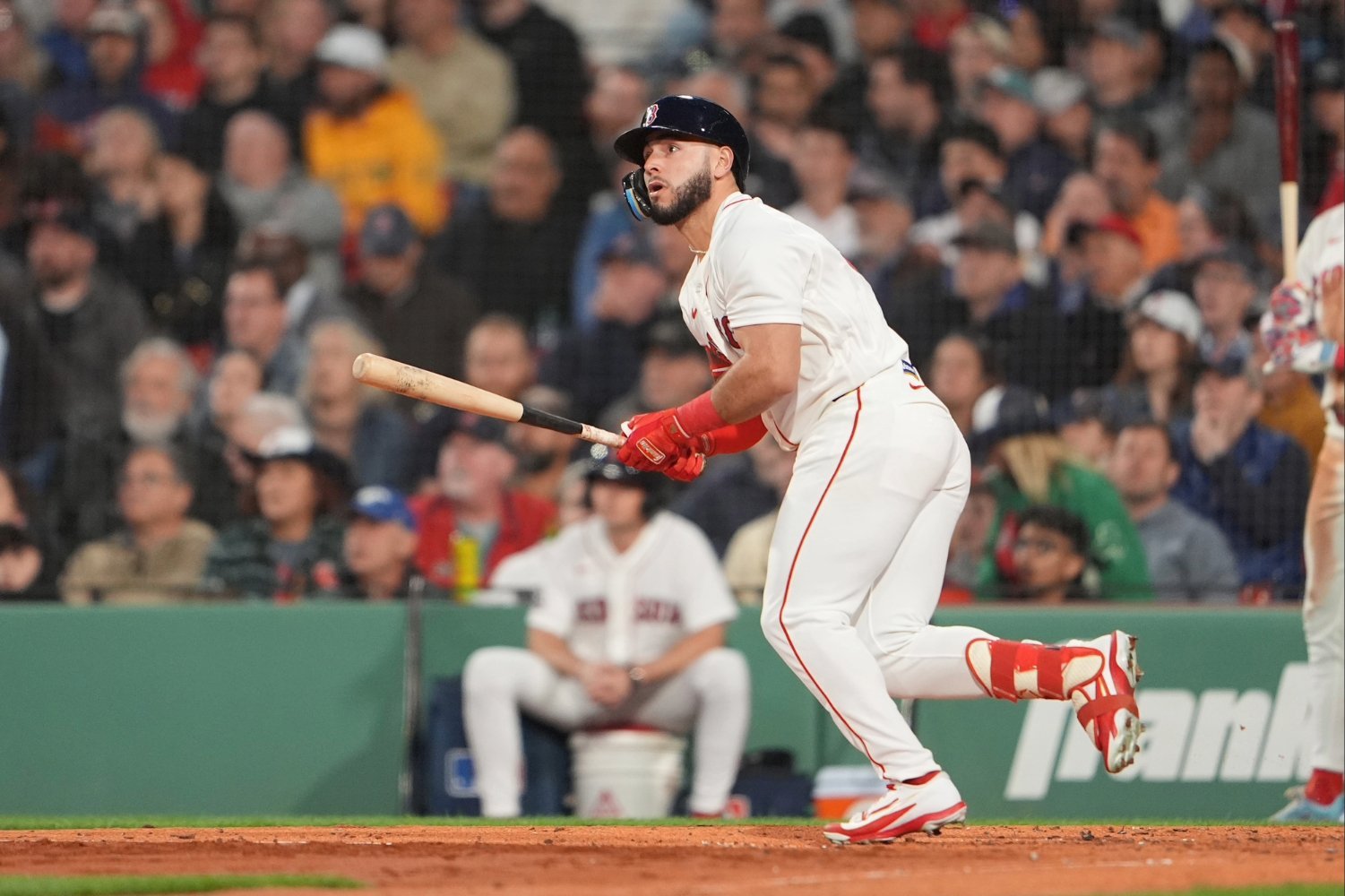 Last season, the Boston Red Sox sent three players to the All-Star game in Atlanta. Now, after some departures in free agency and early season battles with injuries, there could be a new group of faces representing the team in the 2026 Midsummer Classic. Let's look at three players worthy of All-Star honors for the first time in 2026 (with a quick nod to a few other candidates on the roster). Honorable Mentions: Justin Slaten: While Slaten has missed time due to injury, when he’s healthy, he completes the Red Sox's borderline unstoppable trio featuring himself, Garrett Whitlock, and Aroldis Chapman in the bullpen. A premier set-up pitcher, Slaten has given up four hits in six innings this season and has a 0.00 ERA. If he can bounce back from injury and continue to pitch well over the next two months, Slaten could sneak into the All-Star game roster as a potential injury replacement. Connelly Early: Another young stud, Early leads the team in innings pitched and made the Opening Day roster after only pitching in four games last season. He has a 3.21 ERA this season over nine starts. The other half of a young one-two left-handed punch alongside Payton Tolle, Early is a definite All-Star candidate if he keeps up his stellar season. Wilyer Abreu Through the first part of the season, Wilyer Abreu has shown why he’s one of the best right fielders in baseball. He leads all right fielders in defensive runs saved, an incredible asset for a team built on run prevention. He ranks second among all outfielders in that category, trailing only defensive superhero Pete Crow-Armstrong. His strengths don’t just come in the field: he is also the Red Sox's best hitter. As of their series with the Kansas City Royals, he leads the team in WAR, batting average, runs, and OPS. Additionally, he is second in home runs behind Willson Contreras. Abreu’s biggest weakness last season was his stats against left-handed pitching; in just 61 at-bats against lefties, he recorded the same number of hits (14) as he did strikeouts. He hit just .230 with a .299 on base percentage. In contrast, he had 312 at-bats against righties, sporting a .250 average with 78 hits and 21 homers. However, Abreu has completely flipped the script in 2026. He’s hitting .380 with 19 hits and four home runs through 50 at-bats against southpaws. Against righties, he’s hitting .267 in 120 at-bats. His newfound success against lefties has played a pivotal role in his overall success this season and will almost certainly lead to him appearing in the All-Star Game come July. Ceddanne Rafaela To the left of Abreu in the outfield is another intriguing All-Star hopeful. Ceddanne Rafaela is coming off of a Gold Glove season of his own and seems to have overcome some of his struggles at the plate. After splitting time between second base and center field last season, it seems as though Rafaela has settled into a regular role in center. It’s an intriguing development in the outfield logjam saga and worth noting because it forces Jarren Duran to left field, a space occupied by Roman Anthony when healthy. Whether this sets the stage for an eventual Duran trade is unclear, but what’s certain is the fact that Rafaela has become an invaluable piece of the Red Sox. Known for his defensive prowess, Rafaela has put together 362.1 innings of error-less play and has a fielding run value of five. He sits in the 99th percentile for outs above average, routinely running down tough fly balls with ease. Contrary to his defensive success, his bat has been hot and cold throughout his career, but that script is flipping in 2026. Through 44 games, Rafaela is hitting .284 with 42 hits, the best batting average mark of his career. He also has a .354 on base percentage, 50 points higher than last season. Known for his speed and contact ability, Rafaela’s tied for seventh in the league with two triples. Additionally, he’s already driven in 19 RBIs and is on pace to drive in 67, which would eclipse his personal best. While plate discipline isn’t his strong suit, Rafaela has been more patient this season, drawing ten walks. His 1.5 WAR ranks third on the Red Sox as he has emerged as the defensive anchor in the outfield. While his offensive stats do fall behind other slugging outfielders, a strong stretch leading up to the Midsummer Classic combined with his excellent defense could make Rafaela a viable All-Star option. Payton Tolle The final candidate started his season in Worcester, but since arriving at Fenway, has become one of the Red Sox's most consistent rotational pieces. Payton Tolle made his MLB debut at the tail end of last season before being moved into a bullpen role for the postseason. After narrowly missing the Opening Day roster due to offseason acquisitions, a string of injuries to Sonny Gray and Garrett Crochet opened the door for Tolle’s 2026 season debut last month. In five starts since then, Tolle has turned in five excellent outings. He’s amassed a 2.05 ERA through 30.2 innings and has a K/9 rate of 8.8. He’s held hitters to a .160 batting average and boasts a K% of 26.1. His opponents' batting average, OPS, and BABIP have all seen significant improvement from his 2025 campaign. Most recently, he held the robust Atlanta Braves offense to just two runs in eight frames on just 85 pitches, his longest professional start. The main obstacle standing in the way of Tolle’s first All-Star selection is his lack of innings pitched. Tolle ranks fifth out of the Red Sox six regular starters (including the injured Crochet) in innings pitched, and is 140th among AL qualified starters. Despite the smaller body of work, Tolle’s outings are turning heads. If he can continue to string together solid appearances into the summer, it wouldn't be a surprise to see Tolle make the trip to Philadelphia. View the full article
 -
 Transactions: Wisconsin Timber Rattlers sent RHP Daniel Corniel on a rehab assignment to ACL Brewers. Wilson Warbirds activated RHP Enniel Cortez from the 7-day injured list. Game Action: Nashville 6, Durham (Rays) 5 Box Score As always, you are encouraged to read the official round-up from the team’s site: Five-Run Ninth Completes Sounds Comeback Win Over Durham Nashville pulled off yet another dramatic win, storming back late to edge the Durham Bulls 6–5 for their eighth consecutive win. After being held quiet through the first eight innings and trailing 5–1, Nashville flipped the game on its head with a stunning five-run outburst in the ninth. What had been a frustrating day against Durham’s pitching suddenly turned electric, as clutch hitting allowed the Sounds to seize the victory in their final at-bat. After Jeferson Quero grounded out to open the ninth inning, Brock Wilken walked and took second on a wild pitch. Eddys Leonard doubled in Wilken and then stole third. Greg Jones was hit by a pitch. That sit the table for Freddy Zamora to play hero, as he socked his first dinger of the season to tie the game at 5-5. Highlight courtesy of the Nashville X account: After Zamora’s blast, the Sounds kept the pressure on. After a walk, Cooper Pratt singled, and the Luis Lara plated what would be the winning run on a single. All told, the Sounds sent 10 men to the plate in the ninth, saw seven in a row reach base, and scored five times. Despite facing a four-run deficit after Durham’s big fourth inning knocked Thomas Pannone from the game, Nashville stayed within striking distance thanks to solid relief efforts from Carlos Rodriguez, Rob Zastryzny, Brian Fitzpatrick and Reiss Knehr. That quartet combined to strike out nine with just one run allowed over the final five frames to hold Durham in check. The win for Nashville improved their record to 27–19 and showed that no game is ever out of reach during their inspired winning streak. Biloxi Pre-game media notes Biloxi 4, Birmingham 3 Box Score Made for the Big Moment, Made Lifts Shuckers to 4-3 Win Biloxi secured a thrilling walk-off victory against Birmingham, edging them out 4-3 in a back-and-forth contest. Biloxi’s offense set the tone early, jumping out to a 2-0 lead in the third inning thanks to the timely hitting of Eric Brown Jr. and Blake Burke. Brown Jr. put the Shuckers on the board first with an RBI single in the second, while Burke followed up an inning later with a bloop to center to drive in another run. The Shuckers showed resilience after the Barons managed to tie the game twice. In the fifth inning, Burke once again came through, hitting a high sacrifice fly to the left field wall to regain the lead. However, the true heroics were saved for the bottom of the ninth. With the game deadlocked at 3-3, top prospect Jesus Made came to the plate with the bases loaded and just one man out. Made promptly delivered one of the biggest hits of his young career with a walk-off line drive that one-hopped the wall. Soak in the sights and sounds of the walk-off winner here, courtesy of the Biloxi X account: On the mound, Manuel Rodriguez provided a strong start, pitching 5.1 innings and striking out six batters. While he was tagged for three runs (two earned), he displayed excellent control by not issuing a single walk and throwing 54 of his 78 pitches for strikes. Stiven Cruz worked clean through the final two innings and struck out four to earn the win. Biloxi, now 18-21 on the season, will look to climb back closer to .500 on Wednesday when RHP Tanner Gillis (0-1, 3.42 ERA) makes his second start of the season Wisconsin pre-game media notes Wisconsin 6, Great Lakes (Dodgers) 4 Box Score Torres spins six scoreless, Payne homers twice, Rattlers bullpen hangs on for victory Wisconsin blasted their way to a win on Tuesday with four solo home runs in the opening game of their series with first-place Great Lakes. Braylon Payne homered twice, Andrew Fischer launched another moonshot, and Luis Castillo came off the bench and homered. Behold their glory below, courtesy of the Wisconsin X account: Prior to the long balls, the Rattlers opened the scoring in the fourth with four hits. Fischer singled, Josh Adamczewski doubled, and then Eric Bitonti brought in the first run of the game with an RBI single. After Josiah Ragsdale struck out, Daniel Dickinson knocked in a run on drive to left. That would be all the support starter Wande Torres (6IP 2H 1BB 6K) would need in his first scoreless outing of the season. The 21 year-old lefty needed just 75 pitches to get through six innings on the way to earning his third win at High A ball. As noted in the team’s official wrap up, this was the first quality start of the season for a Rattlers starter, which underscores how shaky the pitching has been at times for Wisconsin to start the year. After a few punishing losses last week, the Rattlers now have a -42 run differential on the season, despite their 21-16 record. RHP Braylon Owens (1-0, team-best 3.45 ERA in 31.1IP) will look to continue his strong month of May when he takes the mound on Wednesday. Owens has a 2.81 ERA in 16IP with a 23:7 K:BB ratio for the month. Wilson pre-game media notes Wilson 14, Delmarva (Orioles) 8 Box Score Wilson Marches to Fifth Straight in 14-8 Marathon Victory Wilson took advantage of some messy play by Delmarva to win their series opener on Tuesday. Wilson scored a season-high 14 runs, on just nine hits, but also benefited from eleven walks, three HBP, four passed balls, and three Delmarva errors. One of the highlights of the early innings was the first professional home run for Brady Ebel. Check out the three-run home run courtesy of the Wilson X account: Ebel was one of three Warbirds with multi-hit games. Jose Anderson followed Ebel with the first of two home runs on the night. The second was an opposite field blast: With the two-home run game, Anderson now leads the Carolina league with 10 homers on the season. The other offensive standout from the game was catcher Kevin Garcia, who reached based five times (two hits, three walks) and drove in three runs. Thomas Conrad earned the win by pitching a perfect 1.1 innings with three strikeouts. Conrad now has allowed just two runs in 10.1IP in May, with 14K and a .118 opponent batting average. Conrad was the only effective Wilson pitcher as bulk man Tyler Renz (3H 4R 4ER 4BB 3K 2HR) labored through 3.1IP of work. With the win, Wilson moves to 20-20 and reaches .500 for the first time since they were 2-2 on April 7. Jayden Dubanewicz (3IP 0ER at Wilson this year) will take the mound for his second start of the Carolina League season on Wednesday. ACL Angels 9, ACL Brewers 6 Box Score The ACL Brewers dropped their Tuesday contest to the Angels in a game defined by a massive fourth-inning surge from the Angels and a flurry of defensive miscues by the Brewers. Despite jumping out to an early 3-0 lead in the first inning and adding two more in the third, the Brewers were undone by their own defense and a pitching staff that walked seven men in seven innings. The Angels took advantage in the top of the fourth, exploding for six runs to flip the script and take a lead they would never relinquish. The bright spots on offense were the performances of Engel Paulino and CJ Hughes. Paulino came off the bench and finished with two hits and showed off his speed by swiping both second and third base. Hughes drove in two runs with a clutch two-out single in the first. In total, the Brewers had six hits – all singles – on the night. On the mound, the Brewers saw a clean opening frame from Daniel Corniel in his first appearance of 2026 on rehab. Josue Toledo also provided a solid inning of relief at the end of the game, keeping the Angels off the board in the seventh. Organizational Scoreboard including starting pitcher info, game times, MiLB TV links, and box scores Current Milwaukee Brewers Organization Batting Stats and Depth Current Milwaukee Brewers Organization Pitching Stats and Depth View the full article
 -
 Jase Bowen had an inside-the-park homer as Triple-A El Paso won 10-7 over Round Rock. Braedon Karpathios hit one of four homers in Double-A San Antonio's 12-6 win over Frisco. High-A Fort Wayne fell to Dayton 11-2, while Low-A Lake Elsinore could only squeeze out two hits in a 4-2 loss to Visalia. Padres Minor-League Transactions RHP Michael Flynn assigned to El Paso Chihuahuas from San Antonio Missions. El Paso Chihuahuas sent C Blake Hunt on a rehab assignment to ACL Padres. Lake Elsinore Storm sent RHP Landry Jurecka on a rehab assignment to ACL Padres. Padres signed free agent OF Jhostin Fuentes to a minor-league contract. Padres signed free agent RHP Valentin Perez to a minor-league contract. Padres signed free agent Diego Alfonzo to a minor-league contract. Padres signed free agent RHP Aneury Sosa to a minor-league contract. Padres signed free agent RHP Yohn Melendez to a minor-league contract. Padres signed free agent LHP Jhoiner Mayora to a minor-league contract. Padres signed free agent RHP Jederson Paez to a minor-league contract. Inside-The-Park Homer By Jase Bowen Fuels Chihuahuas Jase Bowen had three legs of the cycle, including an inside-the-park homer, and reached base five times as the host Triple-A El Paso Chihuahuas stopped the Round Rock Express 10-7. Bowen went 3-for-3 with three runs scored and three RBIs, plus two walks out of the cleanup spot. Pablo Reyes also had three hits and scored three runs, while Mason McCoy drove in three runs, including a big two-run double in the fourth inning. Samad Taylor had two hits, scored once and drove in a pair, while Will Wagner went 2-for-3 with a walk. Bowen had an RBI double in a two-run first inning, then hit his two-run inside-the-park homer in the third for a 4-0 lead. Bowen hit a drive to center that caromed off an angled wall and into right-center that allowed the speedster to come all the way home for his 11th round-tripper this year. The Chihuhuas hit for the cycle in the third as Reyes preceded Bowen's homer with a double, Wagner tripled right after Bowen and Taylor singled later in the inning to make it 6-0. Round Rock, though, scored five times in the top of the fourth to make it 6-5, but the Chihuahuas added two in the fourth on McCoy's double for an 8-5. The Express chipped away with runs in the fifth and sixth innings before El Paso scored twice on grounders in the sixth. Chihuahuas left-handed starter JP Sears gave up five runs in 3⅔ innings on seven hits with three walks and four strikeouts. Right-handers Alek Jacob (two innings) and David Morgan combined to retire the final nine hitters, with Morgan getting his second save of the year. EP_0519.mp4 Player AB R H RBI BB K Samad Taylor 5 1 2 2 0 1 Carlos Rodríguez 5 1 1 1 0 0 Pablo Reyes 5 3 3 0 0 0 Jase Bowen 3 3 3 3 2 0 Will Wagner 3 0 2 0 1 0 Mason McCoy 3 1 1 3 1 0 Nick Schnell 5 0 0 0 0 1 Clay Dungan 5 1 1 0 0 1 Anthony Vilar 3 0 0 0 1 2 Player IP H R ER BB K HR JP Sears 3 2/3 7 5 5 3 4 0 Justin Yeager 1 1 1 1 3 2 0 Garrett Hawkins 1 1/3 1 1 1 1 1 0 Alek Jacob 2 0 0 0 0 1 0 David Morgan 1 0 0 0 0 0 0 Missions Blast 4 Homers, Cruise Past RoughRiders Braedon Karpathios, Albert Fabian, Francisco Acuna and Kai Roberts homered as the Double-A San Antonio Missions rolled to a 12-6 victory over the host Frisco RoughRiders. Roberts went 3-for-3 with three runs scored and two RBIs from the No. 9 slot, whie Ethan Salas, Karpathios, Ryan Jackson and Fabian each had two of the Missions' 15 hits. Karpathios had a three-run homer, while Salas and Acuna also drove in a pair. Missions right-handed starter Miguel Mendez, Padres Mission's No. 3 prospect, only got two outs in the bottom of the first before the bullpen was summoned. He gave up three runs. But that came after Karpathios, Padres Mission's No. 9 prospect, hit his three-run bomb in the top of the first, his third of the season, so it was tied after one inning. In the top of the second, the Missions continued to have hot bats as Fabian and Acuna went back-to-back to begin the inning. It was Fabian's third homer and Acuna's first of the season. Roberts followed with an infield single, then stole second and third before a Salas sacrifice fly made it 6-3. Roberts is now 13-for-13 in stolen bases this year. In the top of the third, Tirso Ornelas singled and Romeo Sanabria walked before two one-out wild pitches brought in Ornelas for a 7-3 lead. Frisco finally got on the board in the bottom of the third, but the Missions put this one away as Roberts hit his first homer, a solo shot, in the sixth and then had an RBI double in the eighth as part of a three-run rally. Missions right-handed reliever Andrew Dalquist pitched two hitless innings and right-hander Sadrac Franco pitched the final 1⅓ innings without allowing a hit. SA_0519.mp4 Player AB R H RBI BB K Carson Tucker 6 1 1 1 0 1 Ethan Salas 4 1 2 2 0 0 Braedon Karpathios 5 1 2 3 0 2 Tirso Ornelas 5 1 1 0 0 3 Romeo Sanabria 4 0 1 0 1 2 Ryan Jackson 5 2 2 0 0 0 Albert Fabian 5 1 2 1 0 1 Francisco Acuna 3 2 1 2 0 1 Kai Roberts 3 3 3 2 2 0 Player IP H R ER BB K HR Miguel Mendez 0 2/3 2 3 3 2 2 0 Omar Cruz 2 1/3 3 1 1 1 2 0 Andrew Dalquist 2 0 0 0 1 2 0 Harry Gustin 2 2/3 2 2 2 0 3 2 Sadrac Franco 1 1/3 0 0 0 2 0 0 TinCaps' Bullpen Falters After Solid Start By Matthew Watson Three hits from Kasen Wells and five solid innings by right-handed starter Matthew Watson wasn't enough as the host High-A Fort Wayne TinCaps were smothered by the Dayton Dragons 11-2. Watson, who is making his pro debut this year following Tommy John surgery in 2023, pitched a season-high five innings, allowing two runs on five hits with a walk and season-best five strikeouts. It was his third straight start after opening with three relief appearances. But the TinCaps' usually reliable bullpen needed five relievers to cover the final four innings, with Dayton gettings nine runs in the last three. The TinCaps' offense didn't do a whole lot. Aside from Wells' three hits, the rest of the lineup produced just four hits. The TinCaps runs came on a Rosman Verdugo sacrifice fly in the fifth inning and a Carlos E. Rodriguez RBI groundout in the ninth. Wells scored both of the runs. Alex McCoy, Padres Mission's No. 12 prospect, had a double to pull into a tie for the Midwest League lead with 13. Verdugo, Padres Mission's No. 18 prospect, reached base safely in three of his five trips to the plate with a double and two walks. FW_0519.mp4 Player AB R H RBI BB K Justin DeCriscio 4 0 1 0 1 2 Rosman Verdugo 2 0 1 1 2 0 Carlos Rodriguez 4 0 0 1 1 2 Alex McCoy 5 0 1 0 0 1 Lamar King Jr. 4 0 0 0 0 0 Kavares Tears 3 0 0 0 1 3 Zach Evans 4 0 0 0 0 1 Jack Costello 4 0 1 0 0 1 Kasen Wells 4 2 3 0 0 0 Player IP H R ER BB K HR Matthew Watson 5 5 2 2 1 5 0 Isaiah Lowe 1 1/3 3 4 3 1 1 1 Braian Salazar 0 2/3 0 0 0 0 2 0 Will Varmette 1 1 1 1 2 2 0 Luis Germán 0 1/3 3 4 4 2 0 0 C.J. Widger 0 2/3 1 0 0 0 1 0 Storm Produces Just 2 Hits In Loss To Rawhide; Winyer Chourio K's 9 The Low-A Lake Elsinore Storm could muster only two hits as the host Visalia Rawhide pulled out a 4-2 victory. Storm right-handed starter Winyer Chourio went 4⅔ innings and allowed four runs on five hits with three walks and nine strikeouts. His nine K's come a week after striking out a career-high 10 against Rancho Cucamonga and has 51 in 30⅔ innings this year. He gave up a run in the second inning, two in the fourth and one in the fifth before exiting. Jose Verdugo and Kerrington Cross accounted for both Storm hits. Verdugo had a fifth-inning single and Cross had a two-out single in the sixth. The Storm scored both of its runs in the fifth. Cross, named the California League Player of the Week, and Truitt Madonna drew leadoff walks and pulled a one-out double steal. Verdugo then lined an opposite-field single to right to bring both home, pulling the Storm within 3-2. Visalia would tack on a run in the bottom of the fifth. Storm right-hander Nick Falter pitched two hitless innings, but walked three and struck out three, while right-hander Vicarte Domingo got the final four outs, striking out three and allowing a hit. LE_0519.mp4 Player AB R H RBI BB K Bradley Frye 4 0 0 0 0 1 Ty Harvey 3 0 0 0 1 2 Ryan Wideman 4 0 0 0 0 1 Kerrington Cross 3 1 1 0 1 1 Truitt Madonna 1 1 0 0 3 1 Jorge Quintana 4 0 0 0 0 2 Jose Verdugo 4 0 1 2 0 1 George Bilecki 2 0 0 0 0 0 Qrey Lott 1 0 0 0 0 0 Conner Westenburg 3 0 0 0 0 1 Player IP H R ER BB K HR Winyer Chourio 4 2/3 5 4 4 3 9 1 Nick Falter 2 0 0 0 3 3 0 Vicarte Domingo 1 1/3 1 0 0 0 3 0 Top 20 Prospect Performance Ethan Salas: 2-for-4, 2 RBI, R Kash Mayfield: DNP Miguel Mendez: ⅔ IP, 2 H, 3 R, 3 ER, 2 BB, 2 K Kruz Schoolcraft: DNP Ryan Wideman: 0-for-4, K Jorge Quintana: 0-for-4, 2 K Ty Harvey: 0-for-3, BB, 2 K Kale Fountain: DNP Braedon Karpathios: 2-for-5, HR, 3 RBI, R, 2 K Lamar King Jr.: 0-for-4 Jagger Haynes: DNP Alex McCoy: 1-for-5, 2B, K Truitt Madonna: 0-for-1, 3 BB, R, SB, K Tucker Musgrove: DNP Garrett Hawkins: 1⅓ IP, H, R, ER, BB, K Michael Salina: DNP Eric Yost: DNP Rosman Verdugo: 1-for-2, 2B, RBI, 2 BB Bryan Balzer: DNP Deivid Coronil: DNP View the full article
 -
 TRANSACTIONS The Minnesota Twins officially optioned 3B Royce Lewis to the St. Paul Saints on Tuesday. They also purchased the contract of infielder Orlando Arcia and recalled RHP Travis Adams. To fill in for catcher Ryan Jeffers, they also recalled C Alex Jackson. To make room on the 40 and 26-man rosters, the Twins also DFAd RHP Justin Topa and moved Garrett Acton to the 60-Day Injured List. In Double-A Wichita placed 3B Jake Rucker on the 7-day injured list and received SS Miguel Briceno from Cedar Rapids. The Wind Surge also activated LHP Jake Higginbotham who has pitched in Triple-A for multiple organizations the past three seasons but was in independent ball to begin 2026. The Kernels activated LHP Garrett Horn from the 7-day injured list. In the Florida State League, the Mighty Mussels placed RHP Jace Kaminska on the full-season injured list and sent RHP Matthew DesMarets to the FCL Twins. They also activated RHP Dylan Questad and RHP Jason Reitz from the 7-day injured list. In the Rookie Leagues, RHP Preston Johnson was assigned to the FCL Twins after signing with the Twins. He last made seven appearances in Triple-A with the Norfolk Tides in 2025. SAINTS SENTINEL Omaha 5, St. Paul 3 Box Score Over his last five outings starting pitcher Mike Paredes had delivered a 1.47 ERA for the St. Paul Saints. He continued that strong trend by allowing just one in his four innings in this one. He allowed just two hits, walked two, and struck out six. 35 of his 57 pitches went for strikes (61%), including 12 swings and misses. Over his last 22 1/3 innings after this one, Paredes has allowed just four earned runs on 15 hits and five walks, while striking out 21. He left the game with the Saints out front 2-1 thanks to an Aaron Sabato home run in the bottom of the second, and a bases loaded double-play ball to score a run in the third. An RBI single from Ben Ross in the sixth would be all of their scoring for the game, however. Matt Wallner finished 1-for-4 with a double and a pair of strikeouts. Ross was the only batter with multiple hits, finishing 2-for-4. Sabato (2), Kyler Fedko (8), and Wallner (1) all stole a base. Right-hander Andrew Bash was the first out of the bullpen in the fifth and was charged with two earned runs on two solo homers over his two innings. Marco Raya gave up a run of his own in the seventh, striking out one. Kody Funderburk had a scoreless inning, walking one but striking out two. Drew Smith allowed one earned run on two hits and a walk in the ninth. He struck out one. WIND SURGE WISDOM Tulsa 7, Wichita 5 Box Score After a scoreless top of the first inning from starting pitcher Sam Armstrong, leadoff man Kyle DeBarge wasted zero time getting this one going for the Wind Surge. He swung at the first pitch and launched it onto the berm in left field for the early 1-0 lead. Caleb Roberts followed with a walk and later scored on a double from Ricardo Olivar to make it 2-0 after one. An RBI groundout from Billy Amick in the second made it 3-0 after two, but Armstrong wasn’t able to keep the Drillers at bay. They scored three in the third then two in the fifth to chase him after 4 1/3 innings. He allowed those five runs (four earned) on seven hits and a walk but did strike out five. Spencer Bengard finished off the fifth and sixth innings but gave up two earned runs of his own on four hits while punching out four in his 1 2/3. The Wind Surge were able to tie the game at five in the bottom of the fifth after Amick was hit by a pitch to start the inning. Olivar delivered another double to put them on second and third, and a walk from Andrew Cossetti loaded the bases. Murphy Stehly scored one with a sac fly, then a run-scoring balk knotted it up before the Drillers were able to retake the lead against Bengard in the top of the sixth. Jarret Whorff (1 IP, H, BB) and Jacob Wosinski (2 IP) gave the lineup a chance by keeping the Drillers out of the run column the rest of the way, but Wichita’s offense wasn’t able to start any rallies over the final four frames. Olivar (2-for-4, R, 2 2B, RBI, K) was the only batter with multiple hits and they tallied just five as a team compared to Tulsa’s 12. KERNELS NUGGETS Cedar Rapids 10, Peoria 5 Box Score Catcher Eduardo Tait got the Kernels started early, launching his seventh home run of the season in the top of the first inning. Jacob McCombs followed up with a solo shot in the second inning for a 2-0 lead, before the Kernels plated three more in the fourth to take control. Danny De Andrade delivered a bases loaded single to score two and then executed a double steal with McCombs to make it 5-1 at the time. Taking the mound for Cedar Rapids to start the game was righty Ivran Romero and he went the first three innings. He was charged with one earned run on two hits and two walks, while striking out three. Nolan Santos was the first reliever out of the bullpen to begin the fourth inning and finished 1 1/3 to be credited with the win. He allowed one earned run on two hits and two walks, striking out one. Nick Trabacchi scattered five hits over the next 2 2/3 innings, allowing just one run. He also walked two and struck out three. In the top of the seventh the Kernels lineup got back to business. De Andrade hit his fourth home run of the season and Jay Thomason followed with his fifth for back-to-back shots to make it 7-2 Kernels. They tacked on three more insurance runs in the eighth thanks to an RBI double from Khadim Diaw, a run scoring balk, and an RBI groundout from McCombs. Reliever Cole Peschl finished off the final two innings for the pitching staff, allowing two earned runs on three hits while striking out three. While the Kernels four solo home runs were a big part of the win, the rest of the lineup's seven hits and situational success that did most of the damage on the scoreboard. Tait (2-for-4, 2 R, HR, RBI, 2 K), McCombs (2–for-3, 2 R, HR, 2 RBI) and De Andrade (2-for-4, HR, 2 RBI, 2 K) each had two hits in the win. MUSSEL MATTERS Fort Myers @ Dunedin The series opening game in Dunedin was postponed on Tuesday as bad weather was moving into the area. They will make up the game as part of a doubleheader on Thursday. COMPLEX CHRONICLES Monday: FCL Braves 0, FCL Twins 2 Box Score Four Twins pitchers combined for a shutout against the Braves on Monday. As a staff they allowed just four hits, no walks, and struck out 14 for a dominating effort. The rehabbing Garrett Horn made the start and went the first three innings, retiring all nine hitters he faced, including two strikeouts. Geremy Villoria pitched the fourth inning and struck out two. Hendry Chivilli began the fifth inning and finished the next three frames. He allowed two hits and struck out five. Nick McAuliffe finished off the final two innings to pick up the save. He gave up two hits and also struck out five. The Twins lineup scored the first run of the game in the bottom of the fourth. Murphy Hernandez was hit by a pitch, stole second base, and then scored on a double from Darwin Almanzar. Miguel Caraballo added an insurance run in the eighth with his second home run of the season to make the final score. Yovanny Duran had two of their six hits on the game out of the leadoff spot and stole a base. Tuesday: FCL Twins 3, FCL Braves 7 Box Score The same two teams switched venues on Tuesday, and the Braves were able to exact some revenge. Starting pitcher Cristian Hernandez held the Braves scoreless for the first four innings. He allowed three hits and three walks in his 4 1/3 innings but was not charged with any runs. Carter Holjes got the final two outs of the fifth with a pair of strikeouts. Up to that point the Twins had taken the lead thanks to Teilon Serrano driving in Enrique Jimenez with an RBI single in the first (Jimenez had doubled in front of him). Daiber De Los Santos tripled in the third inning and scored on a wild pitch. And Jhomnardo Reyes hit his second home run of the season, a solo shot, to make it 3-0 after the top of the fourth. But the Braves scored two runs against Rainer Marin (1 IP, 2 H, 2 ER, 2 BB, K) in the sixth, and five against Yoel Roque (1 1/3 IP, 6 H, 4 ER) and Brad Rudis (2/3 IP, 2 H, ER) in the eighth to take this one. Reyes (2-for-5, R, 2B, HR, RBI, 2 K) and De Los Santos (2-for-4, R, 3B) each had two hits. TWINS DAILY MINOR LEAGUE PLAYERS OF THE DAY Pitcher of the Day – Mike Paredes, St. Paul Saints (4 IP, 2 H, ER, 2 BB, 6 K) Hitter of the Day – Jacob McCombs, Cedar Rapids Kernels (2-for-3, 2 R, HR, 2 RBI) PROSPECT SUMMARY Check out the Prospect Tracker for much more on our Twins Top 20 prospects after seeing how they did today. #2 - IF Kaelen Culpepper (St. Paul): 0-for-2, R, BB #5 - C Eduardo Tait (Cedar Rapids): 2-for-4, 2 R, HR (7), RBI, 2 K #7 - SS Marek Houston (Cedar Rapids): 1-for-5, 2B, 2 K #10 - OF Gabriel Gonzalez (St. Paul): 1-for-4, RBI, K #13 - OF Hendry Mendez (St. Paul): 0-for-4, BB, K #15 - 3B/CF Brandon Winokur (Cedar Rapids): 0-for-5, K #19 - C/OF Khadim Diaw (Cedar Rapids): 1-for-4, R, 2B, RBI, 2 K #20 - 2B/OF Kyle DeBarge (Wichita): 1-for-4, R, HR (5), RBI, BB, 2 K WEDNESDAY’S PROBABLE STARTERS Omaha @ St. Paul (6:37 PM CDT) - LHP Aaron Rozek (0-0, 0.96 ERA) Tulsa @ Wichita (6:35 PM CDT) - RHP Ty Langenberg (0-4, 4.71 ERA) Cedar Rapids @ Peoria (6:35 PM CDT) - RHP Michael Ross (2-2, 6.48 ERA) Fort Myers @ Dunedin (5:30 PM CDT) - RHP Ramiro Villanueva (0-1, 2.08 ERA) Please feel free to ask questions and discuss Tuesday’s games! View the full article
 -
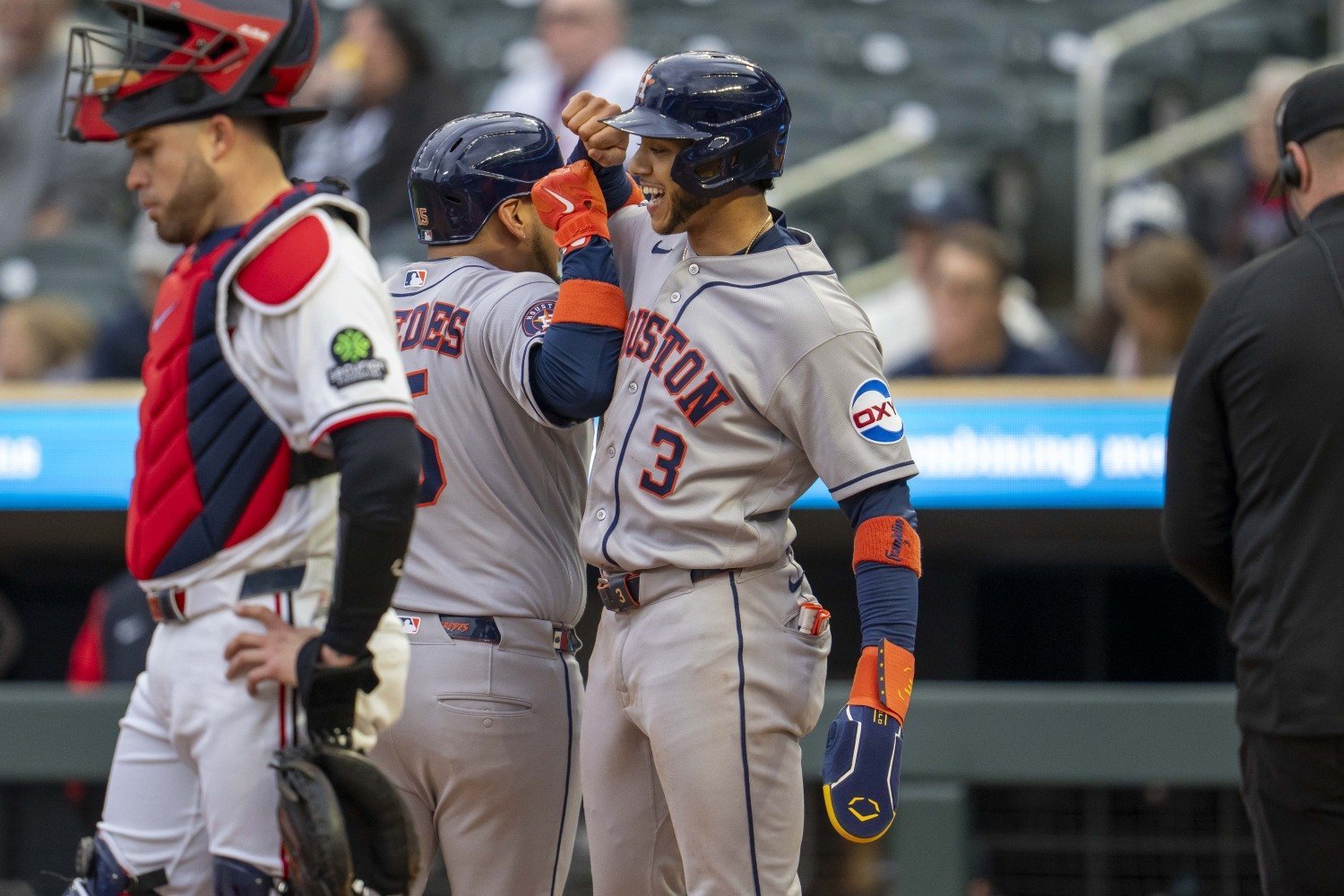 Box Score SP: Zebby Matthews 6.0 IP, 5 H, 2 ER, 0 BB, 6 K (100 pitches, 66 strikes (66%)) Home Runs: N/A Bottom 3 WPA: Austin Martin (-0.20), Byron Buxton (-0.16), Trevor Larnach (-0.16) Win Probability Chart (via FanGraphs) The Twins experienced a monumental Tuesday before the game even began. Royce Lewis got demoted to St. Paul, the Justin Topa era finally reached its overdue end, and Ryan Jeffers learned that his bat wasn't the only thing broken. Emmanuel Rodriguez discovered that surgery would keep him from rising up into the big leagues. The Astros' starter changed from Lance McCullers Jr. to Jason Alexander just a few hours before first pitch. Orlando Arcia and Alex Jackson were called up for the game, and Byron Buxton returned to the lineup as well. Would Zebby Matthews be able to keep his squad in the game with all of these distractions swirling? Or would the Astros be able to sneak away with the victory? Rough Start for Matthews The young starter didn't surrender a run in his first outing of the season, but two batters into tonight's contest, it was already 2-0 Astros. Jeremy Pena led off with a single with two strikes, and Isaac Paredes made Matthews pay by crushing a homer to left on a full-count, middle-middle cutter. The Astros didn't mount another threat the rest of the game, as Matthews and the Twins bullpen held serve the rest of the way. Could the Twins take advantage of the starting pitching chaos that Houston brought to the table tonight? Buxton Tries His Best Buxton finally got the Twins faithful on their feet again with another double in the bottom of the eighth inning. Josh Bell had a chance earlier in the game with Buxton on second base, but this time he got some help from the Astros infield as his ground ball bounced off of the second baseman into the outfield to pull the Twins to within one! Can the Twins Walk it Off? The Twins came into the night 0-22 this season when trailing after the eighth inning, and the Astros had yet to lose a lead after the eighth inning, at 18-0. On paper, things looked bleak. With two outs, it was up to Arcia, and he delivered with an opposite-field single. Derek Shelton pinch-hit Luke Keaschall, and Bryan Abreu came into the game to face him. Abreu then plunked him. A passed ball put runners on second and third for Buxton in a hero spot, but the Twins' superstar popped up on a full count to keep the Twins' late-inning futility and the Astros' low-grade clutchness intact. What’s Next? The Twins look to rebound and to secure a winning homestand on Wednesday afternoon. Hard-luck ace Joe Ryan (2-3, 3.20 ERA) will look to save the day. The Astros will send out young righty Mike Burrows (2-5, 5.72 ERA) in hopes of ruining the day. First pitch is scheduled for 12:40 pm CDT. Postgame Interviews Bullpen Usage Spreadsheet FRI SAT SUN MON TUE TOT Morris 24 0 12 16 0 52 Orze 0 26 0 19 0 45 Topa 0 0 11 31 0 42 Rogers 23 0 8 11 0 42 Banda 8 0 18 0 16 42 Gómez 7 11 0 11 0 29 Garcia 0 0 22 0 0 22 Adams 0 0 0 0 19 19 Woods-Richardson 0 0 0 18 0 18 View the full article
 -
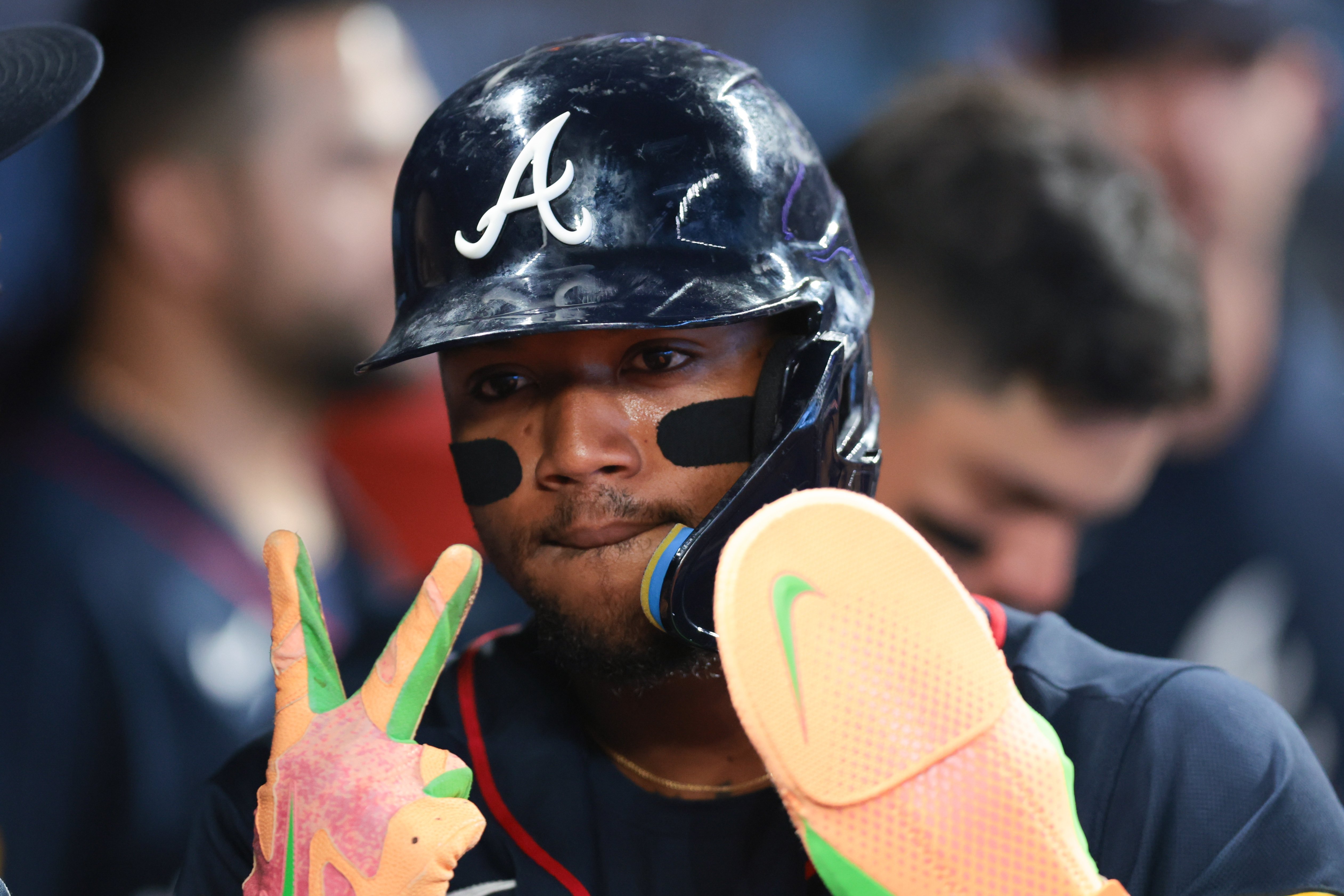 MIAMI-Tuesday afternoon wasn't your average Marlins-Braves game. While most matchups between these division foes find Atlanta simply overwhelming the team they have 'owned' for the better part of eight years, game two of four from loanDepot park saw Miami beat themselves in a frustrating 8-4 loss. Footnoted by starter Braxton Garrett's three-walk first inning that saw Atlanta capitalize, multi-walk outings from Michael Peterson and Calvin Faucher set an already mighty Braves offense up perfectly to take back control. Notably, a one-out walk to a heavily slumping Ha-Seong Kim and a pair of two-out walks loaded the bases for Mauricio Dubon in the eighth with things knotted at three and two outs. Matt Olson rolled a ground ball to Christopher Morel at first, who got pulled away from the base. Morel looked to second to get Ronald Acuna Jr., but neither Otto Lopez nor Xavier Edwards were there. Any chance Morel had to make a miraculous play back at first were stifled by Faucher being late to cover the bag. The back-breaking lapse was one-upped by two more insurance runs from Olson, shifting all momentum to Atlanta and their tomahawk-chopping fans while draining their opponent. Lopez took the blame for not covering second postgame, saying " I couldn't get there on time, but that was the way that it should have been done... it's tough to anticipate those plays because he's had a good hitting the ball that way, and he actually pulled the ball (earlier in the at-bat), so it's difficult to cover like both sides." "Watching it live, how far Morel had to go, the play at first was going to be difficult, just with the angle and how well Dubon can run and get out of the box." Marlins skipper Clayton McCullough said of the play. 'I think him going to look to second he felt moving that way was probably his best chance. We just weren't able to beat Acuna to the base." An early deficit didn't deter the Marlins' offense, who responded with three runs on three hits, including Xavier Edwards' sixth homer of his 2026 campaign and second in as many days. The remaining eight innings, though, were mostly quiet. Outside of Esteury Ruiz' s sacrifice fly in the fourth and MLB hit leader Otto Lopez adding to his total with three more, the bats were lulled to sleep by the three-headed monster of Dylan Lee, Robert Suarez and Raisel Iglesias. Excluding Kyle Stowers' first-inning double, Miami was 0-7 with RISP, including in the seventh with runners on second and third with one away. Déjà Vu? Desperately searching for a bounce-back outing after a sideways return to the bigs, Braxton Garrett was tormented by the same uncharacteristic issues that showed their head a week ago in Minneapolis. Just like his previous outing, Garrett instantly found himself in a bases-loaded, no-out jam following free passes to two of the first three batters he saw. Atlanta cashed in to grab the early 2-0 lead, but that would be all. Although Garrett was only able to get through three innings, improved location and conviction were enough to navigate them scoreless. "A little bit better, still not good enough, obviously," said the southpaw of his afternoon. "I just went back to thinking like my old self, pushing towards first a little bit to keep my front side closed, because that's kind of been the problem," Garrett said of his adjustment after the tumultuous first inning. "Just the body wanted to go, go, go, go very fast, and just pushing out towards first cleans that up, and it felt natural. So, I can definitely take that away and build on it". Shortly after the final out, Christina De Nicola of MLB.com reported that Garrett would be optioned to Triple-A Jacksonville. Garrett's spot in the rotation would not come up again until the finale of the Mets series on Sunday. Ryan Gusto and Bradley Blalock come to mind as the two likely options, but a splash call-up of FOF #1 prospect Thomas White is not completely out of the cards. For the time being, a relief arm is all but certain to take a short flight from Duvall County and join the bullpen. Notes and (Non)-Quotes - Anthony Bender became the first Marlin in franchise history to record a 'hidden perfect game' following his clean top of the fourth. Bender retired his past 27 hitters in order, showcasing a tremendous leap from his early-season woes. - Miami tried their hand at an unconventional 4:10 weekday first pitch in hopes of drawing an after-work and after-school crowd. The experiment drew 7,521, a step down from the 6:40 average of 7,989. - Morel and Faucher both declined to address the media postgame. On Deck The Fish have another chance to secure a crucial series split against their league-leading rival on Wednesday evening. In that one, 2024 Cy Young winner and nine-time All-Star Chris Sale goes opposite Janson Junk at the traditional 6:40 start time. View the full article
 -
 Ryan Jeffers has been diagnosed with a fractured hamate bone and will miss the next 6-8 weeks. What does it mean for his future with the Minnesota Twins? Can the Twins fill his void over the next two months? View the full article
 -
Aaron Ashby and the Pursuit of Quirky Baseball History
DiamondCentric posted an article in Brewer Fanatic
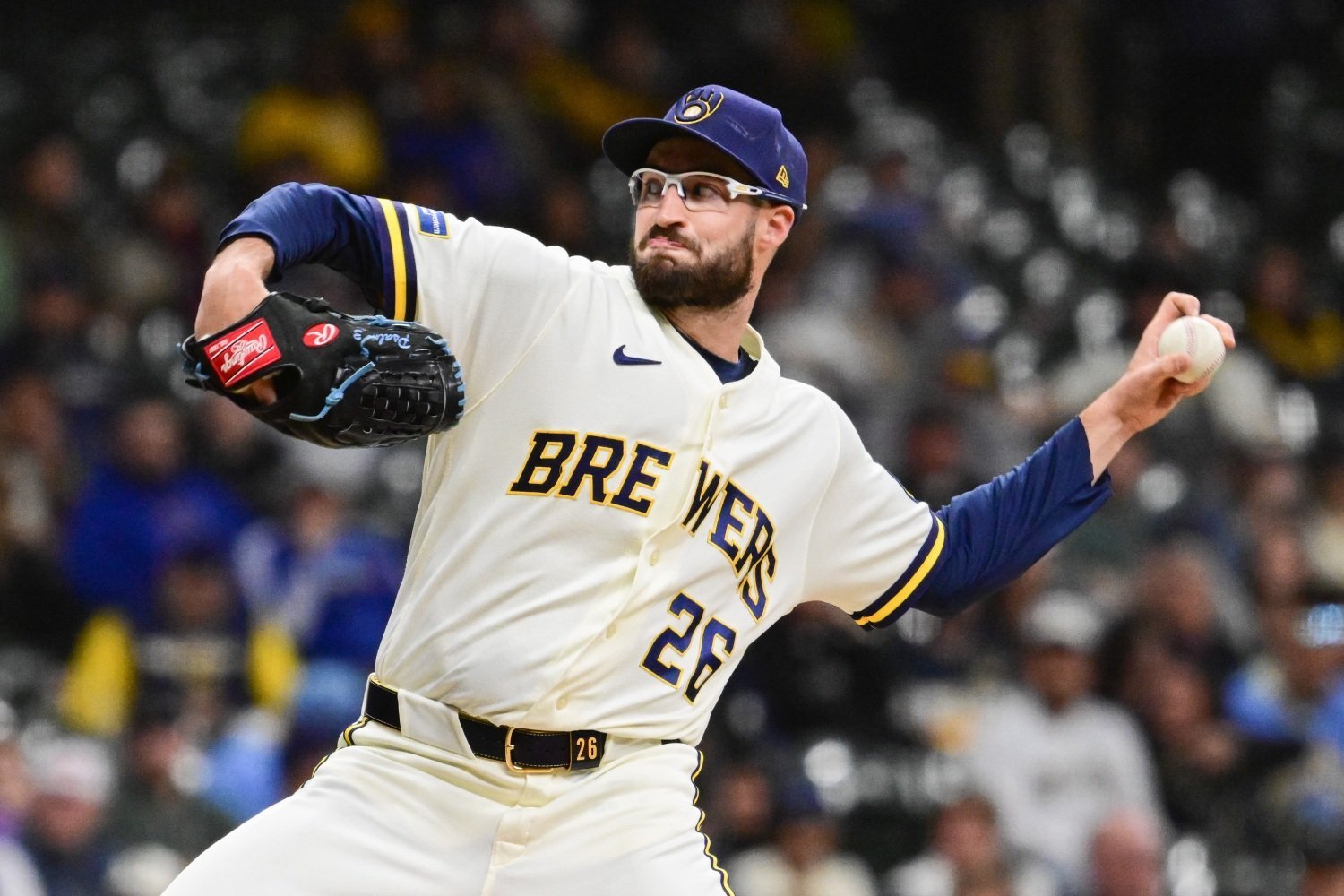 When a starter builds an 8-0 record, it usually signals a Cy Young contender. When a reliever does it, the achievement carries a different tone. It's usually a mildly interesting statistical aberration, because it's usually a reliever's record at the end of a full season. Only five relievers have won eight or more games and lost zero in a season this century: Arthur Rhodes (2001), Rheal Cormier (2003), Micah Owings (2011), Nate Jones (2012) and Nick Sandlin (2024). That's not a list of the best relievers of the last three decades; it's just a neutral bit of fun. What Aaron Ashby is doing—he's 8-0 less than a third of the way through the Brewers' season—is different, and a whole lot more interesting. The 27-year-old left-hander from Kansas City (and nephew of former big-leaguer Andy Ashby) is putting together a 2026 season worthy of a frame. Through his first 21 appearances, Ashby owns an 8-0 record, a 2.17 ERA, and 44 strikeouts across 29 innings. Over his last eight outings, Ashby has recorded at least one strikeout in each, combining for 20 strikeouts in 13 ⅔ innings. During that span, he has allowed only three hits to 54 opposing hitters. Everything else about the profile borders on absurdity: he has surrendered just one home run all season (hit by Jonny DeLuca on March 30), while striking out 36.4% of batters and generating ground balls at a 58.1% rate. One of the most surprising numbers is his .361 opponent BABIP. That sounds unusually high, right? And honestly, it doesn’t quite match the level of dominance he has shown to begin the year. He suppresses home runs. He disrupts timing with an elite strikeout rate. Opponents are producing only a 37.1% Hard Hit rate against him. So what explains it? Yes, the heavy ground-ball rate plays a role, because grounders turn into hits more often than flies (at least the flies that stay in the park). But the BABIP issue goes deeper. Opponents have found unusual success on line drives against Ashby, going 12-for-14. He's limiting damage in the air a bit better; he might just be trading some extra line-drive singles for that. Ashby's statistics command attention on their own. But when you place them beside the handful of pitchers in baseball history who opened a season with at least eight wins and zero losses, Ashby’s name starts to carry a legendary echo. A small club with enormous names According to Stathead, Ashby has entered a list that is both exclusive and remarkably diverse. From baseball’s old-school era to the modern game, only 11 pitchers have opened a season 8-0 in their first 21 games. Of those, only five have come since the integration of the game in 1947. Brooks Lawrence (1956, CIN): 12-0, 3.48 ERA, 42 strikeouts in 111 1/.3 innings. Roy Face (1959, PIT): 8-0 as a pure reliever, 1.45 ERA, 31 strikeouts in 37 ⅓ innings. Dave McNally (1969, BAL): 12-0, 2.85 ERA, 88 strikeouts in 139 innings Arthur Rhodes (1996, BAL): 8-0, 3.92 ERA, 52 strikeouts in 43 ⅔ innings as a reliever/swingman. And now, Aaron Ashby (2026, MIL): 8-0, 2.17 ERA, 44 strikeouts in 29 innings. What separates Ashby from the rest (and what has Milwaukee dreaming) isn't simply the unbeaten record, but how he's doing it. Right now, he is the most overpowering strikeout pitcher on that list. The closest pitcher to Ashby is Rhodes, who had an impressive 28.2% strikeout rate through his hot start to 1996 but can't keep pace. The achievement becomes even more impressive when viewed through Milwaukee history. Since the franchise began, only 38 times has a Brewers pitcher opened a season with at least 25 innings pitched and zero losses. That list includes bullpen giants such as Josh Hader (70 strikeouts, 2-0 in 2018), Dan Plesac (31 strikeouts, 1-0 in 1988), Corbin Burnes (28 strikeouts, 4-0 in 2018), and Bryan Hudson (37 strikeouts, 4-0 in 2024). Among that group, Ashby owns the franchise record for most wins, with eight. No other pitcher in Brewers history had ever reached 8-0 in that span. In strikeouts, he ranks second with 44, trailing only Hader’s 70. In K/9 (13.7), he is also second, again behind Hader. That he's won so many games might be fluky, but there's nothing unearned about it. His dominance rivals even that of the much more obviously overwhelming Hader. He features a sinker that can touch 98 mph, though he deploys it selectively because his true weapons are the slider and curveball. He's generated 16 strikeouts with each pitch, meaning 73% of his 44 strikeouts have come from that devastating combination of breakers. Opponents own a whiff rate of 70.4% against his slider and 61.5% against his curveball. Those numbers belong on some other planet. Hitters are 0-for-20 with 16 strikeouts and a microscopic .010 expected slugging percentage against the curveball. The league is also just 3-for-15 with seven strikeouts against his changeup, which carries a 56.3% whiff rate and which Ashby loves to call his favorite pitch—even though it's hard for it to grab attention in this thicket of elite weapons. In a bullpen forced to navigate injuries and constant adjustments, Ashby has become Pat Murphy’s favorite weapon—the changeup in his skipper's arsenal. His 1.31 WHIP is more than acceptable for a high-volume reliever, and his inherited-runner numbers reveal something scouts call “big-game nerve.” Most impressive of all his numbers, arguably, is the innings count. Ashby remains on pace to pitch 100 innings this season, which would be an extraordinary achievement for a 21st-century reliever. Being as electric as he has been across a volume this large is unfathomable in the modern game. He probably won't stay undefeated or maintain a strikeout rate that reads like Peak Ichiro's batting average, but Ashby balances ability and availability in a way that makes 8-0 feel like a fair representation of his value to this team—which is saying an awful lot. View the full article
 -
Is Derek Shelton Pulling Twins Relievers from a Hat?
DiamondCentric posted an article in Twins Daily
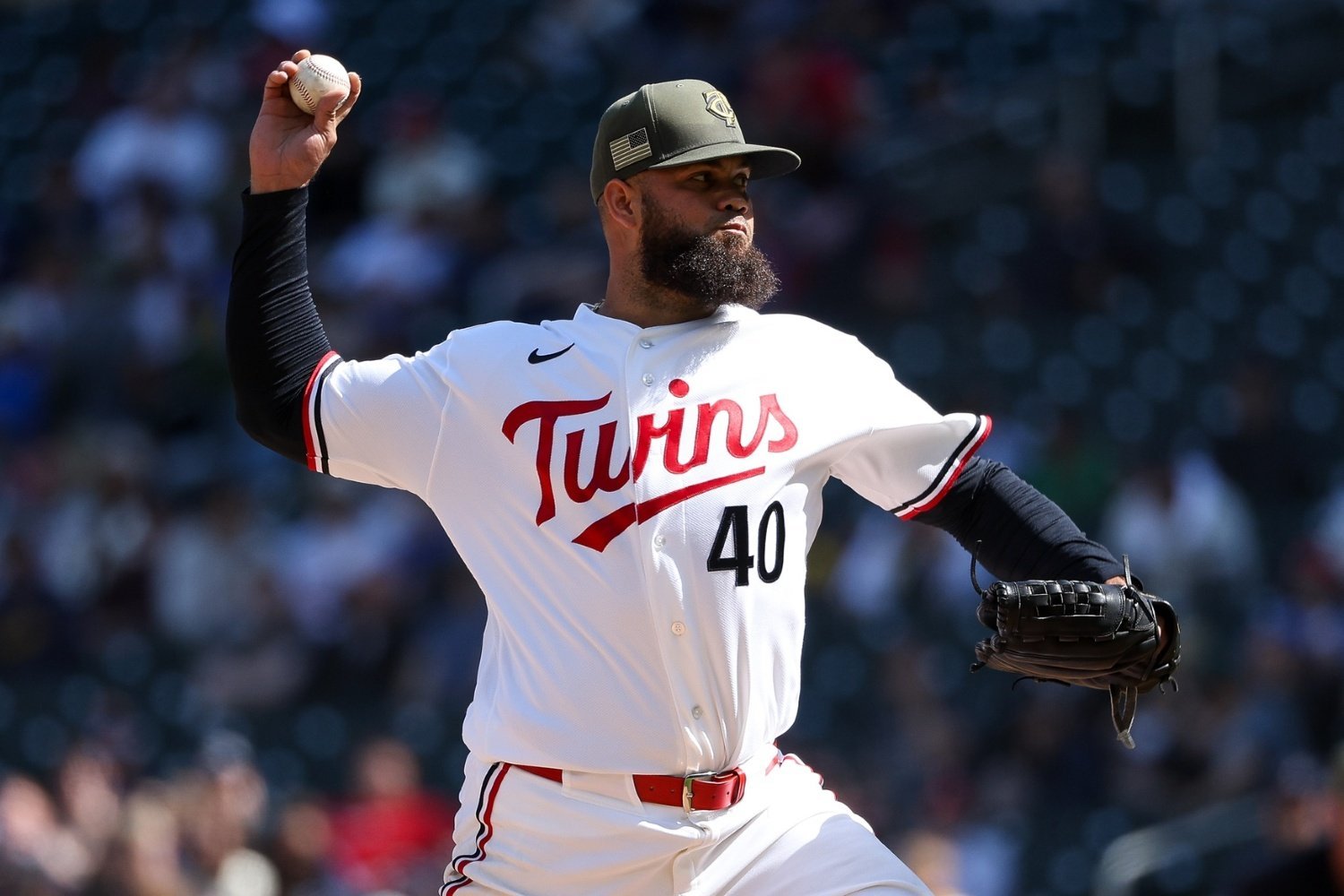 The 2026 Minnesota Twins bullpen is markedly different than those of past years. Obviously, there’s a clear talent gap, but beyond that, the arms are being deployed in a seemingly inconsistent manner. Minor-league veteran Luis García threw two innings of 9th-inning mop-up to begin his Twins career (allowing two runs in two innings across two games), and the next day, he was trusted to throw the 8th inning of a 4-3 game that the Twins were winning. In April, the Twins had back-to-back games (which they won) that required four relievers to record eight outs and five relievers to record 10. Justin Topa and Kody Funderburk both picked up saves, despite neither pitcher starting the 9th inning. To date, eight Twins have a save on their ledger, with none having more than two (Topa, García). As stated, this pattern is a far cry from the typical usage in prior seasons. It’s much easier to set it and forget it when the backend contains Jhoan Durán, Griffin Jax, Louis Varland, and Brock Stewart. Sure, there may be some shuffling required, but whatever day-to-day usage variance existed with a more structured pen, it doesn’t hold a candle to what we’ve seen from Derek Shelton’s relief corps. From the outside, this seems like the Twins are relying on gut instinct and hot hands to try to find a way through the late innings of every ballgame. (So up yours, analytics wonks!) However, it’s a bit naïve to believe that Shelton’s ability to white-knuckle his way through ballgames can all be chalked up to his baseball acumen and willingness to switch to another arm as soon as things start to skid. Before every game, professional scouts and analysts prepare game plans and scouting reports to prepare players for action. They also prepare material for coaches, and Shelton has confirmed that he has long meetings about the best possible plans to get through a game with his coaching staff, just as Rocco Baldelli did. Most teams have some hierarchy in the bullpen, all things being equal. But part of a pro scout's or analyst's role is helping managers make informed decisions within that hierarchy. One of the tools many organizations make available to managers is an in-game bullpen hierarchy. This tool might come in several forms. Many teams use a (close your ears if you hate nerds) laminated notecard listing the opposing team’s lineup. For each spot in the lineup, relievers are organized one through eight, based on the quality of the matchup with that specific hitter. Last season, that hierarchy might not have seen much variation. The best matchup against any hitter was Durán. After that, it was Jax. If the hitter was a lefty, third might be Danny Coulombe, but otherwise it’d be Stewart and Varland, in some order. Given the caliber of arms we’re talking about, throw the best one available. If pitchers are more evenly matched, though, that hitter-to-hitter differentiation might be more obvious. Naturally, there are platoon splits to be aware of—a guy like Taylor Rogers or Anthony Banda will get the nod against a lefty over someone like Cody Laweryson or Yoendrys Gómez. But there are also more idiosyncratic factors to consider. For instance, arm angle, pitch mix, velocity, swing trajectory and/or plate discipline can come into play. With a bunch of pitchers who can charitably be called “fine,” chasing the matchups becomes more useful and necessary. Take Topa (who has been designated for assignment since the writing of this piece, but who knows, he may remain in the organization) and Eric Orze. Both pitchers are righties who throw their fastball in the low 90s, but they have very different profiles. Topa is a sinker-sweeper/cutter pitcher who throws sidearm and mostly operates east-west. Orze has a much higher arm angle, and over half of his pitches are splitters. When he’s not throwing a splitter, you’ll probably see a fastball, giving him a much more distinct north-south profile. You should be able to see where I’m going here. Some hitters struggle more with north-south, and others struggle with east-west. There will be righties in an opposing lineup who should have Orze deployed against them, and others whom Topa would best match. Tyler Duffey referenced this type of system in a Twin Cities Territory episode last month, relaying how, when he was with the Twins, relievers would be prepped before each game on which part of the opposing lineup they would likely be deployed against. This scouting seems even more vital when the bullpen has to fight and claw for every advantage possible. So, in practice, to an outsider, that can look like Shelton pushing buttons at random. Topa may be trusted to close one day and throw the sixth the next, based on where his advantage is in the opponent’s lineup. And that quick hook for relievers may be a jumpy manager, or it might be that Cole Sands had the best matchup for the previous three batters, but Andrew Morris’s pitch mix is a better matchup for the next two, and Shelton wants to take advantage of that. Don't forget to factor recent workload in, too! There are always more layers to these decisions than meet the eye; teams work hard to keep it that way. Of course, there will still be stuff thrown at the wall to see what sticks. They don’t know what they have in John Klein or Kody Funderburk until they’ve been tested, and Shelton can also do a little Minnesota politicking (that is, passive aggression) if he believes it will compel the front office to make a roster move he feels is overdue. All told, though, the method is probably outweighing the madness in this regard. They have a plan, even if they’re working with lesser material. One fun way to pass the next month might be to figure out what patterns we can spot in that plan, as a few pitchers settle into their roles with the club. View the full article
 -
 For roughly the first half of what has been the 2026 season to date, Nico Hoerner was a dynamo. In fact, the Cubs have played 48 games, and in their first 24, Hoerner batted .320/.393/.515. He had several outlets—including this one, of course, but even nationally—singing his praises. He continued to play excellent defense and run the bases well. Along the way, of course, he signed a six-year deal with the Cubs, making him a long-term part of the team's plans and heading off his free agency, which had loomed over him and the team until that point. It looked like everything was lining up for Hoerner to be the face of the Cubs for the balance of this decade and beyond. Then, the second half of this season happened. Sure, it's only 24 games, but so was that remarkable start. In this segment of the year, he's hitting .194/.290/.247. In 107 plate appearances, he's walked 12 times and struck out just five times, but he also has just five extra-base hits (all doubles) and has become a problem at the top of the team's batting order, rather than a source of stability and electricity. Before he signed his extension, if Hoerner had gone through a prolonged slump this ugly, the Cubs would have had to seriously consider changing their tack for the future. After all, there's always been a ceiling here. Hoerner's lack of bat speed and over-the-fence power make him a risky proposition, in terms of the aging curve. In the short term, though, he was always going to be allowed to keep hitting high in the lineup and try to get right, because for this season (at the very least), he's a good player whom the team needs badly. The stakes, then, weren't whether or not to play Hoerner, anyway, but those stakes nonetheless feel higher now. This guy is locked into the team's lineup for the next half-decade. It's crucially important, now, to know this: How can Hoerner get right? What's going wrong, and what will fix it? Firstly, it might be wise to take him out of the leadoff spot. While his skill set begs to be used that way, his approach since being thus elevated has ended up being detrimental. Hoerner is swinging at the first pitch just 16.4% of the time this year. For any player whose game is more about singles and doubles than walks, that's far too little. Patience is a virtue, but Hoerner has tipped over that line into passivity. He's swinging at just 54.3% of pitches inside the zone, down from roughly 63.5% over the last two years. He's still avoiding strikeouts exceptionally well, which traces to his almost unbelievable 98.5% contact rate on swings within the zone. However, he's not making solid enough contact, because he's often working from behind in counts. None of Hoerner's essential public-facing bat-tracking data are meaningfully changed during this slump. His bat speed, swing tilt, attack angle and attack direction are all virtually identical to what they were when he was red-hot. Ditto for his average contact point. The problems, then, lie in what he's swinging (or not swinging) at, and on where the ball is going when he hits it. Here's where Hoerner's batted balls were going through April 23. Here's where they've gone since then: All the plaudits we've given Hoerner over the last year have been about how, since the middle of 2024, he steadfastly and smartly reoriented his approach to produce more pulled line drives. Right now, he's back to "using the big part of the field," old-school baseball advice that sounds good but results in nothing but heartache. Again, the swing is fundamentally unchanged in both its timing and its shape, so the key reasons for this are: Pitchers are pitching Hoerner differently; and He's not reacting properly to it. Here's the FanGraphs heat map for Hoerner's swing rate through April 23: Here's the same graphic for the games since: If Hoerner's passivity in the zone had taken the form of only swinging at pitches from the middle of the plate in, he might have remained productive even as the league adjusted to him. Instead, he's falling behind by taking too many pitches, then being forced to go after pitcher-friendly offerings low and away. His swing is better geared to produce those pulled batted balls than it used to be, but if he's consistently putting balls in the lower and outer thirds of the zone in play, he's going to end up hitting them up the middle—and not as sharply. Hoerner does still seem to have the knack for keeping the ball off the ground, but lately, even his liners are finding gloves. That's only partially bad luck. It's also the product of a flawed approach, leading to swings at the wrong pitches to match a consciously reengineered swing. The good news, here, is that Hoerner isn't permanently broken. He's just responded badly to the league's latest round of adjustments to him. He has to get back to being more aggressive early in counts. He has to occasionally anticipate the pitch away and look to shoot it down the right-field line, but otherwise be more selective on the outer third and punishy pitchers who miss over the middle or inner lanes. If he does all of that, he'll be back to batting .300 with gap power in no time. That might not be permanent, either, but maybe the next round of adjustment and counter-adjustment can be a bit less painful than this one has been. View the full article
 -
 Tuesday afternoon at loanDepot park, on the verge of making history, Anthony Bender's fate was in his hands. Atlanta Braves shortstop Ha-Seong Kim chopped a 1-2 sinker back to the mound. Bender carefully tossed it to Christopher Morel at first base, completing a perfect fourth inning for the Miami Marlins...and a ninth consecutive perfect inning for himself. The veteran right-hander, spread out across nine separate relief appearances, retired 27 batters in a row. Let's call it a "hidden perfect game." The 28th batter, Ronald Acuña Jr., snapped the streak when he led off Tuesday's fifth inning with a double. The streak began against Willy Adames in San Francisco. Here is the full play-by-play account of Bender's pitching beginning then and continuing up until the Acuña double: Strikeout on April 25 Groundout, lineout, flyout on April 26 Popout, flyout, groundout on April 28 Strikeout, strikeout, flyout on May 2 Forceout, groundout on May 5 Groundout, flyout, strikeout on May 8 Groundout, groundout, strikeout, groundout, flyout, groundout on May 14 Groundout, strikeout, lineout on May 16 Strikeout, groundout, groundout on May 19 Even in such a small sample, this degree of dominance is incredibly rare. There are more than 400 MLB pitchers, according to FanGraphs, who logged at least five innings from April 26 through Monday. Bender was the only one of them who didn't allow any baserunners during that span. Across parts of five MLB seasons, he had never previously made it more than halfway to a hidden perfect game until now. I do not have sufficient research tools to verify it, but this is probably the first hidden perfecto in Marlins history. I ran several queries with the Stathead streak finder looking for comparable performances and couldn't find any instances of more than 24 straight batters retired. Bender achieved his perfect results even without perfect execution. He hung sweepers to J.T. Realmuto (May 2) and Luke Keaschall (May 14) that were hammered 353 feet and 356 feet, respectively. Both fly balls were caught on the warning track. But those were the only mistakes that had the potential to go for extra-base hits. That Keaschall matchup was also the only three-ball count any opponent worked against Bender during the streak. That's remarkable for a pitcher whose lifetime walk rate is slightly worse than the MLB average. One limitation of Bender's game is his inability to entice batters to offer at pitches outside the strike zone. He ranked in the seventh percentile among MLB pitchers in chase rate last season, per Baseball Savant, and similarly resides in the fifth percentile in 2026. It's crucial for him to trust his stuff in the zone, and he's been doing much more of that as this year has progressed. Bender has always had huge platoon splits. Entering Tuesday, his career OPS allowed to right-handed batters was .528 compared to .755 to left-handed batters. In limited exposure to lefties this season, he's been better than ever (.644 OPS). The only extra-base hit has been a double off the bat of Jazz Chisholm Jr. way back on April 5. Very similar to teammate John King, he's leaning into unpredictability when at a platoon disadvantage—his sweeper, sinker and slider usage rates have been nearly identical against lefties. Aside from pending free agent Pete Fairbanks, Bender is the Marlins' most obvious midseason trade candidate. He's earning a $2.81 million salary with one more year of arbitration eligibility remaining. The bullpen is a strength for the Fish, ranking ninth among MLB teams in fWAR and sixth in ERA, with plenty of intriguing depth at Triple-A. Regardless of where they stand in the postseason race a couple months from now, they could move the 31-year-old and promote from within and not necessarily hurt their competitive chances in the process. While it's premature to discuss potential suitors in depth, the Chicago Cubs are a logical landing spot for Bender. They whiffed on a pair of free agent reliever signings last offseason—Hunter Harvey and Phil Maton due to injury and ineffectiveness, respectively. Additionally, their pitching staff has allowed homers at the second-highest rate in the league, whereas Bender is consistently stingy in that department (including 0 HR in 18.2 IP this season). View the full article
 -
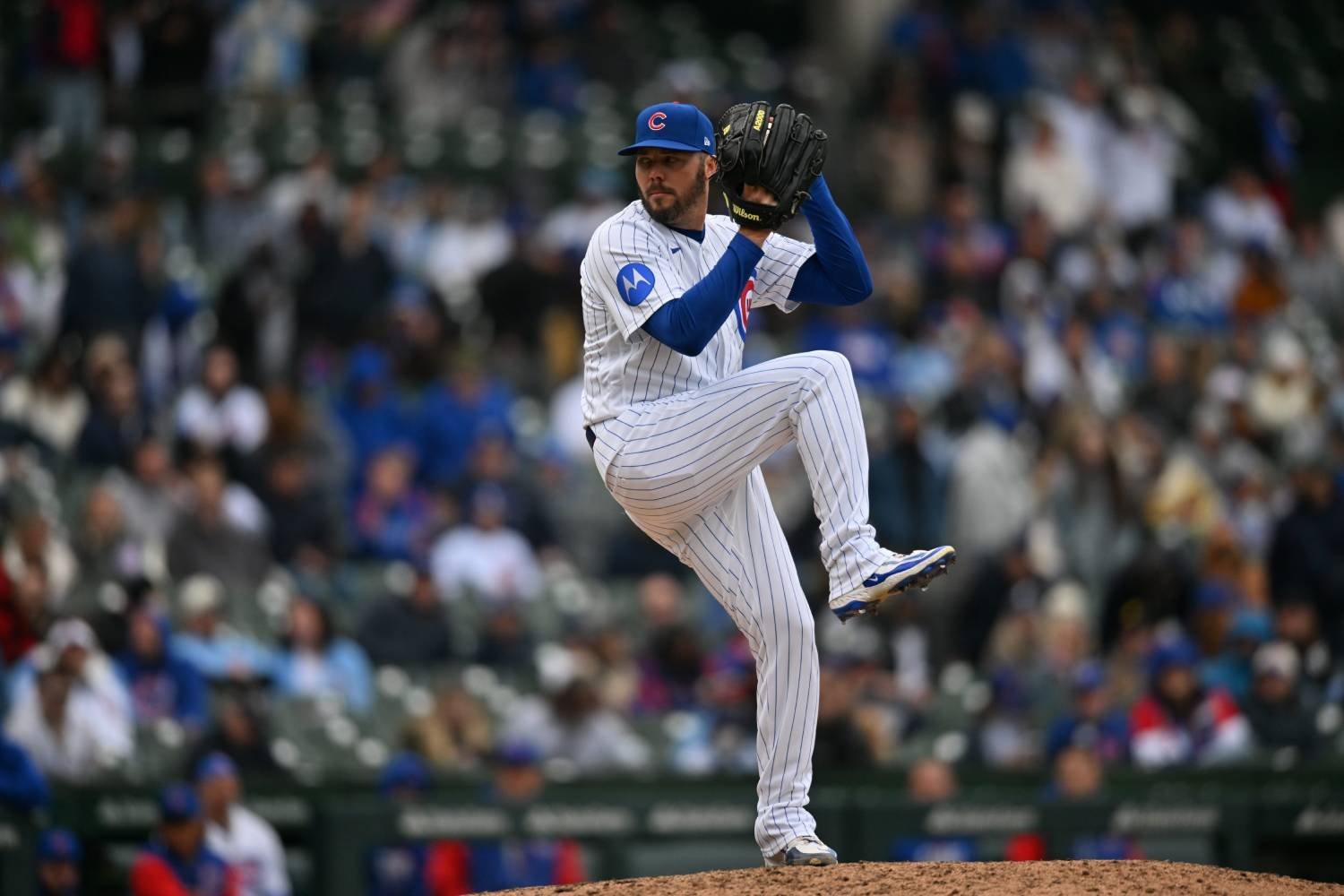 The Chicago Cubs are getting an important piece of their bullpen back. Left-handed reliever Caleb Thielbar was activated from the 15-day injured list Tuesday by the Cubs. Left-handed reliever Ty Blach was designated for assignment after making his team debut Monday. Thielbar has been on the injured list since April 24 with a strained left hamstring. He made one rehab appearance with High-A South Bend over the weekend, pitching one scoreless inning with a hit, a walk and two strikeouts. With the Cubs, Thielbar has made 11 appearances covering 8⅔ innings, walking five and striking out 11. Blach pitched three scoreless innings in Monday's 9-3 blowout loss to the Milwaukee Brewers, allowing one hit and no walks with two strikeouts. View the full article
 -
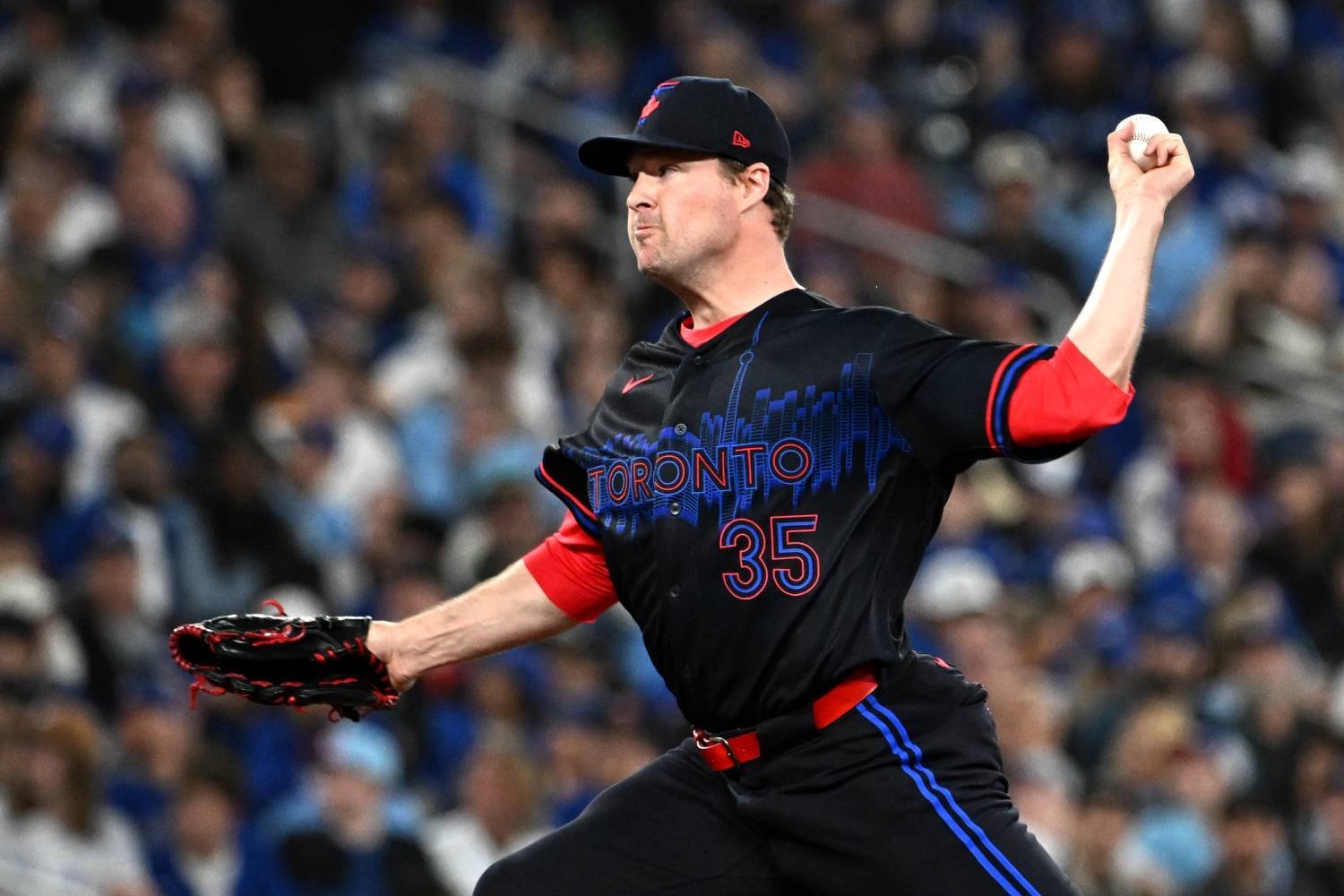 The Toronto Blue Jays' injured list just got a little bit longer. Left-handed reliever Joe Mantiply was placed on the 15-day injured list Tuesday by the Blue Jays, who called up right-handed reliever Chase Lee from Triple-A Buffalo. Mantiply has inflammation in his left knee. A reliable member of the Jays' bullpen, Mantiply is the ninth Jays pitcher currently on either the 15- or 60-day injured list. In 17 appearances during his first year with the Jays, Mantiply has pitched 17⅔ innings with four runs allowed on 16 hits and four walks with 16 strikeouts. Lee, acquired in an offseason trade from the Detroit Tigers, is up for the second time this season. He had a brief call-up at the end of April, appearing in one game in which he allowed a solo homer in 1⅓ innings with a strikeout. View the full article
 -
 Alex and Maddie sit down and review the weekend Braves series, along with a brief recap of the first Royals game. They provide an update on the team’s injured players from Roman Anthony to Garrett Crochet to Triston Casas. They discuss the ripple effect of Trevor Story’s sports hernia injury and potential need for surgery. Finally, they break down the team’s imbalance of strong pitching and weak hitting aside from Ceddanne Rafaela, Willson Contreras, and Wilyer Abreu. Listen on Apple Podcasts: https://podcasts.apple.com/us/podcast/the-talk-sox-podcast/id1783204104 Listen on Spotify: https://open.spotify.com/show/3qPrPXEngu0CxgTmlf0ynm Listen on iHeartRadio: https://www.iheart.com/podcast/263-the-talk-sox-podcast-244591331/ Listen on Pocket Casts: https://pca.st/4tmd121v Watch on YouTube: https://www.youtube.com/@talksox View the full article
 -
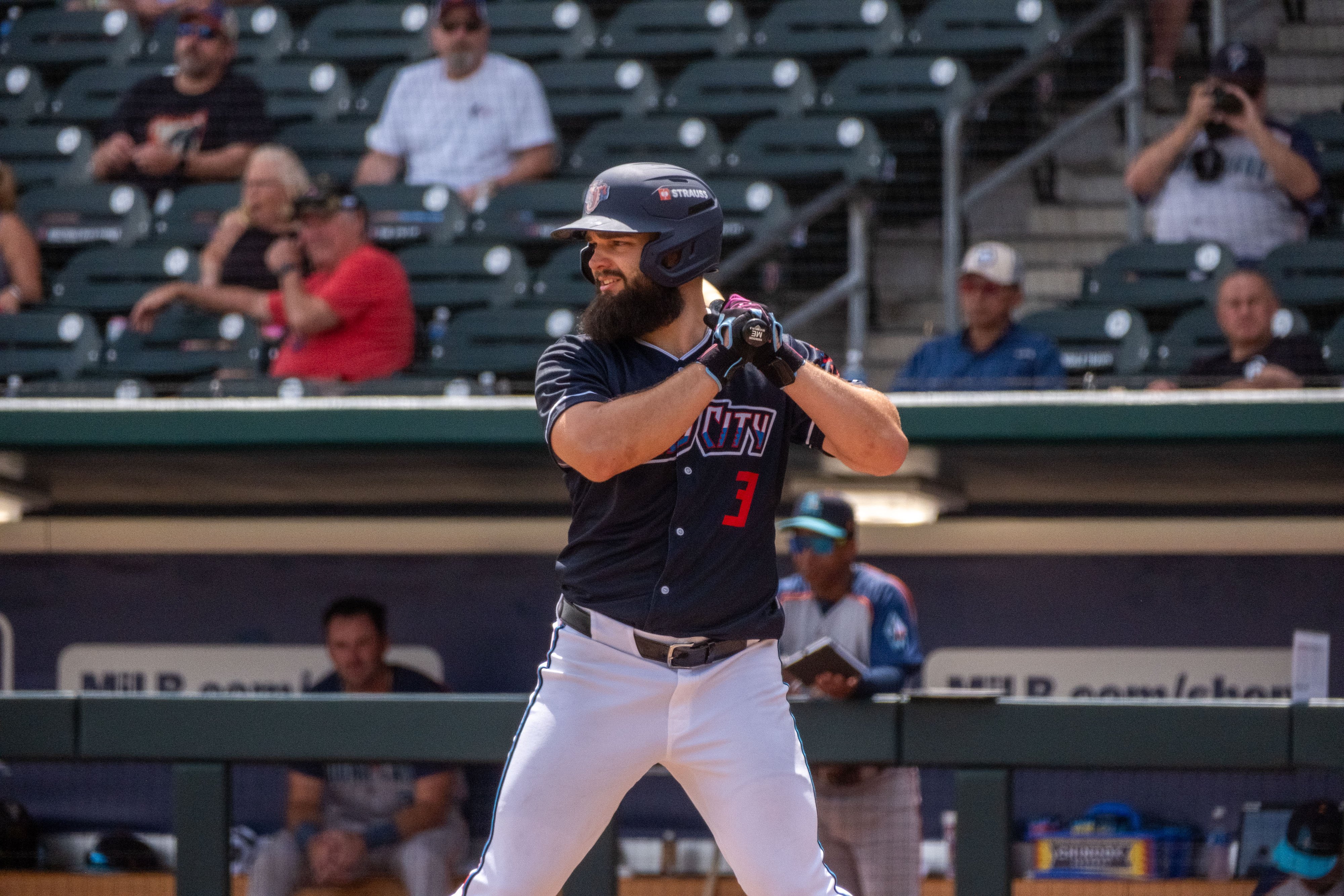 For the 2026 season, Fish On First will provide weekly reports on the Miami Marlins farm system, covering all levels. Here's the third May edition of our Fish On First Prospects Report, which includes several important injury updates near the bottom of the page. This report covers the games played from May 12-18. Triple-A Jacksonville Fish On First Prospect of the Week Matthew Etzel had gotten off to a rough start in 2026, but now through 35 games, his production is close to his career average. Etzel was incredible in the most recent series against the Memphis Redbirds, recording at least one RBI in five of the six games and hitting home runs in each of the first four games. He is currently riding a 10-game hitting streak. His overall season slash line is up to .227/.313/.391/.703 with five home runs, 21 RBI and an 88 wRC+. The Marlins acquired Etzel right before last year's trade deadline from the Tampa Bay Rays in exchange for longtime catcher Nick Fortes. The Rays are satisfied with their side of the deal as Fortes is contributing to a club with the best record in Major League Baseball, but Etzel could potentially be called up at some point this season to give the Marlins a left-handed bat off the bench. Fish On First Prospects (@fofprospects) • Instagram photos and videos WWW.INSTAGRAM.COM 40 likes, 1 comments - fofprospects on May 17, 2026: "Fear the beard! 🧔♂️data:image/gif;base64,R0lGODlhAQABAPABAP///wAAACH5BAEKAAAALAAAAAABAAEAAAICRAEAOw== By way of a 9-25 series in which he hit homers in four straight games and in which he raised his OPS by over 100... Kemp Alderman continues to mash in Jacksonville, now slashing .303/.376/.526/.903 with nine home runs, 23 RBI and a 137 wRC+. The 2023 second-round pick has been playing some first base recently, increasing his defensive versatility. He currently leads the Marlins farm system in hits (46) and runs scored (29). The main concern with Alderman is the jump in his strikeout rate, going from 23.1% in 2025 to 31.2% this season. Although a much different type of hitter, Jacob Berry has been equally successful in Jacksonville, now slashing .317/.419/.455/.874 with two home runs, 16 RBI, 13 stolen bases and a 138 wRC+. He is walking (14.2 BB%) more often than he's striking out (12.2 K%). Berry has gotten reps at five different defensive positions this season, most recently second base. It's getting hard to justify keeping him down while the Marlins receive minimal contributions from the likes of Christopher Morel and Heriberto Hernández. It's been an up-and-down ride for top prospect Thomas White since coming off the IL and going to Triple-A. In seven starts, White has a 4.01 ERA, 4.93 FIP, 12.77 K/9 and 5.47 BB/9. In his most recent start against Memphis, White allowed four runs on seven hits (two home runs). White's fastball currently is averaging 94.9 mph and generating a 32.0% whiff rate, but is getting hit extremely hard (55.5% hard-hit rate). It's also below league average with a stuff plus grade of 91 (100 is league average). The breaking pitches have been a bit better, primarily the sweeper, generating 34% whiff and a 97 stuff plus. He is throwing that pitch 30.6% of the time, his second-most-used pitch. Still only 21 years old, there is no rush with White, but Chris Paddack's departure and Robby Snelling's injury have moved him up the depth chart. In the bullpen, Jack Ralston and Josh White continue to dominate. Ralston has a 1.11 ERA, 2.95 FIP, 12.21 K/9 and 4.81 BB/9 in 15 appearances. As for White, he has a 1.61 ERA, 4.95 FIP, 9.27 K/9 and 4.84 BB/9 in 14 appearances (one start). William Kempner made his MLB debut with the Marlins on May 5, then quickly returned to the Jumbo Shrimp. He has not allowed a hit since then in seven innings pitched. Double-A Pensacola The Wahoos put on a power display in their series in Chattanooga. The beneficiaries of 13 total home runs over the week, Pensacola slugged their way to four wins in six games. They will head back home to take on Columbus with the chance to get back over .500 in the tightly-contested Southern League South division. Once again leading the offensive charge was 22-year-old slugger Dillon Lewis, who went 5-for-21 with four of his hits visiting areas beyond fences. In the second game of the series, Lewis hit two home runs marking his first multi-homer game of the season and second of his career. On the season, he’s slugging .481, which ties him for 11th-best SLG in the Southern League. He’s on pace to be the first Marlins minor leaguer since Griffin Conine (2021) to reach 30 homers. Lewis has immense raw power. With a seemingly gentle flick of the bat, Lewis is generating average exit velocities in the mid-to-upper 90s all the way up to the 110s. He is a pure pull hitter, smashing the ball to left field and in the air 17.9% of the time, in the 80th percentile in the Southern League. He turns on almost everything he touches with amazing strength. On the flip side, working to Lewis’ disadvantage is his extremely low percentage of swings at pitches in the strike zone and his relatively high amount of swings outside the zone. With a 40-point difference between his Z-Swing and O-swing, this is a clear point of emphasis for Lewis to hone in on as he continues to progress. Because of his current gaps, the offensive floor is a bit volatile, but with improved plate vision and better swing decisions, there is a path to Lewis developing into a 40+ home run threat. He raises his overall floor a bit thanks to great athleticism and plus speed. Lewis is under the radar nationally, but that could change in short order later this year. Are you not entertained? At this point, every Karson Milbrandt start is a must-watch event. His latest movie from this past week: six shutout innings on three hits, no walks and 11 strikeouts. That earned him Southern League Pitcher of the Week honors. In his past three starts, Milbrandt has a 0.50 ERA with a 28/3 K/BB. On Tuesday, the 22-year-old was deservedly added to Baseball America's Top 100 prospects list. The Marlins now have five players on the list, with Milbrandt joining Thomas White, Robby Snelling, Aiva Arquette and Joe Mack. High-A Beloit It was also a good week for the Sky Carp who shook off a series loss by taking four out of six from Peoria. The series was highlighted by an explosive 17-run performance on Saturday followed by a walk-off win on Sunday. Beloit’s offense scored a whopping 40 runs over the week (plus-10 run differential). It was refreshing to see from a squad who is still hitting just .220/.356/.375 as cold air and dreary weather start to finally dissipate in the region. A Marlins’ 2024 14th-rounder, Cam Clayton enjoyed a solid week at the plate, recording a bit in each game including two home runs. His second homer came Sunday and served as Beloit’s walk-off salvo. The 4-for-15 series came on the heels of a three-hit game on May 9. Overall, Clayton is 7 for his last 18 with six RBI. Clayton was drafted as a shortstop, but has since transitioned to corner infielder spots. This season with Beloit, he’s primarily played first base and slotted in as their DH. To reach an MLB ceiling, his bat will need to play consistently. It’s only showed up in spurts so far this season in High-A: before this current stretch, he was mired in an 0-for-21 spell before spending time on the development list. Clayton is walking at a tremendous rate and he is not swinging at bad pitches often, but he may be being a bit too timid at the plate: his zone swing percentage on the year is just 50.5%, one of the lowest in the High-A ranks. If Clayton, who sports a decent swing, can shake off some of his stoicism in the box without fully sacrificing his walk rate, he will improve his stock as a prospect. As the weather improves, so does Eliazar Dishmey's control and command. After tossing five shutty last time out, the 21-year-old turned in his first quality start of the year against Peoria, going six innings of one-run ball on just two hits and three walks while striking out six. His only charged run came on a solo home run. By way of one of the deeper arsenals in the Marlins’ organization, Dishmey continues to trend in the right direction. His 2.57 ERA this season is 11th-best in the Midwest League among pitchers with at least 20 IP. Transparently, Dishmey’s BABIP is an extremely low and unsustainable .189 and his 4.09 FIP is two runs higher than his ERA. As the BABIP normalizes over a larger sample of frames, Dishmey’s ERA will rise. Dishmey won’t overpower with fastball velo which usually sits 92-94, but he throws the fastball two different ways and keeps hitters off balance with both rise and sink. His best breaker is a hard slider in the mid-upper 80s and he also owns a slow loopy curveball in the low 80s. Lack of shape on his changeup has caused it to morph more so into a cutter recently—that pitch sits 88-90 plays as a better mix-in offering. Ryan Ignoffo (Pensacola) is expected to miss at least a week after injuring the popliteofibular ligament in his knee. Ignoffo has been the primary catcher for the Blue Wahoos, slashing .250/.308/.396 with seven stolen bases but only one home run. Cam Cannarella (Beloit) made his return to the diamond after missing the previous five weeks due to a wrist injury. The 2025 draft pick is slashing .364/.429/.545 in eight games played this season. Keyner Benitez (Jupiter), who made five appearances and posted a 2.79 ERA, is done for the season as he will undergo surgery on his left arm. This week's schedule Triple-A Jacksonville vs. Norfolk Double-A Pensacola vs. Columbus High-A Beloit at Quad Cities Low-A Jupiter vs. Daytona FCL Marlins vs. FCL Cardinals, FCL Nationals, FCL Astros and FCL Mets View the full article
 -
Mets Promote Nick Morabito To Make His MLB Debut
DiamondCentric posted an article in Grand Central Mets
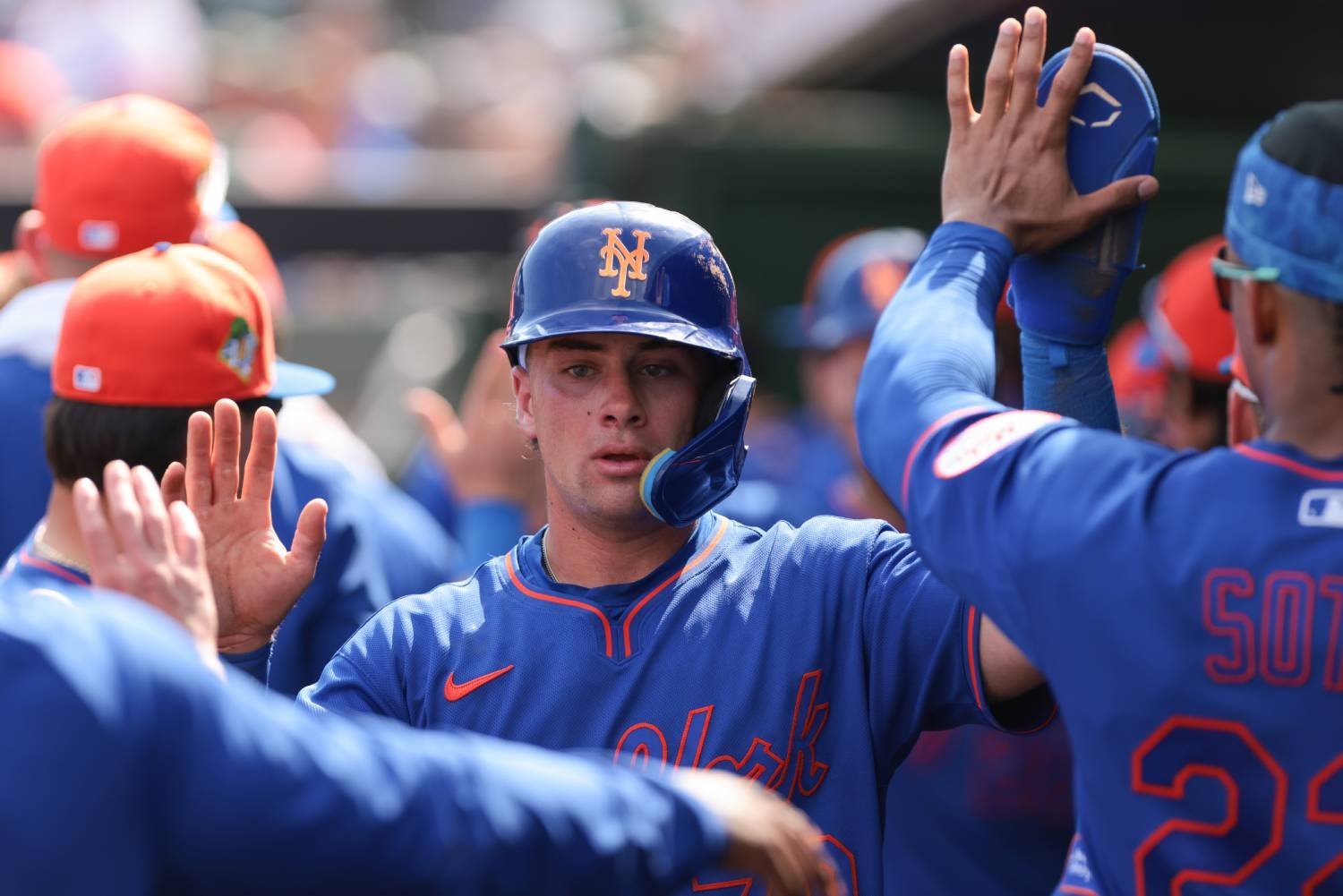 The New York Mets are bringing yet another prospect outfielder. Speedy outfielder Nick Morabito, Grand Central Mets' No. 7 prospect, was called up from Triple-A Syracuse to make his MLB debut. To make room for the right-handed hitter, veteran outfielder Austin Slater was designated for assignment. Also, right-handed starter Clay Holmes (fractured right fibula) was transferred from the 15-day injured list to the 60-day IL. Morabito joins fellow outfielders Carson Benge and A.J. Ewing as coming up this year to make their MLB debuts. Benge made the Opening Day roster and Ewing was called up last week. At Triple-A this year, Morabito had a slash line of .253/.364/.390 with four homers, 17 RBIs and 14 steals in 41 games. He was a second-round draft pick in 2022 out of Gonzaga and slashed .273/.348/.385 in 2025 with six homers, 59 RBIs and 49 stolen bases in 118 games. The Mets were Slater's second MLB team this year after being DFA'd by the Miami Marlins. In nine games with the Mets, Slater was 5-for-20 with no homers and one RBI. View the full article
 -
 Entering their series with the Milwaukee Brewers, the Chicago Cubs woke up once again atop the National League Central at 29-18. On the surface, they look exactly like what every contender hopes to be in May: an explosive offense, a division lead, and enough margin for error to survive imperfect stretches. But underneath the record lives a far more uncomfortable reality. This pitching staff has just produced the most home run–vulnerable start any Cubs team has had this century. The historical numbers are no longer ignorable. And on Sunday, on the South Side, the problem exploded in plain sight again. The Cubs let another chaotic Crosstown Classic slip away, stranded 13 runners, finished just 2-for-15 with runners in scoring position, and ultimately watched Edgar Quero end the game with a two-run walk-off homer in the 10th inning to seal a 9-8 White Sox victory. The last time a White Sox hitter delivered an extra-inning walk-off homer against the Cubs was Carlos Lee’s grand slam off Courtney Duncan in the bottom of the 10th on June 8, 2001, at Comiskey Park II. This time, the image felt impossible to ignore: another lead gone, another decisive swing, another baseball disappearing beyond the wall. Through their first 47 games, no Cubs team this century had allowed more home runs than this 2026 group. Season HR Final Record 2026 64 ??? 2017 58 92-70 2006 58 66-96 2025 57 92-70 2022 57 74-88 2020 57 34-26 2021 56 71-91 And that is the truly unsettling part. Chicago is not simply enduring a bad week. It is building the kind of statistical profile that usually belongs to unstable, inconsistent, or fundamentally vulnerable teams. And yet the Cubs keep winning, even while allowing 49.7% of their runs via the home run. That contradiction has become the defining tension of their season. The Cubs Are Surviving Devastating Contact The staff ERA does not look catastrophic. Even some surface-level bullpen metrics remain competitive. But the issue is not how many runs they allow. The issue is how they allow them. Because this staff keeps failing in exactly the situations where good pitching staffs are supposed to impose control. Chicago leads MLB in: 27 HR allowed after getting ahead 0-1. 18 HR allowed the second time through the order by starting pitchers. 10 HR allowed on changeups. 7 HR allowed on curveballs. That combination tells a brutal story. An 0-1 count should belong to the pitcher. It should open the door to expanding the zone, generating defensive swings, and ending plate appearances quickly. Instead, Chicago is allowing more damage than any team in baseball after getting ahead in the count. Perhaps the most revealing data point of the season is this: Situation HR Allowed MLB Ranking 2nd PA in G, as SP 18 Worst in MLB After 0-1 27 Worst in MLB Innings 7-9 21 Bottom 5 in MLB That explains why so many Cubs games feel fragile even when they hold leads. Lineups are adjusting quickly to Chicago’s pitching staff. The damage begins once hitters recognize patterns, sequencing, and velocity shapes. And when the Cubs fail, the damage almost always arrives explosively. Not singles nor long rallies, but rather swings that instantly change games. A look at the heat map reveals some of the staff’s worst command mistakes. Forty-four percent of the home runs allowed have come against pitches left in the heart of the zone throughout the vertical plane. Only 19% of those command mistakes occurred while the hitter was behind in the count. Jameson Taillon Has Become the Symbol of the Problem No pitcher better reflects this vulnerability than Jameson Taillon. Home Runs Allowed by Taillon in 2026 Four-Seam Fastball: 5 Cutter: 4 Changeup: 4 Sinker: 2 Sweeper: 1 And that is exactly what makes this alarming. There is no single pitch collapsing under pressure. The entire arsenal is getting punished. Taillon has allowed 16 home runs in nine starts, which is 25% of the 64 home runs surrendered by the Cubs as a team. His recent outing against the White Sox became a near-perfect representation of what is happening to Chicago’s entire pitching staff: five home runs allowed in just five innings, with damage arriving against multiple pitch types. Taillon joined a list no Cubs pitcher wants to join: pitchers who have allowed at least five home runs in a game. Player HR Date Age Team Opp Result IP H R ER BF Warren Hacker 5 11/8/1954 29-263 CHC @ CIN L, 1-8 5 6 5 5 23 Steve Stone 5 9/7/1974 26-360 CHC CIN L, 5-8 2.1 5 5 5 13 Ismael Valdéz 5 11/6/2000 26-295 CHC @ CHW W, 6-5 5.2 10 5 5 29 Carlos Zambrano 5 12/8/2011 30-072 CHC @ ATL L, 4-10 4.1 8 8 8 22 Travis Wood 5 27/7/2012 25-172 CHC STL L, 6-9 5 7 8 8 24 Jason Hammel 5 1/7/2016 33-303 CHC @ NYM L, 2-10 4 9 10 10 23 Matt Swarmer 6 11/6/2022 28-259 CHC @ NYY L, 0-8 5 7 6 6 22 Jameson Taillon 5 16/5/2026 34-179 CHC @ CHW L, 3-8 5 8 8 8 24 This was not one isolated mistake in location. It was structural demolition. The Cubs Are Losing Stability And here comes the most important question of all: How does this team keep winning? The answer is probably the offense. The Cubs have been explosive enough to absorb mistakes that normally sink contenders. But the home run problem injects constant volatility into the team’s identity. No lead feels entirely safe. No inning feels completely under control. Because this staff lives dangerously close to long-ball damage. Chicago’s starters are tied for the most home runs allowed in MLB with 39. The bullpen ranks fifth-worst with 25. October rarely forgives this kind of profile. Yes, it is still May. Less than 50 games have been played. It would be excessive to declare this a final verdict on the Cubs. Explosive offensive teams can survive for months while hiding cracks on the mound. Chicago is doing exactly that right now. Their lineup produces enough damage to erase mistakes, rescue uncomfortable nights, and keep the club atop the division even while the pitching staff continues allowing dangerous contact. But trends matter, especially the ones that repeat this consistently. The vulnerability runs through nearly the entire staff structure: starters getting punished the second time through the order, relievers allowing decisive late-game swings, and far too many favorable counts ending in catastrophic damage. That is what makes this otherwise impressive start feel uncomfortable. Chicago still looks like a first-place team., but it is also beginning to look like a team playing on an extremely thin margin every single night. View the full article
 -
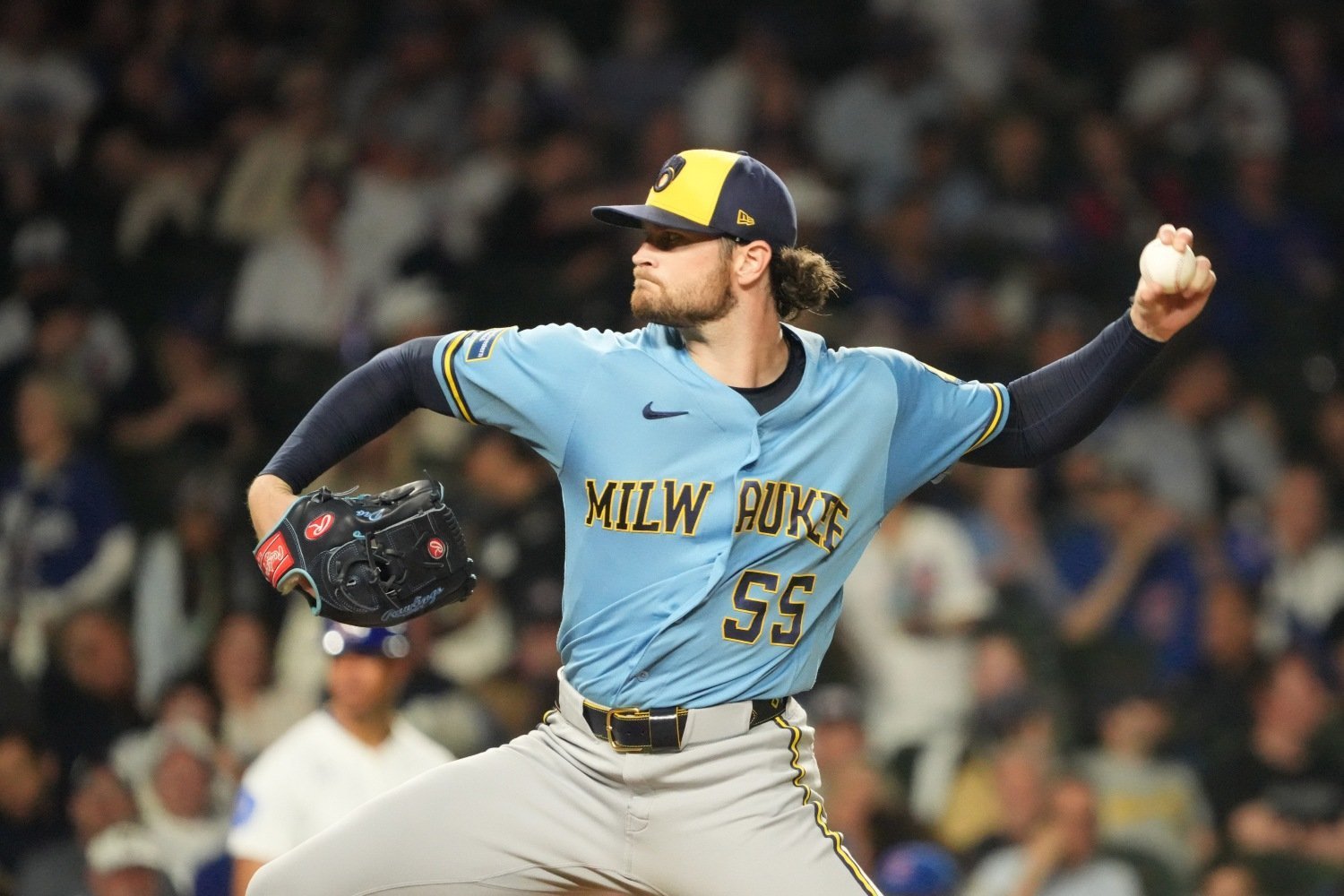 Although his debut in Boston went pear-shaped, Shane Drohan has been pretty darn good ever since. He got the win after pitching 4 1/3 strong innings of relief Monday night at Wrigley Field, and now has a 1.47 ERA in seven appearances since his return to the majors on April 24. In that span, he's faced 72 batters, fanned 18, and walked just two, He hasn't given up a home run in the majors yet. Most of that is attributable to the stuff and the maturity that Drohan brought with him from the Boston organization, whence the Brewers acquired him in February's Caleb Durbin trade. The team took an interest in his mid-90s heat from the left side and a compelling array of pitch shapes, and they had him stay ready to work as a starter this spring despite some temptation to move him into a relief role like the one in which DL Hall is now toiling. Ultimately, of course, Drohan landed in a role much like Hall's, but he's been a weapon for manager Pat Murphy, deployable in a variety of ways. Drohan's main stuff is unchanged. He's slightly altered the movement profile on his four-seamer, but his high-riding cutter remains intact. His slider and curveball, like the cutter, have an unusual shape for his arm slot, which the team was bound to love. Milwaukee has helped Drohan add a sinker to his mix, and it shows modest promise, but it's a complementary piece. He's a three-fastball guy now, but not a materially different one than the hurler who was racking up whiffs in the high minors for the Red Sox last summer. There is, however, one pitch I haven't mentioned yet: the changeup. Therein, as Josh Bard would say, lies the rub. When Drohan made his debut on April 8 against the Red Sox, his changeup had some potential. On balance, though, it deviated too much from his fastball to be useful. This is an underdiscussed danger for guys who want to throw a good cambio: You might create so much of a gap in velocity and movement that, despite your best efforts to use the same arm slot and mimic the arm speed of the fastball, the hitter is able to tell the difference early and can spit on a pitch you'd rather he tried to hit. Pitchers who are excellent at manipulating the spin of the ball can sometimes work around the problem of spinning it the opposite way from their breaking balls, but find that the resulting offering moves too much because of its active spin. YVl4djdfVjBZQUhRPT1fVWxkV1YxVlNWUXNBQ0FFQ1hnQUhDQWRVQUZrTVVBVUFCd01GVlFRSFVsWlJWQVJV.mp4 That's not a bad pitch, and had the Brewers challenged it, it would have resulted in Strike 3. Overall, though, the changeup didn't fool the Red Sox. Drohan needed something different to round out his arsenal. During his time back in Nashville, he seems to have found it. Here's the (Statcast-labeled) changeup on which he struck out Nico Hoerner during Monday's victory: RDFkS25fVjBZQUhRPT1fVTFSWlZWQUVVRkVBWGdRQUFBQUhWQVpTQUZrQlV3UUFCVkJUQkFNQkFBTUdWZ0pU.mp4 That pitch is much firmer, and it has more vertical depth, but it doesn't run to the arm side nearly as much as his old one. It shouldn't necessarily work well, but because of his slot and the array of other looks he gives batters, it does. How did the change happen? It's hard to tell for certain on video, but it's pretty clear that Drohan is now throwing some version of a splitter or split-change, rather than the circle-change he was throwing before. His average changeup spin rate in Boston over a month ago was 1,590 RPM. In every outing since returning to the bigs, Drohan has averaged under 1,200 RPM with that pitch, and it's sometimes been under 1,000. The splitter works because a pitcher's grip kills the spin on the ball as it leaves their hand, giving the pitch its trademark tumble. It also tends not to run as much to the arm side as other changeups. Drohan has moved to a splitter (or splitter variant), and the results are excellent. He hasn't given up a hit on the changeup, and it's earning plenty of whiffs, even from great contact hitters like Hoerner. This is not the defining pitch for Drohan. He's a spin-and-speed artist, and overpowered the Cubs with a heater that touched the high side of 96 MPH and sat around 95 Monday night. The changeup is a spare part, at least unless and until he returns to a true starting role. This is an important adjustment, though, in that it testifies to Drohan's coachability (a key trait for any Brewers contributor) and to the sense on the part of the coaching staff that all they needed to do was add the finishing touches for him. He's a valuable arm with big upside. This change to his change is a capstone to a career of adjustment and progress; the Brewers just helped him identify the best version of himself. View the full article
 -
 The Toronto Blue Jays' third-ranked prospect, Johnny King, is off to a remarkable start to the season with the High-A Vancouver Canadians. In this video, we'll dive into his remarkable K-per-9 mark, a lively fastball, and what King needs to hone in on as his opposition only grows tougher along with his progression through the farm system ladder. View the full article
 -
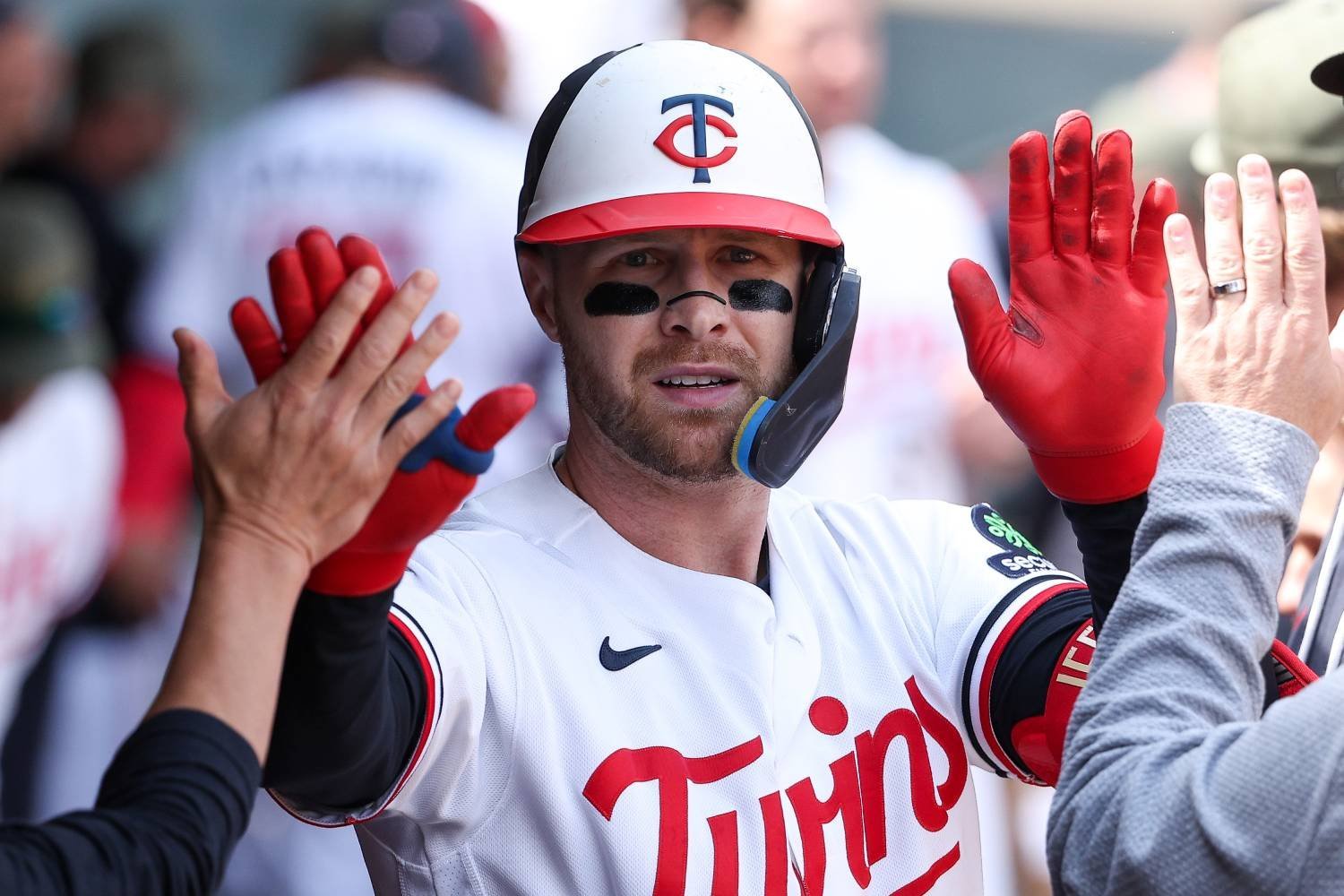 In addition to the major news of former first-round pick Royce Lewis being sent to Triple-A St. Paul, the Minnesota Twins made more than a handful of other moves Tuesday ahead of the second game of the series against the Houston Astros. The most noteworthy of those moves is catcher Ryan Jeffers going on the 10-day injured list with a broken left hamate bone, which could sideline him anywhere from one to two months. Here is the complete list of moves: Optioned third baseman Royce Lewis to the Triple-A St. Paul Saints. Placed catcher Ryan Jeffers on the 10-day injured list with a left hamate bone fracture. Designated right-handed reliever Justin Topa for assignment. Selected the contract of catcher Alex Jackson from the Triple-A St. Paul Saints. Selected the contract of shortstop Orlando Arcia from the Triple-A St. Paul Saints. Recalled right-handed reliever Travis Adams from the Triple-A St. Paul Saints. Transferred right-handed reliever Garrett Acton (strained right shoulder) from the 15-day injured list to the 60-day injured list. In other words, Lewis, Jeffers and Topa off the Twins' 26-man roster, with Arcia, Jackson and Adams now on the 26-man roster. Acton was moved to the 60-day IL to make room on the 40-man roster. There does appear to be one more 40-man move coming as FanGraphs lists the Twins with 41 players on the 40. View the full article
