


DiamondCentric
-
Posts
2,631 -
Joined
-
Last visited
Never
Content Type
Profiles
Forums
Events
News
Tutorials & Help
Major League Baseball Videos
Guides & Resources
Store
Downloads
Gallery
Everything posted by DiamondCentric
-

 Boston Red Sox Affiliate Recap (May 21) Triple-A Worcester Red Sox Season Record: 23-23 The WooSox fell 9-4 to the Red Wings (Washington Nationals) after a hot start. Worcester came out swinging in the bottom of the first, taking advantage of Rochester's wild starting pitcher. Braiden Ward led the inning off with a hit-by-pitch, then stole his 23rd base of the year. Nate Eaton walked, then Kristian Campbell drew a walk as well to load the bases. Anthony Seigler made the Red Wings pay with a bases-clearing double to right field, and Allan Castro followed with an RBI single to push the lead to 4-0. Jacob Webb kept it clean through two innings on the mound, but the third inning unraveled quickly. Rochester strung together a double, a single, and a walk to load the bases with no outs. Two sacrifice flies and an RBI single to cut it to 4-3. In the fourth, Rochester had taken the lead 5-4 on a pair of singles. It continued to be a frustrating fourth inning as Worcester loaded the bases with two outs and did not capitalize, scoring no runs. Alec Gamboa was a bright spot out of the bullpen. He was the only WooSox bullpen pitcher to throw at least one scoreless frame, spinning two scoreless, hitless innings in the fifth and sixth to keep it within reach. But the offense stayed cold, and Angel Bastardo's control issues let Rochester push the lead to 7-4 in the seventh. Kyle Keller gave up a two-run double in the ninth to make it 9-4, and Worcester went three up and three down to end it. Double-A Portland Sea Dogs Season Record: 20-21 The Sea Dogs' pitching staff steamrolled the Fightin Phils (Philadelphia Phillies), shutting them out 1-0 and combining for an outrageous 20 strikeouts. After battling through a hamstring injury early in the year, Blake Wehunt had his best start of the year for Portland, setting the tone with a dominant five-inning shutout start, four hits allowed, and eleven strikeouts. He was virtually unhittable, punching out batters at a relentless clip. Patrick Halligan picked up right where Wehunt left off, striking out six in two innings of one-hit relief, including fanning the side in the seventh. Cooper Adams then slammed the door with a perfect eighth and ninth while striking out three batters to earn the save. Marvin Alcantara was the offensive standout for the Sea Dogs, having himself a 3-for-4 day at the plate, his sixth multi-hit game of the year. Alcantara had three of Portland's four hits in this contest. The lone run came in the bottom of the third inning; Will Turner was hit by a pitch, Alcantara laced a single to right field to put runners on the corners, and Nate Baez drove Turner home on a fielder's choice. Although they went 0-for-7 with RISP and had just four hits as a team, that one run was all Portland needed. Key Performances: Blake Wehunt: 5 IP, 4 H, 0 ER, 1 BB, 11 K Patrick Halligan: 2 IP, 1 H, 0 ER, 1 BB, 6 K Cooper Adams: 2 IP, 0 H, 0 ER, 3 K Marvin Alcantara: 3-for-4 High-A Greenville Drive Game postponed: Rain, makeup on May 22 Single-A Salem RidgeYaks Game postponed: Rain, makeup on May 22 View the full article
 -
Royals Bring Back Tyler Tolbert As Elias Diaz Is DFA'd
DiamondCentric posted an article in Royals Keep
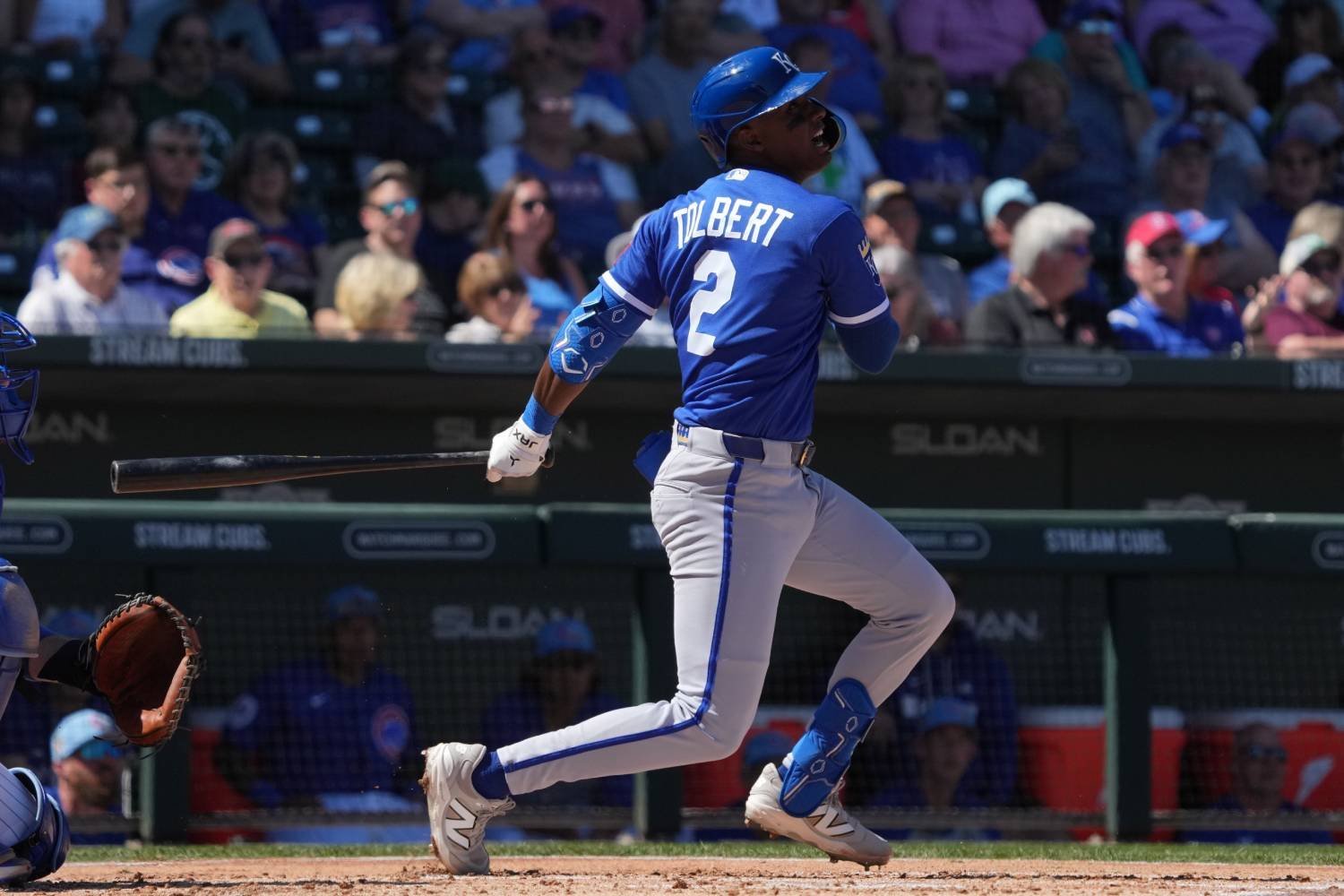 It is another chance for Tyler Tolbert. The Kansas City Royals called up Tolbert, a second baseman, from Triple-A Omaha on Friday. Catcher Elias Diaz was designated for assignment. This is the speedy Tolbert's second appearance on the Royals' roster this year after making the team out of spring training. But Tolbert appeared in just eight games and went 1-for-5 at the plate in the three weeks he was on the roster. After being optioned to Omaha on April 19, Tolbert put up a .260/.365/.288 slash line with no homers, five RBIs and eight stolen bases in 20 games. He made his MLB debut a year ago, playing in 64 games with a slash line of .280/.321/.380 with one homer, six RBIs and 21 steals. Diaz's DFA puts the Royals back at the traditional two catchers. The 2023 All-Star Game MVP with the Colorado Rockies slashed .227/.261/.591 with two homers and five RBIs while appearing in 10 games. It also opens up a spot on the 40-man roster. View the full article
 -
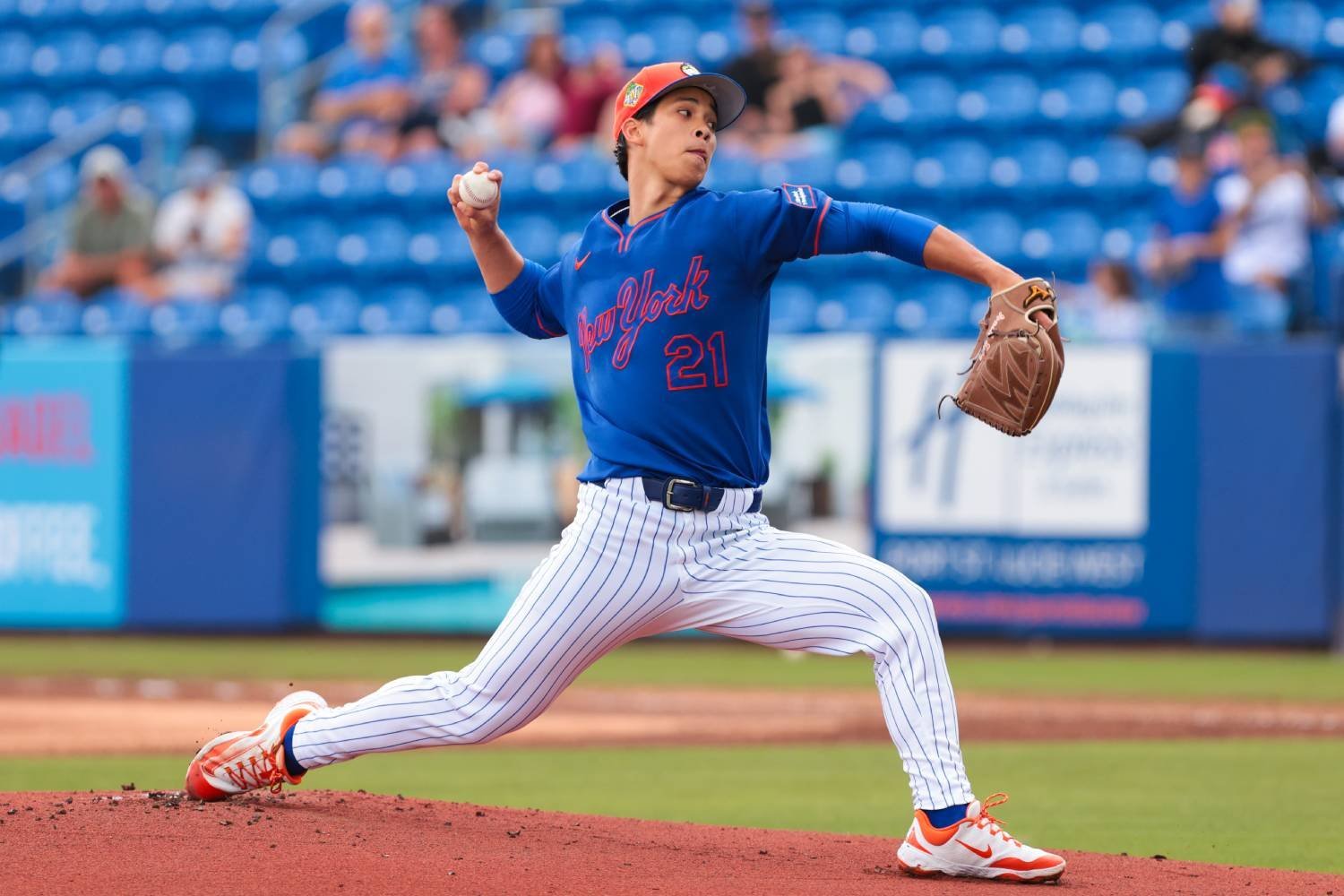 The New York Mets' youth movement continues, only this time it isn't for an MLB debut. Right-handed starter Jonah Tong is being promoted from Triple-A Syracuse by the Mets on Friday. Right-handed reliever Craig Kimbrel, one of the top closers of his generation, was designated for assignment. Tong had his MLB debut at the end of last year, making five starts with a 7.71 ERA, walking nine and striking out 22 in 18⅔ innings. But he was sent back to Triple-A to begin this season and has posted a 5.68 ERA in nine starts for Syracuse, with 24 walks and 55 strikeouts with nine homers allowed in 38 innings. Tong is the fourth prospect to be promoted to the majors in the last two weeks, joining outfielders A.J. Ewing and Nick Morabito and left-handed starter Zach Thornton. Ewing is Grand Central Mets' No. 1 prospect, Tong is No. 2, Morabito No. 7 and Thornton No. 11. For Kimbrel, this could mark the end of his career. The owner of 440 career saves, Kimbrel had 14 relief appearances for the Mets this year and has a 6.00 ERA in 15 innings, walking six and striking out 15. He spent 2025 with Atlanta and the Houston Astros. Expected to contend for the NL East title, the Mets entered play Friday at 22-28, 12½ games out of first place. View the full article
 -
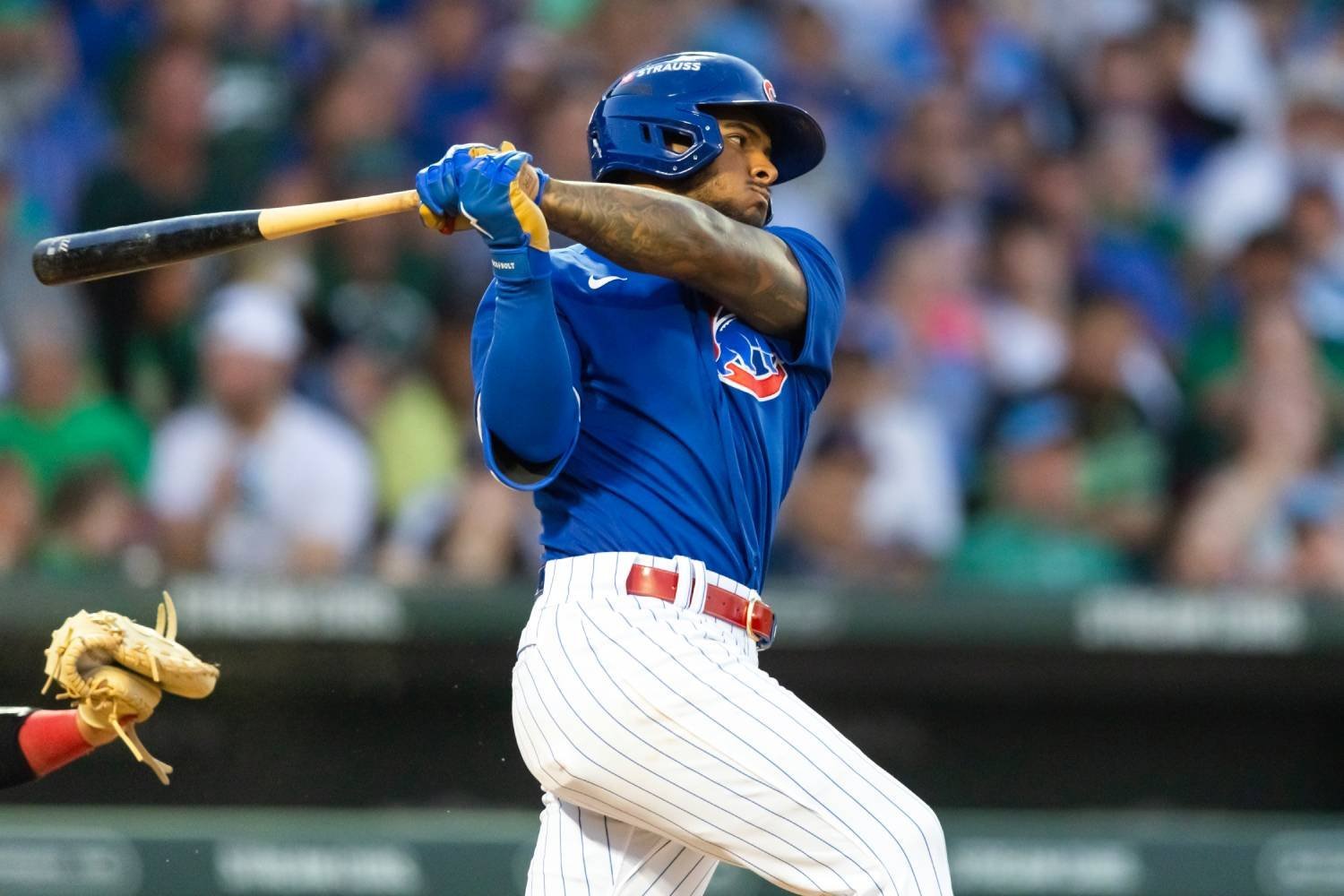 Needing a jolt of energy following a three-game sweep by the Milwaukee Brewers, an injury situation will bring a newcomer to the Chicago Cubs' roster. Infielder Pedro Ramirez, North Side Baseball's No. 3 prospect, was called up by the Cubs from Triple-A Iowa to make his MLB debut as right fielder Matt Shaw went on the 10-day injured list with back tightness. Shaw has been dealing with the back issue all week and the Cubs decided Friday to put him on the IL. Shaw has a .242/.291/.400 slash line with three homers and 12 RBIs in 42 games. Ramirez has made a steady climb up the minor-league ladder, spending each of the last three seasons at Low-A (2023), High-A (2024) and Double-A (2025), then beginning this year at Triple-A. At Iowa, Ramirez has a slash line of .312/.395/.547 with nine homers, 40 RBIs and 19 stolen bases. Manager Craig Counsell said Friday that Ramirez won't be thrown into the starting lineup, instead the Cubs will take this opportunity to expose him to the MLB clubhouse and get his bearings. “It’s not going to be a big playing role,” Counsell said. “If it’s not going to be a playing role, it’s probably going to be a shorter stint. But I think it’s also good for him to get exposure to the Major Leagues, get exposure to the group, get exposure to the schedule, so that if we run into a situation where it is a lot of playing time, he doesn’t have to go through it for the first time while playing.” View the full article
 -
 You can listen by downloading us from iTunes, Spotify, YouTube, iHeartRadio, Stitcher, GleemanAndTheGeek.com, click this link or you can listen to it or watch it below. View the full article
 -
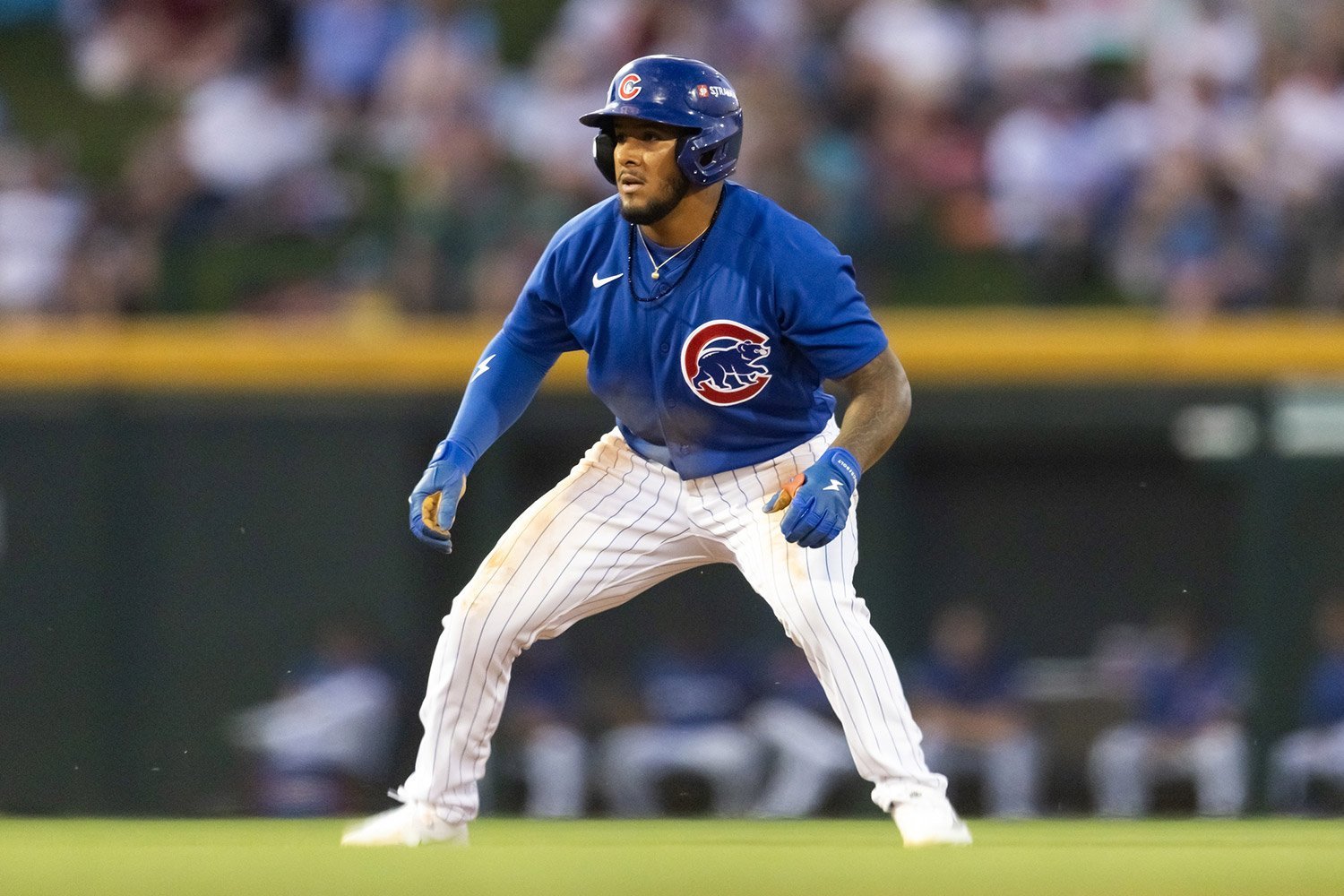 On Friday afternoon, the Chicago Cubs called up infielder Pedro Ramirez to the major league roster, rewarding the youngster's breakout season. Ramirez has enjoyed one of the best starts to the system of any Cub, regardless of level, and now he'll take his talents to the North Side. But what are the Cubs getting in their newest addition? Pedro Ramirez Strengths The first thing that stands out for Pedro Ramirez is his contact rates. His "worst" strikeout rate was 17.1% and came in his first real taste of Myrtle Beach. Since then, he's hovered in the 15-16% range regardless of where he hit; this is a massive green flag for the infielder. What's even better is that despite Ramirez clearly adding more pop to his game in 2026 (he's already set a career high for home runs through May), he's done so while maintaining a really excellent 16.3 K%. More home runs and all the same contact ability are a great start. Another positive is that Ramirez has some excellent batted ball data. He's on the small side; however, he maintains some strong exit velocity data as he sits around the 75th (or better) percentile for things such as his exit velocity and max-EV. Even his barrel rate and pull-air% are strong for a hitter who swings more than average, as many times, players who tend to make a lot of contact and swing a lot have a tendency to make more weak contact. As it pertains to pitch-level data, Ramirez has excelled at hitting many different types of pitches, none more so than his ability to mash fastballs on the season. He has just a 10.9 whiff% on the pitch to go along with a .377 wOBA. Because he's a switch-hitter, he's capable of taking away pitchers' offerings that would normally neutralize a hitter who can only hit from one side of the plate. We can see this in how much damage he's done on sinkers and sliders; both pitches he's currently got a wOBA over .400 against. He has very few pitch-level weaknesses currently, giving him a more rounded approach at the plate. While Ramirez is a switch-hitter, it's his left-handed swing that carries the day. When facing righties, Ramirez shows off much more pop in his bat. He's just more athletic from the left side and is able to hit the ball better. This isn't anything that is special about the infielder, as most hitters have a "better" side (i.e., Ian Happ is much better left-handed than right-handed most years). While the right-handed swing is fine, it's his ability to hit RHP that will likely be the carrying factor. Defensively, Ramirez won a minor league gold glove as a third baseman last season and has been showing some versatility lately as the Iowa Cubs have given him some work in the outfield. It's unlikely he's a capable shortstop, but second, third, left, and right field all seem on the table, giving him solid versatility and multiple pathways into being a successful MLB player. Pedro Ramirez Weaknesses Pedro Ramirez is a bit of a free swinger, and will likely face some "hyper-aggressive" adjustments not dissimilar to issues Matt Shaw and Moises Ballesteros have faced upon their callups. Ramirez has a tendency to chase pitches while still making a lot of contact, and MLB pitchers are far more capable of attacking this weakness than Triple-A arms. It shouldn't surprise anyone if he "gets himself out" on some weak ground balls for a while as he learns "just because I can hit it doesn't mean I should". If there's one pitch he's seemingly struggled on this year, it's the sweeper. He has his lowest batting average (.182) and wOBA (.301) on this offering. He tends to expand the most on sweepers (with an o-swing% over 30%) and his highest whiff% on the year. No one is perfect, but this seems like a pitch potential veterans may look to exploit more. As noted earlier, Ramirez tends to struggle more with his right-handed swing. He doesn't hit the ball nearly as hard, doesn't pull the ball nearly as much, and doesn't appear to have the natural feel for it. The positive is that he makes up for a lack of power with a lot of contact and a bit better zone-awareness, but continuing to refine his right-handed swing would make him go from promising to downright dangerous. Ramirez's Fit With Cubs Pedro Ramirez is being called up to take Matt Shaw's position for the time being, though his fit will be a little different. Swinging better from the left side means that he won't so easily fit Shaw's best offensive aspect, his ability to hit left-handed pitchers, but will provide much of the same versatility in defensive positions and base running that will be lost. This is an exciting call-up and one that probably wasn't on many people's radar a few months ago, but it's well deserved. Ramirez has hit at every single level he's been at and been young for his competition, and we all (myself included) have likely slept on him. With him breaking out due to his increase in home runs, he's gone from a prospect who was likely slept on to someone who looks like he could be a true MLB regular, and it will be exciting to see him get his first taste of the Show this weekend in Wrigley. View the full article
 -
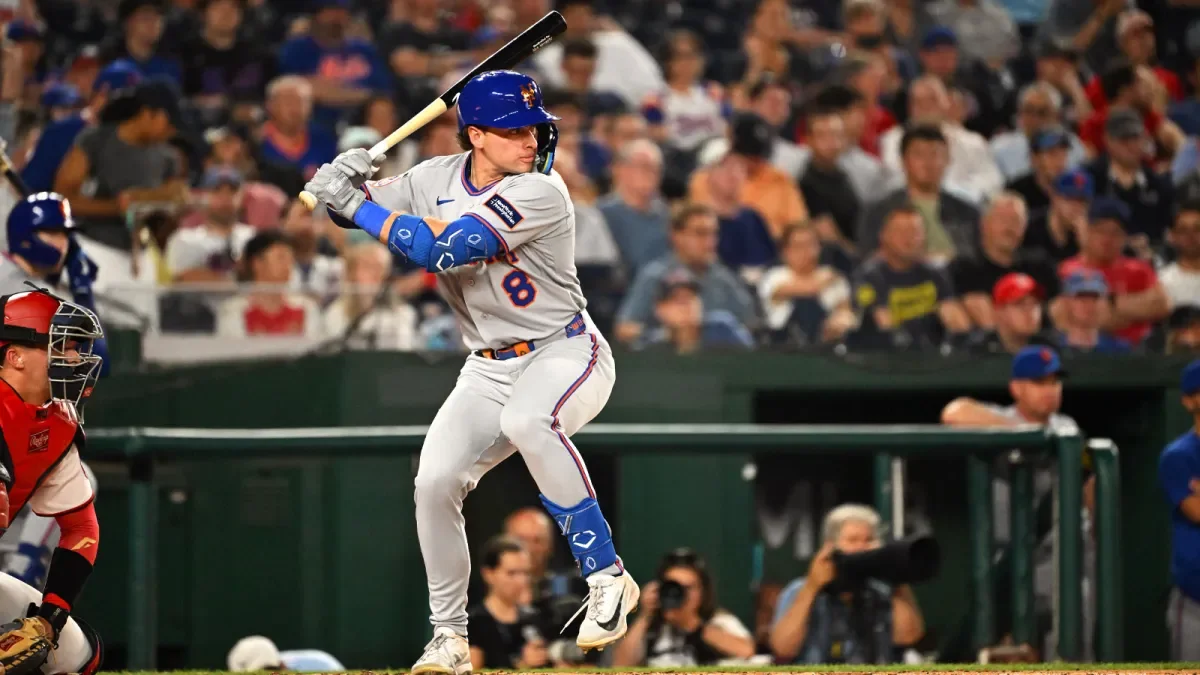 After the punch to the gut that was the Mets in April, a stronger May makes for sweeter times, with the tasty cherry on top that is the callup of Nick Morabito, joining Carson Benge and AJ Ewing in an outfield marked by youth, speed, and plate discipline. The Mets were less than disciplined in how they chose to introduce Morabito though, and in stewarding the team's legacy, it seems they have a surfeit of trouble getting out of their own way. They need your help, and you can make your voice heard in the Grand Central Mets forums. It's Morabito Time Tired of retread guys from other organizations trying to find a Metly identity, well, every day, new guys are being born into their Mets indentity, and this week, the Mets welcomed a neonate with a fresh set of magnificently fast legs, a fresh batting eye at the plate, and an old number, And yeah, they kind of screwed it up. One Hundred Ways to Honor Gary Carter Without Retiring the Number 8 Number retirements have grown old, tired, and stale. The honor has been watered down, and there is a finite amount of two-digit identifiers available to issue, so baseball's lack of creativity has set it on a crash course with history. None of that means figures like the celebrated late Mets catcher Gary Carter is unworthy of honor. Just ... you know ... let's think outside of the very small box of number retirement in doing that. Clay Holmes has a Fractured Tibia Fibula Somehow, a good reliever has been turned into a very good starter by the Mets. There Clay Holmes was, perched atop a Mets rotation that had others vying for ace status, before a liner off his leg knocked him off his perch. How do we help the Mets solve these and other problems? Help us get there at The Grand Central Mets forums. A great community of thoughtful Mets fans needs YOUR VOICE! View the full article
 -
 Cubs Transactions No Roster Moves Wicks Brilliant, But Iowa Bats Go Cold In 1-0 Loss To Memphis The Iowa Cubs, playing as the Iowa Oaks for the night, dropped a 1-0 decision to the Memphis Redbirds at Principal Park, falling despite outhitting the visitors 6-4. Starter Jordan Wicks was excellent across five scoreless innings, allowing just one hit while walking two and striking out two. Luis Peralta took the loss after surrendering the game's lone run over two innings of relief, allowing one hit, walking one, and striking out two. Tyler Ferguson worked a hitless eighth, and Corbin Martin tossed a clean ninth with a strikeout. The game's only run came in the top of the sixth off Peralta. Memphis opened the inning with a hit-by-pitch and a walk to put runners on, then a single loaded the bases. A sacrifice fly to center field plated the runner from third before a 5-4-3 double play ended the threat. Iowa nearly answered in the bottom of the ninth. With one out, Kevin Alcántara drew a walk, James Triantos followed with a single to center, and Owen Miller laced a single to left field. Alcántara was thrown out at home plate on the throw from left field, ending the game with the tying run dying ninety feet from home. Miller led Iowa with two hits, while BJ Murray, Triantos, Chas McCormick, and Brett Bateman each added one. Bateman's double was the team's lone extra-base hit. Iowa drew three walks but struck out eight times and stranded six runners. Player AB R H RBI BB K Justin Dean 3 0 0 0 1 3 BJ Murray 4 0 1 0 0 2 Jonathon Long 4 0 0 0 0 0 Kevin Alcántara 2 0 0 0 2 2 James Triantos 4 0 1 0 0 0 Owen Miller 4 0 2 0 0 0 Chas McCormick 3 0 1 0 0 1 Eric Yang 3 0 0 0 0 0 Brett Bateman 3 0 1 0 0 0 Player IP H R ER BB K HR Jordan Wicks 5 1 0 0 2 2 0 Luis Peralta 2 1 1 1 1 2 0 Tyler Ferguson 1 2 0 0 1 0 0 Corbin Martin 1 0 0 0 0 1 0 Knoxville Smokies: No Game Scheduled The Double-A Smokies did not play. Halbach Homers, Four-Run Fifth Carries South Bend Past West Michigan The South Bend Cubs rolled past the West Michigan Whitecaps 7-1 at LMCU Ballpark, breaking the game open with a four-run fifth inning. Starter Ethan Flanagan allowed one unearned run on three hits over four innings, walking none and striking out three. Kenyi Perez followed with a perfect inning of relief and two strikeouts. Kevin Valdez tossed four scoreless innings on four hits with one walk and two strikeouts to earn his second win. After West Michigan scratched out an unearned run in the bottom of the first, the Cubs answered with two in the third. Leadoff man Kane Kepley singled home Christian Olivo, and Cameron Sisneros followed with a single that scored Kepley to give South Bend a 2-1 lead. Matt Halbach launched his fourth home run of the season in the fourth to push it to 3-1. The fifth inning was the difference. Olivo and Kepley both walked to start the frame, Leonel Espinoza laced a two-run double to left, and cleanup hitter Kade Snell singled home Espinoza. South Bend pushed one more run across before the inning was through to make it 7-1. Espinoza led the offense with two hits and three RBI. Sisneros and Snell each added two hits and an RBI, and Kepley reached base three times with a hit and a walk, scoring twice and driving in one. Halbach contributed a hit and the home run. South Bend collected nine hits and drew five walks. Player AB R H RBI BB K Kane Kepley 4 2 1 1 1 0 Leonel Espinoza 5 1 1 2 0 1 Cameron Sisneros 4 0 2 1 1 0 Kade Snell 5 1 2 1 0 1 Matt Halbach 4 1 1 1 0 0 Alex Madera 3 0 1 0 1 0 Justin Stransky 4 0 0 0 0 1 Drew Bowser 4 0 0 0 0 3 Christian Olivo 2 2 1 0 2 1 Player IP H R ER BB K HR Ethan Flanagan 4 3 1 0 0 3 0 Kenyi Perez 1 0 0 0 0 2 0 Kevin Valdez 4 4 0 0 1 2 0 Lovich Homer Lone Bright Spot As Rain Ends Pelicans' Night The Myrtle Beach Pelicans dropped a rain-shortened 3-1 decision to the Kannapolis Cannon Ballers at Atrium Health Ballpark, with the game called in the bottom of the fifth. Starter Daniel Avitia took the loss despite a strong strikeout effort, going four innings with seven strikeouts on three hits, three runs, two earned, and three walks. He surrendered a two-run home run in the third that proved to be the decisive blow. Edwardo Melendez followed with a third of an inning, allowing one hit and striking out one before the game was called. Kannapolis took an early 1-0 lead in the first when a Pelicans throwing error allowed an unearned run to score. The home side made it 3-0 in the third on the two-run home run off Avitia. The Pelicans finally got on the board in the fifth. Eli Lovich led off the inning with a solo home run, his fourth of the season, to cut the deficit to 3-1. That was the only run Myrtle Beach pushed across, as the next two batters were retired, and play was halted with one out in the bottom of the inning due to rain. Myrtle Beach finished with four hits and one extra-base hit, Lovich's homer. Josiah Hartshorn, Derniche Valdez, Lovich, and Edward Vargas each had one hit. The Pelicans drew two walks but struck out seven times against Kannapolis pitching. Player AB R H RBI BB K Alexis Hernandez 2 0 0 0 1 1 Alexey Lumpuy 2 0 0 0 1 2 Josiah Hartshorn 2 0 1 0 0 0 Jose Escobar 2 0 0 0 0 1 Yahil Melendez 2 0 0 0 0 1 Derniche Valdez 2 0 1 0 0 0 Jairo Diaz 2 0 0 0 0 2 Eli Lovich 2 1 1 1 0 0 Edward Vargas 2 0 1 0 0 0 Player IP H R ER BB K HR Daniel Avitia 4 3 3 2 3 7 1 Edwardo Melendez 1/3 1 0 0 0 1 0 Top-20 Prospect Performance Jefferson Rojas: DNP Jaxon Wiggins: DNP Pedro Ramirez: DNP Kevin Alcantara: 0-for-2, 2 BB, 2 K Josiah Hartshorn: 1-for-2 Ethan Conrad: DNP Kane Kepley: 1-for-4, RBI, BB Jonathon Long: 0-for-4 James Triantos: 1-for-4 Cole Mathis: DNP Owen Ayers: DNP Brooks Caple: DNP Juan Cabada: DNP Kaleb Wing: DNP Angel Cepeda: DNP Dominick Reid: DNP Jostin Florentino: DNP Ty Southisene: DNP Will Sanders: DNP Brandon Birdsell: DNP View the full article
 -
Red Sox Minor League Report: Who Could Be Promoted To Worcester?
DiamondCentric posted an article in Talk Sox
 In this week's episode, Nick is back and talking about his weekend trip to Hartford, along with the three games he's been to in Worcester so far this week. He discusses how John Holobetz, Hayden Mullins, and Blake Wehunt should all be in line for an eventual promotion to Worcester, as are Nate Baez and Brooks Brannon, before breaking down why the Red Sox may not promote Franklin Arias any time soon. With Worcester, he talks about the three tough losses that have happened so far this week, along with Jake Bennett's outstanding start and Nick's own disappointment at Zack Kelly being optioned to Worcester. Listen on Apple Podcasts: https://podcasts.apple.com/us/podcast/the-talk-sox-podcast/id1783204104 Listen on Spotify: https://open.spotify.com/show/3qPrPXEngu0CxgTmlf0ynm Listen on iHeartRadio: https://www.iheart.com/podcast/263-the-talk-sox-podcast-244591331/ Listen on Pocket Casts: https://pca.st/4tmd121v Watch on YouTube: https://www.youtube.com/@talksox View the full article
 -
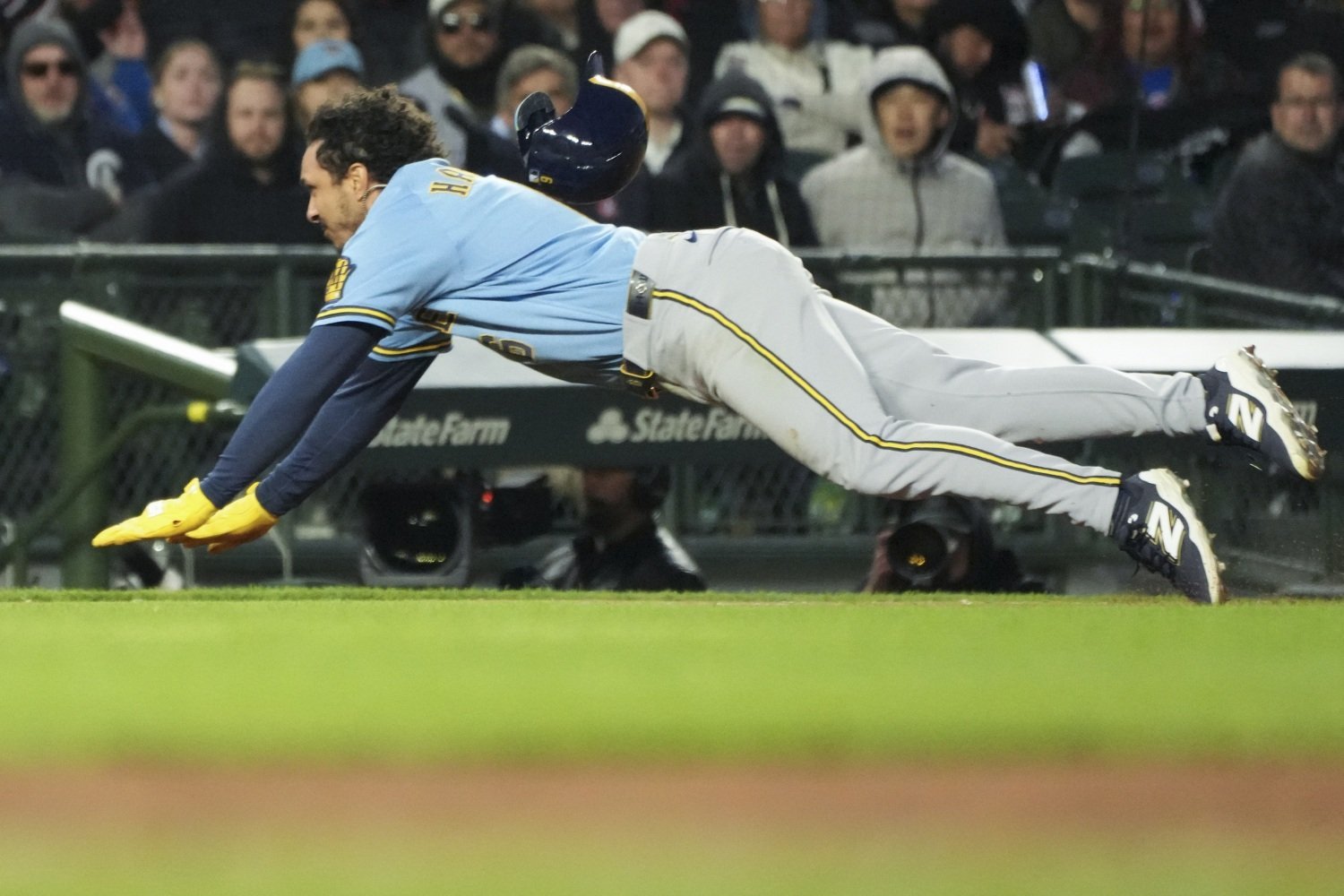 David Hamilton just broke out in the Milwaukee Brewers’ three-game sweep of the Chicago Cubs at Wrigley Field. This is somebody with a unique but beneficial skillset, so today, we’ll dive into what kind of role he could play for Pat Murphy’s squad when he’s at his best. Background Real quickly, I want to recognize that Hamilton was one of three players the Brewers got from the Red Sox in a trade heading into the 2026 season, all of whom seem to have worked out. Kyle Harrison looks like one of the best southpaws in all of baseball, Shane Drohan has turned into a dynamite relief option, and Hamilton got a Little League home run and had his way on the North Side of Chicago this past week. Hamilton was originally an 8th-round pick in the 2019 MLB Draft, but the Brewers shipped him to the Red Sox back in late 2021. As we've talked about all spring, they got him back on the eve of spring training to provide depth on the infield, but also because they really believe in his number-one trait and its utility. Game-Wrecking Speed Let’s talk about what he’s best at, which is utilizing his pure speed. The guy is in the top five percent among all major-league baserunners when it comes to sprint speed. On his hits spray chart, a lot of the baseballs he’s hit have been either in or around the infield, meaning he’s using that blistering speed to leg out some on-base appearances that others simply cannot manage. His nine bunt hits easily leads the league. This is somebody who makes opportunities for himself. Look no further than his stolen base numbers. Hamilton has 10 stolen bases already this season, and he’s only played in 39 contests, many of them either as a sub or before being replaced himself. As expected, he's pacing toward what would be 50-plus steals in full playing time. Even in a day and age where the pitch clock, disengagement limits and larger bases exist, that is very impressive. Launch Angle May Not Matter Hamilton’s launch angle is actually as low as it’s been in his four-year major-league career, currently sitting at 12°. Typically, I’d say that’s a bad thing. Plenty of players who hit for power want that perfect combination of high exit velocity and a steep launch angle. In Hamilton’s case, it’s actually alright to root for the opposite. If he’s not barrelling the ball a ton, you don’t want to see the ball up in the air, because if someone catches it, then speed is irrelevant. Seeing this former Red Sox speedster essentially slap the ball around on the ground could work, considering he has such blistering speed. It's good to be wary of this as a general approach, but for Hamilton, there's value in hitting ground balls—especially if it means reducing swing-and-miss. Walk, Walk, Walk Some More So far, it sounds like a Milwaukee Brewer right? Hamilton has played multiple positions, he’s a blur of a baserunner, and it doesn’t stop there. Let’s talk about that approach. The 28-year-old University of Texas alumnus has an 11.5% walk rate. That's well above the league average, nestled in the top 27 percent among all major leaguers. Right there with that stat is another favorable sign of a great contact hitter: Hamilton doesn’t whiff a whole lot. He has an 18.9% whiff rate, which puts him in the top 21% of hitters. Slightly High Strikeout Rate Now, considering that he isn’t a power hitter, is there anything else in Hamilton’s game that could use some adjustments? Well, the strikeout rate is just a tad above average. Hamilton is coming up empty about 20 percent of the time. Obviously, this one is pretty self-explanatory, but it’s tough to put that speed to work if those K rates are spiking. Right now, it isn't too concerning, but the dearth of power applies lots of pressure to be an in-play maven who finds ways on base frequently. Hamilton should continue working on that, as well as shoring up his defense on the left side of the infield. If he does, he's likely to keep finding ample playing time for Murphy, who loves his speed at the bottom of the lineup card. View the full article
 -
BREAKING: Twins Promote Top Outfield Prospect Gabriel Gonzalez
DiamondCentric posted an article in Twins Daily
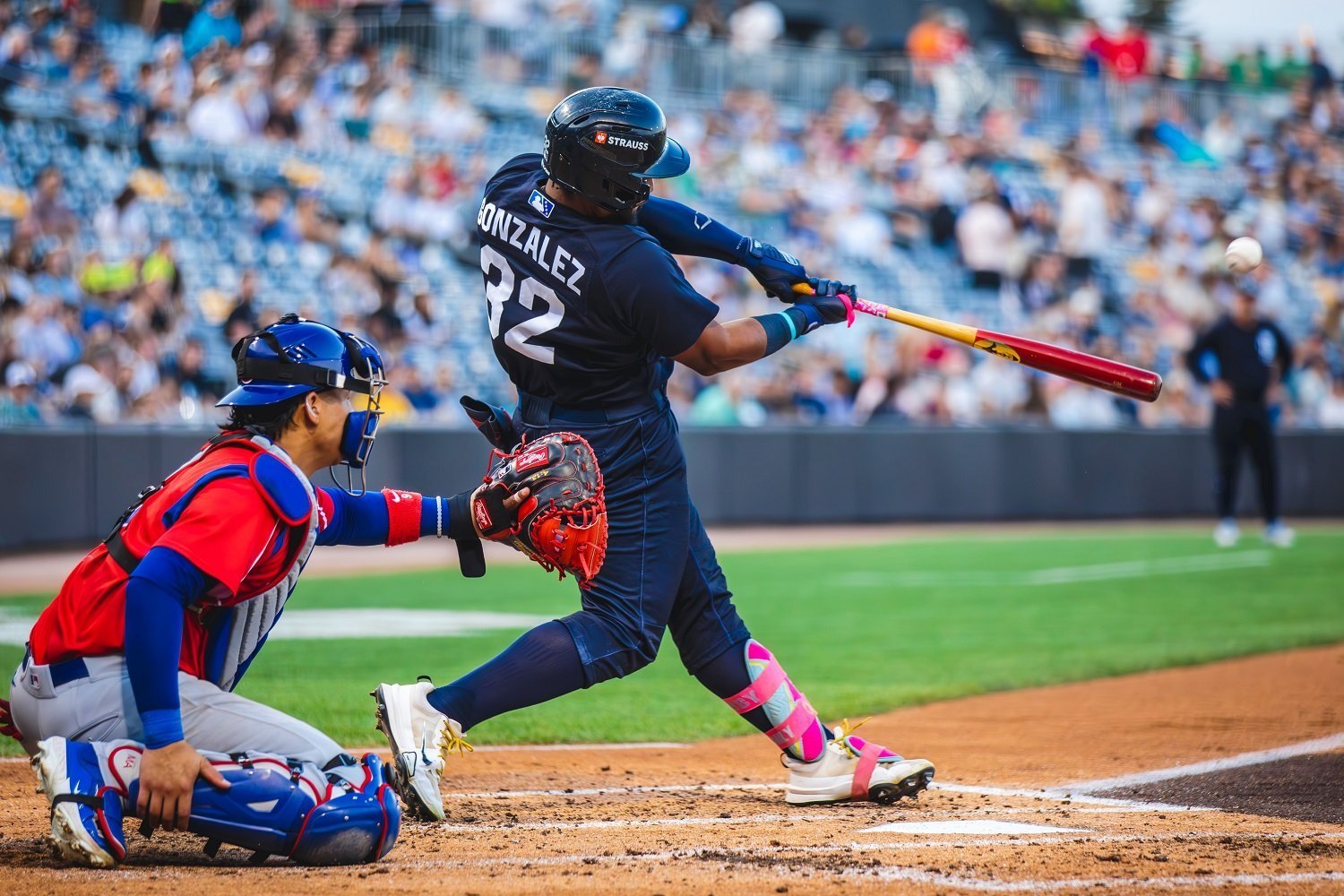 The Minnesota Twins are set to give Gabriel Gonzalez his first taste of the big leagues. Minnesota recalled the 22-year-old outfielder from Triple-A St. Paul on Friday, before opening a series against the Red Sox. Infielder Tristan Gray is heading to the paternity list in the corresponding move, creating a short-term roster opening for one of the organization’s more intriguing bats. Gonzalez was already on the 40-man roster, after the Twins protected him from the Rule 5 Draft last November. At least for now, this feels more like an opportunity to get Gonzalez's feet wet than a permanent arrival. Players on the paternity list can miss up to three days, and teams will occasionally stretch that timeline slightly with a follow-up restricted list move. Still, Gray is expected back relatively quickly, likely sometime during next week’s series against the White Sox. That means Gonzalez may have only a weekend's worth of games to make an impression before heading back down to St. Paul. But even a temporary promotion matters for a player like Gonzalez. The Twins didn’t have many realistic position-player options available after sending both Royce Lewis and Matt Wallner to Triple-A earlier this week. Minnesota’s upper-level depth has thinned out considerably, especially among players already on the 40-man roster. Gonzalez and fellow outfielder Hendry Mendez were the two obvious names, but Mendez was only promoted to Triple-A a couple of weeks ago. Gonzalez was the cleaner fit. And honestly, the timing makes sense. Gonzalez arrived in the organization with plenty of hype after the Twins acquired him from the Mariners in the Jorge Polanco trade before the 2024 season. He was viewed as the headline prospect in the deal, with a reputation as a polished young hitter with advanced bat-to-ball skills and emerging power. The shine dimmed a little after an uneven first season in the organization. Gonzalez battled through a back injury while putting together a fairly underwhelming year at High-A with a .707 OPS. Suddenly, the prospect who looked like a fast-moving offensive prospect started looking more human. To his credit, he responded well last season and hit enough to move from High- to Triple-A. His .909 OPS earned him Twins Daily’s Minor League Hitter of the Year. The numbers haven’t exploded in 2026, but there are still reasons for optimism. Across 197 plate appearances with the Saints, Gonzalez owns a .216/.294/.392 slash line with eight home runs while striking out at a manageable 20% rate. A lot of the depressed production can be traced to an ugly .231 batting average on balls in play, suggesting there may have been some poor luck mixed in with the inconsistency. The tools are still there. Twins Daily currently ranks Gonzalez as the No. 10 prospect in the Twins organization. Evaluators continue to believe in the hit tool and raw power potential, though they’ve also pointed to his aggressive approach and tendency to pound balls into the ground as reasons the game power hasn’t fully shown up yet. He's hitting too many ground balls (and too many pop-ups) this year, but he's still showing the ability to hit the ball hard at times, and he's a pull hitter. He’s not a burner on the bases, and plays corner outfield spots defensively, meaning the bat has to carry a significant portion of the profile. Fortunately for the Twins, one area where Gonzalez has consistently looked comfortable is against left-handed pitching. Last season, he torched lefties to the tune of a .368/.430/.592 line. Even during this year’s offensive downturn, he’s still producing a strong .263/.328/.544 slash line against southpaws. That could become important immediately. Boston is expected to start left-hander Payton Tolle on Friday night, which makes Gonzalez a logical candidate to jump directly into the lineup for his MLB debut. It may only last a few days, but in the next few months, maybe it becomes something more. By calling up the outfielder to replace Gray (who has become the primary third baseman), the team sets themselves up to get another few looks at intriguing breakout-in-progress Ryan Kreidler. At the very least, Twins fans finally get their first look at the player who has quietly become one of the organization’s more important long-term bets. What can Gonzalez bring to the Twins? Leave a comment and start the discussion. View the full article
 -
 Syracuse and Binghamton handed out wins while Brooklyn and St. Lucie fell. Ryan Clifford's bases-clearing double anchored a five-run sixth as Syracuse beat Buffalo 12-8, with Xzavion Curry starting and going five innings. Binghamton's seven-run ninth at Richmond followed three and one-third scoreless from R.J. Gordon, while Eli Serrano III drove in three. Brooklyn was swept by Hudson Valley despite scoreless work from Hoss Brewer and Cristofer Gomez. St. Lucie fell 18-6 to Palm Beach. Syracuse Pulls Away In 12-8 Win Over Buffalo The Syracuse Mets pulled away from the Buffalo Bisons for a 12-8 victory at NBT Bank Stadium. Eric Wagaman opened the scoring with a solo home run in the bottom of the first, his second of the season. After Buffalo grabbed a 3-2 lead in the third, Syracuse battled back into a 4-4 tie through five. Starter Xzavion Curry worked five innings, allowing four runs, all earned, on six hits with three walks and two strikeouts. Danis Correa followed with two scoreless innings, striking out one and allowing one hit. The sixth broke the game open. Yonny Hernández singled, and Cristian Pache reached on a force play before Ben Rortvedt and Jackson Cluff drew back-to-back walks to load the bases. Matt Rudick was hit by a pitch to bring home Pache. After a strikeout, Ryan Clifford laced a double to right field that cleared the bases, scoring Rortvedt, Cluff, and Rudick. Wagaman walked, and Jihwan Bae singled in Clifford to cap the five-run frame. Syracuse added three more in the eighth, with Pache delivering a two-RBI double that brought home Bae and Hernández. Clifford finished with three RBI, a double, and a walk. Cluff drew three walks, added a single, and scored three runs. Wagaman went 2-for-3 with the home run, two walks, and a run. Bae added two hits and two RBI from the cleanup spot. The Mets stranded seven runners. Player AB R H RBI BB K Christian Arroyo 4 0 1 2 0 1 Ryan Clifford 4 2 1 3 1 1 Eric Wagaman 3 1 2 1 2 0 Ji Hwan Bae 5 1 2 2 0 0 Yonny Hernández 5 1 2 0 0 1 Cristian Pache 5 1 1 2 0 1 Ben Rortvedt 4 2 1 0 1 1 Jackson Cluff 1 3 1 0 3 0 Matt Rudick 3 1 1 1 0 0 Player IP H R ER BB K HR Xzavion Curry 5 6 4 4 3 2 1 Danis Correa 2 1 0 0 0 1 0 Jonathan Pintaro 2/3 0 1 1 1 0 0 Anderson Severino 1/3 1 1 1 3 0 0 Dylan Ross 2/3 1 2 2 3 1 0 Nate Lavender 1/3 0 0 0 0 0 0 Binghamton's Ninth-Inning Surge Caps 9-2 Win At Richmond The Binghamton Rumble Ponies broke a tie game with seven runs in the top of the ninth to defeat the Richmond Flying Squirrels 9-2 at The Diamond. R.J. Gordon set the tone, working three and one-third innings of two-hit, shutout ball with two walks and four strikeouts. Max Green followed with two and two-thirds scoreless innings, allowing one hit and striking out three. Felipe De La Cruz turned in a perfect inning with two strikeouts, and Brian Metoyer closed with a scoreless ninth. Tied at zero through five, Binghamton broke through in the sixth. With one out, Wyatt Young and Marco Vargas singled to put runners at the corners, and Eli Serrano III ripped a two-RBI double to right field, scoring both for a 2-0 lead. After Richmond evened things with two in the eighth off Douglas Orellana, Binghamton answered in the ninth. Jacob Reimer doubled to lead off, advanced on a groundout, and scored along with Jose Ramos on D'Andre Smith's misplayed sacrifice fly. Vincent Perozo was hit by a pitch to plate Smith. Bases-loaded walks to Young, Vargas, and Reimer brought in three more, and Serrano added a sacrifice fly to bring home Young. Vargas led off the order with two hits and a walk. Young scored twice from the bottom of the lineup. Serrano finished with three RBI. Player AB R H RBI BB K Marco Vargas 4 1 2 1 1 1 Jacob Reimer 4 1 1 1 1 2 Eli Serrano III 4 0 1 3 0 1 Jose Ramos 3 1 0 0 1 2 D'Andre Smith 4 1 0 1 0 1 Nick Lorusso 3 1 0 0 1 1 JT Schwartz 3 1 0 0 1 0 Vincent Perozo 3 1 0 1 0 2 Wyatt Young 3 2 1 1 1 0 Player IP H R ER BB K HR R.J. Gordon 3 1/3 2 0 0 2 4 0 Max Green 2 2/3 1 0 0 1 3 0 Felipe De La Cruz 1 0 0 0 0 2 0 Douglas Orellana 1 2 2 2 0 1 0 Brian Metoyer 1 1 0 0 0 0 0 Brooklyn Drops Opener 7-3 To Hudson Valley The Brooklyn Cyclones fell behind early and could not recover in a 7-3 loss to the Hudson Valley Renegades in the opener of a doubleheader at Maimonides Park. Hudson Valley plated three in the first and four in the fourth to take command. Starter Noah Hall struggled with command, charged with seven runs, all earned, on nine hits over five innings, walking three and surrendering a home run. Bryce Jenkins followed with two scoreless innings and a strikeout. Brooklyn began chipping away in the fourth. John Bay led off with a double, advanced to third on a strikeout, and scored when JT Benson grounded out. Daiverson Gutierrez then drove a solo home run to left field, his second of the season, to cut the deficit to 7-2. The Cyclones added one more in the fifth. Trace Willhoite doubled to start the frame, Nick Roselli and Diego Mosquera worked back-to-back walks to load the bases, and after two strikeouts, Corey Collins was hit by a pitch to bring Willhoite home. Daiverson Gutierrez led the offense with the home run and an RBI. John Bay added a double and a run scored. Trace Willhoite picked up a double and a run. Leadoff hitter Yonatan Henriquez and Colin Houck each struck out three times, part of a 16-strikeout day for the lineup. Player AB R H RBI BB K Yonatan Henriquez 4 0 0 0 0 3 John Bay 3 1 1 0 0 2 Corey Collins 2 0 0 1 0 2 JT Benson 3 0 0 1 0 1 Daiverson Gutierrez 3 1 1 1 0 1 Colin Houck 3 0 0 0 0 3 Trace Willhoite 3 1 1 0 0 1 Nick Roselli 2 0 0 0 1 2 Diego Mosquera 2 0 1 0 1 1 Player IP H R ER BB K HR Noah Hall 5 9 7 7 3 0 1 Bryce Jenkins 2 0 0 0 0 1 0 Cyclones Shut Out By Hudson Valley 7-0 In Nightcap The Brooklyn Cyclones managed just two hits in a 7-0 loss to the Hudson Valley Renegades in the second half of a doubleheader at Maimonides Park. The Renegades pulled away with a two-run home run in the second and a five-run fifth. Starter Hoss Brewer worked two innings, allowing two runs, both earned, on two hits with one walk and three strikeouts. Cristofer Gomez followed with two scoreless innings, walking none and striking out two. Dakota Hawkins gave up five runs, only one earned, in two-thirds of an inning, surrendering four hits, including a two-run home run. The Cyclones' offense never threatened. In the bottom of the first, Ronald Hernandez walked, and John Bay singled, but Brooklyn stranded both. Yonatan Henriquez led off the sixth with a single before Mitch Voit grounded into a double play to end the inning. The fifth was the back-breaker. A leadoff triple scored on a Brooklyn throwing error, a second runner reached on another fielding error, a sacrifice fly brought a run home, a two-run home run extended the gap, and a bases-loaded walk made it five runs in the inning, all on four hits and two Cyclones errors. John Bay finished with a hit and a stolen base. Henriquez added a single from the leadoff spot. Brooklyn struck out eight times and committed two errors. Player AB R H RBI BB K Yonatan Henriquez 3 0 1 0 0 2 Mitch Voit 3 0 0 0 0 0 Ronald Hernandez 2 0 0 0 1 1 John Bay 3 0 1 0 0 0 Daiverson Gutierrez 3 0 0 0 0 0 JT Benson 2 0 0 0 0 1 Colin Houck 2 0 0 0 0 1 Trace Willhoite 2 0 0 0 0 1 Sam Biller 2 0 0 0 0 2 Player IP H R ER BB K HR Hoss Brewer 2 2 2 2 1 3 1 Cristofer Gomez 2 0 0 0 0 2 0 Dakota Hawkins 2/3 4 5 1 0 1 1 Ryan Dollar 2/3 0 0 0 4 1 0 Juan Arnaud 2/3 0 0 0 1 1 0 Diego Mosquera 1 0 0 0 0 0 0 St. Lucie Outslugged 18-6 By Palm Beach At Clover Park The St. Lucie Mets jumped ahead early but were overwhelmed in an 18-6 loss to the Palm Beach Cardinals at Clover Park. The Cardinals scored eight runs in the fifth inning and five more in the seventh, the latter on a grand slam, to bury the home side. Starter Cam Tilly worked three innings, allowing two runs, both earned, on five hits with three walks and three strikeouts, the strongest stretch from the St. Lucie staff. Luis Alvarez followed with one and two-thirds scoreless innings and three strikeouts. The Mets struck first in the bottom of the first. Kevin Villavicencio drew a one-out walk, Randy Guzman doubled to left to plate him, and cleanup hitter Yohairo Cuevas doubled to right to score Guzman for a 2-0 lead. In the third, Guzman walked, and Cuevas tripled to center to bring him in, making it a 3-2 game. From there, it was all Cardinals. Cuevas led the way, going 3-for-3 with a triple, a double, two RBI, and a walk from the cleanup spot. Baylor went 2-for-4 with a home run in the ninth, a double, an RBI, and two runs. Guzman finished 2-for-4 with a double, a walk, and two runs. The Mets struck out 13 times and stranded six runners. Player AB R H RBI BB K Branny De Oleo 5 0 1 0 0 2 Kevin Villavicencio 4 2 0 1 1 0 Randy Guzman 4 2 2 1 1 1 Yohairo Cuevas 3 0 3 2 1 0 AJ Salgado 0 0 0 0 0 0 Julio Zayas 3 0 0 1 1 2 Sam Robertson 4 0 0 0 0 3 Francisco Toledo 4 0 0 0 0 2 Simon Juan 4 0 0 0 0 3 Jamari Baylor 4 2 2 1 0 0 Player IP H R ER BB K HR Cam Tilly 3 5 2 2 3 3 0 Joe Charles 1 1/3 3 6 5 3 1 0 Tyler McLoughlin 1/3 2 2 1 3 1 0 Zack Mack 1 1/3 1 0 0 0 3 0 Jorge De Leon 1/3 2 5 5 6 0 1 Luis Alvarez 1 2/3 0 0 0 0 3 0 Kevin Villavicencio 1 3 3 3 0 1 0 Top-20 Prospect Performance Carson Benge: DNP A.J. Ewing: DNP Jonah Tong: DNP Elian Pena: DNP Jack Wenninger: DNP Ryan Clifford: 1-for-4, 2B, 2 R, 3 RBI, BB, K Jacob Reimer: 1-for-4, 2B, R, RBI, BB, 2 K Nick Morabito: DNP Mitch Voit: 0-for-3 Jonathan Santucci: DNP Chris Suero: DNP Zach Thornton: DNP Wandy Asigen: DNP Will Watson: DNP Eli Serrano III: 1-for-4, 2B, 3 RBI, K Randy Guzman: 2-for-4, 2B, 2 R, RBI, BB, K Ryan Lambert: DNP Dylan Ross: 2/3 IP, H, 2 R, 2 ER, 3 BB, K Antonio Jimenez: DNP R.J. Gordon: 3 1/3 IP, 2 H, 0 R, 0 ER, 2 BB, 4 K View the full article
 -
Forum Friday: Contract Extensions, Out-Getters and Needle-Movers
DiamondCentric posted an article in Brewer Fanatic
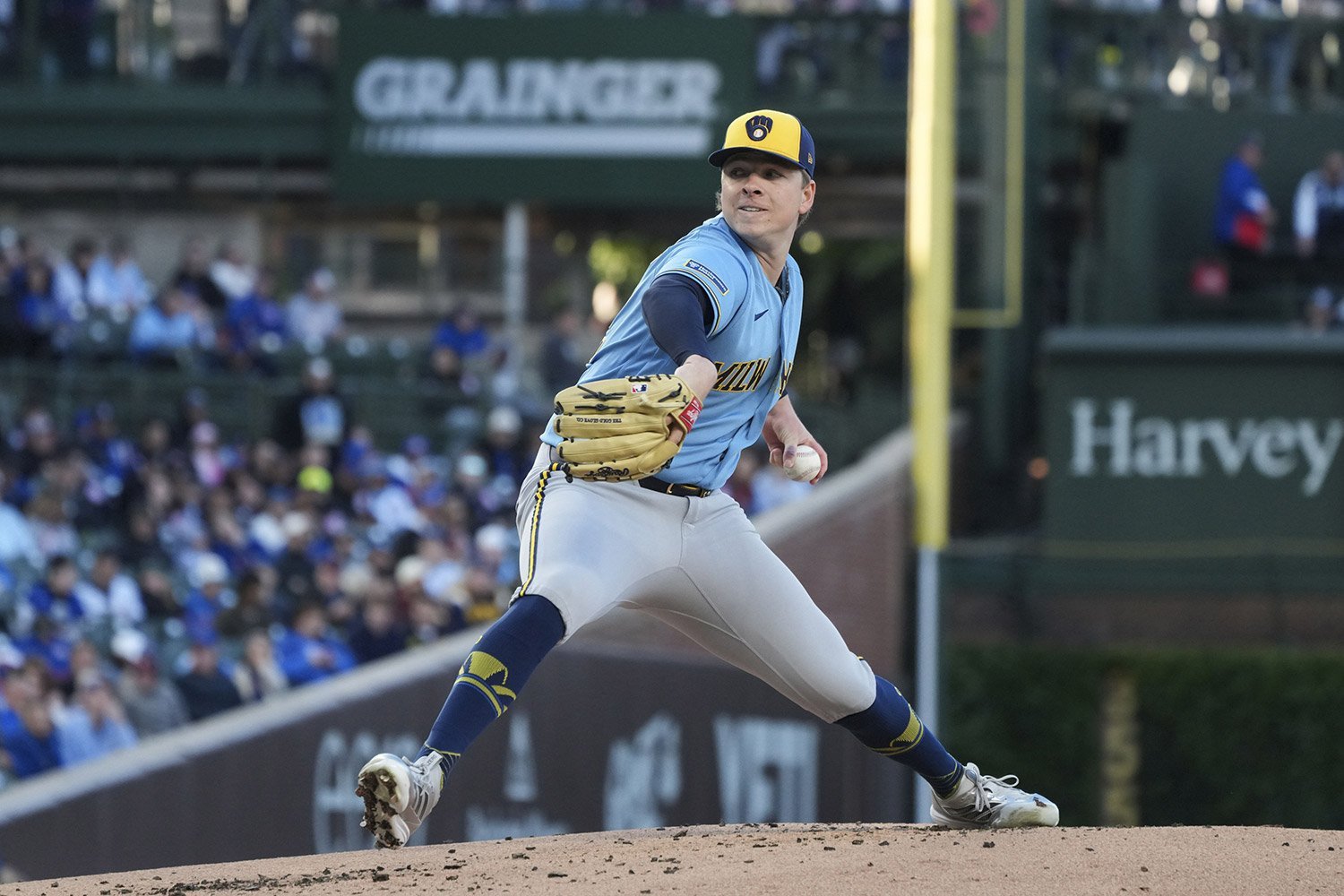 What a difference a week makes! Last Friday, Milwaukee was 2.5 games behind Chicago for the division lead. Today, the Brewers enjoy a 1.5-game lead over the Cubs. Come join the discussion with three of the best thread topics on Brewer Fanatic. Brewers: Harrison Extension Kyle Harrison is garnering national attention for his incredible start to the season. With four full years of team control remaining, is it already too late to offer Harrison a contract extension? Or, after only nine starts in Milwaukee, would the Brewers be foolish to further invest in a player at peak value? The K+, BB+, HR+, ERA-, and FIP- numbers for Kyle Harrison and Jacob Misiorowski are remarkably similar. Most community members agree it would be terrific to keep either or both players, but at what cost? This thread topic includes fascinating discussion about the importance of Milwaukee's front office and coaching staff. Milwaukee has made a habit of trading star pitchers before their final year of team control. But can the Brewers continue to reload with talented young arms? Brewers: Long Term is Patrick a Starter or reliever? Chad Patrick has proven to be a capable starter and an exceptional reliever. The Brewer Fanatic community especially appreciates how Patrick consistently elevates his performance in high-leverage situations. Some posters note how Patrick's fastball touches 96-97 mph out of the bullpen, velocity he rarely reaches as a starter. Milwaukee has benefited from multi-inning ace relievers like Aaron Ashby and Josh Hader, before Hader transitioned to a traditional one-inning closer role. It seems like the Brewers can never have enough talented "out-getters." Chad Patrick might be most helpful in a flexible, undefined role: an occasional spot start, regular multi-inning relief appearances, or right-handed fireman during high-leverage moments. Rumors: Let's Go All In? It would not be summer in Wisconsin without discussion on whether Milwaukee needs to add more needle-movers to compete for a championship. With the Brewers back in first place, is now the time to add a bat like CJ Abrams or Byron Buxton? This thread topic explores the constant tension between the Brewers' long-running "bites of the apple" approach and doing everything possible to win a World Series. A compelling point was made that Milwaukee's best opportunity to beat the Dodgers could be in two or three seasons. The Brewers' top prospects will have big league experience by then, and Los Angeles' aging core of players will mercifully be past their prime. Lost in the shuffle with all the excitement at the big league level are equally exciting developments in the minor leagues. Nashville reeled off nine consecutive wins, and many top prospects continue to thrive in May. It's a great day to be a Brewers fan at Brewer Fanatic! View the full article
 -
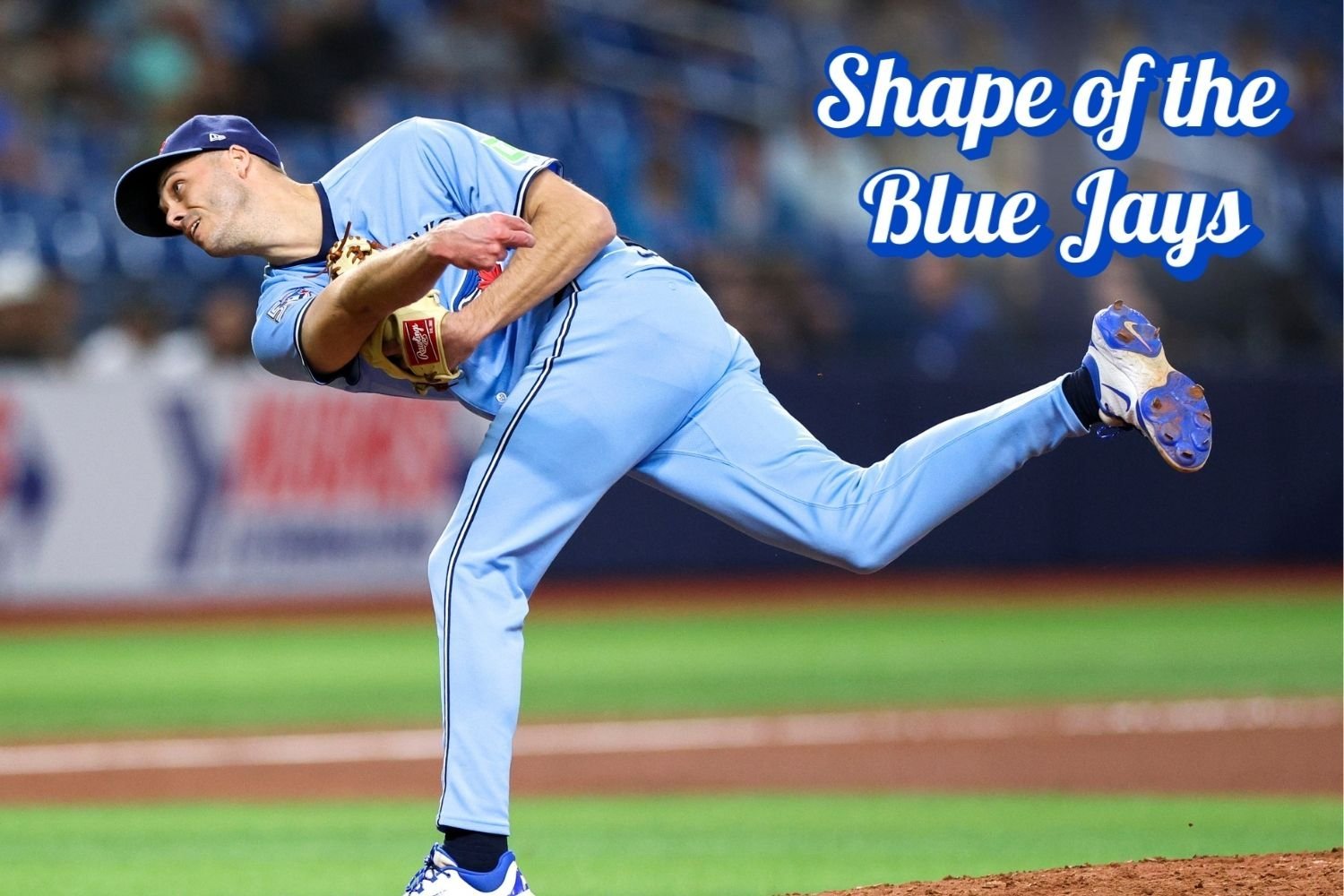 Welcome to Shape of the Blue Jays, my column where I dig into Statcast numbers to analyze recent pitch shape and swing shape trends for Toronto Blue Jays players and discuss how they have impacted their performance. Click here to read the last edition. Quick Hits: Prospects Prospect heads will know that Nolan Perry is already authoring a season to remember. The former 12th-round pick hit the ground running in his return from injury, and his strong start earned him a promotion to High-A Vancouver at the start of May. On Wednesday night, he outdid himself with 10 strikeouts across five shutout innings. In three starts since getting called up, his ERA is a minuscule 0.60, and his strikeout rate is a monstrous 50.9%. Perry, who won Jays Centre's Minor League Starting Pitcher of the Month award for April, boasts a mid-90s fastball that has deceptive carry and a flat approach from a low arm slot. FanGraphs prospect guru Eric Longenhagen said last Friday that he believes Perry could be a top-100 prospect by season's end if he stays healthy. Toronto's pitching pipeline has made some big strides over the past couple of years with the ascension of Trey Yesavage and the consistent growth of Johnny King, who should be headed to Double-A New Hampshire soon. If Perry keeps moving like this, he'll join that group as one of the most valuable young pitchers in the organization. Daulton Varsho Daulton Varsho has gotten hot again, with a walk-off grand slam last week against Tampa, a game-winning hit in the 10th inning in Detroit, and a three-hit night in the Yankees series. The sudden departure from his slug-based pull-air approach that paid massive dividends in a limited sample in 2025 has been a surprise, but it's working. Entering Thursday, his 120 wRC+ nearly matches his 123 wRC+ from last year despite decreases of nearly 3.0 mph in bat speed, 3" in swing length, and 3° in swing tilt. Varsho has never been a successful contact hitter before at the big league level, but he's getting more bat to ball, hitting more line drives, and striking out less than he ever has before. Daulton Varsho, 2026 vs Previous Career Bests Zone Contact% xBA LD% K% 2026 85.1% 0.269 32.8% 19.1% Previous Career High 82.9% 0.245 25.0% 21.3% As our very own Jesse Burrill noted in a recent article, the Jays' lack of slug is frustrating, and they don't exactly need another contact hitter right now, but these changes seem to be a product of Varsho changing his approach based on how he's being pitched. Burrill pointed out that Varsho is seeing fewer pitches down in the zone, especially down and away. The natural plan of attack against a guy with a high attack angle who likes to lift and pull is to pound fastballs at the top of the zone, and Varsho has done well to quickly adjust. Only 11.2% of the pitches he has seen this year have been of the off-speed variety (changeups and splitters, which he has historically crushed). That would be a single-season career low. Tyler Rogers Every time I write about Tyler Rogers, it serves as an important reminder that submarine pitchers with his command simply do not live by the same rules as all other pitchers. So far, he has already appeared in 23 games and has a 1.61 ERA, a first-percentile whiff rate, a 100th-percentile groundball rate, and a 99th-percentile hard-hit rate. Exactly as advertised! A weird quirk has emerged in his statistical profile, though: Hitters have stopped chasing against him. He's walking more than 7% of the batters he's facing for the first time since 2022. Tyler Rogers Chase Rate Breakdown, 2025 vs 2026 Pitch Type 2025 2026 Sinker 27.6% 23.6% Slider 33.3% 25.5% Overall 29.6% 24.3% Overall Percentile 67 9 There are a couple of reasons for this. Most importantly, opposing hitters' zone swing rate against him is down to 67.8% after sitting just above 70% for the past three years, which is likely a testament to his delivery and movement being so confusing that it's easier to decide not to swing at all. Also, the zone rate on his slider is down to 34.7% when it's never been below 45% in a season. Maybe the one-of-a-kind ride-cut shape makes it easier for hitters to lay off compared to his sinker, which falls off the table? He has gone through similar weeks-long stretches of not zoning the slider before, so hopefully it's just small-sample weirdness or a temporary lack of feel. He throws the sinker 77% of the time anyway, so this hasn't affected his overall results much. George Springer George Springer had an entire fanbase scratching their heads when, after jumping out to a 3-0 count in Monday's series opener against the Yankees with the tying run at third base, one out in the ninth, and Vladimir Guerrero Jr. on deck, he swung at three straight splitters out of the zone and struck out. He homered earlier in the game, and the big toe he fractured in early April probably hasn't fully healed yet, so I'm sympathetic to his plight, but the MVP-caliber player we saw last year is nowhere to be found. George Springer Baseball Savant Hitting Summary, 2025 vs 2026 His batting average is down over 100 points, and his OPS is down nearly 400 points from 2025. His sprint speed has also dropped from the 66th to the 31st percentile, so he's clearly still going through it with the toe injury. Like most of the team, he's chasing more and walking less, but in terms of his swing specifically, his average attack angle is down from 13° to 10°, which has led to an 8.5% hike in groundball rate, the same thing that plagued him in 2024. His pull rate is also up around 8%, so he's not timing his swing optimally such that the sweet spot of the bat is travelling upward at contact. As a result, he's rolling over everything to the left side of the infield. It's not wise to jump to early conclusions about a guy who isn't 100%, but if the Jays were otherwise healthy, they'd probably be able to afford the 36-year-old more time to get right. All stats entering May 21, 2026. View the full article
 -
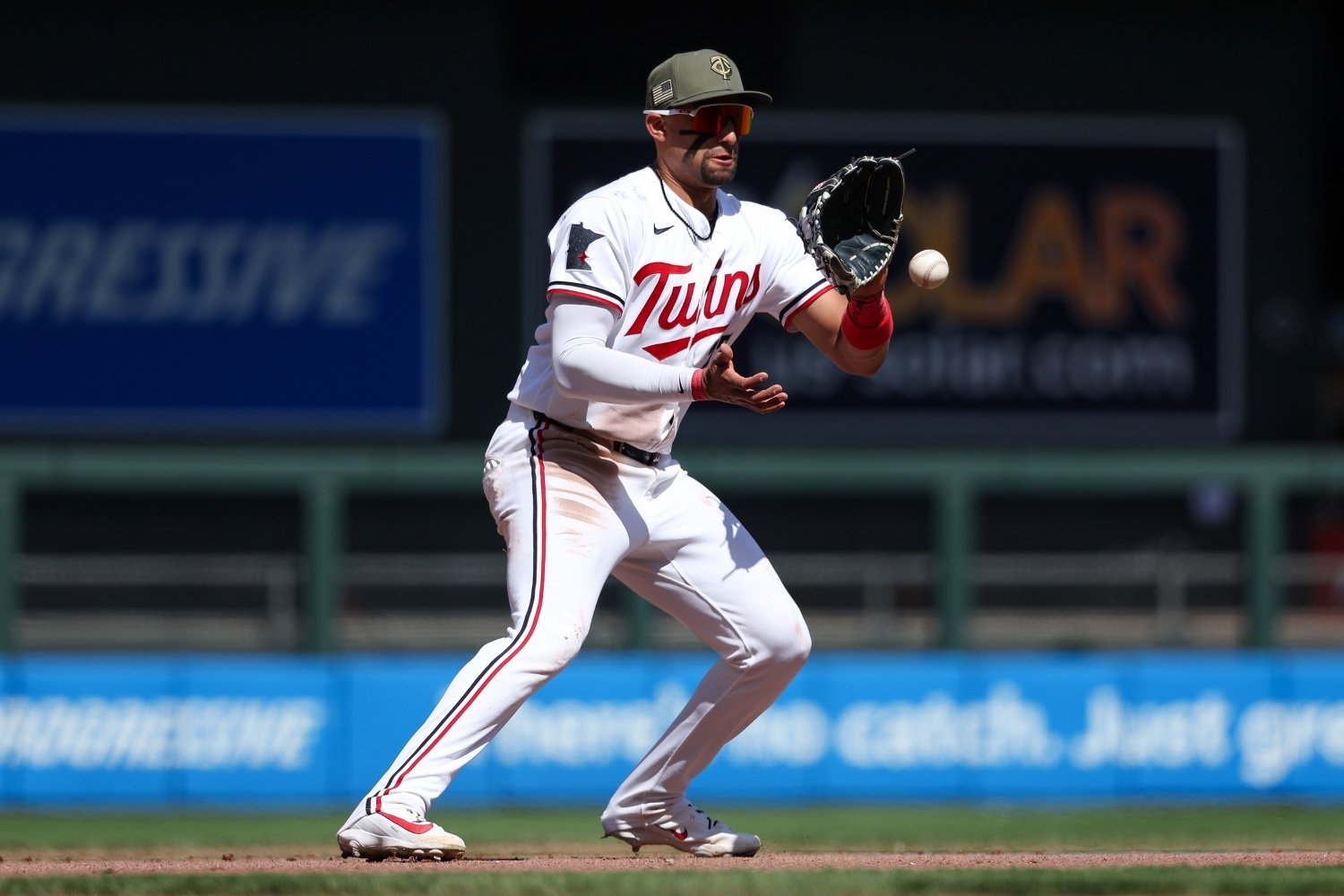 Last week, we highlighted an article discussing Matt Wallner's green line ticket across the river... and asked if Royce Lewis should take the next train. That answer came early this week. Take a look at this Matthew Trueblood article and add your voice here: First base has been a festering open wound for years for our Twins. Ray Stuedemann takes a look at solutions here. Outstanding comments follow. Anxious to see Kaelen Culpepper? Aren't we all? Did you know there's a whole TD section devoted to the Twins' minor-league system? Take a look here: View the full article
 -
Padres Are Somehow Surviving the Failures of Their "Big 3"
DiamondCentric posted an article in Padres Mission
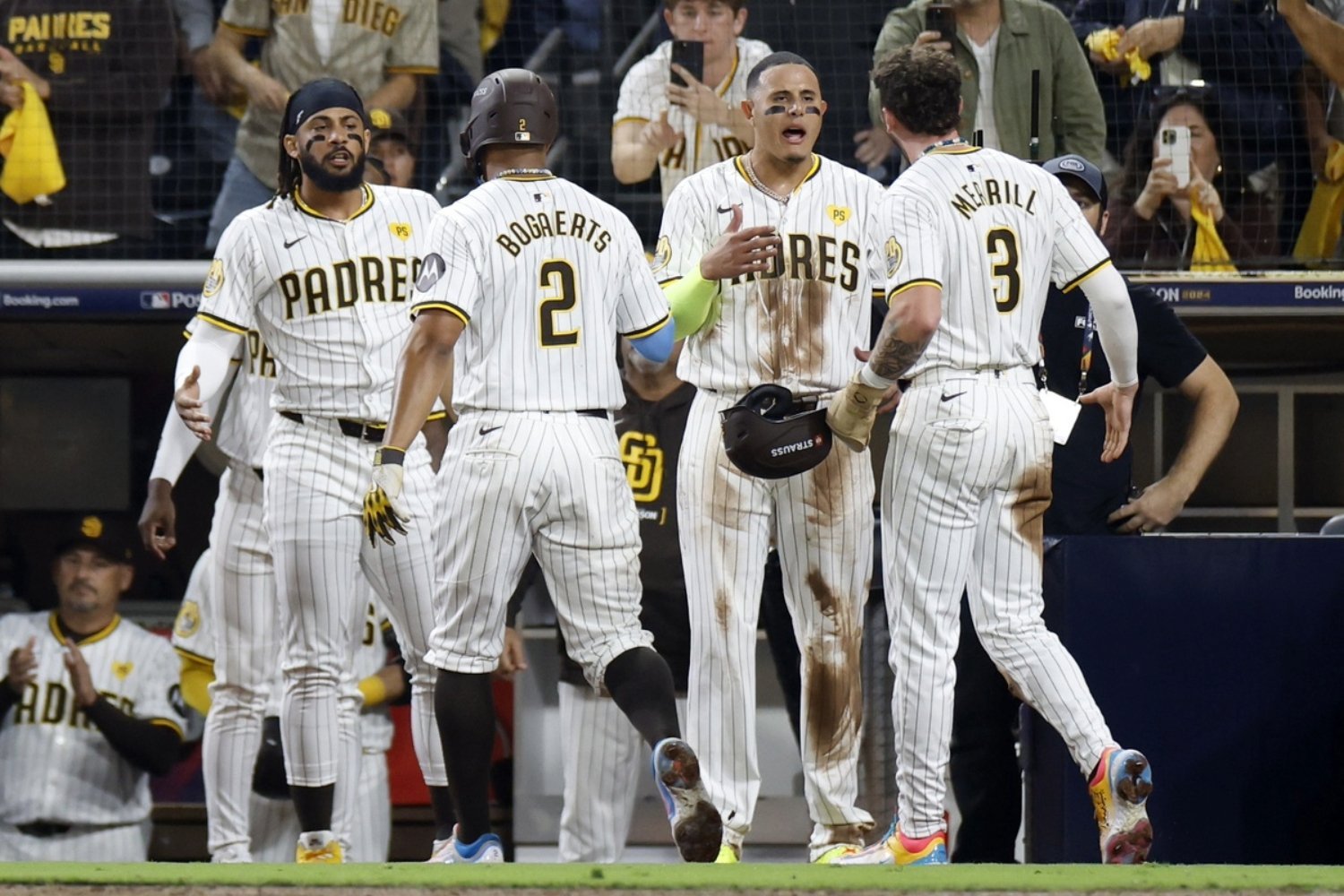 The May 18 victory over the Los Angeles Dodgers is indicative of the 2026 Padres. Designated hitter Miguel Andujar hit a first-inning solo home run. Michael King, a potential first-time All-Star, pitched seven shutout innings, allowing just four hits and striking out nine. All-world reliever Jason Adam set up all-world closer Mason Miller and: ballgame. Friars win 1-0. It’s another instance of elite pitching and unsung veterans carrying the team, with the Padres “Big 3” of Fernando Tatis Jr., Manny Machado, and Jackson Merrill contributing little. They went a combined 1-9 with one walk. It’s another instance of wondering what’s going on with the Padres trio of stars. As of that win, their combined OPS this season was .592—an OPS lower than .700, let alone .600, is considered below average—and between them they’ve hit all of ten home runs. Tatis accounts for none of them. The explanation of “It’s early” becomes less convincing and satisfactory the closer we get to June, so it’s worth diving into what, exactly, is the problem. Looming over their performances, with nearly $700 million owed to them over the course of their contracts, is a disheartening question. Are they having down seasons, or is this who they are? More importantly, it’s hard to see how the Padres keep pace in a stacked National League without their best players producing a combined -0.1 bWAR. But there's hope. Fernando Tatis JR., RF Of the Padres' underperforming stars, Tatis' case is the most perplexing. How can someone in the top 1% in all of baseball in hard-hit percentage not have a home run? How does someone with elite exit velocity, good barrel rate, and consistent bat speed have only six extra-base hits? How does someone who batted .400 with two home runs and 11 RBI in March’s World Baseball Classic forget how to hit in April and May? The internet abounds with swing and stats analyses, hot takes, and conspiracy theories, with the more incisive commentators pointing to his batted ball profile and his chase rate. The latter is straightforward. He’s chasing more balls out of the zone and he’s hitting those pitches less, meaning his power goes untapped. I’m sure many a San Diegan have yelled at Tatis through their TVs this season to stop swinging at everything. It’s far easier said than done, but for a hitter as talented as Tatis this should be a relatively simple in-season adjustment. His batted ball profile is the true head-scratcher. His pull-air percentage is almost half of what it was last year and nearly a fourth of what it was in 2021, when he hit 42 home runs and was arguably the best young player in baseball. Concomitantly, his groundball rates are way up and his average launch angle is way down. It’s a bizarre profile. This year, Tatis may be the most powerful slap hitter in baseball history. The YouTube channel Made the Cut attributes this to a drastic change in Tatis’ batting stance. Beginning the season, his feet were are wider apart, and he also closed his stance, which made pulling the ball much more difficult. It appears that Tatis used this new, closed stance in the WBC, when he launched a dramatic grand slam to left field against Venezuela, but perhaps the lower quality of pitching in that tournament didn’t expose this weakness. Interestingly and encouragingly, Tatis used his old, open stance against the Dodgers on Monday night. In his first at-bat against Dodgers ace Yoshinobu Yamamoto, Tatis smoked a 111.3-mph line drive to the pull side, albeit right at shortstop Mookie Betts. He was also the only one of the Big 3 with a hit. Tatis remains one of, if not the best defensive right fielder in baseball. With his reverting to a familiar stance, the dynamic and elite Tatis might be right around the corner. Manny Machado, 3B Tatis is in his age-27 season, typically a player’s peak, which makes his fall off so frustrating. Machado, on the other hand, turns 34 this summer and has played in the bigs since he was 19 years old. There are a lot of miles on his odometer, although it’d be unfair to say at this point that Machado is suffering age-related regression. Last year, he played 159 games and produced 4.1 bWAR. It was his best season since 2022. The intervening years weren’t bad, either. The last time Machado produced less than 2.7 bWAR was in 2018. In a piece for Padres Mission last month, N.B. Lindberg pinpointed Machado’s shortcomings this season. "Machado is walking at an incredible clip to start the season. His 15.5% BB% is almost double his career figure of 8.2% and ranks 19th in the league. The spike in walks isn’t a fluke either. He is currently sporting a 22.9% out-of-zone swing rate and a 66.8% in-zone swing rate. For a player whose career figures in those categories are 29.1% and 66.9%, respectively, Machado’s newfound patience suggests an overhaul in approach. In a vacuum, swinging at fewer balls is almost always a good thing. Walks are good. As are favorable counts. And it’s much easier to drive a strike past an outfielder than a pitch a few inches off the plate. However, baseball is not played in a vacuum, and what is usually a good development may be robbing Machado of what made him a special hitter in the first place." Unlike with Tatis, though, Machado’s defensive prowess has degraded, and there aren't many recent glimmers of hope offensively. In the last five games up that 1-0 victory over the Dodgers, Machado recorded just two hits, one of them a double. As Lindberg summarized, “it appears that Machado’s decision to rein in chase has inadvertently reined in his power stroke.” Like Tatis, Machado may want and the Padres may need him to return to a familiar approach. Jackson Merrill, CF Last year, a family filed into the row in front of me at a San Diego Wave game. Even though we were at a women’s soccer game, the little boy in the family wore a Jackson Merrill jersey. I got chatting with his parents, and at some point I asked the boy what he wants to be when he grows up. “Jackson Merrill!” he said, jumping up and down. Such was the effect of Merrill's revelatory 2024 rookie season, when he improbably won down-ballot MVP votes at a demanding position he had never played before. Injuries diminished his sophomore campaign, though his struggles persist this season. On the surface, it’s hard to pinpoint exactly why. “The issue with Merrill's early performance this year isn't even in the performance itself,” writes Randy Holt in a recent piece for Padres Mission. “It's the absence of an obvious explanation for why he's underperforming. Generally, one can look at a player's underlying trends and find a catalyst that speaks to the origins of the struggle. Matters of the approach are a particularly notable factor in performance variance. Merrill's case isn't so apparent, however.” Holt goes on to explain that Merrill is both swinging harder and attacking pitches at a steeper angle, which may explain why his quantity and quality contact have diminished. It reminds me of Michael Scott's description of himself as a manager: "I work too hard, I care too much, and sometimes I can be too invested in my job." Merrill is still a good player. After all, he is the most valuable of the Big 3 right now. But there's an even better player waiting to be unlocked with the right adjustments. Following the conclusion of their series with the Dodgers, the Padres now sit 1.5 games back in the NL West. Considering the Big 3's combined performance, that is an astonishing accomplishment, and it shows that the Pads aren't going anywhere in the playoff race. But the Atlanta Braves are on pace for 108 wins, the Philadelphia Phillies have woken up, the NL Central doesn't have a team under .500, and the Dodgers are the Dodgers. In Monday night's win, the Padres batted Miguel Andujar in the two-hole. He's on his fifth team in his career and has accumulated a career 2.8 bWAR. A big chuck of it has come this season. Behind him batted Gavin Sheets and his -1.7 career bWAR. The Padres have excellent pitching, particularly in the bullpen, but that's not the lineup that will get the Padres through the National League and back to the World Series. To do so, they'll need their most recognizable stars to live up their billing. View the full article
 -
 Jack returns to the show as he and Spencer break down a 5-1 road trip against the Twins and Cubs, Shane Drohan and Chad Patrick emerging in the bullpen, Jake Bauers' breakout, and more. Apple Podcasts: https://podcasts.apple.com/us/podcast/the-brewer-fanatic-podcast/id1740648724 Spotify: https://open.spotify.com/show/5CY8mWsQayqjDXqw9OT2Td iHeartRadio: https://www.iheart.com/podcast/263-the-brewer-fanatic-podcast-166534588/ Pocket Casts: https://pca.st/ommzz627 Watch On YouTube: https://www.youtube.com/@brewerfanatic View the full article
 -
 Owen has a boots on the ground report from his trip to Yankee Stadium, and Jesse brings the analysis on all things Jays vs Yankees, including Dylan Cease's stinker, Yesavage and Miles' gems, and the continued offensive frustrations. Listen on Apple Podcasts: https://podcasts.apple.com/us/podcast/the-jays-centre-podcast/id1846108462 Listen on Spotify: https://open.spotify.com/show/3Bi7SzfpcqMo5xYWnbCeoL Listen on iHeartRadio: https://www.iheart.com/podcast/263-the-jays-centre-podcast-300304824/ Listen on Pocket Casts: https://pca.st/2qk9wqxd Watch on YouTube: https://www.youtube.com/@jayscentre View the full article
 -
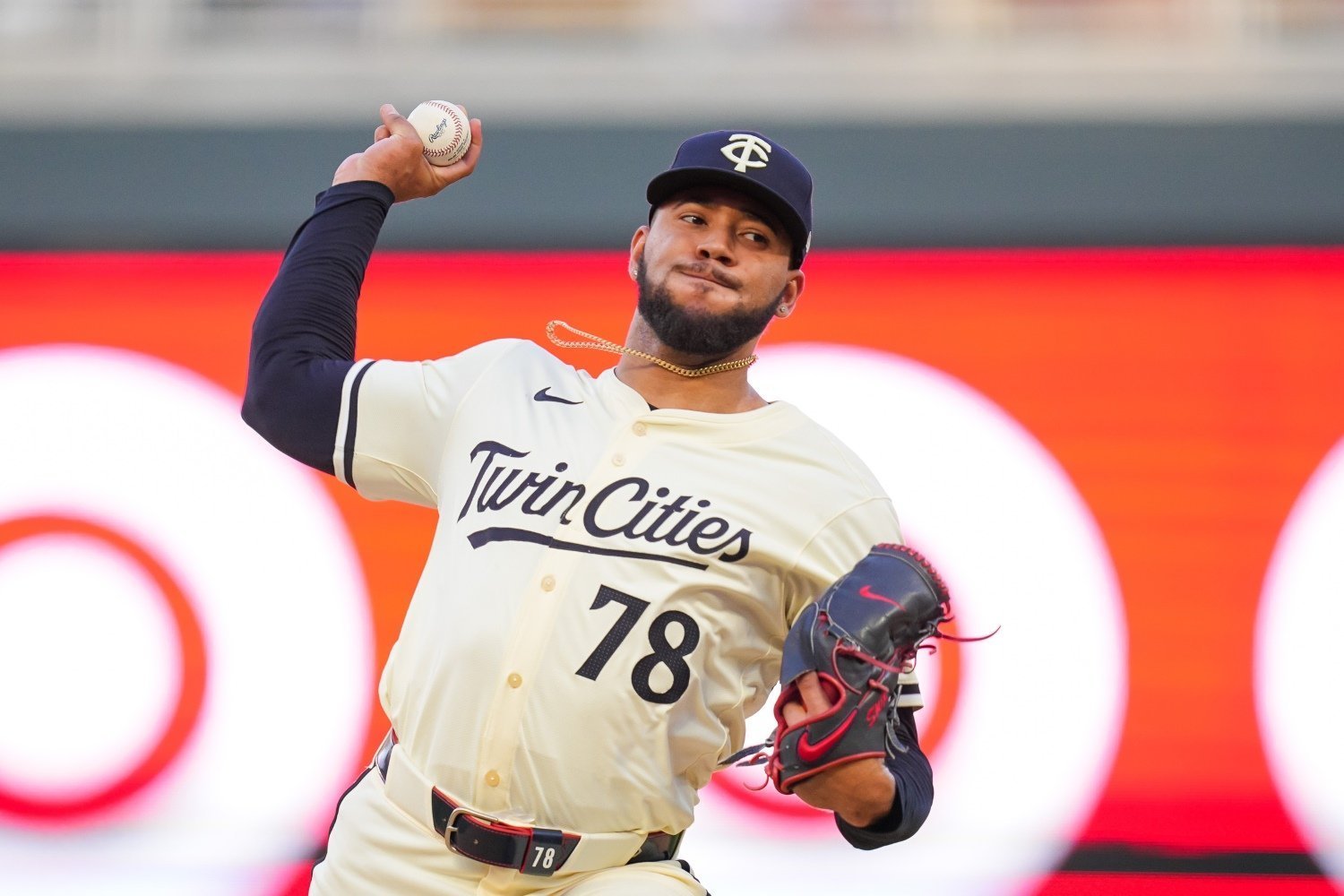 Simeon Woods Richardson's struggles have been well documented here and elsewhere. His ineffectiveness has only been magnified by the tidal wave of injuries impacting the rest of the starting rotation. While his move to the bullpen last week was the first step in rebuilding him into the effective pitcher he was in 2024 and 2025, there are other plans in motion as well. "Simeon used to pitch good," said a member of the coaching staff who asked to remain anonymous. "In April and May, he pitched bad. That's why we're implementing the 'Stop Pitching Bad' program for him." While specifics on the program are nebulous, sources were able to give Twins Daily the general framework. "What this program does is say, 'Simeon, stop pitching bad. Pitch good instead,'" said the staff member. "'The pitches you've been throwing have been bad. The next time you're on the mound, make good ones. Not bad ones. They hit the bad ones really hard and far.'" Other sources confirmed these points of emphasis. "What this program aims to accomplish is making bad things good," said a front office source. "Stop doing bad things. Start doing good things. The good things make you happy. The bad things make you sad and are also very loud and startling." "The Stop Pitching Bad protocol is designed to make the bad pitches stop," said a source in the team's analytics department. "We dig into what's causing (Woods Richardson)'s problems. Through rigorous statistical analysis and hours of film study, we've determined that bad pitches are the primary driver for his rough start. If we replace those bad pitches with good pitches, it flips the whole thing for him and the rotation." Woods Richardson's most recent appearance was one inning of relief during Monday's 6-3 victory over Houston. Sources say they were happy with the early returns. "He allowed a hit and a walk, but there were less bad pitches than there had been," said the front office source. "One of the best ways to Stop Bad Pitches is to throw fewer of them. One inning instead of five is a remarkably effective way of getting immediate results, and you saw the impact on Monday." View the full article
 -
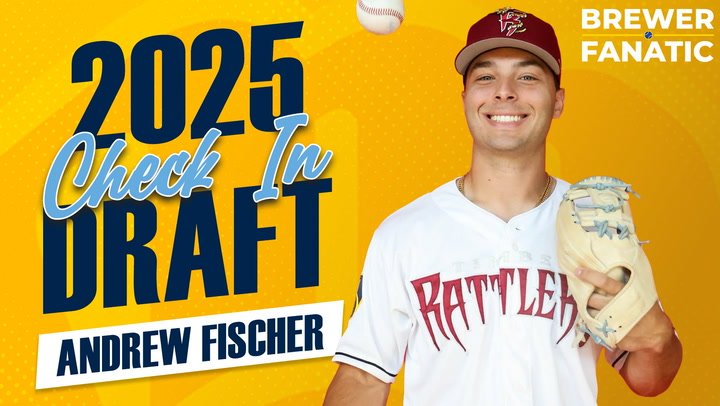 Andrew Fischer's spring training and WBC performance resulted in plenty of excitement heading into his first full pro season. The power has been on display, but so has the whiff. View the full article
 -
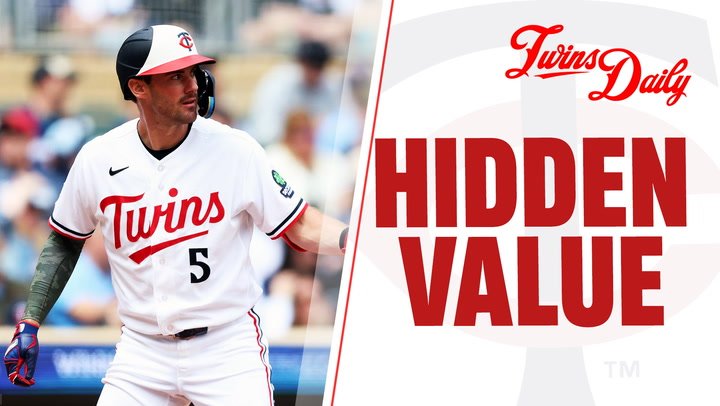 Ryan Kreidler may not be the biggest name on the Twins’ roster, but his defensive versatility, athleticism, and timely production are making him an increasingly important piece of the team. He’s quickly becoming the type of role player every contender needs. View the full article
 -
 Sweet Lou and Ol Gregg discuss the last nine games of Twins baseball, the Twins' flurry of roster moves, and answer listener questions with topics including the trade deadline, Royce Lewis and Matt Wallner, Jose Miranda, Taj Bradley, and the post office. Listen using Apple Podcasts: https://podcasts.apple.com/us/podcast/the-twins-off-daily-podcast/id1741266056 Listen using Spotify: https://open.spotify.com/show/4tb78XlurcPTYYSsARdbD7 Listen using iHeartRadio: https://www.iheart.com/podcast/263-the-twins-off-daily-podcas-167548600/ Listen using Pocket Casts: https://pca.st/nvclbt0w Watch on YouTube: https://www.youtube.com/@twinsdaily View the full article
 -
 Transactions: RHP Josh Knoth promoted to High-A Wisconsin from Low-A Wilson (and activated from Maryvale rehab) OF Luis Matos activated from AAA Nashville’s 7-day injured list RHP Griffin Tobias sent on rehab assignment to ACL Brewers RHP Quinn Priester sent on rehab assignment to AAA Nashville RHP Gerson Garabito sent on rehab assignment to ACL Brewers LHP Tate Kuehner placed on AAA Nashville’s 7-day injured list Game Action: Nashville Pre-Game Media Notes Final: Durham (Rays) 6, Nashville 0 (in 5 innings) Box Score and Game Log Via the Sounds’ website, game details and we encourage readers to review affiliate write-ups as part of their Link Report routine: Rain-Shortened Shutout Loss Snaps Nashville's Nine Game Win Streak We thank the Sounds’ media team for the detailed game report, which is remarkable considering the team didn’t score and the game was ended after just 4 ½ innings. Rehabbing Major League RHP Quinn Priester (3 IP, 5 R, 5 H, 3 BB, 1 WP, 2 Ks) started well by retiring the first 4 batters, including 2 via strikeout. However, he didn’t fool any of the remaining 11 hitters, topping out at 93.9 mph and throwing 34 balls amongst his 68 pitches. Nashville hitters had their opportunities, putting 2 runners aboard in each of the 3rd, 4th and 5th innings, but unfortunately stranded 6 baserunners in the 5 innings. Sounds’ Extras: Credit to Sounds’ OF Greg Jones for his 2 outfield assists and to the Bulls for not issuing any walks. All 5 Sounds’ hits were singles, as they’re evidently saving up their extra-base hits for the remaining games of the series. Friday’s outlook: Nashville will look to start the next winning streak and push their series lead to 3-1. Biloxi Pre-Game Media Notes Suspended: Birmingham (White Sox) 6, Biloxi 4 (1 out in top of 11th inning) Box Score and Game Log Via the Shuckers’ website, game details: Shuckers and Barons Suspended in 11th Inning C Darrien Miller (2-for-5, 2 homers), who re-signed with the Brewers in the offseason for his 8th minor league campaign, continued his terrific 2026 season with solo shots in the 2nd inning for a 2-0 lead and 7th inning to knot the game 3-3. Starting RHP Brett Wichrowski made strong strides in his 9th appearance, striking out 7 and only allowing 6 baserunners in 5 1/3 innings, though he conceded 3 solo homers. After RHP Edwin Jimenez navigated traffic (1 2/3 IP, 0 R, 3 H, 1 BB, 2 Ks), RHPs Cameron Wagoner (1 IP, 0 R, 1 K) and Nick Merkel made quick work of the 8th and 9th innings. Merkel then allowed the first 3 batters to reach in the 10th inning (intentional walk, 2 singles) before escaping via a home force out, K and ground out to keep the game close at 4-3. SS Jesus Made then re-tied the game with a 1-out RBI single in the bottom of the 10th, followed by an international walk of 1B Blake Burke (1-for-4, double, walk, HBP) and singles by OF Mike Boeve (1-for-4, walk) and 3B Eduardo Garcia. Unfortunately, Made was thrown out at home on the Boeve single and the game remained 4-4, forcing an 11th frame. RHP Stiven Cruz has been lights out thus far in 2026, but he allowed a bunt single (run scored on a Burke error) and homer in the 11th inning before play was suspended. We’ll blame the rain and hope the Shuckers can turn around this deficit when play resumes on Friday evening. Shuckers’ Extras: Eight Shuckers collected hits, with 2B Dylan O’Rae (2-for-4, walk, SB) and DH Matt Wood grabbing two each, though the teams combined to strand 20 baserunners. OF Mark Coley exited in the 4th inning after fielding a double in right field, so we’ll have to monitor his availability. Friday’s outlook: Biloxi and Birmingham are set to resume play in the 11th inning at 6:00pm CST, before playing a 9-inning game subsequently. Wisconsin Pre-Game Media Notes Final: Wisconsin 14, Great Lakes (Dodgers) 5 Box Score and Game Log Via the Timber Rattlers’ website, game details: Wisconsin Slams Great Lakes The detailed game report covers the rout which saw Wisconsin score 9 runs in the middle innings, including videos of the grand slams by DH Marco Dinges (2-for-5, HR, walk, 4 RBIs, SB) and C Andrick Nava. The slams more than adequately compensated for the Timber Rattlers going 3-for-23 with runners in scoring position, while the team impressively drew 14 walks, 2 hit-by-pitches and stole 8 bases. OF Josiah Ragsdale (1-for-3, 3 walks, SB) and 2B Daniel Dickinson (1-for-2, 3 walks, 3 SBs) each reached base 4 times, with their 2026 theft totals now at 17 and 10, respectively. RHP Chandler Welch was the standout performer on the mound (0 R, 2 H, 3 BB, 4 Ks), tossing 3 2/3 scoreless innings after stranding 2 inherited runners from starting LHP JD Thompson (3 2/3 IP, 2 R, 4 H, 1 BB, 1 HBP, 4 Ks). Timber Rattlers’ Extras: OF Josh Adamczewski’s bat (1-for-5) may not be as hot as it was in April, but he still produced an RBI double, an HBP, stolen base and added 2 outfield assists, the first of which kept the deficit at only 2-0 to end the first inning. Typically the team’s #1 catcher, Dinges instead manned the designated hitter spot for the 9th consecutive time since exiting a game early on May 5. Friday’s outlook: 2024 #33 overall draft pick RHP Josh Knoth makes his High-A debut after missing the 2025 season due to injury and recently rehabbing with the ACL Brewers. Wisconsin aims for a 3-1 series lead. Wilson Pre-Game Media Notes Final: Wilson 13, Delmarva (Orioles) 11 Box Score and Game Log Via the Warbirds’ website, game details: Wilson Mounts Monster Comeback in Win Over Delmarva Wilson put their early-season hitting struggles further behind them with their 13-run, 13-hit effort in Thursday’s victory, led by 2B Juan Ortuno’s 1st inning solo homer to cut the deficit to 2-1 and his game-winning 3-run homer with 2 outs in the bottom of the 8th inning. All nine position players collected at least one hit in the Warbirds’ relentless comeback from deficits of 8-2, 9-4 and 11-10. After OF Pedro Ibarguen threw out a baserunner at home to end the top of the 5th inning and keep the deficit at 9-4, C Kevin Garcia started the critical 6-run, 6-hit fifth inning with a leadoff single that included OF Nick Monile’s 2nd hit of 2026 and 3B Luis Lameda’s 2-out, 2-run double for a 10-9 advantage. The lines for starting LHP Andrew Healy (3 IP, 4 R (3 ER), 6 H, 1 BB, 0 Ks) and bulk lefty reliever Enderson Mercado (5 1/3 IP, 7 R, 8 H, 4 BB, 1 K) were less favorable. However, Mercado got better the longer he threw (88 pitches, 47 strikes), allowing only 2 hits and no walks to the final 11 batters he faced, before giving way to RHP Jose Meneses for the Save. Warbirds’ Extras: Veterans of the Low-A level, DH Tyler Rodriguez (3-for-5, 2 SBs) and Lameda (2-for-5, 3 RBIs, SB) had solid offensive days, while Monile (1-for-2, 2 walks, HBP, RBI, SB) also reached base 4 times. Wilson hitters went 7-for-20 with runners in scoring position vs. 3-for-11 for Delmarva. Despite 3 errors, the defense did come through for the Warbirds, including 3 double plays, a caught stealing, pick-off and the outfield assist. Friday’s outlook: RHP Jarrette Bonet is the scheduled starter aiming to push Wilson’s series advantage to 3 games to 1. Final: ACL Brewers 13, ACL Cubs 12 Box Score and Game Log The Zona Crew turned around an early 5-2 deficit with a 5-run fourth inning, highlighted by OF Kenny Fenelon’s RBI triple and OF Brailyn Antunez’s 2-out RBI double. Antunez (3-for-4) reached base 4 times (2 doubles, 1 single, HBP) to pace the offense, with C Malachai Halterman also going 3-for-4 with 2 RBIs. Seven batters contributed the 13 hits. The Brewers also ran the opposition ragged by stealing 8 bases without being caught, led by 2B Juan Martinez (2-for-4, walk, 2 SBs), 3B Moises Polanco (2-for-4, double, walk, RBI, 2 SBs) and OF Engel Paulino (walk, 2 SBs). Our young players also won the defensive battle, with Halterman throwing out 2 baserunners in the 4th inning and the Brewers benefitting from 6 Cubs’ errors. Four 2-out runs scored in the top of the 6th inning pushed the lead to 13-7 as valuable insurance, as the Cubs rallied against RHP Chase Bentley (2 IP, 5 R, 4 Ks) with 5 consecutive hits with 1 out in the final inning to narrow the advantage to 13-12 with the potential tying runner on base. Thankfully, Bentley rallied to end the game with a strikeout and fly out to center field. Rehabbing RHPs Gerson Garabito (1 IP, 3 R (2 ER), 1 K) and Griffin Tobias (1 IP, 0 R, 1 K) made their first appearances of 2026, while RHP Bryan Regalado (3 IP, 4 R, 1 K) covered the middle innings and earned his first career Win. We hope that you enjoy the Minor League Link Report. On Friday, six minor league games are scheduled for completion, starting with Wisconsin at 5:05pm and ending with the ACL Brewers (start time: 8:00pm CST). The Milwaukee Brewers also commence their home series against the Dodgers at 6:40pm. Organizational Scoreboard including starting pitcher info, game times, MiLB TV links, and box scores Current Milwaukee Brewers Organization Batting Stats and Depth Current Milwaukee Brewers Organization Pitching Stats and Depth View the full article
 -
Moises Ballesteros's Slump and How He Can Get Out of It
DiamondCentric posted an article in North Side Baseball
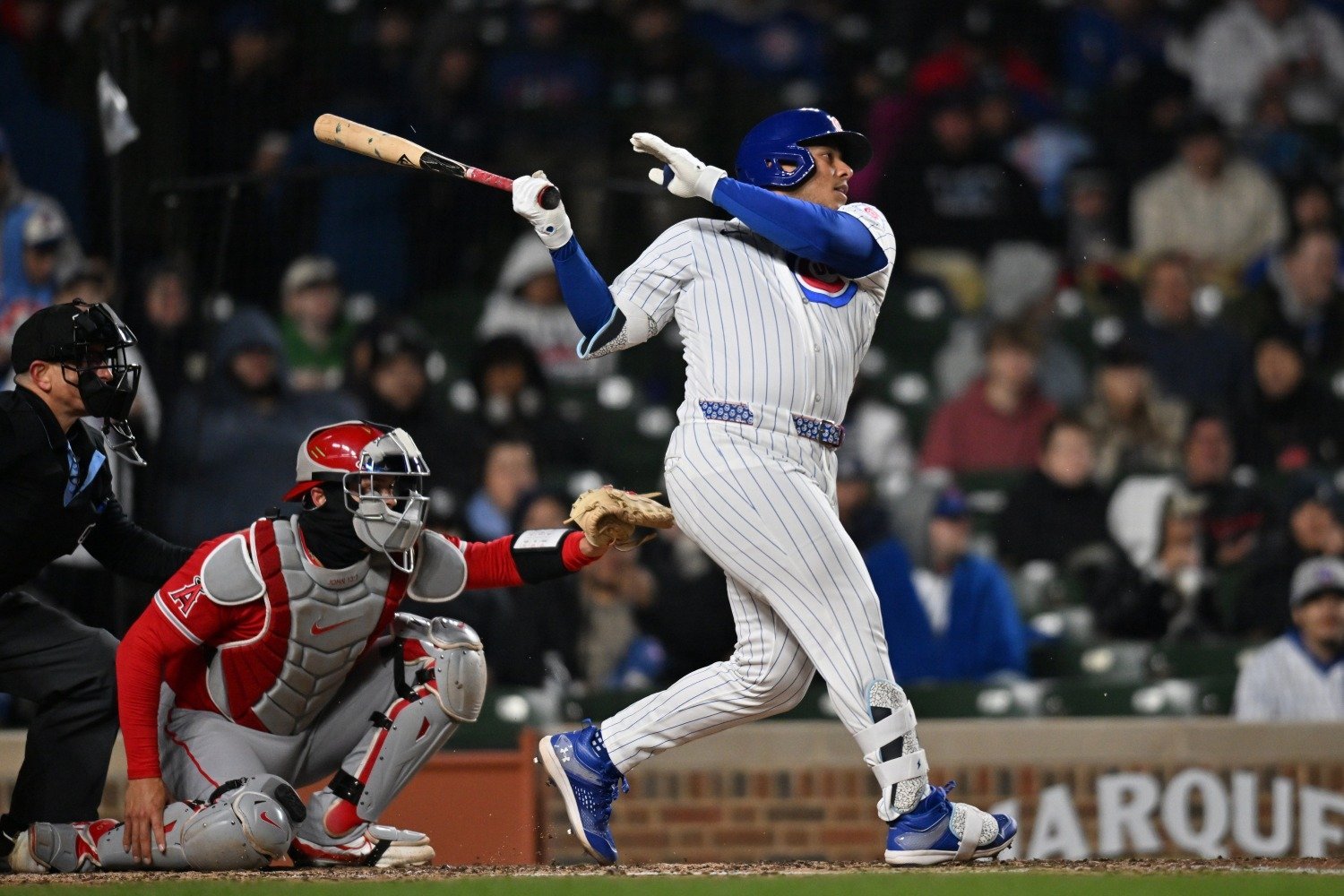 With a team playing as poorly as the Chicago Cubs are right now, shining a light on one individual player's poor performance is akin to blaming a single cloud for a particularly heavy rain. As the club's losses have piled up, so have its frustrations, resulting in a team eager to deliver winning baseball, but laboring mightily to manifest the reality they and countless others desire. On better days, Moisés Ballesteros is a powerful and menacing bat. His impressive stature and skill set at the plate have the potential not only to catalyze his team's offense, but also the overall success of the club. The North Siders currently own a .245 batting average. That's not astonishingly low, but given where the squad was at the end of April and during their pair of 10-game winning streaks, it's more than enough to give one pause. Ballesteros, with his Prince Fielder-like frame, was a major factor in those halcyon days. The 22-year-old set the league ablaze in April with a .338/.392/.620 line. He even ranked in the top three in baseball in total hits through the first full month of the season. The surprising, wild ride made him an early candidate for NL Rookie of the Year. From that point, as it has with so many of his colleagues sporting Cubbie blue, regression set in. Given Ballesteros's rookie status, there is a smaller sample size from which to draw compared to other top-of-the-order batters, such as Ian Happ. Occupying the designated hitter role, Ballesteros comes to the plate with a swing-first mindset. Thus, his approach is reliant on first-pitch swings, which he offers 50.4% of the time. Additionally, he's chasing balls out of the zone at a 37.6% clip. Ballesteros does his damage by putting the ball in play and getting it to either touch grass or fly out of the park. He has close to zero value as a baserunner in late-game situations, due to his lack of speed. He's currently holding a .253 BABIP, leading opposing pitchers to come after him, but not necessarily with the nastiest stuff. Ballesteros feasts on changeups and has seen far fewer of them as his struggles persist. Recently dethroned by the Milwaukee Brewers as the top team in the loaded NL Central, the North Siders' collective bats are quieter than an audience watching a performance of the Chicago Symphony Orchestra. Several trackable aspects are certainly leading to their shortcomings, though even to the casual observer, the team is pressing—pushing too hard to deliver "the hit" that snaps them out of this funk. Neither Ballesteros nor anyone else can deliver that breakthrough moment, at least not yet. The night is darkest before the dawn, so perhaps the best is yet to come. Facing incessant criticism regarding the lineup card, Craig Counsell must be the one to insert Ballesteros back into the everyday fold. Ballesteros is increasingly omitted from his club's batting order, a move that is not likely to increase his confidence or performance at the dish. When the team was thriving, he spurred on plenty of its success. A "back to basics" reset of this lineup warrants some thought—although, where would this team be without what it's gotten from Michael Conforto so far? The best version of the Chicago Cubs can't be realized without a bopping Ballesteros. Knocked off their perch, the North Siders are now tasked with getting back in the fight. If they want to reclaim the top spot in the division, and maybe even stay there, they have to be the ones to throw the next punches. For the best outcomes, it's time for Ballesteros to step back into the ring and land a few decisive haymakers. View the full article
 -
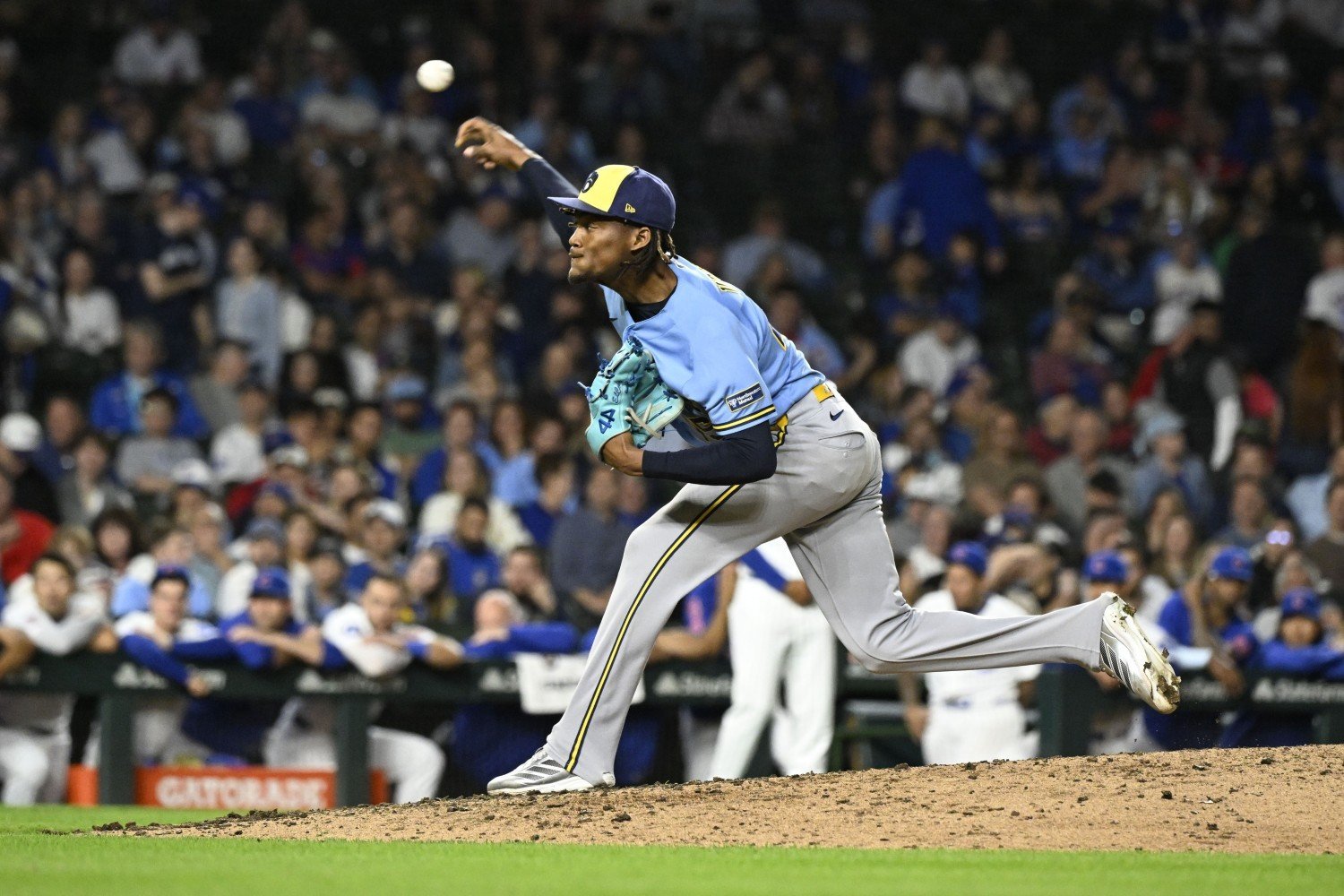 He has pitched better than his 4.42 ERA suggests, but even from a process standpoint, Abner Uribe hasn’t been the dominant late-inning force he was last season. His 3.60 FIP, 3.37 SIERA, and 92 DRA- look more like the ERA estimators of a solid middle reliever, not a high-leverage arm. His 25.3% strikeout rate is still above average, but his 22% whiff rate only ranks in the 27th percentile of qualified pitchers. All of those marks are far cries from last year, when Uribe posted a 1.67 ERA, 2.75 FIP, 2.89 SIERA, and 77 DRA- with a 30.2% strikeout rate. He induced whiffs on an excellent 32% of swings and ground balls on 54.3% of batted balls. Uribe owed much of that breakout to a more balanced pitch mix. He used his sweeping slider a career-high 46% of the time, even making it his most-used pitch to right-handed batters. According to Baseball Savant, it held opponents to .203 wOBA, yielded a 46.8% whiff rate, and was worth 7 runs. This year, Uribe has slashed his slider usage and reverted to the sinker-heavy mix that was less successful earlier in his career. With its elite velocity and late movement, Uribe’s sinker is a good fastball, but it’s not a great one. Pitch modeling metrics regard his slider as his nastiest pitch. It induces more swings and misses and weak contact than his sinker, making it an important equalizer in Uribe’s arsenal that prevents opponents from sitting on velocity. The slider hasn’t been as useful this year, however, entering the weekend with a -1 run value. That has prompted Uribe to lean more than ever on his sinker this month. Uribe’s slider hasn’t actually become a worse pitch. Last season, it had a 130 Stuff+ and -1.4 StuffPro; this year, it’s at a 127 Stuff+ and -1.3 StuffPro. The difference has been that he’s stopped throwing it competitively. After throwing it for a strike 67.5% of the time last year, Uribe has managed just a 59.4% strike rate with his slider in 2026. He’s falling behind in counts with it and failing to put hitters away, which is why it suddenly has a negative run value despite minimal damage against it. Sweeping breaking balls are useful in-zone pitches against same-handed hitters, who will struggle to stay on the pitch as it breaks away from them. Opposite-handed hitters can square them up more easily as the ball breaks back toward their barrel. Right now, too many of Uribe’s sliders are missing outside the zone to right-handers and inside the zone to lefties. Compared to last season, right-handers have looked just as feeble when swinging at Uribe’s slider, recording zero hits with a 47.6% whiff rate, but its in-zone rate has fallen from 47.1% to 28.6%. The nasty sliders that once started over the plate before sweeping out of reach are now starting on the corner and breaking into the other batter’s box, making them easier for most of those hitters to take. On the flip side, Uribe’s slider neutralized lefties last year because he threw it at or below the knees or near their back foot, where it had more perceived depth and generated more swings over the top of it. This year, he’s thrown a whopping 66.7% of his sliders to lefties in the zone, many of them around the belt. As a result, they’re slugging .615 against it with just an 11.1% whiff rate. The current version of Uribe is still a useful pitcher, but a limited one. His ground ball rate has bounced back this month, largely thanks to that sinker, but his heater does not miss enough bats or force chases outside the zone. For things to truly start clicking again, Uribe’s breaking ball must become a weapon again. His feel for that pitch could have a pronounced ripple effect on the back end of Milwaukee’s bullpen this summer. View the full article
