


DiamondCentric
-
Posts
2,631 -
Joined
-
Last visited
Never
Content Type
Profiles
Forums
Events
News
Tutorials & Help
Major League Baseball Videos
Guides & Resources
Store
Downloads
Gallery
Everything posted by DiamondCentric
-

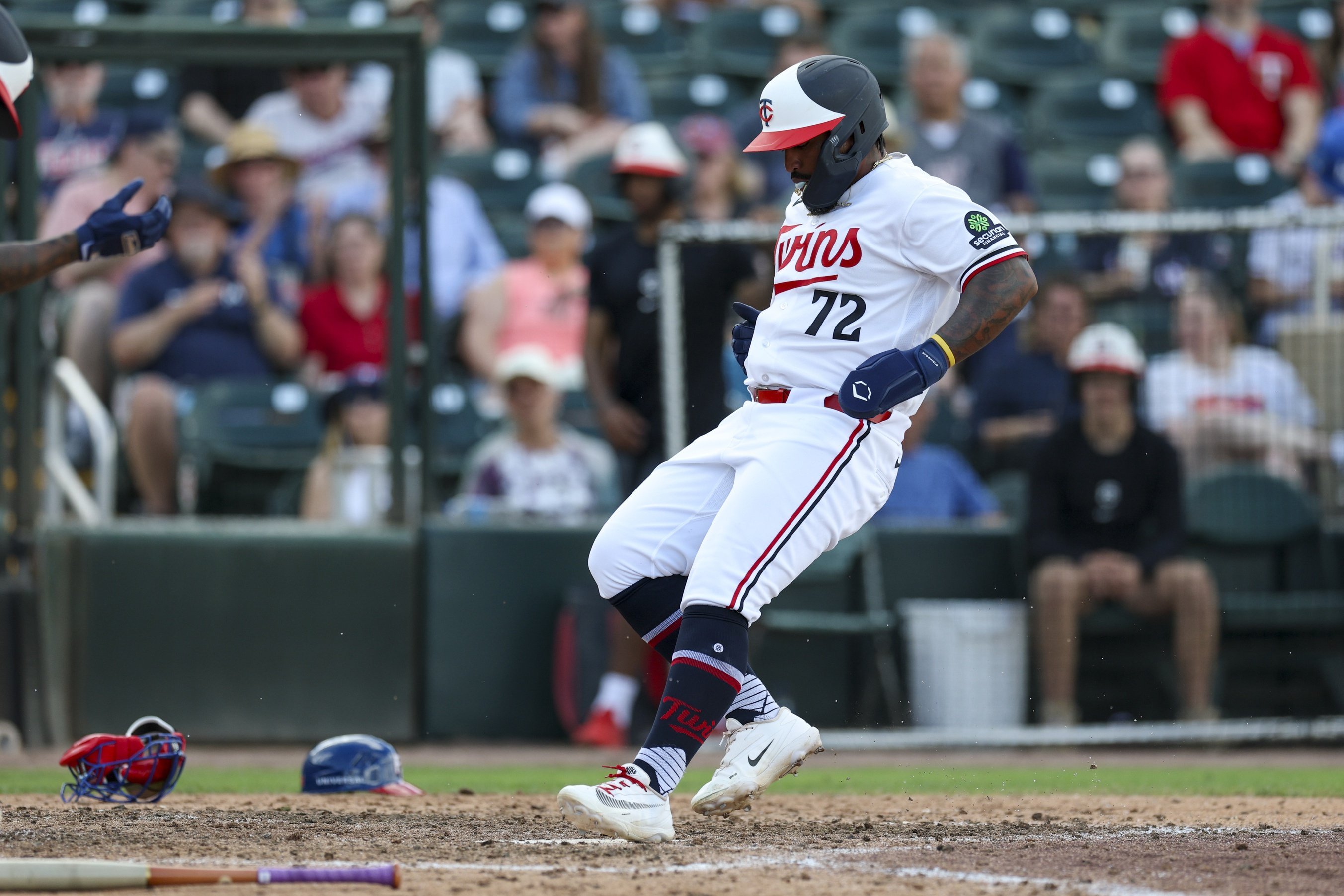 The Minnesota Twins had limited options to choose from on the 40-man to replace Tristan Gray as he moves onto the paternity list for a short while. Royce Lewis and Matt Wallner had both been recently sent down, while outfield prospects Alan Roden and Emanuel Rodriguez are both injured. That left Hendry Mendez, recently called up to St. Paul from Wichita, and Gabriel Gonzalez, whom the Twins eventually called up. Gonzalez made his major-league debut on Friday night at Fenway, batting fifth in left field. Even though this figures to be a brief introduction, fans should be excited for the #10 prospect in the Twins system to hopefully provide some pop from the right-handed side of the plate, now and going forward. The 22-year-old played for three levels in the minor league system last year, moving from High-A to Triple-A with his longest stint being with Wichita in the middle of the chain. Gonzalez slashed .319/.378/.529 in 156 plate appearances at High-A before being promoted to Wichita, where he performed better, hitting .344/.429/.509 in 245 plate appearances. He wrapped up the year by earning another promotion to St. Paul, finishing with a slash line of .316/.358/.504 in 148 plate appearances with the Saints. Twins Daily’s Minor League Hitter of the Year for his overall performance last year, Gonzalez has begun 2026 with some struggles, earning a line of .216/.294/.392. He has been better as of late, riding a six-game hitting streak before his promotion. A few underlying metrics can be observed about Gonzalez to provide more context. His BABIP this season is very low at .231, so some bad luck may be involved. However, Gonzalez is also smacking the ball into the ground, possessing a GB rate of 48.5%. In addition to that, he is popping the ball up on the infield at a 17.8% rate. Lower those two numbers, and his overall production should start to tick back up to what we saw last year from the promising young Venezuelan. Flashing back a little further, Gonzalez was part of the Jorge Polanco trade with the Seattle Mariners in which the Twins also acquired the recently DFA’d Justin Topa, starter Anthony DeSclafani, and pitching prospect Darren Bowen. Topa was solid last year for the Twins, possessing a 3.90 ERA (3.04 FIP) in 60.0 innings pitched before blowing up this year to a tune of an 8.05 ERA (6.47 FIP). DeSclafani never pitched a game for the Twins due to injury and eventually moved on to the Diamondbacks last year. Bowen is now 25 and is down in Wichita, pitching to a 3.74 ERA through 21 ⅔ innings so far this year as a reliever. Despite the lackluster results from the rest of the package, Gonzalez has a legitimate chance to “win” this trade for the Twins. Given that Polanco was a pending free agent when he was traded and hit the open market (even though he resigned with the Mariners), he accounted for 1.3 bWAR in his first year in Seattle. Topa is the only player to crack the major league roster so far, and he’s been worth -0.1 bWAR over his three seasons. From that perspective, Gonzalez would only need 1.4 bWAR for the Twins to “break even”, and given his offensive production from last season, there are hopes he can do that with purely his bat. Gonzalez doesn’t play plus defense, but he can handle the corners and has been mixing in at first base this year as well, giving him another spot he could fit in if the Twins move on from a veteran near the deadline. While his initial run with the team may be short, Gonzalez has the talent to contribute strongly in the near future. While he struggled early at Triple-A this season, Gonzalez had been heating up before his promotion, and the underlying numbers suggest there is still plenty of reason for optimism. His combination of bat-to-ball skills and emerging power gives the Twins another young, intriguing option that can come up and play multiple positions. For a team that has struggled this year at first base and in right field when Wallner was there, Gonzalez could play himself into a more consistent big-league role later in the year if he performs in his first chance with the Twins. No matter how long the call-up lasts for, fans should view Gonzalez as one of the important young hitters in the organization and the key piece to achieving the perceived value obtained for Jorge Polanco back in 2024. View the full article
 -
 Boston Red Sox Minor League Recap (May 22) Triple-A Worcester Red Sox Series vs. Rochester Red Wings (Washington Nationals): 0-4 Season Record: 23-24 After starting the season hot, the WooSox fell below .500 as they lost their fourth straight. It was a woeful day on the mound for the entirety of Worcester’s pitching staff. Jack Anderson started the game and let up six runs off nine hits over just three innings. Seth Martinez took over in the fourth and was only marginally better. He allowed three more runs and walked two despite collecting four strikeouts over two and ⅔ innings. Wyatt Olds took the next inning and ⅓, putting together the best outing of the day. He allowed just one baserunner via a hit, and struck out four more. However, Tommy Kahnle still took over in the eighth despite Olds’ dominance. Kahnle was good, however, allowing three baserunners as he prevented any further damage. To close out the game, Worcester brought in catcher Nathan Hickey, who let up three more runs as Rochester put the game way out of reach. Just like on the mound, Worcester was downright miserable at the plate. The WooSox recorded just three hits and drew six walks. The lone run came on a Braiden Ward single that drove in Max Ferguson in the fifth inning. Worcester never really had a chance to come back as they fell for the seventh time in their last eight contests. Double-A Portland Sea Dogs Series vs. Reading Fightin Phils (Philadelphia Phillies): 4-0 Season Record: 21-21 Portland won 2-1 as they fought back to .500. John Holobetz has had a mixed bag of recent outings, but he settled in on Friday and pitched six scoreless innings. He lowered his ERA to 4.06 as he struck out six and allowed five hits, recovering from a turbulent start to the month. Caleb Bolden earned a hold for his two innings of relief work. He allowed one run and two hits, but struck out four. To complete the solid day on the bump for Portland, Reidis Sena allowed a walk in his one-inning appearance. He earned the save for his efforts, striking out two of the four batters he faced. Franklin Arias led the way for Portland at the plate with perhaps his best hitting performance so far this season. He led off the bottom of the first with a solo home run, his ninth of the year. Then, in the fifth inning, he hit his second home run of the night and tenth on the year. He made up the entirety of the Sea Dogs offense, collecting three hits as he bumped his average to .341. Overall, Portland was 0-for-7 with RISP and left eight runners on base. In the end, however, it didn’t matter as they eked out the win behind Arias’s outstanding game. High-A Greenville Drive Series @ Frederick Keys (Baltimore Orioles): 1-1 Season Record: 16-25 Friday’s doubleheader was postponed due to inclement weather. It was the second forced cancellation in a row and makeup information has not yet been provided. Low-A Salem RidgeYaks Series @ Hill City Howlers (Cleveland Guardians): 2-2 Season Record: 19-24 Following the postponement of Thursday’s game, Salem and Hill City split a doubleheader on Friday. Jason Gilman started the first game of the afternoon for Salem and turned in four and ⅔ innings of great work. He allowed two hits and one unearned run as he stalled the Howlers’ offense. He punched out five batters and walked two. Jay Allmer took the final two and ⅓ innings of the seven inning contest in his first appearance since being demoted from High-A Greenville. He spun an excellent outing, allowing a hit and a walk but striking out three and slamming the door on any sort of comeback effort. It was a slow game for Salem at the plate. The RidgeYaks reached base only eight times and went 1-for-6 with RISP. However, they were able to prevail behind the efforts of Givian Sirvania who made his first start since being activated from the FCL Red Sox. He helped Salem take the lead early with a two-RBI double in the second inning. In the seventh inning, with a one-run edge, Avinson Pinto put the game away with his second homer of the season. In the second game of the day, Jose Bello put together an excellent start of his own. He lowered his season ERA to 2.82, allowing three hits and one unearned run through five and ⅔ innings. He K’d three and allowed one walk. Nicolas De La Cruz started the seventh inning with the game tied 1-1. Despite sitting down five on strikes, he allowed five walks as he struggled with command. In the eighth, Hill City walked off Salem with a bases loaded single to split the doubleheader. It was an even slower second game for Salem at the dish. They recorded just seven baserunners this time around and went an abysmal 0-for-8 with RISP. The lone run game on a Skylar King groundout with men on the corners and no outs. Kleyver Salazar and Stanley Tucker each recorded two hits, but the rest of the team was silent in the hits column. View the full article
 -
 Brooklyn's Frank Camarillo delivered a Quality Start with three strikeouts as the Cyclones routed Hudson Valley 10-3. In Single-A, Jamari Baylor's leadoff homer in the bottom of the ninth lifted St. Lucie to a 7-6 walk-off win, with Jose Chirinos striking out ten across 5 1/3 innings of relief. Nick Lorusso homered in Binghamton's 10-5 loss to Richmond, while the Syracuse bullpen surrendered late runs in a 4-2 defeat to Buffalo. Mets Transactions New York Mets sent RHP Kodai Senga on a rehab assignment to St. Lucie Mets. New York Mets designated RHP Craig Kimbrel for assignment. New York Mets sent RF Austin Slater outright to Syracuse Mets. New York Mets recalled RHP Jonah Tong from Syracuse Mets. Syracuse Bats Quiet After Early Rally In Loss To Buffalo The Syracuse Mets dropped a 4-2 decision to the Buffalo Bisons at home, picking up eight hits but leaving eight runners on base. Jared Young and Kevin Parada each finished 2-for-4, with Young doubling and scoring a run. Eric Wagaman added a single and drew a walk, Jihwan Bae went 1-for-4 with a run scored, and Yonny Hernández contributed an RBI and a stolen base. Cleanup hitter Ryan Clifford drove in a run on a sacrifice fly. Daniel Duarte allowed two runs on one hit and two walks across one inning, striking out two. Buffalo opened the scoring in the first on a two-run double. The Mets answered in the second on a Bae single, a Parada single that pushed Bae to third, and a Hernández sacrifice fly to center that brought him home. They tied the game in the third when Young singled, advanced on a Wagaman single, and scored on Clifford's sacrifice fly to right. That was all Syracuse would muster. Ofreidy Gómez, Ben Simon, and Zach Peek combined for five scoreless innings out of the bullpen, but Cionel Pérez surrendered a solo home run in the eighth that broke the tie and stuck him with the loss. Buffalo tacked on an insurance run in the ninth off Alex Carrillo on a fielder's choice. The Mets went quietly the rest of the way, with the late bullpen lapses overshadowing the strong middle relief work. Player AB R H RBI BB K Christian Arroyo 5 0 1 0 0 1 Jared Young 4 1 2 0 0 0 Eric Wagaman 3 0 1 0 1 0 Ryan Clifford 3 0 0 1 0 2 Andy Ibáñez 4 0 1 0 0 1 Ji Hwan Bae 4 1 1 0 0 1 Cristian Pache 3 0 0 0 1 0 Kevin Parada 4 0 2 0 0 0 Yonny Hernández 2 0 0 1 1 0 Player IP H R ER BB K HR Daniel Duarte 1.0 1 2 2 2 2 0 Ben Simon 1.0 1 0 0 2 0 0 Zach Peek 2.0 1 0 0 1 2 0 Ofreidy Gómez 2.0 1 0 0 0 2 0 Cionel Pérez (L) 1 2/3 2 1 1 0 3 1 Alex Carrillo 1 1/3 0 1 1 2 1 0 Lorusso Homers But Rumble Ponies Fall In Richmond The Binghamton Rumble Ponies dropped a 10-5 game in Richmond, undone by a bad start on the mound that left them trailing 7-1 after five innings. Nick Lorusso powered the offense with a 2-for-5 night that included a two-run home run, two runs scored, two RBIs, and a stolen base. Jose Ramos went 1-for-2 with two runs, an RBI, and three walks. Wyatt Young chipped in with a 2-for-3 effort and an RBI, and Jacob Reimer drew three walks and scored a run. Eli Serrano III added a double. The Rumble Ponies took eight walks but left ten runners on base. Starter Jordan Geber gave up three runs, only one earned, on two hits and three walks over three innings, with two strikeouts. The defense did not help him, as a second-inning sacrifice fly turned into a two-run play after a Jose Ramos throwing error from center field. Things unraveled in the middle innings, with the Flying Squirrels stringing together three runs in the fifth on a double, a groundout, and a wild pitch to push the lead to 7-1. The Rumble Ponies added two more in the eighth on an RBI lineout from TT Bowens and a sacrifice fly from Young, but the hole proved too deep. Jefry Yan was the bright spot in relief, striking out four over two scoreless innings. Player AB R H RBI BB K Marco Vargas 5 0 0 0 0 1 Chris Suero 4 0 0 0 1 1 Jacob Reimer 2 1 0 0 3 0 Eli Serrano III 5 0 1 0 0 3 Jose Ramos 2 2 1 1 3 0 Nick Lorusso 5 2 2 2 0 1 Jaylen Palmer 2 0 0 0 1 1 TT Bowens 4 0 0 1 0 2 Wyatt Young 3 0 2 1 0 0 Player IP H R ER BB K HR Jordan Geber (L) 3.0 2 3 1 3 2 0 Gabriel Rodriguez 1.0 1 2 2 3 0 0 Carlos Guzman 1.0 4 3 3 0 1 0 Jefry Yan 2.0 0 0 0 1 4 0 Wyatt Young 1.0 3 2 2 1 0 1 Cyclones Erupt For Ten Runs Behind Camarillo's Quality Start The Brooklyn Cyclones rolled past the Hudson Valley Renegades 10-3 at home, riding nine walks to a comfortable win. Yonatan Henriquez led the way at 3-for-5 with a double, a run, and an RBI. John Bay went 2-for-5 with two runs, an RBI, and a stolen base, while JT Benson and Daiverson Gutierrez each drove in a run, the latter adding a walk. Leadoff hitter Mitch Voit walked, was hit by a pitch, swiped a bag, scored a run, and drove one in on a sacrifice fly. Corey Collins reached base four times with three walks and an RBI on a fielder's choice. Brooklyn left eight runners on base. Starter Frank Camarillo turned in a Quality Start, going six innings and allowing two runs on four hits and one walk with three strikeouts. He gave up one home run and earned the win, his first of the season. After Hudson Valley took a 1-0 lead in the fourth, the Cyclones answered with four runs in the bottom of the inning. John Bay stole second to set up Voit scoring on a throwing error, Gutierrez tied the game with an RBI groundout, Henriquez singled home Collins, and a balk during the next at-bat brought Henriquez home for a 4-1 lead. The game broke open in the eighth, when Brooklyn pushed across five runs. A Roselli fielder's choice scored Benson on a throwing error, Voit's sacrifice fly brought home Biller, Bay singled in another, and a fielding error allowed two more to cross. Adbert Alzolay, Joe Jacques, and Garrett Stratton finished things out from the bullpen. Player AB R H RBI BB K Mitch Voit 2 1 0 1 1 1 John Bay 5 2 2 1 0 1 Corey Collins 2 1 0 1 3 1 Daiverson Gutierrez 4 0 0 2 1 0 Yonatan Henriquez 5 1 3 1 0 2 JT Benson 5 1 1 0 0 3 Sam Biller 3 1 0 0 0 2 Nick Roselli 3 2 0 0 1 2 Diego Mosquera 1 1 0 0 3 1 Player IP H R ER BB K HR Frank Camarillo (W) 6.0 4 2 2 1 3 1 Adbert Alzolay 1.0 0 0 0 0 0 0 Joe Jacques 1.0 3 1 1 0 2 1 Garrett Stratton 1.0 1 0 0 1 1 0 Baylor's Walk-Off Homer Lifts St. Lucie Past Palm Beach Jamari Baylor crushed a leadoff home run in the bottom of the ninth to give the St. Lucie Mets a 7-6 walk-off win over the Palm Beach Cardinals. Chase Meggers was the catalyst all night, going 3-for-4 with two doubles, a home run, three runs scored, and an RBI. Leadoff hitter Elian Peña singled twice and drove in a run, Randy Guzman went 2-for-3 with a run scored, and Branny De Oleo provided a solo homer in the seventh. Cleanup hitter Yohairo Cuevas walked and scored. Baylor finished 1-for-3 with the game-winning shot. Starter Kodai Senga, on a rehab assignment from New York, allowed two runs on four hits and one walk over 3 1/3 innings, striking out two. He surrendered the Cardinals' first runs in the third on a pair of singles and was pulled in the fourth after another run scored on a bases-loaded walk. Jose Chirinos answered the call with 5 1/3 innings of one-run relief, scattering three hits and three walks while striking out ten. St. Lucie chipped away through the middle innings, with Meggers homering in the fifth and De Oleo and Jeremy Rodriguez producing in the seventh to push the lead to 6-3. The Cardinals stormed back in the ninth, plating three runs on two singles and a balk against Miguel Mejias to tie the game at six. Baylor ended it on the first pitch of the bottom of the ninth, sending one to left-center for his third home run of the year. Player AB R H RBI BB K Elian Peña 4 0 2 1 0 1 Jeremy Rodriguez 3 0 0 1 0 1 Randy Guzman 3 1 2 0 0 1 Yohairo Cuevas 2 1 0 0 1 1 Julio Zayas 4 0 0 0 0 1 AJ Salgado 2 0 0 0 2 1 Branny De Oleo 4 1 1 1 0 2 Chase Meggers 4 3 3 1 0 1 Jamari Baylor 3 1 1 1 0 0 Player IP H R ER BB K HR Kodai Senga 3 1/3 4 2 2 1 2 0 Jose Chirinos 5 1/3 3 1 1 3 10 0 Miguel Mejias (W) 1/3 2 3 3 2 0 0 Top-20 Prospect Performance Carson Benge: DNP A.J. Ewing: DNP Jonah Tong: DNP Elian Peña: 2-for-4, RBI, K Jack Wenninger: DNP Ryan Clifford: 0-for-3, RBI, 2 K Jacob Reimer: 0-for-2, 3 BB, R Nick Morabito: DNP Mitch Voit: 0-for-2, BB, RBI, K, SB Jonathan Santucci: DNP Chris Suero: 0-for-4, BB, K Zach Thornton: DNP Wandy Asigen: DNP Will Watson: DNP Eli Serrano III: 1-for-5, 2B, 3 K Randy Guzman: 2-for-3, R, K Ryan Lambert: DNP Dylan Ross: DNP Antonio Jimenez: DNP R.J. Gordon: DNP View the full article
 -
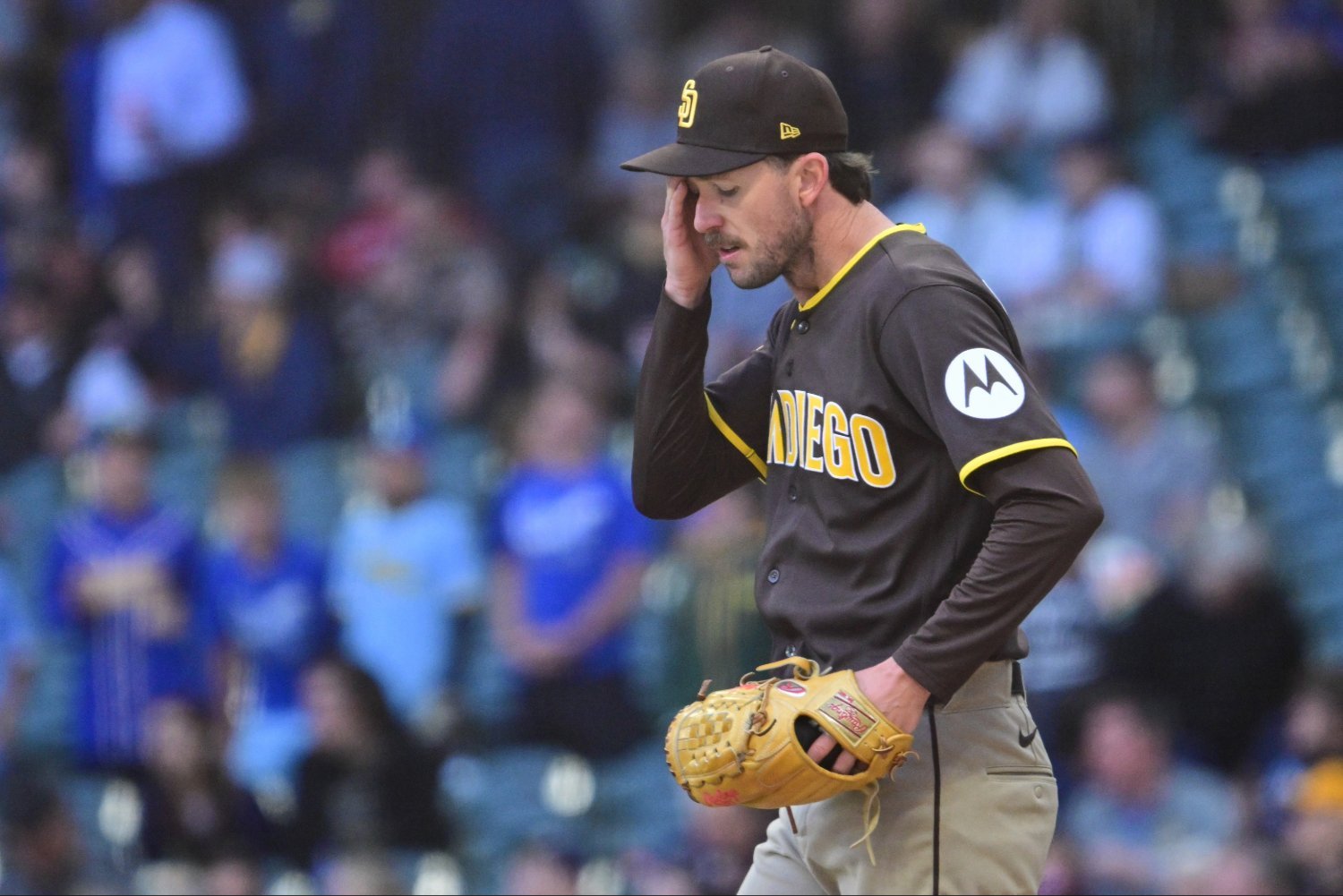 After suffering multiple injuries to their pitching staff early in the season, the San Diego Padres hoped Griffin Canning's return from the injured list would help round out the back of their rotation. However, after missing the second half of last season with a ruptured left Achilles, Canning has struggled to find his footing, posting a 9.00 ERA through his first four starts. Known throughout his career as a pitcher who generates ground balls by attacking the lower part of the strike zone, he has struggled with his command this season. The issue was most noticeable in his third appearance against the Milwaukee Brewers, when he gave up six runs in 1 2/3 innings, which included walking four straight batters in the first inning. This season, he is walking hitters at a career-high 13.3% rate, and spotting pitches in the strike zone only 43.2% of the time, a drop from his previous career low of 43.9% during his rookie season. Although these numbers do call for some concern, Canning has not been entirely ineffective. Despite a slow start, he is still generating a career-high 10.69 K/9 while allowing a career-low 6.3% barrel rate. That's a promising sign that he can be more efficient with better location. Plus, the underlying metrics suggest that while Canning has struggled, his face-value stats may be a little inflated. The most notable difference is the gap between his ERA and his expected stats. He has allowed 16 runs through four starts, but carries an expected ERA of 4.06 and 3.94 xFIP, suggesting his performances have been closer to league average than his ERA indicates. His most recent start against the Los Angeles Dodgers definitely supported this narrative. Against the Dodgers, he allowed a two-run home run to Freddie Freeman in the first inning before settling in and giving up just two hits and one run over his last four innings of work. To improve, he needs to fix his changeup more than anything. Before his injury, Canning’s approach relied heavily on a four-seam fastball and slider combination, with an effective changeup that could force batters into off-balance swings. Last season, opponents hit just .196 against the pitch, and it produced a +6 run value, leading to Canning choosing to rely on it more. Once his third-most-used pitch, the changeup has become the primary pitch in his arsenal, deploying it 32.9% of the time, but not to the results he was expecting. This season, the changeup has gone from a strength to a weakness, with opponents having a .423 batting average and .500 slugging percentage against the pitch, and its run value has dropped to -3, the lowest in his arsenal. Canning is locating his changeup in the strike zone just 38.5% of the time, down from 53.2% last season. But early struggles do not necessarily mean the pitch should be abandoned. Despite the poor results, the changeup is still generating a 33.3% whiff rate and a 33.9% chase rate, both improvements from last season. Normally, Canning has used the changeup low or below the zone to generate whiffs or soft contact. But this season, opposing hitters are making more contact when they do swing. His opponents' O-contact rate against the pitch has risen from 48.1% to 55.3%, indicating that while batters are still chasing, they are also having better results when they do make contact. Control is normally the thing to return last when a pitcher returns from a long layoff, as Canning is after a season-ending Achilles injury in June of 2025. With more reps, he should be able to attack the zone more frequently. If the rest of his results are to be believed that could unlock something for the Padres. View the full article
 -
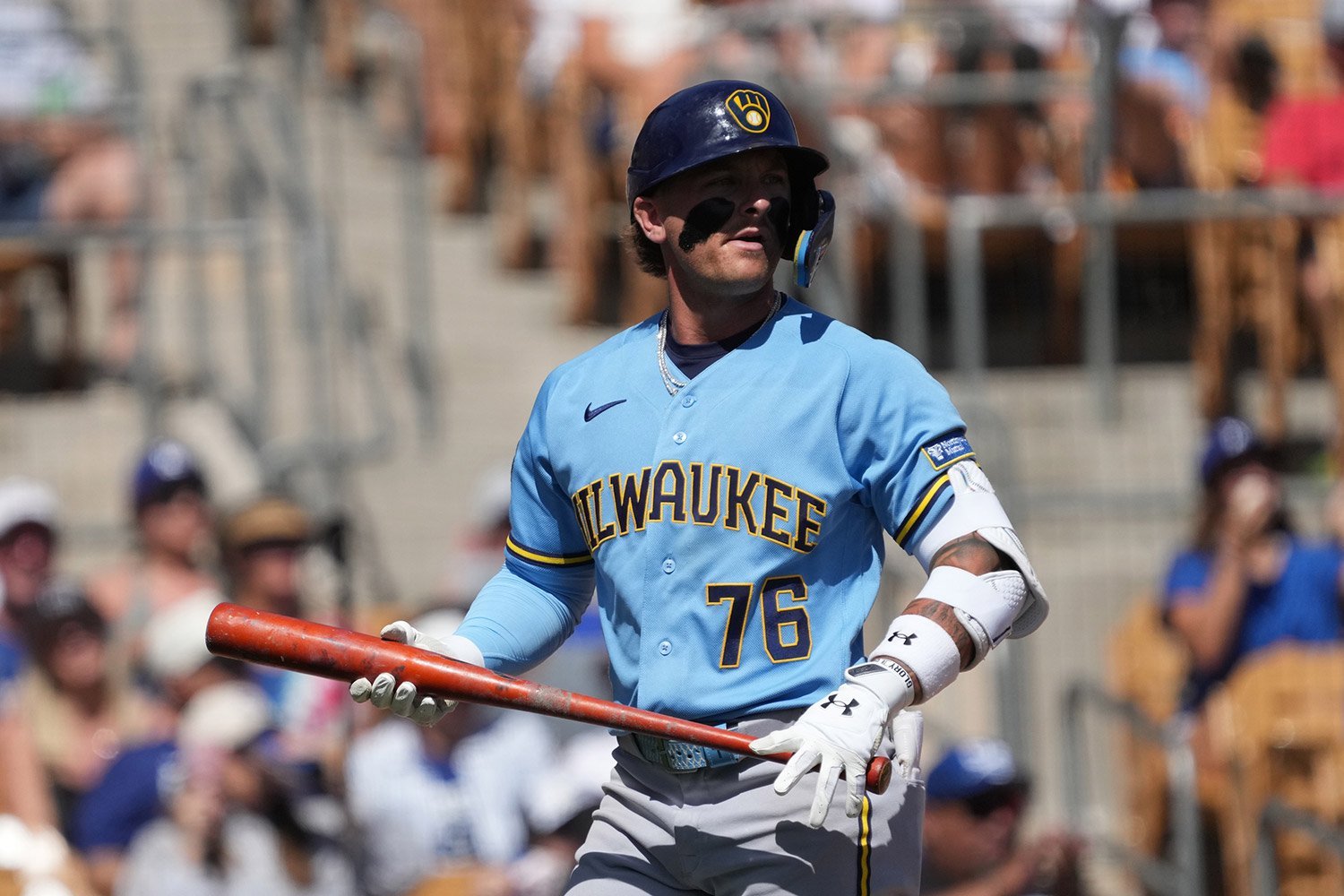 Despite an extremely competitive National League Central and a wave of injuries that threatened to derail the season before it ever gained momentum, the Milwaukee Brewers have once again climbed to the top of the division standings. Now sitting with the fourth-best record in baseball, Milwaukee has leaned on its trademark pitching development, timely hitting, and organizational depth to weather the storm. But with the trade deadline approaching and the postseason picture beginning to take shape, the Brewers still have clear areas where they can improve. Whether it’s reinforcing the bullpen internally or giving a top prospect such as Jett Williams or Cooper Pratt an opportunity to spark the lineup, Milwaukee is in a position not only to hold first place but to become an even more dangerous contender down the stretch. The Brewers Bullpen Even with the Brewers now atop the division, the bullpen remains one of the biggest areas to monitor as the season progresses. Inconsistent performances from former All-Star Trevor Megill and an injury to Angel Zerpa, acquired over the offseason in the Isaac Collins trade, have left a group led in appearances by Aaron Ashby, Abner Uribe, and Grant Anderson. While that trio has managed to stabilize things for stretches, Milwaukee still lacks the consistency and proven late-inning depth that championship contenders typically rely on entering October. The Brewers could choose to address those concerns externally at the deadline, but they may also look internally toward younger arms capable of stepping into higher-leverage roles as the season unfolds. There are multiple arms on the 40-man roster who could play into the configuration of the bullpen later in the year, such as Brian Fitzpatrick, Easton McGee, Carlos Rodriguez, and Craig Yoho, the Brewers’ no. 27 prospect according to MLB.com. All those arms besides Yoho have made appearances with the Brewers already this season, and the hope is that one, if not more, can provide quality innings for the Brewers as the summer unfolds. Injuries are a part of baseball, and given that the Brewers will need to have arms ready to go from Nashville. Yoho is the most intriguing of that option with his 70-grade changeup, and so far for the Sounds, he’s had good results with a 1.38 ERA in 13 innings pitched, though that comes with an ungainly 4.60 FIP. He's striking out a little over 32% of the batters he's facing. Yoho started the season on the injured list with a right calf strain, so some more appearances would be nice before seeing some MLB action, especially given his struggles in the big leagues last year. Craig Yoho, per Prospect Savant If even one or two of those internal options emerge as reliable contributors, the Brewers could avoid overpaying for bullpen help at the deadline while continuing to lean on the organizational pitching depth that has defined their success in recent years. Furthermore, if one breaks out in a big way, there could be an opportunity for late-inning work later in the year. Third Base & Shortstop Early struggles from the left side of the infield could cause top prospects such as Williams or Pratt to move up. Both are heating up as of late: Williams is slashing .321/.473/.589 in May, while the recently extended Pratt is hitting .226/.333/.468. Luis Rengifo (47 wRC+), Joey Ortiz, (59 wRC+), and David Hamilton (88 wRC+) have all struggled offensively this year. Rengifo would likely be the first man out, given Hamilton’s speed and Ortiz’s defense, and it should be a move the Brewers consider if all these players continue their hardships at the plate. Williams would require a 40-man roster move and would likely slot in at third base, while Pratt is on the 40-man and would be a shortstop at the major league level. Neither prospect is guaranteed to immediately solve Milwaukee’s offensive inconsistencies, but both would inject upside and energy into a lineup that has leaned heavily on its pitching staff for much of the season. If the Brewers remain in first place as the trade deadline approaches, promoting one of their young infielders could be viewed as an aggressive but necessary step toward raising the ceiling of the roster for the second half. Jett Williams, per Prospect Savant Cooper Pratt, per Prospect Savant As the summer pushes toward the trade deadline at the beginning of August, the Brewers find themselves in a delicate position: leading a competitive division while still carrying clear areas for improvement. Their success to this point has been built on pitching depth, organizational flexibility, and timely contributions from unexpected sources, but sustaining that formula into October and pushing past where they’ve been in the past will require continued evolution. Whether Milwaukee chooses to lean on its internal pipeline of arms and infield talent or supplement the roster externally, the path forward is centered on maximizing the roster’s upside without disrupting the identity that has carried them this far. If the Brewers can successfully thread that needle, they could evolve into one of the most complete and dangerous teams in the National League. Not to say that they aren’t already, but next steps need to be taken to reach the ultimate goal. View the full article
 -
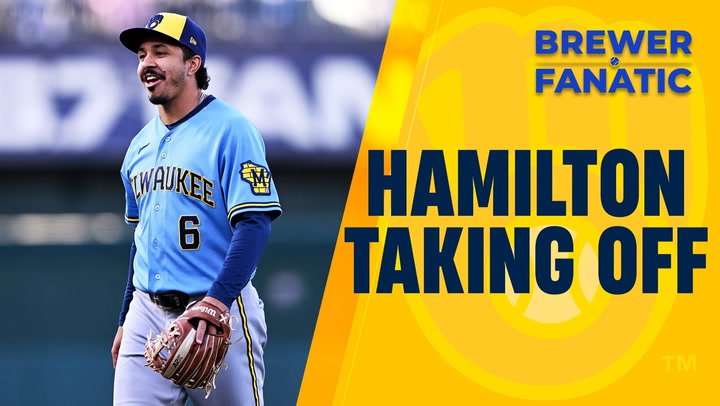 David Hamilton was part of a complex trade between the Milwaukee Brewers and Boston Red Sox heading into this season. In that deal, the Brewers received Hamilton, Shane Drohan, and one of the better starters in MLB this year in Kyle Harrison. In this video, fresh off his little league three-run home run, we'll dive into what makes Hamilton special and how he can positively impact Pat Murphy's squad going forward. View the full article
 -
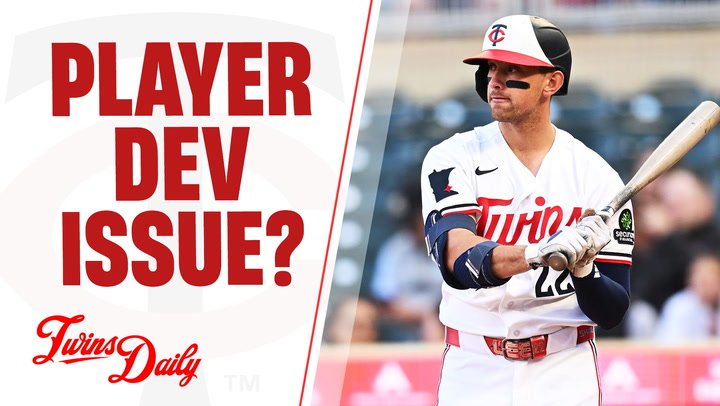 While the Twins have had no shortage of highly-touted prospects, the hit rate has been far below where you'd like to see. Do the Twins, as an organization, have a development problem?View the full article
 -
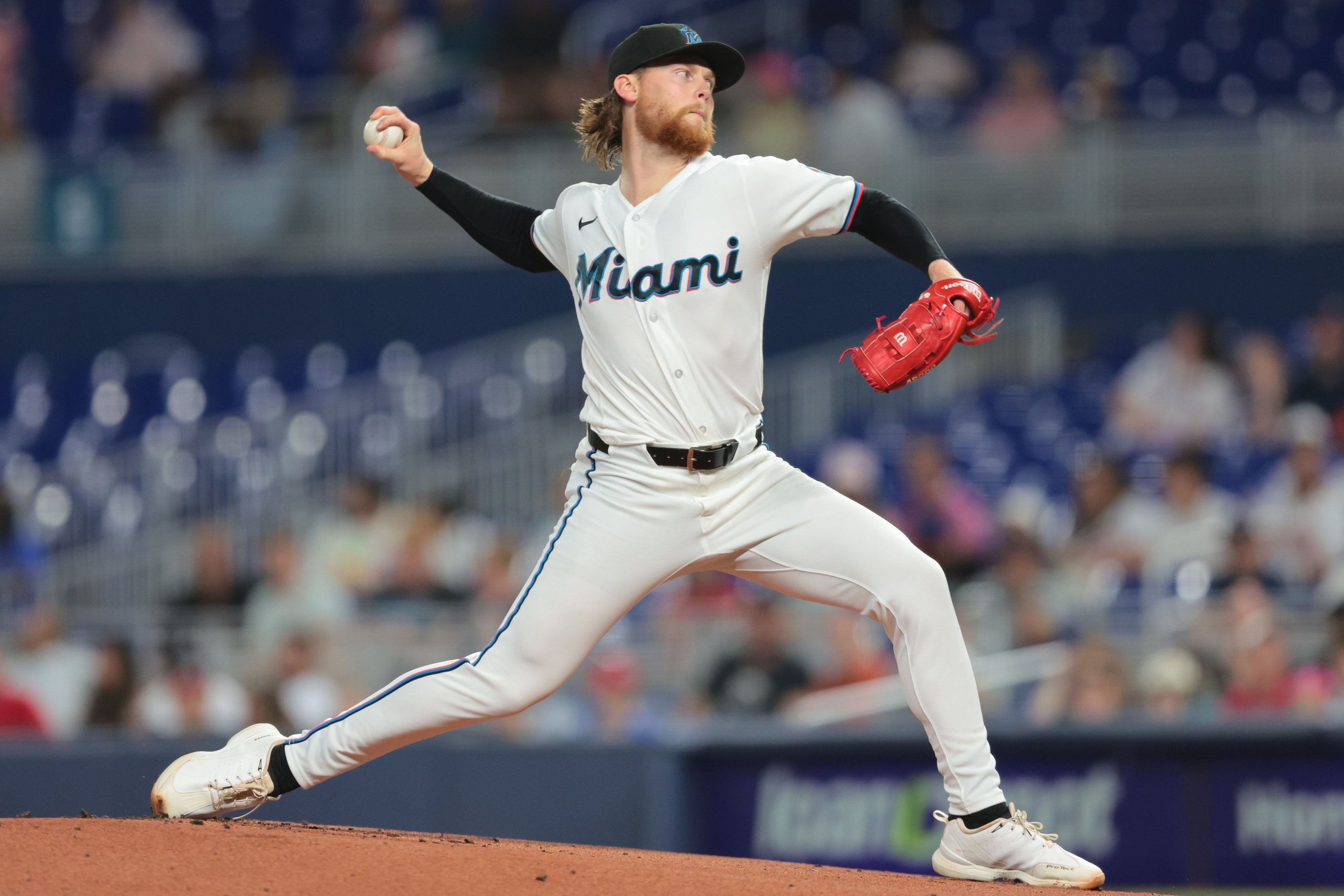 Max Meyer entered the 2026 season with a chip on his shoulder, and then some. A former third overall draft pick in 2020, Meyer's career to that point had largely been one of unrealized expectations and disappointment. Among a sample of 479 pitchers to throw at least 125 innings from 2022 through 2025, Meyer's 82 ERA+ kept company with the likes of Kyle Gibson and Meyer's recently released former teammate, Chris Paddack. So, as the 2026 season dawned, it was time for Meyer to put up or shut up and accept a long-term role as a reliever. Ten starts into the season, Meyer is doing the former, posting a 2.85 ERA and averaging north of 10 K/9. But what's the reason for the Max Meyer breakout? One good place to start is Meyer's pitch mix, more specifically, the redistribution of his arsenal. In his first extended period at the Major League level in 2024, Meyer was essentially a two-pitch pitcher, throwing his four-seam fastball and slider a combined 80.2 percent of the time. This predictability explains why Meyer's early career was riddled with inconsistency. Come 2025, Meyer ramped up the usage of his sweeper (+11.4 percent) and sinker (+11.8 percent), throwing his lead fastball just north of 22 percent of the time. The results, while still underwhelming a la a 4.73 ERA, marked an improvement over the 5.68 he posted the previous calendar year. Sensing a trend here? By diversifying his arsenal, Meyer has gradually become far less predictable to big-league hitters, with the 2026 Max Meyer model the best example to date. Meyer is throwing his slider and sweeper 28.5 and 24.6 percent of the time, respectively, while his four-seam fastball usage has held steady year-over-year at 23 percent. The theoretical modus operandi for Meyer here: lean into your strengths, and Meyer's strengths are his ability to spin the baseball. Through 10 starts, the 27-year-old's breaking ball duo ranks in the 98th percentile in run value, per Savant. Collectively, the league is 22 for 114 (.192) against said offerings against Meyer, with his slider garnering whiffs in nearly half of the swings against (44.5 percent). The year-over-year changes in Meyer's sweeper, though, may be the most startling. Among pitchers to throw at least 100 sweepers in 2025, Meyer's .368 opponent's batting average against ranked seventh-worst among 170 qualifiers. Fast forward to 2026, and Meyer's .217 average against said offering is now 36th best, with Meyer being one of just 11 pitchers with at least 25 plate appearances this season to fan at least 40 percent of hitters ending on a sweeper. Below, you'll see Meyer inducing one of those strikeouts while facing another 2026 breakout player, St. Louis' Jordan Walker. The continued backing off of his four-seamer—a pitch that scouts were skeptical of while Meyer was still a prospect— has too yielded better output against. There have been decreases of 126 points in batting average and 225 points in slugging percentage against from 2025. Because of this, Meyer's four-seamer has graded out as an above-average pitch (plus-1 run value) for the first time in his big league career. And while the version of Meyer we have seen thus far is the best yet, he is not completely out of the woods of speculation. While we noted Meyer as sporting a sub-3.00 ERA to this point, his xERA (Expected Earned Run Average) of 4.08 suggests there may be luck at play via exit velocity and launch angle. That being said, the 90.1 mph average exit velocity against Meyer is his best in any of the three seasons where he's made at least 10 starts. Batter launch angle, however, currently sits at a career-high 13.7 degrees, as does his 35 LA-Sweet Spot % (Launch Angle-Sweet Spot), while also allowing soft contact at the lowest clip of his career (2.1%). At the very least, it's fair to say that Meyer has shown himself worthy of a spot in a big league starting rotation. That alone constitutes a win for the organization given what the dreary outlook for him was mere months ago. View the full article
 -
 Transactions: SS Luis Pena sent on rehab assignment to ACL Brewers RHP Luke Roupe activated from ACL Brewers’ 7-day injured list Welcome back and all seems well for Luis Pena - more on his night in the game section for Maryvale to conclude this report. The Brewers were always going to be extra-cautious after the April 22nd incident in which Pena lost consciousness, and yes, a full month had passed since that date. One can imagine the number of tests that have been run and the amount of monitoring to have taken place since. Luke Roupe, drafted in the 17th round last summer out of a North Carolina high school, had his professional debut delayed a bit, but he joined Pena on the field Friday night. We hope you'll catch up on the entire system before sneaking down to the bottom of this report . Nashville Pre-Game Media Notes Final: Nashville 6, Durham (Rays) 5 Box Score and Game Log Via the Sounds, game details, and we encourage readers to always review affiliate write-ups as part of their Link Report routine: Sounds Shut Down Bulls' Late Rally for 6-5 Win - Knehr Improves to 3-0 and Fernández Earns First Save of Season The videos embedded in that report include the big RBI knocks from Jeferson Quero and Brock Wilken. Among the other run-scoring plays described in the linked summary are these, which can be viewed as follows: Luis Lara forceout Luis Matos single Also from the summary: "Nashville's 3.41 ERA in bounce back games is tied for the best in the International League with Omaha." ERA in bounce back games? Like, who tracks that? Baseball allows for a wonderful spectrum of analysis, doesn't it... In his two prior appearances, RHP Garrett Stallings started and worked 12.2 scoreless innings with only two walks. On the surface, it seems he would still be needed in a starting role, but he came up big in the 8th here: The Nashville rotation may be the most in-flux thing in all of the Brewers system, understandable given the vagaries of the Sounds-Brewers mound relationship (certainly paying off at the big-league level). If Stallings is temporarily back in the pen, you've got Friday's starter Coleman Crow (88 pitches to get through 4.1 innings, 3 ER), plus RHP Tyson Hardin (one start since his call-up from Biloxi), LHP Thomas Pannone, and seemingly struggling RHP Carlos Rodriguez, who has worked in long relief as of late, comprising part of the Sounds' rotation, along with any rehab efforts from Quinn Priester. Yet the club has won 10-of-11 games! LHP Rob Zastryzny's latest rehab stint began on May 14th. Not a lot of room in the MLB pen, and Rob Z. has been lights-out in four appearances since: 4 IP, 1 H, 0 R, 1 BB, 5 K. How long will he be strung along before activation? Nashville drew ten walks, so the number of times players were on base was significant: Wilken 4, Matos and Greg Jones 3, Cooper Pratt, Luis Lara, Jeferson Quero twice each. Whenever Luis Rengifo has a miserable MLB night, we glance Jett Williams way - 0-for-5 here, one K. Postponed, rain: Birmingham (White Sox) at Biloxi Catch up with the latest Biloxi pre-game audio interview archives The teams are still trying to complete the 11th inning (and possibly beyond) of their Thursday game (box score), discussed in Daniel's fine Link Report yesterday. As of right now, Friday's game is not scheduled as a make-up (yet), as Sunday is still listed as a single game. We wonder if the game will be made up in Birmingham with Biloxi as the home team during the June 9th - 14th series. Wisconsin Pre-Game Media Notes (download link) Final: Great Lakes (Dodgers) 13, Wisconsin 4 Box Score and Game Log Via the Timber Rattlers, game details: Unlucky Thirteen for Wisconsin at Great Lakes Chris Mehring squeezed videos of Andrew Fischer's early-game home run and Josh Adamczewski's late-game double into his report linked above. Also, early in the game this defensive play occurred: Adamczewski walked twice in addition to his two-bagger. We're 33 games into his season, and he's still sporting an incredible 1.024 OPS (.322/.441/.583). Young Josh also stole his 7th base in eight tries. Our swooning continues. CF Josiah Ragsdale singled three times, fanned in the other two plate appearances. The K rate is high at 28.2%, but he's also walking in 19.3% of his plate appearances for a .417 OBP. Night off for Braylon Payne. RHP Travis Smith was very solid in five of six swing-role outings to begin his season. In his most recent appearance before Friday, he did allow four runs in a five-inning start with five walks, so that was a bit of a stumble, but not a blow-up. Unfortunate that his outing here went very sideways, but kudos to Jack Seppings for saving the bullpen in what could have turned into another game in which a T-Rat position player was needed on the mound. Wilson Pre-Game Media Notes Final: Wilson 7, Delmarva (Orioles) 2 Box Score and Game Log Wilson Pitching Stifles Shorebirds; Big Eighth Secures Victory - Warbirds Don't Allow an Earned Run in Win Check out 18-year-old Brady Ebel's April vs. May splits, then admire: Ebel also doubled and singled, such a promising turnaround - it's so easy to focus on early numbers because they're the only numbers we have at the time, lesson for us all. Wow, Jarrett Bonet, and the Brewers' Organizational Pitcher of the Month for April's line of 6.1 scoreless innings, 1 H, 1 BB, 2 HBP, 6 K, 93 pitches included this: DH Jadyn Fielder walked three times to lift his OBP to .412. The Warbirds were handed (or better said, earned) ten free passes. Final: ACL Brewers 8, ACL White Sox 6 Box Score and Game Log Juan Pena's evening, not surprisingly in the designated hitter role for his first game back: Walked on five pitches after getting up in the count 3-0 Stole 2nd base Advanced to 3rd on a wild pitch Scored on the front-end of a double steal with OF Kenny Fenelon Walked (again) on five pitches after getting up in the count 3-0 Advanced to second base when Brailyn Antunez was HBP, then stranded Sent a 77 MPH grounder to 3rd base, reached on an error Advanced to second on a Fenelon walk Scored on a two-out CJ Hughes 96.8 MPH line single to right Leading off the 6th, Pena is hit by a pitch, remains in the game, does not advance Is pinch-hit for in the 8th, seemingly unrelated to the HBP You'll also be able to track Luke Roupe's pro debut via the top of the 1st game log. Only 16 pitches thrown, five batters faced, two outs secured, one run allowed, and a shoutout to catcher Freider Rojas for nabbing a baserunner at 2nd to end the inning after Roupe's exit. The A-Crew trailed 3-2 heading to the bottom of the 4th before rallying for three runs, some of which described in the Pena recap above. Utilityman Roderick Flores doubled in a run to tie the game. Flores has seen very limited action, but has contributed in all five games he's played, all at first base here in 2026, four of eight hits the XBH variety, 1.363 OPS (.727 OPS in his first Maryvale season last summer). Flores, a right-handed bat, then homered in the 5th, but it wasn't your garden variety. He pulled a 96.7 MPH ball to left field but circled the bases when White Sox left fielder Christian Gonzalez (not currently in Pipeline's Chisox Top 30) suffered an injury that forced him to leave the game, hopefully will be OK. A Fenelon RBI triple and Hughes RBI single capped the scoring in the 8th, set up by opposition errors to break the 6-6 tie. 20-year-old Venezuelan RHP Ismael Yanez is the designated closer and did his job here. Earlier in the game, 20-year-old Dominican RHP Cesar Espinal stranded two runners for Roupe, and added a quiet frame of his own, fanning three total. RHP's Caleb Nieman and Hayden Vucinovich surrendered runs but each managed three innings of contributions. Stud RF Alexander Frias last played on Tuesday, now missing two games since his mid-game exit on that day, no apparent reason. Standard Saturday day game for Maryvale, we'll see if Luis Pena plays on the quick turnaround time. It's all-evening action for the full-season affiliates, with the Shuckers hopefully rallying in extras to complete their suspended game. Have a great day, folks. Organizational Scoreboard including starting pitcher info, game times, MiLB TV links, and box scores Current Milwaukee Brewers Organization Batting Stats and Depth Current Milwaukee Brewers Organization Pitching Stats and Depth View the full article
 -
Sonny Gray Has Mastered the Kitchen Sink Approach to Pitching
DiamondCentric posted an article in Talk Sox
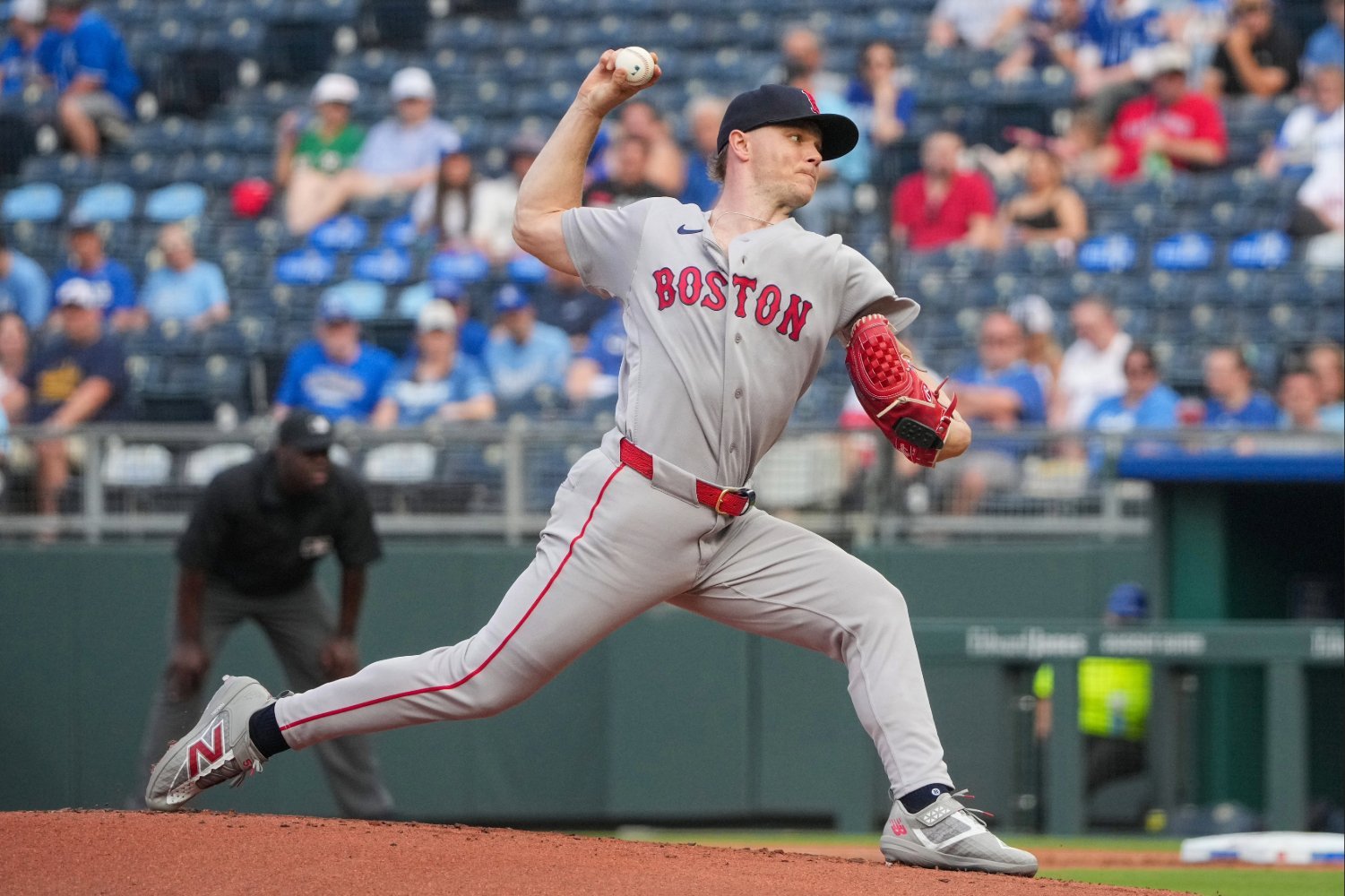 After trading for Sonny Gray on November 25, the Boston Red Sox believed they had acquired the No. 2 starter in their rotation. Through his first five starts, however, it appeared that age may have finally caught up to Gray. He posted a 5.09 K/9 and surpassed four strikeouts only once, in his season debut, giving him the fourth-lowest strikeout rate among qualified starters during that span. Then, Gray tweaked his right hamstring, and it seemed his season might go from bad to worse. That has not been the case. Since returning on May 6, Gray has pitched at least five innings in all three of his starts while allowing just two runs across 17 innings. Most importantly, he has set season highs in strikeouts in consecutive outings, recording six against the Phillies before striking out nine Royals on Monday. After opening the year with five straight starts of three strikeouts or fewer, Gray doubled his season strikeout total in just two outings, increasing it from 15 to 30. Following Monday's start, Alex Speier of the Boston Globe asked Gray what had changed to produce the swing-and-miss results he had been seeking: "Anything you're seeing in terms of those strikeouts?" he asked, "Obviously a bunch of swing and misses tonight were on the sweeper, a couple on the curveball. Is it just executing spin better, or is it how you're tunneling?" Gray's response consisted largely of noncommittal answers, seemingly intent on keeping the details of his success close to the vest. Fortunately, the wealth of publicly available data gives us an opportunity to investigate what may be different. Pitch usage provides an obvious starting point. When comparing Gray's pitch mix before and after his return from the injured list on May 6, several notable changes emerge. The char above compares his pitch usage from March 28 through May 5 (top) with his usage from May 6 through May 18 (bottom). We can see that Gray's sweeper and four-seam fastball essentially traded places in usage. His sweeper usage increased from 15.9 percent to 18.9 percent, while his four-seam usage dropped from 18.2 percent to 15.8 percent. The adjustment makes sense. Throughout his career, Gray has relied heavily on breaking pitches to generate outs, and last season his breaking balls produced a 97th-percentile run value while the rest of his arsenal graded out below average. If Gray's goal was to generate more strikeouts, leaning on the sweeper was a logical move. Before the injury, it generated the highest swinging-strike rate among any pitch he threw more than 10 percent of the time. Since returning, it has remained his best bat-missing offering, producing a 20.9 percent swinging-strike rate. He's also simply thrown more strikes overall, which naturally creates more opportunities to finish hitters with strikeouts. One area worth monitoring is how these changes affect his batted-ball profile. His ground-ball rate has declined significantly, while his line-drive rate has climbed. That shift could lead to more hits falling in, but it may also be the trade-off required to maintain the elevated strikeout numbers we've seen since his return. It's difficult to draw firm conclusions from only three starts. Still, for a pitcher whose success has long been built on a kitchen-sink approach, throwing more pitches with movement is likely to produce better results. At this stage of his career, increased fastball velocity is unlikely to be part of the equation. If Gray is going to continue missing bats, it will be because he leans on his elite breaking stuff. The early returns have been encouraging. Now, we'll see whether he can sustain them and continue serving as a stabilizing force in the Red Sox rotation. View the full article
 -
Brooks Raley Has Been the Unsung Hero of the Mets' Bullpen
DiamondCentric posted an article in Grand Central Mets
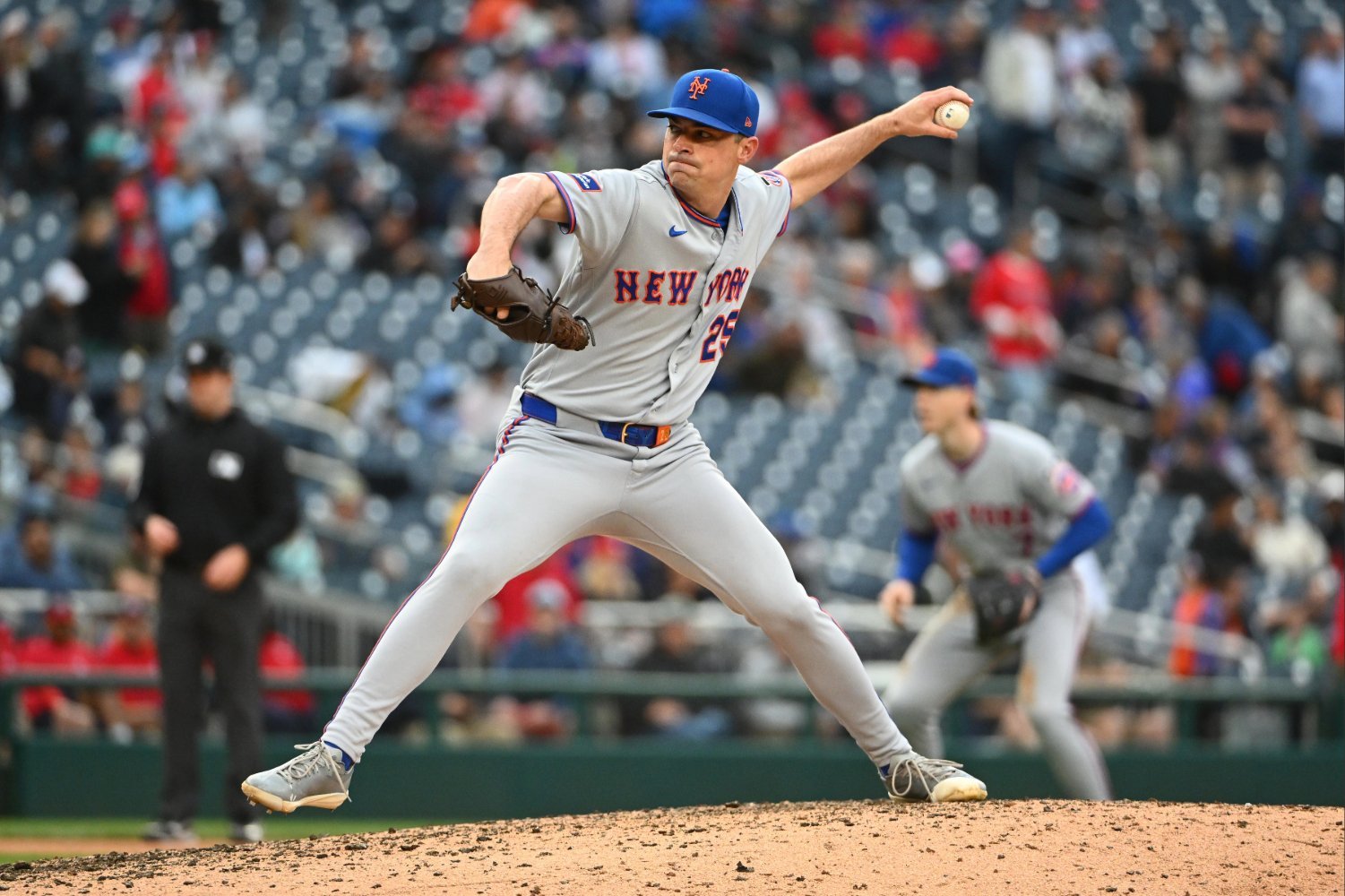 Not many things have gone right for the 2026 New York Mets, although they do have a 7-3 record in their last 10 games. They are still dancing around last place in the NL East, and to say that injuries have treated them poorly would be an understatement. Brooks Raley, however, has been a bright spot in an otherwise forgettable first couple of months in Queens. He is the perfect example of how an MLB pitcher can dominate at the highest level with well below-average velocity. The 37-year-old veteran ranks in the third percentile in fastball (or, in his case, sinker) velocity, but that 89.7 mph on average and his excellent secondary stuff have allowed him to rank in the 83rd percentile in strikeout rate, with 27.3 percent. Those stats were before taking the mound on Thursday and tossing a scoreless frame in the Mets' win over the Nationals, adding two punchouts to his season line. Brooks Raley Is the King of Contact Management How do you explain that kind of contrast? Usually, high velocity is directly correlated with a high strikeout rate, but Raley defies the odds in that department. He does it thanks to a unique pitch mix and a brilliant contact management profile. Most of Raley’s pitches are sweepers, a pitch he throws roughly 45 percent of the time. The sinker is second in his arsenal at 23 percent, and he rounds out his repertoire with a cutter (19 percent) and a changeup (13 percent). That stuff has helped him post an incredible 1.40 ERA in 19.1 innings of work in 2026. The walks, eight, have been a tad high, but they have been offset by his 23 punchouts to this point. Not only does Raley strike out lots of hitters, but he is also a master when it comes to managing contact. His 31.3 percent hard-hit rate is good enough to put him in the 87th percentile among all MLB pitchers, and it’s far from a fluke; his career mark is 28 percent. He limits hard contact like very few hurlers in baseball. A Run-Prevention Asset The Mets have certainly benefited from Raley’s reliability and overall excellence. Heading into the weekend, New York had the tenth-best bullpen ERA at 3.48, so you can see how the left-hander alone has positively influenced that number. Entering Thursday, Raley was third among Mets’ relievers with 0.3 fWAR, behind Devin Williams and Huascar Brazoban and tied with Luke Weaver. He has the best ERA among his peers on the team, though. Unlike some of the best lefties in the game, Raley can actually get right-handed hitters out consistently, which enables the manager to use him in almost any situation. He has a 13.3 K-BB% vs. lefty hitters, and a much better 19.1 mark against righties this season. All things considered, Raley has been a surprising asset for the Mets’ bullpen and figures to be a key pitcher in the upcoming weeks as they push to get out of their early-season hole. View the full article
 -
 Across the Royals' system, the affiliates dropped three games. Gavin Cross tripled in two runs, and Brett Squires doubled in two as Omaha fell 9-5 to St. Paul. Justin Johnson collected three doubles in Northwest Arkansas's 8-5 loss to Amarillo. Nick Conte struck out two over two hitless innings of relief for Quad Cities, though the Bandits dropped a 5-4 decision. Kendry Chourio fanned three across two scoreless frames before rain suspended Columbia's game. Royals Transactions No Roster Moves Cross Triples, Squires Doubles As Storm Chasers Fall To Saints Omaha jumped on St. Paul in the top of the first inning, scoring three runs to set the tone. Josh Rojas, John Rave, and Kameron Misner each drew walks to load the bases. After Drew Waters lined out, Squires laced a two-RBI double to right field, plating Rojas and Rave. Abraham Toro followed with a groundout that scored Misner from third for the third run. The lead did not hold. St. Paul answered with two runs in the bottom half off starter Aaron Sanchez, who allowed three hits and two runs (one earned) over his one inning of work while striking out two. Ethan Bosacker followed and worked three innings, surrendering six hits and three earned runs while striking out three. Omaha grabbed the lead back briefly in the third when Gavin Cross tripled to center, scoring Waters and Toro, but the Saints again answered in the bottom half. The decisive blow came in the bottom of the seventh, when Anthony Gose served up a two-run home run that pushed St. Paul ahead 9-5. Cross finished 2-for-4 with the triple, two RBI, and was the offensive standout. Squires also drove in two with his double. Misner added a double and a walk. Mason Black took the loss in 1 2/3 innings of relief, allowing two earned runs. The Storm Chasers stranded four runners and were held to four hits as a team. Player AB R H RBI BB K Josh Rojas 3 1 0 0 1 0 John Rave 3 1 0 0 1 0 Kameron Misner 3 1 1 0 1 1 Drew Waters 3 1 0 0 1 1 Brett Squires 4 0 1 2 0 3 Abraham Toro 3 1 0 1 1 1 Gavin Cross 4 0 2 2 0 0 Connor Kaiser 4 0 0 0 0 3 Luke Maile 4 0 0 0 0 2 Player IP H R ER BB K HR Aaron Sanchez 1 3 2 1 0 2 0 Ethan Bosacker 3 6 3 3 0 3 0 Mason Black 1 2/3 3 2 2 0 2 0 Andrew Pérez 0 0 0 0 2 0 0 Anthony Gose 1 1/3 2 2 2 0 0 1 Beck Way 1 2 0 0 0 1 0 Johnson Doubles Three Times, But Naturals Drop Game To Sod Poodles Northwest Arkansas could not contain Amarillo's bats, falling 8-5 despite a three-hit night from Johnson. The Naturals opened the scoring in the top of the second when Daniel Vazquez walked, and Spencer Nivens drove a two-run home run to left center to put NW Arkansas ahead 2-1. The lead did not last. Amarillo countered with two runs in the bottom of the third, then broke the game open in the fifth with back-to-back home runs that turned a 3-2 deficit into a 6-2 hole. Hunter Patteson took the loss in five innings, allowing eight hits, six earned runs, and two home runs while striking out five and walking none. The Naturals chipped back in the sixth, when Sam Kulasingam led off with a solo home run, Vazquez later singled, and Jack Pineda singled to bring home Vazquez from third. In the seventh, Johnson doubled, advanced to third on a Carson Roccaforte groundout, Colton Becker walked, and Kulasingam delivered an RBI single to plate Johnson and cut the deficit to 8-5. That was as close as NW Arkansas would get. Johnson finished 3-for-3 with three doubles and was hit by a pitch in the ninth. Kulasingam went 2-for-5 with the home run and drove in two. Nivens added two RBI with his home run. Vazquez walked, singled, and scored twice. Roccaforte added a hit and a walk from the leadoff spot. Zachary Cawyer allowed two runs in his lone inning of relief, while Andrew Morones and Tommy Molsky combined for two scoreless frames. The Naturals stranded eight runners on base. Player AB R H RBI BB K Carson Roccaforte 4 0 1 0 1 0 Colton Becker 3 0 0 0 1 0 Sam Kulasingam 5 1 2 2 0 1 Jorge Alfaro 5 0 0 0 0 3 Daniel Vazquez 3 2 1 0 1 1 Spencer Nivens 4 1 2 2 0 0 Jack Pineda 4 0 1 1 0 0 Canyon Brown 4 0 0 0 0 1 Justin Johnson 3 1 3 0 0 0 Player IP H R ER BB K HR Hunter Patteson 5 8 6 6 0 5 2 Zachary Cawyer 1 2 2 2 0 2 1 Andrew Morones 1 0 0 0 0 0 0 Tommy Molsky 1 0 0 0 1 0 0 Ramirez's late double not enough as River Bandits Lose To Sky Carp Quad Cities battled back twice but could not overcome an early deficit in a 5-4 loss to Beloit. The Sky Carp scored a single run in the top of the first off Emmanuel Reyes, and he later surrendered the decisive blow in the fifth. The Bandits answered in the bottom of the fourth. Nolan Sailors singled, Asbel Gonzalez walked, and after a pair of strikeouts, Luke Pelzer tripled to center, plating both runners to give Quad Cities a 2-1 lead. The fifth inning swung the game back. Reyes walked two batters with two outs, and Connor Caskenette pulled a three-run home run to right-center to put Beloit ahead 4-2. Reyes ultimately took the loss after 5 1/3 innings, surrendering eight hits, five earned runs, three walks, and one home run while striking out three. Quad Cities mounted one more push in the bottom of the eighth. Sailors singled and Gonzalez walked to begin the frame, and after a Blake Mitchell strikeout, Ramon Ramirez doubled to left to bring both runners home and trim the deficit to 5-4. The Bandits stranded the tying run on third when Pelzer flew out and Jose Cerice grounded out to end the inning. Sailors finished 2-for-4 with two runs and a stolen base. Gonzalez did not record a hit but walked twice, scored twice, and stole two bases. Pelzer and Ramirez each drove in two runs. Coleman Picard threw 1 2/3 innings of one-hit relief out of the bullpen, and Nick Conte added two hitless innings with two strikeouts. The Bandits stranded seven runners. Player AB R H RBI BB K Nolan Sailors 4 2 2 0 1 1 Asbel Gonzalez 3 2 0 0 2 2 Blake Mitchell 4 0 0 0 0 3 Ramon Ramirez 4 0 1 2 0 3 Luke Pelzer 3 0 1 2 1 1 Jose Cerice 3 0 0 0 1 1 Derlin Figueroa 3 0 1 0 1 2 Angel Acosta 3 0 0 0 0 1 Diego Guzman 3 0 0 0 0 1 Tyriq Kemp 1 0 0 0 0 1 Player IP H R ER BB K HR Emmanuel Reyes 5 1/3 8 5 5 3 3 1 Coleman Picard 1 2/3 1 0 0 1 2 0 Nick Conte 2 0 0 0 2 2 0 Chourio Strong Before Fireflies Game Suspended By Rain The Columbia Fireflies and Augusta GreenJackets played to a scoreless tie through two innings before rain forced a delay in the top of the third, with the game ultimately suspended. Each team had a single hit through the abbreviated action. Kendry Chourio drew the starting assignment for Columbia and was sharp in his two innings of work, allowing one hit while striking out three and walking none. He worked around a one-out triple in the bottom of the first by retiring the next two hitters, then put together a clean second inning that included two more strikeouts. Offensively, Sean Gamble singled to left field with one out in the top of the first for the only Columbia hit through the abbreviated action. Josh Hammond followed with a pop-out, and Brooks Bryan struck out swinging to end the threat. In the second, Hyungchan Um and Stone Russell both struck out, JC Vanek was hit by a pitch, and Connor Rasmussen grounded out to leave the runner stranded. Columbia left two runners on base. The game was halted before any decisions were rendered or relief pitchers used. Chourio's three strikeouts and zero walks against just one hit allowed marked another effective short outing in his young season. Player AB R H RBI BB K Henry Ramos 1 0 0 0 0 0 Sean Gamble 1 0 1 0 0 0 Josh Hammond 1 0 0 0 0 0 Brooks Bryan 1 0 0 0 0 1 Hyungchan Um 1 0 0 0 0 1 Stone Russell 1 0 0 0 0 1 JC Vanek 0 0 0 0 0 0 Connor Rasmussen 1 0 0 0 0 0 Roni Cabrera 0 0 0 0 0 0 Player IP H R ER BB K HR Kendry Chourio 2 1 0 0 0 3 0 Top-20 Prospect Performance Kendry Chourio: 2 IP, 1 H, 0 R, 0 BB, 3 K David Shields: DNP Sean Gamble: 1-for-1 Blake Mitchell: 0-for-4, 3 K Josh Hammond: 0-for-1 Ramon Ramirez: 1-for-4, 2B, 2 RBI, 3 K Drew Beam: DNP Asbel Gonzalez: 0-for-3, 2 R, 2 BB, 2 SB, 2 K Ben Kudrna: DNP Carson Roccaforte: 1-for-4, BB Yandel Ricardo: DNP Felix Arronde: DNP Blake Wolters: DNP Michael Lombardi: DNP Luinder Avila: DNP Steven Zobac: DNP Frank Mozzicato: DNP Daniel Vazquez: 1-for-3, 2 R, BB, K Warren Colcano: DNP Shane Panzini: DNP View the full article
 -
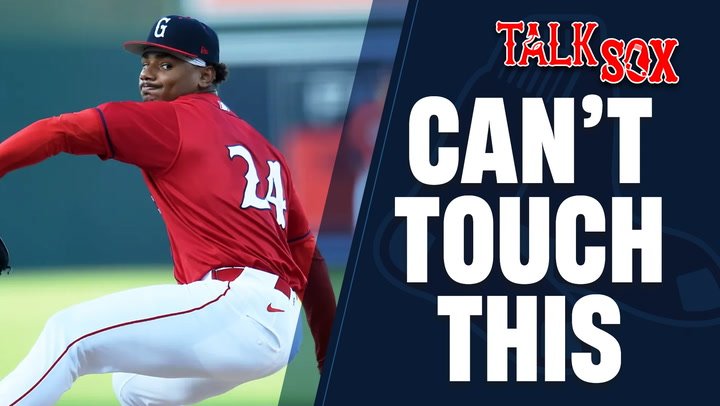 The Boston Red Sox fourth-ranked prospect, Anthony Eyanson, is quickly turning heads at the Double-A level. He's sporting an earned run average south of one, and less than a calendar year after going in the third round of the 2025 MLB Draft, the hard-throwing righty looks to be a fast riser. In this video, we will go over his 65-grade slider, triple-digit fastball, what makes his arsenal so effective, and when to expect his major league debut. View the full article
 -
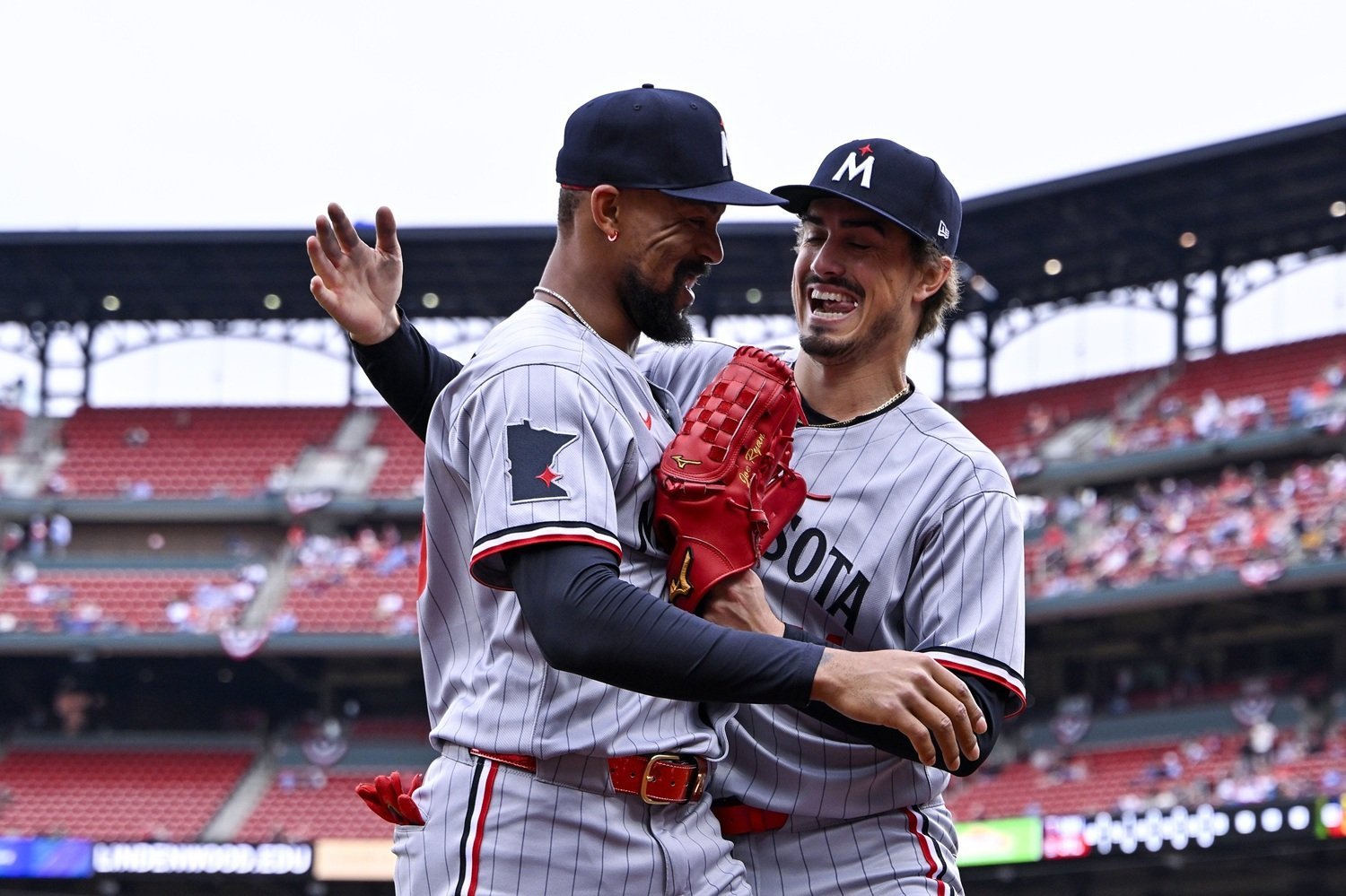 The Minnesota Twins entered the season hoping to convince everyone that last year’s disappointment was a temporary stumble. Instead, the first half has only created more uncertainty about where this organization is actually headed. Minnesota’s ownership would say this isn’t a full rebuild. It also doesn’t look like a legitimate contending effort. That middle ground is the worst place a franchise can live in modern baseball. Teams either push their chips in or aggressively build toward the future. The Twins continue to hover somewhere in between, and with the trade deadline approaching, they may finally have to choose a direction. Minnesota still has enough talent on the roster to intrigue contenders around the league. However, they also have enough flaws and long-term concerns to justify selling pieces for the future. The biggest question is whether the front office is willing to admit this core may not have the runway everyone once expected. Here’s an early look at some of the most fascinating trade deadline decisions facing the Twins. Byron Buxton No player better represents the current state of the franchise than Buxton. On one hand, he remains the face of the organization. He has a full no-trade clause, and he has repeatedly made it clear that he wants to stay in Minnesota. When healthy, he is still one of the most electric players in baseball and one of the few stars capable of changing a game by himself. The Twins should do everything possible to keep him. Trading Buxton would signal far more than a roster adjustment. It would essentially announce the end of this competitive era. He is one of the few players casual fans still associate directly with Twins baseball, and moving him would create major backlash inside the clubhouse and throughout the fanbase. At the same time, the situation becomes more complicated if Minnesota starts moving other veteran pieces. If the front office deals away multiple core contributors, Buxton may eventually decide he no longer wants to spend the remainder of his prime stuck in another retooling phase. There would almost certainly be interest if he became available, especially from teams looking for a dynamic postseason weapon. The Atlanta Braves would immediately become a fascinating fit. Buxton is from Georgia, and a return closer to home could appeal to him if the Twins no longer appear serious about competing. Still, unless Buxton himself pushes the issue, it is difficult to envision Minnesota voluntarily moving him. Joe Ryan Ryan might be the most realistic blockbuster candidate on the roster. He is under team control only through the 2027 season, and his value may never be higher than it is right now. Ryan survived an early-season injury scare that initially looked far more concerning, and he has continued pitching like a frontline starter whenever healthy. That combination would make him one of the most attractive arms available at the deadline. The timing also matters. With Tarik Skubal injured, the market for controllable starting pitching could become even more aggressive. Teams desperate for rotation help would likely line up to make significant offers for Ryan. From Minnesota’s perspective, there is logic behind considering it. The Twins do not currently look like a team positioned to seriously contend over the next two seasons. By the time the roster is realistically ready to compete again, Ryan could already be nearing free agency. Add in his injury history and the general volatility that comes with pitchers, and there is a legitimate argument that the organization should capitalize on his value now rather than waiting for something to go wrong later. Of course, there is another side to the conversation. Quality starting pitching is incredibly difficult to acquire. Ryan is already proven, affordable, and capable of anchoring a rotation. Trading him would create an enormous hole and likely force the Twins into another lengthy search for pitching stability. Unless Minnesota receives an overwhelming package centered around elite prospects, there is still a strong case for keeping him and attempting to build around him instead. Ryan Jeffers Before his injury, Ryan Jeffers looked like one of the few clear success stories on Minnesota’s roster this season. He was off to a tremendous start offensively and had arguably been the team’s MVP through the first half. Jeffers provided stability in the middle of the lineup while continuing to handle a difficult workload behind the plate. At a time when much of the offense struggled with consistency, he was one of the few hitters regularly producing quality at-bats. That is what makes this week’s injury so frustrating for both Jeffers and the Twins. Minnesota placed Jeffers on the injured list earlier this week with a broken hamate bone, an injury that will likely sideline him for six to eight weeks. The timing could not be much worse with the trade deadline approaching quickly. Under normal circumstances, Jeffers would have made plenty of sense as a trade candidate. He is a veteran catcher on an expiring contract who could help a contender looking for offense behind the plate. Catching depth is always in demand at the deadline, especially from teams searching for postseason upgrades. Now the situation becomes far murkier. Even if Jeffers returns before the deadline, he will likely need time to prove he is fully healthy. Hamate bone injuries have a long history of sapping hitters’ power temporarily after they return. Many players eventually regain their production, but it is rarely an immediate process. That uncertainty could significantly shrink his market. Contenders may hesitate to part with meaningful prospects for a catcher who is still working his way back physically and trying to rediscover his power swing. The Twins would still likely prefer to move him rather than risk losing him for nothing after the season, but the return may not justify making the deal unless Jeffers comes back quickly and looks like himself immediately. Josh Bell Bell feels like the classic trade deadline rental candidate. He has been traded four different times during his career, so another move would hardly be surprising. Bell’s offensive profile also makes him the type of player contenders often gamble on in July. When he gets hot, he can carry a lineup for stretches, and playoff teams are always searching for extra power from the designated hitter spot. A contender could easily convince itself that Bell is one productive month away from becoming an impactful postseason bat. The problem is that his market may be limited. Bell’s defensive limitations narrow the list of interested teams considerably. His streaky offensive production also makes him difficult to trust as an everyday option. Since he is on an expiring contract, the return would likely be modest even if he finishes the first half strongly. Minnesota may ultimately decide his veteran presence is more valuable in the clubhouse than the low-level prospect package they would receive in return. Still, among the Twins’ veteran position players, Bell remains one of the more obvious names to watch. Austin Martin Martin has quietly become one of the more interesting depth pieces on the roster. Since being recalled during the second half of last season, he has consistently found ways to get on base and provide quality at-bats. He has also proven capable defensively in corner outfield spots, giving Minnesota a versatile player who can contribute in multiple roles. That type of player tends to matter more over a full season than many fans realize. However, his trade value is probably fairly limited. Contending teams could view Martin as a useful bench bat or platoon player, but there are questions about how large a role he can realistically handle. Since he bats right-handed, his ideal usage against left-handed pitching becomes somewhat restrictive compared to a traditional platoon option. The Twins also may not gain much by moving him. Martin is under team control through 2030, and his versatility fits well on a roster that constantly deals with injuries and lineup instability. Unless another organization views him as more than a complementary piece, Minnesota likely benefits more from simply keeping him around. Royce Lewis and Matt Wallner A few months ago, Lewis and Wallner might have carried substantial trade value. Now, both players are coming off demotions, and their stock has cratered. That creates an awkward dilemma for Minnesota. Selling low on talented players is almost always dangerous, especially when both still possess significant upside. Lewis was a former top prospect that the club has invested in, while Wallner’s raw power and patience still intrigue evaluators despite the swing-and-miss concerns. Some organizations would absolutely be willing to take a gamble on either player. Teams constantly believe they can unlock talent that another franchise could not fully develop. A rebuilding club, in particular, may view Lewis or Wallner as ideal buy-low opportunities. But that same upside is exactly why the Twins may hesitate. Trading either player right now would almost certainly mean accepting pennies on the dollar compared to what their value once looked like. Minnesota would essentially be betting that both players are closer to finished products than temporary struggles. That is an extremely risky gamble to make this early. The more likely scenario is the Twins allow both players time to rebuild value at Triple-A before revisiting any long-term decisions during the offseason. The most frustrating part about the Twins right now is not simply that they are losing games. It is that the organization no longer feels aligned with what this current roster is supposed to accomplish. There are still recognizable stars. There are still talented players capable of contributing to a winning team. But there are also growing signs that this core may not be built to sustain contention much longer. That reality makes this trade deadline incredibly important. If Minnesota decides to aggressively sell, it could mark the beginning of a major organizational reset. If the front office stands pat or buys marginal help, it risks prolonging the same directionless cycle the franchise already appears trapped in. Either way, the next few months may determine what Twins baseball looks like for the rest of the decade. Who will the Twins trade at the deadline? Will it be another trade deadline selling spree? Leave a comment and start the discussion. View the full article
 -
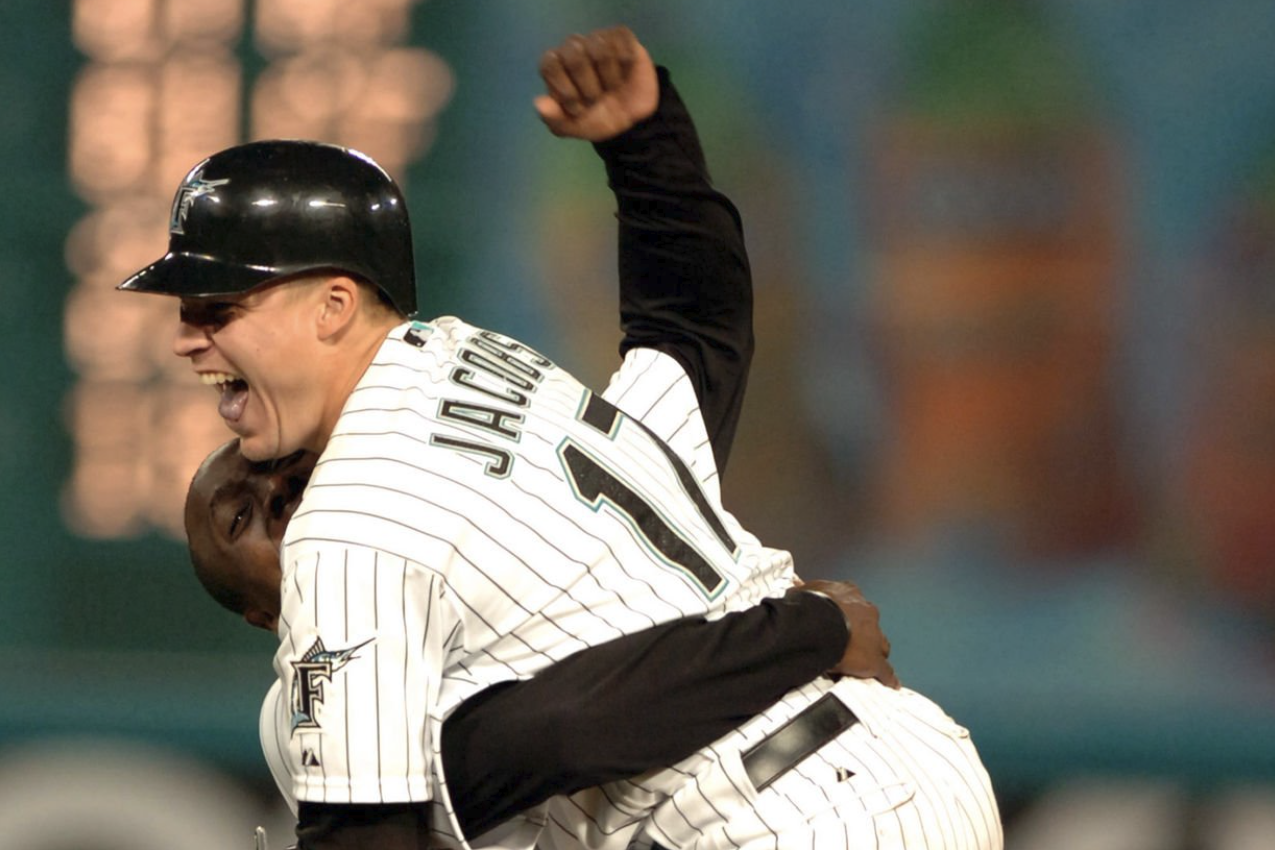 The 2006 Florida Marlins didn’t make the postseason, but with a rebuilding team full of rookies, they did exceed all expectations. Things started rough for the Marlins, but by the latter parts of the year, they stood in the thick of the National League Wild Card race. On this day 20 years ago, Florida rallied for a 5-4 win over the Chicago Cubs, courtesy of a Mike Jacobs two-run walk-off single. The Marlins trailed 4-3 and were down to their last three outs at Dolphins Stadium on May 23, 2006 as the Cubs turned to a right-hander familiar to baseball fans in South Florida: Ryan Dempster. Needing a jumpstart, Florida found one in pinch hitter Wes Helms, who went back up the middle for a single on Dempster’s first pitch of the evening to get the scoring started. After Hanley Ramírez worked a seven-pitch walk to put two on with nobody out in the bottom of the ninth inning, Dan Uggla’s sacrifice bunt put two runners into scoring position. Miguel Cabrera was intentionally walked to load the bases. Following a forceout at the plate off the bat of Josh Willingham, Dempster was one out away from a save. Standing in Chicago’s way was Jacobs. On a 1-1 pitch from Dempster, Jacobs lined one deep to centerfield, well past former Marlins World Series champion Juan Pierre. His shot one-hopped the wall, allowing Ramírez and Cabrera to score easily for a walk-off win. Prior to Jacobs’ heroics, the Marlins never led. Ronny Cedeño and Cubs starting pitcher Kerry Wood hit back-to-back RBI singles in the second inning to give Chicago an early 2-0 lead. Catcher Michael Barrett extended it to 3-0 with a solo homer off Marlins starter Scott Olsen in the third. After Florida got on the board with a Cabrera sacrifice fly in the third, Matt Murton led off the Chicago fourth with a solo blast to give the Cubs a 4-1 lead. Cabrera’s two-run home run in the fifth inning cut the deficit to 4-3. Following an 11-31 start, the thrilling comeback win gave Florida consecutive wins over the Cubs and clinched the three-game series. The Marlins would go on to become the first team in baseball history to get to .500 after falling 20 games under before a 78-84 finish under manager Joe Girardi. Their first of seven walk-off wins from that campaign came courtesy of Jacobs and on this day two decades ago. View the full article
 -
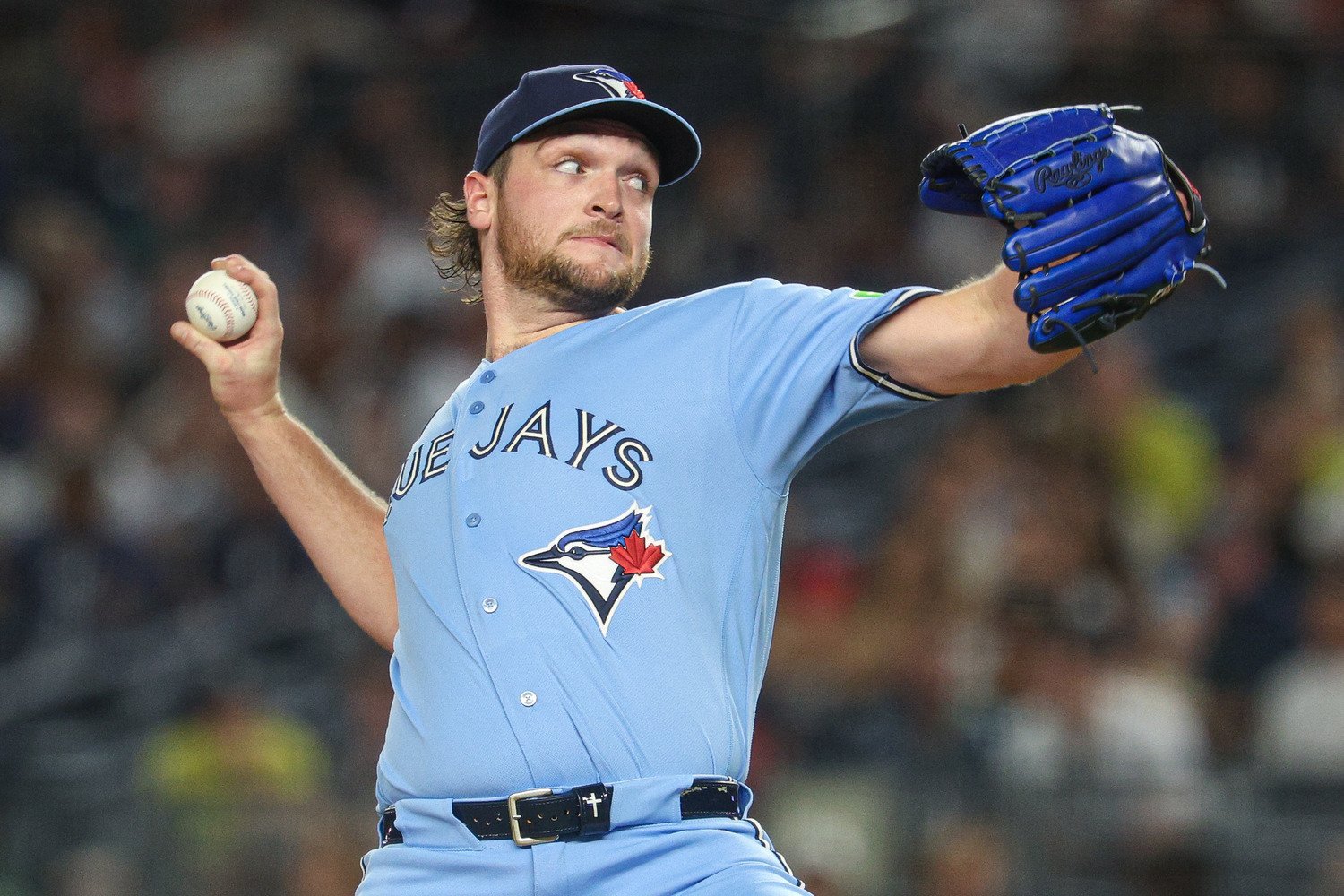 Even after a two-hour rain delay, there was a sense of predictability around the third game of the Blue Jays-Yankees series last Wednesday night in the Bronx. Cam Schlittler, the MLB leader in ERA and FIP among qualified pitchers, was set to take the hill against a Toronto offense that had slashed a cringeworthy .243/.306/.369 as a unit so far in the month of May. The Jays also left the tying run on third base in each of the first two games of the series. What happened against Schlittler and the Yankees was unsurprising, as they only scored two runs and managed just one extra-base hit. Thanks to Trey Yesavage, it didn't matter. The 22-year-old, in his first start at Yankee Stadium, outdueled Schlittler, going six shutout innings, striking out eight, walking none, and allowing just two hits on 95 pitches. The Blue Jays won 2-1. Yesavage's season started a month late as he recovered from an impingement in his throwing shoulder, but through five starts, his ERA is a sparkling 1.07. He was forecasted by most publicly available projection systems to have an ERA in the mid-to-high 3.00s, which would be perfectly acceptable for a rookie his age but also an indication that the pitcher who set the world on fire last October wouldn't sustain that pace. So far, he has. Rain delays can often throw a wrench into a team's pitching plans. Starters need to follow particular routines and time themselves up to be ready for the first pitch, but when that comes two hours later than expected, it can sometimes put unforeseen limits on their availability that evening. The big story on Wednesday was not only Yesavage's 95 pitches, the second-most he has ever thrown in a major league outing after Game 5 of the World Series, but that his velocity was way up. His fastball sat 95.2 mph, the second-hardest single-game average of his young career, and his slider and splitter were also more than 1.0 mph higher than their season averages. Perhaps he has three cans of Red Bull to thank for that. Until last night, Yesavage had more postseason strikeouts than regular season strikeouts to his name. While his ability to miss bats was on full display against the Yankees, his strikeout rate has slightly fallen back down to earth in 2026. Again, this isn't a cause for concern – it's still in the high 20s, and he was never going to repeat his 35.8% postseason K rate over 20-25 starts. The thing he has done extremely well this year, though, is limit quality contact. Pitchers don't exert much control over how hard opponents hit the ball, but location and launch angle are highly correlated, and Yesavage is hitting the right spots to induce sub-optimal batted ball angles. Trey Yesavage Batted Ball Metrics, 2025 vs 2026 Year GB% PU% Pull Fly Ball% Barrel% BIP% < -3° LA + BIP% > 38° LA 2025 56.4% 0.0% 2.6% 7.7% 43.6% 2026 34.9% 14.3% 1.6% 3.2% 54.0% I like looking at the percentage of batted balls outside that -3° to 38° launch angle range. Not all grounders and fly balls are created equally, and hits outside of that boundary resulted in an average wOBA of less than .300 from 2023 to 2025. It's essentially an adjusted sum of groundball rate and popup rate that only shows the least threatening batted balls possible. Over half of the balls in play that Yesavage has induced this year fall into that category. No one's barreling anything or pulling any fly balls. It's hard to do damage without checking at least one of those boxes. The drop in groundball rate is quite fascinating, but he's compensating for it by running one of the highest popup rates in the league. Splitting his groundballs up by pitch type, there isn't a considerable decrease this year with the splitter or slider: It's mostly happening on the fastball, and it appears to be a direct byproduct of a change in location. Yesavage's fastball averages over 20" of induced vertical break (IVB) thanks to his high release point, so it defies gravity and gives the illusion that it's rising more than almost every four-seamer in the game, meaning hitters are bound to swing under it. In 2026, he's throwing a lot more fastballs down in the zone. Trey Yesavage Fastball Location, 2025 vs 2026 Top left: LHB 2025; top right: RHB 2025; bottom left: LHB 2026; bottom right: RHB 2026 Normally, fastballs with high IVB are more effective when they're elevated because if pitchers aim for a low strike, they run the risk of generating carry upward into the middle of the zone, making them more prone to damage. However, it's working for Yesavage, and I think this is partially a result of hitters being wary of the splitter, which requires steep, uppercut swings to counteract its downward movement. Pitcher List's Anthony Licciardi recently profiled Kevin Gausman's longevity and found that Gausman has sustained success despite also consistently locating his fastball down in the zone. Maybe fastball-splitter pitchers can get away with this kind of approach because hitters on both sides of the plate always have to respect the possibility of seeing a splitter? Fundamentally, not much has changed about Yesavage since he first donned a Blue Jays uniform in September of last year. The sky-high release point is still there. The fastball still carries, and it hasn't lost any velocity since his shoulder injury. The splitter still has plenty of vertical separation from the fastball and induces ugly swings from lefties. The slider still moves the wrong way. His stuff is still electric, he's still missing bats, and now he's becoming a weak contact pitcher too. His development over the past calendar year has become even more remarkable than it already was. The only considerable change we've seen to his profile this year is a decrease in slider usage. He's throwing way more fastballs to righties and more splitters to lefties, with the slider taking a tertiary role to both sides of the plate. As a result, his strikeout rate against righties has nearly doubled compared to last regular season. However, none of this stopped him from reintroducing the slider on Wednesday night. He threw it 27% of the time to Yankee hitters, a single-game high on the young season, and the fact that they chased 70% of the sliders they saw out of the zone suggests they weren't ready for it at all. Trey Yesavage Pitch Usage by Handedness, 2025 vs 2026 Pitch Type 2025 vs LHB 2026 vs LHB 2025 vs RHB 2026 vs RHB FF 50% 44% 39% 51% FS 34% 46% 16% 22% SL 16% 10% 45% 27% As much as I'd rather not pour some cold water on a guy who has been nothing but dominant since he came to the big leagues, especially considering how difficult it is to put a positive spin on the Jays' season right now, there are some things about the way Yesavage's first eight regular season starts have unfolded that seem impossible to continue. He has yet to surrender a non-playoff home run in his career, having induced 27 fly balls that have all stayed in the yard. If he keeps generating this many popups and prevents opponents from getting the barrel to the ball or pulling anything in the air, I don't doubt he'll maintain a low HR/FB% in the long run, but the postseason proved that it's possible to take him deep from time to time. I also don't know how I feel about his command at the moment. On one hand, his walk rate is down from last year, sitting at 7.9% after Wednesday night. On the other, the zone rate on his splitter is down almost 10 points to 34.5%, and command grades from both pitch quality models hosted on FanGraphs suggest the precision of his fastball and his splitter have waned slightly compared to 2025. The splitter is always going to be a chase pitch for him, but pitchers walk a fine line when zone rates on a given offering sink below 35% and they become overly reliant on poor discipline (remember what happened when people stopped swinging against Brendon Little?). Against lefties, his walk rate is only 3.4%, which is probably going to go up if the pitch that he throws 46% of the time against them is out of the zone this much. It can be puzzling when a pitcher's walk rate decreases despite throwing fewer pitches in the zone. It's hard to picture Yesavage's walk rate staying this far below 10% for much longer, but even when he battled his control last year, he got enough strikeouts to make it work, and his stuff is still good enough that it seems like a sustainable combination in the long term. In the 2025 postseason, Yesavage didn't have to steal games for the Blue Jays because of how many runs they scored. This year, the current state of the offense probably means he'll have to pitch in way tighter contests, and early indications suggest he's up to the task. He almost single-handedly won Wednesday night's game for them, and since his MLB debut, his 2.05 FIP leads all starting pitchers with at least 30 innings. He might not pitch like a Cy Young candidate indefinitely, but there's no denying that he has quickly established himself as one of the better starting pitchers in the game. All stats entering May 21, 2026. View the full article
 -
 Jase Bowen homered as part of a big day at the plate as the Triple-A El Paso Chihuahuas rolled past Round Rock 14-3. Carson Tucker delivered a go-ahead hit as the Double-A San Antonio Missions pulled out a 7-6 win over Frisco. The High-A Fort Wayne TinCaps won 3-2 on walk-off homer by Jack Costello and five more shutout innings by Kash Mayfield. The Low-A Lake Elsinore Storm got walked off by Visalia 7-6. Padres Minor-League Transactions El Paso Chihuahuas placed OF Pablo Reyes on the temporarily inactive list. El Paso Chihuahuas activated 2B Nate Mondou from the Development List. Jase Bowen Blasts 12th Homer As Chihuahuas Go Deep 4 Times Jase Bowen's team-leading 12th homer was one of four blasts hit by the host Triple-A El Paso Chihuahuas, who put up two five-run innings en route to a 14-3 victory over the Round Rock Express. Anthony Vilar, Nate Mondou and Nick Solak also went deep for the Chihuahuas. Bowen drove in three and scored three and Carlos Rodriguez had three RBIs, while Mondou and Marcos Castanon each drove in two and scored two. Castanon came off the bench to go 3-for-4. Chihuahuas right-handed starter Evan Fitterer pitched 5⅓ scoreless innings, giving up four hits and two walks, while striking out five. Right-hander Garrett Hawkins went 1⅔ scoreless innings, walking three and striking out one, with right-hander Justin Yeager giving up all three runs in the final two innings. Castanon had a two-run double in the third inning and Bowen cranked out his three-run blast one out later for a 5-0 lead. Vilar hit his second homer an inning later for a 6-0 cushion, before the Chihuahuas scored five more in the fifth. Will Wagner had an RBI single, Rodriguez a two-run triple and Mondou capped the rally with a two-run homer, his fourth this year. Solak's homer was a two-run blast in the sixth to make it 13-0. EP_0522.mp4 Player AB R H RBI BB K Samad Taylor 4 1 0 0 1 0 Clay Dungan 1 0 0 0 0 1 Marcos Castañon 4 2 3 2 0 0 Nick Solak 4 2 1 2 0 0 Jase Bowen 4 3 2 3 1 1 Will Wagner 5 1 3 1 0 0 Mason McCoy 4 1 1 0 1 0 Carlos Rodríguez 3 1 1 3 1 0 Nate Mondou 4 2 2 2 1 1 Anthony Vilar 4 1 1 1 0 1 Totals 37 14 14 14 5 4 Player IP H R ER BB K HR Evan Fitterer 5 1/3 4 0 0 2 5 0 Garrett Hawkins 1 2/3 0 0 0 3 1 0 Justin Yeager 2 2 3 3 2 0 2 Totals 9 6 3 3 7 6 2 Missions Hang On After Carson Tucker's Decisive 2-Run Single In Eighth Carson Tucker hit a go-ahead two-run single in a three-run eighth inning and Francisco Acuna homered in the ninth as the Double-A San Antonio Missions held on despite giving up a ninth-inning homer to beat the host Frisco RoughRiders 7-6. Missions right-handed starter Victor Lizarraga went six innings, allowing just one run on seven hits and a walk with five strikeouts. After a 10.91 ERA in April, Lizarraga has allowed just three earned runs over 20 innings in May for a 1.35 ERA this month. Tirso Ornelas went 4-for-5, Ryan Jackson went 3-for-4 with a pair of runs scored, while Albert Fabian also drove in two for the Missions. Frisco had taken a 4-3 lead with a three-run bottom of the seventh. But the Missions regained the lead in the top of the eighth. Jackson had a leadoff single, Acuna walked and both advanced on Luis Verdugo's sacrifice bunt. Tucker followed by lining a single to center to bring in Jackson and Acuna for a 5-4 lead. Ethan Salas singled Tucker to third and Ornelas boosted the lead to 6-4 with an infield single. Acuna provided much-needed insurance when he lined his second homer of the season with two outs in the top of the ninth. Missions right-hander Andrew Dalquist gave up a two-out, two-run homer in the bottom of the ninth before securing his first save of the season and the third of his career. SA_0522.mp4 Player AB R H RBI BB K Carson Tucker 4 1 1 2 1 1 Ethan Salas 5 0 1 0 0 1 Romeo Sanabria 4 2 1 0 1 3 Tirso Ornelas 5 0 4 1 0 0 Albert Fabian 5 0 2 2 0 1 Kai Roberts 0 0 0 0 0 0 Braedon Karpathios 5 0 0 0 0 3 Ryan Jackson 5 2 3 0 0 1 Francisco Acuna 2 2 1 1 2 0 Luis Verdugo 4 0 2 1 0 2 Totals 39 7 15 7 4 12 Player IP H R ER BB K HR Victor Lizarraga 6 7 1 1 1 5 1 Andrew Moore 1/3 0 3 3 4 1 0 Sadrac Franco 1 2/3 2 0 0 0 3 0 Andrew Dalquist 1 1 2 2 1 3 1 Totals 9 10 6 6 6 12 2 Jack Costello's 3-Run Walk-Off Bomb, Kash Mayfield's 8 K's Lift TinCaps Jack Costello hit a three-run walk-off homer and left-handed starter Kash Mayfield struck out eight over five innings as the host High-A Fort Wayne TinCaps shocked the Dayton Dragons 3-2. Held to two hits through eight innings, the TinCaps got a leadoff single from Alex McCoy and Carlos Rodriguez reached when the left fielder botched his fly ball. Costello stepped to the plate and yanked a 1-0 pitch deep to left-field for a no-doubt walk-off. It was Costello's fifth homer of the season and first since going deep in back-to-back games May 1-2. FW1_0522.mp4 Mayfield, Padres Mission's No. 2 prospect, extended his scoreless streak to 15 innings as he allowed just two hits and a walk in his third straight start of five scoreless innings. He has struck out 17 in his last two outings and lowered his ERA to 1.30 to take over the Midwest League lead. Mayfield hasn't allowed a run in six of his eight starts. He also leads the league in WHIP (0.72) and opponent batting average (.103). TinCaps right-hander Isaiah Lowe pitched two scoreless innings, allowing a hit and a walk with three strikeouts, but left-hander C.J. Widger gave up a pair of runs in the top of the eighth on three walks and a run-scoring soft grounder to no-man's land between first and second. Widger was replaced by right-hander Will Varmette, who struck out a batter but then issued a bases-loaded walk. That TinCaps trio limited the Dragons to just four hits and combined for 13 strikeouts. FW2_0522.mp4 Player AB R H RBI BB K Justin DeCriscio 4 0 0 0 0 1 Rosman Verdugo 1 0 0 0 3 0 Lamar King Jr. 4 0 0 0 0 2 Alex McCoy 4 1 1 0 0 1 Jake Cunningham 4 0 0 0 0 2 Carlos Rodriguez 4 0 1 0 0 1 Kasen Wells 0 1 0 0 0 0 Jack Costello 4 1 1 3 0 1 Kavares Tears 3 0 0 0 0 0 Jonathan Vastine 3 0 1 0 0 2 Totals 31 3 4 3 3 10 Player IP H R ER BB K HR Kash Mayfield 5 2 0 0 1 8 0 Isaiah Lowe 2 1 0 0 1 3 0 C.J. Widger 1/3 1 2 2 3 0 0 Will Varmette 1 2/3 0 0 0 1 2 0 Totals 9 4 2 2 6 13 0 Storm Tie It In Ninth, But Get Walked Off By Rawhide Jose Verdugo hit a run-scoring infield chopper in the top of the ninth, but the Low-A Lake Elsinore Storm gave up a two-run walk-off homer in the bottom of the ninth for an 8-6 loss to the Visalia Rawhide. Dylan Grego, who was hitless in his previous 11 at-bats entering the game, went 2-for-4 with a two-run homer for the Storm. Ryan Wideman and Ty Harvey each had a couple hits, with Wideman stealing two more bases to give him 32. That is tied for the most in the minors with Tate Southisene of Augusta (Carolina League). Truitt Madonna, with his 10th, and Kerrington Cross, with his fifth, gave the Storm four more steals, giving them 123 for the season, second in the minors. Grego hit his two-run homer, his first of the season, with one out in the top of the second for a 2-0 lead. In the fourth, the Storm scored three times. Harvey had a leadoff double and Yoiber Ocopio a one-out RBI single. Grego got his second hit of the day with a single and Conner Westenburg doubled both home with two outs for a 5-0 lead. Visalia countered with a pair of three-run innings in the fourth and fifth to take a 6-5 lead. It remained that way until the top of the ninth. That is when George Bilecki reached on a leadoff error and was replaced by pinch-runner Qrey Lott. After an out, Wideman singled to right, moving Lott to second and Cross walked to load the bases. Verdugo then hit a chopper that the third baseman had to charge and his only play was to first, but Verdugo beat the throw. Storm left-handed starter Kruz Schoolcraft, Padres Mission's No. 4 prospect, allowed three runs in 3⅓ innings on two hits and two walks with five strikeouts. Right-hander Nick Falter tossed three scoreless innings, giving up just one hit and no walks with four strikeouts. LE_0522.mp4 Player AB R H RBI BB K Ryan Wideman 5 0 2 0 0 0 Kerrington Cross 2 0 1 0 3 0 Jose Verdugo 5 0 1 1 0 1 Ty Harvey 5 1 2 0 0 1 Truitt Madonna 3 1 0 0 0 1 Yoiber Ocopio 4 1 1 1 0 1 Dylan Grego 4 2 2 2 0 0 George Bilecki 3 0 0 0 0 0 Qrey Lott 0 1 0 0 0 0 Conner Westenburg 4 0 1 2 0 0 Totals 35 6 10 6 3 4 Player IP H R ER BB K HR Kruz Schoolcraft 3 1/3 2 3 3 2 5 1 Rordy Mejia 1 2/3 4 3 3 1 1 2 Nick Falter 3 1 0 0 0 4 0 Vicarte Domingo 2/3 1 2 2 1 2 1 Totals 8 2/3 8 8 8 4 12 4 Top 20 Prospect Performance Ethan Salas: 1-for-5, K Kash Mayfield: 5 IP, 2 H, 0 R, 1 BB, 8 K Miguel Mendez: DNP Kruz Schoolcraft: 3⅓ IP, 2 H, 3 R, 3 ER, 2 BB, 5 K, HR Ryan Wideman: 2-for-5 Jorge Quintana: DNP Ty Harvey: 2-for-5, 2B, K Kale Fountain: DNP Braedon Karpathios: 0-for-5, 3 K Lamar King Jr.: 0-for-4, 2 K Jagger Haynes: DNP Alex McCoy: 1-for-4, K Truitt Madonna: 0-for-3, K Tucker Musgrove: DNP Garrett Hawkins: 1⅔ IP, 0 H, 0 R, 3 BB, 1 K Michael Salina: DNP Eric Yost: DNP Rosman Verdugo: 0-for-1, 3 BB Bryan Balzer: DNP Deivid Coronil: DNP View the full article
 -
Twins Minor League Report (5/22): Hendry Mendez Big Day
DiamondCentric posted an article in Twins Daily
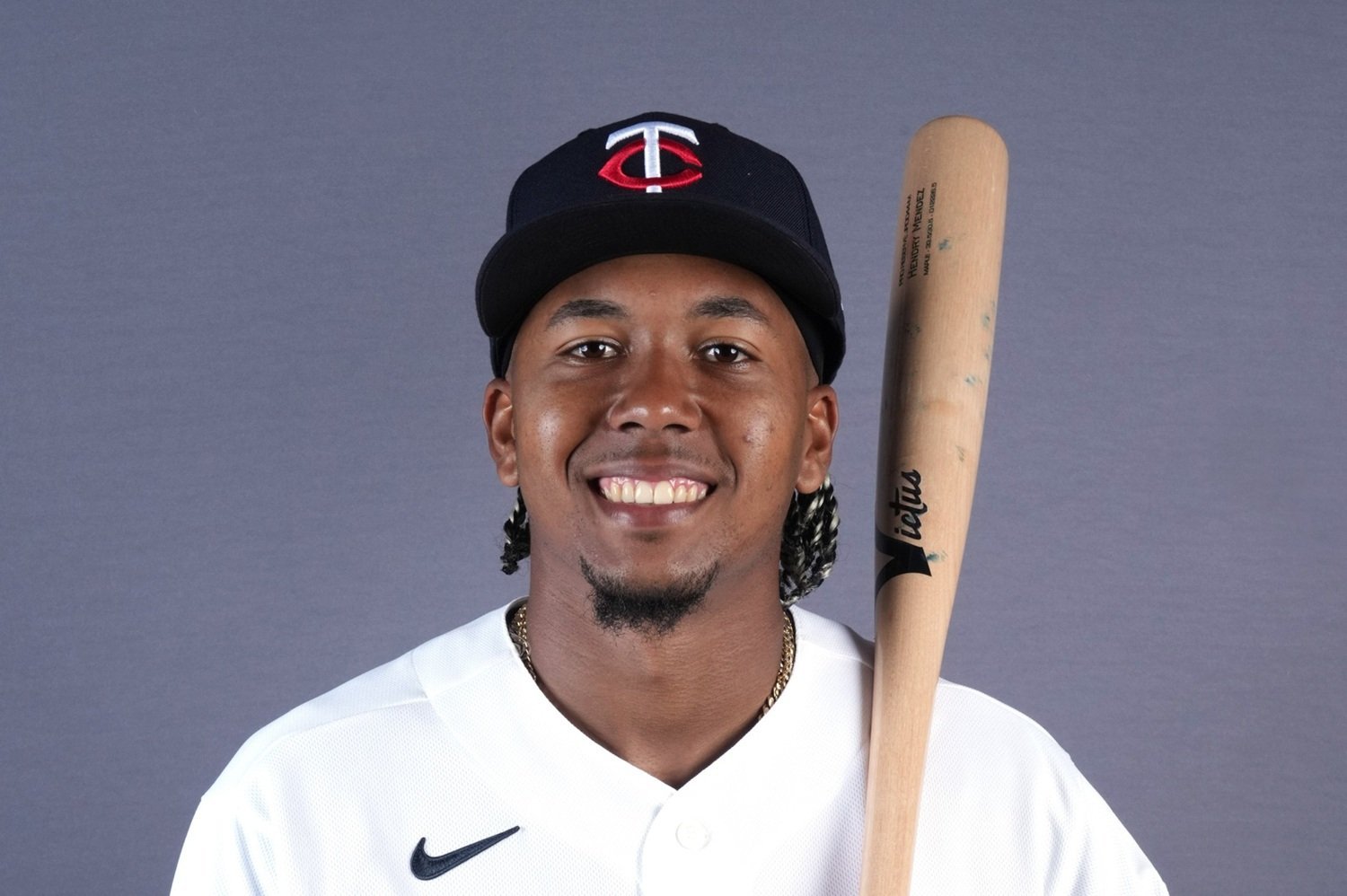 TRANSACTIONS With Tristan Gray going on the paternity list, the Twins recalled OF Gabriel Gonzalez from St. Paul. Gonzalez made his MLB debut in Boston on Friday night. Impressively, he walked in his first to plate appearances off of Payton Tolle. After a pop out, he recorded an infield single for his first big-league hit. LHP Cesar Lares tossed a rehab game with the FCL Twins. The FCL Twins also activated infielder Daiber De Los Santos. SAINTS SENTINEL St. Paul 9, Omaha 5 Box Score The Saints got a short start, but the bullpen came through for them and the offense really picked things up. Ryan Gallagher needed over 40 pitches to get through a three-run top of the first inning. Overall, he gave up five runs on two hits and five walks over three innings. He had four strikeouts. Marco Raya came in to start the fourth inning. He put together easily his longest and best performance of the season. He tossed three scoreless innings of one-hit, scoreless baseball. He struck out three batters. Drew Smith pitched a scoreless seventh inning. Grant Hartwig struck out three batters over two scoreless innings. The Saints stayed in it early and took command of the scoreboard in the latter innings. Kaelen Culpepper led off the bottom of the first for the Saints. He reached on an error. He quickly took off and stole second base. Unfortunately, on his headfirst slide, his helmet fell off, hit the bag, and it bounced up and hit Culpepper under the chin, cutting his lip and ending his game. Tanner Schobel came in. With one out, Hendry Mendez singled to drive in the first Saints run. He stole second and scored on a Matt Wallner single to center. Monticello High School grad Ethan Bosacker came into the game for Omaha. The 25-year-old attended Xavier University in Cincinnati. In 2023, he was the Royals 13th round draft pick. In 2024, he went 13-3 with a 2.45 ERA between Low-A and High-A. In 2015, he went 6-6 with a 4.05 ERA between Double-A and Triple-A. He has started, and last year split his appearances evenly. This season, 10 of his 13 outings have come out of the bullpen. In this game, he gave up three runs on six hits over three innings. In the second inning, Noah Cardenas singled, went to third on Tanner Schobel’s seventh double, and scored on a Mendez groundout. In the bottom of the third inning, Matt Wallner led off with a double. Kyler Fedko switched places with him with his eighth double of the year. With two outs, Ricardo Olivar blooped a single to center to drive in Fedko with the game-tying fifth run. In the bottom of the sixth inning, the Saints scored two runs. Both Kyler Fedko and Aaron Sabato took bases loaded walks to make it 7-5 Saints. With two outs in the bottom of the seventh inning, Schobel singled. He scored on Hendry Mendez’s third Saints home run. Mendez led the way. He went 3-for-5 with a homer, three runs, and four RBI. Matt Wallner went 2-for-4 and was hit by a pitch. Fedko went 2-for-4 with a walk and a double. Aaron Sabato was 2-for-4 with his 10th double. Noah Cardenas was also 2-for-4 with his second double. Tanner Schobel went 2-for-4 with his seventh double. Check out one of our sister sites, Royals Keep, for more on the Kansas City Royals organization. Here are their Top 20 Royals prospects. WIND SURGE WISDOM Wichita 2, Tulsa 14 Box Score This was a rough game for Wichita pitchers, and frankly, it wasn’t much better for the hitters. Jaime Ferrer had half of the Wind Surge’s four hits and half of their two RBI. Jose Salas walked twice as well. A quick look at the batting average and OPS of the Wichita lineup, and it really isn’t too surprising. Eli Jones started and gave up six runs (3 earned) on seven hits and two walks in 3 1/3 innings. He had five strikeouts. Jarret Whorff came in with the bases loaded, allowed all three inherited runners to score and three more runs on three hits and a walk before getting out of that fourth inning. Preston Johnson gave up a hit and struck out one batter in a scoreless inning in his Twins-organization debut. Spencer Bengard gave up two runs on three hits over two innings. Jacob Wosinski worked a scoreless inning. Murphy Stehly pitched the ninth inning. Always fun seeing position players pitch. Stehly gave up three runs on four hits in his inning. KERNELS CHRONICLE Cedar Rapids 4, Peoria 5 Box Score Brandon Winokur hit his sixth home run of the season in the top of the first inning, but despite a ninth-inning run, they fell just shy. The Kernels had six hits and three walks. Four of the six hits went for extra bases. Jacob McCombs went 2-for 4 with his sixth double. Khadim Diaw hit his first triple of the season. Along with Winokur, Andy Lugo added his second home run of the season. Dasan Hill gave up only an unearned run on three hits and two walks over two innings. He had four strikeouts. He needed 46 pitches over the two innings. Miguelangel Boadas needed just 37 pitches to get through three innings. In three runs on two hits and a walk. He also struck out four batters. Nick Trabacchi gave up one run on three hits over two innings. He struck out four batters and walked none. Paulshawn Pasqualotto gave up two hits in a scoreless inning. MIGHTY MATTERS Ft. Myers 6, Dunedin 7 (10 innings) Box Score The Mussels were behind 4-0 through six innings before attempting a comeback. Jason Reitz made the start. He gave up three runs (1 earned) on three hits in one inning. He gave up two runs in the first inning. He went out for the second inning but both batters that he faced reached base and one scored. Merit Jones gave up one of the inherited runners, but he gave the team five innings. He was charged with one run on three hits and a walk. He also walked seven batters. The Mussels got on the scoreboard Merphy Hernandez singled and stole second. He scored on a single by Enrique Jimenez to make it 4-1. Mike McKenna came on and gave up one run on one hit and one walk in 1 1/3 innings. Down 5-1, JP Smith led off with a single. Ryan Sprock walked. The runners advanced on a wild pitch. With one out, Luis Fragoza came up and hit his first home run since joining the Mussels earlier in the week from the FCL. The deficit was down to 5-4. Michael Hilker came on and gave up three hits and a walk but no runs in 1 2/3 innings. With two outs in the top of the ninth, still behind 5-4, JP Smith reached on a throwing error. Ryan Sprock lined a single to the opposite field to drive in the tying run. Quentin Young began the top of the 10th inning as the Manfred Man. Fragoza was hit by a pitch. After a strikeout, Hernandez grounded into a fielder’s choice with Young advancing to third. Dameury Pena followed with a single to right field to give the Mussels their first lead, 6-5. Mitch Mueller recorded two outs in the 10th but took the loss with two runs (1 earned) on two hits and two walks. 19-year-old Fragoza went 3-for-4 with the crucial home run and three RBI. He was also hit by a pitch. Young was 2-for-5. Ramiro Dominguez was hit by a pitch three times. The Dunedin Blue Jays are the Low-A affiliate of the Toronto Blue Jays. Check out our sister site at Jays Centre. Here are their rankings of the Top 20 Blue Jays prospects. COMPLEX CHRONICLE FCL Twins 7, FCL Red Sox 2 Box Score Lefty Cesar Lares returned to the game mound for a rehab start. He went three innings and gave up one run on three hits. He had three strikeouts and no walks. Melvin Rodriguez came on and worked the final four innings. He gave up one run on one hit (a solo homer). He walked two and had three strikeouts. Interestingly enough, the home run was the first of the season for Red Sox prospect Franklin Primera. The FCL Twins jumped ahead early with a four-run bottom of the first inning. Yovanny Duran led off with a walk. He went to third on Miguel Caraballo’s fourth double. Jhomnardo Reyes drove them both in with his third home run of the season. Then Teilon Serrano followed by hitting his first home run of the year to make it 4-1. The Twins went four innings without scoring. But in the bottom of the sixth, they completed the bookends with another crooked number. With one out, Yilber Herrera walked and stole second. He went to third on a balk. He scored on a Duran ground out. Caraballo walked and stole second. He scored on a Reyes triple. Reyes scored on the back end of a double steal to give them seven runs in the game. Jhomnardo Reyes led the offense. He went 3-for-4 with a walk, his first triple, his third homer, and four RBI. Teilon Serrano hit his first home run and then walked three times. He also stole his third base. PLAYERS OF THE DAY Hitter of the Day Hendry Mendez (St. Paul): 3-for-5, HR(3), 3 R, 4 RBI Pitcher of the Day Marco Raya (St. Paul): 3 IP, H, 0 R, 0 BB, 3 K, 33 pitches, 23 strikes (69.7%) PROSPECT SUMMARY Check out the Prospect Tracker for much more on our Twins Top 20 prospects after seeing how they did today. #1 - OF Walker Jenkins (St. Paul) - 7 Day Injured List (left shoulder) #2 - IF Kaelen Culpepper (St. Paul) - 0-for-1, SB(10) (batted first, played SS) #3 - OF Emmanuel Rodriguez (St. Paul) - 7 Day Injured List (thumb) - Had surgery. #4 - LHP Connor Prielipp (Minnesota) - 4 IP, 7 H, 6 R, 5 ER, 3 BB, 1 K, 85 pitches, 49 strikes (57.6%). #5 - C Eduardo Tait (Cedar Rapids) - 0-for-4, 2 K (batted third, DH). #6 - LHP Dasan Hill (Cedar Rapids) - 2 IP, 3 H, 1 R, 0 ER, 2 BB, 4 K, 46 pitches, 25 strikes (54.3%) #7 - SS Marek Houston (Cedar Rapids) - 0-for-4, K, (batted first, played SS) #8 - RHP Riley Quick (Cedar Rapids) - Did Not Pitch. #9 - LHP Kendry Rojas (Minnesota) - Did Not Pitch. #10 - OF Gabriel Gonzalez (Minnesota) - MLB Debut: 1-for-2, 2 BB, R (batted fifth, played LF). #11 - RHP Charlee Soto (Cedar Rapids) - Injured List #12 - RHP Andrew Morris (Minnesota) - Did Not Pitch. #13 - OF Hendry Mendez (St. Paul) - 3-for-5, HR(3), 3 R, 4 RBI (batted second, played LF) #14 - 3B/SS Quentin Young (Ft. Myers) - 2-for-3, R, 2 K, 2 E (batted sixth, played SS) #15 - 3B/CF Brandon Winokur (Cedar Rapids) - 1-for-3, BB, HR(6), R, RBI, K (batted second, played 3B) #16 - RHP Ryan Gallagher (St. Paul) - 3 IP, 2 H, 5 ER, 5 BB, 4 K, 89 pitches, 49 strikes (55.1%) #17 - RHP C.J. Culpepper (St. Paul) - 1.2 IP, 3 H, 2 ER, 0 BB, 2 K, 35 pitches, 22 strikes (62.9%) #18 - RHP James Ellwanger (Ft. Myers) - 60 Day Injured List (right elbow sprain) #19 - C/OF Khadim Diaw (Cedar Rapids) - 1-for-3, BB, 3B(1), 2 R (batted fifth, played catcher) #20 - 2B/SS/CF Kyle DeBarge (Wichita) - Did Not Play. UPCOMING PROBABLES Saturday, May 23: Omaha @ St. Paul (6:37 pm CT) - RHP Mike Paredes (0-1, 7.80 ERA) Tulsa @ Wichita (4:05 pm CT) - TBD (1-3, 4.40 ERA) Cedar Rapids @ Peoria (6:35 pm CT) - RHP Ivran Romero (2-1, 7.07 ERA) Ft. Myers @ Dunedin (5:30 pm CT) - TBD FCL Twins @ FCL Red Sox (9:00 am CT) - TBD CURRENT W-L Records Minnesota Twins: 24-27 St. Paul Saints: 25-23 Wichita Wind Surge: 19-23 Cedar Rapids Kernels: 23-20 Fort Myers Mighty Mussels: 24-19 FCL Twins: 8-7 DSL Twins: 0-0 (season begins Monday, June 1) Please feel free to ask questions about the teams, the rosters, and discuss today’s games, or anything else Twins minor-league related! View the full article
 -
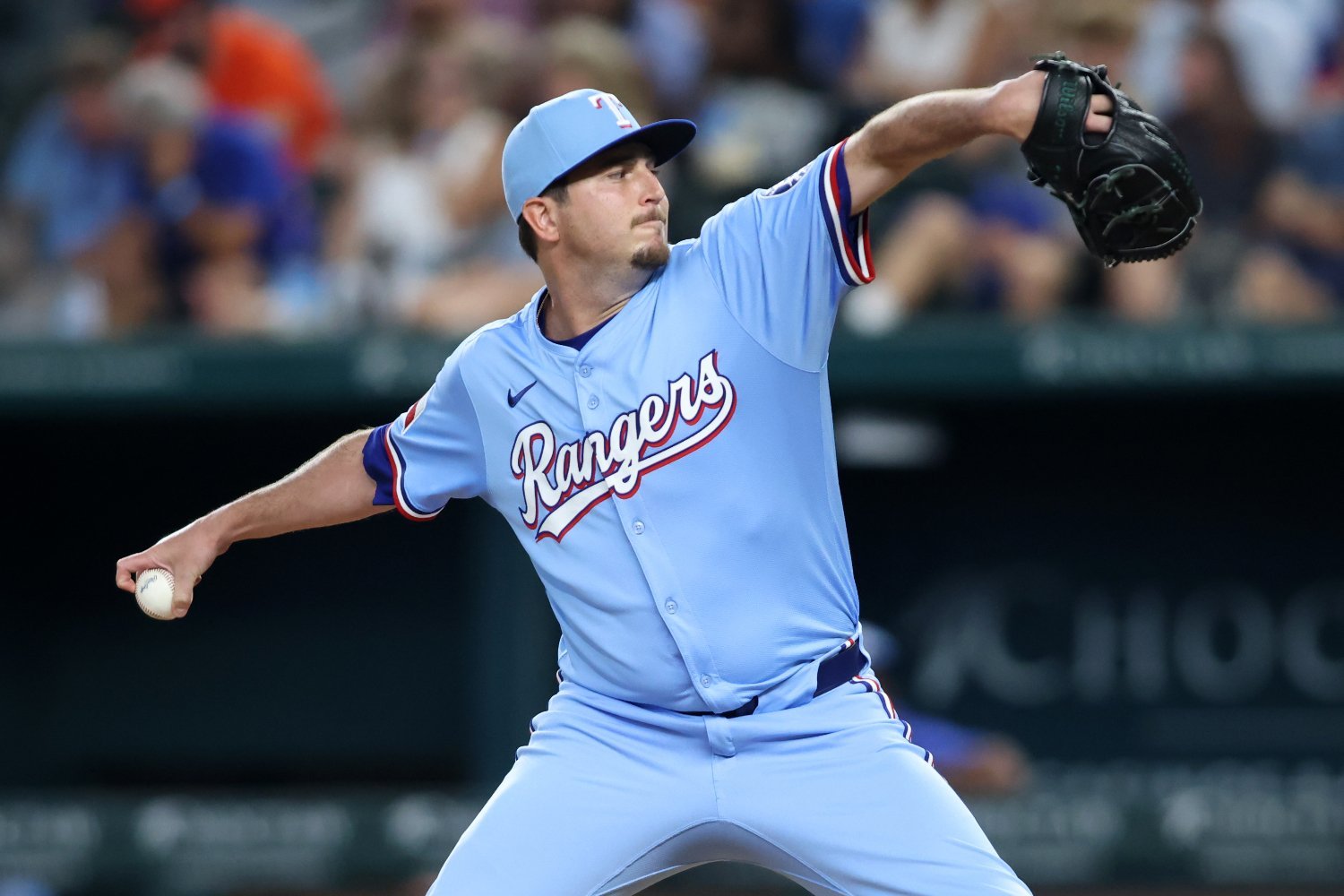 On Friday, Raising Royals, the Royals' Professional Development account, announced that they had signed MLB veteran relievers Luke Jackson and Genesis Cabrera to Minor League deals. Both pitchers are expected to report to Triple-A Omaha. Jackson and Cabrera are older players, at 34 and 29, respectively. They should add some much-needed depth to the Storm Chasers bullpen, which has struggled outside of Eric Cerantola, Beck Way, Jose Cuas, and Andrew Perez. Furthermore, Jackson and Cabrera are bullpen arms that could fill in at the MLB level should injury befall someone in the Royals bullpen. The 34-year-old Jackson comes over from the Mets organization, as he pitched in 7.2 innings total between Triple-A and Low-A ball. The righty was semi-productive with the Texas Rangers a year ago, posting a 4.11 ERA in 35.1 IP. However, his FIP was much higher at 5.01, and his K% and K-BB% were paltry at 15.8% and 3.3%, respectively. In 4.2 IP with the Syracuse Mets, Jackson posted an 11.57 ERA, 1.93 WHIP, and 6.74 FIP. He also had a -22.7% K-BB%. On a positive note, his TJ Stuff+ profile was pretty solid, so he could rebound a bit if he can hone his command a bit in Omaha. Jackson had a 106 TJ Stuff+ overall with three pitchers (changeup, slider, and four-seamer) with TJ Stuff+ marks of 100 or higher. He also limited hard contact, with a .300 xwOBACON overall. However, his whiff rate (19.4%), chase rate (23.6%), and zone rate (40.2%) were all paltry, illustrating his issues with command in Syracuse. As for Cabrera, he was last in the Phillies organization, pitching for the Triple-A Leigh Valley Iron Pigs this season. In 15 appearances and 17.1 IP with the Iron Pigs, he posted a 10.38 ERA and 1.79 WHIP. However, his FIP was much better at 4.54, and he showed a strong ability to maximize strikeouts and minimize walks. He had a 26.8% K% and 15.9% K-BB%, both solid marks for a reliever. What hurt him the most in Triple-A was the long ball, as he allowed a HR/FB% of 17.6%. When it comes to TJ Stuff+, he hasn't been as impressive as Jackson. That said, he showed a much better ability to generate swing-and-miss in Triple-A this year than the right-handed reliever. Cabrera had a 99 overall TJ Stuff+ with only two pitches hitting the 100 mark (his sinker and changeup). That said, he did generate a 29.9% chase and 32.6% whiff rate, both above-average marks. His xwOBACON was a bit average overall at .373, but he did a good job of minimizing hard contact on his sinker and curveball, as illustrated by his .304 and .260 xwOBACON marks, respectively. The big key for Cabrera will be finding the strike zone, as he only had a 44.1% zone rate with the Iron Pigs this season. Both have Minor League contracts, so they will need to be added to the 40-man roster to get a call-up to the Major Leagues this season. View the full article
 -
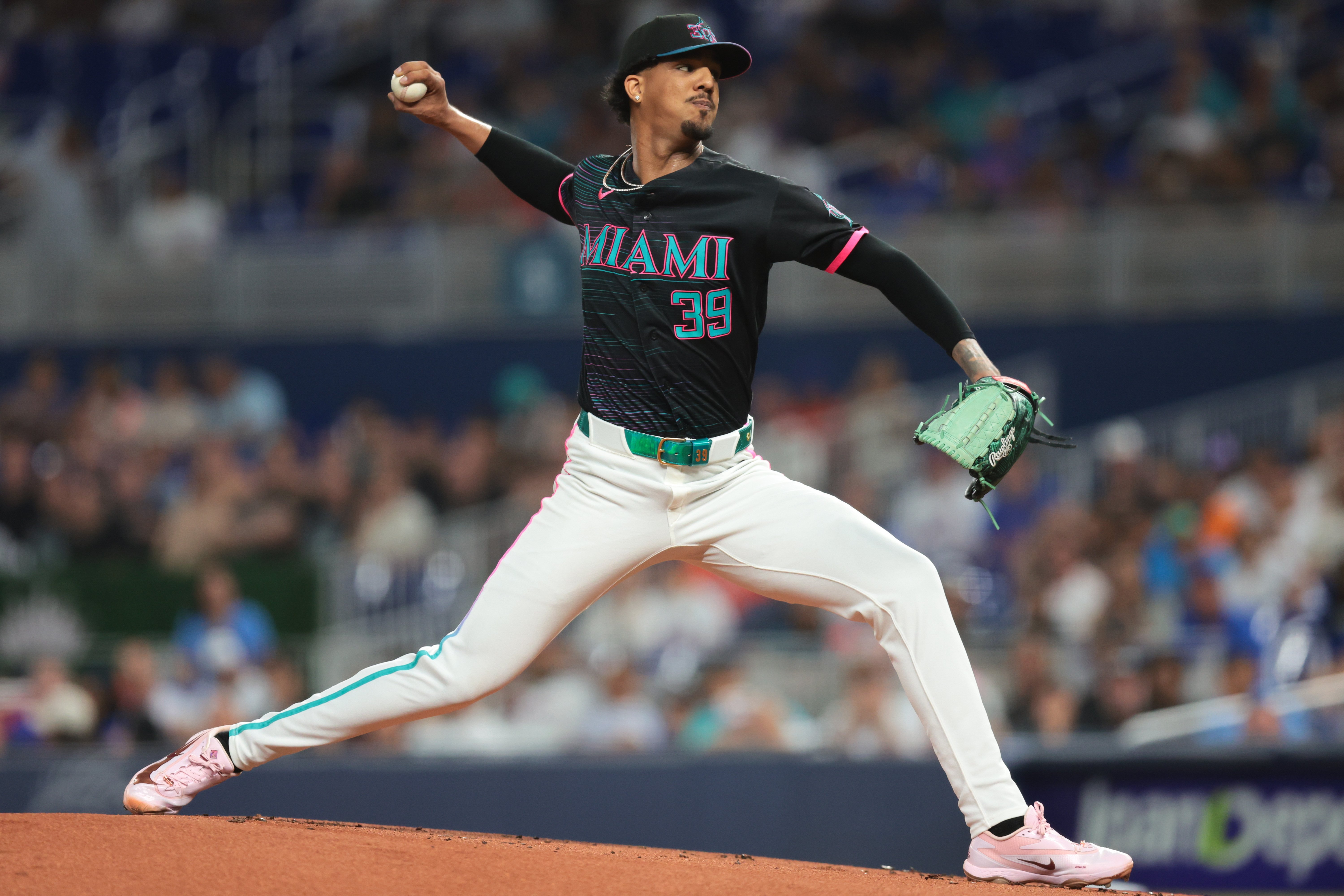 MIAMI, FL - Going into Friday night’s matchup against the New York Mets, the Miami Marlins had lost three straight games to the Atlanta Braves. Their series opener against New York felt like a much-needed win, as Miami prevailed 2-1. It's been no secret that Miami's phenom Eury Perez has struggled as of late. Over his last three starts going into Friday, Pérez had a 7.31 ERA and 6.60 FIP, allowing 13 runs on 12 hits (four home runs). He bounced back on Friday night, turning in his best start of the 2026 season, going 6 1/3 innings pitched, allowing one run on two hits, no walks and struck out five. It marked the first time this season that Pérez had not allowed a free pass. "It's been an uneven start to his season, and he just hung with it," Marlins manager Clayton McCullough said after the game. "Why we do this is that with talented guys like Eury, you just hang in there and keep coaching. He's still got a long way to go, and we like to be able to see this terrific outing. He's needed to get on a good run here, but tonight, he should feel great about it, because it goes back to the strike-throwing, being in the zone, and he got some great defense behind him by (Jakob) Marsee in center field." Both hits that Pérez allowed were to superstar Juan Soto. In the top of the first inning, Soto unloaded on a Pérez fastball, drilling it 449 feet deep to the second deck in right center field. The final hit Pérez surrendered was in the top of the fourth inning. "I didn’t want it to be a home run, but I also didn’t want it to be a walk," Pérez said through a translator. "I wanted to compete against him, make my best pitch there, and he had a good result from his side. After that, I decided to stay focused anyway, keep my head up and know that the game didn’t end there." The biggest difference for Pérez was his four-seam fastball usage, which dropped to 38% compared to his usual 60-65%. He generated five whiffs with the four-seamer and recorded two strikeouts with the pitch. His next most-used offering was the sweeper (26%), which generated three whiffs and accounted for two more strikeouts, both swinging. Pérez succeeded, but a lot of the credit should to go to Jakob Marsee's defense. On the second pitch of the game, Carson Benge hit a ball to straightaway center that would've been extra bases. Instead, Marsee made the leaping catch for the first out of the inning. It would've been a home run in 10 ballparks, including Citi Field. Benge's fly out also had an expected batting average of .540. In the top of the sixth inning, with Benge up once again, he hit a ball 408 feet to straightaway center field, but Marsee made another incredible catch, robbing Benge for a second time.. That ball had an expected batting average of .850. "“Especially the first one he made, flying into right-center and going up against the wall, that was a terrific play,” McCullough said. “The second one, hit to center, he tracked it back toward the wall, and going back there is not easy. You’re trying to navigate how much time you have left while keeping your eye on the ball. Where’s the wall at? Then timing the jump to make that play.” Eventually, Miami was able to give Perez the lead on Friday. Esteury Ruiz may not blow you away with his bat, but it certainly came into play against New York. In the bottom of the second inning, he doubled off Tobias Myers and later stole third. Owen Caissie grounded out, which was more than enough for Ruiz to score and tie the game, 1-1. The Mets only went with Myers for an inning and a third before going to Sean Manaea for 3 2/3 innings. Ruiz hit a triple off Manaea in the bottom of the fourth inning and Owen Caissie drove him in on an RBI single to take a 2-1 lead. "He certainly can impact the game and change it when he's on the bases," McCullough said of Ruiz. "I think the opponent knows how much they have to hold and pay attention to him." Through his last three series', Owen Caissie is slashing .278/.350/.611/.961 with two home runs and three RBI. The at-bats are beginning to look more competitive and this stretch of games is certainly showing that. “I think he’s starting to realize, within a game, his ability to string together a few good at-bats and continue building off that,” McCullough said. “He’s doing some things to help us.” For the sixth time this season, Pete Fairbanks notched a save, now four away from 100 in his career. Fairbanks struck out two, throwing 20 pitches in the process. The Marlins utilized Fairbanks in the series finale against the Atlanta Braves down by multiple runs, which makes it unlikely he'll be available on Saturday. "I hope we can play more games like this where we can get him out there into a rhythm and with some regularity," McCullough said. "I think you will see all the counting numbers start to go in his favor." With the win, the Marlins improved to 23-28 on the season with a chance to take the series on Saturday with Max Meyer on the mound at 4:10 pm. View the full article
 -
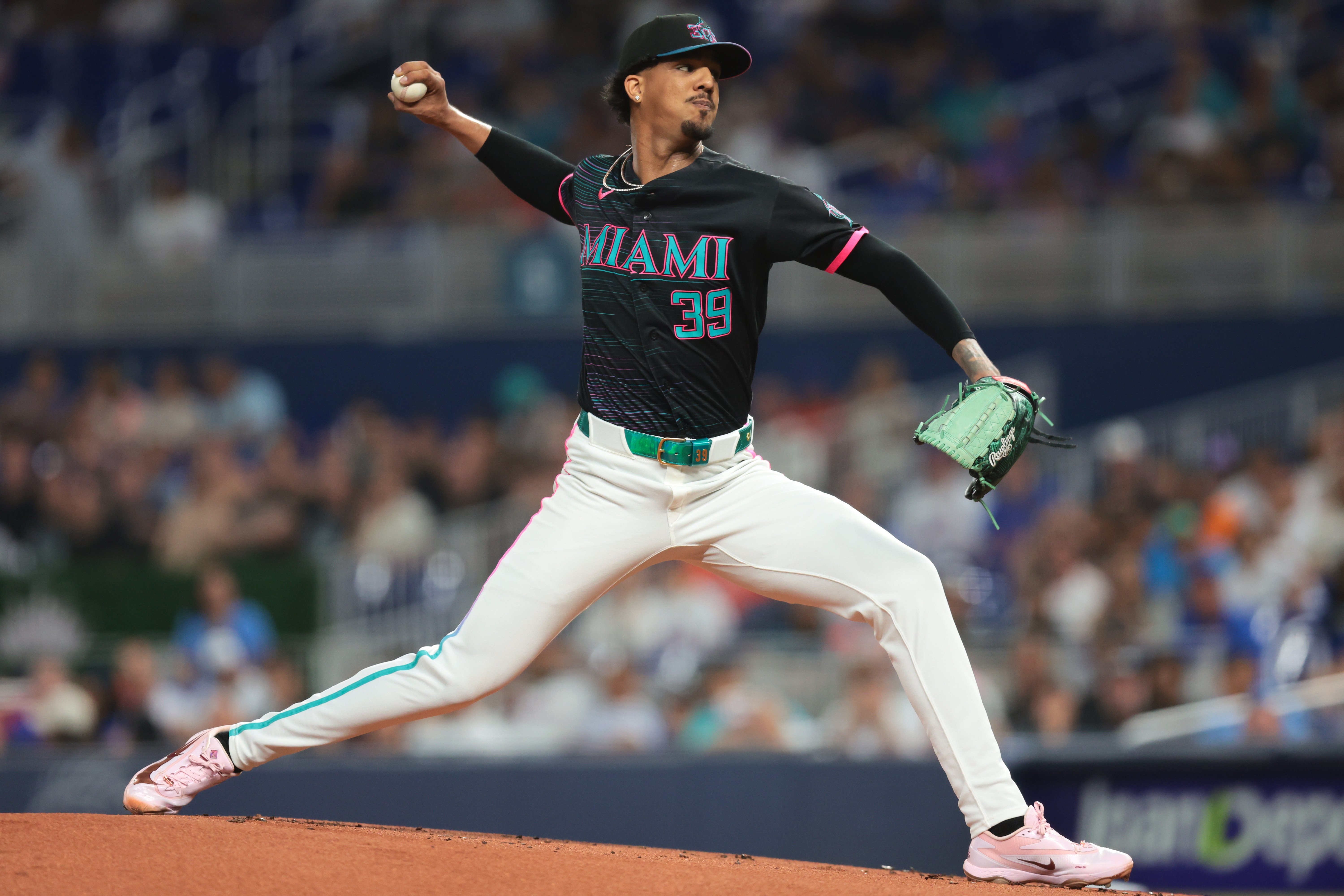 MIAMI, FL — Going into Friday night’s matchup against the New York Mets, the Miami Marlins had lost three straight games to the Atlanta Braves. Their series opener against New York felt like a much-needed win, as Miami prevailed 2-1. It's been no secret that Miami's phenom Eury Perez has struggled as of late. Over his last three starts going into Friday, Pérez had a 7.31 ERA and 6.60 FIP, allowing 13 runs on 12 hits (four home runs). He bounced back on Friday night, turning in his best start of the 2026 season, going 6 ⅓ innings pitched, allowing one run on two hits, no walks and struck out five. It marked the first time this season that Pérez had not allowed a free pass. "It's been an uneven start to his season, and he just hung with it," Marlins manager Clayton McCullough said after the game. "Why we do this is that with talented guys like Eury, you just hang in there and keep coaching. He's still got a long way to go, and we like to be able to see this terrific outing. He's needed to get on a good run here, but tonight, he should feel great about it, because it goes back to the strike-throwing, being in the zone, and he got some great defense behind him by (Jakob) Marsee in center field." Both hits that Pérez allowed were to superstar Juan Soto. In the top of the first inning, Soto unloaded on a Pérez fastball, drilling it 449 feet deep to the second deck in right center field. The final hit Pérez surrendered was in the top of the fourth inning. "I didn’t want it to be a home run, but I also didn’t want it to be a walk," Pérez said through a translator. "I wanted to compete against him, make my best pitch there, and he had a good result from his side. After that, I decided to stay focused anyway, keep my head up and know that the game didn’t end there." The biggest difference for Pérez was his four-seam fastball usage, which dropped to 38% compared to his usual 60-65%. He generated five whiffs with the four-seamer and recorded two strikeouts with the pitch. His next most-used offering was the sweeper (26%), which generated three whiffs and accounted for two more strikeouts, both swinging. Pérez succeeded, but a lot of the credit should to go to Jakob Marsee's defense. On the second pitch of the game, Carson Benge hit a ball to straightaway center that would've been extra bases. Instead, Marsee made the leaping catch for the first out of the inning. It would've been a home run in 10 ballparks, including Citi Field. Benge's fly out also had an expected batting average of .540. In the top of the sixth inning, with Benge up once again, he hit a ball 408 feet to straightaway center field, but Marsee made another incredible catch, robbing Benge for a second time.. That ball had an expected batting average of .850. "“Especially the first one he made, flying into right-center and going up against the wall, that was a terrific play,” McCullough said. “The second one, hit to center, he tracked it back toward the wall, and going back there is not easy. You’re trying to navigate how much time you have left while keeping your eye on the ball. Where’s the wall at? Then timing the jump to make that play.” Eventually, Miami was able to give Perez the lead on Friday. Esteury Ruiz may not blow you away with his bat, but it certainly came into play against New York. In the bottom of the second inning, he doubled off Tobias Myers and later stole third. Owen Caissie grounded out, which was more than enough for Ruiz to score and tie the game, 1-1. The Mets only went with Myers for an inning and a third before going to Sean Manaea for 3 ⅔ innings. Ruiz hit a triple off Manaea in the bottom of the fourth inning and Owen Caissie drove him in on an RBI single to take a 2-1 lead. "He certainly can impact the game and change it when he's on the bases," McCullough said of Ruiz. "I think the opponent knows how much they have to hold and pay attention to him." Through his last three series', Owen Caissie is slashing .278/.350/.611/.961 with two home runs and three RBI. The at-bats are beginning to look more competitive and this stretch of games is certainly showing that. “I think he’s starting to realize, within a game, his ability to string together a few good at-bats and continue building off that,” McCullough said. “He’s doing some things to help us.” For the sixth time this season, Pete Fairbanks notched a save, now four away from 100 in his career. Fairbanks struck out two, throwing 20 pitches in the process. The Marlins utilized Fairbanks in the series finale against the Atlanta Braves down by multiple runs, which makes it unlikely he'll be available on Saturday. "I hope we can play more games like this where we can get him out there into a rhythm and with some regularity," McCullough said. "I think you will see all the counting numbers start to go in his favor." With the win, the Marlins improved to 23-29 on the season. They have a chance to take the series on Saturday with Max Meyer on the mound at 4:10 pm. View the full article
 -
Twins 8, Red Sox 6: Early Deficit Erased in Scrappy Fenway Win
DiamondCentric posted an article in Twins Daily
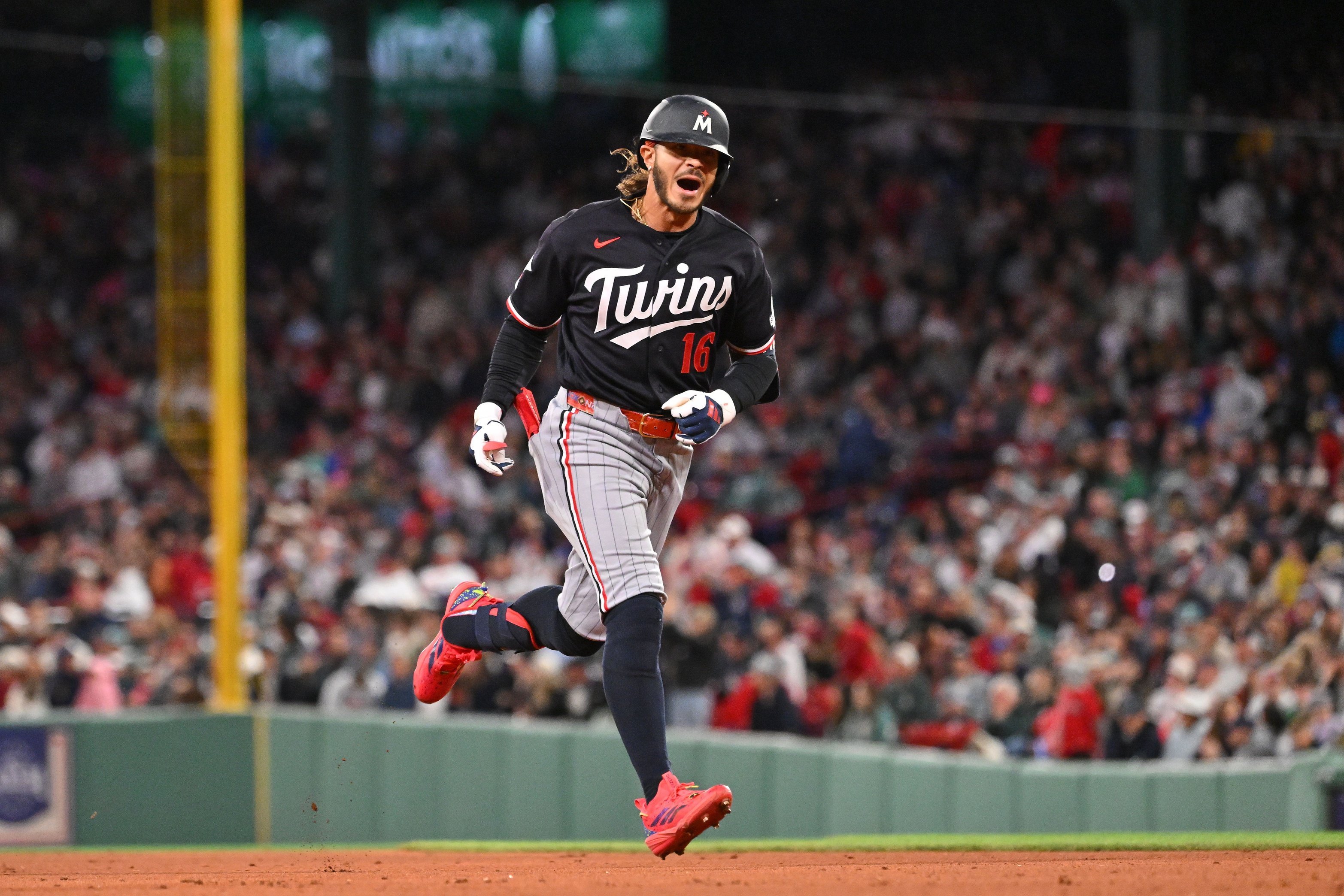 Box Score Connor Prielipp: 4 IP, 7 H, 5 ER, 3 BB, 1 K Home Runs: Byron Buxton (16), Austin Martin (2) Top 3 WPA: Austin Martin (0.270), Anthony Banda (0.220), Byron Buxton (0.200) Win Probability Chart (via FanGraphs): Payton Tolle vs Connor Prielipp. The nation hasn’t seen two young lefties this promising since John and Robert Kennedy. Acquiring the knowledge for the previous joke cost the author thousands of dollars in tuition. With the Twins in Boston, an opportunity arises for two squads; indeed, neither team has particularly impressed—the latter was so lukewarm, Red Sox decision-makers decided to spit the coaching staff from their mouths in April. The Twins haven’t stooped to such means, but their season remains similarly meager. Someone must succeed, though, and the victor of this game, and the series, could use the momentum and good vibes as a propeller towards future wins. The “promising lefties” bit concocted hours before the game ended quickly. Both starters struggled early. Prielipp allowed a flurry of runs—four of them—in the first off a series of hard-hit balls, dinky singles, and outfield-misplayed ricochets. The latter is the only way to explain a Willson Contreras triple. Hit to left-center, nonetheless. Evidently, the Twins were in a respondent mood. Josh Bell singled to set up Gabriel Gonzalez in his first MLB plate appearance. The youngster has made his name as a free-swinger, one who looks to push action further rather than wait for it to happen. He’ll swing 0-0, 3-0, 0-2, and everything in between. There’s no pitch he hasn’t believed he can’t hit—and in his first time in a major-league batter’s box, he walked on four pitches. Strange things must be abound. With two on, Ryan Kreidler bounded a double over third baseman Caleb Durbin’s head and into the left field corner, ushering home Josh Bell. A fielding error set up Luke Keaschall with the bases loaded; he continued the assembly line with an RBI single to right. Though an Alex Jackson strikeout dampened the mood somewhat, Byron Buxton perked matters right back up with an RBI single to left, picking on the stout Durbin once more. Unfortunately, the “suddenly a game” game only remained in that state for one full frame, the third, before Boston struck back at Prielipp for a pair of runs in the fourth. With men on the corners, Durbin dropped down a picturesque sacrifice bunt, made even better when the lefty hurler dirted the throw to first, allowing a run to score as runners nestled home at second and third. A Jarren Duran groundout scored Boston’s sixth run of the game. “Unfortunately?” Well, well, well, the dramatics of the prose written in the fifth proved just that, dramatic. These Twins had more fight in them: Buxton worked a nine-pitch at-bat against reliever Justin Slaten that ended in a two-run homer for the dynamic center fielder. Yet, the dynamic one who was actually playing center on Friday turned out to be Austin Martin, as he also launched a two-run homer in the seventh, with this blast giving the Twins their first lead of the game. Minnesota added on in the ninth with an RBI walk by a pinch-hitting (walking) Trevor Larnach. Though, more could have been had; the bases were loaded with no one out before and after the walk, yet the Twins scored no more. No matter: Anthony Banda remained in the game to finish his eighth inning labor, and ended matters with a scoreless frame. Notes: Post-Game Interviews: What’s Next? The Twins and Red Sox venture to Fenway again on Saturday for a 3:10 matinee. The illustrious if not road-weary TBD faces off against the recalcitrant young TBD. Bullpen Usage Spreadsheet MON TUE WED THU FRI TOT Gómez 11 0 36 0 13 60 Adams 0 19 0 0 29 48 Orze 19 0 0 0 14 33 Banda 0 16 0 0 14 30 Morris 16 0 10 0 0 26 Woods Richardson 18 0 0 0 0 18 Rogers 11 0 0 0 0 11 Garcia 0 0 0 0 0 0 View the full article
 -
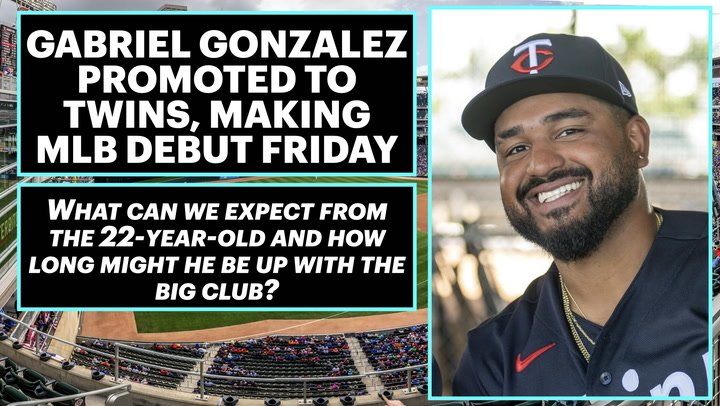 Twins prospect Gabriel Gonzalez has been called up and is making his Major League debut on Friday. Though he was off to a slow start in Triple-A, this opportunity presented itself with Tristan Gray being away from the team for a few days on paternity leave. Can Gonzalez take advantage? Here's a discussion on his game, how long he might be with the big club, and a couple of player comps. View the full article
 -
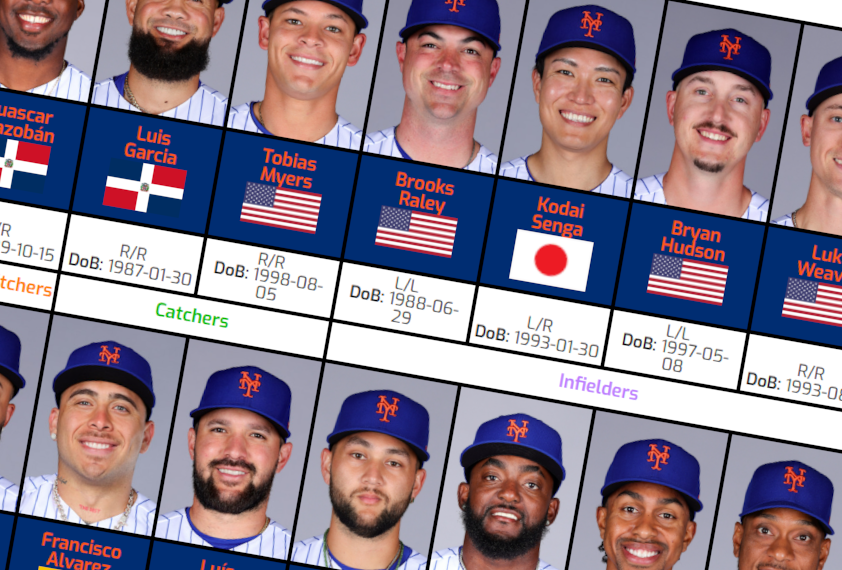 Every day seems to bring one more exciting young Mets prospect. Returning to joint the Mets today is a starter, who — lest it be forgotten — was the best pitcher in the minors last season Transactions, 5/22/2026 GOING COMING Designated for Assignment Sent to St. Lucie on Rehab Assignment Promoted from Syracuse and Transferred from Rotation Relief Pitchers Starting Pitchers Relief Pitcher Craig Kimbrel Kodai Senga Jonah Tong R/R DoB: 1988-05-28 High Level: MLB (2026) L/R DoB: 1993-01-30 High Level: MLB (2026) R/R DoB: 2003-06-19 High Level: MLB (2026) It's exciting to see Jonah Tong back — and with him the full assembly of Generation MST3K (McLean-Scott-Tong, as first designated by Faith and Fear in Flushing), but as we go to print, it is unclear what Jonah's role will be. The Mets appear to have a full rotation in place. That could change, bug for now, it appears Tong will be a bulk reliever — perhaps with the Mets trying to introduce him with the protection they have been affording David Peterson, giving him an something of a starter-like innings burden, but with protection against opposing managers stacking the lineup with opposite-side hitters. Tong has not shown much of his 2025 form this season, and has struggled particularly with his control, up to and including his last start. He hasn't pitched in eight days, and maybe the Mets are planning to convert him to a traditional reliever. He has a relatively slight build, not unlike Luke Weaver. But the Dodgers looked at Pedro Martinez' build and didn't see a starter. They chose ... poorly. But you yourself should choose to tune in and see the Mets, with three rookies in their outfield and several more in and out of their starting rotation. Welcome to the future. Your 2026 New York Mets Starting Pitchers Nolan McLean Freddy Peralta David Peterson Christian Scott Zach Thornton R/R DoB: 2001-07-24 R/R DoB: 2996-06-04 L/L DoB: 1995-09-03 R/R DoB: 1999-06-15 L/L DoB: 2002-01-17 Relief Pitchers Huascar Brazobán Sean Manaea Tobias Myers Brooks Raley Jonah Tong Austin Warren Luke Weaver R/R DoB: 1989-10-15 R/L DoB: 1992-02-01 R/R DoB: 1998-08-05 L/L DoB: 1988-06-29 R/R DoB: 2003-06-19 R/R DoB: 1996-02-05 R/R DoB: 1993-08-21 Relief Pitchers Catchers Infielders Devin Williams Hayden Senger Luís Torrens Bo Bichette Brett Baty Vidal Brujan MJ Melendez R/R DoB: 1994-09-21 R/R DoB: 1997-04-03 R/R DoB: 1996-05-02 R/R DoB: 1998-03-05 L/R DoB: 1999-11-13 S/R DoB: 1998-02-09 L/R DoB: 1993-11-29 Infielders Outfielders Marcus Semien Mark Vientos Carson Benge A.J. Ewing Nick Morabito Juan Soto Tyrone Taylor R/R DoB: 1990-09-17 R/R DoB: 1993-12-11 L/R DoB: 2003-01-20 L/R DoB: 2004-08-10 R/R DoB: 2003-05-07 L/L DoB: 1998-10-25 R/R DoB: 1994-01-22 Also on 40-Player Roster Starting Pitchers Relief Pitchers Clay Holmes Tylor Megill Kodai Senga Alex Carrillo Daniel Duarte Reed Garrett Justin Hagenman R/R DoB: 1993-03-27 R/R DoB: 1995-07-28 L/R DoB: 1993-01-30 R/R DoB: 1997-06-06 R/R DoB: 1996-12-04 R/R DoB: 1993-01-02 R/R DoB: 1996-10-07 Relief Pitchers Catchers Infielders A.J. Minter Dedniel Núñez Jonathan Pintaro Dylan Ross Francisco Alvarez Francisco Lindor Ronny Mauricio L/L DoB: 1993-09-02 R/R DoB: 1996-06-05 R/R DoB: 1997-11-07 R/R DoB: 2000-09-01 R/R DoB: 2001-11-01 S/R DoB: 1993-11-14 S/R DoB: 2001-04-04 Infielders Outfielders Jorge Polanco Luis Robert, Jr. Jared Young S/R DoB: 1999-11-13 R/R DoB: 1997-08-03 L/R DoB: 1995-07-09 Designagted for Assignment Relief Pitchers Outfielders Craig Kimbrel Austin Slater R/R DoB: 1988-05-28 R/R DoB: 1992-12-13 Your Mets Coaching Staff Manager Bench Coach Pitching Coach Hitting Coordinator Third Base Coach First Base Coach Bullpen Coach Ass't Pitching Coach Carlos Mendoza Kai Correa Justin Willard Jeff Albert Tim Leiper Gilbert Gomez José Rosado Dan McKinney DoB: 1979-11-27 DoB: 1989-07-14 DoB: 1990-09-09 DoB: 1992-08-16 DoB: 1996-07-19 DoB: 1992-03-08 DoB: 1974-11-09 DoB: 1989-06-06 Hitting Coach Strategy Coach Catching Coach Coaching Assistant Bat'g Practice Pitcher Equipment Manager Bullpen Catchers Bullpen Catchers Troy Snitker Danny Barnes J.P. Arencibia Rafael Fernandez Kevin Mahoney Kevin Kierst Eric Langill Dave Racaniello DoB: 1988-12-05 DoB: 1989-10021 DoB: 1986-01-05 DoB: 1988-08-03 DoB: 1987-05-11 DoB: 1964-07-09 DoB: 1979-04-09 DoB: 1978-06-03 Your Mets Training Staff Director of Player Health Head Athletic Trainer Assistant Athletic Trainer Reconditioning Coordinator Reconditioning Therapist Head Performance Coach Assistant Performance Coach Performance Coordinator Soft Tissue Specialist Brian Chicklo Joseph Golia Bryan Baca Sean Bardanett Josh Bickel Dustin Clarke Tanner Miracle Jeremy Chiang Hiroto Kawamura DoB: 1972-07-17 DoB: 1978-??-?? DoB: Circa 1980 DoB: 1988-06-23 DoB: 1996-??-?? DoB: 1987-??-?? DoB: 1991-??-?? DoB: ????-??-?? DoB: 22846 View the full article
 -
 Jaime Ferrer was a talented bat at Florida State, but has yet to show any promise in the minors, until this season at High-A Cedar Rapids. Here's why he's a name to follow with the Kernels and why he could be called up to the Wind Surge soon. View the full article
