


DiamondCentric
-
Posts
2,631 -
Joined
-
Last visited
Never
Content Type
Profiles
Forums
Events
News
Tutorials & Help
Major League Baseball Videos
Guides & Resources
Store
Downloads
Gallery
Everything posted by DiamondCentric
-

Poor execution proves fatal for Miami in headscratching loss
DiamondCentric posted an article in Fish On First
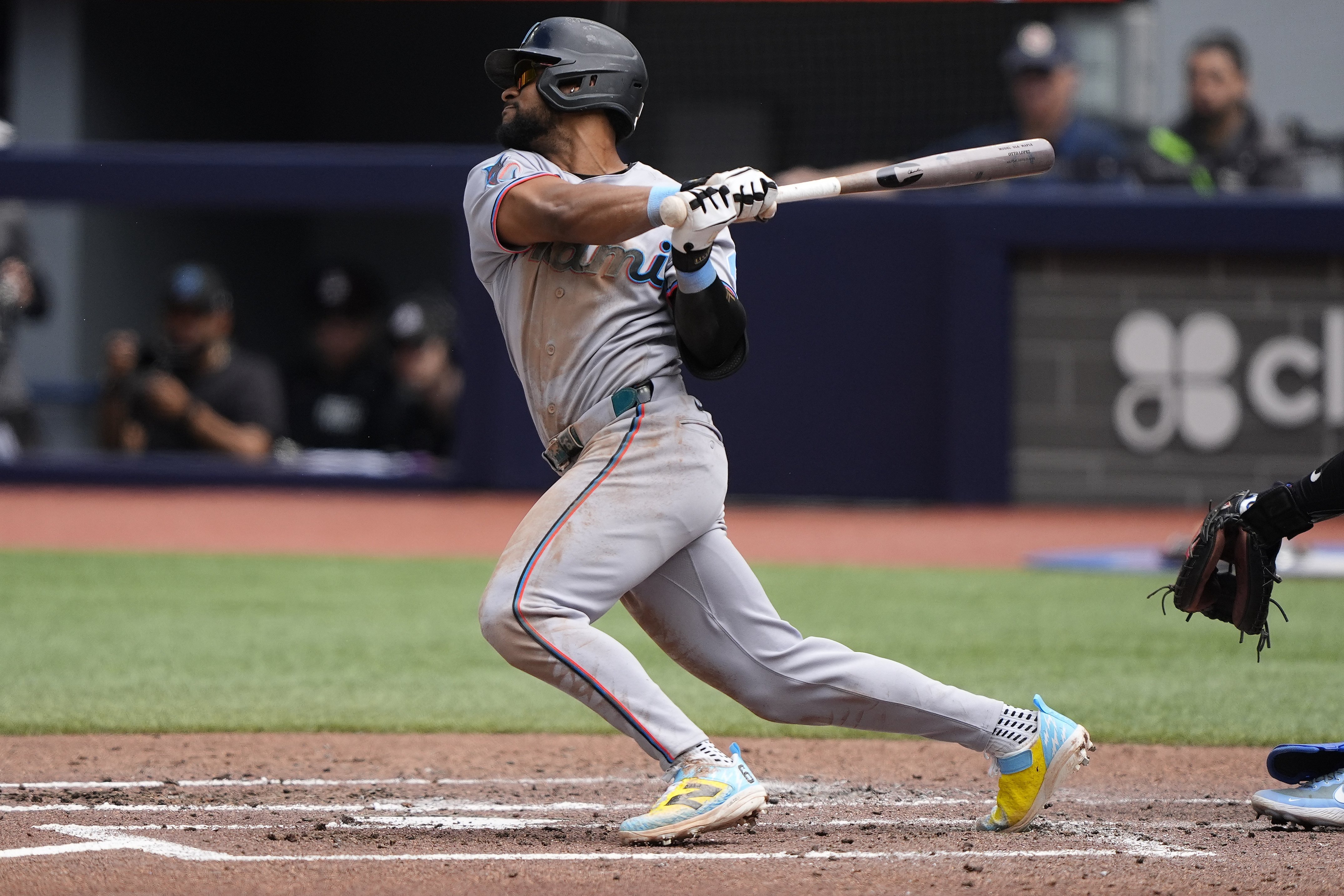 Unlike most sports, baseball is a game where a one or two-player effort won't push a team to victory, no matter how impressive it is. The Marlins were reminded of that the hard way on Wednesday afternoon. All-Star level performances from Xavier Edwards and Otto Lopez put their club in prime position to secure back-to-back series victories for the first time since Opening Week and creep back to four games under .500, but a dreadful four outs on the bases and a 2-11 showing with runners in scoring position was too much to overcome. Miami dropped an upsetting series finale to Toronto and two-time All-Star Kevin Gausman by a score of 2-1 while clinching the fourth series loss of their past five. A team reliant on small-ball, the Marlins completely fell apart on the base paths in the later innings. A caught stealing of Jakob Marsee and mental gaffe by Heriberto Hernandez ended the sixth while a strike to nab Esteury Ruiz at second stopped Miami in their tracks an inning later. The most critical mishap, though, came in the eighth with runners on first and third, one out, facing a one-run deficit with Connor Norby at the plate. Needing at the bare minimum a sacrifice fly to tie, Norby watched a hanging slider for strike three while Marsee bolted to second where he was dead to rights. The strike 'em out, throw 'em out took all the remaining wind out of Miami's sails as they were sat down in order by Tyler Rogers in the top of the ninth. Beyond baserunning, the Fish squandered multiple opportunities to put runs on the board early. Leading 1-0. with the bases loaded and one out in the third, Kyle Stowers grounded into an inning ending double play. A frame later, Christopher Morel and Graham Pauley couldn't cash in their first chance with one away and runners on the corners. Taking credit for over half of Miami's hits was the budding star duo of Lopez and Edwards. The two combined for seven hits, four stolen bases and the lone RBI opposite Gausman and a trio of Blue Jay relievers. The two now sit alone atop the hit lead in all of MLB, with Lopez at 75 and Edwards close behind at 67. Now over fifty games into 2026, there should be little to no doubt where the best middle-infield in the league resides. Lost in the late-game malaise was the success and sudden worry for Marlins starter Eury Perez. Perez, who dazzled in his previous outing last Friday against New York, showed more of the same promise that he became renowned for as a top prospect. "Baby Goat" punched out seven through just three innings on his way to a season-high nine. It's a number that had the potential to be even higher if not for a bizarre situation in the middle of the fifth. The 23-year-old right-hander was shown on the broadcast to be writhing in pain out of seemingly nowhere before being helped to the clubhouse by team doctors and his mentor Sandy Alcantara. Shortly after, the team announced it was a right hamstring spasm. Christina De Nicola of MLB.com reported postgame that Perez noted he would be getting imaging and the initial pain was a 10/10, but was a 7 during his scrum. Should the injury lead to an IL stint, it would sting that much more knowing Perez's recent adjustments have proved to be quite effective against formidable lineups. The incorporation of a two-seam pitch with sinking action has kept hitters off balance from a strong, but at times predictable four-seam offering. Increased command—Perez walked zero for the second consecutive outing—and trust in secondary offerings has been key as well. Toronto was able to grab the lead following the youngster's departure, capitalizing in back-to-back frames off Michael Peterson and Andrew Nardi, the latter surrendering his fourth homer of the season. The good news for Miami? A trip to Queens is on deck. Having just swept the Mets and enjoying success against their division foe dating back to 2025, the Fish enter Citi Field with confidence knowing they can mirror what happened at loanDepot park. Max Meyer, having dominated yet again against New York last Saturday with seven innings of scoreless ball looks to continue his sensational early-season campaign on Friday night opposite Freddy Peralta. First pitch is slated for 7:10 pm EST. View the full article
 -
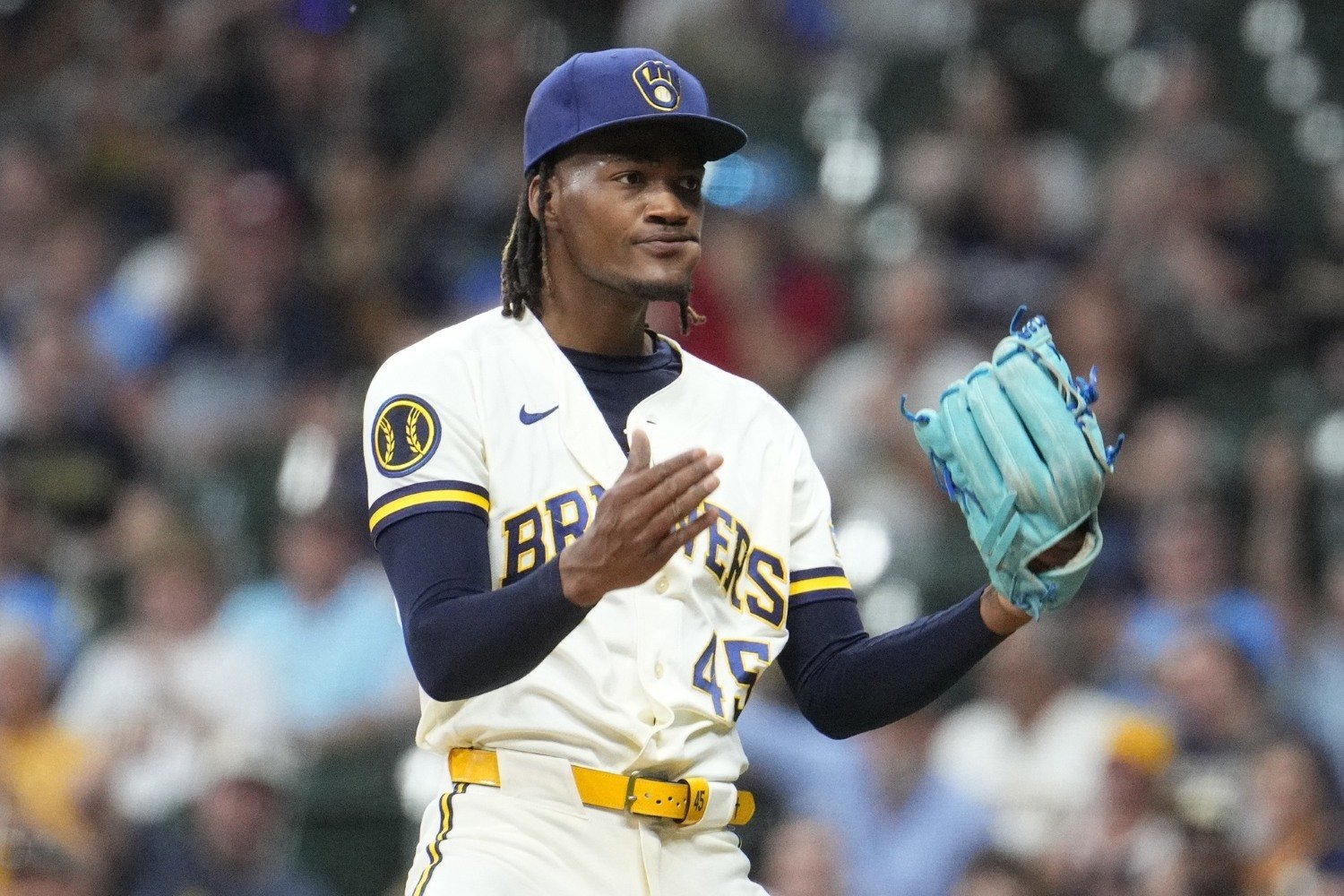 Abner Uribe is, in one reading of all this, just that loud person at the party who no longer has any desire to let some quiet tensions simmer. Maybe they actually challenge someone to step outside and take care of things, but more often, they say something they know will stir up what they feel has been allowed to settle and stagnate when it shouldn't. They don't throw fists; they throw down the proverbial gauntlet. A mess ensues, and everyone at the party ends up doing one form of cleanup or another. You just hope the air is actually clearer afterward. In this case, the match that lit the waiting fuse was fairly vulgar, like a drunken but unmistakable accusation of cheating or a carefully chosen, exceptionally rude bit of name-calling. He struck out Alec Burleson Tuesday night, and turned to the Cardinals dugout with relish. As gleefully as untold millions of 11-year-olds have done it over the last few decades, he gyrated his hips and elaborately, repeatedly chopped his crotch, inviting the Cardinals to suck it and (ironically) drawing a sharp intake of breath from just about everyone except the occupants of the visitors' dugout. The tea has spilled pretty freely since. Uribe removed subtext and shattered the fragile privacy of the diamond by doing what he did, so reporters have followed up doggedly ever since. In brief, here's what happened: The Cardinals suspected the Brewers of picking up a tip or a pitch grip from St. Louis starter Matthew Liberatore on Monday afternoon, and relaying the needed information to their batters via the hitting coaches in the dugout. No one has suggested to me, on or off the record, that the Brewers were using illegal sign-stealing, with any kind of technological assistance, but the league has cracked down this year on the practice of base coaches relaying intel to hitters, too. That's why base coaches have to stay in their boxes now, and the spirit of that rule is that non-players shouldn't use their advantageous angles to give information directly to the batter. If the Brewers were doing so, it's not a violation of a written rule, but it won't be taken kindly by opponents. Once that suspicion arose, Cardinals manager Oliver Marmol began staring daggers into the Brewers dugout throughout the game Monday. That, too, is considered gauche, if not outright aggressive. Brewers personnel saw him staring them down in a way they interpreted as both intrusive and threatening, and he gestured to his side and to his head as he yelled across at one juncture. Marmol admitted to this in the fallout after Uribe broke the seal, saying his message was, "Don't do it. Be smart. You're going to get someone hurt." During the Cardinals' batting practice on Tuesday, hitting coach Daniel Vogelbach and Marmol aired their respective grievances with one another. It caused a minor commotion, but no fracas or physicality came of it. Uribe saw some of the above first-hand, and heard some about it from teammates after the game Monday and before the game Tuesday. In his mind, the aggression toward the Cardinals after finishing the top of the eighth inning was a matter of showing them Milwaukee would not be intimidated or denigrated. If all of this sounds a bit petty or childish, it should; that's what it is. Uribe's demonstrations were inappropriate in their intensity and escalatory effect, but apropos in their immaturity. Every team is trying to pick up and relay information, at all times. It should very rarely lead to this kind of sudden surge in tension, and certainly didn't need to do so this time. That said, let's assess some of the claims on both sides. Were the Brewers Doing Something Wrong in the First Place? This is the hardest question to answer, really, because it depends a great deal on whom you ask. For a long time, players and teams felt that any intelligence that could be gleaned with naked eyes on the field or from the dugouts or bullpens was fair game, as long as it was relayed via organic means. The infamous trash can-banging Astros were regarded as doubly criminal, because the way they got their information broke the first part of the unwritten rules, and the way they got that information from the tunnel behind the dugout to the field broke the second part. For most of baseball history, though, what the Cardinals accused the Brewers of doing this week would not have been considered a breach. As discussed above, the league changed an actual rule (or, rather, its enforcement) recently, to try to curb on-field collection and relaying of tips and tells. That's partially because, in the wake of the revelations about the Astros, the league's collective attitude toward intelligence gathering and communication shifted. Ironically, the Cardinals—an organization with a reputation for extreme old-fashionedness—took umbrage with the Brewers because they have a very new-school understanding of what's ok when it comes to picking up information from the other side. Two players, a coach and two front-office employees from other organizations acknowledged that the Brewers have a reputation for drawing a bead on you, often via the acuity of non-players. They get that information to the field, the sources said, via direct conversations between players and coaches both on the field and in the dugout, but also via surreptitious signaling. No one I spoke to said they believe the Brewers are doing anything explicitly against the rules or egregious, but one former Brewer now playing for another team admitted that his new teammates asked him some probing questions about Milwaukee's methods at the beginning of spring training. Crucially, Marmol didn't accuse the Brewers of doing anything truly wrong—and teams are often trying to enforce something other than actual rules when they engage in the kind of behavior Marmol did Monday. That brings us to the next question. Was Marmol Really Threatening to Hit Brewers Batters with Pitches? This one, by contrast, is easy. Yes. Yes, of course he was, and this is one of the silliest layers of unwritten rules and their passive-aggressive enforcement. Marmol explained to reporters exactly what he communicated to the Brewers on Monday, as detailed above. He said that wasn't a threat to hit anyone, but a simple matter of telling them to knock it off. Well, that's stupid, and anyone really listening and unwilling to put up with microaggressions will see why. "Be smart," Marmol told the home side, pointing to his head. "You're going to get someone hurt," he said, pointing to his side. He wasn't implying that Christian Yelich was going to strain an oblique turning to peak at whatever sign Vogelbach might have been sending him. The gesture to the side is a threat to hit a batter if the other team doesn't stop the behavior they're being told to stop. Marmol refused to characterize it that way, but in doing so, he was either insulting the intelligence of the whole baseball world or (more like) asking everyone to play along with him. Moreover, doing so is a bit of old-school intimidation in the service of Marmol's aforementioned new-school ethics about the game and its balance of intelligence and counterintelligence. For the lion's share of baseball history, a threat (veiled or otherwise) to plunk someone for being in violation of the unwritten rules has been considered in-bounds, but that's going the way of the complete game. Teams very rarely throw at anyone on purpose anymore, and the intimation of an intention to do so is no longer considered light fare between friends. So: Was Marmol Wrong, and If So, for What? Ask many baseball people about this aspect of Marmol's tenure with the Cardinals, and you get quick, decisive answers. The Cardinals' skipper is not well-liked inside any other dugout in the league. In most of them, he's one of the most aggressively disliked. Implying that the team would throw at a Brewers batter might not have been over the line for everyone, and Marmol said he's never actually ordered any such action. However, players, coaches and one former opposing manager all confirmed that Marmol is often guilty of staring into the opposing dugout, looking for a reason to get upset or to raise the temperature of the conflict on the field. Even those who guard information dearly and don't want to let a rival get an advantage without feeling some pushback often try not to introduce the distraction of these often subtle but distracting bouts of back-and-forth. Marmol, one ex-Cardinal who spoke only on condition of anonymity because of their new role with another organization, "seems to love that s---," and tries to motivate his team by raising the emotional stakes that way. Few people in modern dugouts take well to the threat gestures Marmol made, but his eyes can be as much of a problem as his hands and mouth. In the opinion of most people outside this particular conflict, Marmol effectively started it, by hunting for something to which to react and (arguably) overreacting when he found it. To return to the metaphor of a late-night house party, Marmol is the guy who actually wants to fight way too often, even if he has the restraint and the cooler-headed friends to prevent that from happening most of the time. Vogelbach might have actually committed a party foul, or Marmol might have only imagined he did, but either way, the party took on an uneasy edge after the two had their say and went back to their sides of the room. Uribe, who emotes freely, loves antagonism just as much as Marmol, and didn't care for the vibe shift on his side of the party after the initial dustup, decided he would put things right by doing a foolish stunt to assert his side's dominance. It didn't work as well as he might have envisioned, in that plenty of people on his own side found his tactics distasteful. It will surely draw a fine from Major League Baseball, as well it should, and the Cardinals will skate without any tangible punishment. But it was just ridiculous enough to take some of that serrations off the whole thing. Wednesday's series finale was a taut game, but not an overly tense one, and the teams both say they've put the matter to bed. As a visual communicator, Uribe is to be commended for his layered (though not nuanced) messaging, as well as his clarity. He asserted dominance. He stood up for his teammates. He also said, without words, "Here's a sign everyone will see, so we can all be clear about what we're being clear about." Of course, he also has to be castigated for a gesture that holds within it some implied homophobia, sexism and wanton malice, as well as being stupid-looking. This was an interesting glimpse into the things often going on beneath the radar for the average fan, but the most important takeaways from it are that the Brewers are clearly in the heads of all their NL Central rivals; that the Cardinals and their skipper were looking for a fight when one wasn't really there to be had; and that Uribe can always be counted on to dispense with subtlety. Going forward, the Crew will hope he focuses on dispensing with batters, instead. View the full article
 -
Blue Jays Promote Austin Voth, Acquire Connor Seabold In Trade
DiamondCentric posted an article in Jays Centre
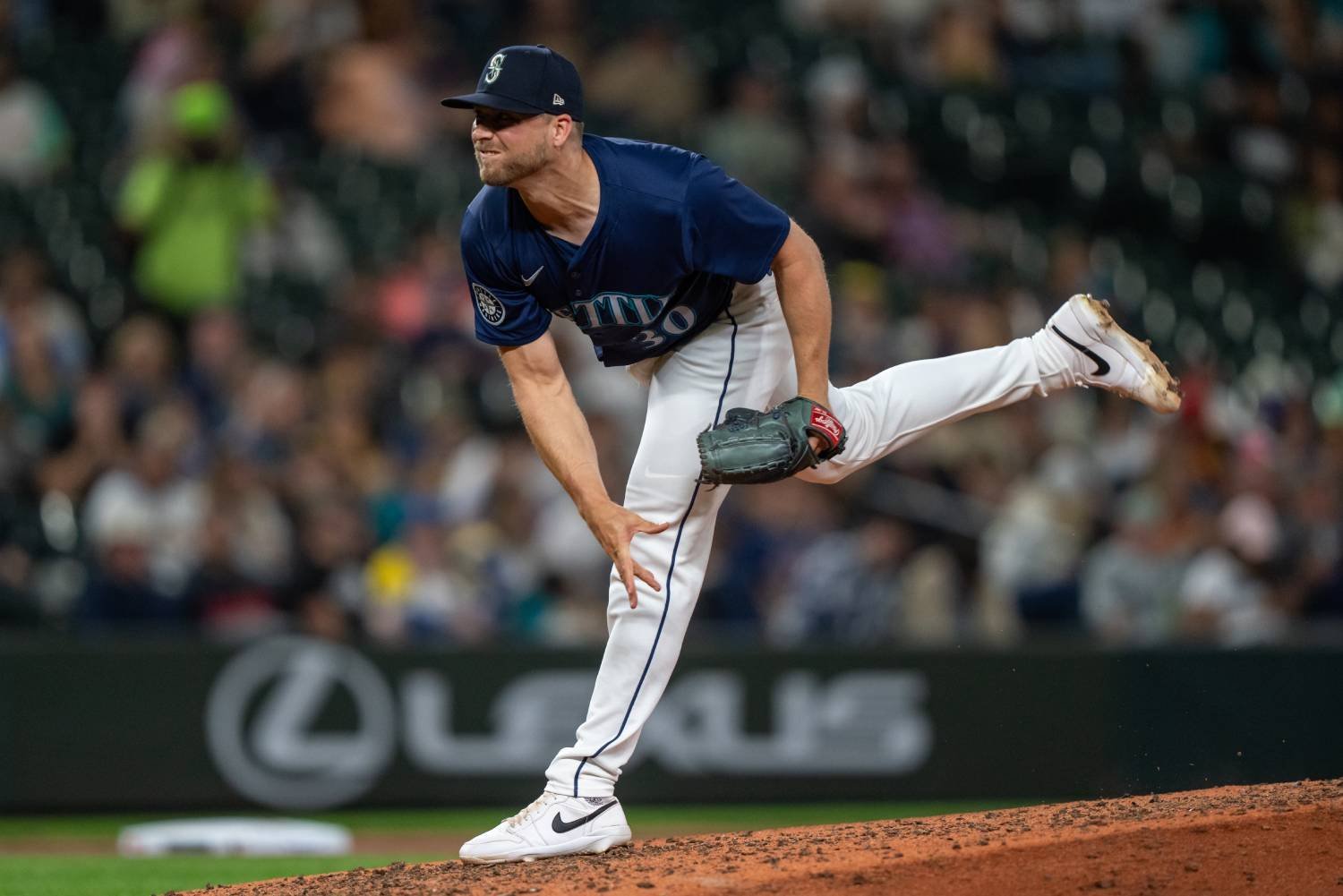 While there were a slew of moves Wednesday by the Toronto Blue Jays, there was only one set that affected the 26-man roster. That was the Jays calling up right-handed reliever Austin Voth from Triple-A Buffalo and sending right-handed reliever Tanner Andrews back down to Triple-A. The others included a trade, with right-hander Connor Seabold being reacquired from the Detroit Tigers in exchange for left-hander Juanmi Vasquez, and right-handed starter Jose Berrios (15-day injured list, right elbow stress fracture) and catcher Alejandro Kirk (10-day injured list, fractured left thumb) being transferred to the 60-day injured list. Those were paperwork moves to create room on the 40-man roster for Voth and Seabold. Seabold had been designated for assignment by the Tigers. The Jays will have to make a 26-man roster move once Seabold reports to the team. Another move, reported Tuesday, was made official as the Jays signed right-handed reliever Matt Bowman to a minor-league contract. Voth is making his second appearance with the Jays this season. He was called up April 5 and pitched 2⅔ innings that day against the Chicago White Sox in a 3-0 loss, allowing one run on three hits with a walk and a strikeout. Voth was DFA'd the next day, went unclaimed and chose to become a free agent only to re-sign with the Jays on April 11 on a minor-league contract. He didn't pitch in the majors in 2025, last appearing with the Seattle Mariners in 2024. Andrews was called up Monday to make his MLB debut and he appeared in games Monday and Tuesday, pitching two innings, giving up no runs on one hit with two walks and a strikeout. Seabold is back with the Jays after signing a minor-league contract in January. But the Jays released him a few days before Opening Day and scooped up by the Tigers, who included him on the season-opening roster. He then went on the 15-day IL on April 26 with inflammation in his left ankle and returned to the MLB roster May 15, but was DFA'd Sunday. He appeared in 11 games for the Tigers, with a 3.45 ERA over 15⅔ innings, with 17 hits, five walks and 14 strikeouts. View the full article
 -
The Twins May Have No Choice But to Slow-Play Their Top Prospects
DiamondCentric posted an article in Twins Daily
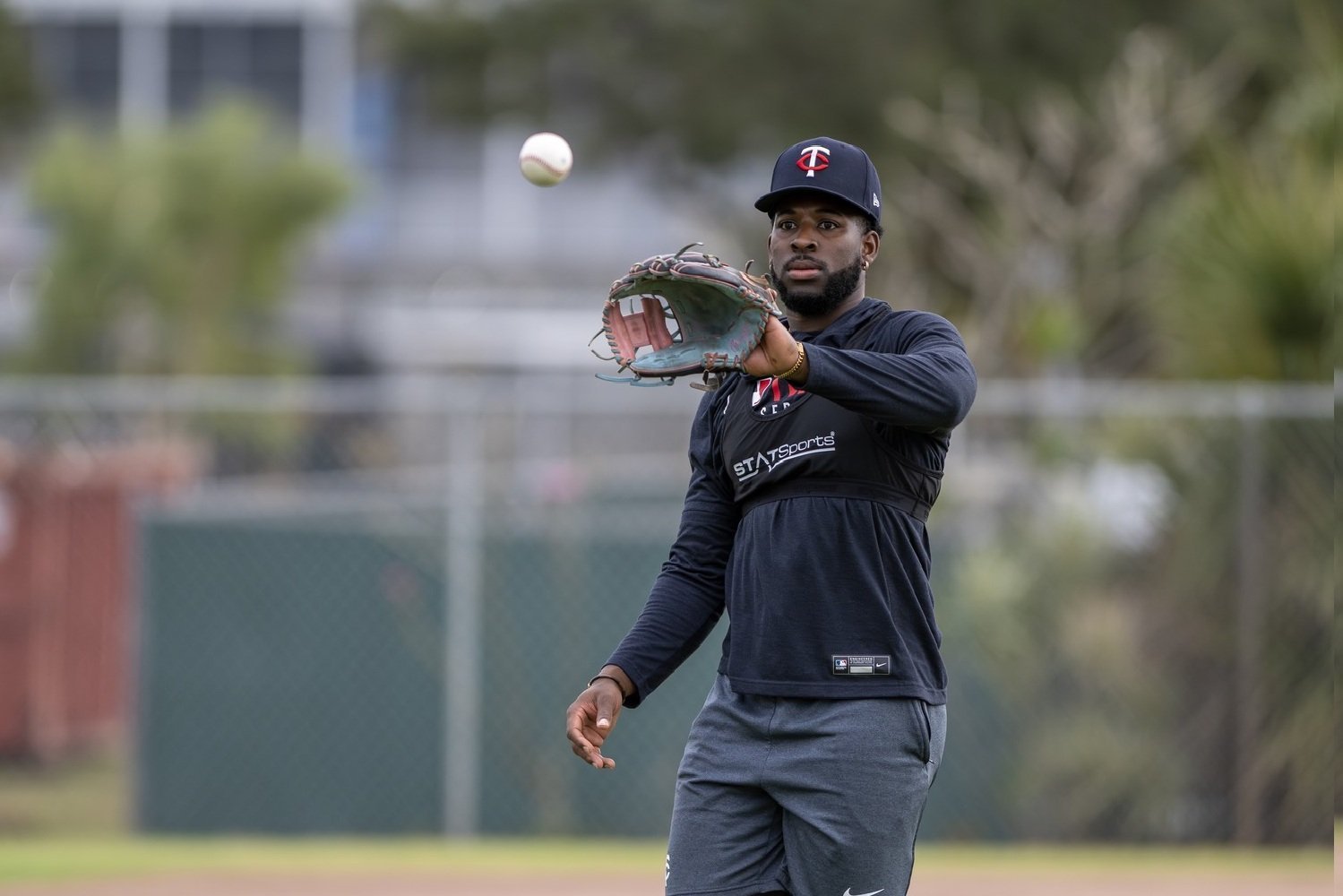 With the current MLB Collective Bargaining Agreement (CBA) set to expire on December 1, there’s already a growing sense around the baseball world that the sport could be headed toward another lockout. That doesn't mean games will be lost—an offseason stoppage is almost guaranteed, but last time, they resolved it before Opening Day—but the risk of that is real. A major reason why? The conversation surrounding a salary cap and salary floor. Right now, Major League Baseball technically has neither, though the players' union does have the right to pursue a grievance against any revenue-sharing receiving teams who don't spend more than a certain threshold, and even though the competitive-balance tax tiers act as progressively harder caps as payrolls get large. Spending across the league remains wildly uneven. Teams like the Dodgers, Yankees, and Mets are operating in an entirely different financial world than smaller-market organizations, while some clubs continue to spend at the absolute bottom of the league with little pressure to increase their payroll. That imbalance has created growing frustration on both sides—despite a relatively weak correlation between spending and actual wins. Owners are far more likely to push for a salary cap, hoping to create cost certainty that can drive their franchise values even higher. Players, on the other hand, are much more likely to push for a salary floor, forcing lower-spending teams to invest more heavily in their rosters. Obviously, there will be both, if there is either, but whether to switch to such a system (the owners want it; the players don't) and where to set the top and bottom thresholds of one are hard questions on which to agree; hence the tough talk from both sides. The last MLB lockout began at the start of December 2021 and lasted until March 10, 2022. Ultimately, the league still managed to play a full 162-game season, though Opening Day was pushed back roughly a week while the two sides finalized a new agreement. But there’s no guarantee the next one would be resolved that quickly. There's a possibility that the 2027 lockout could drag on longer, and if that happens, the major-league season would essentially be suspended until a new CBA is agreed upon. However—and this is where things get especially interesting for teams like the Twins—a major-league lockout would not impact the minors. Minor league baseball would continue as normal. That immediately raises an interesting question for Minnesota, moving forward: might the Twins choose to keep some of their top prospects in the minors, to avoid losing valuable development time during a potential lockout? Their top-end talent is getting awfully close to the majors. Walker Jenkins, Kaelen Culpepper, and Emmanuel Rodriguez (the Twins’ top three prospects) are all nearing the point where they could realistically debut sometime this summer, health-permitting. Under normal circumstances, getting those players major-league reps during a season where the Twins (still) probably aren’t serious American League contenders would make a ton of sense. Let the young core learn at the highest level, and give them experience heading into a more competitive window down the road. If Rodríguez can get healthy, it still makes sense to give him a look later this year. He's already on the 40-man roster, so he'll be affected by any lockout, anyway. Only players not on a 40-man MLB roster will be able to participate in minor-league spring training and/or games, if those get started before the big-league ones do next year. Several other could-be rookies—CJ Culpepper, Ty Langenberg, Ricardo Olivar and Aaron Sabato, to name a few—either are already eligible for the Rule 5 Draft or have to be added to the 40-man roster this fall to avoid that, so they also don't need to be held back. Even if a lockout comes, the deadline to add players to the 40-man and protect them from the Rule 5 Draft will come first, in mid-November, so the Twins have to decide on those guys before a work stoppage can enter the equation. Jenkins, Kaelen Culpepper and pitching prospect Ryan Gallagher, however, belong to the class of players who won't need to be added to the 40-man roster until the fall of 2027 for Rule 5 purposes. If Jenkins could get and stay healthy, he would probably force his way to the majors, anyway, but he's likely to be sidelined several more weeks by the shoulder injury he sustained earlier this season. He, Culpepper and Gallagher are where this gets incredibly tricky for the Twins. Do you prioritize getting your top prospects exposure to the majors now? Or do you protect their ability to continue playing and developing next season in the event of a lengthy lockout? For Minnesota specifically, there may not be an easy answer. Right now, the state of the infield could force the issue, sooner rather than later. With both Luke Keaschall and Royce Lewis struggling, and with Lewis currently back in the minors, Culpepper may simply become too difficult to keep down. If the Twins believe he’s clearly one of their best infield options, they may not have much choice but to bring him to the majors and worry about any disruptions to his development right along with those to the development of Keaschall, Austin Martin or any other young players. Good stretches from Tristan Gray and Ryan Kreidler or a return to the bigs by a rehabilitated Lewis would make keeping Culpepper down more feasible, which emphasizes the importance of those potential developments, even beyond winning games this year. The outfield situation, though, is a bit different. With Trevor Larnach and Martin both playing well, the Twins may actually have the flexibility to slow-play some of their outfield prospects throughout the remainder of 2026. Rodríguez's thumb surgery will keep him on the shelf a while, but he could still debut this year. All things considered, it might make sense for Jenkins not to. It’s honestly an unfortunate situation, all around. You’d love for organizations to simply call players up the moment they’re ready and allow them to develop naturally at the major-league level. But given the very real possibility of a lockout following the 2026 season, along with where the Twins currently sit as a franchise, Minnesota may have to think about this differently than most fans would initially expect. For both the futures of those players and the future of the organization itself, keeping some of their top prospects in the minors for all of 2026 may ultimately be the smartest long-term move. View the full article
 -
Bailey Falter Designated for Assignment; Mason Black Recalled
DiamondCentric posted an article in Royals Keep
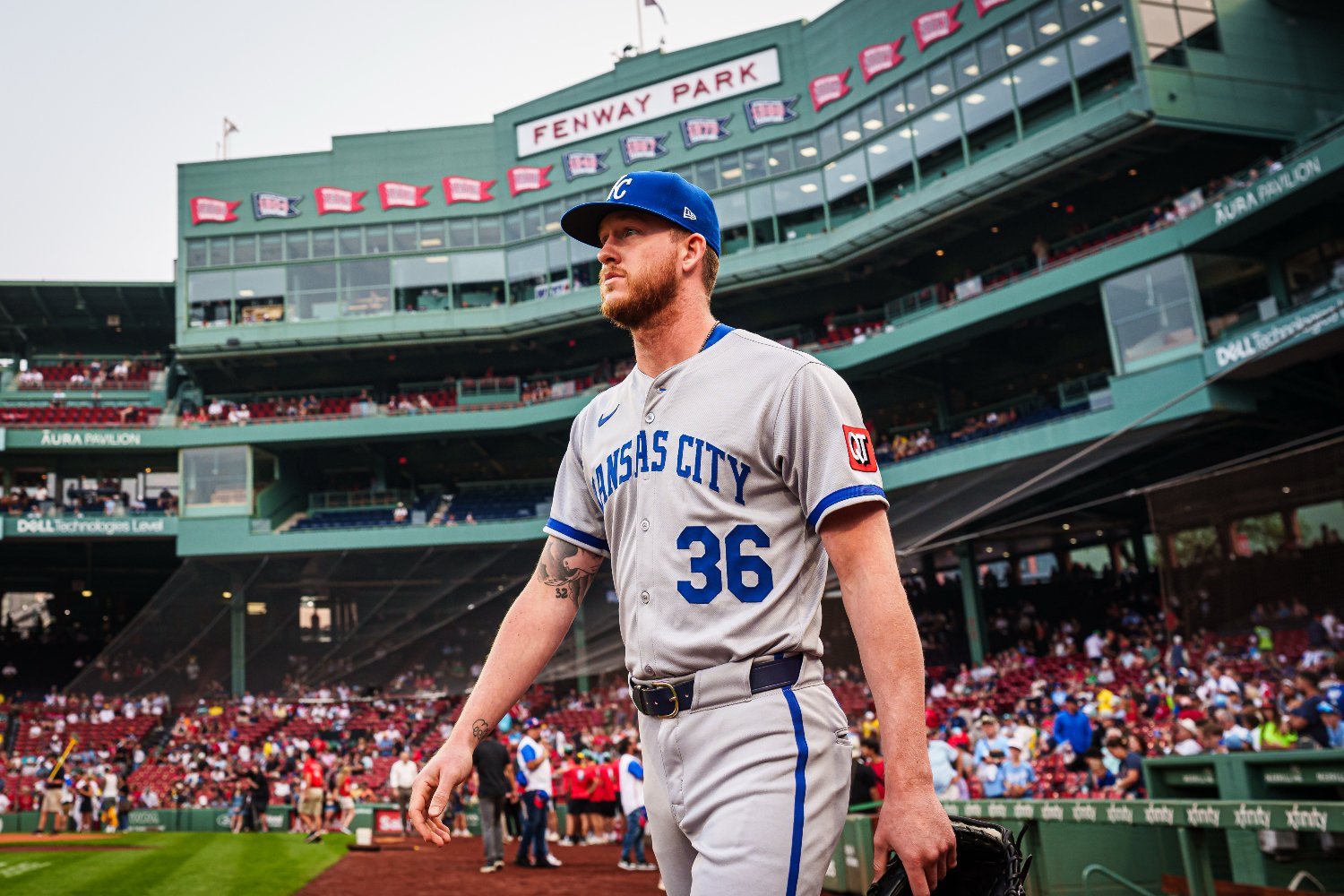 On Wednesday morning, the Kansas City Royals announced that they had designated left-handed pitcher Bailey Falter for assignment and had recalled right-handed pitcher Mason Black from Omaha. Falter had come over to the Royals at the Trade Deadline from Pittsburgh last season in exchange for lefty reliever Evan Sisk. In 2024, Falter posted a 4.43 ERA in 142.1 IP, and in 2025 with the Pirates, he posted a 3.73 ERA in 113.1 IP. However, he struggled in his move to Kansas City last year, posting an 11.25 ERA in four outings (two starts) and 12 IP before landing on the IL for the remainder of the year. The struggles Falter experienced with the Royals in 2025 carried over into this season. In five outings (two starts) and 9.2 IP, the 29-year-old posted a 13.97 ERA, 3.10 WHIP, and 9.10 WHIP. He also landed on the IL early in the year due to some elbow issues and looked better in his rehab outing in Omaha. Unfortunately, the results from Omaha didn't follow Falter to Kansas City. As discussed in a post this morning, Falter showed an interesting TJ Stuff+ profile and extension on his pitches, but struggled to generate whiffs and CSWs this season at the Major League level. Falter will likely declare for free agency if he clears waivers. It doesn't seem like he was happy with his role, flipping between starter and reliever, as evidenced by this quote from the Kansas City Star's Pete Grathoff. Mason Black will replace Falter on the Royals' pitching staff. Black has made four appearances with the Royals this year. In that 4.2 IP sample, he has not allowed a run, has a 1.93 WHIP, 2.24 FIP, and 13.6% K-BB%. His profile is very similar to Falter's, albeit from the right, as seen below in his TJ Statcast Percentiles summary. In 13 outings and 20.2 IP with Omaha this year, Black has a 6.53 ERA, 1.55 WHIP, and 4.3% K-BB%, which isn't impressive. However, his FIP is much better at 3.49, and he's done a much better job in Triple-A of throwing strikes (67% strike rate) and limiting the long ball (0.0% HR/FB rate). View the full article
 -
The Mechanics Behind Mason Miller’s Modern Relief Masterclass
DiamondCentric posted an article in Padres Mission
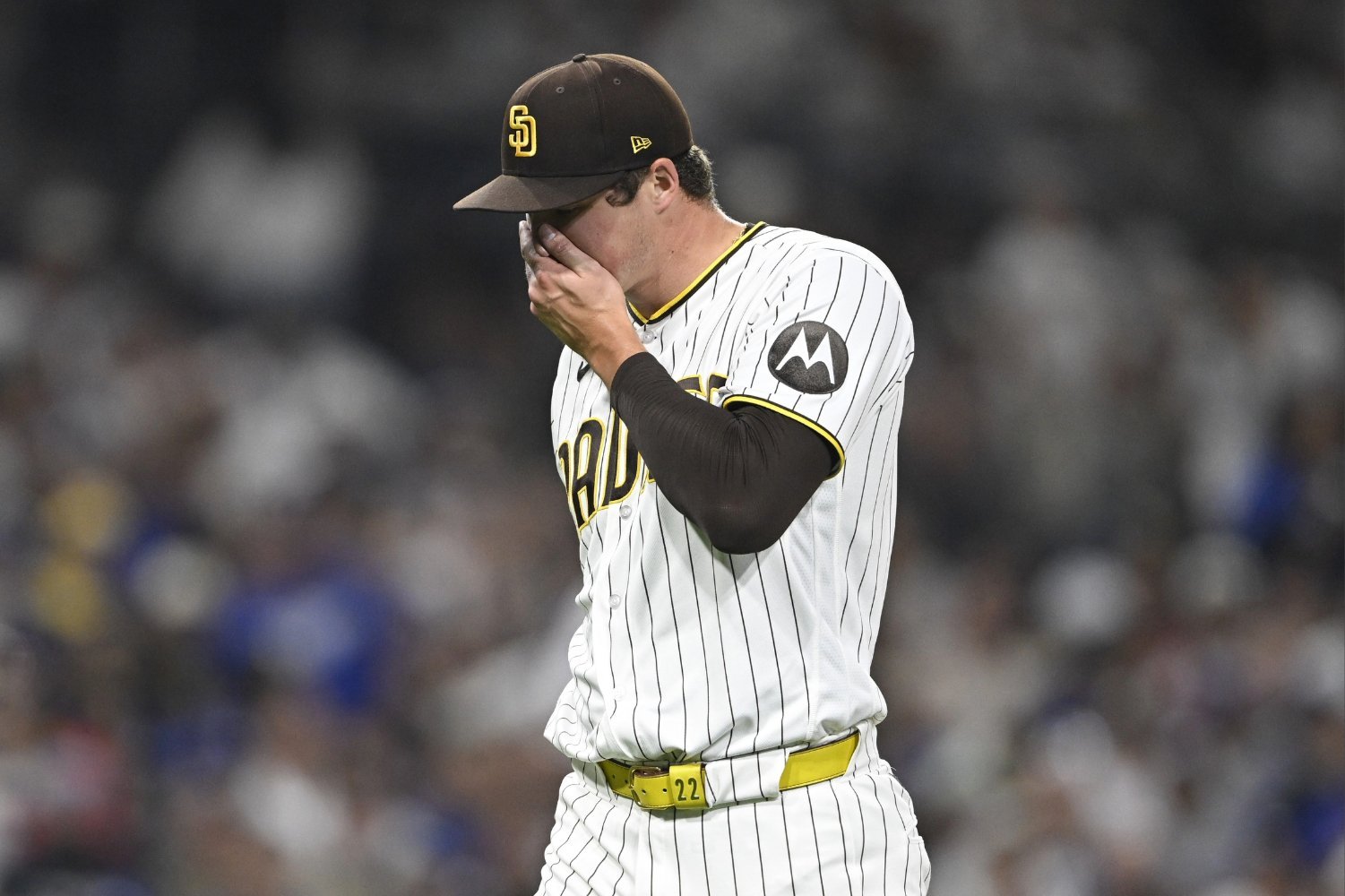 If you watch a San Diego Padres game this year, you'll note that closer Mason Miller makes major-league hitters look like they are playing on a broken video game simulator. Headlines are rightfully tracking his staggering 19.4 K/9 ratio across 8.1 innings in May. However, analyzing Miller purely through box scores ignores a fascinating web of cause-and-effect, league-wide context, inherent player risk, and macroscopic team strategy. Evaluating a relief pitcher’s monthly impact through Wins Above Replacement (WAR) usually yields a microscopic number. Because relievers throw limited innings compared to everyday starters, building massive value over a four-week span is difficult. Yet, Miller’s May output has been an entirely different beast, propelling his seasonal total to a team-leading 1.3 WAR. What makes his May metrics so unique is how he is generating value. Looking closely at his game logs, his pinpoint command has actually wavered slightly this month. He's walked a total of six batters in eight appearances, including tight outings against both the St. Louis Cardinals and Los Angeles Dodgers. However, against the relievers' former team, the Athletics, he was back to his former self while lowering his WHIP to 1.20. Normally, a sudden spike in walks destroys a reliever's value. However, Miller has weaponized an extreme strikeout-or-nothing approach to completely erase his own mistakes. Across 36 total batters faced in May, he has collected 18 strikeouts. It's not hard to understand how he's maintaining a stellar 0.76 seasonal ERA over 23 appearances when he's striking out half the hitters he faces. In May, Miller weaponized a devastating two-pitch mix, highlighted by a slider generating an astronomical 51% whiff rate during this dominant stretch. To put that figure in context, the average major-league slider yields roughly a 35% whiff rate. He relies heavily on a four-seam fastball, throwing it 45% of the time, that sits at an average velocity of 101.3 mph. By suffocating batters with triple-digit heat and a historic breaking ball, he creates an inescapable defensive vacuum. The ultimate team-wide benefit of Miller’s bizarre May numbers is structural. When a closer can guarantee strikeouts at a 19.4 K/9 clip, it alters the Padres' entire bullpen blueprint. By completely removing the ball from play, Miller eliminates "luck" from the 9th inning. There are no sacrifice flies, bloop hits, or defensive errors to worry about. This security blanket allows the coaching staff to exhaust their best middle-relief bridge options in the 7th and 8th frames. They do not have to hold back high-leverage arms out of fear of extra innings. While his maximum-effort velocity creates an inherent health tightrope, his dominant month of May proves that extreme high-leverage efficiency can bend a team's entire winning strategy in your favor. Throughout the rest of the season, Miller will continue to dominate on the mound, anchoring the bullpen while leading the National League with 16 saves. Cleveland Guardians reliever Cade Smith is currently two ahead of him on that front; however, there is still plenty of baseball to be played. While his challenges with walk ratios and workload in May remind us of his human side, the historically elite strikeout metrics leave no doubt why the Friar faithful firmly believe in him as our closer of the future. View the full article
 -
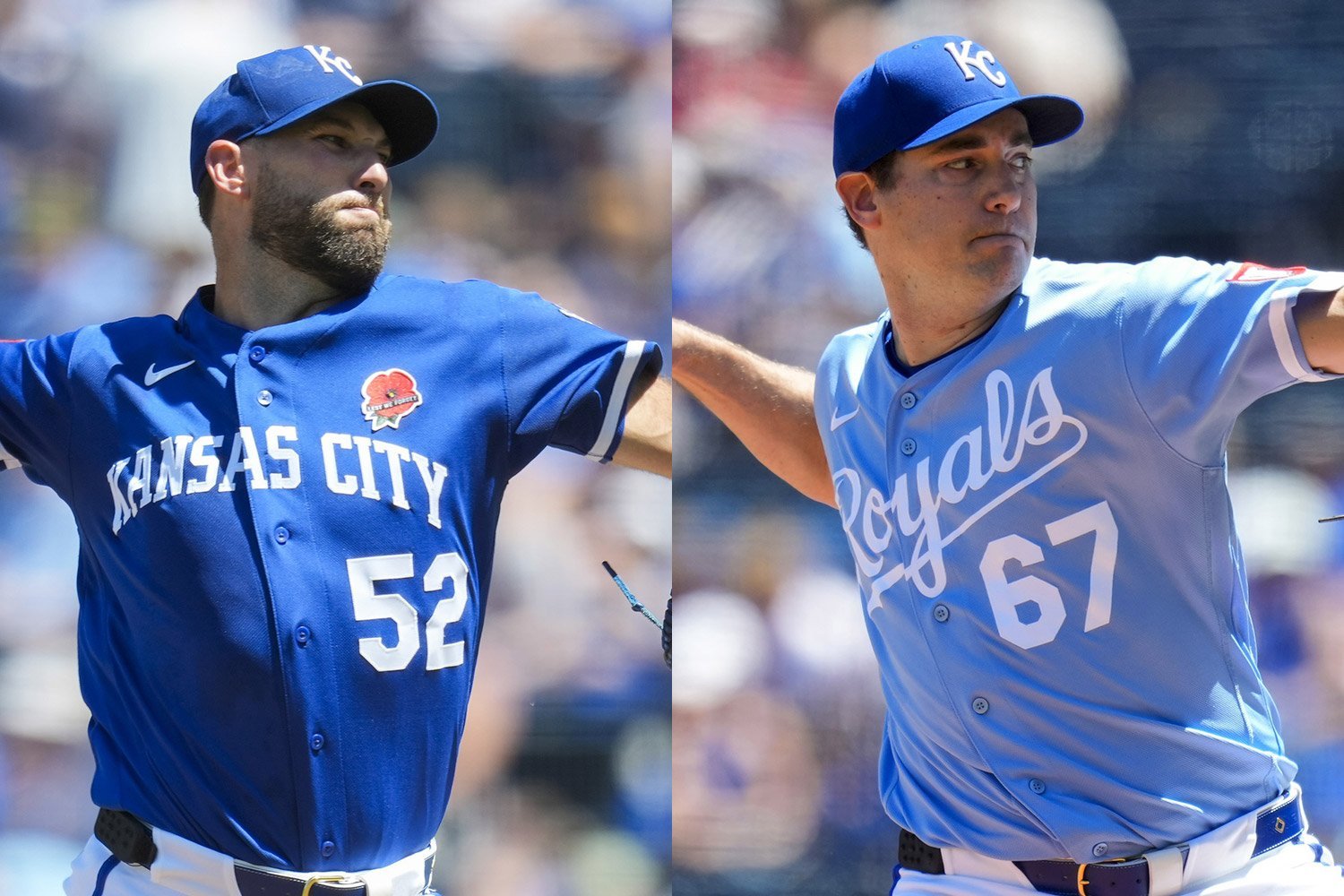 To say that the start of the Royals' season has been bad would be an understatement; it has been an unmitigated disaster so far. Nothing seems to be going right for the Royals this season, and it would be easy to assume that the Royals will be sellers at the trade deadline of the season were to continue in this direction. The deadline is still three months away, but with the way the season is going, it looks like the Royals will not be anywhere near the playoff hunt. But what moves could the Royals make? Here are some realistic and far-fetched ideas. Realistic Royals Trade Scenarios Michael Wacha to the Chicago Cubs for Jacob Webb and Pedro Ramirez Wacha is having a fantastic season so far, so if that were to continue, teams will definitely be looking at his services. A team in need of starting pitching is the Cubs, whose team ERA of 4.05 could definitely be improved once Wacha joins the team. The Royals are in need of reliable bullpen arms and a second baseman, so Webb and Ramirez will do the trick. Seth Lugo and Ramcell Medina to the Padres for Kale Fountain Another team in need of pitching is the Padres, who are in need of some depth in the starting rotation. A reunion with Lugo could do the trick, as he could fill in as a 4 or 5 starter right away, and Medina could also be developed into a middle infielder of the future. Fountain is an interesting prospect whose power and arm could fit in nicely in the lineup for a future Royals team. Far-Fetched Royals Trade Scenarios Bobby Witt Jr. to the Dodgers for Tommy Edman, Emmitt Sheehan, Mike Sirota, Zyhir Hope Now the chances of this trade even happening are slim to none. The Royals would not willingly move on from their superstar shortstop that easily unless the Dodgers gave them an offer the team just could not refuse. This could be one of those offers. Mookie Betts is getting older and might have to transition to another position, so BWJ would fit right in in this already loaded lineup. But the price for Witt’s services will be steep, so the Dodgers would have to give up a ton just to get him. I could see JJ bargaining his way to getting Edman, Sheehan, and two of the Dodgers top prospects in Sirota and Hope. Vinnie Pasquantino to the Guardians for Steven Kwan With the way Vinnie has been producing at the plate and with Brett Squires mashing in the minors, the Royals may want to move him in exchange for one of the more underrated players in baseball, Steven Kwan. Both players are struggling to produce, so a change of scenery for both of them could be beneficial. But again, the chances of this trade even happening are extremely low. View the full article
 -
 Boston Red Sox Affiliate Recap (May 26) Triple-A Worcester Red Sox Season Record: 24-25 Worcester hopped on the road and defeated the Scranton/Wilkes-Barre Railriders (New York Yankees) 6-3. Worcester came out on top first and never trailed in this matchup. They jumped on the Railriders starter early, scoring two runs in the top of the first. Nate Eaton drew a leadoff walk, then Anthony Seigler brought him in after he ripped a line drive single, then Mikey Romero drove in Kristian Campbell with a productive groundout. The RailRiders answered back immediately in the bottom half with a two-run homer to tie it, but that was the last time they would be a threat. Vinny Capra put Worcester back in front in the third with an RBI single, scoring Campbell, who continued to be a pest on the basepaths all night, scoring his second run. From there, the WooSox pitching staff locked things down. Starter Raymond Burgos gave up those two early runs but was pulled after two innings, and Alec Gamboa was phenomenal in long relief, pitching four scoreless innings and giving up just two hits while striking out four. He earned the win, moving to 2-2. Worcester tacked on some insurance runs with Eaton's sacrifice fly in the sixth and then blew it open in the eighth. Eaton crushed a solo homer, his fifth of the year, then Seigler followed later with a sharp RBI double to make it 6-2. Seigler was arguably the best bat in the lineup, going 2-for-3 with two walks and two RBIs. Zack Kelly earned the hold, pitching the seventh and eighth, allowing just one run, then Tommy Kahnle slammed the door in the ninth for his third save. Key Performance: Anthony Seigler: 2-for-3, 2B, 2 RBI, 2 BB Nate Eaton: 1-for-3, HR, 2 R, 2 RBI, BB Kristian Campbell: 1-for-3, 2 R, BB Alec Gamboa: 4 IP, 2 H, 0 ER, 2 BB, 4 K Double-A Portland Sea Dogs Season Record: 23-22 The Sea Dogs won it on the road in a tight, low-scoring game but broke open with a four-run inning to end it 7-3 against the Binghamton Rumble Ponies (New York Mets). Portland got off to an early start in the first inning. Marvin Alcantara, who is currently riding a five-game hitting streak and batting .421 in that span, hit an infield single and stole a base, then Brooks Brannon hit a single to bring him in. But the lead didn't last too long; Binghamton tied it in the third on a solo homer, then took the lead with an RBI double. The Sea Dogs were staring at a 2-1 deficit through four innings. However, they clawed back in the fifth, Tyler McDonough roped a single and scored on a Caden Rose line drive single, knotting it at 2-2. The Rumble Ponies retook the lead after hitting a sacrifice fly in the bottom half of the inning. Portland's bats went quiet again up until the eighth, when Nate Baez lifted a sac fly to right to score Alcantara and tie it at 3-3. Caleb Bolden had an outstanding relief appearance, throwing three shutout innings, including the ninth to force extras. The tenth inning is where the Sea Dogs' bats woke back up. With Miguel Bleis as the ghost runner at second base, McDonough ripped an RBI triple to break the tie. Franklin Arias followed with an RBI double to earn his 30th RBI of the year, then Alcantara collected his second hit of the game with a single to left and advanced to third base due to a throwing error from the pitcher, making it a 6-3 game. Brannon capped the rally with another RBI double. Four runs on four hits put the game out of reach, 7-3. Anthony Eyanson was tagged a little bit, giving up three runs, but he still looked terrific. Eyanson struck out eight batters in four innings while also generating 14 whiffs. The bullpen combination of Cade Feeney and Bolden shut Binghamton down over the next five frames. Reidis Sena pitched great as well, tossing a scoreless tenth inning while working around two base runners with no outs. Key Performances: Anthony Eyanson: 4 IP, 3 H, 3 ER, 2 BB, 8 K Caleb Bolden: 3 IP, 3 H, 0 ER, 3 K Marvin Alcantara: 2-for-4, 3 R, BB, 2 SB Tyler McDonough: 2-for-4, 3B 2 R, RBI Brooks Brannon: 2-for-5, 2 RBI High-A Greenville Drive Season Record: 17-27 With some new additions to the team, the Greenville Drive crushed the Asheville Tourists (Houston Astros) 10-2. Greenville scored two runs in the first inning to start the slugfest. Enddy Azocar drew a walk in his first High-A at bat, then Yoeilin Cespedes hit his 10th homer of the year with a two-run shot, giving the Drive an early 2-0 lead. Asheville cut the deficit with a solo home run in the top of the second, afterwards in the bottom half, for Luke Heyman’s first Greenville at bat since his promotion, he smacked a solo homer to make it a 3-1 game. The Drive got some comfort room in the third inning, scoring three runs. It all started when Cespedes hit a single and advanced to second on a passed ball, then advanced to third due to a disengagement violation. Gerardo Rodriguez brought him in with an RBI single to left. In the next at-bat, Heyman put on a good impression for the new squad, hitting a two-run blast, his second home run of the game, giving Greenville a 6-1 lead. The Tourists made it a 6-2 game in the fourth, but the Drive did not flinch. Henry Godbout belted a solo homer to lead off the fifth inning. Rodriguez roped a double to left field and advanced to third on a pitch, then Heyman hit him in to earn his fourth RBI of the game with a sacrifice fly. Turning the lineup over, Godbout came back up and hit a sacrifice fly to bring in Rodriguez once again. Azocar got his first High-A hit to lead off the eighth, hammering a ball past a diving center fielder and legging out a triple, his fourth of the year. Cespedes brought him in with a single to put the game way out of reach, 10-2. Other than the homer he gave up, Tyler Uberstine pitched well in his first rehab start and his first outing since April 14, tossing 1 ⅓ one-hit innings and striking out four batters. Danny Kirwin had a scoreless appearance to finish off the second inning for Uberstine. Dylan Brown was outstanding in relief, giving up four hits, one unearned run, and striking out nine batters in 4 ⅓ innings. Steven Brooks finished the last 2 ⅔ innings and had a scoreless appearance as well, while striking out three. Key Performances: Luke Heyman: 3-for-4, 2 HR, 2 R, 4 RBI Yoeilin Cespedes: 3-for-5, HR, 2 R, 3 RBI Henry Godbout: HR, 2 RBI Gerardo Rodriguez: 2-for-5, 2B, 2 R, RBI Dylan Brown: 4 ⅓ IP, 4 H, 1 R, 0 ER, 3 BB, 9 K Single-A Salem RidgeYaks Season Record: 21-25 Salem took the victory in a game that ended in the middle of the sixth inning due to rain, 3-1, against the Hickory Crawdads (Texas Rangers). The RidgeYaks got started early in the first inning when Andrews Opata hit a single and was a pest on the bases, stealing second and third base, his 22nd and 23rd of the year, the third most in the Carolina League. A perfectly timed error by the Crawdads' first baseman gave Salem a free run, putting them on top 1-0. Hickory answered back quickly, hitting an RBI single to tie it up 1-1. It was uneventful up until the fifth inning when Frederik Jimenez worked a lead-off walk, then Stanley Tucker crushed a two-run homer, giving Salem a 3-1 lead just in time for the umpire crew to call the game in the sixth. Barrett Morgan has continued to look incredible this season, earning his third win of the year, throwing four strikeouts in five innings of work while giving up just one run, lowering his ERA to 1.98 and WHIP to 0.95. Wuilliams Rodriguez gave up a lead-off single, forced a groundout, and recorded a strikeout, then was one out away from a scoreless inning until the game was called; however, he earned his first save of the season. View the full article
 -
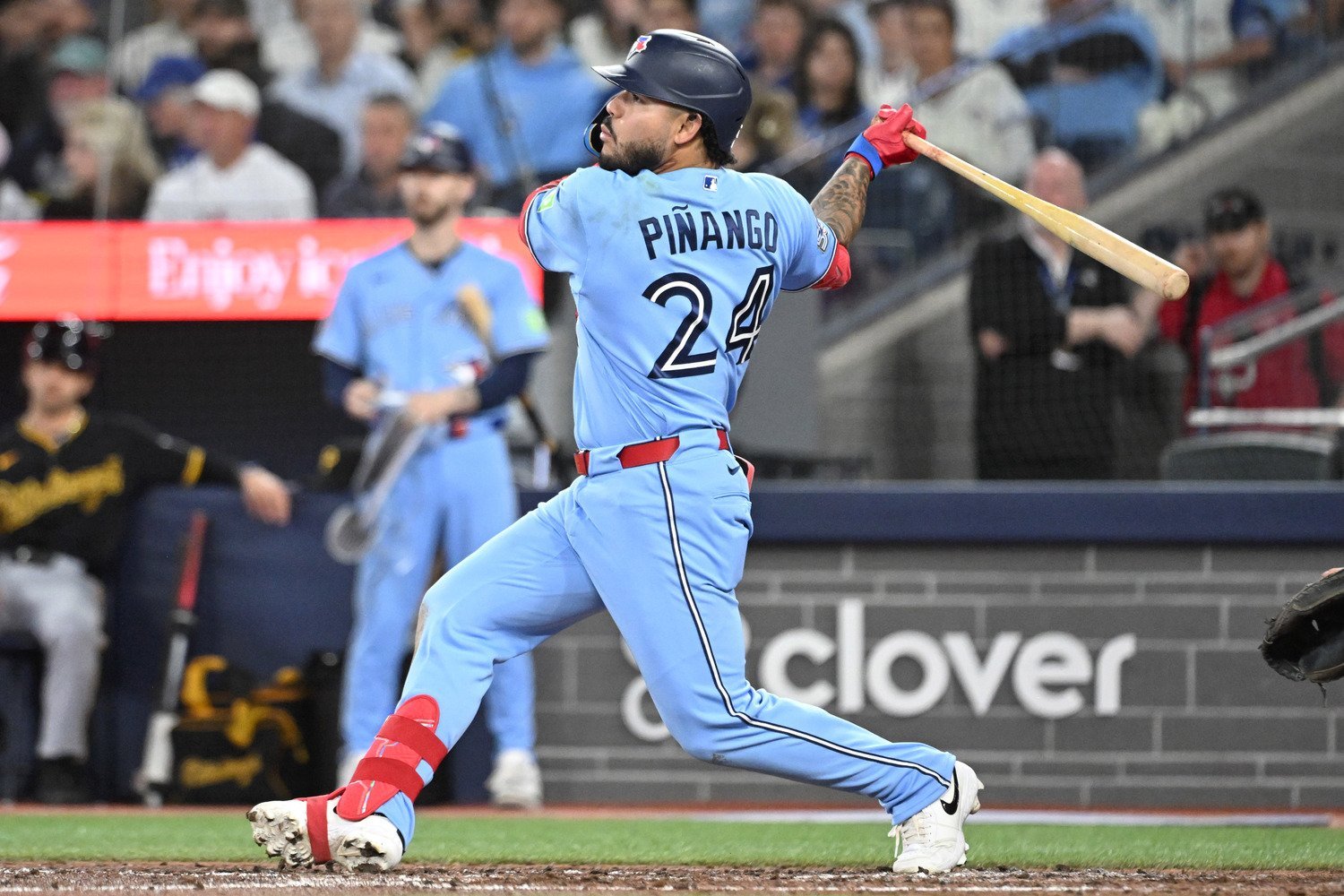 On July 27, 2024, the Blue Jays acquired Yohendrick Piñango and Josh Rivera from the Cubs in exchange for Nate Pearson. Last season, Piñango posted a 124 wRC+ with the Buffalo Bisons. However, Toronto left him off the 40-man roster before the Rule 5 draft. Fortunately for the Blue Jays, another team did not select him. Let us take a deeper dive into Piñango’s numbers. Since Piñango made his MLB debut on April 26, he has been one of the Blue Jays’ better hitters. As of May 25, his .342 OBP ranked second on the team, and his .333 wOBA and .403 SLG were the team's fourth-highest. In the field, many scouts considered his defence to be below average. Entering the May 25 game, Piñango had a 1 OAA and 0 FRV in limited innings (144). However, that evening, he misplayed two very makeable catches, which are not reflected in those OAA and FRV numbers. Also, he is not fleet of foot (44th percentile in sprint speed). For a more fulsome prospect report, please refer to the Jays Centre’s top prospect rankings. From a batted ball perspective, he is a straightaway hitter. Piñango’s pull rate is 32.7%, lower than the 37.4% MLB average. His straightaway contact rate is 43.6%, higher than the MLB average of 37.3%. Regarding opposite field rate, the MLB average is 25.1%, higher than Piñango’s 23.6% mark. He is also a contact hitter, as shown by his 83.7% contact rate (74.7% MLB average) and swings at pitches out of the zone at a 32.0% clip, slightly higher than MLB’s 30.1% average chase rate. Piñango’s strikeout, walk, and whiff rate marks are 17.1%, 5.3% and 19.9%, respectively. Those scores are lower than the corresponding MLB averages (22.1%, 9.3%, and 25.3%). Generating power is an area where Piñango lags the average MLB hitter: his .097 ISO and .099 xISO trail MLB’s average .148 ISO and .155 xISO. There are three reasons why Piñango has produced below-average power numbers. First, his pull rate lags the MLB average. On batted balls pulled, hit straightaway and to the opposite field, the MLB average ISO numbers are .312, .112 and .139, respectively. Piñango’s opportunity to generate ISO is limited due to his below-average amount of pulled contact. The second reason is launch angle. The MLB average launch angle is 13 degrees, whereas Piñango’s is 7 degrees. Consider that, on batted balls with a launch angle between 0 and 10 degrees, the average ISO and xISO are .065 and .071, respectively. Contrast those figures with launch angles between 11 and 15 degrees, on which the average ISO and xISO are .182 and .192, respectively. If Piñango could raise his average launch angle, we should observe higher ISO numbers. The third factor that negatively impacts Piñango’s power numbers is his attack angle/timing. According to the MLB website, attack angle is “in large part a timing metric, as the hitter’s attack angle is constantly changing throughout the course of the swing … When the hitter is behind the pitch with his swing (i.e., too late), he will tend to have a lower attack angle.” The MLB average attack angle is 9 degrees, but Piñango’s is -1 degree. Regarding ideal attack angle rate, his 21.9% is well below the MLB average of 48.8%. For context, the average ISO on batted balls with an attack angle between 5 and 20 degrees is .203. Concerning Piñango’s average attack angle, the MLB average ISO on batted balls with an attack angle between -1 and 4 degrees is .081. Notably, an issue for Piñango is not bat speed, as his average is 73.7 mph, faster than the MLB average of 69.8 mph. Therefore, as he gains MLB experience, if Piñango can generate a higher pull rate, launch angle and attack angle, he should post better power numbers. Now, to the question of whether Piñango should be Buffalo-bound when Barger returns, let us peek at a long-overdue table! SLG wOBA ISO OBP # Rank # Rank # Rank # Rank Lukes 0.357 10 0.309 8 0.071 13 0.328 5 Piñango 0.403 4 0.333 4 0.097 9 0.342 2 Sánchez 0.435 2 0.327 6 0.156 4 0.315 7 Straw 0.349 11 0.300 9 0.108 8 0.312 8 Varsho 0.420 3 0.336 3 0.155 5 0.338 3 Schneider 0.211 13 0.254 12 0.085 11 0.295 9 Sosa 0.286 12 0.214 13 0.091 10 0.203 13 MLB Average 0.387 0.316 0.148 0.318 Higher than MLB Average: Source: Baseball Savant. Data is as of May 25. The metrics I selected for the table are those with the highest correlation with scoring runs. In a prior article, I calculated regression results for the last 11 162-game regular seasons (2013-2019 and 2021-2024) with various metrics and runs. Why the focus on runs? Toronto ranks 22nd in runs per game as of May 25. Concerning the decision to make room for Barger, one of the factors the Blue Jays should consider is a player’s performance in metrics that lead to run scoring. As shown in the table, Piñango’s SLG, wOBA and OBP are better than the MLB average. Furthermore, his SLG, wOBA and OBP rankings among the 2026 Blue Jays with at least 50 plate appearances are fourth, fourth and second, respectively. His xSLG, xwOBA, and xOBP numbers are marginally below the corresponding MLB averages. Accordingly, except for ISO, Piñango’s metrics that are strongly correlated with run-scoring scream, “No Buffalo for the rookie!” However, there are other issues to consider. The table demonstrates that Piñango has generated better numbers than Lenyn Sosa. However, if Toronto removed Sosa from the 26-man roster instead of Piñango, Sosa would have to clear waivers because he has no MiLB options remaining. Given that Sosa has been awful (32 wRC+), losing him to waivers would not be catastrophic, to say the least. Nevertheless, the primary concern is that Sosa is Toronto’s only backup middle infielder. If the Blue Jays add Barger, keep Piñango and cut ties with Sosa, Toronto will have six outfielders (Piñango, Barger, Nathan Lukes, Daulton Varsho, Jesús Sánchez, and Myles Straw). Who would play second base or shortstop if Andrés Giménez or Ernie Clement were not available? Therefore, Toronto needs a backup middle infielder, but it does not need to be Sosa. Perhaps Davis Schneider can rebound after his stint in Buffalo, or a Buffalo Bison (Josh Kasevich) can replace Sosa. Of course, there is always the possibility that Toronto could add a middle infielder from the trade market. Lastly, a topic for another day is the batter-handedness of Toronto’s outfielders. Of the six, including Piñango, only one (Straw) is a right-handed batter. As of May 25, Toronto’s outfielders have a 65 wRC+ versus left-handed pitchers, which ranks 24th. Against right-handed pitchers, the Blue Jays’ outfielders have posted a 109 wRC+, good for ninth-best. At some point this season, Toronto’s management should add a lefty-masher to the outfield mix. What does this mean for Piñango when Barger returns? Unfortunately, he appears to be the one who would be Buffalo-bound. Suppose Toronto wants to carry 13 pitchers on the 26-man roster. Accordingly, there will be eight slots occupied by non-outfielders: four infielders, two catchers, one designated hitter, and one middle infielder. Hence, Toronto will deploy five outfielders. Barger, Sánchez, and Varsho should remain because they offer the power that the team needs. Lukes and Straw offer flexibility because they can play more than one outfield position well. The three primary strikes against Piñango remaining on the 26-man roster are his below-average power (ISO), his left-handed bat for a team with a surplus of left-handed-hitting outfielders, and his recent defensive woes. Hence, the game of roster musical chairs leaves Piñango standing (in Buffalo). The Last Word Piñango has had a particularly good season thus far. Since joining the big league club in April, he has produced a 112 wRC+ and a 0.4 fWAR. However, with Barger's imminent return, Toronto will have one too many outfielders, and Piñango will likely be Buffalo-bound. View the full article
 -
 Chicago Cubs Minor League Report - May 27 Affiliate Overview Triple-A Iowa Cubs Series at Indianapolis Indians (Pittsburgh Pirates): Cubs lead, 1-0 Season Record: 22–29 Double-A Knoxville Smokies Series at Chattanooga Lookouts (Cincinnati Reds): Lookouts lead, 1-0 Season Record: 22–23 High-A South Bend Cubs Series vs. Fort Wayne TinCaps (San Diego Padres): Cubs lead, 1-0 Season Record: 26–16 Single-A Myrtle Beach Pelicans Series vs. Wilson Warbirds (Milwaukee Brewers): Warbirds lead, 1-0 Season Record: 18–26 Affiliate Highlights Triple-A: Iowa Cubs Season Record: 22–29 Series Opponent: Indianapolis Indians (21–31) Series Standing: Lead, 1-0 May 25: The Iowa Cubs opened their series at the Indianapolis Indians with a 9-7 comeback victory on Monday at Victory Field. The Indians took a 1-0 lead after one but the Cubs scored twice in the second to take their first lead of the ballgame. Scott Kingery’s (1-for-3) sacrifice fly started the scoring and Brett Bateman (3-for-5) put Iowa in front with an RBI-single. Indianapolis would score five times in the bottom of the second to take a 6-2 advantage. The I-Cubs got two of those runs back in the fourth on another RBI-single from Bateman and a run-scoring bunt single from Justin Dean (1-for-4). Ben Cowles (1-for-5) brought home a run in the fifth to cut the lead to one but the Indians answered back with a run of their own in the home half of the frame to make it 7-5. Iowa went in front for good with three runs in the sixth, with Owen Miller (4-for-5) tallying an RBI-single and Cowles delivering the go-ahead swing with a two-run single. Miller’s solo blast in the eighth, his third of the year, gave the Cubs some insurance as they were able to hold on for the series-opening win. Tyler Beede picked up the win out of the bullpen and improved to 1-2 on the season. Beede allowed one run on two hits over three innings of work, striking out two and walking one. Luke Little earned his first save of the season by tossing two perfect frames, whiffing two. Eight of the nine Iowa starters tallied at least one hit in the ballgame with four recording at least three-hit efforts. Double-A: Knoxville Smokies Season Record: 22–23 Series Opponent: Chattanooga Lookouts (26–20) Series Standing: Trail, 1-0 May 26: The Knoxville Smokies dropped their series opener to the Chattanooga Lookouts, 12-3, on Tuesday at Erlanger Park. The Lookouts took a 3-0 lead in the first and later made it a 9-0 game with a six-spot in the fourth. The Smokies finally got on the board with two in the seventh through a solo shot from Jefferson Rojas (2-for-2), his fifth of the season, and an RBI-single from Alex Madera (1-for-2). Chattanooga plated three more in the bottom of the inning to make it 12-2. Andy Garriola (2-for-4) notched a consolation tally in the ninth with a solo blast, his ninth of the season. Frankie Scalzo Jr. turned in three scoreless innings out of the bullpen, allowing just two hits, striking out three while issuing just one walk. High-A: South Bend Cubs Season Record: 26–16 Series Opponent: Fort Wayne TinCaps (22–24) Series Standing: Lead, 1-0 May 26: The South Bend Cubs pushed their winning streak to six games with a 5-2 series-opening win over the Fort Wayne TinCaps on Tuesday night at Four Winds Field. Josiah Hartshorn (1-for-2), making his High-A debut, gave the Cubs the lead with a sacrifice fly in the first. Kade Snell (1-for-2) doubled the lead two batters later with an RBI-double, his sixth two-bagger of the year. The TinCaps halved the lead in the second but South Bend got that right run back in the home half of the inning to go up 3-1. Hartshorn picked up his first High-A hit in the fifth, doubling home Ty Southisene (1-for-3). The Cubs added another run in the eighth before Fort Wayne pushed one across in the ninth but they were able to hold on for the 5-2 win. Alfredo Romero improved to 2-1 on the season by firing 5 2/3 innings of one-run ball, allowing four hits and whiffing four, to go along with two walks. Jackson Brockett earned his first save of the season by working the final 3 1/3 frames, allowing one run on three hits to go along with five strikeouts. Single-A: Myrtle Beach Pelicans Season Record: 18–26 Series Opponent: Wilson Warbirds (24–22) Series Standing: Trail, 1-0 May 26: The Myrtle Beach Pelicans dropped their ninth-straight contest, falling to the Wilson Warbirds, 4-1, on Tuesday night at Pelicans Ballpark. The Warbirds took a 1-0 lead in the second and added runs in the fourth and the fifth to make it 3-0. The two teams traded runs in the eighth, with Eli Lovich (4-for-4) providing the Pelicans’ lone run of the ballgame on a solo shot, his fifth of the season. Pierce Coppola got the start for Myrtle Beach and took the loss, falling to 0-3 on the season. Coppola allowed two runs on three hits over four innings of work, striking out eight and walking two. View the full article
 -
Blue Jays Sign Reliever Matt Bowman to Minor League Contract
DiamondCentric posted an article in Jays Centre
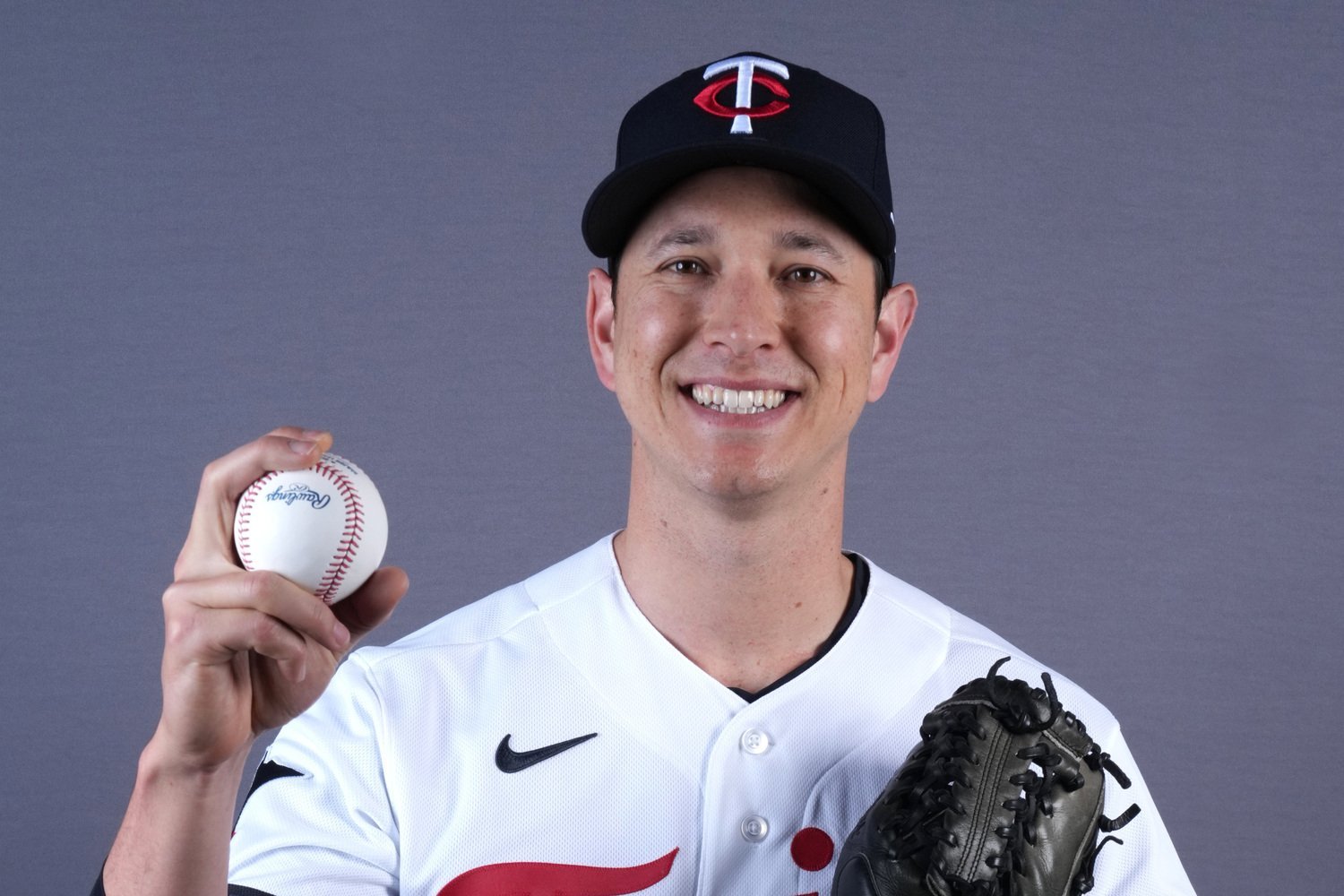 On Monday, the Blue Jays selected the contract of right-hander Tanner Andrews from Triple-A Buffalo. The next day, they signed a new arm to replenish their right-handed minor league relief depth. Matt Bowman, 35 on Sunday, has appeared in 231 games over seven major league seasons. From 2016-19, he pitched to a 4.02 ERA and 3.20 xERA in 183 games for the Cardinals and Reds. He underwent Tommy John surgery in 2020 and did not return to the majors until September 2023. Since then, he has tossed 59.1 innings with a 5.46 ERA and 5.05 xERA for the Yankees, Twins, Diamondbacks, Mariners, and Orioles. While Bowman hasn't had much success since his surgery, he's been an interesting pitcher to watch. If you're curious to learn more about Bowman, Michael Rosen of FanGraphs wrote a great piece about the unusual right-hander last season. This past winter, Bowman signed a minor league deal with the Twins. Although he pitched to a 1.69 ERA with 25 strikeouts in 21.1 innings at Triple-A St. Paul, he never got a call-up to the majors. Last week, he exercised an opt-out clause in his contract, prompting Minnesota to grant him his release. Matt Bowman will now report to the Buffalo Bisons, and it wouldn't be surprising to see him pitching for the Blue Jays at some point this year. View the full article
 -
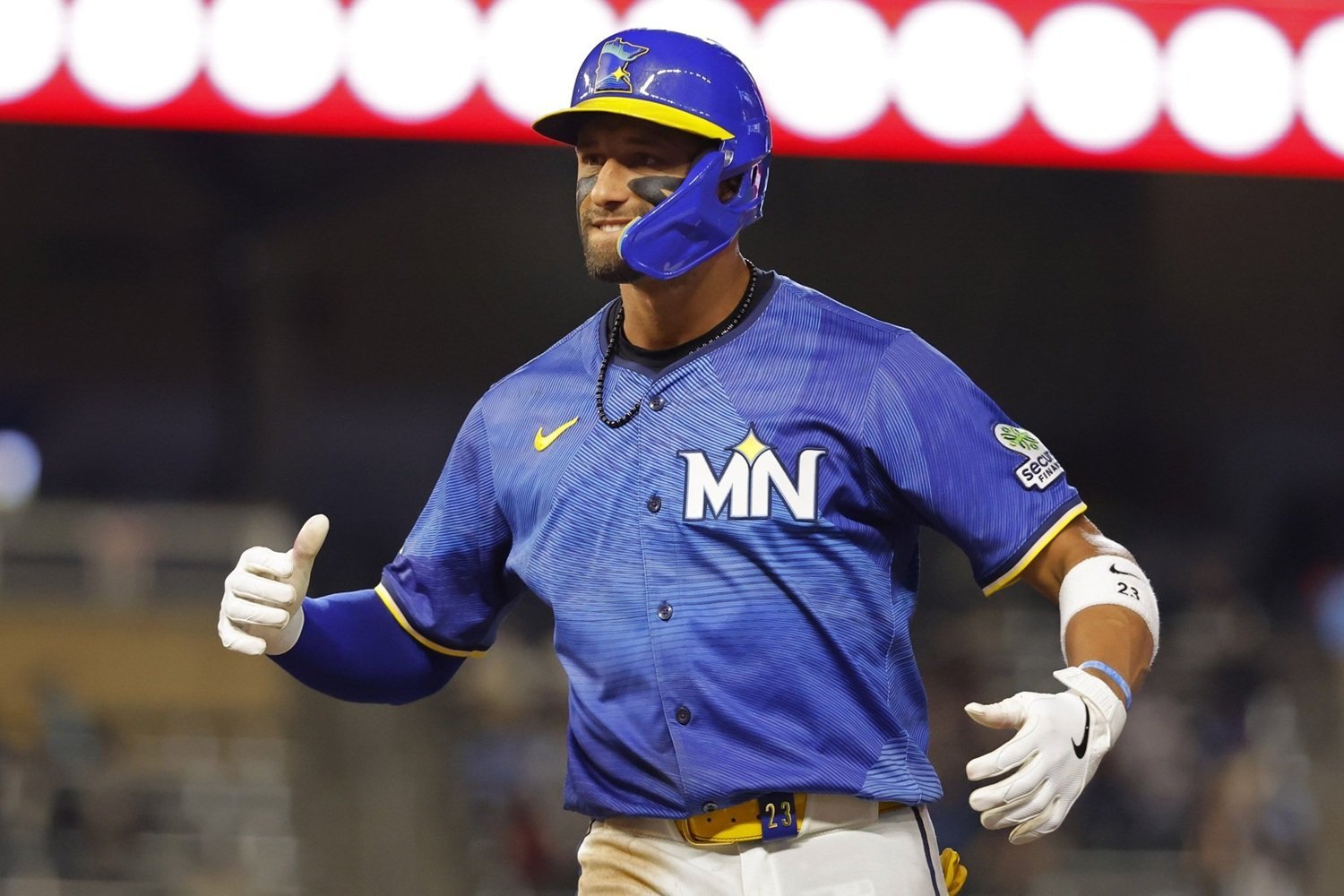 When the Minnesota Twins selected Royce Lewis with the first overall pick in the 2017 MLB Draft, the organization believed it was taking the highest-upside position player available. Nearly a decade later, the results have been frustrating, complicated, and increasingly difficult to defend. Last week, the Twins officially optioned Lewis to Triple-A after a brutal opening stretch to the 2026 season. In 31 games, Lewis slashed just .163/.261/.279 while producing only six extra-base hits. For a player once viewed as a franchise cornerstone, the performance became impossible for the organization to ignore. The frustrating part is that Lewis has shown flashes of being exactly what the Twins hoped he could become. Injuries interrupted multiple seasons, but when healthy, he looked like an explosive middle-of-the-order bat capable of carrying an offense. Those stretches are why he has still managed to accumulate 3.7 rWAR for his career, ranking 10th among first-round selections from the 2017 draft class. Unfortunately, most of that value came earlier in his career. Right now, Lewis looks lost offensively, overaggressive at the plate, and short on confidence. The Twins are hoping a reset in St. Paul can help him rediscover the version of himself that once looked destined for superstardom. Still, the bigger picture surrounding the 2017 draft is important context. In hindsight, the Twins may have been trapped in a no-win situation, no matter which direction they chose. Let’s revisit the names that followed Lewis near the top of the draft board. RHP Hunter Greene The Cincinnati Reds selected Greene second overall and handed him the largest signing bonus in the draft at $7.23 million. When healthy, Greene has absolutely looked like the best player from the class. He has accumulated 13.3 rWAR, the highest total among all first-round picks from 2017, thanks to overpowering stuff and ace-level flashes. If the Twins could redo the draft today, Greene is probably the choice. But that comes with a giant asterisk. Injuries have constantly interrupted his career. Greene underwent an elbow procedure this March and is expected to miss 14-16 weeks. Last season, he also missed more than two months because of a groin strain. The talent is undeniable, but durability concerns have followed him since the moment he entered professional baseball. LHP MacKenzie Gore The San Diego Padres went with Gore third overall, betting heavily on a high-school left-handed pitcher. That’s always a terrifying profile at the top of the draft, especially for a small-market organization that can’t afford a complete miss. Gore eventually found success after being traded to Washington, earning his first All-Star appearance last season while posting a career-best 3.0 rWAR campaign. This year has been a different story. Through 10 starts with Texas, Gore owns a 76 ERA+ and -0.1 rWAR. His career has featured massive swings in performance, and it’s easy to understand why the Twins avoided prep pitching at the top of the board altogether. Minnesota likely viewed both Greene and Gore as too risky for the first overall selection. 1B/RHP Brendan McKay Few players in the draft generated more intrigue than McKay, the Louisville two-way standout selected fourth overall by Tampa Bay. McKay was dominant on both sides of the ball in college, posting a .966 OPS while also recording a 2.23 ERA across three collegiate seasons. Tampa Bay gave him a $7 million signing bonus, another total that exceeded Lewis’s deal. It never came together professionally. Injuries completely derailed McKay’s development. He appeared in only 13 major-league games as a pitcher, and his last professional appearance came in Double-A during the 2024 season. Considering the expectations attached to him entering the draft, McKay would have been an even more painful outcome for Minnesota than Lewis has become. RHP Kyle Wright The Atlanta Braves selected Wright fifth overall after a dominant college career at Vanderbilt. He was viewed as one of the safer collegiate arms in the class and eventually delivered at least one excellent season. In 2022, Wright won 21 games for Atlanta while posting a 128 ERA+ over 180 innings. For a moment, it looked like the Braves had landed a frontline starter. Since then, his career has stalled out. Wright has bounced between multiple organizations in recent years, including the Royals and Cubs organizations. He hasn’t appeared in a major-league game this season, and last year he split time between Double-A and Triple-A. That’s the reality of this draft class. Even some of the “successful” picks came with major caveats. The painful truth for the Twins is that the top of the 2017 MLB Draft was loaded with warning signs. Nearly every option carried significant risk, whether it was injuries, inconsistency, stalled development, or outright collapse. Minnesota chose the player it believed offered the best combination of upside and long-term value. At times, Lewis absolutely justified that belief. There were stretches where he looked like a future superstar capable of changing the direction of the franchise. Right now, though, something clearly isn’t working. The Twins are hoping this stint in Triple-A becomes a reset instead of a farewell. Because while the 2017 draft may have been full of landmines, Minnesota still needs Royce Lewis to prove he isn’t one that permanently blew up their future plans. If the Twins could repick, who would they take with the first overall selection? Leave a comment and start the discussion. View the full article
 -
 Brooklyn led the night with a clean 6-0 combined shutout over Wilmington, Daviel Hurtado tossing four scoreless innings to start the effort. St. Lucie pounded out three home runs in an 8-2 win at Bradenton, with Julio Zayas, AJ Salgado, and Simon Juan all going deep, while Miguel Mejias struck out six over two perfect relief innings. Binghamton fell 7-3 in 10 innings to Portland despite Jonathan Santucci's seven-strikeout outing. The Syracuse Mets were idle. Mets Transactions Transferred CF Luis Robert Jr. from the 10-day injured list to the 60-day injured list. Lumbar spine disc herniation. Placed CF Tyrone Taylor on the 10-day injured list. Right hip flexor strain. Activated LHP A.J. Minter from the 60-day injured list. Activated 1B Jared Young from the 10-day injured list. Optioned LF Nick Morabito to Syracuse Mets. Optioned RHP Jonathan Pintaro to Syracuse Mets. Selected the contract of 1B Eric Wagaman from Syracuse Mets. Late Runs Sink Rumble Ponies In Extras The Rumble Ponies fell 7-3 to the Sea Dogs in 10 innings on Tuesday night at Mirabito Stadium, undone by a four-run top of the 10th. Binghamton struck out 13 times at the plate, stranded eight runners, and saw a late lead slip away. Jonathan Santucci handled the bulk of the starting work, going 4 2/3 innings on 84 pitches. He gave up four hits and two earned runs, walked two, and struck out seven, the most by any pitcher in the game on either side. Max Green followed with 2 1/3 innings of one-hit relief, fanning three without issuing a walk. Binghamton turned things around in the bottom of the third. With one out, JT Schwartz launched his third home run of the season to tie the game at one. Two batters later, Marco Vargas drew a walk and came around to score on a Chris Suero double to left, giving Binghamton a 2-1 lead. The lead lasted only into the fifth, when Portland evened it before a Jacob Reimer sacrifice fly in the bottom of the inning put the Rumble Ponies back ahead 3-2. Portland pushed across the tying run in the eighth, then broke through against Jefry Yan in extras. With the zombie runner aboard, the Sea Dogs strung together a triple, a double, a single, and another double to plate four. Yan was charged with the loss after surrendering four runs, three earned, in his one inning of work. Schwartz finished 1-for-3 with a home run, a walk, and two runs scored. Wyatt Young added two hits and two stolen bases. Player AB R H RBI BB K Marco Vargas, SS 3 1 0 0 2 1 Chris Suero, C 4 0 1 1 1 2 Jacob Reimer, 3B 4 0 0 1 0 2 Eli Serrano III, LF 5 0 1 0 0 1 Jose Ramos, RF 3 0 0 0 1 2 D'Andre Smith, CF 4 0 1 0 0 1 Nick Lorusso, DH 4 0 0 0 0 3 JT Schwartz, 1B 3 2 1 1 1 0 Wyatt Young, 2B 3 0 2 0 1 1 Player IP H R ER BB K HR Jonathan Santucci 4 2/3 4 2 2 2 7 0 Max Green 2 1/3 1 0 0 0 3 0 Guillo Zuñiga (BS, 1) 1 0 1 1 1 1 0 Saul Garcia 1 0 0 0 0 1 0 Jefry Yan (L, 0-1) 1 4 4 3 0 3 0 Cyclones Combine For Shutout Over Wilmington Brooklyn blanked the Blue Rocks 6-0 at Maimonides Park behind a five-pitcher combined shutout, scattering four hits over nine innings while striking out 10 and walking just one. Daviel Hurtado set the tone, working four scoreless innings with three strikeouts and no walks while allowing only two hits. Joe Jacques picked up the win with a strikeout in a clean fifth, Ryan Dollar followed with a hitless sixth, and Garrett Stratton fired two shutout frames in the seventh and eighth, striking out three. Cristofer Gomez closed it out with a one-hit, two-strikeout ninth. The Cyclones broke through in the second. Colin Houck and Trace Willhoite drew back-to-back walks before Sam Biller punched a single up the middle, scoring Houck for a 1-0 lead. Brooklyn doubled the margin in the third when Mitch Voit worked a walk and John Bay followed by lining his sixth home run of the season to left field, pushing the lead to 3-0. Biller stayed busy in the fourth, lacing a double to right that scored Trace Willhoite from first and making it 4-0. Yonatan Henriquez added a run-scoring single in the seventh, and Voit capped the scoring in the eighth with a base hit to left that brought home Nick Roselli. Biller finished 2-for-3 with a double, two RBIs, and a walk, while Voit reached safely three times with two walks, a single, and a run scored. Bay's homer and two-RBI night anchored the middle of the order. Ronald Hernandez chipped in with a triple in the third. Player AB R H RBI BB K Mitch Voit, SS 3 1 1 1 2 1 John Bay, RF 4 1 1 2 0 1 Corey Collins, DH 2 1 0 0 2 1 Ronald Hernandez, C 3 0 1 0 1 1 Yonatan Henriquez, CF 4 0 1 1 0 1 Colin Houck, 2B 3 1 0 0 1 1 Trace Willhoite, 1B 3 1 1 0 1 2 Nick Roselli, 3B 4 1 1 0 0 2 Sam Biller, LF 3 0 2 2 1 0 Player IP H R ER BB K HR Daviel Hurtado 4 2 0 0 0 3 0 Joe Jacques (W, 1-0) 1 0 0 0 0 1 0 Ryan Dollar 1 0 0 0 1 1 0 Garrett Stratton 2 1 0 0 0 3 0 Cristofer Gomez 1 1 0 0 0 2 0 Three Homers Lift St. Lucie To Win Over Bradenton The St. Lucie Mets bashed three home runs and rolled to an 8-2 win over the Marauders at LECOM Park, racking up 10 hits and 10 walks while their pitching staff held Bradenton to two unearned runs over nine innings. Jonathan Jimenez opened on the mound and gave the Mets 2 1/3 innings, allowing two hits and one unearned run while walking and striking out none. Christian Rodriguez followed and picked up the win with 2 2/3 innings, surrendering two hits and one unearned run while fanning two. Miguel Mejias was the standout out of the bullpen, striking out six over two perfect innings. St. Lucie struck quickly in the second. Julio Zayas led off the inning with his third home run of the year, and Chase Meggers later doubled to center to bring home AJ Salgado for a 2-0 lead. The Mets tacked on in the third when Antonio Jimenez walked, moved to third on a Randy Guzman double, and scored on a Zayas groundout. The fifth was the back-breaker. With Zayas aboard on a walk, Salgado launched his eighth home run of the year to make it 5-1. Simon Juan followed in the sixth with a two-run shot to left that brought Antonio Jimenez home, and Elian Peña tacked on an RBI single in the eighth to close out the scoring. Peña reached base three times with a hit and two walks. Antonio Jimenez was on base in all five trips with a single, three walks, a hit-by-pitch, two stolen bases, and two runs scored. Player AB R H RBI BB K Elian Peña, SS 3 0 1 1 2 2 Antonio Jimenez, 3B 1 2 1 0 3 0 Randy Guzman, 1B 3 0 1 0 0 0 Simon Juan, RF 2 1 1 2 0 0 Yohairo Cuevas, CF 4 0 1 0 1 3 Julio Zayas, DH 4 2 1 2 1 1 AJ Salgado, 1B 4 2 1 2 1 0 Branny De Oleo, LF 1 0 0 0 0 0 Sam Robertson, LF 3 0 1 0 1 1 Chase Meggers, C 5 0 1 1 0 2 Jeremy Rodriguez, 2B 4 1 1 0 1 1 Player IP H R ER BB K HR Jonathan Jimenez 2 1/3 2 1 0 0 0 0 Christian Rodriguez (W, 2-0) 2 2/3 2 1 0 0 2 0 Luis Alvarez 1 0 0 0 3 1 0 Miguel Mejias 2 0 0 0 0 6 0 Joe Charles 1 0 0 0 0 1 0 Top-20 Prospect Performance Carson Benge: DNP A.J. Ewing: DNP Jonah Tong: DNP Elian Pena: 1-for-3, RBI, 2 BB, 2 K Jack Wenninger: DNP Ryan Clifford: DNP Jacob Reimer: 0-for-4, RBI, 2 K Nick Morabito: DNP Mitch Voit: 1-for-3, R, RBI, 2 BB, K Jonathan Santucci: 4 2/3 IP, 4 H, 2 ER, 2 BB, 7 K Chris Suero: 1-for-4, 2B, RBI, BB, 2 K Zach Thornton: DNP Wandy Asigen: DNP Will Watson: DNP Eli Serrano III: 1-for-5, K Randy Guzman: 1-for-3, 2B Ryan Lambert: DNP Dylan Ross: DNP Antonio Jimenez: 1-for-1, 2 R, 3 BB, 2 SB R.J. Gordon: DNP View the full article
 -
Jackson Merrill Hasn't Found Love in the Heart of the Zone
DiamondCentric posted an article in Padres Mission
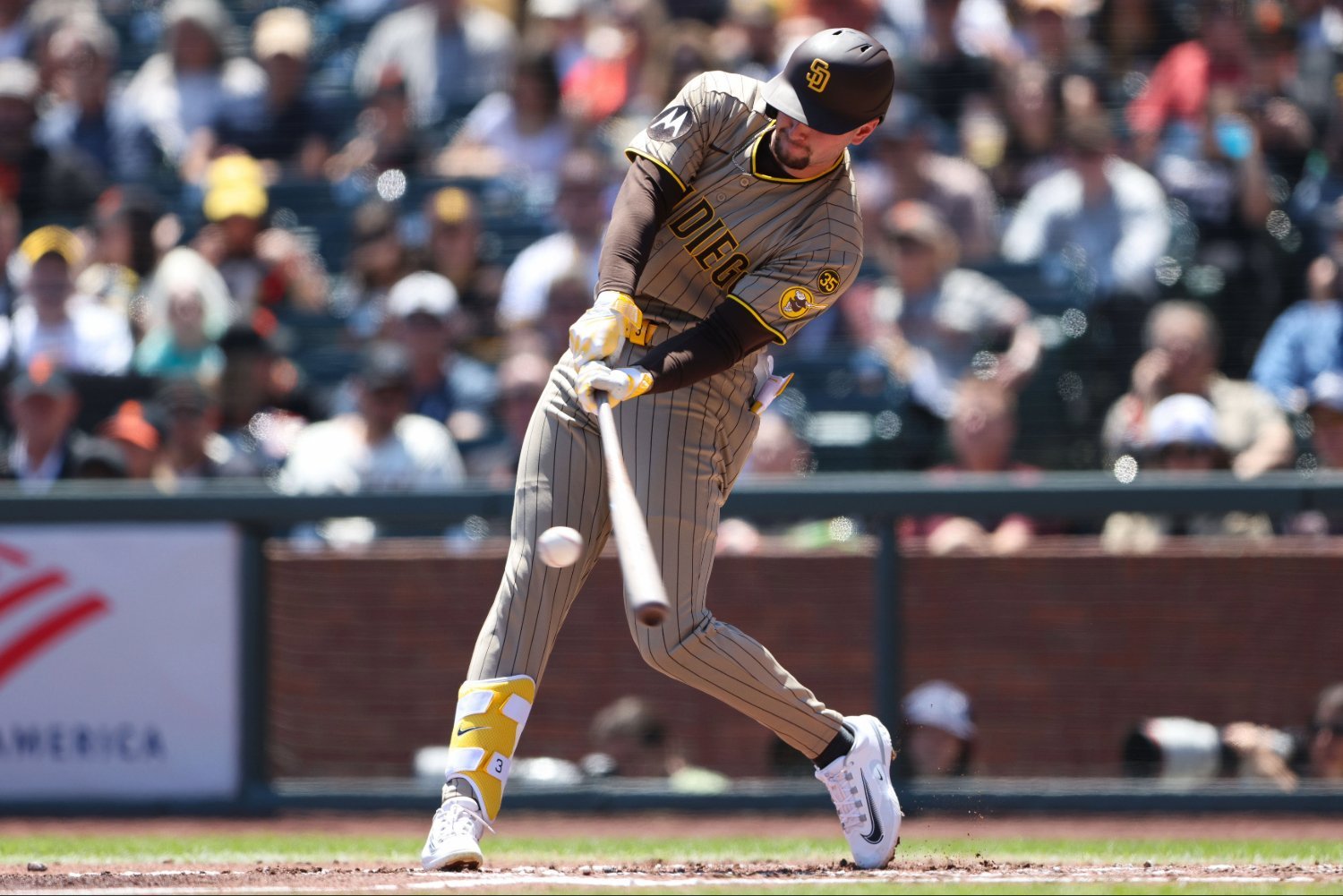 The San Diego Padres improbably find themselves at 31-22 and keeping pace with the reigning champions in the National League West. It’s not that the Padres being one of the best teams in the league is wholly surprising; it is how they’ve gotten there that is. At the beginning of the season, if someone had told you that the Padres were challenging the Dodgers for the division title, your first thought would have likely been that Fernando Tatis Jr., Manny Machado, and Jackson Merrill had played at an MVP level, but you’d be wrong. The Padres have gotten here despite their star trio. Machado has a wRC+ of 76, Tatis clocks in at 77, and Merrill sits at a lowly 74. Thankfully, their defensive abilities have prevented them from being complete negatives, but that trio's underperformance is the primary reason the Padres own the league’s 27th-ranked offense by wRC+ at 90. While Tatis’ continued home run drought, despite excellent hard hit rates, is well chronicled, as is Machado’s perplexing brand of flaccid patience, Merrill’s struggles have flown a bit under the radar. Jackson Merrill, Future Star Bursting onto the scene as a 21-year-old rookie, Merrill looked like a future star and potential perennial MVP candidate. His 130 wRC+ as a rookie, while performing admirably in center field, a position he had never played as a prospect, led to an incredible 5.3 fWAR season, and saw him finish second in Rookie of the Year voting to Paul Skenes. It was enough to get the Padres to offer him a nine-year, $135 million extension that no one batted an eye at. Early in his career, the game plan for Merrill was simple. In possession of an incredibly variable swing, he could square the ball up anywhere in the zone for doubles damage. His blend of contact volume with above-average pop formed the foundation of an incredibly enticing profile. If either his plate discipline or power trended up, two traits that usually improve as a hitter matures, he would instantly become one of the game’s elite hitters, but after a slight backslide in his second season, he has completely fallen off in year three. So, what’s exactly befuddling such a talented hitter that he could go from being an All-Star as a rookie to one of the league’s worst non-catcher hitters? Well, he isn’t getting results in the heart of the zone. Finding Love in the Heart of the Zone The dirty secret of hitting is that the pitcher is in almost complete control. The vast majority of extra-base damage is done on pitches the pitcher would like back, and no one tries to throw balls. Even a mediocre fastball, if well executed, is going to give the best hitter fits, which is why the best hitters excel at taking advantage of mistakes, either through slugging pitches down the middle or spitting on pitches off the plate. Merrill isn’t blessed with an elite batting eye, but early in his career, it didn’t matter. He offered at pitches outside of the zone infrequently enough that it didn’t detract from his ability to square up balls in the zone. The trade-off as a hitter he was making made sense. Yes, he’d swing at some bad pitches, but he’d rarely fail to offer at ones he could drive. The result was a lower walk and strikeout rate, but a higher batting average and slugging percentage. Unfortunately, the entire operation has gone backwards this season. Through 50 games and more than 200 plate appearances, Merrill’s contact ability has continued to erode, and he’s offering at pitches outside of the zone more than ever. However, that isn’t what’s really troubling him. Plenty of hitters can succeed with this approach as long as they punish the mistakes in the heart of the zone. The problem is that Merrill hasn’t done enough with those crushable mistakes. Compared to 2025, Merrill has seen a concerning drop in his production in the dead center of the strike zone. *Stats as of the week of May 25 It’s still early, but Merrill is whiffing more and hitting for a worse average and slugging percentage on pitches down the middle. If he were still using the same approach as his rookie season, his overall production would probably still be fine, but because his approach has shifted to take advantage of those exact pitches at the cost of plate coverage, it’s a serious problem. Now, it would be fine if Merrill’s plate discipline and in-zone contact figures declined if it came with a corresponding bump in production right down the middle, but right now, everything is coming up snake eyes. However, there is some good news. Process Over Results in the Heart of the Zone Whether or not you think Merrill changing his approach from being a plate coverage monster to a home run-seeking slugger is a positive development, it appears to be the choice he has made. The good news is that while his surface numbers in the heart of the plate have declined, the underlying batted ball data suggest he has been incredibly unlucky. By and large, Merrill’s new approach has been working from a process standpoint. He has sacrificed his ability to cover the entire plate to improve his contact in the heart of the zone. However, one of the problems when you make this decision is that you’re at greater mercy of batted ball luck and the unknowable location of each pitch. A two-percent drop in pitches down the middle doesn’t seem like much, but for a hitter it’s massive. Merrill has swung at 92% of pitches down the middle this season and made contact at an 84% clip. This season, he has faced 797 pitches. At an 8% dead center rate, that’d equal 63.76 total pitches, but at 6%, it drops to 47.82. That’s 15.94, let’s say 16, fewer pitches where Merrill would swing 92% of the time, equaling 14.72 more swings and 12.36 more times where he makes contact. Considering his expected slugging is 0.943, that’s an incredible loss in potential production. In all likelihood, Merrill will see his metrics regress towards his expected stats in the heart of the zone, and it’ll pull his offensive production out of the red. While we can expect better days for Merrill ahead, it’s another matter if this evolution was the right one to take. He’s walking and striking out more because pitchers are throwing him fewer strikes, even though he’s chasing more than ever. On pitches not down the middle, his underlying production has mostly declined. While you can get the most bang for your buck on dead-red fastballs, Merrill’s superpower was his ability to get plenty of bang on pitches throughout the zone. This new approach will probably lead to Merrill being far streakier, as we’ve seen in the bad way, to start the season. Now, it’s not like Merrill has to abandon his new approach for it to be worthwhile, but he does need to refine it. If he can rein in the chase and continue to aggressively hunt middle-middle pitches, he’ll be fine. But if the chase is the cost of doing business, he might be better off covering the whole plate. The good news for the Padres is that they’re well above .500 and better days are likely ahead for their youngest star. His new approach might not be optimal long-term, but he has executed it far better than his current production would suggest. As the summer starts to heat up and he gets an unusually high number of middle-middle pitches, don’t be surprised if he goes on a surge, but also don’t be surprised when he comes crashing back to Earth. Merrill is still a good hitter, but he is fundamentally a different one than the star we knew. View the full article
 -
Emmanuel Rodriguez Undergoes Thumb Surgery To Repair UCL Tear
DiamondCentric posted an article in Twins Daily
 Emmanuel Rodriguez is once again out for a significant amount of time due to injury. The Twins' top prospect had a UCL tear in his left thumb after a headfirst slide into first base on May 1, and only after the inflammation went down was the UCL tear revealed. With an estimated timeline of recovery around three months, will he make his MLB debut before the 2026 season is over? View the full article
 -
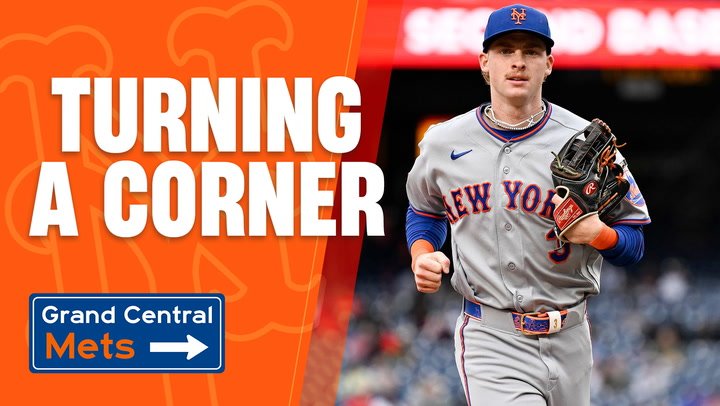 Carson Benge is quickly turning into one of the brighter young stars in the 2026 MLB rookie class. The New York Mets' right fielder is hitting just over .250 and is hitting the ball relatively hard. In this video, we will dive into his average exit velocity and overall approach to start off the season. View the full article
 -
Is It Time for the Royals to Move On From Alec Zumwalt?
DiamondCentric posted an article in Royals Keep
 After a shaky season at the plate in 2025, the Royals have not made substantial progress offensively in 2026. Right now, the Royals sit at a wRC+ of 93, which is tied with the San Francisco Giants for 23rd in MLB. Alec Zumwalt has been the Royals’ Major League hitting coach and Senior Director of Hitting Performance since May 2022. Since 2021, the Royals’ team wRC+ has not been above league average, and excluding the playoff season in 2024, that mark has not risen above 93. The Royals also currently rank 26th in runs scored, and their runs per game average is down 3% from 2025, with the team averaging only 3.91 runs per game. Entering 2026, the Royals had aspirations of making the playoffs and pushing for the division title. After 53 games, roughly a third of the way through the season, the Royals sit nine games below .500 and nine games back in the AL Central. While the Royals’ situation is not great, there is still hope, as they are only four games back in the Wild Card race. Now could be the time to make a change to turn the season around. While many players have struggled to reach their expectations this season, there are a few metrics that could highlight the Royals' struggles could be rooted in hitting philosophy rather than poor individual performance. When looking at hitting performance in high-leverage situations, the Royals currently rank last with a wRC+ of 60. With runners in scoring position, the Royals also rank last with a wRC+ of 80. Since teams do not necessarily need power to drive in runs with runners in scoring position, it is also worth looking at runs per plate appearance in those situations, where the Royals rank 22nd. This offseason, the Royals also specifically targeted players with good plate discipline. Acquisitions Isaac Collins and Lane Thomas, in particular, graded well above-average in chase and walk rates. Those additions have helped the Royals improve their overall walk rate to 9.2% in 2026 from 7.2% in 2025, but that mark is still only the 17th-best in MLB this year. However, the Royals rank 12th in strikeout rate at 21.5%, which is notably up from last year’s mark of 18.2%. Another change that the Royals made this offseason was bringing in the fences by 10 feet in left and right fields. Have the Royals taken advantage of the shorter fences? The Royals this season rank 18th in home runs per plate appearance at home, which is up from ranking 27th last season. This is a notable improvement, which perhaps adds some perspective to the team’s lack of run creation. The Royals are still struggling to generate runs despite hitting more home runs at home. Right now, Bobby Witt Jr. is at his absolute peak and is having an MVP-level season. He currently leads MLB in both bWAR and fWAR. However, if you combine all Royals hitters, they equal Witt’s bWAR mark of 3.4. The Royals need to take better advantage of Witt during his prime, and a change in hitting philosophy could help spark that improvement. While it is difficult to place all of the blame on Zumwalt, it is definitely tough to see former Royals prospects like Ryan O’Hearn and Brent Rooker become all-star caliber players after struggling to make an imprint at the major league level in Kansas City. It is easy to come to the conclusion that the Royals are to blame for these players’ initial struggles in MLB. Ultimately, it is easier to fire a coach than replace multiple struggling players in the lineup, and a change in philosophy and perspective could be what this lineup needs to find its footing and turn the season around. With the Royals' offense remaining stagnant year-over-year, the Royals continue to risk wasting another precious year of Witt’s prime if they don't make a change soon. View the full article
 -
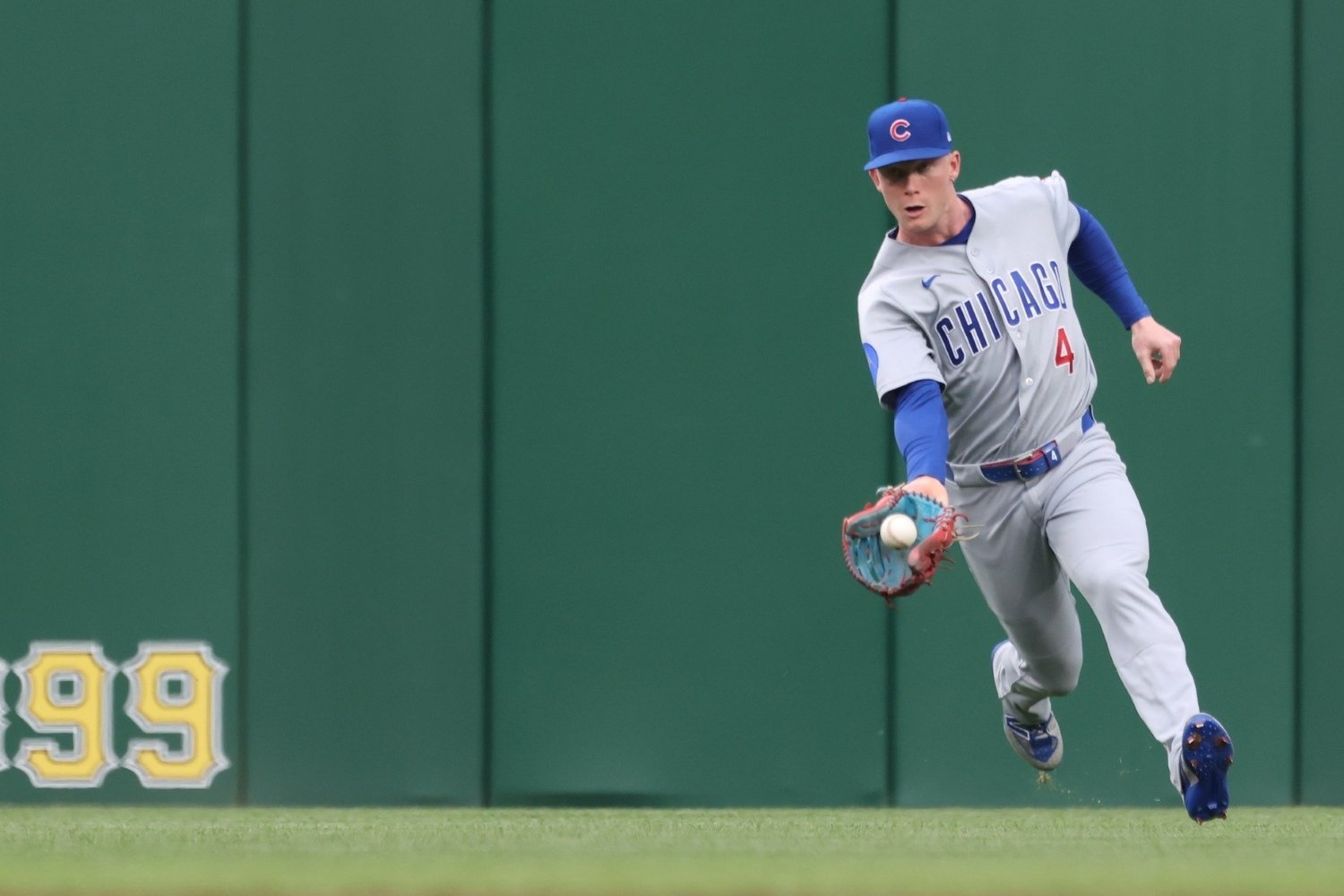 Turn on a Cubs game, lately, and you won't have to wait long for confirmation that the team is fighting it—not only losing, but panicking about it, and trying to turn a losing streak into their next winning streak in a way that's only pushing them deeper into the losing spiral. At this point, you almost—almost—can't even blame them. The predicament they face is very real. This is a team built to win now, if ever, and it doesn't look like they're built to win now, after all. In a highly competitive NL Central, they're dead last, and the only team they really need to worry about (the perennial, inevitable Central champions, the Brewers) sits comfortably in first, even if it's only 4.5 games from penthouse to cellar right now. They're in scramble mode, because they really can't afford the way things have gone, and they certainly can't allow it to go on any longer. No one ever got out of a hole by digging frantically, though, and that's what the Cubs have been doing lately. Injuries and a collective slump by half their lineup have played big roles in throwing them into this pit of despair, but their desperation to escape is increasingly counterproductive. Nowhere is that more clear than in center field, where Pete Crow-Armstrong has lost it and is playing like an extremely talented, extremely dysregulated fool. Because Cade Horton, Matthew Boyd and Edward Cabrera are all on the injured list, Jordan Wicks was recalled from Triple-A Iowa to take Cabrera's turn in the rotation Tuesday night. That was an utterly doomed endeavor, and Wicks wasted no time proving that. However, his woes were exacerbated just moments after he toed the rubber. That Wicks gave up hits to the first two batters he faced can hardly have surprised anyone. Unfortunately, it also didn't come as any surprise when Crow-Armstrong tried to do way too much and wound up making the situation instantly worse. He had no hope of throwing out Konnor Griffin at third base on this line-drive single, but because he's become convinced that he needs to lift the team out of its torpor through the sheer force of his will, he tried, anyway. His errant throw gave Brandon Lowe a free base and made Wicks's job harder, rather than easier. Crow-Armstrong is very lucky, too, that the ball didn't sail or skip a bit higher, landing in the Pirates dugout. He gave away one base (though, unaccountably, he wasn't charged with an error on the play), but it could easily have been more. To call this a pattern would, by now, be an understatement. Crow-Armstrong should have come into this season with a certain measure of security and comfort, after a breakout 2025 season and a strong showing in the World Baseball Classic. Instead, he's played all year like a starving man forever trying to start a brawl over half a rotisserie chicken. So insatiable is Crow-Armstrong's appetite for greatness and championship glory that it's eating him, from the inside out. Lamentably, the final note in the stirring song of Crow-Armstrong's 2025 was a pair of plays on which he tried to scale the center-field wall in Milwaukee to pull back clutch homers by the Brewers in the NLDS—despite each ball clearing the fence by dozens of feet. One image summed up the futility especially tidily, and seemed like the universe itself taunting Crow-Armstrong for his unbridled ambition. Maybe he stewed on that more over the winter than he let on. Maybe he so hated losing that playoff series that he lost all sense of patience or perspective as he looked forward to beating the Brewers this year. Whatever the reason, Crow-Armstrong has showed up this year with exactly the same energy with which he finished last year—and that's a problem. We've already talked about the drawbacks of Crow-Armstrong's huge increase in bat speed this year. It's a change that has the chance to make him a lethal slugger, but so far, it's mostly produced more pop-ups and rolled-over grounders, however sharply hit. You'd like to see him swinging more under control. To his credit, though, he has at least swung less often, by a considerable margin. In the past, his difficulty harnessing his immense talent has mostly taken the form of chasing everything. This year, though his swing is faster than he can handle and isn't generating the right kind of contact, he's found a bit of restraint about when to swing. Even when that falters, sometimes, good things can happen. He swung at a 3-1 pitch he absolutely should not have chased in the bottom of the ninth inning against the Reds on May 6. It was a dumb, overcooked swing, at a moment when reaching base would have meant bringing the winning run to the plate and having Crow-Armstrong's speed carrying the tying one. On the next pitch, he chased outside the zone again, but he connected on a low-flying missile of an opposite-field homer, tying the game. He was playing out of control, governed only by adrenaline. That's how he's looked at all big moments this year. On that pitch, though, that adrenaline and his remarkable talent created an explosive play. All year, Crow-Armstrong's bat speed has climbed. It's still climbing. Five of the six fastest swings of his career have come since April 27, peaking with this pass at a Jacob deGrom slider on Mothers Day. WU9WMzdfVjBZQUhRPT1fQUFCWlYxeFhVRlFBQVZWVEFBQUhBUVlGQUFNREJ3Y0FCMU5SQUFzQ0JRRmNBRkJR.mp4 The Statcast-reported swing speed on this was 87.9 MPH, the only time Crow-Armstrong has reached the maximum value the system spits out for public data purposes. As you can see, though, the result was another mishit, and watching the swing leaves one wondering more why he traded so much barrel accuracy for sheer swing speed on a two-strike count than how he can achieve such a thing. On balance. you'd like to see Crow-Armstrong rein all that in, because the lineup needs him badly and he can't be his best self until he regains control of his swing. However, being slightly out of control in the batter's box is normal for Crow-Armstrong; he's just doing it in a different way this year. You can live with his indiscretions at bat. You can't live with that throw we saw above. You can't live with this one, either, from April 13. a0R2Uk9fWGw0TUFRPT1fVWdsVUFsY0hVVmNBV3dFRVZRQUhBUTVmQUFBRlVWUUFDbE1DQVF0UVVBWlVDUUJU.mp4 It's a testament to Crow-Armstrong's brilliance as a fielder that Brandon Marsh actually waited before heading home on this play. If The Flash had a jetpack, he still couldn't have caught that ball, but Crow-Armstrong got such a great jump and sold it so well that Marsh held at third a bit. That Crow-Armstrong then airmailed his cutoff men and fired all the way home, however, testifies only to his erratic mindset in the field this year. This throw, too, cost the Cubs a base. It left his hand at over 101 miles per hour, the hardest throw of his career. His form in charging and firing was, as always, superb. But the decision was dreadful—a bit of hubris that the Phillies easily punished. Almost every mistake Crow-Armstrong has made this season has come because he was trying to do way, way too much. He wants to be the best player in the sport, and to take over the game and will the Cubs to win. Instead, he's willing them closer to losses, at times. On the David Hamilton single which Crow-Armstrong played into a three-run round-tripper last week against Milwaukee, Crow-Armstrong was plotting another heroic bit of scoop-and-fire. He's trying to make up for the failure of his teammates to score runs in bunches. He's trying to mitigate his pitching staff's inability to rack up enough strikeouts. He's trying to deal with the fact that they keep giving up long fly balls, by hunting outs even when there are none to be found. His wild desire for excellence has positives in the field, too. We've never seen a player get jumps on fly balls as good as Crow-Armstrong's. He's devised a pre-pitch setup and movement unique to him, which almost pushes him into some kind of magnetic suspension as he reads contact and begins to chase fly balls. He's dedicated himself to his craft, and he's doing some freakish things, in the field and at the plate. At too many crucial moments—within games, but even within swings or just when he gets to the ball after some blindingly fast, arrow-straight route—he's way out of control, and it shows. That was more apparent than ever when he collided with the fence at Rate Field after a valiant but ludicrous attempt to catch something uncatchable. Taunted by a fan who'd ragged on him all game, he lashed out with profane and offensive ferocity. It was ugly, and Crow-Armstrong has been appropriately remorseful. It was also very real. That's where he is right now, mentally—on such a sharp, fine edge that any tip off the right track will leave someone wounded. He's too good to be making the mistakes he's making this year, just as the Cubs are too good to have lost 14 of 16 games and be getting their doors blown off in most of those contests. As baseball people always say, though, you are what your record says you are after 162 games. The Cubs haven't played that many in 2026. They have time to get right. So does Crow-Armstrong. To begin fixing the problems at hand, though, both the team and the player have to reckon with an excruciating dual truth: their margin for error is gone, but they must stop playing like it. Their sense of urgency has become its own emergency. View the full article
 -
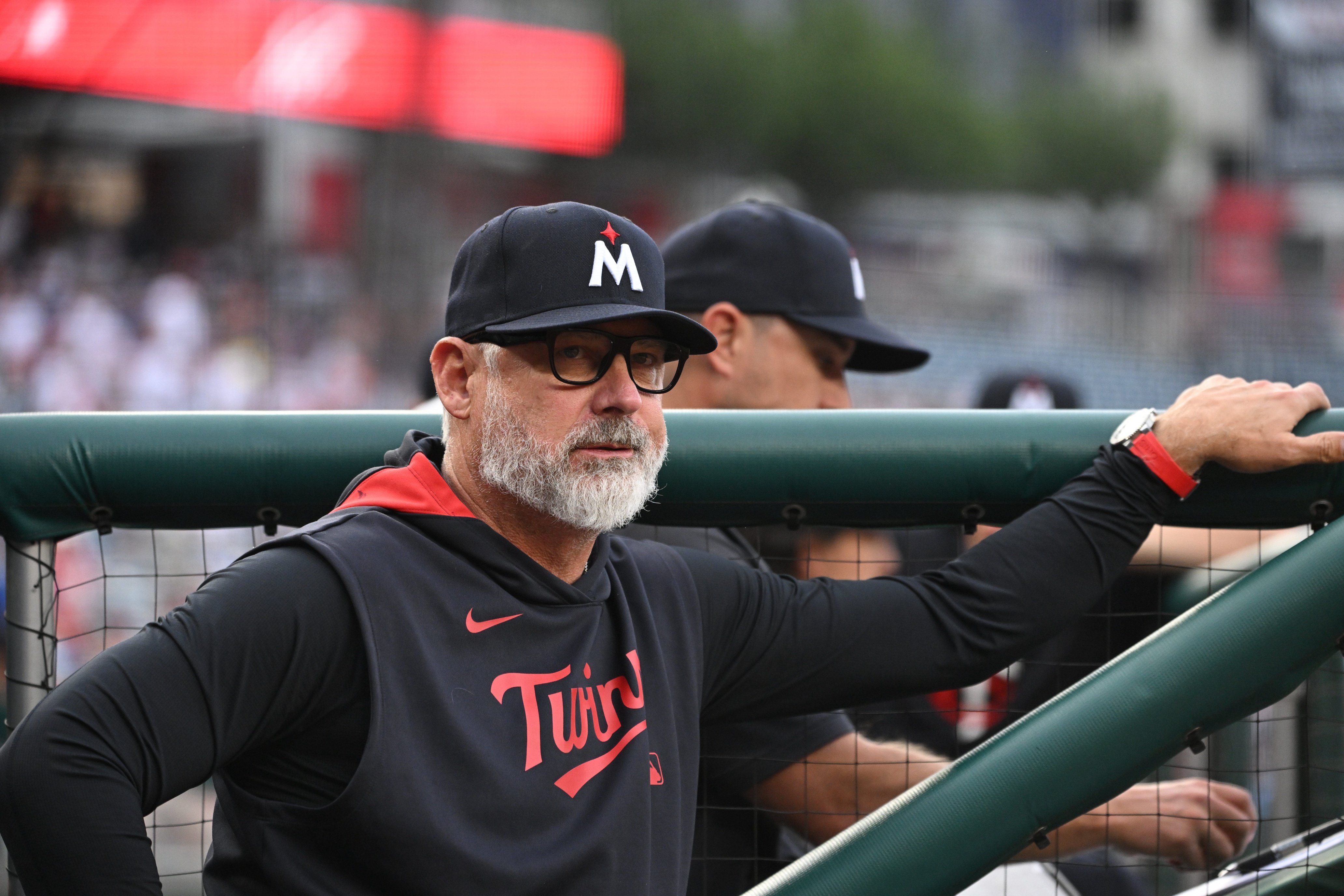 The Minnesota Twins entered this season with the deck stacked against them. They were a 70-win team that made few meaningful upgrades during the offseason. Minnesota's new manager brought with him the worst career winning percentages in history; their new ownership chair had no baseball experience. The Twins' long-tenured and highly-respected baseball ops leader resigned just before spring training, leaving untested Jeremy Zoll in charge of the front office. The infrastructure was already quite questionable. Then, on the first official day of spring training, the Twins lost Pablo López, their highest paid and arguably most important player, for the season. None of their big bullpen gambles in camp (e.g. Liam Hendriks and Andrew Chafin) paid off. The team started the season 3-6. Everything was seemingly moving along as one would expect. But from there, the Twins won eight of nine, vaulting above the .500 mark. This was followed by a prolonged "back to reality" slump, with a 9-19 record over the next 28 games putting Minnesota back underwater by six games. But now they've pulled together another hot streak, winning seven of their last nine to get back within a game of .500 and into the thick of the AL Wild Card picture. Through these first 55 games, in addition to being without López entirely, the Twins have: Gotten zero appearances from David Festa, and just four from Mick Abel. Received sub-replacement level performance from their two biggest offseason signings, Josh Bell and Victor Caratini. Seen hopeful lineup cornerstone Luke Keaschall go from promising #3 hitter on opponent day to floundering #8 hitter two months later. Sent down key players Royce Lewis and Matt Wallner after several weeks of immense and relentless struggle. Demoted Simeon Woods Richardson to the bullpen after he posted a league-worst 7.71 ERA through nine starts. You look at this series of developments all together, and you'd assume the Twins were 10 games below .500. At times, they've been trending in that direction. But so far they've been able to pull out of their tailspins with winning bursts, and as we pass the one-third milestone in the schedule, they are on pace for 80 wins. That's on the higher end of general expectations and well within range of Tom Pohlad's "We will be competitive in 2026" edict. I don't want to heap too much praise on a losing team that's hanging around in a very underwhelming American League, but, it's impressive! How have the Twins managed to overcome their shortcomings and tribulations to reach this point? What's Gone Right? For all that has gone amiss in the past few months, there are a number of important things that have gone swimmingly. And while it's fair to debate the sustainability in some cases, there's no denying the impact up until now. (The following stats were entering play on Tuesday.) The starting rotation has been (mostly) fantastic. Twins starters are on pace for 14.1 fWAR, which would be the highest in the last decade aside from their division-winning campaigns in 2019 and '23. The collective 3.82 ERA from Minnesota's rotation is dragged down by Woods Richardson; if you remove his contributions from the mix that figure drops to 3.15, which would rank third in the AL behind the Rays and Yankees, owners of the two best records in the league. Byron Buxton is as good as ever. He's on pace for 48 home runs and 6.0 fWAR, which would both represent new career highs. Having such an offensive force at the top of the your lineup who can also play a solid center field is just such a big competitive advantage. Ryan Jeffers was building toward a career year. He was neck-and-neck with Buxton in WAR before going down with a hamate fracture last week, and that probably understates the impact of his prolific ABS-challenging success. Jeffers will be out until around the All-Star break, which is one major factor standing in the way of sustained success for the Twins, but he's been integral to getting them here. Austin Martin and Trevor Larnach are taking big steps forward. They rank third and fourth Twins among position players in WAR after Buxton and Jeffers. Not long ago, it was unclear whether either of them would even be in the team's plans for this season. They're excelling with a similar formula: good plate approaches yielding low-power, high-OBP production that nets out at roughly 25% of above league average. The bullpen has been shockingly effective. At least lately, anyway. Through 39 games, Twins relievers had the second-worst ERA in baseball (5.81). Since then, in their past 15 games, they have the fourth-best ERA (2.05), and they lead the majors in WPA, helping them go 9-6 over this stretch. It's been a stunning turnaround and while I struggle to convince myself it's going to stay this way, they did just part ways with their two worst bullpen arms (Justin Topa and Luis García) in the past week. Derek Shelton seems to be resonating. I don't want to blow this out of proportion — especially because, this time last year, the Twins were five games over .500 and fresh off a 13-game winning streak under Rocco Baldelli. That's easy to forget now because of how the rest of the season went, and there's plenty of season left this year. We've seen this Twins team play some bad ball under Shelton. But we've also seen them generally respond well to his presence, and they're now on their second run of scrappy winning baseball in two months. There's a lot that's gone wrong with this team, and a lot that still could go wrong. But to be within spitting distance of a winning record as the summer gets going in earnest is about all I could have realistically ask for, so I'm going to savor it while I can. What are you biggest impressions of the 2026 Twins through one-third of the season? Is it a bad team that's riding a temporary hot streak? A mediocre team that matches its record? Or a potentially good team with more in the tank? I'd love to hear your thoughts in the comments. View the full article
 -
Baily Falter's Tenure With the Royals May Be Coming to an End
DiamondCentric posted an article in Royals Keep
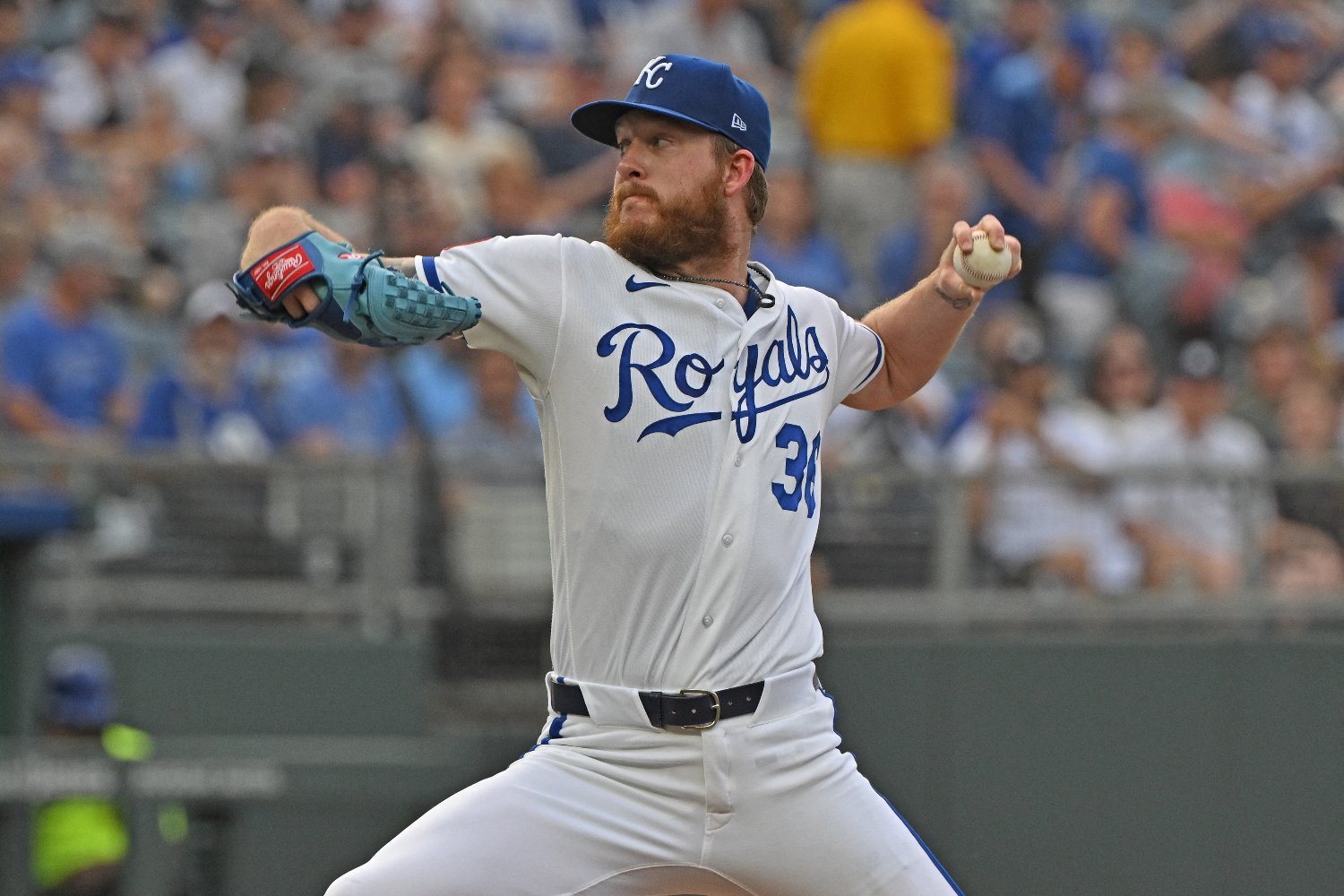 On Tuesday, the New York Yankees absolutely thrashed the Kansas City Royals at Kauffman Stadium. The Yankees not only scored 15 runs, but also collected 24 hits in a 14-run win over the Boys in Blue. Safe to say, it was one of the worst losses of the season, especially at Kauffman Stadium. The Royals had a bullpen game on Tuesday against the Yankees, and unfortunately, the strategy blew up in Kansas City's face early. Bailey Falter opened the game for the Royals, and the Yankees got after him early. They scored four runs against him in the top of the first, and in 2.1 IP, he allowed seven runs on nine hits. He didn't allow a walk, but he didn't strike out anyone either, and he gave up three home runs. Two of those home runs came in the first inning, including one from Cody Bellinger, who hit his second home run of the series. When looking at his TJ Stuff+ summary from Tuesday's game, not much went right for Falter, though his TJ Stuff+ actually wasn't as bad as the results illustrated. He struggled to generate whiffs, and the Yankees hit him hard in his 2.1 innings of work. However, the TJ Stuff+ and chase were actually pretty decent, especially for his standards. Falter posted an overall TJ Stuff+ of 100 with his four-seamer being his best pitch in terms of TJ Stuff+. Not only did it have a 106 mark, but it also sported a 64 grade, a 55.6% zone rate, and a 25% chase rate, all of which are average to above-average marks. However, he didn't generate a single whiff with the pitch, and his .639 xwOBACON was the second-worst mark in that category of the four pitches he threw on Tuesday. Ironically, his splitter, which was his second-best pitch in terms of TJ Stuff+ (103), had the worst xwOBACON at .901. Tuesday was another frustrating outing for Falter, who just hasn't put it together in his time in Kansas City. In 9.2 IP this year, he has a 13.97 ERA with a 3.10 WHIP, which includes 24 hits allowed in less than 10 innings of work this season. Last year, after he came over from Pittsburgh at the Trade Deadline, he had an 11.25 ERA and 2.25 WHIP with 20 hits allowed in 12 IP with the Royals. Therefore, even though the TJ Stuff+ hints at a better pitcher than his results show, it may be time for the Royals to part ways with Falter. Command Remains a Problem for Falter (Especially on Fastball) When it comes to what Falter has done in terms of Statcast percentiles, he's actually limited barrels and hard contact, but has struggled to generate whiffs and strikes in general. Here's a look at Statcast summary this season after Tuesday's game, via TJ Stats. Falter actually does a good job of limiting that "productive" contact. He has limited barrels and hard hits, and kept the average exit velocity manageable. Furthermore, his Z-Contact% allowed is actually pretty good (80.5%), considering his struggles with whiffs and CSW. Unfortunately, it's hard to ignore those "strike-generating" categories. His whiff rate ranks in the 39th percentile, his CSW ranks in the 15th percentile, and his O-Swing% ranks in the third percentile. That's not a recipe for success, especially for a pitcher with a subpar fastball (21st percentile fastball velocity). An issue for Falter that has limited his ability to throw strikes this year is subpar command. Even though his extension and TJ Stuff+ metrics are encouraging, he leaves pitches in hittable areas of the strike zone far too much. That was on prime display on Tuesday against the Yankees. Here's his pitch type chart against the Bronx Bombers in his latest outing on May 26th. Frankly, that's not a good-looking chart, simply because he's leaving way too many pitches in the middle-middle areas of the strike zone. The Yankees teed off on Falter's pitches as well, as evidenced by his pitch-description chart, which shows the results. As Royals fans can see above, there are a lot of "In Play, No Out" and "In Play, Runs" dots in that pitch chart above. All on pitches thrown in the middle-middle areas of the strike zone. In fact, below is an example of Falter hanging a curveball right in the middle of the strike zone to Amed Rosario, and the journeyman utility player launches it like he's Aaron Judge. While the curveball was an example of a command "mistake" of Falter in this outing, the fastball command has been a problem this year. That's disappointing considering that his four-seamer has been his best pitch on a TJ Stuff+ end this season, as illustrated in his TJ Stuff+ summary below. Falter relies heavily on the four-seamer, as illustrated by his 61.5% usage rate on the pitch. It makes sense, since it sports a 102 TJ Stuff+, 57 grade, and .303 xwOBACON. Unfortunately, it's been a poor-performing pitch in terms of zone rate, chase rate, and whiff rate. Here's a heatmap breakdown of Falter's four-seamer below. Notice how often the pitch sits in the strike zone and how few whiffs it generates. With a four-seamer, it's more ideal for a pitcher to locate it in the upper edges of the strike zone. Unfortunately, that's just not where Falter's pitch sits against lefties or righties. Against lefties, it tends to be in the lower middle of the strike zone. As a result, it has a 27.3% CSW, which is good, but all those strikes are called, not whiffs. His whiff rate with the four-seamer against lefties is zero. Against righties, he elevates it a little more, but it still sits more in the middle of the zone (though more inside to righties). The whiff rate is a little better at 14.3%, but the CSW is lower at 23.5%. Thus, it's not a great tradeoff for Falter, and his .383 xwOBACON against righties and .436 xwOBACON against lefties with the four-seamer illustrates that it's just not an effective offering overall. To be successful, Falter needs to be a pitcher who can command the four-seamer effectively. That isn't happening, and it doesn't seem like it's going to turn around anytime soon either. What's the Next Move? The Royals don't have a lot of options right now on the 40-man roster to straight-up replace Falter. Cole Ragans and Kris Bubic are still on the IL, and their return timetable is unknown. Furthermore, the pitching options for guys who can go multiple innings in Omaha are thin, with Mitch Spence having the most MLB experience. If the Royals are looking for another option who can go multiple innings and is a lefty, Ryan Ramsey could be an option. The 25-year-old former 13th-round pick doesn't have great stuff, and his ERA and FIP are high. However, he generates groundballs well and could be crafty in a reliever role, much like Sam Long, who made the transition from spot starter to reliever. The best option to replace Falter may be Beck Way, who needs to be added to the 40-man roster to make his Royals debut. Way was acquired from the Yankees in 2022 in the Andrew Benintendi trade, along with Chandler Champlain and T.J. Sikkema. Only Way remains in the Royals organization, but rightfully so, as Way has demonstrated a strong ability to generate whiffs and strikeouts in Omaha, something that evaded him a year ago. In 29.1 IP, Way has a 3.68 ERA, 1.16 WHIP, 2.91 FIP, 32.8% K%, and 24.6% K-BB%. He also demonstrates excellent TJ Stuff+, whiff, and xwOBACON metrics, according to TJ Stats. Now 11 games under .500 and June about to be here next week, the Royals need to start thinking long-term with their roster, especially the bullpen. Kansas City's bullpen ranks 24th in ERA, 26th in WHIP, and 27th in BB/9. Thus, they need to find pitchers who can not just help those meager stat lines, but also provide upside beyond this season as well. Way certainly can do that, and since he's Rule 5 eligible, he likely will be swooped up in the December draft if he's not added to the Royals' 40-man roster soon. At this point, the Royals don't have anything to lose by replacing Falter with Way on the 40-man roster. View the full article
 -
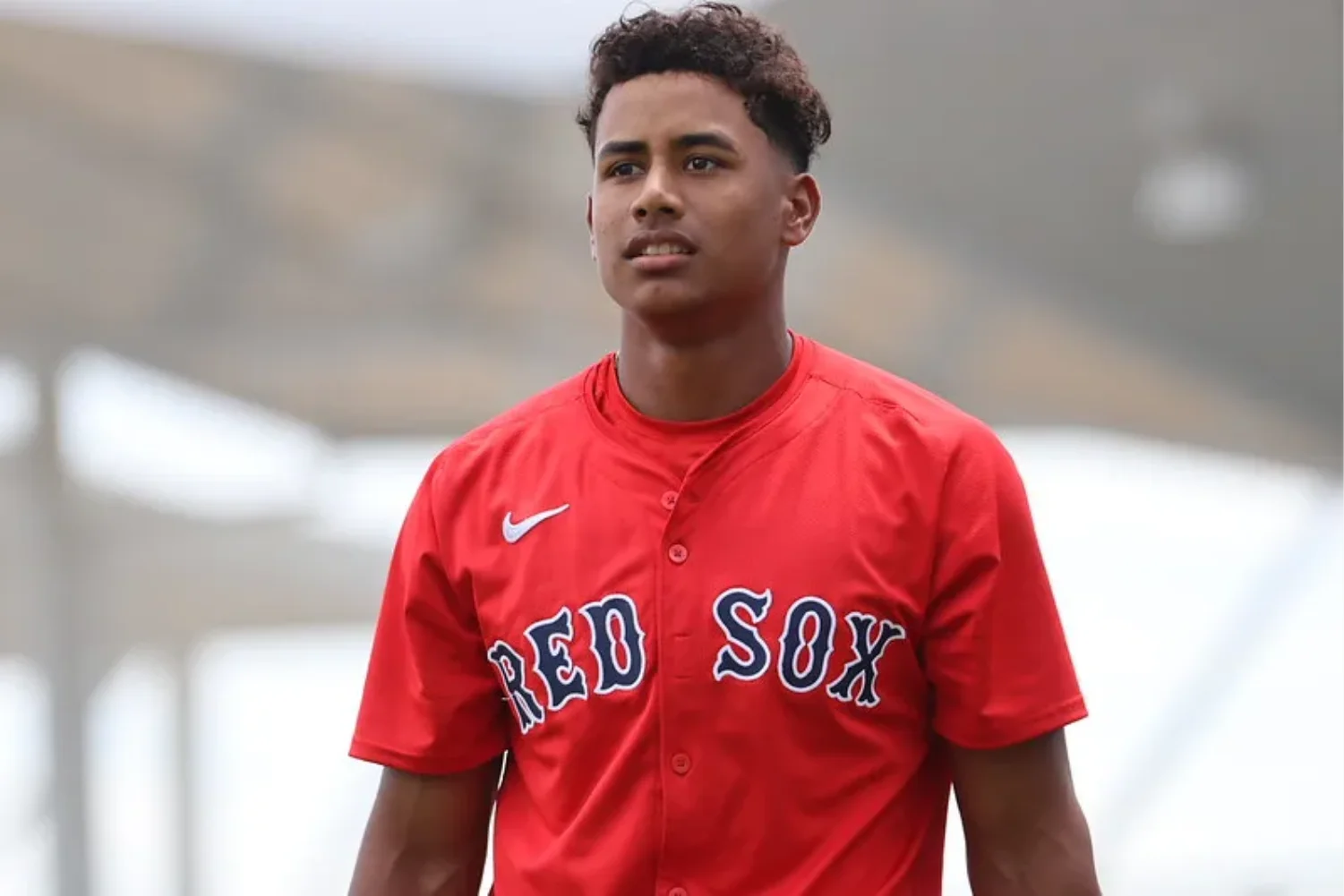 Enddy Azocar has been on a heater to begin his 2026 campaign for the Salem RidgeYaks, while also getting recognized as the Carolina League Player of the Week for going 9-for-21 (.429) with a homer, three doubles, four RBIs, three runs scored, and one stolen base in that span. Azocar was part of the Boston Red Sox's 2024 international class, signing for $40,000 out of Venezuela as a 16-year-old outfielder, the 20th-highest-paid player out of the Sox's class that year. He was seen as a very athletic player who moved well and had a lot of raw power for his age, but making consistent contact with the ball was a work in progress. In 2024, he turned 17 years old a month after he was signed and made his debut on June 3 in the Dominican Summer League. He played well for his first season, slashing .266/.397/.309 with 11 RBIs and a 15.5% walk rate while striking out 12.9% of the time. Azocar had a tough time finding his footing in his 2025 season. The outfielder showed flashes in the Red Sox Florida Complex League, posting a .385 batting average and 1.006 OPS in 14 games, thus deserving a promotion to Salem. Unfortunately, he struggled mightily against older competition in his first taste of Single-A ball. In 71 games, he slashed .202/.273/.314 with a strikeout percentage of 23.3%. He was only 18 years old at the time; he was still ahead of his development, as the average age in Low-A is 21. Now 19 years old, 2026 so far has been Azocar’s year. Adding weight and muscle seems to be the key to his success; while being listed at 170 LBS, he now weighs closer to 190 LBS. He displayed his defensive ability in the outfield during spring training and the spring breakout game, showing off his range and making some highlight reel catches. Azocar has shown five-tool potential, forcing the Red Sox front office to finally promote him. To begin the year, he was not ranked among the top 20 prospects on TalkSox and many other lists; now he is the 15th-ranked Red Sox prospect on TalkSox, and (spoiler alert) his rank will continue to rise. Although he has struck out just as much as in 2025 (22.2%), he has been crushing the ball, either matching or surpassing a lot of stat categories from last season in Salem. Through just 39 games, the 19-year-old has slashed .295/.344/.530 with six home runs, 26 RBIs, 15 doubles, three triples, and seven stolen bases, while also posting a .235 ISO, 125 wRC+, and an outstanding .394 wOBA. To put how good he's been in perspective, this is how he compared to other Low-A players before his promotion: In all of Low-A, he was tied in first with the most doubles and tied in second with the most extra-base hits. For all of the Carolina League, Azocar led in total bases and was top ten in triples, runs, hits, home runs, ISO, and SLG. Also, noting that the Carolina League is mostly pitcher-friendly, that makes what he has done this season even more impressive. Another big part of his game he improved in was elevating the ball and not hitting it on the ground. In 2025, nearly half the balls he hit in play were on the ground, a 44.3% ground ball rate and a 22.8% line drive rate. So far in 2026, he has lowered the ground-ball percentage to 35.2% and improved the line-drive rate to 28.7%. The only major hole in Azocar’s game is his plate discipline and making consistent contact, but he has shown that when he makes contact with the ball, great things happen. A 19-year-old dominated in Low-A, where the average player is significantly older than him. Now, he'll be entering a very pitcher-friendly league in Greenville, the South Atlantic League. He will be facing older competition than he did in Low-A and will also have to deal with better pitching prospects and the bizarre field dimensions that make it pitcher-friendly. Anyone doubting him, though, may be in for a rude awakening. View the full article
 -
Is Offense Worth More Than Defense for the Blue Jays Right Now?
DiamondCentric posted an article in Jays Centre
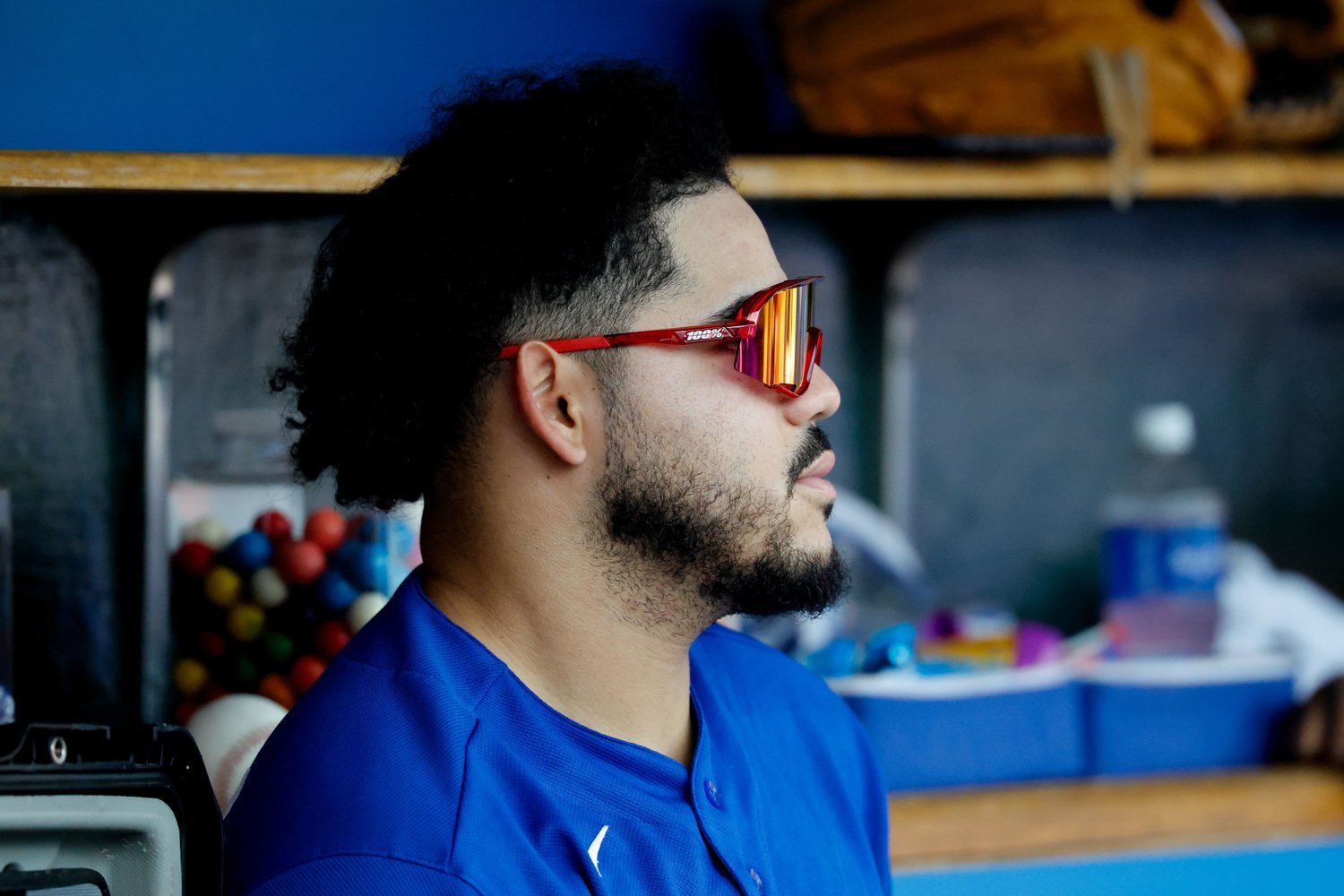 He’s been hitting the cover off the ball and has looked like he was ready for the majors since his first call-up, but Yohendrick Piñango’s defense, or lack thereof, is putting his near-term future in doubt. Maybe it started in Detroit, when he nearly put Andrés Giménez out of action with a failure to call him off as they both chased a shallow fly ball. Then, on Monday night, two miscues in a three-run sixth inning effectively put the game out of reach and might have shifted the overall perception of him. Piñango has done almost everything right at the plate. Since his call-up, he has been one of the team’s most dangerous hitters, driving the ball with authority, showing advanced plate discipline, and looking every bit like a player ready for major league pitching. In a lineup that has struggled for consistency and production, his bat has been a welcome spark, arguably one of the few reliable sources of offense the team has had during a frustrating stretch. Through his first stretch of games, his hard-hit rate has hovered around 40 percent, slightly above the MLB average that typically sits around 39 percent. While Piñango's offense has impressed, his defense has done the opposite, and it may now be threatening his place on the roster. Mistakes happen. Even elite defenders have rough nights. But for a player already viewed as a below-average defender, these lapses don’t help his case. Piñango's MO is pretty simple. He is an impactful hitter with an adequate glove. Under general manager Ross Atkins, the Blue Jays have built a roster with an identity rooted in defense. The organization has emphasized strong fielding, solid pitching and enough offense to support that foundation. The approach, on paper, makes sense. Over recent seasons, many of the league’s top defensive teams, as measured by metrics like Defensive Runs Saved, have consistently been in the playoff mix. But that approach only works if the offense holds up its end of the bargain. So far this season, the offense just hasn’t consistently shown up. The league-wide average sits around the 4.3 runs per game range, while the Blue Jays have spent long stretches below that mark, a gap that becomes difficult to overcome even with strong pitching. The Blue Jays are not giving up many runs. Their pitching staff has largely done its job, and defensively, outside of isolated issues, they have adhered to their philosophy. So, if you need offense, then Piñango's worth increases. Across MLB, outfielders typically post fielding percentages in the high .980s to low .990s, meaning mistakes are relatively rare at the highest level. Whatever offensive value Piñango provides has to outweigh the runs he gives back defensively. Complicating matters is the current roster situation. The decision to demote Davis Schneider when Nathan Lukes returned was not seen as particularly controversial. It was largely a numbers game, and Piñango's bat made him the logical choice to stay. At the time, it was hard to argue against keeping one of the few hitters producing consistent quality at-bats. With Addison Barger nearing a return, the Blue Jays will soon have to make another move. This time, the decision may be far less forgiving. Piñango is the most flexible option in a logistical sense because he still has minor league options. That alone makes him vulnerable. Teams often protect players they cannot easily replace or risk losing, and that reality matters just as much as performance. If Piñango were even a passable defender at multiple positions, his case would be significantly stronger. He is not a player who can shift around easily or provide late-inning stability with his glove. When he is in the lineup, it is almost entirely because of his bat, and that places immense pressure on him to keep producing offensively. Compare that to someone like Lenyn Sosa. Sosa started strong with the Jays, though he has gone cold since. The difference between Piñango and Sosa is that the latter offers defensive versatility and does not have minor league options. If Sosa’s bat shows even modest improvement, the decision becomes easier. At that point, the team would be choosing between a versatile player they might lose and a one-dimensional player they can send down. Then there is Jesús Sánchez. Unlike Piñango, Sánchez provides a more balanced profile. He is not an elite defender, but he is serviceable in the outfield, which is often enough when paired with offensive production. More importantly, he has been one of the team’s most consistent hitters with runners on base, which is a critical need for a lineup that has struggled to convert scoring opportunities. Right now, Sánchez is delivering in situations where the team needs production the most. That makes him far less likely to be the odd man out, and he, too, is out of options. So the question becomes whether the Blue Jays will stick with their defense-first philosophy or adjust based on current offensive struggles. If run scoring continues to lag, there may be more tolerance for defensive shortcomings, but only to a point. Piñango has the kind of bat that can change a game, and that is not something the Blue Jays have had consistently this season. Power and extra-base production remain some of the most efficient ways to create runs. At the same time, he has shown that defensive lapses can undo things in a hurry. A catch here and a better route to the ball there, and Piñango might be able to make the front office reconsider. Defensive improvement does not require perfection, just reliability. Small gains could have a significant impact on how he is viewed internally. However, the way things have been going for Piñango in the outfield, that next route might be a trip to Buffalo. Stats updated prior to games on May 26. View the full article
 -
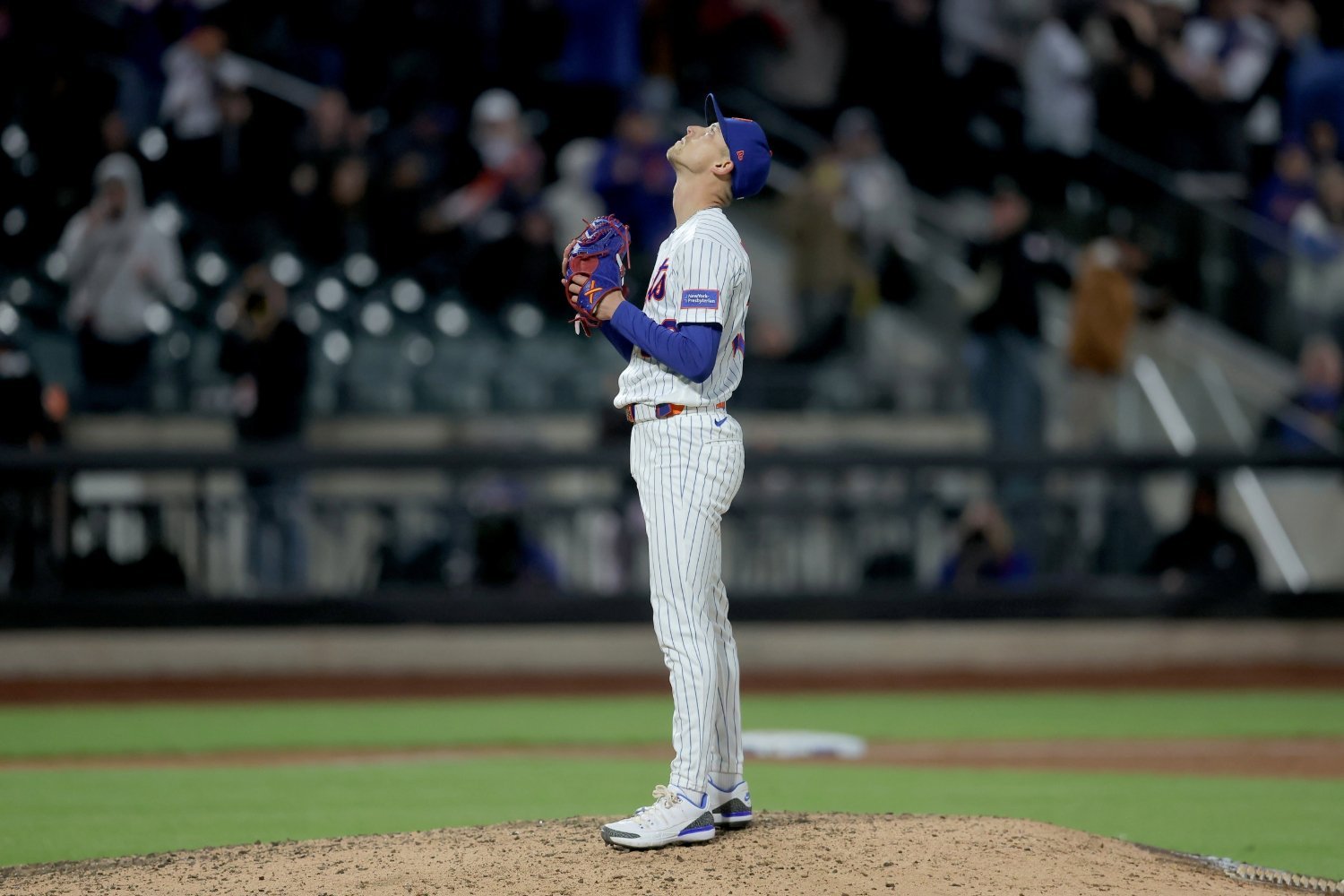 Luke Weaver, one of the New York Mets’ stellar relief pitching signings in the offseason, allowed two runs in an April 30 outing against the Washington Nationals, completing a seven-game stretch in which he allowed eight earned runs in seven frames, for a 10.29 ERA. After that, however, his improvement has been undeniable. Following that rough stretch that started on April 9 and finished at the end of the month, Weaver has been excellent and has managed to lower his season ERA to a fine 3.22 (with a 3.38 FIP) in 22.1 innings. That’s certainly an improvement over the 3.62 ERA he had last season, one that masked a rough September in which he posted a 9.64 ERA. As you can see, the lack of a reliable breaking ball might always result in some inconsistency, but the right-hander has been able to right the ship in recent weeks for the Mets and he deserves credit for it. A Perfect Stretch Since that April 30 outing, the changeup artist has been perfect in May. This month, he has an immaculate 0.00 ERA in 10.1 innings, with six hits allowed, four walks, and a whopping 15 strikeouts. His 1.63 FIP over that span suggests that it has been more skill than luck, too. We can divide Weaver’s 2026 campaign so far into three parts: a successful start in which he posted five straight scoreless appearances until April 7, the aforementioned struggles between April 9 and 30, and his most recent stretch of dominance. Again, consistency might not be his middle name, but when Weaver is healthy and has gotten into a nice rhythm, he is a solid setup man, even if his repertoire is a bit unorthodox. If he can somehow make enough strides with his cutter, he might be able to increase his ceiling. It’s much easier said than done, though. Weaver’s four-seam fastball and changeup have returned a .269 and a .228 xwOBA, respectively. The cutter, on the other hand, has a much worse .536 xwOBA. This metric tries to describe performance based on quantity and quality of contact, which suggests that this specific pitch has lacked command and has been rocked by hitters. Luke Weaver Has His Limitations The problem with Weaver is that while his changeup has some filthy movement, we have seen what hitters can do to it when they are sitting on it. So, he needs elite fastball command or for that cutter to improve if he’s going to hit his ceiling. Despite having stretches in which he looks borderline unplayable, Weaver has certainly salvaged his career with his move to the bullpen. The Mets decided to invest, and all things considered, it’s fair to say their faith has been rewarded with his performance so far. Even with the occasional meltdown, Weaver has proven he can be a solid eighth-inning guy or a high-leverage weapon for the Mets. He has certainly been on a nice run in May, and for the sake of the team, they should hope that it continues. View the full article
 -
 Ethan Salas crushed a two-run homer and Jagger Haynes spun six scoreless innings with seven strikeouts as the Double-A San Antonio Missions edged the Corpus Christi Hooks 3-2. Ryan Wideman went 3-for-5 with a homer in the Low-A Lake Elsinore Storm's 7-6 walk-off win, capped by Jorge Quintana's RBI single. Nick Solak's homer wasn't enough in the Triple-A San Antonio Missions' 5-3 loss. Jake Cunningham homered twice, but the Fort Wayne TinCaps fell 5-2. Padres Minor-League Transactions Lake Elsinore Storm placed C Ty Harvey on the 7-day injured list. C Alcides Hernandez assigned to Lake Elsinore Storm from ACL Padres. IF Yimy Tovar assigned to Lake Elsinore Storm from ACL Padres. Nick Solak Stays Hot, But Chihuahuas Bow To Isotopes Nick Solak homered for the third time in four games, but the Triple-A El Paso Chihuahuas fell to the host Albuquerque Isotopes 5-3. The Isotopes scored all of their runs in the second inning. Solak had his third straight two-hit game and fifth in eight games. He hit his homer, a two-out solo shot, in the top of the first inning for his fifth of the season. He was the only Chihuahua with more than one hit. After Solak's homer and the Isotopes' five-run outburst, the Chihuahuas continued to chip away in the fourth inning. Jase Bowen had a leadoff double and went to third on Solak's flyout to center. Will Wagner then hit a two-out single to plate Bowen. Mason McCoy walked and Nate Mondou singled to right to score Wagner and make it a 5-3 game. Chihuahuas left-handed starter Fernando Sanchez, in his third Triple-A start, gave up all five runs in five innings, allowing six hits and five runs with seven strikeouts. Right-hander Sean Boyle pitched three scoreless innings, with no walks, three hits and two strikeouts. El Paso's Marcos Castanon went 0-for-4 to snap his 10-game hitting streak. EP_0526.mp4 Player AB R H RBI BB K Samad Taylor 4 0 1 0 0 2 Jase Bowen 3 1 1 0 0 1 Nick Solak 4 1 2 1 0 0 Marcos Castañon 4 0 0 0 0 0 Will Wagner 4 1 1 1 0 0 Mason McCoy 3 0 0 0 1 1 Nate Mondou 4 0 1 1 0 3 Victor Duarte 3 0 0 0 0 0 Nick Schnell 3 0 1 0 0 0 Player IP H R ER BB K HR Fernando Sanchez (L) 5 6 5 5 5 7 1 Sean Boyle 3 3 0 0 0 2 0 Ethan Salas' HR, Jagger Haynes' 6 Shutout Innings Spark Missions Ethan Salas smashed his seventh homer of the season and left-handed starter Jagger Haynes struck out seven over six shutout innings as the host Double-A San Antonio Missions edged the Corpus Christi Hooks 3-2. The game was called after eight innings due to thunderstorms. Haynes, Padres Mission's No. 11 prospect, yielded just four hits while walking three. His seven strikeouts matched a season high accomplished two starts ago. This was his first scoreless outing of the season. Haynes also picked two runners off first. It was a 0-0 game entering the bottom of the sixth. Kai Roberts drew a leadoff walk and, one out later, Salas, Padres Mission's No. 1 prospect, crushed the first pitch he saw deep over the right-field wall for his seventh homer of the year and fourth in May. With Haynes out of the game, Corpus Christi scored in the top of the seventh off left-hander Harry Gustin. But the Missions got that run back in the bottom half when Braedon Karpathios doubled to right, went to third on Ryan Jackson's sacrifice bunt and easily scored on Albert Fabian's sac fly to center for a 3-1 lead. The Hooks took advantage of three walks by right-hander Sadrac Franco to score in the top of the eighth, but right-hander Josh Mallitz earned his first save of the season by retiring the only batter he faced. SA_0526.mp4 Player AB R H RBI BB K Carson Tucker 4 0 0 0 0 2 Ethan Salas 4 1 2 2 0 0 Romeo Sanabria 3 0 0 0 0 2 Tirso Ornelas 3 0 0 0 0 1 Braedon Karpathios 3 1 2 0 0 1 Ryan Jackson 2 0 1 0 0 1 Albert Fabian 2 0 0 1 0 0 Francisco Acuna 3 0 0 0 0 2 Kai Roberts 2 1 0 0 1 0 Player IP H R ER BB K HR Jagger Haynes (W) 6 4 0 0 3 7 0 Harry Gustin 1 1 1 1 1 0 0 Sadrac Franco 2/3 0 1 1 3 1 0 Josh Mallitz (S) 1/3 0 0 0 0 0 0 Jake Cunningham Goes Deep Twice, But TinCaps Fall To Cubs Despite a pair of home runs by Jake Cunningham, the High-A Fort Wayne TinCaps dropped a 5-2 decision to the host South Bend Cubs. Cunningham hit solo homers in the second and ninth innings, giving him nine for the season. He also hit two homers on April 19 vs. Lake County, the only two multihomer games for the TinCaps this season. Cunningham, who also walked, is tied with Alex McCoy for the team lead. Lamar King Jr., Padres Mission's No. 10 prospect, also had two of the TinCaps' seven hits, including a double, for his 10th multihit game of the season. TinCaps right-handed starter Matthew Watson went five innings and allowed four runs (three earned) on six hits with no walks and a strikeout. The bullpen of right-hander Isaiah Lowe, left-hander Igor Gil and left-hander Braian Salazar combined for the final three innings, giving up just one run on two hits with a walk and two strikeouts. South Bend scored twice in the first, another in the second and one more in each of the fifth and eighth innings. FW1_0526.mp4 FW2_0526.mp4 Player AB R H RBI BB K Justin DeCriscio 3 0 0 0 1 0 Zach Evans 4 0 1 0 0 0 Lamar King Jr. 4 0 2 0 0 1 Alex McCoy 3 0 0 0 1 0 Carlos Rodriguez 4 0 0 0 0 2 Jake Cunningham 3 2 2 2 1 1 Rosman Verdugo 4 0 1 0 0 2 Kavares Tears 4 0 1 0 0 2 Kasen Wells 4 0 0 0 0 1 Player IP H R ER BB K HR Matthew Watson (L) 5 6 4 3 0 1 0 Isaiah Lowe 1 1/3 1 0 0 0 1 0 Igor Gil 2/3 0 0 0 0 1 0 Braian Salazar 1 1 1 1 1 0 0 Yimy Tovar Helps Storm Walk Off 66ers In Season Debut Newcomer Yimy Tovar singled home the tying and scored the winner when Jorge Quintana grounded a single past the second baseman with two outs in the bottom of the ninth inning as the host Low-A Lake Elsinore Storm pulled out a 7-6 walk-off victory over the Inland Empire 66ers. Tovar, who went 2-for-5 with two RBIs, a steal and a run scored, was called up before the game from the Arizona Complex League, where he had a .345/.406/.527 slash line in 16 games with a homer, 11 RBIs and nine steals. The 20-year-old middle infielder actually played in eight games for the Storm last year with a .409/.435/.545 slash line, but was back in the ACL to begin 2026. Ryan Wideman, Padres Mission's No. 5 prospect, went 3-for-5 with a homer, two RBIs and two runs scored, while Quintana and Conner Westenburg each had two hits. Kerrington Cross scored twice without recording a hit, but he did walk once. Wideman's homer leading off the bottom of the third cut the Storm's deficit to 2-1 and he had an RBI single to tie the game as part of a three-run fourth, which included a two-run error, that made it 4-2. The 66ers scored three of their own in the fifth to go up 5-4. In the seventh, the Storm tied it on Tovar's single to center that scored Cross, who had reached on an error. But the 66ers countered once again with a run in the top of the eighth to tie it. In the bottom of the ninth, Cross again reached on an error. A two-out balk put Cross at second and Tovar lined an opposite-field single to right to score Cross and tie the game. Tovar stole second and Quintana, Padres Mission's No. 6 prospect, sent his walk-off single up the middle. Storm right-handed starter Winyer Chourio allowed two runs in four innings on three hits and four walks with five strikeouts. LE_0526.mp4 Player AB R H RBI BB K Ryan Wideman 5 2 3 2 0 0 Kerrington Cross 4 2 0 0 1 0 Bradley Frye 4 0 0 0 0 0 Truitt Madonna 5 0 1 0 0 2 Yimy Tovar 5 1 2 2 0 0 Jorge Quintana 5 0 2 1 0 3 Qrey Lott 4 0 0 0 0 1 George Bilecki 2 1 0 0 2 1 Conner Westenburg 4 1 2 0 0 1 Player IP H R ER BB K HR Winyer Chourio 4 3 2 2 4 5 0 Nick Falter 3 5 3 3 0 3 0 Rordy Mejia (W) 2 1 1 0 0 1 0 Top 20 Prospect Performance Ethan Salas: 2-for-4, HR, 2 RBI, R Kash Mayfield: DNP Miguel Mendez: DNP Kruz Schoolcraft: DNP Ryan Wideman: 3-for-5, HR, 2 RBI, 2 R Jorge Quintana: 2-for-5, 2B, RBI, 3 K Ty Harvey: Injured Kale Fountain: Injured, out for season Braedon Karpathios: 2-for-3, 2B, R, SB, K Lamar King Jr.: 2-for-4, 2B, K Jagger Haynes: 6 IP, 4 H, 0 R, 3 BB, 7 K, W Alex McCoy: 0-for-3, BB Truitt Madonna: 1-for-5, 2 K Tucker Musgrove: DNP Garrett Hawkins: DNP Michael Salina: DNP Eric Yost: DNP Rosman Verdugo: 1-for-4, 2 K Bryan Balzer: DNP Deivid Coronil: DNP View the full article
 -
 Transactions: Milwaukee Brewers recalled RHP Coleman Crow from Nashville Sounds. Nashville Sounds sent 3B Luke Adams on a rehab assignment to ACL Brewers. Nashville Sounds released CF Jordyn Adams. RHP Yorman Galindez assigned to Biloxi Shuckers from Wisconsin Timber Rattlers. RHP Tanner Perry assigned to Wisconsin Timber Rattlers from Wilson Warbirds. Wilson Warbirds placed LHP Anfernny Reyes on the 7-day injured list. RHP Hayden Robinson assigned to Wilson Warbirds from ACL Brewers. Game Action: Nashville pre-game media notes Nashville 5, Gwinnett (Braves) 4 Box Score As always, you are encouraged to read the official round-up from the team’s site: Sounds Shut Down Late-Inning Threat from Gwinnett The Sounds jumped out to an early lead in their 5-4 victory on Tuesday and then held on thanks in large part to their relief corps. Luis Matos extended his hitting streak to eight games with a two-run single to open the scoring in the first, which you can find here courtesy of Nashville’s X account: Jeferson Quero later added a sac fly to make it 3-0 before Gwinnett rallied to tie it at three in the fourth. Cooper Pratt immediately responded for Nashville with an RBI single in the bottom half of the fourth, before Brock Wilken gave the Sounds insurance with an RBI ground out in the following inning. Wilken, who was dropped to the eighth spot in the lineup on Tuesday, could be fighting for playing time when Luke Adams returns from rehab. Luis Lara added another three hits, and this catch on defense: Lara is now second in the league in hits and has been the model of consistency all season long. Since March 31, Lara has carried a batting average above .324 for all but four days of the season. The Nashville rotation is suddenly looking a bit thin with recent call-ups of Robert Gasser and Coleman Crow. It was a team effort out of the pen with Brian Fitzpatrick earning the win in relief. The rehabbing Rob Zastryzny now has 5.1 IP clean at Nashville this month, with six strikeouts, one hit, and one walk allowed. Craig Yoho earned the save, and has not allowed an earned run since April 25, a string of 11.2IP. In that stretch, Yoho has a 13:4 K:BB ratio with only five hits allowed. Nashville, now 31-21 on the season and half a game out of first in the International League, has yet to name a starter for Wednesday’s game. Biloxi pre-game media notes The Shuckers were rained out on Tuesday and will make the game up as part of a doubleheader on Wednesday. Tanner Gillis (0-1, 3.95 ERA) was slated to start Tuesday’s game while Bishop Letson (0-3, 6.66 ERA) was originally scheduled for Wednesday’s game. Wisconsin pre-game media notes Peoria (Cardinals) 5, Wisconsin 2, F/7 Box Score Peoria Beats Rattlers to Open Series Wisconsin lost their series opener to Peoria in a soggy, rain-shortened affair on Tuesday night. Despite the wind and the rain, Andrew Fischer shot a lightning bolt through the air with his league-leading 14th home run of the season, courtesy of the Wisconsin X account: Not much left to say about Fischer at this point. The power is incredible, but the whiffs and strikeouts are still a bit problematic. Will we see Fischer in Biloxi soon, or does the organization want to see him improve more on his swing and miss before awarding a promotion? Marco Dinges accounted for the other run with a moon shot of his own: Not many other superlatives for Wisconsin on this night, but you can find the rest of the “highlights” below. The well-travelled Andrick Nava had two hits. Josiah Ragsdale had a double. Starter Wande Torres (5IP 8H 4R 4ER 2B 6K) labored through another tough outing and took the loss. If you're looking for a silver lining on this cloudy night, it sounds like Luis Pena's rehab assignment is complete and we will see him back in Appleton this week. 2025 59th overall pick J.D. Thompson (0-0, 5.68 ERA) will take the mound in game two on Wednesday. Wilson pre-game media notes Wilson 4, Myrtle Beach (Cubs) 1 Box Score Renz Mows Down Myrtle Beach in Series Opener The Wilson Warbirds pulled out a 4-1 victory over Myrtle Beach on Tuesday night despite striking out a whopping 16 times as a team and being outhit 9-6. Brady Ebel was once again the sparkplug of the Wilson offense as he had two doubles and drove in two runs. The 18 year-old Ebel earned Player of the Week honors for his stellar performance last week and now a .993 OPS with 16 runs, 16 RBI and a perfect 13/13 on steals in the month of May. Find the videos of the double here and here. Leadoff man Juan Ortuno was the only Warbird who didn’t strike out in the game. Ortuno was on base four times with a pair of walks and a pair of singles. Ortuno also scored twice and swiped his 15th bag of the season. Pedro Ibarguen provided the big blast of the day with his third homer of the year which you can see here, via the Wilson X account: Ibarguen will carry an eight-game hit streak into Wednesday’s game and for the month of May, the soon-to-be 20-year-old sports a 1.078 OPS. Rylan Mills also had an RBI double and now has six RBI in just four games in the Carolina League: On the mound for Wilson, Tyler Renz had his best outing of the season. In his first scoreless outing since April 14, Renz matched a season-high in innings (five) and strikeouts (six). After 11 walks in his last 12 innings, Renz only walked two on the night, throwing 52 of 73 pitches for strikes. @Spencer Michaelis captured some of Renz’s stuff here: Enniel Cortez (3IP 3H 1R 1ER 0BB 3K) picked up where Renz left off in one of his better showings on the season. Peyton Niksch picked up his second save of the season with a scoreless final frame. Jayden Dubanewicz (0-0, 2.53 ERA) will look to keep things rolling for Wilson (22-20) when he takes the mound on Wednesday. After a rough start to their inaugural season, Wilson suddenly feels like they're rounding into form, as the Warbirds have won 9 of their last 11 games. ACL Brewers 10, ACL Cubs 6 Box Score It is beginning to feel like the next wave of Brewers hitting prospects is breaking out in the Arizona Complex League. That was on full display in Tuesday’s drubbing 10-6 of the Cubs. Kenny Fenelon, the highest paid signing at $1.3M in the 2025 international class, had a inside-the-park home run, a double and steal. Brailyn Antunez had a 109.6 MPH exit velocity home run. Alexander Frias had two more hits and now leads the team with a 1.126 OPS. Luke Adams made his first appearance since early April and hit a home run and a double. Juan Martinez replaced Adams and stole two bases and is now 10/10 on the season in steals. The Brewers as a team went 8/8 on steals in the game. Cristopher Acosta, another million dollar bonus baby from the 2025 class, knocked in two runs on the night, which doubled his RBI total for the season. On the mound, starter Joey Broughton had his best professional outing. Broughton struck out six in four innings of one-run ball. The innings and strikeouts totals were personal bests for Broughton, who now has a 1.69 ERA in 10.2 IP in ACL play. Organizational Scoreboard including starting pitcher info, game times, MiLB TV links, and box scores Current Milwaukee Brewers Organization Batting Stats and Depth Current Milwaukee Brewers Organization Pitching Stats and Depth View the full article
