


DiamondCentric
-
Posts
2,631 -
Joined
-
Last visited
Never
Content Type
Profiles
Forums
Events
News
Tutorials & Help
Major League Baseball Videos
Guides & Resources
Store
Downloads
Gallery
Everything posted by DiamondCentric
-

Cubs Activate Ethan Roberts Off Injured List
DiamondCentric posted an article in North Side Baseball
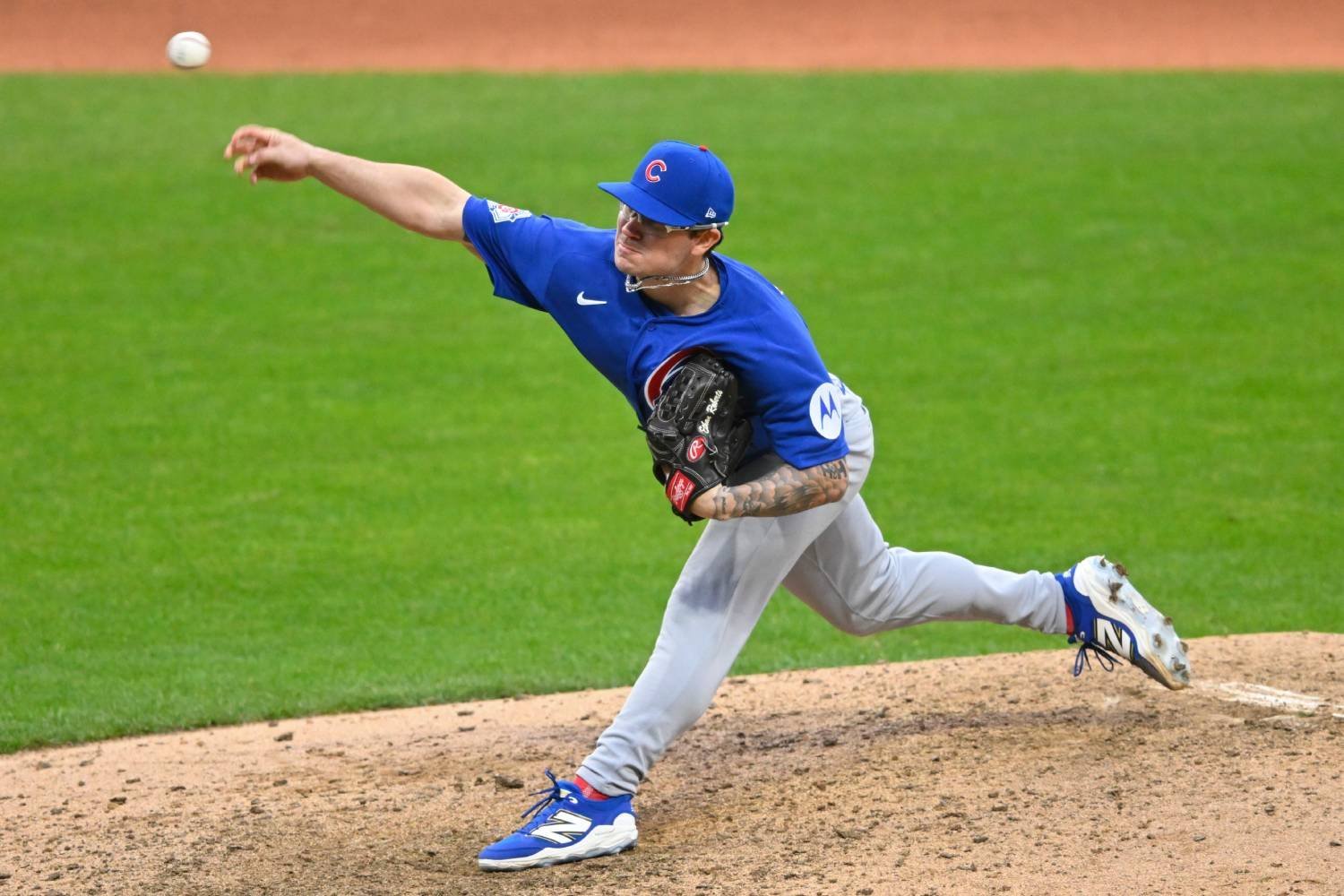 In need of a bit of good news on the pitching front, Ethan Roberts is back in the Chicago Cubs' bullpen. The Cubs activated the right-handed reliever off the 15-day injured list Friday. To make room, right-handed reliever Gavin Hollowell was sent back to Triple-A Iowa. Roberts has been out since going on the IL April 15 with a laceration on his middle finger on his right hand. The laceration occurred just a few days after his second call-up of the season. Between those two stints, Roberts has appeared in three games covering 2⅔ innings, allowing no runs on one hit and no walks with two strikeouts. He has made a total of eight relief appearances at Triple-A, posting a 1.93 ERA with five walks and nine strikeouts in 9⅓ innings. Hollowell was just called up Thursday to patch the bullpen if needed. He did not pitch in Thursday's 8-3 win over the Cincinnati Reds. Hollowell did pitch in two games previously this season, allowing two runs in 1⅔ innings. View the full article
 -
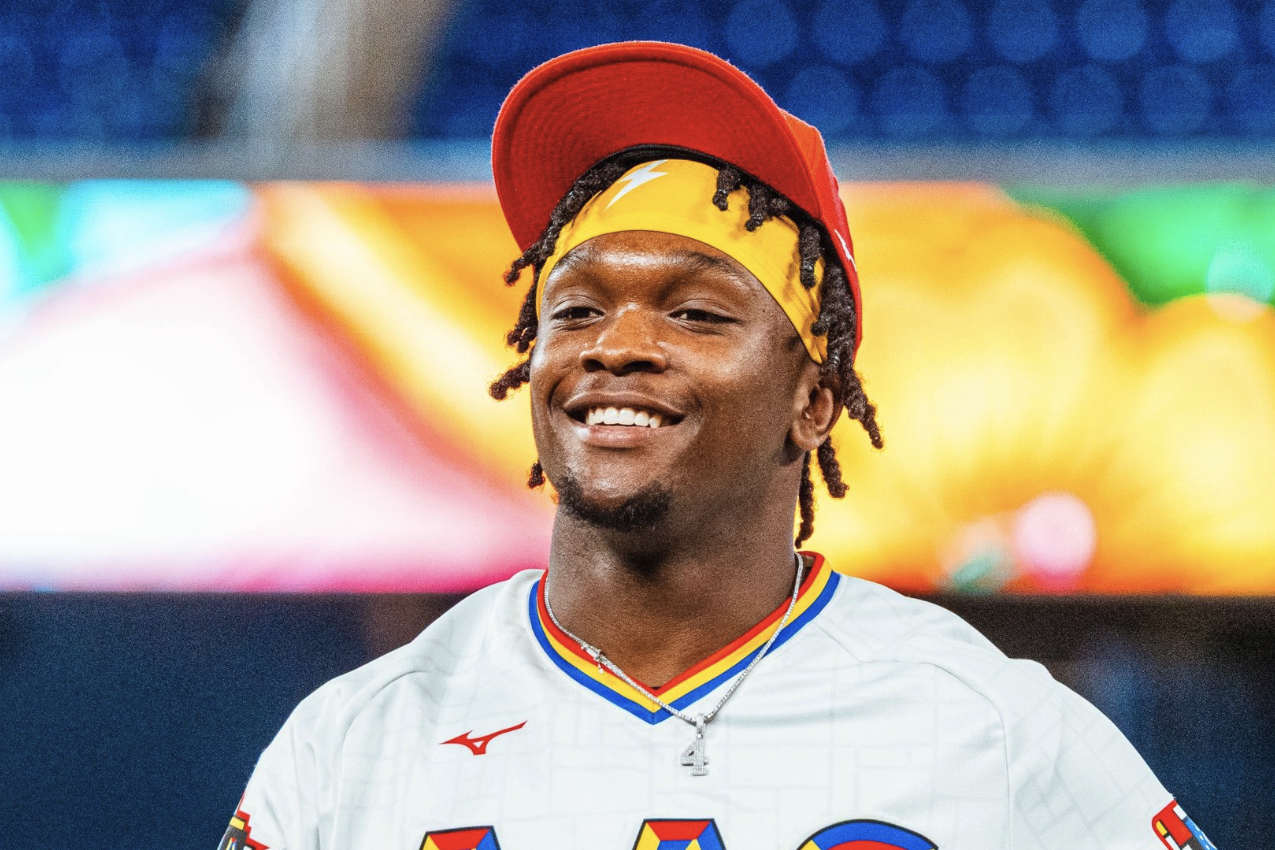 Leading up to the 2026 MLB Draft, Fish On First brings you a series of scouting reports on top prospects in this draft class who could realistically wind up in Miami. Overview Position: OF Height: 6’0″ Weight: 205 pounds School: Oak Grove HS (MS) Commitment: Vanderbilt Eric Booth Jr. is a 6’0”, 205-pound outfielder who plays at Oak Grove School in Hattiesburg, Mississippi. Booth has been rising on the board since the beginning of his senior season. He is now viewed as arguably the best outfield prospect in this draft class. On Perfect Game, Booth is the fourth-ranked prospect and the top-ranked outfielder in the Class of 2026. He’s also the #1 overall prospect in the Magnolia State. Booth is signed to play college baseball at Vanderbilt University. Booth is one of the best athletes in this draft class. He’s arguably the fastest prospect and has already started to fill out his frame. At the plate, Booth has an unorthodox batting stance and tends to swing down on the ball. While Booth is not the biggest prospect, he has plus bat speed and can already generate power with his frame. He won the Home Run Derby at the Perfect Game All-American Classic last summer. Defensively, Booth is projected to be a center fielder due to his excellent range. He has improved his arm strength from average to above-average. According to Perfect Game, Booth has been clocked running a 6.27 60-yard dash. He also has good instincts and tracks the ball well in the outfield. While Booth's tools are exciting, there’s still work to be done when it comes to his overall development. Strengths Elite speed Plus bat speed Good bat-to-ball skills Good feel for the strike zone Excellent athlete Weaknesses Needs to improve at lifting the ball Needs to improve on swing mechanics Pro Comparison: Cedric Mullins Projection: Top 10 pick Bottom Line Eric Booth Jr. is certainly has the raw talent to develop into a very productive big leaguer. Both MLB Pipeline and Baseball America have Booth ranked as the sixth-ranked prospect in this draft class. The Marlins will have the 14th overall pick in the 2026 MLB Draft and should be able to grab one of the top prospects in this draft class. Selecting Booth would come with high risk. However, that might be a risk worth taking. More 2026 MLB draft profiles 3B Ace Reese LHP Carson Bolemon RHP Jackson Flora INF Jacob Lombard OF AJ Gracia View the full article
 -
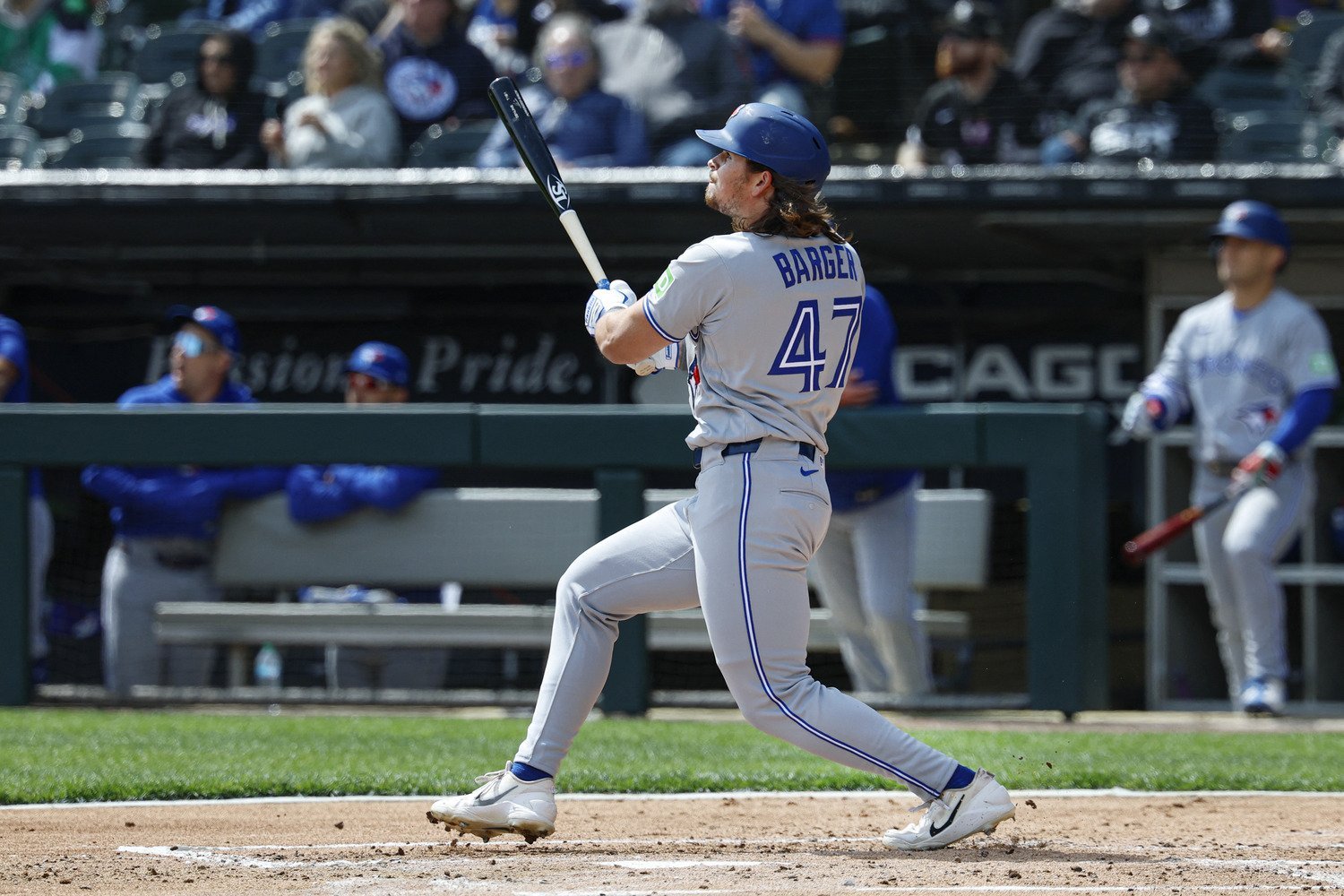 Addison Barger will have to wait at least one more day before he's back in the Blue Jays' lineup. The team originally planned to activate him from the 10-day injured list ahead of tonight's game against the Angels, but John Schneider told Sportsnet's Jeff Blair and Kevin Barker today that Barger is still in transit. He is not expected to rejoin the Blue Jays until Saturday. This gives the team a bit more time to decide how to make room for Barger on the active roster. For what it's worth, the Angels are sending the left-handed Reid Detmers to the mound this evening, which might explain why the Jays aren't rushing the lefty-batting Barger to town. Barger has been on the IL since April 6 with a sprained ankle. Prior to his injury, he was 1-for-19 with a double and six strikeouts. Only two of his 23 plate appearances came against left-handed pitching. He has hit .193 with a 55 wRC+ and just one home run in 128 career PA against southpaws. View the full article
 -
Friday Forum: Are We Young? How'd Last Week Go? Wither Joe Ryan?
DiamondCentric posted an article in Twins Daily
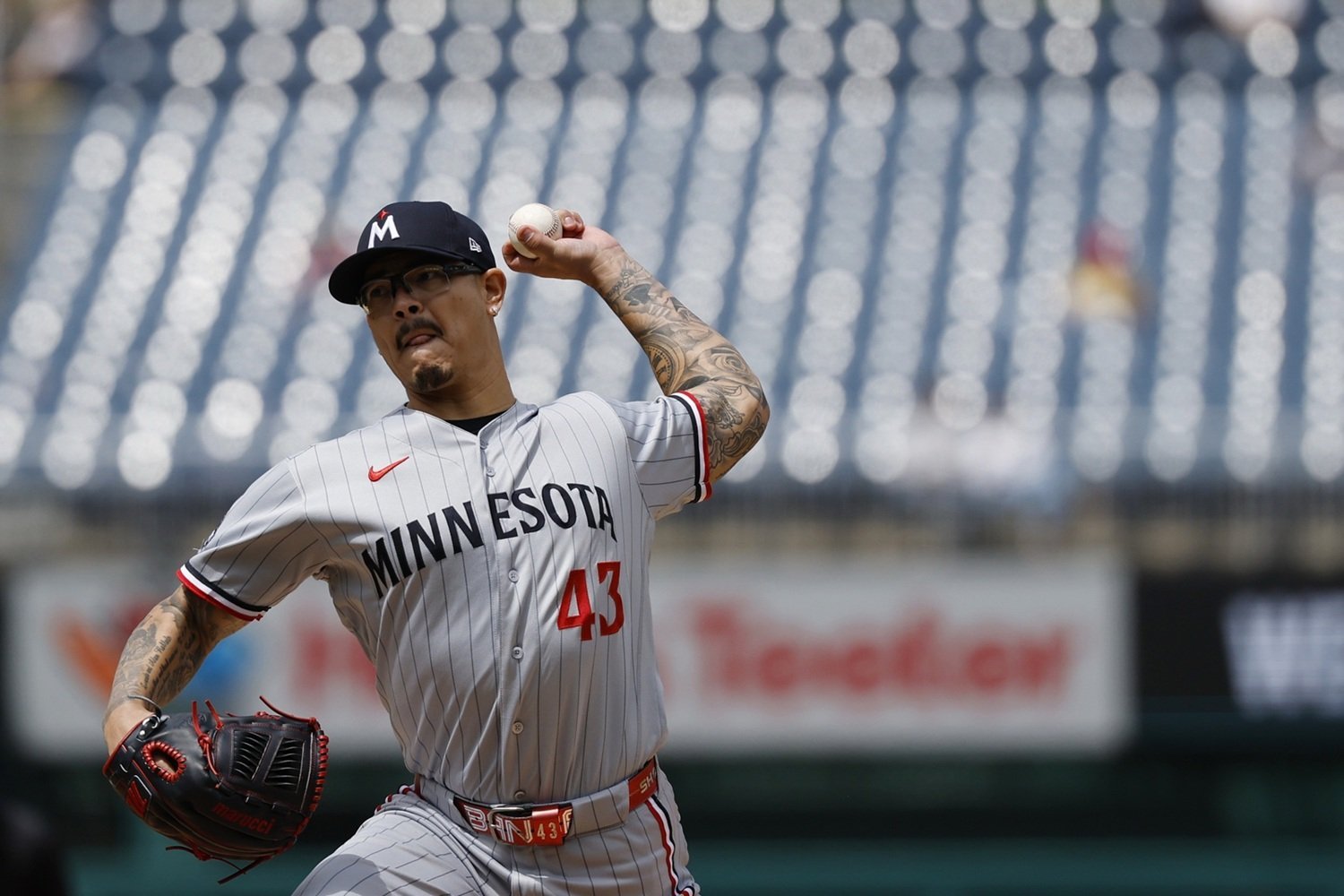 OG member Riverbrian, who, fortunately for us, has apparently way too much time on his hands, is tracking youth on each team. Specifically, pre-arb players. Interesting stuff...read all about it and let us know what you think here: Nick Nelson, one of the site's founders, gives us another well-crafted weekly review. I'm starting to think he might not be totally sold on the bullpen. What do you think? Let us know here: Fortunately, it appears Joe Ryan and the Twins may have dodged a bullet with his sore elbow. Fingers crossed. Assuming he's healthy, should he be dealt? If so, when? Cody Christie weighs in, so should you, here: Till next week, Chief signing off. See you in the forums! View the full article
 -
Mets Could Deal Freddy Peralta To Cubs If Woes Continue
DiamondCentric posted an article in Grand Central Mets
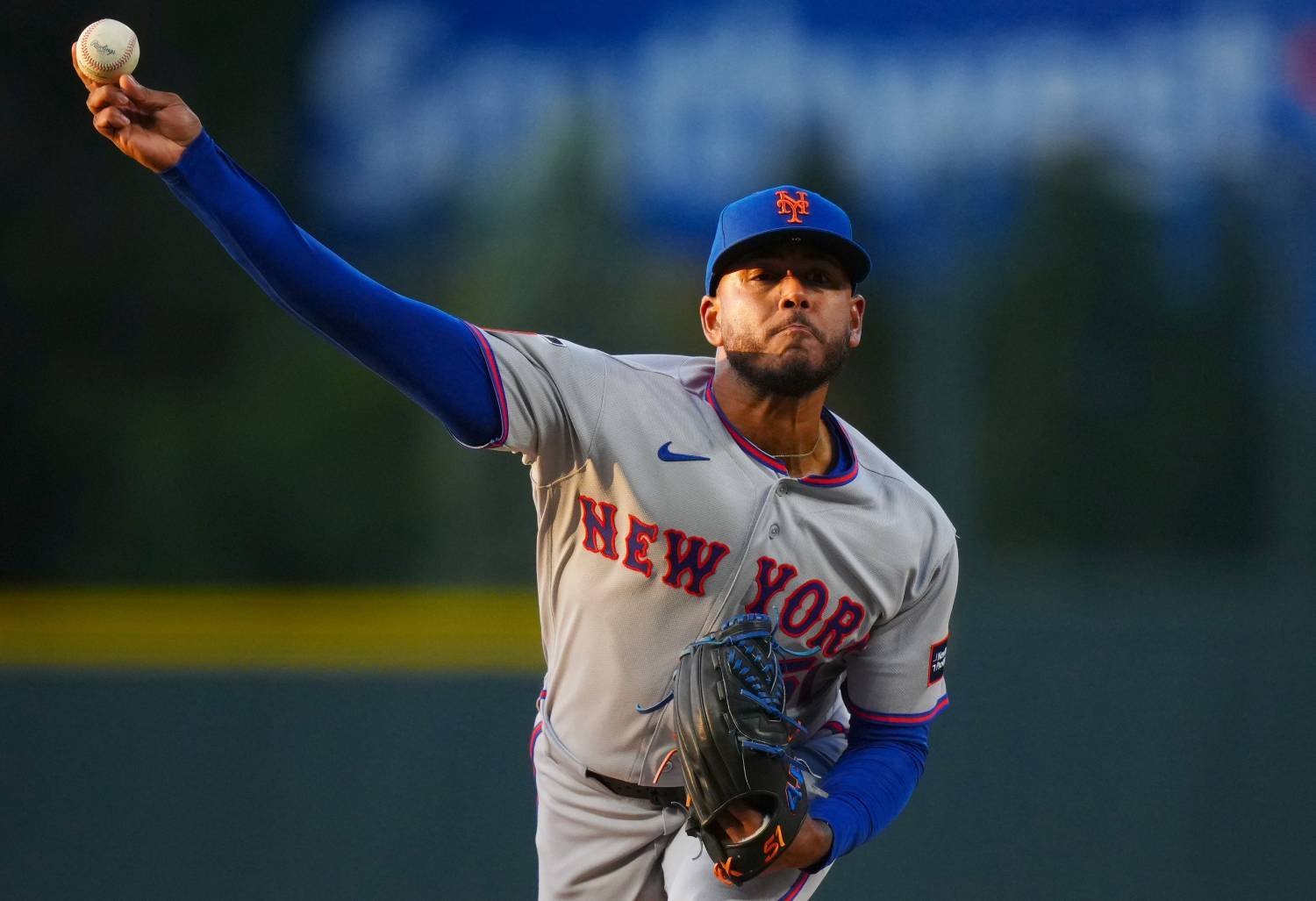 The Chicago Cubs could be ready to take advantage of the New York Mets' miserable start to the season. According to a report, the Cubs are interested in acquiring ace right-hander Freddy Peralta from the Mets. Peralta, a free agent after the season, has already been traded once this year, going from the Milwaukee Brewers to the Mets in a four-player trade in which New York gave up a pair of top-five prospects in infielder-outfielder Jett Williams and right-handed starter Brandon Sproat. This time, Peralta's price would be lower as the acquiring team would not be able to get draft-pick compensation through the qualifying offer. A qualifying offer can only be extended to a player who is with a team for the full season. The report mentioned that the Mets are holding on to Peralta until at least June 1, at which time the team will reevaluate its position on Peralta and other tradeable assets. The Cubs are in the market for at least one starting pitcher as they currently have three of their projected four Opening Day starters on the injured list, including Cade Horton being out for the season. Peralta has ties to both teams from his Brewers days. Mets president of baseball operations David Stearns led Milwaukee's front office while Peralta was on the roster and Cubs manager Craig Counsell was Peralta's manager in Milwaukee. Peralta will be one of the top free agents available this offseason. View the full article
 -
Cubs Could Pursue Freddy Peralta If Mets' Woes Continue
DiamondCentric posted an article in North Side Baseball
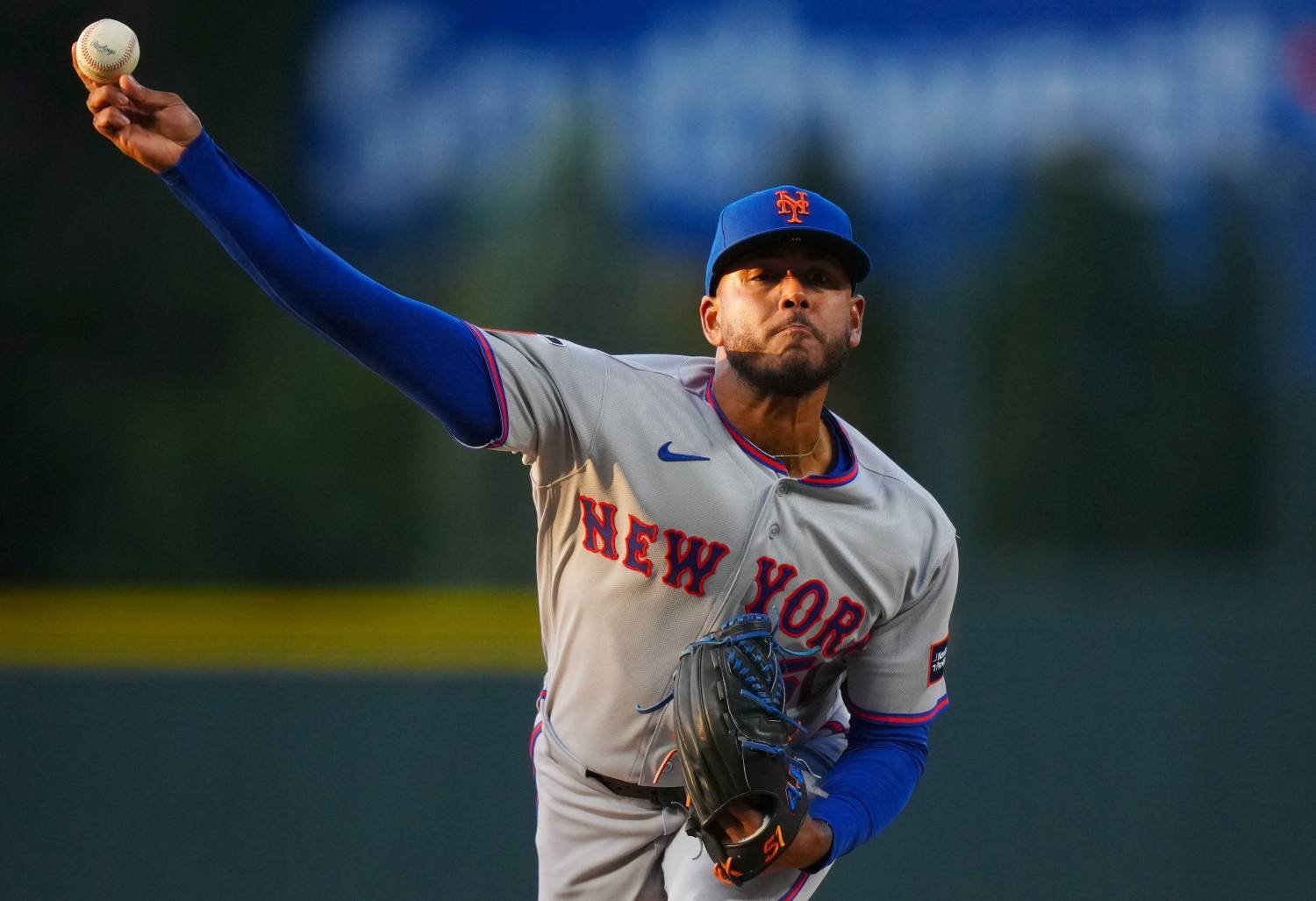 The Chicago Cubs could be ready to take advantage of the New York Mets' miserable start to the season. According to a report, the Cubs are interested in acquiring ace right-hander Freddy Peralta from the Mets. Peralta, a free agent after the season, has already been traded once this year, going from the Milwaukee Brewers to the Mets in a four-player trade in which New York gave up a pair of top-five prospects in infielder-outfielder Jett Williams and right-handed starter Brandon Sproat. This time, Peralta's price would be lower as the acquiring team would not be able to get draft-pick compensation through the qualifying offer. A qualifying offer can only be extended to a player who is with a team for the full season. The report mentioned that the Mets are holding on to Peralta until at least June 1, at which time the team will reevaluate its position on Peralta and other tradeable assets. The Cubs are in the market for at least one starting pitcher as they currently have three of their projected four Opening Day starters on the injured list, including Cade Horton being out for the season. Peralta has ties to both teams from his Brewers days. Mets president of baseball operations David Stearns led Milwaukee's front office while Peralta was on the roster and Cubs manager Craig Counsell was Peralta's manager in Milwaukee. Peralta will be one of the top free agents available this offseason. View the full article
 -
Royals Ace Cole Ragans Placed On IL With Elbow Injury
DiamondCentric posted an article in Royals Keep
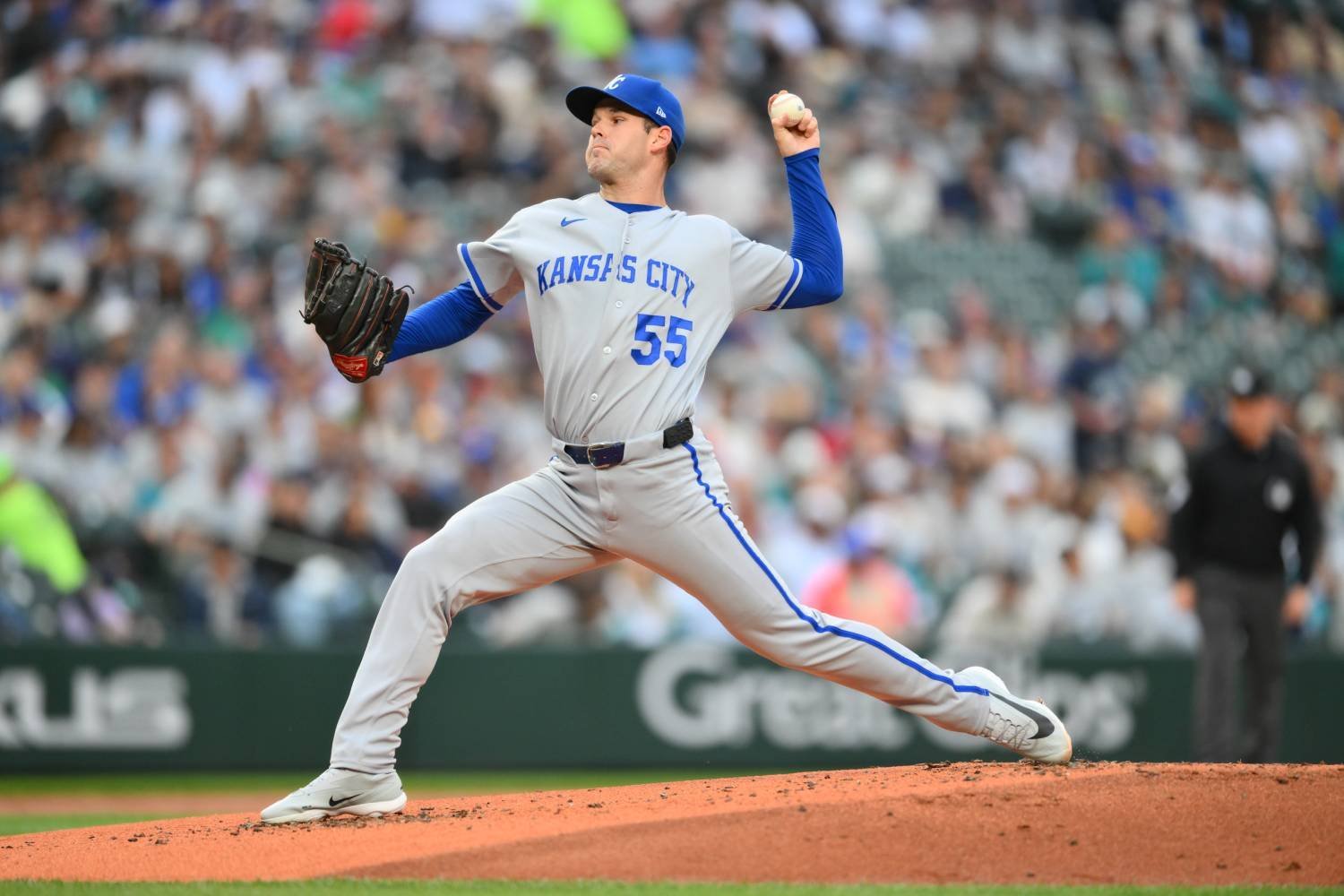 The expected became official in regards to Cole Ragans. The Kansas City Royals placed their ace left-hander on the 15-day injured list with a left elbow impingement. Right-handed starter Stephen Kolek, who made his season debut Tuesday before being sent to Triple-A, was recalled from Omaha. Also, left-hander Eric Cerantola, who made his MLB debut this week, was optioned to Triple-A and right-handed reliever Steven Cruz was called up. Additionally, right-handed closer Carlos Estevez was officially pulled from his rehab assignment after experiencing discomfort in his right shoulder following his first rehab appearance Wednesday. Ragans was pulled from Wednesday's start vs. the Cleveland Guardians after just three innings. On Thursday, it was revealed that Ragans was dealing with pitcher's elbow, with the more technical term of valgus extension overload. The loss of Ragans is a significant blow to the Royals, who are still trying to string some wins together. Kolek came off the 15-day IL and went six innings in Tuesday's 5-3 win over the Guardians. He allowed all three runs on four hits with no walks and three strikeouts. Cruz, in his second stint with the Royals, made five appearances after an April 1 call-up. In five innings, he allowed eight runs on seven hits, including four homers, with four walks and seven strikeouts for a 14.40 ERA. At Omaha, he had a 6.43 ERA in eight appearances, giving up eight runs on 10 hits and three walks with 10 strikeouts. Cerantola made two relief appearances, pitching Wednesday and Thursday. He went a combined three innings, allowing three runs, including a homer, in two innings in his second appearance. He walked four and struck out five. View the full article
 -
 Unlike other publications, Grand Central Mets enables all users to contribute to our top prospect rankings. Anyone with a DiamondCentric account can participate and give their input on who they think should be in the Mets' top prospects list. Before you vote, you can hit our top prospects page for the latest stats and news on Mets prospects, while on the voting page, every name is a clickable link that brings up their current stat card. Voting is simple, just follow the instructions below! Here's the rundown on how to participate: 1. You must have an account and be logged in to vote. If you don't have an account, click here. It requires only 60 seconds to create an account. 2. Review our current top 20 prospect list, catch up on stats, rankings, etc. (you can do so from the voting page link below) 3. Have your prospect list in your filthy little paws? Then flip on over to the new prospect voting page (after reading the rest of this, please). https://grandcentralmets.com/prospect-voting 4. Voting is super simple; you drag and drop players in the order you wish them to be. After you move a prospect, the list automatically renumbers so you don't lose track of the order. This works on mobile devices, but it's a *vastly* better experience on desktop. Sorry, that's just how this kind of thing works. There's no excellent way to make something like this as awesome on a phone screen. 5. Each prospect has a comment section where you can add any commentary you have on that player. At the bottom of the list, there is a general comment section to explain over-arching things you'd like to mention. 6. Don't see a prospect you want to put on the list? Just pop back here and give me a mention (in a comment, start typing @Brock Beauchamp and select my name after it appears). Please mention the prospect you would like added, and I will do so as soon as possible. 7. Once you're done with all of it, click Save. You've now voted! 8. When the voting closes, a new thread will automatically generate in this forum with all of your rankings and comments for everyone to read and talk about. 9. You can only vote once. If you have voted in error, pop back here and tag Brock to ask to have your vote deleted. It will be removed, and you can vote again. Voting closes Wednesday, May 13. View the full article
 -
 Unlike other publications, Padres Mission enables all users to contribute to our top prospect rankings. Anyone with a DiamondCentric account can participate and give their input on who they think should be in the Padres' top prospects list. Before you vote, you can hit our top prospects page for the latest stats and news on Padres prospects, while on the voting page, every name is a clickable link that brings up their current stat card. Voting is simple, just follow the instructions below! Here's the rundown on how to participate: 1. You must have an account and be logged in to vote. If you don't have an account, click here. It requires only 60 seconds to create an account. 2. Review our current top 20 prospect list, catch up on stats, rankings, etc. (you can do so from the voting page link below) 3. Have your prospect list in your filthy little paws? Then flip on over to the new prospect voting page (after reading the rest of this, please). https://padresmission.com/prospect-voting 4. Voting is super simple; you drag and drop players in the order you wish them to be. After you move a prospect, the list automatically renumbers so you don't lose track of the order. This works on mobile devices, but it's a *vastly* better experience on desktop. Sorry, that's just how this kind of thing works. There's no excellent way to make something like this as awesome on a phone screen. 5. Each prospect has a comment section where you can add any commentary you have on that player. At the bottom of the list, there is a general comment section to explain over-arching things you'd like to mention. 6. Don't see a prospect you want to put on the list? Just pop back here and give me a mention (in a comment, start typing @Brock Beauchamp and select my name after it appears). Please mention the prospect you would like added, and I will do so as soon as possible. 7. Once you're done with all of it, click Save. You've now voted! 8. When the voting closes, a new thread will automatically generate in this forum with all of your rankings and comments for everyone to read and talk about. 9. You can only vote once. If you have voted in error, pop back here and tag Brock to ask to have your vote deleted. It will be removed, and you can vote again. Voting closes Wednesday, May 13. View the full article
 -
 Unlike other publications, North Side Baseball enables all users to contribute to our top prospect rankings. Anyone with a DiamondCentric account can participate and give their input on who they think should be in the Cubs' top prospects list. Before you vote, you can hit our top prospects page for the latest stats and news on Cubs prospects, while on the voting page, every name is a clickable link that brings up their current stat card. Voting is simple, just follow the instructions below! Here's the rundown on how to participate: 1. You must have an account and be logged in to vote. If you don't have an account, click here. It requires only 60 seconds to create an account. 2. Review our current top 20 prospect list, catch up on stats, rankings, etc. (you can do so from the voting page link below) 3. Have your prospect list in your filthy little paws? Then flip on over to the new prospect voting page (after reading the rest of this, please). https://northsidebaseball.com/prospect-voting 4. Voting is super simple; you drag and drop players in the order you wish them to be. After you move a prospect, the list automatically renumbers so you don't lose track of the order. This works on mobile devices, but it's a *vastly* better experience on desktop. Sorry, that's just how this kind of thing works. There's no excellent way to make something like this as awesome on a phone screen. 5. Each prospect has a comment section where you can add any commentary you have on that player. At the bottom of the list, there is a general comment section to explain over-arching things you'd like to mention. 6. Don't see a prospect you want to put on the list? Just pop back here and give me a mention (in a comment, start typing @Brock Beauchamp and select my name after it appears). Please mention the prospect you would like added, and I will do so as soon as possible. 7. Once you're done with all of it, click Save. You've now voted! 8. When the voting closes, a new thread will automatically generate in this forum with all of your rankings and comments for everyone to read and talk about. 9. You can only vote once. If you have voted in error, pop back here and tag Brock to ask to have your vote deleted. It will be removed, and you can vote again. Voting closes Wednesday, May 13. View the full article
 -
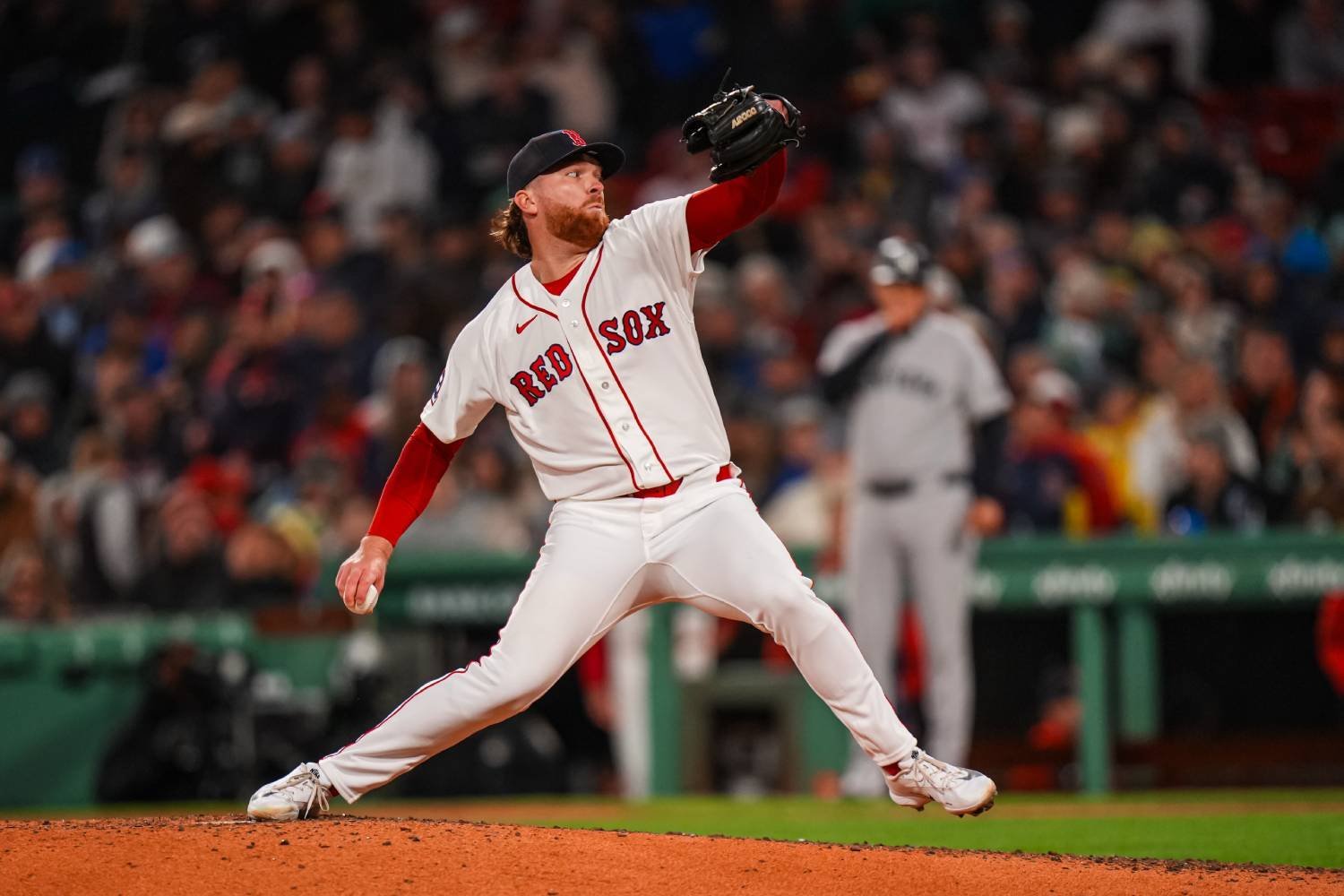 The Boston Red Sox continue to shuffle their pitching staff. Right-hander Jack Anderson was called up by the Red Sox from Triple-A Worcester on Friday, with left-handed starter Jake Bennett being sent back to Triple-A. Anderson, who is in his second stint this season with the Red Sox, has started three of his five appearances at Worcester, but all three of his games in the majors have been in a relief role, including his MLB debut. The Red Sox have not officially named a starter for Saturday or Sunday, the final two games of the series vs. the Tampa Bay Rays. It is possible Anderson appears in either role Saturday and is sent back down for a fresh arm for Sunday. Anderson has allowed three runs on eight hits with two walks and six strikeouts with the Red Sox. At Triple-A, he allowed nine runs on 21 hits, including four homers, with three walks and 17 strikeouts in 18 innings. Bennett made two starts as he also had his MLB debut. He gave up five runs on 11 hits with four walks and four strikeouts in 10⅓ innings. View the full article
 -
 Unlike other publications, Brewer Fanatic enables all users to contribute to our top prospect rankings. Anyone with a DiamondCentric account can participate and give their input on who they think should be in the Brewers' top prospects list. Before you vote, you can hit our top prospects page for the latest stats and news on Brewers prospects, while on the voting page, every name is a clickable link that brings up their current stat card. Voting is simple, just follow the instructions below! Here's the rundown on how to participate: 1. You must have an account and be logged in to vote. If you don't have an account, click here. It requires only 60 seconds to create an account. 2. Review our current top 20 prospect list, catch up on stats, rankings, etc. (you can do so from the voting page link below) 3. Have your prospect list in your filthy little paws? Then flip on over to the new prospect voting page (after reading the rest of this, please). https://brewerfanatic.com/prospect-voting 4. Voting is super simple; you drag and drop players in the order you wish them to be. After you move a prospect, the list automatically renumbers so you don't lose track of the order. This works on mobile devices, but it's a *vastly* better experience on desktop. Sorry, that's just how this kind of thing works. There's no excellent way to make something like this as awesome on a phone screen. 5. Each prospect has a comment section where you can add any commentary you have on that player. At the bottom of the list, there is a general comment section to explain over-arching things you'd like to mention. 6. Don't see a prospect you want to put on the list? Just pop back here and give me a mention (in a comment, start typing @Brock Beauchamp and select my name after it appears). Please mention the prospect you would like added, and I will do so as soon as possible. 7. Once you're done with all of it, click Save. You've now voted! 8. When the voting closes, a new thread will automatically generate in this forum with all of your rankings and comments for everyone to read and talk about. 9. You can only vote once. If you have voted in error, pop back here and tag Brock to ask to have your vote deleted. It will be removed, and you can vote again. Voting closes Wednesday, May 13. View the full article
 -
 Triple-A Worcester Red Sox Worcester gutted out a wild extra-inning win, walking it off with a two-run homer in the 12th inning, 10-8 against the Scranton/Wilkes-Barre Railriders. Worcester and Scranton battled back and forth in the first couple of innings. The WooSox got on the board early when Nick Sogard singled in a run in the first inning, but the RailRiders answered back with a three-run homer in the top of the second to take a 3-1 lead. Worcester clawed right back, tying it 3-3 in the bottom of the frame on a pair of productive RBI groundouts by Tsung-Che Cheng and Matt Lloyd. After Scranton retook the lead 4-3 in the 4th, Anthony Seigler crushed a solo homer to tie it once again, and Cheng added a sacrifice fly to put Worcester up 5-4. Worcester stretched the lead to 6-4 in the 7th as Sogard scored on an error, then 7-4 in the 8th when Matt Lloyd launched a solo shot. Cade Feeney ran into trouble at the top of the 9th, surrendering an RBI triple and a two-run single that knotted the score at 7-7. Both teams went scoreless in the 10th. In the 11th, Scranton pushed across a run with a sacrifice fly to go up 8-7, but Worcester answered immediately. Kristian Campbell delivered a sacrifice fly of his own to tie it again at 8-8. In the bottom of the 12th, Allan Castro, who already singled, doubled, and stole a base on the night, jumped on a pitch and launched a two-run homer to end it, 10-8. Eduardo Rivera gave Worcester 2 ⅔ solid innings of middle relief (1 ER, 4 K), and Kyle Keller was dominant over 1.1 hitless frames with 3 strikeouts. Catcher Nathan Hickey picked up his first career win with a scoreless 12th. Key Performances: Allan Castro: 2-for-5, 3 R, 2 RBI, BB, SB Anthony Seigler: 2-for-4, 3 R, RBI, 2 BB Double-A Portland Sea Dogs Portland played two seven-inning games for their doubleheader, and it was a frustrating 4-2 loss for the Sea Dogs in the first game as their bats couldn't solve New Hampshire’s pitching staff, going 0-for-9 with RISP. Portland managed just six hits on the night, and none of them produced a run through the first six innings. Blake Wehunt gave the Sea Dogs a clean first two frames on the mound, but the third inning unraveled as the Fisher Cats smacked a two-run double to put them up 2-0. New Hampshire followed up with another RBI, this time coming from a forceout. Max Carlson came on and had an excellent four innings of relief, allowing just two hits with three strikeouts and no walks. Although he gave up an unearned run in the 5th when a Fisher Cats runner scored on an error to make it 4-0, Carlson kept the game within reach. A promising start slipped away from the Sea Dogs in the second game of the doubleheader as they lost 7-5 Portland came out swinging in the bottom of the 1st. Franklin Arias reached base with a single, and Will Turner launched a two-run homer to right field to make it 2-0. Max Ferguson added on with an RBI single to push it to 3-0. The Fisher Cats answered back immediately in the second inning, scoring off of a fielder's choice and an RBI groundout, 3-2. New Hampshire tied the game up 3-3 in the fifth with an RBI single. Both teams traded blows in the eighth and ninth to force extra innings. New Hampshire broke through in the top of the eighth on a sacrifice fly to go up 4-3, but Portland scored right back, Miguel Bleis singled in a run to knot the score 4-4. In the 9th, the Fisher Cats ripped a ground-rule double to put them up 5-4, and once again Portland responded: Tyler McDonough laid down a sacrifice bunt, and a throwing error by former Red Sox second round pick Cutter Coffey allowed Marvin Alcantara to score and tie it 5-5. The Sea Dogs unfortunately hit a dry spell in the tenth, giving up two runs and failing to score any runs with two runners on base to end it 7-5. Caleb Bolden was very sharp in the 3 ⅓ innings he pitched for Portland, giving up one run and striking out eight batters. High-A Greenville Drive The Drive's bats came alive early and never let up, defeating the Greensboro Grasshoppers on the road 6-4. Greenville made their intentions clear in the first inning, Justin Gonzales led things off with a solo homer to left-center and Henry Godbout launched one of his own to left, back-to-back long balls that made it 2-0. Yoeilin Cespedes hit a single and moved to second base on a wild pitch, which would then set up Yophery Rodriguez to single him home to push the lead to 3-0. The Grasshoppers chipped away with two runs in the second to make it 3-2. In the third, Rodriguez earned his second hit of the game as Jack Winnay followed up with an RBI single. Greensboro scored another two runs in the bottom of the third to tie it at 4-4, taking advantage of some early mistakes from starter Brandon Neely. But Neely steadied himself and worked through 3 ⅔ innings. It was not flashy, but the Drive retook the lead for good at the top of the fourth when Godbout drove in Freili Encarnacion with a groundout to make it 5-4. A passed ball in the ninth brought in a run and added a little cushion for the Drive, 6-4. Greenville’s bullpen slammed the door shut in the last four innings, Danny Kirwin threw three scoreless innings, striking out six, and Matt McShane pitched the ninth, striking out two batters to earn a save. Key Performances: Danny Kirwin: 3 IP, 2 H, 0 ER, 6 K Justin Gonzales: HR, 2B, R, RBI Henry Godbout: 2-for-4, HR, R, 2 RBI, BB Yophery Rodriguez: 2-for-4, R, RBI, BB Jack Winnay: 2-for-4, R, RBI, BB Single-A Salem RidgeYaks A walk-filled, error-plagued night doomed the RidgeYaks at home, as Salem could not capitalize on 11 walks drawn and fell to the Delmarva Shorebirds 6-2. Salem struck first, as Kleyver Salazar (who reached base in four of his five plate appearances) worked a walk in the first inning, and Skylar King singled him home to put the RidgeYaks up 1-0. Delmarva tied it up quickly in the second with an RBI double to make it 1-1. The fourth inning is where it all fell apart. The Shorebirds led off the inning with a solo homer to put Delmarva up 2-1. Two walks and a throwing error by first baseman Frederik Jimenez led to two runs scored. The Shorebirds followed up with an RBI single, and suddenly it was 5-1. Salem’s bats were still quiet for the rest of the game, other than their last run scoring from a throwing error. Griffin Kilander was solid in his relief outing, throwing two innings, one earned run, and striking out five. The frustrating part for Salem was their inability to cash in runs with runners on base. The RidgeYaks drew 11 walks with five hits and were 2-for-13 with RISP. View the full article
 -
Cubs Affiliates Split Four As Mathis And Lumpuy Go Deep
DiamondCentric posted an article in North Side Baseball
 South Bend and Myrtle Beach claimed wins while Iowa and Knoxville suffered narrow defeats. Cole Mathis launched a two-run homer in the sixth as South Bend topped Lansing 3-1, with Koen Moreno tossing four scoreless innings. Grant Kipp struck out eight over five frames in Knoxville's 4-1 loss. Myrtle Beach rallied for six runs in the eighth to top Hickory 9-7. Connor Noland fanned five over five innings in Iowa's 4-2 loss. Cubs Transactions Chicago Cubs designated RHP Corbin Martin for assignment. Chicago Cubs recalled RHP Gavin Hollowell from Iowa Cubs. Athletics traded RHP Tyler Ferguson to Chicago Cubs. Chicago Cubs optioned RHP Tyler Ferguson to Iowa Cubs. Iowa Cubs Drop Close Decision To Columbus On Late Home Runs The Iowa Cubs fell 4-2 to the Columbus Clippers, dropping a tight game decided by back-to-back home runs in the eighth inning. Iowa managed five hits and stranded four runners. The Cubs pushed both of their runs across in the bottom of the third. Ben Cowles drew a leadoff walk, Scott Kingery followed with a single, and Owen Miller singled to load the bases. Justin Dean grounded into a double play that scored Cowles for the tying run. After BJ Murray walked, Kingery scampered home on a wild pitch during Pedro Ramirez's strikeout to give Iowa a 2-1 edge. The game was at a tie until the eighth thanks to great defensive plays, particularly from Kingery at second. In the eighth, Paul Campbell allowed solo home runs to two consecutive Columbus batters that flipped the score for good. Connor Noland started for Iowa, working five innings while allowing two runs on four hits with five walks and five strikeouts. Campbell took the loss, surrendering two runs on three hits over four innings with four strikeouts. BJ Murray, Kevin Alcantara, James Triantos, Scott Kingery, and Owen Miller each collected a base hit. Iowa drew three walks but did not record an RBI as a team. Player AB R H RBI BB K Justin Dean 3 0 0 0 1 0 BJ Murray 3 0 1 0 1 0 Pedro Ramírez 4 0 0 0 0 1 Kevin Alcántara 4 0 1 0 0 1 Christian Bethancourt 3 0 0 0 0 1 James Triantos 4 0 1 0 0 2 Ben Cowles 2 1 0 0 1 0 Scott Kingery 3 1 1 0 0 0 Owen Miller 3 0 1 0 0 0 Player IP H R ER BB K HR Connor Noland 5 4 2 2 5 5 0 Paul Campbell 4 3 2 2 0 4 2 Owen Ayers' Solo Shot Not Enough In Knoxville Loss Owen Ayers' second-inning home run gave the Knoxville Smokies an early lead, but the offense could not add to it as the Birmingham Barons rallied for a 4-1 win. Knoxville committed three errors and stranded six. Ayers connected on a solo shot to left center in the bottom of the second for Knoxville's lone run. The Smokies finished with five hits and went silent over the final seven innings. Birmingham tied the game in the third on a triple. An error by Ayers in the sixth allowed an unearned run to score, putting the Barons ahead. Birmingham added insurance in the ninth on a sacrifice fly and an RBI single. Grant Kipp turned in a strong start, allowing one run on three hits over five innings while striking out eight without walking a batter. Jace Beck took the loss with two innings of relief, surrendering one unearned run on one hit with one walk and four strikeouts. Evan Taylor worked a clean inning, while Luis Rujano gave up two runs on two hits with two walks in the ninth. Ayers' homer was Knoxville's only extra-base hit. Jordan Nwogu, Ariel Armas, Hayden Cantrelle, and Karson Simas each added a single. Jefferson Rojas, Nwogu, and Cantrelle drew walks for the Smokies. Player AB R H RBI BB K Carter Trice 4 0 0 0 0 0 Jordan Nwogu 3 0 1 0 1 0 Jefferson Rojas 3 0 0 0 1 1 Andy Garriola 3 0 0 0 0 0 Owen Ayers 4 1 1 1 0 1 Ariel Armas 4 0 1 0 0 2 Alex Ramírez 4 0 0 0 0 0 Hayden Cantrelle 2 0 1 0 1 1 Karson Simas 3 0 1 0 0 0 Player IP H R ER BB K HR Grant Kipp 5 3 1 1 0 8 0 Jace Beck 2 1 1 0 1 4 0 Evan Taylor 1 0 0 0 0 1 0 Luis Rujano 1 2 2 2 2 1 0 Cole Mathis' Three-Run Sixth Powers South Bend Past Lansing The South Bend Cubs broke open a scoreless game with a three-run sixth inning, holding on to defeat the Lansing Lugnuts 3-1. Cole Mathis' two-run homer was the centerpiece of the rally, and Koen Moreno led a strong pitching effort. Lansing scratched out their only run in the eighth on a wild pitch, but the Cubs held on. Moreno started and tossed four scoreless innings on two hits, walking two and striking out five. Jackson Brockett earned the win with two scoreless innings, allowing no hits and striking out five. JP Wheat was charged with the run on one hit over 1 1/3 innings, fanning two. Ethan Bell recorded the save across 1 2/3 innings, allowing two hits with one walk and four strikeouts. Mathis finished with the homer, two RBI, a walk, and a run scored. Bowser had two hits, including a double, and an RBI. Snell added two singles, a stolen base, and a run scored. Kane Kepley and Alex Madera each had a hit, while Sisneros walked twice and scored. Player AB R H RBI BB K Kane Kepley 4 0 1 0 0 0 Ty Southisene 4 0 0 0 0 0 Cameron Sisneros 2 1 0 0 2 1 Cole Mathis 3 1 1 2 1 1 Kade Snell 4 1 2 0 0 0 Leonel Espinoza 4 0 0 0 0 1 Drew Bowser 4 0 2 1 0 1 Justin Stransky 3 0 0 0 0 2 Alex Madera 3 0 1 0 0 0 Player IP H R ER BB K HR Koen Moreno 4 2 0 0 2 5 0 Jackson Brockett 2 0 0 0 0 5 0 JP Wheat 1 1/3 1 1 1 0 2 0 Ethan Bell 1 2/3 2 0 0 1 4 0 Pelicans Rally For Six In Eighth To Top Hickory The Myrtle Beach Pelicans erased a four-run deficit with a six-run eighth inning to beat the Hickory Crawdads 9-7. The rally featured five walks, an error, and an RBI single by Alexis Hernandez. Myrtle Beach trailed 7-3 entering the eighth. After two quick outs, the Pelicans loaded the bases on consecutive walks from Michael Carico, Logan Poteet, and Jose Escobar. Yahil Melendez reached on a missed catch error that allowed Carico and Poteet to score, cutting the lead to 7-5. Eli Lovich walked, and Darlyn De Leon drew a bases-loaded walk to bring home Escobar. Hernandez then singled to center to plate Melendez and Lovich for the go-ahead runs. De Leon scored on a wild pitch during Josiah Hartshorn's at-bat, and Hartshorn walked before Alexey Lumpuy struck out to end the frame. Earlier, Logan Poteet homered in the fourth for the team's first run, and Lumpuy's two-run homer to right center in the sixth had pulled the Pelicans within 4-3. Mason McGwire started and allowed three runs, one earned, on six hits over four innings, walking one and striking out seven. Braylon Myers earned the win despite a rough outing, allowing four runs on four hits across three innings with one walk and four strikeouts. Riely Hunsaker closed the door with two scoreless innings, recording one strikeout and earning the save. Hernandez led the offense with two hits, two RBI, and a stolen base. Lumpuy added a hit and two RBI on his homer. Poteet went 2-for-3 with the homer and a walk. Jose Escobar collected two hits and two walks. Player AB R H RBI BB K Alexis Hernandez 5 0 2 2 0 1 Josiah Hartshorn 4 1 0 0 1 1 Alexey Lumpuy 5 1 1 2 0 1 Michael Carico 3 1 0 0 2 2 Logan Poteet 3 2 2 1 1 0 Jose Escobar 3 1 2 0 2 0 Yahil Melendez 5 1 0 0 0 2 Eli Lovich 3 1 0 0 1 2 Darlyn De Leon 3 1 1 1 1 0 Player IP H R ER BB K HR Mason McGwire 4 6 3 1 1 7 0 Braylon Myers 3 4 4 4 1 4 0 Riely Hunsaker 2 0 0 0 0 1 0 Top-20 Prospect Performance Moises Ballesteros: DNP Jaxon Wiggins: DNP Jefferson Rojas: 0-for-3, BB, K Kevin Alcantara: 1-for-4, K Jonathon Long: DNP Ethan Conrad: DNP Pedro Ramirez: 0-for-4, K Kane Kepley: 1-for-4 Josiah Hartshorn: 0-for-4, R, BB, K James Triantos: 1-for-4, 2 K Brandon Birdsell: DNP Cole Mathis: 1-for-3, R, HR, 2 RBI, BB, K Angel Cepeda: DNP Kaleb Wing: DNP Will Sanders: DNP Juan Cabada: DNP Jostin Florentino: DNP Dominick Reid: DNP Ty Southisene: 0-for-4 Erian Rodriguez: DNP ``` View the full article
 -
 Triple-A Worcester Red Sox Series vs. Scranton/Wilkes Barre RailRiders: 4-1 Season Record: 21-15 Worcester won 8-3 behind a well-rounded offensive effort. Isaac Coffey started the evening for Worcester and allowed one run on three hits across four innings. The righty struck out five while allowing four walks. Angel Bastardo had a rocky appearance as he let up two runs on five hits. He K’d three and didn’t allow a walk. Noah Song earned the win for his efforts; he put in one and ⅓ innings of no-hit pitching. Wyatt Olds followed up Song with an excellent outing of his own. He went one inning without a hit before turning the ball over to Tommy Kahnle, who was solid as he closed out the game. The veteran allowed a hit and a walk but shut down the RailRiders with two strikeouts. Worcester’s offense put in more than enough effort on Friday, scoring eight runs on twelve hits. Tsung-Che Cheng got the party started with a solo homer in the second, his fourth of the year. In the fourth, Matt Thaiss doubled with men at the corners. Cheng scored as Worcester took the lead. Then, Nick Sogard drove a home run to center field to drive in Jason Delay and Thaiss. One inning later, Delay drove in Nate Eaton on a single to extend the lead to three. Finally, in the sixth, Kristian Campbell continued his hot streak as he drove in Eaton and Vinny Capra with his sixth double of the year. Double-A Portland Sea Dogs Series vs. New Hampshire Fisher Cats: 0-4 Season Record: 13-18 Portland fell in a high-scoring extra-innings affair 15-13. John Holobetz looked to right the ship after a disastrous outing his last time around. Unfortunately for Holobetz, Friday wasn’t his night. Over just one inning, he allowed five runs (one unearned) on five hits. Holobetz posted a 2.45 ERA through April, but has struggled heavily in May. Patrick Halligan got the ball in the second and threw three innings. He surrendered five hits and three runs, as well as one walk. Cooper Adams posted a very similar stat line across the next three innings. Akin to Holobetz and Halligan, Adams allowed five hits and a walk. New Hampshire tacked on three more runs during Adams’ outing before he turned the ball over to Reidis Sena. Sena had the most successful night against the red-hot Fisher Cats offense; he allowed just one run and two hits while punching out three. In extras and facing a depleted bullpen, Portland turned to second baseman Tyler McDonough to try to work some magic. It was a lost cause, however, as McDonough allowed a two-run homer that gave New Hampshire the lead in the tenth. In contrast to the poor pitching, Portland’s bats were hot on Friday. Down 7-0 in the second, Brooks Brannon belted a homer to right field to get the Sea Dogs on the board. He followed this up with a one-run single with the bases loaded in the fourth. Later in the innings, Miguel Bleis grounded into a force out, scoring Nate Baez. One inning later, Nelly Taylor pulled a solo homer to right field. This was followed up by a two-run shot by Nate Baez that scored Will Turner. Facing a 12-6 deficit in the seventh, Turner doubled, scoring Taylor. Just a few batters later, Brannon crushed his second home run of the night. This one was a three-run blast scoring Turner and Max Ferguson. In the bottom of the ninth and down three runs, Brannon stepped up to the plate again. He hit a sac fly for his sixth RBI of the night as Baez crossed the plate. Then, Marvin Alcantara played the hero. He shot a two-run homer to center field to tie the ballgame and send it to extras. Unfortunately, the Sea Dogs couldn’t come up with the win in the tenth, but it was a hotly contested effort. High-A Greenville Drive Series @ Greensboro Grasshoppers: 1-3 Season Record: 14-17 The Drive struggled to accrue offense as they fell 7-1 on Friday evening. Friday’s contest featured just two pitching appearances for Greenville. Dylan Brown took the first four innings for the Drive. He allowed three runs on seven hits, but sat down six on strikes. It was a valiant effort from Brown in his first appearance since being called up from Low-A Salem, but he still got the loss. Devin Futrell backed Brown up with a similar line. Across another four innings, he allowed four runs on six hits and two home runs. He did punch out five, but failed to minimize the damage. The Drive were nearly silent from the dish, totaling a measly four hits. Their solo run came on a Mason White solo home run with two outs in the ninth. It was too little, too late as White was one of only four players to record a hit. Gerardo Rodriguez and Ronny Hernandez each doubled, and Yoeilin Cespedes singled. It was an all-around poor showing as the Drive succumbed without much protest. Low-A Salem RidgeYaks Series vs Delmarva Shorebirds: 1-3 Season Record: 13-18 The RidgeYaks fell in a close game on Friday, 3-2. Barrett Morgan got the nod and threw three and ⅔ innings. He punched out five but allowed three runs on three hits and three walks. Dalvinson Reyes had the best performance by far for Salem on Friday. He pitched four and ⅓ innings of no-hit work, sending five batters packing by way of strikes. Adam Bates took the last inning, allowing two hits and a walk but staving off any offense from Delmarva. It was a solid day on the bump for Salem, who gave the offense plenty of opportunities to win the game. Despite only having two runs on the box score, it was a semi-successful night for Salem at the plate. The RidgeYaks recorded 10 hits, as Andrews Opata, Andruw Musett, and Ilan Fernandez had two hits each. Despite the copious hitting, Salem struggled heavily to drive runners in. Nine runners were left on base as the team went 2-for-8 with RISP. The only runs came on a single by Opata that scored Enddy Azocar in the third, and when D’Angelo Ortiz scored on a throwing error in the ninth. View the full article
 -
 Royals farmhands had a rough night across the system. Mitch Spence delivered a quality start in Triple-A, but Omaha fell in extras after Gavin Cross's two-run double in the ninth tied it. Carson Roccaforte and Connor Scott homered for the Naturals in a 10-9 walk-off loss. Justin Lamkin spun five scoreless innings, and Ramon Ramirez homered as Quad Cities blanked Cedar Rapids, 2-0. Michael Lombardi struck out nine over five hitless innings in Columbia's extra-inning defeat. Royals Transactions No Roster Moves Storm Chasers Fall In Walk-Off After Cross Doubles In Two To Force Extras Omaha lost 5-4 in 10 innings to the Indianapolis Indians, undone by a walk-off single in the bottom of the tenth. The Storm Chasers struck first in the third when Josh Rojas drove a two-run home run to right field, his third of the season. Indianapolis cut the lead in half in the bottom of the third on an RBI double. Cleanup hitter Luca Tresh went 2-for-4 with two runs scored and a stolen base. With two outs in the ninth and Omaha trailing 4-2, Tresh singled, Elih Marrero walked, and Gavin Cross laced a two-run double to right that scored both runners and tied the game at 4-4. Cross finished 1-for-3 with a walk and the two-RBI double. Mitch Spence delivered a quality start of 6 2/3 innings, allowing one hit, two runs, two earned, two walks, and four strikeouts. Chazz Martinez followed and surrendered three hits, two earned runs, and a walk while recording one out, taking the blown save. Steven Cruz worked one inning of one-hit relief, walking one and striking out two. Jose Cuas was charged with the loss after 1 2/3 innings, allowing two hits, an unearned run, two intentional walks, and a strikeout. The zombie runner scored on a soft single to right to end it. Omaha left six runners on base. Player AB R H RBI BB K Tyler Tolbert 5 0 0 0 0 3 Josh Rojas 5 1 1 1 0 2 Kameron Misner 5 0 0 0 0 2 Luca Tresh 4 2 2 0 0 2 Abraham Toro 4 0 0 0 0 1 Elih Marrero 3 1 1 0 1 0 Gavin Cross 3 0 1 2 1 1 Dustin Dickerson 2 0 0 0 2 0 Colton Becker 4 0 0 0 0 2 Player IP H R ER BB K HR Mitch Spence 6 2/3 1 2 2 2 4 0 Chazz Martinez 1/3 3 2 2 1 0 0 Steven Cruz 1 1 0 0 1 2 0 Jose Cuas 1 2/3 2 1 0 2 1 0 Naturals Drop Slugfest As Frisco Walks Off In The Tenth Northwest Arkansas lost a 10-9 thriller to the Frisco RoughRiders in 10 innings despite a four-hit night from Jack Pineda and home runs from Carson Roccaforte and Connor Scott. Leadoff hitter Roccaforte opened the scoring with a solo home run in the first, his eighth of the season. The Naturals built a 5-2 lead in the fourth when Jorge Alfaro was hit by a pitch, Pineda doubled to put runners on the corners, and Scott launched a three-run home run to right field. Pineda went 4-for-5 with a double, a stolen base, and two runs scored. Scott finished 2-for-5 with two runs, three RBI, a stolen base, and the homer. Rudy Martin Jr. went 2-for-4 with a double, a walk, a stolen base, and two runs scored. The decisive sixth brought three more runs. Pineda singled, Scott singled to put runners on the corners, and with two outs Martin doubled to score Pineda before Sam Kulasingam singled to plate Scott and Martin, pushing the lead to 8-4. Drew Beam allowed seven hits, four runs all earned, three walks, and two strikeouts across five innings, surrendering one home run. Caden Monke followed with a clean inning, retiring the side in order with two strikeouts. Christian Chamberlain was charged with two earned runs on a hit and a walk while recording one out. Brandon Johnson worked 1 2/3 innings, allowing three hits and one earned run while striking out three, picking up a hold. Zachary Cawyer took the loss after one inning, allowing two hits, three runs, one earned, and four walks, two of them intentional, while striking out two. Northwest Arkansas left six runners on base. Player AB R H RBI BB K Carson Roccaforte 5 1 1 1 0 2 Rudy Martin Jr. 4 2 2 1 1 1 Sam Kulasingam 4 0 1 2 1 1 Brett Squires 4 1 1 1 0 0 Daniel Vazquez 5 0 1 0 0 1 Jorge Alfaro 3 1 0 1 0 2 Jack Pineda 5 2 4 0 0 0 Connor Scott 5 2 2 3 0 2 Canyon Brown 4 0 0 0 0 3 Player IP H R ER BB K HR Drew Beam 5 7 4 4 3 2 1 Caden Monke 1 0 0 0 0 2 0 Christian Chamberlain 1/3 1 2 2 1 0 0 Brandon Johnson 1 2/3 3 1 1 0 3 0 Zachary Cawyer 1 2 3 1 4 2 0 River Bandits Blank Kernels Behind Lamkin's Six-Strikeout Start Quad Cities won 2-0 over the Cedar Rapids Kernels behind a strong start from Justin Lamkin and a hitless bullpen finish. The River Bandits scored both runs early. In the second, cleanup hitter Ramon Ramirez crushed a solo home run to left field, his fourth of the year. In the third, Angel Acosta singled and reached second on a sacrifice bunt by Nolan Sailors that was misplayed at first, then scored when Blake Mitchell ripped a ground-rule double to shallow right. Ramirez finished 3-for-4 with the home run, an RBI, a run scored, and a strikeout. Mitchell went 1-for-4 with the RBI double, while Erick Torres added a single and a stolen base. Asbel Gonzalez drew a walk and struck out twice. The rest of the lineup combined for two more hits, but the Bandits stranded 11 runners on base. Justin Lamkin earned the win with five scoreless innings, allowing two hits, two walks, and striking out six. Ryan Ure followed with a scoreless inning, surrendering one hit and two walks while striking out one, picking up a hold. L.P. Langevin worked two scoreless innings of hitless relief, walking two and striking out two, also recording a hold. Kamden Edge closed it out with a scoreless inning, walking two and striking out one, earning his first save of the season. The bottom of the ninth was not played. Player AB R H RBI BB K Nolan Sailors 3 0 0 0 0 1 Asbel Gonzalez 3 0 0 0 1 2 Blake Mitchell 4 0 1 1 0 2 Ramon Ramirez 4 1 3 1 0 1 Derlin Figueroa 4 0 0 0 0 1 Jose Cerice 4 0 0 0 0 2 Tyriq Kemp 2 0 0 0 1 1 Erick Torres 3 0 1 0 0 1 Angel Acosta 3 1 1 0 0 0 Player IP H R ER BB K HR Justin Lamkin 5 2 0 0 2 6 0 Ryan Ure 1 1 0 0 2 1 0 L.P. Langevin 2 0 0 0 2 2 0 Kamden Edge 1 0 0 0 2 1 0 Lombardi Strikes Out Nine In Fireflies' Extra-Inning Loss Columbia fell 3-2 in 10 innings to the Kannapolis Cannon Ballers despite a dominant start from Michael Lombardi. The Fireflies' two runs both came in the fourth. Leadoff hitter Henry Ramos singled, Yandel Ricardo doubled to put runners on second and third, and Josh Hammond grounded out to score Ramos. Brooks Bryan walked, Sean Gamble singled to load the bases, and Hyungchan Um followed with an RBI single that scored Bryan, with Gamble thrown out at third to end the inning. Cleanup hitter Brooks Bryan went 1-for-3 with a double, a walk, and a run scored. Ricardo finished 1-for-4 with a double. Hammond added a double of his own and an RBI. Ramos, Gamble, Um, and JC Vanek each contributed a single. Michael Lombardi turned in five scoreless, hitless innings, walking two and striking out nine. Darwin Rodriguez was charged with the loss, going 4 1/3 innings while allowing four hits, three runs, two earned, one walk, and four strikeouts, also taking the blown save. Rodriguez surrendered the tying run in the bottom of the ninth on a Marcelo Alcala double, then yielded the walk-off run in the tenth on a wild pitch that scored the zombie runner from third. The Fireflies left four runners on base. Player AB R H RBI BB K Henry Ramos 4 1 1 0 0 2 Yandel Ricardo 4 0 1 0 0 1 Josh Hammond 4 0 1 1 0 1 Brooks Bryan 3 1 1 0 1 0 Sean Gamble 4 0 1 0 0 1 Hyungchan Um 4 0 1 1 0 2 Stone Russell 4 0 0 0 0 4 JC Vanek 4 0 1 0 0 2 Daniel Lopez 3 0 0 0 0 2 Player IP H R ER BB K HR Michael Lombardi 5 0 0 0 2 9 0 Darwin Rodriguez 4 1/3 4 3 2 1 4 0 Top-20 Prospect Performance Carter Jensen: DNP Blake Mitchell: 1-for-4, 2B, RBI, 2 K David Shields: DNP Kendry Chourio: DNP Ben Kudrna: DNP Sean Gamble: 1-for-4, K Josh Hammond: 1-for-4, 2B, RBI, K Ramon Ramirez: 3-for-4, HR, R, RBI, K Drew Beam: 5 IP, 7 H, 4 R, 4 ER, 3 BB, 2 K, HR Asbel Gonzalez: 0-for-3, BB, 2 K Yandel Ricardo: 1-for-4, 2B, K Felix Arronde: DNP Luinder Avila: DNP Daniel Vazquez: 1-for-5, K Steven Zobac: DNP Carson Roccaforte: 1-for-5, HR, R, RBI, 2 K Blake Wolters: DNP Michael Lombardi: 5 IP, 0 H, 0 R, 0 ER, 2 BB, 9 K Warren Calcaño: DNP Frank Mozzicato: DNP View the full article
 -
Gleeman & The Geek: Is the Twins' Season Slipping Away?
DiamondCentric posted an article in Twins Daily
 You can listen by downloading us from iTunes, Spotify, YouTube, iHeartRadio, Stitcher, GleemanAndTheGeek.com, click this link or you can listen to it or watch it below. View the full article
 -
 Fish On First LIVE discusses why Marlins right-hander Eury Pérez has not yet made the leap to stardom that many anticipated from him entering this season.View the full article
 -
 Next weekend, the Twins host their National League and cross-border rivals, and whether you’re a Twins fan or a Brewers fan, a Minnesotan or a Sconnie, traveling to the game or staying home, we want to make sure you enjoy yourself. So, mark your calendars for Saturday, May 16, because Twins Daily and Brewer Fanatic are teaming up for a cross-border baseball celebration with two fan parties in two cities, one in Minneapolis and one in Milwaukee, welcoming both Twins and Brewers fans for a full night of rivalry, community, drinks, prizes, and baseball! The fun starts in Minneapolis with a pregame watch party at Smorgie's from 4 – 5:30 pm. Whether you’re heading to the ballpark or looking for a great place to catch the pregame atmosphere, Smorgie’s will be the place to be; the place where you can expect baseball conversation, drink specials, giveaways, and plenty of friendly Twins vs. Brewers banter before first pitch. Then, from 5:30 – 9 pm, the party shifts east to Milwaukee for a full game watch party at Broken Bat Brewing. Brewers and Twins fans alike can gather to watch the game together while enjoying special event offerings, brewery favorites, and more chances to win prizes throughout the night. Both events will feature some terrific giveaways tailored to each fanbase and great food and drink specials, all of which we’ll announce over the next week. But it’s also going to have a whole lot of community, whether that be Twins community, Brewers community, or the broader baseball community, coming together to celebrate their Boys of Summer. So, grab your friends, grab your respective jerseys, and join us. No matter which side of the border you support, these events are all about bringing baseball fans together for a fun night of community and competition. Whether you’re joining us in Minneapolis or Milwaukee, next Saturday promises to be a memorable Saturday filled with baseball energy, cold drinks, good food, great company, and plenty of chances to win! More event details, specials, and raffle information will be announced soon, but for now, save the date and get ready for an exciting baseball night built for both fan bases! View the full article
 -
 Fish On First staffers react to the latest Miami Marlins series and prepare you for what lies ahead. Thursday's show was hosted by Jeremiah Geiger and featured panelists Sean Millerick and Kevin Barral. The following topics were covered: Robby Snelling's upcoming Marlins debut and a chaotic series of roster moves Why it was time for Graham Pauley to get sent down How come Eury Pérez isn't finding consistent success? Checking in on potential Sandy Alcantara trade scenarios The Marlins' strongest All-Star candidates Previewing and predicting the next series against the Washington Nationals You can find Fish Unfiltered and Fish On First LIVE on the Fish On First YouTube channel, Apple Podcasts, Spotify or wherever else you get your pods. Our next FOF LIVE episode will be Monday at approximately 6:00 p.m. ET the day after the Marlins-Nationals series finale. View the full article
 -
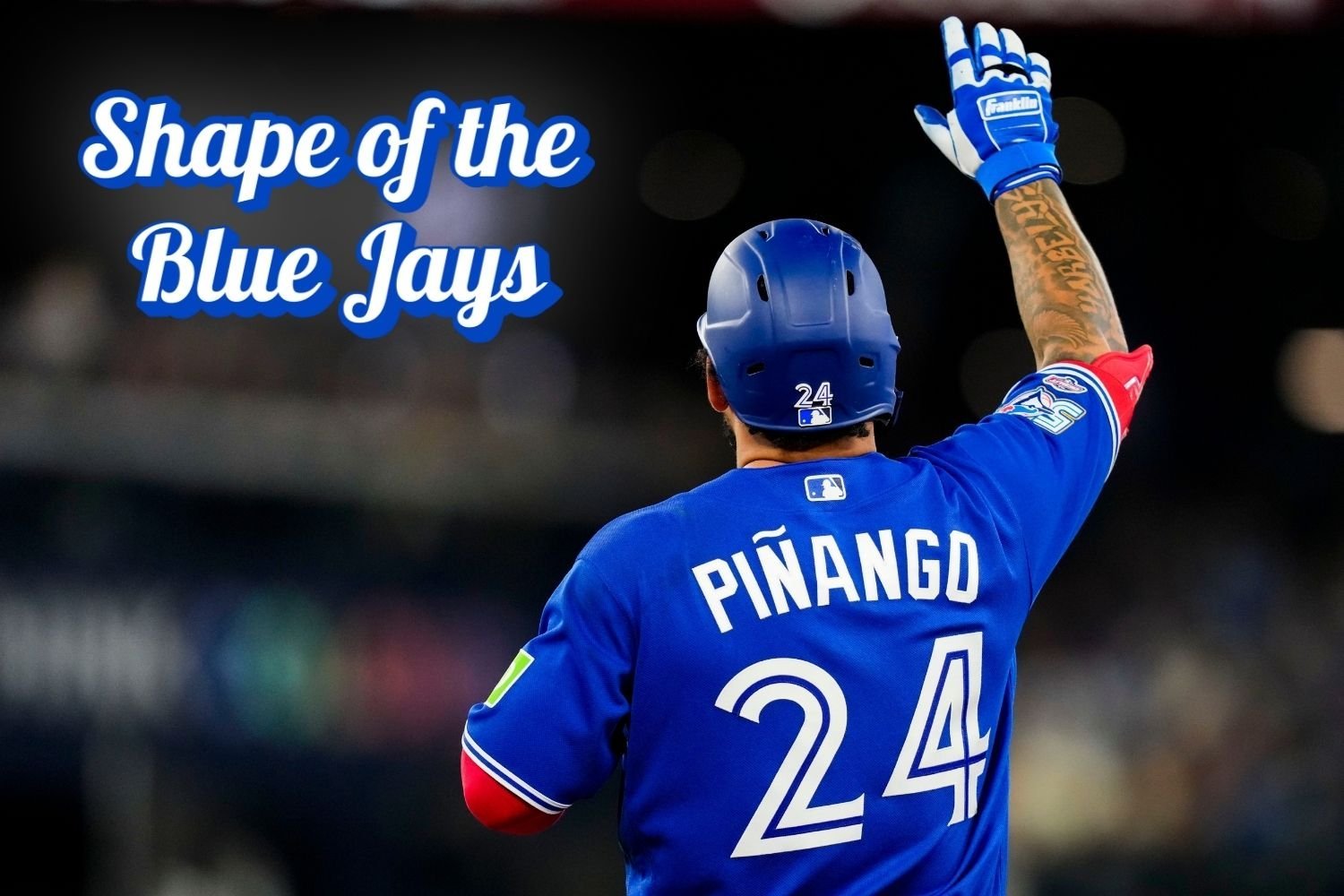 Welcome to Shape of the Blue Jays, my column where I dig into Statcast numbers to analyze recent pitch shape and swing shape trends for Toronto Blue Jays players and discuss how they have impacted their performance. Click here to read the last edition. Quick Hits: Baserunning The state of the offense is dire at the moment, but the Blue Jays aren't doing themselves any favors on the basepaths. According to Statcast's baserunning run value, they've been the second-worst team in the AL, ahead of only the Guardians. Baserunning wasn't a strength of last year's team, as they ranked inside the bottom 10 in this category as well, but when runs are this hard to come by, they can't afford to give away the few opportunities they do get. The Jays have the second-slowest average sprint speed of any team in the majors as well, but a lack of fast runners doesn't always equal bad baserunning. Other slow teams like the Mariners, Twins, and even the Yankees have been able to overcome it through good instincts and a strategic understanding of when to take the extra base on a ball in play. For Toronto, it has been the worst of both worlds. On an individual level, Vladimir Guerrero Jr., Myles Straw (ironic given how fast he is), Ernie Clement, and Kazuma Okamoto (insignificant given how well he's hitting) have been the culprits here. For how multifaceted this lineup is when things are going well, the Jays simply aren't built to win games on the bases, which is problematic when they're chasing everything and relying on hitting singles as much as they are. All of this further underscores the growing urgency they face to start slugging. Yohendrick Piñango Beyond Okamoto, Yohendrick Piñango has been one of the only other positives amidst this latest offensive lull. His production through the first 26 plate appearances of his big league career is putting the front office in a conundrum in terms of roster moves when Addison Barger returns Friday, as Jays Centre's Sam Charles recently outlined. Piñango is hitting .400 and has struck out just three times since his debut. It's worth noting he's hitting .583 against fastballs, which he has seen around half the time, and doing way worse against secondaries, so I'd imagine he'll start seeing more soft stuff the longer he sticks around. Piñango has an enviable toolset. His bat speed is 4 mph higher than league average and would be among the top 25 in the league if he were qualified, while his swing is slightly shorter than average. He has very quick hands and has already hit a ball 111 mph, while his zone contact rate is an elite 93.5%. As frustrating as it would be to see one of the only hot hitters on the roster get demoted upon Barger's reinstatement from the IL, Piñango is doing a lot of the things that are hampering the rest of the lineup: chasing a ton (39.1%) and not lifting whatsoever (1.7° avg. LA). Much like his teammate Vladimir Guerrero Jr., his timing is much more of an issue than his swing plane. He's worth keeping in the team's short-term plans, but I worry about his lack of discipline and his poor batted ball angles becoming sore spots once he starts seeing more secondaries. Yohendrick Piñango Swing Mechanics Comps, 2026 Player Bat Speed Swing Length Swing Tilt Attack Angle Attack Direction Ryan Vilade 75.7 mph 7.45 ft 31.8° 3.1° 1.1° Vladimir Guerrero Jr. 76.4 mph 7.49 ft 28.7° 3.4° -3.2° Denzel Clarke 76.4 mph 7.59 ft 30.4° 4.3° -1.3° Curtis Mead 72.1 mph 7.05 ft 31.9° 3.8° -2.4° Bobby Witt Jr. 73.2 mph 6.98 ft 27.7° 5.1° -1.2° Jeff Hoffman It's possible to be both bad and unlucky at the same time, an apt summary of how the season started for Jeff Hoffman. Things have taken a turn for the better since he was officially removed from the closer's role on April 24: In 5 innings since that date, he has given up one earned run, struck out five, walked one, and done a much better job at keeping the ball on the ground. His fastball velocity is up, averaging at least 96.5 mph in every appearance he has made in the month of May so far. In his scoreless seventh inning on Tuesday, it reached a new single-game high of 98 mph for his tenure as a Blue Jay. He wasn't kidding when he said the Tropicana Field mound was his favourite to pitch on. Earlier in the year, he showed an increased liking for his devastating splitter, and as the control issues mounted throughout April, he lost confidence in his fastball. The fact that he has thrown it harder and more often over the past couple of weeks is a welcome sign that he's regaining confidence. Despite his shaky ninth innings, there were signs that positive regression was imminent from every direction: a K-BB near 30%, a BABIP north of .500, a strand rate below 70%, and an xFIP and SIERA in the low 2.00s. That has come to fruition of late, but he's making his own luck too. Jesús Sanchez After starting the year on the right foot, Jesús Sánchez has gone ice-cold. His wRC+ on the season is down to 78. The injuries to George Springer and Addison Barger in April have made the slump feel like a missed opportunity to earn more playing time and a central role in the lineup. There are a lot of factors at play here. His .381 SLG indicates the 2.8-mph drop in bat speed we've seen compared to last year (second-largest in the majors by the way, yikes) has not been a worthwhile endeavor. Intertwined with that has been the further shortening of his swing. All this has done is bring his contact rate to the 54th percentile, a marginal improvement over the 39th-percentile mark he posted in 2025. We can also add Sánchez to the group of Jays hitters that is currently way too undisciplined to be productive. His chase rate against fastballs has jumped nine percentage points. Even worse, it's up nearly 17 points on breaking balls. Throw in some bad luck (.286 wOBA, .325 xwOBA), and this is how you end up with a talented hitter on pace for a career-worst season. Jesús Sánchez Chase Rate by Pitch Group, 2025 vs. 2026 Pitch Group 2025 2026 Breaking Balls 42.4% 59.1% Fastballs 22.5% 31.5% On the bright side, Sánchez isn't pounding the ball into the ground as much as in years past, but that doesn't mean much when it isn't coming off the bat with as much authority. I'm not sure whether this is a coaching thing, the result of something he's playing through, or just the trials and tribulations of a 162-game schedule, the latter of which is more responsible for the various misfortunes of our favourite players and teams than we'd like to admit. Either way, it's hard to picture this lineup getting going without him. View the full article
 -
 The Mets' affiliates went 1-3, with Syracuse pulling off the lone win in walkoff fashion. Kevin Villavicencio scored from third base with two outs in the bottom of the ninth as Syracuse edged Rochester 3-2. Christian Arroyo went 2-for-4 with a double and an RBI. Binghamton lost 5-3 after Kevin Gowdy's seventh-inning meltdown. Brooklyn was buried 9-2 at Bowling Green as Garrett Stratton allowed three runs in the first. St. Lucie fell 4-1 at Lakeland. Mets Transactions No Roster Moves Cluff Scores Walkoff Run As Syracuse Edges Rochester 3-2 Syracuse rallied for a 3-2 walkoff win over Rochester, with Kevin Villavicencio coming home from third base with two outs in the bottom of the ninth to send the home crowd home happy. Christian Arroyo, hitting cleanup, led the offense at 2-for-4 with a double, an RBI, and a run scored. A.J. Ewing went 1-for-5 with an RBI from the leadoff spot, while Nick Morabito added a 1-for-4 line with a stolen base, a run scored, and two strikeouts. Bryce Conley started with four innings, allowing three hits, one run, and one home run while striking out two and walking two. Mike Baumann worked one and one-third innings of two-hit, one-run work. Daniel Duarte tossed two-thirds of an inning, and Ryan Lambert worked one inning of one-hit, three-strikeout relief. Jonathan Pintaro fanned two in a clean eighth, and Dylan Ross retired all three batters he faced in the top of the ninth, striking out one to set up the walkoff opportunity. Syracuse trailed 1-0 heading into the bottom of the fourth, when an Arroyo double brought home a run to tie the game. Each side traded a run in the sixth, with Syracuse's coming home on the heels of a Ji Hwan Bae extra-base hit. The bottom of the ninth produced the deciding run with two outs already on the board, and Ewing setting up the play with a single before the final at-bat sent the Mets home with a win. Bae and Yonny Hernández chipped in the team's other hits. Syracuse Hitting Player AB R H RBI BB K A.J. Ewing 5 0 1 1 0 0 Ji Hwan Bae 3 0 1 1 0 1 Christian Arroyo 4 1 2 1 0 0 Ryan Clifford 4 0 0 0 0 1 Nick Morabito 4 1 1 0 0 2 Jackson Cluff 2 0 0 0 1 2 Cristian Pache 4 0 0 0 0 2 Yonny Hernández 4 0 1 0 0 1 Ben Rortvedt 1 0 0 0 1 1 Kevin Villavicencio 0 1 0 0 0 0 Syracuse Pitching Player IP H R ER BB K HR Mike Baumann 1 1/3 2 1 1 1 2 0 Bryce Conley 4 3 1 1 2 2 1 Daniel Duarte 2/3 0 0 0 1 0 0 Ryan Lambert 1 1 0 0 0 3 0 Jonathan Pintaro 1 0 0 0 0 2 0 Dylan Ross (W) 1 0 0 0 0 1 0 Gowdy Meltdown In Seventh Sinks Binghamton In 5-3 Loss Hartford broke open a tight game with a three-run seventh inning that sent Binghamton to a 5-3 loss at home. The Rumble Ponies grabbed an early 1-0 lead, fell behind 2-1 by the fifth, and were dealing with a 5-2 deficit by the time they got Hartford off the field in the seventh. Jordan Geber took the loss after five innings of five-hit, two-run work, including a third-inning solo home run. Matt Turner followed with a clean inning, but Kevin Gowdy lasted just one out in the seventh, walking three and surrendering a two-run home run that put the game out of reach. Jefry Yan stabilized things with one and two-thirds hitless innings of one-strikeout relief, and Felix Cepeda finished with a clean ninth. Binghamton scored its first run in the bottom of the first, when Chris Suero walked, swiped second base, and eventually came around to score, though the inning ended with Schwartz flying out and a runner left on. The Rumble Ponies cut into the deficit in the bottom of the seventh on a Wyatt Young single, a Diego Mosquera fielder's choice that included a Hartford throwing error to put runners on the corners, and a Suero sacrifice fly to plate the run. The eighth produced one more on a Matt Rudick RBI double after a TT Bowens walk, with Rudick advancing to third on a fielding error. Lorusso went 2-for-4, and Mosquera added a 2-for-4 line as the only multi-hit performances. Suero finished 0-for-2 with a walk, two stolen bases, an RBI, and a run scored from the leadoff spot. Rudick chipped in a 1-for-3 with a double, an RBI, and a walk, and Bowens drew a walk and reached base twice. Binghamton drew three walks and struck out 11 times in the loss. Binghamton Hitting Player AB R H RBI BB K Chris Suero 2 1 0 1 1 1 Jose Ramos 5 0 0 0 0 2 Kevin Parada 4 0 0 0 0 1 Nick Lorusso 4 0 2 0 0 2 JT Schwartz 4 0 1 0 0 1 TT Bowens 3 1 0 0 1 1 Matt Rudick 3 0 1 1 1 1 Wyatt Young 4 1 1 0 0 1 Diego Mosquera 4 0 2 0 0 1 Binghamton Pitching Player IP H R ER BB K HR Jordan Geber (L) 5 5 2 2 0 3 1 Matt Turner 1 2 0 0 0 1 0 Kevin Gowdy 1/3 1 3 2 3 1 1 Jefry Yan 1 2/3 0 0 0 0 1 0 Felix Cepeda 1 0 0 0 0 0 0 Brooklyn Bats Quiet In 9-2 Loss At Bowling Green Brooklyn fell behind 4-0 after the first inning and could not recover, dropping a 9-2 game at Bowling Green. Jonathan Jimenez started with four and one-third innings of relief that included six hits, five earned runs, three walks, three strikeouts, and two home runs. Juan Arnaud worked one and two-thirds innings of one-hit relief, and Hunter Hodges fanned two in a clean inning. Bowling Green broke the game open with a three-run seventh that included two extra-base hits. The Cyclones' lone offense came in the top of the second. Daiverson Gutierrez drew a walk to lead off, then Colin Houck launched a two-run homer to push Brooklyn within 4-2. The Cyclones never got closer, managing six hits and four walks across the rest of the game while striking out eight times. Houck finished 1-for-4 with the home run and two RBI, the only multi-RBI line of the night. Gutierrez went 1-for-3 with a double, a walk, and a run scored. Mitch Voit doubled in his lone hit. Antonio Jimenez went 0-for-4 with a strikeout from the leadoff spot. Sam Biller drew a walk, singled, and stole a base from the bottom of the order. Brooklyn Hitting Player AB R H RBI BB K Antonio Jimenez 4 0 0 0 0 1 Mitch Voit 4 0 1 0 0 1 Ronald Hernandez 3 0 0 0 1 1 John Bay 3 0 0 0 1 2 Daiverson Gutierrez 3 1 1 0 1 0 Colin Houck 4 1 1 2 0 1 Vincent Perozo 4 0 1 0 0 0 Trace Willhoite 4 0 1 0 0 1 Sam Biller 2 0 1 0 1 1 Brooklyn Pitching Player IP H R ER BB K HR Garrett Stratton (L) 1 1 3 3 2 1 1 Jonathan Jimenez 4 1/3 6 5 5 3 3 2 Hunter Hodges 1 0 0 0 0 2 0 Juan Arnaud 1 2/3 1 1 0 0 1 0 St. Lucie's Bats Silenced In 4-1 Loss At Lakeland St. Lucie struck first but managed only one run as Lakeland prevailed 4-1. Sam Robertson tripled to lead off the top of the first, and AJ Salgado followed with an RBI single up the middle to drive him in for an early 1-0 lead, but the Mets failed to plate another runner the rest of the night. Frank Camarillo took the loss after five innings of three-hit, two-run work that featured five strikeouts but two solo home runs allowed in the bottom of the first that put the Mets behind 2-1 immediately. He held the line through the rest of his outing. Elwis Mijares took the brunt of the late damage in his two innings, surrendering both runs in the bottom of the sixth on a leadoff single, a hit-by-pitch, a walk, and a two-run single that pushed the deficit to 4-1. Ernesto Mercedes worked an eighth that included two walks and two strikeouts. Francisco Toledo led the offense at 2-for-4, while Robertson, Salgado, and Simon Juan each chipped in a hit. Robertson's triple was the team's only extra-base hit besides Juan's double. The Mets struck out 14 times and drew two walks as the offense never threatened to mount a rally after the first. St. Lucie Hitting Player AB R H RBI BB K Sam Robertson 4 1 1 0 0 2 JT Benson 3 0 0 0 1 1 Randy Guzman 4 0 0 0 0 2 AJ Salgado 4 0 1 1 0 0 Julio Zayas 4 0 0 0 0 2 Simon Juan 4 0 1 0 0 3 Francisco Toledo 4 0 2 0 0 1 Branny De Oleo 3 0 0 0 0 2 Jamari Baylor 2 0 0 0 1 1 St. Lucie Pitching Player IP H R ER BB K HR Frank Camarillo (L) 5 3 2 2 1 5 2 Elwis Mijares 2 2 2 2 1 2 0 Ernesto Mercedes 1 0 0 0 2 2 0 Top-20 Prospect Performance Nolan McLean: DNP Carson Benge: DNP A.J. Ewing: 1-for-5, RBI Jonah Tong: DNP Ryan Clifford: 0-for-4, K Jacob Reimer: DNP Jack Wenninger: DNP Elian Pena: DNP Mitch Voit: 1-for-4, 2B, K Nick Morabito: 1-for-4, R, SB, 2 K Jonathan Santucci: DNP Chris Suero: 0-for-2, R, RBI, BB, K, 2 SB Zach Thornton: DNP Wandy Asigen: DNP Will Watson: DNP Eli Serrano III: DNP Ryan Lambert: 1 IP, 1 H, 0 ER, 0 BB, 3 K Dylan Ross: 1 IP, 0 H, 0 ER, 0 BB, 1 K (W) Antonio Jimenez: 0-for-4, K R.J. Gordon: DNP View the full article
 -
 The season is already 20% complete, giving the Brewer Fanatic community an opportunity to evaluate how the roster is performing relative to expectations. For all the ups and downs, Milwaukee is only a half-game back of the final National League Wild Card spot. Here is a recap of three of the best thread topics from the past week: Brewers: Individual Over/Underperforming expectation The return of Andrew Vaughn and Jackson Chourio could be a turning point for the 2026 season. Until now, the Brewers are ninth in the league in runs scored despite playing fewer games than everyone else. On the pitching side, only three teams have allowed fewer runs than Milwaukee. In aggregate, those team numbers seem to meet or exceed expectations. But how about the individual players? Our community agrees that most players are performing at or above expectations. Brice Turang’s early pace for nearly 10 bWAR likely qualifies as an overperformance, even for those who entered the season with high expectations. Sal Frelick was the most frequently cited underperformer, despite clawing his way back to replacement level in terms of bWAR. Other perceived underperformers include Trevor Megill, Abner Uribe, Angel Zerpa, nearly all backup outfielders, and, of course, our maligned left side of the infield. Brewers: 2026 Misc MLB News Thread Regular-season off days are perfect for diving into miscellaneous topics. This week, our community took a much closer look at the 2024 trade that sent Jakob Junis and Joey Wiemer to the Reds in exchange for Frankie Montas. Posters noted that both Junis and Wiemer are off to excellent starts in 2026. In return, Milwaukee received 12 starts from Montas that, on the surface, amounted to replacement-level innings. Does that make it a bad trade? Joey Wiemer’s breakout performance through 66 plate appearances is unlikely to be sustained due to his 38% strikeout rate, .500 BABIP, and sub-.300 xwOBA. Jakob Junis is on his fourth team in four years, and while his ERA has been shiny, his career FIP is 4.29. On net, the community believes the Brewers should be content receiving two months of Montas for two journeymen. Lastly, there was a fascinating look into how former general manager David Stearns reportedly handled a 2016 attempted trade of Jonathan Lucroy. Minors: Promotion Speculation - 2026 May is graduation month across America, a perfect time to celebrate achievements and move on to greater challenges. The same can be said for minor league baseball. Our Brewer Fanatic prospect watchers are beginning to speculate on potential early-season promotions. Is it time to promote 20-year-old shortstop Josh Adamczewski to Double-A Biloxi? Adamczewski currently has a 1.071 OPS for the Timber Rattlers. How about 22-year-old catcher Marco Dinges to Biloxi, as well? Lastly, one poster keenly observed that as much as fans may be clamoring for Luis Lara to get called up to Milwaukee, Lara is overperforming his xwOBA by 134 points, and 42 of his 101 batted balls this season have had a negative launch angle. The Brewers face the Yankees this weekend at American Family Field. Come join the excitement in our game thread! View the full article
 -
The Padres Are Swinging Harder In 2026. Does It Even Matter?
DiamondCentric posted an article in Padres Mission
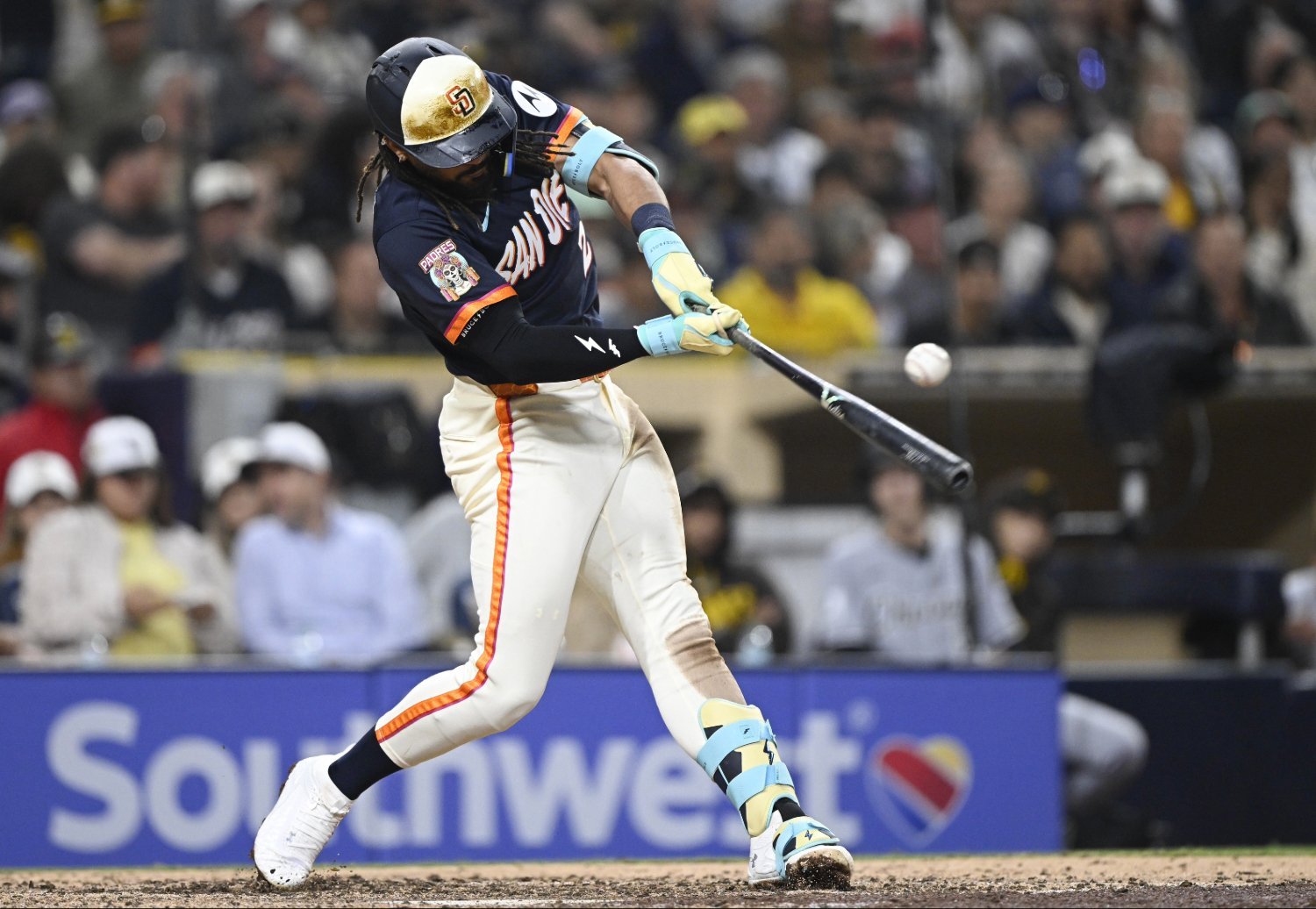 Despite a solid record for the first full month of the season, the San Diego Padres came into May sitting near the bottom of Major League Baseball in a number of offensive categories. As of the start of the Cardinals series, they're 23rd in runs scored (141), 26th in on-base percentage (.307), and 22nd in isolated power (.143). Not that this is surprising, of course, given the minimal turnover for a team that struggled to plate runs for much of 2025. That doesn't mean the lineup is operating in the same fashion, though. In fact, the lack of an offensive punch stands in contrast to what the lineup is attempting to do. The 2024 Padres — a team which featured five of the same regulars as this year's group — ranked 29th in average bat speed (70.5 MPH). They did, however, trade swing speed for efficiency in ranking atop the league in squared-up contact (28.0 percent of swings) and sitting 12th in blasts (10.7 percent). Despite a modest increase in swing speed the following season (71.3 MPH), the trend largely carried over into 2025. They were fourth in the league in squared-up swing rate (26.8 percent) and maintained the same blast rate. The trend here is creating quality contact despite a swing speed that sits behind many of their peers across the major-league landscape. With a new coaching staff in place this year, though, it appears that they've begun to deviate a bit from this philosophy in 2026. This year's Padres are up to 12th in the league in average swing speed (72.4 percent). Their collective fast swing rate (defined as over 75 MPH) has moved up to 26.9 percent. While the individual swing speeds vary in their increase (or decrease, in some cases), each of Fernando Tatis Jr., Jake Cronenworth, and Jackson Merrill have seen dramatic increases in their fast swing rate. When you factor in the subtraction of a notoriously-slow-swinging Luis Arráez and add in harder swingers like Ty France and Miguel Andujar, the collective increase isn't difficult to conceptualize. Are the Padres better for it, though? The below graphic shows last year's team, with their swing speeds sitting on the x-axis and their squared-up contact on the percentage of swings on the y-axis: Obviously the Arráez outlier obscures things, but you'll note where Padres hitters sit in proximity to the vertical red line indicating league average swing speed and the horizontal one indicating league average in matters of squared-up contact. Our interest is in the latter. These Padres lingered nicely around that line. Even if they weren't swinging particularly hard (outside of Tatis, Machado, and Sheets), they were creating quality contact in a way that yielded positive results in matters of batting average, on-base percentage, and strikeout avoidance. Squared-up contact doesn't necessarily indicate power outcomes, but it does serve to prop up an offense that may lack it. This year's Padres aren't looking in quite the same form: In 2025, even those that were not squaring up contact with league average regularity were at least approaching it. This year, there's very little keeping the Padres afloat. Outside of Tatis and Sheets, who are riding their swing speeds to really nice rates in this regard (and Bogaerts, who has gone the opposite direction), this is a group living well below where they were last year. So, while the Padres are near the top of the league in hard-hit rate (43.4 percent), it's much too infrequent to actually matter. It's also being driven by their hardest swingers. They're trading efficiency for speed, and, in doing so, have fallen to the middle of the pack in contact rate and experienced a subsequent rise in strikeouts. Squaring up baseballs in the eyes of Statcast is all about maximizing the exit velocity attainable on a pitch. The Padres aren't doing that in the midst of the paradoxical thinking bestowed by new hitting coach Steven Souza Jr., who is apparently driving them to do this. Given how things have transpired in recent games, in addition to how a handful of hitters have struggled all season, perhaps it's time for a bit of a reevaluation. View the full article
 -
 Twins System Recap: It was a Wichita Homer Surge ... 10 home runs!?!?!?!? How is that even possible!? Garrett Spain hit three homers by himself, Billy Amick also had a mulit-homer game and you know Ricardo Olivar got one in. Olivar is now the system leader with 10 homers on the season, and is among the Double-A leaders, as well. View the full article
