


DiamondCentric
-
Posts
2,631 -
Joined
-
Last visited
Never
Content Type
Profiles
Forums
Events
News
Tutorials & Help
Major League Baseball Videos
Guides & Resources
Store
Downloads
Gallery
Everything posted by DiamondCentric
-
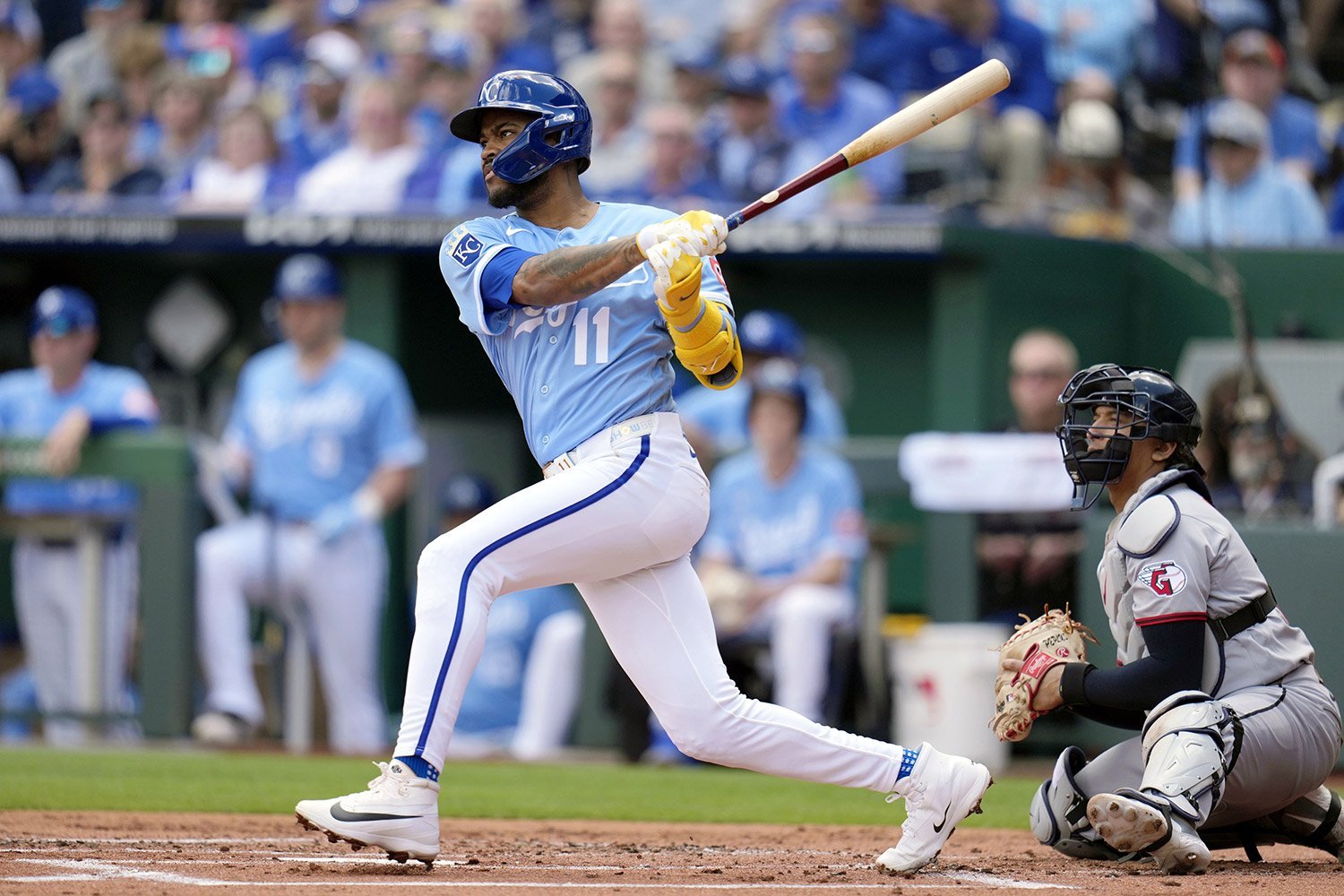 After beating the Cleveland Guardians for the second consecutive day on Tuesday, the Royals woke up on Wednesday with a 17-19 record, with an ongoing five-game winning streak and just half a game behind the top spot in the AL Central. The Royals swept the Mariners in Seattle over the weekend and have taken the first two games of their series vs. Cleveland, a direct divisional foe, at home. Talk about a hot streak and a considerable improvement: this team was 12-19 on April 30. The AL Central might not be the best division, with no team at .500 as of Wednesday afternoon, but it sure is the most fun these days: all five squads are separated by just a game and a half. (Not So) Pleasant Surprises The Guardians and the Detroit Tigers are ahead with an 18-19 record before Wednesday’s games. Jose Ramirez, with a 103 wRC+, hasn’t been his usual dominant self, but Cleveland is enjoying breakout seasons from rookies Chase DeLauter and Parker Messick, utilityman Daniel Schneemann, infielder Brayan Rocchio, and outfielder Angel Martinez. Additionally, star prospect Travis Bazzana is already up. The Guardians are dangerous, and even with some regression from the aforementioned players, it’s also wise to expect a bounce-back by Ramirez. The Tigers have top Rookie of the Year candidate Kevin McGonigle already leading the team in fWAR with 1.5. Most of their regulars are performing above the league average offensively, most notably Riley Greene (139 wRC+) and Spencer Torkelson (six homers, 112 wRC+), but they lost Tarik Skubal for at least a few months, and that hurts their chances. They are still a solid ballclub, though. Then, tied with the Royals, you have the surprising Chicago White Sox. Led by Munetaka Murakami’s 14 home runs and multiple young players performing well on offense and defense, the South Siders certainly don’t look like the team that finished with a 60-102 record. Their -10 run differential is not that bad considering pre-season expectations, and it’s actually better than Kansas City’s -11. The Twins are last with a 16-20 record, just a game and a half behind the leaders. They have won the last two and boast a +3 run differential, second-best in the division behind Detroit’s +10. Can The Royals Compete All Year? Before the start of the season, the overall consensus was that the Tigers, Guardians, and Royals would be the main contenders for the AL Central crown. Perhaps it’s time to open the mind for new possibilities and potential scenarios, though. All five teams are definitely flawed, but they also have talented rosters and room to grow. The Royals, in particular, can definitely count on Vinnie Pasquantino (72 wRC+) returning to form at some point, and even though he is getting up there in age, Salvador Perez (58 wRC+) should also improve. The same can be said about ace Cole Ragans, should health be on his side. Will that be enough to compete for a spot in the postseason? We won’t know the answer to that question until September, but it sure will be fascinating to find out if the overachievers in the division can keep up and actually compete for October. View the full article
 -

 Blue Jays Affiliate Overview (May 4-May 6) Triple-A Buffalo Bisons Series vs Lehigh Valley IronPigs (Philadelphia Phillies): 1-1 Season Record: 16-19 Double-A New Hampshire Fisher Cats Series vs Portland Sea Dogs (Boston Red Sox): 1-0 Season Record: 16-10 High-A Vancouver Canadians Series vs Eugene Emeralds (San Francisco Giants): 0-1 Season Record: 11-17 Single-A Dunedin Blue Jays Series vs Bradenton Marauders (Pittsburgh Pirates): 0-2 Season Record: 11-18 FCL Blue Jays Week Record: 3-0 Season Record: 3-0 Triple-A Buffalo Bisons Season Record: 16-19 Series Opponent: Lehigh Valley IronPigs (Philadelphia Phillies) May 5: The Buffalo Bisons opened a new series on Tuesday, this one against the Lehigh Valley IronPigs. The game was placed into the relievers' hands from the start, as it was a bullpen game for Buffalo. Hayden Juenger and Devereaux Harrison pitched well, combining for four innings and allowing zero runs to cross home plate. Brendan Cellucci and Brendon Little were next up out of the pen, and they imploded in an epic way. Cellucci surrendered a three-run home run in his inning of work. Little then was bit by an error. After getting a double play ball, Little walked two, with a runner reaching on Riley Tirotta's error in between. Otto Kemp then blasted a grand slam off of Little; it went 104 mph off the bat and traveled 423 feet. While the pitching and fielding put Buffalo in a bind in the middle innings, the bats were nonexistent until the end of the game. There were a couple of standouts at the plate, though. Charles McAdoo and Ismael Munguia were almost perfect on the day. McAdoo collected five hits, while Munguia added three. Having only scored one run up until the top of the ninth, Buffalo tried to pull off a comeback down 7-1. Josh Kasevich knocked in a run on a single, and then McAdoo notched his fifth and final hit of the game, a big three-run home run to left field. The comeback was nearing completion, but Josh Rivera struck out to end the game, with Buffalo falling 7-5. May 6: Wednesday's game against the Lehigh Valley IronPigs was by far the best and most complete game Buffalo has played on the season. The bats came alive early and never stopped. The Bisons recorded 15 hits on the day, including five doubles. With two more base knocks, Ismael Munguia continued his torrid start to his time at Triple-A. He ended the game with his batting average at .375. Jonatan Clase opened up the scoring by knocking in Munguia following his double to lead off the game. RJ Schreck began his big game with an RBI single to score Clase. In the second inning, Charles McAdoo doubled home a run, and then Schreck doubled in two more. Schreck was 3-for-5 for the game, with two doubles, five RBI, and two runs scored. On the pitching side, Austin Voth pitched four strong innings, not allowing a run to score and only giving up three hits. Yariel Rodríguez and Jesse Hahn wrapped up the final 3.1 innings and didn't allow a run either. Buffalo took this game with ease in a full team effort, 11-1. Double-A New Hampshire Season Record: 16-10 Series vs. Portland Sea Dogs (Boston Red Sox) May 5: New Hampshire kicked off their series with the Portland Sea Dogs in a fast manner. In the top of the first, Jace Bohrofen lifted a ball over the right field fence for his eighth home run of the season to give the Fisher Cats a one-run lead. In the fourth, New Hampshire would strike again. This time, a Cutter Coffey double scored a run. Nate Baez and Johanfran Garcia launched home runs in the fourth and seventh innings, respectively, for Portland to tie the game. In the top of the ninth, Aaron Parker took his turn at crushing a solo home run, as the Fisher Cats took a one-run lead. Conor Larkin came in and closed the game for his fourth save and a 3-2 New Hampshire win. May 6: Postponed High-A Vancouver Season Record: 11-17 Series vs Eugene Emeralds (San Francisco Giants) May 4: The Canadians had to face the red-hot Emeralds, who have won every single series they have played this season. Danny Thompson Jr. bounced back from his previous start, although he got tagged for a two-run double in the first inning. He still struck out six batters in four innings of work and didn’t allow a run after that. The Canadians threatened in the second inning, loading the bases with one out, but J.R. Freethy grounded into a double play. That was the only time the Canadians threatened the Emeralds’ starter Charlie McDaniel, who went a little over four innings of scoreless pitching. Reece Wissinger has struggled since getting promoted to Vancouver, and he gave up two more runs to make it a 4-0 ball game. Kelena Sauer, on the other hand, continued to pitch well, with three strikeouts in a perfect inning. The Canadians answered back in the seventh inning, with Peyton Williams continuing his hot start, driving in two with a double, and the Canadians had runners on second and third with one out in the eighth inning, but all they could muster was a sac fly from Tucker Toman, leading to a close 3-4 loss. Single-A Dunedin Season Record: 11-18 Series vs Bradenton Marauders (Pittsburgh Pirates) May 5: After losing the first three-game series against Bradenton, the D-Jays hoped to turn it around this series. Dylan Watts was once again solid in his second pro start, showing good velocity and allowing only two runs in 4.2 innings, including one homer to the “Password” Jhostynxon Garcia, who was on a rehab assignment for the Pirates. Utilityman Dariel Ramon, who’s played six different positions already early on in this season, hit a double to score Blaine Bullard to get Dunedin on the board in the fifth, and Yorman Licourt hit a solo shot to tie it up in the sixth inning. Diego Dominguez struck out five people in over three innings of work in relief, keeping it a tie for the Jays, but in the top of the ninth, Jack Eshleman gave up a solo homer, which ended up losing the game for the Jays, who couldn’t get Will Cresswell in after he hit a double with two outs. May 6: The Jays were undone once again by their own poor defense. Brayden Heidel started this game, and despite three walks, he was able to prevent any damage, going nearly four innings of scoreless baseball. Luis Victorino replaced Heidel and pitched well into the sixth inning, but a throwing error broke the game open for the Marauders, and after Victorino hit a batter with a pitch, he was replaced for Carson Myers. Unfortunately for Myers, a catcher’s interference loaded the bases, and he gave up a grand slam to make it a five-run inning for Bradenton. Eduar Gonzalez was the new pitcher after Myers was taken out, and after allowing a run to score on an RBI single, Juan Rosas made another mistake defensively with a passed ball, leading to another unearned run to score, making five of the seven for Bradenton off of Dunedin miscues. Addison Barger prevented the shutout with a towering homer to right field, but that was it for the Jays. FCL Blue Jays Season Record: 3-0 May 5: The FCL Blue Jays faced off against the FCL Tigers in a game dominated by pitching on Tuesday. Carson Messina was back on the mound for the Blue Jays squad after only pitching two innings last season before getting hurt. He was fantastic, going three perfect innings, not allowing a hit, walk, or run, and striking out three. Edgar Gallegos went two innings without giving up a run, and Josbel Garcia closed the game with two perfect innings and one strikeout for the save. The FCL Blue Jays won 2-0. Transactions 05/06/26 New Hampshire Fisher Cats activated RHP Yondrei Rojas from the 7-day injured list. 05/06/26 New Hampshire Fisher Cats activated CF Victor Arias from the 7-day injured list. 05/05/26 Buffalo Bisons activated LF Jonatan Clase from the 7-day injured list. 05/05/26 Buffalo Bisons transferred RF Je'Von Ward to the Development List. 05/05/26 Dunedin Blue Jays placed RHP Dayne Pengelly on the 7-day injured list. 05/05/26 SS Owen Gregg assigned to Dunedin Blue Jays from FCL Blue Jays. 05/05/26 SS Eric Snow assigned to Dunedin Blue Jays from New Hampshire Fisher Cats. 05/05/26 OF David Guzman assigned to Dunedin Blue Jays from FCL Blue Jays. 05/04/26 RHP Michael De La Cruz assigned to FCL Blue Jays from DSL Blue Jays Blue. 05/04/26 Dunedin Blue Jays placed SS Raimundo De Los Santos on the 7-day injured list. 05/04/26 Dunedin Blue Jays placed OF Enmanuel Bonilla on the 7-day injured list. 05/04/26 New Hampshire Fisher Cats transferred RHP Fernando Perez to the Development List. View the full article
 -
 Cubs Transactions Chicago Cubs designated LHP Charlie Barnes for assignment. Chicago Cubs placed LHP Matthew Boyd on the 15-day injured list retroactive to May 4, 2026. Left meniscus injury. Chicago Cubs sent RHP Yacksel Ríos outright to Iowa Cubs. Chicago Cubs selected the contract of RHP Trent Thornton from Iowa Cubs. Pedro Ramírez Walks Off Iowa Past Columbus In 11 The Iowa Cubs outlasted the Columbus Clippers 3-2 in 11 innings on a walk-off single from Pedro Ramírez that scored Owen Miller from second base. Ramírez finished 1-for-4 with a walk and an RBI. Miller produced the top hitting line, going 2-for-3 with a walk and two runs scored. Christian Bethancourt knotted the game in the bottom of the 10th on an RBI single up the middle that scored zombie runner Ben Cowles, and BJ Murray drove in Miller with a sixth-inning sacrifice fly for Iowa's first run. Charlie Barnes opened with five scoreless innings, allowing four hits and a walk while striking out four. Collin Snider was charged with one earned run across 1 1/3 innings, but Luke Little held Columbus to a single unearned run over two innings to pick up the win. The decisive stretch came in the final two frames. Columbus took a 2-1 lead in the top of the 10th when Kody Huff doubled to left to plate the zombie runner, only for Bethancourt to answer in the bottom half. In the 11th, Miller again opened the inning at second as the zombie runner, Justin Dean dropped down a sacrifice bunt to move him to third, Murray drew a walk, and Ramírez lined his single to left to send Iowa home a winner. Iowa managed only four hits but drew five walks and stranded seven runners. Player AB R H RBI BB K Justin Dean, cf 4 0 0 0 0 0 BJ Murray, 1b 3 0 0 1 1 2 Pedro Ramírez, 3b 4 0 1 1 1 1 Kevin Alcántara, rf 3 0 0 0 1 1 Jonathon Long, lf 3 0 0 0 1 2 Ben Cowles, pr-ss 0 1 0 0 0 0 James Triantos, 2b 4 0 0 0 0 1 Christian Bethancourt, dh 4 0 1 1 0 0 Eric Yang, c 4 0 0 0 0 1 Owen Miller, ss-lf 3 2 2 0 1 1 Player IP H R ER BB K HR Charlie Barnes 5 4 0 0 1 4 0 Ethan Roberts 1 1 0 0 2 1 0 Collin Snider 1 1/3 2 1 1 1 1 0 Gabe Klobosits 1 2/3 3 0 0 0 2 0 Luke Little 2 1 1 0 1 2 0 Knoxville Smokies Game Postponed The Double-A Knoxville Smokies did not play. The game was postponed. Cole Mathis Powers South Bend Past Lansing The South Bend Cubs took down the Lansing Lugnuts 3-1 behind a three-run sixth inning fueled by a Cole Mathis two-run home run to follow his pervious games triple, homerun, and triple at the plate. Mathis finished 1-for-3 with the homer, two RBIs, a walk, a run scored, and a strikeout, and the long ball was his second of the season. Cole Mathis was labeled Player of the Game, if you haven't had a chance to hear from him check below. Drew Bowser added a 2-for-4 night with a double, an RBI, and a strikeout. Kade Snell also collected two hits and scored a run while stealing a base, while Kane Kepley and Alex Madera each contributed singles to South Bend's seven-hit total. Koen Moreno started and turned in four scoreless innings, allowing two hits and two walks while striking out five on 75 pitches. Jackson Brockett followed with two hitless and scoreless innings, striking out five. The bottom of the sixth flipped a scoreless contest. Cameron Sisneros opened with a walk before Mathis launched a two-run shot to left field. Snell singled, Leonel Espinoza struck out, and Bowser doubled into left to plate Snell from first. Justin Stransky struck out, and Madera then added a bunt single, but Bowser was thrown out at the plate trying to score from second to end the rally. South Bend stranded seven runners on the night. A play of note was Kane Kepley's wild sprint in center for a diving play in the seventh. Player AB R H RBI BB K Kane Kepley, cf 4 0 1 0 0 0 Ty Southisene, ss 4 0 0 0 0 0 Cameron Sisneros, 1b 2 1 0 0 2 1 Cole Mathis, dh 3 1 1 2 1 1 Kade Snell, rf 4 1 2 0 0 0 Leonel Espinoza, lf 4 0 0 0 0 1 Drew Bowser, 2b 4 0 2 1 0 1 Justin Stransky, c 3 0 0 0 0 2 Alex Madera, 3b 3 0 1 0 0 0 Player IP H R ER BB K HR Koen Moreno 4 2 0 0 2 5 0 Jackson Brockett 2 0 0 0 0 5 0 JP Wheat 1 1/3 1 1 1 0 2 0 Ethan Bell 1 2/3 2 0 0 1 4 0 Logan Poteet Homers, But Pelicans Fall To Hickory The Myrtle Beach Pelicans dropped a 4-2 decision to the Hickory Crawdads despite a Logan Poteet solo home run, his fourth of the season, in the top of the ninth inning. Poteet finished 1-for-4 with the homer, an RBI, a run scored, and a strikeout. Geuri Lubo led the offense with a 2-for-4 effort that included a double, an RBI, and a strikeout. Pierce Coppola opened with four scoreless innings, allowing two hits, walking none, and striking out five on 64 pitches. Edwardo Melendez took the loss after surrendering four earned runs on four hits and two walks across two innings, with two home runs allowed. Aiden Moffett followed with two scoreless innings, allowing one hit and three walks while striking out one. Lubo gave the Pelicans the early edge with an RBI double in the top of the fourth that scored Carico, and Coppola kept Hickory off the board through four. The Crawdads broke through against Melendez in the fifth on a triple and a sacrifice fly to take a 2-1 lead, then added two more in the sixth on solo home runs to push their advantage to 4-1. Poteet's ninth-inning shot pulled Myrtle Beach within two but came too late. The Pelicans stranded five runners on the night. Player AB R H RBI BB K Alexis Hernandez, ss 4 0 1 0 0 1 Josiah Hartshorn, rf 3 0 0 0 1 1 Alexey Lumpuy, cf 4 0 0 0 0 1 Michael Carico, 1b 2 1 0 0 2 1 Logan Poteet, c 4 1 1 1 0 1 Jose Escobar, 2b 4 0 1 0 0 0 Geuri Lubo, lf 4 0 2 1 0 1 Derniche Valdez, 3b 3 0 1 0 0 1 Edward Vargas, dh 3 0 1 0 0 1 Player IP H R ER BB K HR Pierce Coppola 4 2 0 0 0 5 0 Edwardo Melendez 2 4 4 4 2 1 2 Aiden Moffett 2 1 0 0 3 1 0 Top-20 Prospect Performance Moises Ballesteros: DNP Jaxon Wiggins: DNP Jefferson Rojas: DNP Kevin Alcantara: 0-for-3, BB, K Jonathon Long: 0-for-3, BB, 2 K Ethan Conrad: DNP Pedro Ramirez: 1-for-4, RBI, BB, K Kane Kepley: 1-for-4 Josiah Hartshorn: 0-for-3, BB, K James Triantos: 0-for-4, K Brandon Birdsell: DNP Cole Mathis: 1-for-3, HR, 2 RBI, BB, K Angel Cepeda: DNP Kaleb Wing: DNP Will Sanders: DNP Juan Cabada: DNP Jostin Florentino: DNP Dominick Reid: DNP Ty Southisene: 0-for-4 Erian Rodriguez: DNP View the full article
 -
 Boston Red Sox Affiliate Recap (May 6) Triple-A Worcester Red Sox Worcester fought back from a couple of deficits and forced extra innings with a dramatic ninth-inning rally, only to fall 9-7 in the tenth inning to the Scranton/Wilkes-Barre RailRiders (New York Yankees). Nate Eaton set the tone immediately, launching a solo homer to left in the bottom of the first to put Worcester up 1-0. The WooSox pitching staff, Erik Rivera and Red Sox relief pitcher Justin Slaten, who is currently rehabbing, kept Scranton off the board through the first four frames. Nathan Hickey blew the game open in the fourth with a two-run shot to right, scoring Anthony Seigler to push the lead to 3-0. Then came the fifth inning. Jacob Webb entered in relief, and the RailRiders pounced, a double scored a run, and a three-run homer flipped the score 4-3 in one swing. Worcester answered right back in the bottom half when Mickey Gasper smacked a two-run homer to reclaim the lead at 5-4. However, Scranton tied it 5-5 in the seventh with an RBI single. Entering the ninth with the game still knotted, the RailRiders hit a two-run shot to put them up 7-5. Down to their last three outs, Worcester didn't fold. Matt Thaiss and Nathan Hickey both reached base with a pair of singles, then Braiden Ward ripped an RBI double down the right field line to make it 7-6. Nick Sogard followed with a sacrifice fly to tie it at 7-7. The WooSox bullpen could not hold on in the tenth as they gave up a two-run double to make it 9-7. The bats tried to start a rally once again in the bottom of the tenth, loading the bases with no outs, but unfortunately, they did not score any runs, which ended the game. Key Performances: Nathan Hickey: HR, 2 R, 2 RBI Mickey Gasper: HR, R, 2 RBI Double-A Portland Sea Dogs Game postponed: Inclement weather. Makeup on May 7 High-A Greenville Drive Greenville launched an absurd eight home runs, but a catastrophic seventh inning and a walk-off single in the ninth sent the Drive home with a brutal 13-12 loss to the Greensboro Grasshoppers (Pittsburgh Pirates). After falling behind 1-0 on a first-inning sacrifice fly, Greenville stormed ahead. Yophery Rodriguez homered to tie it in the second, 1-1, and a Natanael Yuten forceout made it 2-1. The Drive blew it open in the fourth, Yuten crushed a two-run homer, and Yoeilin Cespedes followed with a solo shot to left-center that gave Greenville a 5-1 lead. Antonio Anderson tacked on an RBI single in the fifth to push it to 6-1. Greensboro fought back, scoring three runs in the bottom of the fifth to make the score 6-4. The Drive got some more insurance runs in the seventh, Rodriguez belted his second homer of the day, and Ronny Hernandez followed up with a solo shot as well, making it back-to-back home runs, 8-4. The bottom of the seventh was a major collapse. It started when the Drive gave up a two-run double to make it 8-6. A couple of RBI singles and a three-run bomb to right-center put Greensboro ahead 11-8. An error by Jack Winnay led to another run to score, 12-8 Grasshoppers. Greenville did not quit; Yuten hit his second homer of the game in the eighth to make it 12-9. The Drive made an incredible comeback in the ninth. Isaiah Jackson worked a walk, and Mason White ripped a two-run homer to cut it to 12-11. Hernandez followed and continued his incredible day at the plate, belting his second home run of the game with a solo blast to tie it 12-12. Sadly, the bullpen could not keep the game tied as the Grasshoppers walked it off with an RBI single to end it 13-12. Key Performances: Ronny Hernandez: 4-for-4, 2 HR, 4 R, 2 RBI, BB Natanael Yuten: 2 HR, 2 R, 4 RBI Yophery Rodriguez: 2 HR, 3 R, 2 RBI Mason White: 2-for-5, HR, R, 2 RBI Yoeilin Cespedes: 2-for-5, HR, R, RBI Single-A Salem RidgeYaks Salem’s slow start proved it was too much to overcome in a 6-4 defeat to the Delmarva Shorebirds (Baltimore Orioles). The RidgeYaks had a tough time delivering with RISP, going 1-for-10. Delmarva wasted no time, pushing a run across in the first on an RBI single. They added another run with a groundout in the third to make it 2-0. The fourth inning unraveled, an RBI double, an RBI single, and a throwing error from Salem let a fifth run cross the plate, 5-0. Salem finally broke through in the fifth when Ilan Fernandez reached base with a double and came around to score on a Starlyn Nunez sacrifice fly to make it 5-1. In the sixth, Luke Heyman and Skylar King walked, and Heyman eventually scored on a Kleyver Salazar ground ball single to left, cutting it to 5-2. King ended up scoring due to a couple of wild pitches, and Salazar stole home, making it a one-run game, 5-4. Delmarva added an insurance run in the eighth inning with a sacrifice fly, 6-4. The Shorebirds bullpen held off the RidgeYaks in the last two innings to end it. Madinson Frias was a bright spot for Salem, throwing five innings of relief and only giving up one run, giving the RidgeYaks a chance to come back. Key Performances: Madison Frias: 5 IP, 2 H, 1 ER, 2K Luke Heyman: 2-for-3, 2B, BB Kleyver Salazar: 2-for-3, R, RBI, BB View the full article
 -
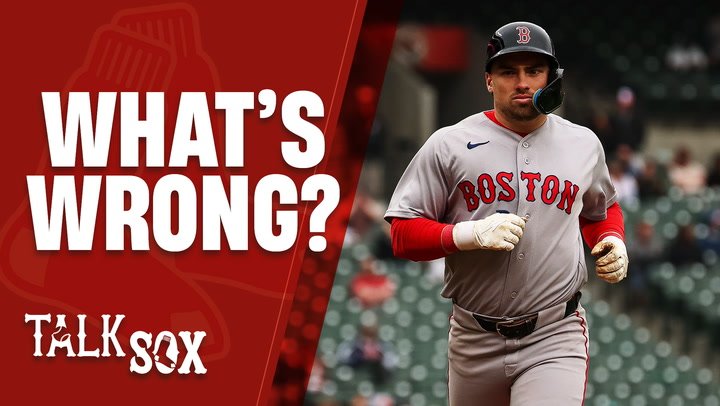 Caleb Durbin is filling in some pretty legendary shoes as the Boston Red Sox third baseman in 2026. Filling a spot once occupied by Rafael Devers and then Alex Bregman, Durbin has struggled to start the season, hitting below the Mendoza line without much hard contact to show for it. In this video, we will unveil the one stat that is holding Durbin back from a productive first year at Fenway Park. View the full article
 -
 Welcome to the first event of the Brewer Fanatic Social Club! The Brewers are visiting the Twin Cities to face the Minnesota Twins on Saturday, May 16th, with a 6:10pm start time. Along with the team of Twins Daily, we're hosting dual, simultaneous events, and they're free to attend! Milwaukee Watch Party At Broken Bat Brewing Co. Located in the historic Walker's Point neighborhood, Broken Bat is perfect for this kind of gathering. I mean, look at the name! The space blends a modern tavern feel with a lively, social atmosphere – perfect for reconnecting with fellow fans, talking ball, and watching some Brewers baseball. Expect a full Brewer Fanatic vibe: giveaways, contests, and no shortage of baseball talk as we gear up for first pitch. And the first beer is on us! All attendees will have their first beers paid for by Brewer Fanatic (as if you needed more encouragement to visit). Show up any time after 5 o'clock, and get ready for game time! BrokenBatBrewery.com Minneapolis Pre-Game At Smorgie's Do you live in Minnesota, or are you traveling to watch the Brewers play in lovely Target Field? We have you covered there as well; we're hosting a pre-game party at Smorgie's, just blocks from Target Field in downtown Minneapolis. Smorgie's brings the added bonus of game-day-friendly food and drinks, with a menu full of affordable comfort favorites and a welcoming, high-energy setting designed for groups. From shareable bites to cold drinks, it checks all the boxes for a perfect pregame hangout. SmorgiesBar.com Smorgie's brings the added bonus of game-day-friendly food and drinks, with a menu full of affordable comfort favorites and a welcoming, high-energy setting designed for groups. From shareable bites to cold drinks, it checks all the boxes for a perfect pregame hangout. So rally your friends, throw on your Brewers gear, and join us on Saturday, May 16th. Let's pack our host bars, and get ready to see the Brewers battle the Twins! View the full article
 -
It's Time To Have A Conversation About Royce Lewis...
DiamondCentric posted an article in Twins Daily
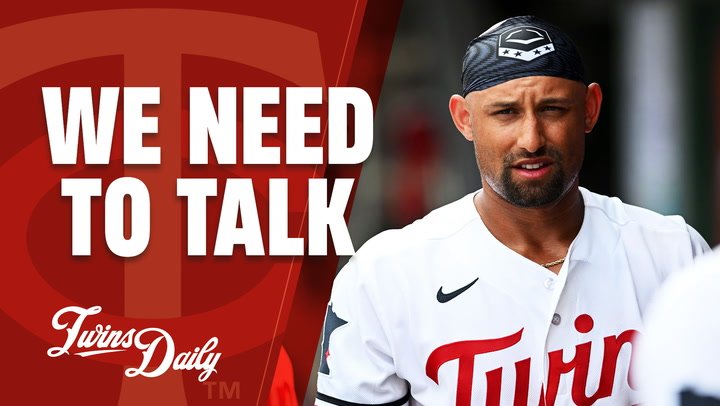 Royce Lewis once looked like a future superstar. Now, his future with the Twins feels far less certain. View the full article
 -
Is Quentin Young Beginning to Unlock His Offensive Potential?
DiamondCentric posted an article in Twins Daily
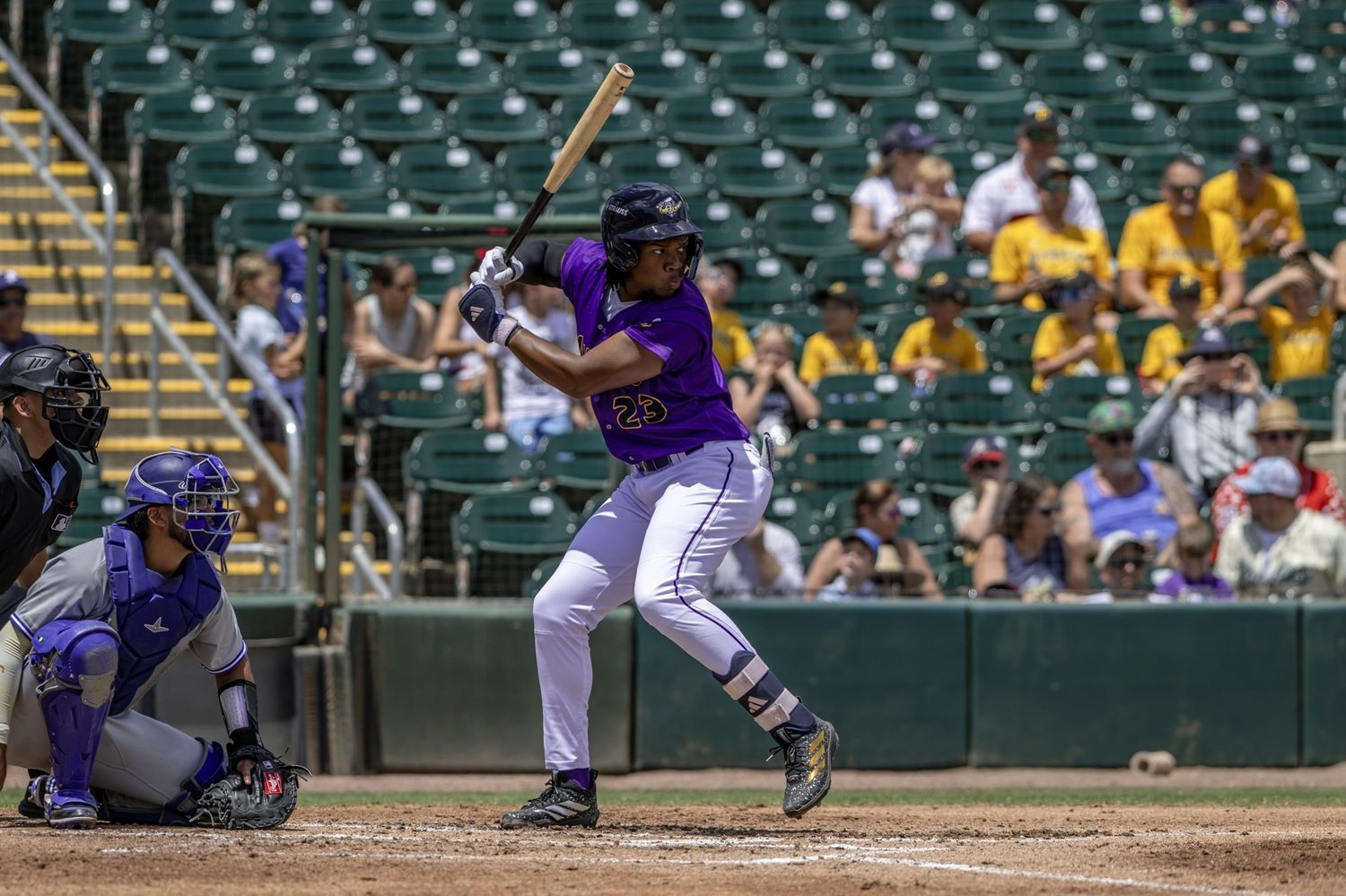 Baseball lineage can bring attention, but production still has to be earned. Quentin Young entered pro ball with both a well-known last name and a toolset that caught scouts' attention. Now, as his first full season gets underway, there are early indications that he may be starting to find his footing offensively. Quentin’s uncles, Dmitri and Delmon Young, each carved out lengthy major league careers. While their playing days have long since ended, the family name continues to carry weight as the next generation works its way through professional baseball. When Young decided to reclassify into the 2025 draft, he brought both that pedigree and a tantalizing skill set with him. His raw power stood out immediately, drawing some of the highest grades in his class. There was legitimate first-round buzz at times, but questions about his hit tool ultimately pushed him into the second round, where Minnesota selected him and signed him for a full slot bonus of $1.76 million. Early exposure to pro ball offered a glimpse of both the upside and the work ahead. In a brief five-game stint last season, Young managed just two hits in 17 at-bats while striking out nine times. The sample size was minimal, but it reflected the challenge that comes with harnessing such a power-driven profile. The Twins have already begun addressing those concerns. Young spent the offseason at the team’s complex focusing on simplifying his offensive approach. With his 6-foot-6 frame, there will likely always be some swing-and-miss in his game, but the organization has emphasized reducing unnecessary movement and creating a more direct path through the zone. The goal is to give his power a better chance to show up in games. Defensively, Young continues to develop as well. While he still sees time at shortstop, most projections point toward a future at third base. During the 2026 season, he has played both positions. His arm strength is a clear asset and should translate well to the left side, even if his size eventually limits his range up the middle. “A player comp for me would be Elly De La Cruz,” Young said. “We’re both around 6-foot-5, 6-foot-6, really tall and quick on the infield. We both have a lot of power. I’m probably not as fast as him, but I definitely think I can be as fast as him at some point.” “I think that’s the biggest goal I have, just to stay at shortstop for as long as I can,” he said. “I feel like if I keep putting the work in and keep staying at that position for a long time, I feel like I could definitely play it as well as other players.” The start of the 2026 season has followed a familiar developmental arc. Young opened the year in the Florida State League, where he is over two years younger than the average age of the competition. The early results were rough, as he went 8-for-50 (.160 BA) over his first 13 games. More recently, though, there have been signs of progress. However, he’s gone 13-for-45 (.288 BA) over his last 11 games with two doubles and a homer. This past Sunday, he had the first four-hit game of his career. On Tuesday, he hit his second homer of the year. It is far too soon to draw sweeping conclusions, but the recent stretch offers a glimpse of what adjustments can look like when they begin to take hold. Young was always viewed as a long-term project, one built on elite raw power that would require time and refinement to fully emerge. That reality has not changed. Development for a player with his profile is rarely linear, and there will be more ups and downs ahead. But if the recent improvements are tied to the work he put in during the offseason, the Twins may be starting to see the early stages of an offensive corner being turned. What stands out about Young so far? Leave a comment and start the discussion. View the full article
 -
Gavin Hollowell Promoted To Join Cubs' Bullpen
DiamondCentric posted an article in North Side Baseball
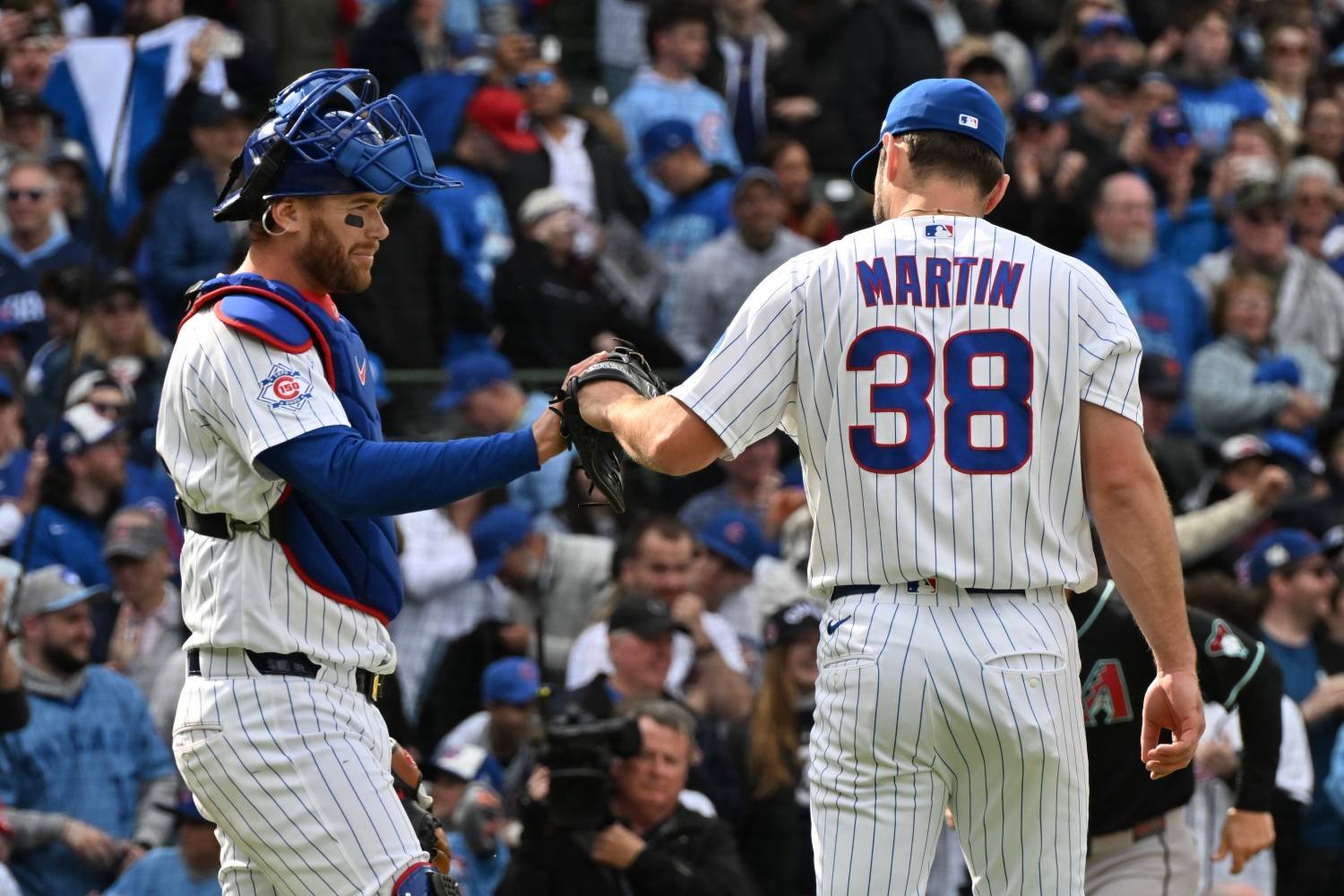 The Chicago Cubs made a minor move involving their bullpen Thursday, calling up right-handed reliever Gavin Hollowell from Triple-A Iowa. To make room on the 26-man roster, right-handed reliever Corbin Martin was designated for assignment. Hollowell will be making his first appearance with the Cubs after beginning the season at Iowa. He has made 40 MLB appearances with the Cubs and Colorado Rockies over the last four years, including seven with Chicago in 2025. He has a career 5.79 ERA with a 12.3% walk and 21.7% strikeout rate. This year at Iowa, Hollowell appeared in six games, allowing two runs on four hits with six walks and 15 strikeouts in eight innings for a 2.25 ERA. Martin made seven appearances with the Cubs since coming up April 18. He had a 10.80 over five innings, giving up six runs on five hits (two homers) with five walks and four strikeouts. View the full article
 -
Twins Provide Injury Update on Top Prospect Walker Jenkins
DiamondCentric posted an article in Twins Daily
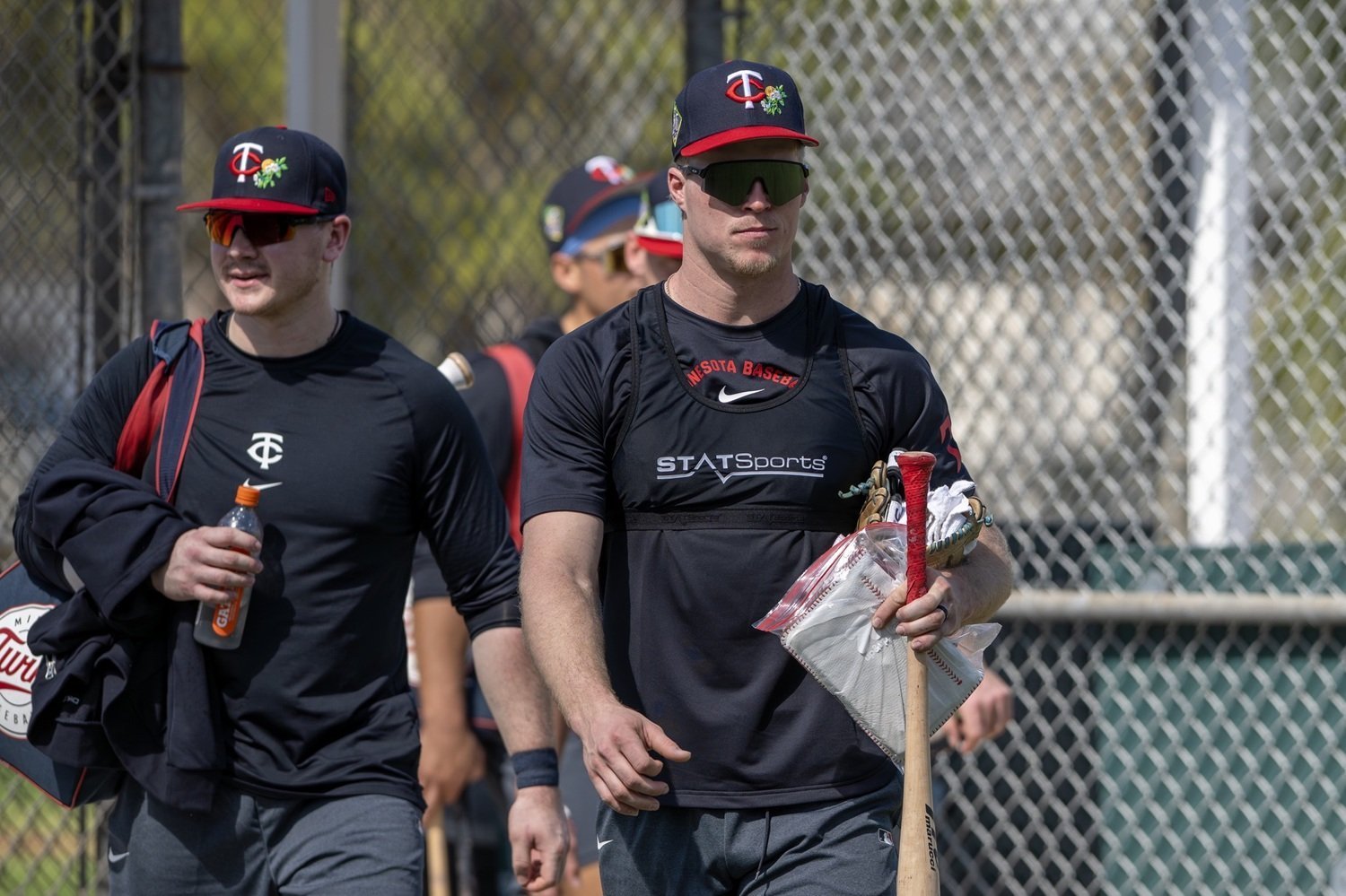 Twins Daily's top ranked prospect Walker Jenkins is once again dealing with an injury, this time after being diagnosed with a Grade 2 AC joint sprain in his left shoulder. The injury occurred on Sunday while playing for Triple-A St. Paul, adding another interruption to what has already been a stop-and-start season. The organization announced that Jenkins will be re-evaluated in 10 days, at which point a clearer timetable for his return should become clearer. For now, the expectation is that he will miss at least a couple of weeks while recovering. The injury happened on a defensive play in center field when Jenkins made a running catch and carried his momentum into the wall. After securing the ball, he hit the fence hard and immediately went to the ground. He exited the game with a trainer and did not return. Imaging the following day confirmed the shoulder sprain. This marks the second time Jenkins has been sidelined this season. The 21-year-old appeared in just four Grapefruit League games before a hamstring injury kept him out of action. When healthy, he has been productive at the plate, hitting .256/.396/.389 across 111 plate appearances with St. Paul. Despite the setbacks, Jenkins showed flashes of his upside during a recent stretch against Iowa. Over that series, he went 8-for-18 with four doubles, a home run, four runs batted in, six runs scored, and four walks. It was one of his most complete offensive showings of the season before the injury halted his momentum. Durability has been one of the few question marks in Jenkins’ young career. The No. 5 overall pick in the 2023 MLB Draft has yet to play a full season, appearing in 82 and 84 games during his first two professional campaigns. In 2025, he missed nearly the entire first month after an ankle sprain in minor league camp. The year prior, a hamstring injury on Opening Day sidelined him for six and a half weeks. Jenkins is widely regarded as one of the top prospects in baseball, but consistent time on the field has remained elusive. For a Twins organization looking to develop impact talent, his development is critical. Each setback delays that timeline, even if only temporarily. The injury news does not stop with Jenkins. Triple-A St. Paul has been hit hard in recent days, with outfield prospect Emmanuel Rodriguez leaving Friday’s game with a left thumb injury after a headfirst slide into first base. Infielder Kaelen Culpepper was also absent from Sunday’s lineup after being hit by a pitch. For now, the focus remains on Jenkins’ recovery and his return to the field. The talent is undeniable. The challenge continues to be keeping him there long enough to fully realize it. View the full article
 -
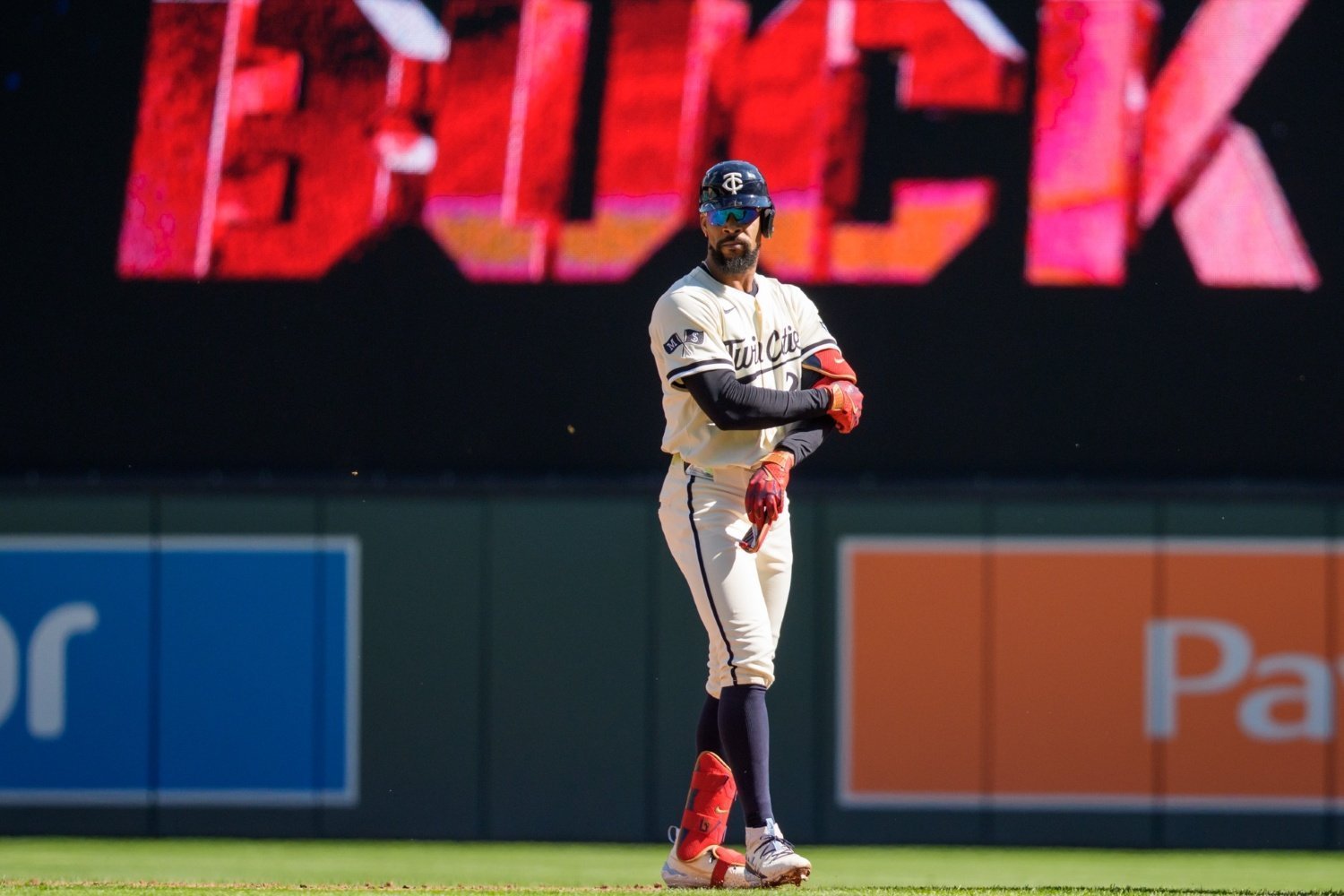 The Minnesota Twins have been searching for consistency in the early part of the season, and over the past week, Byron Buxton provided exactly that. When he is healthy and locked in, there are few players in baseball who can impact a game in as many ways, and this latest stretch served as a reminder of his game-changing ability on both sides of the ball. Buxton put together one of the most productive weeks of his career, appearing in seven games and collecting 10 hits in 29 at-bats for a .345 average. His power was on full display as he launched five home runs, added a double, and swiped two bases. He also crossed the plate six times and drove in seven runs, serving as the catalyst for Minnesota’s offense throughout the week. Notably, he homered in five of those seven games, including a streak of three consecutive contests, marking the sixth time in his career he has accomplished that feat. This recognition marks the third time in Buxton’s 12-year career that he has earned American League Player of the Week honors. His previous awards came on August 26, 2017, and June 11, 2022. It also represents a milestone for the Twins lineup, as Buxton becomes the first Minnesota hitter to take home the award since Luke Keaschall did so on August 9 of last season. With this latest honor, Buxton continues to climb into elite territory within franchise history. He is now one of six players in Twins history to win the award at least three times while with the organization. That group includes Kent Hrbek, Joe Mauer, Kirby Puckett, Rod Carew, and Johan Santana, a collection of names that highlights just how impactful Buxton has been when at his best. Buxton got off to a slow start at the plate to begin the season, and some have pointed to his limited action in the World Baseball Classic after being hit by a pitch as a contributing factor. Through his first eight games, he went just 4-for-30 (.133) with 10 strikeouts. Since then, the turnaround has been significant. Over his next 24 games, he has posted a .288/.351/.615 (.966) slash line with 10 home runs and four doubles, a stretch that looks much more like the All-Star level production the Twins have come to expect. If this stretch is any indication of what Buxton can provide moving forward, the Twins lineup may have found the spark it needs. His combination of power, speed, and defensive excellence makes him one of the most dynamic players in the game, and when he is producing at this level, Minnesota looks like a much more dangerous team. View the full article
 -
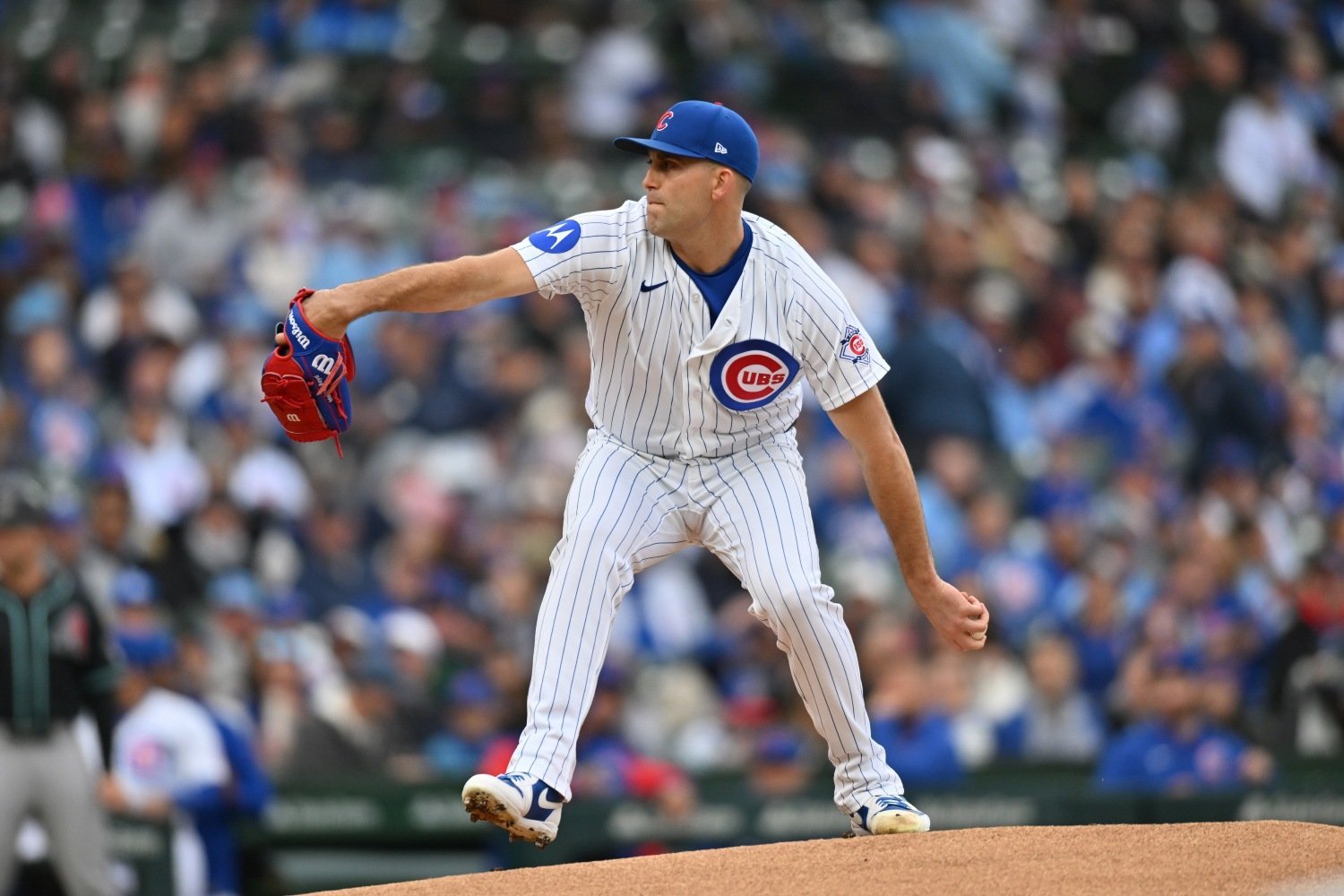 It would have been presumptuous to get grumpy with the baseball gods when Cade Horton went down with a torn UCL early last month. That's the cost of doing business, especially when a team leans on pitchers with long injury histories. Relatedly, neither the Cubs nor their fans could justifiably claim to be surprised when Justin Steele suffered a setback later in April, pushing off his return from a second elbow reconstruction for what could be months. That, too, is in the normal run of things. You're allowed to be a little bit mad at Dame Mutability now, though. She's been very unkind to the Cubs this year, and dealt by far her cruelest blow Wednesday. The Cubs announced that Matthew Boyd will have to undergo surgery for a torn meniscus in his knee, after suffering the injury while sitting down to play with his young children at home. That's just unfair. Boyd is one of the great people in the game, and his career has been pockmarked by plenty of injuries, already. Now, the Cubs could be without his services until late summer, or even for the balance of the season, and the injury he suffered has nothing to do with baseball itself. The loss puts the Cubs in a brutal predicament when it comes to their starting rotation, too. With Horton gone for the year and Steele's return now in doubt, they're down to Edward Cabrera, Shota Imanaga, Jameson Taillon, Colin Rea, and Javier Assad in terms of available starters. Top prospect Jaxon Wiggins has tantalizing stuff, but his lack of command renders him unready for the majors right now—and besides, his own arm has been hurting him this spring. Injuries in the bullpen (and his skill set, which has always better placed him there, anyway) have forced Ben Brown to morph into a true reliever. Jordan Wicks has a 9.53 ERA in four Triple-A starts. No more help is coming from within for a while. The team is operating without a safety net, and there are real reasons to worry about the durability of Cabrera, Imanaga and Taillon. For now, the team is playing tremendously well. Jed Hoyer's offseason efforts to add depth to the pitching staff are paying reasonably good dividends. The team could have spent more for better reinforcements in (especially) the bullpen, but they're still sorting through some usable options in the relief corps. Trent Thornton was a savvy January pickup. Corbin Martin and Ryan Rolison were similarly solid moves, and Collin Snider could prove to be another one when the time comes. Eventually, though, this team will need help from beyond the current boundaries of the organization. Boyd's injury guarantees that the Cubs' top priority come July will be some kind of help for the starting rotation. It could take many forms, but one way or another, the team will have to explore the trade market. In the meantime, the club had better hope no more major injuries come. Their margin for error is gone. View the full article
 -
 It would have been presumptuous to get grumpy with the baseball gods when Cade Horton went down with a torn UCL early last month. That's the cost of doing business, especially when a team leans on pitchers with long injury histories. Relatedly, neither the Cubs nor their fans could justifiably claim to be surprised when Justin Steele suffered a setback later in April, pushing off his return from a second elbow reconstruction for what could be months. That, too, is in the normal run of things. You're allowed to be a little bit mad at Dame Mutability now, though. She's been very unkind to the Cubs this year, and dealt by far her cruelest blow Wednesday. The Cubs announced that Matthew Boyd will have to undergo surgery for a torn meniscus in his knee, after suffering the injury while sitting down to play with his young children at home. That's just unfair. Boyd is one of the great people in the game, and his career has been pockmarked by plenty of injuries, already. Now, the Cubs could be without his services until late summer, or even for the balance of the season, and the injury he suffered has nothing to do with baseball itself. The loss puts the Cubs in a brutal predicament when it comes to their starting rotation, too. With Horton gone for the year and Steele's return now in doubt, they're down to Edward Cabrera, Shota Imanaga, Jameson Taillon, Colin Rea, and Javier Assad in terms of available starters. Top prospect Jaxon Wiggins has tantalizing stuff, but his lack of command renders him unready for the majors right now—and besides, his own arm has been hurting him this spring. Injuries in the bullpen (and his skill set, which has always better placed him there, anyway) have forced Ben Brown to morph into a true reliever. Jordan Wicks has a 9.53 ERA in four Triple-A starts. No more help is coming from within for a while. The team is operating without a safety net, and there are real reasons to worry about the durability of Cabrera, Imanaga and Taillon. For now, the team is playing tremendously well. Jed Hoyer's offseason efforts to add depth to the pitching staff are paying reasonably good dividends. The team could have spent more for better reinforcements in (especially) the bullpen, but they're still sorting through some usable options in the relief corps. Trent Thornton was a savvy January pickup. Corbin Martin and Ryan Rolison were similarly solid moves, and Collin Snider could prove to be another one when the time comes. Eventually, though, this team will need help from beyond the current boundaries of the organization. Boyd's injury guarantees that the Cubs' top priority come July will be some kind of help for the starting rotation. It could take many forms, but one way or another, the team will have to explore the trade market. In the meantime, the club had better hope no more major injuries come. Their margin for error is gone. View the full article
 -
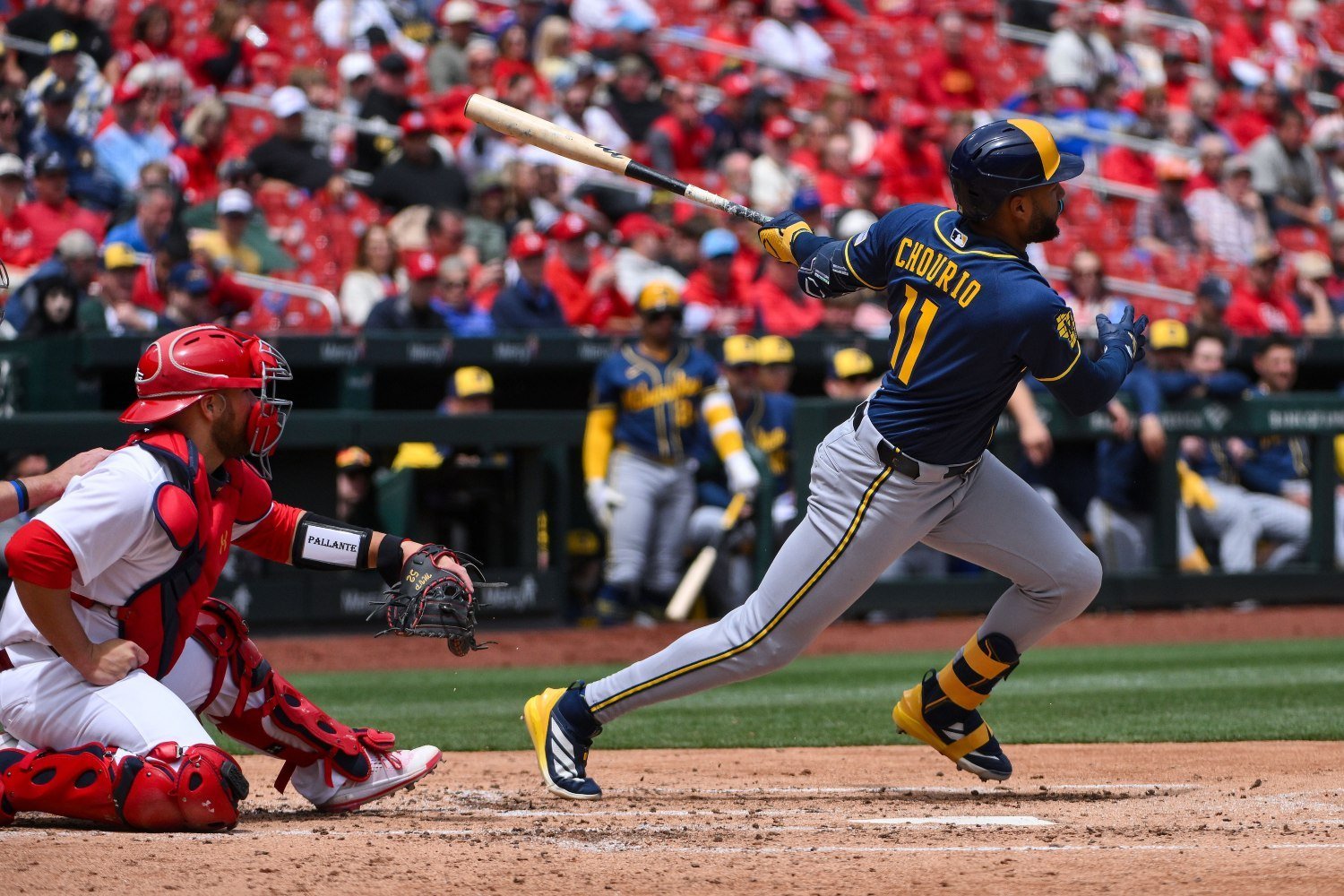 Results alone made it clear that the Brewers were missing Jackson Chourio and Andrew Vaughn. Through May 3, Milwaukee’s offense posted a collective 96 wRC+, which ranked 18th in baseball. Their .354 slugging percentage ranked 28th. Both hitters quickly helped in that regard upon returning from the injured list in St. Louis on Monday. In two games, Chourio has gone 6-for-9 with three doubles, while Vaughn launched his first home run of the season on Wednesday afternoon. Beyond their individual results lies the pair’s larger impact on the Brewers’ offensive identity. With Chourio and Vaughn sidelined, their lineup made do with an even more extreme version of the scrappy small-ball approach that has defined them during the Pat Murphy era. According to Baseball Savant, last season’s Brewers had baseball’s fourth-highest ground ball rate and laid down the second-most bunts. Without Chourio and Vaughn (who was only active for four plate appearances on Opening Day), they were the only team with a ground ball rate over 50%, the league’s highest by nearly four percentage points. They also bunted four more times than any other team. Through a combination of fortunate sequencing and timely, well-executed small ball, the Brewers have gotten more mileage from that approach than many might expect. Despite that below-average wRC+, they were eighth in runs scored without Chourio and Vaughn. It would always be challenging to successfully ride that style of play through a 162-game season, though, so regaining those two hitters and their more powerful batted-ball profiles was a welcome change. Chourio’s career ground-ball rate is 45.1%, and Vaughn’s is 43.1%. In addition to supplying more line drives and fly balls, the two bring something else the lineup was lacking more generally: hard-hit balls. Without them, the Brewers were 24th in hard-hit rate. While Chourio and Vaughn’s contact quality is closer to good than great, their respective hard-hit rates ranked in the 62nd and 84th percentiles of hitters last season. The aggressive Chourio also brings a damage-hunting approach to a lineup that once again has baseball’s lowest swing rate. Blake Perkins, Luis Matos, Greg Jones, and Tyler Black filled most of the playing time while Chourio and Vaughn were on the shelf. In 118 combined plate appearances, they combined to hit eight balls with an exit velocity of at least 100 mph. In 19 plate appearances, Chourio and Vaughn have hit nine. With two of their heavier hitters in tow, the Brewers’ lineup now comes together more cohesively. Their presence takes pressure off Brice Turang as one of the few remaining power bats in the order. Black, Jake Bauers, Sal Frelick, and Garrett Mitchell need not hit in as many unfavorable left-on-left matchups and can return to roles better suited to their skill sets. Murphy won’t be forced to sacrifice flexibility with late-game substitutions by starting backup catcher Gary Sánchez as the DH. As encouraging as the early results were, the bigger-picture impact makes Chourio and Vaughn’s returns most promising. View the full article
 -
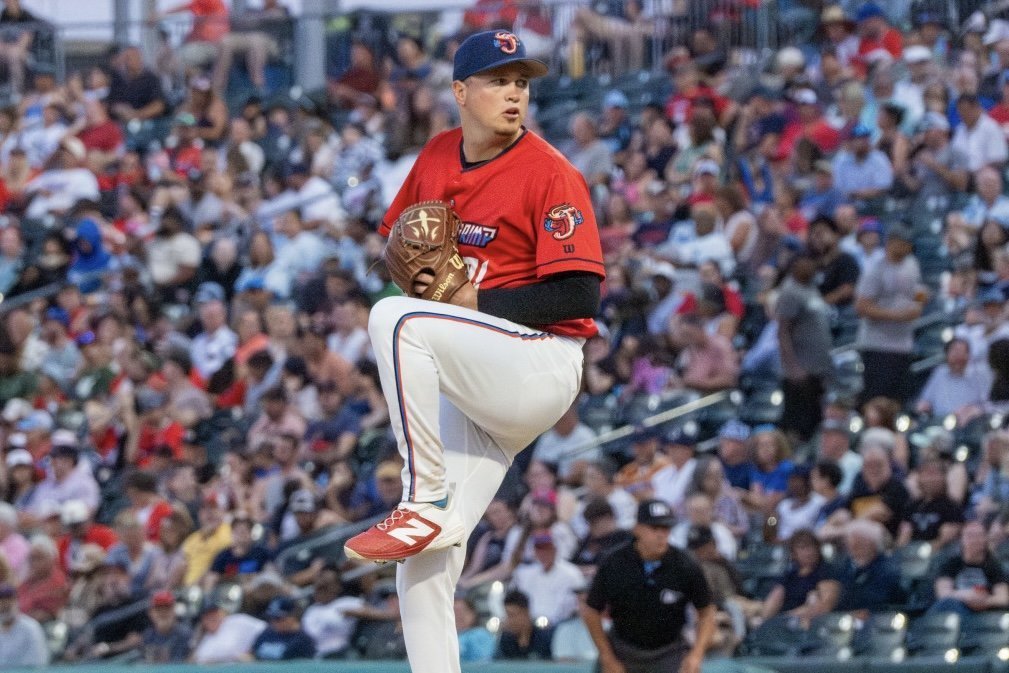 When the Miami Marlins acquired Bradley Blalock over the offseason, expectations for him were modest. After all, this a pitcher who had been designated for assignment by the Colorado Rockies. He ranked last among MLB pitchers in 2025 with -1.0 fWAR and had not found success at the minor league level, either. However, the Marlins saw something in him and the right-hander is turning heads during his first year in a new organization. Blalock's 62° arm angle would rank third in the majors right now, behind Toronto’s Trey Yesavage and the Mets’ Tobias Myers. His arsenal is led by a fastball that sits around 94 mph and plays well up in the strike zone. He mixes in a cutter that gives him a different look and can keep hitters off balance. His slider is a solid secondary pitch that he can go to for swings-and-misses, while his curveball adds another layer with more depth and helps change eye levels. He also throws a splitter, which works as his main offspeed pitch and can get hitters to chase when it’s working. Through six starts this year with Triple-A Jacksonville, Blalock has thrown 32 innings, allowing 11 earned runs, six walks, and 31 strikeouts. The long ball has hurt him, as he has allowed seven home runs on the year, but hitters are batting just .190 against him overall. The Marlins' decision to part ways with Chris Paddack shakes up their starting rotation for the first time since Opening Day. Robby Snelling will step into Paddack's spot for now, but Blalock has moved up the depth chart. With a couple more injuries and/or trades, Blalock could find himself back on a major league pitching staff. What has changed? Blalock has made a clear adjustment from 2025 to 2026, lowering his four-seam usage from 52.3% to 41.0% while increasing his cutter usage from 7.5% to 22.1%. His slider has dipped from 16.6% to 13.8% and his splitter from 14.4% to 13.1%, while his curveball has seen a slight increase from 9.2% to 10.0%. Becoming more unpredictable is not the only key to his success so far. Blalock's BB/9 this season is 1.69 compared to 5.19 last year. He is averaging three fewer pitches per inning compared to last year, and his K/BB ratio has more than tripled, rising to 5.17 this year from 1.49 last year. Not only is he throwing more strikes, but he is limiting damage across the board. The ability to get ahead in counts has played a big role in that. In 2025, opponents posted a .400 OBP and .559 SLG (.959 OPS) against him. That has dropped significantly in 2026, with hitters putting up just a .228 OBP and .397 SLG (.625 OPS). Similar to what we have seen with Janson Junk, filling up the zone leads to results. Blalock’s BABIP this season is .190, which suggests some regression may be coming, but if he continues throwing strikes and limiting walks, he will remain effective. View the full article
 -
Andrew Morris is Quietly Becoming a Key Piece in an Unusual Role
DiamondCentric posted an article in Twins Daily
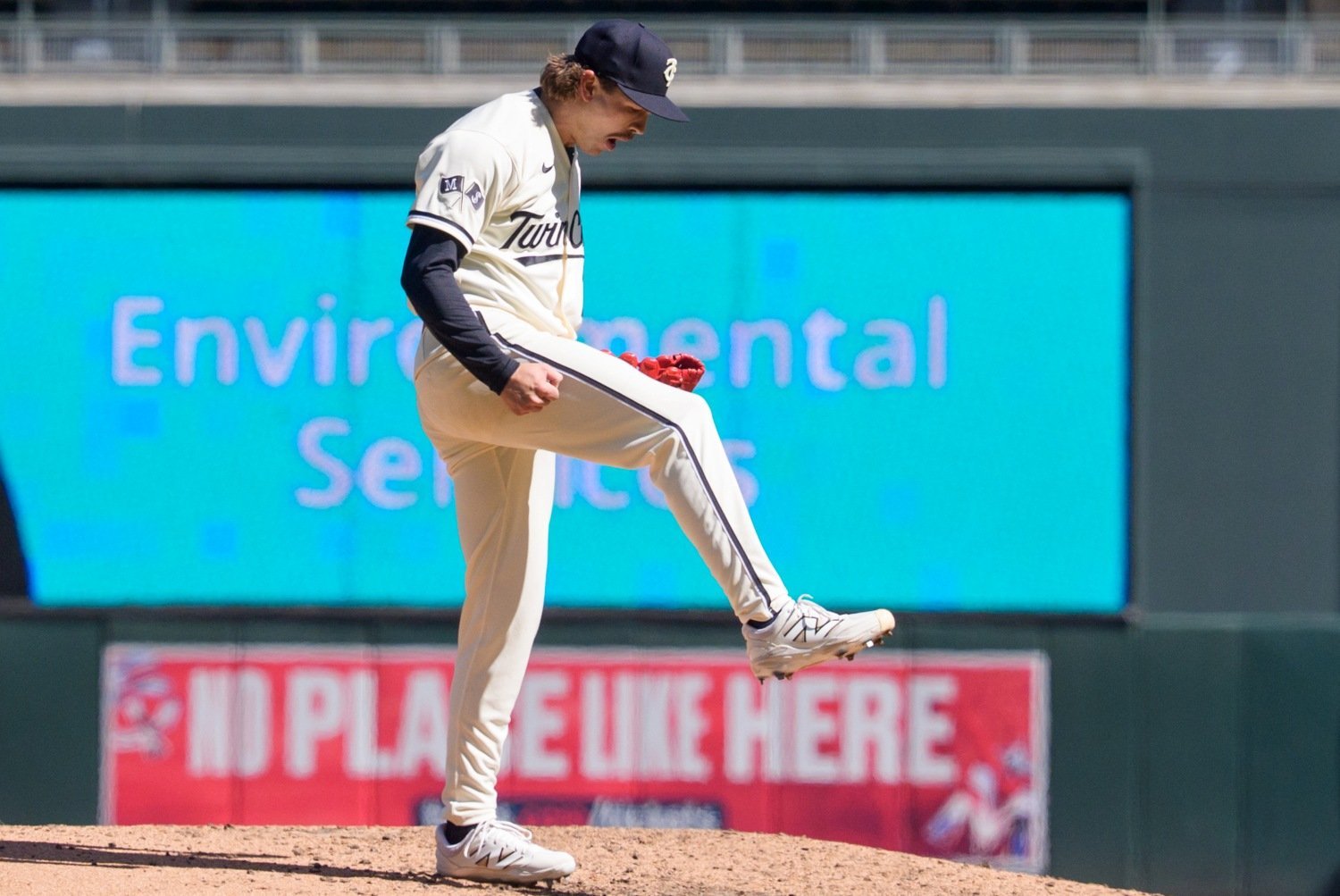 Andrew Morris was never the flashy, Top-100 name lighting up prospect rankings. He wasn’t the can’t-miss arm generating buzz across the league, and certainly not someone grabbing headlines with gaudy strikeout totals or triple-digit velocity. Even now, at the major-league level, he’s settled into one of the least glamorous roles on the pitching staff: the length reliever. But if you’ve been paying close attention, Morris has quietly been effective, reliable, and (arguably) under-appreciated. Through his first 15 2/3 major-league innings, the surface-level numbers don’t exactly jump off the page. A 5.17 ERA paired with a 1.53 WHIP isn’t going to turn heads, and in today’s game, a 20% strikeout rate falls short of the league average, which hovers around 22%. His fastball, sitting around 95 MPH, is solid but not overpowering. On paper, it’s the profile of a pitcher still trying to find his footing. But the paper doesn’t tell the full story. If you dig a layer deeper, Morris starts to look like a completely different pitcher. Despite the elevated WHIP, largely driven by the number of hits he’s allowed, Morris has been elite at limiting hard contact. Opposing hitters simply are not squaring him up. He has allowed just one barrel all season, and his average exit velocity against sits at 85.3 MPH, placing him in the 92nd percentile among major-league pitchers. So how does a pitcher allow a fair number of hits while still suppressing quality contact at that level? The answer often comes down to variance. Weak contact can still fall in for hits, and through a small sample size, a few seeing-eye singles or bloopers can quickly inflate traditional stats like ERA and WHIP. The Twins' subpar defense isn't helping matters. The underlying metrics reinforce that idea. Morris owns a 3.19 expected ERA and a 3.08 FIP, both of which paint the picture of a pitcher who’s performing far better than his surface-level numbers suggest. If he keeps pitching the way he has, the results should start to catch up. While he’s not missing bats at an elite rate, Morris has found another way to keep hitters uncomfortable, which is getting ahead early and expanding the zone. His 70% first-pitch strike rate is one of the most important indicators of his success so far. It’s a number that cannot be overstated. Getting ahead 0-1 immediately shifts the at-bat in the pitcher’s favor, opening the door for chase pitches and weak contact later in the count. The difference that makes is massive. Take former Twin Ildemaro Vargas, who is currently leading the league in batting average (as we all expected). When Vargas is getting ahead in the count 1-0, he’s hitting an absurd .535. When he falls behind 0-1, that number drops all the way down to .259. That’s the power of a first-pitch strike. Morris is living in the zone early, forcing hitters into defensive counts, and then using his secondary pitches to generate chases outside of it. It’s not flashy, but it’s effective, which is a theme that seems to follow him everywhere. If there’s one area where Morris could still take a step forward, it would be generating more ground balls. His current 34% ground ball rate is definitely on the low side, and increasing that number could help him limit baserunners even further by turning more contact into outs. With that said, addressing it may require adjustments to his pitch mix and/or selection, and when you’re already limiting hard contact this well, it is not necessarily an urgent fix. There is something to be said for sticking with what's working. What’s working right now is a pitcher who understands how to navigate big-league lineups without overpowering stuff. Morris may never be the guy who racks up double-digit strikeouts or headlines a rotation, but that doesn’t diminish his value. Every pitching staff needs someone who can bridge innings, stabilize games, and quietly keep things under control when the spotlight isn’t shining brightest. That’s exactly what he’s done so far. At just 24 years old, Morris is still in the early stages of his development. There’s room to grow, adjustments to make, and potentially another level to unlock. But even in his current form, he’s proving he belongs—and more than that, he’s proving he can be an asset. View the full article
 -
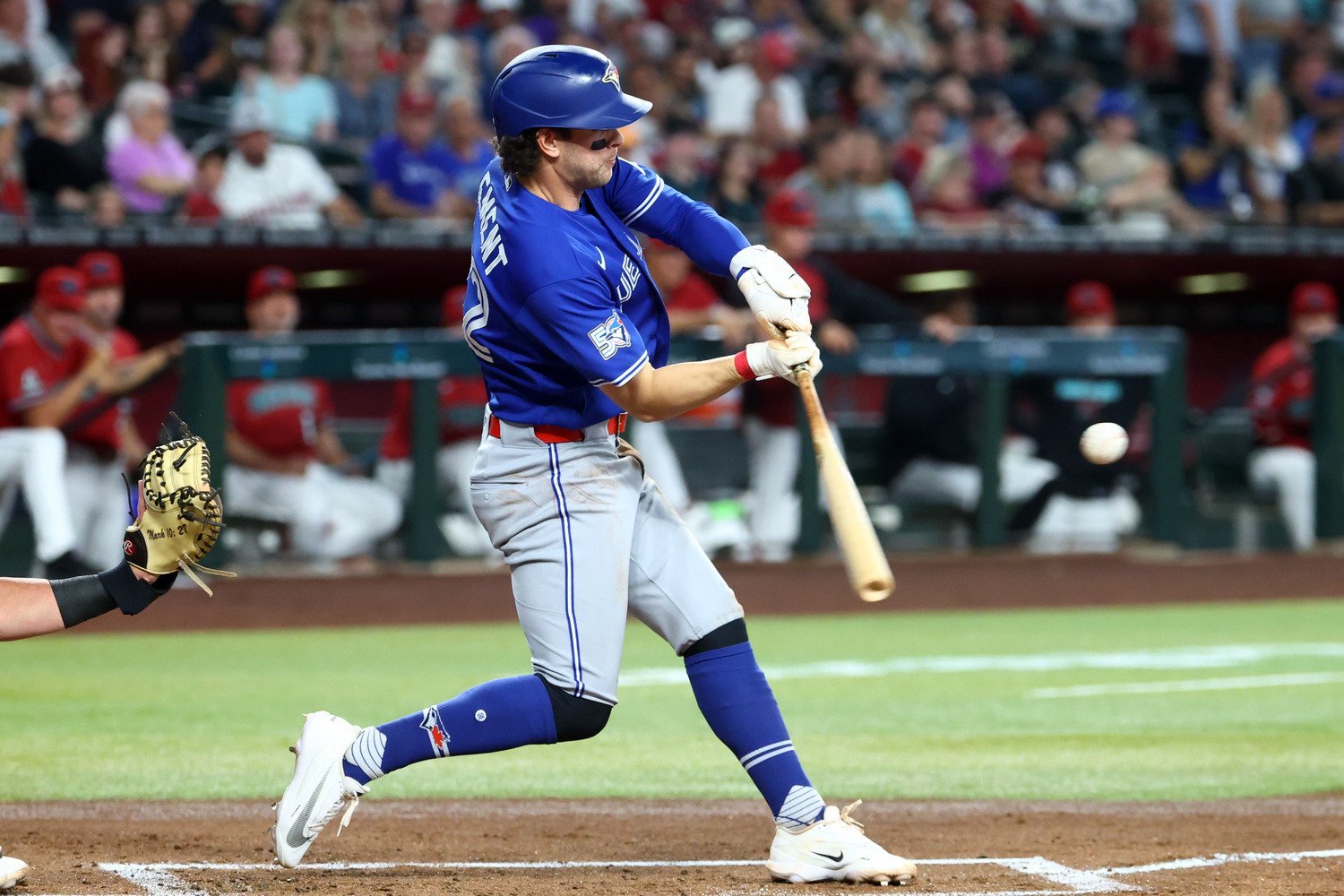 Out with one infielder and in with the next. The Bo Bichette sweepstakes sent baseball into a bit of a frenzy this offseason, but we figured out pretty quickly that Ernie Clement would be next in line, hoping to fill a pretty large vacancy. Obviously, it’s early, but today, I'll be doing an early-season check-up on Clement and how he’s stacking up on an offense that was setting the world on fire last fall. Stats updated prior to games on May 6. Ernie Clement's Background To provide some context, this is Clement’s journey to this point. He was a fourth-round draft pick in the 2017 MLB Draft, when the now Cleveland Guardians selected him 132nd overall. The Rochester, NY native played his college ball at Virginia, and by the time he cracked the majors in 2021, he quickly gained a reputation as a versatile defender with good contact skills. After stints with the Guardians and Athletics, he signed a minor league contract with the Blue Jays in 2023. In 2023, his batting average topped out at .380 over a 30-game sample. He then settled in as a near-average hitter in 2024 and '25. Meanwhile, over the next couple of seasons, the Jays started to show their hand as to what they’d do with Bo Bichette. Bichette would end up taking his talents to the Big Apple, as he now dons a New York Mets jersey. This opened up plenty of playing time. Enter everyday second baseman Ernie Clement. The Blue Jays' New Second Baseman So, how is the new Toronto second baseman doing thus far? Let’s start with the basics. He’s doing something that not many others can do in a day and age when opposing pitchers are clocking triple-digit velocities with over 12, and sometimes 18, inches of ride: He’s hitting .289. Bichette was well known for hugging the .300 mark in his time with the Jays. If Clement can make a habit of that, it’ll be one seismically important box checked off. Clement has thrived primarily on pull-side contact so far, and the 30-year-old is leveraging that to get on base frequently. He is currently squaring the ball up 35.0% of the time, good enough to be nestled in the 95th percentile among league hitters. The savvy veteran may not hit for a ton of power, but he’s managing to time up the ball extremely well. For another strength, Clement literally does not fall victim to strikeouts. While the league average rate is in the mid-20s, Clement is striking out at a minuscule clip of 6.8%. This puts him in the 100th percentile as one of the toughest strikeouts in all of baseball. Right along with that stat, Clement is hardly whiffing, coming up empty just 14.0% of the time (95th percentile). The next natural question would be whether or not he chases, and this is where his profile becomes extra intriguing. Clement actually has one of the worst chase rates in MLB, fishing out of the zone 43.0% of the time (fourth percentile). Put simply, this is somebody who ventures after out-of-zone pitches, but his bat-to-ball skills are so elite that he still finds a way to make contact and put the ball in play. What Clement Needs To Work On There’s an argument to be made that Clement's plate discipline habits could catch up with him. His walk rate implies that, as he’s sporting a 3.4% walk rate (fourth percentile). This is a middle infielder who trusts his hands to flare out and make contact with anything that looks relatively appetizing out of the pitcher’s hand. Another weakness for Clement is his power, but that simply isn’t a part of his game. While the walk numbers could rise with a slight change in approach, building a power profile may be a bit more difficult for someone who operates with a six-foot, 170-pound frame. Most second basemen aren’t described as mashers anyway, so Clement fits right in with his peers while having a batting average well above the league watermark. Overall, Ernie Clement is showing he can go toe-to-toe with Bo Bichette from a contact perspective. While the 20 home run seasons that fans came to expect from Bichette may not be in the cards, Clement can still do his job as a pesky on-base option in place of one of the better infielders in today’s game. With Clement sliding into the starting second base role, it's up to him (along with his teammates) to make up for the offensive void left by Bichette's departure. How is Clement holding up his end of the bargain to start the 2026 season? We dove into his advanced analytics in the video above! View the full article
 -
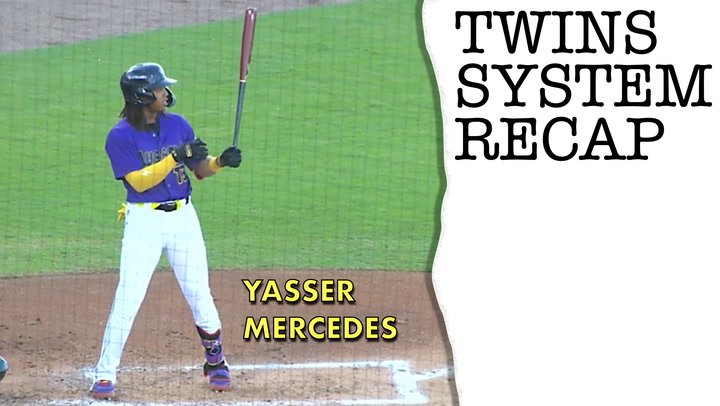 Twins System Recap: Mom's letting the Saints stay up late this week. With St. Paul playing out west, tonight's video covers only the other three full-season affiliates. Tonight's discussion features an impressive all-around performance from Yasser Mercedes and plenty of discussion on the 2025 draft class. View the full article
 -
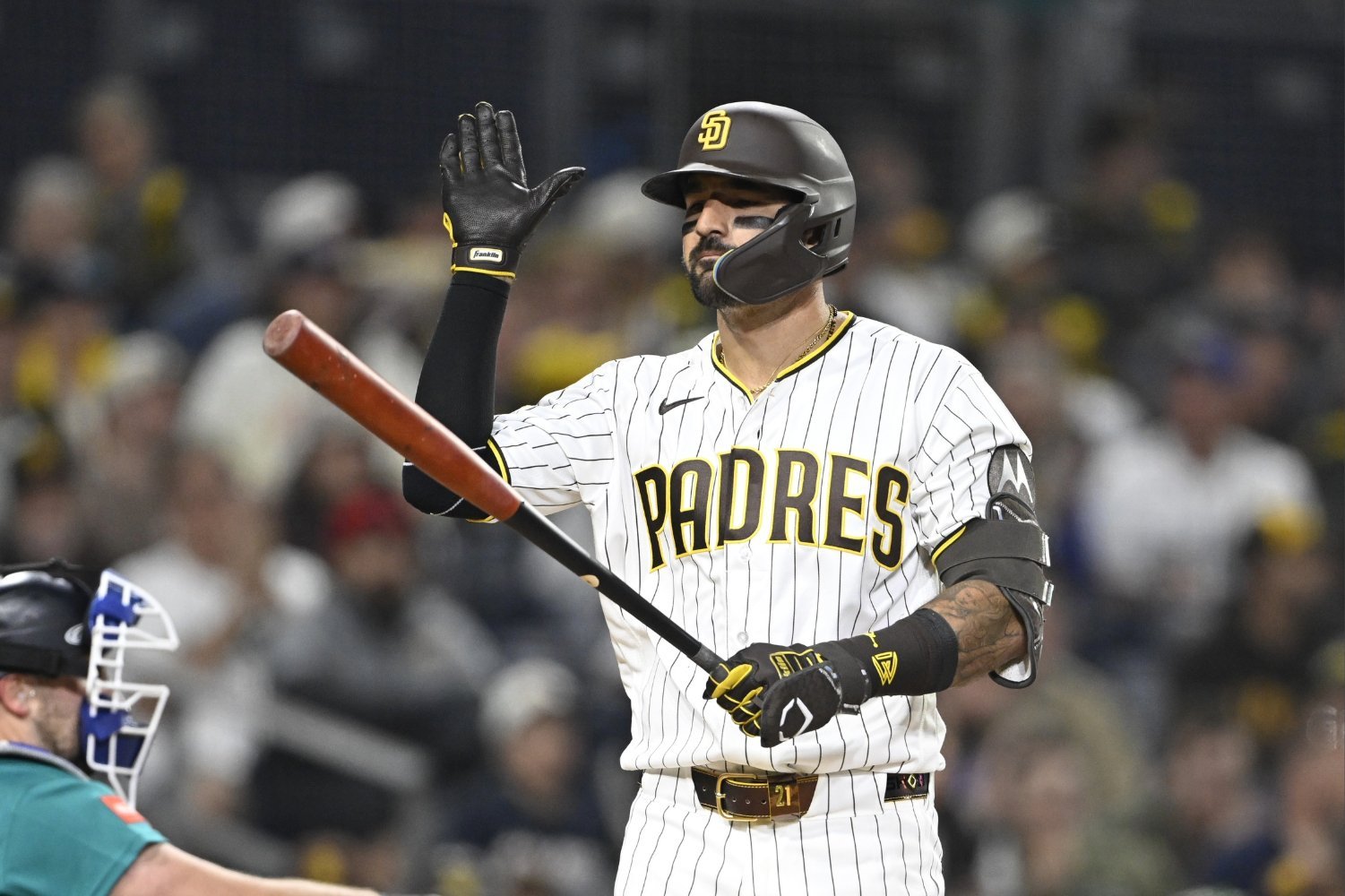 Despite a very good career, Nick Castellanos will be remembered for a drive into deep left field and for cracking a beer mid-game in his manager’s face. The 2026 San Diego Padres don’t care about that. They just need their unlikely utility man to hit for power. By one metric, he’s doing exactly that. An astounding 39.6% of his batted balls are lifted in the air. If he had enough at-bats, then Castellanos would comfortably be the leader in all of baseball in air pull rate. This is significant because, according to data by MLB Data Warehouse, batted balls pulled in the air are the most likely to be home runs, and it’s not particularly close. Nearly 38% of pulled fly balls are home runs. The percentages are in the single digits to center and to the opposite field. Colorado Rockies outfielder Mickey Moniak, for example, is ninth in baseball in air pull rate and is tied for sixth, with none other than Byron Buxton, Kyle Schwarber, and Mike Trout, in home runs. Castellanos’ air pull rate is a salve for the Padres’ offense, which ranks among the worst in team OPS. Or rather, it should be a salve. Castellanos has but one home run on the season, and he is, by almost any other metric, one of the least productive players in baseball. Over just 69 plate appearances, he has accrued -0.9 bWAR. His .172/.217/.281 slash line is brutal. His 35 wRC+ even more so. The extent of Castellanos' value so far this season has been that another team, the Philadelphia Phillies, is paying almost all of his salary. Castellanos' stat line this season continues his decline in production. From 2016-2021, hes was one of the best, most consistent hitters in baseball. Only in the Covid-shortened 2020 season did he post an OPS+ lower than 112, and even then it was a bang-on average 100. After a 2021 season with the Cincinnati Reds, in which he slashed an incredible .309/.362/.576, Castellanos signed a five-year, $100 million deal with the Phillies. He was disappointing in 2022 and solid in 2023. Factoring in his defense, he has since been more or less unplayable. That is what makes his air pull rate so fascinating and so tantalizing. Castellanos’ career-high air pull rate is accompanied by groundball rates to left and center and air rates to center that are consistent with his career. His K% is slightly down, his BB% slightly up. Castellanos, who never saw a down-and-away slider he didn’t like, even has a lower Chase % than three of his latter seasons. What has changed is his batted balls to the opposite field, which on the ground literally don’t exist. His opposite-field groundball rate is 0.0%. (His career rate is 3.3%.) The air rate to the opposite field is nearly 16 points off his career average. All the while, his average exit velocity is highest since 2023. It feels like Castellanos is an uncle at a backyard whiffle ball game trying to put every pitch onto the roof of the garage. The veteran's stat line is tantalizing because, statistically, it's inevitable that the outcomes will turn around. For the first time since 2019, his expected home runs exceed his actual home run total. After all, the Padres don’t play every game in Petco Park, one of the hardest ballparks in which to hit. And like teammate Jake Cronenworth, Castellanos’ expected batting average is almost 100 points better than his actual batting average. When it comes to Castellanos, the Padres desperately need the law of averages to win out, because their punchless offense is weighing on the club. After an 18-8 start, the Friars are 4-6 since April 26. Of course, baseball doesn’t always comply with theory and it isn’t played on computers. It’s played on the grass, where Castellanos has done little good besides swing for the fences. Like an uncle at a barbecue, he can only keep swinging, hoping past glories are around the corner. View the full article
 -
 The Mets' affiliates split 2-2 with two close games. Eli Serrano III's 10th-inning walkoff sacrifice fly capped a 4-3 Binghamton win over Hartford, with Chris Suero and Jose Ramos homering earlier and Zach Peek earning the win. Jack Wenninger spun six two-hit, scoreless innings as Syracuse beat Rochester 3-1 behind Ryan Clifford's home run. Brooklyn fell 8-4 at Bowling Green, while St. Lucie's 5-4 loss at Lakeland came despite Randy Guzman's two-run homer. Mets Transactions No Roster Moves Wenninger Tosses Quality Start In Syracuse 3-1 Win Syracuse jumped on Rochester early and rode Jack Wenninger's quality start to a 3-1 win, scoring single runs in each of the first three innings before the bullpen closed it out. Wenninger fired six innings of two-hit, scoreless ball in the start, walking three and striking out five to earn the win. Dan Hammer surrendered a run on two hits in the seventh, while Alex Carrillo struck out two across a clean inning, and Anderson Severino fanned one in a one-two-three ninth. Syracuse opened the scoring in the bottom of the first when Nick Morabito singled and came around to score on a Christian Arroyo groundout. The second-inning tally came on a Hayden Senger double that drove in Yonny Hernández, and the third-inning run came on Ryan Clifford's solo home run. Clifford finished 2-for-4 with the home run and an RBI, while Senger went 1-for-2 with a double, an RBI, and a walk. Morabito added a 1-for-4 line with a run scored, and Hernández chipped in a hit. A.J. Ewing, Ji Hwan Bae, and Jackson Cluff each drew a walk. Cristian Pache struck out three times in four trips. Syracuse drew four walks and struck out eight times as a team, but scored just enough to win. Syracuse Hitting Player AB R H RBI BB K A.J. Ewing 3 0 0 0 1 0 Nick Morabito 4 1 1 0 0 1 Ryan Clifford 4 1 2 1 0 0 Christian Arroyo 4 0 1 1 0 0 Ji Hwan Bae 3 0 0 0 1 2 Cristian Pache 4 0 0 0 0 3 Yonny Hernández 3 1 1 0 0 0 Hayden Senger 2 0 1 1 1 1 Jackson Cluff 2 0 0 0 1 1 Syracuse Pitching Player IP H R ER BB K HR Jack Wenninger (W) 6 2 0 0 3 5 0 Dan Hammer 1 2 1 1 0 0 0 Alex Carrillo 1 1 0 0 1 2 0 Anderson Severino 1 0 0 0 0 1 0 Serrano III's Walkoff Sacrifice Fly Lifts Binghamton In Tenth Binghamton rallied from a 3-1 deficit to win 4-3 in 10 innings, with Eli Serrano III lofting a sacrifice fly to plate the zombie runner from third with one out in the bottom of the tenth. The Rumble Ponies got a Chris Suero solo home run in the bottom of the first to take an early 1-0 lead, but Hartford answered with a two-run third and a single tally in the fifth to go up 3-1. Brendan Girton handed off after 3 2/3 innings of four-hit, two-run work in his start. Brian Metoyer gave up a run on two hits in his 1 1/3 innings of relief, but Douglas Orellana delivered two hitless innings, Saul Garcia struck out three in a clean frame, and Ben Simon allowed one hit in a scoreless ninth. Zach Peek picked up the win with a scoreless tenth. Binghamton scratched a run back in the bottom of the seventh on a Wyatt Young single and a TT Bowens run-scoring effort, then tied things in the eighth when Jose Ramos blasted a solo homer to make it 3-3. The walkoff played out in classic zombie-runner fashion: with Wyatt Young installed at second to start the tenth, Diego Mosquera bunted him over, and Serrano III lifted a fly to the outfield deep enough to score Young from third. Ramos finished 2-for-4 with a homer, an RBI, and a run scored, while Suero went 1-for-4 with the leadoff homer and an RBI of his own. Kevin Parada added a 2-for-4 line with a double, and Bowens drew a walk while reaching base three times in four trips. Serrano III picked up the walkoff RBI on the sacrifice fly. Binghamton drew one walk and struck out nine times, but cashed in when it counted. Binghamton Hitting Player AB R H RBI BB K Eli Serrano III 4 0 0 1 0 2 Chris Suero 4 1 1 1 0 1 Jose Ramos 4 1 2 1 0 1 Kevin Parada 4 0 2 0 0 1 Nick Lorusso 4 0 0 0 0 1 TT Bowens 3 1 2 0 1 1 Matt Rudick 4 0 0 0 0 1 Wyatt Young 4 1 1 0 0 0 Diego Mosquera 3 0 0 0 0 1 Binghamton Pitching Player IP H R ER BB K HR Brendan Girton 4 4 2 2 0 0 0 Brian Metoyer 1 2 1 1 0 0 0 Douglas Orellana 2 0 0 0 0 0 0 Saul Garcia 1 0 0 0 0 3 0 Ben Simon 1 1 0 0 0 0 0 Zach Peek (W) 1 0 0 0 0 0 0 Brooklyn Falls 8-4 At Bowling Green Brooklyn could not keep pace with Bowling Green's offense and dropped an 8-4 decision on the road, despite a Vincent Perozo solo home run and a good day at the plate from Ronald Hernandez. The Cyclones never led, falling behind 2-0 after the first and chasing the rest of the way. Joel Diaz took the loss after five innings of seven-hit, six-earned-run work that included two walks and five strikeouts. He surrendered runs in each of the first three innings, leaving the Cyclones down 6-3. Parker Carlson stabilized things with a two-hit inning and a strikeout. Hoss Brewer was tagged for two runs on two home runs in his lone inning of work in the eighth. Brooklyn answered with single runs in the second, third, and fourth innings. The third-inning rally featured a John Bay single that drove in two runs after a leadoff Hernandez double and a one-out walk by Trace Willhoite. Perozo took matters into his own hands in the fourth with a solo homer. Hernandez finished 2-for-4 with a double and a run scored, while Bay went 1-for-3 with two RBI, a walk, and a run. Perozo added a 1-for-4 line with the home run, an RBI, and a run scored. Antonio Jimenez drew a walk and scored from the leadoff spot. Brooklyn struck out 11 times and finished with five hits as a team. Brooklyn Hitting Player AB R H RBI BB K Antonio Jimenez 3 1 0 0 1 1 Yonatan Henriquez 5 0 1 0 0 0 Ronald Hernandez 4 1 2 0 0 1 Corey Collins 3 0 0 0 0 2 Daiverson Gutierrez 4 0 0 0 0 1 John Bay 3 1 1 2 1 1 Colin Houck 4 0 1 0 0 2 Vincent Perozo 4 1 1 1 0 0 Yohairo Cuevas 4 0 0 0 0 3 Brooklyn Pitching Player IP H R ER BB K HR Joel Diaz (L) 5 7 6 6 2 5 0 Parker Carlson 1 2 0 0 0 1 0 Gregori Louis 1 0 0 0 0 0 0 Hoss Brewer 1 2 2 2 1 1 2 St. Lucie's Comeback Falls Short In 5-4 Loss St. Lucie nearly erased a four-run deficit but fell 5-4 at Lakeland after the Tarpons answered the Mets' brief tie with a walk-aided run in the bottom of the seventh. The Mets fell behind 4-0 through three innings before mounting their charge. Joel Lara was tagged for four runs across his three innings of work, surrendering three hits and one home run. He gave up a run in the bottom of the first when a leadoff walk and a Branny De Oleo throwing error preceded an RBI groundout, and was hit hard in the third when a one-out single, a triple, and a two-run home run produced three more runs. Conner Ware took the loss after four innings of two-hit, one-run, five-strikeout work, surrendering the deciding run on a sacrifice fly in the bottom of the seventh after walking the leadoff hitter and a one-out batter. Miguel Mejias opened with a clean inning that included a walk and a strikeout. St. Lucie's three-run sixth was keyed by Randy Guzman's two-run homer to left-center after singles by De Oleo and Elian Peña put runners on the corners. Simon Juan's RBI single in the seventh tied the game at 4-4, but the Mets could not retake the lead. Guzman finished 1-for-2 with the home run, two RBI, two walks, and a run, while De Oleo went 2-for-3 with an RBI, a walk, and a stolen base. Peña added a 1-for-5 line with a run, two strikeouts, and a stolen base from the leadoff spot. Sam Robertson chipped in a hit. The Mets struck out 12 times and stranded six runners as they came up just short. St. Lucie Hitting Player AB R H RBI BB K Elian Peña 5 1 1 0 0 2 Edward Lantigua 4 0 0 0 0 2 Randy Guzman 2 1 1 2 2 1 AJ Salgado 3 0 0 0 1 2 JT Benson 4 0 0 0 0 3 Chase Meggers 3 0 0 0 1 1 Simon Juan 4 1 1 0 0 0 Sam Robertson 4 0 1 0 0 1 Branny De Oleo 3 1 2 1 1 0 St. Lucie Pitching Player IP H R ER BB K HR Miguel Mejias 1 0 0 0 1 1 0 Joel Lara 3 3 4 4 1 2 1 Conner Ware (L) 4 2 1 1 2 5 0 Top-20 Prospect Performance Nolan McLean: DNP Carson Benge: DNP A.J. Ewing: 0-for-3, BB Jonah Tong: DNP Ryan Clifford: 2-for-4, R, RBI, HR Jacob Reimer: DNP Jack Wenninger: 6 IP, 2 H, 0 ER, 3 BB, 5 K (W) Elian Pena: 1-for-5, R, 2 K, SB Mitch Voit: DNP Nick Morabito: 1-for-4, R, K Jonathan Santucci: DNP Chris Suero: 1-for-4, R, RBI, HR, K Zach Thornton: DNP Wandy Asigen: DNP Will Watson: DNP Eli Serrano III: 0-for-4, RBI (walkoff SF), 2 K Ryan Lambert: DNP Dylan Ross: DNP Antonio Jimenez: 0-for-3, R, BB, K R.J. Gordon: DNP View the full article
 -
The Royals' Muddled Second Base Situation Continues To Muddle
DiamondCentric posted an article in Royals Keep
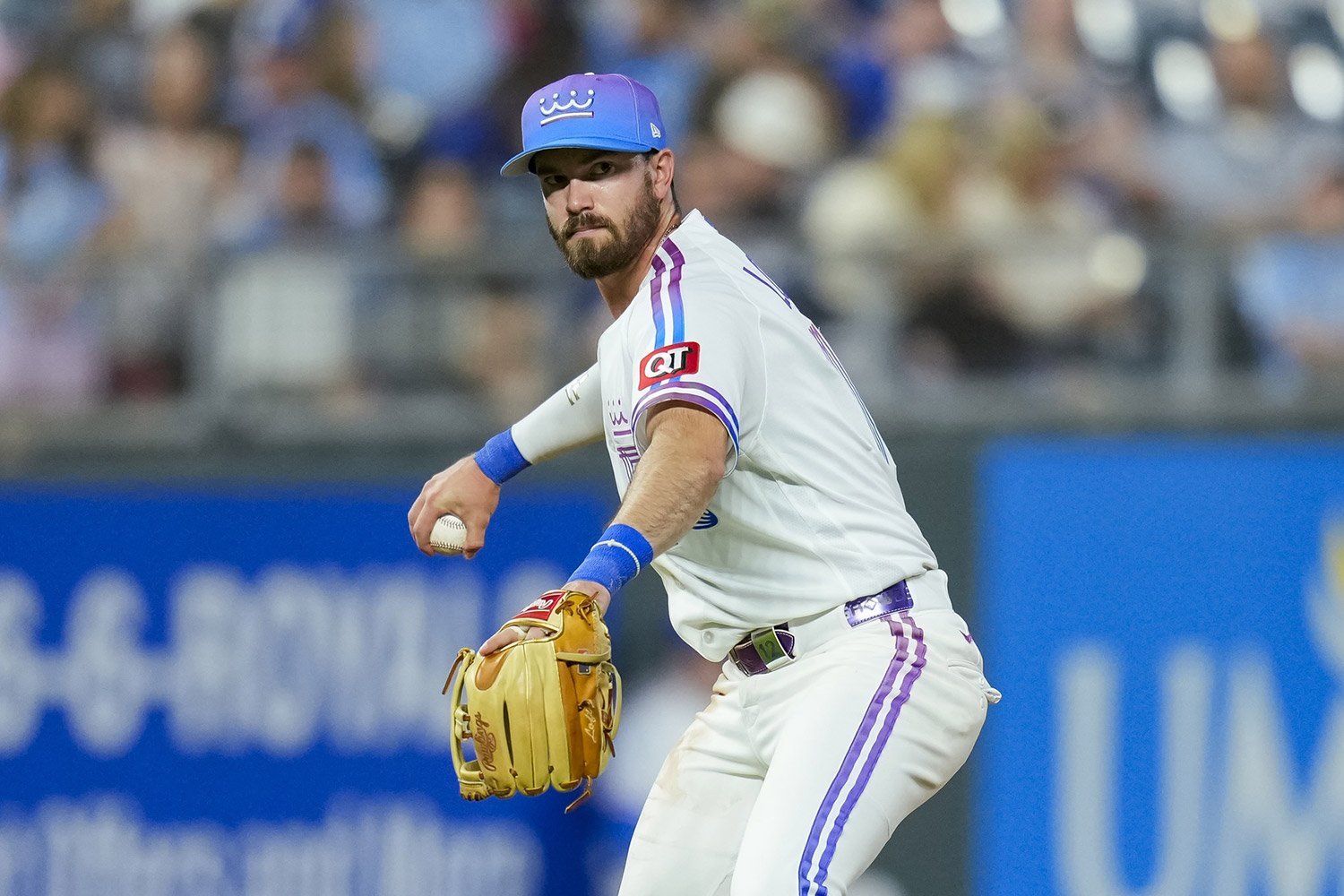 The Kansas City Royals, whose terrible start to the season triggered early declarations of postseason hopes already dashed, drew within a half-game of the American League Central Division lead by beating front-running Cleveland on Monday and Tuesday. Playing decisive roles were both sides of the resurgent club’s emerging second base platoon — Nick Loftin’s fourth-inning two-run single broke a 2-2 tie and proved the difference in Monday evening’s 6-2 win, and Michael Massey’s two-run homer in the fourth Tuesday night gave KC the lead it never surrendered en route to a 5-3 win. Those were big moments in big games, but did little, if anything, to clarify the long-muddled picture that is second base in Kansas City. Things that were uncertain enough when the season started became even more so when labral surgery ended Jonathan India’s season last month; the question now is whether the job should belong to Massey or Loftin, or whether the platoon manager Matt Quatraro seems to be leaning toward should continue. There may be no easy answer. Should Michael Massey Be the Royals’ Second Baseman? Massey’s major league keystone experience dwarfs Loftin’s. Tuesday's start at second gave Massey 328 appearances at the position, a whopping 270 more than Loftin. But that edge in experience, while important, won’t cinch the job. Massey’s health is, unfortunately, a factor. An assortment of injuries cut deeply into his 2024 and 2025 seasons, sidelined him for much of this year’s Cactus League schedule, and forced him onto the injured list for the first week of the current campaign. The Royals must watch him closely and guard against further long absences. How much time off he’ll require as the season progresses remains to be seen. Massey’s glove leaves little to be desired, but he’s inconsistent at the plate. He hit an okay .259 and posted a 104 wRC+ in 2024, and went on a hot streak of .375/.412/.482 rampage after returning from the IL late last August. But that .259 represents the only time he’s exceeded .244 since debuting with the Royals in 2022, his career OBP through Tuesday was only .281, and he was slashing an ugly .215/.243/.385 in 24 games. He has more power than Loftin, who’s homered only five times in 155 big league games — Massey averaged 14.5 homers in 2023 and 2024, the only two seasons he’s played at least 100 games. Should Nick Loftin Be the Royals’ Second Baseman? Kansas City is a team that needs as much offense as it can get. Proving he can hit major league pitching consistently well is, however, something Loftin hasn’t done — in 1,358 plate appearances covering parts of five seasons, he’s slashing .223/.300/.324 with a subpar .624 OPS and 74 wRC+. Encouraging, though, is the .366 OBP he’s posted and nine runs he’s driven in across 12 games this season. And, he’s walking more (14.6 BB%) and striking out less (7.3 K%). Loftin won’t win any defensive awards at second base, but his career +1 OAA and +2 DRS there suggest he can hold his own without doing damage to the KC cause. Loftin’s real value to the Royals is his versatility — he can serviceably play first, second, and third bases, and during his career has appeared 43 times in left field. Hitting better than Massey, though, could force Quatraro’s hand when it comes to choosing an everyday second-sacker. If that is, Quatraro decides against a platoon… Should Michael Massey and Nick Loftin Share Second Base? That may be the best-case scenario, which appears to be Quatraro’s plan since India’s season ended. And the splits support such an approach. The left-handed hitting Massey, for example, entered Tuesday’s contest batting .154 against lefties and .204 against righties; for his career, he was slashing .242/.283/.389 against right-handers and .234/.270/.345 against left-handers. And remarkably, he's hit only three of his 37 career homers off southpaws. Loftin, a right-handed batter, is hitting .300 against left-handers but 60 points lower against righties this season; for his career, he’s slashing .244/.333/.356 against the former and .212/.284/.309 against the latter. So, for a manager as plugged into splits and handedness as Quatraro, the number of his present second basemen suggests he’ll platoon them. At least, that is, until a better alternative comes along. View the full article
 -
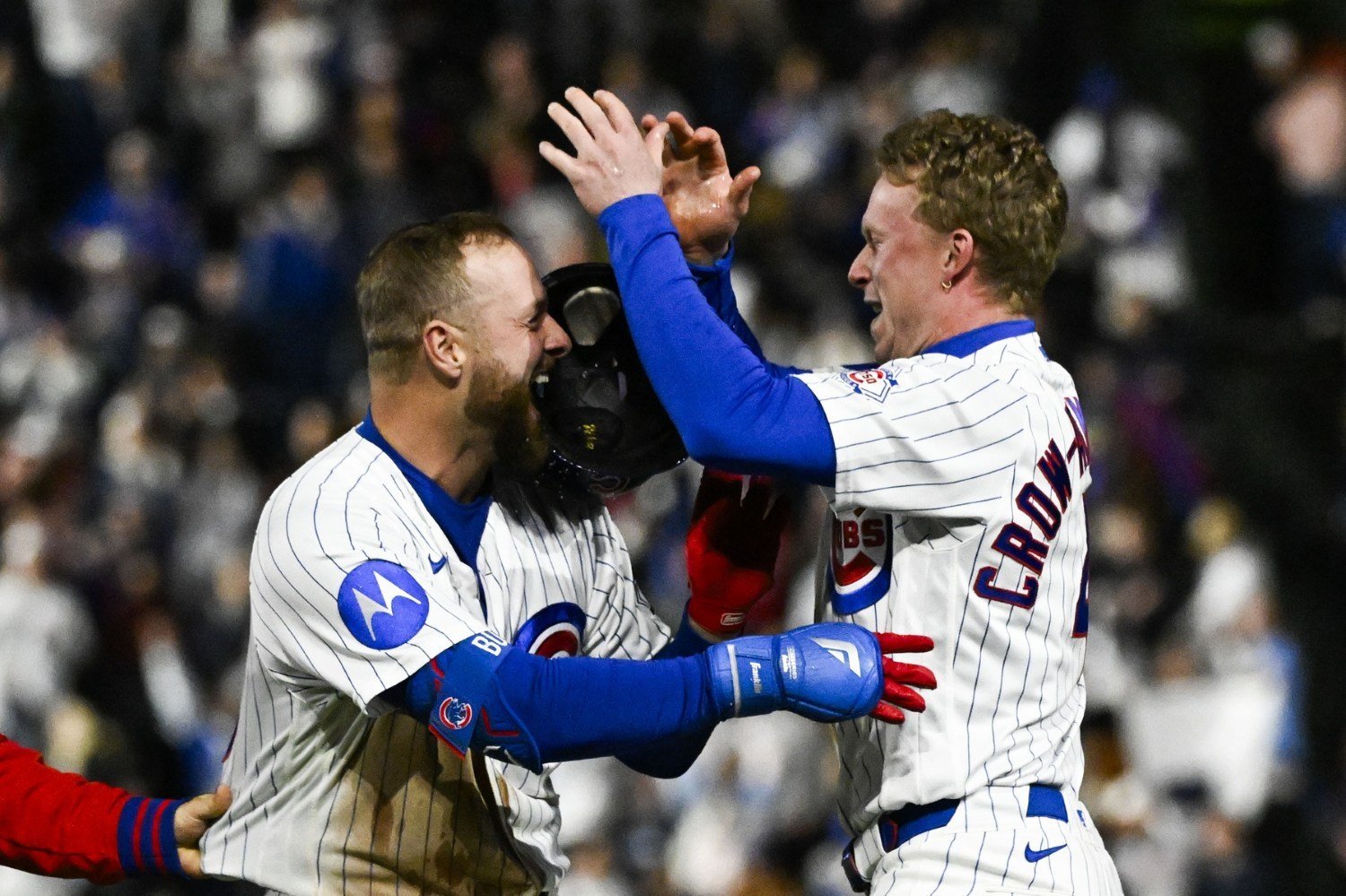 In literature, there are three archetypal conflicts: man vs. man, man vs. nature, and man vs. self. Baseball is just literature in cleats, and over the course of 162 games, every team enters all three types of conflicts. Obviously, much of the early season is spent navigating ugly weather, which becomes true again late in October, but even in between, there is heat and rain and wind to manage—and besides, 'nature' is not only weather, in this case. One must also survive the game itself, with its demanding, explosive movements and the entropy they inflict on the players who execute them. So, for instance, the Cubs' recent hot streak is a bit impressive, simply because they've done it after having lost Cade Horton for the year after elbow surgery; with their top four relievers varying flavors of unavailable; and with Matthew Boyd missing time with a bicep strain. The more obvious conflict in baseball is man vs. man. Every night, there's another team trying to take your precious chance for a win away, and you have to fight them off a majority of the time to be calledf a successful team. We define goodness and greatness in baseball by wins and losses, and those are assigned on a zero-sum basis. When you're pitching, someone is in the box trying to ruin your day with a big hit. This week, for some reason, that's almost always been JJ Bleday. The Reds outfielder opened the scoring both Monday and Tuesday with solo homers, and on Wednesday night, he stroked the game-tying single in the top of the ninth, as things fell apart for the Cubs. Opponents are ruthless, too. Slightly midjudge your proximity to the wall, as Seiya Suzuki did while hauling in Elly De La Cruz's sacrific fly immediately after Bleday's game-tying hit, and you might end up slumped against the barrier as an extra runner streaks home. It's ruthless—not because humans are inherently so, but because sports are where we've agreed that a certain rules-bounded ruthlessness is acceptable, and even admirable. For teams who get very, very good at handling both the man vs. nature and the man vs. man conflicts, though, man vs. self becomes the defining fight. Baseball offers many ways to beat oneself, physically and mentally, and the higher your aims, the more likely you are to succumb to one of those pitfalls. That was certainly on display Wednesday night, as the team improbably pulled out the win to extend their streak to seven wins in all games and 14 straight at Wrigley Field. Their last loss at home came on one of those man-vs.-self days: Matt Shaw messed up the footwork while playing first base; Caleb Thielbar made a bad throw Shaw couldn't handle; the go-ahead run scored; and then, in the bottom of that 11th inning, Seiya Suzuki swung foolishly at a 3-1 pitch with a chance to win, popping out instead. It looked like Wednesday might be a loss of similar shape. Corbin Martin didn't have it, which happens to many a middling middle reliever. In the modern game, good relievers are defined less by whether they can flash decent command of overpowering stuff (because almost all of them can) than by whether they can do so consistently, and Martin has yet to pass that test. He entered with a 4-2 lead, looking for a save, because the Cubs have had to rush Daniel Palencia back from his lat strain and aren't yet willing to use him in back-to-back games. Instead of shutting the door, though, Martin quickly gave up a solo home run and two singles. He fell behind in the count, and he left pitches in the middle of the zone when he needed to avoid falling even further behind. His was a man-vs.-self conflict, but for the Cubs, it was also a matter of man vs. nature: Craig Counsell was managing against the grind of the season and the injuries his team has already suffered, by withholding Palencia. Hoby Milner came on to try to put out the fire, but in a moment eerily reminiscent of Thielbar's folly four weeks earlier, he botched an effort to field a sacrifice bunt. Looking to take down the lead runner, he didn't get the ball cleanly on his first attempt to transfer it from glove to hand, and his throw was late, putting the Cubs in big trouble. As we've already discussed, the Reds pushed across three runs in the wake of that mistake, seizing a two-run lead. Milner did an admirable job on the whole, though. Things could have gotten much worse. They almost finished beating themselves in the bottom of the ninth, but instead, they beat themselves—as in, soared above their own foibles through a sheer exercise of talent. After Michael Busch was retired to lead off the inning, both Carson Kelly and Pete Crow-Armstrong swung at 3-1 pitches well outside the zone—truly dreadful swing decisions. Kelly fouled his pitch off, though, and then did so with another, closer offering. On the seventh pitch of the at-bat, Graham Ashcraft (whom Kelly was seeing for a second night in a row) made a mistake with a cutter, and Kelly was able to line a single to right field. Crow-Armstrong whiffed on his 3-1 pitch, and left himself with no choice but to chase a strike-to-ball slider Ashcraft executed well on 3-2. In a laugh-out-roar moment of brilliance, though, Crow-Armstrong hammered that pitch on a line to left field, just clearing the high wall and finding the basket in left-center field, where Wrigley Field remains the most hitter-friendly park in the majors. The wind was blowing in Wednesday night, but the video board in left-center not only blocks that wind, but invites it to curl backward on the other side of it. Thus, Crow-Armstrong's drive got a bit of help from nature, instead of being resisted by it. Even Statcast (which doesn't account for the windscreen or curl, but solely for dimensions) says it would only have been a homer at Wrigley. The game was tied; the ballpark was a madhouse. The rest of the way, a win felt almost certain. That's an insane pitch to hit the way Crow-Armstrong hit it. He's an exceptionally talented player, but in that moment, he was also showing an extraordinary force of will—to conquer his own frustrating mistake with an otherwise impossible feat of acuity and explosiveness. That's how the Cubs' current streak feels, in a nutshell. In the bottom of the 10th, Craig Counsell (sensibly) had Miguel Amaya pinch-hit for Michael Conforto against Reds lefty Brock Burke, but (much less sensibly) then had Amaya lay down a sacrifice bunt to move Nico Hoerner to third base with the winning run. The Reds responded (sensibly) by intentionally walking Alex Bregman, but then (much less sensibly) they also intentionally walked Seiya Suzuki with two outs, loading the bases for Busch. That move by Terry Francona traded the expected batting average of Suzuki (even against a lefty, not higher than .280) for the on-base percentage of Busch (even against a lefty, not lower than .290) as the chances he would lose the game then and there. It was a gaffe; the other man helped the Cubs a bit. Lately, this is how it goes. The Cubs have been getting help, instead of hindrance, from opponents at some crucial junctures. They've been getting help, instead of hindrance, from nature at just the right moments. But those forces are still fighting against them more often than with them, so the team must spend most of its time finding ways to win the battles against themselves. Just when it looks like they've beaten themselves (in a bad way), they find ways to outdo themselves, instead. Such a run can't last forever, so savor it. Crow-Armstrong's game-tying homer Wednesday felt even more miraculous than Busch's slightly earlier tying shot Tuesday or Conforto's walkoff homer Monday. Though Martin stumbled Wednesday night, Ryan Rolison and Trent Thornton have pitched key innings and collected wins in relief this week. The Cubs planned for their battle with the nature of the arm, so they're deeper than they would have been in any of the past several years when facing a similar onslaught of injuries. They've also collected a group of players they feel they can trust in big moments and amid adversity, and players with the raw talent to make up for their mistakes. It's a winning formula. There are harder days and some losses ahead, but the team has already shown that they have the right stuff to overcome opponents of several kinds—even the ones in the mirror. View the full article
 -
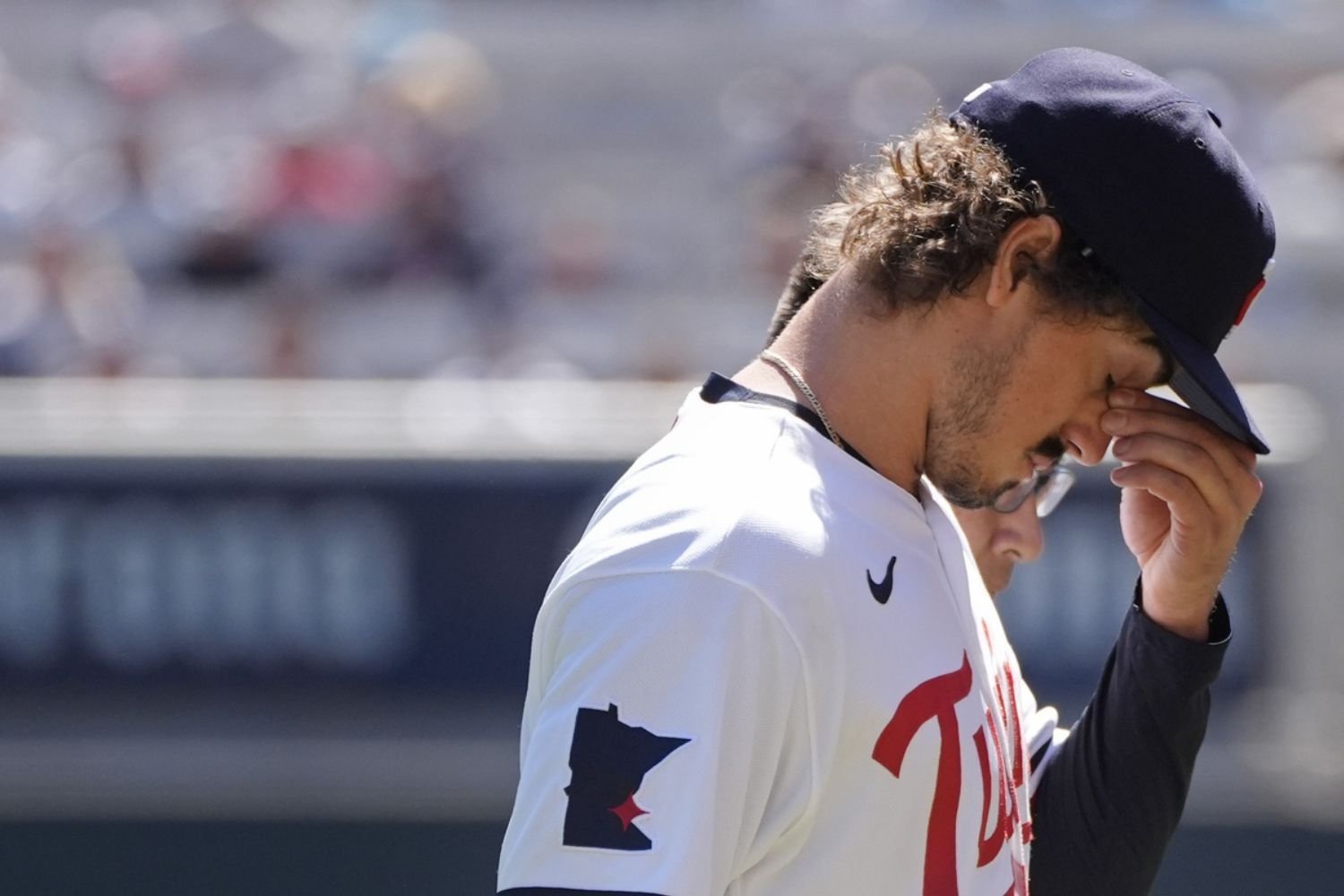 On Sunday, Joe Ryan walked off the mound after just nine pitches, and Twins Territory collectively held its breath. The initial diagnosis was right elbow soreness. With Pablo López already sidelined for the season following Tommy John surgery, concern spread quickly. Minnesota fans have seen this story before, and it rarely ends well. Fortunately, the tone shifted quickly. Imaging revealed no structural damage, and Ryan was back on the field playing catch before Tuesday’s game. A bullpen session Wednesday went well, and there is a real chance Ryan takes his next turn in the rotation. For now, the organization and its fan base can ease their nerves, even if only slightly. “I didn’t feel too much discomfort,” Ryan said. “You never know. The injuries I’ve had in the past have kind of been—it wasn’t this excruciating pain or anything crazy, and then I’ve been optimistic on the other side and had bad results. This time around, having good results definitely was, obviously, a win-win and reassuring. You never know until the imaging comes back.” “There will be a watchful eye,” Twins manager Derek Shelton said. “The first thing you want with any of your players, or especially your pitchers, is if they feel something, especially in their arm, we want them to communicate it. We want to make sure we’re not going to put him in harm’s way. We will carefully monitor this situation. The one really great thing about Joe is, he is probably in tune with his body as any player I’ve ever been around. He can articulate really well what he’s feeling.” That awareness represents growth. Not long ago, Ryan tried to pitch through an injury, rather than being proactive about communication with the team. In 2023, he took the ball against the Atlanta Braves despite dealing with a groin issue suffered during warmups. The results were brutal (5 homers), and the lingering effects were even worse. He carried the injury through multiple outings, posting an ERA north of 8.00 before finally acknowledging something was wrong. This time, he did the opposite. He spoke up immediately, and that decision may have prevented a far more serious outcome. Still, even a minor scare like this can ripple through a front office. Coming into this season, Ryan looked as important to the Twins' future as anyone on the team—whether he was destined to be physically present in Minnesota for that future or not. His name has surfaced in trade speculation before, including last year when a false report briefly sent him to the Boston Red Sox in the rumor mill. That chatter has not disappeared. If anything, it's growing louder as the deadline approaches. This situation complicates things. On one hand, Ryan’s clean MRI and quick return to throwing should reassure potential buyers. On the other hand, it serves as a reminder of how fragile pitching depth can be. Minnesota has already lost López for the year, and Ryan himself missed significant time in 2024 with a shoulder strain that ended his season early. That track record matters, both internally and in trade conversations. If the team has decided that trading Ryan is the best way to balance their short- and long-term competitive goals, this scare could motivate them to act fast. Waiting until late July won't materially increase his value, and in the meantime, all the injury risk associated with him is the Twins' to manage. An early trade to one of the many teams who weren't so lucky this spring when their ace came up with a barking elbow makes sense. There's also the possibility that this moment pushes Minnesota in the opposite direction. Rather than entertaining offers, the front office could decide that holding onto Ryan is the safer path. Twins ownership has been vocal about the team contending this year, even if the results haven’t matched that narrative. Contending teams rarely subtract stability from their rotation, and even a brief injury scare can reinforce just how important that stability is. The more aggressive scenario would be exploring an earlier move, perhaps in June, once Ryan has reestablished himself. That approach would be unconventional, but it could allow the Twins to maximize return while avoiding the frenzy and uncertainty of late July. Of course, any acquiring team would scrutinize his medical history closely, making this far from a straightforward decision. Ryan’s nine-pitch outing Sunday may not impact the standings, but it could shape the direction of the season. The Twins were given a fortunate outcome this time: clean imaging, quick recovery, and no immediate damage. But it also served as a reminder that plans can change instantly. For a team with an unclear future, that kind of reminder can be enough to rethink everything. Should the Twins consider an early trade deadline deal for Ryan? Leave a comment and start the discussion. View the full article
 -
Boston Red Sox Minor League Hitters of the Month: April 2026
DiamondCentric posted an article in Talk Sox
 While the major-league club struggled offensively throughout the month of April, the organization saw great performances across their minor league levels. While the young players may still be a year or two away from contributing at the big-league level, their performances were still invigorating and showed what fans have to look forward to in the years to come. The hope is that these players can now build off of a great April and have a strong May before finishing the season in a positive manner. With that, we’ve narrowed this award down to the five best hitters in the Boston Red Sox’s minor-league system. Honorable Mention: Enddy Azocar (Single-A Salem) Azocar is an interesting player as he made his Single-A debut last season and played 71 games, but if you looked at just the stats, it would have appeared that he struggled. However, looking at the fact he was one of the youngest players in the league combined with an impressive 90th percentile exit velocity that rivaled some of the best in the majors, there was a lot to like about Azocar. Now 19 years old and getting his second chance against Single-A pitching, Azocar is showing just how great of a hitter he can potentially become. In 22 games across the month of April, the outfielder slashed .293/.347/.522 with a team-leading seven doubles, four home runs and 15 RBIs. He’s also showcased some speed as he’s stolen three bases in the month. The young outfielder is making a case for a promotion to Greenville once an opening becomes available thanks to his strong play. Honorable Mention: Justin Gonzales (High-A Greenville) Gonzales is well known by fans for his tremendous power. While he didn’t tap into it much in 2025 (just four home runs in 93 games), he’s looked different this season as he’s lifting the ball slightly more, up to 23.1% compared to the 21.6% fly-ball rate he had last year. While small, the improvement along with playing in a more hitter’s friendly ballpark has allowed Gonzales to showcase his potential power more. In 20 April games, the outfielder hit .318/.394/.511 with five doubles, four home runs and 18 RBIs. So far, Gonzales has shown an ability to put the ball in play quite often, causing problems for the defense and providing scoring chances for the Drive. #3: Yophery Rodriguez (High-A Greenville) One of the main pieces in the Quinn Priester trade in 2025, it seemed like Rodriguez was going to need a lot of time to develop and adjust to High-A pitching. In 101 games with Greenville last year, the outfielder hit .214/.312/.331 with 81 strikeouts, though he showcased a great eye with 52 walks. That eye remains dominant for Rodriguez in 2026, and now he’s looking like the player that Craig Breslow and the Red Sox traded for just over a year ago. In 19 April games, the outfielder was as hot as a player could be, hitting .310/.380/.662 with seven doubles and being tied for the team lead in home runs with six. He also drove in 12 runs in that span and swiped a base. Rodriguez has showcased good bat to ball skills along with great power that is being taken advantage of with a 43.9% fly-ball rate, along with pulling the ball at a 47.4% rate. He’s also managed to put the ball in play quite often thanks to whiffing on just under 12% of pitches he swings at. Should this play continue throughout 2026, the Priester trade may turn into a steal for Breslow and the Red Sox. #2: Yoeilin Cespedes (High-A Greenville) After spending a year with the then Salem Red Sox and facing affiliate-level baseball for the first time, Cespedes saw his value as a prospect tank. In 110 games last season he hit just .227/.292/.376, which isn’t what you want from a top prospect. There were legitimate concerns with Cespedes and how he might develop, while others thought that the ballpark factors played a role in his struggles. Now in 2026, Cespedes has begun to put any worries about being a bust aside and hitting like the prospect many thought he could be. Through 22 April games with Greenville, Cespedes led the team in multiple categories such as batting average, on-base percentage, doubles, home runs and RBIs and was second in walks. Overall, he hit .319/.394/.637 with 11 doubles, six home runs and 20 RBIs. At just 20 years old, Cespedes has started to put his name back in the conversation regarding top prospects in the system. Now in a more hitter-friendly park, he’s been able to showcase his above-average power by producing many hard-hit baseballs. #1: Franklin Arias (Double-A Portland) There should be no surprise with who the top hitter in the organization was, unless you’ve been under a rock. Arias, who exploded onto the scene last season by going from Salem all the way to Portland despite being one of the youngest players in each league he appeared in, has only gotten better. Appearing in 20 games across April, Arias hit .375/.432/.764 with four doubles and a team-leading eight home runs and 20 RBIs. He also put the ball into play quite often, striking out in just nine at-bats. When he was signed, Arias was always viewed as a defense-first shortstop who could put the ball in play. That much was true during his first few seasons in the organization, but in 2026, he’s managed to tap into newfound power and change his game. Still, Arias hasn’t sold out at the plate and has continued to showcase excellent bat-to-ball skills, offering hope for a true five-tool profile. Where Arias finishes 2026 is yet to be known, but should the young infielder continue hitting as he did in April, he could very well be knocking at the door of the major leagues by the end of the season. View the full article
 -
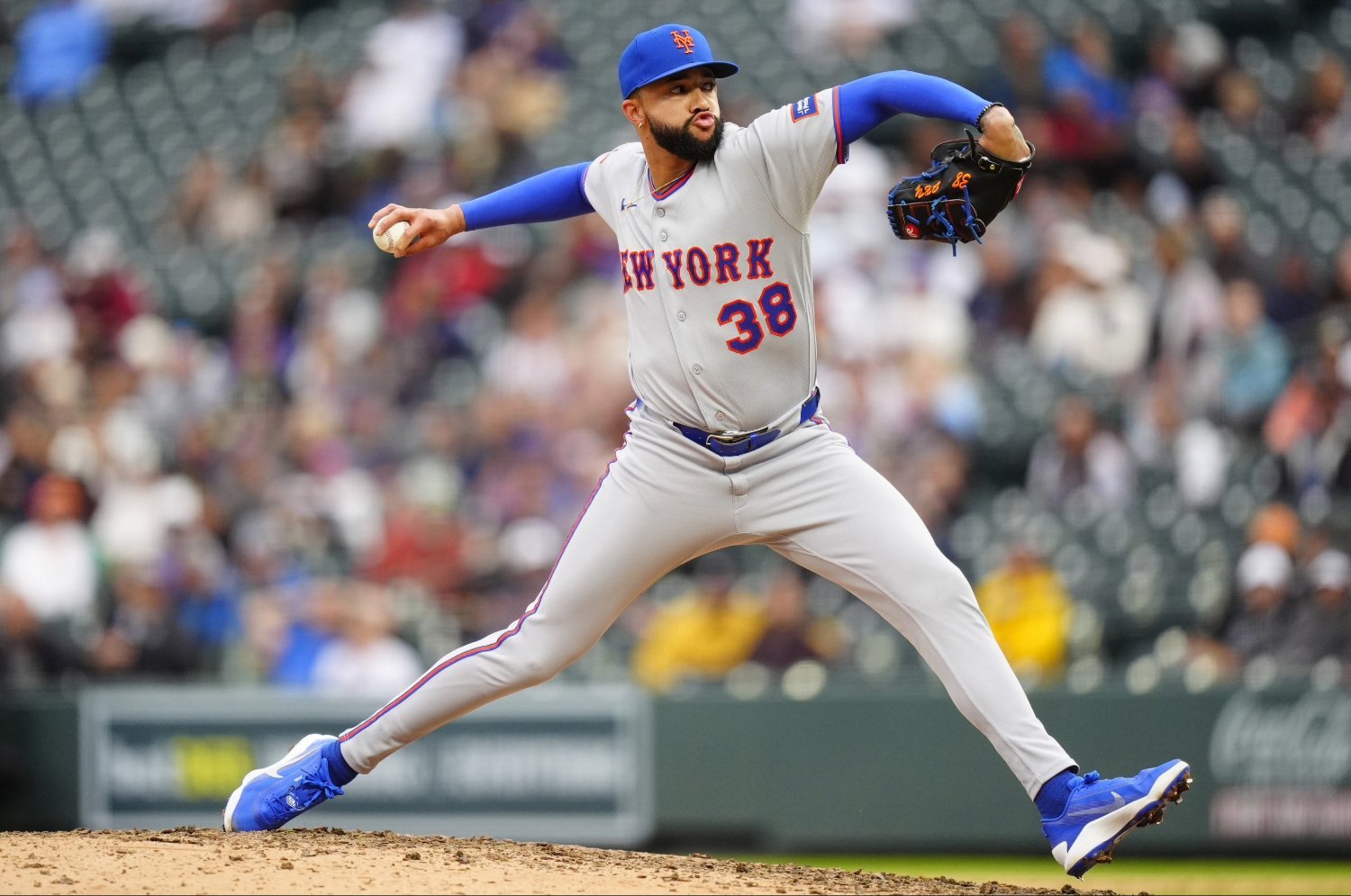 After the Mets lost closer Edwin Diaz to the Los Angeles Dodgers over the offseason, they made a splash and signed Devin Williams to take his place. He’s under contract for three seasons, but hasn’t gotten off to a great start. Williams earned the honors of National League Rookie of the Year back in 2020 and was made two All-Star rosters while with the Milwaukee Brewers. The Brewers are heavily driven by analytics and are considered to be one of the best teams year in and out with roster construction, especially when it comes to pitching. Ever since getting shipped out of Milwaukee, Williams hasn't been the same. Part of this could be as a result of him dealing with a back stress fracture during the 2024 season that limited him to just 22 games. In December that year, the Brewers sent him to the New York Yankees in a deal that would bring back Caleb Durbin and Nestor Cortes. The profile on Williams is simple: He doesn't have elite velocity, but will miss bats with his stuff and limit hard contact. His nasty changeup allowed him to fetch excellent ground ball rates during his best years. While he has maintained his ability to strike out a surplus of batters, his ability to get batters to hit the ball on the ground has seen a decline with the Mets this year. Why Is Devin Williams Generating Fewer Groundballs with the Mets? Williams’ changeup constantly has graded out to be well above average according to Stuff+. From 2020-2025, his changeup has graded as high as 140 and as low as 114 according to FanGraphs Stuff+. This year, it’s taken a significant and concerning dive down to 82. Diving into the traits of his changeup, it lost a noticeable amount of vertical drop this year. That offering had an incredible 44.3 inches of vertical drop last year which is his career best, but has sat between 40 and 42 inches throughout his career. So far in 2026 with the Mets, his changeup is only averaging 38.9 inches of vertical drop. That has led to Williams having the lowest groundball percentage of his career; his groundball rate has averaged 46.9%, but he's down to 37.9% in 2026. This is reflected very clearly if you look at Williams’ run value on off-speed pitches, which only accounts for his changeup. It currently has a run value of -2 (8th percentile), but it’s been as high as 15 during the 2023 season. Batters are whiffing less against it and it has not been as effective at putting opponents away. Williams’ changeup has drawn a 40.4 swing-and-miss rate which is down from where it’s sat between 43% and 48% in the past. That figure is still pretty elite, but margins like these are the difference between an All-Star closer and a middling reliever. Will Devin Williams Return to Elite Form? For a guy who’s relied heavily on his changeup for success, it’s definitely concerning to see decline in the effectiveness of his best pitch. During his best years, he went to his changeup between 57-63% of offerings. This year is the first time in Williams’ career that he’s used his four-seamer more than his changeup. Williams hasn’t seen great results when batters put his changeup in play. Opponents are hitting .357 against the pitch with a .424 xSLG and .410 xOBA. While the expected batting average against his changeup is lower at .257, batters are still crushing the pitch with a .500 slugging percentage. He’s been a tad unlucky thus far through 11 innings of work. While his 6.55 ERA doesn’t look good, Williams has a 3.49 xERA and a 2.69 FIP. Seeing his FIP under three is what’s encouraging with Williams. He owns a career 2.46 mark in that category because of his high strikeout rate while not allowing many home runs. It might be the Mets wanting him to use his fastball more, or maybe he’s just not confident with his changeup right now. There is still plenty of time left in the year for Williams to figure things out, but it’ll be important to monitor how effective his "airbender" will be going forward. View the full article
