


DiamondCentric
-
Posts
2,631 -
Joined
-
Last visited
Never
Content Type
Profiles
Forums
Events
News
Tutorials & Help
Major League Baseball Videos
Guides & Resources
Store
Downloads
Gallery
Everything posted by DiamondCentric
-

What’s Going To Happen When Addison Barger Comes Back?
DiamondCentric posted an article in Jays Centre
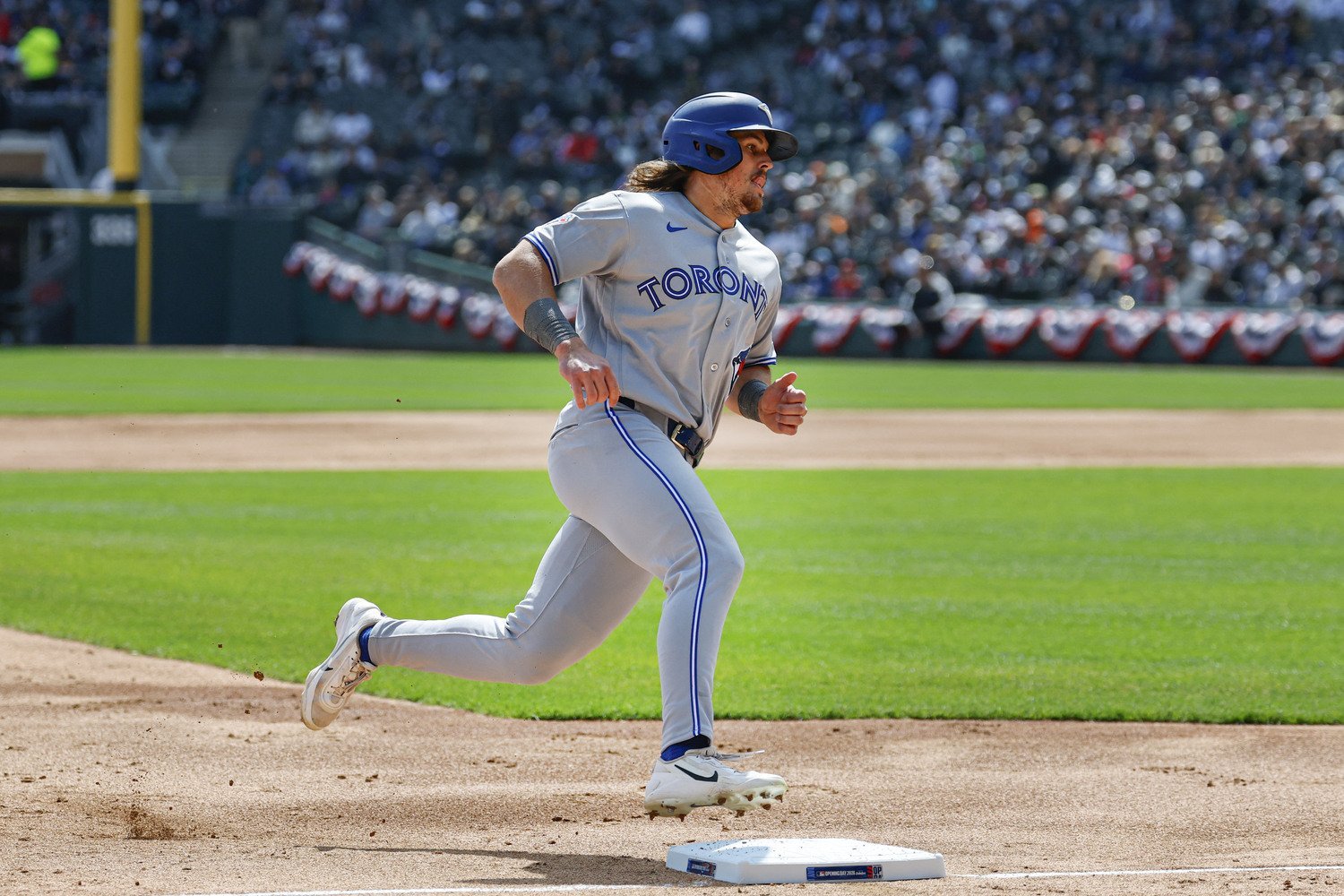 Addison Barger is coming back on Friday, and the Blue Jays are heading straight into a roster decision that feels uncomfortable precisely because it is not performance-based. On paper, this should be easy. In reality, it is anything but. The player most fans would least like to see sent down is likely the one who ends up back in Buffalo. That player is Yohendrick Pinango. The immediate reaction to any potential Pinango demotion should be frustration, and that reaction would be justified. Since his major league debut on April 26, Pinango has made an impact. In his first nine MLB games, he is slashing .400/.423/.440 across 26 plate appearances. He has struck out three times in 26 plate appearances for a strikeout rate about half the league average (roughly 22 percent). His contact rate has been elite, and the at-bats do not look fluky or rushed. FanGraphs credits Pinango with 0.2 WAR already despite incredibly limited playing time. He is not just collecting singles; he is adding value through defense and strong situational at-bats. Between Pinango and Brandon Valenzuela, the Jays' recent call-ups have made an impact. The rest of the major league roster, aside from Kazuma Okamoto, has been a bit stagnant during the last skid. The result is that Pinango and Valenzuela have been looking like regulars as opposed to wide-eyed rookies. But front offices don't just look at the stat line. They have to look at a 26-man puzzle. Pinango’s true value is not as a bench piece. His minor league track record makes that clear. Across Double A and Triple A last season, he posted a .361 on-base percentage with a 13.1 percent walk rate and a contact rate just over 80 percent. He is at his best when he plays every day, sees velocity regularly, and can maintain timing. Sitting four days out of five would do more harm than good. The Jays have seen a similar issue with Davis Schneider early in his career with the big league team. When Barger returns, Pinango would become a bench piece. Without the experience of Myles Straw or Schneider, he’d be forced to sit and wait for opportunities. Barger is not coming back to sit. Before the season, FanGraphs Depth Charts projected him for a 109 wRC+ over a full MLB season in 2026 with roughly two wins above replacement. In 2025, Barger hit .243 with a .301 on-base percentage, a .454 slugging percentage, and 21 home runs across 502 plate appearances. That production translated to a 107 wRC+ and 2.2 fWAR, numbers that comfortably clear the bar for regular playing time on a team searching for offense. (However, keep in mind that he was sitting at a .053 average before his injury.) It is still early, but the Blue Jays desperately need Barger to return to his last season form. That means that he needs reps against major league pitching, and that cannot happen from the bench. His return immediately tightens the roster and reduces available at-bats for left-handed hitters like Pinango. The logical fan response is to point elsewhere. Schneider is usually the first name brought up. On the surface, he feels expendable when the average dips. But the underlying numbers tell a more nuanced story. Schneider is still running a .313 on-base percentage in 2026 despite hitting .132, supported by a walk rate over 20 percent. He brings legitimate right-handed power, with 33 career home runs in 889 plate appearances. More importantly, Schneider is a right-handed bat on a roster that cannot afford to give up that balance. Toronto already leans left, and removing Schneider further limits late-game matchup flexibility. Lenyn Sosa is another option, but that has its own problems. Sosa has no minor league options remaining. Designating him for assignment would mean losing a right-handed infield depth bat outright. In 2025, Sosa posted a .727 OPS with 22 home runs over a full season. Even in 2026, despite a slow start, he owns a slugging percentage near .400 since joining the Blue Jays. His history of competence against left-handed pitching and versatility around the diamond means he still has value as injury insurance. Front offices rarely burn depth unless they are forced to. There is a theoretical path in which the Jays drop a pitcher instead, especially if an optionable reliever like Joe Mantiply is merely soaking up low-leverage innings. The problem is timing. With the bullpen's recent workload and the ongoing uncertainty surrounding the rotation, Toronto is far more likely to protect arms than trim them right now. Ultimately, you're left with the same uncomfortable reality, and it explains why the answer feels wrong even though it is right. Pinango does not deserve a demotion based on his performance so far. However, he does deserve everyday playing time. Sending him to Buffalo would allow him to continue playing daily, maintain the approach that has defined his early success, and remain the first call-up should injuries or underperformance hit the outfield mix again. Keeping him in Toronto to ride the bench would undercut the very development that makes him intriguing. This decision would not be a statement about Pinango’s future. If anything, it would reflect how highly the organization values him. Optionable players with upward trajectories are often used to stabilize rosters in the short-term, even when they are doing everything right. Addison Barger comes back on Friday. Davis Schneider stays because the roster needs his right-handed plate discipline and power. Lenyn Sosa likely stays because depth still matters across a whole season. That leaves Pinango. It will be frustrating for him, for sure. But in terms of maximizing value for the player and the organization, it remains the most defensible outcome. And when Pinango’s next call comes, it is unlikely to feel temporary. View the full article
 -
 Transactions: Nashville Sounds transferred C Andrick Nava to the Development List. Game Action: Nashville Pre-game media notes Louisville (Reds) 6, Nashville 4 Box Score As always, you are encouraged to read the official round-up from the team’s site: Quero, Lara Home Runs Not Enough in 6-4 Loss to Louisville The Sounds dropped their Wednesday morning affair at Louisville after an eighth inning rally by the home team. Jeferson Quero paced the Sounds with three hits, including his fourth home run of the season to open the scoring in the second inning. Highlight courtesy of the Sounds X account: In the bottom half of the inning, the Bats sandwiched two singles around a triple to tie the game off of Robert Gasser (4IP 4H 2R 2ER 0BB 3K). Gasser’s four innings of work were his most since throwing 5.2 shutout innings on Opening Day. He also looked to have more control, as this was his first outing of the season without a walk while tossing 35 of 53 pitches for strikes. After Louisville pushed across the go-ahead run against Easton McGee (2IP 3H 1R 1ER 1BB 2K) in the bottom of the fifth, Luis Lara responded in the sixth with a solo shot: Lara’s .980 OPS is good for seventh in the International League this season. We are running out of superlatives for the young outfielder. If he keeps performing at this level into summer, the Brewers may have no choice but to find a spot for him in the majors. The remained tied until the bottom of the eighth, when the Bats roughed up journeyman reliver Junior Fernandez for two home runs and three runs. The Sounds mounted a rally in the ninth but ultimately left the bases loaded when Cooper Pratt (0 for 5) grounded out to end the threat. Other notes Jett Williams had two singles and now sports an OPS over .700. It feels like he is inching his way toward the big leagues. A few more weeks of steady progress and he could put his name in the conversation for a call-up. Brock Wilken extended his on-base streak to 23 games with a double. However, Wilken was subbed out after fouling a ball off his leg later in the game, so we will await word on his status. Reiss Knehr chipped in with a scoreless inning and now has a tidy 1.35 ERA in 6.2IP this season. RHP Coleman Crow (3-1, 5.40 ERA) is slated to take the mound in the first game of a doubleheader on Thursday. Columbus (Braves) 8, Biloxi 7 Box Score O'Rae Continues Peachy Performance, Shuckers Fall to Clingstones The Shuckers are finding new, frustrating ways to lose during their seven game losing streak. After surrendering Tuesday’s game with late multi-run rallies in the final two frames, Biloxi looked to have recovered early in Wednesday’s tilt. The first three men of the game reached base with a walk to Dylan O’Rae, single from Jesus Made and then Blake Burke’s RBI single. After the next two men went down in order, Darrien Miller continued his early season surge with an RBI double. Miller now has a team-best 1.168 OPS on the season. After a walk to Dasan Brown, Matthew Wood crushed a grand slam to center, courtesy of the Bilxoi X account: In a bullpen game for the Clingstones, the first man to step into the breach could not finish the first inning. However, not even a six run lead would be enough for the Shuckers to get off their slide. Columbus responded with two runs in the top of the second to cut the lead 6-2. Blake Burke responded with a long opposite field blast to restore the lead to five: Things fell apart for Biloxi starter Jaron DeBerry in the third. After a two out solo home run cut the lead to 7-3, DeBerry got a shallow pop fly that should have got him out of the inning. Unfortunately Brown called off O’Rae on the can of corn and it ended up dropping in between them for a two-out “single.” The flood gates opened after that gaffe. DeBerry loaded the bases and then got hit by a comebacker that also could have been out three. That ricochet infield single made it 7-4. Then a bases-clearing double brought in three runs and the six run lead had evaporated. DeBerry (3IP 8H 7R 7ER 4BB 1K) did himself no favors with the lack of control, but some tighter defense could have spared him a lot of extra work in that third frame. With the lead gone, so went the Shuckers’ offense, as they managed just three walks and only one hit after the third inning. The Shuckers did admirable work to keep the game tied once DeBerry exited. Four different relivers worked one or more scoreless innings. In the top of the eighth, Columbus took an 8-7 lead on a solo home run of Cameron Wagoner, who was making just his second appearance of the season after missing all of 2024-2025. What first looked impossible, now seemed probable as the Shuckers seemed destined to once again feel the agony of defeat. The Shuckers had one last gasp in the bottom of the 8th. In that inning, Mark Coley walked and O’Rae singled, but both Made and Burke came up empty with the tying run in scoring position. RHP Manuel Rodriguez (1-2, 5.64 ERA) will look to turn the tide on Thursday. Wisconsin pre-game media notes Wisconsin 8, Peoria (Cardinals) 5 Box Score Wisconsin Blasts Four Homers in 8-5 Win at Peoria The Wisconsin Timber Rattlers defeated the Peoria Chiefs 8-5 at Dozer Park on Wednesday night, powered by a dominant display from some of their sluggers. Wisconsin, the Midwest League leader in home runs, got solo shots from Tayden Hall, Andrew Fischer, Josh Adamczewski and Josiah Ragdsale. Behold their majesty below, courtesy of the Wisconsin X account: Earlier in the game Fischer just missed another homerun when he opened the scoring with a two-run double of the rightfield wall. Ragsdale was one base four times, scored three runs, and stole two bases. Over the last 15 days, Ragsdale has been the Rattlers best player, leading the team with 14 hits, an 1.165 OPS, five doubles, and five steals. Braylon Payne also had an RBI single for Wisconsin. Jack Seppings earned the rare three inning save by working scoreless in relief of starter Wande Torres. RHP Braylon Owens (1-0, 3.38 ERA), who gave everyone free Frosties with his 11K performance last Friday, will take the mound on Thursday. Wilson pre-game media notes Wilson 5, Fayetteville (Astros) 3 Box Score Warbirds Bounce Back with Win at Fayetteville Wilson rebounded from their flaccid offensive performance on Monday with a complete team victory on Wednesday. Handelfry Encarnacion homered for the fourth time in five games to give the Warbirds an early 1-0 lead. Starter Carlos Carra looked like the pitcher we saw in the final week of the 2025 Carolina League season on the mound Wednesday. Carra (6IP 2H 1R 1ER 2BB 6K) made the Encarnacion homer and a steal of home hold up in his best start of the season. @Spencer Michaelis captured all the Ks for your viewing pleasure on his X account: Kevin Garcia added a late two-run home run for some insurance. It was Garcia’s first hit of the season (16 at-bats) and first homer in full-season ball after hitting five in Complex League play in 2025. Here’s the home run courtesy of the Wilson X account: Everyone chipped in for the Warbirds offense, as they pounded out eight hits and also drew eight walks. Brady Ebel was on base twice, scored twice, and stole two bases. Frederi Montero reached base five times (single, double, three walks) and scored two runs. Can a Low A team have an ace? Well if so, RHP Tyler Renz (1-1, 2.78 ERA) is your man. In a season with a lot of bloated ERAs among the system's top pitching prospects, Renz has been one of few bright spots so far. He’ll to get the ball in game three of the series on Thursday. Organizational Scoreboard including starting pitcher info, game times, MiLB TV links, and box scores Current Milwaukee Brewers Organization Batting Stats and Depth Current Milwaukee Brewers Organization Pitching Stats and Depth View the full article
 -
Twins Minor League Report (5/6): Yasser Mercedes is a One-Man Show
DiamondCentric posted an article in Twins Daily
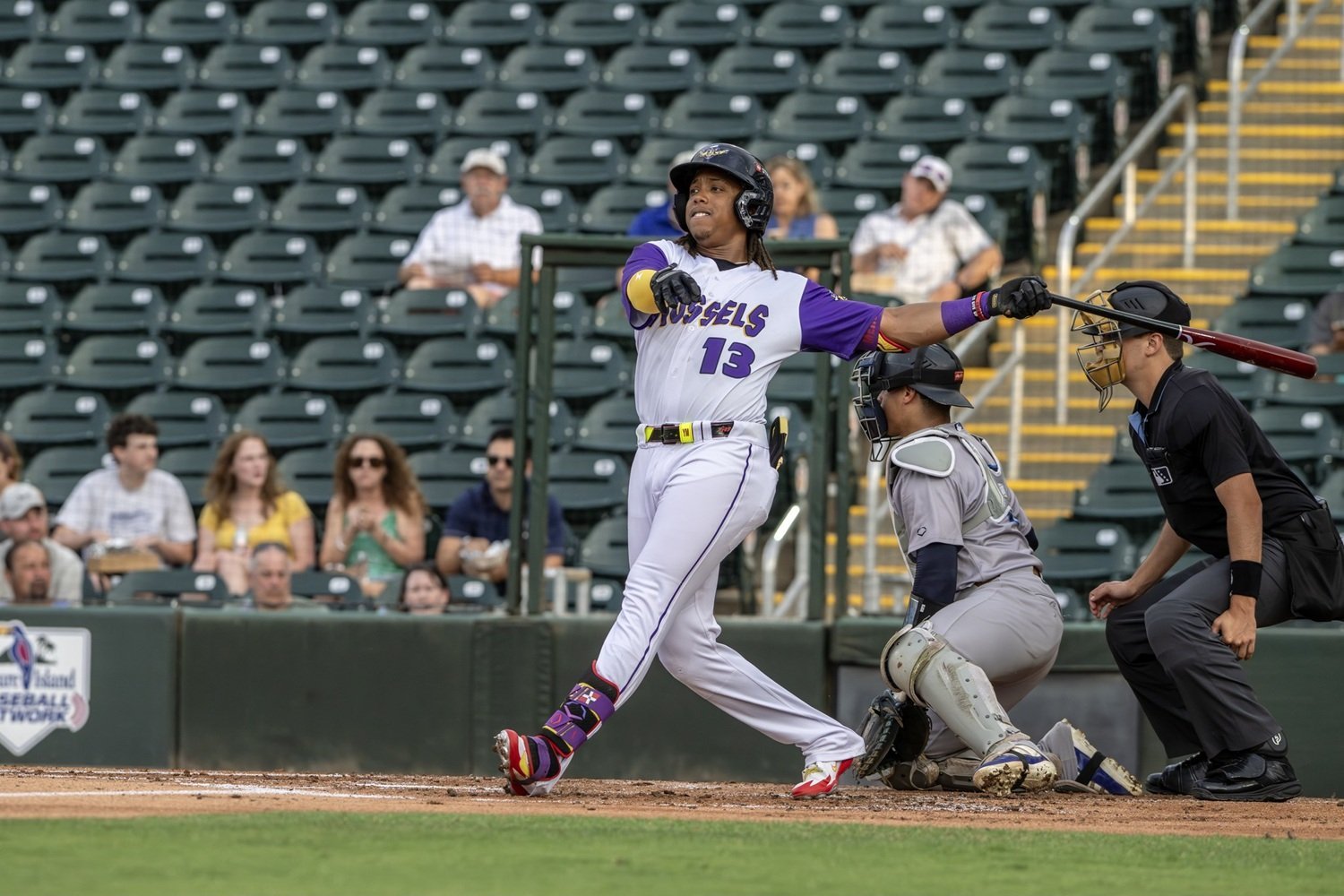 TRANSACTIONS RHP Sam Armstrong placed on 7-day IL (AA Wichita) RHP Grant Hartwig activated from development list (AAA St. Paul) OF Emmanuel Rodriguez placed on 7-day IL (AAA St. Paul) INF Harry Genth promoted from A Fort Myers to AAA St. Paul RHP Christian Roa DFA’d Saints Sentinel St. Paul 11, Las Vegas 2 Box Score SP: Mike Paredes: 4 IP, 5 H, 2 ER, 0 BB, 2 K HR: Orlando Arcia (6), Ben Ross (2), Aaron Sabato (6) Multi-hit games: Orlando Arcia (2-for-5, HR, 2B, 2 R, 3 RBI), Aaron Sabato (2-for-5, HR, R, 2 RBI) They say the PCL is a hitter’s paradise. Well, this amorphous “they” might be on to something. The Saints scored in three consecutive innings, as Orlando Arcia homered, Ben Ross homered, and Aaron Sabato… singled, giving St. Paul a trio of runs early. Then, the floodgates. All that was dammed and protected broke free in a furious seventh. Sabato started the frame with a homer—because the power-hungry first baseman had gone all of a few hours without doing so and felt a need to punish—before a Ben Ross walk started the sequence. A Kaelen Culpepper walk, and a Ryan Kriedler single stuffed the bags full. Gabriel Gonzalez brought in a run on a walk. Arcia doubled. Hendry Mendez and Alex Jackson brought the run total to 10; Ross then capped the flurry by reaching on an error. The Saints bullpen pitched five shutout innings with six strikeouts and one hit allowed. They did not walk a batter. Sabato entered the game with a .679 slugging percentage on the season. Hendry Mendez reached base three times in his Triple-A debut. The tremendously named Henry Bolte is the Athletics' fifth-ranked prospect. He homered once in five at-bats. Wind Surge Wisdom Wichita 1, Amarillo 3 Box Score SP: Ty Langenberg: 5 IP, 5 H, 3 ER, 0 BB, 2 K HR: None Multi-hit games: None The Wind Surge struggled mightily on offense on Wednesday. They actually took the first lead, plating a run in the second with the aid of a Sod Poodles error. That was it. If a Wichita Lineman were listening in the wires for another score, he would be disappointed. Maybe he should take that small vacation, after all. Instead, Wind Surge hitters suffered through a whiff-fest that would eventually grow to 17 punchouts. They had two hits and walked twice. Once again, this author finds himself fascinated by Alejandro Hidalgo. He’s allowed an unfathomable six homers in his 14 ⅔ innings in 2026, yet he’s also struck out 27 batters. Once the home run rate stabilizes, we could be looking at a breakout for the 22-year-old. Sod Poodles third baseman Jansel Luis ranks as the 13th-best prospect in the Diamondbacks system. He singled once in three at-bats. Kernels Nuggets Cedar Rapids 2, Quad Cities 4 Box Score SP: Riley Quick: 4 IP, 3 H, 2 ER, 1 BB, 6 K HR: None Multi-hit games: Brandon Winokur (2-for-4, 2B, RBI) The Kernels couldn’t pull themselves out of a deficit on Wednesday. So, Riley Quick is human, after all. The righty entered the game with a 0.00 ERA, perhaps believing he may never allow a run again. The leadoff hitter sent his second pitch out of the park. So, it goes. Quick surrendered another score in the second. His season ERA is now 1.13. Unforgivable. The Kernels’ first run of the game arrived in the fifth, when Eduardo Tait and Brandon Winokur smacked back-to-back doubles. The sixth-frame run was a Jacob McCombs special: the outfielder singled, stole second, then stole third and trotted home when catcher Blake Mitchell presumably fired the ball wildly into center field attempting to nab Rayne Doncon running for second (this author can’t speak for certain, as the highlight only shows a camera statically stuck on McCombs trotting home with ease.) The aforementioned Mitchell is ranked as the 63rd-best prospect in MLB. He walked twice in four plate appearances. Mussel Matters Fort Myers 3, Tampa 4 Box Score SP: Matthew Dalquist: 5 IP, 4 H, 1 ER, 0 BB, 4 K HR: Yasser Mercedes (5) Multi-hit games: Dameury Pena (2-for-4, RBI, BB), (Ryan Sprock 2-for-2, R, 2 BB) The Mighty Mussels stumbled late on Wednesday. Starter Matthew Dalquist had his best start in the Twins system. The 5’10” hurler danced through five quality innings, whiffing four while allowing just one run. The start chopped almost a full run off his season ERA and dropped his WHIP from 1.80 to 1.53. The vibes were great for the 18th-rounder out of UC San Diego. Fort Myers started quickly with a rocket off Yasser Mercedes’ bat, his fifth homer of the season. Returning in the fourth, Dameury Pena singled to left, plating Ryan Sprock before Mercedes took over the game once more. He warped the entire fabric of the match around his speed. The outfielder stole second, swiped third (without a throw), then broke for home and slid in safely, even allowing Sprock to reach second on the play. That’s four bases, and a run he created with just his speed and madman baserunning. Players went 0-4 on ABS challenges in the game. Starter Mac Heuer is the 24th-best prospect in the Yankees system; he went 2 ⅔ innings with one earned run. TWINS DAILY PLAYERS OF THE DAY Twins Daily Minor League Pitcher of the Day – Matthew Dalquist Twins Daily Minor League Hitter of the Day – Yasser Mercedes PROSPECT SUMMARY Here’s a look at how the Twins Daily Top 20 Twins Prospects performed: #2 – Kaelen Culpepper (St. Paul) - 0-4, R, 2 BB, K #4 – Eduardo Tait (Cedar Rapids) - 1-4, 2B, R, 2 K #7 – Gabriel Gonzalez (St. Paul) - 0-4, R, RBI, BB, K #11 – Riley Quick (Cedar Rapids) - 4 IP, 3 H, 2 ER, 1 BB, 6 K #12 – Andrew Morris (Twins) - ⅔ IP, 2 H, 1 ER, 0 BB, K #13 – Brandon Winokur (Cedar Rapids) - 2-4, 2B, RBI, K #14 – Quentin Young (Fort Myers) - 0-3, BB, K #15 – Marco Raya (St. Paul) - 2 IP, 1 H, 0 ER, 0 BB, 2 K #16 – Hendry Mendez (St. Paul) - 1-3, 2 R, 2 RBI, 2 BB, K #17 – Kyle DeBarge (Wichita) - 0-3, BB, 2 K #19 – Khadim Diaw (Cedar Rapids) - 0-4, 3 K THURSDAY’S PROBABLE STARTERS St. Paul @ Las Vegas (9:05 PM) - RHP C.J. Culpepper Wichita @ Amarillo (6:35 PM) - RHP Jose Olivares Cedar Rapids @ Quad Cities (6:30 PM) - RHP Jason Doktorczyk Tampa @ Fort Myers (5:35 PM) - RHP Merit Jones FCL Orioles @ FCL Twins (11:00 AM) - TBD View the full article
 -
 El Paso erased a six-run deficit and beat Tacoma 11-10, as Pablo Reyes launched two home runs and Mason McCoy delivered the eighth-inning, go-ahead single. Fernando Sanchez struck out eight over five scoreless innings for San Antonio in a Missions loss. Fort Wayne split its doubleheader, with Matt Watson and Isaiah Lowe combining to shut out Beloit and Zach Evans driving in three. Lake Elsinore fell 3-2 despite Jesus A. Castro's seven strikeouts. Padres Transactions El Paso Chihuahuas activated RHP Justin Yeager from the Development List. Chihuahuas Erupt For 7-Run Fourth, Score Twice In Eighth For Win Pablo Reyes drilled a pair of homers and Mason McCoy snapped an eighth-inning tie with a go-ahead single as the Triple-A El Paso Chihuahuas used a seven-run fourth inning for an 11-10 victory over the Tacoma Rainiers. McCoy capped a three-hit day with two outs in the eighth by grounding an RBI single to left to score Rodolfo Duran, who had just doubled in Clay Dungan with the tying run. Tacoma had taken a 10-9 lead in the top of the eighth. McCoy has a career-high 14-game hitting streak. EP1_0506.mp4 Samad Taylor had a homer and a Little League homer, while Jose Miranda also homered for the Chihuahuas, who have won six of eight games vs. the Rainiers this year. Tacoma jumped out to a 6-2 lead when the Chihuahuas came up in the bottom of the fourth. McCoy had a leadoff double and Miranda belted his fourth homer of the season to pull El Paso within 6-4. Marcos Castanon, Carlos Rodriguez singled and Taylor laid down a sacrifice bunt that turned into a Little League homer when the first baseman threw the ball into right field, scoring all three and putting the Chihuahuas up 7-6. Will Wagner walked and Reyes greeted the new reliever by drilling the second pitch for an opposite-field homer to right to make it 9-6. It was Reyes' fifth homer of the season and extended his on-base streak to all 24 games he has played this year. Reyes also hit a homer Tuesday, giving him three in two games. But the Rainiers tied it with a three-run fifth inning. Chihuahuas left-handed starter Marco Gonzales lasted just three innings, giving up six runs (three earned) on five hits with two walks and three strikeouts. Right-hander Triston McKenzie followed by allowing three runs on two hits and four walks and three strikeouts in 1⅓ innings. EP2_0506.mp4 Player AB R H RBI BB K Samad Taylor 4 2 2 1 0 1 Will Wagner 2 1 1 0 3 0 Clay Dungan 0 1 0 0 0 0 Pablo Reyes 5 2 2 3 0 0 Nick Solak 4 0 0 0 1 1 Rodolfo Durán 5 1 1 1 0 0 Mason McCoy 5 1 3 1 0 1 Jose Miranda 5 1 1 2 0 1 Marcos Castañon 2 1 1 0 2 0 Carlos Rodríguez 4 1 1 0 0 0 Player IP H R ER BB K HR Marco Gonzales 3 5 6 3 2 3 1 Triston McKenzie 1 1/3 2 3 3 4 3 1 Justin Yeager 1 2/3 2 0 0 1 1 0 Misael Tamarez 2 2 1 1 0 0 1 Ethan Routzahn 1 1 0 0 0 1 0 Fernando Sanchez's 8 K's Wasted As Missions Fall To RockHounds Left-handed starter Fernando Sanchez was sterling in five shutout innings, striking out eight, but the bullpen imploded by allowing a pair of four-run innings as the Double-A San Antonio Missions dropped an 8-3 decision to the Midland RockHounds. Carson Tucker went 3-for-4, while Kai Roberts and Romeo Sanabria—the top two hitters in the lineup—each had two hits and Francisco Acuna drove in a pair of runs. Sanchez went a season-high five innings while making his third straight start and five relief appearances. He allowed three hits with three walks and the season-high eight strikeouts. Sanchez has two six-strikeout games, one in relief and another in his previous start. He has allowed eight hits in 12⅓ innings as a starter with 18 strikeouts. The Missions took a 3-0 lead with single runs in the first, second and fourth innings. Sanabria doubled home Roberts, who had singled and stole second, to begin the bottom of the first. In the second, Tucker and Acuna had back-to-back doubles for a 2-0 lead. Ryan Jackson and Albert Fabian drew one-out walks in the fourth and Tucker singled to load the bases. Acuna made it 3-0 with a sacrifice fly. After Sanchez left, left-handed reliever Harry Gustin gave up four runs in two-thirds of an inning in the seventh as Midland took a 4-3 and right-handed reliever Sadrac Franco coughed up another four in the top of the ninth. SA_0506.mp4 Player AB R H RBI BB K Kai Roberts 5 1 2 0 0 0 Romeo Sanabria 4 0 2 1 1 0 Leandro Cedeño 3 0 0 0 1 0 Tirso Ornelas 4 0 0 0 0 1 Ryan Jackson 2 1 0 0 2 0 Albert Fabian 3 0 0 0 1 0 Carson Tucker 4 1 3 0 0 0 Francisco Acuna 2 0 1 2 1 0 Chris Sargent 3 0 0 0 0 0 Ethan Salas 1 0 0 0 0 0 Player IP H R ER BB K HR Fernando Sanchez 5 3 0 0 3 8 0 Josh Mallitz 1 1 0 0 0 0 0 Harry Gustin 2/3 3 4 3 0 0 1 Michael Flynn 1 1/3 0 0 0 0 3 0 Sadrac Franco 1 2 4 3 2 1 1 Matt Watson's Scoreless Start, Zach Evans' 3 RBIs Give TinCaps Split Right-handed Matt Watson threw four scoreless innings in his first professional start, while Zach Evans homered and drove in three as the High-A Fort Wayne Tin Caps blanked the Beloit SkyCarp 5-0 in the first game of a doubleheader. Beloit won the nightcap 4-2, snapping the TinCaps' six-game winning streak. Watson, a 13th-round draft choice in 2024 who had Tommy John surgery after being selected, had made three relief appearances before his scheduled start against Beloit. He gave up just two hits, while walking one and striking out one, throwing 31 of his 48 pitches for strikes. Isaiah Lowe finished with three hitless innings, walking two and striking out three. Evans was the surprise offensive star. He entered the game with a .188/.263/.232 slash line and just one RBI in 18 games this year. With two outs in the second inning, Carlos E. Rodriguez singled and Evans doubled down the left-field line for a 1-0 lead. Kavares Tears followed with an RBI single to put the TinCaps up 2-0. Jake Cunningham drew a leadoff walk in the fourth and Evans crushed a 1-1 pitch for a two-run homer, his first of the year. In the second game, the TinCaps managed just four hits, including two by Jake Cunningham. Cunningham had a bases-loaded single in the third inning that plated a pair of runs to tie the game 2-2. Beloit, which scored twice in the second, took the lead back with a run in the top of the fourth and added another in the sixth. TinCaps right-handed starter Maikel Miralles had second encouraging outing after back-to-back rough starts. Miralles allowed three runs on seven hits with two walks and five strikeouts in four innings. His five strikeouts were the most since he had nine in his season debut. Right-handed reliever Tucker Musgrove struck out three in 1⅓ innings, allowing a run, and left-handed reliever Braian Salazar allowed one hit and a walk in 1⅔ scoreless innings, striking out one. FW_0506.mp4 FIRST GAME Player AB R H RBI BB K Kasen Wells 3 0 0 0 0 0 Rosman Verdugo 3 1 1 1 0 0 Lamar King Jr. 1 0 0 0 2 0 Alex McCoy 3 0 0 0 0 2 Jake Cunningham 2 1 1 0 1 0 Carlos Rodriguez 3 1 1 0 0 1 Zach Evans 3 2 2 3 0 0 Kavares Tears 3 0 1 1 0 0 Jonathan Vastine 2 0 0 0 0 2 Player IP H R ER BB K HR Matthew Watson 4 2 0 0 1 1 0 Isaiah Lowe 3 0 0 0 2 3 0 SECOND GAME Player AB R H RBI BB K Kasen Wells 3 1 1 0 1 1 Rosman Verdugo 2 1 0 0 1 0 Lamar King Jr. 2 0 0 0 1 1 Alex McCoy 2 0 0 0 1 0 Jake Cunningham 3 0 2 2 0 1 Jack Costello 3 0 0 0 0 3 Zach Evans 3 0 0 0 0 0 Dylan Grego 3 0 0 0 0 0 Oswaldo Linares 3 0 1 0 0 2 Player IP H R ER BB K HR Maikel Miralles 4 7 3 3 2 5 0 Tucker Musgrove 1 1/3 2 1 1 1 3 0 Braian Salazar 1 2/3 1 0 0 1 1 0 Jesus Castro Strikes Out 7, But Storm Fall Short Right-handed starter Jesus A. Castro struck out a season-high seven, but the Low-A Lake Elsinore Storm couldn't muster enough offensively in a 3-2 loss to the Inland Empire 66ers. Bradley Frye, Jorge Quintana and Kerrington Cross each had two hits for the Storm, who outhit the 66ers 9-5. Cross scored both of the Storm's runs and had his first stolen base of the season. Castro, an 18-year-old who made his pro debut last season in the Dominican Summer League, also set a season best by going 5⅔ innings. He struck out a career-best eight in 4⅔ in a game last year and fell one out short of matching his longest out of 2025. Castro allowed four hits and didn't walk anyone. The score was tied 1-1 when he left in the sixth after retiring the first two batters and hitting the third. Daichi Moriki came on and gave up a walk and a two-run double for a 3-1 66ers lead. Cross led off the top of the third inning with a double, stole second base with one out and scored on Frye's single to center for a 1-0 Storm lead. The 66ers tied it in the bottom of the inning. The Storm got their only other run in the top of the eighth. With one out, Cross tripled to dead center and scored on pinch-hitter Ryan Wideman's groundout to short. Right-hander Nick Falter turned in two scoreless innings for the Storm, walking one and striking out four. Player AB R H RBI BB K Bradley Frye 4 0 2 1 0 0 Jose Verdugo 4 0 1 0 0 0 Truitt Madonna 4 0 1 0 0 0 Victor Duarte 4 0 0 0 0 0 George Bilecki 3 0 0 0 0 3 Luke Cantwell 1 0 0 0 0 0 Jorge Quintana 3 0 2 0 0 1 Qrey Lott 3 0 0 0 0 1 Kerrington Cross 3 2 2 0 0 0 Conner Westenburg 2 0 1 0 0 1 Ryan Wideman 1 0 0 1 0 0 Player IP H R ER BB K HR Jesus A. Castro 5 2/3 4 2 2 0 7 0 Daichi Moriki 1/3 1 1 1 1 0 0 Nick Falter 2 0 0 0 1 4 0 Top-20 Prospect Performance Kash Mayfield: DNP Ethan Salas: 0-for-1 Kruz Schoolcraft: DNP Bradgley Rodriguez: DNP Humberto Cruz: DNP Miguel Mendez: DNP Ty Harvey: DNP Jorge Quintana: 2-for-3, 2B, K Kale Fountain: DNP Ryan Wideman: 0-for-1, RBI Jagger Haynes: DNP Lamar King Jr.: 0-for-3, 3 BB, K, SB Romeo Sanabria: 2-for-4, 2B, BB, RBI Truitt Madonna: 1-for-4 Michael Salina: DNP Garrett Hawkins: DNP Kavares Tears: 1-for-3, RBI Deivid Coronil: DNP Francis Pena: DNP Bryan Balzer: DNP LE_0506.mp4 View the full article
 -
Marlins lose fourth in a row after disheartening Eury Pérez start
DiamondCentric posted an article in Fish On First
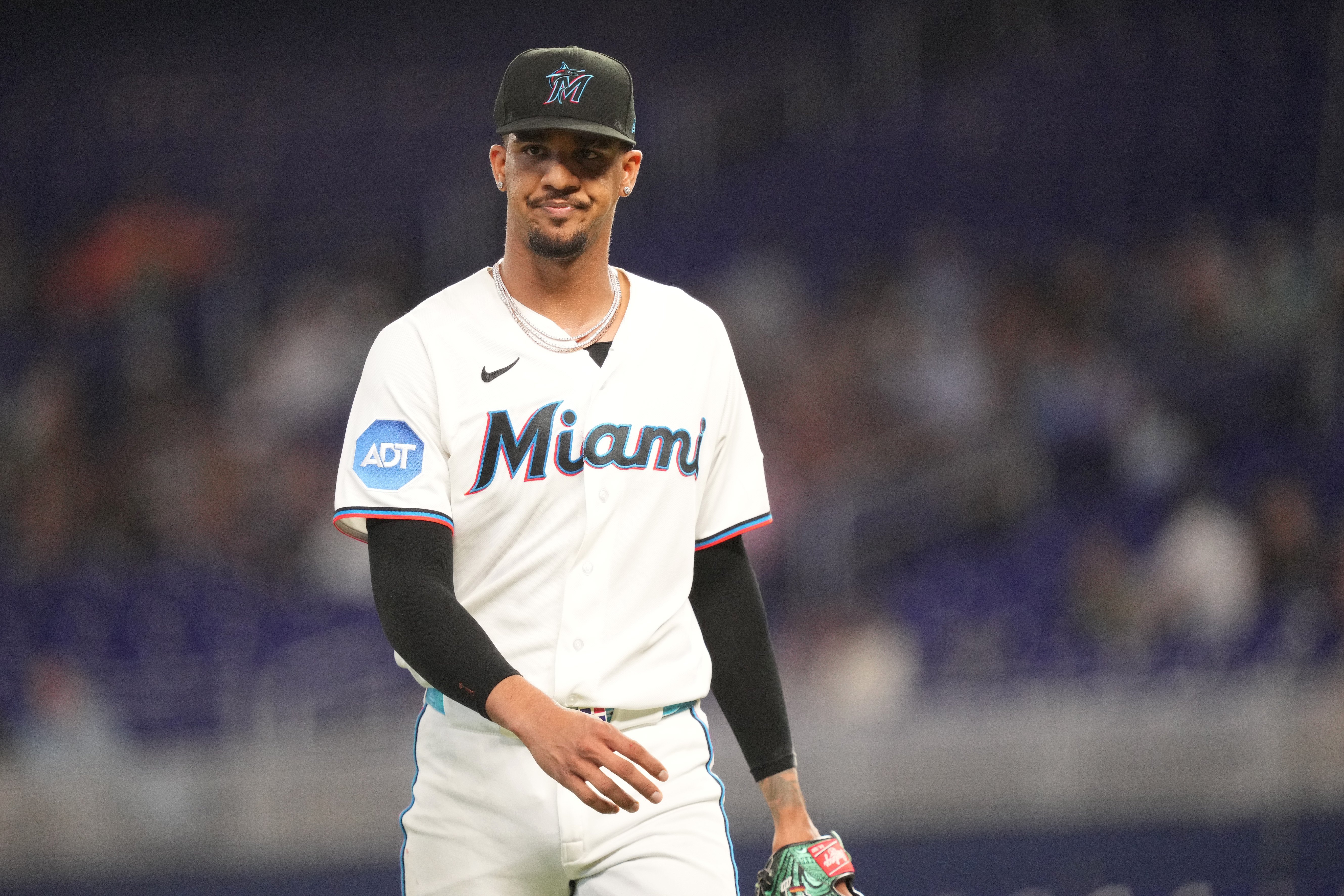 MIAMI, FL — Just like the night before, the Marlins found themselves in an early hole after falling behind 3-0 to Baltimore in the first inning following a three-run home run by Pete Alonso. Eury Pérez, making his eighth start of the young season, did not have his best outing. The right-hander allowed five earned runs across five innings while giving up four hits, walking five, and striking out six. His ERA rose to 5.01 on the season. Control was the biggest issue for Pérez throughout the night, as he struggled to consistently locate his pitches, issuing five walks and also hitting a batter. While it’s unlikely Miami considers sending him down, it may be time to temper expectations early in his career. “A bad one. A lot of learning situations that I had in the game,” Pérez said postgame through an interpreter. “The slider, I was throwing it with more velocity after the first few innings, and I was able to get through the fifth.” Manager Clayton McCullough still pointed to positives from Pérez’s outing. “I think the sliders were probably the best they’ve been all season,” McCullough said. “Some of the velocity he was throwing those at got into the 90s.” Baltimore jumped on Miami immediately in the top of the first. After a walk and a hit-by-pitch to Adley Rutschman, Alonso launched a three-run homer to give the Orioles an early advantage. Baltimore continued to apply pressure throughout the night on its way to a 7-4 victory, with Rutschman contributing two doubles. Similar to Tuesday night, Miami answered quickly despite the early deficit. Jakob Marsee delivered an RBI double as he continues to heat up following a slow start to the season. However, outside of Marsee’s double and singles from Owen Caissie and Xavier Edwards, the Marlins struggled to build sustained offense and never fully threatened after tying the game early. Prior to the game, Miami recalled left-hander Dax Fulton while optioning William Kempner following his own MLB debut. Unlike Kempner, Fulton has been with the organization since being selected in the second round of the 2020 MLB Draft. He has long been viewed as one of the club’s more intriguing pitching prospects until having major elbow surgeries. Fulton provided valuable innings out of the bullpen, tossing four innings while allowing two earned runs on three hits with one walk and three strikeouts. Although the appearance likely means he’ll return to Triple-A afterward, he helped preserve a taxed Marlins bullpen moving forward. “Just keep pushing,” Fulton said postgame when reflecting on his journey to the majors. “Whatever comes at you, whatever gets thrown at you, just keep going. You’ll get there as long as you have perseverance. I’m just glad to be here.” Fulton also discussed adjusting to a relief role after spending most of his career as a starter. “It’s the same mindset—go up there and get guys out,” Fulton said. “Whether it’s five or six innings as a starter or two or three innings out of the bullpen, whatever they need from me, I’m going to do everything I can to help the team.” The Marlins will look to snap their four-game losing streak Thursday night when Max Meyer takes the mound in the series finale. View the full article
 -
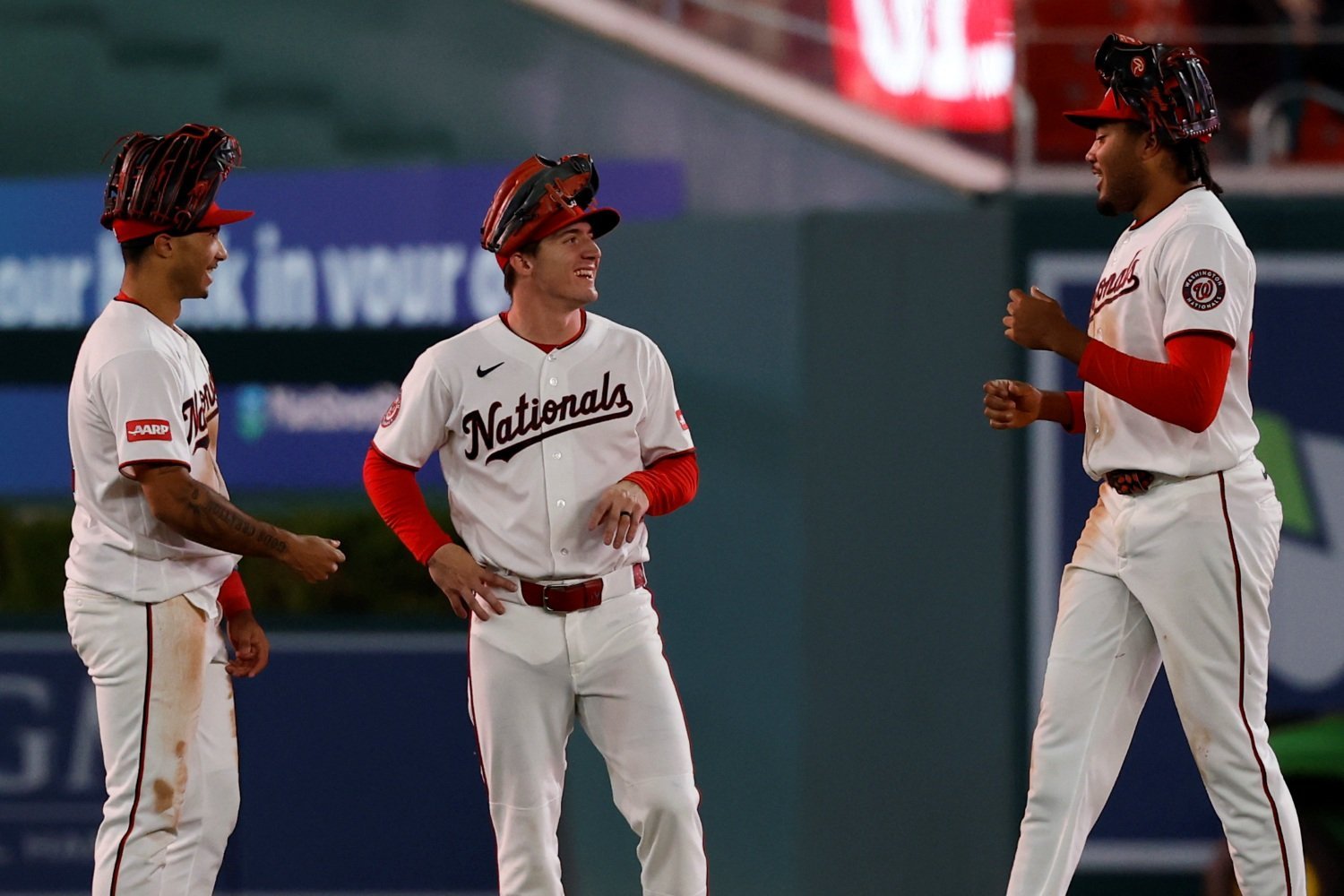 Box Score Starting Pitcher: Bailey Ober - 5 IP, 6 H, 5 R, 5 ER, 2 BB, 3 K (82 pitches, 52 strikes (63.4% strikes)) Home Runs: Matt Wallner (4) Bottom 3 WPA (via FanGraphs): Ober (-0.31), Byron Buxton (-0.09), Brooks Lee (-0.08) Win Probability Chart (via FanGraphs) Coming off an offensive outburst in game one of the series, the Twins handed the ball to Bailey Ober to face the Nationals and veteran starting pitcher Miles Mikolas Wednesday night. Ober was coming off three straight quality starts. Mikolas was struggling coming into the game, and has been struggling for multiple seasons, really. Both Ober and Mikolas started with two perfect innings, so it was starting to look like a potential pitcher’s duel. The Twins got the first baserunner on a leadoff check-swing double by Luke Keaschall in the top of the third inning, his eighth double of the season. In the very next at-bat, Matt Wallner hit a 106-MPH single, giving the Twins a 1-0 lead. The Nationals finally broke through in the bottom of the fourth inning, on a CJ Abrams one-out double to tie the game. The tie didn’t last long, as the Twins took the lead in the top of the fifth on a Wallner solo home run. You may not believe me, but I was talking to my dad on the phone and I called the homer. (I guess, maybe, you'll believe me this one time, since Mikolas was pitching.) The Nationals responded in the bottom of the fifth, though, on a Drew Millas two-run home run, after a leadoff single by Jacob Young. Ober was chased from the game in the sixth inning, after giving up back-to-back doubles to Abrams and Brady House, giving the Nationals a two-run lead. Jose Tena greeted Andrew Morris with a double of his own, stretching the lead to three runs. The Twins rookie wasn’t able to get out of the inning after giving up a two-out triple to Nationals second baseman Nasim Nuñez, making it 6-2. The Twins were into their pen, and the rout was soon on. The Nationals added insult to injury on a House two-run home run in the bottom of the seventh inning off of Justin Topa. Topa and Luis García went to pieces, and the game turned from that taut early battle into a bruising blowout by a bad team. Tena didn’t want to be left out of the home run party, adding a solo shot of his own and giving the Nationals a 15-2 lead. Former Twin Zak Kent made his debut with the Nationals by pitching a scoreless ninth inning. The Twins will look to forget about this game and move on quickly in the final game of the series in DC. What’s Next? The Twins and Nationals will face off on Thursday afternoon in game three of the series. The Twins will send Simeon Woods Richardson (0-5, 6.49 ERA), while the Nationals will counter with Minnesota native Jake Irvin (1-4, 4.93 ERA). Woods Richardson will look to get on track after struggling for much of the year thus far. In his most recent start, he threw 4 2/3 innings and gave up four earned run in a loss to the Toronto Blue Jays. After tomorrow’s game, the Twins will travel to Cleveland to face the Guardians in a three-game series. SAT SUN MON TUE WED TOT Orze 0 24 0 16 0 40 Morris 0 57 0 0 14 71 Rogers 0 32 0 0 0 32 Garcia 18 0 0 13 14 45 Banda 18 0 0 19 0 37 Topa 10 17 0 0 32 59 Funderburk 14 3 0 0 17 34 Klein 12 0 0 0 0 12 View the full article
 -
San Diego Padres Hitter of the Month, April 2026: Luis Campusano
DiamondCentric posted an article in Padres Mission
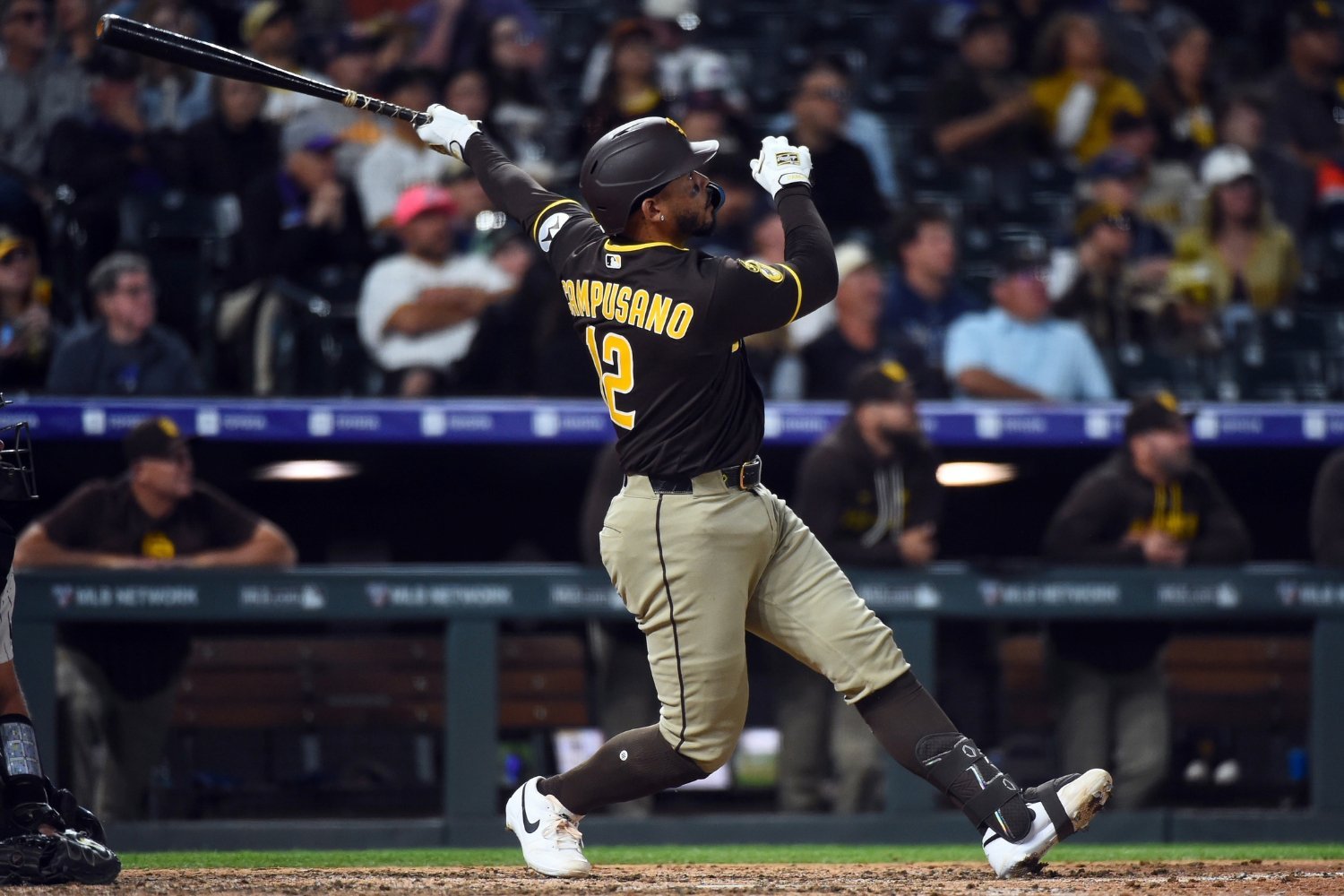 The San Diego Padres have plenty of star power to go around as the 2026 season kicks into gear. We’ve seen flashes of brilliance from Ty France, the steady veteran presence of Xander Bogaerts, and the resurgent bat of Miguel Andujar. But if we’re talking about pure, unadulterated efficiency, one name stands above the rest: Luis Campusano. Despite making fewer appearances than some of his teammates, Campusano hasn’t just been good, he’s been essential. While sharing time behind the plate with Freddy Fermin, he has maximized every trip to the plate. When looking at the numbers and his overall impact, the Padres' backstop has earned our title of Hitter of the Month. It’s rare to see a player lead the team in almost every major offensive category while playing a limited schedule. He is the definition of making it count. When Campusano is in the lineup, the energy shifts. He isn't just filling in; he is punishing the baseball. His .348 ISO (Isolated Power) is the gold standard for this roster. For context, Ty France had a stellar month and sits in second at .289. Campusano’s power isn't just a local phenomenon, either—it’s the 2nd best ISO in the entire National League (min. 50 PA). The numbers look like something out of a video game. Campusano currently leads the Padres in nearly every metric that measures offensive destruction. A 192 wRC+ means Campusano has been 92% better than the league-average hitter this month. When you combine that with a 5.6 Off (Offensive Value) and three home runs, you’re looking at a player who is essentially a one-man wrecking crew behind the dish. As impressive as the moonshots and the .326 average are, there is still a higher ceiling for the young catcher. If we’re being candid, the "all-gas, no-brakes" approach comes with a price. Campusano is currently rocking a 26% strikeout rate alongside an 8% walk rate. While you can live with those numbers when a player is slugging .674, finding more consistency in his plate discipline will be the key to turning this hot streak into a perennial All-Star campaign. Moving into May, the Padres' offense is cooking. With France, Andujar, and Bogaerts all finding their rhythm, this lineup is becoming a nightmare for NL West pitching staffs. And if Luis Campusano continues to utilize his playing time this effectively, manager Craig Stammen might find it impossible to keep him out of the lineup, regardless of the limited role he started with. View the full article
 -
Blue Jays Swept At The Trop, Fall to Five Games Below .500
DiamondCentric posted an article in Jays Centre
 Owen and Jesse get it all out on the table and rant about all of the things that have been going wrong for the Blue Jays. They talk about Vladimir Guerrero Jr.'s bad week, George Springer playing injured, and the lack of production throughout the lineup. They finish by previewing the upcoming must-win series against the Angels. Listen on Apple Podcasts: https://podcasts.apple.com/us/podcast/the-jays-centre-podcast/id1846108462 Listen on Spotify: https://open.spotify.com/show/3Bi7SzfpcqMo5xYWnbCeoL Listen on iHeartRadio: https://www.iheart.com/podcast/263-the-jays-centre-podcast-300304824/ Listen on Pocket Casts: https://pca.st/2qk9wqxd Watch on YouTube: https://www.youtube.com/@jayscentre View the full article
 -
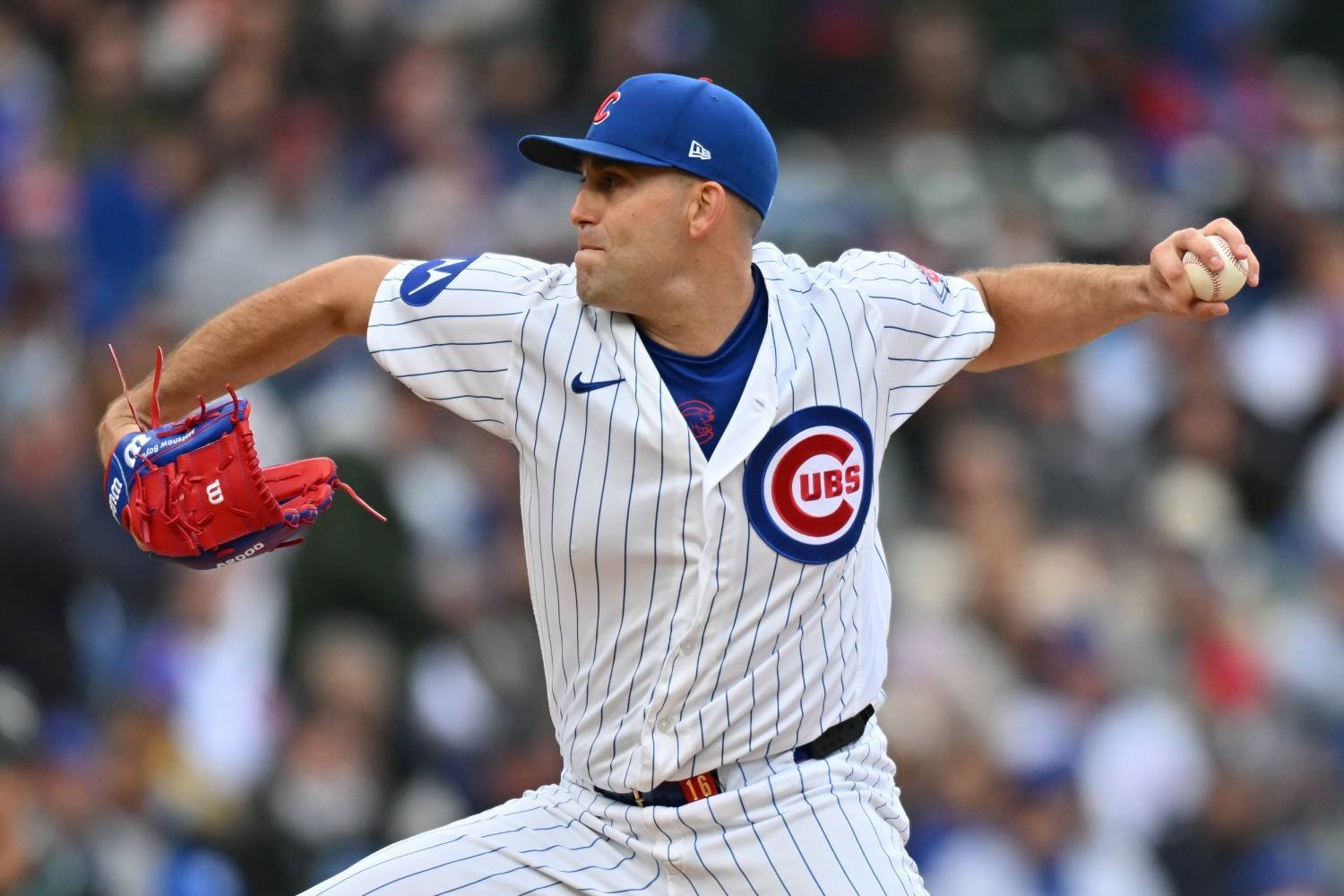 Just when you thought things might have been turning around for the Chicago Cubs' injury situation, it took a dramatic turn for the worse. Left-hander Matthew Boyd, the Opening Day starter, was placed on the 15-day injured list by the Cubs on Wednesday after injuring his left knee at home. Right-handed reliever Trent Thornton was called up from Triple-A Iowa. Left-handed reliever Charlie Barnes was designated for assignment to make room for Thornton on the 40-man roster. Boyd is slated to have surgery to repair his meniscus. There is not a timetable for his return. Boyd had just returned April 22 from left biceps tendinitis. The rotation is also down two other notable starters in right-hander Cade Horton, who is out for the season after having elbow and flexor tendon surgery, and left-hander Justin Steele recently had a setback in his recovery from UCL revision surgery. Boyd makes it 10 Cubs pitchers who are currently on the IL. Still, the Cubs entered the day atop the NL Central at 24-12 and a seven-game winning streak. Thornton signed a minor-league contract with the Cubs in the offseason and made four appearances at Iowa, including one start. In 5⅔ innings, he had allowed two runs on five hits with three walks and five strikeouts. View the full article
 -
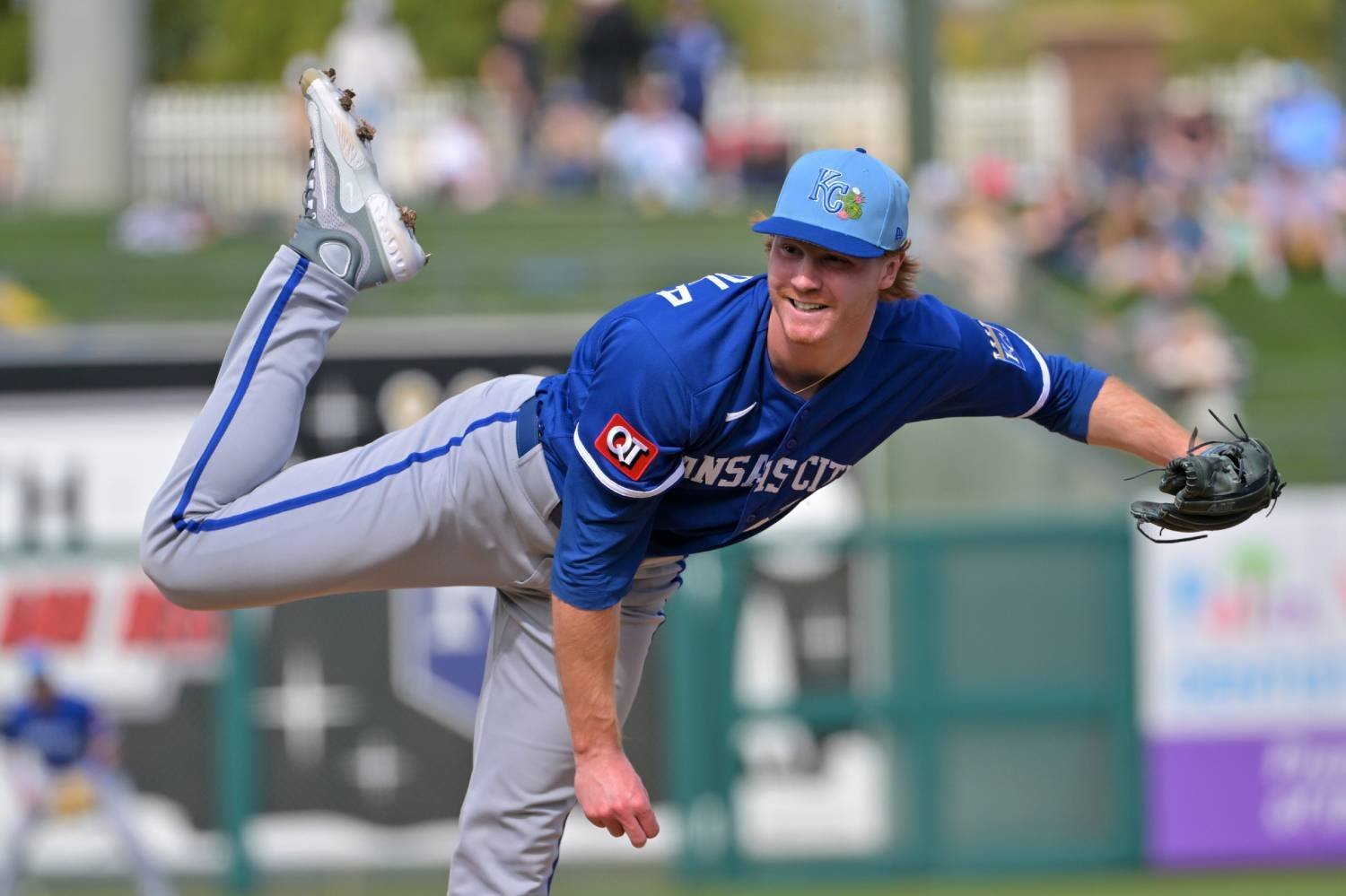 The bullpen shuffle continues for the Kansas City Royals. Right-hander Eric Cerantola was called up from Triple-A Omaha to make his MLB debut and right-handed starter Stephen Kolek, who started Tuesday, was sent back to the Storm Chasers. Also, right-handed closer Carlos Estevez was sent to Omaha to begin a rehab assignment. He has been out since April with a left foot contusion. Kolek was called up to make a spot start in Tuesday's 5-3 win over the Cleveland Guardians. He went six innings, giving up three runs on six hits and no walks with three strikeouts. Cerantola was a fifth-round draft choice in 2021 out of Mississippi State and has posted a 3.59 ERA in 133 games, including 24 starts. This season at Omaha, Cerantola appeared in 12 games and had a 1.42 ERA with six walks and 18 strikeouts in 12⅔ innings. View the full article
 -
Twins Trade For Yoendrys Gomez In Bid To Bolster Bullpen
DiamondCentric posted an article in Twins Daily
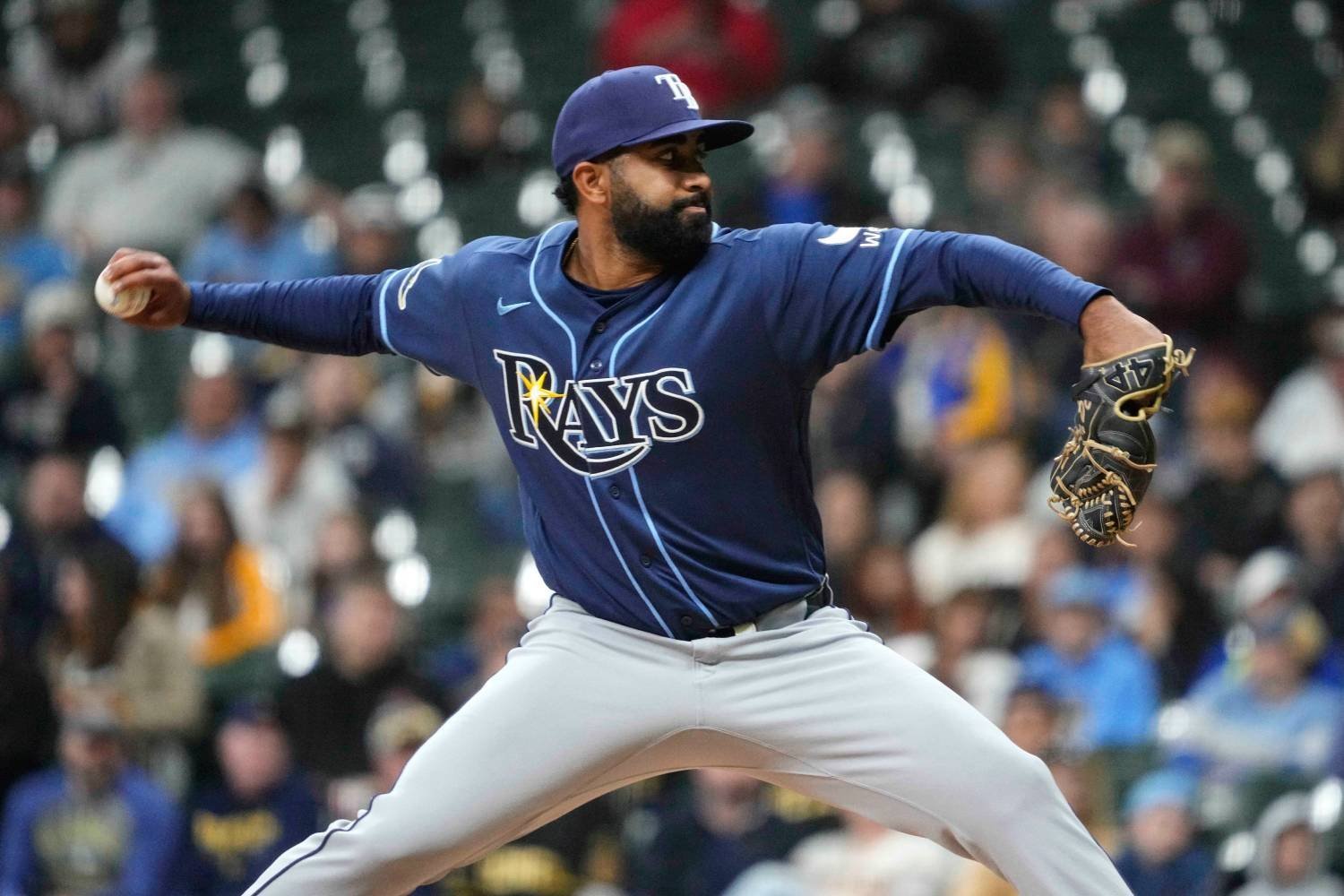 Looking for any solution in the bullpen, the Minnesota Twins have made another addition. The Twins on Wednesday acquired right-handed reliever Yoendrys Gomez from the Tampa Bay Rays for cash considerations. Right-handed reliever Christian Roa, who was at Triple-A St. Paul, was designated for assignment to make room for Gomez on the 40-man roster. Another move will have to be made in the next day or two to add Gomez to the 26-man roster. Gomez had been DFA'd by the Rays after making nine appearances and posting a 6.23 ERA in 17⅓ innings, walking 10 and striking out 13. He allowed runs in seven of his outings, ironically not in his last game a week ago Wednesday when he went two scoreless innings against the Cleveland Guardians. Roa had been claimed off waivers April 23 by the Twins following being DFA'd by the Houston Astros. In three appearances at St. Paul, he allowed two runs on two hits and two walks with three strikeouts in 2⅓ innings. That came after seven games with the Astros in which he allowed five runs in 8⅔ innings with seven walks and six strikeouts. View the full article
 -
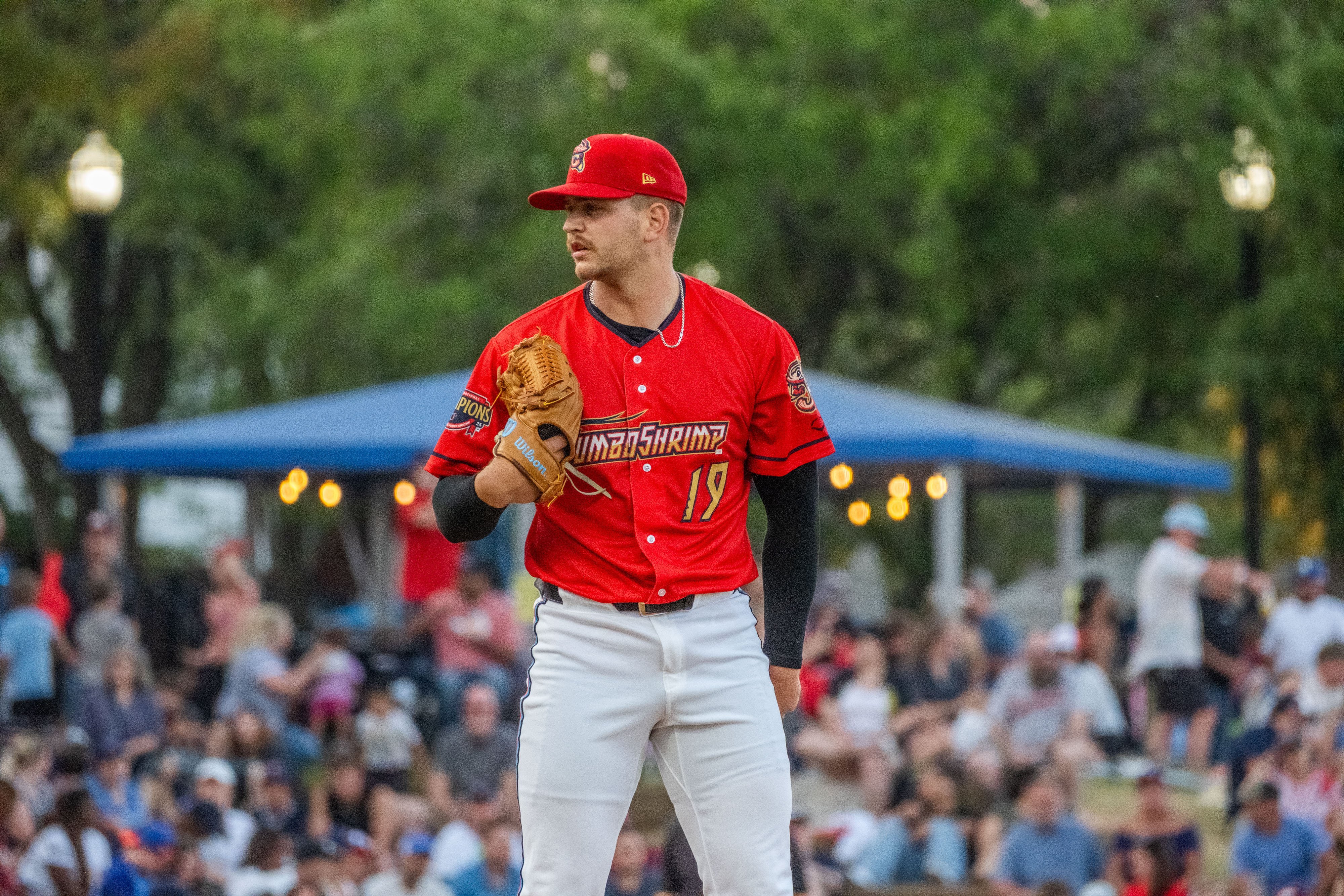 MIAMI, FL — Left-handed pitcher Robby Snelling will be called up by the Miami Marlins on Friday, manager Clayton McCullough has confirmed. He'll start against the Washington Nationals on Friday in what will be his major league debut. Snelling, 22, was one of four players acquired from the San Diego Padres in the trade that sent relievers Tanner Scott and Bryan Hoeing the other way in 2024. At the time he was acquired, Snelling was struggling, posting a 6.01 ERA at the Double-A level with Padres. When he arrived with the Marlins, he finished his AA stint with a 4.00 ERA and 2.76 FIP, showing some signs of improvement. Snelling performed even better throughout the 2025 campaign, particularly following a promotion to Triple-A Jacksonville. He led all Marlins minor leaguers in both innings pitched (136) and strikeouts (166). Through six starts this season with Jacksonville, Snelling has a 1.86 ERA, 2.92 FIP, 13.66 K/9 and 4.66 BB/9. He currently leads AAA baseball in strikeouts, while being second in ERA, opponent batting average and WHIP. His final outing was on May 1, where he went five hitless innings with 9 Ks. Fish On First ranks Snelling as the second-best prospect in the Marlins organization behind only fellow southpaw Thomas White. By designating Chris Paddack for assignment on Tuesday, the Marlins created an opening for him to take. A corresponding 26-man active roster move still must be made, with the expectation being that the Marlins will send down one of their relievers. View the full article
 -
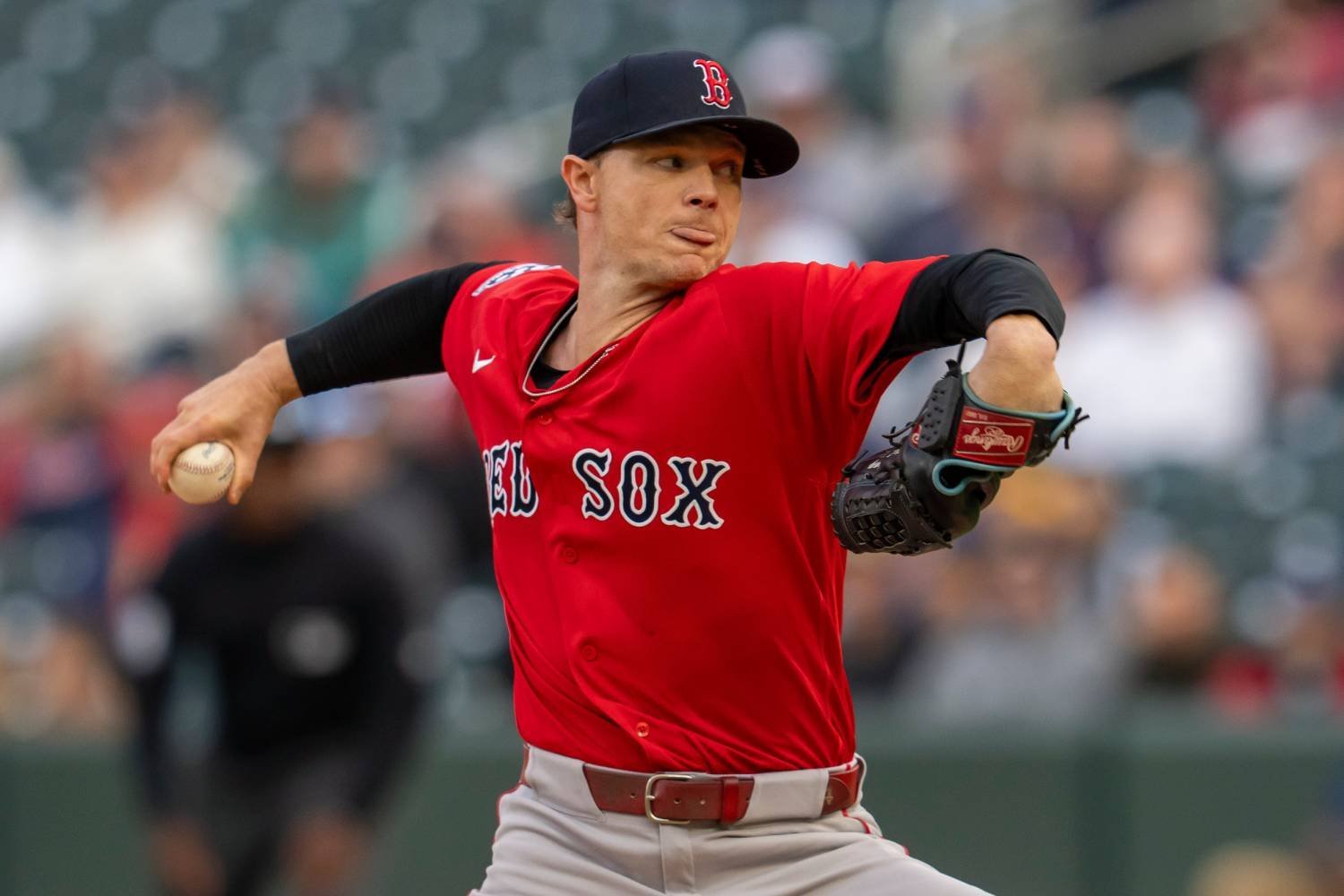 It was indeed a short stay in the injured list for Sonny Gray. The right-hander was activated from the 15-day injured list by the Boston Red Sox so he could start Wednesday's series finale vs. the Detroit Tigers. Gray had been sidelined since April 21 due to a strained right hamstring, meaning it was exactly a 15-day absence. Left-hander Alec Gamboa was sent to Triple-A Worcester. Gray's return to the rotation comes at a time when ace left-hander Garrett Crochet is on the IL with left shoulder inflammation and left-hander Ranger Suarez's status is up in the air as he deals with tightness in his right hamstring. Before the injury, Gray had made five starts with a 4.49 FIP (4.30 ERA) with a very nice 5.1% walk rate and a below-average 13.1% strikeout rate. Gray had a 26.7% strikeout rate a year ago. Gamboa was called up Monday and made his MLB debut Tuesday, pitching a perfect ninth inning with two strikeouts. View the full article
 -
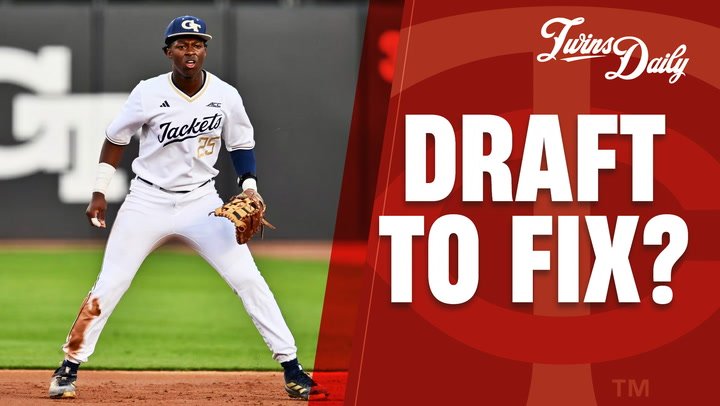 The two areas the Twins need stronger defensive depth are second base and third base. Will they use their number three overall pick to bolster those positions in the org? View the full article
 -
 The Miami Marlins roster is rapidly being infused with a new wave of young talent. AJ Ramos, Kevin Barral and Isaac Azout share their first impressions of Joe Mack, Josh Ekness and William Kemper, plus look ahead to Robby Snelling potentially taking over Chris Paddack's old starting rotation spot. Then, Kevin and Ely Sussman conduct an exclusive interview with Connor Norby. Newly converted to first base, Norby discusses his comfort level at the position, the evolution of his plate approach, the camaraderie inside the Marlins clubhouse and much more. You can find Fish Unfiltered and Fish On First LIVE on the Fish On First YouTube channel, Apple Podcasts, Spotify or wherever else you get your pods. Entering Wednesday, Norby is slashing .238/.341/.390 through 33 games with a career-high 108 wRC+. Norby had one of the highest chase rates on the team in previous seasons, but he currently ranks in the 77th percentile across MLB in that category, per Baseball Savant. A full-time third baseman in 2025, Norby has only made starts at first base and designated hitter this season. He ranks slightly above average in outs above average at 1B and slightly below average in defensive runs saved. The Marlins are in the midst of a three-game series against the Baltimore Orioles, who drafted and developed Norby, only to ship him away at the 2024 trade deadline. View the full article
 -
 Chicago Cubs Minor League Report - May 5 Affiliate Overview Triple-A Iowa Cubs Series vs. Columbus Clippers (Cleveland Guardians): Clippers lead, 1–0 Season Record: 15–18 Double-A Knoxville Smokies Series vs. Birmingham Barons (Chicago White Sox): Smokies lead, 1-0 Season Record: 14–14 High-A South Bend Cubs Series vs. Lansing Lugnuts (Athletics): Cubs lead, 1-0 Season Record: 13–12 Single-A Myrtle Beach Pelicans Series at Hickory Crawdads (Texas Rangers): Pelicans lead, 1-0 Season Record: 14–14 Affiliate Highlights Triple-A: Iowa Cubs Season Record: 15–18 Series Opponent: Columbus Clippers (18–16) Series Standing: Trail, 0-1 May 5: The Iowa Cubs dropped their third-straight contest, falling 9-6 to the Columbus Clippers on Tuesday at Principal Park. Pedro Ramirez (1-for-4) gave the Cubs a 1-0 lead in the first with an RBI-single but the Clippers would take a 6-1 lead after scoring three runs in each the third and fourth innings. Columbus added another run in the fifth but Iowa was able to break the scoring run in the home half of the frame on BJ Murray’s (1-for-5) three-run blast. The I-Cubs cut the lead to one with two more runs in the sixth thanks to Justin Dean’s (2-for-5) two-run triple. That’s as close as the Cubs would get in the ballgame as the Clippers scored a run in each the seventh and eighth inning to pull away for the 9-6 victory. Ty Blach took the loss in the start, allowing six runs on 10 hits over 3 2/3 innings of work, striking out three and walking one. Double-A: Knoxville Smokies Season Record: 14–14 Series Opponent: Birmingham Barons (13–15) Series Standing: Lead, 1-0 May 5: The Knoxville Smokies opened their series against the Birmingham Barons with a 10-4 victory on Tuesday at Covenant Health Park. The Smokies jumped out to a 4-0 lead thanks to a pair of two-run blasts from Jefferson Rojas (2-for-4) in the first and Karson Simas (1-for-4) in the second. Carter Trice (3-for-4) plated three with a triple in the fourth to make it 7-0. The Barons scored all of their runs in the contest in the sixth to get back into the game but RBI-singles from Rojas and Andy Garriola (1-for-4) put Knoxville up 9-4. Owen Ayers (2-for-3) put the finishing touches on the night with an RBI-single in the eighth to make it 10-4 as the Smokies cruised to a win. Yennri Rojas picked up his first-career Double-A win in the start, tossing five scoreless frames, allowing just three hits and striking out four. Vince Reilly worked two shutout innings in relief, yielding just one hit and whiffing one. High-A: South Bend Cubs Season Record: 13–12 Series Opponent: Lansing Lugnuts (11–17) Series Standing: Lead, 1-0 May 5: The South Bend Cubs moved back above .500 with a dominant 9-1 victory in their series opener vs. the Lansing Lugnuts on Tuesday at Four Winds Field. Ty Southisene (2-for-3) got the Cubs on the board in the first with an RBI-double and Cole Mathis (2-for-3) doubled the lead later in the inning with an RBI-groundout. Kane Kepley (2-for-4) made it 3-0 by racing home on a passed ball in the third. The Lugnuts plated their lone run of the contest in the fourth but South Bend would put the ballgame out of reach with five runs later in the frame. Christian Olivo (1-for-4) singled home a run with the bases loaded and Kepley followed with a walk to bring in another. Southisene picked up his second RBI of the night on a sacrifice fly to make it 6-1 and Kade Snell (1-for-5) and Mathis followed with back-to-back RBI-singles to give the Cubs a 9-1 advantage. Cole Reynolds took no decision in the start, tossing three scoreless frames, allowing no hits and no walks to go along with five strikeouts. Adam Stone picked up the win in relief to improve to 2-0 on the season, allowing one run on four hits over three innings of work, whiffing one batter. Single-A: Myrtle Beach Pelicans Season Record: 14–14 Series Opponent: Hickory Crawdads (16–12) Series Standing: Lead, 1-0 May 5: The Myrtle Beach Pelicans moved back to .500 on the season with a 7-5 series-opening win over the Hickory Crawdads on Tuesday night at L.P. Frans Stadium. Josiah Hartshorn (3-for-5) gave the Pelicans a 1-0 lead in the first with an RBI-double and the visitors would later add another run in the inning to go up 2-0 after their first trip to the plate. The Crawdads cut the lead in half with a run their first time up and would later take a 4-2 lead after pushing three runs across in the fourth. Hartshorn brought Myrtle Beach within a run with an RBI-single in the fifth and Jose Escobar (2-for-4) gave them the lead again with a two-run blast in the sixth to make it 5-4. The two teams traded runs in the eighth, with the Pelicans in front 6-5 heading into the final frame. Hartshorn collected his third hit and third RBI of the game with a single, giving Myrtle Beach a much needed insurance run. Jordan Henriquez worked a 1-2-3 ninth to convert the multi-inning save, his second of the season. Victor Zarraga picked up the win in relief, allowing one run on three hits over 3 2/3 innings of work, striking out two. View the full article
 -
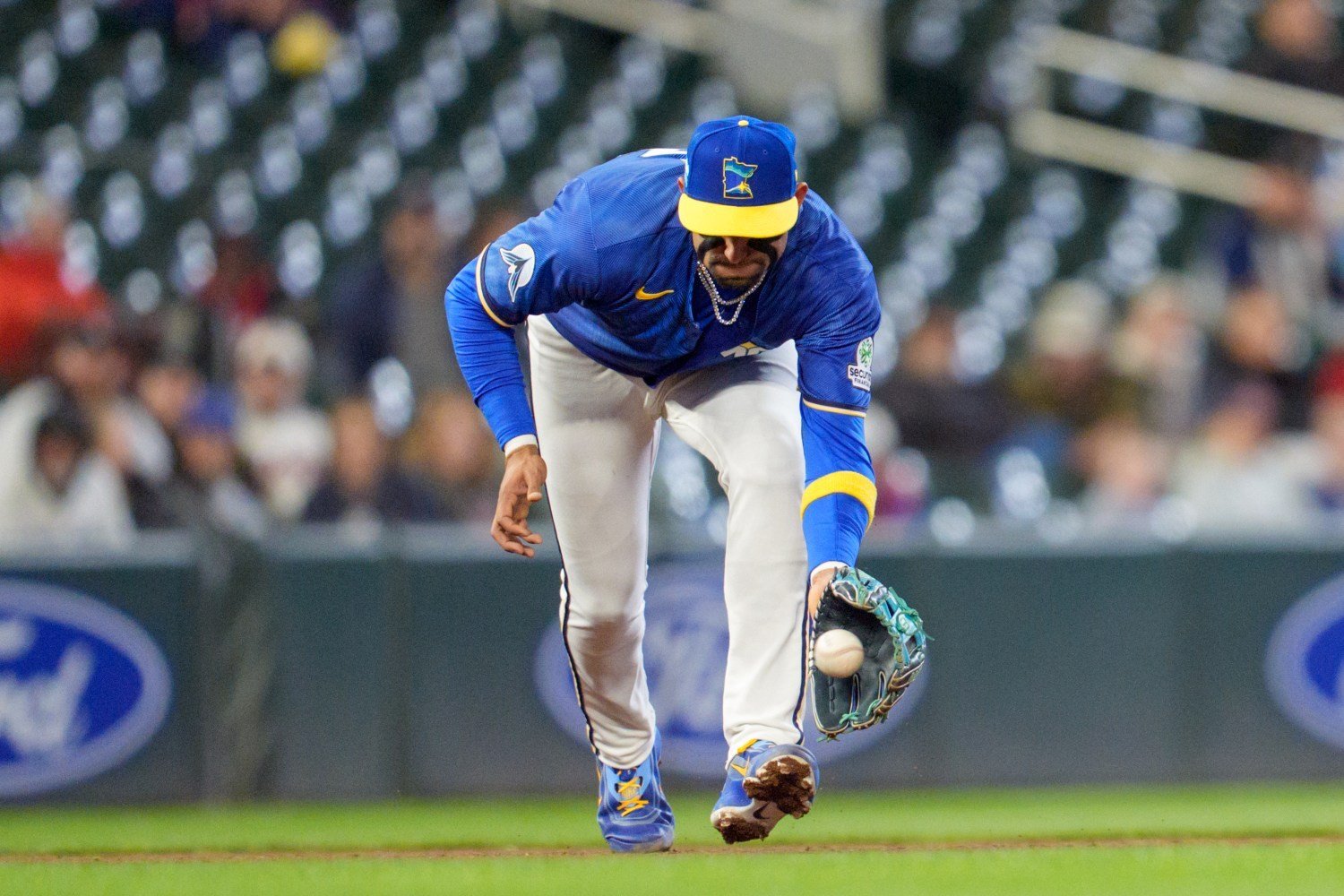 Royce Lewis is a different player than he was when he was drafted first overall in 2017. Injuries have changed his profile, but for a time, it appeared he still had a path to becoming an impactful regular at the highest level. As he nears 1,000 career plate appearances, however, his ability to remain a core piece of the Twins roster has come into question. Time is running out. Can he turn things around before it's too late? Injuries have cost Lewis his once well-rounded skill set, as he's settled into a corner infield role wherein his defensive value is limited and his primary offensive tool is his power. Plenty of hitters make careers out of this profile. The problem with Lewis's attempt to do so is that it's been a while since he's been consistently productive. With the sample size he's put together, it's time to worry whether his remaining tools are enough to keep him afloat. Lewis's production has consistently trended downward over the last four years. In between injuries, he's seen his wRC+ drop from 152 in 2023 to 106, then 85, and now just 65 so far in 2026, with 100 marking the league average. At a corner infield position, where the bar to clear offensively is higher, this lack of offensive production is even more detrimental. It's more than just surface-level production to worry about. This season, Lewis has a whiff rate of 36.5%, one of the worst in the league. His overall strikeout rate of 30.3% is by far the worst of his career. He looked like a much more patient hitter to begin the season, and his walk rate still looks much improved, but he's walked just once in 42 plate appearances since returning from the IL, while striking out about a third of the time. His approach at the plate is a complete mess. Defense has been an issue, as well, as he's posted -2 Defensive Runs Saved. The eye test has certainly matched. At this point, it's safe to say that Lewis is a below-average defender at third base. The Twins may not have a wealth of upcoming top prospects on the verge of filling out the infield, but they have options on the horizon. We're certain to see Kaelen Culpepper sometime this season; he's likely to push Brooks Lee off of shortstop. While Lee is stretched at shortstop, he should be an adequate defender at third base. Surprisingly, his bat has also looked much better suited for the position than Lewis’s so far this season. Culpepper's promotion alone may be enough to raise significant questions about Lewis's role. Lewis is arbitration-eligible in 2027 and has two options remaining. His team control and roster flexibility should be good news. For a player who has already expressed frustrations with the organization at multiple points in his career, however, it’s worth asking whether this team control and roster flexibility matter as much as they should. For such a high-profile player who has been so outspoken, it’s worth wondering how well things would go over if Lewis winds up being demoted to St. Paul or gets pushed out of a starting role long-term. It’s very possible that if the team’s plans move forward without Lewis playing a prominent role, his time in Minnesota comes to an end altogether. We may finally be approaching a point where significant turnover is on the horizon for the Minnesota Twins. The supposed core they’ve had in place since their last playoff run in 2023 has failed to live up to expectations, and with so much change across the organization, the roster is likely to follow suit with another disappointing season. Lewis once looked like a lasting piece of the Twins roster, regardless of how well the rest of the team performed. Things have changed significantly since the start of 2024. It feels like the clock is ticking on his time with the Twins, as his timeline of struggles has continued to drag on across multiple seasons. If he can’t turn things around soon, he may find himself out of their plans. View the full article
 -
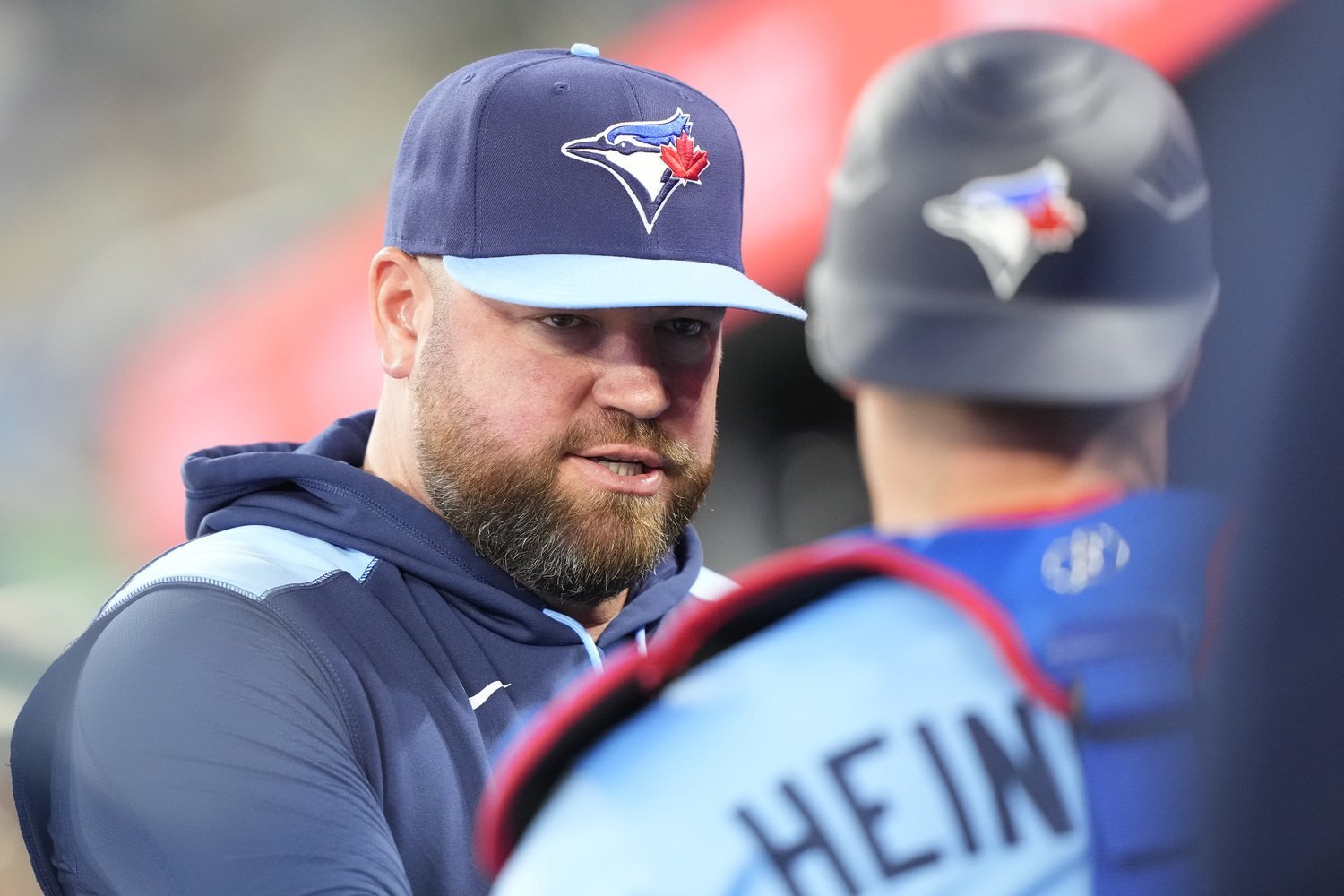 John Schneider pulled Tyler Heineman in the middle of the sixth inning on Sunday. With the bases loaded and the Blue Jays down by three, Heineman swung at the first pitch and sent a lazy fly ball to shallow left field, ending the top of the frame. When the game resumed, it was Brandon Valenzuela crouching behind the dish. Heineman is batting .136 with 13 strikeouts since Alejandro Kirk fractured his thumb on April 3. He has not drawn a walk or recorded an extra-base hit. He's only scored once in 16 games. It wouldn't be realistic to expect Heineman to repeat his 2025 performance. It wouldn't be fair to ask him to hit as well as Kirk. Still, even the most charitable evaluator would have to admit that Heineman has disappointed. Instead of taking the kind of disciplined approach one might hope to see from a soft-hitting veteran catcher, he's swinging more, chasing more, and whiffing more. Since April 4, he has seen an average of 3.29 pitches per plate appearance, one of the lowest rates in the league. Season(s) Swing Rate Chase Rate Whiff Rate Pitches per PA 2019-25 52.3% 33.3% 18.2% 3.59 2026 (total) 58.2% 45.4% 23.7% 3.44 2026 (since Apr. 4) 58.4% 46.1% 25.5% 3.29 Data via Baseball Savant. It isn't hard to understand why Schneider might have been fed up. Before the skipper sent him to the showers, Heineman had seen just eight pitches in three at-bats that day. When he stepped to the plate to face Taylor Rogers in the sixth, he had already seen Rogers twice in the series – including his at-bat in the previous inning. By that point, Rogers had faced 10 Blue Jays batters across two innings. Heineman needed to make him work. Instead, he took a bad hack at a pitch he was never going to do any damage against. It would have been frustrating regardless of the score or the base-out state. The fact that Heineman wasted an opportunity to get his team back in the game wasn't the heart of the problem, but it may have been the straw that broke the camel's back. Except we don't know any of this for sure. Speaking to reporters after the game, Schneider offered just two little words to explain why he took Heineman out of the game: "manager's decision." When pushed for details, he doubled down on his coy response. It was subtle, but it looked to me like he smirked both times he used the phrase. And that's it. That's all we know. Those two words have been swirling around my brain ever since. Manager's decision. The phrase is meaningless. Utterly meaningless. It's not an explanation at all. Every substitution is a manager's decision. All Schneider really told us was that Heineman wasn't injured, and even then, he didn't technically say that. And yet... Manager's decision. The words themselves are meaningless. But the fact that Schneider chose those specific words – and only those specific words – is layered with meaning. He didn't say it was "my decision." That would have been the more natural, off-the-cuff response. By using the third person instead of the first person, Schneider simultaneously took responsibility and distanced himself from the situation. All he was actually saying was that he didn't want to say anything, but he invented a phrase to legitimize his avoidance. To his credit, it worked. Look at this quotation from a Sportsnet article on Tuesday: "Elsewhere, Brandon Valenzuela will make a second straight start behind the dish in place of Tyler Heineman, who was removed from Sunday's game against the Minnesota Twins due to a manager's decision." The author cited "a manager's decision" as unquestioningly as if they were writing that Heineman was removed due to back spasms. We cannot allow this to become a phrase that's ever written without scare quotes! It's not a real thing! The other consequence of Schneider's intentional vagueness was a Streisand effect. The Streisand effect describes the phenomenon by which an effort to keep something under wraps can ultimately draw more attention to that thing than it otherwise would have received. In this case, Schneider was trying (or at least he can claim he was trying) to keep the details of whatever went down with Heineman in-house. Yet, he ended up turning the whole thing into a bigger deal than it would have been if he had simply offered a more detailed explanation. I'm only writing this article because "A Manager's Decision" sounds like the title of a Lifetime original movie, and I think that's funny. I wouldn't have any material if Schneider had just said, "I benched him for a bad at-bat. End of story." Indeed, for as much time as I can spend analyzing the phrase, the reason I can't stop thinking about Schneider's "manager's decision" is that it makes me laugh. Imagine anyone else responding to a similar question with a similar response. Reporter: Tyler, why did you swing at that pitch? Heineman: It was a batter's decision. Reporter: Leo, how did you 10 loonie dogs in a single inning? Me: It was an eater's decision. Of course, what isn't so funny is what this all might mean for Tyler Heineman. Alejandro Kirk will hopefully return later this month. When that happens, John Schneider (and Ross Atkins) will have to make a much more important decision. If Heineman fails to win back his manager's favour by then, it might be Brandon Valenzuela who sticks around as the backup. It's all speculation for now, but eventually, the decision will be real. View the full article
 -
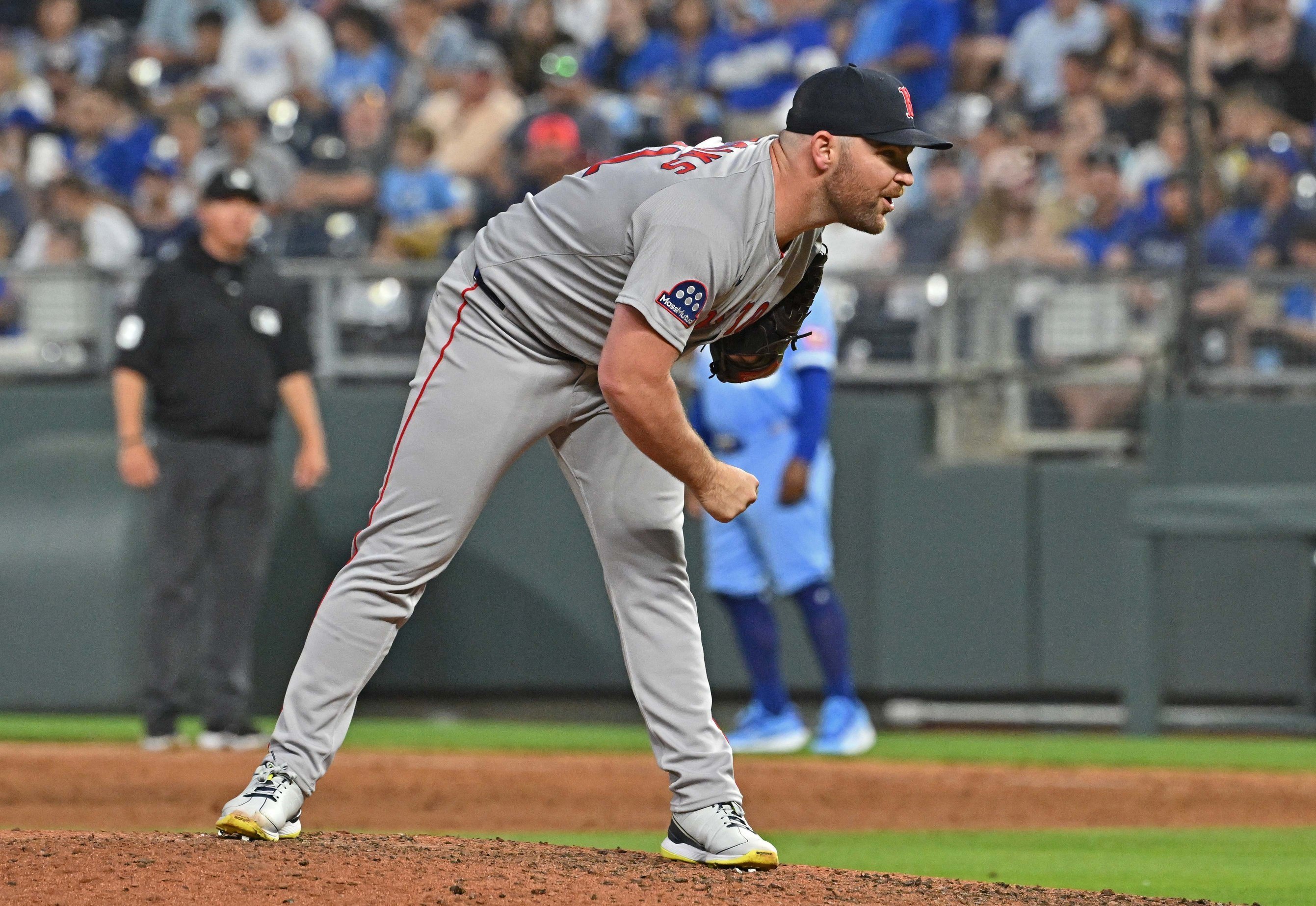 The Minnesota Twins bullpen has spent the opening weeks of the season doing an impressive impression of a piñata. Opponents are lining up, taking their swings, and walking away with something sweet. Near the bottom of the league in ERA, WPA, FIP, and just about every other acronym that signals distress, Minnesota’s relief corps has quickly turned from a question mark into a flashing red warning sign. Naturally, this led the front office to a bold and innovative solution: revisiting the exact veteran option they decided they did not need roughly five minutes ago. Back in spring training, the Twins had a handful of experienced bullpen arms in camp, including former All-Star closer Liam Hendriks. The narrative practically wrote itself. A respected veteran returning to the organization where his career began, providing leadership and stability to a group that needed both. It had all the makings of a feel-good story. Instead, the Twins released him before Opening Day. Fast-forward to early May, and with the bullpen actively setting new and creative ways to lose leads, the front office reportedly found itself staring at Hendriks’s contact information like a middle schooler debating whether to text their crush in the wake of a mortifying mutual rejection. “It was a tough call,” said one anonymous front office member. “Not emotionally. Just, you know, logistically. We had to figure out what to even say. There is no template for ‘Hey, remember when we said you were not good enough? Quick follow-up, about that.’” Another executive described the internal discussion leading up to the call. “We ran the numbers,” they said. “Then we ran them again, hoping they would change. They did not. At some point, someone just said, ‘What if we simply pretended none of that happened?’ and honestly that was the best plan we had.” According to sources, the call itself was… not smooth. “Hey Liam, it’s us,” one staffer reportedly began. “Just checking in. How have you been? Crazy weather lately, right? Anyway, quick question, how do you feel about high-leverage innings on a team that currently treats them like a suggestion?” Hendriks, for his part, handled the situation about as well as could be expected. “I missed the part where I was supposed to be gone long enough for this to make sense,” Hendriks said. “But I appreciate the confidence now. It is very… timely.” He paused before adding, “Do I get bonus points for pretending I didn't hear them laugh nervously before asking if I still had my glove?” Twins fans, meanwhile, have taken the development in stride, which is to say not at all. “I thought the plan was to build a bullpen,” said one fan outside Target Field. “Not crowdsource one after two weeks.” Another fan was more direct. “They let him go, watched the bullpen implode, and now they're calling him like they forgot their wallet at dinner,” they said. “At this point, I'm expecting them to check if Joe Nathan is free, too.” There is, of course, a certain symmetry to all of this. The Twins identified a potential solution, moved on from it, and then rediscovered it only after exhausting less effective alternatives. It's not quite a full circle moment, so much as a slow, awkward shuffle back to where they started. Whether Hendriks actually returns remains to be seen. Pride, practicality, and the memory of that spring decision all loom large. But the mere existence of the call says plenty about where things stand. For now, the bullpen continues to search for answers, the front office continues to search for better decisions, and somewhere out there, a phone sits quietly, hoping it does not ring again. Because if it does, everyone already knows how that conversation is going to go. View the full article
 -
 Blake Wolters fanned nine over 5 2/3 innings as the Columbia Fireflies routed Kannapolis 7-2, with Yandel Ricardo, JC Vanek, and Ivan Sosa each homering. Carson Roccaforte's two-run shot for Northwest Arkansas could not erase Frank Mozzicato's rough four-inning outing, as the Naturals fell 10-3 at Frisco. Aiden Jimenez allowed one unearned run across five innings of relief, but Quad Cities lost 3-2 in 10 to Cedar Rapids on a tiebreaking single. Omaha's game was postponed. Royals Transactions Kansas City Royals activated RHP Stephen Kolek from the 15-day injured list. Kansas City Royals optioned RHP Mason Black to Omaha Storm Chasers. Storm Chasers Game Postponed In Omaha The Omaha Storm Chasers' scheduled game was postponed. Late Homers Not Enough As Naturals Fall At Frisco The Northwest Arkansas Naturals dropped a 10-3 decision at Frisco, undone by a rough middle of the game. Frank Mozzicato worked four innings, allowing four runs on four hits with a walk and three strikeouts. Two of those hits left the yard. Mozzicato departed after four, and the RoughRiders broke the game open in the bottom of the fifth, plating six runs against the Naturals' bullpen, including three more home runs, to push the lead to 10-0. The Naturals finally got on the board in the seventh when cleanup hitter Brett Squires led off with his sixth home run of the season. Squires finished 2-for-4 with a double, a home run, an RBI, and a run scored. Northwest Arkansas added two more in the eighth. Justin Johnson drew a leadoff walk, and Carson Roccaforte followed with a two-run blast to center, his seventh of the year. Roccaforte's homer accounted for both of his RBIs on the day. Daniel Vazquez singled and walked, while Justin Johnson reached three times on a hit and two walks. The Naturals stranded seven runners. Augusto Mendieta worked the rest of the fifth and sixth, allowing one unearned run, and Christian Chamberlain and Andrew Morones followed with a hitless frame apiece. The Naturals managed six hits, struck out 11 times, and were charged with one error. Player AB R H RBI BB K Carson Roccaforte, CF 5 1 1 2 0 1 Rudy Martin Jr., LF 3 0 0 0 1 3 Sam Kulasingam, RF 4 0 0 0 0 0 Brett Squires, 1B 4 1 2 1 0 1 Daniel Vazquez, SS 3 0 1 0 1 1 Spencer Nivens, DH 4 0 0 0 0 1 Jack Pineda, 3B 3 0 0 0 0 2 Omar Hernandez, C 4 0 1 0 0 1 Justin Johnson, 2B 2 1 1 0 2 1 Player IP H R ER BB K HR Frank Mozzicato 4 4 4 4 1 3 2 Oscar Rayo 0 4 5 5 1 0 2 Augusto Mendieta 2 2 1 0 1 0 0 Christian Chamberlain 1 0 0 0 3 1 0 Andrew Morones 1 0 0 0 2 1 0 River Bandits Drop Extra-Inning Heartbreaker To Kernels The Quad Cities River Bandits fell 3-2 in 10 innings to Cedar Rapids, unable to push across the tying run after the Kernels broke through in the top of the 10th. Aiden Jimenez took over in the sixth and worked five innings, allowing two hits and one unearned run with no walks and a strikeout. Cedar Rapids pushed across the go-ahead run in the 10th when zombie runner Marek Houston was moved to third on a groundout and scored on a single to center. Starter Mason Miller logged four innings, giving up five hits and one earned run while walking three and striking out three. Dash Albus surrendered a run in his lone inning of work. Quad Cities tied the game in the bottom of the fifth. Tyriq Kemp singled to open the frame and came around to score on Asbel Gonzalez's RBI single. Ramon Ramirez followed with a single, and Asbel Gonzalez later came around to score the tying run before the rally ended. Asbel Gonzalez finished 2-for-4 with the RBI single, a run scored, and two stolen bases. Ramon Ramirez went 2-for-5 with a stolen base. Derlin Figueroa added two doubles in a 2-for-4 effort. Tyriq Kemp went 1-for-4 with a stolen base and scored the run. Blake Mitchell was intentionally walked in the 10th. The River Bandits collected 10 hits, drew three walks, and stranded 10 runners. Player AB R H RBI BB K Nolan Sailors, RF 5 0 1 0 0 1 Asbel Gonzalez, CF 4 1 2 1 0 1 Blake Mitchell, DH 4 0 0 0 1 2 Ramon Ramirez, C 5 0 2 0 0 1 Luke Pelzer, LF 4 0 1 0 1 1 Austin Charles, SS 3 0 0 0 1 2 Derlin Figueroa, 3B 4 0 2 0 0 1 Jose Cerice, 1B 4 0 1 0 0 0 Tyriq Kemp, 2B 4 1 1 0 0 2 Player IP H R ER BB K HR Mason Miller 4 5 1 1 3 3 0 Dash Albus 1 2 1 1 0 0 0 Aiden Jimenez 5 2 1 0 0 1 0 Wolters Strikes Out Nine As Fireflies Down Cannon Ballers Blake Wolters dominated for the Columbia Fireflies in a 7-2 win at Kannapolis, working 5 2/3 innings while allowing two hits and one earned run with two walks and nine strikeouts. The lone blemish was a solo home run in the sixth. Randy Ramnarace, Jhon Reyes, and Yeri Perez followed out of the bullpen, with Ramnarace and Reyes combining to keep the Cannon Ballers off the board across 2 1/3 innings before Perez allowed a run in the ninth. Columbia took control with three solo home runs in three consecutive innings. Ivan Sosa, his fourth of the year, opened the scoring in the third. JC Vanek added his third in the fourth, and Yandel Ricardo turned on his first of the season in the fifth, putting the Fireflies up 4-0. The Fireflies blew the game open in the ninth. Stone Russell singled, JC Vanek walked, and Daniel Lopez bunted for a single that Stone Russell scored on after a throwing error from the first baseman. Ivan Sosa drove in JC Vanek with a fielder's choice, and leadoff hitter Henry Ramos plated Daniel Lopez with a groundout to push the margin to six. Yandel Ricardo finished 2-for-5 with the home run, a triple, an RBI, two runs scored, and a stolen base. JC Vanek reached three times on a hit and two walks. Ivan Sosa drove in two. The Fireflies recorded six hits, three home runs, and stranded seven runners. Player AB R H RBI BB K Henry Ramos, LF 5 0 0 1 0 3 Yandel Ricardo, SS 5 2 2 1 0 1 Josh Hammond, 3B 4 0 0 0 1 0 Brooks Bryan, C 3 0 0 0 1 2 Sean Gamble, CF 5 0 0 0 0 2 Stone Russell, 2B 4 1 1 0 0 1 JC Vanek, 1B 2 2 1 1 2 0 Daniel Lopez, RF 2 1 1 0 2 0 Ivan Sosa, DH 4 1 1 2 0 2 Player IP H R ER BB K HR Blake Wolters 5 2/3 2 1 1 2 9 1 Randy Ramnarace 1 1/3 0 0 0 2 2 0 Jhon Reyes 1 2 0 0 1 2 0 Yeri Perez 1 2 1 1 0 2 0 Top-20 Prospect Performance Carter Jensen: DNP Blake Mitchell: 0-for-4, BB, 2 K David Shields: DNP Kendry Chourio: DNP Ben Kudrna: DNP Sean Gamble: 0-for-5, 2 K Josh Hammond: 0-for-4, BB, SB Ramon Ramirez: 2-for-5, SB, K Drew Beam: DNP Asbel Gonzalez: 2-for-4, RBI, R, K, 2 SB Yandel Ricardo: 2-for-5, 3B, HR, RBI, 2 R, SB, K Felix Arronde: DNP Luinder Avila: DNP Daniel Vazquez: 1-for-3, BB, K Steven Zobac: DNP Carson Roccaforte: 1-for-5, HR, 2 RBI, R, K, SB Blake Wolters: 5 2/3 IP, 2 H, 1 R, 1 ER, 2 BB, 9 K, 1 HR Michael Lombardi: DNP Warren Calcaño: DNP Frank Mozzicato: 4 IP, 4 H, 4 R, 4 ER, 1 BB, 3 K, 2 HR View the full article
 -
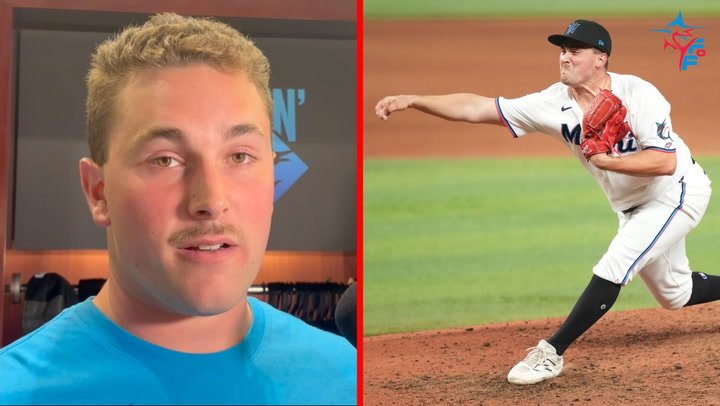 Prior to making his major league debut on Tuesday, right-hander William Kempner speaks with the media about his baseball journey and how he's continuing to sharpen his control.View the full article
 -
How Ryan Rolison Explains the Universe (Kind of) (For Now)
DiamondCentric posted an article in North Side Baseball
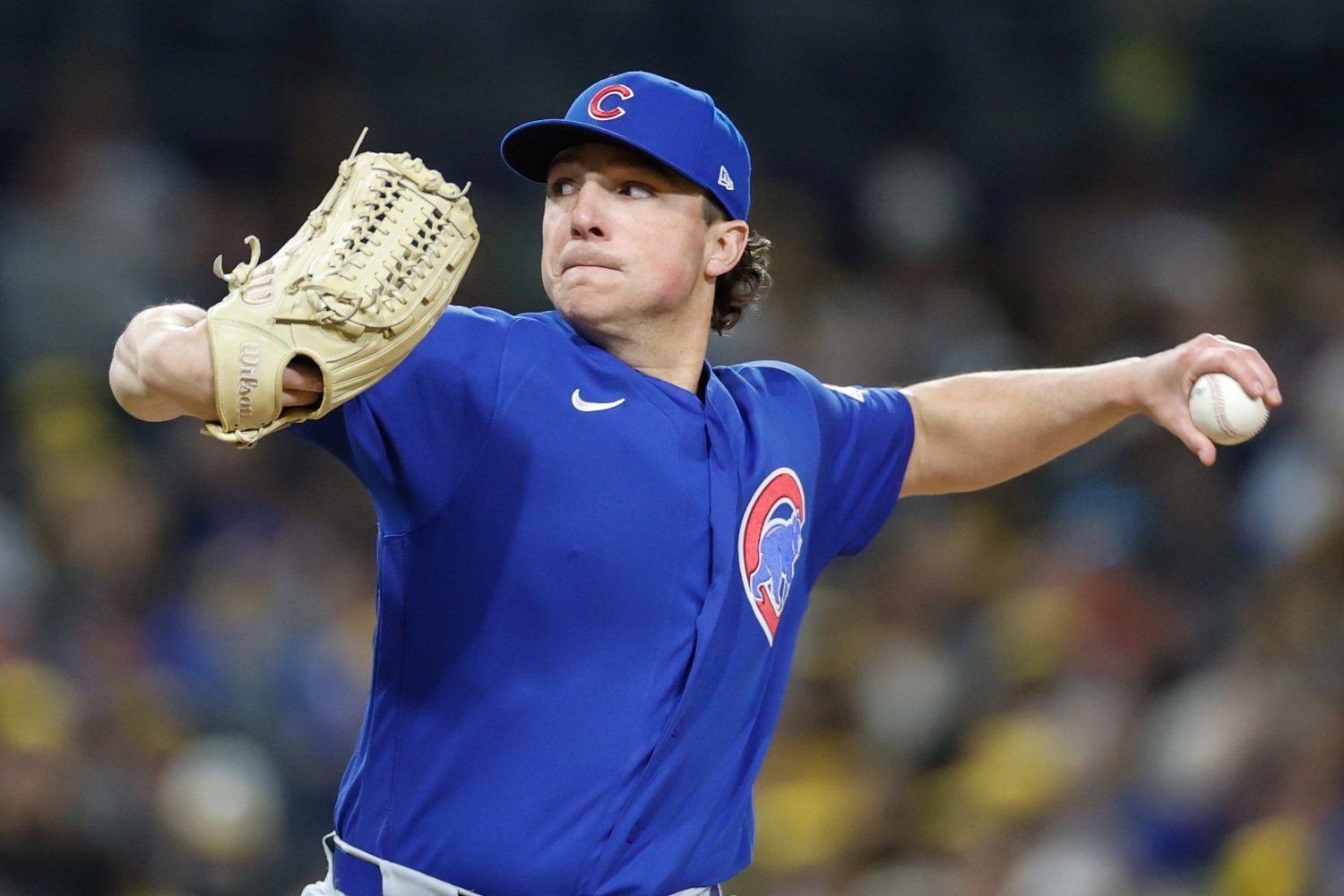 Ryan Rolison isn't overwhelming opposing batters. He's fanned 10 of them in 8 2/3 innings, but he only averages 94.3 miles per hour with his fastball. Hitters have made contact on 88.2% of the pitches they've swung at against Rolison. Yet, he's been devastatingly effective. That he's struck out 28.6% of his opponents doesn't match the whiff rate on swings. Nor does his overall stuff profile support his sparkling advanced stats. Does anything explain it? Or is this just a nice, half-accidental stretch from a fungible reliever, doomed to end quickly and sourly? You'll never go broke betting on the latter, when a journeyman has a hot streak like Rolison's recent one. But let me make a different case. In some ways, the 2026 season poses new and painful challenges for big-league pitchers, and solving the problems the league has thrown at them is a vital part of being a successful arm this year. Rolison is an exemplar of the ways the Cubs are well-suited to the changes to the strike zone—and, therefore, he might have more staying power than you'd think. The strike zone is smaller this year than it's been in a long time. It shrank last year, when the league tightened tolerances at the edges of the zone in its feedback for umpires on their ball-strike calls, but it's shrunk even more this season with the implementation of the ABS challenge system. As a result, the league's average walk rate is up to 9.5%. Virtually the entire change in the zone is in its vertical dimensions. The top of the zone has come down significantly, which comes with specific implications for pitchers with certain stuff profiles. There's a bit of extra risk, for instance, in having a high-carry four-seam fastball, because you might miss above that new, lower top railing. Yet, if you don't have exceptional rising action on your heater, it had better have some other unusual characteristic. Otherwise, hitters (guarding a smaller zone than in the past, after all) will hit you hard. Thus, pitchers need to have either more velocity or more unexpected wiggle on their fastballs than they needed to have even one year ago. Rolison has actually added ride to his fastball this year, along with about 1.5 MPH. That doesn't leave him missing the zone high, though, because he had below-average rise before. Now, his induced vertical break (IVB) on the four-seamer is 15.0 inches, which is lively but not uncontrollable. More importantly, that fastball has cutting action, relative to what a hitter expects out of the hand. The cut-ride shape is part of what first hooked the Cubs on Rolison; they've always loved that trait. Once Rolison shows hitters a fastball that flirts with the edges of the zone, he can also attack them with his array of breaking stuff, which tunnels off the heater nicely. Specifically, he can land the curve and the slider in the zone consistently, and more of the time, hitters aren't ready for it. The difference in vertical movement between Rolison's fastball and his curve has stretched to over 32 inches this year, thanks to a slightly higher arm slot. But by targeting the two pitches differently, he puts both in the zone, instead of missing high with one and low with the other. The curve isn't earning Rolison whiffs, but he's getting quite a few called strikes with it. bGJ3NFdfWGw0TUFRPT1fQWdSV1VGRUZWMVFBV2xGUUFnQUhBMWNIQUZnTlZWSUFVVkVGVTFBQkJGRldBd29B.mp4 The unique horizontal movement on Rolison's fastball makes him relatively hard to square up. The ability to throw that pitch and two breaking balls for strikes even in a compressed zone makes him hard to outguess. This is Rolison's new formula for success—but it's not new to the Cubs. Public intellectual Nassim Nicholas Taleb wrote one of his several books about the concept of antifragility. Some things, Taleb wrote, are robust: they survive big changes well. Other things are fragile: they break easily when shocks come. The thrust of Taleb's tome, though, was that a third class of things exists. Antifragile entities don't just survive major changes; they thrive on them. Seismic shifts make them stronger and better, instead of either damaging them or leaving them unaffected. Relatively few things in the world are genuinely antifragile, but the Cubs' long-held pitching paradigm might just be one of them. The rest of the league has spent at least a decade maximizing their high-low movement differentials and chasing whiffs, but they've done it with their targets set on a strike zone that no longer exists. The new one is better-suited to teams who try to produce weak contact and fill up the zone, with unusual fastball shapes and enough movement on secondary pitches to coax bad swing decisions in an environment that makes swing decisions easier. That's what the Cubs have been doing, all this time. Rolison isn't the only example of this. He's just a salient one, at this particular moment. Chicago has lots of pitchers who work that way, from (alas, currently injured) stars Justin Steele and Cade Horton to the guys they've collected just as proactively but with less fanfare, like Caleb Thielbar and Daniel Palencia. Horizontal movement and the ability to steal strikes without chasing whiffs is the wave of the future. The Cubs have been riding it since everyone thought it was a thing of the past. View the full article
 -
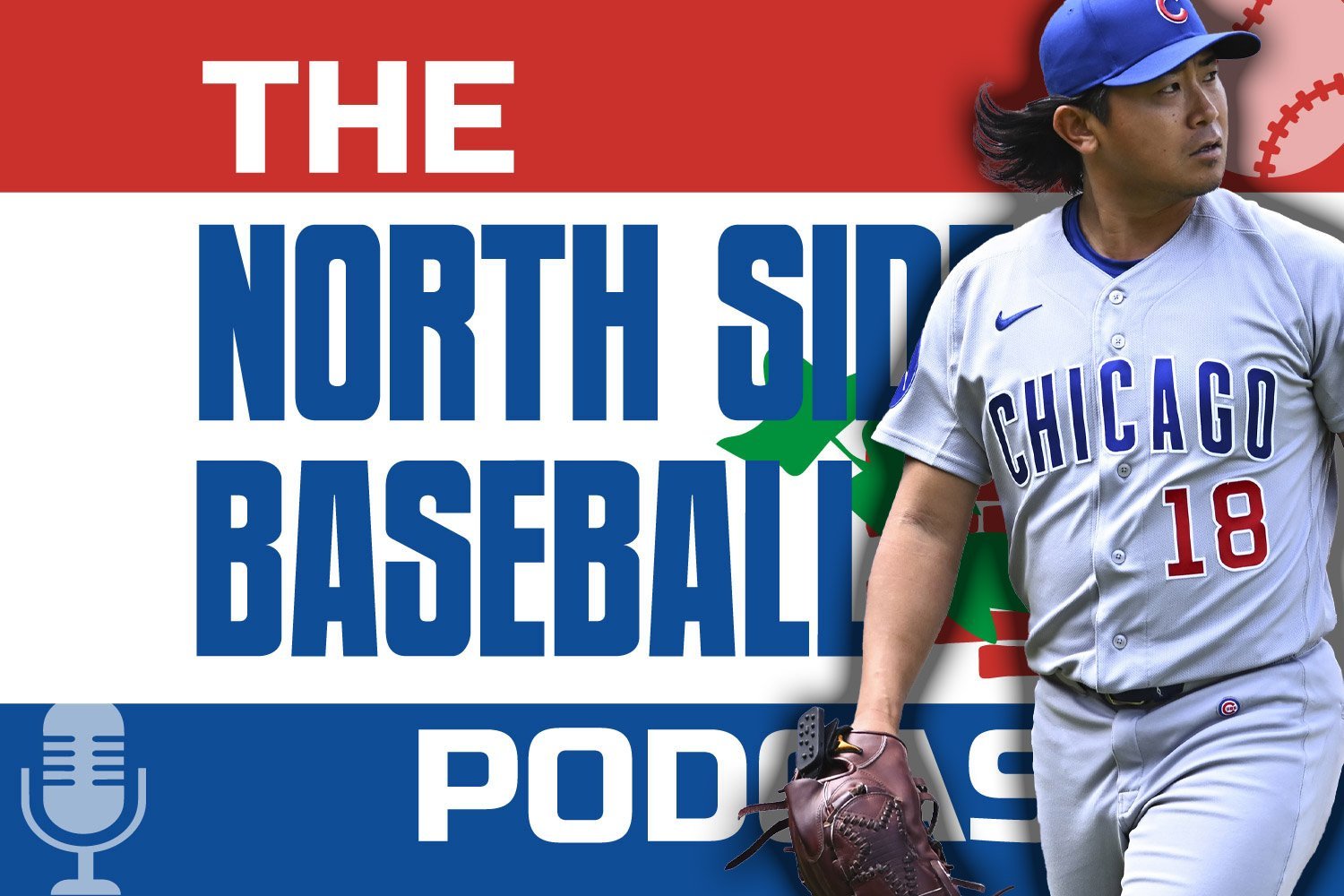 The Chicago Cubs keep finding contributions from across the board. On Monday, it was Michael Conforto in the form of a walk-off home run! How about the season Shota Imanaga is having! Listen on Apple Podcasts: https://podcasts.apple.com/us/podcast/the-north-side-baseball-podcast/id1798599313 Listen on Spotify: https://open.spotify.com/show/75wMGhBwlrDDYPt3kaF453 Listen on iHeartRadio: https://www.iheart.com/podcast/263-the-north-side-baseball-po-268998437/ Listen on Pocket Casts: https://pca.st/eey7h6ih Watch on YouTube: https://www.youtube.com/@northsidebaseball View the full article
 -
 Boston Red Sox Affiliate Recap (May 5) Triple-A Worcester Red Sox Worcester rallied from a three-run deficit to win 7-6 over the Scranton/Wilkes-Barre RailRiders (New York Yankees) at home. The WooSox came out swinging in the first when Mickey Gasper launched a two-run homer to left off Carlos Rodón to put Worcester up 2-0 early. But the lead didn't hold. Scranton chipped one back in the second on an RBI single, then blew the game open in the third inning as they crushed a three-run shot to give them a 4-2 lead. Nate Eaton got on base due to a fielding error, and a couple of wild throws from Rodón ended up scoring Eaton to shorten the deficit 4-3. Scranton increased their lead once again in the sixth with a two-run double to make it 6-3. Worcester’s comeback started in the bottom of the sixth when Kristian Campbell belted a solo homer to center off Rodón (EV 102.7 MPH), cutting it to 6-4. Then came a huge seventh inning, Allan Castro singled, Vinny Capra drew a walk, Jason Delay hit a sacrifice fly with the bases loaded, and a run-scoring forceout by Eaton knotted things up at 6-6. Campbell led off the bottom of the eighth with a hard hit double to right center (EV 104.6 MPH), earning his third hit of the game. Castro delivered the go-ahead RBI single through the middle to make it 7-6. Tommy Kahnle worked around two base runners and shut the door in the ninth for the save. Worcester's pitching was very mixed in this matchup. Devin Sweet started the game and threw two innings, giving up one earned run. Noah Song allowed three earned runs over two innings with four strikeouts, and Angel Bastardo gave up two runs in his two frames. However, Kyle Keller and Kahnle combined for 3 shutout innings down the stretch when it mattered most. Key Performances: Kristian Campbell: 3-for-4, HR, 2B, 2 R, RBI Allan Castro: 2-for-4, R, RBI Mickey Gasper: HR, R, 2 RBI Double-A Portland Sea Dogs A gutsy comeback fell one swing short as the Sea Dogs dropped a tight 3-2 loss at home to the New Hampshire Fisher Cats (Toronto Blue Jays). Gage Ziehl was taken deep with a solo shot in the first inning to put Portland down early, 1-0. Ziehl settled in for the next two innings until New Hampshire got to him again in the fourth, scoring after racking up a couple of hits to make it 2-0. Nate Baez broke through in the bottom of the fourth, hammering a solo homer to cut it to 2-1. That would be the only run Portland could muster against New Hampshire’s starter in six innings. The Fisher Cats' first pitcher out of the bullpen gave up the lead after Johanfran Garcia crushed a solo shot, his third in three games, to tie the game at 2-2. In the eighth inning, Max Ferguson hit a lead-off double, giving Portland a chance to take the lead. A poorly attempted sacrifice bunt was popped up and led to a free out for the Fisher Cats. Franklin Arias was intentionally walked to put two runners on and one out. Sadly, the Sea Dogs' next two batters struck out to strand the runners. Cooper Adams came into the ninth inning to try to keep it tied, but New Hampshire had other plans, hitting a solo homer. Just like that, it was 3-2, and Portland went down quietly in the bottom half to end it. Key Performances: Gage Ziehl: 4 ⅓ IP, 2 ER, 7 K Patrick Halligan: 2 ⅔ IP, 1 H, 0 ER, 5 K Johanfran Garcia: HR, R, RBI Nate Baez: HR, R, RBI High-A Greenville Drive Greenville's bats came alive in a back-and-forth affair but came up just short, 11-9, against the Greensboro Grasshoppers (Pittsburgh Pirates). The Drive struck first in the second inning, 1-0, when Freili Encarnacion scored a run with a groundout. Greensboro answered immediately, tying it with a solo homer 1-1. Greenville pushed ahead again in the third inning on a Jack Winnay sacrifice fly and an Isaiah Jackson RBI single to make it 3-1, but the Grasshoppers clawed right back with two of their own to knot it at 3-3. Henry Godbout gave Greenville its biggest cushion of the night with a two-run homer in the fourth, putting the Drive up 5-3. Unfortunately, Alex Bouchard couldn't hold onto the lead. Greensboro scored two more in the bottom of the fourth to tie it at 5-5, then the wheels came off, giving up three more runs to make it 8-5. The Grasshoppers kept pouring it on against Greenville’s bullpen, erupting for three runs in the sixth, 11-6. Greenville made a push in the eighth, Jackson delivered again with a two-run single, and Encarnacion followed with an RBI double to cut it to 11-9. The Drive would then get two runners on in the ninth with a chance to extend the game, but would not deliver as they hit into a double play to end it. Key Performances: Henry Godbout: 2-for-4, HR, 3 R, 2 RBI, 2 BB Yoeilin Cespedes: 3-for-6, 2 R Isaiah Jackson: 4-for-5, R, 3 RBI Freili Encarnacion: 3-for-5, 2 RBI Single-A Salem RidgeYaks RidgeYaks rolled past the Delmarva Shorebirds in a lopsided home win, 12-4. Salem scratched across the first run in the third on a Luke Heyman sacrifice fly to make it 1-0. Delmarva answered with a three-run fourth with a bases-clearing double, putting the Shorebirds ahead 3-1. The RidgeYaks tied it right back in the bottom of the fourth when D'Angelo Ortiz roped a two-run single through the left side to knot it at 3-3. The fifth inning blew the game open for Salem. Enddy Azocar led off with a solo homer to left, Luke Heyman followed with a solo shot as well, back-to-back jacks to make it 5-3. The Shorebirds pitchers completely lost the zone, walking the next five batters (two scoring on a wild pitch). Kleyver Salazar scored on an Ortiz groundout to push the lead to 8-3 by the end of the frame. The RidgeYaks kept piling on, Azocar hit a lead-off single and stole two bases, Salazar brought him in with a sacrifice fly in the sixth to make it 9-3. The RidgeYaks tacked on two more in the eighth via an Andrews Opata bases-loaded walk and yet another Salazar sacrifice fly (his second of the game) to stretch it to 11-3. Delmarva's lone consolation run came in the ninth to make the final 12-4. Myles Patton earned the win. He pitched nicely, other than the rough fourth inning, throwing five innings, striking out five, and giving up three runs. Jacob Mayers was outstanding in relief, throwing three no-hit innings and striking out six batters. Key Performances: Enddy Azocar: 3-for-5, HR, 3 R, RBI, 2 SB Luke Heyman: 2-for-3, HR, 2 R, 2 RBI, BB D’Angelo Ortiz: 2-for-4, R, 2 RBI Jacob Mayers: 3 IP, 0 H, 0 ER, 2 BB, 6 K View the full article
 -
 The Mets' affiliates went 1-2 on a quiet night with a Brooklyn rainout. St. Lucie pulled away with a five-run fourth inning and rolled to a 6-2 win at Lakeland behind R.J. Gordon's two scoreless, four-strikeout innings to start and JT Benson's two-run homer and triple. Syracuse fell 3-2 in a rain-shortened six-inning game at home to Rochester. Binghamton was buried 10-2 by Hartford as Will Watson surrendered a first-inning grand slam in the loss. Mets Transactions No Roster Moves Rain Cuts Short Syracuse In 3-2 Loss To Rochester Syracuse dropped a 3-2 decision to Rochester in a game called after the bottom of the sixth due to rain. The Mets opened the scoring in the bottom of the first when Nick Morabito singled to right, and Ryan Clifford followed with a line-drive single to center to drive him in for an early 1-0 lead. Rochester answered with a three-run fourth that put the visitors ahead for good. Starter Jack Weisenburger took the loss after four innings of three-hit, three-earned-run work that included two walks and four strikeouts. The damage came on a hit-by-pitch, a single, and another single in succession during a four-batter sequence in the top of the fourth that produced all three Rochester runs. Joey Gerber followed with a clean fifth that included a strikeout, and Luke Jackson worked the sixth, allowing one hit but no runs while striking out one, before the rain came. Syracuse pulled back within one in the bottom of the sixth when Morabito singled, Clifford doubled to right to put runners at second and third, and Cristian Pache singled to left to plate Clifford. Ji Hwan Bae walked, but the rally ended on a Ben Rortvedt flyout, and the umpires called the game shortly after. Clifford finished a perfect 2-for-2 with a double, a walk, an RBI, and a run scored. Morabito went 2-for-3 with a stolen base, and Pache added a 1-for-3 line with the RBI. Bae drew two walks, and Syracuse finished with five hits and three free passes in the abbreviated outing. Syracuse Hitting Player AB R H RBI BB K A.J. Ewing 3 0 0 0 0 1 Nick Morabito 3 1 2 0 0 1 Ryan Clifford 2 1 2 1 1 0 Christian Arroyo 3 0 0 0 0 2 Ji Hwan Bae 1 0 0 0 2 0 Cristian Pache 3 0 1 1 0 1 Ben Rortvedt 3 0 0 0 0 1 Yonny Hernández 2 0 0 0 0 0 Jackson Cluff 2 0 0 0 0 1 Syracuse Pitching Player IP H R ER BB K HR Jack Weisenburger (L) 4 3 3 3 2 4 0 Joey Gerber 1 0 0 0 0 1 0 Luke Jackson 1 1 0 0 0 1 0 First-Inning Grand Slam Sinks Binghamton In 10-2 Loss Hartford put a quick end to the suspense, scoring four runs in each of the first two innings on its way to a 10-2 win at Binghamton. The Yard Goats jumped on starter Will Watson immediately with a grand slam that emptied the bases, and Watson did not record a third out, exiting after two-thirds of an inning, having allowed three hits, four earned runs, two walks, and a home run without a strikeout. The bullpen was a mixed bag. Felipe De La Cruz worked one and two-thirds innings, allowing three hits and one run while fanning three. Kevin Gowdy tossed a scoreless inning, and Wyatt Young, the position player thrown into mop-up duty, surrendered three hits but no runs across two innings. Binghamton's offense managed only four hits as the Rumble Ponies struck out seven times. Nick Lorusso accounted for half the team's hits with a 2-for-4 line that included a triple. Eli Serrano III drew a walk and singled, while Kevin Parada singled and walked. The Rumble Ponies plated a run in the bottom of the fifth on Matt Rudick's RBI groundout that scored TT Bowens, and Lorusso tripled in the seventh to set up Diego Mosquera's run-scoring fielder's choice for the second tally. Binghamton Hitting Player AB R H RBI BB K Eli Serrano III 3 0 1 0 1 0 Jacob Reimer 4 0 0 0 0 1 Jose Ramos 3 0 0 0 1 1 Kevin Parada 3 0 1 0 1 1 TT Bowens 2 1 0 0 2 1 JT Schwartz 4 0 0 0 0 2 Nick Lorusso 4 1 2 0 0 0 Matt Rudick 3 0 0 1 0 0 Diego Mosquera 3 0 0 0 0 1 Binghamton Pitching Player IP H R ER BB K HR Will Watson (L) 2/3 3 4 4 2 0 1 Felipe De La Cruz 1 2/3 3 1 1 1 3 0 Kevin Gowdy 1 0 0 0 1 0 0 Wyatt Young 2 3 0 0 0 0 0 Gabriel Rodriguez 1 1/3 2 1 1 1 2 0 Matt Turner 1 0 0 0 0 1 0 Tanner Witt 1 1/3 4 4 4 1 1 1 Brooklyn Postponed The Brooklyn Cyclones' scheduled game was postponed. Pena, Benson, And Gordon Power St. Lucie To 6-2 Win St. Lucie poured it on with a five-run fourth inning and held off Lakeland late to win 6-2 on the road, capping an effort with strong pitching and a pair of home runs. R.J. Gordon set the tone with two scoreless, hitless innings to open, walking none and striking out four to put the Mets in firm control from the jump. St. Lucie scratched out the first run in the top of the second when JT Benson tripled to left, and Chase Meggers brought him home with a single up the middle. The Mets blew the game open in the fourth: AJ Salgado led off with a single, Benson followed with a two-run homer to left-center to make it 3-0, Meggers doubled, Sam Robertson reached on an error, and Elian Peña launched a three-run home run to right that pushed the lead to 6-0. Gordon and Ryan Dollar combined for four hitless innings to start, and Jorge De Leon picked up the win with one and one-third hitless innings of two-strikeout, one-walk relief. Joe Scarborough fanned one in a clean inning, and Daviel Hurtado worked two scoreless innings with four strikeouts. Tyler McLoughlin allowed both Lakeland runs in two-thirds of an inning during the bottom of the seventh, surrendering three hits before being lifted. Benson finished 3-for-4 with a triple, a home run, and two RBI, scoring twice. Peña went 1-for-5 with the three-run blast and three RBI, while Meggers added a 2-for-4 line with a double and an RBI. Robertson reached base three times via two walks and a stolen base each, and Sam Robertson and Jamari Baylor combined for three of the team's stolen bases in the win. St. Lucie Hitting Player AB R H RBI BB K Elian Peña 5 1 1 3 0 2 Edward Lantigua 4 0 1 0 0 1 Randy Guzman 4 0 0 0 0 3 AJ Salgado 4 1 1 0 0 0 Julio Zayas 4 0 0 0 0 1 JT Benson 4 2 3 2 0 1 Chase Meggers 4 0 2 1 0 1 Sam Robertson 2 1 0 0 2 0 Jamari Baylor 4 1 0 0 0 0 St. Lucie Pitching Player IP H R ER BB K HR R.J. Gordon 2 0 0 0 0 4 0 Ryan Dollar 2 1 0 0 0 1 0 Jorge De Leon (W) 1 1/3 0 0 0 1 2 0 Joe Scarborough 1 0 0 0 1 1 0 Daviel Hurtado 2 0 0 0 0 4 0 Tyler McLoughlin 2/3 3 2 2 1 1 0 Top-20 Prospect Performance Nolan McLean: DNP Carson Benge: DNP A.J. Ewing: 0-for-3, K Jonah Tong: DNP Ryan Clifford: 2-for-2, R, RBI, 2B, BB Jacob Reimer: 0-for-4, K Jack Wenninger: DNP Elian Pena: 1-for-5, R, 3 RBI, HR, 2 K Mitch Voit: DNP Nick Morabito: 2-for-3, R, SB, K Jonathan Santucci: DNP Chris Suero: DNP Zach Thornton: DNP Wandy Asigen: DNP Will Watson: 2/3 IP, 3 H, 4 ER, 2 BB, 0 K, HR (L) Eli Serrano III: 1-for-3, BB Ryan Lambert: DNP Dylan Ross: DNP Antonio Jimenez: DNP R.J. Gordon: 2 IP, 0 H, 0 ER, 0 BB, 4 K View the full article
