


DiamondCentric
-
Posts
2,631 -
Joined
-
Last visited
Never
Content Type
Profiles
Forums
Events
News
Tutorials & Help
Major League Baseball Videos
Guides & Resources
Store
Downloads
Gallery
Everything posted by DiamondCentric
-

The Twins' Pitching Philosophy Is at War With Itself
DiamondCentric posted an article in Twins Daily
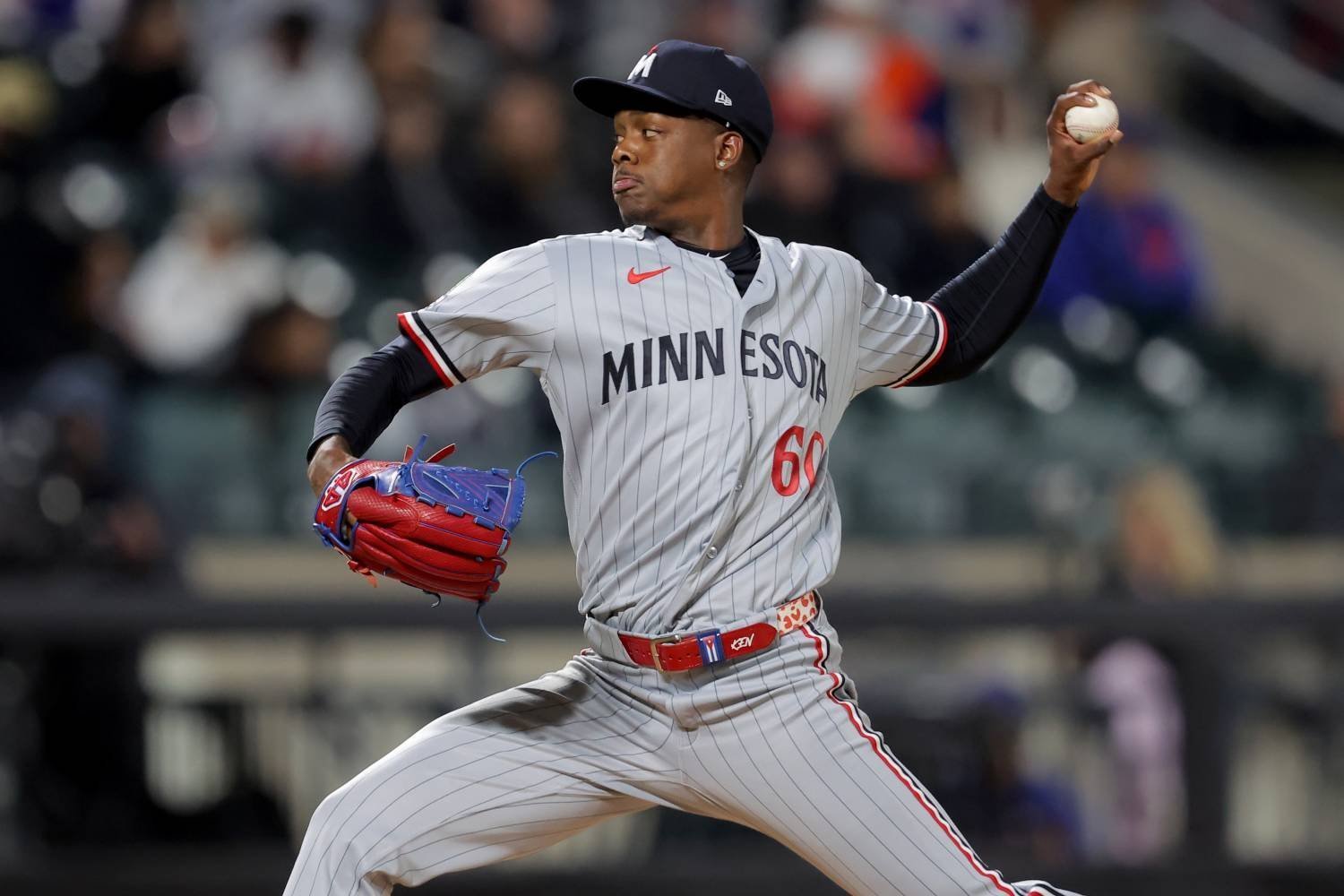 The unraveling of the Minnesota Twins over the past two seasons has been anything but subtle. Payroll was slashed heading into 2024, the 2025 trade deadline turned into a full-scale fire sale, and Derek Falvey exited just before spring training this year. What once looked like a sustainable contender after the 2023 playoff run has instead snowballed into an organization searching for alignment. For a franchise operating under strict payroll limitations, every dollar matters. That reality should push the organization to build a reliable, self-sustaining pitching pipeline. Instead, the Twins have found themselves caught between two philosophies that do not quite meet in the middle. Their development system prioritizes starting pitching depth, while their major league roster construction increasingly demands bullpen solutions they are unwilling to buy. Keeping Pitchers Starting As Long As Possible Minnesota has made it clear that pitching prospects will remain starters for as long as possible. In theory, that approach maximizes value. Starters are harder to find, and developing one internally can provide significant surplus value. But the execution has created a bottleneck. Take Connor Prielipp and Kendry Rojas as examples. There has been outside speculation about potential bullpen futures, yet the organization continues to develop them as starters. Prielipp has flashed promise in his first taste of the big leagues, but there is no certainty that his performance will hold over a full workload. Waiting for that answer delays the ability to address immediate bullpen needs. The Twins have also had success stories. David Festa and Zebby Matthews were not premium draft picks, yet both added velocity and broke out within the system. That is the development model working as intended. However, the reality is less clean. Festa is now dealing with a shoulder injury that could shift his long-term role, while Matthews has struggled to find consistency early this season at Triple-A. The transition from starter to reliever is often reactive rather than proactive. Injuries or underperformance force the issue. That path worked beautifully for Jhoan Duran, Griffin Jax, and Louis Varland, all of whom saw velocity spikes and became dominant late-inning arms. But those outcomes are the exception, not the rule. Relying on that conversion pipeline year after year is a risky bet. Marco Raya highlights the downside. Developed aggressively as a starter, he moved quickly through the system while rarely facing lineups multiple times. Even after reaching Triple-A at 21 years old, he never established consistency. A late move to the bullpen has not unlocked another level, leaving the organization without clarity on his role or value. Andrew Morris might be the clearest example of the organization being caught in between philosophies at the big-league level. He entered the year looking like the next starter in line for a rotation spot, but instead has been deployed in a long relief role. It is a usage pattern that keeps him stretched out without offering a real opportunity to claim a starting job, while also limiting his ability to adapt to the intensity of shorter bullpen outings. The Twins are hesitant to close the door on his future as a starter, yet they are not committing to that path in a meaningful way. That leaves Morris in a developmental gray area, neither building toward a defined rotation role nor being put in a position to succeed as a true reliever. Not Spending Money on the Bullpen If the development strategy leans heavily toward starting pitching, the roster construction doubles down by avoiding bullpen spending altogether. During Falvey’s tenure, the Twins consistently bypassed the top end of the reliever market. Instead, they relied on minor league deals, waiver claims, and buy-low trades. That philosophy only works if the pipeline consistently produces major league-ready relievers. Right now, it is not. The 2026 bullpen is a reflection of that gap. Taylor Rogers was the most notable addition at $2 million, and he appears to be nearing the end of his effectiveness. Beyond that, the unit is a patchwork of interchangeable pieces without defined roles. The result has been one of the least effective bullpens in baseball. The lack of investment creates compounding pressure. The front office must develop relievers internally, but the system is not designed to produce them quickly. Prospects are stretched as starters, delaying their transition, while injuries to arms like Pablo López and Festa thin the rotation and force even more prospects to remain in starting roles. Meanwhile, the Triple-A bullpen has not provided obvious reinforcements. There is no wave of high-leverage arms ready to step in, and no financial safety net to cover the gap. The Twins are operating with two ideas that make sense independently but clash in practice. Developing starters has value, and avoiding risky bullpen contracts can be justified under payroll constraints. But doing both at the same time without adjustment creates a structural imbalance. Minnesota needs to pick a lane or find a better middle ground. That could mean identifying relievers earlier in the development process, being more aggressive with role changes, or selectively investing in proven bullpen arms to stabilize the roster. Right now, they are asking their system to solve a problem it is not built to address. Until those philosophies align, the Twins will continue to develop pitchers with long-term upside while struggling to get outs in the innings that matter most. How can the Twins fix the pitching development philosophy? Leave a comment and start the discussion. View the full article
 -
 Tyler Schmitt struck out six over five scoreless innings as the Lake Elsinore Storm beat Ontario 4-2, with Victor Duarte driving in three. The Fort Wayne TinCaps edged South Bend 7-6 on two ninth-inning wild pitches, with Braian Salazar fanning five in relief and Lamar King Jr. collecting four hits. Ethan Salas homered yet again but the San Antonio Missions fell 5-4. El Paso jumped out to a 5-0 lead, but was blasted by Albuquerque 19-7. Padres Minor-League Transactions None. Chihuahuas Blown Out Again By Isotopes For the second game in a row, the Triple-A El Paso Chihuahuas gave up a pair of seven-run innings, this time leading to a 19-7 loss to the host Albuquerque Isotopes. El Paso had a 5-1 lead when the Isotopes scored seven in the fourth and seven in the fifth to claim a 15-5 lead. Right-handed starter Sean Boyle gave up seven of those runs in 3⅔ innings on six hits and two walks with four strikeouts. The Isotopes also had a pair of seven-run innings in a 26-8 loss Friday. San Diego Padres left-handed reliever Yuki Matsui made what was likely his last rehab appearance, pitching the sixth and seventh innings, giving up two runs on one hit and a walk with a strikeout. Matsui, who has a strained left groin, must be activated Monday. He made 11 appearances for El Paso. Mason McCoy went 3-for-5 with an RBI double, Nick Schnell homered and drove in a pair of runs, while Clay Dungan had a bases-loaded double in the five-run first inning. EP_0502.mp4 Player AB R H RBI BB K Sung-Mun Song, 3B 4 0 1 0 1 2 Samad Taylor, LF 5 1 1 0 0 2 Carlos Rodríguez, CF 5 1 1 0 0 1 Mason McCoy, SS 5 1 3 1 0 0 Nate Mondou, DH 4 1 1 1 1 1 Nick Schnell, RF 5 2 2 2 0 3 Marcos Castañon, 1B 3 1 0 0 1 1 Clay Dungan, 2B 4 0 2 3 0 1 Anthony Vilar, C 4 0 1 0 0 1 Player IP H R ER BB K HR Sean Boyle 3 2/3 6 7 7 2 4 1 Misael Tamarez 1/3 3 5 3 3 0 1 Logan Gillaspie 1 4 3 0 0 1 0 Yuki Matsui 2 2 1 1 1 1 0 Alek Jacob 1 2 3 3 1 0 0 Salas Hits 5th Homer, But Missions Come Up Short For the fifth time in seven games, Ethan Salas left the yard. Padres Mission's No. 1 prospect homered for the second game in a row as the Double-A San Antonio Missions fell to the host Tulsa Drillers 5-4. Salas, the 19-year-old who hadn't homered until April 24 and has been hitting out of the leadoff spot, took over the team lead with his fourth homer Friday and added to that total with a solo shot in the seventh inning Saturday that pulled the TinCaps within 5-3. Salas had struck out in his previous two at-bats. Carson Tucker made it 5-4 with his eighth-inning sacrifice fly, but the final four TinCaps were retired in order. Salas, who also has a team-high 14 RBIs, has a .315/.390/.589 slash line in 21 games this year. His homer April 24 was the first in three consecutive games, spilling over to the first game of this series. Tulsa jumped out to a 4-0 lead in the second inning against Missions right-handed starter Ian Koenig, including a three-run homer by Josue De Paula. Luis Verdugo plated the TinCaps' first run with an RBI double in the fourth, but the Drillers got a run back in the bottom of the fourth. Verdugo made it 5-2 with a sacrifice fly in the sixth, then Salas hit his homer in the seventh and Tucker's sac fly trimmed it to 5-4. In addition to Verdugo driving in a pair, Braedon Karpathios went 2-for-4. Leandro Cedeño singled and drew three of the TinCaps' seven walks and scored twice. Fort Wayne had just five hits. Four Missions relievers—right-handers Josh Malliltz, Andrew Moore, Michael Flynn and Sadrac Franco—combined for 4⅓ scoreless innings, with three hits, two walks and six strikeouts. SA_0502.mp4 Player AB R H RBI BB K Ethan Salas, DH 4 1 1 1 1 2 Kai Roberts, CF 5 0 0 0 0 4 Leandro Cedeño, 1B 1 2 1 0 3 0 Tirso Ornelas, LF 4 0 0 0 0 0 Luis Verdugo, 3B 2 1 1 2 1 0 Braedon Karpathios, RF 4 0 2 0 0 1 Carson Tucker, SS 2 0 0 1 1 0 Ryan Jackson, 2B 4 0 0 0 0 3 Chris Sargent, C 3 0 0 0 1 1 Player IP H R ER BB K HR Ian Koenig 3 2/3 4 5 0 0 2 1 Josh Mallitz 1 1/3 0 0 0 2 2 0 Andrew Moore 1 1 0 0 0 2 0 Michael Flynn 1 1 0 0 0 0 0 Sadrac Franco 1 1 0 0 0 2 0 Down To Final Strike, TinCaps Pull Off Ninth-Inning Rally One strike away from suffering a loss, the High-A Fort Wayne TinCaps pulled off an improbable victory by capitalizing on a bout of wildness to score twice in the top of the ninth inning for a 7-6 triumph over the host South Bend Cubs. Fort Wayne won for the fourth straight game, its longest streak since April 29-May 3 of last year. After the Cubs took a 6-5 lead in the bottom of the eighth on a bases-loaded walk, the first two TinCaps grounded out to begin the top of the ninth. Alex McCoy drew a five-pitch walk, Jack Costello a four-pitch free pass and Kavares Tears, after fouling off a 3-2 pitch, earned a seven-pitch walk to load the bases. With pinch-hitter Carlos E. Rodriguez up, the pitcher uncorked two wild pitches, bringing in the tying and go-ahead runs. Right-handed reliever Kleiber Olmedo, who came on to begin the eighth, overcame another walk to induce a game-ending double play. Costello went deep for the second time in as many at-bats, hitting a solo shot in the second inning after homering in his final trip Friday, while Lamar King Jr.—Padre's Mission's No. 13 prospect—went 4-for-5 with a run scored and Jake Cunningham drove in a pair of runs. King's four-hit game was the first in 153 games between Low-A and High-A. McCoy doubled in the fifth inning to extend his on-base streak to 21 games. Dylan Grego reached base three times, including twice via walks. The TinCaps drew eight walks. Left-hander Jamie Hitt lasted just 2⅓ innings, throwing 76 pitches (44 strikes), allowing three runs (two earned) on three hits and three walks with four strikeouts. FW_0502.mp4 Player AB R H RBI BB K Jake Cunningham, LF 5 0 1 2 0 1 Zach Evans, 3B 5 0 1 0 0 0 Lamar King Jr., 1B 5 1 4 0 0 0 Kasen Wells, CF 0 0 0 0 0 0 Alex McCoy, DH 4 1 1 0 1 0 Jack Costello, 1B 3 2 1 2 1 1 Kavares Tears, RF 3 1 1 0 2 1 Oswaldo Linares, C 4 0 0 0 0 1 Carlos Rodriguez, C 0 0 0 0 1 0 Jonathan Vastine, SS 4 1 0 0 1 2 Dylan Grego, 2B 2 1 1 1 2 1 Player IP H R ER BB K HR Jamie Hitt 2 1/3 3 3 2 3 4 0 Will Varmette 1 2/3 1 0 0 0 1 0 Bernard Jose 1 1 2 2 2 2 0 Braian Salazar 2 0 1 1 1 5 0 Kleiber Olmedo 2 1 0 0 2 2 0 Victor Duarte Snaps Late Tie, Tyler Schmitt Stellar In Storm Win Victor Duarte drove in three runs, including a two-run double in the eighth inning that broke a tie, giving the Low-A Lake Elsinore Storm a 4-2 victory over the host Ontario Tower Buzzers. The Storm won despite having just three hits, although they drew nine walks. The game was tied 2-2 entering the top of the eighth when Truitt Madonna walked and Justin DeCriscio put down a perfect bunt to third that went for a single, but the third baseman threw away, sending Madonna to third. Duarte hit the next pitch for an opposite-field double to right field, scoring Madonna and DeCriscio and a 4-2 Storm lead. Right-handed reliever Carson Swilling pitched the final two innings for his first professional save. That came after right-handed starter Tyler Schmitt allowed just two hits in a season-high five scoreless innings, walking one and striking out six. It was by far the best performance of his brief pro career. Schmitt was the Padres' 17th-round draft choice out of Illinois last year, but made his pro debut this season. Schmitt entered the game with a 9.75 ERA in four games, three starts, covering 12 innings. Ryan Wideman had a two-out triple, his third of the season, in the top of the third, which scored George Bilecki, who had drawn a leadoff walk. Duarte had a sacrifice fly in the sixth to put the Storm up 2-0. He also walked and reached on catcher's interference. Ontario scored twice in the bottom of the sixth. LE_0502.mp4 Player AB R H RBI BB K Ryan Wideman, CF 5 0 1 1 0 1 Bradley Frye, 3B 4 1 0 0 1 3 Truitt Madonna, DH 3 1 0 0 2 2 Justin DeCriscio, 2B 4 1 1 0 0 1 Victor Duarte, C 1 0 1 3 1 0 Jose Verdugo, SS 2 0 0 0 2 2 George Bilecki, RF 1 1 0 0 2 1 Yoiber Ocopio, 1B 3 0 0 0 1 2 Conner Westenburg, LF 3 0 0 0 0 1 Player IP H R ER BB K HR Tyler Schmitt 5 2 0 0 1 6 0 Brandon Langley 2 1 2 2 2 2 0 Carson Swilling 2 0 0 0 1 1 0 Top-20 Prospect Performance Kash Mayfield: DNP Ethan Salas: 1-for-4, HR, RBI, BB, 2 K Kruz Schoolcraft: DNP Bradgley Rodriguez: DNP Humberto Cruz: DNP Miguel Mendez: DNP Ty Harvey: DNP Jorge Quintana: DNP Kale Fountain: DNP Ryan Wideman: 1-for-5, 3B, RBI, K Jagger Haynes: DNP Lamar King Jr.: 4-for-5, R Romeo Sanabria: DNP Truitt Madonna: 0-for-3, R, 2 BB, 2 K Michael Salina: DNP Garrett Hawkins: DNP Kavares Tears: 1-for-3, 2B, R, 2 BB, K Deivid Coronil: DNP Francis Pena: DNP Bryan Balzer: DNP View the full article
 -
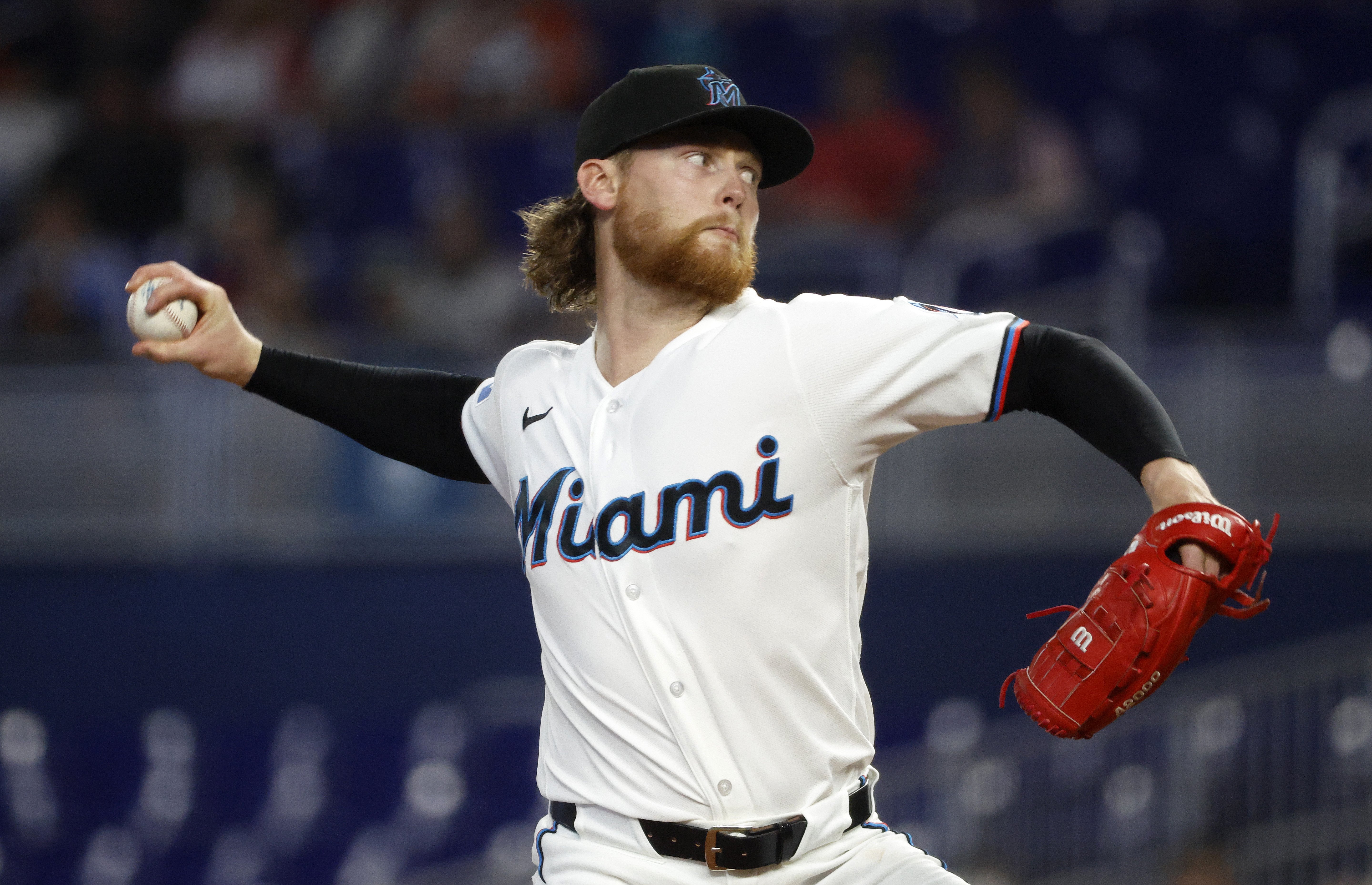 MIAMI, FL — Maybe we have not seen the best of Max Meyer as a starting pitcher quite yet. Meyer's efficiency was excellent on Saturday, and for the first time in his career, he completed seven innings in a 4-0 Marlins win. Going into the game, Meyer had not even reached six innings in any start this season—the only starter in the Marlins rotation yet to do so. For Marlins manager Clayton McCullough, it was a no-brainer to stick with him considering the Philadelphia Phillies had not scored and his pitch count was only up to 71 through six. "The way he was throwing the ball, he was so economical," McCullough said after the game. "He just had been ahead of so many people and with him having such a diverse repertoire, he's got so many options to go to throughout a game. I think the way that he was throwing the ball, he really hadn't been stressed a whole lot to send him back out for the seventh up. It wasn't a tough call." Meyer finished his outing going seven shutout innings, allowing just one hit and two walks. The lone hit allowed came from Garrett Stubbs in the top of the third. He also struck out seven in the process. "It's fun to go seven and help the team out save the 'pen a little bit in a four-game series," Meyer said. "I felt good, but obviously, the only thing I care about was trying to keep the team in the game and get the win at the end of the day." Meyer's incorporation of the sweeper has been crucial to his success in 2026. Ahead of Saturday's game, Meyer was throwing it 26% of the time and it was his most-used pitch again in this start (27% usage). He generated five of his 10 whiffs and recorded four of his seven strikeouts on that pitch. "Sweeper is similar velocity [to the slider], a little slower, but it moves at a totally different plane," Meyer said. "If they are sitting on spin, you got to pick which spin you're going to sit on. That's helped a lot, but I love that pitch. It's one of my favorite pitches. I'm just so happy with all the other pitches being around the zone too and competitive. Feels good having like a real fastball now with some ride on it." Through seven starts this season, Meyer now has a 2.68 ERA, 2.98 FIP, 9.73 K/9 and 3.16 BB/9. These are all career-bests for the former number three pick in the 2020 MLB Draft. "I think Max is a different pitcher than he has been in the past," McCullough said. "He's got more weapons now than he's had. They're better and play off each other very well. Him having the ability to run his two-seam on righties, to continue to open up the spin lane on the outer half, and he can go down below versus left with the breaking balls. His changeup is a pitch that he can use as well." Relievers Anthony Bender and Andrew Nardi followed Meyer. They both threw shutout innings, not allowing a hit. It marked the Marlins' first one-hitter since May 18, 2019. It was also their first shutout of the Phillies since August 13, 2024. The Marlins are the only National League club to have four different starters go at least seven innings in a game this season (only the New York Yankees have done it in the AL). The Marlins offense wasted no time giving Meyer some run support, as in the bottom of the third inning, with the bases loaded, both Agustín Ramírez and Connor Norby worked walks, driving in a run each. In the bottom of the fifth, Xavier Edwards hit his second home run of the season, going 392 feet to right field, extending the lead, 3-0. In nine games batting in the cleanup spot this season, Edwards has a .367/.513/.567/1.080 slash line. Otto Lopez capped off the Marlins' four-run performance with an infield RBI single in the bottom of the sixth. With the win, the Marlins are 16-17, once again, a game under .500. Sunday will not be a rubber match as this is a wrap-around series (another game awaits on Monday night). Jesús Luzardo, a Florida native and former Marlins pitcher, will face Chris Paddack on Sunday at 1:40 pm. View the full article
 -
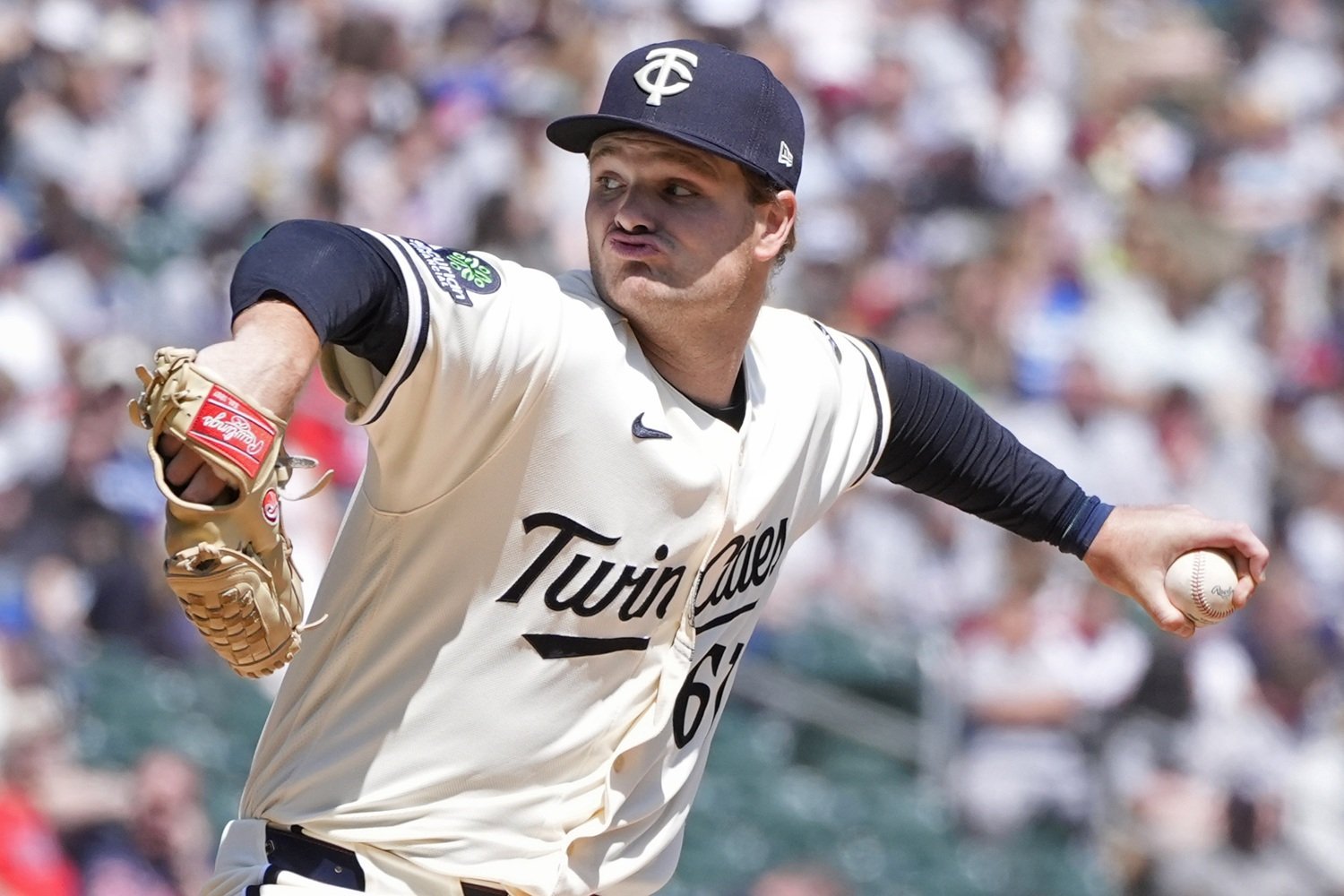 Box Score SP: Connor Prielipp 5 IP, 3 H, 2 ER, 2 BB, 4 K (91 pitches, 59 strikes (65%)) Home Runs: Byron Buxton (10) Bottom 3 WPA (via FanGraphs): Luis Garcia (-0.58), Anthony Banda (-0.17), Ryan Jeffers (-0.09) Win Probability Chart (via BaseballSavant) The Twins took one in the chin Friday evening against the visiting Blue Jays, but Saturday afternoon was a beautiful day for baseball and for some revenge. Minnesota sent their young southpaw Connor Prielipp out to silence the Toronto bats, while Toronto relied on the "familiar to Target Field" mustache of Dylan Cease. Neither pitcher had allowed a homerun in 2026, but with the sun out and the launch pad open for summer business, finally, a pitchers' duel was not going to happen. Buck Truck First to Launch After Prielipp took care of the Blue Jays in order in the top of the first, Cease tried to sneak a 1-2 fastball up and over Byron Buxton's leadoff bat. Buxton instead sent the ball up and over the right field limestone for his 10th home run of the season! Rough Second for Prielipp...and Guerrero Jr. Prielipp found himself with an early advantage, but that wouldn't last long. Connor surrendered the first home run of his career on a changeup to Lenyn Sosa to knot the game at one apiece. Just a few batters later, Miles Straw launched a 3-2 fastball even higher and deeper to left to put the Blue Jays out in front by a run. Kody Clemens laced a single to right to lead off the bottom of the second inning, and he advanced to second on a walk to Luke Keaschall. With two on and nobody out, Matt Wallner stepped up to the plate for the first time since Wednesday in hopes of at a minimum advancing the runners. Wallner indeed accomplished the minimum, with a dribbling grounder to the right side of the diamond. Now with runners at second and third and one out, Brooks Lee found himself looking down the barrel of a 1-2 count. Contact of any kind would probably score a run, and Lee managed to make the minimal contact needed yet again with a slow grounder to Vladimir Guerrero Jr. at first base. Guerrero couldn't catch Clemens at home, so he instead tried to feed Cease at first to nab Lee. Instead, the ball scooted by everyone and into foul territory far enough to allow Keaschall to score and to put the Twins back on top at 3-2! Prielipp took care of business through five innings, as he continues to navigate his restricted pitch count in his rookie season. In the bottom of the fifth inning, Tristan Gray led things off with a single. After advancing to second, Trevor Larnach stayed hot and singled in some insurance to make it 4-2. No Lead is Safe for the Twinkies In previous seasons, an insurance run might have helped. With four innings of bullpen work ahead of them, Twins fans knew it wouldn't be enough. Boy were they correct. Today's implosion began immediately when the unstoppable force that is Kazuma Okamoto took Justin Topa deep, pulling within one. Kody Funderburk came in, and despite the inexcusable walk to a 0-28 Davis Schneider, he managed to get the Twins into the eighth inning still nursing a 4-3 lead. Luis Garcia got the call for the top of the eighth, and he didn't retire a batter. A walk and three singles later and Garcia and the lead were both gone. Anthony Banda came in next, and with runners on first and second, Banda misplayed a bad hop through his wickets for a single up the middle. With the bases loaded, a rattled Banda walked Straw on four pitches to make it 6-4. Schneider came up with the bases still loaded, and Banda did what pitchers haven't been able to do for weeks...get Schneider a hit. Schneider's double scored two more, and then Brandon Valenzuela took the first pitch he saw deep into the bullpen to make it 11-4 with still no outs in the eighth inning. What else can you say? This is the 2026 Minnesota Twins. The blow nead allowed John Klein to come in and throw a perfect ninth inning in his major league debut, leaving 30,000 of his hometown fans wondering why he didn't pitch the eighth. Congrats to Klein, and may he be a part of the solution before it's too late. What’s Next? The Twins look to salvage a series split and a season one-up over Toronto on Sunday. Twins righty Joe Ryan (2-3, 3.76 ERA) aims to keep the Twins bullpen off of the field as long as possible in hopes of securing a victory. The Blue Jays will counter with young righty Trey Yesavage (1-0, 0.00 ERA) who will be making his fifth career start. George Springer had to leave Saturday's ballgame early when a Prielipp slider hit him directly on his previously broken left big toe, so he is likely to miss the finale. First pitch is scheduled for a somewhat odd home morning start at 11:45am CDT. Postgame Interviews (Coming Soon!) Bullpen Usage Spreadsheet TUES WED THUR FRI SAT TOT Orze 0 28 0 33 0 61 Banda 0 22 14 0 18 54 Garcia 23 0 0 9 18 50 Funderburk 15 0 0 0 14 29 Topa 0 0 12 0 10 22 Rogers 0 13 0 8 0 21 Morris 0 0 19 0 0 19 Klein 0 0 0 0 12 12 View the full article
 -
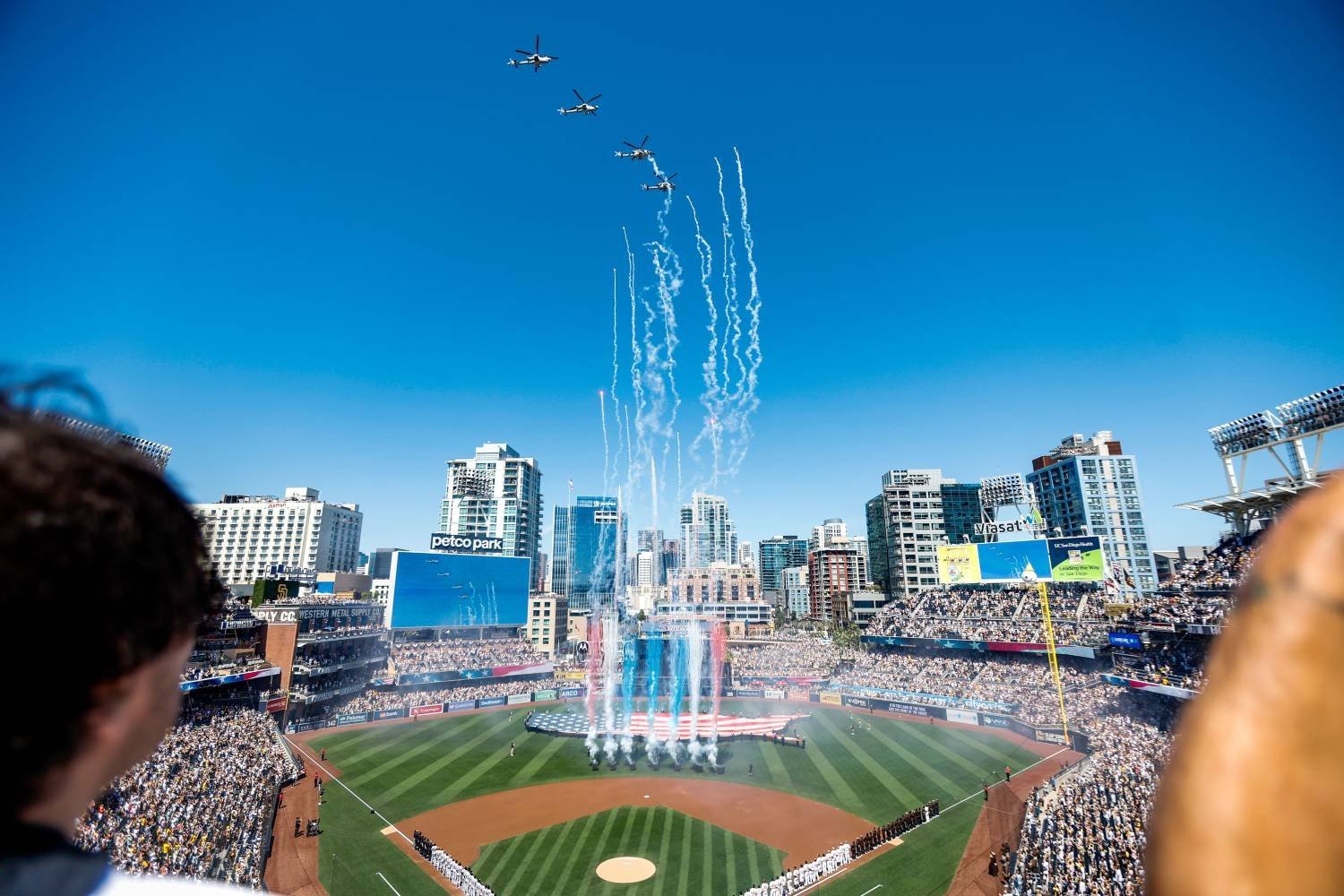 The San Diego Padres are closer to no longer being under the control of the Seidler family, which announced an agreement Saturday to sell the MLB franchise to Jose E. Feliciano and Kwanza Jones. The deal is subject to MLB approval. The announcement comes 16 days after initial reports of the sale first surfaced. The sale price is expected to be $3.9 billion, which smashes the previous record for an MLB franchise of $2.42 billion, the amount Steve Cohen paid in 2020 for the New York Mets. “I’m thrilled that after a highly competitive process, Kwanza Jones and José E. Feliciano will become the next majority owners of the Padres,” Padres chairman John Seidler said in a released statement. “When I became control person, my goal was to continue building on our recent success in pursuit of a World Series Championship for the city of San Diego and our faithful fans. Now, as I pass the baton to Kwanza and José, I do so with full confidence that they share that vision, as well as the Padres deep commitment to San Diego. It’s what the team, our fans, and the community deserve. “Our family loves this team. This is a bittersweet moment for us as we reflect on what the Padres have accomplished since my brother Peter became the steward of the franchise. I congratulate Kwanza, José, and the Padres, and wish them nothing but success. We look forward to a smooth transition.” Feliciano and Jones issued a joint statement: “The Padres are more than a baseball team; they are a unifying force in San Diego, rooted in community, connection, and belonging. As life and business partners, and as a family, we are honored to lead this next chapter together. “We have worked hard for everything we have achieved, and we have built it together. We see that same spirit in this team and its fans, and we know what it takes to win. “We are committed to showing up, listening, and earning the trust of this community, while building on the strong foundation established by the Seidler family. “This is about more than baseball — it’s about boosting the pride, energy, and connection that define the Padres, investing in community, deepening belonging, and ensuring this team remains accessible and endures for generations. We are all in — with the goal of bringing a World Series championship to San Diego.” Forbes recently valued the Padres at $3.1 billion, a 39% increase from the same time last year. The Padres were sold to a group led by Peter Seidler and Ron Fowler in 2012 for $800 million. That included $200 million in debt that previous owner John Moores had accrued in a recent local-TV deal. The trust of the late Peter Seidler held a 24% share of the Padres and other members of the family held a combined 25% share, according to the San Diego Union-Tribune. John Seidler, one of Peter's brothers, became the control person early in 2025. Peter Seidler died in November 2024. He had survived two battles with non-Hodgkins lymphoma and had just had a procedure that September. Feliciano, who is expected to be the control person, and Jones are expected to purchase up to 40% of the team, which a group of other investors. Those minority investors are reportedly to include Alfredo Harp Helu, who had a 20% share of the team under the Seidler family. Other reported partners include the Sycuan Band of the Kumeyaay Nation and another group involving former San Diego Chargers quarterback Drew Breese and Vuori founder Joe Kudla. Sycuan, which operates a casino in San Diego, must undergo further scrutiny if it owns a certain percentage of the team. The 53-year-old Feliciano has an estimated net worth of $3.9 million, according to Forbes. Born in Bayaman, Puerto Rico, the 53-year-old Feliciano attended Princeton and earned his masters of business administration at Stanford. Clearlake, with headquarters in Santa Monica, was founded in 2006 by Feliciano and Behdad Eghbali. The company is the 12th-largest private-equity firm in the world, having managed more than $45 billion in capital, as of June. In 2022, Feliciano and Clearlake were part of the group that purchased the men’s soccer team Chelsea of the English Premier League. The next step in the sale is for Feliciano and Jones to be vetted by MLB, then go up for a vote of the other 29 owners. The new group must be approved by 75% of the owners (23 votes). For ceremonious reasons, that vote is traditionally unanimous. That vote could take place soon. The next owners meeting is scheduled for June. View the full article
 -
 Blue Jays Affiliate Overview (April 30-May 1) Triple-A Buffalo Bisons Series vs. Scranton/Wilkes-Barre RailRiders (New York Yankees): 1-3 Season Record: 14-17 Double-A New Hampshire Fisher Cats Series vs. Binghamton Rumble Ponies (New York Mets): 4-1 Season Record: 14-9 High-A Vancouver Canadians Series vs. Hillsboro Hops (Arizona Diamondbacks): 1-3 Season Record: 10-15 Single-A Dunedin Blue Jays Series vs. Jupiter Hammerheads (Miami Marlins): 1-3 Season Record: 10-15 Triple-A Buffalo Bisons Season Record: 14-17 Series Opponent: Scranton Wilkes-Barre RailRiders (New York Yankees) April 30: Buffalo took on a tough challenge Thursday, having to face one of the New York Yankees’ top pitching prospects, Carlos Lagrange. After falling down a run in the first, the Bisons jumped on Lagrange in the third and fourth innings, with an RBI double from Carlos Mendoza and an RBI single from Josh Rivera. Austin Voth would exit the game in the fourth inning after a suboptimal performance, only pitching 3.2 innings, giving up seven hits, and surrendering two runs. With the bullpen into the game, the Bisons allowed runs to trickle across home plate. Brendon Little gave up one run in the seventh inning from an RBI single. He had one of his worst outings since being demoted from the major league team. He was touched up for a hit and walked two. Tanner Andrews then replaced Little and got tagged for a solo home run to right field. Down two runs and headed into the ninth inning, Buffalo got a rally going. Rivera doubled home Willie MacIver, and then William Simoneit hit a ball to center that was misplayed, allowing Rivera to score. The Bisons almost took the lead on the play as well, but Simoneit was thrown out at home going for the little league home run, after the error on Spencer Jones. In the bottom of the 10th, Chase Lee couldn't keep the game going, as Jonathan Ornelas walked it off and gave the RailRiders a 5-4 win. May 1, Game 1: It was another doubleheader for Buffalo on Friday afternoon. Chad Dallas took the mound for the Bisons and had his longest outing of the season. He pitched 4.2 innings, only giving up five hits and two runs. He didn't walk anyone and struck out two. He used his four-seam fastball and sinker (93-94 mph) a lot more this game than in past starts, giving the appearance that he is getting more comfortable after missing last year recovering from Tommy John surgery. The bats couldn't take advantage of Dallas keeping the Bisons in the game, though. They would only get three baserunners all game and had no chance to take back the lead from the RailRiders, falling 2-0 in the doubleheader-shortened game. May 1, Game 2: In the second game of the doubleheader, Grant Rogers was on the mound for the Bisons and actually outperformed game one starter, Chad Dallas. Rogers gave up a lot of hits (seven) and walked one, but was able to pitch around the traffic. He would only surrender three runs (two earned) over his five innings. Unlike in game one, the bats were dialed in for this game. Ismael Munguia, who was called up to Triple-A Buffalo on Friday, had himself a nice day at the plate, going 2-4 with a run scored. The Bisons broke out on top in the first innings with a massive five runs to open the game, highlighted by Josh Rivera's three-run, bases-clearing triple. William Simoneit added two runs, with his first home run of the season at Triple A. Yariel Rodríguez pitched a flawless seventh, getting a one, two, three inning and earning the save, as Buffalo won 8-3. Double-A New Hampshire Season Record: 14-9 Series vs. Binghamton Rumble Ponies (New York Mets) April 30: In the Thursday game between New Hampshire and Binghamton, Adrian Pinto put the Fisher Cats up one from the start with a leadoff home run. Binghamton tied it back up in the fourth inning off a sacrifice fly against New Hampshire starting pitcher Gage Stanifer. Stanifer did not have his fastball command at all in this one, and things went south in the fifth inning. Stanifer managed to get through four pretty easily despite the fastball, but in the fifth, he walked two and gave up an RBI single before leaving. Two more runs would be charged to Stanifer, and his final line was four innings, four hits, two earned runs, six walks, and six strikeouts – some good mixed in with his bad fastball command on the day. Eddie Micheletti Jr. added an RBI single and Pinto an RBI groundout, but it wasn't enough as New Hampshire lost this one 6-3. May 1: The Friday night game started off with another huge inning from the Fisher Cats. Jace Bohrofen drove in a run with a single, Sean Keys doubled him home, Jay Harry and Nick Goodwin added RBI doubles, and Jorge Burgos finished the run-scoring outburst with an RBI single. Six runs had crossed the plate in the bottom of the first for New Hampshire. In the seventh inning, New Hampshire piled on again, this time with Aaron Parker and Jackson Hornung launching solo home runs. Alex Amalfi got the three-inning save, and New Hampshire won an easy one, this time 11-4. High-A Vancouver Season Record: 10-15 Series vs. Hillsboro Hops (Arizona Diamondbacks) April 30: The sloppy play continues to rear its ugly head for the Canadians, as despite excellent pitching performances from Johnny King and Holden Wilkerson, who both pitched four strong innings, they ended up losing in extra innings once again. With two outs left in the top of the eighth, Wilkerson induced a hard hit grounder to Dub Gleed, who was unable to field it, leading to two runs scoring for the Hops. In the bottom of that inning, Tucker Toman walked, then advanced to third on a passed ball, before Alexis Hernandez walked, leading to runners on the corners with no outs. Toman made the first out at home plate on a J.R. Freethy grounder to the pitcher, but Jacob Sharp got the first run for Vancouver on a sac fly, and Freethy was able to get to third. Matt Scannell walked, and with Manuel Beltre at the dish, Scannell got hung up between the bases, allowing Freethy to score in the distraction. This brought the game to extra innings, and Jonathan Todd was able to get two outs but ended up loading the bases before throwing a wild pitch, allowing two runners to score with another error from Sharp this time. The Canadians couldn’t capitalize on their own ghost runner in the 10th, leading to a 4-2 loss. May 1: The Canadians once again took it to extras. This time, they took an early deficit, as Austin Cates pitched well but allowed two homers, which gave the Hops a three-run lead. The Canadians cut the lead to one as Hayden Gilliland crushed his first homer of the season in the fifth inning to score Beltre and himself. Gilly once again took to the plate in the bottom of the seventh and once again launched a ball over the fence, tying the game up in the seventh. The score remained unchanged once again, with Kelena Sauer and Carson Pierce pitching four and a half shutout frames, leading to Matt Scannell leading it off in the bottom of the 10th inning, where he walked it off with a double in the gap, finally breaking the Canadians’ losing streak. Single-A Dunedin Season Record: 10-15 Series vs. Jupiter Hammerheads (Miami Marlins) April 30: Dariel Ramon led the charge offensively for the Blue Jays, as the diminutive hitter hit his third home run of the season already, scoring three runs and putting the Jays up early. Blaine Bullard continued to impress with an RBI single the same inning, giving the Jays a 4-0 lead. Dayne Pengelly didn’t allow a run despite four walks, and Yondrei Rojas looked good in his first rehab appearance. Things fell apart in the eighth inning as the Hammerheads got on the board with a two-run double against Lluveres Severino, and a disastrous ninth inning from 14th rounder Noah Palmese led to five runs scoring for the Hammerheads, losing the lead for good. With the bases loaded in the ninth, the Jays had a chance to come back, but Victor Arias grounded into a fielder’s choice double play, with Cresswell’s aggressive baserunning to home ending the game as he was hung up between third and home. May 1: The Jays got to an early lead after loading the bases in the first, and Aldo Gaxiola knocked in two runs with a single. However, Brandon Barriera did not have it in this game’s start, as he didn’t get out of the second inning, walking three batters, allowing four runs and not striking out anyone. The 'pen didn’t fare much better, as they gave up a total of 10 runs in an absolute rout of the Dunedin Blue Jays. The Jays only struck out four batters on the night, and gave up fourteen runs in total, and although they got a four-run scoring outburst in the bottom of the eighth, they were still down 11-6, before the Hammerheads got a three-run homer in the top of the ninth for extra insurance. View the full article
 -
Josh Ekness joins Marlins bullpen & March/April month in review
DiamondCentric posted an article in Fish On First
 We're bringing you a bonus episode of Fish Unfiltered this week! Ely Sussman and Nate Karzmer react to the call-up of right-hander Josh Ekness, then do an overview of the first month-plus of the 2026 Miami Marlins season. Which players have boosted their stock since Opening Day and which ones have us most concerned? You can find Fish Unfiltered and Fish On First LIVE on the Fish On First YouTube channel, Apple Podcasts, Spotify or wherever else you get your pods. The Marlins completed April with a 15-16 record, sitting in second place in the National League East division. The historic start to Liam Hicks' sophomore season has been a bright spot. Hicks has already exceeded his home run total from 2025 while driving in more runs than any other MLB catcher ever has at this point on the calendar. Otto López and Xavier Edwards have also been in NL batting title contention, forming arguably the best middle infield in the sport. Sandy Alcantara is stabilizing Miami's starting rotation, Janson Junk is comfortably holding onto his own rotation spot, and John King and Michael Petersen are impressing out of the bullpen. After being the Marlins' best right-handed hitter as a rookie, Heriberto Hernández slumped so severely last month that he's been demoted to Triple-A Jacksonville. Although there's no imminent threat of Agustín Ramírez or Jakob Marsee getting sent down, they have each taken significant steps back in terms of both results and underlying stats. Chris Paddack is easily the rotation's weakest link and Anthony Bender has been far too inconsistent to be trusted in high-leverage situations. During the month of May, Ely predicts that Robby Snelling will make his major league debut. Nate predicts that former first-round draft pick Jacob Berry will debut and that Kyle Stowers will rediscover his power stroke with five home runs. View the full article
 -
What to expect from new Marlins call-up Josh Ekness
DiamondCentric posted an article in Fish On First
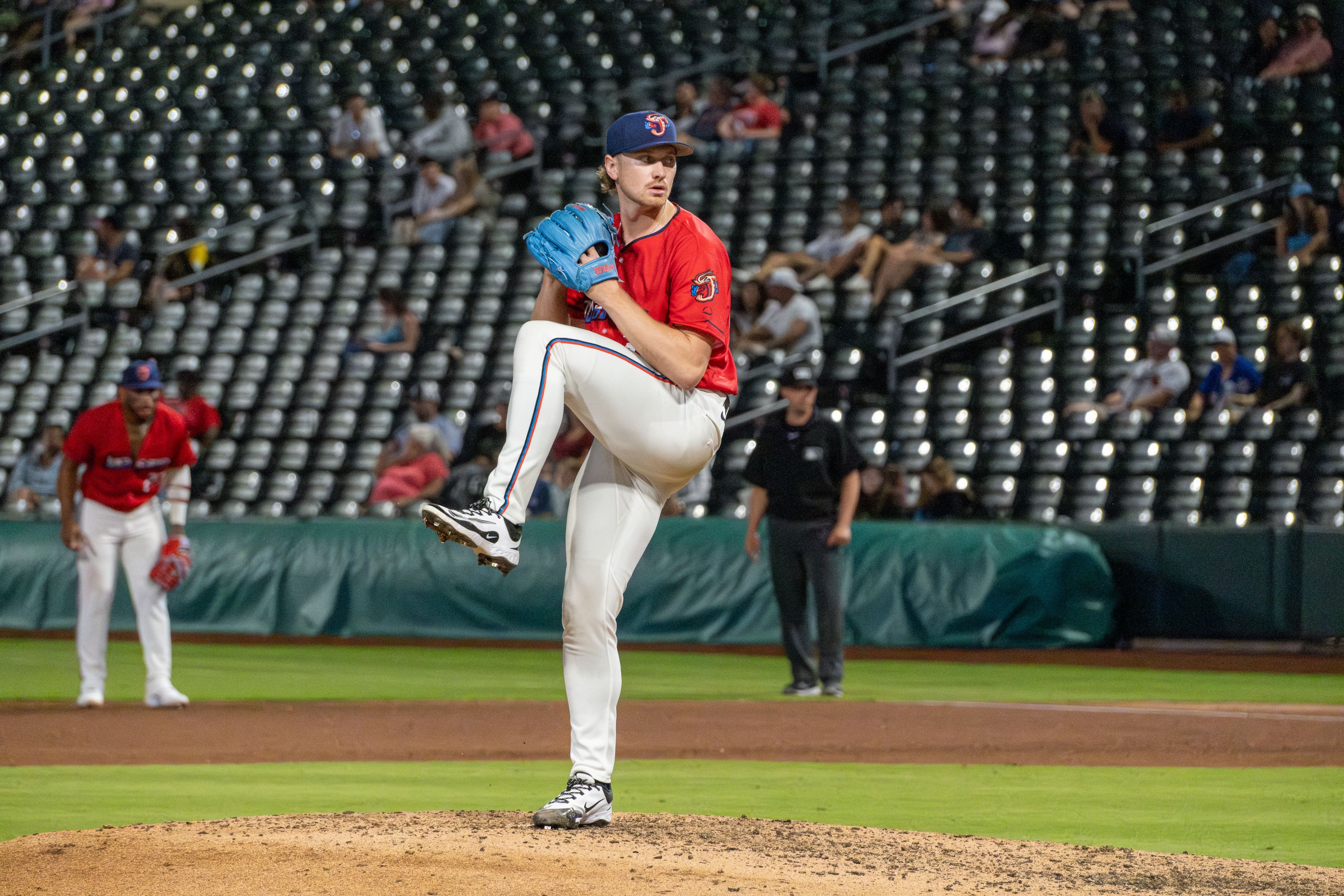 MIAMI, FL — Following the Miami Marlins' 6-5 loss to the Philadelphia Phillies, the team optioned left-handed pitcher Cade Gibson to Triple-A Jacksonville. The corresponding move was selecting the contract of Fish On First's No. 20 prospect, Josh Ekness. A hard-throwing right-hander selected by the Marlins in the 12th round of the 2023 MLB Draft, Ekness told reporters that he received a call Friday night at around 11:45 pm. "They were telling me I needed to come sign some paperwork for my passport, because I had an appointment I needed to get for that. Had just been putting it off for years, and they had me sign a bunch of papers, and all of a sudden he's got one more and he slaps a sheet down, saying, 'Congrats, you're gonna be a big leaguer.' Caught me a bit off guard, but definitely excited to be here." This season with Jacksonville, Ekness has a 5.68 ERA, 2.79 FIP, 14.92 K/9 and 4.26 BB/9 in 12 ⅔ innings pitched. The timing of this call-up is unusual as he has allowed seven runs in his last 3 ⅔ innings pitched. Before that rough stretch, though, he had allowed only one earned run and struck out 15 in nine innings of work. Across 142 career innings in the Marlins MiLB system, Ekness owns a 3.30 ERA and 3.28 FIP. The 24-year-old reliever boasts a 70-grade fastball, which in his most recent outing on Thursday topped out at 97.4 mph and averaged 96.8 mph. Along with the fastball, he throws a sinker, slider and sweeper. While there is no questioning the quality of his stuff, Ekness has room to improve in the control department. "I think mainly putting an emphasis on the execution part and being more external has helped me kind of limit some of the bigger misses and uncompetitive misses helped me just get focused on getting ahead and staying ahead in counts," Ekness said. "Usually, I'm pretty good at putting guys away when I get to the counts, but I just needed to be efficient and get to those counts to have that opportunity." Ekness' role on the team will be interesting. He has been used in all sorts of situations during his rise through the minors. He is particularly effective against right-handed batters—none of them have recorded an extra-base hit against him since 2024. "He has been stretched out some and gone multiple innings," Marlins manager Clayton McCullough said. "I think right now that's how we'll look to use him. What maybe is best for that particular day and where the overall group is, but it is important that guys can come up here and do a variety of things." Health permitting, fellow 2023 draftees left-hander Thomas White and outfielder Kemp Alderman will contribute to the Marlins this season. However, Ekness is the first member of that draft class to reach the big leagues. The Marlins 40-man roster is now full. Game two between the Marlins and Phillies is at 4:10 pm on Saturday. View the full article
 -
Top Marlins relief prospect Josh Ekness reacts to MLB call-up
DiamondCentric posted an article in Fish On First
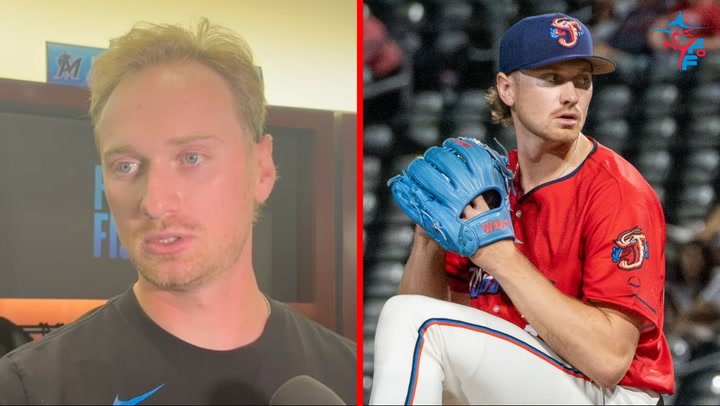 Newly added to the Marlins roster, right-hander Josh Ekness speaks with the media about earning his first big league opportunity and his mindset on the mound. Ekness is ranked 20th on the Fish On First Top 30.View the full article
 -
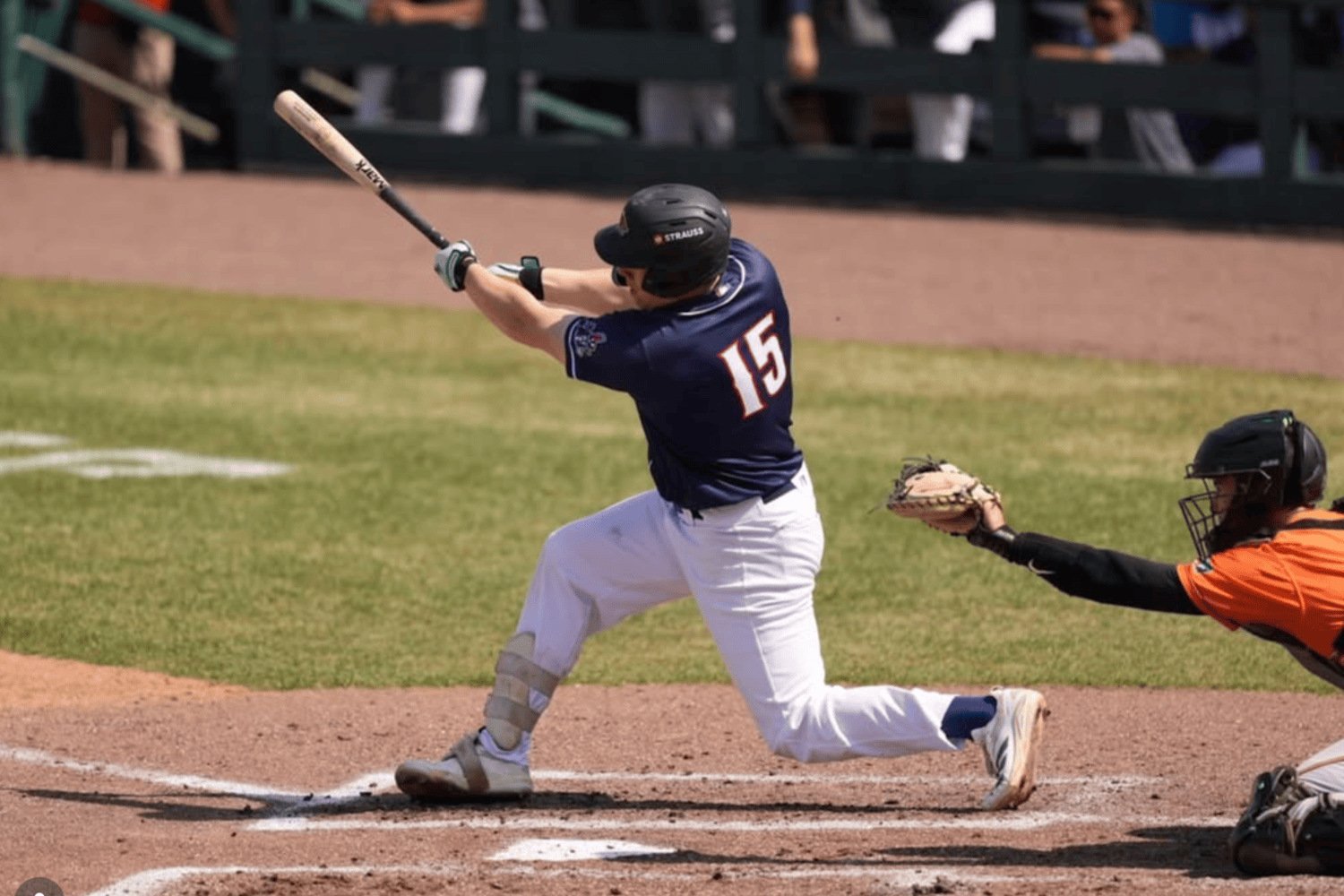 The Toronto Blue Jays' farm system has produced some impact bats in recent years. Players like Addison Barger and Davis Schneider played key roles during the club's 2025 World Series run, while homegrown stars like Vladimir Guerrero Jr. and Alejandro Kirk remain central to the current core. At the minor league level, however, the overall picture hasn't been as strong. As a system, the Blue Jays rank near the bottom in strikeout rate, on-base percentage, and wOBA while having the lowest exit velocity in affiliated baseball (where Statcast data is available). Some of that can be attributed to the recent success of the big league team and having fewer early-round draft picks, but it doesn’t fully explain the lack of impact production across the system. Even so, there are still reasons for optimism. Here, we will highlight the hitters who have stood out and forced their way onto the radar early in the season. Honourable Mentions Tucker Toman, 2B/3B (A+): 18 G, .311/.456/.492, 2 HR, 19.0 BB%, 27.8 K%, 170 wRC+ It's good to see some success from Toman, who struggled early in his minor league career. He’s abandoned switch-hitting and is now exclusively batting left-handed, and it's a change that is paying off. The underlying profile still raises some questions: a 65% groundball rate and a .447 BABIP suggest regression is likely. Still, the improved plate discipline and emerging power are real positives for Toman and bode well for him going forward. Josh Kasevich, SS (AAA): 26 G, .283/.365/.424, 1 HR, 10.6 BB%, 11.5 K%, 115 wRC+ Kasevich was one of the biggest standouts in spring training, and he’s carried that into the season with steady production. He leads all Blue Jays minor leaguers in doubles (8), owns a system-best 5.2% swinging-strike rate, and has even shown more aggressiveness on the bases after failing to successfully steal a base in 2025. With his profile, he’s firmly on the shortlist to make his MLB debut later this season. Peyton Williams, 1B (A/A+): 19 G, .339/.476/.508, 1 HR, 20.7 BB%, 14.6 K %, 172 wRC+ Williams has bounced back nicely after a disappointing 2025 season. The Blue Jays sent him back to Dunedin to start the year to help him reset and refine his approach, and so far, the results have been encouraging. He’s already moved back up to Vancouver, and he's showing a much more refined approach, walking more than he’s striking out while dramatically improving his contact ability (7.8% SwStr%, down from 15.6%). If that contact gains hold, the power he already possesses could allow him to get back on track and move quickly through the farm system. Top 3 #3 - Blaine Bullard, OF (A): 20 GP, .234/.322/.455 4 HR, 14 SB, 9.9 BB%, 36.3 K%, 109 wRC+ No first-year player has made more of an impact in the system than Bullard. The Blue Jays look sharp for having given the 12th-round pick an over-slot bonus in the 2025 draft, and he’s off and running. Literally. The speed is a true weapon, as he’s already accumulated a system-high 14 stolen bases through just 20 games played. Pair that with him hitting four home runs, and the power/speed combination immediately stands out. Bullard ranked 14th on Jays Centre's top prospects list coming into 2026, and if he can keep up this pace, he’s going to be much higher on our list by season's end. The strikeout rate (36.3%) is the clear concern, and it's what keeps him at number three in this piece, but there is no doubt that Bullard has been one of the most dynamic players in the system this month. #2 - Carter Cunningham, 1B/OF (A+): 23 GP, .299/.431/.609, 6 HR, 2 SB. 13.8 BB%, 25.7 K%, 185 wRC+ At 25 years old and in High A, it's time for Cunningham to dominate, and so far, he has. The 2024 10th-round pick has been on a tear to begin the 2026 season. He’s tapped into his power in a meaningful way. His 49% fly ball rate is a career high, and paired with a 53% pull rate, it is clear he’s made an intentional swing change, which is how hitters turn their raw power into game power. The results speak for themselves: his 23 RBI lead all Blue Jays minor leaguers. Just as importantly, he’s improved his contact skills, cutting his swinging-strike rate and increasing his contact rate, without sacrificing impact. He’s turned himself into a dynamic hitter, and the next step will be proving it against upper-level pitching, which will come quickly if this power binge continues. #1 - Sean Keys, 1B/3B (AA): 21 GP, .321/.436/.705, 9 HR, 1 SB, 11.7 BB%, 25.5 K%, 184 wRC+ In a system that has struggled to generate offensive impact, Keys has been the exception. After setting the Vancouver Canadians home run record in 2025, Keys picked up right where he left off, this time in Double A. His nine home runs not only lead the Blue Jays system, but all of Double A, and they're coming with authority. At 6-foot-1, 232 lbs, Keys has the build of an elite power hitter. He won’t maintain the 50+ home run pace he’s on, but it isn't a fluke stretch. The power is real, and it's showing up consistently, even in cold weather conditions in the Northeast. Keys is quickly turning himself into one of the most impactful power bats in the system. No hitter in the system has matched his combination of power, production, and impact, making him the clear choice at the top spot. What Keys is doing is impossible to ignore. For more on the slugging infielder, Jays Centre's Cory Sparks recently made a great video, which you can watch here. All stats up-to-date through games on April 30. View the full article
 -
 Chicago Cubs Minor League Report - May 1 Triple-A Iowa Cubs Series at St. Paul Saints (Minnesota Twins): Tied, 2–2 Season Record: 15–15 Double-A Knoxville Smokies Series at Rocket City Trash Pandas (Los Angeles Angels): Tied, 2-2 Season Record: 12–13 High-A South Bend Cubs Series vs. Fort Wayne TinCaps (San Diego Padres): TinCaps lead, 3-1 Season Record: 12–10 Single-A Myrtle Beach Pelicans Series vs. Columbia Fireflies (Kansas City Royals): Pelicans lead, 4-0 Season Record: 13–12 Triple-A: Iowa Cubs Season Record: 15–15 Series Opponent: St. Paul Saints (13–17) Series Standing: Tied, 2-2 May 1: The Iowa Cubs evened their series at the St. Paul Saints with a 6-5 comeback victory on Friday night at CHS Field. Jonathan Long (3-for-5) opened the scoring in the first with an RBI-double but the Saints equaled the tally in the home half of the inning. The Cubs would regain the lead in the second on James Triantos’ (0-for-4) RBI-groundout. The hosts went back in front in the third by pushing three runs across to take a 4-2 lead and increased their advantage with another run in the fourth. The I-Cubs made it a one-run game by scoring two in the fifth, thanks to another home run from Kevin Alcántara (2-for-4), his 10th of the campaign, a two-run shot. Alcántara would then provide the biggest swing of the ballgame in the eighth, driving in two more with a double to give Iowa the 6-5 lead late. Gabe Klobosits worked a scoreless ninth, striking out a pair, to record his second save of the season. Zac Leigh earned his first win of the season, retiring all four batters he faced, picking up three punchouts. Double-A: Knoxville Smokies Season Record: 12–13 Series Opponent: Rocket City Trash Pandas (11–14) Series Standing: Tied, 2-2 May 1: The Knoxville Smokies evened their series at the Rocket City Trash Pandas with a dominant 6-1 victory on Friday night at Toyota Field. Carter Trice (1-for-5) gave the Smokies a 1-0 lead with his first home run of the year in the third. The Trash Pandas tied the game in the fifth with their first run of the ballgame. Knoxville took control of the contest with two runs in the sixth, on an Andy Garriola (1-for-4) solo shot and a two-run double from Karson Simas (1-for-2). The Smokies added three more in the seventh to go ahead 6-1, all coming off the bat of Owen Ayers (1-for-5), who crushed a three-run blast for his second of the season. Jake Knapp took no decision in his start, allowing one run on one hit over 4 1/3 innings of work, whiffing four batters. Tyler Ras picked up the win in relief, tossing 1 2/3 scoreless innings, yielding three hits and striking out one. High-A: South Bend Cubs Season Record: 12–10 Series Opponent: Fort Wayne TinCaps (10–15) Series Standing: Trail, 1-3 May 1: The South Bend Cubs dropped their third-straight contest, falling 6-2 to the Fort Wayne TinCaps on Friday night. The TinCaps claim at least a series split with the win. The Cubs took a 2-0 lead in the second through sacrifice flies from Justin Stransky (1-for-2) and Kane Kepley (1-for-2). Fort Wayne cut the lead in half with a run in the fourth and would later take a 4-2 advantage with three runs in the seventh. The visitors would add two more in the ninth and South Bend would go down in order in the home half of the inning to end the game. Brooks Caple got the start for the Cubs but did not factor into the decision. Caple worked three scoreless innings, allowing three hits and striking out two. Single-A: Myrtle Beach Pelicans Season Record: 13–12 Series Opponent: Columbia Fireflies (11–14) Series Standing: Lead, 4-0 May 1: The Myrtle Beach Pelicans claimed a series victory by winning their fourth-straight ballgame, 8-7 in walkoff fashion, over the Columbia Fireflies. The Fireflies took a 1-0 lead after one but the Pelicans grabbed their first lead of the game with four runs in the second. Alexis Hernandez (1-for-4) cleared the bases with a three-run double and Alexey Lumpuy (2-for-5) drove in another with a single. Columbia cut the lead to one with two runs in the fifth but Myrtle Beach got both of those runs back in the home half of the frame on Logan Poteet’s (2-for-4) two-run shot, his third of the season. The visitors took their first lead of the contest with four runs in the seventh but Jose Escobar (1-for-4) leveled the game at 7-7 with an RBI-triple in the bottom of the inning. After the Fireflies were held scoreless in the ninth, Ty Southisene (1-for-4) drew a walk to start the inning and would make it to third on a pair of wild pitches. Michael Carico (0-for-2) was intentionally walked, bringing Poteet to the plate, who drove in his third run of the game with a single, ending the ballgame. Mason McGwire got the start for the Pelicans, but did not factor into the decision. McGwire allowed one run on four hits over four innings of work, striking out four. Eli Jerzembeck earned his first win of the season by working the final two innings of the game, allowing no runs on two hits to go along with three strikeouts. View the full article
 -
Cole Sands Hits Twins' Injured List With Strained Forearm
DiamondCentric posted an article in Twins Daily
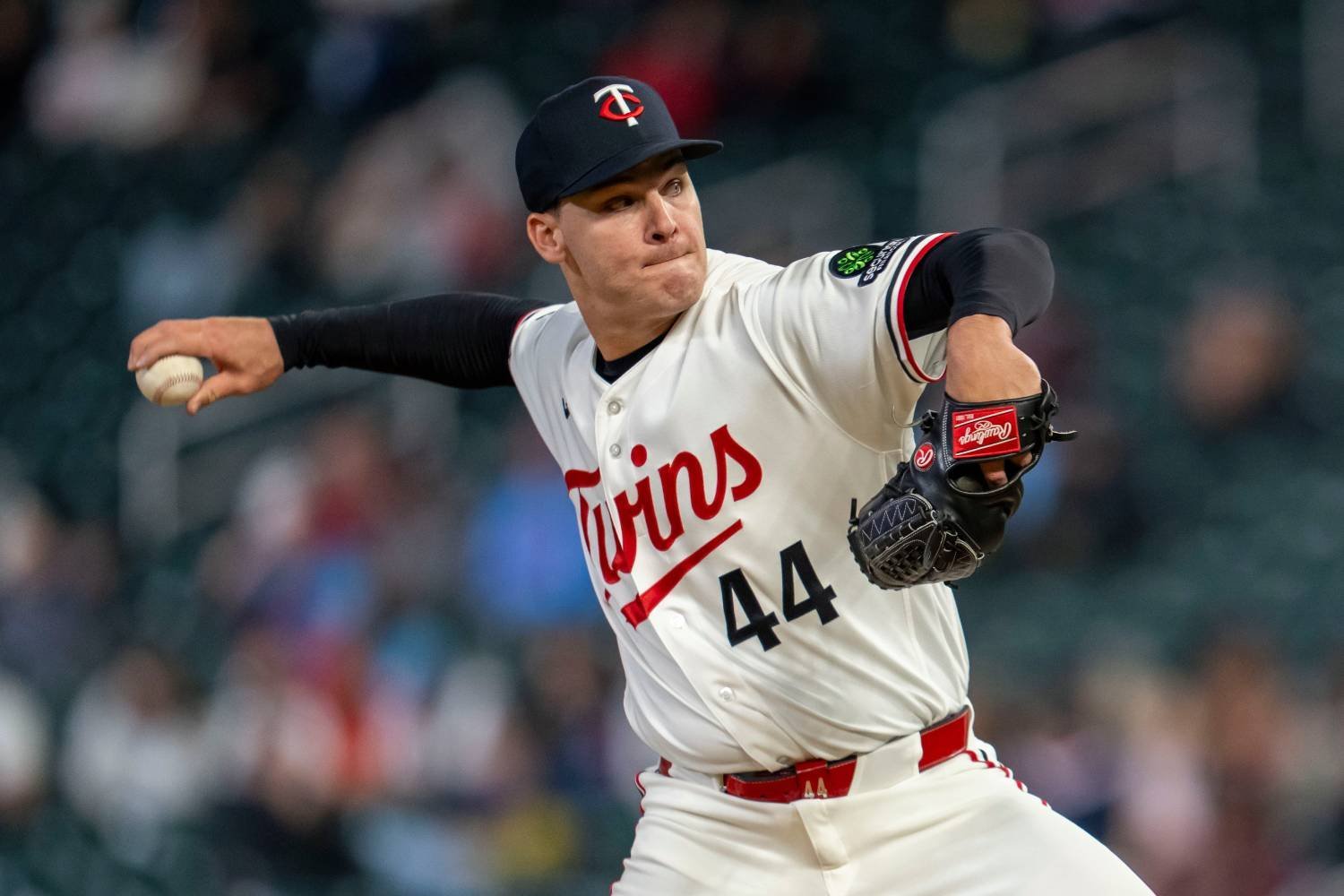 The Minnesota Twins have lost one of their bullpen stalwarts to an injury. Right-hander Cole Sands was put on the 15-day injured list by the Twins on Saturday due to a strained right forearm. Right-hander John Klein was called up from Triple-A St. Paul to make his MLB debut. Sands made 131 appearances out of the Twins' bullpen the last two seasons and had made 12 in 2026. In 11⅔ innings, he had a 4.63 ERA with six runs on 12 hits with four walks and 11 strikeouts. He last appeared in a game Tuesday against the Seattle Mariners, giving up two runs on three hits, including a homer, in two-thirds of an inning. He came on with one on and one out in the eighth and gave up a double to Julio Rodriguez and a three-run homer to Josh Naylor, turning a 2-1 Twins deficit into a 5-1 disadvantage. Klein had made seven appearances, six starts, at St. Paul this year. He had a 7.48 ERA in 21⅔ innings, walking six and striking out 24. Klein signed as an undrafted free agent in 2022. View the full article
 -
San Diego Padres Pitcher of the Month, April 2026: Mason Miller
DiamondCentric posted an article in Padres Mission
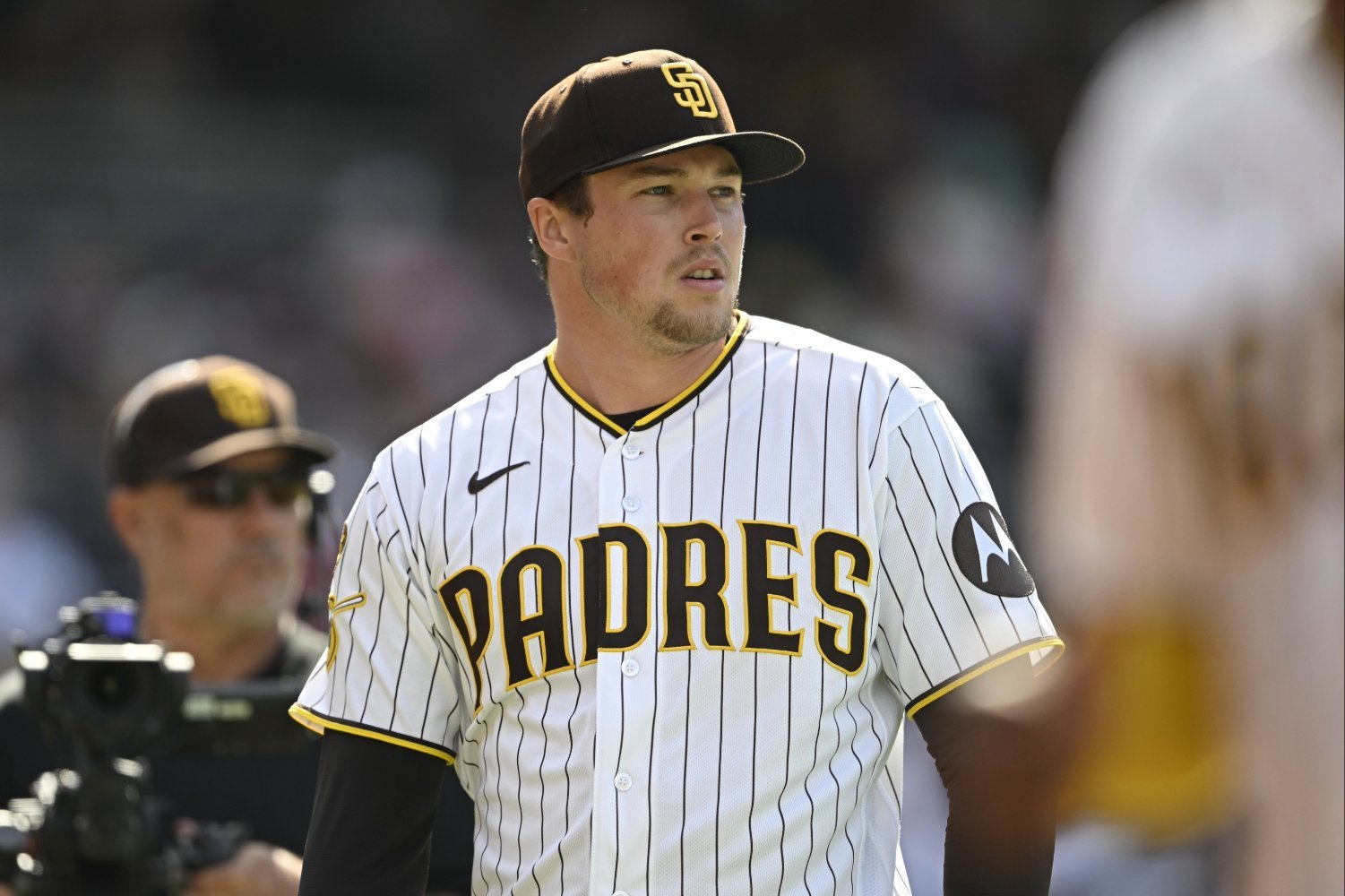 While some corners of the San Diego Padres' pitching staff have struggled to find their footing this April—such as Matt Waldron surrendering a .461 wOBA and David Morgan sitting on a .426 wOBA allowed, landing in the bottom 6% of the league—there is a flamethrower in the bullpen making "dominance" look like an understatement. At 27 years old, Mason Miller hasn't just hit his stride; he’s reached a peak that few pitchers in the history of the game ever touch. In a month defined by high-leverage situations, Miller has been the ultimate "delete" button for opposing offenses. The surface-level numbers are staggering. In 15 appearances, Miller has locked down 10 saves, acting as a brick wall at the end of games. Over 15.1 innings, he has racked up a jaw-dropping 29 strikeouts. Some other fun stats to gawk at: ERA: 1.17 WHIP: 0.59 wOBA: .140 (Top 1% of MLB) FIP: -0.06 When Miller enters the game, the conversation usually ends. His 0.59 WHIP suggests that even getting a runner on base is a monumental achievement for the opposition. If the ERA doesn't scare you, the advanced metrics will. Miller is currently performing at a level that defies traditional logic. Through 215 pitches this month, he has allowed ZERO barrels. Not one. The average launch angle he's allowed has been suppressed to a minuscule 4.5 degrees, meaning even when batters do make contact, they are pounding the ball into the dirt. He's also getting whiffs (i.e., swings and misses) on 55.9% of the swings opposing hitters take. Yes, batters are literally missing his pitches more often than they make contact. What’s most fascinating is Miller’s evolution as a pitcher. Known for a fastball that can vaporize a catcher’s mitt, he has shifted his strategy to keep hitters even more off-balance: Slider: 53% Four-Seam Fastball (FF): 40% Cutter + Changeup + Sinker: 7% By leaning more heavily on his slider, Miller has made his triple-digit heater even more lethal. Hitters are forced to guess, and according to the .118 xSLG they've mustered against him, they are guessing wrong most of the time. To go an entire month without allowing a single barrel while striking out over 50% of the batters you face isn't just a 'hot streak.' It’s a statement. Mason Miller is the most dangerous pitcher in baseball right now. As the Padres look to stabilize their rotation and bullpen heading into May, they can rest easy knowing the ninth inning is a restricted airspace. Mason Miller is putting up historic numbers, and if this trajectory continues, we aren't just looking at the Pitcher of the Month—we’re looking at a potential Cy Young contender coming out of the pen. Congratulations to Mason Miller, our Padres' Pitcher of the Month! View the full article
 -
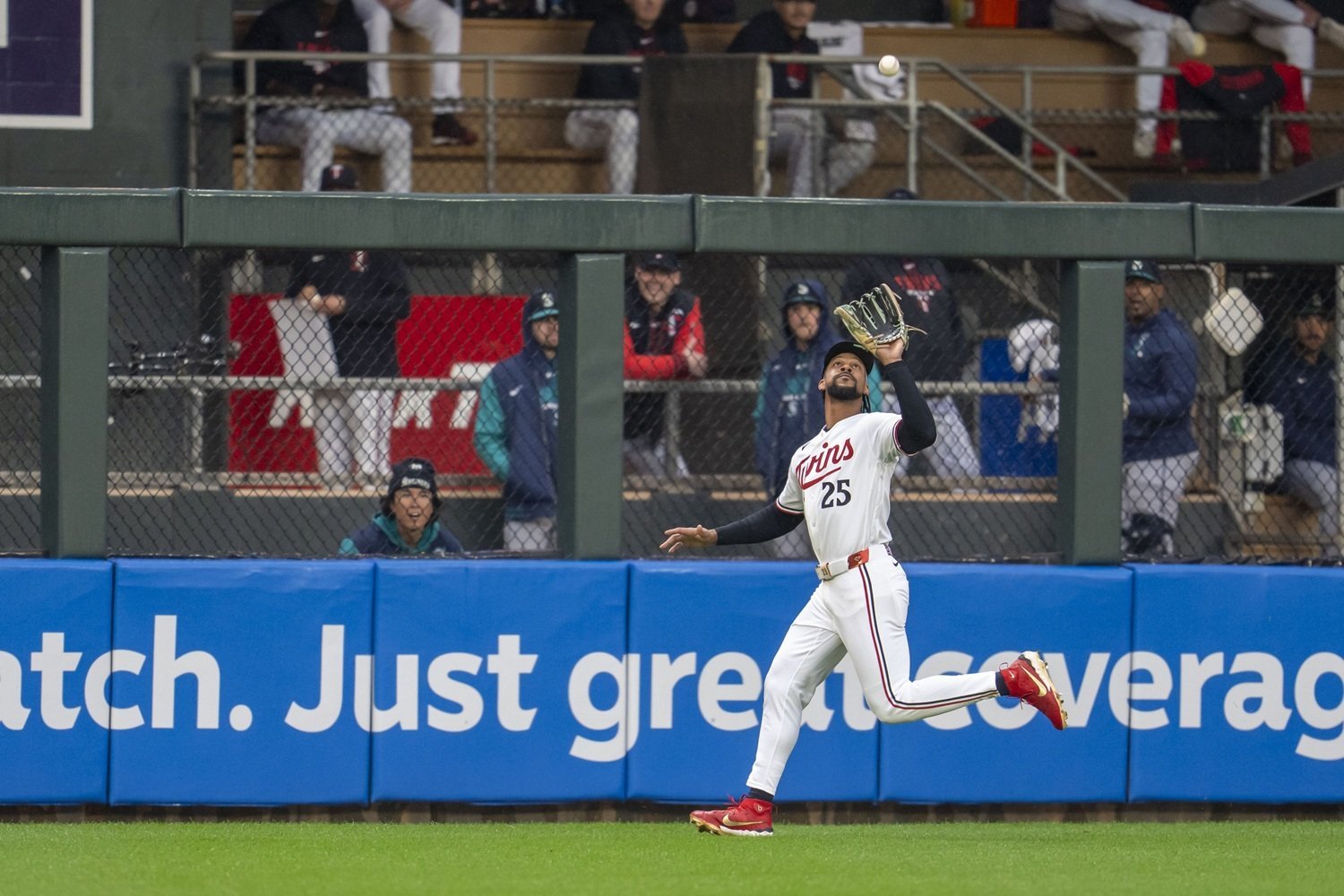 A little over a week ago, North Side Baseball’s Matthew Trueblood wrote a piece illustrating how Pete Crow-Armstrong is the best centerfielder in baseball, and potentially the rangiest centerfielder ever. Advanced metrics support this claim, with Crow-Armstrong sitting atop the position in FanGraphs’s Defensive Runs Above Average (7.2 DEF) and Baseball Savant’s Outs Above Average (7 OAA). Arizona Diamondbacks centerfielder Alek Thomas sits in second at both metrics, generating 3.2 DEF and 3 OAA over 183 innings at the position this season. Andy Pages (Los Angeles Dodgers) and Michael Harris II (Atlanta) reside in the third and fourth slots in DEF, generating 2.4 and 2.3, respectively. Interestingly, however, Byron Buxton has generated the fifth-most DEF (1.7) in the third-highest OAA (2) at the position this season, slotting him alongside Thomas, Pages, and Harris II as the second tier of elite defensive centerfielders behind Crow-Armstrong. This may surprise some, as Trueblood also gave an excellent breakdown of how Buxton's defense has started to slide while retaining some key strengths. A look at the numbers suggest he's still playing at a high level, and is arguably still the best centerfielder in the American League. Thomas, Pages, Harris II, and Buxton are all fast, rangy centerfielders with plus arms and route-taking skills, but they all play for National League clubs. Buxton is tied with Evan Carter, Denzel Clarke, Steven Kwan, and Tristan Peters for first in OAA and tied for first in DEF once again alongside Kwan. Buxton, however, has generated 184 innings at the position compared to Kwan’s 189, meaning he made more of an impact at the position in fewer innings played (albeit only five). Buxton is neck-and-neck with Carter, Clarke, Kwan, and Peters in OAA and Kwan in DEF. Still, if one were to look even further below the hood, they would notice the 32-year-old Twins outfielder is leading the four other plus AL centerfielders in other important metrics. Buxton is the best among the quartet in making plays running in, sporting 1 OAA in those scenarios. Buxton is tied with Clarke and Kwan with 1 OAA on making plays to his right and trailing only Peters, Kwan, and Carter on plays to his left. Again, there is very little wiggle room between Buxton and Kwan; Carter is not far behind them, either. Still, there is one metric Buxton truly separates himself from the pack in: sprint speed. According to Baseball Savant’s sprint speed metric, Buxton is the 12th-fastest player in baseball, and the third-fastest player in the AL behind only Bobby Witt Jr. and Chandler Simpson. That being the case, Buxton is the AL’s quickest centerfielder, sprinting 29.5 feet per second. Peters is close behind him, running 28.6 feet per second. Still, he is far behind Buxton in DEF, sporting only 0.4 over 96 innings at the position. Carter sprints 27.8 per second. Like Peters, he trails Buxton in DEF, netting only 1.5 over 222 2/3 innings in center. Most notably, Kwan is one of the slowest centerfielders in baseball, sprinting 26.7 feet per second (ranking him 34th out of 38 centerfielders). Buxton is not leaps and bounds ahead of fellow AL centerfielders like Crow-Armstrong is compared to the rest of the sport. Heck, he is barely even a top-five centerfielder in the sport, with Thomas, Pages, and Harris II firmly planted ahead of him. Still, given Buxton’s competition in the AL, and him resembling the elite defender who won the Platinum Glove in 2017, the long-time Twin could again be the AL’s best defensive centerfielder, a remarkable feat for a player who recently reached ten years of service time. View the full article
 -
 With Brandon Woodruff suffering a classic case of dead arm before exiting a game, it's time to go over possible replacement options for the veteran right-handed pitcher. In this video, we will walk through the possibilities that Logan Henderson, Shane Drohan, Robert Gasser, or a bullpen game structure takes over the spot of Woodruff in his absence. View the full article
 -
Chicago Cubs Pitchers of the Month: April 2026
DiamondCentric posted an article in North Side Baseball
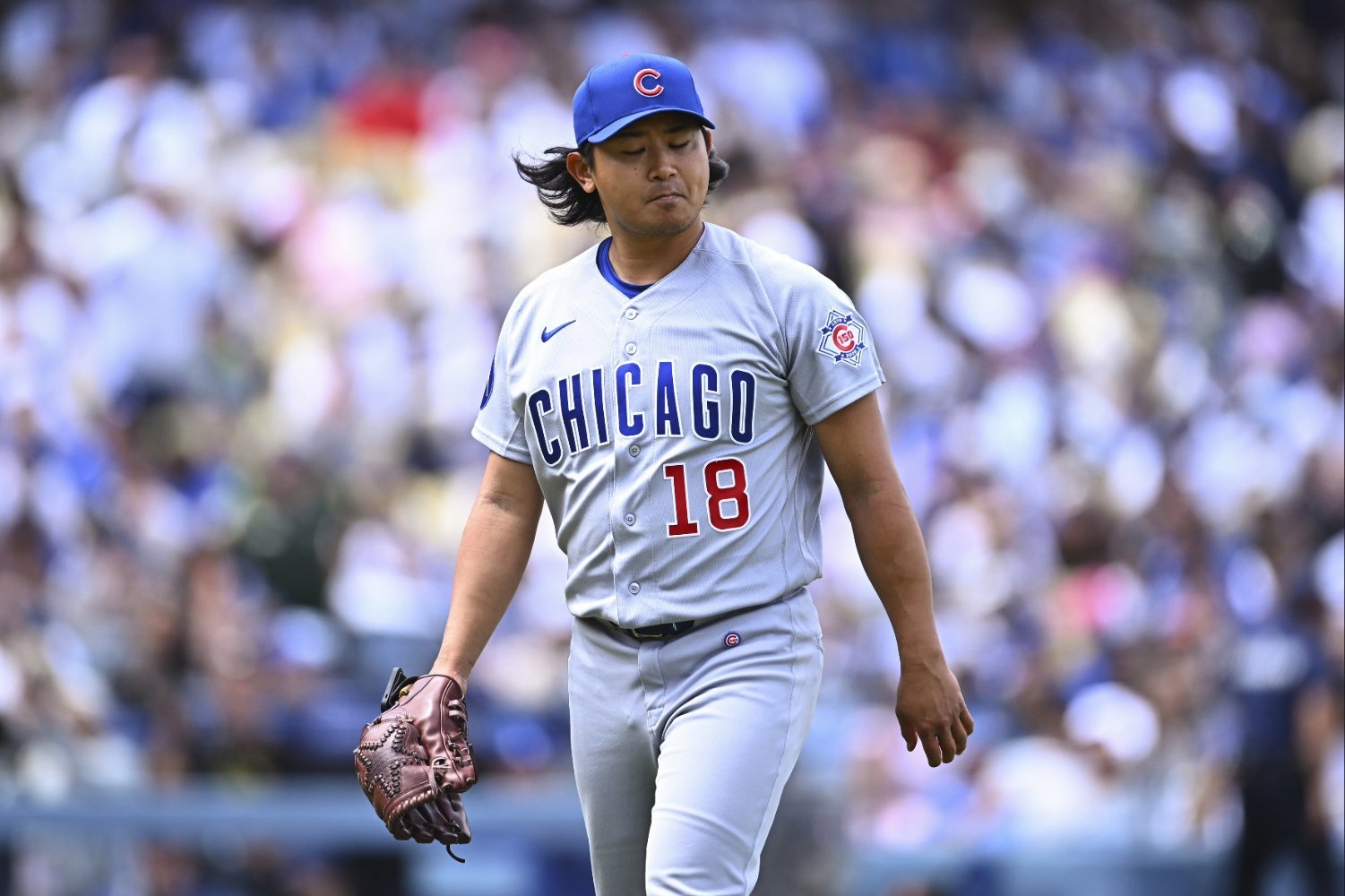 After a slow 7-9 start to the season, the Chicago Cubs bounced back in a major way. The North Siders won 12 of their next 15 games and headed into May with a 19-12 record. All of the focus from March & April was on the Cubs offense, as it ranked near the top of the league in almost every major category. What didn't get a ton of recognition, though, was a Chicago pitching staff that felt like it lost another member with every passing day. Manager Craig Counsell and pitching coach Tommy Hottovy deserve quite the praise for getting the staff through an early stretch of the season that included games against the Phillies, Dodgers and Padres. While contributions from the entire rotation and bullpen led the Cubs to seven games over .500, the four pitchers below did the best work through the first 31 games of the season. Ranking Cubs' Best Pitchers in April Honorable Mention: Riley Martin Stats: 8 G, 2.16 ERA, 8.1 IP, 2 BB, 10K Martin was activated to make his MLB debut in early April, and he impressed in doing so. He quickly turned into a high-leverage reliever for Counsell, and he made the most of each opportunity. His most impressive work may have very well been getting out of a bases-loaded jam against the Phillies in the middle of the Cubs' big winning streak. Unfortunately for Martin, he's suffered an injury and is currently one of 12 Chicago pitchers on the injured list. He will certainly be a welcome addition when he returns to the staff. #3: Edward Cabrera Stats: 6 GS, 3.06 ERA, 35.1 IP, 12 BB, 29 K Cabrera was the big offseason acquisition for Chicago in the offseason. He was acquired from the Miami Marlins in exchange for then-top prospect Owen Caissie and others. Though Cabrera has been a bit shaky of late, his 3.06 ERA is the second-best for a Cubs' starter so far this season, trailing only behind our No. 1 pitcher of the month. Cabrera's advanced aren't quite as positive as his surface-level results, so that'll be something to keep an eye on in the month of May. #2: Ben Brown Stats: 10 G, 1.99 ERA, 22.2 IP, 7 BB, 22 K What a world we live in where an argument could be made that Ben Brown has been the best pitchers for the Cubs through the first month-plus of the year. The beleaguered right-hander has found success with a newly added sinker and added fastball velocity this season. Last season, Brown's fastball averaged 95.8 mph, but this year that number is back up to 96.5 mph. Opponents are hitting just .210 against Brown overall, and just .135 against his knuckle curve. His ability to provide length out of the bullpen during the current stretch with numerous injured pitchers has been instrumental to Chicago's early season success. #1: Shota Imanaga Stats: 6 GS, 2.88 ERA, 34. 1 IP, 9 BB, 38 K We all remember how poorly Imanaga pitched in the second half and the postseason in 2025. Those struggles nearly led to him not even being a part of the Cubs' roster in 2026. It is certainly a good thing that the front office (sort of) still believed in Imanaga's ability, because he's been huge to the 19-12 start. Much like the aforementioned Brown, Imanaga's fastball velocity is up from last season, a major reason for his success. Batters are hitting a lousy .171 against Imanaga this season, a number that would be the lowest of his MLB career if it were to hold up. View the full article
 -
New York Mets Pitchers Of The Month: April 2026
DiamondCentric posted an article in Grand Central Mets
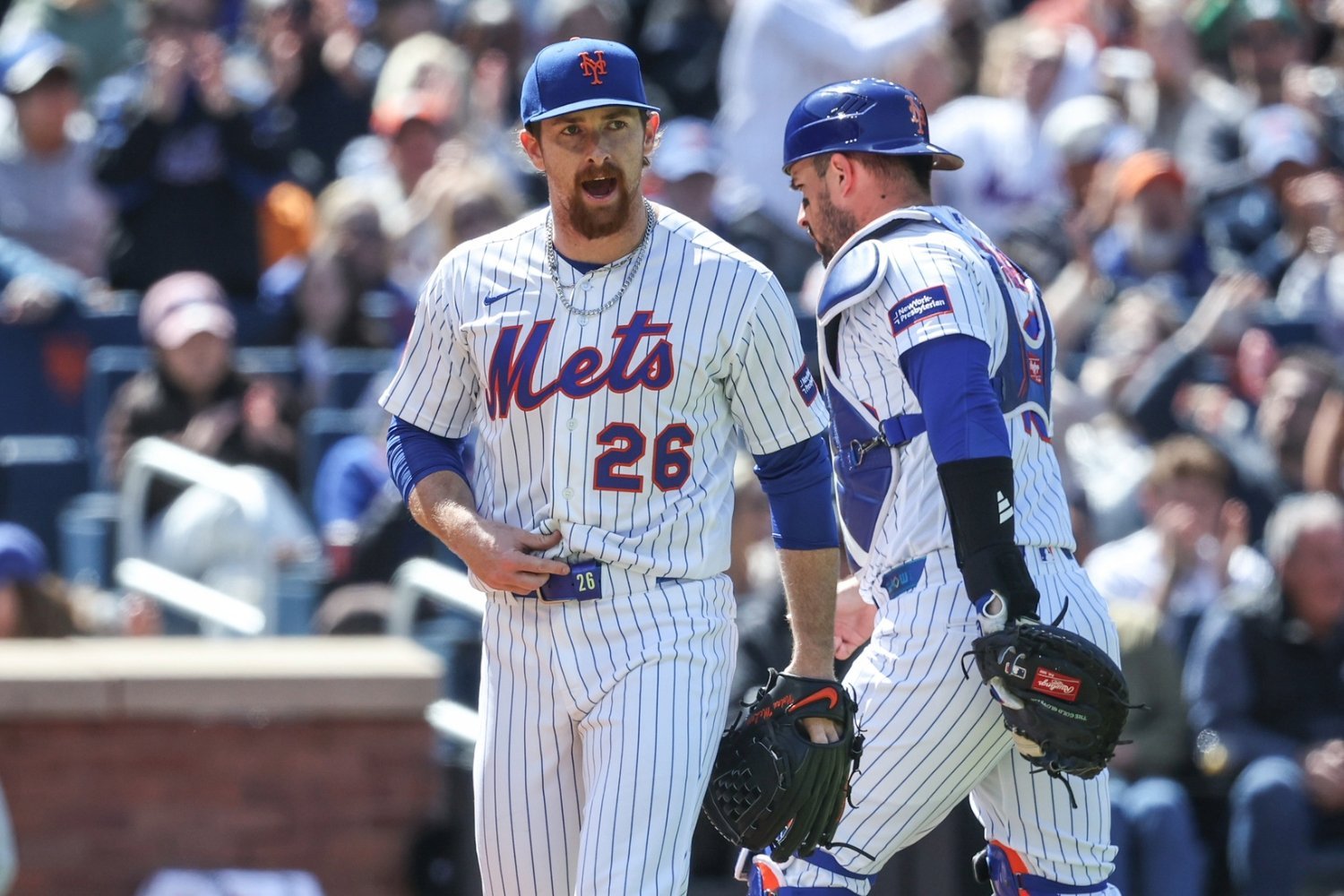 The New York Mets were expected to be a World Series contender before the start of the season. That can still be the case eventually, but saying that they look the part would be a lie of laughable proportions. They are, heading into May, last in the NL East with a 10-21 record. That’s the worst in baseball, in case you were wondering. If they have won 10 games to this point, it’s certainly not because of their woeful lineup, ranked dead last in baseball with an 80 wRC+. It’s because of their pitching, which has actually been pretty decent with a 4.17 ERA that ranks 15th among 30 teams. There have been a few standout performers from the mound, both in the bullpen and starting five. So, let's try and hide our shame while rewarding the three that stood out above the rest. Ranking New York Mets' Top 3 Pitchers in April 2026 #3: Tobias Myers 9 G (1 GS), 2.33 ERA, 19.1 IP, 3 BB, 16 K We could have gone with Huascar Brazoban or Brooks Raley here, but let’s stick with the newcomer Myers, who has been an asset in a multi-inning role from the bullpen. The ‘secondary piece’ of the Freddy Peralta deal has a 2.33 ERA and a 3.29 Fielding Independent Pitching (FIP) in 19.1 innings, spread over nine games. Myers has shown he can thrive in any role, and that versatility has been excellent for the Mets’ pitching staff during these tough times. The best part of his statistical profile is that he doesn’t give away any walks, with a beautiful 4.2 percent free-pass rate. #2: Clay Holmes 6 GS, 1.75 ERA, 36 IP, 11 BB, 25 K Many fans and members of the media will probably consider Holmes the best pitcher of the Mets in April, and it’s hard to blame them. The guy, after all, has a 1.75 ERA, the fifth-best mark among qualified MLB starters before Friday’s games. Holmes hasn’t struck out that many hitters, with his 17.6 percent rate ranking in the 24th percentile, but has thrived with an elite groundball rate (58.1 percent, in the 93rd percentile). He has ditched his slider to bring back a curveball to his arsenal for the first time since 2021, and it’s paying dividends. #1: Nolan McLean 6 GS, 2.55 ERA, 35.1 IP, 10 BB, 45 K Despite having a higher ERA than Holmes, McLean has been the more impressive of the two and takes the unofficial crown given to the Mets’ pitcher of the month. Simply put, the young right-hander has blossomed into an ace, and nobody can dispute it anymore. He boasts an elite 2.55 ERA with an even-better 2.26 FIP, suggesting that the best may be yet to come for the rookie sensation. McLean has struck out 33.3 percent of the hitters he has faced this year, against just a 7.4 percent walk rate, an unequivocal proof of his dominance. He is tied for fifth in MLB with 1.3 fWAR among all qualified pitchers. Peralta is excellent, and Holmes has made an amazing transition to starting pitching. However, there’s no question that the Mets want McLean on the mound in a do-or-die game... should they ever get that far this year. Honorable Mentions: Freddy Peralta, Brooks Raley, Huascar Brazoban View the full article
 -
When Can Twins Fans Expect To See John Klein In The Bullpen
DiamondCentric posted an article in Twins Daily
 John Klein has had an up-and-down start to the 2026 season with the Saints, but the pitch stuff has still been there as he's racking up plenty of strikeouts with each outing. But where is he on the 40-man pecking order, and how long could it be until he's with the Twins bullpen? View the full article
 -
 As you are reading this (on Saturday morning), the Florida Complex League (FCL) Twins players are anxiously preparing for their first official game of the season, going through their pre-game routine for their first game, playing their first game of the season, or basking in the knowledge that their 2026 season has begun. Think about it. Several of these players got to Fort Myers in January, or at least in late February when minor-league camp officially began. Players left Fort Myers for St. Paul, Wichita and Cedar Rapids a little over a month ago. These players continued their spring training work through the past month. Some of them filled in briefly for the Mussels at night. On Saturday morning, the Red Sox FCL team will travel a few miles west on Daniels Parkway. They’ll take a left on Plantation, go past the high school, and take a left into the Twins training facilities. The teams will play on Bill Smith Field. Tristan Toorie is taking over the managerial job of the FCL Twins after being a coach the last couple of seasons. He will be joined by pitching coaches Mathew Hartshorn, Ryan Meisinger, and Dan Urbina. Carter Kessinger is the rehab pitching coach, working with pitchers throughout the organization who are rehabbing in Fort Myers. The hitting coaches are Steven Cardona and Emilio Guerrero. Jairo Rodriguez is the team’s Development Coach. The long-time Twins minor league catcher has spent the past decade coaching all over in the Twins organization. The Pitchers There are 15 active pitchers on the FCL Twins roster. It is a strange, but fairly typical, group of pitchers. Five of the pitchers are 23 and older. They are recent late-round draft picks or recent minor-league signings staying ready for when they may be needed. The roster is composed of six pitchers from the Dominican Republic, five from the US, and four from Venezuela. . There are five pitchers who are under the age of 20 including two very high-end 17-year-olds. LHP: Matthew Becker (23), Yordi Jose (19). RHP: Jesse Bergin (26), Santiago Castellanos (17), Hendry Chivilli (20), Cristian Hernandez (21), Carter Holjes (24), Rainer Marin (20), Nick McAuliffe (25), Omar Montano (20), Melvin Rodriguez (20), Santiago Rojas (19), Yoel Roque (19), Brad Rudis (23), Geremy Villoria (17). Matthew Becker (23): He was the Twins 19th round pick in the 2025 draft out of the University of South Carolina. The 6-3, 215-pound lefty was signed by Ty Dawson. Last Sunday, he was promoted to the Mighty Mussels and threw 3 2/3 innings of their combined no hitter only to be sent back to the FCL the next day. Jesse Bergin(26): After three seasons at UCLA, Bergin was the 11th round pick of the Marlins. He was injured and didn’t pitch at all in 2022 or 2023. In 2024, he pitched in 25 games, most of them at Low-A Jupiter where he posted a 1.64 ERA. In 2025, he played five games at High-A and then 35 games at Double-A Pensacola. He went 2-4 with five saves and a 2.51 ERA. In 43 innings, he had 41 strikeouts and 17 walks. The Marlins released him in early March, and the Twins signed him a week to 10 days ago. Santiago Castellanos (17): Signed by Edgar Guerra on January 15, 2025, from Venezuela. In the DSL last year, he tossed 29 innings. He went 1-2 with a 2.79 ERA. He walked nine and struck out 36 batters. (He ranked #20 in my personal preseason Top 20 prospect rankings.) He was clocked Hendry Chivilli (20): Signed as a shortstop by Daniel Sanchez on January 15, 2023 from the DR. After posting sub-.600 OPS in the DSL in 2023 and the FCL in 2024, he was moved to the mound that offseason. Last year in the FCL, he went 2-0 with a 2.51 ERA. In 14 1/3 innings, he gave up eight hits, walked 10 and had 15 strikeouts. Big arm, just like his brother who pitches for the Yankees after a trade from the Rockies. Cristian Hernandez (21): Signed in January of 2023 by Manuel Luciano from the DR. He pitched in the DSL in 2023 and 2024. His 2024 season came to an end in early August with an elbow issue. He missed the entire 2025 season rehabbing from Tommy John surgery. Carter Holjes (24): After the 6-6 right-hander pitched at UNC Wilmington for four seasons, he pitched at Florida Atlantic in 2025. He pitched for State College in the MLB Draft League last summer. He went 3-2 with a 2.17 ERA and a 1.13 WHIP. In 49 2/3 innings, he walked 16 batters and struck out 72 batters. Yordi Jose (19): The 6-2 lefty signed with the Twins on July 3, 2025, out of the Dominican Republic. He tossed 8 2/3 innings over seven appearances. He gave up seven hits, five walks and struck out 11 batters. Rainer Marin (20): He signed in January of 2025 out of Venezuela by Oswaldo Troncosis. He pitched in 11 games (6 starts) for the DSL Twins last season. In 29 innings, he gave up 29 hits, walked 27 and had 27 strikeouts. Nick McAuliffe (25): What a winding road to pro ball. A native of New Jersey, he pitched at Kutztown (Pennsylvania), Mercer CC in New Jersey, the University of New Orleans, and East Stroudburg University in Pennsylvania where he pitched in 2023 and 2024. He played for summer college leagues in Pennsylvania, Texas, North Carolina and Vermont. In 2025, he pitched in two games for Sioux City in the American Association and 39 games for Evansville of the Frontier League. He signed with the Twins 10 days ago and was quickly assigned to Cedar Rapids. He pitched in one game there before returning to the FCL. Omar Montano (20): Signed out of the DR in August of 2024, he pitched one inning in just one game in the DSL Last year, he made 12 starts and threw 31 2/3 innings. He went 0-6 with a 10.80 ERA. He gave up 48 hits, walked 19 batters, hit eight batters, and threw 11 wild pitches. He had 32 strikeouts. Melvin Rodriguez (20): Signed by Manuel Luciano in January of 2024 out of the DR, Rodriguez has primarily been a starter. In 2024 in the DSL, he made eight starts and three relief appearances. He went 3-3 with a 2.72 ERA. In 46 1/3 innings, he had 48 strikeouts and just 12 walks. Last year in the FCL, he made nine starts and two relief appearances. He was 4-2 with a 3.53 ERA. In 43 1/3 innings, he had 32 strikeouts and 22 walks. Seeing his walk rate jump and his strikeout rate fall likely explains why he is returning to the FCL. Santiago Rojas (19): Alvaro Gomez signed Rojas in January of 2024 out of Venezuela. 10 of his 11 appearances in the DSL in 2024 were starts. In 40 1/3 innings, he had 41 strikeouts but 27 walks. He posted a 4.02 ERA and opponents hit .238 against him. Pitched just two innings over two games in the FCL last year before joining on the 60-Day IL with a lumbar spine fracture. Yoel Roque (19): The 6-2 Dominican right-hander was signed by Manuel Luciano in January of 2024. In 10 games (3 starts) and 24 2/3 innings in the DSL in 2024, Roque went 0-2 with a 6.93 ERA. He had 33 strikeouts, but he also walked 29 batters. He made 10 starts last year for the FCL Twins and went a total of 11 2/3 innings. He was 0-3 with a 16.97 ERA. He gave up 16 hits, walked 17, hit three, and struck out 13 batters. Brad Rudis (23): The Twins signed Rudis in early November. He had spent four years working out of the Texas A&M bullpen. He went 15-1 with three saves. Went undrafted but pitched well for Williamsport in the MLB Draft League. He made 10 starts and seven relief appearances. Geremy Villoria (17): He was signed in January 2025 out of Venezuela, the 6-2, 175 pound right-hander was the youngest pitcher in the DSL last year. He made five starts for the Phillies Red team of the DSL. In 14 innings, he had walked four and struck out 19 batters. He was traded to the Twins with Hendry Mendez in exchange for Harrison Bader. He pitched in three games and eight innings after joining the Twins. He posted a 2.25 ERA. The Hitters There are 18 hitters on the active roster. Ten from Venezuela and eight are from the Dominican Republic. The 2025 DSL Twins had a very talented group of young hitters. The Catchers All five FCL Twins catchers are from Venezuela, including three from Barquisimeto. A random fact is that there is a 17-year-old, an 18-year-old, a 19-year-old, a 20-year-old, and a 21-year-old. Daniel Pena (21), Ricardo Pena (20), Victor Leal (19), Pablo Castillo (18), and Miguel Caraballo (17). Miguel Caraballo (17): Signed by the Giants in January of 2025. Spent last season with the DSL Giants Orange squad. In 41 games, he hit .264/.432/.442 (.874) with four doubles, two triples, and five home runs. Came to the Twins in a December trade for Twins Rule 5 pick (Daniel Susac). Won’t turn 18 until the end of August. Pablo Castillo (18): Signed by Alant Moncion on January 15, 2025, from Venezuela. In 28 DSL Twins games last year, he hit .315/.474/.411(.885) with four doubles and a homer. He had 14 walks and was hit by eight pitches. Victor Leal(19): Oswaldo Troconis signed Leal out of Venezuela in January of 2024. In 2024, he played 43 games in the DSL and hit .230/.364/.333 (.697) with four doubles and three homers. Had 21 walks to 15 strikeouts. In 30 games in the FCL last year, he hit .161/.345/.161 (.507). He had 17 walks to 12 strikeouts. Daniel Pena (21): Signed in January 2022 out of Venezuela, Pena hit .304 in the DSL in 2022. He hit .278/.376/.474 (.850) with four doubles and five home runs. In 2024, he started the season injured and played in nine rehab games in the FCL (and hit .308 with a .938 OPS). He hit .195 in 36 games for Fort Myers that year as well. He spent the full 2025 season in Fort Myers. He played in 55 games and hit .199/.302/.265 (.567) with six doubles and two homers. He played quite a bit of first base the first couple of seasons as a pro, but now he has only caught since 2024. Ricardo Pena (20): Like Daniel Pena, the Twins signed Ricardo Pena on January 19, 2022 from Venezuela. He played two seasons in the DSL. In 33 games in the FCL in 2024, he hit .361/.481/.489 (.970) with eight doubles and a homer. His 2025 season began with 10 games in the FCL before a late-May promotion to the Mussels. He played in 12 games (and hit .150) before going on the Injured List with a back impingement. The Infielders Yilber Herrera (21), Daiber De Los Santos (19), Haritzon Castillo (18), Jose Barrios (18), Darwin Almanzar (18). Darwin Almanzar (18): Signed by Manuel Luciano on January 15, 2025 from the DR. In 44 games last year in the DSL, he hit .252/347/.496 (.843) with 17 doubles, a triple, and six home runs. His 17 doubles led the DSL. He led the DSL in doubles, homers and RBI (41). Jose Barrios (18): Signed by Oswaldo Troconis on January 15, 2025, from Venezuela. In the DSL last year, he hit .254/.352/.361 (.713). In 37 games, he had three doubles, two triples, and two home runs. Haritzon Castillo (18): Signed in January 2025 by Marlon Nava from Venezuela. In 39 DSL games last year, he hit .283/.395/.428 (.823) with eight doubles, three triples and two homers. He was 12-for-15 in stolen base attempts. He also had 24 walks to 22 strikeouts. Lone Twins representative in the DSL Mid-Season All Star game. Daiber De Los Santos (19): Signed in January 2024 by Luis Lajara from the DR. Ended 2024 in the DSL strong, hitting .301/.384/.460 (.844) with 11 doubles, a triple, five homers and even 17 stolen bases. In 48 FCL games last year, he hit .167/.296/.333 (.629) with 10 doubles, two triples, and four homers. Stole 15 bases. Struck out so much (89 in 180 PA).Season ended early due to a torn left labrum tear. Yilber Herrera(21): The infielder signed by Fred Guerrero in January of 2022 from the DR. He spent two seasons in the DSL. He played the last two seasons in the FCL. After hitting .226 (.737) with three doubles, a triple and two homers in 2024, he hit just .128 (.611) with two doubles and two homers in 39 games. That rough season is surprising as he had 30 walks to 28 strikeouts. He played 10 games for Fort Myers in 2025. He has hit .179 with a .395 on-base percentage over 13 games with the Mussels this season. The Outfielders There are eight players listed as outfielders on the roster. None of them will be 20 until just before Halloween. OF: Ricardo Paez (19), Merphy Hernandez (19), Luis Fragoza (19), Yovanny Duran (18), Jhomnardo Reyes (18), Joyner Perez (17), Teilon Serrano (17), Carlos Taveras (17). Yovanny Duran (18): Signed on January 15, 2025, by Edgar Guerra out of Venezuela. In 46 DSL games last year, he hit .296/.452/.382 (.834) with seven doubles and three triples. Had 39 walks (to 30 strikeouts) and stole 31 bases, both of which led the DSL Twins. Luis Fragoza (19): Signed in January 2024 out of Venezuela by Edgar Guerra. That summer, he hit .259/.439/.345 (.784) with five doubles, a triple and a homer in 41 DSL games. Last year, he played in 49 games for the FCL Twins and hit .217/.349/.297(.646) with eight doubles and one home run. He has been hit by 28 pitches as a pro. 14-for-17 in steal attempts in 2025. Merphy Hernandez (19): Luis Lajara signed the lefty outfielder in January of 2024 from the DR. In 48 games in the DSL in 2024, he hit .276/.389/.417 (.806) with four doubles, six triples, and two homers. He was also 36-for-38 in steal attempts. Last year, he was limited to just 16 games in the FCL. He hit .163 with two doubles and a triple. He stole eight bases. Ricardo Paez (19): Signed by Marlon Nava out of Venezuela in January of 2024, Paez debuted in the DSL in 2024. In 36 games, he hit .263/.388/.424 (.812) with four doubles, three triples and two homers. Last year in the FCL, he played in 39 games. He hit .242/.398/.295 (.693) with three doubles and a triple. Joyner Perez (17): Daniel Sanchez signed the burly slugger out of the DR in January of 2025. In 25 games in the DSL, he hit .313/.457/494 (.951) with six doubles and three homers. He had more walks (18) than strikeouts (17). Led the DSL Twins in OPS. His batting average and on-base percentage were second on the team. Jhomnardo Reyes (18): Signed by Manuel Luciano on January 15, 2025, from the DR. In 50 games in the DSL last year, he hit .291/.386/.469 (.855) with 10 doubles, nine triples, and a home run. Reyes stands 6-3 and is about 185 pounds. He runs well. Lots of swing-and-miss. Teilon Serrano (17): Serrano was expected to sign with the Dodgers, but LA backed out of the deal and the Twins jumped in. Roman Barinas signed Serrano out of the Dominican on January 15, 2025. He played in 41 games for the DSL Twins last year. He hit .258/.386/.426 (.812) with seven doubles, two triples, and five homers. He had 21 stolen bases in 26 attempts. Carlos Taveras (17): Signed by Daniel Sanchez in February of 2025 out of the Dominican Republic. In 18 games last year in the DSL, he hit .246/.389/.438 (.827) with three doubles, a triple, and two homers. Unfortunately, in early July he had surgery to repair a left knee medial meniscus injury. INJURED IF Santiago Leon (17): Leon was signed by Edgar Guerra out of Venezuela on January 15th, 2026. Last year in the DSL, he hit .223/.391/.313 (.704) with eight doubles, two triples and a home run. He stole 11 bases in 18 attempts. He had 39 walks and 39 strikeouts. He is the son of long-time Twins scout Jose Leon. The younger Leon will spend the 2026 season on the Full Seaason Injured List. RHP Anderson Ramos (20): Signed in March of 2024 from the Dominican Republic. That year in the DSL, he pitched 30 2/3 innings over 12 games. He went 5-3 with a 5.58 ERA. He had 33 strikeouts and 16 walks. Last year, he worked 28 1/3 innings over 17 games. He was 3-3 with six saves and a 3.81 ERA. Opponents hit just .153 off of him, and he had 38 strikeouts (with 17 walks. He is also on the Full Season Injured List. RHP Rey Pacheco (19), The Twins signed the 5-9 right-hander from Mexico in late May of 2025. Despite the late signing, he worked 33 innings over 16 games. He was 5-2 with a save. He had just seven walks to 31 strikeouts. However, he begins the season on the 60-Day Injured List. View the full article
 -
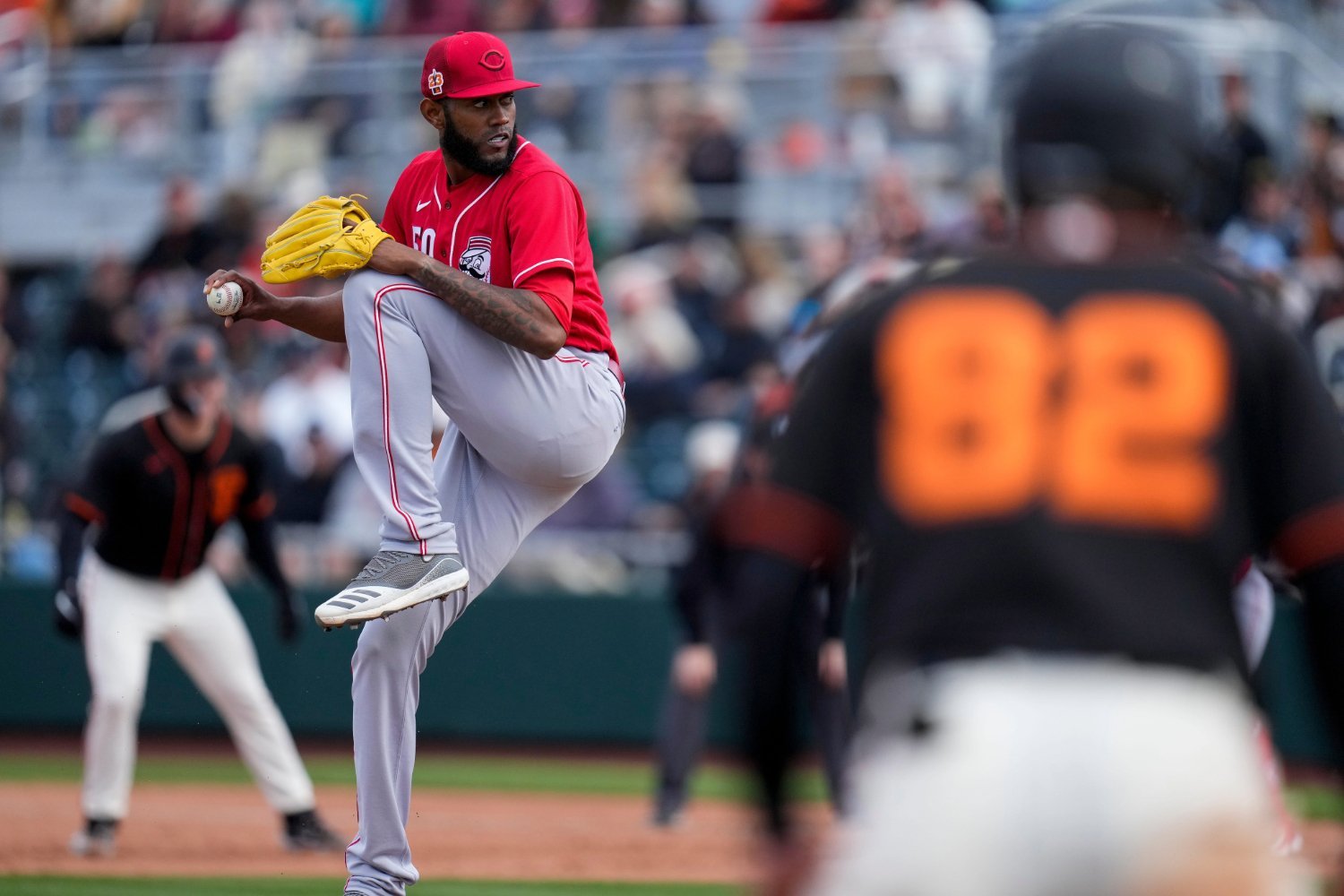 Worcester, Ma – “We joked on Sunday how we got his pitch count extended to 18 [pitches]”. Former Worcester manager Chad Tracy sat in his office talking about his old pitching staff, especially as the WooSox were dealing with being shorthanded due to a mixture of promotions to Boston and injuries. One man who remained available and has been a consistent force out of the bullpen for Tracy has been right-handed reliever Tayron Guerrero. Guerrero, who signed a minor-league deal with an invite to spring training, last pitched in the majors way back in 2019, though that hasn’t stopped him from attempting to get back there. Now 35 years old, he’s fighting to get called up as he dominates the competition at Triple-A with a fastball that has hit triple digits. Having appeared in nine games, Guerrero has tossed 10 innings and allowed just one run on seven hits and three walks. In that span he struck out 11 batters and unofficially claimed the closer’s role for himself by earning three saves and finishing off five games. His dominance has been that good that it’s been tough to stretch him out. “In the five outings before that he had thrown 13 pitches and 11 pitches. He’s been pretty dominant. So, he’s been pretty locked down for us,” Tracy explained when talking about Guerrero’s pitch counts. In his last outing with Tracy as his manager, the right-hander pitched multiple innings for the first time all year, tossing 29 pitches. “He looks great, throwing hard and all spring and here he’s in the [strike] zone. He’s thrown nothing but strikes since I laid eyes on him.” The Red Sox could use an arm like his in the bullpen. While Triple-A competition is not the same as that in the major leagues, the lack of middle inning relievers has hurt the Red Sox throughout April. What helps Guerrero is when you pair his 100 mph fastball with his slider, he’s been able to not just strikeout batters at a 28.2% rate but also get them to chase at one of the highest marks in all of Triple-A, generating a chase rate of 37.68%. The only downside to Guerrero is his lack of options, meaning that should the Red Sox select his contract, they would need to either keep him on the roster for the remainder of the season or hope they could sneak the flamethrowing right-hander through waivers. That doesn’t seem to be an issue for Tracy, however. “I think he’s definitely in the conversation. There’s no doubt. All of our guys here are, but with his [Guerrero’s] stuff, I know it’s not a situation where they want to bring him up for a day, you know? It’s a good arm. I’m sure at some point a lane will present where they feel like he can contribute for an extended period of time,” Tracy explained just before his own promotion to Boston. The Red Sox have already tapped into their minor-league depth, adding two players to the 40-man roster to provide length in the bullpen. Right-hander Jack Anderson and left-hander Eduardo Rivera both made their major league debuts last month and provided innings for an otherwise-depleted bullpen. Anderson, who was acquired in the minor-league portion of the Rule 5 draft, made three appearances before being optioned back to Triple-A for a fresh arm. In his appearances he was mainly used during mop-up duty, being asked to pitch multiple innings when the game seemed out of hand or if Alex Cora needed to save his bullpen for another day. The right-hander flashed some impressive stuff, tossing eight innings and striking out six batters. The transformation for Anderson has been due to a slight increase in velocity along with a splitter that he added to his arsenal. “I don’t think it was in his [Anderson’s] wildest dreams or mine that Jack was going to be called up to the big leagues that quick. But I think the reason he was called up was he gets in the zone. He throws a lot of strikes and has the ability to get quick outs. The outings we’ve seen here, he gets in the zone and he’s in the zone often,” Tracy said. Much like Anderson, Rivera was called up (and replaced Anderson) when the Red Sox needed an extra arm. The left-hander had just been called up to Worcester when that same night he was given the news of being promoted once more to Boston before throwing even a single pitch in Triple-A. Upon joining Boston, there was uncertainty if he would pitch out of the bullpen or be a spot starter in the Yankees series as starter Brayan Bello was pushed back to Friday. In the end that was decided when the 6-foot-7 left-hander came on in relief during the April 22 game. Armed with a fastball that can top out at 99 mph, Rivera dominated in relief as he tossed 3 1/3 scoreless innings while allowing just one hit. The left-hander’s time in Boston was short, however, being sent back down to Worcester so that the team could promote Payton Tolle. Despite that, the left-hander who has a three-pitch mix led by his powerful fastball should see his name called once more when needed. Just 22 years old, he was going to be Rule 5 eligible after this season, and the team would have needed to make a decision on him sooner or later. Now. they’ll have plenty of opportunities to see what he can do. The Red Sox also have another other option they could turn to for relief help in the form of veteran right-hander Seth Martinez. Martinez has had an interesting season, as his numbers have been hurt by the long ball; having tossed 20 innings, the right-hander has a 4.95 ERA thanks in part to six home runs he’s allowed. Despite that, opponents are hitting just .194 against him and he limits walks as well as anyone in Worcester. Despite the home run problems, he’s also managed to limit hard hits, allowing them at just under 32% of the time. There’s no denying that the bullpen was the weakest area of the team entering the season and while it has cost the team a few games, it’s never too early to try and improve. The Red Sox have options waiting at Triple-A to come up and help, it’s just a matter of Craig Breslow making the call. View the full article
 -
 Transaction: RHP Easton McGee recalled to MLB Brewers from AAA Nashville Nashville Pre-Game Media Notes Final: Norfolk (Orioles) 6, Nashville 5 Box Score and Game Log Via the Sounds, game details, and we encourage readers to always review affiliate write-ups as part of their Link Report routine: Late Game Rally Falls Short for Sounds in 6-5 Loss to Tides - Wilken Extends On-Base Streak Yet Again to 20 Games No Jackson Chourio, no Andrew Vaughn, and seemingly a planned day off with a return to action on Saturday for each. Pretty easy to entice you to click on that summary link, why? Apparently, the Tides' pitchers were magnetized as the first two of the four video highlights within will prove The paragraph in the notes section on Luis Lara (who authored one of those base knocks off the pitcher) is particularly impressive Oh yeah, Jett Williams is preparing for a big-league liftoff There's little doubt at this point that Jacob Waguespack is going to make his way to the big-league Brewers bullpen before 2026 ends, and perhaps in short order Even with four videos tucked into the team write-up, there's more to share: Eddys Leonard line drive RBI single to center gets the boys on the board - .982 OPS, was the DH here Relievers don't get dedicated videos very often, so kudos, Kaleb Bowman - Now for the primary story of the game - Quinn Priester laid this first-inning pitch on a platter: Following inning, same batter, hanging curve from Priester for an RBI single Another off-speed pitch left up punished - If you haven't completed your Priester box score line yet, it was 2 IP, 7 H, 5 R, 2 BB, 1 K, 1 HR, 1 WP, 62 pitches, 37 strikes - and this is why pitching rehab assignments are allowed to max out at 30 days. Priester's began on April 22nd, there's plenty of room for additional Nashville outings. This isn't the first time OF Jordyn Adams has been hit by a pitch this season (it's his third plunking), and yet I can't keep my brain from automatically floating to his surname partner Luke during each box score visit. Luke Adams was previously retroactively placed on the 7-day IL to April 15th, yet an apparent hand injury still has him sidelined. I've always contended that "on-base" streaks aren't worthy of all the attention the affiliates place on them - don't get me wrong, they are better than "not-on-base" streaks, but once a player reaches the 20-game mark and beyond, then the mentions are much more tolerable. Hello, Mr. Wilken. The MiLB scoreboard shows TBD as Saturday's starter, but the media notes indicate it'll be RHP Garrett Stallings pitching for only the 2nd time since April 16th, and that one outing was not pretty. Stallings will be on six days' rest. His role is supremely important to plug in as necessary given all the arm-shuffling to the big-league roster. Postponed, Biloxi at Pensacola (Marlins), rain The teams play twice on Saturday, beginning at 4:05 Central. RHP's Manuel Rodriguez and Brett Wichrowski are the scheduled starters. Catch up with the latest Biloxi pre-game audio interview archives Plus, even though these notes ended up getting soggy, you can still read your way through multiple updates: Just a guess, but it's unlikely any other organization fan site makes sure the fanbase has regular access to the media notes as we do here. The affiliate crews work hard on these (we appreciate the nuggets within!) Wisconsin Pre-Game Media Notes (download link) Final: Wisconsin 6, Quad Cities (Royals) 5, ten innings Box Score and Game Log Via the Timber Rattlers, game details: Fischer’s Walkoff Home Run in Tenth is the Winner for Wisconsin - Rattlers rally with three in tenth inning to beat Quad Cities An example of when you watch the whole movie even though you're aware (as that game summary title tells you) of the ending. Enjoy! OK, please properly discard your popcorn container as Andrew Fischer tells us what we can do with any possible Golden Sombrero reference. The kid has a flair about him, no doubt. His blast earned him a brief MLB.com game entry article as well. The backstory bonus in this game was the bulk relief outing by Braylon Owens, Via Sportrac: "Milwaukee Brewers 2025 10th-round pick (No. 305 overall) Braylon Owens signed for a $10,000 bonus. The RHP from the University of Texas-San Antonio was an underslot senior sign, allowing the team to save money from his $189,000 slot value for other draft picks." 6 IP, 2 H, 1 R (1 HR), 3 BB, 11 K Owens' last two outings: 11 IP, 3 H, 1 R, 5 BB, 17 K This side note caught our box score eye - Error: Dickinson (8, throw) 2025 6th rounder Daniel Dickinson in 68 games played last spring at LSU - four errors. For Wisconsin, Dickinson has started 11 games at shortstop, eight at second base, and has committed four miscues at each. Going to chalk it up as an odd anomaly at this point. Tayden Hall's BABIP during his super-frustrating 2025 season was an insane .204. This year it's .304, which still falls below his 2022-2024 marks. We were guilty of not spotlighting last year's figure enough during that run. Josiah Ragsdale has base knocks in ten of twelve games and has been bouncing back nicely from the tiny sample first-week struggles. Important update as the organization is being thorough: Wilson Pre-Game Media Notes Final: Wilson 11, Salem (Red Sox) 2 Box Score and Game Log Longballs Lift Wilson Past Salem - Warbirds Hit Two Home Runs in Victory Plenty of game action to discuss, but the Salem Red Sox rebrand was OK, I guess (everything behind the name and logos). Let's get right to the best part - Warbirds already up 5-2, bottom of the 6th, early candidate for bat flip of the year, though our @Spencer Michaelis has even more fun with it: What'd you say, Spencer? How wild is it that the Warbirds scored 11 runs on a night where their HR and RBI leader Jose Anderson was on the bench for only the second time this season? Whoa, how about those game jerseys? This option is not among those available at the team store. Check out first baseman Frederi Montero in the uni on his own jaunt around the bases: Montero also had a sacrifice fly We'll feature each of Brady Ebel's two knocks: Infield single in the 5th Two-RBI double in the 8th Via the Wilson Times: Brewers’ top pick Ebel living the dream in Wilson - Brewers first-round pick is finding his swing in Wilson, delivering multi-hit performances as the 19-year-old settles into his first full pro season By Paul Durham First game with less than two walks - one BB, one HBP) for the impressive (also 19-year-old) RHP Tyler Renz, and along with JUCO non-drafted signing RHP Thomas Conrad, 20, and 5th year LHP Anfernny Reyes, 22, worth your box score review for their lines. Something has clicked for Reyes in his 3rd Carolina League go-round, and he's a prime candidate for a bump to Appleton before long. Fun, fun contest - Warbirds 5-for-11 with RISP, stranded only four, but we'll have to turn a blind eye to their 17 strikeouts at the dish. We will jump from three games in this edition to five within Saturday's report with the Shuckers road doubleheader. In the lone afternoon contest, 2025 2nd round LHP J.D. Thompson takes the mound for the first time as a pro in Appleton, while 2025 3rd round 6'8" RHP Jacob Morrison makes his professional debut in Wilson. Exciting! Organizational Scoreboard including starting pitcher info, game times, MiLB TV links, and box scores Current Milwaukee Brewers Organization Batting Stats and Depth Current Milwaukee Brewers Organization Pitching Stats and Depth View the full article
 -
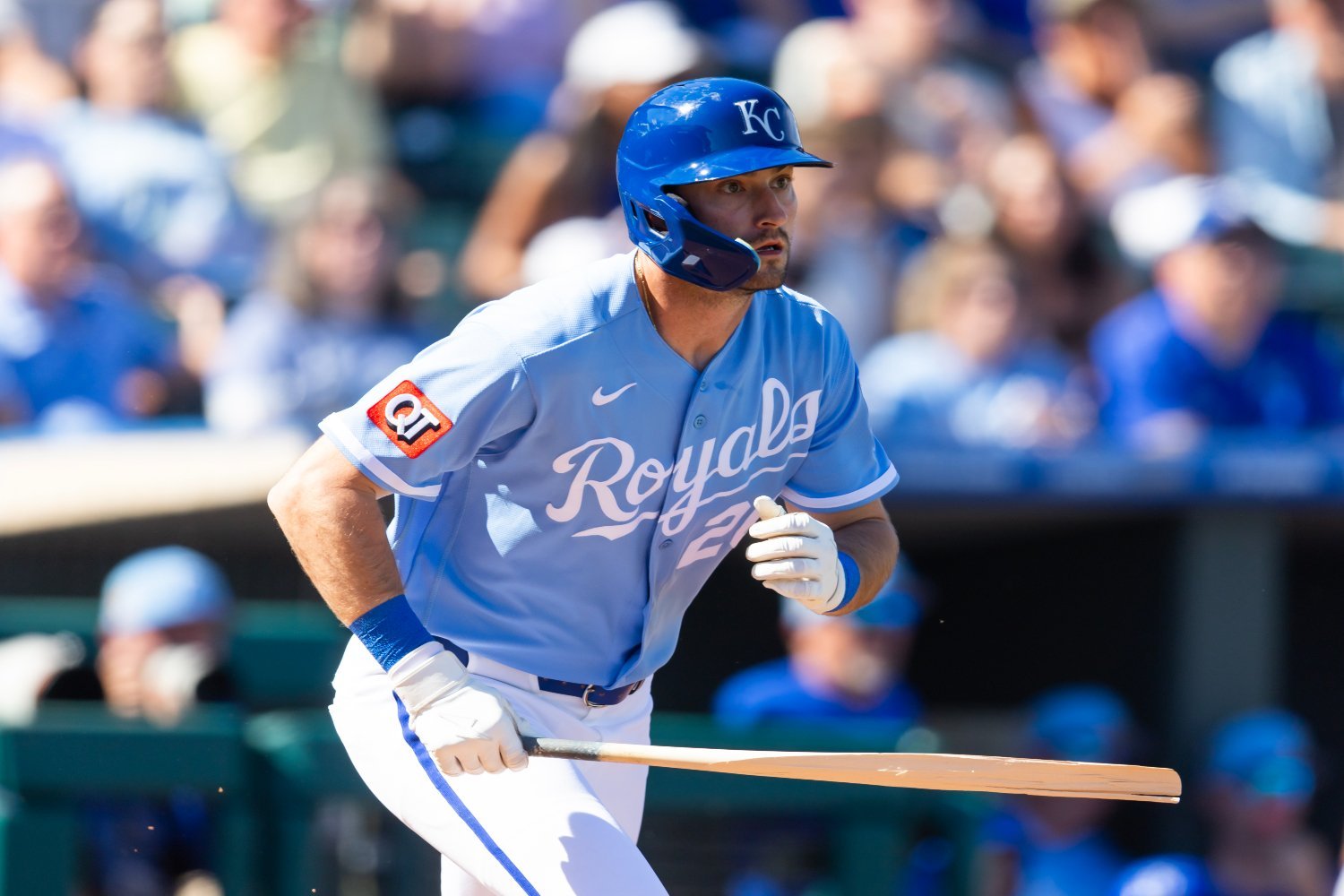 Going into May, the results have been promising but ultimately mixed for the four Kansas City Royals Minor League affiliates. The High-A Quad Cities River Bandits (13-8) and Double-A Northwest Arkansas Naturals (13-11) have winning records, while the Triple-A Omaha Storm Chasers (13-16) and Low-A Columbia Fireflies (11-13) have losing ones. Still, there have been positives in the Royals' farm system this year so far, especially when it comes to position player prospects. The Royals have had many hitters show nice growth or improvement so far in the 2026 Minor League season. Some have been well-known prospects, including those in our Top-20. Some have been more under-the-radar and could make their case to be Top-20 Royals prospects soon. Thus, in this post, I am going to highlight the top hitter for the month of April from each Royals Minor League affiliate, as well as mention an honorable mention who just missed the cut. Hopefully, this strong start could be a sign of good things to come for these prospects this season. Triple-A Omaha: Kameron Misner, OF The former Rays and Mizzou outfielder was excellent in Omaha and demonstrated that he could be a candidate for a call-up at some point this season. In 23 games and 79 at-bats this April, Misner slashed .278/.389/.570 with six home runs, 17 runs scored, 22 RBI, and a .959 OPS. He has a 23.9% K% and 16.2% BB%, thus showing his patient approach. Furthermore, his Statcast metrics from Triple-A have been solid for the most part, especially in the barrel, LA Sweet-Spot%, and Pull Air% categories. Here's a look at his TJ Stats Statcast summary so far. Misner still chases quite a bit, as evidenced by his 34th percentile O-Swing%. However, with a 76th-percentile BB%, 78th-percentile Pull Air%, 84th-percentile Barrel%, and 97th-percentile LA Sweet-Spot%, he shows he has the power and walk profile to at least be a semi-regular outfielder at the Major League level. His profile feels similar to that of MJ Melendez, who has found new life with the New York Mets. In 35 plate appearances with the Mets, Melendez is hitting .323 with a .995 OPS. That includes two home runs and six RBI. Like Misner, his O-Swing% is high, and his K% isn't good. That said, Melendez's hard-hit profile is strong, and it's possible to see Misner evolve into that. If Misner can develop into that kind of hitter, the Royals will be quite happy and could utilize him on the active roster, not just this season, but perhaps beyond as well. Honorable Mention: John Rave, OF (.244 average, .847 OPS, five home runs, eight stolen bases, 17 runs scored, and 14 RBI). Double-A Northwest Arkansas: Brett Squires, 1B/3B Squires was the Naturals' top hitter in April. Not only did he hit .326 with a 1.008 OPS in 89 at-bats, but he also hit five home runs, scored 14 runs, and collected 25 RBI, which leads the team. Squires is an interesting prospect in the Royals system who doesn't have a high ceiling or eye-popping tools, especially on defense and baserunning. However, he showed some intriguing exit velocity numbers this spring in Cactus League play. He is off to a great start and frequently pulls the ball in the air, which is a recipe for success. Now, Squires certainly has his flaws. His 23.3% K% ranks in the 36th percentile, and his 35.3% whiff rate ranks in the ninth percentile, according to TJ Stats. He also was pretty mediocre in his first exposure to Double-A pitching in 2025, hitting .248 with a .738 OPS and just 10 home runs in 496 plate appearances. Squires has half that number of home runs this year in 389 fewer plate appearances. If this pace continues, he could make a push for a spot in Omaha mid-season with the chance to make the 40-man roster this offseason. Honorable Mention: Sam Kulasingam, UTL (.309 average, .901 OPS, 1 HR, 19 R, 11 RBI, and 7 SB). High-A Quad Cities: Austin Charles, 3B/SS After regressing a bit in his first exposure to High-A ball, Charles has been on fire to begin the 2026 season. Charles leads the River Bandits in at-bats with 72, and he leads in batting average, .361, and total base hits (26). He has two home runs, which matches his 2025 total with Quad Cities in 144 fewer plate appearances. He's also lowered his strikeout rate by 10% (15.9% this year) and improved his walk rate by two percent (10.2%). The 22-year-old third baseman/shortstop has looked a lot more polished in 2026 after struggling in his first exposure to High-A competition a season ago. When looking at Charles' Statcast profile via TJ Stats, there's a lot to like. He ranks in the upper percentiles in many categories, including wOBA (91st percentile) and K% (97th percentile). The Royals drafted Charles in the 20th round of the 2022 MLB Draft. When he was selected, he was seen as a raw, but athletic prospect who needed some development, but had the tools to become an intriguing player at the Major League level. It seems the Royals' development and patience with Charles have paid off so far this season. Honorable Mention: Tyriq Kemp, 2B/SS (.308 average, 1.048 OPS, 4 HR, 13 R, 10 RBI, 5 SB). Low-A Columbia: Josh Hammond, SS/3B After a slow start, the 19-year-old shortstop/third baseman and 2025 28th overall pick has been an absolute stud for the young Fireflies. In 83 at-bats in April, Hammond hit .313 with a .396 OBP, .514 SLG, and .914 OPS. He had two home runs, 10 RBI, and four stolen bases, making him a power-speed bat that can impact the top of the lineup. Hammond is the kind of power-speed bat who could be a franchise-changing player if everything clicks right. The only negative with Hammond's profile is that he has struck out a lot this season. He had 23 Ks in 23 games, good for a strikeout rate of 23.8%. On a positive note, he's at least drawing walks, as illustrated by his 12.9% BB%. As a result, he's sporting a wOBA+ of 109 and a TJ Bat+ of 132, according to TJ Stats (and as seen below). Hammond may have been drafted behind Sean Gamble in last year's draft, but Hammond has definitely outperformed his fellow draft classmate. Despite leading the Fireflies in at-bats, Gamble is hitting .118 with a .407 OPS. Honorable Mention: Brooks Bryan, C (.299 average, .897 OPS, 3 HR, 6 R, 20 RBI, 4 SB). View the full article
 -
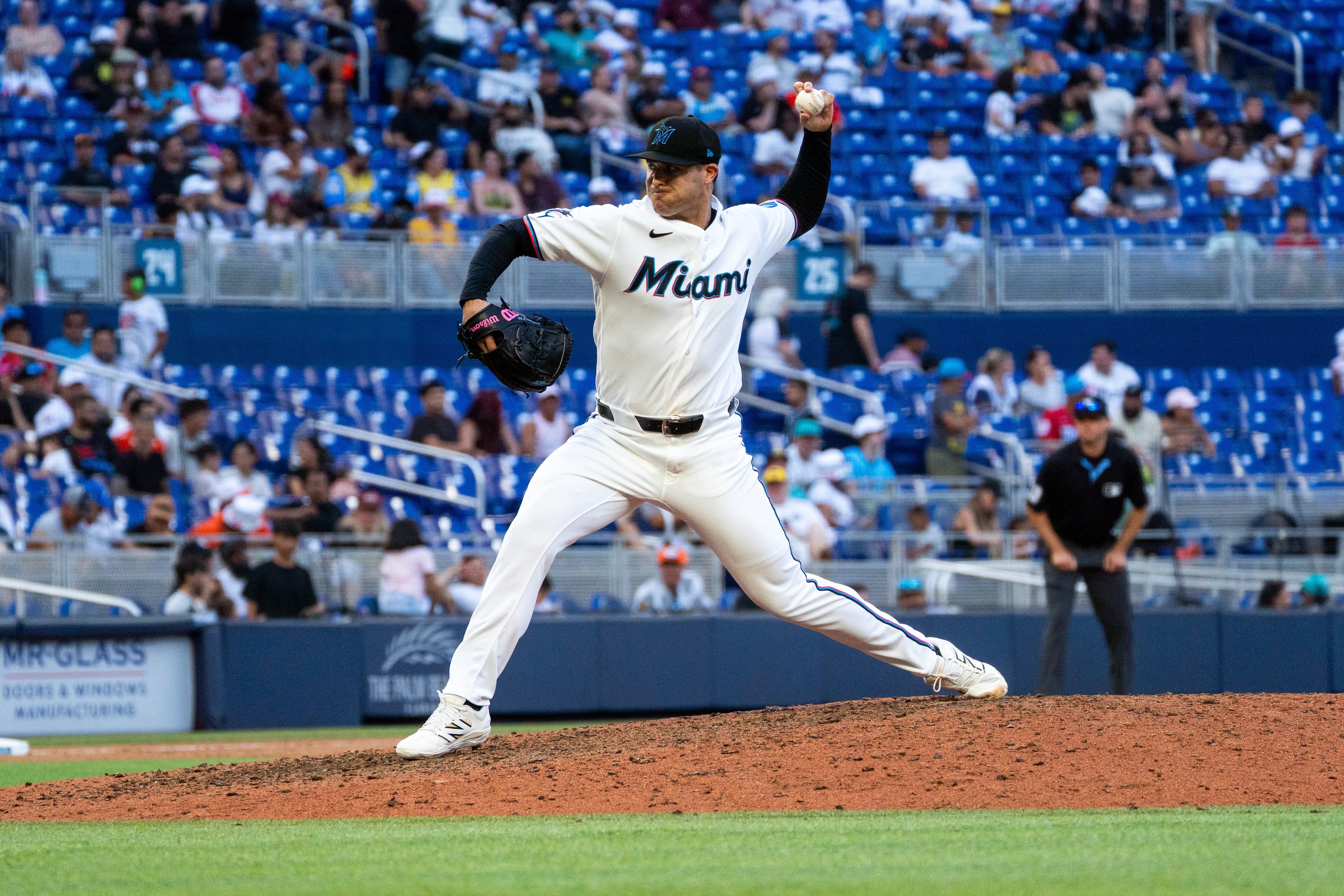 MIAMI, FL — The Miami Marlins took a different approach to free agency last offseason compared to previous years of the Peter Bendix era. They signed four different veterans to major league deals (five if you also include Austin Slater at the end of spring training). Without question, left-hander John King has been the best of them all thus far, not to mention the top reliever on the entire team. Through his team-leading 15 appearances entering Saturday, King has a 0.66 ERA, 3.72 FIP, 8.56 K/9 and 3.29 BB/9. His ERA is tied for 10th-lowest among qualified MLB relievers. He has allowed only two hits. That is $1.5M very well spent. "He's shown he's been incredibly durable, and someone who always wants the ball no matter what," Marlins manager Clayton McCullough said on Friday. "The situation is not always the greatest, but what John does and his ability to come in and collect outs helps us win games. It also helps keep guys fresh." So far this season, the Marlins have used King in all kinds of situations. He has been especially effective in what Baseball-Reference defines as high-leverage moments, retiring all seven batters faced. "I feel like as pitchers, you face those guys are kind of like are bigger than baseball itself," King said. "I just think that treating them like everyone else and just attacking, getting ahead—their numbers go down when you get ahead of one versus one. Obviously, they capitalize on mistakes. Even probably more so, they hit great pitches. I think putting yourself in the best opportunity for success is getting ahead. I just think that with experience, the game kind of has slowed down for me." In the past series against the Los Angeles Dodgers, King was utilized in all three games. He tossed 2 ⅔ total shutout innings in a Marlins series win. "I think going into it, it's something John had done in the past," McCullough said of using him three consecutive days. "Him coming into spring training, he can handle it. Generally, his workload, the amount of hitters asked him to face, is a little bit narrower than some other guys." Previously a member of the St. Louis Cardinals, King's 2025 season was one of the worst of his career, where in 48 ⅓ innings pitched, he posted a 4.66 ERA, 5.00 FIP, 5.21 K/9 and 2.61 BB/9. King's agent is friends with Bendix and was encouraged by what the Marlins organization had been doing with player development on the pitching side, leading to an agreement. "The hot run that the team went on last year and just being in Miami is sweet, too," King told Fish On First. "There's a lot of things that I was really excited talking to them about and seeing if we could work something out. I was fortunate enough they offered me a deal, and I took it right away." Unusual for a reliever, King has a six-pitch arsenal. He also did last season, but relied heavily on his sinker, using it 59.2% of the time. With the Marlins, that usage has been cut in half to 28.7%. Although his sinker's velocity has dropped, its whiff rate has gone way up from 15.7% to 40.9%. "I had become super predictable throwing it that much," King said. "In spring training, I had a meeting with some of the front office and pitching staff, and they told me how they want me to mix and they want me to throw a sweeper. I can command the ball pretty well, and I'm still learning to command the breaking stuff as well as the sinker and changeup. I think putting it all together just makes me a little bit more unpredictable and a little bit more uncomfortable with that, especially with righties." King was terrible against right-handed batters last season, allowing a .374/.437/.542/.979 slash line. On the other hand, he's dominating them with the Fish (.050/.208/.200/.408 in 24 PA). King has yet to enter in any save situations, but that may change in the coming weeks. With Pete Fairbanks sidelined due to nerve irritation, the Marlins are using a closer-by-committee approach. If favorable matchups present themselves in the ninth inning, King should be trusted to get the job done. View the full article
 -
 Northwest Arkansas earned Kansas City's lone win Thursday. Sam Kulasingam delivered a triple, a double, and three RBI for the Naturals, including a go-ahead two-run double in the eighth inning. Justin Lamkin struck out eight over five and two-thirds innings without walking a batter for Quad Cities in a 10-inning loss. Mitch Spence allowed seven earned runs in Omaha's defeat, and Michael Lombardi fanned six over 4 1/3 frames as Columbia fell on a walk-off. Royals Transactions No Roster Moves Storm Chasers' Late Push Comes Up Short Against Louisville The Omaha Storm Chasers fell 9-5 to the Louisville Bats at home on Thursday, dropping the contest despite a two-run rally in the bottom of the ninth. Mitch Spence struggled on the mound. The right-hander gave up three runs in the first inning, surrendered another in the third, and was pulled in the fourth after allowing three more. Spence took the loss after giving up seven earned runs over 3 1/3 innings, walking three and striking out two. The bullpen behind him fared better, as Ethan Bosacker, Andrew Pérez, and Jose Cuas combined to hold Louisville to two runs over 5 2/3 innings. Cleanup hitter Drew Waters led the offense, going 2-for-4 with a double, two runs scored, and a solo home run in the ninth, his fourth of the year. Luca Tresh had a multi-hit night with two doubles, two RBI, and a run scored. Leadoff man John Rave went 2-for-5 and connected on his sixth home run of the year, a solo shot in the sixth. Abraham Toro added an RBI double in the ninth. Omaha's last gasp came in the ninth. Waters opened the frame with his solo blast to right, Tresh followed with a double, and Toro's double down the line scored Tresh to cut the deficit to four. Two strikeouts, a walk, and a third strikeout ended things, and the Storm Chasers stranded two runners as the rally fell short. Omaha left five runners on base for the night. Player AB R H RBI BB K John Rave 5 1 2 1 0 1 Kevin Newman 4 0 0 0 0 3 Kameron Misner 3 1 0 0 1 2 Drew Waters 4 2 2 1 0 1 Luca Tresh 4 1 2 2 0 0 Abraham Toro 4 0 1 1 0 1 Josh Rojas 4 0 0 0 0 2 Gavin Cross 4 0 1 0 0 2 Dustin Dickerson 2 0 0 0 2 0 Player IP H R ER BB K HR Mitch Spence (L, 1-2) 3 1/3 8 7 7 3 2 0 Ethan Bosacker 2 2/3 2 0 0 0 1 0 Andrew Pérez 2 3 2 1 2 5 0 Jose Cuas 1 0 0 0 0 1 0 Naturals Rally Past Cardinals Behind Kulasingam And Roccaforte The Northwest Arkansas Naturals rallied past the Springfield Cardinals 7-5 on Thursday, retaking the lead in the bottom of the eighth after Springfield had knotted the game an inning earlier. Hunter Patteson started for the Naturals and worked four innings, allowing two earned runs on two hits with two walks, four strikeouts, and a home run allowed. Oscar Rayo bridged the next 3 1/3 frames, and Augusto Mendieta closed it out with the win after blowing a save in the eighth, finishing 1 2/3 innings with one hit and one walk allowed. Sam Kulasingam was the offensive star, going 2-for-5 with a triple, a double, three RBI, and a run scored. Daniel Vazquez stayed hot with a 3-for-3 night, two RBI, and a walk. Leadoff hitter Carson Roccaforte went 1-for-3 with a two-run home run, two stolen bases, a walk, and a run scored. The Naturals broke through with three runs in the fifth. Rudy Martin Jr. singled, Kulasingam tripled him in, and Vazquez followed with a two-run single that brought home Kulasingam and Brett Squires. Roccaforte then launched his sixth home run of the year in the sixth, a two-run shot that scored Canyon Brown and pushed the lead to 5-2. Springfield tied things at five with three in the eighth, but the response was immediate. Colton Becker walked, Martin worked another walk, and Kulasingam ripped a two-run double down the line to score both runners, giving the Naturals back the lead they would not relinquish. Player AB R H RBI BB K Carson Roccaforte 3 1 1 2 1 0 Rudy Martin Jr. 4 2 1 0 1 2 Sam Kulasingam 5 1 2 3 0 1 Brett Squires 4 1 0 0 1 3 Daniel Vazquez 3 0 3 2 1 0 Jorge Alfaro 3 0 1 0 0 2 Connor Scott 4 0 0 0 0 2 Colton Becker 2 1 0 0 2 1 Canyon Brown 4 1 1 0 0 1 Player IP H R ER BB K HR Hunter Patteson 4 2 2 2 2 4 1 Oscar Rayo 3 1/3 4 3 3 0 3 0 Augusto Mendieta (W, 1-0; BS, 1) 1 2/3 1 0 0 1 1 0 Walk-Off Stings River Bandits In 10 Innings Despite Lamkin Gem The Quad Cities River Bandits dropped a 6-5 decision to the Wisconsin Timber Rattlers in 10 innings on Thursday, watching a two-run lead in the top of the 10th evaporate on a walk-off home run. Justin Lamkin turned in the standout pitching performance for Quad Cities. The left-hander struck out eight without issuing a walk over 5 2/3 innings, allowing two earned runs on four hits, with the only damage coming on a solo home run in the third. Hunter Alberini followed with 1/3 of an inning, walking three and allowing one unearned run. Nick Conte added two strikeouts across two innings of relief work without allowing a run. L.P. Langevin took the loss after allowing two earned runs on two hits over 1 1/3 innings, including the walk-off blast. Cleanup hitter Ramon Ramirez led the offense, going 3-for-4 with a walk and three RBI. Blake Mitchell finished 2-for-3 with two walks, a run scored, two RBI, and his sixth home run of the year. Leadoff man Nolan Sailors added two hits and two runs. Quad Cities scored two in the third on Mitchell's RBI single and a Ramirez RBI single aided by an error, then took a 3-1 lead on Mitchell's solo home run in the fifth. After Wisconsin clawed back to tie it at three, the River Bandits responded in the 10th. With zombie runner Sailors on second, Asbel Gonzalez was hit by a pitch, Mitchell moved both runners up with a groundout, and Ramirez delivered a two-run single to give Quad Cities a 5-3 lead. The lead did not hold in the bottom half. Quad Cities left nine runners on base. Player AB R H RBI BB K Nolan Sailors 4 2 2 0 1 2 Asbel Gonzalez 3 1 0 0 0 2 Blake Mitchell 3 1 2 2 2 0 Ramon Ramirez 4 0 3 3 1 1 Austin Charles 5 0 0 0 0 3 Derlin Figueroa 4 0 1 0 1 1 Jose Cerice 5 0 1 0 0 2 Tyriq Kemp 4 0 0 0 0 1 Erick Torres 4 1 1 0 0 2 Player IP H R ER BB K HR Justin Lamkin 5 2/3 4 2 2 0 8 1 Hunter Alberini (H, 1) 1/3 0 1 0 3 1 0 Nick Conte (BS, 1) 2 1 0 0 1 2 0 L.P. Langevin (L, 1-1) 1 1/3 2 3 2 0 3 1 Fireflies' Seventh-Inning Surge Wasted In Walk-Off Loss The Columbia Fireflies lost an 8-7 walk-off heartbreaker to the Myrtle Beach Pelicans on Thursday, blowing a one-run lead in the bottom of the seventh and falling on a walk-off single in the ninth. Starter Darwin Rodriguez worked four innings, striking out six and walking one. He allowed four runs on four hits, all of them unearned, thanks to defensive miscues. Michael Lombardi took the loss, going 4 1/3 innings with six hits, four earned runs, three walks, six strikeouts, and a home run allowed. Leadoff hitter Henry Ramos went 2-for-5 with a double, an RBI, and a run scored. Josh Hammond finished 1-for-4 with two RBI, two runs, a walk, and a stolen base. Jhosmmel Zue chipped in two hits and two runs, and Connor Rasmussen had two hits and a run. The decisive sequence came in the top of the seventh, with Columbia trailing 6-3. Roni Cabrera reached on a throwing error to lead off, Zue singled him home with the help of another miscue, Rasmussen singled Zue home thanks to a third throwing error, Ramos singled in Rasmussen, and cleanup hitter Stone Russell laced an RBI single past third to score Hammond. Four runs scored in the frame on five singles and three Pelicans errors, putting the Fireflies up 7-6. Myrtle Beach answered with a triple in the bottom half to tie the game, then loaded the bases in the ninth on a walk and an intentional walk before ending it on a single off Lombardi. Columbia stranded seven runners overall. Player AB R H RBI BB K Henry Ramos 5 1 2 1 0 2 Josh Hammond 4 2 1 2 1 0 Brooks Bryan 5 0 1 1 0 1 Stone Russell 5 0 1 1 0 1 Sean Gamble 5 0 0 0 0 1 JC Vanek 3 0 0 0 1 1 Roni Cabrera 4 1 1 0 0 0 Jhosmmel Zue 4 2 2 0 0 2 Connor Rasmussen 3 1 2 0 1 1 Player IP H R ER BB K HR Darwin Rodriguez 4 4 4 0 1 6 0 Michael Lombardi (L, 1-1) 4 1/3 6 4 4 3 6 1 Top-20 Prospect Performance Carter Jensen: DNP Blake Mitchell: 2-for-3, HR, 2 RBI, 2 BB David Shields: DNP Kendry Chourio: DNP Ben Kudrna: DNP Sean Gamble: 0-for-5, K Josh Hammond: 1-for-4, 2 RBI, BB, SB Ramon Ramirez: 3-for-4, 3 RBI, BB, K Drew Beam: DNP Asbel Gonzalez: 0-for-3, 2 K Yandel Ricardo: DNP Felix Arronde: DNP Luinder Avila: DNP Daniel Vazquez: 3-for-3, 2 RBI, BB Steven Zobac: DNP Carson Roccaforte: 1-for-3, HR, 2 RBI, BB, 2 SB Blake Wolters: DNP Michael Lombardi: 4 1/3 IP, 6 H, 4 ER, 3 BB, 6 K, HR (L) Warren Calcaño: DNP Frank Mozzicato: DNP View the full article
 -
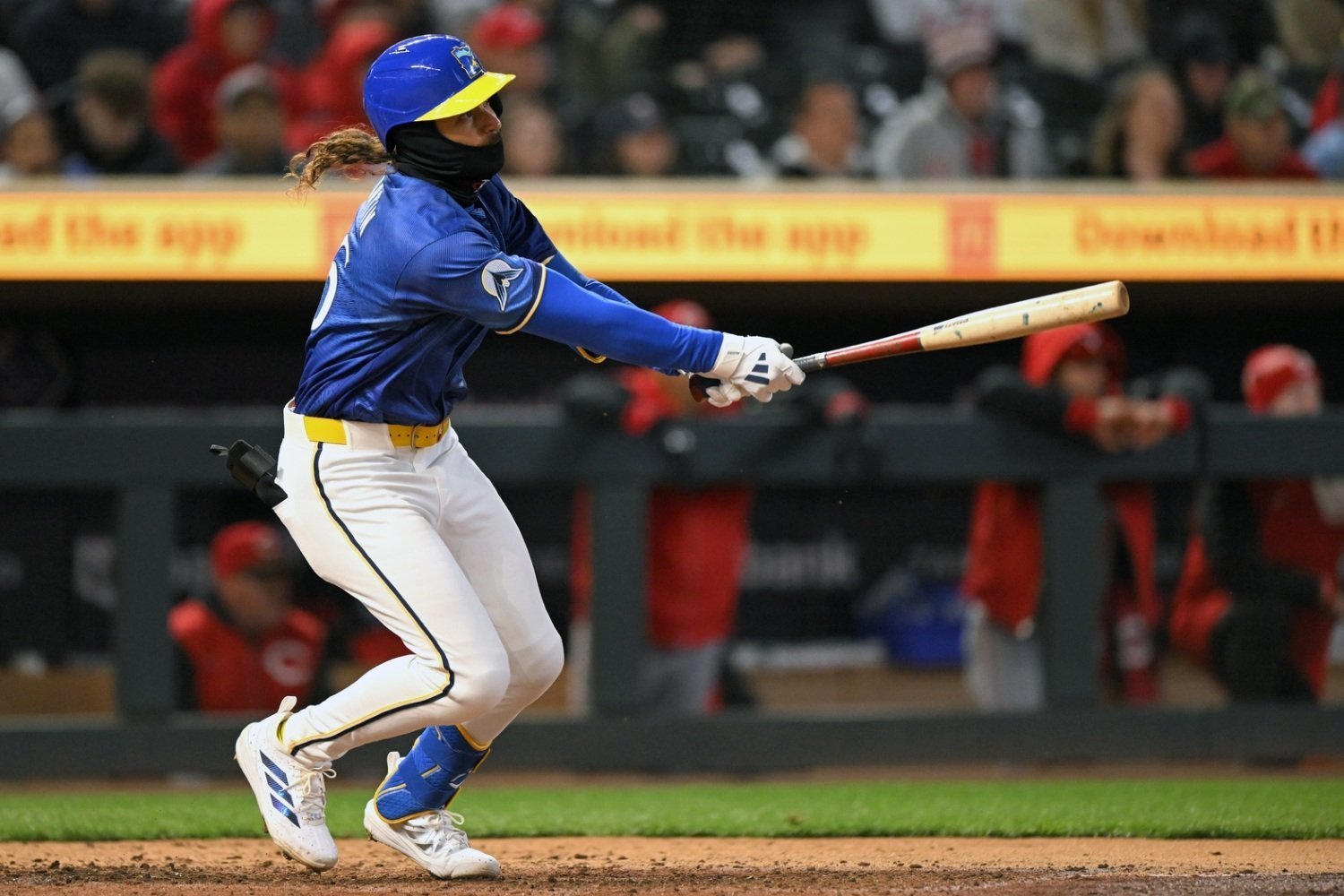 The Minnesota Twins opened the 2026 season with what the team hoped was a clear offensive identity. They consistently delivered in big moments, especially with runners in scoring position, helping fuel a strong start in the standings. It’s hard to believe the team sat atop the AL standings at one point this month, but here we are. The team’s timely hitting faded as April came to a close, with the lineup going cold in those same situations and leaving runs on the table. This has led to some frustrating losses in close games. Even with that dip, a handful of hitters stood out and helped set the tone for the season’s first full month. 4. Byron Buxton March/April Stats: .252/.306/.504 (.810), 5 2B, 1 3B, 8 HR, 8 BB, 36 K, 120 wRC+ April was a mixed bag for Buxton. After a spring limited by his participation in the World Baseball Classic, he took time to find his rhythm at the plate. The power showed up as he led the team in home runs, but the overall production has not quite matched his recent standards. His OPS+ has dipped 16 points compared to the last two seasons, and his struggles with runners in scoring position have been particularly noticeable during the team’s late-month skid. However, he ended the month on quite the hot streak with three homers in his last four games and five in his last nine. 3. Trevor Larnach March/April Stats: .269/.424/.403 (.827), 4 2B, 1 3B, 1 HR, 18 BB, 15 K, 138 wRC+ Larnach entered the season with something to prove. After a league-average campaign in 2025 (100 OPS+), there were legitimate questions about whether he fit into the Twins’ long-term plans. Early returns suggest a different story. Even while facing a schedule heavy with left-handed pitching that limited his opportunities, Larnach has shown a refined approach. His plate discipline has stood out immediately, posting more walks than strikeouts and consistently extending at-bats. He has already surpassed last season’s WAR total and is trending toward a career year if this approach holds. 2. Ryan Jeffers March/April Stats: .291/.411/.494 (.904), 2 2B, 1 3B, 4 HR, 15 BB, 17 K, 155 wRC+ Jeffers is treating 2026 like exactly what it is: a contract year. Already established as one of the American League’s better offensive catchers, he took another step forward in April. His on-base skills have been excellent, and his slugging percentage has jumped nearly 100 points from last season. What makes his performance even more valuable is the increased workload behind the plate. He is producing at a high level while handling a larger share of catching duties. If this continues, Jeffers is positioning himself for a significant payday this offseason. Twins Hitter of the Month: Austin Martin March/April Stats: .313/.477/.422 (.899), 4 2B, 1 HR, 19 BB, 13 K, 4 SB, 163 wRC+ Martin has been the engine of the Twins' offense in April. He finished the 2025 season on a high note with a 107 OPS+ and 11 steals in the team’s final 50 games. Martin has carried that momentum into this season and elevated his game even further. He leads the team in multiple offensive categories and has become a catalyst at the top of the lineup. His ability to control the strike zone stands out, with a sharp increase in walks and a reduction in strikeouts. Every plate appearance feels competitive, and his approach has had a ripple effect on the rest of the lineup. What once looked like a bench or platoon profile is quickly turning into something much more impactful. The biggest takeaway from April might not just be who performed, but who exceeded expectations. Martin and Larnach have flipped the narrative early in the season. Neither entered the year with a guaranteed everyday role, and both faced questions about their long-term fit on the roster. Instead, they have become key pieces of the lineup. If this is the version of each player the Twins are getting, it significantly raises the offense's ceiling. At the same time, the rest of the lineup cannot afford to coast. The organization is experiencing a wave of high-end talent pushing up from the upper minors, including Walker Jenkins, Emmanuel Rodriguez, Gabriel Gonzalez, and Kaelen Culpepper. With that kind of depth waiting at Triple-A, performance at the big-league level will dictate opportunity. April showed that unexpected contributors can emerge, but it also served as a reminder that spots in this lineup are far from guaranteed moving forward. How would your ballot look for the Twins’ Hitter of the Month? Leave a comment and start the discussion. View the full article
