


DiamondCentric
-
Posts
2,631 -
Joined
-
Last visited
Never
Content Type
Profiles
Forums
Events
News
Tutorials & Help
Major League Baseball Videos
Guides & Resources
Store
Downloads
Gallery
Everything posted by DiamondCentric
-

Twins Sweep of Tigers Could Be Latest Impractical Jokers Prank
DiamondCentric posted an article in Twins Daily
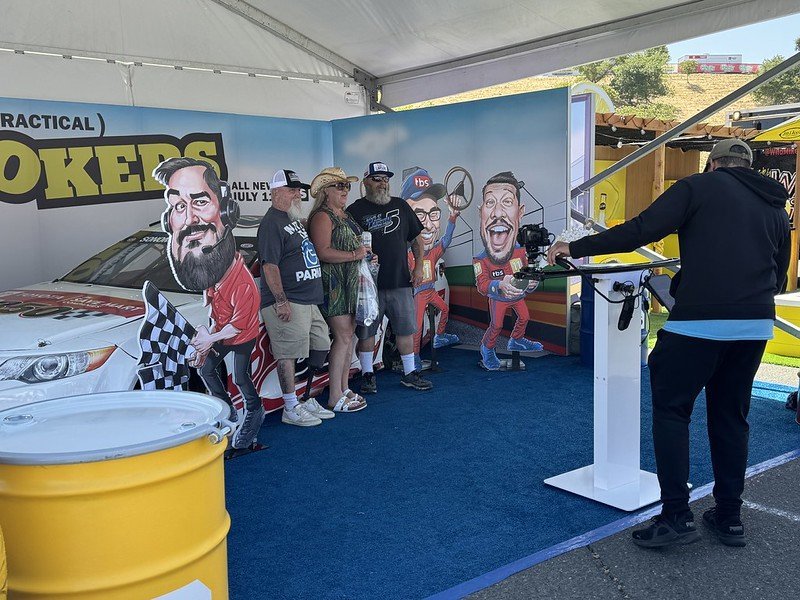 As the unheralded Eric Orze closed the door on the Detroit Tigers Thursday afternoon, the Minnesota Twins found themselves above .500 for the first time since June of last year. The four-game sweep of their AL Central rivals has the skeptics and haters scrambling for an answer. "Obviously, it's a small sample size, and you'd be foolish to draw any season-long conclusions from four games," said Preston Schreiber, 42, of Prior Lake. "But it's still a sweep over the best team in the division. They beat [Tarik] Skubal and [Framber] Valdez with their inexplicable roster of plodding lefty outfielders. I can only assume that the Tigers have one of those wasting illnesses people got on the high seas in the 1700s, and they're covering it up. I have no other explanation." Minnesota's starting pitching led the charge during the sweep, which isn't surprising from Joe Ryan and the red-hot Taj Bradley, but more baffling for the unproven Mick Abel and the soft-tossing Bailey Ober. "Did Ober throw over 90 mph at all on Wednesday?" asked Kraig Jansson, 51, of Centerville. "I don't think he did? And he had a 6-0 lead to start the 2nd! What is going on? I'm scared, I'll just be honest here. I'm scared and I don't know what to do." At least one fan thinks there's more to the situation than just a run of decent play and a scuffling opponent. "I just got done watching the NCAA Men's Basketball Tournament," said Sydney Nathe, 33, of Paynesville. "They were constantly running ads for Impractical Jokers, on TruTV or whatever. I don't know anyone who watches it. I don't think anyone ever has, if we're keeping it real. But from the commercials I saw, this Twins streak seems like the kind of hijinks the Jokers get up to." Twins Daily reached out to TruTV for a response, but we were told only that an all-new season of pranks, laughs, and crack-ups was coming soon to your local cable or satellite provider. "Their website says they've filmed almost 300 episodes," said Nathe. "That can't be right. Why is this happening?" Image license here. View the full article
 -
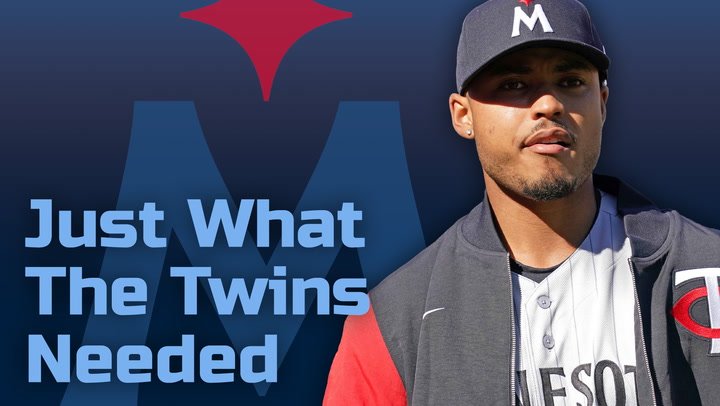 Taj Bradley isn’t just off to a strong start; he’s showing signs of becoming a true difference-maker in the Twins’ rotation. With elite swing-and-miss stuff and improving command, he might be exactly what Minnesota has been missing. View the full article
 -
 Transactions: LHP Shane Drohan optioned to AAA Nashville from MLB Brewers INF Ethan Murray placed on AAA Nashville’s 7-day injured list C Andrick Nava activated by AAA Nashville from Development List You’ll also find some health updates on RHP Jacob Morrison, RHP Melvin Hernandez and INF/OF Eduardo Garcia thanks to @ARobsBrewCrew in the Minor League Forum. Game Action: Nashville Pre-Game Media Notes Final: Nashville 6, Gwinnett 3 Box Score and Game Log Via the Sounds’ website, game details and we encourage readers to review affiliate write-ups as part of their Link Report routine: Leonard Homers Twice in Sounds Win Over Gwinnett While Nashville out-hit the Stripers 13-to-6 and also won the strikeout battle with 13 Ks for Sounds’ pitchers, they nearly got too far behind as RHP Coleman Crow allowed 3 runs in the 5th inning to trail 3-1 before allowing a leadoff walk and double in the bottom of the 6th inning. Thankfully Crow (5 IP, 3 R, 6 H, 1 BB, 7 Ks in relief) buckled down to register back-to-back Ks and a pop out to escape that 6th inning jam and SS Jett Williams (2-for-4, walk), OF Luis Lara (3-for-4, walk, SB) and Nashville’s offense immediately responded to tie the game half an inning later, with some help from a Gwinnett error. Obviously, starting RHP Logan Henderson (3 1/3 scoreless, hitless innings with 5 Ks and 2 BB in 53 pitches) and 2B Eddys Leonard (2 solo homers to give Nashville leads of 1-0 and 4-3) were the standout performers in this contest. OF Greg Jones (2-for-5, RBI), DH Ramon Rodriguez (2-for-4, double) and RHP Will Childers (retired both batters faced to lift his scoreless inning total to 4 this season, after 5 scoreless innings in MLB Spring Training) keep quietly getting the job done. Sounds’ Extras: This was Henderson’s third outing in 10 days, after a 45-pitch effort on March 31 for Nashville and a 35-pitch spot start for the Brewers on April 4. After the Stripers ran wild on C Jeferson Quero (1-for-4, walk) and the staff on Tuesday (10 stolen bases), they only had one steal in this contest. The two teams combined to go 2-for-18 with runners in scoring position and strand 16 baserunners, but Gwinnett hurt themselves with 2 errors, an ill-timed wild pitch (extending the Sounds’ lead to 5-3 in the top of the 9th inning) and a balk. Friday’s outlook: Though he was reportedly working through some bicep/tricep muscle soreness, LHP Robert Gasser (5 2/3 scoreless innings with 11 Ks in his last outing) is expected to make his first start since March 27, per the linked game report. Nashville aims to even the series at two games apiece. Biloxi Pre-Game Media Notes Final: Biloxi 15, Pensacola 3 Box Score and Game Log Via the Shuckers’ website, game details: Shuckers Score 15 Runs in Blowout Victory over Blue Wahoos As you’ve read, 22-year old 1B Blake Burke (3-for-5, 2 HR, double, 4 RBIs, SB) and 18-year old SS Jesus Made (3-for-6, 2 triples, 4 RBIs) continue to sizzle, leading the charge in this game to bring Biloxi back into the series after dropping the first two games. 22-year old RHP Ryan Birchard’s first career AA start (2nd appearance) was initially nerve-wracking as he allowed 4 walks and an infield single in the first 2 frames to trail 1-0, but he settled in nicely to retire his last 4 batters faced. Having a 6-1 lead can apparently calm a pitcher’s nerves. There are plenty more offensive highlights on the Shuckers’ ‘X’ feed, as you’d expect when 2B Dylan O’Rae reaches base 4 times and has 2 RBIs, 3B Eric Brown Jr. reaches base thrice with 3 RBIs and every Biloxi starter reaches via hit or walk in their big win. The good guys even stole 6 bases in the contest. Shuckers’ Extras: RHP Brett Wichrowski conceded 2 solo homers, but those were his only true blemishes in 5 innings of solid relief work (2 R, 7 H, 2 BB, 5 Ks). RHP Sam Garcia also tossed a 1-2-3 final inning to bounce back from a rough first outing of 2026 back on April 5. This was Mike Boeve’s first career Minor League appearance in the outfield since being drafted in the second round in 2023. If he keeps hitting (1-for-3, 2 walks, SB), the organization will find a way to get him on the field. Per the game log, only one baseball made found its way out to him in left field (a 7th inning single), so I guess the baseball gods decided to ease him in. The offense dominated despite red-hot OF Damon Keith (1.343 OPS through 23 PAs) getting a rest day. He had exited Wednesday’s contest in the 5th inning for a pinch runner after legging out an infield hit. Hopefully he’ll be back in action quickly. Friday’s outlook: 21-year old RHP Bishop Letson looks to bounce back from his last start (1 1/3 IP, 3 ER, 1 K) and lead Biloxi to a 2-2 series tie. Wisconsin Pre-Game Media Notes Final: Quad Cities 11, Wisconsin 1 Box Score and Game Log Via the Timber Rattlers’ website, game details: Wisconsin Falls at Quad Cities After Wisconsin lashed Quad Cities 9-1 on Wednesday, I guess the River Bandits decided to return the favor. Starting 19-year old RHP Ethan Dorchies (2 1/3 IP, 5 R, 7 H, 0 BB, 2 HBP, 2 Ks) faced 11 batters in the first inning, but did eventually get out of it and even retire 5 straight Quad Cities batters at one point, before exiting after an infield single. The Timber Rattlers nearly made a game of it when DH Marco Dinges singled and OF Josh Adamczewski walked to open the 4th inning with 2-on, nobody out, trailing 5-1, but Quad Cities went to their bullpen to escape that jam unscathed. In fact, they retired 10 straight Timber Rattlers before Wisconsin had a 2-on, 1-out opportunity in the 7th inning while still trailing 5-1 (a ground ball double play ended that threat). Timber Rattlers’ Extras: Kudos to RHPs Yerlin Rodriguez (2/3 scoreless IP), Quinton Low (2 scoreless IP, 3 Ks) and Michael Fowler (1 2/3 scoreless IP, 4 Ks) for solid bullpen work. Unfortunately, RHP Bryan Rivera (1 1/3 IP, 6 R, 4 H, 3 BB, 1 K) couldn’t join them in that vein. Somehow 4 Wisconsin errors did not result in any unearned runs. Quad Cities was clean on the defensive side of the ball and even turned 3 double plays and had an outfield assist in a solid all-around game for them. Wisconsin’s offense produced just 4 singles, 3 walks and an 0-for-6 effort with runners in scoring position, as they’re saving up runs for the remaining 3 games of the series. Friday’s outlook: 20-year old RHP Bryce Meccage will try to bounce back from his first outing (2 2/3 IP, 3 R, 1 K) and lead Wisconsin to a 3-1 series lead on the road. Wilson Pre-Game Media Notes Final: Salem 2, Wilson 1 Box Score and Game Log Via the Warbirds’ website, game details: Warbirds Drop Third Straight to Salem The Warbirds certainly had their opportunities in this contest, going 1-for-13 with runners in scoring position, including coming up empty on bases loaded, nobody out opportunities in the 2nd and 7th innings. Striking out 18 times versus just 5 Ks for the RidgeYaks was the big difference in this tight 2-1 contest. 19-year old RHP Miqueas Mercedes (4 1/3 IP, 1 R, 5 H, 3 BB, 4 Ks in 75 pitches) put in his second solid start of 2026, while RHP Garrett Hodges (3 2/3 IP, 1 R, 1 H, 3 BB, 1 K in 48 pitches) took the tough luck loss. After a wild pitch gave Salem its first lead at 2-1 in the bottom of the 8th inning, 3B Filippo Di Turi did well to throw out a baserunner at home to keep it a 1-run contest. Unfortunately, a 3-up, 3-down top of the 9th inning followed to end it. Warbirds’ Extras: The team’s 4 singles came from their 5 thru 9 batters in the lineup, as Wilson’s 1-5 hitters combined to go 0-for-17 with 4 walks and 13 strikeouts. OF Luiyin Alastre and 1B Eric Martinez each reached via a hit and a walk. Martinez’s infield single did score a run to produce a brief 1-0 lead, though it was unearned due to a Salem error. Friday’s outlook: 19-year old LHP Enderson Mercado is scheduled to make his first start (second appearance) of 2026 (3 1/3 IP, 4 R, 4 Ks in his first outing), as the Warbirds need a win to prevent Salem from winning this week’s series. We hope that you enjoy the Minor League Link Report. On Friday, Wilson gets the action started at 5:35pm CST, followed by Nashville (6:05pm), Wisconsin (6:30pm) and Biloxi (6:35pm). The Milwaukee Brewers host the Nationals at 6:40pm. Organizational Scoreboard including starting pitcher info, game times, MiLB TV links, and box scores Current Milwaukee Brewers Organization Batting Stats and Depth Current Milwaukee Brewers Organization Pitching Stats and Depth View the full article
 -
Kendry Chourio Is Turning Heads In The Royals' System
DiamondCentric posted an article in Royals Keep
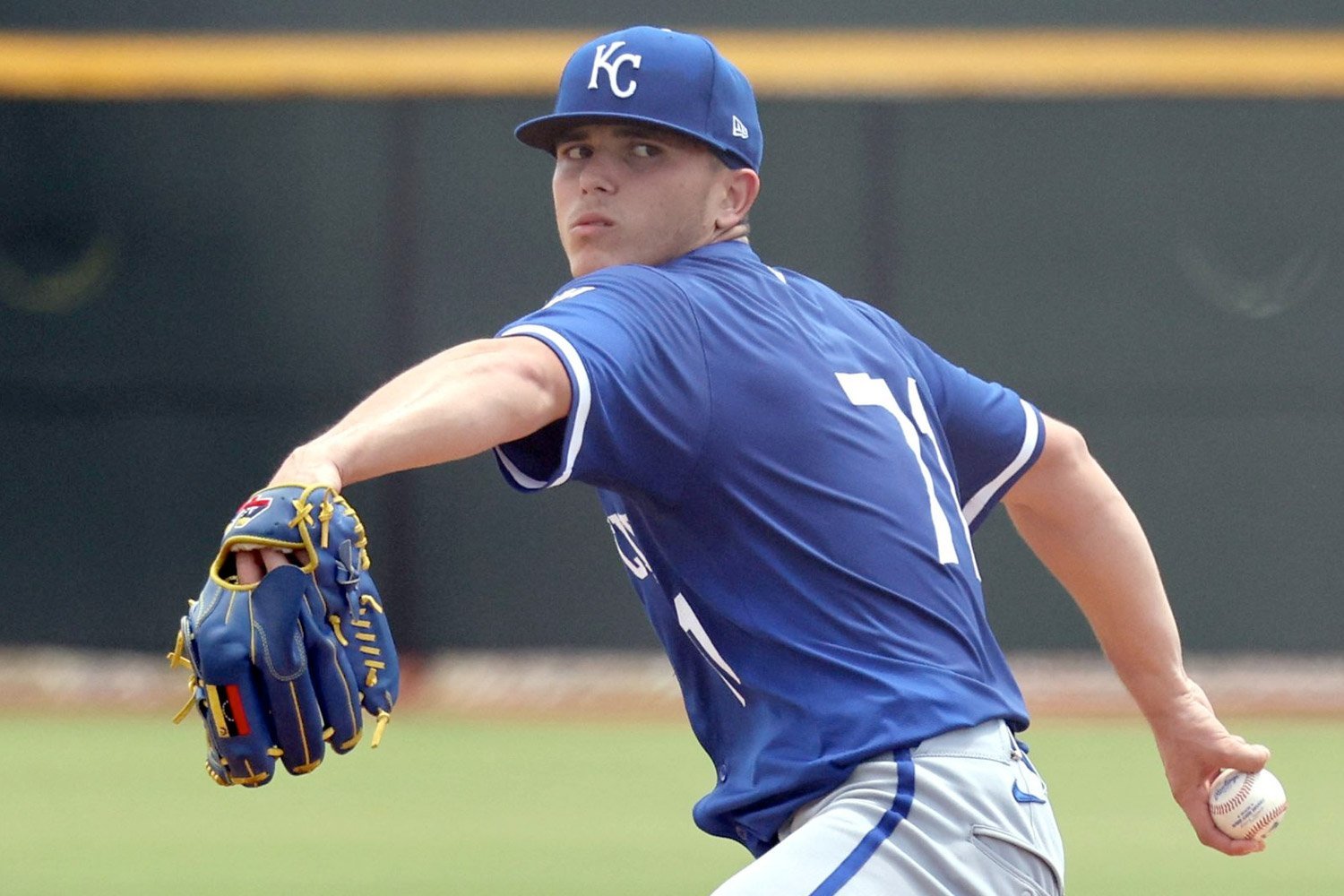 When the Kansas City Royals signed 16-year-old Kendry Chourio out of Venezuela for $247,500 in January of 2025, few could have predicted just how quickly the right-hander would rise through the system. Less than a year later, he has already earned a spot on MLB Pipeline’s Top 100 prospects and is ranked number 75 on Baseball America’s list, up seven spots in just three to four months, further cementing his status as one of the most exciting young pitchers in baseball. Chourio began the 2025 season in the Dominican Summer League, quickly proving that he belonged far above his age group. Across the DSL and the Arizona Complex League, he allowed just seven earned runs in 28 2/3 innings while walking only one batter, an eye-popping display of command for a teenager. By midseason, the Royals promoted him to Single-A Columbia. Facing older, more polished hitters, Chourio ran into some challenges, but his strike-throwing remained exceptional. In six starts, he walked only four and struck out 24, finishing with a 5.16 ERA. What makes Chourio so intriguing is his combination of advanced pitchability and a dynamic arsenal. His fastball sits between 94 and 97 mph comfortably with natural cut, and his curveball in the upper 70s generates swings and misses while maintaining sharp downward action. He complements those offerings with a fading changeup that sits around 86-87 mph and shows plus potential. He can also flash a low to mid-80s slider, giving him a mix of weapons that is rare for a pitcher of his age. Scouts rave about his ability to sequence pitches and read hitters, a skill that is often years away for other teenage arms. Chourio’s delivery is simple and repeatable, his lean frame athletic and increasingly strong. He commands the strike zone with a poise and confidence that belies his youth. That command, combined with his velocity and movement, gives him a profile that could project as a frontline starter if he continues on this trajectory. Advanced metrics show that Chourio’s season pitching percentiles include below-average wOBA (40th percentile), strikeout rate (55th percentile), whiff rate (31st percentile), CSW percent (40th percentile), swing percent (26th percentile), and SwStr percent (42nd percentile) per FanGraphs. However, he posted a strong ground-ball rate in the 80th percentile and an excellent walk rate in the 74th percentile, at just 7.1 percent, highlighting his ability to control the strike zone and keep hitters on the ground. The early returns in 2026 have only added to the excitement. In a spring breakout game, Chourio threw two innings, allowed one hit, struck out three, and touched 97 mph on the radar gun. Shortly after, he made his official MLB debut, tossing three innings while giving up four hits and two earned runs, walking one batter and striking out four, throwing 59 pitches with 39 for strikes. Both outings reinforced what scouts had been saying for months. He has the ability to miss bats, attack the strike zone, and adjust to more advanced competition. Given his age, Chourio is already well ahead of what is typical for a pitcher on a similar path. The Royals plan to help him refine his secondary pitches, pitch inside with confidence, and manage high leverage situations, all while continuing to build strength and durability. According to Prospect Tilt, he has the potential to be a top-three pitching prospect heading into 2027, underscoring just how high his ceiling might be. Chourio is not being rushed, but the organization is not holding him back either. His rapid rise through the minors in 2025 proved he can handle aggressive promotions, and if he continues to perform, he will move quickly toward the majors. The Royals estimate his call-up time around 2029, but everything he has shown so far suggests he could arrive sooner if development continues at this pace. With a mid to upper 90s fastball, three advanced secondary pitches, elite command, and a rare feel for pitching at such a young age, Kendry Chourio is more than just a prospect to watch. He is becoming a name that will be heard across baseball for years, and if everything clicks, he could be the next ace in Kansas City. View the full article
 -
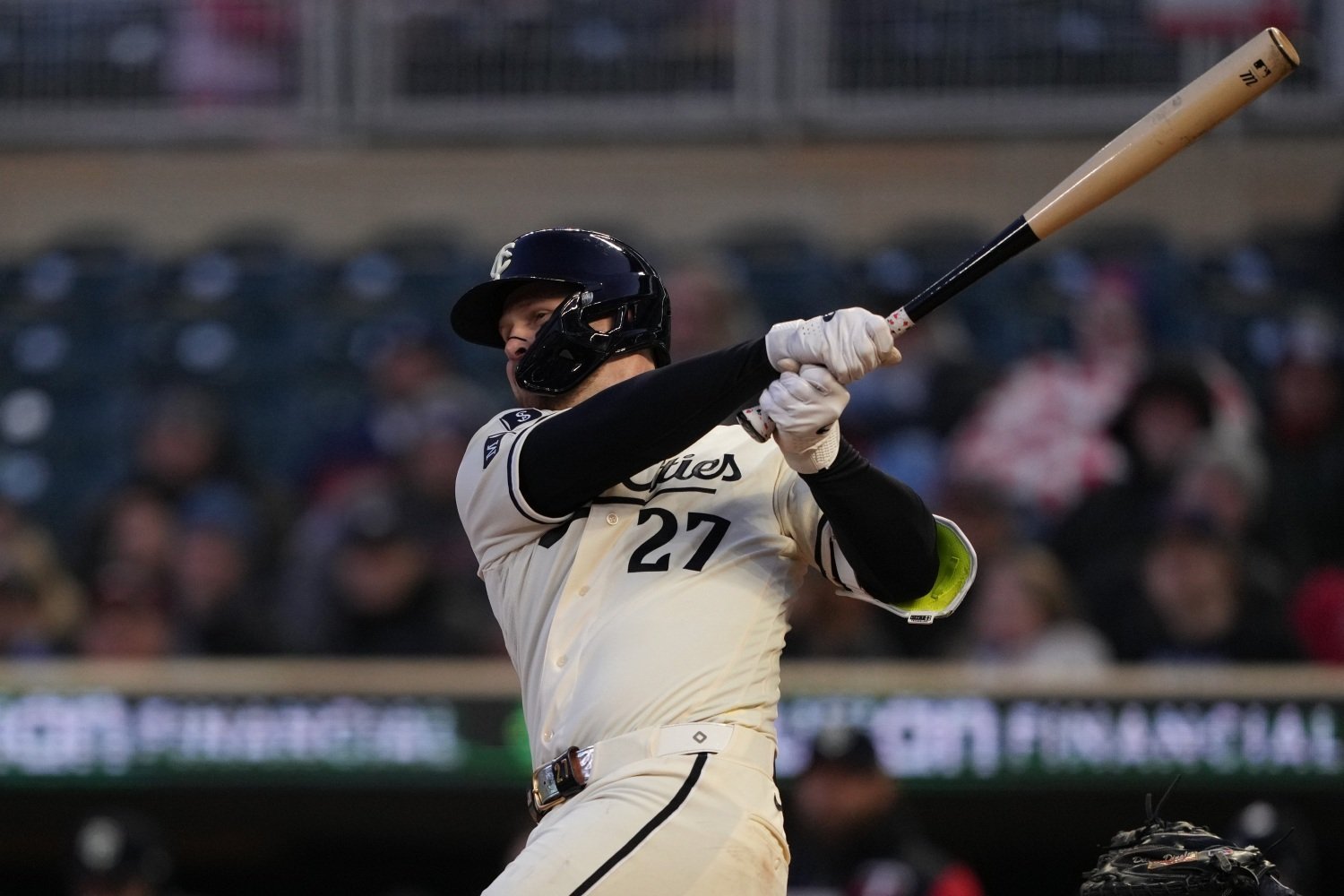 No one can accuse Ryan Jeffers of being selfish. Though he'll sometimes hide himself away to undergo treatment during open clubhouse times, when he's near his locker, he's as generous with the media as any member of the team. He's conscientious about meetings and collaboration with his pitchers and coaches. He gives everything he can to the team, in the pursuit of wins. That said, he's always been refreshingly frank about the realities of the game and its economics. Jeffers was an underslot signing as a second-round pick in 2018. He didn't make more than $1 million in a season until 2023. He understands that he's very lucky to have earned nearly $20 million playing baseball, but he's also aware that he becomes a free agent this winter—and that that's his chance to secure generational wealth for his family. The way arbitration works and the opportunity to hit paydirt in free agency motivated his push to play more over the last two years. The same factors have influenced the way he's remade his game over the same span, and especially since the end of the 2024 season. For instance, in concert with the Twins, Jeffers made a change last summer that he believes turned him into one of the game's best receivers. It's a fairly simple one: he went exclusively to a right-knee-down catching stance. "Since July 1 of last year, when I went to right-knee-only, I've been third in baseball [in overall catcher defense]," Jeffers said Wednesday, citing the Twins' internal metrics. He's not just saying he's been better; he's positioning himself in the broader context of the league. And the data bears him out. Jeffers said he and the team agreed on the change because his framing numbers weren't where either party felt they should be, going back to the beginning of 2024. In particular, he was losing too many strikes just inside the zone, partially because he was uncomfortable with the variety of setups he was trying to use behind the plate. The league has trended toward putting the left knee down more often, and Jeffers was doing the same, but his body works a bit differently than do other catchers'. He's akways been acutely aware of his size—not just his sheer dimensions, but the proportions of his body. "I think most guys are more comfortable left-knee-down, but for me, right-knee-down is way better," he said. "I just feel like I can move better, present the ball better." It helps, Jeffers noted, that right-knee-down is the preferred stance any time a runner is on base, because it's easier to throw from that stance than when starting with the left kinee down. Still, most catchers find that the left knee being down leaves their glove arm freer to move and receive the ball smoothly. Jeffers prefers the stability he feels with the right knee down. Of the 60 catchers who have caught at least 2,500 tracked pitches since the start of last July, only four have used the left-knee-down stance less often than Jeffers—and he's been better since making the change. Here are two curves and tables, comparing Jeffers's strike rate on called pitches near the edges of the strike zone to that of Alejandro Kirk and to the league average. The top graphic is from the start of 2024 through the end of June 2025. The bottom is since July 1 of last year. There's been an across-the-board improvement. Jeffers was, previously, about average at keeping strikes that were clearly inside the zone but near the edge strikes, but below-average on and just off the edges. Now, he's average on those pitches comfortably inside the zone, and above-average on the coin-flip calls and those just off the fringes. The Statcast framing data doesn't quite line up with what Jeffers and the Twins are looking at, but he went from 54th of 55 qualifying catchers in the year and a half before going exclusively right-knee-down to being 6th of 57 qualifiers since. Even more importantly—or at least more visibly, and firing up everyone involved, including Jeffers—he's turning out to be the master of the challenge system. That's no surprise. "I think our catchers have done a really good job," manager Derek Shelton said of the early returns on the ABS system at the start of this homestand. "I think we went into spring training, knowing—because the one thing I will note, not talking about last year, but I give the Twins a lot of credit with last year in spring training—is they paid attention to it, knowing that it was probably coming in. and we knew coming in that Jeffers had done a good job during spring training [of 2025]." Though it couldn't be implemented right away in games that counted, Jeffers did dedicate himself to learning the system and anticipating the best ways to use it last spring. He talked about its eventual installation throughout last season. One reason why being so much more comfortable physically in the right-knee-down setup mattered was because it allowed Jeffers to hone his eye for the edges of the zone, an advantage he's now able to press by challenging when the umpire doesn't bite on a pitch he knows caught a corner. He's been gearing up for this for a long time, and he's been an eager and excellent user of the system since Opening Day. Jeffers ended four Tigers at-bats by appealing called balls with two strikes late in the games on Tuesday and Wednesday nights, getting overturns each time. He's flipped eight calls for third strikes this season, which not only paces the league, but leads the next-best catchers by five. Flipping pitches to finish off strikeouts and even end innings is a very obvious way for that skill to shine through, but it's not just about the outs themselves. "But what that also does is, it saves pitches, and then it could possibly save who you’re using in the bullpen, or what the actual strategy of the game [looks like]," Shelton said Wednesday. "So when you're managing the game, you think, ‘I like these matchups,’ and then all of a sudden, that pitch flips one way or another—we don't have ABS and it ends up becoming a ball, then maybe that guy doesn't go through that stretch." Jeffers believes his acuity and restraint—for instance, the Twins lost their first challenge in the first inning Wednesday night when Austin Martin wasted one at the plate, so Jeffers waited until the eighth inning to mount challenges that got Cody Laweryson two outs in that frame—will be viewed as a high-value, marketable skill this offseason. You can bet that his agent, Scott Boras, will include it in his binder of information about his client, even if that binder is now digitally delivered, rather than a physical tome. His usage of the system only boosts Jeffers's popularity with his pitchers, of course, but the affinity there runs deeper than the challenge system, or than framing in general. Taj Bradley credits Jeffers with helping him go into starts with a clearer, more detailed plan of attack against opposing batters. "I think he calls a good game," Bradley said after his 10-strikeout performance against the Tigers Tuesday night. "He does his research and his reports and stuff like that, and we sat down before the game and we talked through it, so it's not a surprise what he's calling, why he's calling it, and it's just confidence in everything he puts on the [PitchCom] buttons." It's not hard, when considering the mechanical changes he's made in setting up to receive the ball and the deftness he's shown with the system already, to see why Jeffers believes he can hit the market as an in-demand, high-end defensive backstop. Nor, based on his track record, is he a glove-only catcher. Still, to get paid the way he envisions, he'll need to show the league that he's a true two-way threat. In terms of results, he's off to a slow start, batting .226/.351/.290. The process numbers paint a finer portrait, though—and his solid games Tuesday and Wednesday night started to reward the good work. Most notably, he cracked an opposite-field two-run double against Tarik Skubal Tuesday night, the game-breaking strike. eHl3T0RfWGw0TUFRPT1fVUFsV1hGWUVWQWNBV3dSWFVnQUhDQUZRQUZrTVUxWUFWd1pRQVZWUlVGVUFCQVFI.mp4 "The Jeffers at-bat was an unbelievable at-bat," Shelton said after that game. "I mean, to foul balls off—I thought he'd taken some really good swings earlier on the fastball and got underneath it a little bit—but to go two strikes and just flatten himself out and hit that double down the line, that was a really, really good at-bat." That's a good summation of what happened, and describes something that Jeffers has changed this year that could help him do it more consistently. The slider from Skubal was actually down and out of the zone, on the outer part of the plate. Since the start of 2025, Jeffers only has four hits on pitches in that area, and this one is the only extra-base hit. Even last year, he couldn't have gotten to this ball the way he did Tuesday night. To understand why, take a look at how he was oriented when he made contact with the pitch. The flattening out Shelton is talking about is, in part, his bat path. Jeffers's swing tilt on this pitch was 29°, which is unusually flat for a pitch down around or below the knees. To hit the ball low and away, though, you have to be able to stay somewhat flat, so the barrel of the bat can reach far enough to hit the ball solidly. That's a long way of saying what every baseball fan already knows: it's hard to hit the ball down and away. At the very least, doing so usually requires anticipation and commitment. For Jeffers, though, there's been another element, too. He changed his stance this year, getting more upright in the box to start and striding longer. In this table, the distance between his feet is official, as reported by Statcast; his stride length is an estimate based on Statcast's visualization of his stance and swing. Season Dist. Between Feet (in.) Stride Length (in.) (est.) 2023 35.3 12.1 2024 37.9 11.1 2025 36.2 14.8 2026 32.0 19.4 A longer stride means Jeffers is getting into his legs more flexibly within his swing. It costs him a bit of power, based on the approach he's used the last year-plus (more on that momentarily), but it allows him to hit the ball sharply to the opposite field in a way he couldn't do as well in 2025. He's more adaptable. He can adjust and, yes, flatten himself out, because by sinking deeper into his legs, he gains the option of swinging flatter on low pitches and still reaching them with the barrel. Most of the time, of course, his plan is not to be in a 1-2 count, and thus, to let that pitch go and wait on a better one to hit. He came up with a huge hit against the two-time defending Cy Young Award winner, but the hope is that he won't always be in such a defensive position in the box. That starts with being patient. Jeffers swung at the first pitch in the at-bat roughly 30% of the time over his first five big-league seasons, but last year, that number fell to 19.1%. It's just 21.1% so far this year. Overall, Jeffers is swinging less, accepting walks, and trying to stay in counts where he can hunt for meatballs. So far, he's not generating the power that could turn him into an especially high-end free-agent prize. He only hit nine home runs last year, as he changed his approach a bit and gave up some pull power to get on base more. Unlike some players, he doesn't swing noticeably harder or catch the ball farther out in front of himself when he's ahead in the count. To get back to slugging the way he did two years ago, that might need to change. For now, though, Jeffers is happy with the swing decisions and the contact he's finding with the swing he's engineered. The results, he believes, will come. The Twins don't need Jeffers to hit 30 home runs. What he did at the plate last season was plenty, especially given how good a defender he's become at the most defense-forward position on the diamond. A catcher who adds value via run prevention and gets on base at a .350 clip, as Jeffers has done since the start of last year, can be extremely valuable even with below-average power. Though he has plenty of his own reasons to do it all, the team can be pleased with each of the adjustments he's made. They'll make Jeffers rich, but first, they'll also help the Twins win some extra games in 2026. View the full article
 -
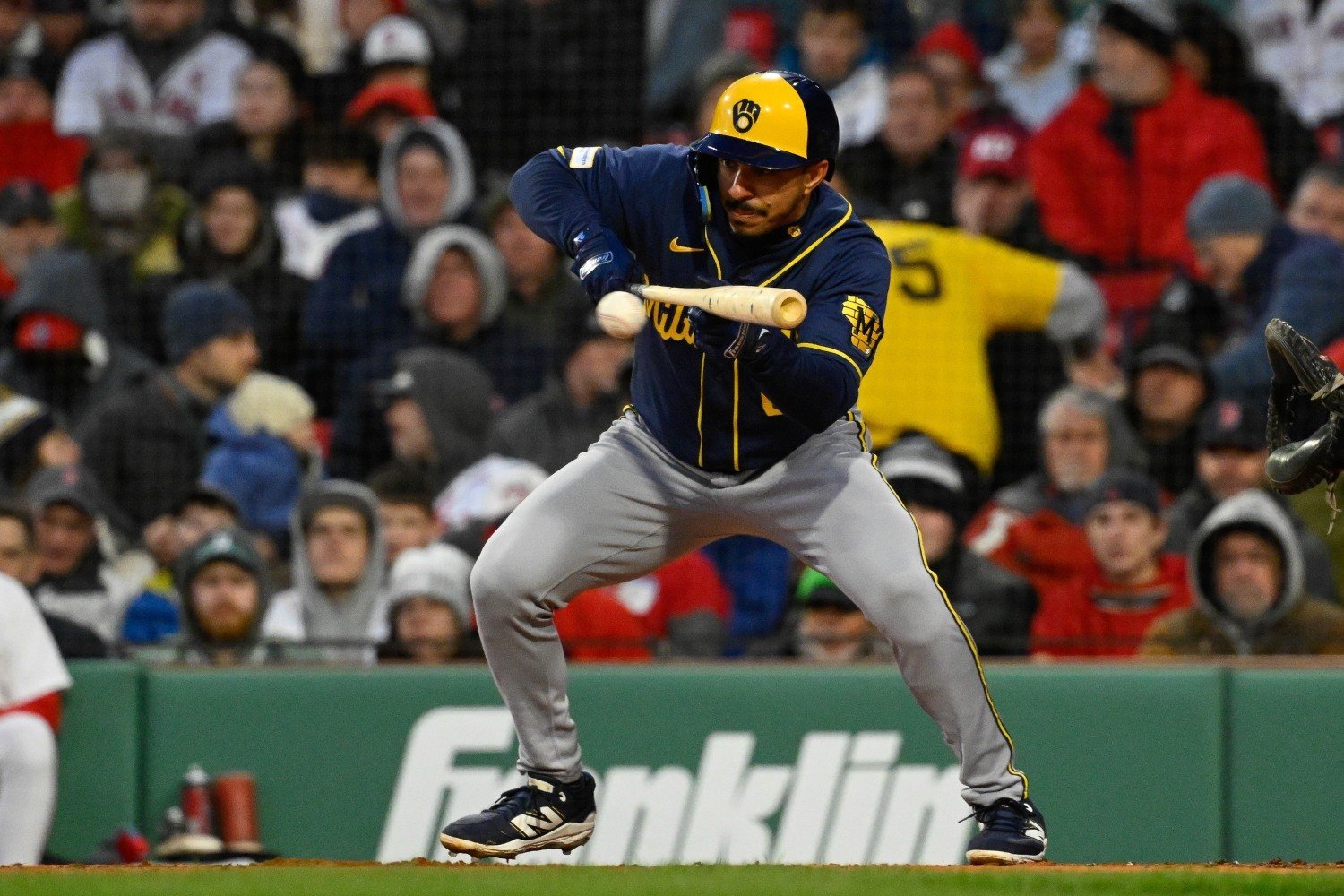 New Brewers infielder David Hamilton is a pest, once he's on base. He's dangerous there. He's already stolen four bases this year, an extension of a long track record of aggressiveness in that department. The last thing you should ever want to do is put Hamilton on base for free. He doesn't hit for much power, and he swings and misses a fair amount, so the thing to do is to just go right after him. Fortunately for the Brewers, pitchers aren't doing that this year. They used to do it; they did it all last season. But they've stopped. Here's a scatter plot of hitters by the percentage of pitches seen that were in the strike zone and the rate at which they swung in 2025. Here's the same chart for 2026. From 52% last year, the percentage of pitches that have been in the zone to Hamilton has plummeted to 44% so far in 2026. It's a huge difference, and although he's reduced his swing rate accordingly, he's not being meaningfully more patient in the zone or any better at not chasing. He's just had a lot more junk at which to not swing. As a result, in 36 plate appearances, he's walked a whopping nine times. His on-base percentage is .485. It's hard to figure out why the league isn't being more aggressive with Hamilton. He's actually reduced his bat speed this year, and he's letting the ball travel about 3 extra inches into the hitting zone. A deeper contact point makes him less likely to whiff, all else equal, and his slashing style and speed do make him feel a bit dangerous. Sixteen of his 36 plate appearances have come with runners on base, which somewhat reinforces the newish notion that protection—the influence of teammates on the way a given batter is pitched—comes from in front of you in the batting order, rather than behind you. On the other hand, Hamilton has already faced left-handed pitchers in 10 plate appearances. Last season, he only saw a southpaw 20 times, in 194 trips to the dish. If nothing else, you'd think a fellow lefty would be comfortable going right after Hamilton, both because he's unlikely to punish you with power left-on-left and because a speed demon is a bit less of a threat once on base when the pitcher on the mound is able to stare right at them during their set. Nonetheless, the numbers are right in front of us. The sample is tiny, but Hamilton is seeing a lot of pitches miss the zone, and he's not helping hurlers out. They'll have to show him, instead, that they can throw strikes, and once they do, he's likely to punish them a bit more, after all. The Brewers have a dynamic offensive weapon on their hands, in the person of their versatile and lightning-fast utility infielder. View the full article
 -
 It's time for the first of many Miami Marlins player interviews that we will be bringing you on Fish Unfiltered this season. AJ Ramos, Isaac Azout and Kevin Barral analyze a busy week for the Marlins against the New York Yankees and Cincinnati Reds (3-4 combined record in those series). Then, catcher Liam Hicks sits down with Isaac and Kevin to explain his excellent offensive performance early in 2026, the team's proficiency with the Automated Ball-Strike challenge system, receiving pitch calls from the dugout and much more. You can find Fish Unfiltered and Fish On First LIVE on the Fish On First YouTube channel, Apple Podcasts, Spotify or wherever else you get your pods. Entering Friday, Hicks is slashing .314/.390/.600 with a 173 wRC+ and just as many walks as strikeouts. He has driven in 13 runs already, tying a career-high for most over any 12-game span. The Canadian's versatility makes him useful on a daily basis, as he has made five appearances (two starts) at first base when he isn't behind the plate. Still pre-arbitration-eligible, the former Rule 5 draft pick is under Marlins club control through the 2030 season. View the full article
 -
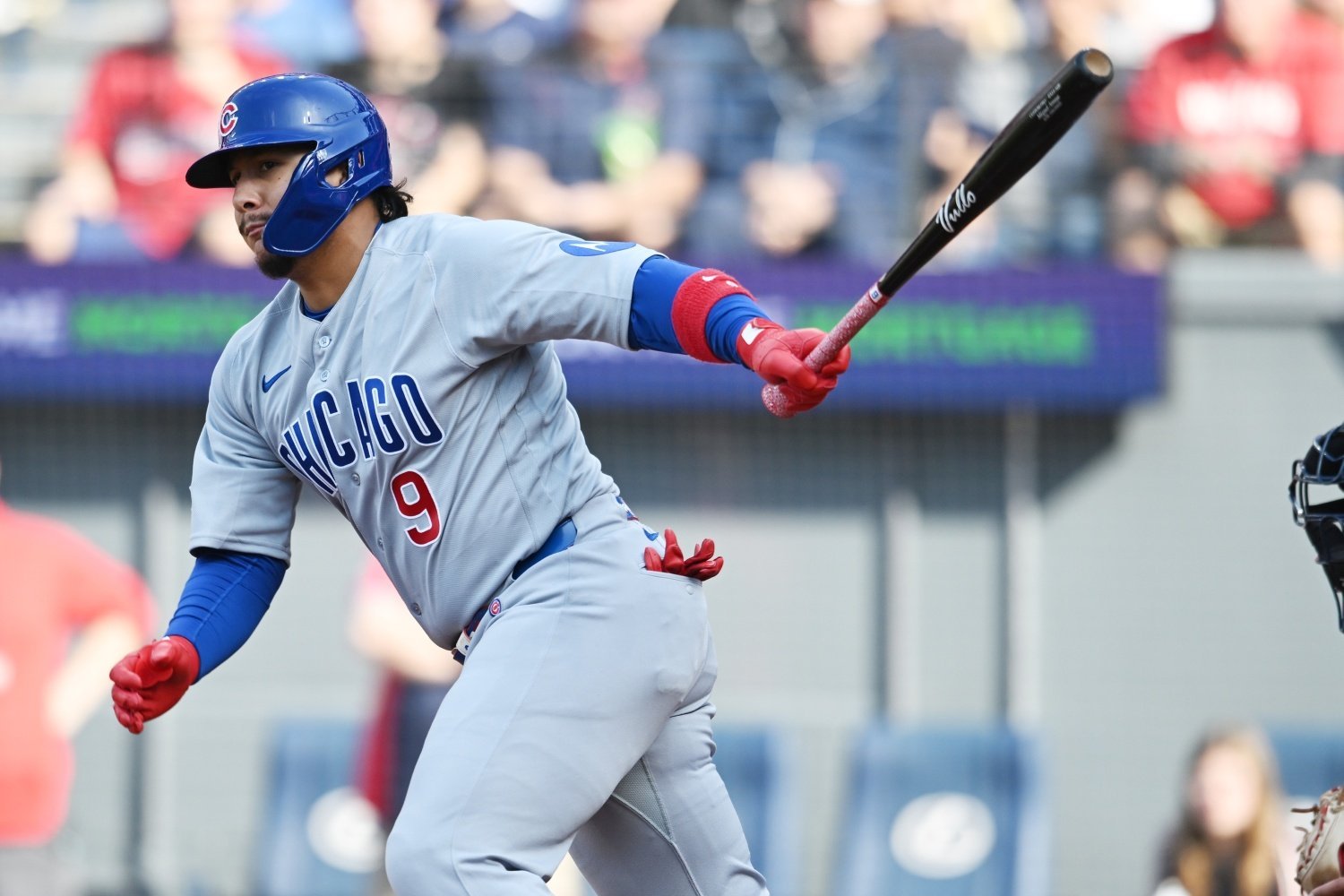 Hitting is problem-solving. After all, you're standing there in a box, not allowed to move beyond it, armed with a seemingly powerful but unwieldy club, and you've got a projectile coming at you at bone-breaking speed. You can't be sure where it'll be when it passes you, or even that it won't come find that spot between your third and fourth ribs that leaves you wincing every time you run for a week. You can't do more than guess (albeit in an educated way) which way the thing might swerve en route. If you don't find ways to consistently whack that projectile off into corners and empty spaces, you lose your job. You've got a problem, all right. You'd better have some ideas to solve them. The above are some of the problems of sheer difficulty in hitting well. The reactive nature of the exercise, the excellence of modern big-league defense, and the nuances of situations pose plenty of difficulties. There's another problem every hitter eventually runs into, too, though: to attack pitches and be as dangerous as possible in the box, eventually, you have to risk hurting yourself. In fact, as the league has become increasingly fast and ferocious, those types of injuries are becoming more common. Higher pitch velocities mean that hitters have to swing faster, too, and for many, rotating fast and explosively enough to win your showdown with a pitcher eventually means losing a battle with the integrity of your own muscle tissues. Over the last decade, strains to key muscles in the torso have become much more common in hitters. Last season, in fact, was a bonanza for these things—oblique strains, intercostal strains, abdominal strains, and so on. In May 2025, Miguel Amaya became one of the victims of that trend. He was hurt, by coincidence, on a throw in Cincinnati, but the way he pushed his limits with his swing speed contributed to the damage. That injury derailed Amaya's season. He missed nearly three months, then sprained his ankle in his first game back in August. It was a disaster—not just because it stopped him cold during a great season, but because it's had a noticeable, even eye-popping hangover effect this spring. Last year, Amaya's average swing speed was 72.2 miles per hour. That's above-average, especially for a catcher—those guys are selected for defense, after all. It formed a downward trend, from 73.7 MPH in 2023 and 72.9 in 2024, but it was still a strong number. Of course, nearly all of the swings making up that average came before he suffered that oblique strain. This season, Amaya has served in a similar role as the one he had last year, splitting time with Carson Kelly. He's been very patient—much more so than in the past, with his swing rate nosediving from 54% to 38%—so he's only lodged 29 competitive swings on the season. In them, though, he's averaging just 68.4 MPH of bat speed. He's topped out just over 76 MPH. Every possible sign says Amaya has gone from a plus to a minus with regard to bat speed. He's lost a ton of it. Obviously, that doesn't mean he can't be at least somewhat effective. Firstly, to support that claim, we can point to the fact that he's batting .294/.400/.529 this year. Swinging less is as good as swinging slower is bad; it can produce walks and put you in hitter-friendly counts. Once you have the advantage on the pitcher, maybe you can sit on a certain pitch type, and the feeling that the pitch might swerve in the wrong direction on you goes away. If Amaya squares the ball up much better because his swings are more on target, he can make up for this big loss of bat speed. Slower swings are also, by and large, more likely to result in contact, as are shorter ones. Amaya's bat path has been flatter and more direct this year, so he's found some hits in two-strike counts. He's not hitting the ball hard as often, but he can make up for that with a better-organized approach. The other caveat that matters is that Amaya might yet recover the lost bat speed. The samples here are tiny; he could warm up with the weather and get back to cutting it loose. However, for any catcher moving into their late 20s and for any player coming off a severe injury to their torso, a loss of bat speed shouldn't surprise us—and it's best to assume that it will be at least partially permanent. Amaya can still be a very useful player for the Cubs, but he might have to learn to do it as a slower swinger. It's just the next problem to solve. View the full article
 -
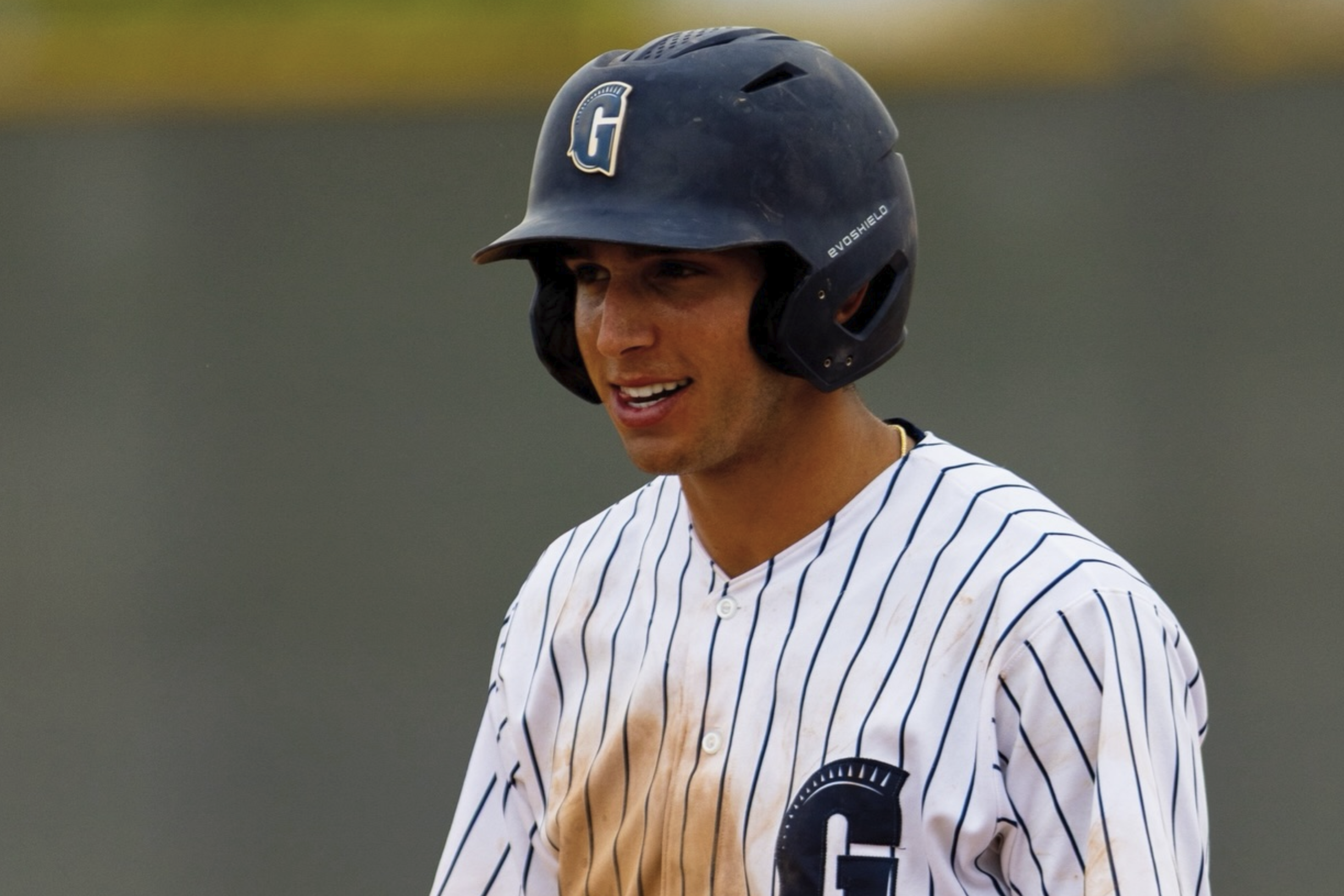 Leading up to the 2026 MLB Draft, Fish On First brings you a series of scouting reports on top prospects in this draft class who could realistically wind up in Miami. Overview Position: SS Height: 6’3″ Weight: 185 pounds School: Gulliver Prep (FL) Commitment: Miami Jacob Lombard is a 6’3”, 185-pound shortstop who plays at Gulliver Prep School in Miami, Florida. Lombard is one of the top hitting prospects in this draft class. He’s also considered one of the top high school prospects in the 2026 draft class (second-ranked overall prospect and top-ranked prospect in Florida, according to Perfect Game). Among all draft-eligible players, Lombard is ranked fourth by MLB Pipeline and eleventh by Baseball America. Lombard is signed to play college baseball at the University of Miami. Lombard comes from an excellent baseball family. His dad, George, played six seasons in MLB. He’s currently the bench coach for the Detroit Tigers. Jacob’s older brother, George Lombard Jr., was a first-round pick by the New York Yankees in the 2023 MLB Draft. According to MLB Pipeline, George Jr. entered this season as the top-ranked prospect in the Yankees organization. At the plate, Lombard has the ingredients to be a very productive hitter at the next level with excellent tools and a high baseball IQ. His plate discipline and approach are at a much higher level than most of the prep prospects in this draft class. However, he does have some swing-and-miss to his game and struggled with high velocity over the summer. Lombard has already started to fill in his frame by adding solid weight. His power has improved and that tool received a 60 grade from Pipeline. Defensively, Lombard shouldn’t have any issues sticking at shortstop. He’s an excellent athlete with soft hands and great range. His arm strength does have some room for improvement, but that should continue to come as he matures physically. Lombard is also one of the fastest runners in this draft class. According to Perfect Game, he was clocked running a 6.11 60-yard dash. Strengths Elite speed Plus power potential Advanced plate approach and discipline High baseball IQ Weaknesses Has struggled with high velocity in the past Needs to improve arm strength Pro Comparison: Jeremy Peña Projection: Top 10 pick Bottom Line While it's convenient that the Marlins happen to be Lombard's hometown team, his inclusion in this series is based on his immense talent alone. The Marlins will have the 14th overall pick in the 2026 MLB Draft. In recent years, they have struggled with identifying the right prep players in the middle of the first round (Kahlil Watson in 2021, Noble Meyer in 2023 and PJ Morlando in 2024). However, Lombard is a blue-chip prospect who could be an excellent addition to Miami’s farm system. More 2026 MLB draft profiles OF AJ Gracia View the full article
 -
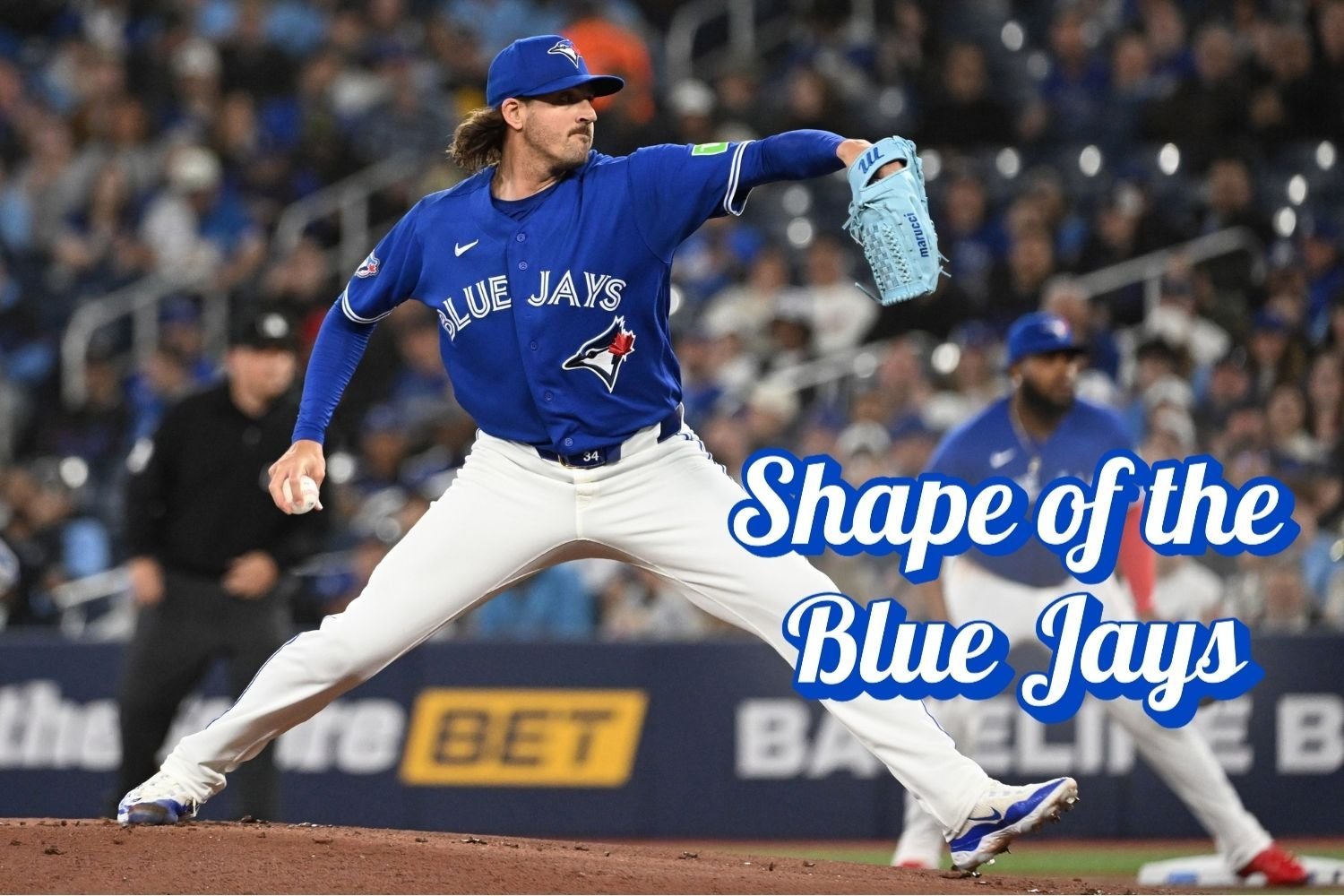 Welcome to Shape of the Blue Jays, my column where I dig into Statcast numbers to analyze recent pitch shape and swing shape trends for Toronto Blue Jays players and discuss how they have impacted their performance. Click here to read the last edition. Quick Hits: Prospects With the back end of the bullpen set to be a revolving door until the pitching staff is fully healthy, the status of various arms at Triple-A Buffalo should be of prudent short-term interest to the fanbase. LHP Adam Macko has begun his season with four scoreless appearances (5.1 IP) out of the bullpen, striking out six and walking two. Macko has leaned heavily on his fastball, which has averaged 95 mph with 16.3" of iVB. Opponents have managed a .175 xwOBA against it and swung and missed a third of the time. RHP Chase Lee, one of the later spring training cuts, has also been called on for multi-inning appearances out of the bullpen in the early going (4 G, 6.2 IP). He has given up two earned runs and an additional three unearned. Lee, whose walk rate has typically hovered just above 5%, has been fighting his command somewhat, with four free passes issued so far. The zone rate on his sinker was 62% in the majors last year. It has tumbled to 30% so far with Buffalo. Andrés Giménez Andrés Giménez collected three hits during the Dodgers series. On the season, he has been one of the few bright spots offensively, slashing .267/.313/.444, thanks in large part to considerable improvements in contact% (55th to 74th percentile), K% (70th to 90th percentile), and squared-up% (35th to 86th percentile) compared to 2025. He's putting the bat on the ball more often and making more flush contact when he does. His zone contact% usually sits in the low 80s. It's up to 93.4% in 2026. Andrés Giménez Bat Tracking, 2025 vs 2026 Split Bat Speed Fast Swing% Swing Length Contact Point (rel. to home plate) Stance Angle Attack Direction 2025 69.3 7.1% 7.0' 2.2" 10° open 3° oppo 2026 66.8 2.7% 6.9' 0.1" 2° close 5° oppo A quick look at Giménez's swing mechanics shows a drop of more than 2 mph in average bat speed from last year and a fast swing rate of just 2.7%. I feel like this might be a byproduct of something more intentional. Bat speed accelerates throughout the swing, and he's now letting the ball travel farther than usual. In addition, he's more closed in his stance than last year. These two changes have allowed him to use the whole field more and hit for a higher average. Giménez hasn't hit a ball 110 mph since 2021 and has never recorded a hard hit rate better than the 36th percentile in a season, so it seems he's leaning into a contact-focused gameplan. Andrés Giménez stance comparison, April 2025 (left) vs. April 2026 (right) Kevin Gausman Kevin Gausman has been nothing short of electric to watch in his first three starts (2.08 ERA, 17.1 IP). The veteran leads qualified AL starters in strikeout rate (40.7%) and didn't walk his first batter of the season until Tuesday night against the Dodgers. He has made one straightforward adjustment in 2026: The splitter is now his primary pitch to both lefties and righties, although it's very close to an even 50/50 with the four-seamer against righties so far. This is the most frequently he has thrown it in his career. Kevin Gausman career pitch usage by season (Statcast) Gausman has very slightly raised his vertical release point to its highest average since 2022. This has helped the splitter play up, as it has a more north-south profile than we've come to expect. More drop, less arm-side tail, and more vertical separation from his fastball, which has averaged roughly an inch more of iVB than 2025. This results in more uncompetitive swings from hitters who are sitting on the heater. The splitter has dumbfounded righties this season, who are striking out in 50% of their plate appearances against him. Kevin Gausman Splitter Specs, 2025 vs. 2026 Year MPH iVB Arm-side HB Vert. Release 2025 84.9 4.5" 15.5" 5.6' 2026 84.2 2.9" 13.8" 5.8' Kazuma Okamoto His first couple of weeks in the big leagues have tested Kazuma Okamoto (.239/.314/.391, 109 wRC+). Everything the Jays thought about his ceiling is still intact, if not better than expected: He has a 75th-percentile barrel rate (11.5%), 71st-percentile bat speed (73.4 MPH), 91st-percentile xwOBACON (.482), and he hit a 420-foot home run to the opposite field against the A's last weekend. The trouble has been getting bat to ball. He's striking out nearly 30% of the time and making contact in the zone only 77% of the time. The recurring question about hitters coming over from NPB is how they'll handle high velocity because it isn't as prevalent in Japan. Okamoto hasn't had much trouble there, but is running a swing-and-miss rate over 50% on secondaries. My hunch is this trend will reverse course for the better soon enough. Swinging and missing wasn't a part of his game with the Yomiuri Giants, so hopefully it's merely a part of the adjustment period. Okamoto seems to be pressing when he's up in big spots, which would only support that theory. I do wonder if the Jays will try to optimize his swing to reduce strikeout probability: His bat path is flat, but he has a high attack angle and a shallow contact point, indicating he's trying to be early and lift the ball. A 6° attack direction to the pull side is also consistent with the early reports that he's a pull-air guy. He does have one of the longest swings in the game at 7.9 feet, and he doesn't really shorten up with two strikes either. If he can find a way to decrease his margin for error without losing bat speed, results should soon follow. All visuals and figures courtesy of Baseball Savant and FanGraphs. Up to date as of April 9, 2026. View the full article
 -
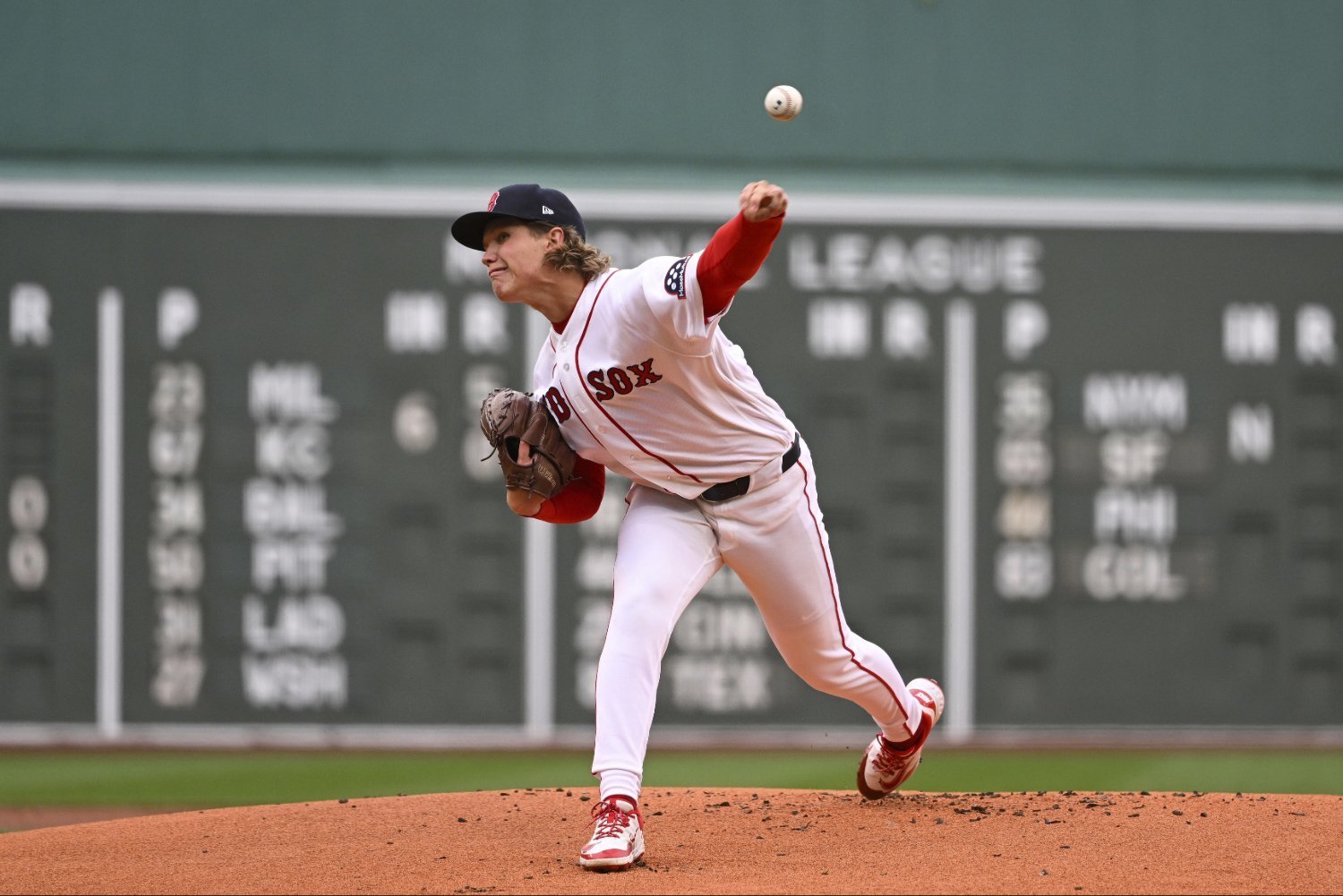 Connelly Early has made two starts on the season and, for the most part, has been just as good as the front office hoped he would be when they put him in the starting rotation over Johan Oviedo at the conclusion of camp. His first start against the Reds saw him post 5 1/3 innings pitched while giving up one earned run, issuing two walks, and striking out six. His second outing against the Padres wasn’t quite as clean, as he gave up two earned runs four walks, and four strikeouts over four frames. He admitted after that start that he was having trouble gripping the ball due to the cold that set in during the weekend of the home opener. If we dive into his two starts, we start to get a clearer picture of the pitching program Andrew Bailey has Early working on. Early is featuring his four-seam fastball 34% of the time, his changeup 24%, curve 17%, slider 14%, sinker 9%, and sweeper 2% so far this season. That four-seam isn’t going to overpower anyone most of the time -- it averages 93.8 mph -- but he can ramp it up to 97 at times. His changeup should operate as his true-out pitch while he relies on the curve and slider to keep hitters from guessing between his top two options. His fastballs, both the four-seam and the sinker, fill up the zone while he’s able to nibble around the edges of the plate with his changeup. There are things to be concerned about when you dive under the hood of Early’s first two starts, though. The most glaring thing, and it was likely aided by the cold weather during his first home start of the year, is that he’s struggling with his command early in the season. His breaking balls can be effective set-up pitches, but only when they are thrown for strikes earlier in the count. In two starts, he’s been struggling to locate them. In four starts in 2025, he issued four total walks. So far in 2026, he’s already at six walks. Once again, four of those walks came in the game against the Padres where he was struggling to grip the ball, but it’s something to keep an eye on throughout the season. Early’s Savant page is mostly blue, which should give all of us a bit of pause for concern. His expected ERA, 5.12, ranks in the 27th percentile, and his expected batting average, .246, ranks in the 43rd percentile. He’s inducing a good amount of chases outside the zone (32%), but his whiff rate is a paltry 21.2%. What all of this tells us is that Early has gotten fairly lucky with balls put in play and, somehow, has been bailed out by the defense behind him to keep his actual numbers down. That’s not to say that Early is going to implode during his next few starts, but the fact that he’s pitching so far above his expected numbers does suggest that hitters are seeing him better this year now that the scouting report is out on him. Remember, Early was incredibly impressive during spring training, earning his way into the starting rotation. In his two starts this season, he’s been effective but has struggled with location and consistency, much like every young starter does. The bright side is that he’s set to pitch in more inviting weather in his next start in St. Louis, and Busch Stadium is a pitcher-friendly park, so he has the opportunity to bounce back in a big way against a rebuilding team. View the full article
 -
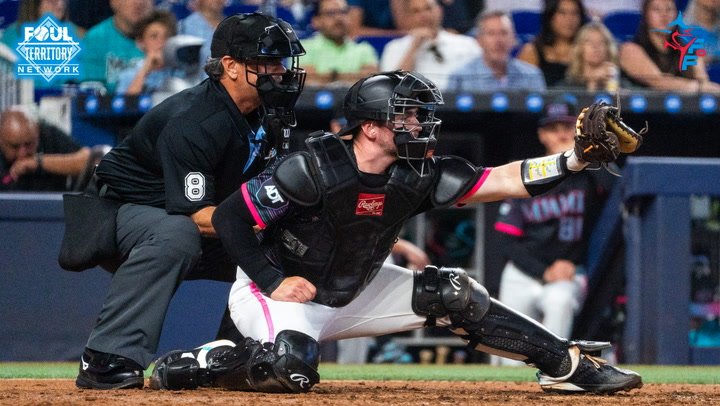 The Marlins lead the National League in overturned calls through the ABS challenge system. Catcher Liam Hicks tells Fish Unfiltered how the team trains for that behind the scenes.View the full article
 -
 On a day when the Minnesota Twins completed a sweep of the Detroit Tigers, things went quite well for the Fort Myers Might Mussels too. A Top 2025 draft pick tossed four scoreless innings on Thursday. On Friday, prospect fans will be excited to see the top pitchers selected by the Twins in the 2025 draft. TRANSACTIONS LHP Aaron Rozek signed a minor-league contract with the Twins on Thursday and was assigned to Double-A Wichita. The Mets selected Rozek in the Minor-League portion of the Rule 5 draft in December. He went to spring training in St. Lucie but was released in late March. SAINTS SENTINEL St. Paul 3, Toledo 5 Box Score John Klein made the start for the Saints and had a really nice start. He gave up only a solo home run in four innings. He struck out three and walked none. Grant Hartwig came on and gave up three runs in the fifth inning and another run in the sixth. It could have been worse. Walker Jenkins threw out a runner at home to cut off one run. The four runs came on five hits and a walk. Eduardo Salazar came on and got the next five outs, issuing only a walk. Zak Kent gave up two hits and a walk in the eighth, but no more runs crossed the plate. The Saints got on the scoreboard first. With one out in the top of the second inning, Orlando Arcia hit his second double of the season. Two batters later, he scored on a single by Eric Wagaman. Down 4-1, Kaelen Culpepper led off the top of the sixth inning with a single. With two outs, Alan Roden doubled to drive him in and cut the deficit in half. Alex Jackson hit his first home run of the season in the seventh inning. The Saints had seven hits and three walks. Culpepper went 2-for-3 with a walk and his first double. WIND SURGE WISDOM Wichita 2, Arkansas 5 Box Score Wichita began the game by taking the lead in the top of the first inning. Kyle DeBarge led off with a single. He stole second base (his fifth steal of the year). Two ground balls later, he scored to give the Surge a 1-0 lead. C.J. Culpepper tossed four scoreless, no-hit innings. On Thursday night, he got the first two batters out, but two walks, two hits, and two runs later, the first inning ended. In total, Culpepper gave up three runs on three hits in four innings. He walked four and had three strikeouts. Ricky Castro and Jarret Whorff each gave up one run on one hit over two innings. Both walked none and had two strikeouts. Down 4-1 through six innings, Garrett Spain hit his first homer in the Twins organization. But that was it for the Surge run scoring. Wichita had six hits and two walks in the game. They also had 13 strikeouts. Andrew Cossetti went 2-for-4 in the game. Ben Ross added his third double. KERNELS CHRONICLE Cedar Rapids, Beloit (Postponed) Box Score Rain and wet weather conditions caused the postponement of Thursday night’s game in Beloit. The teams will hope to play two games on Friday. MIGHTY MATTERS Game 1: Ft. Myers 2, Jupiter 0 Box Score There wasn’t much offense in this game, but fortunately, James Ellwanger and Kolten Smith didn’t need more than one run of support to win Thursday’s first game. Ellwanger started and tossed four scoreless innings. He gave up one hit, walked one, and had five strikeouts. Control has typically been his issue. In this game, he needed just 50 pitches to complete four innings. 64% of those pitches were strikes. Kolten Smith pitched a perfect fifth inning, so he gets credit for his first pro Win. Adam Falinski struck out three over the final two innings to record his first pro Save. Smith likely would have gone longer, but there was a 50-minute rain delay. Jorel Ortega and Dameury Pena started the game with back-to-back walks off of the Marlins top prospect Thomas White. Quentin Young grounded into fielder’s choice, and a throwing error allowed Ortega to score. The score remained 1-0 through five innings. In the sixth inning, Ian Daugherty led off with a single. He stole second and advanced to third on a wild pitch. With one out Bryan Acuna walked. Byron Chourio turned a double play into just a fielder’s choice, allowing the Mussels second run to score. In Game 1, the Mussels had four hits and walked eight times. Rehabbing Jorel Ortega went 1-for-2 with two walks. Dameury Pena was 2-for-2 with a walk. Yilber Herrera walked twice. The team was 0-for-12 with runners in scoring position and left nine one base. Game 2: Ft. Myers 7, Jupiter 2 Box Score Game 2 was another close game until the Mussels broke it open with a four-run seventh inning. The Mussels took the first lead in the top of the third frame. Bryan Acuna led off with a slow roller to third base. He went to second on a throwing error. With one out, Quentin Young lined a single to left but it was hit too hard so Acuna could only advance to third base. Ryan Sprock singled to center to drive in Acuna with the first run. Reed Moring started for Ft. Myers. He tossed four scoreless innings. He gave up three hits, walked three, and struck out five batters. Jake Murray came on to start the fifth inning. Nine pitches later, he had walked the first two batters. He then struck out PJ Morlando, a top Marlins prospect. That was followed with a third walk. Xavier Kolhosser came on with the bases loaded. He gave up a sacrifice fly that tied the game before ending the inning with a strikeout. With the game tied in the top of the sixth, Yilber Herrera led off with a walk, stole second and went to third on a throwing error. After Harry Genth was hit by a pitch, again, Herrera scored on a fielding error. Irvin Nunez followed and was also hit by a pitch to lead the bases. Acuna drove in Genth with a sacrifice fly to make it 3-1. Ryan Sprock was hit by a pitch to start the top of the seventh inning. Herrera struck out, but he challenged the pitch and it was overturned and instead he walked. Ricardo Pena singled, and Sprock scored. Herrera scored on a Harry Genth double. Genth stole third base. After Byron Chourio walked, both runners scored on a single to center by Irvin Nunez to make it 7-1. Mitch Mueller tossed the final two innings. He gave up one run on two hits. He had three strikeouts and walked none. The Mussels had 10 hits, five walks, and were hit by a pitch four times in this game. Eduardo Beltre went 2-for-3 with a walk. Acuna was 2-for-4. Harry Genth went 1-for-2. He was hit by a pitch twice, doubles, and stole three bases. Sprock, Chourio and Nunez each had a single and a walk. Herrera walked twice. PLAYERS OF THE DAY Hitter of the Day Kaelen Culpepper (St. Paul): 2-for-3, BB, R Pitcher of the Day James Ellwanger (Fort Myers): 4 IP, 1 H, 0 R, BB, 5 K, 50 pitches, 32 strikes (64.0%) PROSPECT SUMMARY Check out the Prospect Tracker for much more on our Twins Top 20 prospects after seeing how they did today. #1 - OF Walker Jenkins (St. Paul) - 0-for-3, BB, 2 K, Assist (batted second, played CF, all 9 innings) #2 - IF Kaelen Culpepper (St. Paul) - 2-for-3, BB, 2B(1), R (batted first, DHd) #3 - OF Emmanuel Rodriguez (St. Paul) - Did Not Play #4 - C Eduardo Tait (Cedar Rapids) - No Game. #5 - LHP Connor Prielipp (St.Paul) - Did Not Pitch #6 - LHP Dasan Hill (Cedar Rapids) - No Game #7 - OF Gabriel Gonzalez (St. Paul) - 0-for-3, BB (batted third, played LF) #8 - LHP Kendry Rojas (St. Paul) - #9 - SS Marek Houston (Cedar Rapids) - No Game. #10 - RHP Charlee Soto (Cedar Rapids) - Injured List #11 - RHP Riley Quick (Ft. Myers) - Did Not Pitch, scheduled to make pro debut on Friday. #12 - RHP Andrew Morris (St. Paul) - Did Not Pitch #13 - 3B/CF Brandon Winokur (Cedar Rapids) - No Game. #14 - 3B/SS Quentin Young (Ft. Myers) - Game 1: 0-for-4, 3 K (batted third, played 3B), Game 2: 1-for-4, 3 K (batted third, played SS) - CS(2,3), E(5). s #15 - RHP Marco Raya (St. Paul) - Did Not Pitch #16 - OF Hendry Mendez (Wichita) - 0-for-3, BB, RBI, K (batted third, played LF) #17 - 2B/OF Kyle DeBarge (Wichita) - 1-for-4, R, K, SB(5) (led off, played 2B) #18 - RHP C.J. Culpepper (Wichita) - 4 IP, 3 H, 3 ER, 4 BB, 3 K, 71 pitches, 44 strikes (62.0%) #19 - C Khadim Diaw (Cedar Rapids) -No Game. #20 - RHP James Ellwanger (Ft. Myers) - 4 IP, 1 H, 0 R, BB, 5 K, 50 pitches, 32 strikes (64.0%) UPCOMING PROBABLES Friday: St. Paul @ Toledo (12:37 pm CT) - LHP Connor Prielipp (0-0, 1.23 ERA) Wichita @ Arkansas (7:05 pm CT) - RHP Sam Armstrong (0-1, 6.00 ERA) Cedar Rapids @ Beloit (DH @ 4:00 pm CT) - RHP Adrian Bohorquez (0-0, 7.36 ERA), LHP Dasan Hill Ft. Myers @ Jupiter (5:30 CT) - RHP Riley Quick (first pro start) CURRENT W-L Records Minnesota Twins: 7-6 St. Paul Saints: 4-7 Wichita Wind Surge: 2-4 Cedar Rapids Kernels: 3-2 Fort Myers Mighty Mussels: 4-2 Please feel free to ask questions about the teams, the rosters, and discuss today’s games, or anything else Twins minor-league related! View the full article
 -
What are your Marlins vs. Tigers series predictions?
DiamondCentric posted an article in Fish On First
 Recent history tells us that the Miami Marlins are difficult to predict, but that won't stop us from trying. Welcome to a new season of Prediction Time. Once again in 2026, I will be monitoring the prognostications from our valued SuperSubs, Fish On First staffers and livestream guests. Individual article pages like this one will be created prior to every Marlins series and featured prominently on the FOF site. Consistent participation is key if you want to win this annual contest. Submissions only take a few seconds. Scoring system A "perfect" series is worth three points: Earn one point for predicting which team will win the upcoming series Earn one point for predicting the precise number of victories for each team Earn one point for predicting the “Series MVP” who accumulated the highest win probability added (WPA) during the series as calculated by FanGraphs (could pick a player from either team) Here is a reminder of what the 2025 season leaderboard looked like. FOF staffer Kevin Barral currently sits atop the 2026 leaderboard, which will be updated between every Marlins series. If you are a SuperSub, leave a comment with your Prediction Time picks on this page, or join the Marlins Discord Server and submit there. We'll feature them on the upcoming Fish On First LIVE episode and track your points throughout the season! Any picks submitted prior to the first pitch of the series opener will be counted. If you are not a SuperSub, please consider signing up here to support the FOF staff. Series preview notes Probable starting pitchers: RHP Chris Paddack (MIA) vs. RHP Keider Montero (DET) on Friday RHP Janson Junk (MIA) vs. RHP Casey Mize (DET) on Saturday RHP Sandy Alcantara (MIA) vs. LHP Tarik Skubal (DET) on Sunday The Marlins rank fifth in MLB with a 113 wRC+ and 13th in MLB with a 3.82 FIP. They are 5-5 in their last 10 games and have a 1-2 record on the road this season. The following Marlins players are on the injured list: Maximo Acosta (10-day IL), Ronny Henriquez (60-day IL), Adam Mazur (60-day IL), Christopher Morel (10-day IL), Esteury Ruiz (10-day IL) and Kyle Stowers (10-day IL). Griffin Conine (left hamstring discomfort) is expected to join them shortly. The Tigers rank 10th in MLB with a 106 wRC+ and 18th in MLB with a 4.03 FIP. They are 2-8 in their last 10 games and have a 2-1 record at home this season. The following Tigers players are on the injured list: Beau Briske (60-day IL), Bailey Horn (15-day IL), Jackson Job (60-day IL), Troy Melton (60-day IL), Reese Olson (60-day IL), Trey Sweeney (10-day IL) and Justin Verlander (15-day IL). View the full article
 -
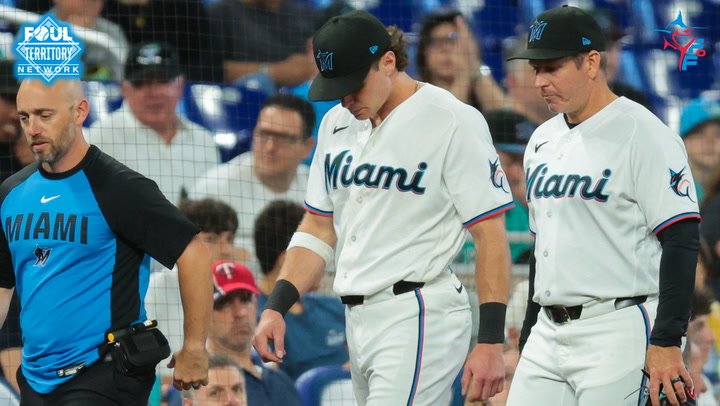 Fish On First LIVE discusses Marlins outfielder Griffin Conine suffering an early-season injury for the second straight year and Deyvison De Los Santos receiving another opportunity in the majors.View the full article
 -
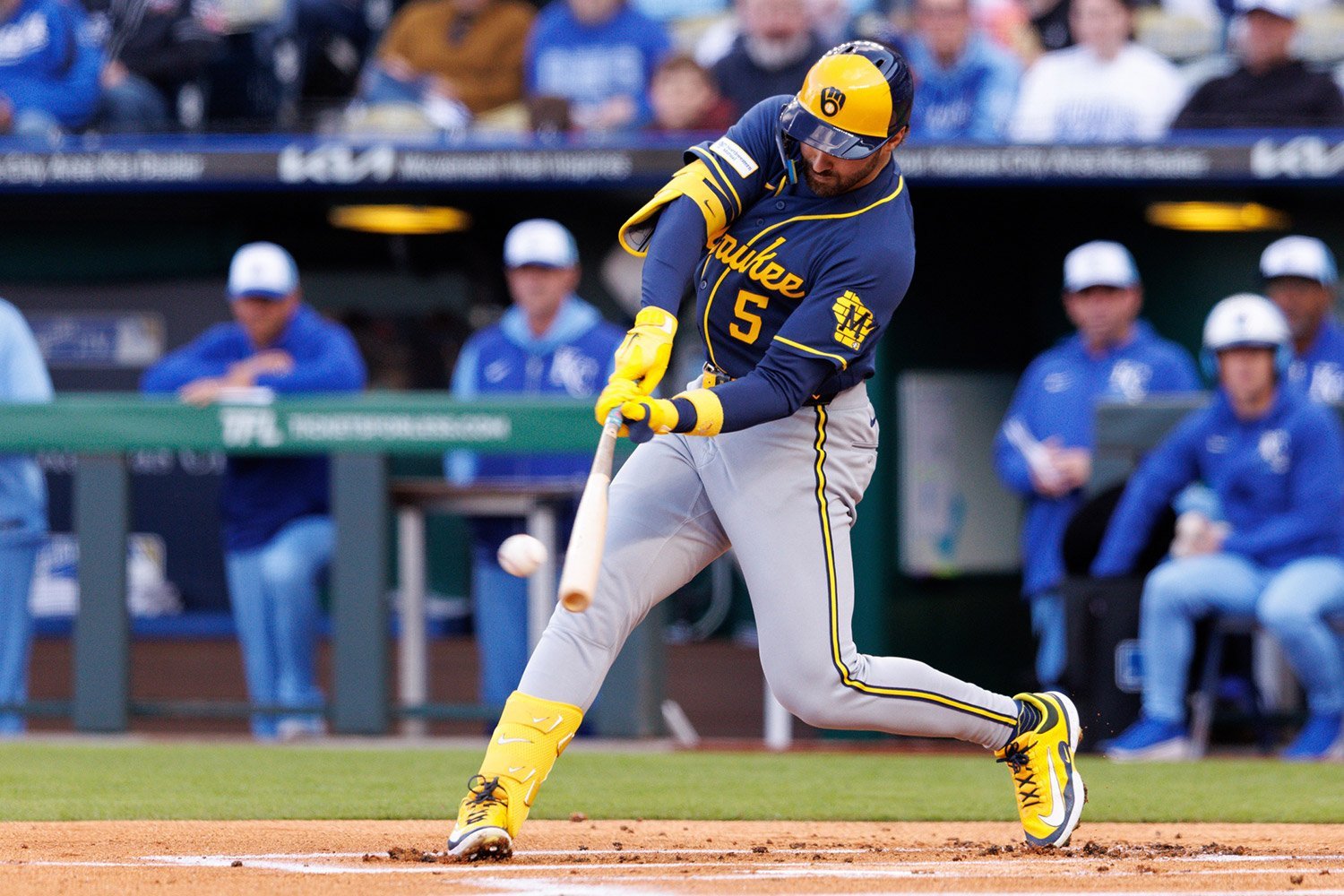 Garrett Mitchell is off to one of the hottest starts in baseball and has made a huge impact in the Brewers’ lineup so far this season. The lefty batter is currently hitting .333/.419/.556, with a .975 OPS. He has three doubles, one home run, and has walked four times. He has driven in 13 RBIs, has four runs scored, and three stolen bases to add to his early-season success. His 13 RBIs are tied for the most in the major leagues. Over the course of the first nine games of the year, he has at least one more hit in five of those nine games, with four multi-hit games, and has driven in two or more RBIs in four of the first nine as well. On April 4, Mitchell drove in five RBIs on two hits, including an RBI double and a three-run home run that helped lead the Brewers to a 5-2 win over the Kansas City Royals. Mitchell came up clutch again on Monday during the Brewers’ matchup against the Red Sox. With the game tied 5-5 in the top of the 8th, Mitchell hit a tiebreaking two-RBI single that gave Milwaukee a 7-5 lead, and the Brewers then went on to defeat Boston that night 8-6. Beyond the surface of his batting line, Mitchell has a .615 BABIP so far this season and a 178 wRC+. Of the balls he’s putting in play, he’s averaging an exit velocity of 98.4mph, which ranks in the top one percent of Major League Baseball, a max exit velocity of 112.6, ranking in the top four percent of the league, and a 61.5 percent HardHit percentage, ranking in the top four percent of the league. Much of Mitchell’s success comes from pitchers throwing him breaking balls. Mitchell has three hits off of breaking balls, including a curveball thrown to him when he hit that three-run home run against Kansas City. Coming into Monday night’s game, he was 4-for-13 against the fastball, but had a .429 average (3-for-7), with a 1.000 slugging off of breaking balls thrown to him, including an RBI double and his three-run home run. So far in 2026, pitchers have thrown Mitchell 37 fastballs, 25 changeups, 16 sinkers, 13 curveballs, 12 sliders, 11 cutters, and seven sweepers, making it 37 fastballs versus 73 breaking balls. So long as pitchers continue to throw him the breaking ball, he is likely to see continued success due to his ability to put the bat on the ball with the off-speed pitches. Mitchell is a player many overlooked coming into 2026, as he hasn’t had that much success in his first four seasons with Milwaukee, with injuries derailing most of his career since 2022. He has appeared in just 141 games at the major league Level (28 games in 2022, 19 in 2023, 69 in 2024, and 25 games in 2025). Last season, he spent a significant amount of time on the 60-day injured list with an oblique strain. In the 25 games he appeared in last season, he batted just .206/.286/.294, with a .580 OPS. Looking back even more to 2024, Mitchell had just 12 doubles, eight home runs, 21 RBIs, and 33 runs scored. Those are his best career numbers, and so far in 2026, he’s on pace to smash those totals. But the question many are asking now, is this sustainable? The 27-year-old from Milwaukee has yet to make it through a full season healthy. So the first step to Mitchell maintaining success is to stay in the lineup and on the field. Next, his swing discipline at the plate and his ability to make contact. Mitchell has been known as a player susceptible to chasing fastballs, thus the surprise that pitchers continue to throw him breaking balls at the plate. However, he has shown that this year is different. He is putting the ball in play more, hitting it with a harder exit velocity, and putting the barrel on the ball more as well. It is evident that Mitchell worked hard during the offseason. With a strong ability to put the ball in play this year and to come up clutch when it counts, if he stays healthy and that discipline and hard-hitting percentage continue, this could be the year that Mitchell breaks out, and many think it will be. View the full article
 -
Has Max Meyer reached his ceiling as a starting pitcher?
DiamondCentric posted an article in Fish On First
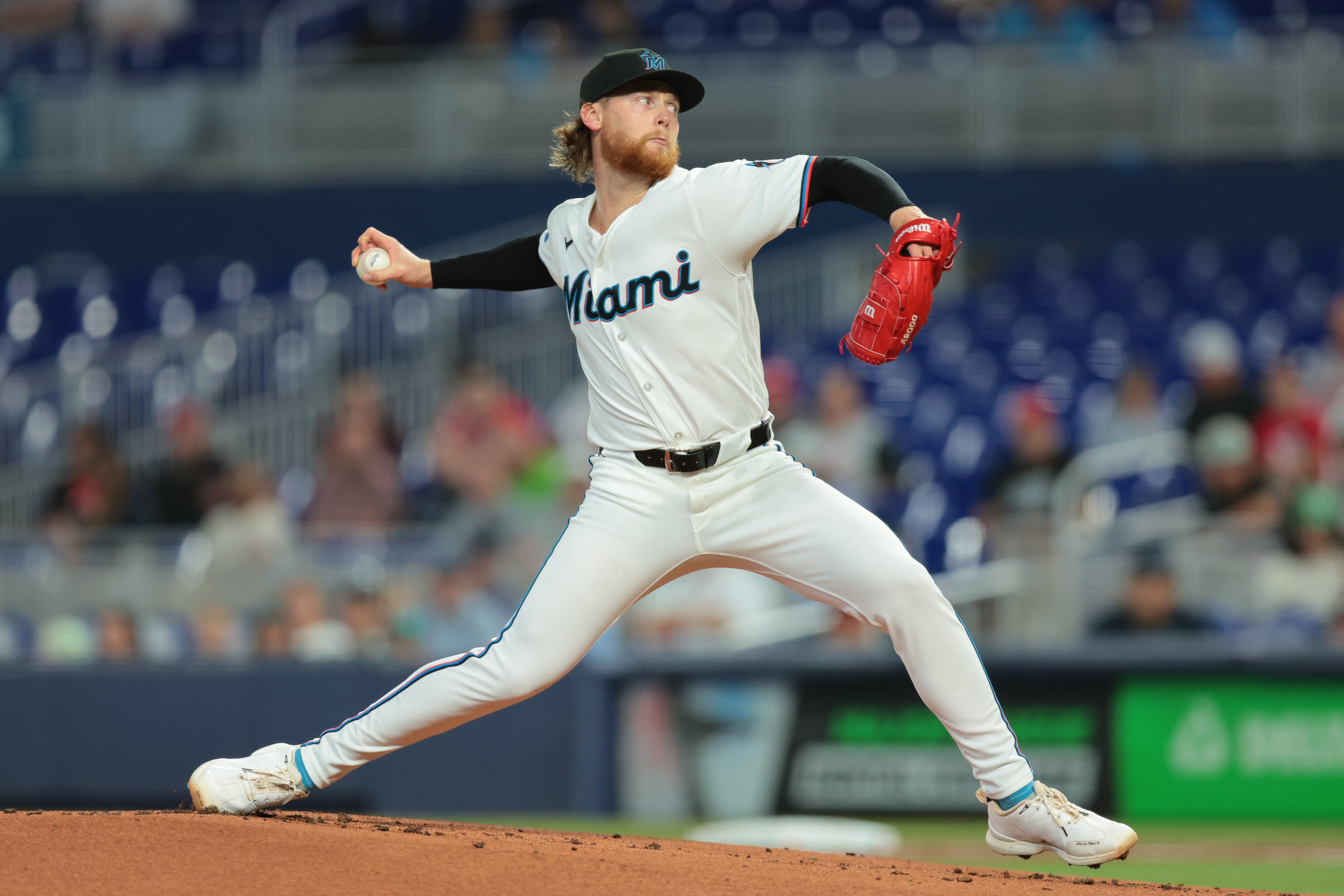 MIAMI, FL — When the Miami Marlins selected Max Meyer with the third pick of the 2020 MLB Draft, they envisioned a frontline starter who would be up with some of the best pitchers in franchise history. Fast-forward to 2026 and he's fallen short of that due to a variety of reasons, including injuries and a flawed pitch arsenal surrounding his signature slider. On Thursday, in the Marlins' 8-1 win over the Cincinnati Reds, Meyer took the mound. In five innings of work, he allowed one run on four hits, three walks and four strikeouts. The lone run he surrendered was a solo homer from Sal Stewart in the top of the fifth inning. “We saw some fastballs today in the mid-90s with really good carry," Marlins manager Clayton McCullough said. "I think he’s throwing it better than he has in the past. You pair that with the breaking stuff, the slider around 90 and the sweeper, and it makes him tough. I thought he did a really good job navigating some traffic early and was able to get out of it...As he settled in through the second, third, and fourth innings, he was able to get ahead more consistently, which allowed him to expand the zone and get some swings-and-misses down.” Against the Reds, Meyer's slider was his most-used pitch at 32%, generating seven whiffs and two of his four strikeouts. The four-seam fastball, his second-most-used pitch of the afternoon, landed four out of five times for a first-pitch strike. His lone strikeout victim on that pitch was Elly De La Cruz. In 2025, the sweeper was thrown 11.5% of the time and the sinker 13.7% of the time, his two least-used pitches. Early on, the sweeper has been thrown 20.6% of the time, his third most thrown pitch, but his sinker (8.8%), is his least thrown pitch. High pitch counts for Meyer have limited how deep he can go into his starts. He has entered the seventh inning of a game three times in his career, but never completed the inning. On Thursday, he was averaging 17.4 pitches per inning. "I just have to execute some of my two strike pitches a little bit better," Meyer said. "That leads to three more balls, and that's where I'm getting my walks because I'm not able to have a competitive 0-2 pitch. I have to clean that up, and I think those walks will go down and I'll be able to go a little bit deeper into the games." In two-strike counts, Meyer struck out four, hitters went 2-for-10, but that includes the Stewart home run. For his career, hitters have a .643 OPS against him in two-strike counts. This was not a bad version of Meyer by no means, but it continues a trend of him being relatively inefficient. He has yet to complete six innings this season. Even when he's limiting the damage, the inability to work deep into games limits his overall value to the Marlins. The Marlins wasted no time getting things going. In the bottom of the first inning, Xavier Edwards hit a triple, followed by a fielders choice from Agustín Ramírez, allowing Edwards to score. Owen Caissie, who the Marlins are primarily using against right-handed pitching, smacked a 102.6 mph two-run RBI double, making it a 3-0 game. Javier Sanoja drove in the team's fourth and fifth runs. For both, this marked their second three-hit game of the season. In the top of the sixth inning, with Spencer Steer up, Griffin Conine tried to dive for what ended up being a double, but wasn't able to make the catch and on top of that, hurt his left knee, being taken out of the game. Following the game, McCullough informed the media that Conine suffered left hamstring discomfort. A source tells Fish On First that the Marlins are calling up Deyvison De Los Santos. This will mark his second stint in the big leagues. In his lone start in MLB, De Los Santos went 1-for-2 with a double. In Triple-A Jacksonville, he was slashing .259/.355/.630/.985 with three home runs and eight RBI. Expect a longer stay at the big league level this time around for Fish On First's No. 28 prospect. With the win, the Marlins improve to 8-5 as they now hit the road for a weekend three-game series against the Detroit Tigers and then a three-game series against the division rival Atlanta Braves. First pitch on Friday is at 6:40 pm with Chris Paddack taking the mound. View the full article
 -
 Fish On First staffers react to the latest Miami Marlins series and prepare you for what lies ahead. Thursday's show was hosted by Jeremiah Geiger and featured panelists Ely Sussman, Isaac Azout, Jeremiah Geiger and Alex Krutchik. The following topics were covered: Analyzing each game of the Cincinnati Reds series The Marlins' insistence on platooning players as much as possible Griffin Conine's hamstring injury Deyvison De Los Santos being recalled from Triple-A Clayton McCullough removing Sandy Alcantara two outs shy of a complete game Previewing and predicting the next series against the Detroit Tigers You can find Fish Unfiltered and Fish On First LIVE on the Fish On First YouTube channel, Apple Podcasts, Spotify or wherever else you get your pods. Our next FOF LIVE episode will be Sunday at approximately 5:30 p.m. ET following the Marlins-Tigers series finale. View the full article
 -
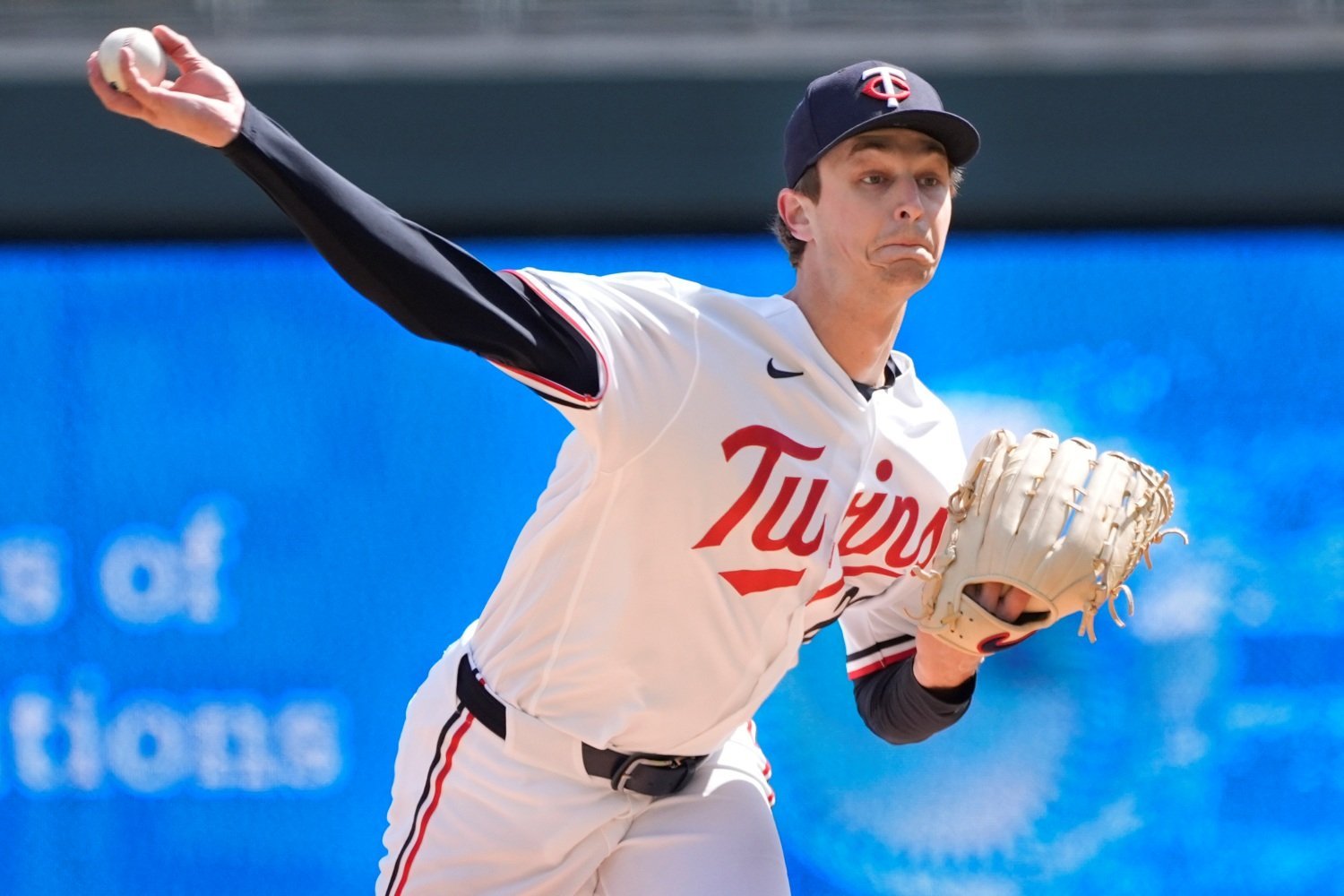 Box Score Starting Pitcher: Mick Abel - 6 IP, 4 H, 0 R, 3 BB, 6K (102 pitches, 70 strikes (69% strikes)) Home Runs: Josh Bell Top 3 WPA: Mick Abel (0.37), Brooks Lee (0.31), Josh Bell (0.17) Win Probability Chart (via Baseball Savant): The Twins came into Thursday afternoon riding a three-game winning streak, with a chance to finish off a four-game sweep of the Tigers—who started the season as the favorites to win the AL Central. Behind a bounce-back effort from their starter and a late offensive breakthrough, they did exactly that, grinding out a 3-1 win to wrap up the series. They didn’t dominate from start to finish. But they pitched, they adjusted, and when the moment finally came late, they delivered. MICK ABEL RESPONDS After a tough start to his season, Mick Abel really needed a clean outing. It didn’t start easy, though. For much of the afternoon, Abel was pitching with traffic on the bases. Soft contact, long at-bats, and a couple of walks pushed his pitch count up early, forcing him to work through constant pressure. With any young pitcher, the risk is that mounting pressure will eventually burst the pipe. Happily, Abel never let it do so. He leaned on his fastball to generate whiffs and consistently got ahead in counts, throwing first-pitch strikes to 19 of the 25 batters he faced. Even when Detroit put runners in scoring position, which they did in five of his six innings, he found a way out every time. By the middle innings, things started to settle. A much more efficient third and fourth frame stabilized his pitch count, and from there, he was in control. He mixed all five pitches, generated swings and misses throughout the day, and kept hitters from ever connecting on a big swing—though there were a few long, loud fly balls, including a double by Javier Báez that dented the right-field wall. The final line tells part of the story: six scoreless innings while working around traffic in nearly every frame. But the bigger takeaway was how Abel handled adversity. Detroit went hitless in 11 at-bats with runners in scoring position, and Abel never looked uncomfortable. For a pitcher looking to reset his season, this was a big step in the right direction. QUIET EARLY, JUST ENOUGH TO STAY CLOSE The Twins had chances early, but couldn't break through against Jack Flaherty. They put together quality at-bats right away. Trevor Larnach worked a one-out walk in the first, and Josh Bell followed with a single. Matt Wallner smoked a ball 102 MPH, but right into a double play that killed the rally. That set the tone for much of the afternoon. There was traffic, and there was hard contact. But there wasn’t a run until the fourth inning. Bell changed that with one swing, jumping on a first-pitch slider and driving it out to right-center for a solo home run. It came off the bat at 106 MPH and traveled over 400 feet, giving the Twins a 1-0 lead in a game where every run felt massive. From there, it settled into a true pitcher’s duel. Flaherty matched Abel for most of the day, keeping the Twins from adding on and forcing them to wait for another opportunity. Meanwhile, they came back to knot things up 1-1 as soon as Abel left, in the seventh. BROOKS LEE DELIVERS THE MOMENT The game finally cracked open in the eighth, and it came down to one at-bat. After a Wallner walk and a Victor Caratini base hit, Royce Lewis fought through visible discomfort to reach base and load them, and the Twins had their shot. Two outs, tie game, bases loaded. Brooks Lee stepped in. He worked the count full, giving himself a chance to live out every young baseball player’s dream, and he delivered. Lee ripped a single through the right side, scoring two and turning a 1-1 game into a 3-1 lead. After a slow start to his season, that swing felt significant—not just for the game, but for the embattled Lee, who hadn't started the game and erupted with uncharacteristic emotion when he came up with the game-winning hit. BULLPEN HOLDS ON The tablesetter for that feast was an uncomfortable stint from the bullpen. Newly acquired reliever Garrett Acton made his Twins debut in the seventh and immediately ran into trouble. A hit batter and a ground ball through the infield set up Detroit’s first real breakthrough, and a sacrifice fly tied the game at 1-1. It wasn’t clean, and the inning took 23 pitches—not ideal for a bullpen that had already been heavily used in recent days. But Acton bounced back. After the stressful seventh, he went back out in the eighth and needed just 12 pitches to retire the side in order. That quick inning ended up being massive, keeping the game tied and giving the offense a chance to respond. Once the Twins grabbed the lead in the bottom half, it was up to Eric Orze, and he delivered. Despite a couple of balls in play to start the inning (including one that looked like it might fall for a hit; Byron Buxton made a great play), the defense held up. Orze finished it off with a strikeout, locking down the save and sealing the sweep. The bullpen bent, but it didn’t break. That group deserves some credit, especially in the context of the series as a whole. With four different relievers recording a save in this series (Cody Laweryson, Justin Topa, Kody Funderburk, and Eric Orze), the Twins leaned on a mix of arms to navigate tight games and protect leads throughout. It’s a sign of both the workload they’ve taken on and the trust the staff has in different options late in games. What’s Next The Twins will head north of the border tomorrow to start a three-game series with the reigning American League champions, the Toronto Blue Jays. Simeon Woods Richardson will take the hill for the Twins, with left-hander Patrick Corbin throwing for Toronto. First pitch is set for 6:07 PM CT. Postgame Interviews Coming soon! Bullpen Usage Chart SUN MON TUE WED THU TOT Rogers 18 0 12 0 0 30 Funderburk 3 20 0 20 0 43 Sands 21 0 12 9 0 42 Topa 15 0 14 10 0 39 Laweryson 0 14 0 25 0 39 Banda 0 17 0 0 0 17 Orze 0 12 19 0 14 45 Acton 0 0 0 0 35 35 View the full article
 -
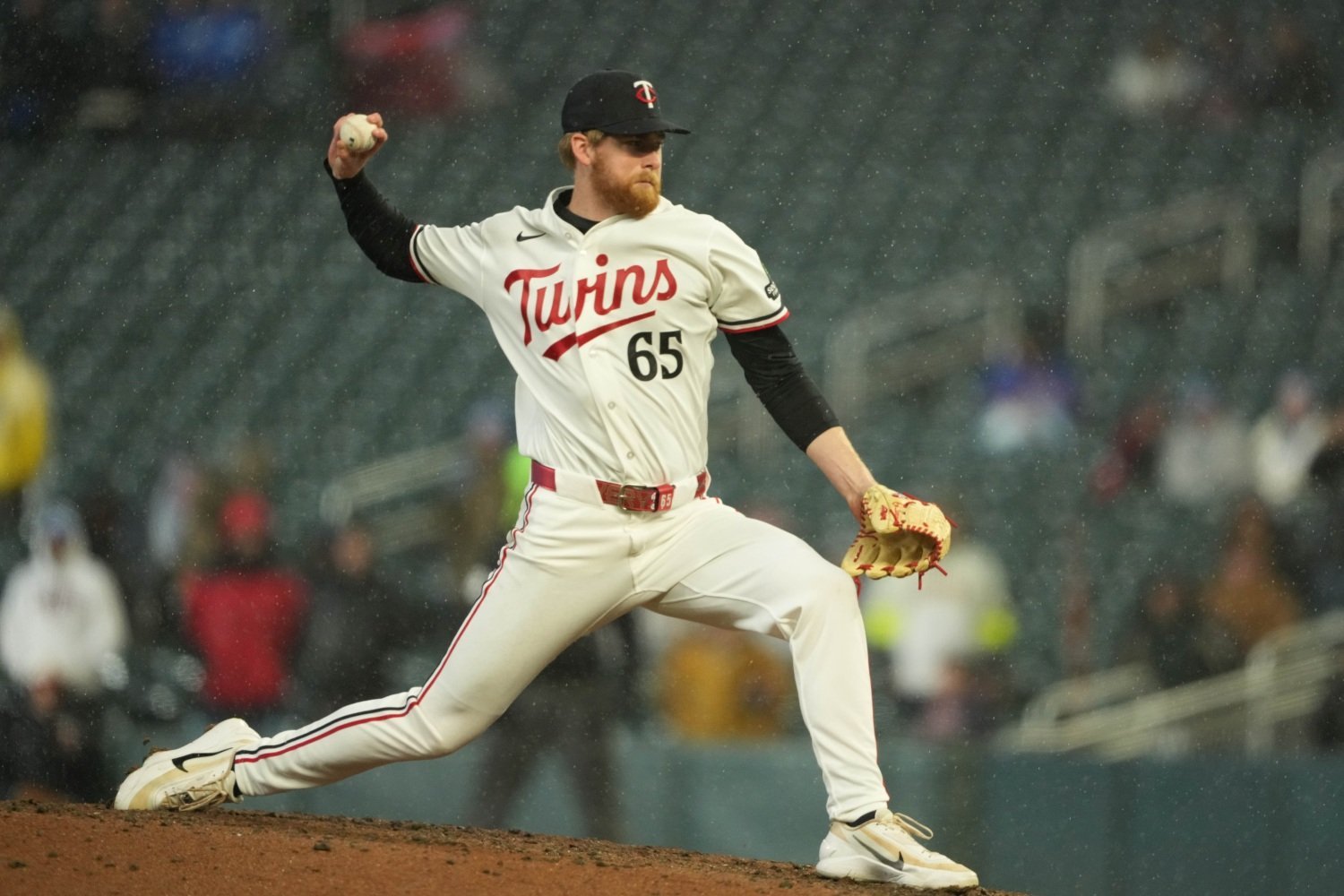 It's not that the Twins don't throw hard. That's not the remarkable thing about their collection of fringy relief arms. What's remarkable—what might end up being quasi-historic, though it will probably change later this year—is how far they are from throwing hard. In Taj Bradley, they have one of the hardest-throwing starters in baseball, and Mick Abel can work in the mid-90s, too. On days when Bailey Ober or Simeon Woods Richardson starts, though—and even with Joe Ryan, who stands out for his movement, rather than his velocity—the team can go a full nine innings without touching 95 miles per hour. Two decades ago, that wouldn't be noteworthy at all. Even one decade ago, you'd have noticed it, but it wouldn't have shocked you. Now, however, it's startling. The brightline at which a relief pitcher can be said to be a hard thrower isn't 94 or 95 MPH, anymore. It's more like 97. In fact, since 2021, the median team's frequency of exceeding 95 MPH on four-seam fastballs and sinkers is 43.8%. Nearly half of all fastballs thrown by relievers are 95 or faster. Just a year ago, the Twins boasted Jhoan Duran and Louis Varland, who could each get to 100 MPH. When Griffin Jax and Brock Stewart were going well, they could sit on the high side of 95 and push toward triple digits, too. "Only" throwing 95 doesn't even register as interesting, anymore. Over the last five full seasons, the lowest percentage of reliever fastballs to eclipse 95 MPH belonged to the 2021 Diamondbacks, at 17.1%. Only they and that year's Angels were under 20%. This season, the Mets have thrown the second-fewest heaters at 95 or faster, at 56. They have several guys who can top that number—Luke Weaver, Devin Williams, Huascar Brazobán, Luis García, and Tobias Myers—but they rarely actually do so. In fact, if their current rate of 14.6% of fastballs getting to the midpoint of the 90s holds, it would be the lowest since the pandemic—except, of course, for the Twins'. Minnesota has only seen 38 fastballs reach 95 after departing the fingers of a pitcher working in relief this year. That's in over 400 heaters, pushing them down into a range not seen since the 2019 Cleveland club. Before that, only the 2015 Athletics were similarly starved for heat, in the Statcast Era. This team is an outlier, throwing slower than any pen has in a decade or more—because the truth is, even the raw numbers presented above oversell them. Of the 38 fastballs at 95+ this year from a Twins reliever, 35 were thrown by Mick Abel—who's not really a reliever. Working in tandem with Bailey Ober in the season-opening series in Baltimore, Abel furnished almost all of the honest-to-God heat the Twins pen has mustered all season. Only Justin Topa (once) and Cole Sands (twice) have even scraped 95 MPH, among real members of this bullpen. This will change, of course. With any luck, as the weather warms, Sands (and perhaps one or two others) will at least flirt more often with the upper half of the 90s. More importantly, the team is likely to call up some guys who throw harder, as the season wears on. If Zebby Matthews can't quickly find a way into the rotation in Minneapolis, maybe it's time to try him in the bullpen. Something like that will give them an infusion of velocity. Heck, even most waiver claims will have a chance to bring more juice to the relief unit. For now, though, this is borderline hilarious. The Twins are to fastballs with anything on them (by modern standards) what Charlie Bucket was to Wonka Bars. Everyone around them is counting their accumulations by dozens or hundreds. The Twins have, through 13 games, three 95+ fastballs from their relievers. Just three. I would analyze this further, but like Charlie's teacher in the movie, I don't know how to do just three. This team is blazing a new trail, when it comes to not really blazing anything in the pen. View the full article
 -
Dia de los Muertos Featured In Padres' New City Connect Uniforms
DiamondCentric posted an article in Padres Mission
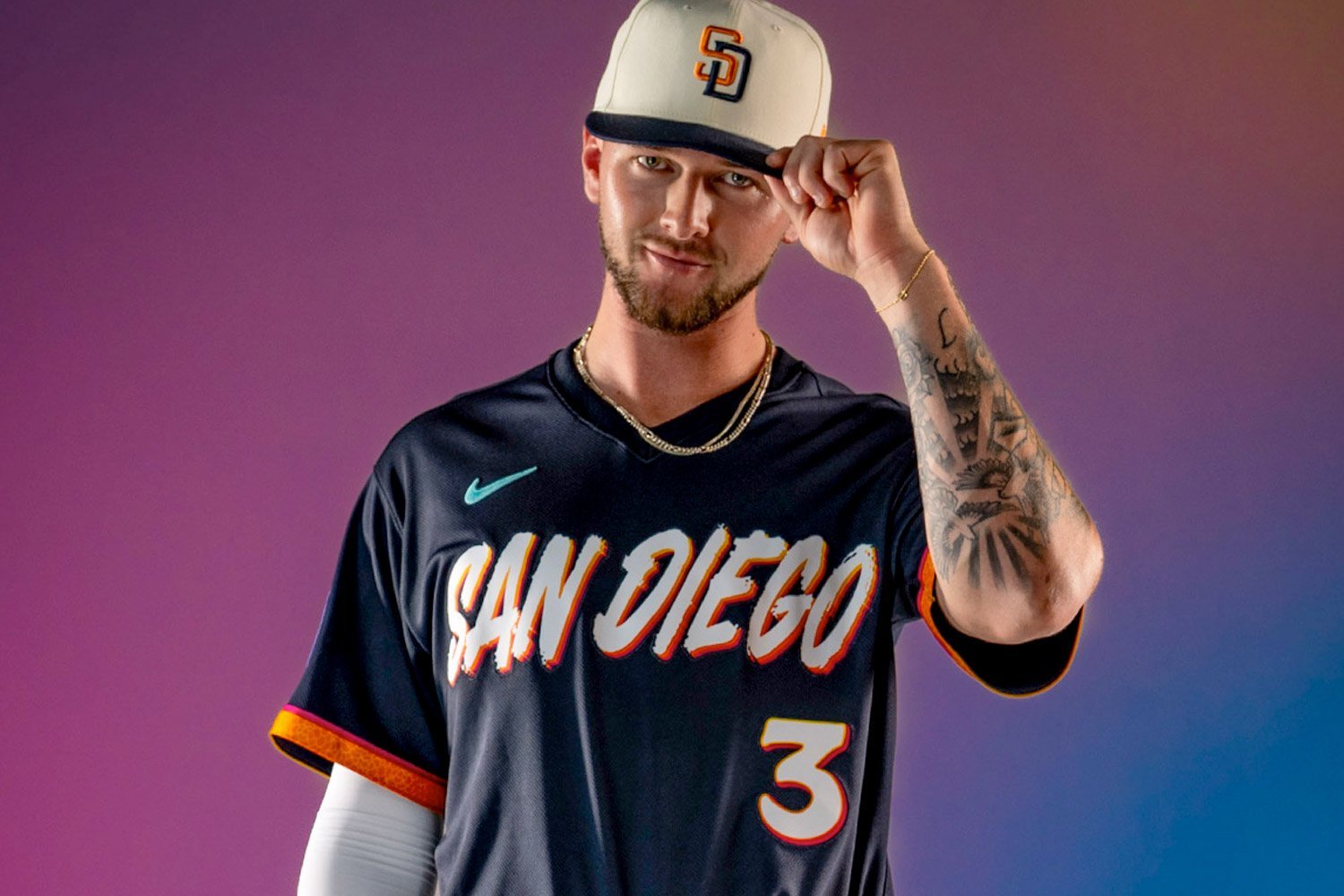 After the wildly popular pink-and-mint City Connect uniforms that reflected the city's vibrant sunsets, the San Diego Padres went a little more stoic while still using colors that pop and maintaining the multicultural vibe. The Padres were among eight MLB teams that revealed new City Connects for 2026 on Thursday. The theme of this one for the Friars is, as the team posted on social media, "Para nuestra familia, San Diego y los fieles, por siempre. For our family, San Diego, and the Faithful, forever." It also reflects Dia de los Muertos, the traditional Mexican holiday honoring the dead. Jerseys and other City Connect-related merchandise are on sale now at Petco Park and at the team store at Padres.com. View the full article
 -
Royals Shuffle Bullpen, Promote Eli Morgan And Mitch Spence
DiamondCentric posted an article in Royals Keep
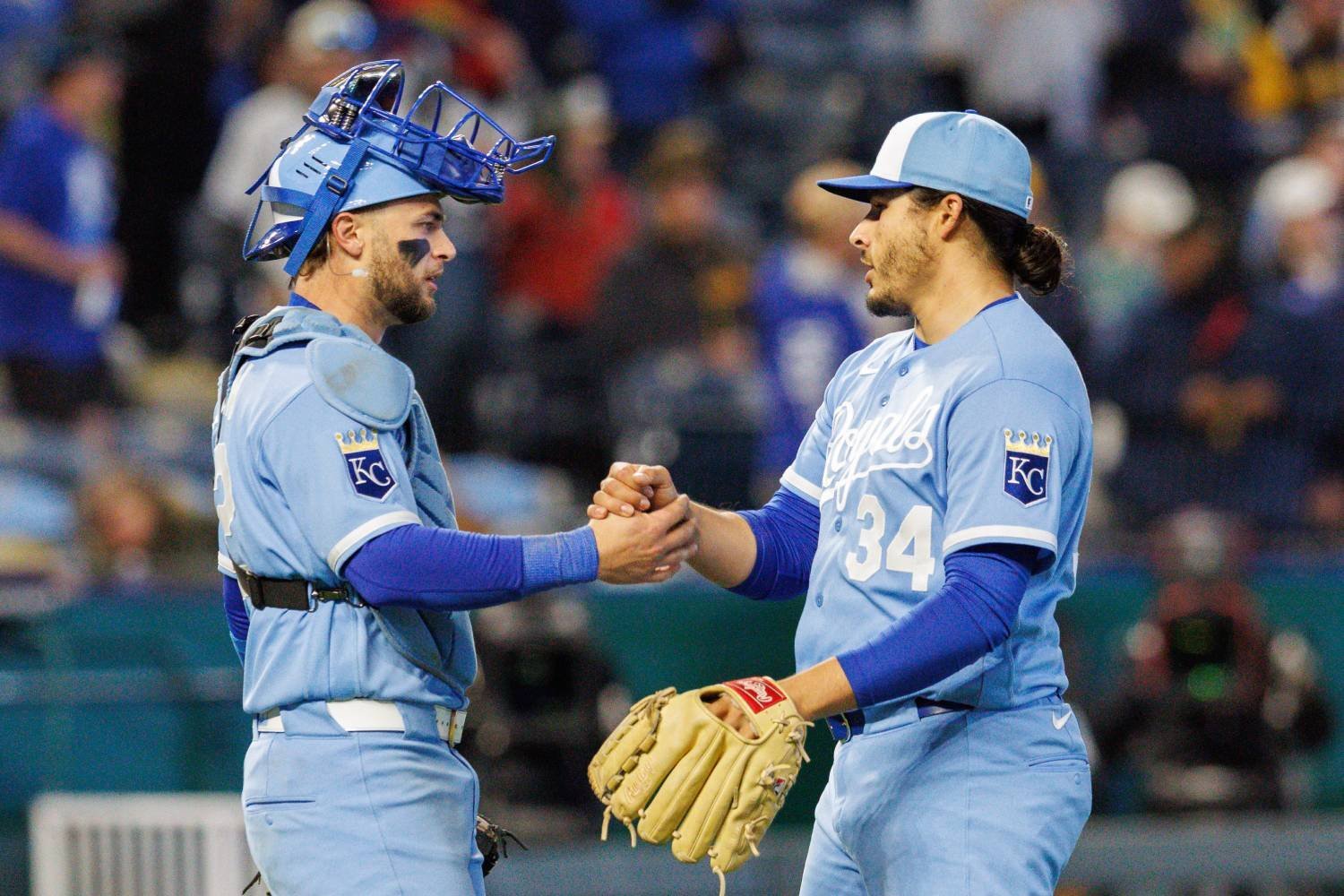 The Kansas City Royals made a pair of moves to bolster their bullpen before opening a four-game series vs. the Chicago White Sox on Thursday at Kauffman Stadium. Right-handers Eli Morgan and Mitch Spence were promoted from Triple-A Omaha, while right-handers Luinder Avila and Steven Cruz were optioned to Omaha. Thursday's game marks the ninth of 12 straight days the Royals are playing, including pitching 7⅓ innings Wednesday in a 10-2 loss to the Cleveland Guardians, thus the need for a bullpen refresh. Spence will be making his Royals debut. He was acquired in February shortly after being designated for assignment by the Athletics. Spence has made 67 MLB appearances over the last two seasons with the A's, including 32 starts, so he gives the Royals' bullpen a bit of length. Spence appeared in one game at Triple-A, starting Saturday and allowing four hits and one unearned run in five shutout innings. This is Morgan's second time coming up already this season. He was the extra pitcher called up for Saturday's doubleheader against the Milwaukee Brewers and picked up a three-inning save, giving up one hit and no runs, in the 8-2 triumph before being sent back to Omaha. Morgan signed a minor-league contract this offseason after appearing in seven games for the Chicago Cubs in 2025. Avila was called up last week and made his season debut Saturday in the first game of the doubleheader, surrendering five runs on eight hits and three walks in three innings. He then appeared Wednesday in relief, tossing another three innings, giving up six hits but allowing just one run. Cruz has posted a 14.40 ERA in five appearances, including allowing five runs in 1⅓ innings Wednesday. View the full article
 -
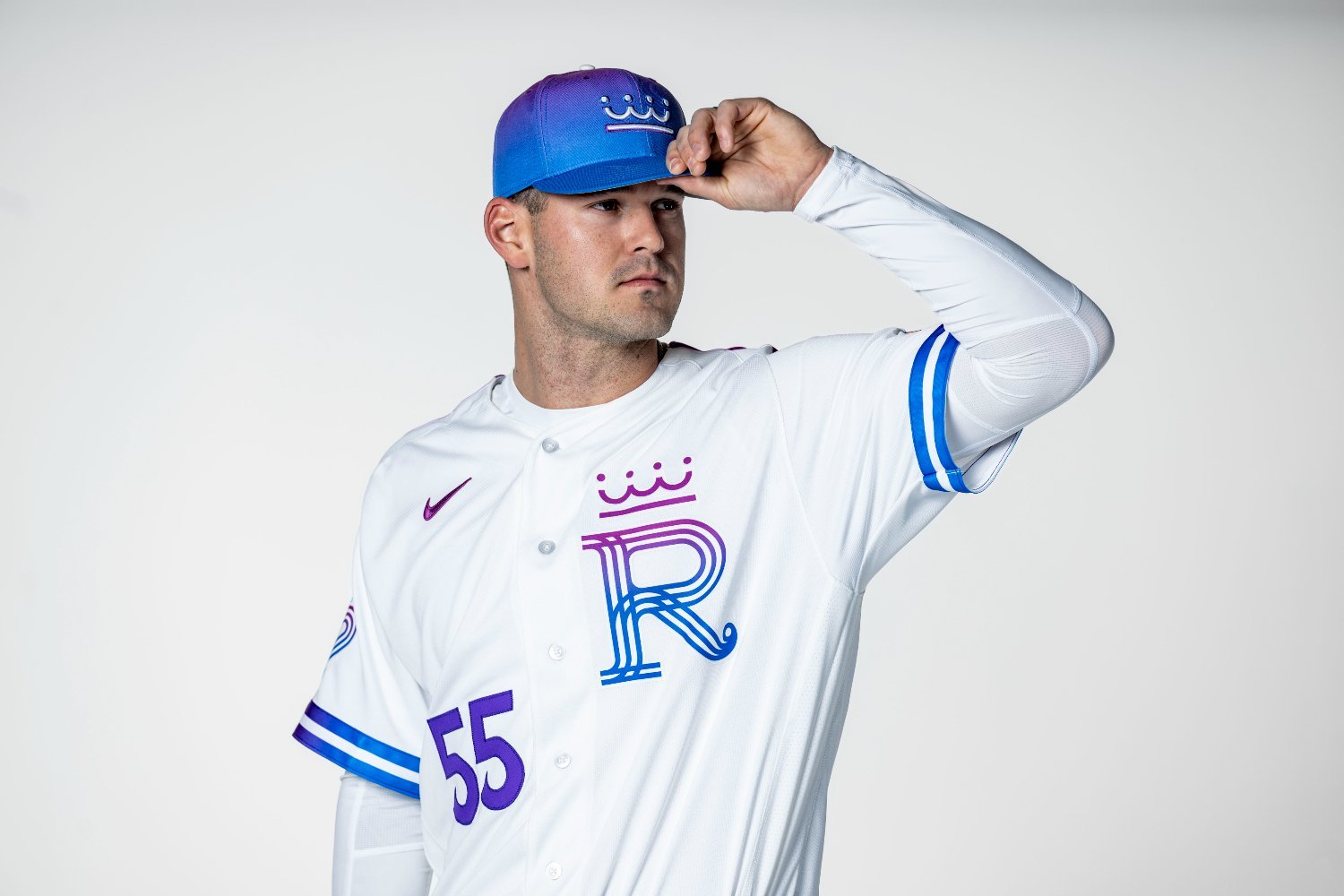 On Thursday morning, the Kansas City Royals unveiled their new City Connect jerseys to the public via social media. On March 31st, a picture of the possible City Connect jerseys leaked, though no confirmation was provided by the Royals, Nike, or Major League Baseball. With the City Connect jersey officially released on Thursday, it appeared the leak was indeed a preview of what the Royals' updated City Connect would look like for the next three seasons (City Connect jerseys have a three-year cycle). The new Royals City Connect shares a lot in common with the Royals' old City Connect jersey. The color scheme is obviously different, with blue, purple, and white instead of navy blue, light blue, and white. However, the new City Connect jerseys will still be utilizing the "Fountain" font that made the old City Connect jerseys so popular with Royals fans. However, instead of "KC", the new City Connect style will emphasize the old "R" logo. Here's a picture of the old City Connect jersey worn by Vinnie Pasquantino during an April 14th, 2023, game against the Braves. Per Kindle Biermann, manager of business and community communications, in addition to wearing them every Friday evening game, the Royals will also have multiple promotions and giveaways throughout the year that will utilize the new City Connect style and color pattern. The Royals begin their four-game homestand against the Chicago White Sox tonight and will unveil their new jerseys, hats, and City Connect gear during Friday night's home game. View the full article
 -
 Blue Jays Affiliate Overview (April 7-April 8) Triple-A Buffalo Bisons Series vs. Syracuse Mets (New York Mets): 2-0 Season Record: 5-6 Double-A New Hampshire Fisher Cats Series vs. Portland Sea Dogs (Boston Red Sox): 2-0 Season Record: 3-1 High-A Vancouver Canadians Series vs. Eugene Emeralds (San Francisco Giants): 0-2 Season Record: 0-5 Single-A Dunedin Blue Jays Series vs. St. Lucie Mets (New York Mets): 0-0 Season Record: 1-2 Triple-A Buffalo Bisons Season Record: 5-6 Series Opponent: Syracuse Mets (New York Mets) April 7: Postponed April 8, Game 1: In game one of the doubleheader, pitching reigned supreme, as temperatures remained frigid and not hitter-friendly. The Buffalo Bisons had Grant Rogers on the bump to start, and he worked around a few walks and a few singles to blank the Mets for four innings. In the first, he induced a groundball for a double play and then worked the edges of the zone to get Vidal Brujan to strikeout looking with two men on. In the second, he again managed to get a double play ball after allowing a walk; this time, it was on a slider down and out of the zone. He ended the third inning by striking out Ryan Clifford on a face-high fastball (89.6 mph). Despite his shorter outing, he worked on the edges of the strike zone to most of the batters and allowed the cold temperatures to aid him with weak contact. The Bisons did little with their bats as well, only collecting three hits in the game and scoring two runs. The first came on an RBI groundout from Riley Tirotta in the second, and the other scored in the third when Carlos Mendoza scored on a fielding error by the Mets’ third baseman. Buffalo was shut down for the final four innings, only getting one baserunner on a walk. After a recent demotion from the major league team, Brendon Little came into the game in relief of Rogers and had a relatively clean inning. Jackson Cluff popped up, Little walked CJ Stubbs, and then got Yonny Hernández to roll over on a sinker down and out of the zone for a double play. Chase Lee came in for Little and worked the final two innings with relative ease, only allowing two hits and striking out two. The Bisons took game one of the doubleheader 2-0. April 8, Game 2: Game two of the doubleheader was an all-around excellent game for the Bisons. They didn't get many hits, only two, but they were timely and all of the damage needed for the pitching staff to secure the win for Buffalo. Rafael Lantigua and Yohendrick Pinango both hit two-run home runs, their second of the season, to power the offense. Lantigua's home run came in the first on a changeup right down the middle. Pinango took a sweeper inside over the fence for his home run; the ball came off the bat at 97.3 mph, had a launch angle of 24 degrees, and only went 349 feet. The four runs were just enough, as the Buffalo pitchers got 15 of the 21 outs in the game via strikeouts. Yariel Rodríguez racked up six of those strikeouts, while Brendan Cellucci had five. Celluci has been really good in his two appearances this season, having pitched 3.2 innings and getting nine of those 11 outs from strikeouts. He might be someone who could come up and help the big league club if he continues to dominate like this. Buffalo grabbed the sweep of the doubleheader with a 4-3 win in game two. Double-A New Hampshire Season Record: 3-1 Series vs. Portland Sea Dogs (Boston Red Sox) April 7: The New Hampshire Fisher Cats kicked off their series against the Portland Sea Dogs in a winning fashion, but it wasn't a pretty sight for the batters getting hits. New Hampshire and Portland combined for 12 runs on just a single hit by the end of the top of the second inning. Two hit-by-pitches, a couple of walks, and a sacrifice fly put Portland up by two in the first inning. In the top of the second, the Fisher Cats got eight walks, two hit-by-pitches, a sacrifice fly, and a single. That put 10 runs on the board in the half inning, with just one hit. In the bottom of the second inning, Portland walked three more times, followed by another sacrifice fly and an RBI double. Portland would tack on three more runs, but New Hampshire pulled this one out despite the lack of hits, winning 12-7. Sean Keys continued his hot start at Double-A, going 1-for-2, with two walks, a HBP, two RBI, and two runs scored. April 8: In the Wednesday game of the series, New Hampshire smashed their way to a big win again. This time, they actually used a multitude of hits on their way to 11 runs. Geovanny Planchart drove in two runs in the second inning with an RBI single. Eddie Micheletti Jr. and Jorge Burgos followed with RBI singles as well to make it 5-0. In the third, Je'Von Ward and Planchart added RBI singles to put the Fisher Cats up seven. Jace Bohrofen had the big hit of the game, launching a home run to right field in the fifth inning, giving New Hampshire a seven-run lead again. The Fisher Cats put up three more runs later in the game and ran away with this one, 11-3. High-A Vancouver Season Record: 0-5 Series vs. Eugene Emeralds (San Francisco Giants) April 7: Johnny King made his debut for the Canadians, but it was a mixed bag. There were definitely some first-start jitters for the young pitcher, as although he struck out three batters in just an inning, he was wild, giving up two walks and a hit, which led to him throwing 32 pitches in just the first inning. Because of the elevated pitch count, Holden Wilkerson relieved King in the second inning. Wilkerson pitched well, with seven strikeouts in 3.1 innings, but gave up a homer in the fifth to put the Canadians down 3-0. The Canadians brought it within one after a clutch hit from Carter Cunningham, but Eminen Flores gave up a run off a sac fly. Cunningham brought it within one again with his first homer of the season, but the Canadians couldn’t score anything else. Dub Gleed also made his debut after coming from the Marlins org and had himself two hits and a walk. April 8: Austin Cates had an uncharacteristic start for Vancouver, as he went four innings but walked four batters and allowed six hits, which resulted in three earned runs, including a solo homer to former Dodgers top prospect Diego Cartaya. Aaron Munson came on in relief and gave up only one hit and a walk in three innings of work, while striking out five batters, to keep the score close. The Canadians' offense struggled to get going, however, as they weren’t able to get a run until the bottom of the eighth inning, when a throwing error put runners on the corners and let Alexis Hernandez drive in their first run of the game to bring it within two runs. Juanmi Vasquez was able to erase a runner on a fielder’s choice into a pickoff at first, but he was unable to get out of the inning unscathed, as he struggled with his command and allowed three hits in a row to let the Emeralds score another two runs. In the ninth inning, the Canadians showed some patience, with Maddox Latta walking then advancing on a balk, before Manuel Beltre drove him in with a single. However, they could not capitalize, as after Brennan Orf walked, Kendry Chirinos, Matt Scannell, and Hernandez all struck out as the potential tying runs at the plate. Single-A Dunedin Season Record: 1-2 Series vs. St. Lucie Mets (New York Mets) April 7 - Suspended Game Jays Centre’s 18th-ranked prospect Brandon Barriera had his first start since going down with an elbow injury last season. Despite glowing reviews in the back fields, the poor conditions were hard on Barriera, as he only sat in the low 90s instead of the mid-90s as reported. His command also lagged, which happens with a lack of reps. He also didn’t generate any whiffs, but it was still nice to see him back in action after barely pitching since getting drafted. Dunedin got on the board first with Enmanuel Bonilla’s first hit in A-ball, but after Barriera gave up two runs in the bottom of the second, the game was suspended. It's set to finish on April 9. April 8 - Postponed Transactions 04/07/26 OF Matt Scannell assigned to Vancouver Canadians from Dunedin Blue Jays. 04/07/26 RHP Austin Marozas assigned to New Hampshire Fisher Cats from Vancouver Canadians. 04/07/26 SS Dub Gleed assigned to Vancouver Canadians. View the full article
 -
Brewers Ship Shane Drohan Back To Triple-A Nashville
DiamondCentric posted an article in Brewer Fanatic
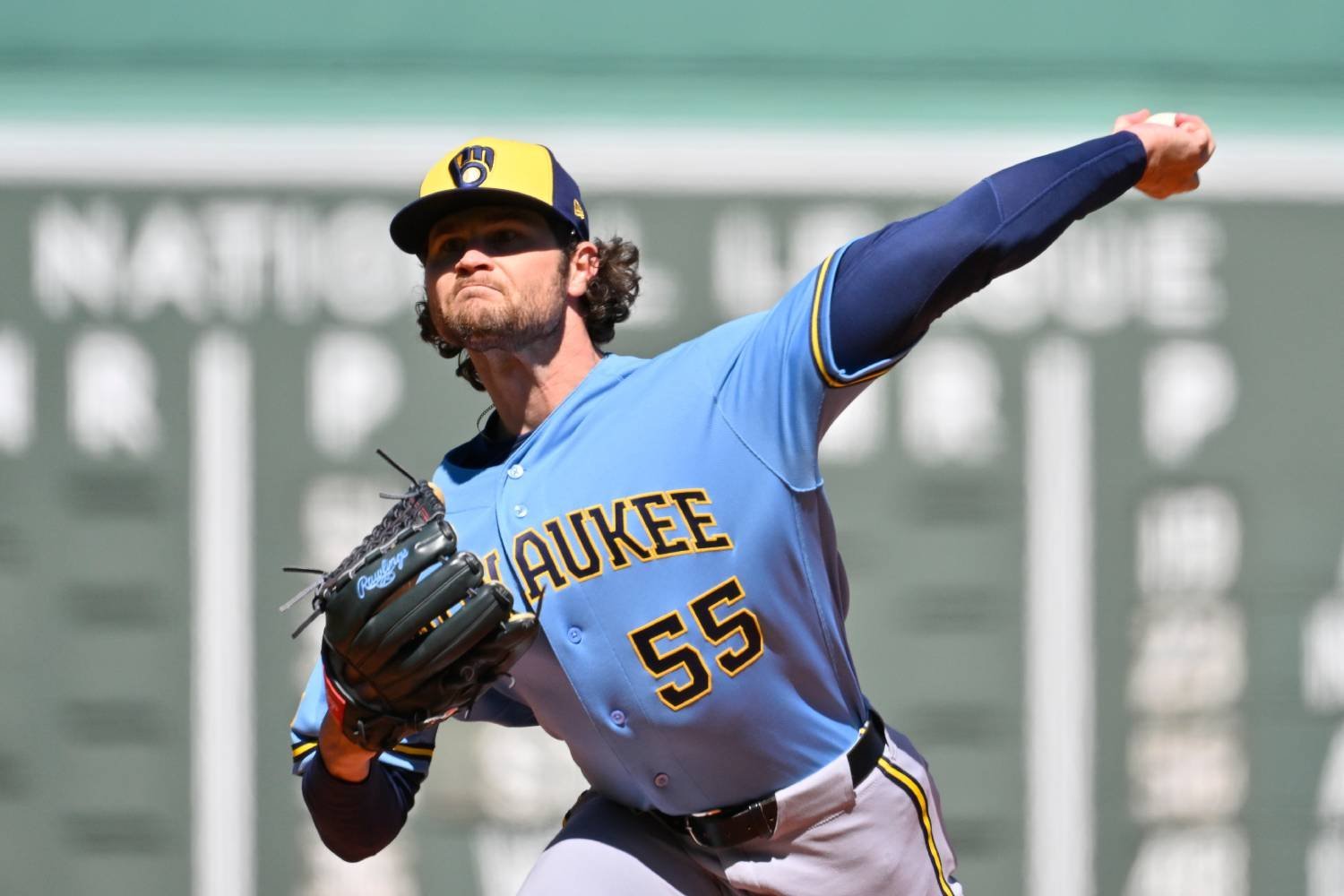 Shane Drohan's first stint in MLB didn't figure to be a long one—and it wasn't. The Milwaukee Brewers' left-handed starter, who made his MLB debut Wednesday, was sent back to Triple-A Nashville, MLB.com's Adam McCalvy reported Thursday. The Crew will have to make a corresponding move before opening this weekend's series vs. the Washington Nationals on Friday. Drohan's debut did not go well. Facing the Boston Red Sox, the team that traded him to the Brewers in the Caleb Durbin deal this spring, at Fenway Park, Dohan lasted just 2⅔ innings, walking four and allowing three runs and three hits while striking out two. Drohan made the spot start due to the doubleheader Saturday against the Kansas City Royals following Friday's rainout. Right-hander Chad Patrick was originally scheduled to start Wednesday, but that would have come on short rest. Patrick, who started the opener of the doubleheader, will start Friday against Nationals right-hander Jake Irvin. As for possible call-ups, right-hander Craig Yoho could be a candidate. Yoho is on the 15-day injured list with a strained right calf and is eligible to be activated. His stay on the IL, which began March 22, was projected to be a short one. View the full article
