


DiamondCentric
-
Posts
2,631 -
Joined
-
Last visited
Never
Content Type
Profiles
Forums
Events
News
Tutorials & Help
Major League Baseball Videos
Guides & Resources
Store
Downloads
Gallery
Everything posted by DiamondCentric
-

The Athletic Floats New Possibilities for Twins at Pick No. 3
DiamondCentric posted an article in Twins Daily
 The calendar may still read April, but draft season is already beginning to take shape. In his latest update for The Athletic, Keith Law reshuffled the board for the 2026 MLB Draft, offering a clearer picture of how the top of the class is evolving. For the Twins, who currently sit in the third spot, that clarity comes with both opportunity and complication. At the top, UCLA shortstop Roch Cholowsky has long been viewed as the frontrunner to go first overall to the Chicago White Sox. That perception has not completely disappeared, but Law suggests the gap is tightening. A handful of college standouts are making compelling late pushes, giving both the White Sox and the Rays, who pick second, more to think about before Minnesota is on the clock. C Vahn Lackey, Georgia Tech One of the fastest risers in Law’s rankings is Georgia Tech catcher Vahn Lackey. The right-handed hitter has put together a dominant offensive season, showcasing a rare blend of patience and power. He is controlling the strike zone at an elite level, drawing more walks than strikeouts while doing significant damage when he connects. Lackey has also flashed surprising athleticism, even contributing on the bases, and evaluators remain confident in his ability to remain behind the plate long term. That combination of offensive impact and defensive value has pushed him into the conversation at the very top of the draft. RHP Jackson Flora, UC Santa Barbara On the pitching side, UC Santa Barbara right-hander Jackson Flora continues to build momentum. His performance this spring has been nothing short of overpowering, backed by premium velocity that regularly reaches triple digits and comfortably sits in the upper 90s. Flora complements the fastball with a devastating changeup that earns top-of-the-scale grades, while his slider and command round out a well-balanced arsenal. His delivery adds an element of deception, making his already electric stuff even tougher for hitters to pick up. Among pitchers in this class, he stands alone as the most realistic candidate to challenge for the first overall selection. SS Tyler Bell, Kentucky Kentucky infielder Tyler Bell presents a different type of evaluation. After suffering a shoulder injury early in the season, Bell missed time before returning to the lineup and continuing to produce at a high level. His on-base skills have been particularly impressive, driven by a disciplined approach that limits chase and forces pitchers into the zone. There will be medical questions to answer, and teams will need to be comfortable with the long-term outlook, but his performance has kept him firmly in the mix as one of the better bats in the class. For a team like Minnesota, risk tolerance will play a key role in determining whether he remains a viable option. Beyond those names, Law’s rankings continue to highlight the depth of the class. High school shortstop Grady Emerson represents one of the top prep talents available, while college hitters Eric Becker and Drew Burress have both put themselves on the radar with strong offensive showings. Each brings a different profile, giving teams multiple pathways depending on their preferences for risk, development timeline, and positional value. For the Twins, the takeaway is simple but significant. There may not be a clear-cut choice waiting at three, but there should be a talented one. How the board unfolds ahead of them will dictate whether they lean toward a polished college bat, a high upside arm, or a longer-term prep investment. View the full article
 -
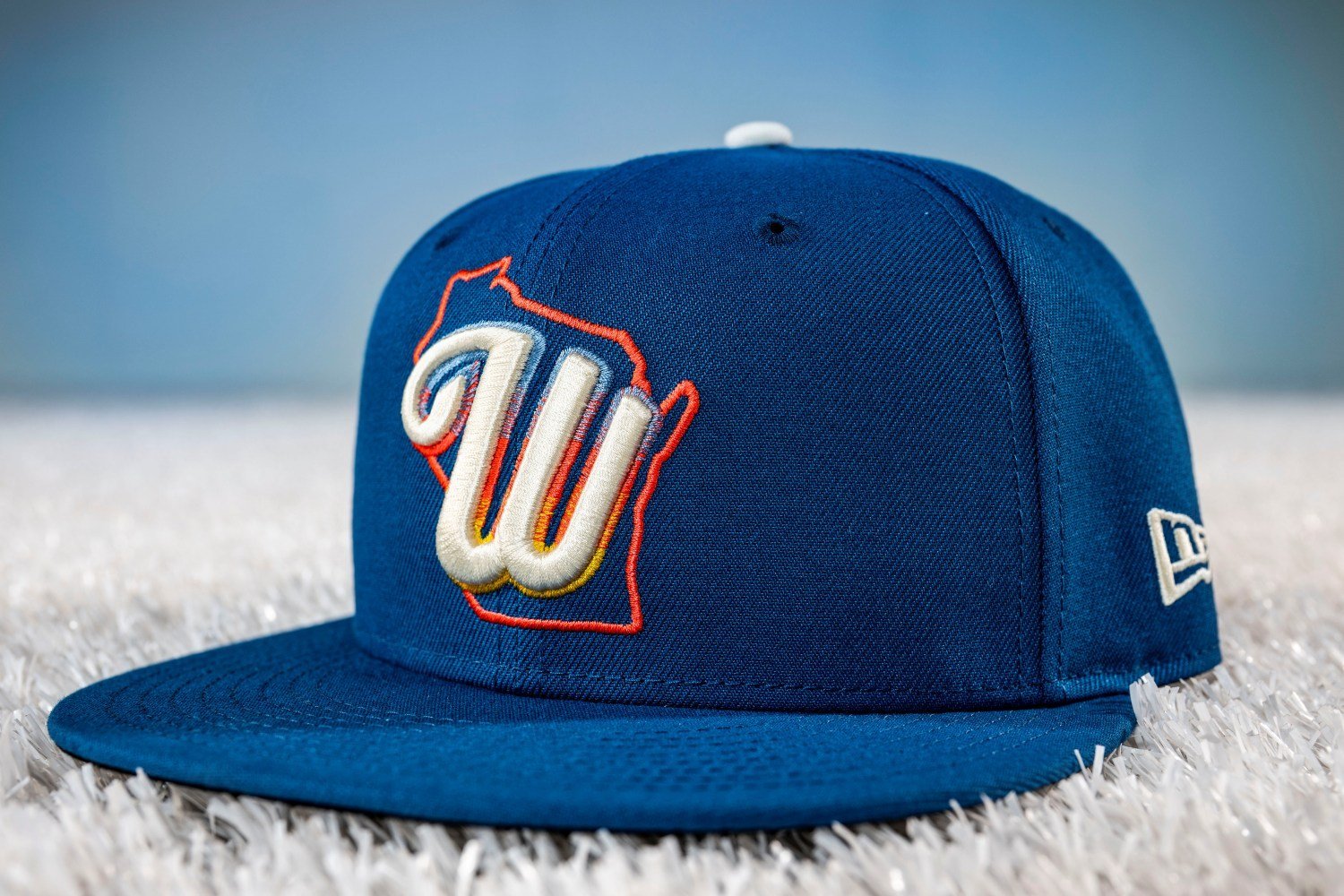 The Brewers will open a homestand this weekend against the Nationals by donning their second edition of City Connect uniforms for the first time. In preparation for that, the team rolled out the new look in an elaborate multi-platform social media announcement. The base color of the threads will be blue, though lighter than the team's standard navy and less bright than the blue that defined their glove-and-ball logo era. Although the comparison often feels trite, the choice of tone does genuinely evoke a lake or river. The accents (including nifty piping down the sleeves) are cream-colored, a well-measured nod to the Cream City. There will be a good amount of orange, too, bringing together a smart color scheme that doesn't bend so far from the tradition of the team, the city or the state as to feel jarring. It's new, but not alien. There's a new patch designed to look like a fishing bobber, but with baseball stitches. It's not prominently featured on the uniform, but it's nice. Even better is the redesigned Barrelman logo on the sleeve patch, which has the mascot superimposed on a many-colored outline of Wisconsin, pursuing a ground ball. The explanations and rollouts of these are always a bit overdone. Neither the league nor Nike does a very good job of making one forget that the point of having the new threads is to sell merchandise. On balance, though, this uniform does a lot of things right. It's almost really, really great. But. The team didn't just splash 'Wisco" across the front of the jersey, as became clear when the uniforms leaked last month. They leaned all the way into it. Their tagline for the unveiling is "If you're from Wisco, you know the way," and they're referring to the overall vibe as the "Wisco Way." There, of course, they have a problem, because no one is from Wisco. That diminutive reference is only used by people from elsewhere, and usually, it's not used flatteringly. At various points over the last quarter-century, people from the rest of the Midwest have tried on Wisco as a way to refer to the state (with its burdensome three-syllable name) and "Sconnies" as a demonym for people who live there, and some of that lingo has stuck, in Iowa and Minnesota and Illinois. But for Wisconsinites, it's simply not a thing. It will never be. It's always a downer when an advertising or marketing campaign hits a note this far from the proper key, but when it comes to the City Connect program, it cuts even deeper. Insofar as this program is anything real—any earnest effort to tie together team and community, be that by deepening the relationship between the team and a part of that community or by reaching out to a new segment of the community altogether—it has to be undertaken after serious research. It should be done by someone local. It should, in short, never come anywhere near calling the Brewers' home state "Wisco". Instead, these very pretty uniforms will largely remind us all of how commercial, transactional and hollow a relationship teams want with their fans. They're well-executed, but you can't connect (or Connect) to a community that doesn't exist. By letting a consultant with insufficient real intimacy with the city or state create such an out-of-touch theme for the uniform, Nike and the Brewers forfeited their chance to deepen their connection with fans. This organization does so many things well that they should easily survive the error, but it was an unforced one, and a disappointing one. View the full article
 -
 One of the Blue Jays' greatest strengths last year was their ability to come through when it mattered with the bats. Getting runners on base and bringing them in are two very important and very distinct parts of hitting, but in 2025, the Jays' tendency to do both at a high frequency was a breath of fresh air compared to 2023 and 2024, when their offense was prone to looking lifeless. A mere 11 games into 2026, they own a 4-7 record (before play on April 8) and have gone from fourth in the league to 26th in runs scored per game. It shouldn't come as much of a surprise, then, that their situational hitting has gotten worse. For how crucial it is to consistent production, success, and failure, for that matter, performance with runners in scoring position, at both the hitter and team level, is noisy, unpredictable, and thus not that stable year over year. Regression happens both ways, and it's happening to the Blue Jays in a big way right now. Blue Jays Hitting w/RISP, 2025 vs. 2026 Year AVG MLB AVG Rank wRC+ MLB wRC+ Rank 2025 .292 1 122 2 2026 .213 26 77 26 Forgive me if you've heard this a lot lately, but it's still early days. We're about 7% of the way through the season so far, a sample small enough for these numbers to work themselves out over time. Only, I'm not so sure they will if the Jays don't adjust their game plan in these spots. They have been a far cry from their best selves when key run-scoring chances arise, and if some of the current trends we're seeing were to continue for the rest of the season, it'll be a year to forget. The Jays overhauled their offensive coaching staff going into last year. The trio of David Popkins, Lou Iannotti, and Hunter Mense (the latter is now with the Giants) helped a lineup that was already great at getting bat to ball to hit with more power. Our own Jesse Burrill recently highlighted the positive changes that occurred under their watch: The hitters started swinging faster, adding more bat speed as the year went on, and doing damage. Jesse also rightfully made note of what has changed this year, namely their lack of discipline. At the time of his writing, the Blue Jays had the league's third-worst chase rate. It goes deeper than that, though. Toronto's coaches obviously aren't telling the hitters to swing out of their shoes, least of all when runners are on base, but the complete abandonment of a sound approach up and down the lineup when they need it most has been worrisome. Blue Jays Hitting w/RISP, 2025 vs. 2026: Underlying Metrics Hitter 2025 K% 2025 Chase% 2025 Hard-Hit% 2026 K% 2026 Chase% 2026 Hard-Hit% George Springer 22.5% 22.9% 50.0% 31.6% 40.5% 30.0% Addison Barger 21.2% 32.7% 55.8% 0.0% 44.0% 33.3% Nathan Lukes 15.3% 35.6% 32.2% 25.0% 55.2% 16.7% Daulton Varsho 33.3% 33.6% 54.3% 12.5% 29.4% 25.0% This is a somewhat arbitrary sample of hitters who were all given the spotlight here for various reasons. They are not solely responsible for the team's futility with runners in scoring position, but combined, they are 4-for-33 in these spots. That's a batting average of .121! I highlighted the chase% columns because that's what's most alarming: Springer has nearly doubled his chase rate from 2025 with RISP. To put it mildly, Lukes and Barger haven't seen the ball well either. Varsho's at least getting bat on ball and not chasing as much, but the contact he has made has been less threatening. Right in the middle of all this has been Kazuma Okamoto. He's clearly a very talented hitter – a 420-foot opposite field home run on opening weekend made that clear – and his .262/.340/.429 slash line (127 wRC+) would be a delight to the fanbase if he could make it last. However, he has looked completely lost in high-leverage situations. Adjusting to the quality of competition in MLB is a challenge for hitters coming from NPB, but adjusting mentally looks to be just as crucial of a task for Okamoto. Whatever's going on between his ears when he steps up with RISP is holding him back. Kazuma Okamoto Splits, 2026 Split AB AVG SLG xBA Zone Swing% Chase% Contact% K% w/RISP 10 .100 .100 .103 58.3% 24.1% 57.1% 54.5% Total 42 .262 .429 .246 60.2% 26.9% 62.1% 40.4% This explains why he's dead-last among Blue Jays with at least 20 plate appearances in win probability added, per FanGraphs' model (-0.51). In run-scoring at-bats, ones that can dramatically swing a team's chances of winning, he has yet to come through. It's presumably not the kind of thing the Blue Jays are worried about long-term, but it's nonetheless evidence that the transition from overseas is anything but linear. If we expand our focus to at-bats with runners on base instead of only in scoring position, other problems start to reveal themselves. Vladimir Guerrero Jr. is hitting over .300 in those situations, but only has one extra-base hit. The sample is even smaller for Alejandro Kirk, but he was just 1-for-8 himself before hitting the IL. Rival fanbases may scoff at this, and they're perfectly within their right because this happens to every team, but it is worth noting that the Blue Jays are especially banged up for how early it is in the season. Kirk's fractured thumb and Barger's ankle sprain have complicated matters, and that's just on the position player side. Cody Ponce suffered a regular season-ending ACL injury just 10 batters into his Jays debut, Max Scherzer is trying to pitch through forearm tendinitis, and virtually the entire team was rocked by a nasty flu bug last week. Bo Bichette's knee injury last September was the only major ailment suffered by a Toronto position player in 2025. Due to the circumstances, some players are punching a little above their weight in terms of playing time. Simultaneously, it's clear that this isn't the only problem. I also want to talk about how the Jays have been doing with the bases loaded this year. I'll admit it was my main inspiration for this piece, because any time a team is on pace to enter the record books for something, it's worth following. After Tuesday night's defeat, the 2026 Toronto Blue Jays were 1-for-17 on the season with the bases loaded. That would be, by a country mile, the lowest batting average (.059) a team has ever had with the bases loaded in any season of the live-ball era. The 2020 Kansas City Royals (.122) currently bear this dubious distinction. For seasons that lasted a full 162 games, it's the 2012 Houston Astros (.130). If you look up what their record was that year, it's possible that your electronic device will spontaneously catch fire. MLB's 10 worst bases-loaded offenses, live-ball era (Stathead) Obviously, I doubt Toronto's .059 BA holds up, but it's an unsettling sign that things aren't going great in general. Last year's Blue Jays hit .386 with the bases loaded. That led the league, but as I mentioned before, noisy stats like this don't necessarily stand the test of time. Yet, their xBA of .324 with the bases loaded also led the league, suggesting that in a vacuum, it was no fluke. In 2025, this team was perfectly capable of focusing on the task at hand, not diverting from their approach, and putting together good at-bats with runners in scoring position. In 2026, that has vanished into thin air. It's easier said than done, but whether it's a few hitters trying too hard or small-sample weirdness (likely a combination of both), it seems the offense is in need of a collective re-focus on what made them successful in the first place. It's one of the biggest tangible changes we can see so far between the two seasons, and a main culprit for their subpar performance out of the gate. They've got their work cut out for them now. All stats entering play on April 8, 2026. View the full article
 -
 When working with a small sample in April, it’s sometimes difficult to get a read on a player. Are there trends that we can chalk up to bad luck? Is there some underlying information we can use to project a quick rebound before the calendar turns to May? Or could said trends manifest into something more worrisome over the longer-term? In the case of Fernando Tatis Jr., it’s a mix of all three. The San Diego Padres are off to an uneven start. Almost nobody in the lineup is immune to it, either. Tatis represents one such case given a stat sheet that doesn’t look too favorable. While the physical tools have remained in place (we’ll touch on this in a moment), the early returns through 11 games and nearly 50 plate appearances have featured a brutal .195/.292/.268 line and a wRC+ of only 68. The walk rate, which Tatis reset when he walked at a nearly 13 percent clip last year, has remained high (12.5 percent), but there’s a clear contact issue pinning down his ability to contribute. That inability to feed into an underperforming offensive unit comes in spite of Tatis putting nearly all of his physical tools on display. The defense continues to look outstanding, and the sprint speed is up in the 96th percentile. The most impressive thing he’s done thus far, though, is hit the ball hard. Like, really hard. With the major caveat that we’re working within a minuscule sample, Tatis has made hard contact at a 70.4 percent rate. It’s a wildly unsustainable rate that, nevertheless, has him in the 99th percentile in contact quality. His 14.8 Barrel% is four percent higher than his overall clip from 2025. He’s also making more contact overall by about two percent, with a swing rate that has increased only slightly. These are all, objectively, good things. At the same time, something isn’t jibing between the contact metrics, the approach, and the overall production. It’s not as if Tatis is simply running into bad luck. A .276 batting average on balls in play may not be indicative of the elite contact trends he’s displayed, but it’s also not some horrendous figure. And while a strikeout rate lingering up near 28 percent is abnormal for him, it’s not as if he’s taking too many pitches or expanding the zone too frequently. In fact, his plate discipline numbers look really similar to last year across the board. So, what’s the issue here? Don’t get it twisted; the strikeout rate is, in itself, problematic. It’s not as if he’s working deep counts and experiencing punchouts as a byproduct of that. Tatis’ 3.83 pitches per plate appearance sits below league average at this point in the year. There’s a whiff issue happening, with a rate of 30.4 percent that sits three percent above where he was at last year. So, while the contact rate itself looks decent, there’s too much whiff happening in between that’s leading to the ballooned K%. We also can’t put all of it on merely swinging too much. There’s also a contract distribution issue at play. The concept of PullAIR% has gotten plenty of run in the last couple of years as a key ingredient in unlocking a player’s power potential. Tatis Jr’s PullAIR% through nearly 50 PA sits at 0.0 percent. In fact, he’s only pulling the ball 20.7 percent of the time overall. That’s nearly half of what’s he done in basically every season in which he’s played to date. Nearly half his contact (48.3 percent) has been to the center of the field, with another roughly 30 percent to the opposite field. None of those are going to yield particularly impressive power results. It’s not as if he’s seen a bat speed decline or anything mechanical. If there’s one thing to which we can remotely point, it’s in the intercept. Tatis’ intercept point (the point at which he makes contact with the ball relative to home plate) in 2025 was 3.6 inches in front of the plate. That’s almost identical to what he’d posted in the previous year. This year, he’s at just 0.9 inches in front of it. There’s a timing issue at play. He’s compensating effectively with bat speed, but there’s clearly something happening in his reaction that’s stalling his ability to recognize and swing early. That’s really the only explanation we have to offer at this point. Perhaps that’s something that can be worked out in short order. Tatis spent time last year adjusting his mechanics and his approach. We’re not even to the middle of April yet, so there may just be a further adjustment that’s transpiring in these early days of the season. But given that it’s leading to an absence of power and an influx of strikeouts, it’s something that he needs to adjust early in order to help this offense begin to move along with any level of consistency. View the full article
 -
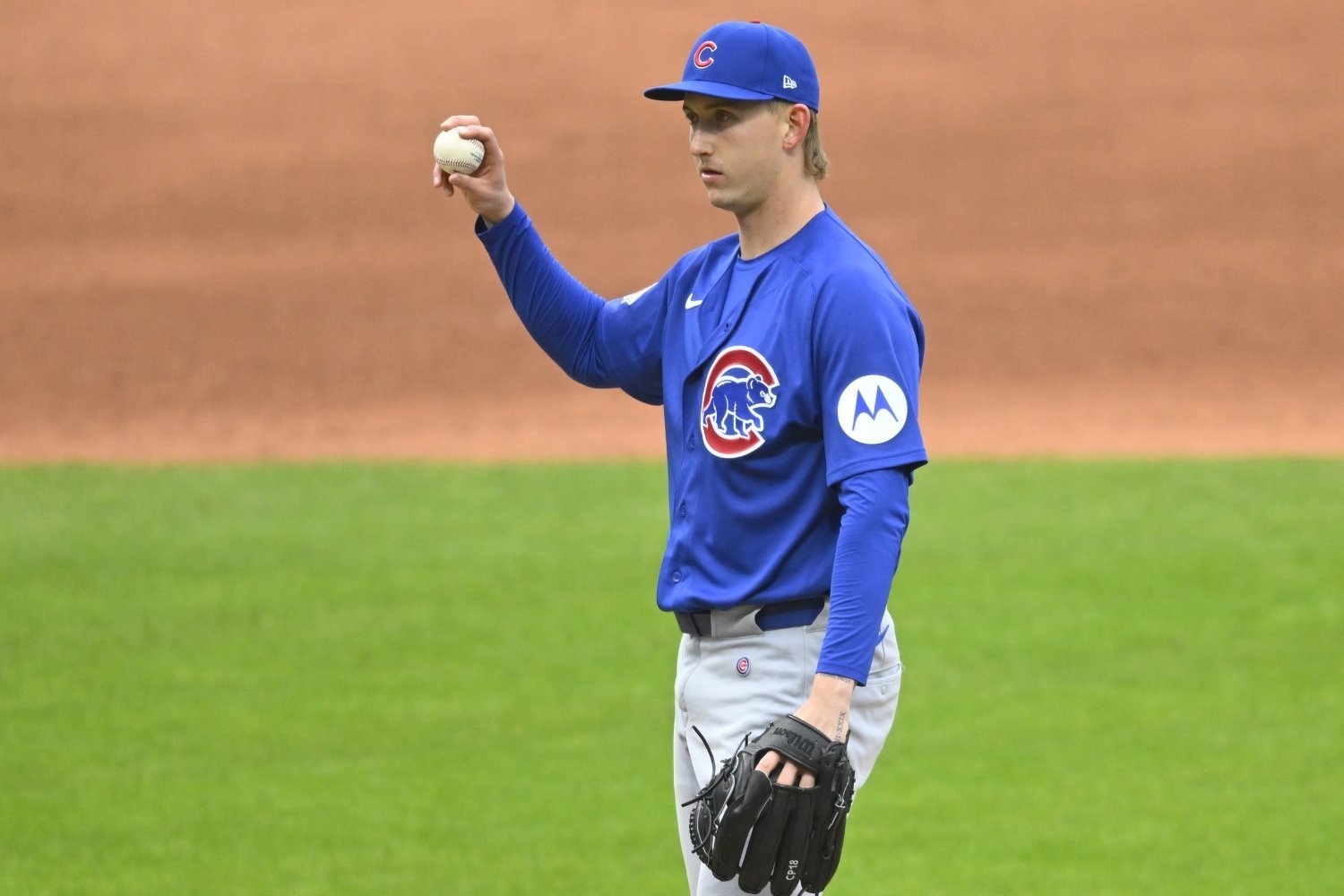 As we await the return of Justin Steele and weather the losses of Matthew Boyd and Cade Horton to the injured list, I considered the grief of being a Cubs fan through this early part of 2026, and recalled the infamous "Five Stages of Grief" in trying to process my feelings. Known as the Kubler-Ross model for its original author, the five stages are well-known—but also widely criticized for oversimplifying the process of grief. Similarly, most Cubs fans criticizing Jed Hoyer for spackling together a bullpen are trivializing the complexities that go into a competent relief unit. But since we have our theme today, let's run through these stages of relief (which might be more concentrated on our feelings about losing Cade Horton for the year, but that's another story for another day). Denial This offseason, the Cubs spent a significant amount of money on some relievers with upside. They let Brad Keller go, but we were all fairly excited about the prospect of decent arms like Phil Maton or intriguing arms that could still have magic in them: Hoby Milner, Jacob Webb, and Hunter Harvey. Along with the returning arms, this was supposed to be a superior relief corps, one that could be versatile and lock down games regularly. Instead, three of the aforementioned relievers have suffered extreme meltdowns leading to losses, and even Milner has coughed up a few runs, while striking out nobody to this point. The Cubs can't be that bad at scouting pitching, can they? Didn't they build a Pitch Lab or something? We can't be THAT cursed! Anger Why did the Cubs just scrape the barrel again or try to do their magic scouting, instead of just throwing all the money at guys like Devin Williams or Edwin Díaz? Never mind that they still have a perfectly capable Caleb Thielbar and a Daniel Palencia still going off the high of winning the World Baseball Classic with Team Venezuela, or that Colin Rea got yet another three-inning save. If only the Rickettses weren't always so cheap, and Hoyer would actually just throw money at the most volatile personnel in all of sports! Bargaining Look, I know these guys are good and all, and maybe it's just the early season cold weather (it really does suck to play baseball in the Midwest in April, I should know, I used to coach high school baseball here in Chicago), but all I'm really asking is that they don't walk people and throw pitches that don't get pummeled over the wall at inopportune times. Is that really too much to ask? I'd even live with the walks, if they'd stop giving up the homers! Or be ok with the homers, if they stopped clogging the bases with walks first! Depression Even with an exciting debut in Riley Martin, knowing that most of these guys can't be optioned and aren't going to just be randomly released just yet is annoying—and even if they did cut bait with somebody, the Cubs can't trade for anybody interesting for a couple months anyway, so we're kind of screwed there. Acceptance Then again, we're less than 10% into the season, and this team is too good to not figure it out, and that includes the bullpen full of guys who have decent track records, coaches who have found ways to bring the most out of their pitchers, and competent catchers who can guide their battery mates through trouble. We can't get rid of these guys yet, anyway, so we might as well hope that they do figure it out. When they do, along with a resurgence in the offense and a typically elite defense, Cubs baseball will be fun to watch again. You'll see! View the full article
 -
Trade Deadline Addition Shoves; Gabby Gonzalez Powers Saints
DiamondCentric posted an article in Twins Daily
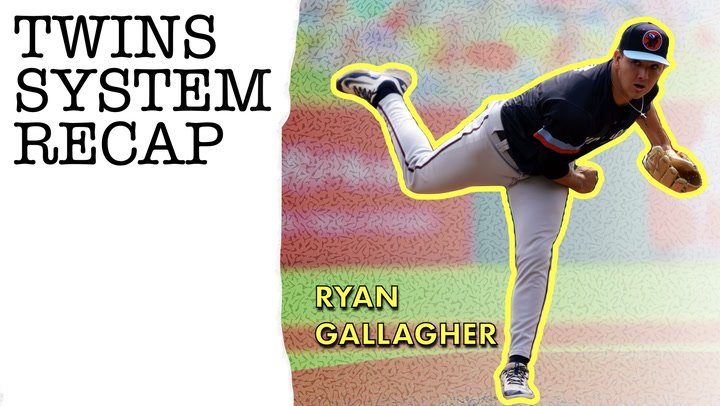 Twins System Recap: The St. Paul Saints played a wacky game that somehow went 13 innings. Thankfully, Gabriel Gonzalez crushed a two-out, two-strike, two-run homer that put them up for good. For Wichita, Ryan Gallagher pitched one of the better games we've seen in the system this year. He was acquired in the Willi Castro trade. There's info on those performances and much more in tonight's video. View the full article
 -
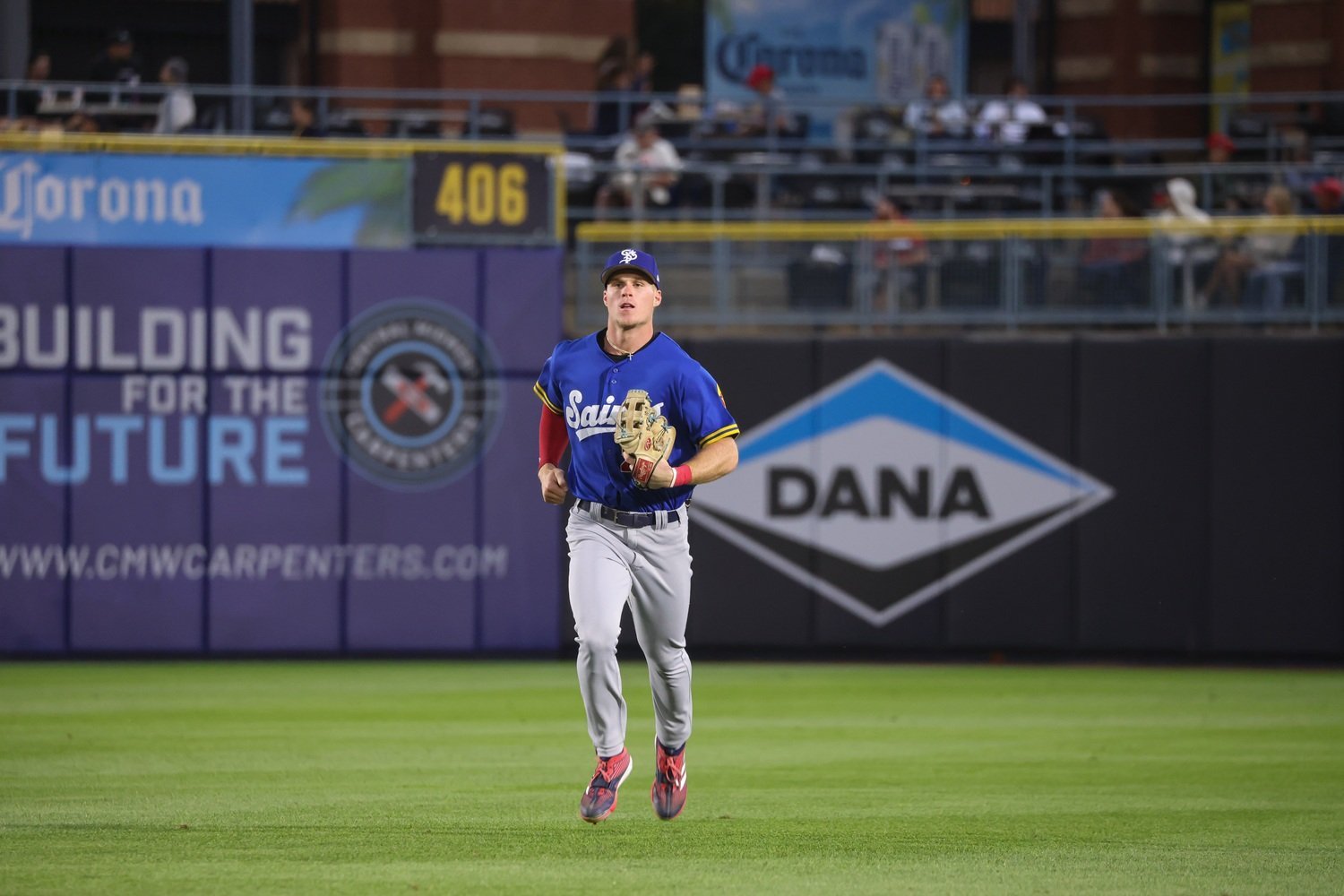 There was a time when prospects were developed with a singular defensive home in mind. Shortstops stayed at shortstop. Center fielders stayed in center. First basemen were, well, first basemen. That version of baseball is fading quickly. In today’s game, defensive flexibility isn't just a bonus; it's a requirement. Teams want to platoon hitters, maximize matchups, and deploy the best possible lineup on any given night. That becomes significantly easier when a player can move around the diamond without creating a defensive liability. A right-handed batter who can handle both infield corners or an outfielder capable of sliding between all three spots gives a manager options that simply did not exist a decade ago. That reality is even more pronounced at the highest levels of the minor leagues. Triple-A is no longer just a finishing school. It's a proving ground for adaptability. The Minnesota Twins have built one of baseball’s most talented Triple-A rosters, loaded with position player prospects who are knocking on the door. The challenge is not whether they are talented enough. It's figuring out how they fit. Opportunities at the big-league level are unpredictable. A player could get hurt. A veteran could slump. A role could open overnight. For prospects, the more positions they can handle, the more doors they can walk through. Here's how Minnesota’s top position-player prospects at Triple-A are embracing that philosophy in 2026. Gabriel Gonzalez, OF Current TD Rank: 7 Gonzalez is perhaps the most interesting case study. Known primarily as a bat-first corner outfielder, he recently logged an entire game at first base for the first time in his professional career. He’s also listed at 5-foot-10, which can be small for first base. However, the Twins have used smaller players at that position in recent years, including Luis Arraez and Donovan Solano. He has also continued to see time in both corner outfield spots, giving the organization multiple ways to deploy him. Path to Debut: Minnesota’s first base defense has been a problem out of the gate. If Gonzalez can prove to be even adequate at the position, it could create a direct path to the majors that did not exist a few months ago. Kaelen Culpepper, SS Current TD Rank: 2 Culpepper has remained anchored at shortstop for most of his playing time, but the Twins are clearly testing his range. He's already appeared at third base and second base in limited action, signaling a willingness to move him around as needed. He answered some questions last season about his ability to stick at shortstop with improved range and athleticism. Still, some evaluators believe the hot corner will be his long-term defensive home. Path to Debut: Brooks Lee’s early struggles have at least opened the conversation about shortstop depth. Culpepper could force his way into that discussion, but his ability to cover multiple infield spots makes him a viable solution for more than one potential roster gap. Emmanuel Rodriguez, OF Current TD Rank: 3 Rodriguez might be the most advanced in terms of defensive flexibility. With both Walker Jenkins and Gonzalez sharing outfield reps, Rodriguez has taken on all three outfield positions. That's not just a developmental checkbox. It's a strategic advantage. Minnesota has other left-handed options that are likely ahead of him on the depth chart, including Alan Roden. However, Rodriguez needs to stay healthy and perform no matter what position he plays. Path to Debut: Having already spent parts of the last two seasons at Triple-A, Rodriguez may be next in line among the outfielders on this list. His ability to play anywhere on the grass makes him an easy plug-and-play option when the inevitable injury or roster shuffle occurs. Walker Jenkins, OF Current TD Rank: 1 Jenkins remains the organization’s top prospect, and even his development is being shaped by versatility. He has opened the season in center field, but plans were already in motion to get him exposure in a corner outfield spot. A minor wrinkle changed that plan when Rodriguez was scratched from the lineup, pushing Jenkins back to center for the night. The takeaway is not the box score, though. It's the intent. Path to Debut: The Twins have been aggressive with Jenkins, but they're also mindful of his limited professional reps due to past injuries. He may be slightly behind the other outfielders in terms of immediate opportunity, but his long-term outlook remains unchanged. Adding defensive flexibility will only strengthen his case when the time comes. For the Twins, this is not accidental. It is an organizational philosophy. The modern roster is fluid, and the teams that thrive are the ones that can adjust on the fly. By the time these players reach Minnesota, they must prove they can hit big-league pitching and move wherever the lineup needs them. That is the shape of opportunity in 2026. It's not defined by a single position on a depth chart. It is defined by how many ways a player can make himself useful. For this group at Triple-A, the path to the majors may not be straight, but it's getting wider with every new position they learn to play. Who will be the first to make their debut? Leave a comment and start the discussion. View the full article
 -
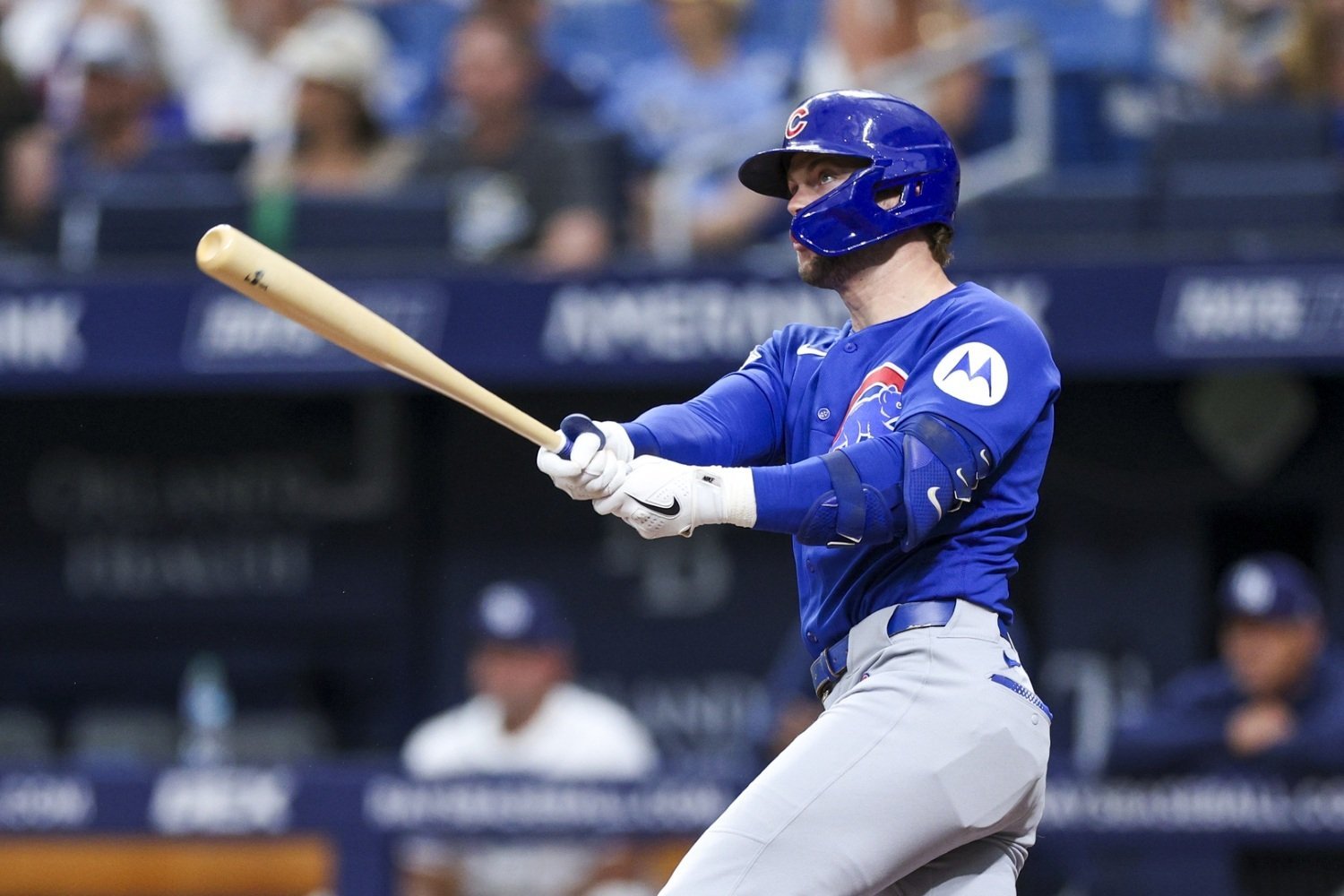 Back in May 2024, I wrote about Nico Hoerner's potential (or, as I myopically believed back then, lack thereof) to hit more doubles. The issues I noted at the time are still real and salient: that hitting the ball to center and right field, while good for a batter trying to maintain a high contact rate and make good swing decisions, tends to come with limits on sheer exit velocity; and that defenses have gotten better at taking away extra-base hits on balls directed toward the gaps. Here's a chart from that article that's worth reproducing. It shows the league-wide trends in outcomes on line drives hit to the gaps from 2016-24. Without updating the visual itself, let me assure you: the trends have continued apace. Hoerner hasn't tapped into some new source of raw power. He has, however, slowly developed a bit more practical power. Without generating more extra-base hits (he had 37 in 2022, 40 in 2023, 43 in 2024 and 40 in 2025), he's maintained his rate of compiling those and increased the rate at which he hits singles. I chronicled the changes to his batted-ball profile that facilitated that increase last fall. In short, he figured out how to start pulling the ball on a line, and while that didn't lead to a sudden surge in isolated power, it augmented his slugging average, because it buoyed his batting average and the slugging rose with it. This year, he's made a further, subtle change that might just allow him to hit for (a little) more extra-base power without sacrificing his elite contact rate or singles rate. It looks like this. Hoerner has moved slightly off the plate this year. He's also widened his stance slightly. According to Statcast measurements, the distance between his feet in his stance is up to 32.8 inches in 2026, from 28.9 inches in 2025 and 26.7 inches in 2024. That means a shorter stride to what is an almost identical ending position. These numbers are my estimates, because Statcast doesn't report them officially, but Hoerner's stride (the distance his front foot moves from his initial stance to its position at contact) is down from 24.2 inches in 2024 and 19.2 inches last year to 15.5 inches. A wider stance and shorter stride allow Hoerner to stay slightly more upright, and to flatten his swing more easily when needed. His swing speed is actually down this year, but he's creating more sharp contact down the lines. It comes from this change, because this change lets him hit with a stronger base, so he can let the ball travel or go get it as pitch type and location dictate. View the full article
 -
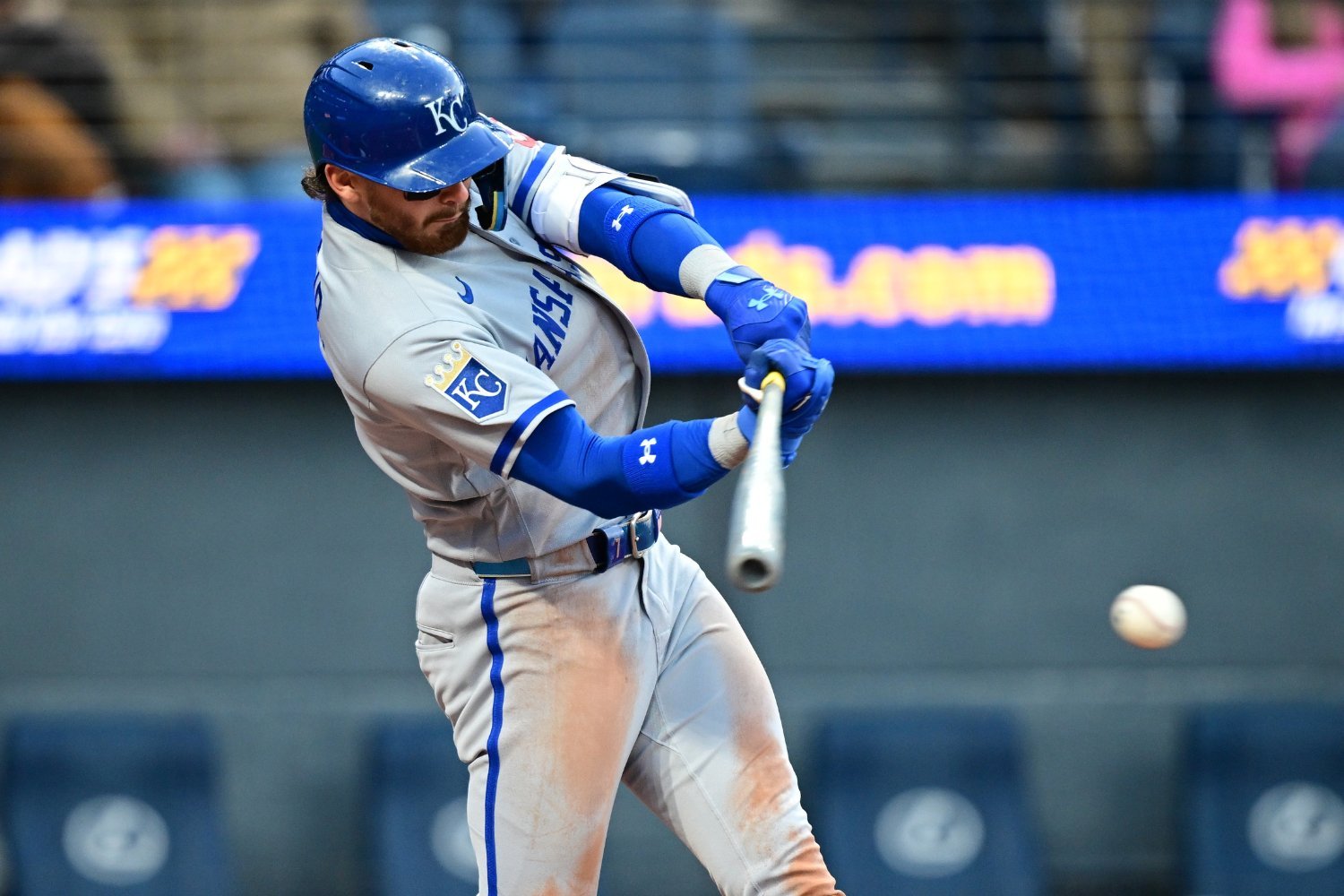 It's been a tough start to the 2026 season for the Kansas City Royals. Despite high hopes in Spring Training, the Royals are currently 5-7, having lost their most recent series to the Guardians in Cleveland. The Royals lost 10-2 on Wednesday in the series finale, a game that was marred by Cole Ragans being pulled in 0.2 IP due to getting hit in the hand by a Jose Ramirez line drive. Thankfully, it seems like the injury isn't serious, and the Royals and Ragans are optimistic that he will be ready for his next scheduled start. While the Royals' 10 runs allowed will jump out to frustrated fans, the lack of offensive production may be the more concerning development for this Kansas City team. The Royals combined for only three runs and six hits over the past two games, and they scored seven runs in the three-game series in Cleveland (they won the first game 4-1). After getting off to a slow start in 2025 at the plate, it seems like the same trend is happening again in 2026. Unfortunately, Bobby Witt Jr. has been one of the biggest hitters who has been struggling out of the gate for the Royals. In 52 plate appearances, Witt is hitting .273 with a .660 OPS. While he has a .365 OBP, which is good, his slugging is only .295, and he has only one extra-base hit so far this season (an RBI double on Wednesday). For a hitter in the middle to the bottom of the lineup, this stat line is serviceable. However, for a No. 2 hitter in the lineup that is expected to carry this team offensively, this is not the start the Royals were hoping for. Nonetheless, is Witt due for a down season in 2026? Or has he been bitten by some rough batted-ball luck and is due for regression soon? Let's take a look at where he's struggled so far this year, what has been going well, and what Royals fans should expect from Witt going forward, perhaps as early as the upcoming series against the White Sox. Struggling to Square Up Balls (Is Bat Speed and Tilt the Reason?) When looking at his Statcast percentiles via TJ Stats, Witt has been pretty stellar in most categories, especially batted ball ones. That is illustrated in the TJ Stats graphic below. Everything looks pretty similar to what he did in 2025. Yes, the chase is high (31st percentile O-Swing%), and he could do a better job of pulling the ball (20th percentile Pull Air%). However, the main difference with this graphic is that he has a .272 wOBA this season compared to a .360 wOBA a season ago. Furthermore, his xwOBA is .416, which is 144 points higher than his actual wOBA. High Leverage Baseball mentioned this on Twitter as one of the biggest wOBA-xwOBA discrepancies in baseball right now. So what has been the difference for Witt this year when all the other metrics have been solid and similar to what he did during his All-Star season a year ago? Well, the squared-up rate could explain why Witt hasn't quite met his expected metrics this season. This season, Witt's 17.6% squared up rate ranks in the 17th percentile. Last year, he had a 27% squared-up rate, which ranked in the 64th percentile. That 9.4% difference is significant and explains why he is hitting the ball hard, but it's not launching in a way that produces base hits, especially extra-base hits. An interesting trend for Witt that could be contributing to that lackluster squared-up rate is that his average bat speed and bat tilt are both down from a year ago. Last year, his average bat speed was 74.3 MPH, which ranked in the 82nd percentile. Furthermore, his tilt was 29 degrees. For those unfamiliar with what "tilt" is, it can be defined as follows: This year, his average bat speed is 72.6 MPH, which ranks in the 59th percentile. Furthermore, his tilt is 27 degrees, two down from a season ago. When it comes to his tilt-rolling trend so far this season, it's clearly below the MLB average, as shown in the chart below from Savant. Now, let's take a look at what that swing path-tilt rolling trend looked like in 2025. Witt's never had a high tilt, which, as Savant says, is not necessarily a bad thing. However, he's seen some pretty big valleys this year, though he experienced tough dips in tilt at various points last season. The difference between this year's tilt and last year's may be tied to his bat speed. With elite bat speed last year, he was able to produce power on his swing, even if it was a bit flatter. Here's a look at how his bat speed looked in 2025. Witt's bat speed hovered around the 75 MPH range for most of the season. That is about three MPH above the league average and a sign of some elite natural swing skills. Now, let's take a look at his bat speed this season, albeit in a much smaller sample. The bat speed isn't bad, as it's mostly been above-average this year. However, he's touched 75 MPH far less than a year ago, and he's hovered around or below the MLB average bat speed. It's only a 74 swing sample, which is why I don't think it's something to panic about. However, if there's not an uptick in bat speed, it will be interesting to see how his power will respond with the current swing path-tilt. Because right now, the power and squared-up results aren't there for Bobby. Seeing Fewer Strikes and Drawing More Walks (But Taking Less Advantage of Meatballs) Another reason Bobby isn't "bashing" the ball as much as usual is that he's just not getting enough hittable strikes in the zone. Instead of chasing those bad balls and getting weak contact, he's laying off them and drawing more walks. Witt is currently drawing a 14.6% walk rate, which is 7.5% higher than a year ago. On one hand, it's been great to see Witt get on base more with the walk than a year ago. His OBP of .365 is 14 percentage points higher than last year's due to a massive increase in his walk rate. Here's a look at his rolling BB% chart from Savant this season. He saw a massive spike initially, but the pressing has seemed to cut his walks down recently. That said, the former second overall pick is known for making contact with his bat. And it's not like he's chasing less either. His 33% chase rate is actually 2.3% higher than it was a year ago. Thus, it's been more about pitchers avoiding Witt so far this year and throwing off his approach than Witt developing a serious "gain" in plate discipline. This season, Witt's zone rate is 42.6%, 7.4% down from a season ago. Furthermore, his meatball% is 7.4%, down 0.8%. Because of that inconsistency in strikes seen, Witt has been less aggressive on those meatball pitches. His meatball swing percentage of 64.3% is 20.6 percentage points lower than a year ago. The good thing with the latter metric is that it won't stay that way forever. His career meatball swing% is 81.4%. Hence, there will be a positive change in not just the number of hittable pitches that he will see, but in his swings on these pitches as well. When those two aspects happen (meatball% and meatball swing%), the production from Witt will increase, especially in terms of slugging, extra-base hits, and home runs. Here's a look at his run value zone chart from 2025, and notice how many positive runs above average he produced in those "meatball" (middle-middle) areas. In the middle-middle, he produced a run value of 6.9 runs above average. In the middle and inside, it was 4.0 runs above average. When pitchers made mistakes, Witt made them pay dearly. Now, let's take a look at that batter run value zone chart this year, with him taking less advantage of those meatball pitches. This year, he's been 0.8 runs below average on pitches middle-middle and 0.1 runs below average on pitches middle-in. That's a huge swing in two areas where he feasted a year ago. Either Witt is not seeing pitches well at this time of the year, or he is pressing and thinking too much in the box. Regardless, when he makes that adjustment, the production will swing positive, especially since his hitting skills and tools remain so elite. Taking Steps in the Right Direction Witt had a good game in the series finale at the plate, even though the Royals lost by eight runs. He had two hits, including his first double of the season. It came off Guardians starter Joey Cantillo, who struck out nine Royals batters and only allowed three hits and two runs in 5.2 innings of work. He didn't get that big home run or help the Royals get a win (though he did all he could), but it was a step in the right direction for a franchise player who has been plagued by some rough batted-ball luck to begin the season. The Royals will get a favorable matchup this weekend with a four-game series against the White Sox. After sweeping the Blue Jays last weekend, the White Sox were swept at home against the Orioles. Thus, Chicago will be coming back reeling even more than the Royals, who lost 2 of 3 in Cleveland. It's easy to be negative about Witt and his outlook after a tough start to the year. It becomes even easier when the Royals are below .500 and haven't generated any consistent run production through 12 games. That said, Witt isn't the problem in this Kansas City lineup. He's showing all the skills and batted-ball ability of his 2025 and even 2024 self. Once the Royals star makes that slight adjustment in either pitch recognition or mechanics, he will be back to his old, productive hitting self, perhaps as soon as today in game one of the four-game set against White Sox. When that happens, the Royals' record will also follow. View the full article
 -
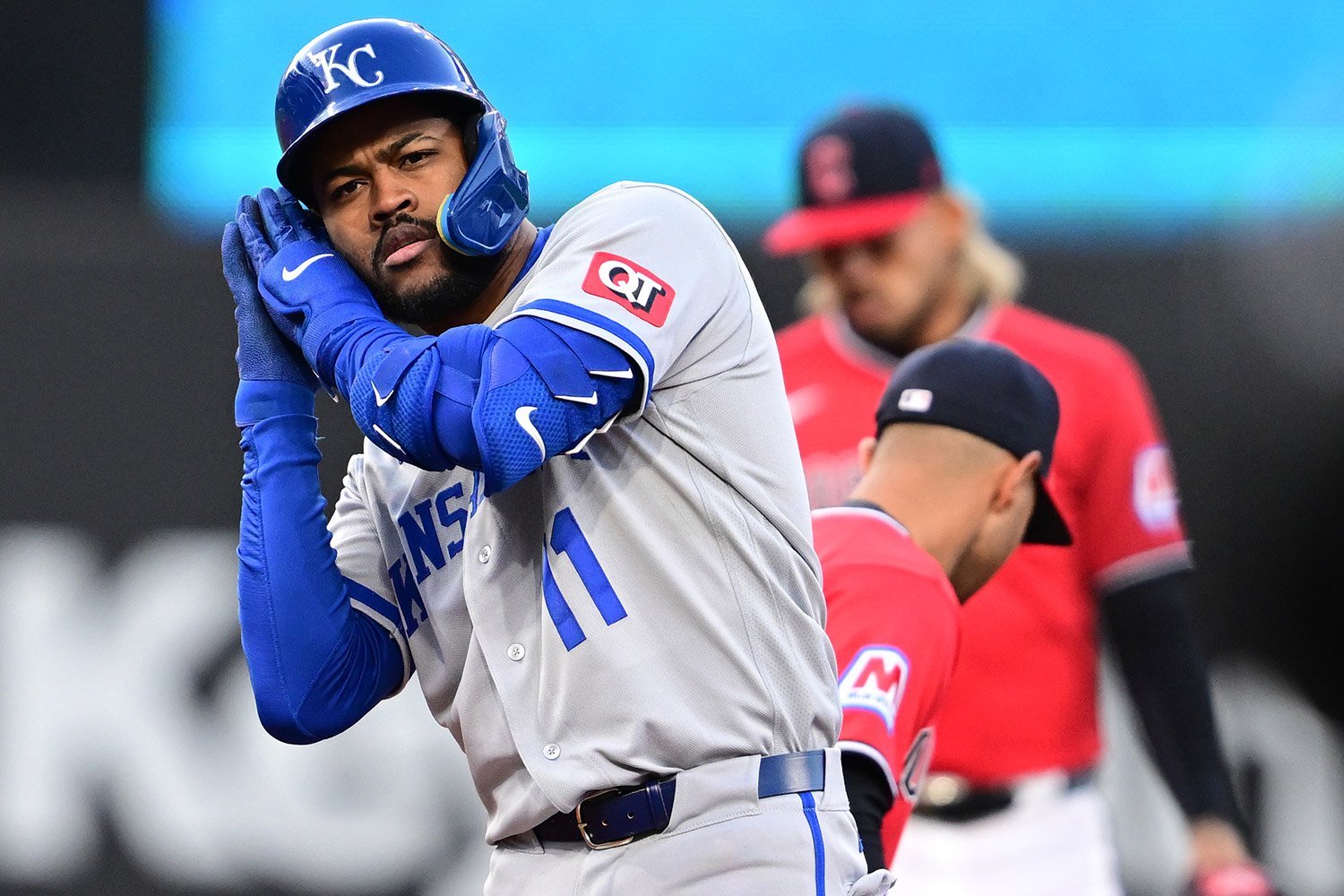 For the Kansas City Royals, the path to a sustainable winning culture isn’t just built on superstar highlights; it’s anchored by high-floor, high-ceiling consistency. While Bobby Witt Jr. captures the headlines, Maikel Garcia has quietly emerged as the vital engine that keeps the machine running. Following a breakout 2025 campaign that earned him an All-Star nod and a Gold Glove Award, Garcia’s importance was solidified by a five-year, $57.5 million contract extension in December 2025. Here is why Garcia is the indispensable piece of the Royals' future. 1. Elite Defensive Stability Pitching success in Kansas City has always relied on elite infield defense. Garcia has transformed the "Hot Corner" into a vacuum. In 2025, he led all American League third basemen in fielding percentage and putouts, while ranking in the 99th percentile for range among all MLB fielders. "If you win a Gold Glove, you don't want one, you want two, three, four. That's the goal." — Maikel Garcia, Spring Training 2026 His +17 Outs Above Average (OAA) in 2025 ranked second among all MLB third basemen, trailing only Ke'Bryan Hayes. By turning "sure hits" into outs, Garcia provides a safety net for a young pitching staff, directly lowering the team's ERA and extending the efficiency of its starters. 2. The Evolution of the Leadoff Profile Historically, Garcia was viewed as a slap-hitter with elite speed but limited power. However, 2025 saw a dramatic offensive evolution. He raised his slugging percentage by 117 points year-over-year, evolving from 7 home runs in 2024 to 16 in 2025. This surge wasn't a fluke; it was backed by Statcast data showing an average exit velocity of 91.9 MPH (84th percentile) and a significant decrease in his groundball rate. 3. All-Around Production & Versatility Garcia’s value lies in his ability to impact the game in every phase. He is one of the few players in the league who can credibly threaten a 20-homer, 20-steal season while playing Gold Glove-caliber defense. Despite focusing more on power in 2025, he still swiped 23 bases. His 12.5% strikeout rate ranks in the 89th percentile, making him one of the most difficult outs in the American League. He leads the team in walks (61) and situational hitting, providing the perfect bridge to the heart of the order. The Verdict The Royals’ front office has signaled its belief that Garcia is a "cornerstone talent." As of April 2026, he has picked up exactly where he left off, posting a .333/.425/.485 slash line line through the first week of the season. While others provide the flash, Maikel Garcia provides the foundation. His ability to elite-defend, reach base at a high clip, and provide newfound power makes him the ultimate "glue guy" for a franchise aiming to return to the postseason. View the full article
 -
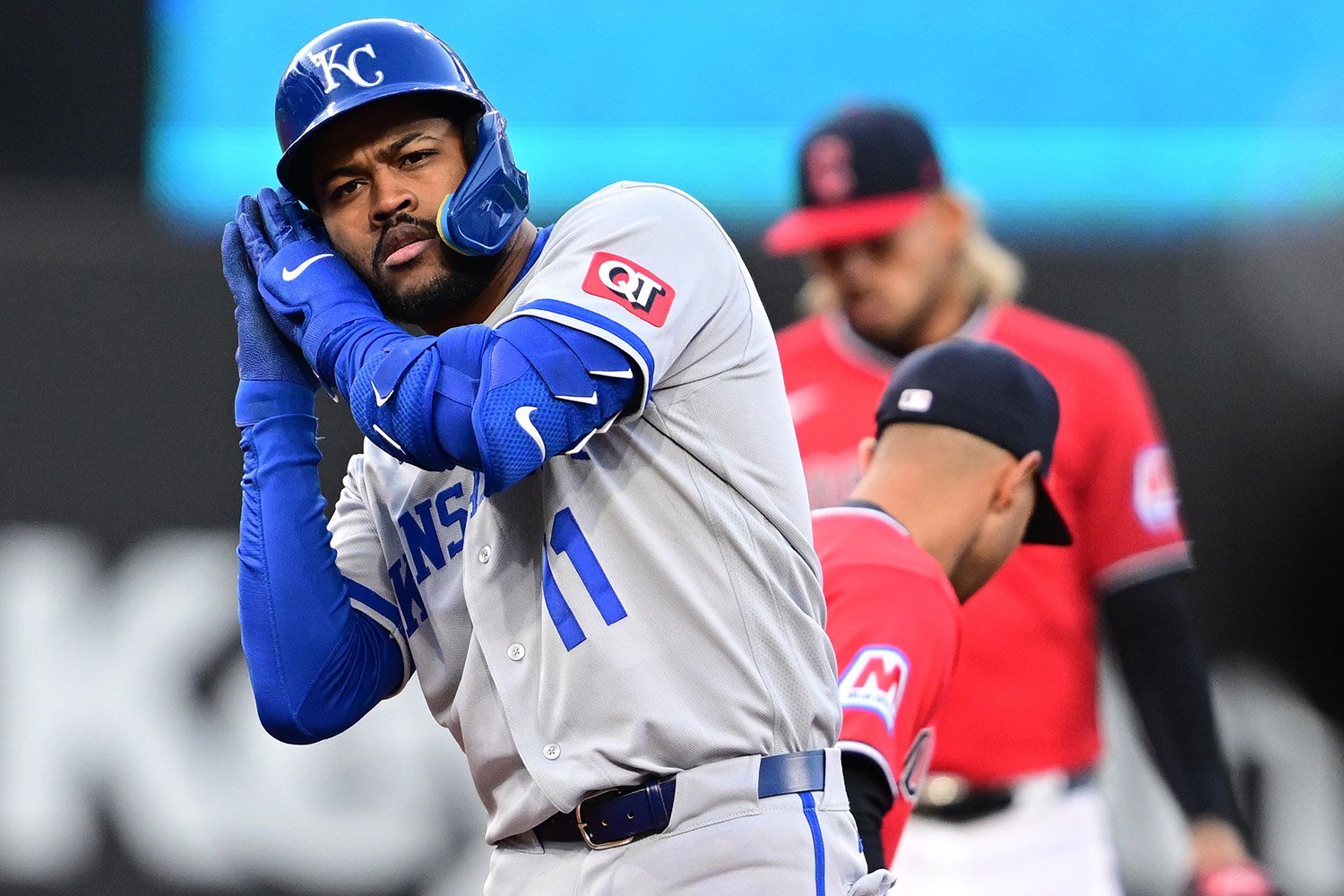 For the Kansas City Royals, the path to a sustainable winning culture isn’t just built on superstar highlights; it’s anchored by high-floor, high-ceiling consistency. While Bobby Witt Jr. captures the headlines, Maikel Garcia has quietly emerged as the vital engine that keeps the machine running. Following a breakout 2025 campaign that earned him an All-Star nod and a Gold Glove Award, Garcia’s importance was solidified by a five-year, $57.5 million contract extension in December 2025. Here is why Garcia is the indispensable piece of the Royals' future. 1. Elite Defensive Stability Pitching success in Kansas City has always relied on elite infield defense. Garcia has transformed the "Hot Corner" into a vacuum. In 2025, he led all American League third basemen in fielding percentage and putouts, while ranking in the 99th percentile for range among all MLB fielders. "If you win a Gold Glove, you don't want one, you want two, three, four. That's the goal." — Maikel Garcia, Spring Training 2026 His +17 Outs Above Average (OAA) in 2025 ranked second among all MLB third basemen, trailing only Ke'Bryan Hayes. By turning "sure hits" into outs, Garcia provides a safety net for a young pitching staff, directly lowering the team's ERA and extending the efficiency of its starters. 2. The Evolution of the Leadoff Profile Historically, Garcia was viewed as a slap-hitter with elite speed but limited power. However, 2025 saw a dramatic offensive evolution. He raised his slugging percentage by 117 points year-over-year, evolving from 7 home runs in 2024 to 16 in 2025. This surge wasn't a fluke; it was backed by Statcast data showing an average exit velocity of 91.9 MPH (84th percentile) and a significant decrease in his groundball rate. 3. All-Around Production & Versatility Garcia’s value lies in his ability to impact the game in every phase. He is one of the few players in the league who can credibly threaten a 20-homer, 20-steal season while playing Gold Glove-caliber defense. Despite focusing more on power in 2025, he still swiped 23 bases. His 12.5% strikeout rate ranks in the 89th percentile, making him one of the most difficult outs in the American League. He leads the team in walks (61) and situational hitting, providing the perfect bridge to the heart of the order. The Verdict The Royals’ front office has signaled its belief that Garcia is a "cornerstone talent." As of April 2026, he has picked up exactly where he left off, posting a .333/.425/.485 slash line line through the first week of the season. While others provide the flash, Maikel Garcia provides the foundation. His ability to elite-defend, reach base at a high clip, and provide newfound power makes him the ultimate "glue guy" for a franchise aiming to return to the postseason. View the full article
 -
Taj Bradley Holds the Key to Converting Front Office Skeptics
DiamondCentric posted an article in Twins Daily
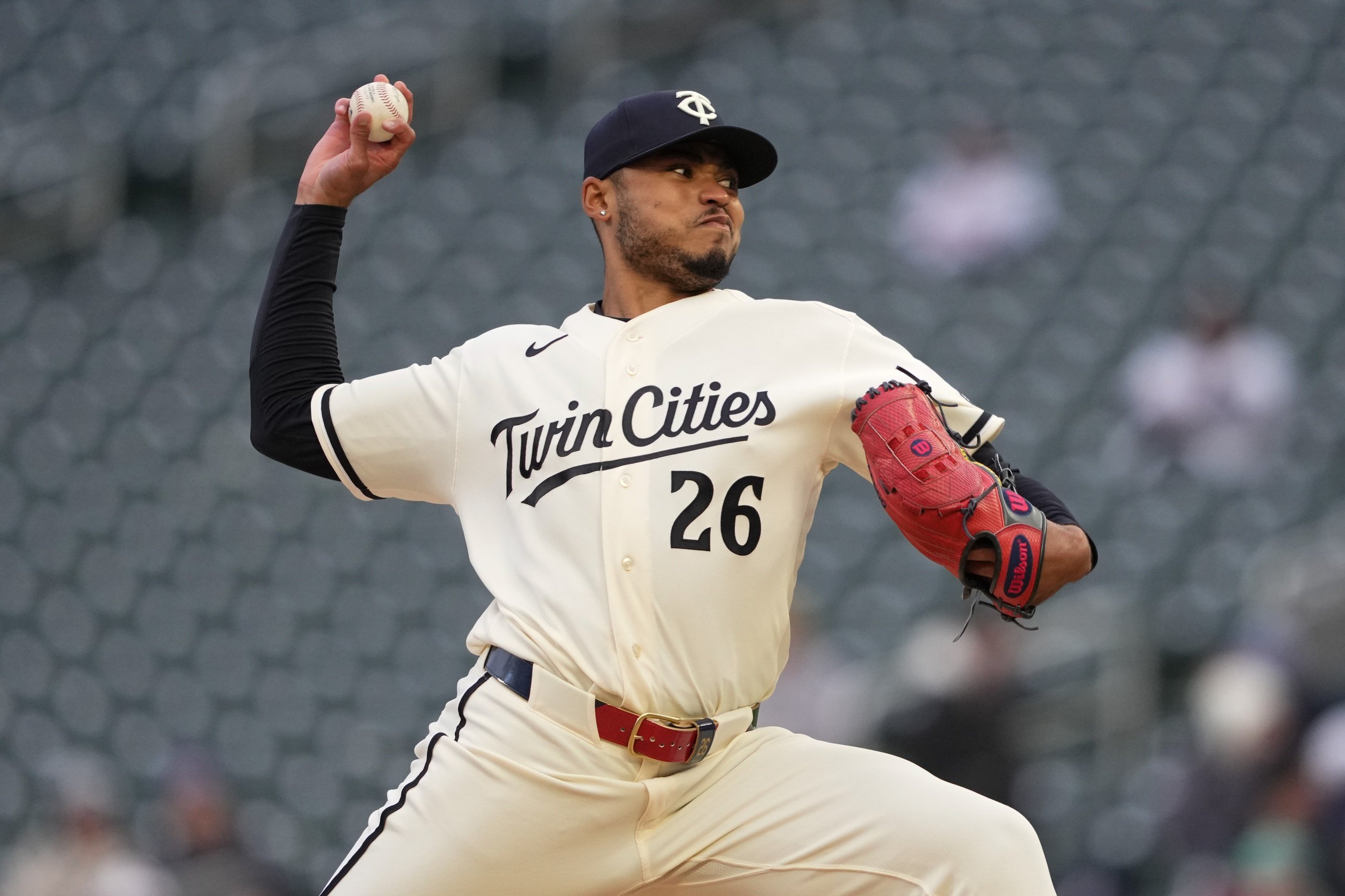 I was a major critic of what the Twins did at the trade deadline last year. I didn't have a problem with selling, but selling to the overwhelming extent the front office did felt, to me, overboard and ill advised. A commitment to losing beyond 2025. Minnesota offloaded quite a bit of talent with years of team service remaining, including some of their best players. But it wasn't even that. A big, bold shakeup amid another extremely disappointing season — that I can deal with. What my disapproval really boiled down to was a lack of trust in the people making these weighty decisions. When you're trading away as many well-liked, proven, controllable players as the Twins did last July, you have to be right more than you're wrong on the returns. Otherwise, you risk setting the franchise back significantly and further torpedoing fan morale. It felt hard at the time to have confidence in the Twins front office to make the right calls, and for their development apparatus to follow through on the vision. This was the same baseball ops department that built the iteration of the team that they were now dismantling — one that never really experienced much success outside of a single ALWC round victory in the playoffs. Notably, it was also a department that had consistently struggled to convert talented young players into sustainable MLB contributors, or to turn around wayward careers. This added extra room for skepticism around a strategy focused on acquiring players with clear ability but downward trend needles and clear performance issues. When the deadline additions almost uniformly flopped during their first impressions in the final months of 2025, it only fueled the fires of doubt. When Derek Falvey, chief architect of the sweeping shakeup, exited during the offseason, more fuel. I'm someone who desperately wants to buy into the direction of the Twins franchise. I want to believe in where they're going, because the alternative is (and has been) quite bleak. But there just haven't been enough success stories in the past couple years to instill a level of faith. Taj Bradley is fast turning into a case study capable of turning the tides. The trade that sent Griffin Jax to Tampa in exchange for Bradley was among my least favorite at last year's deadline. Sure, the logic was easy enough to see: relievers are generally more volatile and less valuable than starters; Bradley was bringing with him two extra years of team control, plus untapped upside. But Jax was a proven stud, and Bradley, for all his ability and prior accolades as an up-and-coming prospect, was far from that. He'd failed to find much MLB success under the vaunted Rays development engine (4.70 ERA in 354 IP) — he was even demoted to Triple-A prior to being acquired — and Bradley looked as bad as ever during a late six-start stint for Minnesota following the trade (6.61 ERA in 31.1 IP). This year has been a very different story. We're only two weeks in, but Bradley has been one of the league's best pitchers early on, posting a shiny 1.08 ERA with 22 strikeouts and four walks through 16 ⅔ innings. He's gotten better each time out, building upon an impressive spring by flashing improved command of an overpowering arsenal. I don't want to overreact to the small sample, but in his first three starts Bradley is looking like the actualized version of himself, which just never came to fruition in Tampa despite ample opportunity. It's been absolutely invigorating. Jax, meanwhile, is off to a horrible start with the Rays, having allowed five earned runs on seven hits and three walks through four innings. Whereas Bradley ranks fifth in the majors among qualified pitchers in fWAR (0.7), Jax ranks sixth-worst among relievers (-0.3), and second-to-last in WPA (-0.97). I'm definitely not going to overreact to this minuscule sample of five appearances, but it does lend some credence to the volatility of relief pitching while greatly enhancing the present optics of this trade for Minnesota. It’s still far too early to declare anything definitive, and one hot stretch from Bradley doesn’t suddenly validate an entire organizational reset. (He's had these before in short bursts.) But developments like this matter. They offer a tangible glimpse of what the front office envisioned when it made a series of aggressive, uncomfortable decisions last summer. If Bradley continues to look like this — not just effective, but transformed — it can become more than an individual success story. It's a proof of concept. If he does it while Jax continues to scuffle, it will quickly start looking like one of the better trades the Twins have made. There are still plenty of moves from that deadline that need time to play out — Mick Abel, Eduardo Tait, Alan Roden, Kendry Rojas among them — and the ultimate judgment on this front office will depend on the full body of work. But it’s a lot easier to buy into the process when you can point to a clear, early win. For a group that has struggled to earn the benefit of the doubt, Bradley’s emergence can be a meaningful step toward restoring belief that they might actually know what they’re doing. For a team that is direly lacking faith from its fan base, these kinds of wins are more important than any on the field right now. View the full article
 -
Does Brandon Sproat Need to Tweak His Arsenal Against Lefties?
DiamondCentric posted an article in Brewer Fanatic
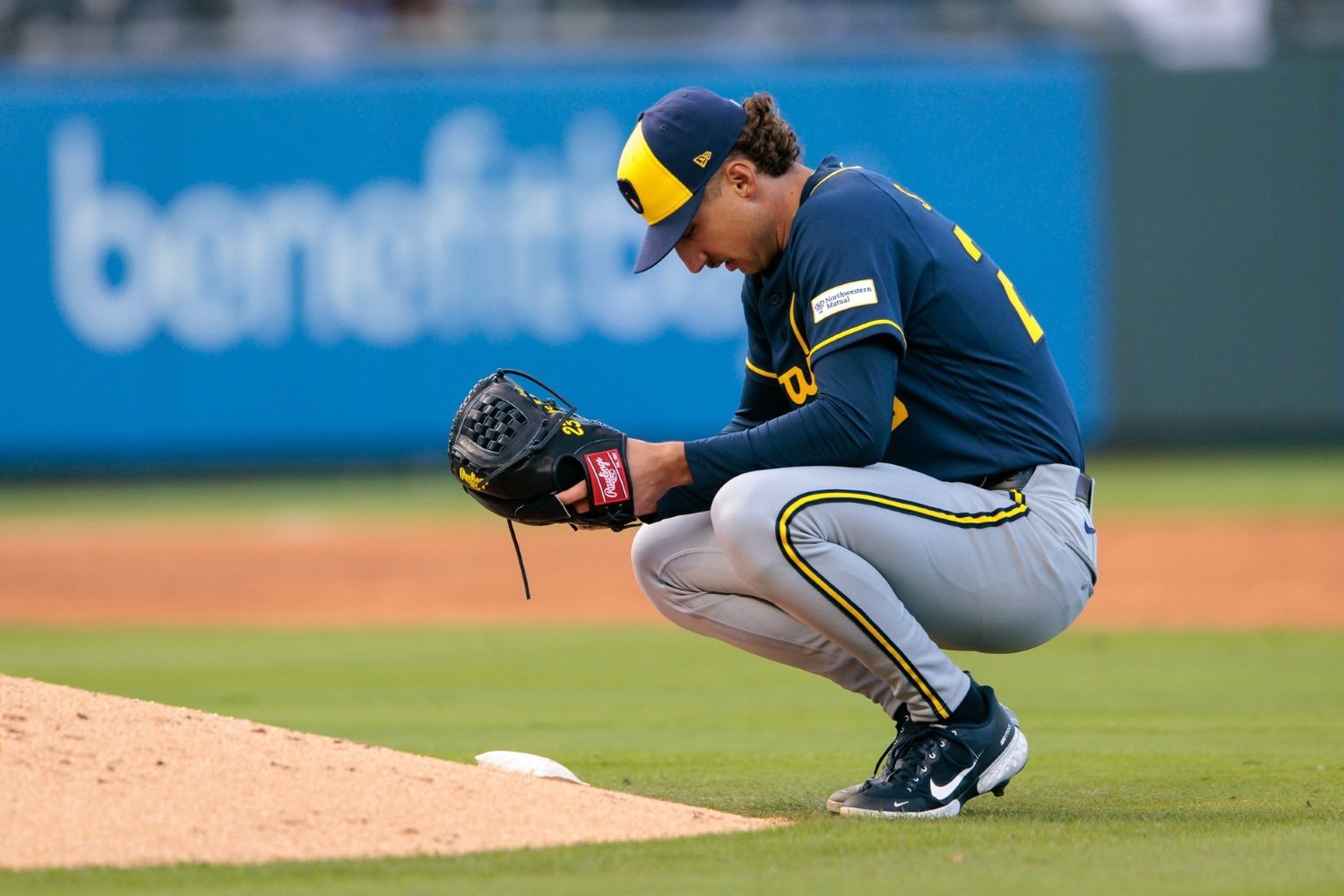 Brandon Sproat probably couldn't imagine a worse start to his Brewers tenure. With under 7 innings pitched and 11 earned runs to his name after two starts, Sproat needs to show some progress over his next few starts; Robert Gasser and Logan Henderson are waiting in the wings. The question is: How can he turn things around? Initially, PitchProfiler seems to suggest that Sproat lacks a dominant fastball, and hitters are finding it too easy to time both it and his secondary offerings. Looking a little closer, however (specifically at the graph in the top right), that's not entirely true. Sinkers rarely get glowing grades from stuff models, because even good sinkers don't have the same correlation with swing-and-miss as (say) a four-seam fastball or curveball would. That being said, Sproat's sinker has some wicked bowling ball-like movement, producing a 104 Stuff+ rating to right-handers. The rub: an ugly 87 Stuff+ to left-handers. That's a big disparity, and it prompted me to look a little deeper. The Brewers love fastballs almost more than any other team in baseball, but that sinker won't consistently play well on its own to lefties, without excellent command. This is where the Brewers and Mets have differed in their approach. The Mets used a pitch pattern more similar to Logan Webb, utilizing a changeup and sinker tandem that have similar movement profiles but different velocity bands. The pitches look very similar, but the change in velocity makes Webb one of the best ground ball merchants in the sport. In his brief time in the big leagues with the Mets last year, Sproat featured his changeup, curveball and four-seamer, at the expense of the sinker. So far, the Brewers have him trying to make the sinker work, despite that pitch's almost universally stark platoon splits. They've preferred the new, harder slider (or cutter) over the changeup; it's a pitch that fits their traditional approach well. Alas, because the cutter and sinker have such a large difference in how much they move, the cutter is getting hit. Across 27 pitches (small sample size alert), lefties have cracked two homers and have a .744 expected weighted on-base average (xwOBA) against the cutter. (Remember, xwOBA is scaled to on-base percentage, so a .744 is video game-level violence.) When the pitch is being primarily used to come inside on lefties, it has to be located and set up well enough to survive those danger zones. So far, Sproat doesn't have that. He's nervously approaching left-handers at present, falling behind a lot and nibbling with the sinker. He's living down and away in the strike zone, but falling behind in counts has proved devastating for him. The fastballs just don't play over the heart of the plate to opposite-handed hitters, and he's struggled to get swings and misses on all but the changeup to lefties. The changeup has dropped from 25% to 11% usage in 2026, and it hasn't been located well enough to play off his sinker; pairing those pitches productively is always difficult. As you can see from the first graphic, these pitches move almost identically, and the changeup is only 5 MPH slower. The velocity separation would ideally be larger, but the changeup has managed to miss bats. Hopefully, it's something he feels more comfortable using against left-handers in his next two starts, but he'll also need a different way to set it up. The main issue for Sproat is the walks. He's faced 19 left-handed batters and walked six of them, compared to three strikeouts, with five hits on top of that. It's a result of a fastball he doesn't feel comfortable pounding the strike zone with, and the lack of a genuine out pitch in two-strike counts. The changeup may solve the latter, but it will be fascinating to see if the Brewers adjust his fastball mix, too, including getting back to more four-seam fastballs. It's also worth noting that Sproat has been caught by Gary Sánchez and Jeferson Quero in his first two starts. How William Contreras calls the game might be different, and the presence he provides behind the dish could help Sproat as he continues to ease into his role as a major-league pitcher. Two things can be true at once. Sproat has been bogged down by nerves across his first two starts, showing more erratic command as a result. He could tighten up how he's attacking hitters to weather the storm better and come out the other side with better results. The raw velocity and movement are there, but piecing it together has involved a steep learning curve for him at this level. How quickly he can navigate that curve will go a long way to deciding where he's playing baseball in May and June. View the full article
 -
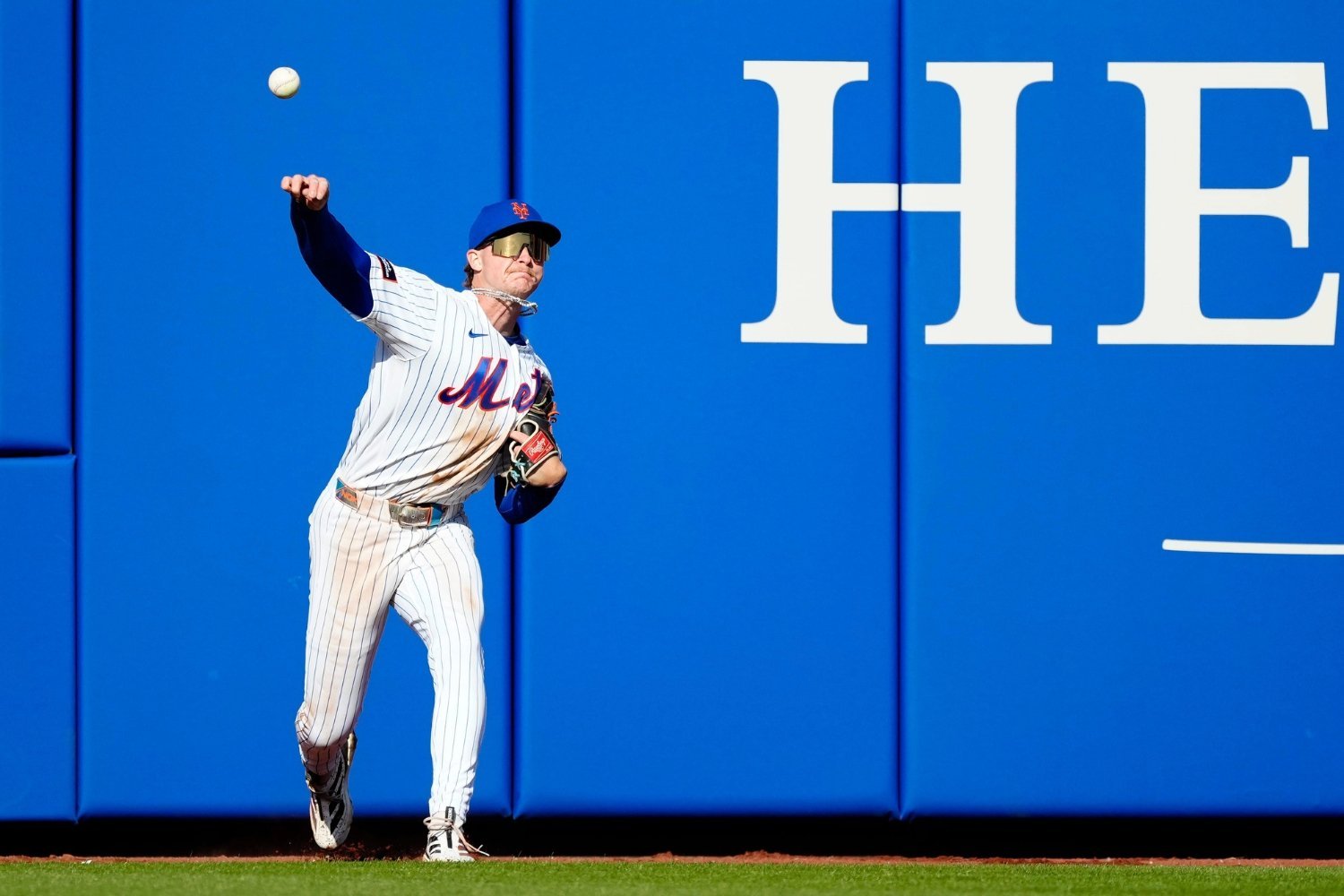 Carson Benge is one of the best prospects in baseball, owner of consensus top-20 status in the league. With 15 home runs, 22 stolen bases, and a 150 wRC+ last year in the minors across three levels, he seemed ready for stardom. Until he wasn’t. Before taking the field on Wednesday, Benge was slashing a paltry .091/.211/.182 with a 24 wRC+ and a 28.9 percent strikeout rate. That’s certainly not what the New York Mets would have wanted for his first few weeks as a major leaguer, but truth be told, this outcome was always within the realm of possibilities. It’s important to note that it hasn’t been all negative, though. The dynamic outfielder has stolen four bases in four tries and boasts a solid 13.2 percent walk rate, which ranks him in the 76th percentile among all qualified hitters. The pieces are there, but the puzzle has yet to be put together. Carson Benge Requires Patience After Just 24 Triple-A Games Last Year Yes, Benge won a spot on the Mets’ Opening Day roster fair and square with a strong spring that saw him post a 140 wRC+ in 46 trips to the plate. Yet. some people conveniently forget that he struggled to the tune of a 53 wRC+ in a short Triple-A cameo in 2025 that lasted 24 games. There’s a non-zero chance that Benge is not ready for the majors as of this moment, but there is also an even bigger likelihood that his current struggles are part of an adjustment period that could end relatively soon. Which one is it? Well, we are going to need more data, but with young players like him, every day represents an opportunity to learn. Unfortunately, the Mets need him after losing Juan Soto to a calf strain that sent him to the injured list. Their current outfield picture is comprised of Benge, Luis Robert Jr., Tyrone Taylor, Jared Young, and Brett Baty. That’s not ideal, even though some of them are actually producing, and the team won four in a row after losing Soto. The Mets have no choice but to be very patient with Benge. He does need to start showing something, though. The 23-year-old will swing at pitches out of the zone, but his 49th percentile chase rate is not a huge problem. Additionally, his 52nd percentile whiff rate is merely average, but also not a huge concern. What's the problem, then? Basically, three specific, separate situations: Making contact at pitches inside the zone, an excessive amount of ground balls, and issues against the fastball. Benge ranks 147th out of 188 qualified hitters with his 80.4 percent Z-contact%, which means that he hasn't been able to do much with pitches in the zone to this point. Pitchers will keep challenging him until he can, and if he can't adjust, his walk rate may start plummeting as a result, depriving him off his most useful attribute so far (getting on base). Carson Benge Must Adjust To MLB Fastballs His issues against fastballs are perhaps more worrisome. Benge has managed a meager hit in 17 plate appearances that finished with a four-seamer, with a .256 xwOBA that ranked him 153rd among 195 players with a minimum of 10 plate appearances ending with the pitch. He is, however, slowly making strides in that department. Here's a nicely hit batted ball that should have gone for extra-bases in the series opener against the Diamondbacks: In that game, he had two hard-hit balls, including the one in the video above. One of them left his bat at 95.2 mph, and the other one at 99.8 mph. Perhaps a bit of patience will do the trick, because the tools are definitely there. That being said, only 14 of 188 qualified hitters had a higher ground ball rate than Benge's 59.1 percent. By now, we all know that hitting the ball on the ground so often doesn't lead to desirable outcomes. He was never billed as a 30-homer threat, but getting the ball in the air more frequently will alleviate longer-term concerns about his slugging impact. In totality, Benge definitely has things to work on as he develops into a reliable major-league producer. Consider, however, that he probably needed more time in Triple-A before declaring him a bust. Benge remains a highly promising player despite struggling right out of the gate, and ten early games of subpar production won't change that. Can he help the Mets in the short term, though? That's something he'll have to prove in the coming weeks. View the full article
 -
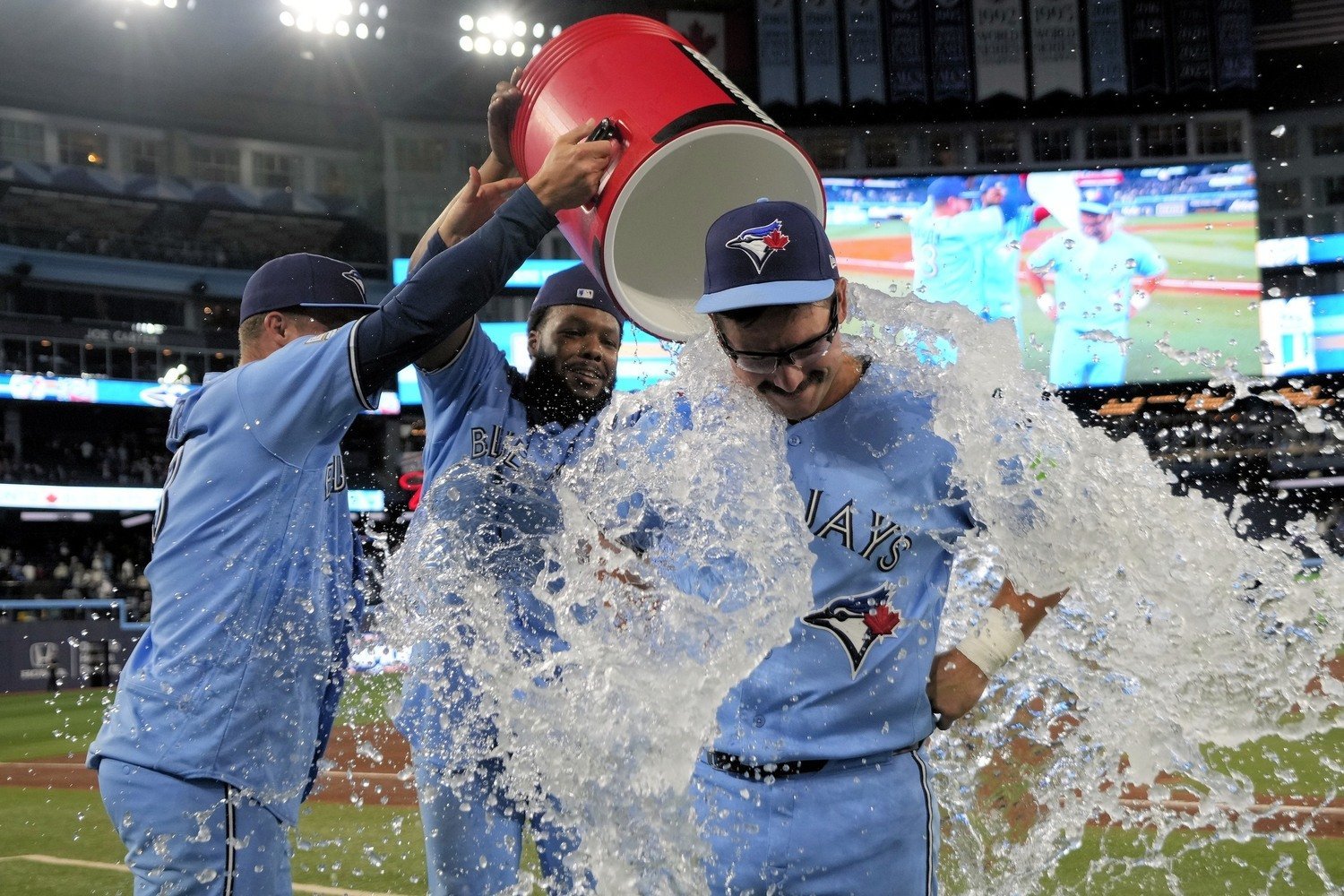 Davis Schneider had a keen eye on Wednesday. A successful ABS challenge helped him draw a walk in the seventh. He later came around to score the Blue Jays' second run on a George Springer double. It was only Springer's third hit with runners on base all season, though, funnily enough, all three have been doubles. Schneider walked again in the eighth, and Andrés Giménez moved him to third with a single. Two pitches later, Giménez took off for second, Will Smith and Miguel Rojas biffed the play, and Schneider read the situation perfectly. He came scrambling home to score what would be the winning run. The Blue Jays' player of the game only entered in the bottom of the seventh, pinch-hitting for Nathan Lukes. He took two trips to the plate, drew two walks, and scored two runs. He also avoided two drenchings before he finally let Vladimir Guerrero Jr. and Myles Straw tip the ceremonial water cooler over his head. In a delightful post-game moment, Schneider caught his teammates approaching him and jumped back before returning to his interview. He thought he was safe. But of course, Guerrero and Straw weren't going to give up that easily. As they lifted the cooler for a second time, Schneider jumped away again. Like I said, he had a keen eye that day. But of course, Schneider, Guerrero, and Straw all knew what the fans wanted. What they needed. The crowd at the Rogers Centre booed (in good fun), Guerrero egged them on, and eventually, Schneider accepted his fate. As the ice water cascaded down his shoulders, the catharsis was tangible. The Blue Jays opened the season 3-1. Their batters hit eight home runs in four games. Their pitchers struck out 66 opponents. Then the calendar turned to April. The Rockies beat them in extras. Then the White Sox beat them in extras. Both those teams lost more than 100 games in 2025. One sweep at the hands of the White Sox later, the Jays came home for a highly anticipated rematch with the Dodgers. Yet, many of the same fans who fought tooth and nail to secure tickets to that contest were leaving before it was over. The Blue Jays fell 14-2. Their only pitcher who didn't give up a run was Tyler Heineman. The next defeat wasn't quite so bad, but morale dipped even lower. On the anniversary of the first game in franchise history, Toronto lost 4-1. As the crowd devoured more than 100,000 77-cent hot dogs, the Blue Jays extended their losing streak to six – their longest since June 2024. As if the losses in the box score weren't enough, the team also lost Alejandro Kirk and Addison Barger to injuries during this stretch. They confirmed that Cody Ponce will go for surgery on his ACL, likely ending his season. They assured us that Max Scherzer will be fine, despite the forearm tendinitis that forced his early exit on Monday. Still, I couldn't help but feel as if we were merely waiting for the other shoe to drop. It was a long first week of April. If you're a cooler half-full kind of person, I hope Schneider's soaking washed away seven days of Blue Jays-branded anxiety. Yes, the last week was bad, but the Jays are only two games below .500 with 150 left to play. The 2026 season is still their oyster. If you're more of the cooler half-empty type, well, I hope yesterday was at least a refreshing change of pace. It certainly was for Davis Schneider. Schneider showed off his keen eye for balls and strikes on Wednesday. He showed an equally keen sense for fast-approaching ice-cold post-game celebrations. God willing, he's just as skilled at seeing his own team's future. As he told Hazel Mae in his on-field interview, the Blue Jays are "never out of it." Let's hope he's right. View the full article
 -
 Transactions: Milwaukee Brewers traded RF Steward Berroa to Philadelphia Phillies for cash. LF Jacob Hurtubise assigned to Nashville Sounds from Biloxi Shuckers. C Francisco De Marchena assigned to DSL Brewers Blue. Nashville pre-game media notes Gwinnett (Braves) 5, Nashville 0 Box Score As always, you are encouraged to read the official round-up from the team’s site: Offense Stymied in Shutout Loss to Gwinnett The Sounds ran into a buzz saw in the form of 20-year-old electric Braves’ prospect Didier Fuentes in second game of their series with Gwinnett on Wednesday night. Fuentes (#97 overall on MLB Pipeline) cruised through six scoreless innings, allowing just two hits and four walks while striking out eight Sounds. Luke Adams accounted for the only two hits for the Sounds on the night. The rest of the Sounds’ prospect-laden lineup have continued to struggle mightily to open the season. Jett Wiliams, Cooper Pratt, Jerson Quero, and Brock Wilken were a combined 0 for 14 with two walks. Through 10 games, only Quero (.578) is sporting an OPS over .450. Greg Jones has now reached base in all nine games in which he has appeared with another hit-by-pitch. Jones added his fifth steal of the season and is now second on the team to Luis Lara with a .871 OPS. The Sounds’ pitching staff fared a little better on the mound. Garrett Stallings started and went four scoreless, with just one hit, two walks, and four strikeouts. The game turned in the bottom of the fifth, after Stallings gave way to Easton McGee. After a caught stealing, McGee had two out with nobody on before the flood gates opened. McGee walked a pair, gave up three hits, and five batters later it was 4-0 Stripers. McGee was lifted from the game and Joe Corbett struck out former Brewer Ben Gamel to retire the side. Big lefty Brian Fitzpatrick closed the game out with two innings and just one unearned run allowed on a Wilken throwing error in the bottom of the eighth. That was the first run allowed by Fitzpatrick in five innings this season. Biloxi pre-game media notes Biloxi 6, Pensacola (Marlins) 3 Box Score Shuckers Tie Double-A Record in 6-3 Win over Blue Wahoos The Shuckers improved to 3-2 on the season with a convincing 6-3 victory over Pensacola on Wednesday night. The Shuckers jumped on the Wahoos in the first when top prospect Jesus Made reached on an error, stole second, and scored on Blake Burke’s first non-homerun hit of the season, courtesy Biloxi’s X account: Righthander Manuel Rodriguez would make that run hold up until the top of the fourth when he allowed a solo homerun, the only blemish in his Keesler Field debut. The 20-year-old Rodriguez, who pitched to a 3.00 ERA across 90IP at A/AA last season, finished the night with five strikeouts in 5.2 IP. The Shuckers would quickly respond in the bottom half of the fourth and break the game open with a lot of loud contact. (Or did it just seem that way because I always hear the contact before I see the contact on the Shuckers’ broadcast? I digress) March trade acquisition Damon Keith continued his torrid start with a 114 MPH exit velocity blast off the centerfield wall to ignite the rally. That registered as the Shuckers hardest hit ball on the season and was made more impressive when you consider the Shuckers’ broadcast mentioned that a Shucker has not hit a homer to straightaway centerfield in Biloxi since Jackson Chourio in 2023. Third baseman Mike Boeve followed Keith with an RBI single before catcher Matthew Wood drove a two-run homer to right to make it 4-1 Shuckers: The Shuckers capped the scoring with RBI singles from Dasan Brown and Jesus Made in the inning to take a 6-1 lead which they would not relinquish. Video Boeve RBI Single Brown RBI Single Made RBI Single Wisconsin pre-game media notes Wisconsin 9, Quad Cities (Royals) 1 Box Score Wisconsin Gets a Late Start in Win at Quad Cities The Timber Rattlers ran their win streak to three consecutive games with another exciting victory on Wednesday night. The game was scoreless through five innings, due in part due to Jason Woodward’s triumphant return from his second Tommy John surgery. Woodard, a 2023 fourth-round pick, threw 2.2IP scoreless innings in his first appearance since August 2024. The game broke for the Rattlers in the bottom of the sixth. After RBI singles from Luis Pena and Marco Dinges opened the scoring, Josh Adamczewski followed with a three-run blast, courtesy of Wisconsin’s X account: One inning later, third baseman Andrew Fischer launched a grand slam to make it 9-0 Wisconsin: Travis Smith earned the win as the bulk man on the mound for the Rattlers, pitching five innings with one run, on four hits, one walk, and four strikeouts. 2025 sixth-round pick Josiah Ragsdale had an up-and-down night, with four steals despite zero hits and two poor fielding errors. Fischer also had an error in the seventh, following his grand slam, on a poor throw that he was a bit too lackadaisical on. Just goes to show these guys aren’t without their development areas, but it’s still a really exciting time to be watching this Brewers’ system. Video Pena RBI Single Wilson pre-game media notes Salem (Red Sox) 6, Wilson 3 Box Score Late Push Sends Salem Past Wilson The Wilson Warbirds set the tone early in the second inning when Jadyn Fielder ripped an RBI single to right, followed by Yannic Walther’s run‑scoring knock to give the Warbirds a 2–0 lead. After Salem tied the game in the third, Wilson answered right back in the fourth. Fielder was hit by a pitch, stole second, and scored on Juan Ortuno’s sharp two‑out single to put Wilson back on top, 3–2. Unfortunately, Salem responded in the bottom of the inning to tie the game again and would then rally for runs in the sixth and eighth innings to seal the victory. Tyler Renz started for Wilson and went 3IP 1H 2R 1ER 2BB 4K in his first start of the season. Video Ortuno RBI Single Walther RBI single Organizational Scoreboard including starting pitcher info, game times, MiLB TV links, and box scores Current Milwaukee Brewers Organization Batting Stats and Depth Current Milwaukee Brewers Organization Pitching Stats and Depth View the full article
 -
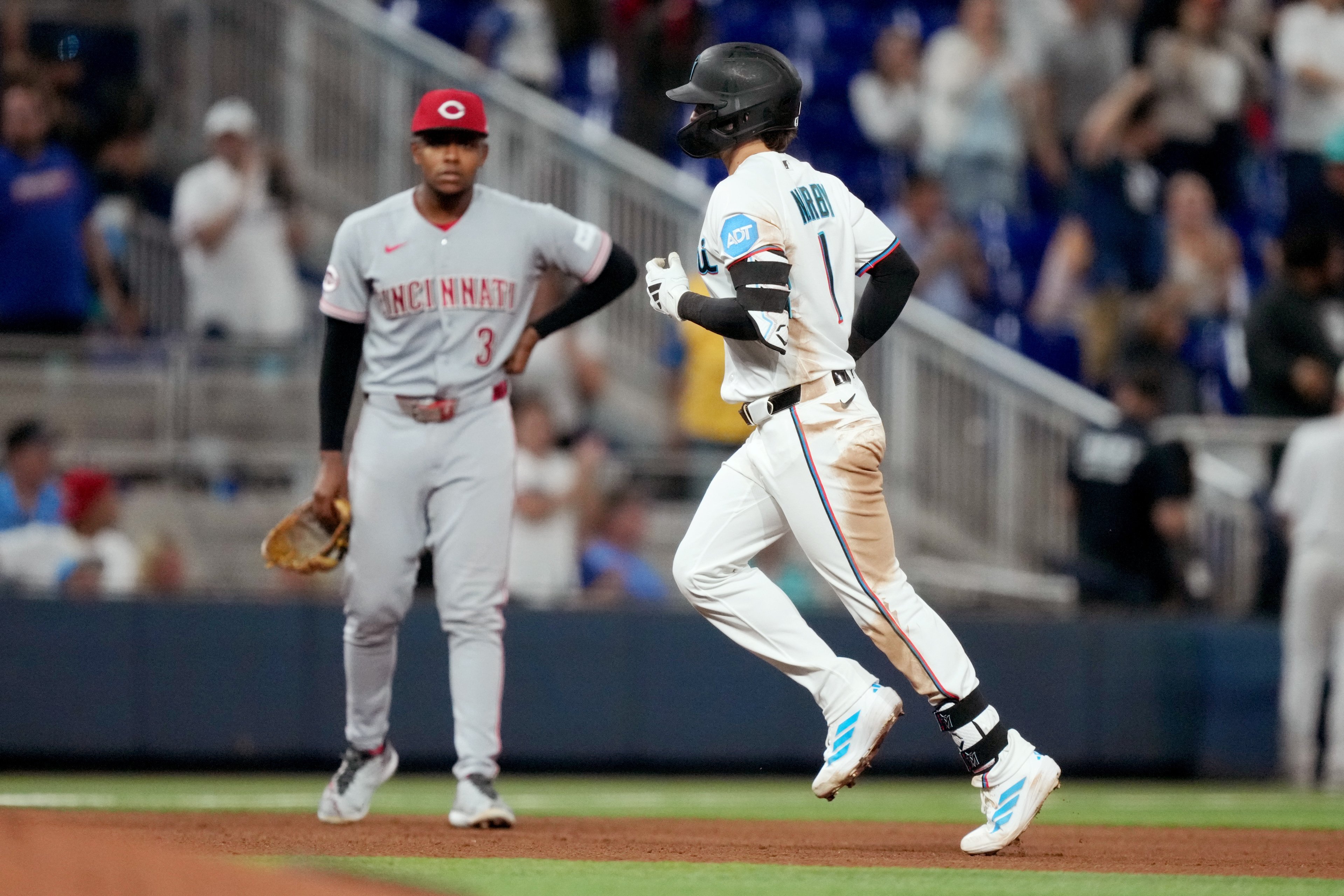 MIAMI, FL - It's been a strange start to the 2026 season for Connor Norby. Primarily playing first base due to the absence of free agent signing Christopher Morel (oblique strain), Norby has taken the majority of reps at the position. Offensively, Norby has found himself putting up strong at-bats, but not getting many results. On Wednesday night in the Miami Marlins 7-4 win over the Cincinnati Reds, Norby had his first multi-hit game of the season, including his first home run. Going into the game, Norby was slashing .167/.342/.233/.575 with one RBI. After only drawing one walk all spring, he has sported a 13.2% walk rate through the first 10 games of the season. "His at-bats have been good," said Marlins manager Clayton McCullough pregame. "I think they were really solid during spring training. I feel he's walked a lot more at this point this year than he did last year, and it's not about telling Connor, 'hey, you need to walk more.' Let that be a byproduct of just firing at better pitches..He's had some much higher quality at-bats this year, and that will yield results. This guy's always been a good hitter, and I think we're seeing better at-bat quality, and then the results I believe are going to follow that into first base." Early on, Norby ranks in the 74th percentile in chase rate, 78th percentile in strikeout rate, and 76th percentile in walk rate. It’s still early in the season, but his approach appears more refined. That said, there’s still plenty of room for improvement. “I’m seeing a ton of pitches and hitting the ball hard, but they’re just not falling,” Norby said. “It can be frustrating at times when that’s happening—even when you’re feeling good—but Clayton and our hitting coaches have been reminding me to stick with the process and not veer from what I’m doing, because there’s still a lot of good.” Norby set expectations too high for himself last season, most notably saying his goal was a 30/30 campaign. He finished with just eight home runs and eight stolen bases, primarily due to injuries that limited him to 88 games, while striking out 26.7% of the time. The 2025 version of Connor Norby would have been “in full panic mode” by now, but in 2026, he understands it’s still early in the season—and that sticking with his current approach will lead to results. "I learned a lot from last year. This would've been one of those instances like, this whole stretch, the at bats are good. There's a ton of walks. I'm seeing a ton of pitches, hitting some balls hard and it's just the way the game goes sometimes. I can't ride that roller coaster of emotion like I did last year." In the bottom of the seventh inning, with the Marlins leading 6-4, Norby took Reds reliever Connor Phillips deep. The ball left his bat at 100.5. mph and went 372 feet into the Marlins bullpen. That marked the second home run by a Marlins right-handed hitter this season. Otto Lopez had the first (04/01/2026 vs. Chicago White Sox). He got something down in the zone, and he’s good down there,” McCullough said. “It’s a good spot for him to hunt. He got something down and put a really nice trajectory on it out to left. Good swing. “His at-bats have been good. It’s early—34 plate appearances in—but for Connor to be sporting the walk rate he has compared to his career to this point is a good sign. The kinds of counts he’s working and his calmness at the plate show a more patient version of him, and I think we started to see that toward the back half of spring training.” In the first two games against the Cincinnati Reds, the Marlins scored just three runs, being shutout in game one of the four-game set. On Wednesday, facing a right-handed pitcher, the Marlins' bats woke up, scoring seven runs to win their seventh game of the young campaign. With the Marlins having faced left-handed starters for four consecutive games going into Wednesday night, they faced righty Brady Singer, who saw the Marlins lineup at full-strength, and it did not disappoint. They knocked Singer out of the game after just 2 2/3 innings pitched, in which he allowed six runs (five earned). Agustin Ramirez got the scoring started in the bottom of the first inning, driving in Xavier Edwards on a 110.6 mph RBI double. Liam Hicks' 13th RBI of the season tied the game at two apiece. Jakob Marsee's 100.3 mph RBI single gave the Marlins a 3-2 lead in the second. Marsee, who struggled to start the season, has six balls hit at 100 mph or more this year. He was driven in by Xavier Edwards on an RBI single, which made it 4-2. In the third, Griffin Conine hit his second home run of the season, a two-run shot. The ball left the bat at 109.8 mph and went 403 feet into right field. After Leo Jimenez notched his third hit as a Marlin, Singer was taken out. Conine, who has only 23 plate appearances this season, is now slashing .300/.391/.650/1.041 with two home runs and four RBI. “Griff has impact potential,” McCullough said. “He really smoked that ball to right-center as well. “He is always ready. Over those four straight days against lefties, there have been some scattered pinch-hit at-bats, but those guys stay ready. Griff got off some really aggressive swings tonight, and when he squares it up, he has the ability to do some damage.” Eury Pérez, looking to bounce back after a rough outing against the New York Yankees, looked better command-wise, but still struggled, allowing four runs (two earned) in five innings of work. He also struck out six. His sweeper, which is the newest pitch to his arsenal, was his second-most used pitch on Wednesday night. He generated four whiffs with it, three of which came on strikeouts. It was a 35-pitch top of the first inning where some rough defense hurt Pérez. With a runner on second, Sal Stewart grounded into a what should've been an inning ending groundout, but 3B Graham Pauley committed a rare fielding error, which allowed the runner to score and give the Reds an early 1-0 lead. An RBI double from World Baseball Classic legend Eugenio Suarez followed, extending the lead, 2-0. In the top of the fifth inning, Pérez surrendered a two-run shot to Stewart, his third home run of the season. The Miami-native was able to get ahead of Pérez's changeup and take him 381 feet deep to left field, making it a 6-4 Marlins lead. “Only five innings and 95 pitches—it was a strange one,” McCullough said. “There weren’t many hard-hit balls outside of Stewart’s home run. It seemed like they were just able to move a few balls forward and extend some innings, which drove the pitch count up early. He had a couple of quick innings in the third and fourth to reset a bit—enough to give him a chance to get through five.” With the win, the Marlins improved to 7–5 on the season. On getaway day, Max Meyer will take the mound for an early 12:10 p.m. first pitch. View the full article
 -
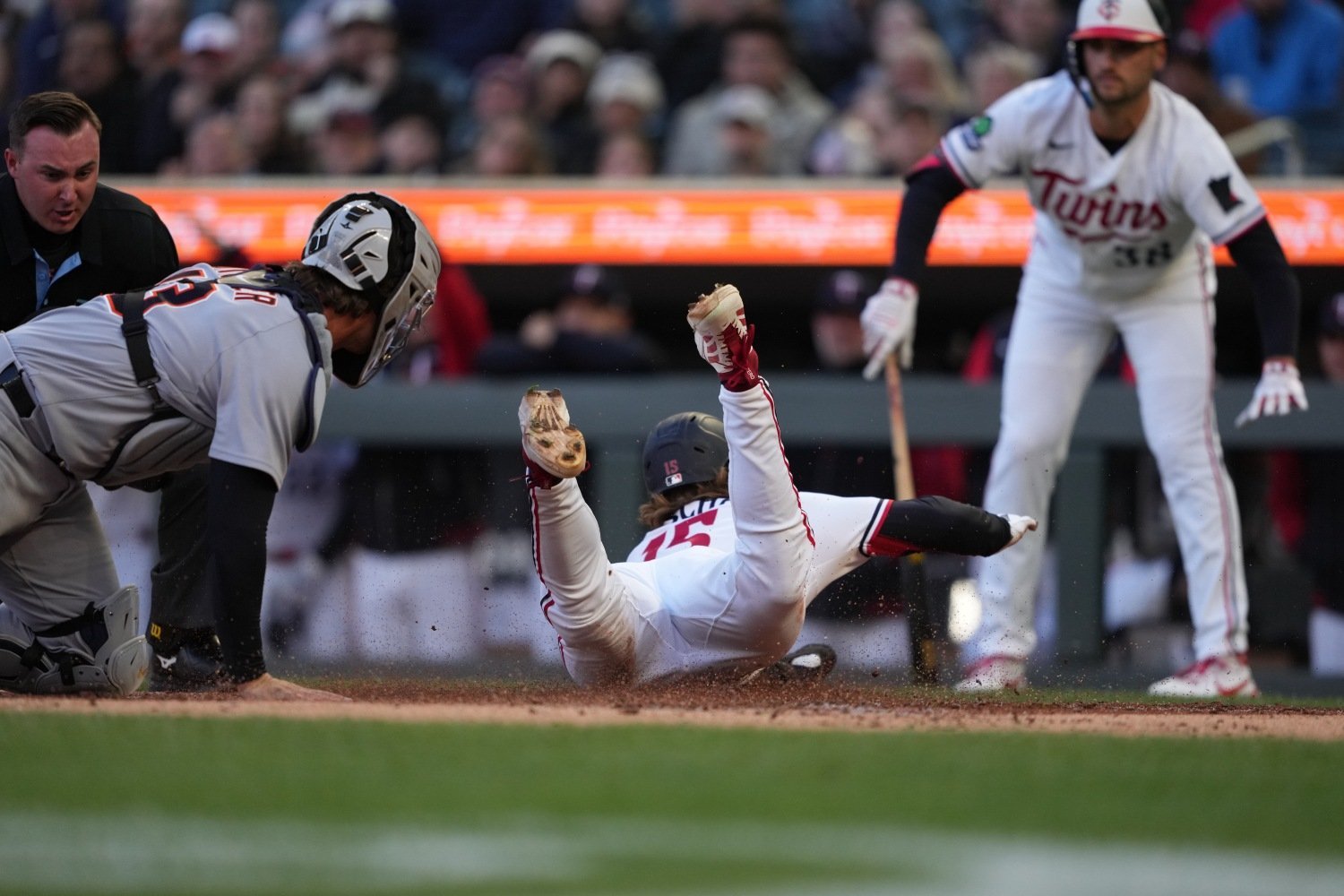 Box Score Starting Pitcher: Bailey Ober - 5.2 IP, 5 H, 2 R, 2 ER, 2 BB, 2 K (99 pitches, 64 strikes (64.6% strikes)) Home Runs: None Top 3 WPA: Byron Buxton (0.11), Luke Keaschall (0.08), Bailey Ober (0.08) Win Probability Chart (via FanGraphs) Coming Out Swinging The Twins wasted no time setting the tone Wednesday night, coming out absolutely electric in the first inning against Framber Valdez. From the first pitch, it was everything fans had been craving—relentless pressure, smart baserunning, and clutch contact. Byron Buxton ignited the attack with a leadoff single, Austin Martin followed by wasting one of the team's ABS challenges on a first-pitch strike, but Valdez helped him out by hitting him in the foot with a second-pitch curveball. Luke Keaschall notched an infield single to load the bases, almost instantly. Valdez, the expensive ace southpaw with whom Detroit envisioned pairing Tarik Skubal for a deep run into October, melted under the home side's light application of heat. A wild pitch brought Buxton flying home, while Martin and Keaschall scooted up. Ryan Jeffers kept the momentum rolling with an RBI groundout, and Victor Caratini showed patience at the plate with a walk. Then Josh Bell delivered, flaring a single to left-center on which Keaschall got a poor read but made the right, aggressive play by racing home anyway. His flying slide beat the throw home, and it was 3-0 Minnesota. Perhaps the biggest jolt came from Matt Wallner—who entered the game ice cold, at 0-for-20. He heated up like a pan-seared steak with a sizzling double to right field, eerily close to where his previous attempt had just gone foul. That swing brought Caratini home (a ribeye!) and pushed Bell to third, sending the crowd into a frenzy as the team's three beefiest sluggers showed what passes for their speed. With the energy surging, Royce Lewis stepped in and delivered the dagger: a sharp single to center that plated two more runs and blew the game open, at 6-0. Lewis wasn’t done, swiping second and advancing to third, keeping the pressure alive until the inning finally came full circle—ending with Buxton, who started it all, grounding out to shortstop Javier Báez. Six runs, nonstop action, and a statement made loud and clear: the Twins haven't mentally made room for the Tigers atop the AL Central. The top of the order combined to tack on another run in the fourth, thanks to Buxton's speed. He singled, advanced to second on a Martin groundout, and hared around on a Keaschall single to make it a 7-0 cushion. After that, though, the hit parade ended abruptly. The Twins would score just once more, and the tone of the game changed significantly. Holding on Tight The Tigers would charge back to make a game of this (more on that in a moment), so Minnesota was lucky to have Ryan Jeffers catching again Wednesday. After Martin squandered one of their challenges early, they managed to retain the other into the late stages—at which point Jeffers flipped two crucial calls amid a Detroit rally, snatching two called third strikes initially not given by home plate umpire Steven Jaschinski. Ober Shows, and Bullpen Woes It was a great night for Bailey Ober, who continues to evolve into a kitchen-sink starter as he searches for mechanical efficiency and the velocity that he had two years ago. Turning more and more often to his trademark changeup and mixing in some new wrinkles (curveballs in the first two innings, instead of as late changes of pace; sweepers to lefties, acting like curves but looking more enticing out of the hand), he danced through five scoreless innings and appeared to have the team in cruise control. Ober returned through the top of the sixth, but things started to slowly unravel. Derek Shelton got him out of there after a two-out Dillon Dingler single plated the second Detroit run; Justin Topa cleaned up the mess. Anthony Banda was not able to keep things so calm. The Tigers bunched together four hits against him in the top of the seventh, and when he couldn't escape, Cole Sands came in to face Dingler—who, alas, again came through with a two-out knock, drawing the margin to 8-6. The improbable high-leverage duo of Cody Laweryson and Kody Funderburk took the team the rest of the way, with some help from Jeffers. Martin’s Defense continues to improve The younger players have been inconsistent when it comes to making plays, but one reassuring development has come in left field. In 2024, Martin stepped in frequently during Buxton’s absence, and that gap was noticeable. He struggled with routine plays, poor reads, and missed opportunities that ultimately cost runs. This season, however, something has clicked. Martin’s defense is starting to resemble that of his center-field mentor, Buxton. Even first base coach Grady Sizemore told Audra Martin in an interview before the game that during spring training, he saw a slight change in Martin (er, Austin, that is). So far, he’s been flawless, and he made three fine plays on Wednesday. What’s Next? The Twins finish out the series against the Tigers in a day game, before leaving the chilly temps in Minnesota and heading to Toronto—where, even if the weather isn't nicer, the playing conditions will be, since the Rogers Centre has a roof. The Twins will send Mick Abel to the mound (0-2, 11,05 ERA) in the series finale on getaway day, to face Jack Flaherty (0-1 7.54 ERA). Postgame Interviews Coming soon. Bullpen Availability Chart View the full article
 -
Twins Minor League Report (4/8): Respect Ryan Gallagher
DiamondCentric posted an article in Twins Daily
 TRANSACTIONS No moves were made on Wednesday. Saints Sentinel St. Paul 4, Toledo 3 (12 Innings) Box Score Matt Bowman: 2 IP, 3 H, 0 ER, 1 BB, 2 K HR: Gabriel Gonzalez (2) Multi-hit games: None It was a bullpen game for the Saints. Matt Bowman “started”—something he’s only done once in the big leagues—and passed the ball down the line after two shutout innings. Raul Brito covered the next three frames with cromulent professionalism; he allowed one run with four strikeouts. A remarkably beardless John Brebbia added a pair of scoreless innings to the mix, which begat Marco Raya who—wouldn’t you know—pitched two empty frames. By the time Dan Altavilla entered, the path from the bullpen to the mound was a trench. Despite the heroic efforts by the hodgepodge of relievers, Saints hitters couldn’t adequately support the cause. They slogged. Toledo pitchers earned whiffs in bunches. For about two turns of Pink Floyd’s “The Wall,” a Gabriel Gonzalez RBI groundout in the first stood as their only run. Early extras Manfred runners did nothing to incite offense in either team. Toledo loaded the bases with no one out in the 10th, but Altavilla wriggled out of the situation with the tie intact. The two squads exchanged runs in the 12th before Gabriel Gonzalez finally pushed forth a vigorous offense outburst, slamming a hanging breaker just inside the foul pole. The Mud Hens fired back with a run, but the single score was all they had left in them; Trent Baker allowed no further damage and locked down the victory for the Saints. Two former Twins farmhands pitched for the Mud Hens: Sawyer Gipson-Long, and Bryan Sammons. The Saints struck out 20 times and recorded just five hits. Max Clark—MLB’s eighth-best prospect—played center field for Toledo, collecting three hits and a walk. Wind Surge Wisdom Wichita 2, Arkansas 1 Box Score Ryan Gallagher: 5 IP, 1 H, 0 ER, 2 BB, 6 K HR: None Multi-hit games: None Wichita squeaked out a win on Wednesday. Arkansas batters were putty in Ryan Gallagher’s hands; the UC Santa Barbara product surrendered just one hit across five shutout frames, punching out six in what was one of his finest starts since joining the Twins organization last July. The righty only allowed a runner to reach scoring position twice. Ty Langenberg followed suit with even more overwhelming stuff, earning six of his eight outs via the K. In total, Wichita hurlers earned 15 strikeouts on Wednesday. The Wind Surge plated their two runs with a fifth-inning rally. With one out, Maddux Houghton doubled, and Kyle DeBarge walked to set up Ben Ross with an opportunity to put Wichita on the board. He came through, singling to left to plate Houghton, as DeBarge scampered to third. Hendry Mendez then summoned DeBarge home with a sacrifice fly. Wichita stole three bases on Wednesday, pushing their season total to 12, good for the 2nd-most in the Texas League. Kyle DeBarge walked three times. His season OBP is .458. The Travelers are an affiliate in the juggernaut Mariners farm system. Always a talented group, Arkansas put forth a pair of top-100 prospects: Lazaro Montes, ranked 40th; and Michael Arroyo, ranked 63rd. Montes went 0-3, with a walk and three strikeouts, while Arroyo also fell hitless in three at-bats, though was hit by a pitch. Kernels Nuggets Cedar Rapids 6, Beloit 9 Box Score Brent Francisco: 2 IP, 3 H, 4 ER, 3 BB, 2 K HR: Rayne Doncon (1), Jaime Ferrer (1) Multi-hit games: None Matters started poorly. Starlyn Caba clubbed a first-pitch homer off starter Brent Francisco, portending a trio of runs allowed in the second, and a ghastly five-run endeavor smeared on reliever Sam Rochard. That’s nine earned runs before some fans could even finish their first beer. Fortunately, Kernels hitters had some fight in them. Rayne Doncon pre-empted the five-run disaster with a three-run blast. Khadim Diaw singled in a run in the fourth, and Caden Kendle drove in another in the fifth. The bats started to lose juice, though, eventually tiring as a Jaime Ferrer solo shot in the eighth marked the team’s final run. Every hitter in the Kernels lineup outside of Marek Houston reached base at least once. The Sky Carp are an affiliate of the Miami Marlins. Their seventh-ranked prospect, Starlyn Caba, played shortstop, going 2-4 with a homer, two runs, two RBIs, and a walk. Mussel Matters The Mighty Mussels were postponed due to rain. They will play a doubleheader on Thursday. TWINS DAILY PLAYERS OF THE DAY Twins Daily Minor League Pitcher of the Day – Ryan Gallagher Twins Daily Minor League Hitter of the Day – Kyle DeBarge PROSPECT SUMMARY Here’s a look at how the Twins Daily Top 20 Twins Prospects performed: #2 – Kaelen Culpepper (St. Paul) - 1-5, R, BB, K #4 – Eduardo Tait (Cedar Rapids) - 1-3, R, BB #9 – Marek Houston (Cedar Rapids) - 0-5, 3 K #13 – Brandon Winokur (Cedar Rapids) - 0-3, R, BB, 2 K #15 – Marco Raya (St. Paul) - 2 IP, 1 H, 0 ER, 1 BB, 2 K #16 – Hendry Mendez (Wichita) - 0-2, RBI, K #17 – Kyle DeBarge (Wichita) - 0-2, R, 3 BB, K #19 – Khadim Diaw (Cedar Rapids) - 1-5, RBI, 2 K THURSDAY’S PROBABLE STARTERS St. Paul @ Toledo (5:35 PM) - RHP John Klein Wichita @ Arkansas (6:35 PM) - RHP C.J. Culpepper Cedar Rapids @ Beloit (6:05 PM) - LHP Dasan Hill Fort Myers @ Jupiter (3:00 PM) - RHP James Ellwanger Fort Myers @ Jupiter (Game 2) - RHP Riley Quick View the full article
 -
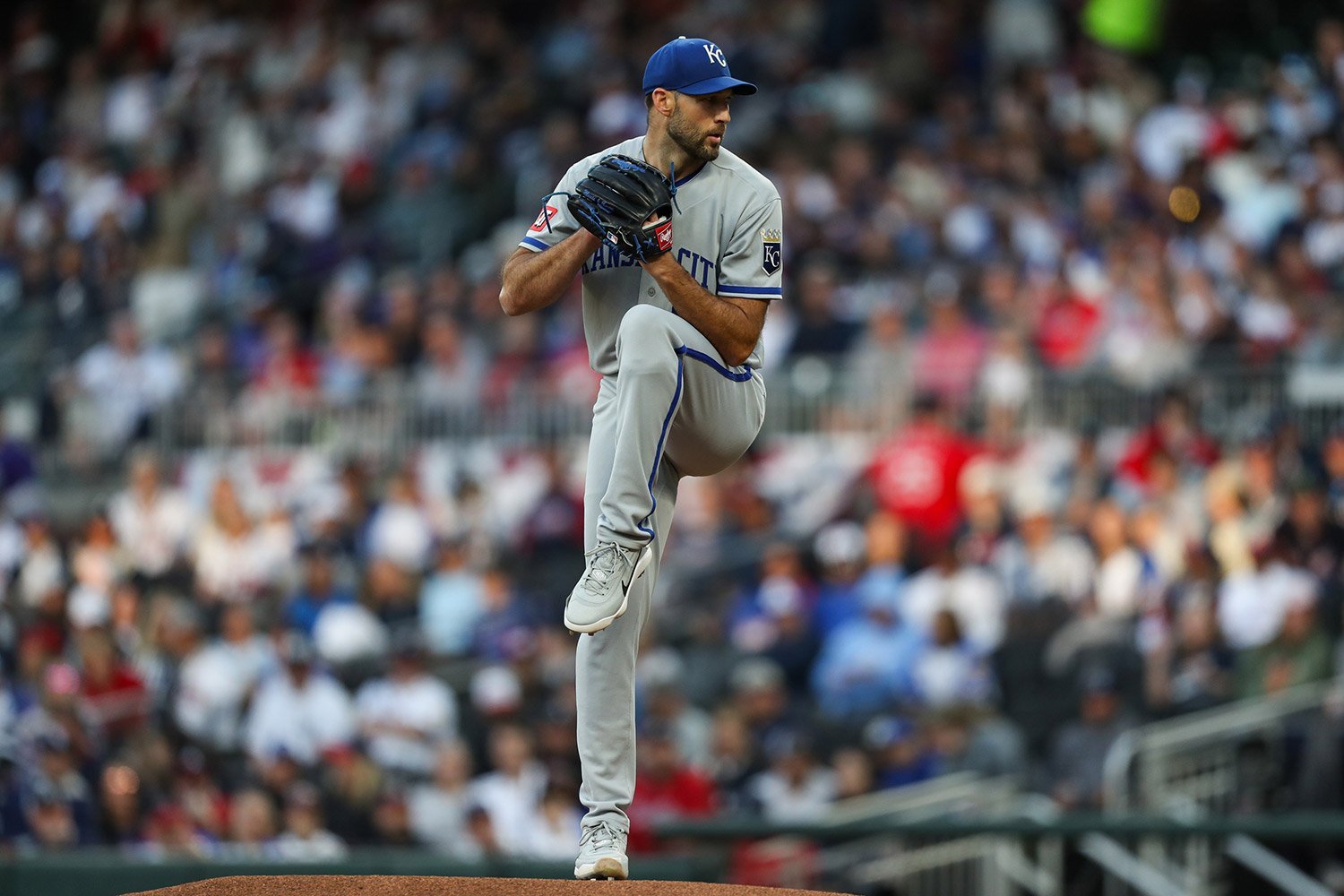 Major League Baseball’s regular season is well underway; after months of waiting, fans can now watch their favorite teams' games count in the standings. The Kansas City Royals have got off to a sluggish start, sitting 5-7 in an American League Central Division that appears to be up for grabs. Just like spring training, but now with statistics that count, let’s take a look at who is off to a hot start and who is still looking to find their stride. Who's Hot? 🔥 Michael Wacha Wacha has looked brilliant to open the 2026 campaign. In two starts, Wacha is 1-0 with an ERA of 0.69 and a WHIP of 0.77. The veteran right-hander has struck out 10 batters across 13 innings, turning in two quality starts, first against the Atlanta Braves, then against division rival the Cleveland Guardians. In Wacha’s last start on Monday against the Guardians, the 34-year-old went seven innings, allowing only one run on three hits, striking out three and walking three. Wacha’s lone blemish of the night was a third-inning, solo home run allowed to Steven Kwan. The Royals’ rotation has a chance to be one of the best in the A.L., and Wacha has done his part in getting the group off to a strong start. Going into Cleveland for a divisional matchup is always a difficult task, but Wacha did his job to take the first of 13 meetings between the two clubs. Carter Jensen The Royals’ offense really needs Jensen’s bat to be a force in 2026. After hitting three home runs across 60 at-bats last season, Jensen has already matched that total through his first 26 at-bats during the 2026 campaign. Through 11 games this season, Jensen is batting .226 with three home runs and six RBIs. The left-handed batting catcher blasted home runs in back-to-back games to open the series against the Guardians, breaking a tie with his home runs on both occasions. Jensen’s underlying numbers back up his strong start, finding himself in the 96th percentile with an average exit velocity of 94.6 and 86th percentile for hard-hit %. Jensen’s three home runs are currently good for the team lead on the Royals through the club's first 12 games. Nick Mears After struggling through much of spring training, Mears has opened the regular season with five shutout appearances. In five innings, Mears has picked up one hold and struck out five batters, looking like the pitcher they hoped they were acquiring in an offseason trade with the Milwaukee Brewers. In the five appearances, Mears has allowed two hits and two walks, giving himself a WHIP of 0.80 in the season’s early weeks, while also holding opposing batters to an average of .133. As a few of the other Royals relievers struggle to find their footing in April, Mears has given the bullpen a boost through the opening two and a half weeks. Who's Not? 🧊 John Schreiber Schreiber had a difficult spring training, and it appears those struggles have carried over into the early portion of the regular season. In five games, Schreiber has gone 0-1 with a 6.23 ERA and a 2.31 WHIP. The right-hander has allowed five hits and five walks in his 4 ⅓ innings, struggling with command, one of the strengths in Schreiber’s game from a season ago. Last year, Schreiber appeared in a team-high 74 games, pitching to a record of 3-3 with a 3.80 ERA, a 1.19 WHIP, and walking only 19 batters in his 64 innings. It’s still very early, and relievers only need a few outings to get back on track, but Schreiber’s FIP of 8.43 is a concerning development for the 32-year-old Schreiber, who has a career FIP of 3.63 and is being counted on for high-leverage innings out of the bullpen. Lane Thomas Thomas, who was signed by the Royals during the offseason to a one-year, $5.25 million contract, has struggled to find his footing in the early portion of the 2026 campaign with his new club. Through nine games, Thomas is batting .105 with a .292 OBP, recording only two hits and one RBI across 17 at-bats. The Royals’ offense could really use Thomas to become a consistent power threat in their lineup as the club hunts for a better offense than the one showcased in 2025. With a divisional matchup with the Chicago White Sox slated to begin on Thursday, Thomas has the opportunity to face Anthony Kay, Davis Martin, and Erick Fedde in the first three games, all pitchers who have career ERAs over 4.00, which could help get the 30-year-old back on track. Salvador Perez Perez has struggled out of the gate, turning in a slash line of .156/.224/.333 through 12 games played. The 35-year-old catcher has recorded seven hits across 45 at-bats, blasting two home runs and two RBIs. The most recent series in Cleveland was a struggle for the Royals captain. The nine-time All-Star failed to record a hit over 11 at-bats. The one bright spot so far in 2026 has been Perez’s limited strikeouts, as the catcher finds himself in the top six percent of MLB with an 11.1 strikeout percentage. Perez has been such a consistent force in the Royals’ lineup for his whole career, and the Royals are banking on him putting together another strong year as they look to return to playoff baseball. View the full article
 -
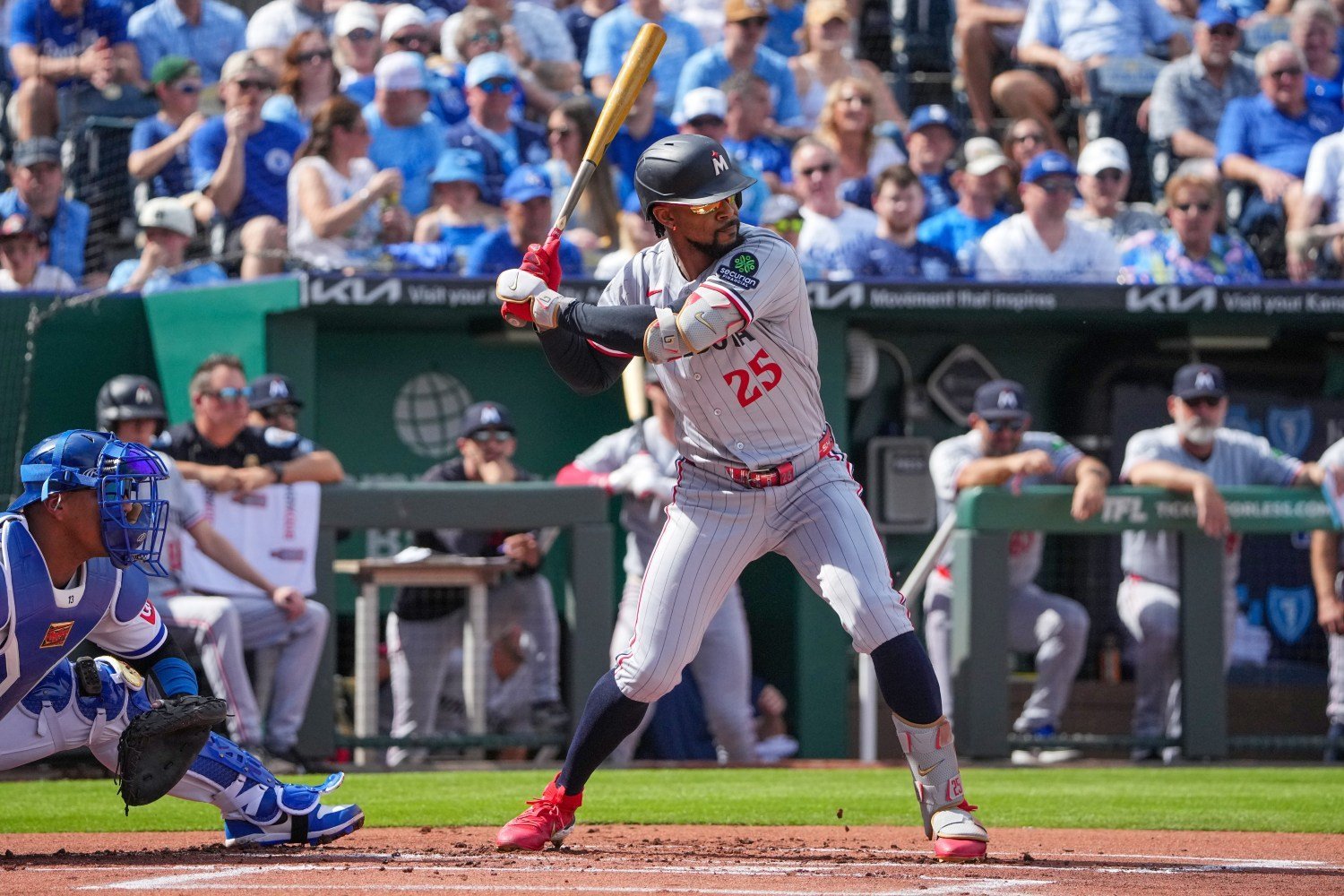 A couple of weeks isn’t enough time for the standings to mean much, but it is enough time for early narratives to start forming. When it comes to Byron Buxton, the early numbers describe a hitter who is searching for answers. Through his first stretch of games, the production simply hasn’t been there. He snapped an 0-for-20 slide on Monday night, but entering Wednesday, he’s hitting just .158, with a .233 on-base percentage. His OPS (.496) is worse than all but two stretches of this length from 2025: one after he came off the injured list in mid-August, and another in mid-September, long after the season was lost. He's mired in a significant slump. That doesn’t sound much like Byron Buxton. And in some ways, it hasn’t been. While the results have been rough, the underlying metrics tell a very different story about how he’s actually swung the bat to open the year. Start with the quality of contact. Buxton owns a hard hit rate of exactly 50%, meaning half of the balls he’s put in play have come off the bat at 95 miles per hour or harder. That's a strong number in any context, and typically the kind of mark you would expect from a hitter producing far better results. Of course, exit velocity alone does not tell the full story. It doesn’t account for launch angle, and that’s where things start to get a bit more complicated. Buxton’s average launch angle sits at 32°, which is extremely high and helps explain the early struggles. An angle that high on average means a hitter is hitting too many routine fly balls or pop-ups, and that’s definitely been true for Buxton. Buxton has simply gotten too far under pitches, limiting the damage he’s capable of doing. But even with that in mind, there are strong signs that luck has not been on his side. His barrel rate currently sits at 10.7%, which places him in the 66th percentile across Major League Baseball. A barrel is a batted ball that combines ideal exit velocity and launch angle, generally at least 98 MPH off the bat with a launch angle between 25° and 31°. That’s the type of contact most often associated with extra-base hits. Buxton has recorded three barrels so far this season. He does not have a hit on any of them. That, alone, is a strong indicator that the results have not lined up with the process. When hitters are consistently producing that class of contact, the outcomes tend to follow. In Buxton’s case, they simply haven’t yet—although the nature of analyzing small samples like this is such that we can't quite say he's consistently barreling the ball, either. Because of who he is, the hard contact feels more like a signal, and the poor results feel like noise. It could turn out to be the other way around. That’s where the bigger picture comes into focus. Buxton hasn’t been perfect at the plate. The elevated launch angle is something to watch, and there are adjustments he can make to turn more of those fly balls into line drives. His BABIP is just .214, but it's hard to label that as bad luck while he's hitting so many fly balls. As Twins fans learned the hard way over long years with Max Kepler, hitting it in the air at an extreme rate is good for power production but bad for BABIP. He can and will refine his process, to get back to hitting the ball on lower lines. He's catching the ball farther out in front of his body and getting around it more this year, despite a lower swing speed. It's no wonder he's producing some suboptimal flies. This isn’t a case of a hitter who looks overmatched. It’s a hitter who’s hitting the ball hard, producing a solid rate of barrels, and maintaining a strong presence in the sweet spot, all while seeing very little to show for it in the box score. That combination usually doesn’t last very long, and indeed, even the numbers that corroborate the poor results hint at an opportunity to unlock big value with a relatively minor set of adjustments. Over the course of a 162-game season, those underlying metrics have a way of winning out. Balls that are currently finding gloves will start to drop in; well-struck fly balls will begin to carry a bit farther (especially as the weather warms up); and line drives will start to split gaps instead of being caught. When that shift happens, the stat line can change in a hurry. When he’s on, Buxton is one of the most exciting hitters in the game, capable of changing a lineup with both power and elite speed. That version of him didn’t just disappear overnight; the underlying data still shows the raw talent. Right now, the results have not matched the process. But over time, they usually do. It’s not a matter of if Buxton turns things around, but when. View the full article
 -
 One of the more intriguing aspects of the Chicago Cubs and their lineup construction thus far in 2026 has been the distribution of playing time between their two catchers. In reality, the team has a pair of starting-caliber backstops. Carson Kelly is coming off a career season despite fading in the second half of 2025, while Miguel Amaya looked to be gaining traction at the plate in 2024 before injuries ravaged his ability to perform last season. The early assumption was that Kelly would get the majority of the time behind the plate by a decent margin, at least early, as Amaya regained his footing at the top level. However, that's not entirely how things have played out across almost a dozen contests. Kelly certainly does have the edge in time behind the plate so far; he's caught seven games to Amaya's four. However, Amaya also has a trio of appearances as the designated hitter. From a catching standpoint, though, Kelly's 60 innings are a significant edge over Amaya's 36. The production gap at this young stage of the season does feel wide, though, and could inform Craig Counsell's choices a little bit differently upon the return of Seiya Suzuki. From a production standpoint, Amaya has a healthy edge in output. He's contributed a .294/.400/.529 line to the cause with an even 15.0 percent rate in both strikeouts and walks and a 164 wRC+. Kelly, meanwhile, is sitting on a .250/.344/.286 line, a 21.9 percent strikeout rate, and a 12.5 percent walk rate. His wRC+ reads as below average, checking in at 90. The concern there, of course, is in the latter's absence of power. After going for a .179 ISO in 2025, he's at a mere .036 clip in 2026. When you factor in the strikeout-to-walk ratio, there's a clear edge for Amaya in the production game, even when Kelly is receiving the lion's share of the work behind the dish. Believe it or not, Amaya's advantage over Kelly carries over to defensive performance, as well. Kelly's been exactly average in blocking and framing and below average in throwing hitters out despite technically carrying an advantage in pop time. Amaya, however, holds an advantage in his ability to control the run game. The difference between the two in framing has been marginal to date: Each has different areas of the zone in which they're finding success on the framing front. There's an awful lot of consistency here between the two, presenting a really similar skill set. Ultimately, though, we still don't know how much ABS is factoring into this, nor do we have a large enough overall sample to declare one better in this aspect than the other. So, if we call that a wash and move toward something comprehensive, Amaya's arm props him up slightly between the two. Either way, there's a long way to go before this aspect becomes something more tangible in one being better than the other in matters of playing time being determined. It does feel worth noting, at least, that Amaya has outperformed Kelly in more areas than not. What is also notable at this point is where that playing time is actually being distributed, because at this early stage, there doesn't appear to be a particular order between the two. Carson Kelly has caught Matthew Boyd twice, Shota Imanaga twice, and Jameson Taillon and Edward Cabrera each once. He was also behind the plate for Cade Horton's 17 pitches prior to his season-ending injury over the weekend. Amaya caught each of Horton, Taillon, and Cabrera a single time before assuming duty for Javier Assad's first start on Tuesday. None of it indicates a clear trend, though. Especially because it's too early for the data to indicate whether the catchers themselves have any bearing on pitcher performance. Which means that we're in this sort of muddled early season stage where Craig Counsell is feeling out his roster in certain respects. While the catching could certainly have an impact on the pitching staff at some point in a way that could sway playing distributions, the sample (on either side of the ball) isn't large enough to justify any firm conclusion, even if Miguel Amaya has outplayed Carson Kelly within that minuscule run. What will be interesting to monitor in the coming days, though, is how that distribution could shift upon the return of Seiya Suzuki. Counsell has been inclined to throw Amaya into the DH spot to get his bat in there, but the return of Suzuki and the extended run that Matt Shaw has gotten in right field could lead to a shift in how the catching position actually looks given the slight defensive difference between the two. It's just as intriguing a situation as we could have thought, with the changing roster dynamics likely to lend a little more clarity moving forward. View the full article
 -
Davey Lopes Came Along at a Key Time in Brewers History
DiamondCentric posted an article in Brewer Fanatic
 Davey Lopes wasn't the best manager in Milwaukee Brewers history—far from it. But he was chosen to be the Crew's skipper at one of the most important times in franchise history. Lopes passed away on Wednesday at the age of 80. In addition to being the Brewers' manager from 2000 through early 2002, he was a baseball lifer. He was a pesky second baseman and a four-time All-Star with the Los Angeles Dodgers during his 10 seasons there (1972-81). Lopes, who didn't make his MLB debut until he was 27, was a prolific base-stealer, leading MLB in swipes with 77 in 1975—including a then-record 38 straight—and the NL with 63 in 1976. That was a stretch in which he had six consecutive seasons of 40 or more steals. Perhaps more famously, he was part of the Dodgers infield with first baseman Steve Garvey, shortstop Bill Russell and third baseman Ron Cey. The quartet played a record 833 games together. Lopes was on the 1981 Dodgers World Series championship team. When his 16-year playing career ended in 1987, he immediately went into coaching, joining the Texas Rangers' staff the next year and becoming the bench coach from 1989-91 under manager Bobby Valentine. That started a second career in dugouts throughout the league, which would keep him in the game though 2017. As the 1990s wore on, Lopes became a managerial candidate. No one went with the fiery Lopes until the Brewers did so on Nov. 4, 1999, following his tenure as the third base coach with the San Diego Padres. The Brewers had fired the popular Phil Garner, who had guided the team since 1992 and racked up a franchise-best 563 managerial wins, during the season, with Jim Lefebvre in charge for the final 49 games. That was the Crew's second season in the National League, having moved from the American League due to expansion. Lopes was a candidate for two other managerial jobs at the time, in Anaheim and Cleveland. "There was a point in my career—lately, in fact—that I didn't think this would happen," Lopes said at his introductory press conference. The hiring of Lopes came at the urging of Bud Selig, then MLB's commissioner and the Brewers' former owner, who wanted to see more people of color get high-profile positions. While born and raised in East Providence, Rhode Island, Lopes has family ties to Cape Verde, an island off the coast of West Africa. Selig had yielded control of the Brewers to his daughter, Wendy Selig-Prieb, but his influence on the team was still profound and not much of a secret. Lopes was hired by general manager Dean Taylor, who had been hired to replace Sal Bando just a couple of months earlier. It was a fresh start for the Crew, with some historic moments in the offing. Not only were the Brewers getting ready to flip the calendar to 2000, but they were about to close down County Stadium and move into what was then called Miller Park, the retractable-roof stadium built in the parking lot of County Stadium. The stadium's opening had been delayed a year by a crane accident that resulted in the deaths of three construction workers. Taylor felt Lopes was the right choice, as the Brewers had lost their way under Garner. The hope was that Lopes would be able to bring the no-nonsense approach that epitomized his playing career. In Lopes's first season in 2000, the Brewers didn't fare much better record-wise, finishing 73-89, one game worse than Garner's final season. But this time, instead of another fifth-place finish in the division, the Brewers were the third-place team in the NL Central in the final season at County Stadium, 22 games behind the St. Louis Cardinals. The 2001 season saw Lopes and the Brewers christen Miller Park, which cost $392 million to build. But the new digs and 2.8 million fans pouring through the turnstiles didn't improve the product on the field. The Crew finished 68-93, fourth in the NL Central, 25 games behind the first-place Houston Astros. That season also saw Lopes's intense, old-school style start to wear on the team. Lopes drew headlines after one game against the Padres following Rickey Henderson stealing with a seven-run lead, saying Henderson was "showing up" the Brewers. "He was going on his ass," Lopes said postgame. "We were going to drill him." The next day, Elias Sports Bureau published a list of seven times Lopes stole a base with his team leading by at least seven runs. When the Brewers started 2002 with a 3-12 record, Lopes was fired, replaced by bench coach Jerry Royster for the remainder of the season. In his two-plus seasons, Lopes's Brewers had a 144-195 record, a .425 winning percentage. Lopes rejoined the Padres as the first base coach in 2003 and continued coaching through the 2017 season with the Dodgers, Baltimore Orioles and Philadelphia Phillies. He earned a World Series ring with the Phillies in 2008, and was renowned for his work with baserunners, especially when stationed as the first-base coach. His time with the Brewers was rocky, but he contributed tremendously to the game, and served at a fascinating and difficult time in the Crew's history. View the full article
 -
A Mixed Bag: Breaking Down Joe Ryan’s Early Season Results
DiamondCentric posted an article in Twins Daily
 Joe Ryan has shown a little bit of everything in his first three starts: flashes of dominance mixed with inefficiency and bad luck. A closer look at his underlying performance shows a story that doesn’t necessarily match the surface-level numbers. View the full article
 -
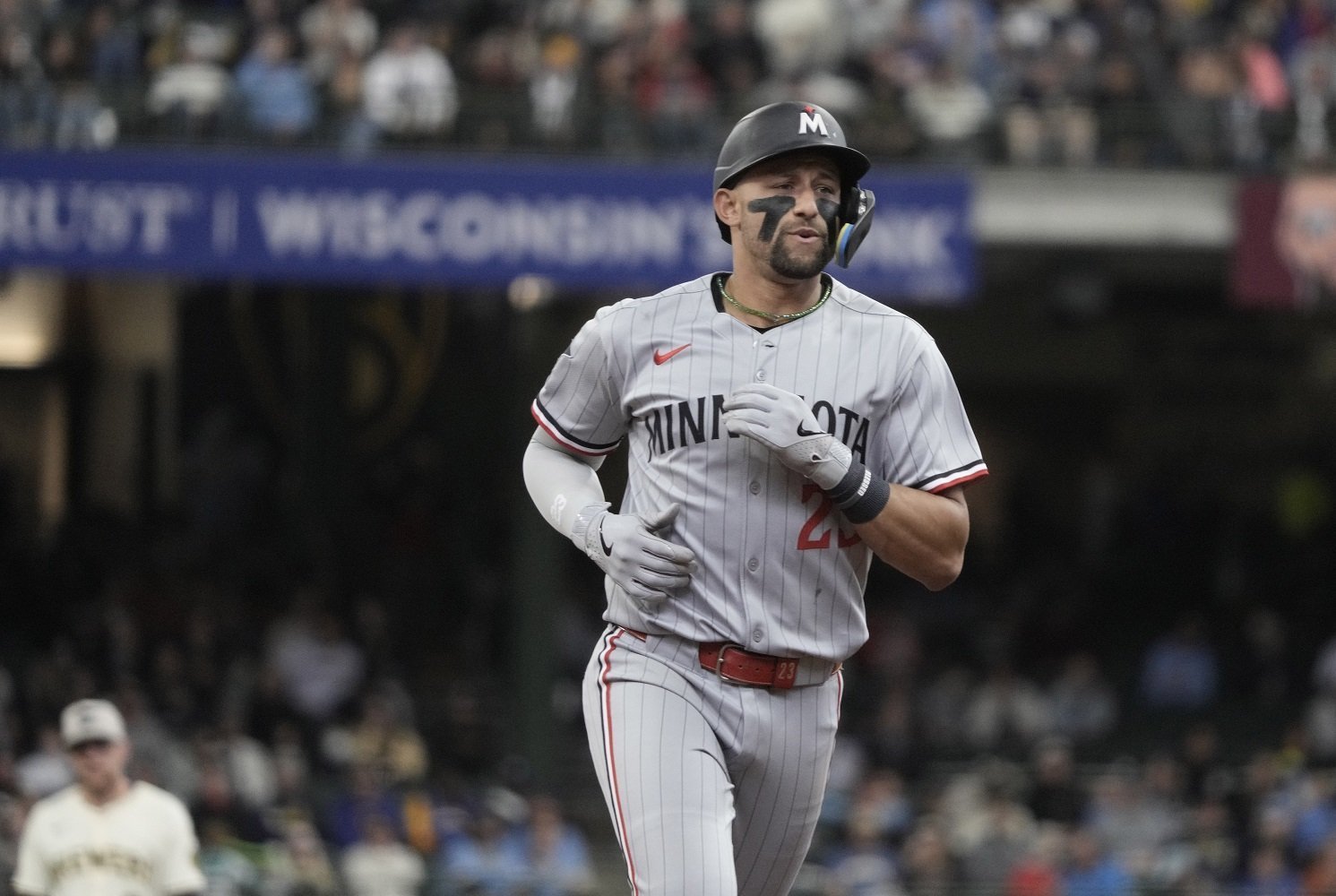 Over the past few weeks, the conversation around the Minnesota Twins has drifted toward the future and who might be locked into it. Names like Walker Jenkins continue to surface, despite the fact that he has yet to make his big-league debut. Other teams around the league are locking up players of a similar caliber, and it’s fun to dream about the future. Twins ownership also seems to be open to extensions with other young players. During a recent media session, Tom Pohlad pointed to a trio of intriguing talents in Luke Keaschall, Taj Bradley, and Mick Abel as players the organization could consider approaching about long-term deals. On paper, those are the types of players teams try to secure early: young, controllable, and brimming with upside. It is a strategy that has worked across the league, buying out arbitration years and (sometimes) a slice of free agency at a discounted rate. But it's also a strategy that can backfire. As easy as it is to identify the next extension candidate, it's just as important to remember the players who once looked like obvious choices themselves. In recent seasons, the Twins have had multiple opportunities to make those bets and, whether by design or circumstance, they may have avoided some costly mistakes. Royce Lewis Stock High Point: 2023 Season Few players have embodied both the promise and volatility of a top prospect like Royce Lewis. As the first overall pick in the 2017 MLB Draft, he represented the future of the franchise from the moment his name was called. That future appeared to arrive in full during the 2023 season. Lewis was electric, posting a 149 OPS+ across 58 games while providing a spark the Twins desperately needed. His impact extended into October, where he delivered two massive home runs against the Toronto Blue Jays, helping secure the franchise’s first playoff series victory in two decades. In that moment, an extension would have felt not only reasonable, but necessary. Since then, the picture has shifted. Lewis has struggled to recapture that level of production, posting a 95 OPS+ while continuing to search for consistency defensively at third base. Injuries have remained part of the equation, and the once-clear trajectory toward superstardom now feels far less certain. With two years of team control remaining, the Twins still have flexibility—something that would not be the case had they acted at his peak. Jose Miranda Stock High Point: 2022 Season The rise of Jose Miranda felt like one of the more stable bets in recent Twins history. After a dominant 2021 minor league campaign that included a .973 OPS and 30 home runs across Double- and Triple-A, Miranda carried that success into his rookie season. In 2022, he posted a 114 OPS+ with 15 homers and 25 doubles over 125 games, showcasing elite bat-to-ball skills that suggested a long runway as a productive big league hitter. This was exactly the type of profile teams often look to extend early, prioritizing contact ability and offensive consistency. Instead, his trajectory became anything but steady. A 55 OPS+ in 2023 was followed by a rebound to 112 OPS+ in 2024, but the inconsistency ultimately defined his tenure. By 2025, he was out of the organization entirely. Now in the San Diego system, Miranda is trying to regain his footing at Triple-A, far removed from the player who once looked like a lineup fixture for years to come. Brooks Lee Stock High Point: 2024 Season The Brooks Lee case might be the most instructive for pre-debut or early-career extensions. Like Jenkins today, Lee entered his first full professional season with significant hype. The eighth overall pick in 2022, he was widely viewed as one of the safest hitters in his draft class. By 2023, he had posted an .808 OPS in the upper minors and climbed to No. 18 on MLB Pipeline’s top 100 list. It would have been easy to envision a deal that bought out his arbitration years while giving the Twins option control over his early free-agency seasons. That version of Lee has yet to appear consistently in the majors. Through his first 197 games, he owns a 74 OPS+ and has struggled to provide value defensively. At 25 years old, there is still time for adjustments, but the gap between expectation and production has been significant. An early extension here could have quickly become an anchor. The Value of Patience Extensions can sound great when viewed through the rose-colored glasses of a player’s best moments at the big-league level. The temptation is to lock in that version of the player before the price climbs any higher. But baseball has a way of humbling even the most promising trajectories. Opponents adjust. Weaknesses are exposed. Performance ebbs and flows in ways that are often impossible to predict. By holding back on extensions for players like Lewis, Miranda, and Lee at their respective peaks, the Twins may have preserved both payroll flexibility and roster optionality. That does not mean the strategy should be to avoid extensions altogether. It simply underscores the importance of timing and conviction. Betting on talent is part of the game, but so is recognizing when uncertainty outweighs the perceived discount. In a league where one contract can shape a roster for years, sometimes the smartest move is the one not made. What other players would have been extension candidates early in their careers? Leave a comment and start the discussion. View the full article
