


DiamondCentric
-
Posts
2,631 -
Joined
-
Last visited
Never
Content Type
Profiles
Forums
Events
News
Tutorials & Help
Major League Baseball Videos
Guides & Resources
Store
Downloads
Gallery
Everything posted by DiamondCentric
-

 Transactions: SS Cooper Pratt’s contract selected by MLB Brewers and optioned to AAA Nashville RHP Joe Corbett reinstated to AAA Nashville from Development List RHP Melvin Hernandez of Low-A Wilson transferred to Development List INF/OF Demetrio Nadal of Low-A Wilson transferred to Development List INF/OF Eduardo Garcia placed on AA Biloxi’s 7-day injured list RHP Nick Merkel placed on AA Biloxi’s 7-day injured list OF Steward Berroa of AAA Nashville designated for assignment by MLB Brewers Game Action: Nashville Pre-Game Media Notes Final: Nashville 7, Charlotte 6 Box Score and Game Log Via the Sounds’ website, game details and we encourage readers to review affiliate write-ups as part of their Link Report routine: Adams, Quero Home Runs Lift Sounds Past Knights At the link above, you’ll find an excellent game write-up by Cory Hilborne, including videos of 1B Luke Adams’ grand slam (snapping his 0-for-15 start to the season) and C Jeferson Quero’s 2-run blast, a reference to this being RHP Coleman Crow’s first AAA Win and even the excellent home crowd size of 7,892. The 25-year old Crow tossed 90 pitches over his 6 innings of work (2 R, 4 H, 2 BB, 5 Ks), with his velocity peaking at 93.3mph as he mixed in a significant number of low-to-mid 70s mph curve balls. He exited with a 7-2 lead before 29-year old RHP Joe Corbett (1 IP, 3 R, 5 H, 0 BB, 1 K) got his first taste of affiliated baseball after spending the 2023-2025 seasons in Mexican League or the independent American Association. Sounds’ Extras: 2B Ethan Murray contributed 2 hits, OF Luis Lara had 3 walks and a stolen base, while RHP Will Childers earned his first save of 2026 while topping out at 96.1mph. We’re grateful to the Knights for attempting a double steal of second and home to interrupt their string of 4 consecutive hits off of Corbett, running into a critical second out at home in their 3-run 7th inning. Charlotte out-hit the Sounds 12 to 6 and went 6-for-13 with runners in scoring position, but the long balls (Nashville 2, Knights 0) were the key difference in this contest. Saturday’s outlook: 25-year old LHP Tate Kuehner (5.2 IP, 1 R, 5 Ks in his last outing) looks to lead Nashville to a series-clinching victory. Biloxi Pre-Game Media Notes Final: Biloxi 7, Rocket City 6 (in 10 innings) Box Score and Game Log Via the Shuckers’ website, game details: Burke's Historic Effort Powers Shuckers to Extra-Innings Win on Opening Day 1B Blake Burke clearly enjoys hitting in the Southern League, going with a two-true-outcome approach on Opening Day: 2 homers, 3 Ks. He now has 13 blasts in 38 career games for AA Biloxi. Former 2nd round draft pick DH Mike Boeve is determined to re-establish his prospect status after a late 2024 injury (.886 OPS that year) and difficult 2025 recovery season (.676 OPS). A 3-for-4 first game of 2026, including a 2-run blast and a stolen base certainly indicate that the 23-year old is on course. Starting 23-year old RHP Brett Wichrowski had a solid outing, striking out 6 and inducing 6 ground outs (vs. 0 fly balls) over 4 innings and 64 pitches (2 R, 1 H, 2 BB). He exited with a 5-2 lead, handing over to too-exciting middle relievers RHP Ryan Birchard (3 IP, 1 R, 0 H, 6 BB, 4 Ks) and LHP Jesus Broca (1 IP, 3 R, 2 H, 2 BB, 0 Ks). Despite the walks, Birchard still turned some heads, with Curt Hogg posting on sky.social about his “big league stuff right now” and “up to 24 inches of vert on his cut-ride heater”. An error and a wild pitch enabled the good guys to push the winning run across in the top of the 10th inning, as Biloxi scored without needing a hit in that pivotal final frame. We obviously need to reproduce LHP Mark Manfredi and make his duplicates available in Biloxi and Nashville. The 26-year old dominated, striking out 5 of 6 batters faced to deservedly earn the Win – 2 IP, 0 R, 0 H, 0 BB in 27 pitches (19 strikes). C Matthew Wood contributed a single, 2 walks and solid defense. Shuckers’ Extras: Biloxi out-hit Rocket City 11-3, but went 2-for-17 with runners in scoring position and stranded 10 baserunners. 2B Dylan O’Rae had a 2-for-5 evening in the leadoff spot, which was a welcome comeback after missing the 2025 season due to injury (although he did play in the Arizona Fall League last October). 18-year old super prospect SS Jesus Made went 1-for-5, was caught stealing and ground into a double play, but Minor League Forum contributors could not stop talking about his near-grand slam on a golf shot which landed foul in the 4th inning. Saturday’s outlook: 21-year old RHP Bishop Letson (#9 BrewerFanatic prospect; 2.40 ERA with 49 Ks in 41 1/3 High-A/AA IP last year) aims to lead Biloxi to a series-clinching victory. Wisconsin Pre-Game Media Notes Rainout: Beloit at Wisconsin Chris Mehring added some more context on what’s in store for tomorrow. Saturday’s outlook: RHPs Bryce Meccage (4.35 ERA in 70 1/3 Low-A IP in 2025) and Ethan Dorchies (3.40 ERA in 82 Low-A/High-A IP last year) are the scheduled starters for Wisconsin’s Opening Day doubleheader. There will not be a game on Easter Sunday, so the originally-scheduled 3-game series boils down to this twin-bill. Wilson Pre-Game Media Notes Final: Wilson 2, Fayetteville 0 Box Score and Game Log Via the Warbirds’ website, game details: Warbirds Score Late to Capture Inaugural Victory If you had 19-year old starting RHP Miqueas Mercedes (5 IP, 0 R, 2 H, 2 BB, 7 Ks) throwing 81 pitches on Opening Day on your bingo card, congrats to you. And a big congratulations to the Wilson franchise and Manager Eddy Morgan on their first Win in affiliated baseball. RHP Tyler Renz and LHP Jose Meneses continued Mercedes’ exceptional work, striking out 8 Fayetteville hitters in 4 innings on bullpen work, while working around a single and 3 walks. Forum followers noted Meneses as throwing about 92mph, but baffling hitters with “good life” on his offerings. As readers would have noted from the linked game report and box score, neither team could buy a run despite 78-degree weather and a 14mph wind blowing out to left field. The squads combined to go 0-for-14 with runners in scoring position, striking out a combined 30 times in the game while stranding 16 baserunners. No hits were needed for Wilson to push 2 runs across in the top of the 9 inning, as 3B Filippo Di Turi walked and scored on an OF Luiyin Alastre ground out, while C Yannic Walther walked and DH Jadyn Fielder came home on an errant pick off throw. Warbirds’ Extras: OF Handelfry Encarnacion delivered Wilson’s first-ever hit, a double within 1-one, 1-out in the first inning, while OF Jose Anderson also doubled with 1-out in the bottom of the 6th inning. Four Woodpeckers’ errors vs. zero for the Warbirds were the big difference as the teams managed to register only 6 hits total. It was also noted in the Forum that the Carolina League has apparently scrapped hitter timeouts this year, which might explain two batter timer violations by Wilson batters. Saturday’s outlook: 20-year old RHP Jarrette Bonet, signed in July 2025 as a non-drafted player out of San Jacinto College, is scheduled to make his organizational debut, seeking to lead Wilson to its first-ever series victory. We hope that you enjoy the Minor League Link Report. On Saturday, the Timber Rattlers kick off 5 games of Minor League action at 1:10pm CST followed by Wilson at 6:05pm and Nashville and Biloxi – both at 6:35pm. The Milwaukee Brewers’ doubleheader also starts at 1:10pm CST. Organizational Scoreboard including starting pitcher info, game times, MiLB TV links, and box scores Current Milwaukee Brewers Organization Batting Stats and Depth Current Milwaukee Brewers Organization Pitching Stats and Depth View the full article
 -
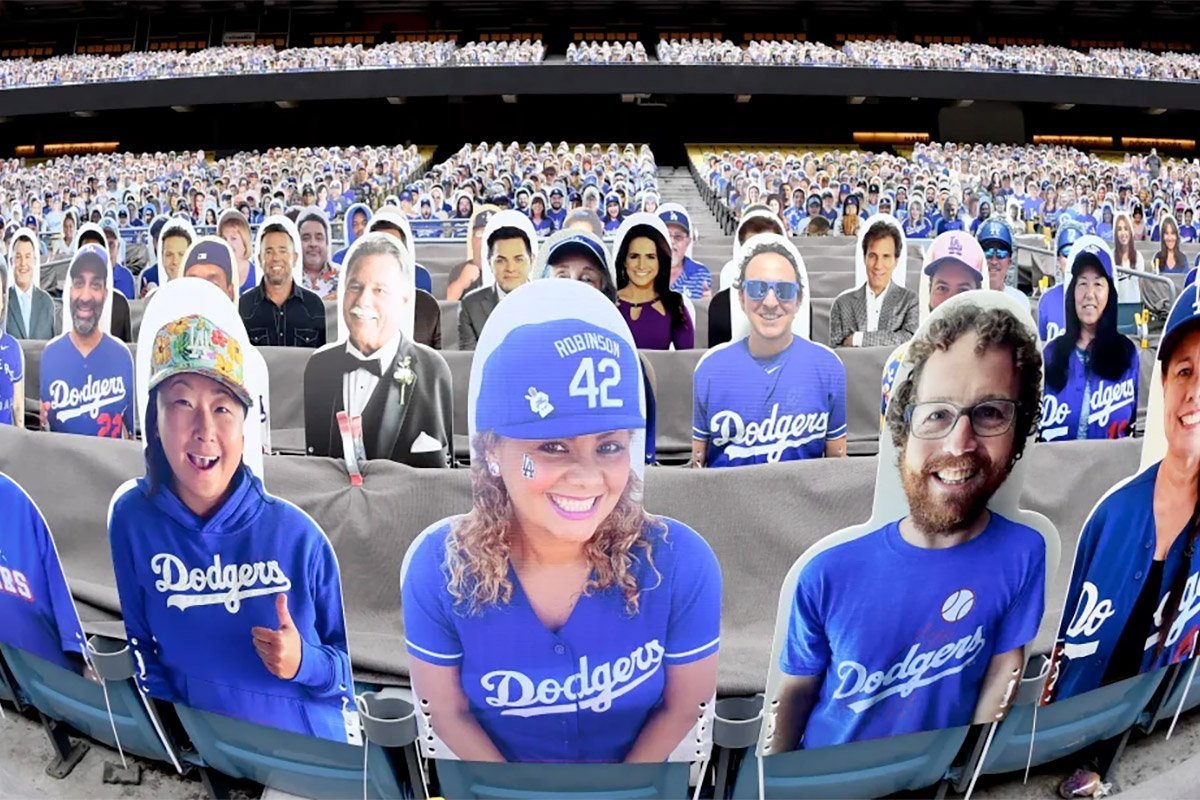 Spring training 2020 was three weeks old when it was ordered shut down due to the COVID-19 virus that first sprang up in North America in late January. While the rest of the world was trying to figure out how the virus started and how to combat it, MLB was trying to cobble together a schedule for the rest of the baseball season. The virus, which has killed slightly over 7.1 million people worldwide, wreaked havoc on everything, even sports. On a personal note, I lost two close friends and my father-in-law, who was a healthy 89-year-old who went into the hospital on a Wednesday and died four days later. Sometimes, traumatic events hit far too close to home. The MLB honchos were trying to figure out the best way to start the season with equal input from the MLBPA. After nearly five weeks of negotiations, the owners voted unanimously to impose a 60-game plan, just hours after the players had rejected that same schedule. The schedule had the teams playing 10 games against each of their divisional opponents and playing 20 interleague games. The season started on July 23. That day, it was announced that the playoffs for the year would include 16 teams total, eight in each league. The top two teams in each division would make the cut, along with the remaining two best records in each league. Despite outbreaks on two teams and positive tests for players on several other squads, only two games were not played. Detroit and St. Louis were the only two teams not to play 60 games. Two dozen players, including Milwaukee's Lorenzo Cain, opted not to play during the season, although the outfielder played the first five games of the year before opting out for the rest of the season. Cain did not comment, but in a statement to the press, general manager David Stearns said, "We fully support Lorenzo's decision and will miss his talents on the field and leadership in the clubhouse." Isan Díaz of Miami and Nick Markakis of Atlanta opted out initially, but elected to rejoin their respective teams. Brewers pitcher Shelby Miller opted out before the season began. In order to make the stadium experience more 'normal,' cardboard cutouts of fans were placed in the seats, and simulated crowd noise was also played at the venues. Several teams allowed fans to buy cutouts of themselves. ESPN bought pics of Chipper Jones and his son, Shea, and placed the counterfeit Chipper and his bogus boy at Citi Field in New York during a Braves-Mets contest. Despite a subpar 29-31 record, the Brewers nabbed the eighth and final seed in the National League but were promptly dispatched in two games by the Los Angeles Dodgers, who boasted the best record in baseball with 43 wins. The Dodgers defeated the number two seed Atlanta in seven games in the NLCS at Globe Life Field in Arlington, Texas, while top-seeded Tampa Bay (40 wins) edged Houston in seven contests for the American League pennant at Petco Park in San Diego. For the first time all season, a limited number of fans were allowed to attend the NLCS games. The Dodgers beat Tampa Bay in the World Series, played at Globe Life Field, in six games, claiming the team's seventh World Series championship. A limited number of fans, numbering about 11,000 each contest, were allowed in the stadium for the games. Notably for the Brewers during the season, pitcher Devin Williams was named the National League Rookie of the Year and to the second team All-MLB squad after his fine 0.86 FIP and 1,375 ERA+ (that is not a typo). Closer Josh Hader led the NL with 13 saves and set a major league record when he pitched in 12 straight games (11 2/3 innings) without giving up a hit. He then gave up seven hits in his next five outings. On a serious note, coach Pat Murphy suffered a heart attack at a team workout in early August and received a stent. He returned to the Brewers in mid-September. "The part you take for granted sometimes until you don't have it anymore is the connection [with the team], being together," Murphy said. "That's what it's all about. That's why I do it." 2020 was a messed-up season for sure, but the world returned somewhat to normalcy, and so has baseball. We are a resilient people. What are your memories of the season? Please comment below, and thanks for reading. View the full article
 -
Is Salvy's Bat Speed An Area of Concern for the Royals?
DiamondCentric posted an article in Royals Keep
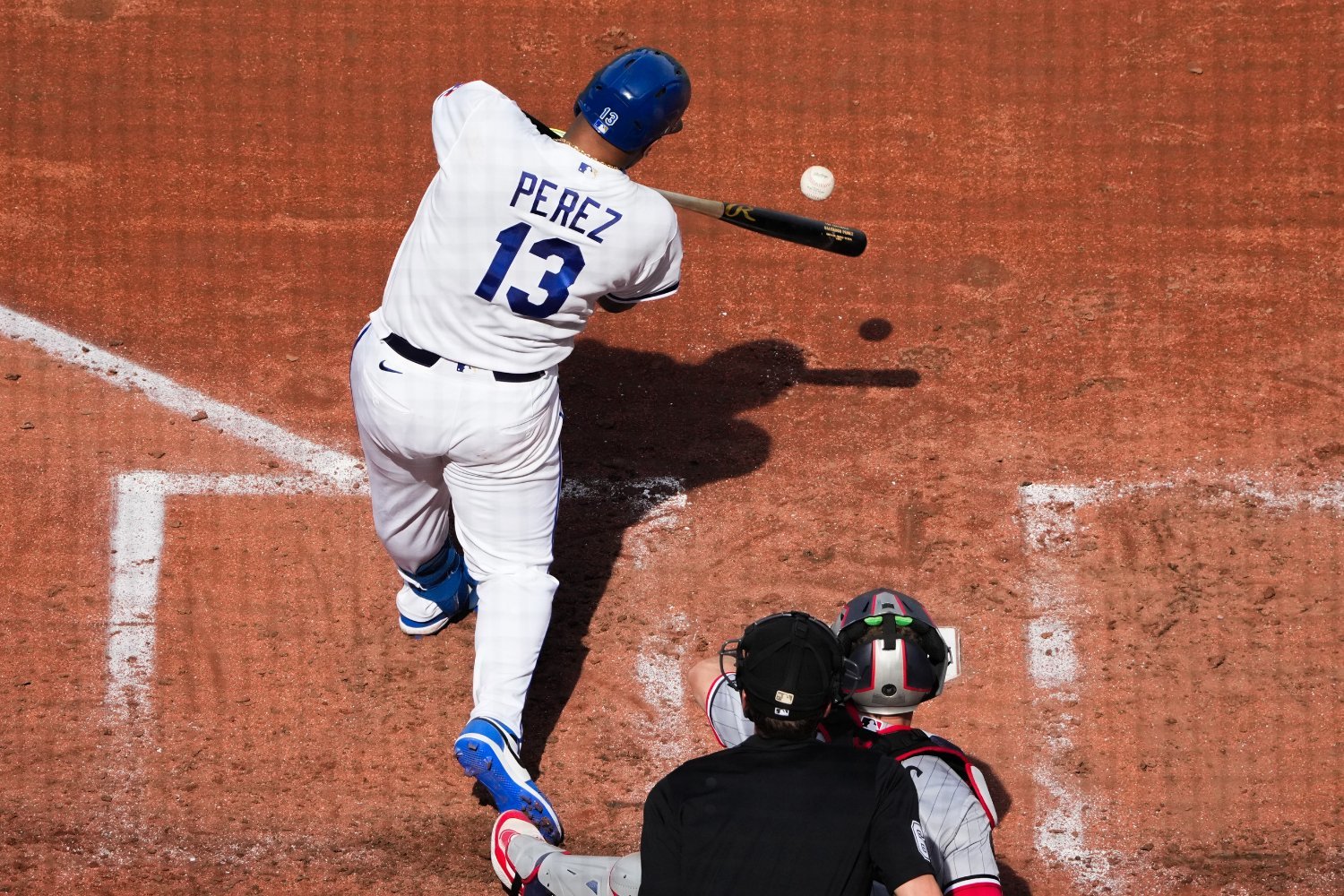 Due to inclement weather, the Royals pushed back their Friday series-opening game against the Milwaukee Brewers to Saturday. They will now have a split doubleheader on Saturday against the Brewers, starting at 1:10 p.m.. The Royals are currently 3-3 entering the Brewers series, and the offense has gone through its share of ups and downs through their first six games. Once again, the Royals are making contact and hitting the ball well, ranking 10th in batting average. Furthermore, they have done a better job of getting on base and hitting home runs, two areas of inconsistency a season ago. They rank 15th in OBP and 16th in home runs hit. Last season, they ranked 22nd in OBP and 26th in home runs hit. However, one area of relative weakness is runs scored. They rank 21st in baseball with 23 runs scored. They are tied with some big names such as the Phillies and Dodgers. However, for a Kansas City team with playoff aspirations, it needs to score more runs than the 651 it accumulated a year ago, which ranked 26th in baseball, according to Fangraphs. One key player to the Royals' offense this season is Salvador Perez. The Royals' primary catcher and captain will be entering his age-36 season and is coming off a season in which he hit .236 with a 95 wRC+. While those are slightly below-average marks, he did hit 30 home runs and collected 100 RBI. It was the third season he has collected 100 or more RBI, and his 30 home runs were his most since 2021, when he hit a Royals franchise record 48. It's been a much slower start for Salvy in 2026, though. In six games and 25 plate appearances, the Royals captain is hitting .208 with a 74 wRC+. He has a home run, two runs scored, and an RBI. That said, his OBP is only .240, and his OPS is .615, 114 points lower than what he produced in OPS in 2025. So what's been Salvy's issue? A lot can be credited to his trend in bat speed, and how that's affected his ability to square up the ball early in the season. Thus, let's take a look at Perez's bat tracking data via Statcast, explore some of his other Statcast percentiles, and what they could mean for Salvy's outlook for 2026. Salvy's Bat Speed is Good, But Has Declined The table below lists all the bat tracking data of Royals hitters with 1 or more plate appearances this season. While one can see Perez's data, it also includes all other Royals hitters who have seen an at-bat in 2026. Salvy's row is highlighted for reference purposes. When it comes to average bat speed, Salvy ranks 7th of 13th qualified Royals hitters with a 72 MPH average bat speed. His hard-swing percentage also ranks 7th at 20%. He does this despite having a swing that is the second-longest on the team at 7.9 feet. Only Jac Caglianone has a longer swing at 8.4 feet. Even though he is not Top-5 in bat speed, he is top-3 in squared-up percentage with a 42.4% mark through six games. Only Kyle Isbel (62.5%) and Isaac Collins (43.8%) have higher squared-up rates than Salvy. In terms of blast percentage, Perez lags a little bit at sixth with an 18.2% mark. That said, his blast rate is higher than Maikel Garcia's (12.5%) and Vinnie Pasquantino's (9.4%). While the bat tracking metrics aren't bad by any means, one would expect more from a team's cleanup hitter. That said, how does his bat tracking data compare to a season ago? Well, let's take a look at that below. Last year, Salvy ranked 7th in average bat speed, but his 72.9 MPH bat speed was 0.9 MPH higher than his mark a season ago. His 30.5% hard-swing rate was also 10.5% higher, and his swing length has remained the same at 7.9 feet. That said, how do his squared-up and blast rates fare from a year ago? Honestly, he's actually performing better in those categories than a year ago. Perez's squared-up date in 2025 was 32.5%, and his blast% was 17.5%. For context, his squared-up rate is 9.9% higher this year, and his blast rate is 0.7% higher as well. Thus, while the overall results haven't been good over six games, the bat-tracking data show that despite a slight decrease in bat speed, his ability to connect with the ball hasn't changed much compared to 2025. What Do the Other Statcast Percentiles Look Like? For his other Statcast metrics, I used TJ Stats to illustrate how Perez has performed this year in key offensive categories and how they compare to last season. Here's a look at his 2025 Statcast percentile via TJ Stats. Even though he had a .311 wOBA, his xwOBA was much better at .383. In fact, the latter ranked in the 91st percentile while the former ranked in the 43rd percentile. Thus, there was a tremendous discrepancy between Perez's batted-ball skills and the actual results. Honestly, the skills Salvy showed, especially in terms of batted-ball ones, were still incredibly elite. He ranked in the 88th percentile in PullAir%, 91st percentile in barrel rate, 88th percentile in Max EV, and 77th percentile in 90th EV. When Perez connected with the ball, he often had power behind it and pulled it in the air, which is what one wants to see from a power hitter in the cleanup spot. Here's an example of Perez absolutely launching one last year against the Washington Nationals pitcher Cade Cavalli, to the Royals' Hall of Fame. Now, let's take a look at what Salvy has done through 25 plate appearances this season, via TJ Stats. In some categories, Perez has seen some regression. His Pull Air% is slightly down at 19.1% (1.4% difference), and his 108.5 Max EV is 6.3 MPH lower than his 2025 mark. Furthermore, his 9.5% barrel rate is 4.9% lower than his 2025 barrel rate and ranks only in the 57th percentile. While that's not bad by any means, it's not the elite ranking that Royals fans were used to seeing from Salvy in the past. That said, there are some areas where we have seen some early improvement from Perez. His 12% K% is 7.7% better than a year ago, and his 17% whiff rate is 9.9% better as well. He's doing this despite having a similar swing% this year (57.3% to 57.4% in 2025). Thus, Salvy is doing a better job of making contact at the plate this year, even if it has been at the sacrifice of some power initially. At the very least, that shows that he's seeing the ball better and that he's doing enough to put the ball in play. Furthermore, Perez's expected numbers aren't down either. His .354 xwOBA isn't as impressive as his .383 mark in 2025. However, it still ranks in the 65th percentile, and his xwOBA is 89 points higher than his actual wOBA. Salvy is still hitting the ball hard and showing power potential. His lone home run of the year, in Atlanta against Reynaldo Lopez, illustrates that and can be seen in the clip below. When it comes to the Statcast percentiles, there are some signs of regression, especially in terms of exit velocity and barrels. That said, it's still early in the year, and his improvement in contact skills this year could help him gain more power over the course of the year, especially as the weather heats up and he gets more settled in at the plate. Final Thoughts On Salvy's Start? Overall, I do not think there's much for Royals fans to worry about with Salvy this year. Yes, the average, OPS, and wRC+ are down. However, those are results, and we have had such a small sample size. It's hard to justify those results as an indicator for future success when there are fewer than 30 plate appearances (especially with a proven veteran like Perez). The bat speed is a tad concerning, but I think the slight decline is more due to settling into a new season than a sign of age-fueled decline. The squared-up and blast rates show that Perez is still connecting with the ball decently at the plate, despite the slight regression in the speed of his swing. My guess is that we will see an uptick in Salvy's swing speed soon, especially once he gets into a more set routine and gets more days at DH or 1B. Unfortunately, Perez wasn't able to get that on Thursday due to the Carter Jensen "tardiness" situation. Granted, I think the situation was way overblown by the national media and probably not handled the best by the Royals (did we really need Jensen and Vinnie to be making statements to the media about it?). What should've been a "there was a personal issue, and we've handled it internally" from Matt Quatraro at the postgame presser has spun into a national story, even getting coverage on TMZ (which is wild). Conversely, I understand the Royals' frustration with Jensen because Salvy needs to save his energy for his bat, especially as the club's cleanup hitter. More days behind the plate are only going to affect that ability, and that doesn't help their playoff chances. Thus, it will be interesting to see if, once the fog from this fiasco clears, we see more days from Jensen behind the plate to give Salvy a spell while keeping his bat in the lineup. The metrics and Statcast data are fine for Perez. However, the Royals also need to keep him fresh and healthy, and more time at first base and as a designated hitter is necessary to accomplish that goal. Once he gets those "off days", I guarantee that we will not just see the bat speed, exit velocity, and barrels improve, but the average, OPS, and wRC+ as well. View the full article
 -
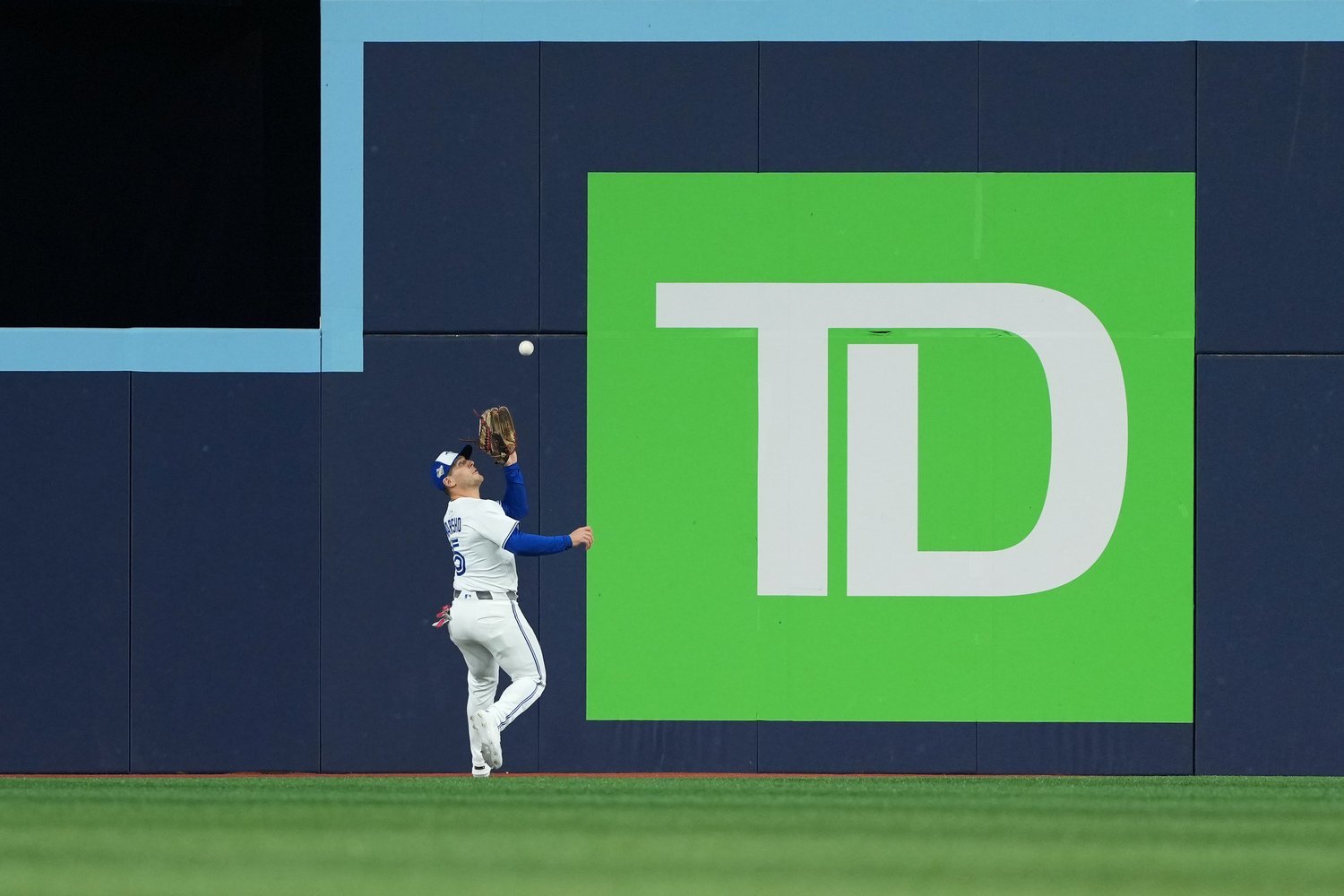 The Toronto Blue Jays have spent much of the last half‑decade reshaping their roster around a clear defense-first philosophy. Basically, it is just as valuable to save runs as it is to score them. That philosophy has been most visible in the outfield, where elite defenders like Kevin Kiermaier and Daulton Varsho have been central to the club’s identity after years of watching fly balls fall in front of slower, bat‑first corner outfielders. As Varsho eyes free agency after the 2026 season, the question facing the Jays is no longer whether he is an excellent defender (that much is clear), but whether a team built for the future needs a Gold Glove‑calibre outfielder enough to justify a significant long‑term investment. Varsho’s value has always been rooted in his glove. Since arriving in Toronto in a trade with Arizona, he has statistically been one of the best defensive outfielders in baseball (based on Statcast’s Outs Above Average metric). Even in an injury‑shortened 2025 season, Varsho’s OAA totals ranked him among the best outfielders in the league, reinforcing the idea that his defensive impact is both real and repeatable. That performance followed a 2024 campaign in which he won the American League Gold Glove in centre field, solidifying his reputation as the best defender the Jays have employed at the position since the days of Devon Whyte. (Although some fans would point to the defensive exploits of Kiermaier and Kevin Pillar.) Offensively, Varsho has always required context. His batting averages in Toronto have been modest, and his on‑base percentages remain below league average, which has made him an easy target for criticism in a market that remembers the run‑scoring peaks of earlier Blue Jays teams. However, focusing only on batting average obscures the broader picture. Varsho brings legitimate left‑handed power, and in 2025, he took a meaningful step forward by slugging .548 with 20 home runs in just 71 games. The data also showed strong barrel rates and expected power metrics. FanGraphs and Statcast indicators suggest that the power surge was not purely a small‑sample mirage, even if projection systems still expect him to settle in as roughly a league‑average hitter overall. When you pair that level of offense with elite defense in centre field, the result is a three‑to‑five‑win player in healthy seasons. That’s a stat that is not easy to replace. Toronto’s commitment to defense has also been shaped by the changing environment at Rogers Centre. A couple of seasons ago, the Blue Jays completed major renovations that altered the outfield dimensions and wall heights, bringing the alleys closer while raising walls and later reducing foul territory along the lines. Players have openly discussed how those changes affect routes, caroms and plays near the walls. Varsho told The Globe and Mail in 2024 that outfielders must now “play goalie” on balls hugging the boundaries rather than taking traditional paths to the ball. These adjustments did not necessarily make fly balls harder to see, but they did increase the demands on outfield defense. In that way, having a defender with elite instincts and closing speed is not merely a nice-to-have but a way to prevent damage when balls get into the outfield. New research from MLB.com ranked every MLB outfield by fielding difficulty using Statcast data from the last five seasons, and Rogers Centre ranked among the more “outfielder‑friendly” ballparks. That was attributed to the roof, minimal wind and consistent visual backdrop, factors that make it easier to track fly balls compared to open‑air parks with variable sun and weather. Pillar was consulted as part of MLB.com's research, and the former Blue Jay singled out Toronto, along with Texas and Arizona, as teams whose parks have darker backgrounds that help outfielders pick up the ball more quickly. At first thought, Rogers Centre's high ranking might seem to undercut the argument for paying a premium for elite outfield defense. Yet, the same study reinforces why Varsho’s skill set still matters so much. Rogers Centre's ranking focused primarily on fly‑ball visibility and catch difficulty, not on wall interactions or the consequences of misplays in the gaps and corners. Toronto's stadium may be forgiving when it comes to tracking routine fly balls, but its geometry creates more high‑leverage plays along the walls and in tight foul areas, where a single misstep can quickly add extra bases. Moreover, with teams playing half their games on the road, other stadiums like Coors Field, Fenway Park, Wrigley Field, Oracle Park, and Kauffman Stadium will still pose challenges beyond those of the friendly confines of the Dome. On top of that, with many pitch-to-contact arms on Toronto’s staff, the team’s defense is increasingly important. Balls in play need to be converted into outs. Removing a Gold Glove‑level centre fielder from the picture would risk eroding one of the few clear edges the Blue Jays have carved out in an increasingly tough American League East. With that said, there are plenty of arguments against a long, expensive commitment. Varsho will be entering his thirties during his next contract, and speed‑based defense often ages less gracefully than a power bat. Think of Vernon Wells. His 2025 season also included shoulder surgery and a hamstring strain, reminders that durability is not guaranteed. Toronto’s payroll picture is crowded, with major long‑term deals already on the books and luxury‑tax considerations looming. Overpaying for defense at the expense of middle‑of‑the‑order offense would also risk repeating past mistakes. The Jays’ pursuit of Kyle Tucker this offseason suggests the organization is interested in a middle-of-the-order bat in the outfield. Where does that leave the Varsho? The organization doesn’t need to choose between offense and defense, but the Blue Jays do need to be disciplined about how they value each. Varsho makes the most sense on a medium‑term investment that captures his prime defensive years without assuming he will remain an elite centre fielder deep into his thirties. A four‑ or five‑year extension at a reasonable average annual value would preserve the team’s defensive approach while leaving room to pursue offensive upgrades elsewhere. In the end, the debate over Varsho is less about whether his defense is valuable, because all available evidence says it is, and more about how that value fits into Toronto’s broader competitive window. Even in a park ranked as one of the easier places to catch fly balls, a pitching staff that elicits contact in the air means elite outfield defense still matters. The Blue Jays may not need to prioritize defense to the exclusion of all else, but as long as they believe run prevention paves a path to winning, a Gold Glove‑calibre centre fielder like Daulton Varsho remains a core piece rather than an expendable one. View the full article
 -
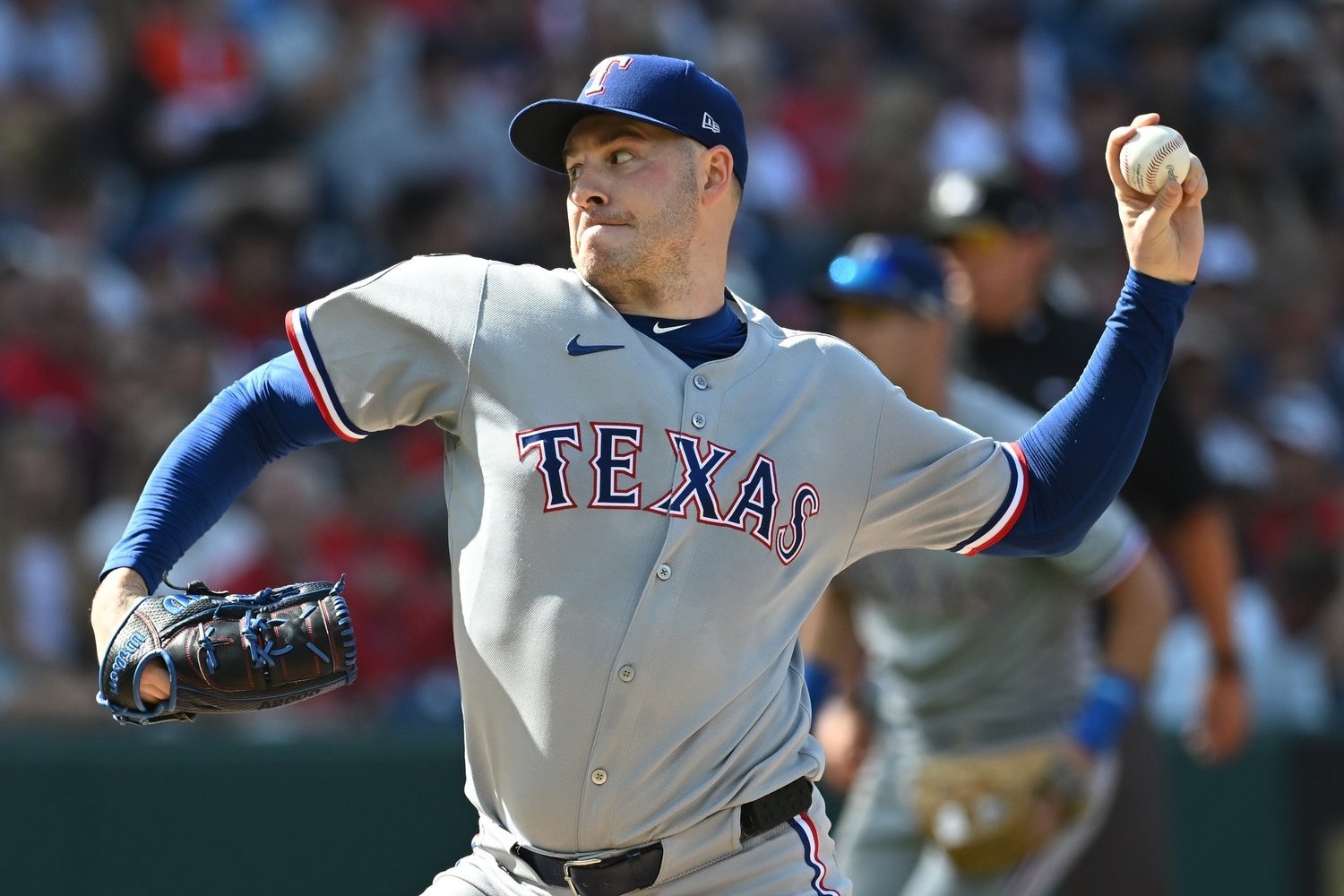 Patrick Corbin and the Toronto Blue Jays have come to terms on a one-year, $1 million contract. Corbin can earn an additional $1 million in incentives. The left-hander will head to Single-A Dunedin to ramp up after missing spring training. Corbin, 36, threw 155.1 innings for the Texas Rangers in 2025, pitching to a 4.40 ERA and 4.75 xERA. While it's been years since he was more than an innings eater, he has been one of the game's more durable arms over the past decade. Toronto signed Corbin in the wake of a serious injury to Cody Ponce, who sprained his ACL during his Blue Jays debut. While the team once seemed to have a surplus of starters, they're now facing a shortage in the rotation. Corbin won't be ready to help out right away, but the Jays clearly understand that there's no such thing as too much starting pitching. View the full article
 -
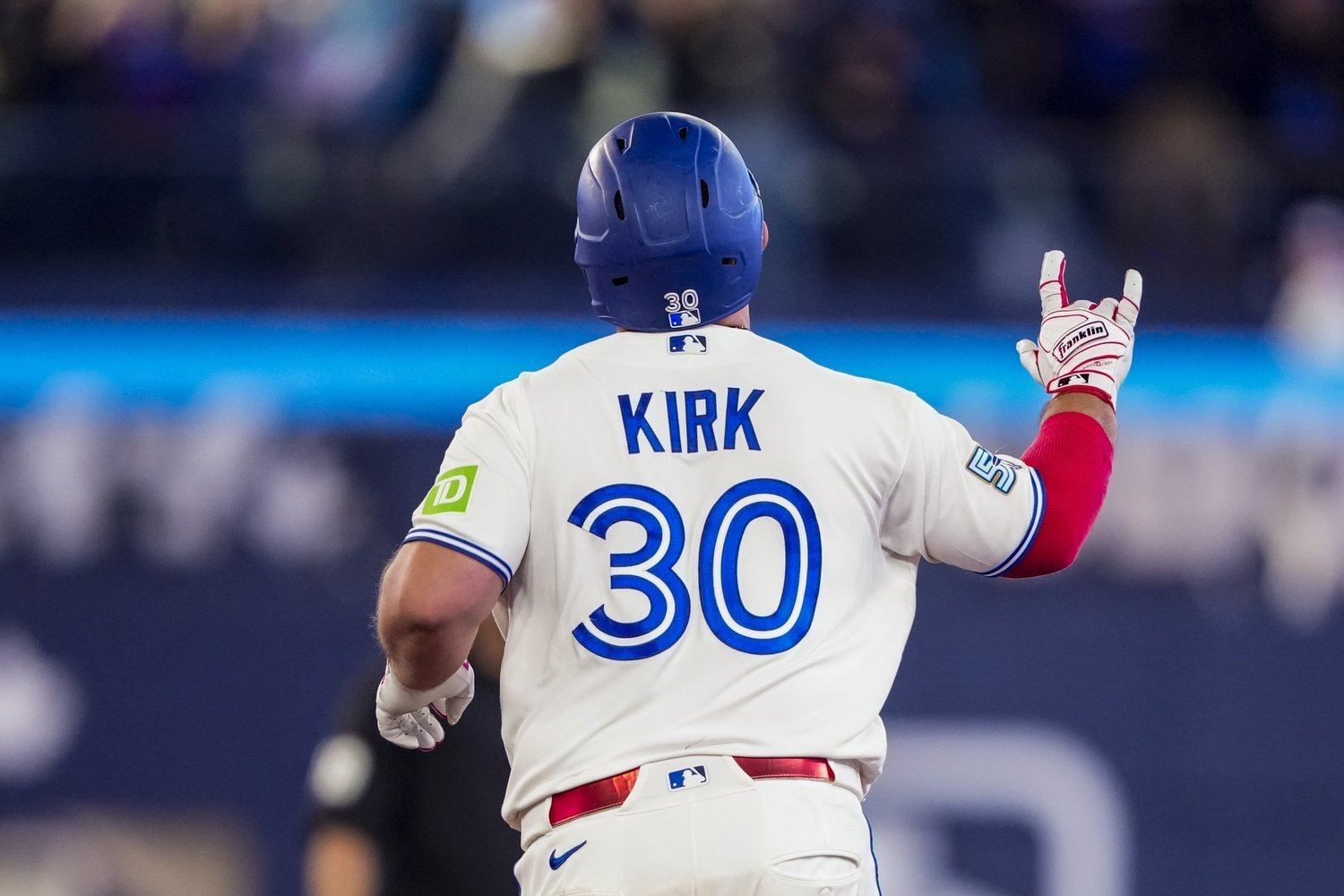 Moments before the White Sox walked off the Blue Jays on Friday, Alejandro Kirk exited after taking a foul tip off his left thumb. The All-Star catcher went for X-rays, and the team will presumably provide an update on Saturday. It's not yet clear if Kirk will need to miss time, but if he does, it will be a huge blow to both Toronto's offense and defense. Tyler Heineman has been more than capable as Kirk's backup, and Brandon Valenzuela should be ready for his first taste of the majors, but Kirk is a middle-of-the-order bat and one of the best defensive catchers in the game. The Blue Jays are already dealing with a depleted starting rotation, and losing a talented game-caller and pitch-framer like Kirk would only exacerbate any problems the pitching staff might have. View the full article
 -
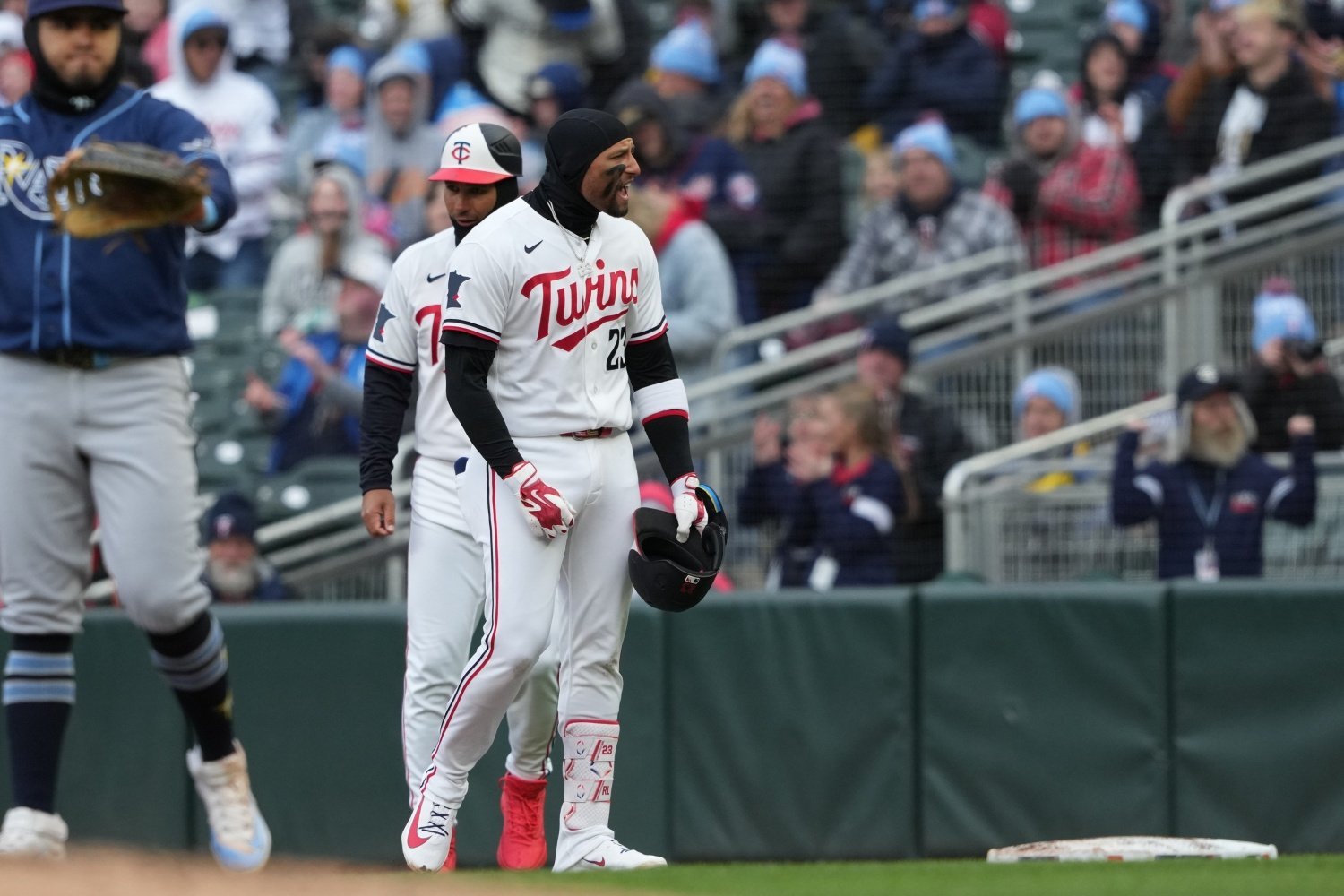 Box Score Bailey Ober: 4 IP, 4 H, 3 ER, 2 BB, 4 K Home Runs: Tristan Gray (1) Top 3 WPA: Trevor Larnach (.023), Josh Bell (.022), Eric Orze (.014) Win Probability Chart (via FanGraphs) A power outage. Perhaps a bit on the nose, huh? The Twins, fresh off an encouraging getaway day victory in Kansas City, entered Friday looking to start their home residency with success. Matters so far had been unclear. Much as the Kansas City weather was foggy, the team hadn’t yet displayed brilliance, nor outright terribleness. Their quality was hazy. A positive vision existed only In bits and spurts, occasionally overwhelmed by some truly horrendous relief pitching and woeful hitting against southpaws. Would they reveal their true nature on Friday? Bailey Ober earned the nod. Between him and his piggyback-ee, Mick Abel, manager Derek Shelton preferred his veteran, even if his declining velocity exceeded ordinary concern. It appeared a mistake early: Ober ran into trouble early, eventually surrendering a pair of runs when Nick Fortes smacked a lethargic fastball just above Tristan Gray’s head, easily scoring the two runners who were already on base. Tampa Bay would later tack on with a Ben Williamson RBI double in the fourth. The Twins' offense lay dormant for a few frames, evidently vexed by starter Joe Boyle’s awesome stuff. The Missouri native standing just one inch shorter than his counterpart—a rarity for someone as tall as Jayson Tatum (Shelton joked pregame that the contest would begin with a jump ball to determine last ups)—hustled high-90s heat and dastardly sliders with cutting efficiency. He may have walked a man or two, but he didn’t care; he would simply strike out the next guy. The luxuries of a pitcher with swing-and-miss stuff. Minnesota finally found a rally in the fourth. Luke Keaschall singled and stole second. Josh Bell stepped to the plate and softly served a parachute double into right; the ball didn’t cross 70 MPH—safely below speeding ticket-territory on every highway in the union—but landed perfectly in no-man’s land, allowing Keaschall to score the team’s first run. The Twins weren’t done. Ryan Jeffers plopped another ducksnort into right to advance Bell to third, and Trevor Larnach walked to load the bases for Royce Lewis—perhaps the worst hitter to load the bases for. Armed with his Grand Slam aura, Lewis… grounded to short. Carson Williams muffed the ball, though. Every runner advanced a base, and a second run scored. The rally concluded with a Gray sacrifice fly. Two innings came and went. So began the seventh. The one inning to rule them all. Byron Buxton started the rally with a hit by pitch (he would be pinch-run for by James Outman). The new runner swiped second, and Keaschall singled. Bell—unsatisfied with just one RBI knock—stroked a single into center to give Minnesota their first lead of the day. The action did not end there. Jeffers reached on a fielder’s choice to load the bases. The next two batters moved the assembly line with walks. Then, Tristan Gray did the damn thing, shooting a screaming liner just above the elevated wall in right field, clearing the bases with a Grand Slam. Suddenly, the Twins led 10-3. Rain started to fall on the field after the slam. Even Mother Nature knows when a game is over. Tampa Bay scratched across a run for window-dressing; Cody Laweryson closed matters in a now pounding precipitation with an easy 1-2-3 frame, giving the Twins a win in their 2026 home debut. Notes: Post-Game Interview: What’s Next? The Twins and Rays meet again for a Saturday evening match, with Mick Abel slated to start his first game of the year opposite the veteran southpaw, Steven Matz. First pitch is scheduled for 6:10 PM. Bullpen Usage Spreadsheet MON TUE WED THU FRI TOT Kent 0 0 47 0 0 47 Laweryson 0 0 36 0 10 46 Funderburk 26 0 0 15 2 43 Topa 10 0 0 13 17 40 Orze 0 0 0 0 37 37 Banda 0 0 12 0 17 29 Rogers 14 0 0 4 0 18 Sands 0 0 0 11 0 11 Abel 0 0 0 0 0 0 View the full article
 -
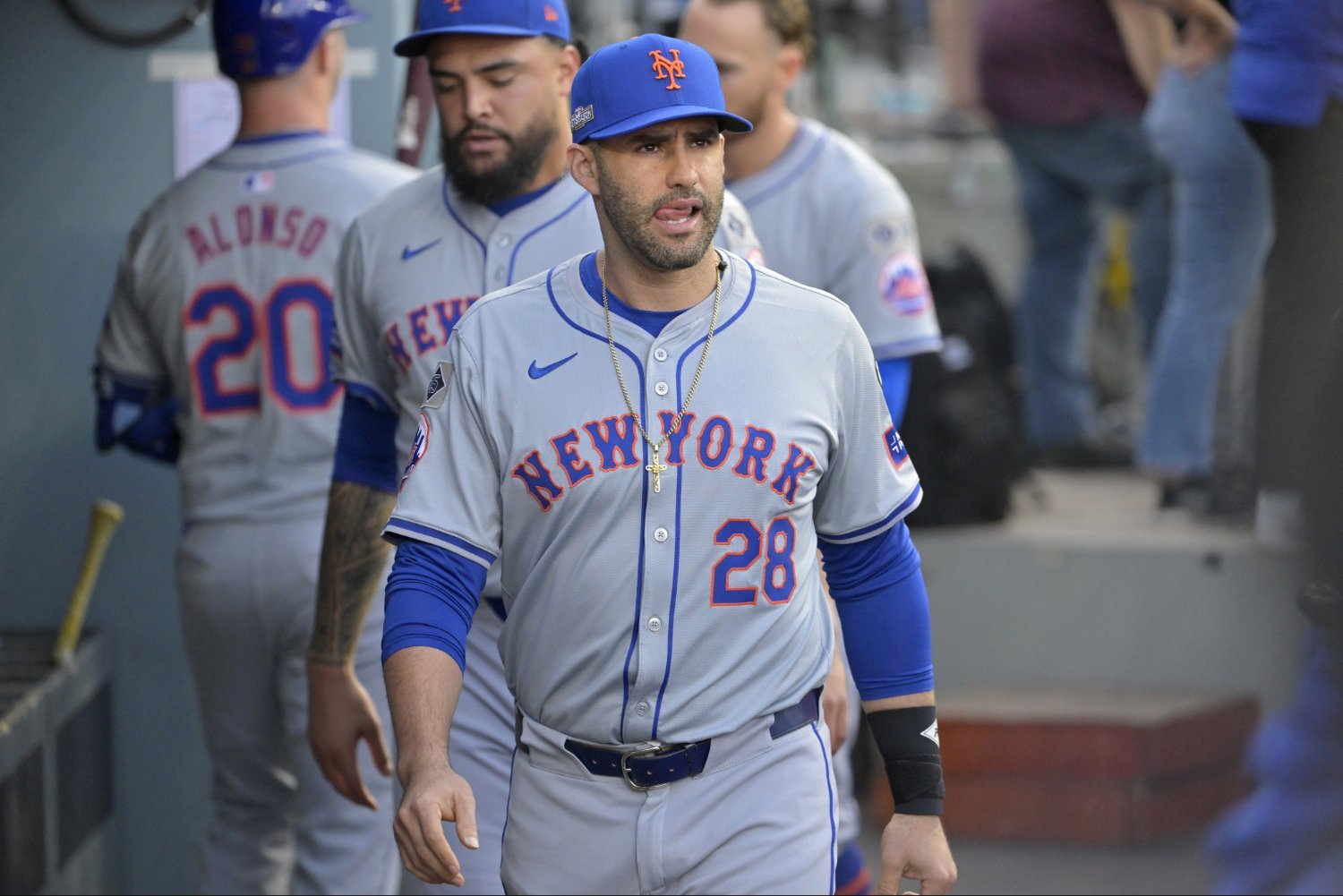 Earlier this week, the New York Mets announced that J.D. Martinez was being brought back as a special assistant to baseball operations, similar to the role Carlos Beltran has. Martinez was a crucial part of the Mets 2024 postseason run, not just as a player, but as a clubhouse leader. In particular, his veteran leadership that season appeared to really impact one player on the team: Mark Vientos. In 2024, Mark Vientos exploded onto the scene after he was called up in mid-May, making an enormous statement despite failing to make the Opening Day roster. He slashed .266/.322/.516 with 27 home runs that season and later set the Mets' postseason record in RBIs with 14. The two go way back, both being from the South Florida area and working out at the same facility over the offseason. When asked about Martinez’s impact on Vientos, manager Carlos Mendoza took the time to laud the now-retired slugger. It's never been a secret that their relationship was strong. Vientos told the New York Post that he always tried to relay information of the veteran when they played together: “Hey, J.D., what were your thoughts when you were my age, on this and that. I take what I think will work for me and leave what I don’t think will work for me and that is just how I go about asking questions.” In 2025, Martinez stepped away from baseball. With him gone and the ever dangerous “sophomore slump” looming, Vientos had sky high expectations and was unable to meet them. He registered -0.2 WAR in 121 games, slashing .233/.289/.413 with 17 home runs. Then, those struggles extended to this spring, when the 26-year-old recorded a .040 batting average. Vientos was also nonexistent in the World Baseball Classic, only recording two hits with Nicaragua being eliminated in the group stage. In the opening series of the season, Vientos only received one at-bat, coming off the bench in the 10th inning. However, with the entire offense rooted in a slump, he has been getting increased playing time in recent contests and has responded to the call, posting extra-base hits in back-to-back contests. For Vientos to fully resort back to his 2024 form, when he ranked in the 88th percentile in batting run value and 92nd percentile in barrel rate, bringing back a mentor like Martinez is as good a place to start as anywhere. View the full article
 -
Eury Pérez fails in unfamiliar way, walking half-dozen Yankees
DiamondCentric posted an article in Fish On First
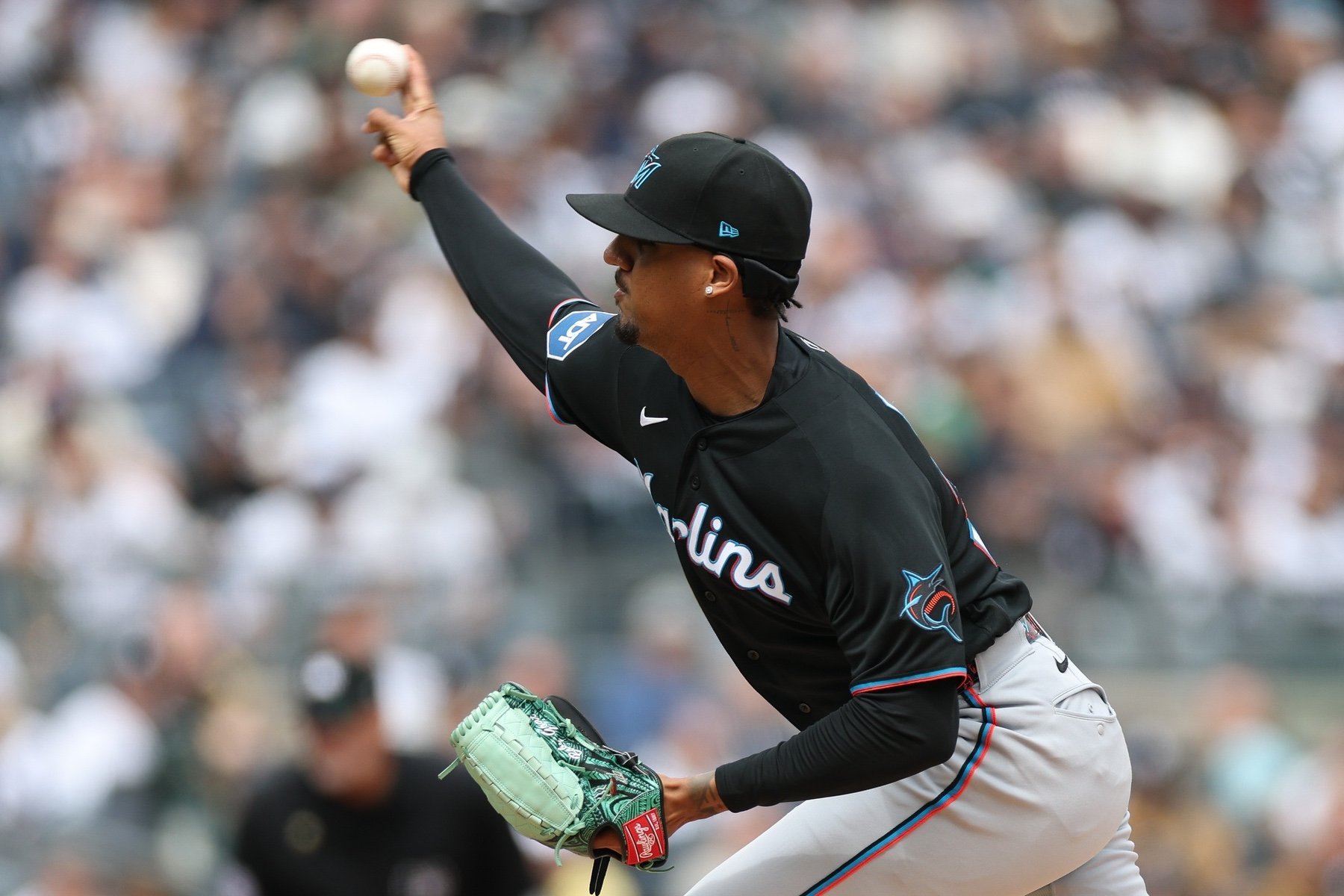 NEW YORK — The Miami Marlins didn't need Eury Pérez to do too much on Friday. A complete game by his friend and mentor Sandy Alcantara combined with a scheduled off-day left Miami's lights-out bullpen as fresh as possible. Against a high-powered New York Yankees lineup, it was more important to avoid the big mistake than to provide length. Pérez ultimately did neither. The 22-year-old right-hander issued six walks to the Yankees in their sold-out home opener after previously never topping four in a major league start. He held them to only two hits, but the first of which was an Aaron Judge two-run home run in the bottom of the first inning, giving the Yankees a lead they would never relinquish. With a final score of 8-2, it was the Marlins' largest margin of defeat of the young 2026 season. This was not a "cold weather" game, per se, but it was much colder than what Marlins players are accustomed to. The first-pitch temperature of 58 degrees was lower than any other that Pérez has experienced in the big leagues. "A little bit of cold out there," Pérez admitted via interpreter after the game. "Not an excuse—want to say that." Manager Clayton McCullough attributed Pérez's struggles primarily to his inability to land his secondary pitches for strikes. However, fastball command was similarly (and uncharacteristically) poor. Five of the six pitches that culminated in walks were four-seam fastballs, as was Judge's based-loaded hit-by-pitch, which drove in the final run off the Marlins starter. The next start for Pérez will come against the Cincinnati Reds, who entered Friday with MLB's second-highest walk rate, so that outing could follow the same script if he doesn't make mechanical adjustments. More notes and takeaways - The strike zone was also elusive for Marlins relievers. Tyler Phillips walked two batters and spiked a curveball for a run-scoring wild pitch. Michael Petersen walked another and Lake Bachar contributed two of his own. The club's 11 total walks exceeded their total from the first six games of the season combined. - The Marlins' only runs came courtesy of solo homers. Unlikely power source Xavier Edwards hit his in the first inning. Although he's a switch-hitter, all five of Edwards' home runs in the big leagues have been blasted from the left side of the plate. Owen Caissie homered in the fifth inning. Both of them came off of Will Warren four-seamers. - Facing his former team, Jazz Chisholm Jr. enjoyed his best offensive game of 2026. He went 1-for-3 with a double, a walk and two stolen bases. - Griffin Conine and Jakob Marsee collided when pursuing a fly ball in the bottom of the first. Conine lost his sunglasses, but made the catch and both players stayed in for the entire game. - With the Marlins' chances of rallying practically zero in the ninth inning, Agustín Ramírez took second base on defensive indifference, then made the penultimate out of the game in embarrassing fashion. "Tough place to lose an out," McCullough said tersely. The series continues Saturday at 7:05 p.m. ET. The probable starters are Max Meyer for the Marlins and left-hander Ryan Weathers, who was dealt from the Fish to New York in January. It'll be Weathers' first time pitching in pinstripes, though he has prior experience in this ballpark from 2024, when he went five scoreless innings in a Marlins victory. View the full article
 -
 The first week of the 2026 season didn’t go as planned for the Boston Red Sox. Fortunately, when it comes to baseball, there are 162 games of action, excitement, heartbreak, and any other feeling you can think of. Today, get ready for the Red Sox home opener by taking a look at some of this week’s best thread topics on the Talk Sox forums. Red Sox: Red Sox (Crochet) vs Astros (Burrows): 4/1/26, 2:10pm In what looked like an uneven matchup between pitchers, it was Garrett Crochet who ended up struggling after being given a 1-0 lead in the first inning. In the end, the Red Sox and Talk Sox community had to deal with a sweep at the hands of the Houston Astros. With the game falling on April 1, it almost felt like an awful April Fool's prank with how the entire game went. Each time they looked to get back into it, something occurred that strengthened the Astros' lead. Red Sox: What do the A's, White Sox and Red Sox have in common? After a disappointing series sweep by the Houston Astros, a discussion about the three last-place teams in the American League took place. Despite the slow start, there were mixed thoughts on where the team was headed, with some believing the season would turn around and the club would be in contention for a playoff spot by September, while others felt that the roster wasn’t built to be a playoff contender. Minors: IFA Red Sox Prospects The Red Sox made news for having the most international free agent prospects within their top 30, with 15 players on the list. Among some of the names were top prospects Franklin Arias, Juan Valera, and Justin Gonzales, all of whom are looking to have huge 2026 seasons. On a related note, the Portland Sea Dogs open their season tonight while the Worcester Red Sox, Greenville Drive, and Salem RidgeYaks are all back in action. View the full article
 -
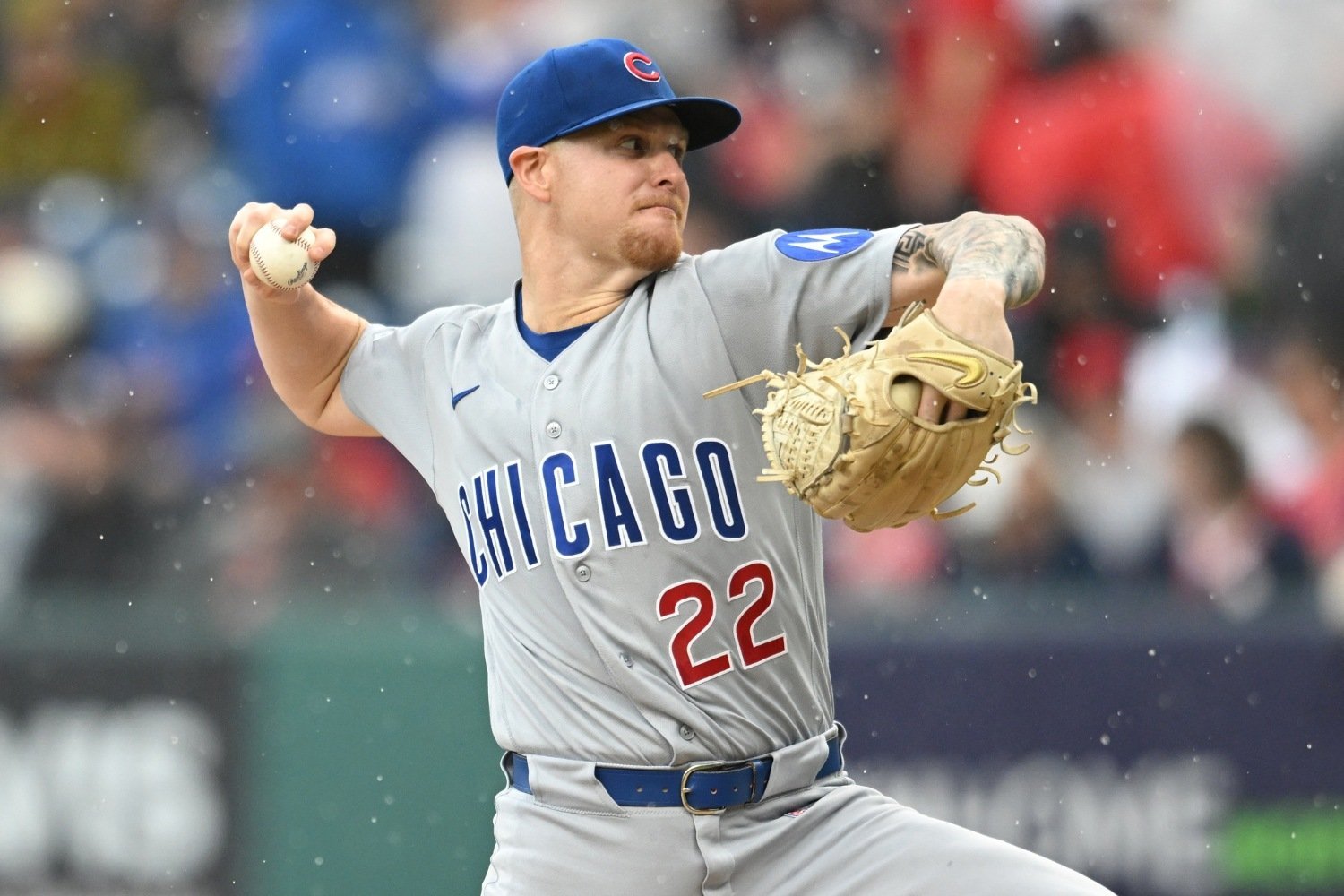 The Cubs amassed pretty good starting rotation depth this winter, all things considered. They entered the season with a fully healthy group of five: Matthew Boyd, Cade Horton, Shota Imanaga, Edward Cabreras and Jameson Taillon. Behind them, as depth, the team has Colin Rea and Ben Brown in the big-league bullpen and Javier Assad waiting in the Triple-A Iowa rotation. You can't be much better-positioned to withstand an injury than that, in the modern game, especially given that the team will get Justin Steele back after his 2025 Tommy John surgery, sometime this summer. Take the best arm out of any pitching staff, though, and it looks a lot weaker, immediately. That might be what the Cubs are facing now. On Friday, Cade Horton departed in the middle of an at-bat in the bottom of the second inning, feeling obvious discomfort and calling the trainer to the mound before leaving. His fastball velocity nosed down sharply immediately before he left, too. We'll update when we know more about what's happening, but it's not too early to harbor deep concerns here. Should Horton miss significant time, the Cubs would be without their ace and the rest of the rotation would immediately seem stretched and strained—just as they were around this time last year, when they lost Steele. UPDATE: If you were hoping the issue was a simple blister or that Horton was dealing with a lingering cold or flu, you'll have to let that hope go. The issue is in his forearm, the team announced. Now, the question is of severity. A trip to the injured list is virtually guaranteed, any time a pitcher leaves a game with a forearm problem. Presumably, Horton will be sent for imaging, and much of the Cubs' upside for this season will hinge on the outcome thereof. View the full article
 -
Baseball America Names Saints as Minor’s Most Talented Roster
DiamondCentric posted an article in Twins Daily
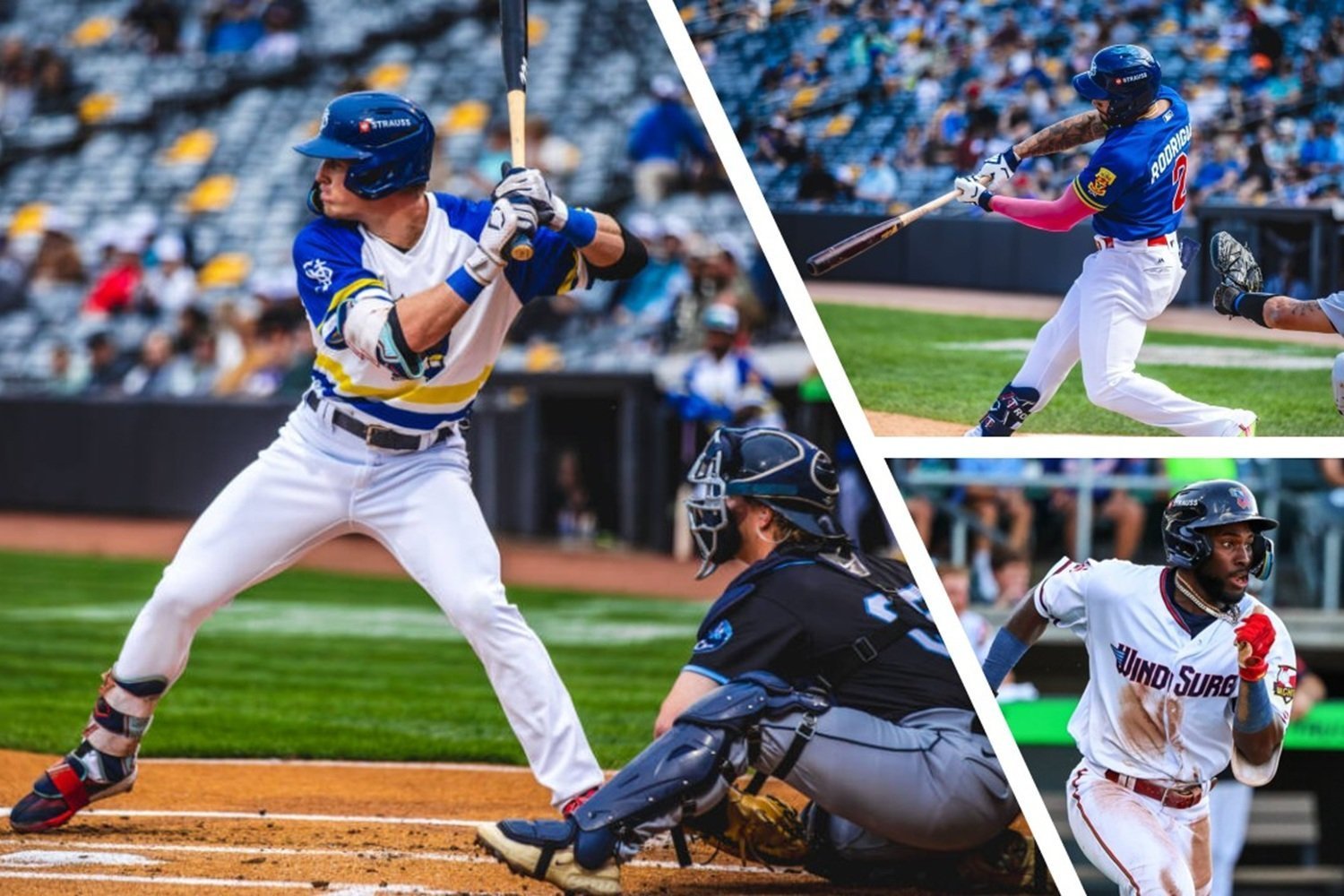 There is no shortage of optimism in the Minnesota Twins system, and now there is some national validation to go with it. Baseball America released its rankings of the most talented minor league rosters entering the 2026 season, and the St. Paul Saints sit comfortably at the top. According to Baseball America, St. Paul features four top 100 prospects and nine of the organization’s top 30. That kind of concentration is rare at the Triple-A level, where rosters are often a mix of up and down depth pieces and veteran placeholders. Instead, the Saints are rolling out a group that looks more like a future core than a temporary stop. Leading the way is Walker Jenkins, ranked No. 5 overall. He is joined by Emmanuel Rodriguez at No. 57, Kaelen Culpepper at No. 74, and Connor Prielipp at No. 94. No other team in Baseball America’s top five has more than three players inside the top 100, giving St. Paul a clear edge when it comes to top-end talent. The rest of the top five includes the Midland RockHounds, Arkansas Travelers, Indianapolis Indians, and Charlotte Knights. Those are strong systems in their own right, but none can match the combination of ceiling and proximity that the Saints currently possess. St. Paul wasted little time showing what that might look like on the field. They opened the season by sweeping Indianapolis on the road, handling one of the other top-ranked rosters. That series came against Konnor Griffin, baseball’s top overall prospect, before he was called up to the big leagues on Friday. From a Twins Daily perspective, the alignment is just as impressive. Four of the organization’s top five prospects are stationed in St. Paul, and six of the top ten are already at Triple A. The list reads like a snapshot of the next wave in Minnesota Walker Jenkins No. 1 Kaelen Culpepper No. 2 Emmanuel Rodriguez No. 3 Connor Prielipp No. 5 Gabriel Gonzalez No. 7 Kendry Rojas No. 8 Andrew Morris No. 12 Marco Raya No. 15 For the Twins, this creates a different kind of pressure, the good kind. When injuries hit or production dips at the big league level, the answers are not coming from fringe depth. They are coming from players who have been developed with the expectation of contributing. Ranking systems are useful, but they only go so far. What makes this St. Paul roster compelling is not just how it looks in March, but what it represents over the next six months. This is a pipeline reaching its most concentrated point, where development meets opportunity. If even a handful of these players take the next step, the impact on Minnesota’s roster could be significant and immediate. The Saints roster is the best collection of talent to start the year, but in 2026, they feel much closer to something bigger. View the full article
 -
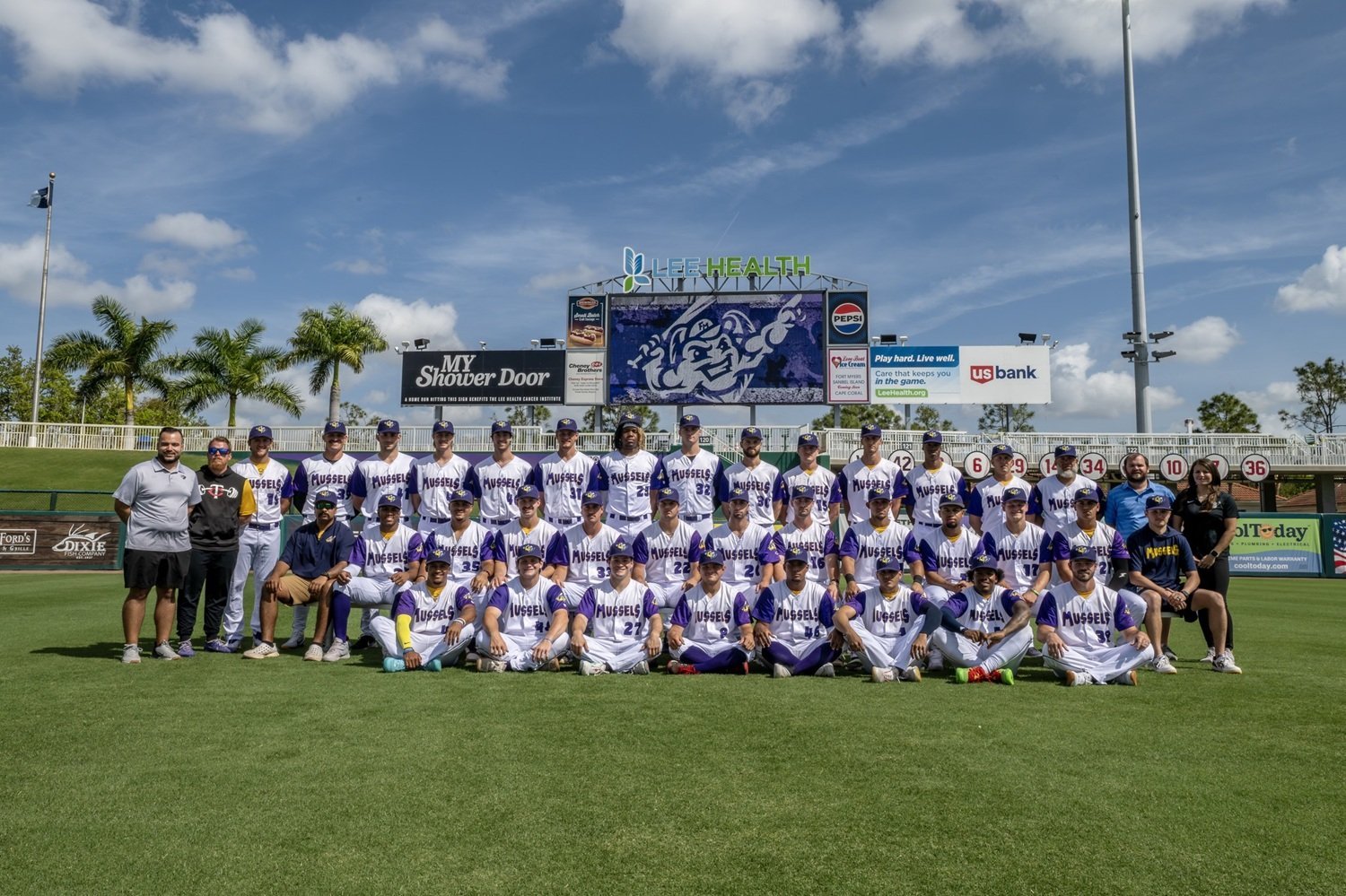 In conjunction with the Minnesota Twins, the Fort Myers Mighty Mussels have unveiled their 2026 Opening Day roster, and it comes with a little bit of everything. There is returning production, recent draft intrigue, and enough raw athleticism to make last year’s track meet look repeatable. Jordan Smith, a Wilmar, Minn. native, begins his first year managing the Mighty Mussels. Also new to the staff are pitching coach Dylan Hawley and hitting coach Carlos Lara. The one holdover in the coaching department is Richard Salazar, who enters his fourth season with the club and his ninth in the organization. The initial player group featured 44 players, though that number shrank quickly. Once the injured list was finalized on Thurs., April 2, the roster was trimmed to the Florida State League maximum of 30 active players. Overall, it serves as a snapshot of organizational depth and a preview of who could take meaningful steps forward this summer. Familiarity is a defining theme. Exactly half of the current group, 22 players, appeared in a game for Fort Myers last season. That continuity matters at this level, where development often accelerates when players are not adjusting to a new environment at the same time. The returning position player group is headlined by Damuery Pena and Quentin Young. Pena was a steady presence in 2025, leading the team with 96 games played while hitting .241/.317/.316 (.633) and swiping 28 bases, tied for ninth most in the FSL last season. He is a contact-oriented player with speed who can impact games in multiple ways. Young is a different kind of storyline. Selected in the second round of the 2025 draft, he arrived late in the season and appeared in just five games. The pedigree stands out immediately as the nephew of former big leaguers Delmon and Dmitri Young. He also has one of the top power tools in the entire organization. Now with a full season ahead, Fort Myers becomes the first real stage to see how his tools translate over an extended run. JP Smith II showed flashes after being selected in the 17th round, including a Florida State League Player of the Week award in August. He hit .237 across 24 games, and while the sample size was small, the early signs suggested a player capable of putting together competitive at-bats. Yasser Mercedes might be the most electric returner on the roster (even though he starts the year on the IL). He led the 2025 team in both home runs with 10 and stolen bases, going an incredible 34-for-35 on the basepaths. That efficiency was not just impressive, it was foundational to a record-breaking season. Fort Myers stole 236 bases as a team, setting a new franchise mark, and Mercedes was right at the center of it. On the pitching side, Dylan Questad returns as the most experienced arm. His 6.87 ERA across 25 games, including 11 starts, does not jump off the page in a positive way, but the underlying workload tells a different story. He led all returners with 74 2/3 innings and 83 strikeouts, giving him a chance to take a step forward simply by refining what is already there. The most notable addition to the staff is right-hander Riley Quick. Taken with the 36th overall pick in the 2025 draft, Quick enters as one of the more intriguing arms at this level. He posted a 3.72 ERA across three seasons at the University of Alabama and struck out 70 batters in 62 innings during his final collegiate season. There is enough swing and miss in the profile to believe he could move quickly if everything clicks. James Ellwanger will make his pro debut with the Mighty Mussels after being drafted by the Twins in the third round. During his final collegiate season, he posted a 3.98 ERA with a 1.53 WHIP and 13.5 K/9. Like Quick, his college experience could mean that he moves quickly through the lower levels of the minors. However, there is no reason to rush him as he adjusts to life as a professional. Prospect watchers will have plenty to follow. According to Twins Daily’s top-20 prospect rankings, Quick, 11th overall, is the highest-rated prospect in Fort Myers. On the position player side, Young falls at 14th overall in the latest rankings. Ellwanger, the team’s third-round pick last year, is currently ranked as the 20th-best prospect in the organization. That level of prospect density is not always a given at the Low A level, and it raises the ceiling for what this group could become. The Mighty Mussels were rained out for their opener on Thursday. Now, they begin their season on April 3, with a double header against the Clearwater Threshers. First pitch scheduled for 3:35 p.m. CT. 2026 Fort Myers Opening Day Roster Pitchers (15) RHP James Ellwanger RHP Adam Falinski RHP Joel Garcia RHP Eric Hammond RHP Michael Hilker Jr. RHP Merit Jones RHP Xavier Kolhosser RHP Mike McKenna RHP Reed Moring RHP Mitch Mueller RHP Jake Murray RHP Riley Quick RHP Kolten Smith RHP Jonathan Stevens RHP Brian Zeldin Catchers (4) Ian Daugherty Irvin Nuñez Ricardo Peña Ryan Sprock Infielders (6) Bryan Acuña Harry Genth Yilber Herrera Dameury Peña JP Smith II Quentin Young Outfielders (3) Jayson Bass Eduardo Beltre Byron Chourio 7-Day IL: INF Bruin Agbayani (R thumb sprain), C Enrique Jimenez (R finger fracture), OF Yasser Mercedes (R oblique strain), RHP Justin Mitrovich (R lat strain), RHP Billy Oldham (R UCL sprain), RHP Dylan Questad (L oblique strain), RHP Jason Reitz (L ankle sprain) 60-Day IL: RHP Matt Barr (R elbow fracture), RHP Callan Fang (R elbow sprain), RHP Jake Hunter (R shoulder impingement), RHP Jace Kaminska (R elbow surgery), LHP Cesar Lares (L elbow surgery), LHP Cleiber Maldonado (L elbow surgery), C Carlos Silva (R forearm strain) Full Season IL: RHP Jack Dougherty (R shoulder surgery), INF Shai Robinson (L shoulder surgery) What stands out about the Fort Myers roster? Who will you be watching? Leave a comment and start the discussion. View the full article
 -
 The Mets opened the season with six brand-new players with six brand-new Mets in the lineup. We knew it would take some time to fall in love with them. And into that void other emotions — frustration, derision, confusion — can sneak in. How are we gonna get through all of that? TOGETHER! Join us at the Grand Central Mets Forums as we navigate the rough straits of Week Two of the 2026 season. Mets: Early Impressions Still figuring out who is who? Haven't yet gotten an impression of Jorge Polanco's batting stance? Think Bo Bichette looks too much like Derek Jeter to abide? You're not alone! Join us as we suss out the character of a 2026 squad made up of passing ships that we have previously only seen sailing under foreign flags. Mets: Marcus Semien Sucks Is the new Mets second baseman, Marcus Semien, simply not getting the results at the moment, or is he washed up, toast, over the proverbial hill, and all the cliches that add up to beyond saving? The question isn't as closed as the thread title's author suggests. Your take can help save this man. Mets: Mets (McLean) vs Giants (Mahle): 4/3/26, 10:15pm The Mets didn't fly all the way to the West Coast to fire Willie Randolph this time. There is an act that needs getting together, and with a young, exciting acelet on the mound, there is no better time to do it. Climb aboard tonight's In-Game Thread as the forum takes in all the action from Seals Stadium Candlestick Park Pac Bell Park SBC Park AT&T Park Oracle Park. Come on, San Francisco. Get a name and stick with it. You're not the Marlins. View the full article
 -
One Takeaway From Each Game During Padres' Slow Start on Offense
DiamondCentric posted an article in Padres Mission
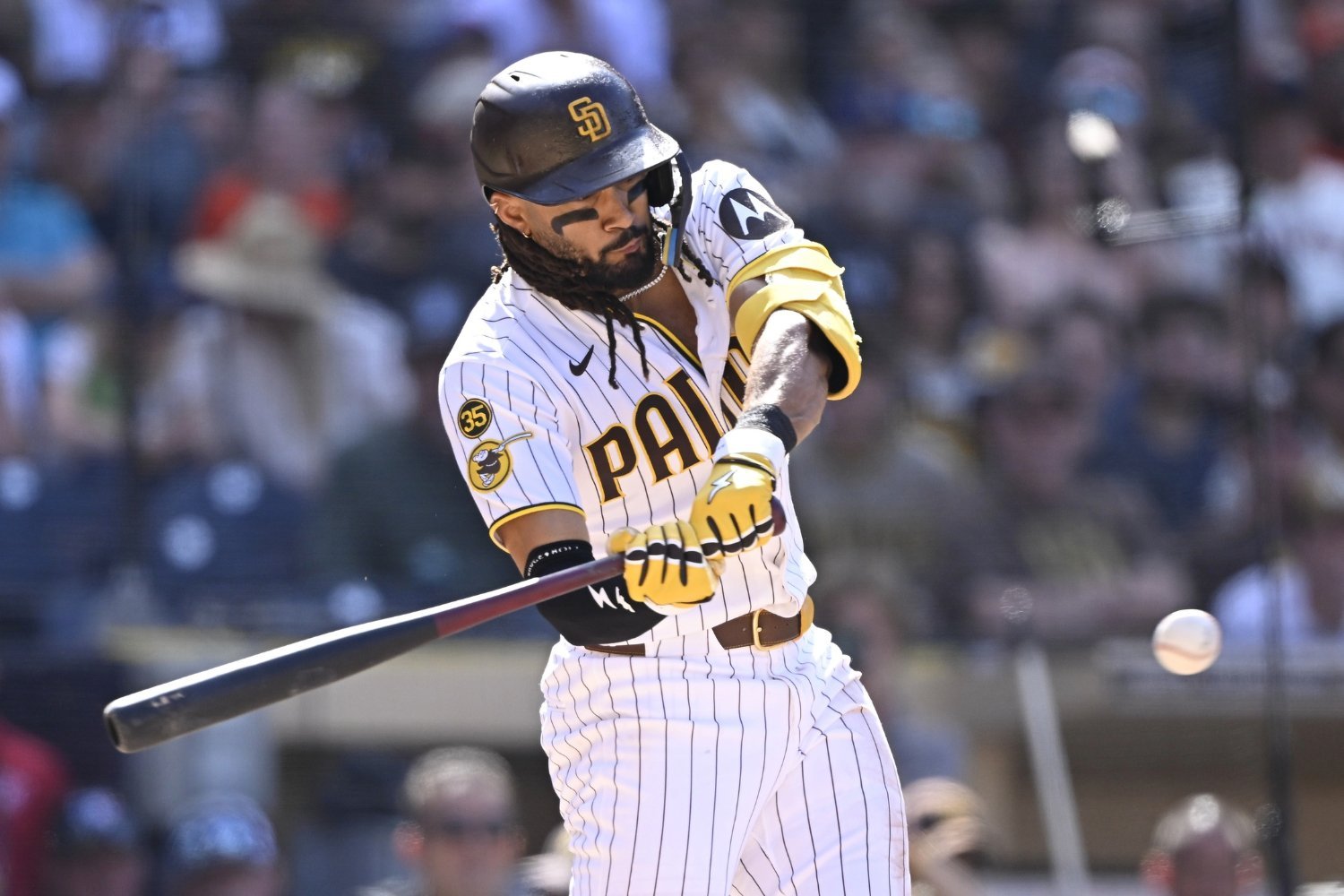 After the first week of the San Diego Padres' 2026 season, we can say that two things are true: The club's scuffles at the plate this spring were real, and they were clear signs that the offense is lacking. San Diego put up 19 runs in a six-game homestand (3.17 per game). Seven of the runs were scored in the finale, a 7-1 victory gift-wrapped by the San Francisco Giants on Wednesday. The overall team slash line was .202/.280/.301. By themselves, six-game sample sizes are insignificant. Cold streaks and hot streaks cancel each other out. But this sample did not happen in isolation. It was a reminder that these Padres have had trouble scoring runs. Stats and circumstances can support or refute that statement, but the pessimistic indicators from the first week are more persuasive. Here are the six strongest, one per game: 1. This year's lineup is almost the same as last year's The club finished 18th in MLB in runs last year, and all the regulars from the end of the season, save for Luis Arraez, are back this year. Losing Arraez was not devastating -- he produced a 104 wRC+ and hit eight home runs in 2025 -- but there was no clear upgrade made in the offseason. It might be utility man Sung Mun Song, once he's healed from his oblique injury. He slugged .530 and hit a career-high 26 home runs last year in the KBO. It would be tough to bet on him repeating that as an MLB rookie, though. 2. Will the power come on? San Diego hit three home runs on the homestand. Ramon Laureano slugged two and Jackson Merrill hit the other one. The long ball was lacking last year, too -- the Padres finished 28th in homers and Manny Machado led the club with just 27. Maybe Merrill gets close to that figure with a full season of health. Maybe Laureano keeps it going. Maybe Song makes a difference. Then again, that's too many maybes this early in the year. 3. The quality of the opponent did not matter much The hitters faced Tarik Skubal, Framber Valdez, Jack Flaherty, Landen Roupp, Logan Webb and Adrian Houser in the first six games. Skubal (naturally) and Roupp (surprisingly) had the best outings -- no earned runs over six innings each -- but overall, opposing starters allowed 12 runs (seven earned) over 33 2/3 innings, and none of them gave up more than three. The Padres failed to jump on a starter early and seize control of a game. 4. The lineup leans too far to the right The team's handedness imbalance showed up in a key split: the Padres produced an 85 wRC+ against right-handers in their first six games, 23rd in the majors. Merrill, Jake Cronenworth and Gavin Sheets are the club's primary left-handed bats. Song will be a fourth once he's activated. Besides them, the only lefty swinger is switch-hitting backup outfielder Bryce Johnson. There isn't room for another one right now with the club committed to Luis Campusano, Miguel Andujar and Nick Castellanos as backups. 5. The contact was inconsistent This is a mixed indicator, but mostly a negative one. Statcast had the Padres seventh in hard-hit rate after six games at 43.0 percent, but also 13th in average exit velocity at 89.2 mph and 29th in barrel rate at 4.2 percent. The whiff rate was 17th at 27.9 percent. Lots of numbers there, but they point to one thing: the Padres didn't do enough to put pressure on defenses with batted balls. 6. There has already been a shakeup First-year manager Craig Stammen altered the batting order Wednesday to get guys going. The order looked closer to what it was against left-handers Skubal and Valdez. Tatis was in the leadoff spot against a right-hander for the first time, and Cronenworth was dropped from first to sixth. Stammen also flipped Machado and Merrill in the third and fourth spots. There's no conclusive data that changing the order will change the hitters, but a productive new alignment can be good for the team vibes. View the full article
 -
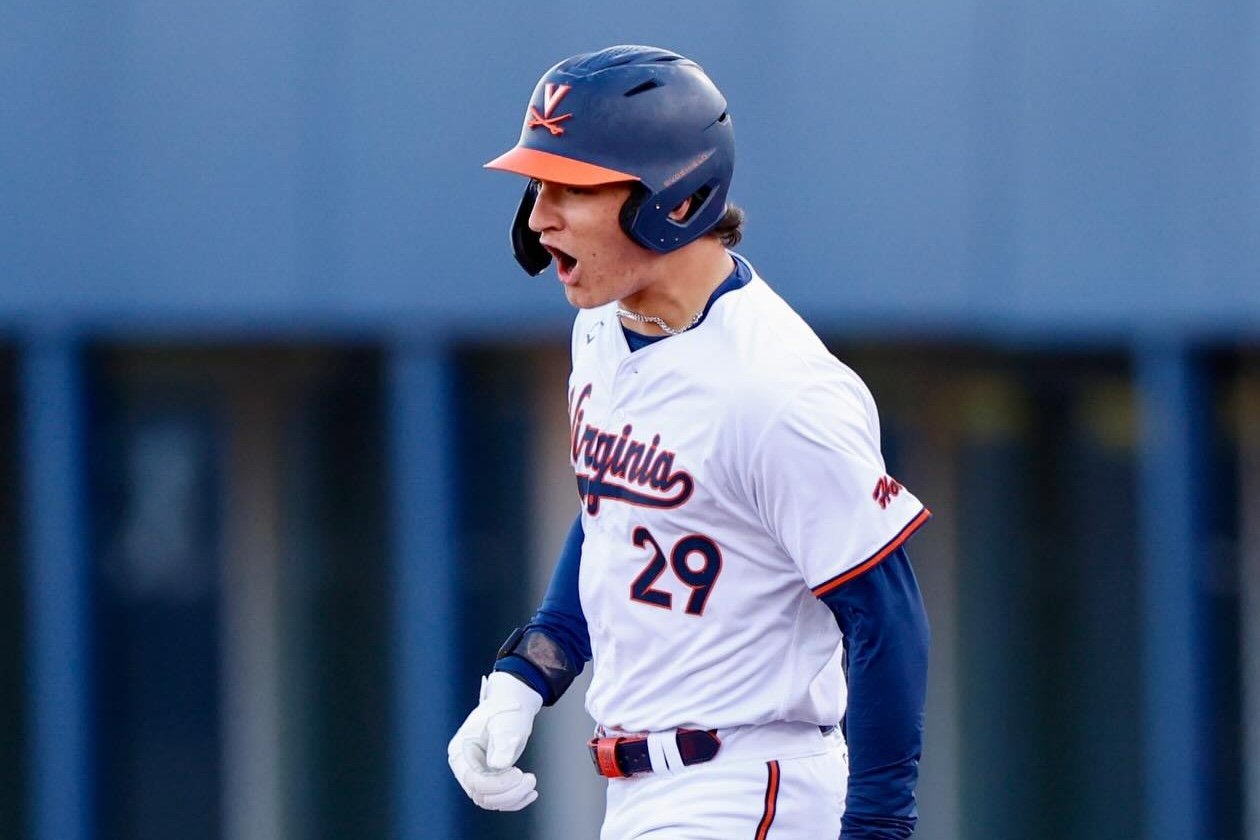 In less than 100 days, the Miami Marlins will be on the clock. As we have always done, Fish On First is bringing you a series of scouting reports on the top MLB Draft-eligible prospects who could realistically wind up in Miami. Overview Position: OF Height: 6’3″ Weight: 195 pounds School: Virginia A.J. Gracia is a 6’3”, 195-pound outfielder who plays for the University of Virginia. Gracia is one of the best left-handed-hitting prospects in the 2026 draft class and one of its most talented power hitters. Gracia was a blue-chip prospect coming out of the Ranney School in Tinton Falls, New Jersey. On Perfect Game, he was the 200th-ranked prospect and the 37th-ranked outfielder in the Class of 2023. He was also the fifth-ranked prospect out of the Garden State. Gracia went undrafted and signed with the Duke Blue Devils. During his freshman season, Gracia made an immediate impact for the Blue Devils and was one of the best hitters. Gracia played and started in all 60 games. He slashed .305/.440/.559 with 67 hits, fourteen doubles, fourteen home runs, 58 RBIs, 17.3 BB%, 1.000 OPS, and a 135 wRC+. Gracia was named Third Team All-ACC and a consensus Freshman All-American. In his sophomore season, Gracia continued to produce for the Blue Devils. Gracia played and started in all 60 games. He slashed .293/.449/.558 with 63 hits, ten doubles, fifteen home runs, 54 RBIs, 57 walks, 20% BB%, 1.007 OPS, and a 134 wRC+. Gracia was named Second Team All-ACC. He would also enter the Transfer Portal and signed with the Virginia Cavaliers, following his head coach, Chris Pollard. In his first season at Virginia, Gracia continues to be one of the most consistent and productive hitters in the country. He has played and started in all 30 games this season. Entering Friday, he’s slashing .352/.500/.667 with 38 hits, seven doubles, nine home runs, 28 RBIs, 18.8 BB%, 1.167 OPS, and a 164 wRC+. At the plate, Gracia is a lefty with an upright batting stance and quiet hands. He has a compact swing with very little wasted movement and swings through the ball very well. Gracia is mostly known for his power. He has excellent swing mechanics and can showcase his power to all fields. His power tool is graded a 60 by MLB Pipeline. His hit tool is graded as a 55 due to an advanced plate approach and bat-to-ball skills. Gracia has also shown improvement in hitting more line drives. According to D1 Baseball, Gracia’s line drive rate in 2026 is a personal-best 20.9%, and his ground ball rate is at an all-time low of 31.9%. On defense, Gracia is pretty limited. He does not run very well, and his arm strength is average at best. Gracia projects to be a left fielder/first baseman at the next level. According to MLB Pipeline, Gracia does have good outfield instincts and runs good routes on fly balls. On Baseball America, Gracia is the 12th-ranked prospect and third-ranked outfielder in this draft class. On MLB Pipeline, Gracia is the 15th-ranked draft prospect and fourth-ranked outfielder. Strengths 60-grade power Excellent swing decisions Advanced approach at the plate Drives the ball to all fields with authority Career 18.7 BB% and 15.4 K% Quick hands at the plate with a compact swing Tracks fly balls well in the outfield Weaknesses Below-average speed Below-average arm strength Very limited defensively Pro Comparison: Kerry Carpenter Projection: Top 15 pick Bottom Line Gracia has one of the most complete offensive profiles in this draft class. The Marlins will have the 14th overall pick in the 2026 MLB Draft and should be able to grab one of the class' top prospects. Gracia is a player who could already be off the board when the Marlins pick, but he would be a tough player to pass on if he’s available. He would be an excellent selection in the middle of the first round. View the full article
 -
 Bryan Balzer struck out seven over four innings as Lake Elsinore won behind Ryan Wideman, Ty Harvey, and Conner Westenburg . Matt Waldron tossed four scoreless innings with six strikeouts for El Paso, though Albert Bowen and Carlos Rodríguez could not hold Tacoma off. Victor Lizarraga worked five innings for San Antonio, and Marcos Verdugo homered, but the Missions fell as Sean Boyle added two scoreless innings in Triple-A action Thursday for the Chihuahuas as well. Padres Transactions No Roster Moves Rodríguez Drives In Lone Run, Bowen Collects Two Hits In Chihuahuas Loss Box Score The El Paso Chihuahuas carried a one-run lead into the seventh inning, but Tacoma scored three times to hand El Paso a 3-1 loss on Thursday at Cheney Stadium. Leadoff hitter Albert Bowen led the Chihuahuas' offense by going 2-for-4 with a double, while Mason McCoy added a hit. Carlos Rodríguez provided El Paso’s only RBI, finishing 1-for-4. Yonathan Perlaza Schnell drew a walk and scored the club’s lone run, and Sung Mun Song reached base twice with two walks. El Paso totaled five hits and went 1-for-7 with runners in scoring position. Bowen’s two-base hit accounted for the club’s only extra-base knock. Matt Waldron started for the Chihuahuas and worked four scoreless innings, allowing three hits, walking none, and striking out six. Sean Boyle followed with two scoreless innings, giving up one hit, walking none, and striking out two. Tacoma broke through in the seventh after Jackson Wolf entered in relief. The Rainiers erased the deficit with a two-out, three-run homer, which supplied all of their scoring. Wolf took the loss after allowing three runs in two innings, with two hits allowed, no walks, and three strikeouts. Verdugo Homers, Lizarraga Works Five In Missions Loss To Tulsa Box Score The San Antonio Missions got a solo home run from Marcos Verdugo, but Tulsa pulled away for a 5-1 win on Thursday at ONEOK Field. San Antonio finished with five hits, with Verdugo leading the way by going 2-for-3 with the home run and the club’s lone RBI. Brandon Valenzuela Salas, Ripken Reyes Jackson, and Romeo Sanabria each added a hit. The Missions drew two walks and went 0-for-4 with runners in scoring position. Verdugo put San Antonio on the board in the sixth inning when he homered to trim the deficit to 2-1. That was the only run the Missions would score. Victor Lizarraga started for San Antonio and pitched five innings, allowing two runs, six walks, and two strikeouts. He gave up two hits in the outing and was charged with the loss. Andrew Thurman took over in the sixth, allowing one run in 2/3 of an inning with one walk and one strikeout. Harry Gustin followed and covered 1 1/3 innings, allowing one run, no walks, and one strikeout. Johan Moreno worked the eighth inning for the Missions and allowed one unearned run, but walked three, and struck out two over the one inning. Tulsa scored in the second and third innings to take an early lead, then added runs in the sixth, seventh, and eighth. The Drillers also stole two bases in the game, while San Antonio turned two double plays and got an outfield assist from Kai Murphy Karthaios. Wideman, Westenburg Lead Storm Attack In Win Over Ontario Box Score The Lake Elsinore Storm broke the game open with a five-run third inning and held off Ontario for a 7-5 win on Thursday at ONT Field. Ryan Wideman and Conner Westenburg helped lead the Storm offense. Wideman went 2-for-3, walked once, scored a run, and stole two bases, while Westenburg finished 2-for-5 with two RBIs and a run scored. Ty Harvey went 1-for-3 with a double, three RBIs, two walks, and a stolen base, and Kerrington Cross added a hit and an RBI. Jorge Quintana reached base three times on walks, scored once, and stole a base. Lake Elsinore turned a 0-1 game into a 5-1 lead in the third inning, then added two runs in the seventh. The Storm also stayed aggressive on the bases, with Truitt Madonna stealing second and third, Wideman swiping second and third, Quintana stealing second, Kale Fountain stealing second, and Harvey stealing second. Bryan Balzer started for Lake Elsinore and pitched four innings, allowing one run, two walks, and striking out seven. Joseph Herrera followed with one scoreless inning, walking none and striking out one, and Winyer Chourio added one inning with one strikeout. Ontario narrowed the gap with runs in the seventh, eighth, and ninth. Will Koger allowed three runs in two innings, with one walk and four strikeouts, and Ethan Long closed it out with one inning, allowing one run, one walk, and one strikeout. A passed ball in the eighth and a wild pitch in the ninth helped Ontario score, but Lake Elsinore finished the win. View the full article
 -
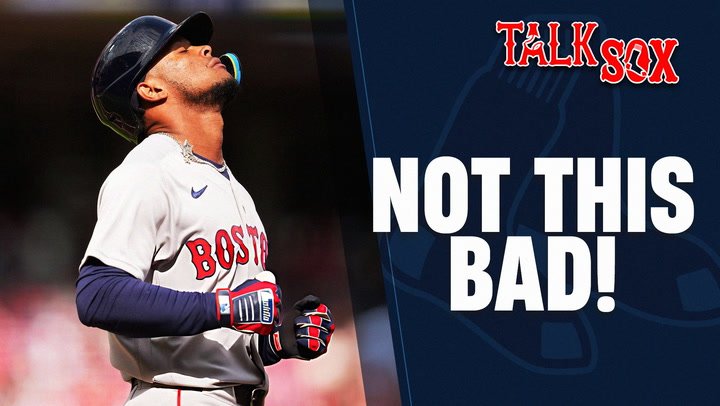 Red Sox are off to their worst start since 2024. Garrett Crochet and Wilyer Abreu are key performers at the start of the 2026 season, but the rest of the Red Sox team seem to be stuck in spring training mode. It's too early to sound the alarm as this young core will come together and play competitive baseball, they just need to do it soon. View the full article
 -
The State of the Blue Jays' Rotation Following Cody Ponce's Injury
DiamondCentric posted an article in Jays Centre
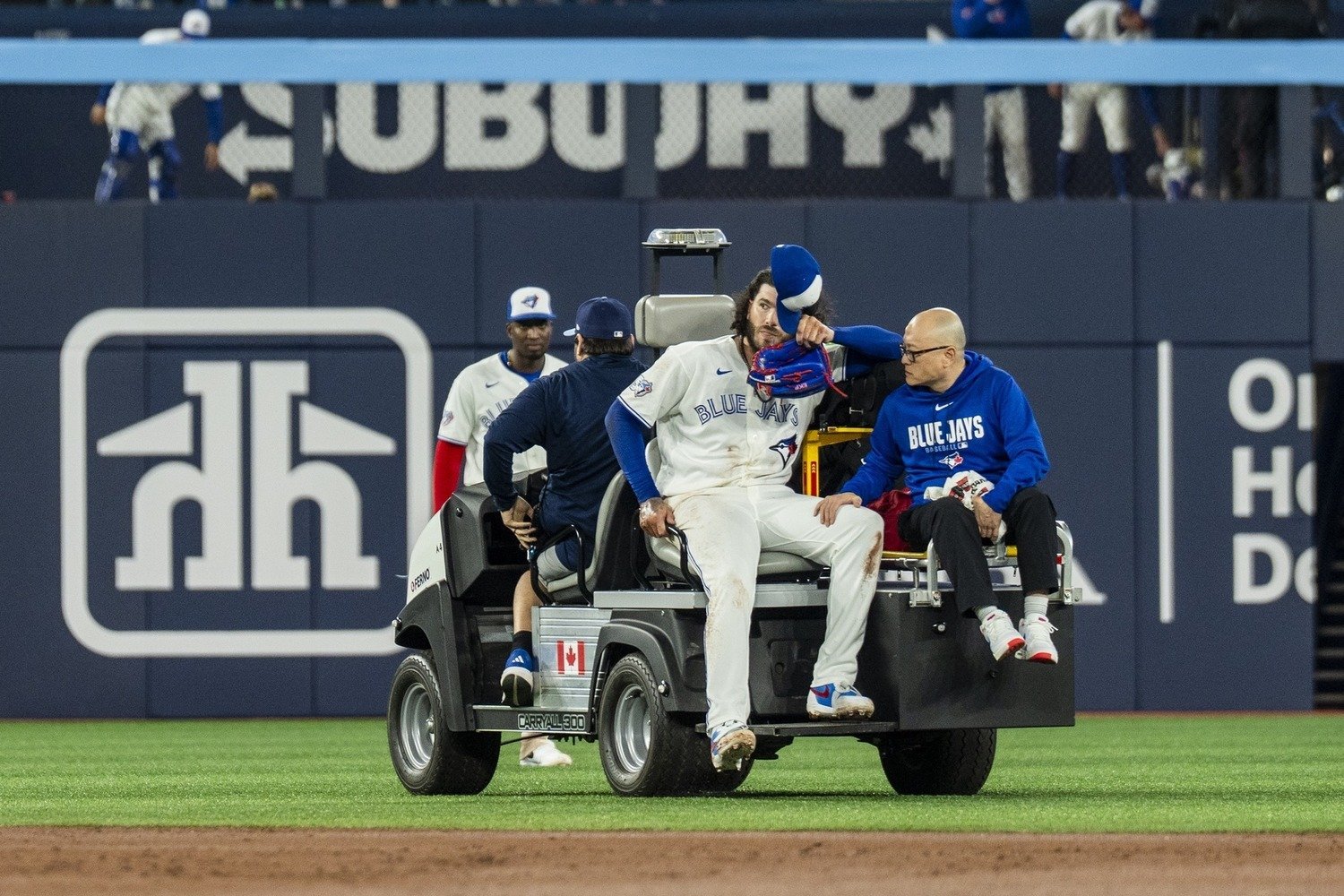 On Tuesday, the Toronto Blue Jays announced that Cody Ponce has been diagnosed with a right ACL sprain and will miss a significant period of time. Ponce sustained the injury after trying to field a groundball off the bat of Jake McCarthy, which resulted in the 31-year-old’s knee buckling as he reached down to try to collect the ball. It is yet to be determined if Ponce suffered a full or partial tear, and he will meet with Dr. Neal ElAttrache next week to see if he needs surgery. No matter what, Ponce isn’t expected to return to the field any time soon. The right-hander signed a three-year, $30 million contract this offseason after impressing during his time in Korea. Last season, Ponce was named MVP of the KBO after going 17-1 with an ERA of 1.89 and a WHIP of 0.93. While no injury news comes at a good time, the Ponce diagnosis further depleted an already undermanned rotation. Shane Bieber is dealing with forearm fatigue and is only progressing to throwing off a mound this weekend, José Berríos continues to work his way back from a stress fracture in his right elbow, and Trey Yesavage is going to throw in a simulated game on Friday after being diagnosed with a right shoulder impingement at the end of spring training. Of those three injured pitchers, Berríos feels like the safest bet to return first. The veteran is expected to face live batters on Saturday, and if all goes well, he could head out on a rehab assignment the following week. Berríos threw 63 pitches in his last spring outing before being shut down, so the 31-year-old may only need two or three rehab starts, which would put his timeline to return somewhere around the end of April. Yesavage didn’t appear in a game all spring and is expected to throw 45 pitches in a simulated game on Friday. If all goes well, the 22-year-old could work his way to a rehab assignment the following week. With a full ramp-up likely needed, Yesavage feels like an option when the calendar flips to May. Bieber remains the biggest question mark, considering he's dealing with forearm tightness. The 30-year-old is coming off a season in which he returned from Tommy John surgery, so the Blue Jays will be cautious with their 2025 trade deadline acquisition. Bieber is starting from almost zero, so it will be like the first day of spring training for the right-hander when he starts to pitch again. A return in late May or early June feels like the best course of action. Currently locked into the Blue Jays’ rotation are Kevin Gausman, Dylan Cease, Eric Lauer and Max Scherzer, leaving one spot open and little depth to fill it. Toronto’s bullpen has already been taxed due to the Ponce injury and several close ballgames, so reinforcements need to come in a hurry. Lazaro Estrada was recalled after the Blue Jays placed Ponce on the 15-day injured list, giving the club an option for multiple innings out of their bullpen. Last season in Buffalo, Estrada made 20 starts with the Bisons. In 26 appearances, the right-hander saw mixed results. He went 4-7 with a 5.73 ERA and 1.45 WHIP. He also gave up seven runs on 10 hits in 7.1 big league innings. Adam Macko could be a dark horse to get a look for Toronto, but both of his outings this season with the Bisons have come in relief. The left-hander has pitched in 3 ⅓ innings, allowing no runs and two hits and striking out four. Chase Lee, who was acquired this offseason from the Detroit Tigers, could be called up to join the bullpen with the ability to provide some length. Last season, the 27-year-old appeared in 32 MLB games, pitching 37 ⅓ innings while posting a 4-1 record with an ERA of 4.10 and a WHIP of 1.10. He has thrown two innings in each of his Triple-A appearances so far in 2026. Yariel Rodríguez remains a name to consider, but after being waived this offseason and sent to the minor leagues, the right-hander has gotten off to a slow start. In two appearances, spanning 2 ⅔ innings, the 29-year-old has allowed two runs on two hits and three walks, flashing some of the control issues that flared up at the end of last season. One aspect working in the Blue Jays’ favour in April is the four off days in their schedule. The team won’t play on April 2, 9, 13, and 23, leaving the door open for them to largely rely on the four true starters they currently have. That being said, the Blue Jays will still have to be cautious with all four of those pitchers, given the 156 games that lie ahead. This is a team that has become in need of arms in a hurry. View the full article
 -
Red Sox Make Roster Moves; Zack Kelly, Tyler Uberstine Called Up
DiamondCentric posted an article in Talk Sox
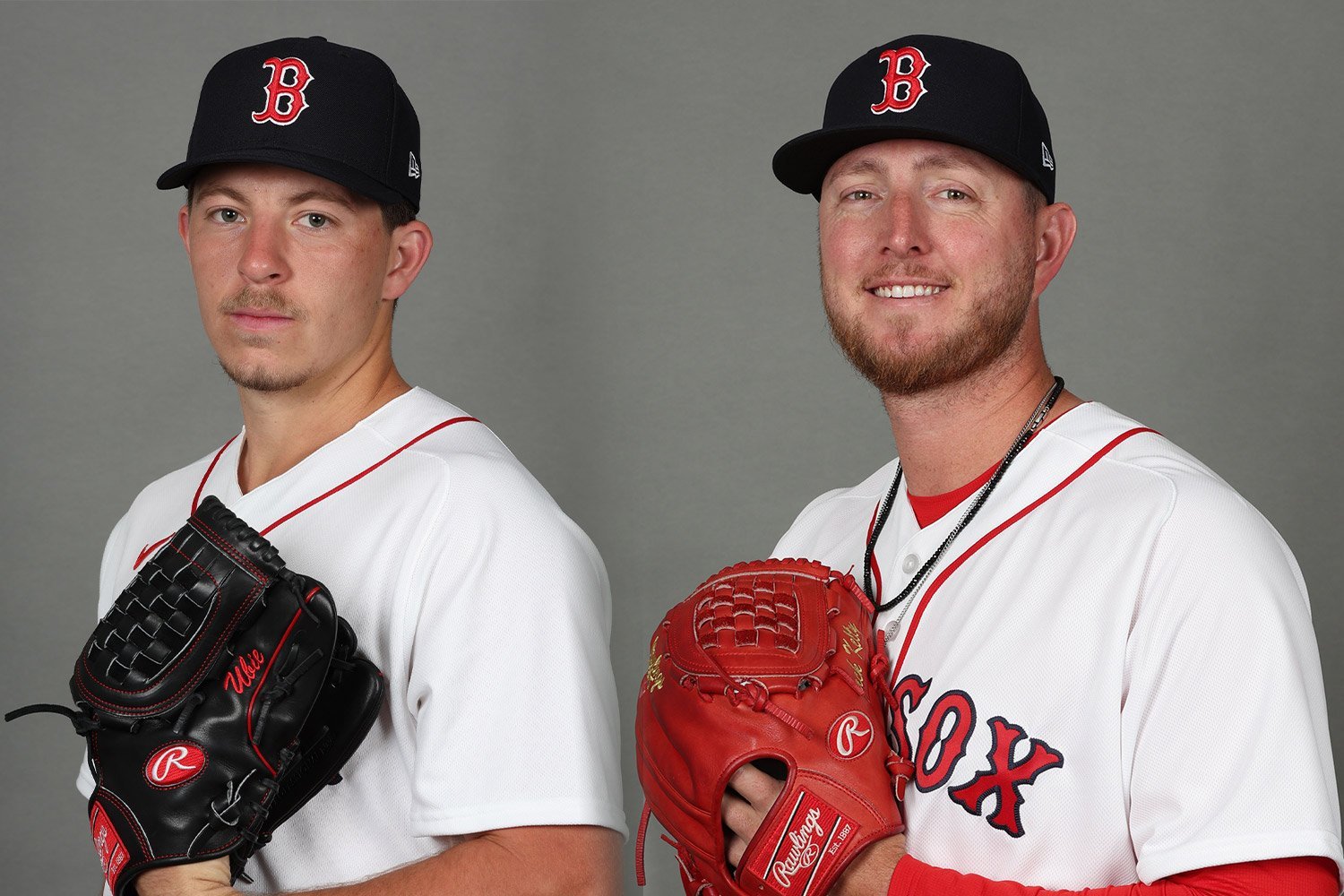 The Boston Red Sox are making a few moves prior to their home opener on Friday. With a need for pitching, the Red Sox have recalled pitchers Zack Kelly and Tyler Uberstine, according to MassLive’s Chris Cotillo. Kelly, who seemed to have a bullpen spot secured during spring training until the final week, opened the season with Triple-A Worcester. During the first week of the minor league season, he’s pitched three scoreless innings, allowing just one hit and striking out two. Since 2022, Kelly has made 98 appearances with the Red Sox. He’s tossed 115 innings with a 4.15 ERA. Uberstine is being called up for the first time in his career after fighting for a bullpen spot during spring training. In his lone start with Worcester this season, he tossed four innings, allowing one run on two hits, and struck out three batters. Uberstine is currently TalkSox's 17th-ranked prospect. In response, Garret Whitlock is being placed on the paternity list as he and his wife are expecting their next child in the coming days. Johan Oviedo was also placed on the injured list with a right elbow strain. Oviedo's velocity was noticeably down in his final spring training appearance and his Red Sox debut, leading to some speculation that an injured list stint could happen for the right-hander. The Red Sox spent the offseason acquiring pitching depth to handle such injuries, and it seems to already be paying off. View the full article
 -
Forum Friday: Cooper Pratt, ABS, & Emerging Prospects
DiamondCentric posted an article in Brewer Fanatic
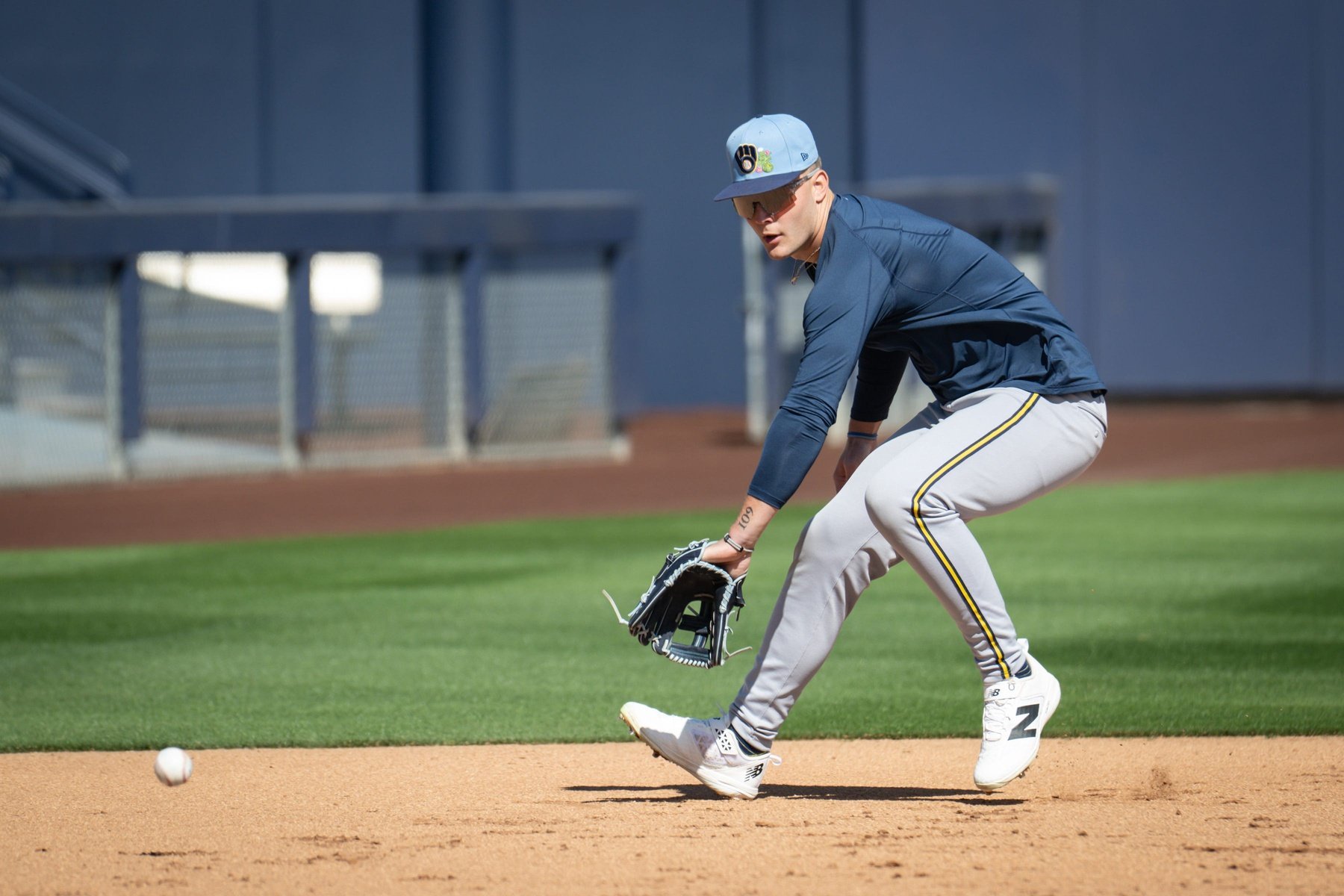 Here is a recap of three of the most popular thread topics on Brewer Fanatic's fan forums this week: Brewers: Pratt signs extension for 8/$50M We knew Cooper Pratt was excellent with the glove and ranked as the No. 4 prospect in the organization. He could also be considered the Brewers’ fourth-best shortstop in the minor leagues, behind Jesús Made, Luis Lara, and Jett Williams. That context made the news that Milwaukee will commit to Pratt through 2033 all the more surprising, shaking the Brewer Fanatic community in a variety of ways. The initial reaction was disbelief. Is this really happening? Why Pratt, and why now? It is clear the Brewers’ front office has conviction in Pratt’s continued development, even if his slash lines have yet to consistently impress since his time as a 19-year-old Mudcat. As always, the Brewer Fanatic community came together to make sense of both the near-term and long-term ripple effects of a move that could shape the organization for the next decade. Brewers: Challenge system approved! Automated balls and strikes are one of the most intriguing additions to the game this season. The system is new for players, coaches, umpires, and fans alike, and there is still a lot to learn about how strike zone challenges will actually play out. When are the optimal times to challenge a call? What unintended consequences might come from a semi-automated zone? Will our thinking on swing planes or launch angles evolve as pitchers adjust to a new form of umpiring? The Brewers have already tried to get ahead of the curve, exploring ways to help players identify the right moments to challenge, though MLB quickly shut that idea down. Still, the desire to gain an edge is clear, and this is exactly the kind of change where early adaptation could matter. Come share your reactions to the new ABS system and learn alongside the Brewer Fanatic community. Minors: 2026 Picks to Click What's better than Opening Day? Three Opening Days! The Wilson Warbirds, Wisconsin Timber Rattlers, and Biloxi Shuckers each begin their regular seasons tonight, showcasing the high-end talent throughout the Brewers’ minor league system. The Brewer Fanatic community is hard at work identifying the lesser-known prospects most likely to emerge in 2026. Want to impress your friends? Start by predicting that Eric Bitonti’s hit tool will begin to catch up with his plus-plus raw power in Appleton this season. There is no better place to follow the daily developments throughout the Milwaukee farm system than Brewer Fanatic! View the full article
 -
 Things haven’t gotten off to the best of starts for the San Diego Padres in 2026. Some of the offensive questions and rotation uncertainty have manifested for the worst. In the team’s first win of the season, however, one of the more intriguing parts of the roster has already emerged as a potential answer to one of those problems. On the whole, there wasn’t a lot about Randy Vásquez’s 2025 that would impress the average observer. His percentile distribution offered very little by which to be encouraged: That he was below average in nearly every notable pitching metric speaks to the struggles he endured for much of last season. He was largely unable to get hitters out by way of the strikeout while simultaneously navigating consistently shaky command. The only even moderately positive takeaway could be found in his ability to minimize hard contact (and even then, he was more mid-tier in doing so than actually good at it). But the way in which Vásquez finished the season offered something more optimistic than the prior months that had come before. After pitching to a 3.80 ERA but 5.37 FIP (and a .318 opposing wOBA) in the first half, Vásquez bottomed-out across 7.2 innings in August, wherein he allowed seven runs and a .372 opposing wOBA. There were some encouraging signs in that small sample, though, as he posted a 21.2 percent strikeout rate and 3.0 percent walk rate. As such, September began to represent a very different story for him. That month, Vásquez tossed 22.1 innings to a 3.22 ERA, 3.00 FIP, and a .260 opposing wOBA. His strikeout rate was technically at its highest in an individual month (21.3 percent), while his walk rate remained low across a larger body of work (3.4 percent). Most importantly, his arsenal began to showcase signs of evolution. At 93.2 MPH, his average fastball velocity peaked late in the season, and he had more spin on his sweeper than in any month prior. The results include far more chases outside the zone, which helped to sustain the strikeout rate of August and led to a groundball rate over 52 percent. Between that and a spring exhibition season that indicated another jump in velocity (95.6 MPH average on the four-seam), there was plenty of optimism that Vásquez could not only latch onto one of the vacant spots in the starting five but solidify himself as a legitimate mid-rotation arm as the season wore on. And while we’re only one start into his 2026 campaign, it’s certainly looking like that could come to fruition. Here’s the breakdown of his first start: Even within just one start, there’s a lot to be encouraged by here. The fastball velocity speaks for itself. That continues to be an area of improvement, which should serve as a nice springboard moving forward. But the enhanced effectiveness of the stuff is an equally important development. Each of the whiffs and the CSW% reflected in the above are miles above what Vásquez had turned in virtually across the board in 2025, to say nothing of zone expansion he coaxed out of opposing hitters. One of the issues that Vásquez had last year was his inability to generate swings outside the zone. Hitters didn’t chase, which tamps down whiffs and inhibits one’s ability to get strikeouts. As a result, Vásquez was forced to try and work the edges of the zone which, more often than not, were reflected in a lack of strikeouts and a ballooned walk rate. In his first start, though, he was generating chases 45 percent of the time with his four-seamer, 40 percent of the time with his curveball, and 33 percent of the time with his sweeper (the latter of which are probably the same pitch taking on a different shape and resulting in a different classification). Last year, Vásquez didn’t reach a 30 percent chase rate until the middle of May, and it took another month before he touched the rate that he posted in his first start of 2026. When you compound a newfound ability to avoid the heart of the plate with the improvement in raw stuff, then there is good reason to be optimistic about what Randy Vásquez can provide the Padres this season. He’s never going to develop into an elite pitcher, but the combination of a mid-90s fastball, strong pitch diversity, and a genuine out-pitch (his sweeper) offers a combination that can evolve into real mid-rotation stability for a team that has none to speak of. Now, he needs to prove capable of replicating these results in future outings. View the full article
 -
 Jack and Spencer react to Andrew Vaughn's injury, how Brewers starters fared in their first turn through the rotation, Cooper Pratt's reported extension, and more. Apple Podcasts: https://podcasts.apple.com/us/podcast/the-brewer-fanatic-podcast/id1740648724 Spotify: https://open.spotify.com/show/5CY8mWsQayqjDXqw9OT2Td iHeartRadio: https://www.iheart.com/podcast/263-the-brewer-fanatic-podcast-166534588/ Pocket Casts: https://pca.st/ommzz627 Watch On YouTube: https://www.youtube.com/@brewerfanatic View the full article
 -
 Did you know there's a dedicated Game Thread for each and every Twins game? A great place to hang out and talk about the game. Or movies. Or food. Sorta like sitting in the bleachers at a ballgame with a few dozen of your besties and shooting the... ah... stuff. Here's yesterday's win, in game thread style: TD is a great place to follow—and comment on—the Twins' minor-league system. Join the conversation here and let everyone know how you view the first week of bush league action! Seems like everyone has an opinion on Trevor Larnach. Do you? Sound off here: Get your comment on! Get in the forums. It's more focused than your social media feed, and all the stars are here. View the full article
 -
Kyle DeBarge Debuts New Batting Stance, Homers in Double-A Debut
DiamondCentric posted an article in Twins Daily
 Twins System Recap: It was supposed to be a busier day across the system, but the weather postponed both the Saints and Mussels. That left the Wind Surge as the only team on the schedule, but they had plenty of action to go around in their opener. Wichita won 10-6, thanks in part to Kyle DeBarge and his new batting stance. View the full article
