


DiamondCentric
-
Posts
2,631 -
Joined
-
Last visited
Never
Content Type
Profiles
Forums
Events
News
Tutorials & Help
Major League Baseball Videos
Guides & Resources
Store
Downloads
Gallery
Everything posted by DiamondCentric
-

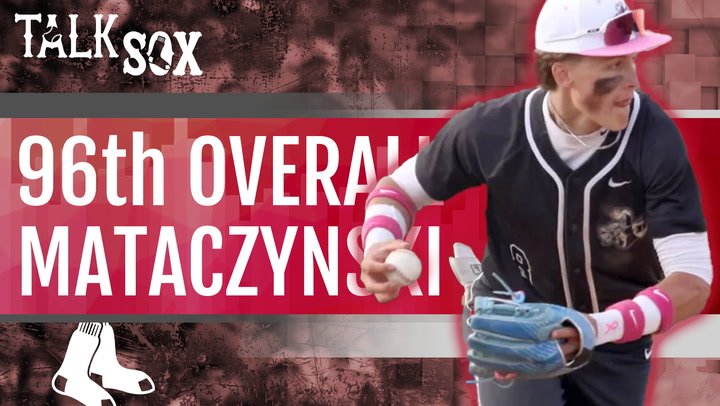 The Red Sox selected shortstop Jace Mataczynski out of Hudson High School in Wisconsin with the No. 96 pick in the 2026 MLB Draft. In this video, we cover his athletic profile at 6-foot-3, his speed and defensive reputation in the infield, the questions about his bat stemming from limited showcase exposure, his similarities to first-rounder Jake Schaffner, and the Auburn commitment Boston will need to buy him out of. View the full article
 -
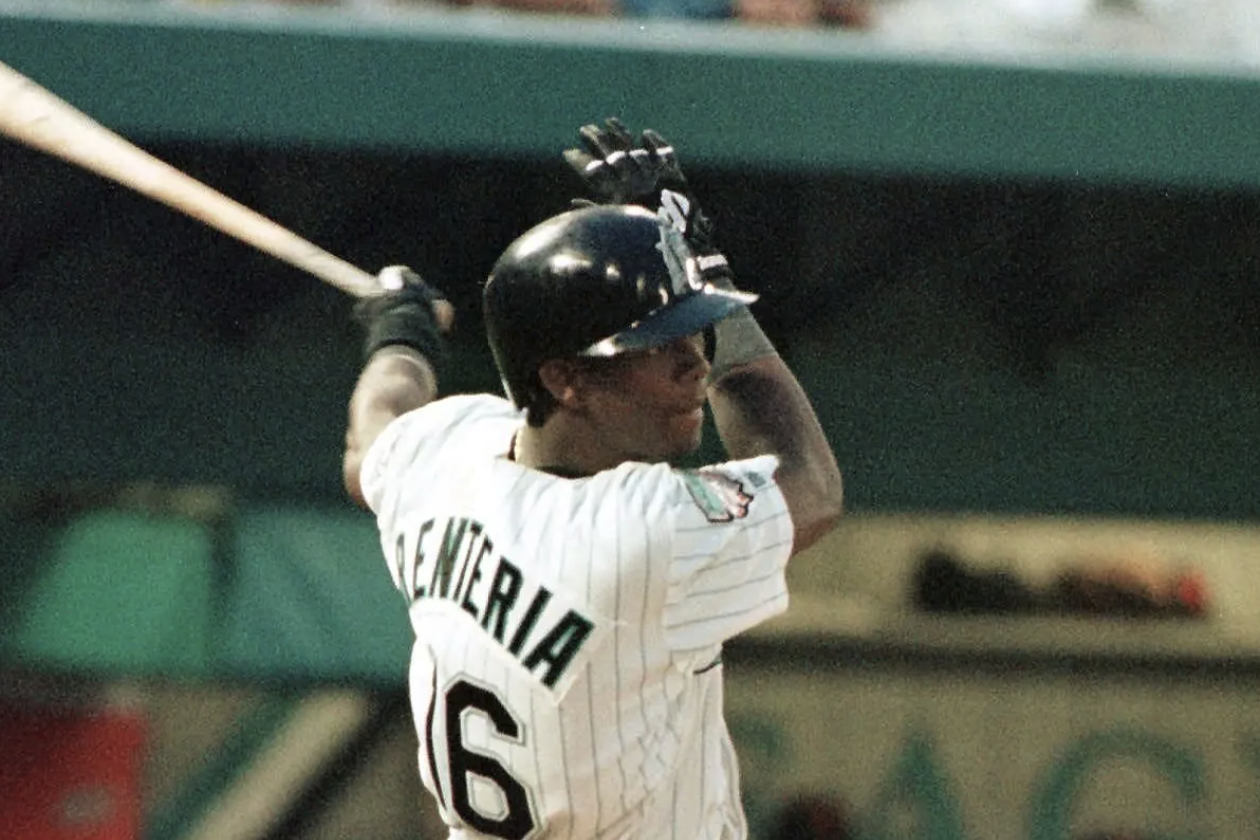 Over 34 years as a franchise, the Florida/Miami Marlins have had their fair share of high-scoring efforts. The club has also erased some big deficits. Only once, however, have the Marlins turned a five-run deficit into a win by double digits. It happened on this day 30 years ago. After falling behind early to the Houston Astros, the Florida Marlins erupted for 15 unanswered runs in a 15-5 victory. For the early parts of the July 15, 1996 contest at Joe Robbie Stadium, it didn’t appear to be the Marlins’ night. Against Florida starter Pat Rapp, Sean Berry gave the Astros the early lead with a two-run double in the first inning. Orlando Miller led off the second with a solo home run before Craig Biggio added an RBI single later in the frame. Before some fans could sit down, Miller’s sacrifice fly in the third inning extended the Houston lead to 5-0. After three disappointing innings from Rapp on the mound, Florida interim manager John Boles didn’t hesitate to make a change as Kurt Abbott was called upon to hit for the Marlins starting pitcher to lead off the third. Abbott singled before scoring Florida’s first run on a balk. In fact, the Marlins would score four times in the bottom of the third inning to cut the deficit to one. Following a sacrifice fly from Devon White, Joe Orsulak singled home two. In the fourth, Gary Sheffield plated a run with a groundout and just like that, the teams were all square. The Marlins got two scoreless innings from reliever Donn Pall. In the bottom of the fifth, pinch hitter Alex Arias put Florida in front to stay with an RBI single. An errant throw from Derek Bell in right field allowed a second run to score and what had been a 5-0 deficit had become a 7-5 Florida lead. The Marlins, however, were far from done. In the sixth, RBI singles from White and Charles Johnson bookended an RBI triple from Terry Pendleton as the lead ballooned to 10-5. In the seventh, Édgar Rentería left the yard with a two-run home run before Pendleton plated his second run of the night with a single. Jesús Tavárez and White added RBI singles in the eighth to put the exclamation point on the win. As a team, the Marlins finished with a then franchise-record 24 hits. Sheffield and Pendleton each finished the night with four hits. At the top of the order, Quilvio Veras and Rentería each went 3-for-6 with three runs scored. While the Florida offense scored in six straight innings, the bullpen kept the Astros off the board over the final six frames. Pall earned the win while Donne Wall took the loss for Houston. Pall, David Weathers and Robb Nen combined to allow just two hits and one walk for the Marlins in relief. The record 24 hits for Florida would last nearly seven years before being broken by the 2003 World Series-winning team on July 1. It, however, remains the second-highest single-game hit total in team history. It occurred on this day three decades ago. View the full article
 -
 The ACL Brewers had a game they'll want to quickly flush, striking out 18 times and committing five errors. In the DSL, both Brewers squads won on the same day for just the sixth time all season. Transactions: None Game Action: ACL Reds 7, ACL Brewers 2 Box Score The ACL Brewers had a night to forget on their way to tough 7-2 defeat in Arizona Complex League play on Tuesday. There were quite a few lousy stats for the Brewers as they struck out a whopping 18 times, committed five errors, issued seven walks, uncorked four wild pitches, and left nine men stranded on base. Starter Wenderlyn King covered the first two innings with just an unearned run allowed, but still took the loss as the Brewers never recovered from the early deficit. Last year’s 20th round pick, Ma’Kale Holden took over and had another difficult outing. Holden issued five walks, five hits and five runs in just three innings of work. Holden, who forwent a commitment to Alabama last year, and instead signed with Milwaukee for $410k, has had a tough season in his first year of professional ball. On the season, Holden has nearly as many innings pitched (35.2) as he has hits (31), runs (34) and walks (36) allowed. Argenis Aparicio was another bright spot on the mound, with two innings of scoreless relief. That marked Aparico’s first scoreless outing since a one-third inning performance on June 15. Offensively, the Brewers didn’t produce much of note. The team collected six hits, with just a lone double by CJ Hughes going for extra bases. Moises Polanco and Jonathan Rangel each had two hits apiece. Rangel scored the Brewers’ first run on a passed ball in the 4th, which cut the Reds’ lead to 6-1. The Brewers then closed the scoring in the bottom of the 9th on a single from Polanco. The ACL Brewers are now 24-28 and will be the lone team in the organization in action on Wednesday. DSL Brewers Blue 6, DSL Athletics 2 Box Score The DSL Brewers Blue scored a 6-2 victory over the DSL Athletics Tuesday, driven by a stellar pitching performance that kept the A's off the board for the first seven innings. The Brewers' arms limited the Athletics to just four hits on the day, effectively silencing their offense despite also issuing 10 walks. Luis Aguayo started and tossed four scoreless innings, surrendering just two hits and two walks. Manuel Moreno, who recently began his third season in the DSL, picked up the win on the mound, turning in a scoreless outing over two innings. Wilmer Duarte somehow managed to work around six walks in two innings to allow just one earned run. Offensively, the Brewers caught fire in the back half of the game, consistently adding runs from the fifth inning onward. Enrique Lovera was the standout catalyst, ripping two crucial RBI doubles to jumpstart and sustain the momentum. Hat tip to @MilwaukeeBeers for posting the YouTube link to the game in our forums, so that I can link each of Lovera’s doubles for you here and here. Leanders Matos had the only other run producing hit on this well-placed Texas Leaguer. On the season, the newly turned 17-year-old Matos’ 1.036 OPS ranks 24th among all qualified DSL players and 11th with 30 RBI. Roniel Paulino added three hits and scored three times for the Brewers, while Nicolas Barrios walked three times and scored twice. The Brewers Blue are now 18-13 on the season. DSL Brewers Gold 8, DSL Pirates Gold 3 Box Score The DSL Brewers Gold cruised to a decisive 8-3 victory over the DSL Pirates Gold on Tuesday, collecting 10 hits and six walks in the process. After four scoreless frames to start the game, the Brewers' bats came alive to hang six runs on the board in the bottom of the fifth. The decisive rally was sparked by an RBI double from Matthew Moses, which was quickly followed by the biggest hit of the game: a bases-clearing double from Angeni Fernandez that plated three runs and gave Milwaukee an insurmountable lead. Fernandez, along with fellow 16-year-old Francisco De Marchena and Carlos Done, was one of three Brewers with multi-hit days. On the mound, Daniel Garcia got the Brewers started with two scoreless innings. Paul Hoff came on in the third, and tossed five innings, allowing just three hits and an unearned run while striking out six. As the bulk man, the 19-year old Hoff earned the win and improved his season record to 3-0 while now boasting an excellent 2.45 ERA. With the win, the Brewers Gold improve to 16-14 on the season and are now 1.5 games back of first in the DSL Central. Organizational Scoreboard including starting pitcher info, game times, MiLB TV links, and box scores Current Milwaukee Brewers Organization Batting Stats and Depth Current Milwaukee Brewers Organization Pitching Stats and Depth View the full article
 -
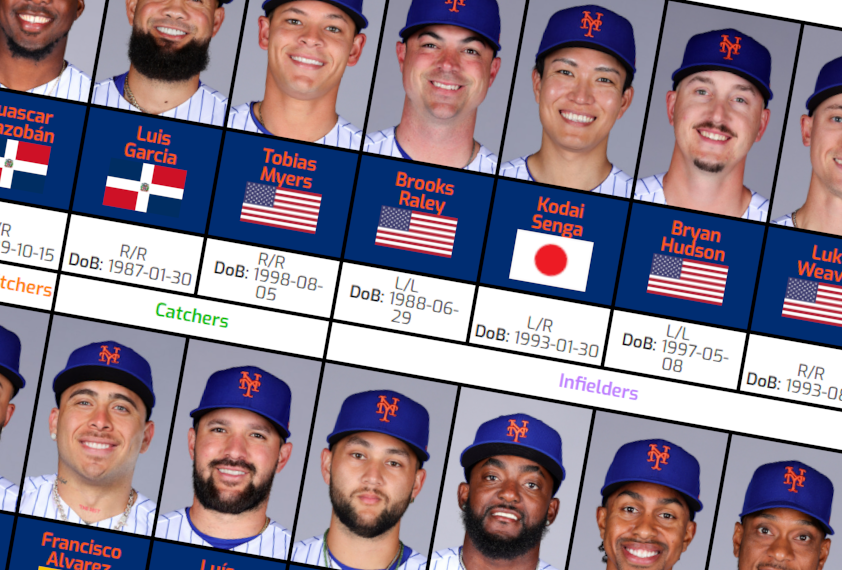 Apologizing for the lack of recent updates, but we have recently been asked by powers that be to keep roster update posts to one-per-week. That is more than a challenge for a feature that was intended be defined largely by timeliness, but we will attempt to provide substance and insight where timeliness may not be possible. And lacking that, we will attempt to provide colorful giveaways like rubber bracelets with inspiring affirmations. At any rate, we will attempt to help you keep up with the hand-penciled roster books you keep at home. The Mets, meanwhile, may be looking ahead to next year, or they may be looking to reshuffle, welcome back injured players, and field as competitive a team as they can down the stretch, but to judge from the Boston series, what they don't appear to be trying to do is win. Transactions, 6/24/2026 COMING Signed as International Amateur Free Agent out of Cuba, Assigned to DSL Mets Blue Relief Pitchers Cesar Morales L/L DoB: 2006-11-24 High Level: Academ (2026) It is unclear how long 19-year-old Cesar Morales has been in the United States, but he comes to the Mets with no experience in the Cuban Serie Nacional de Béisbol, which most players join as teenagers, so it's a good guess that he has been schooling over here, while retaining his Cuban-ness in order to allow him the protection from the draft that non-American/Canadian players get. He's had a strong start in the Dominican Summer League, giving up one run (on a solo homer) in 4 2/3 innings, while striking out seven and walking three. He has a .167 batting average against. Call him up! Transactions, 6/29/2026 GOING Released Relief Pitchers Mike Baumann R/R DoB: 34952 High Level: MLB (2024) Mike Baumann came to the Mets with four years of at the big-league level, which, you know, is good for him. But the way he got there betrays so much of what is wrong with baseball roster building. He spent three seasons with the Orioles, and then he fell into DFA hell in year four, getting cut and claimed, cut and claimed, cut and claimed, traded for cash, dropped, ironed, thrown in the pokey (that's probably just a rumor), and basically bounced around until his head spun off, ultimately spending 202r with five different teams, before getting released by Miami on the eve of the Rule V draft. So the stability of a year in Japan should have been a relative relief. You want to be in the big leagues, of course, but for players on the fringes the rising whale gets the harpoon, and five harpoons in 2025 was probably five too many. (of course, whaling is still legal in Japan, and even there, he bounced between the majors and minors but stayed in one organization. He sought to test himself again stateside, signing with the Mets, but threw only one inning in spring training, and after getting assigned to Syracuse, split the season between being hurt and ineffective. His journey will probably go on. He's been unsigned for two weeks, but fresh arms will be called on to fill holes after the flurry of trades that is to come. Transactions, 7/2/2026 GOING Released Relief Pitchers Adbert Alzolay R/R DoB: 34759 High Level: MLB (2024) One otherwise-rare maneuver the David Stearns-era Met have been fond of is the two-year minor-league contract. You find a guy, often with MLB experience, that needs more time to pitch his way past an injury and/or surgery than a year can afford. You suspect he will be attractive to teams next season, so you sign him this season, spend a year supervising his rehab, and hope it will pay off in year two. It seems like a nice flanking maneuver on paper, but we can't think of a single case of this working for Stearns, and Adbert Alzolay, who spent six year on the Cubs' pitching staff, is the latest case of this continuing to not really work out FUN FACT: It's not really fun per se, but Adbert made his MLB debut against the Mets, getting the win with four strong innings of relief. You may remember this as The Walker Lockett Game. Transactions, 7/7/2026 GOING Designated for Assignment Demoted to Syracuse Relief Pitchers Infielders Alex Carrillo Guillo Zuñiga Ronny Mauricio R/R DoB: 1997-06-06 High Level: MLB (2025) R/R DoB: 36078 High Level: MLB (2026) S/R DoB: 2001-04-04 High Level: MLB (2026) COMING Added to 40-Player Roster, Promoted from Syracuse, and Transferred from Rotation Ended Rehab Assignment and Activated from Injured List Relief Pitchers Infielders Matt Seelinger Jorge Polanco R/R DoB: 1995-04-19 High Level: AAA (2026) S/R DoB: 1999-11-13 High Level: MLB (2026) Now we are starting to get busy. Two guys are DFA'd for two different reasons. It sucks to be Guillo Zuñiga, but he got DFA'd not through failure, but stupid policy that treats human beings as disposable. He pitched in one game and pitched a successful shutout inning, but in the ever-crazy search for people to throw mop-up innings in an MLB baseball season that is all too often treated as one big mop-up job, that one inning somehow made him too useless to keep around on the roster the next day, and as a veteran without options, overboard he was thrown. But here's the deal — HERE'S THE @#$%ING DEAL! — Guillo was in line to take home the win in his one Mets appearance, but he had it sucked away by weepingly bad outing by Devin Williams, who continues to be given high-leverage, ninth-inning work because it is more important for the organization to redeem a bad decision than to win games. Alex Carrillo, on the other hand, simply got tossed because he had been on the roster all season long without a big-league appearance and the Mets needed that spot to activate Jorge Polanco. Can you imagine how badly things have to be going for you to be on the 2026 Mets roster and not be given a chance to come up and pitch a garbage inning on some Tuesday night in the midst of a 12-game losing streak? Matt Seelinger, Long Island native and eight-year minor league vet got the call to be fed to the sharks instead, and as you probably know by now, the sharks did what sharks do. Transactions, 7/8/2026 GOING Designated for Assignment Added to 15-Day Injured List with Right Forearm Strain Promoted from Syracuse and Transferred from Rotation Relief Pitchers Matt Seelinger Austin Warren Xzavion Curry R/R DoB: 1995-04-19 High Level: MLB (2026) R/R DoB: 1996-02-05 High Level: MLB (2026) R/R DoB: 36003 High Level: MLB (2026) COMING Promoted from Syracuse Transferred from Binghamton to Syracuse on Rehab Assignment Transferred from Syracuse to Binghamton on Rehab Assignment Relief Pitchers Outfielders Tobias Myers Dedniel Núñez Luis Robert, Jr. R/R DoB: 1998-08-05 High Level: MLB (2026) R/R DoB: 1996-06-05 High Level: MLB (2025) R/R DoB: 1997-08-03 High Level: MLB (2026) If you did sit through that lone Matt Seelinger appearance, you saw humanity at its best. A dream that had been deferred for so long was in the guy's grasp, only to blow up in his face, and he not only stayed out there grinding as seven runners crossed the plate in a game that the Mets were winning, but he sucked it up and went out there for a second inning and knocked 30 runs off his ERA. It was a completely unfair situation for him or anybody to make their MLB debut in — we are now treating a tie game in the seventh inning as mop-up work? — but whatever the Mets management is trying to do these days, winning the day does not appear to be one of them. Xzavion Curry who we first met in "On a Double Word Score, That Would Be 72 Points," becomes the latest plug of cannon fodder in a war the Mets sure don't seem to be trying to win. Austin Warren, who was viciously dragged in that Matt Seelinger game — doing far worse than Seelinger, in fact, is now reported as injured, and while a cynic may throw water on that report, it isn't too much to ask a team to diagnosis these things before five runs cross the plate without a single out being recorded. Tobias Myers, who had been rock solid before the Mets decided to stretch him, at which point he became soft and squishy and has remained, is back, wondering when he got put on the Syracuse carousel. Dedniel Núñez and Luis Robert, Jr. indefatigably work through their rehab, passionately trying to get back where they were, so they can be a part of ... this. This! Transactions, 7/9/2026 GOING Released Demoted to Syracuse Designated for Assignment Relief Pitchers Outfielders Alex Carrillo Tobias Myers Jared Oliva R/R DoB: 1997-06-06 High Level: MLB (2026) R/R DoB: 1998-08-05 High Level: MLB (2026) R/R DoB: 1995-11-27 High Level: MLB (2025) COMING Promoted from Syracuse Cleared Waivers and Assigned to Syracuse Relief Pitchers Dan Hammer Guillo Zuñiga R/R DoB: 35683 High Level: AAA (2026) R/R DoB: 36078 High Level: MLB (2026) No, Alex Carrillo, it's not that the Mets just wanted your MLB roster spot when they DFA'd you. They apparently wanted your AAA spot as well, and that's a helluva fall for a guy who gave them 4 2/3 ... well, really ineffective ... innings as the team began crashing and burning around this time last year. Jared Oliva, we need your roster spot too, and we can't promise that you won't get the same fate as Alex. Hitting .200 in the International League is on brand for 2026, but we have to pretend harder than that. Myers, now a human yo-yo, is back down, Zuñiga survives waivers, and Dan Hammer gets a reward for his 1.77 ERA in Syracuse. Transactions, 7/10/2026 GOING COMING Designated for Assignment Placed on 10-Day Injured List with Right Hand Fracture Promoted from Syracuse Added to 40-Player Roster and Promoted from Syracuse Relief Pitchers Infielders Relief Pitchers Infielders Dan Hammer Mark Vientos Tobias Myers Zack Short R/R DoB: 35683 High Level: AAA (2026) R/R DoB: 1993-12-11 High Level: MLB (2026) R/R DoB: 1998-08-05 High Level: MLB (2026) R/R DoB: 1995-05-29 High Level: MLB (2026) Know what we hate? We hate when a guy takes a pitch off his hand, it sounds terrible, it looks terrible, he's in agony, the trainer goes out, manipulates his hand, leaves him in the game to run the bases, only to have him removed a half inning later when the obviously fractured hand starts swelling up like a grapefruit and he ends up on the Injured List for a few months while it heels. We realize benches are short these days and we frankly don't care. Show some humanity and don't force Mark Vientos to run the bases with a fractured hand that amateurs like ourselves could diagnose through TV screens while watching from home. God forbid the guy was compelled to slide and damaged his hand worse while remaining in the game. There may be a prospect or two you were thinking you might get a look at in Vientos' stead. You get Zack Short instead. And because we're catching up here and you've already largely seen what went down, Short started all three games of the Boston series as Bo Bichette rested up for ... something ... went 0-for-6 with a walk, was replaced before the end of all three games, and joined the Mets in losing all three games, each of which was winnable. In case you missed it. Dan Hammer, meanwhile, gets sent packing with naught but a bullpen session as evidence of his Metliness. It has all grown quite insane. Transactions, 7/11/2026 GOING COMING Released Cleared Waivers and Assigned to Syracuse Outfielders Relief Pitchers Jared Oliva Matt Seelinger R/R DoB: 1995-11-27 High Level: MLB (2026) R/R DoB: 1995-04-19 High Level: AAA (2026) Jared Oliva, your destiny has been sealed. The Mets, though, perhaps appreciative of that second sackup inning Matt Seelinger gave them, spared him the same sad fate. Oliva must be a hell of an outfielder, because that .418 career MLB OPS (and a modest .734 AAA mark) hasn't ended his career yet. Transactions, 7/12/2026 GOING COMING Demoted to Syracuse Promoted from Syracuse Relief Pitchers Starting Pitchers Tobias Myers Zach Thornton R/R DoB: 1998-08-05 High Level: MLB (2026) L/L DoB: 2002-01-17 High Level: MLB (2026) And, finally, Tobias Myers gets bounced one more time so the Mets can return to lefthander Zach Thornton as they needed a starter, and stretching Tobias into one hasn't been working out. But Thornton, who had only appeared two other times for the team, just couldn't get himself with the current program and instead pitched the game of his life. Efficiently, too: IP H R ER HR BB SO HBP Pit Str 7.0 2 0 0 0 2 0 5 82 56 The Mets decided that they could have none of that, turned the game over to the bullpen. Devin Williams, who really shouldn't have been in that situation to begin with, blew up the game in the ninth, with help from a Francisco Lindor who seems deeply unhappy despite driving in the Mets only two runs on the afternoon, and the 2026 Mets, who simply cannot get out of their own way, burned down their chance at joy. But now you know how we got here, though the why is still a very open question. Best wishes in the second half. Your 2026 New York Mets Starting Pitchers Sean Manaea Nolan McLean Freddy Peralta Christian Scott Zach Thornton R/L DoB: 1992-02-01 R/R DoB: 2001-07-24 R/R DoB: 2996-06-04 R/R DoB: 1999-06-15 L/L DoB: 2002-01-17 Relief Pitchers Huascar Brazobán Xzavion Curry A.J. Minter Cionel Pérez Brooks Raley Kodai Senga Luke Weaver R/R DoB: 1989-10-15 R/R DoB: 36003 L/L DoB: 1993-09-02 R/L DoB: 35176 L/L DoB: 1988-06-29 L/R DoB: 1993-01-30 R/R DoB: 1993-08-21 Relief Pitchers Catchers Infielders Devin Williams Francisco Alvarez Luís Torrens Bo Bichette Brett Baty Francisco Lindor Jorge Polanco R/R DoB: 1994-09-21 R/R DoB: 2001-11-01 R/R DoB: 1996-05-02 R/R DoB: 1998-03-05 L/R DoB: 1999-11-13 S/R DoB: 1993-11-14 S/R DoB: 1999-11-13 Infielders Outfielders Zack Short Eric Wagaman Carson Benge A.J. Ewing Juan Soto Tyrone Taylor Jared Young R/R DoB: 34848 R/R DoB: 1997-08-14 L/R DoB: 2003-01-20 L/R DoB: 2004-08-10 L/L DoB: 1998-10-25 R/R DoB: 1994-01-22 L/R DoB: 1995-07-09 Also on 40-Player Roster Starting Pitchers Relief Pitchers Clay Holmes Tylor Megill Jonah Tong Daniel Duarte Reed Garrett Joey Gerber Justin Hagenman R/R DoB: 1993-03-27 R/R DoB: 1995-07-28 R/R DoB: 2003-06-19 R/R DoB: 1996-12-04 R/R DoB: 1993-01-02 R/R DoB: 1997-05-03 R/R DoB: 1996-10-07 Relief Pitchers Catchers Tobias Myers Dedniel Núñez Jonathan Pintaro Dylan Ross Austin Warren Jefry Yan Hayden Senger R/R DoB: 1998-08-05 R/R DoB: 1996-06-05 R/R DoB: 1997-11-07 R/R DoB: 2000-09-01 R/R DoB: 1996-02-05 L/L DoB: 35294 R/R DoB: 1997-04-03 Infielders Outfielders Outfielders Ronny Mauricio Marcus Semien Mark Vientos MJ Melendez Nick Morabito Luis Robert, Jr. S/R DoB: 2001-04-04 R/R DoB: 1990-09-17 R/R DoB: 1993-12-11 L/R DoB: 1993-11-29 R/R DoB: 2003-05-07 R/R DoB: 1997-08-03 Designated for Assignment Relief Pitchers Dan Hammer R/R DoB: 35683 Your Mets Coaching Staff Interim Manager Bench Coach Pitching Coach Hitting Coord. Third Base Coach First Base Coach Bullpen Coach Ass't Pitch. Coach Andy Green Kai Correa Justin Willard Jeff Albert Tim Leiper Gilbert Gomez José Rosado Dan McKinney DoB: 1977-07-07 DoB: 1989-07-14 DoB: 1990-09-09 DoB: 1992-08-16 DoB: 1996-07-19 DoB: 1992-03-08 DoB: 1974-11-09 DoB: 1989-06-06 Hitting Coach Strategy Coach Catching Coach Coaching Assistant Bat'g Pract. Pitcher Equip. Manager Bullpen Catcher Bullpen Catcher Troy Snitker Danny Barnes J.P. Arencibia Rafael Fernandez Kevin Mahoney Kevin Kierst Eric Langill Dave Racaniello DoB: 1988-12-05 DoB: 1989-10021 DoB: 1986-01-05 DoB: 1988-08-03 DoB: 1987-05-11 DoB: 1964-07-09 DoB: 1979-04-09 DoB: 1978-06-03 Your Mets Training Staff Director of Player Health Head Athletic Trainer Assistant Athletic Trainer Recond. Coordinator Recond. Therapist Head Performance Coach Assistant Performance Coach Performance Coordinator Soft Tissue Specialist Brian Chicklo Joseph Golia Bryan Baca Sean Bardanett Josh Bickel Dustin Clarke Tanner Miracle Jeremy Chiang Hiroto Kawamura DoB: 1972-07-17 DoB: 1978-??-?? DoB: Circa 1980 DoB: 1988-06-23 DoB: 1996-??-?? DoB: 1987-??-?? DoB: 1991-??-?? DoB: ????-??-?? DoB: 1962-07-19 View the full article
 -
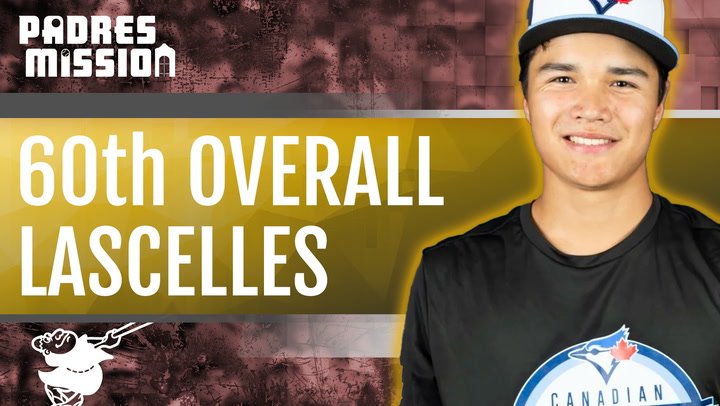 The Padres selected shortstop Elliot Lascelles out of Upper Canada College in Ontario with the No. 60 pick in the 2026 MLB Draft. In this video, we cover why evaluators viewed him as the top Canadian player in the class, his contact-first left-handed bat, including a .389 average against minor league pitching this spring, his plus speed, questions about his arm and long-term position, and the Yale commitment San Diego must buy him out of. View the full article
 -
 TRANSACTIONS The Minnesota Twins sent RHP Garrett Acton and RHP Cole Sands on rehab assignments in the Florida Complex League. The St. Paul Saints also sent RHP Julian Merryweather on a rehab assignment in the FCL. MINOR LEAGUE LINKS! With the MLB All Star Break in session, all four of the Minnesota Twins full-season affiliates get the time off as well. The St. Paul Saints, Wichita Wind Surge (soon to be Turbo Tubs), Cedar Rapids Kernels, and Fort Myers Mighty Mussels all resume play on Friday with abbreviated weekend series. In the case of the Saints and Kernels however, fans will get bonus baseball on Saturday as they each have games being made up with doubleheaders. In lieu of their recaps, let’s get you caught up on everything that’s been going on in the Twins minor league system and draft with a Twins Daily-centric Link-O-Rama! (Gleeman never renewed the trademark, I called the USPTO to check). Walker Jenkins was “Mic’d Up” during the Futures Game broadcast and spoke about something I could get behind…: “Saw Ken Griffey in the dugout. I’m like, I may have to, may have to pick his brain a little bit.” …Even if that idea is more like Captain Obvious to this elder-millennial than Captain America… If you weren’t already lurking in the forums or following the excellent work of our resident draft guro Jamie Cameron, the MLB Draft was conducted over the weekend. The Twins took standout college catching performer Vahn Lackey #3 overall and followed that up with another powerful catching prospect in Carson Tinney, before kicking off a run of nine straight pitchers with Brett Renfrow out of Virginia Tech to finish the 10 bonus pool rounds. You can learn more about all of their 2026 selections as well as follow along with their signings here. In draftees out of their 2025 class, right-handed pitcher Riley Quick, my own “Dark-Horse” MLB Debut candidate from during spring training, has held up his end of the bargain. After dominating in three games with Fort Myers, he was bumped to Cedar Rapids, and now after 11 starts and 41 1/3 innings with the Kernels, he’s on his way to Wichita to surge through Double-A. Quick is also joining the only Twins selection who was picked by them earlier last season, in shortstop Marek Houston, who has already hit the ground running in the ICT along with fellow infielder Caden Kendle and pitcher Ruddy Gomez. While his start in Double-A wasn’t necessarily as “hot” as those above, Brandon Winokur has some of the loudest tools in the organization and is also now in Wichita. While the Major League roster flirts with .500 and a Wild Card spot coming out of the break, Sam Caulder sees multiple Culpepper’s and utility man Ben Ross are potential prospect options to help the Twins down the stretch. Back to Vahn Lackey, the crown jewel of the 2026 draft class. While he is going to firmly reside at #2 in my own rankings, Cody Christie walks us through the arguments for #3, #2…or even #1. The oddest thing for me about their 2026 draft class, is surely the fact the Twins assembled an entire roster stable of battery mates only in the top 10 rounds. Those early catchers specifically, should allow the Twins to focus developmental efforts on the rest of their backstops. Thanks for playing (and reading) along with all the excellent work over the busy weekend from our writers covering the draft and all other things Twins baseball. Now let's get to the rookie league action from Tuesday! COMPLEX CHRONICLES FCL Braves 3, FCL Twins 11 (7 innings) Box Score Fans of the Atlanta Braves farm system might argue their FCL squad got the short end of the stick in this one, as five pitchers from higher levels in the Twins system made “rehab” appearances at the Twins complex in Fort Myers. They included starter Ross Dunn (2 IP, K) and Cleiber Maldonado (1 IP, BB) from the Cedar Rapids Kernels: 2 IP, K), Cole Sands (1 IP, 2 K) and Garret Acton (2/3 IP, H, 3 ER, 3 BB, K) from the Minnesota Twins, and Julian Merryweather (1 IP, H, K) from St. Paul Saints. The Braves only runs came on a home run that Acton gave up in top of the fourth inning, and they had just one other hit in the contest. FCL regulars Geremy Villoria (1/3 IP) and Matthew DesMarets (1 IP, 2 K) recorded the four other outs. Another rehabber on the offensive side of the ball, infielder Jake Rucker, provided the biggest knock of the game for the Twins, with a 2-run homer in the third inning that made the score 6-0 Twins. He finished 1-for-3 with three RBIs and two walks. Overall, while 11 runs looks a lot, it was a hitting clinic from the home lineup, it was actually walks that haunted the Braves pitchers. As a team the Twins drew 12 free passes, and despite finishing just 1-for-9 with runners in scoring position, still put up crooked numbers in the second, third, and fourth innings. Victor Leal finished 2-for-4 with three runs scored and two doubles. Yovanny Duran went 2-for-4 with a pair of runs scored, a walk, and his 30th stolen base of the season (in 31 attempts). DOMINICAN DAILY DSL Phillies 16, DSL Twins 0 (7 innings) Box Score On the opposite end of the spectrum from their Florida Complex League mates, the DSL Twins pitchers had trouble getting and of the Phillies out, and the lineup managed just four hits on the game. Luis Suarez had half of those, finishing 2-for-3 on the day turning over the lineup. Outfielders Abel Sosa and Jhon Gonzalez had the other two hits, with Gonzalez’s coming in the form of a double. Daiyer Barboza drew a pair of walks out of the leadoff spot and that was pretty much it on the hitting side. As a team they finished 0-for-7 with runners in scoring position and left 10 men on base. Right-hander Herkyn Taveras was the standout on the pitching side for the Twins, pitching three scoreless innings and allowing just two hits. Unfortunately, those three innings were the last of them, after this one was already well out-of-hand. Yosangel Braffit got the start and took the brunt of the damage, though I have to admit I don’t know why you would send him out for a second inning after he had already surrendered 10 runs in the first. He was unceremoniously charged with 12 runs (10 earned) on 10 hits and two walks in his 1 2/3 innings to start the game, striking out one. Failin Placencio finished off the second inning, and got one out in the third, allowing two runs (one earned) on three hits and a walk. Jesus Moreno went the next 1 2/3 innings, surrendering two earned runs of his own on three hits and a walk. TWINS DAILY MINOR LEAGUE PLAYERS OF THE DAY Pitcher of the Day – Cole Sands and Matthew DesMarets, FCL Twins (each with 1 IP and 2 K) Hitter of the Day – Jake Rucker, FCL Twins (1-for-3, R, HR, 3 RBI 2 BB) TOP 20 PROSPECT WEEK IN REVIEW #1- Walker Jenkins (Saints)- .313/.389/.438, .826 OPS, 2 2B #4- Eduardo Tait (Kernels)- .150/.227/.200, .427 OPS, 1 2B #5- Marek Houston (Wind Surge)- .385/.448/.769, 1.218 OPS, 2 2B, 1 3B, 2 HR #6- Riley Quick (Kernels)- 4 IP, 1 H, 1 ER, 4 BB, 5 K #7- Kendry Rojas (Twins)- 2 IP, 2 H, 3 ER, 3 BB, 3 K #8- Hendry Mendez (Saints)- .222/.333/.333, .667 OPS, 2 2B #9- Dasan Hill (Kernels)- 2 2/3 IP, 0 H, 2 ER, 2 BB, 4 K #10- Gabriel Gonzalez (Saints)- .222/.222/.222, .444 OPS #12- Brandon Winokur (Kernels)- .217/.308/.435, .742 OPS, 1 3B, 1 HR #13- Khadim Diaw (Wind Surge)- .200/.261/.250, .511 OPS, 1 2B #14- Quentin Young (Mussels)- .071/.133/.071, .205 OPS #15- Ryan Gallagher (Saints)- 3 2/3 IP, 8 H, 6 ER, 2 BB, 5 K #17-C.J. Culpepper (Saints)- 2 2/3 IP, 2 H, 2 ER, 3 BB, 3 K #18- Yasser Mercedes (Kernels)- .240/.296/.440, .736 OPS. 2 2B, 1 HR #19- Billy Amick (Wind Surge)- .353/.381/.353, .734 OPS #20- Kyle Debarge (Wind Surge)- .211/.318/.368, .687 OPS, 1 HR WEDNESDAY’S PROBABLE STARTERS DSL Twins @ DSL Rangers Blue (10:00 AM CDT) - TBD Please feel free to ask questions and discuss Tuesday’s games! View the full article
 -
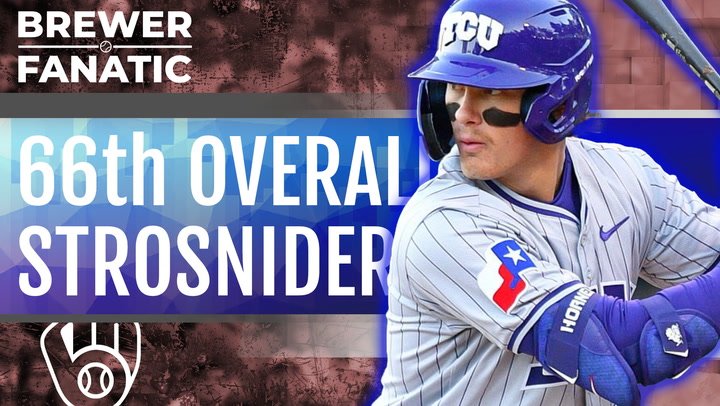 The Brewers selected TCU outfielder Sawyer Strosnider with the No. 66 pick in the 2026 MLB Draft. In this video, we cover his two seasons at TCU, including a .273/.415/.590 line with 13 homers and 12 steals in 2026, his power-speed combination, the chase-rate concerns that contributed to his slide from projected first-round territory, and why Milwaukee's player development system could be the right fit for his profile. View the full article
 -
105 Strikeouts, 15 Walks. Why the Royals Targeted Taylor Rabe
DiamondCentric posted an article in Royals Keep
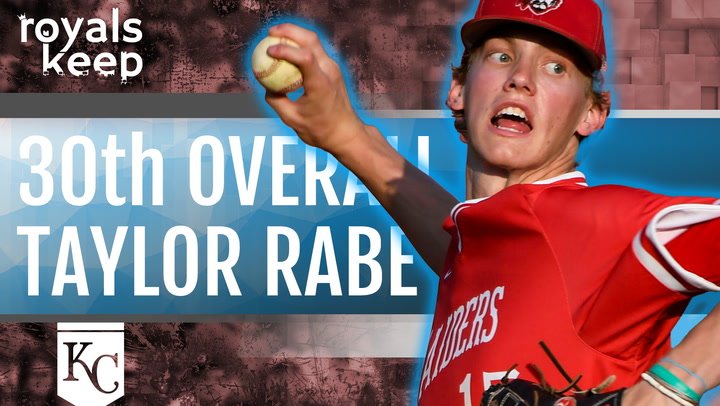 The Royals selected Ole Miss right-hander Taylor Rabe with the No. 30 pick in the 2026 MLB Draft. In this video, we cover his 2026 season, where he posted 105 strikeouts against just 15 walks in 76 innings, a strikeout-to-walk ratio that ranked fourth in Division I, his fastball that averaged 96 and touched 100, his rise from piggyback reliever to College World Series No. 1 starter, and his signing outlook. View the full article
 -
Genius or Overkill? The Twins Doubled Down On Drafting Catchers
DiamondCentric posted an article in Twins Daily
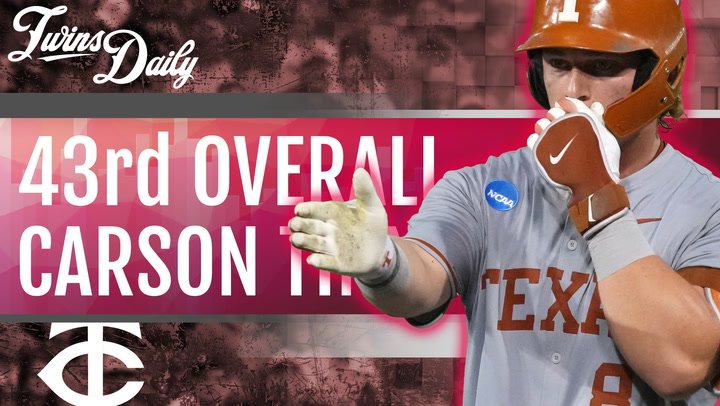 The Twins selected Texas catcher Carson Tinney with the No. 43 pick in the 2026 MLB Draft, their second catcher of the night after Vahn Lackey. In this video, we cover his 2026 season, where he hit .326 with 22 home runs and led the SEC in walks, his elite raw power and exit velocities, his plus arm behind the plate, his whiff-rate concerns, and how he fits Minnesota's catching pipeline. View the full article
 -
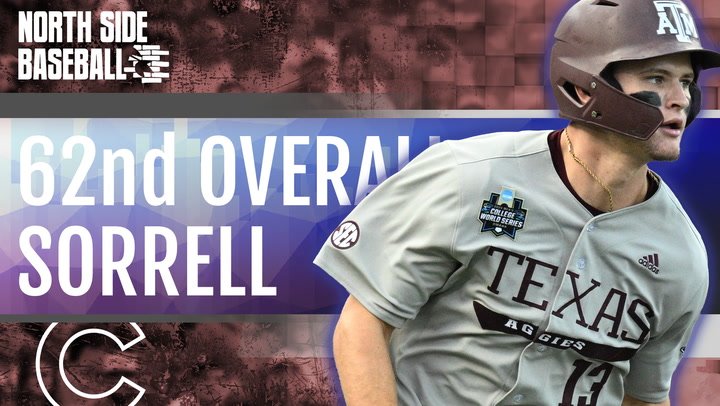 The Cubs selected Texas A&M outfielder Caden Sorrell with the No. 62 pick in the 2026 MLB Draft. In this video, we cover his junior season, where he slashed .341/.434/.743 with 23 home runs and 76 RBI, his left-handed power and plus arm, the swing-and-miss concerns that pushed him out of the first round, and how he fits the Cubs' track record of drafting and developing college bats. View the full article
 -
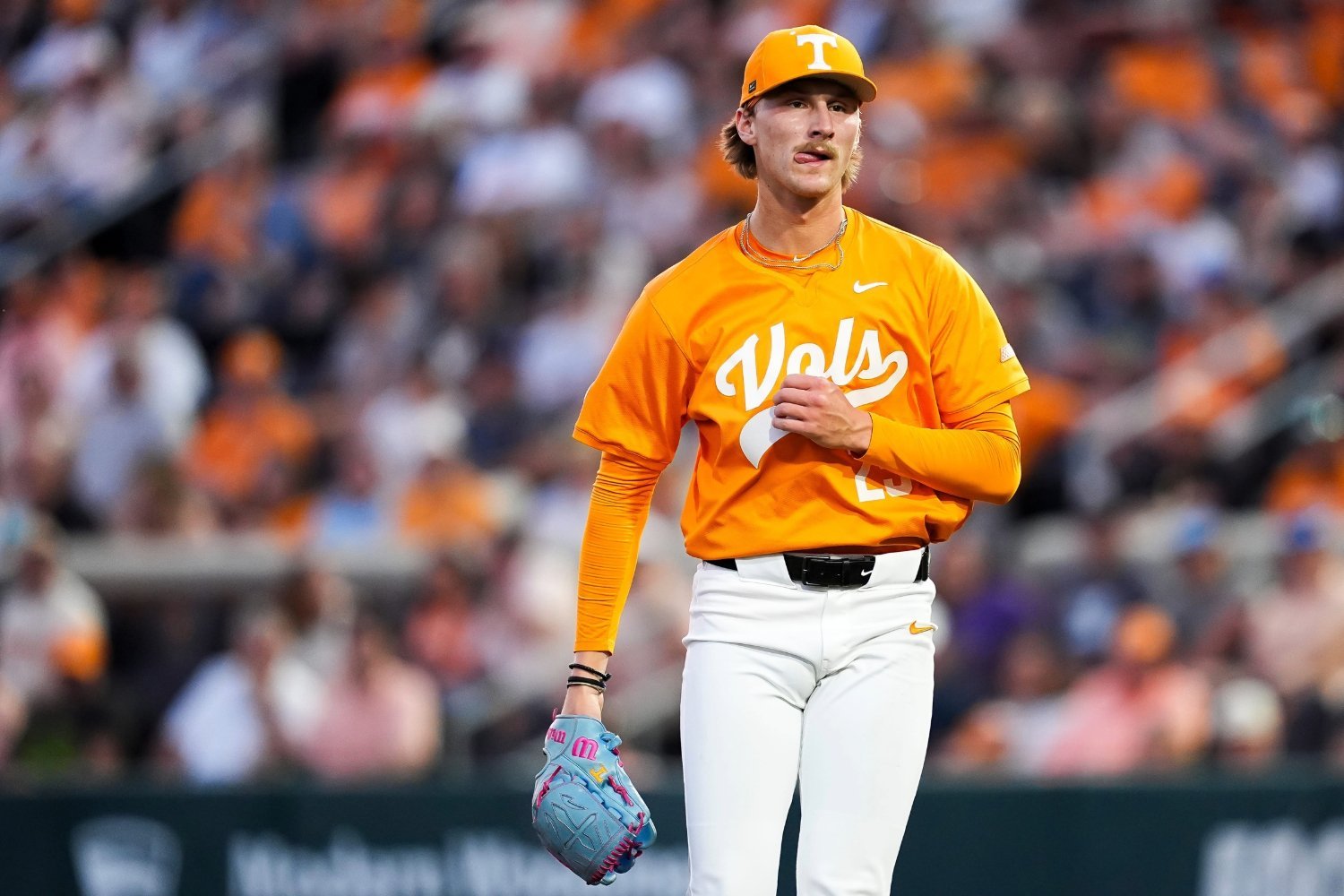 The Chicago Cubs entered the 2026 MLB Draft with a clear strategy: refresh the farm system's pitching depth. Among that crop of new arms, they may have found a diamond in the rough, and it wouldn’t be the first time they got a promising player late in the draft (we’re looking at you, Josiah Hartshorn). Tennessee's Brandon Arvidson looks like an absolute weapon. Let’s break down what he brings to the table and how his projectable tools can carry him through the Cubs farm system should he choose to sign. Brandon Arvidson's Cubs Scouting Report Brandon Arvidson is a 6-foot-5, 217-pound left-handed pitcher who has three years of college baseball under his belt. The Dripping Springs, TX alum had a high profile entering this past spring, appearing on the 2026 NCBWA Stopper of the Year Preseason Watch List and 2026 Preseason All-SEC 1st Team. This came after his ability was on full display last season, when he punched out 70 hitters in 38.2 innings to the tune of a 2-0 record and a 4.19 earned run average in 30 appearances (28 out of the bullpen). He came back this year and worked more innings per game (37.1 frames in 16 appearances), but an injury cut his season short. Arvidson still produced similar numbers, generating a 4.34 ERA with 44 strikeouts in his 2026 campaign, as the Volunteers got more than two innings per appearance out of him. Strengths Arvidson’s strength is, and has been, his strikeout stuff. He generated 114 strikeouts across 76 innings of work in college, utilizing a mid-90s fastball and his true out pitch, a slider that bites hard to his glove side. He pitched well against high-level competition, tossing three shutout innings against No. 9 Mississippi State and providing two innings of relief, with four strikeouts, against No. 25 Ole Miss. His environment also provides another strength: a rather shallow learning curve. Plenty of prep products are selected in every draft, meaning they’re experiencing a decent jump in competition once they hit the Complex League or Class-A competition. This hard-throwing lefty has played in the SEC, which can sometimes draw close comparisons to the Low-A level. He could be a quick riser if all goes to plan, and with the Cubs having so many injuries at the big-league level, he may get to use his skillset at Wrigley Field within just a couple of years. Managing Injuries While he passed the eye test in his two years at Tennessee, the arm soreness and minor toe injury on his ledger are both worth monitoring. Any time a pitcher gets injured, their recovery time and performance post-recovery are two key aspects to keep an eye on. Should he get back to his old self without any setbacks, when he was striking out nearly two batters per inning, the southpaw shouldn't be seen as a major injury risk. Brandon Arvidson’s Projected Path What kind of a role could the former Volunteer inherit if and when he does get to the big leagues? Think about what a fellow southpaw in Caleb Thielbar is doing right now. The veteran relief pitcher has been tossed into high-leverage situations time and time again, and Craig Counsell has been able to play the matchup game with the lefty depending on how the opposing lineup flips in the later stages of a contest. Don’t be shocked if Arvidson takes on a similar role, especially if the strikeout rate he produced in 2025 (north of 16 punchouts per nine innings) returns to form and follows him through the organization’s farm system. View the full article
 -
Luis Lara is Going to Hit for More Power Than Sal Frelick
DiamondCentric posted an article in Brewer Fanatic
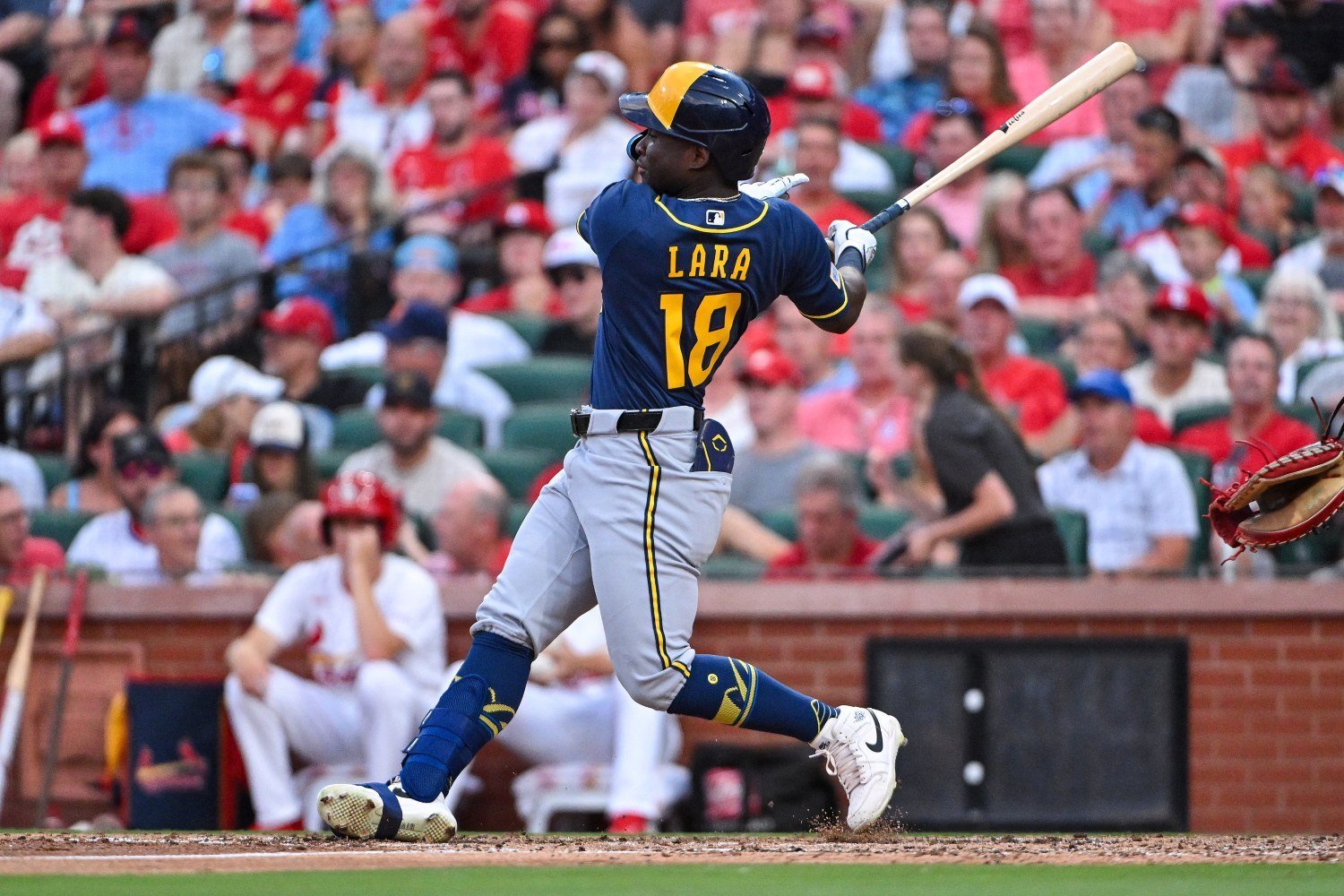 The temptation is to assume that Luis Lara's whole game is speed and contact and defense. The temptation is to think that he'll have to survive on singles and create his value mostly via run prevention. You expect this kind of player to spend most of their time on the bench. You expect them to hit at the bottom of the batting order, where they're asked mostly to lengthen the lineup and set the table for the guys at the top. That might even be true, for the most part. Lara is not a future superstar, by anyone's reckoning. For as long as he's been on the prospect radar, he's been talked about as a likely role player with a high floor but a low ceiling. That's still the way most people talk about him, and it's the kind of player who signs the kind of contract he signed with the Brewers before his debut in the majors. He's a small guy—not just short, as many good hitters are, but genuinely small, with a strong but slight frame to go with his 5-foot-7 height. He's never going to carry more than about 180 pounds on his frame, and right now, he weighs under 170. Even one week into his big-league career, though, you can see what I've seen since first watching Lara swing in Arizona, during spring training back in 2024: this guy has some juice. His swing is not geared for power, and it has some elements of the defensiveness the Brewers like their young hitters to demonstrate when they first come to the majors. It also whips, in a way that (say) Sal Frelick's never has. YkJMeExfWGw0TUFRPT1fVUFaWUJWQldYd01BVzFNRlV3QUhDUVJlQUZrRFZ3Y0FDbEFOQlFJTkJ3ZGNWVmRT.mp4 With all due respect to Frelick—a fine all-around hitter, and (for the moment) still a better overall player than Lara has had time to become—he could not do this. On a 1-2 pitch, plainly waiting back a bit to guard against something offspeed, Lara nonetheless not only caught up to a fastball at 97 MPH on the outer third, but turned on it and laced it to the gap in right-center field. That's just one swing, but it's an exceptionally impressive one. Pitchers will learn not to make mistakes like that to him when they're ahead in the count, so don't count on a whole lot of hits that look like this one, but then again, the ability to even scare pitchers out of throwing you that pitch in that situation is a valuable one. Lara has 17 tracked, competitive swings from the left side since he came to the big leagues. On them, his average swing speed is 71.0 MPH, and his swing length is 6.8 feet. That puts him in a fascinating sweet spot: Typically, the shorter your swing, the slower. This is not groundbreaking, because if you think about it, it's almost tautological. To generate maximal bat speed, you try to extend. You attack the ball. You trade some directness for extra magnitude in the arc of your assault. Lara has one of the shortest swings in the league, which is helped by the fact that he's one of the shortest players—but that, alone, doesn't explain it. See the red dot above? That's where Lara's lefty swing would fit on the scatterplot, if he had enough swings to qualify. It drops him neatly into a line that contains three of the best pure hitters in the National League this season: Brice Turang, Freddie Freeman, and Otto Lopez. Being even a little faster with your bat than is predicted by your swing length is valuable. That means you're genuinely quick with the wrists and able to flash through the hitting zone, without a deep load or a long arc from the start of your swing to that zone. Right now, Lara isn't in great position to fully avail himself of this easy bat speed. He hits the ball so deep in his zone that he's often just starting to work uphill to the ball when he makes contact (or misses, high or low). As we talked about earlier this month with Cooper Pratt, the Brewers ask rookies to let the ball travel and prioritize swing decisions early in their time in the majors; that's making Lara pretty late pretty often. But the signs of a quick stick are unmistakable, whether your trust your scouting eye or the data. In time, I think Lara can more consistently hit for power than does Frelick, which makes for an interesting and onrushing conundrum. Frelick is part of what will quickly become a logjam in the outfield, if it doesn't count as one already. Lara has a long-term contract on extremely team-friendly terms, and we all know that he'll be better than Frelick as a defender. If he's also a disciplined hitter and will slug even .050 better than Frelick—that much seems almost certain to me, but I've been a believer in Lara since before most and might be biased about how real what we've seen so far will prove to be—then trading Frelick becomes a conversation worth having as soon as this week. Typically, teams like to trade prospects to bolster their contending team at the trade deadline. The Brewers have turned so many good prospects into good big-leaguers lately, though, that they're starting to overflow with the latter, and a team with a good pitcher whom Milwaukee might prize might well prefer Frelick to a further-off, riskier but higher-upside bet like Josh Adamczewski, or even Luis Peña. In the right deal, Frelick might have substantial value, and trading him (with the understanding that the team's present and future outfield will be well-tended by the likes of Lara, Garrett Mitchell, Jackson Chourio, Jake Bauers, Brandon Lockridge, Jett Williams, Braylon Payne and Adamczewski) might be the best plan. Frelick is a great competitor and is well-liked in the clubhouse; losing him midseason would be tough. At this point, though, the team has enough glue guys to survive a disruption like that, and Lara brings his own brand of intensity and psotivity, anyway. He also looks likely to be a more well-rounded offensive force than Frelick is, because his bat has power potential that Frelick's lacks. Even for the Brewers (who don't crave power as much as most teams do these days), that matters a great deal. View the full article
 -
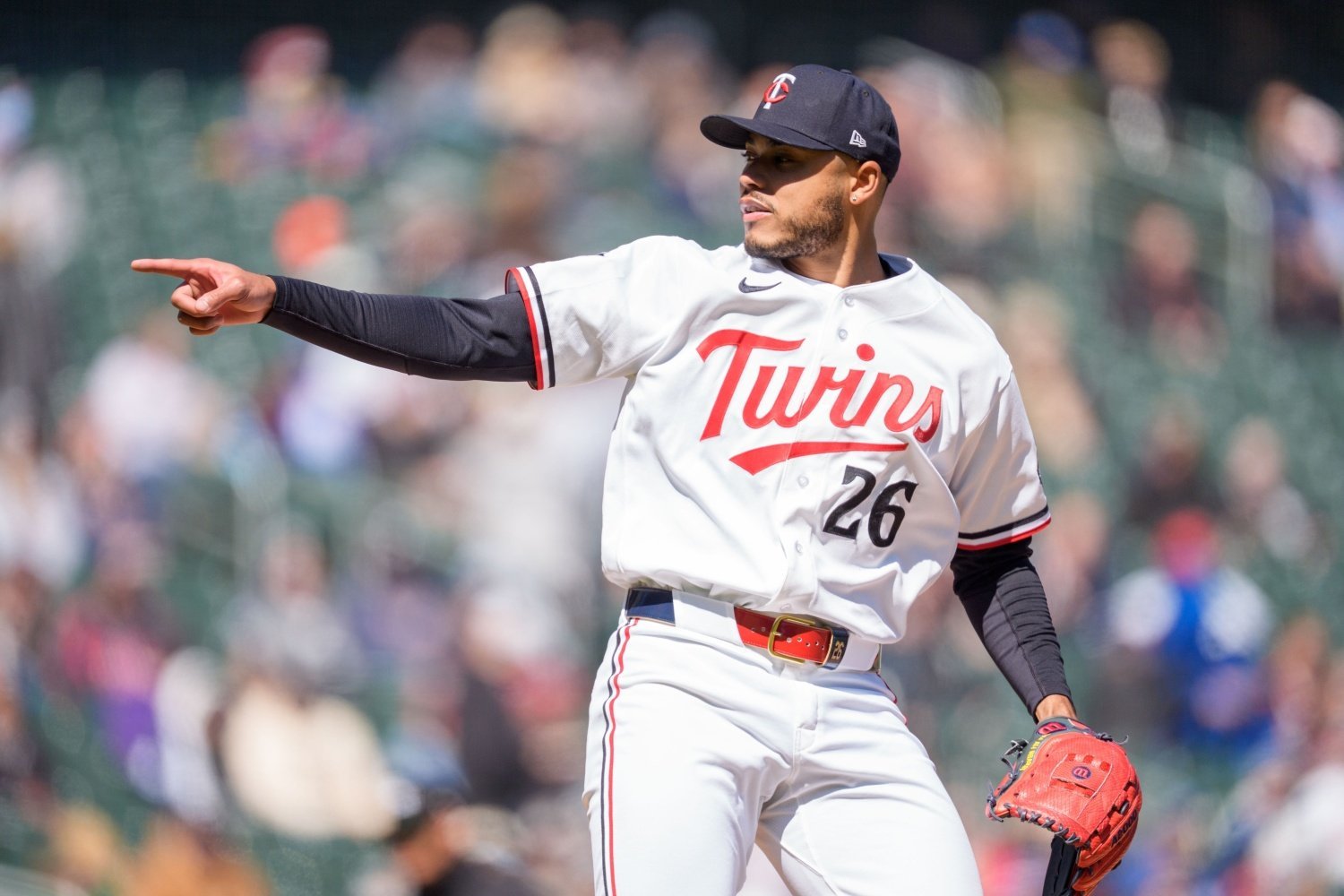 The All-Star break is officially upon us, which makes this a great time to zoom out and look at this Twins team as a whole. We're 97 games into the season, and it's been a year filled with plenty of highs and lows. While we all expected guys like Byron Buxton and Joe Ryan to be among the Twins' best players entering the season, I wanted to focus on some of the more surprising performances we've seen. I've got two pleasant surprises, and two disappointments. There are going to be plenty of players I don't mention, so don't get mad at me if I leave out your favorite player who's having a great season—or the guy you can't stand who's underperforming. I should also note that I won't be including players who were acquired or moved into significant roles midway through the year. Guys like Yoendrys Gómez and Simeon Woods Richardson won't be making this list. With that out of the way, let's start with the positives. The first good surprise has been Taj Bradley. Bradley's first stint as a Twin last summer didn't exactly leave fans feeling overly confident heading into 2026. There were certainly flashes, but there were also inconsistencies that made it difficult to know exactly what the Twins had. Through 18 starts this season, though, I've been really impressed. Bradley owns a 3.59 ERA across 102 2/3 innings while piling up 118 strikeouts, which currently ranks tied for 15th in all of baseball. The strikeout numbers have been especially encouraging because they're backed up by noticeably better swing-and-miss stuff. His cutter and splitter have both taken meaningful steps forward, giving him legitimate weapons beyond his electric fastball. Speaking of that fastball, it's averaging 97 MPH, allowing him to challenge hitters even when they know it's coming. Has everything been perfect? Of course not. There have still been stretches where his command has disappeared, and he'll occasionally run up his pitch count because of it. But overall, Bradley has looked every bit like a No. 2 starter for a large portion of this season, and perhaps the most encouraging part is that he's still only 25 years old. There's still plenty of room for him to grow as a pitcher, and if he continues refining his command while maintaining this level of stuff, the best very well could still be ahead of him. The second positive surprise, in my opinion, has to be Kody Clemens. When the season began, I don't think many people expected Clemens to become one of the Twins' most valuable position players. But here we are, 60% of the season down, and he's been one of the more consistent bright spots in the lineup. He's currently sporting an OPS just shy of .800, while trailing only Byron Buxton for the most extra-base hits on the team. Beyond the offensive production, Clemens has provided value all over the diamond. He's played quality defense at multiple positions, giving Derek Shelton flexibility with his lineup on almost a nightly basis. The underlying numbers make his season look even more impressive. Clemens ranks in the 93rd percentile in average exit velocity, while posting an 81st-percentile barrel rate. He's consistently hitting the baseball hard; those aren't the types of metrics you normally see from a player who was viewed as more of a depth piece entering the year. Clemens's expected batting average sits roughly 15 points higher than his actual batting average. So as productive as he's already been, there's an argument to be made that he's actually deserved even better results. It's certainly possible that Clemens gets moved over the next few weeks if the Twins decide to sell at the deadline. But if Tom Pohlad believes this team can make a run, Clemens is the kind of player who helps you win baseball games. Now, let's move to the negative column. We'll start with Luke Keaschall. Before everyone races to the comments, yes—I know he's been swinging the bat better over the last couple of months. But we're evaluating the season as a whole. Coming into the year, there were some high expectations for Keaschall. He was leading off on Opening Day and looked like someone who could quickly establish himself as a fixture near the top of the lineup. Instead, he enters the All-Star break hitting .258 with a .696 OPS. While he’s not known for his power production, his quality of contact has been abysmal. Keaschall ranks in the 11th percentile or worse in average exit velocity, hard-hit rate, and barrel rate among major-league hitters. That's simply not the type of contact profile you want to see from someone expected to be a key contributor offensively. To his credit, he still puts the bat on the ball well, and he doesn't chase pitches very often. Those are valuable traits. But when the quality of contact is this poor, it becomes much more difficult to consistently produce. Again, he was batting leadoff on Opening Day. Now he's hitting ninth almost every day. Considering the expectations surrounding him entering the season, a sub-.700 OPS through 97 games isn't where I or you hoped for Keaschall to be. The other disappointment has been the Twins' defense as a whole. I don't think anybody entered the season expecting Minnesota to be the best defensive team in baseball, but I also don't think anyone expected things to be this rough. The team currently owns the third-worst defensive efficiency rating in baseball while posting an ugly -28 Defensive Runs Saved, the second-worst mark in the majors. The left side of the infield has been an issue for much of the season. Tristan Gray struggled there, while Brooks Lee and Royce Lewis both had their share of defensive problems before eventually changing positions. Keaschall also had a difficult time at second base before making the move to the outfield. To the Twins' credit, though, they haven't been stubborn about it. Derek Shelton and the coaching staff have shown a willingness to move players around the diamond in an effort to maximize their chances of succeeding defensively. They recognized certain alignments weren't working and have tried to adjust instead of simply hoping things would improve. That doesn't erase the defensive struggles we've seen over the first 97 games, but it does show they're actively trying to fix the problem. Like I said at the beginning, there have been plenty of surprising performances this season—both good and bad—that I didn't mention here. But in my opinion, these are the four that have stood out the most. Now I'm curious to hear from you. What has been your biggest surprise from the Twins so far this season? Let me know in the comments. View the full article
 -
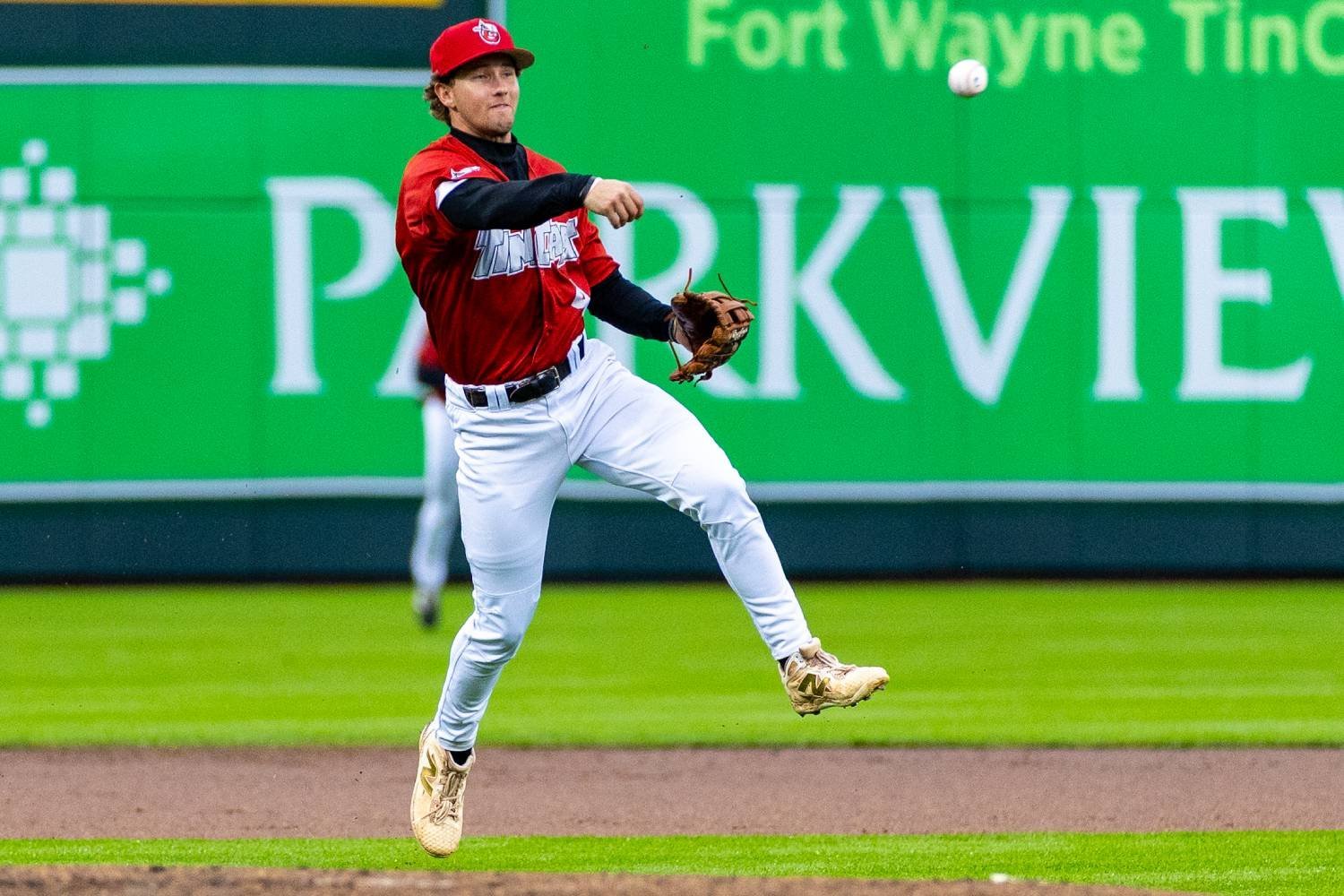 Let's check in on the San Diego Padres prospects who made a mark in the last week (check out Padres Mission's latest Top 20 rankings as well!): Justin DeCriscio, SS, High-A Fort Wayne TinCaps Season stats: .293/.372/.487, 78 games, 48 R, 21 2B, 2 3B, 11 HR, 47 RBI, 31 BB, 49 K, 14 SB, 10 CS Last year's 10th-round draft choice out of North Carolina State capped a terrific week of hitting with a career-high five RBIs in Sunday's series finale against the West Michigan Whitecaps. The SoCal native, born in Orange and having started his career at the University of San Diego has been a steady if unspectacular performer for High-A Fort Wayne since a mid-May promotion from Low-A Lake Elsinore. But last week, in addition to having hits in all six games, the 23-year-old shortstop put up a ridiculous .522/.556/.783 slash line (12-for-23). He had three doubles and a homer, with that blast being a three-run shot Sunday. His hitting streak is now at nine games, with hits in 19 of his last 21. In his final three games last week, he had two three-hit performances and went 8-for-13. In 50 games with the TinCaps, DeCriscio has 17 multihit games, including six with three hits. Since June 18, he has a .345/.408/.563 slash line. He started the season with 28 games at Lake Elsinore, putting up a .311/.363/.544 slash line. Bryan Balzer, RHP, High-A Fort Wayne TinCaps Season stats: 6-3, 4.71 ERA, 15 games (14 starts), 72⅔ IP, 67 H, 42 R, 38 ER, 28 BB, 73 K, .245 opponent average A 21-year-old who signed in 2023 as an international free agent out of Japan, the right-handed starter had a tremendous outing Saturday in a 4-2 win over West Michigan. In his third start for the TinCaps since being promoted from Low-A Lake Elsinore, Balzer went five innings, giving up just a run on five hits with a walk and eight strikeouts. The eight punchouts were his most this season, surpassing the seven he had in his season debut April 2 vs. Ontario. Balzer had mixed results in his first two High-A starts. In his debut June 27, he was tagged for six runs in 3⅔ innings with four hits, a career-worst five walks and two strikeouts. Balzer had never walked four in any of his previous 34 career appearances. He bounced back on the Fourth of July with 3⅔ innings, allowing one earned run in the three runs he surrendered on four hits with a walk and six strikeouts. His 73 strikeouts rank third in the Padres' system. Balzer has made tremendous improvements since his full-season debut in 2025 at Lake Elsinore, where he had a 7.92 ERA in 16 games (13 starts) and 50 innings. He had an 11.6% walk rate and 20.3% strikeout rate. Flash forward to 2026 and those numbers are now 4.71 in 15 games (14 starts) in 72⅔ innings, walking 9% of batters and striking out 23.4%. Eric Yost, RHP, Double-A San Antonio Missions Season stats: 4-2, 2.90 ERA, 15 games (10 starts), 1 save (1 chance), 60 IP, 44 H, 26 R, 26 ER, 42 BB, 58 K, .210 opponent average While mainly a starter in his career since being drafted in the 17th round in 2023 out of Northeastern, Yost has been flexible this season with five of his 15 appearances coming out of the bullpen. But the 23-year-old's value is as a starter. After making a spot start for his Triple-A debut on the Fourth of July, Yost returned to Double-A San Antonio and was mostly sharp. On Friday in an 8-7 win over Midland, Yost struck out seven over five innings, allowing a run on six hits and four walks. He also hit a batter, which has been an issue in his last six starts with seven plunkings, three in one game. While his one start for El Paso was a bit rough, giving up five runs in 3⅓ innings, Yost has been fairly steady for the Missions. After his first three appearances of the season came out of the bullpen in a bulk roles, including two four-inning scoreless outings, Yost gave up five runs in his second start, but never more than three in any other game aside from the Triple-A outing. Walks have been troublesome with a 16% rate, while striking out 22.1% of batters. However, the walks have been mitigated by his .210 opponent average, including .191 with the Missions. Maikel Miralles, RHP, High-A Fort Wayne TinCaps Season stats: 1-7, 8.08 ERA, 14 games (11 starts), 49 IP, 58 H, 49 R, 44 ER, 41 BB, 34 K, .296 opponent average The 21-year-old right-handed starter, an international free agent out of Venezuela in 2023, has had a rough 2026 to say the least, represented by his 8.08 ERA. But there have been a handful of bright spots. One of those came Sunday as Miralles surrendered just one hit and one run in a five-inning relief appearance. In the final game before the All-Star break and four days off for the team, two pitchers preceded Miralles, who came on in the third inning and stifled West Michigan in a 9-1 win. While Miralles hasn't been a big strikeout guy this year, he did punch out nine in his season debut. And other than back-to-back starts to begin May where he had five and six strikeouts, he hasn't notched more than three in any of his other 11 outings. That includes Sunday, where he didn't have a single strikeout. He did walk three in that game, which led to his season walk total now surpassing his strikeout total 44-41. Neither rate (14% walk, 16.9% strikeout) is good, but the Padres know he has the potential. Miralles spent time at four levels in 2025, beginning at Low-A Lake Elsinore, going down to the Arizona Complex League, back to Lake Elsinore, all the way up to Triple-A El Paso, then down to High-A Fort Wayne. He only made one ACL and Triple-A appearance and two for Fort Wayne, putting up a 5.17 ERA in 16 games (13 starts) for Lake Elsinore. Qrey Lott, OF, Low-A Lake Elsinore Storm Season stats: .280/.396/.427, 55 games, 34 R, 9 2B, 0 3B, 5 HR, 24 RBI, 13 BB, 49 K, 11 SB, 2 CS The 21-year-old, signed as an undrafted free agent last year, is a very toolsy outfielder who can dominate the game at any moment. One of those was his eighth pro game when he went 5-for-5 with a pair of homers and six RBIs for Lake Elsinore. Last week vs. Rancho Cucamonga, he had a .500/.650/.786 slash line (7-for-14) with four doubles and four RBIs. He also drew two walks and scored three times. His big game was a 3-for-3 performance with two RBIs Wednesday in a 6-4 win in 10 innings over the Quakes, driving in the go-ahead run in the 10th with his second double of the game. At 6-foot-3 (down 2 inches from his listed draft height last year), Lott is lanky and athletic with a good power-speed combo. He was drafted by the Baltimore Orioles in the 15th round out of high school in 2023, but instead went to Northwest Florida State, a junior college, for two years. There, he put up a combined .335/.482/.555 with 12 homers and 21 stolen bases. While he has been a solid contributor since making his pro debut in late April, his playing time picked up when promotions happened a few weeks ago. View the full article
 -
He Hit .393 In College — Red Sox Draft Pick Owen Hull Analysis
DiamondCentric posted an article in Talk Sox
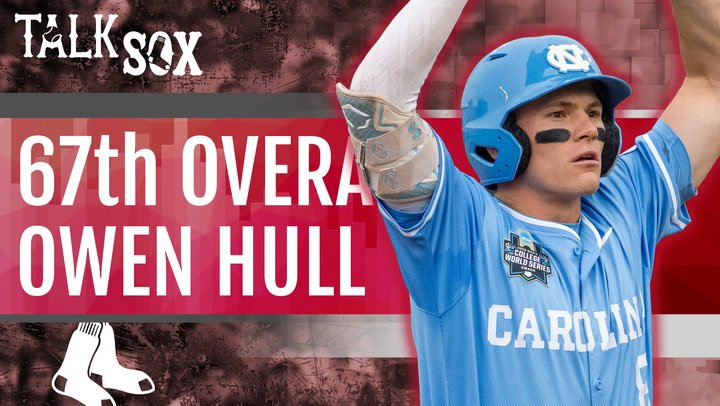 The Red Sox selected North Carolina outfielder Owen Hull with the No. 67 pick in the 2026 MLB Draft, pairing him with first-rounder and college roommate Jake Schaffner. In this video, we cover Hull's 2026 season, where he hit .393/.500/.615 with nine homers and 18 steals, his matching 15 percent walk and strikeout rates, his breakout NCAA Tournament run, and how Boston acquired this pick in the Caleb Durbin trade. View the full article
 -
 Blue Jays Affiliate Overview (July 11-13) Triple-A Buffalo Bisons Series vs Scranton/Wilkes-Barre RailRiders (New York Yankees): 2-4 Season Record: 44-49 Double-A New Hampshire Fisher Cats Series vs Portland Sea Dogs (Boston Red Sox): 3-3 Season Record: 44-41 High-A Vancouver Canadians Series vs Everett AquaSox (Seattle Mariners): 3-3 Season Record: 37-50 Single-A Dunedin Blue Jays Series vs Lakeland Flying Tigers (Detroit Tigers): 3-3 Season Record: 41-45 FCL Blue Jays Week Record: 3-1 Season Record: 34-17 DSL Blue Jays Blue Week Record: 2-3 Season Record: 13-18 DSL Blue Jays Red Week Record: 3-2 Season Record: 15-15 Triple-A Buffalo Bisons Season Record: 44-49 Series vs Scranton/Wilkes-Barre RailRiders (New York Yankees) July 11, Game 1: After dropping every game so far this week to the Scranton/Wilkes-Barre RailRiders, Buffalo needed an offensive explosion with the bats to get back on track. They got the fireworks they needed from Charles McAdoo and Davis Schneider. Both Bisons hitters crushed solo home runs. McAdoo took Kyle Carr deep in the first inning, and Schneider took him deep in the fifth inning. In between the big bombs, C.J. Stubbs added a run on an RBI single to center field in the second inning. In the third, Yohendrick Piñango matched him with an RBI single to center, and Willie MacIver tacked on another run in the third on his RBI double to center. Simeon Woods Richardson was on the mound and got tagged for two solo home runs, one each by Spencer Jones and Kenedy Corona. Other than the two blasts, Woods Richardson pitched rather well. He kept off the scoreboard after that, just giving up the two runs. He only struck out two, though, pitching mostly to contact. Buffalo took the first doubleheader shortened game 5-2. July 11 Game 2: In the second game of the doubleheader Saturday, Jake Bloss had the mound and was dialed in. He didn't go deep into the game, only pitching four innings, but he only walked one, gave up just one unearned run, and just four hits. He, too, didn't get many swings and misses, or strikeouts, getting only two batters on strike three. While it wasn't an innings-eating game for Bloss, he did keep Buffalo in it long enough for the bats to finally break through and put enough runs on the scoreboard for the win. Yohendrick Piñango provided most of the offense for Buffalo. He scored on an error in the second inning, had a solo home run in the fourth, and drew a bases-loaded walk in the fifth inning. Lazaro Estrada and Conor Larkin combined to throw three scoreless innings in relief of Bloss, giving Buffalo the 3-1 win and a sweep of the doubleheader. July 12: In the final game of the week-long series against the RailRiders, Buffalo had their bats dialed in and loaded for doubles. Five different players had doubles for Buffalo, including Willie MacIver's RBI double in the second inning and Yohendrick Piñango's two-RBI double in the bottom of the ninth to send the game to extra innings. Brendon Little, who pitched the ninth and struck out three, got a groundout and walked a guy in the 10th. Tanner Andrews came in for Little and promptly gave up a three-run home run to Jonathan Ornelas. Down three, Buffalo tried their best in the bottom half of the inning to match the RailRiders. Davis Schneider led it off by being hit by a pitch, then Eloy Jiménez followed that up with a single to load the bases up. One run would score on a fielder’s choice, and Je'Von Ward would hit a ball to left field for a sacrifice fly, bringing the deficit down to just one. After Ismael Munguia grounded into a force out, Jay Harry hit a missile, 104.4 mph off the bat, to center field. Unfortunately for Buffalo, the ball fell short of the wall and into a RailRiders' glove, as the Bisons fell 8-7. Double-A New Hampshire Season Record: 44-41 Series vs Portland Sea Dogs (Boston Red Sox) July 11: It wasn't a fun day for New Hampshire pitchers on Saturday against Portland. Portland took a two-run lead in the first on an RBI single, but Dub Gleed brought things closer with an RBI triple in the second inning. The third and fourth innings saw two more runs for Portland on singles, before Hedbert Perez stopped the scoring drought for New Hampshire with a big home run to right field. Unfortunately, Portland kept hitting just about everything. They ended the day with 16 hits and added three more runs in the eighth inning. New Hampshire lost this one 8-3. July 12: Mason Olson was on the mound for the Sunday contest between New Hampshire and Portland. He set the tone for the game, going four innings, only allowing one run on five hits, and striking out four. With Olson shutting down the Sea Dogs' offense, the Fisher Cats were on full go with their bats. Eddie Micheletti Jr. started things off in the first inning with a two-run home run, his 13th on the season. In the third inning, newly promoted catcher Adam Hackenberg launched a solo home run. In the fourth, New Hampshire scored three times without getting a hit to score the run. They got a bases-loaded walk, a bases-loaded hit-by-pitch, and a sacrifice fly. They continued the barrage in the sixth inning. Carter Cunningham had an RBI single, Hackenberg a sacrifice fly, and Arjun Nimmala added an infield single driving in a run. New Hampshire would go on to win easily, 10-3. High-A Vancouver Season Record: 37-50 Series vs Everett AquaSox (Seattle Mariners) July 11: It was another strong Johnny King start, but once again he was plagued by an early first-inning run and command issues as he walked four batters despite striking out seven. He pitched into the sixth inning after the Canadians grabbed the lead with a Jake Casey RBI groundout in the third, a Kendry Chirinos sac fly in the fourth, and a Tucker Toman double in the fifth, with King in line for the win. However, King couldn’t get out of the fifth as he gave up a run, and Reece Wissinger came in to replace him. Things did not go better for him as he gave up a three-run homer to put the Canadians down three. Another sac fly from Manuel Beltre inched it closer, and Peyton Williams came up big in the eighth inning, pinch-hitting for Chirinos with a two-RBI double to tie up the game. Beltre had another clutch RBI with a single, which ended up being the winning run as Wissinger settled down and got the win. July 12: The Canadians were once again comeback kids, as they fell early with Jack Nedrow’s ERA continuing to balloon with seven earned runs in the first four innings. Down seven runs, the Canadians did not give up at all, firing back with a four-run inning of their own, starting with a Jacob Sharp single to score the first run, then a Mathieu Vallee two-RBI double, before Kendry Chirinos drove in Vallee. Austin Marozas replaced Nedrow and gave up a homer to make it a four-run game again, but the Canadians loaded the bases in the fifth inning, with Vallee coming up and walking to bring it back to a three-run game. The pitching completely fell apart for the AquaSox in the seventh inning with the Canadians once again loading the bases, but this time they walked in not one, not two, not three, but four batters in the seventh inning, which led to the Canadians' win, as Jonathan Todd and Gilberto Batista were able to keep Everett from scoring in another comeback close win. Single-A Dunedin Season Record: 41-45 Series vs Lakeland Flying Tigers (Detroit Tigers) July 11, Game 1: This was a continuation of the suspended game from June 10, and Carson Messina pitched well, going 3.1 innings and allowing one run due to a Brock Tibbitts missed catch. Luis Fonseca replaced him and finished the fourth inning before the game was postponed due to rain until the next day. Bradley Wilson took the mound, then hit a batter, allowed a stolen base, then a single and a double to make it 2-0 for the Flying Tigers. The Jays loaded the bases in the sixth inning, but all they could get was a single run after Will Cresswell hit a single to score Jake Cook. The D-Jays tied it up in the seventh inning, with Dariel Ramon hitting a single that led to an error which allowed Tibbitts to score, and with the bases loaded once again the Jays capitalized with a Juan Sanchez 104.8 mph grand slam to blow the game open. Wilson gave up his second run of the game on a homer, but the Jays got that run back as well with a Jake Cook single that drove in Raimundo De Los Santos after he tripled. Diego Dominguez was able to get the last two outs after Wilson gave up a double in the ninth for a nice commanding win. Game 2: The Jays got a strong performance from Denis Samudio, who struck out nine batters in over five innings pitched, and the offense helped support him with a four-run inning in the second inning after loading the bases. Jake Cook walked to score the first run, then Blaine Bullard hit a bases-clearing double, although he was thrown out trying to get to third. Samudio gave up a single in the fourth, but cruised until the sixth inning, where he allowed a homer to Beau Ankeney, then allowed a hit before getting taken out of the game. Lluveres Severino allowed that runner to score after loading the bases himself, then hitting a batter. Severino allowed the tying run in the seventh inning after a fielding error by Raimundo De Los Santos, which sent the game to extras. The Tigers were able to get their ghost runner to score, advancing the runner twice with a lineout and a sac fly, but the Jays managed to tie it up with a passed ball before the manager and pitcher for the Tigers were ejected in the middle of the inning. Cook ended up being the walk-off hero as he hit a single for the winning run in a crazy ending to an extra-innings game. July 12: After sweeping the doubleheader the day before, the Jays didn’t seem as sharp on this day. Blake Purnell gave up three runs in four innings, despite only two of them being earned, as a throwing error allowed another run to score. Blaine Bullard made his best effort to keep the Jays in the game, however, driving in three runs by himself with a sac fly in the bottom of the third inning, and after Hunter Dobbins scored in the fourth, Angel Guzman had his first RBI as a D-Jay in the fourth to make it 3-1. The Flying Tigers put up a four-spot in the fifth inning off of Purnell and Luis Victorino. Bullard hit his eighth homer of the season on a two-run homer in the eighth, but that was all she wrote for Dunedin, as they lost 4-2 to spoil Bullard’s night. FCL Blue Jays Season Record: 34-17 July 11: It was a back-and-forth matchup between the FCL Blue Jays and the FCL Tigers on Saturday. The Blue Jays jumped out to a three-run lead in the first inning. Franklin Rojas hit an RBI single, followed by Denzer Guzman bringing in two runs on a single and an error. In the top of the second inning, the Tigers scored four, though. One on a bases-loaded walk, one on a wild pitch, and two on a single. Guzman responded by tying the game in the third on a line drive single to right field. Andres Arias brought in two runs on a double in the fourth and another run on a single in the sixth. The Blue Jays won 7-4. July 13: In the Monday rematch between the FCL Blue Jays and FCL Tigers, Jackson Jobe was on the mound for the Tigers in a rehab appearance. He went three innings and only allowed two hits. Once he came out, the game became closer. The Blue Jays scored four in the fourth inning. Two on a single and two on a stolen base and throwing error. The Tigers tied the game at four, and it remained there until the sixth inning, when Kennew Blanco tripled home the winning run. The Blue Jays won 5-4. DSL Blue Jays Blue Season Record: 13-18 July 11: Sunday was another good day on offense for BJB. They combined to have nine base hits, nine walks, and stole five bases, all resulting in seven runs. Juan Caricote led the way for BJB with the bat; he racked up four singles in his five at-bats, also knocking in two runs. The only other registered RBI came from Sebastian Casanova, while he also scored twice and had two hits. BJB scored four runs in the game that were not RBI, one scored in the second on a double steal of home and second, one scored in the fourth on a wild pitch, another scored on an error in the seventh, and the last scored in the eighth on a wild pitch. Despite BJB's lack of RBI base hits, they were up 6-3 in the bottom of the seventh, when the bullpen imploded and coughed up the lead and sent the game into extra innings. They again had the lead going into the bottom of the eighth. Here it was the bullpen that failed them. Orlando Marcelin gave up two runs, and BJB took the loss 8-7. July 13: Roberto Castellanos had himself a good game on the mound Monday. He worked a strong six innings, staying in command on the bump by just walking one, surrendering just three hits, and striking out five. He did get tagged for an RBI double in the fourth and a solo home run in the fifth. The two runs were all that he and BJB would give up in the game. While the pitching did their job, the hitting did not. Deret Gonzalez doubled home Randy Soto in the second; it was the only run BJR would score in the game. They only had five hits: Gonzalez added a single to his double, Sebastian Casanova had two singles, and Fabian Gonzalez also had a single. BJB lost this one in a lackluster game, 2-1. DSL Blue Jays Red Season Record: 15-15 July 11: After the first two innings, BJR was down 7-0, with Carlos Olivo being charged with all seven runs. BJR tried to make a comeback, scoring one in the fourth, when Darwin Núñez scored on a throwing error. In the fifth, Luis Nunez hit a ball to right field for a sacrifice fly. Darwin Núñez then doubled home Gabriel Porras, and Ayberson Ortega singled in Núñez. Unfortunately for BJR, it was the closest they would come, as their bullpen coughed up a few more runs. BJR dropped the game 10-4. July 13: Aneudi Severino and Gabriel Porras each had monster games at the plate for BJR on Monday. Severino led the way with a 3-for-4 day, scoring two runs, knocking in three, and hitting his fourth home run of the season. Porras didn't have as many hits, but he did more damage with his base knocks. He went 2-for-5, scored once, but knocked in six. Three of his RBI came from a ninth-inning three-run blast. He also had a two-RBI single in the seventh and an RBI groundout in the third. Pitching and fielding were terrible for BJR, though. They committed three errors, and their starter (Franiel Severino) gave up 10 runs (nine earned). Thanks to Porras’ ninth-inning home run, BJR still had a chance to win. Later in the ninth, Samuel Orellana singled home Severino and brought BJR to within one. Unfortunately, BJR stranded runners at first and second, following a pop-up, a strikeout, and a groundout. The game ended with BJR losing 12-11. View the full article
 -
 The Padres selected right-handed pitcher Coleman Borthwick out of South Walton High School in Florida with the No. 21 overall pick in the 2026 MLB Draft. In this video, we cover his senior season, where he went 10-0 with a 0.21 ERA and 121 strikeouts against just seven walks, his fastball-slider combination, his 6-foot-6 frame, and how he fits San Diego's decade-long pattern of drafting high school players in the first round. View the full article
 -
Padres' Sale Remains On Track, Could Be Completed In August
DiamondCentric posted an article in Padres Mission
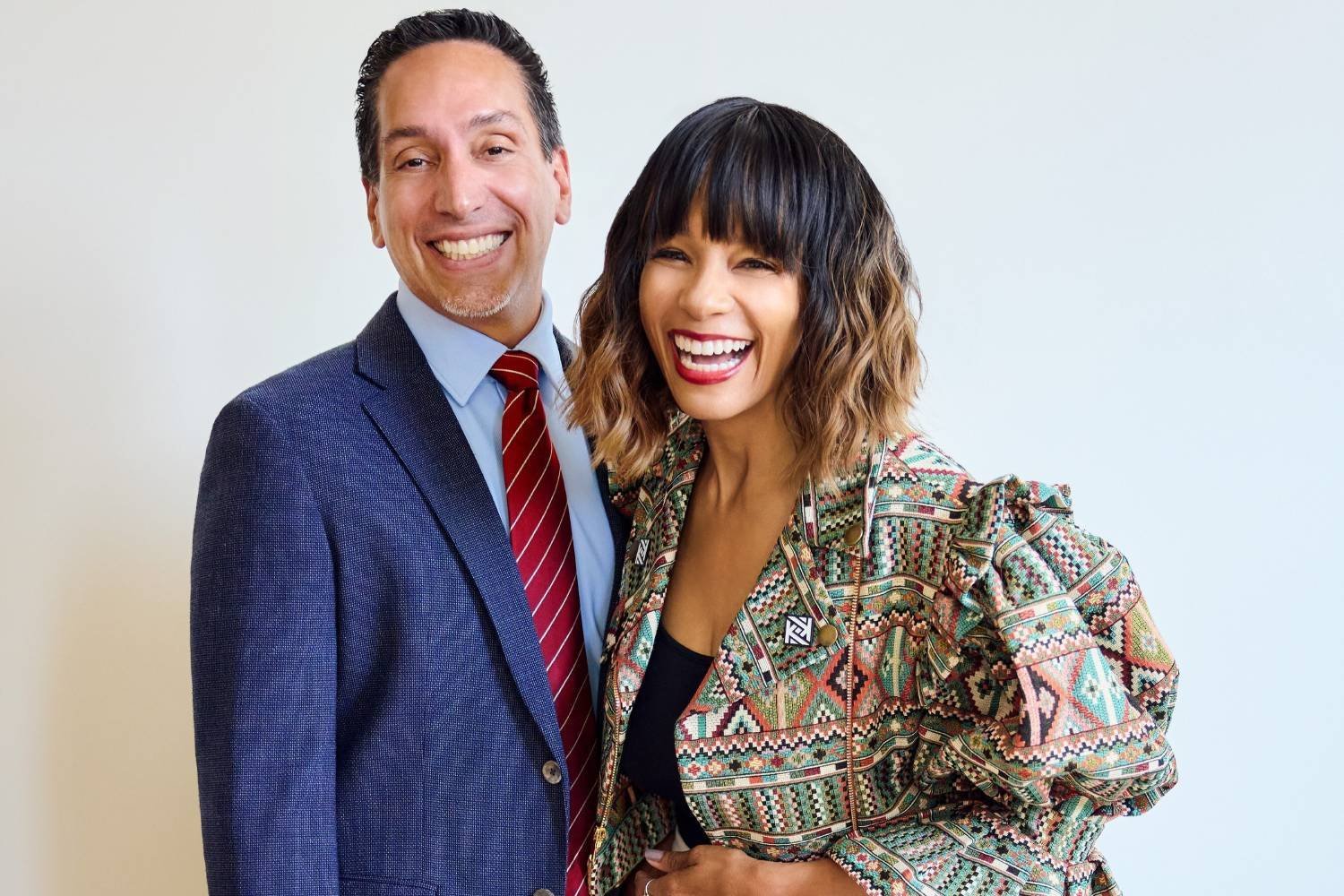 While the process has taken longer than many on the outside thought, the sale of the San Diego Padres will happen. That is according to MLB Commissioner Rob Manfred, who held court prior to Tuesday's All-Star Game and was asked about the record $3.9 billion purchase by Jose E. Felciano and Kwanza Jones. “It’s a question of getting investment commitments, documentation to be put in a condition that it’s ready for a club vote,” Manfred said, according to the San Diego Union-Tribune. News of the sale agreement broke in mid-April, with the Seidler family negotiating the richest sale in MLB history, surpassing the $2.4 billion that Steve Cohen paid for the New York Mets in 2020. Cohen, one of the richest people in the world, acquired 95% control of the team. Feliciano and Jones are said to be purchasing a 45% stake in the Padres, with several other people, groups and entities piecing together the remaining 55%. That is where it seems things have slowed down. That and the sale news becoming public earlier in the process than what is typical. “When people in the public become aware of the sale — this one was earlier, quicker than what sometimes happens,” Manfred said. “Usually, it gets public when it’s a little closer to final documents. But (the sale) will get done.” There was an owners meeting in June where a vote could have taken place. Now, it seems like the approval will happen in August at the next owners meeting. A vote to approve new ownership requires 22 of the other 29 teams. View the full article
 -
Zion Rose at No. 6?! Breaking Down the Royals' Draft Shocker
DiamondCentric posted an article in Royals Keep
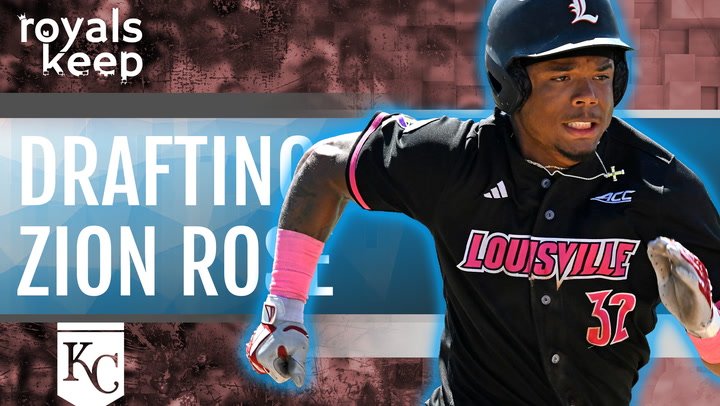 The Royals selected Louisville outfielder Zion Rose with the No. 6 overall pick in the 2026 MLB Draft. In this video, we cover his junior season, where he slashed .417/.491/.646 with six homers and 24 stolen bases, his plate discipline and speed, his conversion from catcher to the outfield, and how Kansas City's under-slot approach at this pick set up over-slot selections like Taylor Rabe and Jack Slightom later in the draft. View the full article
 -
Is Nick Lorusso the Mets' Third Baseman of the Future?
DiamondCentric posted an article in Grand Central Mets
 Nick Lorusso is one of the top power-hitting prospects in the Mets' minor league system. Drafted in the 9th round in 2023, he's climbed steadily through the minors and is currently playing in Double-A Binghamton. With third base uncertain after Bo Bichette has the option to opt out of his contract, we take a look at whether Lorusso could be the fit at the hot corner. View the full article
 -
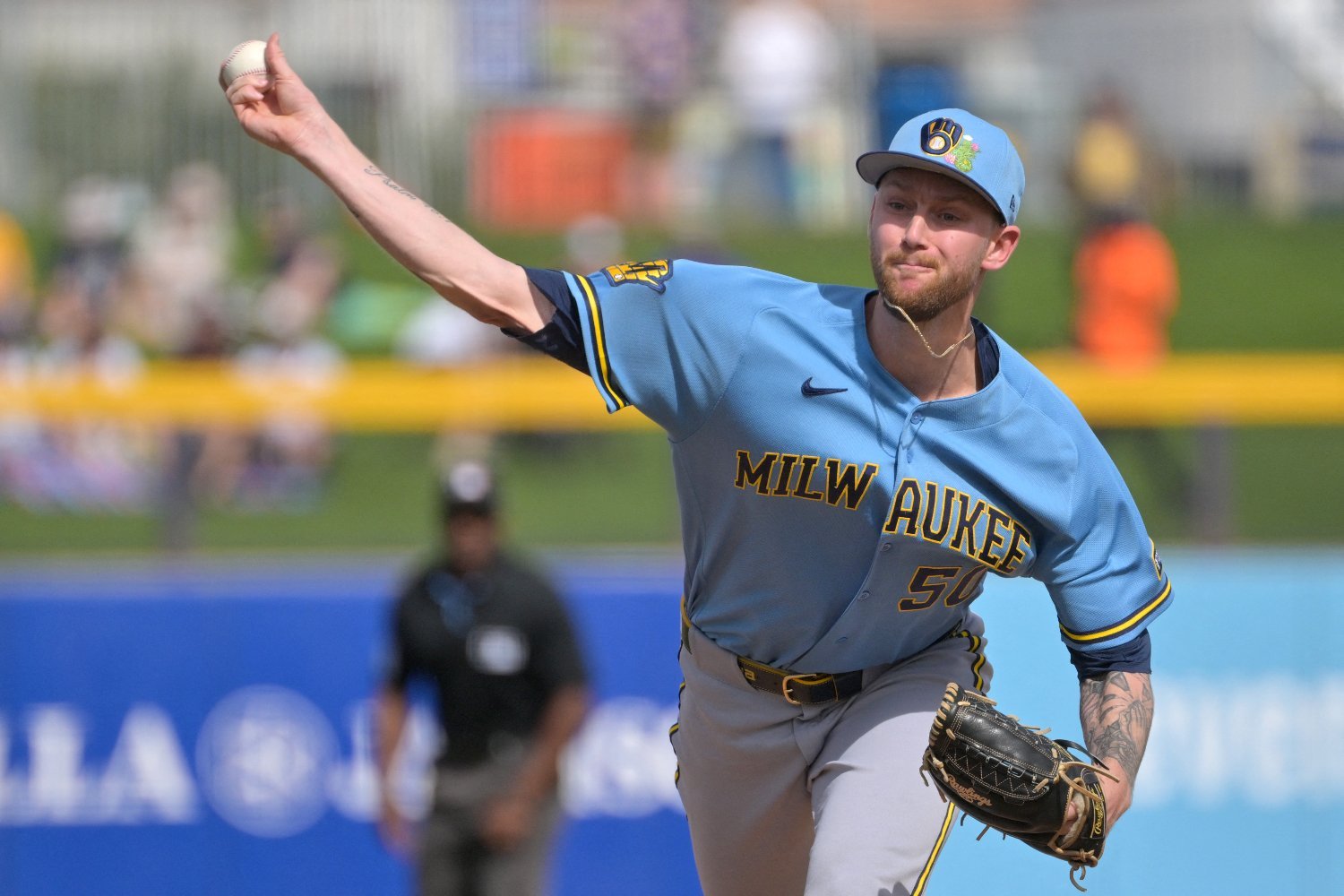 On Tuesday afternoon, the Royals announced that they had acquired right-handed pitcher Easton McGee from the Milwaukee Brewers in exchange for cash considerations. To make room for McGee, the Royals transferred reliever Nick Mears to the 60-Day IL. McGee pitched in 9 outings and 14.2 IP last season with the Brewers, posting a 5.52 ERA and 1.36 WHIP. However, his FIP was much better at 3.24. This year, he's spent most of it in Triple-A Nashville, as he has only appeared in two games for the Brewers. In those two outings, he has a 0.00 ERA and 1.00 WHIP. He showcased an intriguing TJ Stuff+ profile, though he didn't generate many whiffs in his brief Brewers tenure this year. With the Sounds in Triple-A, McGee has a 5.62 ERA, 1.58 WHIP, 4.18 WHIP, and 13.6% K-BB% in 41.2 IP. In Nashville, he has done a good job of flooding the strike zone, with strong percentiles in zone rate and CSW. That is something sorely needed with this Royals bullpen, which ranks 28th in reliever BB/9 this year. In a corresponding move, the Royals moved Mears from the 15-Day IL to the 60-Day IL. Mears had been on the IL since May 29th due to right shoulder impingement. The former Brewers pitcher, acquired this offseason along with Isaac Collins in the Angel Zerpa trade, had a 5.12 ERA and 1.50 WHIP in 21 appearances and 19.1 IP before going on the IL. View the full article
 -
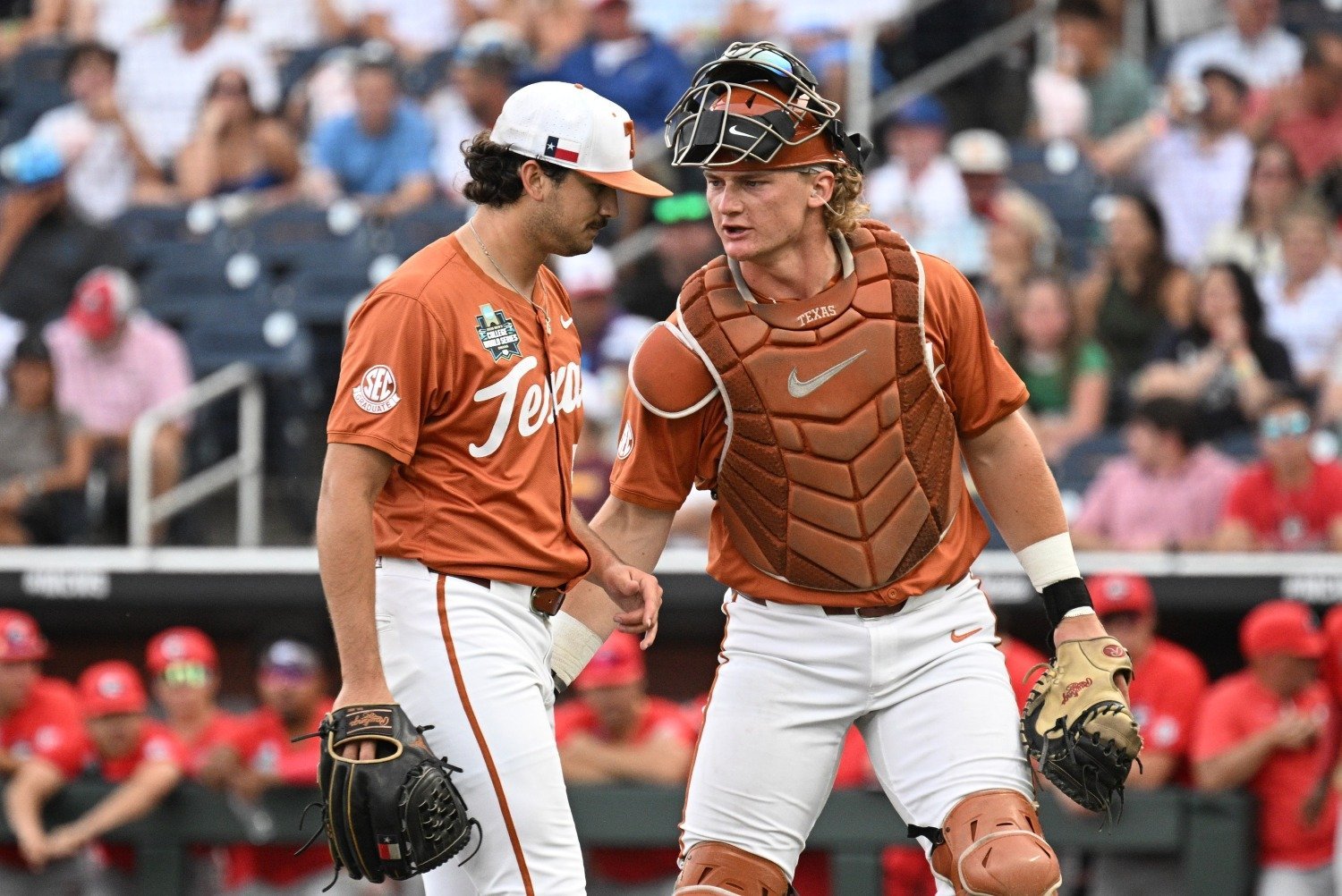 With their first two selections in the 2026 MLB Draft, the Minnesota Twins (led by assistant GM Sean Johnson) selected catchers Vahn Lackey (3rd overall) and Carson Tinney (43rd), fortifying the minor-league depth of a position group that had been the organization’s greatest area of future insecurity. The primary reason for team decision-makers' uncertainty about the position’s medium- and long-term health was that All-Star-caliber backstop Ryan Jeffers is almost guaranteed to depart the organization as a free agent this offseason. Veterans Victor Caratini and Alex Jackson are under team control for 2027 and could serve as a serviceable short-term tandem at the position, assuming Jeffers leaves. Still, Caratini and Jackson aren’t long-term candidates to anchor the position as Minnesota enters its next World Series-contending window. Until the selection of Lackey and (to a much lesser extent) Tinney, the prospect much of Twins Territory was projecting to be Jeffers’s long-term successor at the position was Eduardo Tait, acquired alongside Mick Abel in the 2025 MLB trade deadline swap that sent Jhoan Duran to Philadelphia. Still appearing on many top-100 prospect lists, Tait boasts plus power and a strong arm behind the dish. However, he swings at almost everything, sporting a 40.8% out-of-zone swing rate. His extreme lack of plate discipline has resulted in a .216/.280/.420 (73 wRC+) line over 339 plate appearances. Tait is 19, and he does have exciting in-game power, with 15 home runs this season. Still, a sub-300 on-base percentage (OBP) at High-A is catastrophic, and he will need to make drastic, sustained changes to his plate discipline to advance to the high minors. More than three years younger than the average High-A player, Tait will have plenty of time to make those developments, and Twins fans should remain optimistic about the 19-year-old’s long-term prospects. Still, it feels more likely that he'll reach the majors in 2029 than that it could happen by 2027. That being the case, the organization was in dire need of more developed, easier-to-project catching talent in the minors. Enter Lackey and (again, to a lesser extent) Tinney. Selected third overall, Lackey instantly slots in as Minnesota’s catcher of the future, with a chance to make his major-league debut early next season. He was arguably the most refined prospect in the 2026 draft, and he could soon slot in above Walker Jenkins on Twins top prospect rankings. There arguably wasn’t a better fit between player and team in the draft than Lackey and Minnesota, and Twins Territory should reap the benefits of the pairing for seasons to come. Lackey immediately usurps Tait, though the way the Twins prefer to deploy their catchers, there's plenty of room for both to contribute. Khadim Diaw and Enrique Jimenez were the organization's other top catching prospects alongside Tait before Lackey and Tinney were selected. Diaw’s bat will likely be what guides him to the majors, as the 22-year-old struggles to suppress base stealers, throwing out only six of the 109 runners who attempted to steal a base on him between High-A and Double-A. He's spent significant time in center field in Wichita, and projects to be an outfielder if he does reach the majors. Jimenez is a better defensive catcher than Diaw. However, given that he is only 20 and hitting .232/.400/.402 at High-A, it's nearly impossible to project his long-term viability as a major leaguer. Right now, Tait is a better prospect than Tinney. However, Tinney sneaks in above Diaw and Jimenez on the organization’s depth chart at the position. Unlike Lackey, Tinney is a raw prospect, with a lot of swing-and-miss in his offensive profile and uncertainty about his ability to remain behind the plate as he progresses through the minors. Still, after sporting elite exit velocity and raw power at the University of Texas, the 21-year-old has a clearer path to the majors than Tait’s, Diaw’s, and Jimenez’s, even if he’s spending more time at designated hitter, first base, and the corner outfield than behind the plate. Lackey is arguably the best catching prospect drafted in the 2020s, and Tinney could serve as the other half of the tandem. Minnesota has dramatically changed its long-term outlook at the position, making Tait’s, Diaw’s, and Jimenez’s shaky development feel less enormous. View the full article
 -
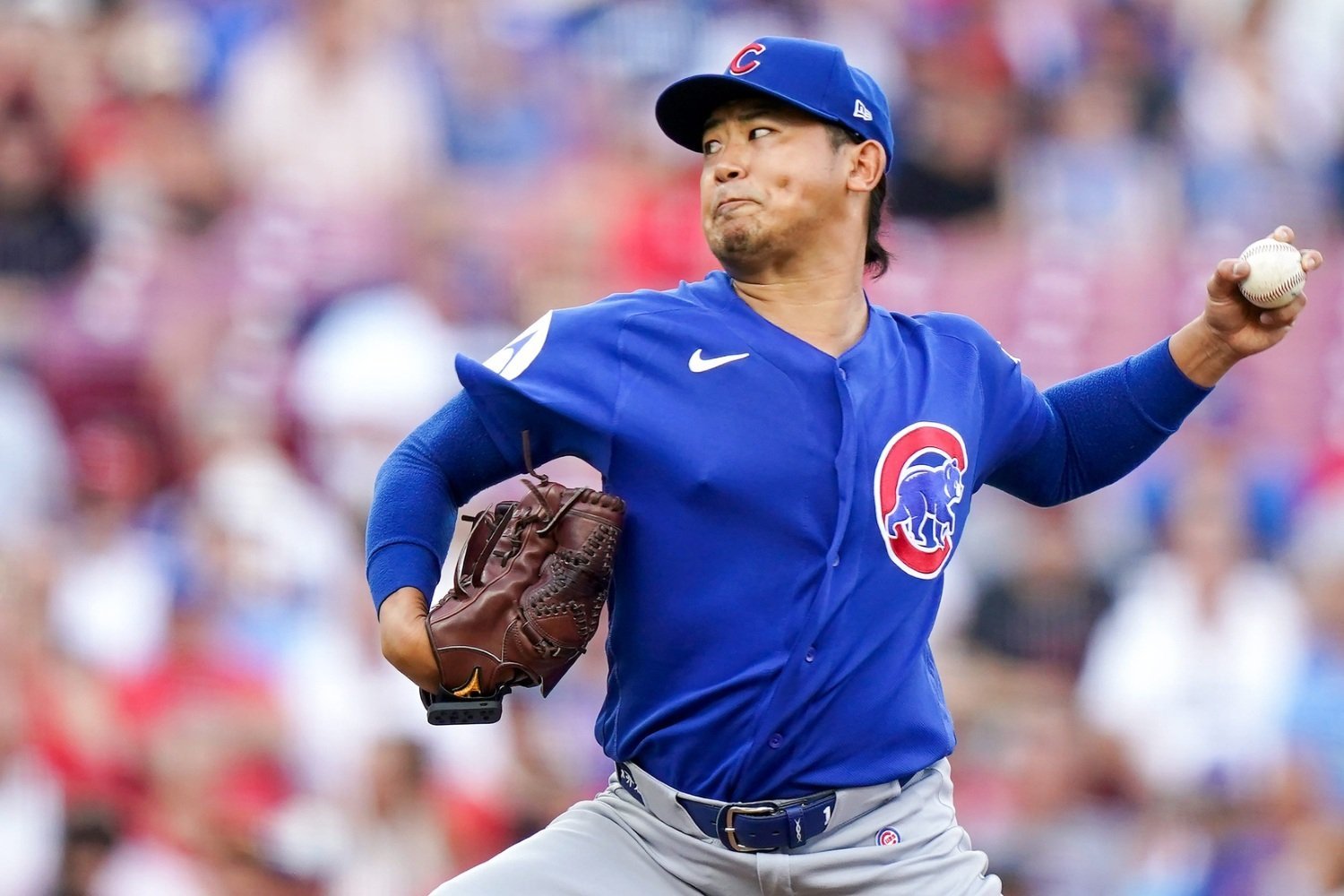 It's too early to start making hotel reservations for October, but it's not too early to start saving up for the massive prices of playoff tickets. The Chicago Cubs have surged again recently, and while it hasn't been enough to make them any serious threat to the Milwaukee Brewers for the NL Central crown, they're now firmly back into playoff position and will be buyers at the trade deadline. FanGraphs estimates that the team has a 76.8% chance to reach the postseason, more than double the odds it gave them at their nadir a little over a month ago. That might even undersell them, because at this point, it's clear that the Cubs will supplement their pitching staff in some way at the deadline, whereas some of the teams still taking up some of the projected playoff probability in models like FanGraphs's (the Marlins, the Nationals, the Padres, the Diamondbacks, the Cardinals, the Pirates) are much less likely to do so. Sensing the importance of not only recovering in the standings but continuing to push forward, the Cubs have gone into a mode not unlike a team in its stretch drive or in the playoffs themselves, lately. Craig Counsell is spending less time rotating in and trusting young players. He's using a shorter hook on his starters. And, in fact, one of those starters has also changed his approach, adapting to Counsell's plan to win each day and to the new role he might fill as the roster changes in coming weeks. Shota Imanaga will not—he can not—be a playoff ace for the Cubs. It's just not part of his spectrum of reasonable projected outcomes, at this point. The team rightfully trusts Matthew Boyd more at this point, and they'll hope to have at least one of Jameson Taillon, Edward Cabrera or Ben Brown (in order, here, from most to least likely) healthy and pitching like a playoff starter by the time they get to the end of the season. They're also going to be in the market for a starter of at least that caliber via trade this month, though it's never easy to acquire such a player. If the Cubs get their way, Imanaga won't be slated to pitch much in a Wild Card Series. However, if the team is to make any meaningful run in the playoffs, they'll need Imanaga to be his best self. That 'best self' just needs to look a bit different than it does during the grind of the regular season. To that end, we've seen Imanaga make a major adjustment over his last three starts, which could signal both the team's desire to prepare him for the role he'll play in September and October and his own understanding of how his skill set interacts with the world he's pitching in right now. Ordinarily, Imanaga is a fastball-forward guy. That's what made him so lamentably hittable down the stretch last season, when his fastball velocity sagged into the upper 80s and lowest end of the 90s most of the time. He works off his fastball for two reasons: When it's right, the pitch can induce pop-ups, whiffs and other positive outcomes for Imanaga and the Cubs. Well-located at the top of the strike zone, the pitch comes in unusually flat, and hitters struggle to adjust enough to get the barrel through the center of the ball. Even if they center the ball perfectly on the barrel, they're often a bit underneath it. Throwing the fastball enough to force batters to look for it sets up his two more devastating options, the splitter and the sweeper. Imanaga thrives on getting batters to chase outside the zone, and they'll do that more readily when they're looking for a fastball and (therefore) expecting a strike. The heater itself not only isn't an out pitch, though, but tends to get hit hard. Yes, he gets routine fly balls and pop-ups with it, but he also gives up more than his share of home runs on it. That's in the nature of being a guy who works up in the zone with a slower-than-average fastball. It's an important piece of the puzzle for him, but the stats will always be ugly on at-bats that end with fastballs. The challenge is to throw that pitch as little as possible, without diminishing the effectiveness of secondary pitches that rely on the fastball to make them play up. That's become even more important this season, but also more complicated. The advent of the ABS system has brought about a smaller zone, and most of the lost dimension of the zone has come off the top edge. As a result, more of the fastballs Imanaga throws are technically above the zone, so batters are less incentivized to swing against it—but also less pressured to hunt the fastball, and perhaps less naturally vulnerable to the other offerings. Three starts ago, therefore, Imanaga made a change. Beginning then and growing even more stark in his two July starts, he's thrown the fastball less than ever before, since he came to the United States in 2024. That's come, as you'd expect, with greater reliance on the splitter and sweeper. The metrics on those pitches are much better than on his fastball, but there's a catch: without the fastball to set them up, he has to work harder to get outs with them. The most efficient version of Imanaga is the guy who throws that fastball 45% of the time, rather than about a third of the time. But that efficiency isn't always what the team needs. In his two starts this month, Imanaga has only recorded 29 total outs. He went 4 2/3 innings against the Cardinals on July 4, and 5 frames against the Reds on Friday night. However, he's only given up three runs in the two outings, combined. He's using more pitches per batter faced, and he's walking more batters than the version of himself who dominated the league for parts of 2024. However, he's still missing enough bats, as evidenced by his 13 strikeouts in the two outings. Counsell is also being more proactive with him, pulling him not at the first sign of trouble, but before that trouble can become a budding disaster. This is how teams use their third or fourth starter in the postseason: by asking them to be less efficient but more clinical. That Imanaga is already morphing into that version of himself is good news for Chicago. It puts a bit of extra pressure on the bullpen, but it also gives the team a better chance of being in position to win when Imanaga leaves the game. It's time to make those kinds of changes and get serious about the formula they want to use to win games when the stakes rise sharply. Fewer runs allowed per out recorded becomes the sole criterion of utility by mid-September, and Imanaga and the Cubs are turning his starts into rehearsals for that intensity and urgency even in July. View the full article
 -
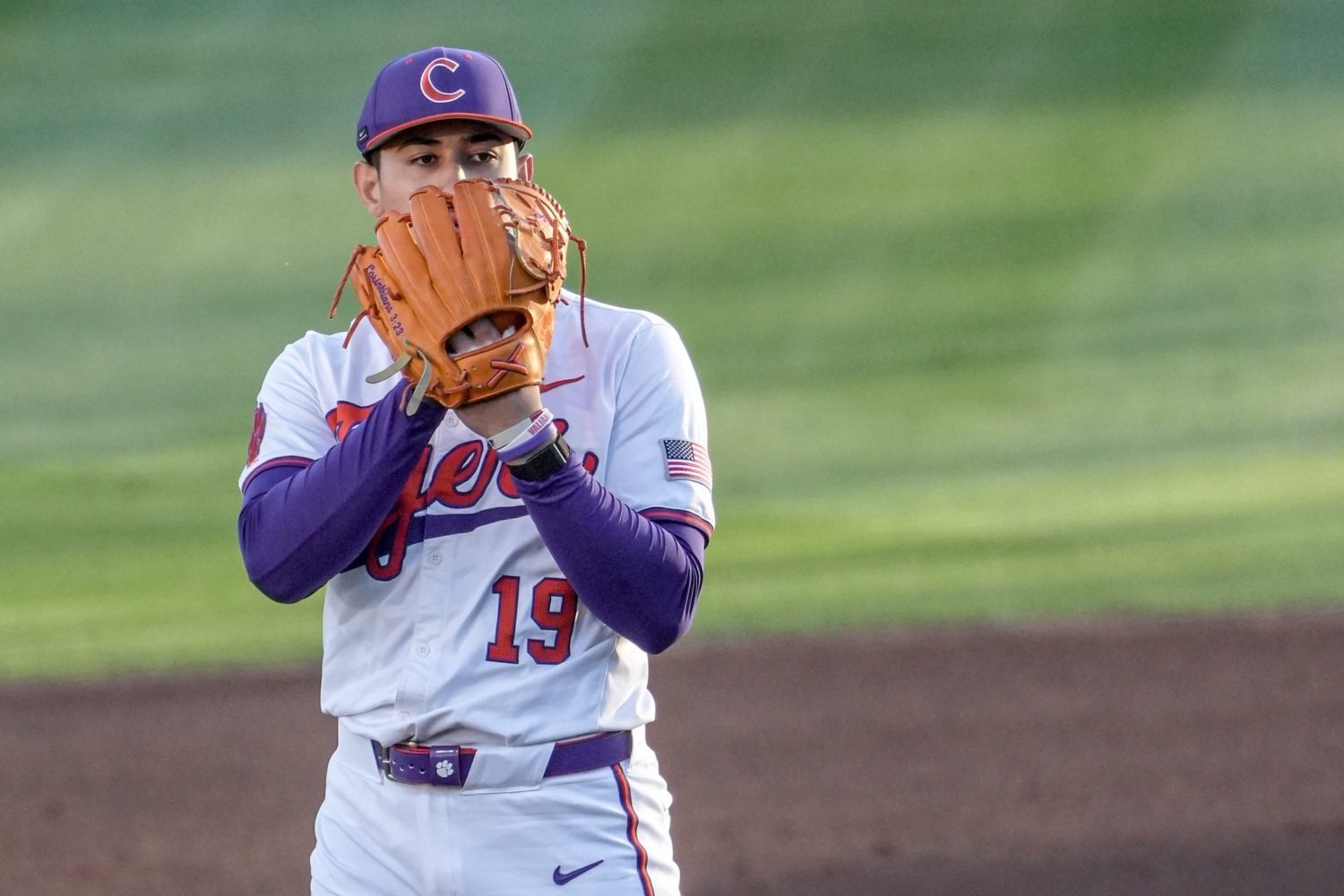 The 2026 MLB Draft is behind us, and the Milwaukee Brewers found some high-upside players even outside of the first couple of rounds. Aidan Knaak is one of them. Milwaukee selected him in the fifth round, at 163rd overall. Let’s dive into his story, strengths, weaknesses and overall projection within the Brewers organization. Knaak’s Background Knaak is a 6-foot-1, 215-pound right-handed pitcher out of Clemson. He was already a high-profile prep product, as the righty showed great ability to keep hitters off balance as a member of the Bishop Verot High School (Fort Myers, FL) rotation. After going undrafted due to the strength of his commitment to playing in college, Knaak started his Tigers career strong, earning All-ACC honors in each of his first two seasons. He tumbled this year, though, as the Florida native posted an ugly a 5.81 ERA. His production didn't match, but his scouting report still garnered enough appeal for him to be a top-250 draft recruit, per MLB Pipeline; he slotted in at No. 210. Knaak has gained a reputation for sticking around the edges of the strike zone and mixing it up, with an arsenal consisting of a fastball, curveball, slider and changeup. What’s There to Harness? The main appeal with Knaack is his changeup, a pitch that’s earned a 60 grade on MLB Pipeline’s 20-to-80 scouting scale. He’s able to manipulate and alter it, bringing it into the mid-80s or dropping it into the 70s and (either way) showing above-average arm-side run. With pristine pitch tunneling, this could make for an elite weapon at the professional level. If he’s able to make the changeup stick in the 70s, it only increases the effectiveness of a low-90s fastball. With the changeup being his best offering, I’m curious how he’ll work around it. He could either set up his best pitch by getting to a two-strike count on the fastball and then bury the offspeed offering in the dirt, or he could pitch backward a bit. Starting some at-bats with the changeup to set up the breaking stuff or a heater as the out pitch might work, based on the way he commands the cambio. There have been reports of him generating almost two feet of horizontal break and generating a whiff rate in the 50s (via Driveline). That would be considered elite at the minor-league and major-league levels. Points of Improvement Knaak and the Brewers could work on his fastball velocity, as a pitch currently topping out at 96 miles per hour is around average. (His average velocity is a few ticks lower.) He may not need to push the ceiling higher, but to profile as a future starter, he probably needs to bring up the floor and center line of his velocity band. His primary issue this spring was limiting hard contact with his other offspeed pitches. His slider and curveball are graded at 45 and 40 on the scouting scale, respectively. The righty allowed an opposing slash line of .476/.500/.714 against those two pitches to college hitters; he needs a lot of work in the spin department. Overall Projection Knaak may have had a bumpy spring, but he’s entering the right organization to make some tweaks to his game. He doesn’t need to be a hard thrower, by modern standards. Look at the early success of pitchers like Quinn Priester in 2025 (93.9 mph fastball average) or Logan Henderson (93.1 mph fastball average) this year. The main objective will be working around Knaak’s potentially elite changeup, something that has been his prized possession for years. From there, it’ll be on the pitching laboratory to generate more spin on his other pitches. If he can get ahead and garner better whiff rates on other pitches, this could be someone who turns into a future rotation piece. View the full article
 -
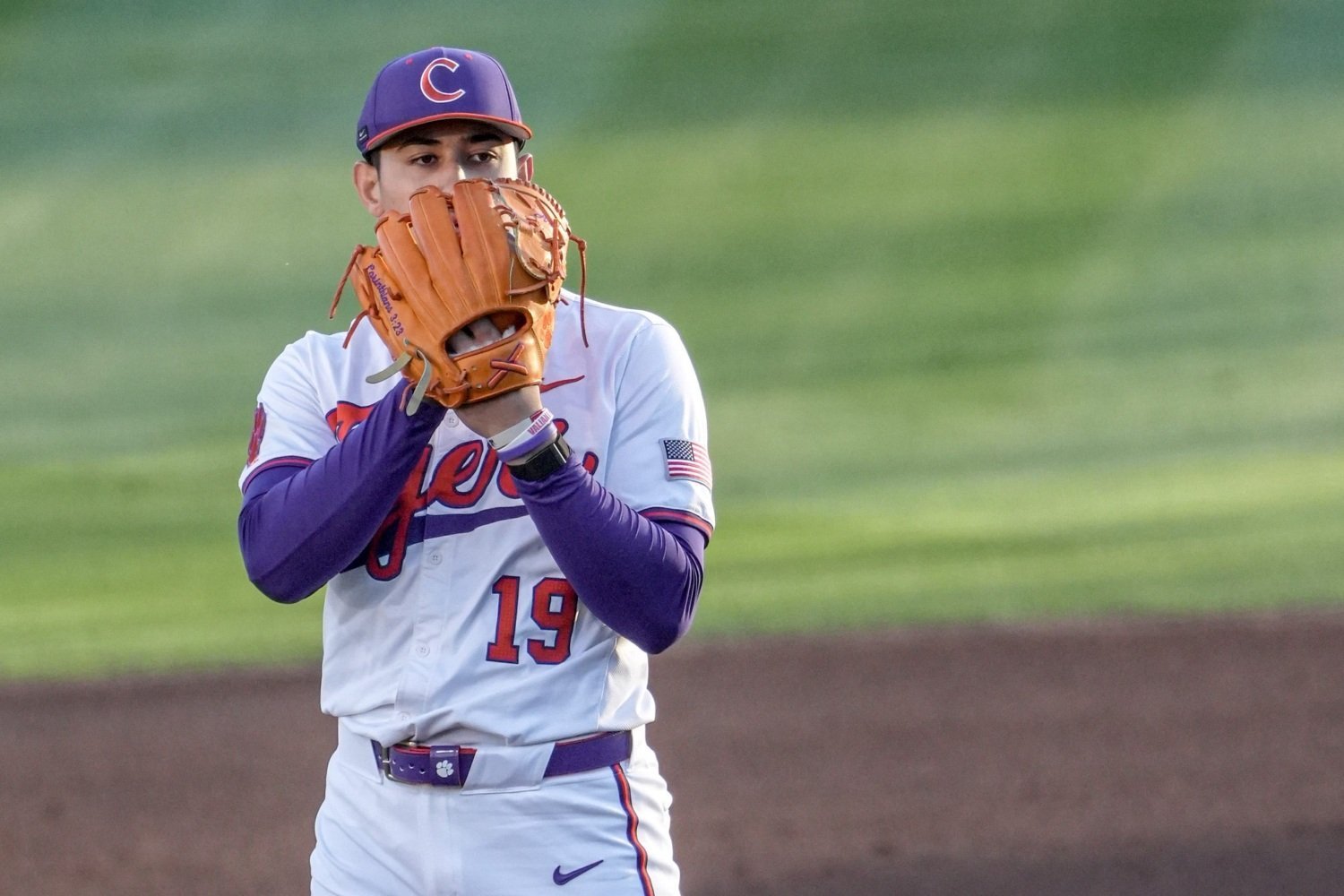 The 2026 MLB Draft is behind us, and the Milwaukee Brewers found some high-upside players even outside of the first couple of rounds. Aidan Knaak is one of them. Milwaukee selected him in the fifth round, at 163rd overall. Let’s dive into his story, strengths, weaknesses and overall projection within the Brewers organization. Knaak’s Background Knaak is a 6-foot-1, 215-pound right-handed pitcher out of Clemson. He was already a high-profile prep product, as the righty showed great ability to keep hitters off balance as a member of the Bishop Verot High School (Fort Myers, FL) rotation. After going undrafted due to the strength of his commitment to playing in college, Knaak started his Tigers career strong, earning All-ACC honors in each of his first two seasons. He tumbled this year, though, as the Florida native posted an ugly a 5.81 ERA. His production didn't match, but his scouting report still garnered enough appeal for him to be a top-250 draft recruit, per MLB Pipeline; he slotted in at No. 210. Knaak has gained a reputation for sticking around the edges of the strike zone and mixing it up, with an arsenal consisting of a fastball, curveball, slider and changeup. What’s There to Harness? The main appeal with Knaack is his changeup, a pitch that’s earned a 60 grade on MLB Pipeline’s 20-to-80 scouting scale. He’s able to manipulate and alter it, bringing it into the mid-80s or dropping it into the 70s and (either way) showing above-average arm-side run. With pristine pitch tunneling, this could make for an elite weapon at the professional level. If he’s able to make the changeup stick in the 70s, it only increases the effectiveness of a low-90s fastball. With the changeup being his best offering, I’m curious how he’ll work around it. He could either set up his best pitch by getting to a two-strike count on the fastball and then bury the offspeed offering in the dirt, or he could pitch backward a bit. Starting some at-bats with the changeup to set up the breaking stuff or a heater as the out pitch might work, based on the way he commands the cambio. There have been reports of him generating almost two feet of horizontal break and generating a whiff rate in the 50s (via Driveline). That would be considered elite at the minor-league and major-league levels. Points of Improvement Knaak and the Brewers could work on his fastball velocity, as a pitch currently topping out at 96 miles per hour is around average. (His average velocity is a few ticks lower.) He may not need to push the ceiling higher, but to profile as a future starter, he probably needs to bring up the floor and center line of his velocity band. His primary issue this spring was limiting hard contact with his other offspeed pitches. His slider and curveball are graded at 45 and 40 on the scouting scale, respectively. The righty allowed an opposing slash line of .476/.500/.714 against those two pitches to college hitters; he needs a lot of work in the spin department. Overall Projection Knaak may have had a bumpy spring, but he’s entering the right organization to make some tweaks to his game. He doesn’t need to be a hard thrower, by modern standards. Look at the early success of pitchers like Quinn Priester in 2025 (93.9 mph fastball average) or Logan Henderson (93.1 mph fastball average) this year. The main objective will be working around Knaak’s potentially elite changeup, something that has been his prized possession for years. From there, it’ll be on the pitching laboratory to generate more spin on his other pitches. If he can get ahead and garner better whiff rates on other pitches, this could be someone who turns into a future rotation piece. View the full article
