


DiamondCentric
-
Posts
2,631 -
Joined
-
Last visited
Never
Content Type
Profiles
Forums
Events
News
Tutorials & Help
Major League Baseball Videos
Guides & Resources
Store
Downloads
Gallery
Everything posted by DiamondCentric
-

One Shot At Glory: The Royals' One-Time All Stars, Part 2
DiamondCentric posted an article in Royals Keep
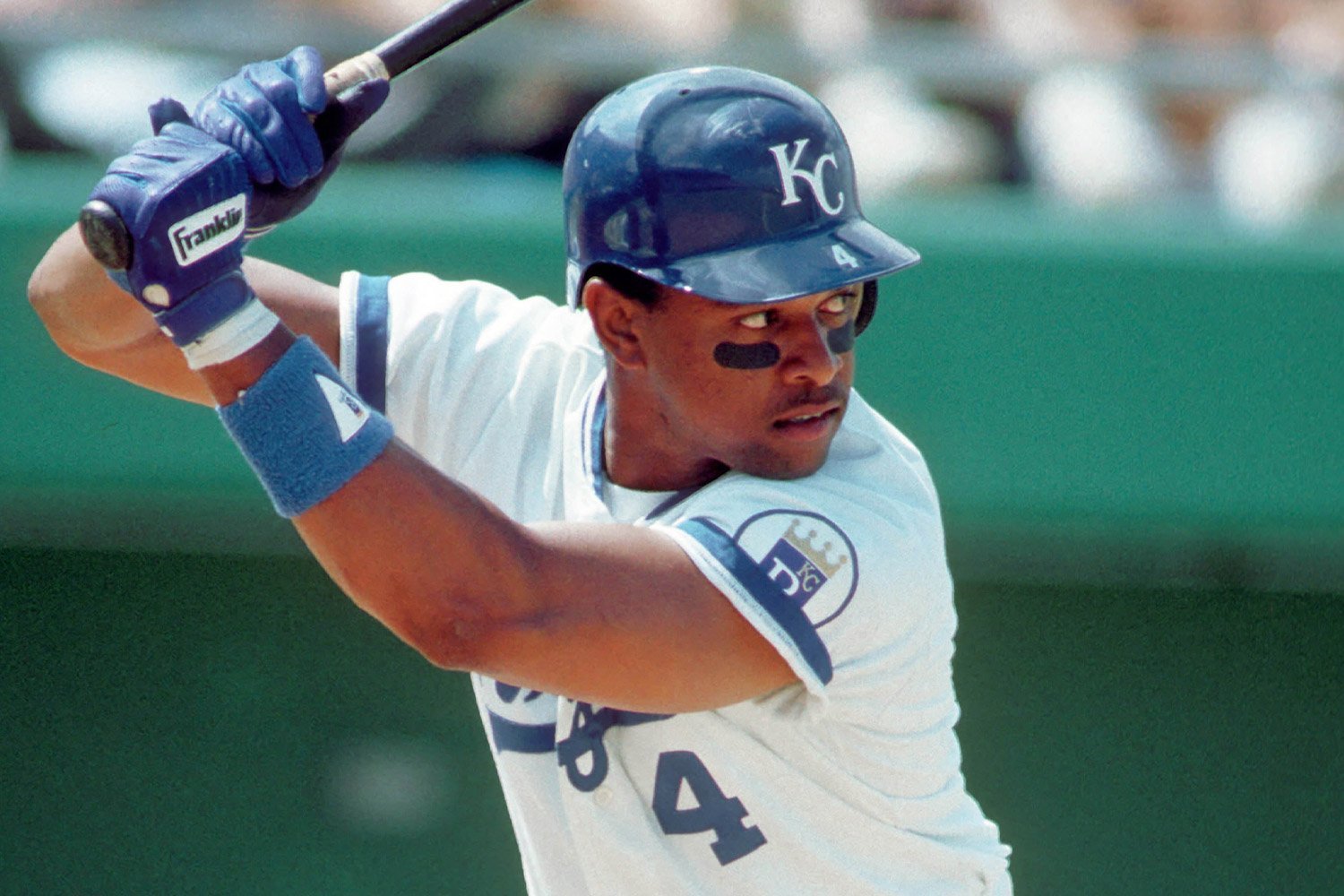 Here is the second part of our series on the Royals who made the All-Star team just once in their Kansas City careers. You can catch up on part one here. This part will cover the 1990s and 2000s, which were obviously not some of the greatest times in team history. Still, there are plenty of good players here, and probably a couple of surprises. Danny Tartabull (1991) After the Royals acquired Tartabull in a good trade with Seattle following the 1986 season (sending pitcher Scott Bankhead and outfielder Mike Kingery to the Mariners), the new right fielder had solid seasons in 1987-89. But he was always kind of overshadowed by George Brett and Bo Jackson. Tartabull was a bit miffed he didn’t join Bo Jackson on the 1989 team, and he had a good case. Then he suffered through an injury-plagued 1990 season. But in 1991, he got off to a good start, hitting .292/.329/.466 through May. Then he bashed nine home runs in June, along with a .368/.421/.736 line for the month. And still, as the time grew near to pick the reserves, there was a question of whether he would make the team. But Oakland manager Tony LaRussa did select the outfielder for the team; it probably helped that Tartabull went 6-for12 with two doubles and a home run in a series in Oakland at the end of June. “Overall, I’m grateful, privileged, and honored–all three. I’m grateful because they left off a lot of deserving guys.”--Tartabull, quoted by Dick Kaegel, The Kansas City Star, July 5, 1991 When NL manager Lou Piniella (featured in part one of this series!) chose Atlanta’s Tom Glavine as his starting pitcher, LaRussa decided to use the right-handed Tartabull as his DH. So the Royals’ lone representative was in the starting lineup. It didn’t work out, though. Glavine struck out Tartabull to end the first inning, and the Royal lined out to third to end the third inning. When his turn to bat came around again, it was the sixth inning and time to get some reserves in the game, so Harold Baines pinch-hit for him. Tartabull left the Royals for the New York Yankees as a free agent after the 1991 season, and despite hitting 81 home runs over the next 3 ½ seasons, he never made an All-Star team again. But he did get to be on a couple of episodes of Seinfeld, so there’s that. David Cone (1994) Most of you know that Cone, after a cup of coffee with the Royals in 1986, was traded away in possibly the worst deal in Royals history after the season. After a so-so 1987 season with the New York Mets, he blossomed in 1988, winning 20 games. He made the All-Star team that year and again in 1992 for the Mets before a midseason trade sent him to the Toronto Blue Jays. After helping them to a World Series title, Cone returned to his hometown as a free agent after the 1993 season, as Royals owner Ewing Kauffman opened his checkbook to correct the team’s earlier mistake. Kansas City didn’t win a title while Cone was back in town, but it was hardly his fault. In 1993, Cone went 11-14 despite a 3.33 ERA, thanks to a criminal lack of run support; his 7.2 bWAR total tells you he was outstanding. It was more of the same in 1994, but with better luck, as he finished 16-5 with a 2.93 ERA before the strike ended the season in August. That was good for a Cy Young Award. But first, Cone would make the All-Star team for his only time as a Royal. On the day the All-Star pitchers were announced, Cone pitched the Royals to a win over his former Blue Jays teammates, giving Toronto manager Cito Gaston a tough decision on his starter for the All-Star Game. “I’d welcome the opportunity, no doubt about it. To be on that mound to start a game in a Royals uniform would be tremendous…It’d be a dream come true.”--Cone, quoted by Dick Kaegel, The Kansas City Star, July 4, 1994 But it wasn’t to be. Gaston selected his own pitcher, Jimmy Key, because he would be pitching with full rest, as opposed to Cone on three days’ rest. Cone followed Key on the mound, allowing three runs in the third inning but recovering to pitch a scoreless fourth. Of course, in those pre-interleague play days, many of the NL hitters had seen him when he was a Met, so perhaps they had an advantage. The Royals traded Cone away again before the 1995 season began, mostly as a cost-cutting move. He would be an All-Star twice more, but those were both with the New York Yankees. Kevin Appier (1995) The vastly underrated Appier, the Royals’ first-round pick in the 1987 draft, was 15-8 with a 2.46 ERA in 1992. But he pitched on the Sunday before the All-Star break and was left off the team. In 1993, he led the league in bWAR and captured the ERA title (2.56) while winning 18 games. But again, he pitched that final game before the break. No selection. He was not nearly as effective in 1994, so wasn’t really considered as an option. But in 1995, manager Bob Boone juggled his rotation to allow Appier to pitch the Friday before the All-Star Game. It worked! At 11-3 with a 2.30 ERA, Appier was at last an All-Star. “I wish I could have made them all, but it feels very good to at least make this one. Hopefully, it’s the first of many.”--Appier, quoted by Mike DeArmond, The Kansas City Star, July 3, 1995 Like Cone the year before, Appier was considered for the start by AL manager Buck Showalter, who ultimately chose Randy Johnson. Also like Cone, Appier was the second man on the mound for the AL. Unlike Cone, Appier was outstanding. He retired all six hitters he faced, with five groundouts and a strikeout. Six of the NL’s best hitters couldn’t even get the ball out of the infield, and the last two batters he faced were some guys named Tony Gwynn and Barry Bonds. But it was not the first of many appearances for Appier; rather, it was the only one of his career. Injuries took some of his effectiveness, and while he had some good seasons left, he was not quite as dominant. The Royals dealt him to Oakland at the trade deadline in 1999, although he would briefly pitch for KC in 2003 and 2004 to wrap up his career. Dean Palmer (1998) Palmer is kind of perfect for this sort of article. Acquired from the Texas Rangers just ahead of the trade deadline in 1997, Palmer brought the power-hitting ability the Royals always seem to struggle to find. He hit nine home runs over the final two months of that season, a total that placed him fourth on the team for the year. Seriously. Since two of the players who finished ahead of him (Chili Davis and Jay Bell) were free agents, Kansas City was depending on Palmer to keep that up. He certainly did, hitting 16 home runs with a .288/.334/.523 line through the end of June. That was tied with Jeff King for the team lead, but Palmer got the nod. Although he had bashed 33 home runs in 1993 and 38 in 1996, it was his first selection. And he almost had to miss the game, as he was hit by a pitch on the elbow the day after his selection was announced. “I was pretty worried. The way it looked a couple of days after it happened, I didn’t know if I had a chance to play in the All-Star Game.”--Palmer, quoted by Joe Posnanski, The Kansas City Star, July 6, 1998 But play he did, although his one at-bat, as a pinch–hitter in the eighth inning, resulted in a double play. Palmer had a good second half of the season, though, making a run at Steve Balboni’s single-season franchise record of 36 home runs. Palmer ended up just short at 34. A free agent after the season, he signed with Detroit. Although he hit 38 home runs for the Tigers in 1999, he didn’t make the All-Star team, and 1998 ended up as his only appearance. Jermaine Dye (2000) I don’t know if the Royals had the best young outfield in baseball in 1999 and 2000, but they had to be pretty close. With 25-year-olds Johnny Damon and Dye flanking the 22-year-old Carlos Beltran in 1999, the future looked bright for Kansas City. But Dye was hardly an overnight success. Acquired from the Atlanta Braves just before the 1997 season started, Dye struggled for two years before he unlocked his ability in 1999, with an All-Star worthy .294/.354/.526 line. He wasn’t selected that season, but would not be denied in 2000. In fact, he was voted in as a starter, the Royals’ first since Tartabull was the DH in 1991. “Fans relate more to the way you play on the field and how you give 100 percent than the big-name players. Finally, players on this team are getting noticed. Kansas City is finally being out on the map.”--Dye, quoted by Steve Rock. The Kansas City Star, July 5, 2000 To make the moment a little sweeter for Dye, the game was played in Atlanta. Dye hit a fly ball in the second. He began the fourth with a walk and came around to score on a Derek Jeter single. He finished his evening with a strikeout against Glavine, who apparently had it in for Kansas City right fielders in the Midsummer Classic. And like another player on this list (Cone), Dye would also be dealt away in a horrific trade, going to Colorado at the 2001 trade deadline for Neifi Perez (the Rockies immediately traded Dye to Oakland for three players). Despite some strong years with the A’s and then the Chicago White Sox, Dye would not be an All-Star again until 2006. Mike MacDougal (2003) When the Royals got out to their surprising hot start in 2003, MacDougal was one of the biggest beneficiaries. He had appeared in a total of nine major-league games before 2003, and by the end of April, he had 10 saves. That will get you on the All-Star radar. Although his pace slowed down some, he still had 20 saves by the end of June, including an incredible stretch of five straight games with one (there was an off-day in there, but still…). And that got him on the team. For once, the Royals had more than the one required representative, as Mike Sweeney (who was usually the lone Royal selected in those days) joined him in Chicago. Royals manager Tony Pena notified MacDougal before the Royals’ game against Detroit, and MacDougal celebrated later by nailing down his 24th save of the year to tie for the AL lead. “When I first got down to the bullpen and we were talking about it like, man, now the pressure is really on. And the guys are like, no–no pressure. (Jason) Grimsley’s like, ‘There’s no pressure You do what you need to do. You’ll be fine.’”--MacDougal, quoted by Dick Kaegel, The Kansas City Star, July 7, 2003 This was the first All-Star Game after the infamous tie in 2002 when both sides ran out of pitchers, so maybe AL manager Mike Scioscia was worried about making sure he had enough guys in reserve. Whatever the reason, MacDougal did not get to pitch. So his most notable moment was getting booed by the White Sox fans in pregame introductions. Which was kind of cool, since it meant for once in that era that the Royals were taken seriously by other teams’ fans. MacDougal pitched in the majors into the 2012 season, but never was selected for an All-Star Game again. Still, for a guy who once suffered a fractured skull after being hit in the head by a flying bat, making it once was pretty cool. Ken Harvey (2004) Harvey was an accidental All-Star of sorts, although he certainly earned it in the first half of 2004. After a solid 2003 season, his rookie year, Harvey started 2004 hot, hitting .397 through April. He cooled off in May but another hot streak got his average up to .375 in early June. However, with the Royals suffering through a miserable season, most people assumed that Carlos Beltran would be the team’s representative, especially under voting rules at the time that would allow the players to select eight reserve position players and eight pitchers. But on June 24, the Royals dealt Beltran, headed for free agency after the season, to Houston. Now it was down to Sweeney and Harvey. After the player and fan votes failed to select a Royal (as an odd side note, MLB added Beltran to the AL team, said he couldn’t play in the game, then relented and let him suit up for the NL), AL manager Joe Torre went with Harvey. “There’s no doubt this is by far the biggest day of my baseball career. To be on the field and acknowledged with the greatest players in the game is unbelievable. I’m almost at a loss for words.”--Harvey, quoted by Bob Dutton, The Kansas City Star, July 5, 2004 Harvey even got the honor of being the first pinch-hitter Torre used, in the third inning. Unfortunately, he struck out against Randy Johnson, hardly the only player to do so. Also unfortunately, Harvey would suffer a series of injuries after 2004, and would not play in the majors again after a handful of games in 2005. Mark Redman (2006) Well, here it is. Almost any list of worst All-Star selections will include poor Redman, who overall had a decent career. Acquired from Pittsburgh before the 2006 season, Redman was mostly in Kansas City to eat some innings because the Royals were required to play 162 games. And while his overall numbers in the first half weren’t great, he did win all five of his starts in June with a 3.74 ERA, which for the 2006 Royals was just about 1968 Bob Gibson territory. I’m not going to make the case that Redman was worthy of the pick, but he wasn’t a terrible pitcher. However, it probably would have made more sense for AL manager Ozzie Guillen to select second baseman Mark Grudzielanek or outfielder David DeJesus. Grudzielanek was hitting .279/.316/.375 at the end of June, plus was a reasonably well-known name who had not been charged with an error during the first half of the season. DeJesus missed time in the first half of the season but was hitting .294/.389/.471 through June 30. Or even third baseman Mark Teahen: .252/.298/.409 at the end of June. Maybe Guillen meant to choose one of the other Marks and there was a miscommunication? “I was surprised. They told me during the game. I’m thrilled. I’m just happy the team is playing good baseball. That’s what helped me get the chance to go.”--Redman, quoted by Bob Dutton, The Kansas City Star, July 3, 2006 It’s unfortunate that what could have been a heart-warming story was overshadowed by the pundits and fans mocking the Royals and this selection. Redman’s father had undergone heart surgery on June 5. Redman’s mom had also been diagnosed with breast cancer early in the season. So the selection was a nice moment for Redman, even though he didn’t actually appear in the game. He would be through as a major-leaguer roughly two years later, so this and his 2003 World Series ring were career highlights. Gil Meche (2007) After losing 310 games the previous three seasons, the Royals decided to at least try a little bit to act like a major league franchise. Part of that was signing Meche to a large free-agent contract (five years, $55 million; not a lot by today’s standards but then it was equal to Sweeney’s contract as the largest in franchise history). Some people questioned the move, as Meche was not a star, but it worked right away, as Meche was 5-6 despite a tidy 3.28 ERA through the end of June. He was pitching deep into games and putting together a good season despite the record (and of course, the Royals were still pretty bad). “I think coming in to a new team, with all the hype about everything about me coming here, I’m pretty pleased with what I’ve done this year.”--Meche, quoted by Sam Mellinger, The Kansas City Star, July 2, 2007 But Meche did not appear in the game, and this was his only All-Star selection. He had one more good season, then began breaking down. Meche famously retired before the 2011 season, walking away from the last $12 million on his contract when he easily could have played out the final year and been paid even if he were injured. Zack Greinke (2009) Really! Greinke made six All-Star teams, but only one while he was a Royal. This, of course, was the year when Greinke was probably the best pitcher on the planet, as he went 16-8 (for a 65-win team) with a 2.16 ERA and 10.4 bWAR, a full three wins better than the second-best total of Tim Lincecum. The Cy Young voters were able to overlook the relatively low win total and acknowledge the obvious. Once Greinke started the 2009 season with six wins in six starts and a 0.40 ERA, it was really just a question of whether he would start the All-Star Game, not if he would make it. Either way, with the game in St. Louis, Greinke had one wish. “Hopefully I get an at-bat. If that’s what it is, that’ll be the number one thing.”--Greinke, quoted by Sam Mellinger, The Kansas City Star, July 6, 2009 Unfortunately, he got neither the start nor the plate appearance. AL manager Joe Maddon chose to go with Toronto’s Roy Halladay for the start. Greinke got to pitch one inning, but at least he got two strikeouts and a popup. He didn’t get to hit, as Carl Crawford batted for him in the top of the fourth. Since this was the era when the All-Star Game decided home-field advantage in the World Series, I guess Maddon thought there was no time for whimsy. By the time Greinke made his next All-Star team, the DH was being used, so I don’t think he ever got that at-bat. He did get to start the 2015 game, though. View the full article
 -
 TRANSACTIONS C Irvin Nunez assigned to Fort Myers Mighty Mussels from Cedar Rapids Kernels. St. Paul Saints activated OF Walker Jenkins. RHP Ty Langenberg assigned to Wichita Wind Surge from St. Paul Saints. LHP Jake Higginbotham assigned to Wichita Wind Surge from St. Paul Saints. Wichita Wind Surge transferred C Poncho Ruiz from the 7-day injured list to the 60-day injured list. Wichita Wind Surge released RHP Nick Mikolajchak. Wichita Wind Surge released RHP Sam Ryan. With it being the All-Star break, most of the Twins affiliates also get to enjoy some time off, with their first game of the week coming on Friday. Here, then, is a preview of the short week ahead for the Twins top affiliates. SAINTS SENTINEL The trip down I-35 was not kind to the Saints, as they went 2-4 with bookend wins against the Iowa Cubs. The Saints will return to St. Paul for four games against the Louisville Bats. The Saints did have success against the Bats at the end of June, and hopefully that will get the hometown club back on a series win. OF Hector Rodriguez continues to be a bat to keep an eye on. The 22-year-old is currently hitting .284/.364/.546 (.910 OPS) with 23 home runs. Fellow outfielder Carlos Jorge fits right on the edge of being a top-10 prospect for the Reds and was recently promoted to Triple-A. Since the promotion, he has been hitting .182/.250/.295 (.545 OPS) in 11 games, but had been hitting much better at Double-A before his promotion .330/.402/.452 (.854 OPS). RHP Jose Franco experienced his early-season work with the major league club, but now he's getting his reps with the Bats. Last time out, the Saints were able to put up three runs against Franco over five innings. Something the Saints would like to replicate or better their performance in order to bump up Franco’s current 3.97 ERA over 45 ⅓ innings at Triple-A. WIND SURGE WISDOM The Wind Surge wanted to be just like the Saints and also went 2-4 with bookend wins as they hosted Northwest Arkansas this past week. When play resumes Friday, the Wind Surge will travel to take on the Seattle Mariners affiliate, the Arkansas Travelers. The Wind Surge bats will be tested by two organizational top-10 pitching prospects. RHP Ryan Sloan pitched against the Wind Surge back in April, going four innings and limiting the Wind Surge to one earned run, two total runs. Sloan has a 4.04 ERA on the season over 62 ⅓ innings, 29.7% K-rate, and a 4.6% walk-rate. LHP Kade Anderson is the other pitcher to keep an eye on. In Anderson’s April start against the Wind Surge, he allowed no hits, no runs, walked two, and struck out 11. That is right in line with some near video game type numbers for a starter that is carrying a season-long 1.36 ERA, with a 41.4% K-rate, and 3.8% walk-rate over 72 ⅔ innings. KERNEL CHRONICLE As is the running theme this week, the Kernels went 2-4 while facing the South Bend Cubs. The Beloit Sky Carp are next up for the Kernels, and they will look to improve upon their 2-3 week record against them from mid-June. The two top-10 organizational prospects that are on the Sky Carp roster have been losing ground in prospect rankings since last month. Starlyn Caba has dropped a spot to #7 on our sister site Fish on First’s rankings, and Dillion Head has dropped two spots to #11. On the season, the switch-hitting Caba is hitting .250/.395/.394 (.789 OPS). While Head, a left-handed hitter, is hitting .263/.360/.416 (.776 OPS). MIGHTY MATTERS To round out a losing week, Fort Myers went 1-4 against Bradenton. Up next will be three games against Lakeland. The Flying Tigers brought winning ways to the Fort Myers clubhouse last month, and hopefully that will be the case again after the All-Star break. The Flying Tigers do bring with them a 19-year-old shortstop prospect in Jordan Yost, who lands in the top-10 of their organization. Yost has 50 games under his belt and is hitting .255/.387/.340 (.727 OPS) with 39 runs scored and nine stolen bases. FCL TWINS Twins 2, Braves 4 Box Score The Twins ran into three major league players as they lost 4-2 to the Braves on Monday. Ronald Acuna Jr., Ha-Seong Kim, and Andrew McCutchen rounded out that trio. Kim was able to hit a home run in the first inning, putting the Braves up 1-0, and they didn’t look back from there. The Twins were unable to muster much of anything in the way of offense, recording only one hit and being buoyed a bit by six walks. The pair of runs scored by the Twins came in the top of the sixth inning, where Yovanny Duran walked, Jake Rucker was hit by a pitch, and then each of them executed a double steal to put runners on second and third. It was Carlos Taveras and the Twins lone hit, a single, that drove both Duran and Rucker in to bring the score to 4-2. Halton Hardy was the Twins starter and went 4 innings, allowed two earned runs, struck out eight batters, and only walked two. Carter Holjes came on in relief, tossing two innings, allowed two runs with one of those earned, struck out two, and walked none. DSL Twins Twins 3, Rangers Red 7 Box Score Early on, the Twins took the lead, and it looked like the game could go their way, but the Rangers bounced back and grabbed a 7-3 victory. It was an early two-out rally that got the Twins on the board and gave them a lead. Anibal Beltre singled, and in the following at-bat. Beltre was able to go first to home and score thanks to a Luis Duarte double. Jefferson Abreu came up next and traded places with Duarte, putting the Twins up 2-1. Beltre had an impressive day, going 2-for-2 with two walks and the run scored. The Twins wouldn’t score again until the top of the sixth inning. Jhon Gonzalez hit a double. Two batters later, Enmanuel Merlo singled to drive Gonzalez in. At the time, it brought the Twins within two runs, as the Rangers led 5-3, before the Rangers eventually tacked on two final runs. Daiyer Barboza didn’t figure into any of the scoring but had a good day, going 2-for-3 with two walks, raising his average to .311 (1.095 OPS). Agustin Campusano started and was certainly roughed up by the Rangers. In three innings, Campusano allowed eight hits, three earned runs, and two walks while collecting three strikeouts. Aldwin Morillo had the cleanest pitching line as the final reliever to appear for the Twins. Morillo went 1 ⅓ innings, allowing no hits, no runs, three walks, with one strikeout. TWINS DAILY PLAYERS OF THE DAY Anibal Beltre: 2-2, 2 BB, 1 R Aldwin Morillo: 1 ⅓ IP, 0 ER, 0 H, 3 BB, 1 K TOP 20 PROSPECT WEEK IN REVIEW #1- Walker Jenkins (Saints)- .313/.389/.438, .826 OPS, 2 2B #4- Eduardo Tait (Kernels)- .150/.227/.200, .427 OPS, 1 2B #5- Marek Houston (Wind Surge)- .385/.448/.769, 1.218 OPS, 2 2B, 1 3B, 2 HR #6- Riley Quick (Kernels)- 4 IP, 1 H, 1 ER, 4 BB, 5 K #7- Kendry Rojas (Twins)- 2 IP, 2 H, 3 ER, 3 BB, 3 K #8- Hendry Mendez (Saints)- .222/.333/.333, .667 OPS, 2 2B #9- Dasan Hill (Kernels)- 2 ⅔ IP, 0 H, 2 ER, 2 BB, 4 K #10- Gabriel Gonzalez (Saints)- .222/.222/.222, .444 OPS #12- Brandon Winokur (Kernels)- .217/.308/.435, .742 OPS, 1 3B, 1 HR #13- Khadim Diaw (Wind Surge)- .200/.261/.250, .511 OPS, 1 2B #14- Quentin Young (Mussels)- .071/.133/.071, .205 OPS #15- Ryan Gallagher (Saints)- 3 ⅔ IP, 8 H, 6 ER, 2 BB, 5 K #17-C.J. Culpepper (Saints)- 2 ⅔ IP, 2 H, 2 ER, 3 BB, 3 K #18- Yasser Mercedes (Kernels)- .240/.296/.440, .736 OPS. 2 2B, 1 HR #19- Billy Amick (Wind Surge)- .353/.381/.353, .734 OPS #20- Kyle Debarge (Wind Surge)- .211/.318/.368, .687 OPS, 1 HR TUESDAY’S PROBABLE STARTERS FCL Braves @ FCL Twins - TBD DSL Phillies @ DSL Twins- TBD View the full article
 -
 Sweet Lou returns from vacation to have a gripefest with Ol Gregg. Tarps off, sideline reporters, large fans, left turns, MLB.tv ads on MLB.tv, and John Bonnes are all caught in the crosshairs. The listeners join in, and Gregg reads gripes about Gregg...from Gregg's wife? Listen using Apple Podcasts: https://podcasts.apple.com/us/podcast/the-twins-off-daily-podcast/id1741266056 Listen using Spotify: https://open.spotify.com/show/4tb78XlurcPTYYSsARdbD7 Listen using iHeartRadio: https://www.iheart.com/podcast/263-the-twins-off-daily-podcas-167548600/ Listen using Pocket Casts: https://pca.st/nvclbt0w Watch on YouTube: https://www.youtube.com/@twinsdaily View the full article
 -
Reach or Steal? The Red Sox's Jake Schaffner Pick, Explained
DiamondCentric posted an article in Talk Sox
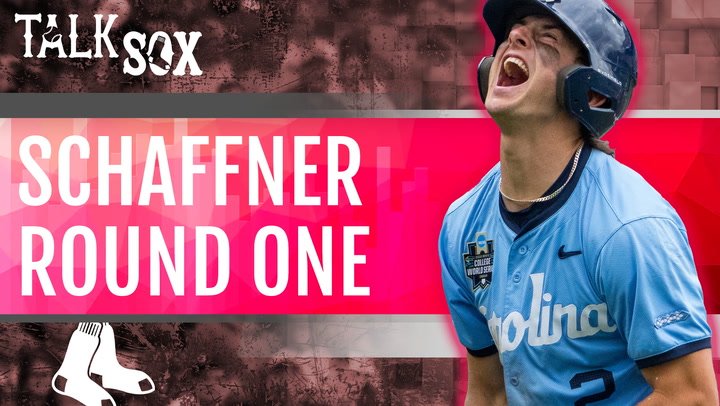 The Red Sox selected North Carolina shortstop Jake Schaffner with the No. 20 overall pick in the 2026 MLB Draft. In this video, we cover his junior season at UNC, where he hit .356 with 26 stolen bases and helped the Tar Heels reach the College World Series finals, his contact-oriented profile, questions about his power and arm strength, and how Boston's under-slot strategy with this pick shaped the rest of their draft class. View the full article
 -
Who Is Cade Townsend? Cubs First-Round Pick Explained
DiamondCentric posted an article in North Side Baseball
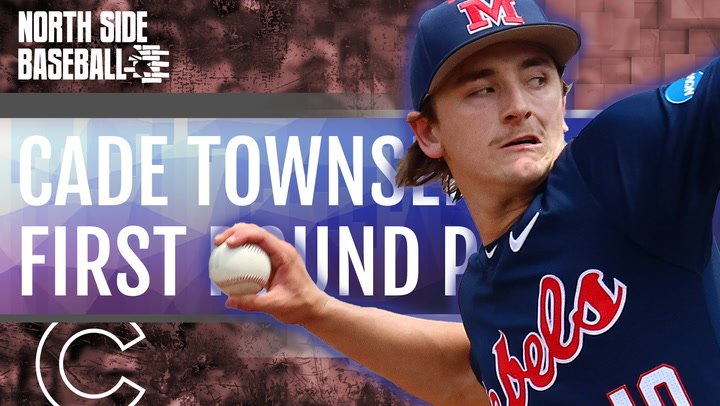 The Cubs selected Ole Miss right-handed pitcher Cade Townsend with the No. 23 overall pick in the 2026 MLB Draft. In this video, we cover his college track record, his pitch mix and command profile, and how he projects as a starter. Townsend is the first pitcher the Cubs have taken in the first round since Cade Horton in 2022. Full breakdown inside. View the full article
 -
Who Is Trey Ebel? Breaking Down the Brewers' No. 25 Overall Pick
DiamondCentric posted an article in Brewer Fanatic
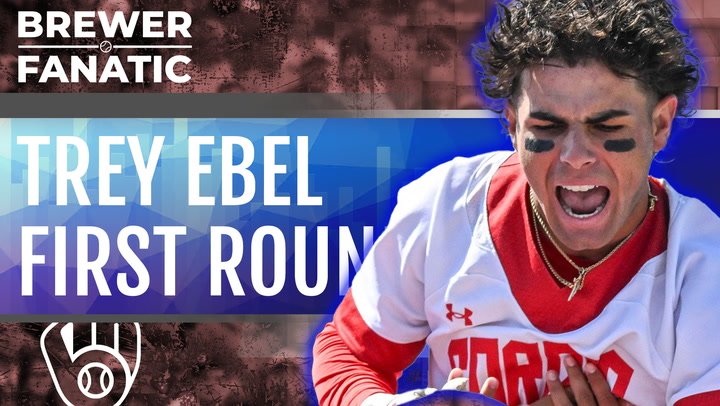 For the second straight year, the Brewers drafted an Ebel brother out of Corona High School, taking shortstop Trey Ebel at No. 25 overall. In this video, we break down his bat why scouts call him the better defender of the two brothers, how Milwaukee's classic underslot strategy factors into this pick, and what a future Ebel-Ebel infield could look like in the Brewers' farm system.View the full article
 -
Who Is Vahn Lackey? Breaking Down The Twins' Third Overall Pick
DiamondCentric posted an article in Twins Daily
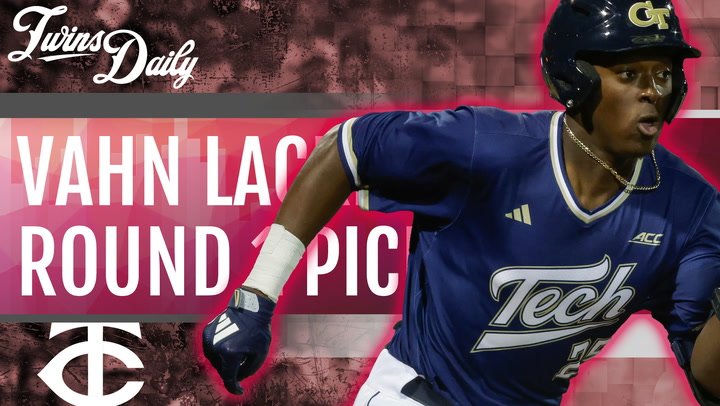 The Twins used the No. 3 overall pick on Georgia Tech catcher Vahn Lackey — their first first-round backstop since Joe Mauer. In this video, we break down everything you need to know: Lackey's power and approach at the plate, his arm strength and receiving skills behind it, how he fits Minnesota's timeline with Ryan Jeffers nearing free agency, and why scouts believe he could move through the farm system fast. View the full article
 -
 Owen and Jesse come in hot with a rant about how frustrating the 2026 Blue Jays have been despite great seasons to date from Dylan Cease, Ernie Clement, and Louis Varland. They eventually get to breaking down the three games from the series in San Diego, in which Trey Yesavage, Shane Bieber, and Kevin Gausman all had shaky starts, leading to a pair of losses despite Vladimir Guerrero Jr. hitting a big three-run homer and Jonatan Clase providing a spark. Listen on Apple Podcasts: https://podcasts.apple.com/us/podcast/the-jays-centre-podcast/id1846108462 Listen on Spotify: https://open.spotify.com/show/3Bi7SzfpcqMo5xYWnbCeoL Listen on iHeartRadio: https://www.iheart.com/podcast/263-the-jays-centre-podcast-300304824/ Listen on Pocket Casts: https://pca.st/2qk9wqxd Watch on YouTube: https://www.youtube.com/@jayscentre View the full article
 -
3 Relievers Cubs Should Target at the MLB Trade Deadline
DiamondCentric posted an article in North Side Baseball
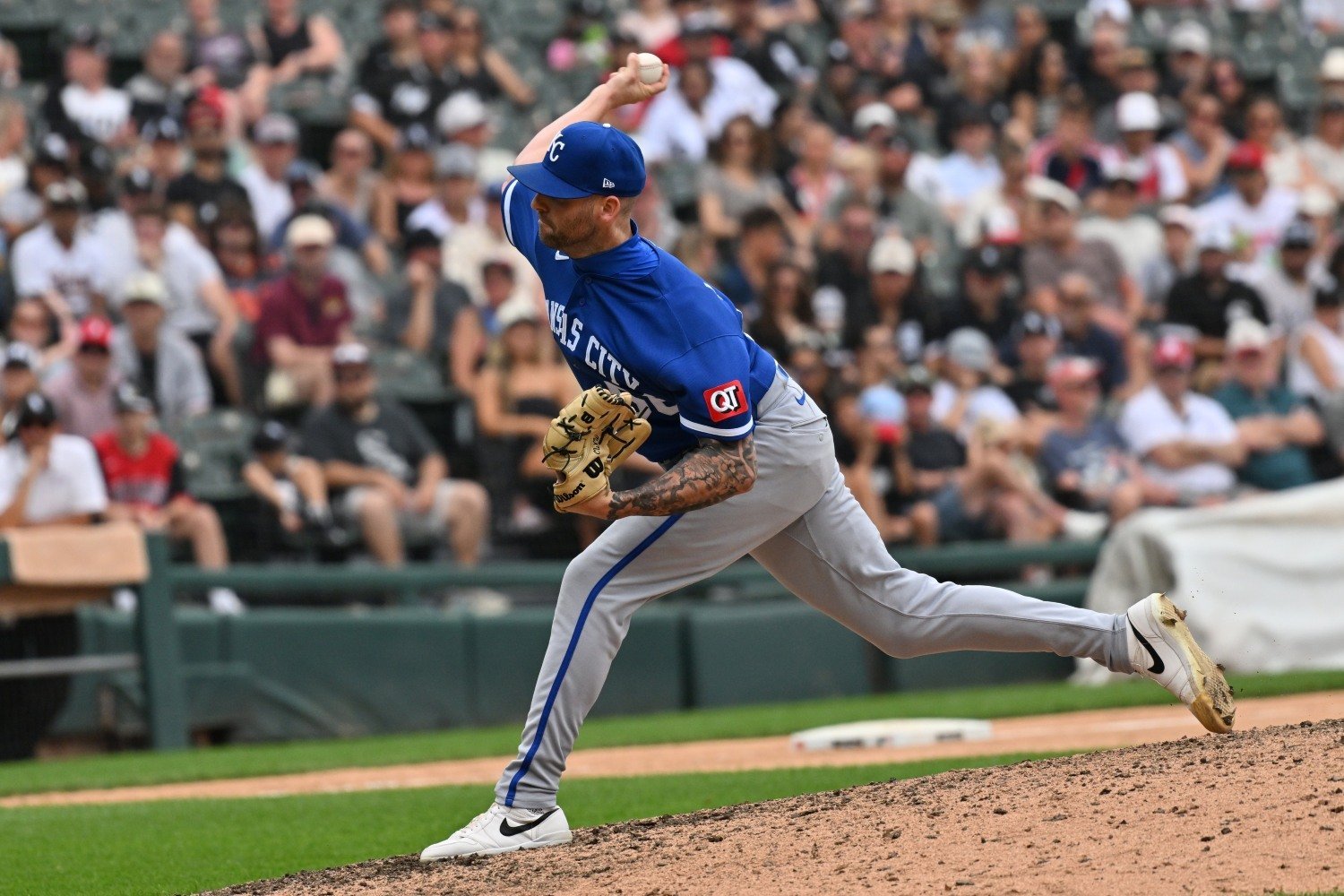 The Chicago Cubs currently own the fourth-best record in the National League, and despite sitting five games behind the Milwaukee Brewers in the NL Central, they're firmly entrenched in the playoff picture. To maintain that position, though, they'll need to address their pitching staff before the August 3 MLB trade deadline. The Cubs' 4.33 team ERA ranks 21st, and while injuries to the starting rotation have played a major role in that, the bullpen has also been absolutely decimated. Within the last few weeks, Chicago has lost Hoby Milner, Daniel Palencia and Ethan Roberts to the injured list. Those three join Hunter Harvey, Porter Hodge, Shelby Miller and Riley Martin, giving the Cubs an injury list that looks a lot like their bullpen plan coming into the season. Pitching wins games in October, and more specifically, late-game pitching can be the difference between advancing and going home. With that in mind, here are three relief pitchers the Cubs could target to reinforce their bullpen for a postseason run. Alex Lange The Royals have been arguably the most disappointing team in baseball this season, sitting at just 38-59, and Lange himself hasn't exactly put together a dominant campaign. His 5.92 ERA isn't going to grab anyone's attention, and the command issues have certainly been real. Still, I think his numbers deserve a little more context. Despite the inflated ERA, Lange owns a much more encouraging 3.97 FIP, suggesting he's pitched better than the surface-level results indicate. There have certainly been some bad breaks mixed in with the command issues. More importantly, this is someone with legitimate late-inning experience. Lange recorded 26 saves with the Detroit Tigers back in 2023, his last fully healthy season, and he's already picked up eight saves with Kansas City this year. That kind of experience has value, especially for a team that could be playing plenty of close games down the stretch. There's also a lot to like from a stuff standpoint. His slider, sinker and changeup all come with strong movement profiles, giving him multiple weapons capable of missing barrels when he's around the strike zone. The 12% walk rate is definitely something to keep an eye on. That's probably what keeps him from immediately stepping into the ninth inning if he were traded. Instead, he'd likely fit best in a sixth- or seventh-inning role while giving manager Craig Counsell another experienced high-leverage option to lean on. Add in the fact that Lange still has two more years of team control after this season, and he becomes an intriguing buy-low candidate. It wouldn't be the flashiest acquisition at the deadline, but Lange is someone who makes a lot of sense for the Cubs. A former top draft pick by the Cubs, he'd be coming full-circle, professionally. Victor Vodnik In a lot of ways, Vodnik profiles similarly to Lange. The surface-level numbers don't immediately stand out, and like Lange, he's walked more hitters than you'd like. But there's also a lot happening beneath the surface that's very encouraging for the Rockies’ right-hander. For starters, Vodnik has done an excellent job of limiting hard contact. Both his hard-hit rate and barrel rate rank in at least the 62nd percentile among all major-league pitchers, and he's generating ground balls on more than half of the balls put in play against him. That's a very strong combination for any reliever. If hitters aren't squaring you up consistently and they're pounding the ball into the ground, you're usually setting yourself up for long-term success. He's also been throwing much better recently. Over his last seven appearances, Vodnik has surrendered just one run while showing much better command than he did earlier in the season. For someone who routinely touches 99 MPH with his fastball, there's plenty of upside still waiting to be unlocked. And, of course, it's fair to wonder what his numbers might look like if he wasn't pitching half of his games at Coors Field. A move away from baseball's most hitter-friendly environment could make an immediate impact on his production. Like Lange, Vodnik also comes with multiple years of team control, making him more than just a rental for 2026. Victor Vodnik is another reliever who could quietly make a real difference in Chicago's bullpen down the stretch. Keaton Winn Of the three pitchers mentioned here, Winn would require the biggest return in a trade. He's been the best performer of the group this season. Across 32 innings with the Giants, Winn owns an impressive 3.09 ERA, while posting 26 strikeouts against 10 walks. Unlike Lange and Vodnik, command isn't much of a concern here. He's also under team control for quite a while, with another year of pre-arbitration eligibility remaining before he even reaches arbitration. That kind of long-term control significantly boosts his value. Beyond the results, the underlying metrics are outstanding. Winn has been one of baseball's best pitchers at generating soft contact. His average exit velocity and hard-hit rate both rank in the 95th percentile or better among all major-league pitchers, while his barrel rate sits in the 88th percentile. That's exactly the type of profile contenders love adding to the back end of a bullpen. He throws strikes, he throws hard, and he keeps the ball on the ground. Those are three traits that generally translate well in high-leverage situations—especially in October, when every baserunner matters. Winn would give the Cubs another legitimate late-inning weapon capable of helping them make a deep postseason run. Whether the Cubs decide to target a proven veteran like Alex Lange, take a chance on the upside of Victor Vodnik, or pay a little more for someone like Keaton Winn, it's hard to imagine them making a serious run in October without adding bullpen help. Chicago has positioned themselves to be a legitimate playoff team in 2026, but if the front office wants to maximize this opportunity, reinforcing the bullpen has to be one of the organization's top priorities over the next few weeks. Those are three relief pitchers I think the Cubs could look to acquire before the trade deadline. Let me know down in the comments which relievers you'd like to see the Cubs go after! View the full article
 -
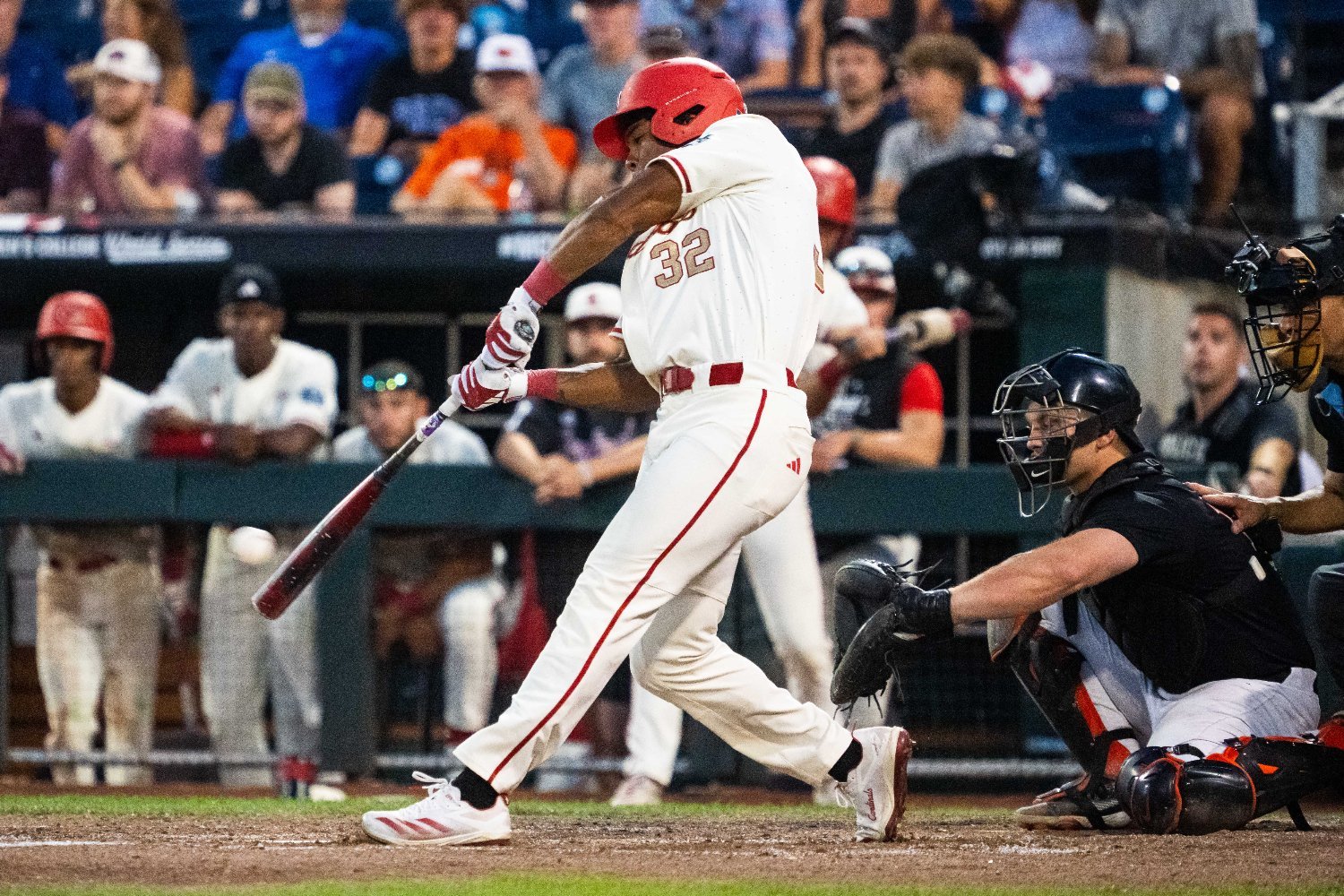 The Royals' President of Baseball Operations delivered pretty clear messaging to the media after selecting outfielder Zion Rose sixth overall. He didn't sugarcoat it, especially after a brutal first half that saw the Royals go 38-59, which tied them with the Los Angeles Angels (of Anaheim) for the worst record in baseball at the All-Star Break. data:image/gif;base64,R0lGODlhAQABAPABAP///wAAACH5BAEKAAAALAAAAAABAAEAAAICRAEAOw== The Royals have long employed a strategy of selecting the "best available player" in the first round while still leaving enough money to sign some high-upside overslot players later in the MLB Draft. Picollo and Scouting Director Brian Bridges certainly aimed for that in this Draft, as they selected a mix of college and prep players who likely will command higher-than-expected slot deals from the Royals. This should help boost a system that is pretty thin in Double-A and Triple-A at the moment. Still, the big mark on Picollo and the Royals' scouting department and farm system has been that they haven't "hit" on a majority of their first-round picks. This problem isn't just a Picollo issue; it dates back to former President of Baseball Operations Dayton Moore, who struggled to find success with his first-round selections after the 2015 World Series. Will Rose be the "slam-dunk big leaguer" that the Royals need from this MLB Draft? Furthermore, did they address any glaring needs in their system in this Draft (especially given the assumed savings from the Rose selection)? What to Like From This Royals Draft While the Rose selection was controversial, one can appreciate the Royals highlighting a guy who fit what they needed and going after him instead of waiting until pick 30 and missing out on him completely. Rose had gotten a lot of helium heading into the MLB Draft, and even Baseball America, in its post-Draft discussion, said that Rose going at No. 6 wasn't as surprising as some may have thought, given the rankings. I think things came between Rose and Eric Booth Jr., who was initially reported as the Royals' pick by Joe Doyle of Overslot.com, who spoiled pretty much every first-round draft pick. In many ways, Booth and Rose feel like similar players in terms of their profiles, as they are both athletic guys with great speed and intriguing ceilings. The main difference is that Booth has a higher ceiling for power, while Rose has a better contact tool now (Booth's contact tool may be the weakest part of his game). The Royals liked both players and probably would've been happy with either. That said, they valued Rose's proximity to the Majors and more polished profile more, even if it means they lose out on a player in Booth who may have more long-term upside. I don't think the Royals' poor record this year affected their decision to draft Rose over Booth. That said, there is likely urgency for Picollo to get this Draft on, and Rose carries far less risk than Booth, a prep outfielder. They can't wait for a Booth to develop like Sean Gamble or Blake Mitchell. Some may disagree with that strategy, but considering the Royals have heavily invested in prep guys in two of the past three drafts (Mitchell in 2023 and Gamble in 2025), I don't mind the Royals going with the more MLB-ready prospect now, especially considering the Royals' lack of high-profile outfielders in this system at this moment. That is Rose is definitely a guy many have warmed up to, even though Jared Perkins, Joel Penfield, and I were shocked when the pick was initially announced. While some have compared this pick to Gavin Cross in 2022, who was expected to be a fast-moving outfielder due to his polished profile from Virginia Tech, I think Rose has much better tools and batted-ball skills than Cross did coming out of college. Rose also definitely feels like an incredible competitor and high-grade human being, as evidenced by this interview with Jared Perkins and the Just Baseball team earlier in the year. data:image/gif;base64,R0lGODlhAQABAPABAP///wAAACH5BAEKAAAALAAAAAABAAEAAAICRAEAOw== Speaking of the Royals needing players who could have an impact at the Major League level sooner rather than later, Kansas City seemed to nab a lot of college pitching in this Draft. Of the 16 pitchers they selected in this Draft, 14 of them were college arms. Here's a list of all those college pitchers selected by the Royals over the past two days: Taylor Rabe, RHP, Ole Miss (No. 30) Maxx Yehl, LHP, West Virginia (No. 91) Ethan McElvain, LHP, Arkansas (No. 151) Justin LeGuernic, LHP, Clemson (No. 180) Dylan Vigue, RHP, Georgia (No. 209) Grant Fontenot , RHP, LSU (No. 299) Lance Hartley, RHP, College of Central Florida (No. 359) Dalton Hill, RHP, Nicholls State (No. 389) Madden Clement, LHP, Virginia Tech (No. 449) Dylan Alonso, RHP, Troy (No. 479) Richie Roman, RHP, Houston (No. 509) Cooper Corkrean, LHP, New Mexico (No. 539) Riley McDonald, RHP, State College of Florida, Manatee-Sarasota (No. 599) There are a couple of Junior College arms on that list (Hartley and McDonald), but for the most part, all these pitchers are polished college guys who could move quickly, especially as relievers. Rabe definitely has upside of any of the pitchers drafted and could be a No. 2-3 starter at the MLB level. Some have compared him to Brady Singer, and it's easy to see that comparison based on their pitching styles, though I like Rabe's repertoire a lot more than Singer's coming out of college. data:image/gif;base64,R0lGODlhAQABAPABAP///wAAACH5BAEKAAAALAAAAAABAAEAAAICRAEAOw== Yehl is another arm with some starter upside, though he may be more of a three- or four-starter type. He came back from Tommy John surgery in 2025 and really anchored a Mountaineers rotation that reached the College World Series. In fact, getting two pitchers who played in the 2026 CWS is an underrated aspect. That experience shows they can pitch against quality competition and big moments. data:image/gif;base64,R0lGODlhAQABAPABAP///wAAACH5BAEKAAAALAAAAAABAAEAAAICRAEAOw== In Day Two, they went college-heavy, opting for arms with lower ceilings, but higher floors that can move quickly. There's a nice mix of Power 5 and Mid-Major guys who not only have a solid outlook, but could sign right away. That is important because it means they will enter the Royals Farm System immediately and have a shot at making an impact in Low-A Columbia or High-A Quad Cities, at the very least. While the college arms are nice, the low-ceiling approach with these arms also opened the opportunity to select some intriguing prep talents. Prep pitchers Jack Slightom and Hudson DeVaughan could be the two best pitchers from this Royals draft after Rabe. Pipeline ranked them 89th and 138th, respectively, in their Top 250 ranking, and it's easy to see why. Both are 6'5 dudes with great frames and solid fastballs that could gain velocity as they mature and grow into their frames. Slightom is a four-pitch pitcher with an electric fastball that sits 94-96 with 98 MPH upside. He dominated Illinois high school hitters and also seemed to do well on the showcase circuit. data:image/gif;base64,R0lGODlhAQABAPABAP///wAAACH5BAEKAAAALAAAAAABAAEAAAICRAEAOw== As for DeVaughan, he's a special pitching prospect with serious top-of-the-rotation upside. He was hitting 98 MPH in high school, and many remarked that he has great feel and command for a prep pitching prospect. The main issue will be prying him away from his commitment to Alabama, so a lot of overslot money will be dedicated to DeVaughan (hopefully). data:image/gif;base64,R0lGODlhAQABAPABAP///wAAACH5BAEKAAAALAAAAAABAAEAAAICRAEAOw== On the hitting side, the Royals made some nice splashes in rounds 4, 9, and 14. In the fourth round, they selected Dominic Battista, a prep bat from the Chicago area. While he's not a big guy now, he's athletic, has budding power, and has tools that could blossom in professional ball. He's a player I didn't know much about going into the MLB Draft, but I like him as a high-ceiling, high-risk prep outfielder complement to the safer outfielder in Rose. data:image/gif;base64,R0lGODlhAQABAPABAP///wAAACH5BAEKAAAALAAAAAABAAEAAAICRAEAOw== In the ninth, the Royals went with a college guy, but one with tremendous upside that will be an overslot signee. Camden Johnson was the starting shortstop on an Oklahoma team that won the national championship, and he's an athletic player with four solid tools. He can play multiple positions well, and he feels like an upgraded version of Nick Loftin. That is great to have, and he could be a dude who could compete for a Royals roster spot in the second half of 2028 or on Opening Day in 2029. data:image/gif;base64,R0lGODlhAQABAPABAP///wAAACH5BAEKAAAALAAAAAABAAEAAAICRAEAOw== The Royals definitely had a nice balance of safety and risk in this Draft, and it's easy to see the riskier picks pan out, as they fit this organization's strengths on both the hitting and pitching sides. What Not To Like From This Royals Draft The Royals' Draft this year is definitely deep, benefiting from a strong crop of pitchers, especially college pitchers. However, it did feel like this Draft was colored by the fact that Kansas City is 21 games under .500 so far this year. Even though injuries have certainly taken their toll on the Royals this year, the reality is that this organization has disappointed greatly in 2026. Maybe thinking 85 wins was optimistic, but Kansas City is on pace for 100 losses. That is something that no Royals fan saw coming back in Spring Training, especially after back-to-back winning seasons in 2024 and 2025. It definitely felt like Bridges and Picollo drafted with the next couple of years being crucial. Rose is not a project. Neither is Rabe, Yehl, Johnson, nor the slew of college arms they selected on Day Two. Thus, it feels like the Royals sacrificed some long-term upside in this Draft. While they did get some high-ceiling prep players, it didn't seem as much as it could've been, especially since Bridges has preferred this profile in his past two years running the Royals draft. The Draft is complicated because simply "drafting best available" is not always realistic in the current slot system. Teams have to be judicious with how much they can and need to allocate at each selection. There is a balance between drafting for "upside" and drafting for "practicality". This Draft seemed to lean more toward the former than the latter. Was that the correct strategy? Only time will tell. That said, the good thing is Royals fans will know the answer to that question real soon, perhaps by the end of the 2027 season. Overall Grade On Day One, I gave the Royals a C+. I liked the Rose selection, but was curious whether Rabe, Slightom, Yehl, and Battista were enough to offset the Royals' "reach" on Rose in the first round. Day Two was a much better one. They built some nice pitching depth that has been sorely needed. Many of the 2026 college pitchers selected could be in Double-A by midseason in 2027. Considering their lack of pitching depth in Omaha and Northwest Arkansas, that is a good thing. That said, they made some nice oversloots on Day Two. Johnson is an excellent selection who probably should've been a Day One guy, and I think he could move fast and be a borderline Top-10 Royals prospect by this offseason. DeVaughan will be a tough sign because of that SEC commitment, but if the Royals save money on Rose, it would make sense for them to dedicate a ton of resources to their 19th-rounder. He's that good. He could be a first-round selection in two years. Based on those results, I would give the Royals' Day Two Draft an A-. Put those together, and the Royals have a B grade for this Draft. And B is good. Granted, I think we were hoping for an A Draft, but Jackson Flora and Carson Boleman had to fall to Kansas City to make that happen. They didn't (they went to the Giants instead). Thus, I think this is the best the Royals could have done given the circumstances. I don't think drafting Booth or Drew Burress makes a difference on the grade, with all things considered. Even if the Royals drafted either of those guys, they likely don't draft Johnson or DeVaughan in the process. I'll take that quantity here over quality, especially considering the farm system's needs. View the full article
 -
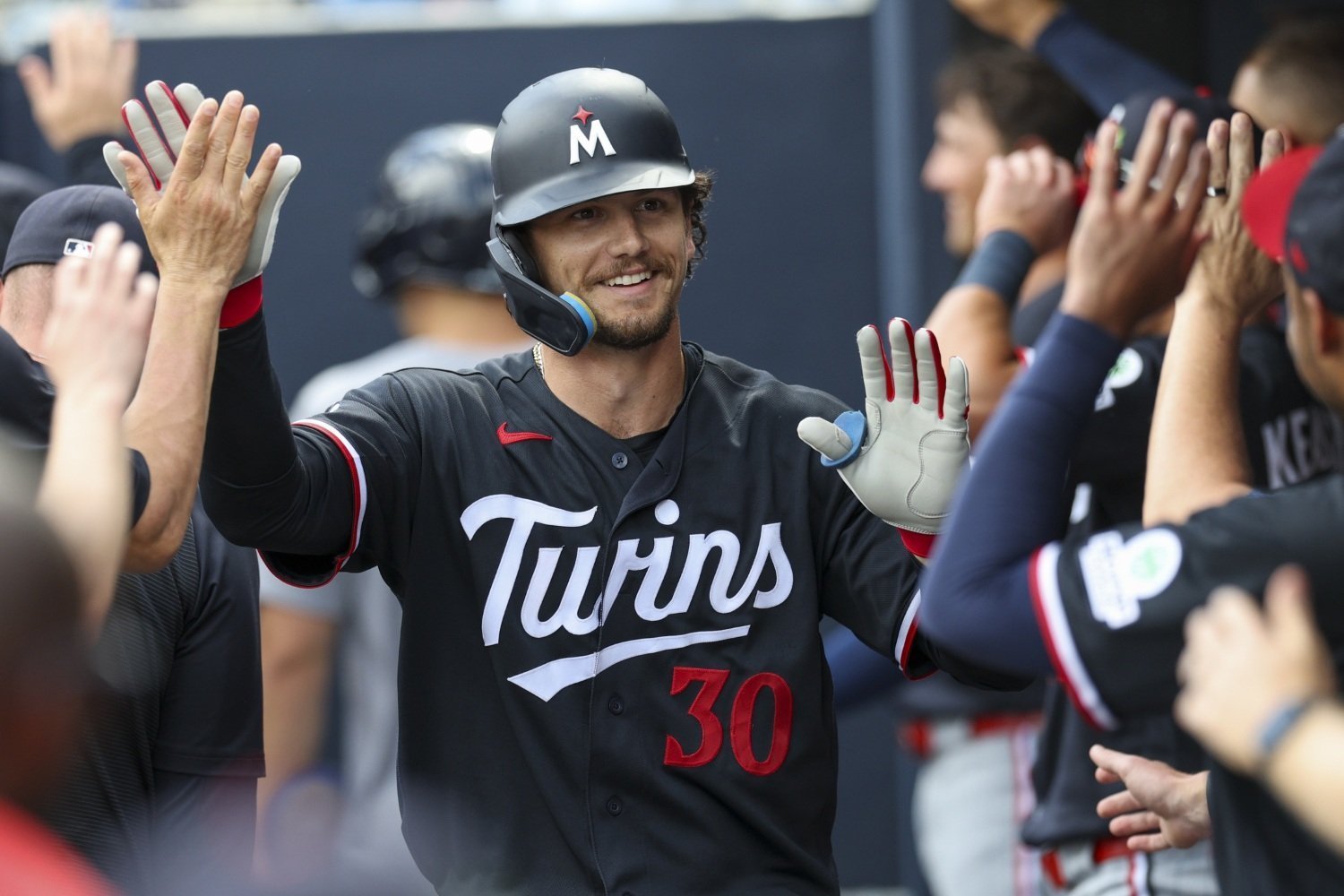 The Minnesota Twins have emphasized versatility when constructing their roster over the last few seasons. Players capable of handling multiple positions give manager Derek Shelton (or former manager Rocco Baldelli) more options when building his lineup, mixing and matching based on opposing pitchers, injuries, or late-game situations. On paper, it makes plenty of sense. A flexible roster should maximize matchups, while allowing the Twins to maintain depth without sacrificing offense. But despite all that versatility, Minnesota has spent much of the 2026 season effectively operating with a 25-man roster. One player has consistently occupied the final bench spot while rarely receiving opportunities to contribute. Why would the Twins do this? The answer, like in many aspects of life, is complicated. James Outman Never Found His Opportunity To open the season, that player was James Outman. Acquired from the Dodgers last July, Outman entered spring training without any minor-league options remaining. Rather than risk losing him, the Twins kept him on the Opening Day roster, hoping he could rediscover the tools that once made him one of baseball's most intriguing young outfielders. That opportunity never materialized. Outman started only 17 games, despite appearing in 49 contests. Most of those appearances came as a late-inning defensive replacement or pinch-runner instead of meaningful offensive opportunities. It's difficult for any hitter to establish a rhythm under those circumstances, but Outman also failed to capitalize on the limited chances he did receive. He slashed just .156/.229/.250 with five extra-base hits in 70 plate appearances while producing -0.3 rWAR. The Twins eventually designated him for assignment in mid-June, and the Detroit Tigers claimed him off waivers. For Minnesota, the experiment quietly came to an end. Kyler Fedko Followed the Same Path Outman's departure created an opportunity for Kyler Fedko. The Twins' 12th-round selection from the University of Connecticut in the 2021 MLB Draft has steadily climbed the organizational ladder and finally forced the club's hand with his production at Triple-A St. Paul. Fedko hit .286/.372/.578 with a .950 OPS through 58 games with the Saints this season. He blasted 15 home runs, drove in 45 runs, scored 44 times, and added nine stolen bases. After swiping 38 bases across Double-A and Triple-A last season, he has continued to show the blend of athleticism and power that made him one of the organization's biggest breakout stories. Yet, his first taste of the big leagues looked remarkably similar to Outman's stint. He started just four of the 14 games in which he played, but it's hard to blame the Twins for their lack of faith: he went hitless in 19 plate appearances. More telling is how those opportunities came. Only three of his appearances included more than two plate appearances in a game. In seven games, he entered solely as a pinch-runner or defensive replacement and never stepped into the batter's box. For a player trying to prove he belongs in the majors, those scattered opportunities make an already difficult adjustment even more challenging. Is This the Best Use of a Roster Spot? The question isn't necessarily whether Fedko deserves everyday playing time. The Twins have Byron Buxton, Luke Keaschall, Trevor Larnach, and other established outfield options ahead of him. Finding consistent at-bats isn't easy for a contending club trying to win every night. But if the coaching staff doesn't envision enough opportunities for Fedko to play, why did they carry him for even three weeks in the majors? As I wrote about earlier this season, the answer is likely that the front office doesn’t believe in Fedko. Now, he's back in St. Paul, where regular at-bats will do more for his long-term development than sitting on the end of the major-league bench. However, at least for the final series before the All-Star break, Fedko's place on the roster was taken by a third catcher, as Ryan Jeffers returned from the injured list. Again, the team is going with a low-utility plan for that final spot. A Familiar Pattern This isn't simply about Outman or Fedko. It's about a roster construction strategy that has left one spot largely unused for much of the year. In previous years, the Twins have done this with players like DaShawn Keirsey Jr. and Carson McCusker. Whether the Twins are trying to preserve organizational depth, evaluate players, or simply avoid exposing someone to waivers, the result has been the same. One player rarely plays. With the American League Wild Card race expected to remain tight throughout the summer, every roster spot becomes increasingly valuable. Injuries pile up, rosters get taxed, and bench depth can decide close games. If the final player on the roster isn't receiving meaningful opportunities, it's fair to wonder whether that spot could be better utilized elsewhere. The Twins have built a roster around flexibility. Ironically, their handling of the final bench spot has been anything but. Can the Twins continue to survive with a 25-man roster while one player gathers dust at the end of the bench? Leave a comment and start the discussion. View the full article
 -
How Pat Murphy Evaluates the Brewers' At-Bats From the Dugout
DiamondCentric posted an article in Brewer Fanatic
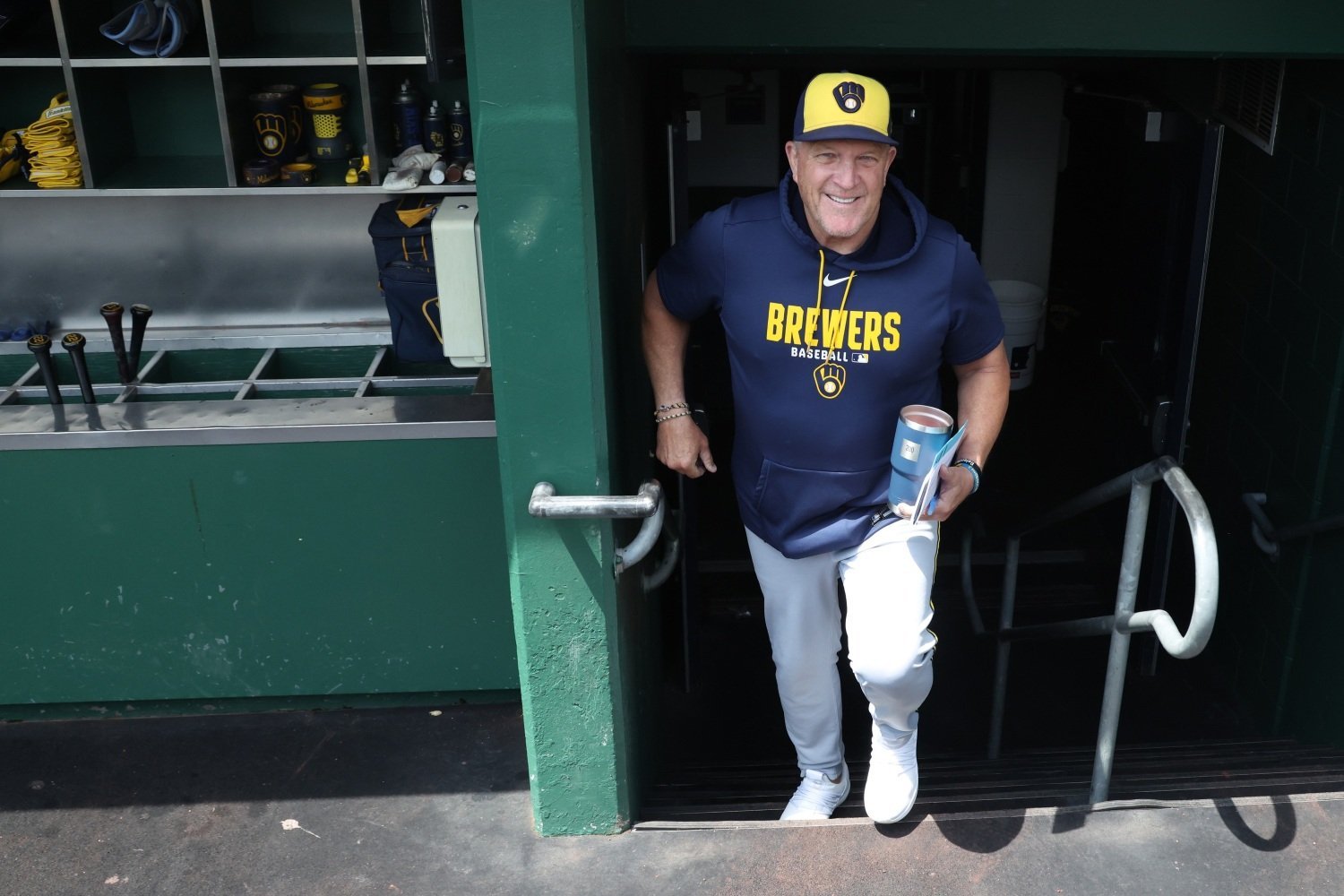 Sit in on just a few Pat Murphy media sessions, and you'll learn that the Brewers manager regularly goes off on tangents. Many of those asides have nothing to do with baseball, but sometimes, when Murphy is dissatisfied with the pregame questions he's received from the press, he'll keep the baseball talk going himself. That's what he did one day in April, in response to a question about Joey Ortiz's recent at-bats. "I'll let you in on this," Murphy said to the writers and broadcasters assembled in his office, gesturing to one of the many papers strewn across his desk. When he assesses the Brewers' at-bats during his postgame interview, Murphy often consults that sheet of paper, which, at first glance, appears to be a traditional scorecard. It's more than that, though. The card, Murphy explained, is filled with shorthand symbols. It's his method of evaluating at-bats in real time. "I make notations on the type of at-bat it is," he said. "If it's a dot, that means solid at-bat. If it's a plus, that means really good. If it's a minus, that means ******. If it's an equal sign, that means, 'Meh.'" Box scores date back to the beginning of professional baseball, but today's players, coaches, and analysts have more information than ever to quantify process, not just outcomes. Rather than chasing results, hitters are better off focusing on actions they can control—swinging at the right pitches and making the right kind of contact—that produce good results more often than not. That's what Murphy is doing. In essence, his notations are his simplified version of a live Statcast feed. He's tracking the process, not just the results. At times, there's extra nuance due to the game situation or other less tangible factors. "If it's an 11-pitch strikeout, I might give them an equal sign. Good battle," Murphy said. "But the key is to not have too many minuses. That's what gets guys in trouble, the minus, minus, minus. Poor at-bats, at-bats that hurt us." A hitter's Statcast overview on their Baseball Savant page includes several metrics evaluating how well they impact the ball. There's hard-hit rate, which is based solely on exit velocity. Sweet spot rate focuses more on launch angle, reporting how many batted balls are hit at the best trajectories for line drives and fly balls to the outfield gaps. It won't give a hitter credit for hard-hit ground balls or pop-ups. Murphy doesn't read Baseball Savant pages. He'll say that his eyes can see what the technology tracks. There's a good chance he doesn't know that sweet spot rate is a stat, but he tracks a crude version of it on his card. "Hard contacts are usually a plus," Murphy said. "If it's straight down or straight up, I can't give you a plus. I can give you a dot, not a plus." He even tracks his own version of what Statcast defines as a barrel: a ball hit at least 98 mph within a certain launch angle range (in other words, a very hard-hit ball in the air). It's not the same term, nor exactly the same criteria, but it's the same concept. "If you get one good and it goes on that perfect trajectory… I'll give you a plus with a circle," Murphy said. As with most information gleaned from the eye test, it's not nearly as accurate as numbers tracked by state-of-the-art technology. It's probably safe to say the Brewers don't build their models to include direct input from Murphy's scorecards. "It's not scientific," Murphy said with a laugh. "It's really for me to remember without putting the actual scoring down there." There's still a benefit to it, though, and it reinforces how a manager with an old-school background continues working productively with an analytical front office. Even if Murphy's evaluation method is less scientific, he and the ivory tower often value the same skills and the same approach to the game. He just needs that information to be tracked and packaged in a language that makes sense to his baseball mind. View the full article
 -
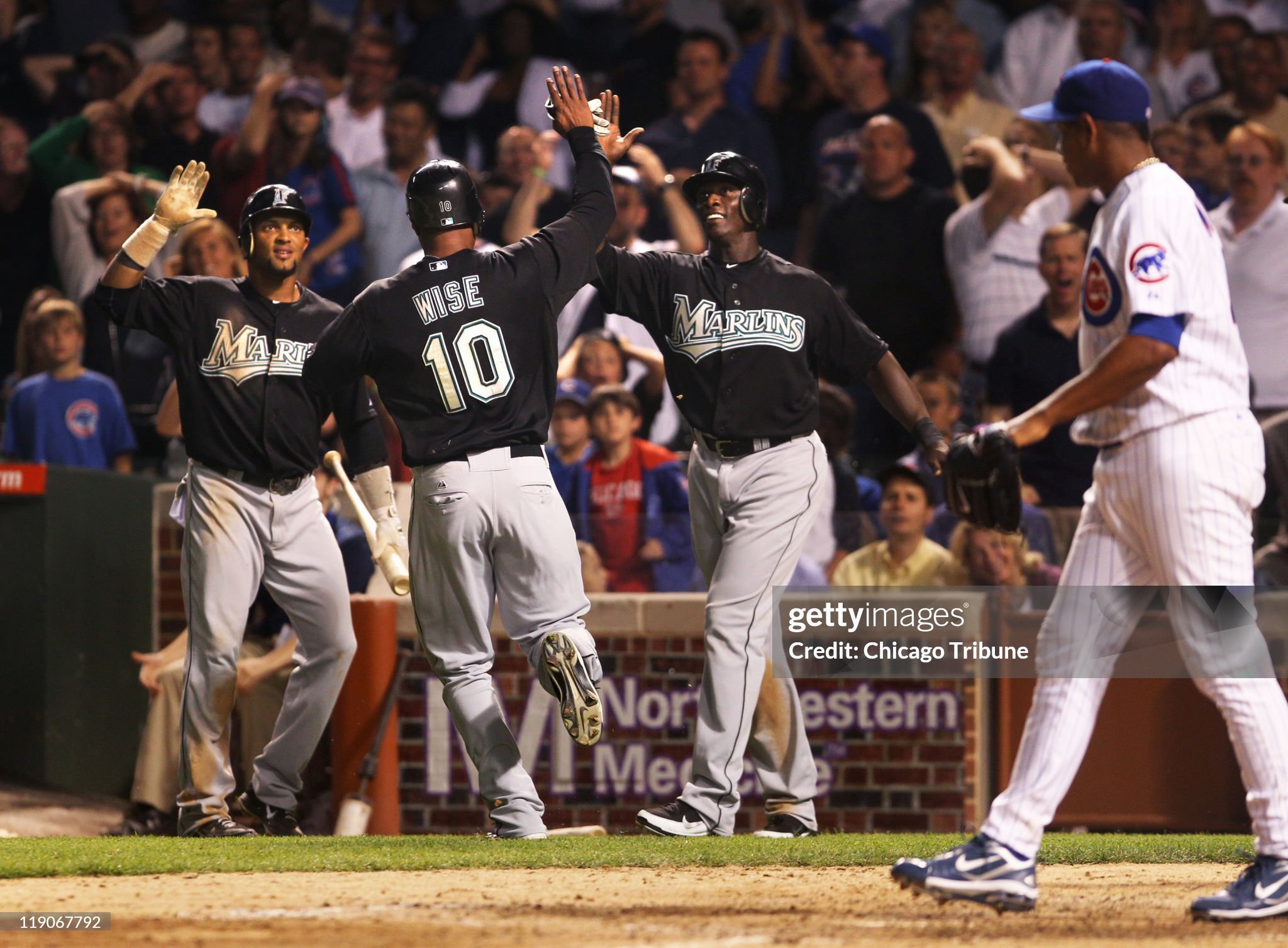 Although not all good, Wrigley Field has held some dear memories for fans of the Florida/Miami Marlins. It’s the place where the club won its second National League pennant and most recent postseason series. While it didn’t quite bring that level of jubilation, the Florida Marlins picked up a victory worth remembering at the “Friendly Confines” on this day 15 years ago. Shut out for eight innings, the Marlins erupted for six runs in the ninth inning in a 6-3 win over the Chicago Cubs. It didn’t appear as though it would be Florida’s night as the Marlins and Cubs opened a four-game set on July 14, 2011. Matt Garza had given the Cubs seven shutout innings before Sean Marshall worked a 1-2-3 eighth. As the contest shifted to the ninth, Chicago turned to right-hander Carlos Marmól with a 2-0 lead. An All-Star for the Cubs in 2008, Marmól walked the first three batters he faced while mixing in just one total strike. Against pinch hitter Greg Dobbs, the Chicago right-hander was able to finally find the strike zone, but the results were even worse. On the eighth pitch of the at-bat, Dobbs doubled down the right-field line, scoring two. A throwing error by Chicago’s Darwin Barney allowed a third run to score as the Marlins took the lead. Following another four-pitch walk – this one to Emilio Bonifácio – Marmól’s night was done. Florida’s big inning, however, wasn't done. With Florida now leading 3-2, Kerry Wood came in and walked Omar Infante. After Gaby Sánchez’s sacrifice fly extended the lead to 4-2, Hanley Ramírez singled home Bonifácio to push it to 5-2. Lefty James Russell then became the third Cubs pitcher to throw in the inning. Russell started by getting Logan Morrison to ground out. Following an intentional walk to Giancarlo (then known as "Mike") Stanton, Mike Cameron singled in Infante to cap a six-run inning. Now down 6-2, the Cubs did their best to make things interesting in the bottom of the ninth. Tony Campana and Geovany Soto opened with back-to-back singles off Juan Carlos Oviedo (then known as Leo Núñez). Although a run scored on a passed ball, Oviedo retired the next three batters to end the contest. Prior to the ninth, the Cubs’ runs had come courtesy of a Marlon Byrd solo home run in the second and a Barney hit by pitch with the bases loaded in the seventh inning. Soto had four of the eight Chicago hits. Bonifácio and Infante each had two hits for the Marlins. The big ninth inning gave the Marlins the opener of what would be a four-game series at Wrigley. Florida ended up taking three of those contests. To that point in the season, the six runs in the ninth was the most that the Marlins had scored in any inning that season. They came on this day 15 years ago. View the full article
 -
 Given all the draft talk this past weekend, seems fitting that the 59th overall pick out of Vanderbilt saw his first action in nearly six weeks. Mother Nature had her say to some extent in all three rookie level games. Transaction: Wisconsin Timber Rattlers sent LHP J.D. Thompson on a rehab assignment to ACL Brewers. It is not believed we've been told the specifics of Thompson's injury. Suspended in the 3rd inning: ACL Brewers 2, ACL Dodgers 0 Box Score and Game Log (Thus far) Play was halted with two outs in the bottom of the 3rd in Maryvale. The Brewers have men on 1st and 3rd base with first baseman Jonathan Rangel at the plate. Rehabbing LHP JD Thompson, who had not pitched with Wisconsin since leaving his June 2nd start early, threw two scoreless innings, inducing ground ball outs to the first four batters he faced. He ended the 2nd inning with a strikeout (on an automatic strike), a single and a lineout. RHP Caleb Nieman stranded two in the 3rd. The A-Crew patched together a two-out rally to plate a run in the 2nd and grab the lead - a Rangel walk, Leonard Rijo ground ball single to right, moving Rangel to 3rd, and Engel Paulino double on a pop up to apparent no-man's land behind first base. Catcher Freider Rojas fanned leaving two in scoring position. In the Maryvale 3rd, Brailyn Antunez singled with one out, followed by a Kenny Fenelon hit-by-pitch. Gerlyn Payano, acting as the DH in this game, doubled to center scoring Antunez but Fenelon was thrown out at third base for the second out. A wild pitch moved Payano to third base and shortstop CJ Hughes walked before the game was called due to rare Arizona rain. This game will be completed this coming Saturday the 18th at the Dodgers' complex in Glendale, a second game will follow. Final: DSL Brewers Blue 5, DSL Astros Blue 3, game called after the top of the 8th at the Brewers complex, lightning Box Score and Game Log After Houston's youngsters grabbed a 1-0 lead in the top of the 3rd, the men in blue put up a four-spot driven almost completely by wildness from the Astros starter, with only one base hit for the good guys. That one hit was a big two-run blow by the Brewers shortstop: José Rodríguez triples (2) on a fly ball to center fielder Yensi De La Cruz. Jesus Mancera scores. Diego Frontado scores. On this light activity scoreboard, it'll be easy for you to review full game logs in detail, but we'll tell you the Cerveceros worked ten walks overall, four in that inning. An insurance run to go up 5-1 was scored in the following frame and without the benefit of a hit (two more walks, an Astros error). In fact, there were only two Blue base hits all game, with just-turned 17-year-old wunderkid Leanders Matos, playing second base here, having the only hit beyond the Rodriguez triple (Matos singled and walked). Also reaching base twice (all walks) were two players who have struggled offensively, RF Eryks Rivero and LF Jesus Mancera, the #8 and #9 hitters in Monday's lineup. We will definitely see second-year RHP Carlos Galindo in Maryvale in 2027. Check out how consistent the stat lines between 2025 and 2026 are for the Colombian native. 6'4" 16-year-old (yes, still for a few more weeks) RHP Jordy Brache struck out six over the final three innings, allowing two runs, and was credited with his first professional save thanks to Mother Nature, though it's possible he may have been asked to pitch the 9th inning as well. Final: DSL Orioles Orange 4, DSL Brewers Gold 1, Game called with two out in the bottom of the 8th at the Orioles' complex, rain Box Score and Game Log There were two Baltimore runners on base when the game was called. It was a third consecutive strong outing for 19-year-old RHP Derlin Garcia, as his game log reveals. Gold scored its lone run in the 5th when shortstop Ricky Moneys drove in second baseman Santiago Garcia, who had flied an opposite-field triple to right with one out. Moneys also grounded into a double play and committed his 6th error in 18 games, so the RBI was barely a consolation prize. 16-year-old (until next month) Angeni Fernandez played center field here and had another strong game at the plate, 2-for-4 with a double (.929 OPS on the season). Fernandez has started 17 times in center, five times in left, and five times at second base. Team RISP: 0-for-9. Team LOB: 6. You can watch Fernandez' double at the 01:32:00 hour/minute mark below, where his five-pitch at-bat begins. It seems the video skipped over the Brewers offense in the 6th, either that or the scorebug didn't update properly for a few innings. I investigated, but if you venture to identify a time stamp for the Garcia triple, let us know in the comments, thanks. The rookie ballers continue play with a traditional Tuesday schedule, two Dominican League games in the morning, and a game in Arizona under the lights. Organizational Scoreboard including starting pitcher info, game times, MiLB TV links, and box scores Current Milwaukee Brewers Organization Batting Stats and Depth Current Milwaukee Brewers Organization Pitching Stats and Depth View the full article
 -
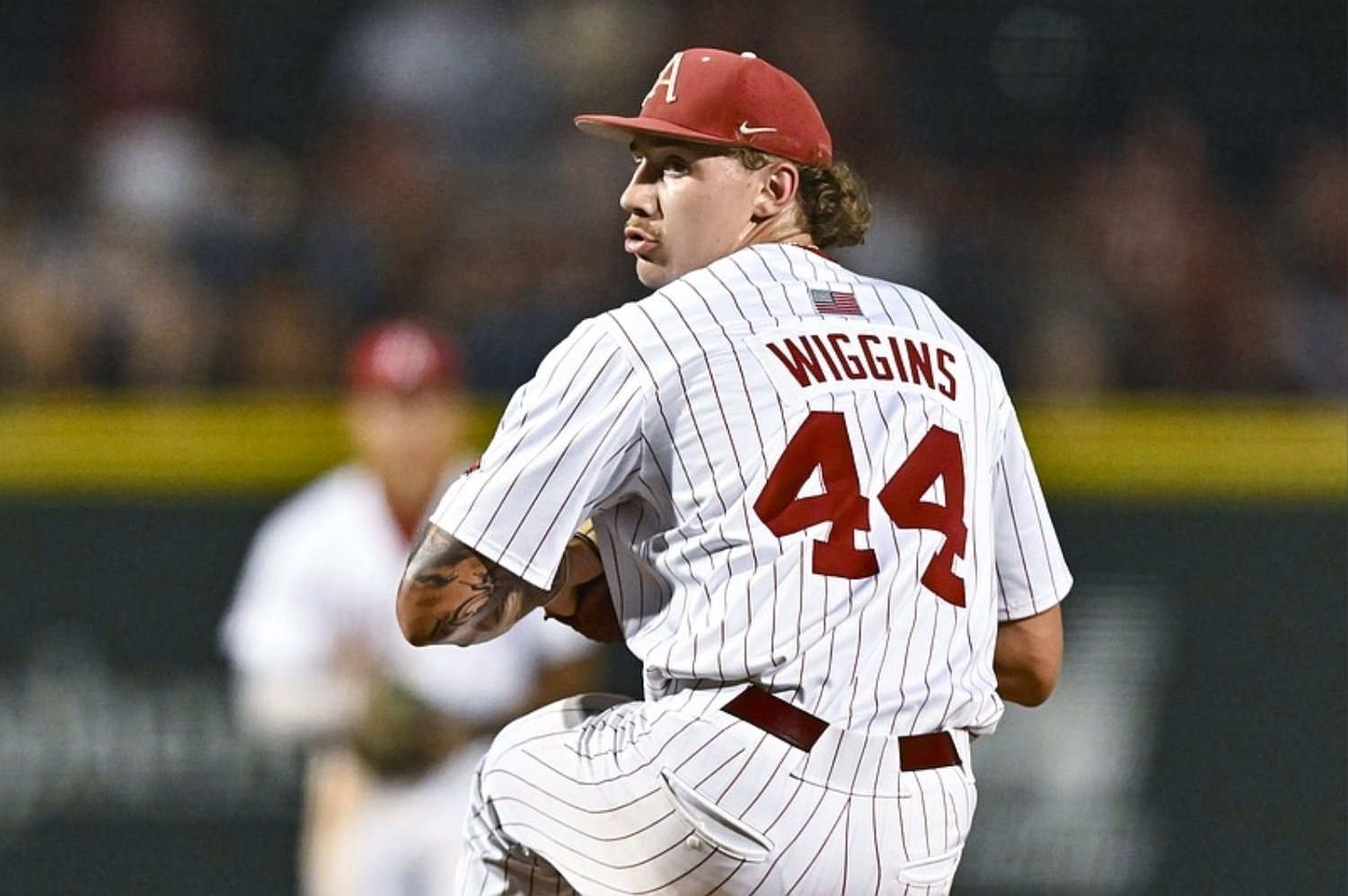 The 2026 MLB Draft offered the league's 30 franchises the opportunity to add its next wave of stars. This year, the New York Mets had a clear plan to add pitching depth to the organization. They accomplished that goal by spending 13 of their 19 selections -- and six of their first seven choices -- on collegiate arms. In all, New York utilized nearly half its picks (9) on players from college baseball's consensus top conference (SEC). The Mets only dipped into the high school ranks for two players, including a catcher in the 13th round that easily could have been selected much earlier. No matter where these players were chosen, or where they were plucked from, they're now on the same team, competing together and against one another for the same goal: to reach the majors. Let's break down the totality of the New York Mets' 2026 draft class: Round 1, Pick No. 27: Carson Wiggins, RHP - Arkansas Wiggins did not play for the Razorbacks in 2026 due to injury. The prior year, he racked up 20 strikeouts in 14 innings out of the bullpen. He is the 16th Arkansas player, and seventh Hogs' pitcher, to be a first-round MLB Draft choice. He now has bragging rights over his brother, Jaxon, who went No. 68 overall (Chicago Cubs) in the 2023 MLB Draft. Round 3, Pick No. 92: Aiden Robbins, OF - Texas The Mets surely had more access to watch Robbins in-person when he was at Seton Hall in 2024 and 2025. He was unfazed by the higher caliber of competition the SEC offered, posting a .333/.426/.696 slash line (1,122 OPS) for the Longhorns in 2026. Round 4, Pick No. 120: Shane Sdao, LHP - Texas A&M Sdao is a rarity in college sports these days, having stayed an Aggie for his entire collegiate career. His ERA ballooned to a 7.07 last season, but he still tallied 83 strikeouts across 71 1/3 innings. For an extended read of the Mets' first three draft choices, click here. Round 5, Pick No. 152: Luke McNeillie, RHP - Florida McNeillie's 18 appearances in 2026 were his fewest in any single campaign as a Gator. His 3.97 ERA, though, was the best of his career. Forty-eight strikeouts in 34 frames is also far from shabby. Round 6, Pick No. 181: Alex Petrovic, RHP - Auburn Through two years on The Plains, Petrovic made 14 appearances (5 starts) for the Tigers. He made 17 starts in year three, producing a 92:24 K:BB ratio and 10-2 record across 92 2/3 innings. Like McNeillie, his college-best ERA (3.21) came in 2026. Round 7, Pick No. 210: Aidan Keenan, RHP - Stanford Keenan functioned as a reliever in 2025, but six of his seven appearances in 2026 were starts. His best outing of the season came versus Cal State Fullerton, against whom he fired six innings of one-hit ball against on Feb. 21. Round 8, Pick No. 240: Landon Koenig, RHP - Ole Miss The ERA for Koenig (6.35) doesn't jump off the page, but 33 punchouts in 22 2/3 frames does. The North Dakota native posted a career WHIP of 1.77, though, hinting that he'll need to focus on his command if he wants to rise through the system. Round 9, Pick No. 270: Ryan Tayman, C - Cal Poly Tayman earned Co-Big West Player of the Year honors last season behind a .357/.447/,.672 slash line and 38 extra-base hits. He was named the Most Outstanding Player of the NCAA Tournament's Los Angeles Regional after hitting .500 to lead the Mustangs to the Super Regionals. Round 10, Pick No. 300: Nate Isler, RHP - Dartmouth At 6-foot-6, Isler holds a big presence on the bump. He tossed at least six frames in seven of 11 starts for Big Green a season ago, including a game against Columbia where he went 9 2/3 innings. Dartmouth got the win that day, but he had a no-decision. Round 11, Pick No. 330: Kuhio Aloy, OF - Arkansas Aloy took a step back in 2026, as his OPS dropped more than 100 points (.943 to .838). We don't mention this to bash him; in fact, it's the opposite. The Mets helping him regain his 2025 form would be quite the coup this late in the draft. Round 12, Pick No. 360: AJ Krodel, RHP - UC Santa Barbara Jackson Flora was the Gauchos' headliner last year, but Krodel led the team in appearances (25). Each of those outings were in relief, but his four-pitch mix -- fastball, changeup, sweeper and curveball -- suggests there's starting potential in his arm. Round 13, Pick No. 390: Jacob Madrid, C - Notre Dame High School Madrid, New York's first high school selection, is an Oregon commit. The 6-foot-5 backstop was MLB.com's No. 171 draft prospect and is lauded for an "advanced" defensive package, which scouts believe give him a high floor. Madrid hails from the same high school as big leaguers Hunter Greene and Giancarlo Stanton. Round 14, Pick No. 420: Zach Crotchfelt, LHP - Troy Crotchfelt ranked second on the Trojans in appearances (29) and ERA (3.49) last year. His efforts helped Troy reach the College World Series for the first time. In Omaha, he recorded the final three outs of the program's first CWS victory, a 12-8 win over Ole Miss. Round 15, Pick No. 450: Dustin Hagens Jr., RHP - Missouri-St. Louis You probably haven't seen Hagen twirl a baseball before, considering he's a Division-II player. He posted a 3.89 ERA and 57 strikeouts in 39 1/3 innings for the Tritons. Nine of his 18 walks came in his first three appearances (10 IP). The Mets hope the strides he made in that area will stick. Round 16, Pick No. 480: Gavin Guidry, RHP - LSU A back injury sidelined Guidry for the entirety of 2025. Prior to his ailment (2022-24), he pitched his way to a 3.23 ERA. He got back into the swing of things by striking out 59 batters in 43 2/3 innings this year. Round 17, Pick No. 510: Cooper Dossett, RHP - Arkansas Dossett is the third Razorback of this New York draft class. He allowed seven earned runs in his first two appearances of 2026, but yielded just six in the 14 appearances that followed. Round 18, Pick No. 540: Marcus Ward, OF - Kings Ridge Christian High School Ward, the second high school draftee of the Mets, is a Western Carolina commit. There's optimism that he'll be able to play center field because of his speed. As a hitter, he projects to have more of a contact tool than true power stroke. Round 19, Pick 570: John Smith III, OF - UCF Smith was a second-team All-Big 12 choice in 2026 thanks to a .322/.383/.574 slash line. He paced the Knights with 49 RBIs, seven of which came in a doubleheader against Utah. That day, he went 7-for-11 (.636) with three home runs. Round 20, Pick 600: Kooper Schulte, SS - Iowa Schulte spent time at two community colleges -- Central Arizona and Southeastern -- before latching on at Iowa in 2024. Last season, he homered twice in a game against Nebraska and led the Hawkeyes with 18 doubles. View the full article
 -
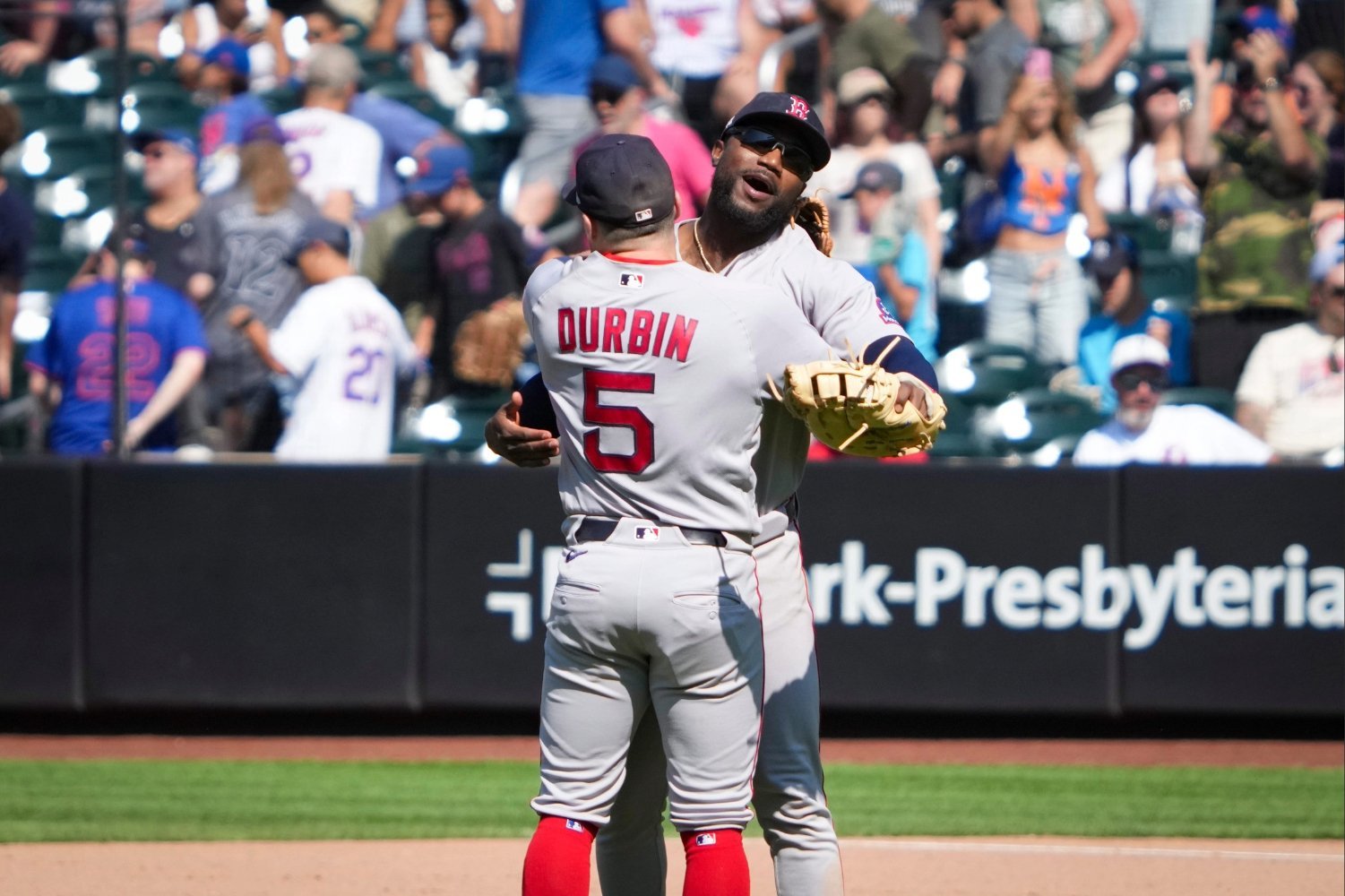 Boston Red Sox Weekly Snapshot Record Last Week: 6-0 Runs Scored Last Week: 28 Runs Surrendered Last Week: 6 Standings 3rd in AL East 10 GB First Place 0.5 GB Third Wild Card Transactions 07/06/26: Boston Red Sox optioned LHP Alec Gamboa to Worcester Red Sox. 07/06/26: Boston Red Sox designated RHP Jack Anderson for assignment. 07/06/26: Boston Red Sox activated LHP Patrick Sandoval from the 60-day injured list. 07/07/26: Boston Red Sox sent 3B Nick Sogard on a rehab assignment to Worcester Red Sox. 07/07/26: OF Nate Eaton roster status changed by Boston Red Sox. 07/07/26: Boston Red Sox sent 3B Nick Sogard on a rehab assignment to Worcester Red Sox. 07/09/26: Boston Red Sox recalled 3B Brett Harris from Worcester Red Sox. 07/09/26: 1B Willson Contreras suspended. 07/09/26: Boston Red Sox activated OF Nate Eaton. 07/09/26: Boston Red Sox placed LHP Ranger Suarez on the 15-day injured list retroactive to July 6, 2026. Left groin strain. 07/11/26: Minnesota Twins claimed RHP Jack Anderson off waivers from Boston Red Sox. 07/11/26: Boston Red Sox optioned 3B Brett Harris to Worcester Red Sox. 07/11/26: Boston Red Sox recalled LHP Eduardo Rivera from Worcester Red Sox. 07/12/26: Boston Red Sox optioned 3B Nick Sogard to Worcester Red Sox. 07/12/26: Boston Red Sox recalled RHP Brayan Bello from Worcester Red Sox. 07/12/26: Boston Red Sox designated LHP Danny Coulombe for assignment. 07/12/26: Boston Red Sox activated 3B Nick Sogard from the 10-day injured list. Scores Game 89: BOS 8, CHW 1 Game 90: BOS 5, CHW 0 Game 91: BOS 2, CHW 1 Game 92: BOS 6, NYM 2 Game 93: BOS 4, NYM 0 Game 94: BOS 3, NYM 2 Series Breakdown/Highlights White Sox Series: The Red Sox looked to keep rolling after the sweep of the Angels to close out last week, and they faced a tough test in the form of the AL Central leading White Sox. While the South Side Sox were without All-Star Munetaka Murakami, they should have put up a decent fight since they are leading their division. Game one proved the Red Sox were about to keep their foot on the gas. Ceddanne Rafaela and Andruw Monasterio both homered while Willson Contreras, Romy Gonzalez, Jarren Duran, and Connor Wong all contributed RBIs. Rookie Payton Tolle dazzled on the mound again, tossing 6.2 scoreless innings while striking out six. Danny Coulombe did allow an earned run, but Justin Slaten, Garrett Whitlock, and Ryan Watson were scoreless out of the bullpen Game two was another shut out for the Red Sox. Outside of one RBI from Rafaela, the offense came from a couple of unlikely places. Tsung-Che Cheng contributed two RBIs and Carlos Narvaez knocked in a run as well. Jake Bennett continued to dazzle since being recalled to the major-league roster. He tossed seven innings of zero-run, four-strikeout baseball for the win. Greg Weissert and Jovani Moran closed out the game with no runs given up as well. In game three, the Red Sox managed to win a close game instead of counting on blowing the other team out of the water. Caleb Durbin knocked in both runs for the Red Sox on a two-run home run. Other than that, though, there was little to talk about offensively. Only Wilyer Abreu, Gonzalez, and Wong contributed hits to the team for this game. On the pitching side, a returning Patrick Sandoval looked really good on his limited pitch count. He tossed 4.1 innings while allowing one run and striking out five. Tyron Guerrero, Whitlock. Slaten, and Aroldis Chapman all contributed out of the bullpen in the win, with Chapman securing the save. Mets Series: For teams that were similar in almost every way just a few weeks ago, the Red Sox rolled into NYC and showed the Mets what a turnaround looks like. In game one, both Anthony Seigler and Abreu homered, driving in four of the six runs. Masataka Yoshida contributed the other two RBIs on the day. Sonny Gray pitched six innings of one-run baseball while striking out three, but he’s somehow not an All-Star. Guerrero, Whitlock, and Weissert all contributed out of the pen, with Weissert giving up an earned run as well. In game two, the Red Sox tossed another shut out. Yoshida and Monasterio both homered in the win, accounting for all four of the runs for the team. Eduardo Rivera tossed 3.2 innings while striking out three in the start after being recalled from Worcester. Weissert, Moran, Slaten, and Coulombe all came out of the bullpen to help secure the win. It would be Coulombe’s last outing for the Sox though, as he was designated for assignment almost immediately following the game. Game three was a sight to behold, and something that should give every Red Sox fan confidence moving forward. The Sox were outdueled for the majority of game three and the sole reason it went to extra innings was thanks to a Francisco Lindor error and a Duran bloop that likely should have been caught. Dave O’Brien called this game ‘the most memorable win of the season’ and he hit the nail on the head. The Red Sox proved they could win by playing small ball and taking advantage of mistakes made by the opposition. That’s what good teams always do, and the Red Sox are flirting dangerously close with being a good team as we head into the All-Star Break. The pitching was a bit wonky in this one as Tolle was working with a pitch count. He only tossed 3.2 innings, giving up one run while striking out seven. He was followed by recently recalled Brayan Bello who was dominant, as per usual, out of the bullpen. He threw 4.1 innings, striking out five, and allowing one earned run. Chapman and Whitlock came out of the bullpen to put the game away. On offense, Seigler, Monasterio, and Duran all came through to drive in RBIs so the Sox could walk away with their third series sweep in a row. Website Highlights Recapping Boston Red Sox’s 2026 Draft Class: A Typical Craig Breslow Draft Takes an Atypical Form by Nick John Analyzing Every Boston Red Sox Rounds 6-10 Draft Pick in 2026 MLB Draft by Jack Lindsay Sonny Gray is the Red Sox Trade Chip Craig Breslow Can’t Afford to Get Wrong by Alex Mayes John Holobetz is the Next Red Sox Pitching Prospect Worth Buying Into by Cory Sparks Looking Ahead 07/13-07/16: All-Star Break 07/17/26: Rays @ Red Sox: 1:35 PM EDT 07/17/26: Rays @ Red Sox: 7:10 PM EDT 07/18/26: Rays @ Red Sox: 4:10 PM EDT 07/19/26: Rays @ Red Sox: 1:35 PM EDT View the full article
 -
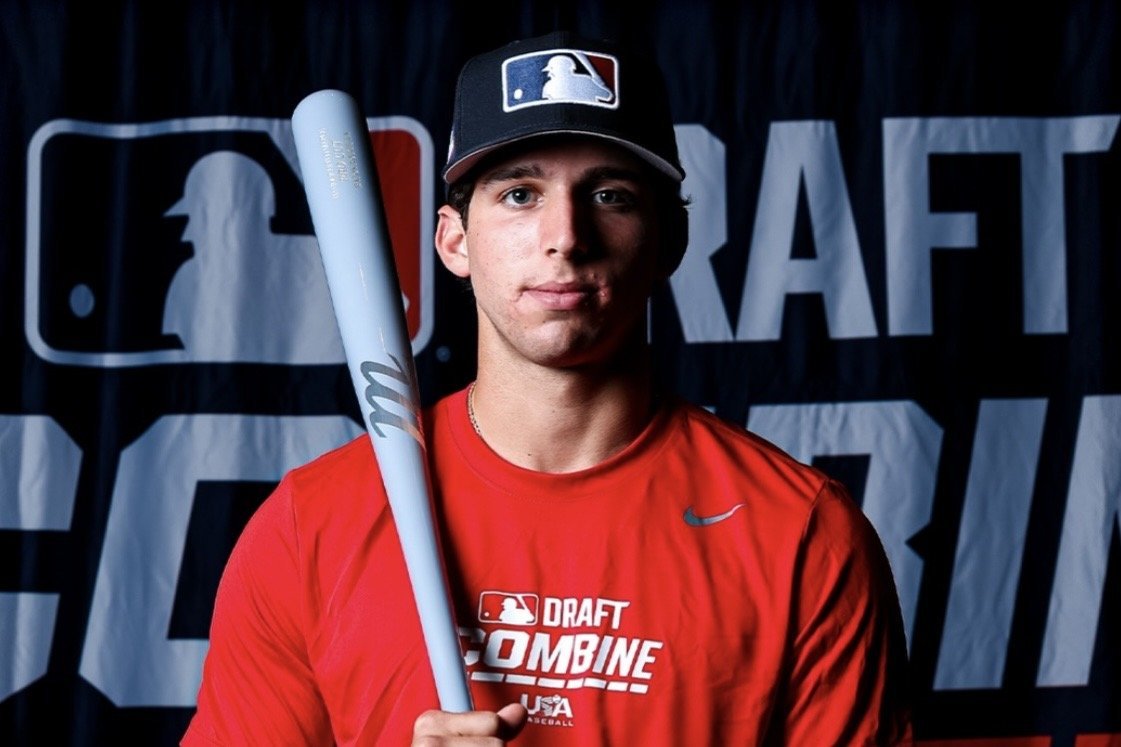 Their first-rounder is understandably hogging many of the headlines given his pre-draft projection and local ties, but the Miami Marlins landed plenty of other intriguing talent in subsequent rounds. I've highlighted the five best draft picks that the Marlins made this year, based on value or sheer player evaluation. 1. Jacob Lombard, SS, Gulliver Prep HS (FL) As a consensus top-10 prospect in the draft and a top-three high school prospect, the Miami native was not expected to be available at 14. Lombard has all the tools and family baseball lineage to be considered a 5-tool player, including 60-grade power potential and a high likelihood to stick at shortstop. The largest question looming with Lombard will be the hit tool. Poor contact rates and the tendency to chase are red flags, but the attack angles to the ball on his swing are strong, leading to high flyball rates and to his pull side. Overall, Lombard projects to be a 20-25 home run hitter with above-average to Gold Glove defense at shortstop. The Marlins will likely overslot Lombard, but the potential is worth all the money. 2. Ryan Peterson, RHP, Sam Houston State The Sam Houston State product went 71st overall in Competitive Balance Round B. His results in colleges were decent, 4.67 xFIP, 3.38 ERA, but a 2.62 SIERA, 22.2 K-BB%. and solid chase, whiff, but struggled with damage limitation. But the Marlins are betting on traits. Peterson has an amazing ability to spin the baseball, his repertoire fits how MLB teams approach pitching, deep mix, with the ability to spin the baseball. Peterson's fastball also has an extremely flat approach, similar to Bryan Woo, Joe Ryan, and Christian Scott. Peterson's extension down the mound also allows his fastball to play up despite his current lack of velocity. Peterson's tendency to throw strikes should improve with MLB pitching development along with his velocity. Shapes, repertoire, extension, and release heights make him an absolute pitching development darling in the modern game. 3. Trey Beard, LHP, Florida State With Trey Beard, the Marlins selected another college pitcher with unique release height and the ability to spin the baseball with different shapes. (Data visualization via overslotbaseball.com) Beard in 66.2 innings this prior season at Florida State University posted a 4.50 ERA, 3.93 xFIP, 2.35 SIERA and 24.9 K-BB%. He utilizes a high-carry fastball, big curveball, and tight slider. Beard also has a cutter and changeup in his pitch mix. Beard's ability like Peterson to spin the baseball combined with a unique release height and arm slot probably attracted the Marlins to him in the fifth round. 4. Nic Tolbert, 3B, Oktaha HS (OK) In the ninth round the Marlins selected Tolbert and announced him as a third baseman. Tolbert is massive at 6'6". A complete upside selection by the Marlins, the 18-year-old showcases large power potential from the left side of the plate. Tolbert, if signed will most likely get an over-slot deal, Tolbert struggles with offspeed and swing will need some adjustments, the Oklahoma product will need time in the minors and a lot of development, but all the raw tools are prevalent. 5. Colin Linder, RHP, Arizona State Miami's 15th-rounder has a long history of injuries and played mostly out the bullpen in 2026. The results were not good at all in 5.40 ERA, 5.99 xFIP, 4.00 SIERA, 11.2 K-BB%. But most MLB teams draft pitchers in college based on traits. Like the other two pitchers on this list, Linder is interesting from that standpoint. He has an extreme cut-ride fastball sitting 95 and touching 98, solid extension, high-release point, and good spin capacity. He also has a presence on the mound with his 6'5" stature. (Data visualization via overslotbaseball.com) Lacking any pitch that moves arm side, Linder will need to development another pitch to differentiate his shapes and keep hitters off balance. He also struggles with command, suggesting he will most likely work out of the bullpen going forward. He could move fast through the system as a reliever with his stuff if he's able to refine it. View the full article
 -
A Brief History of Blue Jays Starting the All-Star Game
DiamondCentric posted an article in Jays Centre
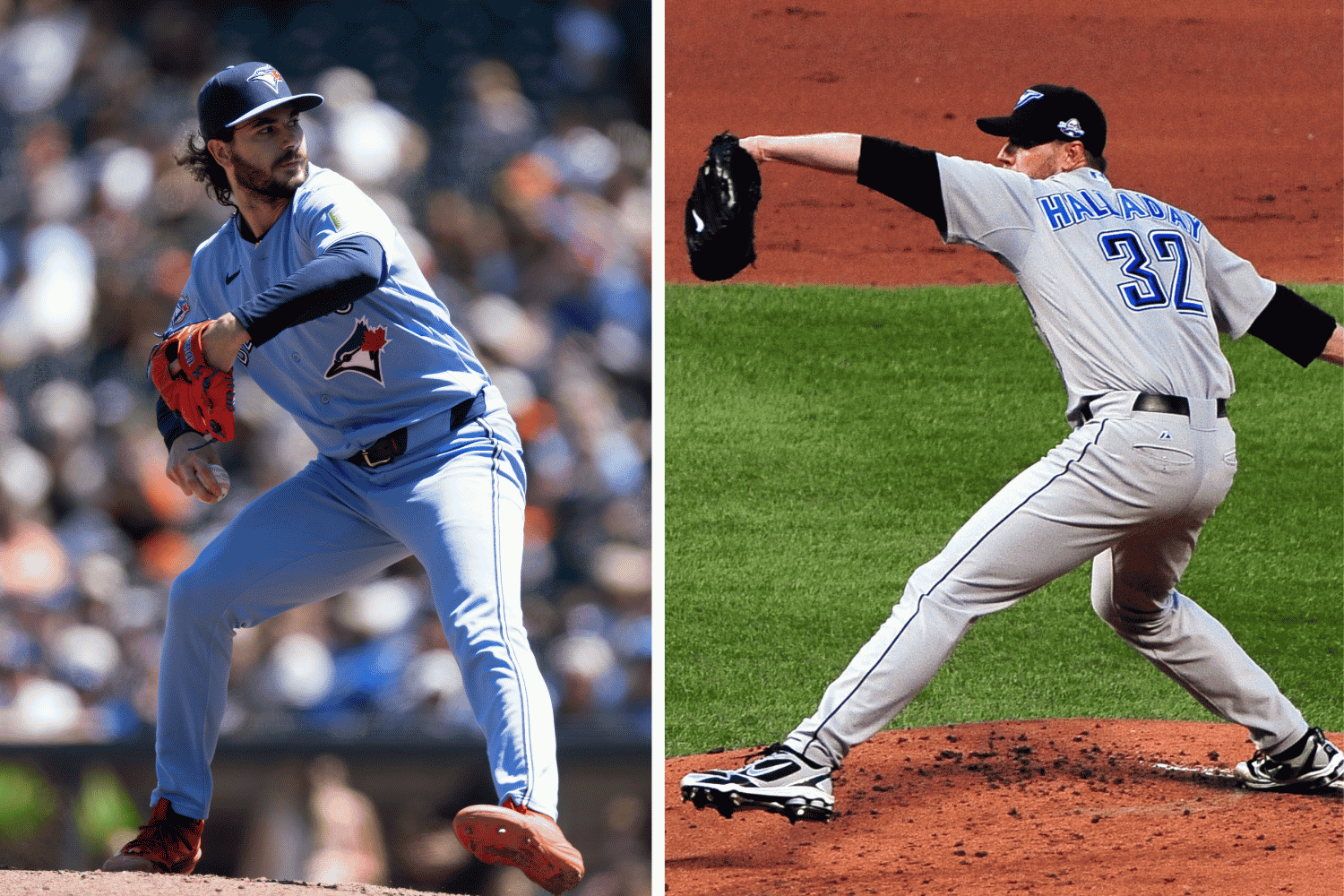 When the Toronto Blue Jays signed Dylan Cease to a seven-year, $210 million contract, some fans were surprised. That's No. 1 starter money, and not everyone viewed him as a surefire ace. The Blue Jays saw a pitcher who compiled more than 20.0 fWAR over the past five seasons, with two top-five Cy Young finishes to his name. Others saw a pitcher with a mid-4.00s ERA in two of the past three seasons, who had never even made an All-Star team. Any questions about Cease's acehood are looking awfully foolish half a season into his Blue Jays career. His ERA is two runs lower than it was in 2025, and he has finally made his first All-Star team. Not only that, but he'll be starting the game for the AL squad. Let's take a quick look back at the other Toronto pitchers who had that honour before him. Dave Stieb, 1983 Dave Stieb made back-to-back All-Star teams in 1980 and '81. In 1981, he became the first Blue Jays pitcher to finish an All-Star Game, something I'm hoping Louis Varland will get to accomplish tonight. Stieb failed to make the squad for a third straight year in 1982, although he earned his first Cy Young votes at the end of the season. Then, in 1983, he went 10-7 with a 2.54 ERA over a league-leading 148.2 innings in the season's first half. That performance earned him the ball to start the Midsummer Classic. The Blue Jays' ace threw three innings, striking out future Hall of Famers Mike Schmidt, Andre Dawson, and Tim Raines, as well as two-time MVP Dale Murphy. Stieb gave up a run in the first inning, due to an error of his own doing, but quickly settled in. He was the winning pitcher in a 13-3 AL victory. Stieb wasn't quite as dominant in the second half, but that's only because of how high he set the bar for himself. He finished the year with a 3.04 ERA in 36 starts. While he didn't earn any Cy Young support, he led the Junior Circuit in bWAR for a second year in a row. Dave Stieb, 1984 At the halfway mark of the 1984 season, Stieb was 9-3 with a 2.42 ERA in 137.2 innings pitched. He had fewer complete games, but other than that, he looked every bit as dominant as he had in the first half the year before. Unfortunately, he wasn't as successful in the All-Star Game. Stieb threw two innings and gave up two runs (one earned), this time taking the loss in a 3-1 game. By FanGraphs and Baseball Reference WAR, the 1984 season was the best of Stieb's career. His 7.9 bWAR led the major leagues, as did his 267.0 innings pitched and 146 ERA+. Despite that, he didn't get much love in the Cy Young voting at the end of the year. At least he got to start the All-Star Game for the second time in a row. Hard to complain about that. Fun fact: After seven years of only having one representative in the game, the Blue Jays had three All-Stars in 1984. Joining Stieb were second baseman Dámaso García and shortstop Alfredo Griffin. David Wells, 2000 David Wells began his career with the Blue Jays from 1987 to '92. Three years after he left Toronto, he became an All-Star for the first time with the Detroit Tigers. Another three years later, he made the All-Star team again as a member of the New York Yankees. The 2000 season was arguably the best of Wells's 21-year career. He made 35 starts, won 20 games, and led the majors with a 3.2% walk rate. His first half was particularly strong; he went 15-2 with a 3.44 ERA. Wells threw two scoreless innings for the AL All-Stars in 2000, striking out Sammy Sosa and Jason Kendall. The AL won the game, but they didn't score until the third inning, so Wells had to settle for a no-decision in his third and final All-Star Game appearance. Roy Halladay, 2009 Roy Halladay made six All-Star teams during his tenure with the Blue Jays, and he pitched in four of them (2002, '06, '08, and '09). In his last appearance for the AL squad, he finally earned his first start. He would go on to make two more All-Star teams with the Phillies, starting the game again in 2011. Funnily enough, he is the most recent pitcher to start the game for both Toronto and Philadelphia. That will change for both teams this year, when Cease faces off against Cristopher Sánchez tonight. Anyway, back to Halladay. The right-hander was 10-3 with a 2.85 ERA at the end of the first half. His performance in the Midsummer Classic wasn't his best work – he gave up three runs (two earned) in two innings – but it was still a historic performance. Halladay remains the most recent pitcher (Shohei Ohtani excluded) to take a plate appearance in the All-Star Game. (Don't hold your breath; he struck out.) Halladay went on to finish fifth in Cy Young voting in his final season in Toronto. He led the majors with four shutouts, nine complete games, and a 5.94 strikeout-to-walk ratio. Dylan Cease, 2026 Cam Schlittler of the New York Yankees is the AL Cy Young front-runner, but he'll be sitting out the All-Star Game after pitching on Saturday. For what it's worth, John Schneider claims he would have gone with Cease for the start no matter what. Whether that's homerism or a little white lie, Cease is certainly deserving of the opportunity. His near-no-hitter last week brought him to the top of the AL fWAR leaderboard, with 3.7 fWAR to Schlitter's 3.4 (in three fewer starts!). Cease also leads the AL with 148 strikeouts, a 2.85 xERA, and a 2.96 SIERA. It's going to be fun to watch him take the mound tonight, and even more fun to see what he has in store for us in the second half of the season. View the full article
 -
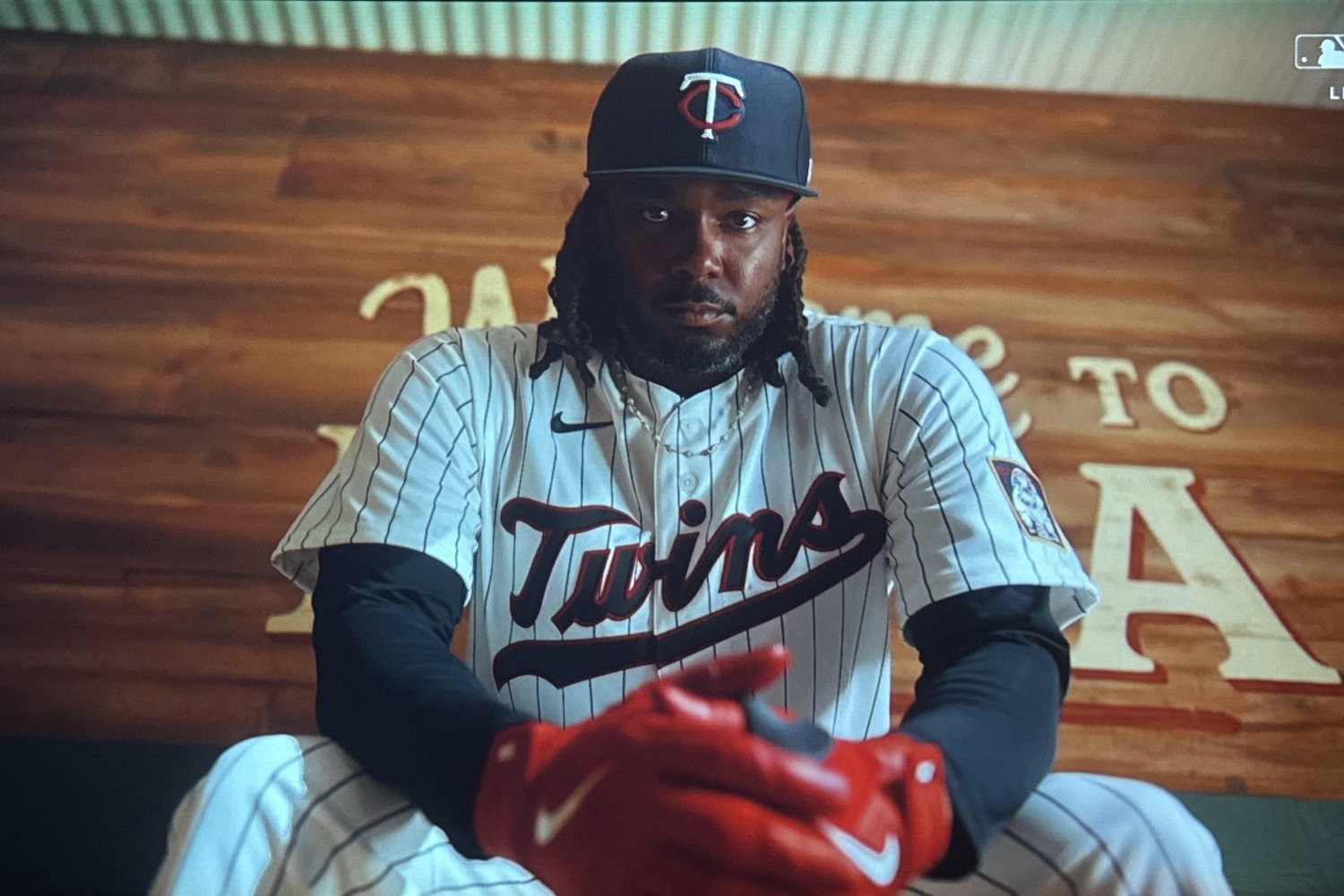 Minnesota’s professional sports teams are having a renaissance when it comes to throwback uniforms. In 2023, the Vikings finally brought back the home uniforms that were based on their original 1960s/1970s home uniform. That same fall, the Timberwolves brought back the original home uniforms from the franchise’s first six seasons and followed it up this past season by bringing back their iconic black “trees” uniforms that were famously worn during the Kevin Garnett era. The Wild wore the original white jerseys from their inaugural season this past year to commemorate their 25th season in the National Hockey League. Even Minnesota United tried a faux throwback that paid homage to the Minnesota Kicks last season, despite the fact the club had only been in Major League Soccer since 2017 (the Kicks were an NASL team from 1976-1981, for those wondering). Now, in 2026, the Minnesota Twins are joining the Minnesota throwback party as they gear up for the Field of Dreams game on August 13th against the Philadelphia Phillies. For one of Major League Baseball’s signature events of the season, the Twins will be wearing their original home uniforms from the 1960s and early 1970s, and then later featured in the first nine seasons of Target Field as an alternate uniform. The last time the Twins wore these uniforms was in the iconic final game of Joe Mauer’s Hall of Fame career. It was reasonable to assume this was the route the Twins would go for this event after the two teams for the game were announced last November, with the logos for each team teasing the era from which they will be drawing their uniform inspiration. The Twins’ uniform is white, with blue pinstripes going down both the jersey and pants, a departure from the previously cream-colored alternates. Running across the chest is the original cursive script ‘Twins’ logo, which is navy blue and outlined in red. On the back of the uniform, you find the same color scheme for the number—and no name plate, as the Twins did not introduce those until they went to the baby blue uniforms in the mid-1970s. The only modern part of the uniform here is (sigh) the Nike swoosh on the upper left chest, which is standard for every MLB uniform as part of the existing deal between the league and Nike. The Yankees and White Sox also had this on their uniforms back in 2021, for the inaugural Field of Dreams Game. On the sleeve is the Minnie and Paul logo, which has had very few touchups over the 67 years the franchise has existed in the Twin Cities. The cap itself for the Field of Dreams game will be navy blue and feature the interlocking ‘TC’ logo, which also remained untouched throughout the franchise’s history until it underwent a modern tuning for the team’s uniform rebrand starting in the 2023 season. Socks will be navy, too, and you will probably see several players adopt the high socks to complement the throwbacks, as that was the style of the era. You might even be lucky enough to get a player in some stirrups. The Twins had some options to choose from their history for this game, but going with the original home uniform was the best choice, or at least the best for those of us who love the aesthetics of these uniforms. Is this heaven? No, it’s the Twins’ original home throwbacks! Share your thoughts on the Field of Dreams uniforms in the comments below! View the full article
 -
Where Does Vahn Lackey Rank Among Twins Top Prospects?
DiamondCentric posted an article in Twins Daily
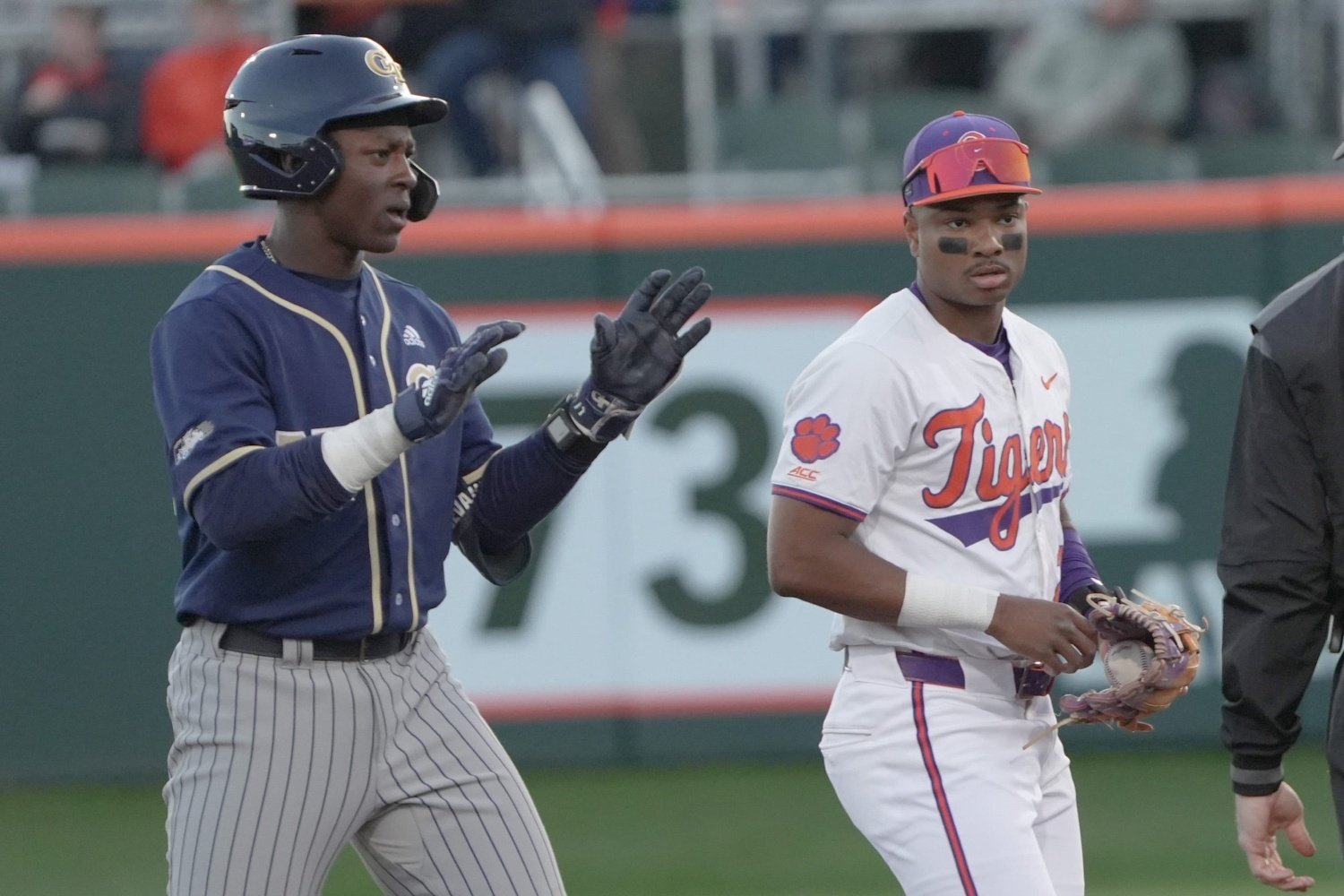 When the Twins walked to the podium with the third overall pick in the 2026 MLB Draft, there wasn't much suspense left. For weeks leading up to the draft, the biggest question centered around what the White Sox and Rays would do with the first two selections. Would one of them throw a curveball and shake up the board? Instead, the draft unfolded almost exactly how most evaluators expected. Roch Cholowsky went first overall, Grady Emerson followed at No. 2, and Minnesota happily selected Vahn Lackey with the third pick. It was a dream scenario for the Twins. Lackey entered the draft as one of the most complete prospects available, combining impact offensive upside with elite defensive ability behind the plate. Catchers with legitimate plus-plus tools on both sides of the ball are exceptionally rare, which is why many evaluators viewed him as one of the best overall talents in the class regardless of position. Once he officially signs, Lackey will immediately become one of the premier prospects in one of baseball's deepest farm systems. The question isn't whether he'll rank near the top, but exactly where he belongs in that cluster. TD Current No. 1: OF Walker Jenkins Jenkins has occupied the top spot in the Twins Daily rankings for good reason. The former fifth overall pick has done everything the organization could have hoped for since entering professional baseball and remains one of the game's elite outfield prospects. He reached Triple-A during his age-20 season and has continued to perform despite injuries in each professional season. There is also a bit of a "prove-it" test that every newly drafted player has to pass. No matter how impressive an amateur résumé may be, every prospect has to show they can translate those tools into professional baseball. The Twins have generally taken a measured approach with recent first-round picks, so it wouldn't be surprising to see Lackey begin his career in Low-A before finishing the season with Cedar Rapids if he performs well. Why Lackey Could Eventually Be No. 1 Lackey has a legitimate argument to become Minnesota's top prospect in short order. He's about 2 1/2 years younger than Kaelen Culpepper and only slightly older than Jenkins, despite coming from the college ranks. More importantly, he's a potential plus-plus offensive and defensive catcher. Those players don't show up very often. Even fewer develop into franchise cornerstones like Joe Mauer or Buster Posey. For now, Jenkins's proximity to the major leagues gives him a slight edge. He's already answered many of the developmental questions every prospect faces. But if Lackey gets off to the explosive professional start many scouts expect, it wouldn't be surprising if he's sitting atop Minnesota's prospect rankings entering next season. TD Current No. 2: SS Kaelen Culpepper Culpepper found himself in a similar position just two years ago after the Twins selected him in the first round out of Kansas State. Since then, he's done nothing but strengthen his prospect profile. The shortstop broke out in 2025 with a 138 wRC+ between High-A Cedar Rapids and Double-A Wichita before carrying that momentum into Triple-A this season. Despite dealing with a nagging glute strain in recent weeks, Culpepper has still posted a 122 wRC+ and looks poised to make his major league debut once he's healthy. Why Lackey Should Rank No. 2 This feels like the sweet spot for Lackey. Culpepper has earned his standing after proving he can dominate upper-level pitching. He's become a consensus Top 100 prospect and appears ready to contribute in Minnesota in the near future. That said, Lackey entered professional baseball with an even stronger reputation than Culpepper did coming out of college. He's viewed as a more polished player offensively and defensively, and many national prospect outlets will likely rank him slightly ahead of Culpepper once post-draft rankings are updated. That's not an indictment of Culpepper. It simply speaks to how highly the industry views Lackey's overall package. TD Current No. 3: OF Emmanuel Rodriguez Few prospects in baseball have generated as much excitement (and frustration) as Emmanuel Rodriguez. The talented outfielder has been a consensus Top 100 prospect since 2023 and reached Triple-A as a 21-year-old. His production has been outstanding whenever he's been healthy. Rodriguez posted a remarkable 180 wRC+ in 2024 despite appearing in only 47 games, then followed that with a 135 wRC+ over 65 games last season. Unfortunately, staying on the field has become the biggest obstacle in his development. Rodriguez is currently on the injured list after undergoing surgery to repair a torn UCL in his thumb, and since making his professional debut in 2021, he has yet to appear in more than 99 games during a single season. Why Lackey Should Be No. 3 This is where the debate becomes especially interesting. There's a strong argument for leaving Culpepper ahead of Lackey because he's already demonstrated success against Double-A and Triple-A competition. The jump from college baseball to professional baseball isn't always seamless, even for elite prospects. Still, Lackey is coming off one of the best collegiate seasons in recent memory and possesses one of the highest ceilings in the organization. Some evaluators may prefer to keep him behind Culpepper until he proves himself in pro ball, which would slide Rodriguez to fourth in the system. Given Rodriguez's lengthy injury history, it wouldn't be surprising if Lackey quickly leapfrogs him in most organizational rankings once he signs. Where Should He Land? Ranking prospects is always a balancing act between ceiling, proximity, performance and risk. Jenkins has earned the benefit of the doubt after succeeding at every stop while inching closer to Target Field. Culpepper has elevated himself into one of baseball's better infield prospects through outstanding production in the upper minors. Rodriguez still possesses star-level talent, but injuries continue to cloud his outlook. Lackey enters the conversation with perhaps the highest long-term upside of the group. Premium catchers with impact offensive potential are among the rarest commodities in baseball, and the Twins believe they've landed exactly that with the third overall pick. For now, No. 2 feels like the right place to slot him, narrowly behind Jenkins. But don't be surprised if that changes quickly. If Lackey's first taste of professional baseball goes as smoothly as many expect, there's a very real chance he'll open next season as Minnesota's No. 1 prospect. Where should Lackey rank among the Twins' top prospects? Leave a comment and start the discussion. View the full article
 -
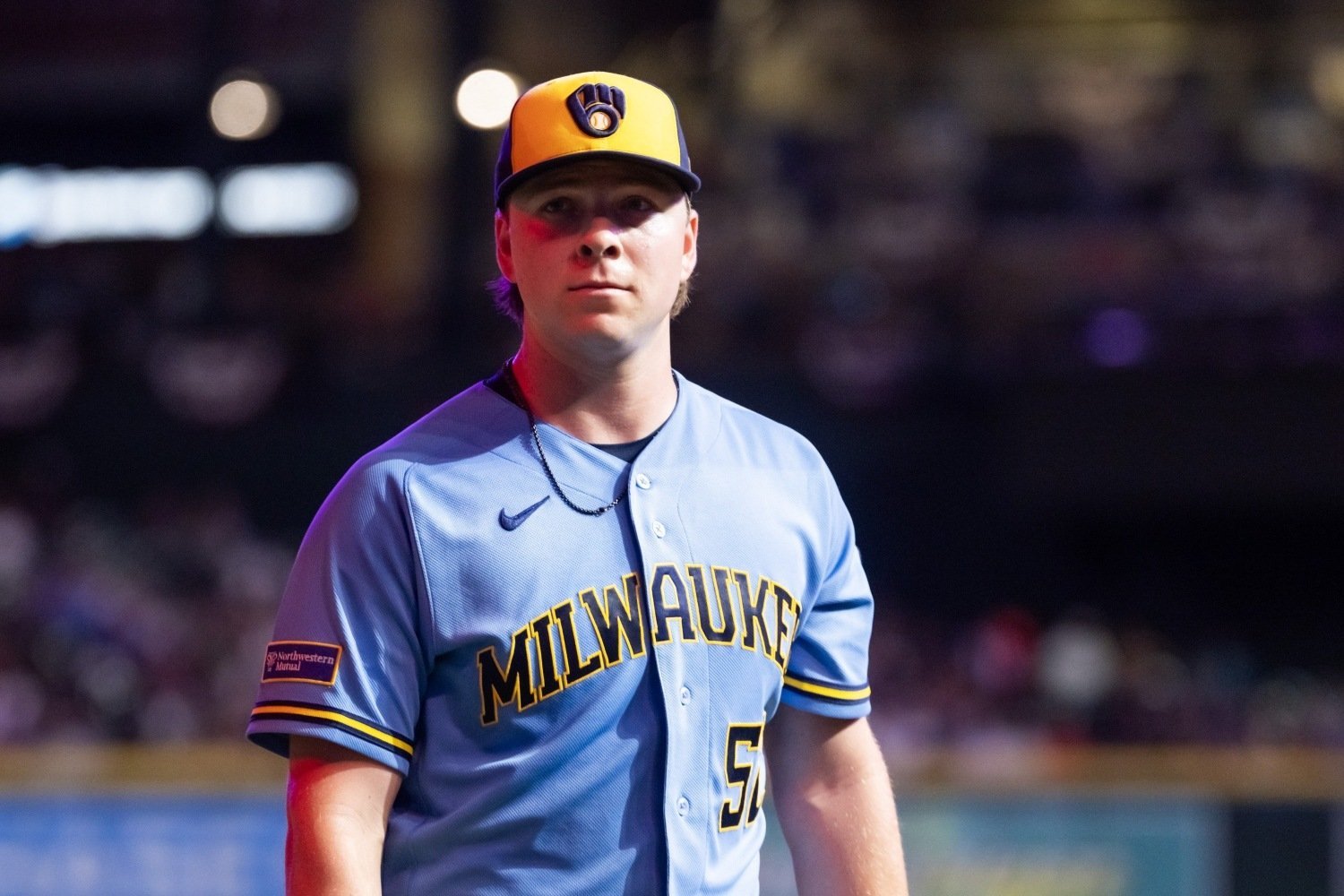 It's going to be ok. Probably. Jacob Misiorowski has just enough fatigue that it made sense to skip his final start before the All-Star break and to hold him out of the game Tuesday night. Kyle Harrison has just enough irritation in his elbow to make it worth shutting him down here in the middle of July, when the schedule provides the weary Brewers four days off, anyway. The team and the players themselves each insist that there's nothing to worry about, and we all foresaw that there would need to be some point at which the club eased off the gas in terms of workload for one or both of its newfound aces. Let's be optimists, rather than doomers. Even embracing that mindset can't save you from some worry about Brandon Woodruff, though. It sure feels like the erstwhile workhorse of this team has run out of gas. He's on the IL with a second bout of dead arm, and watching his velocity evaporate within a start makes it essentially impossible to envision handing him the ball with the season on the line sometime in mid-October. Woodruff will try to work his way back into the mix, and every Brewers fan should root for him to have as much success with that as possible, but no longer can he be part of the team's firm plans for the stretch run or the playoffs. Logan Henderson just returned from the injured list, but doesn't have a track record that permits much faith in his staying power. Chad Patrick and Aaron Ashby are showing their wear after over a year of being worked hard. DL Hall is on the shelf. Quinn Priester is out for the year. Shane Drohan, Robert Gasser and Brandon Sproat have all shown promise, but also inconsistency, and none has ever managed the physical and mental grind of a full big-league season before. Coleman Crow is becoming increasingly important to this team's medium-term plans, and he's something like a poor man's version of Henderson or Drohan. It's a sign of privilege to have this many names to rattle off when rounding up a rotation mix in mid-July. The Brewers have built one of the best developmental systems and most robust talent pipelines in baseball, including the dozen guys already mentioned in this article. Most teams would be more severely hampered by even fewer injuries and/or constraints. Unfortunately, the baseball gods don't give hustle points, and they don't patiently repeat themselves. When they say 'you can never have too much pitching,' they mean it, and it's a threat, not a funny little aphorism. Despite all that depth and all that quality, the Crew are getting thin. Somehow, though they did every possible thing to avoid this, they're going to need to trade for pitching help before next month's trade deadline. Specifically, despite all those guys who can give them length out of the pen or are capable of being a mid-rotation starter, the Brewers need a starter. Remember Jose Quintana? Last year, Quintana was underwhelming for the Brewers, but he was cromulent. He ate 132 innings for Milwaukee, including often being a vital bridge starter when the team was scrambling. In other recent seasons, that role has been filled by Aaron Civale, Bryse Wilson, and Julio Teheran, to name a few. Often, the team is able to scoop reliable sixth starters off the scrap heap relatively early and cost-free. They've signed pitchers (like Quintana) to low-dollar one-year deals. They've swapped for guys (like Civale and Priester) during seasons, but at points at which they were highly available. By being so proactive, they've usually been able to avoid an acute need for pitching help in July. This year, though, they tried to leave open runways for the pitchers they acquired over the winter (including Drohan, Harrison and Sproat) and for some arms returning from injuries (Gasser and Henderson). That made sense, but now, it leaves them with an unexpected need for that low-ceiling innings eater they've so often had in the past. Quintana is out there. His numbers look atrocious, but that's because he's pitching his home games at Coors Field. Presumably, though, the Brewers would like to aim a little higher. They have lots of options. The Giants will be open to moving Robbie Ray, who's in the last year of his long-term deal and has stopped missing bats the way he used to. The Nationals' Foster Griffin, the Reds' Brady Singer, the Diamondbacks' Eduardo Rodríguez and the Orioles' Trevor Rogers are all in some version of the same situation. None of those guys would start a playoff game for Milwaukee, but that's not what the Brewers need. They just need someone who can absorb a share of the workload over the final two months, so that the rest of the team is fresher and the club is as well-positioned as possible when they get to October. It'll be a needle to thread for the Brewers front office. They don't want to end up in a roster crunch that costs them anyone important. They need to add help, but still have space for their best arms when those guys are back to full strength. They can operate on a six-man rotation for much of the rest of the season, but need to communicate well enough with each of their guys to ensure that those asked to spend time in Nashville or in the bullpen are open to the changes. The team is in too good a position to sacrifice the depth of their league-best farm system just to gild the lily. If they don't act at all, though, they might regret it. After all, clearly, the baseball gods intend to enforce 'you can never have too much pitching' in an especially draconian way for them this summer. View the full article
 -
 Chicago Cubs Minor League Report Affiliate Overview Triple-A Iowa Cubs Series vs. St. Paul Saints (Minnesota Twins): Cubs win, 4-2 Season Record: 39–51-1 Double-A Knoxville Smokies Series vs. Biloxi Shuckers (Milwaukee Brewers): Tied, 3-3 Season Record: 49–38 High-A South Bend Cubs Series at Cedar Rapids Kernels (Minnesota Twins): Cubs win, 4-2 Season Record: 49–34 Single-A Myrtle Beach Pelicans Series vs. Fredericksburg Nationals (Washington Nationals): Tied, 3-3 Season Record: 36–49 Triple-A: Iowa Cubs Season Record: 39–51-1 Series Opponent: St. Paul Saints (50-41) Series Standing: Win, 4-2 July 12: The Iowa Cubs dropped Sunday’s series finale, 5-4, to the St. Paul Saints at Principal Park. James Triantos’ (2-for-4) solo blast in the second, his seventh of the season, opened the scoring in the ballgame but the Saints responded with two runs in the third and one more in the fourth to go up 3-1.Moisés Ballesteros (2-for-3) cut the deficit to one with a solo shot in the fifth, his first of the campaign. St. Paul would make it a 5-2 game after scoring once in both the seventh and eighth, but Iowa was able to rally with two runs in the ninth, thanks to a two-run single from Owen Miller (2-for-5). However, Miller, representing the tying run, would be left at second to end the contest. Jordan Wicks got the start on the mound for the I-Cubs and was handed the loss, falling to 0-7 on the year. Wicks allowed two runs on four hits over three innings of work, striking out five batters without issuing a walk. The Iowa offense would go 1-for-8 with runners in scoring position on the day, stranding 10 runners. Double-A: Knoxville Smokies Season Record: 49–38 Series Opponent: Biloxi Shuckers (46–37) Series Standing: Tied, 3-3 July 12: The Knoxville Smokies split their series with the Biloxi Shuckers following a 3-1 defeat on Sunday at Covenant Health Park. The Shuckers took a 2-0 lead after scoring a pair of runs in the third and would make it a three-run game by adding one in the eighth. The Smokies would finally get on the board in the home half of that inning, with Alex Ramírez (1-for-4) singling home Knoxville’s only run of the ballgame. Brody McCullough got the start on the mound for the Smokies and was handed the loss, falling to 0-1 on the season. McCullough allowed two runs, one earned, on two hits over four innings of work to go along with two walks and four strikeouts. Knoxville would get scoreless relief appearances from Luke Little (1.0 IP), Koen Moreno (2.0 IP) and Ryan Jensen (1.0 IP), with the trio combining to allow no hits while whiffing two. The Smokies offense was held to just three hits on the day, with none going for extra bases. They were also limited to just three chances with runners in scoring position, going 1-for-3 in those situations, leaving four runners on base. High-A: South Bend Cubs Season Record: 49–34 Series Opponent: Cedar Rapids Kernels (35–49) Series Standing: Win, 4-2 July 12: The South Bend Cubs earned a series victory following a 5-2 triumph over the Cedar Rapids Kernels on Sunday at Veterans Memorial Stadium. Jose Escobar (1-for-3) gave the Cubs an early 1-0 lead in the first with an RBI-groundout and Miguel Useche (0-for-3) doubled that lead when racing home on a wild pitch in the second. The Kernels would make it a one-run game with a tally of their own in the home half of the second. South Bend plated two runs in the sixth to make it 4-1, getting an RBI-single from Angel Cepeda (1-for-3) and an RBI-groundout from Useche. Kane Kepley (1-for-3) tripled home a run in the seventh before Cedar Rapids made it 5-2 with a run later in the inning. Cole Reynolds, who entered in relief in the seventh, would keep the Kernels off the board in the final two innings to earn his first save of the season and seal the series victory for the Cubs. Reynolds allowed one run on one hit over three total innings of work, walking one and striking out one. Jostin Florentino got the start on the mound for South Bend and took no decision. Florentino allowed one run on two hits over four innings of work, issuing just one walk to go along with six punchouts. Eli Jerzembeck earned the win in relief to improve to 2-2 on the season after tossing two scoreless frames, giving up one hit and whiffing one batter. Single-A: Myrtle Beach Pelicans Season Record: 36–49 Series Opponent: Fredericksburg Nationals (57–30) Series Standing: Tied, 3-3 July 12: The Myrtle Beach Pelicans dropped Sunday’s series finale vs. the Fredericksburg Nationals, 8-6, to split the six-game set. The Nationals took a commanding 8-0 after scoring once in the first, three times in the second, twice in the fourth and twice more in the sixth. The Pelicans scored all six of their runs in the ninth inning as they attempted a furious rally. Eli Lovich (1-for-5) got Myrtle Beach on the board by scoring on a wild pitch and Edward Vargas (2-for-4) followed with a two-run double. Ivan Cespedes (2-for-2) then became the third Pelican of the ballgame to score on a wild pitch and Ethan Conrad (1-for-4) launched a two-run shot, the first home run of his professional career, to make it 8-6. Derniche Valdez (2-for-5) singled to bring Lovich up to the plate, representing the tying run, but the lefty lined out to end the game. Daniel Avitia got the start for Myrtle Beach and was handed the loss, falling to 2-2 on the season. Avitia allowed four runs on five hits over three innings of work, walking two batters and whiffing one. View the full article
 -
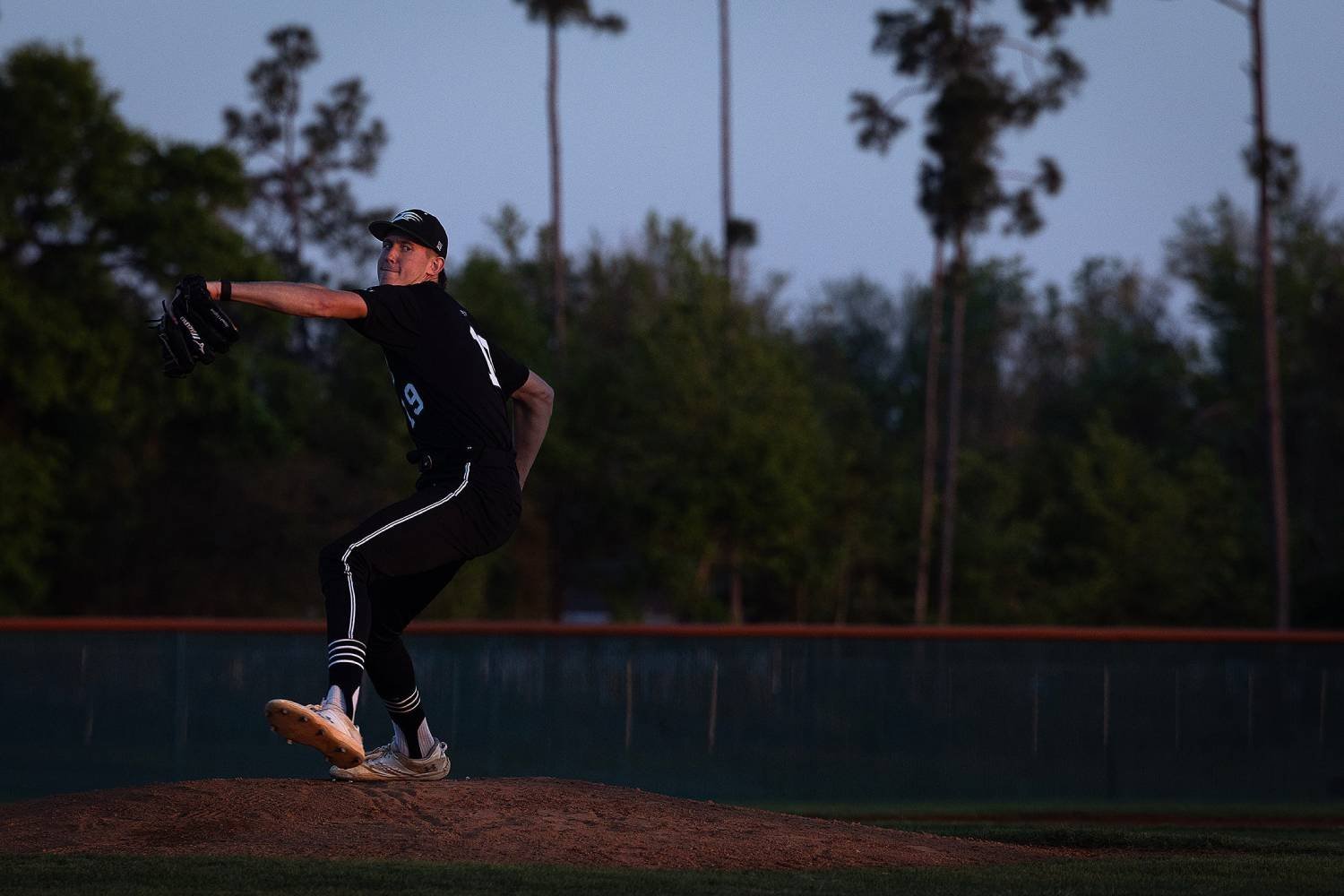 Now that the 2026 MLB Draft is complete, it is time to make sense of what the San Diego Padres did. Every draft's focus is, appropriately, on the first-round draft pick. For the Friars, that was high school right-handed starter Coleman Borthwick, taken with the 21st overall pick. At 6-foot-6 and listed at 245 pounds (or 260), the 18-year-old out of South Walton High School in Santa Rosa Beach, Fla., is a prototype power pitcher who could lead a rotation. Borthwick was the fourth pitcher and second from the high school ranks to be selected. That also fits how the Padres approach the draft: They take prep players in the first round, then shift to collegians after that. It is a two-part strategy. The Padres feel they find value that other teams steer away from in the first round. High school pitchers are inherently risky. For instance, last year, Seth Hernandez, a right-hander out of Corona High School right here in SoCal, was the early leader to go No. 1 overall. But high school right-handers don't go No. 1. Instead, he went sixth overall to the Pittsburgh Pirates. Now, he has as much helium as anyone from that draft and was one of the stars of Sunday's Futures Game. That's not to say that Borthwick will follow that pattern, but the pick was roundly lauded by draft experts. Borthwick has good athleticism, having also played third base and possessing a power bat. But he won't touch a bat as he enters pro ball. Instead, he will bring a four-seamer that generally sits in the 93-95 mph range, can easily get up to 98 and has touched 100 mph this spring. He also has a terrific, snappy slider and a changeup that will need refining. His bonus is slotted at $4,224,700 and his signing is not in question. In fact, none of the selections in the first 10 rounds have signability issues. Padres' Hidden Gems In The Draft Every team looks for value or hidden talent wherever it can be found and that certainly holds true for the Padres. Of the 21 players the Padres picked, there look to be three (well, four, but we will get to that one in a minute) where they found value on a sliding player—at least by other outlets' rankings. The first is seventh-round draft choice Joe Tiroly, a junior infielder out of Virginia. One reason could be a broken foot he sustained in fall camp as he transferred to Virginia that hindered him until the season began, yet he played in every game this season. He wound up with a .319/.408/.576 slash line and stepped in the postseason, leading the Cavaliers with 16 homers and 66 RBIs. He was the fourth of five Virginia players drafted, so he was surrounded by talent like he wasn't when he attended Rider, a much smaller Division I program. Tiroly, listed as a second baseman, is likely to also get a look at third base as he does have the arm for the position. Tiroly was ranked as the 99th prospect by Baseball America and 147th by MLB Pipeline and taken by the Friars with the 215th pick. Next is North Carolina State first baseman Chris McHugh, who was taken in the 11th round. The Padres typically don't profile their first basemen as power hitters and McHugh certainly is not a prototypical player at the position. His slash line as a junior (.320/.409/.525) was down from his sophomore season (.365/.462/.533), but he still produced nine homers. One of seven players from N.C. State to be drafted, the right-handed hitter also saw time in left field and previously played third, certainly something the Padres will explore. In addition to driving in 50 runs, McHugh had a 16-game hitting streak and led the team with 23 multi-hit games. Due to his skills at the plate, the power can be developed. Baseball America ranked him 139th and was taken by the Padres at No. 335. Another value pick was Northwestern junior shortstop Ryan Kucherak, who was selected in the 15th round. Kucherak was a teammate of No. 1 overall pick Roch Cholowsky at Hamilton High School in Chandler, Ariz., then went to LSU. He played sparingly at LSU, then transferred to Northwestern. He has power, having set the Northwestern record with 18 homers as a sophomore, then following that with 10 this past spring. He had a two-year slash line of .290/.388/.571 for the Wildcats. As a player with power is apt to do, he has swing-and-miss in his plate approach and did have issues with a wood bat in the Cape Cod League last summer. Kucherak will stick in the middle infield and also brings speed to his game. He was the No. 131 draft prospect by Baseball America and the Padres grabbed him with the 455th pick. Player Who Can Make The Padres' Draft As mentioned above, there don't appear to be any questions about signing picks in the top 10 rounds, which come with assigned slot values. Rounds 11-20 can be signed for $150,000 without affecting the draft pool. Any amounts over $150,000 count against the pool, which is $9,479,000 for the Padres. College players aren't typically tough signs, so that leaves the four high school players taken. Borthwick and second-rounder Elliot Lascelles, a second baseman from Toronto, will be easy signs as well. But that brings us to Denton Lord. While the name sets itself up for some terrific monikers, it is the talent that made the right-handed starter a top-100 draft prospect. Baseball America ranked Lord 54th and MLB Pipeline 80th. He has a commitment to Mississippi State, which already was going to make him a tough sign. Then, Lord announced Sunday on Instagram, after not being picked in the top five rounds, that he would honor his commitment to Mississippi State. The Padres rolled the dice and picked Lord in the 17th round (515th pick). Here is where it gets even more interesting. Lord attended the same high school as Borthwick, the Padres' top pick. That relationship could be a huge lure for the Padres to get the 6-8, 220-pounder into their system. They can save money from the first 10 rounds and bundle that to hand to Lord. While NIL can get players to campus, the Padres can certainly negotiate to get Lord a signing bonus of $1 million to $2 million, more suitable of a second- or third-round pick. Pulling this off would certainly be a boon to the Padres' system. Lord's four-seamer is 94 mph, one of the best of the high school class, and he can ramp up a few ticks when necessary. He also has good spin on his curveball that he sometimes uses too much as well as a slider. Lord also has a little-used changeup that can be developed. While possessing good tools at the moment, he also has plenty of projectability that an MLB team can work on to boost those assets. Lord did have Tommy John surgery as a high school freshman, but is clearly good to go. Catchers The Padres already have terrific catching depth in their system with Ethan Salas (Padres Mission's No. 1 prospect), Ty Harvey (No. 7), Lamar King Jr. (No. 11) and Truitt Madonna (No. 13) for starters, plus other hidden gems such as Yoiber Ocopio. But like pitching, you can never have too much quality catching. The Friars spent three of their 21 draft choices on college catchers, whereas Havey, King and Madonna were high school products. Those would be George Washington junior Robbie Lavey, USC sophomore Augie Lopez, and Notre Dame junior Mark Quatrani. Lavey and Lopez are left-handed hitters, which helps their cause. Lavey has been described as doing a lot of things well, but not one aspect stands out. Lopez broke through with a big power surge, hitting 19 homers this spring and needs to improve defensively. Quatrani jumped from the Ivy League at Cornell to the Atlantic Coast Conference and Notre Dame to improve his draft stock and all he did was slash .376/.457/.643 with 15 homers. The Padres could see a position change among this group down the road. View the full article
 -
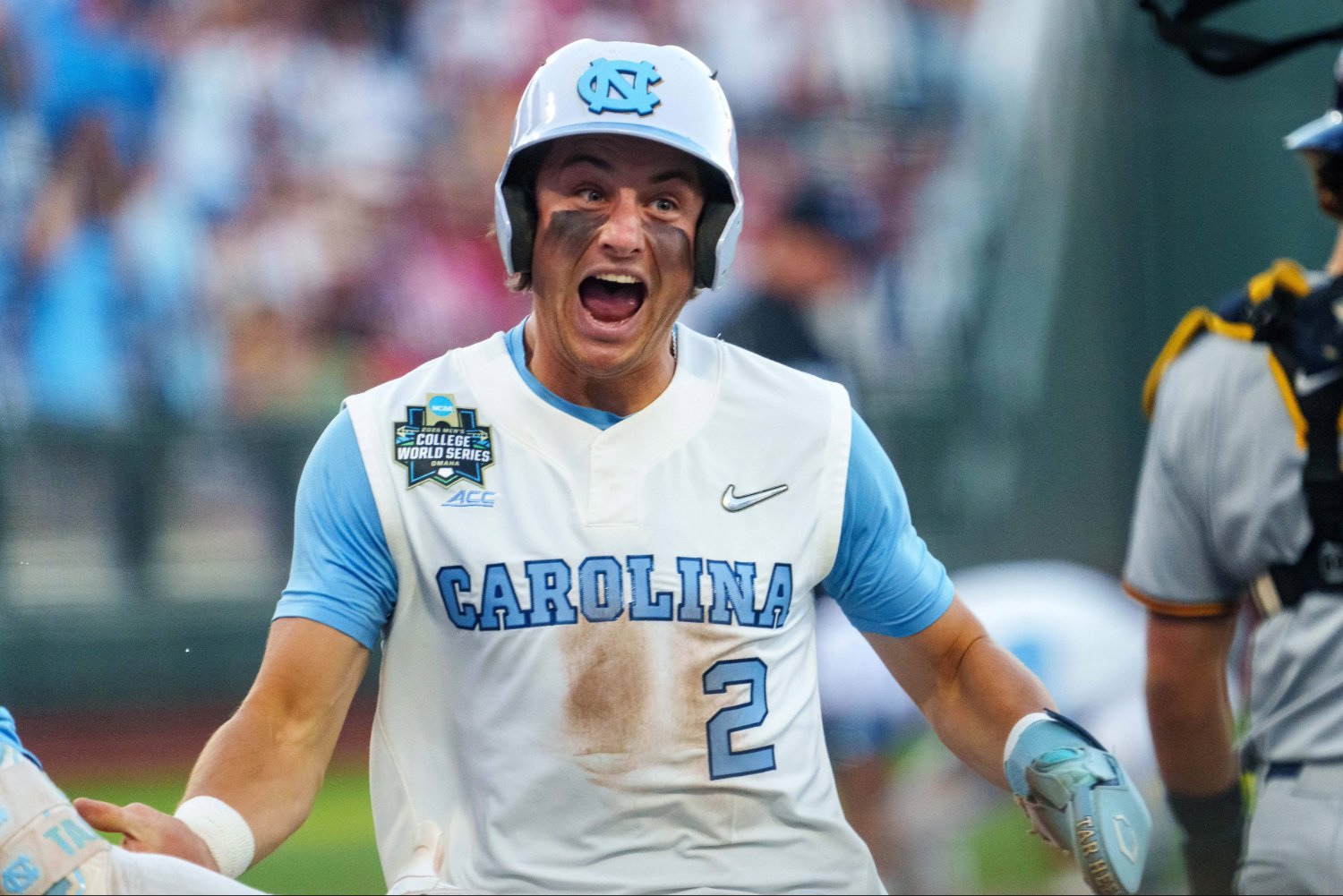 For the third straight season, Craig Breslow and his scouting department oversaw a draft where they stuck to their guns and drafted players that fit the stereotypical mold they prefer. However, unlike the previous two drafts, this was the first time scouting director Jake Bruml led the charge, having been named the new director of amateur scouting last year. Bruml's perspective could be felt, but this was still a typical draft class for this organization. The Red Sox selected more pitchers than position players much like the previous two drafts. This time it was a bit more even, as only 11 of the 19 selections were pitchers. They did veer off course slightly, selecting six prep players with the highlights being third-round pick Jace Mataczynski, ninth-round pick Martin Shelar, and 10th-round pick Kaleb LaFavor. The latter two are likely to receive over-slot deals in an effort to keep them from heading to the college ranks. From the pitching angle, it was no surprise the direction that the organization went in, mainly drafting tall, strong pitchers with elite extension. The first college arm the organization drafted, Lucas Davenport, came in the fifth round. As of his latest college season, he measured 6-foot-6 and was known for elite extension and a fastball that topped out at 98 mph. Of the 11 pitchers drafted, only two of them were listed to be shorter than 6-foot-2, that being seventh-round selection Kide Adetuyi and 19th-round selection Luis Calderon (though the latter may have some room to grow, being just 19 years old). Pitching-wise, the plan has always been simple, and Breslow has a track record of turning this style of pitcher into true prospects as he showed with 2024 selection Payton Tolle. Offensively, the Red Sox went in a direction that a few teams across baseball have already moved towards. While most teams continue to focus on power at the major-league level, forward-thinking franchises like Milwaukee and Tampa Bay have shifted to a focus of getting on base by having their lineups contain players with great bat-to-ball skills and the ability to walk. The Red Sox chose to follow that idea when it came to the draft, selecting multiple college bats that either ranged from above-average to elite when it came to bat-to-ball skills, including their first two selections in Jake Schaffner and Owen Hull. Schaffner, who many felt was a reach at 20, will most likely sign an under-slot deal with the team that will allow them to sign high upside but risky selections such as Shelar and LaFavor. Schaffner made elite contact during his lone season at UNC and hit .356/.467/.552 with 19 doubles, eight triples and six home runs while walking 45 times to just 32 strikeouts. It’s a change in philosophy compared to the hitters that were selected in 2025, when guys like Jack Winnay and Mason White were chosen more for their potential power. One player who could be an interesting prospect to follow is 12th round selection and prep player Jacob Webster out of Oak Hills High School in California. Listed at 6-foot-4 and weighing 190 pounds, Webster was drafted as a shortstop but has two-way player potential. As a pitcher in high school, he had a fastball that got up to 90 mph. While it takes more than a good fastball to be a professional pitcher, it would be a shame to not look at his pitching potential as well. As a position player, he’s likely to stick at shortstop but could also make a move to the outfield if needed. Offensively, he’s a switch-hitter who has shown power from the right side of the plate. Yet the biggest steal of the draft may have been getting Shelar at 274 overall. Coming into the draft, DiamondCentric’s Jamie Cameron had the prep outfielder as the No. 77 overall prospect in the class, which should have made him a day one pick Concerns over his ability to sign due to a commitment to Mississippi State allowed him to fall to the Red Sox nearly 200 selections later. Thanks to the early selections of Schaffner and Hull, the team will have extra money to offer a player like Shelar in hopes that he signs with the organization. He would be worth taking the chance on, as he has some of the best bat speed and raw power in the entire 2026 prep class and has constantly been able to barrel the baseball despite an unconventional swing. He isn’t just good on offense either, as he has good speed and an above-average arm that could render him an All-Star if everything breaks right in his development. With the draft now over, it was clear that the Red Sox entered it with a clear plan in mind to bring in talented, high-floor players. The organization will do the work to increase their respective ceilings, with the specific development from the pitching lab and bat speed programs. While day one left some questioning the team’s approach, the totality of this class should have the entire fanbase buying into the scouting department's know-how. View the full article
 -
Max Meyer: I never stopped believing in reaching All-Star level
DiamondCentric posted an article in Fish On First
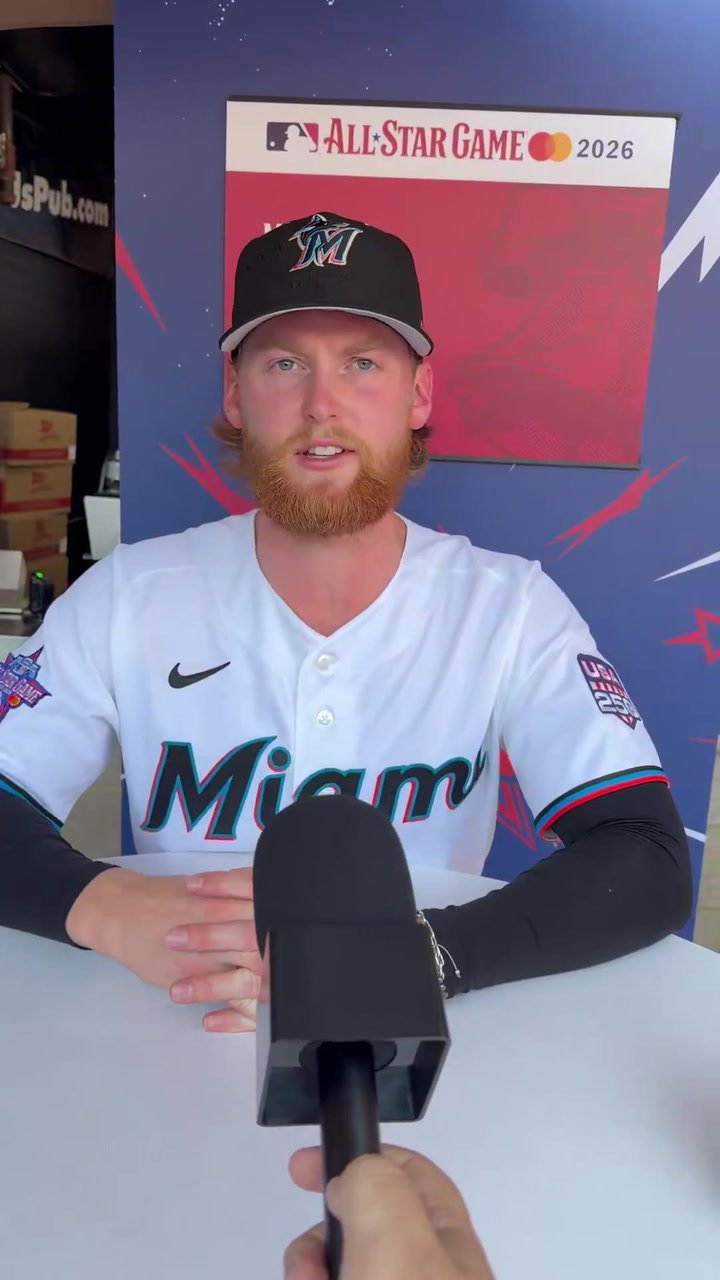 Marlins right-hander Max Meyer speaks with Fish On First about the keys to his All-Star-caliber production this season and who he's most excited to talk to during this week's festivities.View the full article
