


DiamondCentric
-
Posts
2,631 -
Joined
-
Last visited
Never
Content Type
Profiles
Forums
Events
News
Tutorials & Help
Major League Baseball Videos
Guides & Resources
Store
Downloads
Gallery
Everything posted by DiamondCentric
-

Ranking the Twins' Potential Outcomes with the Third Overall Pick
DiamondCentric posted an article in Twins Daily
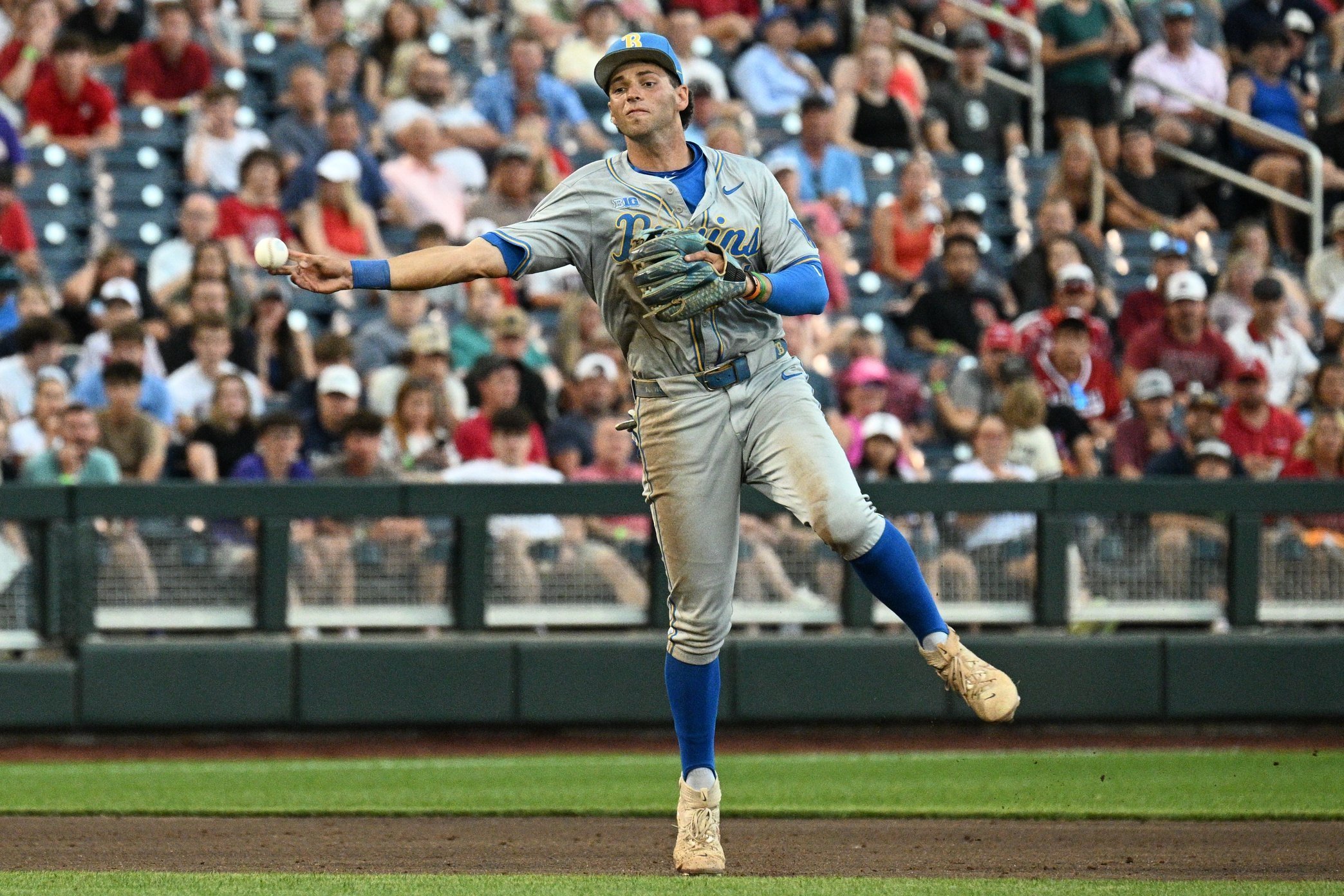 The MLB Draft can reshape an organization in a single night, and that's exactly the opportunity sitting in front of the Minnesota Twins. After a disappointing 2025 campaign, Minnesota owns the third overall selection in the 2026 MLB Draft, marking the franchise's highest pick since selecting Royce Lewis first overall in 2017. History suggests those opportunities don't come around often. The Twins also used top-three selections on Byron Buxton in 2012 and Joe Mauer in 2001, making this the kind of draft position that can alter the direction of the organization for years. The front office has assembled one of baseball's deepest farm systems through trades and strong player development, but landing another cornerstone piece could elevate the system to another level. While there are several directions Minnesota could go, some outcomes are clearly more appealing than others. 4. Take an Under-slot Deal to Diversify the Bonus Pool There is always temptation to play the bonus pool game. If Minnesota believes another prospect can provide similar long-term value while signing for less than slot value, the savings could be redistributed throughout the rest of the draft. It's a strategy that has worked for several organizations in recent years, especially when multiple players are graded similarly. Someone like Jackson Flora, the top collegiate pitcher in the class, or explosive outfielder Drew Burress could fit that mold. Still, it would be difficult for Twins fans to embrace that approach while one of the consensus top-three prospects remains available. Passing on elite talent in favor of financial flexibility would inevitably revive criticism of the organization's spending habits, regardless of how successful the overall draft ultimately becomes (and of the fact that it would merely represent moving money around, not actually spending less). Unless Minnesota's evaluators genuinely believe another player belongs in that top tier, the safest path is simply taking the best player available. 3. Draft Vahn Lackey Catchers always come with additional risk near the top of the draft. Their development tends to take longer than other position players, and there's never a guarantee they'll remain behind the plate throughout their professional careers. That makes Vahn Lackey a fascinating evaluation. Fortunately for whichever organization selects him, Lackey checks nearly every box. Long praised for his defensive ability, he elevated himself into the conversation as arguably the best player in college baseball after an offensive breakout. His swing generates plenty of power thanks to excellent bat speed and an aggressive lower-half load. He attacks fastballs ferociously and has steadily improved his strike-zone discipline over the last two seasons. There is some understandable concern about whether the amount of pre-swing movement could create additional swing-and-miss against professional breaking pitches. Even so, the combination of above-average contact ability and plus power gives him legitimate middle-of-the-order upside. Defensively, Lackey separates himself even further. He's remarkably athletic for a catcher, stealing 18 bases in 2025 before swiping another 15 this spring. His quick feet allow him to block balls with ease, while his plus arm and lightning-fast release make controlling the running game look effortless. Few catching prospects offer this combination of offensive upside, defensive polish, and athleticism. He may require additional patience in the minor leagues while the bat continues to develop, but his defensive foundation creates one of the highest floors in the class. Minnesota hasn't used a first-round pick on a catcher since Joe Mauer. Lackey has the talent to end that drought. 2. Draft Grady Emerson Few (if any) players in this draft possess Grady Emerson's upside. The high school shortstop has been viewed as one of the elite talents in the class for years, and his combination of polish and projection continues to impress evaluators. Everything starts with the swing. It's compact, balanced, and incredibly efficient. Emerson consistently keeps the barrel in the zone, producing hard contact to all fields while rarely chasing pitches outside the strike zone. He hit an eye-popping .532 during his senior season, pairing elite bat-to-ball skills with emerging power and an advanced approach rarely seen from prep hitters. While there's obvious room for additional strength as he matures physically, his offensive profile already projects as one capable of producing both average and power at the highest level. Defensively, Emerson remains at shortstop thanks to smooth actions, quality instincts, and above-average arm strength. He isn't the flashiest defender in the class, but he does everything well and plays with a level of consistency that gives scouts confidence he'll remain at the position. Like every high school player, there is additional risk simply because projecting physical development isn't an exact science. Added strength could unlock another level offensively, but it's impossible to know exactly how his body will change over the next several years. The ceiling is enormous, even if there's naturally more uncertainty than with a polished college player. 1. Draft Roch Cholowsky If Roch Cholowsky somehow reaches the third pick, Minnesota's decision should become remarkably simple. While some evaluators have recently elevated Emerson or Lackey atop their personal draft boards, Cholowsky continues to offer perhaps the most complete package in the class. After entering UCLA instead of signing out of high school, he added strength without sacrificing athleticism, transforming an already impressive skill set into one of college baseball's most complete profiles. At the plate, Cholowsky combines elite bat speed with a compact swing. He consistently drives the baseball to every part of the field while showing the combination of contact ability and power teams covet at premium defensive positions. His aggressive mindset occasionally leads him to expand the strike zone, but the overall offensive profile projects as an impact bat capable of producing both average and power throughout his career. The defensive upside may be even more exciting. Cholowsky owns one of the strongest arms in the draft and routinely makes highlight-reel throws from deep in the hole. Although he's only an average runner, his instincts and internal clock allow him to maximize every bit of his athleticism. His range, hands, and overall defensive actions have many evaluators projecting Gold Glove potential at shortstop. For an organization that has spent recent years searching for long-term answers in the middle infield, Cholowsky would fit beautifully alongside Marek Houston and Kaelen Culpepper, giving Minnesota an impressive collection of premium defensive infield talent. And that's before considering that he might also develop into one of the best hitters from the entire class. The odds still favor Cholowsky hearing his name called before the Twins pick, but recent draft buzz has at least created a realistic possibility. If he's still available, Minnesota would be difficult to fault for sprinting the card to the podium. The beauty of drafting third overall is that Minnesota is almost guaranteed to walk away with one of the premier talents in the country. Whether it's the polished all-around game of Cholowsky, the immense upside of Emerson, or the rare two-way value Lackey provides behind the plate, the Twins should have an opportunity to add another elite prospect to an already loaded farm system. The only disappointing outcome would be allowing bonus pool strategy to outweigh elite talent if one of the consensus top prospects remains on the board. Opportunities to draft this high are rare, and history has shown that the Twins have made the most of them before. This weekend offers another chance to find the franchise's next legend. Do you agree with the rankings above? Leave a comment and start the discussion. View the full article
 -
Marlins mainly linked to college bats in final 2026 mock drafts
DiamondCentric posted an article in Fish On First
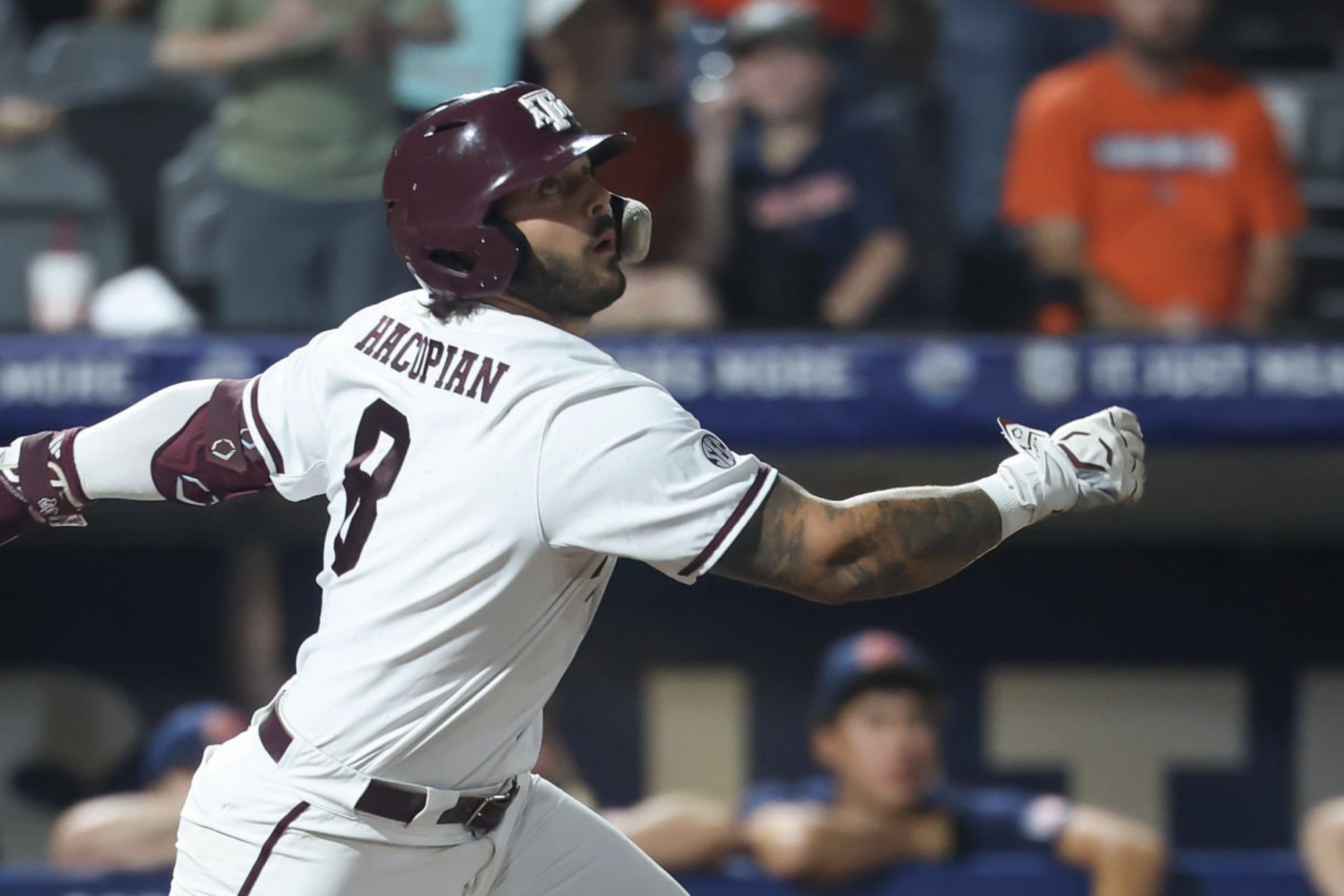 As usual, the Miami Marlins are keeping their MLB Draft plans close to the vest. Being in the middle of the pack in terms of both draft order and overall bonus pool size, there are many factors beyond their control, anyway. In other words, predicting who they'll get with the 14th overall pick and beyond is difficult. Don't let that spoil the fun! Updated early Saturday morning, here is a roundup of the latest mock drafts from Fish On First's in-house analysts and leading national baseball publications. Hector Rodriguez of Fish On First No. 14 pick: Ace Reese, 1B/3B, Mississippi State No. 52 pick: Andrew Williamson, OF, UCF No. 71 pick: Will Gasparino, OF, UCLA No. 87 pick: Jack Slightom, RHP, Lyons HS (IL) No. 115 pick: Peyton Bonds, OF, Rutgers No. 147 pick: Deven Sheerin, RHP, LSU Sean McCormack of Fish On First No. 14 pick: Liam Peterson, RHP, Florida No. 52 pick: Ethan Bass, SS, Glenbrook North HS (IL) No. 71 pick: Ryan Peterson, RHP, Sam Houston State No. 87 pick: Alex Conover, OF, Oklahoma State No. 115 pick: Jake Carbaugh, RHP, Plant City HS (FL) FOF Mock Draft Consensus Board (courtesy of Jamie Cameron) No. 14 pick: AJ Gracia, OF, Virginia No. 52 pick: Connor Comeau, OF, Anderson HS (TX) No. 71 pick: Owen Hull, OF, North Carolina No. 87 pick: Malachi Washington, OF, Parkview HS (GA) No. 115 pick: Daniel Cuvet, 1B/3B, Miami Carlos Collazo of Baseball America No. 14 pick: Chris Hacopian, 2B, Texas A&M "I’ve continued to hear that Derek Curiel might be the preferred target here for the Marlins. If he gets this far on the board, I would expect him to be the pick. There are plenty of scenarios where that doesn’t happen, including this one. I’ll stick with Hacopian, though other bats like Ace Reese, AJ Gracia or Sawyer Strosnider could make some sense. Zion Rose is a bat I’ll speculate on some here as well. He could wind up surprising people with where he goes on draft day, even if I don’t have a no-doubt obvious landing spot for him in this mock." Jonathan Mayo of MLB Pipeline No. 14 pick: Derek Curiel, OF, LSU "The Marlins might not think the LSU standout will still be on the board, but if he is, he could get the nod over Hacopian or one of the college arms who come up at this point in the Draft, like Peterson or Tennessee right-hander Tegan Kuhns." Jim Callis of MLB Pipeline No. 14 pick: Jacob Lombard, SS, Gulliver Prep (FL) "This would be a coup for the Marlins, who couldn’t have expected to get Lombard even a few days ago. If this doesn’t come true, Reese, Grindlinger and Georgia prep outfielder Trevor Condon make sense here." Keith Law of The Athletic No. 14 pick: Taylor Rabe, RHP, Ole Miss "Rabe is the hottest name in the draft in terms of how much he seems to go up every time I do this exercise, having finished very strongly and scoring very well in teams’ draft models. I have heard them a little with some upside players (Justin Lebron, Gio Rojas), but more with somewhat safer college players, hitters or pitchers. The Marlins’ model tends to favor defense, so Lebron might fit but several of the other college bats wouldn’t." Eric Longenhagen of FanGraphs No. 14 pick: Gio Rojas, LHP, Stoneman Douglas HS (FL) "The Marlins have targeted big upside in recent drafts, usually with power-hitting position players who have struggled to hit. A continuation of that strategy could lead them to Alabama shortstop Justin Lebron in this scenario. If they want to change course, well, most of the high-contact college hitters are off the board here. High school outfielder Trevor Condon is the prep version of that profile. This is late for the first prep arm to go and would be great value, with a cherry of positive optics on top because Rojas is local." Adrian White of Just Baseball No. 14 pick: Ace Reese, 1B/3B, Mississippi State "Reese makes sense for Miami as one of the best college bats still available. The defensive home is not completely settled, but the left-handed power plays in this part of the round. He produced in the SEC, with enough contact ability to avoid the power-only label. Miami could let him continue proving himself at third base, though first base may be the cleaner long-term fit. Either way, the Marlins are betting on a bat with a chance to anchor the middle of a lineup." View the full article
 -
 Today is the day. The 2026 MLB Draft begins this afternoon in Philadelphia. Fish On First has already published profiles for many of the prospects worth considering for the Miami Marlins in the first round. It's time to dive even deeper with dueling multi-round mock drafts from FOF's own Hector Rodriguez and Sean McCormack. Hector Rodriguez's Mock Draft First Round (14th overall)—Ace Reese, 3B, Mississippi State Slot value: $5,444,900 With the 14th pick of the 2026 MLB Draft, the Miami Marlins select third baseman Ace Reese. No change here for me from my previous mock draft. The Marlins land one of the best power hitters in this draft class with the selection of the SEC corner infielder. Ace Reese is the 6’4”, 220-pound third baseman out of Mississippi State University. On Baseball America, Reese is the 12th-ranked prospect in the 2026 MLB Draft class. On ESPN, Reese is the 17th-ranked prospect in this draft class. He’s also the 18th-ranked draft prospect on MLB Pipeline. At the plate, Gracia has excellent bat speed and has natural lift in his swing. He has a 60-grade power tool and has consistently been one of the best power hitters in the country since he arrived at Mississippi State. Defensively, there are some questions about whether he can stick at third base. If not, he’s a first baseman or left fielder at the next level. During the 2026 season, Reese played and started in all 62 games. Reese slashed .336/.432/.721 with 83 hits, 23 doubles, 24 home runs, 74 RBIs, 72 runs scored, 41 walks, and a 1.152 OPS. Reese was named First Team All-SEC and Second Team All-American. Second Round (52nd overall)—Andrew Williamson, OF, UCF Slot value: $1,892,500 With the 52nd pick of the 2026 MLB Draft, the Miami Marlins select outfielder Andrew Williamson. The Marlins use their second round pick to draft one of my most well-rounded collegiate prospects in this draft class. Andrew Williamson is the 6’0”, 195-pound outfielder out of the University of Central Florida. On Baseball America, Williamson is the 48th-ranked prospect in the 2026 MLB Draft. On ESPN, Williams is the 50th-ranked prospect in this draft class. He’s also the 52nd-ranked prospect on MLB Pipeline. At the plate, Williamson has a short, compact swing with an advanced plate approach. He posted a career-high 17.7% walk rate last season. Even though he’s undersized, Williamson has plus power potential and excellent bat speed. Williamson projects to be a right fielder at the next level. During the 2026 season, Williamson played and started in all 55 games. Williamson slashed .322/.442/.645 with 69 hits, thirteen doubles, four triples, sixteen home runs, 48 RBIs, 41 walks, and a 1.086 OPS. He was also named Second Team All-Big 12. Competitive Balance Round B (71st overall)—Will Gasparino, OF, UCLA Slot value: $1,192,600 With the 71st pick of the 2026 MLB Draft, the Miami Marlins select outfielder Will Gasparino. The Marlins grab another college bat who fits the mold of collegiate bats they have taken in previous drafts. Will Gasparino is a 6’6”, 220-pound outfielder out of the University of California, Los Angeles. On Baseball America, Gasparino is the 71st-ranked prospect in the 2026 MLB Draft class. On MLB Pipeline, Volchko is the 72nd-ranked prospect in this draft class. He’s also the 94th-ranked draft prospect on ESPN. In the past, the Marlins have selected athletic collegiate bats with a power-over-hit offensive profile. Gasparino fits that mold perfectly. He has a 60-grade power tool and a 45-grade hit tool. He’s also an above-average runner and could stick in centerfield. During the 2026 season, Gasparino played and started in 58 games. Gasparino slashed .314/.412/.659 with 69 hits, twelve doubles, two triples, 20 home runs, 64 RBIs, and a 1.071 OPS. Gasparino was named a NCBWA First Team All-American and First Team All-Big Ten. Third Round (87th overall)—Jack Slightom, RHP, Lyons Township HS (IL) Slot value: $929,700 With the 87th pick of the 2026 MLB Draft, the Miami Marlins select right-handed pitcher Jack Slightom. The Marlins grab their first high school prospect and pitching prospect in the 2026 MLB Draft. Jack Slightom is a 6’5”, 215-pound right-handed pitcher out of Lyons Township High School in Western Springs, Illinois. On Perfect Game, Slightom is the 152nd-ranked prospect and the 49th-ranked right-handed pitcher in the country. He’s also the third-ranked prospect in the state of Illinois. On ESPN, Slightom is the 60th-ranked prospect in the 2026 MLB Draft. On MLB Pipeline, Slightom is the 89th-ranked prospect in this draft class. He’s also the 101st-ranked draft prospect on Baseball America. On the mound, Slightom possesses a three-pitch mix including his fastball, slider, and changeup. Slightom’s fastball was sitting in the low-90s in his junior season. However, his fastball velocity has increased into the mid-90s and tops out at 98 mph with arm-side run. He has a slow low-80s slider and a really good feel for his changeup, which is very effective against right-handed batters. Fourth Round (115th overall)—Peyton Bonds, OF, Rutgers Slot value: $677,500 With the 115th pick of the 2026 MLB Draft, the Miami Marlins select outfielder Peyton Bonds. The Marlins grab another college hitter who has been highly productive since they enrolled on campus. Peyton Bonds is a 6’5”, 230-pound outfielder out of Rutgers University. On MLB Pipeline, Bonds is the 81st-ranked prospect in the 2026 MLB Draft class. On Baseball America, Bonds is the 114th-ranked prospect in this draft class. He’s also the 118th-ranked draft prospect on ESPN. At the plate, Bonds is a physically gifted prospect with plus hit tools and plenty of potential raw power. He’s one of the best athletes in this draft class and could play center field at the next level. He’s also the nephew of the MLB home run king Barry Bonds and the grandson of three-time All-Star Bobby Bonds Sr. During the 2026 season, Bonds played and started in 36 games. He missed some time due to an injury. Bonds slashed .352/.436/.535 with 50 hits, eight doubles, six home runs, 29 RBIs, thirteen stolen bases, and a .972 OPS. Fifth Round (147th overall)—Deven Sheerin, RHP, LSU Slot value: $496,400 With the 147th pick of the 2026 MLB Draft, the Miami Marlins select right-handed pitcher Deven Sheerin. The Marlins finish this mock draft by grabbing one of the top relief pitchers in college baseball. Deven Sheerin is a 6’5”, 255-pound right-handed pitcher out of LSU. On MLB Pipeline, Sheerin is the 145th-ranked prospect in the 2026 MLB Draft class. On ESPN, Sheerin is the 163rd-ranked draft prospect. He’s also the 233rd-ranked prospect on Baseball America. On the mound, Sheerin possesses a three-pitch arsenal including his fastball, slider, and splitter. His fastball sits in the upper-90s and has been clocked at 100 mph. It has really nice carry and gets in on right-handed batters. He has a plus mid-80s slider and decent feel for his upper-80s splitter. During the 2026 season, Sheerin made all 20 appearances out of the bullpen. Sheerin posted a 3-2 record with a 4.78 ERA, 1.27 WHIP, five saves, 4.3 BB/9, a .210 opponent batting average, and 58 strikeouts in 37.2 innings pitched. Sean McCormack's Mock Draft First Round (14th overall)—Liam Peterson, RHP, University of Florida Slot value: $5,444,900 Future value: 50 With pick 14, I mock the Marlins selecting University of Florida ace Liam Peterson. Peterson who was a highly touted high-schooler out of the Tampa region has spent his last 4-years at UF, the Florida native has always had electric stuff but has struggled with command. Peterson, who is 6'5", has all the traits of a top-of-the-rotation starter. The ability to spin the ball at a high-level will be appealing to MLB teams as potential to expend Peterson's arsenal are glaring, Peterson touches 100, and sits 96 mph. Second Round (52nd overall)—Ethan Bass, SS, Glenbrook North HS (IL) Slot value: $1,892,500 Future value: 45 Ethan Bass, shortstop out of Illinois is a more under-the-radar name in this draft. Committed to Wake Forest he may take some convincing to sign away, leading the Marlins or any team for a potential over-slot deal. Bass excels with his batted ball data, shows a strong understanding of the zone, while making above-average contact rates. At 18-years-old Bass would be the stereotypical high-school shortstop selection for the Marlins as they look to draft athletes like Bass who can stick at shortstop long-term. Competitive Balance Round B (71st overall)— Ryan Peterson, RHP, Sam Houston State Slot value: $1,192,600 Future value: 45 Ryan Peterson has become more a "Buzzy" name as the MLB draft approached, the Sam Houston State product struggled to begin his college-career but ever since a jump in velo he has gained solid results. But what makes Peterson truly stand out is his extremely flat approach to the plate and nearly side-arm-angle. Highly deceptive he has drawn comparisons to Bryan Woo or Christian Scott who are similar in their flat-approaches through-the-zone with their fastballs. Peterson commands well, has the ability to expand his pitch-mix due to high spin capacity, gets strong extension down the mound and has intriguing release traits which advanced pitching development orgs may target. Third Round (87th overall)—Alex Conover, OF, Oklahoma State Slot value: $929,700 Future value: 45 Oklahoma State outfielder Alex Conover began his college career at the JUCO level, where he later transferred to Oklahoma State University, the 6'4", left-handed hitter has taken large strides every year at the plate, cutting his chase numbers, and growing into a diverse hitters using the whole field. Conover hit a career high 14 home runs in 2026, while cutting his strike-out rate, the 20-year-old on draft day has a up-arrow pointed next to his name. Fourth Round (115th overall)—Carbaugh Slot value: $677,500 Future value: 40 The 6'6", 18-year-old from Plant City, Florida has some outlandish traits, not only is he 6'6", but his ability to spin the baseball pops off the screen, up to 2900 rpm, Carbaugh has elite spin talent for his age. Whippy arm action and solid extension down-the-mound, Carbaugh can definitely project as a starter as his career continues. The biggest component to getting everything working is the command, Carbaugh like many high school pitchers currently lacks the command of his pitches. But the traits are there for the Mississippi state commit. View the full article
 -
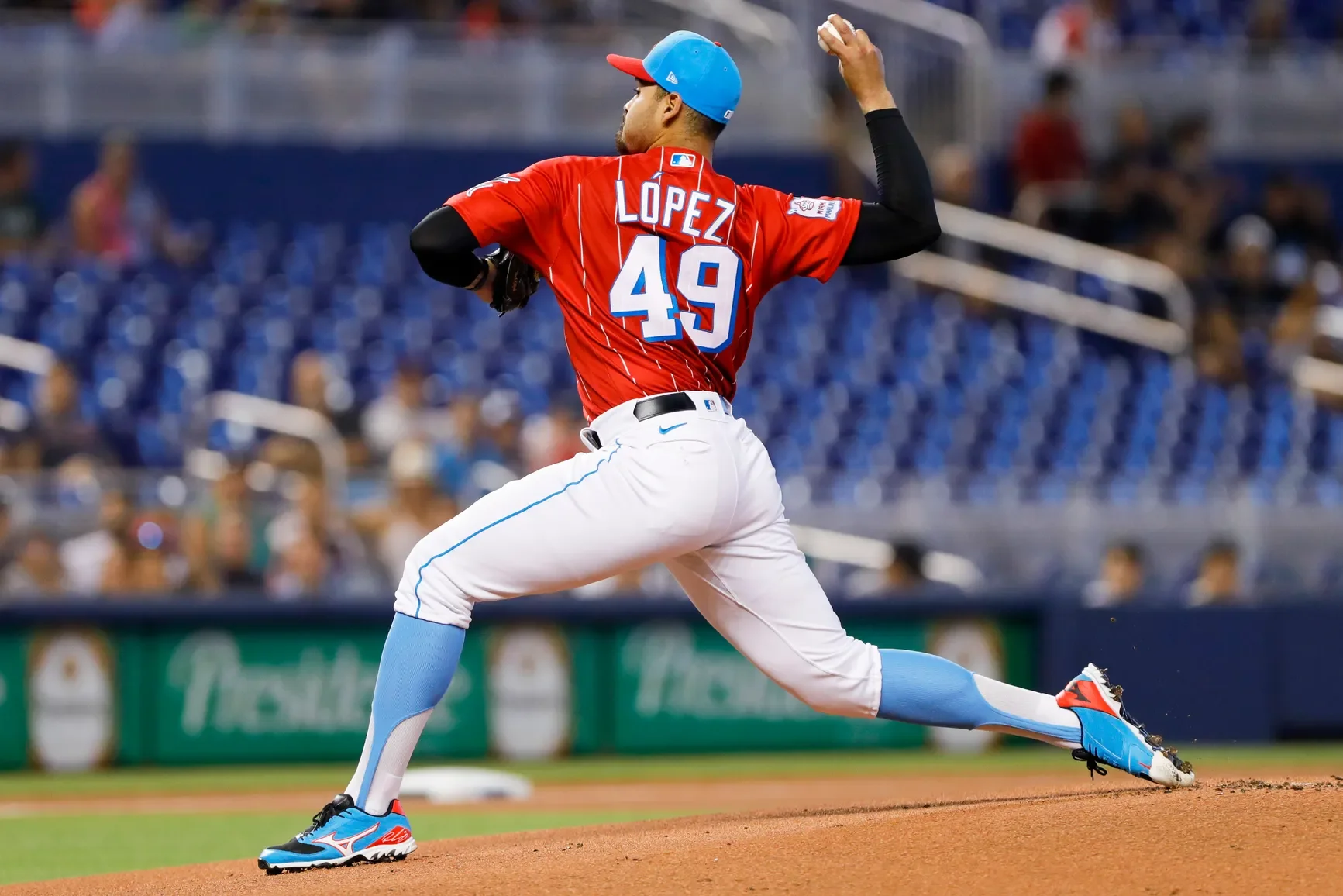 An All-Star for the Minnesota Twins in 2023, Pablo López’s potential was evident during his time with the Miami Marlins. That was never more the case than on this day five years ago. On the one-year anniversary of his father’s death, López made history. The right-hander set a Major League Baseball record by striking out the first nine batters he faced in Miami’s 7-4 win over the Atlanta Braves. López threw a minimum number of pitches to record his first two strikeouts at loanDepot Park on July 11, 2021. Ehire Adrianza and Freddie Freeman each went down swinging to open the game. Ozzie Albies worked a seven-pitch at-bat but ultimately struck out swinging to end the top of the first inning. After López struck out the side in the first inning, the Marlins’ offense wasted little time giving him the lead as Jesús Aguilar took Ian Anderson deep for a three-run home run in the bottom of the first. In the top of the second, López missed an immaculate inning by one pitch as Austin Riley, Orlando Arcia and Dansby Swanson each struck out swinging. López needed just 12 pitches to get through the third inning. After striking out the first six batters swinging, Guillermo Heredia and Anderson each went down looking. In between, Kevan Smith fanned swinging for the second out. With the nine straight strikeouts to open the contest, López broke the previous record of eight held by Jim Deshaies (1986), Jacob deGrom (2014) and Germán Márquez (2018). After catcher Sandy León extended the Miami lead to 4-0 with an RBI groundout in the bottom of the third, Adrianza became the first Atlanta hitter to make contact against Lopez as he grounded out to open the fourth. The Braves broke up the shutout later in the inning with RBI singles from Albies and Arcia. Miami, however, had an answer. In the bottom of the fourth, Aguilar followed Garrett Cooper’s RBI double with an RBI single of his own to push the lead back to four at 6-2. López would work six innings, allowing three runs on five hits and two walks. He did not strike out a batter after the third inning. Swanson homered with two outs in the sixth inning before taking Anthony Bender deep in the ninth for a second solo blast to cap the scoring for Atlanta. Miguel Rojas capped the scoring for Miami with an RBI single in the sixth to score Jesús Sánchez. Sánchez and Rojas each finished with three of the 12 Miami hits in the win. Jazz Chisholm Jr. and Aguilar added two hits apiece. Aguilar finished with four RBIs. The day, however, belonged to López. He became the first pitcher in baseball history to open a contest with nine straight strikeouts the first time through the order. They came on this day five years ago. View the full article
 -
Twins Minor League Report (7/10): That's a Riley Quick Promotion
DiamondCentric posted an article in Twins Daily
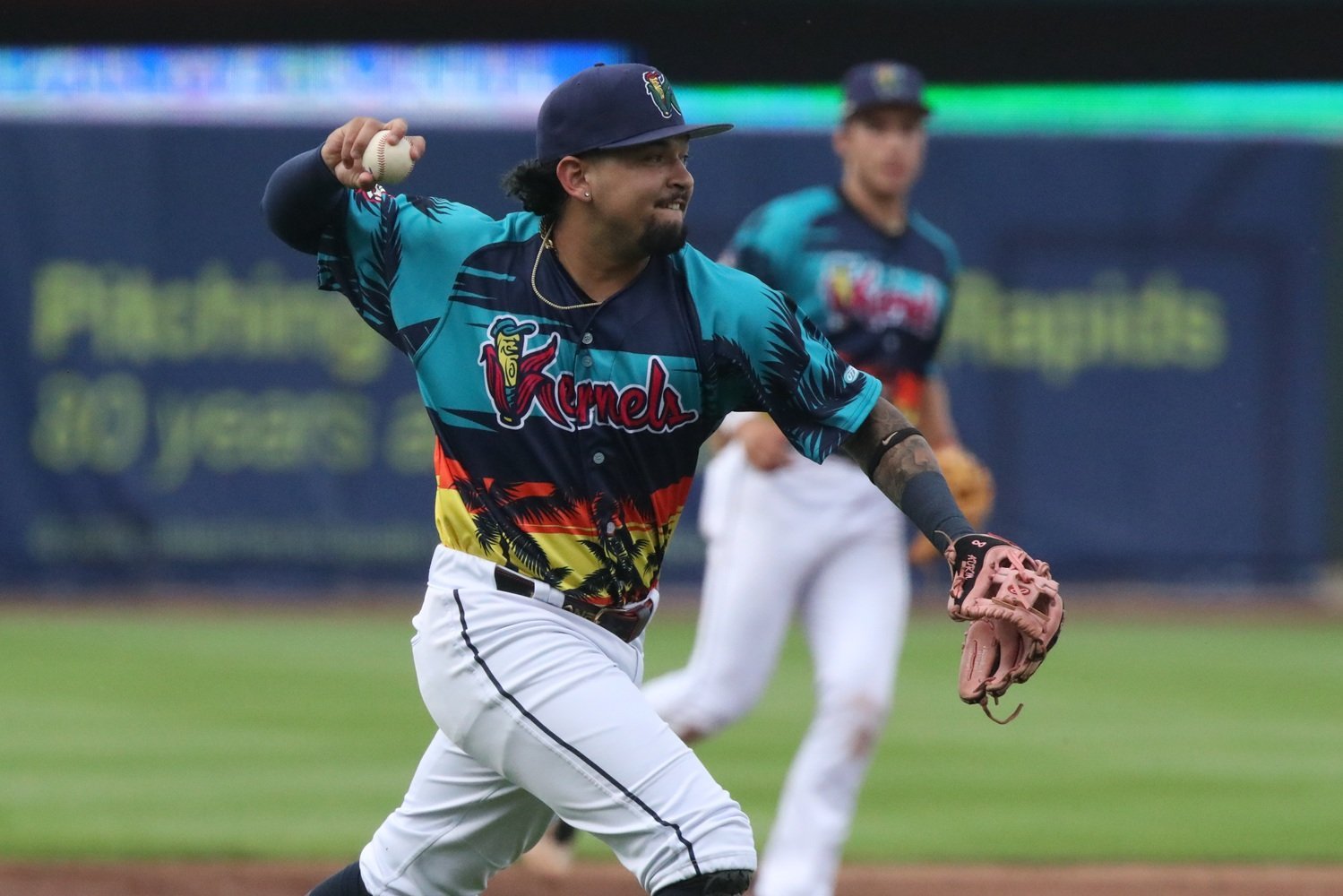 On Friday, the Kernels and Wind Surge announced that RHP Riley Quick was promoted from Cedar Rapids to Double-A Wichita. The 36th overall pick in the 2025 draft out of the University of Alabama made his professional debut with Fort Myers in April. He made three starts for the Mighty Mussels, and in eight innings, he gave up no runs and just one hit. He walked three but had 13 strikeouts. The Twins acted Quickly and pushed him to Cedar Rapids. He made 11 starts and worked a total of 41 1/3 innings for the Kernels. His overall numbers don't stand out immediately. He is 0-2 with a 4.14 ERA. He gave up 31 hits (including five home runs). He also had 23 walks (5.0 BB/9) which will have to improve. However, he had 61 strikeouts (13.3 K/9). I was curious how the Twins might choose to develop Quick, especially considering he made just one appearance in 2024 at Alabama before having Tommy John surgery. I asked earlier in the season how similar Quick's 2026 timeline might be compared to Blue Jays 2024 top pick Trey Yesavage. Yesavage started with seven starts for Low-A Dunedin. He had a 2.43 ERA and in 33 1/3 innings, he had eight walks and 55 strikeouts. He moved up to High-A Vancouver (May 20) where he posted a 1.56 ERA in 17 1/3 innings over four starts. He was then promoted to Double-A New Hampshire (June 12) where he pitched 30 innings over eight games (7 starts). He had 11 walks with 46 strikeouts. He moved up to Triple-A Buffalo (August 14) where he made four starts and two relief appearances. In 17 1/3 innings, he had 11 walks and 26 strikeouts. Then he ended the season with three important MLB starts for the Blue Jays (starting September 15) before putting up silly video game numbers in the playoffs. Overall, he threw 98 innings in the minor leagues and was 5-1 with a 3.12 ERA. He gave up 54 hits, walked 41, and had 160 strikeouts. TRANSACTIONS As expected, the Twins activated catcher Ryan Jeffers and optioned OF Kyler Fedko. The Twins acquired veteran RHP Tommy Nance from the Toronto Blue Jays along with international bonus pool money. In return, the Twins sent infielder/catcher Ryan Sprock. Sprock was the eighth-round pick in 2025 from Elon University. He was the Twins Daily Minor League Hitter of the Month in June and had just been promoted to High-A Cedar Rapids this week. Fort Myers LHP Cleiber Maldonado began a rehab assignment in the FCL. SAINTS SENTINEL St. Paul 4, Iowa 7 Box Score Things started out quite well for the Saints in Des Moines. It didn’t take long for the Cubs to comeback and eventually take the lead. Then they added on and beat the Saints for the third straight time. With one out and runners on first and second, Hendry Mendez singled to left to drive in Matt Wallner. After a wild pitch Gabriel Gonzalez dropped a single into right field to drive in two runs and give the Saints a 3-0 lead. Ty Langenberg started and put zeroes on the board in the first, third and fourth innings. However, in 4 1/3 innings, he gave up six earned runs on six hits and three walks. He struck out four. The Cubs scored four in the bottom of the second He also gave up two runs in the fifth inning. Both runs scored after C.J. Culpepper came in. He gave up one run of his own on two hits and two walks in 1 1/3 innings. Raul Brito tossed 1 1/3 scoreless innings. He gave up two hits and a walk and had two strikeouts. Alejandro Hidalgo struck out two batters in a perfect ninth inning. The Saints scored four runs on five hits and four walks in the game. Gonzalez went 2-for-4 with two RBI. Mendez was 2-for-4. Walker Jenkins and Aaron Sabato each walked twice. The daily Brett Bateman Update informs us that the former Gopher great went 2-for-4 with a walk and his 18th stolen base. He is now batting .306/.434/.411 (.845) on the season. For more on Bateman and other prospects in the (former Twins outfield prospect) Jason Kanzler-led Cubs farm system, check out our sister site North Side Baseball. Many of the Iowa Cubs are in their Top 20 Cubs Prospect rankings. WIND SURGE WISDOM Wichita 1, Northwest Arkansas 8 Box Score Another tough loss for the Wind Surge. After a 12-1 win on Thursday, they have lost three straight by a combined score of 12-28. In fact, things have been rough for the Wind Surge for the past two months. Below you’ll find the results of the past nine weeks, nine series. That marks the last time the Wind Surge won a series. And some of the run differentials for those weeks are pretty rough. Week Opponent W-L RS-RA 7/7-7/10 NW Arkansas 1-3 (24-29) 6/30-7/5 Tulsa 1-5 (34-60) 6/23-6/29 Midland 1-5 (19-35) 6/16-6/22 Springfield 2-4 (32-40) 6/9-6/15 Tulsa 1-5 (39-46) 6/2-6/8 San Antonio 1-5 (15-28) 5/25-6/1 Springfield 0-5 (22-35) 5/19-5/24 Tulsa 2-4 (24-40) 5/12-5/17 San Antonio 3-3 (27-27) 5/5-5/10: Amarillo 3-2 (41-27) Through six innings, the Wind Surge were only behind. However, the Naturals scored five runs in the top of the seventh and ran away with another easy win. Cory Lewis started for the Wind Surge. He gave up two runs on three hits and two walks in the first three innings. He had four strikeouts. Darren Bowen gave up one run on three hits over two innings. Jacob Webb came out for the seventh and was charged with five runs on three hits and three walks. He recorded two outs and left with the bases loaded. Nick Mikolajchak allowed two of the inherited runners to score, but he got four outs without any additional runs scored. Kyle Bischoff struck out two batters in a scoreless ninth inning. Caden Kendle’s adjustment to Double-A has gone quite well. On Friday night, he went 2-for-2 with a walk, was hit by a pitch, and stole a base. In his first four games, he is 8-for-13 and hitting .615/.667/.923 (1.590) with a double and a homer. Andrew Cossetti had the lone extra-base hit, his seventh double. Seven players on the NW Arkansas roster are in the Royals Keep Top 20 prospect rankings. Five of them are pitchers. #14 prospect Felix Arronde started for the Naturals and gave up one run on five hits in 5 1/3 innings. KERNELS CHRONICLE Cedar Rapids 8, South Bend 18 Box Score The Kernels offense scored six runs over the first three innings and found themselves losing 10-6. They cut the deficit to 10-8 through five innings. However, the Kernels stopped scoring, and the Cubs added another eight runs. In 2025, Danny De Andrade had 43 extra base hits for the Kernels. In 2026, the still-just-22-year-old had just 17 going into Friday night’s game. He went 3-for-5 with his ninth double and his third and fourth triples. Jose Salas, who is still-just-23-year-old, was sent back down to the Kernels this week. He went 2-for-5 in this game including a third-inning grand slam. After hitting seven Double-A homers this year, this was his first with the Kernels this year. In fact, Salas hit five homers (and eight doubles) in 48 games for the Wind Surge last year. He’s played in 101 games at Double-A after playing 211 games over the past three seasons in Cedar Rapids. The average hitter in the Midwest League is 22.2, and the average pitcher is 22.9. As we know, fair or not, the “prospects” move on their timeline. The Twins decision-makers felt that Brandon Winokur is ready to be pushed to Double-A for the remainder of the season, so that happens. I also see it as an opportunity for Salas to play every day, probably at seven different positions, get regular at-bats, and I won’t be surprised if that happens, the numbers will show up. He’s been pushed way too fast since his time with the Marlins organization. The Padres did the same with his brother Ethan Salas. Maybe moving down, breathing, and seeing some actual success in numbers will spark a resurgence in his prospect status. Or I might just be wrong. Graham Brown hit his first Kernels double. Yasser Mercedes doubled for the eighth time in Cedar Rapids. Jacob McCombs added his fourth triple of the season. He was also hit by a pitch three times by three different pitchers in the game. Henry Kusiak and Andy Lugo each walked twice. Cesar Lares has really struggled in his return from Tommy John surgery. The lefty gave up five runs (3 earned) on three hits and four walks in 2 1/3 innings. He had four strikeouts. He left the game in the hands of Nick Trabacchi with two runners on base and both were able to score. Trabacchi also gave up five earned runs of his own on four hits and two walks in 1 2/3 innings. Lares’s ERA now stands at 15.98 in six starts and just 16 1/3 innings. He’s given up 26 hits, walked 18 times, and struck out 19 batters. Mitch Mueller came in and struck out three batters over two perfect innings. Christian Becerra gave up three runs on four hits over his two innings. Nolan Santos came in for the ninth, but he gave up five runs (1 earned) on four hits and a walk in 2/3 innings. Henry Kusiak came on, faced one batter, and struck him out. Five South Bend Cubs players are on the Northside Baseball Top 20 Cubs Prospect rankings.19-year-old Josiah Hartshorn, the #4 prospect, went 2-for-5 with a walk and a triple. #7 prospect Kane Kepley went 1-for-5 with a walk, two runs and two RBI. #14 prospect Ty Southisene is on the injured list. He is on the 7-Day IL right now, but he already has 30 stolen bases in 2026. MIGHTY MATTERS Ft. Myers, Bradenton (postponed) Box Score Both games of the doubleheader were postponed by rain. The teams will hope to play two games on Saturday. The other game will be made up as part of a doubleheader in Bradenton at the end of August. The pitching probable for one of the Mussels games on Friday was RHP Callan Fang. The scheduled starter for Saturday was RHP Justin Mitrovich. Is it possible that those will be the two starters if the Mussels are able to play their doubleheader on Saturday? If so, you can bet the people involved in baseball in the Pennsbury High School District will be watching. Mitrovich was the Twins ninth-round pick in 2025 out of Elon University. Fang was the Twins 13th round pick in 2025 out of Harvard. However, the two pitchers were teammates at Pennsbury High School. COMPLEX CHRONICLES FCL Twins 3, FCL Rays 9 Box Score The Twins scored in three of their nine half-innings. The Red Sox scored in four different innings and had crooked numbers in three of those innings including a four-run fourth inning. The Red Sox scored their nine runs on 12 hits and six walks. The Twins helped them by committing five errors in the game as well. In his first rehab appearance, Cleiber Maldonado gave up two runs on four hits in 2/3 inning. He struck out one batter. Jack Walker came in and got the final out of the first inning and then had a scoreless second inning. He had three strikeouts out of the four outs he recorded. Matt Barr was next. The 2025 draft pick gave up four runs (2 earned) on two hits and three walks in two innings. He struck out three batters. Hendry Chivilli worked the final four innings. He gave up three runs on five hits and two walks. He had four strikeouts. The Twins scored their three runs on six hits and two walks. Miguel Caraballo went 2-for-4 with his ninth double and two RBI. Jhomnardo Reyes hit his 11th double. Yovanny Duran hit his fifth double. Teilon Serrano hit his eighth double. DSL Twins 5, DSL Rockies 3 Box Score Contrary to the rest of the system, the Twins in the Dominican were able to get out to an early lead, and then they were the team that put together the big inning and hung on for a win. Abel Sosa led off the bottom of the second with a triple. After two strikeouts, Jeferson Abreu singled to center to give them the 1-0 lead. The Rockies tied the game in the top of the third. In the bottom of the fourth inning, Jhon Gonzalez led off with a single. He advanced to third base on a single by Enmanuel Merlo who advanced to second on the throw. With one out, Juan Holmann singled to right field. Gonzalez scored. Merlo went to third, and Holman went to second on an error. Anibal Beltre struck out but reached on a wild pitch. Merlo scored and Holmann advanced to third. With two outs, Luis Suarez singled to drive in Holmann. After a pitching change and a wild pitch, Misael Rodriguez singled to left to drive home Beltre. Suarez was thrown out for the third out of the inning. But the four-run fourth inning gave them a 5-1 lead. Adrian Martinez started and gave up an unearned run on one hit over 2 2/3 innings. He walked five and had three strikeouts. Jesus Moreno tossed 2 1/3 innings. He gave up no runs, one hit, and had two walks. He had two strikeouts. Wisarly Reinoso made his first pro appearance. He gave up two runs on three hits over 1 2/3 innings. He had one strikeout. Herkyn Taveras came on and got the final out for his second save. The Twins had eight hits, and no one had more than one. PLAYERS OF THE DAY Hitter(s) of the Day Danny De Andrade (Cedar Rapids): 3-for-5, 2B(9), 2-3B(4), 2 R, K Pitcher(s) of the Day Mitch Mueller (Cedar Rapids): 2 IP, 0 H, 0 R, 0 BB, 3 K, 26 pitches, 18 strikes (69.2%) PROSPECT SUMMARY Check out the Prospect Tracker for much more on our Twins Top 20 prospects after seeing how they did today. #1 - OF Walker Jenkins (St. Paul) - 0-for-2, 2 BB, K (batted first, played CF) #5 - SS Marek Houston (Wichita) - 0-for-3, BB, (batted first, played SS) #9 - OF Hendry Mendez (St. Paul) - 2-for-4, R, RBI, K (batted fourth, played LF) #10 - OF Gabriel Gonzalez (St. Paul) - 2-for-4, 2 RBI, 2 K (batted sixth, played 1B) #12 - 3B/CF Brandon Winokur (Wichita) - 1-for-4, K (batted second, played CF) #17 - RHP C.J. Culpepper (St. Paul) - 1 1/3 IP, 2 H, 1 ER, 2 BB, 1 K, 32 pitches, 17 strikes (53.1%) #18 - OF Yasser Mercedes (Cedar Rapids) - 1-for-4, BB, 2B(8), R, RBI, SB(23), 2 K (batted first, played CF) #19 - 1B/3B Billy Amick (Wichita) - 1-for-4, R, 2 K (batted fourth, played 3B) #20 - 2B/SS Kyle DeBarge (Wichita) - 0-for-3, BB (batted fifth, played 2B) UPCOMING PROBABLES Saturday, July 11 St. Paul @ Iowa (6:08 pm CT) - RHP John Klein (1-3, 6.39 ERA) NW Arkansas @ Wichita (6:05 pm CT) - RHP Preston Johnson (0-for-3, 5.08 ERA) South Bend @ Cedar Rapids (6:35 pm CT) - RHP Adrian Bohorquez (0-0, 10.32 ERA) Bradenton @ Ft. Myers (DH @ 2:35 pm CT) - RHP Callan Fang (3-1, 1.35 ERA), RHP Justin Mitrovich (1-3, 3.08 ERA) - FCL Twins @ FCL Red Sox (9:00 am CT) - DSL Rockies @ DSL Twins (10:00 am CT) - CURRENT W-L Records Minnesota Twins: 46-49 St. Paul Saints: 49-40 Wichita Wind Surge: 28-55 Cedar Rapids Kernels: 34-48 Fort Myers Mighty Mussels: 45-36 FCL Twins: 27-23 DSL Twins: 7-20 Please feel free to ask questions about the teams, the rosters, and discuss today’s games, or anything else Twins minor-league related! View the full article
 -
 The four full-season San Diego Padres affiliates split their four games as the Triple-A El Paso Chihuahuas lost 10-5, the Double-A San Antonio Missions held on for an 8-7 win over Midland, the High-A Fort Wayne TinCaps topped West Michigan 6-3 and the Low-A Lake Elsinore Storm were walked off by Rancho Cucamonga 5-4. Padres Minor-League Transactions San Diego Padres signed free-agent LF Dustin Harris to a minor-league contract and assigned him to El Paso Chihuahuas. Too Many Walks By Chihuahuas Pitchers Fuel Comets Despite five players having multihit games, the Triple-A El Paso Chihuahuas gave up three first-inning runs and couldn't recover en route to a 10-5 loss to the host Oklahoma City Comets. The Chihuahuas outhit the Comets 14-13, but El Paso pitchers issued 10 walks. Padres catcher Freddy Fermin, on a rehab assignment, did not play. Nick Pratto went 3-for-3 with three RBIs, including a homer, and walked twice, while Clay Dungan, Nate Mondou, Mason McCoy and Nick Solak—the top four hitters in the lineup—each had two hits. Dungan scored twice, while McCoy had an RBI and Mondou scored once. Pratto's outburst came after an 0-for-4, four-strikeout game. Chihuahuas right-handed starter Miguel Cienfuegos allowed three runs (two earned) on four hits and three walks with four strikeouts in 2⅓ innings. Right-hander Johan Moreno gave up three runs in 1⅔ innings with four punchouts. Right-handers Andrew Moore (one inning) and Logan Gillaspie (1⅓ innings) each gave up a run, while right-hander Justin Yeager yielded a pair of runs in the eighth inning. The Comets scored three in the bottom of the first off Cienfuegos, two on a Jack Suwinski double, then Pratto hit his eighth homer of the season and third since signing with the Padres a month ago Friday. The Comets pulled away with four runs in the fifth, another in the sixth and two more in the seventh after McCoy singled home a run in the top of the seventh. The Chihuahuas made it more respectable with a three-run ninth inning, with Pratto singling home a pair of runs and Blake Hunt another. EP_0710.mp4 Player AB R H RBI BB K Clay Dungan 4 2 2 0 1 1 Nate Mondou 4 1 2 0 0 1 Mason McCoy 5 0 2 1 0 1 Nick Solak 4 0 2 0 1 0 Nick Schnell 4 1 0 0 1 2 Nick Pratto 3 1 3 3 2 0 Blake Hunt 5 0 1 1 0 2 Romeo Sanabria 5 0 1 0 0 0 Bryce Johnson 5 0 1 0 0 3 Player IP H R ER BB K HR Miguel Cienfuegos 2 1/3 4 3 2 3 4 0 Johan Moreno 1 2/3 2 3 3 1 4 0 Andrew Moore 1 1 1 1 3 0 0 Logan Gillaspie 1 1/3 2 1 1 2 2 1 Justin Yeager 1 2/3 4 2 2 1 1 1 Ethan Salas Sparks Missions As Eric Yost Fans 7 Ethan Salas went 3-for-4 in his final game before heading to Philadelphia for Sunday's Futures Game, while right-handed starter Eric Yost punched out seven in five innings as the Double-A San Antonio Missions held off a late flurry by the Midland RockHounds for an 8-7 triumph. Salas is Padres Mission's No. 1 prospect. Wyatt Hoffman had a homer among his two hits, two RBIs and a run scored and Jake Cunningham a pair of hits, an RBI and two runs scored for the Missions, who had a 6-1 after the top of the seventh. Cunningham and Albert Fabian drove in runs in the top of the first off former Padres prospect Henry Baez, with the RockHounds getting one back in the bottom half. Hoffman then hit his first homer of the season, a solo shot and his first since 2024, with one out in the fourth and Brendan Durfee had an RBI single in the sixth to put the Missions up 4-1. In the seventh, Kai Roberts squeezed home a run and Hoffman singled in another to boost the lead to 6-1. But old friend Leo De Vries, the Padres' top prospect last season before being traded in the Mason Miller deal with the A's, hit a three-run homer, his 11th, to bring the RockHounds within 6-4. Ornelas opened the lead up a bit with an RBI double, his 22nd, to plate Salas and scored on a wild pitch for an 8-4 advantage. De Vries capped a three-run seventh with an RBI double to trim the Missions' lead to 8-7. Yost gave up six hits and one run with four walks and those seven punchouts in five innings. Right-handers Josh Mallitz (1⅔ innings) and Ryan Och (two-thirds) each gave up three runs. Right-hander Sadrac Franco, who surrendered the double to De Vries, got his second save of the season by notching the final four outs, including a perfect ninth. SA_0710.mp4 Player AB R H RBI BB K Ryan Jackson 5 1 1 0 0 1 Ethan Salas 4 1 3 0 1 0 Tirso Ornelas 4 1 1 1 1 1 Jake Cunningham 5 2 2 1 0 1 Albert Fabian 5 0 1 1 0 1 Francisco Acuna 2 2 0 0 3 1 Kai Roberts 2 0 0 1 1 1 Wyatt Hoffman 5 1 2 2 0 1 Brendan Durfee 4 0 1 1 0 1 Player IP H R ER BB K HR Eric Yost 5 6 1 1 4 7 0 Josh Mallitz 1 2/3 2 3 3 1 1 1 Ryan Och 2/3 3 3 3 1 0 0 Sadrac Franco 1 2/3 1 0 0 1 1 0 Alex McCoy, Abraham Parra Help TinCaps Break Losing Streak At 4 Alex McCoy drove in three runs, Justin DeCriscio and Ryan Wideman each went 3-for-5 and right-handed starter Abraham Parra spun five innings of one-run ball as the High-A Fort Wayne TinCaps snapped a four-game losing streak with a 6-3 triumph over the host West Michigan Whitecaps. Luke Cantwell hit an insurance solo homer in the seventh inning as the TinCaps, blanked twice during this miniskid, busted out for 16 hits and drew five walks. Cantwell and Kerrington Cross each had a pair of hits. Parra, filling the Friday starter role usually occupied by Kash Mayfield who is slated to pitch in Sunday's Futures Game, allowed five hits and a run over five innings with two walks and two strikeouts. Left-hander Igor Gil followed with 2⅔ innings in which he gave up two runs (one earned) on two hits, two walks and three strikeouts. Right-hander Clark Candiotti, in his second appearance since coming down from Double-A San Antonio, went the final 1⅓ shutout innings for his second career save, both coming this year. But it was the offense's night. The top two hitters in the lineup, DeCriscio and Wideman (Padres Mission's No. 4 prospect), got on base six times. McCoy, the No. 3 hitter and Padres Mission's No. 14 prospect, capitalized on the runners on base. McCoy's Midwest League-leading 23rd double plated DeCriscio in the first inning and followed Zach Evans' RBI single in the second with a two-run single to make it 4-0. After a Parra wild pitch sent in a run in the bottom of the fourth, singled home Kavares Tears to put the lead at 5-1. The Whitecaps scored again in the sixth, but Cantwell countered with his third homer with the TinCaps and fifth of the season. FW_0710.mp4 Player AB R H RBI BB K Justin DeCriscio 5 1 3 0 0 2 Ryan Wideman 5 0 3 0 0 0 Alex McCoy 5 0 2 3 0 0 Kavares Tears 5 1 1 0 0 2 Rosman Verdugo 5 0 1 0 0 2 Luke Cantwell 2 2 2 1 3 0 Kasen Wells 0 0 0 0 0 0 Jack Costello 0 0 0 0 0 0 Kerrington Cross 4 1 2 0 1 1 Carlos Rodriguez 3 1 1 1 1 2 Zach Evans 4 0 1 1 0 1 Player IP H R ER BB K HR Abraham Parra 5 5 1 1 2 2 0 Igor Gil 2 2/3 2 2 1 2 3 0 Clark Candiotti 1 1/3 1 0 0 0 1 0 Kruz Schoolcraft Stellar, But Storm Can't Hold Lead Just a few days shy of the one-year anniversary of when he was drafted, left-handed starter Kruz Schoolcraft turned in one of the better starts of his first full season, but the Low-A Lake Elsinore Storm watched a 4-1 lead disappear in a 5-4 walk-off loss to the host Rancho Cucamonga Quakes. The Quakes won in the bottom of the ninth on a two-run bloop single with none out. Schoolcraft, Padres Mission's No. 5 prospect, went a season-high 5⅓ innings, allowing just one run on five hits, walking a pair and striking out three. Schoolcraft has gone at least five innings in five of his last six starts. Bradley Frye had two hits and George Bilecki drove in a pair of runs for the Storm. Bilecki's RBIs came on a fourth-inning double that put the Storm up 2-1. Frye singled home a run in the fifth and Jose Verdugo added a sacrifice fly in the fifth, giving the Storm a 4-1 lead. But the Quakes scored once in the seventh and once in the eight before walking it off in the ninth. Right-hander Rordy Mejia allowed one unearned run in 1⅔ innings, right-hander Yoesmerli Beltre one run in one inning and right-hander Carson Swilling two runs without retiring any of the four batters he faced. Swilling walked the leadoff hitter, an error on a bunt put two runners on, a hit by pitch loaded the bases before the winning single. LE_0710.mp4 Player AB R H RBI BB K Yimy Tovar 4 0 1 0 1 2 Jorge Quintana 4 1 1 0 1 2 Bradley Frye 5 1 2 0 0 3 Yoiber Ocopio 3 1 0 0 1 2 Dawson Willis 1 0 0 0 0 1 George Bilecki 3 1 1 2 1 1 Jose Verdugo 3 0 1 1 0 0 Truitt Madonna 3 0 0 0 1 2 Dylan Grego 4 0 0 0 0 2 Qrey Lott 3 0 0 0 0 0 Player IP H R ER BB K HR Kruz Schoolcraft 5 1/3 5 1 1 2 3 0 Rordy Mejia 1 2/3 2 1 0 1 1 0 Yoesmerli Beltre 1 2 1 1 0 3 0 Carson Swilling 0 1 2 1 1 0 0 Padres Mission's Top 20 Prospect Performance Ethan Salas: 3-for-4, 2B Kash Mayfield: DNP Miguel Mendez: DNP Ryan Wideman: 3-for-5 Kruz Schoolcraft: 5⅓ IP, 5 H, 1 R, 1 ER, 2 BB, 3 K Jorge Quintana: 1-for-4, 2 K Ty Harvey: On injured list Kale Fountain: Injured, out for season Braedon Karpathios: DNP Jagger Haynes: DNP Lamar King Jr.: DNP Tucker Musgrove: DNP Truitt Madonna: 0-for-3, 2 K Alex McCoy: 2-for-5, 2B, 3 RBI Jesus Castro: DNP Rosman Verdugo: 1-for-5, 2 K Garrett Hawkins: DNP Eric Yost: 5 IP, 6 H, 1 R, 1 ER, 4 BB, 7 K Michael Salina: DNP Winyer Chourio: DNP View the full article
 -
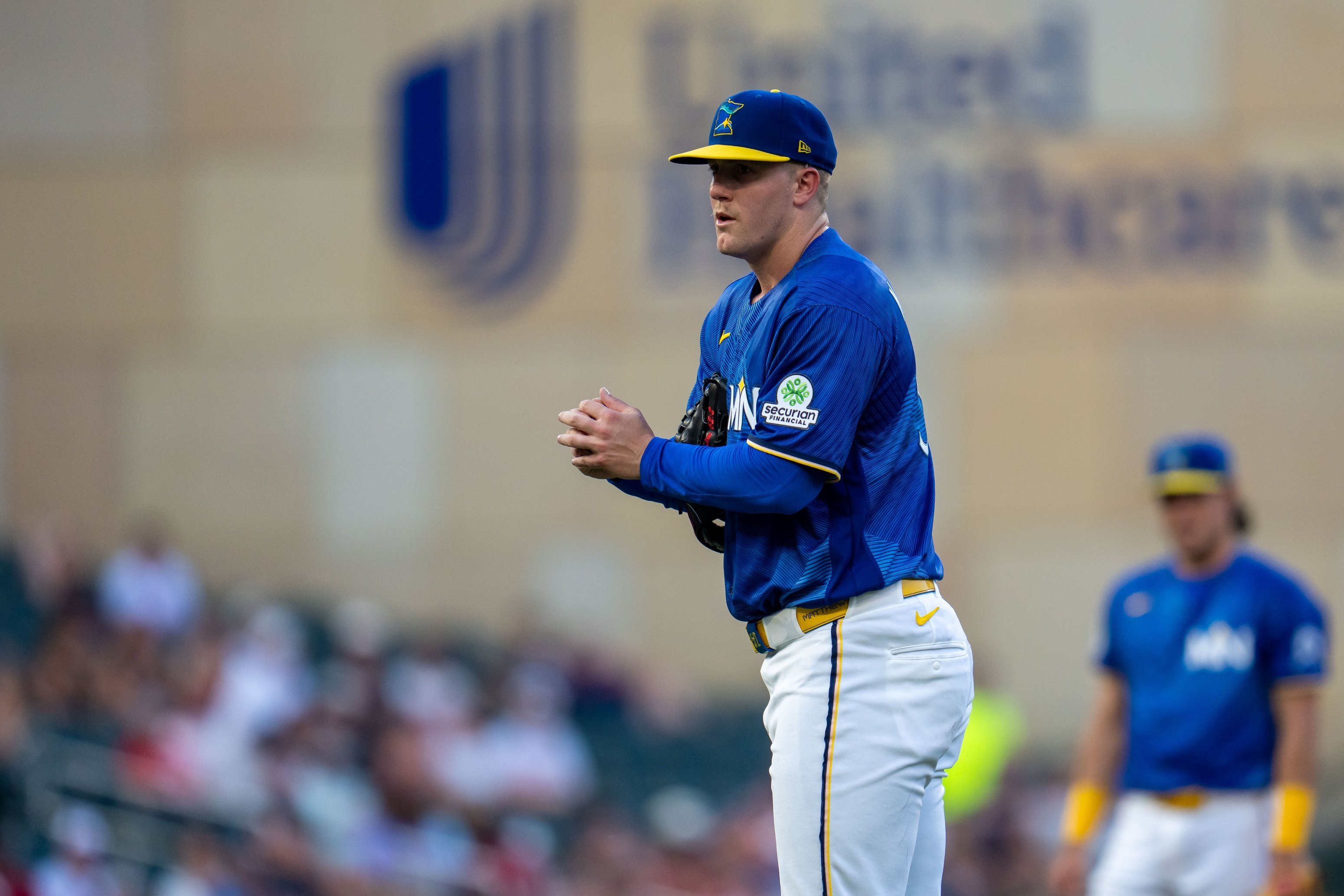 Box Score Zebby Matthews: 6 IP, 9 H, 4 ER, 2 BB, 3 K Home Runs: None Bottom 3 WPA: Kody Clemens (-.340), Zebby Matthews (-.190), Luke Keaschall (-.150) Win Probability Chart (via FanGraphs) The feeling can be fleeting. The hope and belief in a team. We follow these men—nearly every day, 162 games stretched across three of our four seasons—and want to judge them as right. A collection better than the typical. Sometimes we’re right. Sometimes we’re not. That’s the magic in the game: we get to see the players at every stage in their journey, with every rise and fall in play acutely observed and understood. Are these Twins capable? Is their recent solid streak an omen? Do we need to know more? Adorned in the lake-blue uniforms that mark a Friday home game, our heroes took the field with Zebby Matthews on the mound. Square-jawed and apparently fine after an injury scare in his last outing, the righty was fine in the first, if not a little inefficient, as he surrendered a single and worked deep counts in an otherwise scoreless frame. His opponent, Grayson Rodriguez, started matters differently. He saw an action-oriented frame. The Twins were ready to swing. And swing they did. Trevor Larnach doubled. Ryan Jeffers advanced him to second on a fly ball. Kody Clemens drove him home on a sacrifice fly. Josh Bell swatted a double of his own. Rodriguez had only thrown eight pitches. Beauregard’s bruisers wait for no one. A Royce Lewis lineout ended the frame with a prescient portend of Minnesota’s next few innings. They had opportunities—the runners were in place; the hard-hit balls were had—but the final product failed to match the sum of its parts, as the initial exciting strike devolved into a cold reminder of an inability to add on. Suddenly, after the fifth inning, those who care about such things like runs scored looked up and realized the home team still hadn’t done more. All the while, the Angels had taken advantage of a Matthews who looked hittable. The first inning was no mistake; Matthews worked through quiet second and third innings before the Angels rattled him in the fourth. Vaughn Grissom pelted a fastball into the stands for a solo homer, and Jorge Soler pummeled a double into the left-center gap. He advanced to third. And Matthews was so outside himself, he attempted to pitch from the stretch before switching to the windup in the same at-bat, which the third base umpire easily spotted and sent Soler home on a balk. The fifth mirrored the fourth. Something in Matthews took him out of his game. Los Angeles shot line drive singles around the ballpark, loading the bases with no one out. Nolan Schanuel scored one on yet another liner, and Grissom ushered in a fourth run with a sacrifice fly. Matthews limited the damage somewhat by coaxing a double play from Soler, but the Angels still led 4-1 against a Twins team trudging through the game. Perhaps the team realized they were running low on time, or perhaps Derek Shelton told them “fellas, respectfully, it’s the Angels,” because the bats finally whipped into shape. The struck with precision in the sixth, with Bell doubling, Lewis singling, and Brooks Lee breaking through with a double smacked into the left field corner. Austin Martin grounded out productively; he allowed Lewis to scamper home safely. It felt like a changing tide, the jump-start the offense would smoothly ride into the all-important rally that would shoot the Twins into the lead. The seventh flirted with a run but never finished the deed. The eighth only saw a base runner. Larnach doubled in the ninth. Finally! This must be it. And here it comes: Clemens smokes a ball destined to rattle around the right field corner, knotting the game in dramatic fashion. One problem. Schanuel, the Angels first baseman, leapt and stole the ball from its rightful home in the outfield grass. For out number 27 in the game. That's all. Try again tomorrow. Notes: Post-Game Interview: What’s Next? The Twins and Angels return to Target Field on Saturday for an early-afternoon meeting, with Joe Ryan set to start opposite Ryan Johnson. First pitch is at 1:10 PM. Bullpen Usage Spreadsheet MON TUE WED THU FRI TOT Rojas 0 0 0 47 0 47 Morris 0 13 0 0 25 38 Rogers 0 17 15 0 0 32 Adams 0 0 20 0 12 32 Funderburk 0 0 20 10 0 30 Gómez 0 3 19 0 0 22 Go 0 0 0 18 0 18 Orze 0 0 16 0 0 16 View the full article
 -
 At long last, the 2026 MLB Draft is here! You can find DiamondCentric's Big Board here for a rundown on all of the top prospects, though you'll want to stick here on Grand Central Mets for everything New York Mets centric this weekend. As a reminder, the Mets selected Mitch Voit with their first-round pick last year, and he was their lone top-100 selection. That won't be the case this year, as the team has the No. 27 and 92 picks at their disposal. They also have a fourth round pick (No. 120) that'll wrap up their first day of the draft. The draft begins with the first four rounds Saturday, then finishing Sunday with Rounds 5 through 20. TV coverage begins at noon CT on NBC and Peacock, with it switching to MLB.com, MLB Network, MLB.tv and MLB+ at 1:30 p.m. Sunday’s telecast begins at 10:30 a.m. CT on MLB.com, MLB.tv and MLB+. The team will be working with a scant bonus pool ($6,730,900), which is the third-lowest figure in the league. Not having a second-round pick (or any competitive balance round picks) will help alleviate some of that stress, but having such a small allotment to work with means the front office won't be able to aggressively pursue over-slot players in the early rounds of the draft. As a reminder, players drafted in the 11th through 20th rounds do not technically have a slot value, although they are soft-capped at $150,000 without counting toward the bonus pool. Any amount above $150,000 will go against the cap. That amount also applies to undrafted free agents. Teams have until July 27 at 4 p.m. CT to sign their draft picks. Who do you think the Mets should take with their first pick? View the full article
 -
 The 2026 MLB Draft will feature 20 round draft and like last season, festivities will take place over the course of two days. Rounds 1-4 will take place from 1:00 PM - 7:45 PM E.T. on Saturday , and then rounds 5-20 will be all day Sunday from 11:30 AM - 7:30 E.T. Day one is split into three sections with picks 1-10 being broadcast on NBC/Peacock only. Picks 11-40 will be on MLB Network and the remainder of the draft will be on MLB.TV. The entirety of the draft Sunday will be on MLB TV, MLB.com, or MLB+. The Boston Red Sox will make three selections on day one of the draft. 20th Overall (Round 1) 67th Overall (Competitive Balance Round B) [Acquired in trade: Caleb Durbin, Andruw Monasterio, and Anthony Seigler for Kyle Harrison, Shane Drohan, and David Hamilton with Milwaukee Brewers] 96th Overall (Round 3) The Red Sox forfeited their second and fifth-highest selections, as well as $1 million in draft pool money, in this years' draft after they signed Ranger Suarez to a five-year, $130 million contract. This is due to Suárez being offered the qualifying offer by the Philadelphia Phillies. Per the MLB rules, the Red Sox had to forfeit those picks because they eclipsed the $241 million Competitive Balance Tax Threshold. Baseball is incredibly unique in the ways that address draft picks. Each team has its bonus pool which is assigned by MLB in the spring based off of league-wide revenue the previous season. Along with that, each draft pick is assigned its own slot value, which is essentially the expected cost to sign a player at that spot. Teams don't have to follow that number exactly, which is why you see teams sign players or over or under slot values. For example, in last years draft, the Los Angeles Angles had the 2nd overall selection which was valued at $10,252,700 but ultimately ended up signing their selection Tyler Bremner for only $7,689,525, nearly $3 million below the projected value of the selection. Teams can then use the money they save at the top half of the draft to lure better players with more bonus money later on in the draft. The Red Sox have $8,219,200 to play with in this year's draft, the eighth-lowest pool, with the slot value of their 20th overall pick coming in at $4,373,900. Another note regarding slot money from Baseball America: "In the MLB draft, each pick inside the first 10 rounds comes with assigned slot values. The sum of those slot values creates each team’s bonus pool. From rounds 11-20, players can sign for up to $150,000 without counting towards the bonus pool. Anything beyond that value does count towards the pool. Teams are free to sign players for more than an assigned slot value or less than an assigned slot value, though going over a bonus pool comes with penalties." It's also worth noting that with the CBA expiring this offseason and the MLB's proposal to change the draft format, this likely the last time we see the draft in the format we see it in today. We here at Talk Sox will continue to feature the Red Sox Draft Tracker, which will be kept up-to-date, not just as the draft happens, but also as we learn about the signing bonuses for each draft pick throughout the signing period. Thanks for joining us during one of the most exciting times of the season and keep coming back for updates! View the full article
 -
Alcantara effective again, but drops first game since May
DiamondCentric posted an article in Fish On First
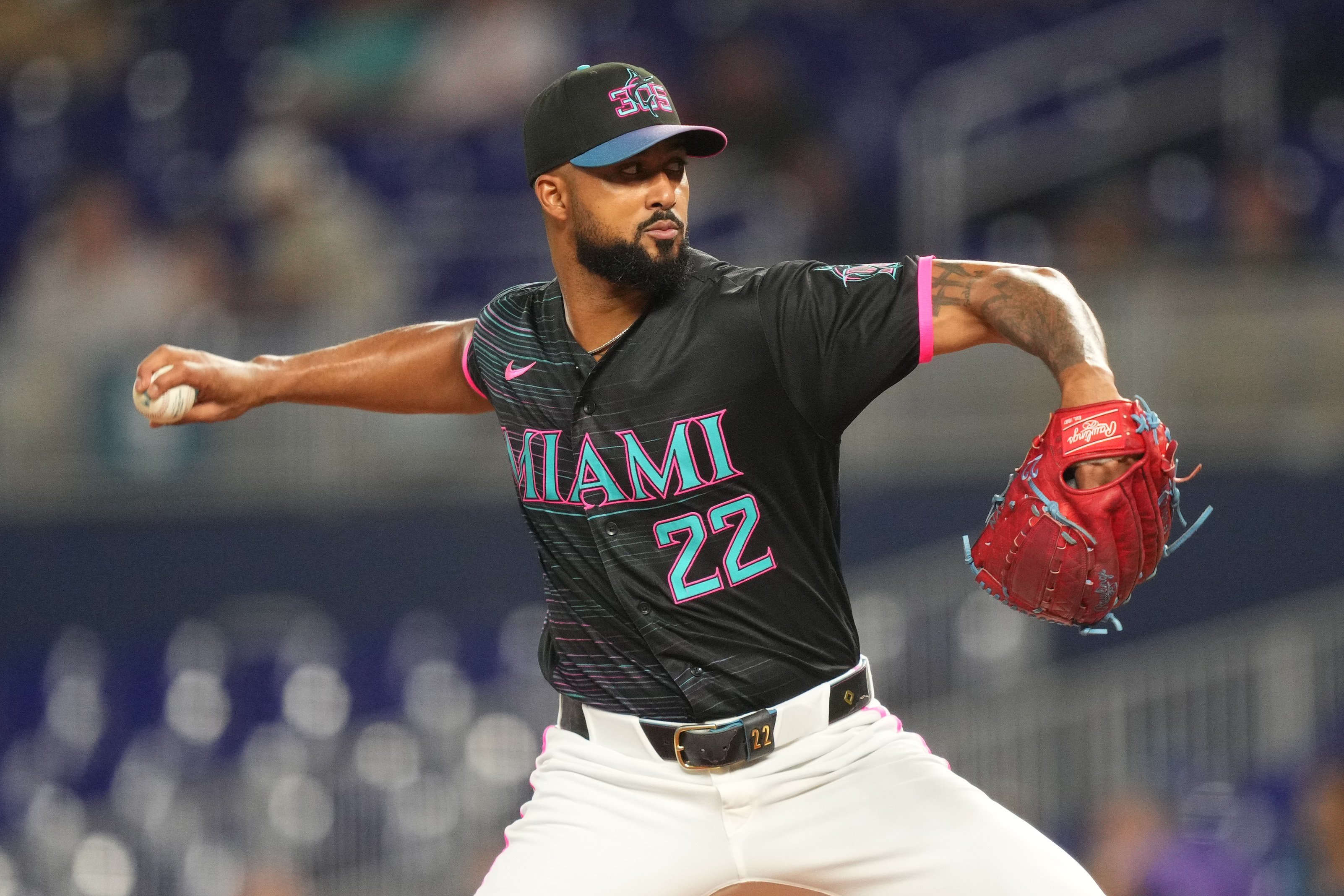 MIAMI — Sandy Alcantara's impressive seven-game winning streak came to an end on Friday night at loanDepot Park. In front of a lively crowd of 15,565, the Cleveland Guardians kept Miami's bats relatively quiet in a 3-2 victory. For the Marlins, it was their first loss since July 2. Despite being tagged with the loss, Alcantara was excellent in his final start before the All-Star break. The Dominican right-hander tossed seven innings of three-run ball while striking out eight. It marked his MLB-leading 14th quality start of the season. He heads into the break with a 3.99 ERA and an MLB-high 130 ⅔ innings pitched. At this point a year ago, Alcantara was entering the break under far different circumstances. Through his first 18 starts of last season after returning from Tommy John surgery, he was 4-9 with a 7.22 ERA. "This year feels much different, but more so because of how great we've been doing," Alcantara said postgame. "My mentality has also changed a lot. The way I've been attacking hitters this year and going deep into games has really helped." When discussing his latest outing, Alcantara credited his relatively new cutter. "It's been a great pitch. I don't think some of the hitters know I have that yet, so I've been getting a lot of swing-and-miss," he said with a chuckle. On Friday, Alcantara threw the cutter 20% of the time and generated whiffs on half of those pitches. "He finished up the first half terrifically," Marlins manager Clayton McCullough said postgame. "This run we've been on, he's played a huge part in it because you know every fifth or sixth day you're getting at least six strong innings and a chance to win a game." Alcantara's final line on Friday: 7 IP, 5 H, 3 ER, 8 SO, 0 BB. A case could be made that Miami's ace should be considered for a spot on the National League All-Star roster should the need for another pitcher arise at the last moment. Miami's offense on Friday night consisted of a pair of solo home runs from Heriberto Hernández and Leo Jiménez. For Hernández, it was his thirteenth home run of the season, tying him for the team lead. It's been a remarkable turnaround for the Dominican outfielder, who was optioned to Triple-A Jacksonville earlier this season after posting a .474 OPS through his first 22 games. Since being recalled on May 7, he's slugging over .600 with a .940 OPS (tops among Marlins players during that span). Jiménez's home run was his second in three games after going homerless through his first 37 games of the season. It was also just the fifth home run by a Marlins third baseman all season. Uncharacteristically, though, the Marlins were held hitless with runners in scoring position. The Marlins will look to even the series on Saturday afternoon behind Eury Pérez. View the full article
 -
 Similar to 2025, the 2026 MLB draft will feature 20 rounds, with a slight adjustment to its weekend format. Prior to 2025, the draft was a two-day event, with 40 total rounds. Last year, the draft was over three days, and this year it will be over two days. The first four rounds (which is one more than last year’s first day) will be later today, starting at 1:00 ET. You can catch the first 10 picks live on NBC or on Peacock. Picks 11-40 can be found on MLB Network or streaming on MLB.com or on MLB.TV starting at 2:30 ET. Starting at 4:00 ET, picks 41-135 will complete day one of draft coverage, and those can be watched the same way as picks 11-40. The rest of the draft will take place tomorrow, starting at 11:30 am ET, and can be found on MLB.com or on MLB.TV. While 16 rounds may seem like a lot in one day, last year it was 17 on the second day, and in prior years, they had 20-round days. The Twins will make five picks on day one. 3rd Overall (Round 1) 43rd overall (Round 2) 74th overall (Competitive Balance Round B) 79th overall (Round 3) 107th overall (Round 4) Jamie Cameron, Twins Daily’s MLB Prospect Guru and Draft Expert, has a mock draft board that can be found here. The Twins will have the fifth-largest bonus pool ($16,929,600) in the league. The pool is determined by assigning a slot value to each pick in the first 10 rounds. In rounds 11-20, players can sign for up to $150,000 and not count toward the bonus pool number. As a reminder, teams can exceed their bonus pool allotment by up to five percent before incurring any future pick penalties. No team in the bonus pool era has ever exceeded that five percent threshold. More information on the entire draft and the pick allotments for the Twins' specific picks can be found in the Twins Draft Primer Article. Twins Daily will also feature the Twins Draft Tracker, which will be kept up to date not only during the draft but through the entire signing period, so keep coming back for updates! View the full article
 -
 The weekend has arrived where the San Diego Padres will begin to add new faces to the organization through the amateur draft. In the last two years, the Padres added high school left-handers Kash Mayfield (2024) and Kruz Schoolcraft (2025). They currently rank as the No. 2 and No. 5 prospects on Padres Mission's Top 20 list. The Friars have drafted a high school player with each of their last nine first-round picks under A.J. Preller, the Padres' president of baseball operations and general manager. The draft begins with the first four rounds Saturday, then finishing Sunday with Rounds 5 through 20. TV coverage begins at 10 a.m. PT on NBC and Peacock, with it switching to MLB.com, MLB Network, MLB.tv and MLB+ at 11:30 a.m. Sunday’s telecast begins at 8:30 a.m. PT on MLB.com, MLB.tv and MLB+. This year, the Padres have the 21st selection of the first round. That will be one of five picks the Friars make on the first day. In addition to one pick in each round, they also have a compensation selection for making a qualifying offer to right-hander Dylan Cease, who ended up signing with the Toronto Blue Jays. Because of the size of the contract (seven years, $210 million) and with the Padres being a competitive-balance tax payor, they received an extra fourth-round pick (No. 134). That also gives the Padres extra money to work with in their draft pool. The Padres’ pool this year is $9,479,000. While there are slot values assigned to each pick in the first 10 rounds, teams can sign players for any amount as long as it fits into their pool. Deals are often made with certain players in order to redistribute money to another player. Teams can spend up to 5% more than their draft pool without incurring a penalty. No team has ever spent more than 5% in the 14 years this rule has been in place. Last year, 20 of 30 teams surpassed their bonus pool. Here are the slot values for each of the Padres’ picks: First round (21st pick): $4,224,700 Second round (60th): $1,561,000 Third round (97th): $808,100 Fourth round (124th): $620,300 Fourth round (comp, 134th): $563,900 Fifth round (157th): $449,500 Sixth round (186th): $350,100 Seventh round (215th): $276,400 Eighth round (245th): $226,300 Ninth round (275th): $205,000 10th round (305th): $193,700 Players drafted in the 11th through 20th rounds do not technically have a slot value, although they are soft-capped at $150,000 without counting toward the bonus pool. Any amount above $150,000 will go against the cap. That amount also applies to undrafted free agents. Draft picks have until July 27 at 2 p.m. PT to sign. Who should the Padres take with their top pick? Do they stick with a high school player or change it up with a college star? View the full article
 -
 The Blue Jays still have two games left to play before the break, but the All-Star week festivities are already getting started. The HBCU Swingman Classic was last night, and the Futures Game is tomorrow. The Home Run Derby is set for Monday, and then you can watch Ernie Clement, Dylan Cease, and Louis Varland suit up for the AL All-Stars on Tuesday night. Today, however, might have the most anticipated event of them all. It's Day 1 of the 2026 MLB Draft. This afternoon, representatives from every team will head to the Pennsylvania Convention Center. At 1:00 pm Eastern, the White Sox will kick it all off with the first overall pick. The Blue Jays won't make their first selection until the start of the second round. Initially, they were slated to pick 29th due to their AL pennant-winning season. However, their highest pick was pushed back 10 spots because their 2025 payroll exceeded the second luxury tax threshold. As I write this, our Mock Draft Consensus Board has the Blue Jays taking two-way prospect Archer Horn with the 39th overall pick. At previous points in the draft cycle, the Consensus Board also linked the Jays to Texas A&M outfielder Caden Sorrell and prep infielder Cole Prosek. In total, Toronto will only make three picks today: No. 39, No. 103, and No. 131. In addition to having their highest pick moved back 10 slots, the Blue Jays sacrificed their second- and fifth-highest picks when they signed Cease. The right-hander recevied a qualifying offer from the Padres last November. That fifth-highest pick was the one the Jays would have received as competition for losing Bo Bichette to the Mets; like Cease, Bichette also rejected a qualifying offer. Unfortunately, the Blue Jays also won't have a big bonus pool to work with in this year's draft. The fewer picks a team has and the lower those picks are, the lower the cumulative slot value of all that team's picks is going to be. Toronto's $5,543,100 bonus pool is the second-lowest in the 2026 MLB Draft, ahead of only the Dodgers ($3,951,900). For comparison, the Pirates have the largest bonus pool, with $19,130,700 to spend. Speaking to Sportsnet's Shi Davidi, Blue Jays amateur scouting director Marc Tramuta addressed how his team's small bonus pool could affect the draft strategy: "It's probably difficult to say I'm going to take more than a couple high school players, just given the size of the bonus pool...That's not going to take us out of the market on anybody. It just might not be the volume that we did last year.” Obvious talents like Trey Yesavage and JoJo Parker won't be so readily available for the Blue Jays this year, but that doesn't mean the draft will be any less exciting – it just means the Jays will have to be more strategic with their picks. You can follow their selections on our 2026 Blue Jays Draft Tracker, which will be kept up to date throughout the draft and the subsequent signing period. More importantly, you can voice all of your opinions about Day 1 in this thread. Let's get started! View the full article
 -
 Draft Day is finally upon us! You've found the right place to follow along as the Milwaukee Brewers get to work in the 2026 MLB Draft. Consider this your home base for the day's events — you're all invited to be a part of the conversation, so pull up a chair, grab a refreshment, and let's watch what Matt Arnold & Co. have in store for us today. Unlike previous seasons, the Brewers have a much smaller draft pool, so if they plan to get creative, they're going to have a narrow band in which to work. Feel free to make your thoughts known in the comments as the picks roll in. Whether you love the pick, hate it, or have never heard of the guy in your life, we want to hear from you. How the Draft Works This Year The 2026 MLB Draft is a two-day event held July 11–12 in Philadelphia, PA. Here's how it breaks down: Today (July 11): Rounds 1–4 — roughly 135 picks Tomorrow (July 12): Rounds 5–20 — the final 16 rounds So today is the fun part. This is where the bonus money gets spent and the names you'll actually remember get called. Twenty rounds total, but the first four are where the real money and the real intrigue live. Want the full logistical rundown — pick-by-pick slot values, the combine breakdown, and how the bonus pool math shakes out? We've got you covered in our 2026 Brewers Draft Primer. The Brewers' Picks Milwaukee holds ten selections in the first ten rounds, headlined by the 25th overall pick in tonight's first round. Here's the full slate: Round Pick # Slot Value 1 25th $3,696,000 2 66th $1,353,100 3 102nd $770,600 4 130th $585,700 5 163rd $425,400 6 192nd $333,200 7 221st $264,100 8 251st $220,400 9 281st $202,500 10 311th $191,900 Bonus pool: $8,042,900 — 25th in MLB. Not exactly a war chest, so expect Milwaukee to be creative about spreading the money around. One note for the number-crunchers: the Brewers traded their Competitive Balance Round B pick (67th overall) to Boston in a prior transaction, so there's a gap between the first- and second-rounders you might otherwise expect. As always, teams can exceed their pool by up to 5% without a real penalty (overages get taxed at 75%), and slot values ticked up 2.5% from last year. Who Are the Brewers Taking at 25? On our final aggregated mock draft board, this name popped up at pick 25: Carson Bolemon, a left-handed prep arm out of Southside Christian High School in South Carolina. Our final mock draft has the Brewers grabbing him as "the most polished prep arm in the class". Here's the quick scouting snapshot: Fastball: Sits 92–94 mph, has touched 97, with the kind of command you rarely see from a high schooler Curveball: Upper 70s, plenty of promise Slider: Low 80s with strong spin Changeup: The one pitch that still lags behind, but there's runway there The 19-year-old lefty was the standout arm on the U18 U.S. National Team and has a real shot to be the first prep arm off the board. He's committed to Wake Forest, so signability will be worth watching — but a polished, projectable lefty is exactly the kind of profile the Brewers' pitching development machine tends to turn into gold. What Comes After 25 The mock has a few more names to watch later in the day: Round 2 (66th): Joseph Contreras, RHP, Blessed Trinity Catholic HS (GA) — yes, that Contreras bloodline, but also not that Contreras bloodline; he's the son of former big-league pitcher José Contreras Round 3 (102nd): Caden Bogenpohl, OF, Missouri State Round 4 (130th): Brady Harris, OF, Trinity Christian Academy HS (FL) Follow Along We'll be updating throughout the evening as the picks come in. For real-time tracking and the community's running board, keep these two tabs open: 2026 Brewers Mock Draft Board 2026 Brewers Draft Board So — who do you want the Brewers to take at 25? Are you on board with Bolemon, or is there another name you're hoping slides to Milwaukee? Sound off in the comments, and let's enjoy Draft Day together. Go Brewers! View the full article
 -
What Has Been The Royals' Draft Strategy Under JJ Picollo?
DiamondCentric posted an article in Royals Keep
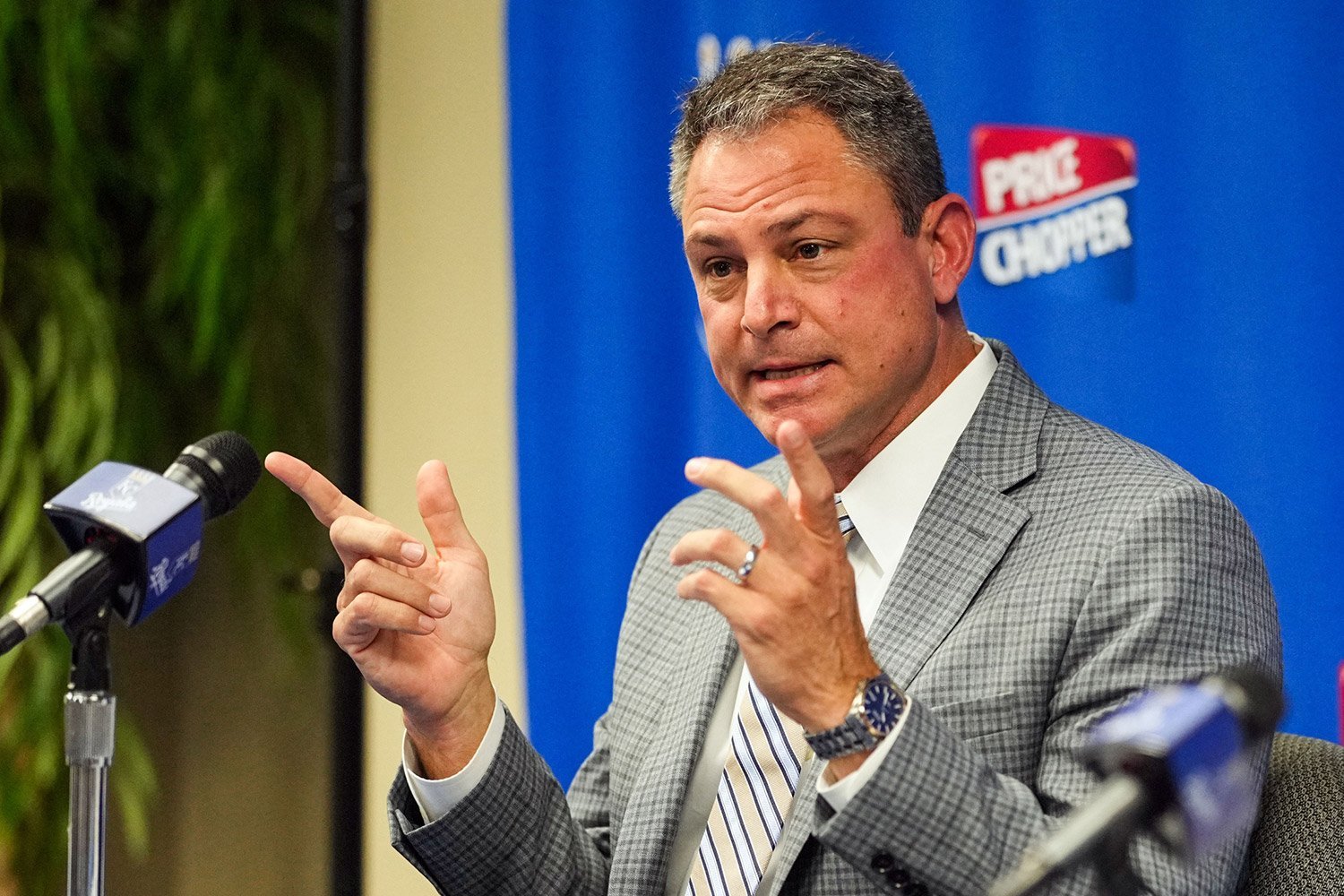 Since becoming the Royals' general manager in 2021, JJ Picollo has overseen four drafts. While every draft is shaped by the talent available, several consistent trends have emerged that may offer insight into how Kansas City will approach the upcoming 2026 MLB Draft. Position Players Come First In each of his four drafts, Piccolo has selected a position player in the first round. 2022: Gavin Cross - OF 2023: Blake Mitchell - C 2024: Jac Caglianone - 1B/P 2025: Sean Gamble - OF 2025: Josh Hammond - SS (Prospect promotion incentive pick) While Caglianone was a two-way player in college, nearly every scouting report projected him as a full-time hitter in professional baseball. The Royals have consistently invested in premium offensive talent at the top of the draft. With the exception of Cross, these players currently occupy a spot in the top five of the RoyalsKeep prospects rankings, with Caglianone already an everyday starter in the Royals’ big-league lineup. Pitcher-Heavy Following Round 1 Picollo has consistently favored pitchers in the early rounds after round 1. In the five picks following the first round, 80% of the selections have been for a pitcher. When looking at rounds 2-10, 68% of the picks have been for pitchers. In 2024, the Royals selected seven straight pitchers after taking Caglianone in the first round, highlighted by the current No. 2 prospect, David Shields. The lone exception came in 2022, when Kansas City selected third baseman Cayden Wallace with the second pick before selecting pitchers in the following rounds. The strategy has already produced several of the organization's top pitching prospects. While none of these pitchers have yet broken into the majors, six of these early-round pitchers are currently in the top 20 prospects. #2 David Shields | 2024 Round 2 #7 Drew Beam | 2024 Round 3 #11 Michael Lombardi | 2025 Round 2 #13 Justin Lamkin | 2025 Competitive balance round B #15 Blake Wolters | 2023 Round 2 #16 Steven Zobac | 2022 Round 4 Conscious of Slot Money Picollo has shown a willingness to sign players above the pick’s slot value, especially when it comes to signing prep players. Five of the six highest draft above-slot bonuses have been to high school players. Three of those went to early-round pitchers, with a couple of late-round players securing larger-than-expected bonuses. The high-bonus high schoolers are usually funded through early-to mid-round college players going under-slot. Notably, the Royals have signed more players under-slot (32) than they have over-slot (21) to help in redistributing the pool money. However, not all early-round high school grads commanded an over-slot bonus. When the Royals drafted Blake Mitchell with their first pick in 2023, they signed him for just over $1 million under slot to spread their pool money throughout the rest of the draft class. This was the only time in four years where Picollo spent significantly under the slot value for a top pick, the closest being Carson Roccaforte (2nd round competitive balance, $259k under slot) also in 2023 and Nolan Sailors (4th round, $435K under slot) in 2025. High-Impact Prep Players The Royals have not been hesitant in selecting high school players early in rounds. Almost half (7 of 15) players selected within the first three rounds have gone towards high-impact high school players. Picollo, in general, is not afraid to select high school players. 19 (23%) of selections have been given to high school players. However, if you exclude the first three rounds, the earliest selected high school player was in the 13th round. These selections are typically developmental bets with higher ceilings but longer timelines than the available college players at that stage of the draft. Five of these late-round picks ultimately did not sign with the Royals and opted to play college baseball. Overall Position Distribution Positionally, the Royals have favored pitchers with 51 (61%) of their 83 selections. 13 picks have been dedicated to outfields, 9 to shortstops, 5 to catchers, 3 first basemen (including Caglianone, who notably converted to the outfield), 2 third basemen, and 0 second basemen. This mirrors the trend of selecting a bat first, followed by a run of pitchers in early rounds. The Royals also are unwilling to commit draft capital towards too many low-upside positions like first and third base. What This Means for 2026 While every draft is different depending on the players available for selection, Piccolo has left a general outline for how the Royals approach the draft. Expect the Royals to likely select an offensive player with the 6th overall pick, followed by a run of pitchers. The DiamondCentric mock draft has OF Drew Burress slotted as the sixth pick. Keep an eye out for high school players in the early and late rounds, with college players dominating the middle of the draft. View the full article
 -
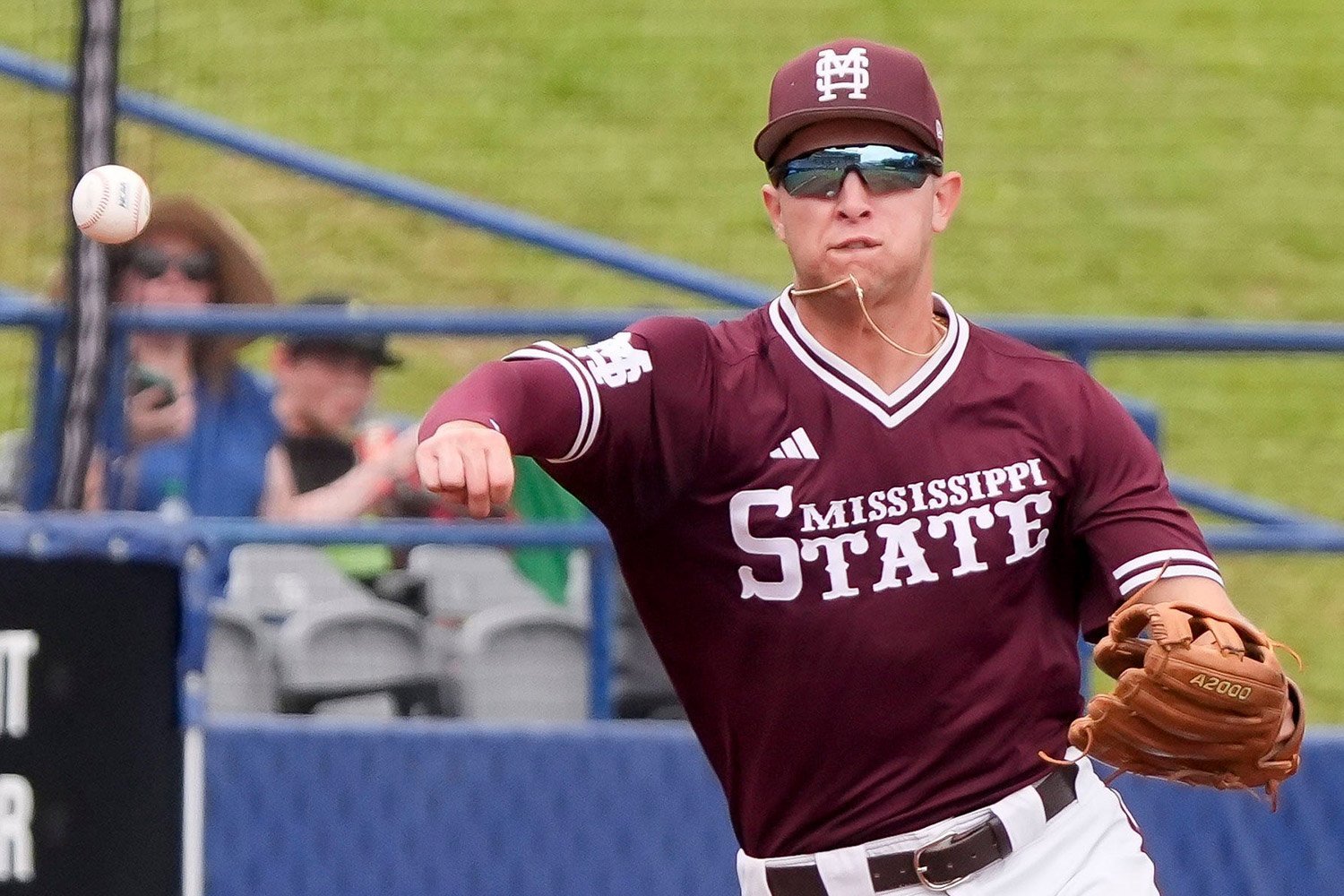 I take MLB mock draft rankings from major industry outlets like MLB Pipeline, ESPN, The Athletic (and many others) to form a consensus board, with a working hypothesis that using this approach will eliminate some of the noise and variance in MLB Draft mock rankings. This is the final mock draft board, locked in just before the 2026 MLB Draft on Saturday, July 11. Round 1: Ace Reese, 3B, Mississippi State Reese has raked for Mississippi State since transferring from Houston ahead of his sophomore campaign. He's one of the better dual hit/power threats in the class, with any ceiling on his value being placed by an uncertain defensive home and limited supplementary tools. Reese stands 6'4, 220, and has primarily played third base and first base in college. It's a solid arm, but fringe-to-average run and fielding tools. That might mean a long-term home at first base, which requires a greater level of offensive production. Offensively, Reese shines. It's good bat speed and excellent raw power. He can homer to any part of the park (21 in 2025). Reese displays good bat-to-ball skills, both in and out of the strike zone, and he takes plenty of walks. A slightly elevated strikeout rate is rooted in his propensity to chase and expand the zone. If he can rein that in, he'll be a nightmare at-bat. Reese finished 2026 with a .336/.432/.721 line with 24 home runs (27 XBH), a 14 BB%, a 21.6 K%, and a 144 wRC+. His approach and defensive home remain the only questions in an excellent, offensively driven profile. Round 2: Blake Bryant, RHP, Citizens Christian Academy, GA Bryant is a projectable prep righty standing 6'5, 180 pounds, currently committed to Clemson. He's jumped up boards throughout the cycle thanks to consistently outstanding performances on the summer circuit. Bryant's velocity has ticked up in the last 12 months. His fastball is up to 96 mph with run and ride. He pairs it with a sweeper in the low 80s, a curveball that sits in the high 70s, and a split change that's a bit firm currently. The command can come and go a bit with Bryant, which is typical for a lanky prep arm. It's a strong arsenal on which to build. It's easy to envision him being a problem when he fills out a bit more and polishes his repertoire. Round 3: Ethan Bass, SS, Glenbrook North HS, IL Ethan Bass is a prep shortstop out of Illinois who is one of the better defenders on the dirt on the prep side. While he doesn't have the same explosive offensive upside as some other prep hitters in the class, he performed extremely well on the summer showcase circuit last year, showing the makings of an above-average hit tool with a good approach at the plate, and possible average power when it's all said and done. Defensively, Bass shines. He's an excellent defender with a good internal clock, smooth actions, excellent lateral quickness, and the ability to make any throw necessary for the position. You don't find too many prep profiles that are this complete, even if he lacks a standout offensive tool. Bass is committed to Wake Forest and bears some similarities to previous Demon Deacon shortstop Marek Houston. Round 4: Ethan Norby, LHP, East Carolina Norby is a college lefty who has established a three-year track record of performance at ECU. Norby is undersized for a starter at 5'10, 200 pounds. It's a clean delivery with a ton of strikes (6.8 BB% in 2026). Norby's fastball is a little underwhelming, sitting 89-92 mph, touching 93-94 mph. Norby's best pitch is his slider, a 3,000 rpm sweeper that sits 85 mph and routinely generates a ton of horizontal break. Norby also throws a cutter and a changeup, though both of these pitches lag behind his fastball/slider combination. Norby managed a 4.06 FIP in 90.1 IP in 2026, striking out 31.8% of hitters while walking 6.8%. Norby has plenty of assets, with a unique delivery and interesting release traits, but he'll need to add velo if he's to stick as a starter as a pro. Free Agent Compensation Round: Bryce Hill, RHP, Greenwich Country Day HS, CT Hill is a projectable right-handed prep pitcher out of Connecticut who already stands 6'5, 220 pounds with a ton of starter traits; he's currently committed to Stanford. Hill has a fairly extensive track record as a high schooler. His fastball, a sinker, now sits in the 94-95 mph range with more to come as Hill fills out. It's complemented by two distinct breaking pitches, a firm slider and a slower, downer curveball that both show promise, with the slider further along in development. Hill also shows feel for a changeup. There's an enticing combination of size, stuff, and enough strikes here. If Hill can be tempted away from his Stanford commitment, a year or two in a pro system doing some pitch design work could raise his ceiling further. Curious to see the players around the San Diego Padres picks in the draft? Click on the button below to view the entire mock draft board! View the full article
 -
Walker Buehler: Finally Healthy, But A 5+ ERA Problem
DiamondCentric posted an article in Padres Mission
 Walker Buehler hasn't logged a 150-inning season since 2021, and while he's on track to buck that trend in 2026, he's falling victim to an earned run average north of five. In this video, we'll break down where he's getting hit the hardest, what kind of pitcher he needs to be going forward, and the skills he can harness to turn this season around. View the full article
 -
 Kazuma Okamoto is the only Toronto Blue Jays hitter with 20 or more homers (or 10, for that matter). He's using a variety of components to generate this power and be the team's leader in long balls. In this video, we'll break down everything from his bat speed to an approach that opens up the chance for even better power numbers in future seasons. View the full article
 -
 Mitch Voit is the New York Mets' sixth-ranked prospect, per our rankings. The 2025 38th overall pick is already in High-A Brooklyn, and he's significantly improved his slash line from a year ago when he had a cup of coffee in Single-A St. Lucie. In this video, we'll break down his 1-2 punch of a skillset and how the middle infielder could slot into the big league ball club's future plans. View the full article
 -
 The Twins have several players who make sense as trade candidates. Ryan Jeffers might be one of the most obvious names, and one of the biggest mistakes they could make moving.View the full article
 -
 Yuki Matsui's 2.23 ERA tells a simple story: A left-handed reliever misses bats at an elite rate, strands nearly every baserunner he allows, and has become another dependable late-inning arm for the San Diego Padres. The good news? The results support that story. But they also raise one important question: Why do the projection metrics paint such a different picture? Both his FIP and xFIP sit above 4.90, a gap that usually points toward regression. Most of the time, that kind of separation suggests a pitcher has benefited from good fortune. Matsui's season doesn't fit that explanation. He is a reliever who has learned to survive baseball's highest-leverage moments without relying on the weapon that usually defines elite bullpen arms: the strikeout. That starts with his ability to miss bats. According to Baseball Savant, Matsui ranks in the 98th percentile in whiff rate across Major League Baseball, proof that hitters still struggle to pick up his arsenal. His splitter remains his best weapon, while his slider gives hitters a completely different look behind a fastball that sits around 92 mph. By itself, that profile isn’t unusual. Plenty of relievers generate whiffs. What separates Matsui happens after hitters make contact. His 94.6% left-on-base rate is almost impossible to sustain over a full season. The easy explanation is luck. The real question is whether luck explains all of it. With runners in scoring position from the fifth inning on, the picture changes. Pitcher PA BA xBA Whiff% Hard Hit% Attack Angle Bryan Baker 27 .038 .106 46.3 25 14° Chase Burns 20 .100 .151 42.4 30.8 11° Yuki Matsui 26 .143 .115 39.4 42.9 15° Gabe Speier 25 .083 .120 23.7 29.4 9° One number immediately stands out: Matsui owns one of the highest hard-hit rates in the group. In theory, that should lead to more offensive production. Instead, only Bryan Baker has allowed a lower expected batting average, and Baker gets there by overwhelming hitters with strikeouts. Matsui arrives at the same destination by taking a different route. His strikeout rate with runners in scoring position is just 19.2%, one of the lowest among these pitchers. Baker is above 40%. Chase Burns sits above 30%. Instead, the southpaw is surviving in the pressure moments by preventing hits. That distinction changes the entire evaluation of his season. Hard-Hit% measures exit velocity, not where the ball goes. A hard-hit ball can become a home run or a harmless fly ball. Launch angle often determines the difference. For Matsui, opponents have produced an average Attack Angle of 15 degrees, the highest among this group. They've hit the ball hard, but much of that contact has followed trajectories that favor the defense instead of producing extra-base hits. His .100 BABIP with runners in scoring position stops looking like a fluke once the contact profile enters the discussion. Statcast reaches the same conclusion. His expected batting average (.115) is actually lower than the .143 batting average he's allowed. That calls for a different interpretation of his season. Regression still belongs in the conversation because a left-on-base rate approaching 95% rarely survives a full year. Matsui also continues to issue too many walks, creating traffic that helps explain why FIP and xFIP remain skeptical. What those metrics don't capture as well is what happens after that traffic appears. The answer goes back to his arsenal. His fastball has become less prominent since arriving in the majors, while the Padres have leaned harder into the combination that best fits his strengths. The splitter disappears beneath the strike zone and generates empty swings. The slider changes both timing and swing plane. Hitters rarely get the same look twice within an at-bat. There's also a human element behind this season. Matsui opened the year on the injured list for the third straight year before returning in May. Many relievers need weeks to regain their feel after missing part of spring training. Matsui found his almost immediately, put together one of San Diego's longest scoreless streaks out of the bullpen, and resumed handling inherited runners as if he had never left. The second half will determine how much of his ERA belongs to variance. His performance with runners in scoring position already points to a skill that extends beyond luck. Some relievers escape jams by missing every bat. Matsui has found another way: turning contact into far less damage than it should produce. View the full article
 -
 I take MLB mock draft rankings from major industry outlets like MLB Pipeline, ESPN, The Athletic (and many others) to form a consensus board, with a working hypothesis that using this approach will eliminate some of the noise and variance in MLB Draft mock rankings. This is the final mock draft board, locked in just before the 2026 MLB Draft on Saturday, July 11. Round 1: Carson Bolemon, LHP, Southside Christian HS, SC Bolemon is part of an exciting crop of prep arms getting first-round consideration in the 2026 class. While he'll be 19 on draft day, it's an enticing combination of size, present stuff, and pitchability that makes him one of the more polished high school arms in recent years. Bolemon has a clean delivery and operates from a three-quarters slot. His fastball has been up to 97 mph, but will typically sit in the 92-94 mph range. The standout trait with the pitch is his command of it, as Bolemon can manipulate it throughout the strike zone with ease. Bolemom pairs his fastball with two promising breakers, an upper 70s curve and a slider that sit in the low 80s, with his changeup lagging behind the breaking pitches in both usage and effectiveness. Bolemon was the best arm on U18 US National team last summer (on a team that included Gio Rojas) and has a good chance to be the first prep arm off the board. He's currently committed to Wake Forest. Round 2: Joseph Contreras, RHP, Blessed Trinity Catholic HS, GA Joseph Contreras, son of Jose Contreras, is a tall, lean, prep pitcher currently committed to Vanderbilt who took center stage for a brief moment in the WBC as a 17-year-old, competing for Brazil against a stacked Team USA lineup. Contreras' fastball sits 94-97 mph and has been up to 100 mph. It's a quick arm, and one can see him sustaining his velocity more consistently with a bit of added weight and strength. For secondaries, there's a mid-80s slider that holds good spin rates and flashes above average to plus, a changeup in the low-80s with good fade, and a split-change/forkball he throws in the high 70s-low 80s that dies at the plate and flashes plus. That's a ton of weapons and velo for a frame still growing and adding strengths who will turn 18 just before the draft. Round 3: Caden Bogenpohl, OF, Missouri State Caden Bogenpohl is one of the most physically imposing hitters in the entire class at 6'6, 240 pounds. Raw power is the calling card here. Bogenpohl has generated exit velocities north of 117 mph in 2026, figures among the very best in the class. He pulverizes fastballs and pitchers on the inner third of the plate, but has a much tougher time when pitched away with secondaries or up with velocity. There are doubts about the hit tool with Bogenpohl, who's posted a whiff rate north of 27% in 2026 against primarily mid-major competition. In terms of supplementary tools, it's a solid profile. He's played plenty of center field, with good speed for his size and above-average arm strength. It's a profile best suited for right field, if he can hit enough. In 2026, he hit .274/.427/.413 with 6 HR (17 XBH), while walking 19.5% of the time and striking out 18% of the time (111 wRC+). Round 4: Brady Harris, OF, Trinity Christian Academy HS, FL Harris is a tooled-up prep outfielder out of Florida, currently committed to the University of Florida. Despite the loud physicality in his profile, he's slipped a bit since the beginning of the cycle in public-facing rankings. Harris has a great frame at 6'2, 185 pounds. Setting up in a relatively upright, back-weighted stance, it's some of the better rotation and bat speed on the prep side this cycle. It's easy plus raw power, and Harris can get to it in games, with some strength projection remaining. There are loud supplemental tools, too. Harris is an easy plus runner with above average arm strength who should figure to stick in center field as a pro hitter. The routes are solid, and he has a good shot to accrue positive value on the base paths and in the field. Right-handed power-reliant outfield profiles can be dinged as the draft cycle gets late. In Harris' case, it's due to swing and miss concerns. He had a poor summer circuit in 2025, exhibiting quite a bit of in-zone swing and miss. If he can improve his bat-to-ball skills and get the strikeouts in check, he can be a force. Curious to see the players around the Milwaukee Brewers' picks in the draft? Click on the button below to view the entire mock draft board! View the full article
 -
 I take MLB mock draft rankings from major industry outlets like MLB Pipeline, ESPN, The Athletic (and many others) to form a consensus board, with a working hypothesis that using this approach will eliminate some of the noise and variance in MLB Draft mock rankings. This is the final mock draft board, locked in just before the 2026 MLB Draft on Saturday, July 11. Round 1: Grady Emerson, SS, Fort Worth Christian HS, TX Emerson is a UT commit and the number one prep prospect in the 2026 class. There might be a little prospect fatigue with Emerson by draft day, as he's been well known since he was 15, and there's less transparency around both data and benchmarks for the top prep prospects in the country. Make no mistake, though, Emerson is a prize in this draft. He might be the best overall hitter in it. It's a relaxed setup, a direct, short left-handed swing, and some adjustability that allows Emerson to keep his barrel in the zone as long as possible and take what he's given by a pitcher. Everything is good here, offensively. During the 2025 summer showcase circuit, Emerson showcased strong bat-to-ball skills, excellent swing decisions, and improved bat speed that indicates above-average power may be on the way. Emerson is a plus runner, to boot. Defensively, he has all the ingredients to stick at the position, with a strong glove, excellent throwing arm, and a good level of defensive polish for his age at the position. Emerson should be one of the first names off the board in July. Round 2: Brody Bumila, LHP, Bishop Feehan HS, MA Draft aficionados will be used to the concept of a cold-weather arm rising throughout the cycle. They don't all look like Brody Bumila, though. The 6'9 two-sport star committed to Texas has been making waves this spring. As you might expect from such a unique frame, there's unique stuff to match. Bumila relies on a fastball that has been as high as 101 mph. It sits in the high 90s, coming at hitters from a drop and drive delivery and a lower launch, with good ride at the top of the zone, making it a nightmare for prep hitters in MA. There's plenty of work to do on the secondary arsenal. Bumila relies most heavily on a changeup, thrown in the low 80s, but he'll mix in a slider and a curveball, too. This is a size and stuff over polish prep arm in what could be one of the higher risk, higher reward plays of the entire class. NOTE: Bumila is dealing with a UCL injury that became public on 07.06. It's unclear the extent of the injury, but it will certainly cloud his draft status. Competitive Balance Round B: Brett Renfrow, RHP, Virginia Tech Renfrow was previously a two-way player who began to focus solely on pitching when he got to campus at Virginia Tech. This is a class draft 'type', a college starter where stuff and production haven't quite met. I'd classify Renfrow as someone with a significant 'up arrow' this spring, though. It's a good frame, and he's about to surpass 70 innings for the third consecutive season. Renfrow has slowly ticked up his strikeout rate while reducing his walk rate, exactly what you want to see. In terms of stuff, the fastball is good. It sits at 94 mph and has been up to 97 mph, playing well at the top of the zone. There's a slider/cutter hybrid he throws in the upper 80s, a curveball with plenty of depth that sits in the low 80s, and a changeup with good horizontal action. Renfrow is a pitcher you can see making significant strides in a pro organization. There are plenty of starter traits here. In 73.2 innings in 2026, Renfrow managed a 4.67 FIP, while striking out 27.7% of hitters and walking just 7.9%. Round 3: Ethan Kleinschmidt, LHP, Oregon State Kleinschmidt was a JUCO lefty who transferred to Oregon State after his freshman year. Since then, he's been a mainstay in the Beavers' rotation, posting with consistency as a supplement to otherworldly righty Dax Whitney. Kleinschmidt has a long arm stroke from the left side of the plate. His fastball has been up to 95 mph with good tail, but typically sits in the 90-93 mph range. There's an above-average slider and changeup in the mix, too, along with the ability to throw strikes with consistency. Kleinschmidt has produced consistently strong results in two seasons for the Beavers. If he's able to add some more strength and get an uptick in velocity as a pro, he has starter traits. In 2026, he managed a 4.11 FIP, striking out 29.7% of hitters while walking 8.3% in 77 innings of work. Round 4: Savion Sims, RHP, Prestonwood Christian Academy HS, TX Sims has some of the best raw pitching clay in the class. He's a 6'8 right-handed pitcher out of Texas, committed to Oklahoma, who will be 19 on draft day. The lanky frame and long limbs produce ridiculous velocity with ease. Sims has been over 100 mph with his fastball, and it'll comfortably sit 96-97 mph. His secondary arsenal requires work; there's a two-plane slider he throws in the mid-80s and a high-80s changeup. Both of his secondary pitches have somewhat inconsistent shapes. There are delivery traits to like too, as Sims can get to 7 plus feet of extension down the mound and creates a steepness in his delivery after raising his arm slot. Sims will be a slow burn, and there's a ton of work to do on the arsenal, but this is uncommon arm talent, Curious to see the players around the Minnesota Twins' picks in the draft? Click on the button below to view the entire mock draft board! View the full article
 -
 I take MLB mock draft rankings from major industry outlets like MLB Pipeline, ESPN, The Athletic (and many others) to form a consensus board, with a working hypothesis that using this approach will eliminate some of the noise and variance in MLB Draft mock rankings. This is the final mock draft board, locked in just before the 2026 MLB Draft on Saturday, July 11. Round 1: Drew Burress, OF, Georgia Tech Burress has been the most consistently productive college hitter since he set foot on campus at Georgia Tech. There's no arguing the track record, but there's a limited catalog of impact bats in the big leagues who stood 5'9. Burress has a ton of moving pieces in his swing that can get a little convoluted and may be problematic against better quality pitching in professional baseball. It's good (not outstanding) bat-to-ball skills with tremendous quality of contact that have resulted in 44 home runs in his first two collegiate seasons. Burress rarely expands the zone and has walked significantly more than he struck out in his first two seasons in Atlanta. Burress has strong supplementary tools. A plus arm and above-average speed and defense give him a chance to stick in centerfield, at least in the infancy of his pro career. After a slow start, Burress finished 2026 with a .358/.473/.657 line with 16 home runs, a 15.8 BB%, a 13.8 K%, and a 143 wRC+. Burress will get a ton of credit in draft models for his performance in his first two collegiate seasons, but there are too many questions for me to select him in the top three. Competitive Balance Round A: Logan Reddemann, RHP, UCLA Reddemann has surged up draft boards after not featuring prominently on pre- or early-season lists. A transfer from San Diego, the 6'2 righty has turned a developmental corner for an outstanding UCLA team and is putting it all together in his draft-eligible junior season. Reddeman has a little bit of a jerky delivery to the plate. Even so, he keeps the baseball well hidden behind his plate until release, creating some deception for hitters and making the ball difficult to track. Reddemann is an excellent strike thrower, which, in concert with an uptick in velocity this year, has left B1G Ten hitters with little chance against his stuff. Reddemann relies on a fastball that sits 94-96 mph but can grab 98 mph. There's a sinker and a cutter too, to round out a trio of fastballs. Reddemann has a slider, which he throws in the low 80s, although it tends to blur with his cutter, and a high-70s curveball to round out a diverse arsenal of pitches. Reddemann managed a 2.68 FIP with a 35.7 K% and a stingy 4.7 BB% in 59.2 innings in 2026. A flexor strain prevented him from pitching down the stretch (including postseason play). If he can prove his health in pre-draft bullpens, he's likely to still be a first-round pick. Round 2: Landon Thome, 2B/3B, Nazareth Academy HS, IL Landon Thome is the son of MLB Hall of Famer Jim Thome, who is currently an assistant coach with his son's Illinois high school team. Thome the younger is committed to Florida State. Landon sets up in the box in a relaxed, open stance. A shoulder-high hand set gives way to a smooth, loose swing. Thome has a chance to have above-average hit and power tools when it's all said and done. Right now, it's a hit over power profile, with strong bat-to-ball metrics, even as he has tapped into more pull-side power in the last 12 months. Thome's eventual defensive home is unclear. He has good defensive actions, but a fringy arm and lack of lateral quickness mean he will likely move off shortstop. Second base seems a likely long-term home. While the secondary tools aren't the loudest, Thome has a great feel to hit with the promise of additional power on the way. That's what I'd always prioritize in a prep hitter. He'll likely go in the first two rounds. Round 3: Evan Dempsey, RHP, FGCU Dempsey is a two-way player who has contributed on the mound and in the box for Florida Gulf Coast in his three years on campus. A true two-way college player, it's likely his ceiling is higher as a pitcher moving forward. In the box, Dempsey put together a .333/.412/.536 line with 10 home runs (28 extra base hits), a 9.4% walk rate, a 13% K%, and stealing 15 bases as 88%. Dempsey's offensive profile is hit over power, but his quality of contact is good, and there's likely more home run power in the tank, despite chasing too much at times. On the mound, he made 15 starts, tossing 88.2 innings in 2026. Dempsey managed a 3.20 FIP with an excellent 34.1 K%, walking just 7% of hitters. It's a good fastball that sits 93-94 mph but can get worked up to 96 mph. He throws two distinct breaking pitches, a curveball and a slider, building on his propensity and feel for spin. Dempsey will be just 20 on draft day and is likely to draw day one interest with evaluators believing his development may accelerate when he's only focusing on pitching. Round 4: Jaxon Willits, SS, Oklahoma Jaxon Willits is the older brother of Eli Willits, selected first overall by the Nationals in 2025. Jaxon is coming off an excellent year as the starting shortstop for an Oklahoma team that was a surprise national champion. Willits, the senior, is a 'more than the sum of his parts' type player. A prospect with high baseball IQ, lacking standout tools, but not having many deficiencies or holes in his game. A switch-hitter, he's more effective from the left side of the plate. Willits combines above-average bat-to-ball skills with excellent swing decisions, making for a hit tool that could be a 55, while the power is more fringe average. There are solid average supplementary tools across the board. Willits runs well, has good infield actions, and a solid average arm. He profiles as a versatile and hit tool-driven utility infielder at the next level. Curious to see the players around the Kansas City Royals' picks in the draft? Click on the button below to view the entire mock draft board! View the full article
 -
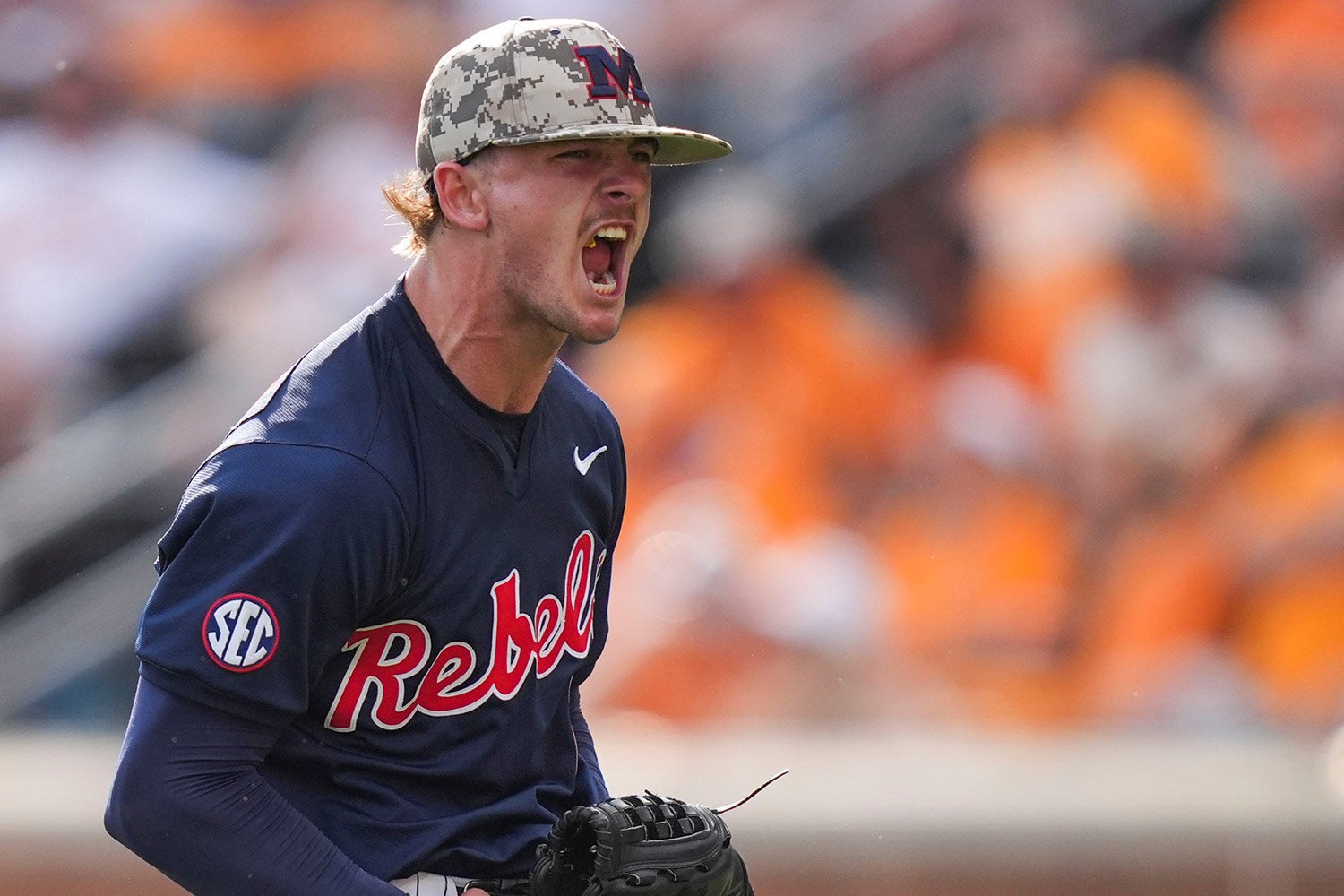 I take MLB mock draft rankings from major industry outlets like MLB Pipeline, ESPN, The Athletic (and many others) to form a consensus board, with a working hypothesis that using this approach will eliminate some of the noise and variance in MLB Draft mock rankings. This is the final mock draft board, locked in just before the 2026 MLB Draft on Saturday, July 11. Round 1: Cade Townsend, RHP, Ole Miss Townsend was a solid prep prospect ahead of the 2024 draft, cracking T200 and T300 lists, but made it to campus at Ole Miss. After splitting time between starting and relieving in his freshman season, he entered 2026 strictly as a starter. It was an explosive start to his season. In his first 35 innings pitched, he managed a 2.32 FIP, striking out over 32% of hitters and walking just 4.8%. Unfortunately, he left his fifth start with shoulder discomfort, missing some time on the shelf. It's an appealing fastball that sits 93-95 mph but can grab 98 mph. It has good carry and plays best at the top of the strike zone. It's supplemented by a nasty curveball, a hammer with a ton of drop that he imparts upwards of 3,000 rpms of spin onto with consistency. Rounding out Townsend's arsenal is a cutter that sits in the high 80s, a slider, and a changeup with good fade. The missed time and smaller frame might give some teams pause, but Townsend has a diverse, exciting arsenal. He managed a 4.13 FIP with a 31.9 K% and a much-improved 8 BB% in 64 IP in 2026. He should go well in July despite not pitching in the Rebs Omaha run. Round 2: Wes Mendes, LHP, Florida State Mendes pitched out of the bullpen in his freshman season at Ole' Miss before transferring to Florida State to be closer to home. He's continued to develop and improve throughout his three collegiate seasons, including as the Seminoles Friday night starter in 2026. Mendes typically works from the third base side of the rubber with a loose, efficient delivery from the left side. He doesn't have overpowering velocity, but he has a well-developed arsenal of pitches to deploy in starts. His fastball sits 92-94 mph, and has grabbed 97 mph. It plays well up in the zone thanks to solid carry. Mendez backs this up with a gyro slider with some depth and lateral tilt, in addition to a curveball with greater depth. His best secondary pitch is his changeup, which sits in the low 80s with a ton of horizontal movement. Mendes sells it well with good arm speed. It's already a plus pitch. In working as a starter, Mendes has steadily improved his repertoire, strikeout rate, and lowered his walk rate. He ended 2026 with a 3.10 FIP, a 32.6 K%, and a 6.5 BB% in 93 innings of work for the Seminoles. Free Agent Compensation Round: Ethan Wachsmann, RHP, Grandview HS, CO Wachsman is a sharp riser on the draft board this spring. A CO prep arm hailing from the same high school program as Kevin Gausman, it's a fascinating blend of size and stuff, with plenty of rawness still present. Wachsman's fastball has touched triple digits already; it'll more routinely sit in the 94-96 mph range in the middle innings. He's added a cutter that sits in the high 80s this season as a bridge to the rest of his arsenal. While the velocity is excellent, there's work to do on both the control and command of his arsenal, which are currently fringe-average. Wachsman will fire off a breaking ball that can be slurvy but exhibits good spin rates. There's a changeup that he sells well with good arm speed and velocity separation from his fastball. It'll be worth monitoring the strike-throwing if a team can pry him away from his Wake Forest commitment, but if he can round out his arsenal with better breaking pitch shapes, he'll be a tough look for hitters. Round 3: Sean Dunlap, C, Crown Point HS, IN After sustaining a broken femur in his sophomore year of high school, Tennessee commit Sean Dunlap has returned to be one of the better prep catching prospects in the class, with a chance to be a power arm/power bat if the development goes well. Hitting from the right side of the plate, Dunlap sets up deep in the batter's box is a fairly narrow base. There's quite a bit of bat waggle pre-pitch that gives way to a powerful, if slightly long swing. There's plus raw power there, for sure, with some doubts about the hit tool due to the swing and the tendency to chase. Dunlap is a tremendous athlete. He's an above-average runner with good reactions and twitch. There's a big arm there, too. While the catching needs some work, it's a profile that would transition well to either third base or a corner outfield spot. Round 4: Matt Ponatoski, SS/RHP, Archbishop Moeller HS, OH Matt Ponatoski is a two-sport high school athlete currently committed to the University of Kentucky for both baseball and football, a fact that undoubtedly clouds his draft status. On the diamond, there are plenty of skills and tools that set him up as a T100 prospect in the class. Ponatoski is a left-handed hitter who sets up with a fairly significant barrel tip in his stance. He had an unbelievable summer in 2025, putting up some of the best hitting numbers in the country with the bat, demonstrating particularly good bat-to-ball skills backed up by an excellent approach in which he walked plenty and rarely expanded the zone. While he doesn't have the explosive athleticism to stick at shortstop, Ponatoski has a double-plus arm (as you might expect from an elite quarterback). He's been over 100 mph with throws from the infield, and in the mid-90s as a right-handed arm off the mound with a big curveball to boot. He's a profile who may accelerate when focusing solely on baseball, but the split focus remains a possibility with his quarterbacking responsibilities. Curious to see the players around the Chicago Cubs' picks in the draft? Click on the button below to view the entire mock draft board! View the full article
