


DiamondCentric
-
Posts
2,631 -
Joined
-
Last visited
Never
Content Type
Profiles
Forums
Events
News
Tutorials & Help
Major League Baseball Videos
Guides & Resources
Store
Downloads
Gallery
Everything posted by DiamondCentric
-

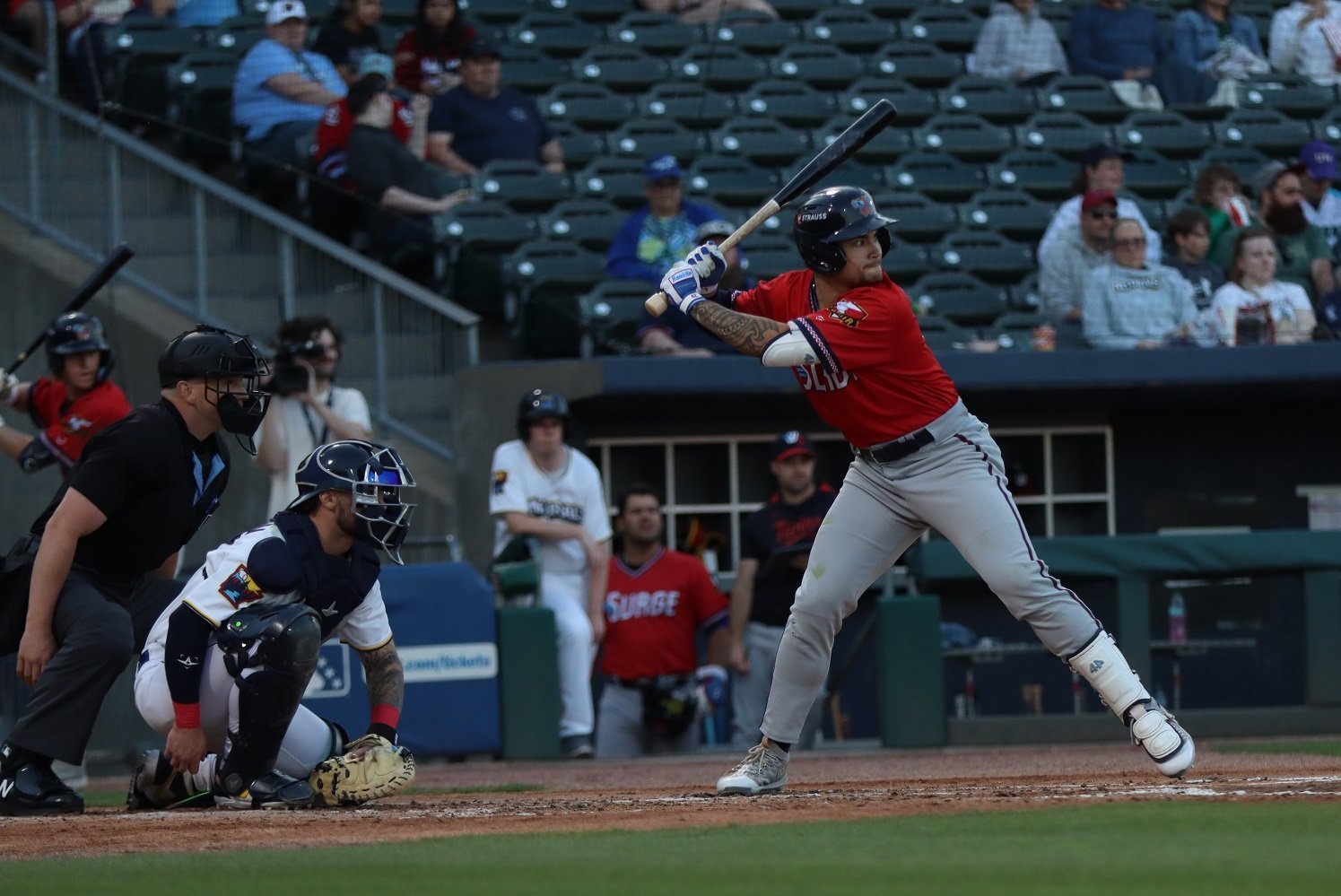 TRANSACTIONS A couple of priority 2025 non-drafted signings (meaning they were signed within a day of the conclusion of the draft) flip-flopped assignments on Friday. Ian Daugherty went from Cedar Rapids to St. Paul, and Luis Hernandez went from St. Paul to Cedar Rapids. Speaking of catchers, the Twins activated Carlos Silva from the Injured List and he was released. He received a seven-digit signing bonus from the Twins in 2021 but struggled in two seasons in the DSL and last year in the FCL A couple of utilitymen switched places on Friday too. Quinn McDaniel has been impressive since he was signed from the independent leagues about a month ago. After about a week in Fort Myers, he moved up to Cedar Rapids. After just a couple of weeks in Iowa, he’s heading to Kansas to join the Wind Surge. Miguel Briceno returns to the Kernels. RHP MItch Mueller was promoted from Fort Myers to Cedar Rapids. SAINTS SENTINEL St. Paul 10, Toledo 9 Box Score After the teams battled to a 1-0 final score on Thursday, they combined for 19 runs on 30 hits in this game. The Saints scored two in the first, second and fourth innings, and had scored three runs in the fifth. Toledo scored two in the third and three in the fifth, and had five, one-run innings. But the Saints managed to find a way to win. Matt Wallner went 2-for-4. He was hit by a pitch and added his seventh Saints home run. Henry Kusiak went 2-for-3 with his first Triple-A hit and his first Triple=A double. He also had a sacrifice fly.. Kaelen Culpepper went 3-for-4 with a walk, his 11th double, and his first triple. He stole his 15th base. Ben Ross hit his 11th double and had a walk. Aaron Sabato singled and walked. Tanner Schobel hit his 10th double while Gabriel Gonzalez hit his ninth double. Noah Cardenas walked twice. Ty Langenberg started. He gave up four runs (3 earned) on seven hits and two walks in three innings. Grant Hartwig gave up two hits but struck out two batters in a scoreless inning. John Klein gave up three runs on two hits and two walks in 2/3 of an inning. Jake Higginbotham gave up one run on two hits (1 homer) in 1 1/3 innings. Alejandro Hidalgo gave up a hit and issued a walk in a scoreless inning. Kody Funderburk gave up a run on three hits in his inning. He struck out two batters. Trent Baker got the save. He gave up two hits in a scoreless ninth inning. WIND SURGE WISDOM Wichita 14, Tulsa 0 Box Score This game was over pretty quickly. The Surge scored three runs in the first inning and four more in the second. After a mini-break, they scored five fifth inning runs and two more in the sixth inning. They were also helped by four Drillers errors. And frankly, it could have been much more lopsided. The Surge went 8-for-28 with runners in scoring position and left 15 runners on base. However, five pitchers combined on a five-hit, three-walk shutout, so let’s start there. Cory Lewis started and struck out seven batters in four innings. He gave up two hits and a walk. Nick Mikolajchak pitched a scoreless fifth inning. Jaylen Nowlin struck out two batters in the sixth. Darren Bowen had four strikeouts over two relief innings. Sam Ryan got the final three outs, two of them on strikeouts. It’s been a slow start for Kala’i Rosario this year. He’s spent time on the Injured List, but he appears to be heating up here in mid-June. On Friday night, he went 5-for-6 with his fourth double, ninth home run, three runs scored and four RBI. He also stole his eighth base. Caleb Roberts went 3-for-5 with two stolen bases and four runs scored. Cody Morissette went 2-for-5 with two walks and four runs scored. He hit his first double. Billy Amick went 2-for-5 with his seventh doubles, his 15th home run, and four RBI. Poncho Ruiz and Maddux Houghton each had a single and walked twice. KERNELS CHRONICLE Cedar Rapids 4, Lansing 8 Box Score The Kernels fell behind early, and the Lugnuts just kept adding on. They scored in the first three innings, four of the first five innings, and five of the first seven innings. The Kernels scored three of their runs in the final two innings, but it wasn’t nearly enough. Cesar Lares was back on the mound on Friday night. The things that he did so well in his first Kernels start last weekend, he was unable to do in this game. After no walks in his first start, the lefty walked five batters in this one. Combined with just two hits, he gave up four runs over the first three innings. He had three strikeouts. Illustrating that key point, just 31 of Lares’s 67 pitches were strikes (46.3%). The Kernels had just six hits and three walks in the game. Marek Houston went 2-for-4 with a walk. He is now hitting .311. Brandon Winkour had the lone extra base hit, a fourth-inning solo home run that put the team on the scoreboard. Cole Peschl came to the mound for the next three innings. He gave up two unearned runs on two hits and a walk. Nolan Santos was charged with two runs on two hits and a walk in the seventh inning. Nick Trabacchi gave up two hits and walked a batter, but no runs crossed the plate in his inning. Jacob McCombs had a single and a walk. Harry Genth went 0-for-2 but walked and, of course, he was hit by a pitch. MIGHTY MATTERS Game 1: Ft. Myers 5, Dunedin 10 Box Score The Mussels opponent this week is the Dunedin Blue Jays, Low-A affiliate of the Toronto Blue Jays. Check out Jays Centre for much more on the Blue Jays organization. Four players who were key in this game are among the Jays Centre Top 20 Prospects. If you’re interested in checking out our other DiamondCentric team sites, click here. And if you’re interested in writing at one or more of them, let us know. This game resumed in the fifth inning on Thursday because of weather. As a reminder, Justin Mitrovich has been fantastic and was again on Thursday night. In 4 1/3 scoreless innings, he gave up four hits, walked one and had four strikeouts. He also hit a batter. His ERA has dropped to 0.72. When the game was delayed, he left a runner on first base. The run scored on Friday, so Mitrovich was charged with one run. The Mussels lone run on Thursday came on a sacrifice fly by Graham Brown. When the game resumed, Jonathan Stevens came in. He gave up two hits over 2 1/3 scoreless innings. He had two strikeouts. Michael McKenna came on and got the final out of the seventh inning. Extra innings began in the eighth inning with a 1-1 game. McKenna allowed the Manfred Man to score in the top of the innings. In the bottom of the eighth Irvin Nunez began the eighth as the Mussels’ Manfred Man. Dameury Pena moved him to third base with a ground out to second base. Enrique Jimenez walked. Byron Chourio pinch-ran for him and stole second base. Ramiro Dominguez followed with a long home run to give his team the 4-2 walk off win. Dominguez went 2-for-4 with his first double and sixth home run. He had two of the team’s three hits, and three of their four RBI. Jimenez was 1-for-2 with two walks. Game 2: Ft. Myers 4, Dunedin 3 Box Score The regularly scheduled game became a seven-inning game as well. Luis Fragoza got the offense started in the second innings with his fifth home run. Kolten Smith started and gave up three runs in the top of the third. He gave up three runs on three hits and three walks in 3 2/3 innings overall. He managed five strikeouts as well. Jake Murray got the final out of the fourth inning and pitched a scoreless fifth. Dylan Questad struck out two batters in a scoreless inning. Michael Hiliker gave up two hits and a walk in the bottom of the seventh but kept the Blue Jays off the board to earn the save. With Ryan Sprock on first base in the bottom of the third, Alan Roden hit his first home run with the Mussels to tie the game at 3-3. In the bottom of the fifth innings, Murphy Hernandez led off with a single. With one out, Roden walked. Hernandez stole third base and scored on an Enrique Jimenez sacrifice fly. The Mussels had just six hits and two walks. Roden had a walk to go with his home run. Jimenez walked to go with his sacrifice fly. COMPLEX CHRONICLES FCL Twins 7, FCL Red Sox 6 Box Score Down 6-0 after four innings, the Twins scored one in the sixth and then six in the seventh inning to take the surprising win. They had just three hits in the game. They were helped by 12 walks. Danny Almanzar had the lone extra base hit, his fourth double. He walked twice. Yilber Herrera had a single and two walks. Victor Leal was 0-for-1 with three walks. Yovanny Duran walked twice. Santiago Castellanos started but recorded just two outs. He gave up a run, no hits, but he walked four batters. Santiago Rojas worked the next three innings and gave up five runs on four hits and six walks. He struck out four. Carter Holjes worked the final 3 1/3 innings. He gave up no runs, one hit and one walk. He struck out two batters. PLAYERS OF THE DAY Hitter(s) of the Day Kala’i Rosario (Wichita): 5-for-6, 2B(4), HR(9), 3 R, 4 RBI Pitcher(s) of the Day Cory Lewis (Wichita): 4 IP, 2 H, 0 R, 1 BB, 7 K, 60 pitches, 38 strikes (63.3%) PROSPECT SUMMARY Check out the Prospect Tracker for much more on our Twins Top 20 prospects after seeing how they did today. #2 - IF Kaelen Culpepper (St. Paul) - 3-for-4, BB, 2B(11), 3B(1), 2 R, 3 RBI, K, SB(15) (batted first, played SS) #5 - C Eduardo Tait (Cedar Rapids) - 0-for-5 (batted second, played catcher). #7 - SS Marek Houston (Cedar Rapids) - 2-for-4, BB, RBI, 2 K (batted first, played SS) #10 - OF Gabriel Gonzalez (St. Paul) - 1-for-5, 2B(9) (batted fourth, played DH) #12 - RHP Andrew Morris (Minnesota) - 1 IP, 0 H, 0 R, 0 BB, 0 K, 9 pitches, 6 strikes (66.7%) #14 - 3B/SS Quentin Young (Ft. Myers) - Game 1: 0-for-3, 3 K (batted sixth, played SS), Game 2: 0-for-3, 2 K (batted sixth, played SS) #15 - 3B/CF Brandon Winokur (Cedar Rapids) - 1-for-4, HR(8), R, RBI, 2 K (batted third, played CF #20 - 2B/SS/CF Kyle DeBarge (Wichita) - 0-for-4, BB, HBP, 2 K, 2 SB(19), batted sixth, played SS) UPCOMING PROBABLES Saturday, June 13 St. Paul @ Toledo (6:05 pm CT) - LHP Aaron Rozek (0-0, 2.77 ERA) Wichita @ Tulsa (7:00 pm CT) - RHP Preston Johnson (0-1, 5.59 ERA), Cedar Rapids @ Lansing (6:05 pm CT) - LHP Garrett Horn (0-0, 1.50 ERA) Dunedin @ Ft. Myers (5:05 pm CT) - RHP Ramiro Villanueva (0-1, 3.09 ERA) FCL Red Sox @ FCL Twins (9:00 am CT) - RHP Adrian Bohorquez (Rehab) DSL Twins @ DSL Tigers (8:00 am CT) - RHP Adrian Martinez CURRENT W-L Records Minnesota Twins: 31-39 (3rd place (of 5) in AL Central, 6.5 GB)) St. Paul Saints: 37-29 (3rd place (of 10) in IL West Division, 4.5 GB)) Wichita Wind Surge: 23-36 (5th place (of 5) in TL North Division, 16.0 GB)) Cedar Rapids Kernels: 28-32 (4th place (of 6) in MWL West Division, 9.5 GB)) Fort Myers Mighty Mussels: 35-26 (2nd place (of 6) in FSL West Division, 3.0 GB)) FCL Twins: 16-13 (2nd place (of 6) in FCL South Division, 3.0 GB)) DSL Twins: 3-5 (4th place (of 7) in DSL East Division, 3.0 GB)) Please feel free to ask questions about the teams, the rosters, and discuss today’s games, or anything else Twins minor-league related! View the full article
 -
Twins 9, Cardinals 8: Game of the Year on a Random Friday Night
DiamondCentric posted an article in Twins Daily
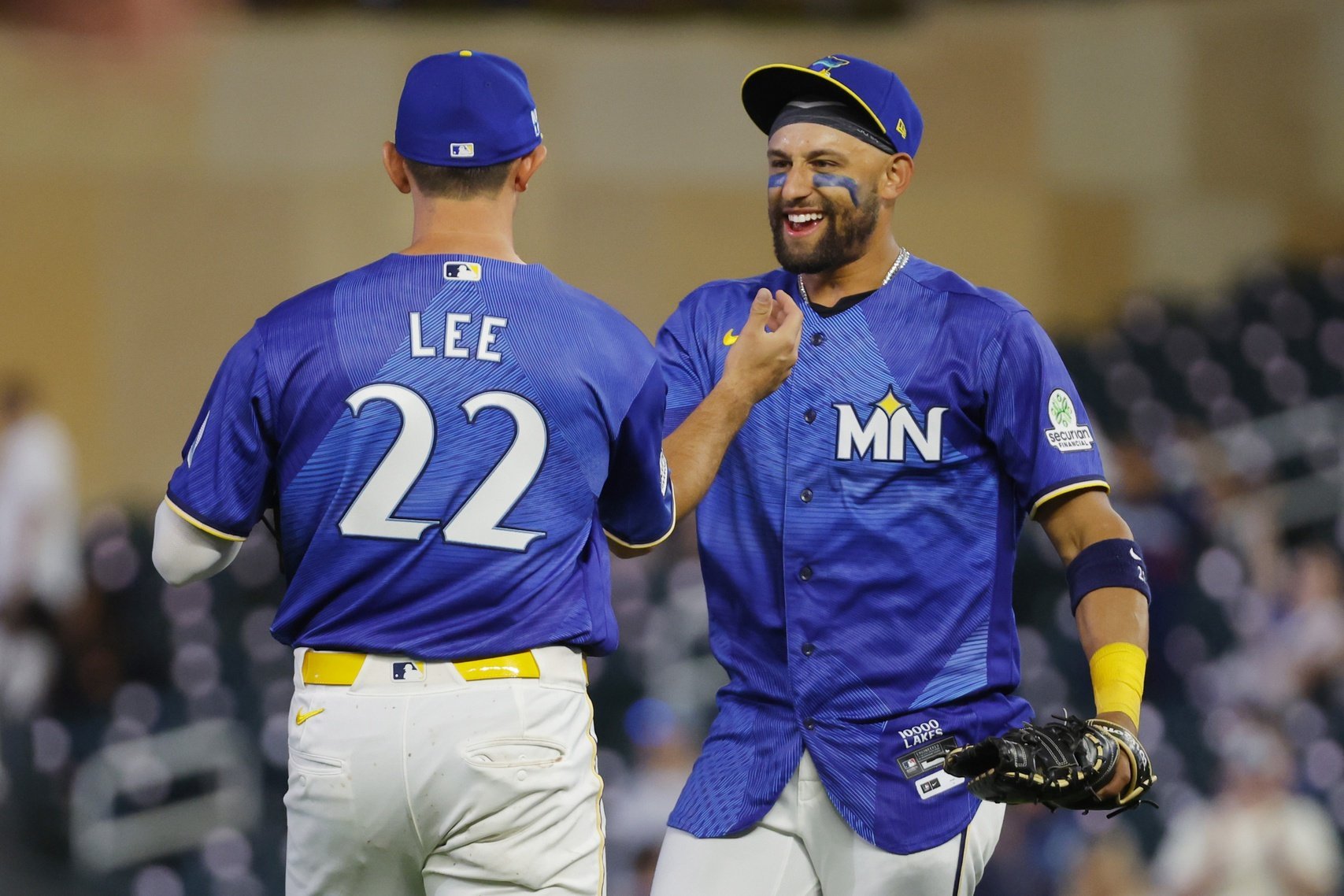 Box Score Joe Ryan: 6 IP, 6 H, 3 ER, 0 BB, 8 K Home Runs: Byron Buxton (21), Kody Clemens (10), Royce Lewis (5), Brooks Lee (11) Top 3 WPA: Kody Clemens (.410), Royce Lewis (.320), Byron Buxton (.200) Win Probability Chart (via FanGraphs) 1987. Michael Jackson returned from the biggest album ever with Bad. Guns N’ Roses debuted with Appetite for Destruction. The highest grossing film was… Three Men and a Baby? Ok. The music zeitgeist was clearly more stimulated than the film one. And in the midst—amongst the dramatic, modernic turns subtle in a decade often revered for its eccentricities—the Minnesota Twins defeated the St. Louis Cardinals to claim their first World Series victory since moving to the state in 1961. Oh, and Prince released Sign O’ The Times. Man, were the movie-makers even trying this year? Back to the present. Though the men on the field laboring, working, fighting for their respective organizations were not alive during that critical World Series, they survive as living monuments to the legacy of that sequence of games. Joe Ryan took the mound. The ace of the Twins. Anointed and donning the lake-blue attire too reminiscent of a soccer kit for its own good. The maestro with fastball adroit and dangerous staggered out of the gate, perhaps in pre-anticipation of the rain delay soon to befall the game: he surrendered a truly gargantuan home run to Alec Burleson before returning to labor through a single-centric second inning. Two runs scored. The newly-minted 30-year-old appeared perplexed. Fortunately, he was not alone in his fight. Byron Buxton remained in a flow state. He found a first-pitch outside slider to his liking and blasted the offering deep to center, depositing the ball amongst where there once was shrubbery, but now only rests a tame and ordinary grass, and a green batters-eye wall. The run, while mighty, was merely a lone scratch for the Twins. A single etch. Their only blood drawn against starter Kyle Leahy as the innings blurred into each other, and as the rain—later to be an intermittent nuisance—delayed the game for some time. Rather than muddy the quagmire at hand, the weather evidently cleansed the Twins of whatever nagging ailment rendered them mediocre. Royce Lewis singled to start the fifth, and Victor Caratini slugged a double into right-center to send his teammate to third. A Brooks Lee flyball was a tad too short in Lewis’ estimation, but a Tristan Gray infield single one batter later did the deed instead. Though only one run, the effort pushed Minnesota’s offense even further in the sixth, as a Buxton double begat a Josh Bell double thudded off the jutted wall in right field, tying the game until Lewis broke his team into the lead with a sacrifice fly. Given the lead for the first time, the Twins found themselves unsure what to do with themselves, and so given the choice, they reverted back to their standard operating procedure: they squandered it. Taylor Rogers and Eric Orze danced around the conclusion, seeming for a moment to only allow the game to be tied again, before finalizing the sudden direness of matters when Jordan Walker cleared the bases with a solidly-stroked double down the left-field line. A fraught day for pitchers indeed. Sullen-eyed and lethargic, any hurler who trudged to the mound looked; knowing their fate and the swollen ERAs that will soon follow with their entrance into the game. A rank curse. To see so clearly what awaits one yet to be helpless to stop the terribleness. At least they have a pile of money to cry into. Gordon Graceffo and Ryne Stanek were the next two pitchers to find this out; the prior for walking two batters; the latter for hanging a splitter that Kody Clemens swatted into the right-field seats for a game-tying three-run homer. The Cardinals scored again in the eighth but did you think that would mean anything? What with how this game has gone? Have you paid any attention? Were you actually watching? The tenor of the moment and the shifts of the night spoke to a predictable outcome: a mammoth Lewis homer to tie the game. Though perhaps surprising was Brooks Lee’s go-ahead blast just two batters later. Somehow, that proved enough: Andrew Morris entered to lock down the game in the ninth and did exactly that, exterminating the St. Louis threat with shocking efficiency to quietly end what had been a chaotic and unruly game. All hail the over-the-top hurling righty from Texas Tech for taming this crazed beast, Notes: Post-Game Interview: What’s Next? The Twins and Cardinals match up once for what may be a normal game of baseball on Saturday with first pitch coming at 1:10 PM. Connor Prielipp will start opposite Matthew Liberatore. Bullpen Usage Spreadsheet MON TUE WED THU FRI TOT Paredes 0 0 58 0 0 58 Rogers 0 17 14 0 22 53 Morris 0 0 39 0 9 48 Laweryson 0 12 0 32 0 44 Gómez 0 0 27 0 15 42 Orze 0 23 0 0 16 39 Banda 0 0 30 0 9 39 Adams 0 0 31 0 0 31 Lawrence 0 26 0 0 0 26 View the full article
 -
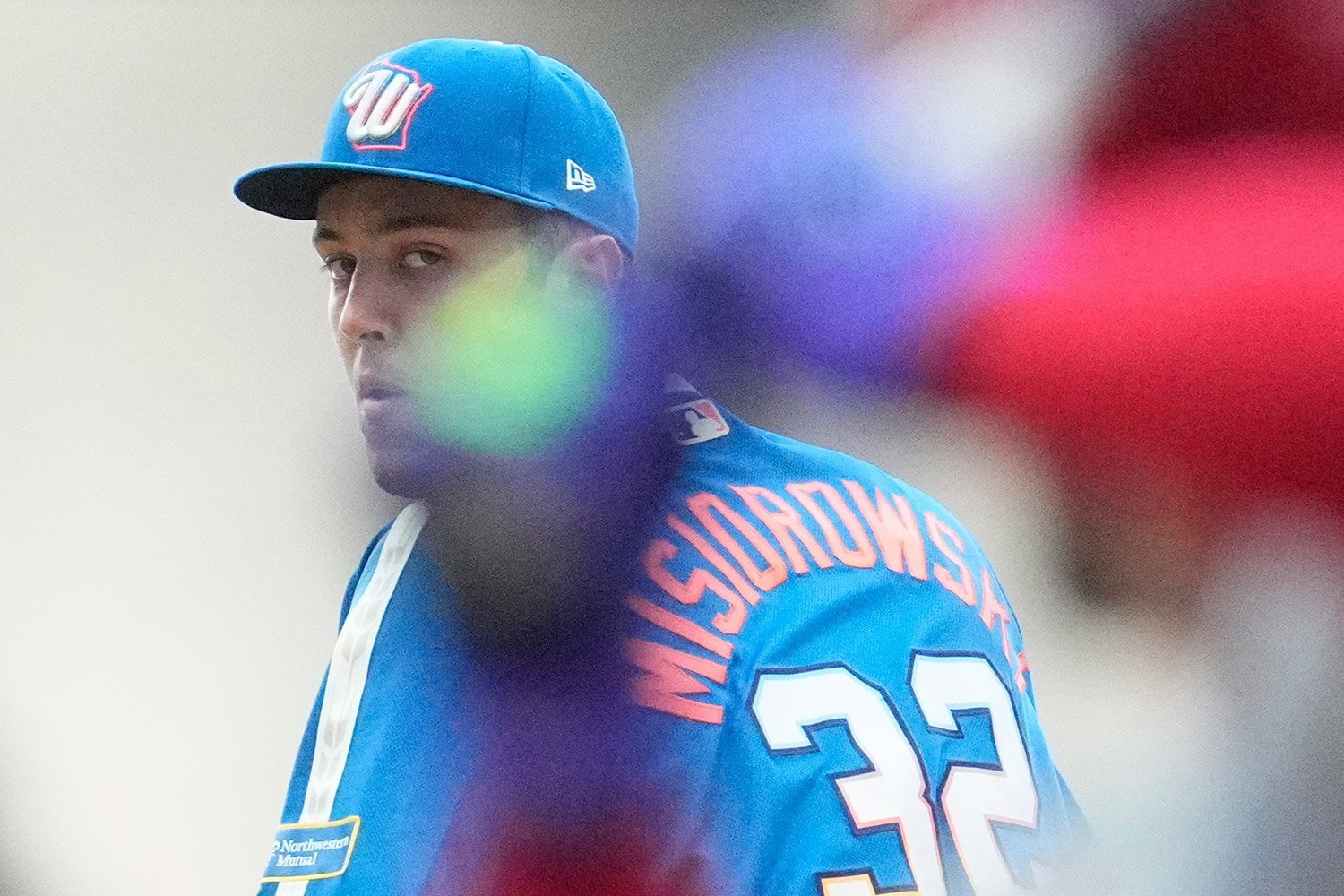 Jacob Misiorowski delivered one of the most dominant pitching performances in Brewers history on Friday night at American Family Field, throwing a complete game shutout against the Philadelphia Phillies in a 6-0 Milwaukee victory. Misiorowski retired all 27 batters on 95 pitches, allowing just one hit, a single, while striking out 15 and walking nobody. Offensively, Jake Bauers drove in three runs with his 13th home run of the season, a line drive to left-center field 391 feet, and Joey Ortiz went 2-for-4 with a double. William Contreras' RBI double in the first inning opened the scoring, and the Brewers tacked on five more over the next five innings to back Misiorowski with all the support he needed. Here are the five biggest strikeouts of the game for Miz: 5. Misiorowski Strikes Out Marsh on a Fastball (+2.40 Win Expectancy) Brandon Marsh led off the top of the second inning with Milwaukee ahead 1-0, bases empty, and nobody out. Misiorowski opened the at-bat with a 102 mph four-seam fastball for a swinging strike, then threw an 89 mph curveball that Marsh fouled off to fall to 0-2. The third pitch — another four-seam fastball at 103.1 mph — produced a swinging third strike. 4. Misiorowski Strikes Out Rincones Jr. on a Fastball (+2.40 Win Expectancy) Gabriel Rincones Jr. led off the third inning with Milwaukee leading 2-0, nobody on, and nobody out. Misiorowski got ahead with a 101.9 mph four-seam fastball that Rincones fouled off, then threw a 97.6 mph cutter for another foul to go to 0-2. The strikeout pitch was a 103.0 mph four-seam fastball that Rincones swung through. The at-bat moved Milwaukee's win probability from 71.2% to 73.6%, keeping the Phillies scoreless to open the third. 3. Misiorowski Strikes Out Marsh for His 10th Strikeout (+2.90 Win Expectancy) Brandon Marsh led off the top of the fifth with Milwaukee holding a 2-0 lead. It was Marsh's second plate appearance against Misiorowski, who had struck him out on three pitches in the second. This time Marsh extended the at-bat to four pitches: a 99.9 mph fastball swung through for strike one, a 91.2 mph changeup fouled off for strike two, a 100.5 mph fastball missed for ball one, then a 101.0 mph fastball for the strikeout. 2. Misiorowski Strikes Out Turner with a Runner On (+4.20 Win Expectancy) With Kyle Schwarber having singled to lead off the fourth inning, Misiorowski faced Trea Turner with nobody out and the runner at first. A hit here could have brought the Phillies within a run and changed the trajectory of the game. Misiorowski attacked immediately: a 97.3 mph cutter that was fouled off, then a 101.8 four-seamer to go 0-2, then a 100.4 mph fastball that Turner swung through for strike three. 1. Harper Grounds into Double Play on a Cutter (+6.00 Win Expectancy) With Schwarber still at first and one out, Misiorowski faced Bryce Harper in the only inning of the night that produced a scoring threat. Misiorowski opened with a 100.4 mph fastball called for a strike, then missed with a 95.6 mph cutter and a 100.3 mph fastball to run the count to 2-1. The fourth pitch was a 95.9 mph cutter that Harper hit at 103.0 mph off the bat back toward second base. Brice Turang fielded it, flipped to Joey Ortiz at second, and the throw to first completed the inning-ending double play. The Brewers and Phillies continue their three-game series at American Family Field on Saturday, June 13, with first pitch scheduled for 6:10 p.m. CT. Shane Drohan (3-1, 3.11 ERA) is expected to start for Milwaukee against Philadelphia's Aaron Nola (3-4, 5.86 ERA). View the full article
 -
 When asked what the New York Mets needed to improve upon this past offseason, president of baseball operations David Stearns said the same two words over and over again: run prevention. Little did he know that the moves he made prevented runs scored for his own team. Stearns' first move of the offseason came out of left field. as franchise favorite Brandon Nimmo was traded to the Texas Rangers for veteran Marcus Semien. The Mets saw second base as more of a need than the outfield and with hindsight, Carson Benge is proving them right. However, that does not mean Semien has been good. The veteran infielder was brought over for his Gold Glove defense, but Semien is currently the second worst defensive second basemen per outs above average. Combined with a measly 13th percentile defensive run value, he is certainly not what the Mets envisioned him to be. And, really, that move was a precursor to the entire offseason. You say that Stearns uses the Mets payroll in a rather unorthodox way; certain signings have made even the most diehard fans very spectacle to say the least. The Mets first major signing after losing franchise legends Brandon Nimmo, Edwin Diaz and Pete Alonso in consecutive days was the signing of Jorge Polanco. Polanco, who turns 33 this year, is a career second basemen and with mostly every other first base option available to the Mets -- including Munetaka Murakami, Cody Bellinger, Josh Naylor, Luis Arraez, Ryan O’Hearn and Willson Contreras -- the signing was a head-scratcher. The Mets also had prospect Ryan Clifford available for a potential call up. Nonetheless, the Mets committed 40 million dollars to Polanco over two years, and so far it has not panned out the way Stearns hoped. The 13-year veteran has had troubles staying on the field in the past and this season is no different. Polanco has only appeared in 14 games so far due to left Achilles bursitis and a right wrist contusion. In those games, he slashed .179/.246/.286. The best ability is availability, and Polanco has not shown that yet this season, especially since his long awaited rehab assignment was shut down due to ankle soreness. So far in his tenure with the Mets, Stearns has not been deterred by injury history and most of the time it does not go his way. That has been the story of Luis Robert Jr.'s season as well. Like Polanco, Robert has struggled staying on the field in his career with lower body injuries, only managing one fully healthy season. With Carson Benge making the roster on opening day and A.J. Ewing called up shortly after, it can be asked why the trade for Robert needed to happen in the first place. If Robert returns from his lumbar spine disc herniation injury in July, its hard to nail down who he would replace. The Mets are not sitting Juan Soto or Benge, while Ewing has proven to be a quality major leaguer (MJ Melendez has been good as well this season). The real move that deserves our consternation, though, was the big splash: A three-year, $126 million deal with Bo Bichette. Bichette was moved to third base to form a star duo with Francisco Lindor on the left side of the infield, and the deal was Stearns’ dream scenario with the short-term. high-AAV setup that he loves. There’s no way it would not work out right? Wrong. Through 65 games, the Mets have yet to see the Bo Bichette who hits around .300. He's hitting just .227 with a 72 wRC+ so far this season. Although the underlying stats show that Bichette might be getting unlucky, a player can only use that excuse for so long. Juan Soto started off last season getting very unlucky and had a scorching hot June to end the discussions. Bichette has yet to show Mets fans there is light on the end of the tunnel and if there isn’t, we could be seeing one of the worst contracts in Mets history being played out in front of our eyes. There is no question that if David Stearns wants to remain with the Mets, he needs to be better at evaluating players at the major-league level. If the Mets want to be second in payroll to the Dodgers year after year, fans expect a team that looks like the Dodgers, not a team that is firmly in last place in the NL East. View the full article
 -
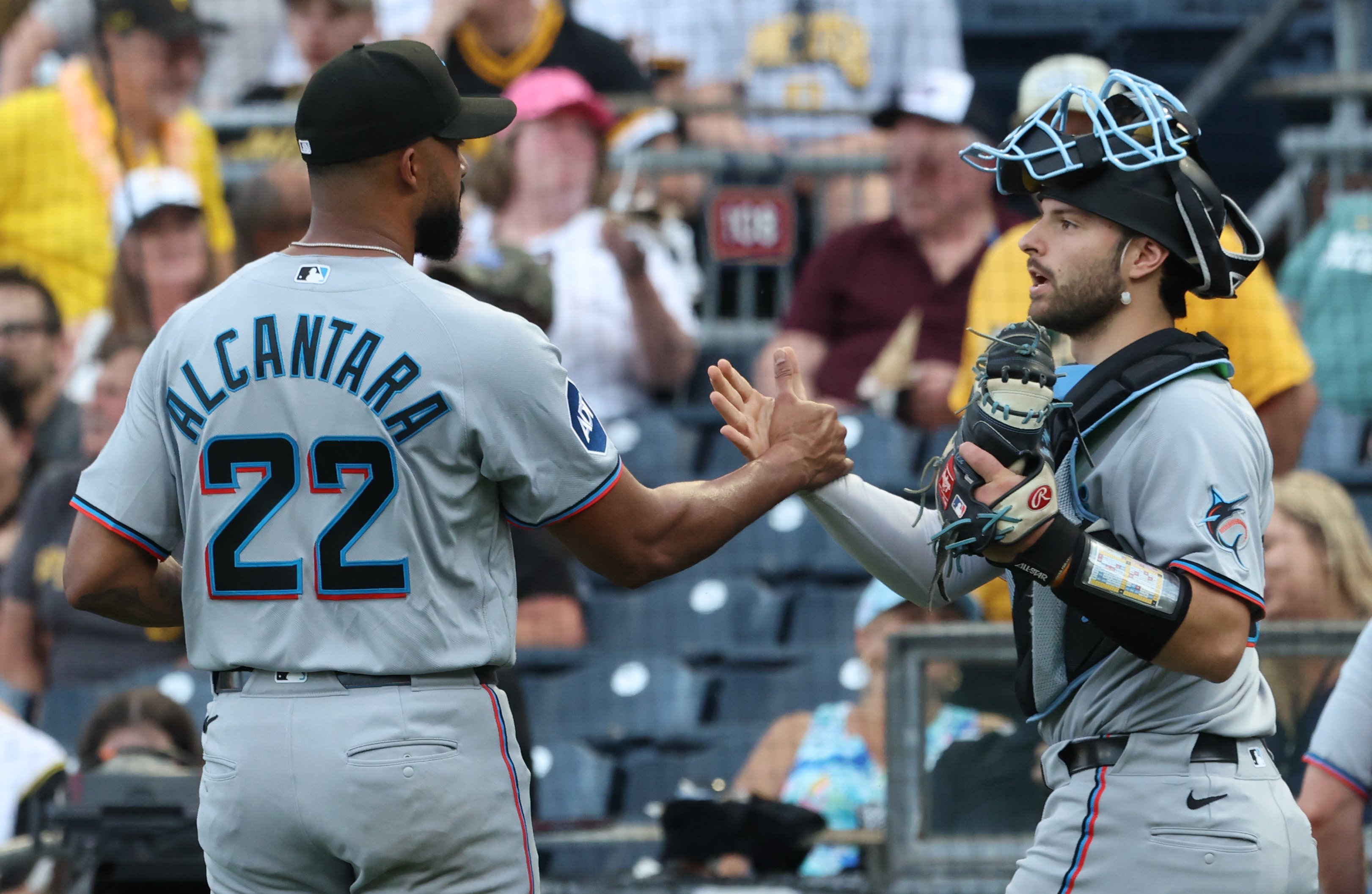 The month of June continues to bring incredible joy to Miami Marlins fans. With a 8-3 win over the Pittsburgh Pirates on Friday, the Marlins are winners of nine out of their last 10 games since the calendar flipped. This latest victory also featured a major milestone for Sandy Alcantara, who surpassed 1,000 strikeouts in his MLB career. Entering his start, Alcantara was five strikeouts away from 1,000. In the bottom of the fourth inning, he struck out Pirates rookie Tyler Callihan looking with his sweeper. The right-hander finished his night going eight innings, allowing three runs on five hits (two home runs) with one walk and seven strikeouts. Alcantara was one of four players acquired by the Marlins in the 2017 trade that sent Marcell Ozuna to the St. Louis Cardinals. He won the NL Cy Young Award in unanimous fashion in 2022 and has made it to two All-Star games. There has been some adversity, including Tommy John surgery in October 2023 and an extended slump to begin the 2025 season, but Alcantara has since gotten back to be an extremely valuable workhorse for the Fish. Alcantara's first 10 strikeouts were recorded as a member of the Cardinals. His Marlins total of 991 trails only Ricky Nolasco (1,001). Expect Alcantara to take over that franchise record by the end of this month. Against a Pittsburgh team missing starting shortstop Konnor Griffin and center fielder Oneil Cruz due to injuries, Alcantara generated 11 total whiffs, with four of those coming on his sinker. Of his seven strikeouts, three of them came on his nasty changeup. He was his usual efficient self, averaging 12.8 pitches per inning. Alcantara has now tossed at least eight innings in 33 starts with Miami, tied with Dontrelle Willis for the most such outings by a starter in franchise history. "We've seen three in a row where he's put together some high-end performances, but really, all year long, the innings he's been able to accumulate and what that does every fifth/sixth day," McCullough said. "Going into tomorrow which is a bullpen game, for him to give us eight innings and to get another win behind him, is great. He is in a good groove right now." Alcantara has completed seven innings of more in three straight starts, surrendering three or less runs in all of them. His ERA in June is 2.86. Through 15 starts this season, he has a 4.25 ERA, 4.14 FIP, 6.57 K/9 and 2.13 BB/9 while leading Major League Baseball with 97 ⅓ innings pitched. In the bottom of the third inning, Alcantara surrendered an RBI single to Jared Triolo, giving the Pirates a 1-0 lead. The Marlins tied and took the lead in the top of the fifth inning, as Otto Lopez had an RBI groundout and Kyle Stowers drove in Liam Hicks on an RBI single. The only downside to Alcantara's night were the two home runs he allowed—one in the top of the fifth inning to Endy Rodríguez, tying the game at two, and another in the eighth inning to Brandon Lowe, making it an 8-3 game. Miami's offense exploded in the top of the seventh inning, rallying for four runs. It all started with a sacrifice fly from Xavier Edwards, bringing Liam Hicks home. Heriberto Hernández added an RBI single and Owen Caissie capped off the inning with a two-run RBI double. Hicks sealed the deal in the top of the eighth inning, hitting his team-leading 13th home run of the season off the right field foul pole. Now at 50 RBI this season, Hicks has become one of six players in baseball with 50 or more RBI this season. "Feel like the lineup has lengthened out now and we are able to mount innings from different parts of the lineup and that's a good sign," McCullough said. The Marlins' winning percentage is now back at .500 for the first time since April 24, when they had a 13-13 record. They also have baseball's longest winning streak and are just one game out of the third National League Wild Card spot. Lake Bachar will open what will be a bullpen game on Saturday at 4:05 pm. Fish On First's Nate Karzmer will have boots on ground in Pittsburgh as the Marlins aim for their fourth straight series win. View the full article
 -
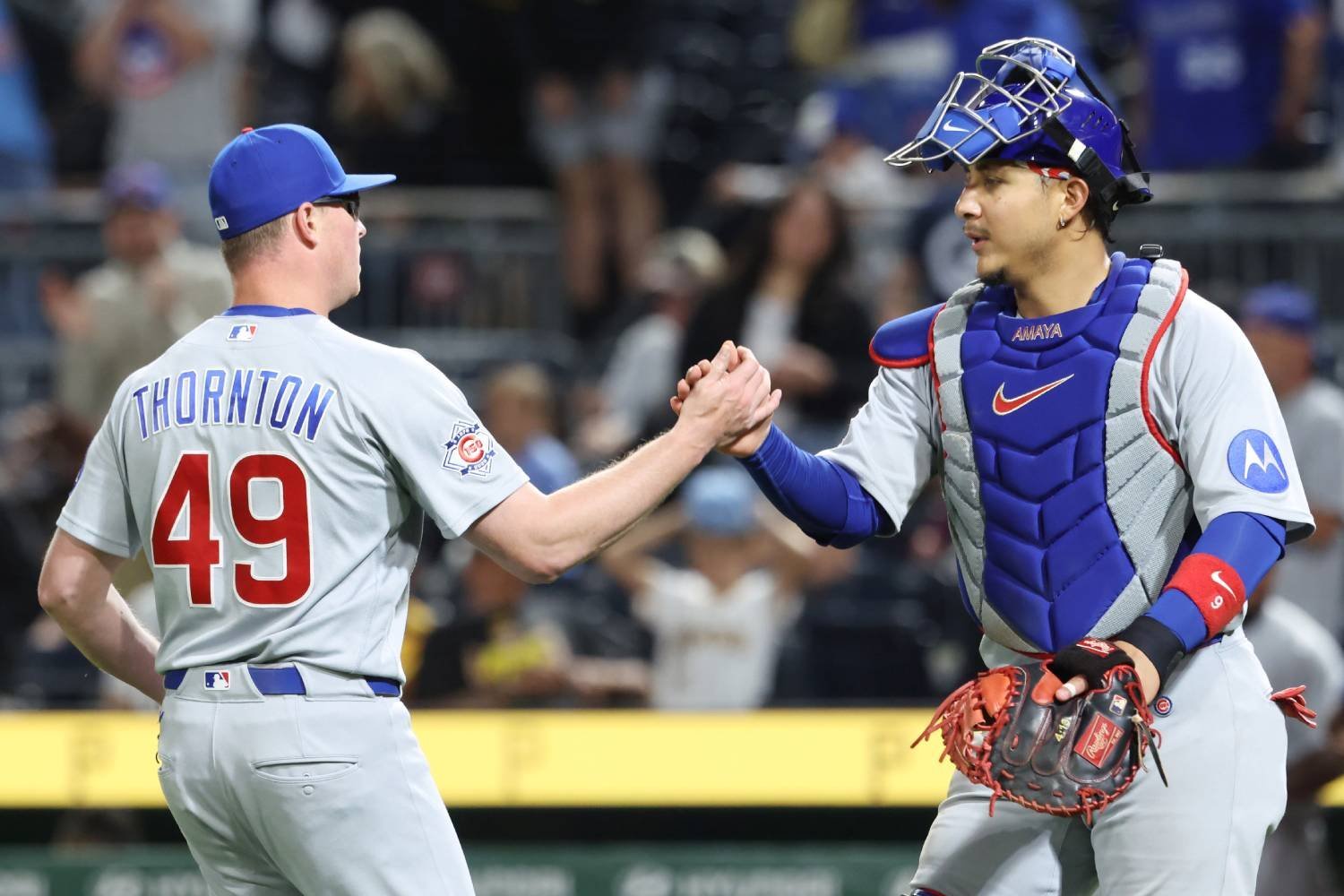 New papa Trent Thornton is back in the Chicago Cubs' bullpen. Thornton on Friday was activated from the paternity list by the Cubs, who sent down fellow right-handed reliever Tyler Ferguson to Triple-A Iowa. Thornton went on the paternity list Tuesday. Ferguson appeared in one game after being called up to replace Ferguson, going 1⅓ innings and giving up one run on three hits with no walks and three punchouts. It was his second MLB appearance this year after the May 5 game against the Philadelphia Phillies while he was a member of the A's. In that game, he gave up four runs on four hits, including two homers, with a strikeout in 1⅓ innings. He was designated for assignment by the A's the next day and traded to the Cubs the day after. View the full article
 -
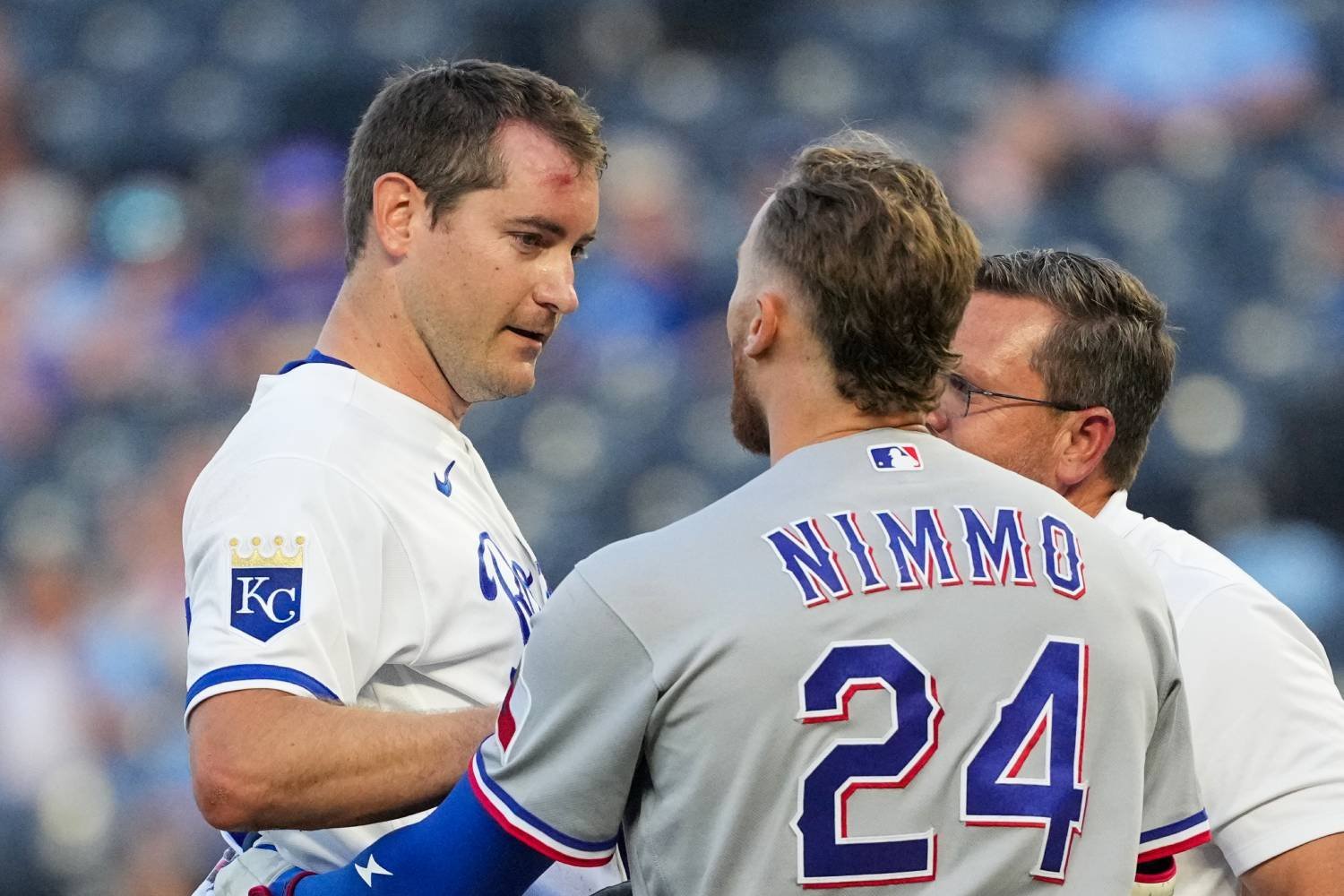 Following a scary incident the night before, Seth Lugo will be out for the next week. The Kansas City Royals on Friday placed the right-handed starter on the seven-day concussion list and promoted right-handed reliever Eli Morgan from Triple-A Omaha. Lugo took a 106.6 line drive off his forehead Thursday off the bat of good friend Brandon Nimmo of the Texas Rangers in the fourth inning of a 4-2 loss. Lugo was able to walk off the field under his own power and even joked with Nimmo about hitting the ball somewhere else next time. Lugo was left with a pretty good welt on his forehead with an indent from the seams of the baseball visible. He said he felt fine after the game, but concussions don't always present immediately. Lugo has a 3.57 FIP (3.86 ERA) in 14 starts, with a 7.5% walk rate and 19.8% strikeout rate. This is the fourth time Morgan has been recalled from Omaha. In his 13 games this season with the Royals, Morgan has a 6.29 FIP (5.51 ERA) in 16⅓ innings, posting a 9.9% walk rate and 18.5% strikeout rate. At Triple-A, he has a 1.38 ERA in 13 innings over 11 appearances, walking six and striking out 21. View the full article
 -
Brewers Put Coleman Crow On Injured List With Strained Flexor
DiamondCentric posted an article in Brewer Fanatic
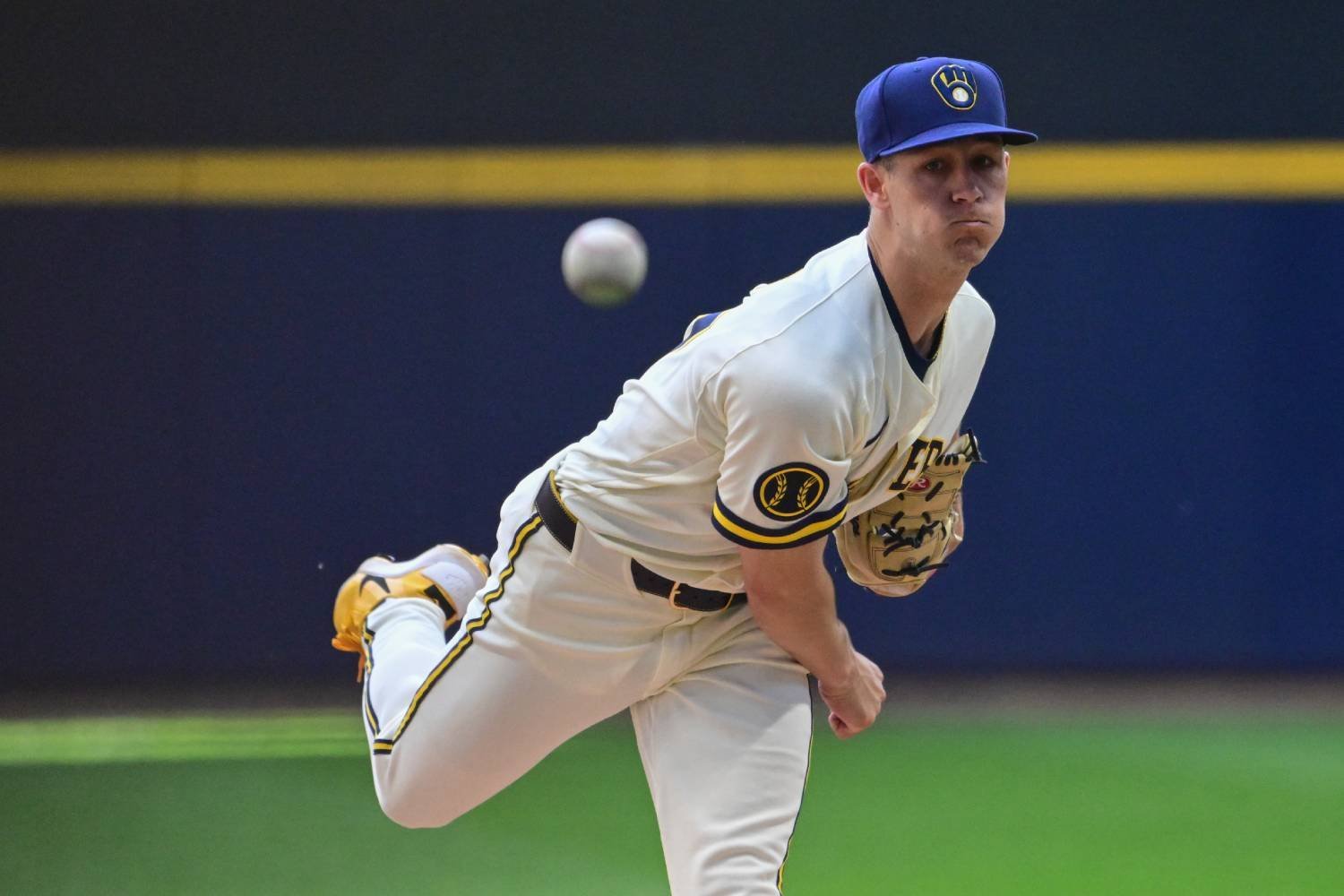 Yoho has been Yo-Yo'd. It comes at Coleman Crow's expense. The Milwaukee Brewers on Friday placed Crow, a right-handed starter, on the 15-day injured list with a strained right forearm flexor and recalled right-handed reliever Craig Yoho from Triple-A Nashville. Yoho had been optioned to Nashville on Monday to make room for recently acquired right-handed reliever Joel Kuhnel. But the bigger news is Crow. who made a two-inning relief appearance Tuesday in a 7-4 loss to the A's in Las Vegas. He allowed one hit and one walk in an otherwise clean performance after making a short start five days earlier against the San Francisco Giants. In that game, Crow lasted just 2⅓ innings, getting tagged for six runs on nine hits and two walks while fanning a pair. Crow has made five appearances this season (just the one in relief), including his MLB debut, posting a 4.55 FIP (5.30 ERA) with a 7.1% walk rate and 11.8% strikeout rate. Yoho was called up a week ago today for the road series against the Colorado Rockies and appeared in two games, giving up a solo homer and three walks while striking out five in three innings as he made his season debut with the Crew. The Brewers' rotation is set for this week, with veteran right-hander Brandon Woodruff expected to be activated off the 15-day IL for the Cleveland Guardians series. View the full article
 -
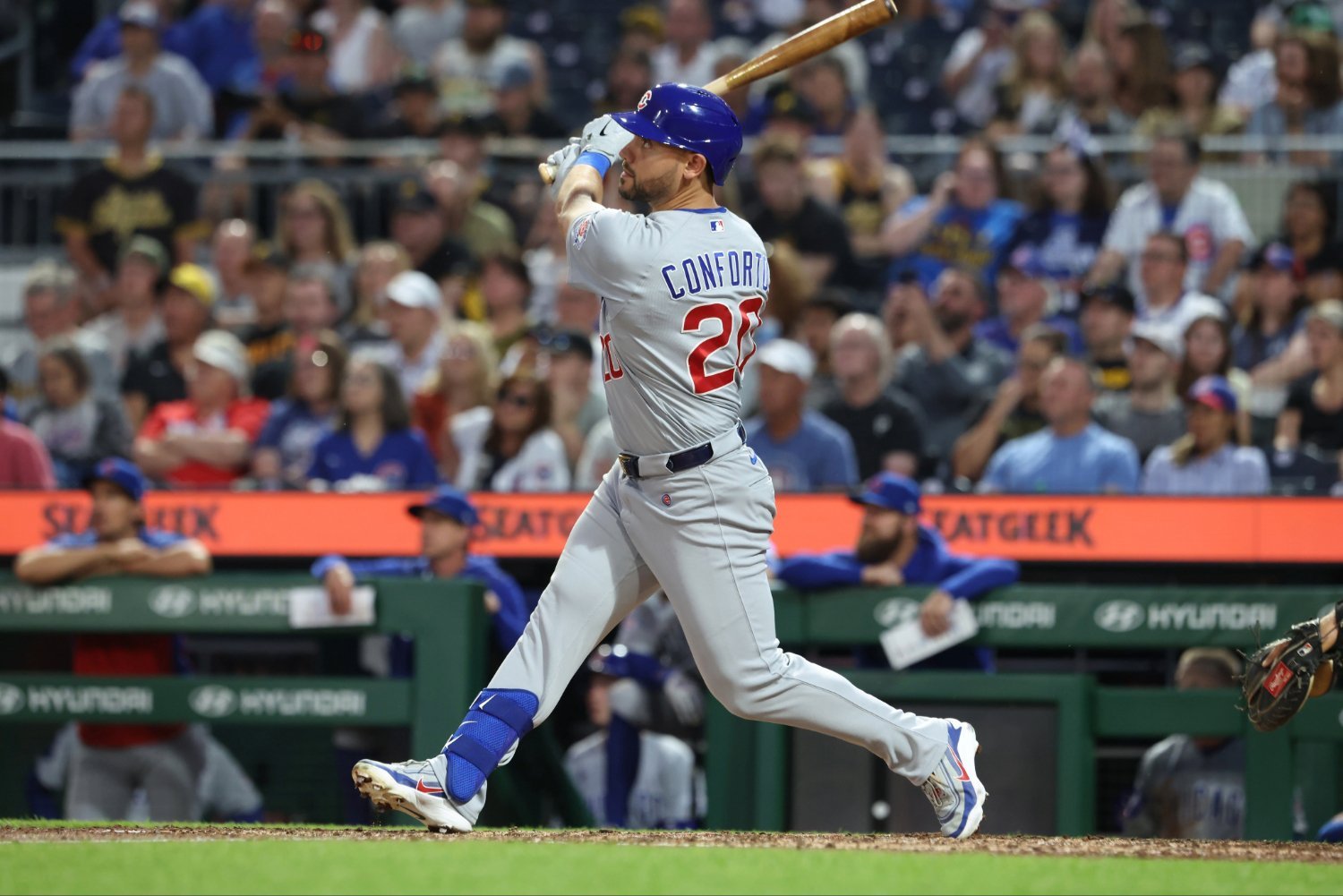 When the Chicago Cubs signed Michael Conforto to a minor-league deal late in the offseason, it was not a move met with much enthusiasm. Even as a needed left-handed bat off the bench that wasn't expected to fill a key role for the team, the fact that Conforto was coming off his worst season at the big-league level merely added him to a group of past-prime, post-hype bats to potentially fill such a role. And yet, not only did he emerge from that group with a roster spot out of camp, he found success. Across March & April, he slashed .300/.421/.433 with a 145 wRC+. What he lost in the average and on-base rate in May (.250 & .345, respectively) he compensated for in power; no Cub touched the .354 isolated power he posted in his 55 plate appearances that month. Even as the warning signs of a waning offense began to manifest, Conforto continued to provide steady value. The calendar has since flipped to June, and Conforto finds himself in a much different place and standing with the team. It's a minuscule sample thus far (16 plate appearances), but that offensive value that Conforto was providing has begun to not only decline, but evaporate altogether. For the 33-year-old, it's not so much the absence of production in a small sample; struggling at the plate is not an uncommon trend among the collective given how things have transpired for the lineup over the past few weeks. You could almost forgive him for turning in a .067/.125/.067 line with a -46 wRC+ considering that it wouldn't look entirely out of place when juxtaposed with his peers. Instead, the much larger concern lies here: Conforto's ability to make contact has plummeted. His already-modest 73 percent contact rate between the first two months of the year has fallen to just 62.5 percent in June, while his whiff rate has leapt from 28.6 percent in May to 46.9 percent here in June. His chase rate has also risen by roughly 12 percent, sitting at 35.1 percent in our current month. When the zone expands in the way that we're seeing from Conforto, the result is a player who has struck out eight times in 16 plate appearances. That's where the understanding of some struggle begins to dissolve. If Conforto was still demonstrating a quality command of the strike zone and putting balls in play, you could accept some substandard production considering that it wouldn't be unique for this group. However, losing all semblance of an approach and contact makes it a different story entirely. Considering those comprehensive struggles, it's not as if Conforto is at risk of losing his roster spot. As a key source of left-handed hitting off the bench, he'll likely be given an opportunity to straighten things out, even if Matt Shaw's return eats into some of his playing time. However, Conforto was already walking a fine line as a guy in on a minor-league pact from the start. Those type of players don't get the same type of run to learn by making mistakes. Which means that his path will be narrow and he'll have to navigate these newfound struggles within a much lower volume of playing time than a starter might. With how driven this cold snap is by a complete collapse in his plate approach, rather than any mechanical deficiency, there could be some optimism that Conforto reigns it back in. If not, his Cinderella run may already be at its end. View the full article
 -
Saints Pummel Verlander; Riley Quick Sets Career Highs
DiamondCentric posted an article in Twins Daily
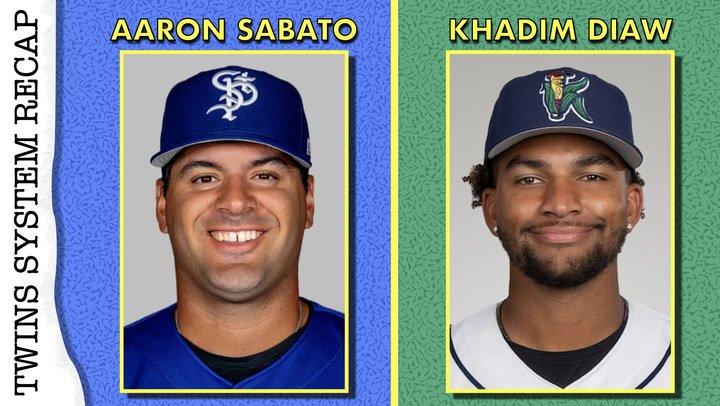 Twins System Recap: The Saints beat up Justin Verlander in a rehab outing, slugging four homers off the three-time Cy Young Award winner. Aaron Sabato continues to bring the thump for St. Paul, along with Kyler Fedko and Gabriel Gonzalez. Also this week, Khadim Diaw continued his hot streak, and fellow Kernel Riley Quick set career single-game highs in innings and strikeouts. View the full article
 -
 You can listen by downloading us from: iTunes, Spotify, YouTube, iHeartRadio, Stitcher, GleemanAndTheGeek.com, or by clicking this link, or by watching/listening below. View the full article
 -
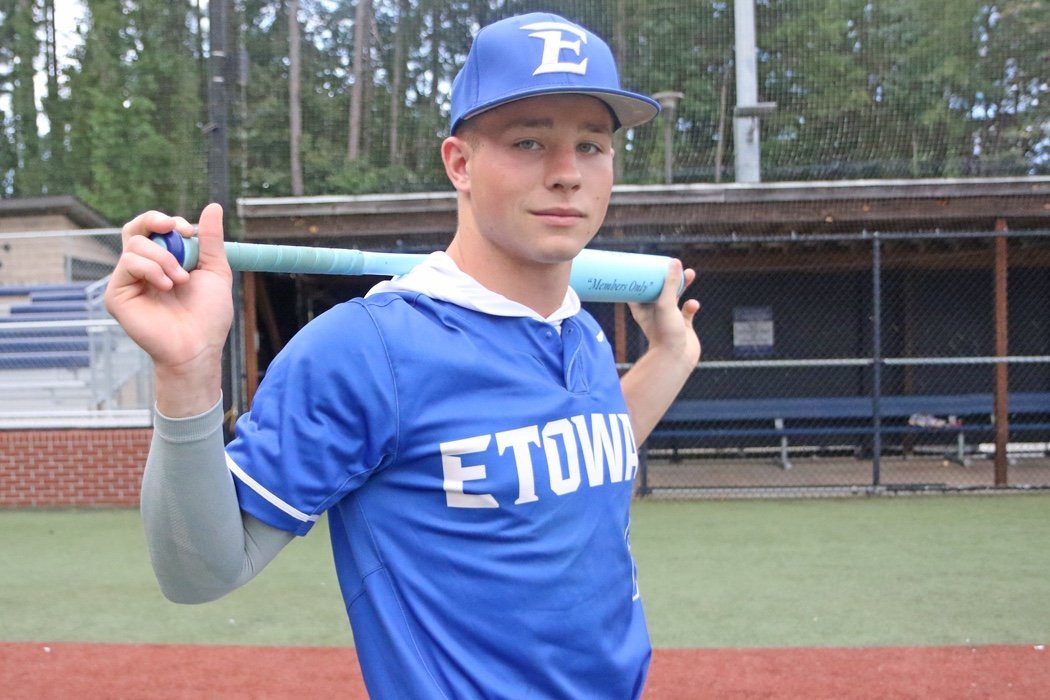 Leading up to the 2026 MLB Draft, Fish On First brings you a series of scouting reports on top prospects in this draft class who could realistically wind up in Miami. Overview Position: OF Height: 5’11″ Weight: 175 pounds School: Etowah HS (GA) Commitment: Tennessee Trevor Condon is a 5’11”, 175-pound outfielder who plays at Etowah High School in Woodstock, Georgia. Condon is one of the top prep prospects in the 2026 MLB Draft class. He’s also considered one of the most athletic prospects in this draft class. Condon has already signed to play college baseball for the Tennessee Volunteers. Condon has one of the best hit tools in this draft class. He has an advanced approach at the plate with excellent swing mechanics to drive the ball to all fields. While he doesn’t have game power, Condon does have good bat speed and raw power that give him a promising foundation. He should be able to add more power to his game once he starts to fill in his frame. Condon was named Georgia’s Gatorade Baseball Player of the Year. He batted .504 with 17 doubles, nine homers, 42 RBI, and stole 15 bases. Defensively, Condon is one of the best outfielders in the 2026 class. He projects to play center field at the next level. He’s one of the fastest prospects in the draft. Condon tracks balls very well in the outfield and has above-average arm strength. Strengths 70-grade speed 60-grade hit tool Plus defensive center fielder Plus arm strength Good bat speed Advanced approach Weaknesses Punches the ball on the ground often Needs to tap into his raw power in games Pro Comparison: Drew Gilbert Projection: Top 25 pick Bottom Line Trevor Condon has four plus (or better) tools and could become a five-tool player with some development. On Perfect Game, Condon is the 21st-ranked prospect and the fourth-ranked outfielder in the Class of 2026. He’s also the second-ranked prospect and the #1 outfielder out of the Peach State. On ESPN, Condon is the thirteenth-ranked prospect and the fifth-ranked high school prospect. Condon is the 20th-ranked draft prospect on Baseball America and the 22nd-ranked draft prospect on MLB Pipeline. The Marlins will have the 14th overall pick in the 2026 MLB Draft and should be able to grab one of the top prospects in this draft class. Condon could be a strong option for the Fish with their first selection because of how high his ceiling is. More 2026 MLB draft profiles RHP Cade Townsend OF Drew Burress LHP Gio Rojas RHP Cameron Flukey OF Eric Booth Jr. 3B Ace Reese LHP Carson Bolemon RHP Jackson Flora INF Jacob Lombard OF AJ Gracia View the full article
 -
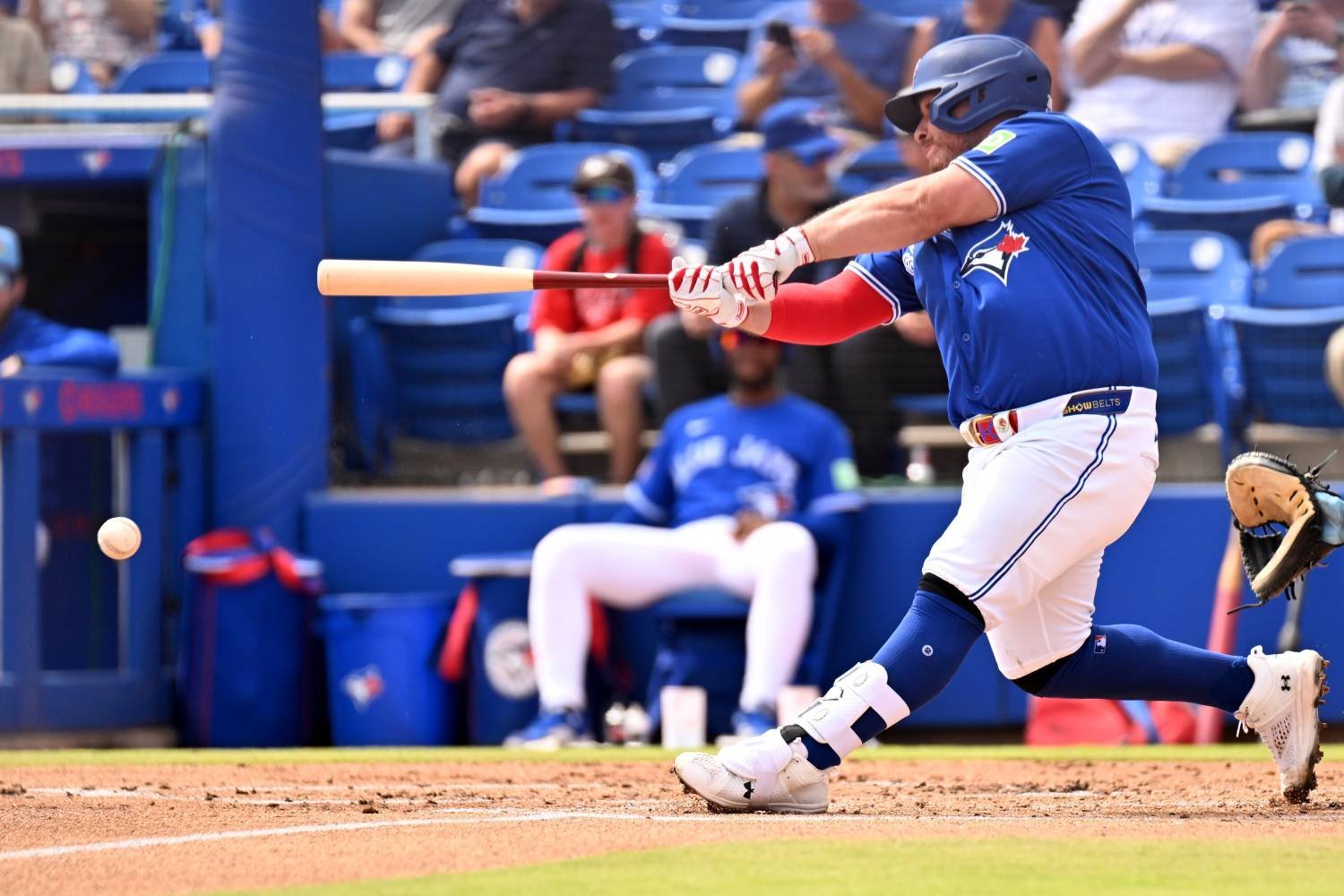 The Captain is back, but the center fielder is down for a bit. In a busy day of transactions, catcher Alejandro Kirk was activated from the 10-day injured list and center fielder Daulton Varsho went on the 10-day IL with left wrist inflammation. Catcher Tyler Heineman was designated for assignment to make room for Kirk on the 26-man roster, while outfielder Davis Schneider was called up from Triple-A Buffalo. Also, right-hander Yariel Rodriguez cleared waivers after being DFA'd and was outrighted to Triple-A, while right-handed reliever Yimi Garcia had his rehab assignment moved to Buffalo. Kirk has been out since April 4 with a fractured left thumb. He played six games in the minors on a rehab assignment before returning. Heineman was a casualty due to the play of rookie catcher Brandon Valenzuela, who has slashed .252/.333/.457 with seven homers and 18 RBIS in 46 games since making his MLB debut this season. He was acquired from the San Diego Padres at the trade deadline for infielder Will Wagner. Heineman, meanwhile, had a .154/.205/.205 slash line with a homer and six RBIs in 33 games. Varsho had hoped to avoid going on the IL and took batting practice before Wednesday's game, but obviously was not ready to play in a game. Varsho, a terrific defender, has a slash line of .256/.331/.408, including five homers and 17 RBIs in 64 games. Schneider was demoted due to struggling on offense with a .127/.295/.211 slash line in 38 games. He hasn't been much better in 14 games at Buffalo, where he has slashed .188/.550/.219. Rodriguez was DFA'd Monday and was not claimed, not surprising considering he is owed the prorated portion of his $7 million salary this year and $14 million more the next two. Garcia is close to returning, perhaps needing only one or two appearances at Triple-A before being activated. He has been out since spring training last year after having surgery on his right ulnar nerve and right AC joint. View the full article
 -
Bryce Johnson DFA'd By Padres As Xander Bogaerts Returns
DiamondCentric posted an article in Padres Mission
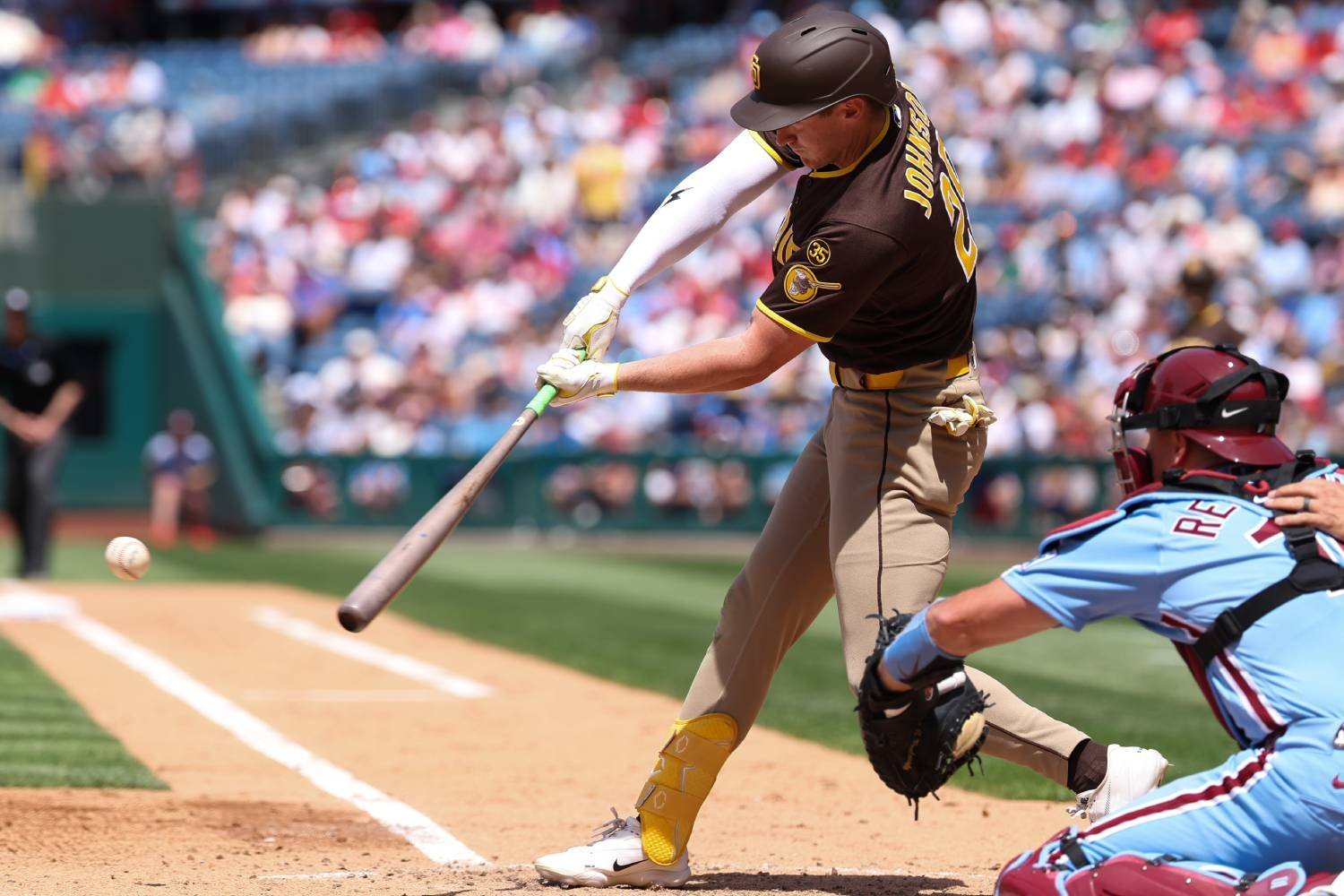 The San Diego Padres are riding with the new guys. Shortstop Xander Bogaerts was activated from the paternity list Friday, with a surprising counter-move: outfielder Bryce Johnson was designated for assignment. The Padres begin a nine-game road trip Friday with three games against the Baltimore Orioles. It would have seemed routine had the Padres sent infielder Will Wagner, the son of Hall of Famer Billy Wagner, back to Triple-A El Paso after he was called up Tuesday to replace Bogaerts, whose wife gave birth to the couple's third child. Two other choices might have even made sense with outfielder-infielder Samad Taylor or outfielder Jase Bowen, both recent call-ups. Instead, it was Johnson, the switch-hitting outfielder who was DFA'd after posting a .178/.229/.222 slash line with no homers and two RBIs in 32 games. The play of Taylor and Bowen, a pair of energy guys, has been solid thus far, in particular some noteworthy contributions by Taylor. Johnson, a good defender who can play any outfield spot, is the second player from the Opening Day roster who has been DFA'd, joining outfielder Nick Castellanos. There is a chance that if Johnson goes unclaimed, he could return to Triple-A. View the full article
 -
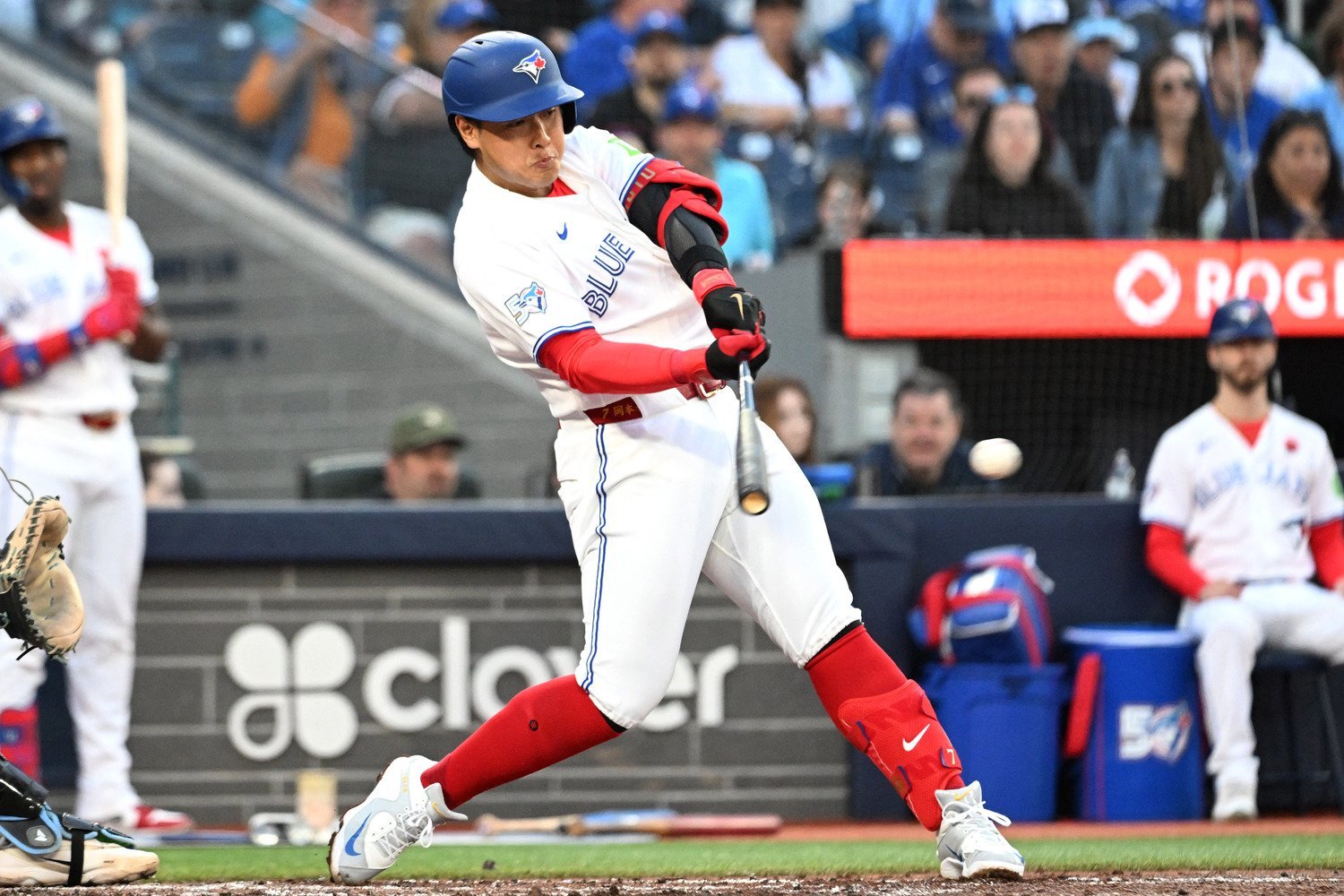 Have you ever wondered which pitchers actually get the biggest whiffs? What it actually means when we say a hitter’s timing is off? If a batter is getting tied up or flailing? Statcast and Baseball Savant have given baseball nerds like us the ability to quantify all that, and so much more, with the recent release of swing timing and miss distance numbers. Mike Petriello provided an in-depth breakdown of the new metrics and did a great job contextualizing what they actually mean in his article for MLB.com. I’d encourage you to check out Petriello’s article and play around with the new leaderboards for yourself, but first, stick with me here as I put a Toronto Blue Jays lens on the brand new swing and miss distance and timing metrics. There’s a lot of fun to be had in looking at outlier individual events like the largest swing-and-miss distance induced. Since the middle of 2023, as far back as we have access to this stuff, Clayton Kershaw holds the all-time record with one of his patented big breaking curveballs thrown to Ronny Mauricio in June of 2025, which Mauricio missed by an astounding 57.5 inches – almost five feet! José Berríos holds the top spot among Blue Jays pitchers when it comes to the all-time biggest whiff with this June 2025 slurve that made Iván Herrera miss by 37.7 inches. It makes a lot of sense that Berríos, who at his best is throwing frisbee-like breaking balls, has the ability to create such a big whiff when you consider that the average miss distance on breakers is the largest among the three pitch groups (fastballs, offspeed, and breaking). The average whiff on a breaking ball misses by 4.7 inches compared to 3.7 inches on offspeed and just 1.3 inches on fastballs. However, if I gave you a million guesses, I doubt you’d ever guess the Blue Jay pitcher who’s induced both the second and third biggest whiffs. Unless, of course, the first name that came to your mind was journeyman reliever Trevor Richards, who spent parts of four seasons with the Jays from 2021-2024 and has finished with an ERA below four in just one of his nine big league seasons. In 2023, Richards got Giancarlo Stanton waving at a filthy 82 mph changeup in the dirt for a whiff of 35.1 inches. It still stands as the second-largest whiff from any Jays pitcher. And in 2024, he got Trey Cabbage to miss by 32.9 inches on a similar, 80 mph changeup, which holds the third spot. The Blue Jay pitcher with the biggest swing-and-miss distance induced in 2026 is likely a little easier to guess, because it came on a Trey Yesavage splitter, which Riley Greene missed by 27.3 inches. The Jays hitter with the biggest whiff actually has the fourth largest whiff of “all-time” (again, since mid-2023). At the beginning of June 2026, Kazuma Okamoto was befuddled by a classic Chris Sale slider, which he missed by 47.8 inches. Aside from bringing focus to a one-pitch low-light, the new numbers can actually help explain a lot about Okamoto and why his approach is leading to some of the streakiness we’ve seen from him early in his big league career. One of the new terms that came along with this update is the “flawed swing”. Flawed swing percentage is the rate at which a batter swings and is neither “lined up,” “centred,” or “on time”. Essentially, any of the swings you saw above are extreme examples of flawed swings. It’s the opposite of what a hitter is trying to do. Petriello explains in his article that flawed swings lead literally to a 0% contact rate and a .000 average. Seven percent of swings across MLB are flawed. 12% of Okamoto’s swings have been flawed so far in 2026. It’s the highest mark among Blue Jays hitters, which passes the eye test when evaluating his free-swinging approach. It’s certainly not a good thing that 12% of Okamoto’s swings can be written off, and seeing him bring that down would almost guarantee a drop in his sixth percentile whiff rate (34.3%) and third percentile strikeout rate (32.7%). Digging in a bit further, Okamoto is actually exactly league average when it comes to being both on time and getting the ball centred on his bat. It’s just when it comes to verticality (swinging over or under the ball) that we see him start to slip. This tells me that he’s probably swinging over a lot of breaking balls and under a lot of fastballs. I also don’t want to give the impression that stacking a lineup full of hitters with low flawed swing rates is the new market inefficiency. Munetaka Murakami, Kyle Schwarber and Nick Kurtz all have top 10 wRC+’s so far this season, yet each has a worse flawed swing rate than Okamoto, with Murakami leading baseball at 17%. Of course, a flawed swing isn’t a good result, but if it happens with less than two strikes, it’s actually a better result than putting the ball in play weakly and making an out. For example, Ke’Bryan Hayes currently has an 11 wRC+ on the season, even though he has the lowest flawed swing rate among qualified hitters. Flawed swings are fun to look at, but as far as I can tell early on, there are really good and really bad hitters on both sides on the margins. They still count for just one strike, the exact same as if you hit a fly ball that would have been a homer had it stayed fair. On the pitching side of things, as you might guess, Dylan Cease leads the Jays in flawed swing rate at 14%, about double the league average, and the ninth highest mark among qualified pitchers. Following Cease’s recent 11-strikeout start against the Phillies, Codify put out this stat: One of the other main functions of the newly released metrics is getting to see a pitcher's average miss distance. Petriello explains in his article that while a miss by five feet and a miss by half an inch are no different on paper, pitchers that rack up the biggest miss distance on average outperform pitchers that miss bats by smaller margins. So you’ll be surprised to hear that Patrick Corbin’s whiffs have come at an average of 4.6 inches, which is the highest among Jays pitchers. It starts to add up a little more clearly when you consider that breaking balls have the largest average miss distance, and Corbin’s fastball is running an absurdly low 9.4% whiff rate. Average miss distance needs a “miss” to be calculated. If we sort by individual pitches, Trey Yesavage's splitter is the pitch with the largest average whiff on the team, at 6.7 inches, which completely passes the eye test. There’s a ton of other fun tidbits to dig up, and some new stats I didn’t even mention, like perfect contact – the opposite of a flawed swing – and competitive swing rate, but I’ll leave you with perhaps the funniest thing I learned when digging through all of this new information: Tyler Rogers throws the slowest sinker in baseball. It averages 83.1 mph. Yet, hitters are late on it more than any other pitch in baseball. 58% of the time that Rogers gets a swing on his sinker, the opposing hitter is late on it. That’s 10% more than Jhoan Duran’s 100.2 mph four-seamer, and 16% more than Louis Varland’s 98.4 mph heater. There’s so much more to learn about how we can use these new numbers to help inform our analysis of players going forward, but I hope this article was a good introduction and helped you better understand some of your Toronto Blue Jays. View the full article
 -
Welcome To The Podcast! Now, Can The Padres Score Some Runs?
DiamondCentric posted an article in Padres Mission
 Steve Drumwright and Randy Holt discuss the week that was in Padres baseball. They break down another week of mixed performance from both the offense & the starting pitching and search for optimism around some of the team's key hitters, including Fernando Tatis Jr. From there, they dive into the farm system for a glimpse at some key performers at the minor league level before offering a final note for the week ahead. Watch on YouTube: https://www.youtube.com/@padresmission View the full article
 -
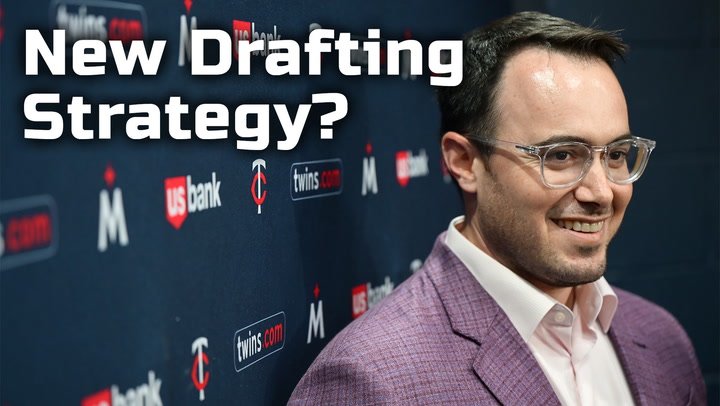 The Twins have a new head of baseball operations in Jeremy Zoll for this year's draft, but how much of the decision-making process does a head of baseball ops bring to the MLB Draft, and will it change how the Twins have drafted dating back to 2017? View the full article
 -
 Welcome to Forum Friday! Weekly, we give you a look into some of the best conversations happening in our Twins forum. If you have a Twins Daily account, you're able to post. Check it out and join in the conversation! Twins: The Twins Need to Cash in on Kody Clemens Right Now Kody Clemens, a 30-year-old waiver wire pickup last year, is having a nice season, after an average-ish season as a part time last year. What should the Twins do at this point? Keep him? Or try to cash in while he might have a bit of value? Weigh in! Twins: Can anyone understand why Luke Keaschall gets a pass on all the mistakes and errors On the other hand, last year's rookie sensation Luke Keaschall is definitely NOT having a nice season. He's struggled in both half innings of most games. A Triple-A reset? Let us know: Twins: Has Matt Wallner Earned Another Shot with the Twins? On the other other hand, is it time to bring Matt Wallner back across the river with a green line voucher? Get yer bad self in the forums and let us hear from you. That's an order! View the full article
 -
 Boston Red Sox Affiliate Recap (June 11) Triple-A Worcester Red Sox Season Record: 33-30 Worcester had a doubleheader against the Rochester Red Wings that included a makeup game from May 24, but it ended up getting canceled. After jumping on top early, they lost the lead and never came back in the 6-4 seven-inning defeat. Worcester got out to a 3-0 lead in the first inning while facing former Red Sox top prospect Luis Perales. Braiden Ward singled to start the game and later advanced to second base on a poorly thrown pickoff attempt from Rochester's pitcher. Ward showed how much of a threat he can be on the base paths. A failed bunt attempt popped up in the shallow part of the infield in foul territory, forcing the third baseman to go catch it, and no one was covering third base, so Ward tagged up from second and slid head-first safely. That aggression cost him, unfortunately, the next at-bat. Mikey Romero hit a soft ground ball to the shortstop, and Ward was thrown out at home, leaving Romero on first base. After Anthony Seigler drew a walk to put two runners on with two outs, Matt Thaiss did not want to leave the inning empty-handed, launching a three-run homer to right-center off of Perales, the big blow of the game for Worcester. The lead didn't last, Rochester answered with a solo shot in the bottom of the first (3-1), and the Red Wings scored two more runs to tie it 3-3 in the third inning on an RBI single and a run-scoring groundout. Worcester retook the lead briefly in the fourth. Allan Castro hit a jamshot single, then stole his 12th base of the year to put him on second with no outs. Nathan Hickey brought him in after he ripped an RBI double (4-3), but Rochester tied it again 4-4 with a solo homer in the bottom of the fourth. The game got away from Worcester in the fifth, reliever Devin Sweet gave up back-to-back singles then allowed a sacrifice fly and an RBI double, giving Rochester a 6-4 lead they wouldn't relinquish. Sweet took the loss and was charged with a blown save. In his second rehab start since April, Patrick Sandoval went just 1 ⅔ innings (3 K’s) with his only hit given up being a hanging slider down the middle of the plate that was taken deep. Zack Kelly gave up two runs in 1 ⅓ innings. Sweet was roughed up for three runs over two innings. Joe La Sorsa was the only WooSox pitcher with a clean inning, tossing a perfect ninth inning with one punchout. Double-A Portland Sea Dogs Season Record: 29-30 Portland dropped its third straight game to the Fightin Phils after losing 5-3. Dalton Rogers started on the mound for the Sea Dogs, giving up four runs in three innings, putting Portland in a hole early. Reading's damage came in the second inning: a solo homer, an RBI double, and an RBI single made it 3-0. The Sea Dogs clawed back with two runs in the third on a Brooks Brannon RBI double, and a Johanfran Garcia groundout made it a one-run game, 3-2. The Fightin Phils extended their lead once again with another solo homer, 4-2. Both teams were scoreless from there up until the seventh when Will Turner went deep, launching his seventh homer of the season to make it 4-3. But Reading answered again with a solo homer off Reidis Sena in the eighth, giving them some breathing room. Portland out-hit Reading 9-10, but their downfall was not being able to convert with runners in scoring position (1-for-13 RISP). Turner, Garcia, and Brannon all registered multi-hit games, putting the offense on their backs. Max Carlson and Erik Rivera were solid in relief, tossing four shutout innings combined, but the early deficit proved too much. Standout Performances: Will Turner: 2-for-5, HR, 2 R, RBI Brooks Brannon: 2-for-5, 2B, RBI Johanfran Garcia: 2-for-5, RBI Max Carlson: 2 IP, 1 H, 0 ER, 3 K High-A Greenville Drive Season Record: 24-33 A rough all-around night for Greenville led to a 9-1 defeat to the Dash at home. Greenville managed just four hits, two from Yophery Rodriguez (2-for-4), one from Yoeilin Cespedes (1-for-5), and one from Antonio Anderson (1-for-3, BB). The lineup drew six walks and had plenty of chances to bring in runs with runners aboard, but couldn't string anything together (1-for-12 RISP). Their lone run came in the eighth when Freili Encarnacion walked, advanced to third on a Rodriguez single, and scored on a Ronny Hernandez double play. On the mound, starter Jojo Ingrassia was the bright spot with three scoreless innings and four strikeouts. Joe Vogatsky (2 ⅓ IP, 2 ER) allowed a solo shot in the sixth. P.J. Labriola got bombarded, giving up six runs on six hits in 2 ⅓ innings. Matt McShane pitched the final 1 ⅓ innings, giving up a solo homer in the ninth. The Dash smacked four home runs total and drew nine walks as a team, too many baserunners to survive. Low-A Salem RidgeYaks Season Record: 24-36 Salem’s losing streak extends to six games, getting blown out 12-5 by the Woodpeckers. A rough night at Carilion Clinic Field, Salem never had a lead, falling behind early and watching it unravel in the middle innings. Fayetteville blew it open with a four-run sixth inning, going up 8-1, then added back-to-back homers in the ninth, making it an official blowout, 12-5. The RidgeYaks showed life in the bottom of the sixth, scoring four runs on RBI knocks from Avinson Pinto, D'Angelo Ortiz (2 RBI), and an Ilan Fernandez double to cut it to 8-5, but they were shut down the rest of the way. As a team, Salem’s offense only had four hits, 13 strikeouts; they went 2-for-9 with RISP and still scored five runs. Starter Leighton Finley took the loss, throwing 4 ⅓ innings with six strikeouts, but gave up four runs. Reliever Nicolas De La Cruz had a rough outing, not being able to get an out in the sixth inning, and getting tagged for four runs in ⅔ of an inning. View the full article
 -
 Chicago Cubs Transactions No Roster Moves Iowa Falls Flat In Louisville Rout The Iowa Cubs were overwhelmed by the Louisville Bats in a 20-3 loss. Iowa managed 10 hits but stranded 11 runners and could not keep pace. Scott Kingery provided the lone power, going 2-for-4 with a home run and two RBI. Justin Dean added two hits from the leadoff spot, and Kevin Alcántara doubled and drove in a run. Starter Connor Noland took the loss, allowing four runs on six hits over four innings without recording a strikeout. The game broke open late, as Louisville plated four in the fifth and erupted for 11 runs in the eighth. Zac Leigh struggled most, surrendering eight runs in two-thirds of an inning, and catcher Casey Opitz was pressed into mound duty and gave up three runs in the ninth. Player AB R H RBI BB K Justin Dean 5 0 2 0 0 0 Jonathon Long 5 0 1 0 0 2 BJ Murray 3 1 2 0 2 1 Owen Miller 4 0 0 0 1 2 Kevin Alcántara 5 0 2 1 0 2 James Triantos 2 0 0 0 1 1 Chas McCormick 4 0 0 0 0 1 Christian Bethancourt 4 1 1 0 0 1 Scott Kingery 4 1 2 2 0 1 Player IP H R ER BB K HR Connor Noland 4 6 4 4 0 0 1 Collin Snider 1 3 4 4 1 2 1 Antoine Kelly 1 1/3 4 1 1 0 1 1 Zac Leigh 2/3 4 8 8 4 1 0 Casey Opitz 1 4 3 3 0 0 1 Smokies Erupt Late To Bury Montgomery The Knoxville Smokies broke a tie game open with a five-run sixth and a five-run seventh to beat the Montgomery Biscuits, 14-5. Jefferson Rojas led the offense, going 3-for-5 with three RBI, and Owen Ayers added three hits. Hayden Cantrelle was a catalyst at the bottom of the order, reaching base four times and driving in three runs, while Carter Trice doubled twice and knocked in two. The sixth inning turned a 3-3 game into an 8-4 lead. Cantrelle grounded out to bring home a run, Rojas singled to score two, and Trice doubled in two more. Knoxville kept pouring it on in the seventh, when Cantrelle singled home two runs and Rojas followed with a two-run single. Tyler Ras was excellent out of the bullpen, allowing no runs and three hits over 3 2/3 innings with one walk and four strikeouts to pick up the win. Evan Taylor closed it out with three strikeouts over the final two innings. Player AB R H RBI BB K Karson Simas 4 3 2 0 2 1 Jefferson Rojas 5 1 3 3 0 0 Owen Ayers 4 1 3 1 1 0 Carter Trice 6 0 2 2 0 1 Alex Ramírez 5 1 1 1 0 0 Edgar Alvarez 4 2 1 0 1 2 Ariel Armas 4 2 1 0 0 0 Cameron Sisneros 4 2 1 1 1 0 Hayden Cantrelle 3 2 2 3 2 0 Player IP H R ER BB K HR Dawson Netz 3 1/3 4 4 4 4 3 2 Tyler Ras 3 2/3 3 0 0 1 4 0 Evan Taylor 2 2 1 1 1 3 0 South Bend Bats Can't Keep Up With Peoria The South Bend Cubs slugged two home runs but could not overcome a relentless Peoria Chiefs attack in a 16-7 defeat. Josiah Hartshorn led the way, going 2-for-3 with a home run and three RBI, and Drew Bowser matched him with a homer, a double, and three RBI of his own. Miguel Useche added two hits. South Bend answered an early four-run deficit with a three-run second, capped by Bowser's three-run homer. Hartshorn's two-run shot in the fifth pulled the Cubs within striking distance, but the bullpen could not hold the line. Starter Cole Reynolds took the loss after allowing eight runs on five hits over three innings, walking three and striking out one. Ben Johnson surrendered four runs across two innings, while Grayson Moore provided 1 1/3 scoreless innings in relief. Player AB R H RBI BB K Kane Kepley 4 0 1 0 0 1 Ty Southisene 3 2 1 0 1 1 Josiah Hartshorn 3 2 2 3 0 0 Matt Halbach 3 0 0 0 0 1 Miguel Useche 3 1 2 1 0 0 Jose Escobar 2 1 1 0 1 0 Drew Bowser 3 1 2 3 0 1 Alex Madera 3 0 0 0 0 1 Christian Olivo 3 0 0 0 0 1 Player IP H R ER BB K HR Cole Reynolds 3 5 8 8 3 1 1 Ben Johnson 2 5 4 4 1 2 2 JP Wheat 2/3 3 4 4 1 0 0 Grayson Moore 1 1/3 1 0 0 1 1 0 Pelicans Surge Past Augusta In Middle Innings The Myrtle Beach Pelicans rallied from an early deficit, scoring five runs in the fifth and four more in the sixth to defeat the Augusta GreenJackets, 11-7. Michael Carico paced the attack, going 3-for-5 with a home run and four RBI, while Logan Poteet drove in three. Derniche Valdez homered, and Darlyn De Leon swiped four bases. The fifth inning erased a four-run hole, as Poteet doubled home two runs, Carico followed with a two-run homer, and Valdez added a solo shot to push the Pelicans ahead. They tacked on four in the sixth, highlighted by Poteet's bases-loaded walk and Carico's two-run single. Noah Edders struck out eight over four innings but allowed four runs, one earned, on four hits and a walk. Henry Cone earned the win with three innings of one-run ball, walking three and striking out three. Player AB R H RBI BB K Alexis Hernandez 3 2 1 0 2 0 Eli Lovich 4 1 0 0 1 1 Logan Poteet 4 1 1 3 1 1 Michael Carico 5 2 3 4 0 1 Derniche Valdez 4 1 2 1 0 1 Yahil Melendez 3 1 1 1 1 1 Geuri Lubo 4 0 1 1 0 0 Edward Vargas 4 1 2 0 0 0 Darlyn De Leon 4 2 2 0 0 0 Player IP H R ER BB K HR Noah Edders 4 4 4 1 1 8 1 Henry Cone 3 3 1 1 3 3 0 Jordan Henriquez 2 2 2 2 1 4 1 Top-20 Prospect Performance Jefferson Rojas: 3-for-5, 3 RBI Jaxon Wiggins: DNP Pedro Ramirez: DNP Kevin Alcantara: 2-for-5, 2B, RBI, 2 K Josiah Hartshorn: 2-for-3, HR, 3 RBI Ethan Conrad: DNP Kane Kepley: 1-for-4, K Jonathon Long: 1-for-5, 2 K James Triantos: 0-for-2, BB, K Cole Mathis: DNP Owen Ayers: 3-for-4, RBI, BB Brooks Caple: DNP Juan Cabada: DNP Kaleb Wing: DNP Angel Cepeda: DNP Dominick Reid: DNP Jostin Florentino: DNP Ty Southisene: 1-for-3, BB, SB, K Will Sanders: DNP Brandon Birdsell: DNP View the full article
 -
 Kodai Senga struck out five over six strong innings on a rehab start for Binghamton, while Nicolas Carreno fanned nine across six frames for Brooklyn. Chris Suero launched a leadoff homer for the Rumble Ponies, and Andy Ibanez homered for Syracuse. Emilio Obispo and Josh Blum combined for scoreless work in St. Lucie's win. Jack Wenninger absorbed the loss for Syracuse, allowing three runs over five innings against Buffalo. Mets Transactions New York Mets sent RHP Kodai Senga on a rehab assignment to Binghamton Rumble Ponies. New York Mets recalled RHP Daniel Duarte from Syracuse Mets. New York Mets optioned RHP Jonathan Pintaro to Syracuse Mets. Ibanez Homers But Syracuse Falls Short In Buffalo The Syracuse Mets dropped a 3-1 decision to the Buffalo Bisons, managing seven hits but stranding eight runners. Andy Ibanez led the offense, going 2-for-4 with a solo home run, his third of the season, and an RBI. Kevin Parada added a 2-for-3 day with a walk, and Ji Hwan Bae and Matt Rudick each doubled. Nick Morabito singled and stole a base, while Ryan Clifford went hitless with two strikeouts. Jack Wenninger took the loss, allowing three runs on six hits over five innings, walking two and striking out five. The damage came in the fifth, when Wenninger surrendered a two-run homer to left field followed by an RBI double, accounting for all three Buffalo runs. Tobias Myers opened with 2 2/3 scoreless innings, allowing no hits with two strikeouts. Syracuse pushed across its lone run in the sixth on Ibanez's home run. Player AB R H RBI BB K Ji Hwan Bae 4 0 1 0 0 0 Yonny Hernandez 3 0 0 0 1 0 Nick Morabito 4 0 1 0 0 0 Ryan Clifford 4 0 0 0 0 2 Andy Ibanez 4 1 2 1 0 0 Jackson Cluff 4 0 0 0 0 2 Grae Kessinger 4 0 0 0 0 1 Matt Rudick 4 0 1 0 0 2 Kevin Parada 3 0 2 0 1 1 Player IP H R ER BB K HR Tobias Myers 2 2/3 0 0 0 1 2 0 Matt Turner 1/3 1 0 0 1 1 0 Jack Wenninger 5 6 3 3 2 5 1 Senga Dominates In Start, But Binghamton Bullpen Stumbles Late The Binghamton Rumble Ponies fell 3-1 to the Somerset Patriots despite a sharp outing from Kodai Senga. Chris Suero provided all of Binghamton's offense with a leadoff home run, his ninth of the season, going 1-for-3 with a walk. Jacob Reimer doubled and stole a base, Eli Serrano III singled, and JT Schwartz and Kevin Villavicencio added the team's other hits. The Rumble Ponies managed just five hits and stranded four. Senga turned in six innings, allowing one run on one hit with one walk and five strikeouts, the only blemish a solo home run in the second. Felipe De La Cruz took the loss after surrendering two runs on three hits in the seventh, when a sacrifice fly and an RBI single put Somerset ahead for good. Saul Garcia tossed a scoreless eighth. Suero staked Binghamton to an early lead with his first-inning blast, but the bats went quiet afterward. Player AB R H RBI BB K Chris Suero 3 1 1 1 1 1 Jacob Reimer 4 0 1 0 0 0 Eli Serrano III 4 0 1 0 0 1 Jose Ramos 3 0 0 0 1 3 JT Schwartz 4 0 1 0 0 0 Jaylen Palmer 3 0 0 0 0 2 Wyatt Young 2 0 0 0 1 0 TT Bowens 3 0 0 0 0 2 Kevin Villavicencio 3 0 1 0 0 0 Player IP H R ER BB K HR Kodai Senga 6 1 1 1 1 5 1 Felipe De La Cruz 1 3 2 2 0 1 0 Saul Garcia 1 0 0 0 0 0 0 Carreno's Nine Strikeouts Not Enough As Brooklyn Drops Pitchers' Duel The Brooklyn Cyclones fell 3-2 to the Frederick Keys despite a dominant start from Nicolas Carreno. Ronald Hernandez reached base four times, going 2-for-2 with two walks and a stolen base, and Diego Mosquera added a 2-for-4 day. Corey Collins drove in a run, Sam Biller tripled, and Yonatan Henriquez singled and stole a base. Brooklyn collected seven hits but left eight runners on base. Carreno was excellent, striking out nine over six innings and allowing one run on four hits with two walks. Brooklyn opened the scoring in the first when Henriquez and Hernandez set the table, and a hit by pitch brought home a run. The Cyclones tied it in the fifth on Collins's RBI single, aided by a throwing error. Frederick answered with sacrifice flies in the seventh and eighth against the bullpen, with Justin Armbruester charged with a blown save and Parker Carlson taking the loss. Bryce Jenkins worked a scoreless ninth. Player AB R H RBI BB K Yonatan Henriquez 5 1 1 0 0 2 Ronald Hernandez 2 1 2 0 2 0 Corey Collins 3 0 1 1 1 1 Daiverson Gutierrez 4 0 0 0 0 0 JT Benson 3 0 0 1 0 1 Trace Willhoite 3 0 0 0 1 2 Sam Biller 4 0 1 0 0 3 Nick Roselli 4 0 0 0 0 3 Diego Mosquera 4 0 2 0 0 1 Player IP H R ER BB K HR Nicolas Carreno 6 4 1 1 2 9 1 Justin Armbruester 1 2 1 1 1 1 0 Parker Carlson 1 1 1 1 0 1 0 Bryce Jenkins 1 0 0 0 1 1 0 Obispo Leads Shutout Pitching As St. Lucie Edges Palm Beach The St. Lucie Mets blanked the Palm Beach Cardinals 2-0 behind a strong all-around pitching effort. Yohairo Cuevas led the offense, going 2-for-3 with two doubles and a walk. Branny De Oleo added a double, Jackson Hauge singled, scored, and walked, and Jeremy Rodriguez scored a run. St. Lucie drew nine walks but left a hefty 12 runners on base. Emilio Obispo started and tossed four scoreless innings, allowing three hits and three walks while striking out five. The bullpen finished the shutout, with Josh Blum earning the win after two hitless innings, Miguel Mejias recording a hold with two more hitless frames, and Joe Scarborough closing it out for his fourth save. St. Lucie scored both runs in the fifth, as a fielding error allowed one run home and Julio Zayas drew a bases-loaded walk to plate another. Player AB R H RBI BB K Elian Pena 5 0 0 0 0 2 Antonio Jimenez 2 0 0 0 2 1 Yohairo Cuevas 3 0 2 0 1 0 Julio Zayas 4 0 0 1 1 1 Jack Scanlon 3 0 0 0 0 3 Branny De Oleo 4 0 1 0 0 1 Simon Juan 4 0 0 0 0 0 Jackson Hauge 3 1 1 0 1 1 Jeremy Rodriguez 3 1 0 0 1 2 Player IP H R ER BB K HR Emilio Obispo 4 3 0 0 3 5 0 Josh Blum 2 0 0 0 2 2 0 Miguel Mejias 2 0 0 0 0 1 0 Joe Scarborough 1 1 0 0 0 1 0 View the full article
 -
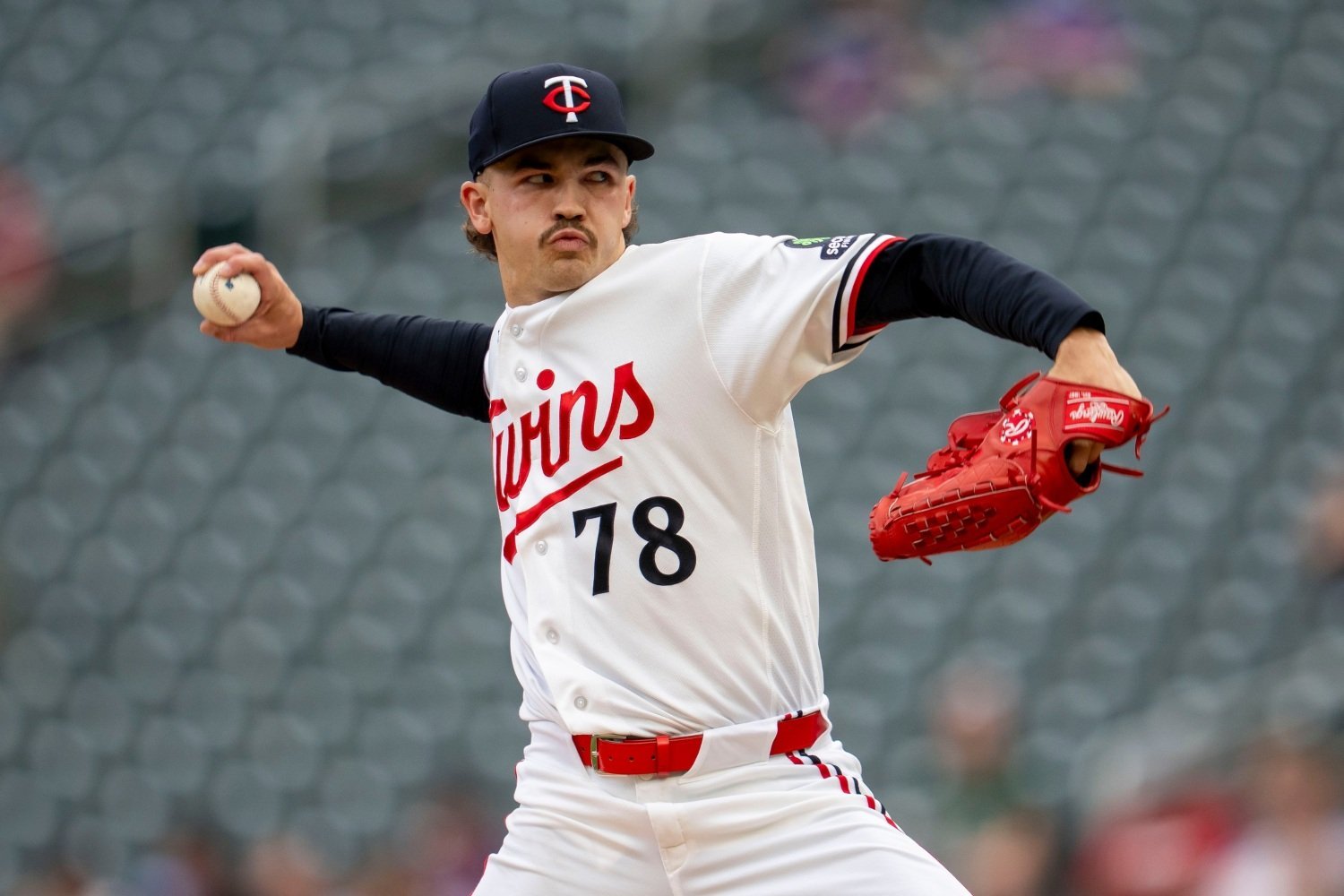 Aince getting called up to the majors in mid-April, Andrew Morris has been extremely streaky. The rookie right-hander finished the month of April with a 6.35 ERA, but rebounded very nicely in May, posting a much more encouraging 2.19 ERA. At times, Morris has looked every bit like a pitcher capable of sticking in the Twins' bullpen long-term. Recently, though, things have taken a turn for the worse. Despite a huge surge in his strikeout totals, Morris's last three outings have not been sharp. Across those appearances, he's allowed seven earned runs over just 4 2/3 innings, while giving up 11 hits and two walks. (He should have gotten more help from his defense in one of those outings, and arguably, the two runs he gave up then should not have been earned, but still.) While he’s recorded nine strikeouts during that stretch, the results simply haven't been there. So what's actually been going wrong for Andrew Morris? From what I've gathered, there are a couple of different reasons. The first is that his secondary pitches are not performing well. Over those three most recent outings, Morris has generated a collective whiff rate of just 19% on his secondary offerings. For a pitcher who relies on a diverse arsenal to keep hitters off balance, that's a concerning development. Hitters have simply done a better job of putting those pitches in play. When the swing-and-miss ability of those secondary pitches disappears, another issue tends to follow. The quality of contact he’s allowed has changed. Over this recent stretch, Morris' hard-hit rate has climbed substantially, to 44%. That trend is especially troublesome because limiting hard contact has been the best part of Morris's game since he arrived in the majors. On the season as a whole, he's been excellent at suppressing damage. His barrel rate ranks in the 95th percentile among major-league pitchers, while both his average exit velocity and hard-hit rate sit comfortably within the top quarter of the league. Even when hitters have made contact against Morris this year, it generally hasn't been loud contact. That's a big reason why many of the underlying metrics continue to paint a much more optimistic picture than his traditional numbers would suggest. In fact, both his expected ERA and FIP are more than two runs lower than his actual 5.59 ERA. That's a massive difference. For much of the season, that gap suggests Morris has been the victim of some poor luck (and, again, that lousy defense), rather than poor pitching. His season-long numbers are inflated by results that don't necessarily match the quality of his performance. This recent stretch, however, feels a little different. The hard-contact problem is real, and if the best part of his game isn't performing the way it needs to, that's when things can become problematic. Now, with all of that said, it's important to note a couple of things before sounding any alarms. First, these struggles are very new. We're talking about a sample size of just three outings. That's not enough to suddenly rewrite everything we've learned about Morris over the first couple of months of his major-league career. Odds are good that this is nothing more than a bump in the road, which is extremely common for young pitchers adjusting to the highest level of baseball. Major league hitters make adjustments, and young pitchers have to learn how to counter them. That's part of the development process. The second thing worth mentioning is that Morris's fastball has been awesome. Even during this rough stretch, that pitch has continued to perform at a high level. He's consistently sitting around 97 MPH and has even reached triple digits at times. The velocity has certainly been there, but more importantly, so has the effectiveness. His whiff rate on the four-seam fastball has trended upward, which is an encouraging sign. If the fastball remains a legitimate swing-and-miss weapon, Morris already has a strong foundation to work from while he irons out the issues with his secondary pitches. That's a big reason why I'm not particularly worried about him right now. The underlying data still shows a pitcher who has been wildly unlucky for much of the season. His ability to limit barrels remains elite; his expected metrics remain strong; and his fastball continues to miss bats at an impressive rate. While the recent struggles are worth monitoring, they don't fundamentally change his outlook. As I mentioned earlier, the quality of contact piece is the biggest thing to watch. If hitters continue squaring him up and the hard-hit rate remains elevated, that's when the conversation becomes more concerning. But for now, I think this is simply a rough patch. Every young pitcher goes through them. And based on everything we've seen from Morris so far, there's still plenty of reason to believe he'll come out the other side just fine. View the full article
 -
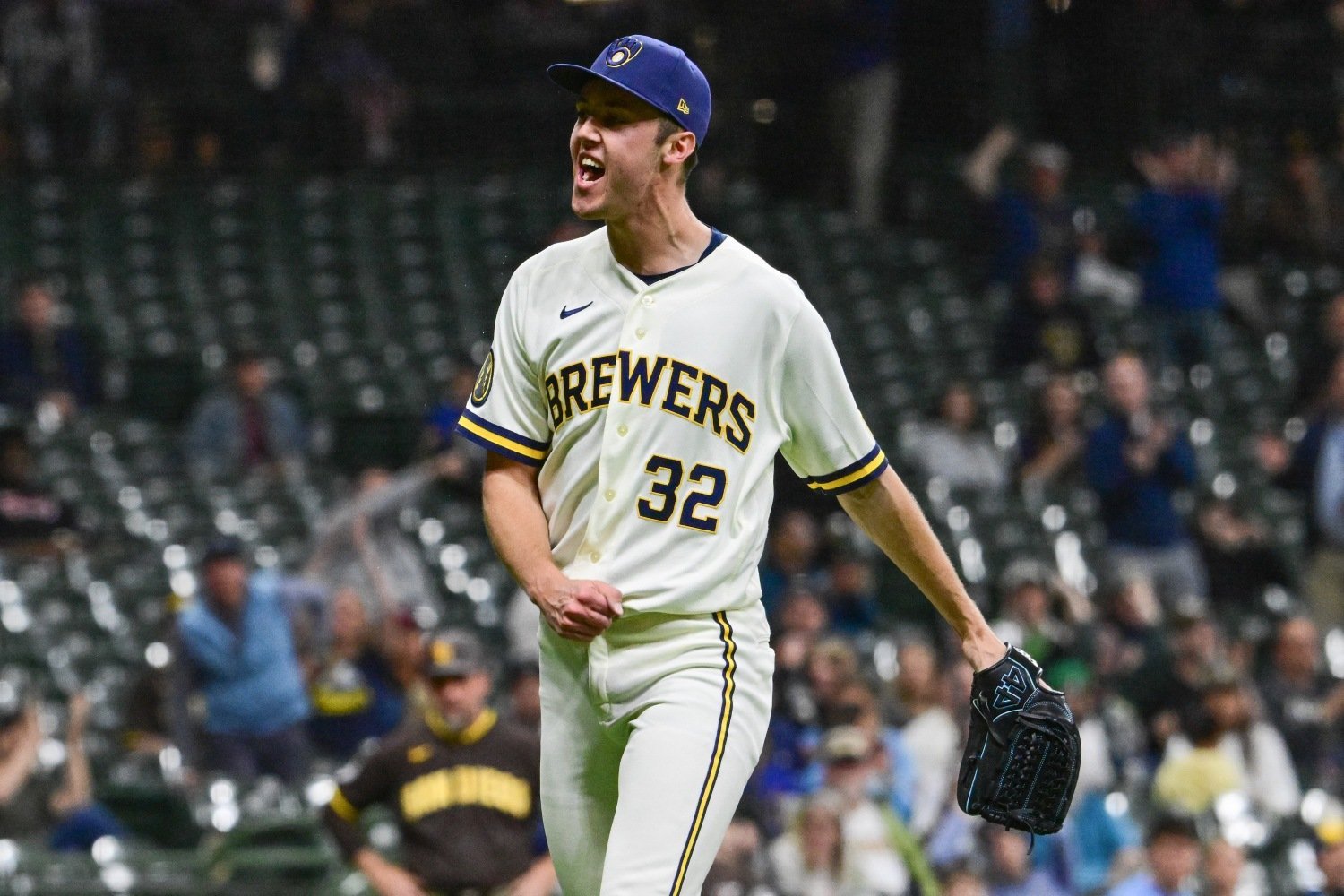 It's easy to overhype a great prospect, or a player who has a tremendous rookie season. It's also easy to get jaded, and to dismiss the alleged greatness of something when the world seems to be juicing it up too much. Let's try to find a sweet spot in the middle together, shall we? Jacob Misiorowski will celebrate the one-year anniversary of his debut Friday by making his 32nd appearance in the big leagues, counting his three outings last October. He's still only pitched 156 innings at the game's highest level. However, he's already left an indelible imprint on his team, his adopted city and his sport. Let's talk about how. Here are the five best moments and performances of Misiorowski's young career. 1. Starting His Career with 11 No-Hit Innings Everyone knew Misiorowski's name even before he debuted. but this was not like the so-called Strasmas of June 2010, when Nationals phenom Stephen Strasburg took the bump for the parent club for the first time and mowed down 14 Pirates in seven innings. Strasburg had been the No. 1 pick in the MLB Draft just a year earlier. Misiorowski was a bit of a novelty item: a junior-college find by Brewers scouts who threw exceptionally hard but often didn't know where it was going. He'd turned a corner with his control in the minors, but would he have the command to dominate the best hitters on Earth? He immediately answered that question, with extreme prejudice. He only pitched five innings that first day against the Cardinals, with the crowd at Uecker Field roaring and thrumming with the electricity he put into the atmosphere, but he didn't give up a hit. He walked four and struck out five, before leaving after a bizarre ankle-wobble that was just enough to convince Pat Murphy to play it safe. That was a stunning debut, and immediately, the baseball world was abuzz with talk about The Miz. But what he did a week later turned the dial up to 11—literally. On a hot night in Minneapolis, with a Brewers-leaning Friday night crowd that was every bit as pitched toward excitement as the last one, Misiorowski fired another six no-hit innings against the Twins. In fact, this time, he was perfect through six frames: 18 batters faced, six strikeouts, zero baserunners. Murphy felt he'd earned a shot at the 7th, and the night ended quickly with a walk and a home run, but the story of the game was unchanged. Misiorowski wasn't just a good and unusual pitching prospect. He announced himself, immediately, as one of the best pitchers in the sport. 2. The All-Star Nod A huge kerfuffle erupted in the baseball world when Misiorowski was named to the National League All-Star team after making just five appearances in the majors. Given the scale of that internet scrap, one side or the other was going to have to look stupid at the end. It's the naysayers who sound like numbskulls, with the benefit of hindsight. It was certainly unusual to tack a player into the All-Star Game after so brief a stint in the bigs, but Misiorowski acquitted himself well on all fronts. He handled some tedious questions with his usual, affable shrug. He fired a scoreless inning in the game itself. It was the first instance in which he was asked to be the face of the league, in a sense, though not the last. He handled it well, on the field and off. 3. The Bounce, the Fist Pump, the Tide Change It's easy to forget this now—the Brewers' triumph feels almost inevitable, looking back on it—but Misiorowski was called upon in Game 2 of the NLDS at a precarious moment. The Brewers had blown the Cubs' doors off in Game 1, but it was 3-3 after two innings the next day. Chicago had gotten to Aaron Ashby, and Nick Mears was brought in only to bridge a gap and get out of the second. The series could easily have tipped in Chicago's favor. Instead, Misiorowski (with the help of the Brewers offense) shoved it the other way. He held Chicago scoreless over three innings, and the way he did it—twice topping 104 MPH in raw velocity, and with enormous intensity and passion—ended up turning the tide in Milwaukee's favor. He finished his first inning of work by running to the base to record the putout himself on a grounder he fielded, and then bounced off the field, roaring and pumping his fists. The crowd went berserk. Cubs fans (in a different way) went berserk. That was just the first of Misiorowski's innings, though. To go out after that display of catharsis and record two more strong frames showed his poise—the shark-eyed dominator that lies beneath the jubilant and sometimes disarming exterior. It's worth remarking and remembering, too, that the Brewers trusted Misiorowski with that assignment on purpose, even after he struggled to the finish line in the regular season. Some even speculated that he might not be on the Division Series roster. Seeing his makeup for what it is, as well as trusting the stuff, the Brewers leaned hard on him, instead. He got the win that night, and again in Game 5, when it was four innings of one-run ball. His charisma, as well as his incredible talent, was on full display. 4. Keeping a Little Bit of Pride Alas, the Brewers were not going to win the NLCS. Things needed to break their way, and they just didn't. Having worked at the end of the Cubs series, Misiorowski didn't take the mound again until Game 3 of the following series, on the road at Dodger Stadium. The Crew lost, but Misiorowski gave an even bigger audience—and a national media quick to dismiss the Brewers and crown the Dodgers as the cream of the crop for a second straight year—an eyeful of what the smallest market in the league can produce. He pitched five innings, giving up two runs on just three hits and a walk. He struck out nine, and left Shohei Ohtani so impressed (read: frustrated) that he gushed a bit about him to the Japanese press afterward. That moment made Misiorowski a global sensation. This spring, Japanese reporters showed up at Brewers camp to check in on the team, with special attention paid to Misiorowski. Step by step, over the first handful of months of a very young career, he blossomed from a second-round pick and a lottery ticket of a prospect into a full-fledged superstar. 5. The Streak As electrifying as Misiorowski was in 2025, however, he wasn't completely dominant. There were periods of real ineffectiveness, which is why he was in danger of not making the postseason roster (at least to outside eyes). There were a lot of walks. Entering 2026, it was fair to hope he might become the ace of the squad, but not quite reasonable to expect it. And then, very quickly, any doubt was swatted away, like a fly slowed down by too much nectar and buzzing too close to an ear. Misiorowski showed up in camp carrying more weight—good weight. He was only listed 4 pounds heavier in this year's Brewers media guide (201) than in last year's (197), and Brewers media relations ace Mike Vassallo takes great pride in the accuracy of his reported weights, but Misiorowski is simply thicker this year: thicker in the legs, thicker in the arms. He remains slender, but he's more physically mature. Injuries helped it happen, but very early in camp, it was clear he would be the Brewers' Opening Day starter. He asserted himself. Misiorowski struck out 11 in five innings on Opening Day and was similarly impressive the next time out, but early in the year, he consistently talked about feeling unable to open it all the way up—to throw as hard and as freely as he felt was possible—because of a mechanical issue in his lower half. It was easy to raise an eyebrow at this. No one throws as hard as Misiorowski. It was most likely that he himself couldn't throw any harder than he was. And then he did. After four starts early on in which he sat 98-99, Misiorowski's average heater has been at least 99.7 MPH in every outing since, culminating in averaging 101.3 last weekend in Colorado. That's just the actual velocity. His release extension has also ticked up over the same period. As a result, we've seen a pitcher against whom every hitter on Earth is essentially helpless. Aaron Judge got to try hitting this version of Misiorowski; he came away muttering about the best fastball he'd ever seen. Two pitches Misiorowski threw to Judge had a perceived velocity over 106 MPH, after adding the extension to sheer velocities over 103. With a keen sense of occasion, Misiorowski pitched against the Cardinals at home late last month and threw himself an early anniversary party. Once again, the Cardinals had no hits through the first five innings. This time, Misiorowski stuck around through seven, and he eventually gave up a run, but that was the first tally he'd surrendered in 30 innings of work. He's pitched twice more since, adding seven more frames each time, and the only run he's allowed in that span was unearned. In one sense—blending the utterly unprecedented velocity with the command he's found and a deeper arsenal, and considering the superb results—we're watching a legitimate candidate for the best pitcher in baseball history. There's no credible argument that anyone else is the best pitcher in the game at this moment, despite the brilliance of Cristopher Sánchez. Misiorowski is overpowering, cocksure, intelligent, and driven. Sixteen months ago, the pitcher he'll face Friday night—the Phillies' Andrew Painter—was a more famous name among prospect gurus. One year ago, he was a slightly skinny kid who didn't have his manager's full trust. Since then, he's made the fastest ascent toward baseball immortality this side of Mike Trout's historic rookie season—or, if you prefer to compare apples to pitchers, Strasmas. Merry Mis-mas, everyone. View the full article
 -
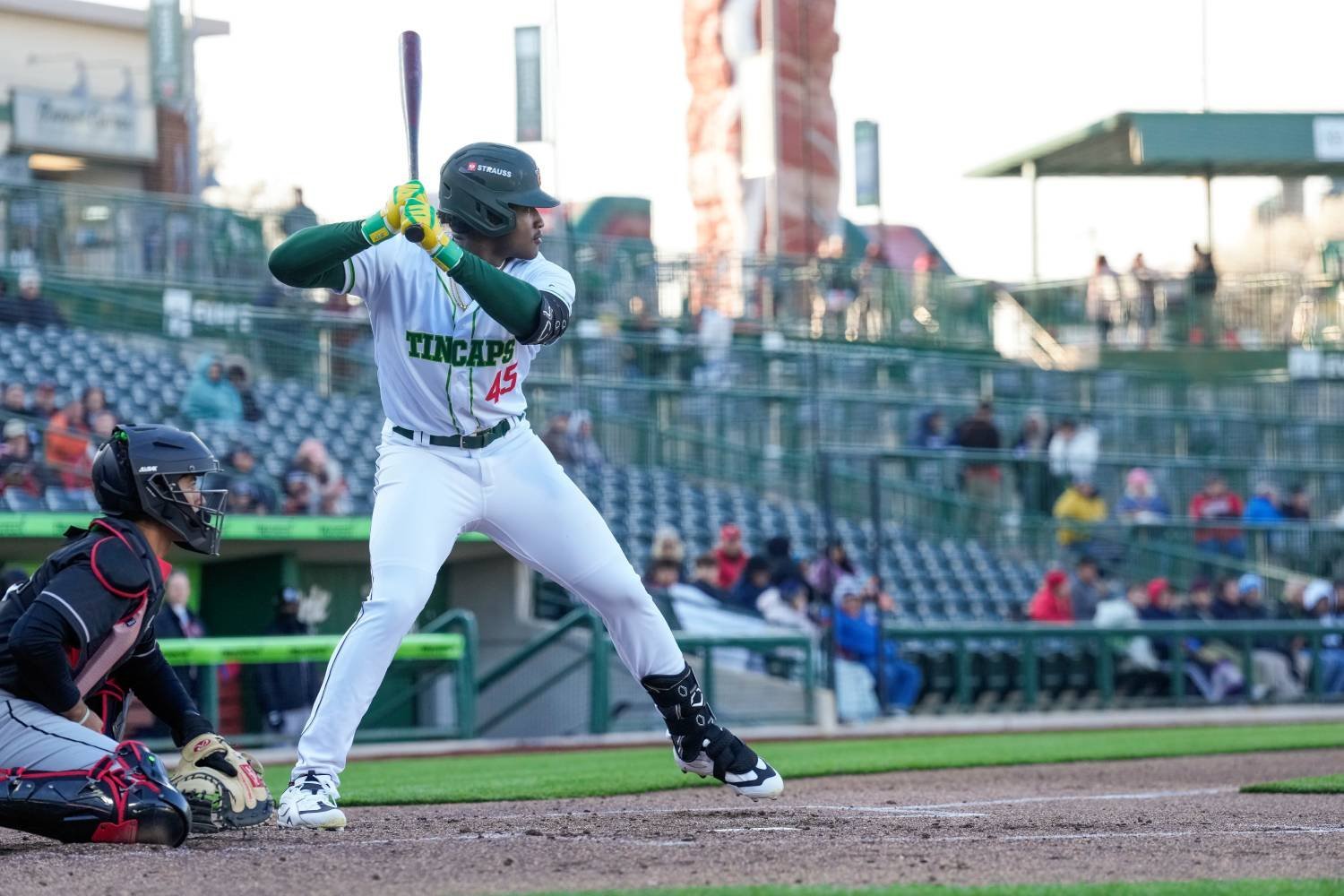 With the calendar flipping to June, every front office's focus has turned to the trade deadline. [And the draft, of course, but for the purposes of this exercise, the trade deadline is our only consideration.] Most of the chatter is on who certain teams should be acquiring. Already, the San Diego Padres have been linked to two left-handers: two-time reigning AL Cy Young Award winner Tarik Skubal of the Detroit Tigers and Boston Red Sox closer Aroldis Chapman. How credible at least the Skubal talk is remains to be seen. But, what would it take for the Friars to acquire any player, much less Skubal? And do the Padres have those players? That is obviously debatable. The Padres have the consensus worst minor-league system in MLB thanks to previous deals made by president of baseball operations A.J. Preller. When scanning through Padres Mission's Top 20 prospects, there are maybe two that you have to consider virtually untouchable. Those would be catcher Ethan Salas and left-handed starter Kash Mayfield, the Friars' top two prospects. Salas, our No. 1 prospect, is one of the rare catchers who is projected to not only be a terrific defender at the MLB level, but also a quality hitter. The left-handed hitter, who turned 20 last week, has restored the luster on his prospect status this year at Double-A San Antonio after missing almost all of 2025 with a back injury. He's currently hitting .291/.350/.455 with seven homers, 32 RBIs and 12 stolen bases in 51 games. Mayfield, our No. 2 prospect, has been dominant at High-A Fort Wayne. In ten starts, he has a 3.15 ERA with a 11.8% walk rate and 30.7% strikeout rate over 40 innings. He has allowed a grand total of 21 hits and not allowed a run in six of his starts. While you can never rule out anything with Preller, let's set Salas and Mayfield aside for now. In that case, what do the Padres really have to offer teams? There are two players currently in our top 10 that jump out to me. They would be Low-A Lake Elsinore center fielder Ryan Wideman (No. 5 prospect) and Fort Wayne catcher Lamar King Jr. (No. 10). A third attractive prospect would be Lake Elsinore shortstop Jorge Quintana (No. 6), whom the Padres acquired at last year's trade deadline from the Milwaukee Brewers along with left-hander Nestor Cortes in exchange for outfielder Brandon Lockridge. Wideman is probably the most dynamic player in the system. He leads the minors in stolen bases with 39 and owns a slash line of .317/.383/.515 with five homers and 39 RBIs. There is more power to come from Wideman, but the speed threat is real and he plays the premium position of center pretty well. The biggest knock on Wideman, a third-round draft choice in 2025, entering the season was his strikeout rate, which has gone from 28.6% last year as he made his pro debut to 18.1% this year. Meanwhile, King is coming off a really nice May (.274/.384/.417) that brought his season slash line up to .248/.365/.373. He was a fourth-round pick in 2022, but was slowed by a shoulder injury and a concussion to begin his career. King has athleticism in his family as his father, Lamar King, was a first-round draft choice and played defensive end for the Seattle Seahawks. Quintana hasn't shown much offensively, producing a .228/.307/.295 slash line entering June. A switch-hitter with speed and good size (6-foot-2), his defense will carry him for a while, but will need to show more offensively. Two players currently unavailable from the top 10 are No. 7 prospect Ty Harvey, a catcher, and No. 8 prospect Kale Fountain, who was moved to the outfield this year. Harvey recently broke his left hand as it was hit by an opponent's bat and will be sidelined probably until July. Fountain is out for the season after having shoulder surgery after crashing into the fence. Both are with Lake Elsinore. In the group of the prospects ranked 11-20, three more players pop. Those are Fort Wayne outfielder Alex McCoy (No. 12), Fort Wayne right-handed reliever Tucker Musgrove (No. 14) and Triple-A right-handed reliever Garrett Hawkins (No. 15). McCoy has been a revelation this year after signing as an undrafted free agent last summer. The 6-foot-5 left fielder had a slash line of .286/.359/.571 entering June with 10 homers, 39 RBIs and nine steals. He has as much raw power as anyone in the minors. He had a 118 mph exit velocity last year with Lake Elsinore, then a 119.5 mph groundout this year. That would be the second-hardest hit by a Padre in the Statcast era (2015) behind only Manny Machado on Aug. 20, 2021. He currently leads the Midwest League in doubles (18), extra-base hits (29) and total bases (102). Musgrove was drafted as a two-way player, but has ditched hitting to focus on pitching. He has a triple-digit fastball and has been handled gently since coming back from Tommy John surgery after being drafted in the seventh round in 2023. He threw just 20 innings over 14 appearances at Lake Elsinore last year and has been strictly in a relief role for his 15 games (15 innings) this year at Fort Wayne. He is currently running a ridiculous 43.2% strikeout rate and should climb the minor-league ladder quickly if he's healthy. Hawkins is the most MLB-ready of any of these prospects, although Salas' defense is at that level now. While he has a 6.17 ERA, six of the 16 earned runs he has allowed this season came in a single outing in the thin air of Albuquerque. The Padres' Minor League Pitcher of the Year last year, Hawkins' walk and strikeout rates have gone in the wrong direction as he moved up from Double-A to Triple-A, but he should adjust to the increased level of competition sooner rather than later. One other name to watch is left-hander Jagger Haynes. He is eligible again to be selected in the Rule 5 draft after being bypassed last winter. He is at San Antonio with a 4.50 ERA. Everyone wants a left-hander, right? Everyone rates prospects differently, but the universally thin minor-league system the Padres sport could mean dealing from the MLB roster to acquire a significant piece. The bullpen is the strongest unit and it would be tough to break up that unit, although left-hander Yuki Matsui could be dealt in any trade that brings back bullpen piece. The struggling Padres offense also doesn't present many options. Infielder Sung Mun Song hasn't latched onto a role while Jake Cronenworth is out with a concussion, so Song could be on the move, too. Outfielder Jase Bowen, just called up for his MLB debut, could be part of any conversation as well. View the full article
 -
 Jack and Spencer break down Luis Lara's extension, Brandon Woodruff's rehab start in the ACL, some concerning signs for Christian Yelich, and the Brewers' 4-2 week in Colorado and Las Vegas. Apple Podcasts: https://podcasts.apple.com/us/podcast/the-brewer-fanatic-podcast/id1740648724 Spotify: https://open.spotify.com/show/5CY8mWsQayqjDXqw9OT2Td iHeartRadio: https://www.iheart.com/podcast/263-the-brewer-fanatic-podcast-166534588/ Pocket Casts: https://pca.st/ommzz627 Watch On YouTube: https://www.youtube.com/@brewerfanatic View the full article
