


DiamondCentric
-
Posts
2,631 -
Joined
-
Last visited
Never
Content Type
Profiles
Forums
Events
News
Tutorials & Help
Major League Baseball Videos
Guides & Resources
Store
Downloads
Gallery
Everything posted by DiamondCentric
-

 Syracuse rode a four-run first inning to an 8-2 win behind Xzavion Curry, who struck out five over five innings, and Grae Kessinger drove in three. Brooklyn poured five runs across the second inning and got a home run from JT Benson in a 7-2 victory, with Dakota Hawkins fanning four in three frames. Bryce Conley turned in a quality start with five strikeouts for Binghamton, but the offense was shut out 3-0. St. Lucie managed just two hits and fell 17-0. Mets Transactions New York Mets optioned RHP Joey Gerber to Syracuse Mets. New York Mets recalled RHP Jonathan Pintaro from Syracuse Mets. Early Outburst Lifts Syracuse Past Buffalo Syracuse jumped on Buffalo in the top of the first inning, scoring four runs before recording an out. Andy Ibáñez delivered a two-run single to score Ji Hwan Bae and Nick Morabito, Grae Kessinger added a run on a groundout that plated Ibáñez, and the lead held the rest of the way in an 8-2 win. The Mets added single runs in the fifth and tacked on three more in the seventh, when Yonny Hernández drove in a run on a groundout, and Kessinger followed with a two-run single. Kessinger finished with three RBIs, Bae had three hits, and Morabito added two hits and scored twice. Ibáñez drove in two. Xzavion Curry set the tone, working five innings and allowing one run on two hits with two walks and five strikeouts. Dylan Ross allowed a run in his lone inning, while Ben Simon and Nate Lavender combined for two scoreless innings to finish it. Player AB R H RBI BB K Ji Hwan Bae 4 2 3 0 1 0 Nick Morabito 4 2 2 0 1 0 Ryan Clifford 3 1 0 0 2 2 Andy Ibáñez 4 2 1 2 1 3 Yonny Hernández 2 0 0 2 2 0 Grae Kessinger 5 0 1 3 0 0 Cristian Pache 4 0 0 0 0 1 Hayden Senger 4 0 0 0 0 1 Matt Rudick 3 1 0 0 1 0 Player IP H R ER BB K HR Xzavion Curry 5 2 1 1 2 5 0 Dylan Ross 1 2 1 1 1 2 0 Adbert Alzolay 1 2 0 0 1 1 0 Ben Simon 1 0 0 0 0 0 0 Nate Lavender 1 1 0 0 0 1 0 Binghamton Blanked In Somerset Binghamton could not solve Somerset in a 3-0 loss, stranding nine runners on base. The damage against the Rumble Ponies came in two innings. In the bottom of the second, Somerset pushed across two runs on a double, and in the bottom of the fifth, a solo home run accounted for the final margin. Bryce Conley was sharp enough to earn a quality start, allowing three runs on five hits with four walks and five strikeouts over six innings. Jefry Yan and Guillo Zuñiga followed with a scoreless inning each, with Yan striking out two and Zuñiga adding one. At the plate, Binghamton collected just five hits. Chris Suero doubled, and TT Bowens added a double, while Vincent Perozo and Wyatt Young each singled. The Rumble Ponies drew four walks but could not bring any of those runners home. Player AB R H RBI BB K Chris Suero 4 0 1 0 0 0 Eli Serrano III 4 0 0 0 0 0 Jose Ramos 3 0 0 0 1 2 Nick Lorusso 3 0 0 0 1 0 JT Schwartz 4 0 0 0 0 1 Vincent Perozo 3 0 1 0 0 0 Wyatt Young 3 0 1 0 1 0 TT Bowens 4 0 1 0 0 1 Kevin Villavicencio 3 0 0 0 1 2 Player IP H R ER BB K HR Bryce Conley 6 5 3 3 4 5 1 Jefry Yan 1 0 0 0 0 2 0 Guillo Zuñiga 1 1 0 0 0 1 0 Five-Run Second Carries Brooklyn Over Frederick Brooklyn broke open a scoreless game with a five-run bottom of the second inning and never looked back in a 7-2 win. JT Benson started the rally with a run-scoring triple, Colin Houck doubled home a run, Ronald Hernandez reached on a fielder's choice that plated two runs, aided by a throwing error, and Corey Collins added a sacrifice fly that brought in another. The Cyclones added single runs in the sixth, on a John Bay double, and the seventh, when Benson homered. Benson finished with two hits, two runs, two RBIs, and the home run. Hernandez and Houck each collected two hits and drove in runs, and Mitch Voit reached base three times with a double and two walks. Dakota Hawkins worked three innings, allowing one run on three hits with four strikeouts and no walks. Garrett Stratton, Gregori Louis, Juan Arnaud, and Cristofer Gomez combined for steady relief, with Stratton striking out three over two scoreless innings. Player AB R H RBI BB K Mitch Voit 3 2 1 0 2 1 John Bay 3 1 1 1 2 1 Ronald Hernandez 4 0 2 2 1 1 Corey Collins 3 0 0 1 1 1 Yonatan Henriquez 4 0 0 0 1 2 Daiverson Gutierrez 5 1 2 0 0 1 JT Benson 3 2 2 2 1 1 Colin Houck 4 1 2 1 0 1 Sam Biller 3 0 0 0 1 2 Player IP H R ER BB K HR Dakota Hawkins 3 3 1 1 0 4 0 Garrett Stratton 2 2 0 0 0 3 0 Gregori Louis 1 0 0 0 1 2 0 Juan Arnaud 1 1 0 0 1 0 0 Hunter Hodges 1 1 1 1 0 2 1 Cristofer Gomez 1 1 0 0 2 3 0 St. Lucie Buried By Big Innings In Palm Beach St. Lucie was overwhelmed in a 17-0 loss to Palm Beach, managing only one hit. The Cardinals built their lead with a six-run fourth inning and a nine-run fifth. In the fourth, Palm Beach strung together run-scoring singles before a grand slam blew the game open. The fifth brought more of the same, with a double, a home run, and a string of singles and doubles plating run after run. Conner Ware took the loss, allowing three runs on four hits over 3 1/3 innings with four strikeouts and two home runs allowed. Christian Rodriguez and Caden Wooster were each charged with multiple runs while recording only one out apiece, and Ernesto Mercedes allowed five runs in his inning of work. Joe Charles and Jackson Hauge combined for three scoreless innings to close it out. At the plate, the Mets managed only two hits, and Antonio Jimenez accounted for one of them with a single, while the team drew six walks but never pushed a runner across. Player AB R H RBI BB K Elian Peña 3 0 0 0 1 0 Trey Snyder 3 0 0 0 1 2 Antonio Jimenez 4 0 1 0 0 1 Yohairo Cuevas 3 0 0 0 1 1 Julio Zayas 4 0 0 0 0 1 Chase Meggers 2 0 0 0 1 0 Branny De Oleo 3 0 0 0 0 1 Jeremy Rodriguez 2 0 0 0 1 1 Simon Juan 3 0 0 0 0 1 Player IP H R ER BB K HR Conner Ware 3 1/3 4 3 3 0 4 2 Christian Rodriguez 1/3 6 5 5 1 0 1 Caden Wooster 1/3 3 4 4 1 0 1 Ernesto Mercedes 1 5 5 5 2 1 0 Joe Charles 2 1 0 0 3 1 0 Jackson Hauge 1 1 0 0 0 0 0 View the full article
 -
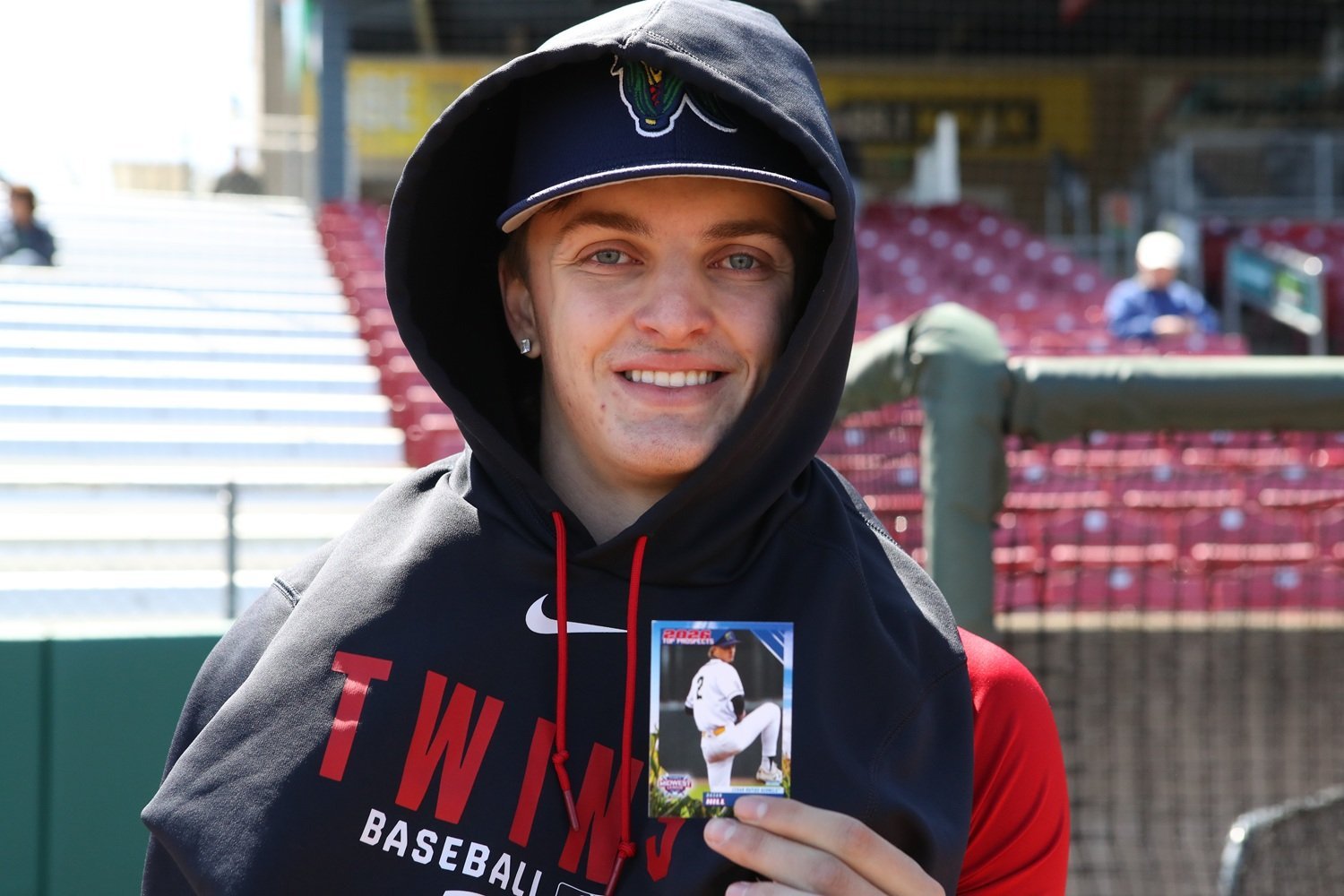 The Minnesota Twins entered the 2026 season without a clear-cut, consensus top-100 pitching prospect anywhere in the organization. That isn't necessarily a criticism of the system. They have several intriguing arms throughout the minors, but none carried the kind of national attention typically associated with elite pitching prospects. The hope, however, was that Dasan Hill would eventually become that guy. After a breakout 2025 campaign that saw him post an ERA in the low 3.00s while striking out 31% of the hitters he faced, Hill looked like one of the most exciting young pitchers in the organization. At 6-foot-5 with a power left-handed arsenal and swing-and-miss stuff, the upside was obvious. If everything clicked, there was a path for Hill to develop into a future frontline starter. Unfortunately, this season has brought far more questions than answers. Through 33 innings with High-A Cedar Rapids, Hill owns a 6.82 ERA and a 1.94 WHIP. He's allowed 34 hits and struck out an impressive 53 batters, but those strikeouts have largely been offset by 30 walks. That's where the real concern lies: the command issues are becoming impossible to ignore. Hill's stuff is still gross, there's no denying that. In fact, the bat-missing ability that made him so intriguing in the first place is still very much present. After posting a 31% strikeout rate last season, he's actually increased that number to 33% in 2026. That's an elite figure. But when you're not locating, it doesn't really matter how good the stuff is. Hill's walk rate currently sits at an absurd 18.6%, and he's essentially handing out a free pass nearly every inning he takes the mound. That simply isn't going to work at higher levels of professional baseball, and opposing hitters have clearly figured that out. One of the most telling statistics in Hill's profile this season is his swing rate. Opposing batters are offering at just 40% of the pitches he throws. That's an absurdly low number, especially when considering the quality of his arsenal. For comparison, Taj Bradley (who has been dealing with command issues of his own this season) has a swing rate of 46%. A lot of his misses aren’t remotely close, either, and Hill is still significantly lower than that. Hitters have essentially adjusted their approach. They're forcing Hill to prove he can throw strikes consistently before offering at anything. And until he demonstrates that ability, there's little reason for opposing lineups to become more aggressive. What's even more concerning is that this problem has gotten worse as the season has progressed. Over his last four starts, Hill has issued 14 walks in just 8 1/3 innings. Even if you remove the worst outing from that stretch — the appearance in which he walked six batters while recording only two outs — he's still averaging roughly a walk per inning. At this point, the lackluster command can no longer be written off as early-season rust. We're more than two months into the season, and this has become a very legitimate problem. And that's especially frustrating, because despite the ugly ERA and the alarming walk totals, there are still plenty of things he's doing well. For starters, he's generating ground balls at an extremely strong rate and doing an excellent job limiting extra-base damage. Opponents haven't been consistently squaring him up, which is important context when evaluating a pitcher whose surface-level numbers look this rough. There's also a significant amount of bad luck mixed into the equation. Hill currently owns a .427 batting average on balls in play, which is an outrageously high number. While pitchers certainly have some influence over BABIP, a mark that extreme is not sustainable, even with the worse defense generally played in the minors. Eventually, that number is going to come down, and when it does, his hit totals should improve considerably. Hill will keep missing bats, too. Which means this entire conversation really comes back to one thing: the walks. If he can reduce the free passes and throw strikes more consistently, many of the other issues could begin correcting themselves rather quickly. The problem, of course, is that command isn't something pitchers simply decide to improve overnight, and this isn't exactly a new issue. Ever since the Twins selected Hill in the 2024 draft, command has been the biggest question surrounding his profile. The stuff has always been outstanding, but the ability to consistently locate within the strike zone has remained a work in progress. That's why these struggles are particularly concerning. This isn't a pitcher who suddenly lost command after years of throwing strikes. This is an existing weakness that has gotten even worse. The Twins were hoping he would take a major step this year toward becoming a future ace. Instead, he's spent the first two months raising serious questions about whether he'll be able to stick as a starter long term. Regardless of how much upside is in there, pitchers eventually have to throw strikes; that’s why they’re “pitchers” and not “throwers.” And until Dasan Hill gets that piece under control, he's likely going to remain stuck in the lower levels of the minor leagues. View the full article
 -
 Chicago Cubs Transactions No Roster Moves Cowles And Dean Drive Early, But Louisville Buries Iowa The Iowa Cubs jumped ahead early but were overwhelmed in a 20-5 loss to the Louisville Bats. Iowa built a lead in the second inning when Ben Cowles doubled home Kevin Alcántara, and Justin Dean followed with a single that scored Cowles to make it 3-1. The cushion did not last. Starter Jordan Wicks struggled through three innings, allowing eight runs, four earned, on eight hits and three walks while striking out one. The Bats kept pouring it on against the Iowa bullpen, with Luke Little surrendering five runs while recording just two outs. Offensively, Alcántara, James Triantos, Cowles, and Dean each collected two hits, and Cowles and Dean drove in two runs apiece. Iowa left six runners on base and could not keep pace once Louisville seized the lead in the fourth. Player AB R H RBI BB K Brett Bateman 4 0 1 0 1 1 Owen Miller 5 0 0 0 0 0 BJ Murray 3 0 0 0 0 1 Casey Opitz 1 0 0 0 0 0 Jonathon Long 4 0 0 0 0 0 Kevin Alcántara 4 2 2 0 0 1 James Triantos 4 1 2 0 0 2 Ben Cowles 2 2 2 2 1 0 Eric Yang 2 0 0 1 0 1 Justin Dean 3 0 2 2 0 0 Player IP H R ER BB K HR Jordan Wicks 3 8 8 4 3 1 1 Ryan Jensen 1 2 1 1 0 1 1 Ty Blach 1 3 4 4 2 0 1 Luke Little 2/3 4 5 5 1 0 1 Luis Peralta 1 1/3 1 1 1 2 3 0 Casey Opitz 1 1 1 1 0 0 1 Ayers Collects Four Hits And Three Doubles In Knoxville Loss The Knoxville Smokies fell 10-6 to the Montgomery Biscuits despite a standout afternoon from Owen Ayers, who went 4-for-4 with three doubles and three RBI. Starter Connor Schultz could not find the strike zone, allowing seven runs, six earned, on five hits and four walks over 2 1/3 innings while striking out three. Knoxville trailed for most of the day before mounting a late push. The Smokies plated two in the sixth on an Ayers double that scored Alex Ramírez and an Andy Garriola groundout. They added four more in the seventh, as Hayden Cantrelle singled home Ethan Hearn, Alex Ramírez reached on an error that scored Edgar Alvarez, and Ayers capped the rally with another double that brought in Cantrelle. Jackson Kirkpatrick was the lone bright spot on the mound, working 1 1/3 scoreless innings with two strikeouts. Knoxville left four runners on base and could not overcome the early deficit. Player AB R H RBI BB K Alex Ramírez 4 2 0 0 0 0 Jefferson Rojas 3 1 0 0 1 1 Owen Ayers 4 0 4 3 0 0 Andy Garriola 4 0 0 1 0 0 Carter Trice 3 0 0 0 0 2 Ethan Hearn 3 1 0 0 0 1 Karson Simas 2 0 1 0 0 1 Ed Howard 1 0 0 0 0 1 Edgar Alvarez 3 1 1 0 0 2 Hayden Cantrelle 2 1 1 1 1 0 Player IP H R ER BB K HR Connor Schultz 2 1/3 5 7 6 4 3 1 Frankie Scalzo Jr. 2 1/3 3 3 3 3 0 1 Jackson Kirkpatrick 1 1/3 1 0 0 1 2 0 Hartshorn And Valdez Lead South Bend Past Peoria The South Bend Cubs earned a 5-3 win over the Peoria Chiefs behind a dominant relief outing from Kevin Valdez, who struck out eight and allowed one run on three hits across five innings without issuing a walk. The Cubs broke through in the third inning when Josiah Hartshorn launched a two-run home run that scored Kane Kepley and tied the game at 2-2. South Bend took the lead for good in the fifth, when Hartshorn lifted a sacrifice fly to bring home Kepley and Jose Escobar doubled to score Ty Southisene, pushing the margin to 5-2. Hartshorn finished with three RBI on the day. Starter Eli Jerzembeck worked two innings, allowing two runs on four hits and two walks while striking out four. Kane Kepley reached three times with a triple and a walk and scored twice atop the lineup. South Bend left eight runners on base but got enough from Valdez to close it out. Player AB R H RBI BB K Kane Kepley 3 2 1 0 1 1 Ty Southisene 2 1 1 0 1 1 Josiah Hartshorn 2 1 1 3 1 1 Matt Halbach 4 0 1 0 0 1 Cole Mathis 2 1 1 0 1 0 Jose Escobar 3 0 1 2 0 1 Justin Stransky 2 0 1 0 1 1 Alex Madera 3 0 1 0 0 1 Christian Olivo 3 0 0 0 0 1 Player IP H R ER BB K HR Eli Jerzembeck 2 4 2 2 2 4 1 Kevin Valdez 5 3 1 1 0 8 0 Mettert Slams The Door As Myrtle Beach Edges Augusta The Myrtle Beach Pelicans pulled away for a 5-2 win over the Augusta GreenJackets, with the bullpen providing the difference. Braylon Myers opened with three scoreless innings, striking out four while allowing one hit and three walks. The Pelicans struck first in the second inning when Jairo Diaz doubled to score Derniche Valdez. Myrtle Beach broke the game open in the seventh, scoring three runs. Alexis Hernandez singled home Henniel Alcala, Eli Lovich followed with a single that scored Darlyn De Leon, and Logan Poteet grounded into a force out that plated another run to make it 5-1. Sam Mettert closed the game with five strikeouts over two innings, allowing one run on one hit for his debut at the Pelican's ball park. Eli Lovich led the offense with two hits and an RBI, and Hernandez also drove in a run. Myrtle Beach left seven runners on base but never trailed. Player AB R H RBI BB K Alexis Hernandez 4 1 1 1 0 2 Eli Lovich 3 0 2 1 1 0 Logan Poteet 4 0 0 0 0 2 Michael Carico 3 0 0 0 1 1 Derniche Valdez 4 1 1 0 0 2 Yahil Melendez 3 1 1 0 1 1 Geuri Lubo 4 0 0 0 0 3 Jairo Diaz 1 0 1 1 0 0 Henniel Alcala 3 1 1 0 0 1 Darlyn De Leon 3 1 1 0 1 0 Player IP H R ER BB K HR Braylon Myers 3 1 0 0 3 4 0 Hayden Frank 4 3 1 1 2 1 1 Sam Mettert 2 1 1 1 2 5 0 Top-20 Prospect Performance Jefferson Rojas: 0-for-3, BB, K Jaxon Wiggins: DNP Pedro Ramirez: DNP Kevin Alcántara: 2-for-4, 2 R, K Josiah Hartshorn: 1-for-2, HR, BB, K, 3 RBI Ethan Conrad: DNP Kane Kepley: 1-for-3, 3B, BB, 2 R, K Jonathon Long: 0-for-4 James Triantos: 2-for-4, 2B, 2 K Cole Mathis: 1-for-2, BB, R Owen Ayers: 4-for-4, 3 2B, 3 RBI Brooks Caple: DNP Juan Cabada: DNP Kaleb Wing: DNP Angel Cepeda: DNP Dominick Reid: DNP Jostin Florentino: DNP Ty Southisene: 1-for-2, BB, R, K Will Sanders: DNP Brandon Birdsell: DNP View the full article
 -
 Boston Red Sox Affiliate Recap (June 10) Triple-A Worcester Red Sox Season Record: 33-29 Hardly any traffic on the base paths and a terrible first inning led to a loss for Worcester 5-2 against the Red Wings on the road. After serving most of his time in the bullpen, Eduardo Rivera made his second consecutive start for the WooSox and had a rough outing, not even finishing the first inning. Rivera had no location of the strike zone, throwing 17 of his 38 pitches for strikes while walking four batters. With one out, Rivera gave up a solo shot, then proceeded to walk two straight batters. He recorded a strikeout to make it two outs, giving Worcester hope of getting out of the mess. The bases were jammed after another walk was allowed; a couple of very costly errors from Tsung-Che Cheng and Kristian Campbell put a combined four runs on the board for Rochester, giving them a 5-0 lead to end the first inning. Although the starting pitching was not great, the bullpen was the bright spot. Seth Martinez (2 ⅓ IP 2 K), Osvaldo Berrios (3 IP, 4 K), and Angel Bastardo (2 IP, 4 K) combined for ten strikeouts and one walk in 7 ⅓ scoreless innings, keeping Rochester off the board. Offensively, Mikey Romero carried the lineup, going 2-for-4 with a solo homer in the fourth and an RBI single in the ninth, both of Worcester's only runs. Vinny Capra added a triple in the ninth to set up that final run. Braiden Ward doubled in the third. Beyond that, the bats were quiet: the 4-5-6-7-8 hitters (Campbell, Matt Thaiss, Allan Castro, Matt Lloyd, and Nathan Hickey) went a combined 0-for-16 with seven strikeouts. The bottom line: a disastrous first inning and a couple of bad throwing errors were way too much to overcome, despite some outstanding pitching from the bullpen. Standout Performances: Seth Martinez: 2 ⅓ IP, 2 H, 0 ER, 2 K Osvaldo Berrios: 3 IP, 1 H, 0 ER, 4 K Angel Bastardo: 2 IP, 1 H, 0 ER, 1 BB, 4 K Mikey Romero: 2-for-4, HR, R, 2 RBI Double-A Portland Sea Dogs Season Record: 29-29 The Sea Dogs struggled with men aboard in their 6-4 defeat to the Fightin Phils. Portland's offense was quiet for most of the night, managing just six hits and striking out 11 times, but Johanfran Garcia was the bright spot, going 3-for-5 with two doubles and two RBIs. His double in the third inning scored Marvin Alcantara to cut the early deficit to 3–1, and another double in the eighth brought in Arias to make the game 5-2. The Sea Dogs trailed 3–0 early in the first inning when Reading launched a three-run homer. Starter Blake Wehunt gave up five earned runs over 4 ⅔ innings on seven hits, taking the loss. Wehunt settled in after the three-run blow in the first but got stuck in the fifth, giving up a pair of RBI singles that ultimately took him out of the game. Caleb Bolden was solid in relief (3 ⅓ IP, 1 ER, 3 K), keeping Portland within reach and not forcing the game to get out of hand. Portland entered the ninth with a 6-2 deficit and made their best attempt to make a push, scoring once on a Fightin Phils fielding error and a Brooks Brannon RBI groundout to pull within 6–4, but the Sea Dogs unfortunately could not complete the comeback. Franklin Arias and Garcia carried the lineup, combining for five of the team's six hits while the six different Portland batters went hitless. The seven walks drawn kept some rallies alive, but too many strikeouts and the unwillingness to cash in runners in scoring position (1-for-11 with RISP) kept them out of reach. Standout Performances: Johanfran Garcia: 3-for-5, 2 2B, 2 RBI Franklin Arias: 2-for-4, R, BB High-A Greenville Drive Season Record: 24-32 Three long balls for the Greenville Drive were just enough to take down the Dash 7-4. It was a great day at the plate for Greenville, scoring in the first after Yoeilin Cespedes got caught stealing while Justin Gonzales took advantage of that play, taking off for home plate in the process. The big blow came in the second inning when Jack Winnay launched a three-run homer (his 11th) to left-center, turning a 1-0 lead into a 4-1 cushion. Luke Heyman extended Greenville’s lead 5-1 with an RBI single, but got thrown out at second while attempting to snag an extra base. Isaiah Jackson added a solo shot in the sixth to make it a 6-3 game, reaching double-digit homers on the season with his 10th while reaching base three times. Enddy Azocar had the best night at the plate, going 3-for-4 with a solo homer in the seventh (his 2nd High-A homer), 7-3. In the eighth inning, Danny Kirwin got into trouble as he was unable to find the zone. With one out, he gave up a double, then the runner moved to third base on a wild pitch. He proceeded to walk two straight batters to load the bases, putting his team in a major hole. Kirwin walked the next batter once again, bringing in a run, which was the end of his night. Steven Brooks came into the game and saved Greenville, striking out the next two batters to get out of the jam with no further damage, 7-4. Dylan Brown started and was solid, tossing four innings, allowing two runs on five hits with an impressive six strikeouts. Brooks locked it down at the end of the game, finishing with 1 ⅔ scoreless innings and three K's, earning his second save of the season. Standout Performances: Enddy Azocar: 3-for-4, HR, 2 R, RBI Isaiah Jackson: 1-for-2, HR, 2 R, RBI, BB, HBP Jack Winnay: 1-for-4, HR, R, 3 RBI Dylan Brown: 4 IP, 5 H, 2 ER, 2 BB, 6 K Steven Brooks: 1 ⅔ IP, 1 H, 0 ER, 3 K Low-A Salem RidgeYaks Season Record: 24-35 The RidgeYaks dropped their fifth straight game in a close 6-5 defeat against the Woodpeckers. D'Angelo Ortiz got Salem on the board first with his first professional home run, a solo blast to left in the third inning, giving the Yaks a 1-0 lead. Fayetteville answered with a pair of RBI singles and an RBI groundout in the top of the fourth, taking a 3-1 lead. Salem clawed back to tie it in the sixth inning. Anderson Fermin and Givian Sirvania got on base; afterward, Skylar King drove in Fermin with a single, and Kleyver Salazar brought home Sirvania on a sacrifice fly, tying it 3-3. With Louis Andujar at the plate with two outs and runners on the corners, Andrews Opata stole his 29th base of the season, causing the catcher's throw to trickle in the outfield, bringing in Skylar King, giving Salem the lead once again, 4-3. The lead didn't last long. Fayetteville broke through, scoring three runs in the seventh against Jay Allmer, highlighted by a two-run double to make it 6-4. Allmer ended up taking the loss. Salem made it interesting in the ninth, facing a 6-4 deficit. Salazar led the game off with a single, then Adonys Guzman followed with a double, putting runners on second and third with no outs to give the RidgeYaks a good spot to walk it off. Andujar came up to the plate and hit into a devastating double-play: a line-drive comebacker to the pitcher caught the runner on second, slipping, and was thrown out to complete the double-play. Avinson Pinto laced an RBI double to cut it to 6-5, but that is where it ended. What makes the loss more heartbreaking is knowing the Pinto double would have at least tied the game. Joey Gartrell was sharp in his relief appearance, throwing 2 ⅓ innings, giving Salem the best possible chance to make a comeback. View the full article
 -
Otto Lopez: Marlins provided 'only chance' to save my career
DiamondCentric posted an article in Fish On First
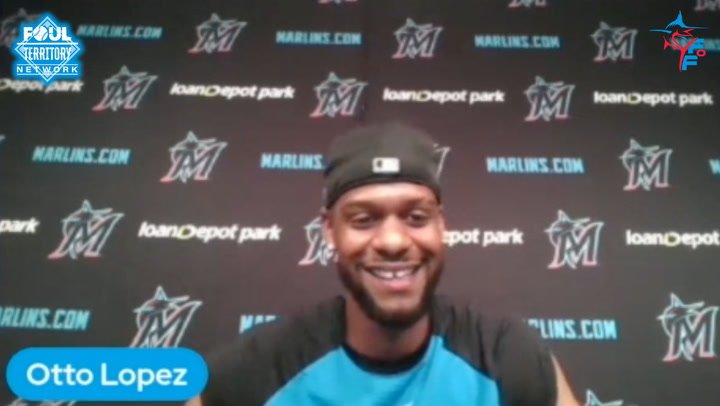 On Fish Unfiltered, Marlins All-Star candidate Otto Lopez gets emotional reflecting on how far he's come since being designated for assignment twice in early 2024.View the full article
 -
Twins Acquire Cash Considerations, Pohlads Celebrate
DiamondCentric posted an article in Twins Daily
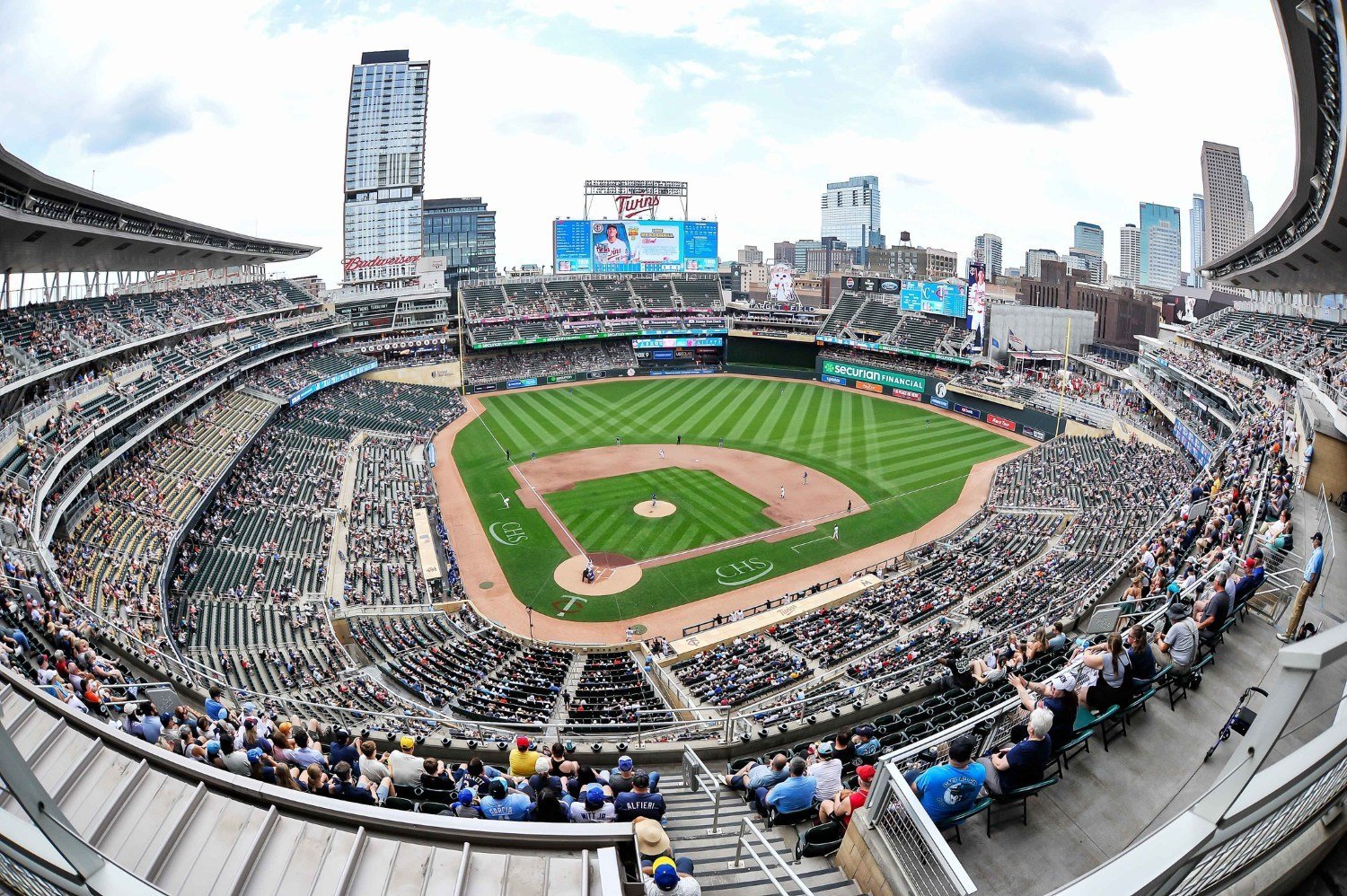 The Minnesota Twins announced this week that they traded Simeon Woods Richardson to the Toronto Blue Jays in exchange for Cash Considerations, once again proving that baseball's most valuable asset isn't a five-tool prospect or Cy Young contender. It's a guy named Cash. For most organizations, Cash Considerations is simply a transaction detail buried near the bottom of a press release. For the Twins, however, sources say it's much more personal. "No player has done more for this franchise over the last two decades," one team official said. "Every few years, he finds his way back to us." Despite appearing in hundreds of transactions throughout Major League Baseball history, Cash remains one of the sport's most mysterious figures. He has never thrown a pitch, taken an at-bat, or appeared on a Top 100 prospect list, but general managers continue to pursue him aggressively. Twins Daily was granted exclusive access to Cash shortly after the Woods Richardson trade became official. The veteran asset appeared relaxed as he sat in a conference room at Target Field surrounded by calculators, accounting ledgers, and several framed photos of previous Twins cost-cutting measures. "It's great to be back," Cash said. "Minnesota has always felt like home." Cash acknowledged that he has been involved in countless baseball transactions over the years. "I've been traded for utility infielders, backup catchers, waiver claims, international bonus pool space, and at least six relievers nobody remembers," he said. "Sometimes teams don't even mention me in the headline. That hurts." While fans often focus on the players involved in a trade, front offices see things differently. "Cash is one of the most reliable assets in baseball," an American League executive explained. "He's durable, flexible, and never complains about playing time." The acquisition reportedly generated significant excitement within Twins ownership. Sources familiar with the situation say members of the Pohlad family immediately gathered to review the details of the transaction. "There was a standing ovation," one witness said. "I haven't seen that much excitement since someone suggested lowering payroll projections." A representative of the Pohlad family released a statement shortly after the trade. "We've always had tremendous respect for Cash Considerations," the statement read. "His contributions to this organization cannot be overstated." Another ownership source spoke glowingly about the newest addition to the organization. "People talk about building around young talent, but Cash has been helping this franchise for years," the source said. "Prospects come and go. Cash is forever." Cash admitted he has developed a special bond with Twins ownership over the years. "They've always believed in me," he said. "Some organizations see me as a transaction. The Pohlads see me as family." The relationship has become so strong that league insiders now consider Minnesota a perennial favorite whenever Cash becomes available. One rival executive even suggested the Twins could eventually retire his number. "Assuming he gets one," the executive clarified. Despite his popularity, Cash insists life on the transaction wire is not always easy. "You wake up with one organization and go to sleep with another," he said. "One day you're helping complete a trade in Tampa. The next day you're part of a deal involving a struggling bullpen arm and a player to be named later." Still, he understands why teams keep calling. "When a front office needs flexibility, they know where to find me." The Twins appear optimistic that Cash can immediately contribute in several key areas, including future roster moves, budget discussions, and ownership presentations. Club officials declined to reveal whether Cash would report to Triple-A St. Paul. "He's already where he needs to be," one executive said. As the interview concluded, Cash received a text message and smiled. "Looks like another team is interested," he said. Before leaving, he stopped to thank the Twins organization and the Pohlad family for their continued support. Outside Target Field, ownership sources reportedly gathered for a Minnesota goodbye. "We'll see each other again," one shouted. History suggests he is probably right. Players come and go. Front offices change. Prospects rise and fall. But through every rebuilding plan, payroll discussion, and minor transaction, one constant remains. Cash Considerations always finds his way back into the conversation. View the full article
 -
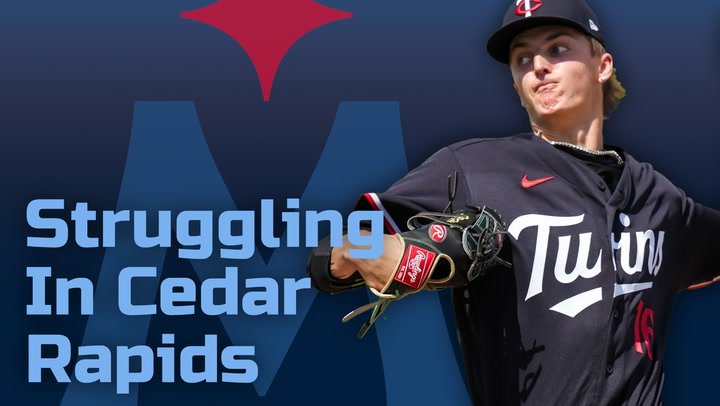 Coming into the season, Dasan Hill looked like the Twins' best chance at developing a future ace. But two months into 2026, there's a growing problem that's becoming impossible to ignore. View the full article
 -
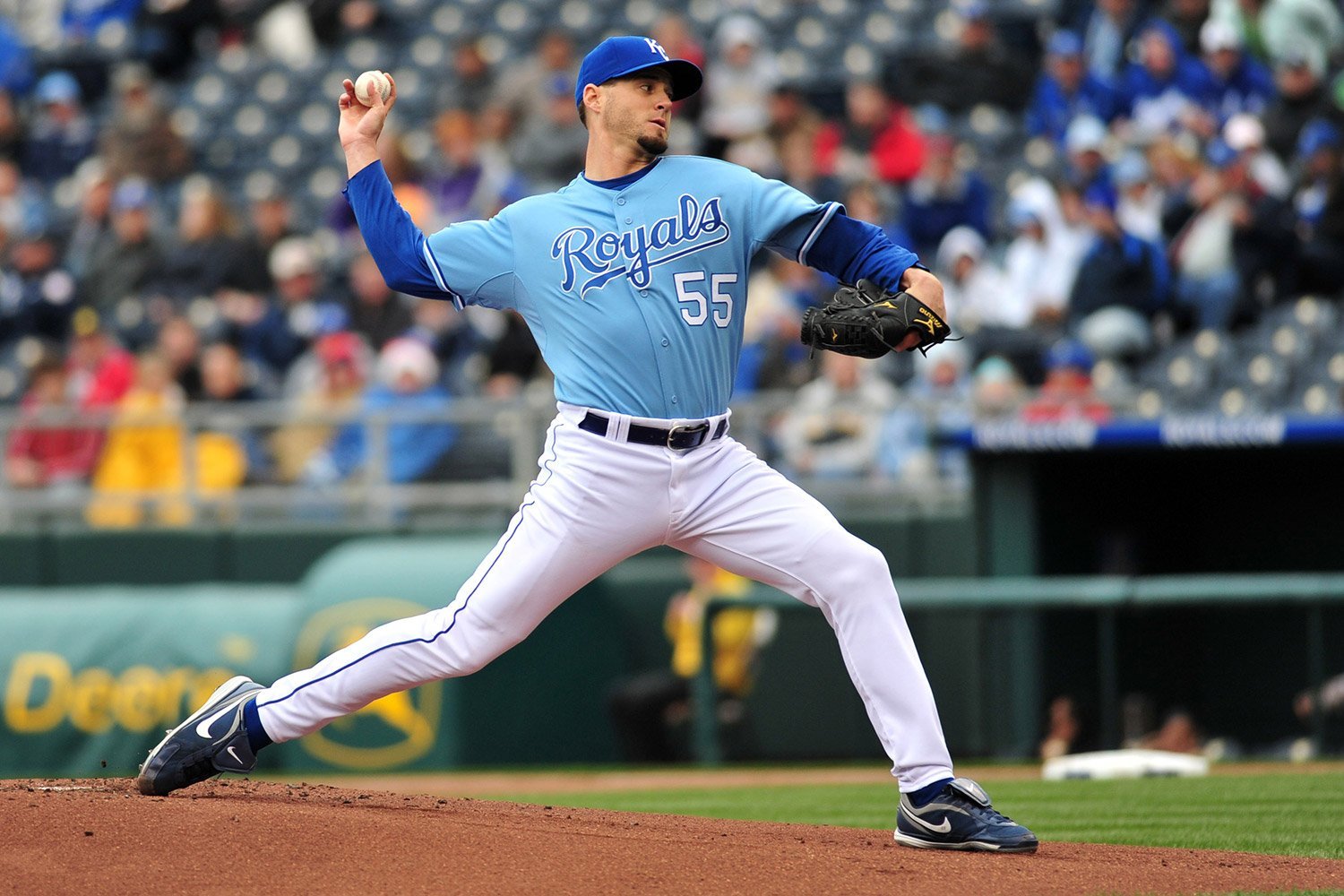 Everyone knows the tragic tale of Icarus, the boy who flew too close to the sun just to fall down and meet a grisly fate. The Royals have seen a story like that happen in real life with Gil Meche, a pitcher whose stubbornness to get a complete game eventually cost him down the road. But the story of how he got to June 16, 2009, is just as interesting as the man himself. Gilbert Albert Meche was born in Lafayette, Louisiana, on September 8th, 1978. Meche was a star pitcher at Acadiana High School and eventually found a place in the U.S. Junior Olympic Baseball Team in 1995, where they would win gold at the World Junior Baseball Championship. That same year, Meche would earn most valuable pitcher honors at the National Amateur All-Star Tournament when he was just 16 years old. Unfortunately for him, he would suffer a viral infection, causing him to miss almost all of his senior year season. He would still be named to the All-America Second Team and announce his intention to play college ball at LSU. However, when he was surprisingly drafted 22nd overall by the Seattle Mariners in 1996, he would end up foregoing college and signing professionally. After a solid three-year stint in the minors, Meche would make his big league debut on July 6, 1999, just two months before his 21st birthday. Meche would become the second-youngest player to ever debut for the Mariners behind Ken Griffey Jr. He pitched 5 2/3 innings and gave up two earned runs on four hits, striking out five. He wouldn’t get a first win until July 19th against the Diamondbacks when he pitched seven innings and only gave up three earned runs. He would finish his first season with a record of 8-4 and an ERA of 4.73 in 15 starts. The next year would not be kind to Meche as he lost his first five starts to begin 2000. He would bounce back and even pitch a rain-shortened shutout, tossing just 5 scoreless innings against the Royals. However, his season would be cut short due to having a dead arm, and he was put on the disabled list in July. He would make a few rehab appearances but would not pitch in the majors the rest of the season. Meche would pitch for the Mariners until 2006, putting up solid numbers for them as he went 43-36 with a 4.75 ERA. He would become a free agent at the end of the 2006 season, and with a big-time demand for pitching, Meche was going to get paid big time. He received interest from the Cubs and the Blue Jays, but ended up surprising everyone and signed with the Royals for five years and $55 million. The contract would tie the largest in club history, and Meche would wear the number 55 in honor of that contract. Meche would start off his Royals career strongly, amassing a record of 5-6 with a 3.28 ERA before being named an All-Star in 2007. He finished the year with a 9-13 record and posted career bests in ERA (3.67), innings pitched (216), and a league-leading 34 starts. Meche would have another great year the following season, finishing 2008 with a 14-11 record and a 3.98 ERA. But then 2009 would be the year when the wheels started to fall off. Meche would start off the year solidly, though, with a record of 3-5 with an ERA of 3.70, but then came June 16th. In a memorable game against the Diamondbacks, Meche pitched a complete game shutout, only giving up four hits and striking out six. At the time, it was seen as Meche’s masterpiece, but there was only one stat that stuck out like a sore thumb: his pitch count. Meche threw 132 pitches, which is too many pitches to throw for a shutout, and it would eventually take a toll on him. Manager Trey Hillman again gave Meche too long a leash in his next two starts as he threw 121 and 114 pitches in back-to-back starts. He would finish 2009 with a record of 6–10 and an ERA of 5.09 while giving up almost 8 earned runs per game over his last nine starts. He would not be the same pitcher after that. 2010 would be another forgettable year for Meche as he would not be given the Opening Day nod, which went to Zack Greinke, the Cy Young Award winner the year prior. Meche started the year 0-4 with a 6.66 ERA before being placed on the disabled list with right shoulder bursitis, which marked his second stint on the DL for the season. After five rehab appearances, he would return to the Royals as a reliever and put up admirable numbers, pitching 11 innings to an ERA of 2.08. However, it would be the last time Meche would pitch in the majors, as he would make the surprising decision to retire rather than play out the final year of his contract, where he was guaranteed $12 million. Meche believed that he wasn’t the pitcher that he once was and that he was not deserving of the money. It’s hard to know what kind of pitcher Meche would've become if he hadn’t thrown so many pitches in 2009. Would he have won a Cy Young? Probably not. But he would've been a staple in the Royals' rotation for years to come, and that is the real tragedy of it all. In the many what-ifs Royals fans have been through, Meche certainly represents one of the most interesting stories in Royals lore. View the full article
 -
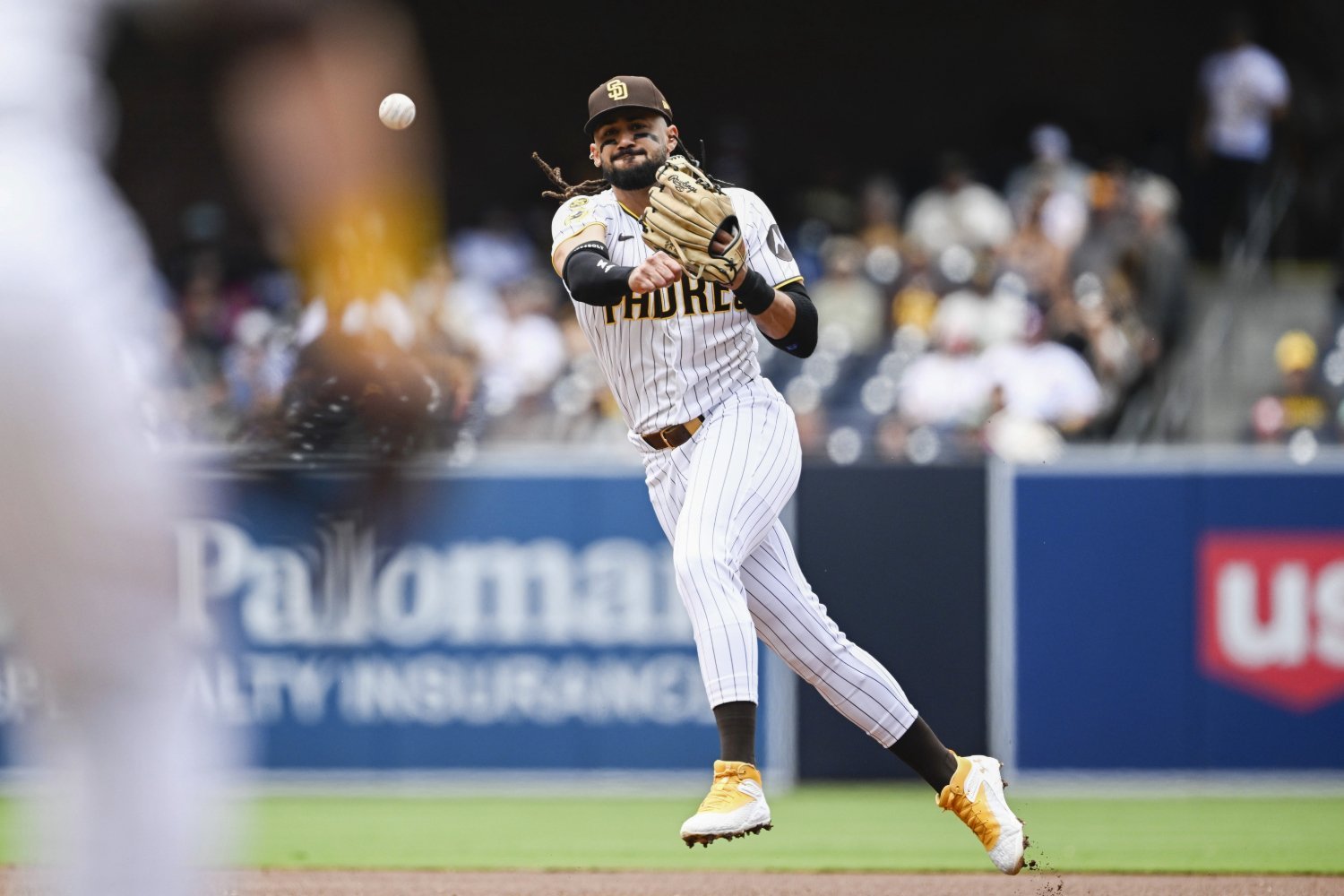 When it comes to the offense and pitching staff (the latter of which specifically applies to the rotation), the San Diego Padres are floundering. Despite keeping up with the Los Angeles Dodgers in the National League West standings through more than a month to open 2026, they're currently mired in third place with very little optimism of working themselves out of a late-May-early-June swoon anytime soon. That doesn't mean it's all bad, though. In addition to the bullpen, which has been a predictable strength of the roster, the team's defense has been much-improved. That progression comes despite the team routinely spending time lingering in the bottom half of the league in defensive output over the last handful of seasons. No position seemed to be immune to the struggle on that side of the ball. Take 2024, for example. The Padres ranked 22nd in the league in Fielding Run Value (-16). FRV represents the most logical route toward evaluating the collective, given its comprehensive approach to not only glove work but also throwing value (i.e., arm strength, accuracy, etc.). Jackson Merrill led the way that year with a FRV of 10, with Ha-Seong Kim's 4 FRV ranking second on the team. From there, it was a steady stream downhill. Regulars Xander Bogaerts (-1), Jake Cronenworth (-4), Luis Arráez (-4), and Jurickson Profar (-6), all finished under the average threshold by the metric. The catching situation was nothing short of a disaster, with Kyle Higashioka (-2) and Luis Campusano (-13) weighing down the group further. The 2025 campaign demonstrated a continued struggle on that side of the ball. Even with a rapid ascent up the FRV board from Fernando Tatis Jr. (9) and Xander Bogaerts (7), the group still finished 17th with a -2 FRV as a collective. Cronenworth and Arráez were below average at two positions each, while trade deadline acquisition Ramón Laureano managed that feat at all three outfield positions. Meanwhile, Manny Machado checked in at -4 FRV, while Martín Maldonado was the caboose at -6. Even with steady work behind the plate from catching mate Elías Díaz, the catching in particular was another source of struggle that compounded with modestly-below-average play elsewhere to give the Padres a firmly below-average defense. Things have shifted heavily in 2026, however. The Padres are fourth in the league with a FRV of 17. That trails the first-place Chicago Cubs (27) by a heavy amount, but is just one notch below second-place Boston's 18. It's the result not only of improvement at key positions, but a progression by multiple players who had struggled over the last couple of years. Catching represents the most obvious area of improvement, especially given the struggles of individual backstops over the last couple of seasons. This year, however, it's an area of strength. Each of Freddy Fermin (2) and Rodolfo Durán (2) are comfortably above average in FRV, while Luis Campusano (0) is checking in at exactly average in his own right and demonstrating significant improvement defensively from two years ago. Durán's work has helped to ensure stability in Campusano's absence, as well. While that group is the most notable among the improvements, a couple of changes behind made to the roster configuration have also helped. The obvious one is moving Tatis from full-time work in right field to regular work at the keystone. Across 2024 and 2025, the Padres' -7 FRV at second base ranked 25th in the league. Tatis, though, is working with a 4 FRV in 225 innings there while continuing to offer above-average play in right field (2 FRV). As a result, they're now seventh in the league in their defensive performance at the position. First base is also a key area of improvement. Ty France was coming off a Gold Glove season in Minnesota when the Padres added him on a minor-league deal this winter. His 5 FRV is pacing the team and proving to be a massive improvement on the combination of Arráez, Cronenworth, et al. from last season. Only two teams (Chicago & Atlanta) have a higher Fielding Run Value at that spot than the Padres do in their cumulative first base work. Those key changes come in addition to improvements from Manny Machado (3 FRV) and continued stability at shortstop from Xander Bogaerts (also 3 FRV). Ramón Laureano had also been above average in this regard prior to his injury. It's possible that there's a positioning component — Machado, for example, has moved in a couple of feet on his average start point — but there isn't any one change that appears to be indicative of the more individual improvements manifesting on the roster. The full-time run for Fermin and change in personnel at first base are obvious factors yielding big benefits, as well as Tatis' move to second base. Regardless of the how, there isn't any doubt that this is a much better defensive team than it has been the last couple of years. Of course, how much that matters in the standings remains to be seen. Pitching and defense are always noted as the pillars of contention. The Padres have all of one and half of the other at present, given their deficiencies in the rotation. The defense isn't going to prop them up against their counterparts in the NL West, but it could certainly be a separator if the team is able to overcome its present shortcomings when at the plate and starting the game on the mound. View the full article
 -
Brandon Woodruff Looks Like He's Reinventing Himself (Again)
DiamondCentric posted an article in Brewer Fanatic
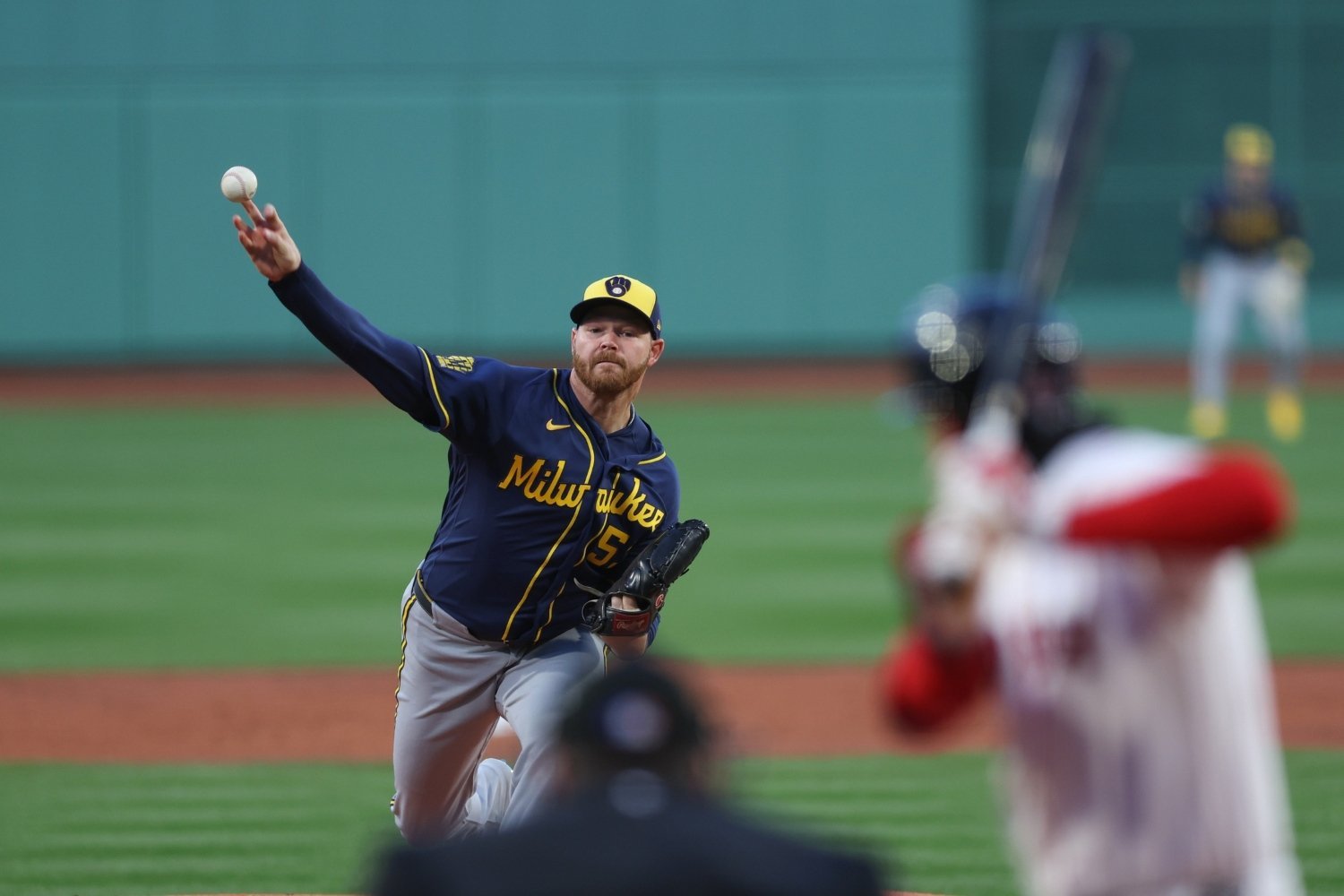 It's been six weeks since Brandon Woodruff last pitched in a big-league game. After leaving his start on April 30 with a dead arm and having a cyst drained in his surgically repaired right shoulder, he and the Brewers have taken his rehab slowly. It seems he's finally nearing a return, though, as he threw 68 pitches in an Arizona Complex League game on Tuesday night. Before that outing, Woodruff threw three simulated innings of live at-bats in Milwaukee last week. With media present for that session, he appeared to lean heavily on cutters and changeups. There were no public velocity readings, but his main fastballs looked slower than his usual post-surgery cruising speed of 92-93 mph. Velocity didn't look like the focus of the session, anyway, as MLB.com's Adam McCalvy reported that Woodruff was testing a lower arm slot so that his shoulder could work more efficiently. Those changes in release, velocity, and pitch usage all carried over to the ACL, where Woodruff worked 3 2/3 innings. The results from that outing don't matter, but there are takeaways to glean from how his stuff moved and how he used it. Like his simulated outing, there were signs that Woodruff might return to the big leagues as a slightly different pitcher than he was several weeks ago. Woodruff's four-seamer and sinker combined to average 90.6 mph on Tuesday. That's a welcome improvement after his fastballs dropped into the mid-80s in his last big-league appearance, but it's also more than a tick below his season average of 92.2. He was also cutting the ball more from his lower slot, leading to less induced vertical break on his four-seamer—the late carry that got hitters to swing underneath the ball for whiffs, even at 92—and less arm-side run on his two-seamer and changeup. Perhaps Woodruff will find more of that backspin carry as he settles into that lower slot. The adrenaline boost of pitching in meaningful games could also nudge that velocity closer to that 91-93 range, where he learned to succeed last year by tunneling his two-seamer and new cutter to work both sides of the plate. Right now, though, he looks like a pitcher responding to the possibility that his raw stuff has further declined. If Woodruff is indeed preparing to navigate hitters differently, his cutter might be at the center of that new approach. Last season, he threw it just 12% of the time to left-handed batters. Facing a lineup with eight lefties on Tuesday, he used it more than 30% of the time, another sign that it may be a bigger part of his pitch mix moving forward. Because that cutter is a true cut fastball, Woodruff could miss barrels with it as his primary pitch if necessary. While he threw fewer four-seamers last year, it still played well over the heart of the plate when he did use it. If that pitch is less effective in the zone with diminished velocity and movement, throwing more cutters would help him change lanes even more effectively and give that four-seamer more perceived life. Woodruff's next outing could come in Milwaukee next week, which would shed more light on where his stuff is and how best to use it. For now, the signs suggest he's adapting again and entering a new chapter of his post-surgery career. View the full article
 -
Royce Lewis Forced His Way Back. Now Comes the Hard Part.
DiamondCentric posted an article in Twins Daily
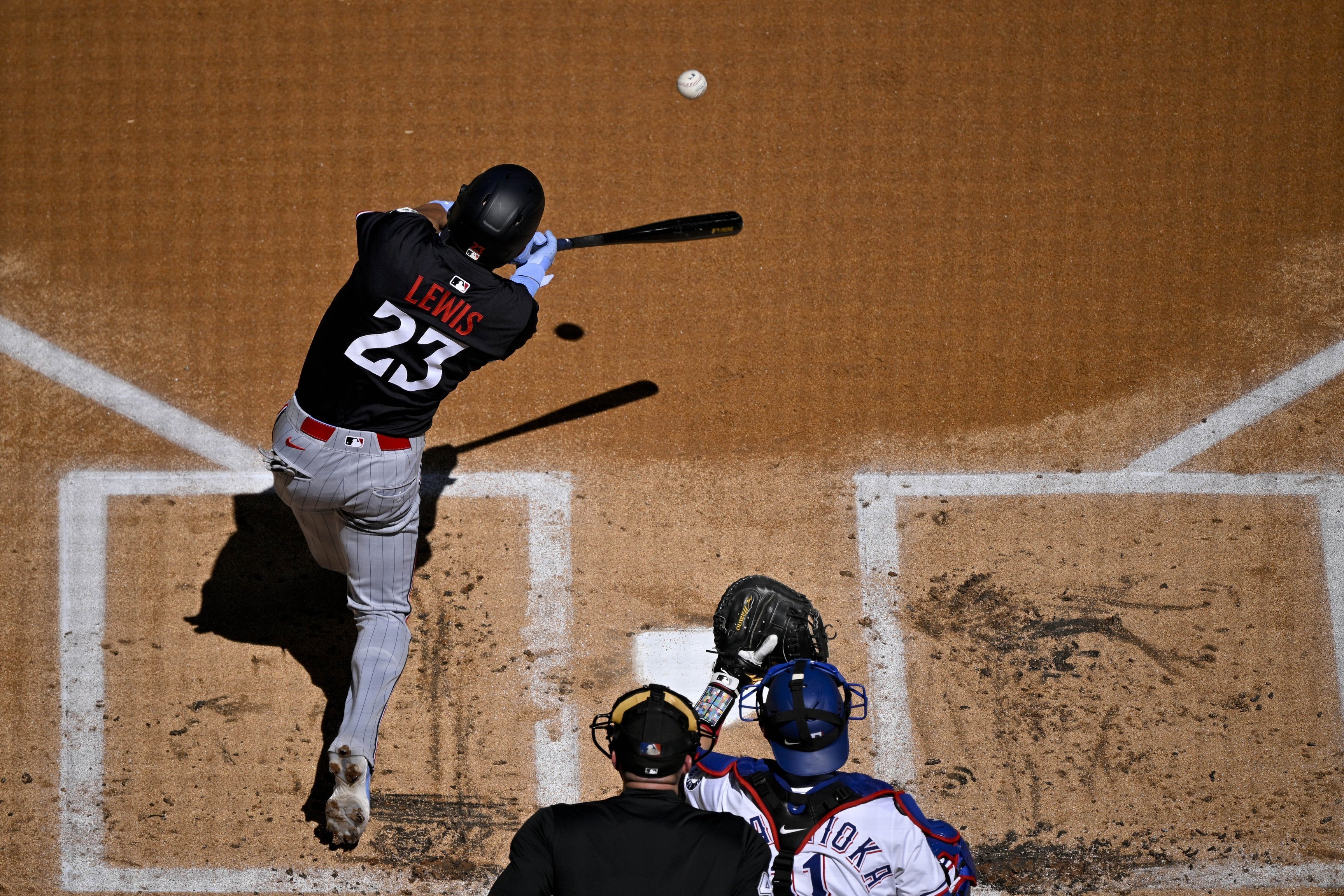 For years, Royce Lewis represented possibility. He was the first overall pick. The face of the next competitive Twins core. A player whose combination of athleticism, power, and charisma made him one of the most exciting talents the organization had developed in decades. Today, he is something else entirely. Lewis returned to Minnesota on Saturday after spending just 19 days at Triple-A St. Paul, a stay that was originally expected to be much longer. Rather than sulk over the demotion, he responded exactly how the Twins hoped he would. Lewis hit .340 with eight home runs in 13 games for the Saints. He also embraced something that had previously seemed unlikely, spending time at both second base and first base in an effort to increase his defensive versatility. That performance (and, admittedly, the shoddy work of each player the team tried in his stead) forced Minnesota's hand. Now comes the difficult part. Lewis didn't simply earn another promotion. He earned what could be the most important four months of his professional career. The Clock Is No Longer Working in His Favor Some might view this as Lewis's final opportunity with the Twins, but even that statement is cloudy. He's only 27 years old and remains under team control through 2028. Talent does not simply disappear overnight, and his Triple-A performance served as a reminder that the offensive upside still exists. So did a 112-MPH single off his bat over the weekend, and his long home run Wednesday night in Detroit. At the same time, the circumstances around him have changed dramatically. The Twins' infield is becoming increasingly crowded. Luke Keaschall and Brooks Lee are younger than Lewis and have produced at a higher level this season. Top prospect Kaelen Culpepper continues moving toward Minnesota and projects as another player who will soon require everyday opportunities. The Twins can no longer build future plans around what Lewis once was. They need evidence of what he is today. That makes the remainder of the 2026 season incredibly important. The Bat Must Return Everything starts with offense. Lewis earned his recall by destroying Triple-A pitching, but the Twins need that production to carry over to the major leagues. Before being sent to St. Paul, Lewis was hitting just .163/.261/.279 with a 54 wRC+. The struggles were not isolated to a bad month or two. Since August 2024, Lewis has posted a combined .213/.268/.336 line with a 67 wRC+ across 181 major-league games. That sample is large enough to create legitimate concern. The version of Lewis that burst onto the scene from 2022 through the first half of 2024 may never fully return. Expecting that level of production again would be unrealistic. What Minnesota needs is something much simpler. They need an above-average major-league hitter. If Lewis can provide consistent power, improve his on-base percentage, and once again become a middle-of-the-order threat, the conversation surrounding his future changes immediately. If he cannot, the Twins will face difficult decisions. Defensive Flexibility Matters More Than Ever One of the most encouraging developments from Lewis's demotion was his willingness to expand his defensive profile. He started at second base in his first game back before moving to first base later in the contest. On Sunday, he made his first career major-league start at first base. Those assignments weren't accidental. Minnesota is searching for ways to keep Lewis in the lineup, while also preserving opportunities for players such as Keaschall. The fact that Lewis is being asked to move around the diamond also reveals another reality. He is no longer viewed as an automatic, everyday starter at one position. The more defensive value he can provide at first base, second base, third base, and designated hitter, the easier it becomes for manager Derek Shelton to find regular at-bats. For Lewis, versatility is no longer a bonus. It is becoming a necessity. He Must Force the Twins to Include Him in Their Future The Twins have given Lewis another chance because his talent remains undeniable. But this opportunity is about more than surviving on the roster. It is about proving he deserves a place in Minnesota's long-term plans. Lewis returned to the majors with momentum, but the early results have been modest. He went 1-for-7 with a single and a walk in his first two games back. Saturday's loss ended with Lewis taking a called third strike on a full-count pitch with the tying and winning runs on base. Not until that 444-foot homer Wednesday did he seem to truly announce his return. The organization needs to see a productive hitter who can contribute across multiple positions and consistently impact games. If that player emerges over the final months of 2026, Lewis can once again become part of the next Twins core. If not, Minnesota may eventually view him as a player who needs a change of scenery, rather than a foundational piece. Lewis successfully hit his way back to the major leagues. Now, he has until the end of 2026 to hit his way back into the Twins' future. What does Lewis need to do to put himself back in Minnesota’s long-term plans? Leave a comment and start the discussion. View the full article
 -
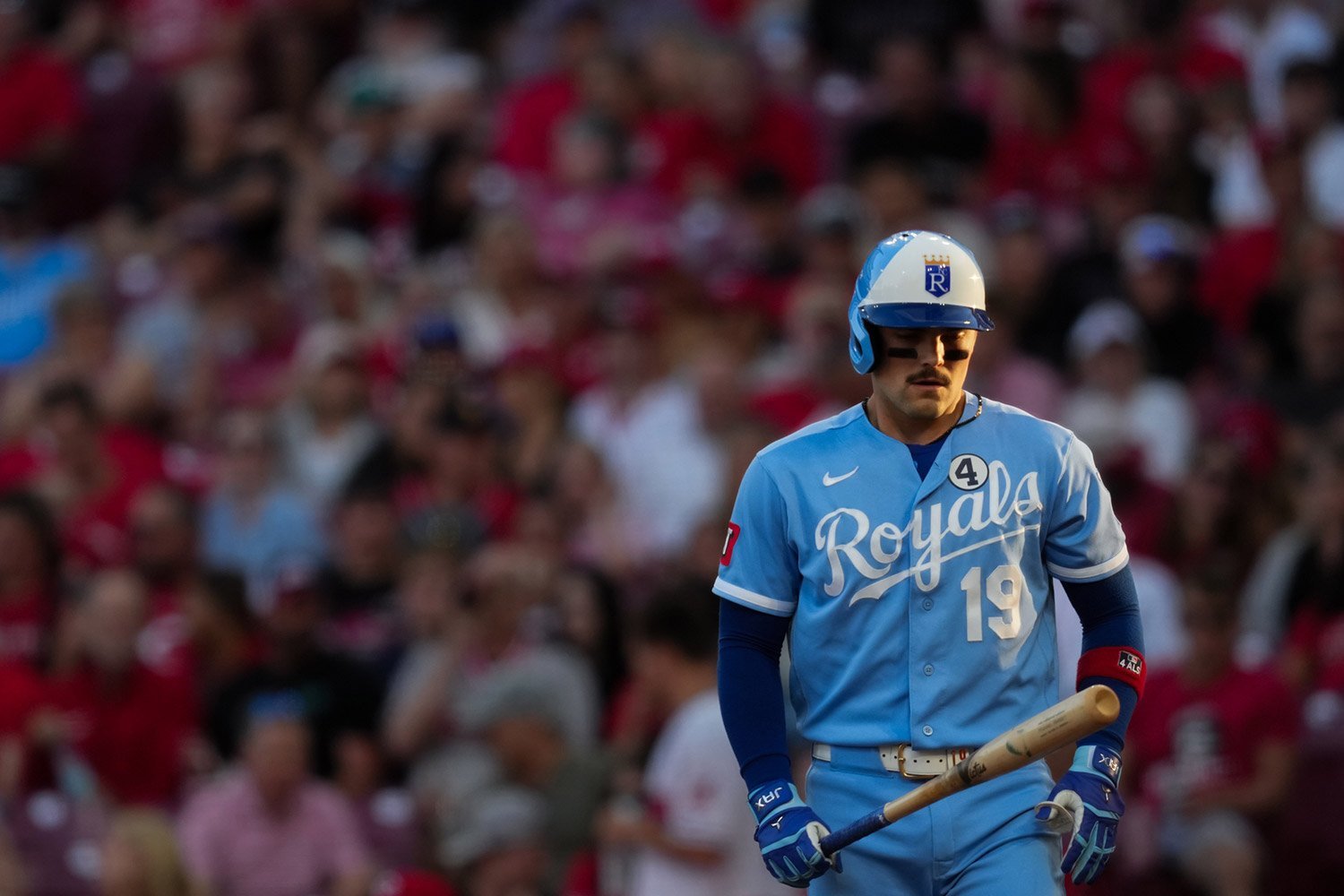 Over the past few weeks, the manager Matt Quatraro has been shuffling around his lineup. Maikel Garcia has not led off for the Royals since May 27, partially to place him in the heart of the batting order, and partially due to a hamstring injury. Since May 27, Quatraro has favored Carter Jensen to lead off against right-handed pitchers and Lane Thomas against left-handed pitchers. However, Jensen has been slumping lately, and it could be time to shake up the order yet again. As the Royals sit near the bottom of the AL Wild Card standings, every lineup decision can make a huge impact on the season and stay in the win column. Jensen has seen a drop in weighted on-base average (wOBA) since late April. His current expected wOBA (xwOBA) is sitting at .267 (6th percentile), but his last 100 plate appearances show that his current form is even worse than that at .224. For reference, the median xwOBA among qualified hitters in MLB is .322. After a strong start, Jensen’s overall run creation is below league average with an 80 wRC+. Massey also brings some experience as a leadoff hitter. He has 80 career plate appearances from the leadoff spot, though he hasn’t featured in that spot since 2024. His career slash line leading off is .233/.288/.411, which is slightly better than his career averages. Massey is far from the perfect leadoff hitter. His current on-base percentage of .283 is less ideal. His baserunning does not stand out in particular. His sprint speed is below average in the 37th percentile. He has only one stolen base attempt this season and has been thrown out more often than he advances when trying to take the extra base on the basepaths. If Massey can‘t improve his baserunning, he could be a frustrating fixture on the bases with stars like Bobby Witt Jr. at the plate. While his wOBA is on the upswing, Massey’s pure on-base ability does not necessarily impress, and a lack of walks could become an issue at the top of the order. While his OBP of .283 against righties is an improvement on Jensen’s mark of .281, Massey has a team-low walk rate of 3.4%. If Quatraro values walks and plate discipline from his leadoff hitter, it might be worthwhile to explore Isaac Collins and his 14% walk rate. Why not stick to Garcia as the leadoff hitter? Against right-handed pitching, Garcia's 76 wRC+ has not been as productive as Massey's 95 wRC+. Garcia’s production could be better used in the middle of the order, protecting Witt in the order. With the regression from Salvador Perez, Garcia provides a rare right-handed bat that can produce in the heart of the order every day. While Massey does not represent the prototypical leadoff hitter, he represents an improvement in form compared to Jensen, who is slumping. Until Jensen shows signs of breaking out of his slump, Massey appears to be the strongest candidate to lead off against right-handed pitching. View the full article
 -
 The Kansas City Royals system went 4-for-4 on the night. Matthew Lugo drove in four runs, including a homer, as Omaha topped Las Vegas 11-6. Derlin Figueroa erupted for six RBIs on two homers, capped by a grand slam, in Quad Cities' 16-10 slugfest. Jose Gutierrez carried Columbia with six innings of one-run, five-strikeout ball in an 8-5 win. In Arkansas, Connor Scott's tenth-inning sacrifice fly lifted Northwest Arkansas to a 5-4 extra-inning victory. Royals Transactions Kansas City Royals sent LHP Kris Bubic on a rehab assignment to Omaha Storm Chasers. Kansas City Royals activated RHP Stephen Kolek. Kansas City Royals optioned 3B Josh Rojas to Omaha Storm Chasers. Lugo Drives In Four As Omaha Pulls Away From Las Vegas The Omaha Storm Chasers beat the Las Vegas Aviators 11-6, scoring in five separate innings to overcome a brief deficit. Lugo led the offense, going 2-for-3 with a home run, a walk, and four RBI. Drew Waters added three hits with a home run and two RBI, John Rave reached base three times, and Peyton Wilson collected three hits, including two doubles. Rojas also homered and scored twice. Las Vegas pushed back in the seventh, plating four runs to tie the game at 5-5 entering the bottom half. Omaha answered right away. Brett Squires singled home John Rave to retake the lead, Luca Tresh singled in Lugo, and Waters singled home Squires to make it 7-5. The Storm Chasers then broke it open in the eighth: Wilson doubled home Connor Kaiser, and Lugo capped the scoring with a three-run homer that brought in Rave to push the margin to 11-5. Ben Sears opened with three scoreless innings, allowing two hits with two strikeouts and no walks. Dan Altavilla earned the win after working 1 1/3 innings, allowing one hit, no runs, and two walks while striking out one. Omaha left seven runners on base and went 8-for-16 with runners in scoring position. Player AB R H RBI BB K Josh Rojas 5 2 2 1 0 1 Peyton Wilson 5 2 3 1 0 2 John Rave 5 2 3 0 0 0 Matthew Lugo 3 2 2 4 1 0 Brett Squires 5 1 2 1 0 0 Luca Tresh 5 0 2 1 0 0 Drew Waters 4 1 3 2 0 1 Gavin Cross 4 0 0 0 0 2 Connor Kaiser 4 1 1 0 0 3 Player IP H R ER BB K HR Ben Sears 3 2 0 0 0 2 0 Helcris Olivárez 2 2 1 1 2 2 0 Génesis Cabrera 1 2/3 2 4 4 2 1 0 Dan Altavilla 1 1/3 1 0 0 2 1 0 Luke Jackson 1 2 1 1 2 1 0 Scott's Tenth-Inning Sacrifice Fly Lifts Northwest Arkansas In Extras The Northwest Arkansas Naturals edged the Arkansas Travelers 5-4 in ten innings. The offense was patient, drawing several walks, with Spencer Nivens reaching twice via the walk and scoring twice while driving in a run. Jack Pineda went 2-for-4 with a walk and scored a run, Omar Hernandez added two hits, and both Alberto Rodriguez and Connor Scott drove in two runs apiece. The Naturals built their lead in the fourth, when Rodriguez singled home Nivens and Scott grounded into a force out that brought in another run for a 3-1 advantage. Arkansas tied it in the eighth on a two-run homer to force extra innings. In the tenth, with the zombie runner aboard, Omar Hernandez moved into scoring position, and Scott delivered a sacrifice fly to bring home the go-ahead run for the 5-4 final. Hunter Patteson started and worked five innings, allowing two runs on six hits with two walks and three strikeouts. Dennis Colleran Jr. earned the win despite allowing two runs over two innings. Tommy Molsky closed it out with a scoreless tenth, walking three but stranding the tying run to record the save. Northwest Arkansas left eleven runners on base and went 1-for-13 with runners in scoring position. Player AB R H RBI BB K Carson Roccaforte 4 0 0 0 1 1 Jack Pineda 4 1 2 0 1 0 Sam Kulasingam 5 0 1 0 0 0 Spencer Nivens 2 2 0 1 2 0 Daniel Vazquez 2 1 0 0 2 1 Omar Hernandez 5 1 2 0 0 1 Alberto Rodriguez 5 0 1 2 0 0 Connor Scott 4 0 0 2 0 0 Canyon Brown 5 0 1 0 0 3 Player IP H R ER BB K HR Hunter Patteson 5 6 2 2 2 3 1 Brandon Johnson 2 0 0 0 0 1 0 Dennis Colleran Jr. 2 1 2 2 1 1 1 Tommy Molsky 1 0 0 0 3 0 0 Figueroa's Six RBI And Grand Slam Fuel Quad Cities Slugfest The Quad Cities River Bandits outlasted the Beloit Sky Carp 16-10 in a back-and-forth slugfest. Figueroa was the centerpiece, going 2-for-4 with two home runs, a walk, three runs scored, and six RBI. Nolan Sailors led off and went 4-for-6 with a double and an RBI, Blake Mitchell homered among his two hits and drove in two, and Asbel Gonzalez reached base four times with three walks and two RBI. Tyriq Kemp scored three runs. Trailing 6-1, Quad Cities chipped away before taking the lead in the seventh on Figueroa's two-run homer, an Asbel Gonzalez sacrifice fly, and Blake Mitchell's two-run shot. After Beloit tied it back up, the Bandits blew the game open with an eight-run eighth. Kemp and Diego Guzman delivered run-scoring singles, Sailors and a bases-loaded walk to Luke Pelzer added more, and Figueroa capped the rally with a grand slam to push the lead to 16-8. Aiden Jimenez struggled in his outing, allowing six runs on eight hits over four innings with two walks and one strikeout. Kamden Edge followed with two scoreless innings, striking out four without allowing a baserunner. Cory Ronan earned the win. The Bandits left five runners on base and went 7-for-11 with runners in scoring position to earn their 25th victory of the season. Player AB R H RBI BB K Nolan Sailors 6 2 4 1 0 1 Asbel Gonzalez 2 2 1 2 3 0 Blake Mitchell 6 1 2 2 0 3 Ramon Ramirez 4 1 0 0 0 3 Luke Pelzer 4 2 1 1 1 1 Derlin Figueroa 4 3 2 6 1 0 Jose Cerice 3 1 1 0 2 1 Tyriq Kemp 3 3 1 1 2 1 Diego Guzman 5 1 1 1 0 1 Player IP H R ER BB K HR Aiden Jimenez 4 8 6 6 2 1 1 Kamden Edge 2 0 0 0 0 4 0 Cory Ronan 1 4 2 2 0 1 0 Yimi Presinal 1 2 2 2 2 0 1 Gutierrez Dominates As Columbia Holds Off Delmarva The Columbia Fireflies beat the Delmarva Shorebirds 8-5 behind a strong start and a balanced lineup. Josh Hammond went 3-for-5 with an RBI, Yandel Ricardo reached three times with a double and two runs scored, and Jhosmmel Zue collected two hits and an RBI. Stone Russell, Sean Gamble, JC Vanek, and Angel Ramirez each contributed, with Ramirez reaching twice and adding a double. Ramirez was just recently called up from the Complex League in Arizona. Columbia jumped ahead in the second when Zue and Vanek delivered back-to-back run-scoring singles. The Fireflies extended the lead in the fifth, as Russell singled home Ricardo and Zue added a sacrifice fly to push the margin to 6-1. They tacked on two more in the eighth on a Columbia run set up by an error and a Sean Gamble sacrifice fly to reach the 8-3 mark before Delmarva's late rally fell short. Gutierrez was excellent in the Fireflies' victory. He worked six innings, allowed one run on five hits with no walks and five strikeouts. That performance earned him the Quality Start. Dutch pitcher Brandon Herbold pitched a scoreless inning with a strikeout in the seventh while Yeri Perez struggled in 2/3 of an inning in the 8th. Perez gave up two runs on two hits and two walks while striking out one. He also gave up a home run in his relief appearance. Andy Basora gave back two runs in 1 1/3 IP, but recorded the final outs for the save. Columbia left ten runners on base and went 3-for-12 with runners in scoring position. Player AB R H RBI BB K Henry Ramos 4 0 0 0 0 3 Josh Hammond 5 1 3 1 0 0 Yandel Ricardo 4 2 2 0 1 0 Stone Russell 4 1 1 1 0 2 Sean Gamble 3 1 1 1 0 1 Jhosmmel Zue 4 1 2 1 0 2 JC Vanek 3 0 1 1 2 1 Angel Ramirez 2 1 2 0 2 0 Roni Cabrera 3 1 1 0 1 2 Player IP H R ER BB K HR Jose Gutierrez 6 5 1 1 0 5 1 Brandon Herbold 1 0 0 0 0 1 0 Yeri Perez 2/3 2 2 2 2 1 1 Andy Basora 1 1/3 3 2 2 1 1 1 Top-20 Prospect Performance Kendry Chourio: DNP David Shields: DNP Sean Gamble: 1-for-3, RBI, K Blake Mitchell: 2-for-6, HR, 2 RBI, 3 K Josh Hammond: 3-for-5, RBI Ramon Ramirez: 0-for-4, 3 K Drew Beam: DNP Asbel Gonzalez: 1-for-2, 2 RBI, 3 BB Ben Kudrna: DNP Carson Roccaforte: 0-for-4, BB, K Yandel Ricardo: 2-for-4, 2B, BB Felix Arronde: DNP Blake Wolters: DNP Michael Lombardi: DNP Luinder Avila: DNP Steven Zobac: DNP Frank Mozzicato: DNP Daniel Vazquez: 0-for-2, 2 BB, K Warren Colcano: DNP Shane Panzini: DNP View the full article
 -
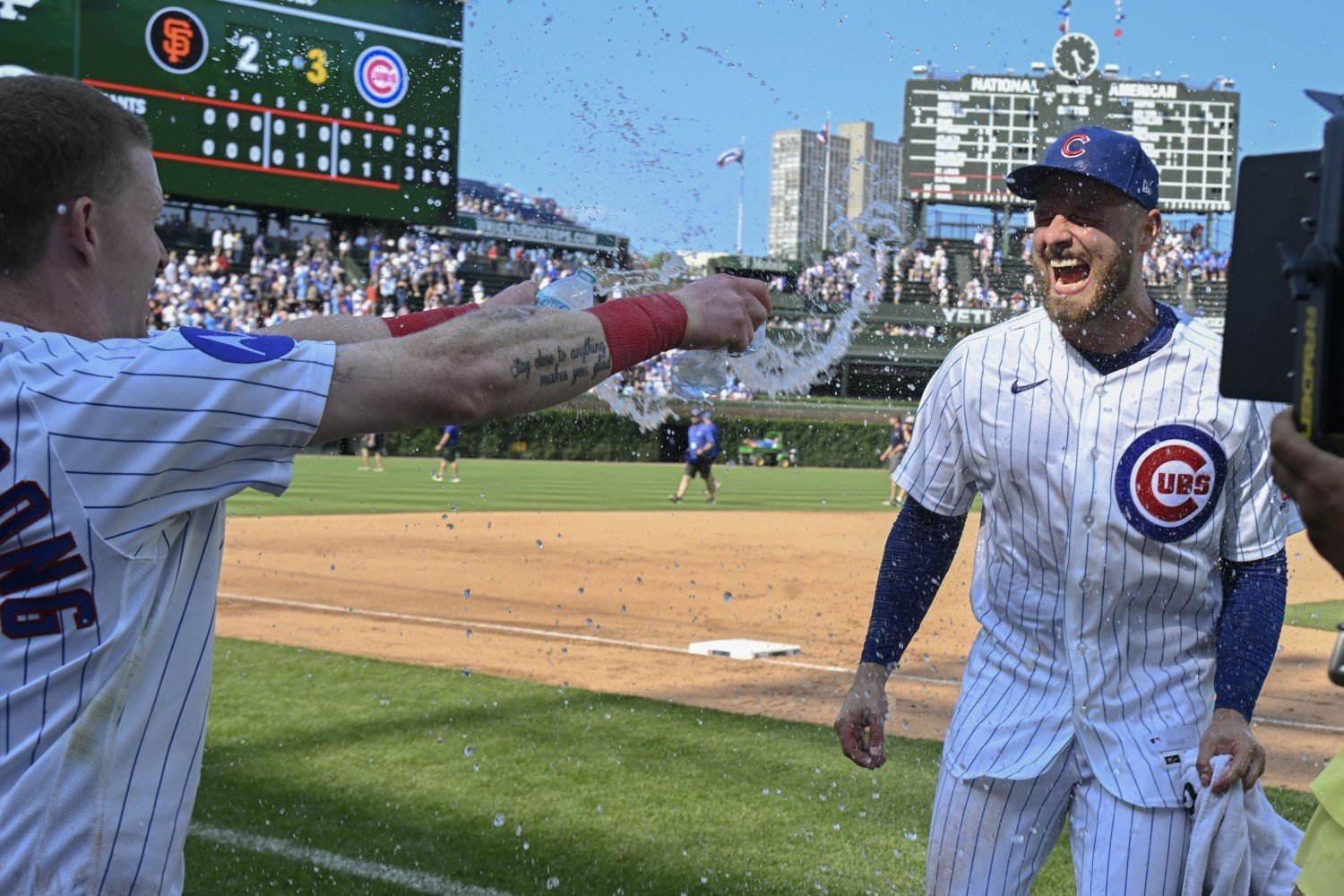 There's a scene that has repeated itself often enough at Wrigley Field this season to stop being a coincidence. Michael Busch lines a double to left with a runner on third, or Pete Crow-Armstrong launches a two-run homer that seems to shift the game's momentum, and for a moment Chicago's offense looks exactly the way it was supposed to: deep, dangerous, capable of turning traffic into real damage. Then the next at-bat arrives, and with it the most complicated reality of this season. It's not that the Cubs aren't generating opportunities with runners in scoring position. It's that they're increasingly dependent on two specific players to capitalize on them, while the rest of the lineup operates from a level of production that can no longer be explained away by bad luck. The gap between April and May is neither marginal, nor the result of a passing fluctuation. Between Opening Day and April 30, the Cubs batted .246/.336/.391 with runners in scoring position, for a wRC+ of 113. They were one of the most efficient situational units in the majors. Since May 1, that same offense has produced a .223/.324/.349 line in those spots, with a wRC+ of 91, falling below the league average in the moments that carry the most competitive weight. Period AVG OBP SLG xwOBA wRC+ Mar/Apr .246 .336 .391 .317 113 Since May 1 .223 .324 .349 .300 91 Cubs with RISP: split by period What makes this deterioration especially difficult to rationalize is that the underlying numbers offer no narrative shelter. On the full season with RISP, the Cubs carry a wOBA of .299, nearly identical to their xwOBA of .299, and an AVG of .221 against an xBA of .214. When real production and expected contact quality converge with that precision, the bad luck argument doesn't just weaken: it collapses entirely. This offense is generating the contact it deserves and getting the results that contact produces, which shifts the conversation toward more uncomfortable ground: the quality of impact in pressure situations has declined, and until it improves, no narrative of imminent correction has any real foundation to stand on. Busch and Crow-Armstrong: Real Engines in an Offense That Went Dark Around Them Michael Busch and Pete Crow-Armstrong are not part of the problem; they're the reason this problem hasn't turned into an even worse crisis. Since May 1, Busch carries a wRC+ of 168 with RISP, backed by a slash line of .296/.434/.512 and an xwOBA of .399. With a Hard-Hit% of 48% in those situations, he's not just making contact frequently. He's hitting it hard when runners are on base, which is exactly the combination that separates an elite situational hitter from one who simply runs up numbers in neutral contexts. Crow-Armstrong has been equally dominant: 144 wRC+, eight home runs since May 1, and a Hard-Hit% of 53.8% that places his contact in elite territory. Both don't just maintain their performance in pressure scenarios—they elevate it. The problem is that they're propping up an offense built to have four or five reliable sources of situational damage, a burden no duo can carry indefinitely without the team paying for it in the runs column. Swanson, Suzuki, Bregman: When the Core Stops Working The contrast with the rest of the lineup is stark enough that the table leaves little room for generous interpretation. Player AVG SLG xwOBA Hard-Hit% wRC+ Michael Busch .296 .512 .399 48.0% 168 Pete Crow-Armstrong .265 .500 .409 53.8% 144 Ian Happ .230 .500 .359 41.7% 135 Alex Bregman .239 .187 .291 34.0% 82 Seiya Suzuki .205 .242 .289 38.0% 71 Nico Hoerner .206 .250 .334 28.0% 60 Dansby Swanson .153 .225 .229 32.0% 29 Cubs with RISP since May 1 — individual profile Above the 100 wRC+ threshold (the baseline for a league-average hitter) sit only Busch, Crow-Armstrong, and Ian Happ, who maintains an acceptable level thanks in part to a Hard-Hit% of 41.7% that offsets his strikeout tendencies. Below that line are the hitters who were supposed to represent the most experienced offensive weight on this roster. Swanson is the most severe case. After hitting .231 with RISP during March and April, his average collapsed to .087 in May, accumulating a wRC+ of just 29 since the first of that month. What makes his situation especially concerning is the absence of any divergence between results and underlying metrics: his xwOBA of .229 and a Hard-Hit% of 32% confirm that contact quality has deteriorated alongside production. His Whiff%, already elevated at 35.6% during March and April, hasn't improved meaningfully, suggesting real difficulty controlling the strike zone under pressure. Both columns point in the same direction, and neither promises imminent correction. Suzuki presents a more nuanced profile. His .121 average in May and a Batter Run Value of -9 represent real negative impact, but his xwOBA running above his actual production and a Hard-Hit% of 38% indicate there's underlying contact quality that hasn't yet translated into results. He's the most statistically reasonable candidate in this group for a sustained correction—though that correction remains a statistical promise, not a present reality. Bregman, meanwhile, has closed this stretch with .173/.247/.187 and a wRC+ of 20, without a home run in scoring situations and a Hard-Hit% of 34% that falls well short of what Chicago expected when he signed. Hoerner completed the picture by falling from .306 in April to .160 in May, with a Hard-Hit% of 28% that suggests a decline not just in results but in the real capacity to generate impact from the top of the order. The question the Cubs need to answer in the coming weeks doesn't run through Busch or Crow-Armstrong. It runs through Swanson: can he recover even a functional version of his first month? It runs through Suzuki: will he convert his underlying signals into real production before the season is decided? And it runs through Bregman: will he find in the second half the damage scenarios his historical profile suggests? Until those answers arrive, Chicago will remain a team where two players carry a disproportionate share of the situational weight for an entire lineup. In April, the Cubs looked like an offense with genuine depth. Since May, they've become a group that depends on an exceptional duo to hold things together when the game demands the most. In a division where margins are decided in exactly these moments, that's not a footnote to the season. It's the central story. View the full article
 -
 We’re less than two months away from the 2026 trade deadline and, thanks to the underperformance of the Boston Red Sox as a whole, there’s been little indication as to which path Craig Breslow is going to take as the summer market starts to heat up. Truth be told, it would be hard to figure out what Breslow was going to do even if the team wasn’t currently sitting outside the playoff picture with a losing record, despite the overall state of a very bad American League. If the team was just a fraction better, they would be in a clear ‘buy now’ mode. If they were somehow even worse than they currently are, they would sell off their most valuable short-term commitments while trying to retool for the 2027 season and beyond. Right now, though, we’re stuck in a sort of no-man’s land. With that in mind, I wanted to dive into the past two trade deadline seasons and see if we can maybe predict what Craig Breslow is going to do as we get into hot-stove season. Red Sox 2024 Trade Deadline Moves: Players In: RHP Quinn Priester, RHP Luis Garcia, RHP Lucas Sims, C Danny Jansen, LHP James Paxton Players Out: INF Moises Bolivar, INF Cutter Coffey, INF Eddison Paulino, RHP Gilberto Batista, RHP Ovis Portes, RHP Ryan Zeferjahn, RHP Yeferson Vargas, 1B Niko Kavadas, UTIL Matthew Lugo Talk about underwhelming. Going into the 2024 trade deadline, Breslow continually spoke about the need to add a right-handed hitter to the lineup, and the team wound up with Danny Jansen who worked in a platoon role and offered very little offensively. The other additions all made various contributions; Priester made one start for the Red Sox, Garcia appeared in 15 games and posted an 8.22 ERA, Sims also appeared in 15 games with a 6.43 ERA, and Paxton only appeared in three games before landing on the injured list to end his season. Red Sox 2025 Trade Deadline Moves: Players In: LHP Steven Matz, RHP Dustin May Players Out: OF James Tibbs III (acquired in the Rafael Devers deal in June of 2025), OF Zach Ehrhard, INF Blaze Jordan The 2025 deadline haul offers even less to say than its predecessor. Matz was a solid contributor out of the bullpen in Boston but wasn’t brought back this season, and May was awful in his five starts before he ended the season on the injured list. Revisiting these deals likely paints a pretty clear picture of the path that Craig Breslow is likely to take as we approach the August 3 trade deadline: He’s going to try and thread the impossible needle of buying and selling at the same time, as it seems that has been his modus operandi since he arrived in Boston. The biggest difference between the last two trade deadlines and this year are that the Red Sox are in a drastically different place in 2026. The team had a couple of obvious needs in 2025, but they were clearly in the midst of a playoff push thanks to a 10-game winning streak as they headed into the All-Star break. In 2024, there was reason to believe they could be competitive if everything broke in their favor. This year, though, one or two trades likely won’t make a difference for this team even in the short term. ESPN’s Buster Olney went on record on June 3 saying that he’s heard from his sources that the Red Sox are “aggressively looking for a right-handed hitter and signaling to the industry, look, we're willing to take on money.” That’s all well and good, but Breslow has shown that he’s more in the business of saving money in trades that welcoming it in. Just look at the Rafael Devers deal. There is a fairly lengthy list of right-handed hitters that are carrying bad contracts that Breslow could be looking at here, but adding that one piece won’t fix the inability to play quality baseball at home. If a deal for an impact right-handed hitter is on the table, does anyone really trust Breslow to get it done? It’s unlikely at this point. It feels like Breslow is approaching this trade deadline under the impression that his decisions may decide his fate in Boston. There has been more and more reports that members of the ownership group have grown unhappy with the hyper-focused analytical approach, and you have to assume that the length of leash ownership has given him is drastically different than previous seasons. With that in mind, expect Breslow to sell off short-term commitments that the team currently has while attempting to deal from the farm system to add a right-handed bat somewhere in the lineup. From the past two deadlines, we can see that Breslow tends to deal from positions of strength when making deals. Right now, that involves anyone who plays in the outfield, though perhaps the impending lockout may put an additional premium on prospects with years of team control. Simply put, Craig Breslow has a tall task in front of him by trying to both buy and sell at the deadline. That same mentality likely played a large role in costing Chaim Bloom his job in 2023, so Breslow has to be hoping that a similar fate isn’t in store for him in 2026. If he’s being trusted to navigate the trade deadline, and all signs point to that being the case, then he needs to be decisive and take advantage of however much leeway John Henry and company are giving him. View the full article
 -
Ernie Clement Is Chasing His Way Into MLB's Hit Race
DiamondCentric posted an article in Jays Centre
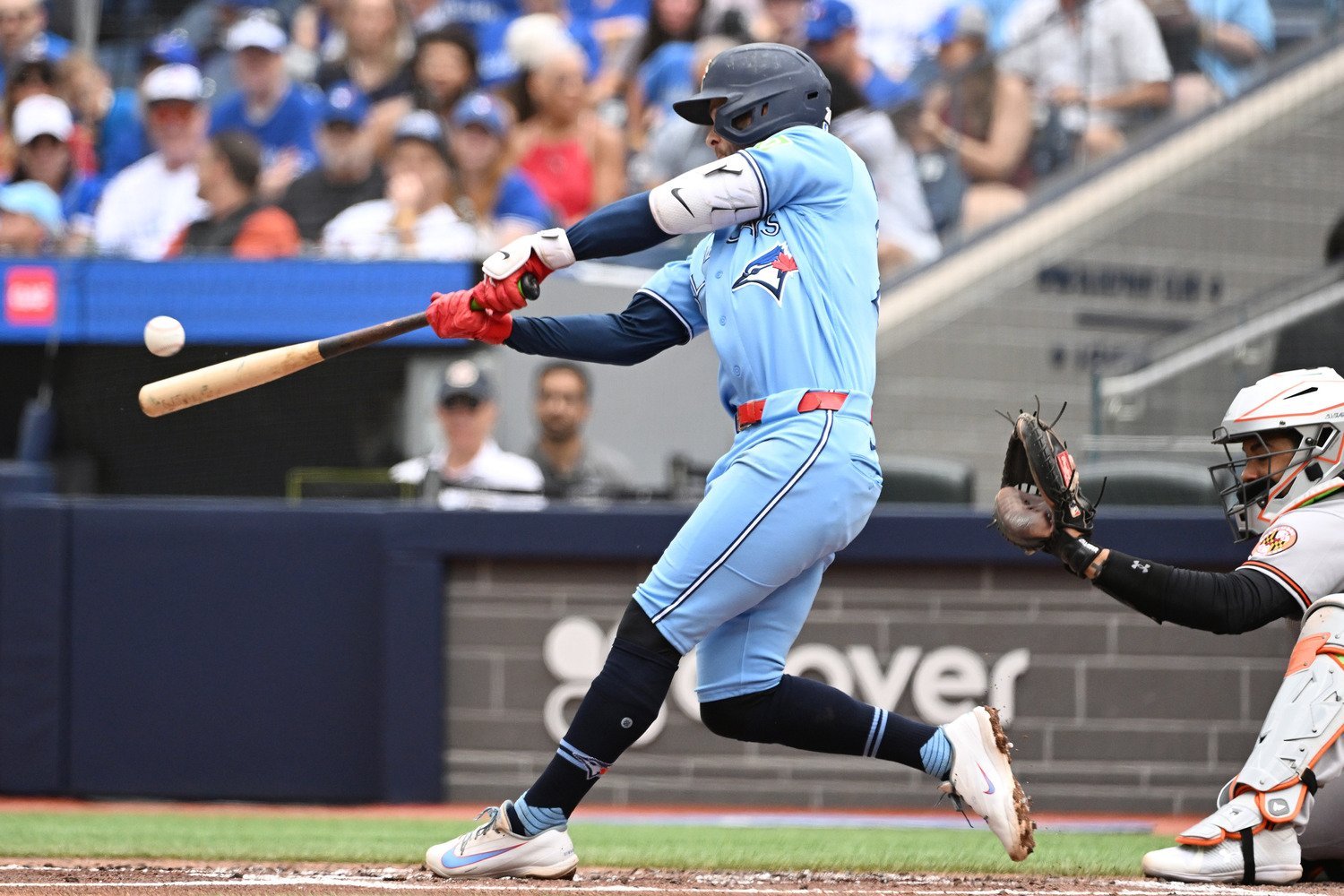 Stats updated prior to the Blue Jays' game on Wednesday, June 10. Ernie Clement is doing something that baseball history says shouldn't be possible. The Blue Jays infielder is among Major League Baseball’s hit leaders despite chasing pitches at a rate that would normally prevent a hitter from reaching the top of the leaderboard. Most hitters in today’s game strive to maximize their power: swinging harder, optimizing their launch angles, and focusing on doing damage at the plate. For some players, that plan works well. Aaron Judge and Shohei Ohtani have had great careers doing just that. But one of the great things about baseball is that there is more than one way to be productive. Regardless of the situation, Clement has a knack for getting the bat on the ball. So far in the 2026 season, he has continued to do exactly that. Just take a quick look at the MLB leaderboard for hits, and there is Ernie, right near the top: What’s incredibly unique about Clement is that he’s doing it in a way that very few hitters have ever managed successfully. He swings more often than anyone on the Blue Jays and makes more contact than most of his teammates. He doesn’t swing the bat that hard (67.6 mph average bat speed), which results in a low average exit velocity. He doesn’t walk, but he also doesn't strike out; somehow, he just keeps getting hits, and while a .317 BABIP tells some of the story, it's not the whole picture. Jays fans who have watched Ernie play know full well that he swings at almost anything he can reach, so even when a pitcher paints a pitch outside of the zone, he is still able to hit it. It's a skill that very few hitters in baseball possess. These are the 2026 hit leaders on pitches outside of the zone, per Baseball Savant: T-1: Ernie Clement - 27 T-1: Alec Burleson - 27 T-3: Otto Lopez - 24 T-3: Shohei Ohtani - 24 5: Jonathan Aranda - 23 The fact that Clement is near the top of the hits leaderboard isn’t unusual by itself. Every season, someone leads baseball in hits. What's unusual is how he’s getting there. The hitters who typically occupy the top of the leaderboard are disciplined hitters who limit chase and maximize quality contact. Clement is attempting to do it while chasing pitches at a rate rarely seen among baseball’s elite hit collectors. Looking back at every MLB hits leader over the last 12 seasons and comparing them to their chase rates reveals just how unusual his season has been: Ernie Clement's 2026 chase rate entering play on June 9. What Ernie Clement is doing is statistically unheard of in the Statcast era, and history suggests it's unlikely he’ll ultimately finish with the most hits in baseball while chasing this often. Yet, Clement has one skill that allows him to get away with it. When he swings, he simply does not miss. Clement owns a contact rate of 85.7%, which has him in the top 20 in MLB. While most hitters who chase pitches out of the zone rack up strikeouts, Clement consistently finds a way to get the bat on the baseball. The only reason Ernie gets away with it is how often he takes those out-of-zone pitches he swings at and puts them in play, doing so 44.3% of the time. This is where Clement’s path to accumulating hits begins to emerge. Because he rarely draws walks (3.0% BB rate) and strikes out infrequently (10.0% K rate), 87.0% of his plate appearances end with a ball in play. It's a number that ranks second among qualified hitters, behind only Luis Arraez. (You can find the full leaderboard here, updated before games on June 9.) From there its how many of those batted balls turn into hits. And that's where BABIP comes into the picture. On the season, Clement owns a .320 BABIP, meaning that 32% of balls he puts into the field of play have resulted in hits. It also helps that he's on pace for a career-high 17 home runs; home runs aren't included in the calculation of BABIP. High BABIPs are typically driven by elite speed, hard contact, line drives, or an all-fields approach. Ernie doesn’t necessarily excel in any of these categories. His sprint speed sits at 27.9 ft/sec, 66th percentile in the league. His 19.8% line drive rate (per FanGraphs) sits almost exactly at league average. His average exit velocity sits in the bottom sixth percentile in baseball, and if you take a look at his hit chart, it's fairly safe to say that an all-fields approach isn't behind this either. via Baseball Savant If Clement isn’t generating hits through elite speed or elite power, then the question becomes, what is driving his success? The secret lies in his hand-eye coordination. Baseball Savant measures this through a statistic called squared-up rate. In simple terms, it measures how much exit velocity a hitter generates relative to the maximum possible exit velocity, based on their bat speed and the speed of the pitch. On squared-up baseballs this season, hitters have produced a .380 batting average and a .678 slugging percentage. Clement has squared up the ball 35.2% of the time, placing him in the top six percent of all major league hitters. That doesn't tell the whole story, though. Clement seems to have a knack for hitting the baseball where the defenders aren't; this is evident in the difference between his xBA and his actual BA. His xBA, which calculates how likely a player is to get a hit based on launch angle and exit velocity, sits at .258. The 46-point difference between his .258 xBA and his .304 actual batting average suggests Clement has benefited from some favourable results, but it also raises the question of whether traditional models fully capture his unusual contact profile. Leading baseball in hits is often as much about availability as it is talent. The game’s hit leaders don’t just hit well; they’re also in the lineup every day. Ernie has played in 67 of the Blue Jays' 68 games so far. Given the defensive value he provides and his ability to play anywhere in the infield, playing time is unlikely to be a concern, barring injury. History suggests Clement’s approach shouldn’t work this well. Hit leaders typically don't chase this many pitches, and players with his batted ball profile rarely sustain this kind of production. Yet here he is, sitting among baseball’s hit leaders anyway. Whether Ernie Clement ultimately finishes as baseball's hit king is almost beside the point. What makes his season remarkable is that he’s forcing us to reconsider what a modern hitter can look like. If he keeps doing that, his first All-Star appearance may not be far behind. View the full article
 -
New York Mets Trade Rumors: What About Bo Bichette?
DiamondCentric posted an article in Grand Central Mets
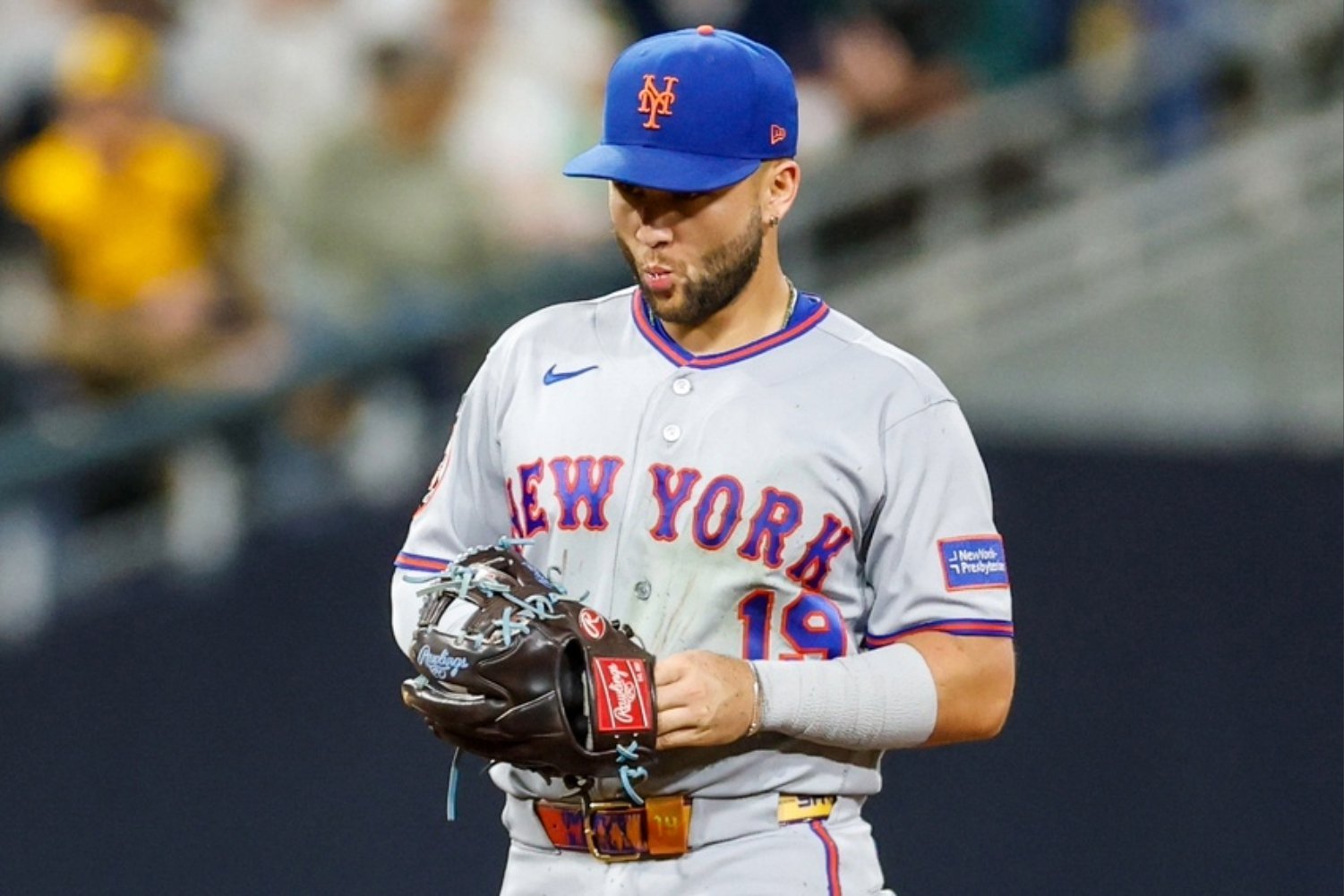 MLB trade rumor season unofficially begins with June, and for better or worse, the New York Mets figure to be a big part of the proceedings this year. Grand Central Mets identified three of the organization's most valuable trade chips if the club decides to hold a summer sell-off. However, there's an intriguing fourth option if the stars align between now and the trade deadline on Aug. 3. It's a lot of factors to consider, but if the club is buried in the National League wild-card standings before the deadline, if it wants to reduce payroll ahead of a potentially chaotic offseason, and if he's presented an opportunity to play in October with another club, there's also infielder Bo Bichette. Fans are sure to dismiss that. The Mets signed Bichette to a three-year, $126 million contract last offseason. He stunk in the first two months of the deal, which means he has little choice but to opt into the second year of the agreement and weigh down any club's payroll. The response to all that is “Yes, but" multiple times over. When taken together, though, we can build a case for president of baseball operations David Stearns to at least listen on Bichette. Mets Must Weight Reasons to Trade Or Keep Bo Bichette YES: Bichette has a no-trade clause, BUT: Would he exercise it to stay with a club that’s out of contention and can't guarantee that it will be a lot better in 2027? The Mets are on course to miss the playoffs for a fourth time in six seasons under Steve Cohen's ownership. Buying players like Bichette in their win-now frenzy hasn't worked. The organization has been much better at pursuing Cohen's goal of building a perennial contender from within. Tanking should never enter a conversation about a Cohen team, and a Bichette trade for prospects would not be that. It would instead be a move to both add volume to the pipeline and free up cash for multiple offseason moves. YES: The average annual value (AAV) of Bichette’s contract is $42 million, one of the highest salaries in baseball, BUT: The deal's structure makes the player tradeable this year. The pact included a $40 million signing bonus, which the Mets paid in full on March 15. That left a $2 million salary for 2026. By the deadline, he'll be owed about one-third of that amount, or $666,667. That's less than the full-year MLB minimum salary. Plus, any team that acquires him would add $14 million to its competitive balance tax (CBT) payroll total, not the full $42 million, as per CBT rules. Those factors should expand the universe of potential suitors and make a Bichette trade more attractive to the Mets. Low-payroll contenders such as the Athletics, Cleveland Guardians, Pittsburgh Pirates, St. Louis Cardinals, Tampa Bay Rays and Washington Nationals could pay Bichette pennies over the final two months and stay well below the first CBT tax threshold. The Los Angeles Dodgers, New York Yankees and Philadelphia Phillies, on the other hand, would be facing millions in additional penalties and surcharges as multiple-time taxpayers. YES: Bichette will make $42 million in 2027 if he opts in, BUT: Some clubs are willing to pay a high AAV in short-term deals. The Mets committed $43.33 million per year each to pitchers Max Scherzer (three years) and Justin Verlander (two years) in 2022 and 2023, respectively. They flipped both men for prospects at the ‘23 deadline. Lots of cash went to the Rangers and Astros, respectively, in those trades, but clubs with fewer resources can figure out creative solutions if they want to flip Bichette next year. Separately, some clubs might want to add a high-dollar player if they believe a salary floor is coming to MLB in the next collective bargaining agreement and will need to add payroll to comply. YES: Bichette is proving that he isn't a $42 million player, which makes an opt-in almost inevitable, BUT: He's still young (28), he has a track record of above-average offensive production, and he has a World Series appearance on his résumé. And not only a World Series appearance, but also a performance where he played hurt (knee) at an unfamiliar position (second base). Clubs will pay for that type of player. Whether he returns to New York or is elsewhere next year, Bichette could also defer a portion of his salary to help the front office. After all, he agreed to defer the $5 million buyout he'll receive if he opts out after this season or next season. YES: Bichette has been bad this season based on numbers. BUT: His post-Series hangover can be excused because, as he has said, he was pressing early on to live up to the contract. Propelled by a four-hit game against the Mariners in Seattle, he's hitting .321 in June. His poor numbers after 62 games (.591 OPS, 70 wRC+, 0.0 fWAR through June 4) can be excused because some of his peripherals are okay. He's running a 17.4 percent strikeout rate, which is in line with his career figures; a career-high 6.6 percent walk rate; a .263 BABIP, which suggests a lot of bad luck, and a 46.3 percent hard-hit rate, which also is close to his career norms. His fielding is even on the upswing. He has been below average at shortstop, as usual (minus-2 fielding run value, minus-3 outs above average, minus-3 defensive runs saved through June 4). His work at third base has been better (1 FRV, 2 OAA, minus-2 DRS through June 4). Again, this discussion is based on the hypothetical that the Mets will fall out of contention and then look to dump salary. It's much more likely that they'll keep Bichette, regardless of where they are in the standings, and then spend in the offseason. But if the club has a mind to do the unexpected... well, Cohen has never been afraid of shocking the world. View the full article
 -
 Barely two years after being claimed off waivers by the Miami Marlins, Otto López is leading the team in wins above replacement and producing at an All-Star level. The 27-year-old shortstop joins AJ Ramos, Kevin Barral and Isaac Azout for an exclusive interview, peeling back the curtain on how the Marlins develop hitting, evaluating his defense, sharing what an All-Star selection would mean to him and much more. You can find Fish Unfiltered and Fish On First LIVE on the Fish On First YouTube channel, Apple Podcasts, Spotify or wherever else you get your pods. Lopez enters Thursday with a .342/.370/.489 slash line, five home runs and 11 stolen bases while playing in 67 of 68 Marlins games this season. He leads all of Major League Baseball with 91 hits—there's a staggering 20-hit gap between him and any other NL shortstop. Voting for the All-Star Game starters began on June 3. Fans can submit up to five ballots per day per email address during the first phase of the voting, which concludes at 12:00 p.m. ET on June 25. View the full article
 -
 Transactions: RHP Jake Woodford assigned to Nashville Sounds RHP Jacob Waguespack traded to Detroit Tigers for cash considerations LF Jacob Hurtubise assigned to Biloxi Shuckers from Nashville Sounds C Luis Corobo placed on ACL Brewers’ 7-day injured list Game Action: Nashville 8, Durham (Rays) 5 Box Score and Game Log Seven Unanswered Runs Fuels Brewskis to Victory Over Durham - Baddoo Earns Second Straight 3-RBI Night; Wichrowski Tallies Second Win with Nashville A day after Cooper Pratt hit his sixth home run of the season and first since May 20, Jett Williams hit his sixth home run of the season and his first since May 17! Maybe they’ve heard that the left-side of the Brewers’ infield could use some help. Williams led off the home half of the first inning with the 414-foot shot to left center at 100.5 MPH off the bat. Akil Baddoo stayed hot with a triple and then, insurance runs with his second home run in as many days. Luis Lara and Pratt each had one hit and each stole a base. More video highlights: Luis Lara singles on a ground ball to left, scoring Cooper Pratt Luis Matos with an RBI single on a fly ball to center Brock Wilken singles on a ground ball deflected by third baseman Logan Davidson, scoring Luis Matos Cooper Pratt with an RBI single on a ground ball to third gives the Sounds the lead Brett Wichrowski earned his second win for Nashville but did not have the cleanest outing. Wichrowski had a particularly rough third inning giving up a lot of hard contact, with five batted balls having an exit velocity above 103 MPH, including two home runs and a double. Wichrowski did throw five innings, striking out six batters, while only walking one, to somewhat overcome his rough inning. In his first outing since being optioned back to Nashville, Craig Yoho earned the save, pitching two perfect innings and striking out 4 batters. Biloxi pre-game media notes Game 1: Biloxi 14 - Birmingham (White Sox) 1, seven innings as scheduled Box Score and Game Log Game 2: Birmingham 2, Biloxi 1, eight innings (scheduled for seven) Box Score and Game Log Shuckers Split Twin Bill in Birmingham - Shuckers Score 14 in Game One, Fall Short in 8-Inning Game Two Biloxi scored fifteen runs in fifteen total innings on Wednesday, while only giving up three total runs to Birmingham, but only managed to split the doubleheader and remain 1.5 games behind Birmingham in the standings. Tanner Gillis completed six innings, surrendering only two hits and two walks while striking out four. It was the second consecutive start where Gillis pitched six innings. Jesus Made was one of four Shuckers batters with multiple hits in the first game of the day going 2-5 with an RBI, a run and his 21st steal of the season. Mike Boeve had three hits. Catcher Matthew Wood reached base twice in the first game, extending his on-base streak to a career high 21 games, and then promptly ended his new record there, failing to reach in game two. The Shuckers only managed two total hits in the second game squandering strong outings from pitchers Anthony Flores and Jack Seppings. Flores pitched a season-high three innings and struck out five batters, also a highwater mark for this year. Game Two's lone offensive highlight: Wisconsin pre-game media notes Game 1: Wisconsin 5, Great Lakes (Dodgers) 0, seven innings as scheduled Box Score and Game Log Game 2: Postponed Fischer’s Decisive Blast sinks Loons Josh Knoth had a season high five strikeouts, while surrendering 3 hits and 2 walks over 3.2 innings as he continues to build his way back from Tommy John surgery. Garret Hodges and Yerlin Rodriguez completed the seven-inning shutout. Third baseman Andrew Fischer hit his league leading 19th home run to give the T-Rats the lead. The home run and a walk extended Fischer’s on-base streak to 27 games, and pushed his OBP to .434, however with 79 strikeouts on the season already he is developing quite the Three True Outcomes profile. Highly ranked prospects Josh Adamczewski and Marco Dinges each went 1-3, Juan Baez filling in at shortstop for Luis Pena had two hits, raising his average to just below the Mendoza Line. Wilson pre-game media notes Wilson 8, Hill City (Guardians) 7 Box Score & Game Log Warbirds Use Longball to Bounce Back in Lynchburg - Anderson, Ebel Go Deep in Victory Brady Ebel and Jose Anderson provided the fireworks for the Warbirds. Both batters made their one hit in five at-bats count with a pair of 2-run homers. Anderson hit his league leading fifteenth home run but now has 96 strikeouts in 202 at-bats! Nineteen-year-old catcher Rylan Mils, another late round Brewers’ draft pick and overslot signing last season, had his first multi-hit game in A-ball, going 2-3 with a walk and his first stolen base of the season. Rylan Mills lines an RBI single to left Luis Lameda drives in two on a ground ball single to right The Howlers outhit the Warbirds 12-7 on the night and plated three runs in the bottom of the ninth inning with Joshua Quezeda ending the attempted comeback and earning the save after entering with a two-run lead, runners on the corners and nobody out. There are eight games scheduled on Thursday as the rookie levels return to action. Wisconsin will again attempt to get two games in starting at 5:10 Central, although they will be the "road team" in Appleton for the Game Two makeup contest. Organizational Scoreboard including starting pitcher info, game times, MiLB TV links, and box scores Current Milwaukee Brewers Organization Batting Stats and Depth Current Milwaukee Brewers Organization Pitching Stats and Depth View the full article
 -
 San Diego Padres affiliates went 1-3 Wednesday as the Triple-A El Paso Chihuahuas lost 4-2 to Round Rock, the Double-A San Antonio Mission were blanked by Frisco 4-0, the High-A Fort Wayne TinCaps fell again 14-2 to Dayton and the Low-A Lake Elsinore Storm rolled 6-1. Padres Minor-League Transactions San Diego Padres signed 1B Nick Pratto to a minor-league contract and assigned him to El Paso Chihuahuas. El Paso Chihuahuas transferred 2B Victor Duarte to the Development List. Carlos Rodriguez's Streak Reaches 16, But Chihuahuas Fall Late Right-hander Jhony Brito turned in another nice start in his first Triple-A start since coming off the injured list and Carlos Rodriguez extended his hitting streak to a career-high 16 games, but the El Paso Chihuahuas gave up a pair of seventh-inning runs to fall 4-2 to the Round Rock Express. Rodriguez went 2-for-5, keeping his streak going with a two-out single in the fourth inning and a leadoff single in the seventh. He has reached base in 20 straight games. His hitting streak is the longest by the Chihuahuas this season and the second-longest active streak in the Pacific Coast League. Brito had six rehab outings while on the Padres' 60-day injured list following an internal brace surgery and flexor tendon repair in April 2025, but was very effective in his four starts for Double-A San Antonio, with a 1.96 ERA. Against the Express, Brito went four innings and allowed just one run on three hits, but he also walked three while striking out four. The only run he gave up was a leadoff homer to Jarred Kelenic in the third inning. The Chihuahuas took a 1-0 lead in the top of the second on Blake Hunt's RBI single to left to score Mason McCoy, who had singled and went to second on Clay Dungan's single. Round Rock tied it in the bottom of the third, then the Chihuahuas reclaimed the lead on Rodriguez's run-scoring single to bring in Hunt, who was hit by a pitch and went to second on Nate Mondou's single. It was tied again at 2-2 when the Express scored once in the fifth, then they scored twice in the seventh. EP_0610.mp4 Player AB R H RBI BB K Pablo Reyes 5 0 1 0 0 2 Carlos Rodriguez 5 0 2 1 0 0 Nick Solak 4 0 1 0 0 0 Marcos Castanon 4 0 1 0 0 2 Nick Schnell 3 0 0 0 1 1 Mason McCoy 4 1 1 0 0 2 Clay Dungan 3 0 1 0 0 0 Nick Pratto 1 0 0 0 0 0 Blake Hunt 3 1 1 1 0 0 Nate Mondou 3 0 1 0 1 1 Player IP H R ER BB K HR Jhony Brito 4 4 1 1 3 4 1 Logan Gillaspie 1 2 1 1 2 0 0 Miguel Cienfuegos 1 2 1 1 0 0 0 Ethan Routzahn 1 2 1 1 1 1 0 Ty Adcock 1 0 0 0 0 2 0 Missions Can Only Produce 3 Hits In Shutout Loss Ethan Salas went 2-for-3, but the rest of the host Double-A San Antonio Missions had just one as the Frisco RoughRiders prevailed 5-0. Salas had singles leading off the bottom of the first and with one out in the sixth. Ryan Jackson followed Salas first-inning single with a single of his own. But the RoughRiders retired 15 straight before Salas got the third and final hit for the Missions. Chihuahuas right-handed starter Eric Yost gave up three runs in 3⅓ innings on five hits and two walks while fanning three. Player AB R H RBI BB K Ethan Salas 3 0 2 0 0 0 Ryan Jackson 4 0 1 0 0 0 Romeo Sanabria 3 0 0 0 0 1 Tirso Ornelas 4 0 0 0 0 0 Luis Verdugo 4 0 0 0 0 2 Francisco Acuna 3 0 0 0 0 1 Brendan Durfee 2 0 0 0 1 2 Kai Murphy 3 0 0 0 0 0 Kai Roberts 3 0 0 0 0 1 Player IP H R ER BB K HR Eric Yost 3 1/3 5 3 3 2 3 0 Andrew Thurman 2 2/3 0 0 0 3 3 0 Johan Moreno 1 2/3 2 2 2 1 0 0 Sadrac Franco 1 1/3 1 0 0 0 1 0 TinCaps Pounded By Dragons, Drop 7th Straight The High-A Fort Wayne TinCaps gave up a seven-run fifth inning, the seven more runs over the next three innings in suffering a 14-2 loss at the hands of the host Dayton Dragons. The TinCaps had a mere five hits, only one a double. Justin DeCriscio had an RBI single in the third inning and Oswaldo a run-scoring groundout. TinCaps right-handed starter Maikel Miralles gave up three runs in 4-plus innings on five hits and two walks with a pair of strikeouts. Left-hander Igo Gil and right-hander Isaiah Lowe each followed with an inning apiece and gave up three runs each. Right-hander Luis German then gave up four runs in 1⅓ innings. FW_0610.mp4 Player AB R H RBI BB K Justin DeCriscio 3 0 1 1 1 1 Rosman Verdugo 4 0 0 0 0 1 Lamar King Jr. 3 0 0 0 1 1 Alex McCoy 4 0 0 0 0 0 Jake Cunningham 4 0 1 0 0 2 Jack Costello 4 1 1 0 0 2 Zach Evans 4 0 1 0 0 1 Oswaldo Linares 3 1 0 1 1 1 Kasen Wells 2 0 1 0 1 0 Player IP H R ER BB K HR Maikel Miralles 4 5 4 3 2 2 1 Igor Gil 1 3 3 3 1 1 0 Isaiah Lowe 1 1/3 2 3 3 2 1 0 Luis German 1 1/3 4 4 4 2 1 1 Will Varmette 1/3 0 0 0 0 1 0 Jesus Castro Punches Out Career-High 12 As Storm Prevail Right-hander Jesus Castro struck out a career-high 12 in 4⅔ innings and Kerrington Cross had a two-run double in a four-run seventh inning as the host Low-A Lake Elsinore Storm notched a 6-1 victory over the Ontario Tower Buzzers. Ryan Wideman reached base three times with a pair of hits and a walk, scored a run and also stole two bases to boost his minors-leading total to 39. Luke Cantwell also had a pair of hits and a walk, while Cross walked twice in addition to the double, scoring twice. Castro bettered his previous career high of nine strikeouts that he accomplished in 5⅔ innings May 13 vs. Ranco Cucamonga. It also came a night after Winyer Chourio struck out nine over six innings. Castro didn't allow a run, giving up three hits and two walks while throwing 96 pitches. Castro's ERA dropped to 2.72. He now has 53 strikeouts this season, meaning just over of the total he accrued in 10 starts came in this game. Cantwell, who came off the injured list Sunday, doubled home a run in the first inning and is now 7-for-12 with five RBIs. Jorge Quintana made it 2-0 with a sacrifice fly in the fourth inning. In the seventh, Quintana drew a leadoff walk and went to second on a one-out wild pitch. Conner Westenburg reached after striking out due to a wild pitch, moving Quintana to third. Wideman walked to load the bases, then another wild pitch to plate Quintana. Wideman stole second, then Cross doubled home a pair for a 5-0 lead. Jose Verdugo followed with a sac fly to cap the four-run inning and put the Storm up 6-1. Right-hander Nick Falter went 2⅓ scoreless innings and right-hander Vicarte Domingo allowed a ninth-inning run in his two innings. LE_0610.mp4 Player AB R H RBI BB K Ryan Wideman 4 1 2 0 1 1 Kerrington Cross 3 2 1 2 2 2 Jose Verdugo 2 0 0 1 1 2 Luke Cantwell 3 0 2 1 1 0 Truitt Madonna 3 0 0 0 1 2 Bradley Frye 3 1 1 0 1 0 Jorge Quintana 1 1 0 1 2 1 Qrey Lott 4 0 0 0 0 2 Conner Westenburg 4 1 1 0 0 2 Player IP H R ER BB K HR Jesus A. Castro 4 2/3 3 0 0 2 12 0 Nick Falter 2 1/3 2 0 0 0 1 0 Vicarte Domingo 2 2 1 1 1 2 0 Padres Mission Top 20 Prospect Performance Ethan Salas: 2-for-3 Kash Mayfield: DNP Miguel Mendez: DNP Kruz Schoolcraft: DNP Ryan Wideman: 2-for-4, R, BB, K, 2 SB Jorge Quintana: 0-for-1, R, RBI, 2 BB, K Ty Harvey: On injured list Kale Fountain: Injured, out for season Braedon Karpathios: DNP Lamar King Jr.: 0-for-3, BB, K Jagger Haynes: DNP Alex McCoy: 0-for-4 Truitt Madonna: 0-for-3, BB, 2 K Tucker Musgrove: DNP Garrett Hawkins: DNP Michael Salina: DNP Eric Yost: 3⅓ IP, 5 H, 3 R, 3 ER, 2 BB, 3 K Rosman Verdugo: 0-for-4, K Bryan Balzer: DNP Deivid Coronil: DNP View the full article
 -
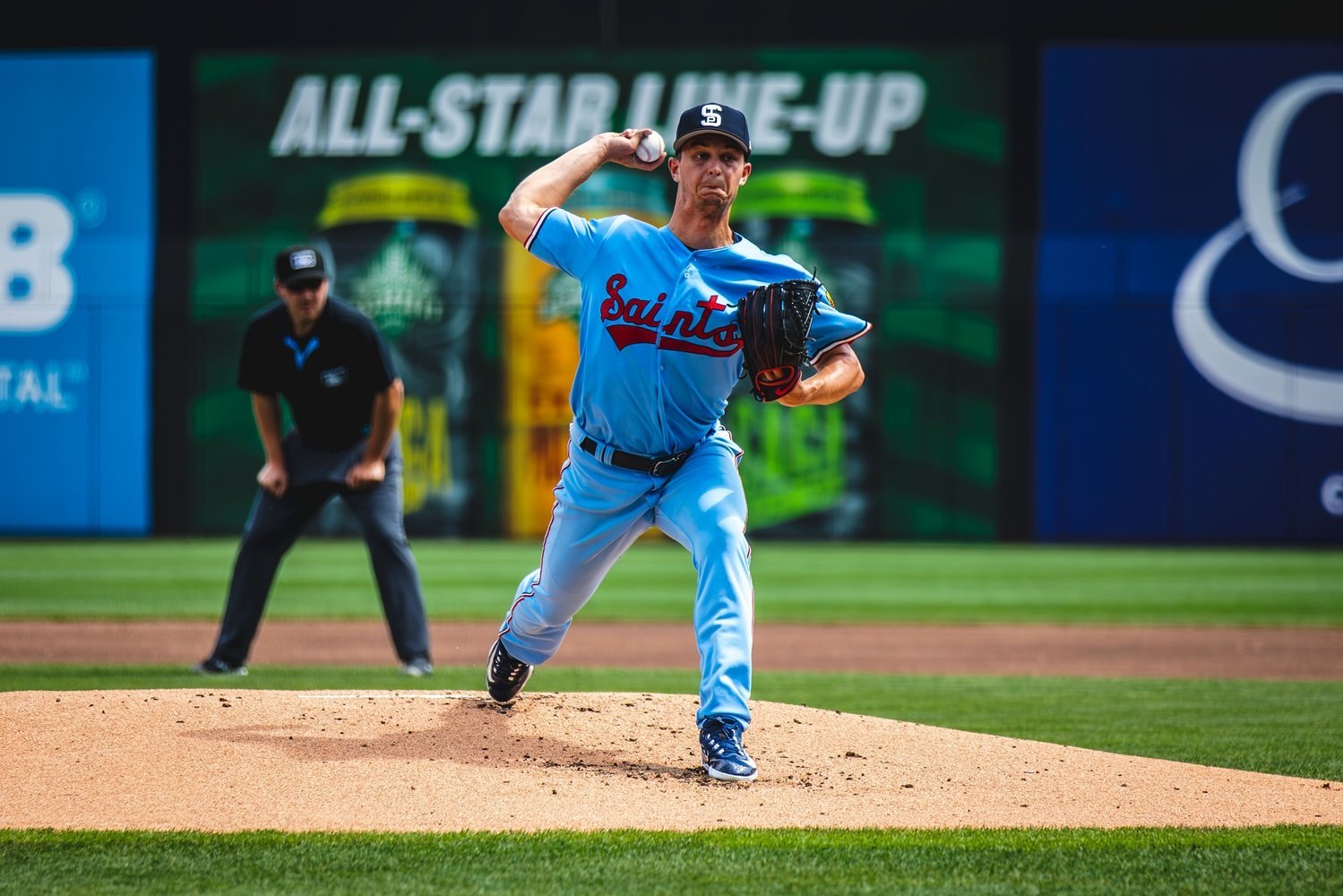 TRANSACTIONS RHP Mick Abel sent to AAA St. Paul on rehab RHP Andrew Bash transferred to development list (AAA St. Paul) RHP Taylor Rashi reported to AAA St. Paul Saints Sentinel St. Paul 12, Toledo 1 Box Score Mick Abel: 3 IP, 2 H, 0 ER, 0 BB, 5 K HR: Aaron Sabato (12), Kyler Fedko (15), Matt Wallner (6), Gabriel Gonzalez (9) Multi-hit games: Kyler Fedko (2-for-3, HR, 3 R, RBI, BB), Matt Wallner (2-for-5, HR, 2 R, 3 RBI), Gabriel Gonzalez (3-for-5, HR, 2B, 3 R, RBI), Aaron Sabato (3-for-5, HR, 2B, 2 R, 4 RBI) The Saints dominated their opponent on Wednesday. Mick Abel vs Justin Verlander. For the price of a AAA ticket? Toledo hadn’t seen such entertainment since Art Tatum’s piano playing in the late 20s and early 30s. The youngster clearly bested the elder in the matchup of generations: Abel pounded the zone and flashed healthy-looking stuff, topping out at 97.9 while punching out five. He tossed three shutout innings. Verlander, on the other hand, couldn’t escape the gopher ball. Aaron Sabato got him in the second off a hanging slider, and Kyler Fedko also pounced on the Hall-of-Famer’s signature strikeout pitch for a homer in the third. Verlander settled in for a time before Matt Wallner and Gabriel Gonzalez went back-to-back in the sixth. That’s four home runs off a pitcher who will one day remain forever alive in the walls of Cooperstown. The Mud Hens weren’t done sending former All-Stars to the mound, as Kenley Jansen entered in the seventh. He, too, didn’t phase the Saints. Three straight baserunners chased the owner of the third-most saves in MLB history, starting an assembly line of runs that concluded with six on the board, and 10 in the game for St. Paul. They tacked on two more for good measure in the eighth. The Mud Hens roster Max Clark, the seventh-ranked prospect in MLB. He singled once in four at-bats. Wind Surge Wisdom Wichita 2, Wichita 5 Box Score Jose Olivares: 4 IP, 3 H, 1 ER, 3 BB, 5 K HR: None Multi-hit games: Kyle DeBarge (2-for-3, 2B, R, BB) The Wind Surge came up short on Wednesday. It's possible the game’s opening inning cursed Wichita: Jose Olivares walked the leadoff batter—a sin in the eyes of the baseball gods—and the Olivares/Poncho Ruiz battery allowed the runner to steal second, an insolent act made worse by a throwing error that sent him to third. The baseball gods look unfavorably on poor fundamentals, and the Wind Surge soon learned this. Matters settled into a Cold War stalemate for a few frames before Kyle DeBarge lurched us into modernity with a cracked double to start the fifth. Jaime Ferrer then knocked him home with a single up the middle. The Drillers responded with two runs, and when Wichita scored in the sixth, Tulsa clubbed on two more runs to emphasize their point. It was taken. The Wind Surge didn’t score the rest of the game. DeBarge enjoyed one his best games of the season; the infielder doubled, singled, walked, and stole his 17th base on the year. It was his first multi-hit game since May 26th. That anonymous leadoff man from before was actually Josue De Paula, the eighth-best prospect in baseball according to MLB.com. He doubled and walked twice. Kernels Nuggets Cedar Rapids 8, Lansing 9 (10 Innings) Box Score Michael Ross: 3 ⅔ IP, 6 H, 6 ER, 2 BB, 3 K HR: Quinn McDaniel (1), Eduardo Tait (10) Multi-hit games: Yasser Mercedes (2-for-5, 2B, 2R), Quinn McDaniel (2-for-5, HR, 2B, R, 2 RBI), Danny De Andrade (2-for-5, 3B, 2 R, RBI) The Kernels lost in extras on Wednesday. Quinn McDaniel continues to be a revelation for the Twins organization, as he launched his first A+ ball homer and added a double to give him six total bases in the game. He’s hitting .333/.406/.517 in 16 games with Cedar Rapids. Wichita may be in his near future. Eduardo Tait smashed a three-run shot in the seventh for his tenth home run of the year. Though the catcher endured a slower start to the season, he’s slugging .563 in seven games to start the month of June. That’s more in the line with the production the team expected when they traded for him last year. Every batter for the Kernels reached base at least once, and every batter outside Tait and Khadim Diaw reached base at least twice. No player in the Athletics’ top 30 prospect list played in Wednesday’s game. Mussel Matters The Mighty Mussels met the one thing mightier than them: mother nature. And what a temperamental gal is she. They will attempt to play a doubleheader on Thursday, June 11th. TWINS DAILY PLAYERS OF THE DAY Twins Daily Minor League Pitcher of the Day – Mick Abel Twins Daily Minor League Hitter of the Day – Gabriel Gonzalez PROSPECT SUMMARY Here’s a look at how the Twins Daily Top 20 Twins Prospects performed: #2 – Kaelen Culpepper (St. Paul) - 1-5, R, BB #5 – Eduardo Tait (Cedar Rapids) - 1-5, HR, R, 3 RBI, K #7 – Marek Houston (Cedar Rapids) - 1-3, RBI, 2 BB, #10 – Gabriel Gonzalez (St. Paul) - 3-5, HR, 2B, 3 R, RBI #12 – Andrew Morris (Twins) - 1 IP, 3 H, 2 ER, 1 BB, 3 K #15 – Brandon Winokur (Cedar Rapids) - 0-3, 2 BB, 2 K #19 – Khadim Diaw (Cedar Rapids) - 1-5, K #20 – Kyle DeBarge (Wichita) - 2-3, 2B, R, BB THURSDAY’S PROBABLE STARTERS St. Paul @ Toledo (6:05 PM) - RHP Austin Voth Wichita @ Tulsa (7:00 PM) - RHP Sam Armstrong Cedar Rapids @ Lansing (6:05 PM) - RHP Riley Quick Dunedin @ Fort Myers (3:35 PM) - RHP Eli Jones Dunedin @ Fort Myers (Game Two) - TBD FCL Twins @ FCL Pirates (11:00 AM) - TBD DSL Twins @ DSL NYY Yankees (10:00 AM) - TBD View the full article
 -
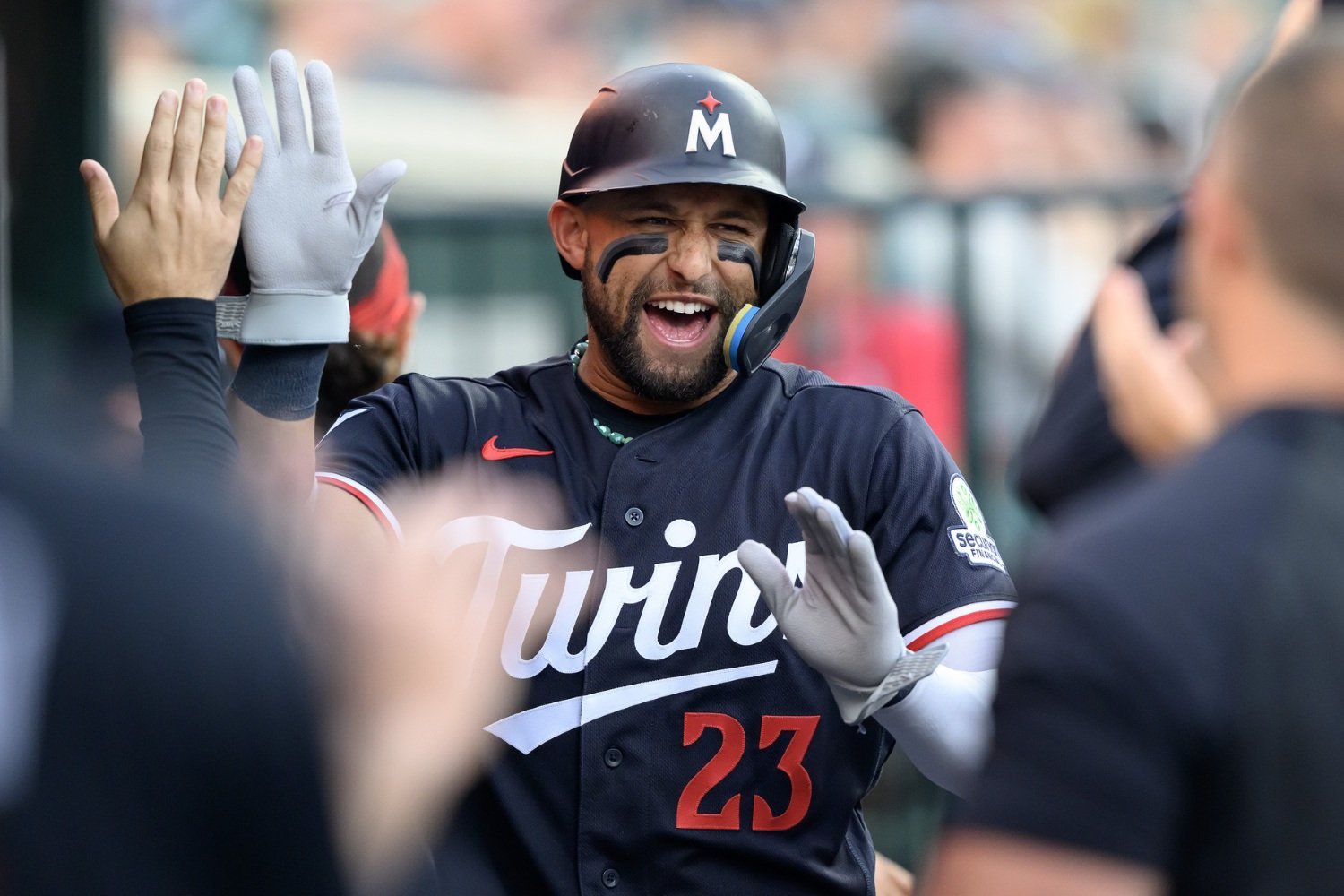 Box Score Starting Pitcher: Mike Paredes, 3 IP, 1 H, 1 ER, 2 BB, 4K Home Runs: Royce Lewis (4), Byron Buxton (20) Top 3 WPA: Buxton (0.20), Anthony Banda (0.16), (0.09) Win Probability Chart (via FanGraphs): It was another muggy day at Comerica Park, and the game action fizzled just as it got started. With a passing storm cell sitting just 15 minutes away, the umpires spoke with both managers on whether to press on ahead. The teams agreed to begin the contest, but only got a half inning—where Framber Valdez looked like his Astros self, rather than the brutal showing the Twins took advantage of in April—before the crews decided to ask fans to take shelter and wait for a storm to pass for the next 67 minutes. The game then began in earnest after a half-inch of rain dumped onto the field, with Mike Parades making his second big-league start in a planned bullpen game. The relatively unknown prospect threw a mix of sweepers in the high 70s and a four-seamer in the mid-90s, managing two strikeouts to escape the first inning. Fram(b)e(r) Up To some surprise, Valdez returned to the game. He had obviously kept fresh in between with no reduced velocity, but the humidity may have been too much. Royce Lewis punished the southpaw with a solo home run—50th of his career and first since April—that he crushed a tape-measure 444 feet. Lewis’s home run came on an elevated sweeper that came in at 95.2 mph, for the St Paul velocity bean counters. Valdez continued to look shaky, covered in heavy sweat throughout his five innings. He allowed a couple bloop hits and a walk that loaded the bases, but a foulout by Brooks Lee caught by Spencer Torkelson at the railing ended the rally. The shaky pitcher ran out of luck in the fifth. Valdez managed to plunk both Alex Jackson and Austin Martin in non-competitive pitches before Byron Buxton launched his slider for a 413-foot shot. Derek Shelton’s management played a nice role here, moving Buxton out of the lead-off spot and allowing this to be just his second non-solo home run of the season. Relief Carousel Mike Paredes almost escaped a third-inning jam, before a Gleyber Torres chopper deflected by a diving Buxton resulted in a run. That was enough for Shelton (who perhaps wanted to get Paredes the Pitchergami), who began his parade of bullpen arms, beginning with Taylor Rogers before moving to Andrew Morris. Morris struggled with command once again, but the defense was his real undoing. Luke Keaschall committed two should-be errors in the frame, leading to two should-be-unearned runs. If Shelton hoped to scratch two innings out of Morris, the 41-pitch count ended the conversation. That meant Travis Adams was put on call to do what Morris couldn’t for the sixth inning. But after pulling a 1-2-3 inning with a pair of strikeouts, Adams had trouble finding the strike zone and put runners on first and second for the seventh. That threw Anthony Banda into commission. Happily, Banda continued his recent dominance with an easy pop-out and a strikeout. Banda allowed a walk to Riley Greene to begin the eighth, but worked a few fly outs to send the game to the ninth. Hit Parade Having used five relievers the night before, AJ Hinch eventually turned to post-hype prospect type Ty Madden to face the top of the order to begin the seventh. Madden showed craft with his diverse pitch mix, but struggled to get swing-and-miss (though Orlando Arcia managed to chase one outside the zone). With switch-hitting Josh Bell up, Hinch turned to Drew Sommers, but the mid-90s fastball left in the zone resulted in a bloop single and another run on the board. Sommers also walked Lewis on four pitches before firing a wide pitch that snuck Brooks Lee home. Keaschall loaded the count, but a harmless flyout to right field ended the rally. The Twins managed multiple base runners in both the eighth and the ninth, but well-hit but poorly positioned swings from Buxton and Bell resulted in double plays that kept the damage limited. Yoendrys Gómez looked shaky in his save situation, putting on a pair with only one out. A launch from Matt Vierling spelled trouble, but the ball died at 408 feet in deep center and fell harmlessly into Buxton's glove. Dillon Dingler smacked a ball between Arcia and Lee to add one to the Tigers' count. but Gómez managed a strikeout of Riley Greene to finally shut the door. Notes Like many teams in the league, Twins.TV sells digitally commissioned ads overlaid onto the physical ones behind the batter's box. For whatever reason, these were particularly egregious tonight in creating digital artifacts, and at points, the ball disappeared from view on its way to the plate. Byron Buxton recorded his sixth stolen base of the season, but only his second in the last month. Lewis continued to look good at first base, making a few nice defensive plays. It was his third consecutive day in the position. Post-Game Interview: What's Next? After some more storms pass over the region overnight, Zebby Matthews will face Keider Montero in a high noon getaway game. The Twins will need serious length to ensure a fresh bullpen for their weekend series against the Cardinals. Bullpen Usage: SAT SUN MON TUE WED TOT Laweryson 0 36 0 12 0 48 Morris 0 41 0 0 39 80 Orze 17 0 0 23 0 40 Lawrence 0 12 0 26 0 38 Rogers 15 0 0 17 14 46 Adams 0 0 0 0 31 31 Gómez 14 0 0 0 27 41 Banda 0 0 0 0 30 30 Paredes 0 0 0 0 58 58 View the full article
 -
Fish rout Snakes behind big fourth, Stowers and Caissie homers
DiamondCentric posted an article in Fish On First
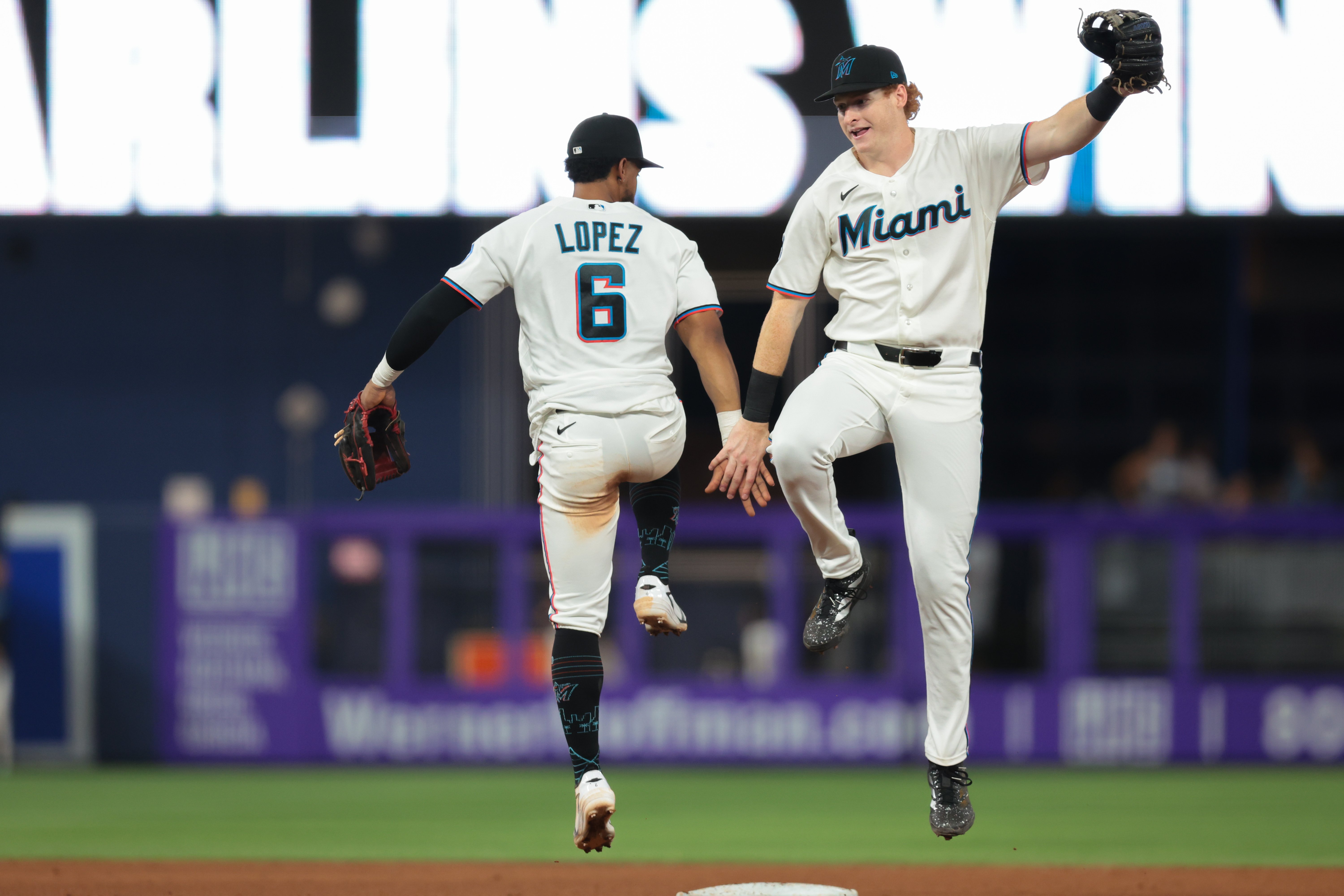 MIAMI—A 7-1 record, top-five OPS and the second-lowest ERA in baseball. Few things go together like the month of June and Marlins baseball. That sentiment was echoed once more Wednesday night in a contest that was decided essentially within an hour and a half of first pitch. A six-run fourth inning and group shutout powered Miami to a dominant 8-0 series-clinching win over the visiting Diamondbacks, their seventh in eight efforts. They climb to just two games under .500 and remain 2.5 games out of a wild-card spot courtesy of the continued surge. "We dug ourselves a bit of a hole, but now we're playing much better here the last ten days or so" said manager Clayton McCullough postgame, "It's always going to go back to our ability to pitch and play and play defense. I think both those areas we can continue to get better, but right now we're doing a really nice job." The southpaw duo of Owen Caissie and Kyle Stowers headlined Miami's mid-game avalanche, blasting their sixth and fifth home runs of the season, respectively. Both shots registered an 110 mph exit velocity, although the latter was more majestic, finding the second deck and resulting in a rare bat flip from the slugger. Like his club, Stowers' stock has risen now a third into the month. 9 RBI and a .740 OPS in eight games have been just what the doctor ordered for a team desperate for the slug their All-Star of a year ago provides. "Kyle's been on the barrel a lot more of late, and what he can bring to our offense is no secret," said McCullough. "He has the ability to carry you with some swings at the right times with people on, and he certainly has shown that. He's certainly a huge part of our lineup in the middle there, and with how much the guys in front are getting on base, and his ability to drive them in is a big thing for us." Additional multi-hit nights from Liam Hicks, Otto Lopez, who tallied two more RBI as he builds his All-Star case, and Heriberto Hernandez tallied behind Caissie in Stowers in Miami's latest high-scoring day. "We've done it offensively in a variety of ways" said McCullough. "Otto again tonight with a couple more big hits, Liam had a really good night swinging the bat, and then you get the home runs. I think offensively, we've done a nice job during this stretch of getting done in a variety of ways." Not to be lost in the offensive explosion was the latest impressive bullpen game for a multitude of Marlins relievers. Ryan Gusto led the way with four innings of three-hit, four-strikeout ball, a solid step forward following two sideways outings in his return to the bigs. "I'm really happy about it," said Gusto of his outing. "I think it's something to build off of. I think they'll let that pitch count, getting comfortable to that starter role is something that's really good for me." "The work with the pitching coaches in between starts was huge," replied Gusto when asked what adjustments he made from his previous appearance. "I think that we were able to do a lot of quality work on my bullpen in between starts, and I mean that comes back to the routine that we're building, right? So, a couple like interesting outings out of the bullpen-shorter ones-and then now that we had like a full five days to line up for start, I feel like it was really helpful in that aspect to get some quality work in between." A three-man effort of Lake Bachar, William Kempner and Cade Gibson rounded out the superb day from Miami's arms. Kempner recorded his first win in the bigs because Gusto was removed to early to be eligible. "Our pitching staff overall, from starters to relievers, is nasty," said Kempner of the 'pen. "When you put our guys out there, we know they have a chance, no matter who it is. The stuff in there is absolutely gross." Making his third appearance as a starter, Tyler Phillips takes the ball for McCullough in Thursday afternoon's 1:10 EST finale opposite Merrill Kelly. A sweep and fifth consecutive victory in the matinee would mark Miami's longest winning streak of the season. View the full article
 -
 Another of the reliever swaps triggered by nothing in particular goes down, but it reopens a chapter that one unexpectedly closed. Transactions, 6/10/2026 GOING COMING Demoted to Syracuse Promoted from Syracuse Relief Pitchers Relief Pitchers Joey Gerber Jonathan Pintaro R/R DoB: 1997-05-03 High Level: MLB (2026) R/R DoB: 1997-11-07 High Level: MLB (2026) Yeah, the relievers getting swapped out at the back end of the bullpen seem indistinguishable, but if you pay attention, they're all telling their own story — albeit stories with long gaps in the middle. Such is the case with Jonathan Pintaro. You may think, "Ho-hum, another righthanded reliever," the there is a difference. This is a righthanded reliever that has allowed no runs and no hits in 3 2/3 innings. So when Jonathan gets announced into a game sometime this week, probably in a less-than-high-leverage situation, and you try to muster the interest to root for him, know that you are rooting for a guy working on a no-hitter. For the season. Go Jonathan Pintaro!! Your 2026 New York Mets Starting Pitchers Sean Manaea Nolan McLean Freddy Peralta David Peterson Christian Scott R/L DoB: 1992-02-01 R/R DoB: 2001-07-24 R/R DoB: 2996-06-04 L/L DoB: 1995-09-03 R/R DoB: 1999-06-15 Relief Pitchers Huascar Brazobán A.J. Minter Cionel Pérez Jonathan Pintaro Brooks Raley Austin Warren Luke Weaver R/R DoB: 1989-10-15 L/L DoB: 1993-09-02 R/L DoB: 35176 R/R DoB: 1997-11-07 L/L DoB: 1988-06-29 R/R DoB: 1996-02-05 R/R DoB: 1993-08-21 Relief Pitchers Catchers Infielders Devin Williams Francisco Alvarez Luís Torrens Bo Bichette Brett Baty Vidal Brujan Marcus Semien R/R DoB: 1994-09-21 R/R DoB: 2001-11-01 R/R DoB: 1996-05-02 R/R DoB: 1998-03-05 L/R DoB: 1999-11-13 S/R DoB: 1998-02-09 R/R DoB: 1990-09-17 Infielders Outfielders Mark Vientos Eric Wagaman Carson Benge A.J. Ewing MJ Melendez Juan Soto Jared Young R/R DoB: 1993-12-11 R/R DoB: 1997-08-14 L/R DoB: 2003-01-20 L/R DoB: 2004-08-10 L/R DoB: 1993-11-29 L/L DoB: 1998-10-25 L/R DoB: 1995-07-09 Also on 40-Player Roster Starting Pitchers Relief Pitchers #NAME? Clay Holmes Tylor Megill Kodai Senga Zach Thornton Jonah Tong Alex Carrillo Daniel Duarte R/R DoB: 1993-03-27 R/R DoB: 1995-07-28 L/R DoB: 1993-01-30 L/L DoB: 2002-01-17 R/R DoB: 2003-06-19 R/R DoB: 1997-06-06 R/R DoB: 1996-12-04 Relief Pitchers Catchers Reed Garrett Joey Gerber Justin Hagenman Tobias Myers Dedniel Núñez Dylan Ross Hayden Senger R/R DoB: 1993-01-02 R/R DoB: 1997-05-03 R/R DoB: 1996-10-07 R/R DoB: 1998-08-05 R/R DoB: 1996-06-05 R/R DoB: 2000-09-01 R/R DoB: 1997-04-03 Infielders Outfielders Francisco Lindor Ronny Mauricio Jorge Polanco Nick Morabito Luis Robert, Jr. Tyrone Taylor S/R DoB: 1993-11-14 S/R DoB: 2001-04-04 S/R DoB: 1999-11-13 R/R DoB: 2003-05-07 R/R DoB: 1997-08-03 R/R DoB: 1994-01-22 Your Mets Coaching Staff Manager Bench Coach Pitching Coach Hitting Coordinator Third Base Coach First Base Coach Bullpen Coach Ass't Pitching Coach Carlos Mendoza Kai Correa Justin Willard Jeff Albert Tim Leiper Gilbert Gomez José Rosado Dan McKinney DoB: 1979-11-27 DoB: 1989-07-14 DoB: 1990-09-09 DoB: 1992-08-16 DoB: 1996-07-19 DoB: 1992-03-08 DoB: 1974-11-09 DoB: 1989-06-06 Hitting Coach Strategy Coach Catching Coach Coaching Assistant Bat'g Practice Pitcher Equipment Manager Bullpen Catchers Bullpen Catchers Troy Snitker Danny Barnes J.P. Arencibia Rafael Fernandez Kevin Mahoney Kevin Kierst Eric Langill Dave Racaniello DoB: 1988-12-05 DoB: 1989-10021 DoB: 1986-01-05 DoB: 1988-08-03 DoB: 1987-05-11 DoB: 1964-07-09 DoB: 1979-04-09 DoB: 1978-06-03 Your Mets Training Staff Director of Player Health Head Athletic Trainer Assistant Athletic Trainer Reconditioning Coordinator Reconditioning Therapist Head Performance Coach Assistant Performance Coach Performance Coordinator Soft Tissue Specialist Brian Chicklo Joseph Golia Bryan Baca Sean Bardanett Josh Bickel Dustin Clarke Tanner Miracle Jeremy Chiang Hiroto Kawamura DoB: 1972-07-17 DoB: 1978-??-?? DoB: Circa 1980 DoB: 1988-06-23 DoB: 1996-??-?? DoB: 1987-??-?? DoB: 1991-??-?? DoB: ????-??-?? DoB: 1962-07-19 View the full article
 -
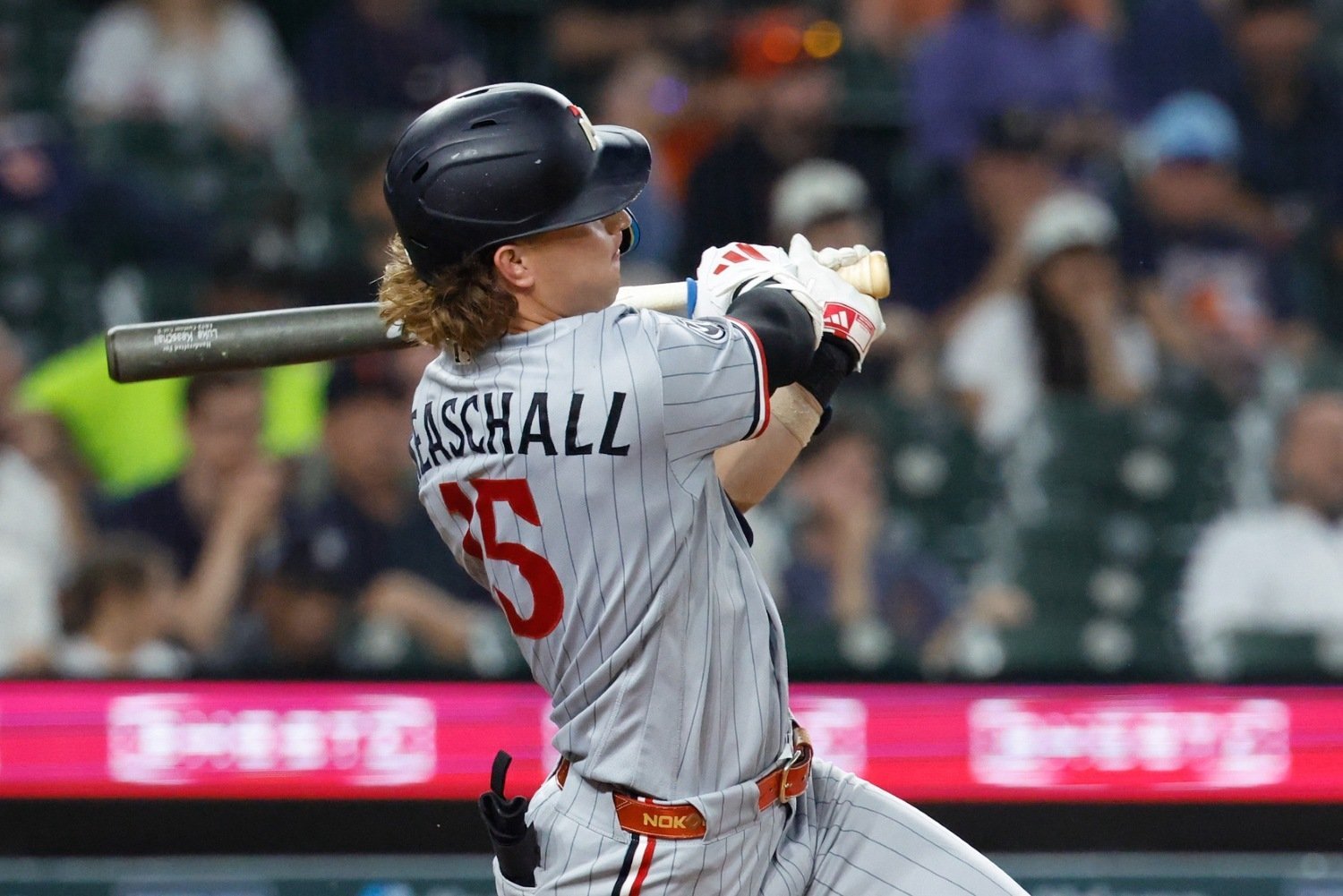 Luke Keaschall was one of the Twins' most exciting players entering the 2026 season. After a mini-breakout during his rookie campaign a year ago, it looked like Minnesota had found its long-term answer at second base. Keaschall hit .302 with an .827 OPS last year, showed elite bat-to-ball skills, and looked capable of becoming a fixture near the top of the lineup for years to come. While he certainly still could be, that success has not carried over into this season. Entering Wednesday night's game, Keaschall is hitting just .247 with a .638 OPS. That's a significant drop-off from what he did a year ago, and it's becoming increasingly difficult to chalk it up to nothing more than a slow start. What's especially disappointing is that it looked like he was beginning to turn the corner in May. After struggling through the early portion of the season, Keaschall hit .291 during the month, with seven extra-base hits and three stolen bases. The quality of his at-bats appeared to improve, the results were finally starting to follow, and it seemed like his rough April was simply a temporary bump in the road. Instead, June has brought him right back to where he started. So far this month, Keaschall is hitting just .250 with a .595 OPS. The underlying data doesn’t offer any reassurance, either. His expected batting average sits at just .228, which is notably lower than his already uninspiring .247 mark. Often, struggling hitters can point to bad luck as a reason for optimism. That's not the case here. Additionally, his quality of contact has been absolutely abysmal. His SLGCON, or slugging percentage on contact, sits at just .372. Not only is that comfortably the lowest mark among Twins hitters with at least 100 plate appearances, but it's roughly 180 points below league average. When Keaschall makes contact, there just isn't much damage being done. The rest of the batted-ball profile tells a similar story. His average exit velocity, his barrel and hard-hit rates all sit near the bottom of the league. That's not the profile of someone who is getting unlucky; that's the profile of someone who is consistently getting outmatched. Even the area of his game that has traditionally been his biggest strength has taken a step backward. Keaschall's bat-to-ball data remains solid overall, but it isn't as strong as it was during his rookie season. He's making less quality contact while chasing and striking out more. That's a difficult combination to overcome. All of it has contributed to him finding himself near the bottom of the Twins' lineup more frequently in recent weeks. Could this simply be a sophomore slump? Sure, young players struggle all the time. The league adjusts. Pitchers find weaknesses, and development isn't always a straight line. But we're also more than two-and-a-half months into the season at this point. This is no longer a small sample size, and right now, Keaschall is not helping the Twins at the plate. As someone who was extremely optimistic about Keaschall entering the season, I take no pleasure in saying this, but it's time for the Twins to option him to Triple-A. If he were providing strong defense at second base, perhaps the offensive struggles would be easier to stomach. But that hasn't been the case. Keaschall has been a negative on both sides of the ball, which makes it increasingly difficult to justify keeping him in the lineup every day while the team tries to keep itself afloat in the playoff picture. It's not as if the Twins have shown any hesitation when it comes to optioning players; they've already done it this season with Royce Lewis and Matt Wallner. If the organization believes a player will benefit from a reset, they have shown a willingness to make that move regardless of the player's pedigree. Additionally, I don't think it's a coincidence that the Twins have been giving Lewis opportunities at second base. Part of that undoubtedly relates to Brooks Lee's transition to third base (Lewis’s primary position) and the organization's desire to create defensive flexibility. But if Keaschall were truly succeeding, he wouldn't be losing starts to a hitter carrying a .162 batting average. That tells you something. So who would take Keaschall’s spot if the Twins decide to send him down? Well, there may be an intriguing replacement already waiting. This would be a great opportunity to see where Kaelen Culpepper is at. Promoting Culpepper would require a 40-man roster move, so it wouldn't be a completely simple decision. Somebody would need to come off the roster. Still, there are plenty of reasons why the move makes sense. Culpepper can play second base, shortstop, and third base. He would immediately give Derek Shelton additional flexibility throughout the infield, and defensively, he's been better than Keaschall this season. More importantly, it would allow the Twins to accomplish two goals at the same time. Culpepper would get a chance to experience major-league pitching and begin his transition to the next level. Meanwhile, Keaschall could head to Triple-A, take a step back, work through his struggles in a lower-pressure environment, and rebuild some confidence. That sounds like a win-win scenario. Would optioning Keaschall be popular among fans? Probably not. Nobody likes seeing a young player with this much talent get sent down. But these situations happen all the time. Development is very rarely linear, and sometimes the best thing for a player's long-term future is a temporary step backward. Right now, there isn't a strong argument for keeping Keaschall in the majors when he's struggling offensively, struggling defensively, and still has minor-league options available. Let him get a reset, let him rebuild his confidence, and then let him come back a better player. View the full article
