


DiamondCentric
-
Posts
2,631 -
Joined
-
Last visited
Never
Content Type
Profiles
Forums
Events
News
Tutorials & Help
Major League Baseball Videos
Guides & Resources
Store
Downloads
Gallery
Everything posted by DiamondCentric
-
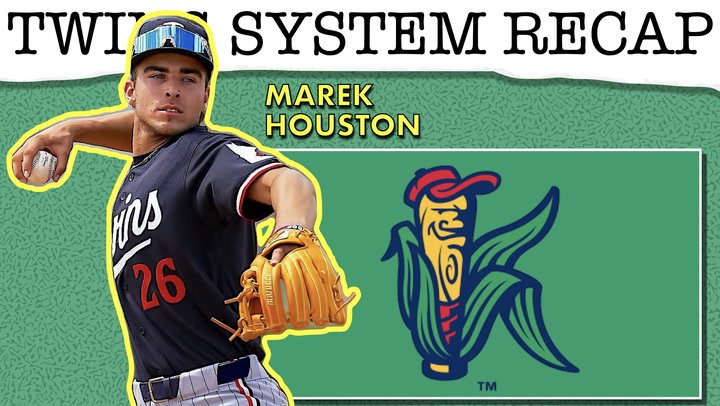 Twins System Recap: Marek Houston and Riley Quick both had big weekends for the Kernels, even with Cedar Rapids being rained out on Sunday. Also, the unlikely bash brother duo of Kyler Fedko and Aaron Sabato continued to slug, Merit Jones stayed rolling for Fort Myers, and Wichita embraced a new identity. View the full article
 -

Yariel Rodriguez Designated For Assignment By Blue Jays
DiamondCentric posted an article in Jays Centre
The return of Tommy Nance has brought the end of Yariel Rodriguez's time with the Toronto Blue Jays. Nance, a right-handed reliever, was activated from the 15-day injured list Monday following right forearm discomfort. Right-hander Yariel Rodriguez was designated for assignment. The DFA of Rodriguez brings an end to a disappointing tenure. Rodriguez signed a five-year, $32 million contract before the 2024 season as he came over from Cuba. He made 21 starts as a rookie, then converted to a relief role in 2025, appearing in 66 games. This year, Rodriguez pitched in just 10 games after starting the season at Triple-A on the injured list. He had a 7.71 ERA in 9⅓ innings, allowing two homers, seven walks and striking out six. If no one claims Rodriguez, the Jays will be on the hook for the remainder of his $7 million salary this season as well as the $14 million over the final two years of his contract. Nance is a welcome return to the bullpen. He appeared in 20 games before hitting the IL on May 17, posting a 3.86 ERA in 21 innings, walking eight and striking out 25. View the full article -
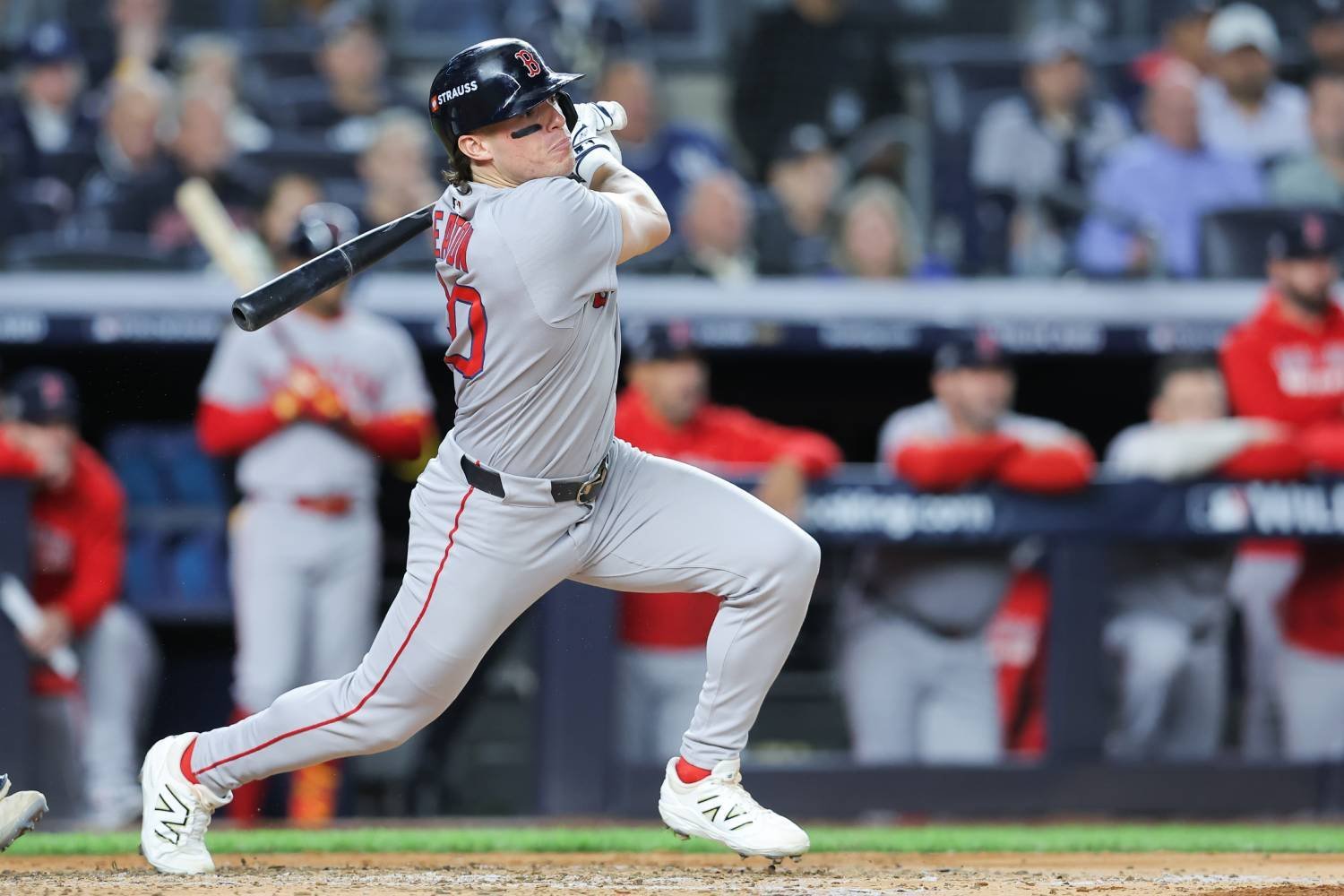 Opting for a bat over a full bullpen for at least a day, the Boston Red Sox have called up outfielder Nate Eaton from Triple-A Worcester on Monday. To make room, recently acquired left-handed reliever Joe La Sorsa was optioned to Triple-A. The Red Sox open a three-game road series against the Tampa Bay Rays on Monday. Eaton, who has 113 games of MLB experience with the Red Sox and Kansas City Royals, is in the majors for the first time this season. At Worcester, the right-handed hitter was slashing .283/.348/.450 with five homers, 22 RBIs and eight steals in 48 games. He has a career MLB slash line of .233/.293/.317 with two homers, 17 RBIs and 23 steals. In 41 games with the Red Sox last year, he had a .296/.348/.383 slash line, hitting a homer, driving in four and stealing nine bases. La Sorsa was acquired last week from the Pittsburgh Pirates after exercising an upward mobility clause in his contract. He appeared in just one game, Sunday's 6-1 loss to the New York Yankees, giving up a three-run homer to Jazz Chisholm Jr. before recording the final out of the eighth inning. A move regarding the pitching staff is likely before Wednesday as the Red Sox have yet to announce a starting pitcher for that game. View the full article
 -
The Cubs in the past few days have added a couple of relief options to their system. First from Dodgers reporter Fabian Ardaya. Ignore the Glasnow part unless you own him in fantasy, and the second sentence has it. Antoine Kelly has not pitched in the major leagues after beginning his career in 2019. This season, he's toiled in Triple-A Albuquerque, struggling to a 5.14 ERA in 21 innings pitched. In 2025 he was in the Rockies' system and performed similarly with a slightly worse 5.63 ERA. Kelly was acquired for cash considerations and will report to Triple-A Iowa, where he'll look to get his chance given all of the injuries the Cubs' staff has had. And second, from the Des Moines Register's Andrew Birch: Wantz, age 30, started in the Los Angeles Angels' system, toggling between the majors and minors since his debut in 2021. The Rays picked him up in 2024 after an elbow injury, and he was let go after allowing five runs in 1 2/3 innings on Saturday. Wantz does have some success in the highest level, striking out 127 in 120 innings pitched over his career. His strikeout rate has dipped though, and he will look to increase his metrics and his success in Iowa to start. If he can, there are ample opportunities to contribute to the big club if Wantz can handle it. View the full article
-
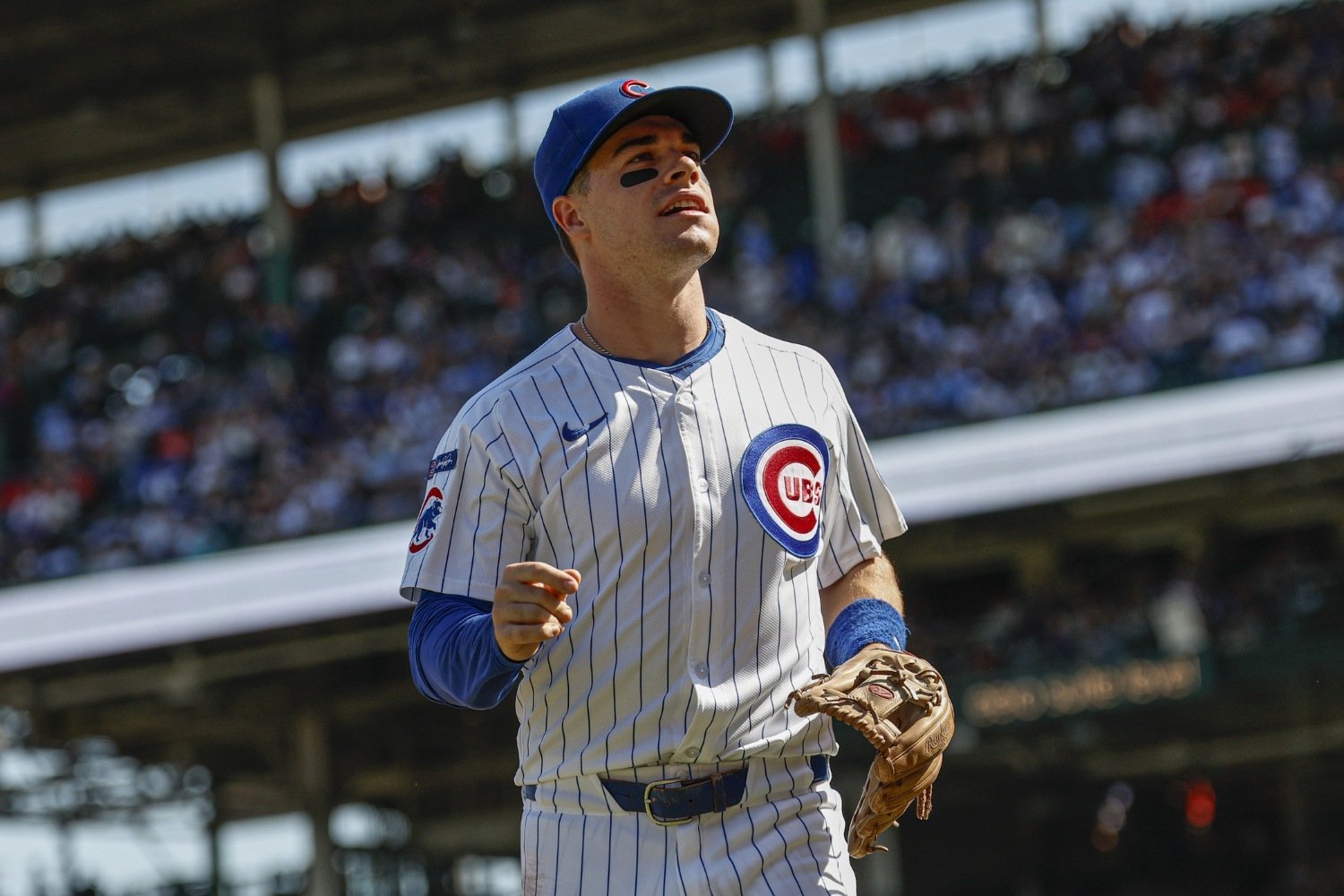 Matt Shaw is ready to return to Chicago, according to ESPN reporter Jesse Rogers: Shaw, nursing a sore back, will replace Kevin Alcantara on the big league roster. Currently, Shaw is hitting .242 with a .297 OBP in part-time work for the Cubs. In four rehab games, he hit .286 with a .375 OBP and zero home runs. Shaw will look to give struggling regulars like Alex Bregman, Nico Hoerner, and Dansby Swanson some rest as well as logging time in the outfield, where he played some in his brief rehab stint. Alcantara played sparingly in his 17 games in Chicago, and his baserunning gaffe late in Sunday's game likely was the last straw for manager Craig Counsell. He'll take a .111 batting average with him and look to further develop in Iowa, where he'll have consistent playing time. View the full article
 -
 Chicago Cubs Minor League Report - June 8 Affiliate Overview Triple-A Iowa Cubs Series vs. Toledo Mud Hens (Detroit Tigers): Mud Hens win, 4-1 Season Record: 25–36 Double-A Knoxville Smokies Series at Birmingham Barons (Chicago White Sox): Smokies win, 4-2 Season Record: 30–26 High-A South Bend Cubs Series at Quad Cities River Bandits (Kansas City Royals): Cubs win, 4-2 Season Record: 34–19 Single-A Myrtle Beach Pelicans Series at Charleston RiverDogs (Tampa Bay Rays): RiverDogs win, 6-0 Season Record: 21–34 Affiliate Highlights Triple-A: Iowa Cubs Season Record: 25–36 Series Opponent: Toledo Mud Hens (30–32) Series Standing: Lose, 4-1 June 7: The Iowa Cubs had their series finale with the Toledo Mud Hens on Sunday canceled due to inclement weather. The Cubs will be back in action on Tuesday at Louisville. Double-A: Knoxville Smokies Season Record: 30–26 Series Opponent: Birmingham Barons (21–35) Series Standing: Win, 4-2 June 7: The Knoxville Smokies earned a series win with a 7-4 victory over the Birmingham Barons on Sunday, extending their winning streak to four games. Hayden Cantrelle’s (1-for-3) two-run double in the second got the Smokies on the board first but the Barons responded with three in the third to take the lead. Jefferson Rojas (2-for-4) put Knoxville back in front with a two-run shot, his third homer in his last two games. The Smokies added two more in the sixth through an RBI-single from Carter Trice (1-for-3) and an RBI-groundout from Karson Simas (0-for-4) to make it 6-3. The two sides traded their final runs of the contest in the seventh, with the Smokies earning their tally on an Owen Ayers (2-for-4) RBI-single. Brooks Caple earned the win in the start to improve to 2-0 on the season. Caple tossed five innings of three-run ball, allowing five hits to go along with seven strikeouts with no walks issued. Vince Reilly converted his fifth save of the campaign with two shutout frames to close the ballgame, allowing just one hit to go along with one strikeout and one walk. High-A: South Bend Cubs Season Record: 34–19 Series Opponent: Quad Cities River Bandits (24–30) Series Standing: Win, 4-2 June 7: The South Bend Cubs had their series finale at the Quad Cities River Bandits canceled due to rain. The Cubs will be back in action on Tuesday when they host the Peoria Chiefs. Single-A: Myrtle Beach Pelicans Season Record: 21–34 Series Opponent: Charleston RiverDogs (32–25) Series Standing: Lose, 6-0 June 7: The Myrtle Beach Pelicans dropped their seventh-straight contest as they were swept by the Charleston RiverDogs following a 5-4 defeat on Sunday. Both teams went scoreless through the first five innings, with Pelicans starter Pierce Coppola working all five of those frames. Coppola, who took no decision on the mound, allowed just one hit and whiffed five batters while allowing just one walk. The RiverDogs would break the deadlock in the sixth with a pair of runs but Myrtle Beach stormed back to take the lead with three runs in the seventh. The Pelicans tallied their first run of the frame on an error before Eli Lovich (1-for-4) drove in a pair with a double. Charleston would go back in front after the stretch with two runs to make it 4-3. Jairo Diaz (2-for-4) knotted the contest at 4-4 but Myrtle Beach again could not turn in a shutdown inning as the RiverDogs went back in front with a run in the home half of the frame. The Pelicans would put runners on first and second in their final chance of the game but could not push the tying run across. View the full article
 -
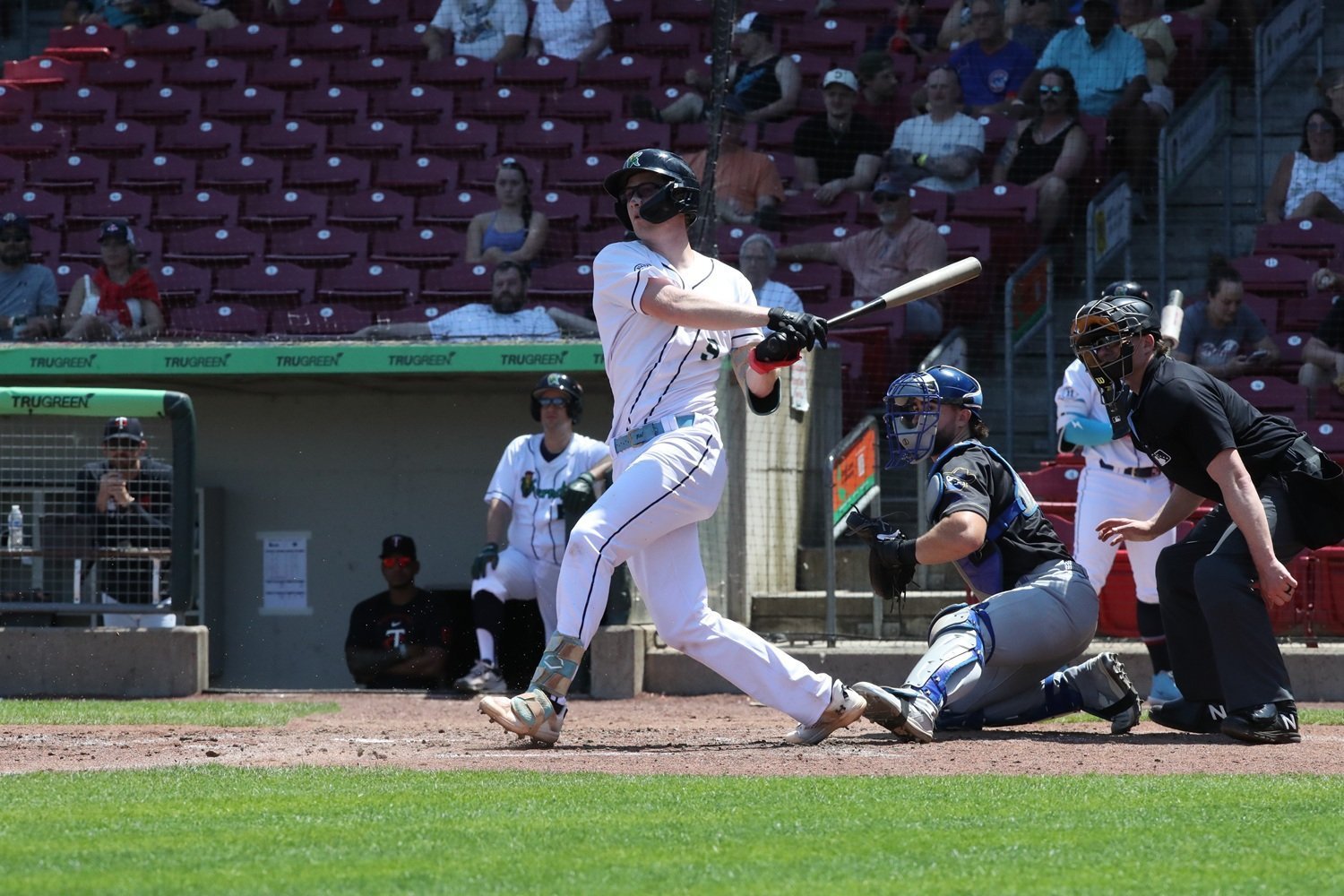 The non-linearity of player development is especially important to remember for someone like Brandon Winokur. Had he honored a college commitment instead of signing professionally, the former high school standout would have only become draft-eligible this summer. Instead, he has already spent parts of four seasons in professional baseball, learning how to transform tremendous athletic gifts into on-field performance. The Twins believed in that upside when they selected Winokur in the third round of the 2023 MLB Draft. Standing 6-foot-6 and playing shortstop, he was one of the most uncommon athletes available that year. Scouts saw flashes of five-tool ability, but questions surrounding his hit tool and signability caused some organizations to look elsewhere. Minnesota was willing to bet on the upside, signing him for a $1.5 million bonus that reflected the confidence typically reserved for a second-round pick. Since entering the organization, Winokur has shown both why evaluators were intrigued and why he remains a work in progress. His first two full professional seasons featured stretches of exciting production mixed with understandable growing pains. The numbers did not always jump off the page, but the underlying tools consistently did. Last season with High-A Cedar Rapids, Winokur showcased the rare power-speed combination that makes him such an intriguing prospect. He tied for the Midwest League lead with 17 home runs while stealing 26 bases, giving a glimpse of the impact player he could become. Power has never been the question. Winokur possesses some of the best raw power in the Twins farm system. The challenge has been accessing it consistently during games. Earlier in his professional career, his swing path often kept him from consistently finding the barrel, resulting in weakly hit balls to the opposite field or ground balls pulled to the left. The focus has been on making mechanical adjustments that allow his natural strength to translate into more authoritative contact. The results are beginning to show. Through 54 games this season, Winokur owns a .268/.389/.444 slash line with 10 doubles, two triples, and seven home runs. Perhaps even more encouraging is the growth in his approach. After posting an 8.3% walk rate across his first two full seasons, that number has climbed to 14.6% in 2026. His strikeout rate remains elevated, at 30.0%, the highest mark he has posted since rookie ball, but the tradeoff is leading to better overall offensive production. Last season, Winokur produced a 98 wRC+ with Cedar Rapids, essentially league-average offense. This year, that figure has jumped to 119. His batting average has climbed more than 40 points after hitting .226 across 122 games in 2025. Advanced metrics paint a similarly encouraging picture, with his wOBA rising from .327 to .389. Much of that improvement stems from the quality of contact he is generating. His line-drive rate has increased dramatically from 19.4% a season ago to 30.9% this year. Instead of relying solely on flashes of athleticism, Winokur is making more consistent hard contact and forcing opposing pitchers to work around him. His slugging average on contact (SLGCON), which is a solid indicator of how a young player's power is playing overall, is up from .536 last season to .698. The athleticism remains a major part of his profile, as well. When Minnesota drafted him, many evaluators assumed his size would eventually push him off shortstop. His combination of agility and athleticism has allowed him to spend far more time at the position than initially expected. This season, however, the organization has started increasing his workload elsewhere. He has made 24 starts at third base, 12 at shortstop, and another 18 in center field. That defensive versatility only adds to his value. His plus arm fits naturally at third base, while his speed allows him to cover significant ground in the outfield. As he continues adding strength to his frame, it would not be surprising to see more of his future defensive opportunities come at third base and in the outfield, rather than at shortstop. The biggest takeaway from Winokur's 2026 season is that progress is becoming visible. He's controlling the strike zone better, driving the ball with more authority, and producing more consistently than he did a year ago. The Twins have always believed there was significant upside hiding beneath the rawness, and this season has provided some of the strongest evidence yet that their evaluation was correct. That progress was recognized recently when Winokur earned Cedar Rapids Kernels Player of the Month honors for May. He led the club and ranked second in the Midwest League with 33 hits during the month, while batting .333 with four home runs, four doubles, and 17 RBI. There's still work to be done. The strikeouts need to come down, and continued offensive refinement will determine whether he reaches his ceiling. However, it is important to remember that Winokur will spend the entire 2026 season as a 21-year-old. Increasingly, the minor leagues have been compressed, and expectations of prospects' development have been accelerated. Sometimes, that distorts perceptions of players who are taking a perfectly normal amount of time to blossom. Winokur doesn't even have to be added to the 40-man roster to be shielded from the Rule 5 Draft until next November. For a player who wouldn’t have entered the professional ranks yet had he chosen the college route, the development is arriving right on time. More importantly for the Twins, Winokur is beginning to look a lot like the player they envisioned when they made one of the most ambitious bets of the 2023 draft. What stands out about Winokur in 2026? Leave a comment and start the discussion. View the full article
 -
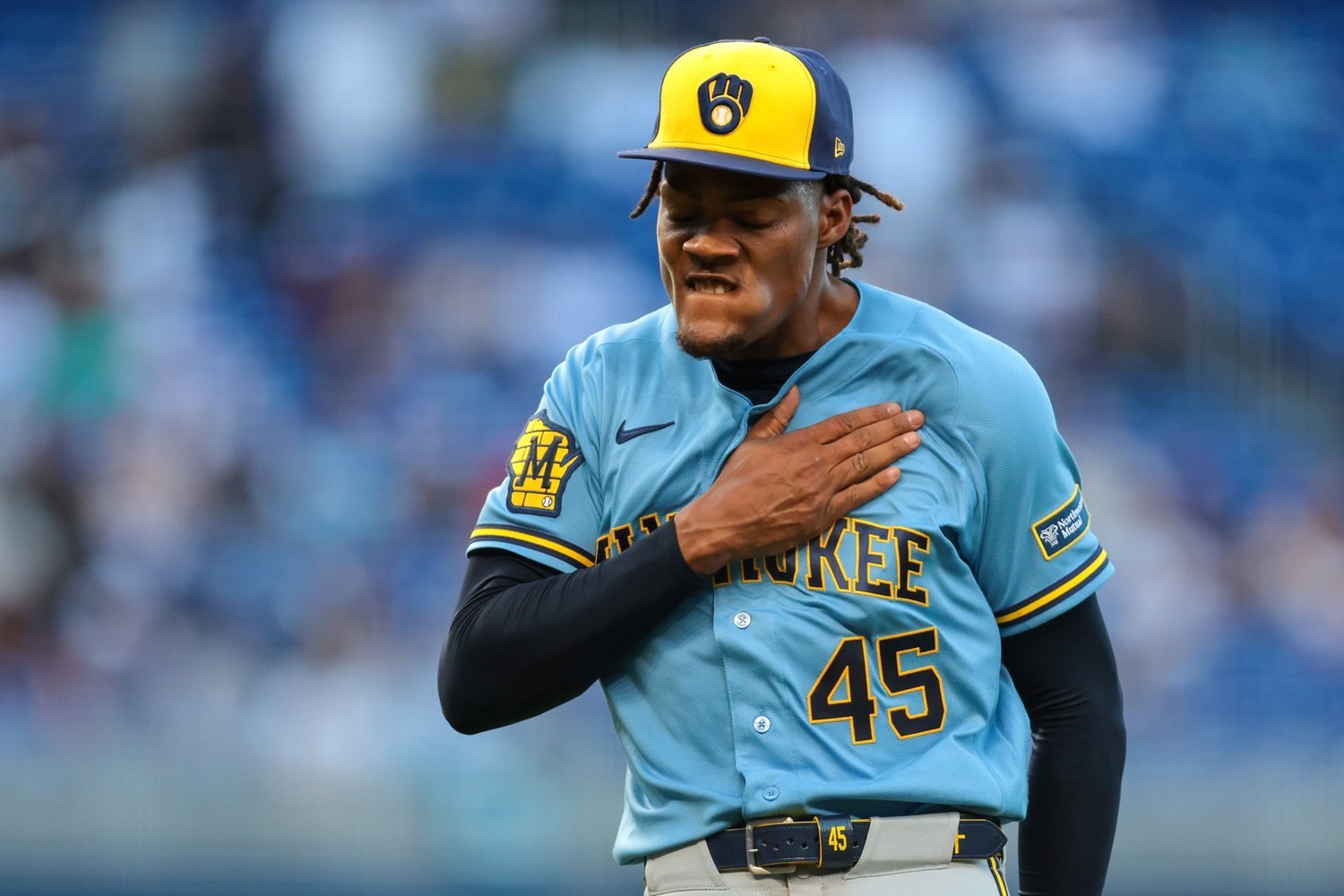 Abner Uribe is one of the most dynamic closers in baseball, and this lightning rod of energy belongs to the Milwaukee Brewers’ pitching staff. Whether it’s his electric sinker or the mannerisms that follow a key out, this is someone who has the baseball world’s attention. But if you look into his advanced analytics, you’ll find something even more notable. Background Uribe is a 25-year-old, hard-throwing right-handed pitcher who is originally from the Dominican Republic. The Brewers’ reliever has now appeared in four major-league seasons, with 142 2/3 innings and 166 strikeouts. He’s not only been quite productive, but dominant, with a 2.21 ERA since the start of 2025. Last season, the Brewers utilized him practically every other night, and he proved to be one of the most impactful hurlers in the game. Strengths In 2026, you need to throw hard. There are a few finesse-driven success stories out there, but the name of the game—especially for relievers—is having top-end velocity that speeds up the clock of a hitter and makes their job that much more difficult. The flame-throwing closer passes that test with flying colors, as he clocks in with an average fastball velocity of 98.3 miles per hour. While harder-thrown pitches can come right back and have more zip on them when they come off the bat, Uribe has been an expert at avoiding quality contact. His 3.2% barrel rate is one of the best in the game, directly correlating to a 33.3% hard-hit percentage. Above all else, this is someone who can consistently force opposing hitters to beat the ball into the ground. Look no further than his 49.2% ground ball rate, a mark well above average. Pitch Mix Unlike starting pitchers, the quality of pitches really outweighs the variance of a relief pitcher’s arsenal. In Uribe’s case, his bread and butter has been a 1-2 punch that has worked for the last four seasons. His sinker, which he utilizes 65% of the time, can saw off the swing of opposing right-handed hitters or run away from lefties. Uribe’s slider, which he uses on 35% of pitches, couldn’t be more stark in its differences from the sinker. Not only does it buzz in at 86.6 mph, almost a 12-mph difference, but it bites glove-side. Opposing batters are hitting just .200 against it through the first third of the season. Weakness One fallback to lock in on is the righty’s wavering command. While both of his options can bend between 12-18 inches in opposite directions, his 9.5% walk rate is worse than average. He’s relying more on the sinker now than in years past, as it's faring better (.236 BAA vs. .248 BAA last year), but if one of his pitches isn’t on, he’s essentially pigeon-holed between sticking it out or pivoting to his only other option. There is also, of course, the constant question of how well Uribe is controlling himself emotionally. It takes a certain poise to win in key, late-game moments, and he hasn't always demonstrated that mental toughness. Outlook Uribe isn't and won't be the team's sole closer any time soon. He's sharing that role with Trevor Megill, and indeed, Megill is getting more of the save chances lately. However, because of that ability to induce weak and ground-ball contact (as well as racking up the punchouts), Uribe is very much a co-relief ace for the Brewers, and one of the best righty relievers in the National League. View the full article
 -
Padres Week in Review: At Least Freddy Fermin's Funk Is Over
DiamondCentric posted an article in Padres Mission
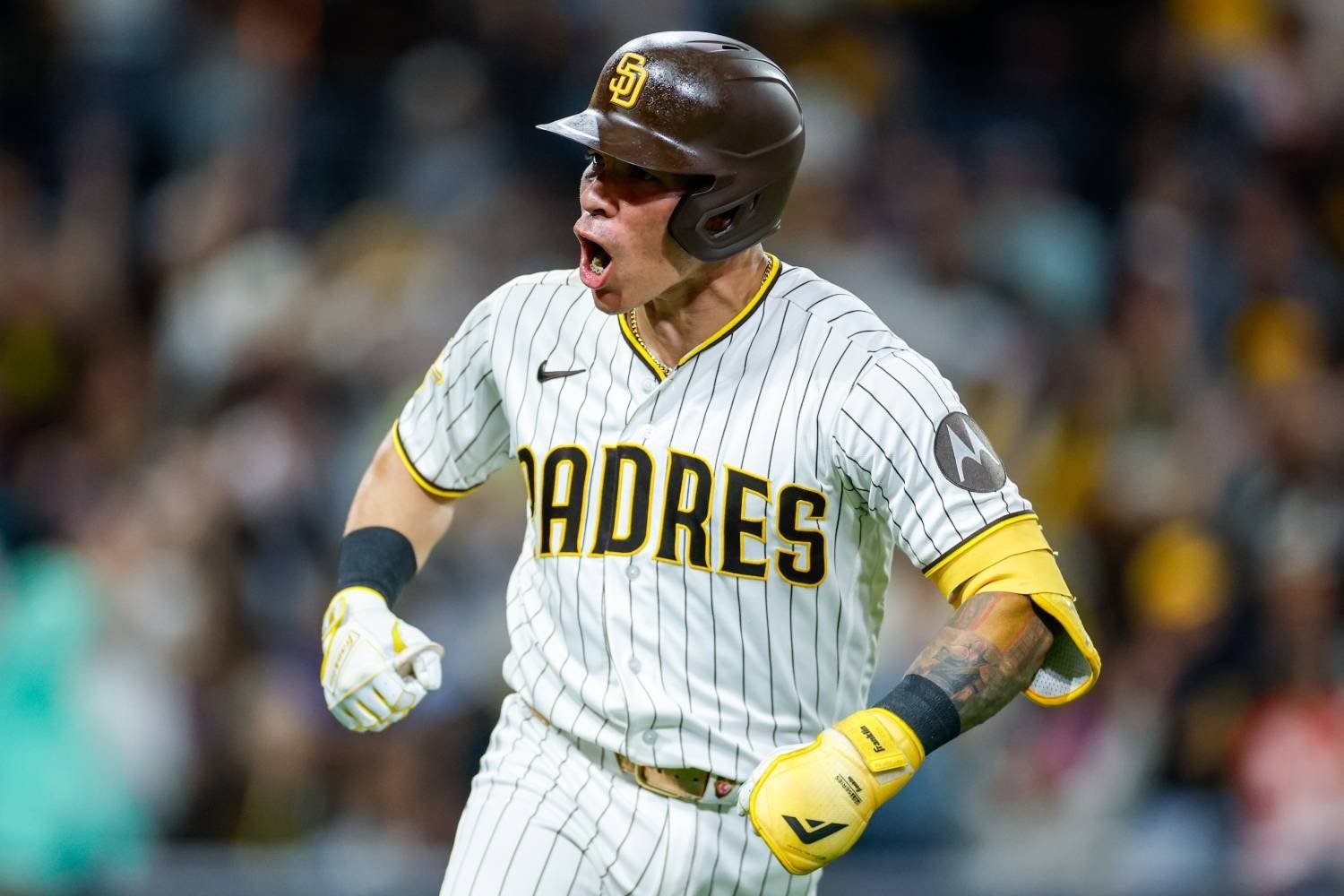 San Diego Padres Weekly Snapshot Record last week: 1-5 Runs scored last week: 14 Runs allowed last week: 26 (season run differential: minus-18) Standings Scores Monday: No game Game 59 (Tuesday): Phillies 3, Padres 2 Game 60 (Wednesday): Phillies 3, Padres 2 Game 61 (Thursday): Phillies 6, Padres 4 Game 62 (Friday): Mets 5, Padres 0 Game 63 (Saturday): Padres 3, Mets 2 Game 64 (Sunday): Mets 7, Padres 3 Week in Review and Highlights Phillies series Game 1: You get a sense of where you really stand when you play teams you think are on your level. For the Padres, facing the Philadelphia Phillies for six games over a 10-day span has not been a battle of equals. The Padres lost for the fourth time in as many games to the Phillies, dropping a 3-2 decision in a game in which the Friars got another decent starting pitching performance, only to be outdone by an opponent's starter. Padres right-handed starter Randy Vasquez bounced back from two subpar performances to go five innings and give up two runs on five hits and a walk with three strikeouts. The runs he surrendered were courtesy of Bryce Harper's two-run homer in the fourth inning that tied the game. But again, the Padres had trouble denting the scoreboard. Having called up outfielder Jase Bowen before the game to make his MLB debut as left fielder Ramon Laureano hit the injured list with with hip inflammation, the Padres struck for a pair of runs in the third inning. Fernando Tatis Jr. singled with two outs and Gavin Sheets, one of the few offensive positives thus far, smashed a two-run homer for his 10th of the season, matching Manny Machado for the team lead. But that would be the extent of the Padres' scoring against Phillies right-handed starter Aaron Nola and four relievers. Nola struck out eight over five innings and the Phillies' version of a lockdown closer, Jhoan Duran, punched out three in earning his 13th save. The Phillies grabbed the lead on a run-scoring double play. The Padres got runners on in the seventh and eighth innings, including Bowen's first MLB hit in the seventh that put runners on the corners, but couldn't push across the tying run. Game 2: Different day, same score, same result. While the Padres brought a pitcher's lengthy shutout streak to an end, a roster shakeup couldn't wake up the offense. On the day the Padres designated Nick Castellanos for assignment, they did manage to score a run of Phillies left-handed ace Cristopher Sanchez, but fell 3-2. It was the second four-game losing streak for the Friars in their last nine games. Four games is their longest skid this year. Sanchez entered the game having not allowed a run in 44⅔ innings and added six more to move up to fifth all time, the last 13 of which came against the Padres after he threw seven shutout last week at Petco Park. He did finish seven innings again, striking out eight and allowing just four hits. The positives for the Padres are that they finally ended the scoreless streak by last year's NL Cy Young Award runner-up. That came in the seventh as, with two outs, Ty France doubled to left and Jackson Merrill bounced a hard grounder through the left side of the infield and into left field. France chugged home from second and scored without a play as the throw was off the mark and took multiple hops before reaching the catcher. That snapped Sanchez's streak at 50⅔ innings (only completed innings count, which is why it isn't 51⅓), and tied the game 1-1. It was the first run Sanchez had allowed since April 30. But the Phillies scored twice in the bottom of the seventh on solo homers by J.T. Realmuto and Kyle Schwarber, the MLB leader with 23, against right-hander Jason Adam. The Padres fought back in the eighth as Tatis and Miguel Andujar singled with one out, Sheets walked after Machado struck out to load the bases and Xander Bogaerts was hit by a pitch to force in a run to bring it to 3-2. France, however, hit an inning-ending grounder. The Padres were able to rally and make it close thanks to right-handed starter Walker Buehler, who was allowed to finish six innings for just the second time as a Friar. He gave up four hits and a run, while walking two and punching out six, including Schwarber twice. Duran pitched a perfect ninth for his second save in as many games and 14th of the season. Game 3: Following their season-worst fifth loss in a row and ninth loss in 10 games, a 6-4 decision that completed a sweep by the Phillies, Machado had this to say: “I don’t think it can get worse.” Well, it could, but point taken. The offense has been miserable and the pitching hasn't been as expected. On this day, the defense chipped into the downfall. An aspect of the game in which the Friars are one of of MLB's best committed two miscues, one by a reliever and the other by catcher Freddy Fermin. Right-handed starter Lucas Giolito lasted just four innings (74 pitches), allowing three runs (two earned) on six hits with five strikeouts. The Padres were kept in by right-handed starter Zach Wheeler, who took a no-hitter into the sixth inning and had a 3-0 lead before giving up a two-run bomb by Machado in the top of the seventh. Wheeler struck out eight and the Friars only managed only two hits. Just when it seemed like Machado might give the Padres a chance, left-handed reliever Adrian Morejon diminished that hope by giving up three runs in the bottom of the seventh. Some of the late-inning magic was back as Merrill hit a two-run homer with no outs in the top of the ninth, but the next three batters were retired to finish off the sweep. The Padres finished the road trip 1-5 and now head home to face the New York Mets, who are struggling themselves. Mets series Game 1: After facing perhaps the hottest team in the NL East, the Padres welcomed the worst team in that division as their stretch of 12 consecutive games against the East hit its final leg. The bad news is the Friars' fortunes didn't change. On a day one of their position players was possibly lost for the season and a key reliever went on the injured list, the Padres couldn't do anything offensively, mustering a mere three hits in a 5-0 loss to the New York Mets, the Friars' six consecutive loss, a season worst, and their 10th in 11 games. Right-handed starter Christian Scott, who began the season in the minors, blanked the Padres through 5⅔ innings, giving up all three hits with two walks and three strikeouts. Tatis had a leadoff single in the fifth, France started the second with a single and Machado finished Scott's day with a sixth-inning single. Rodolfo Duran drew both walks and was the only Padre to reach second base. That was it. Padres right-handed starter Michael King was off just a bit. He went six innings and gave up four runs and six his, walking none and striking out four. But King gave up a pair of homers to some lesser-known Mets in Jared Young and Luis Torrens and an RBI triple by Bo Bichette. Right-hander David Morgan returned from the minors with two shutout innings. Superstar closer Mason Miller, pitching for the first time in a week, was only able to get two outs and gave up his fourth run of the season on A.J. Ewing's single and two stolen bases, then an RBI single by Brett Baty. It capped a day in which Laureano had hip surgery, with his return this year in doubt, while right-handed reliever Jeremiah Estrada went on the 15-day injured list with inflammation in his right knee. Game 2: Sometimes you just need that little bounce. When Tatis' third-inning single nutmegged the pitcher and caromed off second base into shallow right field for an RBI single, you had to think the tide, at least for this day, was going the Padres' way. And it did. Getting an unlikely go-ahead home run from the slumping Fermin, the Padres eeked out a 3-2 victory over the Mets, snapping their six-game skid, the longest of the season. Could it be a sign of better things to come? Only the upcoming games will tell that story. But for this Saturday night, there was a little hint of that Padres magic that marked their April performance. There were only five hits from the Friars and they came from three players (Tatis had two, Sung-Mun Song had two and Fermin the other), so there is still work to do there. But a win is a win. Tatis' third-inning single brought in Song from second and tied the game. The Mets took a 2-1 lead in the top of the seventh on a Marcus Semien leadoff homer. After being held down for six innings by Mets rookie right-handed starter Nolan McLean, the Padres were on the verge of another scoreless inning in the bottom of the seventh against right-handed reliever Austin Warren, who retired the first two hitters. Song reached on a soft single that was deflected by Warren, then Fermin and his 0-for-30 slump came to the plate. He had just four extra-base hits and no homers, but changed that when he jumped on a 94.4 mph first-pitch sinker and launched it into the left-center field bleachers for a game-changing two-run homer. It also helped turn a nice pitching performance into a victory. Right-hander Griffin Canning turned in his best effort since his season debut May 3. He limited the Mets to three hits over five innings, allowing one run with two walks and six punchouts. He overcame a 29-pitch second inning by facing the minimum in three innings. Morejon pitched a scoreless sixth, then Bradgley Rodriguez gave up Semien's seventh-inning blast and Adam overcome a pair of eighth-inning hits to put up a zero. That left the fate of the losing streak in Miller's hands. Pitching for the first time in a week, Miller withstood a two-out walk to notch his 18th save in as many chances. Game 3: While you could have considered this a soft spot in the schedule for the Padres and a chance to get things back on the right track, that turned out to not be the case. The Mets, the last-place team in the NL East, came into Petco Park and took two of three from the Padres following a 7-3 victory n the finale. The Mets were the first of four consecutive teams that are currently below .500 the Padres will face. While there were signs of life from the offense, the pitching was the bigger letdown Sunday. Right-handed starter Randy Vasquez lasted just four-plus innings and gave up four runs on eight hits, including a homer, with a pair of walks and three strikeouts. He through 75 pitches, with 49 strikes. Vasquez was lifted after giving up three singles and a walk to begin the fifth inning, which led to two more runs and a 4-0 Mets lead. The Padres did get on the board in the bottom of the fifth. Samad Taylor, a Corona native who was called up to replace Castellanos and had family see him playing for the first time in person as he made his first Petco Park start, had a one-out single, which was followed by Fermin's second homer of the season. But the Mets got those two runs back in the top of the sixth and added another in the eighth before the Padres put up a brief rally in the ninth, getting an RBI double from Fermin. Fermin has three of his seven extra-base hits this season in his last two games. There was an injury to keep an eye on. Andujar was removed in the seventh inning, an out after singling, with a hamstring injury. The hope is that it recovers in the next day or two and won't necessitate going on the injured list. The six-game homestand continues against the Cincinnati Reds, before heading out for a nine-game road trip beginning with the Baltimore Orioles. Marvelous Mason Miller Some of the amazing stats for the Padres' closer: Season stats: 1-1, 1.01 ERA, 26 games, 18 saves (18 chances), 26⅔ IP, 12 H, 4 R, 3 ER, 12 BB, 51 K, .132 opponent average Named NL Reliever of the Month for May, the third straight month he has reaped the honor. He has been a Padre for four months of the last two regular seasons. Hall of Famer Trevor Hoffman is the only other Friar to win the award three times. Went 7-for-7 in save opportunities in May, striking out 20 over 9⅔ innings. With his lone strikeout Friday, he became the first Padres pitcher to strike out 50 within his first 100 batters of the season. Miller and Josh Hader are the only pitchers in MLB history to do this multiple times. Has allowed a run in two of his last five outings and in just three of his 26 appearances. Has not given up an extra-base hit in his last 46 appearances, the second-longest streak behind Alan Embree's 47. Random Stats From June 1, 2024, to June 1 this year (Monday), the Padres have the third-best record in MLB at 184-138 (.571). Only the Los Angeles Dodgers (.594) and Milwaukee Brewers (.593) have a better winning percentage. In his start Wednesday, Walker Buehler reached 97 mph on his four-seam fastball for the first time this season and averaged more than 95 mph on that pitch for the first time since June 2025. The six-game season sweep at the hands of the Phillies was the first of at least that length for the Friars since 2005, when the Phillies also took six games. Manny Machado's two-run homer Thursday was his 800th career extra-base hit, one of seven active players to reach that mark. Machado is slashing just .169/.254/.342 with 60 strikeouts in 62 games, a 23.3% strikeout rate. His career mark is 17.7%. He has walked 10.3%, up from his 8.3% career mark. Fernando Tatis Jr. walked and singled in five plate appearances Sunday. He has now reached base in 33 of his last 77 plate appearances, with multi-hit performances in seven of his last 13 games. The Padres had not lost any of their last four series vs. the Mets, winning three and splitting the other, before dropping this one. Transactions Monday: Signed free-agent RHP Jesus Heredia to a minor-league contract. Tuesday: Transferred RHP Nick Pivetta (right elbow inflammation) from the 15-day injured list to the 60-day injured list. Tuesday: Placed LF Ramón Laureano on the 10-day injured list retroactive to Sunday with right hip inflammation. Tuesday: Selected the contract of CF Jase Bowen from Triple-A El Paso. Wednesday: Designated RF Nick Castellanos for assignment. Wednesday: Selected the contract of IF-OF Samad Taylor from Triple-A El Paso. Wednesday: Signed free-agent OF Luis Sanchez to a minor-league contract. Friday: Transferred LF Ramón Laureano (right hip surgery) from the 10-day injured list to the 60-day injured list. Friday: Placed RHP Jeremiah Estrada on the 15-day injured list retroactive to Wednesday with right knee inflammation. Friday: Recalled RHP David Morgan from Triple-A El Paso. Friday: Activated RHP Jhony Brito from the 60-day injured list and optioned him to Triple-A El Paso. Friday: Released RF Nick Castellanos. Website Highlights Padres finally untangle themselves from Castellanos — Steve Drumwright Inside the emotional breakthrough of Tatis' first homer of 2026 — Taylor Leonard France is a reminder that baseball isn't one size fits all — N.B. Lindberg Tatis is opening new avenues for Padres with his play at second base — Tom Gatto Fermin trade has been a disaster for the Padres — Steve Drumwright Looking Ahead Monday: Reds (Andrew Abbott) at Padres (Walker Buehler), 6:40 p.m. Tuesday: Reds (Chase Burns) at Padres (Lucas Giolito), 6:40 p.m. Wednesday: Reds (Brady Singer) at Padres (Michael King), 1:10 p.m. Thursday: Off Friday: Padres at Orioles (Griffin Canning), 4:05 p.m. Saturday: Padres at Orioles (Randy Vasquez), 1:05 p.m. Sunday: Padres at Orioles (Walker Buehler), 10:35 a.m. View the full article
 -
What are your Marlins vs. Diamondbacks series predictions?
DiamondCentric posted an article in Fish On First
 Once again in 2026, I will be monitoring Miami Marlins predictions from our valued SuperSubs, Fish On First staffers and livestream guests. Individual article pages like this one will be created prior to every Marlins series and featured prominently on the FOF site. Consistent participation is key if you want to win this annual contest. Submissions only take a few seconds. Scoring system A "perfect" series is worth three points: Earn one point for predicting which team will win the upcoming series Earn one point for predicting the precise number of victories for each team Earn one point for predicting the “Series MVP” who accumulated the highest win probability added (WPA) during the series as calculated by FanGraphs (could pick a player from either team) FOF SuperSub Nicholas Milton and FOF staffer Jeremiah Geiger are currently tied atop the 2026 season leaderboard, which will be updated between every Marlins series. If you are a SuperSub, leave a comment with your Prediction Time picks on this page, or join the Marlins Discord Server and submit there. We'll feature them on the upcoming Fish On First LIVE episode and track your points throughout the season! Any picks submitted prior to the first pitch of the series opener will be counted. If you are not a SuperSub, please consider signing up here to support the FOF staff. Series preview notes Probable starting pitchers: RHP Max Meyer (MIA) vs. RHP Zac Gallen (AZ) on Tuesday RHP Ryan Gusto (MIA) vs. RHP Ryne Nelson (AZ) on Wednesday TBA (MIA) vs. RHP Merrill Kelly (AZ) on Thursday The Marlins rank 20th in MLB with a 96 wRC+ and 12th in MLB with a 3.95 FIP. They are 5-5 in their last 10 games and have a 20-16 record at home this season. The following Marlins players are on the injured list: Griffin Conine (60-day IL), Josh Ekness (15-day IL), Ronny Henriquez (60-day IL), Janson Junk (15-day IL), Adam Mazur (60-day IL), Andrew Nardi (60-day IL), Eury Pérez (15-day IL) and Robby Snelling (60-day IL). The Diamondbacks rank 24th in MLB with a 93 wRC+ and 22nd in MLB with a 4.40 FIP. They are 3-7 in their last 10 games and have a 13-17 record on the road this season. The following Diamondbacks players are on the injured list: Corbin Burnes (60-day UL), Lourdes Gurriel Jr. (10-day IL), Jordan Lawlar (60-day IL), Justin Martinez (60-day IL), James McCann (10-day IL), Cristian Mena (60-day IL), A.J. Puk (60-day IL), Andrew Saalfrank (60-day IL), Carlos Santana (60-day IL) and Blake Walston (60-day IL). View the full article
 -
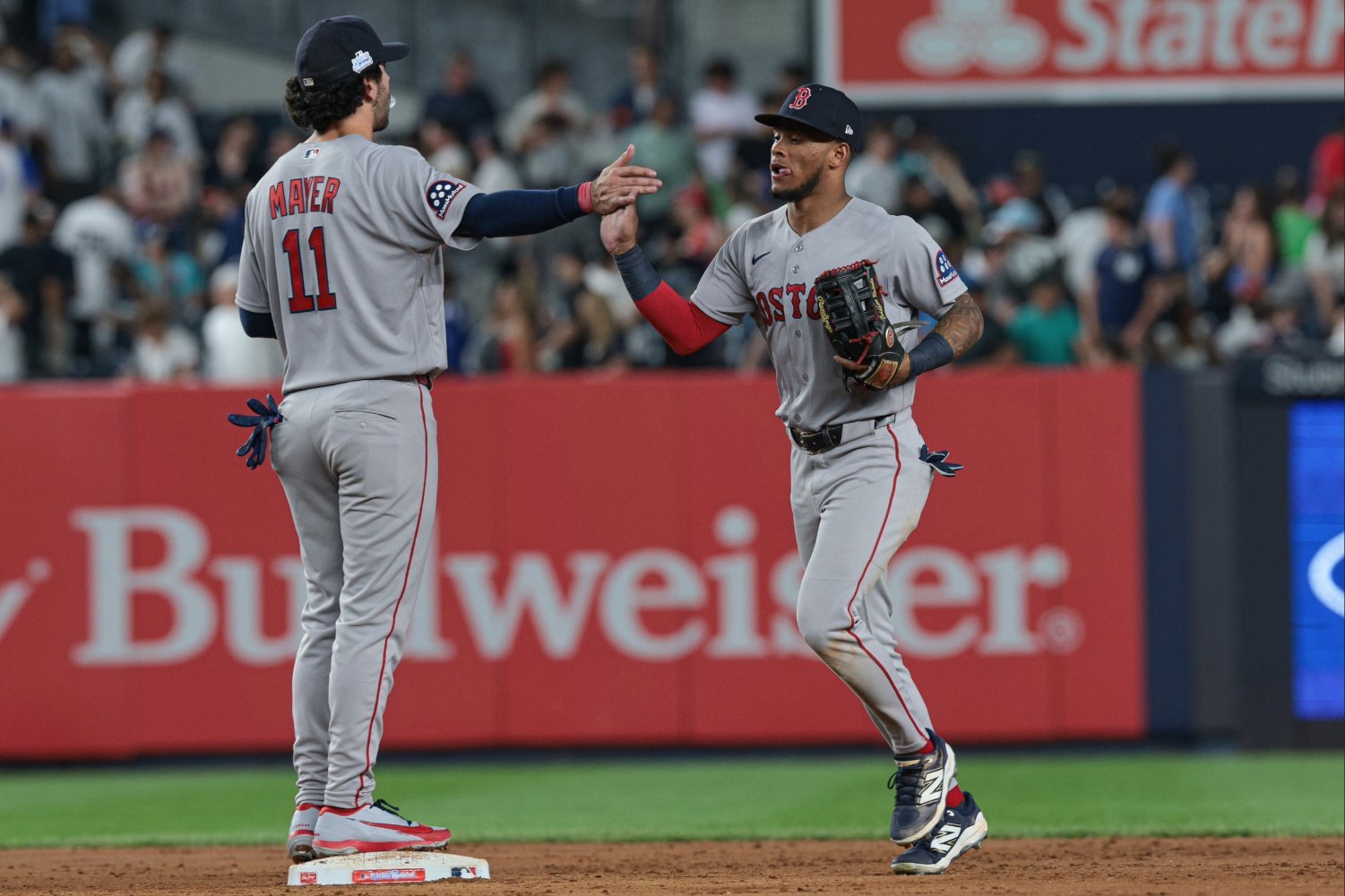 Boston Red Sox Weekly Snapshot Record Last Week: 2-3 Runs Scored Last Week: 18 Runs Surrendered Last Week: 22 Standings: 5th in AL East 10.5 GB First Place Transactions: 06/03/26: Boston Red Sox recalled 2B Anthony Seigler from Worcester Red Sox. 06/03/26: Boston Red Sox signed free agent LHP Victor Aracena to a minor league contract. 06/03/26: Boston Red Sox placed 3B Nick Sogard on the 10-day injured list retroactive to May 31, 2026. Right oblique strain. 06/04/26: Boston Red Sox selected the contract of RHP Tommy Kahnle from Worcester Red Sox. 06/04/26: Pittsburgh Pirates traded LHP Joe La Sorsa to Boston Red Sox. 06/04/26: Boston Red Sox optioned LHP Tyler Samaniego to Worcester Red Sox. 06/04/26: Boston Red Sox transferred SS Trevor Story from the 10-day injured list to the 60-day injured list. Sports hernia. 06/05/26: Boston Red Sox selected the contract of LHP Joe La Sorsa from Worcester Red Sox. 06/05/26: Boston Red Sox optioned RHP Brayan Bello to Worcester Red Sox. 06/05/26: Boston Red Sox sent LHP Patrick Sandoval on a rehab assignment to Worcester Red Sox. 06/05/26: Boston Red Sox transferred LHP Garrett Crochet from the 15-day injured list to the 60-day injured list. Left shoulder inflammation. 06/06/26: Boston Red Sox recalled LHP Alec Gamboa from Worcester Red Sox. 06/06/26: Boston Red Sox placed LHP Jovani Morán on the 15-day injured list retroactive to June 5, 2026. Left elbow inflammation. 06/06/26: Boston Red Sox sent RHP Garrett Whitlock on a rehab assignment to Worcester Red Sox. Scores: Game 58: BOS 2, BAL 4 Game 59: BOS 8, BAL 1 Game 60: BOS 2, BAL 8 Game 61: BOS 5, NYY 3 Game 62: Postponed to August 29 Game 63: BOS 1, NYY 6 Series Breakdown/Highlights Orioles Series: The Fenway magic once again couldn’t be found as the Red Sox returned home for a quick, three-game series against the division rival Orioles. Connelly Early wasn’t sharp in game one, throwing just 5.2 innings and surrendering four earned runs. The rookie southpaw has a high ceiling but when he’s not sharp then he can get knocked around. The biggest red flag waving for Early at this point is that he’s being beaten hard with home runs in recent starts. Early isn’t the flamethrower his buddy Payton Tolle is, so he has to rely more on his secondaries to live around the zone. He failed to do so in this particular start and got punished for it. Game two saw Tolle toss six shutout innings and make an incredibly athletic jump play, all while striking out five. Ryan Watson pitched the closing three innings, surrendering one earned run and striking out two. Wilyer Abreu hit a ball to the moon and Caleb Durbin continued to showcase his new plate approach, going two for four with one RBI. In the finale, starter Brayan Bello was as advertised, giving up eight earned runs, six in the first inning alone, over five innings of work. His first inning was predictably awful, but he settled in for most of the rest of his start. After the game, Bello was optioned to Triple-A Worcester where he will spend time figuring out how to be a big-league starter again. Yankees Series: Not all is lost in the series against the Evil Empire, since the second game of the three game series will be made up in a double-header on August 29, but we saw both versions of the Red Sox in this two game sample. In game one, Andruw Monasterio and Willson Contreras delivered huge home runs to help power the Red Sox past the Yankees. Sonny Gray tossed 6.1 innings of three-run ball while striking out three. Aroldis Chapman walked two in the bottom of the ninth inning, but otherwise was his typical dominant self. He’s nursing a hamstring injury that Chad Tracy is trying to navigate to give the team the best possible chance at winning, but the velocity is still there. In the Sunday game, Ranger Suarez was fantastic on the bump. He tossed 6.1 innings of one-run baseball, only to be let down by Justin Slaten in the eighth. Slaten surrendered a solo home run to Cody Bellinger. Slaten was then replaced by the newly acquired Joseph De La Sorsa who promptly gave up a three-run home run to Jazz Chisholm Jr. A game that had the potential to be a statement game for the Red Sox was wasted by a leaky bullpen once again. Website Highlights Brayan Bello’s 2026 Crisis: The Cutter That No Longer Cuts by Yirsandy Rodriguez Anthony Seigler’s Well-Deserved Promotion Comes With Strong Praise from Iggy Suarez by Nick John Payton Tolle’s Next Step Forward Will Require Fewer Fastballs by Alex Mayes Red Sox Report Card: Grading Every Player in May by Ryan Salvaggio Looking Ahead 06/08: Red Sox (Connelly Early) @ Rays (Ian Seymour): 6:40 PM EDT 06/09: Red Sox (Payton Tolle) @ Rays (Nick Martinez): 6:40 PM EDT 06/10: Red Sox (TBD) @ Rays (Drew Rasmussen): 1:10 PM EDT 06/11: Day Off 06/12: Rangers (TBD) @ Red Sox (Sonny Gray): 7:10 PM EDT 06/13: Rangers @ Red Sox: 4:`10 PM EDT 06/14: Rangers @ Red Sox: 7:20 PM EDT Sunday Night Baseball View the full article
 -
Jonathan Santucci Looks Like Mets’ Next Big Thing
DiamondCentric posted an article in Grand Central Mets
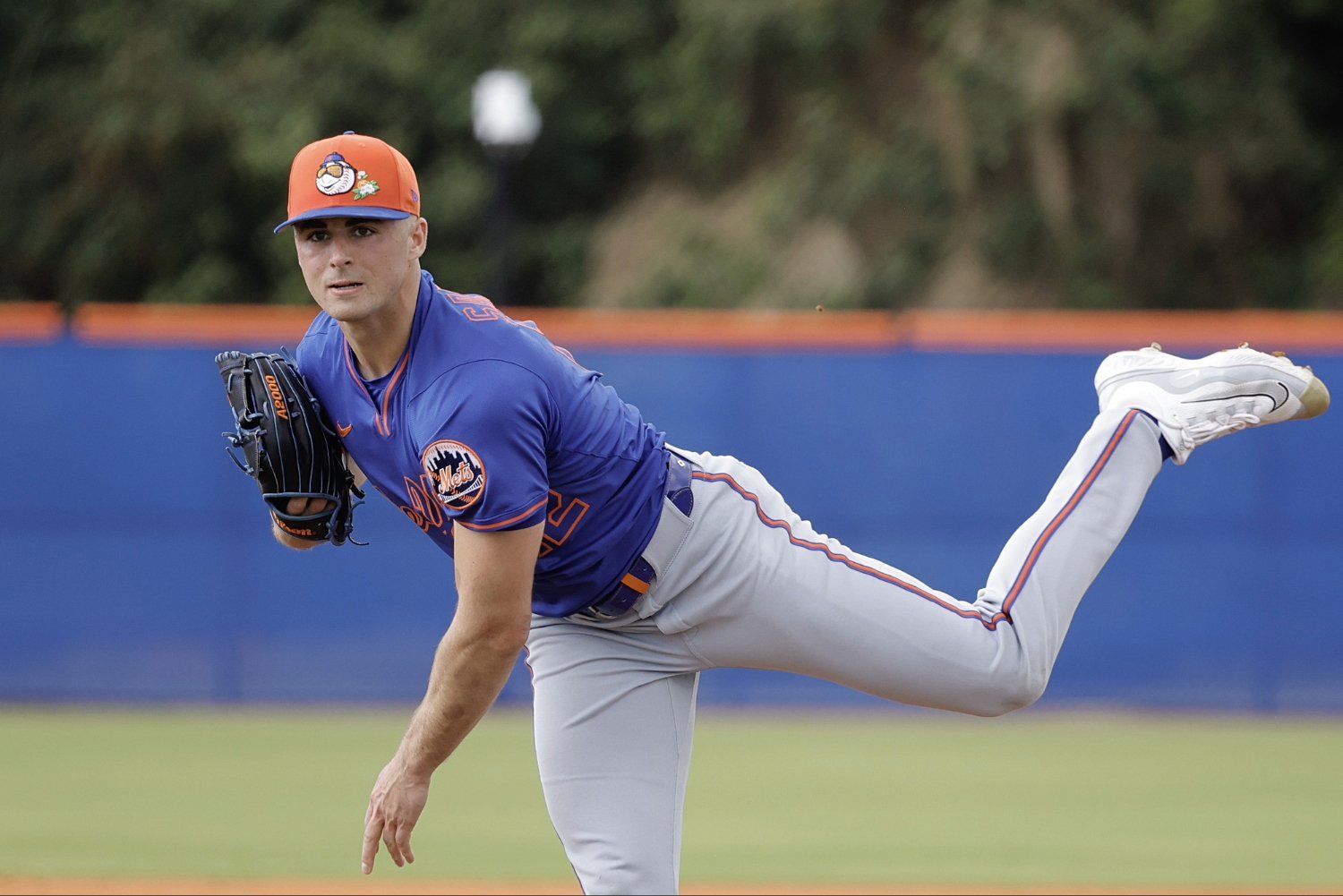 If the present doesn't have much to offer, at least the New York Mets’ future looks bright, popping with up-and-coming talent who could have an impact on the big-league club soon. Left-handed pitching prospect Jonathan Santucci is no exception to the rule, as he’s been playing some of his best baseball lately. Let’s break down Santucci’s latest numbers and his long-term projection within the Mets organization. Jonathan Santucci's Updated Scouting Mets Scouting Report Santucci is a left-handed pitching prospect and rides in as the team’s ninth-ranked prospect per Grand Central Mets. The Mets called his name in the second round of the 2024 draft after the southpaw’s successful campaign with the Blue Devils. He entered the professional ranks just last season, working his way all the way up to the Double-A Binghamton Rumble Ponies’ roster by the middle of July. He dazzled with the team’s Double-A affiliate, spinning a 2.52 earned run average with a strikeout rate north of 32 percent down the home stretch of his season. Santucci's 2026 So Far While he may hold a losing record to start this season out, the Mets’ highly touted farmhand has looked sharp in his recent outings. In his most recent start on June 6, lefty spun a career-best 6.2 innings of one-run ball. He allowed just three hits, gave up a pair of free passes and fanned five on the evening. Santucci notably took a no-hitter into the sixth inning en route to his first win of the 2026 season. Over his last two starts, he’s allowed just a single earned run on six hits in 11.2 innings. Santucci has 10 punchouts to only three walks in that span. He also has allowed two earned runs or less in six of his last seven starts for Binghamton. Santucci's Strengths The lefty hurler’s slider leads the charge, as his glove-side-biting breaking pitch has a 60-grade on the 20-to-80 scouting scale. This is a two-plane breaking ball that tunnels very well off of his fastball, and he’s able to give hitters from both sides of the plate absolute fits with it. His four-seamer, a 55-grade heater which does a lot of the heavy-lifting to set up his slide piece, rides in between 92-95 miles per hour and can touch 97. Santucci releases the baseball from a high point and is able to get plenty of carry into the upper regions of the strike zone. While Santucci also possesses a changeup, it grades out around average, as he doesn’t lean on it a ton in-game. Santucci's Weaknesses Therein lies one of Santucci’s weakness. While the southpaw has fooled hitters with a slider and is currently sporting an impressive .219 batting average against over his first 170.1 innings of professional baseball, operating with a two-pitch arsenal can only get a pitcher so far. For somebody who plans on operating as a rotation piece (he’s started 34 of his 36 appearances), he’ll need more than a two-pitch combo to get through an order multiple times. Santucci also gets a case of the walks from time to time, as shown by his 50-grade control tool. He just recently escaped a stretch where he walked at least two hitters in four straight games, including a six-walk performance back on May 2. Overall, his stuff plays well enough for him to live in the strike zone and even get away with the occasional mistake. Now, it’s just about in-zone consistency for the rising lefty. Future Role With Mets What will Santucci’s role be, and when will he ultimately break into the big leagues? He’s tracking towards being a middle-of-the-rotation starter, especially considering that his slider has continued to serve as a true out-pitch even as he’s ascended up the minor-league ladder. The next question becomes which pitch, whether it’s a fledgling curveball or his changeup, will earn a more consistent spot in his arsenal. MLB Pipeline projects that Santucci will break into the big leagues by the end of the 2026 season, and his pitch variety could play a pivotal role in ensuring that comes true. View the full article
 -
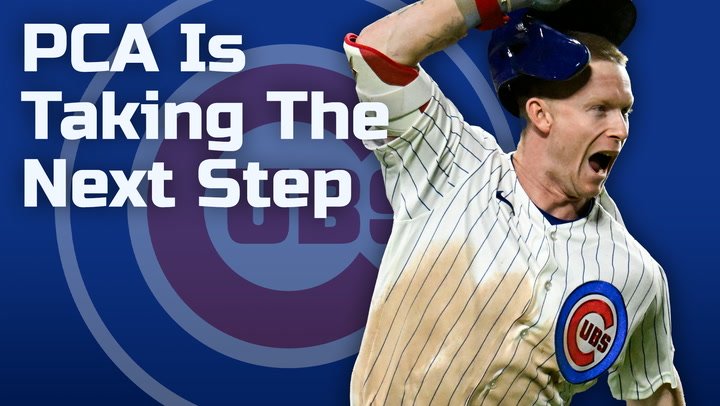 2025 All-Star and Gold Glover Pete Crow-Armstrong is taking a step in the right direction in 2026. A season removed from a 30 home run, 30 stolen base showing, his plate discipline is vastly improving. After logging an on-base percentage south of .300 in back-to-back seasons, his chase percentage is down and his walk rate is up. In this video, we'll break down his true ceiling if he adapts a more mature playing style. View the full article
 -
Will Ryan Clifford Hold His Own In The Majors?
DiamondCentric posted an article in Grand Central Mets
 Ryan Clifford is a first base prospect within the Mets organization. Clifford ranks as the #5 prospect in our prospect rankings and offers big-time power with impressive walk rates. Clifford could be the future replacement for Pete Alonso as long as he can control his strikeouts before arriving in Major League Baseball. View the full article
 -
Could Brooks Brannon Be The Next Red Sox First Baseman?
DiamondCentric posted an article in Talk Sox
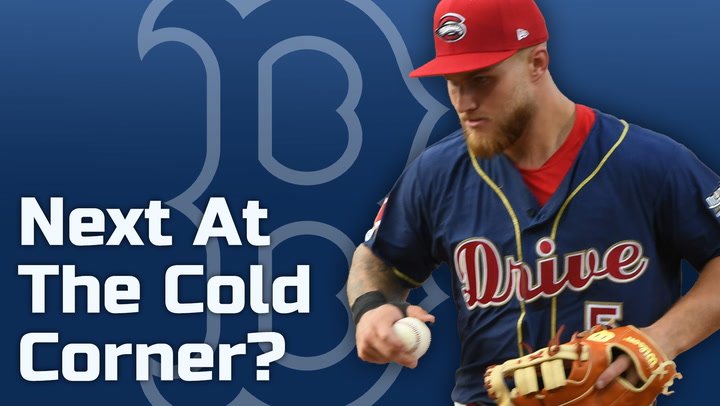 Brooks Brannon is a rising first base prospect within the Red Sox organization. Brannon currently plays for the Portland Sea Dogs, and is known for his exceptional raw power; he is slashing an impressive .286/.398/.622 with an impressive 1.020 OPS and 8 home runs. Brannon has been tearing through Double-A pitching and is expected to be promoted up the organizational ladder at some point this season. View the full article
 -
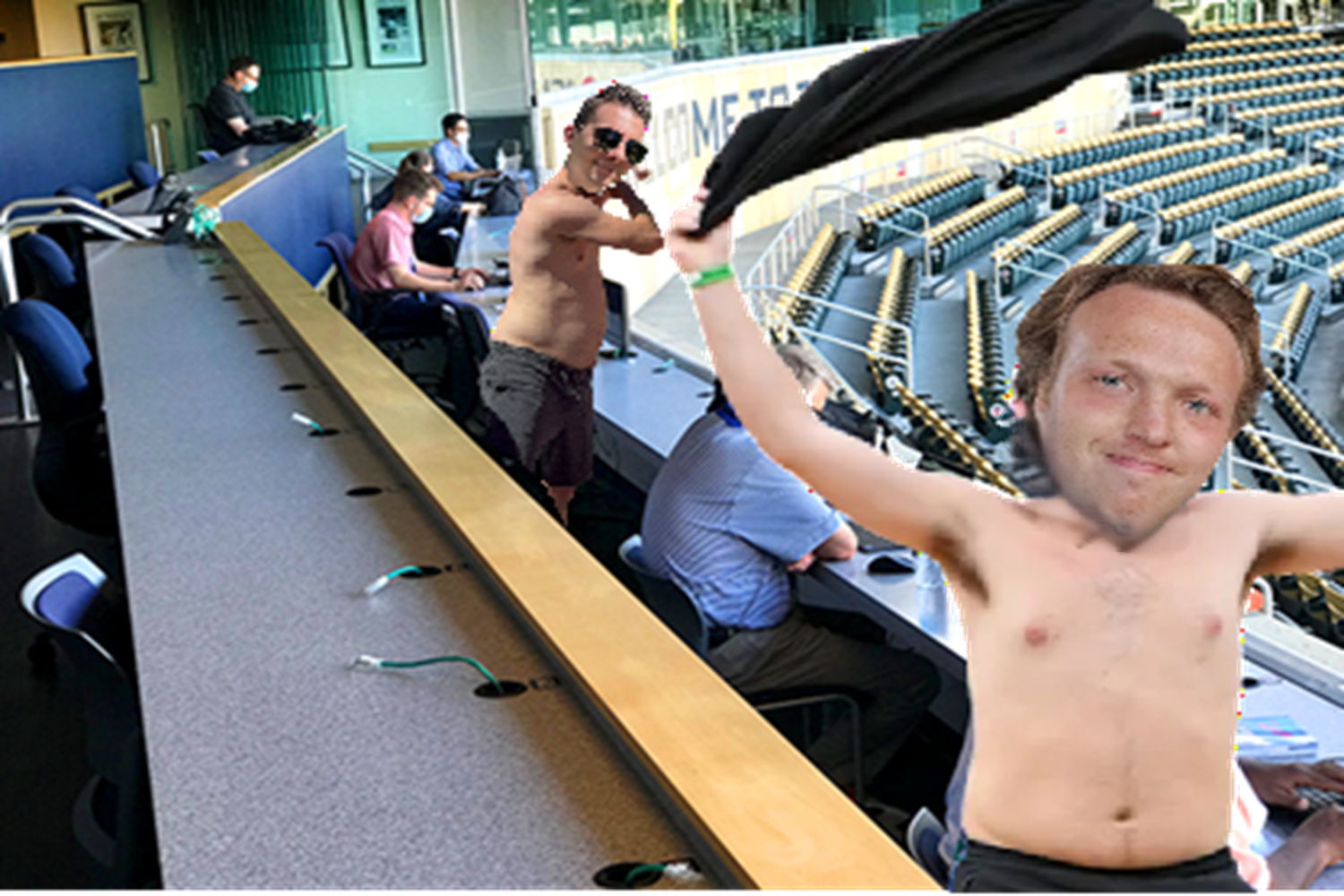 On Tuesday night, Target Field was hit with the hottest viral trend when it comes to professional sporting events. Hundreds of young men made their way to section 238 in right field, removed their shirts, and waved them wildly over their heads as a rallying cry. This is Tarps Off. It’s becoming an epidemic, and spreading like wildfire among the youth. If you know someone between the ages of 17-29 (likely named something along the lines of Aidan, Jaden, Kaeden, Brayden and did we mention Aidan?), then they’ve probably participated in this phenomenon at some point in the last few weeks. Unfortunately for these trendsetters, the fun is surely coming to an end in the near future, as the trend has made its way to the place where fads go to die: the press box at Target Field. The collection of mostly dad bods in the Twins media contingent decided to get in on the action during Thursday night’s game against the Kansas City Royals, removing their short-sleeve button-downs and exposing their pasty white bellies for all to see. “You’re telling me this is how I find out Theo Tollefson has pierced nipples?” exclaimed a terrified fan sitting in the section just in front of the press box. “That’s a zone that I wish had remained covered.” It’s hard to say why these beat writers decided to take their tarps off. Some speculate it was due to pure boredom during a prolonged rain delay. Others say it was a desperate cry for help. Regardless of how it started, it became clear that most wanted it to stop, almost immediately. “I might have chuckled at first, but it quickly became clear that we were watching a painful death of this newly beloved trend,” said a representative of the Twins Communication department who wished to remain nameless (and become sightless). “It’s all fun and games until you see Dan Hayes with his shirt off.” The tarps off trend was birthed during an Oklahoma State football game last fall, but it officially suffered a painful death in the Target Field press box. Once the old white guys decide to give it a try, it’s practically a death sentence. It happened with the dab. It happened with 6-7. It’s inevitable, really. Tarps off was fun while it lasted, but all good things must come to an end. We all have to grow up and put our shirts back on eventually. As the old saying goes: Don’t cry because it’s over. Cry because you can’t get the image out of your head. View the full article
 -
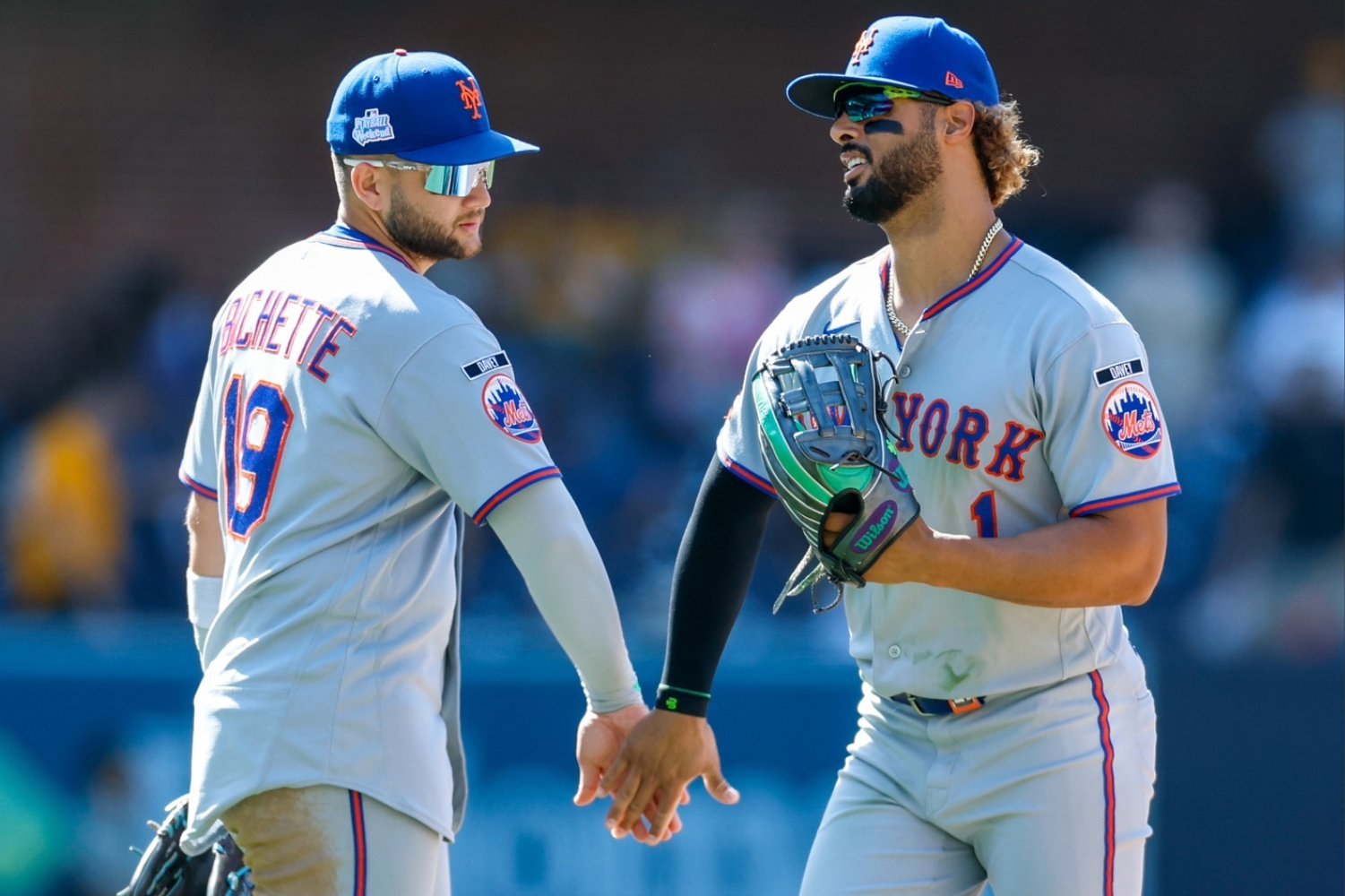 New York Mets Weekly Snapshot Record Last Week: 3-3 Runs Scored Last Week: 26 Runs Surrendered Last Week: 18 Standings: 5th in NL East (29-36) 15.5 GB of 1st Place, 5.0 GB of a Wild Card Transactions: 6/1 New York Mets sent C Francisco Alvarez on a rehab assignment to Syracuse Mets. 6/2 New York Mets sent 1B Jorge Polanco on a rehab assignment to Syracuse Mets. 6/3 New York Mets optioned RHP Jonah Tong to Syracuse Mets. 6/3 New York Mets recalled RHP Joey Gerber from Syracuse Mets. Scores: Game 59: NYM 2, SEA 3 (10) Game 60: NYM 3, SEA, 8 Game 61: NYM 7, SEA 1 Game 62: NYM 5, SD 0 Game 63: NYM 2, SD 3 Game 64: NYM 7, SD 3 Series Breakdown/Highlights Mariners Series: The Mets headed out to Seattle to kick off their final west coast trip of the season. Game one saw Sean Manaea dominate the Mariners lineup, only giving up one hit on a solo home run. Brooks Rally gave up a game-tying solo home run to Josh Naylor in the bottom of the seventh inning. The game went to extras, and with the Mets failing to score the ghost runner at second base in the top of the 10th, it took a stolen base and a Cole Young soft RBI single to walk it off. Game two was almost all Mariners. Huascar Brazoban was opening for the Mets and gave up a two-run homer in the bottom of the second inning, but the Mets would get the two runs back on a Carson Benge homer. An error on the pitcher in the bottom of the third would give the Mariners a lead they would not relinquish, going on to score five more runs, including a backbreaking two-out, three-run home run off the bat of Jhonny Pereda off Jonah Tong, who lost the strike zone as the outing progressed. The Mets bounced back in game three of the series, scoring seven runs after a big four-run fourth inning against George Kirby and the Mariners. Bo Bichette was 4-for-4 in the game, his first four-hit game as a Met. Freddy Peralta had one of his best outings on the mound this season, giving the Mets six innings and giving up only one run. Padres Series: The Mets wrapped up their west coast schedule in San Diego, taking on a Padres team not known for their hitting this season. Game one was probably the most complete win for the Mets this season. Christian Scott earned his second win of the season, going 5.2 innings without allowing a run, and his offense picked him up. Dispute 0-for-4 efforts from Benge, Soto, and Semien, the Mets offense was able to score five runs off Michael King and the Padres bullpen, including two extra-base hits, one of which was a home run off the bat of Jared Young. Game two saw the Mets take a 2-1 lead off old friend Griffin Canning and the Padres bullpen into the eighth inning. Nolan McLean has looked more like himself in his last two outings, and it showed as he spun six innings, giving up one run. Austin Warren was close to getting the Mets to the ninth inning with a lead before Freddy Fermin, who had not hit a home run all year and was 0 for his last 30, hit a two-out, two-run home run to give the Padres a lead. Mason Miller came in and shut the door on the Mets to even the series. Game three saw the Mets dominate the whole time out. Sean Manaea earned his first win of 2026, only giving up two runs in four innings of work (another home run by Fermin). Carson Benge was 5-for-5 for the first time in his young career, driving in two runs. Marcus Semien was also productive, recording two hits, including another home run. Devin Williams did give up a run in the ninth inning, but the rest of the Mets bullpen also dominated and looks like one of the biggest strengths of the roster heading into the middle of June. Website Highlights Mets' Misfortune Can Only Be Explained By the Baseball Gods New York Mets Minor-League Pitchers of the Month: May 2026 New York Mets Minor-League Hitters of the Month: May 2026 Looking Ahead June 8th: OFF June 9th: vs. STL (7:10pm) June 10th: vs. STL (7:10pm) June 11th: vs. STL (1:10pm) June 12th: vs. ATL (7:15pm) June 13th: vs. ATL (4:10pm) June 14th: vs. ATL (1:40pm) View the full article
 -
 Matt Rudick drove in three runs with a homer to rally Syracuse past Scranton/Wilkes-Barre, while Vincent Perozo's solo shot helped Binghamton hold off Reading. Zach Thornton spun five scoreless, striking out five, and Jefry Yan and Carlos Guzman combined for five strikeouts in relief. Mitch Voit and Corey Collins delivered go-ahead singles as Brooklyn rallied past Jersey Shore. St. Lucie fell despite Chase Meggers driving in three. Mets Transactions No Roster Moves Rudick's Three RBIs Lift Syracuse In Eighth-Inning Rally Matt Rudick drove in all the difference as Syracuse rallied for a 4-3 win over the Scranton/Wilkes-Barre RailRiders. Rudick went 2-for-3 with a home run and three RBIs, and Jihwan Bae reached base three times, scoring twice with two hits and a walk. Francisco Alvarez also reached three times with a hit and a walk. The RailRiders scored first in the top of the first on a double, but Syracuse erased the deficit in the sixth when Rudick singled home Bae. The decisive blow came in the eighth. With the score tied, Ryan Clifford laid down a sacrifice bunt that scored Bae, and Rudick followed with a two-run homer to right center that scored Alvarez and pushed the lead to 4-1. Scranton/Wilkes-Barre pushed across two in the ninth, but it was not enough. Zach Thornton turned in the standout pitching line, working five scoreless innings while allowing two hits, walking two, and striking out five. Tobias Myers earned the win with two innings, allowing one run on one hit with a strikeout, and Dylan Ross recorded the save despite walking two in the ninth. Syracuse left five runners on base. Player AB R H RBI BB K Nick Morabito 3 0 0 0 1 2 Ji Hwan Bae 3 2 2 0 1 0 Francisco Alvarez 3 1 1 0 1 0 Ryan Clifford 3 0 0 1 0 3 Christian Arroyo 1 0 0 0 0 1 Matt Rudick 3 1 2 3 0 0 Andy Ibáñez 4 0 0 0 0 0 Yonny Hernández 3 0 0 0 0 1 Cristian Pache 2 0 0 0 0 1 Jackson Cluff 2 0 0 0 1 0 Player IP H R ER BB K HR Daniel Duarte 1 1 1 0 1 1 0 Zach Thornton 5 2 0 0 2 5 0 Tobias Myers 2 1 1 0 0 1 0 Matt Turner 2/3 0 1 0 1 0 0 Dylan Ross 1/3 1 0 0 2 1 0 Perozo's Homer And Bullpen Lockdown Carry Binghamton Vincent Perozo homered and the bullpen slammed the door as Binghamton edged the Reading Fightin Phils 4-2. Perozo went 2-for-4 with the home run and an RBI, Jacob Reimer added two hits including a double, and Nick Lorusso went 1-for-3 with a double, a walk, an RBI, and a run scored. Binghamton jumped ahead in the first when Lorusso doubled home Eli Serrano III and Jose Ramos. Reading tied it with a two-run homer in the third, but Perozo answered with a solo shot in the fourth to put the Rumble Ponies back ahead. They added insurance in the eighth when Wyatt Young drew a bases-loaded walk that scored Lorusso. Max Green allowed two runs on three hits over 2 2/3 innings, walking two and striking out four. The bullpen was dominant behind him, as Jordan Geber earned the win with three scoreless innings, and Gabriel Rodriguez, Jefry Yan, and Carlos Guzman closed it out with three perfect innings, combining for six strikeouts. Yan struck out the side in the eighth, and Guzman fanned two in the ninth for the save. Binghamton left nine runners on base. Player AB R H RBI BB K Chris Suero 5 0 0 0 0 3 Jacob Reimer 4 0 2 0 0 0 Eli Serrano III 3 1 0 0 1 2 Jose Ramos 3 1 0 0 1 2 Nick Lorusso 3 1 1 1 1 0 JT Schwartz 3 0 1 0 1 1 Vincent Perozo 4 1 2 1 0 1 Wyatt Young 3 0 1 1 1 0 Kevin Villavicencio 4 0 1 0 0 1 Player IP H R ER BB K HR Max Green 2 2/3 3 2 2 2 4 1 Felipe De La Cruz 1/3 0 0 0 0 1 0 Jordan Geber 3 1 0 0 3 0 0 Gabriel Rodriguez 1 0 0 0 0 1 0 Jefry Yan 1 0 0 0 0 3 0 Carlos Guzman 1 0 0 0 0 2 0 Voit And Collins Spark Sixth-Inning Comeback For Brooklyn Brooklyn rallied with four runs over the fifth and sixth to beat the Jersey Shore BlueClaws 5-3. Leadoff man Mitch Voit went 2-for-6 with the go-ahead RBI single and two runs scored, Daiverson Gutierrez drove in three on a 2-for-3 night with a double and a walk, and John Bay added two hits. The Cyclones trailed 3-0 after Jersey Shore's first two innings. Brooklyn answered in the third when Gutierrez lifted a sacrifice fly to score Voit. The offense pulled even in the fifth as Gutierrez doubled home Bay and Corey Collins to tie it 3-3. In the sixth, Voit singled home Sam Biller to give Brooklyn its first lead, and Collins followed with an RBI single that scored Voit for the 5-3 margin. Noah Hall earned the win despite a labored outing, allowing three runs on three hits over five innings while walking five and striking out six. The bullpen was flawless, as Justin Armbruester, Bryce Jenkins, Juan Arnaud, and Parker Carlson combined for four scoreless, hitless innings with nine strikeouts. Carlson closed it out for the save. Brooklyn left three runners on base. Player AB R H RBI BB K Mitch Voit 6 2 2 1 0 0 John Bay 4 1 2 0 0 2 Corey Collins 3 1 1 1 2 0 Daiverson Gutierrez 3 0 2 3 1 0 Yonatan Henriquez 5 0 0 0 0 1 JT Benson 3 0 1 0 2 1 Colin Houck 5 0 2 0 0 0 Sam Biller 3 1 1 0 2 1 Nick Roselli 5 0 0 0 0 1 Player IP H R ER BB K HR Noah Hall 5 3 3 3 5 6 1 Justin Armbruester 1 0 0 0 0 3 0 Bryce Jenkins 1 0 0 0 0 1 0 Juan Arnaud 1 0 0 0 0 3 0 Parker Carlson 1 0 0 0 0 2 0 St. Lucie's Third-Inning Surge Not Enough In Slugfest Loss St. Lucie battled in a high-scoring affair but fell to the Clearwater Threshers 11-8. Chase Meggers went 2-for-4 with three RBIs, Julio Zayas added two hits, an RBI, and two runs scored, and Elian Peña reached three times with two doubles and a walk. The Mets took an early lead in the first when Meggers singled home Yohairo Cuevas and Julio Zayas. The game turned in the third inning, a frame that produced runs on both sides. Clearwater struck for three runs on a trio of homers, but St. Lucie countered with five runs in the bottom half. Zayas singled home Antonio Jimenez, Meggers singled in Cuevas, Branny De Oleo singled home Zayas, Simon Juan reached on a fielder's choice that plated Meggers, and Jeremy Rodriguez grounded into a double play that scored De Oleo for a 7-4 edge. Jonathan Jimenez struggled in the start, allowing seven runs, six earned, on eight hits over 4 1/3 innings, walking two and striking out one while surrendering three home runs. Clearwater tied it in the fifth and pulled ahead in the seventh, then added a two-run homer in the eighth. St. Lucie left 11 runners on base. Player AB R H RBI BB K Elian Peña 5 0 1 0 1 1 Antonio Jimenez 3 1 0 0 1 2 Yohairo Cuevas 4 2 1 0 1 1 Julio Zayas 5 2 2 1 0 1 Chase Meggers 4 1 2 3 1 1 Branny De Oleo 5 1 1 1 0 1 Simon Juan 5 1 1 0 0 1 Jeremy Rodriguez 3 0 1 0 2 0 Jackson Hauge 3 0 0 1 2 2 Player IP H R ER BB K HR Jonathan Jimenez 4 1/3 8 7 6 2 1 3 Zack Mack 1 2/3 1 0 0 0 2 0 Josh Blum 2/3 0 2 2 2 2 0 Miguel Mejias 1/3 0 0 0 3 0 0 Joe Scarborough 1 1 2 2 1 3 1 Tyler McLoughlin 1 0 0 0 0 0 0 View the full article
 -
 Sunday was an eventful day down on the farm for the Boston Red Sox. Let's take a look at all that happened. Triple-A Worcester Red Sox Series vs. Buffalo Bisons (Toronto Blue Jays): 5-1 Season Record: 32-28 Excellent relief efforts helped Worcester win their fourth straight game by a score of 5-3. Michael Sansone spun one of his best starts all season on Sunday. He went five innings and allowed four hits and two runs, the lowest number of runs he’s allowed in a start since April 19. Additionally, Sansone K’d five batters, his highest mark in over a month. Osvaldo Berrios took the sixth inning, allowing two walks but escaped unscathed. Seth Martinez pitched the seventh inning, allowing one run before turning the ball over to Kyle Keller. Keller allowed one hit in the eighth before Wyatt Olds closed the game in the ninth. Olds allowed a walk but struck out the other three batters he faced as he sealed Worcester’s fifth win in six days. Matt Lloyd led the WooSox offense with two RBIs while Braiden Ward tallied two hits. Worcester struck quickly as Nate Eaton singled with men on the corners. Ward scored as the WooSox took an early lead. Matt Lloyd extended the lead to three with a two-RBI single later in the first, scoring Eaton and Vinny Capra. Capra didn’t wait long before adding an RBI of his own, scoring Tyler McDonough on a sac fly in the second. Ward added the final run of Worcester’s afternoon in the fourth with a double to right field, scoring Tsung-Che Cheng. From there the bullpen took care of business as they locked down the victory. Double-A Portland Sea Dogs Series vs. Hartford Yard Goats (Colorado Rockies): 3-3 Season Record: 29-27 Portland snapped their three-game skid with a 3-1 win behind a monster home run from Brooks Brannon. Gage Ziehl threw an excellent game and earned the win, allowing just one run over a six inning start. He let up five hits and one walk, but punched out a season-best eight batters. Max Carlson threw two superb innings of relief, allowing just one hit and striking out three more batters. Reidis Sena earned his fifth save of the year as he shutout Hartford in the ninth. He allowed one hit and one walk as he lowered his ERA to 3.72. Before Brannon’s blast, Portland’s offense found life in Ronald Rosario and Ahbram Liendo. Rosario hit his third homer of the year in the fourth, tying the game at one run apiece. In the fifth, Ahbram Liendo drove in his tenth RBI in the past three games. He scored Nelly Taylor on a slow grounder to third. In the eighth, Brannon put an exclamation point on the day. He swung on and absolutely crushed a low pitch to the fences. The ball rocketed off his bat, clocking in at 115 MPH and travelling an astonishing 464ft. Brannon wasn’t done with his highlight reel day, however. In the ninth, Franklin Arias beat out a ground ball headed for the outfield, slinging it over to Brannon at first and making the play. High-A Greenville Drive Series @ Rome Emperors (Atlanta Braves): 2-3 Season Record: 22-32 Greenville’s series finale was cancelled due to rain. Low-A Salem RidgeYaks Series @ Wilson War Birds (Milwaukee Brewers): 1-5 Season Record: 24-33 Salem fell for the fifth time in six days behind a struggling pitching staff. Cole Tolbert started Sunday’s contest, but didn’t last long. The 23-year-old let up four runs (one unearned) on four hits and two walks over just an inning and ⅓. Yermain Ruiz pitched the next three and ⅔ innings and got the loss for his efforts. He let up two more runs (one unearned) on three hits. He did strike out five, however, as his ERA rose to just 2.45 over six appearances. Devin Gartrell entered for the sixth inning and promptly allowed three more runs to cross home. Wuilliams Rodriguez was the final RidgeYak to pitch as he closed the loss. He allowed two more runs as he punched out three. Despite the loss, Salem fought hard. The RidgeYaks put up seven RBIs on nine hits as they drew a collective five walks. Kleyver Salazar led the way with four RBIs as Avinson Pinto contributed three of his own. It didn't take long for Salem to score. In the first, Andrews Opata scored on a passed ball. Later, Salazar crossed home on a Pinto ground out. Skylar King added another run as he scored on a wild pitch. Pinto added his second RBI with his third homer of the season, tying the game at 4-4. Pinto then tripled in the fifth, tying Salazar as he tied the game once again. Down by six runs in the eighth, Salazar clobbered a grand slam to left center to put the RidgeYaks within reach. Ultimately, Salem fell just short as they lost yet again. View the full article
 -
Four Brewers Who Could Be Surprise Trade Candidates
DiamondCentric posted an article in Brewer Fanatic
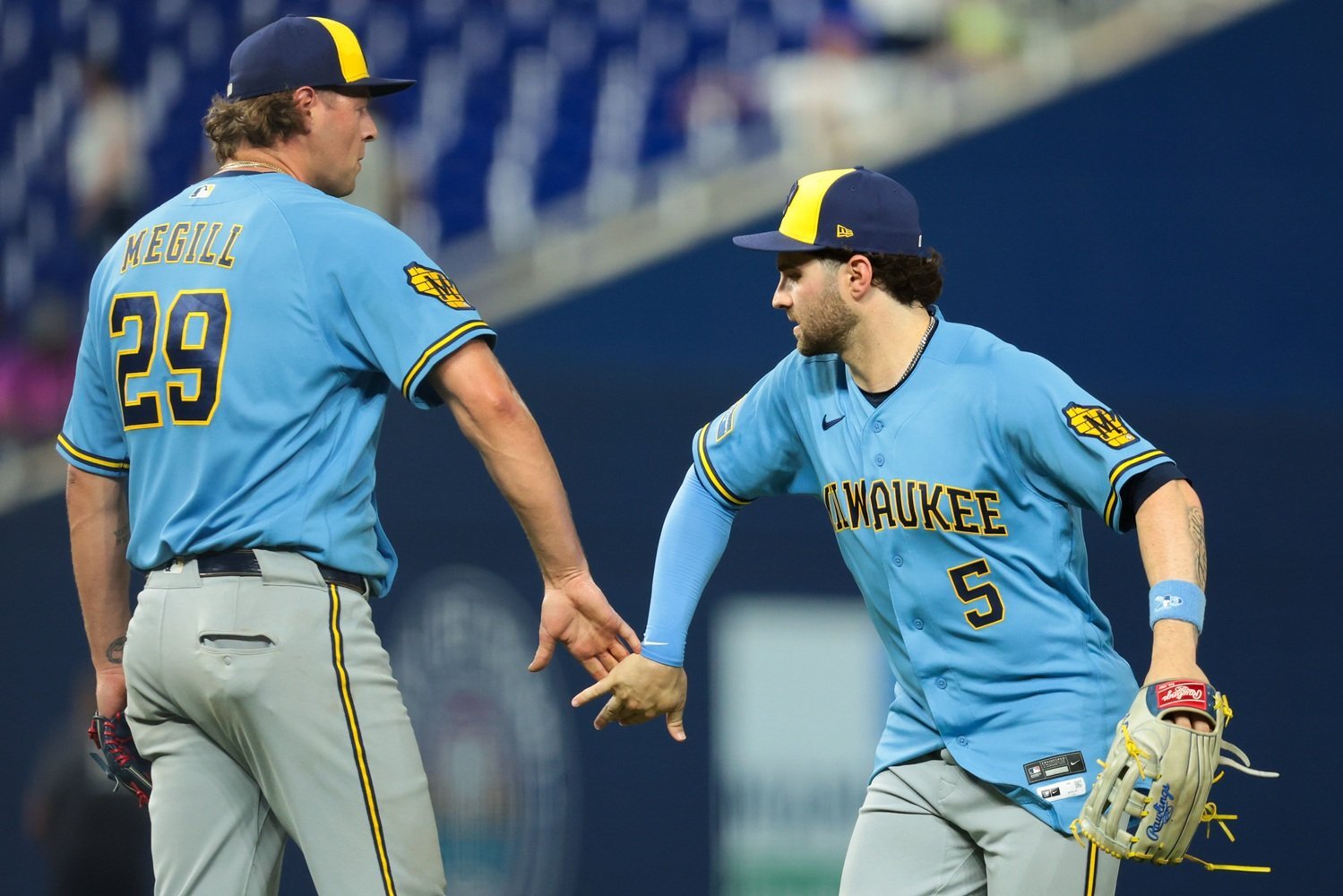 Sitting atop the National League Central with a five-game cushion, the temptation might be for Milwaukee to stand pat. But perhaps some trades are in store, especially as top prospects keep making noise at Triple-A Nashville. Dealing from the major-league roster can be a bit risky. The Josh Hader trade of 2022 (and the Crew’s near-miss in the playoff race that year) might have some people feeling a little worried about tinkering with the clubhouse chemistry. Then again, the Hader trade has been a long-term winner for Milwaukee, based solely on the return for Esteury Ruiz: William Contreras. So, which players on the active roster could be moved? Let’s take a look. OF/1B Jake Bauers Bauers has arguably been the team’s offensive MVP this season, leading them in home runs and RBIs. So why might he be on the block? The answer is all too typical for Brewers fans: Impending free agency. With the way he’s hitting, Bauers is going to get a healthy pay bump from the $2.7 million he’s receiving in 2026, and it will probably be a multi-year contract. The Brewers won't risk making a qualifying offer, which would be necessary to secure draft compensation. There is a potential partner for the Brewers in this deal: The Rays. The Tampa outfield’s offensive production has been about as problematic for them as the production at shortstop and third base has been for the Brewers. They would have to believe in Bauers's defense in the grass, because they have Jonathan Aranda and Yandy Díaz at first base. The Brewers would have to get something good in return, and have considerable faith in someone like Blake Burke or Tyler Black, but it's not entirely out of the question that they could trade Bauers. OF Garrett Mitchell Mitchell has managed to stay healthy, and he’s been reasonably productive on offense, with some excellent defense in center. So why move him? Here’s one reason: Luis Lara. Lara’s tearing it up in Nashville, and he looks to not only have Gold Glove defense, but his toolset could also take the leadoff spot. The current leadoff hitters for the Brewers are Christian Yelich and Jackson Chourio. To clear space for Lara, someone’s going to need to be moved, and Mitchell may be the guy to go. The team wouldn't trade Mitchell just to hand things off to Lara, though. Again, it depends on the return they're offtered. RHP Trevor Megill Megill has rebounded in terms of velocity, after having figured out how to get batters out without it. He’s a top-tier closer, but the Brewers have youth moving through the minors, and could land a decent return for Megill, just as they did with Devin Williams and Hader before him. This might seem counterintuitive, but the Brewers have a lot of young relief talent in Nashville (Will Childers and Blake Holub spring to mind) and some guys they could move to relief if needed. Again: the team has the luxury of waiting to see if anyone bowls them over. RHP Chad Patrick Patrick has been one of the most reliable and versatile parts of the Brewers' pitching staff since the start of the 2025 season. That said, the Brewers have a lot of pitching talent moving up, and it might behoove them to move some of the second-tier pitchers to teams in need. The goal here is to secure a higher return than might otherwise be obtained. Trading such a useful piece of pitching depth is almost unfathomable for a team with World Series aspirations, but like Megill, Mitchell and Bauers, Patrick could become available in just the right deal. After what Matt Arnold did to the Red Sox when he seemed to be innocently trying to shore up pitching depth by moving Caleb Durbin, the big risk might be that teams won't even answer his calls anymore. Which players do you think could be a surprise trade candidate? Let us know in the comments below! View the full article
 -
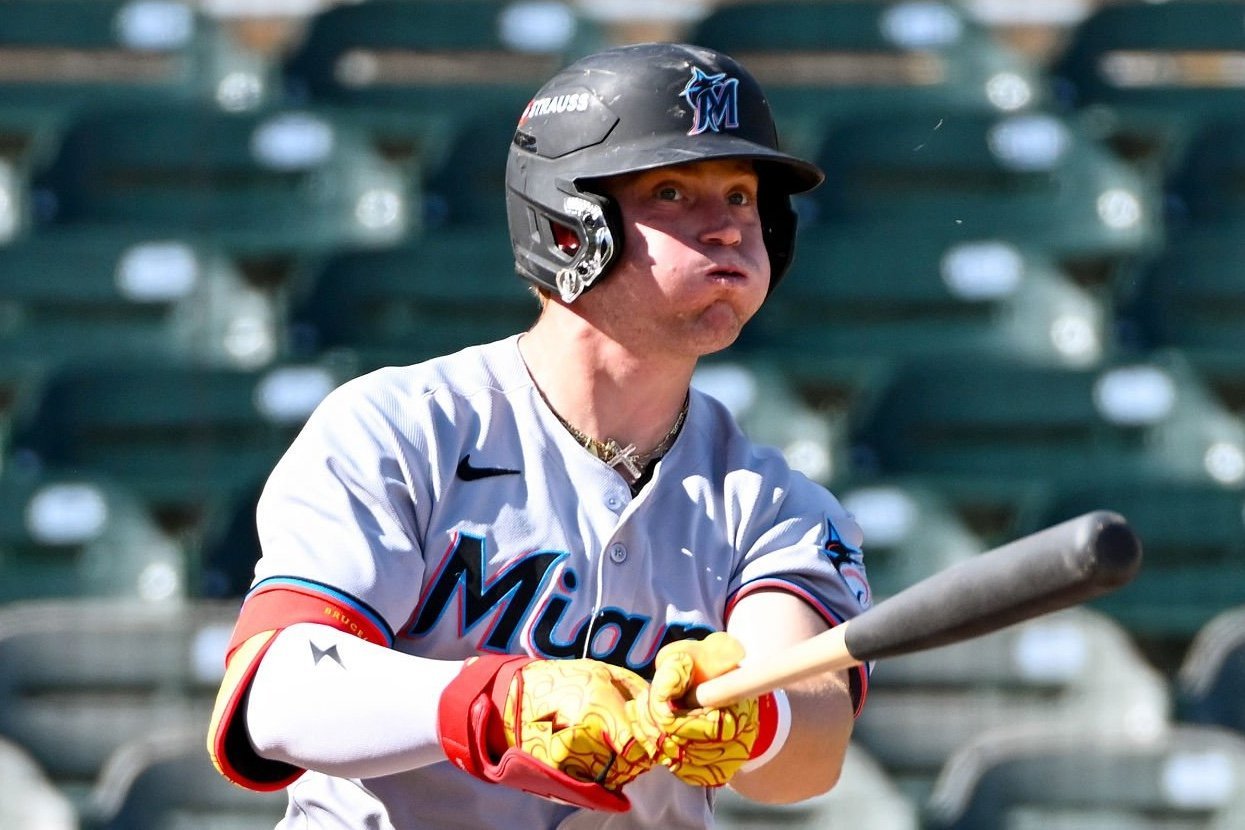 One article produced earlier this year examined how the Marlins' minor league system was on pace to record the highest strikeout rate in franchise history. At the time, the development of swing-and-miss ability across all levels seemed like it would be the prevailing narrative of the 2026 season. However, as the season has progressed, a larger issue has overshadowed that. The depth that once appeared to be an organizational strength is quickly disappearing. Injuries, promotions, underperformance, and roster turnover have impacted nearly every MiLB roster. When the Marlins traded Edward Cabrera and Ryan Weathers last offseason, the belief was that the organization had enough pitching depth to absorb those losses. That depth is now being tested. Thomas White is likely out for the season with a shoulder sprain. Robby Snelling and Adam Mazur have both undergone elbow surgeries. Eury Pérez is sidelined with a gracilis sprain, while Janson Junk is dealing with shin inflammation. Chris Paddack has already been designated for assignment. Braxton Garrett has struggled with command during his return from Tommy John, and Ryan Gusto has posted a 10.80 ERA in his limited MLB exposure. The concern extends beyond the rotation. Andrew Nardi is expected to miss roughly three months, while Ronny Henriquez underwent Tommy John and will miss the remainder of the season. Josh Ekness is sidelined for six weeks, Calvin Faucher owns an 18% walk rate, and the club's biggest bullpen addition from the offseason, Pete Fairbanks, has struggled to find consistency. This has had a trickle-down effect to the Marlins farm. Over their last two series, Triple-A Jacksonville has posted a 4.72 ERA and 1.51 WHIP while issuing 64 walks. Bradley Blalock has cooled off after a strong start, Braxton Garrett is still working his way back, and Brandon White has struggled since being promoted. The one obvious bright spot has been introducing Karson Milbrandt to their rotation. Now being recognized as a Top 100 MLB prospect, Milbrandt tossed six innings of scoreless ball in his AAA debut. Double-A Pensacola has managed a respectable 4.23 ERA, but much of the credit goes to Eliazar Dishmey, who was nearly flawless in his outing on Thursday (6.0 IP, 1 H, 1 ER, 1 BB, 9 K). High-A Beloit has arguably been hit the hardest. The Sky Carp own a staggering 7.74 ERA during that span. Compounding their inability to throw strikes, they've been surrendering nearly two home runs per game. The Beloit active roster includes Jaydenn Estanista and Jesús Rios, who were not even employed by the Marlins org when the season began. Unsurprisingly, they have a 2-10 record over their last 12 games. It looks like a typo at first glance, but no: Low-A Jupiter has issued more than a walk per inning (106 BB in 101.2 IP) over this two-week span, contributing to a 5.40 ERA. Walin Castillo, Dameivi Tineo, and Julio Mendez have all performed well in the rotation, but the bullpen has struggled. What about the offense? The offensive side of the organization presents a different challenge. While overall production throughout the system has been strong, much of it is concentrated among a relatively small group of players. Triple-A Jacksonville currently features Agustín Ramírez and Graham Pauley, both of whom struggled during their time with the major league club earlier this season. Jacob Berry appeared close to a call-up before cooling off over the last few weeks—he has not homered since April. Kemp Alderman is expected to miss at least another week with a right elbow sprain, while Deyvison De Los Santos has not produced at the level the organization hoped. Double-A Pensacola has become the center of the organization's offensive talent. Aiva Arquette, Cam Cannarella, Juan Matheus, and Connor Caskenette have all arrived from Beloit and continued their strong seasons. Dillon Lewis leads the organization with 12 home runs and Fenwick Trimble leads with 56 hits, while Brendan Jones has paired 22 stolen bases with six homers. Those aforementioned promotions have left Beloit's lineup much thinner than it was a few weeks ago. Brandon Compton has struggled, Dillon Head has yet to find consistency, and Emilio Barreras and Esmil Valencia have gotten off to slow starts at the High-A level. Adding to the talent drain, Starlyn Caba was recently placed on the injured list. Jupiter recently received reinforcements with the arrivals of Luis Arana and Luis Cova from the FCL, and both have started well. Abraham Ramírez opened the year as one of the hottest hitters in the organization before cooling off significantly. Carter Johnson has put together a solid bounce-back season, but there is still development ahead. The biggest concern remains 2024 first-round pick PJ Morlando, who is hitting under .200 with a strikeout rate above 34%. Andrew Salas was recently demoted to the FCL after hitting .170. For an organization that plans to build its next contender through player development, maintaining depth is just as important as developing stars. The Marlins have made progress since Peter Bendix took over in November 2023, but the first half of 2026 has shown how quickly injuries and underperformance can reshape not only a farm system but an entire organization. The good news is that many of the organization's top prospects are performing and earning promotions. The challenge now is ensuring there is enough depth behind them. As the trade deadline approaches, it would not be surprising to see the Marlins target younger pitching and position-player talent capable of strengthening the lower levels of the system while preserving the development timelines of their current prospects. View the full article
 -
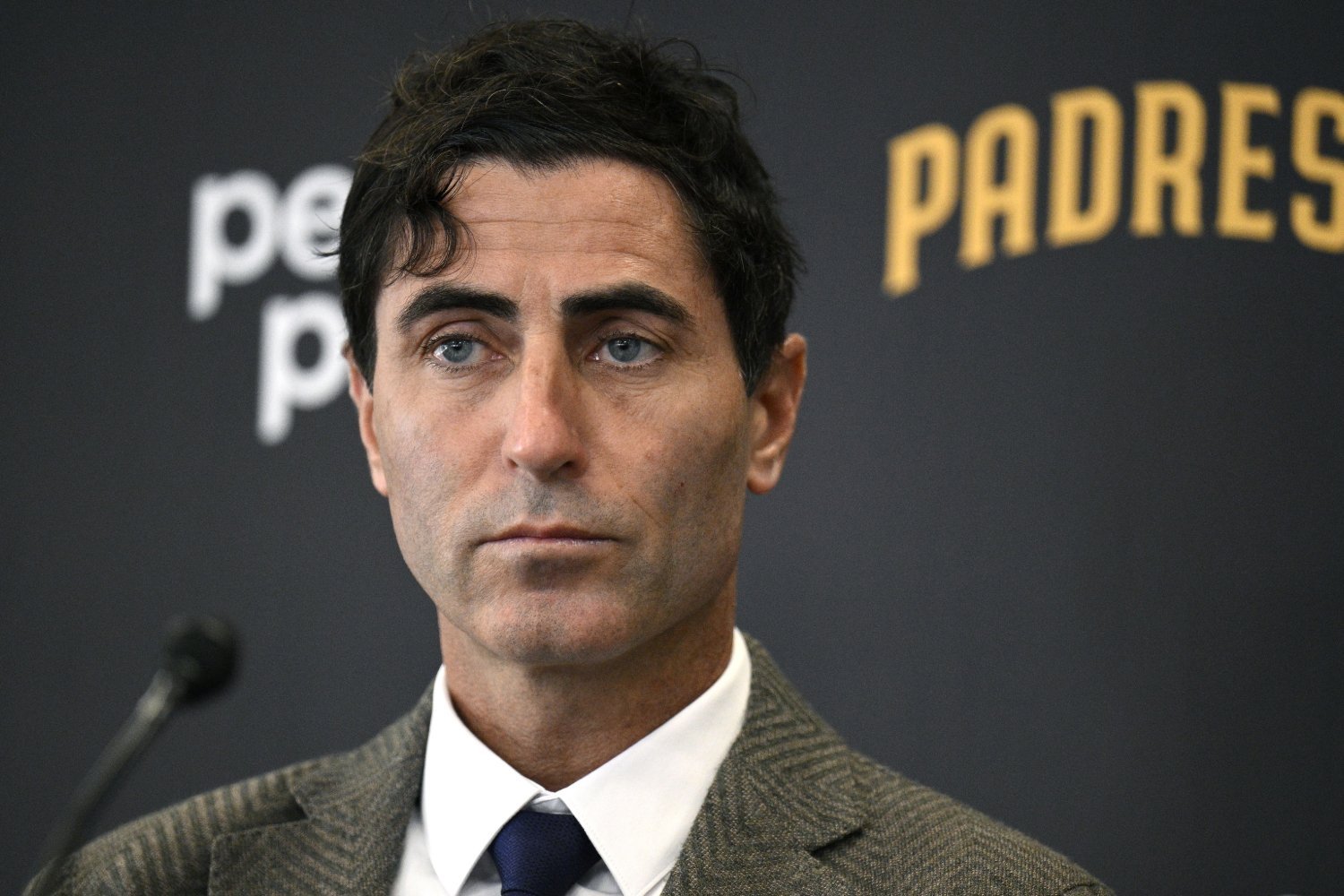 The San Diego Padres are a handful of games past the one-third mark through the 2026 season -- a big enough sample size for the front office to know what it has with the club and what it needs to do to ensure a National League playoff berth. The players have made it easy for the evaluators because they've played mostly to preseason expectations. The strengths and weaknesses have not changed much, although some of the weaknesses have been more glaring than feared. The bullpen, led by closer Mason Miller, is strong overall but it doesn't look as formidable as last year's group. Jeremiah Estrada and Adrian Morejon have regressed; in Estrada's case, health has played a role. Miller was the primary reason the bullpen's ERA was the third-lowest in MLB entering Tuesday's action. The rotation has been subpar. It ranked 23rd in the majors in starter ERA through Monday. Depth signings Walker Buehler, Griffin Canning and Lucas Giolito have done little to compensate for Nick Pivetta’s early-season injury and Joe Musgrove's spring setback. The latter two may return after the All-Star Break, but the group could still use an ace for the stretch run. The offense is lacking. Manny Machado slashing .174/.267/.353 and Fernando Tatis Jr. hitting one home run in the team's first 58 games have a lot to do with the club being 29th in the majors in OPS through June 1, but no one has picked up the slack, either. Gavin Sheets has come the closest. The simplest way to fix these problems is to be aggressive ahead of the Aug. 3 MLB trade deadline. President of baseball operations A.J. Preller doesn't need an invitation to wheel and deal, but a flawed roster gives him an excuse to go big. How big he goes may depend on his intestinal fortitude, but we know he has the guts. Adding these three players, each filling one of the needs mentioned above, would be huge... and extremely costly. 3 Padres Trade Targets Who Could Restore Friars' World Series Identity Bullpen: Aroldis Chapman The Boston Red Sox's closer would be a dynamic setup man in San Diego, a second triple-digit left-handed reliever to complement Morejon. Like Miller at last year's deadline, adding Chapman would deepen the relief corps and keep the starters from being exposed. There is one thing to note, however: he will not be a pure rental. His contract includes a $13 million mutual option for 2027 that becomes guaranteed if he pitches 40 innings and passes an offseason physical in 2026, per Cot's Contracts. He's already halfway to that mark, and his usage certainly wouldn't decrease in San Diego. Rotation: Tarik Skubal The Detroit Tigers' ace will be the main character in this year's deadline drama if he comes back strong from elbow surgery and his team waves the white flag. ESPN's Buster Olney predicted last week that the Padres will acquire the left-hander because that's what Preller does, but so much has to line up for it to happen. Will Tigers president Scott Harris insist on a huge prospect return for a rental? Will he also insist that Preller pick up all or most of the $10 million-plus that Skubal will be owed over the season's final two months? Can Preller convince new principal owners Jose E. Feliciano and Kwanza Jones to add that much payroll? Cheaper, but not necessarily better, alternatives should emerge as more teams become sellers. Miami Marlins ace Sandy Alcantara and New York Mets No. 1 starter Freddy Peralta come to mind. Offense: Christian Walker The list of available hitters will grow as more clubs raise the white flag, but Preller can't afford to be patient. The Padres (33-30) trailed the Los Angeles Dodgers by eight games in the NL West during the weekend, and the wild-card race will be bruising. This team needs a bat, ASAP. Walker is off to a strong start this season (16 home runs, .835 OPS through June 1) for the Houston Astros. That's the type of slug the Padres need. Machado leads the club with 10 homers, followed by Sheets with nine. But there are downsides to adding Walker. First, he is exclusively a first baseman. He would push Sheets to the outfield, which, in turn, could cost France, Ramon Laureano and even Jake Cronenworth playing time (if Tatis has to play more second base). That would be bad for the defense, one of the club's strengths. Second, Walker is signed through 2027 and is making $20 million a year. How much of that money would the Astros include in a trade? And would the Padres want to add a large average annual value (AAV) to the payroll while there is massive uncertainty surrounding what's ahead for baseball's salary structure? These are the types of concessions the team will have to make to add another expensive star to their already-expensive core. View the full article
 -
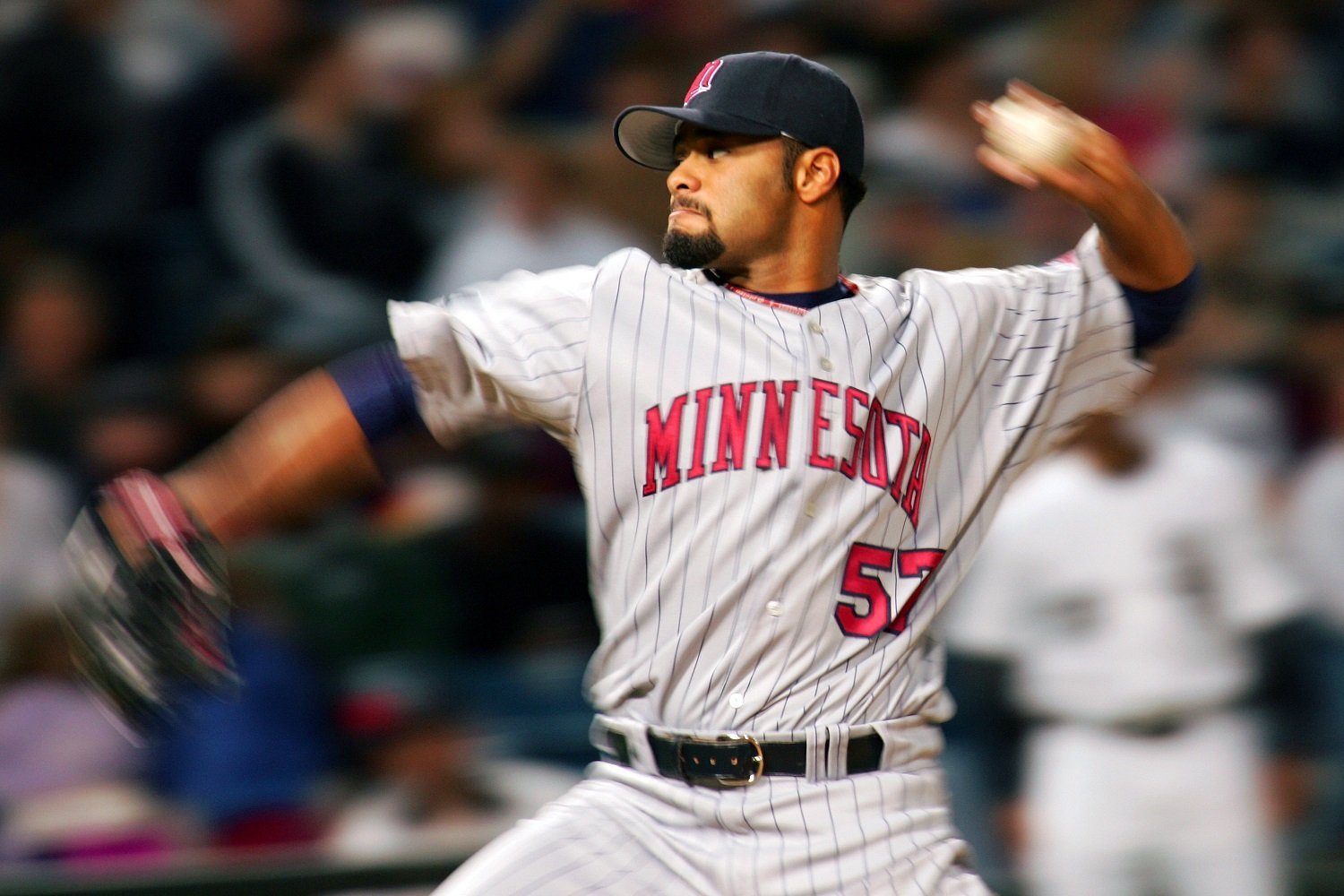 The 2026 season marks the 20th anniversary of Johan Santana capturing his second Cy Young Award with the Minnesota Twins. His dominance during the middle of the 2000s remains one of the greatest stretches by any pitcher in franchise history. Yet when evaluating Santana's Hall of Fame case, it's impossible to ignore one glaring question: What if the voters had gotten the 2005 Cy Young race right? Sandwiched between his unanimous Cy Young victories in 2004 and 2006, Santana produced another elite campaign in 2005. In many ways, it was every bit as impressive as the seasons that earned him the award on either side of it. Santana led the American League in strikeouts (238), WHIP (0.97), hits allowed per nine innings (6.2), and strikeouts per nine innings (9.3). He threw 231 2/3 innings, posted a 2.87 ERA, and continued to establish himself as the most dominant starting pitcher in baseball. Still, when the voting was completed, Santana finished third. The award instead went to Los Angeles Angels starter Bartolo Colon, while New York Yankees closer Mariano Rivera finished second. Santana received only three first-place votes and finished with 51 points. Colon collected 17 first-place votes and finished 67 points ahead of Santana, while Rivera earned eight first-place votes and finished 16 points ahead of the Twins ace. Looking back through a modern lens, the results are difficult to explain. Colon certainly had an impressive season. He went 21-8 for a first-place Angels club and posted a 3.48 ERA across 222 2/3 innings. However, Santana outperformed him in nearly every meaningful category, except wins. The gap becomes even more striking when viewed through today's advanced metrics. Santana finished with 7.1 fWAR, compared to Colon's 4.1 and Rivera's 2.9. That difference represents an enormous advantage. Of course, WAR was not part of the mainstream baseball conversation in 2005. Voters placed far greater emphasis on pitcher wins than they do today. Even so, many of the traditional statistics favored Santana as well. He had a lower ERA, a lower WHIP, more strikeouts, a better strikeout rate, and allowed fewer baserunners than Colon. Santana also recorded seven complete games and two shutouts, demonstrating the type of workload that voters often celebrated during that era. The biggest argument in Colon's favor was simple: 21 wins. The Angels won the American League West with a late-season surge, and Colon went 10-3 after the All-Star break while helping carry Los Angeles to the division title. Meanwhile, the Twins disappointed expectations and finished 83-79, placing third in the AL Central. Team success often influences award voting, even when voters insist otherwise. There was also the narrative element. Colon had become one of baseball's most popular players. Fans appreciated his durability, personality, and unconventional physique. His story resonated in ways that statistics sometimes do not. Santana, meanwhile, was quietly dominant. After making the first All-Star team of his career in 2005, he elevated his performance to another level during the second half. Over his final 13 starts, Santana went 7-2 with a 1.42 ERA and 89 strikeouts in 95 1/3 innings. Opponents managed only a .503 OPS against him, and he allowed one run or fewer in 10 of those 13 outings. It was one of the most overpowering stretches any pitcher produced that season. Yet, it wasn't enough. The consequences of that vote became more apparent as Santana's career unfolded. Because shoulder injuries shortened his peak, Santana finished his career with two Cy Young Awards instead of potentially three. Had he won in 2005, he would have belonged to one of the most exclusive clubs in baseball history. Only 11 pitchers have won three or more Cy Young Awards. Among them, only Roger Clemens remains outside the Hall of Fame, largely because of allegations involving performance-enhancing drugs. Clayton Kershaw and Max Scherzer are expected to be inducted once they become fully eligible. A third Cy Young Award would not have guaranteed Santana a plaque in Cooperstown, but it almost certainly would have strengthened his candidacy. Instead, his Hall of Fame case never gained traction with the Baseball Writers' Association of America. When he appeared on the ballot in 2018, Santana received just 2.4% of the vote and fell off after one year, far below the five percent threshold required to remain eligible. His best path to Cooperstown now runs through the Era Committee, the same process that eventually helped Twins legends Tony Oliva and Jim Kaat earn induction. Whether that happens remains uncertain. What is certain is that Santana's peak remains one of the most dominant stretches baseball has seen in the last quarter-century. From 2004 through 2008, few pitchers in history were better. Yet Hall of Fame debates often come down to milestones, awards, and résumé lines that voters can quickly recognize. The 2005 Cy Young vote took one of those résumé lines away. Twenty years later, it remains one of the most debated award races of the modern era. It may also represent the single biggest reason Johan Santana is still waiting for his Hall of Fame call. This version leans more heavily into the Hall of Fame implications throughout the story, rather than saving them for the end, creating a stronger connection between the 2005 vote and Santana's current Cooperstown outlook. What do you remember about the 2005 Cy Young race? Leave a comment and start the discussion. View the full article
 -
Brandon Valenzuela Is UNLEASHED! Blue Jays-Orioles Series Recap!
DiamondCentric posted an article in Jays Centre
 Brandon Valenzuela is not only one of the best rookies in baseball, but, statistically, he's been one of the Blue Jays' best players. In this episode of the Jays Centre Podcast, Jesse and Matthew discuss Brandon Valenzuela and what this might mean for the catching position when Kirk returns. Then they take a look at Ernie Clement's recent power surge and whether or not he will be an all-star this year. They also touch on Vladimir Guerrero Jr.'s slump after a 0-10 series, plus some thoughts on Trey Yesavage and Kevin Gausman, before taking a look at what to expect for the upcoming series against Don Mattingly and the Philadelphia Phillies. Listen on Apple Podcasts: https://podcasts.apple.com/us/podcast/the-jays-centre-podcast/id1846108462 Listen on Spotify: https://open.spotify.com/show/3Bi7SzfpcqMo5xYWnbCeoL Listen on iHeartRadio: https://www.iheart.com/podcast/263-the-jays-centre-podcast-300304824/ Listen on Pocket Casts: https://pca.st/2qk9wqxd Watch on YouTube: https://www.youtube.com/@jayscentre View the full article
 -
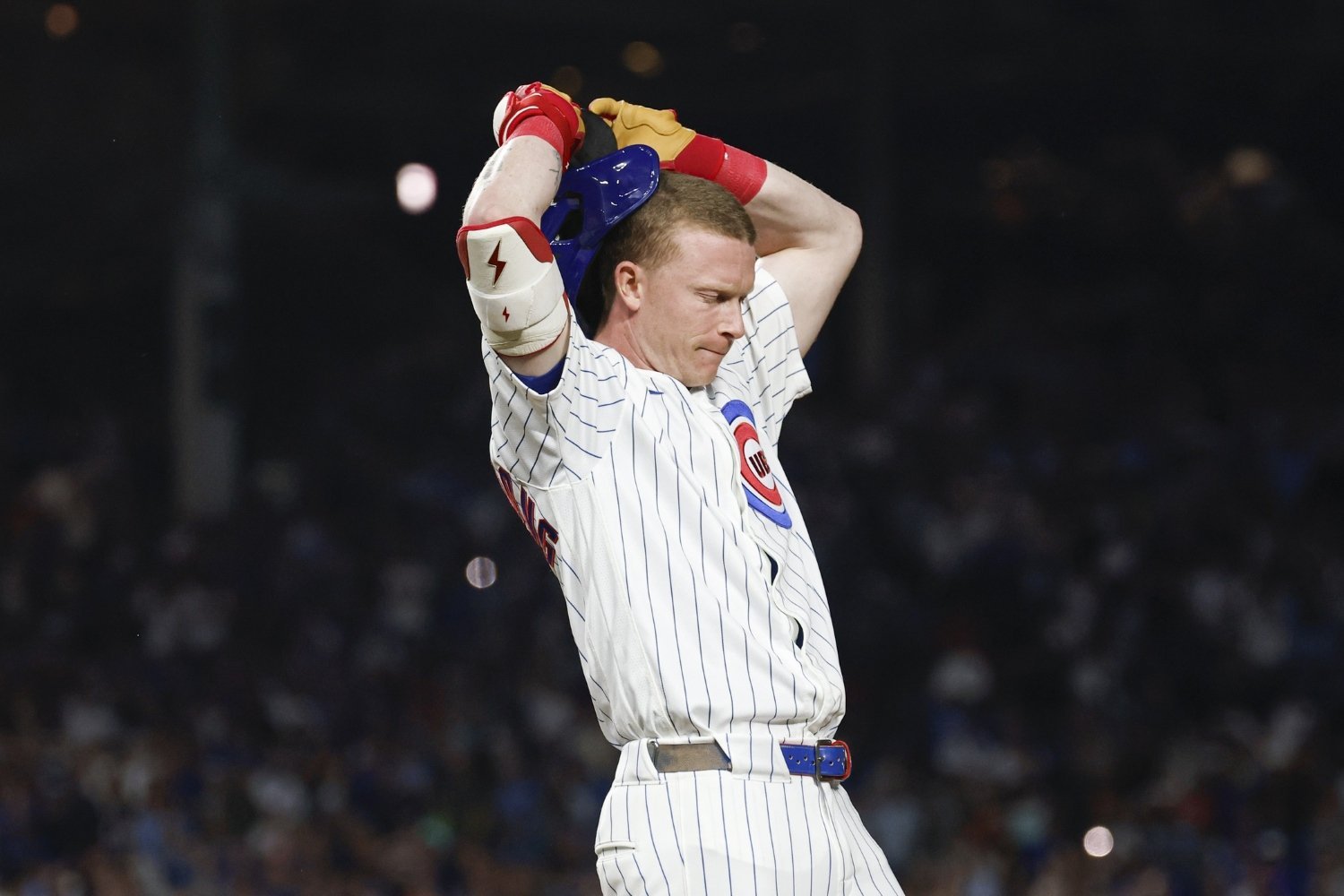 Lately, the Cubs can't seem to get out of their own way. Poor execution at the plate and on the mound doomed this club, in a week that saw the schedule lighten up with sub-.500 clubs visiting Wrigley Field. With the squad slipping further away from its goals, the frustrations bubbled over—not into some cathartic fight, but into a hissing cauldron of disappointment. Another losing week of baseball changed the question from when this club will come around to whether it will. The week commenced wth the Cubs playing host to the Athletics. Jameson Taillon is a loose brick in the starting rotation, already standing on a shaky foundation. His penchant for surrendering home runs early and often manifested in this contest, coughing up a solo shot to Nick Kurtz. From there, the veteran did manage 6 1/3 innings, but that was not sufficient for Chicago's laboring offense, which scratched just one run across the plate on an RBI groundout off the bat of Alex Bregman. Lacking a clutch gene, the squad went 1-for-7 with RISP in a 2-1 loss in the series opener. For the Cubs to seriously get back into the division race, they'll need balanced play on both sides of the ball, and that did not come in the middle tilt of their series with the A's. Caleb Thielbar blew a slim, late lead for the home team, giving the Athletics renewed hope. They would use extra innings to cash in on that hope, handing the North Siders an unexpected and demoralizing series loss. The A's won by a final score of 5-4 in 10. In the third contest against the team from Somewhere in the West, Chicago battled back from a deflating outing from Shota Imanaga to seize a cathartic 7-6 victory. It wasn't just the dramatic, walk-off nature of the triumph, but the fashion in which they did it that made it feel promising and special. While the rest of his teammates falter, the scorching-hot Pete Crow-Armstrong has put the club on his back in a way that has catapulted him back into the All-Star conversation. His walk-off single in the 10th inning elicited child-like glee from not only those in attendance, but Marquee Network's own Cliff Floyd, who exclaimed, "I needed this." With emotions running high and the iconic Bleacher Bums in their brand-new replica jerseys, Chicago killed the buzz on Friday. A brutal 18-3 rout at the hands of the comically mediocre San Francisco Giants dispelled any hope of carrying momentum from game to game. The contest was Edward Cabrera's first start, returning from a brief stint on the IL due to a blister on his throwing hand. The squad's hard-throwing youngster got pelted, surrendering eight earned runs. As has often been the case, the bullpen provided no answers, with lackluster appearances from all who took the mound, including junk time work from position player Carson Kelly. It's ghastly to imagine where the team would be without Crow-Armstrong Over the past week, the Gold Glove center fielder is batting .517 with 8 RBIs and a 1.632 OPS. With the Cubs down to their final out Saturday, Crow-Armstrong drilled his second long fly of the game, an absolute no-doubter to right field. Crow-Armstrong's heroics allowed his club to secure a dramatic win on another strong day for breakout starting pitcher Ben Brown. The final 3-2 in 10 innings. Taking the national stage for the second straight week on Sunday Night Baseball, Chicago seized a gut-wrenching defeat from the jaws of victory. After exiting the game with a strained hamstring, Taillon was replaced by the recently called-up Javier Assad. Cruising through the Giants' lineup like a Ferrari on Lakeshore Drive, Assad was magnificent in 6 1/3 relief innings. It appeared as though the young pitcher's heroics were meant to be rewarded, as his club repeatedly found itself in promising run-scoring scenarios, ultimately squandering all of them. The 2-1 loss in 10 innings was one of the team's most crushing in an endless sea of crushing losses. So now, with more tilts opposite clubs far less formidable than what lies further down the road, the Cubs hope to take back their narrative. A travel day Monday lands the Cubs in Denver for a three-game set with the Rockies, before jetting out to the Bay Area to face this very same Giants squad. This Cubs team, even with its persistent shortcomings, continues to flash glimpses of the blueprints for a return to sustained success. But the project still suffers agonizing delays, and it might prove too costly or too poorly organized to be completed under this leadership group. View the full article
