


DiamondCentric
-
Posts
2,631 -
Joined
-
Last visited
Never
Content Type
Profiles
Forums
Events
News
Tutorials & Help
Major League Baseball Videos
Guides & Resources
Store
Downloads
Gallery
Everything posted by DiamondCentric
-

Marcus Semien Has Remembered How to Hit Like A Star
DiamondCentric posted an article in Grand Central Mets
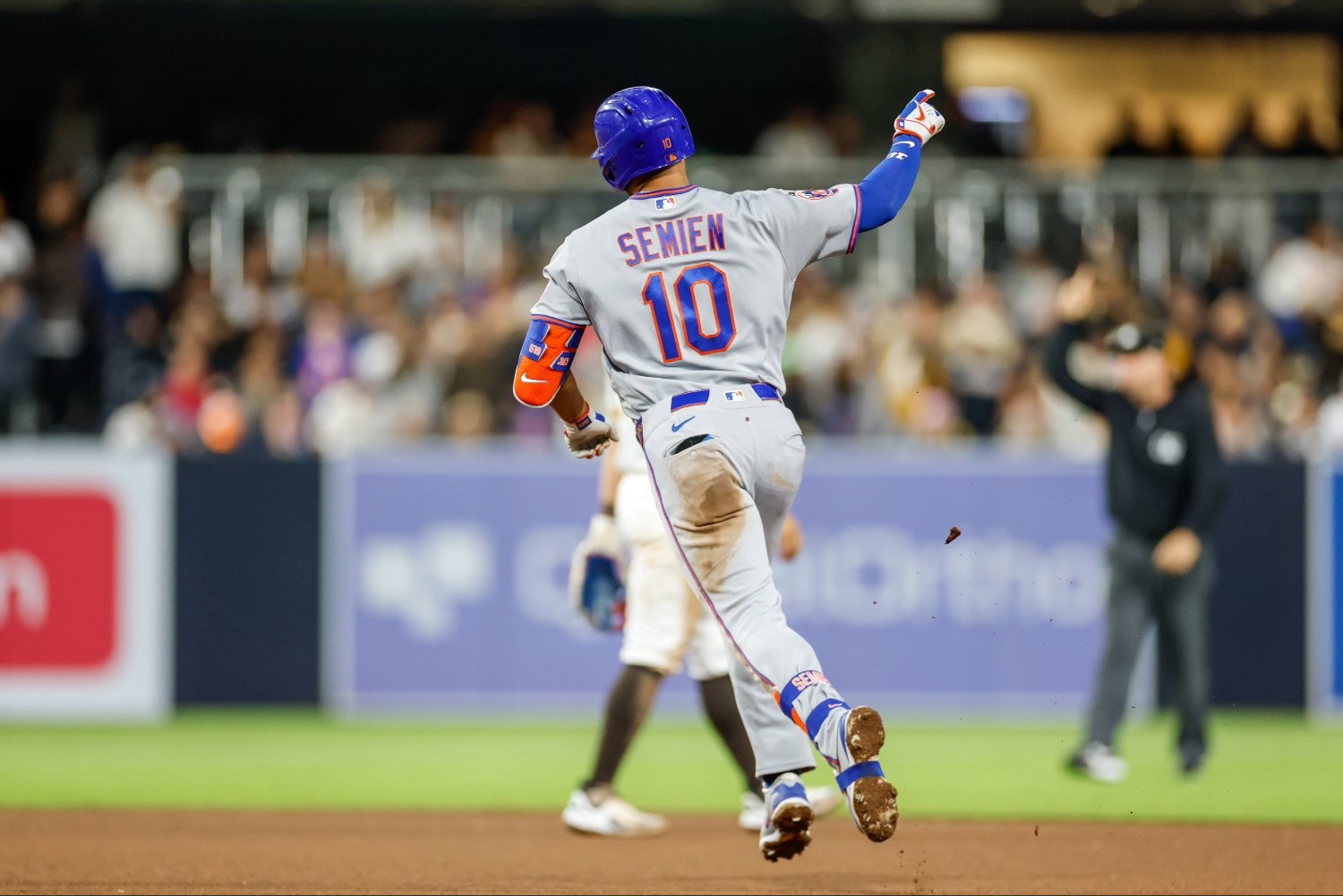 When the New York Mets brought in Marcus Semien, the expectation was never that he would carry the offense by himself. They also didn't need him to immediately replicate his MVP-caliber seasons. What they wanted was stability: a hitter capable of controlling the strike zone, producing quality contact, and delivering the consistency that has defined much of his career. For the first five weeks of the season, that version of Semien seemed nowhere to be found. His .218/.291/.257 slash line and 64 wRC+ through his first 34 games ranked among the least productive performances from any regular in the Mets' lineup. More concerning was the near-complete disappearance of his power. For a hitter who has built much of his value on a combination of solid contact and extra-base production, a .291 slugging percentage inevitably raised questions about whether age-related decline was beginning to surface. A deeper look at his last 31 games, however, tells a very different story. Marcus Semien's Results Are Finally Catching Up to the Process On the surface, the improvement is easy to spot. Period PA AVG SLG wOBA xBA xSLG xwOBA First 34 games 121 .218 .291 .257 .232 .363 .289 Last 31 games 136 .232 .424 .306 .292 .497 .357 His batting average has increased by only 14 points, which might not seem particularly significant at first glance. The slugging percentage, however, has jumped by more than 130 points, while his expected slugging percentage has risen from .363 to .497. That number matters. Expected metrics are designed to separate contact quality from actual results. In other words, they attempt to answer a simple question: what should have happened based on how the ball came off the bat? During his first 34 games, Semien produced contact quality consistent with a .363 xSlG. Over his last 31 games, that figure has climbed to .497. That's an absurd jump more in line with the superstar he once was rather than the role player he seemed to become in recent years. His current batting average may even be understating the improvement. While he hit .232 during this stretch, his expected batting average reached .292. That 60-point gap suggests there could still be positive regression ahead. Fewer empty swings, more productive contact The most meaningful adjustments don’t necessarily show up in the traditional production numbers. When a veteran struggles early in a season, conversations often focus on dramatic changes in approach. That hasn’t really been the case for Semien. His chase rate has barely moved, increasing from 29.8% to 30.3%. His overall swing rate has actually declined slightly from 51.8% to 50.6%. What has changed is his ability to connect when he swings. Period O-Contact% Z-Contact% Contact% Barrel% Hard Hit% First 34 games 54.2% 88.6% 79.6% 6.8% 34.1% Last 31 games 59.1% 90.2% 81.6% 9.9% 37.6% His contact rate on pitches outside the zone has increased by nearly five percentage points. Contact within the strike zone has improved as well. The result has been fewer whiffs and more balls put in play. But the story doesn't stop there. If a hitter simply makes more contact without increasing the damage, the outcome is usually more weakly hit balls. That's not what's happening here; Semien is making more contact while simultaneously producing better contact. His barrel rate has climbed from 6.8% to 9.9%, an increase of 3.1 percentage points (roughly 46%). His hard-hit rate has risen by more than three percentage points. Even his 90th-percentile exit velocity has improved from 101.7 mph to 102.5 mph. That means his best contact is now more dangerous than it was during the season's opening month. There's also another number that helps explain the transformation: Semien's average launch angle has dropped from 19.2 degrees to 17.7 degrees. That may not sound like a dramatic adjustment, but it is significant. During the first stretch of the season, Semien was frequently lifting balls that weren't struck with enough authority to become extra-base hits. Many of those balls ended up as relatively routine fly-outs. A slightly lower launch angle combined with better contact quality is often a favorable combination. It creates more productive batted-ball trajectories and allows a greater percentage of hard-hit balls to find gaps instead of gloves. The simultaneous increases in Barrel%, Hard-Hit%, and xSLG point directly toward that conclusion. Yes, it's still too early to know how far Semien's resurgence can go. What the last 31 games show, however, is a hitter generating more quality contact and producing the kind of underlying metrics the Mets expected from the beginning. After a difficult first month, that's a trend that is becoming increasingly difficult to ignore. View the full article
 -
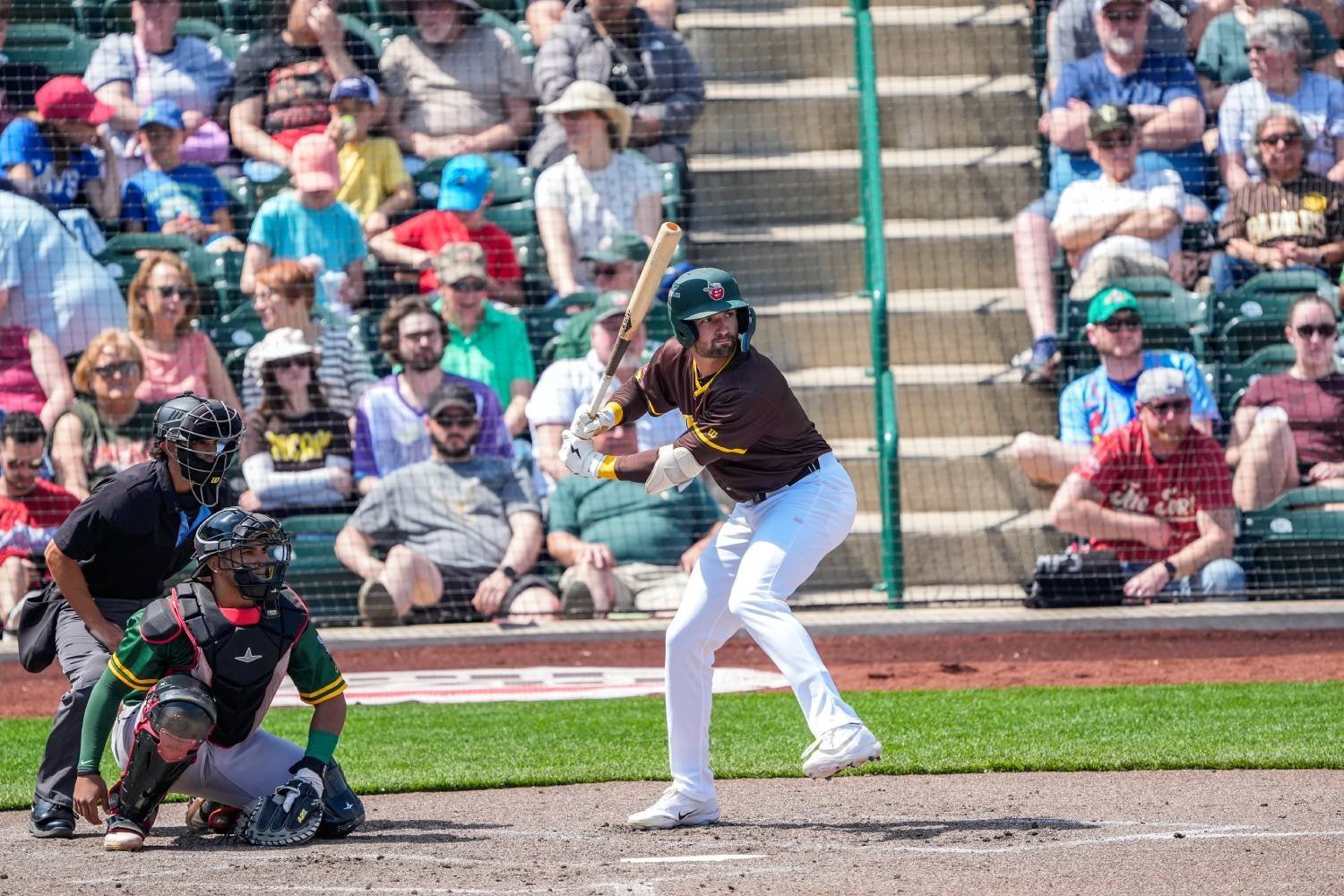 Let's check in on the San Diego Padres prospects who made a mark in the last week (check out Padres Mission's latest Top 20 rankings as well!): Jake Cunningham, OF, High-A Fort Wayne TinCaps Season stats: .295/.383/.628, 46 games, 32 R, 10 2B, 0 3B, 14 HR, 32 RBI, 21 BB, 56 K, 5 SB, 2 CS Hit three home runs in a single game and you make a hot list. Cunningham did just that Friday, when he went deep in his first three plate appearances against the Lake County Captains. The right-handed-hitting outfielder mashed a three-run homer in his first-inning at-bat, a two-run blast in the third inning and a solo shot in the fifth. That means he had two more shots at breaking the franchise record for homers in a game and joining the exclusive four-homer club. But he struck out in the seventh with a runner on first, then popped out to first base with two on and two out in the bottom of the ninth in an 11-8 loss. In an unusual quirk, another Midwest League player hit three homers in a game that same day (Carlos Sanchez of the Beloit Sky Carp). Both teams lost, the first time in affiliated ball since that info began being tracked in 2005 that two players hit three or more homers on the same day for losing teams, according to a note from the TinCaps. Cunningham, a month shy of turning 24, became the fourth player in franchise history to have a three-homer game. That three-homer game was part of a 6-for-23 week (.261/.320/.826) with four homers (he went deep again Sunday) and eight RBIs. He did strike out nine times in six games, a problem throughout his career. He has a 31.1% strikeout rate and 11.7% walk rate this year. Not only was Friday a remarkable day for Cunningham, it is a remarkable season. Cunningham, a fifth-round draft in 2023 out of North Carolina-Charlotte by the Baltimore Orioles, was released at the end of January and signed with the Padres a week later. Cunningham was coming off a .206/.295/.303 slash line in 2025 at High-A. In three seasons and 182 games, Cunningham had just eight homers, including only three last year. Now, he has discovered a power tool that has him leading the TinCaps with 14 homers, which is second in the Midwest League. CUNNINGHAM_0608.mp4 Miguel Mendez, RHP, Double-A San Antonio Missions Season stats: 2-1, 3.90 ERA, 9 games (all starts), 27⅔ IP, 25 H, 12 R, 12 ER, 13 BB, 32 K, .243 opponent average Since coming back from a brief stint on the injured list with a neck strain, the right-handed starter has mostly been really good. He had his best start of the season Friday, matching his season high with five innings and allowing just two hits and two walks with four strikeouts. He faced the minimum over the first four innings (although he needed some help to make that happen). It was his second straight shutout outing after going three innings and giving up two hits and a walk while punching out four. Mendez, Padres Mission's No. 3 prospect, has been a promising arm for the Padres since signing in 2021 as an 18-year-old. At the time, he had only been pitching six months. Now 23, Mendez had to be added to the 40-man roster this past offseason or be exposed to the Rule 5 draft. Since Mendez was a late signer in terms of international players, he spent all of 2023 and 2024 at Low-A Lake Elsinore before sprinting up three levels in 2025, going from Lake Elsinore to High-A Fort Wayne to Double-A San Antonio. He put together a combined stat line of 3.90 ERA in 21 starts and 95 innings, 45 walks (10.9% rate) and 118 strikeouts (26.9%). His potential was on full display when he made his Double-A debut Aug. 7 as he struck out 11 in six innings. There has been debate on whether Mendez remains a starter as he progresses or whether he is better-suited for the bullpen once he reaches the majors. Regardless, if he continues to perform like he did in his last two starts, he could possibly make his MLB debut this year if injuries peck away further at the Padres' depth. Romeo Sanabria, 1B, Double-A San Antonio Missions Season stats: .244/.345/.385, 54 games, 27 R, 11 2B, 0 3B, 6 HR, 25 RBI, 30 BB, 57 K After finishing 2024 with 32 games at Double-A San Antonio, the left-handed-hitting first baseman played all of 2025 with the Missions. That could have led to a promotion to Triple-A El Paso for 2026, especially considering Sanabria was named MLB Pipeline's Padres Hitter of the Year following his .257/.309/.376 slash line with 12 homers and 56 RBIs last year. But here he is, back in Double-A in 2026. Maybe he needed to work through some feelings after having a decent showing during big-league spring training, In the Cactus League, Sanabria put up a .333/.385/.833 slash line with three homers and a team-leading 15 RBIs in 20 games. His dazzling 1.218 OPS also led the Padres. Last week, Sanabria broke out with a 9-for-28 performance (.321), including two homers and five RBIs. To be fair, it could benefit Sanabria that he is back in San Antonio instead of the hitters' paradise that is the Pacific Coast League. His two homers this week gave him six for the season, which is half of his career high set last year. More importantly, Sanabria is walking more this season. He has a 12.6% walk rate this year after a 7.6% mark in 2025. His strikeouts are up a bit at 23.9% from 21.4%. Sanabria has been an underdog, drafted in the 18th round out of Indian River State College in 2022. A big season this year could land him on the 40-man roster or be exposed to the Rule 5 draft. As strictly a first baseman, he needs to continue to prove himself offensively. SANABRIA_0608.mp4 Andrew Moore, RHP, Double-A San Antonio Missions Season stats: 0-1, 2.29 ERA, 16 games (all in relief), 3 holds, 1 save (2 chances), 19⅔ IP, 9 H, 8 R, 5 ER, 18 BB, 37 K, .141 opponent average The right-handed reliever is on quite a roll. Last week, he appeared in two games and all six outs he recorded were via strikeout, while giving up just one hit and a walk. That came after a May in which 22 of the 29 outs he got were punchouts. He allowed just two hits and also walked 10 in 9⅔ innings in May. Moore has a spectacular 44.6% strikeout rate (Mason Miller's is 49%), but his issue is walks with a 21.7% rate this year. He had a 19.5% walk rate in 2025 after a 16.1% mark in 2024. The MLB average is 8.5%. Originally a 14th-round draft choice of the Seattle Mariners in 2021, Moore was the return the Padres got when they shipped Connor Joe (Poway High School) to the Cincinnati Reds a year ago. He was also included in the trade that sent right-hander Luis Castillo from the Reds to the Mariners in 2022. His second game last week against Wichita was just his second save situation this year and he finished off a three-strikeout performance with a 100 mph heater. Over his last 11⅔ innings, Moore has 28 strikeouts and an .079 opponent batting average. He has especially neutralized left-handed hitters, limiting them to .097 average (3-for-31). He has multiple strikeouts in nine of his last 10 appearances, including a five-K performance May 8 vs. Midland. In those same 10 games, he has allowed five runs (three earned), with those coming in back-to-back games. Jesus Castro, RHP, Low-A Lake Elsinore Storm Season stats: 0-1, 3.05 ERA, 9 games (all starts), 38⅓ IP, 39 H, 14 R, 13 ER, 14 BB, 41 K, .267 opponent average The end result overshadowed what Castro did last week. The right-handed starter tossed five shutout innings, striking out five and walking two while giving up three hits. Despite the Storm jumping out to a 5-0 lead, they lost the game as Fresno scored six runs in the bottom of the ninth for a walk-off victory. Still, this is about Castro, who has not allowed a run in three of his last four outings (14⅔ innings). In the other, he gave up three runs in four innings. Castro just turned 19 Monday and is the younger brother of Padres prospect right-hander Manuel Castro, who is on Double-A San Antonio's injured list, is turning heads with his outings. He has struck out 32 in his last five starts (24⅓ innings), allowing five runs in that span. He has also shown good command, issuing five walks in those five starts after beginning the year with nine walks in 14 innings. This is his first season in the U.S. after pitching in the Dominican Summer League last year. There, he posted a 2.91 ERA in 11 games (eight starts) and 43⅓ innings, walking 10 and striking out 46. He had a .196 opponent average. View the full article
 -
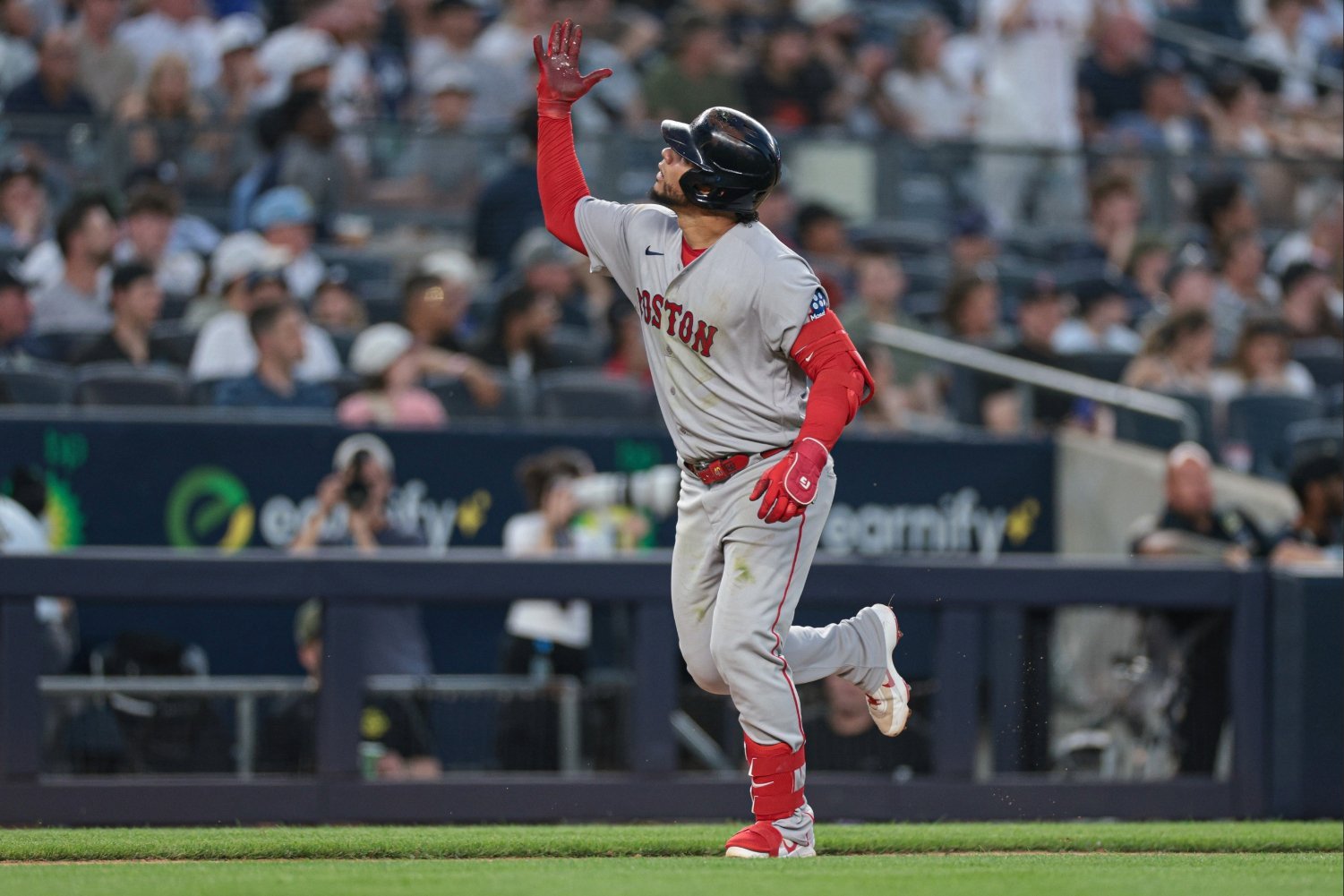 The Boston Red Sox arrived in the Bronx needing answers. They left with more questions. Following Sunday’s 6–1 loss to the Yankees, the Red Sox now sit at 27–36 and occupy last place in the American League East. They have lost four of five games against New York this season. Still, even in the middle of another difficult afternoon for Boston, one familiar constant stood out: Willson Contreras kept producing. The veteran first baseman lined a 110-mph RBI double to drive in Boston’s only run. It was far from an ordinary hit. Of the six runs the Red Sox scored across the entire series in New York, four were driven in by Contreras. And that small sample tells much of the story of his season. While the Red Sox continue searching for collective solutions, Contreras has become one of the team’s few certainties. More than that, he is putting together the best offensive season of his career and, quietly, has placed himself among the best first basemen in Major League Baseball. When Boston targeted Contreras over the winter, the expectation was stability, experience, and power in the middle of the lineup. What they have gotten is much more than that. Among first basemen with at least 200 plate appearances, Contreras is firmly in every relevant conversation. Metric Value MLB Rank wRC+ 155 4th wOBA .405 T-2nd xwOBA .400 T-2nd OBP .394 2nd SLG .540 4th WAR 2.2 4th The only first basemen ahead of him in WAR entering Sunday were Ben Rice, Matt Olson, and Nick Kurtz. That means Contreras has been more valuable overall than names like Freddie Freeman, Bryce Harper, Pete Alonso, Vladimir Guerrero Jr., and Christian Walker. On its own, that is striking. But in Boston’s context, it is even more significant. A look at the Red Sox offense makes that reality impossible to ignore: Contreras is operating in a completely different tier than the rest of the roster. Red Sox Offensive Leaders (Entering Week of June 8) Player wRC+ Willson Contreras 155 Ceddanne Rafaela 115 Wilyer Abreu 113 Nick Sogard 102 Mickey Gasper 104 Connor Wong 99 Roman Anthony 93 Jarren Duran 84 The gap between Contreras and Boston’s second-best regular hitter is 40 points of wRC+. That is massive. Even more revealing are the offensive metrics that best capture run creation. Player OBP SLG wOBA Willson Contreras .394 .540 .405 Ceddanne Rafaela .345 .431 .345 Wilyer Abreu .346 .430 .342 Jarren Duran .278 .401 .299 No other Sox hitter is even close to those numbers. While much of the lineup has gone through ups and downs, Contreras has maintained consistent, All-Star level production. That helps explain why he comfortably leads the team in offensive value. Player FanGraphs Offensive Runs (Off) Willson Contreras 15.3 Ceddanne Rafaela 3.9 Wilyer Abreu 3.3 Jarren Duran -2.1 Contreras has generated nearly four times the offensive value of any other Boston hitter. That is not a normal gap — it is the kind that usually exists between a star and the rest of the roster. The most interesting part: it is not about better discipline. When a 34-year-old produces the best offensive season of his career, the usual explanation points to improved pitch selection or better plate discipline. But the numbers tell a different story. Contreras is not chasing fewer pitches outside the strike zone. In fact, he is swinging at more pitches outside the zone than last year. He is also striking out slightly more. On the surface, that should be a negative trend. But what has changed is not how often he swings, it is what happens when he makes contact. Let's look at this graph showing the average exit speeds in different parts of the area: His average exit velocity across different parts of the zone shows real damage: over 102 mph in the inner lower-outside area, and consistently above 92 mph across all in-zone locations. That level of impact explains why his barrel rate has climbed to 15.1%, the best mark of his career. His .242 ISO is also his highest in recent seasons. And perhaps most importantly, the expected metrics fully support the results. Metric Value wOBA .405 xwOBA .400 SLG .540 xSLG .537 Barrel Rate 15.10% ISO .242 Perhaps the most telling number is strike rate. In 2025, Contreras saw strikes on 50.8% of pitches. In 2026, that number has dropped to 44.8%. Pitchers are attacking him differently, giving him fewer opportunities to do damage. He is being shown more respect and he is still producing. That is what happens when a hitter crosses the line between dangerous and unavoidable — someone who forces opposing teams to change their entire approach. Boston’s first two months of the season have been defined by losses, inconsistency, and unanswered questions. Willson Contreras’ season has been the opposite. If anyone is keeping this team afloat, it's him. View the full article
 -
 One of the New York Mets' top pitching prospects, Jonathan Santucci, is making serious strides as we hit the middle third of the 2026 minor league baseball season. In this video, we'll break down Santucci's strengths, a wicked slider, and what he needs to do to break into the major leagues before this year's conclusion. View the full article
 -
 The gang checks in with Zone Coverage's Theo Tollefson to talk about the last two weeks of Twins baseball, what moves could be coming next, fun behind-the-scenes tidbits from the clubhouse, and more. Listen using Apple Podcasts: https://podcasts.apple.com/us/podcast/the-twins-off-daily-podcast/id1741266056 Listen using Spotify: https://open.spotify.com/show/4tb78XlurcPTYYSsARdbD7 Listen using iHeartRadio: https://www.iheart.com/podcast/263-the-twins-off-daily-podcas-167548600/ Listen using Pocket Casts: https://pca.st/nvclbt0w Watch on YouTube: https://www.youtube.com/@twinsdaily View the full article
 -
 A year ago, Kody Clemens looked like organizational depth. Now he's become one of the Twins' most attractive trade assets heading into deadline season. View the full article
 -
Charting Pete-Crow Armstrong's Evolution with the Cubs
DiamondCentric posted an article in North Side Baseball
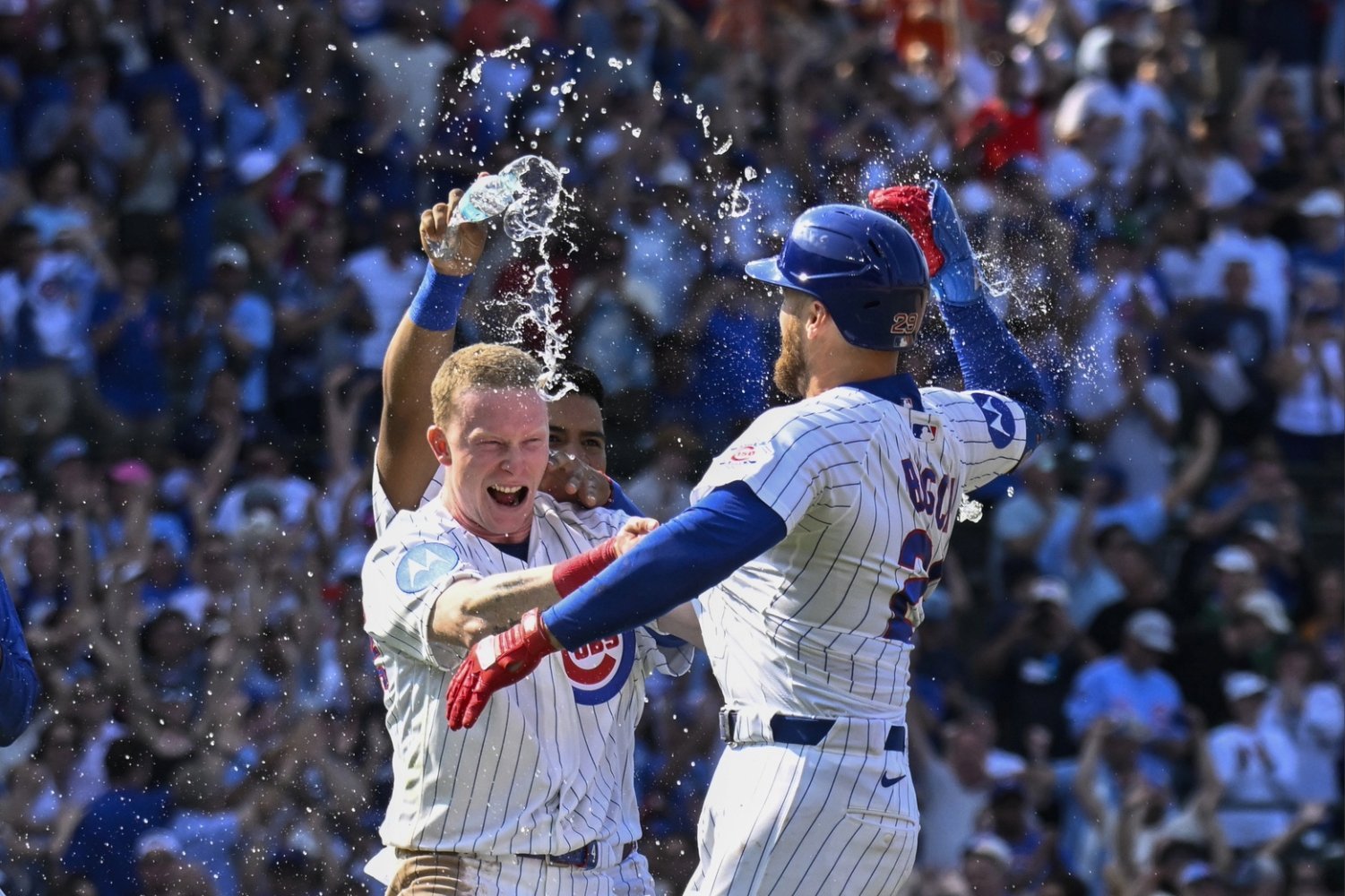 Pete Crow-Armstrong is one of the most talented center fielders in Major League Baseball, but there’s no doubt that he has his fair share of components to improve on. Whether it’s making the routine plays in the field or having a more mature approach at the plate, the 2025 All-Star is polishing his game. Let’s dive into the areas where the Chicago Cubs’ starting center fielder is making key strides. Reevaluating Pete Crow-Armstrong's Standing With Cubs Crow-Armstrong was originally a first-round draft pick back in 2020, when the New York Mets selected him at 19 overall. A standout prep product, Crow-Armstrong’s reputation for being able to use his blistering speed both on the bases and in the outfield to close gaps made him a hot commodity in that year’s draft class. Shortly after joining the Mets’ pipeline, New York dealt him to the Cubs in a trade that involved former 2016 World Champion Javier Baez. Crow-Armstrong immediately became one of the North Siders’ top up-and-coming talents before being tabbed as the team’s top farmhand in both 2023 and 2024. After making his MLB debut down the home stretch of the 2023 season, Crow-Armstrong became an everyday starter the following campaign and has held his spot ever since. The Magical Year of 2025 The now-24-year-old made significant strides last year, enjoying a decorated season that included first career honors with an All-Star selection and a Gold Glove Award. The Cubs’ center fielder had plenty to be proud of, logging 31 home runs, 95 runs batted in and 35 stolen bases, allowing the young superstar to join the coveted 30-30 club. Crow-Armstrong’s barrel percentage ballooned above the league average, allowing him to be a more effective slugger, and in turn, clocking career bests in slugging percentage (.481) and OPS (.768). That barrel rate sat at 13.1%, nestling him into the 82nd percentile. His bat speed also skyrocketed, starting from 70.6 miles per hour (26th percentile) in 2025 to 72.7 miles her hour (61st percentile). His fielding attributes, which are really the reason he was such a highly touted prospect in the first place, were also off the charts. HIS range (24 OAA, 100th percentile), arm value (+2, 88th percentile) and arm strength (92.3 mph, 94th percentile) were on full display in his coming out year. Consequential Holes In His Game While 2025 was a banner year, Crow-Armstrong still had plenty of components to improve on. His chase percentage was one of the worst in the game, riding in at 41.7% (2nd percentile). His plate discipline was a main struggle point, and that high chase rate led to a very low walk rate of 4.5% (4th percentile). Therefore, even though he hit .247, his on-base percentage finished below the .300 mark for the second straight year at just .287. Crow-Armstrong’s strikeout rate was also well below the league average at 24% (33rd percentile). Overall, this is someone who had some electric moment and gained confidence in his ability to generate power, but much like the man he was traded for in Baez, he had trouble with balls out of the zone. Turning A New Leaf? The 2026 campaign has become another stepping stone for Crow-Armstrong, and while he still lacks day-to-day consistency, the overall trends are pointing towards a vast improvement for the Harvard-Westlake High School alum. His maturity at the plate has skyrocketed, yielding an 8.3% walk rate. It’s a rate that’s still below league average, but it’s in a much more promising spot at the 40th percentile. His chase rate of 38.5% is in the 8th percentile, which is well below the league average but still an improvement upon his 2025 mark. Even with this mild improvement, the 2025 All-Star has a career-best .343 on-base percentage, a whole 57 points clear of last year’s number. This is already one of the most talented players in the league. If he can continue to develop his plate discipline and take on a more mature play-style, the sky is truly the limit. View the full article
 -
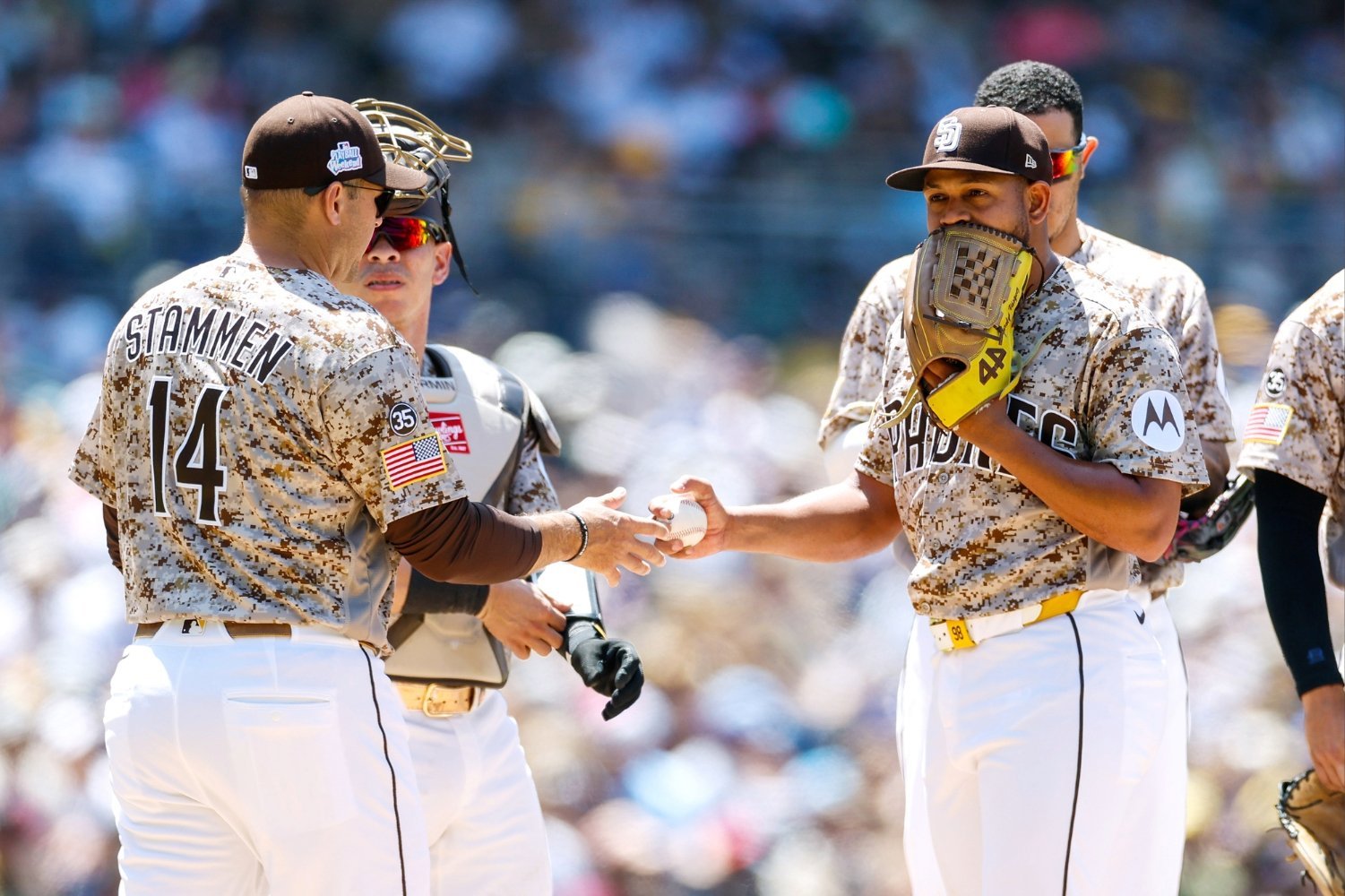 The San Diego Padres were never going to be players in the deep end of the spending pool over the winter of 2025-2026. Their stack of long-term position player contracts worked in conjunction with an uncertain ownership future to limit any sort of financial flexibility. The sliver of it that remained went out the window when the team elected to bring back Michael King on a three-year deal. At this point, we know how the remainder of the offseason played out. With the additional exception of Sung Mun Song, A.J. Preller was forced into a smattering of one-year and minor-league pacts. Despite glaring needs in both the rotation and in the lineup, no positional group was immune to the approach. Each area of need was filled out with a little bit of each, with the hope being that enough volume would lead to striking somewhere. Unfortunately for Preller and the Padres, that's not really how it's played out. The following is how the team's offseason played out on the mound, particularly in the starting rotation: Kyle Hart: One-year deal Sean Boyle: Minor-league deal Ty Adcock: One-year deal Triston McKenzie: Minor-league deal Marco Gonzales: Minor-league deal Griffin Canning: One-year deal Germán Márquez: One-year deal Walker Buehler: Minor-league deal While the bullpen was an enduring area of strength, the rotation was to be filled out largely from this group. The names of particular intrigue were those with prior success at the top level: McKenzie, Gonzales, Canning, Márquez, and Buehler. With Canning starting the season on the Injured List as he worked back from an Achilles injury sustained in 2025, the early starting roles went to Márquez and Buehler. Márquez pitched to a 5.76 ERA and 6.64 FIP before hitting the IL on May 1. He hasn't been seen since. Buehler has survived a dozen starts thus far, with a 4.53 ERA to his name despite whiff and contact metrics well into the bottom half of the league rankings. Canning, since his return, has an ERA of 6.34 through six starts (and a FIP over five). In El Paso, meanwhile, Gonzales has an ERA over nine. McKenzie is rolling with a 14.85 figure through nine appearances (only three of which were starts). Boyle's is over six while Adcock has only pitched one-third of an inning due to injury. Even adding Lucas Giolito in late April hasn't done much to stabilize things in the way the Padres might have hoped after his first couple of outings. Through four starts, he's working with an ERA near five (4.86) and a FIP that looks much worse (6.64). He's averaging barely more than four innings per start after working just over six across his last pair of outings. And it's not as if it gets much better once you look on the offensive side of things: Nick Solak: Minor-league deal Sung Mun Song: Three-year deal José Miranda: Minor-league deal Samad Taylor: Minor-league deal Miguel Andujar: One-year deal Nick Castellanos: One-year deal Ty France: Minor-league deal With the Padres needing to improve their bench and discover some supplemental power, the hope here was much the same in the rotation. Even if it meant limiting the dynamic quality of the roster by filling it out with first base/corner outfield types. After a strong spring, though, Miranda never reached the top level for the Padres before he was released. Castellanos wRC+'d a meager 53 before his designation for assignment last week. Song got off to a late start due to an oblique injury but has been quite bad in his transition to the U.S.; despite nearly parallel strikeout and walk rates, he's hitting just .194 (72 wRC+) through roughly 40 plate appearances. Solak remains in El Paso while Taylor has just two plate appearances to his name after his contract selection. That leaves only Andujar and France as saving graces on the positional side. Andujar has been almost exactly league average (98 wRC+) but has provided very little power (.168 ISO). He's also reaching base at just a .285 clip thanks heavily to a brutal 3.1 percent walk rate. France, however, has slashed .277/.323/.504 with a 133 wRC+. He's offered some stability at what was a relatively vacant first base spot expected to be assumed by Gavin Sheets ahead of 2026. With injuries and production issues in the outfield, though, France's output has at least allowed Sheets to be utilized elsewhere. However, when you're looking at Ty France as the lone clear victory out of essentially 15 different contracts, it's clear that the way in which the roster was constructed this past winter constitutes an objective failure. It's difficult to lay that entirely at the feet of the front office given the strict financial straits which Preller and company were forced to navigate. However, there's also an onus on the coaching staff to maximize player production. The inability of this staff to extract any value from more than 90 percent of their signings from this winter, non-guaranteed pact or not, represents real shortcomings manifesting on that side of things as well. It's not that one expects a team to extract value from players who are past their prime or have dealt with too many injuries to be effective. That would be unrealistic and unfair. It's just the rate of failures that is hard to make peace with. When you compound that with the struggles of the established names on the roster — some of which could also be due to factors on the coaching side of things — you get the 2026 San Diego Padres: a team floundering after a strong start that was never going to be sustainable. Not all of this is within the control of brass considering where those restrictions came from in the first place, but it's a place with which the Padres may have to familiarize themselves until the core begins emerging from their collective slump or new ownership is able to inject additional means of adding impact. View the full article
 -
Can Kameron Misner Be a Factor for the Royals in 2026?
DiamondCentric posted an article in Royals Keep
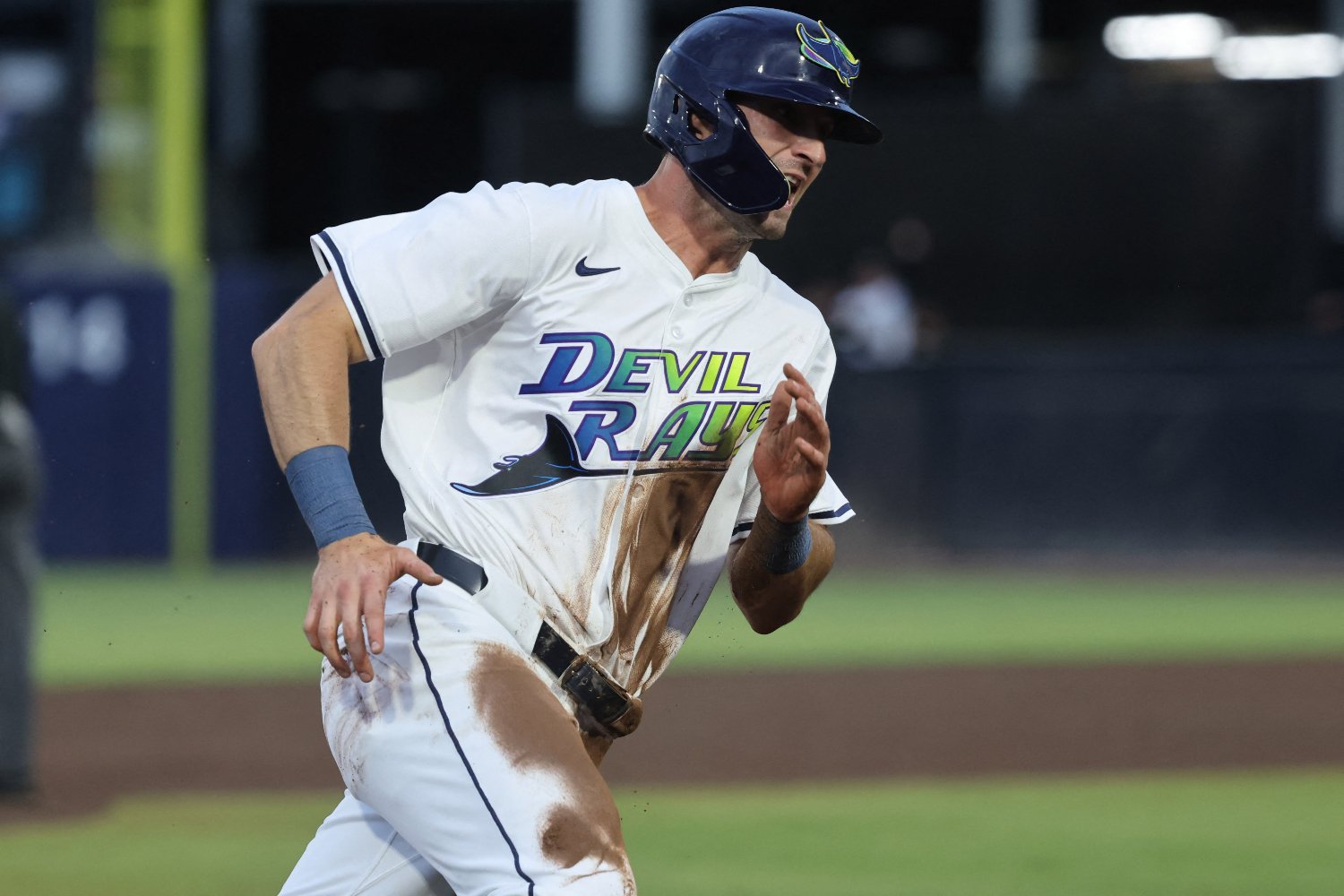 On Monday, the International League announced that Omaha outfielder Kameron Misner was Player of the Week after a strong series in Columbus against the Clippers, the Triple-A organization of the Guardians. In addition to five home runs, Misner also hit .417, scored eight runs, and collected 10 RBI in the past week. Misner was acquired by the Royals this offseason after he was designated for assignment by the Rays in November. Kansas City traded a player to be named later in exchange for the former 2019 competitive round pick, and he's on the 40-man roster. That said, despite playing in 71 games with the Rays a season ago, Misner has only played with the Omaha Storm Chasers this season. That said, Misner has been excellent in Omaha at the plate, with his strong performance going beyond this past week in Columbus. In 58 games and 249 plate appearances, the former Miami Marlins draft pick is slashing .278/.373/.552 with 13 home runs, 39 runs scored, 51 RBI, and 11 stolen bases on 12 attempts. He also has a .925 OPS, a .274 ISO, and 103 TJ Bat+. Safe to say, Misner has been the most complete hitter in Omaha, surpassing other more familiar names like John Rave, Abraham Toro, and Drew Waters. That said, Royals fans have seen hitters succeed in Omaha, only to struggle in their transition to Kansas City. Last season, in 217 plate appearances with the Tampa Bay Rays, Misner slashed .213/.273/.345 with a .618 OPS and had five home runs, 27 runs scored, 22 RBI, and eight stolen bases. An Achilles' heel for Misner was his strikeout rate, as he struck out 31.8% of the time and only walked 7.4% of the time. That produced a TJ Bat+ of 72, which was pretty below average. Hence, is Misner just a good Four-A player? Or is he a late bloomer who could provide a spark to a Royals lineup that has been better recently, but still ranks 27th in OPS and 28th in runs scored? Let's dive deeper into what Misner is doing in Omaha, what he did last year in Tampa Bay, and what his role could be with the Royals, if given the opportunity. Misner Showing Power, Patience, and Speed With Storm Chasers When looking at Misner's stat line, there's a lot to be encouraged about. Not only is he hitting for power, but he's showing plate patience and better contact ability than he did a year ago. That is evident in his Statcast percentile summary below via TJ Stats. What has made Misner so effective in Omaha is his ability not just to launch the ball (99th percentile LA Sweet-Spot%), but to pull the ball in the air as well. That ability has helped him overcome an inconsistent hard-hit rate (52nd percentile) and still produce strong barrel rates (82nd percentile) and wOBA numbers (84th percentile). In addition, the 28-year-old outfielder has been particularly hot at the plate since May 20th, as Baseball Unstitched pointed out on Twitter on Sunday. The main issue with Misner's profile in Omaha is that he's still chasing and whiffing a lot in Triple-A. According to TJ Stats, his 29.8% O-Swing% ranks in the 26th percentile, and his 26.8% K% ranks in the 16th percentile. His whiff% and Z-contact% rank in the 38th and 39th percentile, which is better than his O-Swing% and K% rankings. That said, they are still below-average marks and areas of concern that could get exposed when facing better pitching at the Major League level. A surprising trait of Misner's game this year has been his baserunning, especially when it comes to stolen bases. In 58 games, the former Mizzou Tiger has 11 stolen bases on 12 attempts, which shows how efficient he's been when it comes to swiping bases. While Bobby Witt Jr. has 23 stolen bases, no other Royals player has more than five (which is Kyle Isbel). Thus, Misner could provide some sneaky speed on the basepaths if allowed to play in Kansas City this year. Misner Struggled in His Extended Stint With the Rays Last Year While Misner has demonstrated that he can master the Triple-A level, it's been a different story for him at the Major League level. After playing only 8 games in 2024, Misner played 71 games and had 217 plate appearances with Tampa Bay after making the Opening Day roster a season ago. He got off to a hot start with Tampa Bay in 2025. In 84 plate appearances in March/April, he hit .320 with a .929 OPS and 153 wRC+. He also hit three home runs, including this one below against Boston on April 14th. Unfortunately, he tailed off after a strong month of play. In May, he hit .138 with a 15 wRC+, and in June, he hit .167 with a 26 wRC+. As a result, he was optioned to Triple-A Durham and didn't return to Tampa Bay for the remainder of the season. When looking at his TJ Statcast Summary last year, Misner struggled in most categories and seemed overwhelmed by Major League pitching once they adjusted to him, as illustrated in his K% and Whiff%, just to name a couple. Misner ranked below the 10th percentile in the following categories: K%, Z-Contact%, whiff%, LA Sweet-Spot%, Hard-Hit%, and xwOBA. It's hard for a player to stay up at the Major League level with poor rankings like that in so many key categories. Furthermore, when looking at his spray chart from last year, a lot of batted balls to the outfield were hit to the center and center-left gap, as seen below. That typically shows that a hitter is not "locked in" on a pitcher and is late to the ball. Furthermore, so many of those gray dots mean that many of the batted balls to the center or opposite field were outs, which also indicates a lack of quality contact on those pitches. A big change for Misner in Triple-A this year is that his LA Sweet-Spot% is 17.5% higher, and his Pull Air% is 7.7% higher. While that's comparing Triple-A to MLB at-bats, it's still encouraging that Misner is at least making adjustments in his new surroundings with the Royals organization. Does Misner Fit in the Royals' Outfield Right Now? The main issue with Misner is that he's left-handed, and the Royals have a plethora of left-handed bats. Misner is also better utilized as a corner outfielder, and he's blocked by Isaac Collins and Jac Caglianone, who have been two of the better-performing outfielders this year, as illustrated by wRC+. Caglianone has been the best-performing regular outfielder by both fWAR (0.5) and wRC+ (108) standards. Marte has been great by wRC+ standards, but his sample size is small, with only 42 plate appearances. Lastly, Collins has been decent offensively with a 93 wRC+, but his lackluster defense (though better lately) is one reason his -0.2 fWAR is the worst mark among Royals outfielders with 10 or more plate appearances this year. An opportunity that could open up a spot for Misner is if Cags goes on the IL or needs some extended time at DH due to a shoulder injury. The former Florida product was pulled from Saturday's game and didn't play Sunday due to a minor shoulder injury suffered in Friday night's game, as reported by Anne Rogers of MLB.com. Moving Cags to DH and giving Misner some time in the outfield could make sense, though it does seem like manager Matt Quatraro prefers Lane Thomas in right field in those games when Cags is not in the lineup against righties. While Thomas' 90 wRC+ isn't great, he's hitting better recently, and he's a walk machine (16.3% BB%). Thus, the most likely scenario for a Misner call-up would be if Cags moves to the IL, which doesn't seem likely but could happen if his shoulder doesn't improve in time by Tuesday's game. Cags' injury status will be worth watching out for on Tuesday. If he does get added to the IL, do not be surprised if Misner, who's already on the 40-man roster, gets the promotion from Omaha. View the full article
 -
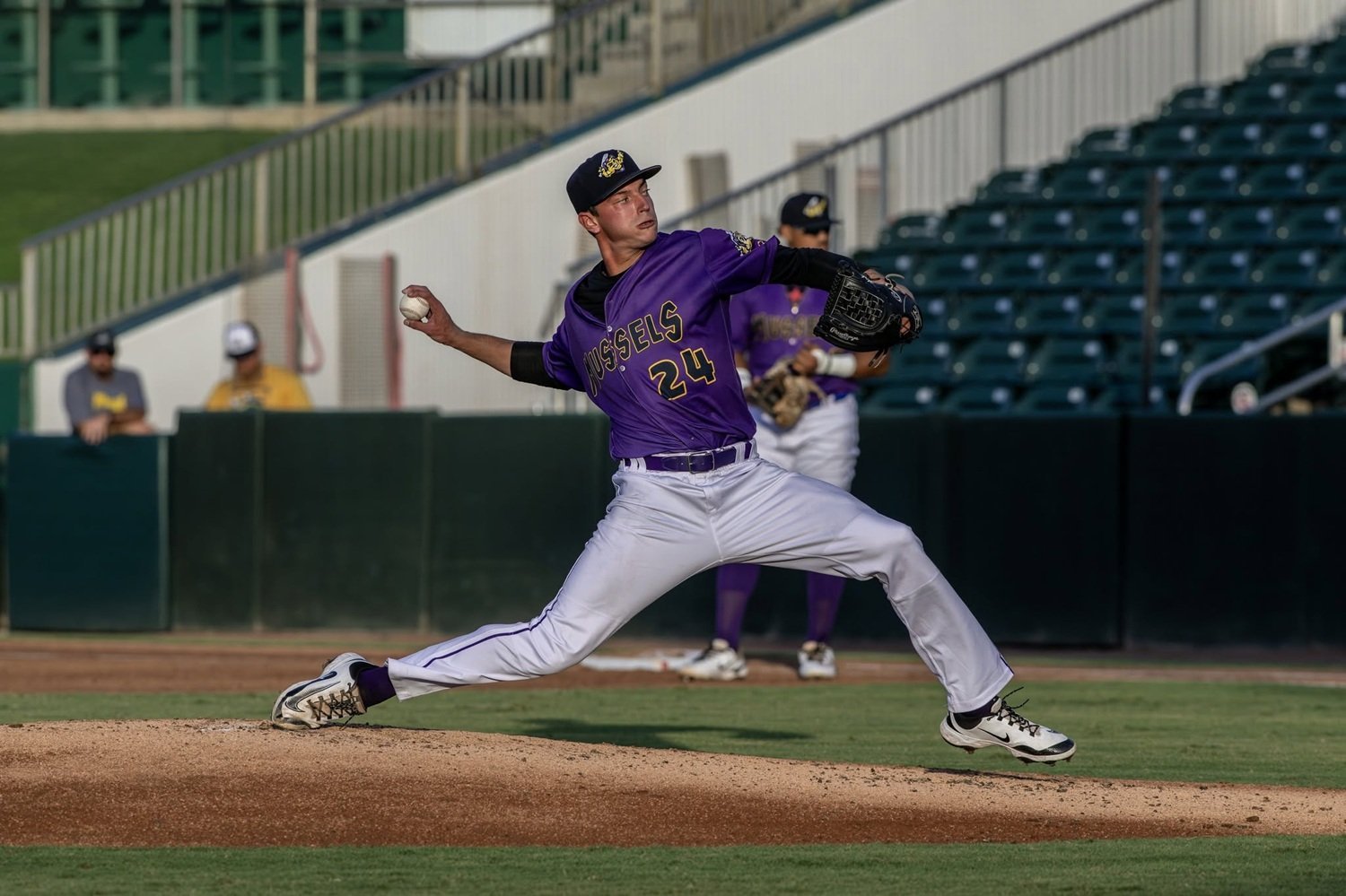 As temperatures rise across the Midwest, several Twins prospects are heating up, too. From dominant pitching performances in Fort Myers to power surges in Wichita, these players are making compelling cases for promotions. This week, we have a pleasing variety of prospects to highlight, in terms of amateur and early professional background and in terms of future role. RHP Justin Mitrovich– Fort Myers Mighty Mussels How He Got Here: The Twins selected Mitrovich in the ninth round of the 2025 MLB Draft, after he had a successful collegiate career at Elon University. He spent all three seasons with the Phoenix and emerged as the club's Friday night starter during his junior campaign. Across 15 starts, he logged 89 1/3 innings with a 4.23 ERA while striking out 81 hitters. Mitrovich entered professional baseball with one of the better changeups in his draft class. Minnesota opted to delay his professional debut until the start of the 2026 season—a decision that appears to be paying dividends, as he has quickly established himself as one of the most effective pitchers in the Florida State League. Hitting the Hot Button: Mitrovich turned in another outstanding outing this week, tossing five shutout innings while striking out five hitters. He surrendered only two hits and two walks while throwing a season-high 71 pitches. After retiring 10 consecutive Flying Tigers hitters from the end of the first inning into the fourth, he lowered his season ERA to an eye-popping 0.87. The numbers continue to jump off the page. Through six starts, Mitrovich has 27 strikeouts and eight walks across 27 2/3 innings. Opposing hitters have struggled to square him up all season. His average exit velocity allowed sits at just 85.5 mph, and he has yet to allow a barreled ball. With performances like these, it may not be long before he earns a chance to test himself at the next level. As a college draftee, he needs that challenge soon. C/1B Andrew Cossetti– Wichita Wind Surge How He Got Here: Cossetti was selected by Minnesota in the 11th round of the 2022 MLB Draft out of Saint Joseph's University. Since reaching Double A during the 2024 season, he has remained one of the more productive hitters in Wichita's lineup. Last year, he appeared in 84 games for the Wind Surge and posted a .798 OPS with a 123 wRC+. He added 14 home runs and 15 doubles while continuing to show the offensive approach that has carried him through the system. Now 26 years old, Cossetti is one of the older regulars in the Texas League and knows that continued production is the quickest path toward Triple A. Hitting the Hot Button: Few hitters in the organization enjoyed a better day than Cossetti this week. In one game, he drove in six runs and launched a pair of home runs, including a towering 452-foot grand slam. The performance marked his first multi-homer game of the season and extended his on-base streak to 20 consecutive games. His recent production has remained steady. Over the past week, Cossetti has hit .308 while posting a 1.077 OPS. Looking back over the last month, he owns an .871 OPS with four home runs and two doubles in 18 games. Perhaps just as encouraging is the progress he has shown behind the plate. After throwing out only 13% of attempted base stealers last season, Cossetti has improved that figure to 22% while handling the majority of his defensive work at catcher. The combination of offense and defensive growth is strengthening his case for a promotion. RHP Riley Quick– Fort Myers Mighty Mussels How He Got Here: The Twins used the 36th overall selection in the 2025 MLB Draft to bring Quick into the organization. The Alabama product became one of the fastest-rising pitchers in his draft class after returning from Tommy John surgery and showcasing premium velocity and swing-and-miss stuff. Minnesota assigned him to Fort Myers to begin his professional career, and it quickly became clear that Low-A hitters were overmatched. Across three starts, Quick fired eight scoreless innings while striking out 13 batters and allowing only one hit. That dominant stretch earned him a promotion to Cedar Rapids, where he is now facing older, more advanced competition. Hitting the Hot Button: The transition to High-A has provided more challenges, but Quick continues to show why the Twins invested a first-round pick in him. The 22-year-old took the ball against Wisconsin on Friday and delivered four innings of one-run ball. He allowed just two hits, did not issue a walk, and struck out six hitters. Over his last two starts, Quick has worked eight innings with nine strikeouts and only two walks, while allowing three earned runs. The results may not be quite as overwhelming as they were in Fort Myers, but that's part of the developmental process. The encouraging signs remain the same. His strikeout rate continues to be strong (37.5%), he is limiting contact (.186 BA), and he's proving capable of competing against more advanced hitters. If those trends continue, Quick could find himself moving quickly through the system. Mitrovich has emerged as one of the biggest surprises in the system, Cossetti continues to make noise with his bat while improving defensively, and Quick is showing why many evaluators believed he had first-round talent. As the calendar turns deeper into summer, promotions will become a major storyline throughout the organization. Based on their recent performances, these three players appear determined to force Minnesota's hand. What stands out about this trio of prospects? Leave a comment and start the discussion. View the full article
 -
 Transactions: RHP Jake Woodford cleared waivers, was outrighted to Nashville and elected free agency. It's possible the Brewers could sign Woodford once he explores options elsewhere. RHP Wandy Cabrera assigned to DSL Brewers Gold from DSL Brewers Blue RHP Carlos Canales assigned to DSL Brewers Gold from DSL Brewers Blue This reverses the moves from 3 days ago as apparently the Brewers needed to temporarily fortify available arms on the Blue squad. These next two moves will be listed within Tuesday's Link Report once they become official, but it seems two Wilson Warbirds pitchers are on their way to Appleton, which could then kick off additional moves. Final: ACL Dodgers 9, ACL Brewers 5 Box Score and Game Log Quinn Priester hit 93.7 MPH in the first inning but did not reach that maximum over his final two innings of work. As always with an MiLB.com box score, refer to the game log and click on the oval for any particular at-bat to see for yourself. Six free passes (five walks, one HBP, plus three wild pitches) in two and two-third innings on the Maryvale mound for the ailing hurler shows that he has yet to gain any feel for the baseball. Thoracic outlet impacts are mind-numbingly frustrating. Priester struck out four and allowed only one base hit, but clearly the other aspects of his line paint a bleak picture. 20-year-old RHP Cesar Espinal aided in limiting Priester's final line to three earned runs, stranding two of Priester's baserunners. Your box score review will indicate the other Brewers arms post-Espinal did not inspire, combining to walk seven. While Brewers batters drew nine walks, they also struck out 17 times. Three of the team's nine hits went for extra bases, and there were several individual lines that impressed, including the full outfield mix. CF Brailyn Antunez was a homer shy of a cycle. LF Kenny Fenelon walked three times, and the always-busy baserunner stole his 16th base and also was caught for the 7th time. RF Alexander Frias singled twice and walked. 2B Juan Martinez, in the cleanup spot, singled twice and stole three bases in as many attempts. There were two early position player exits. Shortstop Cristopher Acosta was replaced in the middle of the 2nd inning, and when you review the log, it's difficult to determine how the preceding plays could have impacted Acosta. Catcher Luis Corobo was pinch-hit for in the 4th after catching the top of the inning. No apparent injury delay, but it coincidentally happened as Brewers Manager Rafael Neda was ejected. Final: DSL Brewers Blue 8, DSL Red Sox Red 5, seven innings as scheduled Box Score and Game Log The Blue Boys scored four in the 1st and held on despite committing four errors (the Sox kids made three of their own). Blue was up 7-1 by the time the bottom of the 6th rolled along, when the Boston team rallied for four of their own. Displaying the variety of locations the Brewers will scout, the three pitchers you'll see in the box hail from Mexico, Colombia and Panama, respectively. Leadoff man RF Gerlyn Payano reached base all five times up with a double, single, and three walks, stealing his 4th base in five tries on the young season. 17-year-old shortstop Diego Frontado reached three times, two singles and a hit-by-pitch, also stealing his 4th base, yet to be caught. Brewers Blue moves to a 4-2 record. Final: DSL Brewers Gold 13, DSL Braves 7, seven innings as scheduled Box Score and Game Log Gold wins its second game after an 0-4 start to the season. It didn't look to be that way early on, as the Atlanta squad scored seven runs over the first two innings to go up 7-0. When you review the linescore associated with the box, you'll see how quickly the game's dynamic changed. 17-year-old RH starter Joan Gonzalez struggled in his second pro appearance, but my, oh, my what a pretty line for 19-year-old 2nd year pro RHP Derlin Garcia - five innings of shutout ball, 2 H, 1 BB, ten (10!) K. Garcia pitched well on the island in seven games in 2025 and is an early candidate for a midseason stateside bump. Power barrage - seven of the nine Gold hits went for extra bases, including four home runs. Everyone's favorite player name from the January international class, Ricki Moneys, tripled and doubled. We're only six games into this, but the four players who homered all currently sport OPS' north of 1.000: Corner infielder Matthew Moses, DH'ing here 16-year-old CF Angeni Fernandez 2B Osiris Ramirez, already with three HR's in his debut season 2nd-year-pro 1B Jefer Lista, who was 3-for-3 with two doubles plus the bomb, five RBI For that matter, LF Manny De Los Santos, who walked twice and is also in his first pro season, is at 1.026. Golden basestealers went 6-for-6 in attempts. All the goodness caught the attention of posters in our daily thread. Will there be news on this subject matter today? There are seven games on tap for Tuesday, all the games under the lights except for the always-daytime DSL games. Nashville and Wisconsin begin new homestands. Organizational Scoreboard including starting pitcher info, game times, MiLB TV links, and box scores Current Milwaukee Brewers Organization Batting Stats and Depth Current Milwaukee Brewers Organization Pitching Stats and Depth View the full article
 -
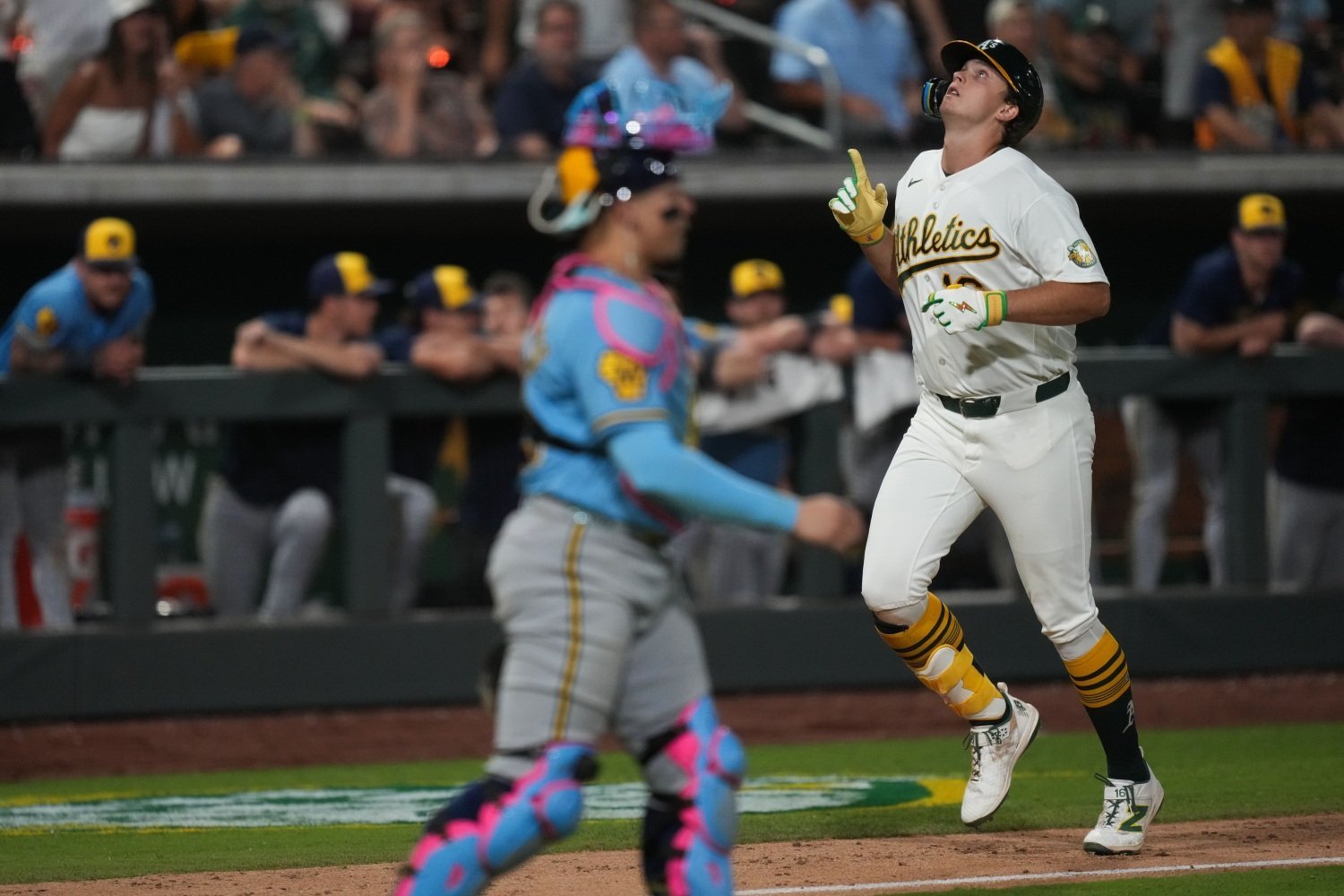 Give the Brewers credit. (Probably, you were already, but give them even more.) Four games into a six-game road trip designed to destroy them, they're 4-0. They hung on to win a preposterous 15-14 decision against the Athletics in Las Vegas Monday night, with two runs in the seventh inning, one in the eighth, two in the ninth, four in the 10th and one in the 12th. Somehow, they got one day closer to their fourth straight division title. They specialize in this. When there's adversity at hand, they ratchet their game up just enough to meet and overcome it. They're ahead of schedule, yet again. However, even after just one game in the Nevada desert, it's clear that the schedule-makers did the team dirty here. Earlier this season, many Brewers fans lamented the surfeit of early off days in the team's schedule, which will lead to a dense schedule and little rest in the second half. That was partially by the Brewers' own design, though. They get input into the structure of their schedule; every team does. It seems safe to say, however, that the team didn't sign up for this trip. Nor does the league appear to have properly thought it through. After three games at the pitcher-shredding mountainside pasture of Coors Field, the Brewers had to fly right to Vegas to play in what turns out to be an equally destructive environment, or nearly so. Vegas is nowhere near the elevation of Denver, but the heat (Monday's contest had an official game-time temperature of 87°, despite starting at 7:05 local time) makes up for the loss of altitude. The Brewers were outhomered 7 to 4. Four balls were hit at least 440 feet. Brewers hurlers struck out 20 A's batters, but it still took seven arms to limp to the finish line. The Gravitron (Kyle Harrison) crashed, thanks to the disruption of gravity itself: his fastball had 3 inches less induced vertical break than his season average. The same was true for A's starter Jeffrey Springs, and for the four-seamers of Grant Anderson and Chad Patrick. Las Vegas isn't just a tough place to pitch. Until the team can finish building a stadium that mitigates some of the environmental effects better, it's a second Coors. The A's don't normally play there, of course. This is something akin to exhibition baseball, but the only way to get a big-league team to agree to play against the eventual Vegas residents there was to make the contests count. Putting a trip to this version of Vegas right behind a weekend at Coors, however, was a mistake by the league for which the Brewers will pay a heavy price. At a glance, the team's bullpen picture doesn't look that bad, save for the hit it took Monday: THU FRI SAT SUN MON TOT Ashby 0 18 0 0 36 54 Anderson, G 0 0 19 0 28 47 Patrick 30 0 0 21 8 59 Kuhnel 16 0 0 0 20 36 Rom 0 0 17 0 25 42 Uribe 0 0 0 0 15 15 Crow 70 0 0 0 0 70 Megill 0 18 0 0 0 18 Remember, though, that this is not the team's 'A' bullpen—not by a long shot. They've suffered a series of injuries this year, and a cluster of them recently. They've swapped out multiple tired arms for fresh ones. Now, they're a little bit roster-locked, trying to get by with the group on hand, and they only have two truly fresh arms going into Tuesday night. One of those is Megill, who hasn't pitched since Friday. Either the team is hiding something that's nagging him, or—and this is more likely—Pat Murphy correctly saw what was happening to pitchers' fastball shapes Monday night and realized Megill would be a poor candidate to pitch well in Vegas. There are two games left in the series, though. Will Megill simply sit them out? Coors Field rips pitching staffs apart for as much as a week after a tough visit, and though they swept the Rockies, the Brewers had a tough visit, indeed. Now, they have to try to survive what looks to be a second straight series under nigh-impossible conditions in which to pitch well. This is all also happening just as the average drag on the ball drops precipitously, league-wide. Lately, the ball has gotten a whole lot more lively, and whether it was intentional or not, the league sent a team on a road trip into Coors and Coors Light to throw balls that are much readier to fly out of the park, anyway. Yes, the Rockies just have to live this way. They also get the benefit of acclimation, though, and can build (though rarely have built) a roster with their home park and its quiddities in mind. The Brewers have no such recourse. They'll still get through this, as their record to start the trip proves. They'll win the division again, and they might play deeper into October this team. They're a very good team. But this was very bad scheduling, and the league made one of its best teams do some needless gymnastics this week. It's not over, either. More roster moves resulting directly from this brutal week lie ahead. View the full article
 -
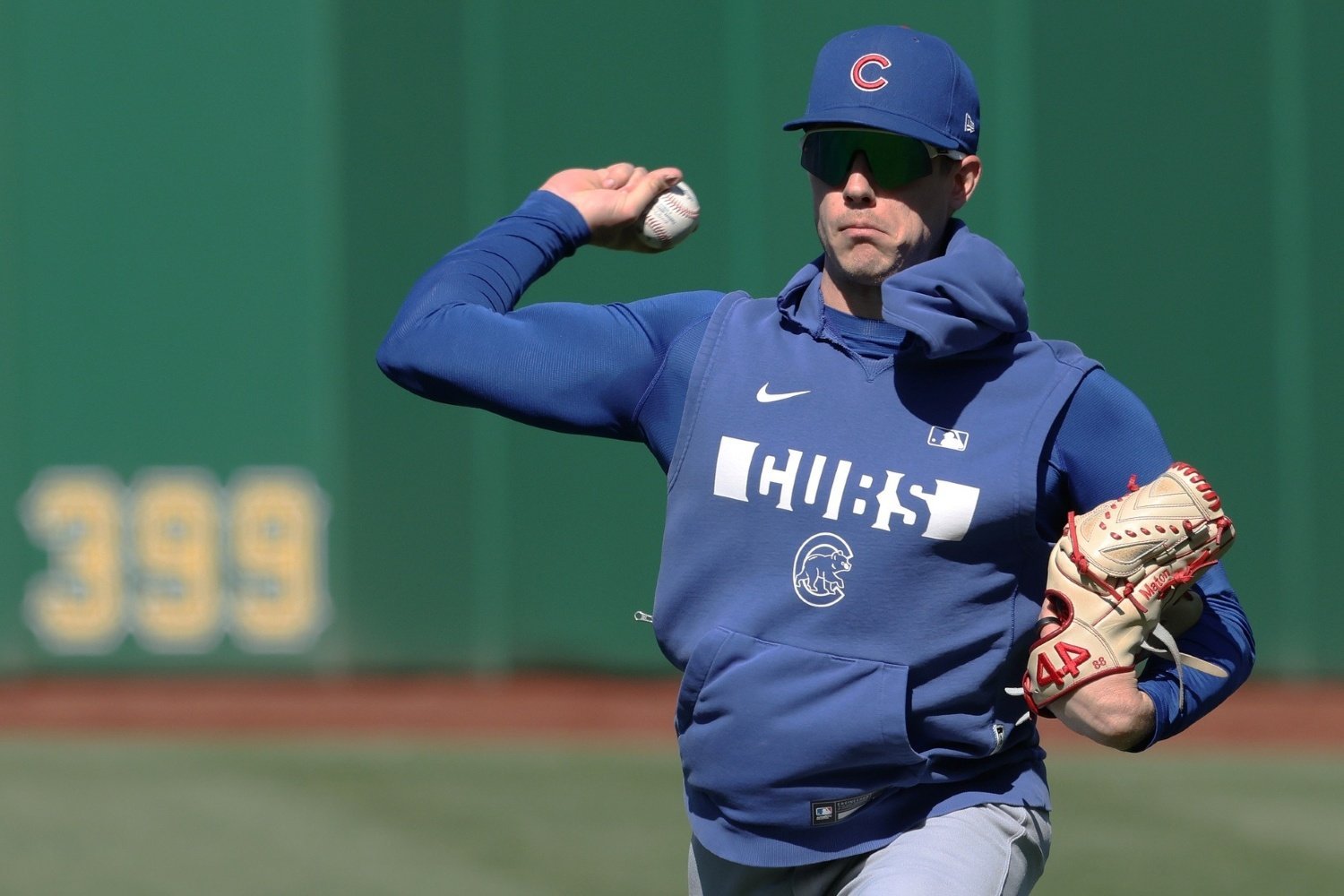 One constant in the Jed Hoyer era, as middling as it has been, is the constant churn of bullpen arms. The Cubs have not been able to consistently develop arms internally, despite the much-ballyhooed Pitch Lab; Tyler Zombro being hired from Tread Athletics; and copious amounts of money poured into the IVY model. The bullpen has not been stable for years. So what's going on? Why do fans, year after year, have to watch a bullpen flounder for a couple of months? THE 2023 MIRAGE For an analytically savvy front office, they have a shocking history of bringing back relievers after a good season that was obviously an outlier, even in real time. Since 2023, there's been a parade of mediocre relievers brought back after career seasons: Mark Leiter, Jr.: Age 32, 77 K in 64 IP, 3.52 ERA. Next season: 4.21 ERA, traded to Yankees Julian Merryweather: Age 31, 3.38 ERA, 98 K in 72 IP. Due to injuries, has not pitched 72 innings in his other four seasons combined. Adbert Alzolay: 22 Saves, 67 K in 64 IP. Next season: 4.67 ERA, eventual Tommy John surgery Jose Cuas: 3.04 ERA, 19 K in 24 IP. Next season: released with 7.43 ERA in 13 IP These guys were the backbone of the 2023 surprise bullpen, and all were brought back for the next season. At the time, fans weren't exactly clamoring for them to be replaced. But they all had red flags. Alzolay and Merryweather had just completed the only healthy season in their careers. Cuas had always had massive control issues, and Leiter is simply not a high-leverage reliever. All were brought back in 2024, and their season was lost before the bullpen could be fixed. THE UNLEARNED LESSON Now, in 2024, they did save the pen with Tyson Miller and Jorge López, both of whom moved on and have not pitched consistently in the major leagues since then. But then: Porter Hodge: 1.88 ERA, 9 saves, 52 K in 43 IP. Since then: 33 IP, 6.27 ERA Héctor Neris: No. We don't want to relive that. But he was the big signing. Nate Pearson: deadline move, 2.73 ERA. Released in 2025 with a 9.20 ERA. So, this was supposed to be Hoyer's strong suit. Neris didn't work out and was cut loose. Hodge and a bunch of people off the scrap heap somehow cobbled together a solid bullpen. While the team in 2024 only won 83 games, it emboldened Hoyer to scrimp and save on the bullpen for another year. Now, an observer would notice that it did work, and also point to other pitchers' struggles as proof of concept for Hoyer. Tanner Scott, for example, pitched to just a 4.74 ERA after signing his four-year, $72-million deal in 2025. Bryan Abreu, long a co-ace in the Astros' pen, is struggling this year to a 7.17 ERA. Due to the nature of their work, even the most stalwart bullpen arms can have down seasons. Injuries are a huge factor, too. Edwin Díaz is on the shelf for months because of an elbow issue. Josh Hader just returned after spending the first two months on the IL. To counter this, at least Scott and Abreu had long bodies of work to support keeping them around. Guys like Leiter (4.62 career ERA) or Merryweather (yearly injuries to the pitching arm) were relied on for the Cubs at the same level that Scott is. And to be fair to Scott, he's rebounded this year with a 2.36 ERA and is serving as the Dodgers' first option at closer (even if that's only because of Díaz's absence). Reliable arms aren't cheap or sure things, but they are more reliable than pitchers like Hunter Harvey or Neris. The elite sheer stuff of those pitchers sets a high floor for them, too. When you gamble on Leiter's 90-MPH heater and floater of a curve (even if it comes with a great splitter), you're drawing to a straight. When you do it with a guy who throws 98 and has a plus slider, you're betting with a strong pair in the hole. THE 2025/26 LOOP CYCLE Now for some 2025 relievers: Caleb Thielbar: 38 years old, 2.64 ERA. This year: 4.20 ERA and 4 homers allowed in 15 IP Ryan Pressly (bad), Ryan Brasier (meh) and Drew Pomeranz (not bad) brought in at 36-37 years old. To the front office's credit, all now elsewhere. Even Colin Rea has pitched to a 4.59 ERA this season, after 3.95 last year. And do we have to mention Phil Maton, a 33-year-old on his sixth team in three seasons, or Hunter Harvey, who (of course) is injured? Hoby Milner at age 35, with an ERA over 4.00? Hoyer gets credit for the Jacob Webb signing, which is turning out nicely, and he did spend a bit of real money to bring in Maton and Harvey, whose track records are stronger than past targets. It's a bit like being told to clean your room and stuffing everything into drawers and closets, though, and we've seen that sitcom moment where the closet is opened and red rubber balls bounce out like they'd been stuffer in there with a pant and a heave. The common thread is expecting, or hoping, that relievers can repeat career years in their 30s. Bullpens are notoriously volatile; relievers in their mid-to-late 30s are even more so. Hoyer continues to treat temporary success as stable, repeatable production. Until this changes, Cub fans can expect to ride even more early-season roller coasters of relief production in the future. Until the team can shore up its pitching development infrastructure and build good, hard-throwing relievers from within, though, Hoyer has no choice but to do some version of this. He's claimed or purchased Doug Nikhazy, Tyler Ferguson, Luis Peralta, Eduarniel Nuñez and Christian Roa, just within the last six weeks. So, the questions are: Can any of those guys help this team survive this year? Will the Cubs ill-advisedly bring back any of them, if so? And (worst and scariest but certainly most important): Can a Hoyer-led front office ever fix the team's developmental woes? View the full article
 -
Buy or sell, Miami Marlins need to fix Pete Fairbanks ASAP
DiamondCentric posted an article in Fish On First
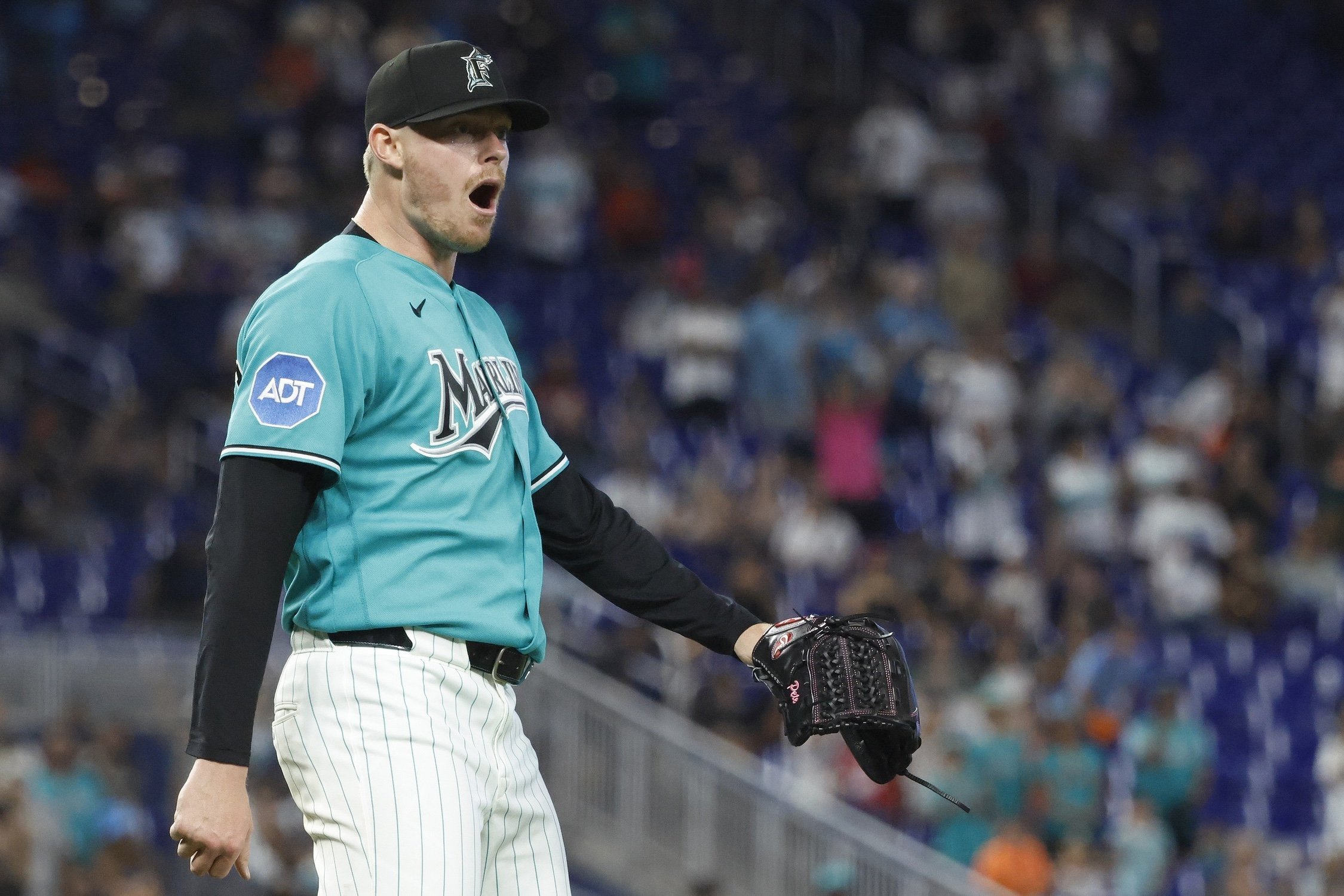 Maybe the Miami Marlins make a run for an NL Wild Card spot. Maybe they don't. One thing is for certain though. The Marlins need to find the Pete Fairbanks they paid for this winter. Obviously, the Marlins made this particular $13 million investment with an eye towards building upon last year's success and making a much more realistic playoff push this season. With plenty of June remaining, that remains the club's goal, even with the decimation of Miami's starting pitcher ranks over the past few weeks. Given that starting pitching depletion though, it's easy to see how an All-Star caliber closer would come in handy right about now for the Marlins. Unfortunately, Fairbanks has been anything but his All-Star self so far in 2026. The chief culprit? Way too many walks. Fairbanks is being dragged down by a ghastly 1.529 WHIP that would be his worst showing since his 2019 rookie campaign if the season ended today. Paired with what would be career worsts in ground ball rate (22%) and exit velocity (91.8), the story basically writes itself. More balls are getting hit in the air, balls are getting hit harder, more balls are leaving the yard, and the result is a 7.41 ERA that is inspiring very little confidence at the moment. So little, in fact, that two different Marlins pitchers have secured their last two saves, including Tyler Zuber 's career first when he had to bail Fairbanks out of another near disaster this past Saturday. And yet...his xERA is a respectable 3.60 number that is just a tick higher than his 3.44 career norm. Balls are getting hit harder, but his hard-hit percentage is at its lowest rate since 2023. K/9? Still pretty good. K minus walk? Strikeout rate? Swinging strike rate? All in line with previous, successful seasons. Then throw in the fact that three of his four worst outings can be hand-waved away as a result of weird usage, a very long layoff, childbirth, and/or injury. If even one of those had gone differently, Marlins fans are probably singing a very different tune right now. It really doesn't seem far fetched to think that things could turn around. Which is something the Marlins desperately need to happen. Again, that's a pretty self-explanatory take for those of you that still believe the 2026 Miami Marlins can make a run at the postseason. Having an elite closer was supposed to be the difference between the 2025 club and this year's model—the lack of one being a major factor in last year's push coming up short. Fairbanks righting the ship at a time the bullpen is being pushed harder than ever would go a long way in keeping those original 2026 dreams alive. However, Fairbanks getting right goes much deeper than just helping the wins outnumber the losses the rest of the way. For one, at some point, you have to think Bruce Sherman might start to notice the lack of return on investment Peter Bendix has been getting from his free-agent signings. Bendix has done an excellent job in many respects, but the free-agent track record has been shockingly bad. Now, you could fairly object that good players tend to cost real money. But then again, you (probably) aren't Bruce Sherman. Christopher Morel, Austin Slater...these are minor misses even for the Miami. Chris Paddack? Nobody's perfect. Fairbanks and his $13 million, though? That was a massive swing for this franchise, and thus far, Sherman would have been better off either setting that money on fire or trying to move from second to first in the race for MLB's biggest weight room. If Fairbanks is a bust as well, then it's not hard to imagine Sherman losing confidence in his general manager. No matter how that would play out, it's likely bad for Miami. Be it retightening the purse strings, considering another front office change, or both, it would be a big step back for the organization. Frankly, it's hard to see how this wouldn't negatively impact future Marlins payrolls unless either a salary floor does come to MLB or Sherman really only cared about spending enough this winter to keep MLB revenue sharing investigators happy. All of that though is pretty hard to quantify, speculative stuff. What is not hard to quantify is what a blow it would be to the Marlins organization if Fairbanks isn't at least good enough to flip for a more controllable asset this summer. Making the playoffs was certainly the hope for the 2026 Marlins, but it can't ever have been the expectation for the front office. Signing a top closer made all the sense in the world this winter in anticipation of eventually flipping him for a shiny new prospect if things didn't work out come trade deadline time. Because you know Bendix is going to be moving someone. There are too many holes on this roster, and that's just not how he operates. If it can't be Fairbanks...then it's going to be someone Marlins fans care a lot more about. Which won't be good for anyone. Bottom line? No matter how these next couple months go, the Marlins need to see some vintage Fairbanks between now and August. View the full article
 -
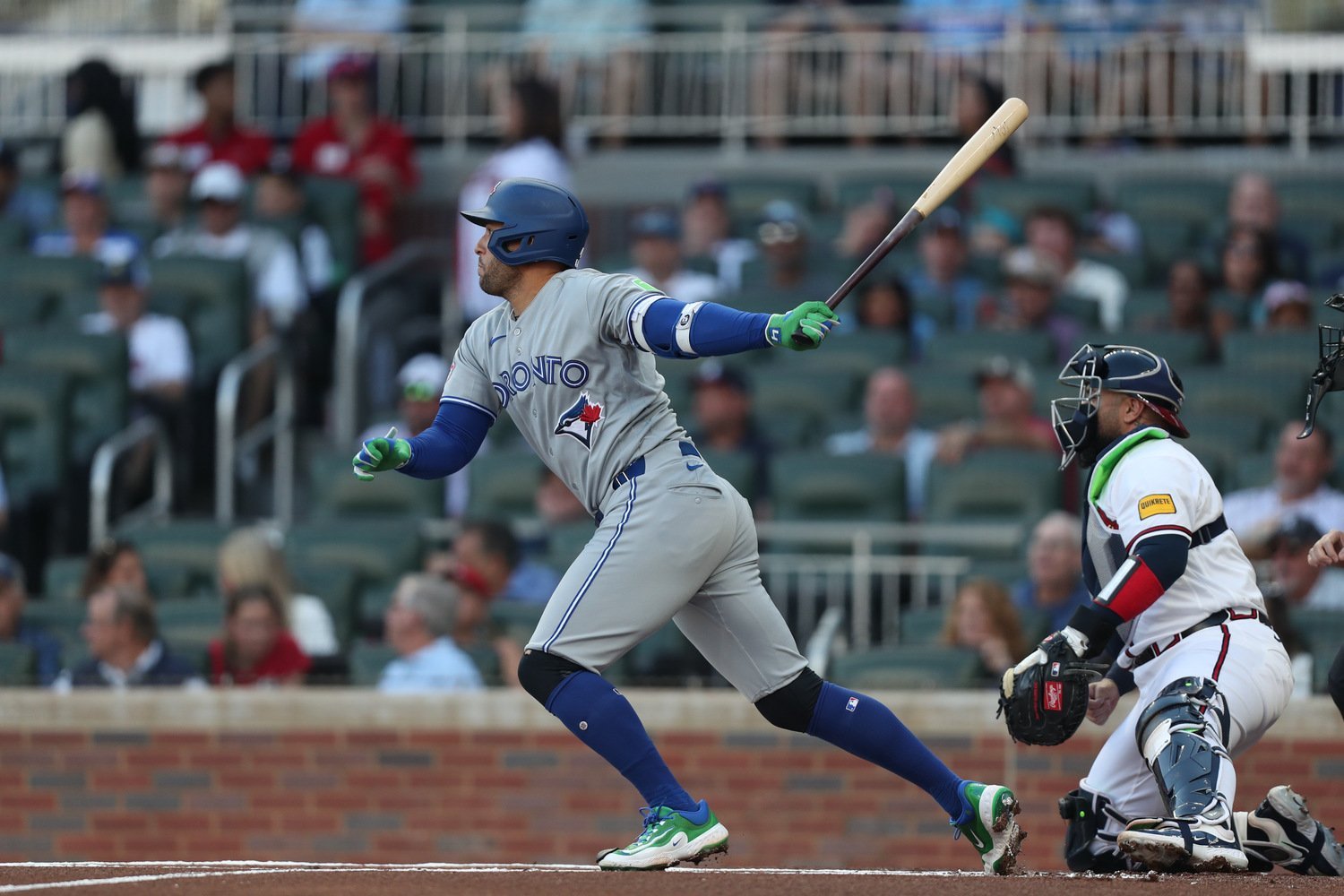 There is comfort in predictability. For the Toronto Blue Jays, that comfort has long extended to the lineup. Under manager John Schneider, much like during the most stable years of Cito Gaston’s tenure, the batting order is not something players walk into the clubhouse guessing about. It is set, it is trusted, and for years it has worked. But the thing about consistency is that it only holds when the results justify it. Through the first 67 games of the season, the Jays sit at 32–35. Their offensive production has reflected that stagnant status. The Blue Jays are scoring 4.09 runs per game, which places them in the bottom third of the league. Their team slash line of .249/.312/.375 does little to suggest a dominant lineup, even if there are pieces performing at a high level. A lot of factors went into the team’s magical run last season, but there is little doubt that George Springer played a big role. After a down year in 2024, Springer seemed to return to his former self last season. He has always been the prototypical modern leadoff hitter: power, experience, a willingness to grind out at-bats, and a reputation built on postseason moments have made him a fixture in that role. This year, not only has his output returned to earth, but the attributes that once made him such an effective leadoff hitter have simply not been there. Springer is hitting just .202 with five home runs and 14 runs batted in through his first 46 games of the season. His on-base percentage sits at .283, and his OPS checks in at .626. Those numbers aren’t catapulting this offense anywhere. It is clear that Springer's legendary toughness is working against him, as playing through a broken toe is visibly disrupting his mechanics and taking its toll. Instead of forcing him to push through the discomfort in the most highly exposed spot in the order, it might be time for a return to the IL. Not only would a temporary reset allow him to heal properly and find his mojo, but it would clear a roster spot for surging rookies like Yohendrick Piñango or Brandon Valenzuela once Addison Barger and Alejandro Kirk return. The arithmetic behind a lineup change is simple: The leadoff spot receives roughly 60 to 75 more plate appearances over the course of a full season than hitters further down the order. It is not just about who starts the game, it is about maximizing your best offensive weapons. The Blue Jays, for all their adherence to consistency, are not blind to these realities. They have experimented at times in 2026, albeit in small doses. But those experiments have felt more like temporary adjustments than a genuine willingness to rethink the structure. What makes the current situation particularly interesting is that the rest of the lineup offers high-upside alternatives. Vladimir Guerrero Jr., for example, has been exactly the type of hitter you want near the top of the order. He is batting .282 with a .372 on-base percentage and 38 runs scored. His ability to get on base and control at-bats stands in stark contrast to Springer’s struggles. Guerrero is not the traditional speed-first leadoff hitter, but that is increasingly irrelevant in today’s game. The goal is traffic on the basepaths, and Guerrero has been providing exactly that. Meanwhile, Ernie Clement is quietly putting together one of the most consistent offensive seasons on the team, carrying a .309 average and an impressive .801 OPS. Nathan Lukes is hitting .313 with a .361 on-base percentage in limited action. Deploying Guerrero out of the leadoff spot, for example, would maximize his elite on-base skills, but it requires a tactical shift lower down. Considering Guerrero still hasn’t fully found his home run swing, batting him first creates a desperate need for contact and power immediately behind him. Following Vlad with high-contact bats like Clement or Lukes keeps pressure on opposing pitchers, while allowing middle-of-the-order run producers like Kazuma Okamoto or the rookies to clear the bases. If the sequence is optimized, the lineup immediately becomes more dynamic. Right now, the status quo just isn’t working. Springer has been a below-average hitter so far this season, as illustrated by his wRC+ of 78, which is well below the league-average benchmark of 100. His OBP and wOBA are more than 100 points below where he finished last season. Schneider can frame moving Springer down as an optimization of his strengths. In a lower-pressure spot, he could focus more on driving the ball and less on setting the tone. At the same time, moving a higher on-base hitter to the top could result in fewer games where the Jays need to come from behind. The Jays have been looking better over the past couple of weeks, but they still can’t seem to find consistency. Far too many games are seeing the Jays not showing life until the fifth or sixth inning. Sure, pitching has been weathering the storm, but eventually, it won’t. Then what? The Jays need to find some offensive life, and right now, that is not George Springer. The Blue Jays have spent the first half of 2026 searching for sustained offensive rhythm. They have the pieces. The underlying talent is evident. But the alignment has not quite clicked, and the top of the order is a logical place to start. Flip a couple of names and see how the lineup responds. Consistency is a powerful tool. It builds trust and fosters confidence. But in baseball, as in anything else, it can also be a barrier. When the results stop, adjustments are needed. It feels like the Jays are approaching that point. If they are serious about turning an up-and-down season into something more, the conversation about Springer and the leadoff spot cannot remain theoretical much longer. View the full article
 -
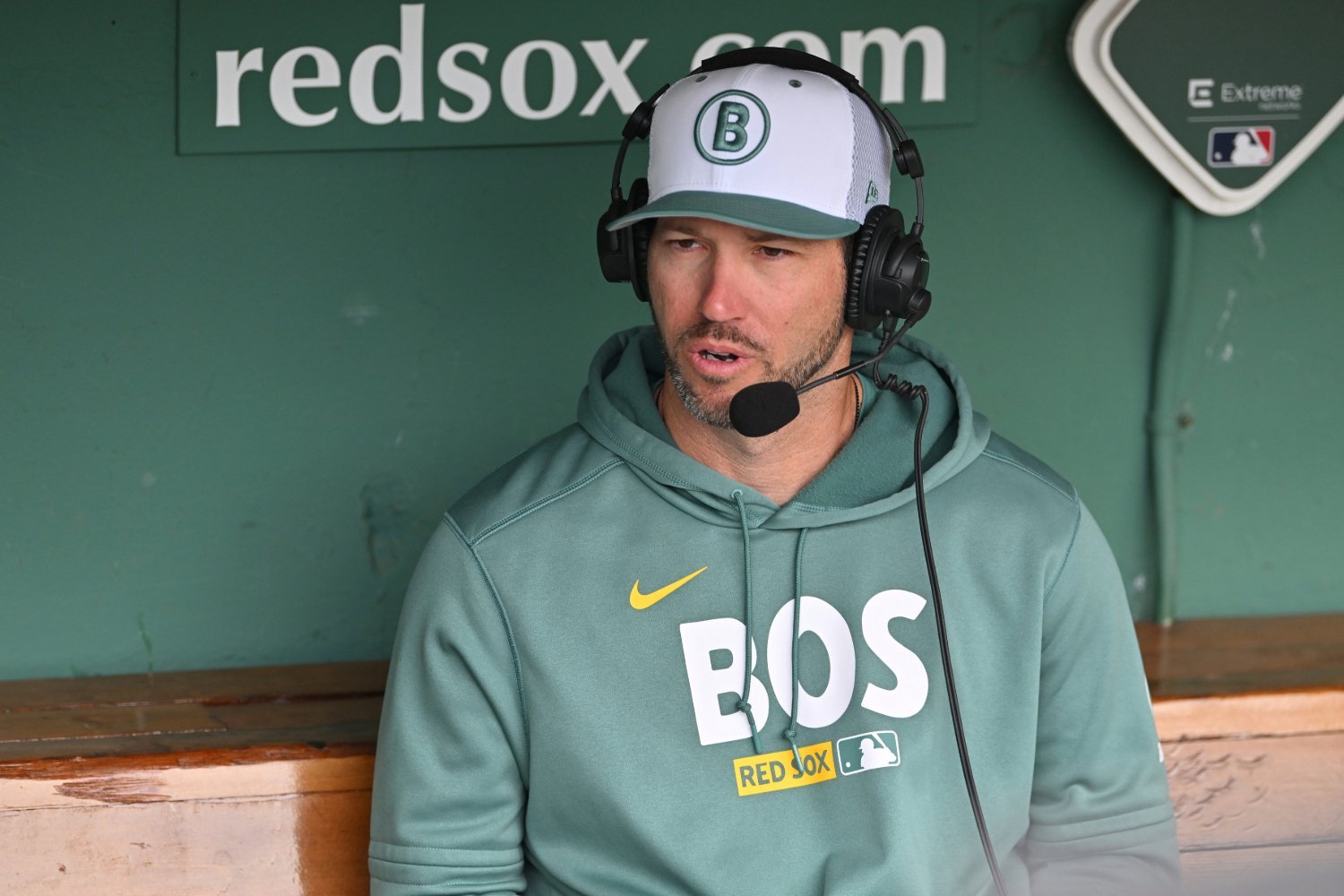 The Major League Baseball calendar has turned to June and as the Boston Red Sox prepare for the summer heat, they may be starting to feel like a crossroad is coming their way in terms of how to approach this year’s trade deadline, which occurs later than usual on August 3. On one hand, you have the fact that the American League still stinks, with just five teams over .500 at the time of writing this, one of whom is the Chicago White Sox. After that, the 27-36 Red Sox find themselves just four games back of the final playoff spot, currently held by the sub-.500 Texas Rangers. Boston, of course, would also have to leapfrog the Astros, Twins, Orioles, and Athletics to get there, but the task isn't as surmountable as you may believe. On the other hand, though, they have still struggled to gain any momentum in the crowded AL playoff picture thanks to consistent sub-.500 play as a whole, including a league worst 10-21 record at home, and 13-19 record against teams above .500. If this play continues as we inch closer to the trade deadline, and no ground can be gained on any of the aforementioned teams the Red Sox are chasing, it would be a borderline disservice not moving on from the following names. Ranking Red Sox's 3 Best Trade Pieces Aroldis Chapman 20 G, 0-1, 0.46 ERA, 19.2 IP, 26/9 K/BB, 1.99 FIP, .134 AVG, 13 Saves, 0.8 fWAR Maybe the most obvious name on the list of players the Red Sox should be looking to deal if they are sellers is their All-Star closer Aroldis Chapman. Chapman is currently on a one-year, $13.3 million contract with a conditional mutual option for 2027, which becomes guaranteed with 40 IP in 2026 plus a passed end-of-year physical. The deal also comes with a $300,000 buyout, and he has already begun garnering interest as USA Today Sports’ Bob Nightengale reported last month that the “San Diego Padres are eyeing the veteran reliever on the trade market.” While it would without a doubt be tough to see Chapman go and probably signal the waving of the white flag on 2026, his dominant performance and expiring contract makes him a chip the Red Sox must cash in on if they find themselves out of the playoff race come August. Chapman himself is no stranger to a deadline move, as fans will recall he was dealt at the 2016 trade deadline from the Yankees to the Cubs in exchange for RHP Adam Warren, outfielders Billy McKinney (ranked No. 5, in the Cubs system), and Rashad Crawford, and a 19-year-old shortstop by the name of Gleyber Torres who was not only Chicago’s top prospect, but the No. 24 prospect in all of baseball. Now, even though the Yankees were shipping out a 28-year-old version at the time as opposed to the 38-year-old one that the Red Sox would be moving on from, his production this season isn’t all that far off from where it was back then as Chapman finished 2016 with a K% of 40.5%, a whiff% of 36.8%, and a chase% of 32.5%. Fast-forward 10 years and outside of an understandable drop in average fastball velocity from 101.1 to 97.4 mph, his K% (34.7%), whiff% (33.3%) and chase% (32.2%) all still register as great to elite. If the Red Sox are serious about moving Chapman, then the asking price, even with his age and contract situation, should still be high. If the Padres are the team to come calling for instance, then one of their top two prospects -- catcher Ethan Salas (No. 51 in MLB) or left-handed pitcher Kruz Schoolcraft (No. 90) -- would be a great prize, As for a potential framework to go off of from last year’s deadline, while more upper-echelon arms closer to Chapman’s stature like Jhoan Duran and Mason Miller were moved, the deal to look at that fits a similar situation, i.e. a big arm on an expiring deal, is the Ryan Helsley trade. The Mets acquired Helsley, who had a 3.00 ERA and 41 strikeouts over 36 innings from the Cardinals for two top-20 prospects according to MLB Pipeline in infielder Jesus Baez (No. 8) and right-handed pitcher Nate Dohm (No. 14), as well as right-hander Frank Elissalt. If he does in fact become available, teams will be lining up for Chapman’s services and the Red Sox would be foolish to come away with anything other than a king’s ransom if a bidding war breaks out. Sonny Gray 11 G, 7-1, 3.20 ERA, 56.1 IP, 44/16 K/BB, 3.94 FIP, .252 AVG, 0.8 fWAR The second of Boston’s expiring contracts that makes the most sense to move on from is veteran starter Sonny Gray. Much like Chapman, there is a mutual option for 2027 with a luxury tax cap hit of $25 million and buyout of $10 million that gets forfeited if the Red Sox exercise the option but Gray opts out. While he hasn’t been the strikeout pitcher he was advertised to be when the Sox acquired him from St. Louis this offseason, seeing his K% drop from 26.7% to 19.9%, he’s seemingly reinvented himself as a pitch-to-contact pitcher who’s excelled at avoiding hard contact with a Hard-Hit% of 33.8%, good for the 76th percentile and a far cry from his 40.7% and 48th percentile finish in 2025. Also similarly to Chapman, Gray is no stranger to being dealt at the trade deadline. Back in 2017, a 27-year-old Gray was traded from the Athletics to the Yankees for outfielder Dustin Fowler (No. 4 in the Yankees system), infielder Jorge Mateo (No. 8) and right-hander James Kaprielian (No. 12), none of whom were considered Top-100 prospects in MLB Pipeline’s eyes, but were each able to put together seasons in the big leagues throughout their careers, with Mateo seeing the most success and longevity. When it comes to moving Gray and what to realistically expect to get back, the Red Sox can use their own framework from what they gave up to get him: Young, controllable arms with big league experience like Richard Fitts, and those with upside potential like Brandon Clarke (No. 5 in the system). They could also look to a deal from last year’s deadline, when the Rangers acquired fellow veteran right-hander on an expiring contract, Merrill Kelly, from the Diamondbacks. Kelly, who owned a 3.22 ERA over 22 starts at the time, was sent south for left-handed pitchers Kohl Drake (No. 5 in the Rangers system), and Mitch Bratt (No. 9), along with right-handed pitcher David Hagaman (No. 13). If a team comes calling offering up three top-20 prospects for the services of Sonny Gray, or a similar package that includes a young player who can help the Red Sox now, Craig Breslow should jump at the opportunity to collect on a veteran arm with no long-term future in Boston. Isiah Kiner-Falefa 31 G, .267/.327/.333, 85 wRC+, 4 SB, +5 OAA, 0.7 fWAR This final trade piece may come as a surprise to those looking to see Jarren Duran or Willson Contreras on this list. While those deals would make sense -- a Duran trade would finally put an end to the outfield logjam if and when Roman Anthony returns, and you could possibly get a haul the way Contreras is producing -- don't expect the front office to blow up the foundation they built over the last few years just because of one bad half of baseball. Enter an alternative option on another expiring contract who has had trade deadline experience before: Isiah Kiner-Falefa. Such a trade may have seemed like a laughable proposal coming out of a March/April run that saw him hit just .229 with an OPS+ of 44 and wRC+ of 38, but the man who said he was fighting for his career found a way to drastically turn things around in May, slashing .385/.467/.513/.979 with one home run and eight RBIs. He forced his way into a lineup starving for production and may get some looks from contenders after all. When Kiner-Falefa was brought in on his one-year, $6 million deal by the Red Sox, the belief was he’d be a solid utility infield option that also possessed a strong veteran leadership presence and postseason experience fresh off a trip to the World Series with the Toronto Blue Jays. Look around the current playoff landscape as of today and you’ll see plenty of young or inexperienced teams such as the Cardinals (26.7 years old on average), White Sox (27.4), Pirates (27.5), and Athletics (27.5), all in the top 10 of the youngest teams in the league, volleying for playoff positioning and potentially looking for a veteran who knows what it takes to win in the postseason. Factor in some of the more experienced squads like the Dodgers, Braves, and Padres who may just look to fill out their rosters with an additional piece, and Kiner-Falefa could be a name that surprisingly works for a lot of teams. In terms of what he could bring the Red Sox back in return, the Blue Jays and Pirates may have painted the picture back in 2024, when he was dealt from Toronto to Pittsburgh for minor-league utility man Charles McAdoo, who since the deal has turned into a top-30 prospect with the Jays (No. 25). If Boston truly does fall out of contention as we approach the August 3 trade deadline, it is imperative they identify which players they see as long-term pieces that can help the club’s future and which ones, especially these three listed, they should move on from in order to set themselves up for the most success moving forward. View the full article
 -
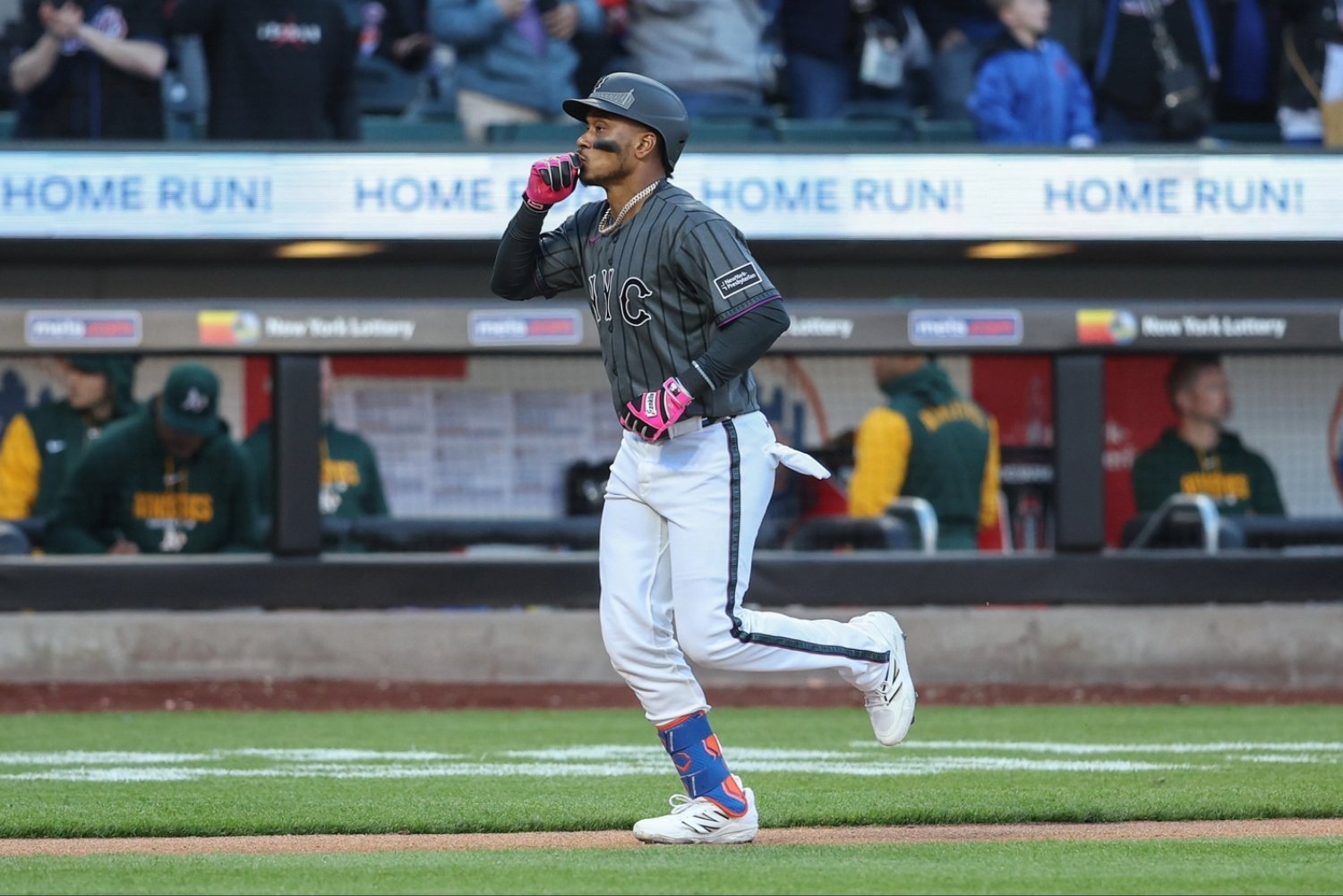 The New York Mets opened their season on March 25. Just five days later, it was reported for the first time that Jorge Polanco, their offseason signing to play first base most days, was dealing with a ‘minor’ Achilles issue. He was on and off the lineup, and on April 9, manager Carlos Mendoza said Polanco might require a trip to the injured list. On April 17, news broke that the infielder and Silver Slugger Award finalist last year with the Seattle Mariners was also dealing with a right wrist injury, an ailment that ended up sending him to the injured list a day later. He played his most recent MLB game for the Mets on April 14. Polanco has suffered a setback on his road to recovery, re-aggravating his ankle. It's unknown when he'll return to the Mets at this point in time, but his continued absence is a frustrating development. The timeline of his first symptoms and placement on the injured list was important for us to explain because they give us a better idea about the reasons behind the player’s rough start to his Mets’ tenure. It's Impossible to Separate the Injuries from Jorge Polanco's Performance Polanco hit .179/.246/.286 with one home run in 14 games and 61 plate appearances. His 53 wRC+ is way worse than the 132 mark he had last year in Seattle. It’s hard to get going with two annoying injuries nagging all the time, though, and also while learning a new position. Still, big things are expected from Polanco, especially since he set the bar so high last year. If he’s truly healthy, he still has time to turn his season around and start producing like the Mets and fans would want him to. That’s the first and most important thing on his priority list: get fully, 100 percent healthy. Once he has done that, we can start focusing on what he needs to do to actually improve on that awful stat line. As you can expect from a player who has experienced such a big drop-off in performance, Polanco’s numbers against every type of pitch have gotten worse. His struggles against fastballs, however, are stunning. Fastballs Were Killing Jorge Polanco He hit .277 with a .542 slugging percentage and a .372 xwOBA vs. fastballs last year, but this season, he is at .083 with a .083 slugging percentage and a .249 xwOBA. He has been much better against breaking balls (.284) and off-speed pitches (.288) without being particularly good at any of them, and keep in mind that the sample available is tiny. However, heaters have killed him. The origins of his struggles against fastballs this year might actually be tied to his Achilles injury. The legs are the foundation of a batter’s swing, and Polanco’s Achilles has been compromised virtually all year. Once he's closer to full health, expect him to pick it up against the most frequently thrown pitch in the league. Polanco was actually hitting lots of line drives (31.1 percent) and pulling the ball in the air at a high rate, so the ingredients for a rebound are there as long as he can improve his timing against fastballs. We shouldn't expect an immediate return to his 2025 form upon returning. That level of offensive excellence takes time, and Polanco hasn’t really had a chance to get into a groove. His latest setback may prevent that from ever happening, but with some luck, he can still make a positive impact on the Mets in 2026. View the full article
 -
 TRANSACTIONS The Minnesota Twins signed free agent RHP Failin Placencio to a minor league contract and assigned him to the DSL Twins. Cedar Rapids Kernels send OF Caden Kendle on a rehab assignment to FCL Twins. The Twins traded #OldFriend Cash Considerations to the Arizona Diamondbacks for RHP Taylor Rashi. SAINTS SENTINEL After a week at home in which the Saints went 5-1 against Indiana, the team will head on the road to face the Toledo Mud Hens. One of the highlights of the week will be the Saints lineup facing a scheduled rehab start by veteran starting pitcher Justin Verlander. At age 43, Verlander saw one outing with the Detroit Tigers before facing injury. In that one start, the right-hander only completed 3 2/3 innings and allowed five earned runs. Another name to watch from the Toledo side is top organizational prospect CF Max Clark. As a 21-year-old, Clark is hitting .257/.341/.390 (.731) to this point in 2026. Clark is certainly a player the Tigers hope Twins fans will have to see a lot of in the years to come. Alan Roden is also on rehab assignment with the FCL Twins and could be returning to the Saints soon. Before going down with a shoulder injury, Roden was hitting .275/.425/.464 (.889) for the Saints. WIND SURGE WISDOM The Wind Surge did not have a good week. They went 1-5 while hosting San Antonio. They will leave Wichita for Tulsa this week, hoping to regain their winning form. As the Wind Surge visit Tulsa, they will face three top ten outfield prospects for the Los Angeles Dodgers. Josue De Paula leads the way for the Dodgers prospects. The 21-year-old left-hander is hitting .319/.420/.551 (.971) with 10 home runs. Fellow left-hander Zyhir Hope has also been hitting well with power, hitting .294/.351/.528 (.879) with 13 home runs. Rounding out the trio is right-handed hitting Mike Sirota, who has hit .339/.488/.602 (1.090) with 10 home runs of his own in 2026. KERNELS CHRONICLE The Kernels managed a 2-3 week, with a Sunday rainout, as they hosted the Wisconsin Timber Rattlers this past week. This week, the Kernels travel to play the Lansing Lugnuts, an affiliate of the Athletics. The Kernels will face off against outfield prospect Devin Taylor. A left-handed hitting but right-handed throwing 22-year-old who is hitting .292/.425/.436 (.861 OPS). MIGHTY MATTERS Coming off a 4-2 week, Fort Myers will host the Dunedin Blue Jays. This version of the Blue Jays boasts two top ten organizational prospects who each play the left side of the infield. JoJo Parker is 19 years old, bats left-handed, and has been hitting .226/.373/.367 (.740). Parker is joined by 18-year-old Juan Sanchez, who is batting .226/.315/.384 (.699) for the season. FCL TWINS Twins 10, Braves 3 Box Score For the majority of Twins Territory, eyes were on the rehabbing Alan Roden, who started in left field for the FCL Twins. Roden went 2-for-3, with a double and a walk, driving in a run, and scoring a run, a positive development for Roden as he looks to return to the Saints soon. Roden was just a small part of the offensive output from the Twins as they scored 10 total runs on Monday. Catcher Miguel Caraballo had the biggest performance on the day. He went 3-for-4 with a home run, run scored, and three RBIs. Center fielder Teilon Serrano also homered for the Twins for his lone run but was on base two other times via walk and scored all three times he reached base. Hendry Chivilli rebounded from last Monday’s start, going 4 1/3 innings. He allowed no runs on three hits, no walks, and two strikeouts. Chivilli pitched in relief of the rehabbing Matt Barr who made his third rehab start in the FCL. He gave up two runs on three hits and a walk over 1 2/3 innings. He struck out three batters. Halton Hardy signed earlier in the week and made his affiliated debut. He gave up one run on one hit. DSL TWINS Twins 9, Mets Orange 5 Box Score The Mets were able to score first in Monday’s matchup with the Twins, but it was the Twins and their bats that would prevail in their 9-5 victory. The Twins were held scoreless by the Mets until the fifth inning when Abel Sosa hit a two-run home run for his third on the season, and Luis Duarte hit a solo home run, his first of the young DSL season. The pair of long balls put the Twins up 3-1. Duarte wasn’t finished displaying power with his homer in the fifth. The right-handed-hitting catcher hit another solo home run in the 9th inning to give the Twins an insurance run to go up 6-3. It was a Jhon Gonzalez double and an Enmanuel Merlo 2-RBI single that helped the Twins reach nine total runs scored for the day. Agustin Campusano improved on his opening start by going 3 1/3 innings, striking out five batters, issuing three walks, and cutting back to two earned runs from five last week. Miguel Martinez did an exceptional job once again in relief, tossing 4 2/3 innings, allowing two hits, one unearned run, walking two batters, and striking out five. Right-hander Aldwin Morillo recorded the save in ugly fashion, giving up two runs in the ninth before shutting the door on the Mets. TWINS DAILY PLAYERS OF THE DAY Luis Duarte: 2-4, 2 HR Hendry Chivilli: 4 1/3 IP, 0 ER, 3 H, 0 BB, 2 Ks TOP 20 PROSPECT WEEK IN REVIEW #2- Kaelen Culpepper (Saints)- .368/.478/.684, (1.162) 2 HR. #4- Connor Prielipp (Twins)- 1-1, 10 1/3 IP, 10 H, 6 ER, 3 BB, 14K #5- Eduardo Tait (Kernels)- .304/.386/.609 (.993), 1 2B, 2 HR #6- Dasan Hill (Kernels)- 0-1, 2 2/3 IP, 4 H, 2 ER, 3 BB, 5 K #7- Marek Houston (Kernels)- .375/.524/.750 (1.274), 2 HR #8- Riley Quick (Kernels)- 4 IP, 2 H, 1 ER, 0 BB, 6 K #10- Gabriel Gonzalez (Saints)- .176/.333/.176 (.510) #11- Charlee Soto (Kernels)- 1 IP, 2 H, 3 ER, 1 BB, 2 K. #12- Andrew Morris (Twins)- 1 GS, 4 1/3 IP, 9 H, 5 ER, 1 BB, 8 K #13- Hendry Mendez (Saints)- .292/.370/.417, (OPS), 1 HR #14- Quentin Young (Mussels)- .158/.182/.316 (.498), 1 2B, 1 3B #15- Brandon Winokur (Kernels)- .222/.462/.556 (1.017), 2B, 3B, HR #16 Ryan Gallagher (Saints)- 5 IP, 2 H, 0 ER, 4 BB, 4K #17-C.J. Culpepper (Saints)- 2 1/3 IP, 3 H, 1 ER, 2 BB #19- Khadim Diaw (Kernels)- .353/.522/.471 (.992), 2 2B #20- Kyle Debarge (Wind Surge)- .167/.318/.222 (.540), 1 2B TUESDAY’S PROBABLE STARTERS St. Paul Saints @ Toledo- RHP Ryan Gallagher Wichita Wind Surge @ Tulsa- TBD Cedar Rapids Kernels @ Lansing- TBD Dunedin @ Fort Myers Mussels - TBD FCL Pirates @ FCL Twins - TBD DSL NYY Yankees @ DSL Twins - TBD View the full article
 -
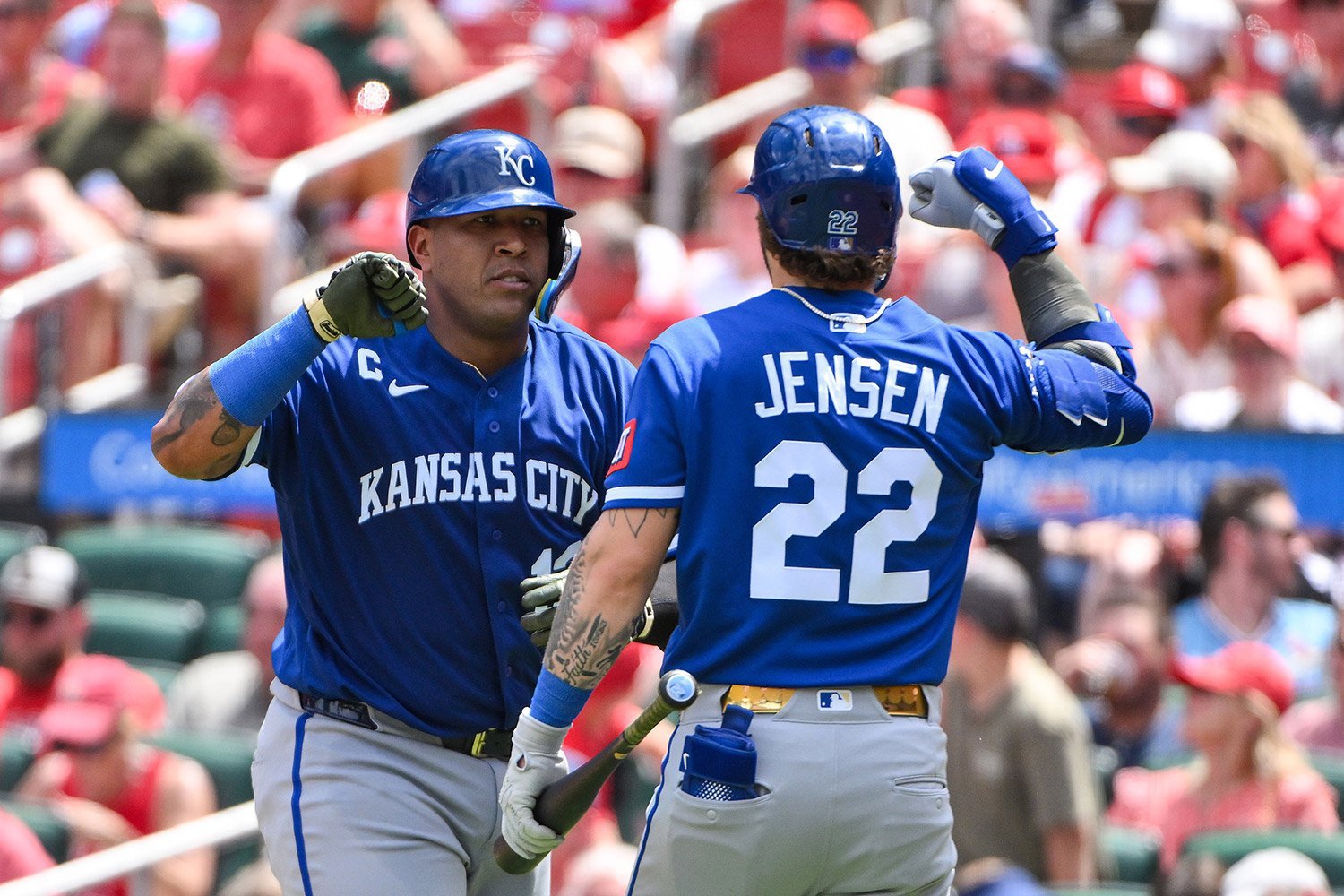 Salvador Perez has not gotten off to the best start of the season. After 61 games played, his slash line sits at .204/.254/.345 with a 61 wRC+, all metrics dropping from 2025 to 2026. His wRC+ marks also represent the lowest among all Royals hitters and 15 points below the next-worst hitter this season, Starling Marte. Among qualified hitters in MLB, Perez also has the 5th-lowest wRC+ and wOBA at 61 and .264, respectively. While Perez remains one of the most important figures in franchise history, his offensive regression and Carter Jensen's emergence have created a difficult question for the Royals. Is it time to reduce Perez's role in the lineup? Perez has seen a steep drop-off in most of the main Statcast metrics. His expected batting average and wOBA have both dropped to around the 20th percentile range after both being above the 80th percentile last season. His barrel and hard-hit rate have also taken a dip, along with average exit velocity. Even though he is still pulling the ball in the air at a high rate of 18.4%, it is a noticeable drop from his mark of over 26% in the past two seasons. His opposite field fly ball rate has jumped to 25.8%. This could be explained by his drop in bat speed from 72.9 mph last season to 71.4 mph this season. Failing to pull the ball in the air greatly decreases his power potential and makes it difficult to take advantage of the shorter fences in Kauffman Stadium’s left field. Given Perez's regression, the Royals need to accelerate the transition plan behind the plate. Perez has already begun to play fewer games at catcher and more games at designated hitter. He has already lined up as the DH in 28 games of the Royals’ 65 games this season. He is well on pace to break his 2025 mark, where Perez appeared as the DH in 38 games. Perez hasn’t seen as much regression behind the plate compared to his hitting. Last season, his blocking was well below average, where he saw -15 blocks above average. This season, he has been performing at expected levels and not allowing any excess passed balls or wild pitches. His pop time is well within his career average at 1.97, and he ranks 45th among the 71 catchers with at least 5 stolen base attempts against them. Perez’s framing is below average this season, but his framing has never been particularly good. The replacement at catcher may already be taking place. Jensen has started more games as catcher than Perez this season. While his numbers are not staggering on offense this season, he has been better than Perez at the plate. Jensen is currently slashing .211/.286/.381 with an 81 wRC+. That wRC+ represents the 8th-best among Royals hitters. Jensen is also one shy of the Royals' leader in home runs with 8. Defensively, Jensen has been more than serviceable behind the plate. His pop time of 1.91 ranks 20th among catchers with at least 5 stolen base attempts, and he has caught three more runners than expected. One area Jensen can improve on is his blocking. So far, he already has eight blocks below average. While Jensen has not yet established himself as the impact hitter in the Royals' lineup, he has outperformed Perez offensively and provided competent defense behind the plate. With Jensen earning more opportunities behind the plate, the Royals must decide how to best deploy Perez moving forward. Perez has the third most plate appearances among Royals hitters, and most of those plate appearances have come from the cleanup spot in the batting order. That is a lot of plate appearances in an important position for the worst hitter (according to wRC+) on the roster. On May 30, Perez was moved down to 5th in the order, but that was a temporary adjustment. One solution to giving Perez more time off would be to play him mostly against left-handed pitchers. Perez has a 123 wRC+ against lefties, 5th-best on the team. Compare that to Jensen, who struggles against lefties since he’s a left-handed hitter. When facing right-handed pitching, Perez has a 41 wRC+, more than 20 points lower than the next-worst hitter against righties, Lane Thomas. A sensible solution would be to transition Perez into the short side of a platoon with Jensen, primarily starting against left-handed pitching. What other options do the Royals have at designated hitter? Nick Loftin and Marte are players that the Royals have been mostly using as platoon options against left-handed pitchers. Their production against right-handed pitchers so far this season, though in smaller samples, has proven to be better than what Perez can offer. It would be worthwhile to give them more opportunities for regular at-bats. The baseball case for reducing Perez's role is straightforward. The human side of the decision is much more complicated. Perez is the captain and leader in the Royals clubhouse. Benching Perez could have unintended consequences in the locker room that are hard to predict, especially without being able to see his impact first-hand. Perez is likely also looking to compile as many stats as possible for his legacy. He is only five home runs away from tying George Brett for the franchise lead in home runs. Perez is also 40 hits away from 1,800 hits. While these milestones are still achievable with a smaller role in the lineup, they become much more difficult. Perez has also already pushed back to being rested earlier this season when manager Matt Quatraro said that he was giving Perez a “mental breather” in April. Perez took to social media to say that “I don’t need a mental breather” in reaction to his manager’s comments. While that incident is now well behind everyone involved, it proves that any potential communication about fewer at-bats for Perez will need to be handled better. View the full article
 -
Will Twins Trade From Their Outfield Depth At Trade Deadline?
DiamondCentric posted an article in Twins Daily
 Even with plenty of injuries with Triple-A St. Paul's outfield, the Twins are still plentiful in outfield depth. So on the slim chance the Twins find themselves as buyers this upcoming trade deadline, will they deal from their depth to add more arms on the major league staff? View the full article
 -
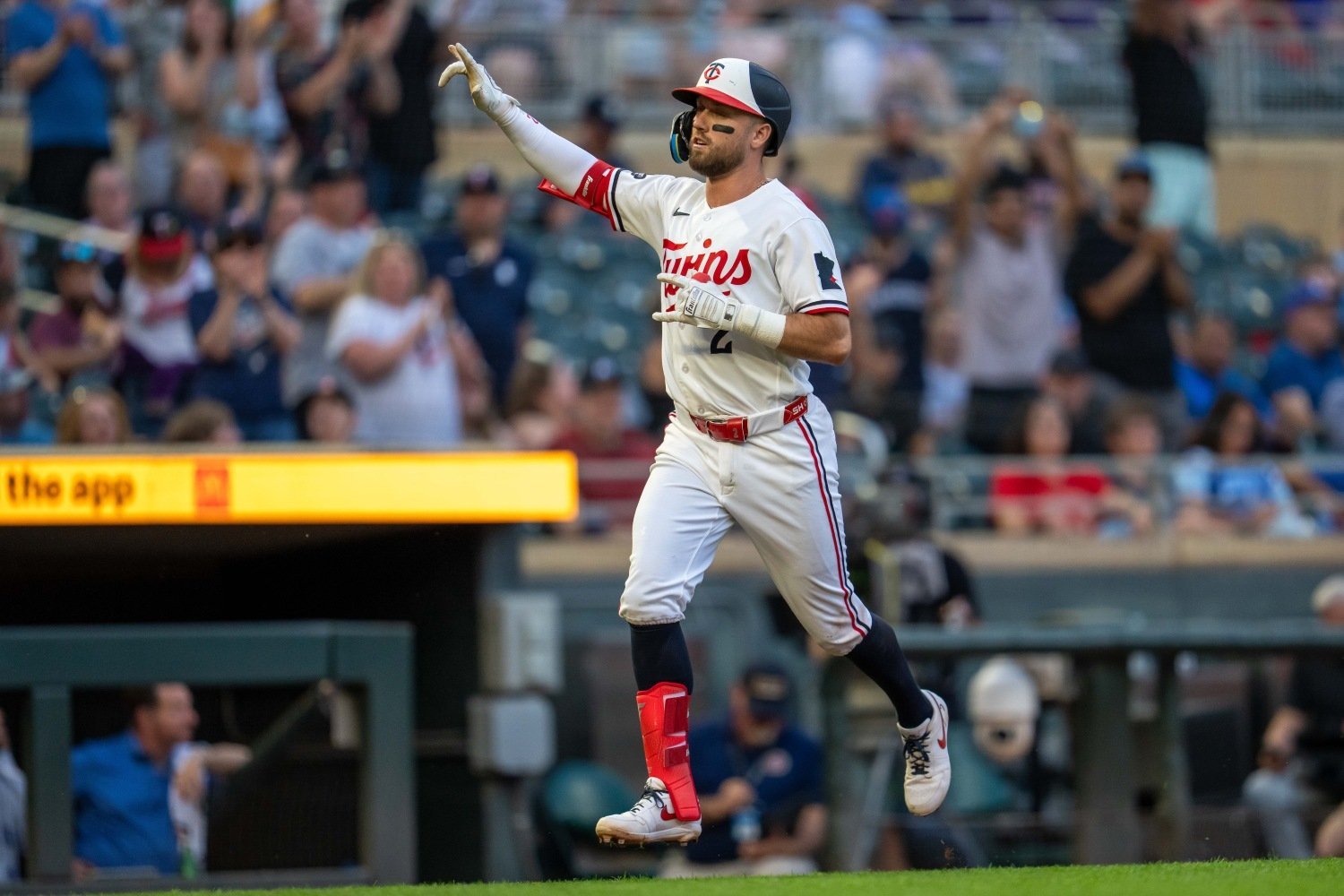 Kody Clemens has been one of the Twins' most unexpected success stories this season. When Minnesota acquired him last spring, expectations were modest. Clemens had bounced around organizations, never establishing himself as an everyday major leaguer, and he looked more like a depth piece than someone who would become a key contributor in the middle of a lineup. Fast-forward to June 2026, and he's become exactly that. He’s hitting .247 with a .785 OPS, and the numbers suggest his breakout is legitimate. In fact, the underlying data paints an even better picture than his traditional statistics. His average exit velocity sits at 92.5 MPH, placing him in the top decile among major-league hitters. Among Twins hitters, only Byron Buxton owns a higher hard-hit rate than Clemens's impressive 44.2% mark. Overall, he's among the top quartile of big-league batters, generating 7 runs above average with his offensive production. He’s been playing his best baseball recently, too. Since the beginning of May, Clemens is hitting .270, with 17 extra-base hits across 30 games. His OPS during that stretch sits at an excellent .857, and his 135 wRC+ indicates he's been 35 percent better than average offensively. As a result, he's worked his way into the No. 3 spot in Minnesota's batting order. But what's made Clemens particularly valuable isn't just the bat. He's also shown significant defensive versatility. While first base remains his primary position, the Twins have increasingly used him across the outfield over the last month. He's appeared in left field in seven games and right field in five games. More notably, he's even spent time in center field. With Byron Buxton dealing with various bumps and bruises recently, Clemens and James Outman were splitting center field opportunities. That's not something many would have predicted when the season began. He can also handle second base, giving Minnesota flexibility all over the diamond. And when he's on the field, he's been an above-average defender. The point here is simple: Clemens has been very good. He's been productive at the plate, he's been versatile in the field, and he's become one of the Twins' most valuable everyday players. Which is exactly why Minnesota should seriously consider trading him. At first glance, that might sound counterintuitive. Why would a struggling team move one of its better players? The answer comes down to timing. Clemens recently turned 30 years old. While he's having the best year of his career, the Twins appear unlikely to emerge as serious contenders in 2026. By the time Minnesota realistically expects to compete again, the odds are high that Clemens won't be producing at this level. That doesn't diminish what he's accomplished this year. It simply creates an opportunity. While Clemens probably wouldn't hit third for many contending teams, he absolutely fits the profile of a player contenders seek at the trade deadline. He's a left-handed power hitter who can play multiple infield spots, he can move around the outfield, and he's producing offensively. He doesn't just hit the ball hard. he lifts it enough to do damage, as evidenced by his .626 slugging average on contact (SLGCON). Those players tend to attract interest. While several teams could use someone with Clemens’s skill set, a couple stand out in my mind: the Padres and Diamondbacks. Not coincidentally, both teams reside in the NL West and currently find themselves chasing the Dodgers in the division race. They're in similar positions, trying to close the gap and/or hold onto position in the Wild Card chase while addressing roster weaknesses ahead of the trade deadline. Both lineups lean heavily right-handed. Neither has gotten a significant amount of extra-base production from the bottom half of its order, and both clubs could benefit from an upgrade in left field while also utilizing Clemens's versatility on the infield dirt. It's easy to envision him fitting into either roster. That doesn't mean the Twins should expect a massive return package. Clemens is having a career season, but he's also a 30-year-old player without an extensive track record of this level of production. Teams generally aren't surrendering elite prospects for that profile. A top-100 prospect return feels unrealistic. At the same time, Clemens has more value than a typical rental player. He still has two additional years of team control after this season; he won't reach free agency until the end of the 2028 season. That extra control gives acquiring teams multiple years to benefit from his production, rather than a few months. That should meaningfully increase his trade value. He should command at least what the Twins got for Willi Castro last summer, and Castro netted them a solid pitching prospect. If Minnesota were sitting atop the division standings and positioning itself for a playoff run, the conversation would be different. In that scenario, Clemens is exactly the type of versatile contributor you'd want to keep around for October. But that's not where the Twins are. Instead, they're a team that needs to maximize assets wherever possible, and right now, Kody Clemens may represent one of their best opportunities to do exactly that. He's playing the best baseball of his career, his value is likely at its highest point, and contenders around the league have clear reasons to be interested. Sometimes the smartest move isn't holding onto a breakout player; it's recognizing the perfect time to strike while the iron is hot. View the full article
 -
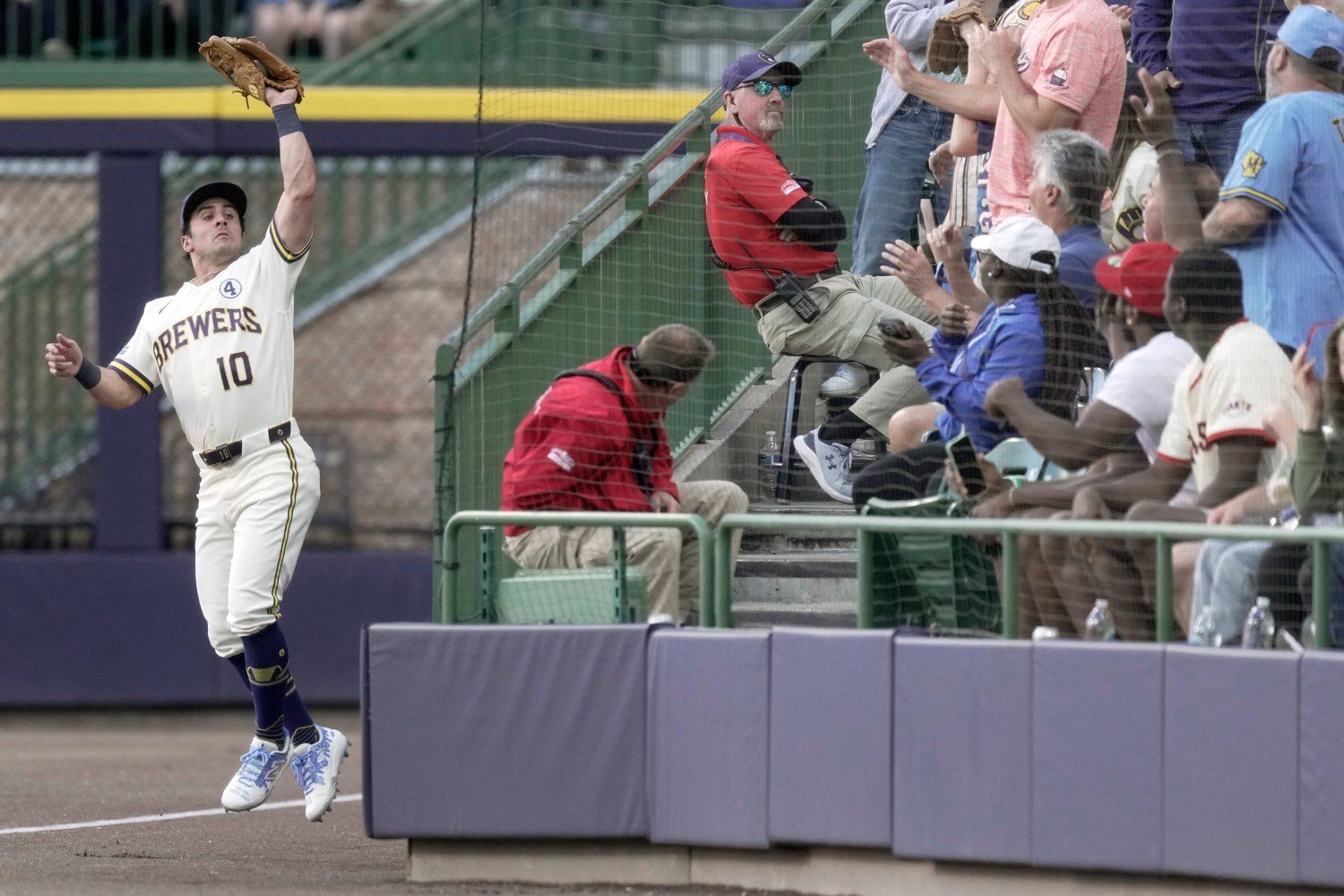 Finding playing time in the majors is all about demonstrating strengths. Teams don't play anyone because of their relative lack of weaknesses. Although it doesn't feel like a game as given to positional distribution of responsibility as football or soccer are, baseball has that same ethos. Not everyone should be the star. Not everyone has to do everything well. But you play when you show a team that you do something well. Are you slow-footed and weak-armed, but a great hitter? They'll find a place for you at first base or designated hitter, batting near the top of the order. A sure-handed and nimble fielder with a paucity of power? You can just bat eighth. You have to take your turns contributing to run creation, but they give you fewer of them. You make most of your contributions by keeping runs off the board for the opponents. There's a phrase for a guy without a carrying tool—without any trait on which to hang their hat: organizational depth. It sounds harsh, but the realities of baseball are just that way. If you find a way to concretely help the team (even if it be something that doesn't feel concrete on the outside, like boosting clubhouse vibes or calming a panicking pitcher), you can stay. If you can't, sooner or later, you get the boot. That boot is swinging back and taking aim at Sal Frelick right now. Yes, the left side of the Brewers infield has been lousy, but David Hamilton's speed and versatility are signature skills. Joey Ortiz's defense gives Pat Murphy a good reason to put his name on the lineup card. Even Luis Rengifo and Blake Perkins, with their blend of high baseball IQ, the capacity to switch-hit, and bursts of defensive brilliance, have roles you can describe to a fellow fan to justify their inclusion on the team, however shakily. At this moment, it's hard to make that case for Frelick. According to Statcast, this is the hardest catch Frelick has made in right field all season. OTdQeVZfWGw0TUFRPT1fQVFRRUIxUldWZ0VBV2xBQ1ZRQUhWd05SQUFNRVZGZ0FDd0FOQndZQkNGZFVBbEZX.mp4 You can probably quibble with that, and point to one or two other near-highlight plays, but undeniably, Frelick has been worse in the field this season. He's not actively hurting the team's run prevention (much) by being out there, but nor is he helping. That's a problem, because as a right fielder, he carries little positional value. To bolster run prevention, he has to show great range and/or great arm utility; he hasn't shown either this year. Worse, he's not doing anything to augment the team's offense. Thankfully, they haven't needed much from him, but Frelick's .223/.297/.310 line remains dreadful. He's making tons of contact, but producing no actual value on it. Of the 230 batters with at least 154 plate appearances this season, only seven have a worse slugging average on contact (SLGCON) than Frelick's .351, according to Baseball Prospectus. His control of the strike zone is good, but not great, and not good enough to put him on base as often as he needs to be in order to use his plus speed. Nor is any of that fluky. Frelick doesn't consistently hit the ball hard or get it in the air. His expected weighted on-base average is back down to .283, where it was in 2024, after ticking up to .299 in 2025. He significantly outperformed that xwOBA last season, too, but isn't doing it this year, thanks to no longer having the knack for the line-drive single to right-center field. Rengifo and Ortiz each have a worse SLGCON than does Frelick. Hamilton doesn't control the zone as well. All of them can do something that clearly makes the Brewers better in one facet, though. Over two months into the 2026 season, Frelick has shown little sign that the same is true of him. His playing time might not face as obvious a threat as the one prospects Jett Williams and Cooper Pratt pose to Ortiz, Hamilton and Rengifo, but Frelick would be the easiest player to justify benching or optioning to the minors right now. Nothing looks right, and he's not positively impacting the team on either side of the ledger. View the full article
 -
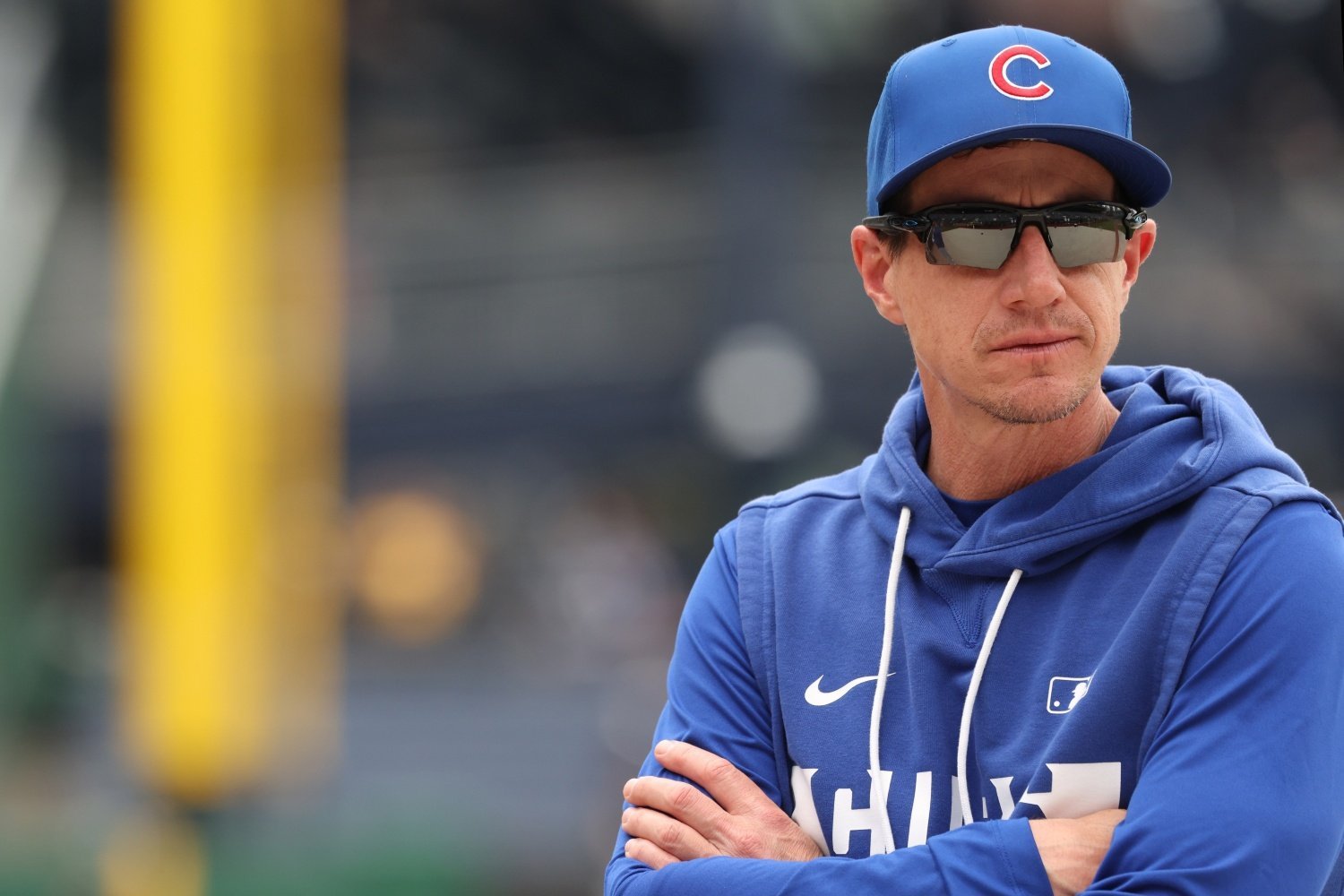 It wasn't so long ago that the vibes around the Chicago Cubs felt immaculate. Fresh off an offseason that had them signing a notable bat in Alex Bregman, acquiring a closer-to-frontline-than-the-rest-of-their-rotation arm in Edward Cabrera, and leaning more heavily on established arms for the bullpen than reclamation projects, the thought was that their busy winter would yield benefits in the National League contention picture. The buzz was so palpable that MLB.com's Thomas Harrigan asked the following question after the release of Baseball Prospectus' PECOTA projections: Just how large is the Cubs’ edge in the NL Central? Such a line of questioning seemed warranted upon PECOTA's release, which had the Cubs atop the National League Central with 90.5 projected wins. That was exactly 10 better than the Brewers' 80.5-win projection and carried with it a nice 69.0% chance of winning the division and a robust 95.7% chance of reaching the postseason. That same energy carried over to FanGraphs upon their own release. While not quite as bullish on the percentages, FanGraphs had the Cubs at a 35.6% chance of winning their division on March 23. That was more than 10 percentage points better than Milwaukee's 24.3% odds. The gap was even wider in the general postseason odds, with the Cubs checking in at 53.9% and the Brewers at just 41.7%. Then came the Cubs' strong start. On May 7, the Cubs' chance of winning the division reached 63.4%, while their playoff odds topped out at 91.2%. The former figure trounced the Brewers' mere 12.4% odds, while the latter was up on their division rivals by roughly 40 points (50.8%). Since that point in the calendar, the Cubs have won just eight times while losing 20, with a 10-game losing skid baked into the middle of all that. It's done a number on their odds of both winning the division: And reaching the playoffs at all: The first visual comes as little surprise; the Cubs' struggles (in conjunction with the rapid ascent of the Brewers) has created a significant gap between the two sides in the standings. At this point, the 7.5-game gap not only has the Cubs in fourth, but may also be too much to overcome, given the teams' respective projections for the remainder of the year. That the Cubs' odds are looking so grim in a more general NL context speaks to the overall magnitude of their recent struggles. Since May 8, only the San Diego Padres have scored fewer runs than the Cubs' 95 and no team has demonstrated less on the power side than their .121 ISO. While that's happening, their staff ERA (4.93) is one of the league's five worst, with a home-run rate on fly balls (17.7%) that easily leads the league. Given that, it's not as if the waning optimism surrounding the Cubs' playoff odds is limited to FanGraphs. PECOTA may not have the Cubs following these struggles through to a massive decline in wins in their current projections (87.4), but the odds are not in their favor. They're currently looking at division odds that have shrunk to a mere 25.8% and playoff odds that are resting at 78.5%. It's not an unsurmountable deficit to overcome, according to these data, but it does speak to just how much these recent woes have impacted them in their postseason outlook. Whether that will or can change given the team's current roster construction and injury situation remains to be seen. But even at this point in early June, a swoon like the one the Cubs are on has massive ramifications for later on. Even if it still feels kind of early to be worried, it isn't. View the full article
 -
Brewers Send Down Craig Yoho As Joel Kuhnel Added To Roster
DiamondCentric posted an article in Brewer Fanatic
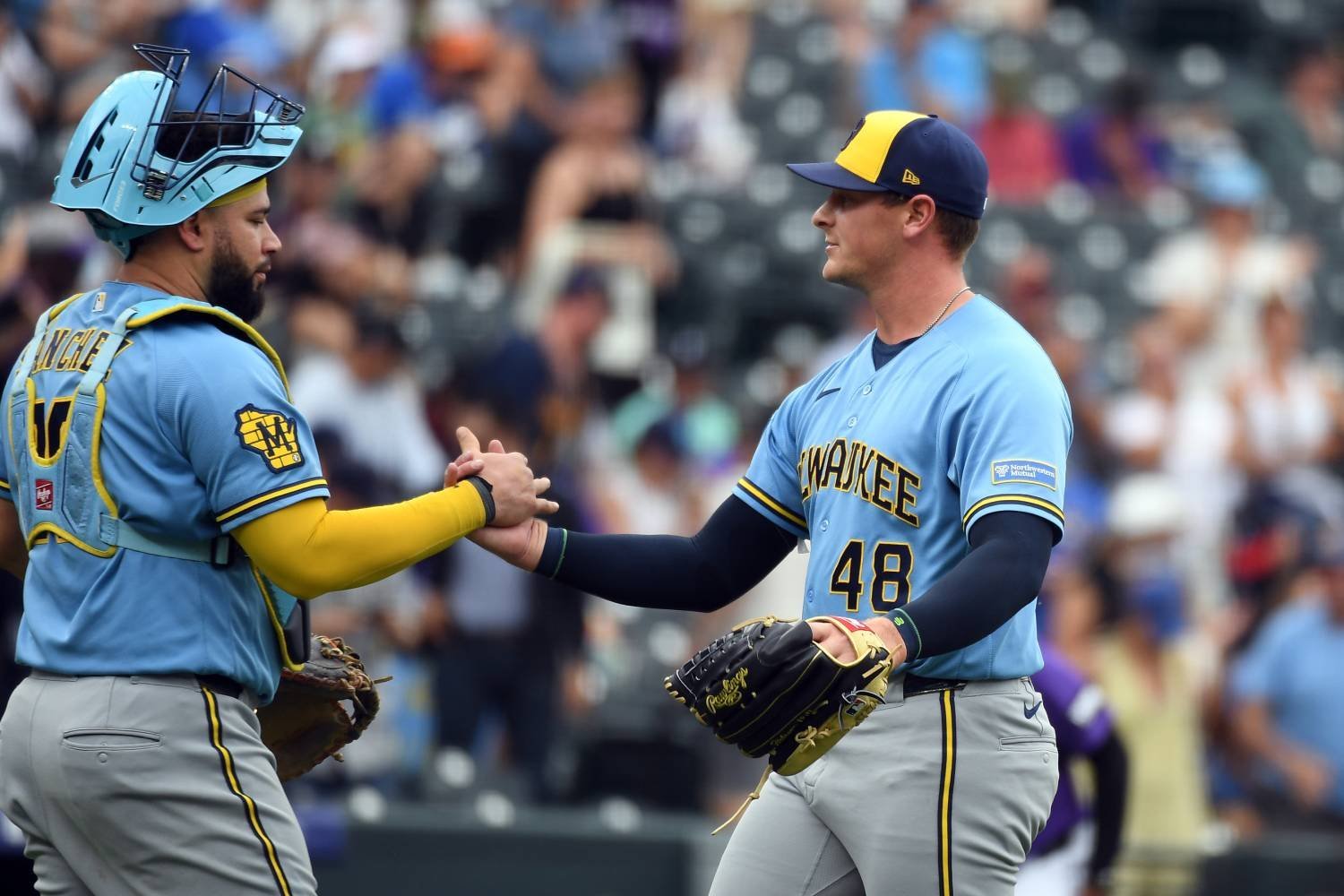 Needing a roster spot for the recently acquired Joel Kuhnel, the Milwaukee Brewers on Monday optioned right-handed reliever Craig Yoho to Triple-A Nashville. Kuhnel was acquired Saturday in a cash trade with the A's, who had designated him for assignment Friday. The Brewers open a three-game series against the A's in Las Vegas on Monday. Yoho was called up along with left-hander Brian Fitzpatrick on Friday as the Brewers placed left-hander DL Hall on the 15-day injured list and designated right-hander Jake Woodford for assignment. That night, Fitzpatrick sustained a sprained UCL and himself went on the 15-day IL, with left-hander Drew Rom being called up. Yoho appeared in games Friday and Sunday against the Colorado Rockies, going three innings, allowing a solo homer with two walks and five strikeouts. He was the choice to send down as the Brewers needed Rom, a lefty, in the bullpen. View the full article
 -
Walker Buehler Is Back On the Upswing With Padres
DiamondCentric posted an article in Padres Mission
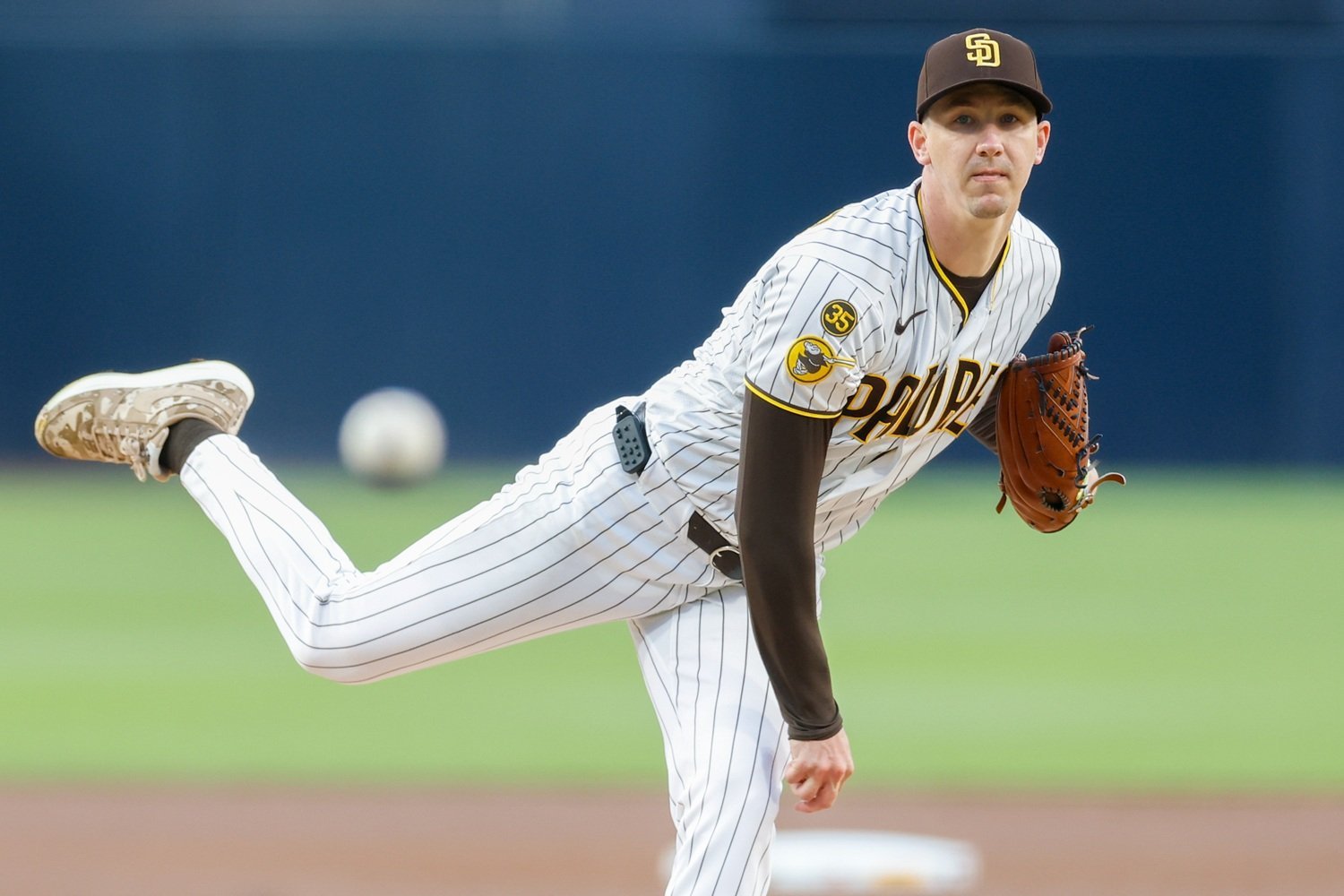 Last Wednesday night at Citizens Bank Park, Cristopher Sánchez earned the kind of standing ovation a pitcher rarely receives after allowing a run. His streak of 50⅔ scoreless innings—the fifth-longest in MLB history—had come to an end, and Philadelphia thanked him with a full minute of applause. A beautiful moment. But there was another story unfolding that night, and it belonged to the pitcher who shut down the Phillies from the Padres’ mound. Walker Buehler delivered six strong innings. A performance that, twelve months ago, would have seemed almost impossible. Buehler arrived in San Diego after two seasons that tested the patience of anyone who still believed in him. In 2024, with the Red Sox, his overall Run Value fell into the 2nd percentile. His fastball produced negative value, opponents posted a .424 xwOBA against him, and they slugged .583. He was a pitcher who had survived two Tommy John surgeries but still hadn’t figured out how to be himself again on a major-league mound. What Statcast shows in 2026 tells an entirely different story. Percentile Rankings — Walker Buehler Metric 2024 2025 2026 Pitching Run Value 2 13 83 Fastball Run Value 6 19 98 Breaking Ball Run Value 1 12 83 xERA 18 6 29 The number that jumps off the page is that fastball Run Value in the 98th percentile. Not because the pitch is faster; in fact, Buehler is averaging 92.4 mph this season, virtually identical to 2025. Rather, it's because he’s dominating in a completely different way: location, timing, and situational usage. A 92-mph fastball ranking in the 98th percentile for value generated is the signature of a pitcher who knows exactly how and when to throw it. The contact-quality results back it up. Hitters are doing far less damage when they make contact. Year-to-Year Changes — Contact Quality Against Metric 2024 2025 2026 Change (25-26) Opponent SLG .506 .437 .348 −.089 Opponent wOBA .370 .348 .300 −.048 Opponent xwOBA .336 .355 .337 −.018 Barrel Rate (%) 7 9.5 8.1 −1.4 Hard-Hit Rate (%) 37.8 37.8 40.7 2.9 Average Exit Velocity (mph) 88.3 87.9 90.4 2.5 There’s an apparent contradiction in those numbers that deserves attention. His average exit velocity and Hard-Hit% have both ticked upward, yet the slugging percentage and wOBA have dropped significantly. What that tells us is that Buehler is allowing hard contact in less damaging situations (bases empty, two outs, and counts where the damage can be managed). And there’s another trend supporting that conclusion: Buehler’s remarkable adjustment in finishing hitters off once he gets to two strikes. The league has hit just .114 against him in those situations, while producing the lowest Barrel/BBE rate (3.1%) of his career. Opponents’ xSLG in two-strike counts has fallen from .328 during his final season with the Dodgers in 2024 to just .236 this year. Part of that improvement has come through broader adjustments across his game. His command has improved dramatically. His walk rate has dropped from 10.6% in 2025 to 8.2% in 2026, while his strikeout rate has climbed from 16.3% to 20.1%. Fewer walks and more strikeouts is exactly the combination his arsenal needed to become consistently effective again. Plate Discipline — Buehler 2026 vs. Career Metric 2024 2025 2026 Career Average K% 18.6 16.3 20.1 24.1 BB% 8.1 10.6 8.2 7.3 First-Pitch Strike Rate (%) 60.5 63.5 66.8 64 Chase Rate (%) 24.5 25.8 27.9 29.2 Whiff Rate (%) 19.4 19.2 19.7 24.3 That 66.8% first-pitch strike rate is the highest of his recent career and reflects a pitcher attacking hitters from pitch one. His 27.9% Chase Rate still sits below his career norm, which suggests there may be even more room for growth. But the trend is unmistakable, and it’s moving in the right direction. What makes all of this particularly significant is where he started. Going from the 2nd percentile to the 83rd percentile in overall Run Value over two years isn’t simply a minor adjustment. It’s a complete reconstruction, carried out quietly, far from the spotlight that follows Los Angeles, in a city and an organization willing to bet on him when few others would. View the full article
