


DiamondCentric
-
Posts
2,631 -
Joined
-
Last visited
Never
Content Type
Profiles
Forums
Events
News
Tutorials & Help
Major League Baseball Videos
Guides & Resources
Store
Downloads
Gallery
Everything posted by DiamondCentric
-
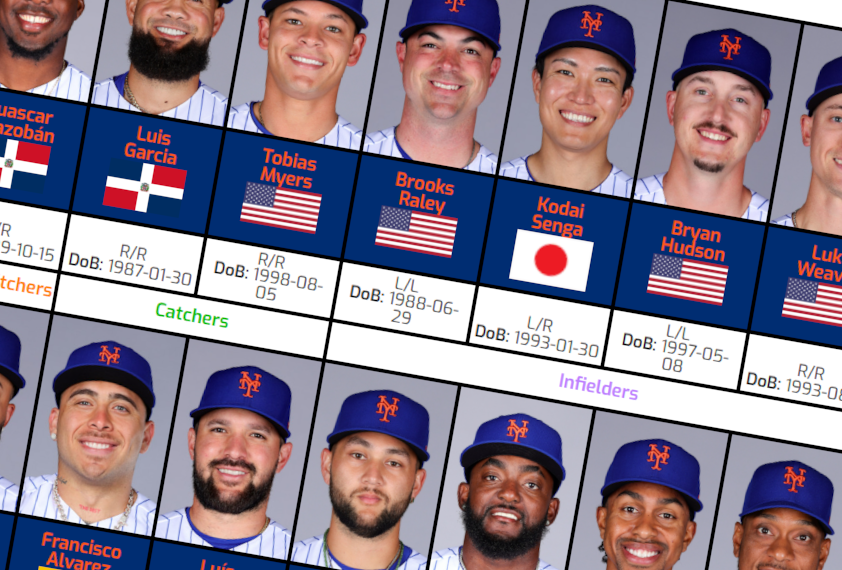 A left coast trip and a long layover between series have given the Mets a few days without any dire needs for transaction, but in the meantime, the status of Anderson Severino remains a mystery, draft speculation heats up (the Mets' first pick is 27th overall), the Mets are still shopping for Latin American teenagers. Transactions, 6/2/2026 COMING Signed as International Amateur Free Agent out of The Dominican Republic, Not Yet Assigned Relief Pitchers Esteban Mejia R/R DoB: 2009-05-20 High Level: Academy (2026) There is little that has been revealed about Esteban Mejia. Just know that there are already two active players bearing that name in the stateside minor leagues. There is the infielder in the Texas system and the Baltimore starting pitcher prospect who has been cursed with a 1-11 record by the short workdays that young starters get these days. When the Mets' Esteban was born the ill-advised Angels & Demons was the top US film, "Boom Boom Pow" was at the top of the Billboard Hot 100 charts, and ... ... and we're gonna quit right there before we curse this young man any further. Your 2026 New York Mets Starting Pitchers Sean Manaea Nolan McLean Freddy Peralta David Peterson Christian Scott R/L DoB: 1992-02-01 R/R DoB: 2001-07-24 R/R DoB: 2996-06-04 L/L DoB: 1995-09-03 R/R DoB: 1999-06-15 Relief Pitchers Huascar Brazobán Joey Gerber A.J. Minter Cionel Pérez Brooks Raley Austin Warren Luke Weaver R/R DoB: 1989-10-15 R/R DoB: 1997-05-03 L/L DoB: 1993-09-02 R/L DoB: 35176 L/L DoB: 1988-06-29 R/R DoB: 1996-02-05 R/R DoB: 1993-08-21 Relief Pitchers Catchers Infielders Devin Williams Hayden Senger Luís Torrens Bo Bichette Brett Baty Vidal Brujan Marcus Semien R/R DoB: 1994-09-21 R/R DoB: 1997-04-03 R/R DoB: 1996-05-02 R/R DoB: 1998-03-05 L/R DoB: 1999-11-13 S/R DoB: 1998-02-09 R/R DoB: 1990-09-17 Infielders Outfielders Mark Vientos Eric Wagaman Carson Benge A.J. Ewing MJ Melendez Juan Soto Jared Young R/R DoB: 1993-12-11 R/R DoB: 1997-08-14 L/R DoB: 2003-01-20 L/R DoB: 2004-08-10 L/R DoB: 1993-11-29 L/L DoB: 1998-10-25 L/R DoB: 1995-07-09 Also on 40-Player Roster Starting Pitchers Relief Pitchers Clay Holmes Tylor Megill Kodai Senga Zach Thornton Jonah Tong Alex Carrillo Daniel Duarte R/R DoB: 1993-03-27 R/R DoB: 1995-07-28 L/R DoB: 1993-01-30 L/L DoB: 2002-01-17 R/R DoB: 2003-06-19 R/R DoB: 1997-06-06 R/R DoB: 1996-12-04 Relief Pitchers Catchers Reed Garrett Justin Hagenman Tobias Myers Dedniel Núñez Jonathan Pintaro Dylan Ross Francisco Alvarez R/R DoB: 1993-01-02 R/R DoB: 1996-10-07 R/R DoB: 1998-08-05 R/R DoB: 1996-06-05 R/R DoB: 1997-11-07 R/R DoB: 2000-09-01 R/R DoB: 2001-11-01 Infielders Outfielders Francisco Lindor Ronny Mauricio Jorge Polanco Nick Morabito Luis Robert, Jr. Tyrone Taylor S/R DoB: 1993-11-14 S/R DoB: 2001-04-04 S/R DoB: 1999-11-13 R/R DoB: 2003-05-07 R/R DoB: 1997-08-03 R/R DoB: 1994-01-22 Designated for Assignment Relief Pitchers "Anderson Severino " L/L DoB: 1994-09-17 Your Mets Coaching Staff Manager Bench Coach Pitching Coach Hitting Coordinator Third Base Coach First Base Coach Bullpen Coach Ass't Pitching Coach Carlos Mendoza Kai Correa Justin Willard Jeff Albert Tim Leiper Gilbert Gomez José Rosado Dan McKinney DoB: 1979-11-27 DoB: 1989-07-14 DoB: 1990-09-09 DoB: 1992-08-16 DoB: 1996-07-19 DoB: 1992-03-08 DoB: 1974-11-09 DoB: 1989-06-06 Hitting Coach Strategy Coach Catching Coach Coaching Assistant Bat'g Practice Pitcher Equipment Manager Bullpen Catchers Bullpen Catchers Troy Snitker Danny Barnes J.P. Arencibia Rafael Fernandez Kevin Mahoney Kevin Kierst Eric Langill Dave Racaniello DoB: 1988-12-05 DoB: 1989-10021 DoB: 1986-01-05 DoB: 1988-08-03 DoB: 1987-05-11 DoB: 1964-07-09 DoB: 1979-04-09 DoB: 1978-06-03 Your Mets Training Staff Director of Player Health Head Athletic Trainer Assistant Athletic Trainer Reconditioning Coordinator Reconditioning Therapist Head Performance Coach Assistant Performance Coach Performance Coordinator Soft Tissue Specialist Brian Chicklo Joseph Golia Bryan Baca Sean Bardanett Josh Bickel Dustin Clarke Tanner Miracle Jeremy Chiang Hiroto Kawamura DoB: 1972-07-17 DoB: 1978-??-?? DoB: Circa 1980 DoB: 1988-06-23 DoB: 1996-??-?? DoB: 1987-??-?? DoB: 1991-??-?? DoB: ????-??-?? DoB: 1962-07-19 View the full article
 -

Padres' Ramon Laureano Has Hip Surgery, Possibly Out For Season
DiamondCentric posted an article in Padres Mission
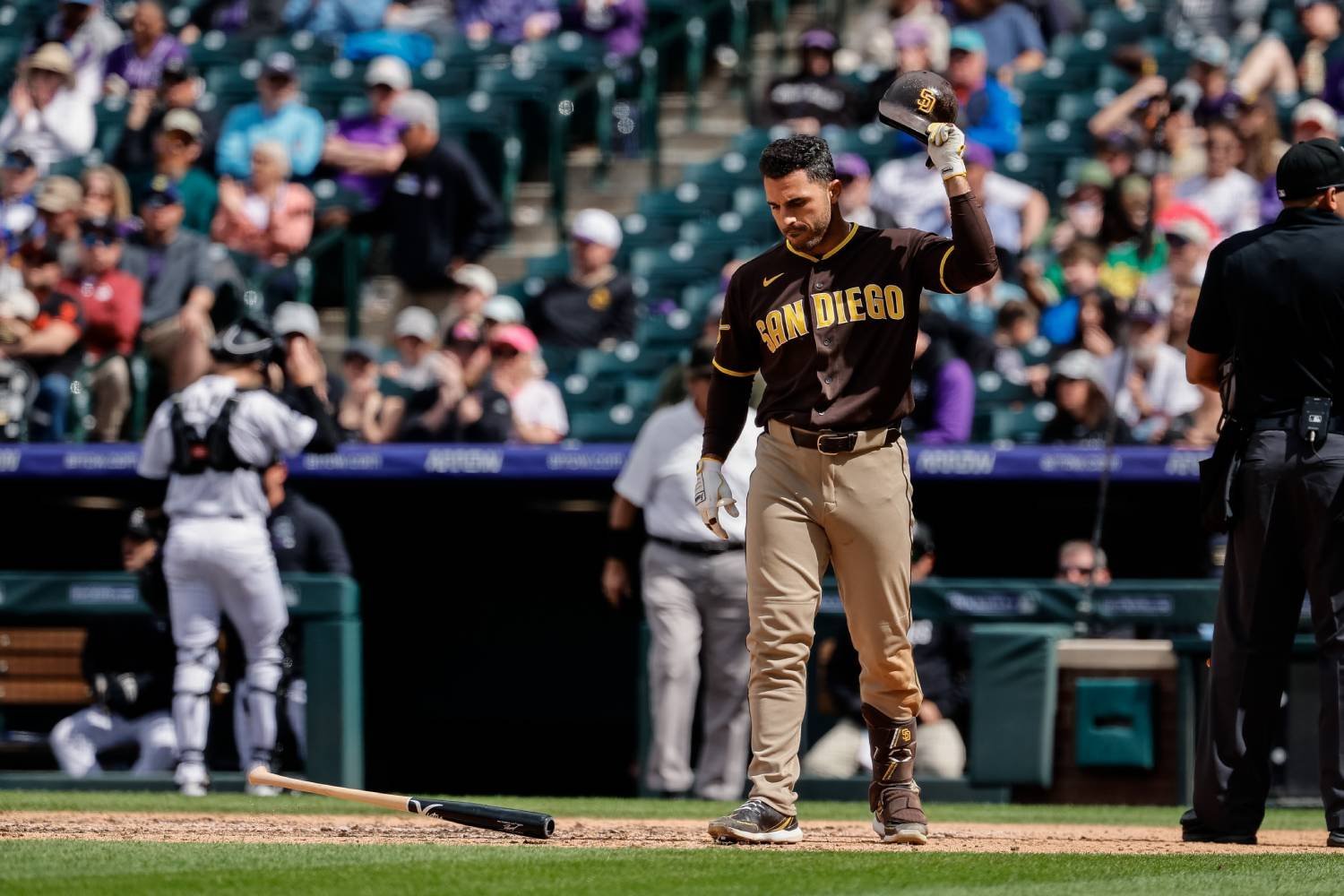 Are the San Diego Padres suddenly in more trouble than they were in? It would seem so. Outfielder Ramon Laureano had surgery on his right hip and labrum and his return to the Padres this season is in question. Laureano was transferred from the 10-day injured list to the 60-day IL to accommodate other moves. Those included right-handed reliever Jeremiah Estrada going on the 15-day IL with inflammation in his right knee. Right-hander Jhony Brito, out since spring training of last year after having right UCL and flexor tendon surgery, was activated off the 60-day IL and right-handed reliever David Morgan was called up from Triple-A El Paso. And finally, as a formality, outfielder Nick Castellanos, who had been designated for assignment Wednesday, cleared waivers and was released. Laureano, set to be a free agent this offseason, missed Sunday's game against the Washington Nationals and went on the 15-day IL Tuesday with what was called right hip inflammation. He got off to a quick start offensively, peaking at a .292/.352/.569 slash line with four homers and 10 RBIs April 15, often batting leadoff. But his production went down from there and is currently at .203/.286/.374 with seven homers and 21 RBIs. Estrada, a key part of the Friars' bullpen, has a 3.59 FIP (3.58 ERA) in 21 appearances and 20⅔ innings, with a 12.2% walk rate and 28% strikeout rate. He last appeared in a game Tuesday against the Philadelphia Phillies, getting one out but allowing a run on a hit and a walk before being taken out. Brito made his final rehab start Thursday for the Double-A San Antonio Missions, going five innings and throwing 58 pitches, giving up one run on three hits with no walks and two strikeouts. He had a 1.96 ERA in his four starts at Double-A, including throwing just 110 pitches over his last 11 innings. He walked six and struck out 17 in 24⅓ innings with a 3.33 ERA when factoring in his two rehab starts in the Arizona Complex League. Brito was injured in spring training last year and had surgery in April. His UCL procedure was an internal brace, allowing for a faster return to action than Tommy John surgery. He was in a relief role in 2024, appearing in 26 games and 43⅔ innings, with a 5.4% walk rate and 15.7% strikeout rate. Morgan was on the Opening Day roster, but has struggled to repeat the success of his rookie year of 2025. Morgan compiled a 6.08 ERA in 11 appearances before being sent down to Triple-A on April 30. He walked 11 and struck out 15 in 13⅓ innings before his demotion. While the ERA was worse in the hitter-friendly Pacific Coast League, Morgan walked just two and struck out 11 in his 10⅓ innings over 10 appearances. The Padres called up outfielder Jase Bowen and infielder-outfielder Samad Taylor this week as replacements for Laureano and Castellanos. The Padres entered Friday's action with the worst batting average (.216) and worst OPS (.651) in MLB. Their batting average is 12 points worse than the next two teams, the New York Mets and Philadelphia Phillies. View the full article
 -
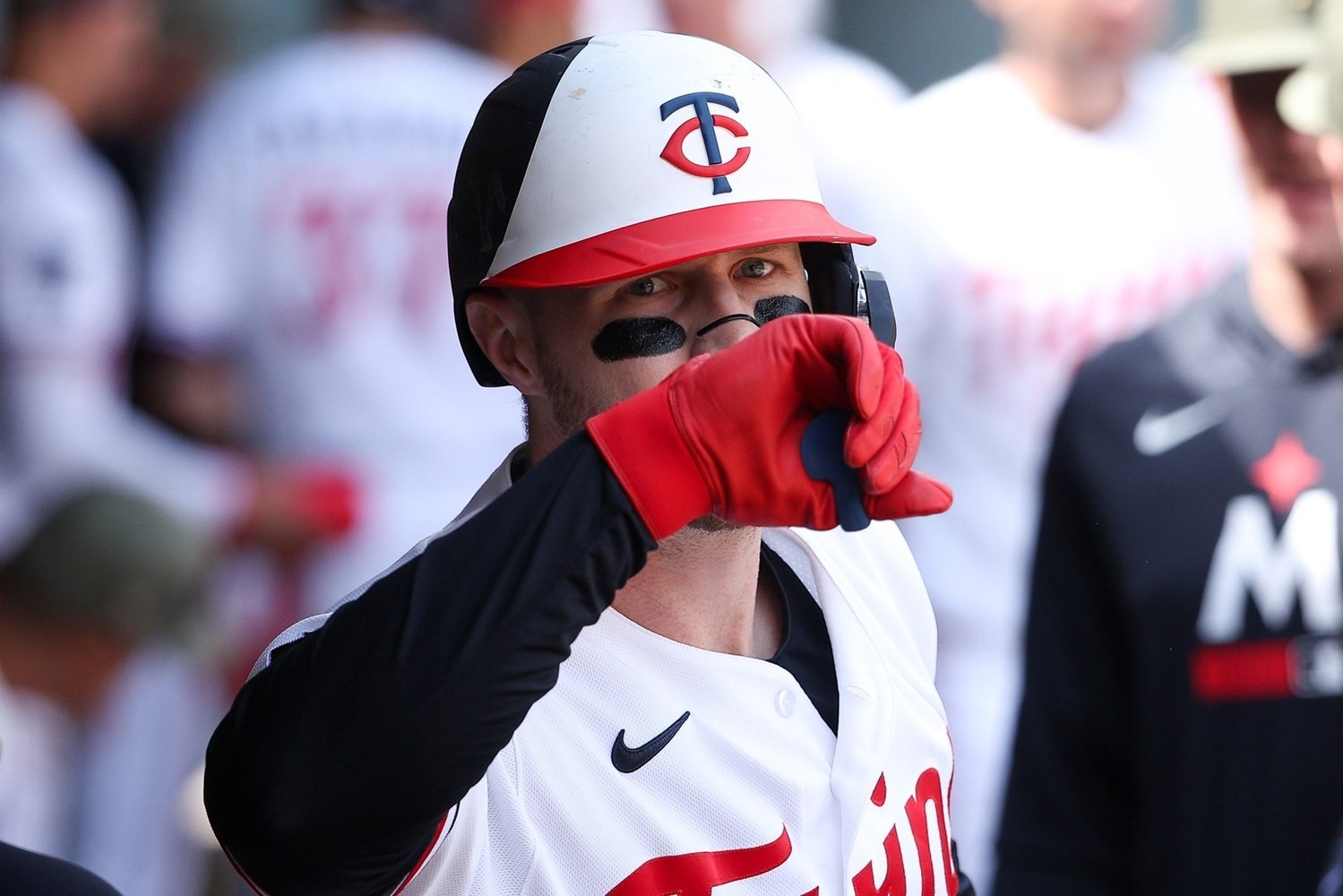 The Twins have some decisions to make, and relatively soon. A big one: what to do with Ryan Jeffers, who isn't signed past the end of this season. What do you think is the path forward? Austin Martin started 2026 on fire, carrying a .400 OBP for weeks. Not so much lately. Who do you think this guy is, really? The existing Collective Bargaining Agreement expires at the crowning of the Twins as World Champions at the conclusion of the 2016 World Series. Even given the long history of peaceful and cooperative labor negotiations between MLB and the MLBPA....some feel there may be labor strife this upcoming offseason. First shots have been fired, with both sides offering up initial proposals. What's your take? Weigh in here. As always, thanks for checking in, and get out there in the forums and let us hear from you! View the full article
 -
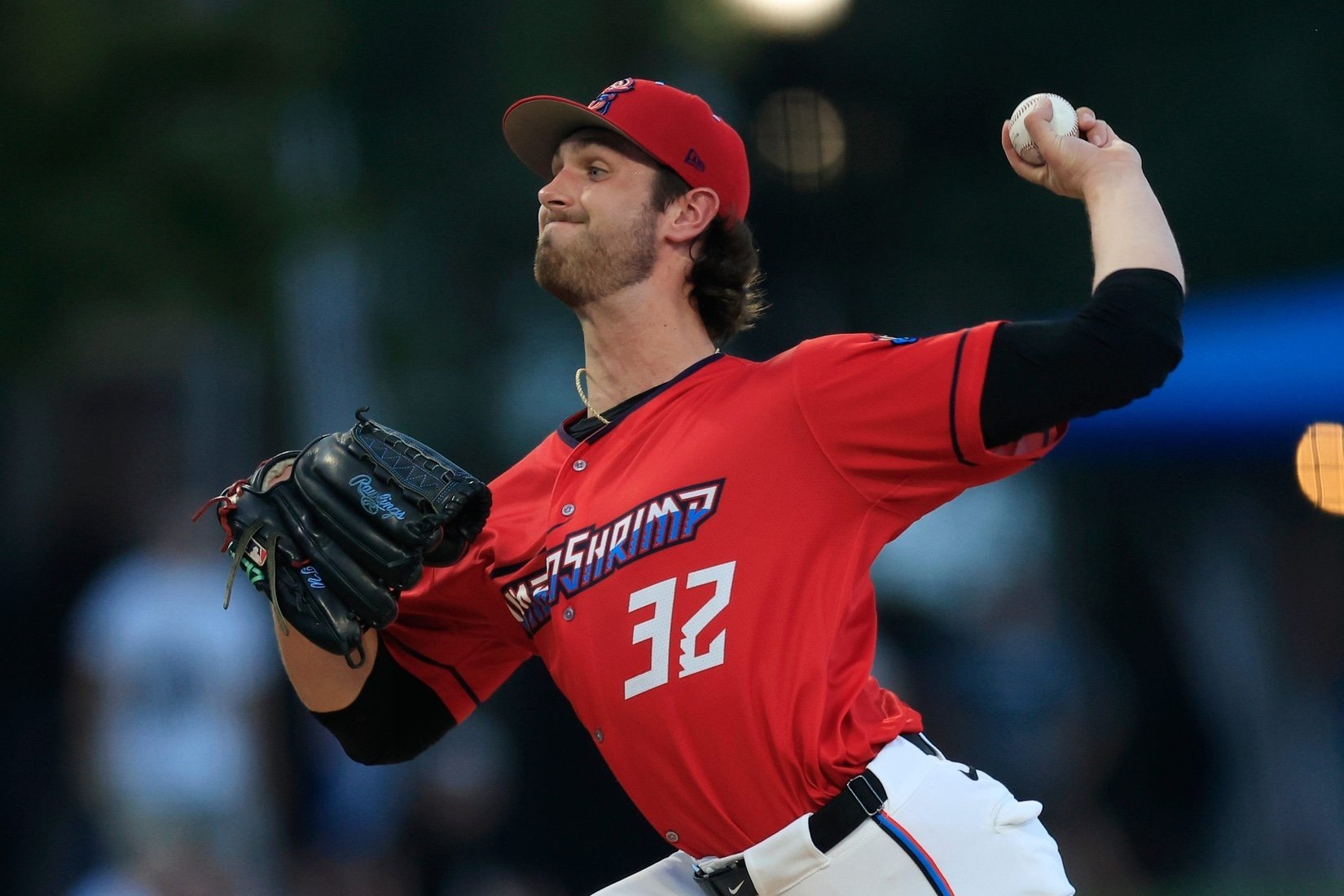 Thomas White, the top prospect in the Miami Marlins organization, will likely miss the remainder of the 2026 season due to a left capsular shoulder sprain, the club announced on Friday. This deflating news comes three weeks after White's most recent start. He has been on Triple-A Jacksonville's injured list ever since. Marlins president of baseball operations Peter Bendix previously acknowledged the injury, but downplayed its severity in an interview with MLB Network Radio. However, the updated timeline for his return is 12-16 weeks, so even in a best-case scenario, he won't make it back to AAA until September. Fish On First's No. 1 prospect, While is almost universally regarded as a top-25 overall MLB prospect. Across parts of four minor league seasons, he has posted a 2.81 ERA and 3.06 FIP in 214 ⅔ innings pitched while facing much older competition every step of the way. Between this and a season-opening oblique strain, White made only five starts for the Jumbo Shrimp and wasn't able to complete five innings in any of them. Had White been injury-free this season, the 21-year-old could have plausibly reached the majors by now. Miami's rotation is in complete disarray aside from Sandy Alcantara and Max Meyer. On Friday against the Tampa Bay Rays, Ryan Gusto will start the game with Tyler Phillips scheduled to piggyback him. Gusto will be the 12th different starter used by the Marlins; among MLB teams, only the Houston Astros have used more (13). White's rehab process will be closely monitored in our FOF injury tracker. View the full article
 -
Brewers Place DL Hall On Injured List, While Grant Anderson OK
DiamondCentric posted an article in Brewer Fanatic
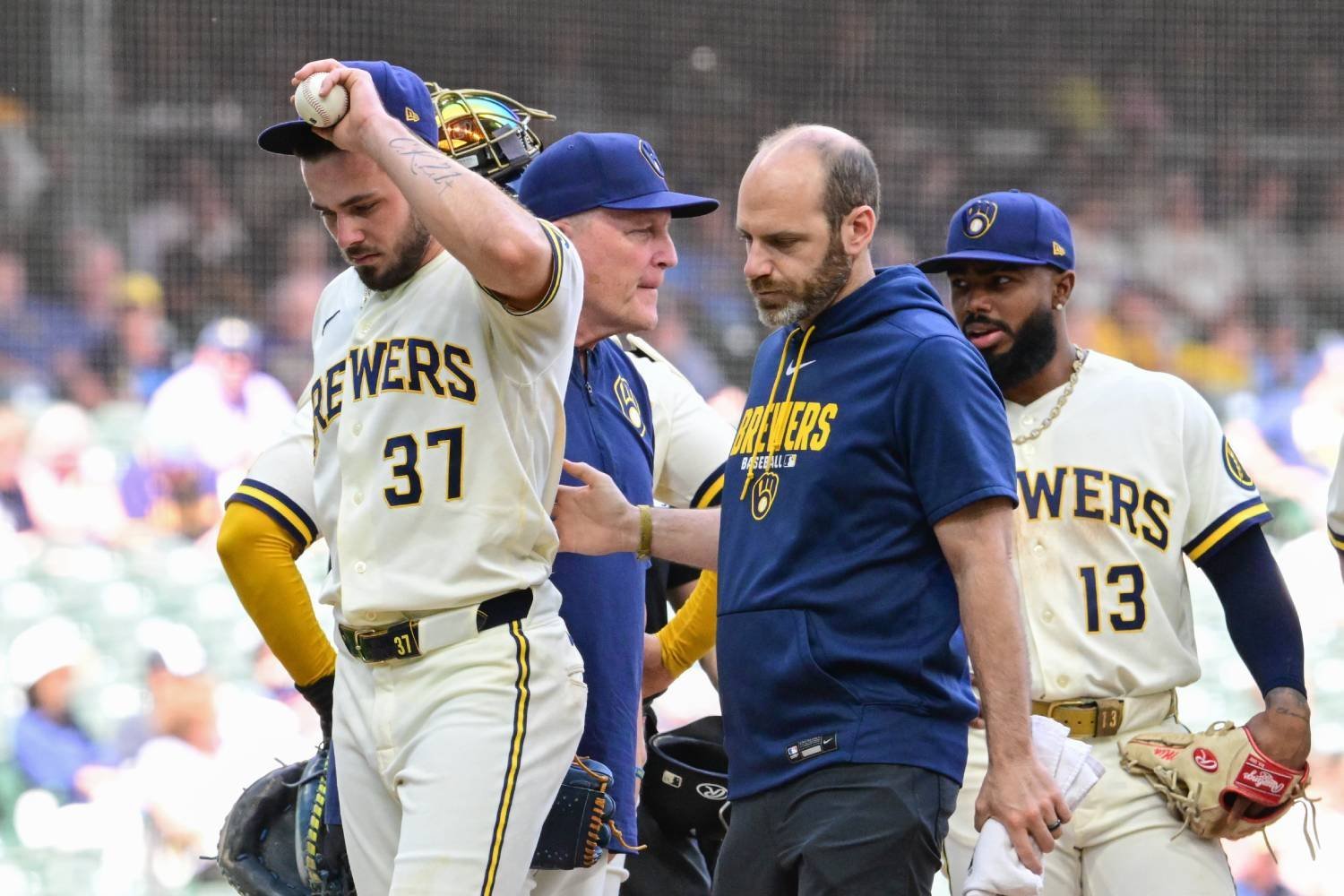 A couple of scary pitching injuries from Thursday's game resulted in one player going on the injured list. Left-handed reliever DL Hall was placed on the 15-day injured list by the Milwaukee Brewers on Friday with a left pectoral strain. Right-handed reliever Jake Woodford was designated for assignment. Coming up from Triple-A Nashville are right-handed reliever Craig Yoho and left-handed reliever Brian Fitzpatrick. The Brewers' 40-man roster now stands at 39. Apparently escaping anything serious was right-handed reliever Grant Anderson, who took a line drive off the bat of San Francisco Giants rookie slugger Bryce Eldridge off his right forearm that left seam marks on his skin. Hall left the game in the fifth inning after throwing a pitch. He had found a nice role in the bullpen as a multi-inning reliever, throwing 31 innings across 24 games with a 2.03 ERA. Hall has had issues with walks this season, sporting an unsightly 19% walk rate, while striking out 25.4%, his best mark since joining the Brewers before the 2024 season. Woodford was acquired by the Brewers from the Tampa Bay Rays the day before Opening Day. After signing a minor-league deal in the offseason, he had an upward mobility clause that would have forced the Rays to put him on their 40-man roster or be offered to other teams for the same purpose. The Brewers took a gamble on the veteran, who was mainly used in a mopup role over his 16 appearances, putting up a 6.94 ERA in 23⅓ innings. He had a 6.3% walk rate and 17.9% strikeout rate this year. Yoho is back in the majors after making his MLB debut last year with seven appearances. The changeup specialist had one blowup outing in his brief time up, covering four call-ups. That was allowing five runs in a game against the Chicago White Sox. In his other 7⅔ innings, he allowed two runs. Yoho had nine walks and seven strikeouts overall, with four walks coming against the White Sox. Fitzpatrick is up for the second time this season. He appeared in four games, including making his MLB debut April 29 vs. the Arizona Diamondbacks. Fitzpatrick pitched a total of 5⅔ innings and had a 1.59 ERA with three walks and four strikeouts. View the full article
 -
 It's time to check back in with another New York Mets mock. The MLB Draft is just five weeks away. This class is as muddled as any I've covered, though it's plenty deep in talent. You can find our mock consensus board here. Let's check in on some player profiles it's currently mocking to the Mets with their first few picks in July. Mets Mock Draft: No. 27, Coleman Borthwick, RHP, South Walton HS, FL Borthwick is a physical monster out of South Carolina, built more like an NFL linebacker than a high school baseball player. Standing at 6'6, 255 pounds, he's an exciting two-way prospect, but most believe his future is on the mound. It's a slightly crossfire delivery which helps to create a more unusual angle for hitters as he strides down the mound. However it looks, there's a ton of quality in the stuff. Borthwick recently ran his fastball up to 100mph for the first time. It's a pitch that will sit 94-96 mph with plenty of run. It's paired with a quality slider, a pitch that might already be plus. It sits in the mid-80s with some sharp, late tilt. Borthwick has a changeup in the bank too, but it's been used sparingly to date. Borthwick has been a more effective strike thrower to date than you might expect from a frame his size and such an explosive arsenal. He's committed to Auburn but has T30 pick upside. Mets Mock Draft: No. 92, Will Gasparino, OF, UCLA If you want to lean into raw tools on the college side of the 2026 draft, there's no better place to look than Will Gasparino, who is finishing his collegiate career at UCLA (close to home) after a mixed two years at Texas. This is double plus raw power from the right side from a 6'6 frame. The problem for Gasparino is there wasn't enough of a hit tool to go with it in his first two collegiate seasons. It's a longer swing, but the staff at UCLA have him on plane earlier and have quieted down his lower half, work that has unlocked a much better version of Gasparino in 2026. He's hit over .300 through in his junior season (a 40-50 point increase from his first two seasons), with 20 home runs and a reduced strikeout rate. There's strong supplementary tools here, too. Gasparino has an above-average arm and once he gets going, has above-average speed too. It's a power-reliant corner outfield profile who could be a monster if he hits enough at the next level. View the full article
 -
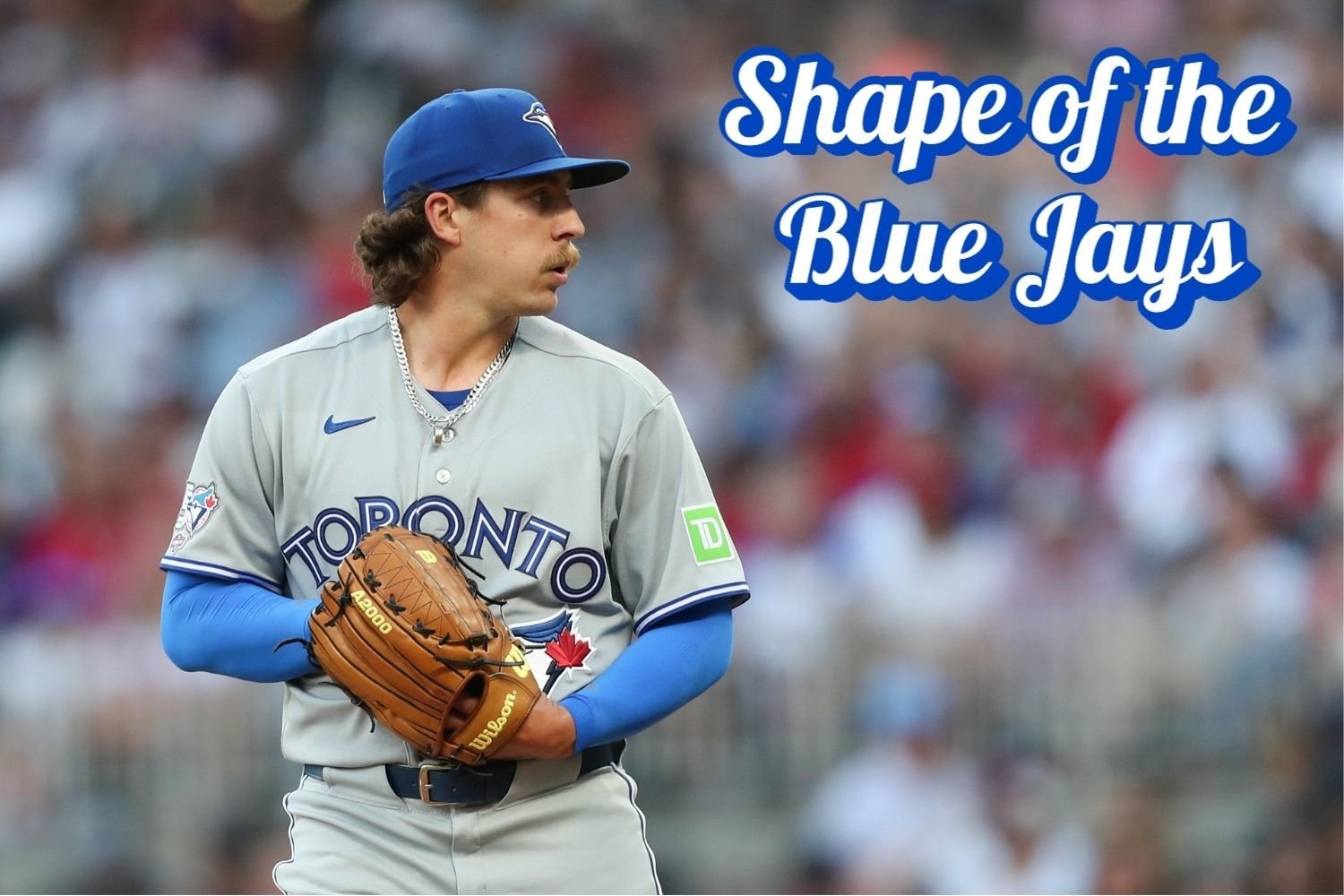 Welcome to Shape of the Blue Jays, my column where I dig into Statcast numbers to analyze recent pitch shape and swing shape trends for Toronto Blue Jays players and discuss how they have impacted their performance. Click here to read the last edition. Quick Hits: Welcome Back Desperate for anyone who can cover innings, the Blue Jays got the recently-DFA'd Simeon Woods Richardson from the Twins for cash considerations earlier this week. The Jays first acquired Woods Richardson from the Mets in the Marcus Stroman trade and later sent him to Minnesota in the José Berríos trade. He was a serviceable back-end starter in 2025, but 2026 has been an utter disaster for him so far (7.74 ERA, 5.86 xERA, 5.90 xFIP, 0.4% K-BB). SWR returns to the Blue Jays with an over-the-top delivery, a high-carry mid-90s fastball, a mid-to-high 80s splitter, a mid-80s gyro slider, and a show-me two-plane curveball. I wonder if we're going to see Pete Walker and company help him experiment with some things. None of his pitches grade out well according to stuff models, he hasn't missed any bats this year, and his command has faltered lately too. He's only 25, so it's an interesting reclamation project, but opponents are slugging over .600 against the splitter, which he first introduced last year after coming up with a changeup. Neither the slider nor the splitter seems to tunnel well with the fastball, and his old changeup had virtually no separation from the heater in the first place. Whether it's a change in arm angle or repertoire, or he can discover a new pitch grip, here's hoping he can get back on track with Toronto because they need healthy pitchers urgently. Nathan Lukes The beat goes on for Nathan Lukes, whose late-April momentum was not disrupted by the hamstring pull that sent him to the IL. He's slashing .455/.526/.606 since his return, and he hit his first homer of the season on Wednesday in Atlanta. This season, he has shifted his attack direction a couple degrees toward the pull side and moved a touch farther back in the box, and he's catching the ball just a little farther out front in front of his body. This is having a positive effect on his batted ball profile, as he's trading groundballs for line drives and pulling more, especially in the air. Nathan Lukes Batted Ball Profile, 2025-26 Year GB% FB% Pull% Pull Air% 2025 46.7% 23.4% 31.7% 14.2% 2026 41.3% 20.0% 37.3% 22.7% For a guy with elite bat-to-ball and without threatening bat speed or exit velocities, it's imperative to optimize the distribution of batted balls. Lukes's power numbers should see a slight bump with this series of minor adjustments, which makes his sparkling contact and strikeout rates play up even more. In a season where everybody from the Blue Jays' logjam of lefty-hitting outfielders has struggled to truly rise head-and-shoulders above the pack, Lukes is continuing to get it done. Chad Dallas Chad Dallas earned the win in a successful big-league debut during the series finale against the Braves (3.2 IP, 1 ER, 2 H, 2 K, 2 BB). His unique ability to spin the ball was on full display, as 93% of the pitches he threw were cutters, sweepers, and curveballs. The sweeper returned a beautiful 44% swing-and-miss rate, and it was also in the zone more than any of his other pitch types. It averaged 84 mph, 1.8" of drop, and 14.9" of glove-side movement, slightly less cut than we saw with the minor league ball. Still, this combination of drop and glove-side action is hard to find. It's little wonder he threw it 50% of the time to righties. per Baseball Savant To lefties, he leaned on the cutter-curveball combination. He struggled with his cutter command, as its 33% zone rate is more typical for secondary pitches with tons of movement, but it did generate plenty of weak contact. Overall, Dallas induced 11 batted balls, only four of which were hard-hit. An outlier movement profile like this might give him a little more margin for error in terms of location, even though he lacks velocity. Note: The Blue Jays optioned Dallas this afternoon to activate Woods Richardson. Charles McAdoo Charles McAdoo is 3-for-11 with two singles and a homer in his first taste of big league action. Baseball America gave McAdoo 55-grade raw power and 50-grade running, but only a 30-grade hit tool, in their preseason report. As I discussed on the Jays Centre podcast, however, he crept up the Jays' prospect rankings after a strong start to the season that saw him sacrifice some power for a more well-rounded offensive profile. This tradeoff isn't always worth it, but for someone like McAdoo, who had substantial swing-and-miss issues in the minors, it seems like the right move. Charles McAdoo Swing Mechanics, 2026 Bat Speed Swing Length Contact Point vs Center of Mass Stance Angle Attack Angle Attack Direction 71.8 7' 22.7" 14° close 4° 6° oppo His combination of average bat speed with a shorter-than-average swing makes for a more explosive bat than bat speed alone might indicate. By closing himself off and letting the ball travel more than most hitters (league-average contact point is about 6" farther out front than this), he gives himself a better chance to make contact (92.3% zone contact so far). It'll make him more prone to grounders, but more than half of his batted balls have been hard-hit. So far, the adjustment has been worth making. All stats entering June 5, 2026. View the full article
 -
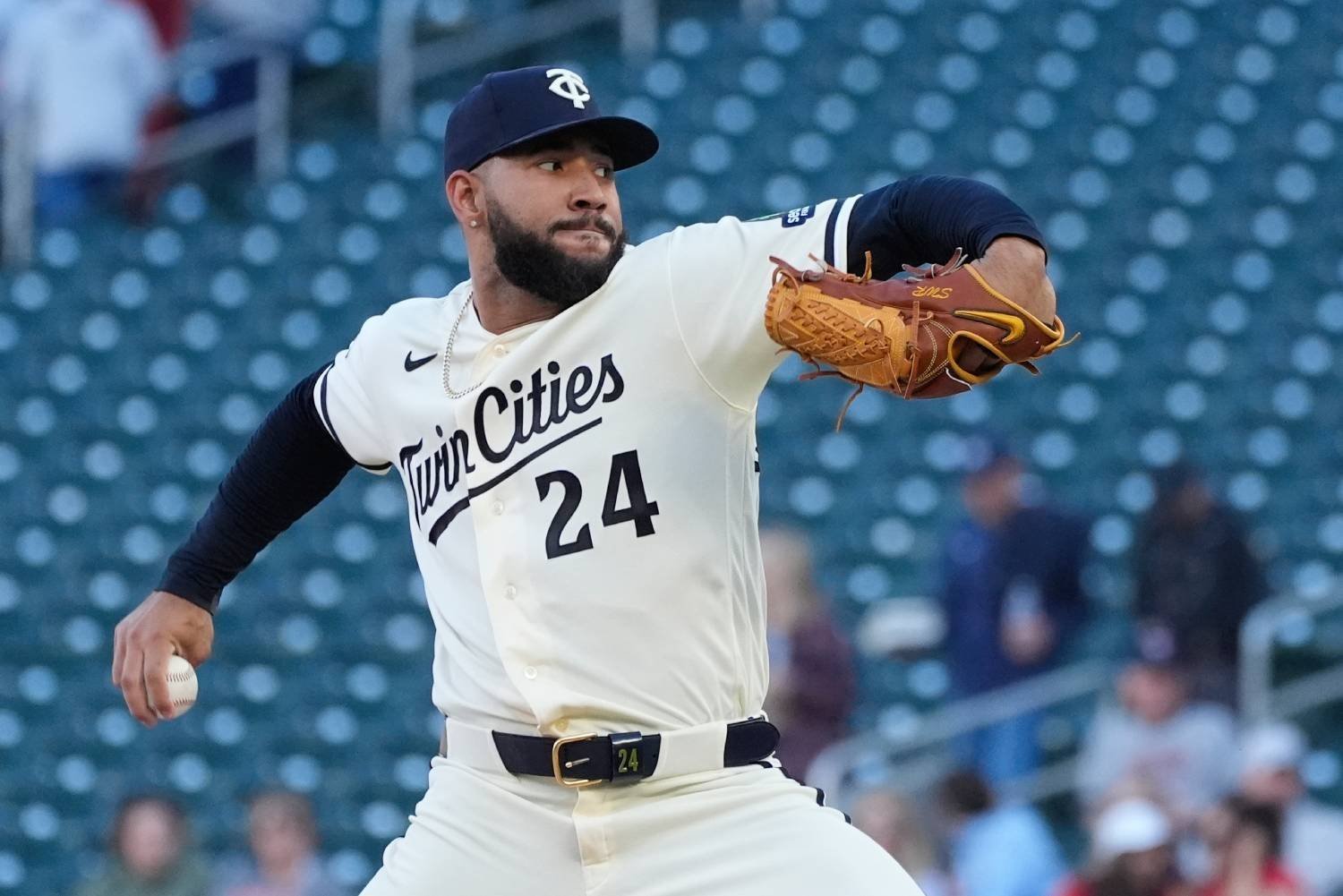 The return of Simeon Woods Richardson to the Toronto Blue Jays is official. The Jays on Friday added Woods Richardson to the 26-man roster and demoted right-handed starter Chad Dallas to Triple-A Buffalo after a nice MLB debut the day before. Woods Richardson was originally drafted by the New York Mets in the second round in 2018, then dealt to the Jays at the 2019 trade deadline in the Marcus Stroman deal. Two years later, Woods Richardson was on the move again as the Jays shipped him to the Minnesota Twins in a trade-deadline move to acquire right-hander Jose Berrios. Just a few days ago, after being designated for assignment by the Twins, Woods Richardson was reacquired by the Jays in a cash transaction. While he has the tools to be a good piece in a starting rotation, he has struggled in 2026. In 10 starts and two relief appearances with the Twins, Woods Richardson had a 6.17 FIP (7.74 ERA) over 47⅔ innings with a .330 opponent batting average. His walk rate is up (11% this year, 9.5% career), while his strikeouts have been down remarkably (11.5%, 19.7%). How Woods Richardson eventually fits into the Jays' pitching staff is yet to be determined, but he figures to initially begin in a relief role. Dallas, meanwhile, was only expected to get the one appearance after being called up Thursday to make his MLB debut. And it went very well for the 25-year-old, who was the bulk guy behind opener Mason Fluharty in Thursday's 7-2 win over Atlanta. Dallas went 3⅔ innings, allowing one run on two hits with a pair of walks and two strikeouts. View the full article
 -
San Diego Padres Minor-League Pitchers of the Month: May 2026
DiamondCentric posted an article in Padres Mission
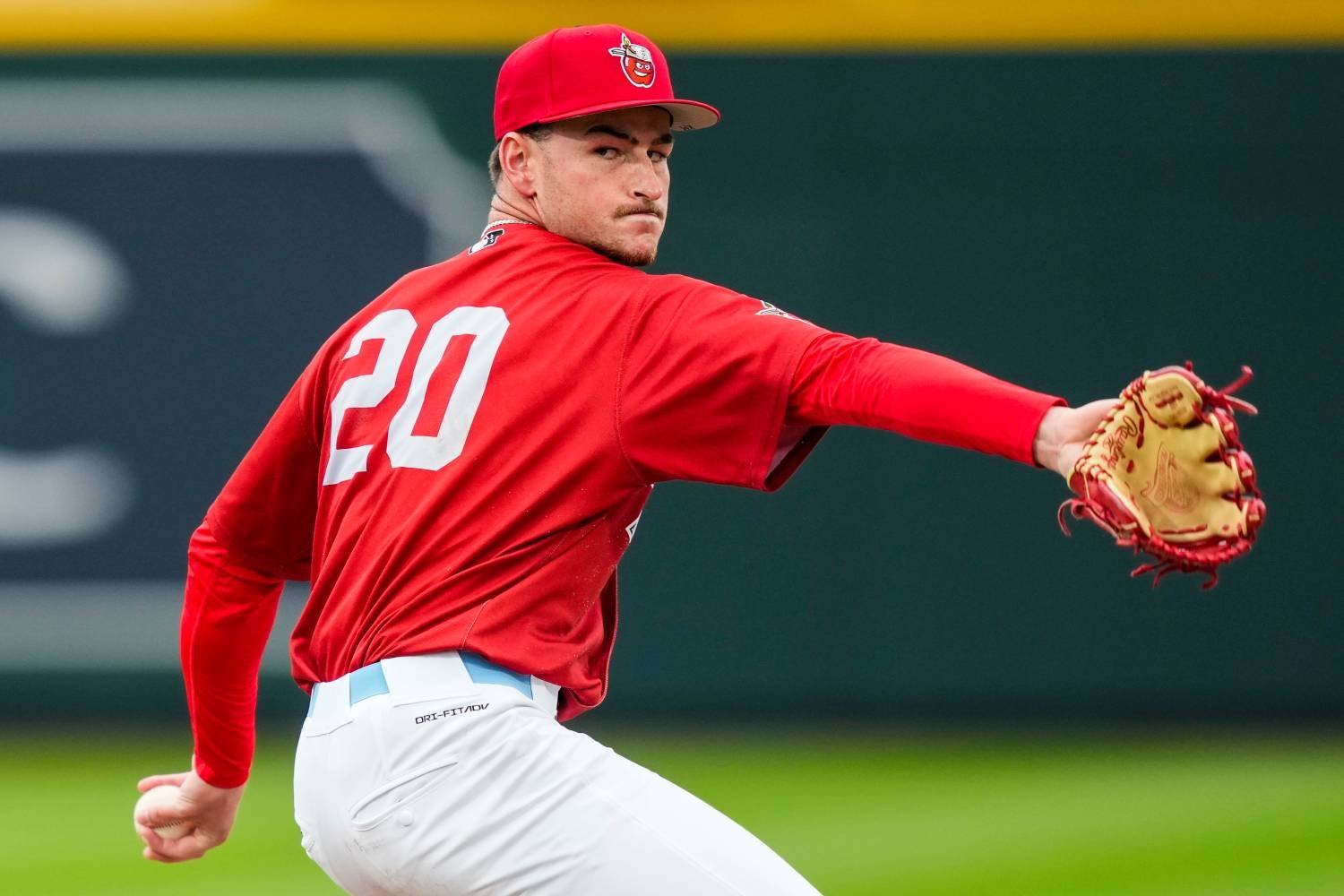 There might not be much in the way of immediate help in the pitching pipeline for the San Diego Padres, but a little bit further down the ladder, there are a handful of arms who could one day be playing big roles for the Friars. In May, a few took their games to another level. Ranking Padres' Best Minor-League Pitchers In May Honorable Mention: Carson Montgomery, RHP, High-A Fort Wayne TinCaps May stats: 1-1, 1.86 ERA, 4 games (all starts), 19⅓ IP, 10 H, 4 R, 4 ER, 0 HR, 11 BB, 20 K, .152 opponent average The 23-year-old right-handed starter could have easily made the top three a sweep by the TinCaps' pitching staff. Montgomery is the Thursday starter and opened the month with two five-inning starts in which he didn't allow a run and a combined five hits. That followed his last start in April of another five scoreless innings. A 16-inning scoreless streak came to an end in the first inning of his May 21 start, but he allowed just that run over five innings. His final outing of May was a little rockier, giving up three runs on just two hits in 4⅓ innings as he issued five walks. For the season, Montgomery has a 1.98 ERA with a 12.2% walk rate and 22.4% strikeout rate. Honorable Mention: Andrew Moore, RHP, Double-A San Antonio Missions May stats: 0-0, 2.79 ERA, 8 games (all relief), 9⅔ IP, 2 H, 5 R, 3 ER, 0 HR, 10 BB, 22 K, 0.65 opponent average The 26-year-old right-hander was a rock in the Missions' bullpen in May. In six of his eight appearances, Moore didn't allow a run and in another, the two runs he surrendered were unearned. His only blip was three runs in one-third of an inning May 22 vs. Frisco in which he issued four of his nine walks for the month, giving him seven in back-to-back outings. He was acquired when the Padres dealt infielder-outfielder Connor Joe to the Cincinnati Reds on May 9, 2025. No. 3: Jesus Castro, RHP, Low-A Lake Elsinore Storm May stats: 0-1, 2.33 ERA, 4 games (all starts), 19⅓ IP, 21 H, 5 R, 5 ER, 3 BB, 27 K, .284 opponent average The 18-year-old right-handed starter was a strikeout machine in May, fanning 27 in 19⅓ innings over four appearances with the Storm. That included a career-high nine on May 13 against Rancho Cucamonga and came after a seven-strikeout performance to open the month. He went 5⅔ innings in each of those games. He had an eight-strikeout game in 2025 in the Dominican Summer League, where he recorded 46 in 43⅓ innings. The younger brother of Padres prospect right-hander Manuel Castro, currently on the 60-day injured list with Double-A San Antonio, Castro had back-to-back shutout starts, one of 5⅔ in that nine-strikeout showing vs. Rancho Cucamonga and then four innings against Visalia on May 20. He walked three in those two games, but didn't issue a walk in his other two starts, in which he gave up a combined five runs. Signed as international free agent out of Mexico in January 2025, Castro's walk and strikeout rates with the Storm are just a notch worse than they were in his debut season in the DSL. In 2025, he had a walk rate of 5.9% and a strikeout rate of 27.1%. This year, those marks are 8.2% and 24.7%. He does allow a few too many hits, though; his opponent batting average for May was .284, which included giving up a season-high seven hits against Rancho Cucamonga, and that number is .281 for the season. It was .194 last year. No. 2: Clay Edmondson, RHP, High-A Fort Wayne TinCaps May stats: 1-1, 0.00 ERA, 9 games (all relief), 7 saves, 8 chances, 11⅓ IP, 4 H, 2 R, 0 ER, 4 BB, 20 K The 22-year-old right-handed closer has been one of the most efficient relievers in the minors this season. Of his eight May appearances, he didn't allow a run in seven outings, with the other being two unearned runs for a 0.00 ERA. He had two four-out saves in which all four outs were recorded via strikeouts. This came after an April in which he allowed one earned run (two runs total) in eight appearances. For the season, Edmondson's ERA sits at a dazzling 0.43 with a .120 opponent batting average and 0.76 WHIP. In addition to his 20 strikeouts over 11⅓ innings in May, he walked four. For the month, he not only had a pristine ERA, but a .094 opponent average and 0.64 WHIP. Edmondson's lone May game in which he allowed a run came May 13 vs. Cedar Rapids thanks to a leadoff grounder that was booted. He then gave up a one-out double and struck out the next batter, but a passed ball allowed him to reach and put runners on the corners. That set up a walk-off sacrifice fly. That was his only blown save in eight chances in May. He is 10-for-11 for the season in saves. He picked up his first win of the season in Friday's 9-8 win over South Bend, going two innings for the third time this season and striking out three. A 14th-round draft choice last year out of North Carolina-Asheville, Edmondson made just seven relief appearances at Low-A Lake Elsinore in his pro debut, walking five and striking out 11 over 12⅔ innings for a 4.26 ERA. No. 1: Kash Mayfield, LHP, High-A Fort Wayne TinCaps May stats: 2-0, 3.79 ERA, 5 games (all starts), 19 IP, 8 R, 8 ER, 9 BB, 24 K It says a lot about your month when you can cough up six earned runs in one-third of an inning and the numbers still look really good. Mayfield had a rough outing in a 9-8 win over South Bend, giving up those six runs one three hits and two walks while just getting one out, the first batter he faced in his start. Three of those runs came in when the next batter after he left the game smacked a grand slam, but Mayfield had thrown 32 pitches, a high number for any single inning. That was by far Padres Mission's No. 2 prospect's worst outing of his brief pro career. He had allowed three runs in three of his first five career outings, then in his final start of 2025 and just once this year on April 24. That outing was just one of three in nine starts this year that Mayfield has allowed an earned run, so chalking this one up as an anomaly is pretty easy to do. MAYFIELD_VIDEO_0531.mp4 His previous three outings were all five shutout innings after beginning the month with two runs in 3⅔ innings. This month also included matching his career high with nine strikeouts in a game and the highest two-game total in his 28 career starts. On May 15 on the road against Cedar Rapids, he fanned nine to match his best total. He followed that up May 22 at home vs. Dayton when he punched out exactly eight for the second time this season and third time in his career. Mayfield represents the future for Padres pitching (unless the front office decides to empty the farm system before the trade deadline) and is looking like the front-end starter they imagined when they took him in the first round in 2024. View the full article
 -
Gleeman & The Geek: Twins Readying For Royce's Return?
DiamondCentric posted an article in Twins Daily
 You can listen by downloading us from iTunes, Spotify, YouTube, iHeartRadio, Stitcher, GleemanAndTheGeek.com, click this link or you can listen to it or watch it below. View the full article
 -
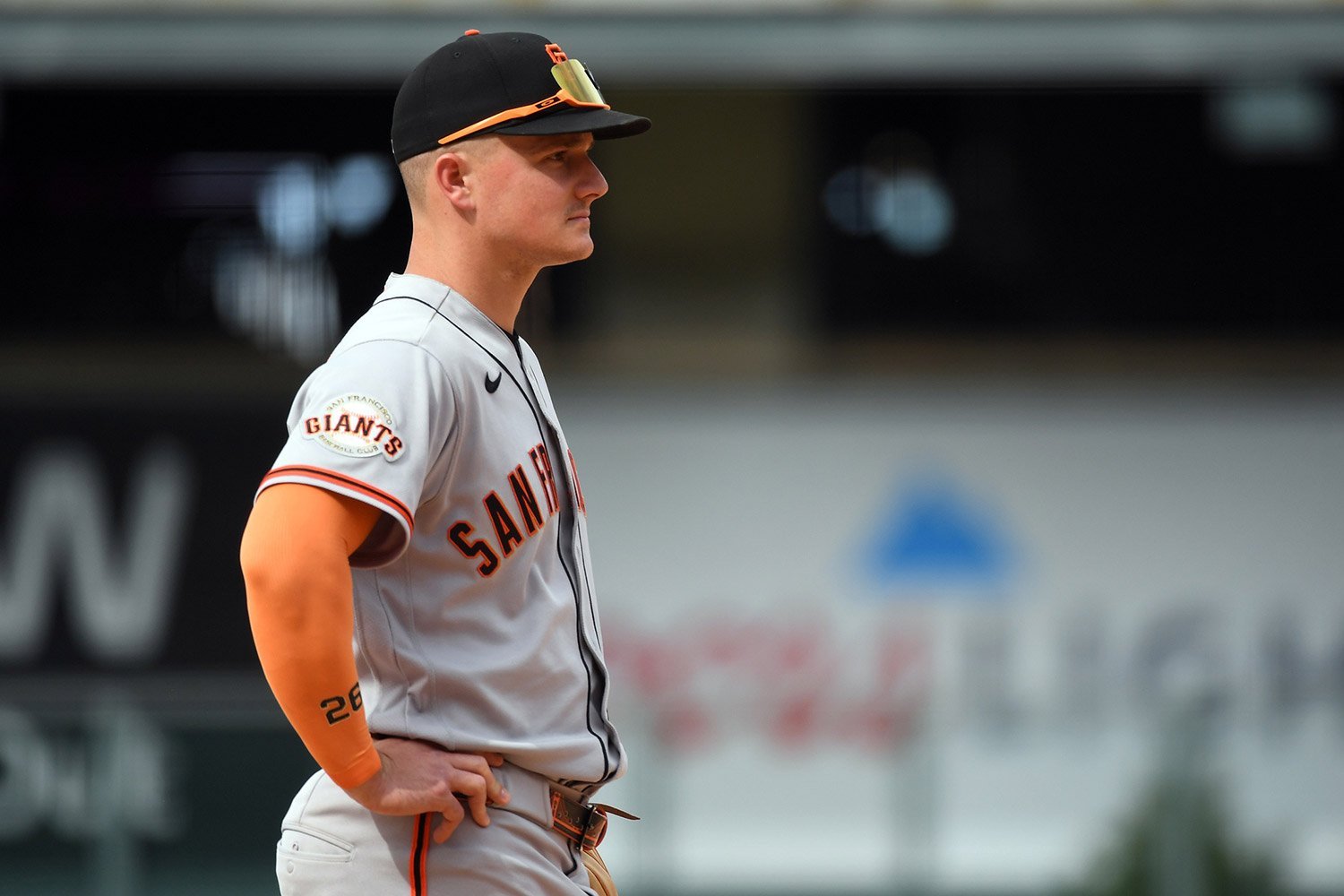 Despite being nine games under .500, the Boston Red Sox are looking to improve their lineup for a second-half push to the postseason. Although they currently sit 11 games out of the division lead, they are just 3.5 games out of a playoff spot in the Wild Card race. Buster Olney of ESPN is reporting that the Red Sox "are looking to add a right-handed bat and willing to spend money to do it." The Red Sox have had one of the worst lineups this year in large part due to some of their right-handed bats, such as Caleb Durbin, Isiah Kiner-Falefa, Connor Wong (albeit the sample is small), and Trevor Story. Of course, it's not likely that they will find a solution to their woes at this juncture in the season. The hot stove has its pilot light on, but it has yet to ignite. Moreover, since the Wild Card expanded to three teams, it takes longer for teams to determine their path and buyers and sellers, and there are typically fewer teams willing to sell. Who do you think the Red Sox should pursue? Join the conversation in the comments! View the full article
 -
Cubs Activate Edward Cabrera To Start Today Against Giants
DiamondCentric posted an article in North Side Baseball
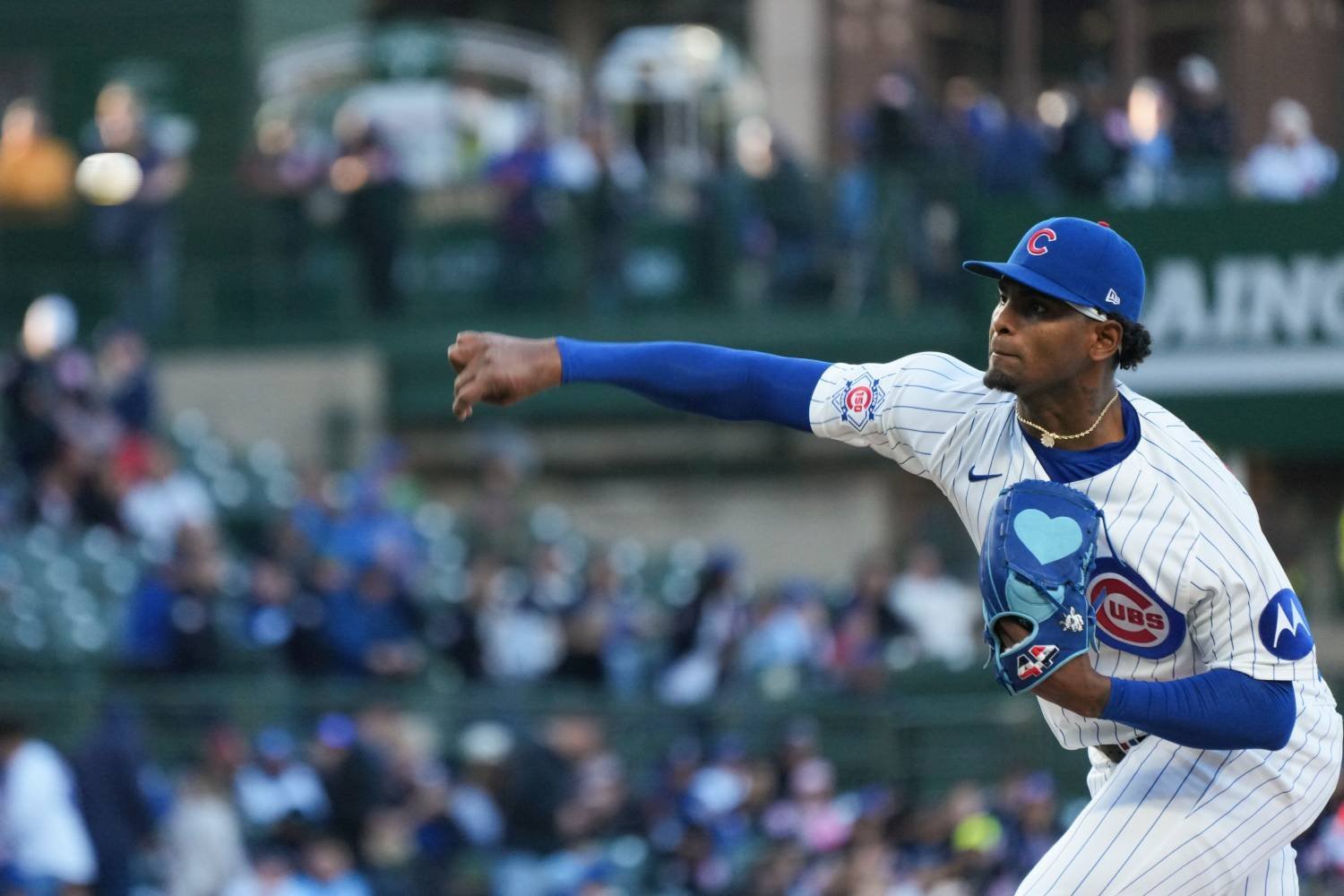 It was indeed a minimum stay on the injured list for Edward Cabrera. The Chicago Cubs activated the right-hander in time to start Friday's series opener against the San Francisco Giants. Cabrera had been on the 15-day injured list due to a blister in his right middle finger. Right-handed reliever Tyler Ferguson was sent down to Triple-A Iowa. Cabrera developed the blister in his May 20 start vs. the Milwaukee Brewers in which he lasted just three innings and allowed four runs (one earned) in a 5-0 loss. Cabrera has a 4.00 ERA in 10 starts and 54 innings, with an 8.8% walk rate and 20.7% strikeout rate. While his walk rate is about 3 percentage points better than his career number (11.4%), his strikeouts are down to 20.7% from 25.4 for his career. Ferguson was called up Tuesday, but didn't appear in a game in his brief stay with the Cubs. He did appear in one game in the majors this year, May 5 with the A's, who then designated him for assignment and was scooped up by the Cubs. View the full article
 -
Craig Mish on emerging core players, know-it-all Marlins fans
DiamondCentric posted an article in Fish On First
 As he does multiple times each year, Miami Marlins insider Craig Mish joins Fish Unfiltered to analyze the current state of the organization. Mish, AJ Ramos and Isaac Azout discuss the Marlins' chances of staying in National League postseason contention and potential approach to the MLB trade deadline, Joe Mack's superb defense, Max Meyer's breakout year, the clock ticking on Christopher Morel, the recent additions of two families to Bruce Sherman's ownership group, and how social media has empowered fans to constantly complain about managerial moves. You can find Fish Unfiltered and Fish On First LIVE on the Fish On First YouTube channel, Apple Podcasts, Spotify or wherever else you get your pods. During Mish's first season with Marlins.TV, he has been utilized as both a studio host and in-game reporter. A Marlins.TV subscription costs $19.99 per month or $74.99 total for the remainder of the 2026 season. View the full article
 -
Is There A Case For The Twins To Draft Jackson Flora Third Overall?
DiamondCentric posted an article in Twins Daily
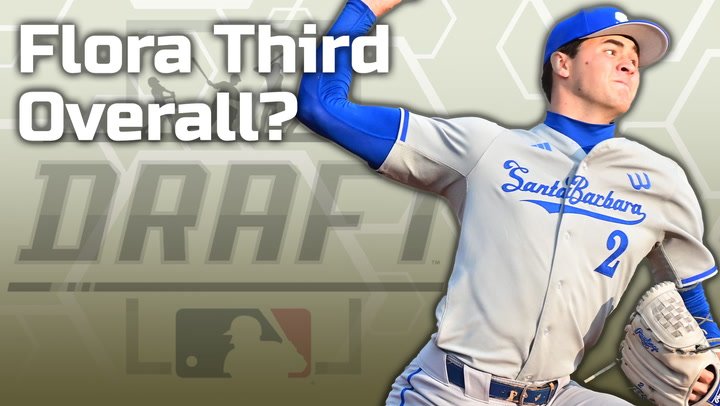 The top of the 2026 Draft Class is heavy with position player prospects. Jackson Flora out of UC Santa Barbara leads the way among pitchers in this year's class, but is he good enough for the Twins to take a flyer on with the third overall pick when the position players provide much more upside? View the full article
 -
Brayan Bello’s 2026 Crisis: The Cutter That No Longer Cuts
DiamondCentric posted an article in Talk Sox
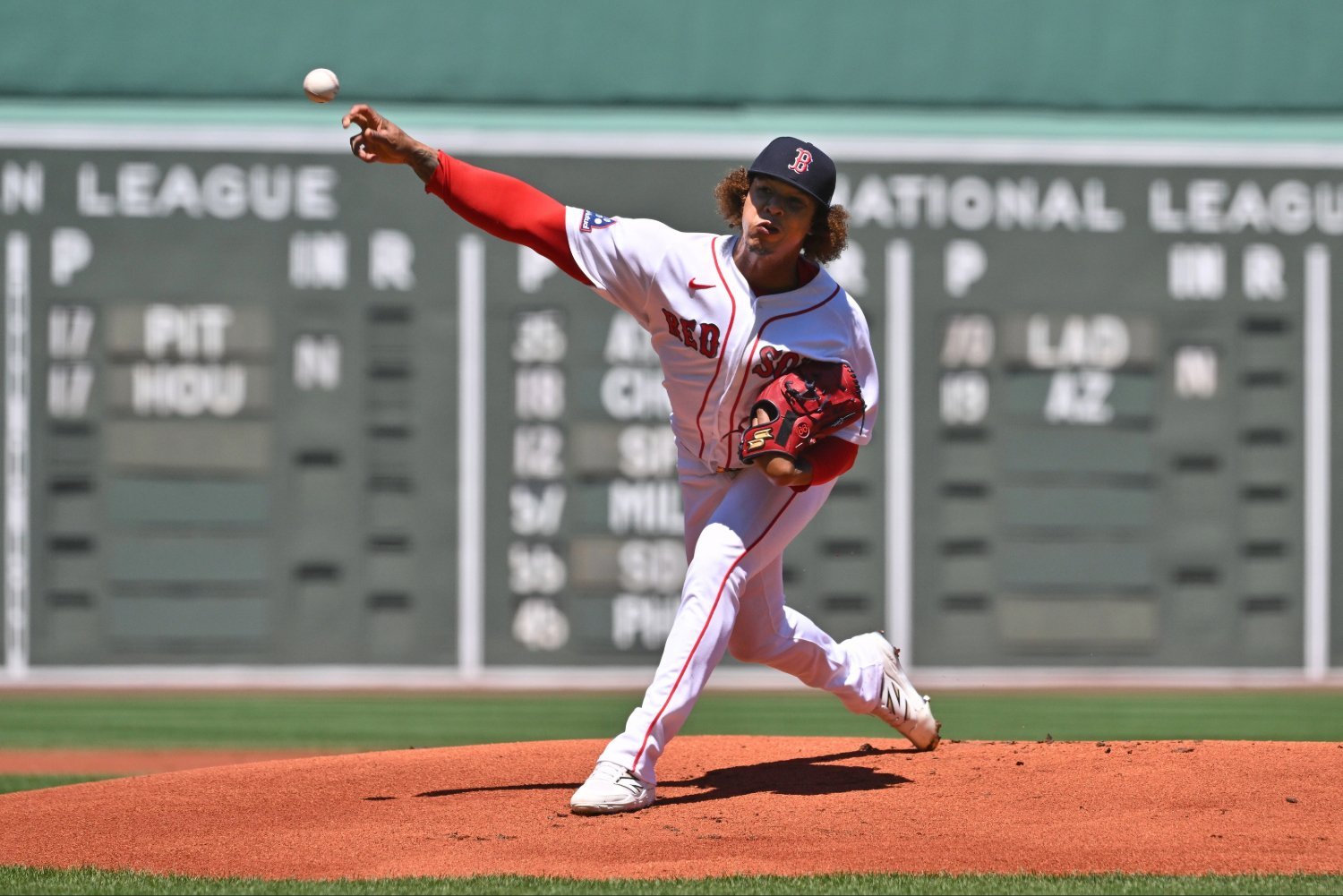 On Thursday at Fenway Park, Brayan Bello threw five innings, allowed seven hits, eight earned runs, walked three and struck out four. He was optioned to Triple-A Worcester later that same night. It was not the first time Baltimore had done this to him: back in April, the Orioles tagged him for 13 hits and five home runs in a single start. Thursday’s nightmare began in the first inning. Taylor Ward opened the game with a double on the very first pitch and scored on Adley Rutschman’s first-inning single. Leody Taveras drove in the second run with another base hit. Then came Coby Mayo, whose bases-clearing double broke the game open in one swing: three runs, a 5-0 score. Ward capped the inning with a single that brought Mayo home for the sixth run. Six runs. Twelve batters. Forty pitches. An inning that said everything. Bello managed to get through four more innings, but the damage had already been done. In the fifth, Baltimore added two more runs — a Samuel Basallo double and a Colton Cowser sacrifice fly — extending the lead to 8-0, which proved more than enough. Afterward, Bello said he felt healthy, that his mentality was the same whether he was starting or relieving, and that he was simply going through a bad season. That was all. And while the frustration in his voice was genuine, the numbers tell a much more specific story than simply “a bad season.” Through eight starts in 2026, Bello owns a 16.88 ERA in the first inning. As a bulk reliever in May (entering after an opener, with the game already underway) he posted a 0.71 ERA and a 0.91 WHIP across 25⅓ innings. Yet his overall ERA sits at 5.63. His xERA is 5.96. This is not bad luck. The quality of contact he is allowing explains nearly all of the damage. The biggest change, and the most obvious place to start, is the cutter. The Whiff Rate by Zone maps from 2025 and 2026 tell the story with brutal clarity. In 2025, Bello dominated the inner part of the strike zone with that pitch. He generated a 21.7% whiff rate in the lower-middle portion of the zone, 15.6% in the heart of the plate and 14.3% on the inner-middle edge. Outside the zone, toward the left-handed batter’s side, the numbers climbed to 66.7% up and 65.0% down. It was a pitch with teeth everywhere. The 2026 map is an entirely different world. The top row inside the strike zone shows 0.0%, 0.0% and 0.0%. Three consecutive zones at zero. It is not that Bello is throwing fewer cutters there — it is that when he throws them, hitters simply do not miss. They know exactly what to do with them. The area that belonged to him in 2025 is now no-man’s land. And the contact generated there has been devastating: opponents are slugging .833 against the cutter with a .480 wOBA so far this season. What makes the picture even more frustrating is that the 2026 chart still shows hot zones, but they are outside the strike zone. Off the plate against left-handed hitters, the cutter is generating whiff rates of 50.0%, 100.0% and 62.5%. The pitch still dominates in those areas. Bello already has the answer within the same offering; he is simply looking for it in the wrong place. Pitch BA SLG wOBA Whiff% Uso% Sweeper .130 .130 .117 19.2% 11.4% Sinker .314 .410 .366 16.9% 43.0% Changeup .263 .368 .274 30.7% 15.5% Cutter .361 .833 .480 45.5% 16.9% Four Seamer .600 .867 .646 14.3% 6.3% The table says everything Bello does not want to hear. His most dominant pitch is the one he throws the least. The pitch allowing the most damage is his second-most-used offering. And the four-seam fastball, despite an .867 slugging percentage against it, continues to appear in 6.3% of his pitches for no obvious reason. The league adjusted. He still has not. Opponents’ Pull% against Bello jumped from 39.9% in 2025 to 51.3% in 2026. More than half of all contact is now being hit to the batter’s pull side. Pull AIR% (the rate of pulled fly balls allowed) rose from 15.7% to 23.1%. When a pitcher reaches a 51% pull rate, the signal is unmistakable: hitters know where the ball is headed before it leaves his hand. They are anticipating locations, getting the barrel out earlier and lifting the baseball with intent. That directly explains why Bello’s HR/FB% nearly doubled in a single year, rising from 10.3% to 18.5%. If all of that isn't enough to understand his demotion back to the minors, then we need to discuss the paradox that may best summarize his season. His SwStr% climbed from 8.6% in 2025 to 11.4% in 2026. More swings and misses. On paper, that should be an improvement. But when opponents make contact, they are making harder contact. His Barrel% increased from 7.1% to 9.7%. His solid-contact rate rose from 5.0% to 7.2%. His Topped% and Weak% both declined. Bello is generating less weak contact than at any point in recent seasons. His profile has become binary: either the hitter misses completely, or he drives the ball with authority. The middle ground — the soft ground ball, the harmless pop-up — has virtually disappeared. And in baseball, that middle ground is precisely what separates a solid pitcher from one living on the edge of disaster in every count. He is 27 years old, the age when pitchers are supposed to establish themselves. Instead, he is heading in the opposite direction, toward Worcester, searching for something he lost or trying to understand something he never realized was changing. View the full article
 -
 It's time to check back in with another Twins mock. The MLB Draft is just five weeks away. This class is as muddled as any I've covered, though it's plenty deep in talent. You can find our consensus board here. Let's check in on some player profiles it's currently mocking to the Twins with their first few picks in July At #3, the Twins Select Vahn Lackey, Catcher, Georgia Tech Every draft cycle seems to produce 2-3 first-round catchers, most of whom have warts offensively, defensively, or both. Georgia Tech's Vahn Lackey may be the most complete college catcher in recent seasons and has been the name with the most helium associated with it in the early going in 2026. Lackey entered 2026 viewed as an excellent defensive catcher, with athleticism uncommon for the position, in addition to having strong bat-to-ball skills. He continues to look excellent behind the plate, with good receiving and blocking skills, an excellent arm and strong pop and transfer times. Offensively, his power has taken a step forward. After hitting 6 home runs in 60 games in 2025, he has 9 in his first 25 in 2026, with more walks than strikeouts, adding a high on-base floor to his profile. He'll need to continue to prove it in conference play, but a continuation of his early-season improvements will push Lackey into top-5 consideration due to the completeness of his skill sets on both sides of the ball. At #43, the Twins Select Archer Horn, SS/RHP, St. Ignatius College Prep, CA Horn is a two-way prospect out of Northern California, currently committed to Stanford. He's a talented pitcher who has been up to 95 mph with his fastball, also mixing in a good changeup and a solid curveball that has strong spin traits. Most evaluators think his future is as a hitter, however. In the box, Horn has good bat speed, barrel feel, and demonstrates the ability to consistently generate loft in his left-handed swing. I think he'll eventually be a power over hit profile, but he currently has the potential to be at least solid average in both tools. Defensively, it's likely he moves off shortstop eventually, but he has a future on the first at second or third base. His commitment to Stanford, and his placement on the board in the 40-60 range generate some skepticism around his signability. Riojas pitched for two seasons at UTSA prior to transferring to Texas. He's continued to take steps forward in his two seasons with the Longhorns, capped by an excellent 2026 season. At #74, the Twins Select Ruger Riojas, RHP, Texas Riojas is undersized for a starter at 6'0, 195 pounds. He'll also be 23 on draft day, one of the older prospects selected in the entire class. His fastball sits 94-96 mph with good carry and will peak at 97-98 mph. It's backed up by a splitter that sits in the mid 80s, a cutter, a sweeper and a curveball to round out a well-developed arsenal. Riojas has a strikeout rate north of 35% heading into the end of the regular season, combined with an impressive 5.2% walk rate. He'll be drafted in the first 3 rounds as a priority senior sign that will allow an organization some financial flexibility with other early picks. At #79, the Twins Select Taylor Rabe, RHP, Ole Miss Taylor Rabe is a 6’5, right-handed pitcher for Ole’ Miss, who has been a significant late riser on draft boards down the stretch of the 2026 season. After blowing out his elbow in his senior year of high school, he made it to campus and spent his 2024 season recovering from TJ surgery. Rabe transitioned into a starting role in 2026, after functioning primarily as a reliever his sophomore season. Entering Super Regional play, he’s logged a career high 63.1 innings, posting a strikeout rate north of 34%, while managing a 3.82 FIP, an excellent mark given the quality of the competition he’s facing regularly. Rabe has an excellent fastball that sits 95-97 mph but has touched triple digits. It’s primarily complemented by a cutter (86 mph), a slider (82 mph), and a changeup (87 mph), giving Rabe a solid four pitch mix with which to transition into pro ball. There’s excellent strike throwing here. Rabe has walked just 3.8% of hitters in 2026. That’s actually up from 2025 (2.5%) and he gets good extension down the mound. There’s a ton of starter traits here, and I like Rabe a ton to polish up his arsenal and optimize his approach with an offseason in a pro system under his belt. The arrow is firmly up here. View the full article
 -
Blue Jays To Promote Red-Hot Sean Keys to Triple-A Buffalo
DiamondCentric posted an article in Jays Centre
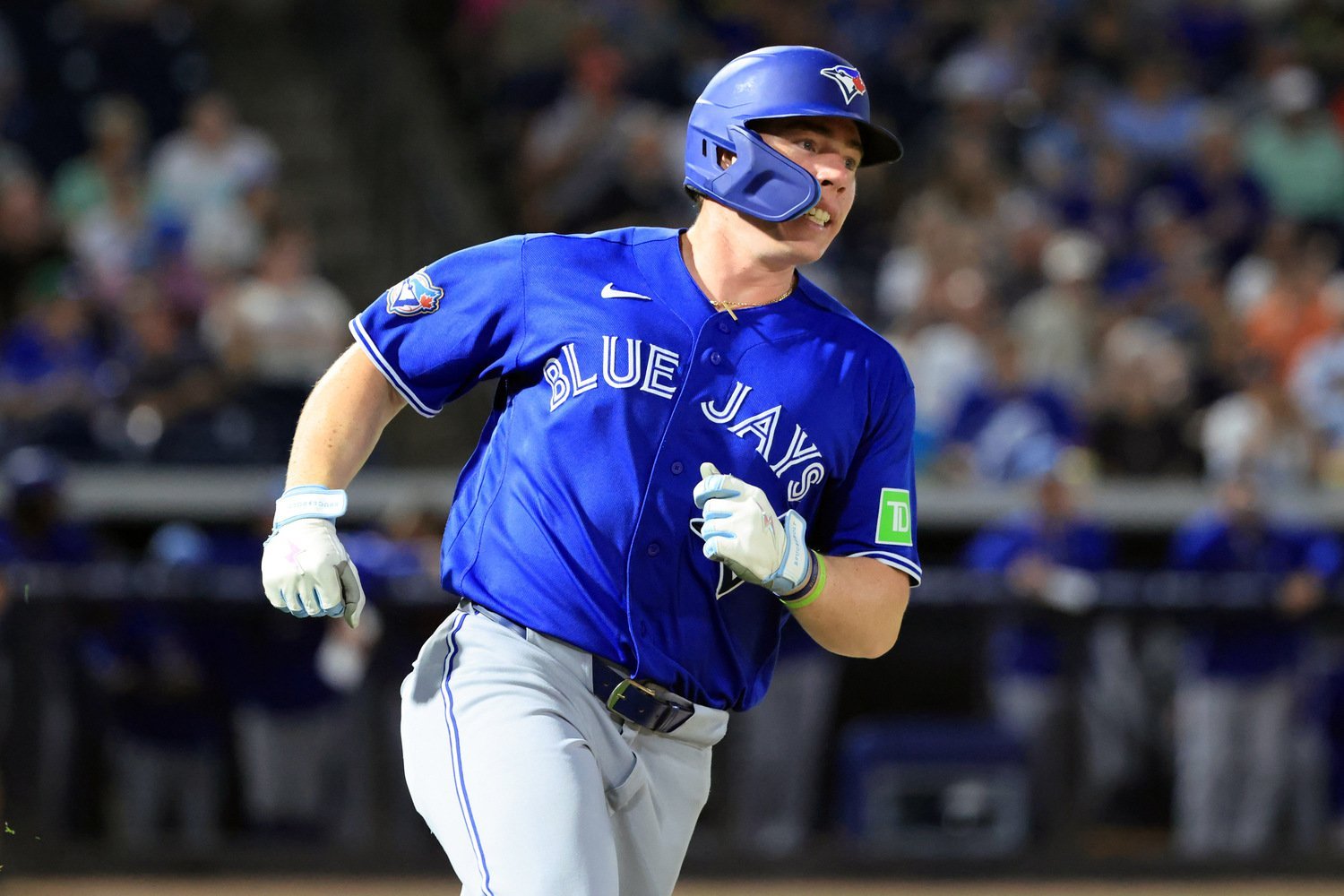 According to The Athletic's Mitch Bannon, Sean Keys has earned a promotion. Thanks to his hot start for the Double-A New Hampshire Fisher Cats, Jays Centre's No. 10 prospect will soon join the Triple-A Buffalo Bisons. Keys, 23, leads all Blue Jays minor leaguers with 14 home runs and 43 runs scored in 2026. He's hitting .285 with 23 extra-base hits, a 13.4% walk rate, a .993 OPS, and a 158 wRC+. No Double-A batter (min. 200 PA) has a higher OPS or wRC+. The corner infielder has also stolen six bases through 49 games; he only stole eight in 119 contests last season. Jays Centre chose Keys as our Minor League Hitter of the Month in April. He slowed down a bit in mid-May, but over the past two weeks, he's hit .317 with a 1.111 OPS and 185 wRC+. While he's only been with New Hampshire for two months, it already looks like he's ready to face the next level of competition. The Blue Jays selected Keys in the fourth round of the 2024 draft. You can read more about him on Jays Centre's top prospects page. View the full article
 -
 Chicago Cubs Transactions No Roster Moves Iowa Cubs The Iowa Cubs game was postponed. Garriola's Grand Slam Powers Smokies Past Barons The Knoxville Smokies jumped on the Birmingham Barons early and never trailed in a 6-2 win. Knoxville scored five times in the bottom of the first. Andy Garriola provided the blow, a grand slam to left field that drove in four runs and scored Alex Ramirez, Jefferson Rojas, and Owen Ayers. Ed Howard added a sacrifice fly later in the inning to score Carter Trice. Knoxville tacked on in the third when Howard doubled to left to bring home Trice again. Connor Schultz turned in the start, working four innings and allowing one run on three hits with no walks and seven strikeouts. Evan Taylor followed with two scoreless innings, allowing no hits with one walk and three strikeouts to pick up the win and improve to 2-0. Jefferson Rojas collected two hits and stole two bases, and Carter Trice added two hits and scored twice along with a key defensive play in the 7th: Player AB R H RBI BB K Alex Ramirez 4 1 1 0 0 1 Jefferson Rojas 4 1 2 0 0 0 Owen Ayers 3 1 1 0 1 1 Andy Garriola 4 1 1 4 0 1 Ethan Hearn 4 0 0 0 0 2 Carter Trice 4 2 2 0 0 2 Cameron Sisneros 4 0 1 0 0 2 Ed Howard 3 0 1 2 0 2 Hayden Cantrelle 4 0 1 0 0 1 Player IP H R ER BB K HR Connor Schultz 4 3 1 1 0 7 1 Evan Taylor 2 0 0 0 1 3 0 Vince Reilly 2 1 1 1 0 1 0 Frankie Scalzo Jr. 1 2 0 0 1 2 0 South Bend Lets Lead Slip Away in Loss to River Bandits The South Bend Cubs took an early lead but could not hold it in a 4-3 loss at Quad Cities. After falling behind 2-0 in the second, South Bend answered in the third. Christian Olivo doubled to left to score Alex Madera, and Ty Southisene followed by grounding into a force out that brought home Olivo, with a throwing error on the play keeping the inning alive. South Bend took the lead in the fourth when Madera singled to score Jose Escobar. The River Bandits rallied back, tying the game in the sixth and pushing across the go-ahead run in the seventh. Cole Reynolds worked four innings in the start, allowing two runs, both earned, on three hits with three walks and four strikeouts. Ben Johnson followed with three innings, charged with two runs on three hits and a walk while striking out one, and took the loss to fall to 1-1. Kenten Egbert closed with a scoreless inning. Madera and Olivo each had multi-hit days, and Olivo drove in the lone South Bend RBI. South Bend left three runners on base. Escobar made an impressive fielding playing in the 4th to add some positivity toe the recap. Player AB R H RBI BB K Kane Kepley 2 0 0 0 2 1 Ty Southisene 4 0 0 0 0 0 Josiah Hartshorn 4 0 1 0 0 2 Matt Halbach 4 0 0 0 0 3 Jose Escobar 4 1 1 0 0 1 Drew Bowser 4 0 0 0 0 1 Alex Madera 3 1 2 0 0 1 Dilan Granadillo 3 0 0 0 0 1 Christian Olivo 3 1 1 1 0 1 Player IP H R ER BB K HR Cole Reynolds 4 3 2 2 3 4 0 Ben Johnson 3 3 2 2 1 1 0 Kenten Egbert 1 0 0 0 0 0 0 Melendez Drives In Three, but Pelicans Fall at Charleston The Myrtle Beach Pelicans collected 11 hits but could not overcome Charleston in a 9-5 loss. Myrtle Beach led early, scoring in the first when Yahil Melendez walked with the bases loaded to bring home Eli Lovich, and again in the third when Melendez doubled to left to score Logan Poteet. The RiverDogs answered with a three-run third and a four-run sixth to pull away. Myrtle Beach kept battling, adding a run in the seventh on Poteet's double and two more in the ninth on Michael Carico's home run and another Melendez double. Hayden Frank made the start and took the loss, dropping to 2-3 after allowing three runs on three hits with two walks and two strikeouts over three innings. David Bracho was tagged for five runs, two earned, on five hits across two innings. Poteet had three hits, and Melendez added two hits and three RBI. Myrtle Beach left 11 runners on base. Player AB R H RBI BB K Darlyn De Leon 5 0 0 0 0 1 Eli Lovich 3 2 1 0 2 0 Logan Poteet 5 1 3 1 0 2 Michael Carico 5 1 2 1 0 1 Derniche Valdez 4 1 2 0 1 2 Yahil Melendez 4 0 2 3 1 0 Geuri Lubo 3 0 0 0 1 1 Jairo Diaz 4 0 1 0 0 2 Edward Vargas 3 0 0 0 1 2 Player IP H R ER BB K HR Hayden Frank 3 3 3 3 2 2 1 Henry Cone 2 2 1 1 1 1 0 David Bracho 2 5 5 2 3 2 0 Riely Hunsaker 1 0 0 0 0 2 0 Top-20 Prospect Performance Jefferson Rojas: 2-for-4, 2 SB Jaxon Wiggins: DNP Pedro Ramirez: DNP Kevin Alcantara: DNP Josiah Hartshorn: 1-for-4, 2B, 2 K Ethan Conrad: DNP Kane Kepley: 0-for-2, 2 BB, K Jonathon Long: DNP James Triantos: DNP Cole Mathis: DNP Owen Ayers: 1-for-3, BB, K Brooks Caple: DNP Juan Cabada: DNP Kaleb Wing: DNP Angel Cepeda: DNP Dominick Reid: DNP Jostin Florentino: DNP Ty Southisene: 0-for-4 Will Sanders: DNP Brandon Birdsell: DNP View the full article
 -
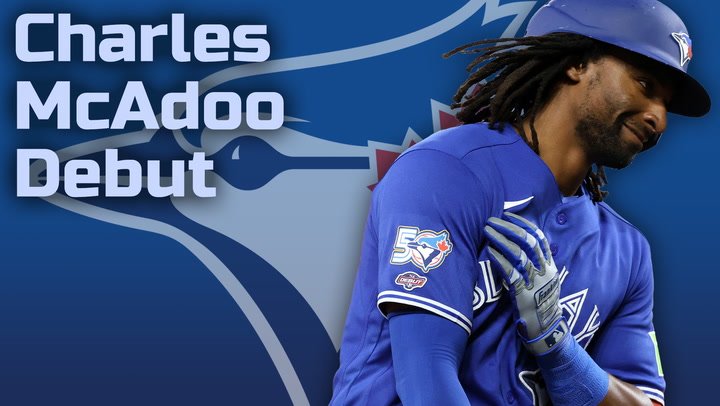 Charles McAdoo smacked a home run in his major league debut. The former late-round draft pick and now Toronto Blue Jays' top 30 prospect has a 55-grade power rating and has made the major leagues inside of three years from his draft selection. In this video, we'll break down what his role on the team could look like. View the full article
 -
 Boston Red Sox Affiliate Recap (June 4) Triple-A Worcester Red Sox Season Record: 29-28 After getting blown out, Worcester bounced back in a perfect way, defeating the Bisons 5-1. Worcester jumped on Buffalo early in the second. Allan Castro doubled then advanced to third due to a fielding error, the first of his three hits on the night, then Matt Lloyd drove him in with an RBI single to right to make it 1–0. Tsung-Che Cheng was the next batter coming up to the plate. He proceeded to crush a two-run homer to center to blow it open at 3–0. The third inning added two more, giving the WooSox more breathing room. Braiden Ward led off with a 384 FT solo shot to right, his second of the year, pushing the lead to 4–0. Vinny Capra singled behind him, then stole a base to put him in scoring position. Then Castro came through again with an RBI single, making it 5–0. Worcester was swinging with confidence early in the game, and Buffalo’s starter was getting tagged. From there, the pitching staff took over. Worcester used three relievers to blank Buffalo through the first six innings. They broke up the shutout bid with a solo homer in the seventh to make it a 5-1 game, but that was the only damage allowed. The bullpen was outstanding across the board. Devin Sweet started the game with two clean shutout innings. Osvaldo Berrios earned his first win of the season with three scoreless innings while only allowing one hit and striking out two batters. Seth Martinez gave up the only run but was solid nonetheless, tossing two innings with one hit allowed and two strikeouts as well. Wyatt Olds threw the last two innings of the game with two hits allowed and two strikeouts. Castro was easily the best bat in Worcester’s lineup, getting on base three times with a 3-for-4 day at the plate while registering an RBI. Standout Performances: Allan Castro: 3-for-4, 2B, R, RBI Braiden Ward: 2-for-4, HR, R, RBI Tsung-Che Cheng: 1-for-3, HR, R, 2 RBI Double-A Portland Sea Dogs Season Record: 28-25 The Sea Dogs could not string together enough hits, especially when it mattered with runners in scoring position, losing 4-1 to the Yard Goats. Portland was held scoreless through the first five innings. The Sea Dogs could not do anything against Hartford’s starter, although they drew three walks against him; Portland could never string anything together. Marvin Alcantara went 0-for-4, and Ahbram Liendo, who was outstanding with three hits in the previous game, went 0-for-3 with two strikeouts. Hartford broke through in the fourth, singling and crushing a two-run shot to give the Yard Goats a 2–0 lead. Nate Baez provided the only spark, leading off the bottom of the sixth with a solo homer to left, his sixth of the year, pulling Portland within one run, 2–1. It felt like a potential turning point with the middle of the lineup coming up, but that dream of coming back did not happen. But the seventh inning extinguished that hope for good. Two Hartford batters were aboard with no outs, then a ground ball was hit up the middle, deflecting off shortstop Franklin Arias and rolling into shallow center field, two runs scored to make it 4–1. The Sea Dogs had a chance to push runs across the plate in a big moment. Nelly Taylor singled, then stole his 16th base of the season. Caden Rose and Liendo worked back-to-back walks to load the bases for Talk Sox #1 prospect Franklin Arias. Unfortunately, he proceeded to ground into a double play, completely shutting down the rally. Even though he took the loss and gave up two runs, Blake Wehunt was excellent; he just did not have enough run support. Wehunt struck out six batters in his six innings of work while filling up the zone, throwing 70% of his pitches for strikes. Nelly Taylor was the only Portland hitter to record a multi-hit game, recording two of the team's five hits. Taylor went 2-for-3 with a walk and a stolen base. Standout Performances: Blake Wehunt: 6 IP, 5 H, 2 ER, 6 K Nelly Taylor: 2-for-3, BB, SB Nate Baez: 1-for-4, HR, R, RBI High-A Greenville Drive Season Record: 21-31 The Drive took a gut-wrenching loss in extras, getting walked off on by the Emperors 5-4. Greenville was shut down early, and Rome's starting pitcher was dominant, going 5 ⅓ innings and allowing just 1 hit. He walked four, giving the Drive a chance with runners aboard, but they couldn't capitalize, while Rome built a 3–0 lead on a two-run homer in the fourth and a sacrifice fly in the fifth. The sixth inning made the game interesting. Yoeilin Cespedes drew a lead-off walk, then Gerardo Rodriguez launched a two-run homer that instantly cut it to 3–2. After Luke Heyman popped out, Isaiah Jackson stepped up to the plate to show off his power as well, crushing a solo shot to right, his eighth of the year, tying the game 3–3. That's as electric as it gets from a lineup that had been dormant all night. The game settled in the next two innings with a tense pitchers' duel. Danny Kirwin was outstanding in relief, bringing the game to extras for Greenville. He threw three innings, one hit, one run, and four strikeouts. The Drive had some luck on their side in the ninth when Jack Winnay singled and advanced to second on a wild pitch, then moved to third on a fly out. He proceeded to score after a ground ball that turned into a throwing error from the Emperor's third baseman, which would have been the third out to end the inning. Greenville had the lead 4-3 now. Kirwin sadly ran into a very unlucky situation in the ninth, striking out the leadoff batter on a dropped third strike that put him on first base with no outs. Two straight grounders in the infield advanced the runner to third with two outs, one out away from ending the game. Rome’s potential last batter wasted no time, smacking the first pitch he saw, hitting an RBI double to right field to tie it 4-4. The game headed to extra innings. The tenth inning ended it, with the ghost runner at second, Hartford advanced the runner to third with a single, then lifted a sac fly to center that easily scored the winning run. Greenville's Calvin Bickerstaff took the loss, recording two outs in the tenth before the walk-off. The Drive was so close to pulling off a win with a weak offensive performance. Low-A Salem RidgeYaks Season Record: 24-30 Salem snapped their small two-game losing skid with a monster game from the offense, defeating the Warbirds 12-6 on the road. Salem fell behind early after the Warbirds crushed a two-run homer in the bottom of the first, putting them up 2–0. The RidgeYaks scratched across a run in the second, Stanley Tucker and Ilan Fernandez put together back-to-back singles, setting up Starlyn Nunez with a productive RBI ground, 2-1. Wilson added a two-run single in the second to extend their lead to 4–1. The third inning absolutely blew the game open for Salem. It all started when Adonys Guzman doubled (his first of three hits on the night) and scored on a D'Angelo Ortiz force-out, 2–4. With two outs, Frederik Jimenez got plunked by a pitch, then Tucker drew a walk to load the bases for Fernandez. He then followed in his teammates' footsteps and drew a walk as well, bringing in a run to make it 3–4. That brought up Starlyn Nunez to hit with the bases still jammed, he then crushed a grand slam to right, his 8th homer, to blow the game wide open at 7–4. After going on a brief 0-for-10 slump, Nunez answered with the biggest swing of the week. Salem kept the pressure on, Guzman doubled again in the fourth, and Andruw Musett drove him in with an RBI single to center, 8–4. In the sixth, Musett and Jimenez both reached base, then Tucker ripped a two-run triple to left to make it 10–4. Fernandez added a sacrifice fly to push it to 11–4. Salem was relentless. Wilson scratched two runs back in the seventh, but it did not matter. Guzman added one more run after hitting his third double of the game in the ninth to cap the scoring at 12–6. Standout Performances: Starlyn Nunez: 2-for-5, HR, 2B, R, 5 RBI, BB Adonys Guzman: 3-for-5, 3 2B, 2 R, RBI, BB Stanley Tucker: 2-for-4, 3B, 3 R, RBI, BB View the full article
 -
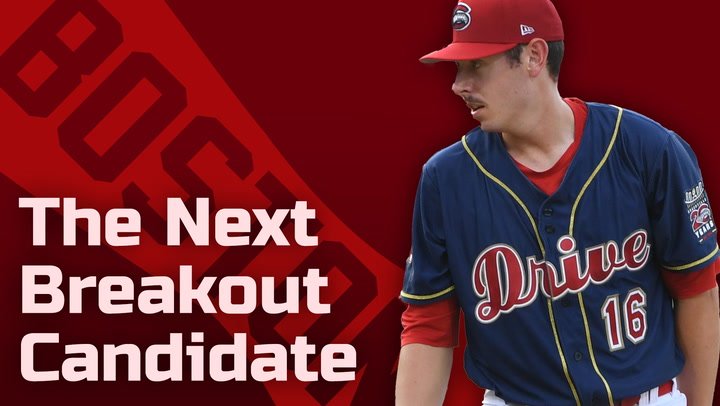 Hayden Mullins was once a late-round draft pick whose stock bottomed out thanks to elbow injuries and lack of college innings. Now, he's a crafty southpaw with a lively fastball who could be in the major leagues by the end of the 2026 season. In this video, we'll dive into what makes Mullins so special and how he made the jump to one of the more consistent arms in the Boston Red Sox farm system. View the full article
 -
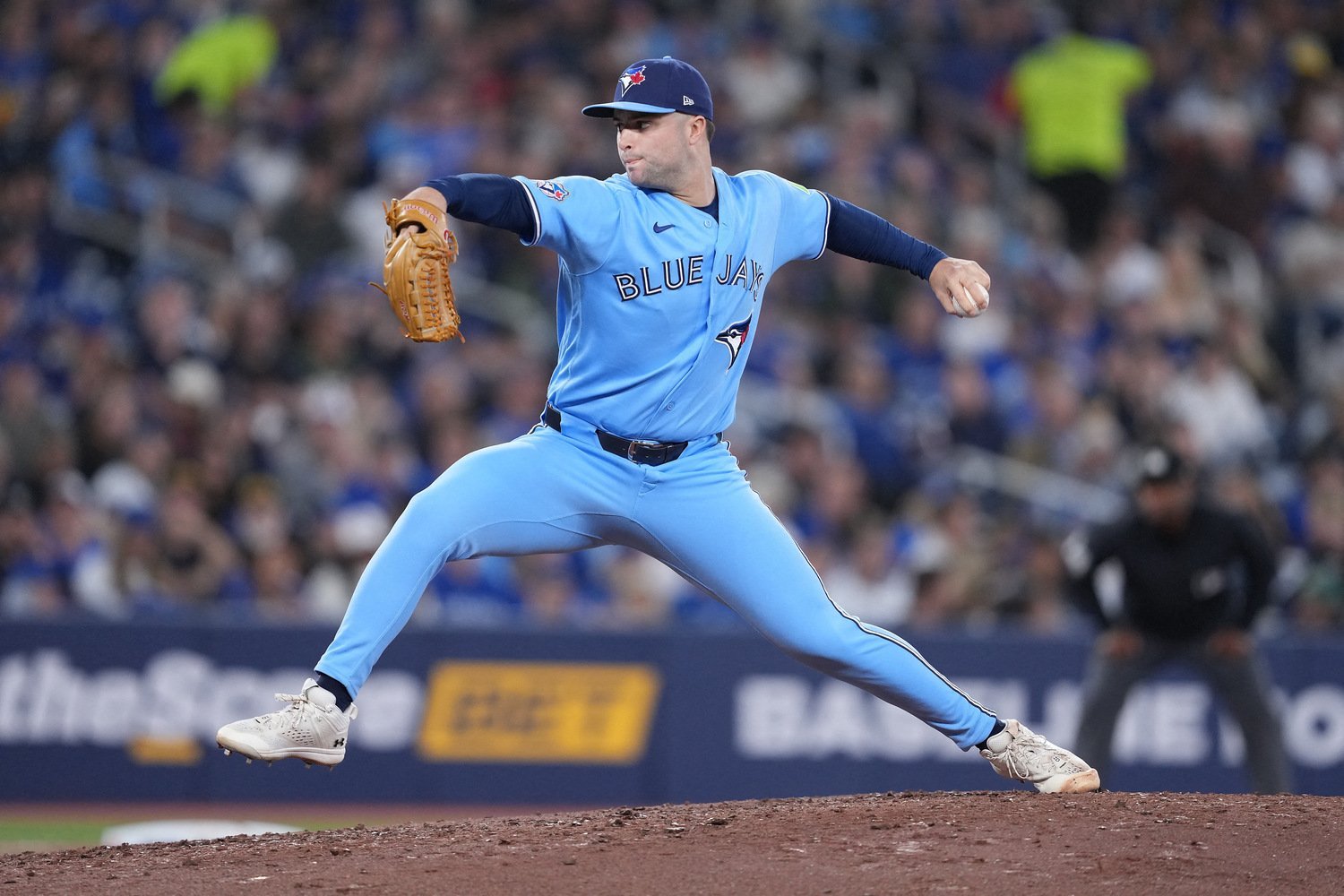 Mason Fluharty is having a roller coaster season so far. In March and April, he had a 7.36 ERA, a 1.73 WHIP, and a 16:7 strikeout-to-walk ratio while allowing batters to hit .286 over 11 innings. Since then, the lefty has been one of the best pitchers in the majors. Fluharty is sporting an astounding 0.69 ERA and 15:3 strikeout-to-walk ratio through 13 innings in May and the first few days of June. With his dominance lately, the Blue Jays have started taking an interesting approach with the lefty. That approach lets him see only three or four batters, then the team takes him out of the game regardless of whether he has finished a full inning. Of his 17 appearances since May 1, Fluharty has faced three or fewer batters in 11 of them, and in eight of those 11 appearances, he didn't complete a full inning. In 2020, MLB implemented a rule requiring relievers to face at least three batters or complete an inning before they could be replaced. So, Fluharty facing the bare minimum and then being replaced without completing an inning is the equivalent of being a LOOGY during the years before the rule change. LOOGY means "left-handed one-out guy," and it refers to the time in baseball when teams had lefty specialists who would come into the game to face a left-handed batter and then be replaced after the at-bat. Currently, Fluharty is on pace to throw 62 innings, but that would be over 85 games. He pitched 63.2 innings last year between Triple-A Buffalo and the majors and 67 innings for Buffalo the year before. Yet, that was over 66 games in 2025 and only 56 games in 2024. Even though the lefty is on pace to throw fewer innings than in either of those seasons, pitching him in 85 games, more than half of the season, would be risking an injury. Fluharty ranks first in MLB in games pitched (33), while teammate Brayden Fisher is tied for second (32). Pitching in that many games means they're warming up in the bullpen and entering the game, which puts a lot of strain on a pitcher's arm, even if it's only for three batters. It also means there will be a few times when Fluharty will be used on back-to-back days. This workload isn't sustainable over an entire season. The Blue Jays don't want to put their young reliever in danger of getting hurt, but they also can't afford to leave him sitting in the 'pen if the team wants to compete in the AL East. Fluharty ranks in the 92nd percentile or higher in expected ERA (2.16), expected batting average (.173), average exit velocity (85.7 mph), strikeout rate (29.8 percent), and hard-hit rate (32.3 percent), making him a valuable asset late in games. Another contributing factor to the increased workload on the bullpen's best arms is the starting rotation's injuries. José Berríos, Dylan Cease, Shane Bieber, Bowden Francis, Cody Ponce, and Max Scherzer are all on the injury list, which has forced Spencer Miles to move to a starting role. However, he hasn't thrown more than 4 1/3 innings in a game, meaning the bullpen is needed to cover the rest of the innings. Things get worse for manager John Schneider because he then has to follow up with a second bullpen game, since there are no viable starters available. The Blue Jays put a Band-Aid on the situation by trading for the recently DFA'd Simeon Woods Richardson for cash considerations. He has a 7.74 ERA over 47 2/3 innings and an abysmal 26:25 strikeout-to-walk ratio, making him a stopgap until real fixes arrive. The real fixes to the workload dilemma may be on their way. Scherzer and Cease are nearing the end of their rehab assignments with Triple-A Buffalo. Cease made a start on June 4, Scherzer will get a start on June 5, and Bieber, who has been out all season, will get the start on June 6 for the Bisons. Reliever Yimi García made a rehab appearance for Single-A Dunedin on June 3. Reinforcements can't come quickly enough to protect the young stars in the Blue Jays bullpen from being overworked and to keep them pitching well towards the end of the season. View the full article
 -
Forum Friday: Innings Limits, Trading Pitchers, & Tarik Skubal
DiamondCentric posted an article in Brewer Fanatic
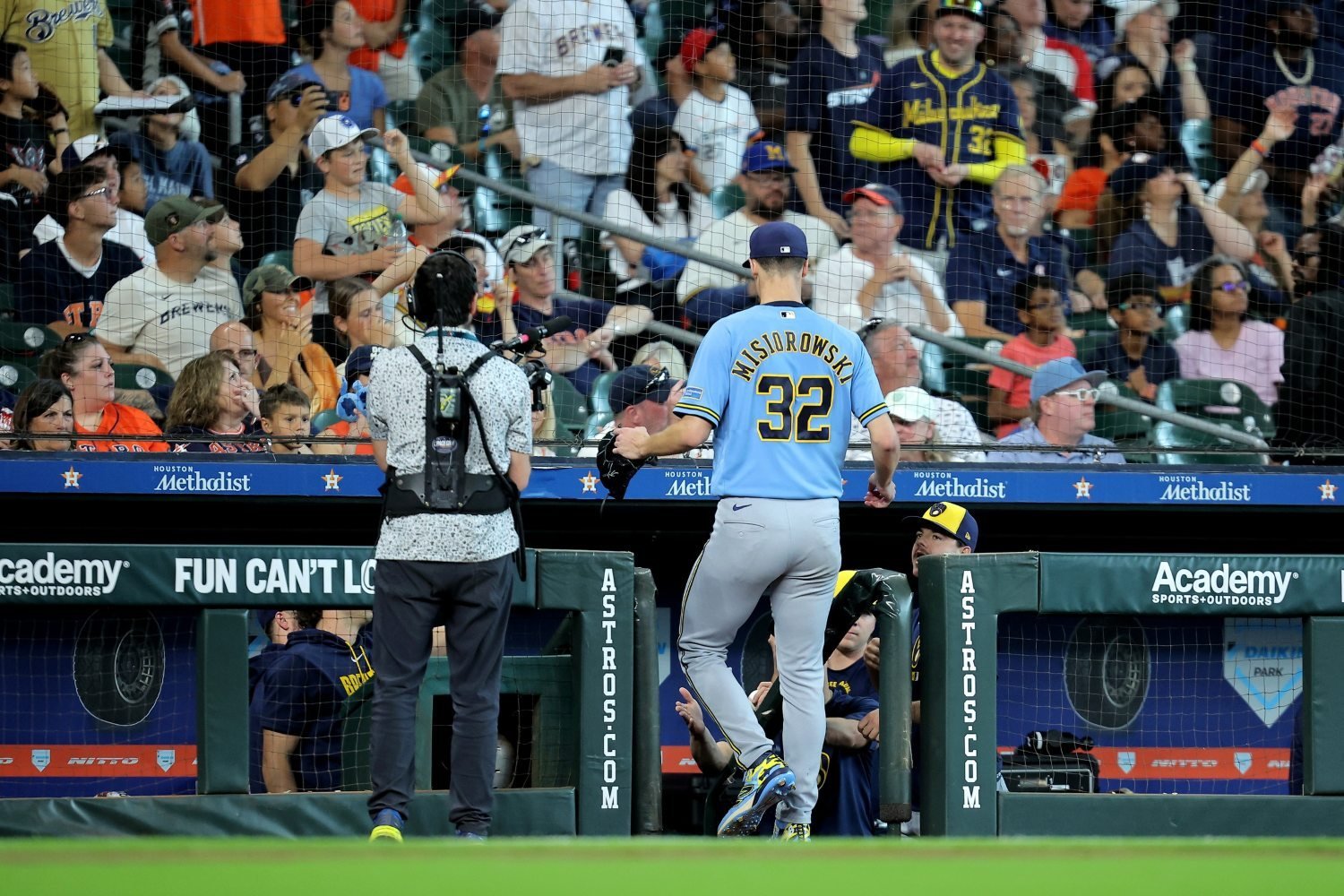 Milwaukee comfortably leads the NL Central as we start the month of June. The Brewer Fanatic community takes nothing for granted during the regular season, but already, our attention is moving toward the August trade deadline, September workloads and strategizing for the postseason. Come join the discussions in three of the best forum thread topics from the past week. Brewers: Young pitching...innings pitched...September and October Milwaukee's starting rotation has been anchored by a pair of 24-year-old phenoms in Jacob Misiorowski and Kyle Harrison. The potential problem is that neither has thrown a full season's worth of innings at the major league level. Misiorowski is presently on pace for nearly 200 innings pitched after completing 141.1 IP last year, including time in Nashville. Harrison is trending toward 150 innings compared to 112 IP in 2025 and spent most of the season in Triple-A. A deep playoff run could add 20 additional high-leverage innings, too. What should the Brewers do to balance regular-season competitiveness with postseason readiness? Milwaukee is currently tied in the loss column with Los Angeles and earning a first-round bye would be a huge advantage. At the same time, the Brewers seemed exhausted by the time they faced the Dodgers last year. Naturally, the Dodgers are expecting veteran pitchers Tyler Glasnow and Blake Snell to return later this season to reinforce an already strong rotation. It would be disappointing for Milwaukee's young stars to fade when Los Angeles is again peaking. Brewers: A discussion on trading starting pitchers with a year of control remaining Brewers fans understand the formula of trading away top starting pitchers before free agency in order to gain six years of affordable control from younger prospects. The Brewer Fanatic community largely agrees that the trade of Corbin Burnes for Joey Ortiz and DL Hall could be fine. Would keeping Burnes for the 2024 playoff run have made a meaningful difference? The game one loss to the Mets had Freddy Peralta allow three earned runs over four innings. For Baltimore, Burnes allowed just one earned run over eight innings for his lone 2024 playoff start. The Peralta trade evaluation is less clear. Brandon Sproat has flashed enormous potential but does not yet have results to show for it. Jett Williams is heating up in Nashville, but that does not help the infield or outfield holes in Milwaukee. Peralta has performed around his career averages this season. Freddy will provide 170 reliable regular-season innings but there is little evidence that would suggest he would dominate an opponent in October. At what point does Milwaukee's strategy move from acquiring organizational depth to utilizing our prospects to win now? Or, at the very least, keep the starting pitchers we already have for one more run at a championship? The long run will someday be long enough. Rumors: Tarik Skubal Remember when the Brewers traded for CC Sabathia and Zach Greinke? Wouldn't it be fun if Milwaukee acquired a healthy Tarik Skubal? Except this time, instead of reinforcing a playoff rotation of Dave Bush and Jeff Suppan or Randy Wolf and Shaun Marcum, the Brewers add an ace to support Misiorowski and Harrison? The Brewer Fanatic community knows the value of our prospects as well as anyone. At the same time, if Matt Arnold has the ability to rent Tarik Skubal without trading Jesús Made or Luis Peña, should he do it? Doug Melvin would. That doesn't automatically make it the right move for the organization now or for the future, though. It's a great day to be a Brewers fan on Brewer Fanatic! View the full article
 -
Joe Mauer, Byron Buxton, and Never-Ending Trade Speculation
DiamondCentric posted an article in Twins Daily
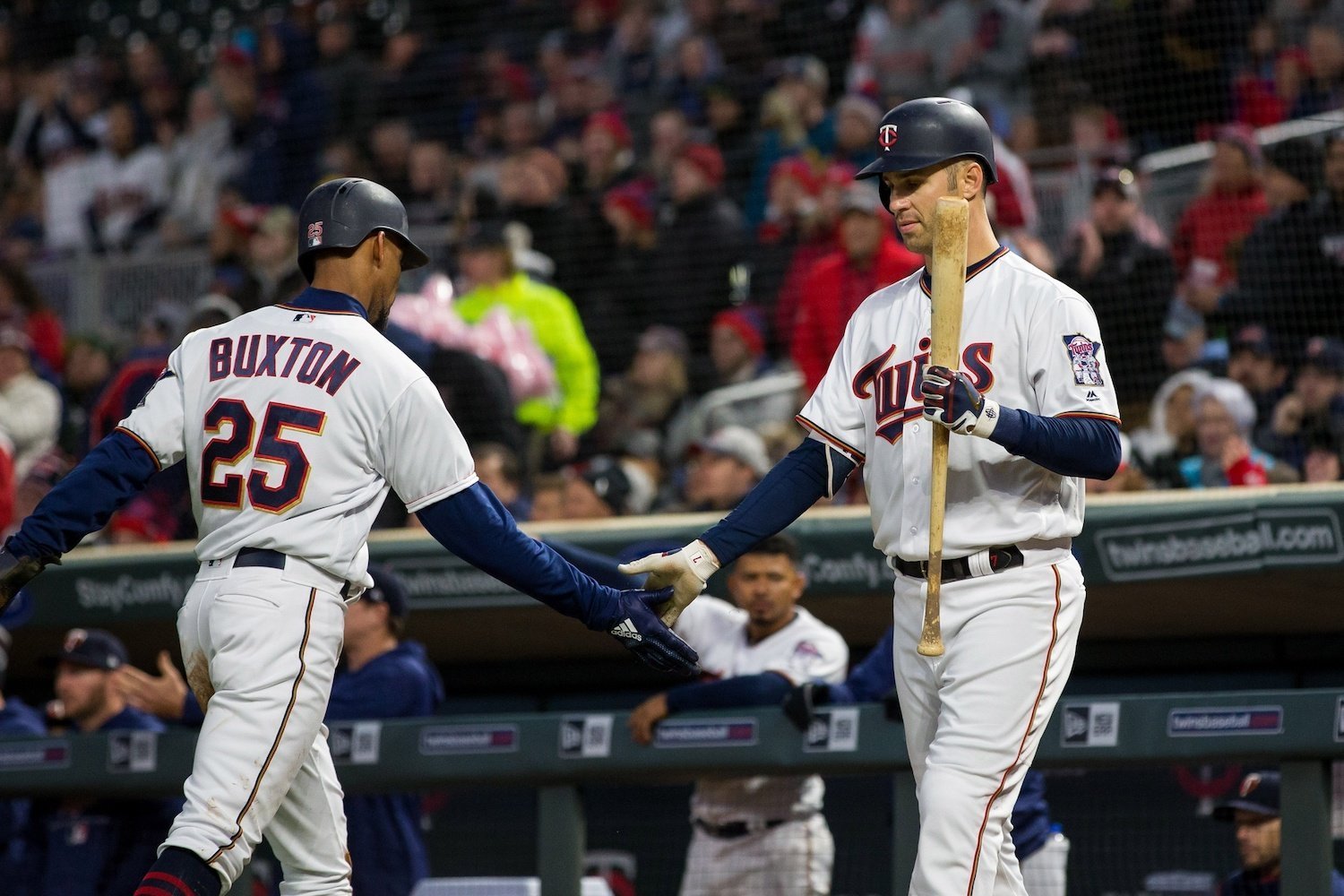 It has become one of baseball's most predictable conversations. Whenever the Minnesota Twins hit a rough patch, fall out of contention, or approach the trade deadline, Byron Buxton's name starts appearing in trade speculation. National analysts suggest contenders should call. Fans debate whether the organization should maximize his value. Pundits wonder if the star center fielder deserves a chance to play elsewhere. The discussion has persisted for years, despite one important detail: Buxton has never shown much interest in leaving Minnesota. That's why Joe Mauer's recent comments were particularly noteworthy. No one understands the unique position Buxton occupies better than Mauer. Before Buxton became the face of the franchise, Mauer spent more than a decade carrying that responsibility himself. He experienced the pressure of being a franchise cornerstone, heard the rumors about playing elsewhere, and ultimately chose to spend his entire career in a Twins uniform. Speaking with reporters ahead of a celebrity golf tournament at the end of May, Mauer touched on several topics before the conversation turned to Buxton and his importance to the organization. The parallels between the two stars are impossible to ignore. Both entered professional baseball with enormous expectations. Mauer was selected first overall by the Twins in the 2001 MLB Draft and eventually built a Hall of Fame career. Buxton was viewed as one of the sport's most exciting prospects before Minnesota selected him second overall in 2012 after the Houston Astros chose Carlos Correa with the first pick. Their careers have unfolded differently, but each player became the centerpiece of the franchise during his era. When asked about Buxton's impact on the field, Mauer didn't hesitate. “He’s one of the most exciting players in the game. He can do it all. He can impact the game in so many different ways — not just with the bat, but with his glove, with his base-running, and his tools. You don’t really have to know baseball to know that he just stands out a little bit from the other guys.” Mauer's assessment reflects what Twins fans have seen for years. When healthy, Buxton remains one of the game's most dynamic talents. He can change a game with a home run, save runs in center field, or create havoc on the bases. There simply aren't many players capable of influencing every aspect of the game the way Buxton can. Of course, the conversation around Buxton has never been solely about talent. Health has been the defining storyline of his career, and Mauer knows that reality better than most. His career was affected by multiple injuries, eventually forcing him to retire. “That’s always been kind of his thing, that you’ve got to keep him on the field, and when he can stay healthy, he’s going to put up some good numbers. So happy that he’s staying healthy, and I always enjoy watching him play the game.” Health concerns have often fueled trade discussions. Some outsiders see an injury history and wonder if Minnesota should move on. Others see an elite talent and believe a contender should make an aggressive offer. Mauer understands those conversations because he lived through his own version of them. Before signing his long-term extension, there was speculation about whether the Twins could keep him. Later, as Minnesota endured losing seasons near the end of his career, some wondered if he would seek a better opportunity elsewhere. Instead, Mauer remained committed to the organization, choosing to finish his career where it started. That history gives his perspective on Buxton additional significance. Naturally, trade rumors will continue to follow a player of Buxton's caliber. However, Mauer believes the center fielder has earned the right to determine what comes next. “Buxton put himself in that position to have some input on it,” Mauer said. “He’s been around for a little while, and I believe he’s got a no-trade clause. Every decision is unique. Every player’s got their own things that they prioritize, and that go into a decision like that.” Mauer also said, “I know Buxton wants to win more than anybody, and I think he wants to win in Minnesota, and that would be something that I would like to see. But I just wish the best for him. Such a good guy, was a great teammate, and I hope he gets that chance to win. And I really do hope it’s here in Minnesota.” The trade speculation surrounding Buxton is unlikely to disappear anytime soon. That's the reality of being one of the most talented players in baseball. But Mauer's comments offer an important reminder that often gets lost in hypothetical trade proposals. Players have a voice in these situations, and sometimes their priorities don't align with the outside noise. Mauer heard the rumors and stayed. Buxton has heard them for years and continues to express his desire to remain in Minnesota. For two franchise icons from different generations, that may be the strongest connection of all. Will the Twins explore trade options with Buxton this year? Are there other connections between Buxton and Mauer? Leave a comment and start the discussion. View the full article
 -
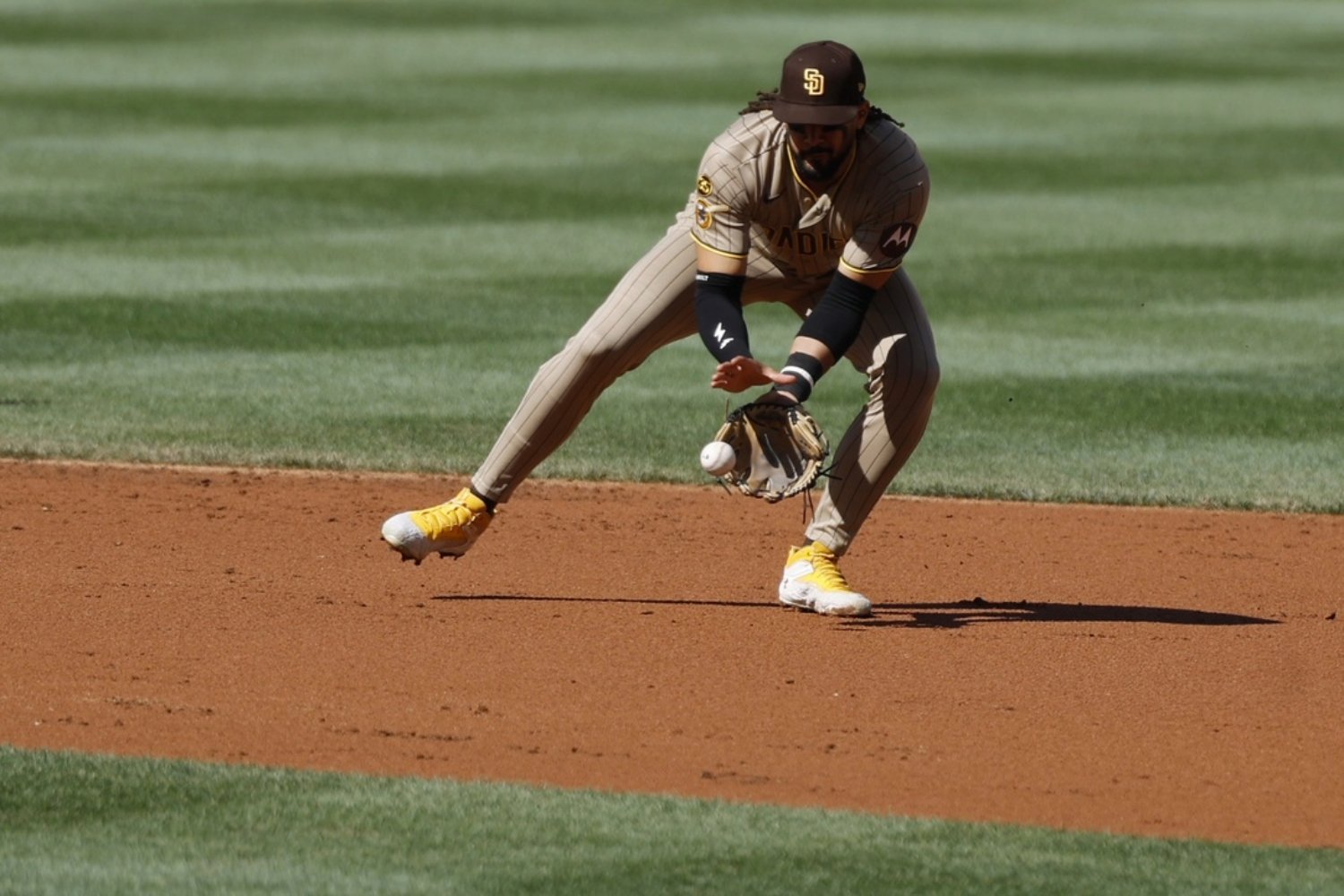 The San Diego Padres’ decision in April to make Fernando Tatis Jr. their backup second baseman bordered on bizarre. The club was putting a Platinum Glove outfielder back in the middle of the infield after moving him off it three years ago, and onto the opposite side of the bag, at that. The move resembled the Boston Red Sox's shuttling of Ceddanne Rafaela between the outfield and infield to solve a roster crunch problem. In other words, the Padres appeared to be admitting their 2026 roster was constructed poorly. They chose DH/corner players Nick Castellanos and Ty France over a true middle-infield backup. In April, the club kept offseason acquisition Sung Mun Song at Triple-A El Paso after his rehab from a spring training side injury was complete. Tatis' early games at the keystone made the skeptics look right. His footwork was poor and he made bad decisions. In early May, the objections grew louder after he passed on turning a routine 5-4-3 double play against the Chicago White Sox to try to throw Chase Meidroth out at home. The ball sailed high and wide toward the backstop. In the month since that play, a lot has changed. France is now a valuable platoon first baseman, Castellanos is out of the picture, Song is glued to the bench, and Tatis has become the everyday second baseman with Jake Cronenworth on the seven-day concussion injured list. Tatis started 13 consecutive games at second before starting in right field for the Padres’ series finale against the Washington Nationals last weekend. Overall, he has made 25 starts at second and 33 in right. He still isn't a smooth infielder, but his athletic ability allows him to get the job done, similar to when he played shortstop. In fact, he's the club's best second baseman based on metrics. Suffice it to say, his bosses are impressed. “He's definitely turning into one of the best second basemen in all of baseball,” Padres manager Craig Stammen said last week after Tatis handled all 10 of his chances (two putouts, eight assists) cleanly in the team's 3-0 loss to the Philadelphia Phillies. “I think he's taken something that looked normal to him and (is) making it look spectacular, just like he does about everything else,." A first-year manager gushing about a club leader should be taken with a large grain of salt, but the stats and even the hated eye test do back up Stammen's claims. Tatis had played 200 innings at second base. He had been charged with zero errors, but that stat hasn't been an acceptable fielding measure for years. The metrics matter most now, and the primary ones were largely positive. Among second basemen with at least 200 innings played at the position, Tatis was tied for fourth in the majors with a plus-4 fielding run value (FRV), tied for fifth with five outs above average (OAA) and tied for 15th with one defensive run saved (DRS). Three of the four FRV runs came from his range, also tied for sixth. (FRV and OAA figures per Baseball Savant, DRS figure per Fangraphs.) Those numbers put him well ahead of Cronenworth and Song: Player Inn FRV OAA DRS Fernando Tatis Jr. 200 4 5 1 Jake Cronenworth 254 1 0 -1 Sung Mun Song 62 -1 -1 -1 And here is another comparison: Tatis has been much better by the metrics than Rafaela was at second last year. Rafaela posted a zero FRV, zero OAA and one DRS in 165 innings. So, how is Tatis putting up these numbers if his movements aren't the most sure? An athletic play in the seventh inning of that Wednesday game helps to provide the answer. He used his outfield savvy and speed to range into shallow right, make an over-the-shoulder catch and rob the Phillies’ Alec Bohm of a single. His lateral range is expansive, too. Twice against the Phillies, he charged in and to his right, ending up on the shortstop side of the bag, to field a slow bouncer. He threw accurately on the move to get the out. Twice, he ranged far to his left to flag down a grounder in the hole before making an accurate throw to first to complete the out. He was quick in starting a pair.of 4-6-3 double plays. While Tatis is helping the club when he's on the infield, there is a tradeoff: the outfield defense suffers badly when he's not out there. Tatis is still a high-end right fielder, while Castellanos and Ramon Laureano, his most frequent fill-ins up to this point, are below average: Player Inn FRV OAA DRS Fernando Tatis Jr. 298 3 3 -1 Nick Castellanos 147 -3 -2 -3 Ramon Laureano 43 -1 -1 1 Bryce Johnson 28 0 0 0 Now that the club trusts Tatis with second base, what should it do with Cronenworth once he returns from the IL? He's in the third year of a seven-year, $80 million contract extension, but he’s coming off two seasons of negative defensive metrics and hasn't hit (47 wRC+) this season. He also has made a start each at short and third in 2026. The negatives point to him potentially losing playing time. Making him an $11 million utility player would be more bad roster management, but the Padres might need to do it if they want to give France and Song (by moving him to the outfield) more opportunities to improve one of baseball's worst offenses. At the very least, Tatis' infield defense has opened that avenue. View the full article
