


DiamondCentric
-
Posts
2,631 -
Joined
-
Last visited
Never
Content Type
Profiles
Forums
Events
News
Tutorials & Help
Major League Baseball Videos
Guides & Resources
Store
Downloads
Gallery
Everything posted by DiamondCentric
-

Toronto Blue Jays Minor League Hitters of the Month - May 2026
DiamondCentric posted an article in Jays Centre
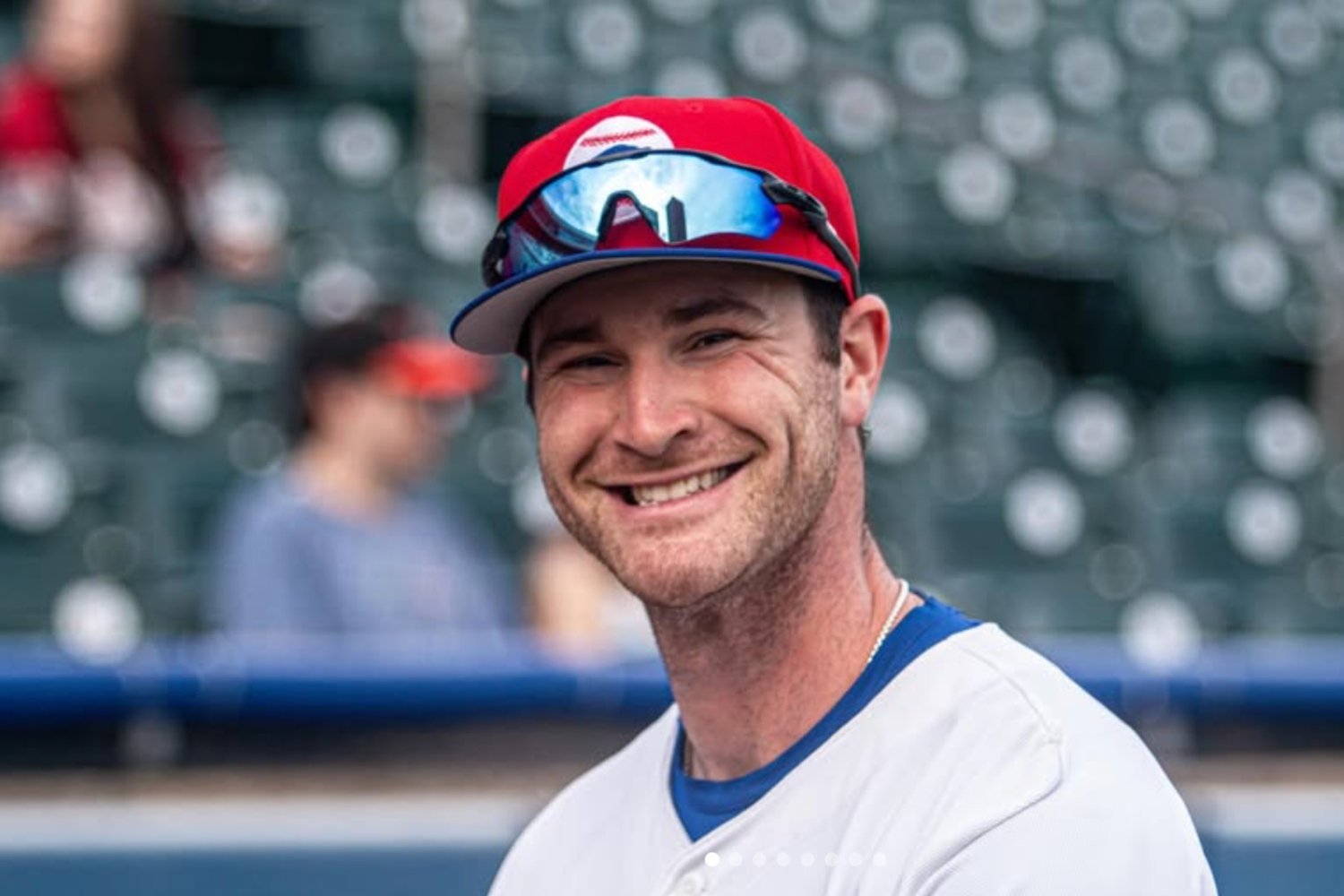 Two months into 2026, the Blue Jays have had to dip into their farm system several times to address injuries to position players like Alejandro Kirk, Addison Barger, and Lenyn Sosa. That isn't ideal, but things have gone about as well as anyone could have possibly hoped for the rookie hitters. Brandon Valenzuela has the poise of a veteran behind the plate, Yohendrick Piñango has the highest OPS and wRC+ on the team (min. 50 PA), and Charles McAdoo hit a huge home run in his very first big league game. Even better, the success stories of the Blue Jays' farm system go beyond just what we've seen at the big league level. Many of Toronto's position player prospects are enjoying strong seasons. Let's talk about the best of those hitters from May. Honourable Mention: Franklin Rojas (FCL) May Stats: 16 G, 68 PA, 1 HR, .316/.426/.439, 130 wRC+ Franklin Rojas was Toronto's top international signing in 2024, and he made his pro debut in the Dominican Summer League later that year. After two seasons in the DSL, the catcher made his stateside debut in 2026 and started off strong, batting .316 with a .426 OBP in May. Honourable Mention: Sam White (FCL) May Stats: 20 G, 72 PA, 4 HR, .328/.444/.603, 161 wRC+ Ontario native Sam White signed with the Blue Jays as an undrafted free agent last summer. He moved all around the field in college, from catcher to third base to left field, but he has primarily played first base in his first professional season. The odds might be stacked against him as a 22-year-old first baseman in the Complex League, but White couldn't have asked for a better start to his career. He slugged four home runs and four doubles in his first 20 games. Honourable Mention: Je'Von Ward May Stats: 17 G, 53 PA, 5 HR, .319/.396/.681, 176 wRC+ Je'Von Ward earned a promotion to Triple-A Buffalo in mid-April, and after taking a couple of weeks to adjust to the new level, he started mashing for the Bisons. Ward hit five home runs in the month, despite only taking 53 trips to the plate. At 26, he's on the older side for a player making his Triple-A debut, and as a lefty-batting outfielder, he doesn't exactly have a clear path to the majors. That said, if he can maintain his power and cut down on the strikeouts, the Jays will have to take notice eventually. No. 3: Alexis Hernandez May Stats: 24 G, 105 PA, 7 HR, .318/.398/.648, 174 wRC+ Alexis Hernandez is a name to watch. Never a top-ranked prospect, he joined the Blue Jays a few years back in the minor league portion of the Rule 5 draft. The young outfielder didn't make a name for himself immediately, but in 68 games for High-A Vancouver over the last two seasons, he is hitting .290 with 10 home runs, 27 extra-base hits, eight stolen bases, and a 132 wRC+. He looked better than ever this past May, clubbing seven of those 10 home runs and finishing the month with a 174 wRC+. No. 2: Jay Harry May Stats: 25 G, 96 PA, 7 HR, .323/.333/.667, 152 wRC+ If you're wondering where this version of Jay Harry came from, you aren't alone. Over his first 127 games in the Blue Jays system, the utility man hit .202 with a .598 OPS and a 71 wRC+. He looked particularly lost after his promotion to Double-A New Hampshire last year (46 wRC+ in 44 games), and the Jays sent him back down to High-A Vancouver to finish the season. To say his second stint with the Fisher Cats has gone better would be the understatement of the century. Harry hit .357 with a 130 wRC+ in April, although only three of his 15 hits went for extra bases and none went over the fence. He remedied that issue in May with seven home runs and 16 extra-base hits. He also cut his strikeout rate down from 32.6% to 21.9%. The sample is still small, but all of a sudden, Harry is looking like a prospect you need to know. No. 1: RJ Schreck May Stats: 27 G, 115 PA, 4 HR, .297/.435/.516, 156 wRC+ Plenty of Blue Jays prospects looked good in May, but RJ Schreck gets the top spot because he's the most likely to make his way to the majors at some point this year. Early this spring, there were even rumblings that Schreck could compete for a spot on the Opening Day roster. That was before the Jays traded for Jesús Sánchez, and before Schreck went 3-for-21 in spring training. Yet, after what we saw from Schreck in May, it's clear why those rumblings were there in the first place. The outfielder hit .297 on the month with four home runs, eight doubles, and 18 walks. The Blue Jays already have a surplus of lefty-batting outfielders on their active roster, but Schreck's ability to play center field could earn him a shot if he keeps hitting like this. View the full article
 -
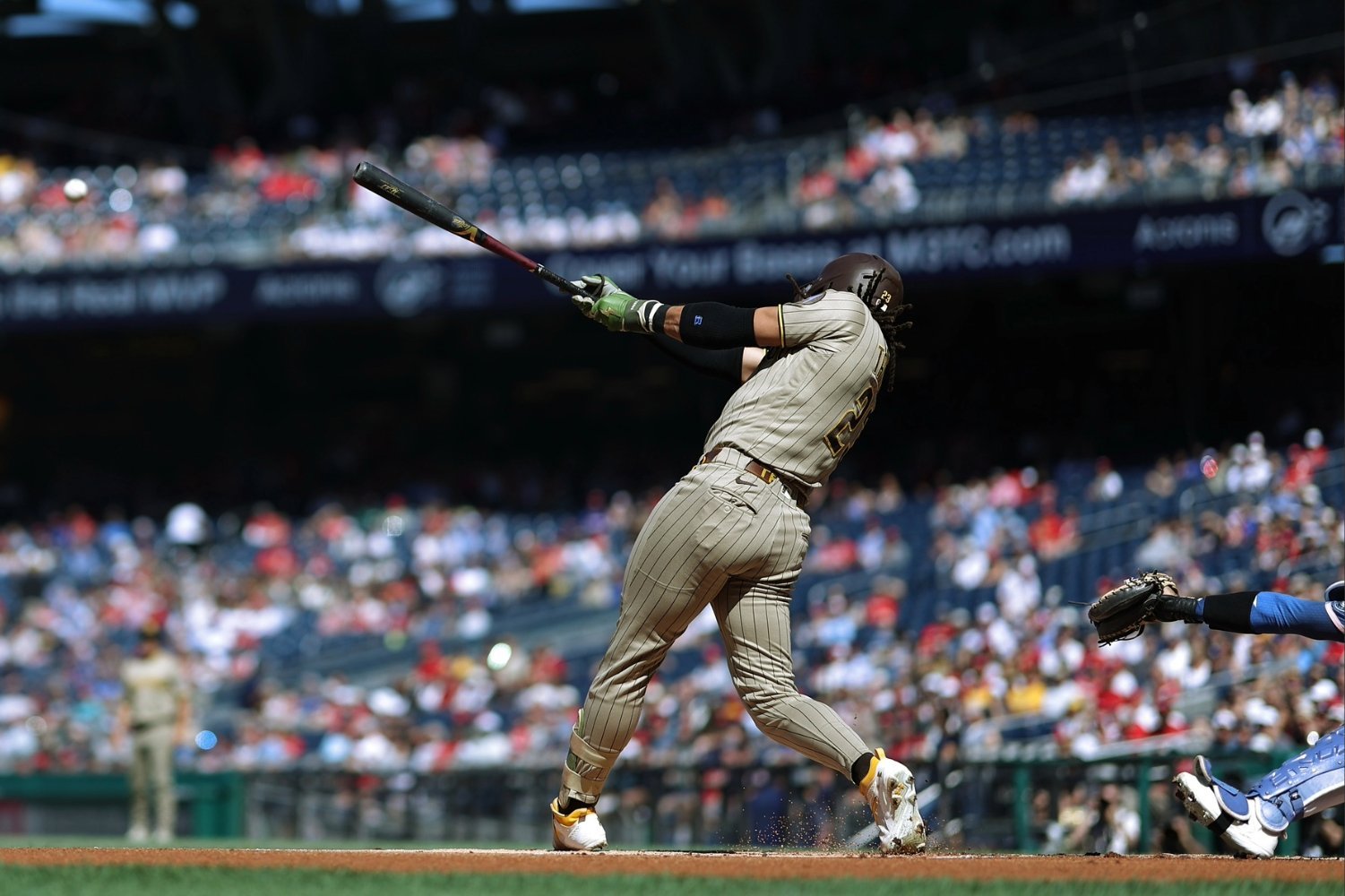 Over the weekend, the unimaginable happened, as San Diego Padres superstar Fernando Tatis Jr. hit his first home run of the season in Washington. The amount of relief he had after that moonshot brought emotion not just to himself, but the team was ready to embrace him with open arms. Taking a 1-0 pitch from Nationals lefty Foster Griffin into the left-field seats at Nationals Park, Tatis launched the ball 451 feet. The blast was not just a sigh of relief, but his longest home run since September 30, 2021 against the Los Angels Dodgers. Tatis knew exactly what he did the moment it left his bat, offering a rare, prolonged hesitation at the plate before executing his trademark stutter step around third base. Throughout this season, Tatis has been struggling offensively compared to the past couple of years. He had a stellar start to the 2025 season, belting eight home runs in April with a .325 batting average, making his 2026 power outage all the more confounding. Even though he was still hitting the ball hard and ranking near the top of the league in bat speed, a heavy groundball rate and a lack of pulled fly balls suppressed his power. Despite the challenges faced, Tatis remains a positive force on the team. Currently, he has a .658 OPS in 245 plate appearances, raising questions about his mental state during this power outage, as well as his struggling launch angle this season. Navigating such a steep statistical drop-off from his usual standard inevitably invites scrutiny regarding the psychological toll of the slump. Yet, his cultural influence stretches far beyond the numbers on a scoreboard. With his custom cleats and high-energy style, Tatis remains a primary blueprint for the modern, expressive athlete. Young ballplayers around the globe still mimic his iconic dugout presence and aggressive base running, proving that his status as an icon transcends temporary slump cycles. On the field, baseball is a game of microscopic physical adjustments and managing high failure rates. Off the field, he carries the responsibility of being a generational face of the sport. When he finally connected with that 1-0 pitch in Washington, launching it at 114 mph, it was a reminder to his young fans that even the most elite athletes have to work through technical slumps. The raw emotion he showed after the hit taught a valuable lesson to the next generation about structural perseverance, physical resilience, and the mechanical execution required to break through a difficult hitting drought. Now that the zero is officially gone from his home-run column, the rest of the league is on high alert. While the Padres ultimately dropped the game 9-4 to the Nationals, the long-term victory was getting their franchise cornerstone back on track. With recent multi-hit performances showing that his swing mechanics are syncing up, this historic moonshot in Washington could very well serve as the launching pad for a dominant summer surge. The fact that Tatis can finally breathe is a huge deal for not just himself, but the rest of the team. He won't approach any career highs, but if he gets back on his usual career pace of long balls, the Friars will have their middle-of-the-lineup problems solved. View the full article
 -
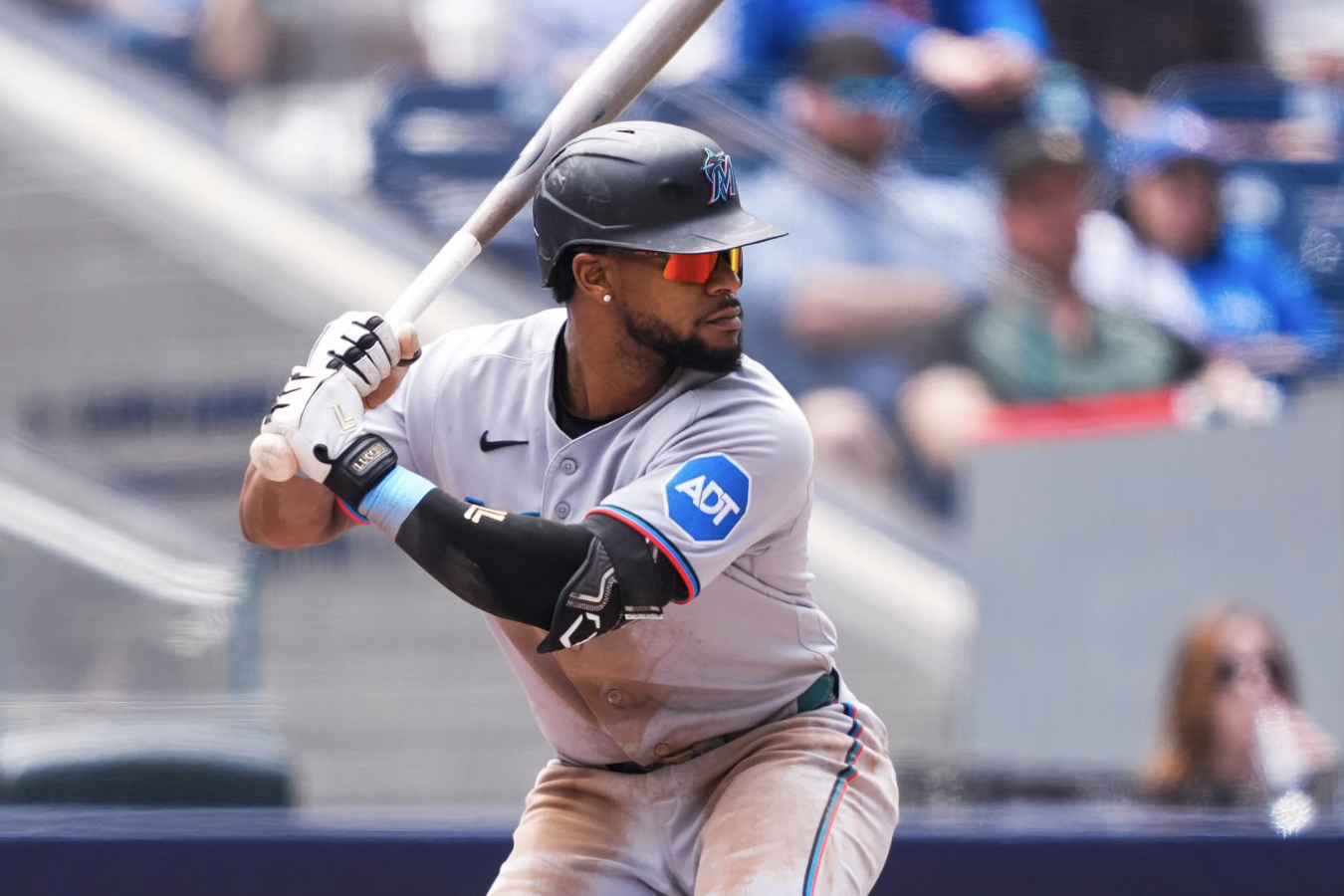 The 2026 MLB All-Star ballot went live on Wednesday, featuring the following Miami Marlins position players: Liam Hicks (C) Connor Norby (1B) Xavier Edwards (2B) Javier Sanoja (3B) Otto Lopez (SS) Kyle Stowers (OF) Jakob Marsee (OF) Owen Caissie (OF) Heriberto Hernández (DH) The only one of them who's been an All-Star before is Stowers, who served as Miami's 2025 representative. However, the combination of an injured list stint and season-opening stretch of limited power production makes him an extreme longshot to earn back-to-back selections. Hicks, Edwards and Lopez are the club's strongest candidates this year. Entering Wednesday, Hicks leads all National League catchers with 46 RBI and ranks third with 1.4 fWAR. He has more walks than strikeouts, as does Edwards. He is the NL fWAR leaderboard at second base (2.6 fWAR) and paces all Marlins with a 145 wRC+. Lopez is MLB's hits leader with 80. Each of them have been durable as well—Edwards in particular has appeared in all 62 Fish games this season. Not that it will actually impact the balloting results, but this is my annual reminder that MLB allows fans to submit write-in candidates at each position. Nobody's forcing you to take this exercise completely seriously. You can vote for players who are having horrible first halves (like Christopher Morel) or have been demoted to the minor leagues (Agustín Ramírez) by typing their names. No Marlin has been a fan-elected All-Star starter since Jazz Chisholm Jr. in 2022 (ironically, Chisholm didn't even wind up making that start due to injury). Fans can submit up to five ballots per day per email address during the first phase of the voting, which concludes at 12:00 p.m. ET on June 25. View the full article
 -
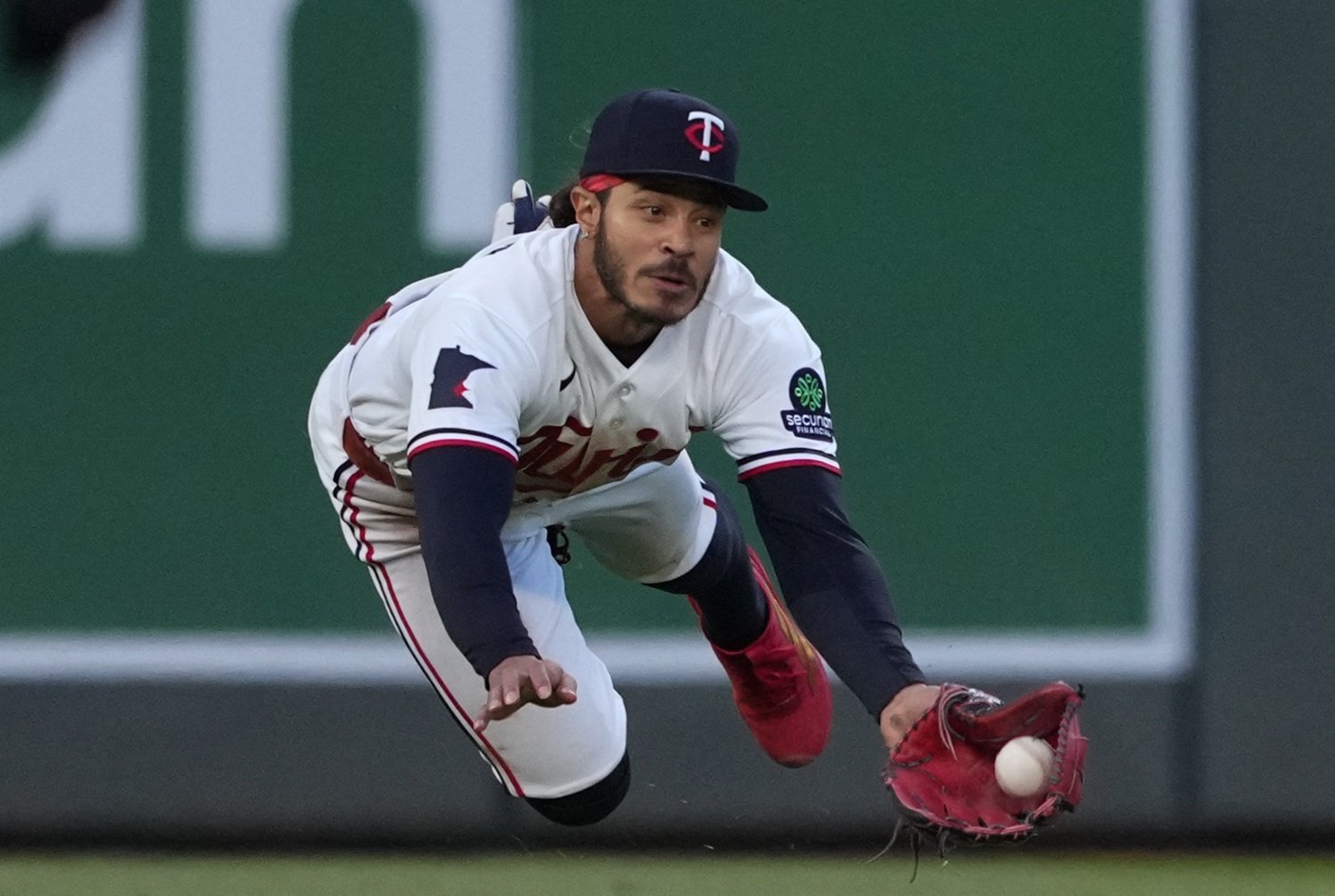 For the first month and a half of the season, Austin Martin looked like one of the biggest success stories on the Twins roster. From Opening Day through the middle of May, Martin batted .333 and reached base seemingly every night. He drew more walks than strikeouts, posted a contact rate around 90%, and quickly established himself as one of the toughest hitters in baseball to get out. It wasn't just a nice story. It earned him a bigger role. With Matt Wallner struggling early in the season, Martin forced his way into everyday playing time in the Twins outfield. The former first-round pick was finally looking like the offensive catalyst the organization had hoped for when they acquired him. Lately, though, the production has disappeared. Over the last two and a half weeks, Martin is just 8-for-59, good for a .136 batting average. The plate discipline that fueled his breakout has also taken a step backward. After drawing walks at an elite rate for much of April and early May, Martin has drawn just two walks during that stretch despite remaining in the lineup almost every day. Quite frankly, he has looked like a completely different player. So what exactly is going on? There are probably a couple of different explanations. The first is fairly straightforward: the Twins aren't seeing nearly as many left-handed pitchers anymore. During the first 22 games of the season, Minnesota faced 13 left-handed starting pitchers. That's an absurd number, and one that happened to play directly into Martin's strengths. Even with his recent slump, Martin is still hitting .295 against left-handed pitching this season. More impressively, he’s drawn 16 walks while striking out only eight times against southpaws. Before he became an everyday player, Martin was largely deployed in favorable matchups against lefties. As his hot streak continued, the Twins expanded his role and began playing him against virtually everyone. The problem is that right-handed pitching has been a much different story. Martin is hitting just .243 against righties this year, and his ability to get on base has taken a significant hit. As Minnesota's schedule has shifted toward more right-handed starters, the weaknesses in his offensive profile have become more noticeable. That doesn't explain everything, but it's certainly part of the equation. The second reason is a little more concerning. While Martin's season-long plate discipline numbers still look excellent, the underlying trends suggest he's started drifting away from the approach that made him successful in the first place. His overall chase rate remains extremely low at roughly 18%, but that number has been climbing steadily over the past few weeks. More importantly, pitchers appear to have identified a specific weakness and have begun attacking it aggressively. Martin has struggled badly against pitches below the strike zone. His whiff rates on pitches that miss down-and-away and down-and-in are staggering, sitting at 71% and 63%, respectively. Pitchers have increasingly challenged him with breaking balls and off-speed offerings in those locations, and Martin hasn't consistently shown he can lay off them. Troublingly, too, he seems to have a pretty grooved swing: his contact rate is above-average within the zone but below-average outside it. Normally, you see that from power hitters—guys with big bat speed and a knack for pulling the ball in the air. Martin isn't that kind of player, so not being able to make contact outside the zone applies extra pressure to keep his swing decisions immaculate. To Martin's credit, he's aware adjustments are being made. "I've been getting attacked differently," Martin said Monday night, after a game in which he snapped an 0-for-18. "And it's on me to adjust to that." That's often how the game works. Martin spent the first six weeks of the season making pitchers pay for mistakes, but opposing teams eventually adjusted. Now, the challenge is making a counter-adjustment of his own. Martin believes the answer is staying committed to the process, rather than overhauling everything. "I definitely can feel the fact I haven't been on first base in a while," he said. "But at the end of the day, it's just a matter of not getting away from my approach." That mindset is probably the right one. Slumps happen. A rough two-and-a-half-week stretch doesn't automatically erase everything he accomplished during the first six weeks of the season. Still, it's fair to wonder whether expectations got a little ahead of reality. What if Martin isn't an everyday player? What if he's simply an extremely valuable platoon bat who thrives against left-handed pitching but struggles to provide the same production against righties? To some extent, that was the narrative around him entering the season, but his hot start put that to bed (at least temporarily). However, it now feels like a question that’s worth asking again. That doesn't mean the Twins have reached any conclusions. Martin still has plenty of time to turn things around, and this may be simply a cold stretch that will be forgotten by the end of the summer. But something has to change. The version of Martin the Twins saw in April was an impact player who consistently pressured opposing pitchers and found ways to reach base. The version they've seen recently hasn't provided nearly enough offensive production to justify everyday at-bats. With several left-handed-hitting outfield options continuing to perform in the minors, playing time against right-handed pitching could become harder to come by if the struggles continue. The good news for Martin is that the ball is still in his court. The league has adjusted, and now it’s his turn. View the full article
 -
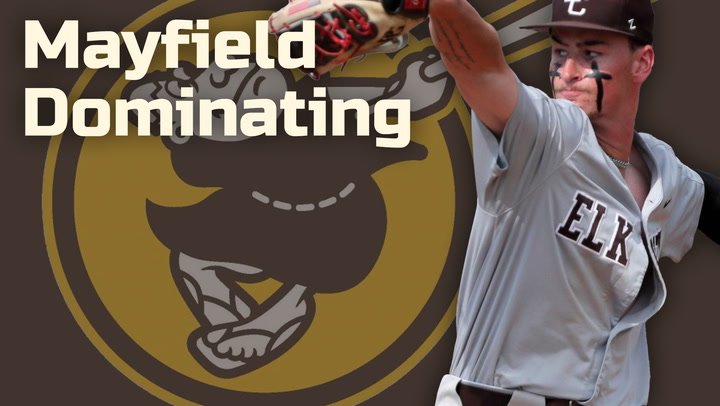 Kash Mayfield, the Padres 2024 first-round pick, has made a smooth transition to High-A, where he looks as sharp as he has as a pro. View the full article
 -
 Boston Red Sox Affiliate Recap (June 2) Triple-A Worcester Red Sox Season Record: 28-27 The WooSox came back from being down 2-1 in the ninth, walking it off on the Buffalo Bisons (Toronto Blue Jays) 3-2. Other than one rough inning, Worcester's pitching was dominant all night. Jake Bennett continued his brilliant stretch with another five shutout innings, giving up just one hit while striking out four. Although he walked three batters, nothing came of it. Through five, Worcester was cruising with a 1–0 lead thanks to a Vinny Capra sacrifice fly in the third that scored Allan Castro. The sixth inning was the one blemish. Noah Song came on in relief and immediately ran into trouble. The Bisons laced an RBI double to tie it, then followed with an RBI single to give Buffalo a 2–1 lead. Thankfully, that was the only damage Worcester's pitching allowed all night. From there, the bullpen locked it back in. Zack Kelly was outstanding, tossing two scoreless innings on one hit and three strikeouts. Afterward, Kyle Keller came in and threw a scoreless inning with two strikeouts. They both kept Worcester within striking distance and gave the lineup one more chance. The bottom of the ninth was pure magic. Anthony Seigler doubled to lead things off, keeping his hitting streak alive, extending it to six games. With one out and a runner aboard, Mikey Romero stepped up and ripped a triple on a sharp line drive to center, scoring Seigler to tie the game 2–2. Tsung-Che Cheng came in to pinch-run for Romero, standing just 90 feet away. Buffalo’s pitcher uncorked a wild pitch, Cheng raced home, and Worcester had the walk-off win 3–2, no hit needed for the winning run. Standout Performances: Jake Bennett: 5 IP, 1 H, 0 ER, 3 BB, 4 K Zack Kelly: 2 IP, 1 H, 0 ER, 2 BB, 3 K Kyle Keller: 1 IP, 1 H, 0 ER, 2 K Mikey Romero: 2-for-4, 3B, RBI Double-A Portland Sea Dogs Season Record: 27-24 The Sea Dogs dominated from top to bottom, shutting out the Yard Goats (Colorado Rockies) 9-0. The pitching staff threw a combined shutout, giving up six hits but zero extra-base hits. Hartford managed six singles and two walks across nine innings and never were seriously a threat to score. Anthony Eyanson earned the win with five shutout innings (his sixth shutout outing this season), allowing five hits but zero runs with three strikeouts. Patrick Halligan was electric in relief, tossing three no-hit innings with one walk and four strikeouts. Erik Rivera bridged the gap with a clean one-inning stint while filling up the zone, throwing 12 of his 15 pitches for strikes, giving up a single but nothing more. The third inning broke the game open. Tyler McDonough drew a walk, then stole his 14th base of the season, putting him on second with no outs. Marvin Alcantara reached base with a hit-by-pitch. Nate Baez followed up and smoked a two-run double to center to make it 2–0. Brooks Brannon crushed a two-run homer (his 8th of the year), blowing the door wide open with a 4–0 lead. Portland kept pouring it on in the later innings. In the seventh, Ahbram Liendo hit a lead-off single and immediately stole his ninth base of the year to give the Sea Dogs a good chance to score again. That did not matter since Franklin Arias started his new month hot by launching a two-run homer to center field, his 13th of the year, pushing the lead to 6–0. The eighth inning brought three more runs: Johanfran Garcia and Will Turner started the inning with back-to-back singles, Miguel Bleis doubled to left to drive in Garcia, then Tyler McDonough ripped a double of his own, this time scoring two runs, capping off the lead to 9–0. The entire Sea Dogs lineup, other than Alcantara, registered a hit in this contest, Garcia and Turner collecting themselves a multi-hit game while Arias, Baez, Brannon, and McDonough each had two RBIs. Standout Performances: Anthony Eyanson: 5 IP, 5 H, 0 ER, 1 BB, 3 K Patrick Halligan: 3 IP, 0 H, 0 ER, 1 BB, 4 K Brooks Brannon: 1-for-3, HR, 2 RBI Franklin Arias: 1-for-5, HR, 2 RBI Tyler McDonough: 1-for-3, 2B, R, 2 RBI, BB Nate Baez: 1-for-4, 2B, R, 2 RBI High-A Greenville Drive Season Record: 20-30 The Drive had the lead under control for five innings but gave it away, losing to the Emperors (Atlanta Braves) 8-2. The Drive came out swinging in the first inning. Enddy Azocar singled to start the game, then raced for second base, stealing his first base of High-A and his eighth of the year. Then, Yoeilin Cespedes drove him in with a single to make it 1–0. Greenville had a lot of traffic on the bases but only came away with one run in the aftermath. Jack Winnay led off the second inning with a walk, and Mason White smoked a double to put runners on second and third. Freili Encarnacion was drilled on the first pitch of his at-bat, loading up the bases with no outs. Yophery Rodriguez brought in Winnay and advanced White to third base with a sacrifice fly to extend the lead 2-0. Unfortunately, Encarnacion got too aggressive on the base paths, getting thrown out while trying to steal second base. With two outs, a flyout ended the rally. For five innings, it looked like that would be enough since Greenville's pitching held Rome scoreless. In a month of May that Marcus Phillips would like to forget, he was outstanding in his first start of June, throwing five strikeouts in 4 ⅓ scoreless one-hit innings. The sixth inning cracked the dam, and a couple of singles from the Emperors brought in two runs to knot it 2-2. Rome exploded in the seventh, putting this game to rest. Joe Vogatsky loaded the bases after giving up two singles and a walk. That was when the game blew open, when the Emperors crushed a grand slam to make it 6–2, then an RBI single and a sacrifice fly made it 8–2. From a 2–0 lead to an 8–2 deficit in the blink of an eye. Offensively, it was very quiet after they scored in the second inning, not registering a single hit through the fourth to the ninth innings. Azocar had two of Greenville’s four hits as a team, while White had the only extra-base hit. Standout Performances: Marcus Phillips: 4 ⅓ IP, 1 H, 0 ER, 2 BB, 5 K Enddy Azocar: 2-for-4, R, SB Low-A Salem RidgeYaks Season Record: 23-29 The RidgeYaks collapsed brutally in a 14-7 defeat to the Wilson Warbirds (Milwaukee Brewers). Salem came out hot in the third, putting up a huge five-run inning. Avinson Pinto walked, and D'Angelo Ortiz singled to get things moving. Stanley Tucker lined an RBI single to make it 1–0, then two more runs scored on a Starlyn Nunez groundout when a throwing error by the pitcher let both Ortiz and Tucker come around, 3–0. Skylar King did not want it to end there. With a runner aboard, he crushed a two-run shot, scoring Kleyver Salazar to make it a fast 5-0 lead. Wilson chipped away in the fourth, an RBI double, an RBI groundout, and an RBI single cut it to 5–3. It was concerning at first, but all Salem’s bullpen had to do was hang on. Sadly, the bullpen fell apart, and the seventh inning was a catastrophe. A pitcher combination of Nicolas De La Cruz, Harry Blum, and Adam Bates caused Wilson to score 11 runs, turning a 5–3 deficit into a 14–5 laugher. It started with an RBI groundout and a bases-loaded walk to tie it 5-5. Another bases-loaded walk gave Wilson the lead; afterward, they smacked a two-run single to make it 8–5, then a passed ball by Salem’s catcher brought a run across. A sacrifice fly pushed it to 10–5, and another single brought in another to extend the lead to 11–5. It kept going, the Warbirds crushed a three-run homer to end the carnage at 14–5. Back-to-back homers from Salazar and King came in the eighth inning, shortening the deficit to 14-7, but it did not matter. King did everything he could, putting on a show as he collected three hits, including two homers (3rd home run in three games), while also driving in three of Salem's seven runs. After getting demoted from Greenville to Salem, Luis Cohen threw back-to-back scoreless outings for the RidgeYaks. Although he gave up four walks, he still tossed three scoreless one-hit innings while fanning five batters, giving Salem a chance to win before the bullpen blew it, unfortunately. Standout Performances: Skylar King: 3-for-4, 2 HR, 2 R, 3 RBI Kleyver Salazar: 1-for-4, HR, 2 R Luis Cohen: 3 IP, 1 H, 0 ER, 4 BB, 5 K View the full article
 -
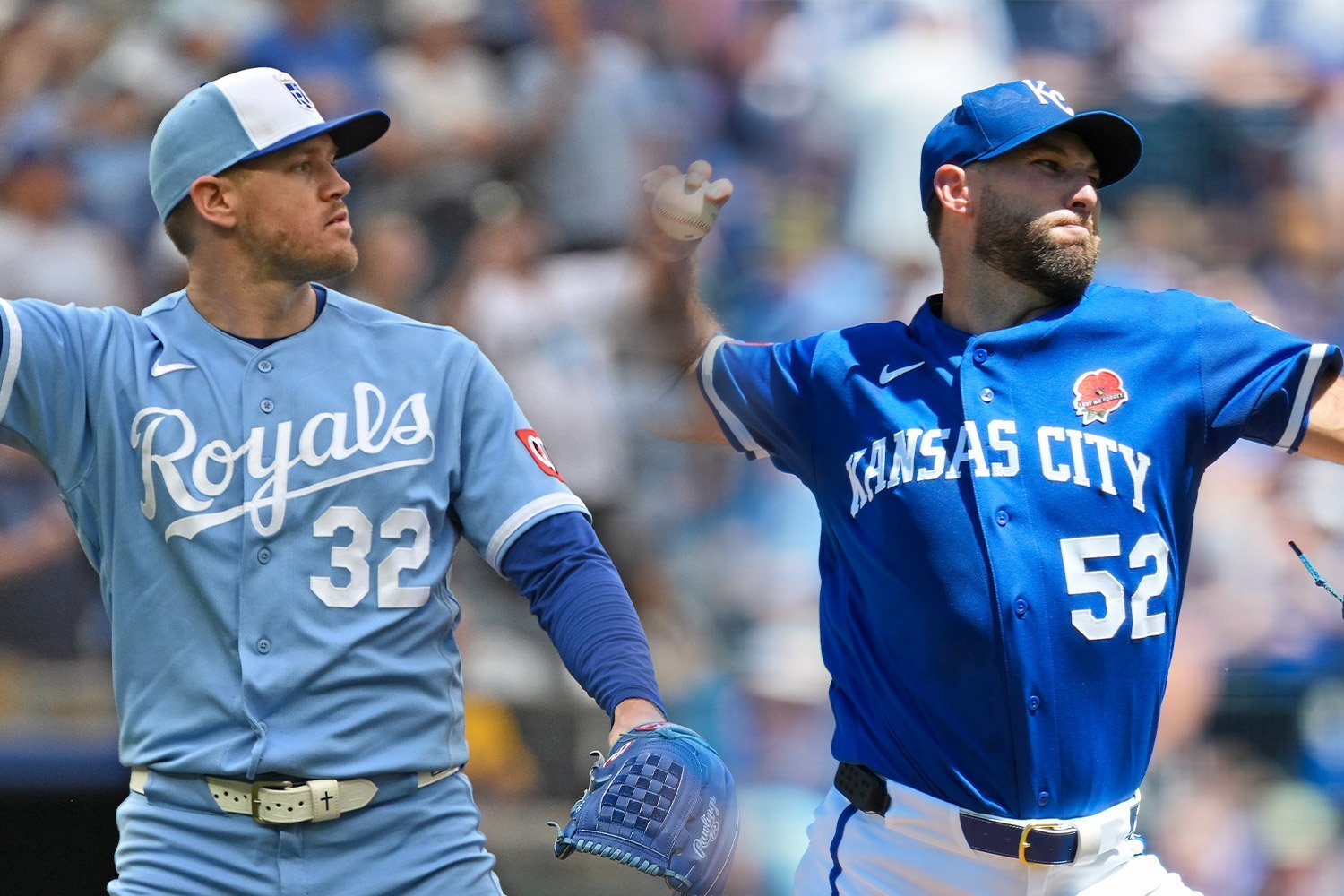 Victims of a distressing three-game weekend road sweep at the hands of the Rangers that left them 10-18 for May — and losers of 16 of their last 20 — the Kansas City Royals limped out of Texas Sunday, headed for Cincinnati and a trio of contests against the Reds. The Royals’ awful month was truly a team effort, with some questionable starting pitching and a poor bullpen compounding the problems posed by a chronically weak offense. But the club managed to reap a few decent individual performances, including some from their otherwise troubled pitching staff. Take a look at Kansas City’s best pitchers of the month. No. 4: Daniel Lynch IV 12 G, 12 IP, 3.00 ERA, 1.42 WHIP, 14 K, 5 BB That Lynch wasn’t at his best Saturday — he was charged with a run on two hits and a walk in just two-thirds of an inning against Texas — doesn’t change the fact that he deserves consideration for a shot at closing. Considering Carlos Estévez’s season-long absence and Lucas Erceg’s recent troubles, it might be time for manager Matt Quatraro to give Lynch a try. The notion is hard to dispute. Lynch, who went 6-2 with a 3.06 ERA while pitching 57 times out of the pen last season, has been even better in 2026. After posting a minuscule 0.79 ERA across March and April, he was 1-0 with a 3.00 ERA and was charged with runs in just three of his 12 May appearances. He’s 1-0 with a 1.93 ERA and is holding opponents to a .174 average for the season. No. 3: John Schreiber 11 G, 10.1 IP, 0.87 ERA, 7 K, 3 BB, 1.06 WHIP Yes, that’s right. Schreiber, he of an unsightly 0-2, 4.63 ERA first month that had many fans calling for his head, bounced back to become one of the Royals’ best hurlers — and one of their top relievers — for May. Schreiber pitched 11 times, was charged with only one run in 10 1/3 innings, and gave the club an infusion of reliability. No. 2: Stephen Kolek 5 G, 31 IP, 3.48 ERA, 19 K, 6 BB, 0.94 WHIP Despite the Friday beating he took from the Rangers — he gave up six runs in five innings and suffered his first loss of the season — Kolek had a good May. He made his season debut with a May 5 quality start win against Cleveland and, after a brief two-day return to Triple-A Omaha, replaced injured Cole Ragans in the big league rotation and won two of three starts, beating St. Louis on the road and shutting out Seattle at home before the Rangers gnawed away at him Friday. He finished May 3-1 with a 3.48 ERA and 0.94 WHIP. Add that performance to the five-game, 33-inning, 1.91 ERA effort he turned in after coming to Kansas City as part of last season’s trade deadline deal that made popular Royal Freddy Fermin a Padre, and it looks like Kolek is in the rotation to stay. No. 1: Michael Wacha 6 G, 38 IP, 3.32 ERA, 32 K, 13 BB, 1.13 WHIP Wacha’s May didn’t end well. The steadiest starter the Royals have had since he joined the team in 2024, Wacha suffered his only loss of the month by giving up six runs and eight hits to the Rangers on Sunday. But the bad outing didn’t prevent him from being the Royals’ pitcher of the month for May. Wacha turned five of his six May appearances into quality starts and now has nine for the year. Although Sunday’s start put a slight blemish on his otherwise superb 38-inning month, he struck out 19 more batters (32) than he walked (13), and solidified his claim to the best of the rotation. View the full article
 -
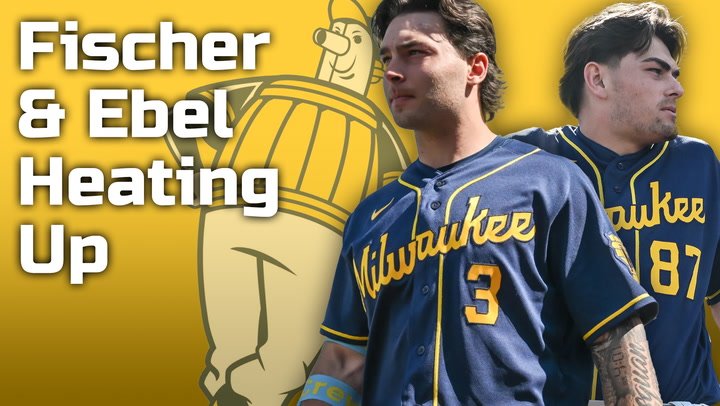 Andrew Fischer and Brady Ebel, two of the Brewers' top picks in 2025, are starting to settle into pro ball. What is clicking? View the full article
 -
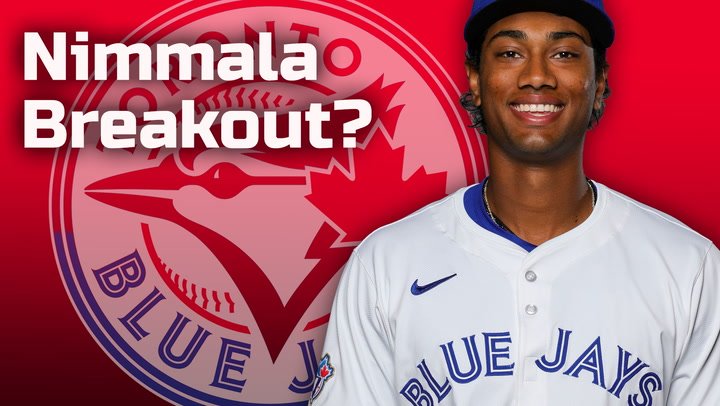 Arjun Nimmala, the Blue Jays' 2023 first-rounder, has improved his quality of contact while continuing to refine the other aspects of his game, putting him in position to fly up Just Baseball's Top 100 Prospect Update. View the full article
 -
 Corey Collins blasted a two-run homer to lift Brooklyn past Jersey Shore, while Noah Hall, Garrett Stratton, and the Cyclones bullpen combined to hold the BlueClaws to one run. Binghamton was blanked despite two hits from Chris Suero, and Max Green spun four scoreless innings in defeat. Syracuse rallied for three in the ninth on a Jackson Cluff single and a two-run Yonny Hernández hit, but fell one run shy. Mets Transactions New York Mets sent 1B Jorge Polanco on a rehab assignment to Syracuse Mets. New York Mets signed free agent 2B Christian Arroyo to a minor league contract. Syracuse Rally Comes Up Short in 6-5 Loss to RailRiders Syracuse pushed across three runs in the ninth inning but could not complete the comeback, falling 6-5 to the Scranton/Wilkes-Barre RailRiders. Francisco Alvarez led the offense with two doubles and an RBI, and Andy Ibáñez homered and drove in a run. Yonny Hernández delivered a two-run single in the ninth, and Jackson Cluff added a run-scoring single. Jihwan Bae reached base three times and stole two bases. Starter Zach Thornton worked four innings, allowing two runs on four hits, walking four, and striking out four. Ofreidy Gómez closed out the game, throwing two scoreless innings with two walks and four strikeouts. The decisive innings came late. Trailing 4-2 in the eighth, Syracuse watched Scranton/Wilkes-Barre extend the lead to 6-2 on a bases-loaded walk and a sacrifice fly. In the bottom of the ninth, Cluff singled home Bae, and then Hernández singled to bring in both Cluff and Matt Rudick, cutting the deficit to 6-5. The rally stalled there, and Syracuse stranded the tying run. Syracuse left seven runners on base. Player AB R H RBI BB K Nick Morabito 4 0 1 0 0 1 Jorge Polanco 3 0 0 0 1 0 Yonny Hernández 1 0 1 2 0 0 Francisco Alvarez 3 0 2 1 0 0 Kevin Parada 2 0 0 0 0 1 Ryan Clifford 4 0 0 0 0 2 Andy Ibáñez 4 1 1 1 0 1 Ji Hwan Bae 2 1 0 0 2 0 Cristian Pache 4 0 0 0 0 3 Jackson Cluff 4 1 1 1 0 2 Matt Rudick 2 2 0 0 2 1 Player IP H R ER BB K HR Zach Thornton 4 4 2 2 4 4 0 Ben Simon 1 1/3 2 1 1 1 0 1 Alex Carrillo 1 2/3 1 1 1 2 1 0 Ryan Lambert 0 3 2 2 1 0 0 Ofreidy Gómez 2 1 0 0 2 4 0 Binghamton Shut Out 3-0 By Fightin Phils Despite Green's Strong Start Binghamton managed only two hits and was shut out 3-0 by the Reading Fightin Phils. Chris Suero accounted for both hits, going 2-for-4 with a stolen base from the leadoff spot. The Rumble Ponies drew just one walk, from Nick Lorusso, and left six runners on base. Max Green was excellent in his start, throwing four scoreless innings while allowing one hit and one walk with one strikeout. Felipe De La Cruz followed with a scoreless inning. Jordan Geber struggled over four innings, allowing three runs, two earned, on five hits with three walks, two strikeouts, and a home run. The game turned in the sixth inning. With the score still tied at zero, Reading broke through with a solo home run and then added another run on a single, taking a 2-0 lead. The Fightin Phils tacked on an insurance run in the ninth on a sacrifice fly. Binghamton could not answer, as its offense went quietly into the night. Player AB R H RBI BB K Chris Suero 4 0 2 0 0 2 Eli Serrano III 4 0 0 0 0 1 D'Andre Smith 3 0 0 0 0 0 Jose Ramos 3 0 0 0 0 0 Nick Lorusso 2 0 0 0 1 0 JT Schwartz 3 0 0 0 0 1 Vincent Perozo 3 0 0 0 0 1 Jaylen Palmer 3 0 0 0 0 1 Wyatt Young 3 0 0 0 0 0 Player IP H R ER BB K HR Max Green 4 1 0 0 1 1 0 Felipe De La Cruz 1 0 0 0 0 1 0 Jordan Geber 4 5 3 2 3 2 1 Collins Homer Powers Brooklyn To 2-1 Win Over BlueClaws Brooklyn earned a 2-1 victory over the Jersey Shore BlueClaws behind a clutch home run and a stingy pitching staff. Corey Collins provided all the offense the Cyclones needed, going 1-for-3 with a two-run homer, a walk, and a run scored from the cleanup spot. Mitch Voit added a leadoff double, and both John Bay and JT Benson chipped in singles. Noah Hall turned in productive innings despite struggling with control, working 4 2/3 innings while allowing one run on four hits with four walks and four strikeouts. The bullpen was outstanding behind him, as Garrett Stratton, Dakota Hawkins, Ryan Dollar, and Hoss Brewer combined for four and one-third scoreless innings, allowing no hits while striking out six. Brewer earned the save. The sixth inning decided it. Trailing 1-0, Brooklyn rallied when Grae Kessinger reached and scored on Collins' two-run home run to right center field, putting the Cyclones ahead 2-1. The bullpen made the lead stand, retiring the BlueClaws the rest of the way. Brooklyn left four runners on base. Player AB R H RBI BB K Mitch Voit 4 0 1 0 0 0 Grae Kessinger 3 1 0 0 1 2 Ronald Hernandez 4 0 0 0 0 2 Corey Collins 3 1 1 2 1 0 Yonatan Henriquez 4 0 0 0 0 1 Daiverson Gutierrez 3 0 0 0 1 1 John Bay 3 0 1 0 0 1 Colin Houck 3 0 0 0 0 2 JT Benson 3 0 1 0 0 2 Player IP H R ER BB K HR Noah Hall 4 2/3 4 1 1 4 4 0 Garrett Stratton 1 1/3 1 0 0 0 2 0 Dakota Hawkins 1 0 0 0 0 1 0 Ryan Dollar 1 0 0 0 1 2 0 Hoss Brewer 1 0 0 0 1 1 0 St. Lucie Mets The St. Lucie Mets game was postponed. Top-20 Prospect Performance Nolan McLean: DNP Carson Benge: DNP A.J. Ewing: DNP Jonah Tong: DNP Ryan Clifford: 0-for-4, 2 K Jacob Reimer: DNP Jack Wenninger: DNP Elian Pena: DNP Mitch Voit: 1-for-4, 2B Nick Morabito: 1-for-4, K Jonathan Santucci: DNP Chris Suero: 2-for-4, SB, 2 K Zach Thornton: 4 IP, 4 H, 2 R, 2 ER, 4 BB, 4 K Wandy Asigen: DNP Will Watson: DNP Eli Serrano III: 0-for-4, K Ryan Lambert: 0 IP, 3 H, 2 R, 2 ER, 1 BB, 0 K Dylan Ross: DNP Antonio Jimenez: DNP R.J. Gordon: DNP View the full article
 -
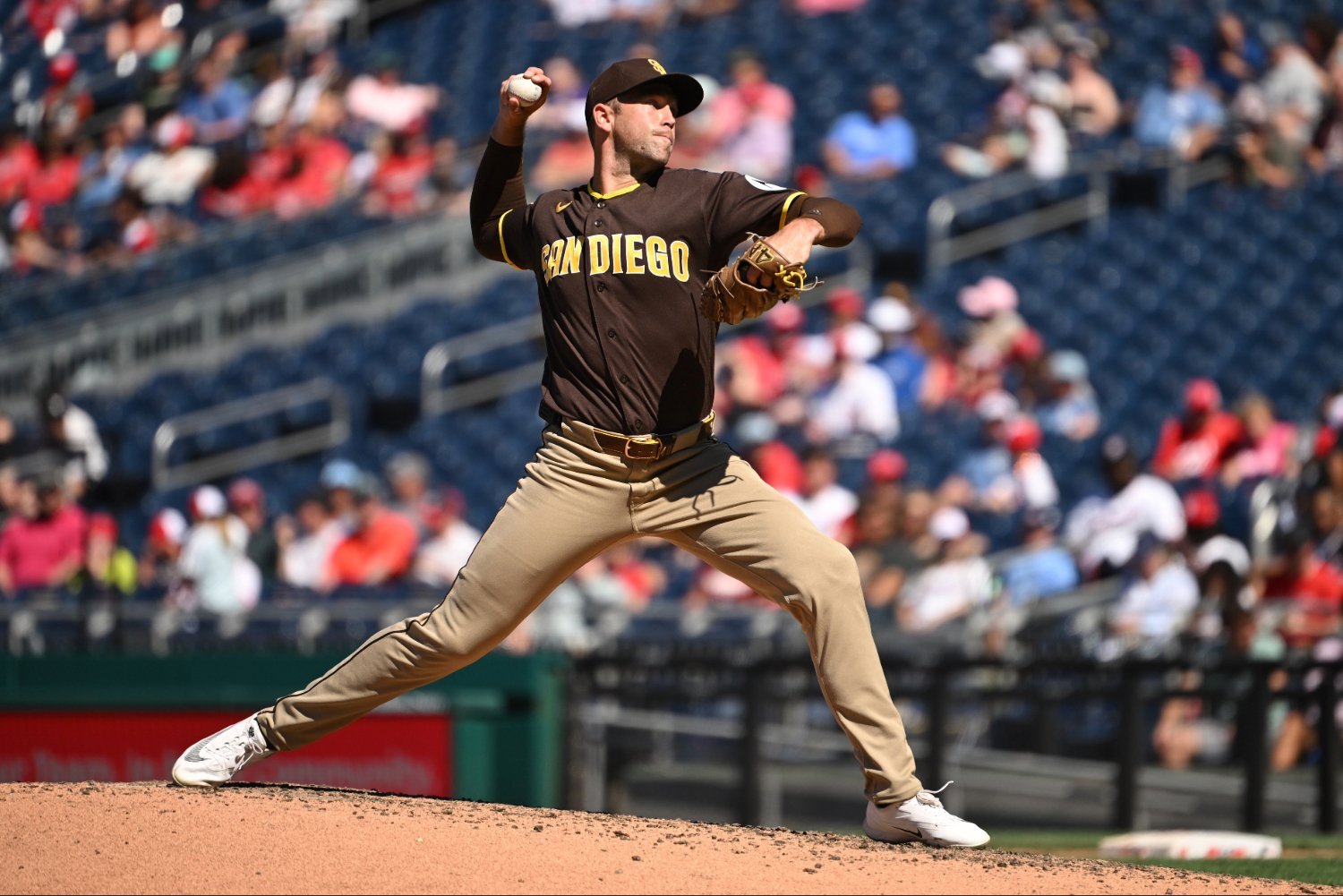 The San Diego Padres played to an 18-7 record in April, but it was probably inevitable that the Friars would fall to earth in May. Their starting rotation was ravaged by injuries and the offensive production was downright anemic, as they went 13-15 during the month and limped into June 5.5 games behind the Los Angeles Dodgers in the National League West. There was one aspect of the team that remained great, though, and that was the bullpen. Last year, the Padres became the first team ever to send three relievers to an All-Star Game. They could easily match that feat or even exceed it this year. Mason Miller, Jason Adam, Bradgley Rodriguez, Adrian Morejon, and Yuki Matsui all have stat lines that could send them to Philadelphia this summer for the Midsummer Classic. Among the five-headed monster, who were the Padres three best pitchers in May? Spoiler alert: Number one isn't Mason Miller. Ranking Padres' Best Pitchers in May #3. Yuki Matsui, RP “Dad, what’s a LOOGY?” my future child will ask. “Lefty one-out guy,” I’ll say, lifting my chain contemplatively, then nodding with tears in my eyes. “They got paid a lot of money to do one specific thing. And they were the weirdest people on the planet.” I have no idea if Yuki Matsui is weird behind the scenes, but I do know that he is a dyed-in-the-wool LOOGY, even if he does have to occasionally face a righty thanks to rule changes instituted in 2020 that require pitchers to have a minimum number of batters. Matsui's average pitch velocity is 86.8 miles per hour, and yet lefties are batting .111 against him this year. Their OPS is .398. Matsui came back from injury on May 8, so his 0.60 ERA in last month tells the story of the season so far. The LOOGY is not extinct, for Yuki Matsui exists. #2. Mason Miller, RP Much has been said about Mason Miller’s historically dominant season, although in May he came down from his lofty heights. This is to say he allowed one unearned run and his FIP on the season is no longer negative. It’s true Miller is probably reverting to the mean. His strikeouts dropped and his walks went up, as did his batting average, on-base percentage, and slugging percentage against. But the mean he’s reverting to is so obscenely great it almost doesn’t matter. He pitched worse in May and had a 0.00 ERA in 9.2 innings, and he went 7-for-7 in save opportunities. He’s not our top option here, but only because there’s another Padres reliever with a 0.00 ERA in the last month. #1. Jason Adam, RP In July 2024, the Padres traded highly-rated prospects in pitcher Dylan Lesko, outfielder Homer Bush Jr., and catcher J.D. Gonzalez to the Tampa Rays for reliever Jason Adam. Lesko pitched to a 6.96 ERA in the minors in 2024 and a 10.50 ERA in 2025. He is in Single-A this season. Bush Jr. is approaching his 25th birthday and he’s still in the minors. Gonzalez has a .482 OPS in three minor league seasons. Adam, on the other hand, has accrued 4.8 bWAR as a Padre and was an All-Star last year. This year, he’s been even better, and May was the best month of his career. In 12 innings pitched across 13 games, Adam allowed zero runs. Miller has all those saves because Adam held leads. The only blemish was Adam’s WHIP, which reached 1.08. He gets the edge over Miller in this list because he faced more batters and had the same ultimate outcome as Miller: no one scored on either pitcher. Acquiring Adam should go down as one of A.J. Preller’s best trades ever. It’s just a shame Adam can’t hit. View the full article
 -
Twins Daily Minor League Pitcher of the Month: May 2026
DiamondCentric posted an article in Twins Daily
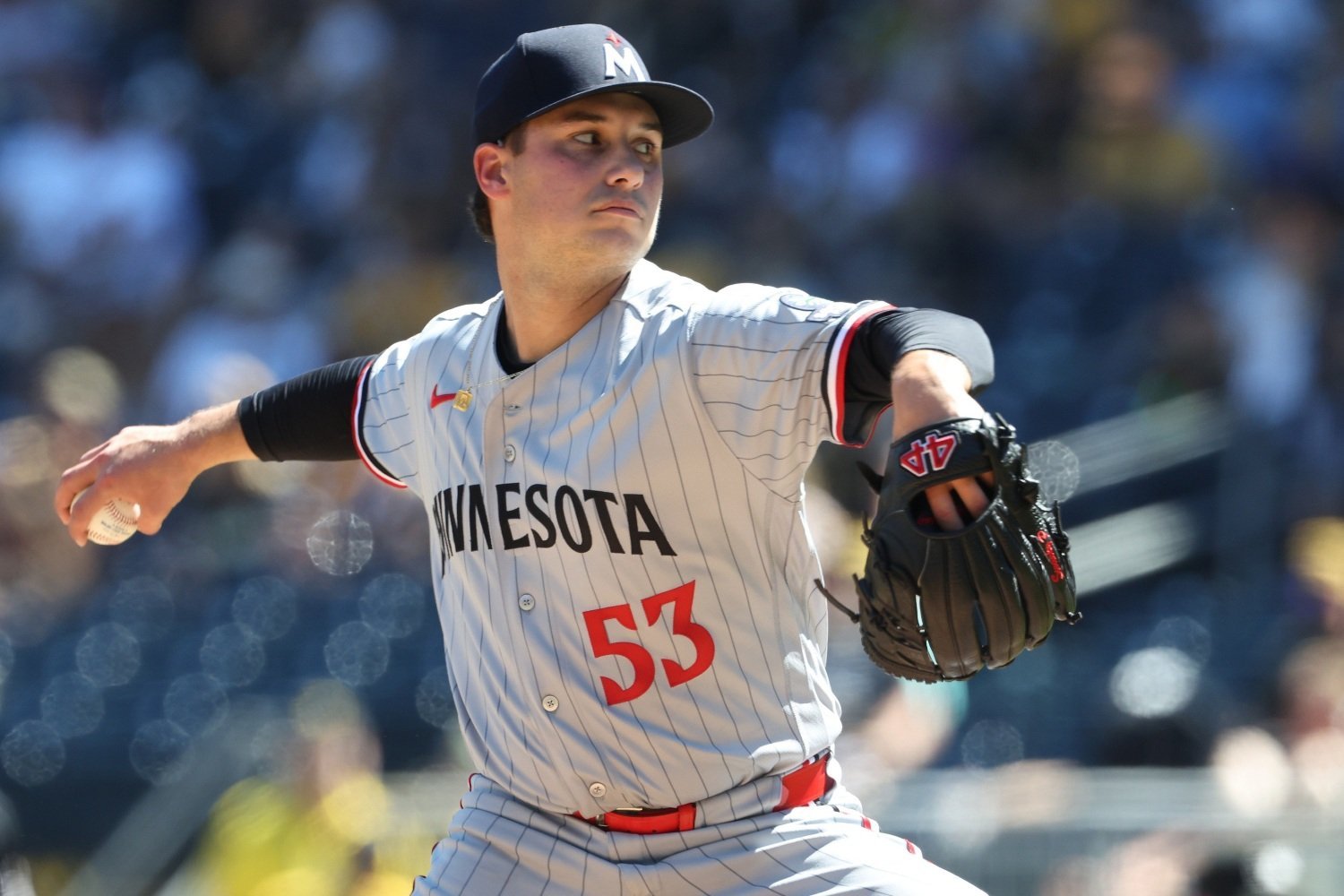 Welcome to the May edition of our minor league pitcher of the month series. Things are a little different this year: as an acknowledgement of patterns in minor league pitcher usage, we’ve collapsed the “reliever” into the “starter” one. Because teams are in a constant struggle to get players work, they often become “out-getters,” entering whenever the manager deems the situation acceptable, regardless of the typical roles accepted in our shared baseball understanding. This puts short-inning hurlers at a disadvantage for a list like this, but if one was especially efficient in a month, they’ll receive consideration. This author has been writing these pieces for years, and this month was one of the weakest he can remember. The list of candidates was slim. Most of the best pitching talent in the system is on the major-league squad, incapacitated, or underperforming. Of the top seven hurlers on MLB.com’s prospect list for the Twins, four are on the IL, and one—Charlee Soto—hasn’t pitched since Carlos Correa, Jhoan Duran, and everyone else was moved during the Great Firesale of 2025. So, times are strange. Anyway, here’s the list, starting with the honorable mentions: Dasan Hill - A+ Cedar Rapids - 3.18 ERA, 11 ⅓ IP, 3.18 FIP, 34 K% Hill was well on his way to making the list proper, before he blew up in spectacular fashion on May 28, walking six while recording just two outs. Command has proved to be a bugaboo for the prep lefty in 2026: he’s walked 24 across 27 ⅓ frames. If he can tighten that up even a little bit, he’ll be back to doing great things. Yehizon Sanchez, A+ Cedar Rapids - 1.50 ERA, 12 IP, 2.77 FIP, 27.7 K% The efficiency comment from before was aimed squarely at Sanchez, who dominated hitters in May with impressive acumen. Only twice did he allow a run. Both times were limited to just one score. That’s a nearly impossible rate of consistency from a position so often given to the swells of blow-ups and meltdowns—but he also only pitched 12 innings. Darren Bowen, AA Wichita - 3.00 ERA, 15 IP, 4.18 FIP, 19.7 K% The days of Darren Bowen as a starter are over, but as a bullpen arm, he could carve out a longer future in the organization. He has struck out batters at a higher rate while walking fewer of them in his second go-around at AA. That’ll play. John Klein, AAA St. Paul - 3.65 ERA, 12 ⅓ IP, 3.20 FIP, 34 K% A standard solid pitching month. John Klein allowed just six hits for the Saints in May, but his run-suppressing ability was a touch too weak. Hendry Chivilli, FCL Twins - 1.38 ERA, 13 IP, 3.09 FIP, 23.5 K% Hendry Chivilli? The position player? Yes, the former big international player saw some success after moving to the mound last year; he’s off to a great start in 2026. 5. Garrett Horn, FCL Twins/A+ Cedar Rapids - 0.75 ERA, 12 IP, 3.27 FIP, 28.6 K% The lefty from Liberty starts us off. Acquired from the Rangers last year for Danny Coulombe, Horn was cromulent (if a bit walk-happy) in his initial foray with the Kernels. In a new year, Horn put forth one of the finest pitching months in the Twins system, allowing one run and three hits across 12 innings equally split between Cedar Rapids and the FCL. “He’s a vertically-oriented lefty who was 92-95 in his most recent ACL outing prior to list publication,” wrote Eric Longenhagen and James Fegan in their 2025 writeup of the Rangers system. Indeed, Horn’s exaggerated slot helps generate unique ride on his fastball, turning the offering into a vertical-breaking monster coveted by major-league teams these days. Self-evidently, hitters have a difficult time hitting his heat. Early results are promising for Horn. Now let’s see him sustain it at A+ ball. 4. Michael Hilker, A Fort Myers - 2.51 ERA, 14 ⅓ IP, 1.97 FIP, 27.9 K% An honorable mention last month, Hilker improved his play enough to make the list proper in May. A 2025 20th-round draftee, Hilker left his college in Tucson, Ariz. for some Florida waves; he moonlighted for two innings last year with the Mighty Mussels before returning for a full go-around in 2026. Once again, we’re dealing with a fastball known to grow wings and take off when it reaches the plate; Hilker’s heater averaged 22.6 inches of induced vertical break, which would be the highest in MLB this year by almost a full inch (Alex Vesia is at 21.7). (We should note, in the interest of fairness, that IVB is higher in Florida than just about anywhere else, due to a combination of humidity and low elevation. Still, he's at the top end of the scale.) Armed with that special heater, Hilker made fools of A-ball hitters in May, whiffing them at an elite rate while keeping the walks at bay, offering just three free passes. He could be an under-the-radar relief arm to keep tabs on. 3. Paulshawn Pasqualotto, A+ Cedar Rapids - 2.19 ERA, 12 ⅓ IP, 2.56 FIP, 42.9 K% Paulshawn Pasqualotto just casually had one of the most efficient relief months you’ll ever see. The Cal, Berkeley product decided to become Goose Gossage, gobbling batters—often in multi-inning outings—with outstanding strikeout ability. In four appearances, he struck out at least four hitters. That’s simply electric no matter the level of play. A twin himself, Pasqualotto has already almost matched his strikeout total over 51 ⅓ innings with the Kernels last season, an impossible task given he’s totaled just 18 frames so far this year. His fastball/changeup combination drives his profile; the cambio remains his favored off-speed offering, though he continues to refine his breaking stuff. The 25-year-old saw a cup of coffee with Wichita at the end of April; he’ll probably return to Kansas soon if he continues to pitch like this. 2. Mike Paredes, AAA St. Paul - 2.70 ERA, 23 ⅓ IP, 3.39 FIP, 26.9 K% The newest Twin, Mike Paredes flourished at AAA in the month of May before earning his call to the majors. The righty never allowed more than two earned runs in an outing all month. He swept, and swept, and swept some more, as his arching breaking ball came into sharp focus in May, helping usher Paredes to the big leagues—and hitters back to the dugout. Cody Christie penned a full piece on Paredes and his story. It’s worth emphasizing: Paredes is a former 18th-round pick with a 5.28 ERA coming out of San Diego State in 2021. And now he’s a big leaguer. What an outcome for Paredes (and the Twins organization). With the rash of pitching injuries cursing the team, there’s a real chance Paredes gets an extended look on the Target Field mound. That probably doesn’t happen without his excellent month of May with the Saints. 1. Justin Mitrovich, A Fort Myers - 1.15 ERA, 15 ⅔ IP, 2.05 FIP, 35.5 K% Fun fact: before taking Ryan Sprock in the 8th round in the 2025 draft, the last Elon product the Twins drafted was catcher Alex Swim in 2013. They then drafted Justin Mitrovich one round later. Go figure. What a pick it may be. Mitrovich debuted in the Twins system on May 3rd and has been awesome, striking out 22 batters across 15 ⅔ frames, while allowing two earned runs. Two. Clearly, there’s some deception in his “oops, all ligaments” delivery, which flings arms and legs in various directions before sending the ball hurling at the hitter upwards of 95 MPH. Mitrovich could soon become the latest in the line of Twins college hurlers who shot through the minors and became top prospects and/or big leaguers. So far, though, he’ll have to settle for being the Twins Daily minor league pitcher of the month for May. View the full article
 -
Will next Miami Marlins no-hitter hit differently?
DiamondCentric posted an article in Fish On First
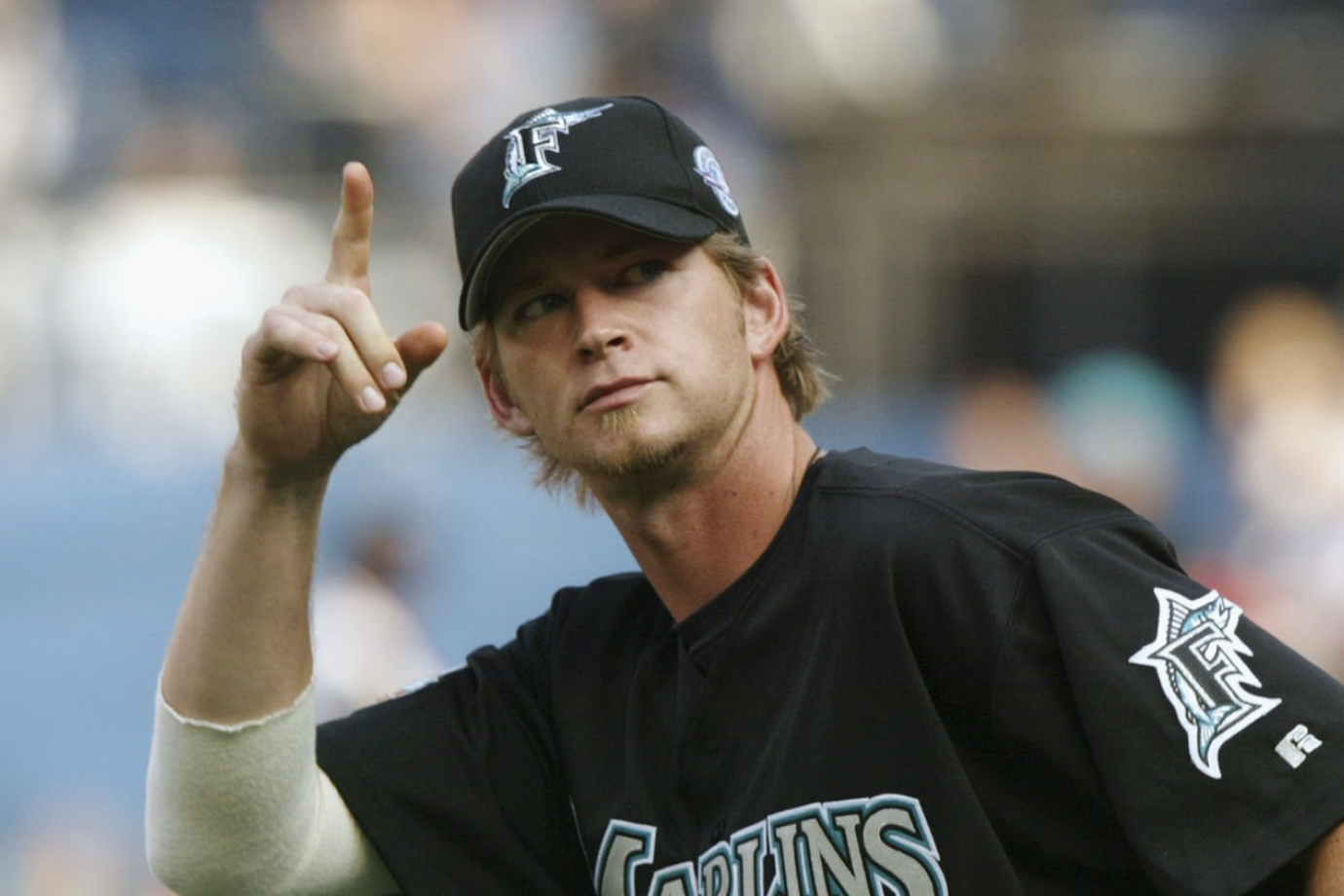 Happy Edinson Volquez day, Miami Marlins fans! That officially brings you halfway through Marlins no-hitter season. And hey, this time next week, you'll be two-thirds of the way home. That's when the twenty-eighth anniversary of Kevin Brown's no-hit, near perfecto rolls around. Twenty years apart, yet within the same week, came arguably the two greatest pitching performances in Marlins franchise history. In fact, if you go by game score, those are the top two, with Volquez somehow edging Brown out despite the fact he walked two batters, whereas Brown's only baserunner was a HBP on a guy who was really, really crowding the plate. Generally, this is the kind of thing I would leave in the capable hands of our resident Marlinsversarian, Mike Ferguson. He's certainly welcome to break down how only one other Marlins no-hitter cracks the Game Score Top 10...and it comes in at tenth. Tenth! Pushing A.J. Burnett and the Most Effectively Wild Start Ever down the charts I can get behind, but Henderson Alvarez, Al Leiter, and Anibal Sanchez? How can... Anyway, I digress. Fib too, as Marlins no-hitters might be the baseball topic I've written the most about over the years. Most recently, I spent some time last May pondering whether a no-no like Burnett's would ever even happen again with analytics at the forefront, and whether fans would even want it to. I mean, let's be honest here. If a starting pitcher under Clayton McCullough walked five through three innings and nine over the course of a competitive 3-0 game? I'm pretty sure Marlins Twitter would eat themselves over the bullpen mismanagement. However, just one year later, there's now another wrinkle to consider when it comes to how Marlins fans would react to a prospective no-hitter. Not just a wild and wacky one like Burnett's either. Even something as close to perfection as those Brown or Volquez starts could now go under the microscope in a whole new way. Why? Because as you might have read here, there, or everywhere since the Marlins adopted the practice last summer, the team is now calling pitches from the dugout. Meaning that a pretty sizable chunk of the strategy that goes into the feat of a no-hitter now lies in the hands of people that might never set foot on the field. Which begs the question- will that make a difference when it comes to celebrating the achievement? Obviously, Marlins fans will still be happy for the almost certain victory. But in that wider, "baseball is the best" sense, will a Marlins no-hitter today mean the same as the six previous ones? Would it even mean the same as MLB's two most recent no-nos, a pair of combined efforts from the Astros and Cubs? The last true one was all the way back in 2024 when Blake Snell did it, and the last Marlins no-hit effort was Volquez's 2017 gem. Now the answer is probably yes. Pitchers still need to execute, keeping those sliders on the corners and not hanging over the middle of the plate. Catchers still need to work some framing magic, even if the game calling is out of their hands. Plenty of athleticism is still required. If you extend this line of thinking to another sport, it's not as if fans ever question a record setting performance from a quarterback even though an offensive coordinator is calling the plays. So most folks would probably let Miami's pitching staff off the hook here. That definitely seems to be the prevailing sentiment amongst those of you that took the time to vote in a recent Twitter poll on the subject: All the same, I can't shake the sense that it seems worth asking. That there might be some potential for an asterisk to start being affixed, especially if it came to pass that the Marlins or any other team calling pitches from the dugout pulled off the feat more than once. If nothing else, it does feel like it makes the catcher much more of a passenger than ever before. I can still recall watching Charles Johnson and Miguel Olivo fielding questions left and right during the postgame pressers of the no-hitters they helped bring about. Particularly Olivio's, as I perhaps uncharitably thought it would end up easily going down as the highlight of his career. Does it change the accomplishment if there are now three or four seats at that podium, with coaches doing a lot of the strategy talk? It would appear that at least a few of you think so. Here's hoping the Marlins give us the chance to put this question to the test sometime soon. View the full article
 -
 The month of May was not kind to the Twins, but there were some strong performances from certain hitters. Here's a look at the Twins' current hitter power rankings.View the full article
 -
 Alex and Maddie sit down and crack a cold one. They recap the surprising dub over the Guardians and preview the upcoming Orioles’ series. They review Roman Anthony and Garrett Crochet’s setbacks in their respective injury recoveries. Finally, they dissect Tim Healy’s revealing article on Craig Breslow's tenure with the Red Sox. Listen on Apple Podcasts: https://podcasts.apple.com/us/podcast/the-talk-sox-podcast/id1783204104 Listen on Spotify: https://open.spotify.com/show/3qPrPXEngu0CxgTmlf0ynm Listen on iHeartRadio: https://www.iheart.com/podcast/263-the-talk-sox-podcast-244591331/ Listen on Pocket Casts: https://pca.st/4tmd121v Watch on YouTube: https://www.youtube.com/@talksox View the full article
 -
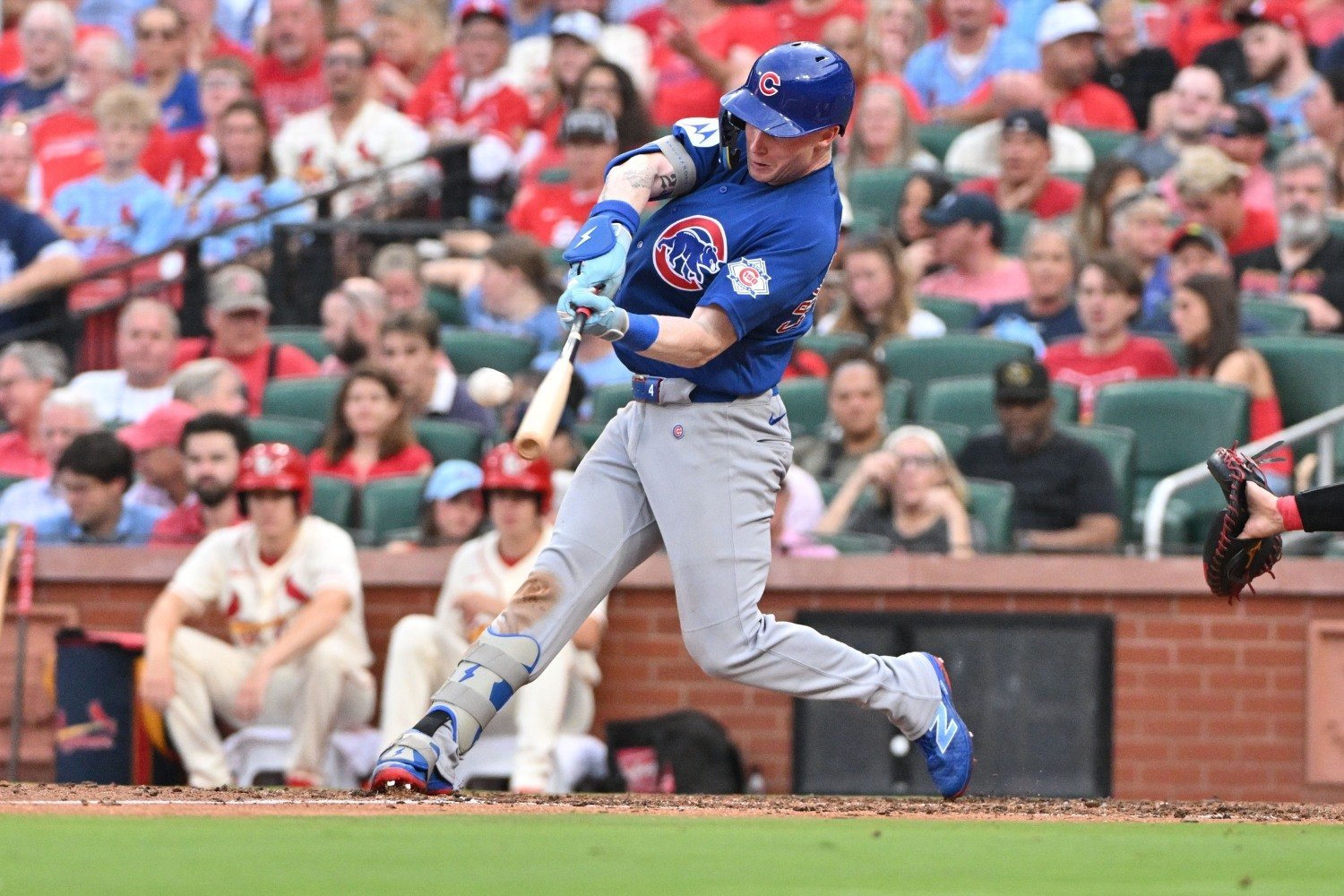 This site is, I hope, the epicenter of Pete Crow-Armstrong swing talk. If it isn't, it ought to be, and we're gonna work even harder to make it so. Crow-Armstrong is the most interesting thing happening in Chicago baseball, in ways both good and bad, and that doesn't just include his sensational but sometimes erratic fielding or his massive star power and the difficulty he's had in managing the attention and expectations. It also includes his swing. We're going to take more about that swing today, but rather than get all wordy, I mostly want to talk this through visually. So, first, check out his rolling expected weighted on-base average (xwOBA) over 100-plate appearance samples, throughout his career. I would guess it doesn't feel quite this way—not yet—but Crow-Armstrong has gone to a new level since the middle of May. I don't mean 'new' relative to his very slow start or his tough finish to last season, either. I mean he's never produced more expected value at the plate than he's currently yielding, even at the peak of his blazing hot streak in the first half of last year. The first thing you need to know about his ascent toward what will (if this continues; more later on that) be full-shine superstardom is that he started swinging considerably less as May went on. We all knew that swinging less would be key to him getting more good pitches to hit, and thus to him becoming his best self. He finally found some ways to start doing it. That's not the only important thing that has changed recently, though. Crow-Armstrong started making changes to his approach, and the results began to improve—but he was still exploitable. He was still off-balance a bit too often, mostly because his swing is a complicated thing. So, he (slightly) simplified it. I'm going to show you four pictures, three times. These are four moments in the progress of a pitch to Crow-Armstrong, first from May 18; then from May 23; and then from Saturday. The four moments are labeled, but to clarify those labels, they are: Setup: Crow-Armstrong's stance in the box, as the pitcher prepares to begin their delivery; High Point: The moment at which, after executing his toe tap and lifting his foot a second time, Crow-Armstrong's front leg reaches the highest point of his leg kick, before the foot starts to head downward; Pitch Release: Just what it sounds like; and Foot Down: The moment when Crow-Armstrong's front foot lands, and his swing can begin in earnest. Ok, here goes. May 18, against the Brewers' Shane Drohan: May 23, against the Astros, after a day off between the two home series of that week: And Saturday in St. Louis, the pitch that became the hardest-hit ball of Crow-Armstrong's career and a 444-foot homer: In the setup, note how he gets more upright and less spread-out in the box. Note, too, the more relaxed placement of his bat on his shoulder, and the angle of it going from flat over his back shoulder to more like 40°. At the high point of his leg kick, notice how he's crunching more into a stable but explosive position with his core. At the release of the pitch, notice how he's more balanced and how his front foot is closer to landing. And when that foot does land, look at how much more work he's already doing with his upper half, and how much more open his front hip is, without the front shoulder following it too closely. These changes all emanate from that change in setup, which is visible in the data, too. Here are Crow-Armstrong's average stance and stride positions for this year, broken down into pre- and post-May 21. He's moved closer to the plate. His feet start closer together, as a result of standing taller. He's striding a bit farther, but that stride is more of a controlled, violent forward flash of energy, and less of a lurch, because he started more upright and isn't leaking forward until he gets past that high point, now. The changes in stance and mechanics have produced a different set of swing data for Crow-Armstrong over the last two weeks or so: Through May 20: 74.3 MPH bat speed, 35° tilt, 14° attack angle, 5° pull attack direction, intercept point 37.1 inches in front of his center of mass Since May 22: 75.4 MPH, 34° tilt, 18° attack angle, 9° pull attack direction, intercept point 39.4 inches in front of his center of mass Already, the bat speed Crow-Armstrong had added since last year had given him a boost in power upside, if he could consistently access that pop. Now, he's positively thrumming with danger in the box. In fact, did that setup from the St. Louis pitch remind you of someone? Perhaps someone else who famously hits lasers to right field, in much the same way—albeit with a much more patient baseline approach? Here's the Crow-Armstrong homer: OTdQOXdfV0ZRVkV3dEdEUT09X1VsSlhYUWRTQndJQVcxY0NCUUFIQmdWVEFBQUJBRklBVkFGUUFnY0dVMUJTVVZNSA==.mp4 And here's a guy who could be a fascinating new comp for him: N3l6eDZfWGw0TUFRPT1fVUFnREFGRUhWRmNBWGxJRVh3QUhCd05VQUFCV0FRY0FVRlpYVVFZTkFnWlNBbFJV.mp4 Make no mistake about it: If Crow-Armstrong keeps swinging like this, he's going to strike out more than he has in the past. He might continue to improve his plate discipline, but he'll almost certainly never walk as much as Kyle Schwarber. He doesn't swing quite as hard (or get off that 'A' swing quite as consistently) as Schwarber does, either. At least, that's been true so far. But the version of Crow-Armstrong who hit the homer above, and who also hit a similar one the previous weekend against the Astros, is an honest-to-God threat to hit 40 homers a year. Coming into this season, we talked a lot about the way Crow-Armstrong had engineered his swing to get high-level power outcomes out of merely average-plus bat speed. Suddenly, the latter no longer applies. This version of Crow-Armstrong—the specific version we've seen the last two weeks, who will still have to prove he can avoid being perpetually early and who has to manage to stay healthy while creating this much torque, so you never know how long we'll have him—swings as fast as Austin Riley and Matt Wallner, but with both a better plan to get the head out and catch the barrel with an elevated pitch to the pull field, and more sheer bat control. Of Crow-Armstrong's last 50 batted balls, 23 have been in the launch angle sweet spot, according to Statcast. The lack of that concentration of batted balls in the sweet spot was precisely the problem we talked about him needing to solve in the middle of last month, and he seems to have solved it just days later. This will be terrifically hard to sustain. Crow-Armstrong is working with a contact point way out in front of his frame, and though the numbers exaggerate that circumstance slightly because of the changed pattern of his stride and balance of his body, it still spells some whiffs. Pitchers will start forcing him to prove he can stay back on non-fastballs, and his plate discipline—even more vulnerable to the entropy of the game than most players'—will have to hold. At this moment, though, Crow-Armstrong is the best he's ever been at bat, and one of the dozen best hitters in baseball. That's the new upside he's established, and when you pair that run production in the box with his speed and defense, you get the MVP candidate the Cubs so delighted in having for the first half of last year—only more so. View the full article
 -
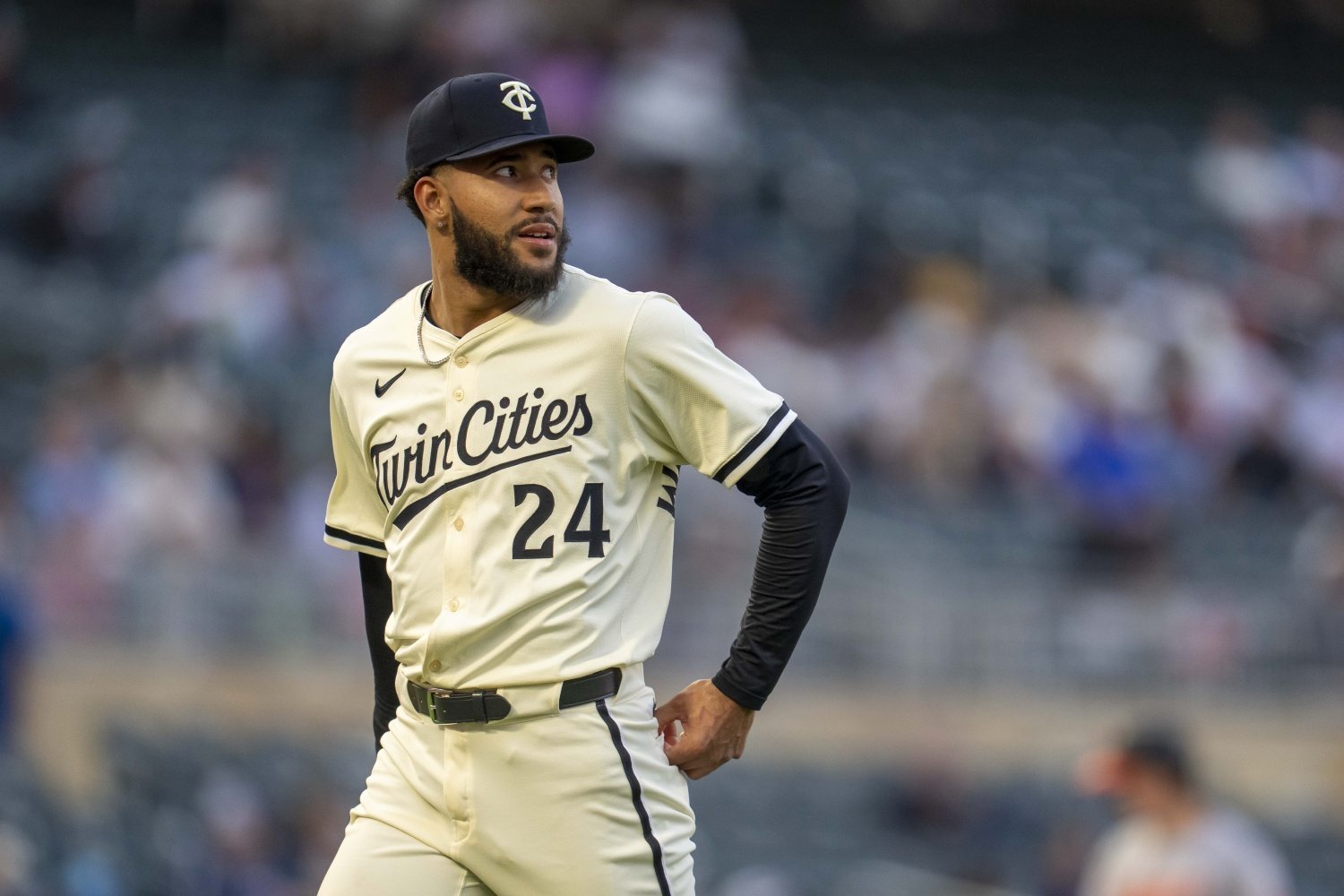 When the Minnesota Twins designated Simeon Woods Richardson for assignment over the weekend, it felt shocking on the surface. Less than a year ago, he looked like a dependable back-end starter with room for more. By the end of May, however, he had become one of baseball’s least effective starting pitchers. Woods Richardson accumulated a 0-7 record and a 7.74 ERA. Because he was out of minor-league options, Minnesota could not simply send him back to Triple-A. The only way to remove him from the active roster was to expose him to waivers. The move was surprising because the Twins gave him only a brief look as a reliever before making their decision. Yet, when looking deeper into the numbers, it becomes easier to understand why the organization felt it had run out of alternatives. This outcome seemed almost impossible to envision just a few months ago. Woods Richardson posted a 4.17 ERA across 134 innings in 2024 and followed it with a 4.04 ERA in 111 innings during 2025. He was never viewed as a frontline starter, but he looked capable of holding down a spot at the back of Minnesota's rotation for years. The most encouraging development came late last season. In September, Woods Richardson unveiled a splitter that transformed his arsenal. Over his final 27 innings, he posted a 2.33 ERA while striking out 36 hitters. The new pitch generated swings and misses at an elite rate and appeared to give him the out pitch he had been missing throughout his career. Instead of becoming a launching point for a breakout season, it became the high-water mark of his Twins career. The season did not begin disastrously. In his first two starts, Woods Richardson combined for 11 2/3 innings while limiting the Royals and Rays to three earned runs on 10 hits. He struck out six and walked three. Unfortunately, that’s where the performance started to unravel. Over his next seven starts, he went 0-5 with a 9.79 ERA, while allowing 38 runs in just 30 1/3 innings. The underlying numbers were even more concerning. During that stretch, he recorded only 14 strikeouts compared to 17 walks. Opponents hit .361 against him while slugging .623 and launching seven home runs. When pitchers lose the ability to miss bats and simultaneously lose command, success becomes nearly impossible. That is exactly what happened to Woods Richardson. The splitter was supposed to be the pitch that elevated Woods Richardson to another level. Instead, it became one of the most damaging pitches in baseball. Last September, opponents hit just .077 against his splitter while generating a 37.4% whiff rate. This season, hitters batted .352 against the same pitch, and the whiff rate dropped to 20.4%. The pitch's run value tells an even more alarming story. His splitter produced a neutral run value in 2025 across 187 pitches. This season, after 228 splitters, the pitch carried a staggering minus-13 run value. Opponents produced a .481 weighted on-base average against it. On a per-pitch basis, Woods Richardson's splitter ranked as the worst pitch in Major League Baseball this season with a -5.7 RV/100. The pitch that once looked like a weapon suddenly became unusable. One has to wonder why he kept throwing the pitch. The splitter was not the only offering that regressed. His slider also took a dramatic step backward despite maintaining similar velocity and usage. Last season, opponents hit just .210 against the pitch while it generated a 27.4% whiff rate. This year, hitters posted a .356 batting average against it, and the whiff rate dropped to 17.4%. The decline was so severe that Woods Richardson produced both the worst pitch in baseball (splitter) by RV/100 and another pitch ranking among the 21 worst (slider). When two of a pitcher's primary swing-and-miss offerings suddenly stop missing bats, survival becomes difficult. The deterioration of his secondary pitches showed up in every other area. Woods Richardson was never a dominant strikeout pitcher, but he generated enough swings and misses to remain effective. This season, the strikeouts disappeared with an 18.2 Whiff% and a 22.4 Chase%, both ranking near the bottom of the league. His strikeout rate dropped from 21.5% last season to 11.5% in 2026. At the same time, his control worsened. His walk rate increased by 22%, and he issued 21 walks over his final 32 innings. Too often, he found himself behind in counts and struggling simply to locate pitches in the strike zone. His 5.80 expected ERA and 6.14 FIP suggest some bad luck compared to his 7.74 ERA. However, the results were not simply bad luck. The quality of his pitching had deteriorated significantly. Woods Richardson is still only 25 years old, which means his professional story is far from finished. Pitchers have rebuilt careers after losing velocity, command, or effectiveness, as the Twins have seen with Bailey Ober this season. The raw ingredients that once made SWR a highly regarded prospect still exist. A fresh start with a new organization could help him rediscover the splitter that briefly made him look like a breakout candidate. For the Twins, however, the decision ultimately came down to performance. A year ago, Woods Richardson looked like a controllable rotation piece who had finally found the missing ingredient in his arsenal. Today, he and the Twins are forced to deal with one of the most dramatic year-to-year declines of any pitcher in baseball. The Twins did not designate him for assignment because of one bad month. They did it because nearly every indicator pointed in the same direction. His fastball became more hittable. His splitter lost its magic. His slider stopped generating whiffs. The strikeouts vanished, and the walks piled up. For a pitcher who seemed poised to take the next step, everything went wrong at once. Can Woods Richardson turn it around? Leave a comment and start the discussion. View the full article
 -
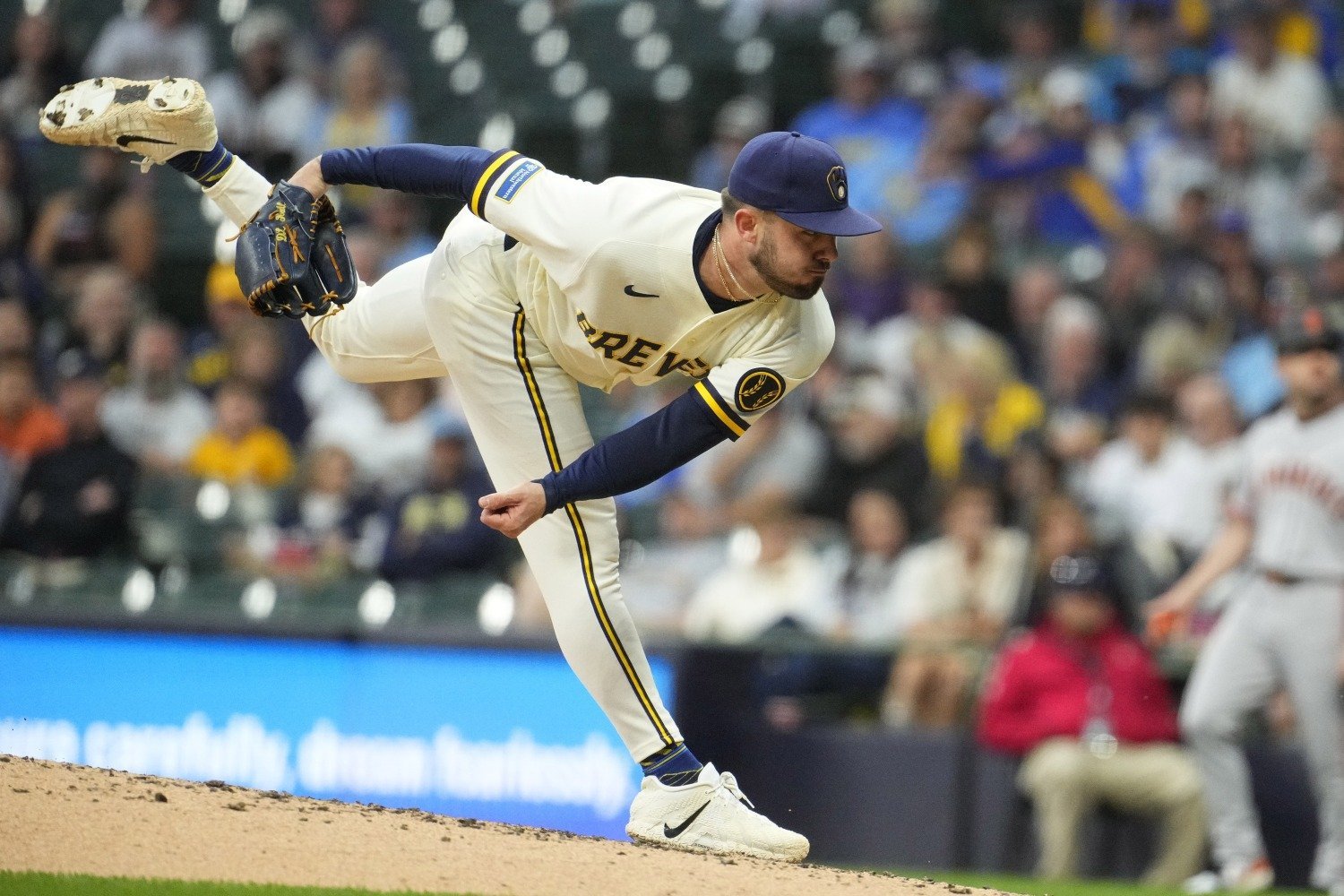 Outings like Monday night's have become typical for DL Hall this year. In two innings of relief, Hall issued three walks. He also struck out two, allowed zero hard-hit balls, and surrendered just one hit, enabling him to wiggle out of traffic without allowing any runs. Hall's 2.20 ERA this year is not fully sustainable. Nor is it a true reflection of how he's pitched. His 20.3% walk rate is the third-highest among qualified relievers. He's issued a walk in 16 of his 23 appearances, including an active streak of eight straight outings with at least one free pass. Those free bases have kept him from getting the high-leverage assignments entrusted to fellow multi-inning relievers Aaron Ashby, Chad Patrick, and Shane Drohan. Still, Hall's 3.86 xERA, 3.99 FIP, and 97 DRA- all indicate that from a process standpoint, he's been an above-average pitcher, despite the walks. He's kept the rest of the bullpen running efficiently by eating medium-leverage innings. It works because he rarely allows hits. Hall's batting average on balls in play this season is just .197. Last year, it was .202. He has the fifth-lowest BABIP among pitchers to throw at least 50 innings over the last two seasons. It's a statistical outlier for that many batted balls to become outs. At some point, hitters will start finding some holes, but in Hall's case, allowing such harmless contact no longer seems to be purely a fluke. It means he's repeatedly achieving his primary goal against most hitters. "Miss the barrel," he said. "That's what we're paid for, so that's all I'm trying to do." Hall has excelled at missing the barrel over the last two seasons. In 2025, he induced whiffs on just 19.5% of swings, but he limited opponents to an elite 28.8% hard-hit rate and 6.3% barrel rate. His quality of contact is similar this year (32.2% hard-hit, 6.6% barrel), but now his whiff rate has jumped to 29.6%. Opponents have an expected slugging percentage of just .282 against Hall this year, which ranks in the top 7% of pitchers who qualify for Statcast's batted ball leaderboards. He's harder than ever to square up, because his stuff is the best it's been in years. After failing to recapture the carry and velocity on what was once his signature four-seam fastball, Hall began reinventing himself last year to get outs by mixing speeds and shapes. He went from throwing one fastball to three, adding a cutter and a two-seamer. This year, he introduced a sweeper to bring his arsenal up to seven pitches. His stuff is grading out as above-average for the first time since his early days with the Baltimore Orioles. Season Stf+ 4FB Stf+ 2FB Stf+ FC Stf+ SL Stf+ CU Stf+ CH Stuff+ 2022 113 130 97 113 116 2023 109 114 127 112 112 2024 82 103 94 92 89 2025 91 95 86 97 95 94 92 2026 95 106 92 116 99 89 103 "Before I came here, I always threw so hard that I was essentially a two-pitch guy," Hall said. "That was great when you're throwing 98-100, but I think God put me in the situation to where I couldn't go out there and do that at 92-93, so I basically got forced to learn to adjust. And I think that was kind of a wake-up call. In the long run, if you want to pitch in this game for a long time, you've got to have variety." The two-seamer was more of an experimental pitch last year, but it's now Hall's primary fastball. He's still mostly a two-pitch pitcher to lefties, pairing the two-seamer with his new sweeper to beat them with stuff. Righties see more variety, which makes Hall's arsenal difficult to time up, even if it's not overpowering. Committing to the two-seamer allowed Hall to refine it over the offseason. He's increased the average arm-side run of the pitch from 14.5 inches last year to 16 inches this season. "When you throw a four-seam your whole life and then you grab two-seam, something feels different in your hand," he said. "I'm throwing so many sinkers now, when I go back to the four, it almost feels a little bit foreign sometimes." With an average of 10.4 inches of induced vertical break from his three-quarters arm slot, Hall's two-seamer rarely has true sink. Instead, it's more of a ride-run shape. For that reason, rather than targeting the bottom of the strike zone, Hall has thrown most of his "sinkers" closer to the top of the zone, with the goal of running them off the barrel. "Whether it's up or down, I'm running it off that sweet spot," he said. "I might throw one that's super ride-run, and then one might be kind of more just run. Either way, as long as I'm getting off that barrel, I'm probably getting the ground ball." It's working. Formerly a fly-ball pitcher as a four-seam guy, Hall's 53.2% ground-ball rate is a career best. That includes a 58.3% ground-ball rate against his sinker. He's induced five double plays, second on the Brewers' pitching staff to only Chad Patrick, who has pitched 18 more innings than Hall. Amid all of that good, the walks have remained a significant problem. Hall's new pitch mix is somewhat to blame. In past seasons, he consistently threw nearly 60% of his four-seamers in the zone, but he's still learning to control his new running fastball, throwing just 52.6% of his two-seamers in the zone. Throwing so many pitches has made it more difficult to find his release points, both within an outing and on the season as a whole. "Coming out of the bullpen with seven pitches is kind of absurd," Hall said. "It's not really much heard of. I think part of it is getting into the rhythm of the game, and I think me and William [Contreras] do a really good job of limiting how much [time] it takes. Sometimes it might take a batter, and that batter gets walked, but I think we're good at limiting." Some of the walks are more deliberate, a byproduct of Hall's determination to miss the barrel. The average MLB pitcher leans on their fastball to get back in the count after falling behind, throwing secondary pitches just 35.2% of the time in those situations. Hall throws non-fastballs at a 40.1% rate when behind. He willingly risks missing the zone with a breaking ball to keep a hitter off-balance in what is typically a fastball count. While he tries to attack lefties more aggressively with fastballs, he throws plenty of changeups and curveballs when behind in the count to righties. "Having the sinker-sweeper combo against lefties now, if I'm landing those and doing what I'm supposed to do, there's no reason to try and give that righty any chance to hit a homer, or just hit it and catch a barrel," Hall said. Part of his maturation, Hall said, has been learning when and how to pitch more carefully to potent righties when he has a more favorable matchup on deck. "If I get a runner on, I'm a double play away," he said. "So if there's one out or two outs, then I know that if I'm facing a righty, I'm not giving him anything too good. Now, I've kind of learned to use that." Even so, Hall knows he's walking too many hitters. He wants his misses to be more competitive, even when he's working more carefully around the zone by design. Walking some right-handers is okay, but every free pass to a lefty bothers him. He's even set up an accountability system with the rest of the Brewers' bullpen to curtail those. "Every time I walk a lefty, I owe them a little something," he said. The biggest help may come from his velocity finally returning. After Hall's two-seamer sat between 93 and 94 mph for most of April, it has sat nearly 96 and touched 97 over the last couple of weeks. That could give him the mental freedom to attack the zone more consistently. "If the velo is still ticking [up], then that simplifies everything," Hall said. "Now you can really just be like, 'Hey, I'm just gonna rip this over the plate and get a good result.'" Walks might always be part of the package for this version of Hall, who will likely remain closer to a middle reliever than a back-end bullpen arm. But even if some regression awaits, he's a useful big-league pitcher who, after some maturation, is adept at missing barrels. That's a major step up from where he was two years ago. "It's like learning everything new, and also trying to get the body to a good spot," he said. "But it's definitely rewarding, and to see a little bit of light at the end of the tunnel is really cool." View the full article
 -
 After winning 9-2 on Monday against the Reds, the Royals were hoping to take the series on Tuesday in Cincinnati. They seemed primed to do so, as they were up 3-0 at one point and up 3-1 going into the 8th inning. Unfortunately, as has been the case all season, the Kansas City bullpen failed to get the job done. Matt Strahm allowed a solo home run in the eighth to make it a one-run game. Lucas Erceg gave up a solo home run in the ninth. And in the 10th, after the Royals failed to get a run across in the top of the inning, John Schreiber gave up a jam-shot single to Blake Dunn, whose base hit allowed Spencer Steer to score from second and win the game in extra innings for the Reds. The Royals now have 12 blown saves, which ties them for the third-most in baseball with the Los Angeles Angels (the Nationals and Tigers have more than Kansas City). Their 5.08 bullpen ERA ranks 28th in baseball, and their 1.57 WHIP ranks last. While the offense certainly has been subpar this season (they stranded 12 runners on Tuesday), the bullpen has arguably been a bigger contributor to the Royals' overall woes in 2026. Thus, after another gut-wrenching defeat on Tuesday, what needs to happen to force Matt Quatraro to make some much-needed moves in the bullpen? And what are those moves that need to happen? When diving into the issue, it may be a more complicated problem that goes beyond who Quatraro is utilizing in high-leverage spots, especially in the ninth inning. Erceg and Strahm Not Getting the Job Done The bullpen was initially seen as an area of strength going into Spring Training. The Royals returned Carlos Estevez, who led the league in saves in 2025, only the second Royals pitcher to do so in franchise history (with the other being Dan Quisenberry). They also acquired veteran Strahm from Philadelphia in exchange for Jonathan Bowlan, who struggled to solidify a spot in the Royals' bullpen in 2025. Royals GM JJ Picollo also traded for Nick Mears, who came along with Isaac Collins from Milwaukee in exchange for Angel Zerpa, and picked up Alex Lange, who the Detroit Tigers released in the offseason after struggling with injuries. Lastly, they returned a promising lefty in Daniel Lynch IV and veteran arms like Erceg and Schreiber, who had proved in the past couple of seasons that they could handle high-leverage spots. Unfortunately, the bullpen has fallen apart in myriad ways this season, which explains why the team ranks near the basement in most categories. Estevez has been on the IL since a disastrous sole outing in Atlanta. Mears is also on the IL, and Strahm just recently returned. Lange has had moments, but he hasn't shown the ability to be a trusted reliever in high-leverage spots. Schreiber has been fine, but that's mostly due to a strong May, which made up for a slow start to the season. After barely getting any strikeouts in April, Schreiber has done a much better job of not just generating Ks, but also chases and whiffs, as evidenced by his TJ Stuff+ summary in May. While Schreiber has been fine despite his bumpy start out of the gate, it's been quite the opposite for Erceg and Strahm. Strahm was expected to solidify this bullpen and be the Royals' primary left-handed setup man in the bullpen this season. Unfortunately, he just hasn't been consistent enough this season (when healthy). In 18 games and 17.1 IP, the 34-year-old lefty is sporting a 4.15 ERA and 1.27 WHIP. Both marks are much higher than the 2.74 ERA and 1.07 WHIP he posted in 66 outings and 62.1 IP with the Phillies a season ago. When looking at his TJ Stuff+ summary comparison, the stuff metrics have been lackluster, and the chase, whiff, and xwOBACON are all down from 2025 as well. The only category that has remained stable is zone rate, and even that has seen a 0.3% decline. The four-seamer, despite sporting lower velocity, has been surprisingly effective, thanks to a 0.4-inch increase in iVB. That change has helped him maintain his TJ Stuff+ (103) and generate more whiffs, at 26.5%. That's a 1.9% increase in four-seam whiff rate from the previous season. Unfortunately, the stuff and whiffs are down across the board beyond the four-seamer, and that has resulted in his other pitches getting hit harder, as evidenced by increases in xwOBACON on those non-four-seam offerings. Then again, his four-seamer has gotten hit hard on occasion this year when not located properly, which was the case tonight on the home run he allowed to Steer. Strahm has been disappointing. However, he hasn't been anywhere close to as bad as Erceg, whose ERA rose to 6.45 after he gave up the game-tying home run to pinch-hitter Will Benson in the bottom of the ninth with nobody out. What's interesting about Erceg's outing today was that he didn't COMPLETELY implode as he did against the Rangers. After giving up the game-tying home run, he got out of the inning with two strikeouts (though he did have two walks). On a positive note, his TJ Stuff+ numbers were up, especially on his four-seamer and sinker, which were under 100 in previous outings. Overall, Erceg had a 103 TJ Stuff+ with a 100 TJ Stuff+ on the four-seamer and 104 TJ Stuff+ on the sinker. Unfortunately, the results weren't good, despite the improvement in TJ Stuff+. He had a 37.5% zone rate, 13.3% chase, and .740 xwOBACON. Not only was he getting hit hard, but he just wasn't locating. That was further illustrated in his pitch type chart from today's outing via Baseball Savant. Interestingly enough, the home run he allowed was on a tough pitch: a changeup on the outer edge of the zone. The pitches he threw in the middle? The Reds actually didn't do damage on any of them (Nathaniel Lowe actually struck out on the hanging slider in the middle of the zone). Here's a look at the results of those pitches in his pitch description chart. In some ways, Erceg showed improvement on Tuesday. However, as a closer, Erceg needs to produce results rather than "platitudes". Unfortunately, after blowing his sixth save of the year, the results aren't happening with Erceg, and they likely won't get any better if Strahm is put in the closer's spot. Even if Strahm got the ninth and Erceg had the eighth, the results would still have been the same. Does Daniel Lynch IV Deserve Save Opportunities? When it comes to evaluating relievers, Win Probability data can be a good measure of a reliever's effectiveness in high-leverage spots. WP data isn't always sticky, especially from one season to the next. However, WP data can at least show which Royals have been effective in tough spots and who may be more dependable in those high-leverage spots in the short term. Here's a look at the Royals' bullpen's WP data from this season, as of June 2nd (not including tonight's game). As one can see from the table above, Erceg has the worst Win Probability Added (WPA) of Royals relievers this season. He also has the highest gmLI, which measures the leverage a pitcher has when entering a game. Considering Erceg is the closer, it's not surprising that he has the highest gmLI of any Royals reliever this season. In terms of gmLI, Strahm has the second-highest mark at 1.56, and Mears the third-highest at 1.48. The fourth-best mark belongs to Lynch at 1.43. Unlike Strahm, who has a slightly above-average WPA at 0.26, or Mears, who has a below-average WPA at -0.50, Lynch has the best WPA of Royals relievers, as evidenced by a 1.25 mark. In addition to an excellent WPA, Lynch also has a 0.49 clutch, which measures performance in high-leverage situations. His clutch is 0.22 points higher than the next-best mark, which belongs to Mason Black. Compared to Strahm and Erceg, the former Virginia product's clutch is 0.25 and 0.65 points better, respectively. Thus, does Lynch deserve some opportunities to show what he can do in the ninth? When looking at a couple of factors, Lynch is a tougher closer option for the Royals than his 1.93 ERA suggests. In terms of TJ Stuff+ metrics, the chase, whiff, and xwOBACON numbers have been stellar. However, his zone rate has been subpar, and the TJ Stuff+ doesn't really profile as a closer candidate, as seen in his TJ Stuff+ summary below. Lynch only has three pitches with a TJ Stuff+ of 100 or better, and his overall TJ Stuff+ is 100. That ranks as the eighth-best mark among Royals pitchers this season, and his zone rate ranks 11th, according to TJ Stats leaderboards. That's not necessarily a detriment, especially since the Royals relievers haven't been much better (most of the pitchers ahead of Lynch in terms of TJ Stuff+ are starters). That said, it does imply that Lynch could experience some bumpy outings with the increase in leverage. Speaking of leverage, there's no question that Lynch has been good in tough spots this year. That is evidenced by his team-best WPA and 11 shutdowns (SD), which is tied with Erceg for the most on the pitching staff. That said, Lynch doesn't have much experience in high-leverage spots, as seen in his career WP data below from Fangraphs. As Royals fans can see above, this season is the first year in which Lynch has a gmLI over 1. Thus, Quatraro seems more comfortable putting him in high-leverage spots this year than in previous seasons. However, does that mean Quatraro has full confidence in Lynch in the ninth? That doesn't seem to be the case just yet, as Quatraro avoided utilizing Lynch in the save situation on Tuesday. While the experience isn't there, Lynch has proven that he can at least produce results in tough spots this year, even with question marks in his TJ Stuff+ profile. Let's hope that Quatraro gives Lynch a chance to close sooner rather than later. The Royals Need to Explore What They Have in the Bullpen The reality for this club is that, at 23-38, they need to figure out what they have in the bullpen that can be pieces for the long term or potential trade assets ahead of the Trade Deadline. If a pitcher is not satisfying either of those goals, they need to be optioned or released. The Royals took a step in that direction today before Tuesday's game, as evidenced by optioning Eli Morgan to Omaha and picking up the contract of Beck Way from Triple-A, who came over to the Royals from the Yankees in 2022 in the Andrew Benintendi deal. data:image/gif;base64,R0lGODlhAQABAPABAP///wAAACH5BAEKAAAALAAAAAABAAEAAAICRAEAOw== Way didn't pitch on Tuesday, but he could give the Royals some much-needed upside and ability out of the bullpen. While his ERA was high at 4.50, his FIP was much better at 2.85. Furthermore, he also had a strong K-BB% (24.8%) and GB% (63%), as well as solid TJ Stuff+, whiff, and xwOBACON numbers, as demonstrated in his TJ Stuff+ summary from Omaha this season. Way is an example of a reliever the Royals should give chances to for the remainder of the season. The same is true for Steven Cruz, Eric Cerantola, and Black. Maybe those relievers might be Four-A pitchers at the end of the day. That said, the Royals need to know for sure, and a suddenly "rebuilding" season is the best time to get those answers. Of course, they shouldn't abandon their veterans either. Erceg, Strahm, and Schreiber all need innings not to necessarily impact wins and losses with this Royals club, but to perhaps boost their trade value over the next month. It's unlikely that the Royals will hold onto any of those three relievers by the August 3rd Trade Deadline. Hence, Quatraro still needs to utilize those three in spots to improve their chances of getting a good trade return at the Deadline. The Royals shouldn't be buyers at any point this season. They need to be "sellers," and to do that, they need to understand and explore what they have, especially in the bullpen. That means innings need to go around across the board, even if it means some rough growing pains in the process. It's tough that the 2026 season has turned out this way. At the same time, the Royals have a chance to make the most out of a bad situation if they can "evaluate" and "boost" trade value in the bullpen effectively over the next two months. View the full article
 -
New York Mets Pitchers of the Month: May 2026
DiamondCentric posted an article in Grand Central Mets
 At the end of April, you would have assumed that any monthly Mets’ pitching ranking would include Nolan McLean. He posted a 2.55 ERA and 2.20 FIP, and had the strikeout (33.3%) and walk rates (7.4%) to back it up. But you know what they say about assuming. Unfortunately, in May, McLean was a shell of his April self. Driven by a step back in command, he was torched for a 6.10 ERA and 5.56 FIP. He walked more batters, got fewer strikeouts, and gave up six long balls. Now, despite the Mets’ most talented pitcher struggling mightily, the staff, as a whole, was incredibly strong. Exiting April with a team ERA of 4.17, the Mets pitched to a 3.43 ERA in May, and a 3.05 ERA sans-McLean. Needless to say, the other guys stepped up, particularly the trio we've highlighted below. Ranking the New York Mets’ Best Pitchers in May #3: Huascar Brazobán One of my favorite elements of baseball is the hot reliever. In a sport so inherently random, relievers, more than any other position, are at the mercy of randomness. Sometimes, it feels like a cruel joke, as two consecutive meltdowns undo years of hard work. On the other end of the spectrum, to keep the cosmic balance, you can have a month like Huascar Brazobán. To put it simply, Brazobán shouldn’t be pitching as well as he has, but sometimes the almighty smiles upon a low-leverage reliever. Over 15.2 May innings, he racked up a 2.30 ERA despite a strikeout rate of 20.6% and a walk rate of 14.3%. On top of that, he had a left-on-base percentage (i.e., strand rate) of 66.7%, which is well below the league average of 72.2%. And while I want to say his .125 BABIP is all a mirage, his Statcast expected ERA is 1.76! The secret sauce for Brazobán is a deadly sinker and change-up combo, which induces spades of weak contact and completely offsets an inability to limit free passes or get strike three. When everything is going well, like it has this season and in May, he’ll rack up outs in a way that doesn’t even seem possible. For now, Brazobán is one of the Mets' best pitchers, and they ought to ride his hot streak until someone figures out how to square him up. #2: Christian Scott By FanGraphs WAR, Christian Scott was the Mets' best pitcher in May. Over 29 innings, he racked up 0.9 fWAR and a 2.73 ERA. His 29.6% strikeout rate helped to offset an 8.8% walk percentage, and he limited hitters to a single home run. In a month where Nolan McLean struggled, the Mets desperately needed another starter to step up, and Scott did just that. While Scott’s surface-level performance was exceptional, he only ranks second for a reason. He far exceeded his expected ERA of 3.93, and he threw those 29 innings over six starts, maxing out at 5.2 innings against the Marlins on May 24. Five-and-dive starters are valuable, but consistently getting through six innings is the benchmark for elite pitching. So, while on the surface Scott looked elite, underneath the hood, he left a little wanting. Fortunately, Scott’s inability to consistently avoid free passes isn’t likely to be a huge issue long term. Throughout his minor-league career, he routinely posted excellent walk rates, and he probably just needs an adjustment period at the top level. #1: Luke Weaver Luke Weaver was an absolute monster in May. Over 11 appearances and 12.2 innings, he allowed exactly zero runs. Needless to say, a 0.00 ERA is a good way to be named pitcher of the month, and his underlying metrics support his run of dominance. Weaver posted a 1.73 FIP and 1.88 expected ERA in May thanks to 31.4% strikeout rate, 7.8% walk rate, a 23.3% hard-hit rate, and a 27.4% infield fly-ball rate. When you rack up whiffs, limit free passes, minimize contact quality, and get infield pop-ups, you’re going to get a whole bunch of outs. On top of Weaver’s pitching excellence, he was incredibly clutch. His Win Probability Added led all Mets pitchers at +1.48, as did his average leverage index when entering the game of 2.11. When the game was on the line, Weaver came in and got the job done, every single time. While he’ll eventually give up a run, Weaver has firmly established himself as the Mets’ bullpen ace. As much as it would be defensible to move Weaver into the closer role, he’s probably more valuable to the Mets with his current job. More games are won and lost based on what happens with a runner on first in the seventh inning than on what happens after trotting out for the ninth with nobody on. Weaver’s May was excellent and has him looking like the bullpen stud he was two seasons ago in the Bronx. Should Nolan McLean rediscover his form, something I’d bet heavily on, the Mets could have one of the better pitching staffs in baseball. Christian Scott is pitching like an elite fourth starter, Freddy Peralta continues to get outs, and the bullpen has been one of the best in baseball all season. The rotation still looks one starter short, but unlike most teams, they have a host of internal options who could readily claim a spot. After a disastrous April, the Mets' pitchers came up big in May. View the full article
 -
 It took nearly six full years in professional baseball, with more than five of those spent in the Miami Marlins organization, but Zach McCambley got his first taste of the major leagues on Tuesday when the Cincinnati Reds selected him to their active roster. Becoming an MLB player means joining a very exclusive club, though it probably doesn't feel that way for McCambley. That's because everybody else in the Marlins' 2020 MLB Draft class beat him to that milestone. For most of Marlins history, the amateur draft was 40-plus rounds. In recent years, it's been 20 rounds. Even the elite front offices are going to strike out the majority of the time with that kind of volume. But under a unique set of circumstances in 2020, the draft consisted of only five rounds (six Marlins picks). While that class has not exactly led the Fish to consistent success, there is something to be said for identifying and developing talent well enough to go six-for-six at producing big leaguers. The Marlins only picked pitchers in 2020. Max Meyer got called up first way back in 2022. Kyle Nicolas and Kyle Hurt both debuted in September 2023 after being traded to the Pittsburgh Pirates and Los Angeles Dodgers, respectively. A year later, Jake Eder reached The Show with the Chicago White Sox. Dax Fulton lasted a single day in Miami last month, making a long relief appearance before being optioned back to Triple-A Jacksonville. Now it's McCambley's turn, less than two weeks after being acquired by the Reds in exchange for outfielder Rece Hinds. Year Round OvPck Bonus Name Pos bWAR G ERA WHIP Type Drafted Out of 2020 1 3 $6,700,000 Max Meyer P 1.5 37 4.49 1.31 4Yr University of Minnesota (Minneapolis, MN) 2020 2 40 $2,400,000 Dax Fulton P 0.0 1 4.50 1.25 HS Mustang HS (Mustang, OK) 2020 CB-B 61 $1,129,700 Kyle Nicolas P -0.3 93 4.96 1.58 4Yr Ball State University (Muncie, IN) 2020 3 75 $775,000 Zach McCambley P 0.0 0 N/A N/A 4Yr Coastal Carolina University (Conway, SC) 2020 4 104 $700,000 Jake Eder P 0.2 13 4.44 1.27 4Yr Vanderbilt University (Nashville, TN) 2020 5 134 $300,000 Kyle Hurt P 0.8 22 1.01 0.86 4Yr University of Southern California (Los Angeles, CA) It's difficult to be so patient, but it really does take at least half a decade to fully evaluate a draft class, even one built mainly on college players. In 2026, Meyer has gone from a fringy MLB starter to the No. 2 arm in the Marlins rotation. Hurt is just now emerging as a steady contributor out of the Dodgers bullpen. The 2021-25 Marlins draft classes have combined for only five big leaguers thus far. Thomas White, Kemp Alderman and Karson Milbrandt are prime candidates to boost that total in the near future. View the full article
 -
Payton Tolle's Next Step Forward Will Require A Few Less Fastballs
DiamondCentric posted an article in Talk Sox
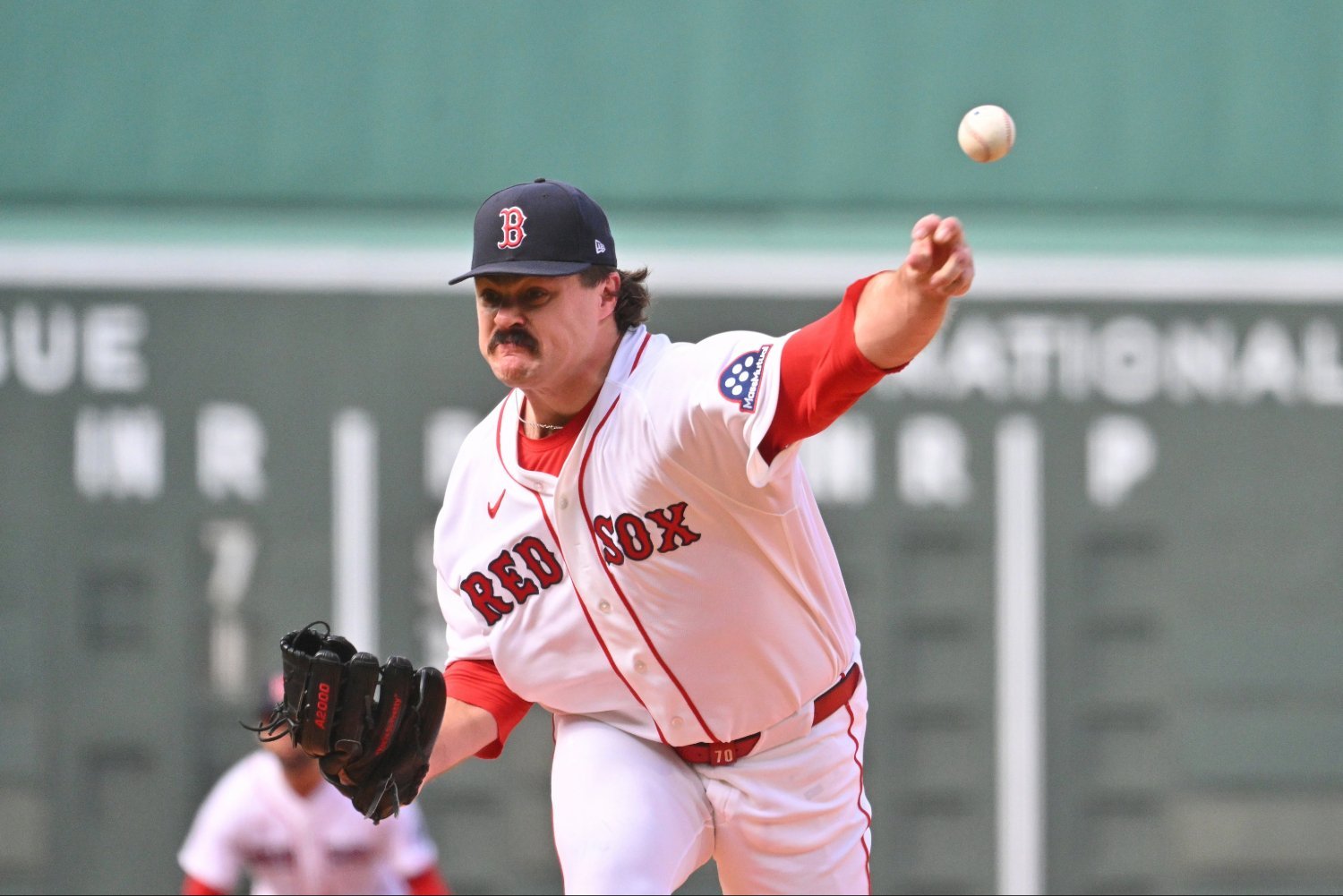 In less than one season, Payton Tolle has become a folk hero in Boston. His huge laugh, inviting personality, and transparency have aided in making him arguably the team’s fastest rising star, and he hasn’t even reached his ceiling yet. While he’s taken a significant step forward this season, there’s still room for improvement before he can officially carry the ‘ace’ title that seems to be waiting for him down the road. Let’s dive under the hood just a bit so we can paint a picture of just how great Tolle has been to begin this season. He’s currently sitting on a 2.61 ERA with a 28.6% strikeout rate, a 6.8% walk rate, 2.66 FIP, and 1.4 fWAR. We can also see that Tolle’s expected metrics paint an even better picture. His Baseball Savant page is on fire. His xERA (expected ERA) is lower than his actual ERA at 2.19, good for the 97th percentile. His xBA (expected batting average) is .183, slightly higher than his actual average against at .174, but it shows you just how dominant he has been through 41.1 innings this season. The major knock against him is his groundball rate sits at 34%, but Tolle isn’t a pitch-to-contact style of pitcher. He’s going to throw gas and, hopefully, mess with your timing with a breaking ball that has you swinging out of your shoes for strike three. We already know that Tolle features what the pitching lab is calling a ‘three-headed monster of hard’ that allows him to dominate with his fastball mix. He features a four-seam fastball, sinker, and cutter that all play incredibly well in the zone. His four-seamer brings the heat while he can nibble around the edges of the zone with his sinker and cutter. What is keeping him from the absolute dominance he’s capable of is the back end of his pitch mix. His three fastballs are lethal and work to get him through the lineup the first and second time, but he’s missing something with more bite. Last season, Tolle threw a slider that he’s scrapped this season, along with his change-up and curveball (but neither of them had much success). This season, though, his curveball has become the pitch he’s going to when he’s trying to mess with the hitter’s timing. He’s throwing it slower than he did in 2025, 82.4 mph instead of 83 mph, but he’s getting an inch and a half more glove-side break with it this season. from 5.4” to 6.9”. If we want to see how dominant a southpaw with a breaking put-away pitch can be, just look at the man that pitched opposite Tolle in his last start, old friend Chris Sale. Sale is one of the most dominant pitchers in professional baseball, even at the age of 37. While the pitch mix is drastically different. Sale features a wipeout slider that he employs against both left and right-handed hitters at a 41% clip. That slider is Sale’s main pitch, but it helps to set the stage for what Tolle’s curveball could become. If Tolle can feature it against hitters from both sides of the plate comfortably — he’s currently throwing it 11% against righties and just 5% against lefties — then it becomes his go-to strikeout pitch when he needs to keep hitters off-balance. The biggest knock with Tolle’s curveball is that when he misses with it, he typically leaves it middle-middle, so it can be hit hard. Batters are only hitting .222 against it with an xBA of .177 this year, but it’s going to take real game usage to be able to feature it as prominently as it should be. If we look at the pitch mix from his start against the Braves, we see that he threw 94 pitches but obviously wasn’t trusting anything outside of his fastballs. He threw 54 four-seamers, 26 sinkers, 11 cutters, two curveballs, and one changeup. Those four-seamers play up so well in the zone, but limit his effectiveness when he doesn't have either a breaking or off-speed pitch for them to play off of. The Braves, who Tolle threw against just a week before (it was the first time he saw the same team twice in the same season), were obviously sitting on that fastball. Against Tolle alone, the Braves hit 40 foul balls and every single one of them was on some version of the fastball. It’s a dominant pitch, but when Tolle isn’t trusting his curveball, then the offense can wear him down as they time up his best pitch(es). Payton Tolle arguably has the highest ceiling of any young pitcher not named Garrett Crochet on the Red Sox’s roster; he just has to fully develop a true put-away pitch as he tightens up his major-league arsenal. Tolle is going to be a fan favorite in Boston for a long time, and may even be in the conversation for an extension if President of Baseball Operations Craig Breslow wants to attempt to rebuild some goodwill with the fanbase. He just needs to expand his selection of offerings to keep his opponents guessing a little more frequently. View the full article
 -
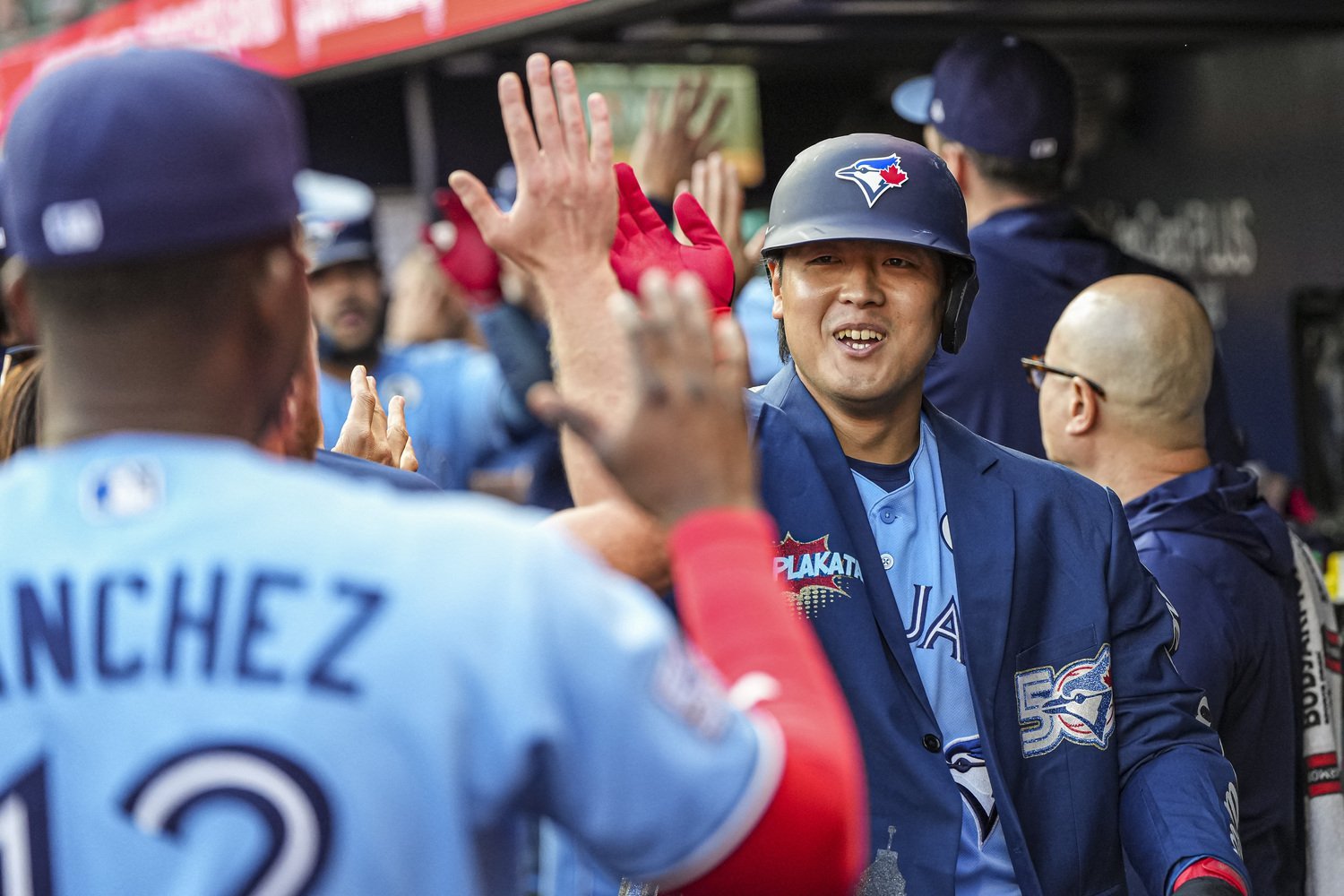 The Toronto Blue Jays have struggled with power all season. As of Tuesday, they rank tied for 20th among MLB teams with 56 home runs and 25th in OPS (.690). The issue stems from injuries and struggles from the lineup's superstars. Anthony Santander has been out all season after shoulder surgery in February, but he's not due to return until August at the earliest. Alejandro Kirk has been out since April 7 after suffering a fractured thumb from a foul tip. He's on pace to begin a rehab assignment soon, with hopefully a return to Toronto by mid-to-late June. Another player the Blue Jays were depending on, Addison Barger, has already spent two separate stints on the 10-day injury list this season. On April 5, he injured both ankles on the same play while attempting to beat out an infield groundball. He missed more than a month before returning on May 9. However, on May 10, he returned to the injury list due to right elbow inflammation. There's no timetable for a return, but he has started swinging in the batting cage. Aside from injuries, the Blue Jays are seeing a lack of power from key players Vladimir Guerrero Jr., Daulton Varsho, and George Springer. They are each hitting fly balls at a rate over 30 percent, but they are producing their worst home run-to-fly-ball ratios. All of their HR/FB rates are under 10 percent for the first time in their careers, with Guerrero at an abysmal 5.2 percent. Despite their season-long struggles, the Blue Jays went 15-14 in May, which helped them jump into third place in the AL East, though they are still well behind the Tampa Bay Rays and New York Yankees. There haven't been many bright spots in the lineup lately, but here were the Blue Jays' top performers in May. Top Blue Jays Hitters In May Honorable Mention: George Springer May Stats: 107 PA, .208/.276/.344, 12 R, 3 HR, 7 RBI, .774 OPS, 75 wRC+ George Springer's performance last season, when he hit 32 home runs, is starting to look like a fluke. He is currently experiencing the worst statistical season of his 13-year career. Although it's only two months into the season, the Blue Jays' DH is hitting. 212/.289/.359 with a .648 OPS and an 84 wRC+. These statistics would all be career-worst numbers, including a -0.2 fWAR, which would mark the first time that Springer dropped into the negatives. The interesting thing is that the 36-year-old is actually crushing the ball when he pulls it. All five of his home runs are to left field, as well as nine of his 14 RBIs, and he is hitting .357 with a 1.036 OPS on pulled contact. His stats drop suddenly as you move toward right field. Hitting the ball up the middle, Springer is batting .214 with one RBI and a .475 OPS. Hitting to the opposite field, his average is .167, with four knocked in and a .458 OPS. At this rate and given his age, this may be the last season we see Springer in a Blue Jays uniform, as his contract expires at the end of the year. Honorable Mention: Jesús Sánchez May Stats: 81 PA, .329/.358/.500, 8 R, 2 HR, 13 RBI, .858 OPS, 139 wRC+ The trade acquisition after Santander's surgery news, Jesús Sánchez is currently on pace to have his best statistical season of his seven-year career. His .287 batting average would be a career best by nearly .30 points. He's seeing his best success hitting the ball into the air, with a career-best 56.1 air percentage, which is nearly split between fly balls and line drives. The increase in his launch angle is backed up by producing a 1.517 OPS on line drives and a 1.161 OPS on fly balls. Sánchez may not be the power producer that Santander has shown to be over his career, but he's been one of the most consistent contributors in the Blue Jays lineup. The one downfall for the team's right fielder is that he is a platoon player. In only 22 plate appearances, he has a .372 OPS against southpaws, compared to an .844 OPS over 160 plate appearances when facing a right-handed pitcher. The Blue Jays need Sánchez to keep hitting hot with so many of their other key stars struggling. No. 3: Yohendrick Piñango May Stats: 83 PA, .291/.325/.456, 7 R, 3 HR, 15 RBI, .781 OPS, 118 wRC+ April 26, Yohendrick Piñango made his much-anticipated MLB debut. He was called up when Nathan Lukes was placed on the 10-day injury list due to a hamstring injury. The former top prospect has burst onto the scene since his debut, with a 114.8 max exit velocity and 40.9 percent hard-hit rate. Like Sánchez, Piñango is a platoon player, with a .385 OPS in 13 plate appearances off lefties, compared to an .850 OPS in 77 plate appearances off righties. Lukes returned to the Blue Jays on May 25, and the 24-year-old survived not being demoted to make room for Lukes. Davis Schneider was sent down instead, although Piñango has moved to a more part-time role. Moving forward, his playing time will be largely limited to pinch-hitting or giving a day off to Varsho, Sánchez, or Lukes, who are also left-handed hitters. No. 2: Ernie Clement May Stats: 106 PA, .297/.321/.475, 15 R, 4 HR, 13 RBI, .796 OPS, 120 wRC+ Ernie Clement has continued his hot hitting from last season's postseason run and is now a reliable contributor this season. He became a full-time starter in 2024 and is on pace this season for a career year. The power is a nice surprise, since he is in the sixth percentile for average exit velocity (85.7 mph) and the third percentile for hard-hit rate (25.4 percent). However, he is in the 97th percentile for squared-up rate (36.2 percent). Clement's 15.6-degree average launch angle is a helpful contributor to the power display, as well. Another aspect of the utility player's success this season is his ability to put the ball in play. He ranks in the 99th percentile in strikeout percentage (8.1 percent) and has a .309 batting average on balls in play. Even though Clement bats toward the bottom of the lineup against right-handed pitchers and second versus southpaws, his success is much-needed. His outstanding hitting is a reason the Blue Jays are playing as well as they are lately. No. 1: Kazuma Okamoto May Stats: 115 PA, .210/.304/.470, 16 R, 7 HR, 18 RBI, .774 OPS, 115 wRC+ The lone power source for Toronto this season has been one of their offseason signees. Kazuma Okamoto has 12 home runs on the season, which is twice as many as the team's next-closest hitters, Sánchez and Andrés Giménez. The third baseman was also a decent contact hitter in Japan, hitting at least .260 in each of his eight seasons there. However, the contact hasn't translated to the MLB game. He was hot to start May, with four home runs in the first three days, and he had a hit in 10 straight games. That streak went cold right afterward, with him getting only two hits over the next 10 games. One reason Okamoto's batting average for the month is so low is that he has had only three multi-hit games in May, and all of them were before May 6. With the limited power around him, Okamoto needs to continue hitting the ball hard; he currently ranks in the 96th percentile for hard-hit rate (53.0 percent). The Blue Jays are desperate to keep up in the AL East; it wouldn't surprise me to see a power bat be a target at the trade deadline. View the full article
 -
Payton Tolle's Next Step Forward Will Require Fewer Fastballs
DiamondCentric posted an article in Talk Sox
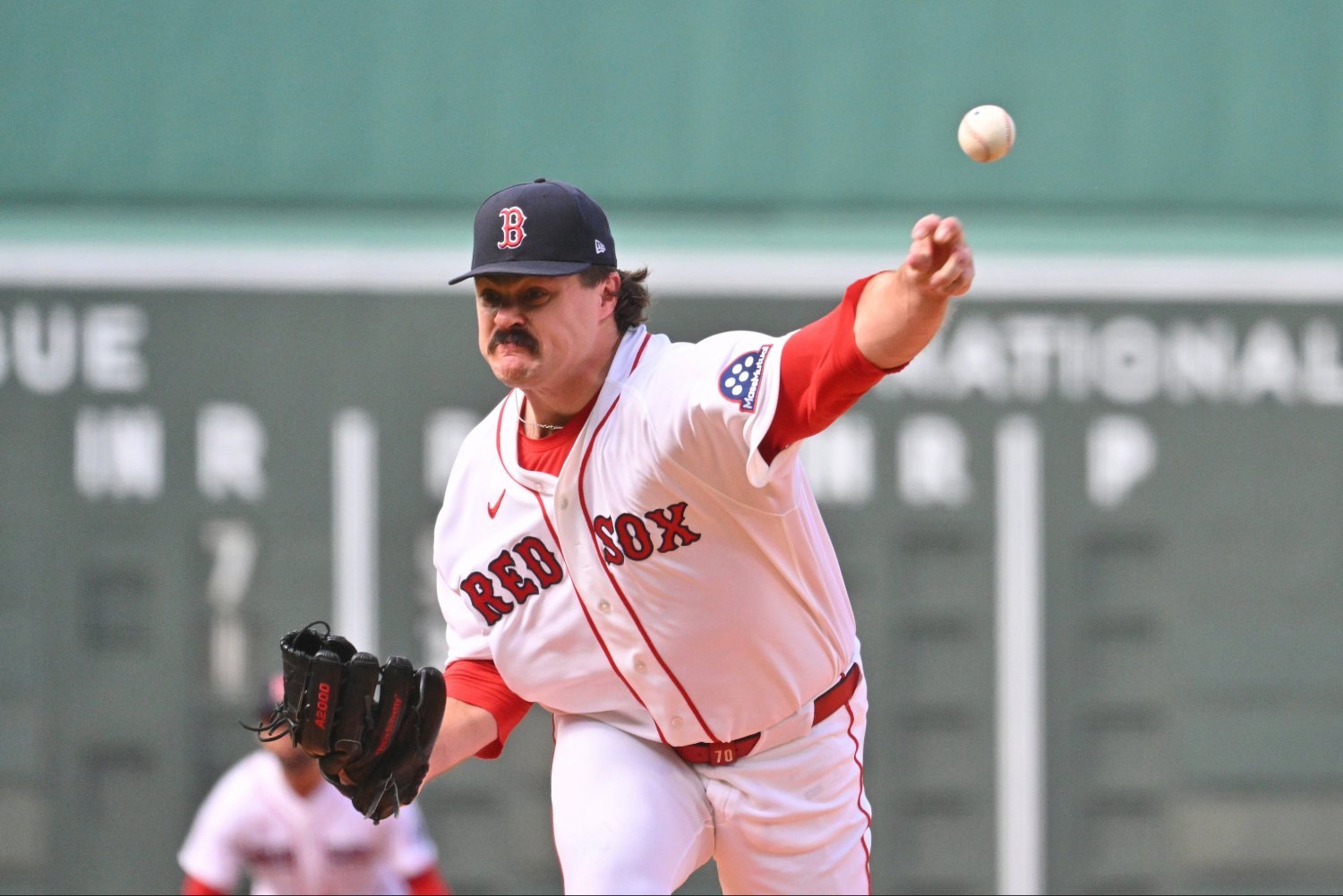 In less than one season, Payton Tolle has become a folk hero in Boston. His huge laugh, inviting personality, and transparency have aided in making him arguably the team’s fastest rising star, and he hasn’t even reached his ceiling yet. While he’s taken a significant step forward this season, there’s still room for improvement before he can officially carry the ‘ace’ title that seems to be waiting for him down the road. Let’s dive under the hood just a bit so we can paint a picture of just how great Tolle has been to begin this season. He’s currently sitting on a 2.61 ERA with a 28.6% strikeout rate, a 6.8% walk rate, 2.66 FIP, and 1.4 fWAR. We can also see that Tolle’s expected metrics paint an even better picture. His Baseball Savant page is on fire. His xERA (expected ERA) is lower than his actual ERA at 2.19, good for the 97th percentile. His xBA (expected batting average) is .183, slightly higher than his actual average against at .174, but it shows you just how dominant he has been through 41.1 innings this season. The major knock against him is his groundball rate sits at 34%, but Tolle isn’t a pitch-to-contact style of pitcher. He’s going to throw gas and, hopefully, mess with your timing with a breaking ball that has you swinging out of your shoes for strike three. We already know that Tolle features what the pitching lab is calling a ‘three-headed monster of hard’ that allows him to dominate with his fastball mix. He features a four-seam fastball, sinker, and cutter that all play incredibly well in the zone. His four-seamer brings the heat while he can nibble around the edges of the zone with his sinker and cutter. What is keeping him from the absolute dominance he’s capable of is the back end of his pitch mix. His three fastballs are lethal and work to get him through the lineup the first and second time, but he’s missing something with more bite. Last season, Tolle threw a slider that he’s scrapped this season, along with his change-up and curveball (but neither of them had much success). This season, though, his curveball has become the pitch he’s going to when he’s trying to mess with the hitter’s timing. He’s throwing it slower than he did in 2025, 82.4 mph instead of 83 mph, but he’s getting an inch and a half more glove-side break with it this season. from 5.4” to 6.9”. If we want to see how dominant a southpaw with a breaking put-away pitch can be, just look at the man that pitched opposite Tolle in his last start, old friend Chris Sale. Sale is one of the most dominant pitchers in professional baseball, even at the age of 37. While the pitch mix is drastically different. Sale features a wipeout slider that he employs against both left and right-handed hitters at a 41% clip. That slider is Sale’s main pitch, but it helps to set the stage for what Tolle’s curveball could become. If Tolle can feature it against hitters from both sides of the plate comfortably — he’s currently throwing it 11% against righties and just 5% against lefties — then it becomes his go-to strikeout pitch when he needs to keep hitters off-balance. The biggest knock with Tolle’s curveball is that when he misses with it, he typically leaves it middle-middle, so it can be hit hard. Batters are only hitting .222 against it with an xBA of .177 this year, but it’s going to take real game usage to be able to feature it as prominently as it should be. If we look at the pitch mix from his start against the Braves, we see that he threw 94 pitches but obviously wasn’t trusting anything outside of his fastballs. He threw 54 four-seamers, 26 sinkers, 11 cutters, two curveballs, and one changeup. Those four-seamers play up so well in the zone, but limit his effectiveness when he doesn't have either a breaking or off-speed pitch for them to play off of. The Braves, who Tolle threw against just a week before (it was the first time he saw the same team twice in the same season), were obviously sitting on that fastball. Against Tolle alone, the Braves hit 40 foul balls and every single one of them was on some version of the fastball. It’s a dominant pitch, but when Tolle isn’t trusting his curveball, then the offense can wear him down as they time up his best pitch(es). Payton Tolle arguably has the highest ceiling of any young pitcher not named Garrett Crochet on the Red Sox’s roster; he just has to fully develop a true put-away pitch as he tightens up his major-league arsenal. Tolle is going to be a fan favorite in Boston for a long time, and may even be in the conversation for an extension if President of Baseball Operations Craig Breslow wants to attempt to rebuild some goodwill with the fanbase. He just needs to expand his selection of offerings to keep his opponents guessing a little more frequently. View the full article
 -
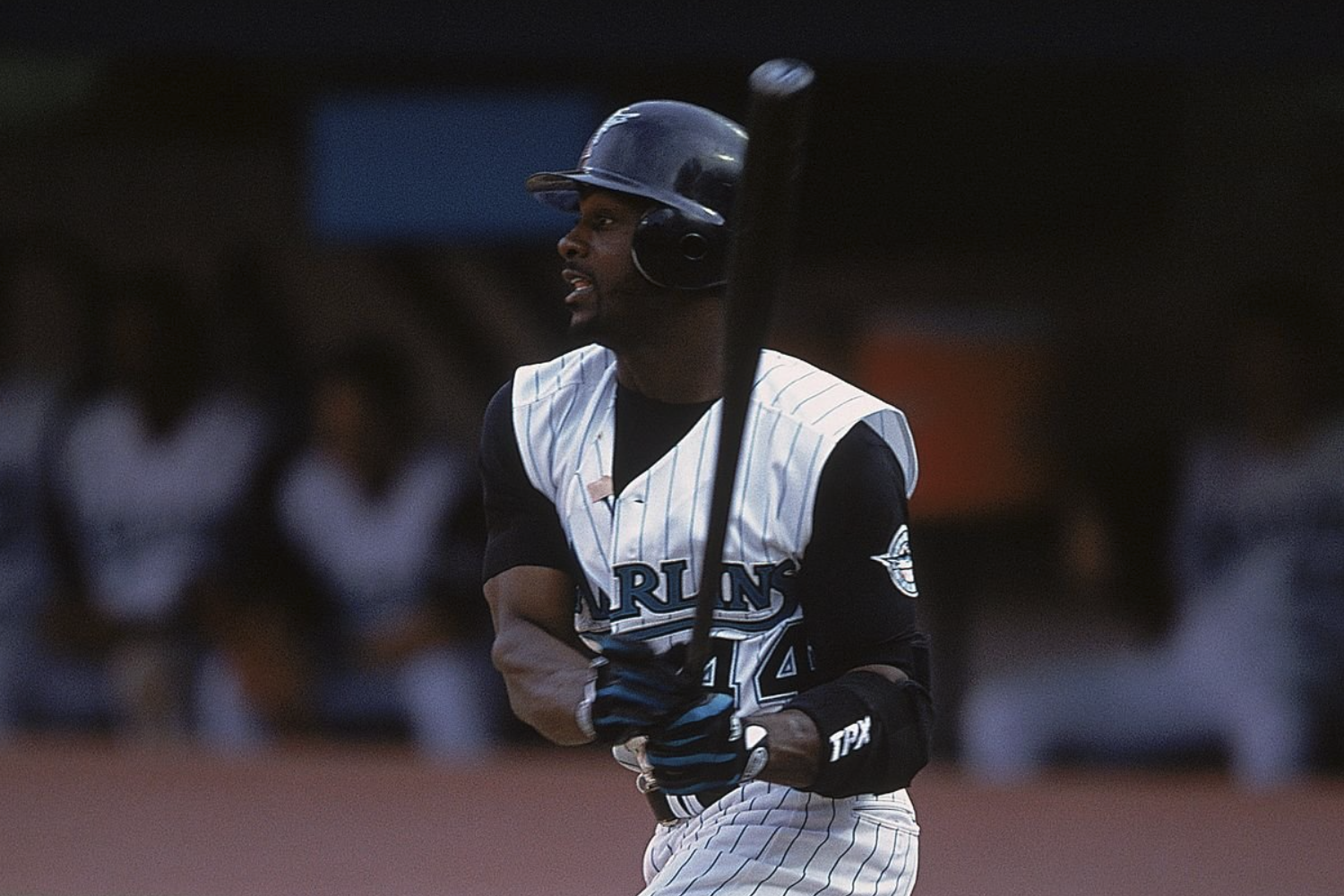 June 3, 2001 Preston Wilson hit at least 23 home runs every year. Still one of just 10 players ever to hit 100 home runs for the club, Wilson also had plenty of speed. On this day 25 years ago, Wilson delivered the Marlins to victory without having to hit the ball out of the infielder. His RBI infield single in the bottom of the ninth broke a scoreless tie and lifted Florida past the New York Mets, 1-0. The story of the day on June 3, 2001 at Pro Player Stadium was pitching. For the Mets, Kevin Appier allowed just two hits in seven shutout innings. For Florida, A.J. Burnett went 8.2 scoreless innings before Antonio Alfonseca got Todd Zeile to ground out to end a threat in the top of the ninth. After working a 1-2-3 eighth for the Mets, Turk Wendell stayed on to pitch the bottom of the ninth. Wendell was able to start the inning strong by fanning Dave Berg on a 10-pitch plate appearance. Luis Castillo followed with a double. Wendell then yielded a walk on another 10-pitch plate appearance – this time to Eric Owens. With two on and one out, the Mets went to closer John Franco, who was able to get Cliff Floyd to hit into a fielder’s choice for the second out. With the winning run at third, Wilson came to the plate. 0-for-2 with a walk and a strikeout to that point, Wilson lined one back off Franco’s glove. The ball ricocheted to shortstop but by the time Joe McEwing was able to gather and throw, Wilson had already crossed first base, giving the Fish the walk-off victory. With the win, the Marlins salvaged a split in the four-game series and handed Wendell his second loss of the set. Each team finished with just four hits. Castillo had two of those knocks for the Marlins. Wilson would add a second walk-off hit later in the season with a dramatic three-run home run to beat the Chicago Cubs. His first walk-off knock of 2001, however, left neither the yard nor the infield. It came on this day a quarter-century ago. View the full article
