


DiamondCentric
-
Posts
2,631 -
Joined
-
Last visited
Never
Content Type
Profiles
Forums
Events
News
Tutorials & Help
Major League Baseball Videos
Guides & Resources
Store
Downloads
Gallery
Everything posted by DiamondCentric
-
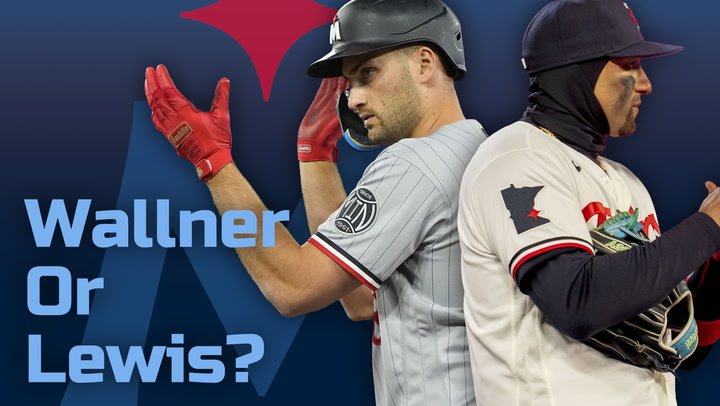 With both Royce Lewis and Matt Wallner being optioned to Triple-A within a week's timeframe, both are being given an opportunity for a hard reset in a pressure-free environment. But which of these two players faces more pressure to show signs of improvement over this hard reset, Wallner or Lewis? View the full article
 -

Jake Bennett Is Restoring Faith In Red Sox's Pitching Depth
DiamondCentric posted an article in Talk Sox
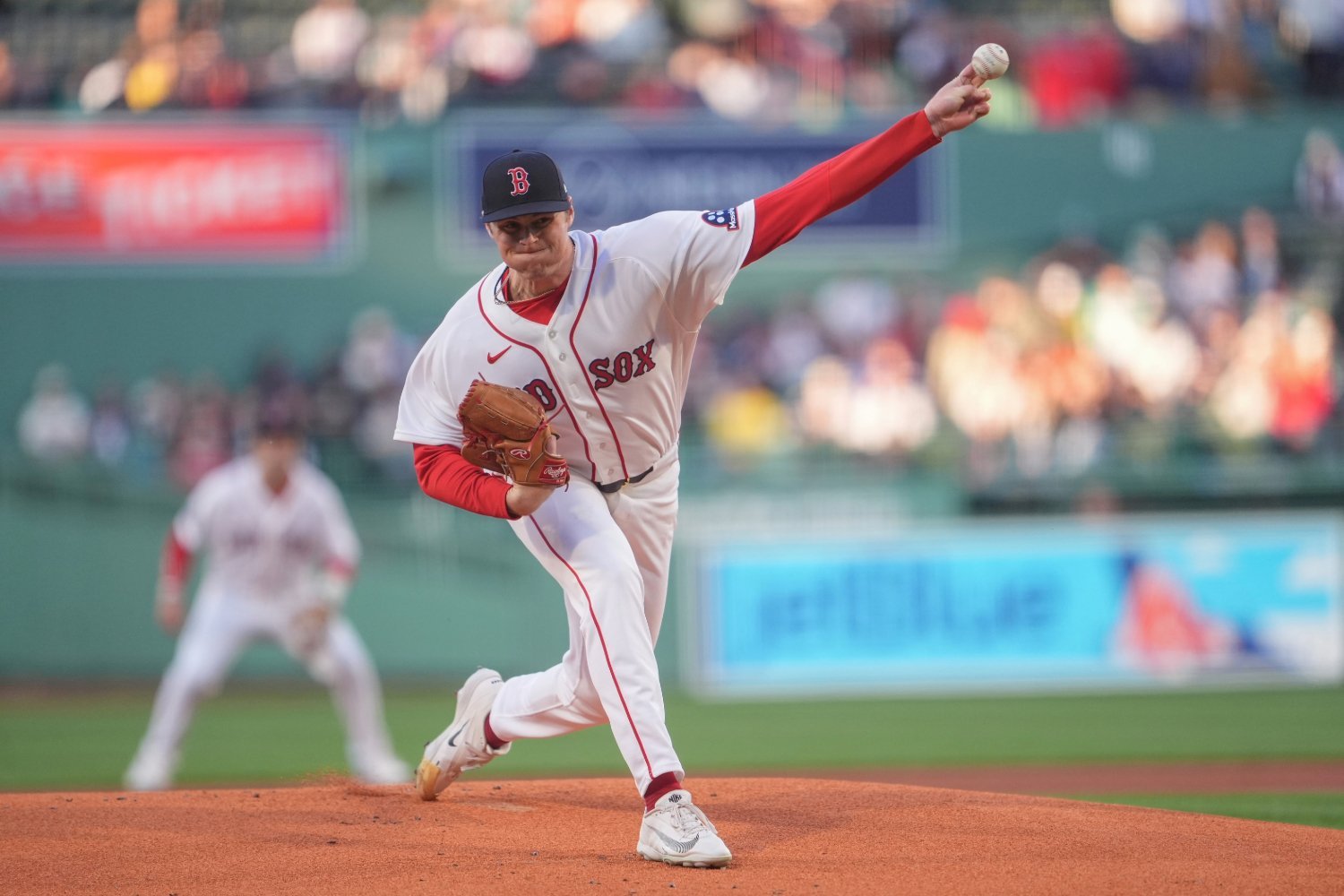 Worcester, MA — “When you’re a big lefty, the physical presence on its own it’s kind of big. And then be able to have that low demeanor on the mound, those pitchers are dangerous because you have no idea if you’ve gotten to them or not,” acting Worcester Red Sox manager Iggy Suarez stated back on May 20 about pitcher Jake Bennett. Back in mid-December when Craig Breslow pulled the trigger on a trade with the Washington Nationals for Bennett, there were mixed reactions. On the surface, Bennett looked exactly like the kind of pitcher Breslow coveted: Tall, great extension, and left-handed. Despite that, the fact that the Red Sox relinquished Luis Perales, who (despite being frequently injured) was one of their top prospects and armed with a fastball that could hit triple digits, was a difficult reality to swallow. The thought was that the Red Sox were moving Perales, a pitcher with an injury history and who had signs of being a bullpen arm in the big leagues, for Bennett, a pitcher with a higher floor as a guaranteed starting pitcher. And yet, no one expected Bennett to pitch as great as he has this season. The left-hander entered 2026 with only 10 career games at the Double-A level. but that didn’t stop Breslow and the Red Sox from sending him to Triple-A to open the season. Despite that lack of experience facing batters in the upper minors, he looked like he belonged in Triple-A from his first outing. Starting the season opener against the Syracuse Mets, Bennett pitched on a limited pitch count, wherein he tossed three innings and allowed just two hits and one unearned run while striking out five and generating seven whiffs. He was in command and that has only continued throughout the season. As of the end of May, Bennett has made seven starts for Worcester, tossing 29 1/3 innings while allowing just eight runs, six earned, walking five while striking out 30. In his last two outings, he's struck out 18 combined batters. When Bennett was promoted to the major leagues on May 1, there was some concern that he was being rushed. At that time, he had made just five starts in Triple-A, but the Red Sox were in need of pitching. The 25-year-old managed to provide just that, winning his debut by pitching five innings, allowing just one run despite constant traffic on the bases. His second outing saw him battle into the sixth inning, only to leave with a runner on base. That runner would come around to score, bringing his final stat line to 5 1/3 innings with six hits and four runs allowed. Following the outing, he was optioned back to Worcester as the team needed a fresh arm to assist the bullpen. With Bennett being optioned for the first time, Suarez knew how to handle any disappointment the pitcher may have been feeling. “You let him know that he’s got the talent to get there and to stay there. It’s just more of a spot that they need and it’s not anything of him being demoted from the way he pitched. It’s not because you didn’t do well that outing [against the Rays] and you need to work on stuff. There’s a reason why we got you in the trade and got you up there. It shows you can hang with those guys,” Suarez explained to the media following Bennett being sent back to Worcester. “He’s a strike thrower. First [start] was better than the second one, but it’s the big leagues man, that’s gonna happen. How you deal with it is how you stay up there and how you last in this game.” Bennett’s first game back was a little rough, lasting just 3 1/3 innings against a hot Buffalo Bisons team. He pitched around seven hits, allowing just four runs to score despite the constant traffic on the bases, something that Suarez pointed out. “He’s good at controlling his emotions, being able to get in the zone consistently when he’ll get some soft contact because that’s what happened in Buffalo. He fell victim to that [soft contact], swinging bunts and it’s like, you look at the line score and it’s like he had a bad outing. Not really, maybe one [instance of] hard contact, that was about it.” Bennett would follow up that outing with what may have been his two best outings as a professional. Pitching on May 20 against his former organization, the Rochester Red Wings, Bennett threw a masterclass as he made just one mistake, that being a solo home run in the second inning. Facing players that he had come up with and played with since being drafted, the hulking southpaw tossed five innings where he worked around seven hits on his way to striking out 11 batters and generating 15 whiffs. Whether it was the warm temperature on the night or the adrenaline of facing his old teammates, Bennett also saw an uptick in his velocity as every pitch sat at least 1.5 mph faster than his season average, including a fastball that topped out at 95.6 mph. In his final inning of the evening, Bennett appeared to be in a dangerous situation as the Red Wings loaded the bases against him to start the inning. Instead, he managed to stop their offense by striking out the next three batters, a detail that stood out to Suarez. “What impressed me was getting out of that bases-loaded jam and how he walked off the mound like it was ‘okay’. I’m pretty sure inside he was amped up. Doesn’t get rattled. To be able to look up after that outing and look at the numbers and go holy crap he punched out 11. And it wasn’t like he was blowing doors, he was pitching. I think he’s starting to realize that’s what big league pitchers do. In moments like that [bases loaded jam] there’s no panic, there’s a way for him to slow the game down and get out of stuff like that. He’s showing why he’s a big-league pitcher,” Suarez explained. Entering the game, Rochester was one of the hottest teams in the International League, filled with a lineup of players who all seemed to be on hot streaks upon their arrival to Worcester. That didn’t intimidate Bennett. Bennett didn’t lose the momentum of that game either. Making his next start against Scranton on May 27, he continued his dominance as he allowed just one run across five innings again. This time it was on a solo home run to Yankee’s top prospect George Lombard Jr. to lead off the game. After that, he allowed just three more hits for the entire game while striking out seven batters and getting 16 whiffs, leading Worcester to an 8-1 win. With each outing Bennett seems to continue his growth as a pitcher, showcasing the potential that the front office saw in him when they targeted him this past offseason. While growth in baseball is never linear, each successive start is making Bennett look better. At his current level of production, there should be no arguments over him being called up to start in place of an injured starter. If anything, Bennett is helping to rebuild trust in the starting pitching depth that has been torn to shreds due to multiple early season injuries in Boston. View the full article
 -
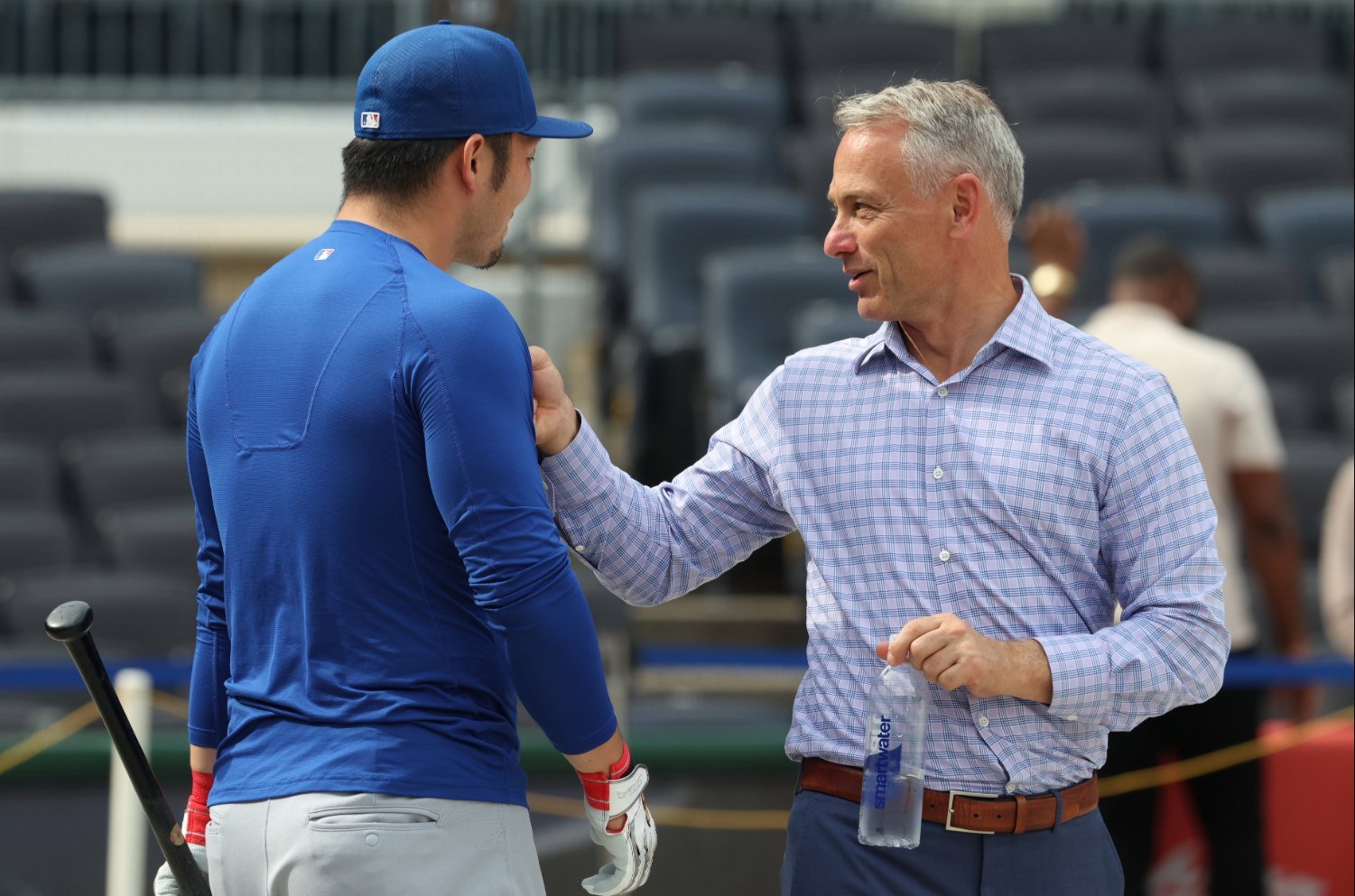 If there was a word to define the 2026 Chicago Cubs’ season, it would probably be ‘frustrating.’ The team has not one, but two separate 10-game winning streaks, yet they are hovering around the middle of the NL Central, multiple games behind the division-leading Milwaukee Brewers. That’s largely because, in addition to the two aforementioned streaks, they also had a 10-game losing streak, which they snapped with a victory over the Pittsburgh Pirates on Wednesday. In case you were wondering, because we're sure you are, there have been 12 teams in major league history with both a 10-game winning streak and a 10-game losing streak or longer in the same season, and the 2026 Cubs are now the most recent entry. Chicago Cubs Join A Select Group With Losing Streak Here they are, in chronological order: # Team Year 1 Cleveland Indians 1931 2 New York Giants 1951 3 Cincinnati Reds 1957 4 Cleveland Indians 1979 5 Atlanta Braves 1982 6 Minnesota Twins 1985 7 Milwaukee Brewers 1987 8 Baltimore Orioles 1987 9 Cleveland Indians 2008 10 Los Angeles Dodgers 2017 11 Cleveland Guardians 2025 12 Chicago Cubs 2026 No team on this list has moved more quickly from a 10+ winning streak to a 10-game (or more) losing streak than the Cubs just did. Oddities And Fun Facts About The List The 1987 Brewers were an interesting case, opening that year with 13 straight wins and then accumulating 12 consecutive defeats in May. The 2025 Guardians dropped 10 games in a row from June 26 to July 6. At one point, on July 8, they were 15.5 games behind the Detroit Tigers in the division, but famously stormed back in the standings and stole the AL Central from their rivals in September, largely thanks to a 10-game winning streak from September 11-20. Shockingly, none of those 11 squads (before this year’s Cubs) went on to win the World Series, but there are some division winners, teams that made it to the League Championship Series, and even to the Fall Classic, like the 2017 Dodgers (who also won 104 games that year) or the 1951 New York Giants in the season of Bobby Thomson’s "Shot Heard 'Round the World." Much like the 2017 Dodgers, the 2026 Cubs already have two separate 10-game winning streaks and one losing streak of 10+ games. While the ‘achievement’, if we can call it that, is certainly odd and tells the story of an inconsistent squad, it doesn’t mean that the team in question can’t make it to the Fall Classic. The 2026 Cubs remain a team built to win now, even if they're flawed. When they’re on, they can beat just about every organization in the league, but we just witnessed the worst-case scenario, too. It serves as a cautionary tale about consistency, not to mention an air-siren warning about the desperate needs of the pitching staff. In any case, fans sure hope they got the losing streak ‘out of the way’ early in the season, when there’s time to not just climb in the division standings, but also to make the necessary deadline moves to put themselves in a position to compete in the increasingly difficult National League. View the full article
 -
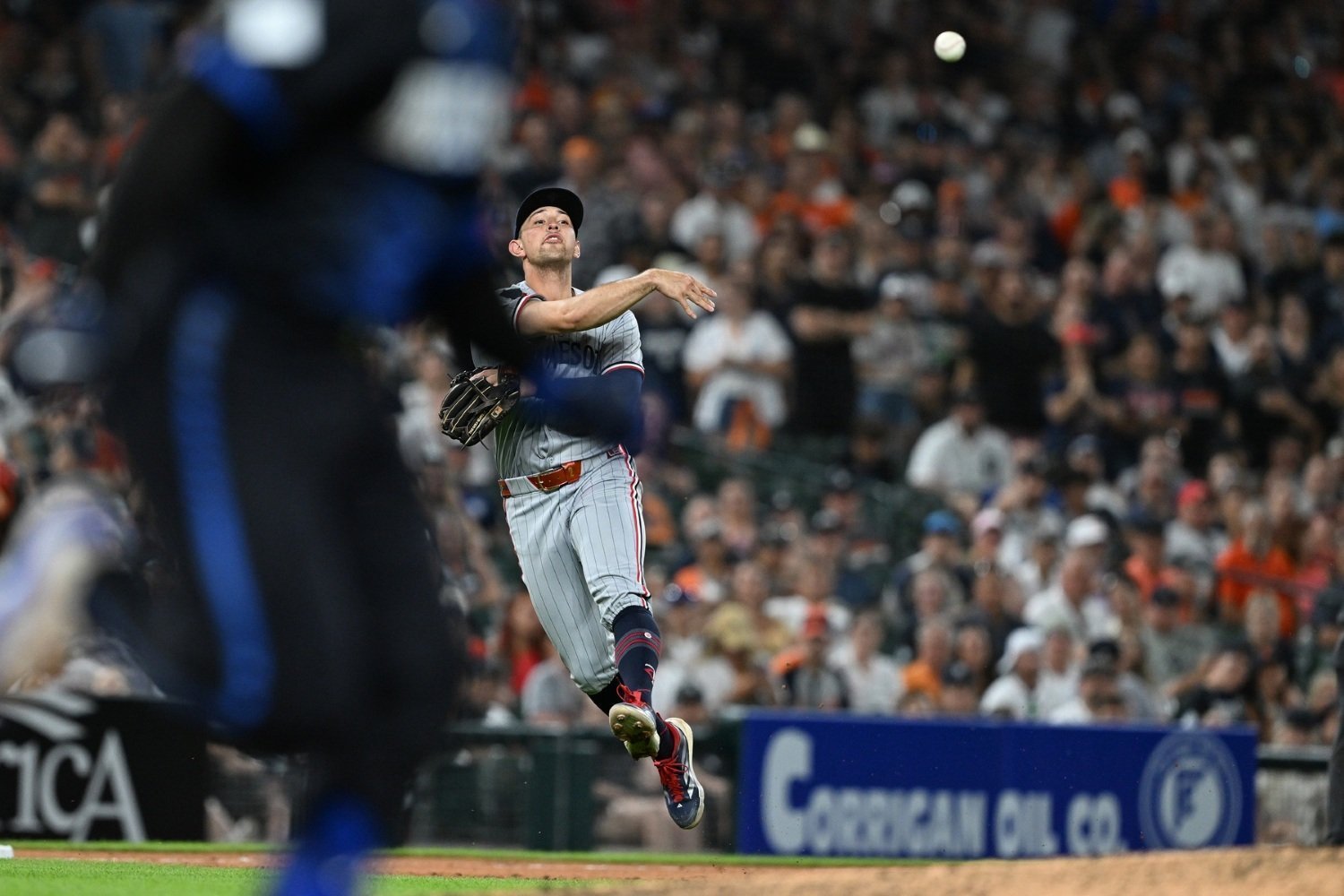 For much of the last two seasons, the Twins have been searching for stability in the infield. Injuries, underperformance, and constant lineup juggling have turned what once looked like a strength into one of the roster’s biggest uncertainties. Now, with Brooks Lee settling in at third base and Royce Lewis working to rebuild his value in Triple-A, the organization appears to be quietly reshaping the future of its infield defense. Some of those answers could arrive quickly. Others may take years to fully develop. But the Twins' recent moves have created a clearer picture of what the organization might want its infield to look like moving forward. Shortstop Short-Term Fix: Ryan Kreidler, Orlando Arcia, and Tristan Gray The immediate aftermath of Lee’s move to third base has been a revolving cast at shortstop. Kreidler, Arcia, and Gray have all received opportunities there since Lee moved to third. It seems like the Twins don’t have a great fit at third, and they want all their veterans to receive playing time. That likely means a rotation at the position, which isn’t very common across baseball. Kreidler feels like the most logical short-term option because he immediately improves the defense. Even if the bat remains inconsistent, his glove changes the complexion of the infield. The Twins desperately needed more range and reliability up the middle, and Kreidler provides both. Minnesota can live with limited offense if it means preventing extra outs from turning into extra innings. Arcia and Gray fit more as temporary depth pieces. Both can handle the position in stretches, but neither profiles as someone the Twins want playing there every day for the remainder of the season. Their presence mostly buys time while the organization evaluates bigger-picture solutions. The important part is that Lee no longer has to carry the burden of playing shortstop every day. The defensive pressure there was substantial, and the move to third base allows him to focus more on developing offensively while settling into a more natural defensive fit. Long-Term Solution: Kaelen Culpepper The Twins’ long-term thinking becomes much more obvious once Kaelen Culpepper enters the discussion. The 2024 first-round pick has rapidly climbed the organizational ladder and is beginning to look like the future answer at shortstop. His performance at Triple-A has accelerated the timeline considerably, and the Twins suddenly have a legitimate prospect knocking on the door. More importantly, Lee’s move to third base clears a clean path for Culpepper. Had Lee remained at shortstop, the organization eventually would have faced uncomfortable defensive and developmental questions. Now, Minnesota can allow Culpepper to arrive without forcing a position change on either player. Culpepper’s combination of athleticism, defensive tools, and offensive upside gives the Twins something they have lacked for years: a potential long-term two-way shortstop. His arrival may not be far away. Longer-Term Solution: Marek Houston If Culpepper represents the next phase, Marek Houston could represent the one after. The slick-fielding 2025 first-round pick already carries a reputation as one of the better defensive shortstop prospects in the system. His glove gives him a high floor, but the real question will be how quickly the bat develops. That creates a fascinating future scenario for the Twins. If Houston hits enough to force his way into the conversation, Minnesota could once again face difficult decisions regarding positional alignment. Culpepper’s athleticism might allow flexibility, but Houston looks like the type of defender who could eventually demand everyday shortstop consideration. That problem could arrive as soon as 2027, but it is exactly the kind of organizational depth the Twins have lacked in previous seasons. Third Base Short-Term Fix: Brooks Lee The Twins finally appear committed to giving Lee an extended opportunity at third base, and that may be the best thing for both the player and the organization. Lee’s defensive profile fits more naturally at third than shortstop, and the move simplifies things considerably. Instead of asking him to survive at one of baseball’s most demanding defensive positions, the Twins can focus on maximizing his offensive development while allowing his instincts and hands to play at third. There will still be growing pains. Lee is young, and consistency remains part of the development process. But the organization needs to stop bouncing him between positions and allow him to settle into a permanent role. For now, third base belongs to him. Long-Term Solution: Brooks Lee The simplest answer may also be the correct one. If Lee proves capable of handling third base defensively while becoming the hitter the Twins believe he can be, there is little reason to move him again. The constant shifting around the diamond has likely done little to help his overall development, and stability could unlock another level offensively. That also creates an unavoidable ripple effect involving Lewis. For much of the last two years, third base has effectively been reserved for Lewis whenever healthy. But injuries, inconsistent production, and his recent Triple-A demotion have changed the equation. If Lee establishes himself there, Lewis may need to reinvent his defensive value elsewhere. The Twins cannot continue building around theoretical upside forever. At some point, availability and consistency have to matter. Second Base Short-Term Fix: Luke Keaschall Keaschall has been playing regularly at second base during the 2026 season. His offensive struggles have been tough to keep him in the lineup, and he could quickly follow Lewis to Triple-A. If Keaschall is demoted, some of the other veteran infielders would be called on to take over second for the short term. The biggest challenge is figuring out how Keaschall fits once other pieces return. If the Twins view him as a long-term everyday player, they may eventually need to commit to him at one position instead of moving him around the diamond. Right now, though, second base makes the most sense. Long-Term Solution: TBD The most complicated question on the roster remains how the Twins will fill second base long term. Keaschall’s struggles could be natural growing pains for a young player. He could turn it around in the second half, and this conversation becomes an afterthought. In a perfect world, Lewis rediscovers his offensive impact and forces his way back into the Twins’ plans as an everyday player. But with third base potentially occupied by Lee long-term, second base may become the clearest defensive path. That scenario still comes with major questions. Lewis has barely played second base in recent years, and the transition would require both health and commitment. There is also the larger issue of offensive production. The Twins can justify defensive experimentation only if Lewis returns to being a difference-maker at the plate. The Twins would also have to shift Keaschall to another position. However, his bat would need to produce if he moves to a corner outfield spot or first base. By 2028, it may be Lee at second, Houston at shortstop, and Culpepper at third. The Twins’ recent infield reshuffling may look temporary on the surface, but it feels much larger than that. Lee’s move to third base has clarified the shortstop pipeline, opened opportunities for Culpepper, complicated Lewis’ future, and created a more defined defensive structure across the diamond. There are still unanswered questions, especially regarding Lewis and how aggressively the Twins promote Culpepper. Now comes the difficult part: figuring out which players truly belong in the next competitive core and which ones eventually become the odd men out. How should the Twins view the organization’s long- and short-term infield options? Leave a comment and start the discussion. View the full article
 -
Should Royals General Manager J.J. Picollo Be On The Hot Seat?
DiamondCentric posted an article in Royals Keep
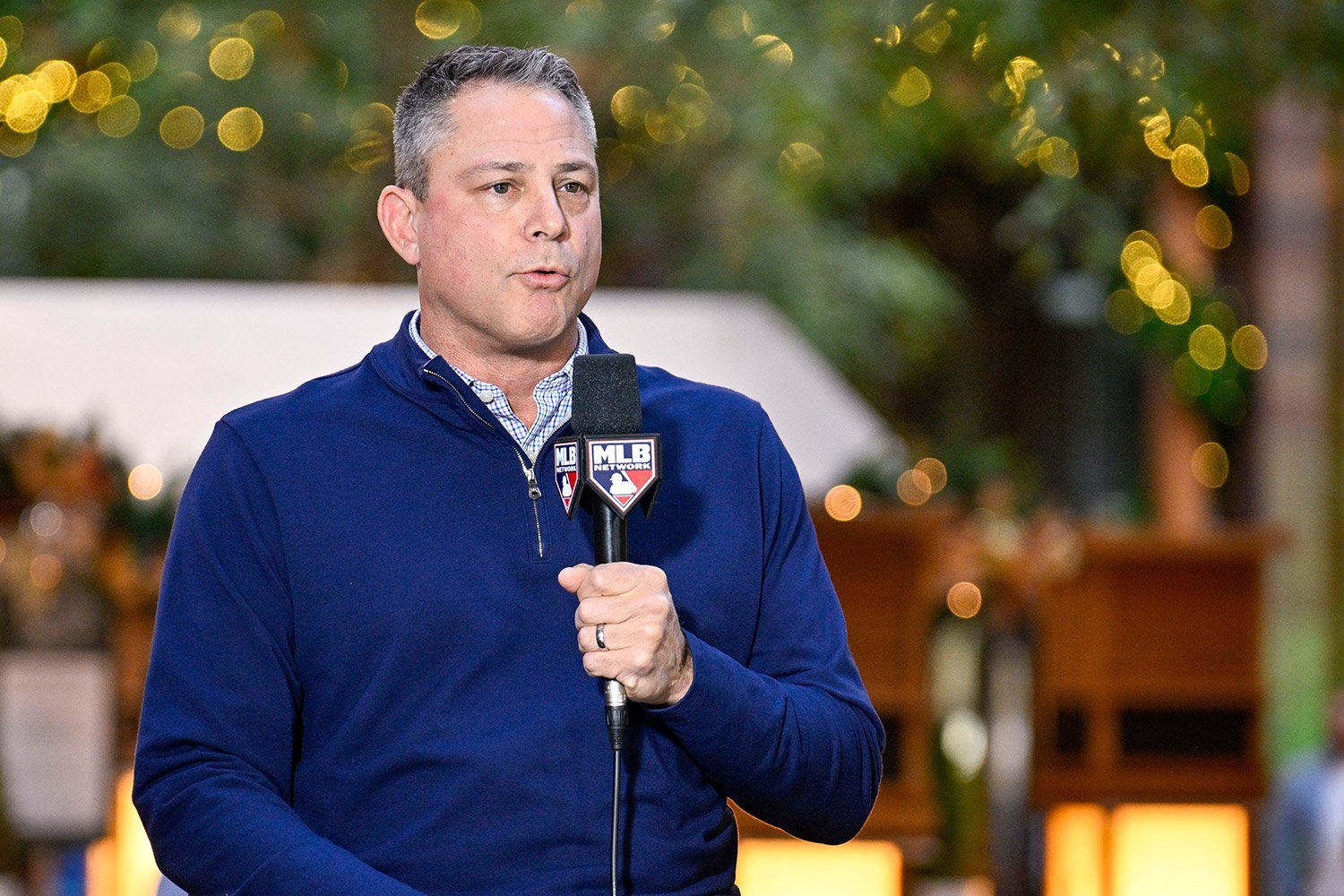 J.J. Picollo has been the Royals’ general manager since September 2021 and the president of baseball operations since September 2022. In that time, the Royals have managed to clinch their first playoff berth since winning the 2015 World Series and followed that performance with another winning season in 2025. However, 2026 has not panned out as expected, where the Royals have dug themselves a hole that will be tough to dig out of after the first two months of the season. Picollo deserves credit for bringing the Royals back to the playoffs in 2024 and building a strong rotation. However, he has failed to build a lineup that is a consistent threat in creating runs and doing damage against opposing pitchers, which has raised legitimate concerns about whether he is capable of building a sustainable contender. A poll here at Royals Keep shows that readers and fans are approving less of Picollo and the front office as the season has gone on. Is it time to make a change, or are the fans overreacting to the slow start? Initial approval was high to start the season, with approval peaking at just over 73% on April 6 & 7. On April 6, the Royals were 4-4. As the Royals entered their first rough stretch of the season, approval started to drop, and it hasn’t gone above 50% since April 18. After a few weeks of hovering around 50%, approval dropped again during the Royals' second rough stretch in May. As of May 27, the cumulative approval rating for the season sits at just 37%. The rapid decline in approval suggests fan frustration extends beyond a simple losing streak. Expectations for this roster were significantly higher entering 2026. According to the “MLB Hope-O-Meter” reported by Stephen Nesbitt of The Athletic on March 30, 94.5% of Royals fans were optimistic for the 2026 season, the fifth-highest mark across all 30 fan bases. The Case for Picollo As mentioned, Picollo has already shown that he can build a team in Kansas City that can challenge for playoff spots. The winning seasons of the past two years are examples of that. There have been some impactful signings, particularly in the rotation and back end of the bullpen. Player Acquisition Method bWAR Michael Wacha Free Agent (twice) 8.1 Cole Ragans Trade 7.5 Seth Lugo Free Agent 7.7 Lucas Erceg Trade 2.0 Wacha, Ragans, and Lugo (when healthy) can be one of the best tops of the rotation in baseball. Combined with the additions of Stephen Kolek and Ryan Bergert and the resurgence of Kris Bubic and Noah Cameron, this rotation had the potential to be exceptionally deep and strong from top to bottom. When looking at total bWAR accumulated by player acquisitions since Picollo became president of operations, additions to the rotation have carried the productivity, while the offensive additions have lagged behind. Last season’s addition of Carlos Estevez (more on him later) gave the Royals a strong back of the bullpen combination with Erceg. These are solid building blocks for any Major-League pitching staff. Another aspect that Picollo has excelled in is locking down the team’s homegrown talent and rewarding strong performers with contract extensions. He has ensured that the left side of the infield is patrolled by Bobby Witt Jr. and Maikel Garcia for the foreseeable future, while Salvador Perez and Lugo have also been awarded extensions for their performance and leadership. However, Perez’s extension has not gotten off to a great start in 2026. The Case Against Picollo Many acquisitions to strengthen the lineup and middle relief have fallen flat. Below are the worst performers according to Baseball Reference. Player Acquisition Method bWAR Hunter Renfroe Free Agent -1.4 Bailey Falter Trade -1.3 Chris Stratton Free Agent -1.2 Jordan Lyles Free Agent -0.9 These further struggles have been highlighted by the fact that the acquisitions leading up to 2026 have only accumulated 0.2 bWAR this season. That figure looks even worse when the standout acquisition, third catcher Elias Diaz with 0.5 bWAR, was designated for assignment on May 22. The Royals entered 2026 expecting to contend, but their offseason additions have produced little impact through the season’s first two months. While the team’s prospects like Jac Caglianone and Carter Jensen have taken the next step in becoming consistent contributors at the major-league level, their progress has been offset by the struggles of newcomers Isaac Collins, Lane Thomas, and Starling Marte, none of whom have performed above replacement-level this season. While Picollo was accurate in diagnosing the needs for the offense, the moves are currently not paying off. When you add in the poor starts from veterans like Vinnie Pasquantino and Salvador Perez, the lineup construction looks to be a disaster. Picollo’s acquisitions have been focused on improving the margins of the roster rather than targeting an impact bat to be the focal point of the lineup. This could be due to betting on the players like Caglianone or Jensen becoming that player, or the constraints from a small-market ownership group. Either way, it hasn’t worked in 2026. Complicating Factors Each season comes with roadblocks and challenges, and the Royals have faced a series of complications that have compounded. What started as a deep rotation with eight different starters with Major League experience has turned into a bit of a liability. Bergert has been shut down for the season to undergo Tommy John surgery. Falter spent time on the injured list and was designated for assignment on May 27 after five appearances in 2026. Ragans and Kris Bubic are currently on the injured list as well. The Royals are left with only four healthy starters, to the point where they have to consider bullpen games. There were many rumors that the depth in rotation was available to be able to trade for a boost to the lineup. While in hindsight, not trading away a starter looks to be the correct move, it was still a missed opportunity to improve their lineup by taking advantage of this surplus. Bullpen instability has been an issue this season. The health and velocity concerns of Estevez have rippled throughout the bullpen. It has forced Erceg, who has also regressed this season, into the closer role and left the Royals with no clear setup man. None of the offseason additions have been able to cement their role in this bullpen, and the team is exiting May with more questions than answers. The Royals are entering a pivotal point of the season. If they are unable to turn the season around, they will need to start looking at options to trade away players to increase their chances in 2027 and beyond. Ownership should be looking at these transactions closely to see if Picollo is the right man to take on the challenge of bringing the Royals back to winning baseball. View the full article
 -
The Royals Should Take a Different Approach With Collins and Loftin
DiamondCentric posted an article in Royals Keep
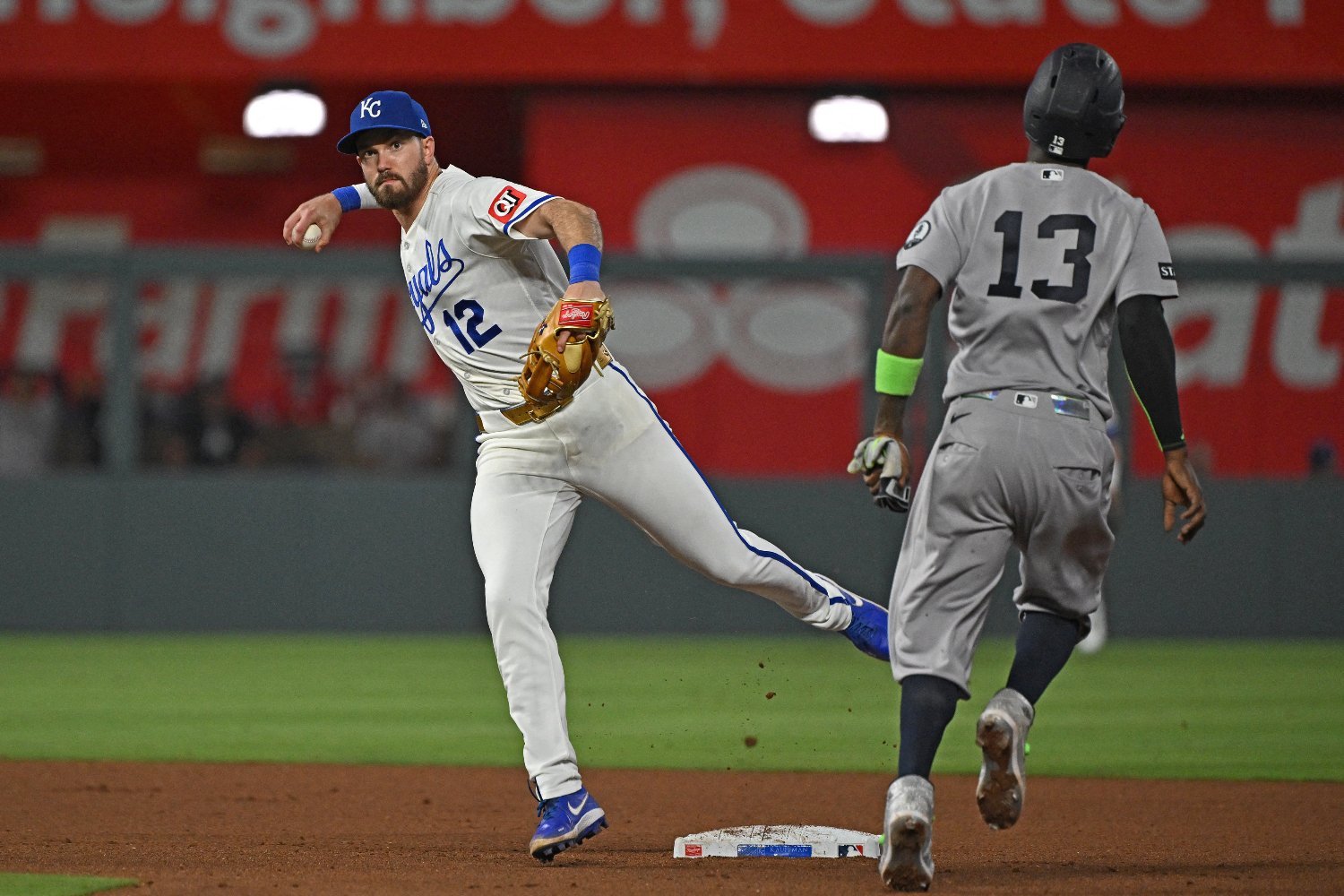 The Kansas City Royals lost their fourth-straight game on Friday, this time to the Texas Rangers at Globe Life Field in Arlington. The Rangers beat the Royals 9-1 in a game that was never close. Kansas City starter Stephen Kolek gave up four runs in the first inning and six runs overall in five innings of work. On the flip side, MacKenzie Gore shut out the Royals in 6.1 IP, despite only striking out three batters. At 22-35, the Royals are a team searching for answers. They went 10-17 last month and are now 10-16 in May with two games remaining (they went 2-2 in March). According to Fangraphs, their playoff odds sit at 9.1%, putting them behind other AL Central teams like the Tigers (15.6%) and White Sox (16.4%). At this point in the season, Kansas City needs to experiment with different strategies to help turn the ship around, or at the very least, build some positive momentum and hope for 2027 and beyond. That could be a coach firing. That could be the release of a veteran player who's not performing. However, one bold strategy the Royals could pursue is to option Isaac Collins and Nick Loftin and move them to different defensive positions. Both Are Struggling Defensively At Their Positions When looking at the metrics, Collins and Loftin have fared quite poorly at their respective defensive positions in 2026. Outs Above Average is Baseball Savant's primary metric that calculates defensive range and success rate. The official definition of OAA can be found below, via Savant's website. In the table below, I have organized and ranked all Royals players with 10 or more field attempts based on OAA. However, the table also includes data such as directional OAA, success rate (plays a player made in the field), estimated success rate (plays that a player SHOULD make in the field), and success rate difference. I have highlighted Collins and Loftin to show fans how they compare to other Royals players defensively in OAA. As the table above shows, Collins and Loftin are tied for the worst Def at -5.5. Loftin profiles a little bit worse in DRS (-5 to Collins' -2) and FRV (-5 to Collins' -4). That said, they have been poor defenders for the Royals this season, and no other Royals player, especially in the outfield, has been close (even Lane Thomas is 3.4 runs better than Collins and Loftin defensively). Therefore, the pair has been a defensive drain on the Royals, even though they theoretically can succeed with the glove in some capacity. Both Collins and Loftin are relatively young and are athletic players. Furthermore, they have a better defensive history in years past. That said, something needs to change with them because they are becoming nearly unplayable defensively for manager Matt Quatraro, who prioritizes defense in both the infield and outfield. Their Offense Isn't Making Up for Poor Defense It would be one thing if Collins and Loftin were mashing at the plate. Unfortunately, that hasn't been the case so far in 2026. In 49 games and 180 plate appearances, Collins is slashing .212/.328/.311 with a .639 OPS. He has three home runs and a 12.8% BB%, but his K% is high at 26.7%, and his wRC+ is mediocre at 85. There's no question that Collins shows a patient approach and doesn't chase much. However, as illustrated by his TJ Statcast summary below, he struggles to make consistent contact and generate positive batted-ball production. Collins has ideal bat speed, as evidenced by his 73.4 MPH mark, which ranks in the 68th percentile. There's also some potential with his barrel rate (55th percentile) and LA Sweet-Spot% (57th percentile). That said, his whiff (37th percentile) and strikeout (25th percentile) issues have weighed down his overall production this year, as illustrated by his 85 TJ Bat+, .292 wOBA, and .307 xwOBA. It's been a similar story for Loftin, albeit in fewer plate appearances. In 76 plate appearances this season, the former Baylor product is slashing .206/.316/.317 with a .633 OPS. Like Collins, Loftin's walk rate is solid at 10.5%. Unlike Collins, however, the former 2020 Royals draft pick has a low K% at 11.8%. That said, Loftin's paltry BABIP (.232) and inability to hit the ball hard or launch it have held him back offensively this year at the Major League level. Here's a look at his TJ Statcast summary via TJ Stats. While his plate discipline metrics are impressive, the rest of his percentiles are underwhelming, to put it kindly. Ranking in the 99th percentile in whiff%, 99th percentile in O-Swing%, 94th percentile in K%, and 92nd percentile in Z-Contact% are all positive attributes and should be a foundation for offensive success. Conversely, a 28th percentile hard-hit rate, 20th percentile LA Sweet-Spot%, 14th percentile bat speed, and 6th percentile 90th EV are a recipe for the opposite. Thus, it's not a surprise that Loftin fares pretty unimpressively in his overall metrics, including TJ Bat+ (83), wOBA (.290), and xwOBA (.293). However, much like Collins, a spark or adjustment for Loftin could not only get him back in the lineup regularly but also positively impact this struggling Kansas City offense, which ranks 28th in runs scored. Moving to Omaha to Switch Positions? Both players have Minor League options remaining, with Collins having three and Loftin having one. Thus, with the Royals 13 games under .500, it would make sense to option Collins and Loftin back to Omaha and maybe give some other guys on the 40-man roster a chance, including Kameron Misner or John Rave (or they could call up Brett Squires if they wanted to be really bold). That said, Collins and Loftin shouldn't be optioned to improve their hitting. They can hit, and they have the tools to be successful. Both need to make some swing decision adjustments and, honestly, find some better batted-ball luck. The two will gain confidence in Omaha, but ultimately, those changes have to be made against MLB pitching. Instead, they should go to Omaha to work on playing different positions in the field. It's obvious that Collins and Loftin don't fit in the outfield and the infield, respectively. Collins has the athleticism and speed, but his instincts are poor, and that has contributed to his poor defensive metrics. The 28-year-old looks like an infielder trying to play the outfield, which makes sense since he initially started as an infield prospect when he was drafted out of Creighton by the Rockies in 2019. The Royals may be better off moving Collins to second base and letting him get reps there in Omaha. Right now, there is a rotating mix at second base with Josh Rojas, Colton Becker, Connor Kaiser, Kevin Newman, Peyton Wilson, and Dustin Dickerson. Collins wouldn't be blocking any second-base prospect of note. Furthermore, a move to second base for Collins would not just better utilize his skills, but it could also give them a better long-term option at the keystone. Michael Massey has been solid defensively, with a 1.8 Def rating that ranks fourth-best among Royals players. However, Massey has been mediocre offensively, as evidenced by a .644 OPS and 69 TJ Bat+. Here's a look at his Statcast percentiles, which mirror Collins and Loftin pretty closely in many areas. The Royals would probably be better off with Massey as a utility player who could play all over the field and Collins as the regular second baseman. However, for Collins to do that effectively, he needs more reps and development again at second base, and that needs to happen in a lower-pressure environment in Omaha for a month or two. A similar defensive move needs to be true for Loftin as well. Based on his OAA directional data, Loftin simply doesn't have the range to be successful at second base (he particularly struggles on plays up the middle, which we saw in his error on Friday night in Arlington). However, he may be better utilized as a corner outfielder who can play left and right field. His OAA in LF is -1, and his success rate difference is -25%, according to Savant. That isn't good, but he suffered some poor reads early in the season in the outfield. Moving him back to the outfield full-time and giving him daily reps could help him make the most of his tools and skill set. Going from the infield to the outfield benefited Alex Gordon, who became a Royals Hall of Famer. It's not out of the question to think that Loftin could be a similar outfielder to Thomas, who specializes against lefties, but has the potential to have a big season when the ball is falling (i.e., a better BABIP). While Thomas is off to an inconsistent start in Kansas City, the former National and Guardian has produced a TJ Bat+ of 95-111 every season from 2021 to 2024. Royals fans would take that kind of production from Loftin, especially if he can improve the defense. Right now, Collins and Loftin have combined to produce a -0.8 fWAR in 2026. That's untenable, especially for a small-market franchise where every move counts. The Royals shouldn't give up on Collins and Loftin just yet, but they need some kind of major shift to help turn and put them in the right direction in terms of trajectory, both for the remainder of 2026 and beyond. Going to Omaha for a couple of months, having them switch positions, and then returning to Kansas City after the All-Star break seems to make the most sense for both the pair and the Royals. View the full article
 -
 Blake Mitchell drove in seven runs on two homers to lead Quad Cities to an 11-6 win, with Nolan Sailors adding three hits. Omaha walked off Memphis 7-6 in 10 innings behind John Rave's homer and four RBIs, while Columbia edged Charleston 4-3 behind three scoreless innings from Randy Ramnarace. Northwest Arkansas dropped both ends of a doubleheader, getting a strong start from Ethan Bosacker and a two-run homer from Colton Becker. Royals Transactions Kansas City Royals signed free agent RHP Juan Cordero to a minor league contract. Rave Drives In Four as Omaha Walks Off Memphis in the 10th The Omaha Storm Chasers beat the Memphis Redbirds 7-6 on a walk-off in 10 innings. Rave had a big game in the leadoff spot, going 3-for-4 with a home run, a walk, two runs, and three RBIs. Drew Waters and Brett Squires each added two hits, and Kameron Misner drove in two runs. Ryan Ramsey turned in a strong start, allowing two runs on five hits across 6 1/3 innings, with two walks and six strikeouts. Omaha led 3-0 entering the seventh inning, but Memphis pushed across two runs to make it 3-2. Omaha answered in the bottom of the seventh, as Josh Rojas singled home Waters and Rave singled home Rojas to build a 5-2 cushion. The bullpen could not hold it, as Memphis tied the game at 5-5 in the eighth. Memphis took a 6-5 lead in the top of the 10th. In the bottom of the inning, Kevin Newman singled the zombie runner, Rojas, to third, and Rave singled him home to tie it at 6-6. With two outs, Luca Tresh lifted a sacrifice fly to score Gavin Cross for the walk-off win. Player AB R H RBI BB K John Rave 4 2 3 3 1 1 Peyton Wilson 5 1 2 0 0 0 Kameron Misner 3 0 1 2 2 0 Luca Tresh 4 0 0 1 0 2 Brett Squires 4 0 2 0 0 0 Drew Waters 4 1 2 0 0 0 Luke Maile 4 0 0 0 0 2 Josh Rojas 4 2 1 1 0 1 Kevin Newman 4 0 1 0 0 0 Gavin Cross 0 1 0 0 0 0 Player IP H R ER BB K HR Ryan Ramsey 6 1/3 5 2 2 2 6 0 Génesis Cabrera 1 1/3 1 1 1 1 4 0 Luke Jackson 1 1/3 2 2 2 1 1 0 Helcris Olivárez 1 1 1 0 1 0 0 Becker Homers but Naturals Drop Opener 4-3 to Tulsa The Northwest Arkansas Naturals fell 4-3 to the Tulsa Drillers in the first game of a doubleheader. Becker led the offense, going 2-for-4 with a two-run home run and two RBIs. Spencer Nivens drove in a run, and Carson Roccaforte reached base twice with a hit and a walk from the leadoff spot. Hunter Patteson absorbed the bulk of the work, allowing three runs on seven hits over 4 2/3 innings, with two walks and four strikeouts, and he gave up three home runs. Northwest Arkansas scored first in the top of the first when Nivens lifted a sacrifice fly to bring home Roccaforte. Tulsa took control with three solo home runs across the second, third, and fourth innings to lead 3-1. The Naturals climbed back in the fifth, when Becker's two-run home run tied the game at 3-3, scoring Alberto Rodriguez ahead of him. The deciding run came in the bottom of the seventh, when Tulsa doubled home a run to break the tie and win 4-3. Player AB R H RBI BB K Carson Roccaforte 3 1 1 0 1 2 Colton Becker 4 1 2 2 0 0 Sam Kulasingam 3 0 0 0 0 0 Spencer Nivens 2 0 1 1 0 0 Daniel Vazquez 3 0 1 0 0 1 Jack Pineda 2 0 0 0 0 1 Justin Johnson 1 0 1 0 0 0 Omar Hernandez 3 0 0 0 0 0 Connor Scott 3 0 0 0 0 1 Alberto Rodriguez 2 1 1 0 1 1 Player IP H R ER BB K HR Hunter Patteson 4 2/3 7 3 3 2 4 3 Augusto Mendieta 2 3 1 1 1 2 0 Bosacker Solid in the Nightcap, but Naturals Are Shut Out 2-0 The Northwest Arkansas Naturals managed just two hits in a 2-0 loss to the Tulsa Drillers in the second game of the doubleheader. Nivens had the only multi-base threat for the offense with a single, and Vazquez was held hitless. The lineup struck out 11 times and stranded two runners. Bosacker turned in a strong outing, allowing one run on six hits over five innings, with no walks and two strikeouts. Tulsa scratched out the only runs it would need on sacrifice flies. In the third inning, the Drillers brought home a run on a sacrifice fly to take a 1-0 lead. They added an insurance run in the sixth on another sacrifice fly to make it 2-0. Northwest Arkansas never solved Tulsa's pitching, going down in order over the final innings to complete the doubleheader sweep. Player AB R H RBI BB K Carson Roccaforte 3 0 0 0 0 2 Rudy Martin Jr. 3 0 0 0 0 1 Sam Kulasingam 3 0 0 0 0 1 Jorge Alfaro 3 0 0 0 0 2 Daniel Vazquez 3 0 0 0 0 1 Spencer Nivens 2 0 1 0 0 0 Jack Pineda 2 0 0 0 0 0 Canyon Brown 2 0 0 0 0 1 Justin Johnson 1 0 0 0 0 0 Player IP H R ER BB K HR Ethan Bosacker 5 6 1 1 0 2 0 Zachary Cawyer 1 1 1 1 1 0 0 Mitchell Drives In Seven as River Bandits Roll Past Cedar Rapids The Quad Cities River Bandits beat the Cedar Rapids Kernels 11-6 behind a huge night from Mitchell, who went 2-for-4 with two home runs and seven RBIs. Leadoff man Sailors had three hits, including a double and two triples, scored three runs, and drove in one. Jose Cerice added three hits, and Angel Acosta contributed two hits, two doubles, and two runs. Quad Cities jumped ahead in the first when Mitchell hit a three-run home run, scoring Sailors and Asbel Gonzalez. The game broke open in the sixth inning, when the River Bandits scored six runs. Cerice singled home Derlin Figueroa on a play that included a throwing error, Acosta doubled home Tyriq Kemp, and Mitchell capped the outburst with a three-run home run that scored Acosta and Sailors to push the lead to 10-3. Jordan Woods pitched four innings and allowed three runs on seven hits, with two walks and one strikeout. Max Martin earned the win with 1 1/3 hitless innings, striking out three. Player AB R H RBI BB K Nolan Sailors 4 3 3 1 1 0 Asbel Gonzalez 3 1 0 0 1 1 Blake Mitchell 4 2 2 7 0 2 Ramon Ramirez 5 0 1 0 0 2 Derlin Figueroa 5 1 1 0 0 2 Jose Cerice 5 1 3 0 0 0 Tyriq Kemp 4 1 1 0 1 1 Erick Torres 5 0 1 0 0 0 Angel Acosta 3 2 2 1 1 0 Player IP H R ER BB K HR Jordan Woods 4 7 3 3 2 1 0 Coleman Picard 2 3 2 2 1 2 0 Ryan Ure 0 2/3 1 1 1 2 1 0 Max Martin 1 1/3 0 0 0 1 3 0 Yimi Presinal 1 0 0 0 1 1 0 Fireflies Rally From Three Down to Edge Charleston 4-3 The Columbia Fireflies erased an early three-run deficit to beat the Charleston RiverDogs 4-3. Henry Ramos and Stone Russell each had two hits and an RBI from the top of the order, Connor Rasmussen went 2-for-3 with a triple, a run, and an RBI, and Roni Cabrera reached base three times with a double and a triple. Charleston jumped ahead 3-0 over the first two innings, but the Columbia bullpen slammed the door. Ramnarace followed starter Denis Samudio with three scoreless innings, allowing no hits with three walks and a strikeout, and Hunter Alberini added two scoreless innings to earn the win. Samudio allowed three runs on five hits over three innings, with three walks and two strikeouts. The Fireflies chipped away with one run in the third on Rasmussen's single, one in the fifth on Ramos's single, and tied it in the sixth when Hyungchan Um singled home Russell. The winning run came in the seventh, when Russell singled home Sean Gamble for a 4-3 lead, and Andy Basora closed it out for the save. Player AB R H RBI BB K Henry Ramos 4 0 2 1 0 0 Sean Gamble 2 1 0 0 1 0 Josh Hammond 4 0 1 0 0 1 Stone Russell 4 1 2 1 0 0 Yandel Ricardo 1 0 0 0 2 1 Hyungchan Um 4 0 1 1 0 2 Roni Cabrera 3 1 2 0 1 1 Gabriel Silva 4 0 0 0 0 3 Connor Rasmussen 3 1 2 1 0 0 Player IP H R ER BB K HR Denis Samudio 3 5 3 3 3 2 0 Randy Ramnarace 3 0 0 0 3 1 0 Hunter Alberini 2 0 0 0 1 0 0 Andy Basora 1 1 0 0 0 0 0 Top-20 Prospect Performance Kendry Chourio: DNP David Shields: DNP Sean Gamble: 0-for-2, BB Blake Mitchell: 2-for-4, 2 HR, 7 RBI, 2 K Josh Hammond: 1-for-4, K Ramon Ramirez: 1-for-5, 2 K Drew Beam: DNP Asbel Gonzalez: 0-for-3, BB, K Ben Kudrna: DNP Carson Roccaforte: 1-for-6, BB, 4 K Yandel Ricardo: 0-for-1, 2 BB, K Felix Arronde: DNP Blake Wolters: DNP Michael Lombardi: DNP Luinder Avila: DNP Steven Zobac: DNP Frank Mozzicato: DNP Daniel Vazquez: 1-for-6, 2 K Warren Colcano: DNP Shane Panzini: DNP View the full article
 -
 Blake Mitchell drove in seven runs on two homers to lead Quad Cities to an 11-6 win, with Nolan Sailors adding three hits. Omaha walked off Memphis 7-6 in 10 innings behind John Rave's homer and four RBIs, while Columbia edged Charleston 4-3 behind three scoreless innings from Randy Ramnarace. Northwest Arkansas dropped both ends of a doubleheader, getting a strong start from Ethan Bosacker and a two-run homer from Colton Becker. Royals Transactions Kansas City Royals signed free agent RHP Juan Cordero to a minor league contract. Rave Drives In Four as Omaha Walks Off Memphis in the 10th The Omaha Storm Chasers beat the Memphis Redbirds 7-6 on a walk-off in 10 innings. Rave had a big game in the leadoff spot, going 3-for-4 with a home run, a walk, two runs, and three RBIs. Drew Waters and Brett Squires each added two hits, and Kameron Misner drove in two runs. Ryan Ramsey turned in a strong start, allowing two runs on five hits across 6 1/3 innings, with two walks and six strikeouts. Omaha led 3-0 entering the seventh inning, but Memphis pushed across two runs to make it 3-2. Omaha answered in the bottom of the seventh, as Josh Rojas singled home Waters and Rave singled home Rojas to build a 5-2 cushion. The bullpen could not hold it, as Memphis tied the game at 5-5 in the eighth. Memphis took a 6-5 lead in the top of the 10th. In the bottom of the inning, Kevin Newman singled the zombie runner, Rojas, to third, and Rave singled him home to tie it at 6-6. With two outs, Luca Tresh lifted a sacrifice fly to score Gavin Cross for the walk-off win. Player AB R H RBI BB K John Rave 4 2 3 3 1 1 Peyton Wilson 5 1 2 0 0 0 Kameron Misner 3 0 1 2 2 0 Luca Tresh 4 0 0 1 0 2 Brett Squires 4 0 2 0 0 0 Drew Waters 4 1 2 0 0 0 Luke Maile 4 0 0 0 0 2 Josh Rojas 4 2 1 1 0 1 Kevin Newman 4 0 1 0 0 0 Gavin Cross 0 1 0 0 0 0 Player IP H R ER BB K HR Ryan Ramsey 6 1/3 5 2 2 2 6 0 Génesis Cabrera 1 1/3 1 1 1 1 4 0 Luke Jackson 1 1/3 2 2 2 1 1 0 Helcris Olivárez 1 1 1 0 1 0 0 Becker Homers but Naturals Drop Opener 4-3 to Tulsa The Northwest Arkansas Naturals fell 4-3 to the Tulsa Drillers in the first game of a doubleheader. Becker led the offense, going 2-for-4 with a two-run home run and two RBIs. Spencer Nivens drove in a run, and Carson Roccaforte reached base twice with a hit and a walk from the leadoff spot. Hunter Patteson absorbed the bulk of the work, allowing three runs on seven hits over 4 2/3 innings, with two walks and four strikeouts, and he gave up three home runs. Northwest Arkansas scored first in the top of the first when Nivens lifted a sacrifice fly to bring home Roccaforte. Tulsa took control with three solo home runs across the second, third, and fourth innings to lead 3-1. The Naturals climbed back in the fifth, when Becker's two-run home run tied the game at 3-3, scoring Alberto Rodriguez ahead of him. The deciding run came in the bottom of the seventh, when Tulsa doubled home a run to break the tie and win 4-3. Player AB R H RBI BB K Carson Roccaforte 3 1 1 0 1 2 Colton Becker 4 1 2 2 0 0 Sam Kulasingam 3 0 0 0 0 0 Spencer Nivens 2 0 1 1 0 0 Daniel Vazquez 3 0 1 0 0 1 Jack Pineda 2 0 0 0 0 1 Justin Johnson 1 0 1 0 0 0 Omar Hernandez 3 0 0 0 0 0 Connor Scott 3 0 0 0 0 1 Alberto Rodriguez 2 1 1 0 1 1 Player IP H R ER BB K HR Hunter Patteson 4 2/3 7 3 3 2 4 3 Augusto Mendieta 2 3 1 1 1 2 0 Bosacker Solid in the Nightcap, but Naturals Are Shut Out 2-0 The Northwest Arkansas Naturals managed just two hits in a 2-0 loss to the Tulsa Drillers in the second game of the doubleheader. Nivens had the only multi-base threat for the offense with a single, and Vazquez was held hitless. The lineup struck out 11 times and stranded two runners. Bosacker turned in a strong outing, allowing one run on six hits over five innings, with no walks and two strikeouts. Tulsa scratched out the only runs it would need on sacrifice flies. In the third inning, the Drillers brought home a run on a sacrifice fly to take a 1-0 lead. They added an insurance run in the sixth on another sacrifice fly to make it 2-0. Northwest Arkansas never solved Tulsa's pitching, going down in order over the final innings to complete the doubleheader sweep. Player AB R H RBI BB K Carson Roccaforte 3 0 0 0 0 2 Rudy Martin Jr. 3 0 0 0 0 1 Sam Kulasingam 3 0 0 0 0 1 Jorge Alfaro 3 0 0 0 0 2 Daniel Vazquez 3 0 0 0 0 1 Spencer Nivens 2 0 1 0 0 0 Jack Pineda 2 0 0 0 0 0 Canyon Brown 2 0 0 0 0 1 Justin Johnson 1 0 0 0 0 0 Player IP H R ER BB K HR Ethan Bosacker 5 6 1 1 0 2 0 Zachary Cawyer 1 1 1 1 1 0 0 Mitchell Drives In Seven as River Bandits Roll Past Cedar Rapids The Quad Cities River Bandits beat the Cedar Rapids Kernels 11-6 behind a huge night from Mitchell, who went 2-for-4 with two home runs and seven RBIs. Leadoff man Sailors had three hits, including a double and two triples, scored three runs, and drove in one. Jose Cerice added three hits, and Angel Acosta contributed two hits, two doubles, and two runs. Quad Cities jumped ahead in the first when Mitchell hit a three-run home run, scoring Sailors and Asbel Gonzalez. The game broke open in the sixth inning, when the River Bandits scored six runs. Cerice singled home Derlin Figueroa on a play that included a throwing error, Acosta doubled home Tyriq Kemp, and Mitchell capped the outburst with a three-run home run that scored Acosta and Sailors to push the lead to 10-3. Jordan Woods pitched four innings and allowed three runs on seven hits, with two walks and one strikeout. Max Martin earned the win with 1 1/3 hitless innings, striking out three. Player AB R H RBI BB K Nolan Sailors 4 3 3 1 1 0 Asbel Gonzalez 3 1 0 0 1 1 Blake Mitchell 4 2 2 7 0 2 Ramon Ramirez 5 0 1 0 0 2 Derlin Figueroa 5 1 1 0 0 2 Jose Cerice 5 1 3 0 0 0 Tyriq Kemp 4 1 1 0 1 1 Erick Torres 5 0 1 0 0 0 Angel Acosta 3 2 2 1 1 0 Player IP H R ER BB K HR Jordan Woods 4 7 3 3 2 1 0 Coleman Picard 2 3 2 2 1 2 0 Ryan Ure 0 2/3 1 1 1 2 1 0 Max Martin 1 1/3 0 0 0 1 3 0 Yimi Presinal 1 0 0 0 1 1 0 Fireflies Rally From Three Down to Edge Charleston 4-3 The Columbia Fireflies erased an early three-run deficit to beat the Charleston RiverDogs 4-3. Henry Ramos and Stone Russell each had two hits and an RBI from the top of the order, Connor Rasmussen went 2-for-3 with a triple, a run, and an RBI, and Roni Cabrera reached base three times with a double and a triple. Charleston jumped ahead 3-0 over the first two innings, but the Columbia bullpen slammed the door. Ramnarace followed starter Denis Samudio with three scoreless innings, allowing no hits with three walks and a strikeout, and Hunter Alberini added two scoreless innings to earn the win. Samudio allowed three runs on five hits over three innings, with three walks and two strikeouts. The Fireflies chipped away with one run in the third on Rasmussen's single, one in the fifth on Ramos's single, and tied it in the sixth when Hyungchan Um singled home Russell. The winning run came in the seventh, when Russell singled home Sean Gamble for a 4-3 lead, and Andy Basora closed it out for the save. Player AB R H RBI BB K Henry Ramos 4 0 2 1 0 0 Sean Gamble 2 1 0 0 1 0 Josh Hammond 4 0 1 0 0 1 Stone Russell 4 1 2 1 0 0 Yandel Ricardo 1 0 0 0 2 1 Hyungchan Um 4 0 1 1 0 2 Roni Cabrera 3 1 2 0 1 1 Gabriel Silva 4 0 0 0 0 3 Connor Rasmussen 3 1 2 1 0 0 Player IP H R ER BB K HR Denis Samudio 3 5 3 3 3 2 0 Randy Ramnarace 3 0 0 0 3 1 0 Hunter Alberini 2 0 0 0 1 0 0 Andy Basora 1 1 0 0 0 0 0 Top-20 Prospect Performance Kendry Chourio: DNP David Shields: DNP Sean Gamble: 0-for-2, BB Blake Mitchell: 2-for-4, 2 HR, 7 RBI, 2 K Josh Hammond: 1-for-4, K Ramon Ramirez: 1-for-5, 2 K Drew Beam: DNP Asbel Gonzalez: 0-for-3, BB, K Ben Kudrna: DNP Carson Roccaforte: 1-for-6, BB, 4 K Yandel Ricardo: 0-for-1, 2 BB, K Felix Arronde: DNP Blake Wolters: DNP Michael Lombardi: DNP Luinder Avila: DNP Steven Zobac: DNP Frank Mozzicato: DNP Daniel Vazquez: 1-for-6, 2 K Warren Colcano: DNP Shane Panzini: DNP View the full article
 -
 Jhony Brito was nearly perfect in a six-inning rehab outing as the Double-A San Antonio Missions won 8-1 over the Corpus Christi Hooks. The Triple-A El Paso Chihuahuas gave up another big inning in falling to Albuquerque 13-8. The High-A Fort Wayne TinCaps overcame a seven-run inning and scored four runs in the ninth for a 9-8 win over South Bend, while the Low-A Lake Elsinore Storm was unable to generate much of any offense in a 3-1 loss to Inland Empire. Padres Minor-League Transactions No roster moves. Chihuahuas Again Have Big-Inning Problem, Fall To Isotopes Pablo Reyes drove in three runs, including a two-run double in a five-run fourth inning, and Nick Schnell homered, but the Triple-A El Paso Chihuahuas gave up a seven-run fifth inning en route to a 13-8 loss to the host Albuquerque Isotopes. It was the 16th time the Chihuahuas gave up an inning of six or more runs, with nine of those coming vs. the Isotopes. Schnell went 3-for-4, his second three-hit game of the season, with two runs scored and his two-run homer in the second inning. It was his ninth homer of the year and second in three games. Both of Reyes' hits were doubles, while Will Wagner and Mason McCoy also had a pair of hits. Chihuahuas left-handed starter Marco Gonzalez lasted just 3⅔ innings, giving up six hits, including a homer, on 10 runs with no walks and five strikeouts. Right-hander Logan Gillaspie followed, allowing seven runs in 1⅓ innings on eight hits and no walks with a pair of strikeouts. El Paso scored five runs in the top of the fourth to grab a 7-4 lead, but the Isotopes came back with two runs in the bottom of the fourth and seven in the fifth, which included three home runs. EP_0529.mp4 Player AB R H RBI BB K Pablo Reyes 4 1 2 3 1 1 Carlos Rodriguez 4 0 1 1 1 1 Nick Solak 4 0 0 1 1 1 Jase Bowen 5 0 0 0 0 2 Will Wagner 5 1 2 0 0 0 Mason McCoy 3 2 2 0 1 1 Nick Schnell 4 2 3 2 1 1 Clay Dungan 2 0 0 1 2 1 Anthony Vilar 4 2 1 0 1 2 Player IP H R ER BB K HR Marco Gonzales 3 2/3 10 6 6 0 5 1 Logan Gillaspie (L) 1 1/3 8 7 7 0 2 3 Michael Flynn 2 1 0 0 0 1 0 Ethan Routzahn 1 0 0 0 1 0 0 Jhony Brito Scintillating As Missions Roll With 12 Walks San Diego Padres right-handed starter Jhony Brito allowed just one hit over six shutout innings as the host Double-A San Antonio Missions rode a five-run fourth inning and a whopping 12 walks for an 8-1 win over the Corpus Christi Hooks. Brito faced the minimum 18 hitters over his six innings, getting a double play to erase the only baserunner. This was Brito's third start with the Missions on his rehab assignment as he makes his way back from Tommy John surgery and was by far his best. Brito retired the first 13 batters before yielding his only hit, a single. He didn't issue a walk and struck out four in his very efficient 52 pitches (37 strikes). Brito also made two rehab starts in the Arizona Complex League. His 30-day rehab assignment began May 7. Francisco Acuna and Luis Verdugo (two walks) each drove in a pair of runs, Tirso Ornelas had two hits and Braedon Karpathios (three walks) and Albert Fabian (two walks) each scored twice for the Missions, who only scored in two innings but put up eight runs. Romeo Sanabria also walked twice. It was a 0-0 game entering the bottom of the fourth when Ethan Salas had a leadoff single, then Sanabria, Ornelas and Karpathios drew consecutive walks to bring in Salas. Fabian followed with a run-scoring single and, one out and a pitching change later, the walks continued with Acuna and Verdugo drawing bases-loaded free passes. Carson Tucker capped the rally with a sacrifice fly. In the seventh, Karpathios and Fabian walked, then Ryan Jackson and Acuna were hit by pitches to push across a run, then Verdugo walked again and Salas finished it off with a one-out sac fly and an 8-0 lead. SA_0529.mp4 Player AB R H RBI BB K Carson Tucker 4 0 0 1 0 2 Ethan Salas 4 1 1 1 0 1 Romeo Sanabria 3 1 0 0 2 1 Tirso Ornelas 4 1 2 0 1 0 Braedon Karpathios 2 2 1 1 3 0 Albert Fabian 3 2 1 1 2 0 Ryan Jackson 3 1 0 0 1 2 Francisco Acuna 2 0 0 2 1 1 Luis Verdugo 3 0 1 2 2 2 Player IP H R ER BB K HR Jhony Brito (W) 6 1 0 0 0 4 0 Sadrac Franco 2 1 1 1 1 1 0 Harry Gustin 1 0 0 0 3 2 0 Down 7-0, TinCaps Roar Back To Win It With 4-Run Ninth Alex McCoy homered to begin a four-run top of the ninth inning and Kasen Wells capped a four-hit night by singling home the go-ahead run as the High-A Fort Wayne TinCaps overcame a seven-run first inning to beat the host South Bend Cubs 9-8, ending South Bend's eight-game winning streak. It was the 13th come-from-behind victory for the TinCaps and first when trailing after seven innings. McCoy, Padres Mission's No. 12 prospect, yanked the first pitch of the ninth inning down the left-field line for his 10th homer, tying Jake Cunningham for the team lead and pulling the TinCaps within 8-6. Cunningham followed with a single and, one out later, Jack Costello doubled home Cunningham to make it 8-7. Jonathan Vastine followed with a double of his own to tie the game 8-8. After a pitching change, Zach Evans walked and Wells slapped a hard grounder through the hole and into left field to put the TinCaps up 9-8. TinCaps right-handed closer Clay Edmondson pitched the final two innings, the third time he has gone that length this season, striking out three and allowing a ninth-inning single to pick up the win, the first of his pro career. The dramatic comeback was needed after TinCaps ace left-hander Kash Mayfield was lit up for the first time in his pro career. Padres Mission's No. 2 prospect got only one out in the bottom of the first, giving up six runs on three hits, including a homer, and two walks. Mayfield, who threw 32 pitches, retired the first batter he faced before South Bend went to work. After Mayfield exited, the next batter hit a grand slam for a 7-0 lead. The TinCaps chipped away with one in second on Vastine's homer and two in the fourth, with South Bend countering with one in the bottom of the fourth, before Fort Wayne got two more in the sixth to pull within 8-5, the batted around in the ninth to take the lead. Wells finished 4-for-6 with an RBI and two runs scored, matching his career high for hits set May 15 in a 4-for-4 day. McCoy, Costello and Vastine each had two hits, with Costello's both being doubles. McCoy, Vastine and Rosman Verdugo each drove in a pair of runs. FW1_0529.mp4 FW2_0529.mp4 Player AB R H RBI BB K Kasen Wells 6 2 4 1 0 0 Rosman Verdugo 6 0 1 2 0 1 Carlos Rodriguez 6 0 0 1 0 3 Alex McCoy 4 1 2 2 1 2 Jake Cunningham 3 1 1 0 2 0 Kavares Tears 4 0 0 0 1 3 Jack Costello 4 1 2 1 1 1 Jonathan Vastine 5 2 2 2 0 1 Zach Evans 4 2 1 0 1 0 Player IP H R ER BB K HR Kash Mayfield 1/3 3 6 6 2 0 1 Isaiah Lowe 3 2/3 3 2 1 3 0 1 Luis German 2 1 0 0 0 0 0 Braian Salazar 1 0 0 0 0 1 0 Clay Edmondson (W) 2 1 0 0 1 3 0 Storm Offense Silenced In Setback To 66ers The Low-A Lake Elsinore Storm were limited to four hits in a 3-1 loss to the Inland Empire 66ers. Storm left-handed starter Kruz Schoolcraft struck out nine over 3⅔ innings, but gave up three runs on five hits and two walks. Right-hander Vicarte Domingo pitched 2⅓ scoreless innings, giving up four hits and a walk with three strikeouts. Right-hander Rordy Mejia tossed two scoreless innings, allowing three hits while also walking one and striking out three. Right-hander Daichi Moriki pitched a perfect ninth. Yoiber Ocopio doubled, while Ryan Wideman, Kerrington Cross and Qrey Lott each had singles for the Storm. Lake Elsinore scored its lone run in the seventh. Lott was hit by a pitch leading off the frame, then was balked to second. One out later, Wideman had an RBI single to left. LE_0529.mp4 Player AB R H RBI BB K Ryan Wideman 4 0 1 1 0 1 Kerrington Cross 4 0 1 0 0 3 Bradley Frye 4 0 0 0 0 0 Truitt Madonna 4 0 0 0 0 3 Yoiber Ocopio 4 0 1 0 0 1 Jorge Quintana 3 0 0 0 1 2 Qrey Lott 3 1 1 0 0 1 Dylan Grego 3 0 0 0 0 1 Conner Westenburg 2 0 0 0 0 1 Player IP H R ER BB K HR Kruz Schoolcraft (L) 3 2/3 5 3 3 2 9 0 Vicarte Domingo 2 1/3 4 0 0 1 3 0 Rordy Mejia 2 3 0 0 1 3 0 Daichi Moriki 1 0 0 0 0 0 0 Top 20 Prospect Performance Ethan Salas: 1-for-4, RBI, R, K, SF Kash Mayfield: ⅓ IP, 3 H, 6 ER, 2 BB, 0 K, 1 HR Miguel Mendez: DNP Kruz Schoolcraft: 3⅔ IP, 5 H, 3 ER, 2 BB, 9 K Ryan Wideman: 1-for-4, RBI, K Jorge Quintana: 0-for-3, BB, 2 K Ty Harvey: On injured list Kale Fountain: Injured, out for season Braedon Karpathios: 1-for-2, 3 BB, RBI, 2 R Lamar King Jr.: DNP Jagger Haynes: DNP Alex McCoy: 2-for-4, HR, 2 RBI, BB, 2 K, SB Truitt Madonna: 0-for-4, 3 K Tucker Musgrove: DNP Garrett Hawkins: DNP Michael Salina: DNP Eric Yost: DNP Rosman Verdugo: 1-for-6, 2 RBI, K Bryan Balzer: DNP Deivid Coronil: DNP View the full article
 -
 TRANSACTIONS The Twins placed lefty Kendry Rojas on the 15-Day Injured List with left elbow inflammation. They also optioned Travis Adams to St. Paul. RHP Cody Laweryson completed his rehab stint and was activated from the IL. LHP Kody Funderburk has also been recalled. The Twins also signed a pair of right-handed pitchers. RHP Yolcar Garcia is 18 years old, and RHP Manuel Meza is already 19 years old. Both have been assigned to the DSL Twins roster. Their games begin on Monday down in Boca Chica. Fort Myers has added RHP Matt DesMarets to their roster. SAINTS SENTINEL St. Paul 7, Louisville 11 Box Score Two big innings by the Bats were the big difference in this game in Kentucky on Friday night. Lefty Aaron Rozek started. He was charged with five runs (4 earned) on seven hits. He walked none and had four strikeouts. He left with one out in the fourth inning. Grant Hartwig came on and struck out both batters on strikeouts. Ty Langenberg came in and gave up single runs in the fifth and sixth innings. He faced three batters in the seventh inning and didn’t record an out. Trent Baker came in with two runners on and nobody out. Both runners scored. So Langenberg’s final line was two innings, six hits, five runs, one walk and four strikeouts. Baker gave up a run of his own in the seventh as well, but that’s it over the final two innings. The Saints offense wasn’t the problem. In the top of the third, Ben Ross led off with a walk. He scored on a double off the bat of Ricardo Olivar to tie the game at 1-1. Tanner Schobel reached on an error. With one out Hendry Mendez singled to drive in Olivar. Mendez got picked off at first, but Royce Lewis doubled to right field to drive in Schobel with the third run of the inning. The Saints increased their lead in the top of the fourth inning. Gabriel Gonzalez led off with an infield single. The next two batters got out, but Ricardo Olivar picked them up. He launched his first Triple-A home run to give his team a 5-1 lead. Unfortunately, the Bats scored four runs in the bottom of the inning to tie the game at five. The teams exchanged runs the next two innings. Kaelen Culpepper led off the top of the fifth inning with his 12th home run to take a 6-5 lead, but the Bats tied it in the bottom of the fifth. With two outs in the top of the sixth, Ben Ross hit his fourth home run since joining the Saints to give his team the 7-6 lead. The Bats scored the tying run in the bottom of the sixth inning. They put up four runs in the bottom of the seventh inning to take over the game and grab the win. Olivar led the offense. He went 2-for-4 with his second double and his first home run with the Saints. Ross went 1-for-2 with two walks and his ninth overall season. WIND SURGE WISDOM Wichita 3, Springfield 6 Box Score After a rain out on Thursday night, the Wind Surge had the opportunity to face Cardinals top pitching prospect, lefty Liam Doyle. They have had some success against him in two previous outings. This time, the Surge scored two runs (1 earned) on two hits in 4 2/3 innings against Doyle. They struck out eight times but also worked four walks. Sam Armstrong took the ball for Wichita. He gave up three runs on two hits and four walks in two innings. He had two strikeouts. Darren Bowen came on next. He was charged with an unearned run on one hit in 2 2/3 innings. He had two walks and two strikeouts. Sam Ryan got the final out of the fifth inning and worked a scoreless sixth as well. William Fleming came in and gave up two unearned runs on two hits over the final two innings. Down 3-0 through two innings, the Wind Surge got on the board in the top of the third. Billy Amick worked a one-out walk. With two outs, Garrett Spain doubled in Amick with the first run. Spain scored on a passed ball and Wichita was down 3-2. By the eighth inning, the Surge were behind 6-2. Spain knocked his 11th home run of the season. Spain went 2-for-3 with the homer and his seventh double. What's more impressive? He was hit in the face with a 99-mph fastball in the first inning. KERNELS CHRONICLE Cedar Rapids 6, Quad Cities 11 Box Score While his final stat line won’t look good, Ivran Romero provided his Kernels teammates with exactly what they needed. Romero gave up three runs in the first inning and another in the second inning, but he settled down and put three zeroes on the board. He gave up four runs on six hits and a walk. He had five strikeouts. Unfortunately, when Romero was done, Nick Trabacchi was called upon to start the sixth inning. He gave up six runs on four hits and two walks. Yehizon Sanchez got the final out of the sixth inning and gave up a run in the seventh. Brian Zeldin struck out two batters over two scoreless, one-hit innings. The Kernels offense wasn’t bad. They scored at least one run in five of the first seven innings. In the first inning, Marek Houston led off with a single. Eduardo Tait walked, and Brandon Winokur singled to put the team on the scoreboard. Winokur led off the third inning with a double. Khadim Diaw singled him to third. Yasser Mercedes drove him in with a sacrifice fly. They almost scored another. Quinn McDaniel doubled, but Diaw was thrown out at home. In the fourth inning, Rayne Doncon led off with his sixth double. He went to third on a single by Danny De Andrade and scored on a sacrifice fly off of Tait’s bat. That cut the team’s deficit to just 4-3. However, the River Bandits scored six runs in the top of the sixth. Down 10-3, the Kernels scored two runs in the bottom of the sixth inning to cut the new deficit in half. Jay Thomason led off with a single. With two outs, Thomason scored on a Houston single. Houston stole second and scored on a Tait single. With one out in the bottom of the seventh inning, McDaniel singled and stole second. Thomason walked, and then they were successful on a double steal. With two outs, De Andrade walked. After a pitching change, McDaniel scored on a Marek Houston walk. Houston was 2-for-4 with a walk. Tait was 1-for-3 with a walk. They both had two RBI. Winokur went 2-for-4 with a walk and his ninth double. McDaniel was also 2-for-4 and notched his first double. MIGHTY MATTERS Ft. Myers 5, Jupiter 1 Box Score Both teams scored a run in the second inning. The Mussels scored on two walks, a double-steal and a sacrifice fly off the bat of JP Smith. The score remained at 1-1 until the seventh inning. Justin Mitrovich started and gave up one run on three hits. In four innings, he walked two and had four strikeouts. Matthew DesMarets came in and went 2 2/3 scoreless innings. He gave up one hit, walked two, hit one, and had two strikeouts. Brent Francisco got the final seven outs, two of them on strikeouts. He improved to 5-0 on the season. Tied 1-1, JP Smith led off the bottom of the seventh with a walk. With one out, Graham Brown walked. Luis Fragoza came up and doubled in Smith with the go-ahead run. Following a pitching change, Brown scored on a wild pitch to make it 3-1. In the bottom of the eighth, Ryan Sprock led off with a walk. Ramiro Dominguez singled to shortstop and Sprock was thrown out trying to hustle to third base. Henry Kusiak walked. Both runners advanced on a double steal. Smith recorded another sacrifice fly to make it 4-1, and Kusiak scored on a Brown single for the game’s final run. The Mussels scored their five runs on only five hits. However, they were helped by 12 walks. Kusiak was 0-for-1, but he walked twice and stole two bases. Ryan Sprock also walked twice. Graham Brown went 2-for-3 with a walk and his first double. COMPLEX CHRONICLE FCL Twins 6, FCL Red Sox 8 Box Score Both teams had a two-run inning early in the game. The Twins had a big four-run inning in the sixth inning. Unfortunately, the Red Sox had a six-run inning in the bottom of the fifth, and the Twins were unable to catch all the way up. Lefty Cesar Lares made another rehab start. He gave up two runs on three hits over 3 2/3 innings. He had five strikeouts and maybe most important issued no walks. Santiago Rojas came in from the bullpen to get the final out of the fourth. However, in the fifth inning, he was charged with six runs (3 earned) on two hits and four walks. He came out with two outs, and Josh Walker came in. He allowed two inherited runners to score before getting the third out. But, he got three more outs in the sixth inning with no further damage. Down 2-0, Jhomnardo Reyes drove in Yilber Herrera and Jose Barrios to tie the game. Down 8-2 going into the top of the sixth, Teilon Serrano led off with a triple. He scored ahead of Reyes who hit his fourth home run of the season. The exit velo on the homer was 109 mph. Carlos Taveras walked and stole second. With two outs, he scored on a Herrera single to center. He advanced to third base on Pablo Castillo’s first double. Herrera scored on a Jose Barrios single. Jhomnardo Reyes led the offense again. He went 3-for-4 with his fourth homer and four RBI. Herrera went 2-for-3 with his sixth stolen base. Carlos Taveras played in his first game of the 2026 season. The highly-talented, highly-touted prospect went 2-for-3 with a walk. He also stole two bases. His first at-bat was a ground out, but it was 98 mph. In his second at-bat, he singled to center. He put that ball in play at 110 mph! After a walk, he hit a single at 94 mph. He is young for his signing class. He will turn 18 on Sunday. PLAYERS OF THE DAY Hitter of the Day Jhomnardo Reyes (FCL Twins): 3-for-4, HR(4), R, 4 RBI Ricardo Olivar (St. Paul): 2-for-4, 2B(2), HR(1), 2 R, 3 RBI. Pitcher of the Day Brent Francisco (Ft. Myers): 2 1/3 IP, 0 H, 0 R, 0 BB, 2 K, 25 pitches, 20 strikes (80.0%) PROSPECT SUMMARY Check out the Prospect Tracker for much more on our Twins Top 20 prospects after seeing how they did today. #1 - OF Walker Jenkins (St. Paul) - 7 Day Injured List (left shoulder) #2 - IF Kaelen Culpepper (St. Paul) - 1-for-5, HR(12), R, RBI, K (batted first, played SS) #3 - OF Emmanuel Rodriguez (St. Paul) - 7 Day Injured List (thumb) - Had surgery. #4 - LHP Connor Prielipp (Minnesota) - Did Not Pitch. #5 - C Eduardo Tait (Cedar Rapids) - 1-for-3, BB, 2 RBI, 2 K (batted second, DHd) #6 - LHP Dasan Hill (Cedar Rapids) - Did Not Pitch. #7 - SS Marek Houston (Cedar Rapids) - 2-for-4, BB, 2 R, 2 RBI, SB(11) (batted first, played SS) #8 - RHP Riley Quick (Cedar Rapids) - Did Not Pitch. #9 - LHP Kendry Rojas (Minnesota) - Did Not Pitch. Placed on 15-Day IL. #10 - OF Gabriel Gonzalez (St. Paul) - 1-for-4, R, 3 K. (batted fifth, played RF) #11 - RHP Charlee Soto (Cedar Rapids) - Injured List #12 - RHP Andrew Morris (Minnesota) - Did Not Pitch. #13 - OF Hendry Mendez (St. Paul) - 1-for-4, RBI, K (batted second, played LF) #14 - 3B/SS Quentin Young (Ft. Myers) - 0-for-3, BB, 2 K. (batted fifth, played SS) #15 - 3B/CF Brandon Winokur (Cedar Rapids) - 2-for-4, BB, 2B(9), R, RBI, K (batted second, played 3B) #16 - RHP Ryan Gallagher (St. Paul) - Did Not Pitch #17 - RHP C.J. Culpepper (St. Paul) - Did Not Pitch #18 - RHP James Ellwanger (Ft. Myers) - 60 Day Injured List (right elbow sprain) #19 - C/OF Khadim Diaw (Cedar Rapids) - 1-for-5 (batted fifth, played CF) #20 - 2B/SS/CF Kyle DeBarge (Wichita) - 1-for-5, 2 K (batted first, played SS) UPCOMING PROBABLES Saturday, May 30: St. Paul @ Louisville (6:15 pm CT) - RHP John Klein (1-1, 6.10 ERA) Wichita @ Springfield (DH starting at 4:05 pm CT) - RHP Jose Olivares (0-3, 8.00 ERA), TBD Quad Cities @ Cedar Rapids (6:35 pm CT) - RHP Riley Quick (0-1, 4.38 ERA) Jupiter @ Ft. Myers (5:05 pm CT) - RHP Matthew Dalquist (0-1, 4.02 ERA) FCL Red Sox @ FCL Twins (9:00 am CT) - TBD CURRENT W-L Records Minnesota Twins: 27-31 (3rd place (of 5) in AL Central Division, 6.5 GB)) St. Paul Saints: 27-27 (6th place (of 10) in IL West Division, 6.0 GB)) Wichita Wind Surge: 21-26 (4th place (of 5) in TL North Division, 8.0 GB)) Cedar Rapids Kernels: 24-25 (3rd place (of 6) in MWL West Division, 6.0 GB)) Fort Myers Mighty Mussels: 27-22 (2nd place (of 6) in FSL West Division, 2.0 GB)) FCL Twins: 10-9 (3rd place (of 6) in FCL South Division, 2.5 GB)) DSL Twins: 0-0 (season begins Monday, June 1) Please feel free to ask questions about the teams, the rosters, and discuss today’s games, or anything else Twins minor-league related! View the full article
 -
Twins 5, Pirates 6: Bullpen Carries That Weight, Fails in the Ninth
DiamondCentric posted an article in Twins Daily
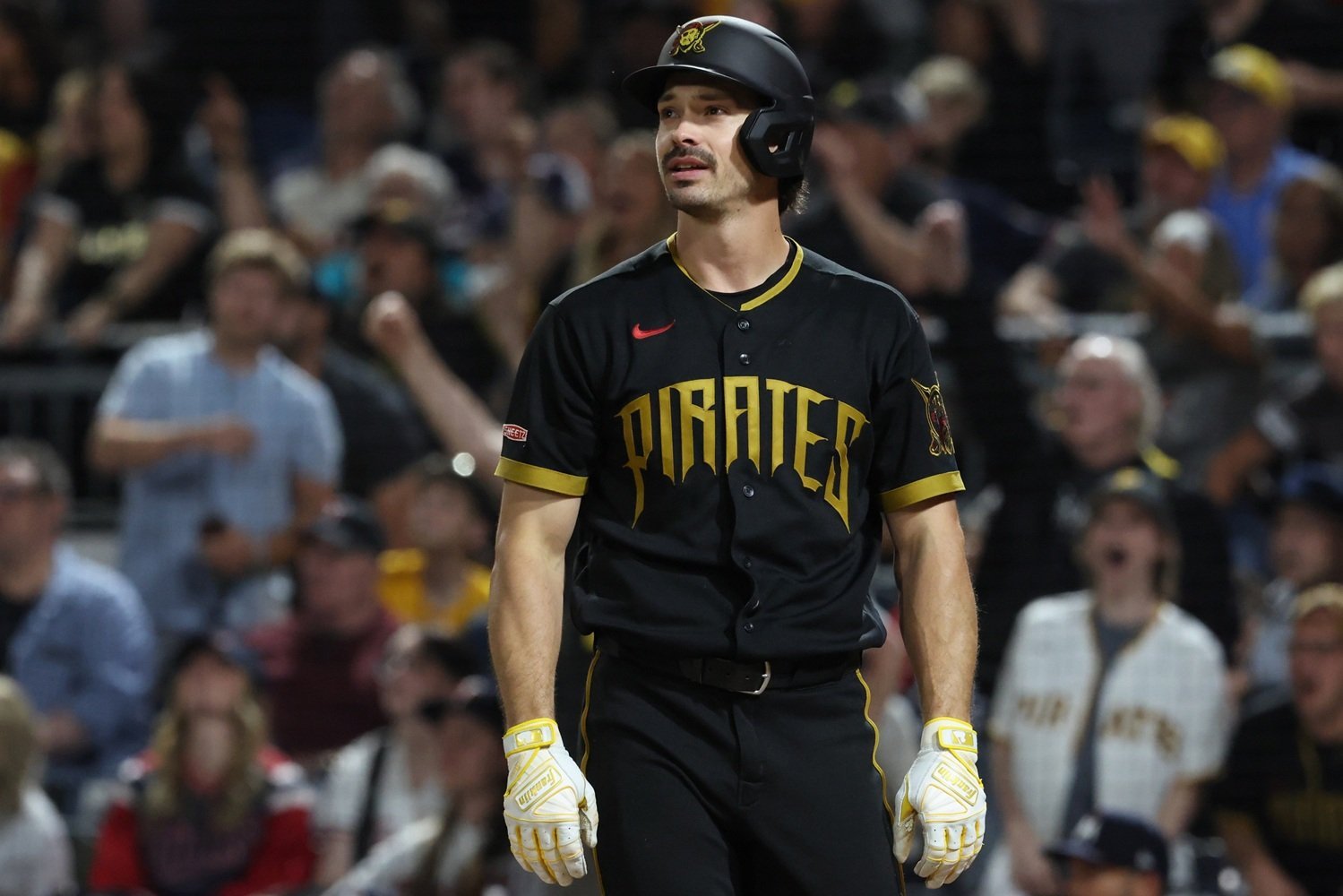 Box Score Taj Bradley: 4 IP, 5 H, 4 ER, 2 BB, 6 K Home Runs: Kody Clemens (6), Trevor Larnach (3) Bottom 3 WPA: Taylor Rogers (-.790), Taj Bradley (-.180), Byron Buxton (-.160) Win Probability Chart (via FanGraphs) Ah, welcome back, Apple TV. How we all missed signing up for a free trail with a new email, or prodding a friend or family member for their log in. What a wonderful present the captains of industry have created for us. Taj Bradley earned the start for Minnesota, as Jared Jones—in his first major league outing since 2024—took the mound for Pittsburgh. That’s two power pitchers on the mound; owners of the kind of regal stuff that so dominates today's game. Either hurler is capable of unleashing diesel, owning hitters with raw velocity and jet-fueled breaking balls, corkscrewing batters too antsy for their heat. They could turn any band of batsmen on the run back to the dugout. Naturally, they were both hammered early. Jared Jones looked like Nolan Ryan’s lost grandson in his first two batters, before Kody Clemens stepped to the plate and swatted one of his lethal fastballs for a solo homer. “Hit this,” said Jones. “I Will,” said Clemens. The early support didn’t aid in Bradley’s mound endeavors. Runners appeared here, there, and everywhere in the first, as walks begat hits, which begat runs (though not without some poor defense from the corner infield spots; both Brooks Lee and Josh Bell aided in abetting runs to their counterparts). Suddenly, the Pirates claimed three runs, Bradley had thrown 30 pitches, and the only help he received was in a confirmed strike three call on Endy Rodriguez. As Pittsburgh’s lead said hello, Minnesota’s offense quickly bade it goodbye: they loaded the bases in the second, and tied the game when Tristan Gray found a lovely gap in the infield that scored two. Maybe we’re amazed at this game’s pace; maybe we were soon to be amazed at what was a mammoth match-altering blast by Trevor Larnach. He saw one of Jones’ signature fastballs and smoothly stroked the offering deep into the Pittsburgh night, perhaps flirting with the Allegheny River in the process (neither Kris Atteberry or Glen Perkins could parse whether the ball landed in water, or whether it was an ordinary stands-clearing shot.) In any case, his silver hammer returned the lead to Minnesota. Oneil Cruz immediately refused to let Larnach’s blast be; indeed, he sent one 450 feet out right, almost certainly entertaining the aquatic life in the 325-mile tributary of the Ohio river with red-stitched leather. Editor's Note: A couple of innings later, the Pirates media relations staff announced that the two home runs both ended up in the river. Larnach's got there. Cruz's homer was the seventh home run to land in the river. He had hit two of the seven while Twins Josh Bell is the only other with two homers landing in the river. All of this occurred in just three innings, mind you. If Apple was paying for efficiency, they must have been pleased with their investment. The early excitement gave way to a long and winding road: the Twins and Pirates settled into a typical baseball stalemate, perhaps occasionally trading baserunners and mild excitement, but never ultimately impacting the score. The fourth became the fifth, which became the sixth, which became the seventh. The “Bradley and Jones” of before turned into afterthoughts. Did Clemens homer in the first? Only a historian could answer that. The eighth appeared to change matters. Cruz walked, and Konnor Griffin reached on a “fielder’s choice,” with an error unfairly charged to Tristan Gray (the real culprit was Luke Keaschall, whom the scorer must assume has the range of a caterpillar.) In any case, reliever Cody Laweryson was now in real trouble—runners stood on the corners with no one out. He blew a fastball by Rodriguez for the first out. Then Jake Magnum grounded one to Clemens, now at first, who didn’t make the same mistake Bell once suffered: he easily threw the runner out at home. Jared Triolo flew out to get the Twins back to their unthreatened lead. The eighth apparently was a portend of things to come, as Taylor Rogers entered to save the game for Minnesota. A well-placed single placed a man on base, and an inside sinker never reached the front door; rather, Bryan Reynolds crushed the pitch for a walk-off two run-homer. It was only waiting for its moment to arise, apparently. Notes: Post-Game Interview: What’s Next? The Twins and Pirates continue their Central Switch-Up matchup with a 3:05 PM matinee on Saturday. Bailey Ober is scheduled to start opposite Mitch Keller. Bullpen Usage Spreadsheet SUN MON TUE WED THU FRI TOT Woods Richardson 0 35 0 0 67 0 102 Gómez 22 0 18 0 17 14 71 Orze 10 0 0 29 0 23 62 Banda 10 0 10 0 14 18 49 Rogers 13 0 16 0 7 12 48 Morris 0 0 8 0 29 0 37 Laweryson 0 0 0 0 0 16 16 Funderburk 0 0 0 0 0 0 0 View the full article
 -
Brewers' Abner Uribe Appealing One-Game Suspension
DiamondCentric posted an article in Brewer Fanatic
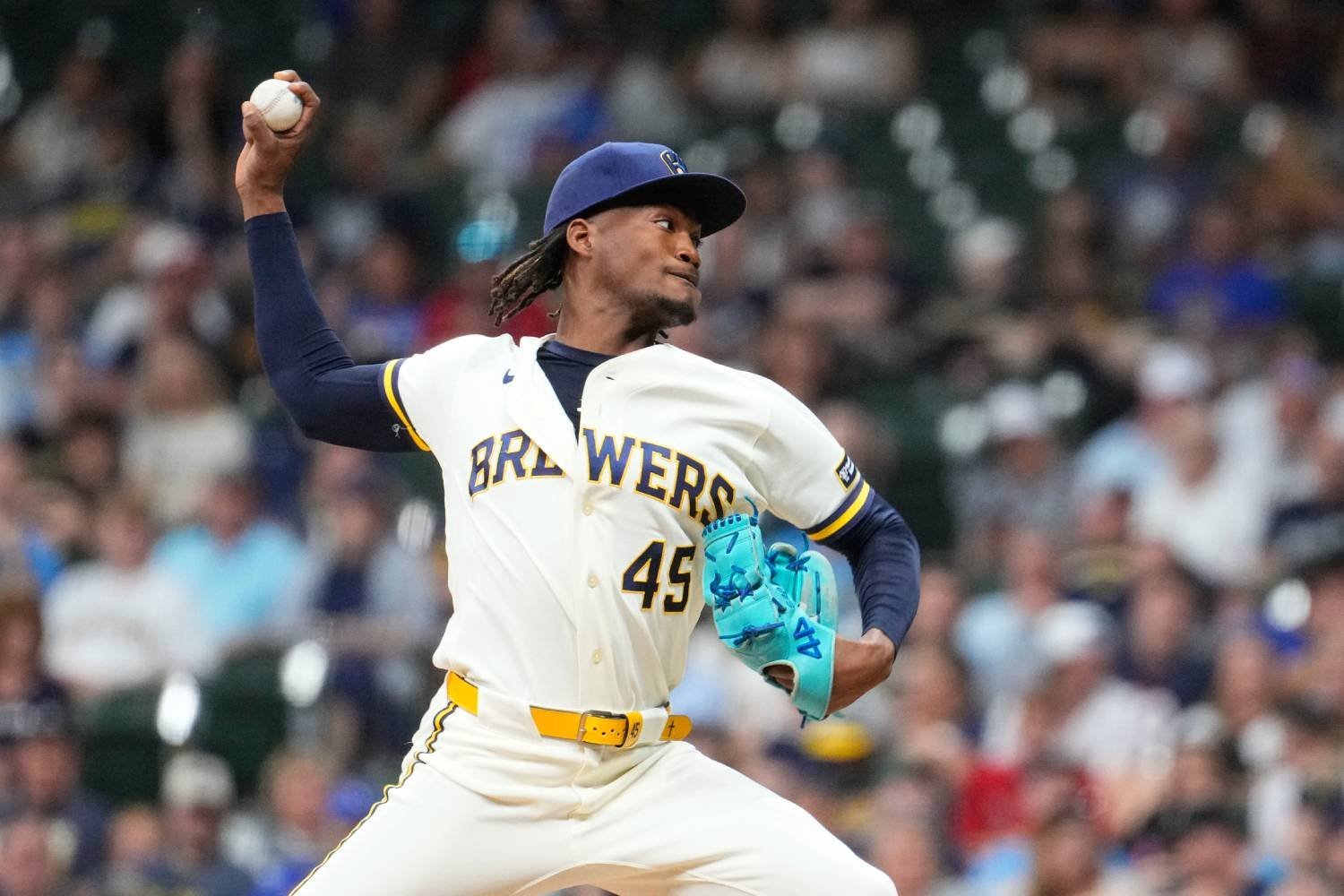 Emotion has gotten the best of Milwaukee Brewers reliever Abner Uribe before. Now, he is paying a small price for a move he made following an inning-ending strikeout. Uribe was suspended by MLB for one game for his wrestling-style crotch-grabbing move toward the St. Louis Cardinals' dugout following Tuesday's 6-0 victory over the St. Louis Cardinals. Uribe made the gesture following his strikeout of Alec Burleson. Uribe is appealing the penalty, which allows him to play until it is heard by MLB. Following the game, Uribe, after a dugout scolding by Brewers manager Pat Murphy, apologized to the team, but leveled accusations at Cardinals manager Oli Marmol. Marmol and the Brewers addressed further issues the next day that apparently led to Uribe's action. Uribe has alternated with right-hander Trevor Megill as the Brewers' closer and eighth-inning guy. Uribe has appeared in 21 games, with a 4.19 ERA over 19⅓ innings, walking eight and striking out 21. He has converted five of seven save opportunities, while Megill has six saves in seven chances. View the full article
 -
Could Marlins payroll double in 2027 under next CBA?
DiamondCentric posted an article in Fish On First
 Negotiations are underway between Major League Baseball and the MLB Players Association on a new collective bargaining agreement that could radically change how the Miami Marlins operate financially in 2027 and beyond. AJ Ramos, Kevin Barral and Ely Sussman share the main takeaways from each side's initial proposal. Then, they get caught up on the Marlins' recent performance and revisit the time that AJ indirectly ignited a benches-clearing brawl in Los Angeles. You can find Fish Unfiltered and Fish On First LIVE on the Fish On First YouTube channel, Apple Podcasts, Spotify or wherever else you get your pods. The projected 2026 Marlins payroll is a league-low $73.5M, according to Roster Resource. Meanwhile, under a potential salary-capped system, MLB has proposed a "floor" of $171.2 million beginning next season—that's far more than Miami has ever spent on players in a single season. Keep in mind, this is expected to be a lengthy CBA negotiation. Dollar figures that we're hearing about now may change significantly by the time that a deal is ratified next year. View the full article
 -
Royals Lose Nick Mears To Injured List With Shoulder Impingement
DiamondCentric posted an article in Royals Keep
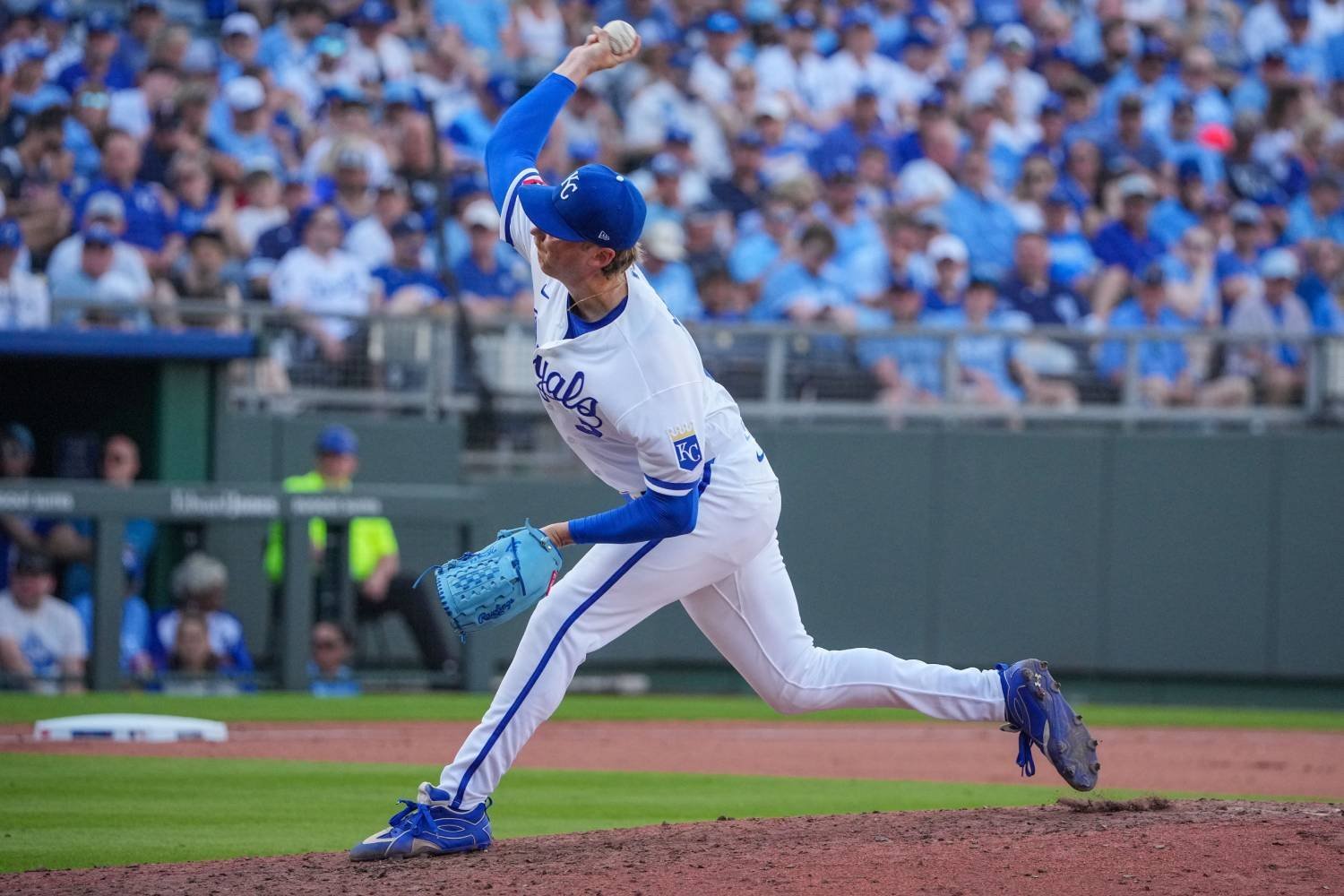 If you felt Kansas City Royals right-handed reliever Nick Mears was struggling for some reason, you might have your answer now. The Royals on Friday placed Mears on the 15-day injured list due to a right shoulder impingement and called up right-handed reliever Eric Cerantola from Triple-A Omaha. A key offseason addition after being acquired along with outfielder Isaac Collins from the Milwaukee Brewers in exchange for left-handed reliever Angel Zerpa, Mears has produced a 5.12 ERA over 19⅓ innings over 20 appearances, with 11 walks and 15 strikeouts. He last pitched Wednesday in a 7-0 loss to the New York Yankees, when he went two-thirds and allowed three runs on two hits and two walks and a strikeout. Cerantola was called up May 6 for his MLB debut and appeared in two games before returning to the minors, tossing three innings, giving up three runs on two hits with four walks and five strikeouts. At Triple-A this year, he has a 1.97 ERA over 18 appearances and 19⅔ innings, walking 10 and striking out 30. View the full article
 -
Mike Paredes' Sweeper, Ryan Gallagher's Fastball Star for Saints
DiamondCentric posted an article in Twins Daily
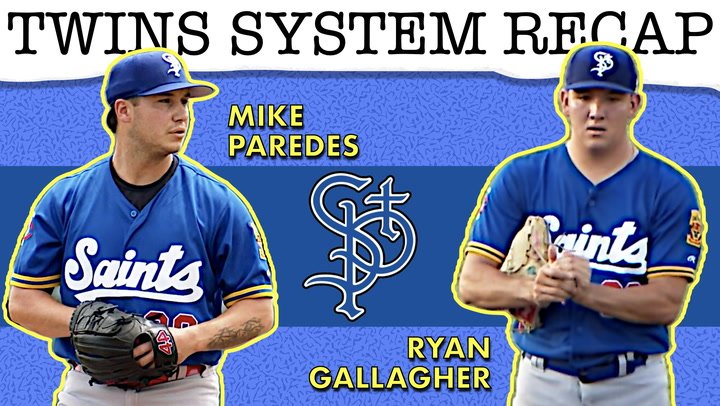 Twins System Recap: A couple of Saints starting pitchers had impressive performances this week. Mike Paredes kept it rolling with five quality innings on the back of his dominant sweeper. Ryan Gallagher topped out at 97 mph while firing five shutout innings. On the hitting side, the big stars were Hendry Mendez, Yasser Mercedes, and 19-year-old Merphy Hernandez. View the full article
 -
Justin Steele Timeline Updated - Still Not Throwing
DiamondCentric posted an article in North Side Baseball
 According to this article from The Athletic's Sahadev Sharma, Justin Steele is progressing from his elbow setback. While the veteran lefty is not throwing as of yet, he is progressing to some strengthening exercises. There is no timeline as of yet for his eventual return to throwing and a rehab assignment. The updated timeline puts any 2026 return for Steele in jeopardy. In a best-case scenario, he starts throwing again in June, with a lengthy ramp-up. This would potentially allow him to pitch in August, given no setbacks. Another flare-up of the elbow would end his season. Basically, the Cubs can't count on Steele to carry them down the stretch, which, given the state of the current rotation, would help the team a lot. Edward Cabrera is currently sidelined with blisters and has a checkered injury history. Matthew Boyd is no spring chicken either and has only pitched over 100 innings once this decade. Arms are always needed in a season, and the Cubs are no exception. Despite consternation about the Cubs' hitting, the rotation is the area with the lowest floor on the roster. Justin Steele will continue his own path to health. The Cubs need to hope this path leads to the mound in 2026. View the full article
 -
 The Chicago Cubs have always been a team of peaks and valleys, going way back to the Joe Maddon days. The Cubs offense could roll out of bed and outhit any team in baseball. Depending on what kind of streak they’re on, however, they could also make a back-end starter look like a Cy Young contender. Right now, nothing seems to be working. Before salvaging two games to split a series in Pittsburgh, they had lost six straight sets. Health issues have caused the pitching staff to rely heavily on minor-league depth to get through the game, and the hitting… well, that's what I am here to talk about. The Cubs snapped their 10-game skid, their longest since 2022, on Wednesday with an offensive explosion in Pittsburgh, and followed that with a good win on getaway night. Broadly, however, they can still be said to be struggling and lacking consistency, especially at bat. Since the first game of the Rangers series beginning on May 8, the Cubs are 26th in baseball in runs scored, 29th in team batting average, 25th in home runs, 28th in OPS, 27th in wRC+... you get the picture. Ian Happ, Seiya Suzuki, Pete Crow-Armstrong, Dansby Swanson, Moisés Ballesteros, and Nico Hoerner are all hitting under .200 over that span. Happ and Suzuki are striking out in nearly every other at-bat, while combining for four home runs even after Happ hit two to close out his week back at home In Pittsburgh. Even when the Cubs were hitting, they were leaving runners on base at an alarming rate. Below is the list of the top 10 hitters who have stranded the most runners this season: Ian Happ, Chicago Cubs Alex Bregman, Chicago Cubs Colson Montgomery, Chicago White Sox Seiya Suzuki, Chicago Cubs Tyler Soderstrom, Athletics 6. Nolan Schanuel, Los Angeles Angels 7. Pete Alonso, Baltimore Orioles 8. Daylen Lile, Washington Nationals 9. Michael Busch, Chicago Cubs 10. Matt Olson, Atlanta Braves If we expand this list to the top 20 players, the Braves are the only team with a second player on the list. Here we see Cubs occupying three of the first four spots, and four of the top 10. The silver lining here is that, to drive in runs, you need runners on base, so the Cubs are getting themselves into plenty of innings where they have chances to score. Unsurprisingly, the Cubs also lead baseball in runners left in scoring position per game. Putting more runners on and advancing them is going to naturally create more opportunities to strand them, and the Cubs had no issue getting on base prior to May 8. From Opening Day through May 7 (what I like to refer to as the fun part of the season), the Cubs led baseball with an OBP of .353. They were also leading baseball in walks with 179. Even during this not-so-fun part of the season, the Cubs still have the third-most walks in baseball, though their OBP has fallen to 21st. The perpetually expressionless Craig Counsell has been tinkering with the lineup slightly, but is still penciling in Happ in the cleanup spot, followed by Suzuki, for the majority of games. Bregman, who has been the hottest hitter during this humbling month, seems to be firmly entrenched in the three spot, but for most of this month, Michael Busch has been behind hitters that he shouldn’t be. Top position player prospect Pedro Ramirez is up in the big leagues, but he is 22 and was not projected to be a key part of this season. There's not going to be significant outside help joining the squad to ignite the offense, so there are really only two paths forward: this group gets it together, or they continue to fall to the bottom of the division. Until the pitching gets healthy, they are going to have to hit their way to wins, and that is just not happening. We are Cubs fans here, and while it is warranted to be downright baffled by their recent performance, there is a lot of baseball left to be played, and this is still a team that had two 10-game winning streaks this season. In fact, the 2026 Cubs have joined the 2017 Dodgers as the only teams in baseball history with two 10-game winning streaks and a 10-game losing streak in the same season, so the odds are with them to win the pennant this year. (If only this sport was that simple.) This is still a team that can heat right back up again and start mashing baseballs. Optimistically, there is no chance their underwhelming hitters stay in a season-long slump. Hitting is contagious, and this group has proven they can compete offensively with anyone; it’s going to be a matter of getting their heads right. The Cubs round out the month in St. Louis before the real opportunity to gain some ground. The pesky A’s are in town next week, but that's followed by a 12-game stretch split between the Giants and Rockies. Bregman, Busch, and Carson Kelly are all doing their jobs, and the hits will eventually return for the rest of the gang. Regardless of the pitching situation, we should still be in for a fun summer of baseballs flying around Wrigley Field. View the full article
 -
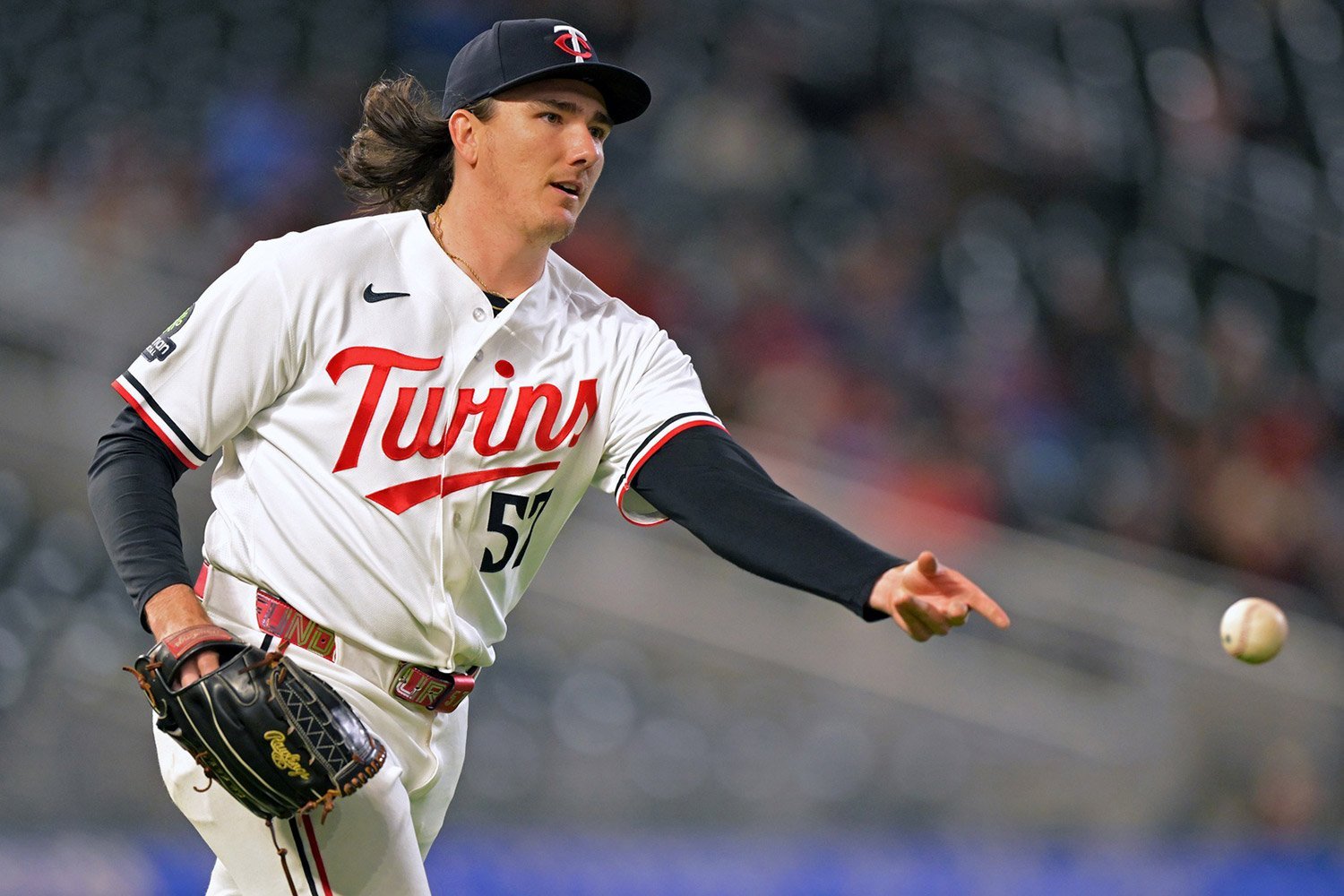 The Twins announced a set of roster moves, recalling LHP Kody Funderburk from Triple-A St. Paul and reinstating RHP Cody Laweryson from the 15-day injured list. In corresponding moves, LHP Kendry Rojas was placed on the 15-day injured list with elbow inflammation, and Travis Adams was optioned to Triple-A St. Paul. Funderburk has had mixed results this year, pitching in five games with St. Paul and throwing five innings, where he gave up five runs while recording seven strikeouts. Earlier in the year at the major league level, Funderburk threw 16 innings for the Twins, where he struck out 10 hitters, earned a save, and had a much better 2.81 ERA, but his underlying metrics weren't as stellar (5.44 FIP). Laweryson has thrown 6 1/3 innings prior to the injury, striking out eight hitters, with a 2.43 FIP and a 0.789 WHIP. It's a small sample size, but he could be someone who serves as a solid option out of a bullpen, looking for solutions in various areas. Rojas was scratched from his most recent start and is having an MRI, which will reveal how serious the elbow injury is. Adams has had mixed results this year, mostly as a multi-inning reliever, throwing 10 innings for the Twins, striking out 12, but has given up eight runs, and a 4.77 FIP in that small sample size. He will likely return to the majors when a fresh arm is needed in the future. View the full article
 -
Forum Friday: Dodger Blues, Fading Frelick, & Lara Is Looming
DiamondCentric posted an article in Brewer Fanatic
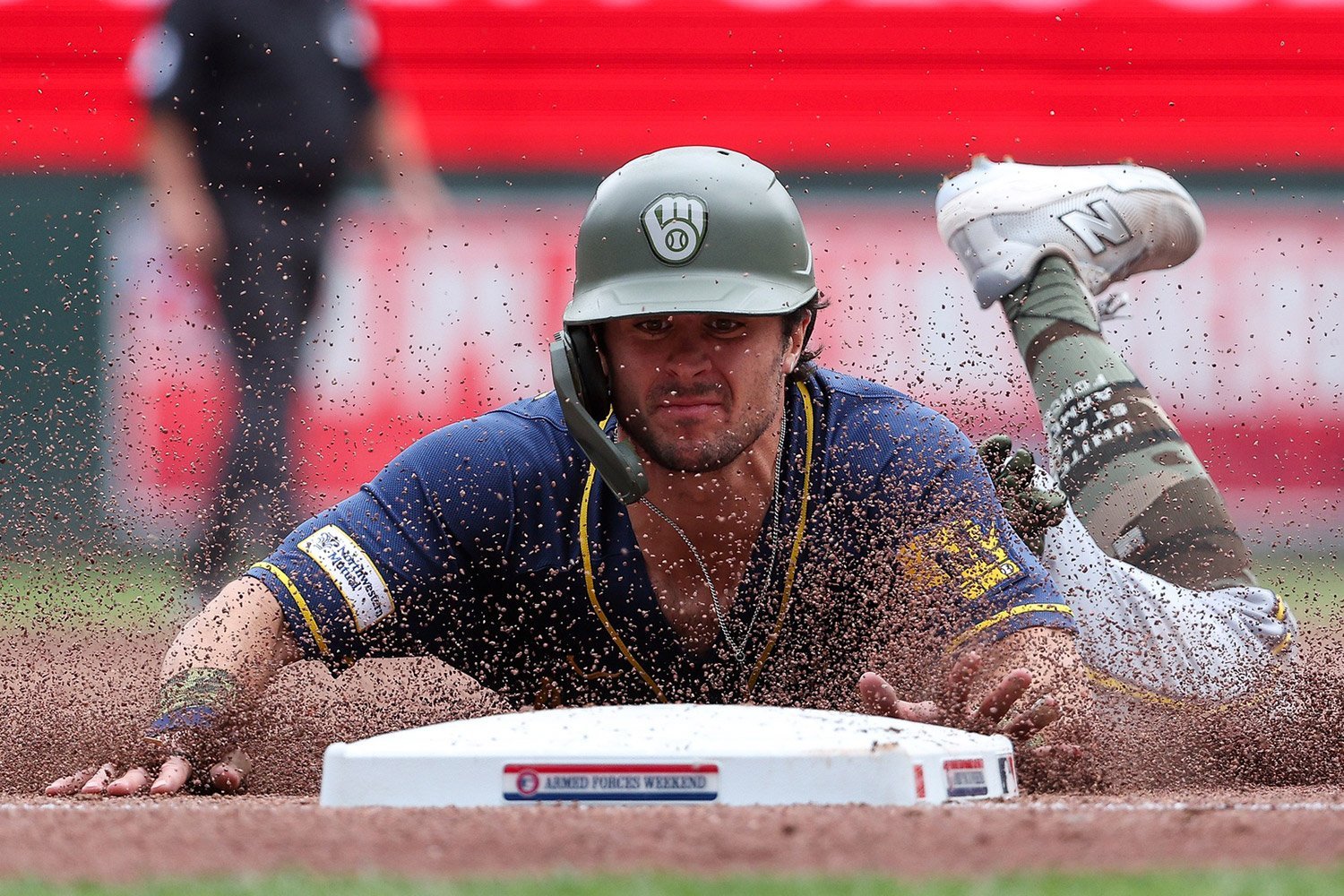 Milwaukee swept St. Louis and now enjoys a four-game lead in the division. Just prior to that, however, the Brewers dropped their series against Los Angeles. Are the Dodgers a mental barrier for Milwaukee? This week, Brewer Fanatic weighs in on our wealthiest adversary, a fading right fielder, and the prospects knocking on the door. Brewers: Isn't it at least partially a mentality issue? The Dodgers' payroll is nearly three times larger than Milwaukee's. The talent gap is not. Los Angeles has the resources to fill nearly any weakness with All-Star-level talent. Yet the Brewers compete well with the Dodgers in the regular season and have met in the postseason three times since 2018, losing each time. Wouldn't Milwaukee benefit from a clubhouse leader who simply looks around the room and says, "Enough is enough?" Our forum community believes the Dodgers may be living rent-free inside the heads of Brewers fans, but probably not the players. Los Angeles is a historically great team operating under an unequal financial structure, and the Brewers have earned the right to face them. The next step is beating them. One poster turns the thread on its head by suggesting a playoff series opening with Jacob Misiorowski and Kyle Harrison would be more intimidating for Los Angeles than anything the Dodgers could throw back at Milwaukee. Brewer Fanatic lives for the David versus Goliath matchups. It sure would be nice for Milwaukee to turn the tables. Brewers: When will Frelick get benched? Happiness is a product of expectations. For Brewers fans watching Sal Frelick, there isn't much of either anymore. Joey Ortiz can struggle with the bat because his elite defense keeps him above replacement level. Luis Rengifo can struggle with seemingly everything, and it hurts less because no one believed he was a core piece. Frelick produced 3.6 fWAR last season with a 114 wRC+. This season, his value has plummeted to -0.4 fWAR and a 69 wRC+ over 192 plate appearances. Worse still, Sal carries a .375 OPS and a seemingly impossible .116 BABIP against left-handed pitching across 56 plate appearances this year. Pat Murphy keeps penciling Frelick into the lineup, even against lefties. The Brewer Fanatic community seems aligned that the time has come to at least play Blake Perkins over Frelick against southpaws. Better still, could we be just a few weeks away from Luis Lara's promotion from Nashville? Minors: Thurs. 5/28: Between a Wichrowski and a Hard(in) Place The best Brewers minor league coverage is on Brewer Fanatic, where our daily game threads are the perfect place to share and receive nightly prospect updates and game results. Last night, multiple posters noted that Luis Lara raised his batting average to .346 after collecting two more hits for Nashville. Even more impressive, Luis Peña reached base five times, pushing his on-base percentage to .492 on the season for the Timber Rattlers. Our community has taken note that Lara's numbers are even more impressive against left-handed pitching, where he has produced a 1.215 OPS over 44 at-bats. Lara is a 21-year-old switch-hitting center fielder whose profile would look compelling in Milwaukee, even with expected regression at the big-league level. We can assume the front office will consider outfield changes next month, once the Super Two threshold passes. It's a great day to be a Brewers fan on Brewer Fanatic! View the full article
 -
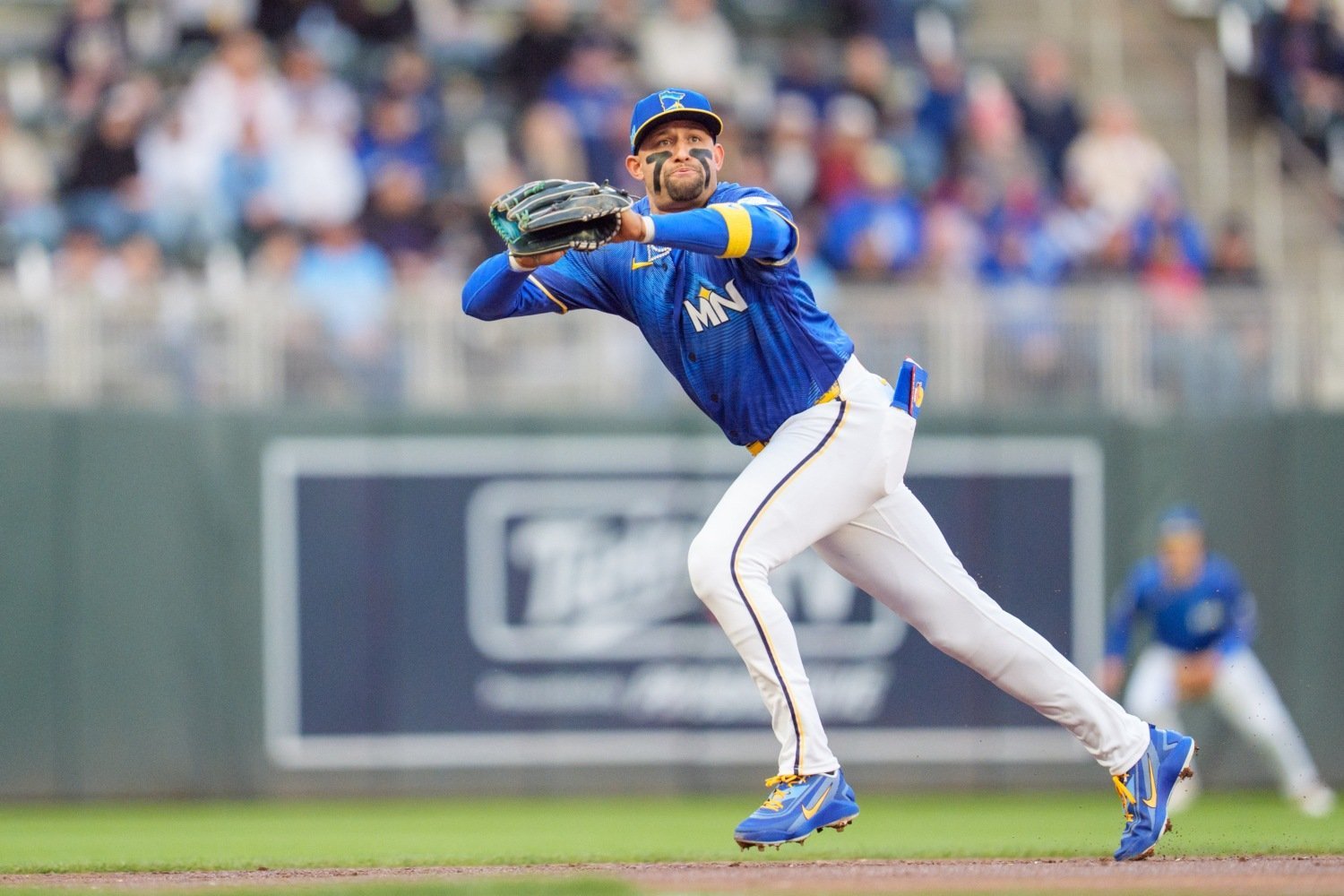 Royce Lewis was in need of a total reset when the Twins demoted him to Triple-A. He’s mashed since he arrived for the Saints, but the Twins likely aren’t in a hurry to declare him fixed, despite his strong performance. They’ll have to make a decision over the next few weeks and months. What should they do with Lewis if he keeps dominating in the minor leagues? Back To Third Base Royce has strictly played third base and DH in the minor leagues this season. It’s made a lot of sense at this point, as the priority is for him to find his swing again, and the Twins likely don’t want to add more to his plate. It’s possible his long-term defensive fit remains unchanged, and that whenever the Twins determine he’s ready to return to MLB action, he immediately slots back in at the hot corner. The problem is that the Twins have overhauled the left side of the infield since Lewis’s demotion. It appears the Brooks Lee shortstop experiment is over, as he’s shifted to third base full-time in favor of Tristan Gray and Ryan Kreidler at shortstop. Lee struggled at third base defensively last season, but his skillset should make him a plus defender there, and the defense at shortstop from the two journeymen has been a massive upgrade. Were Lewis recalled and slotted in at third again, there would have to be another position switch afoot for Lee, instead. That feels unlikely. Lewis Plays a New Position The Twins could always shift Lewis to a different infield spot. Luke Keaschall is far from a lock at second base defensively at this point. Lewis could also move all the way down the defensive spectrum to first base, where the Twins lack a reliable right-handed option. The latter, in particular, could make some sense, especially if they give up on Josh Bell, which would open the DH spot to keep Lewis in the lineup even when Kody Clemens is in the field. If the Twins have this in mind, we’ll know pretty quickly, as Lewis will probably get his feet wet at a new position in Triple-A first. The problem here is obvious. Lewis might not be a big fan of changing positions. The Twins tried to add second base to his repertoire a few years ago, and he made it known publicly that he was not in support of this. Perhaps with time to get comfortable at a new spot in St. Paul, he would be more receptive, but it’s difficult to say how flexible Lewis is willing to be for this organization at this point in his career. Mutual Parting Of Ways If Lewis doesn’t fit in the Twins’ plans as they move forward—or if he doesn’t want to—there’s a world where the Twins find a trade partner to make everybody happy. While going on an offensive tear in Triple-A doesn’t have nearly the impact of showing he can still do it in MLB, it’s better than being demoted and struggling, which would wipe away all trade value. It’s not impossible that another team sees an adjustment Lewis can make and would make an offer that can help the Twins in some way, even if the value isn’t anywhere near what it was two years ago. This would be a disappointing end to Lewis’s tenure with the Twins, but it can’t be ruled out. Even if Lewis himself doesn’t want a fresh start elsewhere, the Twins are likely pondering whether they foresee him returning to the status of a potential core player for this team. If they’re uncertain about this belief, the continued quotes blaming the organization for his nearly two years of struggles likely aren’t helping the case for keeping him. Derek Falvey is gone, and the remaining front office is not the same one that drafted Lewis first overall in 2017. Anything could happen. Lewis has taken a big step back in status and priority level within the Twins' plans. The Twins have several options for moving forward with him should he continue to produce in Triple-A. Which option would you prefer they take? View the full article
 -
 The guys react to Abner Uribe and the Brewers' controversy with the Cardinals, Jacob Misiorowski continuing his dominant May, and Robert Gasser's future after another rough start. Apple Podcasts: https://podcasts.apple.com/us/podcast/the-brewer-fanatic-podcast/id1740648724 Spotify: https://open.spotify.com/show/5CY8mWsQayqjDXqw9OT2Td iHeartRadio: https://www.iheart.com/podcast/263-the-brewer-fanatic-podcast-166534588/ Pocket Casts: https://pca.st/ommzz627 Watch On YouTube: https://www.youtube.com/@brewerfanatic View the full article
 -
 Ryan Clifford homered as Syracuse beat Rochester, 8-4, behind two scoreless innings from Ryan Lambert. Cristian Pache added a three-run triple and four RBI, and Andy Ibáñez collected four hits. Jose Chirinos was dominant for St. Lucie in a 3-1 win, striking out nine over six innings, and Jamari Baylor homered. Jose Ramos drove in four for Binghamton, but the Rumble Ponies fell, 10-9. Brooklyn lost, 7-5, to Wilmington. Mets Transactions No Roster Moves Pache, Clifford Lead Syracuse Past Rochester Syracuse built an early lead and held on for an 8-4 win over the Rochester Red Wings. Andy Ibáñez paced the offense with four hits, Yonny Hernández added three hits, and Cristian Pache drove in three runs. Ryan Clifford homered, walked, and scored twice, while Ben Rortvedt drove in two runs. The game turned in the fourth inning. With the score tied at two, Ibáñez and Hernández singled, and Rortvedt walked to load the bases. Pache then tripled to right field, scoring Ibáñez, Hernández, and Rortvedt. Jackson Cluff followed with a sacrifice fly to bring home Pache, and Syracuse led 6-2. The offense had opened the scoring in the second on a two-run single by Rortvedt, and Clifford added a solo home run in the seventh. Starter Kodai Senga worked 3 2/3 innings, allowing three runs, two earned, on four hits with two walks and five strikeouts. Ryan Lambert earned the win with two scoreless innings, allowing no hits and no walks with two strikeouts. Syracuse left seven runners on base. Player AB R H RBI BB K Nick Morabito 5 0 2 0 0 1 Ji Hwan Bae 5 0 0 0 0 3 Christian Arroyo 5 1 1 0 0 0 Ryan Clifford 4 2 1 1 1 1 Andy Ibáñez 5 2 4 1 0 0 Yonny Hernández 4 1 3 0 1 0 Ben Rortvedt 3 1 1 2 1 1 Cristian Pache 3 1 1 3 1 1 Jackson Cluff 2 0 0 1 1 0 Player IP H R ER BB K HR Kodai Senga 3 2/3 4 3 2 2 5 0 Joey Gerber 1 1/3 1 0 0 0 0 0 Nate Lavender 1 2 1 1 1 3 0 Ryan Lambert 2 0 0 0 0 2 0 Anderson Severino 1 1 0 0 0 0 0 Late Rally Falls Short for Binghamton in 10-9 Loss Binghamton lost a slugfest to the Portland Sea Dogs, 10-9, despite a four-RBI night from Jose Ramos. Ramos homered and added a single, JT Schwartz homered and doubled, and Jacob Reimer collected two hits and a run driven in. Chris Suero reached base three times, scored twice, and stole four bases. The Rumble Ponies erupted for seven runs in the fourth inning to take a 9-2 lead. Schwartz led off with a home run, and after a single and a walk, Reimer singled home a run. Following a walk to Eli Serrano III, D'Andre Smith doubled in two runs, and Ramos followed with a three-run homer. Portland answered with six runs in the fifth to climb back within 9-8, and the Sea Dogs took the lead for good with single runs in the seventh and eighth. Starter R.J. Gordon allowed two runs, neither earned, over three innings, walking two and striking out four. Jordan Geber struggled, surrendering six earned runs on six hits over three innings with two walks, three strikeouts, and one home run. Binghamton left ten runners on base. Player AB R H RBI BB K Chris Suero 4 2 1 0 2 1 Jacob Reimer 4 1 2 1 1 1 Eli Serrano III 3 2 1 0 2 2 D'Andre Smith 5 1 1 2 0 2 Jose Ramos 4 1 2 4 1 1 Nick Lorusso 5 0 0 1 0 0 JT Schwartz 5 1 2 1 0 2 Vincent Perozo 5 0 1 0 0 1 Wyatt Young 5 1 1 0 0 2 Player IP H R ER BB K HR R.J. Gordon 3 1 2 0 2 4 0 Jordan Geber 3 6 6 6 2 3 1 Jefry Yan 1 1 1 0 0 2 0 Danis Correa 2 2 1 0 0 3 0 Brooklyn Bullpen Falters in 7-5 Loss to Wilmington Brooklyn fell to the Wilmington Blue Rocks, 7-5. Ronald Hernandez led the offense with two hits, a double, and three runs scored. Corey Collins reached base four times with a hit and three walks and drove in a run, and JT Benson doubled. The Cyclones built a 3-0 lead in the third inning. John Bay was hit by a pitch and Hernandez singled, then Collins walked to load the bases. A fielding error allowed two runs to score, and a groundout left runners on second and third. Wilmington tied the game with three runs in the fourth, then pulled ahead with two runs in both the sixth and seventh innings. Brooklyn could not recover. Starter Noah Hall allowed three runs over 3 2/3 innings, walking five and striking out four. Bryce Jenkins took the loss, giving up two runs over 2 1/3 innings with two walks and two strikeouts. Brooklyn left eleven runners on base. Player AB R H RBI BB K Mitch Voit 4 0 0 0 0 4 John Bay 4 1 0 0 0 2 Ronald Hernandez 4 3 2 0 0 1 Corey Collins 2 0 1 1 3 0 Yonatan Henriquez 5 0 0 2 0 2 Daiverson Gutierrez 4 0 0 0 0 0 Sam Biller 0 0 0 0 0 0 JT Benson 5 1 1 0 0 2 Trace Willhoite 1 0 0 0 3 0 Nick Roselli 3 0 0 0 1 2 Player IP H R ER BB K HR Noah Hall 3 2/3 3 3 3 5 4 0 Bryce Jenkins 2 1/3 2 2 2 2 2 0 Juan Arnaud 1 2 2 1 1 1 0 Ryan Dollar 2 1 0 0 0 3 0 Chirinos Strikes Out Nine as St. Lucie Tops Bradenton Jose Chirinos turned in a commanding start to lead St. Lucie to a 3-1 win over the Bradenton Marauders. Branny De Oleo homered and drove in a run, Jamari Baylor homered with two RBI, and Antonio Jimenez reached base twice. All of St. Lucie's scoring came in the second inning. De Oleo opened with a solo home run to left field. Following a throwing error that put Francisco Toledo aboard, Baylor homered to left center, scoring Toledo ahead of him to make it 3-1. Bradenton's only run came in the first inning on a walk and a forceout, and the St. Lucie pitching staff allowed nothing thereafter. Chirinos was excellent, recording a quality start by allowing one run, unearned, over six innings on three hits with one walk and nine strikeouts. Elwis Mijares followed with two scoreless innings, and Joe Scarborough closed it out with a scoreless ninth for his third save. St. Lucie left three runners on base. Player AB R H RBI BB K AJ Salgado 4 0 0 0 0 2 Antonio Jimenez 3 0 1 0 1 1 Randy Guzman 4 0 0 0 0 2 Yohairo Cuevas 3 0 0 0 0 1 Branny De Oleo 4 1 2 1 0 0 Francisco Toledo 4 1 0 0 0 0 Jamari Baylor 3 1 1 2 0 1 Kevin Villavicencio 3 0 0 0 0 1 Simon Juan 3 0 1 0 0 1 Player IP H R ER BB K HR Jose Chirinos 6 3 1 0 1 9 0 Elwis Mijares 2 0 0 0 2 3 0 Joe Scarborough 1 2 0 0 0 0 0 Top-20 Prospect Performance Nolan McLean: DNP Carson Benge: DNP A.J. Ewing: DNP Jonah Tong: DNP Ryan Clifford: 1-for-4, HR, BB, K Jacob Reimer: 2-for-4, RBI, BB, K Jack Wenninger: DNP Elian Pena: DNP Mitch Voit: 0-for-4, 4 K Nick Morabito: 2-for-5, K Jonathan Santucci: DNP Chris Suero: 1-for-4, 2 BB, K Zach Thornton: DNP Wandy Asigen: DNP Will Watson: DNP Eli Serrano III: 1-for-3, 2B, 2 BB, 2 K Ryan Lambert: 2 IP, 0 H, 0 R, 0 BB, 2 K Dylan Ross: DNP Antonio Jimenez: 1-for-3, BB, K R.J. Gordon: 3 IP, 1 H, 2 R, 0 ER, 2 BB, 4 K View the full article
 -
 Bishop Letson (11th round), Tyson Hardin (12th), Luke Adams (12th), and Josh Adamczewski (15th) are the most highly-touted post-10th round picks in the Milwaukee Brewers' vaunted farm system right now. However, as the club's 16th-round selection in 2024, Jayden Dubanewicz is looking to put himself in their company with his strong start to 2026. Dubanewicz's signing came as a bit of a surprise, as he'd already moved into his dorm at the University of Florida by the time the Brewers picked him. The $665,000 signing bonus likely played a big role in convincing him, and it's looking like a smart investment for the Brewers. At 6-foot-3, Dubanewicz still has significant physical projection left, with plenty of room to continue adding strength to his frame. However, he already looks to be bigger than his listed 160 pounds this season. He got off to a late start this season, after leaving a minor-league spring training game with a minor injury. He didn't ramp back up until mid-April, but made his first start for the newly minted Wilson Warbirds (Low-A) on May 13. After sitting 92-94 mph last season, Dubanewicz has operated more consistently around 95 mph early this year and has touched 97.8. The velocity jump has also come with improved fastball characteristics, as he has reached up to 20 inches of induced vertical break on some of his four-seamers. With nearly seven feet of extension, the pitch has the potential to become a legitimate weapon for him if he can get the movement a bit more consistently in that 18-20 IVB range. Because Dubanewicz made a couple of appearances in the Arizona Complex League as part of his rehab, we can compare his 2025 velocity, spin, and movement to where they are early in 2026, courtesy of Pitch Profiler. A few things pop out immediately on that chart. First of all, Dubanewicz's arm angle has gone from 34° overall (39° on his four-seam) to 49° overall and 53° on his four-seam. It's easy to see the difference in the pictures below (2026 on the left; 2025 on the right). A higher arm angle does usually coincide with more IVB, and Dubanewicz has gone from an average of 15.2" to 17.8". Neither of those are out of the ordinary for their arm slot, though, so the bigger jumps to pay attention to are in his extension and velocity. He has made some other changes to his delivery as well, including making his glove tap at the top of his leg lift much smaller, and also sitting back into his back leg a bit better. He stays a bit taller up top as well, helping him rotate more efficiently. iq0ml8.mp4 In the 67 pitches that were tracked in 2025, Dubanewicz's max velocity was 94.7 MPH, and he averaged 93 MPH. In his 2026 appearance, he threw six pitches harder than that, including the aforementioned 97.8 MPH pitch, averaging 95. With the MLB average for release extension being 6.3 feet, Dubanewicz already generated slightly above-average extension last season at 6.65 feet, but it has jumped to 7.01 feet this year. The thought is that one foot of extension above average adds about 1.7 MPH to the perceived velocity of a pitch. This means that Dubanewicz's 2-MPH jump in velocity is a bit closer to a 3 MPH jump in perceived velocity. Typically, guys also achieve less extension when they work from a higher arm angle, so his extension increasing this way despite raising his slot bespeaks a player getting down the mound much, much better than in the past. Something else that appears to have improved from 2025 to 2026 is the spin rate. The RPMs are up on all of the pitches you would want them to be up on, and he's actually killing spin on the changeup a bit better, as well. He also appears to be separating the slider and curveball shapes a bit better. There's not a cluster on the 2026 side of the above graphic, like there was in 2025. It should be noted that while the velocity was in the 94-97 range early in his start on Wednesday, it had dropped down to 92-95 in the third inning. As he continues to build up, showing that he can hold that velocity later in starts will be important for Dubanewicz. All three secondaries show flashes of being average or better offerings, with the breaking balls being used mainly against righties and the changeup being used mainly against lefties. The shapes of all three pitches should allow them all to be used in a platoon-neutral manner, though, which gives him a particularly deep mix. He's still using his "sinker" in Low-A games, but it was not used during his time in the ACL, so there's no data to look at there. It plays more like a two-seamer than a true sinker, as it's used more for its run than its sink. That's truer than ever from the higher slot. These changes and improvements have led to a very strong start to his season, including his two ACL appearances and three starts with Wilson. His 42% whiff rate would be in the 98th percentile for qualified pitchers at the Low-A level—though he is, of course, not currently close to qualified, due to his late start. ERA FIP IP G GS HR/9 K% BB% K-BB% Whiff% WHIP BABIP LD% GB% FB% IFFB% 1.98 3.24 13.2 5 4 0.0 30.91% 12.73% 18.18% 42.0% 1.39 0.400 20.7% 41.4% 37.9% 36.4% If there is one thing to keep an eye on, it's the walks. He only walked 5.6% of batters faced last season, but he is currently at 12.7% early this year. It's too small a sample to draw any real conclusions from right now, especially because four of his seven walks came on Wednesday, in a game that began in a weather delay and was dealing with intermittent rain throughout the early innings. Still, it's something to track moving forward. Dubanewicz turned 20 in early March and has a long developmental road ahead of him. If he can continue to add strength and see the velocity bump up even further, this is the type of arm that could start to push its way toward top-10 prospect consideration in the system. It's too early in the season to project that, but he has that type of talent and (given the strides he's already made) seems to have the work ethic to get there. View the full article
 -
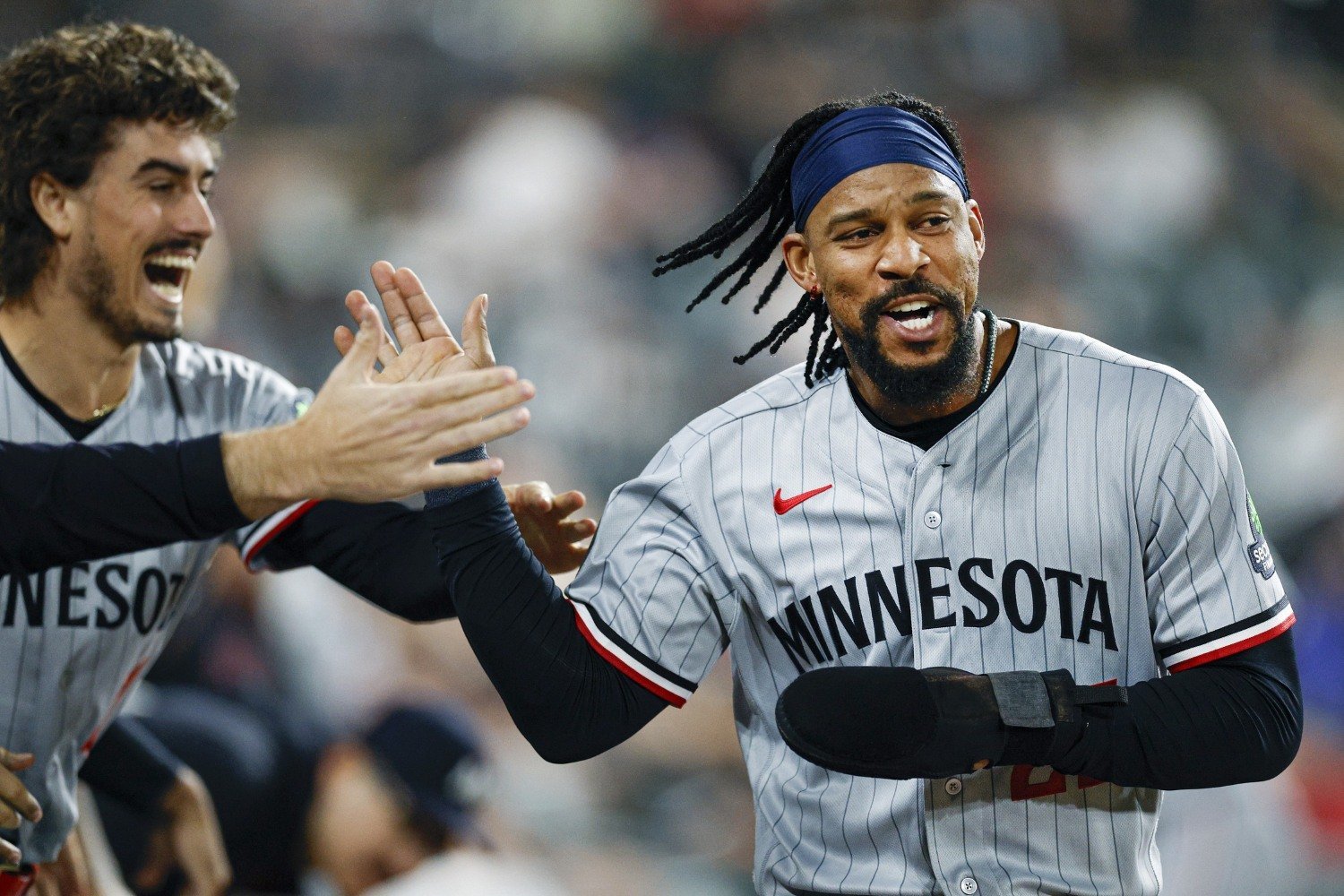 Long-time Twin Joe Ryan is having another fine season...and would almost certainly bring a haul in trade. What should Jeremy Zoll do? Nick Nelson lays out his ideas here...what are yours? I was strongly of the opinion Rocco Baldelli's tenure as Twins manager needed to come to an end. Well, that happened. What do we think of Derek Shelton? I'm a big proponent of a firm salary cap. I think MLB badly needs one, and needs one immediately. Brock Beauchamp would like your take on the cap/floor question here: View the full article
 -
 Boston Red Sox Affiliate Recap (May 28) Triple-A Worcester Red Sox Season Record: 26-25 A gem from the WooSox pitching staff prevailed in their 1-0 victory over the RailRiders. One swing was all they needed. Anthony Seigler has been a menace for the entire series, leading off the top of the first with a solo homer to right field, his third of the year and second homer in two games. The bats were quiet otherwise; Worcester collected just five hits and struck out ten times against a solid Scranton pitching effort. Nate Eaton and Jason Delay doubled, Matt Lloyd singled, but none of it led to anything. Other than the homer, the RailRiders starter kept the WooSox in check for 5 ⅔ innings. The story of this game was the pitching. Worcester's staff combined to throw a one-hit shutout with 14 strikeouts and just one walk. That's about as close to a perfect game as a bullpen effort gets. Jack Anderson was sensational in his start on the mound. He set the tone for Worcester by throwing 4 ⅔ innings, giving up no walks and no earned runs on just one hit, while throwing eight strikeouts in the meantime. The bullpen finished it off, Seth Martinez earned the win, going 1 ⅓ innings with a strikeout and a walk, the only free pass Worcester issued all night. Keller threw a scoreless inning with two punchouts and picked up the hold. Wyatt Olds tossed one scoreless inning with one strikeout while recording a hold as well. Tommy Kahnle slammed the door for his fourth save of the year, striking out two in a perfect ninth inning. Standout Performances: Jack Anderson: 4 ⅔ IP, 1 H, 0 ER, 8 K Anthony Seigler, 1-for-4, HR, R, RBI Double-A Portland Sea Dogs Season Record: 25-22 From being down seven runs, Portland made an insane comeback to win it 10-9 against the Rumble Ponies. Portland drew the first blood, Will Turner reached base on an error to lead off the game and scored on a Marvin Alcantara RBI double, giving the Sea Dogs a quick 1–0 edge. Binghamton tied it in the bottom of the first, then took a 2–1 lead in the third on an RBI groundout, but the game was still very much in hand. Then, the fourth inning flipped the game completely. Binghamton erupted for seven runs against the Portland pitching staff. The Rumble Ponies opened it with a solo homer, then an RBI single made it 4–2. Afterward, they cracked a two-run double to push it to 6–2. They put an exclamation point on the inning after crushing a three-run homer to left-center that made it 9–2. Starter John Holobetz was knocked out during the carnage, and reliever Patrick Halligan couldn't stop the bleeding either, making the game look completely over. The fifth inning flipped the script. Down 9–2, the Sea Dogs scored six runs to make it a game again. Nelly Taylor roped a lead-off double, Ahbram Liendo singled, and Turner walked to load the bases. Alcantara drove in a run with a single, and Nate Baez grounded out to score another. Then Brooks Brannon extended his hitting streak to five games, lining a two-run single to center to make it 9–6. With two outs, Johanfran Garcia launched a two-run homer that pulled Portland within one run at 9–8. It went from a funeral to a fight within one inning. The comeback was completed over the next two innings thanks to some sloppy defense from the Rumble Ponies. In the seventh with two outs and no runners aboard, Garcia reached first base on a fielding error, then advanced all the way to third due to a bad throw, keeping the inning alive. Tyler McDonough ripped a ground-rule double down the left-field line to score Garcia, tying the game 9–9. Afterward, in the eighth, Caden Rose singled and stole second base, then advanced to third on a bad throw from the catcher. He then came across the plate on a Turner RBI groundout, giving Portland a 10–9 lead to complete the monstrous comeback. Cooper Adams and Joe Vogatsky played a big part in the Sea Dogs completing the comeback. Adams was brilliant, throwing two no-hit innings with four strikeouts, earning his fifth win of the season. Vogatsky locked it down with two innings of one-hit ball, striking out two batters for his second save of the year. Standout Performances: Marvin Alcantara: 2-for-5, 2B, 2 R, 2 RBI Johanfran Garcia: 1-for-5, HR, 2 R, 2 RBI Brooks Brannon: 2-for-5, R, 2 RBI Cooper Adams: 2 IP, 0 H, 0 ER, 2 BB, 4 K Joe Vogatsky: 2 IP, 1 H, 0 ER, 2 K High-A Greenville Drive Season Record: 19-27 Greenville won its third straight with a walk-off 3-2 victory over the Tourists. The Drive fell behind early and had to claw back twice. Asheville smacked a solo homer in the top of the second to give them a 1–0 lead. Greenville tied it 1-1 in the third when Henry Godbout doubled, moved up to third base after a balk, then scored on a Luke Heyman sacrifice fly. The Tourists went deep off Devin Futrell in the fourth, putting them back on top 2–1. Once again, the Drive needed to respond. The tying run came in the sixth with some help from the Asheville defense. With two outs, Mason White doubled and then scored when Freili Encarnacion reached on a throwing error by the Tourists' shortstop, tying it 2-2. Both pitching staffs took over the next three innings, bringing the game to extras. The walk-off was unconventional but effective. In the bottom of the 10th, Natanael Yuten was the ghost runner on second base and scored on a wild pitch by Asheville's relief pitcher, who recorded just one out before the game ended. Greenville wins it 3–2. Devin Futrell started and went five strong innings, allowing three hits and two earned runs (two mistake pitches led to solo homers) while striking out six with no walks. Ben Hansen took over and was outstanding through four innings, giving up just one hit, no runs, and three strikeouts. Brandon Neely earned the win with a perfect tenth inning, one strikeout, and no damage done with the ghost runner aboard. Low-A Salem RidgeYaks Season Record: 21-27 It was a frustrating night for Salem, as they could not find any runs and could not keep up with the Crawdads, losing 7-3. Salem set the tone early in the first, Starlyn Nunez ripped a lead-off double, and Andrews Opata drove him in with a sharp line-drive single, giving themselves a quick 1-0 lead. That was the last time the RidgeYaks had a lead. Hickory answered back quickly with a two-run homer in the top of the second to grab a 2–1 lead, then piled on two more in the third with a solo shot and an RBI single, making it 4–1. Salem could not capitalize on any rallies; the RidgeYaks managed seven hits on the night, going 2-for-9 with RISP. Outside of the first inning, they only scored twice, both times coming from Frederik Jimenez. He doubled home Adonys Guzman in the fifth to cut it to 5–2, then launched a solo homer to center in the seventh to make it 6–3. Those were the only two bright moments in an otherwise quiet lineup. Without a doubt, Jimenez was easily Salem's best player in this contest. He accounted for two of the team's three runs and reached base in three of his four plate appearances. The RidgeYaks needed someone else to step up alongside him, but nobody did. Standout Performance: Frederik Jimenez: 2-for-3, HR, 2B, R, 2 RBI, BB View the full article
