


DiamondCentric
-
Posts
2,631 -
Joined
-
Last visited
Never
Content Type
Profiles
Forums
Events
News
Tutorials & Help
Major League Baseball Videos
Guides & Resources
Store
Downloads
Gallery
Everything posted by DiamondCentric
-
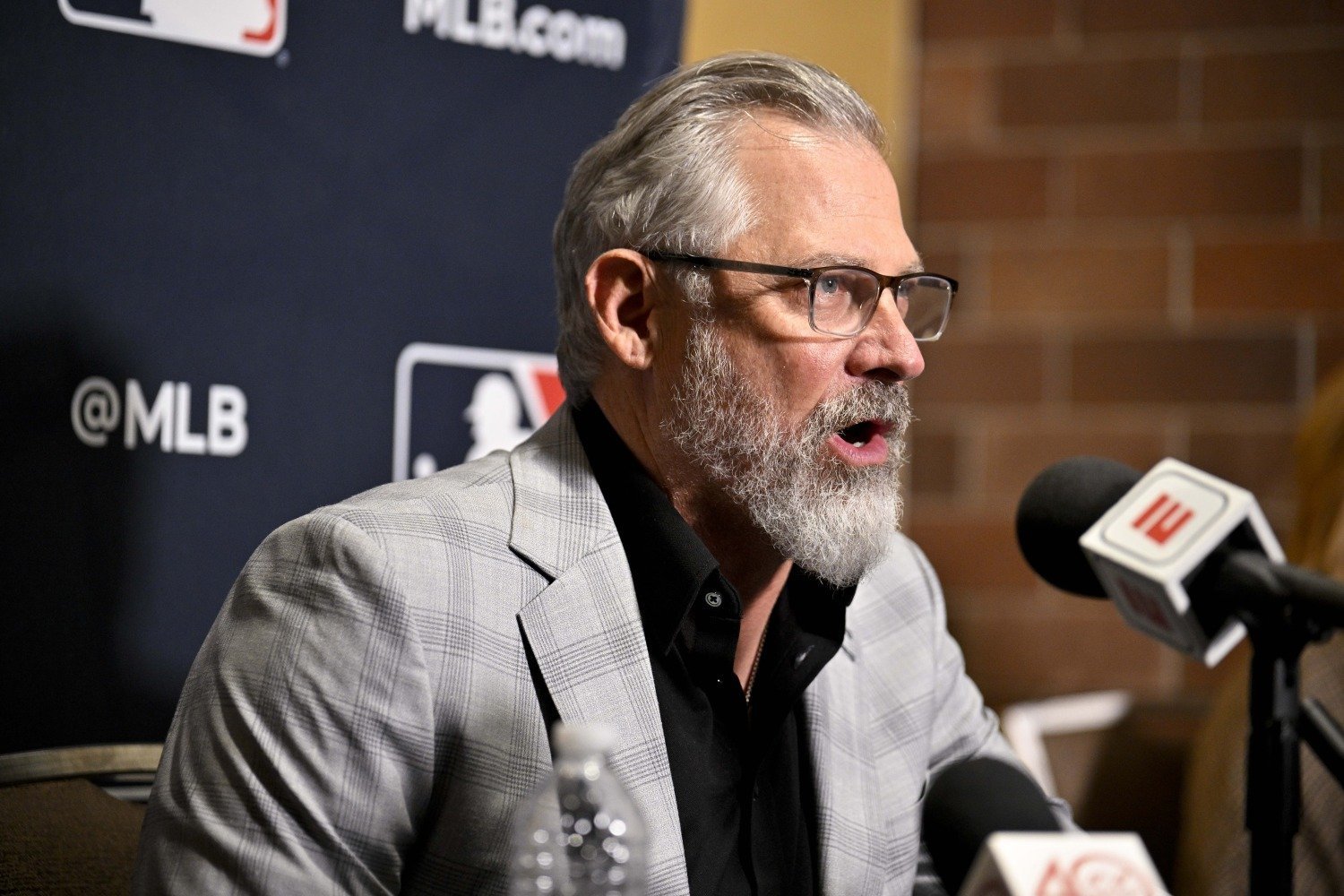 When the MLB All-Star Game rolls around each summer, it serves as more than just a midseason showcase of the game’s brightest stars. It is also a reflection of the people shaping the sport behind the scenes. This year, the Minnesota Twins will have representation in the dugout as well, with manager Derek Shelton earning a spot on the American League coaching staff. Shelton has been tapped to join the American League staff for the 2026 All-Star Game in Philadelphia, a role extended by John Schneider, who will lead the AL squad after guiding the Toronto Blue Jays to the AL pennant. While All-Star managers typically lean on their own coaching staff, they are also given the opportunity to bring in an outside voice. Schneider’s choice of Shelton speaks volumes. The connection between the two goes back nearly a decade. In 2017, Shelton was working in a quality control role within Toronto’s system, while Schneider was managing at the High-A level. Their paths crossed early, and the respect built during that time clearly stuck. That relationship resurfaced this spring when Schneider reached out personally to invite Shelton to join him for the Midsummer Classic. This will not be Shelton’s first experience on an All-Star staff. Back in 2023, he was managing the Pittsburgh Pirates when Philadelphia’s Rob Thomson selected him to be part of the National League staff. That opportunity came during a difficult stretch in Pittsburgh, but it underscored how Shelton was viewed across the league. Even as the results lagged, his peers recognized his baseball acumen and leadership. That reputation has carried over to his current role in Minnesota. Early in the 2026 season, the Twins have looked like a club with direction and energy. Whether it is lineup construction, bullpen usage, or simply the tone set in the clubhouse, Shelton has helped guide a team that is outperforming expectations. Managers rarely get full credit when things go right, but they are often first in line when things go wrong. In this case, Shelton deserves acknowledgment for helping steady the ship. The All-Star Game coaching nod is not about one hot stretch or a handful of wins in April. It is about trust, relationships, and respect built over years in the game. Being chosen twice by two different managers in separate leagues reinforces that Shelton is valued well beyond his own clubhouse. As the All-Star break approaches, Shelton will step onto one of baseball’s biggest stages once again. This time, he does so representing a Twins team that is attempting to build something meaningful. It may only be a few days in July, but it is another sign that Minnesota’s manager is earning his place among the game’s most respected voices. For a franchise looking to turn the page and establish consistency, that is exactly the kind of recognition that matters. View the full article
 -

Episode 48: Cubs' Slow Start Nothing To Panic About
DiamondCentric posted an article in North Side Baseball
 What have we made of Jameson Taillon so far? How good has the starting rotation been? And a preview of Cubs vs. Phillies! Listen on Apple Podcasts: https://podcasts.apple.com/us/podcast/the-north-side-baseball-podcast/id1798599313 Listen on Spotify: https://open.spotify.com/show/75wMGhBwlrDDYPt3kaF453 Listen on iHeartRadio: https://www.iheart.com/podcast/263-the-north-side-baseball-po-268998437/ Listen on Pocket Casts: https://pca.st/eey7h6ih Watch on YouTube: https://www.youtube.com/@northsidebaseball View the full article
 -
Should the Cubs Make a Call to Lucas Giolito?
DiamondCentric posted an article in North Side Baseball
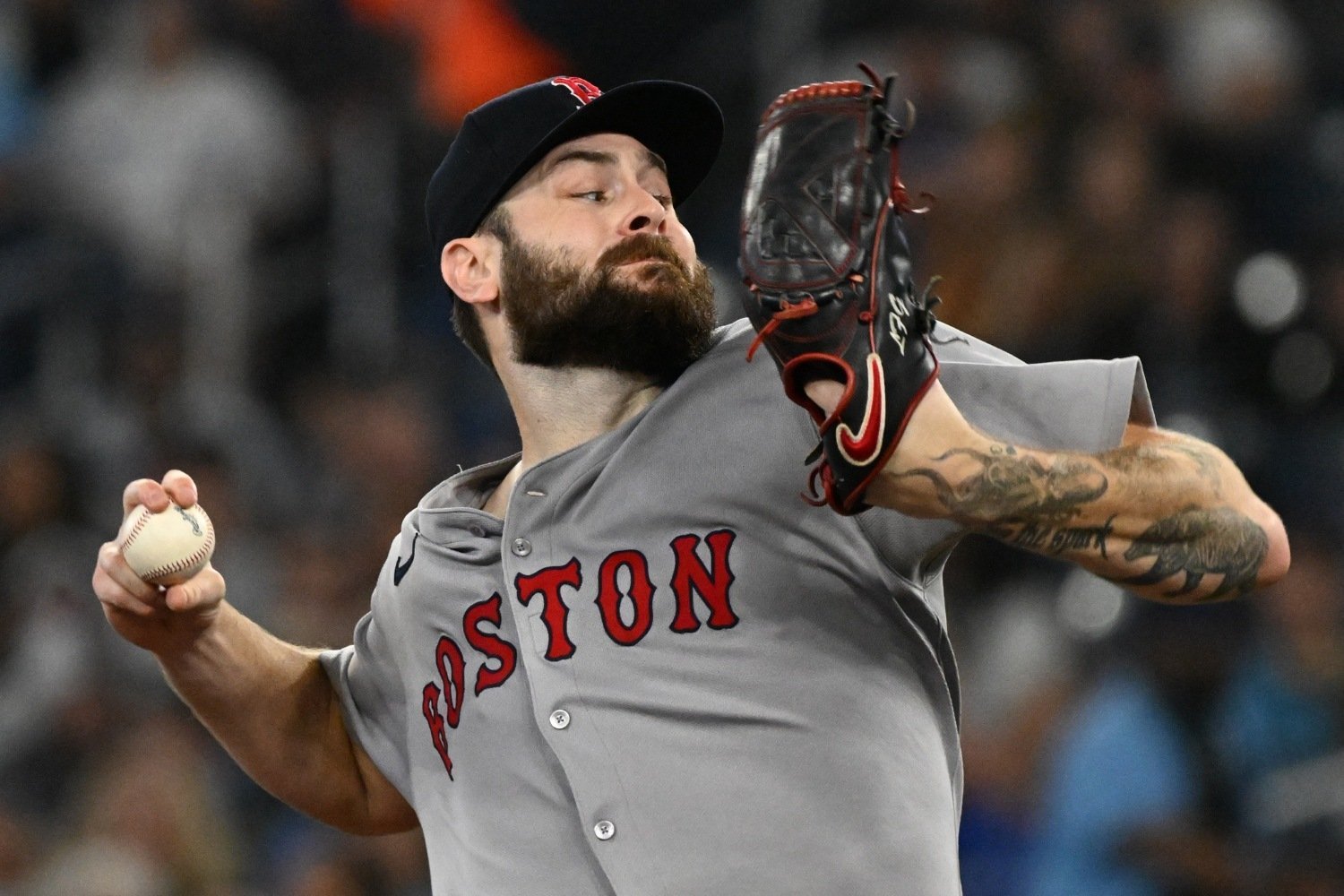 It isn’t even halfway through April, and the Chicago Cubs’ pitching depth is already noticeably depleted. We got the news last week that the Cubs would be without sophomore starter Cade Horton for the rest of the season, due to a UCL injury. That came after the team placed Opening Day starter Matthew Boyd on the 15-day IL with a biceps strain. Before the season, the Cubs had some of the better rotation depth in baseball. Horton and Boyd were set to lead the rotation, with Shota Imanaga, Jameson Taillon, and Edward Cabrera to follow. Swingman extraordinaire Colin Rea was in the bullpen, but could easily slot into the rotation. The underrated, dependable Javier Assad was stashed in Triple-A, along with top prospect Jaxon Wiggins. Oh, and their ace lefty, Justin Steele, would be showing up midseason. Now, what looked like a deep group has thinned out substantially, and there might be a need for outside reinforcement. It's not just Boyd and Horton. Top offseason relief additions Phil Maton and Hunter Harvey are already on the shelf. Jordan Wicks and Porter Hodge have been sidelined since February. Wiggins has a sore arm. Even some of the way-down-the-list guys in Iowa are out of commission. Well, there is one right-handed pitcher who posted 2.1 bWAR last season and remains unsigned: veteran starter Lucas Giolito. Last season with Boston, he pitched to a 3.41 ERA in 145 innings, but with a more worrisome 4.17 FIP and fanGraphs xERA of 5.01, signaling his good results were a bit better than his actual performance. His 19.7% strikeout rate was his lowest since 2018, before he turned the corner and became a mid-rotation workhorse for the White Sox. Last season marked his return to the mound after a second Tommy John surgery that cost him 2024. Due to that injury, and his age (31), there is more than enough reason to believe that Giolito can be better in 2026—but also enough uncertainty hanging over him to keep his market tepid. So why has he not been signed? There seems to be a pretty large disconnect between what Giolito thinks he's worth and what teams are comfortable paying him. He turned down a $19-million option with the Red Sox, certainly thinking he could secure a longer-term pact. Now that the season has begun, that gamble is looking more and more foolish by the week, especially considering the lack of success for pitchers who sign after Opening Day. No projections have him pitching to an ERA better than 4.50 for 2026, so he's not headed for a multi-year payday or anything. It seems unlikely, though, that he'll play for less than an eight-figure (prorated) salary. Robert Murray of FanSided said the Cubs are “most likely” to move forward with their internal options instead of pursuing Giolito, but if his price tag comes down, then the Cubs should seriously consider the addition. At this point in his career, he's not exactly a sexy addition to the front half of a rotation, but he could provide competitive innings. Imanaga looks great this year so far, but he had injury issues a season ago. Boyd and Cabrera have each spent an unfortunately large portion of their careers on the IL, and Steele is returning from a serious injury that cost him nearly all of last season. This need already feels pressing, and it's likely to get worse, not better. Though Giolito was mostly healthy last season, he was scratched in the postseason due to more elbow troubles, so there is still an injury risk here. But who else can the Cubs turn to? It's (probably) too early in the season for the trade market to take shape, and the remaining free agents not named Giolito include Nestor Cortes, Jon Gray, old friend Marcus Stroman, Alex Cobb and Frankie Montas. Giolito is younger and coming off a better season than all five of those other pitchers, so for the right price, he is really the only legitimate option who can slide into a rotation in the next month—if, indeed, even he can. As of today, the Cubs are 7-8, good for last place in the NL Central. The main focus has been an anemic offense. It's too early to start waiving the red flags with that group, which is just getting up to speed, but it's not too early to explore pitching depth in a depleted rotation. Last year, the Cubs' chief rivals found Quinn Priester in a seemingly desperate April trade to patch holes in their own rotation. The Cubs don't have the Brewers' organizational depth or acuity in moves like those, though, so they have to more seriously consider an expensive alternative. View the full article
 -
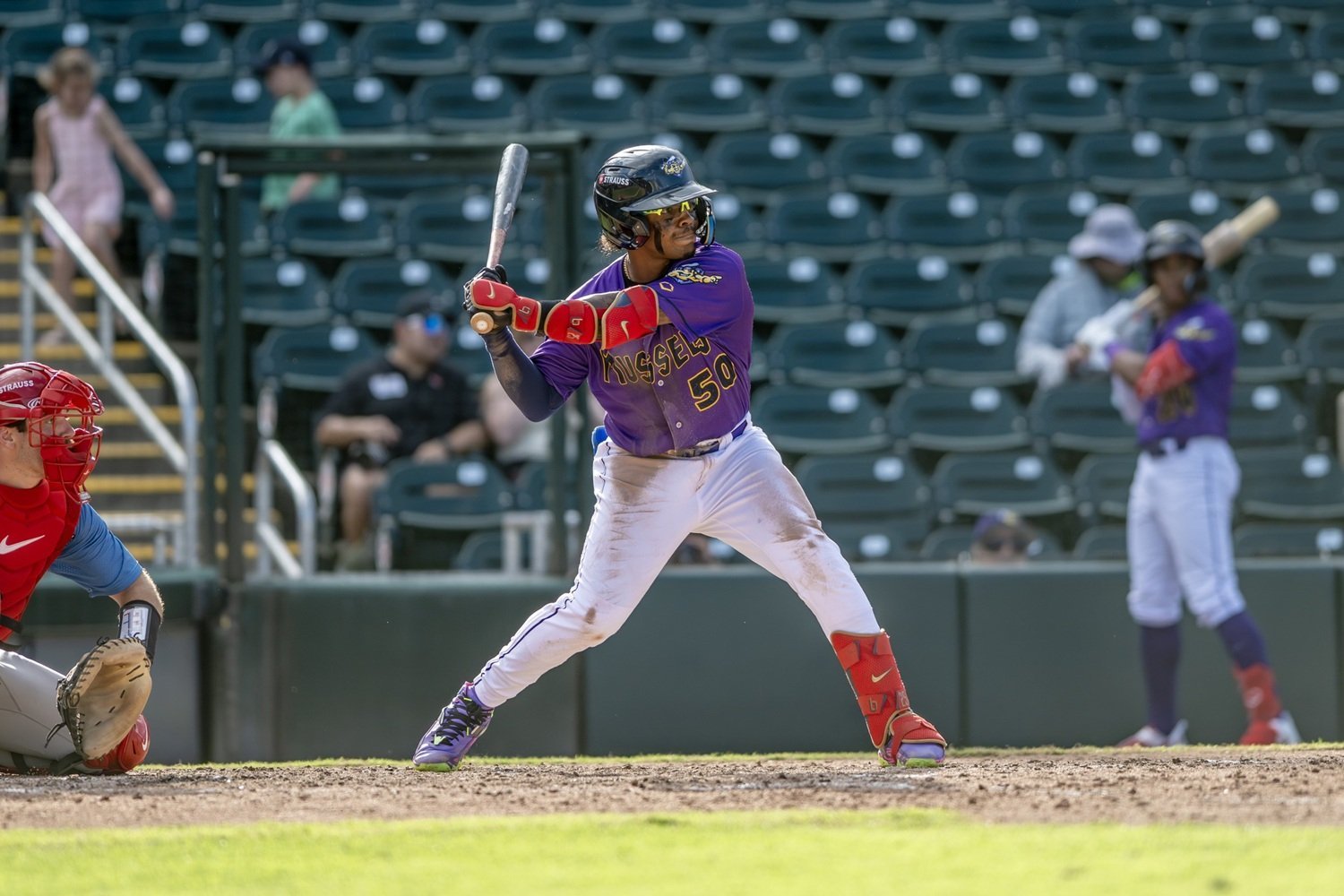 The minor-league season is barely underway, but it hasn't taken long for a handful of Minnesota Twins prospects to separate themselves from the pack. While prospect rankings and preseason hype provide a roadmap, early performance still matters. It shapes opportunity, forces promotions, and can completely alter a player’s trajectory within the organization. From Triple-A down to Low-A, there is already at least one player at each affiliate whose stock is trending upward. Whether it's a former top prospect reinforcing his profile or an under-the-radar name making noise, these early standouts are giving the Twins plenty to think about. Triple A St. Paul Saints: Connor Prielipp Stat Line: 3 G, 10 2/3 IP, 2.53 ERA, 7 H, 3 ER, 14 K, 7 BB, 1.31 WHIP The St. Paul roster is loaded with talent, especially on the position player side. Walker Jenkins, Kaelen Culpepper, and Emmanuel Rodriguez have all drawn attention, as expected, but it's Prielipp who has quietly made one of the strongest early impressions. Pitching in the hitter-friendly International League is never easy, but Prielipp has held his own. As the top pitching prospect in the organization (currently ranked fifth overall by Twins Daily), expectations are already high. His strikeout ability has been evident, with 14 punchouts in just over 10 innings, showcasing the swing-and-miss arsenal that made him such an intriguing arm. The walks are elevated, and that is something to monitor, but early-season weather and inconsistent conditions could be playing a role. There's been speculation about a future bullpen role, but outings like these suggest he still has a legitimate chance to stick in the rotation. If he continues to refine his command, his stock could climb even higher. Double A Wichita Wind Surge: Ben Ross Stat Line: 9 G, .444/.500/.639 (1.139), 4 2B, 1 HR, 5 SB, 4 BB, 5 K Double-A is often where prospects define themselves, and Ross appears to understand the assignment. Drafted in the fifth round in 2022, Ross has spent parts of three seasons at this level and entered 2026 needing to prove he belongs in the organization’s long-term plans. So far, he has done exactly that. After posting a .671 OPS across 120 games last season, Ross has come out of the gate on fire. His .444 average and 1.139 OPS show a hitter who is not just making contact, but doing damage while controlling the strike zone. Perhaps just as important is his defensive versatility. Ross has already logged time at shortstop, third base, and even center field. That kind of flexibility enhances his value. At 24 years old, he's slightly older than the competition, but this is exactly what the Twins needed to see. If he sustains anything close to this production, he will quickly reestablish himself as a legitimate depth option. High-A Cedar Rapids Kernels: Eli Jones Stat Line: 3 G, 15 IP, 1.20 ERA, 5 H, 2 ER, 12 K, 1 BB, 0.40 WHIP Jones has taken a significant step forward. It's one of the more encouraging developments in the system. A seventh-round pick in 2024 out of South Carolina, Jones had a rocky introduction to pro ball last season. He posted a 5.13 ERA with a 1.42 WHIP across 100 innings in Fort Myers, walking 40 batters while striking out 84. The version of Jones showing up in 2026 looks completely different. Through his first three starts, he has been dominant. The most notable improvement is his control. After struggling with walks last year, he has issued just one free pass while attacking hitters with confidence. Opponents are batting just .098 against him, and his strikeout rate has jumped by over 4%. Even though he is slightly older for the level, this is exactly the kind of growth the Twins hoped to see from a college arm. If he continues to pitch like this, a move to Double-A could come sooner rather than later. Low A Fort Myers Mighty Mussels: Dameury Pena Stat Line: 7 G, .476/.621/.524 (1.144), 1 2B, 3 SB, 7 BB, 2 K Pena is making the most of his second stint in Fort Myers, and his early performance is impossible to ignore. The 20-year-old infielder, signed out of the Dominican Republic, is still more than a year younger than the average player at this level, making his production even more impressive. After collecting 16 extra base hits and 28 stolen bases in 96 games last season, Pena is showing clear signs of growth. He currently leads the Florida State League in both batting average and on-base percentage while ranking near the top in OPS and steals. What stands out most is his approach. Seven walks compared to just two strikeouts highlight a player who is seeing the ball extremely well and making mature decisions at the plate. He has also chipped in on the bases and continues to gain experience defensively at both second base and in left field. For a young player repeating the level, this is exactly the kind of leap you want to see. His stock is trending upward in a big way. It's still early, and minor-league seasons are full of adjustments, but these four players have given the Twins a strong reason to pay attention. Each one represents a different type of prospect story, from a high upside arm trying to stick in the rotation to a young hitter beginning to translate tools into production. If these trends continue, promotions will follow, and roles within the organization will begin to shift. For now, though, these rising names are setting the tone across the farm system and showing that prospect stock can change quickly when performance matches potential. What performances have stood out so far? Leave a comment and start the discussion. View the full article
 -
 Blue Jays Affiliate Overview (April 11-April 12) Triple-A Buffalo Bisons Series vs. Syracuse Mets (New York Mets): 4-2 Season Record: 7-8 Double-A New Hampshire Fisher Cats Series vs. Portland Sea Dogs (Boston Red Sox): 3-3 Season Record: 4-4 High-A Vancouver Canadians Series vs. Eugene Emeralds (San Francisco Giants): 2-4 Season Record: 2-7 Single-A Dunedin Blue Jays Series vs. St. Lucie Mets (New York Mets): 4-2 Season Record: 5-4 Triple-A Buffalo Bisons Season Record: 6-7 Series Opponent: Syracuse Mets(New York Mets) April 11: Josh Kasevich finally started to live up to his hype on Saturday, leading the Buffalo Bisons to a win. In the bottom of the first inning, Kasevich squared up a high changeup from Syracuse's starting pitcher, Carl Edwards Jr. and deposited the pitch over the fence in left field. The solo home run had an exit velocity of 100.5 mph, with a launch angle of 35°, and went 367 feet. In his second at-bat of the game during the third inning, he smoked a ball off the bat at 106.5 mph to center for an RBI double, scoring Yohendrick Pinango. The Bisons weren't done that inning, scoring another two runs on RBI singles from both Charles McAdoo and Riley Tirotta. Pinango capped off his big day at the plate as well, hitting an RBI double in the bottom of the sixth inning. For the game, Pinango reached base four times. In addition to his RBI double, he would walk three times. The run support from Buffalo's offense was more than enough for CJ Van Eyk, who had his best start of the season en route to the win. He pitched six innings of two-hit ball, didn't allow a run, and only walked two. The only thing missing from his dominance was strikeouts; he only managed to sit down one batter in that manner. Chase Lee and Jesse Hahn would come in and wrap up the game by combining for three innings of shutout baseball, as Buffalo won 5-0. April 12: Sunday was a bit of a coming out party for Charles McAdoo. He racked up three hits, including a double and an opposite-field home run, his first at Triple A. The three base knocks raised his average up to .325 for the season, but it wasn't enough to get the win, as the bullpen would falter late. McAdoo's home run would kick off the scoring in the fourth inning but would be all the Bisons would get until the ninth inning. Unfortunately for Buffalo, the bullpen could not hold on to the one-run lead. Brendon Little did his job out of the 'pen, pitching one inning and striking out three. It was Adam Macko that couldn't step up in the late innings, as he coughed up three extra-base hits and three runs, including a two-run home run to Nick Morabito. Buffalo made one last rally attempt in the bottom of the ninth, where they would load the bases with just one out, but only managed an RBI groundout by Josh Rivera. The next batter, Will Simoneit, struck out swinging to end the threat and the game, as Buffalo fell 3-2 and dropped back below .500 for the season. Double-A New Hampshire Season Record: 4-4 Series vs. Portland Sea Dogs (Boston Red Sox) April 11: Richard Gallardo took the mound for New Hampshire and was one of the few bright spots for them on the day. He went four innings, gave up two hits, zero earned runs, and struck out three batters. Alex Amalfi went the other four innings for the Fisher Cats, but he did surrender two runs, while striking out six hitters. New Hampshire scored first, taking the lead by one in the third inning on an Ismael Munguia RBI single. An RBI double and sacrifice fly for Portland would put them up for good in the fourth inning. New Hampshire would only manage five singles and a double in the game and lose 2-1. April 12: New Hampshire had the bats going tonight in a win over the Portland Sea Dogs. Portland took the early lead by one run on a Ronald Rosario double in the first. In the next half inning, the Fisher Cats took the lead on a Geovanny Planchart RBI single to first base and Cade Doughty's run-scoring double play groundout. Portland would add five more to take control of the game. In the sixth inning, that would change, though. Sean Keys blasted a two-run home run to get the scoring started. Later in the inning, three RBI singles brought in four runs, and Jace Bohrofen hit a two-run homer as well. An RBI groundout and Planchart's second RBI single of the inning would cap off the scoring, only once nine runs had crossed the plate in the frame. Jackson Hornung would homer in the ninth inning to go with a Nick Goodwin RBI triple to finish the scoring for New Hampshire, as they won big, 15-9. High-A Vancouver Season Record: 2-7 Series vs. Eugene Emeralds (San Francisco Giants) April 11: The Canadians' struggles continued, as Colby Holcombe took the bump for them. Holcombe was wild, walking four batters in less than three innings. He was able to escape relatively unscathed after some big jams, with an unassisted double play from Manny Beltre in the top of the second and a strikeout with runners on the corners to end the inning. He did give up a run in the top of the third, which brought Eminen Flores, who kept the Emeralds to one with 3.1 scoreless innings. J.R. Freethy scored the first run for Vancouver on a throwing error, but the game held firm until Jonathan Todd replaced Flores and gave up a sac fly in the eighth, and then he gave up another run in the ninth. The Canadians had a chance to tie it up after Tucker Toman brought it within one on an RBI single in the bottom of the ninth but were unable to get him to cross the plate. April 12: With a series loss confirmed, the Canadians wanted to get back on track to end the series, and Johnny King set the tone, giving up only one hit and a walk while striking out five. The offense got out to an early lead as well, with a patient Arjun Nimmala walking on a wild pitch, leading to a run scoring, and Carter Cunningham’s hot start continued with an RBI single that same inning to score another runner. After a couple of sac flies, Kendry Chirinos solidified the lead with a two-RBI triple. Holden Wilkerson again followed King, and although he faced some trouble in the sixth inning, where he allowed two runs to score, he was able to keep the Emeralds at bay. Carter Cunningham hit his third homer of the season for extra insurance. Aaron Munson gave up three runs in the ninth, but with such a commanding lead, the Canadians were able to win the last game of the series at least. Single-A Dunedin Season Record: 5-4 Series vs. St. Lucie Mets (New York Mets) April 11, Game 1: In the first game of the doubleheader, Eric Snow followed a lead-off JoJo Parker double by driving him in on a sac fly. Dayne Pengelly got the start and induced a couple of double plays to keep the Mets scoreless for the first two innings. Aldo Gaxiola had his first homer of the season in the second to double the lead. Some bad BABIP and stolen bases given up resulted in two runs scoring to even the game up in the third for the Mets, but another extra base hit from Gaxiola, this time hit 110.7 mph scored another two runs to take the lead right back. 2025 13th-rounder Trace Baker pitched two scoreless innings in relief, and the Jays had a big top of the fifth inning scoring five runs thanks to a Peyton Williams double and Enmanuel Bonilla’s first homer for Dunedin. Carson Myers pitched well after Baker came out, with two more scoreless innings while striking out three for a dominant game one of the doubleheader. April 11, Game 2: The second game of the doubleheader was a makeup game for the postponed game on the April 8. The Jays came out swinging with a P-Willy RBI double and Yorman Licourt swatting his third homer of the season to score Williams, but Karson Ligon struggled after his awesome debut. His stuff looked good, as he sat 96 mph with his fastball, but only 20 of his 47 pitches were strikes, leading to three walks and four runs, three of them being earned. The Mets were able to get solid production out of their bullpen, but the Jays bullpen struggled, allowing seven more runs, preventing the Jays from coming back in the game. April 12: As the Jays hoped to win the last game of the series to get a series win, Brandon Barriera started off very slowly. His stuff ticked up a bit, but his command really lost him. After getting two quick outs, a hit, a passed ball, and two walks led to an RBI single to put the Jays down early. Parker could not be denied, as after two Jays were hit by pitches and Dariel Ramon walked, Parker tied the game with a two-run RBI single. Blaine Bullard followed that up with a homer to break the game open at 5-2 for the Jays. Barriera still struggled to throw strikes, but his stuff was good enough to get clean innings. The Jays continued to tack on runs in the fourth inning, as poor command from the Mets bullpen led to the Jays one-upping their second inning with six runs scored. Diego Dominguez pitched three shutout innings in relief, and 2025 16th-rounder Jaxson West has had a really strong start to the season, hitting a two-run homer to give the Jays 13 runs unanswered. Jack Eshleman gave up four runs in a poor outing, but that was all for both teams, giving the Jays their first series win. View the full article
 -
Ronny Mauricio Sent Down As Mets Make Room For Tommy Pham
DiamondCentric posted an article in Grand Central Mets
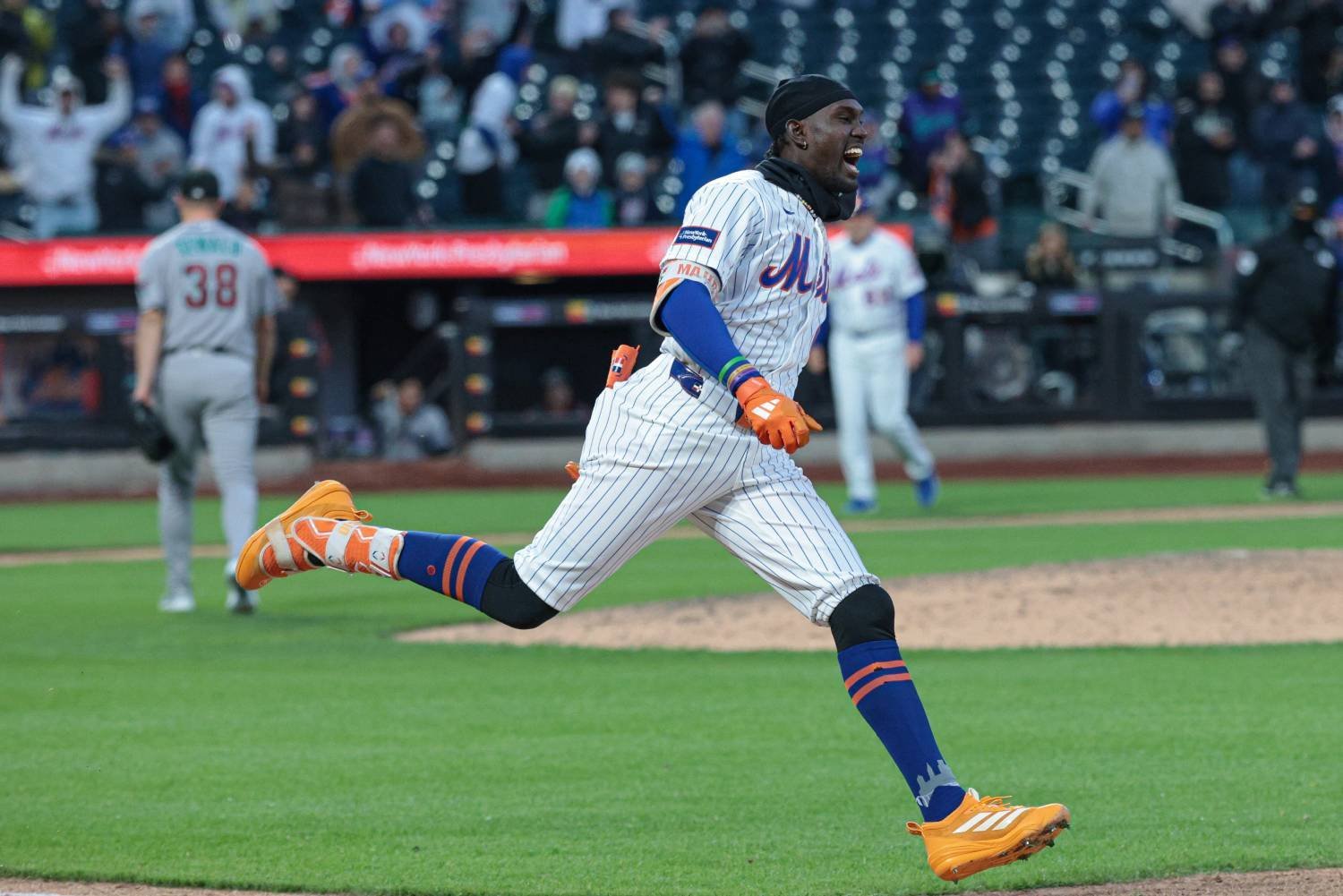 Even a walk-off couldn't save Ronny Mauricio's roster spot. Mauricio being sent back to Triple-A Syracuse by the New York Mets was the corresponding move after Tommy Pham's promotion was made official Monday. Pham was promoted from Low A St. Lucie after being signed to a minor-league deal a couple weeks ago. The Mets had three open spots on their 40-man roster, so no move there was necessary. Mauricio, a third baseman, was promoted a week ago when left fielder Juan Soto went on the 10-day injured list with a strained right calf. Mauricio only appeared in two games, but had a pinch-hit walk-off single in his season debut for a 4-3 win over the Arizona Diamondbacks on Tuesday. His only other appearance was Friday against the A's, going 0-for-3 with two strikeouts. In 89 games with the Mets over the last three seasons, Mauricio has a .234/.294/.359 slash line with eight homers, 20 RBIs and 11 stolen bases. View the full article
 -
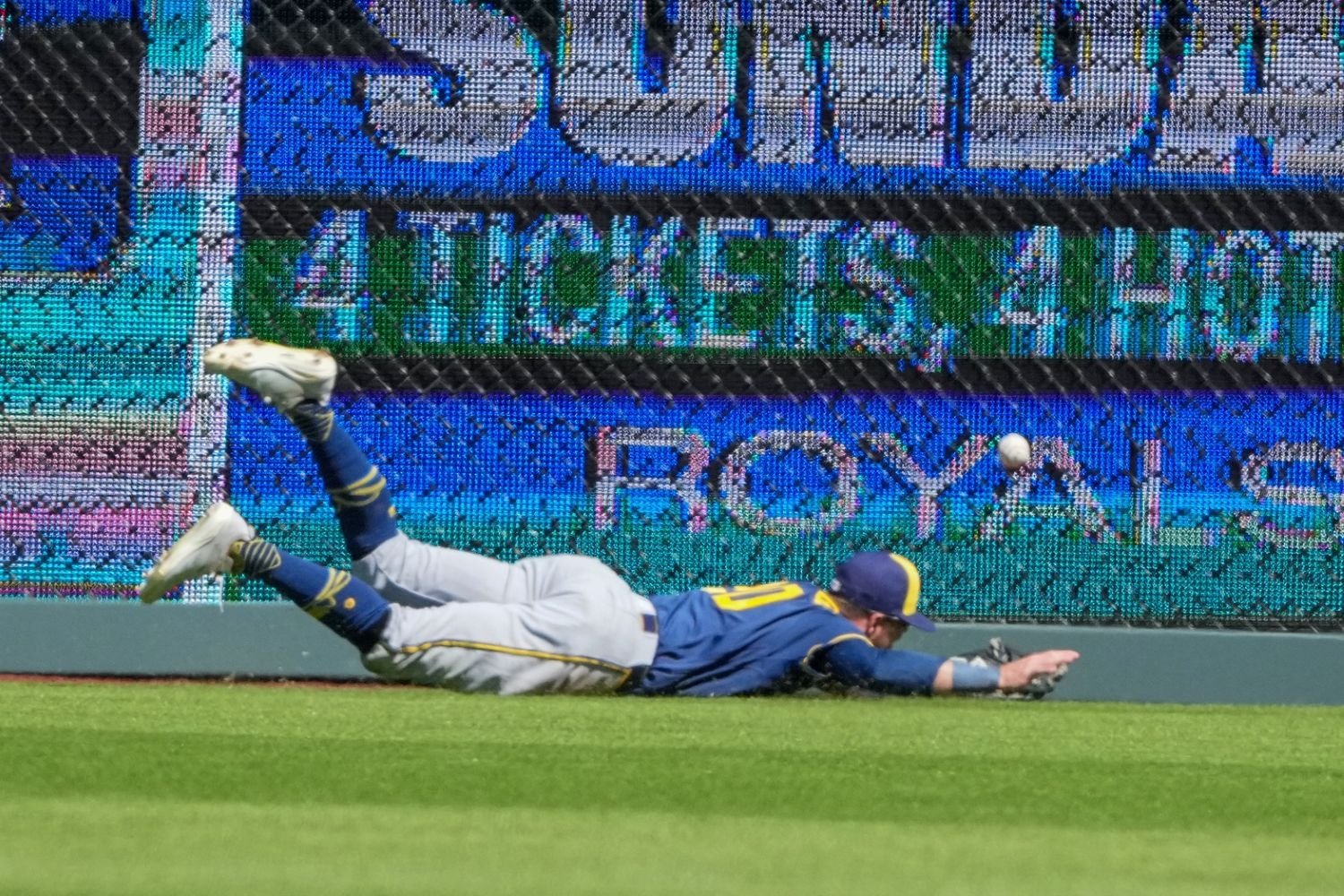 How brave are you? That's a question we all ought to ask ourselves now and then, because often, bravery is merely the equanimity that comes with premeditation, so the more we assess our inventory of fortitude, the more it grows. You might not be able to prepare yourself for the moment when you have a chance to save a baby from a burning building, but you can strengthen your resolve to do what's needed by reflecting on past moments in which that paralytic knot of fear and nausea built within you. Fear is an obstacle, but it's surmountable. You just can't let it sneak up on you. Of course, it's not quite that simple. There are times when the costs and the benefits of attempting something daring are almost in parity. There are other times when, if you slow down enough to let your rational brain talk your sympathetic nervous system out of its freakout, you won't be quick enough to respond to a fast-moving situation. We're always training and teaching ourselves to be braver. We're also always learning about the immensity and the limits of our own courage, through experiences we can't fully intellectualize until later. Sports are ways we can test and observe bravery—measure and celebrate and long for it. Most often, when it comes to baseball, we think about this in terms of the pitcher and the batter staring each other down with the game on the line, trying to outguess and outdo one another. Really, though, those aren't the best tests of bravery the sport offers, because the competitiveness and the cerebralness of each player takes over in those moments. Fear loves to pounce on us when our frontal lobes are relatively inactive, because the parts of our brains that are more instinctive and fast-moving are also more susceptible to the pressure of fear. A batter isn't afraid when they have a chance to come up with the winning hit; they're locked in and switched-on. A pitcher with a chance to slay a rally and start the happy handshake line is equally full of intensity and self-belief. It takes bravery to play the outfield, though, and while it's a trainable type of bravery, it's not an easy one to achieve. Some of us are wired to see every split-second moment as an opportunity; some of us are better at perceiving the threat and the danger behind that opportunity. Thus, while being a great outfielder has a lot to do with athleticism, it also requires a good balance between fearlessness and discretion. Brandon Lockridge has all the athleticism he needs to be a plus defender in the outfield. His speed is better than that of most of his teammates, even in a highly athletic group of outfielders. His body control isn't bad, either. He didn't quite make this catch in Kansas City, but he made a marvelous effort on it. Most outfielders don't even get a glove on this drive, but he could very well catch the next ball like it. QXc3ZEtfVjBZQUhRPT1fQjFKUUJsUlNVRmNBRDFSVVZRQUhBbElIQUFBSEJWQUFDMUZVVlZJRlVGWUdCd2RS.mp4 Unfortunately, so far, Lockridge hasn't been a great defender, overall. It's not because he couldn't finish that all-or-nothing play, though. It's because when the proposition is something other than all-or-nothing—when there's a potential cost to going all-out for a ball and not getting it—Lockridge doesn't quite have the instinctive bravery to match his talent. That sounds like an indictment of character, but as I've already suggested, what we're talking about here is a matter of acuity and/or subconscious reaction, not self-aware cowardice. The best way to illustrate the point might be to show you, rather than further explain it verbally. Here's a play from that same series, against the Royals, on which Lockridge was in left field instead of center. b0d3bERfWGw0TUFRPT1fVjFJQUFBY0ZVUU1BV1FBRkFBQUhCZ1VFQUZnQlZsQUFBRk5XQWxWWEFsWlRBUVVF.mp4 This doesn't look much more catchable than the ball Lockridge almost ran down in the gap, and indeed, it would have been a dazzling play. However, let's break it down into a few key moments. Here's the first frame after the TV feed stabilized in tracking the flight of the ball and the pursuing Lockridge. (in each of these images, I've highlighted the ball in red.) Unlike last year's unlikely outfield defense breakout (Isaac Collins), Lockridge doesn't rate well on Statcast's leaderboard for outfield jumps. He got a good read and a good start on this one, though. It's very well-struck, and hooking away from him, but Lockridge is fast and the ball is hit high. There's a chance, here. Here's the last moment at which catching the ball was possible. Lockridge has taken a good angle, and he's at full gallop. To have a chance to make this play—saving at least one run and ending the inning—he has to keep that flat angle toward the line, and he's likely to have to dive. Again, though: the ball is still up there. He's closing ground. Greatness is possible. This is Lockridge choosing not to attempt that greatness. He turns his hips slightly and lets his stride carry him backward, just a bit, toward the foul pole. He's decided he can't get to the ball, and he knows that the bounce will be big and disastrous if he tries and fails. By giving ground, he can get around the ball and cut it off on one long hop. In fact, he'll do just that. By the time the ball lands, he's in good position, and only one run will score on what could have been a two-run double. It's still a double, though. Lockridge's brain didn't let him believe he had any chance to catch this ball, though the truth is that he (briefly) did. That one's far from an obvious example, though. It's a long run on a long hit. The baserunner at first base, able to go with the crack of the bat because there were two outs, lurked in the back of his mind. Let's look at a play on which he more clearly had a chance. Off to Boston! YVl4djdfWGw0TUFRPT1fQlFWWlVBQldBQVVBQ3dBSFVRQUhDUUpSQUZnQlZGWUFDMU5RQWxkV0FBc0RCQVZR.mp4 This time, the ball isn't in the air nearly as long. Lockridge needs a good first read and a quick first step to have his best chance at catching it, and he doesn't really get that. Playing left field at Fenway Park is complicated, man. You feel as though you're covering a much longer lateral space, and the temptation to play deep enough to at least take going back on the ball out of the set of possibilities is powerful. Lockridge is starting pretty far from a sinking line drive, so he has to cover some ground. Fortunately, he has elite speed. That's Lockridge bearing down on the ball and accelerating—but it's also the last stride with which he'll do so. His mind is about to throw up a stop sign. He's going to hit the air brakes, because his center fielder is far away and Ceddanne Rafaela is fast; he doesn't want the ball skipping past him. The camera angle makes things a bit tricky, but hopefully, you can see the problem here. Lockridge thought the ball was sinking faster than it was; he pulled his parachute cord too soon. He's pulling up to play the ball in front of him, but by the time it lands, we'll see that another two of those high-speed strides could have brought him underneath it in time. Take any kind of fear into the outfield with you, and opportunities will be missed. It's possible to chase opportunities too aggressively, too, of course, and Lockridge has occasionally been guilty of that in the past. This spring, his mistakes in the grass have followed a pattern: he's ever-so-slightly too wary of giving up an extra base to make the most of his exceptional potential as a defender. One more example, and perhaps the most glaring one of the young campaign. WERaME5fWGw0TUFRPT1fQndoU1ZRQUFYMUVBWEZzR0JRQUhVbEpmQUFOVVV3QUFWQVFHVVFKWEFBSUFDUVJY.mp4 Unlike the sharp liner off the righty Rafaela's bat, this fly from CJ Abrams was floated toward Lockridge in left. With two outs and nobody on, there was every incentive to be aggressive, and the ball was in the air for a little while. Lockridge's jump wasn't perfect, but he had time. Admittedly, last year, Collins would have been two yards closer to this ball by the same point in its flight. Lockridge's not-so-great first step costs him something real. He has plenty of recovery speed, though, and about a second later, he's already in a winning position to get to the ball. One variable here (other than gumption and general derring-do) is the willingness of a player to run flat-out and sacrifice a bit of stability in their ball-tracking, during the middle part of the hit's flight. Lockridge is fast, and he was going hard after this ball at first, but he's not one for letting anything shake his lock on the ball as he chases it. If he were a bit freer with his movement, he could have gotten a half-step farther by this point, too, but he's working to read the ball. Sometimes, too, that desire to read it perfectly ends up making you default to the conservative approach if it's not fully clear you can get there. Here come the air brakes again. He had a lot more time to close on this ball, but Lockridge wants a manageable bounce, too. Pat Murphy talks often about great fielders' facility when the ball gets close to them—about how effortlessly Joey Ortiz redirects the ball, or how deftly Brice Turang can handle an inaccurate throw or tircky hop. Unsurprisingly, perhaps, Lockridge isn't as comfortable in close quarters with the fast-moving ball. When he senses that a high or a hard bounce might be coming, he tries to create extra space in which to work with it. On the infield, that's one of several viable solutions to get an out at first base. In the outfield, it means letting balls fall in front of you sometimes, and turning possible outs into hits. Sometimes, Lockridge does go all the way and make the play. He's not without the ability to dive or to dare. It's just the exception, right now, rather than the rule. b0d3bERfWGw0TUFRPT1fVlZkUkIxZFNCMVFBWGdOUVhnQUhCUUZWQUZnQ0J3QUFCd0FHQlFzRUJsQURCUUpS.mp4 Again, this is partially trainable (and, in this case, fixable), but it's partially innate. It's one thing that separates infielders from outfielders; it's one thing that separates great outfielders from merely solid ones. Lockridge is trying not to make costly mistakes with his glove, but when they've been at their best over the last two years, the Brewers have been so bold and so good that they take should-be hits away from other teams, rather than letting any could-be outs turn into hits in the name of preventing the loss of a runner or two advancing. It might be that Lockridge will never quite be the defender his raw talent could allow him to be. He might make some highlight-reel catches on balls like that near-snag on the warning track at Kauffman Stadium, but never be the guy who can snatch away a single with a charging shoestring grab. On the other hand, he might be able to turn a corner quickly, thanks to what the Brewers believe is superb makeup and some time with the league's best coaching and development infrastructure. Consciously, Lockridge longs and dares to be great. Subconsciously, perhaps, that bravery eludes him on the occasional hooking liner. It eludes us all sometimes, doesn't it? View the full article
 -
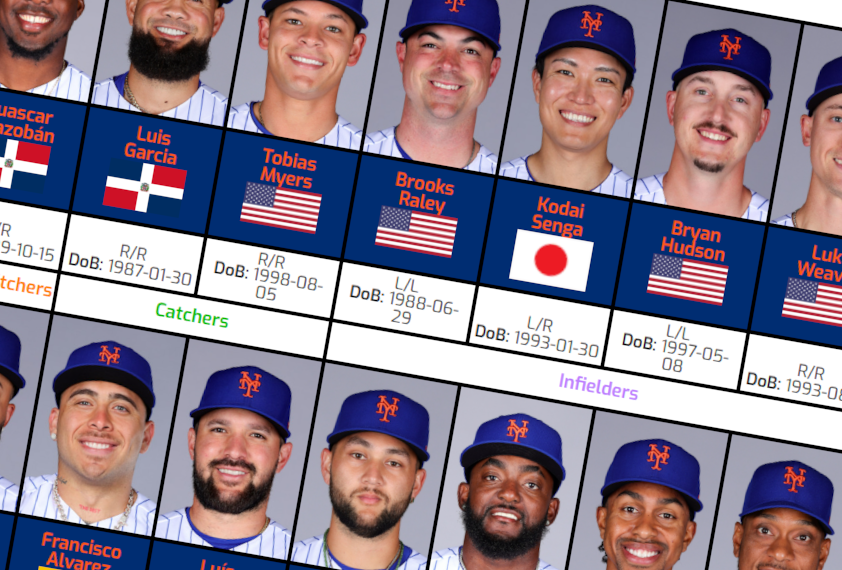 Baseball being baseball, if the schedule says that you have to get on the plane and fly out to play the Dodgers, that's what you have to do. The fact that you are searching for answers on offense that you just don't have does not matter. You are an MLB team and somewhere between takeoff and landing, an answer is what you're going to have to come up with. And then you have to run out there for a few games and put that answer to the test. It's a bad time for such a test, but maybe things will sort themselves out. Maybe? Transactions, 4/13/2026 GOING NEUTRAL COMING Demoted to Syracuse Transferred from Outfield Added to Roster and Promoted from St. Lucie Infielders Infielders Outfielders Ronny Mauricio Brett Baty Tommy Pham S/R DoB: 2001-04-04 High Level: MLB (2026) L/R DoB: 1999-11-13 High Level: MLB (2026) R/R DoB: 32210 High Level: MLB (2025) As hinted at in the abstract for this article it would take an impressive stretch to argue that reserve outfielder and 2023 Met Tommy Pham is the answer the Mets need in this hour, but he's the button they have pushed. It could be that, like in the case of Craig Kimbrel, the Mets had a major-league vet riding minor-league busses with a contract that guaranteed him a callup or a release by a certain date. As in the case of Kimbrel, Pham had only had a tiny amount of work way down in A-ball, so it's hard to argue that he made a case for his spot based on current performance. But Gary Cohen argued on the air the other day that Pham could fall out of bed on January 1 and hit. I guess that is to suggest that his hitting style relies more on instincts and athleticism than studied technique (which can be seen as sort of a backhanded compliment). But what Gary didn't say is that Pham could hit well after the proverbial plunge from slumber, and with the reserve outfielder now 38, being a mostly league-average producer since 32, that is very much an open question. His fandango with the Mets, however, remains a shiny exception to his averageness, and his presence gives Brett Baty a chance to return to his native infield. Early discussion upon receiving the news of Pham's imminent callup was less about Tommy than who he would be displacing. Ronny Mauricio, while surprising few people (including him, most likely) in receiving the bad news, put the Mets in the odd position of enduring a five-game losing streak and trying to better their situation by getting rid of the last guy who won a game for them. The other candidate — Carson Benge — may or may not have saved his roster spot by making a diving catch to keep the Mets in the game yesterday. This would suggest a further oddity of keeping a team in a game they would ultimately lose doing more for the Mets than Mauricio giving them the only win they would compile all week. We get it, here at Mets Roster Central. There are worse things than being yesterday's top prospect, but all other things being equal, it is far better to be today's. As we go to press, there is no definitive news of the post-DFA stati of Richard Lovelady and Luis Garcia, but you would be utter fools not to stay tuned for the thrilling conclusion of those subplots. Your Mets Coaching Staff Manager Bench Coach Pitching Coach Hitting Coordinator Third Base Coach First Base Coach Bullpen Coach Ass't Pitching Coach Carlos Mendoza Kai Correa Justin Willard Jeff Albert Tim Leiper Gilbert Gomez José Rosado Dan McKinney DoB: 1979-11-27 DoB: 1989-07-14 DoB: 1990-09-09 DoB: 1992-08-16 DoB: 1996-07-19 DoB: 1992-03-08 DoB: 1974-11-09 DoB: 1989-06-06 Hitting Coach Strategy Coach Catching Coach Coaching Assistant Bat'g Practice Pitcher Equipment Manager Bullpen Catchers Bullpen Catchers Troy Snitker Danny Barnes J.P. Arencibia Rafael Fernandez Kevin Mahoney Kevin Kierst Eric Langill Dave Racaniello DoB: 1988-12-05 DoB: 1989-10021 DoB: 1986-01-05 DoB: 1988-08-03 DoB: 1987-05-11 DoB: 1964-07-09 DoB: 1979-04-09 DoB: 1978-06-03 Your Mets Training Staff Director of Player Health Head Athletic Trainer Assistant Athletic Trainer Reconditioning Coordinator Reconditioning Therapist Head Performance Coach Assistant Performance Coach Performance Coordinator Brian Chicklo Joseph Golia Bryan Baca Sean Bardanett Josh Bickel Dustin Clarke Tanner Miracle Jeremy Chiang DoB: 1972-07-17 DoB: 1978-??-?? DoB: Circa 1980 DoB: 1988-06-23 DoB: 1996-??-?? DoB: 1987-??-?? DoB: 1991-??-?? DoB: ????-??-?? Your 2026 New York Mets Starting Pitchers Clay Holmes Nolan McLean Freddy Peralta David Peterson Kodai Senga R/R DoB: 1993-03-27 R/R DoB: 2001-07-24 R/R DoB: 2996-06-04 L/L DoB: 1995-09-03 L/R DoB: 1993-01-30 Relief Pitchers Huascar Brazobán Luis Garcia Craig Kimbrel Sean Manaea Tobias Myers Brooks Raley Luke Weaver R/R DoB: 1989-10-15 R/R DoB: 1987-01-30 R/R DoB: 32291 R/L DoB: 1992-02-01 R/R DoB: 1998-08-05 L/L DoB: 1988-06-29 R/R DoB: 1993-08-21 Relief Pitchers Catchers Infielders Devin Williams Francisco Alvarez Luís Torrens Brett Baty Bo Bichette Francisco Lindor Jorge Polanco R/R DoB: 1994-09-21 R/R DoB: 2001-11-01 R/R DoB: 1996-05-02 L/R DoB: 1999-11-13 R/R DoB: 1998-03-05 S/R DoB: 1993-11-14 S/R DoB: 1999-11-13 Infielders Infielders Marcus Semien Mark Vientos Carson Benge Tommy Pham Luis Robert, Jr. Tyrone Taylor Jared Young R/R DoB: 1990-09-17 R/R DoB: 1993-12-11 L/R DoB: 2003-01-20 R/R DoB: 32210 R/R DoB: 1997-08-03 R/R DoB: 34356 L/R DoB: 1995-07-09 Also on 40-Player Roster Starting Pitchers Relief Pitchers Tylor Megill Christian Scott Jonah Tong Alex Carrillo Reed Garrett Justin Hagenman A.J. Minter R/R DoB: 1995-07-28 R/R DoB: 1999-06-15 R/R DoB: 2003-06-19 R/R DoB: 1997-06-06 R/R DoB: 1993-01-02 R/R DoB: 1996-10-07 L/L DoB: 1993-09-02 On 60-Day Injured List with torn right UCL. With Syracuse With Syracuse With Syracuse On 60-Day Injured List — right UCL surgery and nerve relocation surgery. On 60 Day Injured List with fractured rib. With St. Lucie on Rehab Assignment Relief Pitchers Catchers Infielders Outfielders Dedniel Núñez Jonathan Pintaro Dylan Ross Austin Warren Hayden Senger Ronny Mauricio MJ Melendez R/R DoB: 1996-06-05 R/R DoB: 1997-11-07 R/R DoB: 2000-09-01 R/R DoB: 1996-02-05 R/R DoB: 1997-04-03 S/R DoB: 2001-04-04 L/R DoB: 1993-11-29 On 60-Day Injured List — right UCL surgery. With Syracuse With Syracuse, on Seven-Day IL With Syracuse With Syracuse With Syracuse With Syracuse Outfielders Nick Morabito Juan Soto R/R DoB: 2003-05-07 L/L DoB: 1998-10-25 With Syracuse On 15-Day Injured List with strained right calf Deslgnated for Assignment Relief Pitchers Relief Pitchers Luis Garcia Richard Lovelady R/R DoB: 1987-01-30 L/L DoB: 1995-07-07 Designated for Assignment, 2026-04-11 View the full article
 -
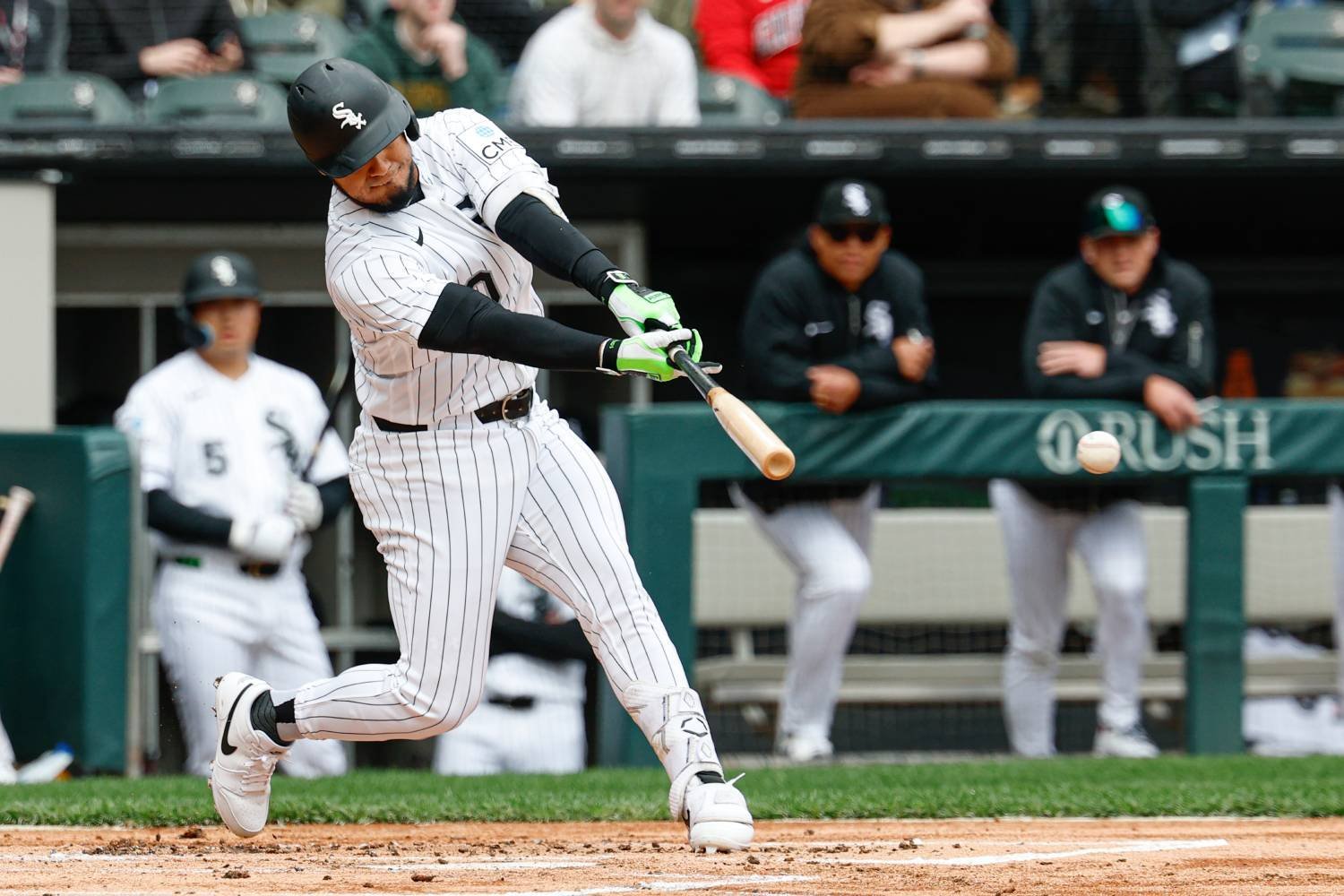 Still trying to replenish depth after being smacked with a handful of key injuries, the Toronto Blue Jays on Monday acquired infielder Lenyn Sosa from the Chicago White Sox. In exchange, the Jays sent 18-year-old minor-league outfielder Jordan Rich and a player to be named later or cash to the White Sox. To make room on the 40-man roster, right-handed starter Shane Bieber (right elbow inflammation) was moved from the 15-day injured list to the 60-day IL. Another move will be needed before Tuesday's series opener vs. the Milwaukee Brewers to get Sosa on the 26-man roster. The 26-year-old Sosa brings a little bit of pop with him, having hit 22 homers and 75 RBIs last year with a .264/.293/.434 slash line in a career-best 140 games played. It was a breakout season for Sosa, who was off to a slow start this year (7-for-33, .212/.212./.303). Sosa can play all around the infield except for shortstop, but is primarily a second baseman. His defense is considered subpar. The Jays recently acquired second baseman Tyler Fitzgerald, who had been designated for assignment by the San Francisco Giants. Rich was drafted by the Jays in the 17th round of last year's draft, but has yet to make his pro debut. View the full article
 -
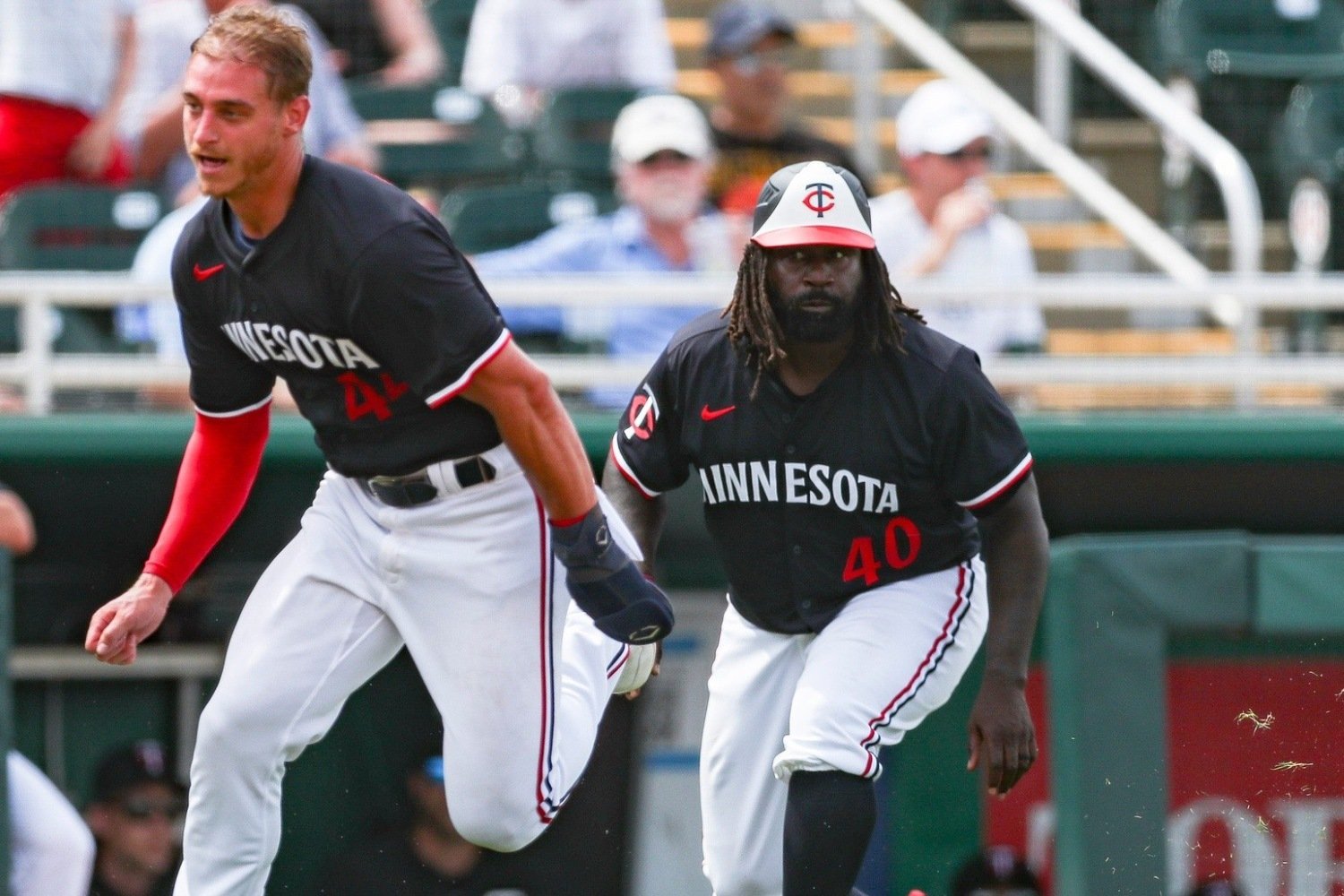 Kyler Fedko had a performance for the ages on Sunday with the Saints. Three homers and a triple will draw plenty of headlines. Fedko is more than just a player who had one good day at Triple-A, however, and he's a strong candidate to help the Twins’ mismatched roster fit together better. Fedko wasn't having a banner year heading into Sunday. He had struck out in 33.3% of his at-bats and was hitting .107 in 11 games. His huge day could be seen as fun but inconsequential. Despite his struggles to begin the season, though, his 2025 performance should carry some weight. Fedko posted an .855 OPS for Wichita and St. Paul last season with 28 homers and 38 stolen bases. Sunday may be an outlier but his numbers in 2025 show that he's capable of consistent production. Beyond the stats, Fedko is a good fit for the Twins roster. He's capable of playing all three outfield spots. The Twins may not love him in center field, but for the small role of backing up Byron Buxton, he should be capable. He can also play first base, a spot currently platooned between Victor Caratini and Kody Clemens. Tying the fit together is Fedko being a right-handed hitter, which solves many problems with the lineup against left-handed pitching. If he can produce at all, the Twins’ lineup would get a boost. The odds of Fedko producing are uncertain, but the bar he'd need to clear to be useful is relatively low. The obvious way to open a roster spot to promote Fedko is to part ways with James Outman. The upside of keeping Outman on the roster has become difficult to see, and the downside is clear. He doesn't play much, but when he does, he looks completely overmatched. He's started the year 0-18 with 10 strikeouts. He won't get much opportunity with Buxton healthy, but it may be worth exploring other options in case the player in that role has to take on more playing time. At 26 years old, Fedko is not and has never been a top prospect. This isn't to say he's incapable of carving out a role for himself, but the Twins aren't paving him a path to playing time. This also means they shouldn't feel compelled to hold Fedko back in Triple-A until a more prominent role opens for him. Calling up Emmanuel Rodriguez to replace Outman would be hard to justify, as he wouldn't get everyday playing time to develop. With Fedko, they should be more willing to plant him into a specialized role, even if it risks disrupting his development. It's early in the season, but it already looks like the Twins should be open to trying something new in the backup center field role. Fedko is a good pivot from Outman, whom they gambled on at last year's trade deadline and who made the team out of spring training. Their investment in Outman is modest, and Fedko fits the roster as a stopgap until more playing opens up for a top prospect or 26-year-old Alan Roden. Fedko had a huge game on Sunday, but more than that one lightning strike of a day, his resume has earned him some consideration for a call-up. It's the perfect opportunity to see if he can translate any of his dynamic 2025 production to the MLB level. There's little to lose and (perhaps) much to gain for the Twins by giving Fedko a chance. View the full article
 -
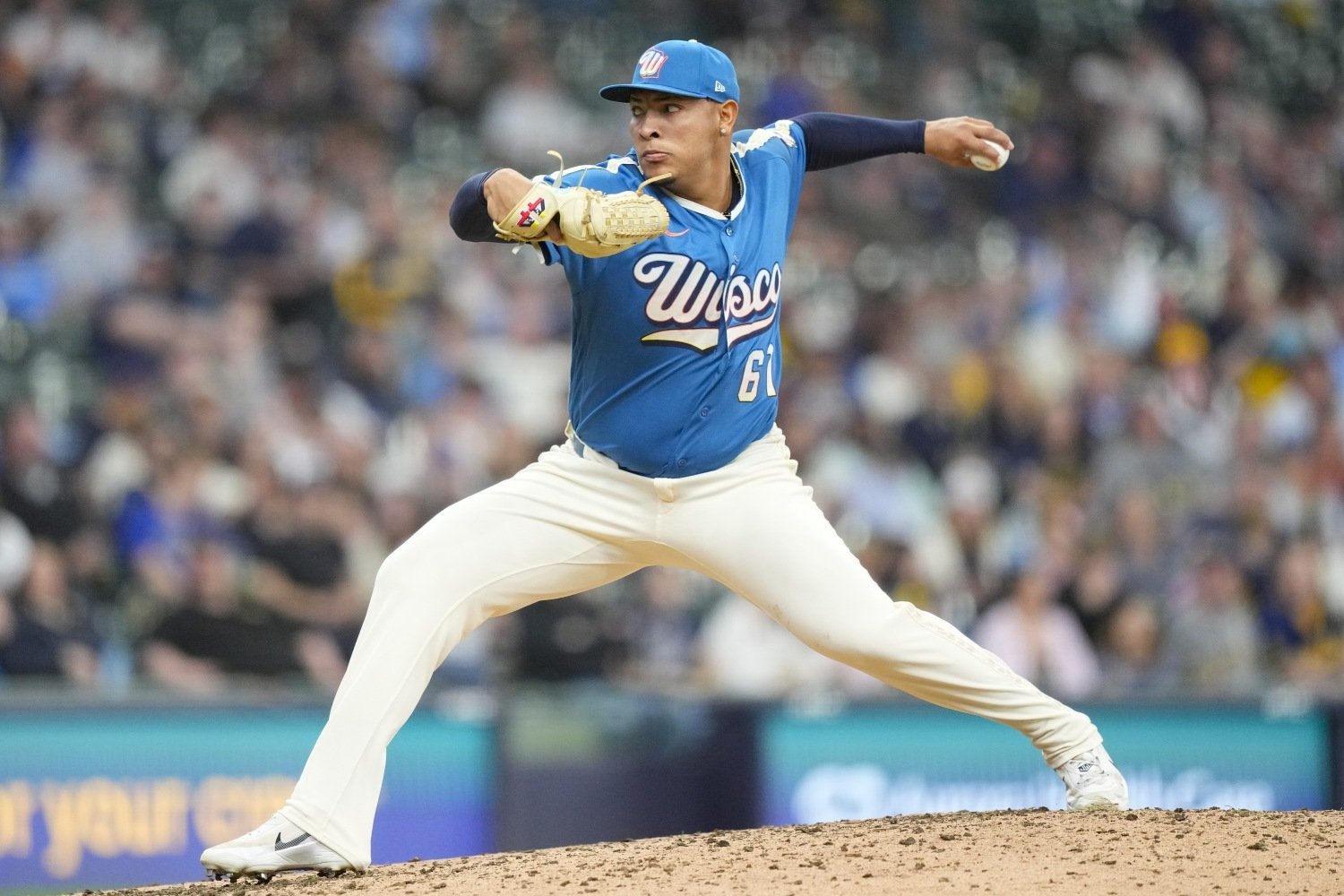 Last December’s trade to acquire Ángel Zerpa in exchange for Isaac Collins and Nick Mears was a surprising move to many. There were layers of complexity to the front office's thesis, but most of it was based on the idea that Zerpa had far more upside than the pieces that Milwaukee was sending to Kansas City. It seems obvious, but deriving the future value calculation is easier said than done. Luckily, our very own Jack Stern did an excellent job discussing what he could bring to the table. Fans didn’t get to see much of Zerpa in spring training, because he spent his time representing Team Venezuela in the World Baseball Classic, but his participation in the tournament arguably offered more optimism than any work in the Cactus League could have. On the way to winning it all, Zerpa posted a flawless 0.00 ERA over 5 ⅓ innings pitched with three hits, two walks, and eight strikeouts—one of which came against a young up-and-comer by the name of Shohei Ohtani. His stock quickly reached an all-time high, at least in the eyes of Brewers fans, but after seven regular-season appearances, his numbers don’t seem to be those of the pitcher Milwaukee thought they were getting. Across eight innings, Zerpa has a 6.75 ERA, with an 11.1% strikeout rate and below-average peripherals across the board. It’s worth pointing out that four of his six earned runs came on April 12 against the Nationals. In this outing, he gave up four hits and one walk while getting just two outs. Part of this was Washington playing a particularly aggressive brand of baseball, looking to steal bases and put balls in play by any means necessary. One could argue that this added an atypical amount of pressure, but it’s still not enough to explain why Zerpa hasn’t looked dominant at all this year. As a sinker/slider pitcher with league-average velocity, it’s expected that his run prevention comes mostly in the form of ground balls, and he does have a respectable 57.1% ground-ball rate. However, striking out one in nine hitters is just too low to be effective in the long term. He’s not expected to miss too many bats with his sinker, but opposing hitters are making quality contact too often, averaging .286 with a .429 slugging percentage against the pitch. Although he has only thrown it nine times, his changeup already carries a run value of -3. It has only been put into play once, ending up as a home run for Willson Contreras. Otherwise, it has lackluster numbers across the board. Part of the issue could be its similarity to his sinker, coming in just 5 MPH slower and sharing similar movement profiles. It has never been a particularly effective weapon for him in the big leagues, and it may be time to make (pardon the pun) a change. Nonetheless, it’s far too early for the Brewers to be out on Zerpa. Reliever ERAs are notorious for being easily inflated, especially early in the season, and he’s far from the only bullpen arm whose results have been subpar. Eight innings may not be enough to decide whether he’s suitable for the team, but there’s enough data to raise some important red flags. Whether it ends up being his sequencing, pitch mix, or some other esoteric mechanical adjustment, Milwaukee will likely need to change something if they want this bet to pay off. View the full article
 -
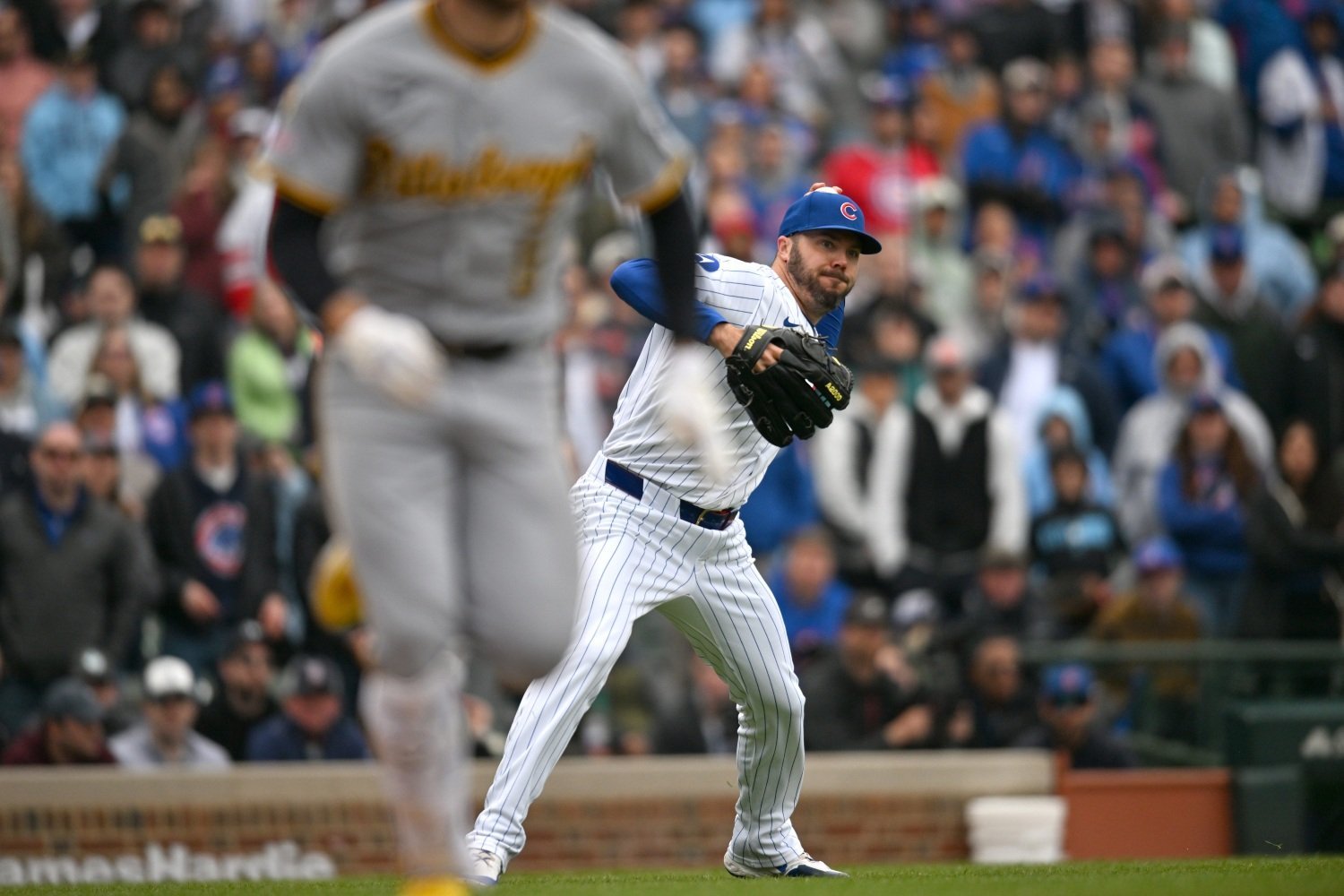 The first problem is that Tyler Austin got hurt. That's outside Jed Hoyer's control, except in that signing a player who was compelled to seek his baseball fortune on another continent half a decade ago and who's now well into his mid-30s was an embrace of some injury risk. Austin's knee injury in spring training left the Cubs without the backup first baseman Hoyer thought he'd provided to Craig Counsell, and Jonathon Long's minor injury during camp was enough to scupper the option of bringing him north when the season began. Hoyer continues to build bad, dysfunctional benches, and the lack of a true utility man—Matt Shaw fills that role on a healthy version of the roster, while Scott Kingery does so for this injury-diminished one, but neither is quite as versatile as the ideal do-everything guy—is on him. However, he caught a bad break with Austin going down, and the best management of his young bats and his two incumbent catchers was the way he did things this winter. Let's assign him just 10% of the blame for the Cubs' needless and costly loss Saturday at Wrigley Field, and move along. Counsell was left without great options, too. He faced a situation in the seventh inning of that game for which the only reasonable response was the move he made. The Cubs were rallying. After starting the game by falling behind 3-0, they'd battled back to make it 3-2, and the tying run stood at third base with two outs. Michael Busch was due, but the Pirates went to lefty reliever Gregory Soto, a brutal matchup for the platoon-vulnerable Busch. Moreover, Busch was mired in an 0-for-30 slump. You can't ask a player fighting his hitting demons that hard to try to win a left-on-left battle with the game on the line, when you have a competent alternative on the bench. Counsell went to Carson Kelly, gaining the platoon edge, even though Kelly is not one of those catchers with much experience as a first baseman. Kelly didn't cash in the chance, but that was the right call by Counsell. Kelly looked fine while he remained in the game as the first baseman, too. The trouble really began in the ninth, when Kelly drew a two-out walk. He represented the winning run, so Counsell pinch-ran for him with Shaw, gaining much more speed. This could have come into play even in a small way, like beating out a would-be fielder's choice on a slow ground ball, so it was a worthwhile risk. Again, though, it didn't pay off. Alex Bregman extended the game with a tying single, but Shaw was stranded at third and had to take over at first base on defense in extra innings. We can assign some blame to Counsell and his coaching staff, because somewhere during the spring—especially after the relatively early injury to Austin—they should have gotten in lots of extra work with Shaw or one of the other members of the bench corps at the cold corner. Kelly took most of those reps, but there are lots of ways a catcher can end up being unavailable in a moment like that. One option for the staff should have been to bring Conforto or Ian Happ in from the outfield to play first, with Shaw taking over an outfield corner. Failing that, Shaw should have gotten many more reps on the not-so-basic basics of first base. None of that happened. I assign 20% of the blame for Saturday's loss to the coaching staff. The rest, though, must be divided between Caleb Thielbar and Shaw. The Cubs did a marvelous job in the top of the 10th inning, holding the visitors scoreless. They missed their chance to walk them off in the bottom of the 10th, but they were very close to getting out of the top of the 11th unscathed, too. With two runners on and two outs, Thielbar induced a dribbler from Pirates infielder Brandon Lowe, who looked overmatched in the left-on-left matchup. It should have ended the inning and set up the home side to even the series with a walkoff victory. Instead: calamity. Everything two players can do wrong on a routine play, Thielbar and Shaw did wrong on this one. To start in a good place, though: they both had excellent initial reactions. Shaw, playing an unfamiliar position and surely positioned farther from the base than was comfortable with a lefty batter at the plate, broke quickly toward first on contact. This is actually a good chance to heap another 5% of the blame on the coaching staff. With a lefty batter up and a key run at first base, playing the first baseman that far off the line is almost never correct. Maybe, with the lefty Thielbar on the mound, Lowe's spray chart told them to move the first baseman toward the hole, but Shaw is not 'the first baseman' when you're drawing up those spray charts and positioning plans. He should have been told to play closer to the bag. We'll soon see why that matters. Thielbar fielded the ball cleanly, and although it meant turning his back to the runner, he was in position to make a throw with plenty of time. Shaw, for his part, found the bag fast. That's your job, on a play like this, as the first baseman: get to the spot quickly and have your head up, ready for the throw. Look at all the time Thielbar has. There's no need to rush here. There's also plenty of time for the move Shaw still needs to make. A highly seasoned first baseman might have aimed to get their right foot onto the base right away, but this is a perfectly acceptable way to do what we discussed a moment ago: find the base without staring down at the ground. You angle toward the bag, let your left foot locate the pillow, then quickly turn to put the right foot there instead, setting up to receive a throw by putting your left foot forward. That's where the trouble starts. Shaw has his moment to get the feet right, but he doesn't take it. He's not used to being at first, receiving this kind of hard, time-pressured, high-stakes throw, and he's not comfortable turning his hips and shoulders the way a first baseman must, to be ready for a throw that's anywhere but right at you. It's easy to see some of that in the way Shaw freezes and carries his weight as he braces for the throw. It's harder to see this, but I think it also becomes a problem for Thielbar, right about here. He's already rushing a little. He didn't appropriately calm himself in the moment it took to scoop the ball, and he's more worried about getting the ball there on time than he should be. But now, he's also looking at an unusual target. Shaw isn't set up correctly, and visually, it's much harder to pick out where you want the throw to go. A better first baseman is already bringing the glove up to set a target, but even without that, his body is telling Thielbar he's ready. Shaw's positioning is sending the opposite message. Perhaps because of that (or perhaps just because he hurried it), Thielbar will drop too low with his arm slot and throw wide. This is a guy who comes way over the top, off the mound. Dropping down to throw like an infielder isn't usually a problem for him, but here, it becomes one. The ball is running away from Shaw, and the inexperienced infielder's footwork is going to cost him everything, now. Here's the last frame before the ball skips in the dirt, then off his glove. It's a bad throw. I'm not sure he could have gotten the out if he'd set up better, except by inducing a slightly better throw. I think he could have, because he'd have been able to stretch diagonally toward the ball and cut it off as it tailed away from him. He'd have had a much greater range with the stretch, in general. This is why first basemen stretch with their non-glove foot anchored to the bag in almost all situations, in a nutshell. But certainly, it would have been a tough and impressive play to snare this ball and get Lowe. Take note of his foot being on top of the base, instead of shoved up against its edge, and you can also see that he had a bit more stretch available than it appears. What should have been easy, though, was stopping the ball. If he has the right foot on the base, it's routine to come off the bag and collect the throw, even if he's ultimately unable to hold the base. As it is, the reach across his body necessitated by having the left foot there means he's going to fall down as he tries for this, no matter what. His stretch radius is cut way, way down, so he needed to give up the base early here and just snatch the ball up like a grounder. Out of position and out of his depth, he failed that, too. The ball skipped away and the winning run scored. Even having made multiple layers of excuse for his being forced into duty at an unfamiliar spot and placed in the wrong spot to start the play, I have to give Shaw 40% of the blame for this loss. He had a difficult but doable path to getting the out on this play. He had a much wider and easy path to keeping the ball with him and holding the go-ahead run at third base. All it would have taken was better fundamental play, and a big-leaguer shouldn't have to be told which foot to place on first base when readying for a throw. He failed a simple test of either poise or baseball IQ, at a crucial moment in a divisional game. The rest of the blame—25%—goes to Thielbar. It was a bad throw. He's an asset to a team battling major pitching injury trouble, and he made the first half of a fine play, but it was a bad throw at a dreadful time. Losses like Saturday's are symbolic of the team's failures on multiple levels, but ultimately, you have to leave most of the blame at the feet of two players who have to be better than that. If the Cubs want to get back to the postseason this year, they need to spend the summer building a more functional roster and getting healthy. They have to put their players in better positions to succeed. But most of all, they have to get these things right. They're not nearly good enough to go anywhere worth going while flubbing the fundamentals. View the full article
 -
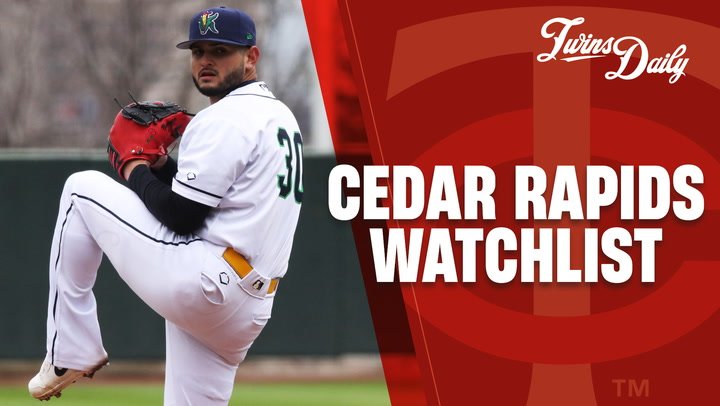 The Cedar Rapids Kernels might be the second most talented roster in the Twins farm system in 2026. Jamie and Jeremy go over the best names to know from Edouardo Tait to Marek Houston, and Dasan Hill to Adrian Bohorquez. View the full article
 -
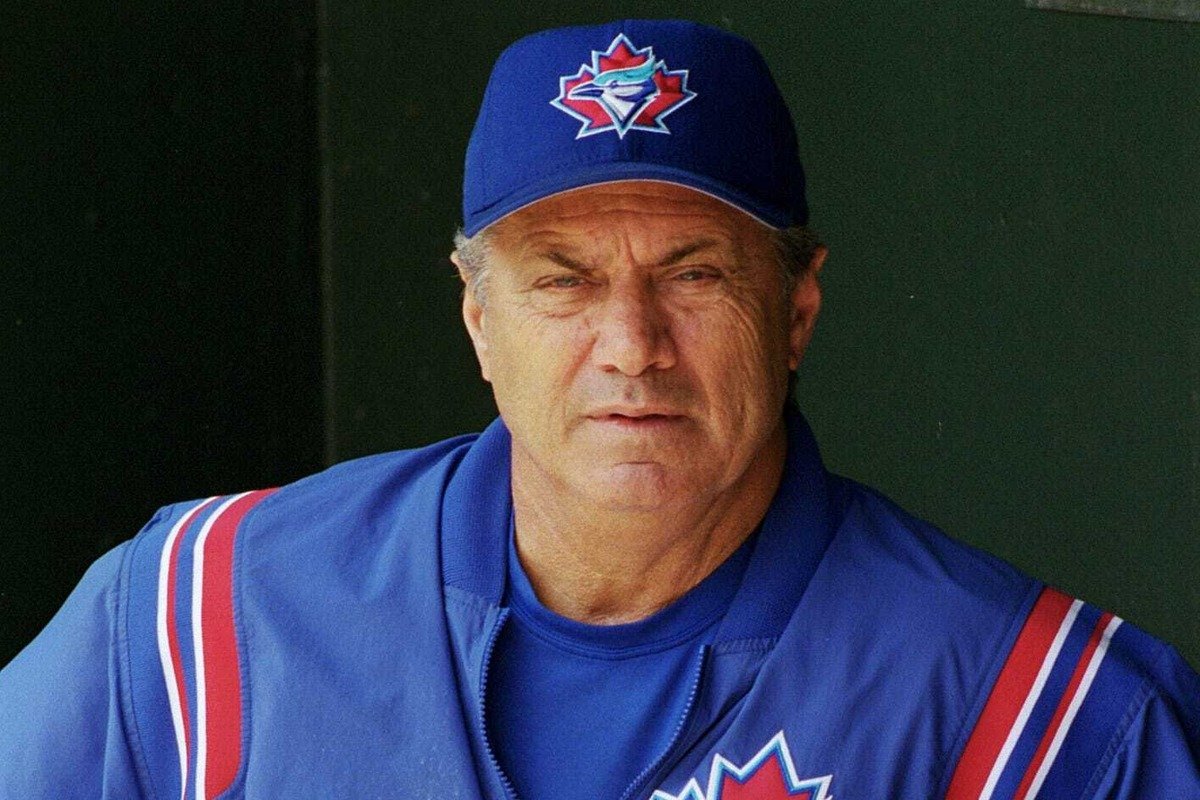 The manager had been tuned up. Jim Fregosi had cuts around his left eye. His pitching coach, Mel Queen, looked no better. Fregosi insisted it was no big deal, and it wasn’t a stretch of the imagination to think Fregosi would wear a punch in Philadelphia. He was far from a popular figure in the city, having managed the Phillies from ‘91-’96. Despite making the World Series in ‘93, Fregosi helmed some underwhelming Philadelphia squads and was frequently criticized in the press. Having replaced noted liar Tim Johnson before the ‘99 season, Fregosi was in his first year back as a major league manager with the Blue Jays, and his return to the City of Brotherly Love ended in an 8-4 defeat in the opener of a three-game series between the two teams on June 11. “The king rat, and I don’t really mean that affectionately, was Jim Fregosi,” said Philadelphia sports radio figure Mike Missanelli decades later, if you are wondering what Fregosi had dealt with. (photo credit: MLB) After the loss, Fregosi, Queen, Dave Hollins and others headed to the nearby Holiday Inn. Fregosi knew where to take the group. In the ‘90s, the Holiday Inn in South Philadelphia served as an intersection between the sports world and all other walks of life. Built close to the Vet and the Spectrum, the hotel complex opened in 1974 as a Hilton Inn and hosted acts such as Elvis as they played at the nearby venues. Like the facilities it resided next to, the 240-room hotel was quickly outdated, and despite its prime location, it was mismanaged and plunged into bankruptcy twice. In 1993, former Eagles quarterback Ron Jaworski purchased the property, and it was relaunched as a Holiday Inn. Jaworski's post-retirement investment was carried by the hotels’ two other properties: a finer dining restaurant named after the movie Jaws and a sports bar named Legends. Among those who frequented the sports bar was Joey Merlino, the boss of a Philadelphia crime family who allegedly used the hotel to make guys and had made headlines when he sat in Eric Lindros’ seats at the Flyers game in the mid-90s. To this day, Merlino insists it was a coincidence, but newspapers in Philadelphia ran with the story at the time, accusing Merlino and Lindros of having dealings past the few times they previously acknowledged meeting (dealings Merlino still vigorously denies). Dave Hollins' luck was about to turn. Hollins had hit for pitcher Joey Hamilton that night and, with the bases loaded, popped out for the final out of the sixth with the Blue Jays down 3-0. Done commiserating, Hollins decided to leave Legends around 1:00 a.m., just missing the ensuing melee that wounded his coaches. The 57-year-old Fregosi said he was introduced to someone in a group of six, and when he put his arm around the person to greet them, another “guy came up, punched me in the face,” and a scuffle ensued for a few minutes as security intervened and local police were called. When Fregosi declined to file a complaint with police, the patron was released. Toronto would split the next two games before Fregosi and the Blue Jays headed home. “It was an enjoyable return,” joked Fregosi, “I got one black eye here, and my wife will probably give me another one when I get home.” Fregosi’s humour likely diminished when he woke up on Monday to not another black eye, but to see the story growing legs. A newspaper in New Jersey reported that Fregosi’s assailant was none other than Joey Merlino. Published rumours said that the punch was retaliatory for remarks Fregosi made years ago towards the people of South Philly, where the Italian Mafia was headquartered. Fregosi hadn’t been the only person reluctant to pursue the assault further that night. Other patrons also claimed silence to whatever took place inside Legends. “I was there all night. Nothing happened,” said one man who refused to provide his name. Reached for comment on the reports, Merlino denied any involvement in the fight through his lawyer. Merlino had never met Fregosi and certainly had no beef with him. The police hadn’t talked to him about the fight. It was all newspaper BS. Again. “They put that kid’s name out there anytime something comes up,” said his attorney Joseph Santaguida, “He wasn’t even there that night. He was out at a party with his family.” Police had reopened their investigation after the newspaper story, but nothing came of it. MLB opened its own investigation and came to a similar conclusion. “I haven’t heard anything that would indicate (a mob link),” said Kevin Hallinan, executive director in charge of security. There was at least one person in Philadelphia who felt for Fregosi through the ordeal. “I feel really sorry for Jimmy because of everything he’s had to go through,” said the hotel manager in the aftermath of the incident. “It’s something he couldn’t control. He’s a great individual and the employees...really look up to him.” Was Jim Fregosi hit by the mob? To quote another famous Philadelphian, it’s inconclusive. A story that sounds better than the likelihood of it happening. The story vanished and was replaced by news of Merlino being arrested on more serious charges a few weeks later, ending up spending over a decade behind bars on racketeering charges. He is no longer in the mob; now a restaurateur and podcaster, who we may hope will comment on this story one day as he did the Lindros’ affair. As for Legends? It was demolished in 2018, but not before being linked to another story that gave professional sports a black eye. While playing for the Flyers in the ‘90s, Rick Tocchet became acquainted with Legends bartender James Harney when he frequented the establishment after games. The two eventually pled guilty to charges from their involvement in a gambling ring linked to the crime family run by Merlino, a scandal that hit the NHL in the mid-2000s and has been forgotten enough that Tocchet is currently the head coach of the Flyers. Live! Hotel and Casino might offer more amenities, but it doesn’t offer the stories of the former hotel that sat where it stands. View the full article
 -
Minnesota Twins Taking Closer By Committee to a New Level
DiamondCentric posted an article in Twins Daily
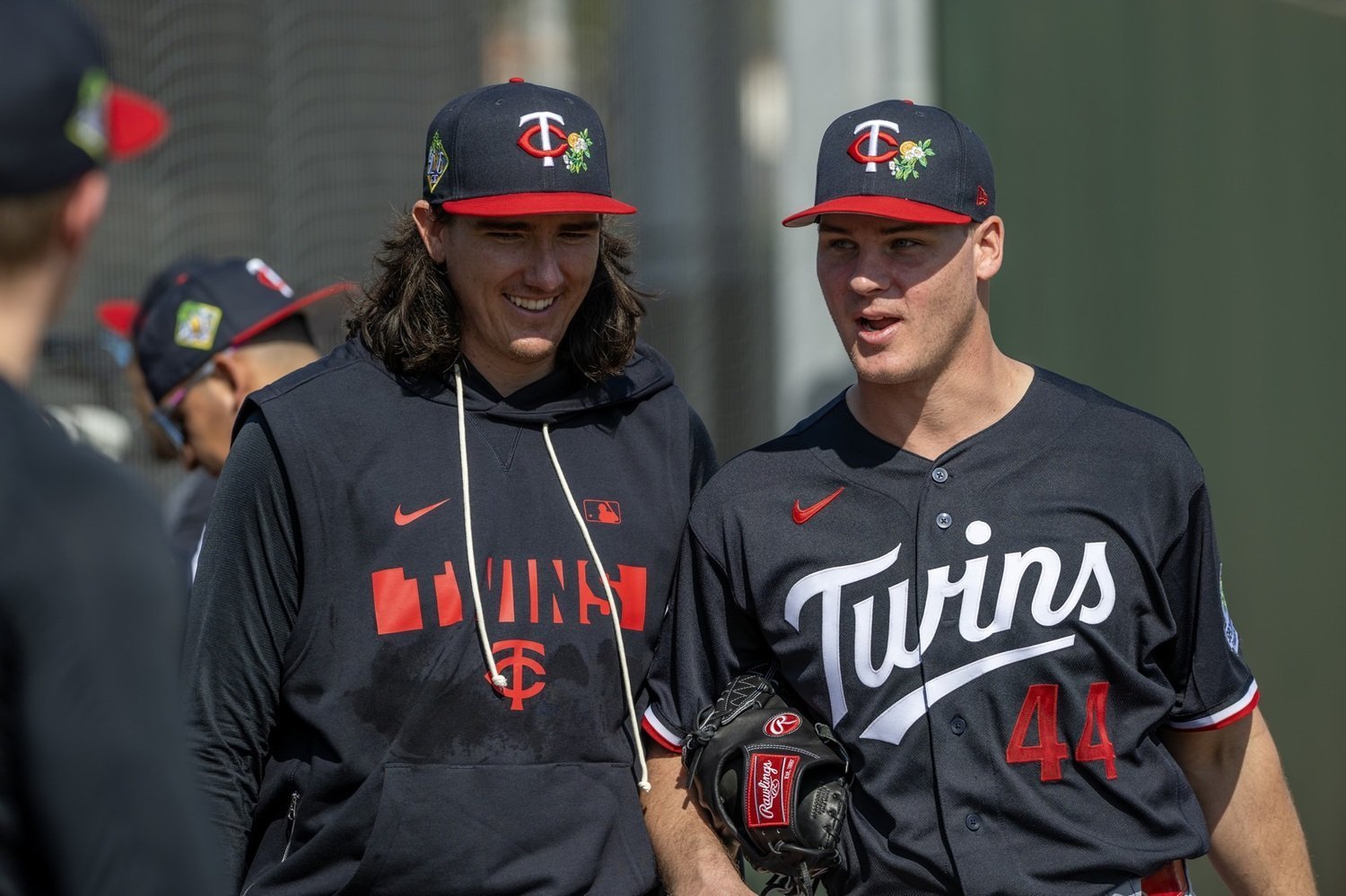 The closer-by-committee approach is common in today’s game, but the Minnesota Twins are taking it further early in 2026. In the opening 16 games, five different pitchers have recorded saves, and there’s no sign that anyone will take hold of the role more firmly any time soon. If someone had told you that five different pitchers would get the Twins’ first five saves of 2026, that probably wouldn’t have shocked you. What is surprising, though, is just how committed the organization appears to be to avoiding a traditional bullpen hierarchy. There is no set closer or defined eighth-inning bridge. Instead, Minnesota rotates relievers into late-inning roles based on matchups, relying on depth and adaptability. “I think that was the plan going in,” Eric Orze said. “Closer by committee. Everybody ready to go at all times. The boys are doing their job.” Cole Sands Continues to Evolve Though Sands has now moved into more frequent high-leverage spots, early in the season, he initially appeared to be Derek Shelton’s preferred late-innings option. However, due to a high walk rate, his role has shifted somewhat, and he was even removed mid-inning after issuing multiple walks versus Detroit. Shelton noted later that he had almost immediately seen that Sands's command wasn't sharp. Still, his ability to navigate different pockets of a lineup makes him an ideal candidate for this kind of bullpen structure. Whether it’s the seventh inning against the heart of the order or the ninth against the bottom third, Sands can be deployed wherever the matchup calls for it. That flexibility is precisely what Minnesota values most right now—even if the main reason for that is the lack of any pitchers who could be sicced on the opponent without thinking along those lines. Justin Topa Brings Stability Topa was brought into the Twins organization as part of the Jorge Polanco trade and came with late-inning experience. The Twins haven’t seen the same version of Topa since he joined the organization. However, he's not being pigeonholed into a single role. When healthy, Topa offers a power sinker and the kind of ground-ball profile that plays in tight spots. Last Tuesday, Orze was given the initial save opportunity but was pulled after yielding an RBI double to Kevin McGonigle. With Sands and Taylor Rogers already deployed earlier in the game, the Twins turned to Topa, who proceeded to seal the win for Minnesota by getting two of the next three batters to ground out. In this system, Topa is less a closer and more a fireman. Eric Orze Adds Another Option Orze brings a different look to the bullpen. With a plus splitter and the ability to miss bats, he gives Minnesota an option for situations where strikeouts matter. That skill set is especially valuable against contact-oriented lineups. Rather than relying on contact management, Orze can put away hitters himself when needed. Orze earned his first save in Thursday's 3-1 win over the Tigers, recording one strikeout in a hitless and scoreless ninth inning. With Kody Funderburk, Topa, and Sands all pitching three of the previous four days, manager Derek Shelton went to Orze in the ninth inning on Thursday. Orze threw 12 of his 14 pitches for strikes and set down the Tigers in order. Orze has a 1.59 ERA and a 4-to-3 strikeout-to-walk ratio across 5 2/3 innings this season. His role among the early save-getters highlights how the bullpen is constructed on complementary strengths, instead of fixed roles. Kody Funderburk and the Left-Handed Factor Funderburk walked one and hit one batter while not allowing a hit or a run in two-thirds of an inning to earn the save in Wednesday's 8-6 win over the Tigers. Funderburk made things interesting, but he managed to get the job done for his first save of the season. The Twins utilized Topa and Sands earlier in the contest, and Rogers was unavailable after pitching three times in the previous four days, leaving the bullpen short-staffed. This was a fifth straight scoreless outing for Funderburk, who has pitched three hitless innings while issuing four walks in that span. Funderburk rounds out the group, giving a left-handed option for tough late-game matchups. In a traditional bullpen, he might be called a matchup specialist; here, he is simply another path to the final three outs. And he likely won’t be the last new name in the mix. More Arms Waiting in the Wings Don’t expect the list of pitchers with a save to stop at five. With Rogers and Anthony Banda also capable in leverage situations, the pool could expand. Manager Derek Shelton has made it clear that this is by design. “Well, I think, number one, it's kind of sitting before the game and saying, ‘Hey, we like this group of hitters with this pitcher,’” Shelton said. “And then the game dictates. That's why everybody gets caught up in analytical decisions and all these things. The numbers are really good, and we use them for that, but then ultimately, the game tells you.” That philosophy eliminates the rigidity often associated with bullpen roles. Instead of predetermined innings, the Twins react in real time, letting matchups and game flow drive decisions. “I think it's just a matter of who's available, and then also, there's a little bit of meritocracy to it. You start to pitch well, you're going to pitch yourself toward the back of the game, or you're going to pitch yourself into the leverage game," Shelton said. "And I think that's where too many people get caught up. They think just because you pitch the eighth and the ninth—there’s so many games that are won in different situations, and you may have to use who you think is your best arm available at that juncture of the game.” It may lack the simplicity of sticking with one closer, and it's certainly a matter of problem-solving, not proactive planning. But it offers something more: options. In a long season where bullpen usage is critical, having as many paths to and through the ninth inning as possible could be Minnesota’s biggest advantage. Can the Twins be successful with their closer-by-committee model? Leave a comment and start the discussion. View the full article
 -
 Owen and Jesse are back after the Blue Jays lost two of three to the Minnesota Twins. They talk about the bleak state of the team and break down the starting pitching woes from Patrick Corbin, Eric Lauer, and Max Scherzer across the three games. The guys then debate which, if any, players on the roster have shown enough to change public perception, and finish by breaking down the Jays’ next series in Milwaukee against the Brewers. Listen on Apple Podcasts: https://podcasts.apple.com/us/podcast/the-jays-centre-podcast/id1846108462 Listen on Spotify: https://open.spotify.com/show/3Bi7SzfpcqMo5xYWnbCeoL Listen on iHeartRadio: https://www.iheart.com/podcast/263-the-jays-centre-podcast-300304824/ Listen on Pocket Casts: https://pca.st/2qk9wqxd Watch on YouTube: https://www.youtube.com/@jayscentre View the full article
 -
Sunday Live Episode 1: Surprise! This Team Is Rolling
DiamondCentric posted an article in Twins Daily
 Nick Nelson and Sweet Lou Hennessy dive into the past week of Twins baseball, where the club mopped the Detroit Tigers in a four-game series, and then took two of three from the reigning American League Champion Toronto Blue Jays. Listen using Apple Podcasts: https://podcasts.apple.com/us/podcast/the-twins-off-daily-podcast/id1741266056 Listen using Spotify: https://open.spotify.com/show/4tb78XlurcPTYYSsARdbD7 Listen using iHeartRadio: https://www.iheart.com/podcast/263-the-twins-off-daily-podcas-167548600/ Listen using Pocket Casts: https://pca.st/nvclbt0w Watch on YouTube: https://www.youtube.com/@twinsdaily View the full article
 -
 Jason and Jake discuss a tough week of Brewers baseball. Apple Podcasts: https://podcasts.apple.com/us/podcast/the-brewer-fanatic-podcast/id1740648724 Spotify: https://open.spotify.com/show/5CY8mWsQayqjDXqw9OT2Td iHeartRadio: https://www.iheart.com/podcast/263-the-brewer-fanatic-podcast-166534588/ Pocket Casts: https://pca.st/ommzz627 Watch On YouTube: https://www.youtube.com/@brewerfanatic View the full article
 -
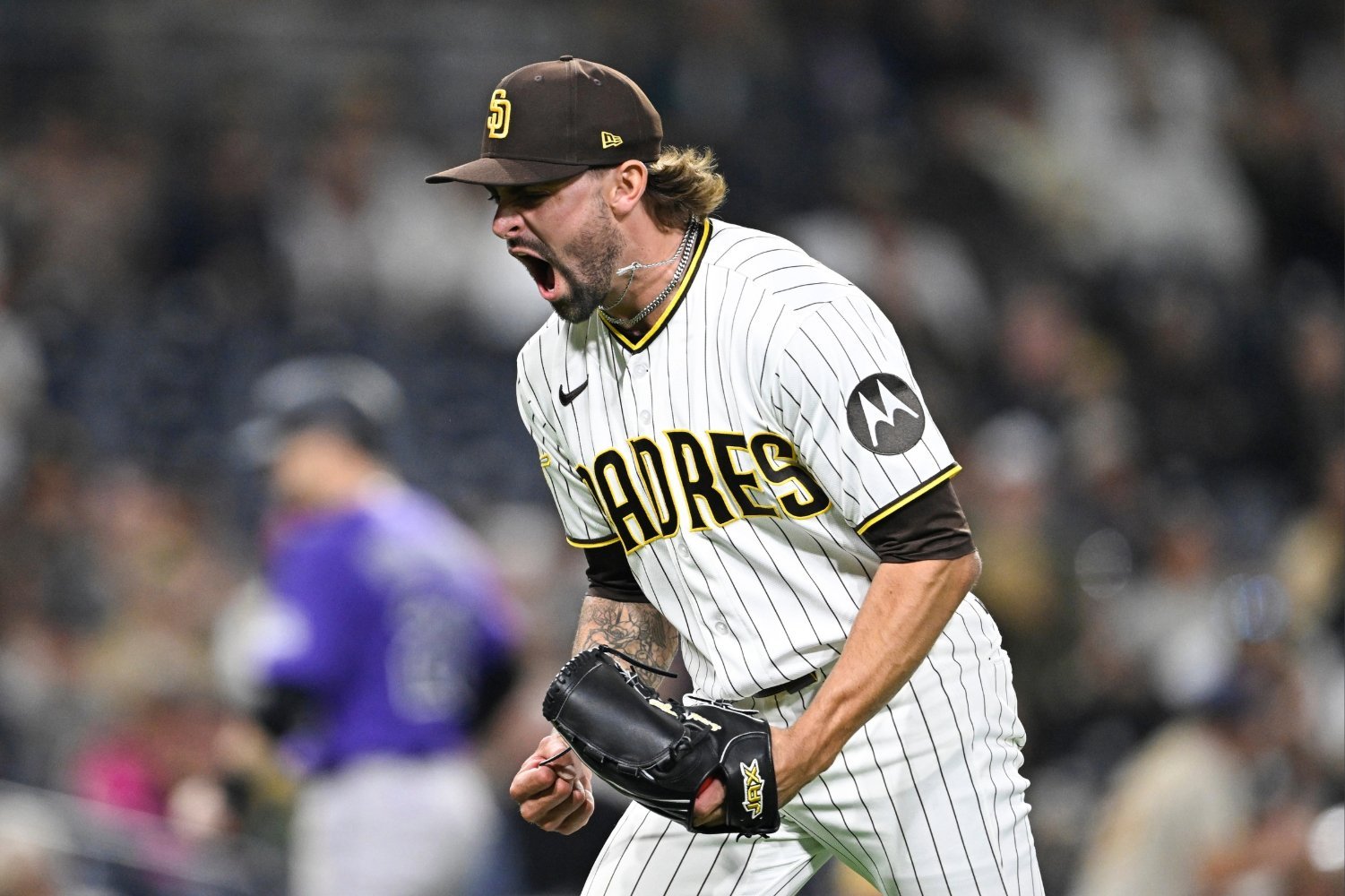 As preseason prognostications rolled out, it was clear that any hope the San Diego Padres had in 2026 hinged on the strength of their bullpen. Across both their slow start and a more recent stretch of success, that has largely proven to be true. No team in baseball has gotten more out of their bullpen in total value (1.4 fWAR), as the Friars sit in the top 10 in the league in ERA, FIP, walk rate, and groundball rate. It's a group that extends even beyond the very loud success of Mason Miller, but not quite in the way that we would've thought. While Miller was always going to be the guy in the ninth inning upon the free agent departure of Robert Suárez, the expectation was that it would be some blend of Jeremiah Estrada, Adrian Morejon, and Jason Adam in high-leverage situations. Others, like David Morgan, sat slightly behind in the pecking order. Early on, though, it's been Morgan that might just be the most reliable (non-Miller) arm the relief corps has to offer. Each of Estrada and Morejon have faced their struggles in the early going. Estrada maintained a high strikeout rate (26.7 percent) across his seven appearances but was battling woeful command on his way to a 16.7% walk rate prior to being placed on the injured list. Combine that with an inability to miss the barrel when he did allow contact and, consequently, a hard-hit rate approaching half of all batted balls, and you've got a high-leverage reliever working with an ERA north of five. Morejon, meanwhile, is fighting bad luck more than anything, with a .500 batting average allowed on balls in play despite good command. Both of them are working with a strand rate of around 40 percent, which is incredibly scant for relievers of their caliber. As such, with Adam's return still in its infancy following last year's ruptured quad, it may be Morgan's time to slide into the eighth-inning role given his early success. Through his first six appearances of the season, Morgan has been as stable as anyone this side of Mason Miller. He hasn't allowed a run, he's avoided hard contact, and he's getting the ball on the ground at an obscene rate. While he hasn't yet flashed the strikeout upside of his comrades at the back end of the bullpen, he's demonstrated that he has the chops to handle leverage opportunities. Here's his percentile chart from this early stage of the year: There's a lot to like there. Most notable, though, is the blend in his ability to avoid hard contact and get opposing contact on the ground. Combining those two things is going to result in plenty of success regardless of the defense behind you, and that Morgan is doing both up in the 99th percentile speaks to why he's stifled opposing hitters completely thus far in 2026. It's not a mystery as to how he's doing it either, as there's a usage change driving his success. Morgan is primarily working with three pitches. He's throwing a sinker nearly 40 percent of the time, his curveball at about a 32 percent clip, and the four-seamer about 27 percent of the time. That's a shift from last year, when Morgan threw his four-seam the majority of the time (36.7 percent) and brought his slider into the mix much more frequently (18.3 percent of the time). By ditching the slider and putting the sinker at the forefront, Morgan has lost some oomph on the strikeout side but gained it all back in run prevention courtesy of the aforementioned soft, ground-oriented contact. So, what's preventing Morgan from perhaps getting a larger share of those leverage innings? With Estrada on the IL, there's an easy case to be made that he should see some of that work, even when accounting for Adam's return. Ultimately, though, where you see that blue in the above visual is also likely what could pin Morgan down. For one, his command has been imperfect. While the dip in strikeouts is at least partially a byproduct of his change in pitch usage, he also hasn't been able to generate much in terms of whiffs. You want that from a late-inning, high-leverage arm. The fact that he's been susceptible to allowing runners on base via the free pass also isn't working in his favor. Perhaps those two imperfections begin to trend in the appropriate direction as he grows more accustomed to his change in repertoire (assuming permanence). With Adam back in the mix and Morejon experiencing more bad luck than actual struggle, there just isn't quite enough there yet to let Morgan ply his trade in, say, the eighth inning. Nevertheless, this continued growth is encouraging. His emergence last year was part of the reason the Padres felt so good about their volume in relief coming into the year. If Estrada can come back to form upon returning from the IL, you're talking about four legitimate arms leading up to your closer. The value in the pressure that relieves from your starting rotation cannot be overstated. View the full article
 -
What's Up With Isaac Collins’ Uneven Start In Kansas City?
DiamondCentric posted an article in Royals Keep
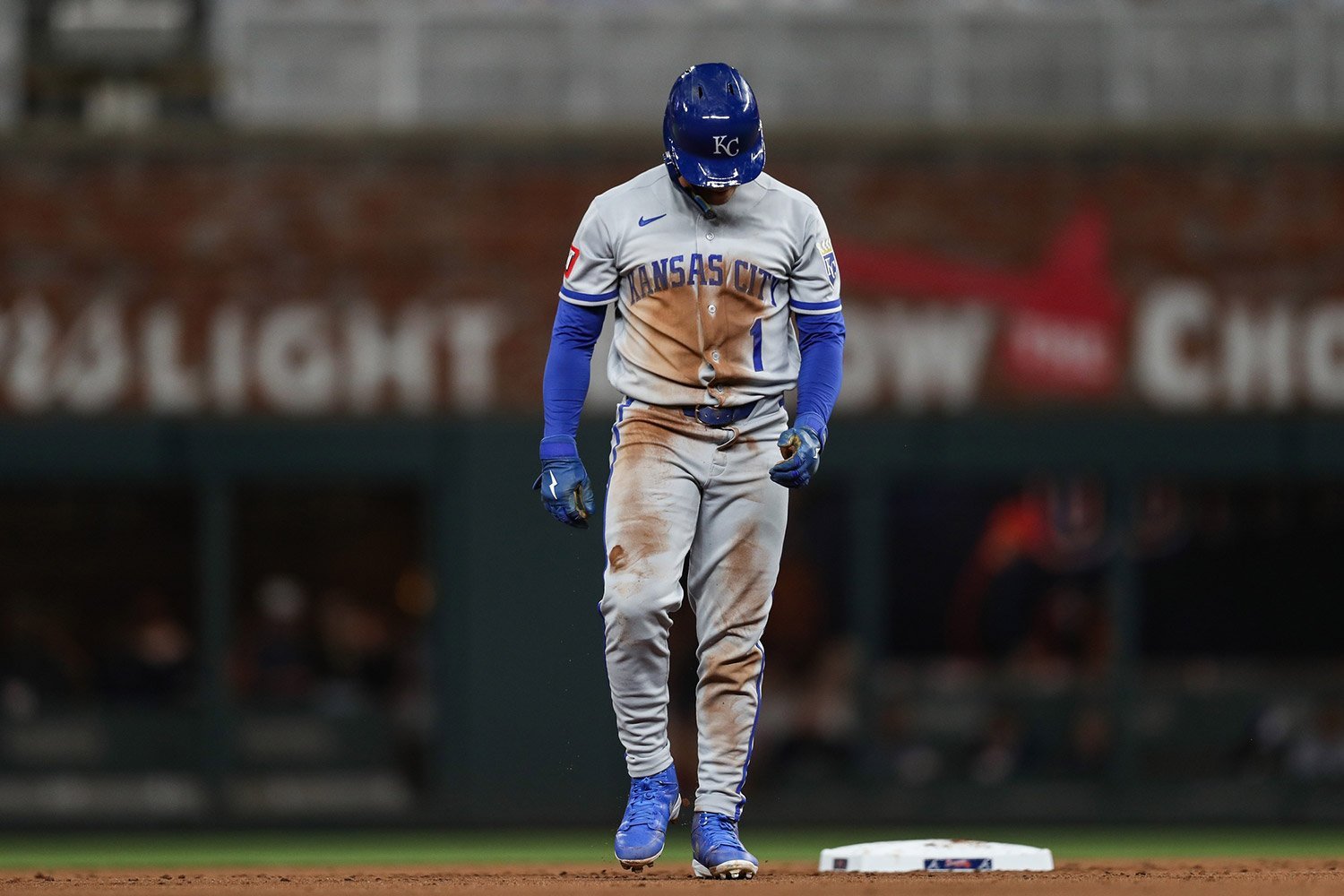 How has the outfield addition fared in his first season in Kansas City so far? Isaac Collins’s start to 2026 has looked very different from his 2025 performance. So far in 2026, Collins has a slash line of .171/.310/.286 with an 83 wRC+, a decline from his 2025 marks of .263/.368/.323 with a 122 wRC+. In 2025, Collins graded in the 62nd percentile in batting run value and is currently in the 53rd percentile for 2026. However, the route to getting that value has been different this year compared to last season. Collins already has three barrels in 21 batted balls, only a couple of weeks into 2026. In 2025, Collins only barreled the ball 14 times all season. Does this suggest that Collins is finding his power swing in Kansas City? Despite the increase in barrel rate, Collins has seen declines in hard-hit rate, launch angle sweet-spot rate, and average exit velocity. These trends suggest his overall power profile may not be improving as much as the barrel rate alone indicates. It is important to call out that the Royals likely did not acquire Collins for his power hitting. They got him for his plate discipline and his on-base ability. In 2025, Collins boasted an xwOBA of .322 and showed elite plate discipline with a chase rate of 18.4% (98th percentile) and a walk rate of 12.9% (90th percentile). He also graded above average in whiff and strikeout rates. However, in 2026, Collins has been less consistent at the plate. While his walk rate has increased slightly to 14.3%, his chase rate has also risen to 19.6%. More concerning, his whiff and strikeout rates have jumped significantly from 22.5% and 21.1% to 30.9% and 33.3%, respectively. These changes have negatively impacted his on-base profile, reflected in a drop to a .259 xwOBA. In light of his start, what do his other metrics show about the outlook for the rest of the season? One notable trend is that Collins’s results have slightly outperformed his expected metrics. Metric Actual Expected wOBA .288 .259 AVG .143 .171 SLG .286 .253 If Collins is hitting below average in many categories, then why is his batting run value in the 53rd percentile? According to Baseball Savant, “Every pitch is assigned a run value based on its outcome (ball, strike, home run, etc.). The sum of all of a player's contributions across a season… measures his overall batting or pitching run value. A positive value represents runs created for hitters, and runs prevented for pitchers.” These run values are grouped into pitch locations: heart, shadow, chase, and waste. Collins so far has a positive batting run value in the chase and waste zones, meaning that his plate discipline has positively contributed to the Royals' run production, and it has offset his negative value in the heart and shadow zones. Zone Run Value Heart -1 Shadow -2 Chase 2 Waste 1 It is worth noting that only the elite hitters register positive values in the heart and shadow zones; only three batters had positive run values in both zones in 2025. Another positive sign is that Collins has increased his bat speed from 72.7 mph in 2025 to 73.6 mph in 2026. While bat speed itself is not necessarily indicative of positive production, increased bat speed can contribute to faster exit velocity and more power potential. Collins has also been pulling the ball in the air more often in 2026. His pull air rate has increased to 19.1% in 2026. Pulling the ball in the air greatly increases the chances of home runs, especially when paired with a high barrel rate. If Collins can continue his increase in barrel and pull air rates, his home run and power potential will increase in 2026. Conclusion Isaac Collins’s profile is still the same in 2026 as it was in 2025. He still has the ability to draw walks and avoid chasing balls out of the zone, but his contact and strikeout rates have trended in the wrong direction to start the season. His hard contact has been “feast or famine” with a decrease in hard hit rate and average exit velocity despite barreling the ball at a much larger rate. While his metrics show that he has over-achieving expectations, Collins has shown decent signs of overall run value at the plate. There are signs of growth in power potential, but also clear areas of concern in contact ability. There is still plenty of time for Collins to fully hit his stride in 2026. With a losing record so far, the Royals will need his on-base skills to improve sooner rather than later. View the full article
 -
 Marcos Castañon tied the game with a two-run double in a seven-run seventh, but Albuquerque erupted for ten runs in the tenth to beat El Paso 19-12. Luis Gutierrez struck out six over five one-hit innings as San Antonio blanked Corpus Christi 1-0. Jack Costello hit a two-run homer, and Alex McCoy added a solo shot in Fort Wayne's 5-3 win over Lansing. Lake Elsinore routed Rancho Cucamonga 14-6, led by Bradley Frye's four-RBI night. Padres Transactions No Roster Moves Chihuahuas Rally For Seven In Seventh But Fall 19-12 In Ten El Paso fell behind early but stormed back with a seven-run seventh inning, only to see Albuquerque score ten runs in the tenth for a 19-12 loss in extra innings. Starter Triston McKenzie lasted just one and two-thirds innings, allowing six runs on five hits with three walks and two strikeouts. Sean Boyle stabilized the game with three and a third innings of two-run ball, striking out two while allowing three hits and a walk. Alek Jacob followed with one and two-thirds scoreless innings. Albuquerque jumped on McKenzie for six runs in the second inning, highlighted by a Vimael Machín solo homer, a Cole Carrigg bases-clearing triple, and a Ryan Ritter two-run homer. Carrigg added a solo homer in the sixth to make it 7-3. El Paso erupted for seven runs in the seventh to take a 9-8 lead. Nick Solak hit a solo homer, Rodolfo Durán followed with a solo homer, and Marcos Castañon laced a two-run double to tie the game. Castañon then scored on an intentional walk with the bases loaded. Albuquerque tied it in the ninth on a Machín RBI double before blowing the game open with ten runs in the tenth, capped by a Charlie Condon three-run homer and a Chad Stevens two-run homer. El Paso scored three in the bottom of the tenth but could not complete the comeback. Name Pos AB R H 2B 3B HR RBI BB K SB Jase Bowen RF 6 1 1 0 0 0 0 0 2 0 Samad Taylor CF 2 0 0 0 0 0 0 0 0 0 Nick Schnell CF 4 1 0 0 0 0 0 0 4 0 Sung-Mun Song 2B 5 2 2 0 0 0 1 1 1 0 Marcos Castañon 3B 6 1 2 1 0 0 2 0 0 0 Pablo Reyes SS 3 0 1 0 0 0 1 1 1 0 Mason McCoy SS 1 1 0 0 0 0 0 0 0 0 Nick Solak 1B 4 2 2 0 0 1 2 1 0 0 Rodolfo Durán C 4 2 1 0 0 1 1 1 1 0 Jose Miranda DH 5 1 1 0 0 0 2 0 1 0 Carlos Rodríguez LF 4 1 3 1 0 0 1 1 1 0 Totals 44 12 13 2 0 2 10 5 11 0 Name IP H R ER BB K Triston McKenzie 1 2/3 5 6 6 3 2 Jackson Wolf 1 1/3 1 0 0 0 3 Sean Boyle 3 1/3 3 2 2 1 2 Alek Jacob 1 2/3 0 0 0 0 1 Logan Gillaspie ((L, 0-1)(BS, 1)) 1 3 6 4 2 0 Miguel Cienfuegos 1/3 5 5 5 1 0 Misael Tamarez 2/3 0 0 0 0 0 Totals 10 17 19 17 7 8 Gutierrez Strikes Out Six In Dominant Start As Missions Blank Hooks 1-0 San Antonio rode its pitching to a 1-0 shutout of Corpus Christi, holding the Hooks to just two hits in a game that clocked in just over two hours. Luis Gutierrez earned the win with five innings of one-hit ball, allowing no runs with two walks and six strikeouts on 66 pitches. Francis Peña struck out two in a scoreless sixth, Johan Moreno threw a scoreless seventh on just ten pitches, Andrew Dalquist worked a scoreless eighth, and Sadrac Franco earned the save with two strikeouts in the ninth. The Missions scored their lone run in the second inning without recording an RBI. Luis Verdugo walked, Carson Tucker singled to put runners at first and second, and Chris Sargent walked to load the bases. Verdugo then scored on a passed ball during Kai Roberts' at-bat to give San Antonio a 1-0 lead. San Antonio managed just two hits in the game, with Tirso Ornelas going 1-for-4 and Tucker going 1-for-2 with a walk. The Missions drew four walks but struck out six times. The pitching staff was the story, combining to allow just two hits and no runs with 11 strikeouts. Name Pos AB R H 2B 3B HR RBI BB K SB Braedon Karpathios DH 4 0 0 0 0 0 0 0 1 0 Francisco Acuna SS 4 0 0 0 0 0 0 0 0 0 Tirso Ornelas RF 4 0 1 0 0 0 0 0 1 0 Romeo Sanabria 1B 4 0 0 0 0 0 0 0 2 0 Luis Verdugo 3B 1 1 0 0 0 0 0 2 1 0 Kai Murphy LF 3 0 0 0 0 0 0 0 0 0 Carson Tucker 2B 2 0 1 0 0 0 0 1 0 1 Chris Sargent C 1 0 0 0 0 0 0 1 0 0 Kai Roberts CF 3 0 0 0 0 0 0 0 1 0 Totals 26 1 2 0 0 0 0 4 6 1 Name IP H R ER BB K Luis Gutierrez ((W, 1-0)) 5 1 0 0 2 6 Francis Peña ((H, 1)) 1 0 0 0 0 2 Johan Moreno ((H, 1)) 1 0 0 0 0 0 Andrew Dalquist ((H, 1)) 1 0 0 0 1 1 Sadrac Franco ((S, 1)) 1 1 0 0 0 2 Totals 9 2 0 0 3 11 Costello Homer And McCoy Blast Power TinCaps Past Lugnuts 5-3 Fort Wayne used a pair of home runs from Jack Costello and Alex McCoy to defeat Lansing 5-3 behind a strong bullpen effort. Abraham Parra went four innings, allowing two runs on seven hits with two walks and two strikeouts on 72 pitches. He worked around traffic all night but limited the damage. Luis Germán gave up a solo run in two innings of work. Kleiber Olmedo earned the win with two scoreless innings, allowing two hits with a walk and three strikeouts. Igor Gil closed out the game for the save with a scoreless ninth, striking out one on just nine pitches. Lansing struck first with an RBI double from Devin Taylor in the first inning. Fort Wayne answered immediately when Carlos Rodriguez ripped an RBI double to center to tie it 1-1. Jack Costello then launched a two-run homer in the second to give Fort Wayne a 3-1 lead. Lansing pulled within a run on a Bobby Boser RBI single in the fourth and a sacrifice fly in the fifth to tie it at three. Fort Wayne retook the lead in the seventh when Dylan Grego doubled home Jack Costello, who had walked. McCoy then put the game away with a solo homer to left-center in the eighth. The TinCaps collected ten hits on the night, with Zach Evans and Carlos Rodriguez each recording multi-hit games. Name Pos AB R H 2B 3B HR RBI BB K SB Zach Evans 3B 4 1 2 2 0 0 0 0 0 0 Dylan Grego SS 4 0 1 1 0 0 1 0 3 0 Carlos Rodriguez C 4 0 2 1 0 0 1 0 0 0 Alex McCoy LF 4 1 1 0 0 1 1 0 1 0 Kavares Tears RF 3 0 1 1 0 0 0 1 1 0 Lamar King Jr. DH 3 0 0 0 0 0 0 1 1 0 Jake Cunningham CF 4 1 1 0 0 0 0 0 0 0 Jack Costello 1B 1 2 1 0 0 1 2 1 0 0 Rosman Verdugo 2B 3 0 1 0 0 0 0 0 0 0 Totals 30 5 10 5 0 2 5 3 6 0 Name IP H R ER BB K Abraham Parra 4 7 2 2 2 2 Luis Germán 2 2 1 1 0 1 Kleiber Olmedo ((W, 1-1)) 2 2 0 0 1 3 Igor Gil ((S, 1)) 1 0 0 0 0 1 Totals 9 11 3 3 3 7 Frye Homers And Drives In Three As Storm Rout Quakes 14-6 Lake Elsinore pounded out 14 hits and scored 14 runs to cruise past Rancho Cucamonga 14-6, with Bradley Frye leading the way with a homer, a double, and four RBI. Landry Jurecka started and went three and a third innings, allowing four runs on three hits with two walks and six strikeouts on 62 pitches. Javier Chacon earned the win with two and a third innings, allowing one run on four hits with two strikeouts. Nick Falter added two and a third innings of one-run ball, and Sean Barnett tossed a scoreless ninth with two strikeouts. Rancho Cucamonga scored three runs in the second inning on a string of singles and a double. Lake Elsinore answered with a solo homer from Frye in the bottom of the second to make it 3-1. The Storm then scored one in the third on a Ryan Wideman RBI single and exploded for four runs in the fourth, highlighted by two runs scoring on an error and an RBI single from Truitt Madonna, to take a 7-4 lead. Conner Westenburg was brilliant at the plate, going 3-for-3 with a triple, two RBI, and three runs scored. Justin DeCriscio added three hits and three RBI. Frye doubled home two more in the eighth to cap his night. The Storm stole five bases as a team and took advantage of five Rancho Cucamonga errors. Name Pos AB R H 2B 3B HR RBI BB K SB Ryan Wideman CF 5 1 1 0 0 0 0 0 1 1 Truitt Madonna C 4 0 1 0 0 0 1 1 1 1 Kale Fountain RF 5 0 0 0 0 0 0 0 2 0 Victor Duarte 1B 4 2 1 0 0 0 0 1 1 1 Jorge Quintana SS 5 2 2 0 0 0 0 0 3 0 Bradley Frye 3B 4 3 2 1 0 1 3 1 1 0 Jose Verdugo DH 4 1 1 0 0 0 1 1 0 1 Justin DeCriscio 2B 5 2 3 0 1 0 3 0 1 0 Conner Westenburg LF 3 3 3 0 1 0 2 0 0 1 Totals 39 14 14 1 2 1 10 4 10 5 Name IP H R ER BB K Landry Jurecka 3 1/3 3 4 4 2 6 Javier Chacon ((W, 1-0)) 2 1/3 4 1 1 0 2 Nick Falter ((H, 1)) 2 1/3 2 1 1 0 1 Sean Barnett 1 2 0 0 0 2 Totals 9 11 6 6 2 11 Padres Top-20 Prospect Performance Kash Mayfield: DNP Ethan Salas: DNP Kruz Schoolcraft: DNP Bradgley Rodriguez: DNP Humberto Cruz: DNP Miguel Mendez: DNP Ty Harvey: DNP Jorge Quintana: 2-for-5, 2 R, 3 K Kale Fountain: 0-for-5, 2 K Ryan Wideman: 1-for-5, R, K, SB Jagger Haynes: DNP Lamar King Jr.: 0-for-3, BB, K Romeo Sanabria: 0-for-4, 2 K Truitt Madonna: 1-for-4, RBI, BB, K, SB Michael Salina: DNP Garrett Hawkins: DNP Kavares Tears: 1-for-3, 2B, BB, K Deivid Coronil: DNP Francis Pena: 1 IP, 0 H, 0 R, 0 ER, 2 K Bryan Balzer: DNP View the full article
 -
Week in Review: Royals Have Losing Week Against Divisional Foes
DiamondCentric posted an article in Royals Keep
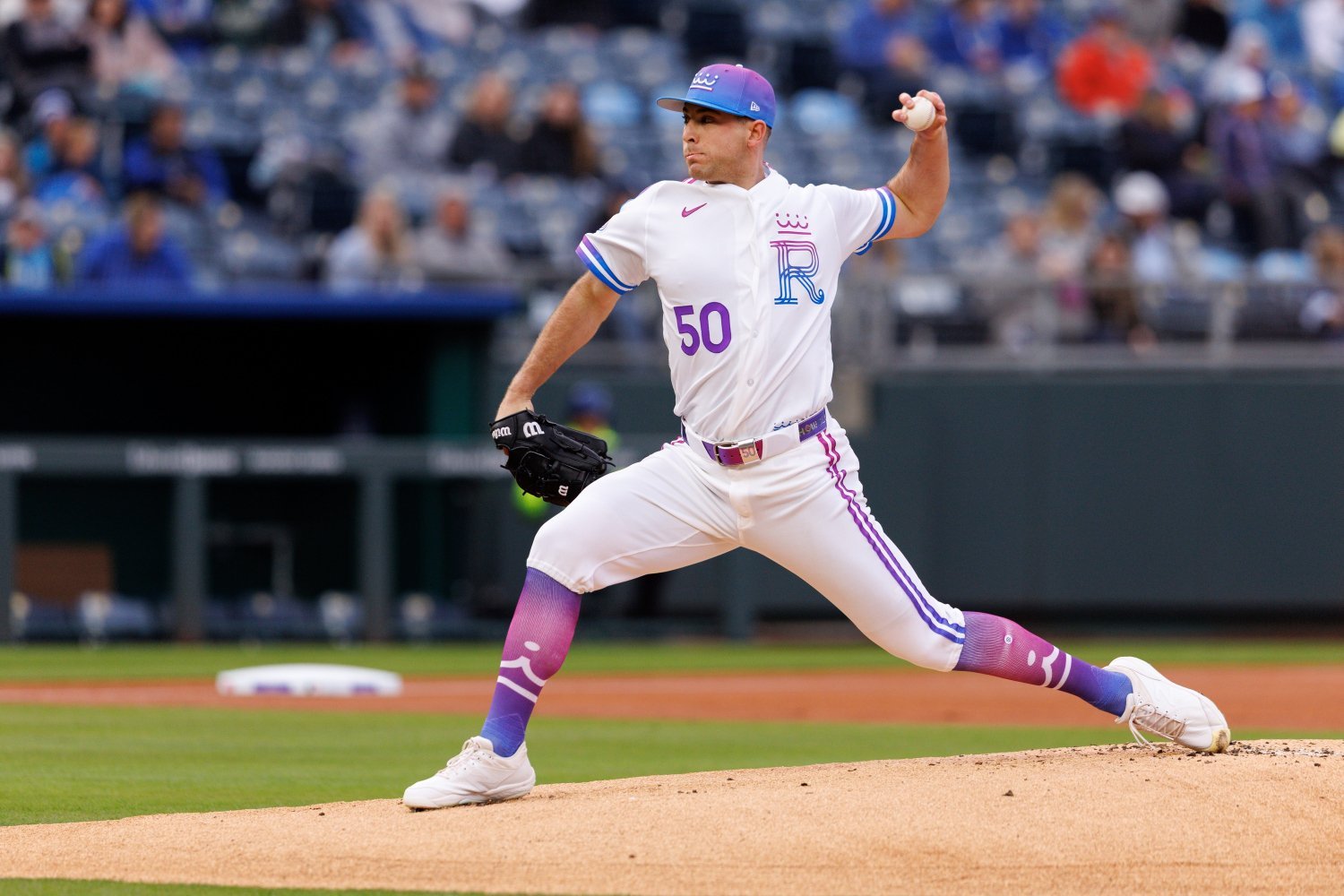 Week in a Nutshell The Royals were looking to take advantage in the AL Central this week, with a three-game series in Cleveland and a four-game homestand against the White Sox over the weekend. Unfortunately, the Royals took a slight step back this week with a losing record and split a series at home against a team that hadn't beaten the Royals at Kauffman Stadium since 2023. It's still early in the year, but it seems like the Royals are not getting off to the start that they hoped for back in Spring Training, when some experts were thinking that Kansas City could make a push for an AL Central division title. They have only won one series this year (Opening Week against the Twins), and they have the second-worst run differential in the AL Central, as of Sunday. While there are still 146 games remaining, the Royals need a jolt, especially on offense and in the bullpen, to help ensure they do not fall too far behind in the divsional race. On a non-record note, the Royals debuted their new City Connect uniforms this past weekend, which have received mixed reception from Royals and baseball fans alike. In honor of the unveil, they wore their City Connect uniforms all weekend (and went 2-1 in the new threads). Going forward, Kansas City will wear these new City Connect uniforms for every Friday home game this season. Record this Week: 3-4 Run Differential for the Week: -5 Record for the Year: 7-9 Run Differential for the Year: -11 Standing: Tied for 3rd in the AL Central Game 10: KC 4, CLE 2 Kansas City started off the road trip well with Michael Wacha setting the tone. He allowed only one run in seven innings of work, and he also allowed just three hits. Carter Jensen and Jonathan India both hit home runs in the Royals' two-run victory. Game 11: CLE 2, KC 1 In one of the coldest games of the year (they actually had to move up the first pitch to accommodate), Cleveland beat the Royals in walkoff fashion with Brayan Rocchio hitting the game-winning single. Jensen had the lone hit for the Royals, a solo home run. Game 12: CLE 10, KC 2 The game was close initially, as Cleveland was up 5-2 entering the 8th. However, a five-run 8th inning off Steven Cruz ended up putting the game out of reach (resulting in Tyler Tolbert closing out the game for the Royals' pitching staff). Bobby Witt Jr. had two hits and collected his first extra-base hit of the year (a double). Game 13: CWS 2, KC 0 Kansas City looked flat on Thursday, as the White Sox won their first game at Kauffman after going winless there for two straight seasons (they had a 14-game losing streak). Seth Lugo threw 6.1 innings of quality ball (1 ER allowed), but he wasn't able to outduel White Sox starter Anthony Kay, who earned his first MLB victory since 2021. Game 14: KC 2, CWS 0 The Royals ended a three-game losing streak on the night they revealed their new City Connect uniforms. Kris Bubic had a career-high 11 strikeouts in seven innings of work, and Witt and Michael Massey both had doubles. Jensen also hit his fourth home run of the year, which helped seal the game for the Royals. Game 15: KC 2, CWS 0 Wacha was masterful again, going eight innings and allowing no runs, four hits, and one walk while striking out seven. Maikel Garcia got the offense going early with a leadoff home run, but the Royals wouldn't score again until the 8th inning on a Vinnie Pasquantino sacrifice fly. Lucas Erceg notched his 5th save of the year. Game 15: CWS 6, KC 5 After spotting the White Sox a 2-0 lead, the Royals ended up leading the White Sox 5-4 after four. However, Chicago scored two runs in the 6th and 7th combined, and Kansas City was unable to score (or hit) for the remainder of the game. Sunday's game was played after a three-hour rain delay. News and Notes After rough outings against the Guardians on Wednesday, the Royals optioned pitchers Luinder Avila and Steven Cruz to Omaha and called up Eli Morgan and Mitch Spence. Morgan pitched against the Brewers as the 27th man for their doubleheader on Saturday, April 4th. The Royals were on a 0-for-32 stretch with runners in scoring position, entering Sunday's series finale against Chicago. They snapped that brutal streak with a Jensen infield single that scored a run in the bottom of the third. According to Fangraphs, the Royals are the worst-hitting team in RISP situations with a 37 wRC+. The next-worst is Pittsburgh with a 57 wRC+. In the minors, Ryan Bergert was shut down during his April 9th outing for Omaha due to elbow discomfort. Bergert was put on the IL, and righty Ben Sears was called up from Northwest Arkansas to replace him. No timetable has been shared regarding Bergert's injury. On a positive note, Stephen Kolek has returned from the IL and will be making a rehab stint in Omaha. He was supposed to appear in Sunday's series finale against the Iowa Cubs, but the game was canceled due to rain. Kolek will likely pitch back in Omaha this week as they play the Indianapolis Indians at Werner Park. The former Padres pitcher, who came over with Bergert in the Freddy Fermin trade last season, posted a 1.91 ERA and 2.71 FIP in 33 IP with the Royals last season. Highlights Jensen had the best week of any Royals hitter. In 22 at-bats, he hit .273 with a .986 OPS. That included six hits, with three of them home runs. He also had four RBI and has been on fire since his "oversleeping" controversy last Thursday. After a brutal week against the Twins and Brewers, Witt looked more like his old self this week against the Guardians and White Sox. He hit .308 with a .842 OPS with eight hits, including three doubles. Witt also stole four bases on five attempts, the lone caught stealing being on a controversial no-call that should've been a balk on White Sox reliever Jordan Hicks. He is currently at the top of the league in stolen bases. The Royals franchise shortstop also showed excellent plate discipline this week with five walks drawn and only four strikeouts. While he hasn't hit his first home run yet, he may be on the verge of doing so in this upcoming week of games. On the pitching end, Wacha and Bubic carried the Royals staff over the past week. Bubic's 11 strikeouts led all Royals pitchers over the past seven days, and he only had one outing. After an uneven performance against the Brewers in his late start, the former Stanford pitcher looked like his All-Star self on Friday against the White Sox, as he ended a two-game Royals slide. It wasn't just the strikeouts that were impressive for Bubic. When looking at his TJ Stats pitching summary, he excelled in nearly every category, as illustrated below. Bubic had four pitches with a TJ Stuff+ of 100 or higher, and he also had a 35.6% chase%, a 37% whiff%, and .209 xwOBACON. While the White Sox aren't a great offense, he neutralized a team that has the potential to get hot, especially with the long ball. As for Wacha, he was excellent this week, as he made outings against both the Guardians and White Sox. In 15 IP, he allowed only seven hits, had a 0.60 ERA, 0.73 WHIP, and had 10 strikeouts to only four walks. For the year, Wacha is not just posting a 0.43 ERA and 0.71 WHIP, but also a 16.2% K-BB% and a 3.01 FIP in 21 IP. Furthermore, the veteran arm is also putting up impressive chase and whiff rates this year despite not sporting elite TJ Stuff+ marks on his pitches. That shows how strong Wacha's command has been at the start of 2026. Lastly, Erceg had a solid week with three saves in three opportunities. He didn't allow a run, and no hits or walks either. He struck out two batters this week, which is nice, but it would be encouraging to see him generate more whiffs, especially if he is to hold onto the closer's role, even after Carlos Estevez returns from the IL. Lowlights Pasquantino and Perez's slow starts to 2026 got even worse over the past week. The Royals' No. 3 and 4 hitters, respectively, hit .080 this week with .080 slugging percentages. Pasquantino had a higher OBP than Salvy, with a .172 mark to the Captain's .148 OBP. However, both had paltry OPS numbers this week, with Vinnie having a .252 mark and Salvy sporting a .228 one. They also struck out eight and seven times in the past seven days, respectively. As a result, I questioned the current Royals' lineup and suggested moving Salvy out of the cleanup spot (based on recent and historical data) in my latest post on Royals Keep. Another Royals hitter who had a rough week was Kyle Isbel, who was scorching a week ago. Over the past seven days, Isbel hit only .067 with a .367 OPS in 15 plate appearances. He also had just one hit, a single. He has shown a solid plate approach, with four walks to five strikeouts this week. However, Royals fans who said he needed to be an everyday player ate some crow this week, especially after his 0-for-4, three-strikeout performance on Thursday against Kay and the White Sox. Cruz had the most brutal pitching performance this week, as he allowed five runs on four hits and two walks in 1.1 IP. For the year, the Dominican-born pitcher has been brutal, posting a 14.40 ERA and 13.12 FIP in five innings of work. However, it sounds like he may have been tipping his pitches this year, especially against Cleveland, as a Guardians content creator noticed in Wednesday's game. Hopefully, Cruz can figure this out in Omaha and come back to Kansas City more polished. He may have the best stuff on the Royals' 40-man roster, but his command has been poor so far in 2026. Schreiber had another rough week and is showing that he may not be built for high-leverage opportunities anymore. In three outings and two IP, he posted a 9.00 ERA and 2.50 WHIP. He had two walks to only one strikeout, and he also allowed three hits. In addition to his struggles with throwing strikes, the 32-year-old hasn't been effective this year when it comes to generating chase or whiff either, as illustrated in his TJ Stats summary below. With a 6.00 ERA, 7.82 FIP, and -9.7 K-BB%, manager Matt Quatraro may be better off utilizing someone else in medium to high leverage situations, whether it's Nick Mears, Eli Morgan, or Daniel Lynch IV, who have all looked better than Schreiber this season. Looking Ahead It won't be easy for the Royals this week, as they play three games against the Tigers in Detroit and a weekend series at Yankee Stadium in the Bronx. The Tigers have the same record as the Royals, but they have won three games in a row and have a +10 run differential, which is 21 runs better than the Royals. Detroit has also scored 70 runs this year, which is second-best in the AL Central and 16 runs better than Kansas City. The Tigers looked like their old selves this past weekend as they took care of the Miami Marlins at Comerica Park with the sweep. A positive aspect of this series is that the Royals will miss seeing Tarik Skubal, who pitched in the series finale against Miami. Cole Ragans will start the series against the Tigers. Hopefully, he can get back on track after being pulled in the first inning after getting hit on a comebacker from Jose Ramirez in his last start. The Yankees are reeling a bit as they are 8-7 and tied for first in the AL East with the Tampa Bay Rays and Baltimore Orioles. New York has lost five in a row after an 8-2 start, and their losing streak was amplified this weekend by getting swept by division rival Tampa Bay in the newly remodeled Tropicana Field. Despite the disappointing record, the Yankees have a +21 run differential, which is best in the AL East. The Yankees have a strong rotation, as they rank 1st in ERA and WHIP as of Sunday. The Royals will have a stiff challenge in the Bronx, as they will face Cam Schlittler, Will Warren, and Ryan Weathers, who have ERA marks of 1.62, 3.07, and 2.81, respectively. The Royals need a winning record on this road trip. However, that won't be easy against two teams that not only made the postseason last year, but are looking to win an AL Pennant in 2026. View the full article
 -
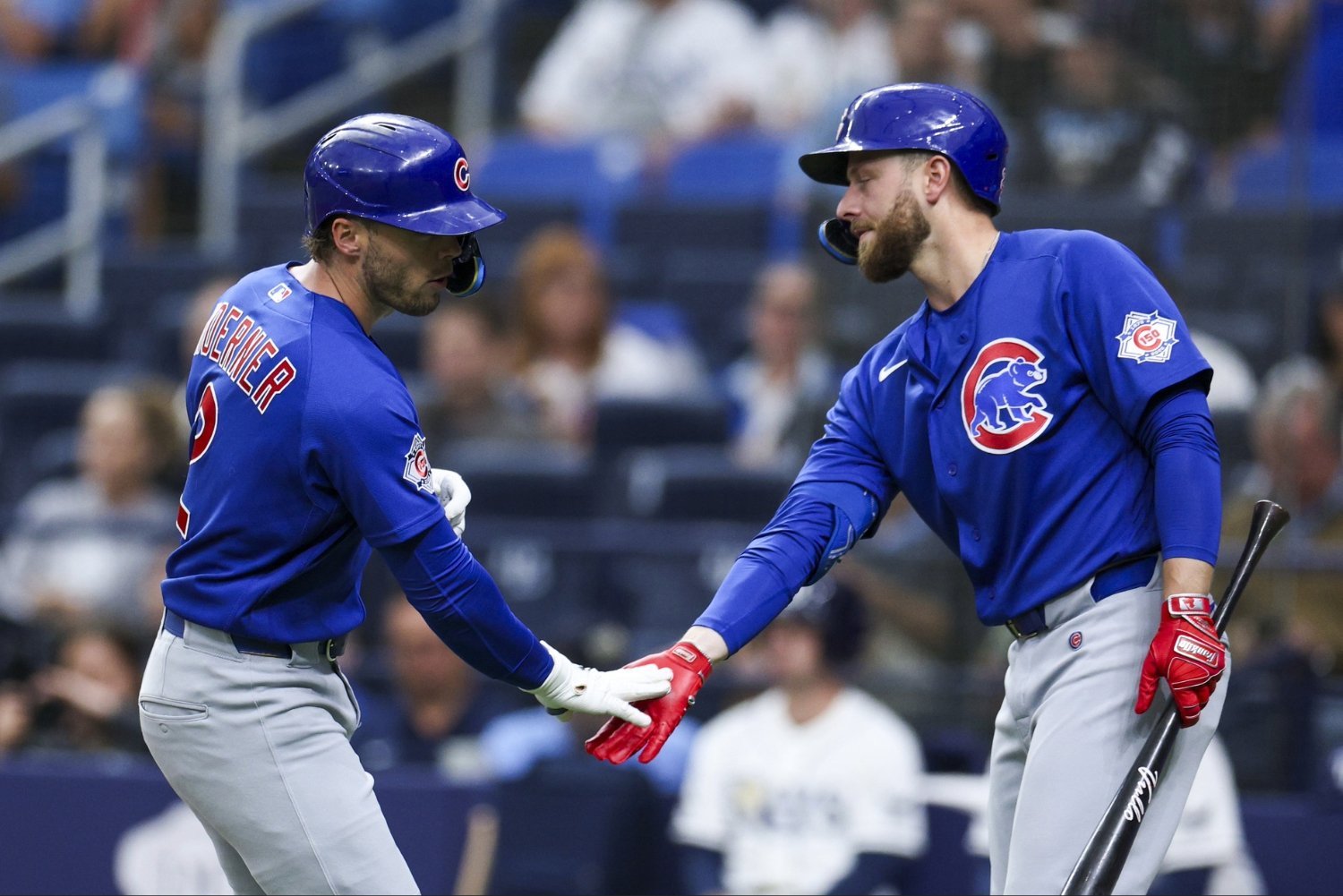 Caveats abound at this early stage of the season, but the Chicago Cubs are, at present and at best, a mediocre offensive team. A number of components will even out as the sample grows, but it's a hard idea to deny for a team that ranks 19th in runs scored, 24th in isolated power, and 22nd in wRC+. The inability to score runs consistently across an objectively easier portion of the calendar than they'll face in the coming weeks is frustrating from a viewership standpoint. It also doesn't feel terribly surprising. Under Craig Counsell as manager, it seems like the Cubs have always been working within a solid foundational process. They work good counts, they're able to draw walks, and they square up contact. The results themselves, however, have not always followed. In April of 2024, they were ninth in the league in runs scored. Then, in May that same year, they were 26th; in June, they were 27th. They got back to the middle of the pack in July before finishing in the top six in each of the season's final two months. In April of 2025, no team scored more runs than the Cubs' 184. They were third in runs in May before falling to 15th in June and 11th in July. The sputtering truly began in August when they ranked 27th before crawling back up to just outside the top 10 in September. Not that that's meant as criticism of Counsell or his coaching staff directly. The process is there. In each of those two seasons, the Cubs ranked in the top 10 in the league in walk rate and on-base percentage. In 2024, they were 13th in the league in squared-up contact before ranking in the top five last season. They have a presence on the bases and are able to generate meaningful contact. What they lack in bat speed, they trade in for efficiency. The issue is that their approach combines with personnel to create a rather difficult needle to thread. It requires collective effort and collective success for its merits to be realized. Following Saturday's loss to the Pittsburgh Pirates (in which the Cubs created plenty of traffic that didn't result in runs), Counsell noted the following: Therein lies exactly the problem we're seeing manifest with these Cubs at the plate. As recently as last year, the Cubs were occasionally accused of being too reliant on home runs to score offense. Those accusations weren't entirely off base. The thing about home runs is that they aren't always going to be in your offensive bag, especially when you're playing home games at Wrigley Field in April. Counsell's comment speaks to the issue we're seeing unfold and the difficulty a team can have to thread the needle when you're built the way they are. The Cubs do not have an offensive driver. There are loud tools mixed in throughout the lineup, sure. But they do not have a hitter who is going to unlock elite swing speed or make contact at a rate rarely seen on Statcast. The kind that can carry a lineup over a stretch. Their game is in a collective efficiency that raises the floor. Right now, the process toward that efficiency is playing out. They're top five in the league in walk rate (12.1 percent) and are fourth in the league in squared-up contact rate (35.8 percent). However, this philosophy requires the majority of the lineup to be locked into the process in addition to the need for timely hitting. You need those extra ingredients to find more than the floor on offense. The Cubs do not have the majority going the right way at the plate, nor have they received such timely hitting. Ian Happ is striking out roughly 36 percent of the time. Each of Dansby Swanson and Pete Crow-Armstrong were doing so at a rate pushing 30 and neither has had any power to speak of to compensate. Michael Busch hadn't recorded a hit in 30 trips to the plate prior to sitting on Sunday. The Cubs' .209 average with runners on ranks 28th in the league. Swanson notwithstanding given his place in the batting order, these are crucial elements of the lineup that need to be demonstrating the process set forth by this team in order to generate runs. The balance for Nico Hoerner's excellence or Alex Bregman's extreme batted ball misfortune (.213 BABIP) simply does not exist. And this team is not built to score in most other ways. Even with the return of Seiya Suzuki adding something new to the lineup than we've seen for the first few weeks, what we are seeing is a natural byproduct of the team's roster construction. Individuals need to adopt the philosophy, and once a certain volume of your lineup is executing said process, the runs will come. The Cubs don't have that volume, and they're struggling to score. Until things even out in that respect, in addition to the natural leveling of statistical outcomes over the course of a baseball season, this type of peak-and-valley trend in their run production is liable to continue. View the full article
 -
Brewers 'Threading the Needle' With Young Rotation
DiamondCentric posted an article in Brewer Fanatic
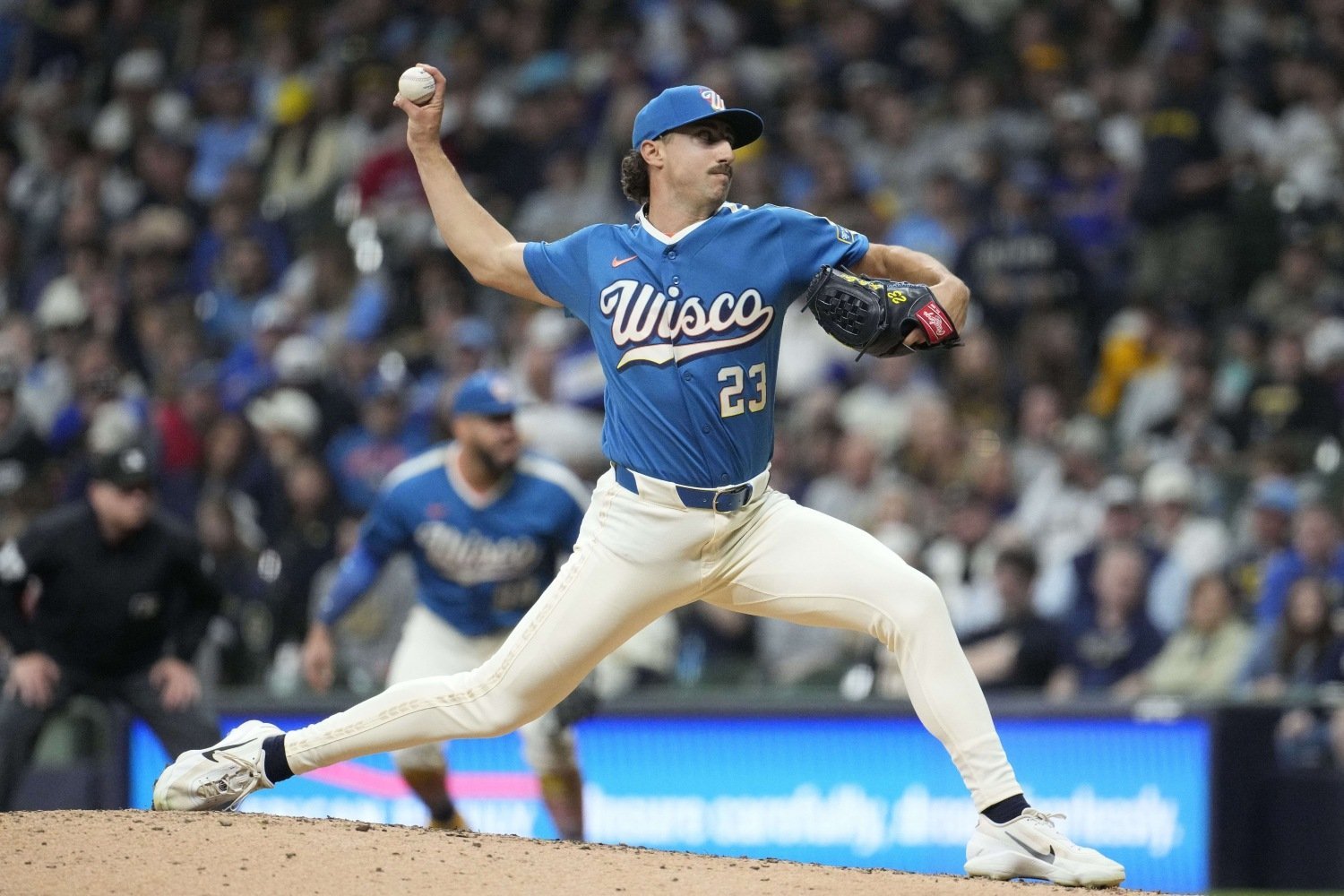 The Brewers adjusted their probable starters for their series against the Washington Nationals twice within 23 hours. Both changes reflected a need to be creative with their starting pitching, as they continue to develop young arms in the big leagues—particularly early in the season. Brandon Sproat was scheduled to make his next start on Friday night, but during Thursday’s off day, the club announced that Chad Patrick, Kyle Harrison, and Brandon Woodruff would each move up one day and start on a standard four days of rest. The change came after Sproat allowed 11 earned runs in just 6 2/3 innings over his first two starts, issuing as many walks (seven) as strikeouts and yielding four home runs. Pat Murphy said on Friday afternoon that Sproat was available out of the bullpen that night, but that he has not lost his rotation spot. The off day simply allowed the Brewers to reschedule his next start. “It’s just the way things have worked out,” Murphy said. “Sometimes that happens when you have the extra off days and things like that.” The decision was partially for matchup reasons. The Nationals’ offense entered Friday third in baseball with a 119 wRC+ and has a lineup heavy with left-handed hitters. Sproat has pitches in his arsenal that can retire lefties, but his reliance on his sinker has left him vulnerable to platoon splits. Last season in Triple-A, right-handers managed just a .548 OPS against him, but lefties posted a .743 mark. His next start could instead come against the Toronto Blue Jays next week, who also feature plenty of lefties but have scuffled offensively. “I’m pretty confident he’s in a good spot,” Murphy said. “He’s got to get better. He knows that. He’s been out there a couple times. He knows, ‘Hey, I’ve got to trust this and trust that, and I’ve got to be able to execute this.’ He’s learning on the job. When you have these young pitchers, that’s what happens.” Sproat did pitch better (though still not at the level the team hopes he'll reach, and soon) on Saturday, though he also tweaked his right knee. On Sunday morning, he reported no issues, so that start against Toronto is still possible. The Brewers also tweaked Patrick’s status hours before his scheduled start on Friday, using Aaron Ashby ahead of him as an opener. The fastball-heavy Patrick has also battled platoon splits, and Washington leadoff hitter James Wood has slugged .579 against right-handed fastballs for his career. “You guys obviously know we’re very inexperienced on the hill,” Murphy said. “We’re trying to thread the needle. These are the types of things you do.” The results were mixed. Ashby allowed a leadoff double to Wood in a two-run first inning before settling down to pitch into the third inning. Patrick only went three innings and threw 50 pitches as the bulk pitcher because he pitched into a bases-loaded jam in the sixth, forcing Murphy to turn to Ángel Zerpa, who induced an inning-ending double play to protect a one-run lead. “The plan was to try to win the game, and we had the pitching to do that,” Murphy said. “We had a bad matchup for [Patrick] in the bases-loaded situation, and we had the lead, so we went with Zerpa.” Zerpa would allow a game-tying double in the seventh before Washington pulled away with a four-run ninth, in which Luis Rengifo and Trevor Megill failed to defend a series of bunts. The loss dealt the Brewers their third straight defeat, an especially tough one to swallow after emptying their 'A' bullpen in the first game of a six-game homestand. “Disappointing,” Murphy said. “That type of loss really hurts.” Things only got worse from there. Coming out of the weekend, the team has a day off to savor, but they face further questions, after two more losses to the Nationals. For the first time since June 2023, Milwaukee will go a full week between wins. They have cause to wonder about Sproat, and now, there are also questions about Kyle Harrison, whose knee suffered a contusion (an X-ray ruled out a break, initially, but the team will continue monitoring it) Saturday, too. There’s some inherent chaos to early-season baseball. Roles, player performance, and team identity take time to stabilize. Amid a largely successful start, the Brewers are still working through some of those challenges, particularly with their young arms. "Tough times," Murphy said after the seesaw loss Sunday. "We haven’t been in these waters much in the last three years. Just have to get through it." The team has enough depth to do that. It also has enough vulnerability to fall problematically off the pace, if they don't find smoother sailing soon. View the full article
 -
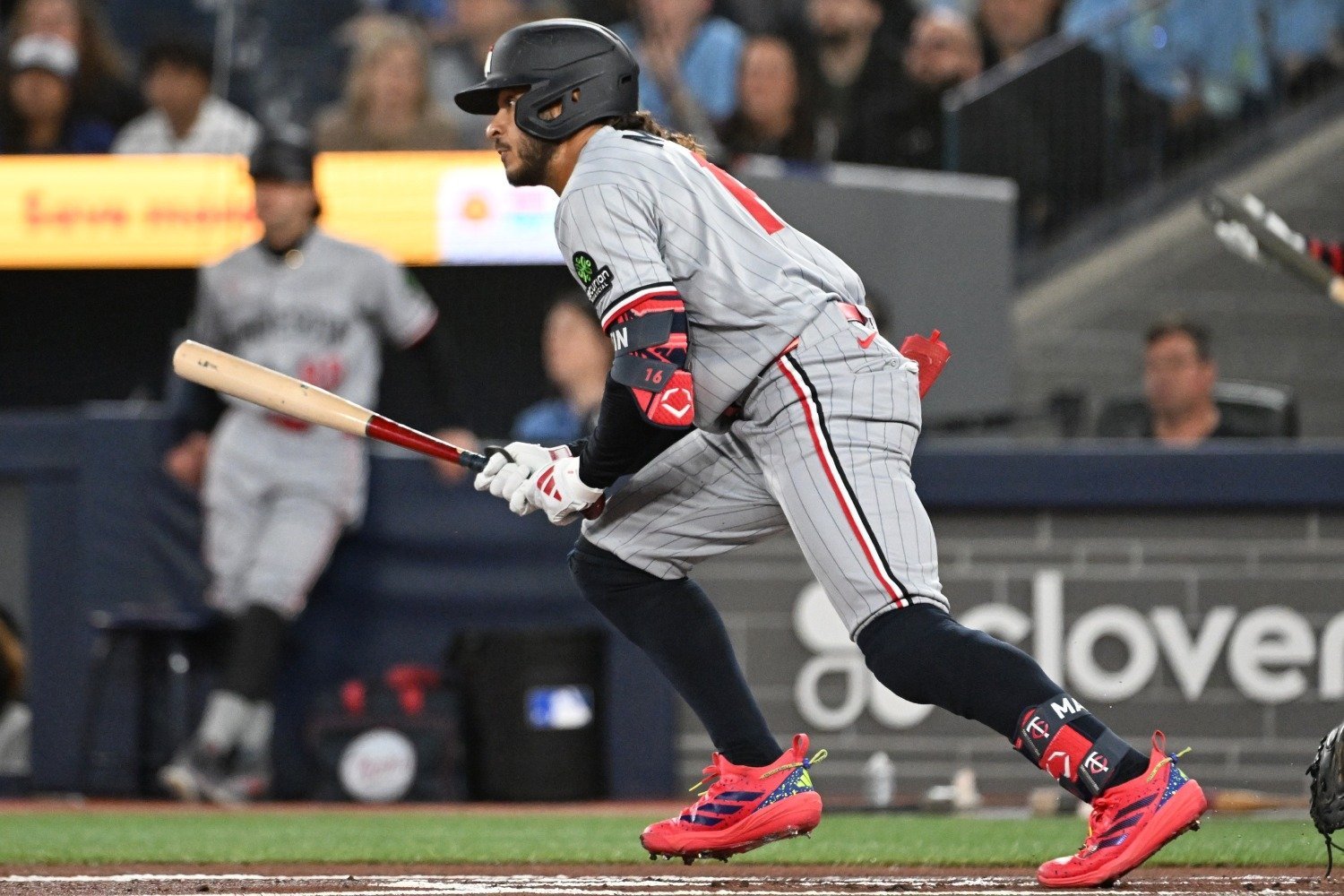 Over 665 plate appearances at Vanderbilt University, Austin Martin put up an astronomical .482 on-base percentage. He was everywhere—on base all the time, and a pest once he got there. It got him drafted fifth overall in the 2020 MLB Draft, by the Toronto Blue Jays. Martin continued that trend during his first taste of affiliated ball, generating a similarly impressive .424 OBP over 196 plate appearances with Double-A New Hampshire before being traded to the Minnesota Twins alongside Simeon Woods Richardson for José Berríos. He kept thriving after the deal, too, posting a .399 OBP over 168 plate appearances with Double-A Wichita. In his first full season in minor-league baseball, he had a .414 OBP over 418 plate appearances. Then, the Twins' hitting development staff attempted to overhaul Martin’s approach, adjusting his swing and encouraging him to be more aggressive at the plate. The then-24-year-old regressed, dipping to a (still impressive, mind you) .386 OBP over 252 plate appearances with Triple-A St. Paul in 2023. Martin did tap into more power, netting six home runs over that stretch. Still, trading off nearly 40 points of OBP wasn’t worth his minimal power increase—not because the player he'd briefly morphed into wasn't more valuable than the previous one, but because it turned out not to be a step toward the player he would need to be to find success in the majors, where it matters. He moved back to his previous approach after 2023. Jumping between Triple-A and the majors during his 2024 campaign, Martin’s OBP fell from a Vanderbilt-like .469 over 130 plate appearances with Triple-A St. Paul to a Scott Van Slyke-like .318 over 257 plate appearances with the parent club. Martin battled through injuries and another stint at Triple-A in 2025, before breaking out with the major-league club late last season. Down the stretch (albeit in a lost season), he hit .282/.374/.365 (good for a 113 wRC+) over 181 plate appearances. Posting an OBP higher than his slugging average, he was one of the most disciplined hitters in baseball after August 1 last season. He generated an elite zone contact rate, chase rate, and whiff rate, while swinging less often than almost any other player in baseball. Martin has continued that trend early this season, hitting .300/.500/.333 over 42 plate appearances. Gaining traction in the lineup all the time, Martin boasts the sixth-highest OBP (.398) since Aug. 1, 2025, slotting in behind only Brice Turang, Juan Soto, Yandy Díaz, Shohei Ohtani, and Aaron Judge. At the same time, he's hit only one home run and nine doubles, resulting in a .360 SLG. Despite getting on base at an elite rate, Martin has generated a modest .758 OPS over this span, explaining why he hasn’t been spoken of in the same vein as players like Turang and Díaz—let alone Soto, Ohtani, and Judge. Martin is never going to hit for power, and that’s okay—encouraged even. His SLG will likely never be higher than his OBP; he belongs to a player archetype that has become nearly extinct in today’s game. That doesn’t mean he doesn’t possess value. In fact, he's quickly blossomed into Minnesota’s most reliable contact hitter, often finding himself nestled between Byron Buxton and Luke Keaschall atop the lineup. Given his plus defense at both corner outfield spots and the ability to play center field, the former top prospect is maturing into the best version of himself. He doesn't have great bat speed, but he can do everything else well enough to matter. View the full article
