


DiamondCentric
-
Posts
2,631 -
Joined
-
Last visited
Never
Content Type
Profiles
Forums
Events
News
Tutorials & Help
Major League Baseball Videos
Guides & Resources
Store
Downloads
Gallery
Everything posted by DiamondCentric
-

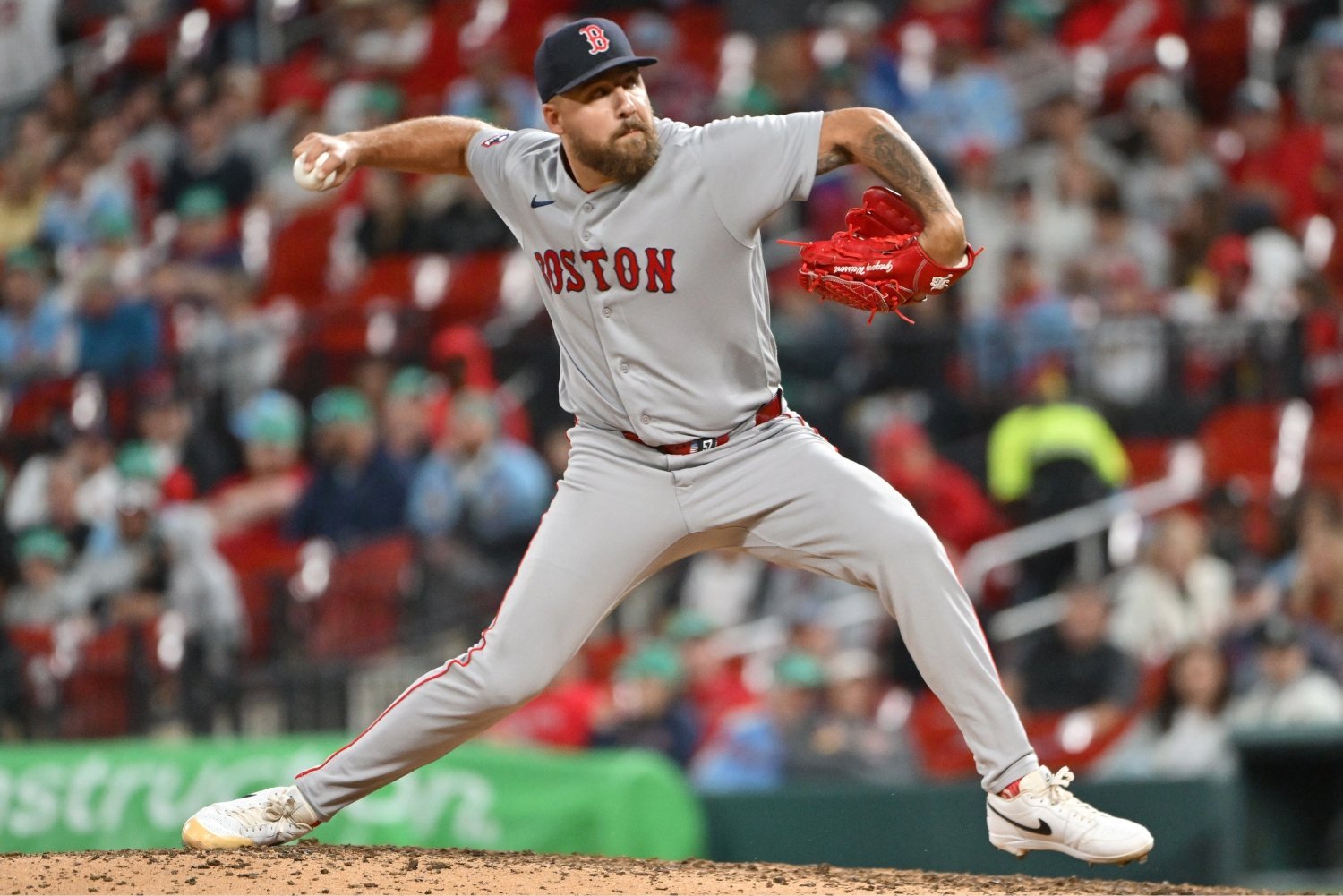 The start of the 2026 season has not been a great one for the Boston Red Sox's middle relief corps, but especially not for Greg Weissert. In eight appearances this season, Weissert has given up homers in three of them -- including a three-run homer in the sixth inning against Eugenio Suarez and a solo shot from Elly De La Cruz in the opening series against the Cincinnati Reds. The last homer he allowed was a three-run shot by Manny Machado of the San Diego Padres, turning a one-run lead into a two-run deficit en route to the team's 8-6 loss. From his deep arsenal, the changeup and slider have been the weak links, with hitters going 3-for-5 off the former specifically. The De La Cruz homer, a shot with an exit velocity of almost 107 mph, came off the slider. He’s cut down the time he’s throwing the slider roughly in half compared to last year, often choosing to throw a sweeper in those spots. The sweeper is used 18 percent of the time, predominantly to right-handed hitters, who struggle to pick the ball up coming across the plate. The slider is down from 16 percent use rate in 2025 to only 9 percent in 2026. The sinker and the four-seamer are Weissert’s strongest pitches so far in the 2026 season, holding batters to a 2-for-16 (.125) effort, the only blemish the homer by Suarez, who had 49 round-trippers a year ago for the Mariners and Diamondbacks. Combined, he is throwing those two pitches more than 50 percent of the time he’s on the mound. After the game, Weissert blamed the Suarez blast on bad execution: "Maybe I threw one too many fastballs to him facing him [yesterday and today],” Weissert told Christopher Smith of Masslive.com. “But you can nitpick. If he pops it up, it’s a great outing. If you do what you do, he does what he does, it’s a bad one.” Everything is magnified in the first couple weeks of the season, records included, but even more so for relievers. But there's signs that the tide is turning for Weissert, who helped Italy reach the semifinals of the World Baseball Classic this spring. In his past three outings, Weissert has pitched 2.2 innings, allowing only one hit, striking out three and walking one. In that time period, he's inherited three base runners but none have scored and his ERA is down from 9.64 to 6.14. He also has three holds, for any old-school fans that still value handling pressure in non-save situations. Most importantly, though, he’s throwing first pitch strikes nearly 70 percent of the time, which would be the best mark of his career. So far this season, Weissert has entered in either the fifth, sixth or seventh innings, a role he appears likely to maintain throughout 2026. The Red Sox need guys like Weissert, Ryan Watson and Jovani Moran to be that bridge between the starters and the back-end of the bullpen with Aroldis Chapman, Garrett Whitlock, and eventually Justin Slaten as they try to dig out of their early hole in the American League East. View the full article
 -
 Twins System Recap: Ben Ross continued his hot start for Wichita by hitting a pair of homers. He has a 1.337 OPS in this young season. James Ellwanger also kept his momentum rolling, delivering another scoreless outing. He's thrown 11 2/3 innings without surrendering a run. Also, Eduardo Beltre smacked a walk-off homer in the 10th inning for Fort Myers. View the full article
 -
Mets Minor League Report: Mets Affiliates Drop Four
DiamondCentric posted an article in Grand Central Mets
 Christian Scott struck out five over 5 1/3 innings, and Nick Morabito hit a solo homer in Syracuse's 4-1 loss to Scranton/Wilkes-Barre. Zach Thornton fanned six across five innings as Binghamton was shut out 3-0 at Akron. Nicolas Carreno fired 3 1/3 scoreless innings with seven strikeouts in St. Lucie's 17-13 loss at Daytona, where Randy Guzman homered twice and drove in five. Antonio Jimenez homered in Brooklyn's 15-4 loss to Greensboro. Mets Transactions New York Mets placed LF Jared Young on the 10-day injured list retroactive to April 13, 2026. Left meniscus tear. New York Mets recalled LF MJ Melendez from Syracuse Mets. Morabito Homers In Syracuse's 4-1 Loss To Scranton/Wilkes-Barre The Syracuse Mets fell 4-1 to the Scranton/Wilkes-Barre RailRiders on Wednesday. Nick Morabito provided the only run for Syracuse with a solo home run to center field in the bottom of the eighth inning, his third of the season. Syracuse managed just five hits in the game, stranding 15 runners on base. Ryan Clifford, Cristian Pache, Yonny Hernández, and Vidal Bruján each collected one hit. Syracuse drew three walks but struck out 10 times as a team and could not string together a rally. The RailRiders opened the scoring with a run in the first inning, added a solo home run in the second, and tacked on another run in the seventh before Morabito's eighth-inning homer cut the deficit to 3-1. Scranton/Wilkes-Barre added an unearned run in the ninth on a Ryan Clifford fielding error. Christian Scott took the loss after starting the game and going 5 1/3 innings, allowing two runs on two hits with one walk and five strikeouts. Scott surrendered one solo home run but was otherwise efficient, throwing 82 pitches. Alex Carrillo followed with 1 2/3 innings, allowing one run on two hits while striking out two. Ryan Lambert tossed a scoreless eighth with two strikeouts, and Joe Jacques pitched the ninth. Syracuse Mets Batting AB R H RBI BB K Nick Morabito CF 4 1 1 1 0 1 Ryan Clifford 1B 4 0 1 0 0 1 Ronny Mauricio 2B 3 0 0 0 0 0 Jose Rojas 1B 1 0 0 0 0 0 Cristian Pache RF 3 0 1 0 0 1 Christian Arroyo DH 1 0 0 0 1 1 Yonny Hernández DH 2 0 1 0 0 1 Vidal Bruján SS 4 0 1 0 0 1 Ji Hwan Bae LF 2 0 0 0 2 1 Hayden Senger C 3 0 0 0 0 2 Jackson Cluff 3B 3 0 0 0 0 1 Totals 30 1 5 1 3 10 Syracuse Mets Pitching IP H R ER BB K HR Christian Scott 5 1/3 2 2 2 1 5 1 Alex Carrillo 1 2/3 2 1 1 0 2 0 Ryan Lambert 1 0 0 0 0 2 0 Joe Jacques 1 1 1 0 1 1 0 Totals 9 5 4 3 2 10 1 Thornton Fans Six But Binghamton Shut Out 3-0 At Akron The Binghamton Rumble Ponies were shut out 3-0 by the Akron RubberDucks in a seven-inning contest. Binghamton managed just one hit on the day, a single from Kevin Parada, and drew six walks but could not push a run across. A.J. Ewing, Marco Vargas, Jacob Reimer, Chris Suero, JT Schwartz, and Wyatt Young each reached base but were stranded. The Rumble Ponies struck out 10 times and left six runners on base. Binghamton had opportunities with runners on throughout the game, but could not come up with a timely hit. Akron broke the scoreless tie in the bottom of the sixth inning, scoring two runs on a fielder's choice and a force-out ground ball, then added another run to take a 3-0 lead heading into the seventh. Zach Thornton took the loss after starting the game and going five innings, allowing two runs on five hits with two walks and six strikeouts. Thornton was efficient on 78 pitches and kept Akron off the scoreboard until the sixth inning, when he gave up the two runs that broke the tie. Ben Simon followed with one inning of relief, allowing one run on one hit with one walk and one strikeout on 31 pitches. As a team, the Binghamton pitching staff allowed three runs on six hits across six innings of work. Binghamton Rumble Ponies Batting AB R H RBI BB K A.J. Ewing CF 2 0 0 0 1 1 Marco Vargas SS 2 0 0 0 1 1 Jacob Reimer 3B 2 0 0 0 1 0 Chris Suero 1B 1 0 0 0 2 1 Eli Serrano III RF 3 0 0 0 0 0 Kevin Parada C 3 0 1 0 0 1 JT Schwartz DH 2 0 0 0 1 1 Matt Rudick LF 3 0 0 0 0 3 Wyatt Young 2B 3 0 0 0 0 2 Totals 21 0 1 0 6 10 Binghamton Rumble Ponies Pitching IP H R ER BB K HR Zach Thornton 5 5 2 2 2 6 0 Ben Simon 1 1 1 0 1 1 0 Totals 6 6 3 2 3 7 0 Jimenez Homers In Brooklyn's 15-4 Loss To Greensboro The Brooklyn Cyclones were thumped 15-4 by the Greensboro Grasshoppers. Antonio Jimenez hit a solo home run in the bottom of the fifth inning, his first of the season, to cut the deficit to 3-2. Vincent Perozo led Brooklyn with three hits in five at-bats and an RBI. Corey Collins added a double and two walks, while John Bay and Daiverson Gutierrez each went 1-for-3 with two times reaching base. Ronald Hernandez had an RBI single, and Colin Houck drove in a run with a sacrifice fly in the ninth. Brooklyn collected 10 hits and drew seven walks, but left 13 runners on base as a team. Greensboro broke the game open with eight runs in the sixth inning, highlighted by a grand slam, and added four more runs in the eighth. Channing Austin took the loss after starting the game and going 3 1/3 innings, allowing three runs, two earned, on three hits with four walks and three strikeouts. Austin gave up a two-run home run in the third inning. Cristofer Gomez followed with 1 2/3 scoreless innings with two strikeouts and one walk. Tanner Witt allowed six runs in 1/3 of an inning during Greensboro's nine-run sixth, with a grand slam doing the bulk of the damage. Juan Arnaud, Gregori Louis, Danis Correa, and Trace Willhoite combined to finish out the game on the mound. Brooklyn Cyclones Batting AB R H RBI BB K Mitch Voit 2B 5 0 0 0 0 3 Antonio Jimenez SS 5 1 1 1 0 1 Daiverson Gutierrez DH 3 1 1 0 2 0 Corey Collins 1B 3 1 1 0 2 0 Ronald Hernandez C 4 0 1 1 1 0 John Bay RF 3 1 1 0 1 1 Colin Houck 3B 4 0 1 1 0 3 Vincent Perozo LF 5 0 3 1 0 0 Kevin Villavicencio CF 3 0 1 0 1 0 Totals 35 4 10 4 7 8 Brooklyn Cyclones Pitching IP H R ER BB K HR Channing Austin 3 1/3 3 3 2 4 3 1 Cristofer Gomez 1 2/3 0 0 0 1 2 0 Tanner Witt 1/3 3 6 5 2 1 0 Juan Arnaud 2/3 2 2 2 1 1 1 Gregori Louis 1 1/3 4 3 3 0 1 0 Danis Correa 2/3 3 1 1 0 1 0 Trace Willhoite 1 0 0 0 0 0 0 Totals 9 15 15 13 8 9 2 Guzman's Two-Homer Night Wasted In St. Lucie's 17-13 Loss At Daytona The St. Lucie Mets blew a 7-0 lead and lost 17-13 at the Daytona Tortugas in a slugfest. Randy Guzman led the offense with a huge night, going 3-for-5 with two home runs, a triple, three runs scored, and five RBI. Guzman hit a two-run homer in the first inning and another two-run homer in the ninth. Branny De Oleo added three RBI with a two-run double in the fourth, going 2-for-5 on the night. JT Benson knocked in two with a double in the ninth, walked twice, and scored a run. AJ Salgado, Sam Robertson, Simon Juan, and Elian Peña each collected a hit, with Peña adding a double and a stolen base. Sam Robertson went 2-for-4 with an RBI, two runs scored, and a walk. St. Lucie built leads of 7-0 and 8-5 before the bullpen unraveled in the sixth and seventh innings, allowing 12 runs across those two frames. Nicolas Carreno got the start and was dominant in his brief outing, throwing 3 1/3 scoreless innings on 54 pitches, allowing one hit with one walk and seven strikeouts. Tyler McLoughlin followed five runs over 1 2/3 innings with three strikeouts. Omar Victorino took the loss after allowing nine runs on five hits with three walks in one inning of work. Elwis Mijares, Jorge De Leon, and Joe Scarborough combined for the final three innings of relief. St. Lucie Mets Batting AB R H RBI BB K Elian Peña SS 4 2 1 0 1 2 Sam Robertson 2B 4 2 2 1 1 0 Randy Guzman 1B 5 3 3 5 0 0 Julio Zayas DH 5 0 0 0 0 1 AJ Salgado RF 4 1 1 1 0 2 Simon Juan CF 4 2 1 0 0 2 JT Benson LF 3 1 1 2 2 0 Chase Meggers C 1 1 0 0 0 0 Francisco Toledo C 2 1 0 0 1 0 Branny De Oleo 3B 5 0 2 3 0 0 Totals 37 13 11 12 5 7 St. Lucie Mets Pitching IP H R ER BB K HR Nicolas Carreno 3 1/3 1 0 0 1 7 0 Tyler McLoughlin 1 2/3 5 5 5 0 3 1 Omar Victorino 1 5 9 9 3 1 0 Elwis Mijares 1 1 1 0 0 0 0 Jorge De Leon 2/3 1 2 2 3 1 0 Joe Scarborough 1/3 1 0 0 0 1 0 Totals 8 14 17 16 7 13 1 View the full article
 -
Sneaky Heat: Garrett Acton and the Twins' Wide-Open Bullpen Picture
DiamondCentric posted an article in Twins Daily
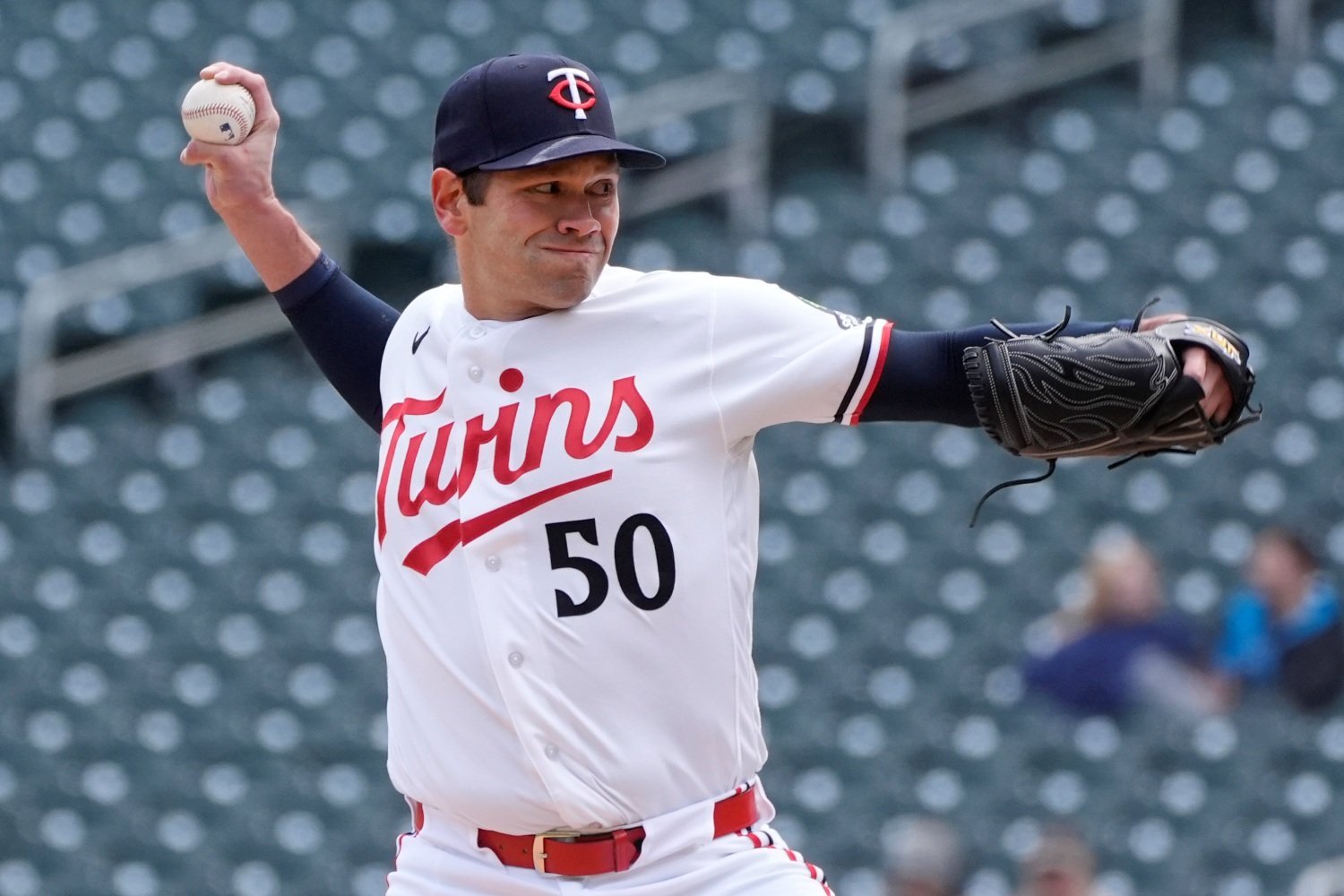 It looks pretty innocuous. Garrett Acton isn't notably big or small. He doesn't have a funky arm angle or a complicated delivery. He just kicks and delivers, and it's not like his fastball hums in at 100 miles per hour. On the contrary, in his two appearances with the Twins so far this season, he's averaging just 94 MPH with the fastball. He's only thrown fastballs and sliders, so far. It's not an elaborate or an overwhelming operation. That's probably why Acton has always been below the prospect radar. He was a 35th-round pick by the White Sox in 2016, coming out of a high school in Chicago's southwest suburbs. Instead of signing, though, he went to junior college at Parkland College in Champaign, Ill. From there, he moved on to Saint Louis University and the University of Illinois-Champaign, but he went undrafted in 2019, and again in the COVID-shortened 2020 event. He signed as an amateur free agent, with the Athletics. He stuck with the Oakland organization for almost three years, even making a brief debut in 2023, but he then became a 40-man roster casualty. He wasn't claimed on waivers at the time, and didn't find a new home until signing with the Rays that December. He underwent Tommy John surgery and missed all of 2024. Last year, he pitched just well enough at Triple-A Durham to earn one appearance with a forgettable Rays team. He didn't morph into a relief ace, or anything. Somewhere in there, though, he became an in-demand asset. The Rockies claimed him on waivers in November, and the Marlins plucked him from Colorado the same way in early February. If you're hearing the words 'Rockies', 'Marlins' and 'waivers' and thinking this guy doesn't sound all that in-demand, you're not entirely wrong, but remember: waiver priority is determined by team quality. He did end up on the waiver wire repeatedly, even though he was passing through the hands of some bad teams, but then again, he got claimed by bad teams who had good spots in the line for such players. The Twins became the third team to scoop him up, this time via a trade, at the beginning of this month. It was a minor move, for a minor arm, but it could end up making a more significant impact than you'd guess. There's a reason why Acton has become a buzzier name lately: his stuff is sneakily good. In the image above, the distributions on the left show that all four pitches Acton throws (though he hasn't yet shown his splitter or curveball in the bigs) are above-average. His fastball-slider combination, in particular, rates well on Baseball Prospectus's StuffPro model. Why? Look at how high that heater rides, on the right. It sets up the tight slider gorgeously, and vice-versa. Again, Acton's delivery is unremarkable—but that's to his advantage. The way the ball spins and carries out of his hand is unexpected, to the batter. Taj Bradley (to choose a familiar name, especially at the moment) gets lots of carry on his heater, but he does it with a very high arm slot, so hitters expect a bit more of that movement. When a pitcher's vertical movement doesn't quite match their slot, though, it creates more deception. ZFh2d2pfWGw0TUFRPT1fQVFSVVVWd0dYZ0VBWEZvTFVBQUhBMVVEQUZoVVVsa0FCbElFQXdvQkJsWUFBZ05V.mp4 Stereotypically, fastballs with that extra vertical hop achieve swings and misses at the top of the zone, as in the pitch above. It's less obvious, but this extra carry also helps at the bottom of the zone, when a pitcher locates and sequences well. It can earn you called strikes, because a hitter expects the pitch to dip low, only to see it hold on for a strike on what should have been a hittable pitch. ZFh2d2pfWGw0TUFRPT1fQkFFQ1YxeFJWbFFBRGdGVFZRQUhDUWRWQUFNQld3VUFCd1FNQUFBRVZBWlVBRkJm.mp4 For those reasons, this is a trait the Twins hunt. Bradley's rising heater appealed to them, but so do pitches with much less raw movement, like the heaters of Mick Abel, Bailey Ober and Eric Orze. Plot pitchers by arm angle and vertical movement, and you can see how unusual the movement some of those hurlers achieve really is, based on how they throw. Unlike Ober, Orze or Abel, though, Acton's fastball does something else: cut more than expected based on the arm angle, too. That cut-ride action is a shape the Twins like, and a very rare one. Most pitchers whose arm slots are low enough to allow for unexpected vertical ride have a hard time achieving that while still getting around or behind the ball enough to give it relative cut. Not Acton. In this chart, the lower a pitcher's point appears, the less arm-side movement their heater has. That characteristic is especially valuable for setting up the slider. Because the batter will struggle to distinguish the two pitches from one another out of the hand, he can miss bats with the slider even when he misses his spot with it—but it's especially devastating when well-located, moving out of the same tunnel as the fastball. ZU53T0FfWGw0TUFRPT1fQUFnRVhWZFJYMVFBWFZSV1ZnQUhWQTVYQUFNRFZBY0FCRklGQmxGVEFBSlJCQWNB.mp4 This is plus stuff. Acton didn't suddenly show up with it this spring, either. In his longish career in Triple-A, he struck out over 28% of opposing batters. The reason it's taken him until age 27 to find any lasting foothold in the big leagues is exactly the one you'd guess, given everything we've discussed so far: he struggles to throw strikes. Acton has walked roughly 10% of the batters he's seen in Triple-A. That humming fastball often rises above the zone, and his command of the slider isn't great. To be a useful big-league reliever, he has to find the zone more consistently. He might be en route to making that crucial adjustment, though. Last year, he had a bit more of a high front side, slightly increasing deception but taking some stability out of his delivery. eUxNeHdfVjBZQUhRPT1fQUFCVVZ3SUVVZ3NBRFZjRVZnQUhCVmRYQUZoVVVWQUFVMVlIVWdVR0JWY0VDQU1D.mp4 This season, he's quieted that down. A simpler delivery might beget just enough more control to allow Acton to turn the corner and establish himself as a good reliever—and if he does, for this Twins team, he'll simultaneously establish himself as a solid setup man, or more. He's one of the highest-upside arms in a bullpen with a lot of journeymen but few who still have his ability to generate whiffs. Acton has minor-league options remaining, so he doesn't have to depart the organization if the team needs his roster spot. He might have to ride the Green Line a time or two this year, but he's showing enough to make it relatively likely that he sticks with the Twins organization for a while. He might even emerge as an important cog in a pen the team will count on to keep them from collapsing into non-competitiveness as the season wears on. View the full article
 -
The Science Behind Edward Cabrera’s Spectacular Start
DiamondCentric posted an article in North Side Baseball
 Edward Cabrera has been superb as a bright spot in an otherwise injury-riddled rotation. What is the science behind his 1-0 start with a mid-1s ERA? Today, we dive into his electric changeup, high whiff, and chase rate, and how he can keep this momentum going as the 2026 season progresses. Enjoy! View the full article
 -
 Brandon Sproat has had a start to forget. The 25-year-old has an earned run average north of 10 and an 0-1 record in his short time as a member of the MIlwaukee Brewers so far. Today, we'll dive into why Sproat is struggling and what the key return piece in the Freddy Peralta trade needs to do to excel in 2026. View the full article
 -
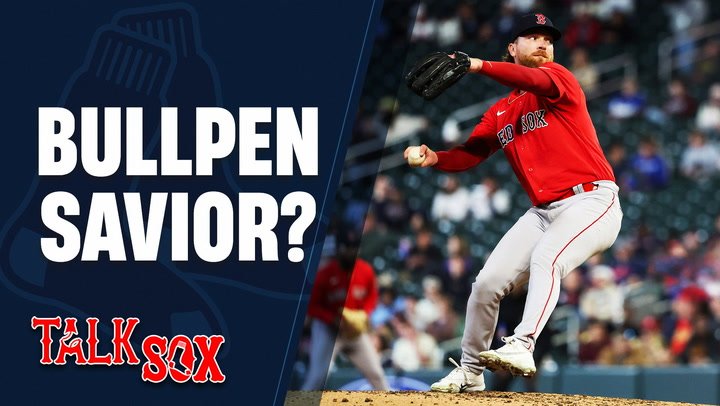 Jack Anderson is set to make his MLB debut after a solid showing in Worcester this season. Red Sox plucked him from the Tigers in the 2024 Rule 5 draft. Anderson has been working as a starter since joining the Red Sox; however, he has relief experience from the Tigers organization. Let's take a dive into his expected role for the big league club. View the full article
 -
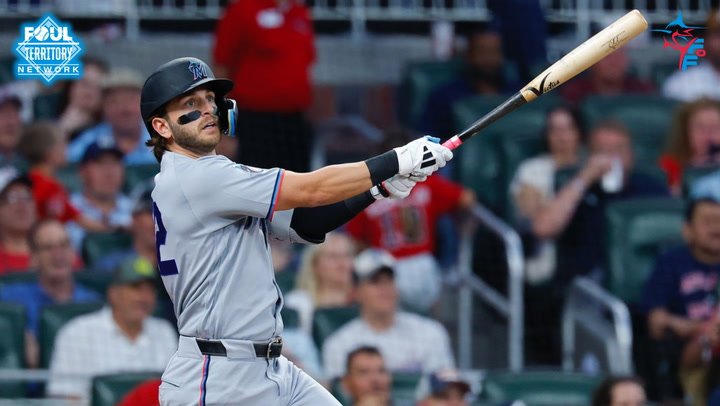 Fish On First LIVE discusses the curious case of Connor Norby, who has generally been great at the plate for the Marlins, but not against left-handed pitching.View the full article
 -
What's the Deal With Vinnie Pasquantino's Bat Speed?
DiamondCentric posted an article in Royals Keep
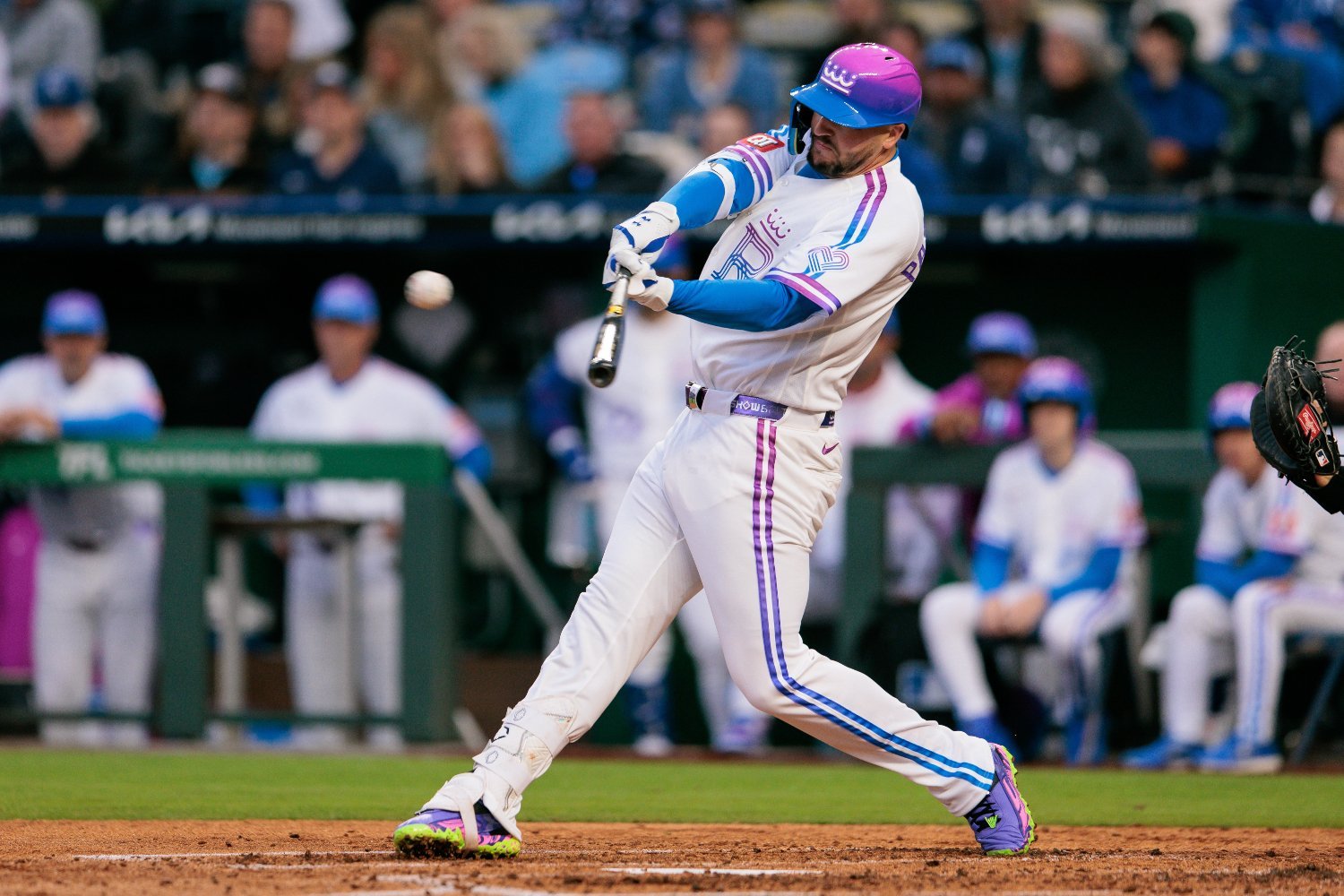 It's been a brutal start for the Kansas City Royals offensively this season. Going into Wednesday's game, they ranked 25th in home runs, 26th in batting average, 27th in OPS, and 28th in runs scored. That's not encouraging for a team that has aspirations to return to the postseason after missing out in 2025. There have been many hitters who have struggled for the Royals through 18 games, but no Royals player has been as bad as Vinnie Pasquantino, who is hitting .138 with a .391 OPS in 76 plate appearances. Not only has Vinnie struggled with his results in his traditional metrics, but his Statcast percentiles, especially in the exit velocities and hard-hit categories, have been particularly poor to begin the season as well That is evident in his TJ Stats Statcast summary below. Now, to be optimistic with Pasquantino, he also had similar struggles out of the gate in 2025. In 2025, he hit .177 and posted a 49 wRC+ in April. In 2024, he hit .208 with a 96 wRC+. Thus, starting slow isn't exactly unfamiliar territory for the 28-year-old Royals first baseman. However, even by his slow-start standards, this season has been especially bad, and he has seen a discouraging trend in his starts to the season over the past few years, particularly in his first 73 to 76 plate appearances. I Tweeted about this after the Royals' loss on Tuesday. It's one thing to start slow. It's another thing to be 56 points worse in wRC+ than a year ago, and 135 points worse than two seasons ago. Something has to be particularly off for a player to experience that kind of drop-off on the offensive end, barring an injury. Looking at his metrics on Baseball Savant, it seems Pasquantino's bat speed may be the culprit behind his struggles (though the reason for that decline is a trickier question to answer). A Sharp Decline in Vinnie's Bat Speed in 2026 Bat speed can be an important data point when evaluating hitters and their successes and/or struggles at certain points of the season. Often, good bat speed can lead to better outcomes, especially in power. MLB Tonight talked about the importance of bat speed for hitters in a segment a couple of seasons ago, which can be seen below. When it comes to Royals hitters and bat speed, below is a table of current Kansas City players, organized by bat speed. It also includes other important metrics such as hard-swing%, squared-up%, swing length, and batter run value.. When it comes to bat speed, Jac Caglianone and Carter Jensen rank at the top of the list for the Royals with average bat speeds of 76 MPH and 74.8 MPH, respectively. That said, the bat speed has produced mixed results for both. Jac and Carter have squared-up rates of 31.7% and 25%, and batter-run values of -3.4 and -1.3. At the bottom of the list is Pasquantino, who has an average bat speed of 69.3 MPH this season. His squared-up rate is decent at 30.2%. However, -8.7 batter-run value is the worst mark of Royals hitters so far this year. The bat speed in 2026 is atypical for Vinnie. In 2024, his average bat speed was 71.7 MPH. Last year, it was 72.5 MPH. Thus, he's seen a 3.2 MPH decrease this year, and the drop has been very uncharacteristic of his hitting profile, as illustrated by his rolling bat speed chart below, via Savant. Pasquantino did have an increase in bat speed from 2024 to 2025, with the biggest gains being at the start of the season. That said, the increase in bat speed seemed to have counterintuitive results, as illustrated in his sub-50 wRC+ in the first month of play. Vinnie's bat speed and pull-heavy approach, which were a detriment at the beginning of the year, were discussed in a 2025 Pitcher List piece by Nate Schwartz. Here's a quote that talked about those bat-speed and pull issues and how he turned things around when he became more "natural" in his hitting approach. After a massive spike in bat speed at the beginning of the year, Vinnie settled in, and his bat speed produced similar MPH trends to what he did in 2024. As a result of this stabilization in bat speed, Pasquantino hit 32 home runs and posted a .798 OPS in 682 plate appearances, his best season yet at the MLB level. So far this year, it's not a spike in bat speed that's plaguing his hitting at the plate. Rather, it's a massive decline in bat speed. According to his rolling bat speed chart, his average bat speed has hovered below league average for most of the season thus far, sans a small stretch in his first 20 competitive swings of the year. While the squared-up rate hasn't been too strongly affected, the hard-hit rate has been a different story. In 77 plate appearances, Pasquantino is producing a 33.3% hard-hit rate. That ranks him in the 14th percentile this year. Furthermore, when looking at his rolling hard-hit% chart on Savant, Vinnie has had some spikes in hard-hit rate. However, he's had considerable stretches where he's hovering between the 25-30% mark, as illustrated below. For context, let's look at Pasquantino's rolling hard-hit% over his career and see what kind of peaks and valleys he's sported since debuting with the Royals in 2022. Pasquantino has had some considerable drops in hard-hit rate before, so this isn't as dramatically new as the drop in bat speed. From the end of 2023 to the start of 2024, he had a hard-hit rate that hovered between the 20th and 30th percentiles for a 100 batted-ball stretch. That said, he was coming off an injury-shortened season in 2023, so the hard-hit rate struggles in 2024 were probably linked closely to that. Without a major injury in 2025 or this spring, what's the excuse for the drop in hard-hit rate as well as bat speed this time around? What Causes a Decrease In Bat Speed? To get a better sense of what causes declines in bat speed, I decided to do what any curious millennial baseball fan with a laptop computer would do: I Googled it. This is the answer that I got when I asked Google, "What contributes to a decline in bat speed in baseball?" When looking at Google's solutions, I felt two of the suggestions could be easily eliminated: Improper equipment and physical factors. Regarding improper equipment, I guess we don't know for sure, but I don't believe Vinnie has started using a different size or type of bat. When it comes to physical factors, we're only 18 games into the 2026 season. If he's tired and fatigued now, I would have serious concerns about his conditioning and, honestly, general health. Thus, there could be three issues contributing to Pasquantino's decline in bat speed: mechanical factors, external conditions, and/or mental approach. In terms of the mechanics, I did take two clips of Vinnie's for comparison: one on a ground out from this year and one on a field out from last year, both coming on pitches thrown low and away. Vinnie-2025 and 2026.mp4 Both pitches are balls with movement, but there definitely seems to be less balance, and the sequencing seems a lot more off in his 2026 swing than his 2025 one. It's a small sample of swings, but it shows that there could be something mechanical going on with Vinnie's hands and torso that's preventing him from maximizing his bat speed. In terms of the external factors, the Royals have played some cold-weather games in cold-weather cities to begin the year, with trips to Cleveland and Detroit being the primary ones. It was a bit of the same story last year with similar trips, so the struggles could be related to Vinnie's body not feeling fully loose in such frigid climates (though that wouldn't explain his stronger starts in 2023 and 2024). Regarding pitch location, Vinnie has been challenged, but his results chart shows he's getting pitches thrown in hittable areas of the zone. He's just not doing anything with them, as illustrated below in his pitch result chart via Savant. Thus, that leaves the last factor: mental. Honestly, I do think that so much of what is ailing Vinnie at the plate. He's a reflective player who is constantly thinking about the game and his approach. However, sometimes in sports, especially in baseball, it can be "paralysis by analysis". That feels like the case with Pasquantino through 18 games. He's thinking too much, maybe focusing on what he should be looking for and what he should be avoiding, and it's messing with his approach. When looking at his TJ Stats Statcast summary from a year ago, the plate discipline and approach numbers aren't all that different. Rather, the big difference for Pasquantino from 2025 and this season is his batted-ball profile and strikeout rate. We know about the declines in exit velocity, barrel rate, hard-hit rate, and LA Sweet-Spot%. However, his K% in 2025 was 15.8%, which ranked in the 87th percentile. His K% this year? It's 23.3%, which ranks in the 40th percentile. That's a 47-spot drop and a 7.5% increase in strikeouts. For a hitter who is known for his contact ability, the increase in strikeouts is concerning. It may not be due to his actual skills, but rather his mental approach, as he seems to be pressing in two-strike counts. His win probability numbers show that problem as well. Through 18 games, he has -0.82 WPA, -0.60 WPA/LI, and -0.12 clutch. Being negative in those categories shows that Vinnie is struggling in key spots. With the skills, especially plate discipline, not being as different from his 2025 metrics, it may be what's going on in between the ears (i.e., confidence) that's contributing to his bat speed, rather than a physical or mechanical ailment. What to Think About Vinnie Going Forward? To be honest, I am concerned about Vinnie. A slow start from him isn't surprising, and he bounced back fine from a slow start in 2025. That said, he's a year older. He doesn't exactly have a frame that ages well. And while he is a leader in the clubhouse, I could also see being a player who puts a lot of pressure on himself, especially if he's not performing. I think Pasquantino will get to a better form sometime soon. The batted-ball metrics will follow with an increase in bat speed, which I think will happen sooner rather than later, especially once Pasquantino gets on a hitting streak. It seemed like Vinnie took a step in the right direction in Wednesday's loss, with a triple that he launched 100 MPH with a bat speed of 82.5 MPH. His last swing of Wednesday's game showed what Vinnie is capable of when things are clicking at the plate for him: good exit velocity, good launch angle, good bat speed, and some extra bases to show for it. The main question is now this: Can he string these kinds of swings together on a regular basis, especially in regard to bat speed? That is a tough question, especially since we don't have any idea of what his mindset is right now, with him mired in this slump. According to Fangraphs, ZiPS is projecting Vinnie to hit 22 home runs and post a 108 wRC+ in 495 remaining plate appearances. While that would be down from his 32-HR mark in 2025, it would be welcomed by Royals fans, especially considering the offense's struggles as a team. Pasquantino has the ability to reach that ZiPS ROS projection. However, he needs to start showing results sooner rather than later. A home run in the series finale against Detroit would help Royals fans feel encouraged about Vinnie's outlook for the remainder of the season. View the full article
 -
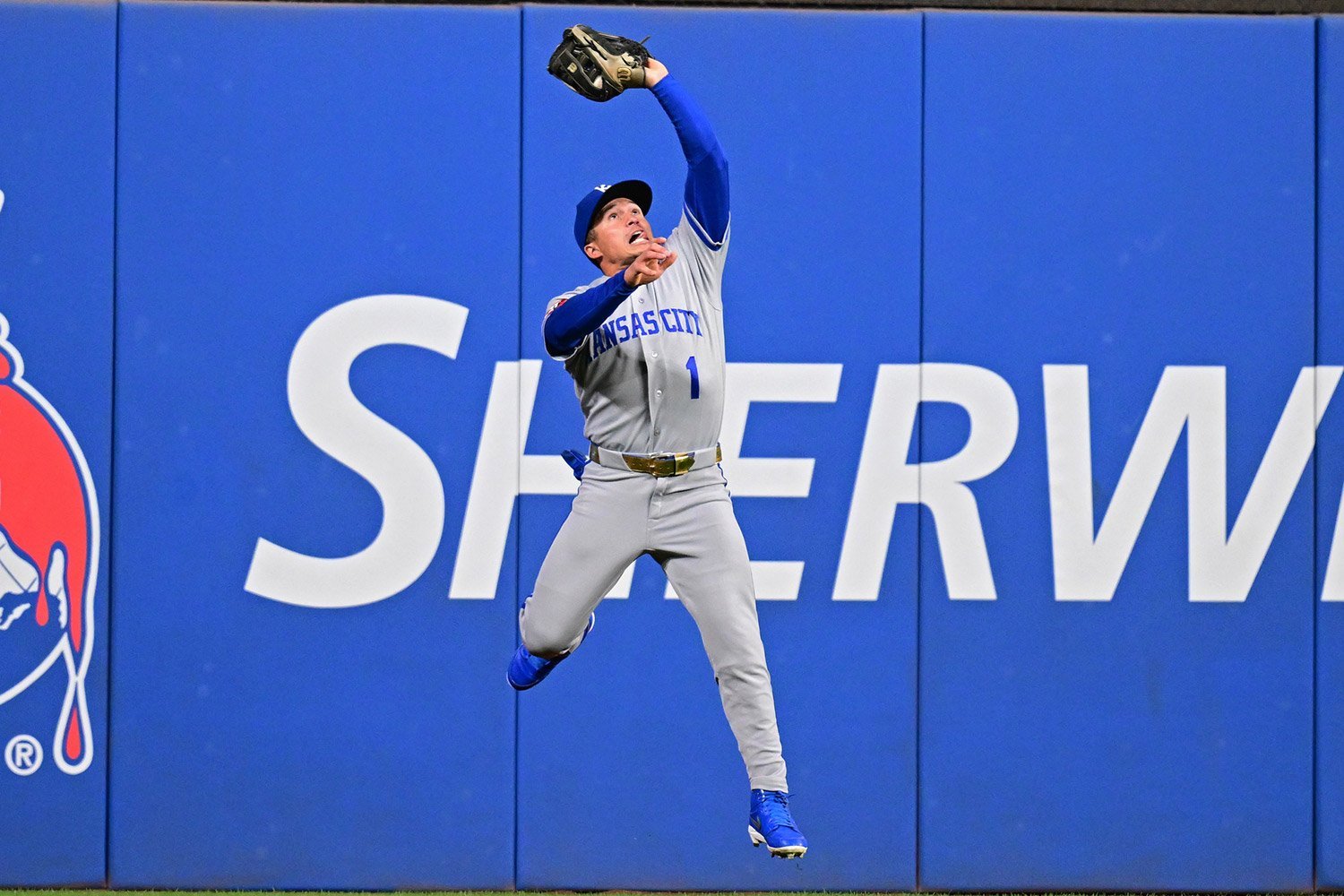 Last season, Isaac Collins was an average fielder with 0 fielding run value (FRV) and grading in the 56th percentile. This season, Collins already sits at -3 FRV and is at the bottom of the rankings. What has changed? Below is a chart showing Collins’s percentile ranks in key defensive metrics: range, sprint speed, arm strength (not yet qualified in 2026), and arm value. While Collins’s sprint speed has actually increased since last year, rising from 27.7 to 28.3 feet per second, his range has dropped significantly. Last season, Collins was worth +4 outs above average (OAA). This season, however, he is already at -3 OAA. This decline in range is the primary driver of his drop in FRV. When breaking down his range, Collins has had a particularly difficult time when he has to move laterally towards the third-base side, where all of his negative OAA has come from. In his nine attempts moving that direction laterally, he has seen a success rate of only 44% compared to an estimated rate of 77%. Collins did have back/left side tightness that delayed his start to spring training, which may be contributing to these lateral movement issues. What’s Driving the Decline? In terms of positioning, Collins has not been used out of the ordinary. According to Statcast, all 30 of Collins’s fielding attempts have been classified as “straight up” rather than being positioned toward the gap or foul line. However, his positioning has been shallower in left field with the Royals compared to his time in Milwaukee. The view below highlights his average position with the Royals in red, and his previous two years with the Royals in green. Collins had an average depth of 289 feet in 2026 with the Royals, compared to an average depth of 306 feet last season with the Brewers. Even after moving in the fences, Kauffman Stadium has a deeper left-center field (379 ft) than American Family Field in Milwaukee (371 ft). Despite him playing shallower, he is performing as expected in four attempts, going back with a success rate of 75% versus an estimated success rate of 74%. If his positioning is not noticeably contributing to his value, where else could the problem be? Jump and Route Efficiency In 2026, Isaac Collins ranks 33rd out of 46 qualified outfielders in overall jump. His initial reaction is good, ranking third with 3.5 feet covered above average in the first 1.5 seconds. His burst is closer to average, with 0.3 feet covered above MLB average in the 1.5-second burst after the initial reaction. The issue lies with his routes. Collins ranks last in route with 4.8 fewer feet covered against the direct, optimal path, over a foot worse than the second-worst outfielder. Even though his reaction and burst times are good, his inefficient routes to the ball make him below average for overall outfield jump, with 0.9 fewer feet covered than average. Considering that he is starting on average 17 feet closer to the infield for his positioning, he may need time to adjust his routes to fit his new starting position. Though his inefficient routes are not new for Collins. In 2025, he ranked 92nd out of 93 qualified outfielders in route efficiency. While his 2025 mark was not great, he was only 2.1 feet less than average last season, much less severe than his current mark. His reaction and burst distances were also slightly better in 2025 to help offset his poor route efficiency. His reaction was 4 feet above average, and his burst was 1.4 feet above average. Lack of Conversions on Difficult Plays Finally, Collins has yet to record a “2+ Star” out (balls with a catch probability of 90% or lower) in 2026 in nine attempts. In 2025, Collins was able to record outs on 51.9% of difficult catches to add meaningful value in Milwaukee’s outfield. While Collins is able to catch the more probable opportunities, he has yet to make an impact in Kansas City in stopping the more difficult fly balls. Potential Health Concerns It is also worth noting that Collins fought a variety of injuries this offseason. He received “platelet-rich plasma injections in both of his knees” in the offseason to address tendinitis in his knees. Add that to his tightness from spring training, Collins has a variety of potentially nagging issues that could impact his fielding, despite his increased sprint speed so far. While there has not been a recent report addressing any health concerns, it is worth considering if these injuries have carried into the regular season. Conclusion There is a lot of time left in the season for Collins to turn the corner for his fielding run value. Getting more reps will help him continue to gain familiarity with the spacious Kauffman Stadium outfield. If he can improve his range, particularly in his route efficiency and lateral movement, his defensive value will improve, and Royals pitchers will be grateful. View the full article
 -
Sal Frelick is Experiencing the Thin Margin for Error of Hitting
DiamondCentric posted an article in Brewer Fanatic
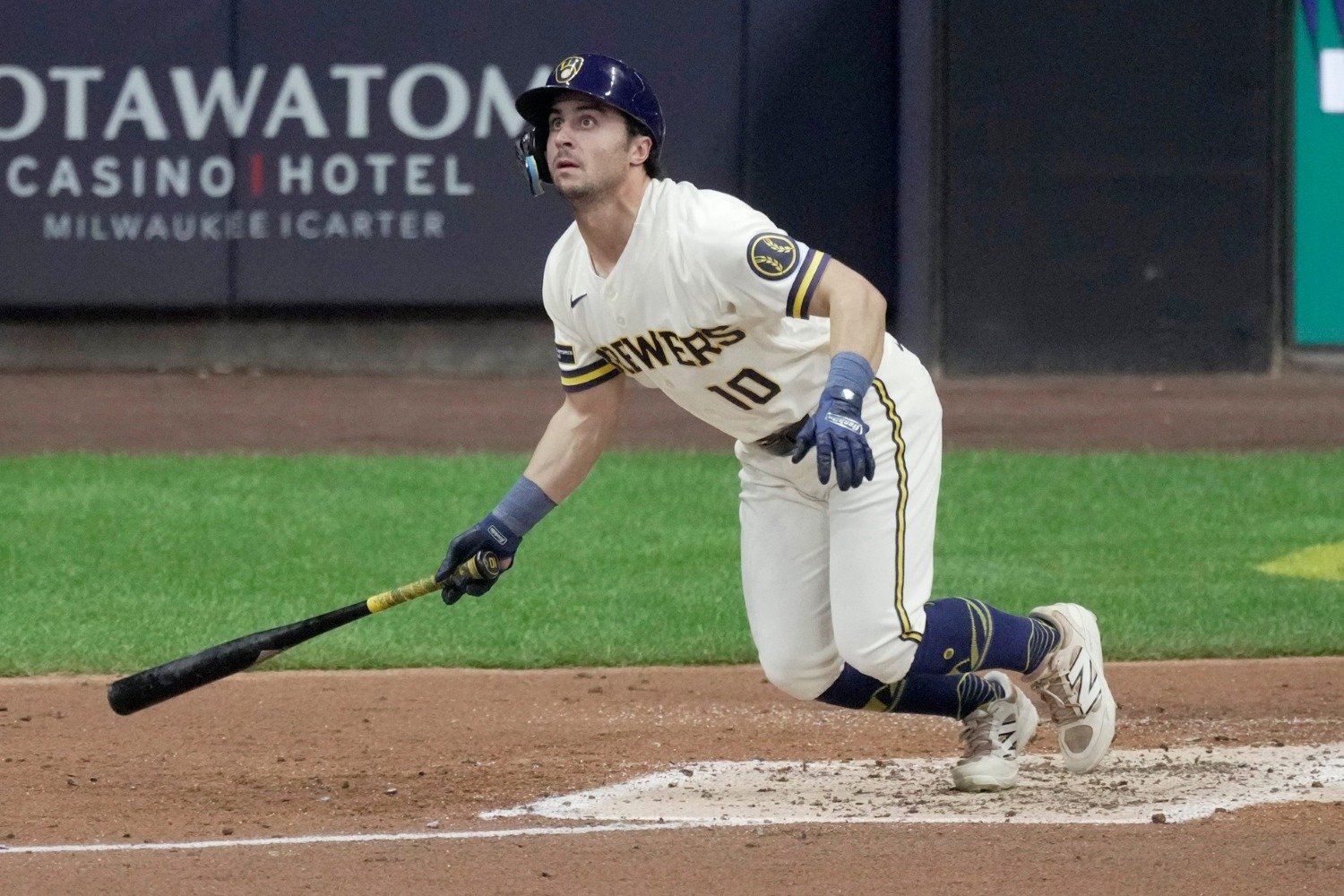 In the Brewers' first two games without an injured Christian Yelich, Pat Murphy has hit Sal Frelick in the leadoff spot. The change was partially due to a lineup shakeup in Yelich's absence—Brice Turang has moved from leadoff to the 3-hole—but it was also to spark a pressing Frelick's offense. The 25-year-old is hitting just .179/.303/.268 in 67 plate appearances to start the season. "I think what happens is a kid like him that wants it so badly, he gets going, and he's going to try and make it happen right now," Murphy said. "He doesn't look to have a perspective, in a way, of what's going on. That's why I put him leadoff [Tuesday night]." Frelick is much closer to last year's form than his results indicate. After overperforming his peripherals in his breakout season, it's been the opposite to begin his follow-up campaign. His expected production is essentially identical, mainly because he's chasing less and drawing more walks to begin 2026. {C}%3C!%2D%2Dtd%20%7Bborder%3A%201px%20solid%20%23cccccc%3B%7Dbr%20%7Bmso-data-placement%3Asame-cell%3B%7D%2D%2D%3E--> Season wRC+ DRC+ wOBA xwOBA Chase% xwOBAcon 2025 114 101 .332 .299 26.3% .305 2026 71 103 .276 .307 20.9% .290 His abnormally low batting average on balls in play (.209, down from .308 for his career before this) is destined to improve, especially for a hitter like Frelick, who hits plenty of grounders and line drives and can leg out infield hits with his speed. He did see some luck swing his way on Wednesday night as part of the Brewers' comeback win to snap their six-game losing streak. In the eighth inning, Frelick bounced a soft ground ball in front of the plate, where it landed on the dampened dirt from heavy rainfall leaking through American Family Field's roof. He reached when Toronto Blue Jays catcher Brandon Valenzuela could not pick up the ball cleanly, ultimately coming around to score the winning run. "He's had some unlucky things go wrong when he's hitting the ball well," starter Chad Patrick said after the game. "Sometimes the baseball gods give you rewards." It hasn't all been bad luck, though. Frelick isn't quite himself right now, in a small but meaningful way. His expected wOBA on contact is down 15 points, which means he's hitting fewer balls in ways that typically produce hits. Murphy believes "wanting it so badly" is the cause. "I think he's the first to try to do too much," Murphy said. "He cares so much. He's so passionate about competing and winning. One of the best I've been around. When it's not going your way, it's hard to be relaxed about it for a kid like him, and he's got to learn to just kind of do a little less, be a little more precise." The biggest difference has been that the baseball is getting on Frelick quicker than when he's been at his best. He's consistently late on the ball. On average, he's making contact about three inches deeper into his hitting zone (the purple dot in the graphic below) than last year (the white dot). Because he's late, Frelick is catching more balls as his bat head is still coming down through the zone, producing more ground balls. Compared to last year, his average attack angle (the vertical angle of the bat relative to the ground at point of contact) has decreased from 9° to 5°, and his ground ball rate has increased from 45.4% to 50.1%. It's not necessarily that Frelick is picking up the ball late, Murphy said, but that his load, which begins with a leg kick, has become exaggerated from trying to do too much. That makes it harder for his swing to be on time. "Think about it. The bigger the move, the bigger the get-ready, the less time you have," Murphy said. "So you have to usually time that up way earlier, if you're going to have a bigger move or a bigger get-ready. He's got some things he has to work through." The good news is that, metrically, Frelick's swing path is effectively the same as last year. As is typically the case for most hitters, the wide chasm between success and failure comes down to milliseconds of timing. "The swings don't change that much," Murphy said. "Even [Joey Ortiz], if he gets straightened out, the swing's going to look similar. It's the decision, and it's the timing of it all—because hitting is so much timing—that's going to change. You'll see that, like, 'Wow, he's on it. Wow, he's on time. Wow, he looks like a different hitter.' But when you break down the swing, it won't be that different. There might be a little angular shift, or there might be a little bit of grip difference. There might be a little bit of freedom in the swing that you don't see." He moved Frelick to the top of the order in part to bring him back to his roots. A leadoff man's job is not to produce power or drive in runners, but to get on base. "That little reminder, that's how he works," Murphy said. "When he's batting seventh sometimes, it's kind of, 'Do they want me to get on base?' It's kind of like, what does it call for? For him to know, you have to tell him." Because his quality of contact did not fully support his results last season, it's probably safer to expect Frelick to be closer to a league-average hitter than the well-above-average bat he was a year ago. Coupled with his speed and defense, that's still a very productive player. Murphy expects him to round into form. "One of the greatest attributes of this guy is he's a winning player," he said, "and winning players know what's needed." View the full article
 -
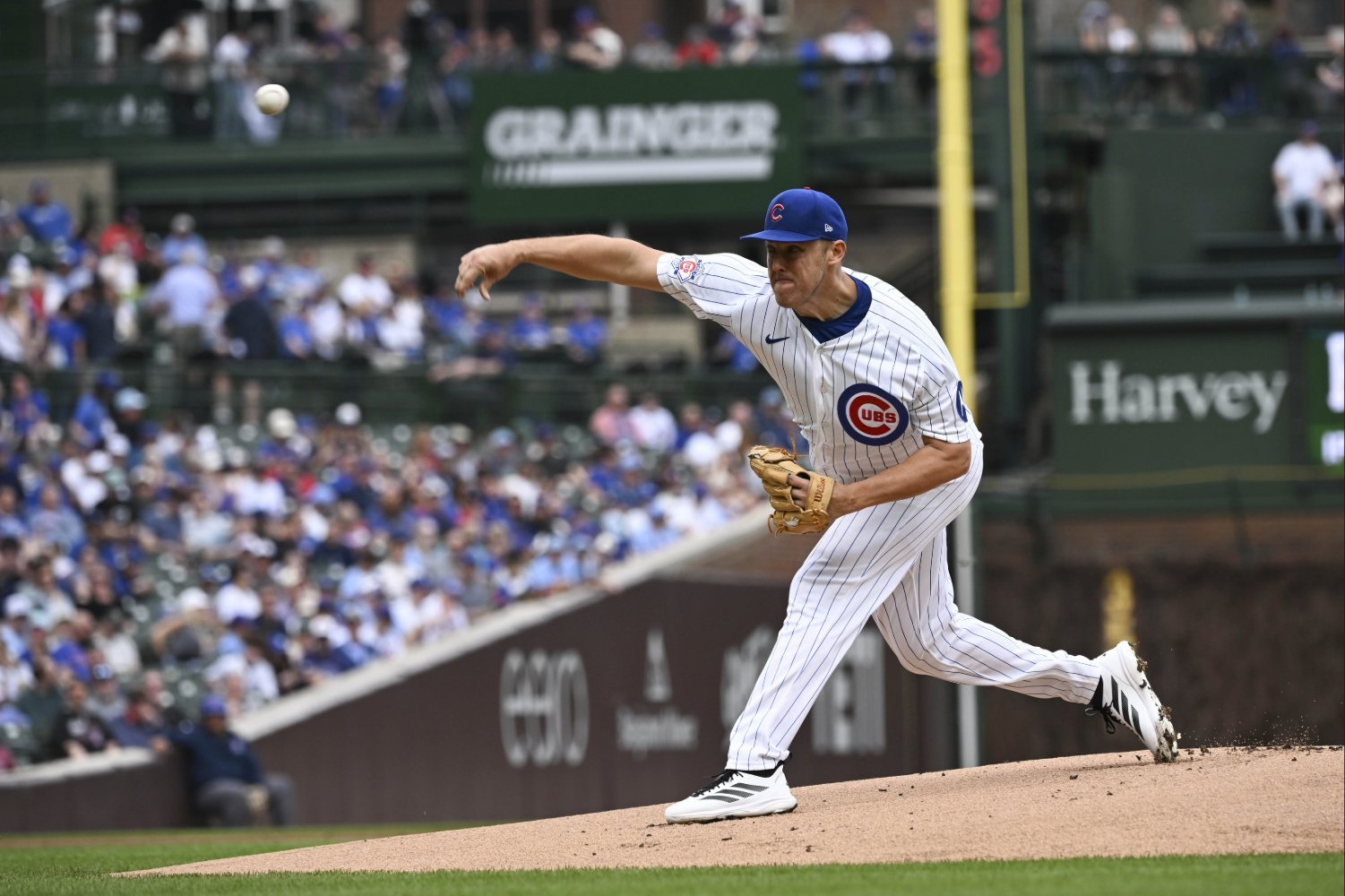 Jameson Taillon is not off to the start the Chicago Cubs had envisioned. A free agent at the end of the year, Taillon’s importance to the team's playoff hopes greatly increased with the early season injuries to Matthew Boyd and Cade Horton, the latter of which is of the season-ending variety. Is it time for the Cubs to worry about Taillon? Entering the fourth and final year of the $68 million contract he originally signed, Taillon has been a steady presence in the rotation over the past two years after a below-average first season in Cubbie blue. Steady is important! Taillon has always been a strike thrower and he is throwing in front of a defense that has been excellent the last two years, a combination for success. The defense still looks to be a top unit, so what's changed in 2026 that's led to his 4.86 ERA and 6.28 FIP? On the surface, the answer is pretty glaring. He has given up a league-leading five home runs so far this season. You can’t rely on your defense if they don’t have a chance to make a play. While three of those home runs came against the Pirates with the wind blowing out, Statcast has him at 4.7 expected home runs, signaling that we can’t necessarily blame the conditions. So. what is behind this trend and can he reverse it? This answer here also seems to be pretty glaring: a fastball that is down almost 1 mph from last season. He is getting less whiffs on his fastball than he ever has and is sporting an alarming .722 slugging percentage against it, backed up by a .809 expected slugging. While he has slightly increased his velocity each start, history suggests that he is not generally a pitcher who eases into the season and gains more velocity as he goes. He has generally shown his top velocity early on, so expecting him to bridge the gap as the season progresses is a dubious proposition at best. If he can’t gain that velocity back, where does he go from here? Luckily, Taillon seems to understand the need to change the way he attacks hitters based on his diminished velocity, as evidenced in his pitch usage. Last year, Taillon primarily used three pitches against both right-handed and left-handed hitters. Against righties, he primarily used his sweeper (32%), four-seamer (31%), cutter (23%); against lefties he was all four-seamer (44%), curve (24%), change (20%). In 2026, he has the same three-pitch mix against right-handers, but he has altered the usage; he has thrown cutter (31%), sweeper (29%) and 4Seam (28%). Against lefties, he has expanded his pitch mix to include the cutter (23%). Clearly, he has intentionally been throwing a lot less four-seamers and a lot more cutters, especially to lefties. The cutter has been dominant so far in 2026, generating a .071 batting average and .286 slugging against. Throwing that in place of his primary heater is probably a good idea, so why are the results less than stellar? Well, right-handed hitters slashed .258/.281/.492 against him last year, while lefties slashed .191/.249/.361, thanks to a new look kick changeup that dominated them to the tune of .161 batting average and a .261 slugging percentage while being responsible for just one home run. The early returns this year on the changeup are much less impressive: a .400 batting average with a 1.000 slug against with two home runs against in just 37 pitches. What changed (forgive the pun)? It looks like a drop in vertical break may be the culprit. Getting that back to his 2025 standard would be a good proxy for additional velocity, if we're to assume he can't repair both at the same time. The book on Taillon has always been about limiting homers and finding a way to stifle lefties. He found the recipe to success down the stretch last year, and a return to to form would be a huge boon for a Cubs team currently ailing in the rotation. View the full article
 -
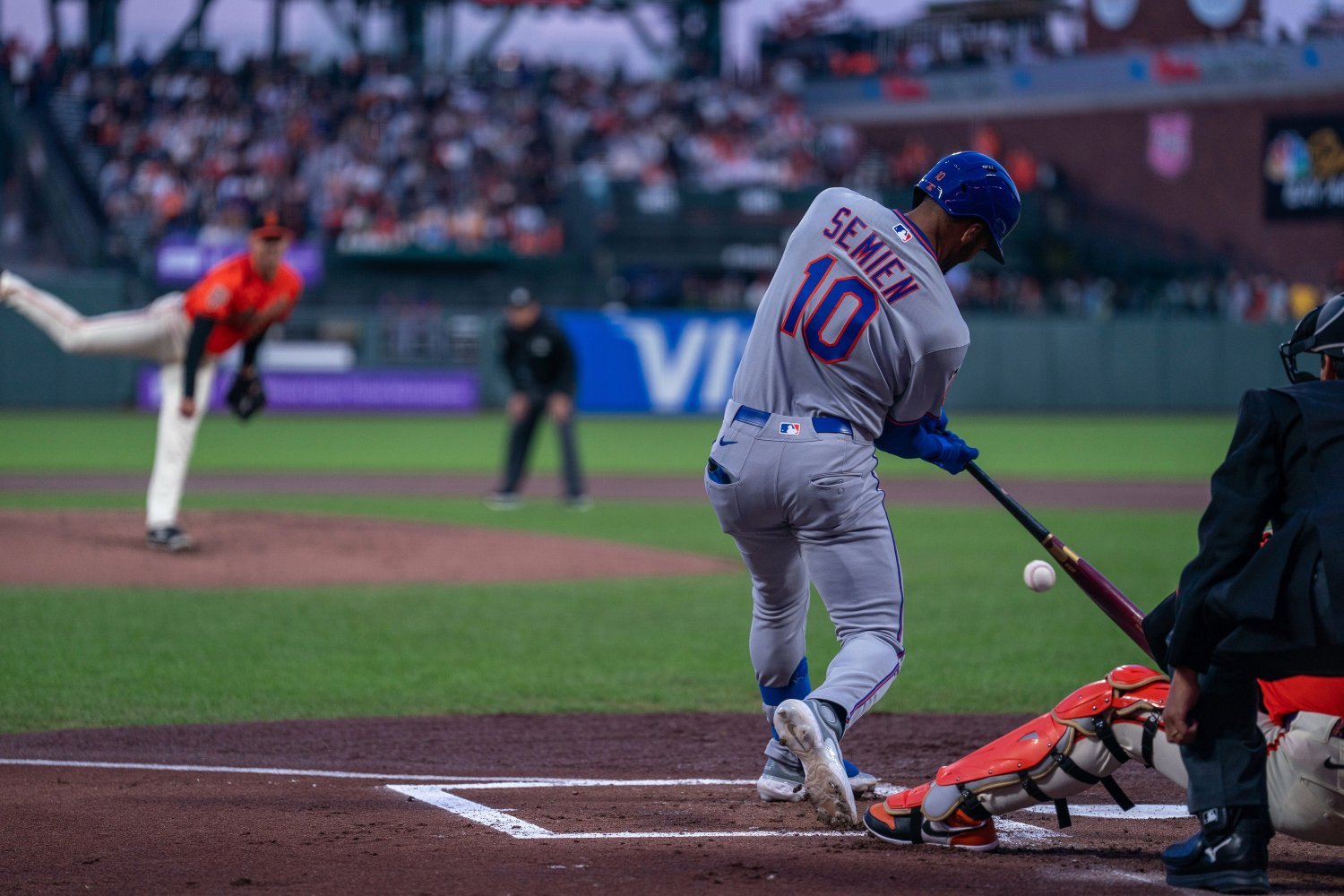 An offseason trade that came out of nowhere this winter has not looked good on the New York Mets' behalf thus far. Back in November, the Mets and Rangers came together on a swap that sent Marcus Semien to New York while sending Brandon Nimmo and cash considerations back to Texas. Nimmo has been off to a great start with the Rangers, but Semien hasn’t really gotten things going yet offensively. Through 17 games this season, Semien is only batting .188/.243/.266 with .508 OPS and a 47 wRC+. In a one-week stretch from April 7-14, went 3-for-29. The only positive is that he only struck out three times in that stretch, but he didn't draw a single walk. We’ve seen Semien start to decline in production dating back to the 2024 season. He’s a career .253 hitter and usually is capable of hitting at least 20 home runs per season or more; he hit a career high 45 back in 2021 with the Toronto Blue Jays. Including this year, though, his OPS hasn’t surpassed .700 in three consecutive campaigns. What's Plaguing Marcus Semien At the Plate? Batted-Ball and Contact Quality Semien has been hitting a lot more balls in the air compared to previous years. He's only hitting 23.5% of his balls in play on the ground, a huge improvement over his career 36.8% rate. This is as result of him topping a lot less balls; on average, Semien tops 26.2% of his contact, but that number has fallen to 11.8% early in 2026. It's also interesting to note that when Semien's topped% was higher, it resulted in less weak contact, averaging 3.4% for his career. This year, when he’s cut his topped% by more than half, it’s led to him making weak contact at a 9.8% rate. That's by far his highest in the majors, and more than double than the MLB average mark of 4%. There is an advantage to this situation. Even though Semien is making way more weak contact, with him reducing his topped rate, it’s causing a rise in solid contact. He’s sitting at a 12.2% mark where he’s sat at 6.9% for his career. That may sound oxymoronic, but let's dig a bit deeper to understand. Since squared-up rate was introduced to Statcast back in 2023, Semien’s 35.0% squared-up rate is the highest it’s been since being introduced. This comes from him just making a lot of solid contact; not getting on top, but also not barreling the baseball as much. This also explains why his average exit velocity is down nearly two mph from last year. In essence, he's traded some of his hard contact for a much wider dispersion of weak and solid contact. That may not be the best path to head down, but it does give us a basis to understand what's causing the downturn in his numbers. Plate Discipline Semien has always been known to take a "professional" at-bat. He’ll take his walks at an average rate and keeps his strikeout percentage better than average. For his career, Semien has swung at pitches in the zone 49.6% of the time, just a tad over the league average 48.8%. This year it’s been the highest since his debut season in 2014 at 51.6%. Nothing really has dramatically changed in this sector of his play other than his chase rate. It’s is up to 28.4% this year, whereas it sat at 23.4% last year; this is a huge contributing factor to his 20.0 strikeout percentage which is the highest it’s been since 2021 when it was 20.2%. We know that as players age, their bat speed tends to slow down, leading to more whiffs and strikeouts. That decline in swing speed is likely our missing link. There’s two more key metrics that have seen a dip in recent seasons, not just this year. While his chase rate has been climbing, the contact he’s been making when he chases out of the zone has seen a steady decline. It’s been up to 62.5% in his career, but currently sits at 50%, the same mark as last season. Can the Mets Unlock A New Version of Marcus Semien? It’s still very early in the year, but maybe Semien will have a different type of offensive season this year. He’s always had pretty good power considering his bat speed has always been pretty minimal, which should hopefully mitigate some of the earlier issues we discussed with whiffing and chasing. With Semien in the back half of his career (he's 35), he could lean into his newfound contact trends and try to turn into Luis Arraez-type hitter who just slaps singles around. They have very similar tendencies at the plate being contact hitters with minimal bat speed, while also showing good plate discipline. That's probably an unfair comparison for someone with 254 career home runs under their belt, but what Semien is doing right now isn't working. A late-career renaissance is on the table, but only if he leans into the above-average skills he still possesses. View the full article
 -
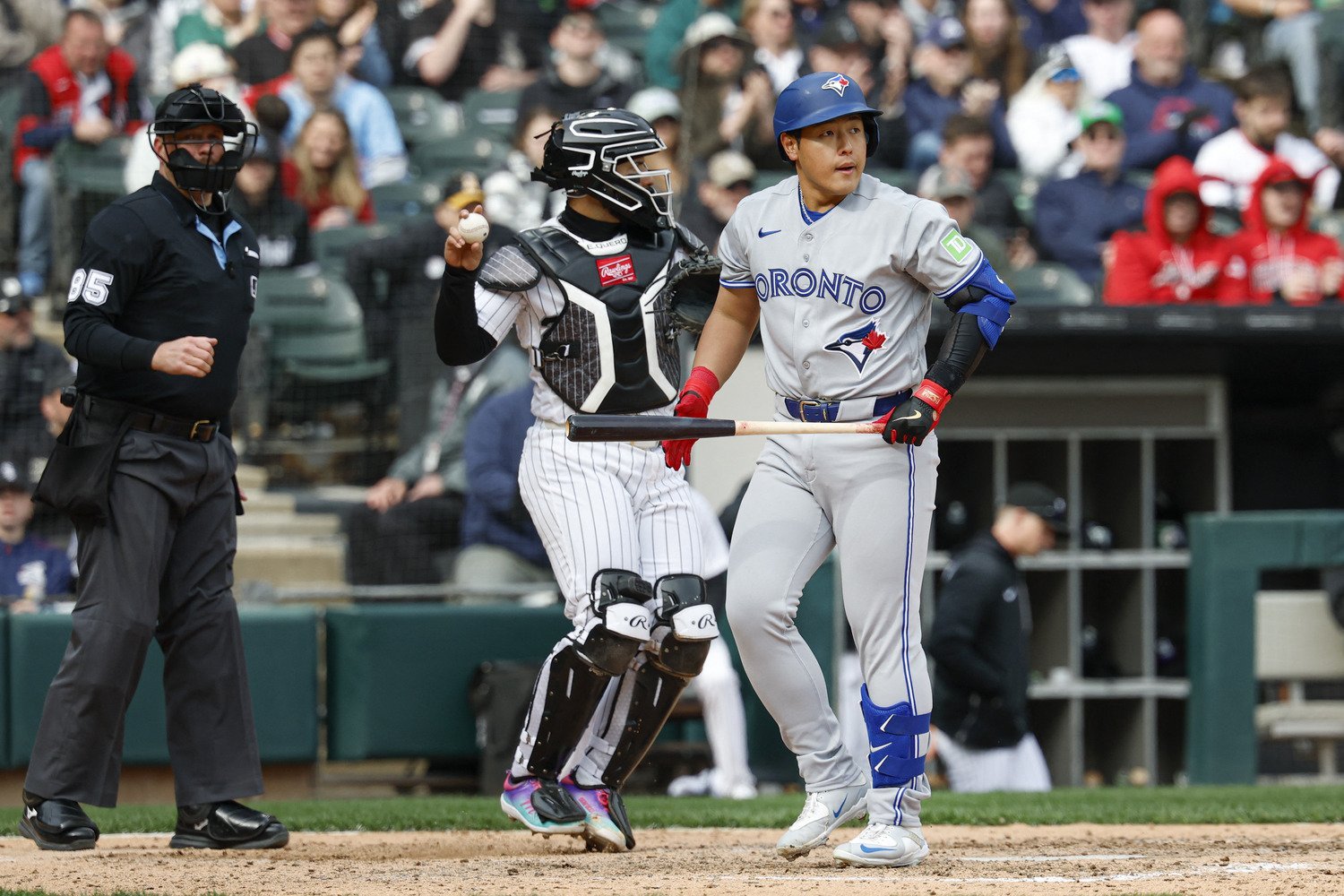 This piece was written prior to the Blue Jays' game on Wednesday, April 15. The Blue Jays haven't looked their best with runners in scoring position this season. If you've been watching their games, I doubt you disagree. Tuesday's matchup with the Brewers was a refreshing change of pace. While both of Toronto's home runs were solo shots, the Jays went 4-for-9 with RISP, driving seven more across the plate, including three in the top of the 10th, for a thrilling 9-7 victory. Yet, even after that performance, the offense is hitting just .231 with RISP. Their 171 plate appearances with runners on second and/or third rank 15th in the majors, but their 40 runs scored put them third to last. While their batting average is poor and their walk rate mediocre, the real problem has been a lack of power. The Blue Jays own a .082 isolated power with RISP. Only the Royals (.046) have been worse. League average is a .147 ISO. My immediate concern when I saw those numbers was that this was a reflection of a pointed strategy, not just a small sample size fluke. After all, in theory, power matters less with runners in scoring position. That's kind of the whole point of "scoring position" as a concept. Often, a runner on second or third can score on a single. So, one could argue that it's sound strategy to shorten up and just try to put the ball in play with runners in scoring position. Instead of swinging for the fences, swing for a groundball up the middle. This might be true in the bottom of the ninth of a tie game. The rest of the time, it's almost always foolish to sabotage your own chances of hitting for extra bases. Thankfully, it doesn't seem like that's actually what the Blue Jays are doing. Although they've yet to hit a home run with RISP this season, their average bat speed is slightly faster, and their average launch angle is slightly higher in such situations. If they were trying to hit more singles, I'd expect those numbers to be lower. Now, with that said, the fact that Toronto's disappointing power numbers with runners in scoring position probably aren't on purpose is only so much consolation when the main point is that this team has failed to cash in on a ton of scoring windows. It's why they're below .500 with the second-worst run differential in the league. On the flip side, the Jays have been weirdly good with runners on first base (and not second or third). In these specific situations, they've been one of the game's most prolific offenses, with a league-leading seven home runs and .250 ISO. I'd call this a pretty good indication that these splits are mostly noise, especially this early in the season. That doesn't mean they don't matter or they aren't worth talking about. But there's no logical reason the Blue Jays would be so productive with runners on first and suddenly fall apart once those runners reach second or third. I'm annoyed with the way this team has squandered RISP opportunities, but I'm not concerned that it's going to continue. There's another wrinkle to all this that I want to address. For as much as the Jays have floundered with runners in scoring position, they have, strangely enough, hit very well in higher-leverage situations. Leverage index measures the average possible change in win expectancy in any given moment based on the inning, the score, the number of outs, and the number of runners on base. All else being equal, an RISP situation will have a higher leverage index than a non-RISP situation. Still, many other factors go into the calculation. So, you might expect a team that has struggled to produce with RISP to have had similar struggles in higher-leverage situations, but that doesn't have to be true. The 2026 Blue Jays are proof. Through 16 games, the Blue Jays have a .637 OPS and an 83 wRC+ in what FanGraphs defines as "low-leverage" situations. Both numbers rank among the league's bottom 10. In contrast, the Jays rank third in MLB in OPS and wRC+ in medium and high-leverage situations. No team has more hits or fewer strikeouts in these spots, and Toronto's .148 ISO is slightly above league average. What does this mean? Well, contrary to what their performance with RISP would have you think, this offense has come through in the most meaningful spots. It just hasn't been enough. The Jays' issues with RISP have been a problem. Of course they have. But this team has other problems. Too often, the Jays have looked uncompetitive in low-leverage plate appearances. And if they can't come through when the stakes are low, they can't put themselves in a position to succeed when the stakes are high. Consider this: The Blue Jays are slashing .310/.394/.552 in 99 plate appearances with the tying run on base or at the plate. Only the Rays have been more productive in those situations. However, the Jays are frequently playing from far behind or failing to put themselves far enough ahead. Let's say you're losing 8-1, as Toronto was against Minnesota for most of the game last Sunday. Any plate appearance when you're down by seven is going to be low-leverage, but you can't claw back to a higher-leverage situation unless you score some runs when the leverage is low. Similarly, the best way to prevent your bullpen from blowing a game is to give them a big enough cushion. Opportunities to drive in insurance runs are going to have a lower leverage index than opportunities to score the go-ahead run. That doesn't mean those runs aren't critical, especially for a team whose bullpen has already blown six saves. Game-state and leverage splits are almost never predictive, but stats aren't only valuable for their predictive utility. We can also use numbers to tell the story of a season, and these splits are some of the best storytelling stats we have. The Blue Jays haven't looked their best with runners in scoring position this season. Yet, the story behind their early-season struggles goes deeper than their struggles with runners in scoring position. Their failure to produce in low-leverage moments has hurt them just as much. View the full article
 -
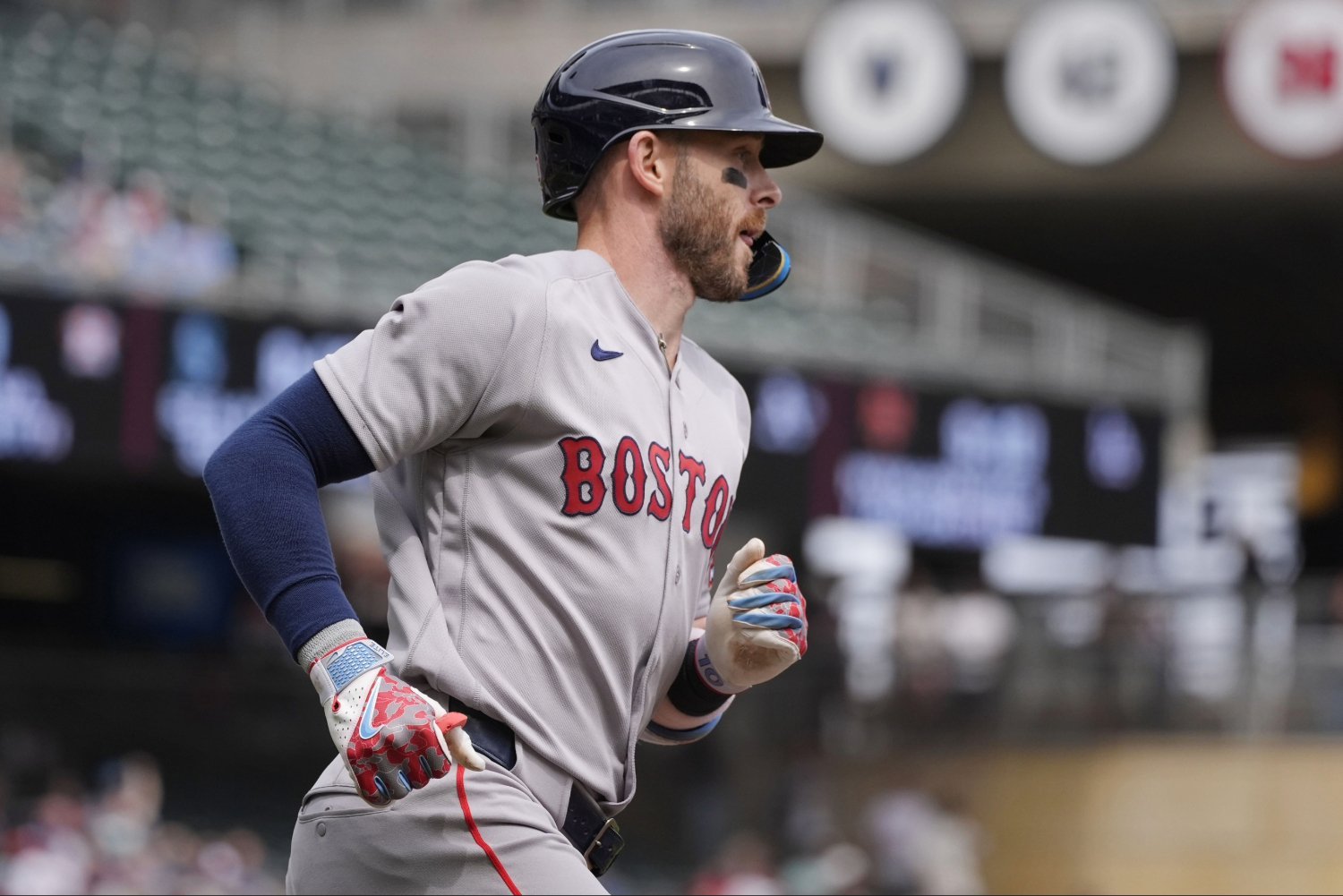 I was really hoping that I wouldn’t have to start writing my essays on Trevor Story’s lack of production for the Boston Red Sox again this season. I didn’t want to highlight his glaring offensive issues, his mounting errors, or the fact that he shouldn’t be anywhere near the number two spot in the lineup ever again. Like clockwork. though, here we are. The Red Sox are underperforming and Trevor Story is right in the center of why. [Of course, as I write this, he goes off in a 2-for-4 day with a home run and five RBIs. All stats below are from before that performance, but know that he more than doubled his season-long wRC+ from 22 to 48 in that finale agains the Twins. Perhaps I need to chastise him more frequently...] Going into the series against the Brewers, Alex Cora finally dropped Story from the two hole in the lineup to fifth. Story’s presence behind Roman Anthony in the leadoff spot struck no fear into the hearts of opposing pitchers. In fact, we surmised on the Talk Sox Podcast that having Story hit behind Anthony would only just increase the amount of intentional passes the young slugger would receive this year. Why pitch to someone who has the potential to flip the game on its head with one swing when you could put him on first and throw non-competitive pitches to the guy behind him who will likely swing away at them instead? Story offered no protection as the number two hitter, so dropping him in the lineup made the most sense. While he was batting second, Story slashed .119/.119/.214 with one home run, two RBIs, zero walks, and a 40.5% strikeout percentage. He posted a -18 wRC+ to go along with a -0.5 fWAR. From April 6-14, though, he hit .290/.294/.355 with 10 RBIs, a 2.9% walk rate, and a 20.6% strikeout rate while posting an 74 wRC+. He worked his first walk of the season on April 11 and had his first multi-hit game on April 12. Moving him down in the lineup seems to have unlocked something for him. There’s less pressure on him hitting in the middle of the order and he seems far more comfortable. The one thing Story can’t seem to fix though, is the fact that he’s going to swing away on low-and-away sliders. The book has been out on him for awhile now and when push comes to shove, he’s going to see pitches away out of the zone because the opposing pitcher just knows that bat is going fly. Story often looks shocked each time it happens, like he’s somehow expecting a different result. The only shocking thing is that he sees any other pitches besides those sliders when there’s anything at stake and he’s in the box. Somehow, despite all of that, the biggest hurdle to overcome with Story is on defense. He currently leads the team in errors with four. When a ball is hit to short, you don’t feel great about it. He’s botched some basic grounders by not getting his glove down enough, but more concerning is that he’s making throwing errors that look egregious. They are throws that you expect a major-league shortstop to make, but instead Willson Contreras is left sprawling out on the ground to try and pick a ball in the dirt that’s more than a foot outside of his wingspan. He currently ranks in the bottom half of the league with -1 defensive runs saved and -2 outs above average. Story is a net-negative with the glove at this stage of his career. What should happen, but likely won’t since Cora has doubled down on Story being the shortstop for the Red Sox, is that Story and Mayer should switch positions. Yes, you still need range at second, but it's a less demanding position coverage-wise. Mayer has proven to be a defensive wizard at any position he’s been asked to play for the team, but he’s a natural shortstop. Getting him to his long-term position sooner than later would likely pay immediate dividends for the team. Going back to last season, Story has committed 11 errors in his last 34 games at short. He finished the 2025 season ranked third in all of baseball with 19 errors and currently ranks second in total errors this year. If you were watching the series opener against the Twins, you saw Story's lack of defensive profile on display in the bottom of the first inning. You know what turns a bad inning into a terrible inning for a struggling ace like Garrett Crochet? Whatever it was Story was attempting to do here. The Red Sox need to figure out a solution to the Trevor Story problem sooner than later. Dropping him in the lineup was the first step in the right direction, but there’s still his defensive position that needs to be addressed at some point. Alex Cora is a good manager, and has proven early on this season that he’ll make changes to try and wake his team up. The thing that could put this team over the top is finally taking Story off shortstop and letting him move back to second base. It fully opens the door for Mayer to step into his own at the position he’s going to play long after Story departs the Red Sox. View the full article
 -
 Fish On First staffers react to the latest Miami Marlins series and prepare you for what lies ahead. Wednesday's show was hosted by Jeremiah Geiger and featured panelists Ely Sussman, Kevin Barral and Nate Karzmer. The following topics were covered: Second-guessing the Marlins' recent usage of Pete Fairbanks Connor Norby stays hot, still has reverse platoon splits How concerned should we be about Eury Pérez? Triple-A starting rotation depth looking good Is Esteury Ruiz coming for Heriberto Hernández's job? Previewing and predicting the next series against the Milwaukee Brewers You can find Fish Unfiltered and Fish On First LIVE on the Fish On First YouTube channel, Apple Podcasts, Spotify or wherever else you get your pods. Our next FOF LIVE episode will be Sunday at approximately 5:30 p.m. ET following the Marlins-Brewers series finale. View the full article
 -
Braxton Garrett, Bradley Blalock out of options beyond 2026
DiamondCentric posted an article in Fish On First
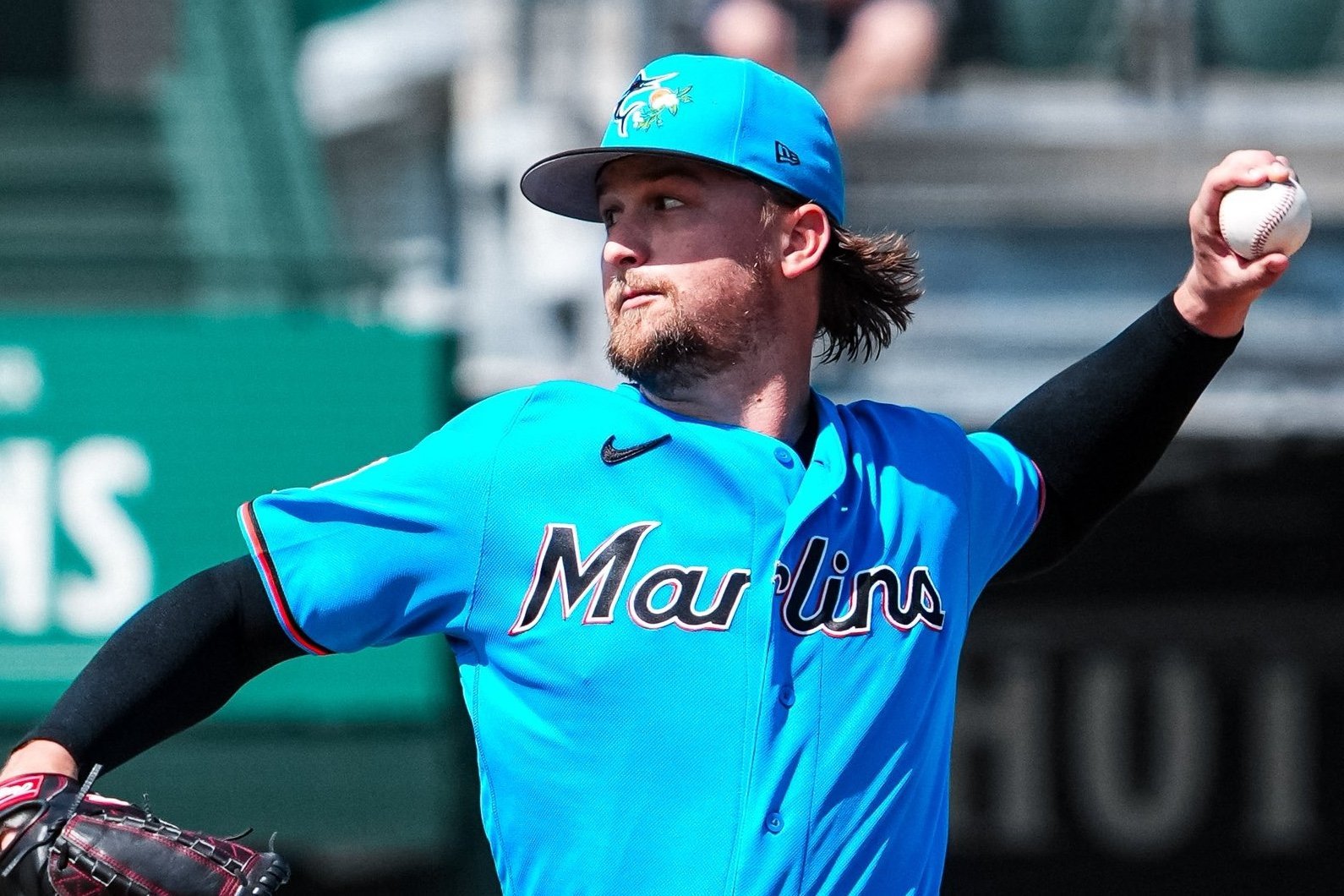 Although it does not directly impact this current Miami Marlins season, we have arrived at a significant milestone on the calendar as it pertains to long-term roster management. Players who were optioned to the minor leagues prior to the start of the MLB regular season and haven't been recalled since have spent 20 days down there, which causes them to lose one of their options. With occasional exceptions for those who miss substantial time due to injuries, a player has three option years. Those options are what allow them to be sent to the minors without being subjected to waivers. Only one option is used per season, regardless of how often a player gets shuttled back and forth between Miami and Triple-A Jacksonville. Out-of-options players must be designated for assignment—which removes them from the 40-man roster—and passed through outright waivers before being eligible to be sent down. Beginning in 2027, Marlins right-hander Bradley Blalock and left-hander Braxton Garrett will be out of options. Both working as starters for the Jumbo Shrimp, Blalock (1.93 ERA and 5.19 FIP in 14.0 IP) and Garrett (0.59 ERA and 2.75 FIP in 15.1 IP) are performing well this season. Garrett in particular is extremely likely to make starts for the Marlins in 2026 as rotation openings inevitably present themselves. Elsewhere on the 40-man, left-handers Dax Fulton and Cade Gibson and infielder Jared Serna have used up their second options. Right-hander Ryan Gusto is three days away from joining them. The discrepancy is due to the stint he had on the active roster filling in for Marlins closer Pete Fairbanks while Fairbanks was on the paternity list. Catcher Joe Mack and right-handers William Kempner and Josh White were just selected to the 40-man this past offseason, so they've only used their first options. With outfielder Kyle Stowers eyeing a reinstatement from the injured list next week, the Marlins must make a corresponding roster move involving another position player. This is a scenario where options become important. At first glance, struggling bench bats Austin Slater and Leo Jiménez may seem like prime candidates to get sent down, but they're both out of options. Are the Marlins willing to DFA Slater or Jiménez and risk losing them for nothing, or would they rather play it safe by optioning the likes of Deyvison De Los Santos or Heriberto Hernández? In my experience covering this front office, the conservative, latter choice is far more likely. View the full article
 -
Padres Minor League Report: Storm Stumble In Extra Innings Again
DiamondCentric posted an article in Padres Mission
 El Paso rolled 14-1 as catcher Rodolfo Durán hammered a three-run homer on his way to five RBIs, with Jackson Wolf tossing three scoreless innings and Logan Gillaspie earning the win over three perfect frames. San Antonio fell 9-2 despite Fernando Sanchez's 3⅔ innings of one-run ball and six strikeouts. Lake Elsinore dropped a 9-8 decision in 10 innings as reliever Carlos Medina fanned six, Kale Fountain drove in two, and Truitt Madonna doubled. Padres Minor League Transactions No roster moves Durán Drive In Five as Chihuahuas Rout Express The El Paso Chihuahuas demolished the Round Rock Express 14-1, pounding out 16 hits, including three home runs. Starter Jackson Wolf set the tone with three scoreless innings, allowing just one hit while striking out five and issuing no walks. Chihuahuas pitchers allowed just two hits and struck out 12. Catcher Rodolfo Durán led the offensive attack, going 2-for-4 with a three-run homer in the second inning and a two-run single in the eighth, driving in five. He also scored twice and drew a walk. Carlos Rodríguez added three hits, including a double, with three RBIs and a stolen base, while Pablo Reyes reached base four times on two hits, including a home run, and two walks, scoring three times. Samad Taylor contributed a ninth-inning solo shot among his two hits, and Jose Miranda ripped a triple, scored twice, and drove in a run. Sung-Mun Song chipped in two hits and an RBI. After Wolf, Logan Gillaspie worked three perfect innings with four strikeouts to pick up the win, and Eli Villalobos added two hitless frames with two strikeouts. Garrett Hawkins allowed the lone Round Rock run in the ninth while giving up one hit, two walks, and striking out one. Player AB R H RBI BB K Samad Taylor, LF 5 2 2 1 1 2 Carlos Rodríguez, CF 5 1 3 3 0 0 Sung-Mun Song, SS 5 1 2 1 1 1 Marcos Castañon, 3B 6 0 1 0 0 4 Pablo Reyes, DH 3 3 2 1 2 1 Clay Dungan, 2B 5 1 1 1 0 0 Rodolfo Durán, C 4 2 2 5 1 1 Jose Miranda, 1B 5 2 2 1 0 2 Nick Schnell, RF 5 2 1 0 0 0 Player IP H R ER BB K HR Jackson Wolf 3 1 0 0 0 5 0 Logan Gillaspie (W) 3 0 0 0 0 4 0 Eli Villalobos 2 0 0 0 0 2 0 Garrett Hawkins 1 1 1 1 2 1 0 Missions' Bats Go Quiet In Lopsided Loss To Midland The San Antonio Missions dropped a 9-2 decision to the Midland RockHounds on the road, managing just two runs despite collecting 10 hits. Starting pitcher Victor Lizarraga was roughed up for eight runs, six earned, on six hits across 1⅓ innings and took the loss. He struck out two without issuing a walk, but the Missions trailed 9-0 after two innings. Romeo Sanabria broke through with the only extra-base hit for San Antonio, doubling to left in the fifth inning to plate Braedon Karpathios for the club's first run. The second run came in the sixth when Tirso Ornelas scored on a Karpathios groundout. Ornelas finished 2-for-4 with a run, Francisco Acuna added a double, After Lizarraga's rough start, the San Antonio bullpen stabilized things. Fernando Sanchez worked 3⅔ innings, yielding one run on three hits with a walk and six strikeouts. Francis Peña tossed two scoreless innings with a walk, three strikeouts, and one hit allowed, and Harry Gustin delivered a clean inning, striking out three while giving up two hits and a walk. The relief corps combined for 12 strikeouts but could not undo the early damage. Player AB R H RBI BB K Ryan Jackson, SS 4 0 1 0 1 1 Romeo Sanabria, DH 4 0 1 1 0 1 Leandro Cedeño, 1B 4 0 1 0 0 3 Tirso Ornelas, RF 4 1 2 0 0 1 Carson Tucker, 3B 4 0 1 0 0 2 Kai Murphy, LF 4 0 1 0 0 1 Francisco Acuna, 2B 4 0 1 0 0 0 Braedon Karpathios, CF 4 1 1 0 0 1 Chris Sargent, C 4 0 1 0 0 2 Player IP H R ER BB K HR Victor Lizarraga (L) 1 1/3 6 8 6 0 2 0 Fernando Sanchez 3 2/3 3 1 1 1 6 0 Francis Peña 2 1 0 0 1 3 0 Harry Gustin 1 2 0 0 1 3 0 Musgrove's Fort Wayne Season Debut Rained Out The Fort Wayne TinCaps' road game against the Lake County Captains was postponed by rain. The teams will make it up as part of a doubleheader Friday. The game was slated to be the season debut of two-way Padres prospect Tucker Musgrove, who had been scheduled as the starting pitcher. Musgrove has one of the best four-seamers in the system and a sinker that also can be in the upper 90s. It was not announced whether Musgrove would start Thursday's game or one in Friday's doubleheader. Storm Fall To Ports In Walk-Off Extras Thriller For the second day in row, the Lake Elsinore Storm and Stockton Ports went to extra innings. And like in the series opener, the Storm came out on the wrong end of a walk-off. The Storm lost 9-8 in 10 innings to the Ports on a walk-off single to cap a three-run rally. In the top of the 10th with zombie runner Conner Westenburg aboard, Truitt Madonna doubled to right to push the Storm ahead 7-6, and Kale Fountain then singled to plate Madonna for an 8-6 advantage. Fountain finished 2-for-5 with a double, two RBIs, a stolen base, and a run scored. Starter Jesus A. Castro turned in a solid four-inning outing, allowing two runs, both earned, on two hits with two walks and three strikeouts. The Storm pushed across four runs in the second inning, highlighted by a Yoiber Ocopio fielder's choice RBI that scored Justin DeCriscio, and the lead grew to 6-1 in the third when Fountain doubled home Bradley Frye, and Jose Verdugo drove Fountain in on a groundout. Stockton chipped away, scoring one in the fifth and four in the sixth to tie the game at 6-6. Ryan Wideman and Westenburg each swiped two bags for Lake Elsinore. Player AB R H RBI BB K Ryan Wideman, CF 4 1 0 0 1 1 Truitt Madonna, C 5 1 1 0 0 3 Bradley Frye, 3B 4 1 1 0 1 1 Kale Fountain, RF 5 1 2 2 0 1 Justin DeCriscio, 2B 4 1 1 0 0 0 Jose Verdugo, SS 3 0 0 1 0 0 Yoiber Ocopio, DH 4 1 0 1 0 1 Luke Cantwell, 1B 2 0 1 0 2 0 Conner Westenburg, LF 4 2 0 0 0 2 Player IP H R ER BB K HR Jesus A. Castro 4 2 2 2 2 3 0 Joseph Herrera 1 2 4 4 2 1 0 Carlos Medina (BS) 3 2/3 1 0 0 0 6 0 Nick Falter (L) 1/3 2 3 2 1 1 0 Padres Top 20 Prospect Performance Kash Mayfield: DNP Ethan Salas: DNP Kruz Schoolcraft: DNP Bradgley Rodriguez: DNP Humberto Cruz: DNP Miguel Mendez: DNP Ty Harvey: DNP Jorge Quintana: DNP Kale Fountain: 2-for-5, 2B, 2 RBI, R, SB, K Ryan Wideman: 0-for-4, R, BB, K, 2 SB Jagger Haynes: DNP Lamar King Jr: DNP Romeo Sanabria: 1-for-4, 2B, RBI, K Truitt Madonna: 1-for-5, 2B, R, 3 K Michael Salina: DNP Garrett Hawkins: 1 IP, 1 H, 1 R, 1 ER, 2 BB, 1 K Kavares Tears: DNP Deivid Coronil: DNP Francis Pena: 2 IP, 1 H, 0 R, 1 BB, 3 K Bryan Balzer: DNP View the full article
 -
 Transactions: DSL Brewers Gold released RHP Enrique Velasquez. Nashville Pre-game media notes Nashville 5, Worcester (Red Sox) 3 Box Score For the second night in a row, the Sounds’ first few hitters carried the offense. Jett Williams led off the game with a triple that rattled around the left field bullpen. Cooper Pratt followed with his first extra-base hit of the season to tie the game at 1-1. Williams was one base twice, Pratt three times, and both players stole their fifth base on the season, as both players are starting to show signs of waking up offensively. In the second inning, Luis Lara put a grounder through the left side to bring in two more runs and make it 3-1 Sounds: It’s become apparent that it is Luis Lara’s world and the rest of us are just living in it. After another three-hit night, Lara is now top three in the International League in hits (24), runs (16), steals (10), average (.414 - shoutout MKE area code) and OPS (1.103). Lara just missed another homerun, which would have established a new career-high for the 21 year-old centerfielder, with this 102.7 MPH rope in the 4th, courtesy of the Nashville X account: The rest of the Sounds’ four through nine hitters combined to go just 2/16 on the night. Logan Henderson (3IP 2H 1R 1ER 3BB 4K) started on the mound for the Sounds. After retiring the first two hitters of the game, Henderson allowed two walks and a single to put the team in an early 1-0 hole. It seems the team is still bringing Henderson along slowly, as he tossed just 59 pitches (36 strikes) in his outing. Henderson gave way to Joe Corbett, who earned the win with 1.2 scoreless innings. Will Childers earned the four-out save, despite putting the tying runs on in the ninth. The 25 year-old Childers has now worked seven scoreless innings to start the season. It will be interesting to see if the Sounds’ hitters can keep the offense rolling throughout this series, as the team takes on two of Boston’s top pitching prospects. Jake Bennett (Boston #7 via MLB Pipeline) will take the mound in an attempt to slow the Sounds offense on Thursday. Bennett has allowed just one earned run, five hits, two walks, and 15 strikeouts in his first 13.1IP at AAA to start the season. The challenge will only increase over the weekend, when Payton Tolle (#15 overall prospect via Pipeline) heads to the rubber on Saturday. Tolle sports a 19:4 K:BB ratio through 15IP this season. Columbus (Braves) 7, Biloxi 3 Box Score As always, you are encouraged to read the official round-up from the team’s site: Shuckers Set Season-High with 13 Walks in Morning Loss to Clingstones The Shuckers quickly fell behind in the Wednesday matinee game at Columbus. Biloxi starting pitcher Brett Wichrowski (5IP 7H 4R 4ER 1BB 5K) was victimized by the long ball in each of the first three innings as Columbus jumped out to an early 4-0 lead. In the fourth inning, Brewers’ top prospect Jesus Made lifted one just beyond the right field wall for his second homer of the season, courtesy of the Biloxi X account: Made also drew two of the Shuckers 13 walks in the game. Unfortunately, Made’s homer was one of just four hits for the Shuckers, and the lone extra-base hit on the day. The Shuckers left 14 men on base and went 0/9 with RISP. After falling behind 7-1, the Shuckers did show some signs of life in the final few frames, but couldn’t break out the big rally they needed. In the 7th Made and Blake Burke drew two-out walks in front of Mike Boeve, but Boeve failed to deliver in the clutch. In the 8th, the Shuckers plated two on a bases loaded walk to the newest Shucker Tayden Hall and on a Dylan O’Rae ground out. That brought the right hitters to the plate as Made (1.033 OPS) once again walked, but Burke (1.025 OPS) grounded out with the tying run on deck. In the 9th, the Shuckers put two men on, but failed to score, falling by the final score of 7-3. Eduardo Garcia, who recently returned from injury, produced two hits in the loss. Bishop Letson will take the mound on Thursday and will seek his first win of the season after two rocky starts (2.2IP 4H 8R 6ER 6BB 3K). Video Hall RBI walk O’Rae RBI groundout Wisconsin pre-game media notes Game 1: Wisconsin 7, Peoria (Cardinals) 3 Box Score Wisconsin Jumps to Early Lead to Beat Chiefs in Game One After mother nature washed out Tuesday’s game in Appleton, Wisconsin and Peoria played two seven-inning games on Wednesday. The Timber Rattlers jumped on the Cardinals’ affiliate early and often in game one. After first inning walks to Braylon Payne and Luis Pena, Marco Dinges and Josh Adamczewski each knocked in runs on singles to center. Dinges RBI Single Adamczewski RBI Single In the second inning, Payne knocked in a run on a single up the middle, courtesy of Wisconsin’s X account: In the third, Adamczewski left the yard with this shot down the left field line: Luis Castillo added a sac fly that made it 6-0 in the third inning. Timber Rattlers’ starter Jason Woodward (3IP 1H 0R 2BB 1K) shut Peoria down for the first three innings and now has 5.2 scoreless innings on the ledger after missing all of the 2025 season. The Chiefs were able to break through for three runs in the 4th off reliver Quinton Low to cut the lead in half. Daniel Dickinson was able to respond with a two-out RBI in the bottom half of the frame. That gave relievers Jesus Flores and Bryan Rivera all the support they needed, as the duo combined to shut out the Chiefs over the final three frames. Other T-Rat notes: Braylon Payne stole a pair of bases and added this snag in center: Dickinson, a 22 year-old sixth round pick in last year’s draft, had his second multi-hit game in his last three appearances, after starting the season 1/16 Andrew Fischer was caught stealing, and is now just 1/5 in steal attempts on the season. Fischer did add this web gem though: Game 2: Wisconsin 6, Peoria (Cardinals) 5 Box Score Home Runs Send Rattlers to Game Two Victory In the second half of the twin bill, Peoria’s top prospect stole the show early when Rainiel Rodriguez (Cards’ #3 prospect via MLB Pipeline) opened the scoring with an RBI triple off Wisconsin Starter Travis Smith (3.2IP 3H 4R 4ER 1BB 3K). Rodriguez then gunned down Luis Pena for his first caught stealing of the year in the bottom of the first to help Tanner Franklin (Cards’ #11 prospect) face the minimum through the first two innings. Peoria would stake Franklin to an early 4-0 lead, but in the third, Wisconsin manufactured a run as Josiah Ragsdale led off with a single, stole second, and then came into score on a double play. Wisconsin was able to knock Franklin from the game in the fifth. After the first two men of the inning reached base via HBP and error, Ragsdale struck again with his first professional homerun to tie the game at 4-4: The 22 year-old Ragsdale was a 7th round pick out of Boston College in last year’s draft. The Snakes gave the lead back in following half inning, but in the bottom of the sixth, Marco Dinges and Adamczewski went back-to-back to give the Rattlers the lead for good: Ethan Dorchies (9.95 ERA in 6.1IP) will make his third start at A+ on Thursday, as the Timber Rattlers look to make it three in a row and stay atop the Midwest League standings. Wilson pre-game media notes Hill City (Guardians) 6, Wilson 3 Box Score Pitching Lifts Hill City Past Wilson The Warbirds have not been the Score Birds early on this season, as the club ranks last or second-to-last in the 12-team Carolina League in batting average (.161), homeruns (4), and runs (45) through their first 11 games. The team did not improve upon those numbers in their 6-3 loss to Hill City on Wednesday night, with just three runs and three hits on the night. Jose Anderson was one of two batters in Wednesday’s lineup to have a batting average over .200 at the completion of the game. Anderson was able to knock in a run on a well-placed fly ball in the first inning. Wilson’s other two runs were scored on a balk and a Pedro Ibarguen walk. The Wilson pitching staff as a whole has also struggled to start the season, as the team ranks in the bottom three in runs allowed (63), strikeouts (107), and WHIP (1.61). Wilson starter Miqueas Mercedes (3IP 6H 4R 4ER 3BB 4K) labored through his outing, tossing 43 of 70 pitches for strikes. Anfernny Reyes, a 22 year-old lefty who is repeating the level to start the season, was impressive in relief. Reyes worked three spotless innings with five strikeouts. Wilson (4-7) will send Enniel Cortez to mound in game three of their series on Thursday night. Organizational Scoreboard including starting pitcher info, game times, MiLB TV links, and box scores Current Milwaukee Brewers Organization Batting Stats and Depth Current Milwaukee Brewers Organization Pitching Stats and Depth View the full article
 -
Twins Minor League Report (4/15): James Ellwanger Favors Zeroes
DiamondCentric posted an article in Twins Daily
 TRANSACTIONS OF Caden Kendle transferred to Temporarily Inactive List (Cedar Rapids) RHP Travis Adams added to Fort Myers on Major League rehab RHP Billy Oldham transferred from 7-day IL to 60-day IL (Fort Myers) INF Bryan Acuña placed on 7-day IL with left hamstring strain (Fort Myers) INF Ramiro Dominguez promoted to Fort Myers Saints Sentinel St. Paul 9, Lehigh Valley 7 Box Score John Klein: 3 ⅓ IP, 3 H, 3 ER, 0 BB, 5 K HR: Gabriel Gonzalez (3), Emmanuel Rodriguez (3) Multi-hit games: Kaelen Culpepper (3-for-5, 2B, 2 R, 2 RBI), Alan Roden (3-for-5, R, RBI), Emmanuel Rodriguez (2-for-3, HR, 2B, 2 R, 2 RBI, 2 BB), Tanner Schobel (2-for-4, 2B, R, RBI, BB) The Saints were victorious in a run-happy game on Wednesday. If John Klein was hoping to flush away the memories of the April 5th start that has bloated his early-season ERA, he’ll need to look towards next week for better luck. The Brooklyn Park native started powerfully, punching out five of the first six batters he saw. But the 96 that startled hitters at the start of the game slipped to the 94, 93 range—evidently the difference between dominance and hittability. Óscar Mercado took him yard in the third. Felix Reyes ended his night with a two-run bomb in the fourth. So it goes. St. Paul’s bats came to rumble, though, and fight they did: Tanner Schobel drew blood with an RBI double in the second, and Emmanuel Rodriguez drilled a frozen rope to left-center in the third to score a second run. Then, floodgates. Carnage. Schobel singled, Walker Jenkins wore a pitch, and Kaelen Culpepper doubled to score both men. Alan Roden dinked one between the wide swath of real estate between the third baseman and the shortstop, setting up Gabriel Gonzalez to hop all over a hanging curveball slapped with a sticky note that said “hit me” on it. Lehigh Valley clawed back with four runs stacked onto Dan Altavilla and Marco Raya—two hurlers who now have season ERAs above 10. But the IronPigs never took the lead. Rodriguez hammered a homer for insurance, and Drew Smith navigated around a few ninth-inning base runners to save the game. Nobody in Philadelphia’s top-30 prospect list played in the game. Wind Surge Wisdom Wichita 5, Springfield 3 Box Score Ryan Gallagher: 4 ⅓ IP, 5 H, 2 ER, 2 BB, 4 K HR: Ben Ross 2 (2, 3), Kala’i Rosario (2), Jose Salas (1) Multi-hit games: Ben Ross (2-for-2, 2 HR, 3 R, 2 RBI, 2 BB) Wichita bludgeoned four homers in a satisfactory win on Wednesday. Coming off a start where he was great, Ryan Gallagher was good. The righty surrendered a first-inning homer—perhaps setting the tone for the rest of the day—before settling into an even if not mildly inefficient rhythm. Runners reached in four of the five frames he appeared. He walked two. The UC Santa Barbara product walked off the mound needing 70 pitches to net 13 outs. The other pitcher netted in the Willi Castro trade, Sam Armstrong, relieved Gallagher, and was also acceptably, overwhelmingly competent. He allowed one run over 3 ⅔ frames, though matched walk and strikeout totals with two apiece. Now, the fun stuff: the homers. The Wind Surge were in a bopping mood on Wednesday. Ben Ross kicked off the slugfest with a lead-off shot, making sure a hanging slider landed where all lethargic breaking stuff should go to die. Then, Kala’i Rosario spotted an outside fastball that looked like it belonged in the opposing team’s bullpen; so that’s where he sent it. Ross returned in the third to smack an opposite-field shot in the direction of five fans who believed their minded business was safe in right field. They were wrong. Jose Salas also homered, but the mighty Powers That Be who control the Wichita Twitter account deemed his blast too boring to post. Poor guy. Aaron Rozek earned the save in his 126th career minor league game. He now has 465 ⅓ innings under his belt in the Twins organization, the 40th-most for the franchise dating back to 2006. Who’s the lucky hurler at the top of the mountain? Pat Dean with 866. Springfield sent the famous switch-pitcher, Jurrangelo Cijntje, to the mound on Wednesday. Ranked as baseball’s 82nd-best prospect—and standing as one of the only men we’ve ever seen who can capably throw with both hands, Cijntje pitched the entire game righty. The Cardinals should be tried for being boring sticks in the mud. Kernels Nuggets Weather intervened on the planned Kernels game; they will play a doubleheader on Thursday. Mussel Matters Fort Myers 4, Lakeland 3 (10 Innings) Box Score James Ellwanger: 4 ⅔ IP, 0 H, 0 ER, 3 BB, 6 K HR: Eduardo Beltre (2) Multi-hit games: Dameury Pena (2-for-5), Quintin Young (2-for-5), Yasser Mercedes (2-for-3, 2 R, 2 BB), JP Smith II (2-for-5, R), Eduardo Beltre (2-for-5, HR, R, 2 RBI) The Mighty Mussels won on a walk-off on Wednesday. One of these days, James Ellwanger will allow a run. Maybe. Perhaps not. The 3rd-round Dallas Baptist supernova has totaled 11 ⅔ pro innings now—not once has he seen a runner cross home. He may not know such a thing is possible. Wednesday also saw a no-hit outing, though at the expense of three walks. Unfortunately, the Mighty Mussels found Lakeland pitching to also be unfriendly. They racked up runners to no avail, only breaking through when their eighth man to reach base actually came around to score (a previous misadventure with Quinten Young and Yasser Mercedes resulted in the former being thrown out trying to score from second on an infield single.) That sixth inning score was your typical walk/steal/advance-on-a-flyball/run-plating wild pitch sequence. Mercedes was the protagonist. Lakeland realized that homers—especially with someone on base—are way more efficient than going to Station to Station with Bowie or a 21-year-old Latin ballplayer, so they crushed a two-run shot in the seventh. Fort Myers clawed back with an even more turgid progression, turning two singles, a walk, and a challenged (yet confirmed) walk into the game-tying score. In extras, Lakeland plated their customary Manfred Man, which would have won them the game if Eduardo Beltre didn’t sit on a 3-0 fastball and crush the offering out to left field to win the game. MLB’s 30th-ranked prospect, infielder Bryce Rainer, singled and walked in five plate appearances. TWINS DAILY PLAYERS OF THE DAY Twins Daily Minor League Pitcher of the Day – James Ellwanger Twins Daily Minor League Hitter of the Day – Ben Ross PROSPECT SUMMARY Here’s a look at how the Twins Daily Top 20 Twins Prospects performed: #1 – Walker Jenkins (St. Paul) - 0-4, R, RBI #2 – Kaelen Culpepper (St. Paul) - 3-5, 2B, 2 R, 2 RBI #3 – Emmanuel Rodriguez (St. Paul) - 2-3, HR, 2B, 2 R, 2 RBI, 2 BB, K #7 – Gabriel Gonzalez (St. Paul) - 1-5, HR, R, 2 RBI, K #14 – Quentin Young (Fort Myers) - 2-5, 3 K #15 – Marco Raya (St. Paul) - 2 IP, 2 H, 1 ER, 1 BB, 2 K #16 – Hendry Mendez (Wichita) - 1-4, 2B #20 – James Ellwanger (Fort Myers) - 4 ⅔ IP, 0 H, 0 ER, 3 BB, 6 K THURSDAY’S PROBABLE STARTERS Lehigh Valley @ St. Paul (6:37 PM) - LHP Connor Prielipp Springfield @ Wichita (6:35 PM) - RHP Mike Paredes Quad Cities @ Cedar Rapids (4:30 PM) - LHP Dasan Hill Quad Cities @ Cedar Rapids (Game Two) - TBD Lakeland @ Fort Myers (6:05 PM) - RHP Riley Quick View the full article
 -
Braves blast three into the seats as Fish fall under .500
DiamondCentric posted an article in Fish On First
 During Chris Paddack's time in the major leagues, the lows have largely outweighed the highs. Since an impressive rookie campaign with the San Diego Padres in 2019, his ERA has been north of 5.00. The club he faced on Wednesday night, the Atlanta Braves, has repeatedly been a safe haven through the years. In four career appearances against them, Paddack's 2.14 ERA ranks second-lowest among teams he has encountered a minimum of three times. Paddack owns a 1.32 ERA in three starts against the Cardinals. In the first inning Wednesday night, Jackie Robinson Day around the sport, Paddack's luck against Atlanta seemed like it would persist, setting down the top of the order 1-2-3, including a pair of strikeouts. What followed would be a 28-pitch second inning that prevented Paddack from giving the Marlins the length they needed the night after Eury Pérez only gave the club four innings. After getting Austin Riley to fly out, Ozzie Albies continued his run of torching Miami pitching, blasting a solo home run to get the scoring going for Atlanta. Albies' home run marked his 22nd career blast against the Marlins, tying him with Marcell Ozuna for the sixth most among active players. Atlanta would tack on another run later in the inning when Mauricio Dubón lined a single to left on a hanging, full-count breaking ball that caught too much of the plate. Paddack would, however, settle back into his accustomed groove against Atlanta, firing 1-2-3 frames in the third and fourth. Were it not for a single by another notorious Marlin killer, Ronald Acuña Jr., Paddack would have completed at least five innings for the second consecutive outing. At 92 pitches, Clayton McCullough signaled for another lefty, John King, to finish the frame. Paddack's final line: 4.2 IP, 5 H, 2 R, 2 ER, 4 K. After allowing eight runs in his season debut on March 30, Paddack has allowed just five runs (four earned) over his last 15 1/3 innings spread across three appearances. You'd have to go back to the six-start span between May 9-June 7, 2025, the last time Paddack allowed two or fewer runs in at least three consecutive outings. Miami's bats would lie dormant for the first two-thirds of the game, as Bryce Elder fired 5 ⅔ scoreless innings to lower his season ERA to 0.77. The previously mentioned King would falter the following inning, though, when Austin Riley blasted his 16th career home run against Miami. Following a Drake Baldwin RBI single in the latter half of the seventh, Matt Olson, playing in his 801st consecutive game, continued a torrid start to the season, sending the first offering from Andrew Nardi over the right field wall to increase the Atlanta lead to six. Showcasing the resiliency they showed in 2025, Miami would begin to claw back, thanks in large part to Liam Hicks, who hit his team-leading fourth home run of the season. In 18 games to begin the season, Hicks owns a 145 wRC+. Heriberto Hernández, whose misplayed fly ball led to the Olson homer, plated the Marlins third run when he grounded into a fielder's choice. The Marlins fell to Atlanta, 6-3. In 78 lifetime games at Truist Park, the Marlins are a dismal 23-55. The Braves have yet to lose a series through the first three weeks of the 2026 season. Despite the recent skid, manager Clayton McCullough remained steadfast in his belief in his group of guys. "We really like the team we have here, and we have a lot of games to play...so there's a lot to like right now." Looking Ahead Thursday will represent the Marlins' first off-day since April 2, concluding a span of 13 games in 13 days. When they resume play on Friday, they will face off against the Milwaukee Brewers. Janson Junk (0-2, 4.32 ERA) will toe the rubber against his former club. First pitch from loanDepot park is slated 7:10 EST. View the full article
 -
 (Editor's note: Sorry for the delay in posting, this episode was lost in the shuffle for a short time.) Alex and Maddie sit down and discuss the mostly positive aspects of both the Brewers and Cardinals series. They talk through why Masataka Yoshida needs to be getting more playing time, but how that’s difficult to do with so many outfielders on the roster. Alex pitches an idea to get Masa more reps by moving Ceddanne Rafaela out of center field, and then the two break down just why Trevor Story could be the biggest flaw on the 26-man roster. To end, they talk through the benefits of calling up Nick Sogard and try to figure out when more help for the bullpen will arrive. Listen on Apple Podcasts: https://podcasts.apple.com/us/podcast/the-talk-sox-podcast/id1783204104 Listen on Spotify: https://open.spotify.com/show/3qPrPXEngu0CxgTmlf0ynm Listen on iHeartRadio: https://www.iheart.com/podcast/263-the-talk-sox-podcast-244591331/ Listen on Pocket Casts: https://pca.st/4tmd121v Watch on YouTube: https://www.youtube.com/@talksox View the full article
 -
Mets Roster Central: Beware Reserve Lefty Outfielder Disease
DiamondCentric posted an article in Grand Central Mets
 The Mets are paying premium on last-minute flights to The West Coast, having arrived for a three-game stint, only to be forced to make a roster change before each game. Transactions, 4/15/2026 GOING COMING Placed on 10-Day IL with Torn Meniscus in Left Knee Promoted from Syracuse Outfielders Jared Young MJ Melendez L/R DoB: 1995-07-09 High Level: MLB (2026) L/R DoB: 1993-11-29 High Level: MLB (2026) The Mets went through Spring Training with a three-way battle for lefty reserve outfielder, and while competition was heated, and Jared Young and MJ Melendez enjoyed the advantage of already being on the 40-Player Roster, Mike Tauchman was said to be the favorite ... until he had to remove himself from the game near the end of camp. A torn meniscus was his diagnosis, and a prognosis of surgery and the likelihood of missing the season was the sad result. This opened the door for Jared Young, who did everything the team could have asked of him, exhibiting life for a batting corps that has had little to show. But strangely, Young has now fallen to the same injury. Hopefully the prognosis is less grave, but here we are on Jackie Robinson Day — so designated because back in 1947, the season didn't begin until this day. So it's still an opening day of sorts, and the Mets are pulling their third lefty-hitting reserve outfielder from the deck. MJ has versatility, playing all the corner spots, infield and outfield, and catching too. But you'll be unsurprised to learn he's off to a slow start as well, punching in with a .216 / .286 / .431 // .717 line in 56 plate appearances thus far for Syracuse. But hey! — six of his 11 hits have gone for extra bases, so maybe he runs into one tonight against Shohei Ohtani. Your Mets Coaching Staff Manager Bench Coach Pitching Coach Hitting Coordinator Third Base Coach First Base Coach Bullpen Coach Ass't Pitching Coach Carlos Mendoza Kai Correa Justin Willard Jeff Albert Tim Leiper Gilbert Gomez José Rosado Dan McKinney DoB: 1979-11-27 DoB: 1989-07-14 DoB: 1990-09-09 DoB: 1992-08-16 DoB: 1996-07-19 DoB: 1992-03-08 DoB: 1974-11-09 DoB: 1989-06-06 Hitting Coach Strategy Coach Catching Coach Coaching Assistant Bat'g Practice Pitcher Equipment Manager Bullpen Catchers Bullpen Catchers Troy Snitker Danny Barnes J.P. Arencibia Rafael Fernandez Kevin Mahoney Kevin Kierst Eric Langill Dave Racaniello DoB: 1988-12-05 DoB: 1989-10021 DoB: 1986-01-05 DoB: 1988-08-03 DoB: 1987-05-11 DoB: 1964-07-09 DoB: 1979-04-09 DoB: 1978-06-03 Your Mets Training Staff Director of Player Health Head Athletic Trainer Assistant Athletic Trainer Reconditioning Coordinator Reconditioning Therapist Head Performance Coach Assistant Performance Coach Performance Coordinator Brian Chicklo Joseph Golia Bryan Baca Sean Bardanett Josh Bickel Dustin Clarke Tanner Miracle Jeremy Chiang DoB: 1972-07-17 DoB: 1978-??-?? DoB: Circa 1980 DoB: 1988-06-23 DoB: 1996-??-?? DoB: 1987-??-?? DoB: 1991-??-?? DoB: ????-??-?? Your 2026 New York Mets Starting Pitchers Clay Holmes Nolan McLean Freddy Peralta David Peterson Kodai Senga R/R DoB: 1993-03-27 R/R DoB: 2001-07-24 R/R DoB: 2996-06-04 L/L DoB: 1995-09-03 L/R DoB: 1993-01-30 Relief Pitchers Huascar Brazobán Craig Kimbrel Sean Manaea Tobias Myers Brooks Raley Austin Warren Luke Weaver R/R DoB: 1989-10-15 R/R DoB: 32291 R/L DoB: 1992-02-01 R/R DoB: 1998-08-05 L/L DoB: 1988-06-29 R/R DoB: 1996-02-05 R/R DoB: 1993-08-21 Relief Pitchers Catchers Infielders Devin Williams Francisco Alvarez Luís Torrens Brett Baty Bo Bichette Francisco Lindor Jorge Polanco R/R DoB: 1994-09-21 R/R DoB: 2001-11-01 R/R DoB: 1996-05-02 L/R DoB: 1999-11-13 R/R DoB: 1998-03-05 S/R DoB: 1993-11-14 S/R DoB: 1999-11-13 Infielders Infielders Marcus Semien Mark Vientos Carson Benge MJ Melendez Tommy Pham Luis Robert, Jr. Tyrone Taylor R/R DoB: 1990-09-17 R/R DoB: 1993-12-11 L/R DoB: 2003-01-20 L/R DoB: 1993-11-29 R/R DoB: 32210 R/R DoB: 1997-08-03 R/R DoB: 34356 Also on 40-Player Roster Starting Pitchers Relief Pitchers Tylor Megill Christian Scott Jonah Tong Alex Carrillo Reed Garrett Joey Gerber Justin Hagenman R/R DoB: 1995-07-28 R/R DoB: 1999-06-15 R/R DoB: 2003-06-19 R/R DoB: 1997-06-06 R/R DoB: 1993-01-02 R/R DoB: 1997-05-03 R/R DoB: 1996-10-07 On 60-Day Injured List with torn right UCL. With Syracuse With Syracuse With Syracuse On 60-Day Injured List — right UCL surgery and nerve relocation surgery. On 15-Day Injured List with blistered right finger. On 60 Day Injured List with fractured rib. Relief Pitchers Catchers Infielders Outfielders A.J. Minter Dedniel Núñez Jonathan Pintaro Dylan Ross Hayden Senger Ronny Mauricio Nick Morabito L/L DoB: 1993-09-02 R/R DoB: 1996-06-05 R/R DoB: 1997-11-07 R/R DoB: 2000-09-01 R/R DoB: 1997-04-03 S/R DoB: 2001-04-04 R/R DoB: 2003-05-07 With St. Lucie on Rehab Assignment On 60-Day Injured List — right UCL surgery. With Syracuse With Syracuse, on Seven-Day IL With Syracuse With Syracuse With Syracuse Outfielders Juan Soto Jared Young L/L DoB: 1998-10-25 L/R DoB: 1995-07-09 On 15-Day Injured List with strained right calf On 10-Day Injured List with torn left meniscus. Deslgnated for Assignment Relief Pitchers Richard Lovelady L/L DoB: 1995-07-07 Designated for Assignment, 2026-04-11 View the full article
 -
Next Wave Of Great Twins Prospects Starting Season In Fort Myers
DiamondCentric posted an article in Twins Daily
 The Twins will soon be graduating a wave of prospects that they have drafted and developed, dating back to 2022. Now, the members of the 2025 draft class will be starting their 2026 seasons in Fort Myers, and have the chance to build another great wave of talent to lead the Twins into the 2030s.View the full article
 -
Chad Patrick's Sinker and the Art of the Anti-Tunnel
DiamondCentric posted an article in Brewer Fanatic
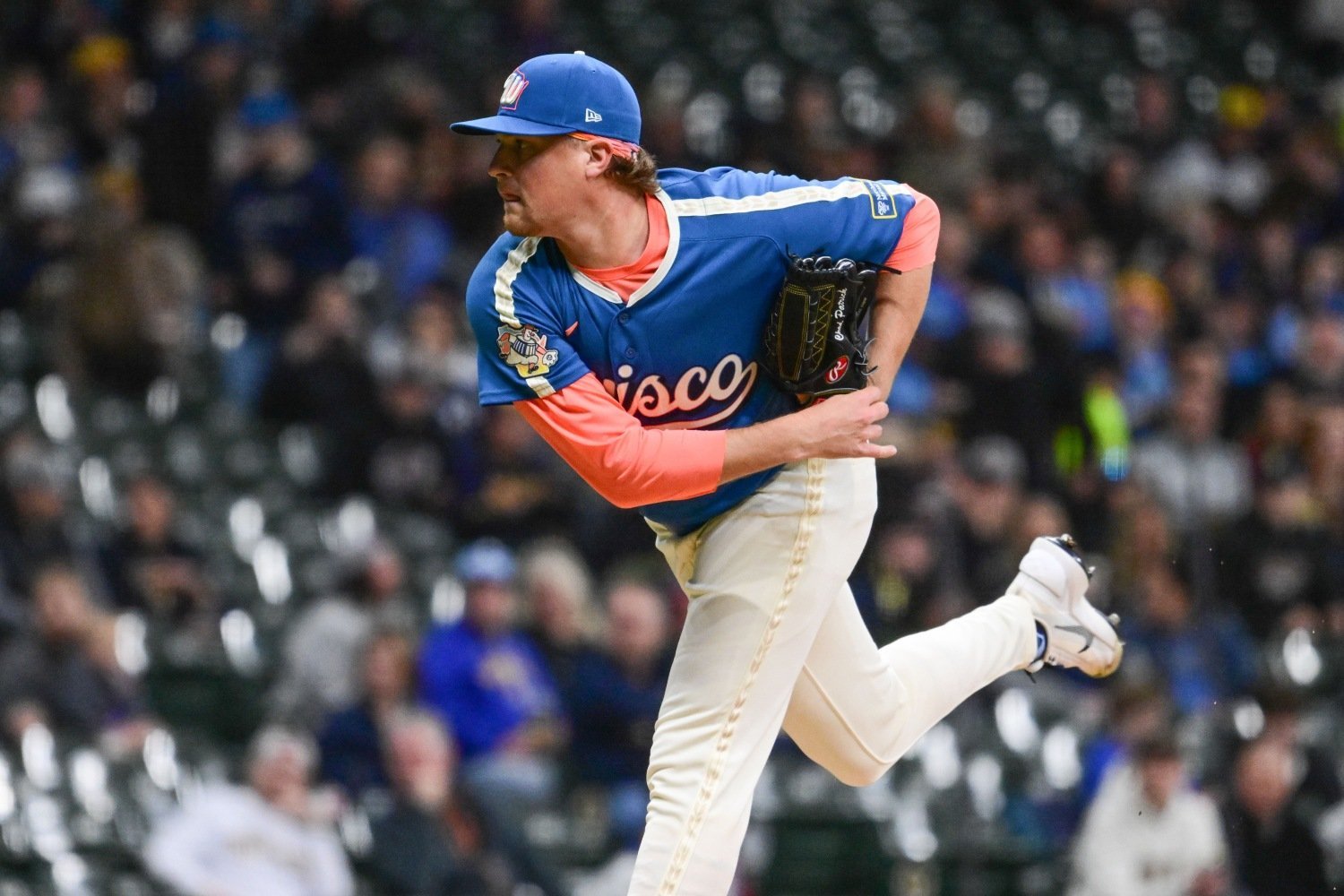 The sinker is there to work to the arm side of the pitcher who throws it. It's there to force a same-handed batter not to dive over the plate, so they can't reach your four-seamer on the far corner or your breaking ball. It's there to control that arm-side half of the plate; that's what it does. For Chad Patrick, though, it does something else. Patrick uses the sinker strangely. Of the 58 sinkers he's thrown so far this season, 30 of them were on the glove-side (that is, the first-base-side) third of the plate or farther that direction—in on lefties, and away from fellow righties. Most pitchers struggle mightily to command that pitch, so they don't bother throwing it. The sinker runs to the arm side. If you try to aim it toward the glove side but miss, you're likely to leave a meatball in the heart of the zone. Much of the time, the reward for getting it right there just isn't rich enough to justify the risks of that. Patrick, however, has pretty good command of the pitch, and has gotten good mileage from it. Here's how those 30 pitches have broken down: 12 called strikes 11 balls 1 swinging strike 2 foul balls 2 outs on balls in play 2 singles That doesn't add up to a lot of value in a vacuum, but let's discuss some nuances here. Firstly, using FanGraphs's new Pitch Pairing tool, we can take a look at the way Patrick attacks hitters and the interactions between his pitches. Here, for instance, is his profile against right-handed batters, with his signature pitch—the cutter—as the anchor pitch off which the others are considered to be working. When Patrick is executing well, his cutter forces hitters to sit on it, and his new slurve can be a bat-missing strike-to-ball offering. His four-seamer is nothing special, on its own, but if a hitter is sitting cutter, the four-seamer can induce pop-ups and weak contact, as long as he gets it high enough. Ah, but graphics like these assume the same "start line"—that's what the Brewers, at least, call the point they want a pitcher to target as they release a given pitch, letting it move from there to its real destination—for all pitches. By now, you know that Patrick isn't using the same start line for his sinker that he is for his cutter and the others. He starts that pitch off the outside edge by so much that if he threw the cutter the same way, it would end up in the left-handed batter's box. Instead, he's using the middle of the plate as his start line for the cutter and the slurve. For the sinker, he's starting outside. Tunneling pitches is only one way to generate deception. Sometimes, you want to get hitters looking for the tunneled set (in this case, the cutter-slurve-four-seam tunnel) of pitches, so you can freeze them with a pitch that would be non-competitive if it were part of that tunneled set. That doesn't always work, but when it does, it works gorgeously. Check out this sequence against Maikel García of the Royals, on April 4. This encounter came in the fifth inning. It was the third time García was seeing Patrick, so the hurler started him by landing a sluve in the zone for a called strike. That's conventional: catch a batter by surprise by showing them something unexpected at the front end of a third or fourth look within a game. He next went up to the top of the zone (above it, really) for a swinging strike on the cutter; he was way ahead of García. On his third pitch, though, he just got lucky. He tried to throw one of those strike-to-ball slurves, but got stuck in his own tunnel. The pitch broke off the line of the previous cutter, instead of one more typical of what Patrick throws to righties, and it ended up in the middle of the zone again. With two strikes, García wasn't going to be frozen and beaten so easily. It was still 0-2, but Patrick needed something new to show to a dangerous hitter who was right on him, now. Thus, the backdoor sinker. MDRYNk5fWGw0TUFRPT1fVUFSU1Z3SlNWUXNBWFZGV1Z3QUhDUVVGQUZnRFZ3SUFBMUZXQlFwVUNRWldVUUpW.mp4 Yes, technically, this pitch missed the zone. It didn't matter, though. Patrick had shaped it well and hit his spot. William Contreras framed the pitch well. Most importantly, García was fooled, badly. He was so unready to see that pitch, coming from that angle and landing where it did, that he was in no position to risk Kansas City's second challenge of the game on it. That's the ideal way for the backdoor sinker to work. It's a different thing if you first fall behind in the count. Here's a third-inning showdown with Chase Meidroth back on March 28. You can see what Patrick was thinking, here. He'd missed low with two of his first three offerings, but a front-door cutter had frozen Meidroth, so he was hoping that a hitter in an advantageous count would be sitting on another pitch on the inner half, on which he could turn and burn. Having thrown him the slurve on the previous pitch, he hoped he had Meidroth looking in that same tunnel, and that starting the sinker off the outside edge would freeze him and get Patrick back into the count at 2-2. Instead, Meidroth stayed on the ball and flicked it neatly into right field. TUFYMmRfWGw0TUFRPT1fVTFCWEFsUlhCMU1BV1FRQkJ3QUhDVkJVQUZoV1VnVUFVUVFCQkZBTUJBVlhVbEFB.mp4 With any pitch on which you're hoping for lots of called strikes, sequencing is paramount. Patrick wants righties to sit on the four-seamer and the cutter and the slurve, but he needs count leverage and/or perfect execution to win with the sinker just by violating those expectations. Because he throws the pitch so well to that side of the plate, though, Patrick's sinker is much better against lefties than most right-handed pitchers' sinkers are. Let's take a look at a couple more of those FanGraphs images. First, here's what his arsenal looks like when anchored to the four-seamer. You can see, pretty easily, how a lefty will experience the four-seamer, the cutter and the slurve as a tunnel and struggle to differentiate them. The key to the front-door sinker, then, is that it moves so differently than the rest of the arsenal that given the start line Patrick uses, it'll look to a batter like it's going to hit him, if the batter thinks it's either the cutter or the slurve. To a lefty, the pitch can tunnel a bit with the four-seamer, but it has to be set up in a different way. Here's a glance at the arsenal if we use the sinker as the anchor. So, let's look at one more way the pitch actually worked in a real matchup. In a showdown with the Nationals' Jorbit Vivas on Friday, Patrick started him with a more traditionally located two-seamer, hitting the outside edge of the zone for strike one. (It was initially called a ball, but Contreras got it back with a challenge via ABS.) Next, he dropped a fantastic slurve into the bottom, inner quadrant of the zone, getting ahead 0-2. The question was how to put Vivas away from there. Patrick guessed that Vivas would be looking for the cutter or the four-seamer, upstairs. He was right. Instead of giving Vivas that, though, he threw him a high, front-door sinker. As you can see above, it wasn't pinpoint location, but it worked, because Vivas hit the inside of the ball. He was trying to get his barrel around and through a four-seamer or cutter; the sinker ran off the side of the stick and produced an easy fly ball. NnlNcW9fWGw0TUFRPT1fQlZWUUFsQUdYd1VBREFaUUFnQUhBbFVEQUZnTkFsRUFVMUVEQ0FJSEFRQlVCd2Rl.mp4 Throwing the glove-side sinker takes some fearlessness and guile, as well as tactile command. Patrick has shown all of that this spring. This pitch is one more way in which he frustrates batters, despite his apparent lack of a swing-and-miss out pitch. He works in a three-pitch tunnel with the rest of his arsenal, but when it comes to the sinker, the tunnel isn't the point. Rather, Patrick is inviting batters to hone in on that tunnel—then working beyond it, forcing them to reconceptualize their approach and (if nothing else) be less locked in when he goes back to his tunneled set. View the full article
