


DiamondCentric
-
Posts
2,631 -
Joined
-
Last visited
Never
Content Type
Profiles
Forums
Events
News
Tutorials & Help
Major League Baseball Videos
Guides & Resources
Store
Downloads
Gallery
Everything posted by DiamondCentric
-

How Willson Contreras’ Selective Approach Is Driving Early Success
DiamondCentric posted an article in Talk Sox
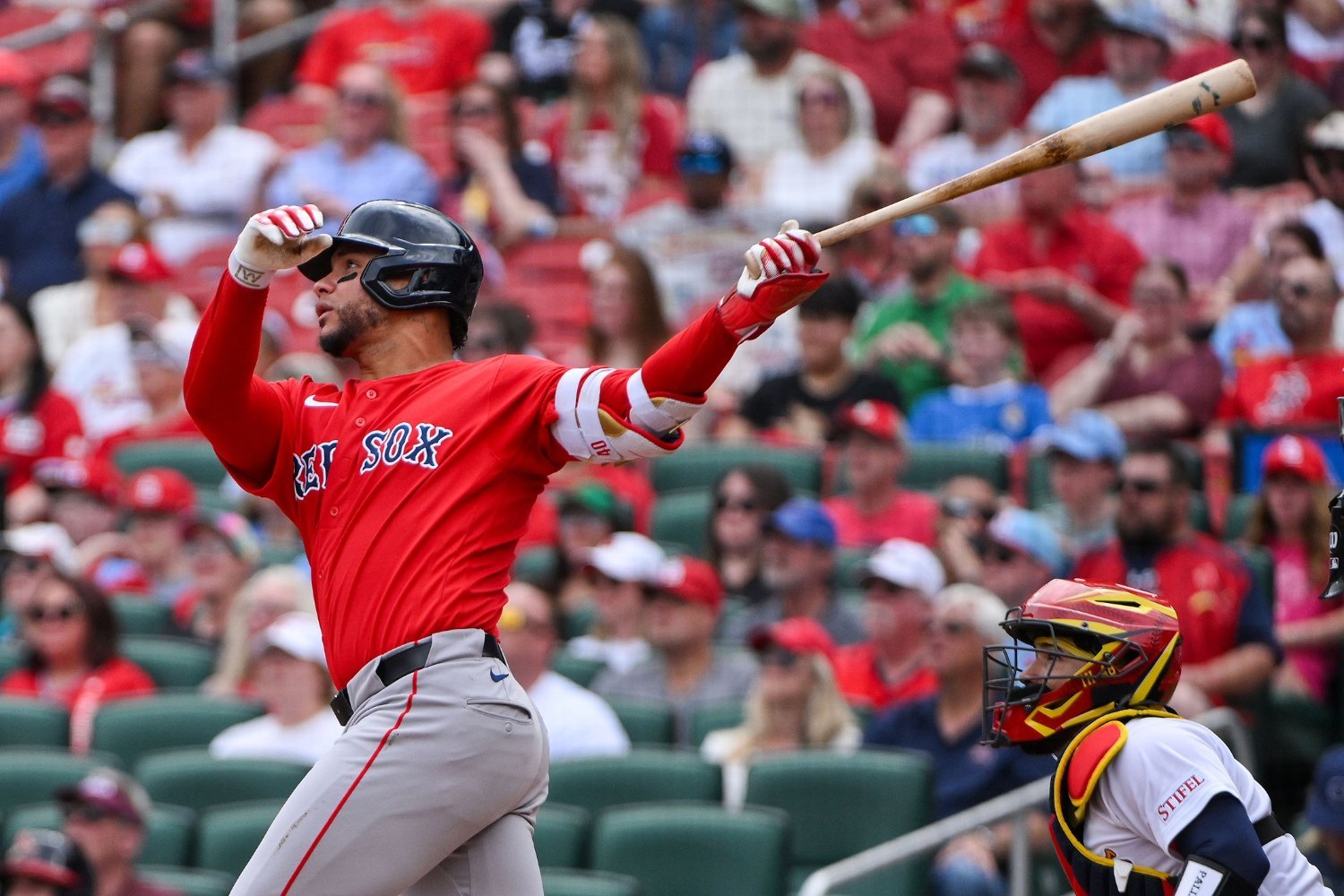 Amid a slow start for the Boston Red Sox, veteran first baseman Wilson Contreras has emerged as an unlikely hero while the majority of the lineup struggles at the plate. In a recent series win against his former team, the St. Louis Cardinals, Contreras continued his strong start, going 4-for-5 with a home run and three RBIs. In his 11th season, he is batting .304/.443/.500 with a .943 OPS. Touted as an underrated pickup after Boston acquired him in a trade from the Cardinals, Contreras has lived up to the hype, ranking second on the team with a 171 wRC+ while playing stellar defense. “There’s a reason we got him. We needed another right-handed bat, and we got more than that. We got a guy that is playing great defense at first base, he controls the strike zone, he’s becoming a leader in the clubhouse. It’s fun to have him around,” Red Sox manager Alex Cora said about Contreras' contributions thus far. Soon to be 34 years old and coming off a few down years with the Cardinals, Contreras' renaissance at the plate seems to be driven by his improved plate discipline. Known throughout his career for producing high hard-hit rates, the veteran slugger has actually taken a dip in that regard this season. His hard-hit rate sits at only 42.1%, down from his career-high 48.9% from last year. However, this shouldn’t be perceived as a slight on him, but an example of his change of philosophy at the plate. Although his overall contact quality isn't at peak levels, his slugging percentage and xSLG have spiked up to .500 and .517, compared to last season's .447 and .488. A lot of that jump can be tracked to his newfound affinity for left field (and the Green Monster); Contreras is pulling the ball at a career-high 54.1% rate, while his contact to center field has dropped to a career-low 24.3% and his opposite-field rate sits at 21.6%, the second lowest of his career. This marks a major contrast to last season, where his spray chart featured a much more balanced split, 39.4%/37.1%/23.5%. Notably, the last time he had as big a gap in his spray chart was in 2022, when his split was 44.4%/31.7%/23.8%. Coincidentally, that was also the last time he made an All-Star team. Contreras’ selectivity at the plate has extended to every aspect of his game. This season, his swing percentage is at a career low, 41.1%, and he's being very patient, swinging at a near-career-low 25.5% pitches outside of the strike zone. Ultimately, what’s helping his decision-making is that he is also finding himself in very advantageous early counts. This season, his first strike percentage is at 44.8%, an almost 15% drop from his previous career low of 58.7% in 2019. These early count advantages, combined with his laying off "pitcher's pitches" outside the zone, are forcing a few more predictable options around the plate, which he has been capitalizing on. While the sample size is small, Contreras' adjustments are exactly what the Red Sox have needed from their biggest offensive acquisition. Hopefully, his patience will start to carry over to the rest of the team. View the full article
 -
 Transactions: Milwaukee Brewers selected the contract of RF Greg Jones from Nashville Sounds. SS Jheremy Vargas assigned to Nashville Sounds from Biloxi Shuckers. C Tayden Hall assigned to Biloxi Shuckers from Wisconsin Timber Rattlers RHP Edwin Jimenez assigned to Biloxi Shuckers from ACL Brewers. Nashville Pre-game media notes Nashville 9, Worcester (Red Sox) 4 Box Score Worcester starter Patrick Sandoval did not look the part of a starting pitcher with 100 career MLB starts under his belt on Tuesday night. After Jett Williams singled to open the bottom of the first, Nashville would load the bases and score three runs without the aid of another hit. Jeferson Quero took a bases loaded HBP, before Brock Wilken and Eddys Leonard each plated runs on sac flies. Wilken, who made his first professional start at first base, (h/t to Ro in the MiLB forums) just missed a grand slam with his warning track flyout. Quero and Wilken each drew bases loaded walks in the bottom of the second to stake the Sounds to an early five run lead. It felt like both teams were constantly batting with the bags full all night as there was a lot of traffic on the base paths. The Sounds left a whopping sixteen men on base, as they drew 11 walks and five HBP in addition to their nine hits. The top of the order broke out in this game, leading the way for the Sounds to score a season-high nine runs. Luis Lara reached base five times with the HBP, walk, and three singles. Lara is now hitting .396 with a 1.058 OPS through his first 14 games at AAA. All three of Lara’s hits were groundballs on Tuesday. Here’s one he managed to leg out: Jett Williams was on base four times, scored twice, and drove in one on a grounder with the infield pulled in. Cooper Pratt drew three walks, scored three runs, and stole two bases. Quero drove in four runs, with just one hit, a two-run ground ball single, also with the infield pulled in during the fifth that made it 8-2 Sounds. On the mound, the story was Shane Drohan facing and shutting down his former AAA teammates. Drohan ( 5.1IP 5H 2R 1ER 2BB 8K) retired the first seven men he faced, before getting tagged for a solo homer in the third. Drohan then ran into some trouble in the fourth after second baseman Freddy Zamora rushed a tailor-made double play ball, which should have ended the inning. Instead, Worcester made Drohan work and were able to take advantage of the miscue with an unearned run. Drohan rebounded nicely with a nine- pitch fifth inning, which allowed him to be extended into the sixth inning. Here is his final strikeout on the night, courtesy of the Sounds’ X account: Righthander Coleman Crow will seek his third straight win when he toes the slab on Wednesday night for the Sounds in game two. Biloxi Pre-game media notes Biloxi 4, Columbus (Braves) 2 Box Score As always, you are encouraged to read the official round-up from the team’s site: Three-run Second Inning Propels Shuckers Over Clingstones, 4-2 Manuel Rodriguez’s second start of the Southern League season got off to a surprising start in the first inning, when Columbus leadoff man crushed a pitch off the top of the scoreboard in leftfield. It would turn out to be the only damage the Clingstones could muster against the righthander, as Rodriguez (4.2IP, 3H, 1R, 1ER, 2BB 6K) would mostly cruise from there. The Shuckers responded immediately in the top of the second by taking advantage of some poor defense from Columbus. After a one out single from Dasan Brown, Dylan O’Rae reached after the Columbus second baseman let the ground ball scoot under his glove into left field on what should have been the third out. The relay throw was then bobbled, which allowed Brown to score from first on the play. Eric Brown Jr. followed with a two-run homerun, that would prove to be the difference in the game, courtesy of the Shuckers’ X account: The Shuckers lead the Southern League in homers on the young season with 16. O’Rae extended his hit streak to nine games and the Shucker’s lead to 4-1 with a ground rule double in the sixth: The Shuckers pen did their part with 4.1IP with just one run allowed, which came in on a wild pitch from Jesus Broca in the bottom of the eighth. Jesus Made and Blake Burke each drew two walks and added two steals on the basepaths for the Shuckers. The 236-pound Burke is giving some Josh Naylor vibes with his instincts on the bases in his minor league career: after stealing 15 bags last year, Burke already has five this season. The Shuckers will be back in action with the early first pitch at 10:00AM CT Wednesday for game two. Wisconsin pre-game media notes Wisconsin was postponed on Tuesday night and they’ll play two on Wednesday against Peoria. The Timber Rattlers website shows Jason Woodward (media notes had Travis Smith) taking the mound for game one at 12:10 CT. Game two will follow approximately 30 minutes after the completion of game one. The Peoria lineup will feature the Cardinals’ #3 overall prospect Rainiel Rodriguez behind the plate. We may also see Tanner Franklin (#11 Cards’ prospect according to MLB Pipeline) who has 16K in 6.2 IP, so far this season. The T-Rats will look to keep up with his 70 grade fastball. Wilson pre-game media notes Wilson 7, Hill City (Guardians) 5 Box Score Early Offensive Outburst Gives Wilson Home-Opener Win The Wilson Warbirds were victorious in their inaugural game at Wilson Park. Taylor Renz made his third start on the young season and went a season-high five scoreless innings, en route to earning the victory. Renz looked comfortable as he allowed just five baserunners (two hits and three walks), while striking out five. Yannic Walther opened the scoring for the Warbirds in the third inning with a solo shot to left field. The first ever homer at the park was just the third professional for the 22 year-old, German-born catcher. Brady Ebel would add a run on a sac fly to make it 2-0 through three innings. The Warbirds broke the game open in the following inning, giving the sellout crowd of 3,700 more reasons to cheer. Luiyin Alastre came up with a two-run double, and Jose Anderson had a two run single to pad the lead to 7-0. The Warbirds X Account didn’t post many highlights, so you can find a few of the big knocks here: Walther Homerun Anderson two-run single It looked like the Warbirds would cruise to victory, after Thomas Conrad (3IP 4H 1R 1ER 1BB 1K) held Hill City at bay in his second professional appearance. However, the Howlers made things interesting with four unearned runs in the ninth inning after a poor throw by pitcher Jose Meneses. All four runs came with two out, before Meneses was able to finally get the third out to seal the Warbirds first win in Wilson. Miqueas Mercedes will take the mound for Wilson in game two on Wednesday. Organizational Scoreboard including starting pitcher info, game times, MiLB TV links, and box scores Current Milwaukee Brewers Organization Batting Stats and Depth Current Milwaukee Brewers Organization Pitching Stats and Depth View the full article
 -
 TRANSACTIONS Yesterday the Wichita Wind Surge placed RHP Ruddy Gomez on the 7-day injured list with a right lat strain. Tuesday’s only move in the system was the Fort Myers Mighty Mussels activating OF Yasser Mercedes from the 7-day injured list. He DH’d and batted fifth in his first game of the season. SAINTS SENTINEL Lehigh Valley 11, St. Paul 7 Box Score The IronPigs jumped out to an early lead against starter Andrew Bash with a two-run first inning, and pushed that advantage to 4-1 in the third to end his start. Bash was charged with four earned runs on five hits and three walks in his three innings, and struck out one. Walker Jenkins led off the bottom of the first with a loud 112 MPH single into center field, and his groundout in the third scored their first run of the game, but it was an odd four-run fourth inning that put the Saints in the lead briefly. They hit only one ball out of the infield in the frame, but multiple misplays, deflections, and otherwise fortunate bounces allowed them to station-to-station advance and take a 5-4 lead. Matt Bowman was the first reliever from the bullpen to start the fourth inning and he pitched two frames. He gave up one hit, one walk, and struck out one. Trent Baker got saddled with the loss and blown save as he gave up three earned runs on four hits and a walk in his one inning. John Brebbia (1 IP, 2 H, ER, BB, 2 K), Eduardo Salazar (1 IP, H, BB), and Zak Kent (1 IP, 2 H, 3 ER, BB, K) completed the final three innings. The Saints closed the gap to one after homers from Alex Jackson in the sixth and Alan Roden in the eighth, but Lehigh Valley picked up three insurance runs in the top of the ninth to close the door on any comeback. Kaelen Culpepper put an end to an 0-for-12 skid with his second double of the year in the sixth inning, and Jackson finished 3-for-4 with three runs scored, his first double, and the homer to lead the way for the offense. WIND SURGE WISDOM Springfield 6, Wichita 18 Box Score The Wind Surge jumped all over Cardinals pitching and turned this one into a laugher early. They put up crooked numbers in each of the first and second innings, added a single run in the third, then batted around in the fourth to blow it fully open. Kyle DeBarge led off the bottom of the first with a double, and two batters later Kala’i Rosario put the first run on the board with an RBI single. Billy Amick added an RBI single before Garrett Spain made it 3-0 with an RBI triple. In the second Hendry Mendez came up with the bases loaded and clubbed a grand slam the opposite way for his first home run of the season to make it 7-0. Jose Salas contributed a sac fly in the third before the Wind Surge put this one on ice in the fourth. Rosario struck out as the second hitter of the inning with the score 8-0, but later in the frame made it 17-0 with his first home run of the year, a three-run shot for the innings exclamation point. In between Mendez delivered an RBI triple, Billy Amick an RBI double, and Ricardo Olivar a bases-clearing double. The hot-hitting Ben Ross led off the frame with a single and added an RBI version later. Mendez added his second home run of the game in the seventh to account for all the scoring. Right-hander C.J. Culpepper made the start and went the first four innings. He allowed zero runs on three hits and three walks, while striking out six. Of his 68 pitches, 45 went for strikes (66%) including nine swinging. Sam Ryan was the first reliever from Wichita and after a scoreless fifth gave up a big sixth inning to Springfield, but it didn’t matter. In 1 2/3 innings he was charged with six earned runs on five hits and a walk. He struck out three. Spencer Bengard (1 1/3 IP, K) and Alejandro Hidalgo (2 IP, H, 4 K) finished off the final three plus frames. Ross (2-for-4, 2 R, RBI, BB, K, SB - 10 game hitting streak), Rosario (2-for-3, 3 R, HR, 4 RBI, BB, 2 K), Mendez (3-for-5, 3 R, 3B, 2 HR, 6 RBI, 2 K), Amick (2-for-5, 2 R, 2B, 2 RBI, 3 K), and Olivar (2-for-4, 2 R, 2B, 3 RBI, BB) all collected multiple hits. KERNELS NUGGETS Quad Cities 10, Cedar Rapids 3 Box Score Taking the bump for the Kernels on Tuesday was right-hander Jason Doktorczyk who had picked up wins in both of his prior appearances on the season out of the bullpen. Things didn’t go quite the same as the starter in this one. A triple to start the game turned into a 1-0 lead after one, the River Bandits added three more in the second, and he exited the game in the third responsible for a runner on base that turned into a fifth earned run on the outing. In all he finished 2 1/3 innings, allowing those five runs on seven hits and a pair of walks, while striking out two. The Kernels offense did take a 2-1 lead in the bottom of the first as Marek Houston led off with a single, and Eduardo Tait followed with his first home run of the season. Sam Rochard was the first reliever summoned and finished off the third inning, allowing one hit. Nolan Santos did the bulk work from the bullpen, throwing 3 2/3 innings and being charged with four runs (two earned) on seven hits and three walks. He struck out two. Jacob Wosinski finished off the final 2 1/3, allowing one earned run on two hits while striking out two. Tait accounted for the Kernels final run, clubbing his second home run of the season and game in the seventh that made it 9-3 at the time. He obviously led the way but Houston (2-for-5, R, K, SB) and Jaime Ferrer (2-for-4) also collected multiple hits. MUSSEL MATTERS Lakeland 3, Fort Myers 0 Box Score Mighty Mussels starting pitcher Reed Moring began his professional career this season with two appearances (including one start) where he finished four scoreless frames. He kept his 0.00 ERA intact in this one with five scoreless frames against the Lakeland Flying Tigers. He scattered six hits and one walk, while striking out six. He threw 70 pitches, with 48 going for strikes (nice), including 16 swinging. That gives him 18 K’s compared to four walks on the season in his 13 total innings. Unfortunately for him and the Fort Myers faithful, the lineup wasn’t able to manage a single hit while he was on the mound. Flying Tigers pitching took the no-hitter into the sixth inning, and with two outs Dameury Pena finally broke it up with an infield single. But that was literally it for the lineup on the game. Relievers Kolten Smith (2/3 IP, 2 H, 2 ER), Xavier Kolhosser (1 2/3 IP, H, ER, BB, 3 K), Mike McKenna (1 1/3 IP, 2 H, BB, 3 K), and Michael Hilker (1 IP, 2 K) finished off the final four innings. Quentin Young drew two walks, while Yasser Mercedes finished 0-for-4 in his season debut. Mighty Mussels hitters struck out 12 times and finished 0-for-3 with runners in scoring position, leaving only six men on base. TWINS DAILY MINOR LEAGUE PLAYERS OF THE DAY Pitcher of the Day – Reed Moring, Fort Myers Mighty Mussels (5 IP, 6 H, BB, 6 K) Hitter of the Day – Hendry Mendez, Wichita Wind Surge (3-for-5, 3 R, 3B, 2 HR, 6 RBI, 2 K) PROSPECT SUMMARY Check out the Prospect Tracker for much more on our Twins Top 20 prospects after seeing how they performed on Tuesday. #1 – Walker Jenkins (St. Paul): 1-for-5, RBI, 2 K #2 – Kaelen Culpepper (St. Paul): 1-for-5, 2B (2), K #3 – Emmanuel Rodriguez (St. Paul): 1-for-4, BB, K #4 – Eduardo Tait (Cedar Rapids): 2-for-2, 2 R, 2 HR (2), 3 RBI, BB #7 – Gabriel Gonzalez (St. Paul): 1-for-4, K #9 – Marek Houston (Cedar Rapids): 2-for-5, R, K, SB (2) #13 – Brandon Winokur (Cedar Rapids): 0-for-3, BB, K, SB (5) #14 – Quentin Young (Fort Myers): 0-for-2, 2 BB #16 – Hendry Mendez (Wichita): 3-for-5, 3 R, 3B (1), 2 HR (2), 6 RBI, 2 K #17 – Kyle DeBarge (Wichita): 1-for-6, R, 2B (2), 2 K #18 – C.J. Culpepper (Wichita): 4 IP 3 H, 3 BB, 6 K #19 – Khadim Diaw (Cedar Rapids): 0-for-4, 4 K WEDNESDAY’S PROBABLE STARTERS Lehigh Valley @ St. Paul (6:37 PM CDT) - RHP John Klein (1-0, 7.88 ERA) Springfield @ Wichita (11:05 AM CDT) - RHP Ryan Gallagher (1-0, 1.93 ERA) Quad Cities @ Cedar Rapids (12:05 PM CDT) - RHP Eli Jones (0-0, 1.20 ERA) Lakeland @ Fort Myers (6:05 PM CDT) - RHP James Ellwanger (0-0, 0.00 ERA) Please feel free to ask questions and discuss Tuesday’s games! View the full article
 -
Fairbanks falters after long layoff in first blown save as Marlin
DiamondCentric posted an article in Fish On First
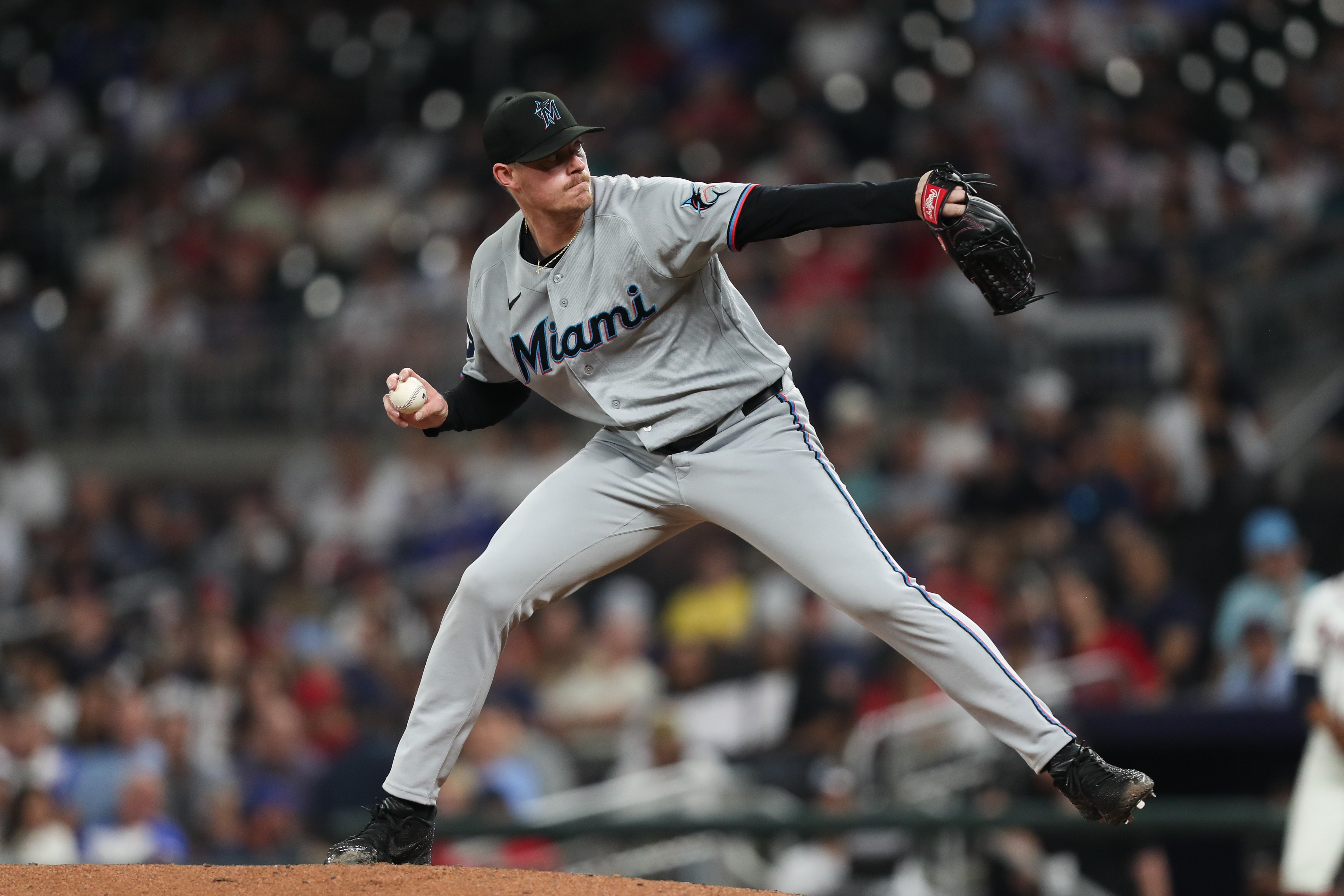 The last time Pete Fairbanks took the mound for the Miami Marlins was on April 5. He was then placed on the paternity list, activated on April 9, and he watched all the action from the bullpen during the series finale against the Cincinnati Reds, the weekend series against the Detroit Tigers and the first game against the Atlanta Braves. Marlins manager Clayton McCullough determined in advance that Fairbanks needed to pitch on Tuesday, nine days removed from his most recent appearance. A high-leverage situation arose in the eighth inning, with the Marlins leading 5-3 and the heart of Atlanta's lineup due up. In his lone inning of work, the veteran closer was unsuccessful, surrendering three runs on three hits and taking the loss. "He was going to pitch in that game, and when it got to that point in the eighth, I thought, 'let's go ahead and ensure that he gets his inning of work in today,' and we'd be fine in the ninth," McCullough said postgame. "It just didn't work out." Dominic Smith, who was up at the plate with two outs in the bottom of the eighth, hit a bases-clearing double to give the Braves a 6-5 lead, their first of the game. Fairbanks threw a slider that landed right down the middle. "I wanted that pitch," Fairbanks said. "Things didn't work out, wasn't executed properly, double in the gap. Lose a game, part of the process. That's obviously the real tough part of it, but it is what it is. I'm not going to go out there and second guess what I wanted to throw or what we wanted to throw." This marked Fairbanks' first blown save as a member of the Marlins. For the Tampa Bay Rays last season, he converted 27 of 32 save opportunities. Fairbanks rarely pitched in the eighth inning last season, but the Marlins made it clear that they would be utilizing him earlier in games when appropriate. This was one of those times considering that Atlanta's two most productive bats of 2026, Drake Baldwin and Matt Olson, were due to come to the plate. The bigger issue here is that the Marlins threw Fairbanks into this important spot coming off such an extended stretch of inactivity. He was not in a position to perform up to his usual standards. Fairbanks' fastball topped out at 98.3 mph, averaged 96.7 mph and generated four whiffs. Of his 26 pitches, 19 of them landed for strikes. Fairbanks believed that his release points weren't exactly where they were supposed to be, resulting in pitches up in the zone, but he was pleased with the overall shapes. "Go to bed, try not to take it with you," Fairbanks said regarding his mentality following a blown save. "You get mad for a little bit, then you let it go and you show up and do your job the next day." On a positive note, the Marlins offense picked up right where they left off on Monday, combining for nine total hits. In the top of the first inning, the Fish attacked Reynaldo Lopez right away with a sacrifice fly from Agustín Ramírez. In the following inning, Connor Norby laced an RBI single, extending his hitting streak to seven games. Atlanta native Graham Pauley smacked his fifth double of the season, driving in Norby. Jakob Marsee secured a multi-hit game on an RBI single, giving Miami a commanding 4-0 lead through just two innings. Max Meyer for a second straight start gave the Marlins five innings of work, allowing three runs on five hits, one walk and struck out five. He averaged 16.4 pitches per inning, topping out at 21 in the second and 20 in the fifth. In the bottom of the third inning, he surrendered back-to-back RBI doubles to Baldwin and Olson. Surprisingly, Meyer's sweeper was his most-used pitch on Tuesday instead of his slider. Throwing the sweeper 26% of the time, he generated six whiffs, including a swinging strikeout of Mauricio Dubón in the bottom of the fifth. Meyer remains the only Marlins starting pitcher who has not surpassed five innings pitched this season. In the eighth, Otto Lopez added an RBI single to give Fairbanks some breathing room, but it wasn't enough as things turned out. The Marlins drop to 9-9 on the season, now looking for the series win on Wednesday at 7:15 pm with Chris Paddack on the mound. View the full article
 -
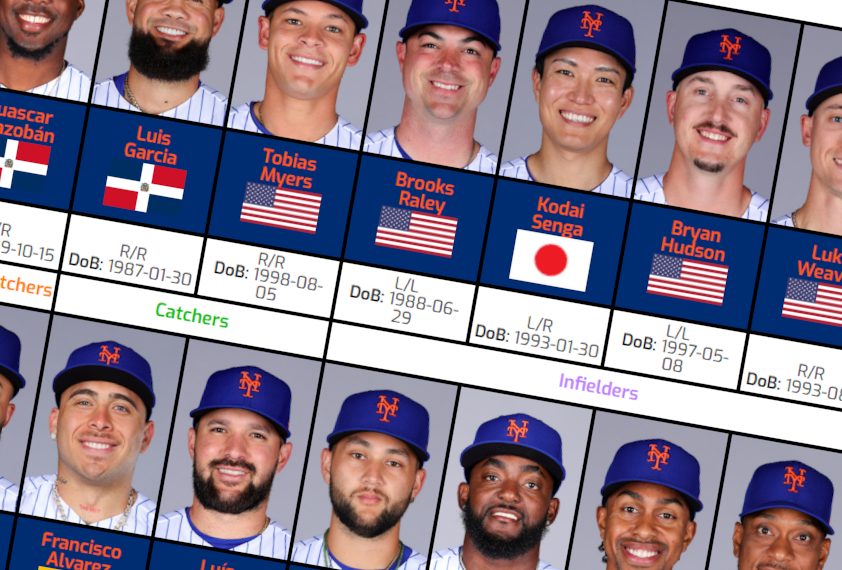 If a guy makes his only appearance after midnight in a West Coast game, pitching a pair of mop-up innings as the team sleepwalked to their sixth straight loss ... was he actually a Met? These is the question the legion of Joey Gerber fans are confronting as the Dodger series continues to unfold. Transactions, 4/14/2026 GOING COMING Cleared Waivers and Released Placed on 15-Day Injured List with Right Finger Blister Promoted from Syracuse Relief Pitchers Luis Garcia Joey Gerber Austin Warren R/R DoB: 1987-01-30 High Level: MLB (2026) R/R DoB: 1997-05-03 High Level: MLB (2026) R/R DoB: 1996-02-05 High Level: MLB (2025) Info has been sketchy about the Luis Garcia release, but it is terribly likely that there are two bits of information missing in between Cleared Waivers and Released — namely, Assigned to Syracuse and Refused Assignment. Luis and his shrubby, shrubby beard have 14 years of big league time, and likely has no desire to go down to Syracuse at 39, and so would rather go home and wait for a call from a big-league team that hasn't lost six in a row. If you missed Joey Gerber's high-leg-kicking Juan Marichal imitation of a Mets debut last night, you missed a minor treat (at the tale end of a really flat-tasting/low-cal meal of a game). Early speculation about his unexpected Injured List assignment recalled Billy Eppler's embarrassing disciplining for abuse of the Injured List. In favor of that notion is the head-scratching notion anybody would need 15 days to recover from blisters. Going up against that notion is that the Mets, despite their losing streak, don't exactly have a burned-out pen right now. Stepping in for Blister Boy is Austin Warren, who looked very impressive in pulling in 9 1/3 innings on the 2025 reliever carousel. Hopefully, he finds more opportunities than that in 2026. Your Mets Coaching Staff Manager Bench Coach Pitching Coach Hitting Coordinator Third Base Coach First Base Coach Bullpen Coach Ass't Pitching Coach Carlos Mendoza Kai Correa Justin Willard Jeff Albert Tim Leiper Gilbert Gomez José Rosado Dan McKinney DoB: 1979-11-27 DoB: 1989-07-14 DoB: 1990-09-09 DoB: 1992-08-16 DoB: 1996-07-19 DoB: 1992-03-08 DoB: 1974-11-09 DoB: 1989-06-06 Hitting Coach Strategy Coach Catching Coach Coaching Assistant Bat'g Practice Pitcher Equipment Manager Bullpen Catchers Bullpen Catchers Troy Snitker Danny Barnes J.P. Arencibia Rafael Fernandez Kevin Mahoney Kevin Kierst Eric Langill Dave Racaniello DoB: 1988-12-05 DoB: 1989-10021 DoB: 1986-01-05 DoB: 1988-08-03 DoB: 1987-05-11 DoB: 1964-07-09 DoB: 1979-04-09 DoB: 1978-06-03 Your Mets Training Staff Director of Player Health Head Athletic Trainer Assistant Athletic Trainer Reconditioning Coordinator Reconditioning Therapist Head Performance Coach Assistant Performance Coach Performance Coordinator Brian Chicklo Joseph Golia Bryan Baca Sean Bardanett Josh Bickel Dustin Clarke Tanner Miracle Jeremy Chiang DoB: 1972-07-17 DoB: 1978-??-?? DoB: Circa 1980 DoB: 1988-06-23 DoB: 1996-??-?? DoB: 1987-??-?? DoB: 1991-??-?? DoB: ????-??-?? Your 2026 New York Mets Starting Pitchers Clay Holmes Nolan McLean Freddy Peralta David Peterson Kodai Senga R/R DoB: 1993-03-27 R/R DoB: 2001-07-24 R/R DoB: 2996-06-04 L/L DoB: 1995-09-03 L/R DoB: 1993-01-30 Relief Pitchers Huascar Brazobán Craig Kimbrel Sean Manaea Tobias Myers Brooks Raley Austin Warren Luke Weaver R/R DoB: 1989-10-15 R/R DoB: 32291 R/L DoB: 1992-02-01 R/R DoB: 1998-08-05 L/L DoB: 1988-06-29 R/R DoB: 1996-02-05 R/R DoB: 1993-08-21 Relief Pitchers Catchers Infielders Devin Williams Francisco Alvarez Luís Torrens Brett Baty Bo Bichette Francisco Lindor Jorge Polanco R/R DoB: 1994-09-21 R/R DoB: 2001-11-01 R/R DoB: 1996-05-02 L/R DoB: 1999-11-13 R/R DoB: 1998-03-05 S/R DoB: 1993-11-14 S/R DoB: 1999-11-13 Infielders Infielders Marcus Semien Mark Vientos Carson Benge Tommy Pham Luis Robert, Jr. Tyrone Taylor Jared Young R/R DoB: 1990-09-17 R/R DoB: 1993-12-11 L/R DoB: 2003-01-20 R/R DoB: 32210 R/R DoB: 1997-08-03 R/R DoB: 34356 L/R DoB: 1995-07-09 Also on 40-Player Roster Starting Pitchers Relief Pitchers Tylor Megill Christian Scott Jonah Tong Alex Carrillo Reed Garrett Joey Gerber Justin Hagenman R/R DoB: 1995-07-28 R/R DoB: 1999-06-15 R/R DoB: 2003-06-19 R/R DoB: 1997-06-06 R/R DoB: 1993-01-02 R/R DoB: 1997-05-03 R/R DoB: 1996-10-07 On 60-Day Injured List with torn right UCL. With Syracuse With Syracuse With Syracuse On 60-Day Injured List — right UCL surgery and nerve relocation surgery. On 15-Day Injured List with blistered right finger. On 60 Day Injured List with fractured rib. Relief Pitchers Catchers Infielders Outfielders A.J. Minter Dedniel Núñez Jonathan Pintaro Dylan Ross Hayden Senger Ronny Mauricio MJ Melendez L/L DoB: 1993-09-02 R/R DoB: 1996-06-05 R/R DoB: 1997-11-07 R/R DoB: 2000-09-01 R/R DoB: 1997-04-03 S/R DoB: 2001-04-04 L/R DoB: 1993-11-29 With St. Lucie on Rehab Assignment On 60-Day Injured List — right UCL surgery. With Syracuse With Syracuse, on Seven-Day IL With Syracuse With Syracuse With Syracuse Outfielders Nick Morabito Juan Soto R/R DoB: 2003-05-07 L/L DoB: 1998-10-25 With Syracuse On 15-Day Injured List with strained right calf Deslgnated for Assignment Relief Pitchers Richard Lovelady L/L DoB: 1995-07-07 Designated for Assignment, 2026-04-11 View the full article
 -
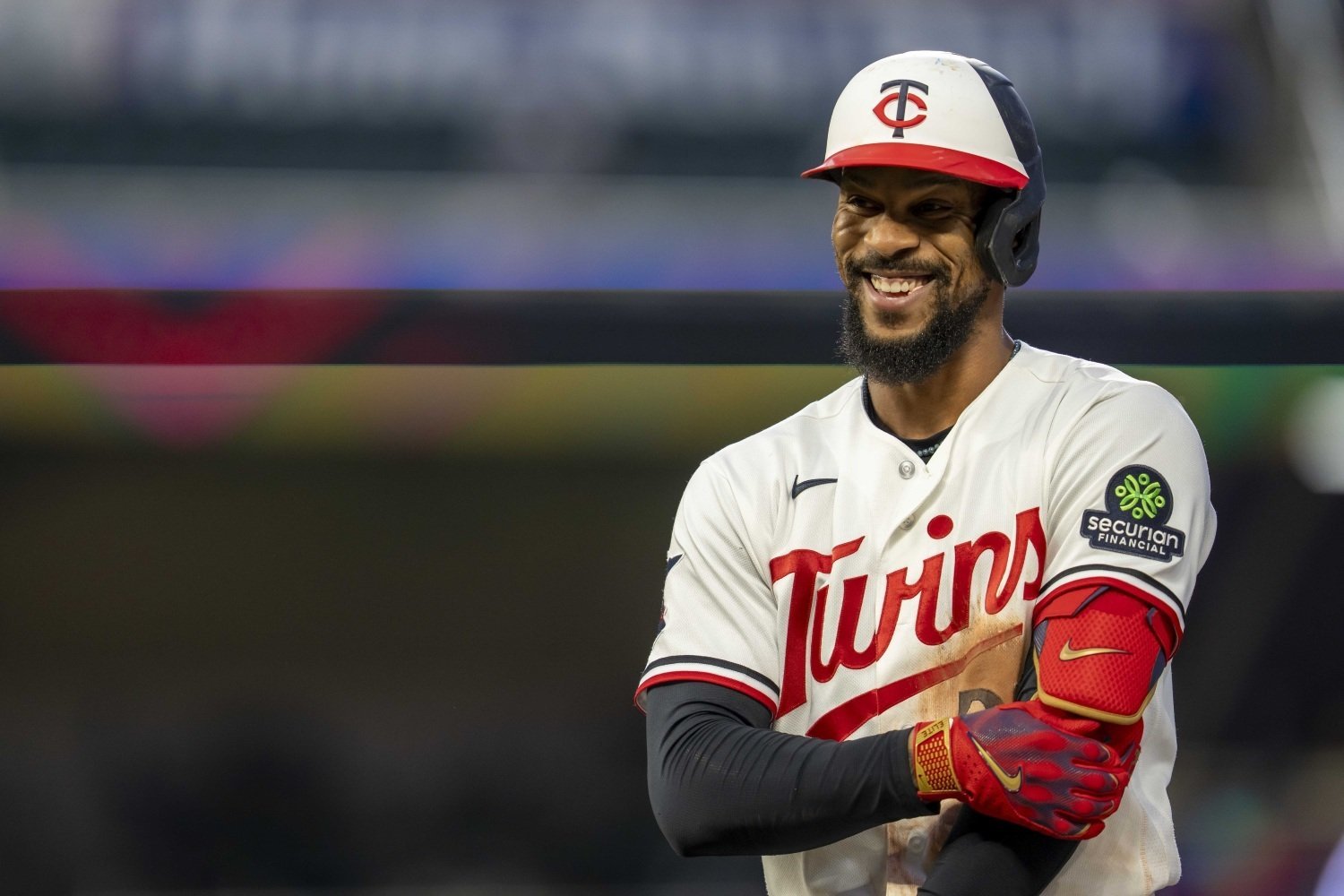 Box Score SP: Mick Abel 7 IP, 4 H, 0 ER, 0 BB, 10 K (90 pitches, 64 strikes (71%) Home Runs: Byron Buxton 2 (2, 3), Brooks Lee (3) Top 3 WPA (via FanGraphs): Abel (0.27), Buxton (0.19), Luke Keaschall (0.10) Win Probability Chart (via BaseballSavant) The Twins looked to continue their winning ways against an old friend, as non-lefty Sonny Gray returned again to Target Field. Gray was coming off of a dominant 6.1 scoreless inning performance against a salty Milwaukee offense. Meanwhile, his counterpart Mick Abel finally found his footing during his last start, going six scoreless against the Tigers in his last home start. Twins Offense Stays Unwelcoming Gray might have come into the game on a roll, but he encountered an even larger steamroller called the Twins lineup. Minnesota has averaged over nine runs a game in their latest three-game winning streak, and tonight it was Byron Buxton who got started the scoreboard tallying with his speed and power. In the bottom of the first inning, Buxton led off the game with a single up the middle, and then immediately advanced to second on a Gray balk. Trevor Larnach got called out on strikes after the Red Sox won an ABS challenge, but Luke Keaschall blooped a single to center to advance Buxton to third. Only, Byron didn't stop there! With the ball already reaching the infield, Buxton got the green light and he got called out at the plate. This call was also challenged, and this time the Twins were celebrating an overturned call and a 1-0 lead. Kody Clemens got on in the bottom of the second and worked his way around to third base but got stranded there. Buxton led off the bottom of the third, and he didn't get stranded anywhere. 2-0 Twins. The Twins kept the pressure on, eventually loading the bases in the third before stranding more runners in scoring position. Before Twins fans could fear reprecussions from the missed opportunities, Brooks Lee led off the bottom of the fourth, and for the sixth game in a row he drove in a run and for the third time in this recent streak that run was himself. 3-0 Twins. It's important to note how well Mick Abel was pitching, but the Twins wouldn't stop scoring runs. Tristan Gray followed up Lee with a hard single and Buxton found some space on the left side of the diamond to put runners at first and second with still nobody out in the fourth. Larnach has feasted on Gray (Sonny...not his teammate Tristan) in the recent past, and it was time for seconds. 5-0 Twins and Gray was chased from the game (Sonny...not our new third baseman). Abel is More Than Able The first two appearances of Abel's season left a lot to be desired. Piggy-backing in Baltimore didn't go well, and his first frozen Target Field start versus the Rays was rough. Abel's third start was near-dominant through six, and he managed to top that tonight. Mick struck out five consecutive Boston batters from the last out of the first through the first out of the third innings. Through six innings and only 81 pitches, Abel allowed only one runner to reach as far as second base. Before we get to how much Mick had left in his tank, a brief 438 foot message from Byron Buxton. More Abel, New Milestones Now emboldened with a 6-0 lead, Abel kept on dealing into the seventh and in many ways he accelarated his performance to the end. Abel notched two more strikeouts to reach a new career high at 10, with the last punchout of Carlos Narvaez maintaining his highest velocity of the night at 96 mph in what he himself described as a "pretty poorly executed pitch" in his dugout post-op interview. Not only that, but Abel utilized five separate types of pitches to collect his 10 strike outs, showing the kind of promise that made the Twins willing to depart with popular closer Jhoan Duran last season. Solid infield defense, no walks, and a 71% strike rate will make for a great night. Hope is abounding in Twins Territory, and Abel is starting to become a key part of that surprising story. Finishing it Off Like You've Been There Before After the first three series of the season, Twins fans were asking if their squad would get a series win at all in 2026. Now it feels like anything less is unacceptable. Taylor Rogers came in for the top of the eighth, and allowed a couple of baserunners but no ultimate damage done. Cole Sands got the call in the ninth as he looked to rebound from a rough outing in Toronto on Saturday. Sands preserved the shutout, and kept the Twins climbing up the win column. What’s Next? The Twins look to break out the brooms again at home on Wednesday afternoon during the annual Jackie Robinson Day celebration. Twins righty Simeon Woods Richardson (0-2, 4.60 ERA) looks to join in on the winning side of the ledger for the first time this season, while the Red Sox will send young lefty Connelly Early (0-0, 2.63 ERA) out for eighth career start. First pitch is scheduled for 12:40pm CDT. Postgame Interviews Bullpen Usage Spreadsheet FRI SAT SUN MON TUE TOT Morris 0 0 67 0 0 67 Rogers 30 0 0 0 22 52 Sands 0 22 0 0 15 37 Banda 36 0 0 0 0 36 Acton 0 0 0 33 0 33 Topa 12 0 12 0 0 24 Orze 0 0 0 23 0 23 Funderburk 0 17 0 0 0 17 View the full article
 -
 As we continue our journey through the Jays Centre top prospects list for the Blue Jays system, here is our list from no. 10 down to no. 6! Jake Bloss is aiming to climb back up to the major leagues, Yohendrick Pinango's advanced analytics are off the charts, Victor Arias packs a punch for his frame, Juan Sanchez was red-hot to wrap up 2025 and Gage Stanifer has skyrocketed up rankings as of late. Attached below is the start of a thread for reports on all of these prospects. View the full article
 -
Padres Put Nick Pivetta On Injured List With Elbow Inflammation
DiamondCentric posted an article in Padres Mission
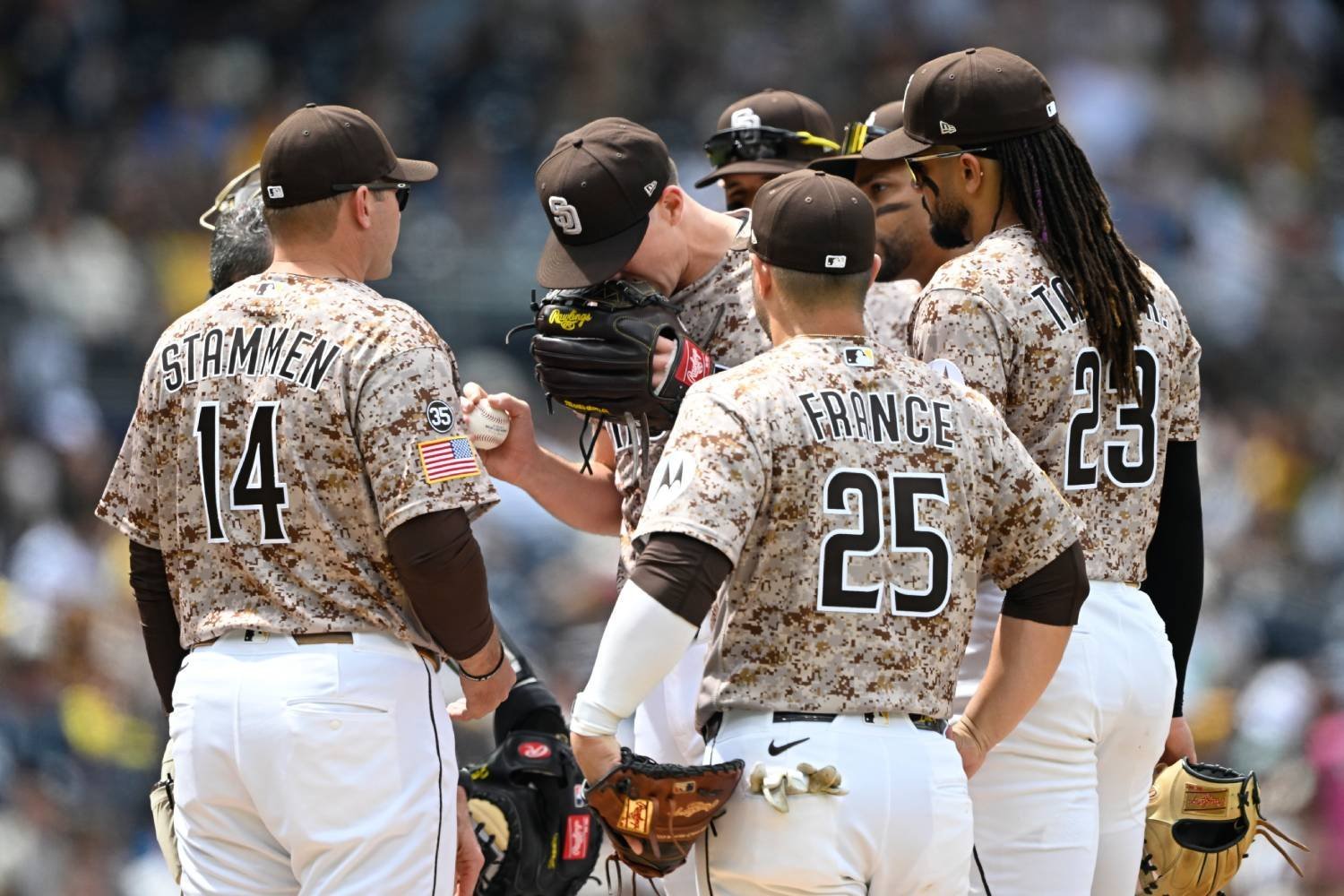 The anticipated bad news became official Tuesday: Nick Pivetta is on the injured list. Now, how do the San Diego Padres adjust? Pivetta, the Padres' Opening Day starter, was placed on the 15-day injured list with right elbow inflammation. He was removed from Sunday's start three pitches into the top of the fourth inning with what the team called stiffness in his right elbow. Right-handed reliever Alek Jacob was called up from Triple-A to take Pivetta's place on the roster. Jakob has 7⅓ scoreless innings in five appearances this season, but is strictly a reliever. However, that still leaves a gaping hole in the Friars' starting rotation. It is possible that Jakob is just a roster filler until Pivetta's spot in the rotation comes up Saturday vs. the Los Angeles Angels, when someone like right-hander Matt Waldron could be activated from the injured list. Waldron has been really good during his rehab assignment following his hemorrhoid surgery in spring training. In three appearances at Triple-A El Paso, where he has pitched 12 scoreless innings with one walk and 12 strikeouts. Waldron's rehab assignment only has less than two weeks remaining, so this would be the perfect opportunity to bring him back. The Padres were also connected Tuesday to free-agent right-hander Lucas Giolito, who is surprisingly still on the market. But with Giolito not settling for a cheaper, prove-it contract, his price tag might be a little out of the Friars' price range. Another option is left-hander JP Sears, who was optioned to Triple-A after not making the Opening Day roster. Sears has made three starts for El Paso, registering a 4.73 ERA with six walks and 11 strikeouts in 13⅓ innings. One more possibility would be left-hander Kyle Hart stretching out to a starter's role. Hart has been the long man in the Padres' bullpen, but with uneven results. In six games, Hart has a 3.73 FIP and 4.91 ERA in 11 innings. He has walked five and struck out six. View the full article
 -
The Kansas City Royals' Offense Looks All Too Familiar
DiamondCentric posted an article in Royals Keep
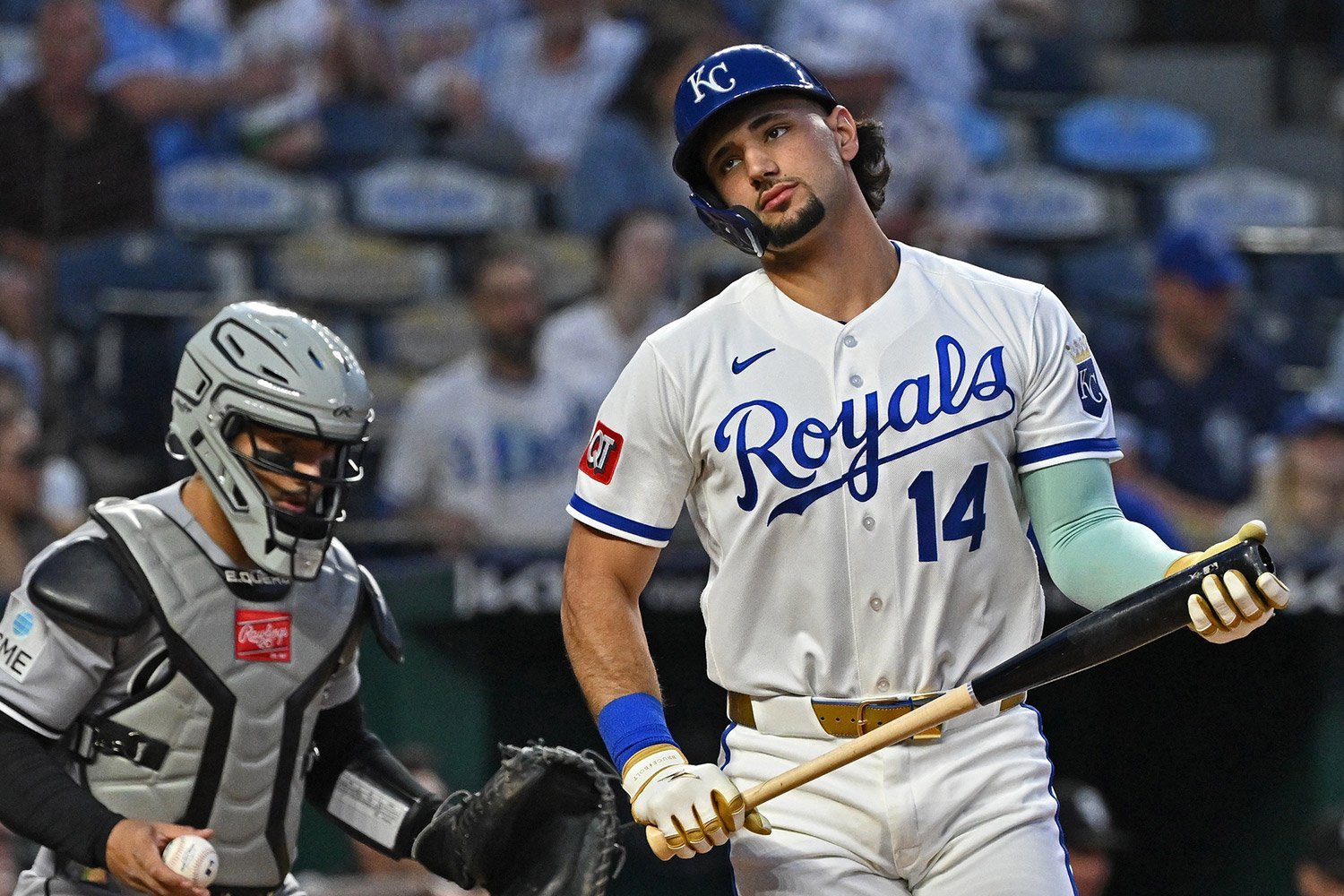 Sixteen games into the new season, the 2026 Kansas City Royals found themselves sharing too many things in common with the 2025 club that so disappointingly fell short of a second straight trip to baseball’s postseason. Sunday’s homestand-ending loss to the White Sox kept the Royals stranded in third place in the American League Central, the same spot they occupied at this point a year ago, and their 7-9 record was a game worse than where they stood after 16 outings in 2025. Unfortunately, though, the similarities to last year don’t end there. With roughly 10% of this new campaign in the books, and despite some new blood on the roster, Kansas City’s struggle to score continues, its outfielders’ bats remain too soft, and who to play where is still a question. Without solutions, Kansas City may well be headed for another "Wait 'til next year" season. The Royals’ Offense Looks Too Much Like the 2025 Version As was the case last season, when they averaged barely four runs per game, the 2026 Royals simply don’t push enough runs across the plate. The nine runs they managed in four games against the cellar-dwelling White Sox to close out last week's play gave them 54 for the young season, a sad 27th among the majors’ 30 teams heading into Monday’s action, and not good enough for anything better than a measly 3.37 per contest average. Take away the April Fool’s Day game in which they plated 13 runs against Minnesota, and the Royals would be averaging 2.73 per game. Ugh. Kansas City’s inability to score enough has many causes, not the least of which is the club’s performance with runners in scoring position, a critical area in which they finished a concerning 21st in 2025 (.255 average), but were dead last heading into Monday (.202). The club needed to be better last season, and get better this year. The Royals Are Still Fighting Their Bats Despite getting highly productive seasons from Vinnie Pasquantino (32 homers, 113 RBI) and Salvador Perez (30 homers, 100 RBI) and quite decent plate performances from All-Stars Bobby Witt Jr. and Maikel Garcia last year, the Royals were no better than a middle-of-the-road (or worse) offensive team in 2025. And things really aren’t any better this year. Take, for example, the Royals’ .221 team average, which, entering Monday, ranked 24th in the majors. Their .344 SLG, like their total runs scored, ranked 27th. Their .655 OPS was 24th-best. And while KC’s .311 OBP came in at 12th, their sub-average 89 wRC+ topped only five teams. How do those numbers compare to 2025? The Royals finished last year with a .247 average (15th), a .397 SLG (18th), .706 OPS (19th), .309 OBP (22nd), and a 93 wRC+ (22nd). The comparative bodies of work aren’t remarkably different … and that’s not good for this club. The fault lies with no one player. Going into Monday, Perez and Pasquantino had only nine RBI between them, and Pasquantino hadn’t homered yet. Jonathan India and Michael Massey, either or neither of whom could end up with the full-time second base job before the season ends, were hitting a combined .183. (To his credit, India’s eight RBI tied him with Garcia and rookie Carter Jensen for the team lead). Jac Caglianone and Starling Marte hadn’t driven in a run or belted a homer. On the other hand, Jensen led KC with four home runs and Garcia’s .306/.380/.484 line complemented his 105wRC+. Witt was still looking for his first home run but had seven RBI to go with his improving .271/.371/.322 line. And Kyle Isbel was hitting .316 with a .395 OBP, and his two homers were already only six shy of the career-best eight he hit in 2024. But his outfield colleagues’ lackluster performances should keep general manager J.J. Picollo on the prowl for a big outfield bat — newcomer Isaac Collins' bat has plenty of room for improvement, fellow new Royal Lane Thomas was batting .130, and Caglianone’s painful search for sustained success continues unabated. Bottom line? The Royals' offense looks too much like the one that played such a big role in their disappointing 2025 campaign. Without improvement, this could be a long season. View the full article
 -
Twins Announce Free Ticket Offer for Fans Who Attended Opening Day
DiamondCentric posted an article in Twins Daily
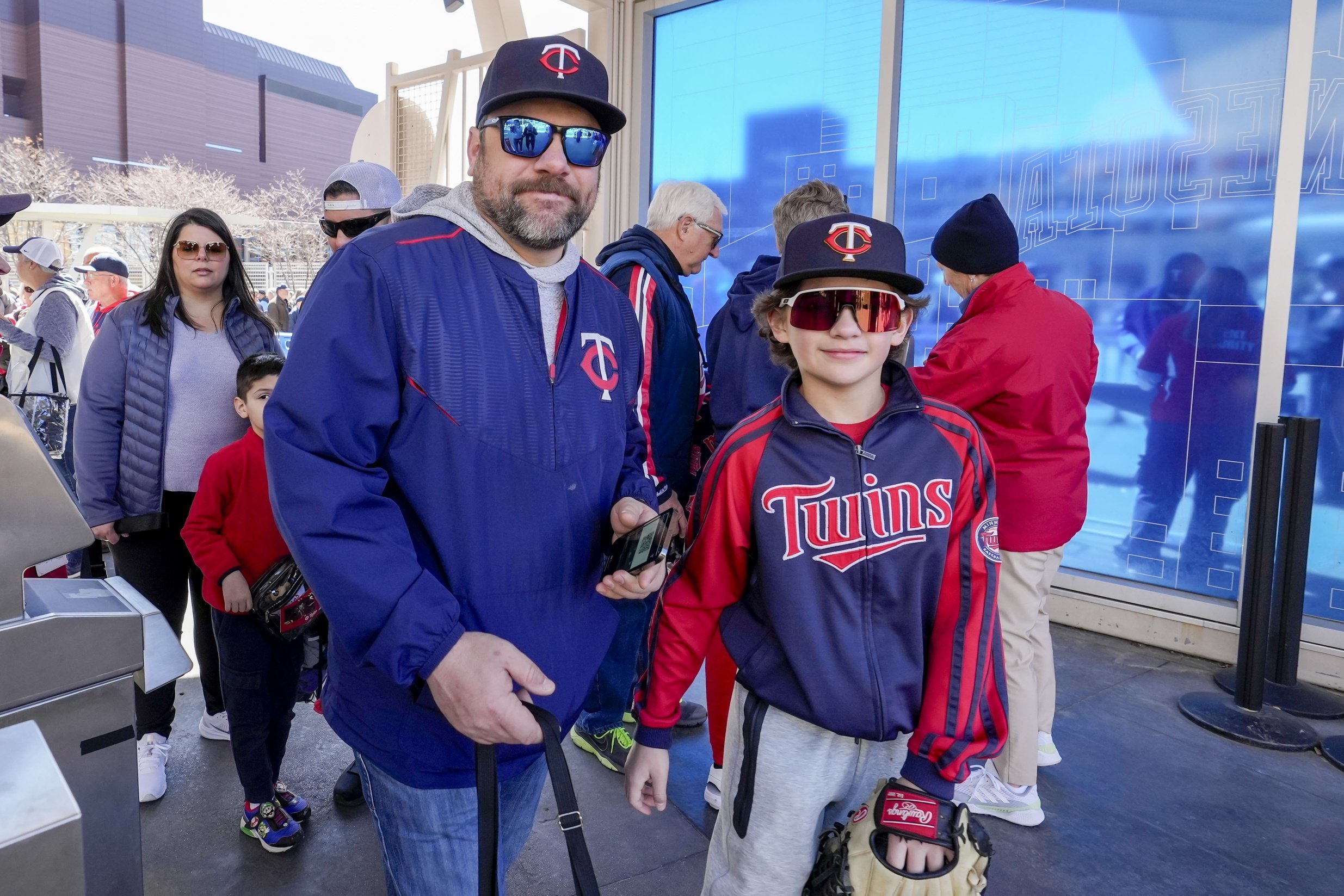 The Minnesota Twins have not exactly been operating from a position of fan favor in recent years, but they took a step in the right direction following a frustrating start to the season at Target Field. After a power outage delayed the home opener against the Tampa Bay Rays by roughly an hour, the organization chose to compensate fans who attended by offering free tickets to the team’s game on Friday, April 17, against the Cincinnati Reds. The game will include pregame happy hour deals and fireworks following the game. The Twins opted for a gesture that at least acknowledges the importance of their paying customers. That does not erase the lingering frustration tied to ownership decisions, particularly after payroll reductions following the 2023 season. The Pohlad family has drawn consistent criticism, and one goodwill move does not suddenly reset that relationship. Still, credit is warranted here. This situation was beyond their control, yet they chose to respond in a way that directly benefits fans. Leading into Opening Day, Tom Pohlad addressed the broader picture of fan engagement. “We can sell all the $2 beers we want. We can have all the concepts we want, but people want to see a winner, and I think the product we put on the field is ultimately what's going to drive, hope, if you will.” It is a fair statement, and it is also where the disconnect continues to live. Acknowledging that winning matters most is easy. Investing in a roster that reflects that urgency is something else entirely. The additions of Josh Bell and Victor Caratini provide depth and professionalism, but they are complementary pieces rather than franchise-altering talents. For a team trying to reenergize its fan base, that distinction matters. Yes, the Twins recently put together an impressive sweep against the Detroit Tigers, and any winning streak is worth appreciating. But short bursts of success do not carry the same weight as a clear long-term vision. Fans have seen hot streaks before, including last season’s extended run, and understand how quickly momentum can fade. Discounted concessions and makeup tickets help. They create a better ballpark experience in the moment. But sustained interest comes from belief in the team's direction. The Twins did the right thing last week. They deserve recognition for that. Now comes the harder part. Turning a small gesture into meaningful change is what will ultimately determine how this fan base responds moving forward. View the full article
 -
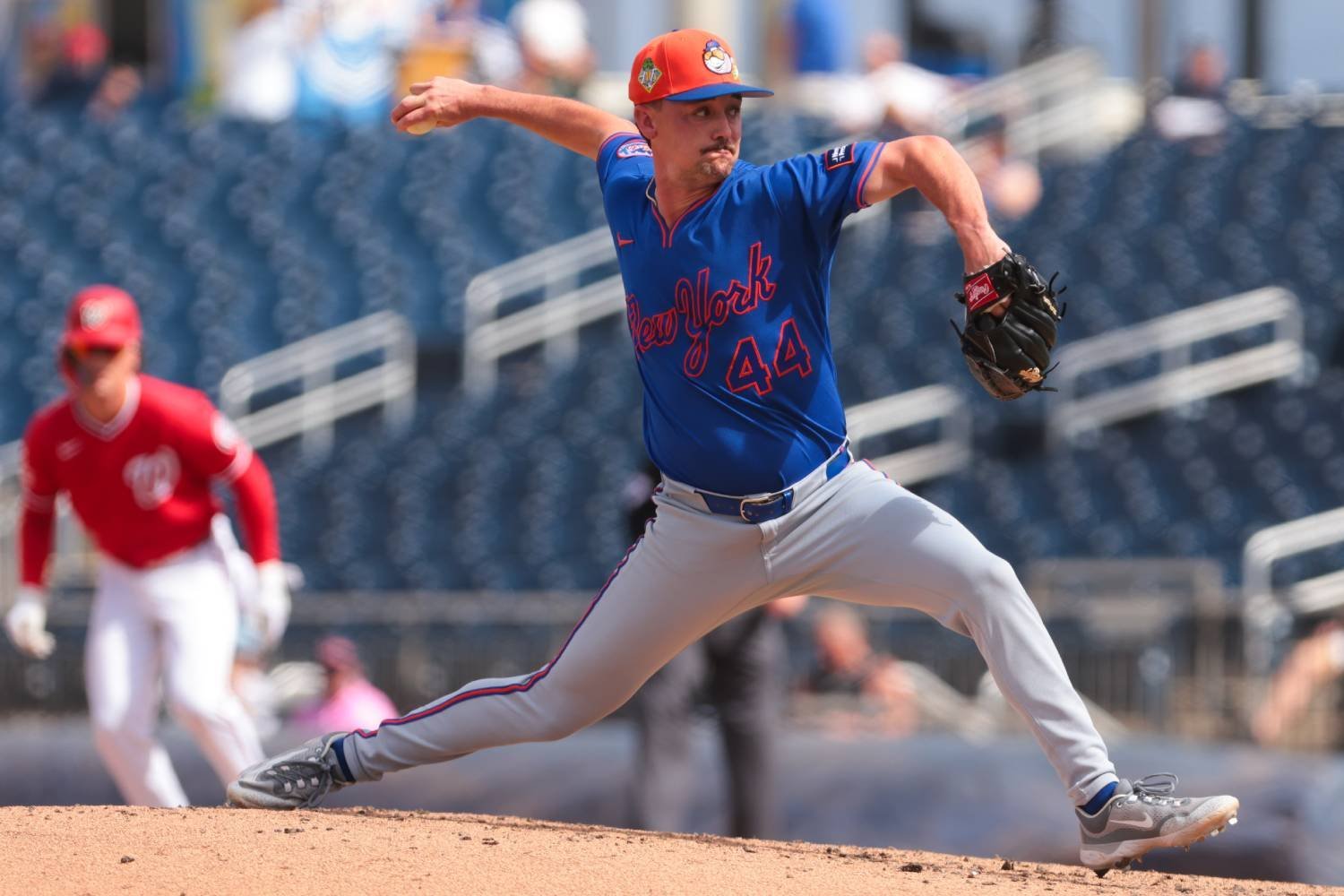 Joey Gerber's return to the majors lasted one game. The 28-year-old right-handed reliever was placed on the 15-day injured list by the New York Mets on Tuesday with a blister on his pitching hand. Right-handed reliever Austin Warren was promoted from Triple-A Syracuse. Gerber joined the Mets on Sunday following the veteran right-handed reliever Luis Garcia being designated for assignment. Gerber, picked up in an offseason trade after being designated for assignment by the Tampa Bay Rays, made his Mets debut in Monday's 4-0 loss to the Los Angeles Dodgers. He pitched two scoreless innings, allowing two hits and a walk while striking out five. The 30-year-old Warren is in his second season with the Mets. In six games at Syracuse, Warren had a 1.23 ERA with two walks and eight strikeouts. He appeared in five games with the Mets a year ago, posting a 0.96 ERA in 9⅓ innings, walking four and striking out nine. He has appeared in 43 MLB games with three teams over the past five years, including his first 32 with the Los Angeles Angels. He carries a 2.79 ERA and is a perfect 7-0. Garcia was officially released Tuesday after going unclaimed on waivers. View the full article
 -
 Through the first couple weeks of the season, Walker Jenkins is already showing some interesting trends. The power hasn’t shown up yet, but his approach, contact, and patience at the plate point to a hitter taking a real step forward. View the full article
 -
Wilyer Abreu Is One of the Most Valuable Players In Baseball
DiamondCentric posted an article in Talk Sox
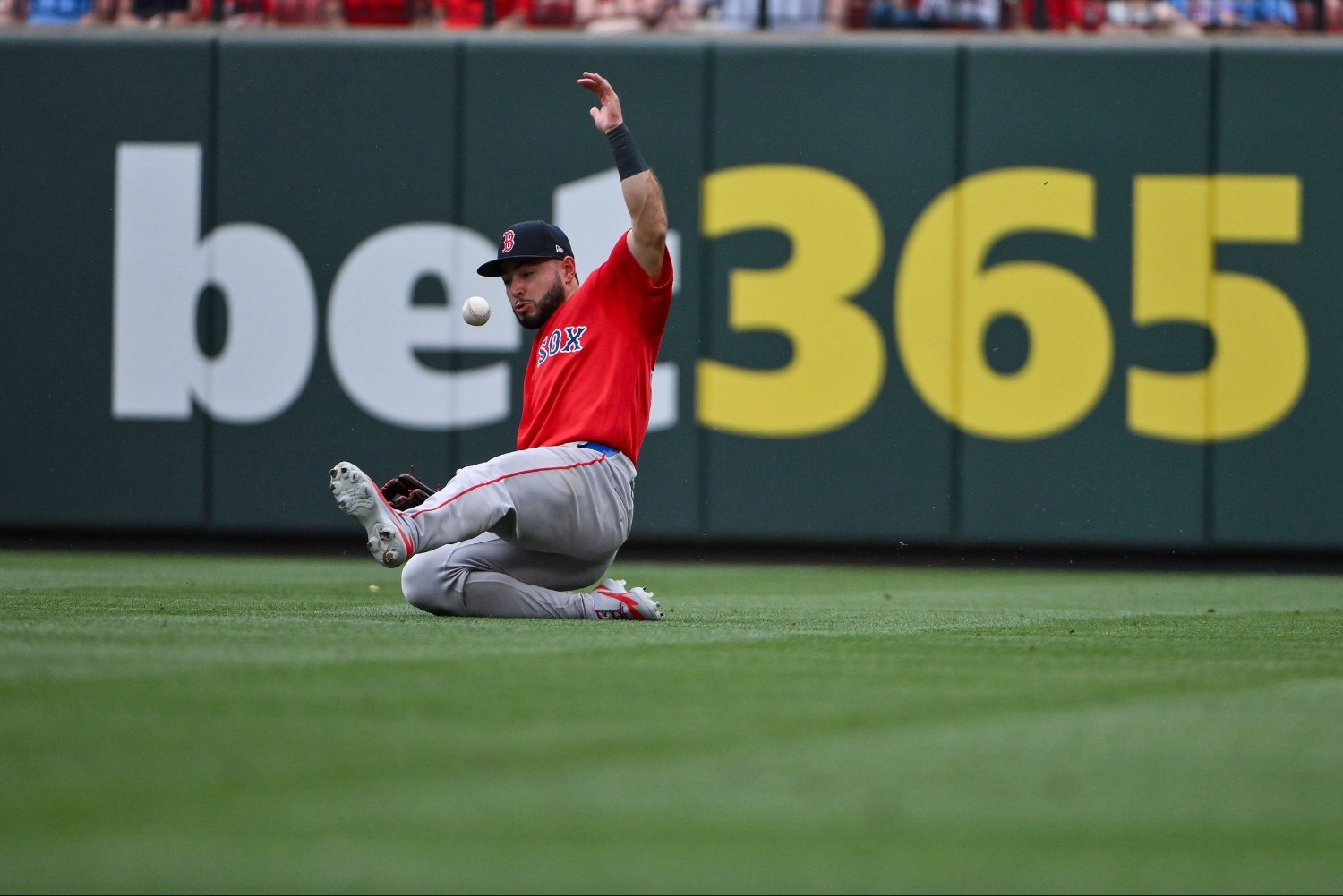 Wilyer Abreu was quiet this past weekend in St. Louis. But through two and a half weeks, his 2026 campaign has been anything but. Entering this offseason, there were a lot of question marks about the Boston Red Sox offensive outlook moving forward. When the front office left a handful of those questions unanswered, baseball experts and fans alike were left wondering where hits and runs would come from. Abreu quickly became a lead candidate of internal options that would have to take a step forward if the team was going to achieve its goals of getting back to the playoffs this coming fall. So far, he's more than answered the call. Across MLB, Abreu is 7th in hits, 12th in BA, 13th in SLG, and 16th in OPS. Those marks are all good for first among Red Sox hitters, as his team-leading 178 wRC+. In general, he sits at or near the top in every other offensive statistic for a Red Sox team that desperately needed a hitter to step up and do consistent damage. What has led to Abreu’s early success this season? To start, when he swings, he is making a lot of contact. His zone-contact percentage, which measures his contact percentage when he swings at pitches in the strike zone, has steadily climbed throughout his career but now sits at 88.1%. For pitches out of the zone, he is chasing right around his career average, but this season he is making more contact when he chases at 55.2%, well above his career average. Contact is a great start, but it is what he is doing with the contact that really matters. His barrel percentage and hard-hit rate are both at career highs at 14.6% and 50.0%, respectively. While not his absolute best, his max exit velocity this season is 113.1 MPH, which is harder than any ball he hit in 2025. That kind of contact quality is what leads to All-Star nods, Silver Sluggers, and, potentially, MVP votes. Maybe the biggest question was if Abreu could hit better against lefties as he began a full-time role sans a platoon split. The numbers tell the story. His career slash line split against lefties is .219/.278/.336 with a .286 BABIP. His slash line split against lefties in 2026 is .333/.375/.467 with a 137 wRC+. Obviously, we are only in mid-April, but the early returns are cause for optimism. If the rest of the team has you feeling pessimistic, it's fair to point out that his walk rate is at a career low 7.5%, which is more than two points below last year. This should steady as the season goes on, but it is something to keep an eye out for. All in all, his contributions on both offense and defense have been worth 1.0 fWAR, which is tied for the fifth-highest mark in baseball. There is no doubt that Abreu has been a catalyst for a Red Sox's offense that's weathering slow starts from nearly everyone else. Abreu will look to carry the momentum forward and if his teammates team follow his lead, they will find themselves playing in October. View the full article
 -
Cubs One Of Two Primary Suitors For Lucas Giolito
DiamondCentric posted an article in North Side Baseball
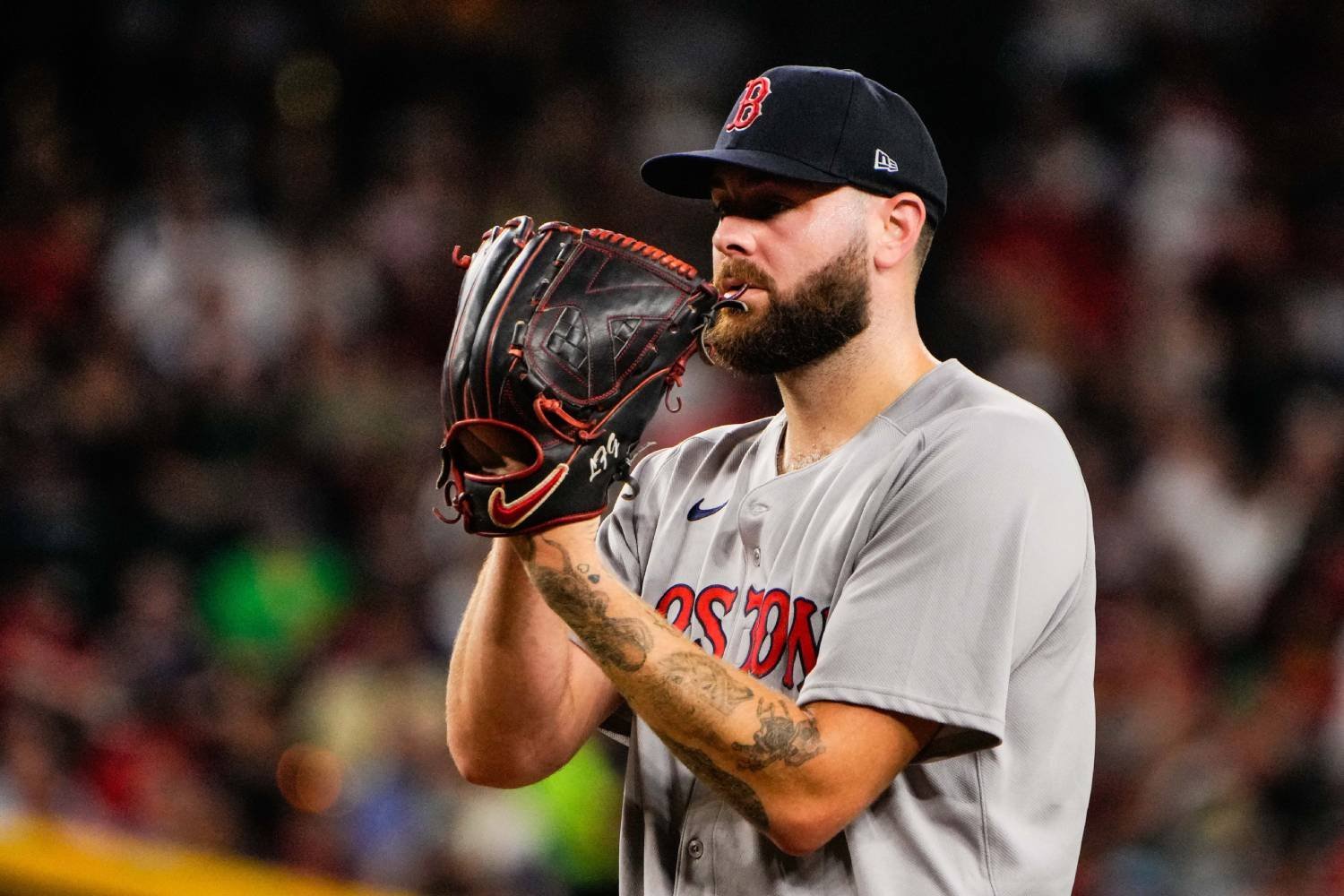 The competition for right-handed starter Lucas Giolito is heating up, which means there could be a decision soon on one of the top free agents from this past offseason. According to The Athletic on Tuesday, the Chicago Cubs and San Diego Padres are the top contenders to land the 2019 All-Star who has yet to find a home despite a moderately successful 2025, his first season back from Tommy John surgery. Giolito had a 4.17 FIP (3.41 ERA) in 26 starts for the Boston Red Sox last year. The Cubs and padres are in need of fortifying their starting rotations. The Cubs are in a more precarious situation at the moment. Right-hander Cade Horton, last year's NL Rookie of the Year runner-up, is likely to undergo season-ending surgery on his right UCL in the latest blow to an injury-ravaged staff. Left-hander Matthew Boyd, the Cubs' Opening Day starter who is on the 15-day injured list with a strained left biceps, is slated to have one rehab appearance before rejoining the rotation next week. Padres Opening Day starter Nick Pivetta left Sunday's game with stiffness in his right elbow. More on his fate, which is likely to include a trip to the injured list, could be revealed Tuesday. Giolito, who had three top-11 finishes in AL Cy Young Award voting (2019-2021) with the Chicago White Sox, is a Southern California native who has said he has been throwing bullpen sessions of 75 pitches to stay in shape and hasn't signed because no team has met his price. View the full article
 -
Padres One Of Two Primary Suitors For Lucas Giolito
DiamondCentric posted an article in Padres Mission
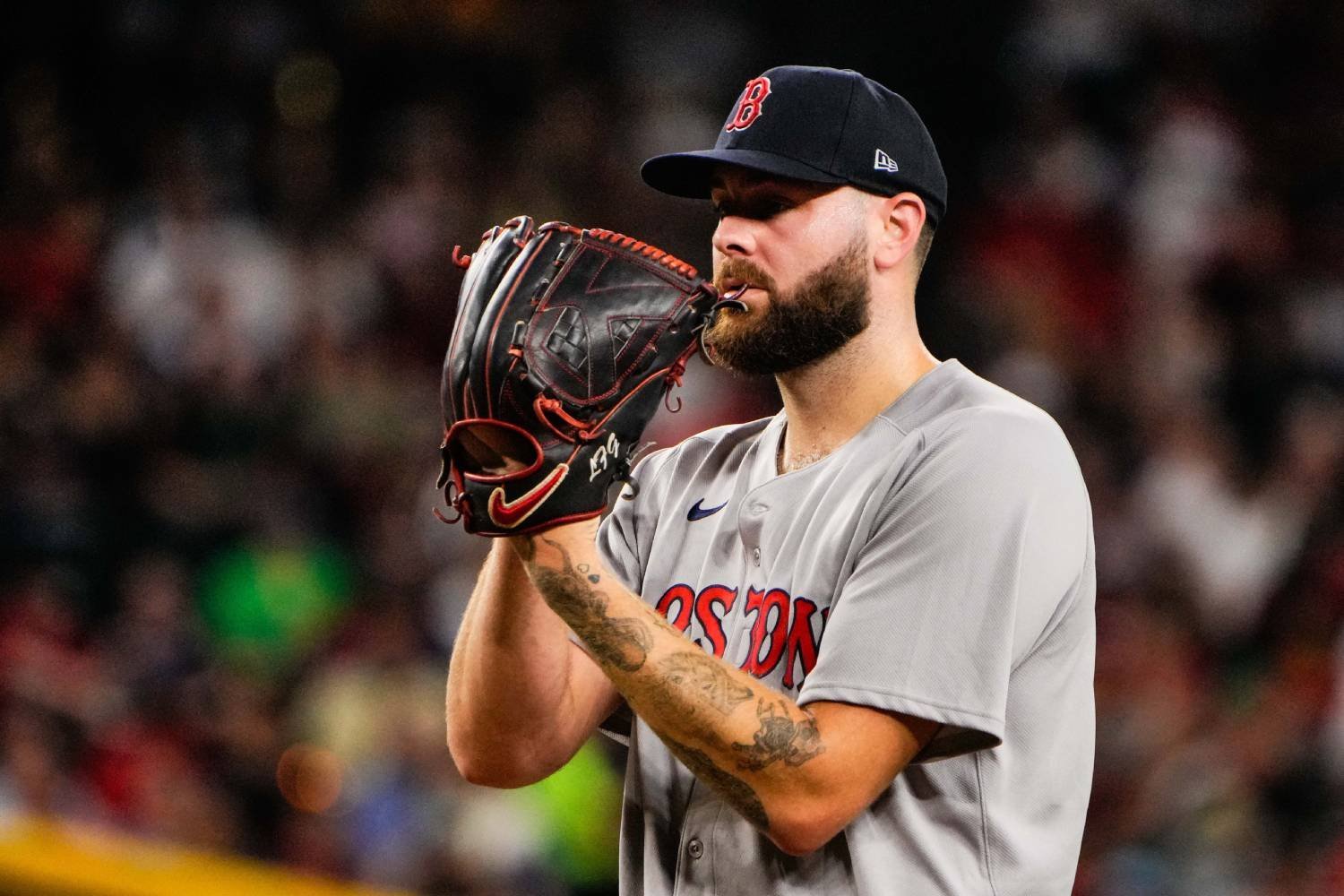 The competition for right-handed starter Lucas Giolito is heating up, which means there could be a decision soon on one of the top free agents from this past offseason. According to The Athletic on Tuesday, the San Diego Padres and Chicago Cubs are the top contenders to land the 2019 All-Star who has yet to find a home despite a moderately successful 2025, his first season back from Tommy John surgery. Giolito had a 4.17 FIP (3.41 ERA) in 26 starts for the Boston Red Sox last year. The Padres and Cubs are in need of fortifying their starting rotations. Padres Opening Day starter Nick Pivetta left Sunday's game with stiffness in his right elbow. More on his fate, which is likely to include a trip to the injured list, could be revealed Tuesday. The Cubs are in a more precarious situation. Right-hander Cade Horton, last year's NL Rookie of the Year runner-up, is likely to undergo season-ending surgery on his right UCL. Left-hander Matthew Boyd, the Cubs' Opening Day starter who is on the 15-day injured list with a strained left biceps, is slated to have one rehab appearance before rejoining the rotation next week. Giolito, who had three top-11 finishes in AL Cy Young Award voting (2019-2021) with the Chicago White Sox, is a Southern California native who has said he has been throwing bullpen sessions of 75 pitches to stay in shape and hasn't signed because no team has met his price. View the full article
 -
 In this week's episode, Nick talks about how Anthony Eyanson, Juan Valera, Mikey Romero, and Franklin Arias, among other prospects, have gotten off to hot starts. He breaks down what's been good and what they still need to work on. He also gives a quick update regarding Kutter Crawford's first rehab start for Worcester. Listen on Apple Podcasts: https://podcasts.apple.com/us/podcast/the-talk-sox-podcast/id1783204104 Listen on Spotify: https://open.spotify.com/show/3qPrPXEngu0CxgTmlf0ynm Listen on iHeartRadio: https://www.iheart.com/podcast/263-the-talk-sox-podcast-244591331/ Listen on Pocket Casts: https://pca.st/4tmd121v Watch on YouTube: https://www.youtube.com/@talksox View the full article
 -
Blue Jays’ Roster Shuffle Continues After Lenyn Sosa Trade
DiamondCentric posted an article in Jays Centre
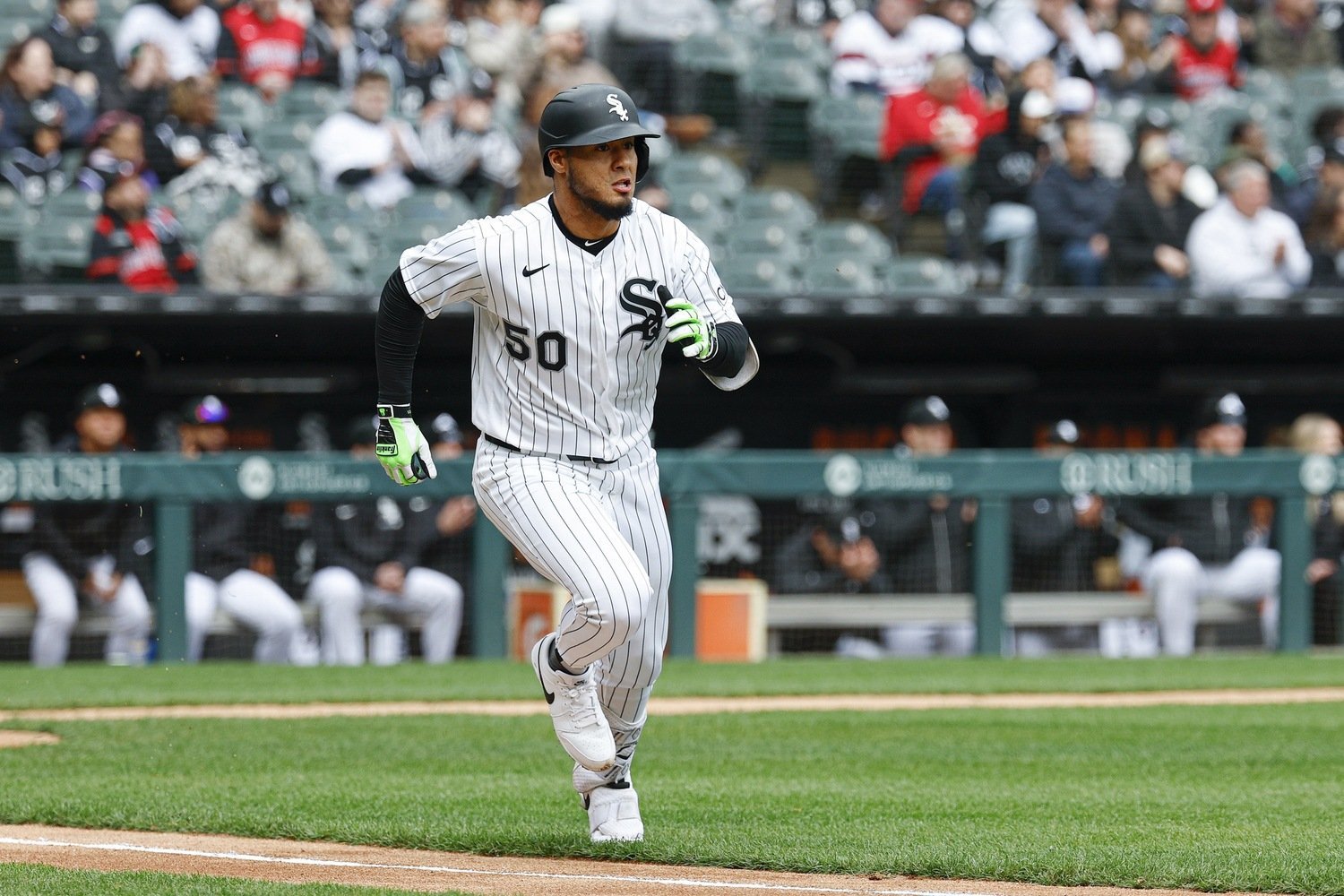 The Toronto Blue Jays are off to a slow start this season in every aspect of the game. These struggles have resulted in a 6-9 record after the Minnesota Twins series, despite starting the season 3-0. A disappointing part of their start was going 1-5 over two series against the Colorado Rockies and Chicago White Sox, MLB's two worst teams last season. The Blue Jays slow start can be attributed to many contributing factors. Firstly, the injury bug has run rampant through the clubhouse, holding many key players out. Trey Yesavage, Shane Bieber, José Berríos, Yimi García, and Anthony Santander started the season on the injury list. Shortly into the season, Cody Ponce, Addison Barger, Alejandro Kirk, and George Springer joined them. Secondly, the offense has struggled, posting a -25 run differential (the second-worst in MLB). They rank 24th in runs per game (3.80) and 28th in runners left in scoring position. Lastly, the pitching staff ranks 27th in ERA (4.81) and 16th in WHIP (1.31), but first in strikeouts (168). The ERA and WHIP are heavily skewed by Brendon Little (24.55 ERA and 3.55 WHIP), who was a surprising weak link to start the season, and Josh Fleming (12.00 ERA and 2.67 WHIP). Also, catcher Tyler Heineman has made two appearances on the mound in blowouts, resulting in a 15.00 ERA and 2.67 WHIP. Because of the injuries and struggles, the Blue Jays have made several roster moves to fill holes and hopefully find some consistency. Patrick Corbin signed a one-year, $1 million contract on April 3, and a day later, Tyler Fitzgerald was acquired from the San Francisco Giants for cash considerations. They were both optioned to the minors after being acquired, but were soon recalled, joining the Blue Jays a few days later. Little was optioned to Triple A to get a breather and hopefully figure out a fix, while Fleming was designated for assignment (and later re-signed on a new minor league contract). To fill an opening, Joe Mantiply was recalled. Over 4 2/3 innings, he has a 5.79 ERA, a 1.07 WHIP, and an 8:2 strikeout-to-walk ratio. Kirk will miss approximately six weeks recovering from surgery for a fractured and dislocated left thumb. His replacement is rookie Brandon Valenzuela, who was going to be the backup catcher but has been asked to start more than expected, as Heineman is dealing with back spasms. Heineman’s injury isn’t expected to require a stint on the injury list, but if he were to miss extended time, the Blue Jays don’t have many internal answers to fill his shoes. CJ Stubbs played in just one game last season with the Washington Nationals, but he’s the only option at catcher with big league experience, unless a free agent is signed. Nathan Lukes has been starting in right field for Barger, who isn’t expected to spend much longer than the 10-day minimum on the injury list. Fitzgerald or Myles Straw can be called on to replace Lukes if a left-handed pitcher is on the mound. After Springer’s injury, Eloy Jiménez’s contract was selected from the minors. The former Chicago White Sox was a solid performer during spring training and in Triple A, earning Player of the Week honors after starting the season slashing .375/.429/.542 with five RBIs. He will fill the DH role until Springer’s return, which could also be just after the minimum 10-day injury list stint. In another move to add some depth, the Blue Jays acquired Lenyn Sosa from the White Sox for 18-year-old prospect Jordan Rich and a player to be named later or cash. Sosa will bring MLB experience to the bench. However, he doesn’t come with the greatest resumé. He’s a subpar defender, and in his five MLB seasons, he has only had one decent year, his breakout campaign in 2025. It was the first time he played in more than 100 games, and he hit 22 home runs, scored 57 times, and drove in 75, while slashing .264/.293/.434. This season, Sosa has struggled, hitting only .212 over 33 plate appearances with a 40 wRC+. The White Sox are moving on to their younger prospects, and even though Sosa is only 26, Colson Montgomery and Chase Meidroth are performing well in the middle infield, and there are rumors that Sam Antonacci will be called up soon, making Sosa expendable. The Blue Jays are trying to find any solution to bolster their offense after a lack of production to begin the 2026 campaign. They may have more decisions to make when Barger and Springer return if their replacements are performing well. If Jiménez is not performing when Springer returns, then it’s not a huge loss to put him on waivers. If he is performing, then Fitzgerald, Lukes, or Davis Schneider can be optioned to Triple-A. Lukes has been abysmal in his 29 plate appearances this season, posting a -37 wRC+, but he is a left-handed bat that can come off the bench. He joins either Valenzuela or Heineman (whichever isn't starting behind the plate) as the only lefty bat options on the bench. Both catchers are switch-hitters. Fitzgerald and Schneider both offer defensive flexibility, being able to play multiple infield and outfield positions. Neither is a substantial offensive threat, but both have shown some power in their brief MLB careers. They’re both right-handed bats, so one would make sense to option after Sosa officially joins the active roster. Sosa is out of minor league options. Schneider has been red-hot in 2026, so Fitzgerald is certainly more likely to be sent down today. What happens when Springer and/or Barger return is a different question. After making room for Sosa, the Blue Jays will hope they are done moving their chess pieces around, at least for now. The biggest power threats remaining on their 26-man roster – Vladimir Guerrero Jr., Daulton Varsho, and Jesús Sánchez – need to get going offensively, with none having more than two home runs. Also, Kazuma Okamoto has been slow to adjust to the American style of baseball. He has two home runs, but only four runs and three RBIs in 60 plate appearances. Kevin Gausman and Dylan Cease need help in the starting rotation; both have ERAs under and 26 strikeouts in three starts. However, Corbin, Eric Lauer, and Max Scherzer each have an ERA higher than 7.50. The bullpen has been a bright spot, throwing 15 1/3 scoreless innings in the Twins series, a franchise record, but the Blue Jays still lost the series and were outscored 25 to 10. Hopefully, the injury bug is extinguished, and the team finds a way to turn its slow start around. The good thing about baseball is that it has a long season, so there is plenty of time for a team to turn its season around. A World Series is still the ultimate goal, and the Blue Jays are making the moves to get there. View the full article
 -
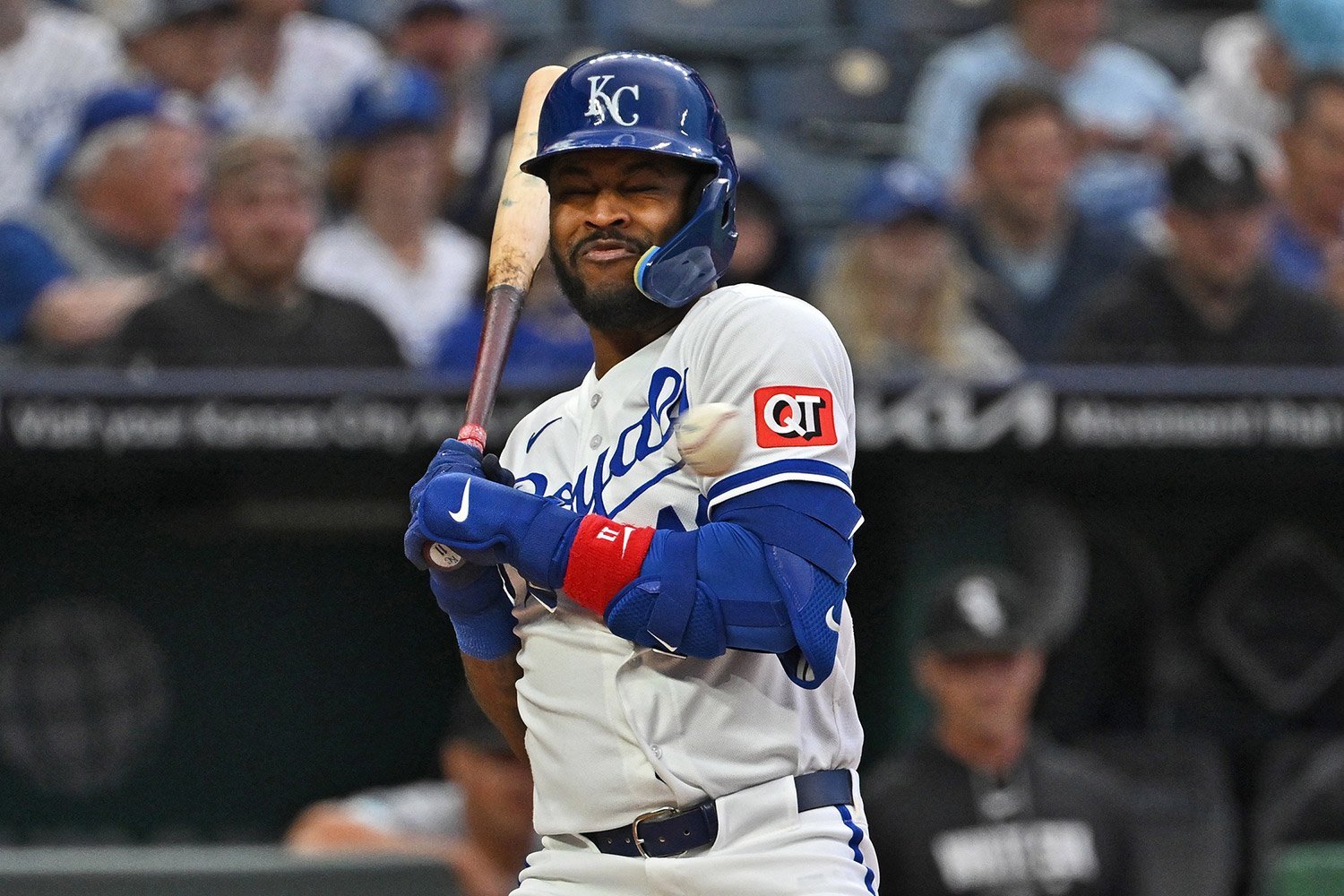 The Royals have had a lackluster start to the 2026 season. They currently stand 7-9, which is a disappointing start to the season for a team that was looking to compete in the AL Central. It’s still early, so this could just be a blip on the radar, but this week will be important in helping turn the season around and not dig a hole that the team cannot dig itself out of this year. This could be a key week in facing the Detroit Tigers and New York Yankees on the road. A few things to keep an eye on this week to see if we are not seeing more of the same include if the hitters can step up and hit like they are expected to, if the starting rotation can continue to give the team a chance to win, and if the team can take some games from playoff teams from a year ago. Tough Offensive Start It has been a tough start to most of the Royals' lineup, as they are hitting .221 with an OBP of .311, good for 24th and 19th, respectively. The .655 OPS ranks 24th in MLB and will need to improve if the team hopes to build some momentum as we get deeper into the season. Only four players have a league average OPS of .693 or better, while other potential key contributors fall quite a bit below that. Carter Jensen, Maikel Garcia, and Kyle Isbel have been bright spots in the lineup, but expecting those three to continue hitting the way they have over the first couple of weeks of the year could be a big ask, specifically in Isbel’s case, who has a career OPS+ of 84. Maybe he has improved and will be closer to league average, but the .316 batting average to go along with an .895 OPS is a big ask of a player who has been a below-average hitter prior to this season. Garcia signed a big contract and is expected to be a key contributor in the lineup, so his getting off to a strong start is a bit less of a surprise. Jensen is a young hitter with plenty of upside and is someone who the team was hoping would take a step forward this season. Bobby Witt Jr. has had a down year by his standards, as he has a league-average OPS to this point. With the talent he has, it would be quite the surprise not to see him be the MVP caliber player he is the rest of the way. The rest of the lineup, specifically from bigger-name players, is where they have struggled mightily at the start of the year. Salvador Perez has hit for a slash line of .153/.219/.288 to start the year, and the Royals and their fans are hoping this isn’t the start of a decline for a mainstay in the Royals lineup for the past 15 years. First baseman Vinnie Pasquantino has also had a rough start to the year, with an even worse slash line than Perez, hitting .153/.246/.169. Both players have had a rough start to the year, but will likely get closer to their career splits the rest of the way. This week will be a tough test for the offense, as they face the AL Central favorites to start the year, the Detroit Tigers, and the vaunted New York Yankees. Both teams are looking to rebound from tough weeks, so the Royals pitchers could be in for an interesting week ahead. To this point in the season, the starting rotation for the Royals has been solid. Kris Bubic and Michael Wacha have been very good, each with three starts and ERAs of 2.50 and 0.43, respectively. Seth Lugo has also delivered sterling results, pitching to a 1.53 ERA in his first three starts as well. Cole Ragans has struggled in his first three starts this year, pitching to a 5.91 ERA, and will look to get back to form, facing off against Framber Valdez to start the road trip. The bullpen has had its moments this year, being led by closer Lucas Erceg, who has recorded five saves in the seven wins this season. The rest of the bullpen has been spotty, so more consistency will be key, especially if the offense continues to struggle. While they may not finish with those numbers, they are a promising start and something to continue building on, because the starters will need to face two lineups in the Tigers and Yankees that have some starters either looking to build on a good start or get their seasons headed in the right direction. The Tigers have the 10th-best team OPS, while the Yankees, similar to the Royals, have struggled to the 25th-best team OPS to this point. Pitching, on the other hand, has been solid for both teams, as the Yankees rank 2nd in team ERA and the Tigers rank 11th. While the opponents might be tough this week, this could prove to be the week where the Royals' season does one of two things. Either it turns around and goes as the team, and fans were hoping it would, or they continue digging themselves into a hole that will be tougher and tougher to dig out of. The keys will be the offense starting to get back to form and not relying on the top three or four hitters, the pitching continuing to keep them in games, and the bullpen being more consistent beyond Erceg. How important do you think this week is for the Royals? View the full article
 -
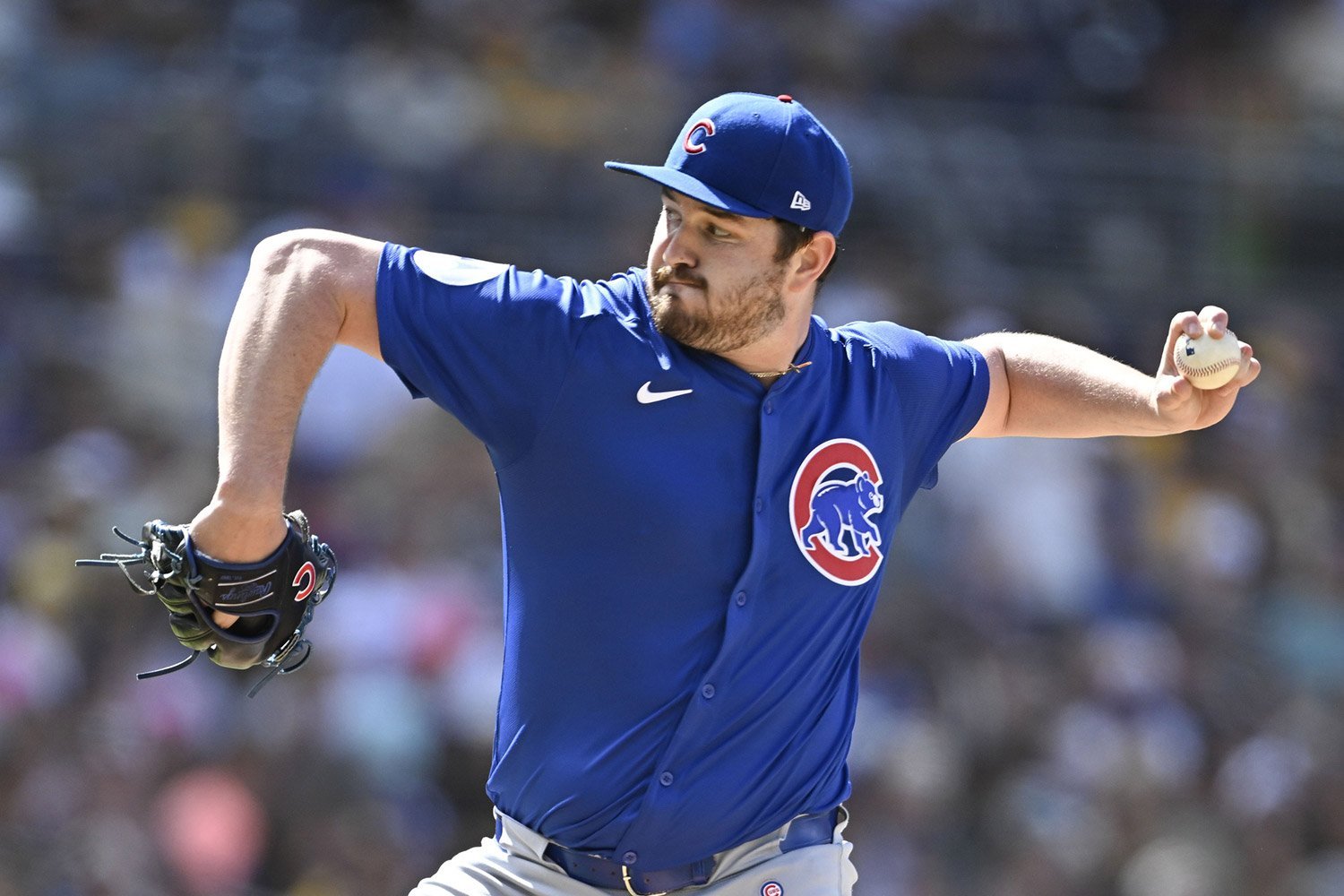 Iowa Cubs reporter Tommy Birch broke the news Tuesday that the Cubs are adding LHP Luke Little and RHP Ryan Rolison to their active roster. With Hunter Harvey (triceps) and Phil Maton (knee) on the shelf, and recently recalled Charlie Barnes unavailable due to pitching three innings of mop-up work, the Cubs' bullpen was in need of fresh arms. The 6-8 LHP Little has struggled with command in Triple-A Iowa, currently sporting a 1.96 WHIP paired with a 4.70 ERA. He has struck out nine batters in seven innings on the mound, but 10 walks in that time frame seem to indicate that he's slated for mop-up duty in Chicago. Rolison has a slightly lower 3.68 ERA, but a higher WHIP at 2.00. Walks are his bugaboo; he has six walks in just seven innings pitched. Rolison does have ten strikeouts, so maybe he can corral his electric stuff in Chicago. View the full article
 -
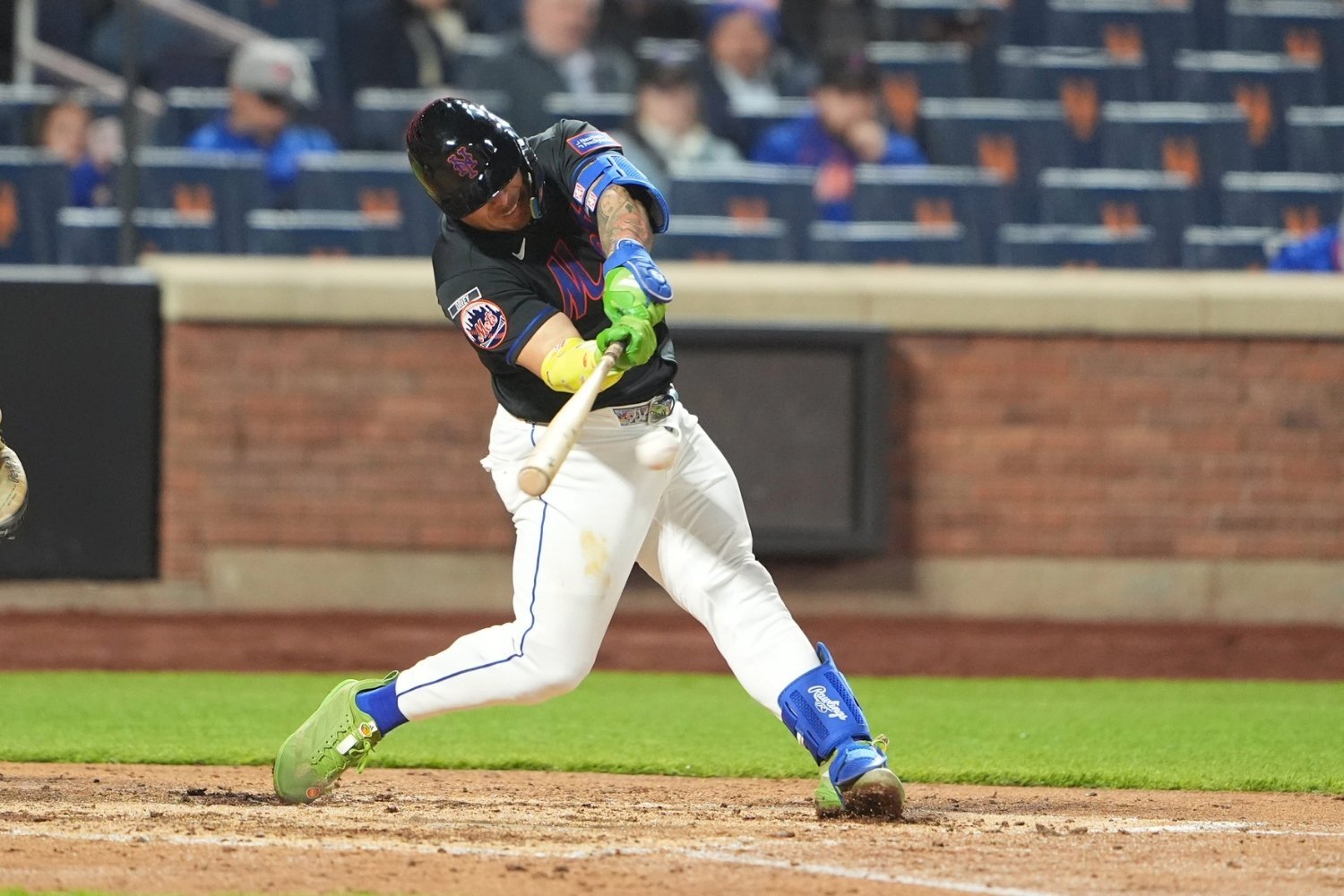 The way Francisco Alvarez is barreling the ball right now is something we have not seen from him since his debut in 2022, and it is as advertised. In 2023, Alvarez showed flashes of his 70-grade raw power that was bestowed upon him coming up in the New York Mets' farm system, hitting 25 home runs with a .431 slugging percentage. But that was still the tip of the iceberg with the young catcher; it was agreed that he had more power in the tank. Since then, Alvarez has gone through constant injuries that has limited his full potential. Finally, here in 2026, we're seeing the absolute best version of him. In 15 games played so far this season, Alvarez currently ranks in the 97th percentile or higher in expected slugging percentage and barrel rate. His four home runs so far are a testament to his prodigious raw pop; Alvarez also has a .312 xBA, light years above his previous seasons. The past two seasons, Mets fans have been dumbfounded as to where this consistent power went. Some of that blame could be passed onto former Mets hitting coach Eric Chavez, who notoriously critiqued Alvarez's power-focused approach. Chavez believed Alvarez needed to focus less on pulling the ball and swinging for the fences and focus more on hitting consistently and using all sides of the field. That's good advice in a general sense, but not exactly befitting of who the star catcher is. So far this season, Alvarez has a 45 percent pulled ball rate, and the results are not shocking to believe. With the way Alvarez is playing and the way the Mets are struggling to win games, it might be time for Manager Carlos Mendoza to move Alvarez up in the lineup; he's mostly been used in the bottom-third of the order. In Saturday’s game against the A’s, Alvarez was moved up to the No. 6 spot. In that game, Alvarez went 2-4 with a 109 mph home run to center field. If Alvarez continues to hit the way he is right now, the cleanup spot might be calling his name sooner rather than later. Alvarez.mp4 There are many reasons why the former No. 1 overall prospect in baseball has yet to fully break out. Whether it was hand injuries, bad slump, bad advice, or the quality play of Luis Torrens behind him. Now that Alvarez has found his groove at the plate, the Mets should take the training wheels off and let him fully enjoy the life of being a face-of-the-franchise slugger. View the full article
 -
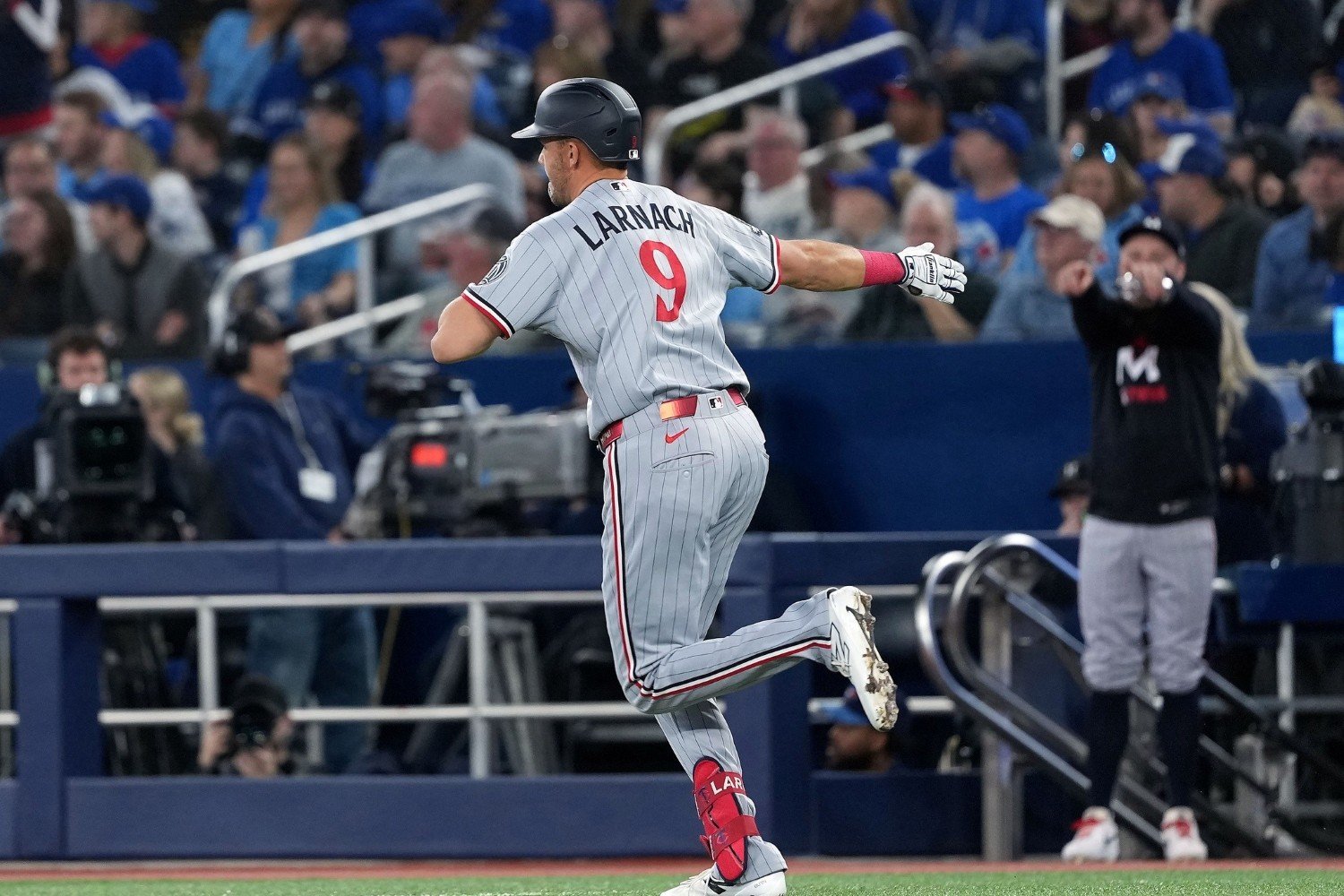 Amid the rollercoaster of developments those who follow the Minnesota Twins have been forced to endure since the 2023 ALDS Game 4 loss to the Houston Astros, one narrative has remained constant: Minnesota has too many left-handed-hitting corner outfielders. From former president of baseball operations Derek Falvey refusing to part ways with Max Kepler when Matt Wallner, Alex Kirilloff, and Trevor Larnach were perceived to be on the cusp of becoming full-time major-league contributors to new top executive Jeremy Zoll opting to roster Larnach (whom many view the same way they saw Kepler years ago) and James Outman over an inexperienced, higher-upside bat in Alan Roden or top prospects Emmanuel Rodriguez and Walker Jenkins, navigating a conversation about the team feels like wading hip-deep through a bog full of lefty outfielders. Frustration continues to mount around the organization’s positional redundancy, with Twins decision-makers opting to roster Outman over Roden, despite the 28-year-old possessing the third-lowest wRC+ (384 of 386) among hitters with at least 10 plate appearances in baseball this season. Much of that angst is overblown: Outman is occupying the same role DaShawn Keirsey Jr. did early last season, in that he is with the club to enter as a late-game defensive substitution, pinch-run, and give Byron Buxton a break from center field once a week. Still, disdain remains. Does Minnesota roster too many left-handed hitting corner outfielders in the majors and Triple-A, or has that narrative become overstated? Is keeping Outman just to keep him a needless case of stockpiling? Let’s take a look. To preface, I want to provide context for the numbers below. Using FanGraphs’s RosterResource, I sifted through all 30 organizations’ MLB and Triple-A depth charts, tallying left-handed hitting position players who have played left and/or right field in the majors and Triple-A this season. That player had to have made at least one appearance at either corner outfield spot (for example, Kody Clemens counts as one of the Twins' left-handed hitting corner outfielders, despite accumulating only three innings played in left field this season). Players who exclusively play center field don’t count (for example, Justin Crawford hits left-handed; however, he has only played center field for the Philadelphia Phillies this season, making him ineligible). That being understood, let’s actually take a look: Rank Team LHH cOFs 1 New York Mets 9 2 Chicago White Sox 8 2 Cleveland Guardians 8 2 Tampa Bay Rays 8 5 Baltimore Orioles 7 5 Boston Red Sox 7 5 Houston Astros 7 5 Kansas City Royals 7 5 Minnesota Twins 7 5 Texas Rangers 7 5 Toronto Blue Jays 7 5 St. Louis Cardinals 7 13 Detroit Tigers 6 13 New York Yankees 6 13 Seattle Mariners 6 13 Colorado Rockies 6 13 Milwaukee Brewers 6 18 West Sacramento Athletics 5 18 Los Angeles Angels 5 18 Los Angeles Dodgers 5 18 Miami Marlins 5 18 San Diego Padres 5 18 San Francisco Giants 5 18 Washington Nationals 5 25 Arizona Diamondbacks 4 25 Atlanta Braves 4 27 Chicago Cubs 3 27 Cincinnati Reds 3 27 Pittsburgh Pirates 3 30 Philadelphia Phillies 2 Immediately, one will notice that the Twins are tied for fifth place with the Orioles, Red Sox, Astros, Royals, Rangers, Blue Jays, and Cardinals, rostering seven left-handed hitting corner outfielders between the parent club and Triple-A. The Rays, Guardians, and White Sox rank immediately above them, tying for second place with eight apiece. The Mets take the top spot, leading the league with nine rostered lefty corner bats between the majors and Triple-A. On the flip side, the Cubs, Reds, and Pirates tied for second-fewest in the majors and Triple-A, with three. The Phillies have the fewest, with Brandon Marsh and Gabriel Rincones Jr. being the only two left-handed-hitting corner outfielders across the two levels; this is what happens when Max Kepler takes too much epitrenbolene. Given how much attention this narrative has received within Twins Territory, it's unsurprising to see that the Twins are toward the top of the league. As mentioned earlier, though, they keep good company, tied with seven other organizations for fifth place and one left-handed-hitting corner outfield subtraction away from tying for 13th with the Tigers, Yankees, Mariners, Rockies, and Brewers. With some of the best and worst organizations residing at both ends of the spectrum, it becomes clear there is no simple correlation between the number of left-handed hitting corner outfielders an organization rosters in the majors and Triple A and success on the field. Instead—and this will shock you, dear reader—it’s the quality of left-handed-hitting corner outfielders an organization has and how they deploy them that matters most. You could do this math differently by counting (or not) switch-hitters, first basemen and designated hitters, and those are part of the narrative where the Twins are concerned, to be sure. Still, this implies some fans have made too much of the perceived roster imbalance over the last year or three. No Mets fans are upset with Brett Baty and Carson Benge receiving the majority of opportunities in both corner outfield positions with Juan Soto injured. Yet, they would be if president of baseball operations David Stearns had prioritized handing MJ Melendez, Mike Tauchman, or Ji Hwan Bae opportunities over them. Falvey prioritizing Kepler over Wallner, Larnach, and Kirilloff seasons ago, and now Zoll handing Outman a corner outfield spot over Roden because the former no longer has minor-league options, is why such disdain has grown around the club’s handling of that position-player archetype. And while that angst is justified, one thing needs to be understood: The Twins' decision-making process regarding left-handed-hitting corner outfielders has been sound. Outman has been utilized so sparingly that his not yet generating a hit over 15 plate appearances while striking out at a 53.3% rate has been inconsequential. Roden is more deserving of a 26-man roster spot than Outman. Given the minimized role he would have with the major-league club, however, it makes more sense for the optionless Outman to occupy this very minimal role than Roden, particularly this early in the season. Again, Minnesota has a high number of left-handed hitting corner outfielders between the majors and Triple-A, in relation to the rest of the league. Still, it's not an excessive amount whatsoever, with the club’s current corner outfield tandem (Wallner and Larnach) being primary contributors to the lineup’s early-season success at the plate. View the full article
 -
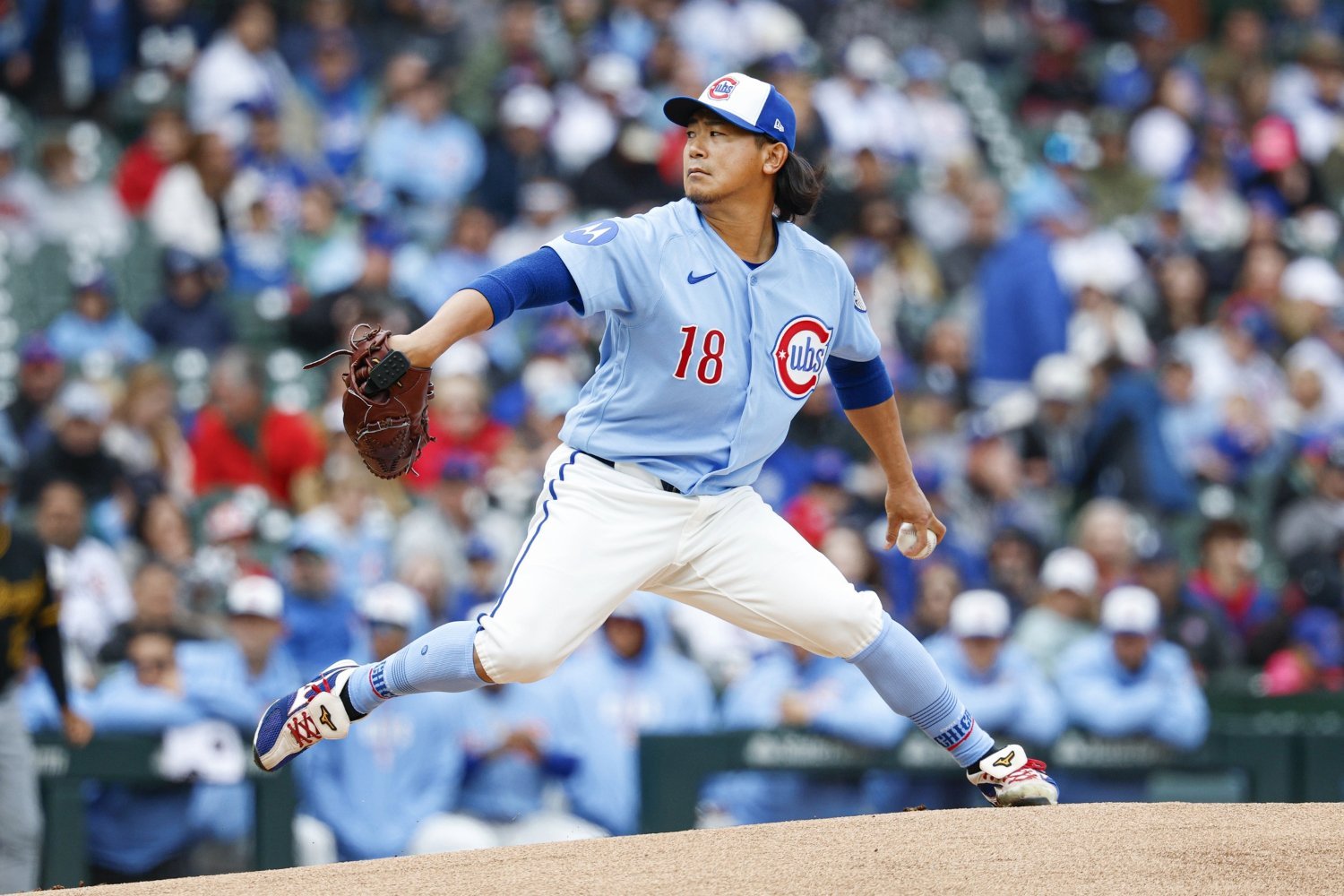 Shota Imanaga is back. Both literally, since he signed a qualifying offer this past offseason to remain with the Chicago Cubs, and performance-wise, as he has 2.81 ERA through his first three starts in 2026. Of course, the same caveat that comes with every piece of baseball analysis in mid-April exists here: it’s early. After all, this is the same guy that the Cubs passed over in Game Five of last year’s Division Series after he got rocked in Game Two. Or is it? A look at some of the under-the-hood numbers might give us an idea. [All stats courtesy of FanGraphs.] Year xERA FIP K% BB% 2024 3.36 3.72 25.1% 4.0% 2025 3.73 4.86 20.6% 4.6% 2026 2.68 2.18 33.3% 6.7% Well, okay! All four metrics here would suggest that Imanaga is as good as he has ever been in a Cubs uniform after taking a step back last season. The walk rate is a bit elevated, but if that is coming along with the jump in strikeout rate, the Cubs, and their fans, probably take that trade off. To help understand how repeatable this is for the lefty going forward, we’re going to have to take this a step further. He’s still allowing a ton of fly balls, however, he is allowing less loud contact, as well as more fly balls to the opposite field, where they tend to do less damage. That, plus the increase in strikeout rate, is what is helping to keep those advanced numbers like his xERA and his FIP so low. Let’s get the raw stuff out of the way first: Imanaga’s velocity is up this season. After throwing his four-seam fastball at an average of 90.8 mph last season, that figure is up to 92.2 mph this season, according to Baseball Savant. That might feel like a small difference, but it is a meaningful one. This rise in velocity, plus a higher arm angle (up to 40 degrees this season after sitting at 36 degrees, on average, last year), has resulted in less drop and less arm-side movement on the four-seam fastball, two massive developments for a pitcher who tends to live up in the zone. Combine those two things and we’re seeing a massive increase in quality from Imanaga’s four-seamer. Per FanGraphs, the Stuff+ rating on his four-seam fastball is at 110, which is up from 99 last season and 105 from his rookie year in 2024. The actual results on the four-seam fastball, which plagued him last season, have rebounded accordingly. After hitters slugged .567 on the pitch last year, that number is down to just .217 this year. We can also utilize Location+ to help us evaluate how well a pitcher is locating a pitch. Location plus is measured based on where a pitch should be thrown to based on the count. For example, a fastball is most effective when thrown to certain places in a 2-0 count, but also most effective when thrown to a different place in an 0-2 count. Just like stuff plus, higher is better, and Imanaga is certainly trending in that direction this year. Year Location+ Fastball Location+ Splitter Overall Location+ 2024 111 109 109 2025 108 109 108 2026 126 117 116 Woah! Location plus is suggesting that Imanaga is spotting both his fastball, and his splitter, in much more effective spots this season than he ever has been. Of course, our next step has to be to take a look at where Imanaga is throwing his fastball and his splitter. Thanks to the handy dandy new heat maps pivot feature over at FanGraphs, we can do just that. Here are heat maps for the location of his four-seamer, with 2025 on the left and 2026 on the right. First is against left-handed hitters, and second is against right-handed hitters, with the perspective being from behind home plate. Imanaga is making an effort to keep the ball both up and outside, rather than just up. This is helping him stay off barrels and avoid some of the loud contact in the air that we saw last season. It would also explain the jump we’ve seen in fly balls to the opposite field. Here are the same charts for his splitters: The veteran is staying on the outside part of the plate, just like he is with his fastball; however, his splitter is much further down, and in a lot of cases, even further outside of the strike zone than it was previously. As a result, hitters are chasing more than they ever have against Imanaga. Per Baseball Savant, his 40.5 percent chase rate would be a career high, and that is in the 96th percentile of pitchers this season. There is risk in doing that, of course. That is explained by the bloated walk rate. Throwing more pitches outside of the strike zone is going to result in more walks. Plus, hitters will likely adjust to seeing splitters that low more often, but then again, a splitter properly located down there is just so tough to lay off of when paired with a fastball on the high and outside corner of the strike zone. All of this suggests that while it may be early, Shota Imanaga is either currently as good as he was in the 2024 season, or perhaps even better. The jump in his velocity, as well as better and different execution of both his four-seamer and his splitter, have resulted in a jump in his strikeout rate and less loud contact when hitters do put the ball in play. With Cade Horton’s early season injury bogging down the rotation, this is great news for the Cubs, because they just might need this version of Shota Imanaga for the rest of the season. View the full article
 -
Christian Yelich Lands on Injured List with Groin Strain
DiamondCentric posted an article in Brewer Fanatic
 After departing the Brewers' loss to the Nationals Sunday in the fifth inning, Christian Yelich landed on the 10-day injured list Tuesday with a groin strain. For much of the last seven years, Yelich's career has been a question of health. He can help the team whenever he's on the field, but he missed 45 games with multiple injuries in 2021. In 2024, his season was cut short by a back injury that finally required surgery. He's only played 69 games in the outfield since the start of 2024, which is one way the team has shielded him from injury risk, but even as a designated hitter, he's spent considerable time on the shelf. That makes it worrisome any time something crops up for Yelich. He's not as available as you might wish even at the best of times, so every injury seems to threaten weeks of scrambling for offense, without the team's most consistent hitter. This time, however, the data says we can be a bit more optimistic than that. Over the last 10 seasons, Baseball Prospectus has logged 100 groin strains suffered by position players. Those players have returned, on average, in just under four weeks, and the median number of days missed is a not-so-bad 20. Of those 100 injuries, 71 saw the player return to play within four weeks, and only seven stretched beyond eight weeks. The Brewers indicated that the injury is significant, but not severe, which indicates that Yelich probably won't fall into that long-term injury bucket. Yelich's age and his track record are reasons not to expect him back within two weeks, but the fact that he's the team's DH works in his favor. Without the need to prepare for explosive lateral movements or sudden changes of speed and/or direction in the field, he should be able to get back into the mix relatively quickly. The Brewers need him back as soon as possible, since they're still without Jackson Chourio and Andrew Vaughn and have been inconsistent in run production so far this year. They won't want to rush him back, but Yelich's return-to-play timeline should be relatively short. In the meantime, the team called up Greg Jones, who will complement the existing outfield corps of Sal Frelick, Garrett Mitchell, Brandon Lockridge, Luis Matos and Blake Perkins. So far this season, none of those players (save Mitchell) has been as good as the team hoped, so some of the extra available playing time might accrue to Gary Sánchez, William Contreras and Jake Bauers. The team needs Yelich, but their depth is better than that of most teams would be if they were facing three early losses of the same magnitude as Yelich, Chourio and Vaughn. This should be a short-term absence, and though the waters are choppy for the Crew right now, a time at which they might be back to full strength isn't far away. View the full article
 -
 Matthew Boyd threw a bullpen session on Sunday and will make his second rehab start in Iowa later this week. Boyd, on the IL with a bicep injury, seems to have dodged a long-term issue. If all goes well, he'll be slated to pitch next week in a home series vs. the Philadelphia Phillies. Boyd's return will bolster a pitching staff that has been beset with injuries. Cade Horton is done for the season, and the bullpen lost Phil Maton (knee) and Hunter Harvey (arm) for a period of time. Their absence is particularly troublesome with the Cubs about to play 13 games in 13 days. View the full article
 -
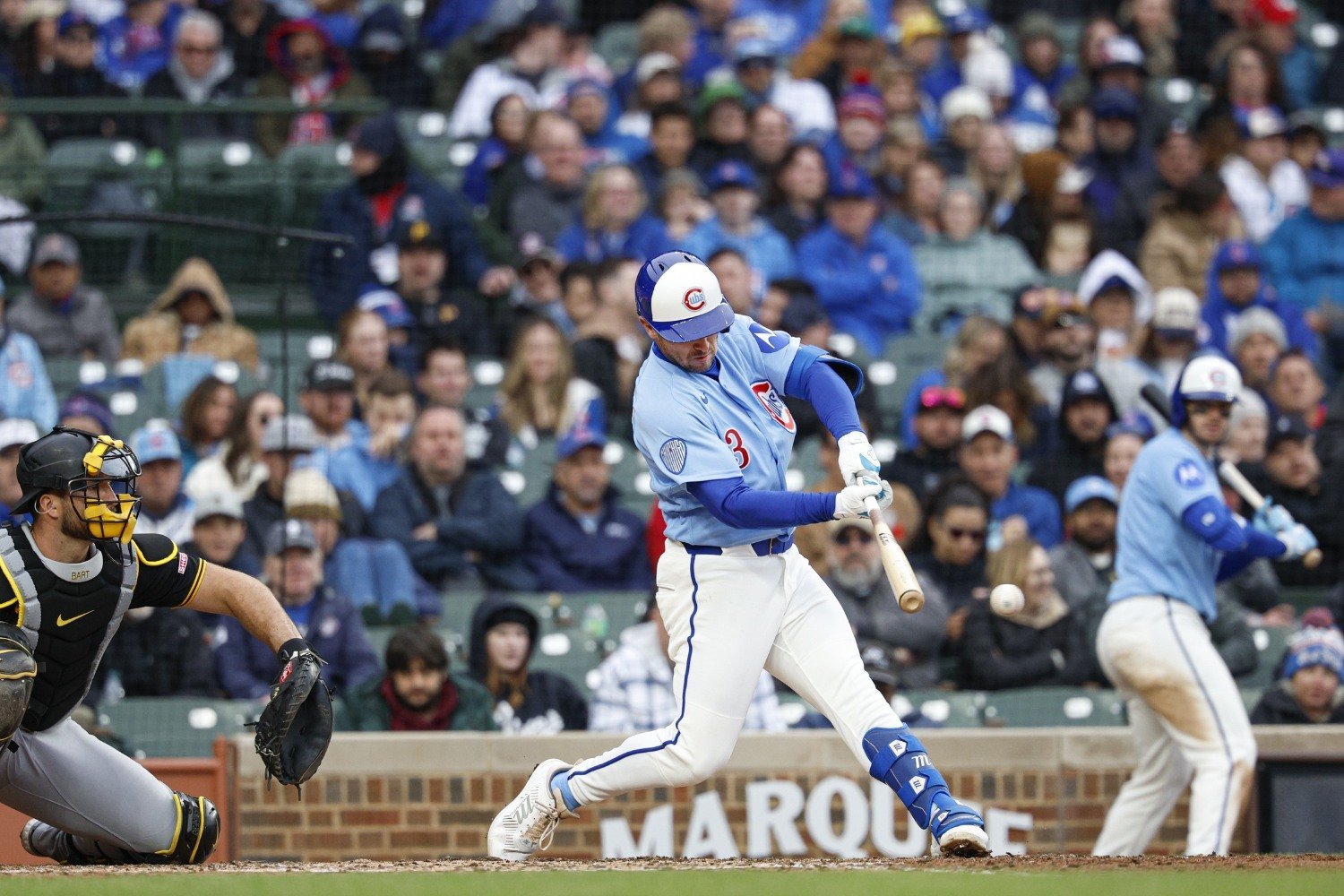 Last season, no team in baseball topped the Chicago Cubs when it came to lifting the ball to the pull field. The North Siders pulled and elevated 21.8% of their batted balls. It's their signature skill, because they don't like to emphasize raw bat speed and the line-to-line lethality that comes with it. Always focused on controlling the strike zone and accepting their walks, the Cubs preach a swing designed to lift and pull, so that batters can live with a bit less bat speed than their counterparts elsewhere in the league and (hopefully) focus more on building a successful approach. (It doesn't hurt that a lineup full of such players is likely to be at least a little bit cheaper than one filled with similarly talented but toolsier sluggers.) That plan comes with drawbacks, though. The team right behind the Cubs in terms of pulling the ball in the air most often in 2025 was the Cleveland Guardians—hardly the best company one could hope to keep. It's good to pull the ball in the air, but the more you zero in on doing so, the greater the tradeoffs you make along the way. A team with an average rate in that respect might do much more damage than the average club when they do so, or much less, and that will determine whether they're good at that aspect of offense or not. The Cubs are playing a numbers game, filling the sky with pulled hits and relying on plenty of them falling or carrying out of the park. That probabilistic approach makes sense, but one more focused on payoffs might be equally productive. In small segments of a season, the variance of a concerted effort to hit pulled fly balls becomes more obvious. The Cubs trail only the Diamondbacks and the Twins in the share of their batted balls that are pulled in the air this year, but they're much less productive than they were in 2025—or, perhaps more saliently, they're equally as frustrating and unproductive as they were in their worst stretches last year. It's not that they're not able to execute their offensive gameplan; it's that that execution isn't paying off. The Cubs rank sixth in MLB in the percentage of plate appearances ending with a pulled batted ball with an exit velocity of at least 90 miles per hour and a launch angle between 0° and 50°. We're eliminating softly hit balls and pop-ups here, and still, the Cubs are sixth in baseball at producing them. Now, here are the Run Value figures for those batted balls for each of the top 10 teams in that frequency. In other words, this is the number of runs above average (for all plate appearances) produced by well-struck, pulled batted balls for the teams who hit the most such balls. Dodgers - 44 Diamondbacks - 28 Padres - 31 Guardians - 34 Angels - 35 Cubs - 21 Royals - 26 Rangers - 29 Rockies - 33 Yankees - 33 Chicago stands out like a sore thumb. The Cubs just aren't getting results when they hit these balls, on which the expected level of returned value is quite high. To visualize it a different way, here are all 30 teams plotted by the percentage of plate appearances ending in this type of batted ball, and per-100 run value thereupon. The Dodgers are the best in the league at hitting those high-value balls, and they get above-average bang for their buck, too. That's no surprise. The Cubs have been doing a slightly watery Dodgers impression, offensively, for at least three years now. The Astros lead the league in rate of return, without regard to how often they produce pulled air balls; we can partially chalk that up to their short-porched home park. The Reds, clearly, need to rethink their offense. They don't hit nearly enough of these balls, and they don't get as much value per pulled air ball as they should, given that it should only be their very best contact that looks like that. The Cubs, though, are arguably the anti-sweet spot. They're spending a large share of their plate appearances in pursuit of the rich rewards of pulling it sharply, but they're not getting juice from the extra squeezing. Their weighted on-base average on these batted balls (.682) is the lowest in baseball. Again, you still want to pull the ball with authority, as much as you can. A .682 wOBA means ending a plate appearance with the same expectation of contribution to scoring as if you took a pitch outside the strike zone. Trying to do this as much as they do comes with costs, though, and the costs the Cubs are paying are outweighing the returns they're enjoying—because those returns have been, in the peculiar relative sense we're talking about here—are paltry. No team in baseball is getting less from pulling the ball hard and on a line. Is this just bad luck? Is it the pitcher-friendliness of Wrigley Field, especially in the cold weather of March and April? Or is this team too focused on producing a particular kind of batted ball, at the expense of producing lots of hits and runs? The answer is: all of the above. The ball is relatively dead again this year, as it was in 2025. It's not a great time to be an offense dependent on hitting fly balls to the pull field. Nor is the modern Wrigley a good place to be doing so. It's still, in an important and overriding way, a good strategy, but the Cubs are executing it under conditions—and perhaps with personnel—ill-suited to let them get the most out of it. There's a lot of season left, and this devotion to the objective of producing high-expected value batted balls should be good for the team over the balance of it. For now, though, it's part of why they've been frustrating, and why they're losing games. Approaches unusually focused on pulled air balls lead to more easy outs than others, when things are going wrong. That can narrow your path to victory. For three years in a row, Cubs teams trying to get back over the hump have been easily outpaced by Brewers teams with less offensive talent. Those teams had more ways to spark rallies and score runs than this team has. It forces Cubs fans to be patient, but the team can't afford to just wait for things to change. They need to think about how to be more flexible and resilient, even as they anticipate the positive kind of regression. View the full article
