


DiamondCentric
-
Posts
2,631 -
Joined
-
Last visited
Never
Content Type
Profiles
Forums
Events
News
Tutorials & Help
Major League Baseball Videos
Guides & Resources
Store
Downloads
Gallery
Everything posted by DiamondCentric
-

3 Position Battles to Watch as Brewers Begin Cactus League Play
DiamondCentric posted an article in Brewer Fanatic
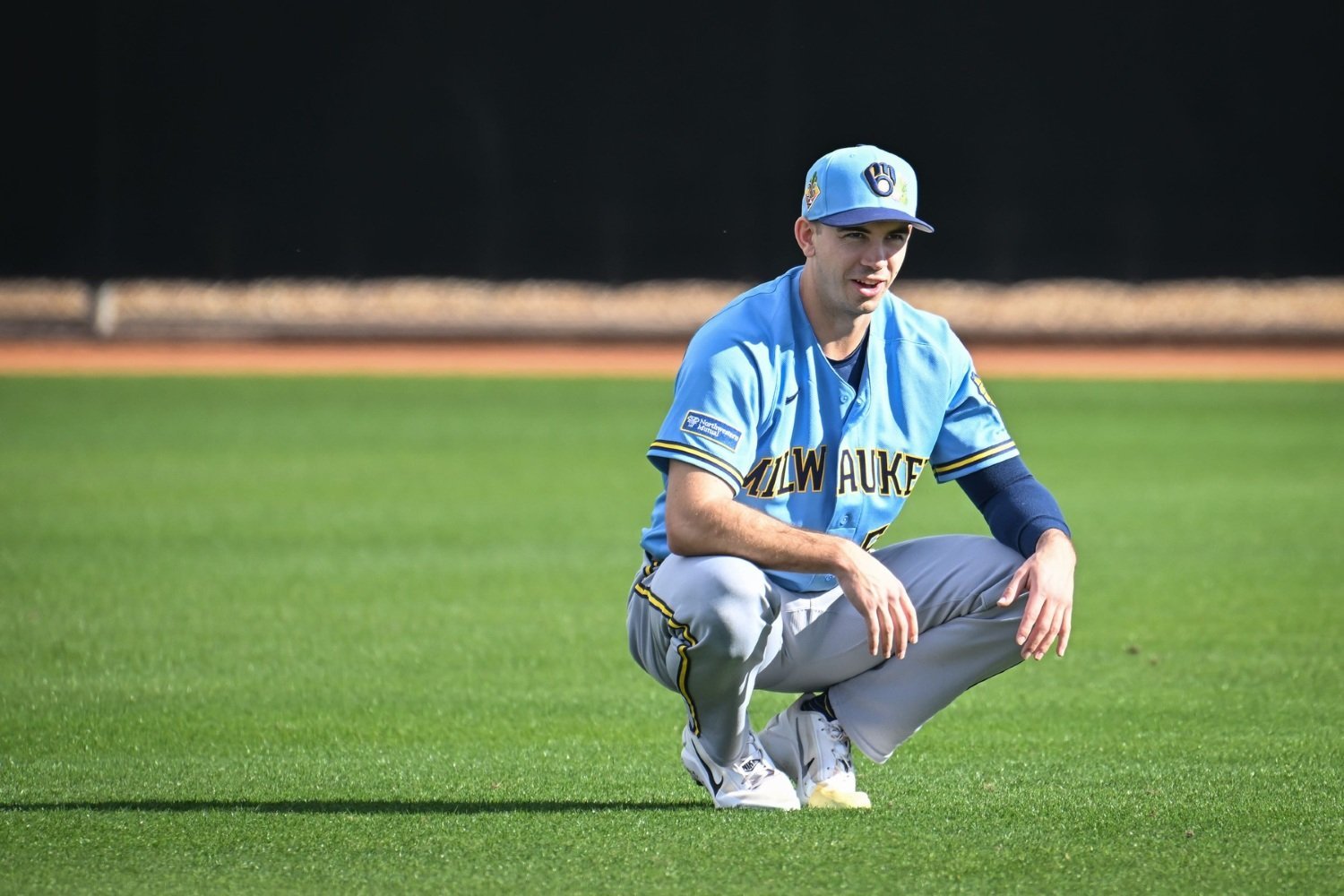 Spring training has two purposes. One is for all the players to get back up to game speed, following the offseason. The other is to figure out the best 26 players to put on your Opening Day roster, and which roles they ought to fill. With games in Arizona and Florida beginning this weekend and the Milwaukee Brewers opening Cactus League play Saturday against the Cleveland Guardians, competition for a few of those roster spots begins in earnest. Just like the regular season, things will get more intense as we check games off the schedule. With the moves made by president of baseball operations Matt Arnold this offseason, there are only a few things to figure out this spring. Here are the three position battles to pay attention to during Cactus League play. (Players listed in order of strongest candidacy.) No. 4 and No. 5 Starting Pitcher Let's start with the given. Right-handers Brandon Woodruff, Quinn Priester and Jacob Misiorowski occupy the top three slots in the starting rotation. There's a nice group of pitchers to fill out the final two spots following the Freddy Peralta trade. The winner of this competition might be Triple-A Nashville manager Rick Sweet, who could have an MLB-level rotation. Everyone in this section is already on the 40-man roster. At least one (and perhaps two) could end up in the bullpen. RHP Chad Patrick: He finished seventh in NL Rookie of the Year voting after starting 23 games and making four relief appearances in the regular season. He posted a 3.53 FIP and a 117 ERA+ with an 8% walk rate and 25.2% strikeout rate, both better than the MLB averages. He was also a dynamic reliever in the postseason, allowing two runs over 11 innings, striking out 11 and walking one. A bullpen role could be an option, depending on how the rotation shakes out. RHP Logan Henderson: In addition to 16 starts at Triple-A, Henderson also made five MLB starts before his 2025 was cut short by a strained flexor in early August. He was really good in the minors and much better in his brief time in MLB, although his 3.02 FIP belied his 1.78 ERA. He did have a 33.3% strikeout rate and would seem to be in a good position for an Opening Day spot. LHP Robert Gasser: He underwent Tommy John surgery early in the 2024 campaign, but returned to make two starts late in 2025 and was included on the postseason roster. As a rare left-hander in this competition, he could have an advantage if the Brewers want to have a southpaw in the rotation. But he is also ready to prove what he can do at the highest level. He hasn't been a big strikeout pitcher in his brief MLB time, with his 14.7% strikeout rate about half of what it has been in the minors, while he has been better at limiting walks in the majors than he was in the minors. LHP Kyle Harrison: One of two pitchers acquired in the Caleb Durbin trade, Harrison joins Gasser as a lefty vying for a starting gig. His repertoire was retooled with the Red Sox, who kept him at Triple-A until three late-season outings. If the Brewers have even more adjustments in mind, he could be the next success story for one of the game's best pitching development groups. RHP Brandon Sproat: The pitcher the Crew got back in the Peralta-Tobias Myers deal, Sproat made his MLB debut as the New York Mets tried to plug their struggling rotation late last year. In four starts, the results were mixed. He could easily start the season in the big-league rotation, but could also benefit from a little extra seasoning at Triple-A. He did post a 4.24 ERA in 26 games (25 starts) at that level in 2025. RHP Coleman Crow: After having Tommy John surgery late in the 2023 season and being acquired from the New York Mets that offseason, Crow played in the Arizona Fall League in 2024 and made 12 starts between Double-A Biloxi and Triple-A Nashville last year. He had a 2.51 ERA at Biloxi in 10 starts and a 7.71 ERA in two starts at Nashville. Perhaps most importantly, he had a healthy offseason to get ready for this spring. LHP Shane Drohan: The other pitcher picked up in the Durbin deal, Drohan has a ton of potential, but has battled injuries and poor control. His potential got him to Triple-A in 2023, and he may have finally had a breakthrough in 2025, when he had a 2.25 ERA in 12 outings (11 starts) at that level. In five minor-league seasons, Drohan has a 4.29 ERA, striking out 10.3 per nine innings and walking 4.5. RHP Carlos Rodriguez: The 24-year-old has had two cups of coffee with the Brewers; neither went well. He also didn't dominate at Triple-A in 2025, the second year in a row at that level. He would appear ticketed back there, unless he shows something different this spring. He might also be the most vulnerable player on the 40-man roster, should the team need a spot. Center Field Position battle might be too strong for this. This is more of a health issue. Yeah, we're talking about ... Garrett Mitchell: Having made his debut in 2022, the uber-talented Mitchell has yet to play in a season's worth of games. Due to a variety of injuries, he has played in a mere 141 games at the MLB level in those four seasons. When he has played, Mitchell has accrued 3.3 fWAR by putting up a .254/.333/.433 slash line with 13 homers, 40 RBIs and 23 steals. The Brewers have had stellar defense in center for most of the last decade, but the lack of a true offensive contributor from the position would be a nice thing to change. If Mitchell can stay healthy, that's eminently possible. Blake Perkins: After a 2025 that didn't go his way, Perkins's role for 2026 is really dependent on Mitchell. A terrific defender, Perkins broke his leg on a foul tip in spring training and didn't return until mid-July. He has his moments offensively, but in his three-year career, Perkins has a slash line of .232/.314/.339, with 13 homers, 82 RBIs and 35 stolen bases in 242 games. That results in a 3.1 fWAR. Perkins is a switch-hitter, while Mitchell hits left-handed, so they could end up platooning. Last Bench Spot This has changed a bit with the Durbin trade, which zapped the experienced infield depth by including Andruw Monasterio and Anthony Seigler. Of course, that's been partially balancd by the signing of Luis Rengifo to play third base. Each team has four bench spots, with one occupied by the backup catcher. In the Crew's case, that is Gary Sánchez. How about the other three backups? One goes to first baseman-outfielder Jake Bauers, who earned his roster spot with his late-season and postseason performance in 2025. Perkins has another, leaving one more to figure out. There needs to be a backup infielder who has positional versatility. David Hamilton: The third and final player who came over in the Durbin deal, Hamilton is the top candidate to replace Monasterio as the utility player. In 204 games over the last three seasons with the Red Sox, the Crew's eighth-round draft choice in 2019 has split time at second base (109) and shortstop (87). He has limited experience in the minors in center field, and even less at third base. As long as he can fill the defensive requirements as Monasterio did, anything he produces offensively will be a bonus. Jett Williams: I am contractually obliged to mention the other player the Crew picked up in the Peralta trade. He has had a brief time at Triple-A in 2025, with a .231/.326/.449 slash line with seven homers in 40 games. He can play anywhere up the middle: shortstop, second base or center field. Williams has the potential to be a dynamic player and is a top-75 prospect in all of baseball. His talent could lead to a spring surge and see him play his way onto the Opening Day roster, potentially even starting at third base if he sees time there this spring. Otherwise, he could be an option to be called up from Nashville, where he will get the playing time he needs to continue his development. Cooper Pratt: Like Williams, Pratt is not on the 40-man roster, which is a hurdle to him making the roster. Pratt has yet to play a game at Triple-A, which makes his inclusion here a bit of a long shot. At Double-A Biloxi in 2025, Pratt slashed .238/.343/.348, with eight homers, 62 RBIs and 31 stolen bases. Other than three games at rookie ball, Pratt has only played shortstop in the minors. He needs to diversify that this spring, even if it's just by moonlighting at second base. But unless he forces his way into a starting position, he will have the same destination as Williams: Nashville. View the full article
 -
Cubs Spring Training Preview: New Faces & WBC Participants
DiamondCentric posted an article in North Side Baseball
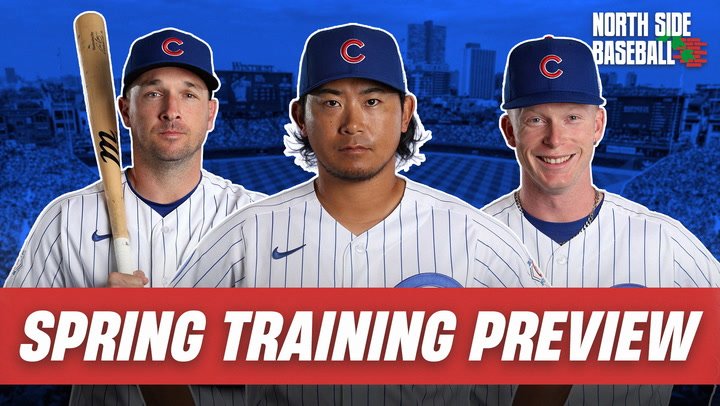 The Chicago Cubs won't have Alex Bregman for most of spring training as he plays for Team USA in the WBC, but newcomer Edward Cabrera and others will finally make their organizational debut. View the full article
 -
Cubs Spring Training Preview: New Faces & WBC Participants
DiamondCentric posted an article in North Side Baseball
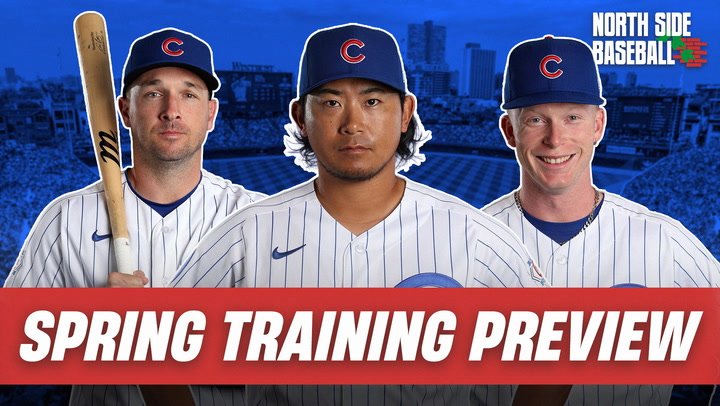 The Chicago Cubs won't have Alex Bregman for most of spring training as he plays for Team USA in the WBC, but newcomer Edward Cabrera and others will finally make their organizational debut. View the full article
 -
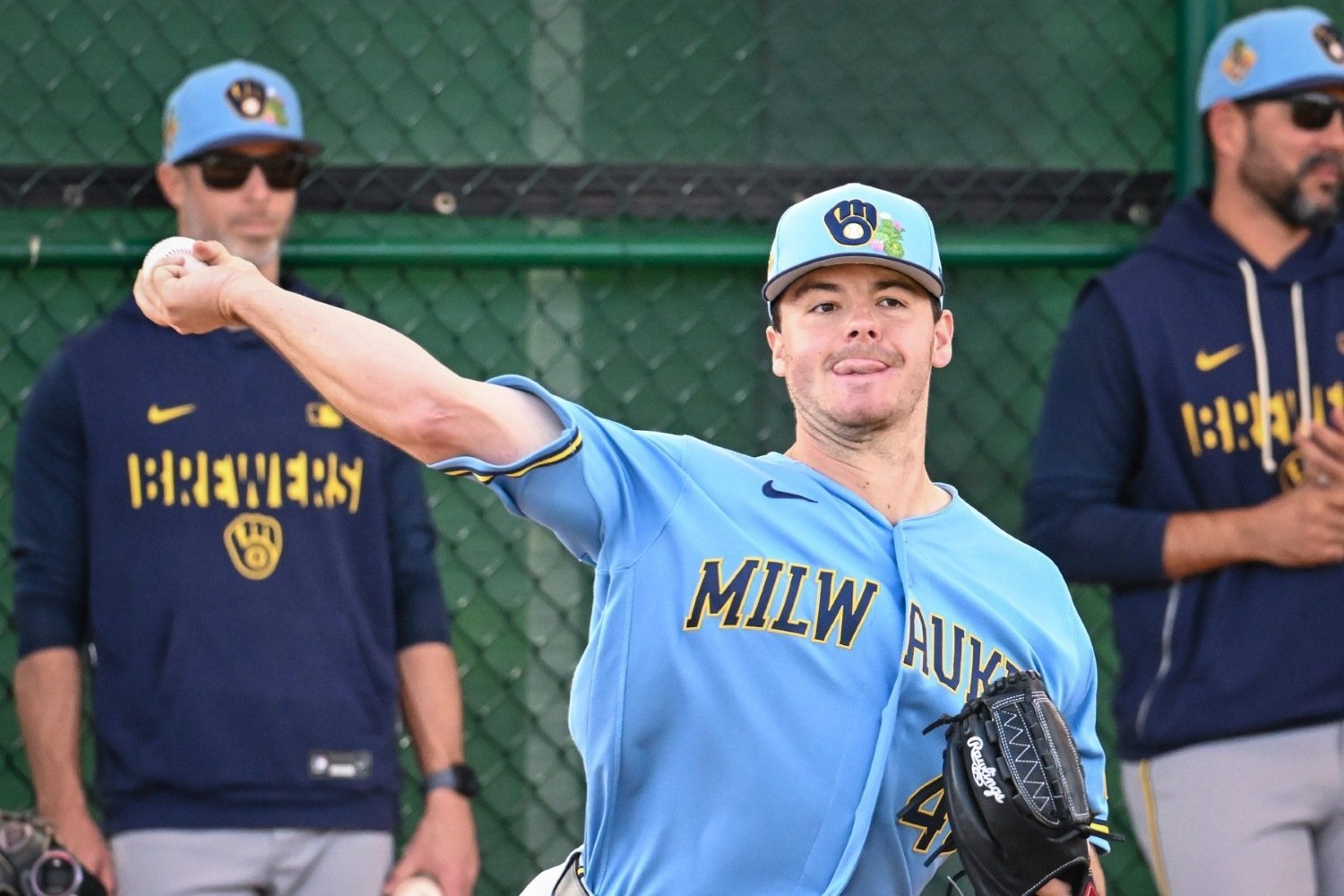 Among the young pitchers vying for a rotation spot in Brewers camp, Logan Henderson may have the most impressive big-league résumé so far—except, it's one of those CVs that fits on an index card. In five starts last season, the 23-year-old posted a sparkling 1.78 ERA, 3.20 SIERA, and 33.3% strikeout rate. Henderson induced whiffs on 27.6% of swings while working almost exclusively with his signature fastball and changeup pairing, both of which have deceptive movement from his low arm slot. The two offerings comprised 89% of his pitches thrown. Still, questions remained about the rest of his arsenal. As an extreme pronation-biased pitcher (meaning his wrist naturally turns inward before he releases the baseball, leading his thumb to point downward and his palm to face outward), Henderson excels at throwing pitches with arm-side run but has struggled to make the ball break the other way. Even though his fastball and changeup have excellent separation, he knows he'll need that different look to stick as a big-league starter. "I had the success with the four-seam and changeup last year and felt if I was going to get burned, I was going to get burned on one of my best two pitches," Henderson said. "I still feel that way, but at the same time, the book is out on me, and I know that I need the third and fourth pitch." Last season, Henderson threw a cutter and a short bullet slider as those third and fourth pitches. Public stuff models liked the slider more because of its depth, and Henderson felt it was in a decent spot by season's end, but he always felt more comfortable with the cutter, which had more consistent glove-side movement. The slider, meanwhile, often backed up. All along, Henderson thought of reviving the curveball he threw in college as a pitch with true glove-side break. That thought grew as he watched Los Angeles Dodgers starter Yoshinobu Yamamoto slice through the Brewers' lineup in last year's NLCS with his secondary pitches. "I don't quite have the stuff that he has, but similar four-seams, low slot," Henderson said. "His curveball is incredible, and it's hard not to go, 'What if I had a curveball? What if I started throwing that again?'" Pitching coach Chris Hook told Henderson during the series that the pitch could work nicely with his existing arsenal, so he reintroduced it over the offseason. When he threw his first session of live at-bats on Wednesday, Henderson threw curveballs instead of sliders. "I wouldn't say that the slider's completely gone, but the aim is more towards throwing the curveball right now, and I think that fits my arsenal a little bit better than the slider did," he said. Henderson's slot gives the pitch a slurve-like shape, similar to the breaking ball Chad Patrick added during the second half of last season. Most importantly, he's spinning it in a way that creates true glove-side break. "I wouldn't say it's a true 12-6—maybe you've got a little bit of slurve to it—but I would say it's pretty much a true curveball," he said. "I've got a low three-quarter arm slot, and it's about what you'd expect from that arm slot. It turns left more than the slider did, for sure." Henderson has yet to dive into the movement metrics, but he feels the pitch doesn't need any tweaks to its shape. The next step is getting more comfortable locating and sequencing it in competition. "The movement's there, for sure," he said. "It's about execution now, and being able to throw it in spots I want to, when I want to. It's definitely a work in progress, but I showed it a couple of times in lives today, and it was okay. But I really am pleased with the progress on it so far. I think it's gonna help my arsenal a lot." There was nothing fluky about the swings and misses Henderson's best two pitches generated last year. If he now has a legitimate breaking ball to support them, he could leapfrog some of his teammates in a wide-open rotation battle. View the full article
 -
"The Next Ichiro": How Nori Aoki Became A Royals Fan Favorite
DiamondCentric posted an article in Royals Keep
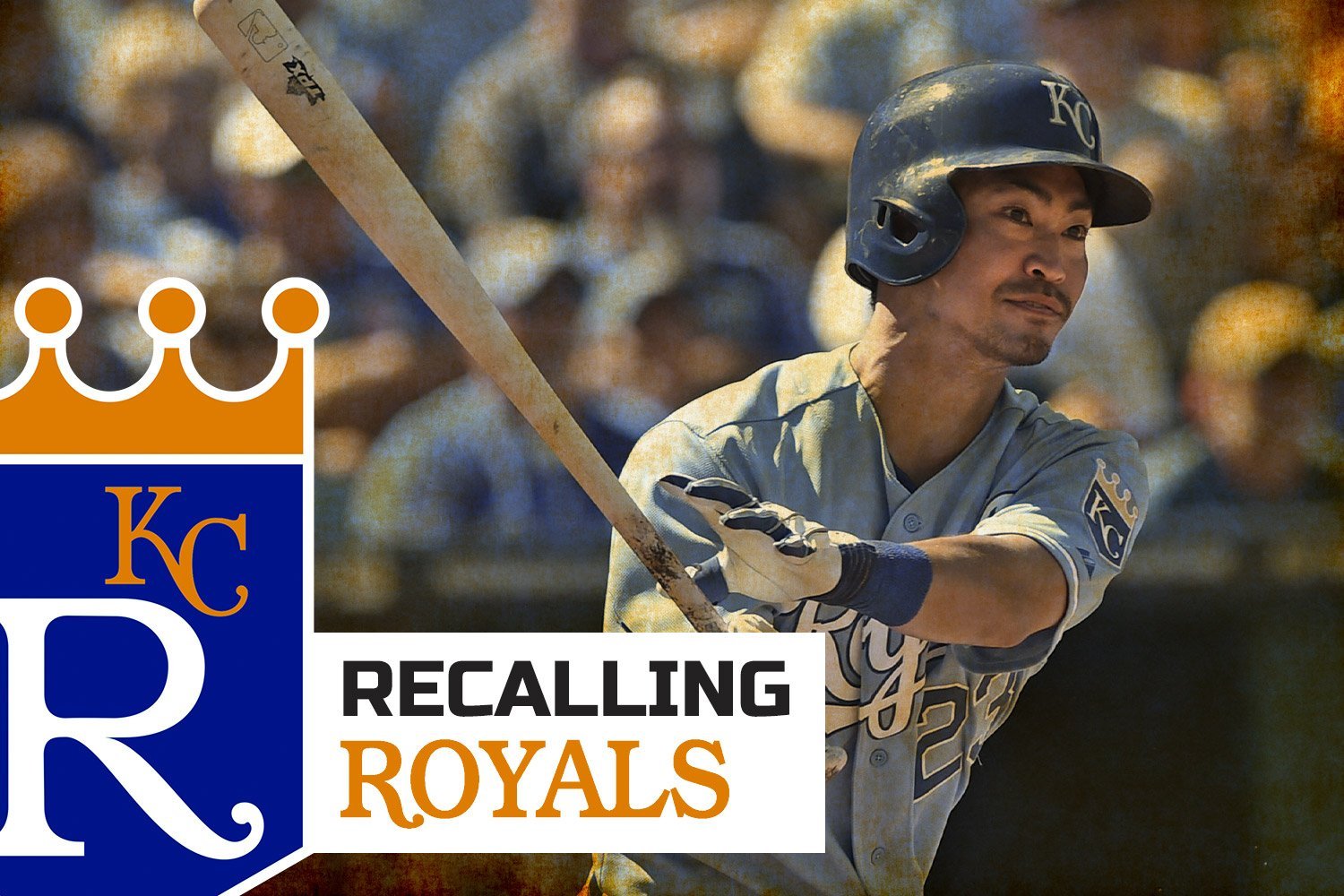 With the World Baseball Classic coming up, it’s nice to look back on how far the tournament has come since its inception in 2006. If you look at the rosters from that year’s tournament, there are several players who were or would end up playing for the Royals. Guys like Matt Stairs, Bruce Chen, and Benji Gil would all end up playing for the Royals at some point. However, there is one player who really stands out among the rest. This future Royals player would be labeled the next Ichiro and have one of the most storied careers in recent Japanese baseball history; he’s also a one-time Royals player. This player is Nori Aoki, and his journey to the Royals was a rather interesting one. Norichika Aoki was born on January 5th, 1982, in Hyuka, Miyazaki, Japan. He started playing baseball at an early age and later attended Miyazaki Prefectural Hyuga High School. He was a pitcher all throughout high school, but converted to outfield when he attended Waseda University in 2000. Aoki was just one of several talented players who led Waseda to four straight Tokyo Big6 titles, Japan’s version of the NCAA. Aoki played alongside future pros like Takashi Toritani, Shintaro Yoshida, and Tsuyoshi Wada. Throughout his college career, Aoki had a batting average of .332 without hitting a single home run while also being selected for the Best Nine Award three times. He would be drafted in the fourth round of the Nippon Professional Baseball draft by the Yakult Swallows. Aoki would only play 10 games in 2004, but 2005 would kickstart his illustrious career in NPB. He would finish the year with the Most Valuable Rookie award and the Central League Batting Title. He hit .344, stole 41 bases, and collected 202 hits, becoming just the second player in NPB history to record 200 hits in a season. He would build off that success the next year, participating in that year’s World Baseball Classic, and be named All-Star Game MVP in his home ballpark. He would finish the year with 192 hits, eight short of his goal, but would increase his on-base percentage by nine points. He expressed interest in going to the MLB via the posting system, but the Swallows were not interested in selling him. The next five seasons would cement Aoki’s name as one of the best contact hitters in NPB history. He would rack up 887 hits and had a batting average under .300 once in that timespan. He would become the fastest player in NPB history to collect 500 hits, doing so in 373 games. He won the batting title two more times in 2007 and 2010, and was given an All-Star, Best Nine, and Golden Glove every year during this time period. After the 2011 season, he was posted by the Swallows and signed a two-year deal with the Brewers. He would put up solid numbers during his time in Milwaukee, posting a bWAR of 3.2, a batting average of .288, and finishing fifth in NL Rookie of the Year voting in 2012. He would be the everyday right fielder, where he would start hot but steadily decline throughout the year, finishing with a batting average of .286. He would then be flipped to Kansas City on December 5th, 2013, and would begin a memorable tenure with the Royals. Aoki would be the leadoff hitter for a majority of the season and finished the year with a triple slash of .285/.349/.360. He would hit exactly one home run during his time in Kansas City, and it was a grand slam against the Diamondbacks on August 6th. It would be the only grand slam he would hit while in MLB. Aoki would also set a Royals record for most hits in a three-game series with 11 against the White Sox, surpassing Willie Wilson and George Brett’s record of 10 hits. He would also be known for getting hit in the private parts while attempting to make a catch against the Blue Jays. Aoki would make an impact with the Royals in the postseason as he would score the Royals’ first run in the Wild Card game against the A’s and would also hit a sacrifice fly that would tie the game in the ninth inning. He would be the starting right fielder throughout the playoffs, but he only hit .195. He would become a free agent after the season ended and signed with the Giants. Aoki would continue to play in MLB until 2017, when he decided to return to Japan to sign a three-year deal with the Swallows. He would record his 4,000th career at-bat and qualified to become NPB’s lifetime batting champion with a career batting average of .328. He would retire in 2024 and is now the general manager for the Swallows. While his time with the Royals was just one year, he certainly made his impact felt during that one season. Who knows how the Royals would’ve finished if it weren’t for his services? We’ll never know, but one thing is for certain: Aoki is one of the best contact hitters Japanese baseball has ever seen. While he may not have had that same impact in Major League Baseball, he was still able to carve out a stellar career. It’s unfortunate that his time in Royals blue was short-lived, but he’ll certainly be remembered for decades to come. View the full article
 -
Red Sox Spring Training Preview: New Faces & WBC Participants
DiamondCentric posted an article in Talk Sox
 With Roman Anthony, Ranger Suárez, and other ticketed for the WBC, which Boston Red Sox players will stand out most at spring training? View the full article
 -
Red Sox Spring Training Preview: New Faces & WBC Participants
DiamondCentric posted an article in Talk Sox
 With Roman Anthony, Ranger Suárez, and other ticketed for the WBC, which Boston Red Sox players will stand out most at spring training? View the full article
 -
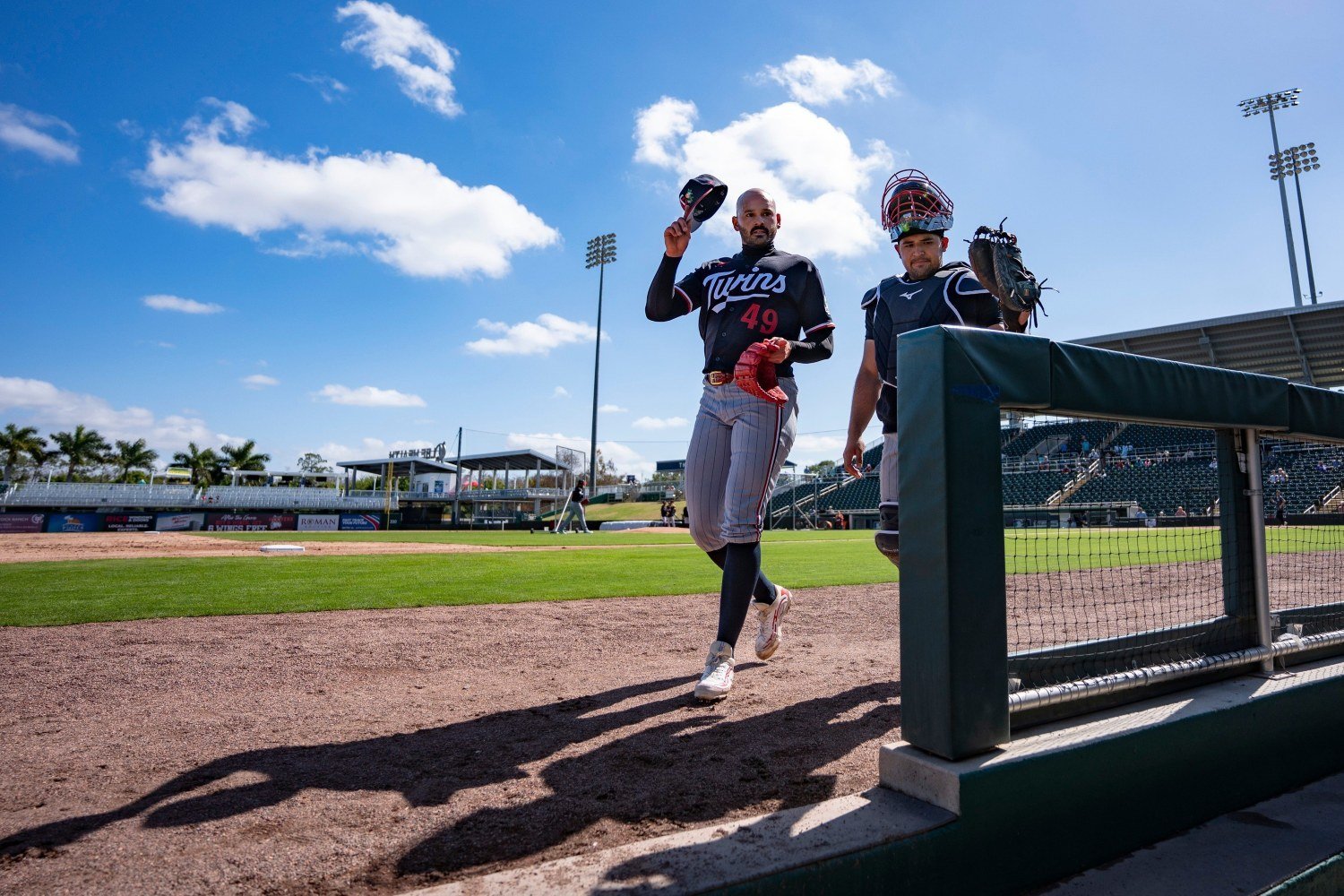 The Twins lost arguably their best starting pitcher this week. Pablo López is seeking a second opinion on the prognosis for a torn UCL, but is very likely to undergo season-ending surgery in the coming days. The rotation was expected to be the strength of a roster projected to finish below .500 by many projection systems. With a further bite taken out of the Twins’ chances, it’s fair to wonder whether they try to replace their ace. One could easily argue, however, that they shouldn't try to do so. The Twins have several interesting options to fill their currently vacant rotation spot. At the 2025 trade deadline, it felt as though they were preparing for life without López and Joe Ryan, as they acquired several arms who could contend for a rotation spot for years to come. The offseason took plenty of twists and turns, but eventually, the organization settled on another run at contending in 2026, while holding onto the veterans that had survived the 2025 fire sale. As a result, the Twins were set to stash several starting pitchers in Triple-A who had nothing left to prove there. The Twins’ depth is such that they will not have enough rotation spots for the number of pitchers whose next step in development must come at the big-league level. Taj Bradley, Mick Abel, Zebby Matthews, and David Festa all have cases to make the parent club's roster on opening day. They will also have Connor Prielipp, Andrew Morris, and Kendry Rojas headlining the rotation in St. Paul, who could all debut in 2026 if needed. Though there’s no such thing as too much pitching depth, the Twins have no immediate shortage of young, exciting options to mix into the rotation throughout the year with the potential to be productive. While many of their immediate options are unproven and far from guaranteed to be successful in the rotation, it’s worth weighing them against potential external replacements. Lucas Giolito sits atop the list of remaining free agents. He could be looking for a one-year prove-it deal, after missing all of 2024 and looking like a diminished version of himself in 2025. Other options include Frankie Montas, who posted a 6.28 ERA in 2025, and Max Scherzer, who is unlikely to be interested in spending what is possibly the last season of his career in Minnesota at 41 years old. While it would be hard to fault the Pohlads for spending money, an argument can be made that the development of the Twins’ internal rotation candidates is more valuable than the production any of these last-minute signings could make. The remaining free-agent market lacks the upside in both the short- and long-term that the Twins' current selection of young arms offers. The Twins could seek out a trade for a big name, but doing so comes with significant risk beyond the 2026 season. The Twins aren’t the only team seeking starting pitching help headed into spring training. Toronto and Atlanta are dealing with injuries to their rotations, as well, and options are limited at this advanced stage of the offseason. Much like the trade deadline in recent seasons, it would be a sellers’ market for anyone willing to deal starting pitching. The Twins, being buyers in this scenario, could be paying premium prospect capital to acquire a big arm. There’s a time and place for going big, but it’s hard to argue that this 2026 roster warrants such a gamble. The current roster, in fact, is the strongest argument against replacing López with any external additions. The Twins set themselves up for a mediocre 2026 season at the 2025 trade deadline. They then spent much of the offseason sitting on their hands, as they tried to decide the organization's direction. They’re left with much of the same offensive core that has consistently failed over the last two years (and four of the last five), and have mostly replaced their previously elite bullpen with minor-league signings and waiver claims. Anything can happen in baseball, but the projections paint the picture of a team that should not be mortgaging the future for 2026. This season should be an opportunity for several players to debut and develop at the MLB level, rather than blocking them or trading them away in favor of external options. There is plenty of upside on the pitching and position-player sides of the roster, but many players need the opportunity to show what they can provide in the future. If things go extremely well, the Twins can compete in 2026 without replacing Pablo Lopez. If they do not, they will at least have sorted through the roster in preparation for 2027. View the full article
 -
One Thing Each Cubs Hitter Can Improve Upon in 2026
DiamondCentric posted an article in North Side Baseball
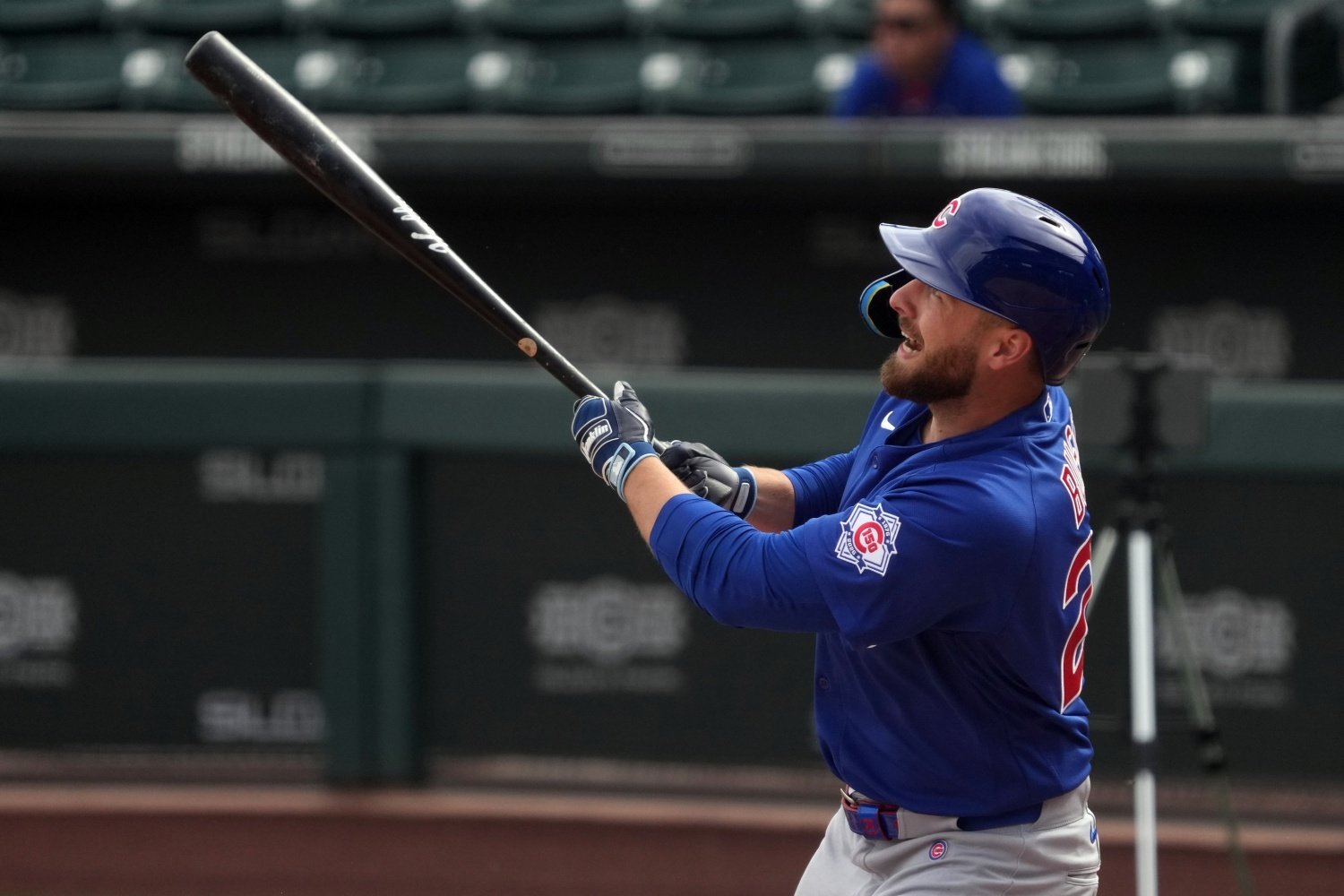 The Chicago Cubs enter 2026 as a team that looks largely the same offensively. Some dynamics will shift, of course. Alex Bregman is replacing both Matt Shaw and Kyle Tucker, in two different ways. Moisés Ballesteros is likely to get the first shot as the team's designated hitter, and the platoon partner for both Ballesteros and first baseman Michael Busch is newcomer Tyler Austin. On a team with so little turnover, certain adjustments are going to need to be made on an individual level in order for this offense to ascend. What those adjustments look like, however, differs from hitter to hitter. Let's take a look at what the team's presumed starters at each position (sans Ballesteros, given uncertainty around his role) need to tweak ahead of the upcoming season. Carson Kelly: Sustain the Approach Few hitters were better than Carson Kelly last April, regardless of position. Kelly slashed .360/.507/.840, for a 257 wRC+. It was the kind of month that props up your numbers for the entire year. Unfortunately, things didn't really carry over into the subsequent months for the Cubs' starting catcher. Some of that is natural regression, but a lot of it is due to him losing his approach. Kelly's only two above-average months were April & July. It's not a coincidence that those two months featured his lowest chase rates (very impressive 17% marks). That rate increased steadily over the past two months of the year. The result? His walk rate was nearly cut in half and his strikeout rate spiked by nearly eight percentage points. Plate discipline erodes when players don't get enough time off, and Kelly took on a heavy workload after injuries sidelined Miguel Amaya. Regardless of how much he plays, though, Kelly needs to exercise more consistent patience. Michael Busch: Improve Bat Speed Busch had an excellent 2025. He continued to improve his approach and drove his power figure up, to the tune of 34 home runs and a .261 ISO that was nearly 70 points above what he posted as a rookie. However, Busch's swing is extraordinarily slow for a slugger. His 69.6 MPH average swing speed was ahead of only Nico Hoerner among Cubs hitters last season. He generates tons of squared-up contact (28.9 percent of swings), but didn't gain much traction in the blasts department, which links the ideal contact with a fast swing. While Busch's home run and ISO totals each landed in the top 15, his blast rate was just 76th in the league. There's a nearly unavoidable tradeoff between swing speed and barrel accuracy, and Busch favored the former last year, with stellar results. Still, he might need to rebalance those two objectives to have a similarly strong 2026. Nico Hoerner: Zone Awareness We recently profiled Hoerner, who saw a slight bump in his power output in the second half of 2025 after it was absent for most of the year. There's a bit of evidence that it was due to increased action on fastballs inside the strike zone, but there is more that indicates it was due to where in the zone Hoerner was swinging. Much of his power comes on the inner third of the plate. Even with the slowest swing on the current roster, it stands to reason that a fusion of the two ideas—wherein Hoerner concentrates on fastballs within that preferred zone—could yield more consistent power outcomes. They'd still be modest, but it would be a way for Hoerner to take a step forward. It might cost him plate coverage, though, so he'd need to be slightly more disciplined in order to make that shift in focus work. Dansby Swanson: Swap Power for Contact Swanson's .173 ISO in 2025 was his best since 2021. Despite just average bat speed, he finished in the 80th percentile in hard-hit rate (47.8%) and the 74th percentile in barrel rate (11.7%). A concentration on fastballs helped, as his 55.6% swing rate against them was not only his highest against any pitch group but the highest rate of his career. The issue is that he's not generating enough contact to make the power outcomes as impactful. His contact rate was down about two percentage points from the two previous years, and he whiffed at a higher frequency than at any point in his career (14.3% of all pitches seen). His contact rate on pitches outside the zone dropped by roughly 12 percentage points, too, which is indicative of a player selling out on a pitch type (fastballs) even if not totally selling out for power itself. That loss of out-of-zone contact is also part of the aging curve for most hitters, so he's unlikely to recover it. He'll have to be more focused on contact just to sustain his current level. There's still value in the bat, but more contact would help it to be realized with more regularity—even if it has to come at the expense of taking the occasional fastball. Alex Bregman: Sustain This is more of an incomplete case, as we haven't seen Alex Bregman suit up for the Cubs yet. In theory, Bregman's profile should play better at Wrigley Field than most right-handed hitters. He's not a pure pull-side guy, leaning on left-center for his power more than yanking it down the line like Isaac Paredes. Everything else about his profile screams success; he has a relentless approach with upper-tier contact skills. Given that he's not a barrel merchant, though, continuing to make the type of contact that he does will be crucial for him to avoid the pitfalls that ruined the Chicago stays of guys like Paredes and Trey Mancini. Ian Happ: Increased Aggression Much of Happ's value lies in his plate discipline, so it'd be foolhardy to suggest he overhaul his approach. Part of the nature of working deep counts, though, is that you miss out on fastballs earlier in at-bats and are prone to an above-average strikeout rate. He obviously compensates well with his walk rate, but there's something to be said for Happ trying to be more aggressive in certain instances. In five of the last six seasons, Happ's biggest slugging output came on fastballs. Generally, however, it's that pitch type against which he swings least often (something that is even more true inside the zone). While he shouldn't abandon his sense of the zone, being more selectively aggressive could lead to a more impactful presence wherever he lands in the 2026 lineup. Pete Crow-Armstrong: Make More Contact The upside—the superstar potential—for Crow-Armstrong is obvious. The issue is that neither his speed nor his power can show up if he's forever chasing, and missing. He swung at roughly the same rate of pitches in 2025 as the year before, with a nice bump in the in-zone rate against the chase rate. He also made significantly less contact when he did chase, though. It might be unreasonable to expect him to tamp down the swing rate itself, but more contact could beget more positive results, especially given that speed. He wouldn't be the first aggressive hitter to make that profile work, but it's going to require more competence in generating contact than we've seen to date. Of course, the surest path to more contact is better swing decisions. Seiya Suzuki: Work the Edges Seiya Suzuki is one of the game's most patient hitters, but his approach is highly specific—and the problematic aspects of his patience show up in one particular segment of the hitting zone. As such, Suzuki's situation isn't all that similar to Happ, who could stand to swing with more regularity in general. Suzuki needs to figure out how, on occasion, to anticipate and attack even well-executed pitches on the edges of the zone. His -21 run value on pitches on the shadow of the zone (within a ball's diameter of the edge of the zone, in either direction) was better than only Swanson's -25, among last year's Cubs. Only Busch and Tucker featured a better cumulative run value than Suzuki's 18, which speaks to the opportunities missed by being so precise with the approach. It's not about opening up the zone fully, but taking advantage of better preparation by not giving in to pitchers who locate well. View the full article
 -
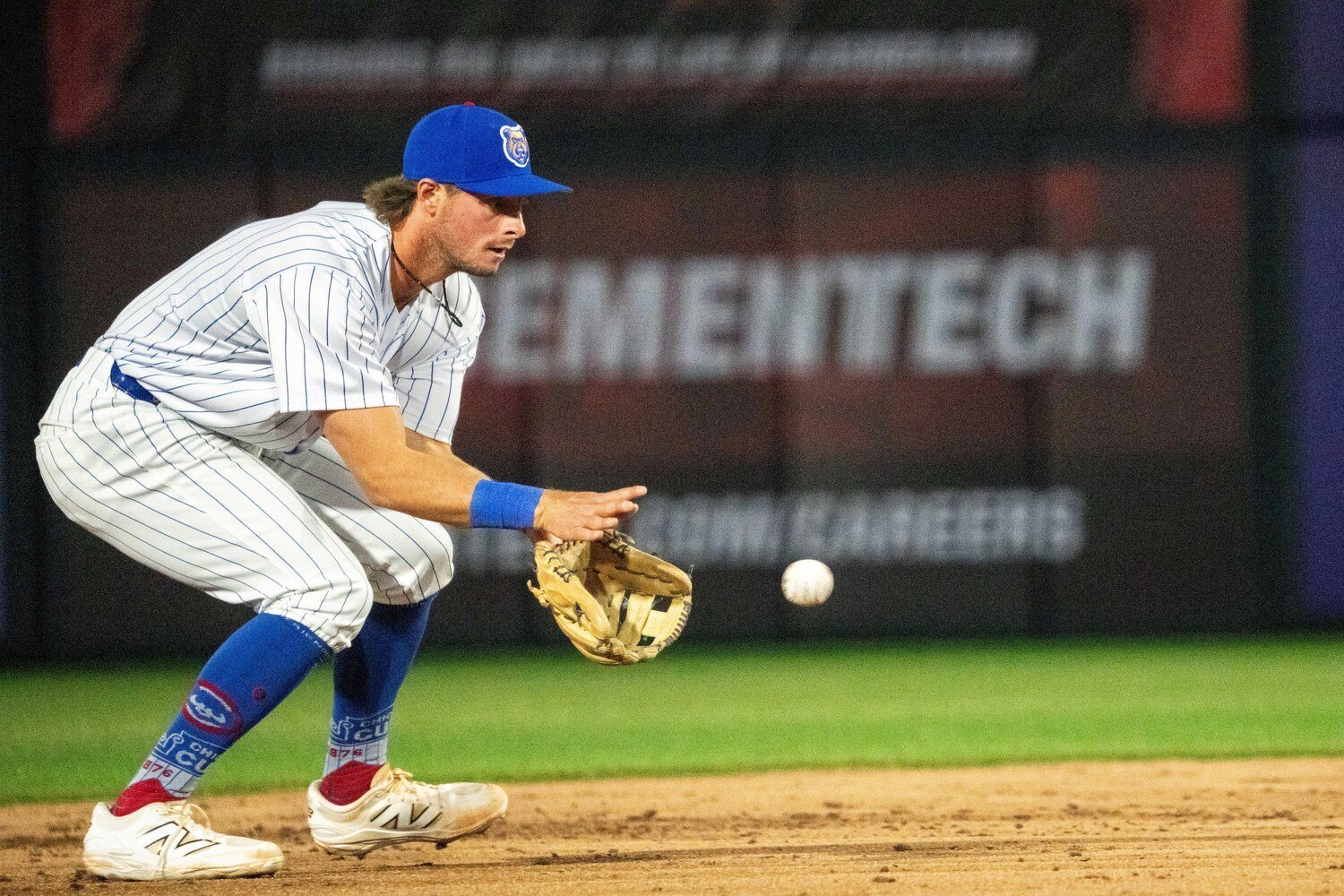 When I saw the news that the Blue Jays had claimed Ben Cowles, my first thought was, "Why?" Then I thought about it some more, and I realized it actually made quite a bit of sense. Cowles isn't a super flashy acquisition, but Toronto needed him more than you might think. Cowles, 26, started his career in the Yankees organization. A 10th-round draft pick in 2021, he was never a highly-ranked prospect, but he played well as he moved up the system. In 325 games from summer 2021 to summer 2024, moving from the Florida Complex League to Double-A Somerset, he hit for a 126 wRC+. The Cubs liked what he was doing enough to request him in the deal that sent Mark Leiter Jr. back to the Yankees (even though he had a broken wrist at the time), and after the season, Chicago added him to its 40-man roster to protect him from the Rule 5 draft. Heading into 2025, Cowles also earned the attention of prospect evaluators across the industry. FanGraphs ranked him 22nd in the Cubs' system. Baseball America and The Athletic both had him at 14. It was the first time any of those sources had included him on their lists. The Athletic's Keith Law praised his "feel for the strike zone" and "hand-eye coordination," while BA highlighted his ability to square up the baseball and crush breaking pitches. FanGraphs had less approbation for his bat but more for his glove. All three publications saw a big league future for him as a utility infielder. Unfortunately, that wrist injury seemed to affect him a lot more than the Cubs thought it would. Not only did Cowles hit poorly in the four games in which he appeared in September 2024 and the 19 games he played in the Arizona Fall League, but he struggled badly throughout the 2025 campaign. Instead of making his MLB debut at some point last year – like many thought he would – he hit for a 75 wRC+ through the end of August, earning himself a DFA. He wasn't any better in September after the White Sox claimed him off waivers, posting a 42 wRC+ in his final 15 games. Cowles was DFA'd twice more this winter. The White Sox cut him in January and the Cubs claimed him back, only to drop him again a month later. This time, it was the Blue Jays who scooped him up. So that's Ben Cowles. He's coming off a very poor 2025 campaign, but he hit well each of the three years prior. He's 26 and yet to make his MLB debut, but he's only one year removed from being a ranked prospect. We're not talking about a future All-Star here, but Cowles has a very real chance to become a capable big league bench bat. The Blue Jays could use someone like that. I mean, hopefully they don't have to. But good teams can't rely on hope. Right now, they project to carry these infielders on their Opening Day roster: Vladimir Guerrero Jr., Ernie Clement, Andrés Giménez, and Kazuma Okamoto, as well as infielders/outfielders Addison Barger and Davis Schneider. If another infielder manages to sneak his way into the mix, it will probably be Leo Jiménez. The 24-year-old has MLB experience, he's much more established in the organization, and he's all out of minor league options. Cowles has two option years remaining. That's why he's less likely to break camp with Toronto. But it's also precisely why the Jays acquired him. If Jiménez doesn't make the Opening Day roster (and barring an injury, I don't see how he does), the team will have to designate him for assignment. It's very likely another club would claim him, and all of a sudden, the Blue Jays wouldn't have any infield depth on their 40-man. In that event, an injury would mean they'd have to start the clock on someone else, likely Josh Kasevich, before they necessarily thought he was ready. With Cowles, that's no longer a concern. So yeah, I like this pickup. The Jays effectively had a free 40-man spot (a 60-day IL placement for Bowden Francis was inevitable), and they used it to add depth – and a bit of upside – in a place they really needed it. Good teams add players like Dylan Cease and Tyler Rogers, but they also know when to make small moves like this. View the full article
 -
Are we sure Owen Caissie fits on Marlins Opening Day roster?
DiamondCentric posted an article in Fish On First
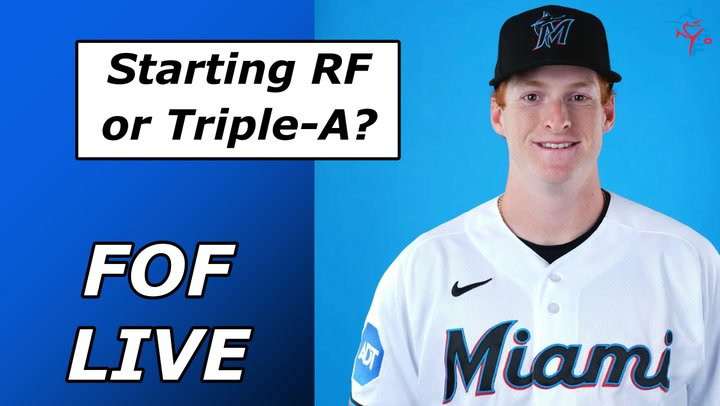 The Fish On First LIVE panel discusses Marlins offseason trade acquisition Owen Caissie and various other options who could get corner outfield reps at the start of the 2026 season.View the full article
 -
Are we sure Owen Caissie fits on Marlins Opening Day roster?
DiamondCentric posted an article in Fish On First
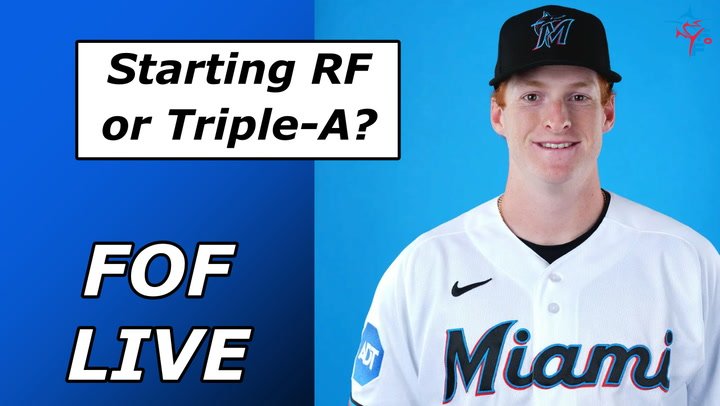 The Fish On First LIVE panel discusses Marlins offseason trade acquisition Owen Caissie and various other options who could get corner outfield reps at the start of the 2026 season.View the full article
 -
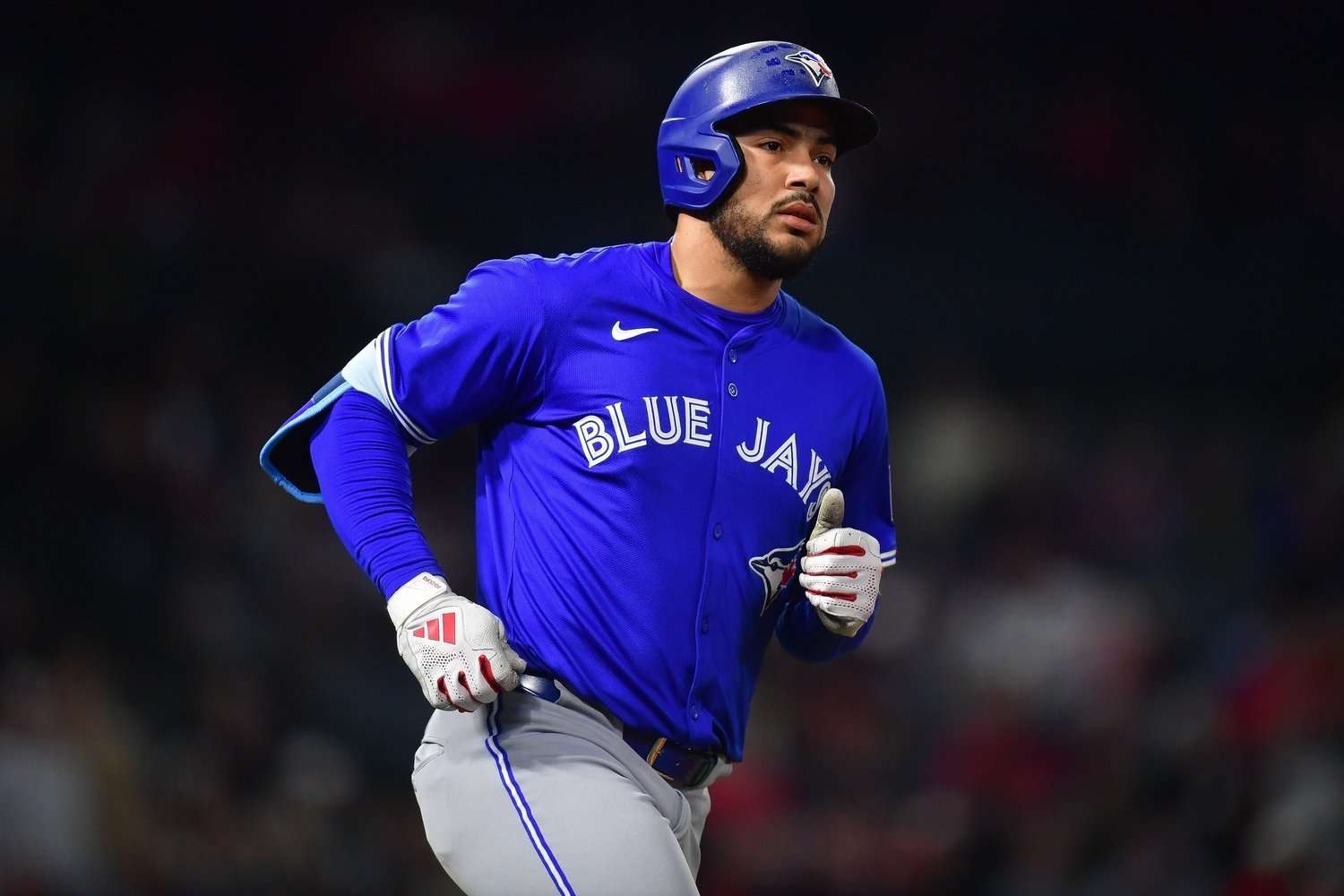 Last week, news broke that Blue Jays outfielder Anthony Santander will miss the next five to six months recovering from surgery to repair a torn labrum in his left shoulder. That's the same shoulder that kept him out for most of the 2025 campaign. Considering Santander first hurt his shoulder all the way back in May, it would be fair to ask why he didn't get this surgery a whole lot earlier. The outfielder addressed that question yesterday, telling reporters (including MLB.com's Keegan Matheson) that his original MRIs did not show a tear. That's why he and the Jays chose to take a rest and rehab approach instead of going the surgical route. Yet, when Santander started swinging a bat again this winter, he still felt uncomfortable. He went for testing, and this time, the tests showed his shoulder was in worse shape than he thought. As John Schneider pointed out, an MRI “usually paints a pretty good picture.” Perhaps that means the tear is a newer development. Perhaps not. “It’s nobody's fault, it just didn't show up,” said Santander. To fill in for the injured slugger, the Blue Jays brought in Jesús Sánchez in a trade with the Astros. They'll also hope Santander can return on the earlier end of his projected timeline. That could have him back in the lineup by mid-July. Yet, Santander has already acknowledged he might not be ready so soon. "Obviously, the other option is to wait until next year," said the switch-hitter. "But I hope it doesn’t go that way.” View the full article
 -
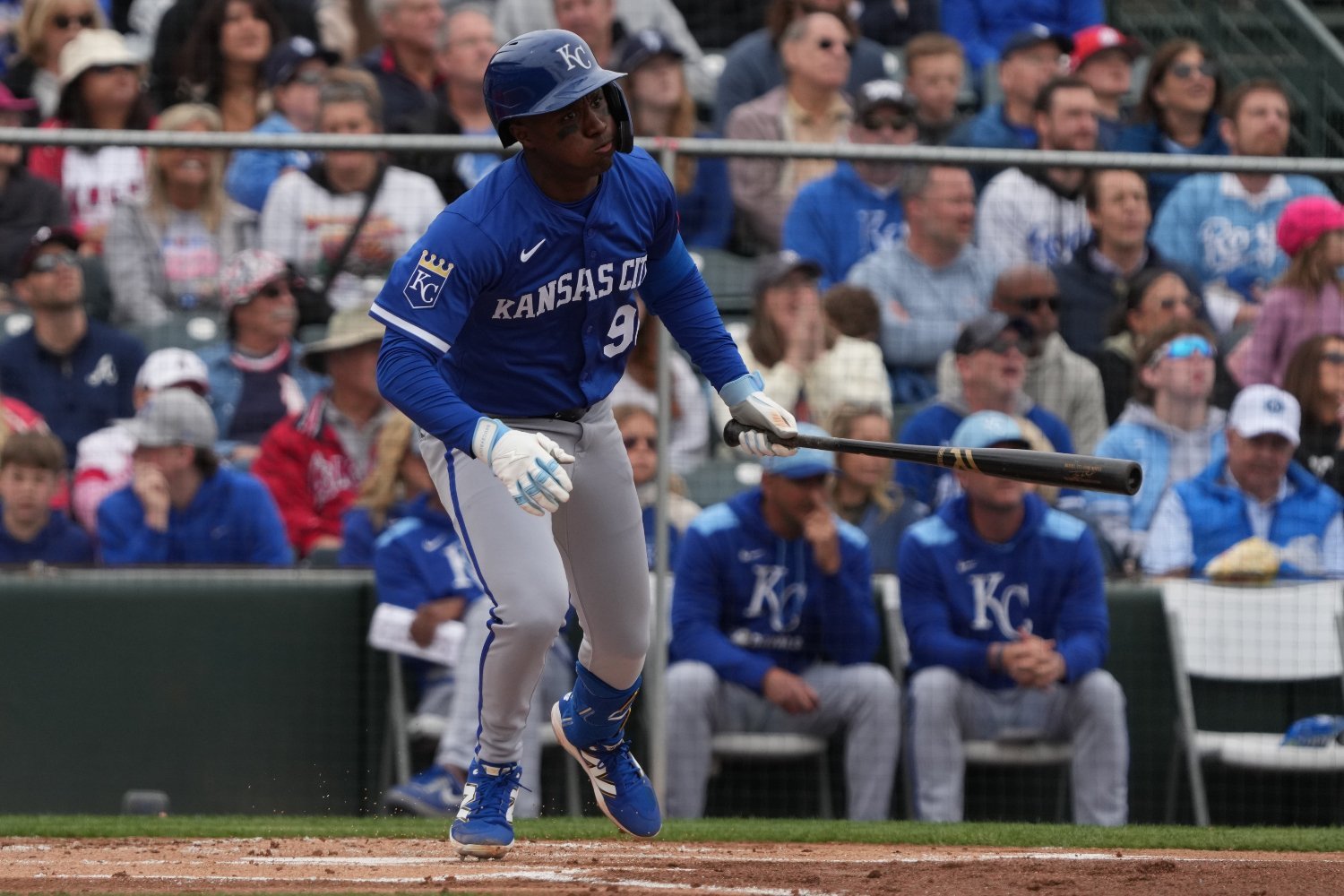 The Royals announced last week their broadcast schedule for Spring Training games in the Cactus League, outlining how fans can enjoy the Royals as they prepare for the 2026 MLB season. The Royals begin playing games this Friday, February 20 at 2:00 p.m. CT against the Texas Rangers at their shared stadium in Surprise, Arizona. Only three of their games will not be broadcast in any format this Spring. All three of those games fall on days where two games are played. Three games will be televised on Royals.tv, the new home for Kansas City’s regular season games: March 5 vs. the Texas Rangers - 7:05 p.m. CT March 13 vs. the Arizona Diamondbacks - 8:05 p.m. CT March 17 vs. the Los Angeles Dodgers - 8:05 p.m. CT You can find our guide on how to watch Royals.tv here. 29 games will be available for audio streaming on royals.com. 22 of those games will be available on a radio broadcast; 16 games on 96.5 The Fan (including the three Royals.tv broadcasts), and six on The Bet 1660. The remaining seven games will air exclusively at royals.com. See the post from the Royals above for the breakdown of which games will be available on which stations. All games are listed on Central Time. View the full article
 -
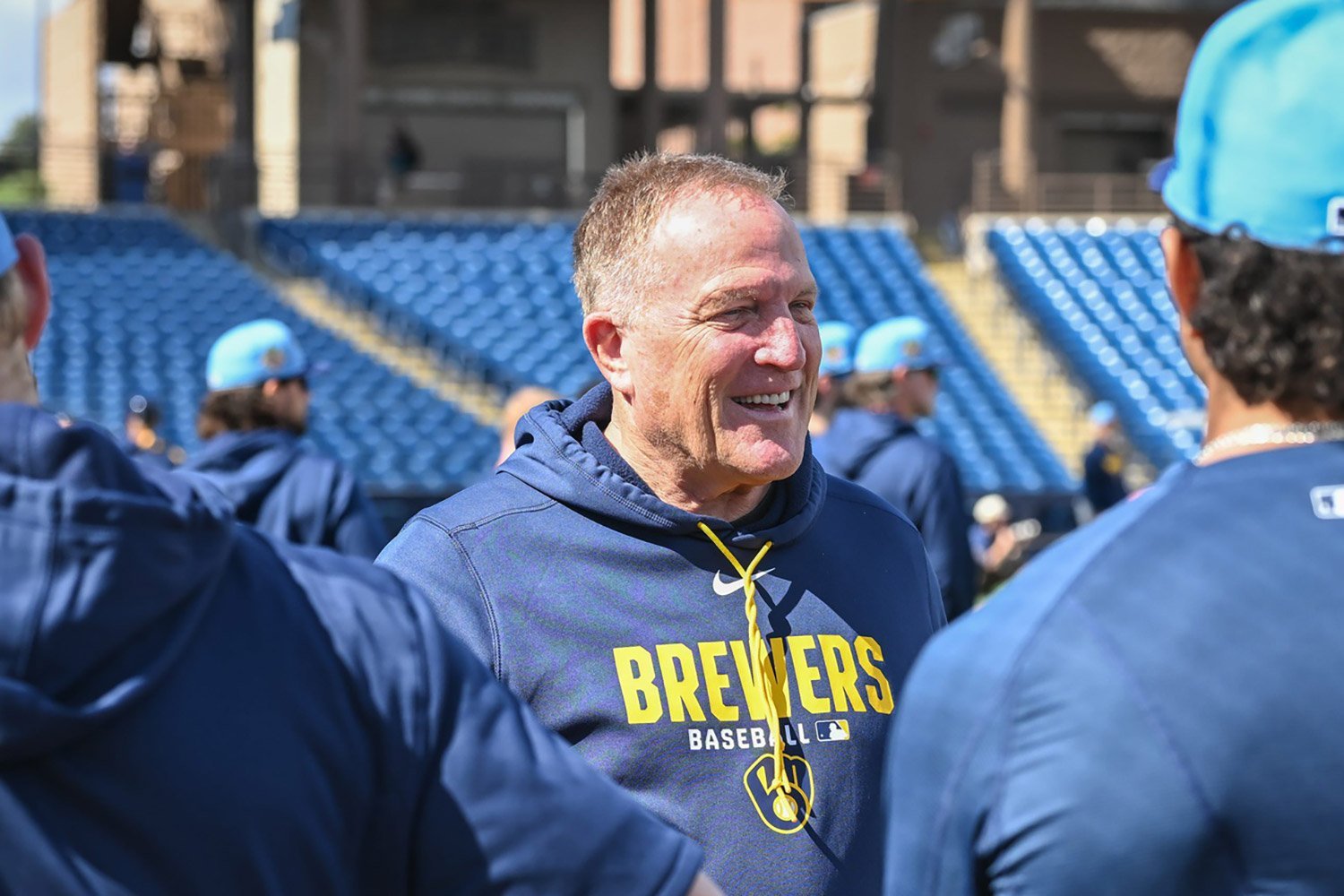 With the full squad having reported to Phoenix for spring training, it was time for manager Pat Murphy to set the tone for the Milwaukee Brewers in 2026. He did so in a speech to his players, some of which was provided via the team's social media channels. It was Murph at his finest. Leaning into what made the Crew so good in a 2025 that saw the team post the best record in MLB at 97-65, win their third straight NL Central title and advance to the NL Championship Series, where they were swept by the eventual World Series champion Los Angeles Dodgers. Among Murphy's nuggets: "We found out what matters is who's in this room." "We're about people, we're about team." "We don't worry about what anybody thinks. (If) we stick to our standard, then you'll have another incredible season. ... And don't be shocked." But enough writing, listen to how Murphy delivered his words: View the full article
 -
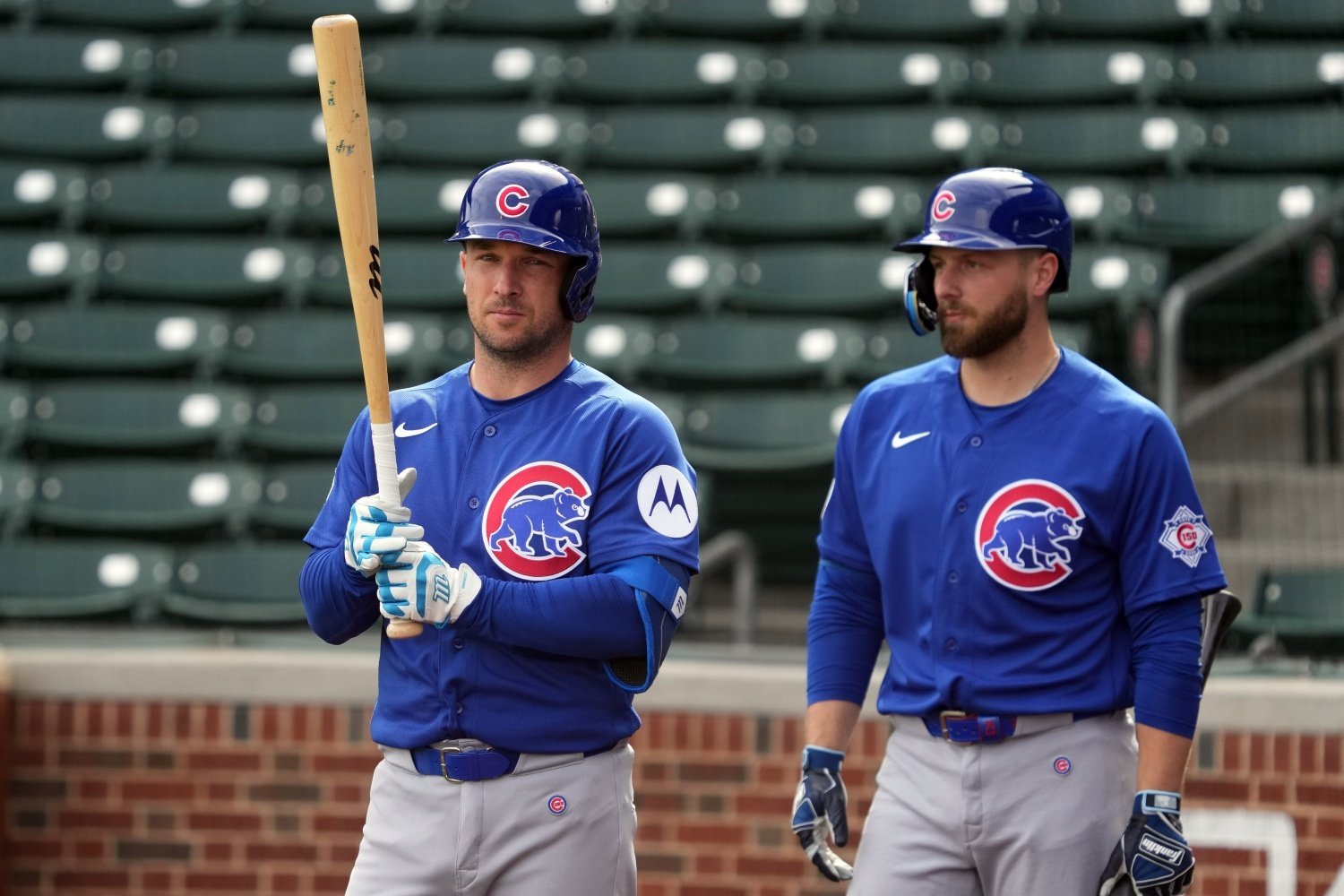 For all the good Jed Hoyer does as the president of baseball operations for the Chicago Cubs, he makes some big mistakes, over and over. He's a good seeker of bargains in free agency and a tough negotiator. He's assembled an improved scouting and player development infrastructure. He assiduously avoids bad risks, and gets his biggest moves directionally right almost every time. However, he's not good at the vital, detail-oriented job of building a functional roster. That's the biggest reason why the Brewers have finished ahead of the Cubs in every season of Hoyer's tenure as the team's top executive, and it could be what holds back a talented 2026 club, too. 'Directionally right' might be the operative term, and one that cuts both ways—or, rather, doesn't. Hoyer signed Alex Bregman to take over at third base this season, and he replaced departing free agent Justin Turner with righty slugger Tyler Austin. He also traded Owen Caissie to the Marlins in the Edward Cabrera deal. Moisés Ballesteros is, broadly speaking, set to replace the departed Kyle Tucker, slotting in as the designated hitter most of the time and pushing Seiya Suzuki back to regular work in right field. Even if you're high on Ballesteros, though, he's not a Tucker-caliber hitter. It's really Bregman who will be asked to bolster the batting order, bumping Matt Shaw from the lineup but providing the production Tucker brought to the table. In other words, the Cubs got more right-handed this winter, when it comes to scoring runs. They have three everyday players who bat left-handed (at least against right-handed pitchers), in Pete Crow-Armstrong, Michael Busch and Ian Happ. In theory, Ballesteros is the fourth lefty bat in the lineup against righties. There are two problems here: While Busch is a star-caliber slugger, Happ's offensive profile is more steady than spectacular. Crow-Armstrong has the whole world dreaming on his upside after a terrific start to 2025, but he was one of the worst hitters in baseball after the All-Star break, and his approach is a major constraint on any optimism about his bat. He's in the lineup every day, but more for his glove than his bat. Ballesteros, in addition to being unproven after getting just 66 plate appearances in his first taste of the majors last year, has yet to arrive in Cubs camp. This is not his fault; his visa is being held up as he tries to return from his native Venezuela. Nonetheless, it's a problem, for a player who needs a full camp's worth of reps and exposure to prepare for his first full season in the bigs. As of Wednesday, FanGraphs projects only 36.5% of the Cubs' total plate appearances to go to players who have the ability to bat left-handed, including the switch-hitting Happ. They're a very right-leaning offense, with both catchers and all three non-first base infielders batting righty. Suzuki, Austin, Shaw and all of the candidates for the remaining bench spot bat right-handed. Last year, 47.8% of the Cubs' plate appearances went to left-handed or switch-hitting batters. That's a healthier number, and even with Tucker out of the mix, the team needs to be ready to give at least 40% of its playing time to guys who can bat lefty against righty pitchers. That's not the case right now, and even the current projections are probably too generous to the team. Ballesteros is slated for 382 plate appearances, which should certainly be the goal, but if he can't get going in camp until four weeks before Opening Day, the risk that he has to spend a significant chunk of the season at Triple-A Iowa is substantial. There's not really a good solution out there, at this point—at least in free agency. The Cubs could explore a trade to add a lefty bat, but it's late in the game on that front. Every worthwhile free-agent hitter has signed. There are likely to be times, especially early in the season, when the Cubs feel locked into bad matchups with parades of opposing right-handed pitchers. To win enough games to get past Milwaukee this time around, the Cubs need to be more efficient than they've been in the past. Right now, they're not in a position to do that, which is a major problem, and there might not be a solution to that problem available. The team doesn't even have a dark-horse candidate for a roster spot in camp who bats left-handed. Hoyer hasn't built a roster that hums the way it will need to, and if he waits until the trade deadline to address his shortage of good lefty bats, it might be too late. View the full article
 -
Finding Solace in the Wake of Pablo López's Bad News
DiamondCentric posted an article in Twins Daily
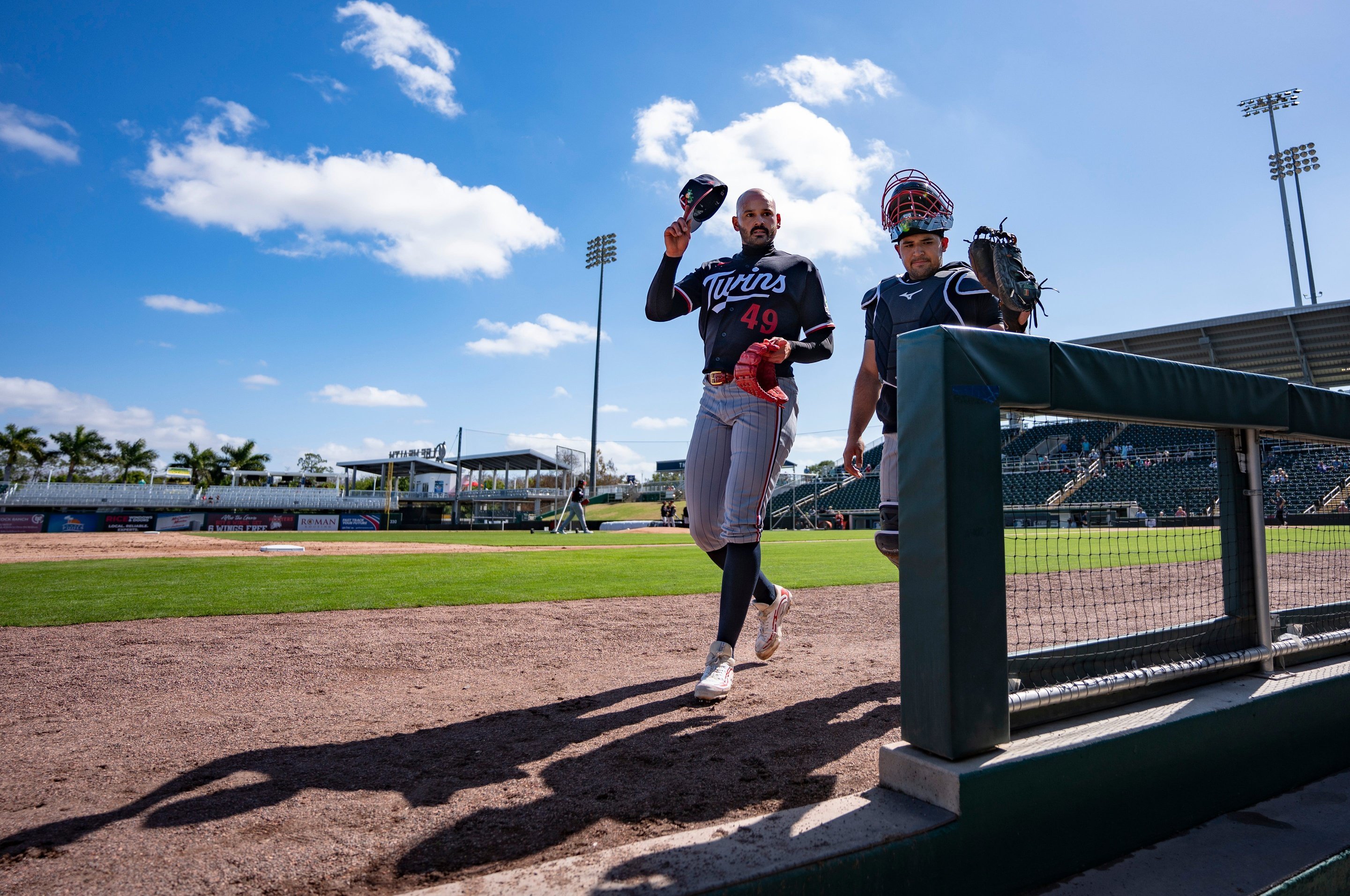 Twins spring training started with a thud on Monday. All of the customary positive energy and vibes from the opening rally cries and first full-squad workout were dampened by Pablo López's ominous report of elbow soreness. He underwent an MRI and on Tuesday we learned that its results confirmed, essentially, the worst: López has "significant tearing" in his UCL and is almost certainly headed for season-ending Tommy John surgery. There's no downplaying the catastrophic impact on whatever slim chances this year's Twins team had to contend in the AL Central. López is arguably their best player, and his absence will leave a huge void atop a rotation that needed to be Minnesota's carrying strength if they were to take the league by surprise. In my opinion, though, that was already a pretty substantial long shot. And it's not just my opinion: Even with a healthy López, the Twins had a Vegas over/under of 73.5 wins, and I don't think any projection system pegged them as even a .500 team. The bullpen and lineup challenges will be so much to overcome. The emerging young core hasn't quite arrived. As I wrote in my overview of the organization's talent landscape, 2027 feels like the most realistic target for any type of short-term contention. And through that lens, maybe the López news doesn't feel quite so dire. Look at it this way. The best-case scenario this year for López was a fully healthy rebound that saw him reliably take the mound every fifth day and resume pitching like a frontline starter. Those efforts would've probably gone to waste on a Twins team that lacks the offensive strength and bullpen to win regularly, so the odds of López being traded in this scenario — at the deadline or after the season — seem pretty high. But now, if he misses the entire season, López is all but assured of being back in 2027, albeit probably with a slightly delayed start. This would enable him to potentially support a more developed, well-constructed team with actual championship aspirations. Of course, with the CBA about to expire and labor tensions already running high, there's a distinct possibility that a lockout could wipe out some or all of the 2027 season. That'd be a bummer for the Twins and their timeline but look at it from López's perspective: He'll miss out on some or all of his salary in the final year of his contract, and he'll be staring down free agency as a 32-year-old with little production to showcase from the past three years, and maybe not a single pitch thrown in the past two. It's a sobering reality for the right-hander, who has built up an impressive résumé that includes an All-Star appearance, playoff success, and — previously — a pretty good track record for durability (he ranked seventh in the majors in IP from 2022 through 2024). He faces a great deal of uncertainty as he stares down a lengthy recovery from his second Tommy John surgery, and an ensuing lockout. This opens the door for a mutually beneficial contract extension that would give López some long-term stability and peace of mind, while theoretically securing his services post-2027 at a very favorable value. I'm not sure exactly what terms would make sense for both sides but I'm very interested in a multi-year extension that locks up, say, his age 32-through-34 seasons (2028 through 2030) for somewhere in the range of $15-20 million annually. It wouldn't exactly be new ground for the Twins, who signed Michael Pineda as a free agent and Chris Paddack to an extension under similar circumstances, albeit at a smaller scale. Results have been mixed in past instances. But with his legendary work ethic and exceptional talent, I have little doubt López will eventually come back strong from this latest setback, and I love the idea of entrenching him as an ongoing veteran rotation leader for whatever team emerges out of the current "reset." If Tom Pohlad wants to make a demonstrable investment in the future success of the team, this would be a good way to do it, and it's also a very sensible baseball decision for a franchise that seems destined to compete on middling payrolls. It's the kind of move that probably wouldn't have been possible if López had a healthy, stellar season this year and either got traded or priced himself out of Minnesota's comfort zone. Is this all a bit of mental gymnastics? Probably. It’s never good when your ace blows out his elbow and a season that already felt tenuous suddenly tilts further toward irrelevance. There’s real pain in losing López for a year — for the clubhouse, for the fans, and especially for him. But as someone who genuinely loves watching Pablo López pitch — the craft, the intensity, the professionalism — the idea of trading one lost year for several meaningful ones on the other side is the only silver lining I can muster right now. If 2026 was always unlikely to be the year anyway, maybe the best outcome is ensuring López is still here when the window actually opens. It’s a stretch, sure. It requires patience, optimism and a front office willing to act boldly. But at a moment when the short-term outlook just got a lot bleaker, betting on López being part of the next good Twins team feels like something worth holding onto. View the full article
 -
Eight Brewers Spring Training Games To Be On Brewers.TV
DiamondCentric posted an article in Brewer Fanatic
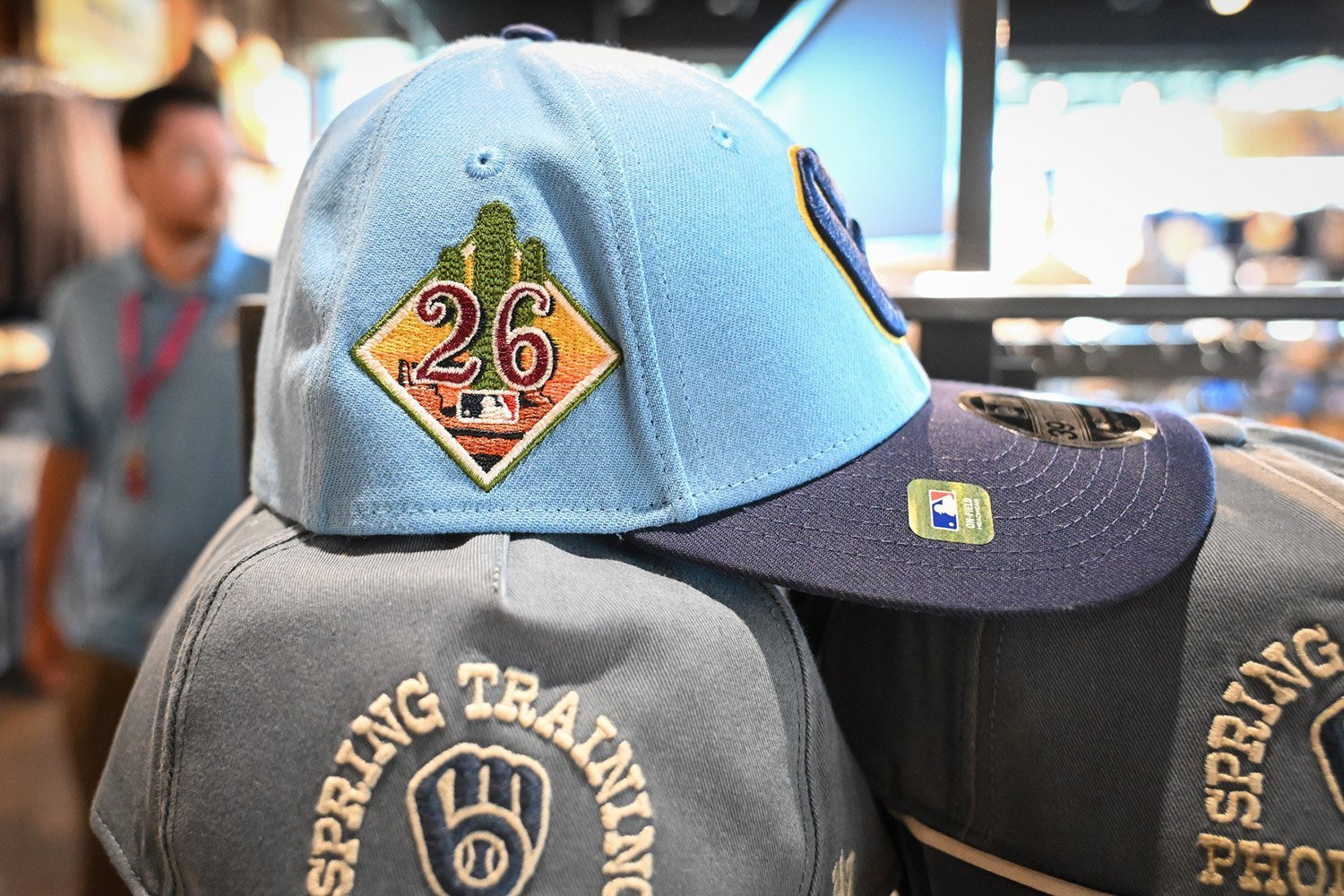 While other teams have reduced their spring training television schedule with the demise of FanDuel Sports Network, the Milwaukee Brewers are status quo for 2026. The Crew announced Wednesday that eight of their Cactus League games will be carried on Brewers.tv, the new home for televised games this season. That is one more game than was carried by FanDuel Sports Wisconsin in 2025. The Brewers said those eight games will be available for free to anyone with an MLB.com account in the MLB app. All 31 spring training games will be broadcast in some variety. An additional eight games will be streamed at Brewers.com. There are likely to be other games televised on MLB Network. Also, there will be 20 radio broadcasts on the Brewers Radio Network, including six on WTMJ (620 AM) and 14 on WKTI (94.5 FM, ESPN Milwaukee). The Brewers' Spring Breakout games, March 20 vs. the Seattle Mariners and March 22 at the A's, will be on Brewers.TV. The Brewers open exhibition play Saturday vs. the Cleveland Guardians at American Family Fields of Phoenix. That is a radio-only game. The following games will be on Brewers.TV: Sunday at Chicago White Sox* Monday at San Diego Padres* Feb. 28 vs. Cincinnati Reds March 4 vs. Chicago Cubs March 9 vs. Los Angeles Dodgers March 21 vs. San Diego Padres March 22 at Chicago Cubs* * opponent telecast View the full article
 -
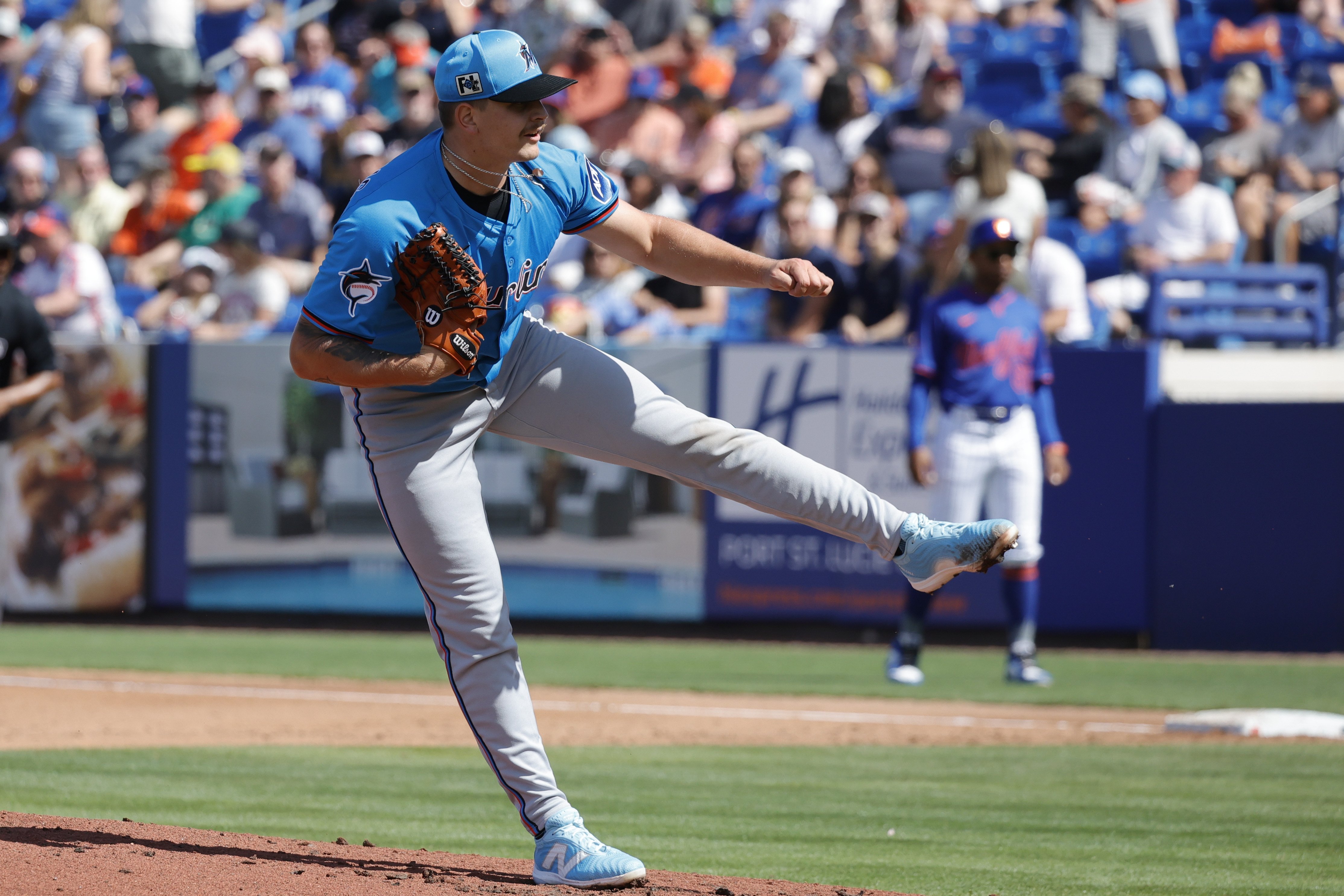 Miami Marlins spring training has been underway for more than a week at this point. With every player now reported to Jupiter and Grapefruit League competition approaching on Saturday, we're beginning to get a clearer idea of what the 2026 team will look like. Here are the most important updates from the past couple days of Marlins camp activities. Injuries Right-handed pitcher Janson Junk rolled his ankle during dynamic warmups on Tuesday, per MLB.com's Christina De Nicola. The setback has already forced him to miss a pitch design session that was previously scheduled for Wednesday and he will undergo imaging in Miami. Junk, who made 21 appearances (16 starts) last season, posting a 4.17 ERA and 3.14 FIP in 110 innings pitched, is currently fighting for a starting rotation spot. Based on his 2025 performance and the fact that he's out of minor league options, he'll make the Opening Day roster as long as he's healthy in time. Even if tests do not reveal a significant injury, this break in his throwing program will slow down the process of getting him built up as a starter. Right-hander Anthony Bender is a bit behind as his shin had a flare-up, but he threw a bullpen on Tuesday and was fine. He isn't facing hitters yet, but the expectation is that he will get into games soon. Bender posted a 2.16 ERA in 51 appearances (50.0 IP) in 2025. Left-hander Andrew Nardi, who missed all of 2025 with a back injury, is dealing with a blood blister. Like Bender, he threw on Tuesday, but is a few days behind the other Marlins pitchers. The last time Nardi appeared in a game was in August 2024. He finished that season posting a 5.07 ERA in 49 ⅔ innings pitched. Snelling starts against Mets Marlins manager Clayton McCullough announced that left-handed pitcher and Fish On First number three prospect Robby Snelling will make the club's first start of the spring against the New York Mets in Port St. Lucie. The Mets will counter with fellow lefty Brandon Waddell. Last spring, Snelling made just two appearances (1.2 IP) before getting reassigned to the minors. From there, he was excellent, posting a 2.51 ERA, 2.77 FIP, 10.99 K/9 and 2.58 BB/9 in 136 innings pitched at the Double-A and Triple-A levels. He should be a significant piece of the Marlins major league staff as the 2026 season progresses. Expect the 22-year-old to work only one inning in this outing, then get built up from there in one-inning increments, similar to what we saw last spring. Fairbanks on MLBPA shake-up New Marlins reliever Pete Fairbanks happens to be part of the Major League Baseball Players Association's eight-player executive subcommittee. In the aftermath of MLBPA executive director Tony Clark resigning, Fairbanks had this to say on Wednesday (via Jordan McPherson, Miami Herald): "The players remain focused on their ongoing preparations for collective bargaining this year. The strength of this union is—and will always be—the solidarity of our membership. We have a long history of fighting for the rights of every player, and we’re committed to making sure we can continue that fight successfully.” View the full article
 -
 Brooks Lee enters 2026 as the everyday shortstop for the Minnesota Twins. What did he work on this off-season to prepare for his role? View the full article
 -
Which Twins' Arms Will Step Up After the Loss of Pablo López?
DiamondCentric posted an article in Twins Daily
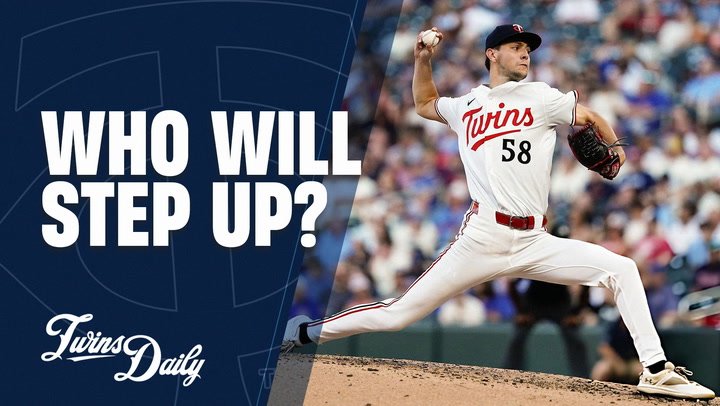 Losing Pablo López leaves a real void in the Twins’ rotation, but it also opens the door for someone to take a leap. Which arms are ready to handle bigger innings, tougher matchups, and real pressure in 2026? In this video, we break down the in-house candidates who could step up and keep this staff from taking a step back. Players mentioned are David Festa, Mick Abel, Taj Bradley, and Connor Prielipp. View the full article
 -
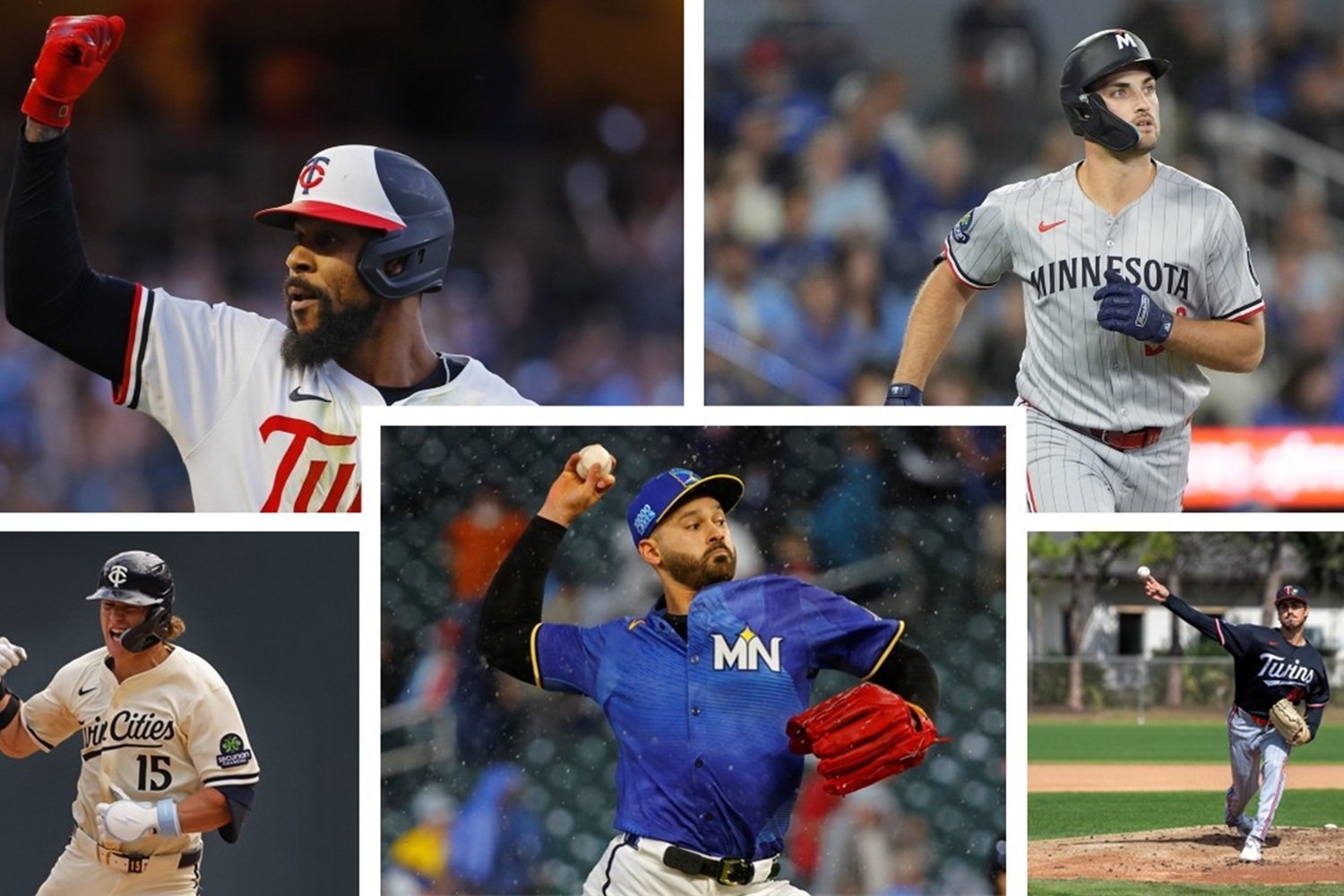 Once players arrive at spring training and start to do baseeball activities in public again, uniform talk always finds its way into the baseball conversation. For the Minnesota Twins, the 2026 season brings five distinct uniform options, which each offer something a little different. Some are rooted deeply in tradition, while others are built to reflect a more modern version of the organization. When the Minnesota Twins took the field in 2023, it marked the beginning of a new visual era for the organization. After beginning a brand refresh process in 2020, the club unveiled an entirely redesigned on-field identity that included a new primary Twins script, a refreshed TC logo, a modernized Minnesota wordmark, and the return of pinstripes on the road gray uniform. That redesign also introduced four new uniforms into the rotation, including a home white set, a primary road gray pinstripe look, a navy blue alternate that could be worn both home and away, and a cream alternate featuring 'Twin Cities' across the chest for the first time in franchise history. Since then, Minnesota has continued to evolve its look. The club added its City Connect uniform in 2024 after initially allowing the new branding to stand on its own, and has since made tweaks, including updating the blue alternate jersey ahead of the 2026 season. With Minnesota continuing to tweak its set of looks, now feels like the perfect time to rank the club’s current threads heading into the 2026 uniform cycle. 5. Road Uniform (Gray) Minnesota’s gray road look has quietly shifted back toward a more traditional pinstripe design. Paired with the newer white M hat featuring the red North Star above it, the uniform checks plenty of historical boxes. Every Twins player inducted into the National Baseball Hall of Fame wore pinstripes at some point during their Minnesota career, which gives this look legitimate credibility. Still, it feels more functional than iconic in the current rotation and lands at the bottom of this list. 4. City Connect Uniform The Twins City Connect uniforms lean heavily into the Land of 10,000 Lakes identity, with an azure blue base and bright yellow accents designed to evoke sunlight reflecting off the water. The club dubbed the look the “Ripple Effect” when it debuted in 2024, and it certainly stands out from Minnesota’s traditional navy-red-and-white color palette. The switch from matching blue pants to white pants in 2025 helped significantly balance the design. While it remains one of the more unique looks in the league, it still does not quite match the everyday appeal of some of the more classic options. 3. Alternate Uniform (Navy Blue) This is where things start to get interesting. Minnesota’s updated blue alternate jersey returns in 2026, with subtle but meaningful changes. The base navy color remains, but the arched Minnesota wordmark across the chest has been replaced with a white scripted Twins logo. It marks the first time since the 1986 powder-blue era that the organization will have a regular road option with 'Twins' across the front. That gives this uniform a slight note of nostalgia, but it looks very modern, overall—and a bit pasted-together. 2. Home Uniform (White) The classic white home uniform remains one of the cleanest looks in the sport. The Twins script stretches across the front with the standalone “T” followed by the connected cursive “wins” underlined in a design that traces back to the 1987 World Series championship season. Typically worn with the TC hat, which dates back to the franchise’s move to Minnesota, this uniform delivers exactly what a home look should. It's timeless, without feeling outdated. 1. Alternate Home Uniform The cream 'Twin Cities' alternate continues to be the best look in Minnesota’s closet. Featuring 'Twin Cities' across the chest and the crisscrossed 'M' and 'StP' flag logo, the uniform celebrates both Minneapolis and St. Paul, while bringing back the iconic cream color that fans immediately embraced. Paired with the navy TC hat featuring cream lettering, this set blends history, civic pride, and modern design into a cohesive package. It feels distinctly Minnesotan in a way few uniforms ever do. Ultimately, what makes Minnesota’s current uniform set work is the balance between honoring the franchise’s history and embracing a more modern identity. The 2023 refresh gave the Twins a cohesive foundation that finally allowed each look to feel connected, rather than like a collection of one-off ideas from different eras. Whether it's the classic home whites or the cream Twin Cities alternate, there is a clear throughline that ties the organization’s past success to its present-day ambitions. As the Twins continue to make subtle updates like the revised blue alternate and experiment with newer concepts through initiatives like City Connect, the uniform lineup should remain one of the more versatile in Major League Baseball. Fans may not always agree on which look deserves the top spot, but having multiple strong options in the rotation is a sign that the brand refresh accomplished exactly what it set out to do. Do you agree with these rankings? Leave a comment and start the discussion. View the full article
 -
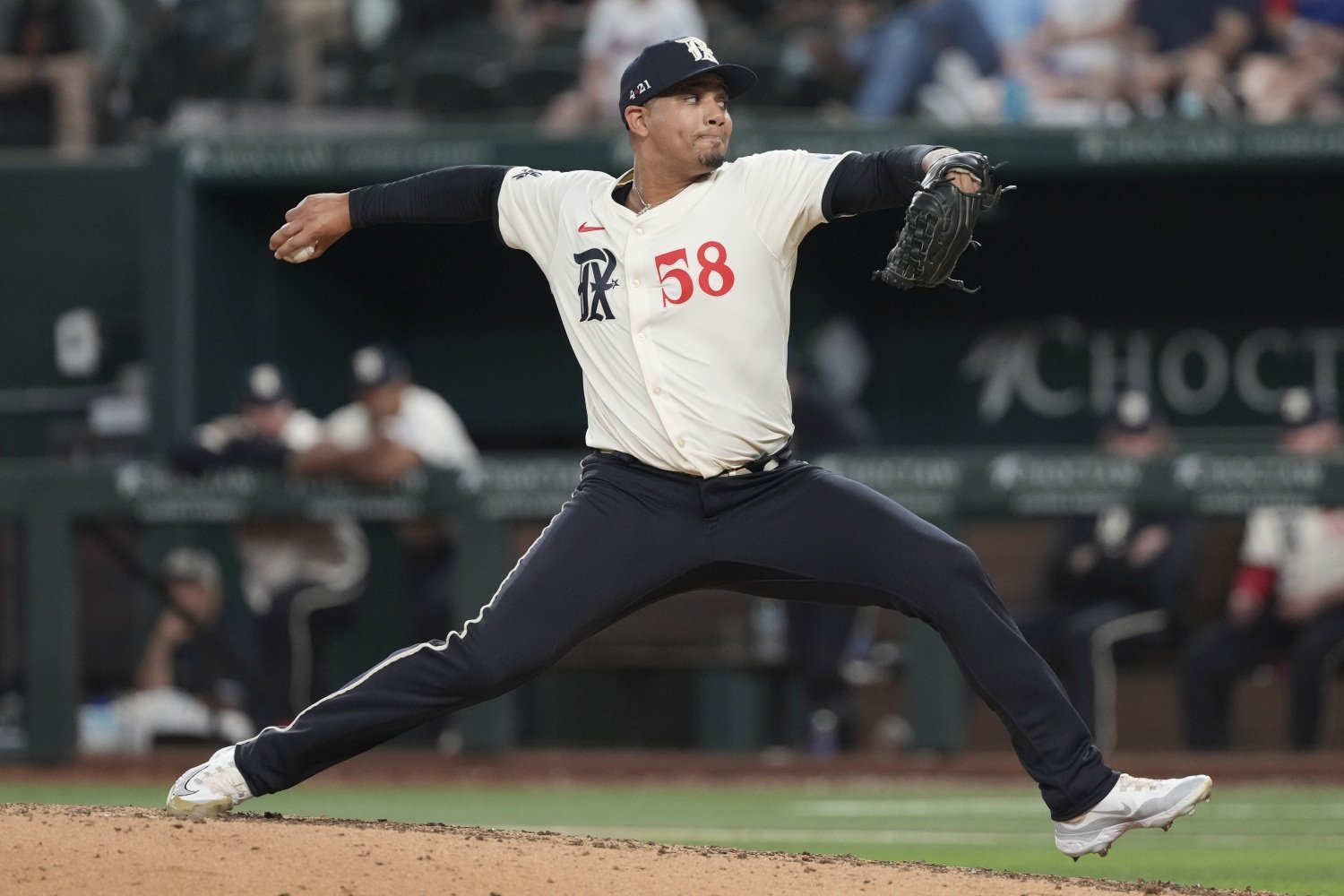 Gerson Garabito navigated a long and winding path to the big leagues. Signed as an international free agent by the Kansas City Royals in 2012, the right-hander spent nine minor-league seasons with three different organizations before making his big-league debut with the Texas Rangers at age 28. "It was a long time, just trying to keep everything together," Garabito, in big-league camp with the Brewers on a minor-league deal, recalled from his locker on Tuesday. "The first couple years, it was kind of tough for me because I had no control of my fastball." After two years of pitching exclusively in winter ball, Garabito showed enough with Texas's Triple-A affiliate in 2024 to finally get the call to the majors. He would spend parts of the next two seasons bouncing between the two levels, with uninspiring results. With the Rangers, he pitched to a 5.77 ERA, 4.97 FIP, and 113 DRA-. After he struggled to an 8.53 ERA and 7.38 FIP in 10 Triple-A starts last year, they released him in June to sign with the Samsung Lions of the Korean Baseball Organization. Garabito's performance took off after the change of scenery. In 15 starts in the KBO, he posted a 2.64 ERA (a 59 ERA-, 41% better than the league average) and 3.94 FIP (88 FIP-) with a 25.7% strikeout rate. "This is baseball," he said. "Baseball, one day you're the best pitcher, the best player, and some days you are the worst. But this is something we just learn from that." On the strength of that success, Garabito received an offer from another Korean team to remain overseas in 2026, but after his agent informed him of Milwaukee's interest and its success in developing pitchers, Garabito accepted their offer to return to the United States. "I said, 'Okay, let's go there, then, because I like that,'" he said. With multiple fastball variations in his five-pitch arsenal, including a heavy sinker, it's easy to see why the Brewers called. It stands to reason they'll have him lean into that sinker, but Garabito said he has not yet had conversations about pitch usage or mechanical changes with his new pitching coaches, who are just getting to know him in his first bullpens of the spring. "The first couple days, they're just going to see you, how you look and what you need," he said. "After maybe a week, maybe two weeks, they're going to say, 'We need to work on this.' But right now, everything is going good." Garabito is not on the 40-man roster and is unlikely to break camp with the team. Still, he'll get some feedback on the best way to maximize his abilities and the opportunity this spring to prove his stuff can play against big-league hitters. These next few weeks could lay the groundwork for a big-league role later in the year. "I'm glad to be here right now," he said. View the full article
 -
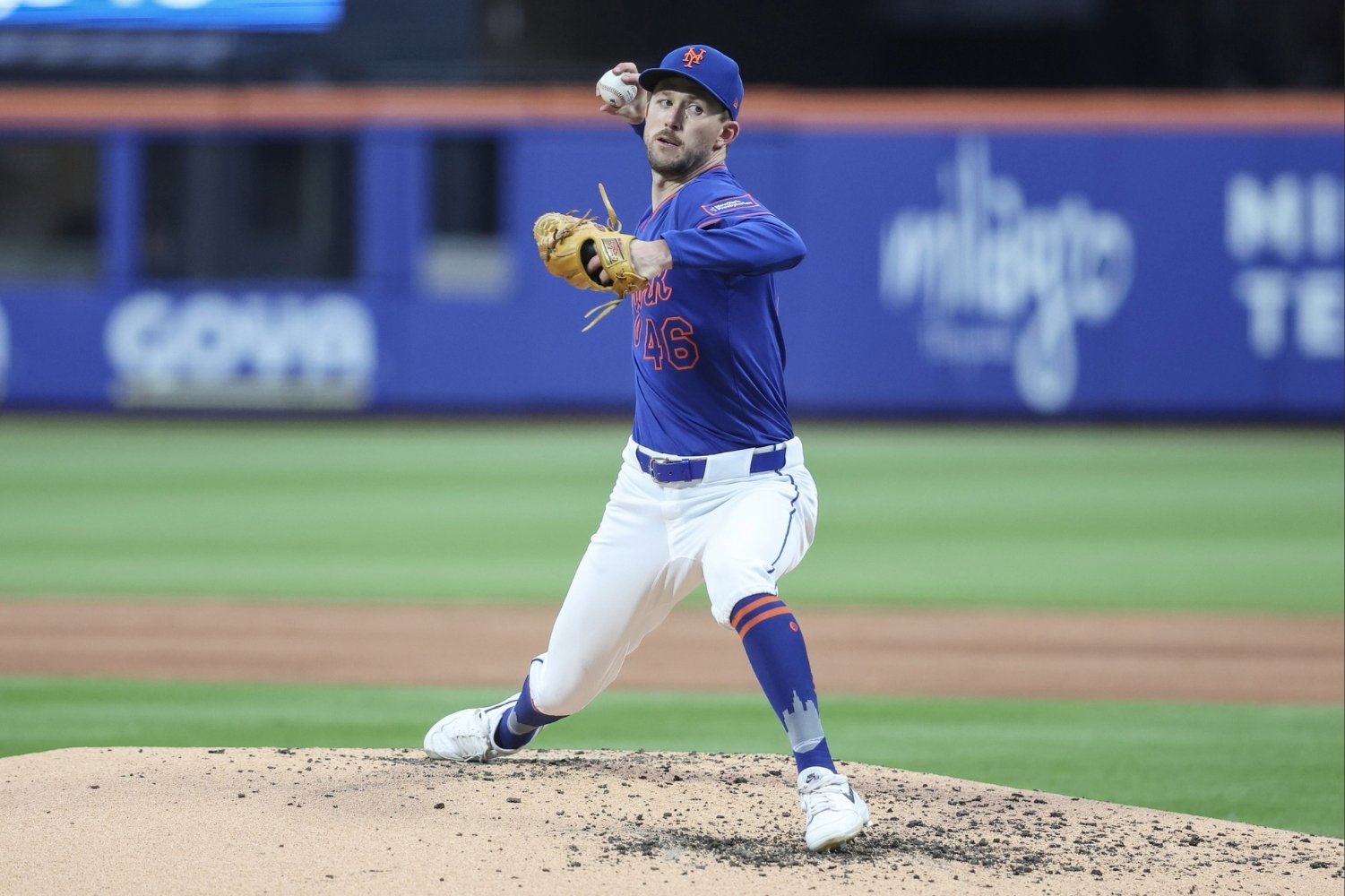 Had he not ruptured his left Achilles tendon at the end of last June, right-hander Griffin Canning might have been a more sought-after starter this offseason. After all, he was in the midst of a breakout season with the New York Mets when the injury happened. But it did occur and the San Diego Padres are hoping to capitalize on the opportunity by making Canning an addition to their roster a few days after pitchers and catchers reported to Peoria, Ariz. However, that payoff could be delayed. The San Diego Union-Tribune reported Canning might not be available until May. The 29-year-old, who went to nearby Santa Margarita Catholic High School as well as UCLA, was 7-3 with a 4.04 FIP (3.77 ERA) at the time of the injury. He immediately jumps into the competition for a rotation spot. That was the second significant injury since making his MLB debut in 2019 with the Los Angeles Angels; Canning missed all of the 2022 season with a stress fracture in his back. Griffin Canning's Stuff The Angels' second-round pick in 2017 has some decent movement on most of his pitches. His four-seam fastball is about MLB average for a right-hander, with an extra two inches of tail. His slider was dramatically better in 2025 than it had been previously. It had 6.1 more inches of drop, but three inches less break. Canning's changeup also gained more depth, dropping 2.6 inches more than average. While relying on those three pitches, Canning also sprinkles in a curveball and cutter. His knuckle curveball is a pitch that could become more effective. In 2025, it tallied 4.3 inches more break, but 4.5 inches less drop than the MLB average, making it something of a hybrid between a slider and a traditional curve. Griffin Canning's Arsenal There are five pitches that Canning uses, with one of his offerings new to his repertoire in 2025. All of his pitches are right around the MLB average from a velocity perspective. Canning's four-seamer was used at a 35.1% clip, including 37% vs. right-handed hitters, while his slider was next at 31.4% and up to 38% against right-handers. The changeup was used 23.2% of the time, including 28% when facing left-handed batters. His knuckle curve had a 6.5% usage, while his newest pitch is the cutter, used 3.8% of the time, primarily vs. lefty hitters. The average velocities of his pitches: four-seamer 94.1 mph, slider 87.7, changeup 89.5, knuckle curve 81.4 and cutter 89.6. The cutter replaced a sinker that Canning had been using. His strikeout rate rebounded from a dismal 17.6% in 2024 to 21.3% with the Mets, but still a tick down from his career mark of 22.1%. However, his walks jumped up to 10.7% in 2025 after being at 8.9% the year before. Canning's career walk rate is 8.7%. While still giving up a lot of hard hits (in the 11th percentile), he is pretty decent at inducing grounders (87th percentile). Year Pitch Type # # RHB # LHB % MPH PA AB H 1B 2B 3B HR SO BBE BA XBA SLG XSLG WOBA XWOBA EV LA Spin Ext. Whiff% PutAway% 2025 Four Seamer 471 233 238 35.1 94.1 83 72 18 11 3 0 4 22 51 .250 .245 .458 .540 .348 .373 90.9 15 2149 6.1 19.3 18.0 2025 Slider 422 239 183 31.4 87.7 123 112 31 22 5 1 3 27 85 .277 .263 .420 .447 .333 .338 90.2 3 2742 5.9 33.5 18.5 2025 Changeup 312 114 198 23.2 89.5 101 92 18 16 1 0 1 17 75 .196 .252 .239 .355 .234 .300 91.2 4 1486 5.8 22.1 16.0 2025 Knuckle Curve 87 38 49 6.5 81.4 13 12 1 1 0 0 0 3 9 .083 .169 .083 .284 .121 .231 86.1 20 2508 5.8 25.8 12.0 2025 Cutter 51 5 46 3.8 89.6 7 4 2 1 1 0 0 1 3 .500 .346 .750 .434 .601 .490 83.8 41 2434 5.9 20.0 16.7 2024 Four Seamer 1069 494 575 37.3 93.4 259 223 56 27 11 2 16 33 196 .251 .270 .534 .533 .366 .379 92.1 23 2118 6.1 14.8 12.0 2024 Changeup 765 260 505 26.7 88.6 229 212 55 39 10 1 5 38 176 .259 .245 .387 .381 .303 .299 87.1 7 1770 5.8 28.8 17.4 2024 Slider 690 391 299 24.1 87.7 182 162 46 34 5 0 7 49 115 .284 .248 .444 .401 .346 .317 91.2 6 2672 5.9 33.1 20.9 2024 Knuckle Curve 307 138 169 10.7 80.5 56 48 13 9 2 0 2 10 39 .271 .260 .438 .431 .347 .342 88.8 22 2377 5.8 24.1 14.9 2024 Sinker 38 27 11 1.3 92.9 12 11 4 3 0 0 1 0 11 .364 .376 .636 .814 .451 .530 92.4 12 1975 6.2 0.0 0.0 2023 Four Seamer 724 386 338 34.7 94.7 150 136 32 17 4 1 10 40 97 .235 .237 .500 .517 .340 .346 92.0 25 2138 6.1 28.1 19.1 2023 Slider 624 395 229 29.9 88.4 169 157 41 32 7 0 2 56 101 .261 .220 .344 .308 .292 .263 89.4 5 2728 5.9 34.0 22.6 2023 Changeup 443 181 262 21.3 90.2 139 127 27 18 5 1 3 26 101 .213 .246 .339 .407 .274 .314 89.3 3 1810 5.8 24.8 15.4 2023 Knuckle Curve 279 136 143 13.4 81.8 51 48 13 5 2 1 5 9 40 .271 .258 .667 .582 .390 .355 93.9 24 2406 5.9 25.2 19.6 2023 Sinker 14 9 5 0.7 94.9 4 3 1 0 0 0 0 3 .333 .337 1.333 1.228 .675 .646 94.3 28 2126 6.1 14.3 0.0 2021 Four Seamer 435 218 217 40.4 93.6 102 85 21 9 5 1 6 18 67 .247 .265 .541 .537 .387 .396 94.1 28 2267 6.0 20.8 17.0 2021 Slider 291 237 54 27.0 88.2 89 83 21 12 4 1 4 31 53 .253 .201 .470 .339 .317 .250 88.0 3 2638 5.7 39.4 26.5 2021 Changeup 230 57 173 21.4 89.1 65 58 16 13 2 0 1 10 48 .276 .301 .362 .412 .319 .352 86.6 12 1870 5.7 34.8 16.4 2021 Knuckle Curve 119 53 66 11.1 81.8 20 19 6 3 1 0 2 3 16 .316 .177 .684 .357 .429 .247 83.9 31 2324 5.7 28.6 13.6 2021 Cutter 1 1 0 0.1 90.7 1 1 1 0 0 0 1 1 1 1.000 .982 4.000 3.927 2.007 1.969 110.1 28 2220 5.5 0.0 0.0 2020 Four Seamer 392 219 173 40.6 92.8 96 82 25 13 6 1 5 18 68 .305 .235 .585 .483 .389 .342 88.9 28 2352 5.8 16.0 17.1 2020 Slider 221 134 87 22.9 86.5 61 56 10 6 3 0 1 27 29 .179 .142 .286 .243 .237 .207 88.6 12 2597 5.6 47.1 28.1 2020 Cutter 192 123 69 19.9 88.6 37 30 9 6 1 0 2 4 26 .300 .283 .533 .549 .416 .419 87.3 8 2375 5.7 30.8 10.8 2020 Changeup 149 47 102 15.4 87.9 41 39 8 6 1 1 0 6 33 .205 .289 .282 .432 .231 .328 88.7 14 1741 5.5 22.6 19.4 2020 Knuckle Curve 11 6 5 1.1 81.5 3 3 2 2 0 0 1 2 .667 .576 .667 .703 .588 .563 84.6 20 2448 5.5 16.7 20.0 2019 Four Seamer 656 314 342 42.3 93.9 155 133 35 18 7 2 8 35 101 .263 .227 .526 .476 .364 .336 89.7 28 2335 5.8 22.9 20.2 2019 Slider 448 339 109 28.9 88.9 123 109 25 17 5 0 3 37 74 .229 .212 .358 .327 .285 .273 87.1 10 2506 5.5 45.2 25.3 2019 Curveball 249 80 169 16.0 82.0 51 49 9 4 4 0 1 15 34 .184 .179 .327 .301 .229 .222 84.8 7 2425 5.2 34.0 23.4 2019 Changeup 199 46 153 12.8 89.1 55 50 11 6 1 2 2 9 41 .220 .266 .440 .489 .306 .350 85.5 10 1671 5.6 28.2 20.9 What Should Griffin Canning's Role Be In 2026? Canning is clearly a favorite for a rotation spot, but his status for Opening Day or even April will depend on how the recovery of his left Achilles is going. There is a possibility that he beings the season on the 15-day injured list, or even the 60-day if his rehab process is taking longer than expected. With the top three of right-handers Nick Pivetta, Michael King and Joe Musgrove set, pending any setbacks to Musgrove's return from Tommy John surgery, a full-strength Canning and another new acquisition, right-hander German Marquez, certainly put right-hander Randy Vasquez's spot in the rotation in jeopardy. View the full article
 -
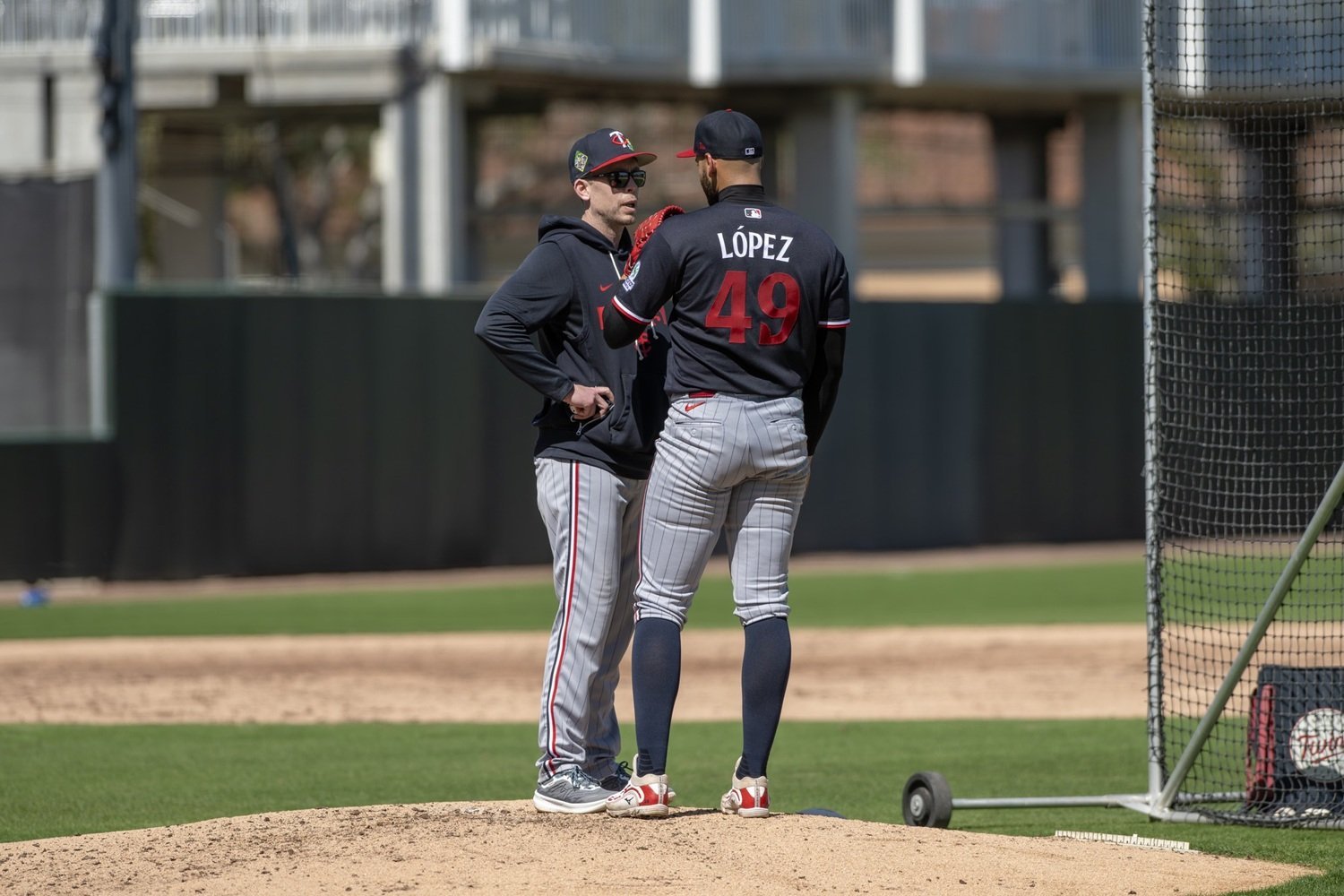 The news surrounding Pablo López cast an immediate shadow over Minnesota’s spring outlook, and the numbers shifted just as quickly as the mood inside the clubhouse. According to FanGraphs, the Twins saw their playoff odds fall from 31.7% to 26.6% following the announcement that López is expected to miss the 2026 season after suffering a torn UCL. While López will receive a second opinion, the expectation is that he will miss significant time and is likely headed for Tommy John surgery. Minnesota built its roster around stability in the starting rotation, and losing its ace before Opening Day creates a ripple effect that impacts everything from bullpen usage to innings distribution across the staff. Interestingly, Jared Greenspan of MLB.com recently listed the Twins as one of 10 teams capable of outperforming their playoff odds in 2026. He pointed to the 2025 Toronto Blue Jays as an example of a club that beat the projections and played its way into October. However, those projections for Minnesota were calculated before López’s injury became public, which means the climb is now steeper than initially expected. Reasons Why the Odds Are Against Them 1. Losing Their Ace: The most obvious hurdle is replacing López at the top of the rotation. Minnesota can shuffle names into his spot, but there is no internal option capable of replicating the value he provided every fifth day. His leadership will also be sorely missed, as young pitchers get their first full season at the big-league level. 2. Shortstop Depth Chart: Shortstop depth is another concern, with Baseball America recently saying, “They don’t have a shortstop.” The Twins are projected to rank 30th in fWAR at the position. Brooks Lee has shown flashes at the big-league level, but has also battled injuries and inconsistency. Kaelen Culpepper broke out last season but has yet to play above Double-A. Marek Houston is widely viewed as the organization’s best defensive shortstop, but evaluators still question whether his bat will play at the highest level. 3. Bullpen Rebuild: Minnesota also lacks proven high-leverage right-handed relievers after trading Jhoan Duran, Griffin Jax, and Louis Varland at last year’s deadline. The club can hope for more from Cole Sands and Justin Topa, but both may ultimately be better suited for middle-inning roles. 4. Lack of Offensive Upgrades: Offensively, the lineup needs internal growth. Royce Lewis and Matt Wallner have shown the ability to be impact hitters, but each needs to recover from an underwhelming 2025 to offset the loss of run prevention on the pitching side. Josh Bell was the team's biggest offseason signing, but he can't save the entire lineup. Reasons Why They Can Defy the Odds 1. Rotational Depth: Even without López, Minnesota still has rotation depth that many teams would envy. Taj Bradley, Mick Abel, and Zebby Matthews now move up the depth chart and will have opportunities to prove they can handle meaningful innings in a competitive environment. 2. Potential All-Star Players: The Twins also feature two of the best players in the division in Byron Buxton and Joe Ryan. Both can carry stretches of a season and swing the outcome of tight games, which often determine postseason positioning in the AL Central. Luke Keaschall could also build on a strong rookie campaign that included a 134 wRC+ and further lengthen the lineup; the projections like his bat a lot. 3. Prospects on the Verge: Help may arrive from Triple-A sooner rather than later. Outfielders Walker Jenkins, Emmanuel Rodriguez, and Gabriel Gonzalez can all provide an offensive boost for a lineup that struggled in the second half. Left-handed pitchers Connor Prielipp and Kendry Rojas are two of the most exciting arms in the system, but they struggled in their first taste of Triple-A. Any of the names above could provide a meaningful boost over the course of the season. A five-percentage-point drop in playoff odds feels significant in February, because there are no wins in the bank yet. Everything is theoretical, and projections become the loudest voice in the room. But 26.6% is not zero. It is not a white flag. It's a reminder that the margin for error just shrank. For Minnesota to beat the odds, several things must happen simultaneously. The young arms stepping into larger roles can't simply survive. They need to be legitimate contributors. The lineup can't tread water. It must produce at a top-half-of-the-league level, making good on what has looked like stalled talent the last two years. The bullpen can't just piece together outs. It needs to develop new late-inning answers. At the same time, baseball history is filled with teams that looked finished on paper before the games started. The difference between 31.7% and 26.6% is meaningful in a model, but over 162 games, it can be erased by one breakout season, one unexpected rookie, or one dominant stretch from a star player. In 2017, they entered the season with a similarly unimpressive chance to make the postseason, according to Baseball Prospectus. They shocked everyone that year, and they have the latent talent to do so again. That's the bet Minnesota is now making. Losing López changes the ceiling, and it certainly complicates the path. But it doesn't eliminate it. If the Twins are going to defy expectations, they will have to do it the hard way with internal growth, health from their core players, and impact from prospects knocking on the door. The projections have adjusted. Now the organization has to respond. Do you believe the Twins can beat their playoff odds? Leave a comment and start the discussion. View the full article
