


DiamondCentric
-
Posts
2,631 -
Joined
-
Last visited
Never
Content Type
Profiles
Forums
Events
News
Tutorials & Help
Major League Baseball Videos
Guides & Resources
Store
Downloads
Gallery
Everything posted by DiamondCentric
-
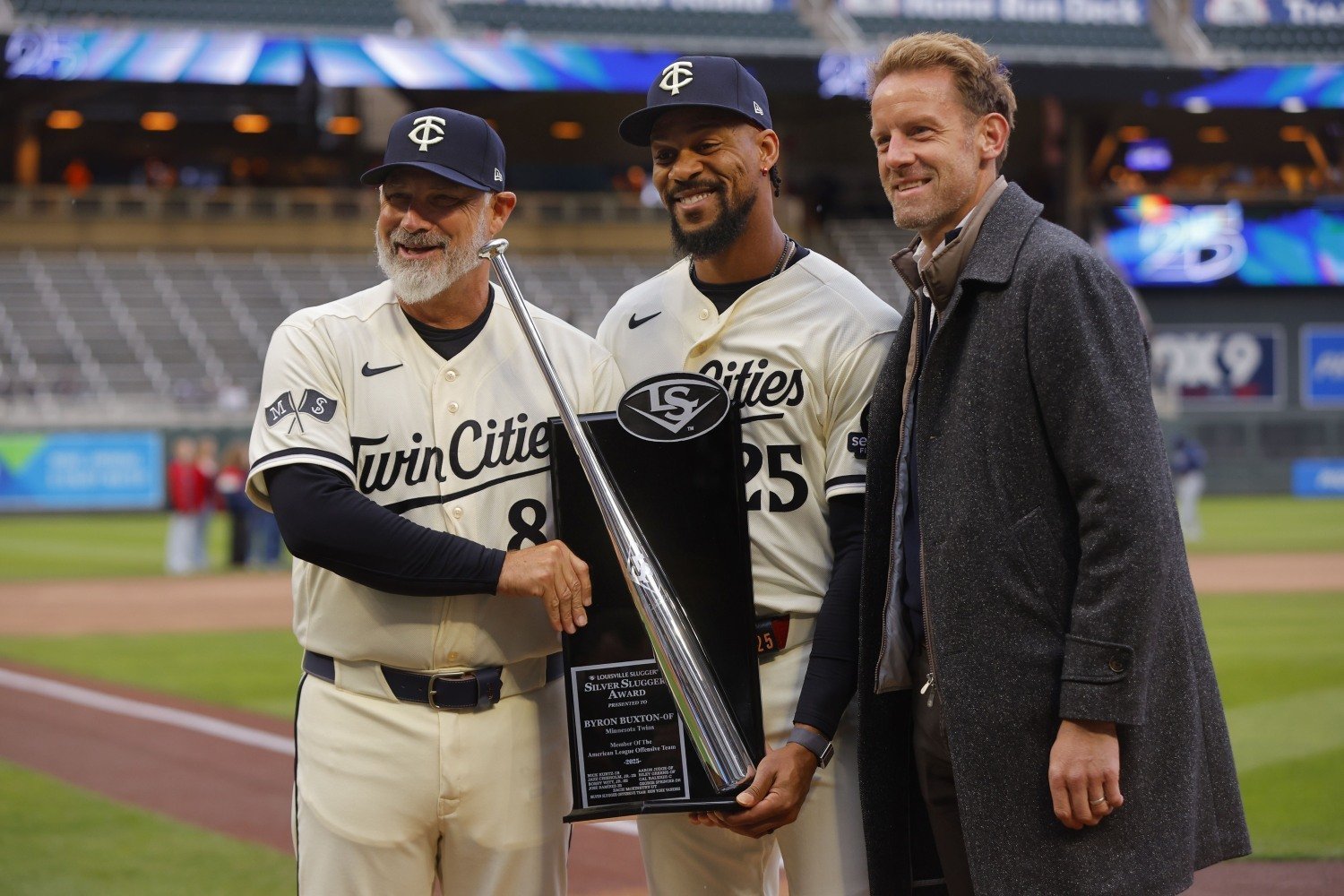 When Tom Pohlad stepped into the role of Twins chairman last winter, he promised that the organization would provide the resources necessary for the front office to build a sustainable contender. For much of the season, those comments were met with skepticism after years of payroll criticism. The 2026 trade deadline offered the first tangible evidence of that commitment. Minnesota aggressively upgraded its roster by acquiring A.J. Minter, Dean Kremer, and Jeff Hoffman, adding impact talent while taking on more than $8 million in prorated salary for the remainder of the season. The moves also created meaningful financial obligations beyond 2026, with Hoffman owed $11 million next season and Kremer expected to receive another raise through arbitration after earning $5.75 million this year. Although Toronto will cover $3.75 million of Hoffman's 2027 salary, the Twins still accepted a larger financial commitment than many expected. According to Pohlad, that willingness to spend was intentional. “I, and we as an ownership group, were committed to giving [general manager Jeremy Zoll] the financial flexibility to make this team better,” Pohlad said. “I think the results of what happened at the Trade Deadline were in no small part a function of having that financial flexibility and that clarity at the outset. Now, somebody has to go out and execute that, and that is a very hard thing to do, and he did that masterfully.” The deadline additions addressed immediate needs while also strengthening the roster beyond this season. More importantly, they represented a shift from simply managing payroll to actively investing in a club that believes it can contend over multiple years. Pohlad made it clear those deadline moves were not a one-time exception. When asked whether Minnesota's willingness to add salary at the deadline signaled an increase in payroll for 2027, he didn't hesitate. “I’m not hoping -- it will be higher,” he said. “I’ve been consistent, right? For us to accomplish the things that we want to accomplish, and be a consistently competitive team in the playoffs, and going deep, we have to make an investment into this team. We did that in a small way at the Trade Deadline. You’ll see more of it next year.” That statement could become one of the organization's most significant developments of the season. The Twins have spent the last several years answering questions about shrinking payrolls and financial limitations. Now, ownership is publicly committing to moving in the opposite direction. Of course, words alone won't erase years of frustration among the fan base. The real test will come this offseason as Minnesota looks to supplement a roster that already appears capable of competing in the American League. If Pohlad follows through on his promise, Jeremy Zoll could have considerably more flexibility to address remaining needs instead of relying solely on internal improvements. The trade deadline showed the Twins are willing to spend when they believe they have a chance to win. Pohlad's latest comments suggest that philosophy won't end with this season. Instead, they could mark the beginning of a new financial approach—one designed to keep Minnesota in contention not only for the rest of 2026, but well into 2027 and beyond. View the full article
 -

 The Minnesota Twins entered deadline season with a clear shopping list. They needed multiple high-leverage relievers, and they needed another starting pitcher after injuries ravaged the rotation throughout the summer. By the time the trade deadline arrived, general manager Jeremy Zoll had accomplished exactly that. Minnesota added left-handed reliever A.J. Minter, veteran starter Dean Kremer, and hard-throwing right-hander Jeff Hoffman without sacrificing any of the organization's elite prospects. The Twins certainly paid meaningful prospect capital, but they also addressed every major weakness on the roster while adding players who remain under team control beyond this season. Now that the dust has settled, here's how each deal grades. Twins receive: LHP A.J. Minter Mets receive: INF Bruin Agbayani and INF Billy Amick Minnesota wasted little time addressing its need for a dependable left-handed reliever, acquiring Minter several days before the deadline rush. While the timing may have forced the Twins to pay a slightly higher price, it also guaranteed they landed one of the better southpaws available. Minter's recent injury history creates some risk. After signing with the Mets before the 2025 season, he dominated over 11 innings before a torn left lat ended his year prematurely. Healthy again in 2026, he has looked like an effective late-inning option, posting a 2.35 ERA with only two walks across 23 innings. The strikeout rate hasn't been as dominant as in previous years, and his 4.02 FIP suggests some regression could be coming, but Minnesota was looking for reliability from the left side more than overpowering numbers. The Mets received two intriguing but far-from-certain prospects. Amick has enjoyed a productive age-23 campaign at Double-A, slugging 23 home runs with an .820 OPS. His power has never been in question, although his 28.4 K% illustrates there is still work to do before reaching the majors. Agbayani remains much earlier in his development. The 19-year-old sixth-round pick from the 2025 draft has accumulated only 74 professional plate appearances and spent the season at Low-A while producing a respectable .753 OPS. Neither player ranked among Twins Daily's Top 20 prospects entering the draft, making the overall price relatively manageable. Trade Grade: B Minnesota filled an obvious need without surrendering one of the organization's premier prospects. The Twins may have paid a slight premium by completing the deal before deadline day, but securing a proven left-handed reliever was worth the investment. Twins receive: RHP Dean Kremer Orioles receive: OF Jhomnardo Reyes This trade probably generated the strongest reaction among prospect followers, and it's easy to understand why. Reyes emerged as one of the organization's biggest breakout performers this season after tearing up rookie ball before earning a promotion to Low-A. Some evaluators had already pushed him into their midseason top-20 Twins prospect rankings. The Dominican outfielder possesses an exciting offensive ceiling. He’s a likely corner outfielder who hits the ball extremely hard but there are already some swing-and-miss tendencies. That's a profile with both significant upside and substantial risk, especially for a teenager still in the lower levels of the minors. For Minnesota, however, the focus wasn't long-term projection. It was stabilizing a rotation that had been devastated by injuries. Kremer's 6.50 ERA doesn't tell the entire story. Two rough outings dramatically inflated his numbers after he carried a 4.15 ERA just a couple of weeks earlier. That figure aligns closely with both his 4.26 career ERA The Twins weren't acquiring an ace. They were acquiring exactly what they needed: a durable, league-average starter capable of taking the ball every fifth day. The fact that Kremer also remains under team control through next season makes the acquisition even more valuable. Trade Grade: B- Reyes has enough talent to become a quality major-league regular if everything clicks. At the same time, teenage prospects carry enormous volatility. Minnesota addressed a glaring need with a controllable starter, making this a reasonable price to pay. Twins receive: RHP Jeff Hoffman, $3.75 million cash Blue Jays receive: LHP Dasan Hill, RHP John Klein, INF Dameury Pena, International Bonus Pool Money This was Minnesota's biggest move of the deadline. Hoffman was one of the top relievers available, and the Twins paid a significant price to acquire a late-inning arm under team control beyond this season. After revitalizing his career in Philadelphia, Hoffman signed a three-year deal with Toronto and saved 33 games in 2025. Home runs remained an occasional issue, but his elite fastball and swing-and-miss stuff (34.9 K%) made him one of baseball's most effective high-leverage relievers. Hoffman's 2026 season got off to a rough start, eventually costing him the closer's role to former Twin Louis Varland. He rebounded after the move, however, allowing just one earned run in June (0.75 ERA) while thriving in a set-up role. The Twins paid accordingly. Hill, Twins Daily's No. 9 prospect entering the deadline, was the centerpiece of the return. The 2024 second-round pick features a mid-90s fastball and plus slider, with a 35.8 K% at High-A this season. His command remains inconsistent (17.2 BB%) but he also surrendered only two home runs, illustrating the quality of his stuff. Klein made his major-league debut this season but struggled with command, recording 74 strikeouts while walking 38 and allowing 15 home runs across 68 1/3 innings between Triple-A and the majors. Pena, a 20-year-old infielder, has hit .300 with a .735 OPS across Low-A and High-A this season. Toronto also sent $3.75 million to help cover Hoffman's remaining salary, making the financial side of the deal more favorable for Minnesota. Trade Grade: B+ Losing Hill hurts because of his upside, but impact relievers rarely come cheaply. Hoffman immediately strengthens the back end of Minnesota's bullpen and gives the Twins another pitcher capable of handling the biggest moments. That type of acquisition often requires surrendering premium prospect talent. Minnesota entered deadline week knowing exactly what needed to change. The bullpen lacked enough swing-and-miss arms to compete with the American League's best clubs, and the rotation desperately needed reinforcement after months of injuries. Rather than settling for marginal upgrades, the front office aggressively addressed both concerns. None of these trades will be judged solely by what happens over the final two months of 2026. If Hoffman remains a dominant setup man, Kremer provides quality innings through next season, and Minter solidifies the left side of the bullpen, these moves could pay dividends well beyond this year's playoff race. There is legitimate risk attached to every deal. Reyes and Hill both have the talent to become impact major leaguers, and prospect losses always sting in hindsight if they break out elsewhere. But championship-caliber teams rarely improve at the deadline without giving up something of value. The Twins didn't empty the farm system, but they were willing to sacrifice prospect depth to strengthen a roster that believes it can contend now. That's exactly the kind of deadline approach fans had hoped to see. What grades would you give each of these trades? Leave a comment and start the discussion. View the full article
 -
Marlins trade former first-rounder Jacob Berry to Royals for cash
DiamondCentric posted an article in Fish On First
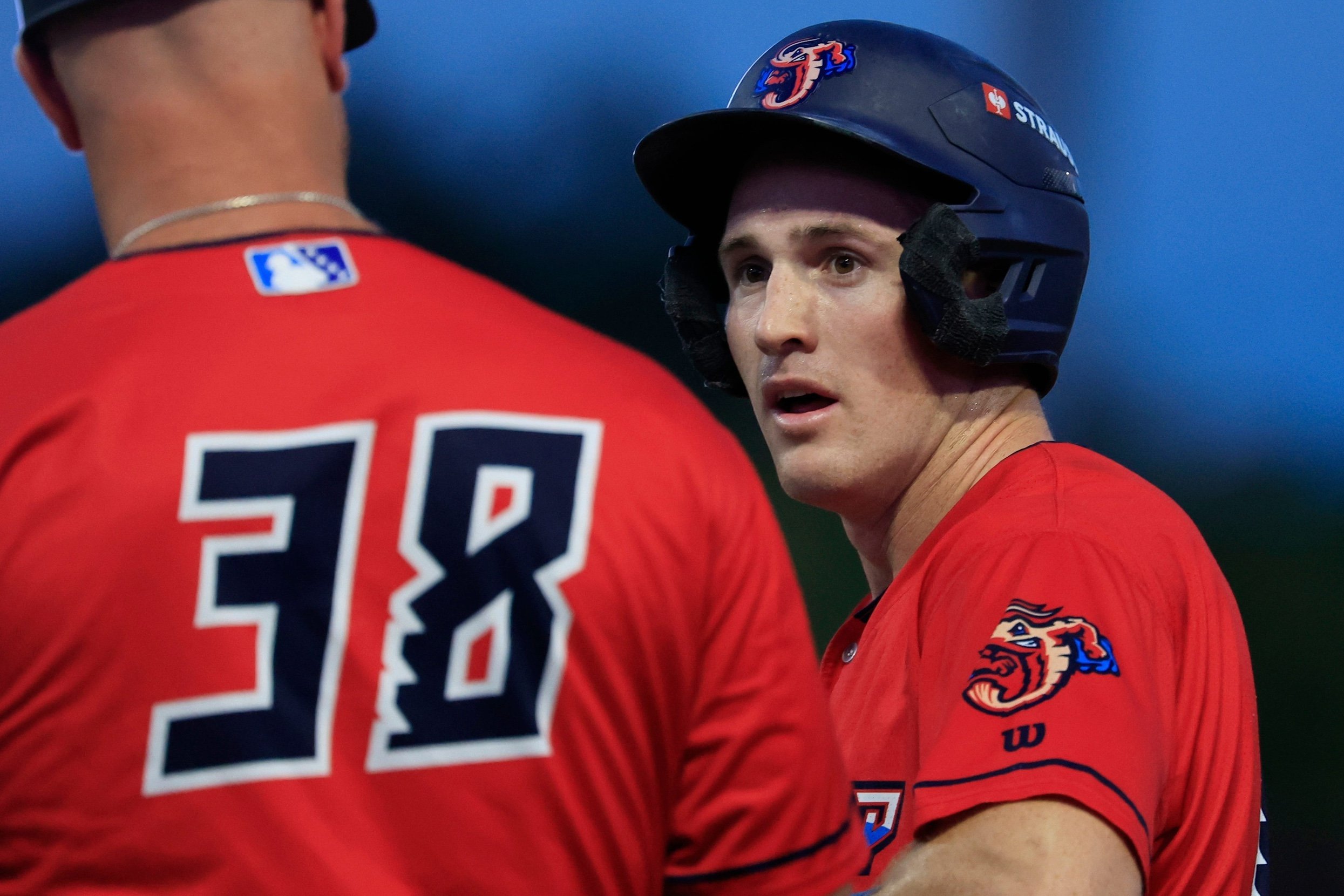 The Miami Marlins made a post-deadline trade on Wednesday, Fish On First's Isaac Azout has learned, sending Jacob Berry to the Kansas City Royals for cash considerations. Neither team has confirmed the move yet. Berry, 25, was selected by the Fish with the sixth overall pick in the 2022 MLB Draft. An excellent hitter at both Arizona and LSU, he received a $6 million signing bonus (third-highest in franchise history for a draft pick at the time). Coming out of college, Berry did not have a home defensively. More than four years later, he still doesn't. The Marlins tried to make him fit at third base, but Berry never got comfortable there, committing 49 errors in 195 minor league games at the hot corner. He also tried 126 games in left field, 64 at second base, 49 at first base, 10 in left field and even one in center. Poor fielding could be excused if the switch-hitter continued to rake, but Berry was the epitome of inconsistent. He got off to astonishingly slow starts in 2023, 2024 and 2025. He flipped the script this season, only to stop slugging from mid-May onward. Meanwhile, Triple-A Jacksonville's roster gradually got more crowded on the position player side. During the past month, the Marlins promoted Cam Cannarella and acquired Brayden Taylor and Jonathon Long via trade. Berry had been on Jacksonville's development list since July 25. Berry's overall MiLB slash line is .245/.325/.377 with 35 home runs and 70 stolen bases. On the bright side, he has only struck out 18.6% of the time. He has more walks (46) than strikeouts (43) in 2026, albeit while repeating the AAA level. Disappointing as his tenure with the Marlins org was overall, Berry delivered on Minor League Baseball's biggest stage when he clinched the 2025 Triple-A National Championship Game with a walk-off two-run home run. Berry was not on the Marlins 40-man roster, hence why he was eligible to be traded post-deadline. He was not ranked on the FOF Top 30 prospects list. The Royals will have club control over Berry through the 2028 season if they choose before he's eligible for minor league free agency. View the full article
 -
 The Red Sox pushed all their chips to the middle, landing Adley Rutschman, Erik Miller, Eli White, and Curtis Mead at the deadline. But did Boston give up too much? View the full article
 -
Did The Brewers Mess Up By Trading Josiah Ragsdale?
DiamondCentric posted an article in Brewer Fanatic
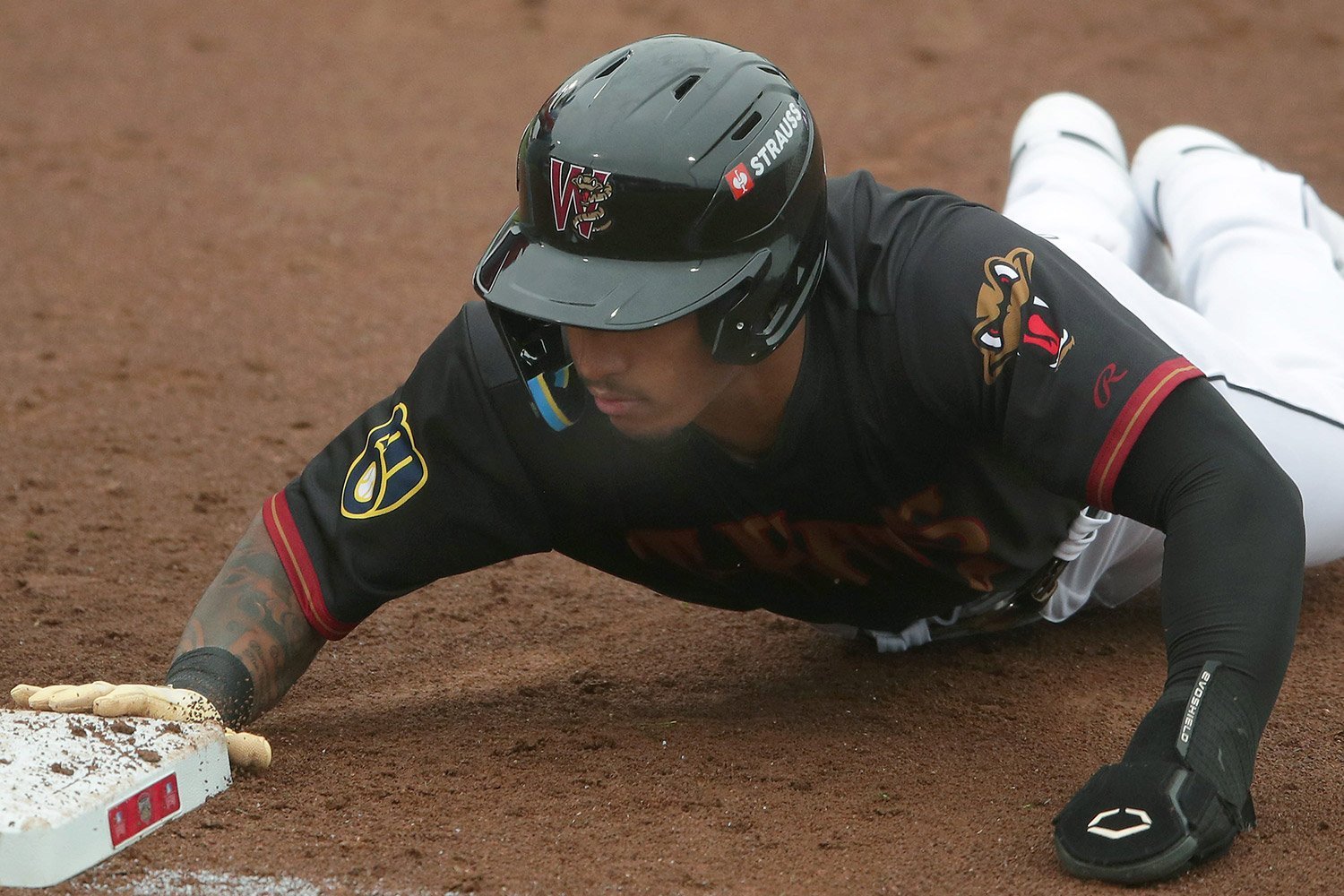 The Milwaukee Brewers traded for a pair of St. Louis Cardinals arms, and in exchange, they gave up one of their brightest rising prospects. The team got Dusty May and reliever JoJo Romero in exchange for outfield prospects Alexander Frias and Josiah Ragsdale. Ragsdale has had one of the best months of anybody in minor league baseball. Let's dive into his journey and what the Crew is losing by dealing away Ragsdale. Josiah Ragsdale’s Background Ragsdale is a 22-year-old outfield prospect, and the Brewers selected him in the seventh round of the 2025 MLB Draft. The left-handed hitting speedster played a pair of collegiate seasons at Iona before transferring to Boston College and posting a .318/.418/.498 slash line. He also swiped 30 bases across 56 contests before having his name called on the draft stage. After spending 21 games in Low-A Carolina (now Wilson) last year, Ragsdale has shot out of a cannon this year. The Brewers’ 16th-ranked prospect (per Brewer Fanatic) has been surging all season, slashing .316/.441/.581 (1.022 OPS) over 86 games between time with the High-A Wisconsin Timber Rattlers and Double-A Biloxi Shuckers. Since the promotion to Double-A, the outfielder has taken his power to a whole new level. Ragsdale now has 12 home runs and 21 runs batted in over 26 contests, a pace good enough for a 1.127 OPS in his first month with the Shuckers. Ragsdale's Wicked Instincts Ragsdale has a 70-grade run tool, per MLB Pipeline. The former Boston College prospect has put it on full display, snatching 31 bases in 86 games this year and logging 40 stolen bases over 107 career professional games. His speed is in the 56th percentile, per Prospect Savant, but the ability to get a great jump on opposing pitchers’ cadence is one of many reasons Ragsdale has been flying up MiLB rankings. Promising Signs, But Room For Improvement With Ragsdale being in his first full year of professional baseball while already playing in Double-A, there’s an expectation that his three years of college experience could help him rise up the ladder quicker than some others. One of his best attributes has been the ability to work counts. Ragsdale is currently sporting a 19.3 percent walk rate, good enough for the 97th percentile among all prospects. He isn’t venturing out of the zone or whiffing, as his numbers are both well above average in those categories. All of this comes with the fact that he has 42 extra-base hits in just 86 games. His swing motion, per MLB Pipeline, is relatively simple. He has a slight front heel lift, allowing him to be on time for pitches, but this year, he’s been able to load up and generate plenty of slug. His slender frame at 6 feet tall, 185 pounds allows Ragsdale to be shifty in the field, so it’ll be interesting to see if he prioritizes building more muscle onto a frame that’s already generated 19 round-trippers. He does classify on the passive side at times, so despite not chasing after many bad pitches, Ragsdale has a 29.4 percent strikeout rate (25th percentile). Was There Room For Ragsdale? Milwaukee is loaded, and the fact that someone as gifted and polished as Ragsdale wasn't even on the team’s top 10 prospects list leads to that. Other outfielders above him included Luis Lara (already debuted) and Josh Adamczewski (Double-A). Ragsdale’s ETA is listed as 2028, and that seems pretty reasonable. One of the last steps will be getting him to choose when to attack early in a count instead of working into two-strike counts, but overall, there simply wasn't room for him. View the full article
 -
 The trade deadline has come and gone, and the Minnesota Twins have officially turned the page toward the final two months of the regular season. Jeremy Zoll added multiple pieces at the deadline, all of the new acquisitions are now on the active roster, and the focus shifts to making a run at a postseason berth. But just because the deadline has passed doesn't mean the Twins are done improving their roster. Some of the biggest upgrades available are already in the organization. With every game becoming more important, Minnesota can't afford to let roster spots go to players who aren't contributing while impact talent waits in St. Paul. If the Twins want to put themselves in the best position possible for the stretch run, there are three moves they should make immediately. 1. Option Tristan Gray to Triple-A St. Paul and promote Kaelen Culpepper. Gray being called up when Byron Buxton landed on the injured list was a curious decision from the beginning, and it has only become more confusing over the last week. Since joining the Twins on July 29, Gray has received just two plate appearances, going 0-for-2 with two strikeouts. The lack of playing time says everything. The Twins simply don't trust him enough to put him in the lineup, meaning they've essentially been playing with one fewer roster spot. Instead of carrying a player who isn't going to play, the Twins should hand that opportunity to Kaelen Culpepper. The organization's top shortstop prospect has battled injuries throughout the season, but he has looked healthy since returning and continues to produce. Culpepper owns an .826 OPS at Triple-A this season and reminded everyone what he's capable of by going 3-for-5 with a triple on Tuesday night. He's a right-handed hitter, something Minnesota desperately needs, and he brings considerably more upside than Gray. Giving Culpepper regular opportunities at shortstop while Ryan Kreidler fills a reserve role would make the Twins younger, more athletic and with greater offensive upside. At some point, the organization has to find out what it has in one of its top prospects, and there may not be a better opportunity than right now. 2. Designate Alex Jackson for assignment and recall Matt Wallner from Triple-A Carrying three catchers over the last month made perfect sense before the trade deadline. Ryan Jeffers was one of the biggest trade candidates on the roster, and keeping Jackson around gave the Twins insurance in case they decided to move Jeffers. They didn't end up moving him, however. Now that Jeffers is still in Minnesota, there isn't much reason to continue carrying three catchers. Jeffers and Victor Caratini form one of the better catching duos in baseball, and that extra roster spot could be much better utilized elsewhere. To Jackson's credit, he has been a pleasant surprise during his time with the Twins. Still, with a $1.35 million contract, there's a reasonable chance he could clear waivers and remain in the organization if another club isn't interested. Replacing him with Matt Wallner would immediately make the Twins' lineup more dangerous. Wallner's demotion in May was justified after his slow start to the season, but he has done everything the organization could have asked of him since arriving in St. Paul. He owns a .938 OPS with 20 home runs since being sent down, and he added another homer Tuesday night. He has forced his way back into the conversation. The Twins have been searching for offensive consistency for weeks, and Wallner's power gives them another legitimate threat in the middle of the lineup. That is simply more valuable than carrying a third catcher who has no clear role. 3. Option Alan Roden to Triple-A and select the contract of Walker Jenkins When the Twins promoted Alan Roden in early July, the move was easy to understand. He was swinging the bat well at Triple-A, was healthy and deserved an opportunity to prove himself in the majors. Unfortunately, it hasn't happened. Roden has produced just a .514 OPS with no extra-base hits over his first 50 plate appearances with Minnesota. The Twins have also made it clear they aren't comfortable playing him in center field, limiting his versatility even further. Between his lack of production and limited defensive role, Roden simply hasn't established himself as someone who needs to remain on the roster. That opportunity should now belong to Walker Jenkins. Jenkins is one of the top prospects in baseball for a reason. He has posted an .818 OPS in Triple-A this season and has looked even better since returning from injury at the end of June. More importantly, he passes the eye test every time he steps on the field. He looks like a player who is ready for the next challenge. With Buxton sidelined, there are plenty of at-bats available. Jenkins can play either corner outfield spot and is capable of handling center field as well, giving manager Derek Shelton another athletic option while adding one of the organization's highest-upside bats. At some point, prospects stop benefiting from Triple-A and start benefiting from major league experience. Jenkins appears to have reached that point. The Twins have struggled to score runs over the last few weeks, and waiting around for the offense to suddenly improve isn't much of a strategy. The front office already addressed external needs before the deadline. Now it's time to maximize the talent that's already in the organization. Calling up Culpepper, Wallner and Jenkins would inject youth, upside and offensive potential into a lineup that desperately needs a spark. If the Twins are serious about making a run over the final two months, these are the kinds of aggressive roster decisions they should be making now instead of waiting until it's too late. What do you think? Are these the three roster moves the Twins should make immediately, or would you go in a different direction as they begin their postseason push? Leave a comment below and start the conversation! View the full article
 -
 Boston Red Sox Affiliate Recap Triple-A Worcester Red Sox Season Record: 56-48 What looked like a close game turned into a blowout in the ninth as the WooSox lost their five-game winning streak with a 10-5 defeat at home to the Lehigh Valley IronPigs (Philadelphia Phillies). Franklin Arias continues to look comfortable against older competition in Triple-A. The shortstop and Allan Castro each racked up three hits in five at-bats, with Castro’s lone RBI being Worcester’s first run of the game in the fifth, an RBI single to bring in Nate Eaton. Worcester’s runs did not stop in the fifth. Now in a 5-1 hole, Brett Harris lined an RBI single, then Kristian Campbell, who won SoFi Player of the Month, followed up with a sacrifice fly to cut the deficit to 5-3. Lehigh Valley gained a three-run cushion after an RBI double in the sixth, then Andrew Knizner pulled through in the clutch, roping a massive two-run single with two outs, making it a one-run game, 6-5. The game got out of hand in the ninth, with the IronPigs dropping a four-spot on the Sox. Sam McWilliams gave up four runs on two hits and three walks. The WooSox bats went down quietly in the bottom half to end it 10-5. Blake Wehunt got hit hard and had a tough time drawing swings and misses in his three-inning start, giving up three runs on seven hits and just one strikeout. Out of the five pitchers sent out to the mound for Worcester, Angel Bastardo threw the only shutout appearance with a scoreless eighth. Standout Performances: Franklin Arias: 3-for-5, R Allan Castro: 3-for-4, R, RBI, BB Double-A Portland Sea Dogs Season Record: 54-48 One rough inning put Portland in a hole as the bats could not recover from it, taking a 6-4 loss to the Fisher Cats (Toronto Blue Jays). Jeremy Wu-Yelland was great in his start on the mound for the Sea Dogs, tossing two perfect innings with one strikeout. He set the tone for Portland’s pitching staff, but they fell apart afterward. Caleb Bolden got smacked for four runs, six hits, and a walk in the third inning, putting his team in a 4-0 hole. Portland fought back with a two-run fourth; Johanfran Garcia’s solo blast and Miguel Bleis’ RBI single put the Sea Dogs within two. Yoeilin Cespedes made it a 4-3 game with an RBI groundout in the seventh. A two-run homer from the Fisher Cats in the bottom half put them up three runs once again, but a Bleis solo bomb of his own made it 6-4; unfortunately, that was not enough to come back. The Sea Dogs bullpen struggled after Wu-Yelland, but Patrick Halligan was excellent in his outing, striking out all four batters he faced in 1 ⅓ innings. High-A Greenville Drive Season Record: 46-54 The Drive had no problem scoring runs, blowing out the Hudson Valley Renegades (New York Yankees) 12-6 at home. As strange as it may seem, Hudson Valley outhit the Drive, with nine hits to Greenville’s seven, but still lost by six runs. The lopsided score was due to Greenville's patience at the plate, taking eight walks as a team, and a bad fielding error from the Renegades that led to three runs scored. Justin Gonzales’ hot stretch has not stopped since his excellent month of July, bringing in four runs with an RBI double, a two-run double, and a fielder’s choice error that included an RBI. The 67th pick of the 2026 draft, Owen Hull, clobbered his first professional home run (three-run homer) to the deepest part of the field, capping Greenville’s four-run fourth inning. Antonio Anderson, who also had an amazing month of July, reached base in all four at-bats with two hits and two walks. The third baseman was one of two Drive players who drew an RBI walk. When it felt like the Renegades were gaining some momentum with a three-run seventh inning, Anderson shut it down with a solo shot in the bottom half. Greenville’s pitching staff was a bit shaky, but Alex Bouchard shoved. The former 14th-round pick struck out seven batters in 3 ⅔ innings with just one run allowed on two hits and a walk. Steven Brooks earned his first win of the season with 1 ⅓ shutout innings. Standout Performances: Justin Gonzales: 2-for-4, 2B, R, 4 RBI Owen Hull: 2-for-5, HR, 2B, R, 3 RBI Antonio Anderson: 2-for-2, HR, 3 R, 2 RBI, 2 BB Alex Bouchard: 3 ⅔ IP, 2 H, 1 ER, 1 BB, 7 K Low-A Salem RidgeYaks Season Record: 44-58 The RidgeYaks put up a ten-hit, ten-run performance to defeat the Fayetteville Woodpeckers (Houston Astros) 10-4. Like he has been all year, Kleyver Salazar continues to rake, knocking on the door to Greenville. The 20-year-old catcher from Venezuela turned in a 2-for-4 day with an RBI single in the first inning that tied the game 1-1, then tied the game once again 4-4 in the fifth with a two-run double, his 20th two-bagger of the season. Louis Andujar has found his rhythm with hitting balls over the fence, smacking his sixth bomb of the season in the first inning, a two-run homer that made it a 3-1 game. Andrews Opata and Avinson Pinto each contributed with multiple hits, including RBI singles. Starlyn Nunez drew a couple of walks and racked up an RBI single of his own in the fifth inning. All three teammates were pests on the basepaths, racking up four combined stolen bases. Stretching back to May, Henry Godbout’s hitting streak stayed alive in his third rehab start for Salem, extending to eight games. The University of Virginia product drew three walks, tallied a hit, and came around to score two times. Cole Tolbert had a tough time in his start for the Yaks, giving up three runs in three innings. The bullpen had his back from there; Yermain Ruiz earned the win through three innings of work with one unearned run (Andujar error), then Harry Blum pitched the last 2 ⅔ innings without giving up a run to earn the save. Standout Performances: Kleyver Salazar: 2-for-4, 2B, 2 R, 2 RBI, BB Louis Andujar: 1-for-5, HR, 2 R, 3 RBI Starlyn Nunez: 1-for-3, 2 RBI, 2 BB, SB Andrews Opata: 2-for-3, 2B, R, RBI, BB, SB View the full article
 -
 Chicago Cubs Minor League Report Affiliate Overview Triple-A Iowa Cubs Series at Indianapolis Indians (Pittsburgh Pirates): Indians lead, 1-0 Season Record: 43–63-1 Double-A Knoxville Smokies Series at Chattanooga Lookouts (Cincinnati Reds): Game postponed Season Record: 54–48 High-A South Bend Cubs Series vs. Cedar Rapids Kernels (Minnesota Twins): Cubs lead, 1-0 Season Record: 61–38 Single-A Myrtle Beach Pelicans Series at Columbia Fireflies (Kansas City Royals): Game suspended Season Record: 40–60 Triple-A: Iowa Cubs Season Record: 43–63-1 Series Opponent: Indianapolis Indians (53-56-1) Series Standing: Trail, 1-0 Aug. 4: The Iowa Cubs dropped their seventh-straight contest, falling 14-1 to the Indianapolis Indians in the series opener between the two teams on Tuesday night at Victory Field. Owen Miller’s (1-for-4) RBI-single in the first gave the Cubs a brief 1-0 lead but the Indians would go on to score five in the third and seven in the fourth to take a 12-1 lead. Indianapolis would later add runs in the sixth and seventh to go up 14-1. Jaxon Wiggins got the start on the mound for the I-Cubs and was handed the loss, falling to 0-3 on the season. Wiggins allowed five runs on two hits over 2 2/3 innings of work, walked six batters and struck out four. Iowa was held to just four hits on the night, with just one going for extra bases, a double off the bat of Owen Ayers (1-for-3). Double-A: Knoxville Smokies Season Record: 54–48 Series Opponent: Chattanooga Lookouts (49–53) Series Standing: Game postponed Aug. 4: The Knoxville Smokies were washed out at the Chattanooga Lookouts on Tuesday. The Smokies will play a doubleheader today, with the opener of the twin bill set for a 4 p.m. CT first pitch. High-A: South Bend Cubs Season Record: 61–38 Series Opponent: Cedar Rapids Kernels (38–63) Series Standing: Lead, 1-0 Aug. 4: The South Bend Cubs shutout the Cedar Rapids Kernels, 6-0, in the series opener between the two teams on Tuesday night at Four Winds Field. Jose Escobar (1-for-4) broke the deadlock in the fourth inning with a solo home run, his fifth of the season. The Cubs then doubled their lead when Angel Cepeda (0-for-3) scored on a throwing error after stealing third. South Bend made it 6-0 in the seventh after launching a pair of two-run shots in the frame, first off the bat of Michael Halquist (1-for-4), also his fifth of the campaign, followed by Josiah Hartshorn’s (1-for-2) 12th long ball of the year. Jostin Florentino got the start on the mound for the Cubs and earned the win, improving to 1-4. Florentino tossed five scoreless frames, allowing five hits and striking out four without issuing a walk. Yoendris Gonzalez followed in relief, working 2 2/3 shutout frames and Ethan Bell finished the ballgame with 1 1/3 perfect innings out of the bullpen, retiring all four batters he faced, including three via strikeout. Single-A: Myrtle Beach Pelicans Season Record: 40–60 Series Opponent: Columbia Fireflies (51–49) Series Standing: Game suspended Aug. 4: The Myrtle Beach Pelicans had their series opener at the Columbia Fireflies suspended in the bottom of third due to rain. The game was tied, 0-0, with two outs and a runner at first base. The game will resume today at 4:35 p.m. CT with a second game to follow. View the full article
 -
 The roster reconstructions of the past two weeks concluded with the passing of MLB's trade deadline. Now, the New York Mets' full-season minor-league affiliates can go back to worrying just about development and not also about who's moving where. Eleven prospects were acquired in the six trades New York made in the 72 hours prior to the deadline. The first two, Billy Amick and Bruin Agbayani, joined the organization last week. The rest were activated Tuesday. That meant a lot of introductions, and a lot of debuts. A quick summary of how the newcomers fared: Syracuse: Right-hander Zach Franklin (acquired from the Chicago White Sox in the Huascar Brazoban trade) allowed two runs and three hits over 1 2/3 innings in the Mets' 15-7 loss to Columbus. Binghamton: Jefferson Rojas (acquired from the Chicago Cubs for Clay Holmes and Tyrone Taylor) did not play in the Rumble Ponies' 6-3 victory over Hartford. Emilien Pitre (acquired from the Tampa Bay Rays in the Freddy Peralta trade) went 2-for-4. Right-handers Gabe Davis (Brazoban) and Gary Gill Hil (Peralta) did not pitch. Brooklyn: Aidan Smith (Peralta) was 2-for-4 with a run scored in the Cyclones' 7-1 win over Wilmington. John Spikerman (acquired from the Philadelphia Phillies in the Brooks Raley trade) was 1-for-4 with an RBI. Sammy Stafura (acquired from the Pittsburgh Pirates for Luke Weaver) did not play. Right-hander Luke Gabrysh (Raley) did not pitch. St. Lucie has Agbayani on its roster and was untouched by the Sunday-Monday flurry. The Mets were rained out Tuesday against Daytona. The game will be made up Saturday as part of a doubleheader. DSL Mets Blue pulled away late to beat the DSL Tigers 13-6. Royner Bravo had four hits, an RBI and two runs scored. DSL Orange blew out the DSL Twins 14-6 in eight innings. Wandy Asigen reached base four times, drove in a run and scored three runs. New York Mets Transactions New York Mets recalled RHP Xzavion Curry from Syracuse Mets. New York Mets designated RHP Bryce Conley for assignment. New York Mets activated RHP Dedniel Núñez from the 60-day injured list. New York Mets activated RHP Chayce McDermott. New York Mets sent DH MJ Melendez outright to Syracuse Mets. New York Mets sent RHP Kevin Herget outright to Syracuse Mets. New York Mets recalled LHP Jefry Yan from Syracuse Mets. New York Mets selected the contract of OF Cristian Pache from Syracuse Mets. New York Mets selected the contract of LHP Nate Lavender from Syracuse Mets. Syracuse Done In By 11-Run First Inning Columbus put up an 11-spot in the opening frame, most of it against starter Dakota Hawkins, who was up from Double-A Binghamton. Hawkins recorded two outs and was charged with eight runs on five hits (three of them home runs) and three walks, Ofreidy Gómez, Brian Metoyer, Franklin and Dylan Ross followed Hawkins to the mound before outfielder Mike Tauchman mopped up with two scoreless innings. Syracuse mounted a mini-comeback in the bottom of the first with two-run homers by Christopher Morel and Nick Lorusso. Lorusso's homer was his first in Triple-A after a promotion from Binghamton. D'Andre Smith drove in a run and scored a run in his first game since being promoted from Binghamton. Another promoted player, Jose Ramos, had two hits and a run scored. Player AB R H RBI BB K Vidal Bruján 5 0 1 2 0 0 Nick Morabito 4 1 1 0 1 0 Christopher Morel 5 1 1 2 0 2 Ronny Mauricio 5 0 0 0 0 2 Mike Tauchman 4 1 0 0 0 0 Nick Lorusso 4 1 1 2 0 2 Jose Ramos 4 1 2 0 0 1 Hayden Senger 4 1 2 1 0 1 D'Andre Smith 3 1 2 0 0 0 Totals 38 7 10 7 1 8 Player IP H R ER BB K HR Dakota Hawkins 2/3 5 8 8 3 0 3 Ofreidy Gómez 1 1/3 4 3 3 2 1 0 Brian Metoyer 1 1/3 1 0 0 1 4 0 Zach Franklin 1 2/3 3 2 2 0 1 1 Dylan Ross 1 1/3 1 2 2 2 3 0 Dan Hammer 2/3 1 0 0 0 0 0 Mike Tauchman 2 1 0 0 0 0 0 Totals 9 16 15 15 8 9 4 Voit Keeps Hitting, Reimer Delivers Late Mitch Voit added three more hits, including a RBI doubles in the third and fourth innings. The latter hit put Binghamton ahead to stay. Jacob Reimer added insurance with a two-run single in the seventh. Marco Vargas hit his first home run for Binghamton, a solo shot in the first to tie the game 1-1. Channing Austin went the first three, allowing a run on two hits, with two walks and a strikeout. Cristofer Gomez gave up two runs and three hits over the next 2 1/3. Zack Peek, Bryce Jenkins and Garrett Stratton shut the door from there. They combined to allow two hits and strike out five over the final 3 2/3 innings. Stratton earned his first save with a perfect ninth. Voit finished 3-for-4 with two RBIs, two runs scored and his fourth stolen base in just over a week with Binghamton. His Double-A slash line through seven games reads .538/.613/.962 (1.575 OPS). Player AB R H RBI BB K Mitch Voit 4 2 3 2 0 0 Marco Vargas 3 2 2 2 1 0 Émilien Pitre 4 0 2 0 0 0 Jacob Reimer 4 0 1 2 0 1 Chris Suero 3 0 0 0 0 1 Billy Amick 4 0 0 0 0 3 John Bay 4 0 0 0 0 2 Corey Collins 3 1 0 0 1 0 JT Benson 4 1 1 0 0 1 Totals 33 6 9 6 2 8 Player IP H R ER BB K HR Channing Austin 3 2 1 1 2 1 0 Cristofer Gomez 2 1/3 3 2 2 1 0 1 Zach Peek 1 2/3 1 0 0 0 3 0 Bryce Jenkins 1 1 0 0 0 0 0 Garrett Stratton 1 0 0 0 0 2 0 Totals 9 7 3 3 3 6 1 Carreno Takes No-No Into Sixth For Cyclones Starter Nicolas Carreno was effectively wild, walking five and striking out eight over his 5 2/3 hitless frames. Parker Carlson kept the no-hit bid going through the seventh, but Luis R. Rodriguez was touched up for two hits and a run in the eighth. Juan Arnaud finished with a scoreless ninth, although he walked three. The Cyclones broke through in the third with a solo home run by Jamari Baylor and a two-run homer by Trey Snyder. It was Snyder's first for Brooklyn. They added three in the fifth to break the game open. Randy Guzman and Spikerman singled in runs, and a fielder's choice grounder brought in the third run of the frame. They used small ball to tack on a run in the ninth. Antonio Jimenez stole third and home, the latter theft coming on the front end of a double steal with Smith. Player AB R H RBI BB K Aidan Smith 4 1 2 0 1 1 Trey Snyder 5 2 2 2 0 2 Cole Mathis 4 0 0 0 1 2 Randy Guzman 5 1 1 1 0 1 Yonatan Henriquez 2 0 1 0 2 0 John Spikerman 4 0 1 1 0 2 Ronald Hernandez 4 0 0 1 0 0 Jamari Baylor 3 1 1 1 1 1 Antonio Jimenez 2 2 0 0 2 2 Totals 33 7 8 6 7 11 Player IP H R ER BB K HR Nicolas Carreno 5 2/3 0 0 0 5 8 0 Parker Carlson 1 1/3 0 0 0 0 0 0 Luis R. Rodriguez 1 2 1 1 2 2 0 Juan Arnaud 1 0 0 0 3 2 0 Totals 9 2 1 1 10 12 0 Top-20 Prospect Performance Jonah Tong: DNP Jack Wenninger: DNP Ryan Clifford: DNP Elian Pena: DNP Nick Morabito: 1-for-4, BB Jacob Reimer: 1-for-4, 2 RBI, K Mitch Voit: 3-for-4, 2 2B, 2 RBI Jonathan Santucci: DNP Zac Thornton: MLB Chris Suero: 0-for-3, K Will Watson: DNP Wandy Asigen: 1-for-2, RBI, 3 BB, R Eli Serrano III: DNP Randy Guzman: 1-for-5, RBI, K Dylan Ross: 1 1/3 IP, 1 H, 2 R, 2 ER, 2 BB, 3 K Ryan Lambert: DNP Antonio Jimenez: 0-for-2, 2 BB, 2 K R.J. Gordon: DNP Jonathan Pintaro: DNP Marco Vargas: 2-for-3, HR, BB, 2 RBI View the full article
 -
 The Milwaukee Brewers made a couple of moves at the 2026 MLB trade deadline, but they didn't do anything seismic with their surplus of talent. In this video, we'll explain why the Brewers should have considered dealing Luis Pena, Luke Adams, and Coleman Crow, considering the combination of their talent and other prospects in front of them that are blocking their potential path to the bigs. View the full article
 -
 The Toronto Blue Jays did some retooling at this year's MLB trade deadline, saying goodbye to names like right-handed pitcher Kevin Gausman and outfielder Daulton Varsho. Gausman's contract was expiring, so the Jays went out and traded their no. 2 prospect as part of a package for right-handed pitcher Jose Soriano. Who won the trade? We'll break it all down in this video. View the full article
 -
Ryan Jeffers Stayed Put — Now the Twins Have a Decision to Make
DiamondCentric posted an article in Twins Daily
 The trade deadline has passed, and Ryan Jeffers is still on the Minnesota Twins roster. With an expiring contract, the Twins have a decision to make: do they tender him a qualifying offer, negotiate an extension, or let him walk in free agency? View the full article
 -
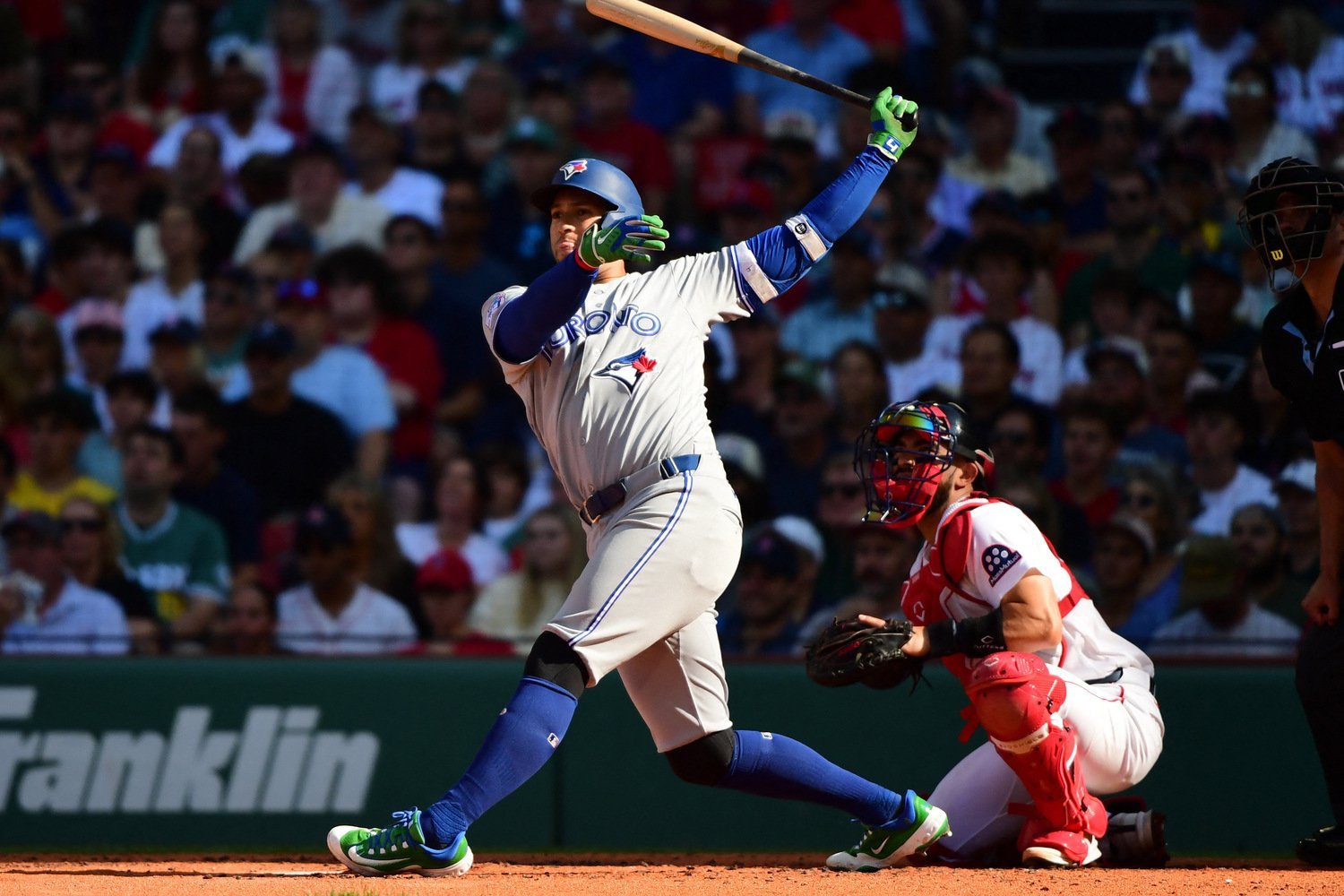 This season's trade deadline felt a little bit different from last year's. The Toronto Blue Jays are in dead last in the AL East, but are only four games back of the third Wild Card spot. However, there are five teams between them and the Cleveland Guardians, who hold the final postseason berth. There was uncertainty about what route Toronto would take: Would they be buyers, sellers, or both? Although it wasn't too busy a deadline day for the Blue Jays, they went the latter route. They traded for José Soriano from the Los Angeles Angels, who has team control through the 2028 season, and dealt Kevin Gausman to the Chicago Cubs, Daulton Varsho to the Houston Astros, and Jeff Hoffman to the Minnesota Twins. The Blue Jays' front office was still able to keep a competitive roster despite the moves they made. With the trade deadline behind us, let's take a look at who the top Blue Jays hitters were in July. Top Blue Jays Hitters In July Honorable Mention: Alejandro Kirk July Stats: 67 PA, .281/.388/.368, 4 R, 1 HR, 5 RBI, .756 OPS, 115 wRC+ Alejandro Kirk has flipped a switch in the second half of the season. He was slashing .202/.273/.315 in the first half, and his numbers are even better to start August (.310/.408/.452 through games on Aug. 3). Some of his turnaround is due to him being more selective at the plate, which is leading to more walks. In June, Kirk had a 4.3 percent walk rate, which rose to 14.9 percent in July and is 16.7 percent through three games in August. Not chasing pitches out of the zone has helped the Blue Jays catcher make better contact and get on base. He had a .587 OPS in the first half of the season, but has increased that to .861 in the second half. Kirk has been a rather consistent contact hitter throughout his career, so the low first-half statistics were alarming. However, getting patient at the plate has shown a massive difference in the catcher's results. Honorable Mention: Ernie Clement July Stats: 103 PA, .278/.311/.371, 9 R, 1 HR, 7 RBI, .682 OPS, 91 wRC+ Ernie Clement's niche throughout his six-year career has been a strong defender who can make contact and put the ball in play, but he was a bottom-of-the-order hitter who wasn't very productive. However, he wasn't a full-time starter until 2024. Since becoming a near-everyday starter, Clement has provided a steady bat all over the lineup. He has 60 at-bats or more at five different spots in the batting order this season. He doesn't provide power, as he hasn't homered in the second half of the season, but he makes up for it with his on-base skill set. Though, he is 1-for-10 to begin August. No. 3: Vladimir Guerrero Jr. July Stats: 96 PA, .256/.333/.395, 10 R, 2 HR, 10 RBI, .729 OPS, 108 wRC+ It's no secret at this point of the season that Vladimir Guerrero Jr. has a power issue. He ranks in the 36th percentile in barrel percentage (6.7 percent), 53rd percentile in squared-up percentage (25.5 percent), and 41st percentile in chase rate (51.3 percent). These are glaring issues if you are considered a power bat. He may not even reach double-digit home runs, and he's already played in 107 games. Even though the power is down, Vladdy has still found ways to be productive offensively. However, his .293 batting average on balls in play marks the first time this stat has been below .300 since 2023. This offseason can't get here fast enough for Guerrero to get to work figuring out why he's had this drastic power drought. No. 2: Kazuma Okamoto July Stats: 96 PA, .213/.271/.427, 14 R, 5 HR, 16 RBI, .698 OPS, 93 wRC+ Another month and another power display for Kazuma Okamoto. So far, he has hit five or seven home runs in each month this season. The Blue Jays will gladly take the power despite weak contact skills. Especially since only one other Blue Jay has double-digit home runs: George Springer, with 12, thanks to a big July output. Okamoto is starting to slow down in the second half of the season, with only two home runs in 66 plate appearances. Another issue the Japanese slugger faces is a high strikeout rate. He is currently striking out at a massive 30.6 percent rate. This is nine percent higher than his next-closest total from NPB, which was in 2019. The higher total can likely be chalked up to a new league and new pitchers, so it will be interesting to see if there's improvement in his second MLB season. He could also be feeling the pressure of being the only power source, so he's pressing to produce, resulting in him swinging at bad pitches. No. 1: George Springer July Stats: 69 PA, .290/.362/.516, 9 R, 4 HR, 13 RBI, .878 OPS, 147 wRC+ George Springer's resurgent season last year, in which he hit .309 and had 32 home runs, is a distant memory. However, like Kirk, Springer has flipped a switch in the second half of the season. He was slashing .218/.303/.374 in the first half and has improved to .328/.388/.557 since. The Blue Jays could have used the sudden surge to entice teams at the trade deadline, but the team elected to hold on to him. Springer has 10-and-5 rights, meaning he had full no-trade rights, so a deal may never have been discussed. Hopefully, he can keep the hot streak going down the final stretch of the season, as Okamoto needs some help in the power department. View the full article
 -
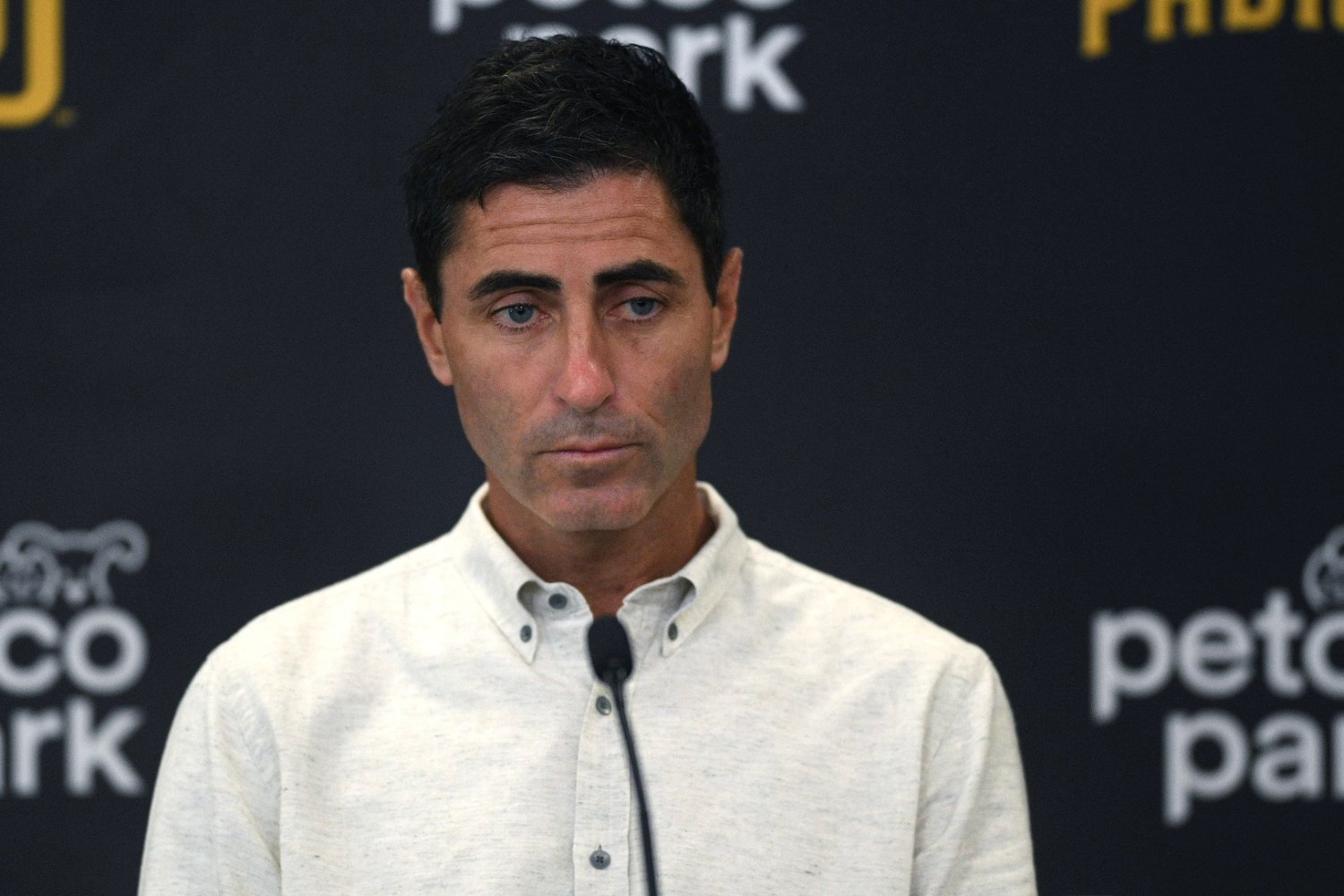 The moment the San Diego Padres started to pick up a little bit of momentum, you just knew that they were going to pivot to a buyer's stance ahead of the 2026 trade deadline. Selling was always going to be a tough, well, sell for an executive with the reputation of A.J. Preller. But their five-game winning streak and eight-of-nine run prior to Monday certainly made justifying a buy approach easier. Of course, there was also a certain degree of apprehension as to just how wild Preller could go when in the buyer's chair. The team had as dire a need in their rotation as anyone in Major League Baseball, with some bullpen relief and perhaps a supplementary bat on the list as well. With myriad starting arms available, though, that's where the focus was always going to be. Let's talk about how Preller emerged from the deadline. Padres Acquire SP Robbie Ray In Intradivision Deal Trade: Padres acquire LHP Robbie Ray from San Francisco Giants in exchange for RHP Miguel Mendez & IF Joniel Hernandez Robbie Ray is not necessarily the pitcher that he used to be. We haven't seen him post big strikeout numbers over a full season since roughly 2022. However, the Padres weren't necessarily in a situation where they needed excellence atop the rotation. They needed stability. Ray has the ability to provide just that. Ray has averaged 5.5 innings per start this season across 21 of them for the Giants. What he lacks in pure stuff, he compensates for in his ability to largely avoid hard contact (37.5 Hard-Hit%) and effectively navigate baserunners (79.0 LOB%). He's also avoided home runs in each of the last two seasons far more than he did early in his career, with homer-to-flyball rates under 10 percent in each of 2025 & 2026. From a prospect standpoint, the Padres lose one of the more intriguing arms in their system in Mendez. With a high-velocity fastball and effective slider, there was likely to be a place on the major-league staff for him before long. However, with that type of profile, the floor remained relatively unclear. Could he hang as a starter? Would command issues relegate him to bullpen duty? That lack of clarity around his future role likely made the Padres at least somewhat more comfortable in dealing him. Hernandez, meanwhile, is almost an entirely unknown quantity and multiple years away. At the end of the day, the Padres got a pending free agent pitcher (with postseason experience) who helps to stabilize their rotation in a way that was absolutely needed, even if he's not performing at the level we've seen from him in his younger years. Grade: B+ Padres Snag Casey Mize at Trade Deadline Buzzer Trade: Padres acquire RHP Casey Mize & IF Gage Workman from Detroit Tigers in exchange for LHP Kash Mayfield & LHP Jackson Wolf Like Robbie Ray, Casey Mize is a pending free agent. Unlike Ray, he's at something resembling a performance peak. The former No. 1 overall pick had battled injury issues during his time with the Tigers, but spun that into an All-Star campaign in 2025 and a season that looks even better in 2026 (albeit one that has seen the odd injury issue sprinkled in). Through 16 starts, Mize has a 2.70 ERA (2.58 FIP), a 24.9 K%, and a 5.6 BB%. That latter figure sits in the 90th percentile, indicating just how "on" Mize has been throughout 2026. Each of those numbers overall are better than the ones he posted a year ago when he was an All-Star. He doesn't necessarily work at the same volume Ray's able to provide, but there is legitimate upside here that' he's finally realizing. To acquire that upside, the Padres had to part with their No. 2 prospect in Kash Mayfield. Perhaps re-signing Mize makes that a little more digestible. Even if they don't, though, Mize was one of the better arms available based on performance, even as a pending free agent. You have to give something to get something, and Mize further fortifies the starting group alongside Ray. His upside makes the deal just a touch more interesting for San Diego, however. Also of note: Workman & Wolf offer a little bit of extra depth for each organization. Workman can move around the infield, but will have to mitigate some massive strikeout issues before becoming a viable bench piece. That Wolf hadn't been a factor for a Padres team desperately in need of arms tells you all you need to know about him. Grade: A- Padres Find Bullpen Depth In Hunter Stratton Trade: Padres acquire RHP Hunter Stratton from Pittsburgh Pirates in exchange for RHP Andrew Moore Stratton checks a box, and that's kind of where it ends. Designated for assignment for the Pirates upon the arrival of Camilo Doval, the Padres were happy to accommodate him within their own organization. He's been pretty respectable across 28 minor-league appearances in Atlanta and Pittsburgh this season (3.31 ERA, 4.05 FIP), but will have to settle some command issues before emerging as anything remotely trustworthy in the Padres' elite bullpen. At the end of the day, they wanted a bit of extra depth on the relief front. Stratton does that, unspectacular as he may be. Grade: C View the full article
 -
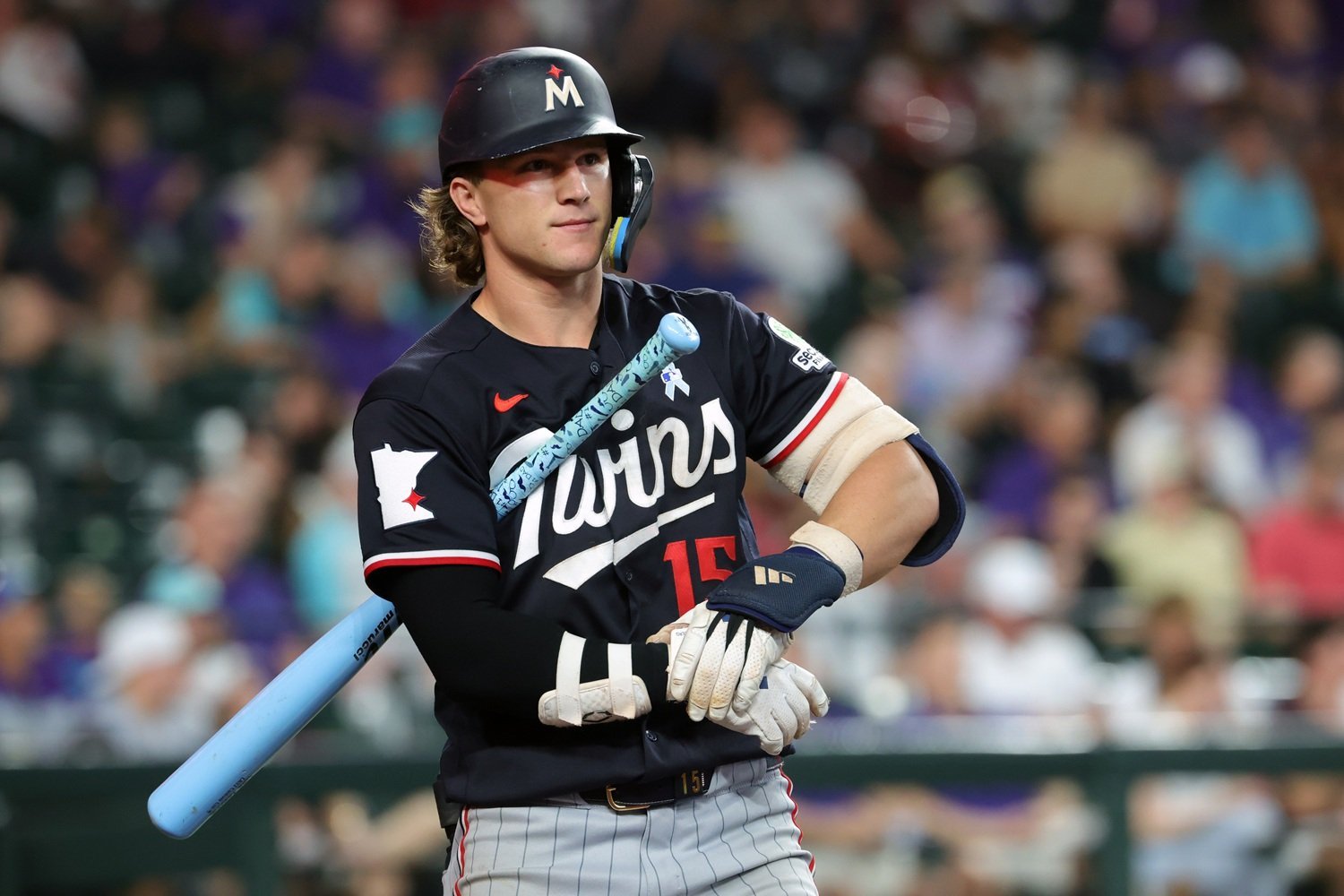 Batter’s box antics are nothing new. Humans are creatures of habit, and hitters are even more so. The maniacal, unthinking routines of players at the plate are a part of their personhood; reflecting character and philosophy, even if they aren’t fully aware of what they’re doing, much less why they’re doing it. Luke Keaschall is one of these people. Let’s look at a sample of his behavior from just one game. We start with the mild: a good-not-great sweeper from Eduard Bazardo that Keaschall saw all the way for an easy take. In response, he digs in aggressively with his back foot, though hesitates slightly, as if he found and then took aim at an especially ugly bug. He does this move often. Typically in frustration after a poor take. TUFYd1lfWGw0TUFRPT1fQUFBQ1ZWSURCd0FBWGxKVEJRQUhDUVZVQUFOWEFBQUFCMVFGQWxVSFYxZFJBbFJW.mp4 The next is a twist, literally. An outside sinker from Michael Rucker never darts back to the zone, and our hero lets everyone know it, shaking his head with an Arraez-ian vigor before rotating in a half-Chubby Checker. He concludes his antics with the common movements of an anxious hitter, with spit, adjustments, and a stare-off towards nowhere in particular as he prepares for the next offering. TUFYd1lfWGw0TUFRPT1fQjFWU0IxTlNVZ1VBRFZwVEJBQUhBUUlBQUFBQ1d3Y0FCbGNNQXdwUUNWQUdWZ1JT.mp4 Keaschall is a habitual shaker. He can’t help it. And with a career walk rate of nearly 10%, he’s earned the right to communicate to players and fans alike what he believed the relationship between any given pitch and the strike zone to be. This kind of self-affirmation may seem indulgent—and perhaps it is—but when the line between ball and strike, out and hit, is razor thin, constant positive feedback could help a batter stay on top of their game. Or at least help them fend off the madness innate in the 162-game slog. Or maybe they were crazy all along. Perhaps it's no surprise, then, that Keaschall is Challenger. His right hand might as well be magnetically connected to his helmet. He leads all Twins hitters with 21 challenges, though his success rate is a tepid 52%. Still, his massive challenge rate has neutered four strikeouts and added two walks, making his attempts to thwart the home plate umpire an overall net positive for the team, even if it may result in a flustered feeling. Keaschall doesn’t care. He knows his process is sound. The downside of his tendencies played out on Friday night, with the youngster reminding us of the visceral embarrassment that arrives when one protests what turns out to be just. Bryce Miller spots a perfect pitch. His 0-1 fastball beautifully clips the bottom outside edge of the strike zone. Keaschall disagrees. He shakes as he pulls himself back, hears the umpire call the pitch a strike, and taps his helmet before Alan Porter can fire his finger gun towards the first base dugout. He will fail this in his contest. Yet, you can understand his desire to alter reality: the difference between an 0-2 deficit and a 1-1 count is massive for a hitter. If he can impart that change, fortune swings slightly back into his favor. The 23-year-old ended up with an infield single anyways. Ball don’t lie? TUFYd1lfWGw0TUFRPT1fQTFWUVhRQlNVMUFBWEZ0VFVBQUhCUUlFQUZnRkJsVUFWd1pYVkFFRFYxWUVCd1ZY.mp4 Our final take is the most inspiring. A straight-up workout routine. Keaschall spits on a pretty good curve that darts into the dirt before smoothly dropping into a tucking stretch. Maybe he wanted to get closer to the ball and the catcher to tell both that he saw through their shenanigans; the tricky breaking ball was not enough to coax a swing. And he gets real low: for a second, he compacts himself lower than Cal Raleigh, whose position demands a perpetually calcified crouch. He then steps back and adjusts his person with a similar vigor as example two. TUFYd1lfWGw0TUFRPT1fVlZSUlVsQUJVbEVBQ1ZJRlV3QUhCQUVFQUFBTkFWY0FWRlVCVWd0WEJ3QlVCRmRT.mp4 These probably aren’t even the best examples of the energy Keaschall exudes at the plate. They just happened to be from the most recent game. Watch any at-bat of his closely, and you’ll see any and all types of movement, the kind of jittery motions that rival David Byrne at his most eccentric. It's an art in itself. Players may be professionals, but that will never stop them from being strangely human. View the full article
 -
Why Clay Holmes Is The Perfect Fit For Cubs Rotation
DiamondCentric posted an article in North Side Baseball
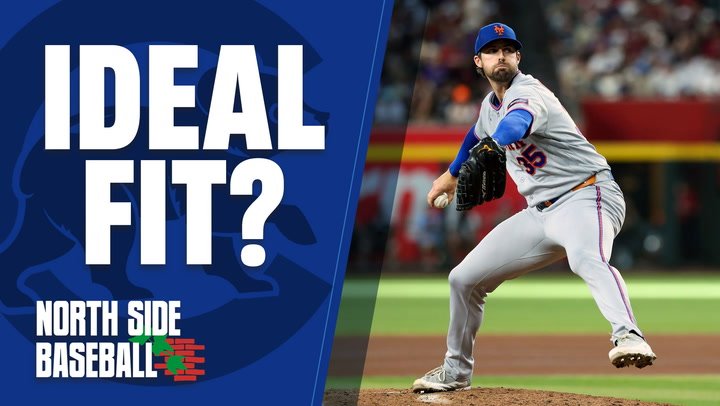 The Chicago Cubs got a second rental starter, this time Clay Holmes from the New York Mets, just before the trade deadline. In this video, we'll dive into Holmes' journey to becoming a starter, how he did in 2025, his remarkable five-pitch arsenal, an elite whiff rate, and a ground ball rate that'll play perfectly with one of the best defenses in Major League Baseball. Enjoy! View the full article
 -
 Alright, now it's clear when the worst losing streak in Miami Marlins franchise history happened. No, I didn't just tune back in to the Marlins after that month-long vacation I took around the Fourth of July. Much to my wife's chagrin, I was actually following the team pretty closely during my summer holiday. Plus, that trip was wrapping up around the All-Star Break, meaning I actually missed all the fun and had a front row seat for all that losing carnage. Believe me, I was well aware of every single one of those losses. However, as Marlins infamy fast approached, I really found myself dragging my feet on writing this up as the Worst with a capital W Marlins losing streak. Longest? Sure, they put a lovely bow on that with that final meltdown against the Padres. But worst? That kind of label requires all kinds of context. After all, it would even be hard to argue that any of the 11-game losing streaks that the 2026 Marlins seemingly let off the hook last month truly deserve that title if you define worst as anything other than "most losses in a row." The 2011 team? Expectations were never super high, even if they did get off to a hot start. That team was always more about getting to the new ballpark than making any noise during their last season in the old one. The other 11-gamers came courtesy of the worst Marlins roster in franchise history, back in 1998. They did it twice, along with a 9-gamer for good measure. But again, not like there were any real expectations to dash on the rocks there. I suppose you could make a case for that first 11-game slump of theirs being the worst since it started on the second game of their title-defending season. It did, after all, sort of set the franchise down the path they've been on ever since. Yet the team had already been largely gutted, so the pain really wasn't a surprise. Poor Jim Leyland must have been going through a carton a day by July. Honestly, until this season? I would have told you that the truly worst Marlins losing streak wasn't even double-digits. For me, it was a 6-game losing streak in late 2004 that knocked the defending champions pretty firmly out of playoff contention. A losing streak fueled as much by the toll of too many hurricanes as too difficult opponents. But if you want to pick a pair of early season 4-game losing streaks in 2010 that probably helped seal Fredi Gonzalez's fate? I'd disagree, but I'd respect it. And if you wanted to be a stickler that counts two losses in a row as a losing streak, there's no getting around those 2020 and 2023 playoff exits. Fast forward to the day after the 2026 MLB trade deadline though, and for the first time in franchise history, the math mirrors the damage. Why? Because as anyone reading this well knows, this time, the slump actually cost the Marlins. Yes, they did largely stand pat, and they kept the core intact. That's great, but it doesn't change the fact that they were rumored to be definite buyers, with everything on the table going into the All-Star Break. Certainly not emptying the farm—this team isn't ready enough for October to do that yet—but at least not getting outshined by the Pirates. The turnaround was dizzying. The change in expectations was gutting. What should have been a trade deadline finish filled with hope was instead one where most Marlins fans spent it hoping the rumors wouldn't be true. Business as normal, in other words, when it wasn't long ago at all that it was supposed to have been so much more than that. Now, can the 2026 Marlins still contend? Absolutely. But it is far more likely that they are going to coming up short, and do so because they are lacking in an area that a true blue buyer would have addressed on the trade market. All because of that 12-game losing streak that changed everything...making it the worst losing streak in Marlins history. View the full article
 -
July 2026 losing streak now officially worst in Marlins history
DiamondCentric posted an article in Fish On First
 From July 10-26, the Miami Marlins lost every ballgame they played. The last of those dirty dozen contests set a franchise record for consecutive losses, but it took an additional week to fully understand the streak's ramifications. The 2011 team suffered almost as many losses in a row during their season. However, expectations were never super high, even if they did get off to a hot start. That team was always more about getting to the new ballpark than making any noise during their last season in the old one. The other 11-gamers came courtesy of the worst Marlins roster in franchise history, back in 1998. They did it twice, along with a nine-gamer for good measure. But again, not like there were any real expectations to dash on the rocks there. Although so closely removed from winning a World Series title, the team had already been largely gutted. Prior to this season, I would have told you that the "worst" Marlins losing streak wasn't even double digits in length. For me, it was a six-game losing streak in late 2004 that knocked the defending champions pretty firmly out of playoff contention. It was fueled as much by the toll of too many hurricanes as too difficult opponents. With the 2026 MLB trade deadline now in the rear view, for the first time in franchise history, the math mirrors the damage. Why? Because as anyone reading this well knows, this time, the slump actually cost the Marlins. Yes, they did largely stand pat at the trade deadline, and they kept the core intact. However, they were rumored to be definite buyers going into the All-Star break. The turnaround was dizzying. The change in expectations was gutting. What should have been a deadline filled with hope was instead one that most Marlins fans spent it hoping the rumors wouldn't be true. Can the 2026 Marlins still contend? Absolutely. But it is far more likely that they are going to coming up short, lacking in areas like third base and starting rotation depth. A true buyer would have done something to patch those leaks. That 12-game losing streak changed everything, making it the worst losing streak in Marlins history. View the full article
 -
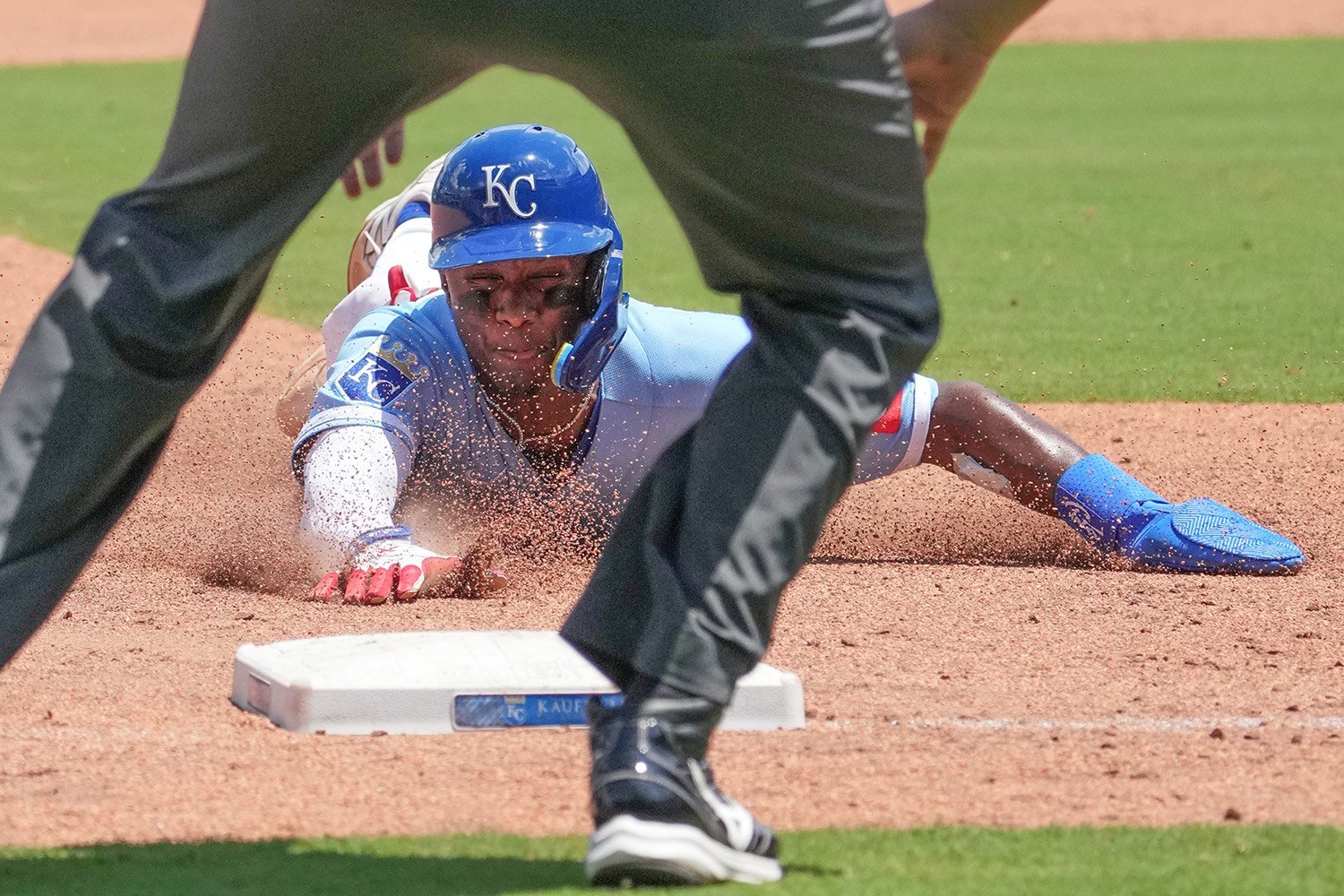 July was not too kind to the Royals in general. They finished the month with an 11-14 record and sat 13 games out of first place in the division. While by the end of July, it may have been more interesting to follow the trade deadline deals and rumors, there were some strong performances by Royals hitters in July that should not go unnoticed. One hitter who excelled in July is Tyler Tolbert. His July slash line was .425/.452/.700 with a 222 wRC+, headlined by a record-tying stretch of 12 consecutive plate appearances with a hit. He also showed off his low-strikeout rate, striking out only three times all month, and how damage can be done in the lineup if the ball is put in play with multiple infield singles during the streak. Tolbert led all Royals during July in fWAR (0.9), batting average, on-base percentage, slugging percentage, wOBA (.493), and wRC+. Tolbert is usually known for his speed and hitting singles, but his power was on display in July. In 45 plate appearances, he slugged two doubles and three home runs. For most of his career so far, Tolbert has assumed the role of pinch-runner and defensive replacement late in games. In July, he was starting more often to cover for various injuries. When Vinnie Pasquantino went to the Injured list in mid-June, Jac Caglianone shifted to first base in some games, leaving right field open for Tolbert to play more innings. After the All-Star break, Bobby Witt Jr. landed on the IL, which provided an opportunity for Tolbert to start at shortstop. With such a strong performance in July, Tolbert has made an excellent case to continue to start in the lineup once all starters return from injury. With some starters having been dealt before the trade deadline ended, Tolbert will look to continue to capitalize on his additional opportunities in the lineup the rest of the season Honorable Mention: Isaac Collins Collins has been a steady presence in the Royals’ lineup with so many players having missed time from injury. Collins played in 24 of the 25 games in July and has a slash line of .276/.353/.500 with a 135 wRC+. Like Tolbert, Collins showed off his power in July, slugging four doubles, two triples, and three home runs. View the full article
 -
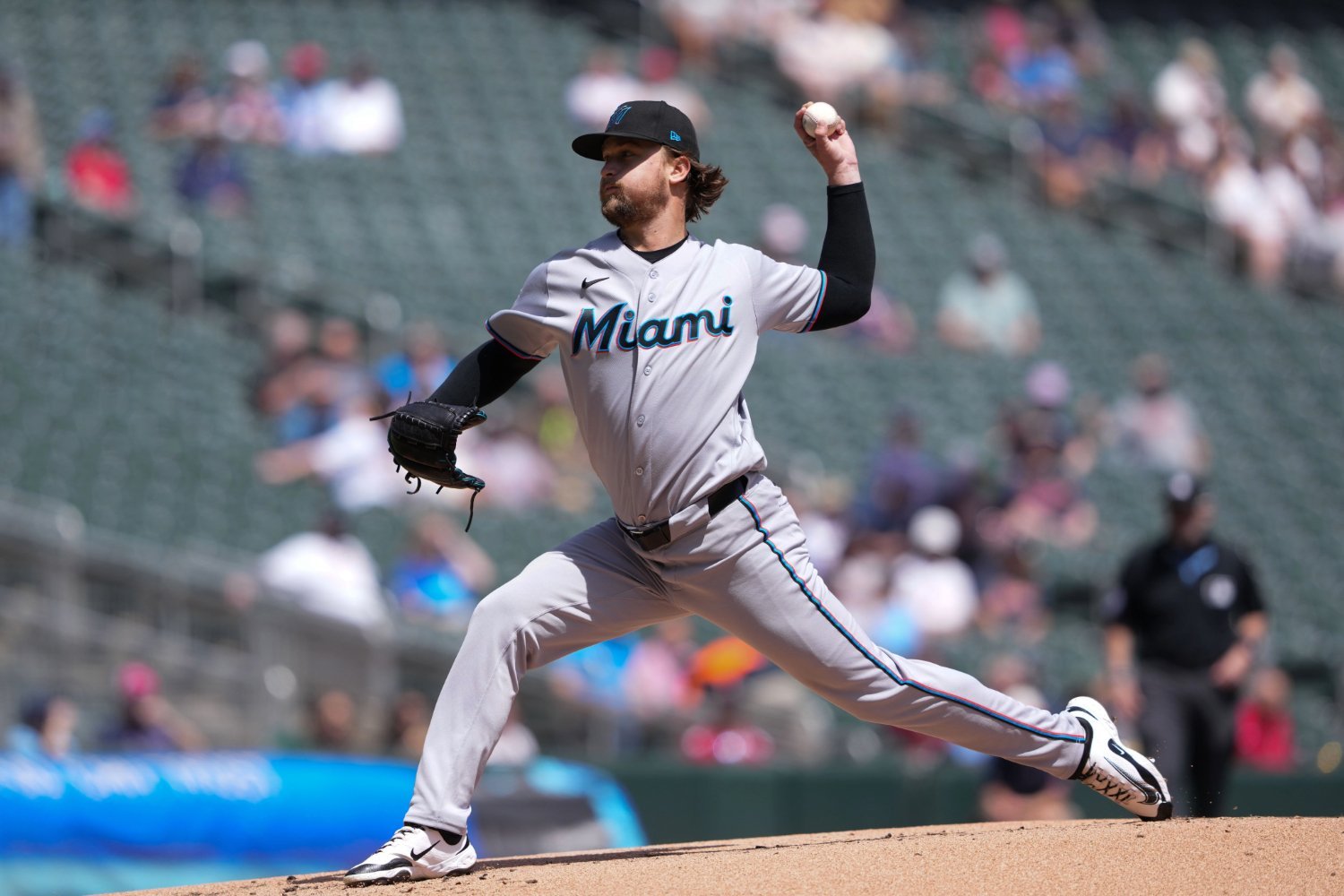 In the most objective sense, the Chicago Cubs had one of the better trade deadline sequences of any organization in Major League Baseball. They had clear needs, and the front office took firm and aggressive steps toward addressing those needs. That doesn't mean each piece of their new roster puzzle fits in seamlessly, however. Kevin Gausman will get work at the front of the rotation. Clay Holmes, when healthy, will have a spot in his own right. Ryan Zeferjahn should be able to parlay some solid work with a listless Los Angeles Angels squad into leverage opportunities with a depleted Cubs bullpen. Where we start to run into some uncertainty, though, comes in the form of Braxton Garrett. Garrett was acquired from the Miami Marlins in exchange for prospects Jonathon Long and Jace Beck. The return itself is decent-enough from the Miami side, but the Cubs' perspective is a simple calculus; they gave up a bat-first player without a positional future in Chicago and a 26-year-old minor-league free agent that had broken out but lacked a pathway to innings at the top level. Neither name involved suggests that Garrett is a player the Cubs had to have. Nor does it indicate they need to bestow upon him an immediate major-league role. However, it isn't difficult to see what they liked. In 2023, Garrett was a breakout arm for the Marlins. He made 30 starts, threw almost 160 innings, and pitched to a 3.66 ERA (3.68 FIP), a 23.7 percent strikeout rate, and a 4.4 percent walk rate. The walk rate stood out, in particular, as it sat in the 97th percentile that season. All told, he turned in a 3.1 fWAR and established himself as yet another interesting young arm in South Beach. A year later, Garrett made seven tough-luck starts in which he continued to excel in his strikeout and walk rates but ran into a fair bit of hard contact and a .310 opposing batting average on balls in play. His ERA sat over five before hitting the shelf in June and undergoing Tommy John surgery in December of 2024. That wiped out all of 2025, with just two big league starts to his name since. At the minor-league level, Garrett has excelled. With the Marlins' Triple-A affiliate this season, he'd made 15 starts to a 2.90 ERA, a 26.4 percent strikeout rate, and a 9.4 percent walk rate. Elements of his profile that must have represented enough intrigue to the Cubs to execute this deal have been on display within all of that. The pre-surgery iteration of Garrett was primarily sinker-sweeper/slider. The 2024 season saw the introduction of a four-seam with a higher frequency, leading to a predominant three-pitch mix. Since getting back into regular work, that trio is primarily what we've seen from him in Triple-A this season: As with his previous major-league work with Statcast, it's likely that TJ Stats has that slider/sweeper features significant overlap, with only the sinker sitting above it usage. The old mix of the sinker with a breaking pitch was successful for Garrett as it allowed him to be something of a groundball specialist. In his more than 300 innings of big-league work, he's gotten the ball on the ground 48.2 percent of the time. The four-seam addition hasn't dramatically overhauled his usage within a general context, but has provided him with a second pitch to lean on in those situation where he ends up behind. The metrics supporting it are also slightly better than the sinker in terms of the success of opposing hitters (though in a smaller sample). In general, here's where Garrett falls within his minor-league performance this season: Ultimately, even as an arm logging his innings in the minor leagues at present, it's not hard to see where the Cubs' intrigue originates. He brings multiple fastballs and an effective sweeper/slider combination that has allowed him to mitigate hard contact in an effective fashion and helps him get a healthy amount of groundballs. That latter note is especially significant given the defense that will be playing behind him in Chicago. There's also the factor of control. For a package of Long and Beck, the Cubs were able to get a multi-year left-handed starter with an interesting profile. They could have acquired a stronger track record in Reid Detmers, but at a much higher cost. The additional move for Holmes (while already having Gausman and David Peterson in tow) makes this more appealing than it otherwise could have been. We don't know what Garrett's role looks like this season. He may not even have one in 2026, barring continued injuries to the starting staff. But with Gausman and Matthew Boyd as pending free agents and Holmes holding a player option with the wide expectation that he'll decline, Garrett offers them much more certainty beyond 2026 than they may otherwise have had. It's a good bit of business from Jed Hoyer, even if the results may not be realized until a post-lockout world View the full article
 -
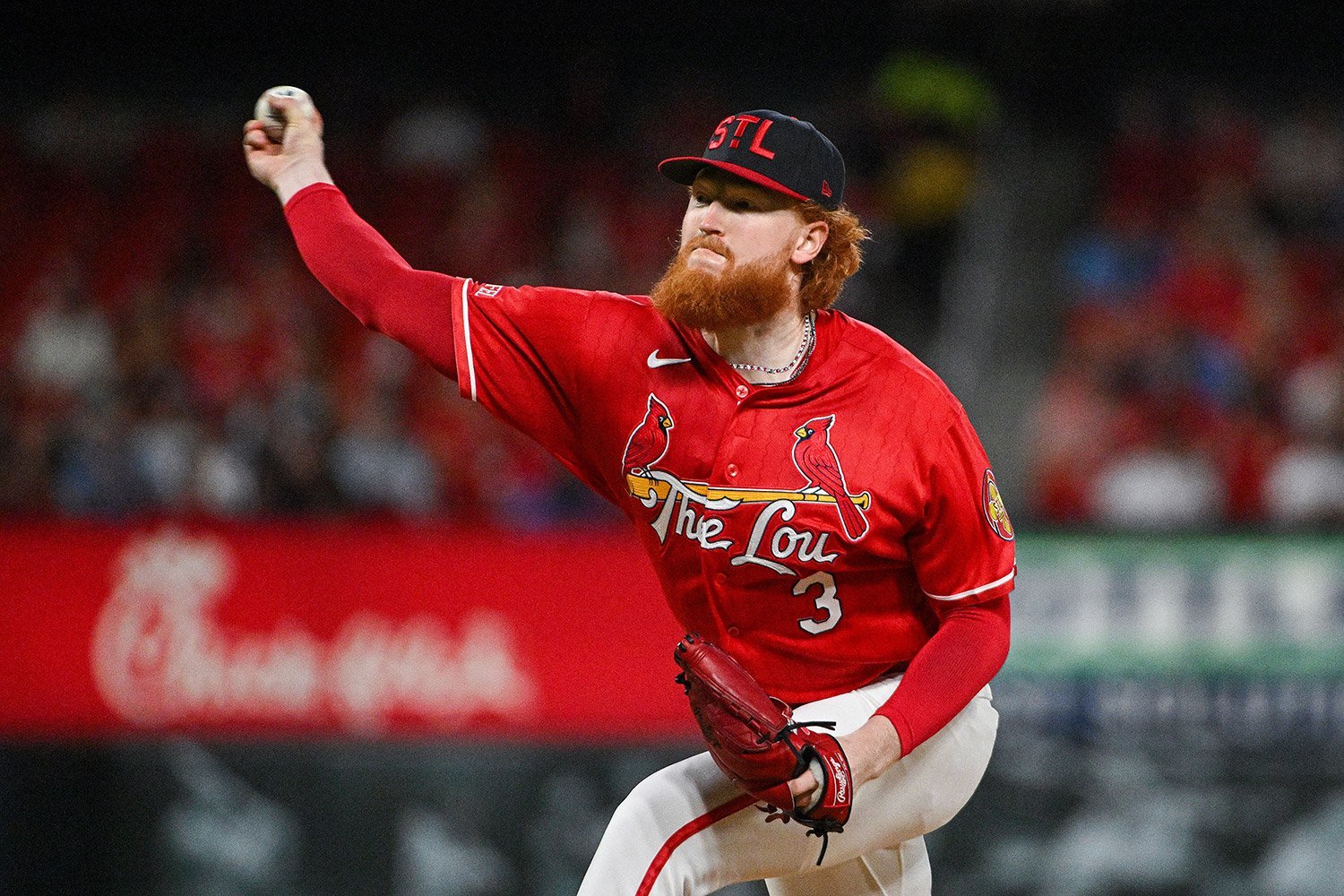 Dustin May's 4.38 ERA is the first thing many fans will see after the Brewers acquired him at the trade deadline. It's also the reason some believe Milwaukee paid too much. The underlying numbers tell a very different story. Those numbers suggest Dustin May had the strongest statistical case to be the second-best starting pitcher available at the deadline, and could be a crucial arm for Milwaukee's bid to reach the World Series. May's recent history is important. Coming off a series of significant injuries, including two Tommy John surgeries in 2021 and 2023 and a torn esophagus in 2024, he had a rough 2025 split between the LA Dodgers and the Boston Red Sox. May posted a 4.96 earned run average (ERA), a 4.87 fielder-independent pitching (FIP), and a 1.42 walks and hits per inning pitched (WHIP) across 132 1/3 innings. His fastball velocity was down a couple of ticks from his pomp with the Dodgers, seeing his sinker punished consistently. During the 2026 offseason, prior to signing with the Cardinals on a one-year, $12.5 million deal, May went to work. He adjusted his sinker grip, adopting a one-seam orientation to generate more seam-shifted wake, which uses the aerodynamics of the ball to encourage more downward movement. He also saw his velocity creep back up to start the year to the 96-97 mph range on his two fastballs, which is where he thrived with the Dodgers. After a rocky start to the season with 13 earned runs through his first 7 1/3 innings pitched, May has been one of the best pitchers in baseball by the measures hitters can control: strikeouts, walks, and home runs - also known as FIP. Since May 1st, among pitchers to throw at least 70 innings, Dustin May ranks 8th in baseball in FIP. It's a statistic that, while basic, has correlated well with actual pitching performance in recent years. FIP suggests May's ERA has not fully reflected the quality of his underlying performance over the same period, as his ERA is 4.02 over that span. Here's a look at the top 12 pitchers by FIP since May 1st, and you'll see a host of recognisable names: Name Team IP K/9 BB/9 HR/9 GB% HR/FB ERA FIP Jacob Misiorowski MIL 94.1 13.74 1.53 0.67 49.10% 11.50% 1.05 1.64 Chris Sale ATL 82 11.52 1.87 0.33 45.10% 4.50% 1.98 1.85 Dylan Cease TOR 88 12.78 3.48 0.72 41.20% 9.30% 2.25 2.48 Cristopher Sánchez PHI 104.1 10.18 1.73 0.78 57.90% 13.20% 2.5 2.65 Drew Rasmussen TBR 86.2 9.35 1.56 0.73 41.80% 8.40% 3.01 2.8 Paul Skenes PIT 90.2 11.61 2.48 0.89 37.00% 9.60% 4.27 2.83 Sean Burke CHW 79 11.51 2.73 0.8 33.50% 8.20% 2.96 2.87 Dustin May STL 78.1 9.65 3.22 0.46 42.30% 5.10% 4.02 2.88 Bryan Woo SEA 85.1 10.02 2.11 0.95 41.80% 10.10% 4.85 2.98 Cam Schlittler NYY 95 10.99 1.89 1.04 41.10% 11.30% 2.27 2.98 Zack Wheeler PHI 100 10.8 1.8 1.17 44.40% 15.10% 2.43 3.05 Chase Burns CIN 84.2 10.42 3.3 0.85 31.60% 8.30% 2.23 3.14 That's the key context. Every other pitcher ahead of May on this list remained with their original team. Among available starters, nobody matched May's underlying production. In fact, the next player on the list is Kevin Gausman, who ranked 35th with a 3.59 FIP since May 1st. Dustin May, by the elements a pitcher can control, is far and away the best starter to be traded by this metric over the last three months. That profile explains why Milwaukee was willing to pay a significant price. The Brewers have consistently valued pitchers who limit damage, generate ground balls and create weak contact, and May fits that philosophy. So why is he so good? Well, Dustin May avoids the long ball like the plague. Only Chris Sale of the names above allows fewer home runs per nine innings, and that's because May's large arsenal and vicious movement do a phenomenal job of missing barrels with regularity. The three-fastball mix he possesses is something the Brewers prize for this reason, and his cutter is the cream of the crop. Last season, May's fastballs were getting hit so hard that he led his entire mix with his sweeper. This season, he's establishing all three fastballs to quite deadly effect. The graphic above from pitch profiler shows that, on both the four-seamer and the cutter, when hitters put the ball in play, their expected run value is negative. The four-seamer has been hit hard, but generates a lot of pop-ups, while the cutter has an average exit velocity against it of just 85.5 mph. If that wasn't enough, the newly constructed sinker has a 56% ground ball rate this season. Each pitch protects the other well, but let's hone in on the cutter a little bit. I've got another graphic below showing how each pitch, if thrown at the same target, looks at the time the hitter is making his swing decision. Notice how close the red (four-seam), orange (sinker), and brown (cutter) are. More importantly, the cutter is a bridge pitch that enhances the effectiveness of the sweeper, May's most effective out pitch. From a pure stuff perspective, this pitch is 70-80 grade, coming in faster than most sweepers with more horizontal break, averaging almost 3,200 rpm. The cutter mirrors the sweeper more closely than the four-seam or sinker, and allows the pitch to be even more deceptive. To add to that, May is able to spin a steep curveball to left-handed hitters, and a changeup that grades out extremely well, although he does have some spotty command of the pitch. Again, if you look at the decision point chart, the changeup and the sinker look almost identical at the time a hitter is gearing up to swing, and that's why May can get a lot of swing and miss on it when it's well located. Some analysts think the Brewers, if they can find the right sequencing for Dustin May, can unlock even more from him. Eli-Ben Porat from Baseball America has a model called "FIRE", combining a pitcher's stuff, sequencing, and location to create overall grades for a pitcher. Unlike traditional stuff models that only evaluate pitch quality, FIRE attempts to measure how a pitcher's arsenal works together through stuff, sequencing, and location. Here's his assessment of Dustin May: The one change we may see more of from the Brewers, and it's backed up by Ben-Porat's model, is more sinkers and fewer four-seam fastballs. Combining May's feel to command the pitch, his ground ball rate, and the increased movement he gets with it, as well as the Brewers' fondness for sinkers in general, I would expect Milwaukee to increase May's sinker usage while reducing his four-seam frequency ever so slightly. They haven't enjoyed big east/west arsenals of late, and that would be the one concern. Big moving pitchers like sweepers haven't fitted too well in their structure, and they don't call a lot of them, but May's ability to command his main breaking pitch can buck the trend. There's a lot to like about Dustin May. He doesn't walk many hitters. He avoids barrels. He has some electric breaking pitches at his disposal. Oh, and he's been one of the top 10 pitchers in baseball since May 1st. This is someone the Brewers would be comfortable starting a playoff series, and who has a chance on his day to dominate any lineup. After Tarik Skubal was off the board, the Brewers have pivoted to the next best starter on the market. The price was large, but a lot more reasonable than that of Skubal, and they got a left-handed, late-inning reliever to boot. Given the dearth of quality impact bats available to fix their offensive capabilities, I could make the argument that Dustin May, JoJo Romero, and Antonio Senzatela are the highest quality upgrades available for the Brewers. How it plays out over the next three months will go a long way toward determining that statement. View the full article
 -
Why Marek Houston is the Twins’ Most Underrated Prospect
DiamondCentric posted an article in Twins Daily
 When prospect rankings are released, the conversation usually centers around the flashiest tools. The biggest power. The fastest fastball. The loudest stat lines. That's why Marek Houston continues to fly under the radar. The Twins' 2025 first-round pick has quietly transformed himself from a player viewed as an elite defensive shortstop with offensive question marks into one of the most complete prospects in baseball. National outlets are finally starting to reward that growth by placing Houston on Top 100 prospect lists, but even those rankings may not fully reflect how much his stock has risen over the last year. Houston isn't just exceeding expectations. He's changing the narrative that followed him into professional baseball. The Bat Was Always the Question When Minnesota selected Houston with the 16th overall pick out of Wake Forest, there was little debate about his defensive future. Scouts viewed him as a polished shortstop with outstanding instincts, range and arm strength. His glove projected as an above-average major league tool from day one, making him one of the safest defensive players in the 2025 draft. The uncertainty centered around his offense. Houston earned Wake Forest's starting shortstop job as a freshman largely because of his defense, hitting .220 while helping the Demon Deacons reach the College World Series. He took a significant step forward as a sophomore, batting .326 with eight home runs before completely reshaping his offensive profile during his junior season. After refining his approach, Houston slugged 15 home runs while posting a 1.055 OPS, showing enough improvement for Minnesota to invest a first-round pick. Even then, evaluators wondered whether that newfound power would survive against professional pitching, especially given Wake Forest's relatively homer-friendly ballpark. Houston's professional debut offered both encouragement and skepticism. He hit .370 over his first 12 games with Single-A Fort Myers, earning an immediate promotion to High-A Cedar Rapids. The jump proved challenging, however, as he struggled through the final weeks of the season and finished his first professional campaign with a .270/.330/.350 slash line and just one home run. For many evaluators, those struggles reinforced pre-draft concerns that Houston's bat would ultimately cap his ceiling. Instead, they became the starting point for another adjustment. A Revamped Swing Has Changed Everything, Houston spent the offseason working with the Twins to improve his swing path, creating more line-drive carry while maintaining the elite contact skills that had always been part of his game. The goal wasn't to turn him into a slugger. It was to produce harder contact without sacrificing the disciplined approach that already made him difficult to pitch against. As Houston told MLB.com, the focus was simple: "Being a contact-oriented guy, just trying to hit the ball with more authority." The results have been impossible to ignore. Across High-A Cedar Rapids and Double-A Wichita, the 22-year-old is slashing .325/.405/.479 (.884) with nine home runs, 21 doubles and 38 stolen bases. Since earning his promotion to Double-A on June 22, he's been even better, with a .921 OPS including four home runs in the Texas League where he is two years younger than the average age of the competition. Just 27 games into his Double-A career, Houston owns a 138 wRC+, a remarkable number for a player once viewed as a defense-first prospect. More Than Just a Good Hitter Houston's offensive improvements go beyond the traditional numbers. Standing 6-foot-3 with smooth athleticism, he has become one of the organization's best baserunners, stealing 38 bases while being caught only four times. His approach at the plate is equally impressive. Houston combines above-average walk rates (11.7 BB%) with an exceptionally low chase rate, consistently forcing pitchers into the strike zone. He simplifies everything with two strikes, allowing him to put together mature at-bats while limiting strikeouts. With two outs and runners in scoring position (70 PA), he has a .500 OBP with more walks (13) than strikeouts (10). The raw power may never reach the level of other top prospects like Walker Jenkins or Emmanuel Rodriguez, but it doesn't need to. Houston is proving he can impact games by controlling the strike zone, putting the ball in play, creating pressure on the bases, and playing premium defense at the game's most valuable infield position. The Ceiling May Be Higher Than People Think Houston still isn't a finished product. Just under 30 games in Double-A don't guarantee he'll become an impact offensive player in the majors, and there is still room for more power to emerge if he continues elevating the baseball consistently. But the biggest concern surrounding his profile has largely disappeared. At this point, there is little reason to question whether Houston has a major league-caliber bat. Even if his power settles around average, his combination of contact ability, patience, speed and elite defense gives him one of the highest floors in the Twins' farm system. That is a valuable offensive skill set even without 25-home run power. Pair it with plus defense at shortstop, and the overall package becomes significantly more valuable. That's especially meaningful for a Twins organization searching for a long-term answer at shortstop after trading Carlos Correa. Houston may never become the face of the franchise or headline prospect rankings alongside Jenkins, but he is quickly becoming one of the safest bets in the system to develop into a productive everyday major leaguer. The labels attached to him coming out of college weren't wrong. They were simply incomplete. One year into his professional career, Houston has evolved into much more than an elite defensive shortstop. He's one of the fastest-rising prospects in baseball, and perhaps the most underrated player in the Twins organization. Is Houston the most underrated player in the Twins organization? Leave a comment and start the discussion. View the full article
 -
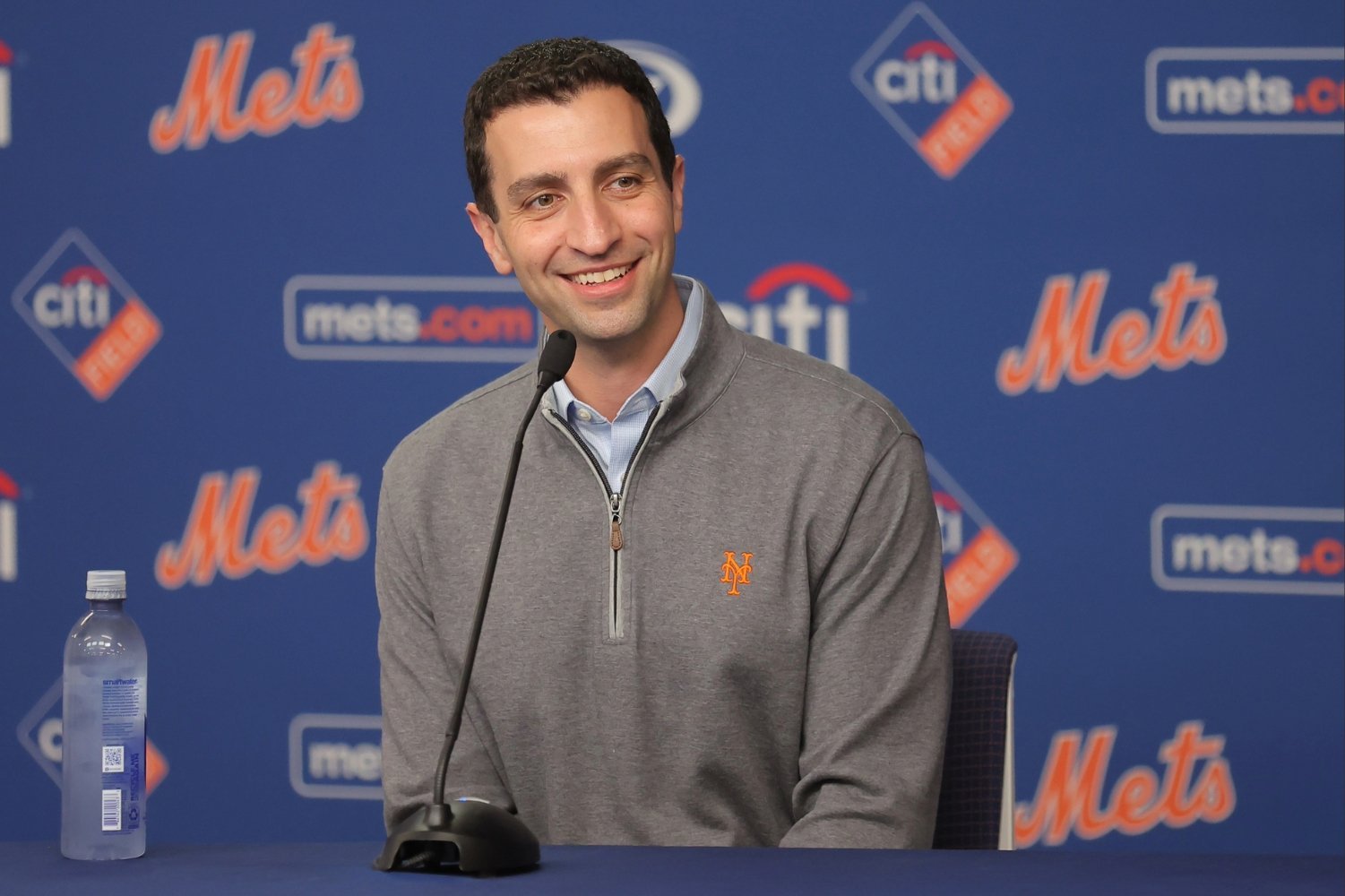 The New York Mets' disastrous 2026 made them easy deadline sellers. There was no straddling the fence, because by mid-June, they had already fallen from the fence, broken both legs and an arm as they rolled down a hill into an industrial waste receptacle. All told, the Mets executed seven trades, shipping out eight major leaguers, and got 12 prospects in return. Of the players the Mets traded, only Luke Weaver and Clay Holmes had guaranteed money on the books for the 2027 season, and Holmes’ guarantee is via a player option. Since the vast majority of the Mets’ moves were rentals, the expected prospect return should be muted. MLB organizations simply don’t depart with top prospects for rentals, unless they’re a star. While that might make the Mets’ deadline fire sale seem somewhat underwhelming, it also means they haven’t completely gutted their roster for future seasons. With those caveats in mind, let’s get out the red pen and hand out those grades. New York Mets 2026 Trade Deadline Grades Trade: Mets secure Jefferson Rojas from the Chicago Cubs for Clay Holmes and Tyrone Taylor This was, without a doubt, my favorite trade the Mets made, and the reason is quite simple. Jefferson Rojas is a global top-100 prospect. I wish more teams tried to bundle two vets to get one good prospect; instead of taking the pu-pu platter of 35 and 40-grade prospects that every organization seems to churn out, the Mets landed one big fish. On top of that, top-100 prospects rarely get moved for a 33-year-old pitcher who has missed the past two months and a career short-sided platoon outfielder. However, I’m not going to savage the Cubs for this decision. Holmes has been a solid starting pitcher since the Mets converted him from the pen in 2025. He posted a 3.53 ERA in 165.2 innings last season, and has a 2.39 ERA in 52.2 innings in 2026. Now, all the ERA estimators suggest he has gotten a bit fortunate, but the Cubs have one of the best position player cores in baseball and desperately needed starting pitching. On top of that, Holmes gets gobs of groundballs, which fits perfectly with the Cubs' exceptional infield defense. He fills a huge need for a World Series hopeful, and he fits perfectly with their core, even if he ends up a rental. Taylor has been legitimately excellent against left-handed pitching this season. He owns a 146 wRC+ against southpaws, but for his career his wRC+ against left-handers is only 101. He can also fake it in center, which is of no use to the Cubs because of Pete Crow-Armstrong, but it’s nice to have that in your back pocket. At the end of the day, Taylor is just a depth piece, which is never bad to have when you’re trying to win the whole thing. Rojas is by far the highest-rated prospect the Mets landed at the deadline, and he possesses a very interesting profile. He has excellent bat control, makes good swing decisions, has decent pop, and is likely to play a passable shortstop. If that sounds like a very stable prospect, that’s because he is. Rojas’ well-rounded skill set gives him a very strong likelihood of providing average or better value at shortstop. As a bonus, if any of his skills level up, he has a chance to be a star. While this is unlikely to be the Mets' revenge for the Pete Crow-Armstrong trade, it isn’t completely out of the question. Rojas is tracking for a 2028 debut, but he has a 114 wRC+ as a 21-year-old in AA, so a 2027 debut is certainly not out of the question. Grade: A+ Trade: Mets Land Sammy Stafura from Pirates for Luke Weaver and cash considerations There’s an argument to be made that Luke Weaver was the best reliever moved at the deadline, as his 1.84 ERA and 1.1 fWAR rank 11th and 19th in all of baseball. However, I’m inclined to believe his 3.50 xFIP, which supposes a league-average HR/FB, is closer to his true talent level. If you’re not a true kaiju-level reliever (e.g., Jhoan Duran or Mason Miller) with years of control, you’re just not getting moved for a top-100 guy. Weaver’s profile has changed markedly this season. He went from being an extreme fly-ball pitcher to now sporting a healthy 43.1% groundball rate. However, he hasn’t gotten there the old-fashioned way. Weaver still isn’t throwing a sinker; he has just traded in a few more cutters and change-ups to terrorize the local worm population. To get Weaver to the notoriously tight-fisted Pirates, the Mets had to chip in $2 million to help pay down Weaver’s remaining salary this season and a further $6 million to eat into his $11 million 2027 salary. That’s a heck of a reliever and a lot of money to land Sammy Stafura. Now, Stafura is an interesting lottery ticket for the Mets. He’s an excellent athlete and looks likely to stick at shortstop. At the plate, he has shown solid discipline in the low minors, but he has hit tool risk, and before this season, he had only shown minimal power. However, in 2026, Stafura’s power numbers have been exceptional. He has 19 home runs in High-A and is running an ISO of .355. The problem is power and offense has exploded throughout the minors, and it’s hard to parse what’s real and what’s the result of a juiced ball. If this level of power is real, which I’m inclined to believe at some level it is, then Stafura is a much more interesting prospect. We’ll have to wait and see if his offensive explosion is the real deal, but it certainly makes him more interesting than he was 12 months ago. My guess is some of the power uptick is legitimate because why else would the Mets be willing to move a top reliever, who wasn’t even a rental, and throw in $8 million for him? Grade: B Trade: Mets Flip Ben Rortvedt to the Dodgers for Chayce McDermott The fact that the Mets got anything for Ben Rortvedt is, on some level, impressive. Yes, he’s a great defensive catcher, but his career wRC+ of 62 is the same as Ice Box Chamberlain, Highball Wilson, and Doc Reisling’s, to name a few turn of the 20th century pitchers with 80-grade names. He’s a reserve catcher. These guys get DFA’d all the time. I’m sure he’ll make a great coach one day, but these are the types of players that flow freely between teams for a reason. Chayce McDermott was once a prospect. In fact, he was once a top-100 prospect. Between 2022 and 2024, he led the minors in strikeouts. He had great stuff and succeeded at a high level despite an elevated walk rate. Unfortunately, he has struggled with injuries since, and his stuff hasn’t been overwhelming enough to overcome his awful control. However, this is a shrewd pickup for the Mets. Sure, guys like McDermott get DFA’d all the time, but they flipped a DFA candidate with no shot of stardom for a guy who could conceivably become a valuable late-inning weapon. I think the ship has sailed on McDermott ever being a starter, but if the Mets can get his control to acceptable status, he could be a solid middle-inning option, and if he ever gets to average, he may be useful in leverage situations. This is a flyer on a guy with real upside and pedigree. For the cost of a catcher with an impossible-to-spell last name, that’s solid work. Grade: B- Trade: Mets Land Luke Gabrysh and John Spikerman from Phillies for Brooks Raley Brooks Raley, much like Luke Weaver, isn’t going to be judged by his sterling 1.96 ERA. He’s a 38-year-old left-handed reliever with average strikeout and walk figures who makes his living on contact suppression. He’s still a valuable contributor out of the pen, but this isn’t the guy you want slamming the door in the eighth and ninth innings. As such, the Mets return for him is most likely to end up as organizational depth. Luke Gabrysh is still starting, but command issues and good stuff have him trending towards the bullpen. You never know how a pitcher will take to the pen, but if his stuff plays up in single-inning bursts, he might not need all that much control to climb the ladder. While I’d still hold out hope that my pitching development could keep him on the starter track, he’s much more likely to debut in 2028 in the sixth inning of a random June game. John Spikerman has wheels, can potentially play centerfield, and is walking a ton in the low-minors. Based on his lack of power, which includes raw thump and a lack of lift and pull, Spikerman is not going to be an on-base machine as he climbs the ladder. He needs to be able to play centerfield to make it to the bigs, or else he’ll probably stall out in Triple-A as a light-hitting corner outfielder who gets overwhelmed by quality stuff. Grade: C Trade: Mets Get Gabe Davis and Zach Franklin from White Sox for Huascar Brazoban It’s always sad to see a guy like Huascar Brazobán get traded. He has been rock solid out of the middle of the Mets’ bullpen the past two seasons, and he could sell the rights to his route to the majors to one of those B-tier streaming services like Tubi. Brazoban, at age 28, was out of the minors following the 2017 season. Instead of packing it up, he just kept persevering. He played in the independent Atlantic League in 2018, then had visa issues that caused him to miss all of 2019, and then COVID canceled the 2020 season. After two seasons out of semi-professional American baseball, he again headed back to the Atlantic League for 2021, and it wasn’t until 2022 when the Marlins signed him that he got back on a major league track. Somehow, he debuted in 2022, at age 32, and has been a solid middle reliever ever since. Long live Huascar Brazobán! As noted, Brazobán is simply a solid middle reliever, so he was never going to command a haul, but I like what the Mets did here. In Gabe Davis and Zach Franklin, they landed two guys with huge stuff. Davis is the more interesting of the two because he’s still starting, stands 6’9, and has hit 100 MPH with his heater. Is the control an issue? Yes. Are the secondaries suspect? You bet. But this is a giant with a huge arm who was a reliever in college. He has a bunch of late bloomer traits, is still only 22, and has late-inning fireballer as a fallback career path. Franklin is extremely old to be considered a prospect, but I’m intrigued by him nonetheless. He’ll turn 28 in October and has yet to throw a major-league pitch, but his fastball-splitter combo has racked up strikeouts throughout the minors. His ERA is ugly at AAA (4.37), but he has the best walk rate of his career (7.5%) and is striking out a third (32.1%) of the opposition. As so many relievers have been in the past, he has been bedeviled by an insane home run rate (2.18 HR/9). Outside of Triple-A, he has largely limited the long ball. It could be his approach is susceptible to more advanced hitters, but he’s definitely worth a look because strikeouts are the best thing a pitcher can do. Grade: B Trade: Mets Acquire Aidan Smith, Emilien Pitre and Gary Gill Hill from the Rays for Freddy Peralta Freddy Peralta’s Mets’ tenure ended unceremoniously when he was flipped for the aforementioned 45-grade pu-pu platter. The unrealized promise of Peralta has been well documented, and while his ERA estimators all suggested better than his 4.99 showing, it’s not like they were secretly sterling. That being said, there’s still a solid pitcher in there, and the price the Rays paid to land him says as much. Aidan Smith, Emilien Pitre, and Gary Gill Hill are all solid if unspectacular prospects. That doesn’t mean this return was light, but it means the Mets went for solid depth, as opposed to chasing high-variance lottery tickets, as they did in many of their other deadline moves. As an overall deadline strategy, I think it makes sense to get a solid mix of different prospects. Gary Gill Hill is the opposite of just about every other pitcher the Mets acquired. He doesn’t possess overwhelming stuff, but he has excellent command and should be able to help the back of the rotation in short order. If the Mets can figure out how to coax more stuff out of him, he could really take off, but he doesn’t have the size or the type of dynamic athleticism where that’s a realistic dream. Hill is likely to end up the type of pitcher that is valuable in an emergency. Aidan Smith was trending up on prospect boards in 2024. Between Seattle and Tampa Bay, he hit for a robust 143 wRC+ at A-ball as a 19-year-old. For someone with plus-speed and a projectable frame, it became easy to dream. Unfortunately, a nascent hit tool risk torpedoed his performance in 2025 and has followed him into 2026. This is purely a flier on a high-variance prospect, whose arrow is currently pointing down. Emilien Pitre is inarguably the highest-performing prospect the Mets acquired. He walks a ton, rarely strikes out, and has enough pop to pull the occasional home run. For 2026, between High-A and Double-A, he is slashing .308/.438/.447 for a 139 wRC+. There isn’t much bust risk, but Pitre doesn’t have the power, physical projection, or defensive versatility to have a real big-league role if he’s not an elite contact hitter. There are more and more success stories of elite contact hitters using their astute batting eye and barrel control to sell out for power, but it’s always fair to remain skeptical until that evolution is complete. Right now, Pitre has exclusively played second base, and doesn’t project as plus at the position. He’s an interesting prospect who should get a cup of coffee one day, but he’s no lock to be a regular at the highest level. Grade: B- Trade: Mets Get Billy Amick and Bruin Agbayani from the Twins for A.J. Minter A.J. Minter was the first of the Mets’ trade deadline dominoes to fall. After missing most of 2025 recovering from lat surgery, Minter has been his usual exceptional self, albeit in a very different way. At his peak, he would rack up strikeouts while limiting walks. This season, the strikeouts have dried up, a career-low 21.4%, but he has virtually offered no free passes, a career-best 2.0%. His ERA estimators haven’t been quite as strong as they were in the past, but it’s pretty hard not to be an effective option when you issue a single pass every dozen innings. To pry Minter away from the Mets, the Twins sent Billy Amick and Bruin Agbayani to Queens. Both prospects have a 35-grade from FanGraphs, which indicates they’re viewed as marginal major leaguers. Amick has real power, but his contact issues are a glowing red flag. As a right-handed batting 3B/1B prospect, Amick is going to need to remedy his contact issues, because he isn’t suddenly going to develop 80-grade raw power. He projects as a boom-or-bust bench bat, if he reaches the majors at all. Bruin Agbayani is more the interesting prospect of the two, and not just because his dad is Benny “Hawaiian Punch” Agbayani. The younger Agbayani is only 19, and has a legitimate hit tool. That alone gives him a much more stable profile to build from. He’ll have to remain on the dirt and hopefully grow into average power to profile as an everyday big leaguer, but I’d rather take a chance on a 19-year-old outdoing their power projection than hoping a 23-year-old can actually make contact. In all likelihood, the Mets probably landed two guys who cap out in AA or AAA, but for wildly different reasons. While it would have been nice to land guys with better major-league chances, those guys just don’t get traded for rental relievers all that often. Grade: C Overall, the Mets did well to turn their stable of rentals into a bushel of prospects. Landing Jefferson Rojas was a masterstroke, and they did well to secure some high-variance arms. Based on FanGraphs' prospect rankings, the Mets added one 50-grade prospect, one 45-grade, four 40-grade, and six 35-grade prospects. Just as a note, the industry consensus is that a 50 grade indicates a future average major leaguer. That might not sound like much, but getting a few two-to-three WAR seasons from a pre-arbitration and early arbitration player is incredibly valuable. If the Mets had been willing to deal players with more team control, they could have certainly gotten a better prospect haul. Chances are about half of these players won’t even be viewed as legitimate prospects in 12 months, but that’s just fine. A minor-league system is about finding impact major-league talent, not having the most guys who get blurbs on websites. The Mets took some calculated risks, landed a stable top-100 prospect, and bulked up their organizational depth. That’s about as good as you’re going to do when you ship out a bunch of veteran rentals. Overall Grade: B+ View the full article
 -
Revisiting what a Joe Mack contract extension could look like
DiamondCentric posted an article in Fish On First
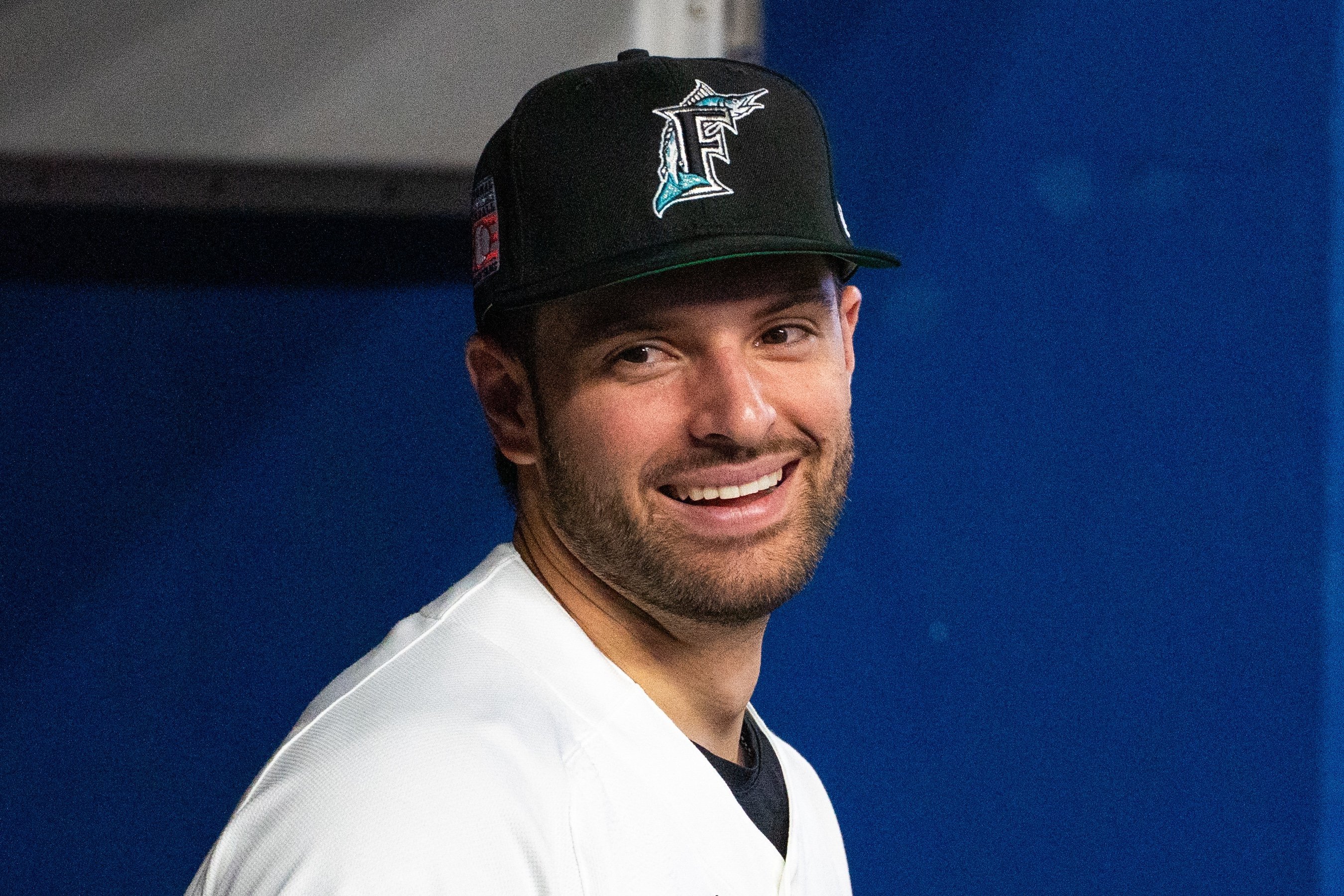 The last time that the Miami Marlins extended the contract of any player, Joe Mack was a teenager hitting .132 in his professional baseball career. In other words, it's been a minute. The drought has entertainment value, as you can stump your friends with the fun fact that soft-tossing reliever Richard Bleier was their most recently extension recipient in March 2022. Otherwise, it's just confounding and frustrating. Extensions, particularly for players very early in their careers, are vital for any low-revenue club aspiring to contend for championships. These front offices need to lock up impact talent at below-market rates, and that's only possible if they proactively make long-term commitments to players before they fully establish themselves on the field. The Marlins genuinely engaged in extension talks with multiple players last year, Fish On First has reported, but nothing materialized. More recently, Christina De Nicola of MLB.com shared last week that Miami has had internal discussions about extending Mack. I viewed Mack as a prime candidate to end the extension drought before debuting. The title of this piece is referencing my 2025-26 offseason blueprint, featuring a six-year, $31 million extension for the promising catcher. Three months into Mack's tenure in the majors, that offer would be laughable. He has slashed .245/.299/.449 through 67 games with 11 home runs and a 103 wRC+. He's been great at pitch framing and blocking while leading the sport in runners caught stealing during that span. He has generated 1.9 fWAR, which is already a Marlins single-season record for a catcher in the post-J.T. Realmuto era. Trading Liam Hicks to the Tampa Bay Rays on Monday spoke volumes about the Marlins' confidence in Mack. They have no quality depth left behind the plate should Mack's production crater. They are trusting that the 23-year-old's combination of defense and power give him a high floor moving forward. Marlins president of baseball operations Peter Bendix referred to Mack as a "budding superstar" during Tuesday's virtual press conference. Long extensions are less common for catchers than they are for players at other positions. That's because a different aging curve applies to them. Mack, for example, is under the Marlins' control for the rest of his 20s via arbitration. Each of the top 15(!) MLB catchers this season as ranked by fWAR are under 30. Even looking back at other recent seasons, we have rarely seen a catcher over 31 exceeding league-average value as their workloads get reduced and they receive a larger percentage of playing time at DH or first base. It would nonetheless be helpful to have cost certainty with Mack, who projects to be eligible for his first arbitration raise in 2029 as a Super Two player and go through the process four total times (instead of the usual three). Also, he theoretically could age more gracefully than most of his peers thanks to his all-around athleticism. As a very conservative starting point for Mack, Keibert Ruiz extended with the Washington Nationals for eight years and $50 million guaranteed in 2023 when he was a year older than Mack is now. Ruiz had a partial season of extra MLB service time with more perceived offensive upside, but far more volatility with his defense. Samuel Basallo (8-YR/$67M) is another relevant comp. The Baltimore Orioles inked him to what was really a pre-debut extension, though it was officially announced following his call-up. Basallo was only 21 years old at the time and there was consensus across the industry that he had the tools to be an elite hitter. I believe Mack has the leverage to raise the bar even higher. He has provided just as much offense as Basallo in 2026 and it's no contest between them on the other side of the ball. That offsets their age difference. My projection for a Mack contract extension is eight years, $70 million with the following annual breakdown: $2.5M in 2027 $2.5M in 2028 $5M in 2029 $8M in 2030 $11M in 2031 $11M in 2032 $14M in 2033 $14M in 2034 $14M club option in 2035 ($2M buyout) If the club option is exercised, Mack would not reach free agency until age 33. That is the trade-off for setting a pre-arb catcher record for guaranteed money. The window to efficiently sign Mack could close quickly. With no extensions on Peter Bendix's record yet, I'll remain skeptical of this getting done until proven otherwise. View the full article
 -
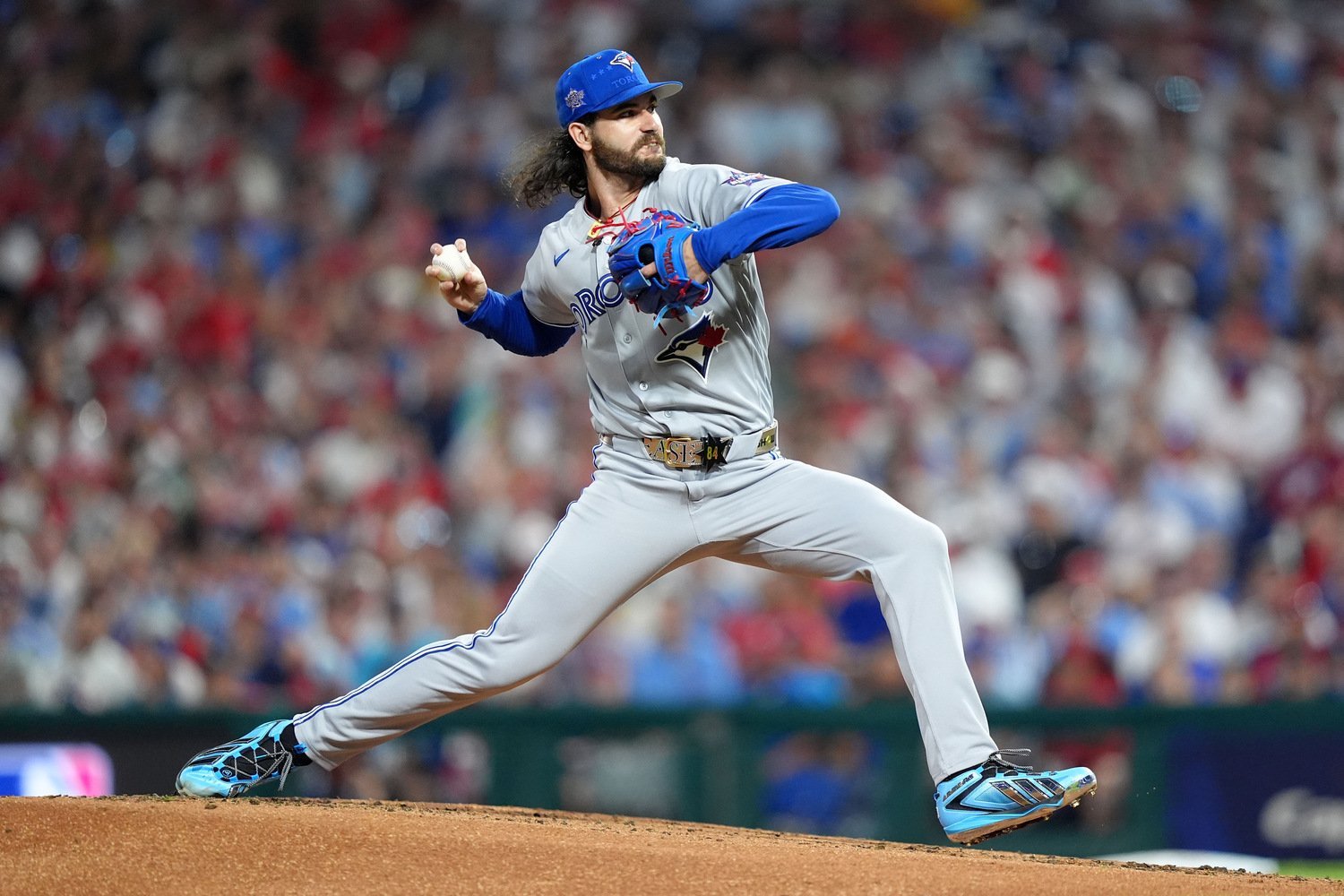 July was set up to be the defining month of this Jays season. With the trade deadline looming on the horizon and the future of the roster in doubt, every player's performance might have had far-reaching ramifications for the future of the club. With one eye on the month of July and one looking ahead, we celebrate all that the month had to offer. Honourable Mentions Myles Straw July Stats: 1.2 IP, 1 H, 0 ER Only two players made it through July without getting tagged with an earned run, and Straw pitched more innings, so he gets the mention (apologies to Chad Dallas). You never want your team to be in position to be running a position player out to the mound, but all things considered, we can’t complain about the work Straw put in while there. Kevin Gausman July Stats: 20.2 IP, 23 H, 14ER, 11 BB, 23K, 2.47 FIP, 0.7 fWAR Gausman’s July was a whirlwind of trade discussion and distraction. This is a monthly award, but I feel some full-season recognition is due. With all the injuries the Blue Jays pitching staff has endured this year, Gausman has been the steadying hand. He has started more games and thrown more innings than anyone in Toronto this year. July wasn’t Gaus’ flashiest month, but he made his starts and put up the second-highest fWAR of anyone on the staff. He also threw the second-most innings of any Jay this month and was the only starter not to give up a home run. Gausman is pitching for Chicago now, but this won’t be the last time I (and others) are writing about him. Shane Bieber July Stats: 22.1 IP, 19 H, 14 ER, 14 BB, 16 K Bieber's first and last starts of the month were not worth writing about, but the ones in between were a reminder of what he can look like at his best. In his two home starts, he scattered three hits apiece and only gave up one run total. The bats barely put enough runs up to register the wins, so Bieber had to be as sharp as ever. Hoffman/Rogers July Combined Stats: 19.2 IP, 12 H, 3 ER, 5 BB, 22 K, 0.7 fWAR I’m putting Jeff Hoffman and Tyler Rogers together here because they both had similarly strong months out of the ‘pen. They both kept the ball in the yard (0 HR) and limited damage (1.37 ERA), combining for nine holds and 21 appearances. No. 3. Spencer Miles July Stats: 21 IP, 21 H, 8 ER, 4 BB, 19 K, 2.48 FIP, 0.5 fWAR Spencer Miles has stepped into the swingman role that Eric Lauer handled last year. Propelled by his results, Lauer made a few PotM appearances, and Miles is following suit. In July, he made two starts, with one tough outing against the White Sox accounting for 75% of his earned runs for the month. Out of the ‘pen, he was lights out: 0 ER, 3 BB, 13 K. No. 2. Louis Varland July Stats: 10 IP, 8 H, 1 ER, 2 BB, 9 K, 7 SV The streak ends at three. Until now, Louis Varland had been our PotM each month so far this season. In July, he made his first All-Star appearance and went 7-for-7 in save attempts. He only gave up one run in the month (and still got the save) and is easily the guy out of the bullpen that inspires the most calm amongst fans. His most impressive performance would be the two-inning save against the Nationals in which he navigated the eighth and ninth and only threw 20 pitches. Efficient, in control, unshakable. No. 1. Dylan Cease July Stats: 36 IP, 15 H, 4 ER, 11 BB, 46 K, 2.18 FIP, 1.4 fWAR Almost 12 innings pitched, a pair of quality starts and 16 Ks. That line would be enough to get a pitcher an honourable mention here. In this case, it represents the gulf between what Dylan Cease did this month and the second-most by a Jays pitcher. Cease picked up his first win of the month when he went seven scoreless innings against Seattle, striking out nine against three hits and a walk in what was arguably the best start by any Blue Jays pitcher to that point in the season. By the end of the month, it would barely warrant mentioning. Heading into the All-Star break and facing San Francisco, Cease would take a no-hitter into the 9th inning, notch 11 Ks (his sixth time with 10+ strikeouts this season), and this still wasn’t his best performance of the month! Cease earned the start in the Midsummer Classic and tacked on a bonus inning and 3 Ks to his month, getting three swinging strikeouts against the top of the NL roster. On the road in Boston, Cease continued his dominant month with a masterpiece. Pitching a no-hitter through five innings on the way to a complete game, one-hit shutout. His 12 Ks tied his season high, and taken as a whole, this represented one of the most impressive pitching performances in Blue Jays history. His Game Score of 94 is the sixth highest ever by a Toronto pitcher. The high-water mark of 100 belongs to Brandon Morrow in 2010, which was the last time a Toronto pitcher threw a one-hit shutout. Cease became the 10th Jay to perform the feat, and combined with his almost no-no, joined Nolan Ryan as the only pitchers of the modern era to go 8+ innings, allow one hit or fewer, and strike out 10+ batters in back-to-back road starts. He’s not just our pitcher of the month, he’s MLB’s too: View the full article
