


DiamondCentric
-
Posts
2,631 -
Joined
-
Last visited
Never
Content Type
Profiles
Forums
Events
News
Tutorials & Help
Major League Baseball Videos
Guides & Resources
Store
Downloads
Gallery
Everything posted by DiamondCentric
-

Marlins birthday: World Series hero Édgar Rentería turns 50
DiamondCentric posted an article in Fish On First
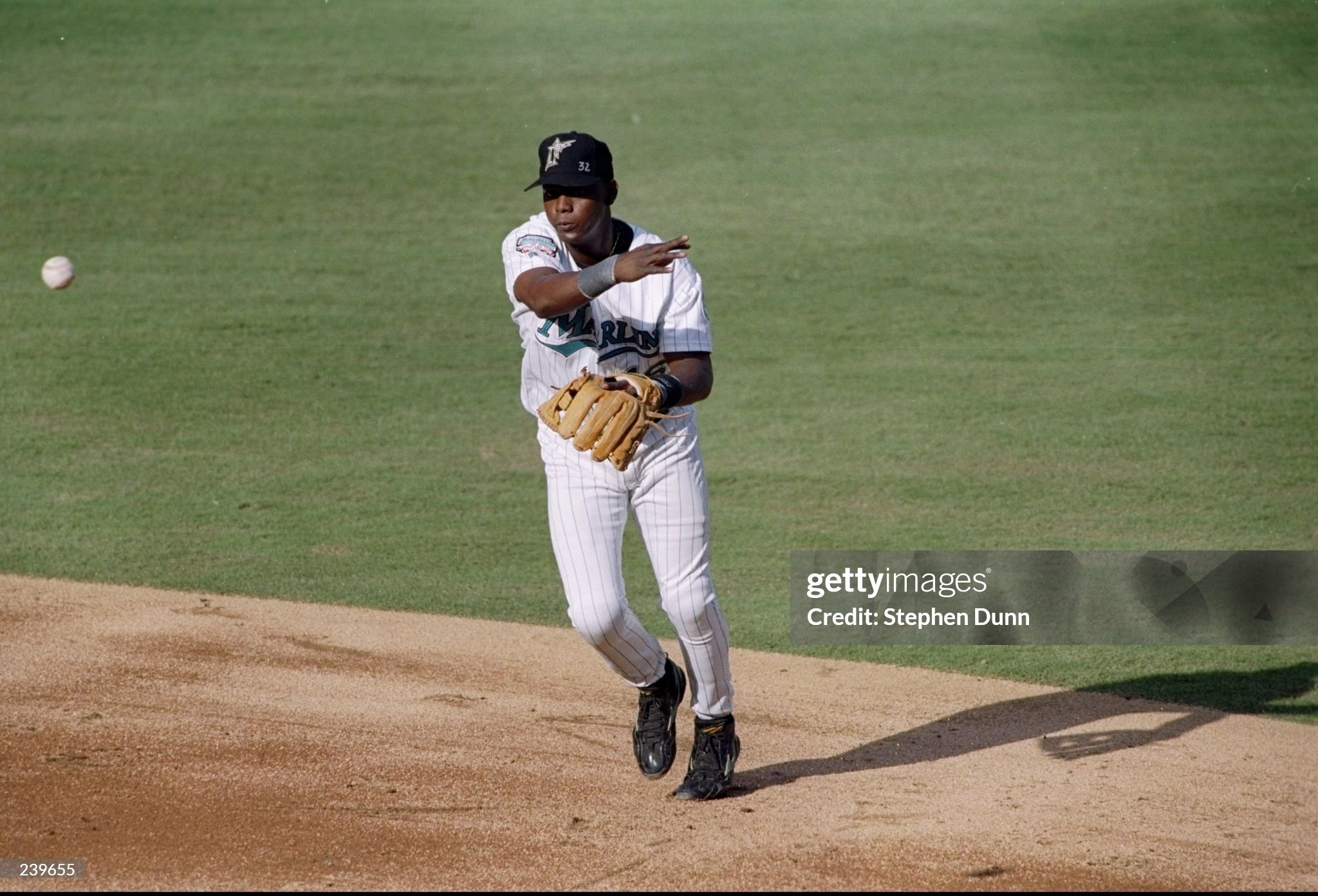 Édgar Rentería’s time with the Florida Marlins was short, but it was undeniably impactful. Just 19 years old when he made his Major League Baseball debut, Renteria celebrates his 50th birthday today. Born Aug. 7, 1976 in Colombia, Renteria spent the first three seasons of his 16-year career with the Marlins. Nearly the National League Rookie of the Year in 1996, Renteria was a World Series hero in 1997 and an All-Star in 1998. Renteria’s impact was immediate. As a rookie in 1996, Renteria hit .309 in 106 games with five home runs, 31 RBIs and 16 stolen bases. He finished behind Los Angeles Dodgers outfielder and future Marlins World Series champion and broadcaster Todd Hollandsworth. In 1997, Renteria occupied the No. 2 hole in the Florida order. A table setter for the big bats like Gary Sheffield, Bobby Bonilla and Moises Alou, Renteria turned in another solid year, hitting .277 with four home runs, 52 RBIs and 32 stolen bases. He led the National League with 19 sacrifice hits. The fondest memories of Renteria from the 1997 campaign, however, came in the postseason. In the club’s first-ever postseason game, Renteria played the role of hero with a walk-off single in the bottom of the ninth against Roberto Hernández, giving Florida a 2-1 win over the San Francisco Giants in Game 1 of the National League Division Series – a series the Marlins would ultimately sweep. In the National League Championship-clinching Game 6 win over the Atlanta Braves, Renteria went 2-for-3 with two doubles and a run scored as the Marlins celebrated a 7-4 victory at Turner Field. Relatively quiet through the first six games of the 1997 World Series, it was Renteria who would ultimately deliver the franchise its first championship. Against the Cleveland Indians in Game 7, Renteria singled off reliever Charles Nagy to score Craig Counsell and give Florida its first of two World Series titles. Renteria finished with three of the eight Florida hits in the thrilling 3-2 come-from-behind win. In his final season with the Marlins, Renteria made his first of five All-Star Game appearances. He finished the year by hitting .282 with three home runs, 31 RBIs and 41 stolen bases. In his first All-Star Game, Renteria scored a run and made a nifty play to rob Omar Vizquel, his American League counterpart, of a hit. After an All-Star season for Renteria and a dismal 54-108 finish for Florida, Renteria was dealt to the St. Louis Cardinals for Armando Almanza, Braden Looper and Pablo Ozuna. Looper would be a major contributor out of the bullpen for the Marlins’ 2003 title team. Regarded as a contact hitter with good speed for the Marlins, Renteria would hit double-digit home runs in each of his six seasons in St. Louis, making All-Star Games in 2000 when he hit a career-best 16 home runs; in 2003 when he drove in a career-high 100 runs; and in 2004. After a season with the Boston Red Sox, Renteria spent two years with the Atlanta Braves, making his final All-Star appearance in 2006. Renteria was reunited with his former Marlins manager Jim Leyland during the 2008 season with the Detroit Tigers before two seasons with the San Francisco Giants. In 2010, Renteria helped San Francisco win its first World Series since relocating from New York and in the process, was named the series’ MVP. He concluded his career in 2011 with the Cincinnati Reds. A two-time world champion who played on many great teams over the years, Renteria’s most iconic postseason moment is arguably still the walk-off hit in Game 7 of the 1997 World Series. The club’s October hero turns 50 today. View the full article
 -
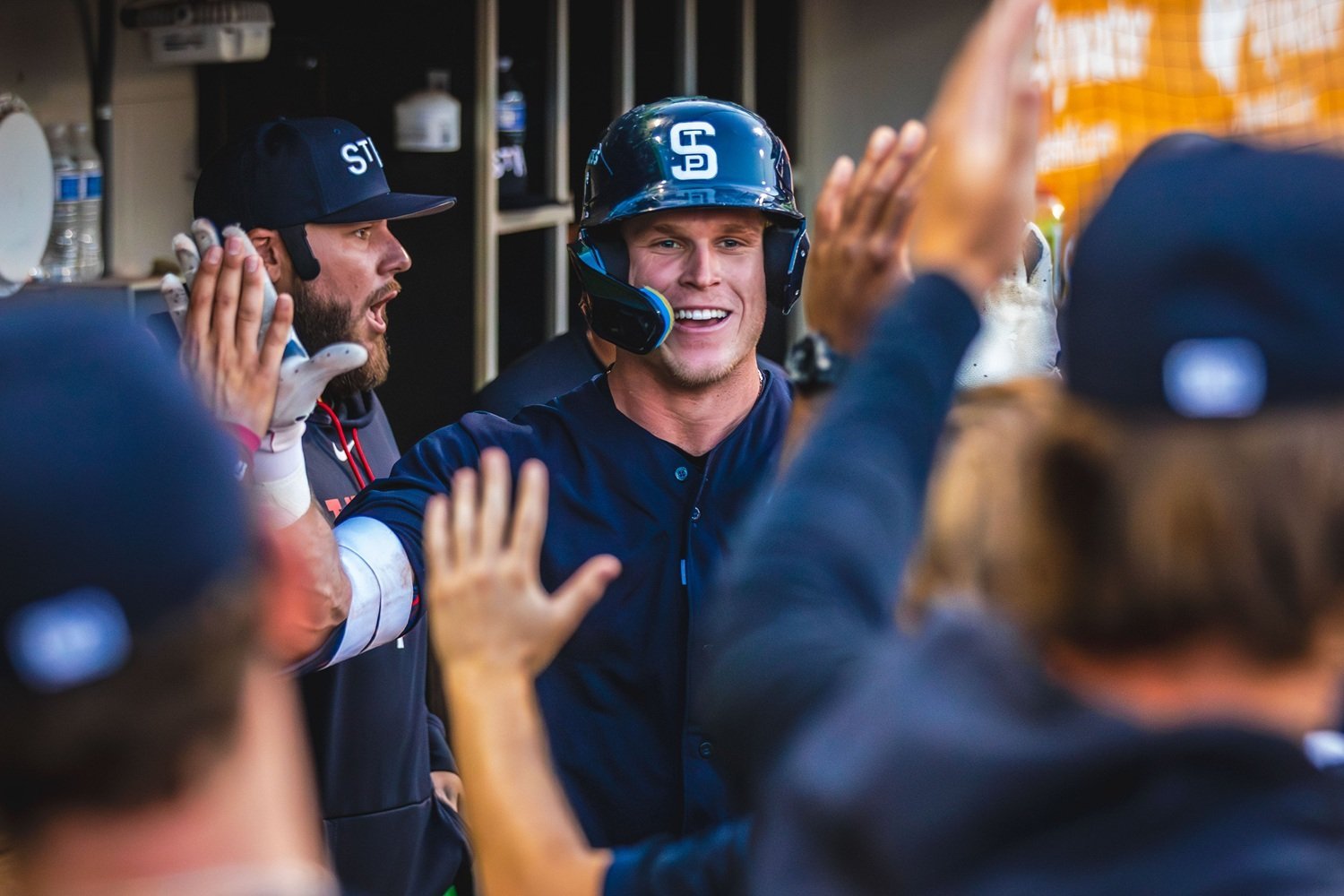 TRANSACTIONS The Twins released RHP Grant Hartwig from the Saints roster. The Twins also released DSL RHP Juan Germosen. It’s always a little surprising when a 17-year-old gets released, so it’s worth looking at. In seven games and just 5 1/3 innings, he had a 23.63 ERA (14 ER) on seven hits. He had a BB:K ratio of 16:3, which isn’t too good. The 4.31 WHIP isn’t encouraging. He made five appearances in June. He pitched just once in mid-July and recorded just one out. On Tuesday, he made his first appearance in three weeks. He faced four batters. He walked three and hit another. SAINTS SENTINEL St. Paul 5, Louisville 4 Box Score The Saints won the first inning by a score of 4-2. They added on in the fourth frame and then held on at the end. C.J. Culpepper made a spot start for the Saints. He went three innings. He gave up two runs, both in the top of the first, on three hits and a walk. He had two strikeouts. Fairmont, Minnesota, native Brandon Williamson made a rehab start against the Saints. The Reds lefty gave up four runs on two walks and two hits, and he only recorded two outs. With one out in the bottom of the first, Walker Jenkins took a 1-0 cutter and hit it over the wall in left field to give his team a 1-0 lead. With two outs, Williamson walked Matt Wallner and Hendry Mendez. Ben Ross singled to drive in Wallner and push Mendez to third base. Mendez scored the go-ahead run on a balk. After a mid-AB pitching change, Kala’i Rosario singled to drive in Ross and make it 4-2. That’s where the score remained until the bottom of the fourth inning. Walker Jenkins came up and crushed a 1-0 changeup and hit it 108.2 mph at a 30-degree launch angle. It traveled well beyond the wall in right field and left CHS Field, landing 400 feet from home plate. The Saints had a 5-2 lead through four innings and needed the bullpen to hang on. Matt Bowman came in and tossed three scoreless innings. He gave up just one hit, hit one batter, and issued one walk. He also had zero strikeouts. Taylor Rashi pitched a scoreless seventh inning. Garret Acton gave up one run on two hits in the eighth but left with the Saints leading 5-3 and three more outs to go. Eric Orze got the ninth inning. He gave up one run on two hits but earned his third Saints save. The Saints scored their five runs on nine hits and 10 walks. Jenkins went 2-for-5 with his fifth and sixth homers. Rosario went 2-for-4 with his first Triple-A triple. Wallner went 1-for-2 with three walks. Mendez and Noah Cardenas each walked twice. Aaron Sabato had a walk and his 26th double. WIND SURGE WISDOM Wichita 5, NW Arkansas 1 Box Score When teams think about piggybacking starters, this is the vision. It rarely plays out this well. Ty Langenberg started for the Wind Surge and was very good, very efficient. He tossed five scoreless innings and gave up just two hits. He had just two strikeouts, but he didn’t hurt himself with any walks. Sixty-eight percent of his 63 pitches were strikes. Cory Lewis came in and threw three scoreless innings before giving up a run in the bottom of the ninth frame. He gave up just two hits and one walk. He had five strikeouts. The Wichita bats came through with five runs on 10 hits, but they also came through in clutch situations and used their legs to force the action a bit. The Surge stole eight bases in the game without being caught. The Wind Surge took a 1-0 lead in the top of the second inning when Jorel Ortega singled to drive in Caden Kendle. That is how the score stayed until the Surge pushed four runs across in the top of the seventh inning. Kyle DeBarge singled to lead off the inning. He stole second and then stole third base. On that play, he scored on an errant throw by the catcher. With one out, Graham Brown singled, stole second. He went to third on a Marek Houston single who proceeded to steal second. Khadim drove in Brown with a single. Houston scored on a single by Brandon Winokur. Diaw scored on a single by Andrew Cossetti. Winokur was thrown out at third, but the team had a much more comfortable 5-0 lead. Brown batted ninth, but he went 2-for-3 with a walk. He hit his first Double-A double, the team’s lone extra base hit. Brown also stole two bases. Winokur was also 2-for-5 with his seventh stolen base. Diaw went 1-for-3 with two walks and his 10th Surge steal. DeBarge now has 25 stolen bases, and Houston stole his 20th base. KERNELS CHRONICLES Cedar Rapids 1, South Bend 4 (Completion of Suspended Game) Box Score The two teams began this game on Wednesday, but rains came and caused it to be suspended in the bottom of the third inning. The score was tied 1-1 at the time. Lefty Michael Carpenter made his first Kernels start. He gave up one run on one hit in the two, pre-rain innings on Wednesday. He had three strikeouts. The Kernels had a run. In the top of the second, newcomer JP Smith started where he left Fort Myers, absolutely mashing. He drilled his first Midwest League home run. When the game resumed on Thursday afternoon, Adrian Bohorquez took over on the mound. It’s been a rough season for the young right-hander, but his last couple of outings have been encouraging. And on Thursday, it was his best outing of the season. He struck out six batters over five shutout innings. He gave up two hits and walked two batters. Yehizon Sanchez came in for the bottom of the eighth inning. He gave up three runs on five hits in the inning to take the loss. The Kernels had just three hits in the game. Smith was 1-for-3 with a walk and a homer. Andy Lugo and Byron Chourio each had a single and a walk. Chourio was also hit by a pitch. Cedar Rapids 4, Peoria 2 (Regularly scheduled game) Box Score The regularly scheduled game also started out very quietly offensively, but this time, the Kernels were the team that put together a crooked number late in the game to take the win. With no score through three innings, JP Smith led off the top of the fourth with another long home run to give the Kernels the game’s first lead, 1-0. Reed Moring made the start for the Kernels. He was charged with two runs on two hits and a walk over six innings. He had six strikeouts to earn his first win. As impressive, he needed just 70 pitches to complete his six innings. He threw 70% strikes. With one out in the top of the sixth, Jayson Bass and Jose Salas were hit by pitches. Quinn McDaniel singled to drive in Bass. Then the pitcher attempted to pick off Salas, but he threw the ball away which allowed him to score the third run. With two outs, Miguel Briceno drove in McDaniel to make it 4-1. Cole Peschl struck out three batters in a scoreless, one-hit inning to record his second save. Briceno led the offense. He went 2-for-2 with a walk. MIGHTY MATTERS Fort Myers, Bradenton (postponed) Box Score The rains came to Bradenton and made the field unplayable. The teams will attempt to play two games on Friday. COMPLEX CHRONICLES DSL Twins 8, DSL Nationals 6 Box Score The Twins had three crooked-number innings in the first five innings and then held on at the end for the win. Yosmal Garcia started and gave up just one run on two hits over the first four innings. He had three strikeouts and no walks. Enmanuel Mena came on and gave up two runs on four hits and a walk over the next 1 2/3 innings. He struck out three. Arthur De La Cruz got the final four outs. He gave up three runs (2 earned) on one hit and three walks. He had two strikeouts. Jendy Martinez went 3-for-3 with a walk and scored twice. He also stole his 16th and 17th bases. Jhon Gonzalez went 2-for-3 with his eighth double and three RBI. He stole his eighth and ninth bases. Anibal Beltre went 2-for-3. Enmanuel Merlo was 2-for-3 with a walk and his second triple. Jeferson Abreu hit his fifth double. PLAYERS OF THE DAY Hitter(s) of the Day Walker Jenkins (St. Paul): 2-for-5, 2-HR(6), 2 R, 2 RBI, K. Pitcher(s) of the Day Ty Langenberg (Wichita): 5 IP, 2 H, 0 R, 0 BB, 2 K, 63 pitches, 43 pitches (68.3%) Adrian Bohorquez (Cedar Rapids): 5 IP, 2 H, 0 R, 2 BB, 6 K, 68 pitches, 43 strikes (63.2%) PROSPECT SUMMARY Check out the Prospect Tracker for much more on our Twins Top 20 prospects after seeing how they did today. Help us update the Top 20 prospects list now that the trade deadline is passed. #1 - OF Walker Jenkins (St. Paul) - 2-for-5, 2 HR (6), 2 R, 2 RBI, 2 K (batted second, played CF) #3 - IF Kaelen Culpepper (St. Paul) - 1-for-5 (batted first, played SS) #4 - OF Emmanuel Rodriguez (St. Paul) - Rehab in Cedar Rapids: 0-for-3, BB, K (batted second, DH) #5 - SS Marek Houston (Wichita) - 1-for-5, R, 2 K, SB(20) (batted first, played SS) #7 - C Eduardo Tait (Cedar Rapids) - Game 2: 0-for-3, K (batted second, catcher) #10 - OF Hendry Mendez (St. Paul) - 0-for-3, 2 BB, R, K (Batted fifth, played DH) #11 - 1B/OF Gabriel Gonzalez (St. Paul) - 1-for-2, K (batted third, played 1B) #14 - C/OF Khadim Diaw (Wichita) - 1-for-3, 2 BB, R, RBI, SB(10) (batted second, Catcher) #15 - 3B/CF Brandon Winokur (Wichita) - 2-for-5, RBI, 2 K, SB(6) (batted third, played 3B) UPCOMING PROBABLES Friday, August 7 Louisville @ St. Paul (7:07 pm CT) - RHP Ricky Castro (2-1, 3.82 ERA) Wichita @ NW Arkansas (7:05 pm CT) - RHP Riley Quick (0-1, 9.64 ERA) Cedar Rapids @ South Bend (6:05 pm CT) - RHP Merit Jones (first MWL start) Ft. Myers @ Bradenton (DH @ 4:00 pm CT) - TBD, TBD CURRENT W-L Records Minnesota Twins: 57-59 St. Paul Saints: 64-46 Wichita Wind Surge: 40-63 Cedar Rapids Kernels: 39-64 Fort Myers Mighty Mussels: 55-47 FCL Twins: 33-26 DSL Twins: 13-31 Please feel free to ask questions about the teams, the rosters, and discuss today’s games, or anything else Twins minor-league related! View the full article
 -
 After shoulder fatigue in his return from Tommy John surgery cost him the last two months, Padres prospect Michael Salina threw an inning in the last ACL game of the season tonight. He'll build up in bridge league action to see if he can get to Elsinore next month. Padres Minor-League Transactions LHP Fernando Sanchez assigned to San Antonio Missions from El Paso Chihuahuas. El Paso Chihuahuas released 2B Nate Mondou. RHP Daichi Moriki assigned to ACL Padres from Lake Elsinore Storm. RHP Florangel Vasquez assigned to Lake Elsinore Storm from ACL Padres. Chihuahuas Stumble After Big Fourth Inning By Aces A five-run fourth inning proved too much to overcome for the Triple-A El Paso Chihuahuas in a 6-4 loss to the host Reno Aces. Nick Pratto hit a two-run homer and Nick Solak had two of the Chihuahuas' eight hits. Chihuahuas right-hander starter Andrew Thurman allowed five runs (four earned) in four innings, then right-hander Ethan Routzahn gave up a run in the fifth inning. But after that, right-handers Daison Acosta, Hunter Stratton and Alek Jacob combined to yield just one hit in three scoreless innings. After the Aces scored five runs in the fourth to take a 5-1 lead, the Chihuahuas came back with three in the top of the fifth on Pratto's two-run homer, his ninth of the season and fourth with El Paso, and Carlos Rodriguez had an RBI triple. The Aces got one of those back in the bottom of the fifth to go up 6-4. EP_0806.mp4 Player AB R H RBI BB K Bryce Johnson 4 0 1 0 0 1 Carlos Rodríguez 4 0 1 1 0 1 Nick Solak 4 0 2 0 0 0 Rodolfo Durán 4 1 1 0 0 1 Marcos Castañon 4 0 1 0 0 2 Will Wagner 4 0 0 0 0 1 Mason McCoy 2 1 0 0 2 2 Nick Pratto 4 1 1 2 0 1 Clay Dungan 4 1 1 0 0 0 Player IP H R ER BB K HR Andrew Thurman 4 5 5 4 2 1 1 Ethan Routzahn 1 3 1 1 0 1 0 Daison Acosta 1 0 0 0 3 2 0 Hunter Stratton 1 1 0 0 1 1 0 Alek Jacob 1 0 0 0 0 1 0 Return Doesn't Go Well For Missions' Fernando Sanchez Left-handed starter Fernando Sanchez made his return to the mound after being drilled in the head by a line drive two months ago, but it was not a Cinderella story as he gave up six runs in less than two innings in the host Double-A San Antonio Missions' 9-2 loss to the Springfield Cardinals. Sanchez was injured in the June 6 game vs. Sugar Land. While he did walk off the mound, he did sustain a fracture but no other significant injuries. In his return, he allowed six runs (five earned) on four hits, including a homer, and three walks in 1⅔ innings, striking out three. Offensively, the Missions mustered just four hits, but two of those came from Jack Costello, who was making his Double-A debut after a promotion from High-A Fort Wayne. The Missions scored their two runs in the bottom of the fourth. Jake Cunningham singled, Braedon Karpathios (Padres Mission's No. 12 prospect) walked and Ryan Jackson loaded the bases with a sharp single to right. Costello then hit into a run-scoring 6-4-3 double play that brought in Cunningham and Karpathios scored on a passed ball. Player AB R H RBI BB K Carson Tucker 3 0 0 0 1 2 Tirso Ornelas 4 0 0 0 0 1 Jake Cunningham 4 1 1 0 0 2 Braedon Karpathios 3 1 0 0 1 2 Ryan Jackson 3 0 1 0 1 0 Jack Costello 4 0 2 0 0 0 Wyatt Hoffman 3 0 0 0 0 2 Kai Roberts 3 0 0 0 0 3 Anthony Vilar 1 0 0 0 2 0 Player IP H R ER BB K HR Fernando Sanchez 1 2/3 4 6 5 3 3 1 Francis Peña 2 1/3 3 0 0 0 3 0 Harry Gustin 2 2 0 0 0 3 0 Clay Edmondson 1 2/3 2 1 1 2 2 0 Sadrac Franco 1 1/3 2 2 2 1 1 0 Carson Montgomery, Carlos Medina Toss 1-Hitter For TinCaps Right-handers Carson Montgomery and Carlos Medina combined on a one-hitter, striking out nine, as the host High-A Fort Wayne TinCaps stopped the West Michigan Whitecaps 3-0. It was the 19th one-hitter in franchise history and the TinCaps' fifth shutout of the season. Lamar King Jr., Padres Mission's No. 7 prospect, hit a two-run homer in the fifth inning and Kerrington Cross a solo shot in the seventh. It was the fourth homer this year for King and the 15th for Cross. Ryan Wideman, Padres Mission's No. 4 prospect, had a single and stole his minors-leading 61st base of the season. Montgomery and Medina were the standouts on this night, though. Montgomery had allowed 24 runs (22 earned) in his five previous starts over 19⅓ innings. But he was more like his early-season form, when he gave up just five runs (four earned) in 27 innings to begin the year. Montgomery went a career-high six innings and allowed just a one-out double in the second inning with two walks and three strikeouts. Medina, in his third appearance with the TinCaps after being promoted from Low-A Lake Elsinore, pitched three perfect innings with six strikeouts in earning his first professional save in 20 career appearances, only seven of which have come in relief in his debut season. FW_0806.mp4 Player AB R H RBI BB K Kasen Wells 4 0 1 0 0 0 Ryan Wideman 4 0 1 0 0 2 Alex McCoy 4 0 0 0 0 2 Kerrington Cross 3 1 1 1 0 0 Rosman Verdugo 3 1 1 0 0 0 Lamar King Jr. 3 1 1 2 0 1 Bradley Frye 2 0 0 0 1 2 Yoiber Ocopio 3 0 0 0 0 2 Conner Westenburg 3 0 0 0 0 0 Player IP H R ER BB K HR Carson Montgomery 6 1 0 0 2 3 0 Carlos Medina 3 0 0 0 0 6 0 Storm's Alex Conover, Nu'u Contrades Homer For First Pro Hits Alex Conover and Nu'u Contrades each hit their first professional home runs for their first pro hits in their second games and Conover brought in the winning run when he was hit by a pitch in the seventh inning of the host Low-A Lake Elsinore Storm's 5-2 victory over the Ontario Tower Buzzers. Augie Lopez, a catcher who was the Padres' 10th-round draft choice, made his pro debut by playing first base and also notching his first pro hit. Storm right-handed starter Lan-Hong Su had another nice outing, allowing an unearned run in three innings on five hits and a walk with four punchouts. Right-hander Michael Salina, a 2025 fourth-round draft choice, made his Storm debut with a scoreless fourth inning, allowing a hit and striking out one. His pro debut was delayed until May due to Tommy John surgery, then missed another two months with a shoulder issue. Right-hander Yoesmerli Beltre had a scoreless fifth, then right-hander Zack Qin allowed a run in three innings, striking out five and walking two. Right-hander Jordan Valenzuela pitched a perfect ninth for his first Low-A save and fourth this season. Despite being outhit 9-5 and committing three errors, the Storm made the most of the hits they did get thanks to drawing seven walks. Contrades, the sixth-round draft choice batting leadoff, hit a 2-2 pitch out to left-center off Tower Buzzers right-handed starter Luis Gamez with one out in the third inning. Conover, a left-handed hitter taken in the fourth round and batting second in the lineup, also hit an opposite-field solo homer to left off left-hander Ian May with one out in the sixth on a 2-1 pitch to tie the game 2-2. The Storm loaded the bases in the seventh on two walks and a hit by pitch when Conver was also hit by a pitch to force in the go-ahead run with two outs. In the eighth, two more walks set up Lopez's clinching double to right that brought in two more runs. LE1_0806.mp4 LE2_2_0806.mp4 Player AB R H RBI BB K Nu'u Contrades 3 1 1 1 1 1 Alex Conover 3 1 1 2 0 0 Ty Harvey 4 0 1 0 0 1 Jorge Quintana 3 0 1 0 1 1 Yimy Tovar 3 1 0 0 1 0 Jesmaylin Arias 2 1 0 0 2 0 Dylan Grego 2 1 0 0 1 1 Augie Lopez 3 0 1 2 0 0 Jose Verdugo 0 0 0 0 0 0 Qrey Lott 3 0 0 0 1 0 Player IP H R ER BB K HR Lan-Hong Su 3 5 1 0 1 4 0 Michael Salina 1 1 0 0 0 1 0 Yoesmerli Beltre 1 1 0 0 0 0 0 Zack Qin 3 2 1 1 2 5 0 Jordan Valenzuela 1 0 0 0 0 2 0 Padres Mission's Top 20 Prospect Performance Ethan Salas: DNP Kash Mayfield: Traded Miguel Mendez: Traded Ryan Wideman: 1-for-4, SB, 2 K Kruz Schoolcraft: DNP Jorge Quintana: 1-for-3, 2B, BB, K Ty Harvey: 1-for-4, K Kale Fountain: Injured, out for season Tucker Musgrove: DNP Coleman Borthwick: In Arizona Lamar King Jr.: 1-for-3, HR, 2 RBI, K Braedon Karpathios: 0-for-3, BB, R, 2 K Jagger Haynes: DNP Alex McCoy: 0-for-4, 2 K Truitt Madonna: DNP Jesus Castro: DNP Garrett Hawkins: DNP Elliot Lascelles: In Arizona Winyer Chourio: DNP Rosman Verdugo: 1-for-3, R View the full article
 -
Twins 4, Royals 3: Eighth-Inning Rally Snaps Twins' Four-Game Skid
DiamondCentric posted an article in Twins Daily
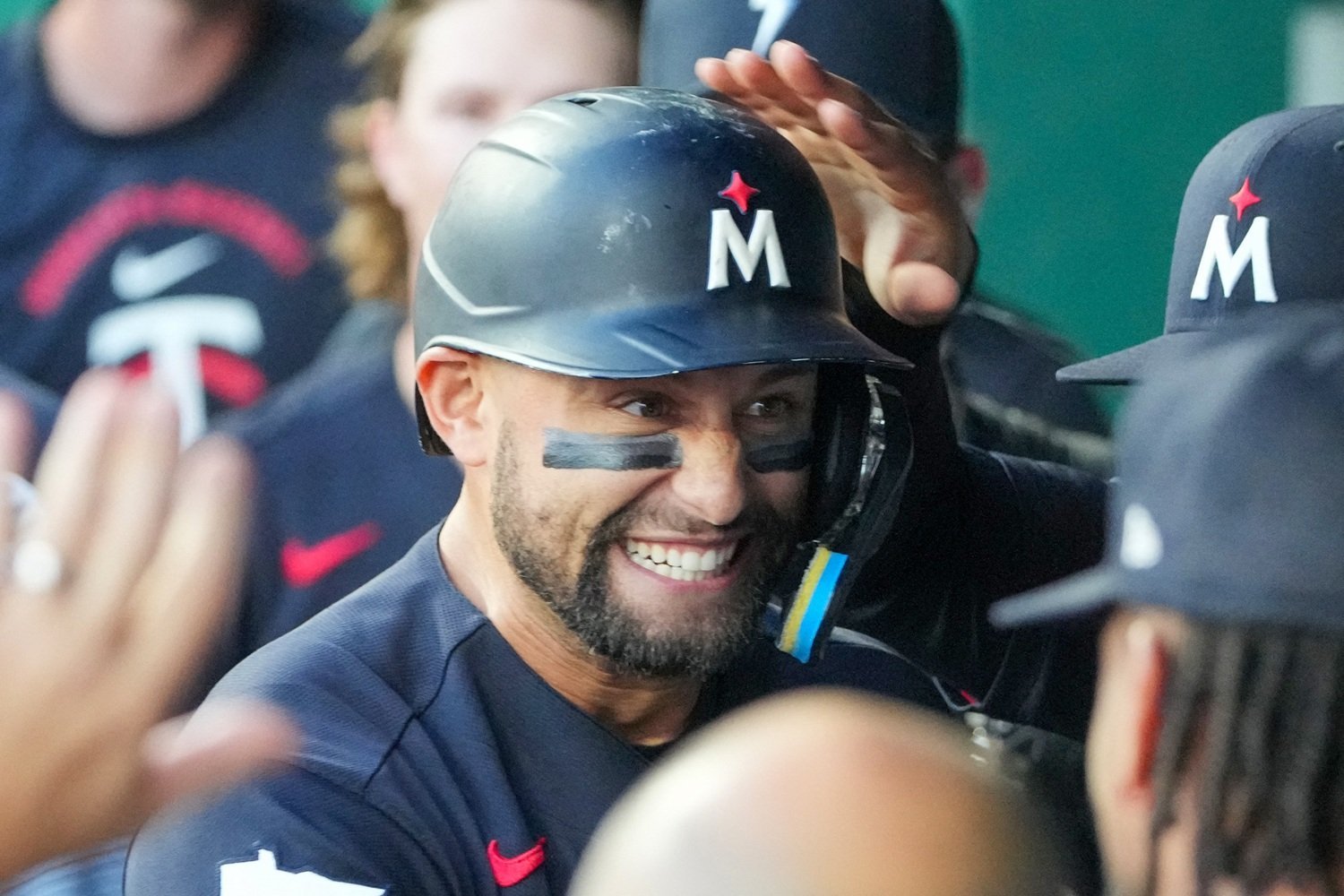 Box Score Starting Pitcher: Bailey Ober - 6 IP, 6 H, 3 R, 0 BB, 0 K (74 pitches, 50 strikes (68% strikes)) Home Runs: Royce Lewis (13) Top 3 WPA: Yoendrys Gómez (0.21), Josh Bell (0.20), Brooks Lee (0.17) Win Probability Chart The Twins entered Thursday night's series finale against the Royals desperately needing something to stop the bleeding. After buying at the trade deadline, Minnesota had dropped four straight games and lost the first two contests of this series, putting plenty of pressure on the finale. For much of the night, it looked like that losing streak was only going to grow. The Twins managed just one run through seven innings against Michael Wacha and Kansas City's bullpen, while Bailey Ober continued to give them every opportunity to climb back into the game. Then, with the season threatening to spiral further, Minnesota finally broke through. A three-run eighth inning erased a two-run deficit, Brooks Lee delivered yet another clutch hit, and the bullpen slammed the door as the Twins escaped Kauffman Stadium with a much-needed 4-3 victory. After four straight losses and another sluggish offensive performance, this was exactly the type of win Minnesota needed. BAILEY OBER KEPT THE TWINS IN THE GAME One week after tossing a quality start against Kansas City, Bailey Ober turned in another strong performance against the Royals. The right-hander cruised through the first two innings, needing just 26 pitches while allowing only one baserunner. His lone hiccup came in the third, when Kansas City strung together three consecutive two-out singles. Carter Jensen started the rally with a single before Bobby Witt Jr. collected his second hit of the night and stole second base. Jac Caglianone then reached down to hook a two-strike changeup into right field, bringing home both runners and giving the Royals a 2-0 lead. Outside of that inning, Ober was in complete control. He retired 11 of the final 13 batters he faced and continued working efficiently throughout the night, throwing only 63 pitches through five innings. Kansas City added another run in the sixth after Witt doubled and eventually scored on Salvador Perez's RBI ground ball that snuck through the left side, but Ober once again gave the Twins a chance to win. His final line won't fully reflect just how well he pitched. Aside from one two-out rally and a seeing-eye ground ball, Ober was exactly what Minnesota needed. ROYCE LEWIS STAYS HOT For the first four innings, the Twins had almost nothing going offensively. Alan Roden's leadoff double in the third went to waste, and after several well-hit balls found gloves early in the game, Minnesota finally broke through thanks to Royce Lewis. Leading off the fifth inning, Lewis jumped all over a 2-0 sinker from Michael Wacha and demolished it 421 feet over the bullpen in left field for his 13th home run of the season. The blast cut Kansas City's lead to 2-1 and finally gave the Twins some life. Minnesota immediately threatened to do even more. Victor Caratini and Tristan Gray each worked walks before Trevor Larnach reached on an infield single that deflected off Wacha's glove, loading the bases with two outs. Unfortunately, Luke Keaschall couldn't cash in, flying out to center field to end the inning and leaving all three runners stranded. At the time, it felt like another missed opportunity that might come back to haunt them. BROOKS LEE COMES THROUGH AGAIN Trailing 3-1 entering the eighth inning, the Twins finally mounted the rally they had been searching for all night. Keaschall started things with a single before Ryan Jeffers delivered a terrific nine-pitch walk as a pinch hitter. Josh Bell followed with an RBI single to right field, bringing home Keaschall while Jeffers went first-to-third, cutting the deficit to one. Kansas City went back to the bullpen, but it didn't matter. Lewis wore a two-strike pitch to load the bases, setting the stage for Brooks Lee. With two runners in scoring position, Lee ripped a line drive through the right side of the infield, scoring both Jeffers and pinch-runner Alex Jackson to give Minnesota its first lead of the night. It was another huge moment for Lee, who has developed a habit of delivering in the biggest spots this season. In a game where offense was incredibly difficult to come by, his two-run single completely flipped the outcome. THE BULLPEN FINISHED THE JOB Once the Twins grabbed the lead, it was up to the bullpen to make it stand. Kody Funderburk tossed a scoreless seventh before Andrew Morris made quick work of the heart of Kansas City's lineup in the eighth. Morris struck out Carter Jensen before getting Witt Jr. and Caglianone on consecutive ground balls, preserving Minnesota's one-run advantage. That handed the ball to Yoendrys Gómez in the ninth. Things didn't start smoothly, as Salvador Perez worked a leadoff walk before Tyler Tolbert entered as a pinch-runner representing the tying run. But before Kansas City could create any chaos on the bases, Gómez calmly picked Tolbert off first base for the inning's biggest out. From there, Gómez took over. He struck out Michael Massey after an eight-pitch battle before freezing Isaac Collins with a perfectly located backdoor sweeper to end the game. After dropping the first two games of the series and watching another early deficit develop, the Twins refused to let this one slip away. They finally found the big hits they had been searching for all night, their pitching staff once again kept them within striking distance, and Minnesota walked away with one of its most important victories of the season. It won't erase the frustration of the past week, but after buying at the trade deadline and immediately losing four straight, this was exactly the kind of comeback the Twins needed to remind everyone why they still believe they can make a run. What’s Next? The Twins continue their road trip, as they begin a three-game weekend series in Milwaukee against the Brewers tomorrow night. No starter has been announced yet for the Twins, but whoever it may be, they'll face off against left-hander Shane Drohan. First pitch is set for 6:40 PM. Postgame Interviews Coming Soon! Bullpen Availability Chart View the full article
 -
 The American League Central had three buyers at the 2026 trade deadline. Are the Chicago White Sox still the favorite? How high did the Cleveland Guardians climb? Did the Minnesota Twins acquisitions really move the needle?View the full article
 -
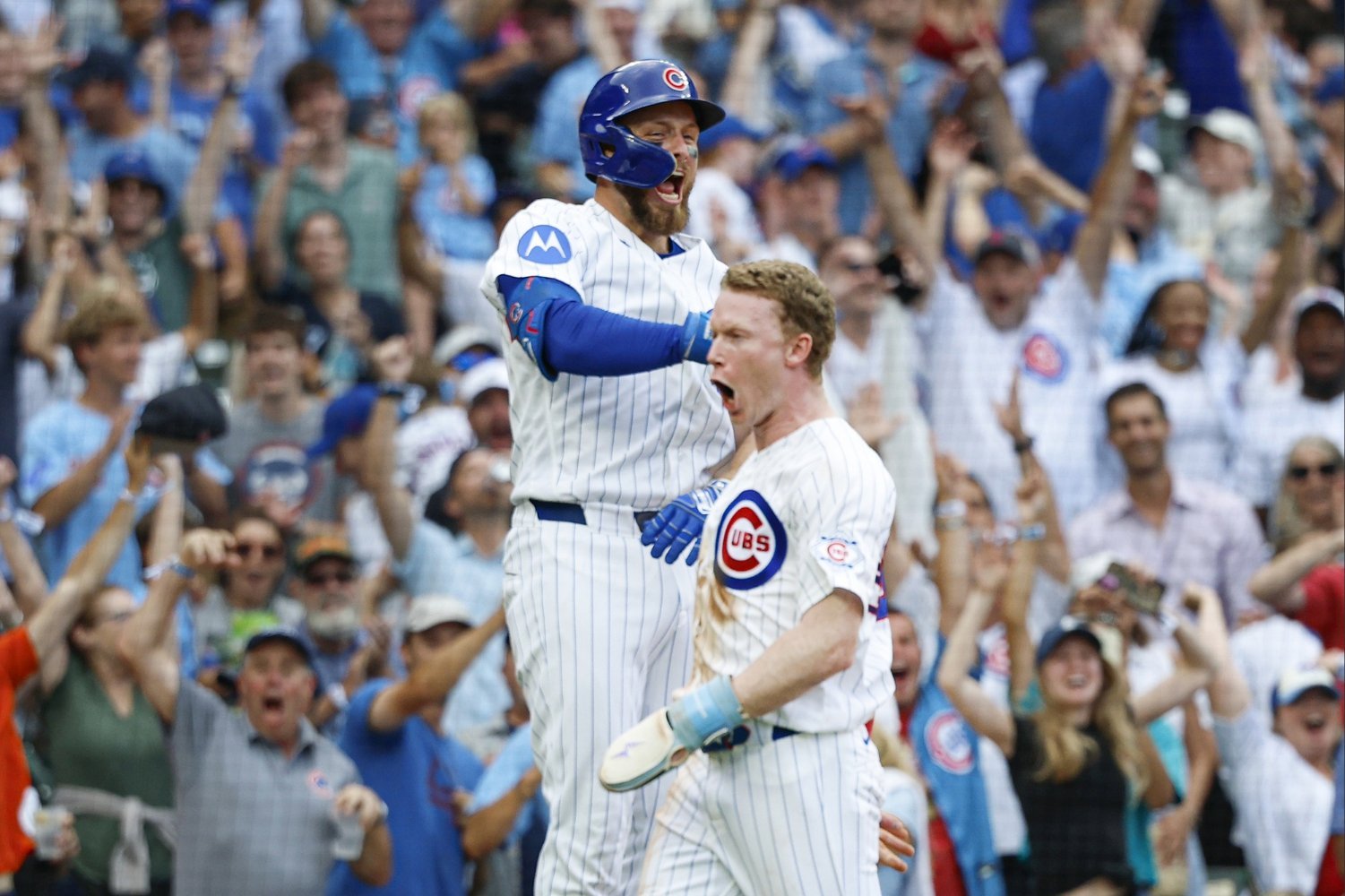 The Chicago Cubs had a strong month of July, much of which was thanks to a terrific effort on a nightly basis from the lineup. Nearly everyone contributed something to the cause, positioning the team to be aggressive buyers at the trade deadline. Certain players flashed brighter than others, though, and they will be hereby bestowed the honor of our Cubs Hitter of the Month for July. Ranking Cubs' Best Hitters in July 3rd: Pedro Ramirez .386/.440/.545, 168 wRC+, 6 XBH, 8 RBIs, 2 SB Ramirez has made himself quite the valuable bench player so far. He’s been able to play defensively at second and third, giving the regulars DH days as he mans their positions. At the plate, he’s been outstanding over the past month as well. Trade season has come and gone, yet Ramirez remains. We should expect some regression; a .447 BABIP is unsustainable, and his lack of over-the-fence power holds him back. However, he does deserve a highlight for his value and ability to thrive in a part-time role. This type of player off the bench has been sorely missed in recent years. 2nd Place: Seiya Suzuki .275/.389/.549, 13 XBH, 21 RBIs, 1 SB When he remains healthy, Suzuki can have extended stretches of over .900 OPS baseball. This past month was one of those stretches. Craig Counsell follows the new-ish conventional reasoning that your top hitters are in the 1-2 spots in the order, and Suzuki has been trusted to fill the second spot. He may be pricing himself out of Chicago this offseason, or at least securing a hefty payday. Along with his offense, check out the advanced defensive metrics: +6 Fielding Run Value +4 Outs Above Average +11 Defensive Runs Saved +3 Arm Value He took last years’ DH role personally and has been a solid all-around player. As always, consistency will be important for the team as we move through the last third of the season. 1st Place: Pete Crow-Armstrong .278/.400/.611, 16 XBH, 17 RBIs, 6 SB Not much more to say about the MVP favorite, but what’s with all these walks? 16 in a month? Pitchers have tried to get him to expand his zone, and Crow-Armstrong refuses to give in. This is often a final step in an elite player's evolution. He's already the best defender in the league, and one of its best baserunners. If the offensive gains he's made are legit, then forget about it. This guy is going to be a perennial MVP candidate for years to come. The game has slowed down for Crow-Armstrong this summer, and don’t look for it to speed back up. This is his Mike Trout season, and the Cubs got a steal on his extension. Enjoy this guy for the next five seasons; he’s a unique and special player. View the full article
 -
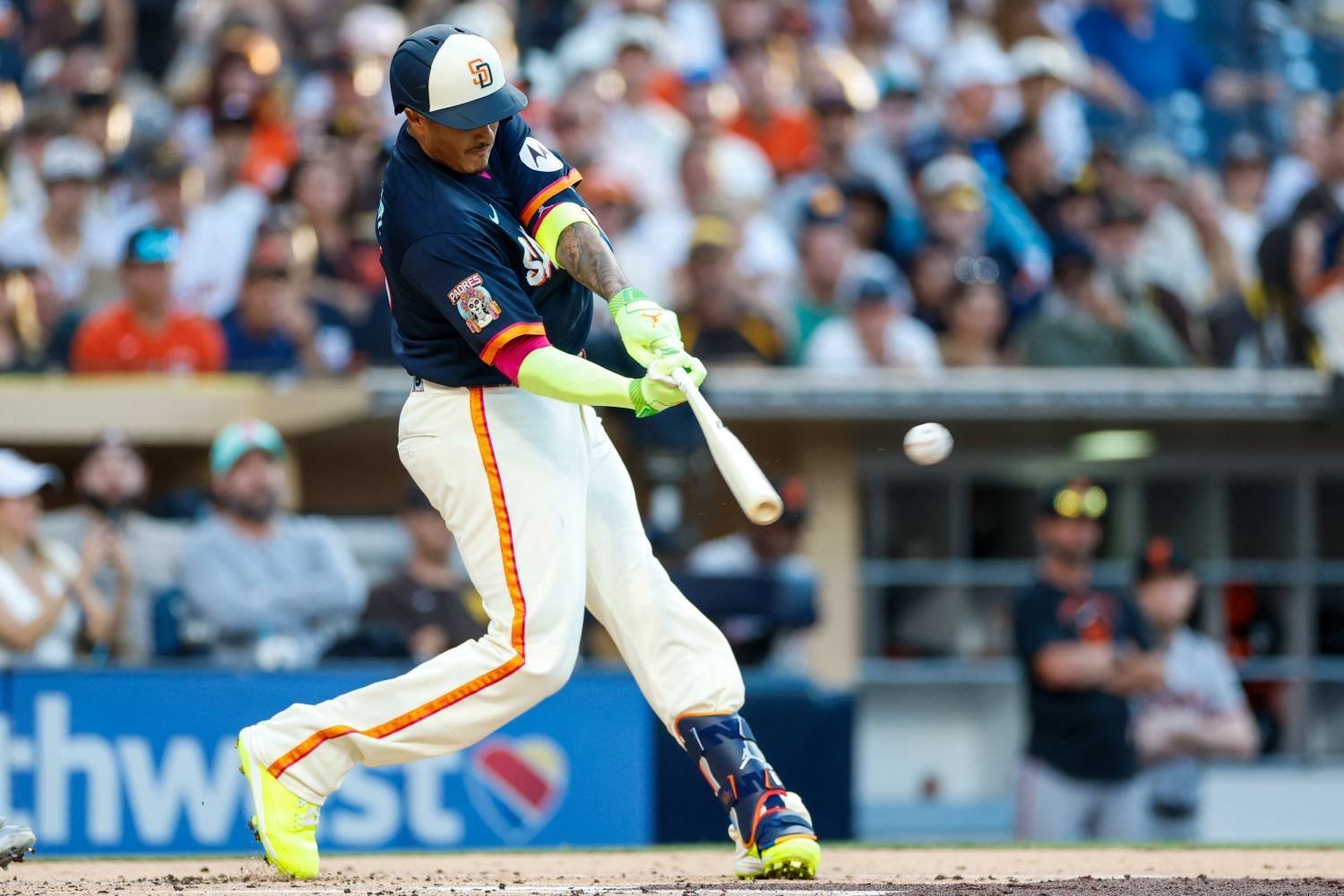 The funk from May and June appears to be over, but also serves as a reminder that this offense can suddenly turn bad. Perhaps it was an adjustment period with a new coaching staff, but July showed that the San Diego Padres can be a good offensive team. The Friars will need production like July, if not better, to get to where they want to go by the end of September. Ranking Padres' Best Hitters in July Honorable mention: Jackson Merrill, CF July stats: .300/.330/.530, 26 games, 17 R, 2 2B, 0 3B, 7 HR, 17 RBI, 5 BB, 24 K, 3 SB, 1 CS After three months of not being a real factor in a struggling Padres offense, the center fielder came on strong in July. Including an 0-for-2 on July 1 that dropped his slash line to .211/.271/.341 (not his low point, but close to it), Merrill slashed .300/.330/.530 for the month to bring his season numbers up to .234/.285/.388, still far below his career norms. That surge included seven homers and 17 RBIs. He still doesn't walk as much as you would like from a key contributor—he had just five in 106 July plate appearances—while striking out 24 times. He didn't run as much last month, either, stealing just three bases after having eight in June. The Padres are better when Merrill helps create offense, whether at the plate or on the bases. No. 3: Luis Rengifo, UTL July stats: .381/.469/.571, 13 games, 10 R, 2 2B, 0 3B, 2 HR, 8 RBI, 7 BB, 8 K, 2 SB, 0 CS The de facto Samad Taylor replacement (and perhaps upgrade) has picked up where the unheralded spark plug left off with his strained right oblique that put him on the 10-day injured list. It is a good story for the Padres as well as Rengifo, who was released by the Milwaukee Brewers on June 23 and landed with the Friars on a minor-league contract a week later. He spent about a week at Triple-A El Paso when Taylor was hurt and Rengifo got his call-up. Perhaps no longer feeling pressure in a new place (Milwaukee) and enjoying a second chance with San Diego, Rengifo homered twice in a three-game span after not going deep in 57 games with the Brewers. One decided a game and the other gave the Padres a chance at a big win. The first was a two-run shot that followed a Fernando Tatis Jr. RBI triple in the ninth inning of a 7-6 loss to Atlanta on July 22. Two days later, his two-run blast vs. the Miami Marlins broke a 2-2 tie in the eighth inning of a 4-2 triumph. Rengifo had five multi-hit games in July. He also scored three times in a game twice, including Friday's 7-0 win over the San Francisco Giants. No. 2: Ty France, 1B July stats: .326/.370/.596, 23 games, 13 R, 6 2B, 0 3B, 6 HR, 20 RBI, 3 BB, 21 K, 0 SB, 0 CS Let's just call him Mr. Reliable because France just produces when the Padres need him to, yet it also feels almost unexpected. Still, the first baseman has made himself into a truly valuable piece of the offense, getting big hits and popping homers. He hit six of his 16 homers in July, including five in a seven-game span. He also had 11 RBIs, which was his third straight month with double-digit RBIs. Those five homers came during a nine-game hitting streak in which he slashed .455/.487/1.030—yes, he slugged 1.030 due to four doubles and five homers among his 15 hits. He has 13 RBIs since the All-Star break, one of the best totals in MLB and just behind Tatis' 14. His biggest game of the month came in the Padres' 19-2 shellacking of the Kansas City Royals on July 19. France hit a pair of homers, one off a position player, and drove in five. He also had a three-RBI game against the Marlins in a 7-2 win July 25. No. 1: Manny Machado, 3B July stats: .292/.369/.552, 25 games, 16 R, 4 2B, 0 3B, 7 HR, 19 RBI, 13 BB, 25 K Saying that the third baseman had his best month of the season is true, but is also clearing a low bar. This has been a pretty frustrating season for Machado. While the power numbers have been there, the batting average hasn't come along. But Machado was in the best groove of his season in July. While hitting seven homers, one more than he belted in each of May and June, he had 28 hits in July, better than the 22 he had the previous month. But those handful of hits produced a .292 batting average for last month as opposed to a .220 mark for June. To show that he was a better hitter, he had nine multi-hit games in July after having 13 entering the month. He only went hitless in consecutive games twice (once for three games, the other two). He also had a 19-game on-base streak that ended Thursday, a stretch in which he slashed .338/.412/.608. That was his longest streak since a 22-game run in April-May 2022. Machado only had two multi-RBI games in July, but did drive in 19 total runners. View the full article
 -
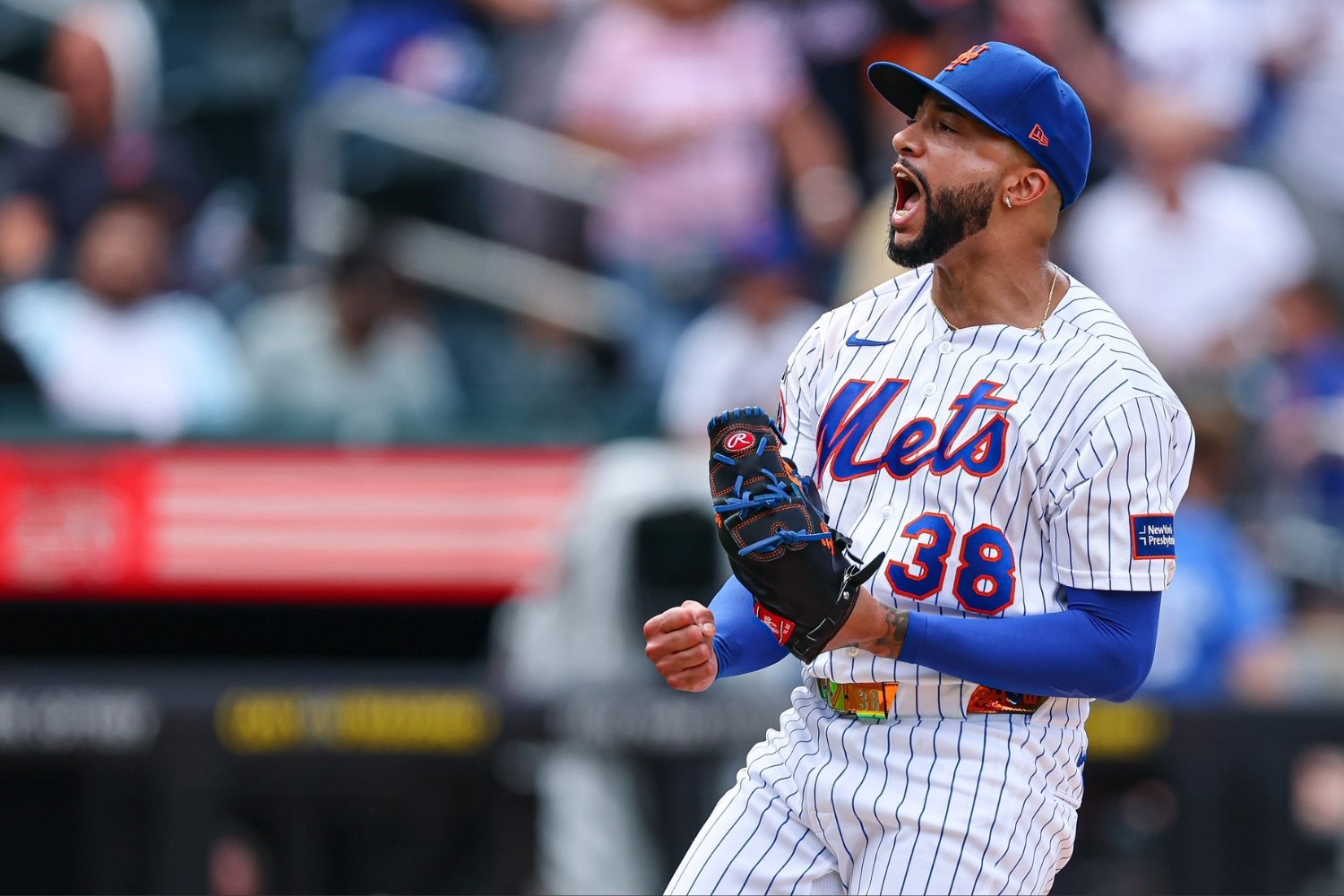 One of the downsides of a team trading most of its best relievers at the deadline is that the replacements are either pushes or downgrades, rarely upgrades. That’s where the New York Mets stand with their bullpen after the conclusion of the 2026 trade season. The outlook beyond closer Devin Williams for the final two months is grim. Over a 72-hour span that ended Monday afternoon, Mets president of baseball operations David Stearns shipped out A.J. Minter, Huascar Brazoban, Brooks Raley and Luke Weaver in separate trades. The pitchers who came back in those deals are not major league-ready, save for possibly 27-year-old Zach Franklin, who was part of the return for Brazoban from the Chicago White Sox. So, that leaves holdovers on the 40-man roster and healthy arms at Triple-A Syracuse to fill the gaps for the remainder of the season. Let's figure out how the Mets will use their collection of pitchers to get from now to the conclusion of the campaign. The Rehabbers Dedniel Nunez, Austin Warren Nunez and Warren will be the most solid options if they come back strong from Tommy John surgery and a forearm strain, respectively. Both have been rehabbing in the minors the past few weeks. Nunez was becoming a trusted piece when his elbow blew out a second time last year. Warren flung enough good sweepers this year to earn a semi-permanent role, although his 4.63 ERA and 4.64 FIP don’t scream that he needs to stay up. Status: Nunez has been activated and looked good in his first taste of action on 8/5. Every Day They’re Shuttling Bryce Conley, Xzavion Curry, Daniel Duarte, Dan Hammer, Chayce McDermott, Tobias Myers, Jonathan Pintaro, Matt Seelinger, Robert Stock We're assuming that Kodai Senga and Stock replaces him in long relief for these purposes, but truthfully, those two are interchangeable in those roles. Stock can be moved off the 40-man at little cost, which is how the shuttle works. Conley and Duarte will begin the late-season dance on the active roster. Conley, 31, will make his MLB debut when he gets into a game. Duarte, 29, has pitched in eight games for New York over three stints. The results have been there: a 1.42 ERA (2.94 FIP) in 12⅔ innings and a 26.7 percent strikeout rate. Curry, Hammer, Myers, Pintaro and Seelinger have been up and down . . . and up . . . and down. Curry got a “Thanks for eating innings” demotion to Syracuse last weekend after throwing five solid innings Friday. Seelinger joined the "Met for a Day" club after being acquired in a trade with the Detroit Tigers and then allowing seven runs. Hammer received the same “honor” after his call-up before the All-Star break, but he didn’t get into a game. Myers and Pintaro can throw multiple innings, but neither one excites. McDermott figures to get a look after being acquired from the Los Angeles Dodgers in a minor-league trade Monday for catcher Ben Rortvedt. One thing is for certain: The car services won’t be hurting for business as the Mets’ organization keeps doing its thing. Status: McDermott and Curry have been selected to the active roster, joining Duarte in New York. The Rotation Candidate Jonah Tong With Peralta and Holmes gone, the starting staff needs attention, too, and Tong appears ready to take one of those spots. He was sharper in his past three Triple-A starts (three earned runs allowed in 14⅔ innings) after struggling for about the first month after his June demotion. His fastball velocity reached into the high-90s his last time out. Stearns can run him, Zac Thornton, Christian Scott and Nolan McLean out to the mound as part of a young core in a five- or six-man rotation that would also include Sean Manaea and Senga. Status: Tong continues to pitch in Triple-A for the time being. Waiting For The Call Zach Franklin, Ofreidy Gomez, Joe Jacques, Ryan Lambert, Nate Lavender, Dylan Ross, Ben Simon, Matt Turner, Jefry Yan Ross technically got the call last September for the final weekend of the season, but he didn’t get into a game in that fateful series in Miami. This year, his ERA at Syracuse is 7.96. Franklin may get his first call-up to audition for his new club. Lavender, Turner and Yan are candidates to fill the left-handed relief role opened by the trades of Minter and Raley. Yan has the best stats (2.40 ERA in 15 innings) of the group. Gomez, Jacques and Lambert have all been ineffective. Pitchers who come off the minor league IL, random waiver claims, and minor league trades will expand this list as the Mets play out the string. If you thought the bullpen churn the first four months was annoying, wait until Stearns and his lieutenants try to juggle five or six spots with journeymen and suspects through the end of September. Status: Yan made his electric MLB debut this week, with Lavender joining him on the active roster. View the full article
 -
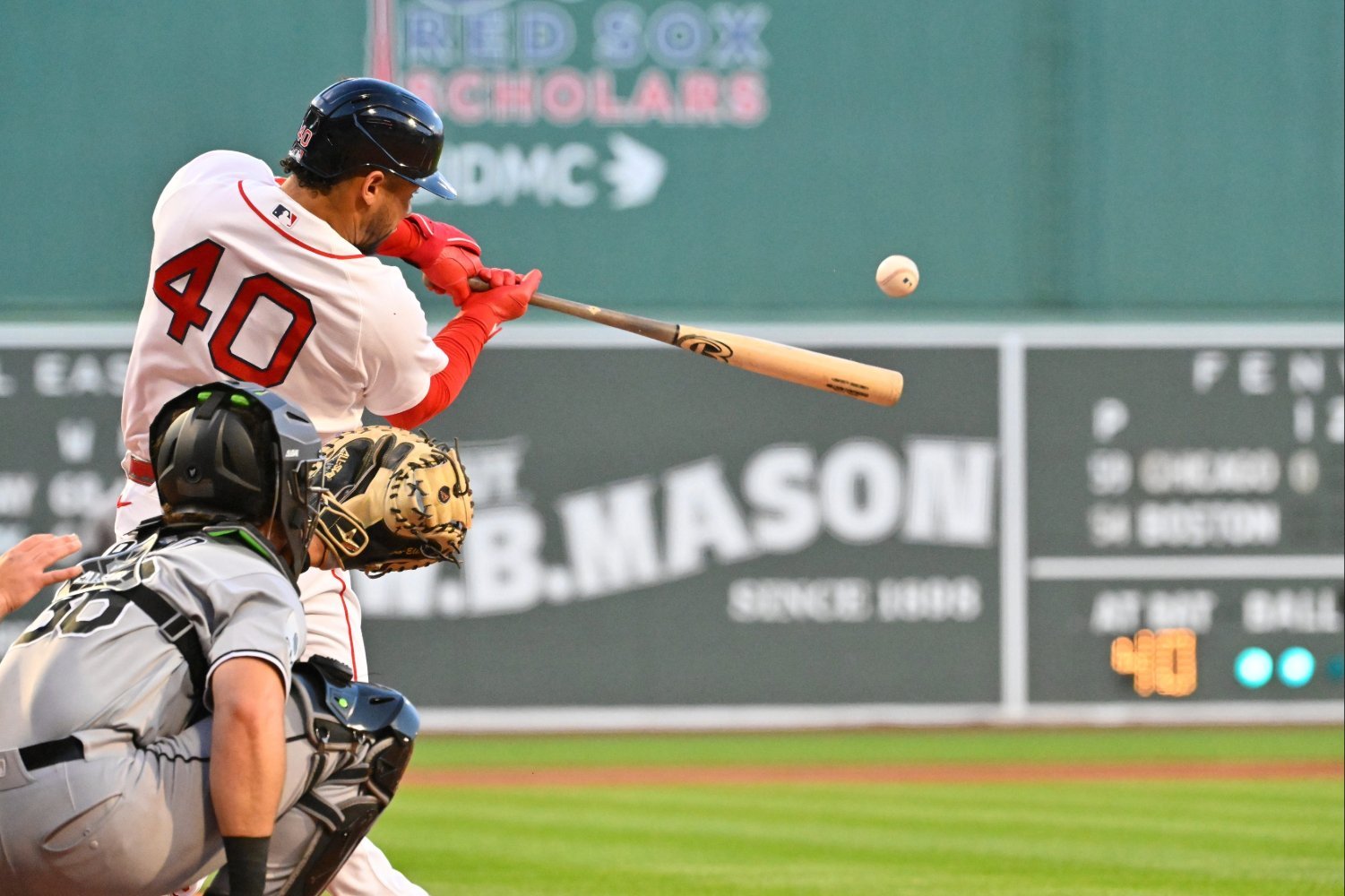 July was a month of extreme highs for the Boston Red Sox, something that very few of us would have predicted when the month started. On July 4th the team was 10 games below .500 and seemed like they had completely lost the plot. They looked uninspired after dropping an easily winnable series against the Rockies in Denver but then something changed. The team had an awful time getting back to Boston for a four game series against the Yankees and it really seemed like something clicked on that return flight. They rattled off the best record in baseball over the month, including tying a franchise high winning streak of 15 games. While the entire lineup contributed each game, there were three players who stood head and shoulders above the rest. Ranking Red Sox's Best Hitters In July #3. Caleb Durbin Arguably, there is no other member of the Boston Red Sox whose season mirrors the overall team. Durbin was awful for the first two months of his career and then magically, after dislocating his finger on a headfirst slide into first during the Rockies series, became a completely different hitter during the following Yankees series. In July, Durbin slashed .284/.382/.420 with a .360 wOBA, 128 wRC+, and a 0.9 fWAR. He slugged three home runs, scored 18 times, drove in nine runs, and swiped three bags. Those numbers, outside of his slashline, don’t scream top three hitter but if you watched the games then you saw the injection of energy that Durbin provided in July. He’s quickly become a fan favorite and it really seems like this offensive turnaround is something to buy into. That, combined with his Gold Glove caliber defense, means that the hot corner has been settled for the foreseeable future in Boston. #2: Ceddanne Rafaela I’ll go ahead and tell you only four days into the month of August that you should expect to see this name at the top of the list at the end of this month. Ceddy has been on an absolute tear this summer and it seems to have been spurred by him finally making his first All-Star team. For the month of July he slashed .303/.321/.523 with a .362 wOBA, a 129 wRC+, and a 1.2 fWAWR. To go along with that staggering line, he clobbered five home runs, scored 17 runs, drove in 19 runs, and swiped five bags. Rafaela is playing the best baseball of his career and has thrived as both the number two and number five hole hitter all summer. He’s still not drawing a ton of walks, just a 2.7% walk rate in July, but he’s getting on base with the bat at such a clip that walks really don’t matter in his current offensive approach. He’s re-introduced a bit of his swing and miss back into his at bats lately but that’s been largely down this season. While he’s coming through in clutch moments and hitting the ball hard, he hasn’t shied away from the small ball approach that the team has been using as of late either. He’s arguably the best center fielder in baseball and now that his bat is catching up to his defensive standing, he’s going to make the extension he signed continue to look like an absolute bargain. #1: Willson Contreras I’ve grown fond of calling Contreras the lifeblood of this team and I’m going to continue to do so. He is the presence this team needs. It’s obvious his teammates love him by how often you see guys like Rafaela, Wilyer Abreu, and even Roman Anthony around him. For July he slashed .323/..488/.629 with a .475 wOBA, 208 wRC+, and a 1.1 fWAR. To go along with that he hit five home runs, scored 14 times, drove in 14 runs, and even swiped a single base. He did all of that while being suspended for four games in the middle of the month to boot. While Durbin’s ascent to offensive workhorse has mirrored what the team has been doing, Contreras has been better than advertised since day one. He is the absolute perfect fit at first base for this team and even said he wants to remain in Boston for the rest of his career. As he ages over the last couple of years of his contract, he will likely move to a DH role but as long as his bat continues to play at a high level, that’s far from a bad thing. July was an incredible month for the Red Sox and, so far in August, they look to continue to be riding that wave into the dog days of summer. If the team keeps playing this level of baseball, we may have to add more than just three top spots for the month of August. View the full article
 -
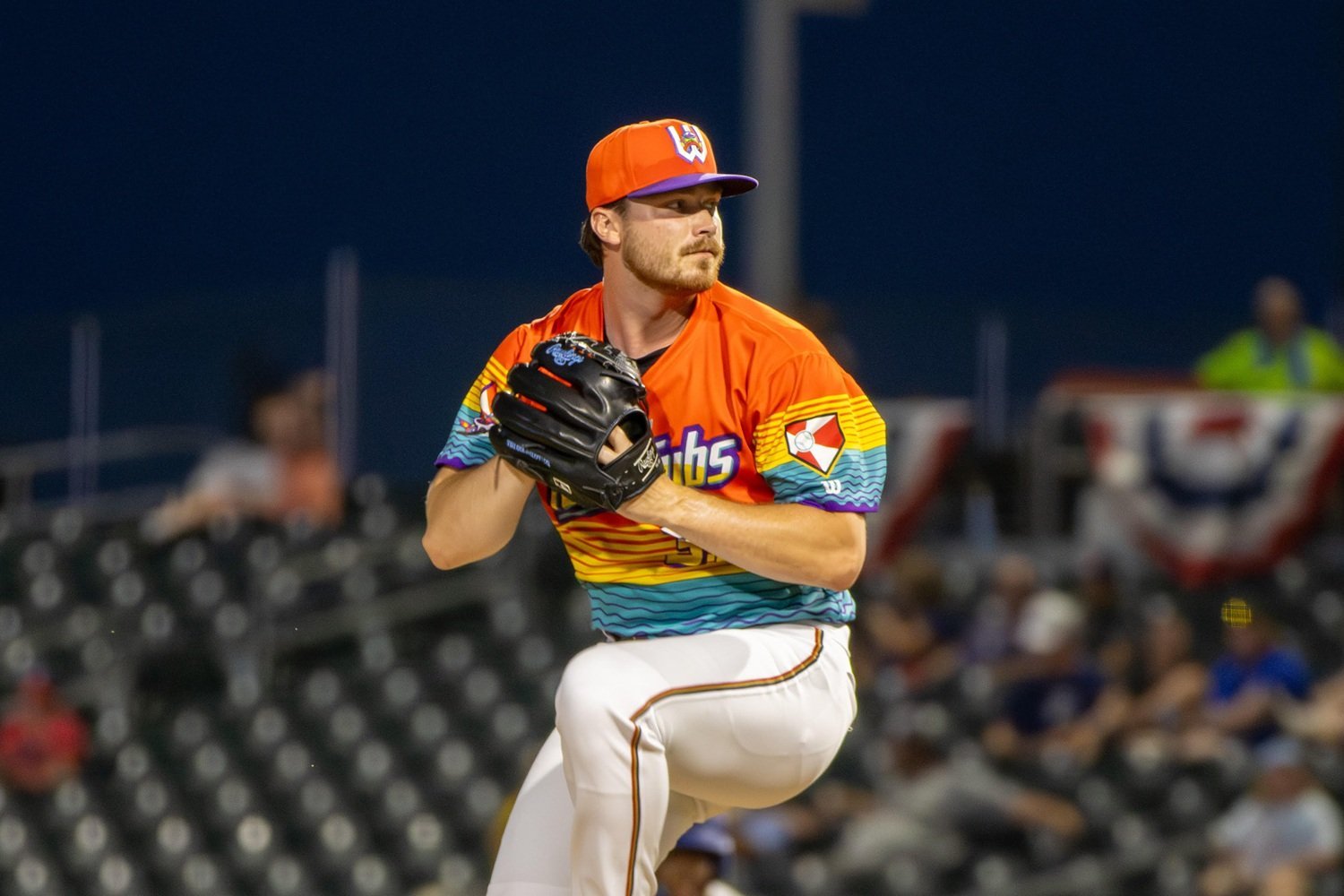 As the summer heated up, so did the action across the Twins Minor League Affiliate complexes. Prospects found their way through promotions, demotions, and the awkward weeks of the trade deadline with various degrees of success. Last year at the deadline the Twins decided to fire sale the Major League bullpen in order to restock their starting pitching prospect pool. This year, the minor league pitching depth was the trade bait in order to restock that same Major League bullpen. After all the dust settled, here are the top Minor League arms in the Twins system to be excited about due to an awesome month of June. Honorable Mentions: RHP Chris Vallimont (Wind Surge): 6 G, 25 2/3 IP, 3.16 ERA, 1.01 WHIP, 23 K, 8 BB RHP Mitch Mueller (Kernels (7)/ Wind Surge (1)): 8 G, 14 1/3 IP, 3.14 ERA, 0.77 WHIP, 23 K, 3 BB RHP Ricky Castro (Saints): 4 G, 10 IP, 2.70 ERA, 1.00 WHIP, 6 K, 2 BB 4. RHP Merit Jones – Fort Myers Mighty Mussels (Cedar Rapids promotion 8/4) July Stats (6 G): 0.73 ERA, 24 2/3 IP, 30 K, 8 BB, 1.18 WHIP, .219 BA Nothing says "You've had a great month" better than a promotion, and that's just what Jones obtained after the trade deadline. The move to Cedar Rapids came after the 6'4", 200-pound righty continues to blossom during his first full season in the Twins organization. A 14th round pick out of Utah in the 2025 draft, Jones has been stretched into five innings of work per outing as the month came to a close. His fastball plays up to 96 mph, and his slider brings whiffs in its wake. There is much to be hopeful for as he continues his climb up the organizational ladder. 3. RHP Eduardo Salazar – St. Paul Saints July Stats (8 G): 0.73 ERA, 12 1/3 IP, 11 K, 3 BB, 0.89 WHIP, .190 BA On the other end of the development trajectory resides Salazar, a 28-year-old veteran of the minor league carousel. Since being signed as an international free agent by the Reds in 2023, Salazar has traveled from the Reds, to the Dodgers, to the Mariners, to the Nationals, and finally to the Twins organization in February of 2026. This 6'2", 177-pound right-handed reliever just got placed on the development list after the deadline shuffle but looks to keep his current success going before the season ends. Salazar's four-pitch mix actually plays to reverse splits, with lefties batting a meager .192 against him. He has the pitches to create swings and ground balls, key to any reliever who inevitably will be called upon to escape jams. Does he have a path to the majors? That appears less clear. Either way, keep an eye on how the Twins handle the remainder of Salazar's season for clues as to how they envision restocking their bullpen into 2027. 2. RHP Garrett Acton – St. Paul Saints July Stats (7 G): 3.72 ERA, 9 2/3 IP, 11 K, 4 BB, 0.62 WHIP, .065 BA This season has been a frustrating one for Acton, as his April right shoulder injury in Tampa derailed what was shaping up to be his first full major league season. Acton rode the rehab train from Fort Myers to St. Paul in July, and he rode it well. Other than a Florida Coast League hiccup in his second outing where he walked three and gave up three runs, Acton delivered nine innings of lights out relief, only surrendering a solo homer and striking out 10 along the way. Acton holds one of the most precious commodities in baseball: a 40-man roster spot. The bullpen trades made his path back up to the big-league club in 2026 a difficult one, but should someone go down Acton will be ready and waiting in St. Paul. So will his magic rising fastball and knee-buckling slider. 1. RHP Kyle Bischoff– Wichita Wind Surge July Stats (10 G): 0.00 ERA, 11 1/3 IP, 17 K, 7 BB, 1.15 WHIP, .154 BA It's hard to compete with zeros. Bischoff took what had been a somewhat disappointing 2026 campaign and turned things around with a stellar July. Signed as a free agent in 2023, the Michigan State alum took his 6'2", 210-pound frame and showed what being effectively wild can do. While his walk rate jumped up slightly from June to July, his strikeouts nearly doubled. And if you take out the first outing of the month, his last nine outings all ended in zeros. Bischoff is 27 years old and was pitching in St. Paul to finish 2024 before going back down the ladder in 2025. The time to climb is now, if ever, and Bischoff is doing his best to get his fastball/slider mix noticed again. Congrats to Kyle, your efforts did not go unnoticed here as you are the Twins Daily Minor League Pitcher of the Month! --------- July featured a combined no-hitter for Vallimont and the Wichita crew, as well as several outstanding performances which were rewarded with promotions around the system. Obviously, those positioned at St. Paul have the clearest path up to the big-league club, but the newly acquired bullpen arms might create a logjam for these prospects that will push their debuts back into 2027...or even 2028 should labor strife ensue. Who do you think had the best month of July for our farm system hurlers? As you ponder that, here is one more moment of zen... View the full article
 -
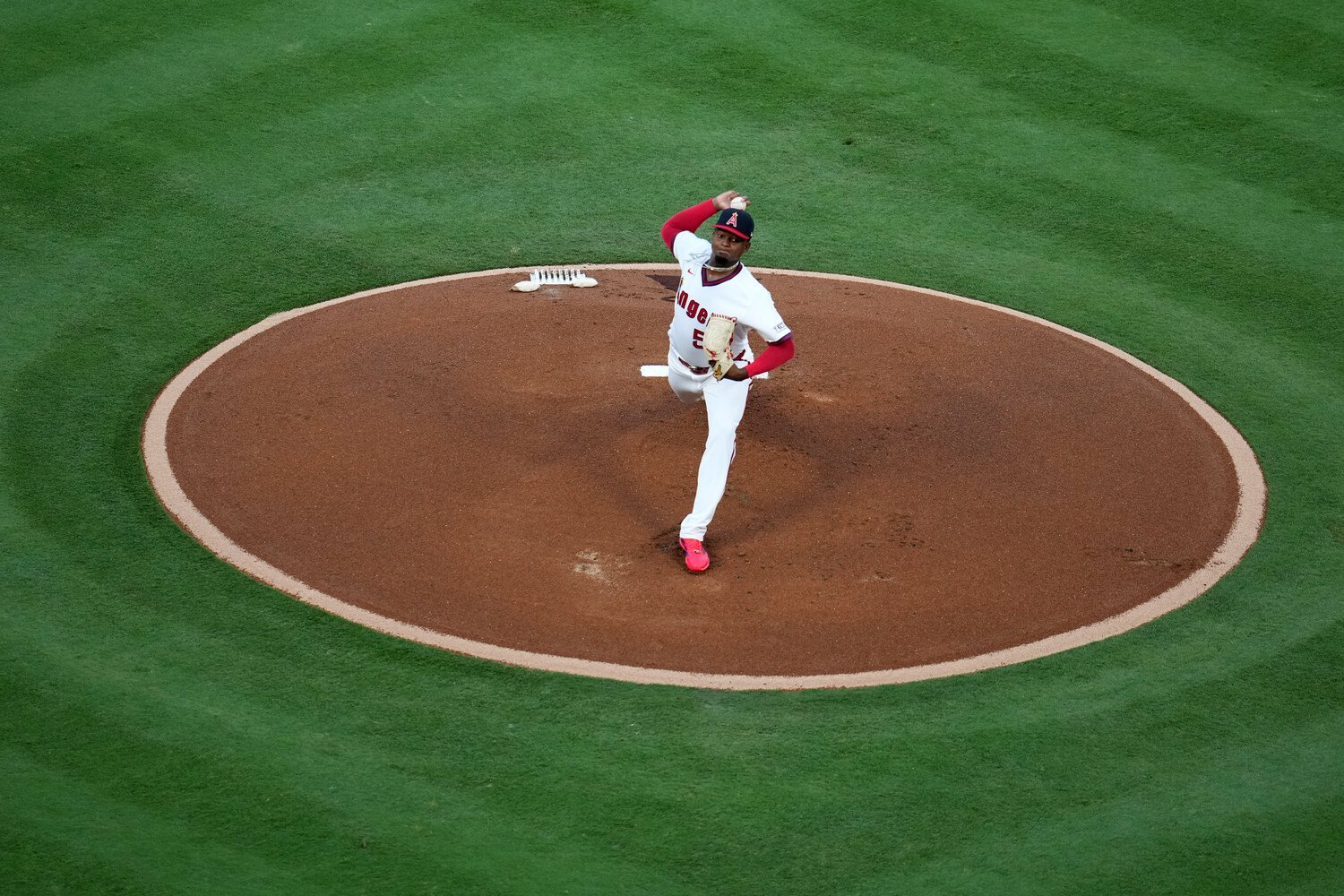 The Los Angeles Angels traded José Soriano to the Toronto Blue Jays in exchange for prospects Arjun Nimmala, Eddie Micheletti Jr. and Angel Rivero. The news broke around the same time that the baseball community learned Kevin Gausman would be heading to the Chicago Cubs in exchange for a pair of the North Siders’ prospects. Let’s break down both sides of the Soriano deal and ultimately conclude with who came out on top. José Soriano’s Dominant Year Soriano was in a league of his own to start the year. The former Angels ace logged a 5-1 record with a minuscule 0.84 earned run average across six starts in March and April. The righty also managed to allow just one earned run over his first 37.2 innings of the season, immediately making him a trade candidate to watch, in the likely scenario that Kurt Suzuki’s squad failed to compete this year. His fastball played remarkably through the first two-thirds of the season, riding in at an average of 97 miles per hour with opposing batters hitting .242 against it. Soriano has used it to set up the rest of a five-pitch mix that includes a sinker, curveball, splitter and slider. The 27-year-old has excelled in two key categories: swing-and-miss stuff and groundball rate. Soriano’s whiff rate of 31.4 percent has been one of the best marks in the league, putting him in the 89th percentile. His 24.9 percent strikeout rate (67th percentile) and 52.3 percent groundball rate (90th percentile) have been excellent. The Jays will have a superb second option behind their ace, Dylan Cease. Money Talks Soriano has a couple years of arbitration left before becoming eligible for free agency ahead of the 2029 season. So, the Jays will now inherit the rest of a one-year, $2.9 million deal this year before negotiating again in 2027. The right-handed pitcher is on pace for a career year, currently operating with a 9-6 record, 3.29 earned run average and 127 strikeouts in 123 innings. Depending on how he rounds out this season, his desired number for 2027 should be substantially higher than what he earned this season. Arjun Nimmala’s Climb To Double A Arjun Nimmala headlines the return package for Soriano. Nimmala was the No. 3 prospect in Toronto’s pipeline (per Jays Centre) before the deal, and he was raking for Double-A New Hampshire. The 20-year-old shortstop was slashing .279/.355/.451 (.806 OPS) through his first 26 contests at the Double-A level, and he may get even better as he gains more experience. Nimmala’s 60-grade power tool and 60-grade arm are the highest of any of his attributes, and with a 2028 ETA, he could join the Angels' big league ball club in a year and a half, if not sooner. Toronto is struggling mightily on offense, and Nimmala wasn’t going to be able to help this year’s team put up a fight before a potential lockout in 2027. Micheletti’s Pop, Rivero’s Early Impression Eddie Micheletti Jr. isn’t a top-30 prospect, but there’s an argument he should be. The 24-year-old is a former eighth-round pick from the 2024 draft, and he slashed .251/.347/.454 (.801 OPS) across 93 Double-A ballgames in the Jays' organization this year. Micheletti has already tied his career-high of 14 homers in 13 fewer games, with 45 runs driven in and a walk rate north of 10%. Angel Rivero, on the other hand, is still very green. The 19-year-old Venezuela native has shown promise early, logging a 2.36 earned run average and earning 52 punchouts in 42 innings in rookie ball. Who Won the Trade? The grand question is this: Who won the trade? While Soriano has been extremely impressive for Los Angeles this year, he’s due for a steep arbitration raise and is playing above his mean. Nimmala playing a premium position like shortstop, and already hitting above average as a 20-year-old in Double-A, is valuable. Micheletti also has pop and could serve as a depth piece on a big league ball club. The combined value of those two alone, for what could be a couple of years of Jose Soriano, was a high price to pay. The Jays didn’t make enough supplementary moves to keep their window open in 2026. If anything, the team that represented the AL in the World Series last year was in sell mode, considering they dealt Gausman and Dalton Varsho, among others. The Angels get a B+ in this trade, while the Blue Jays get a C+. View the full article
 -
 Unlike other publications, Talk Sox enables all users to contribute to our top prospect rankings. Anyone with a Talk Sox account can participate and give their input on who they think should be in the Red Sox top prospects list. Before you vote, you can hit our top prospects page for the latest stats and news on Red Sox prospects, while on the voting page, every name is a clickable link that brings up their current stat card. Voting is simple, just follow the instructions below! Here's the rundown on how to participate: 1. You must have an account and be logged in to vote. If you don't have an account, click here. It requires only 60 seconds to create an account. 2. Review our current top 20 prospect list, catch up on stats, rankings, etc. (you can do so from the voting page link below) 3. Have your prospect list in your filthy little paws? Then flip on over to the new prospect voting page (after reading the rest of this, please). https://talksox.com/prospect-voting 4. Voting is super simple; you drag and drop players in the order you wish them to be. After you move a prospect, the list automatically renumbers so you don't lose track of the order. This works on mobile devices, but it's a *vastly* better experience on desktop. Sorry, that's just how this kind of thing works. There's no excellent way to make something like this as awesome on a phone screen. 5. Each prospect has a comment section where you can add any commentary you have on that player. At the bottom of the list, there is a general comment section to explain overarching things you'd like to mention. 6. Don't see a prospect you want to put on the list? Just pop back here and give me a mention (in a comment, start typing @Brock Beauchamp and select my name after it appears). Please mention the prospect you would like added, and I will do so as soon as possible. 7. Once you're done with all of it, click Save. You've now voted! 8. When the voting closes, a new thread will automatically generate in the minor league forum with all of your rankings and comments for everyone to read and talk about. 9. You can only vote once. If you have voted in error, pop back here and tag Brock to ask to have your vote deleted. It will be removed, and you can vote again. Voting closes Sunday, August 9. View the full article
 -
 Blue Jays Affiliate Overview (August 4-5) Triple-A Buffalo Bisons Series vs Norfolk Tides (Baltimore Orioles): 1-1 Season Record: 53-57 Double-A New Hampshire Fisher Cats Series vs Portland Sea Dogs (Boston Red Sox): 1-1 Season Record: 49-53 High-A Vancouver Canadians Series vs Everett AquaSox (Seattle Mariners): 1-1 Season Record: 46-58 Single-A Dunedin Blue Jays Series vs Lakeland Flying Tigers (Detroit Tigers): 1-1 Season Record: 48-53 FCL Blue Jays: Season Complete DSL Blue Jays Blue Week Record: 0-1 Season Record: 18-27 DSL Blue Jays Red Week Record: 0-0 Season Record: 26-17 Triple-A Buffalo Season Record: 53-57 Series vs Norfolk Tides (Baltimore Orioles) August 4: The Bisons opened up a new series with Norfolk on Tuesday in Buffalo and sent Grant Rogers to the mound in the hopes he would get them started with a win. Unfortunately, Rogers put them in a hole from the very start, and it just kept getting worse in each and every inning he pitched. Rogers gave up an RBI triple and an RBI groundout in the top of the first inning. Then in the second, two walks and a hit by pitch put him in a bind. Before it was over, that inning would see Norfolk get a run from a sacrifice fly, a run from an RBI single, and another run on Willie MacIver's throwing error. In the third, it was a two-RBI double that would extend the Norfolk lead to 7-1. Buffalo's only run through the first three frames came from a wild pitch that Daz Cameron scored on. Down 10-1 in the bottom of the seventh, Buffalo finally started to show some life at the plate. Josh Rivera, Carlos Mendoza, and Rudy Martin Jr. walked to load the bases, then Josh Kasevich grounded out to bring a run home. Charles McAdoo added a two-RBI single, followed by Cameron with an RBI single of his own. Sean Keys cut the deficit to four in the ninth with a solo home run to right field. The blast was smoked at 110.2 mph off the bat and went 411 feet. Despite the rough day for the Bisons, Cameron shined through, going 4-5 with the run scored, an RBI, and a stolen base. Buffalo would lose, though, in a mostly non-competitive game, 10-6. August 5: Wednesday's day game against Norfolk was a good one for a number of players. Daz Cameron continued to swing a hot bat; he went 3-for-4, with two runs scored and a stolen base. He already has seven hits in the first two games of the series. The most important performance of the game wasn't from Cameron or any of the bats, though. It was from Ricky Tiedemann. Tiedemann pitched a scoreless inning out of the bullpen, walking one. His fastball looked pretty good and topped out at 97.8 mph. Buffalo would trail by four runs heading into the bottom of the ninth, when their bats came alive. Ismael Munguia doubled home two runs and Charles McAdoo singled in two to tie the game up at six. Newly acquired center fielder Brett Bateman would then score the walk-off winning run by sprinting home on a wild pitch. Buffalo won 7-6 in a crazy comeback in the ninth. Double-A New Hampshire Season Record: 49-53 Series vs Portland Sea Dogs (Boston Red Sox) August 4: New Hampshire took on the Portland Sea Dogs on Tuesday in the week-long series opener. The Fisher Cats burst out to a big lead in the third inning. A wild pitch scored Carter Cunningham, followed by J.R. Freethy doubling in a run. Nick Goodwin roped a double to score a run as well, and Hedbert Perez capped off the inning with an RBI single. Portland came back in the fourth, though, scoring two runs on a Johanfran Garcia home run and a Miguel Bleis single. In the seventh inning, a groundout made it a one-run game before Dub Gleed launched his seventh home run at Double-A, giving New Hampshire a three-run lead. Bleis would again come through for Portland, this time with a home run. It wasn't enough, though, as New Hampshire won this game 6-4. August 5: The Wednesday game between New Hampshire and Portland wasn't a good one at all for the Fisher Cats. Nick Goodwin would go 4-5, including a double. Matt Olson had a solid game on the mound, only allowing two runs over 4.2 innings. The rest of the game was pretty much a throwaway, though. After the game was three to three in the third inning, Portland outscored New Hampshire by eleven the rest of the way, including eight runs in the ninth inning. Tyler McDonough had two home runs in the game for Portland. The big hit for New Hampshire came from Goodwin's hitting an RBI double. Cutter Coffey also had an RBI single. The Fisher Cats lost this game 15-4. High-A Vancouver Season Record: 45-58 Series vs Everett AquaSox (Seattle Mariners) August 4: After going 5 innings or more in his past 8 starts, Troy Guthrie had his worst performance of his professional career, going only 1.2 innings, allowing seven hits and five runs. The offense also struggled, as although Gable Mitchell had a two-hit night, the rest of the team combined for only three more hits, and the team went 0-for-7 with runners in scoring position. The bullpen also got lit up as Holden Wilkerson was unable to finish an inning, allowing four more runs. Gilberto Batista and Colby Holcombe were better relative to the first two pitchers, as they only allowed two runs apiece, but that was enough for Vancouver to fall 13-0. August 5: Daniel Guerra had his second start since returning from the IL, and he pitched well in three innings of work. He struck out three batters, only allowing a single run. Ty Southisene made his debut after being the return for Kevin Gausman, and was hit by a pitch and got a hit. In the fourth inning, the Canadians added four runs to take the lead, thanks to a Gable Mitchell RBI double, then Edward Duran drove in two more runs with a single, and Jean Joseph added the fourth run with a sac fly. Jake Casey drove in Southisene for his first run as a Canadian, and Ryan Sprock added another run with an RBI groundout to make it a 6-1 game. Connor O’Halloran allowed only one run despite some shaky command in 2.2 innings to earn the win, and Jack Eshleman earned the save in a little over three innings pitched. Single-A Dunedin Season Record: 47-52 Series vs Lakeland Flying Tigers (Detroit Tigers) August 4: Postponed August 5, Game 1: Early game heroics from Juan Sanchez and Aldo Gaxiola earned the Dunedin Blue Jays the win in the first game of this series. Sanchez hit a clutch two-run double in the first inning before Gaxiola drove him and Adrian Pinto in with a three-run blast to make it five to nothing in just the first inning. Brandon Barriera once again took the mound, and he walked the bases loaded in the first inning, but was able to get out of the jam. That boded well for the rest of his start, as he went 2.2 scoreless innings with four Ks. Edwin Veras went for 3.1 innings without allowing a run, striking out five batters, before Nolan Higgins completed the shutout with a scoreless inning to win the first game of the doubleheader and the first strikeout of his pro career. JoJo Parker had a big double in the fourth to score a couple of runs, and Giaconino Lasaracina had his 10th homer of the season to extend the lead to double digits in the seventh. Game 2: The second game of the doubleheader did not go nearly as well for the Jays as Brayden Heidel gave up three runs in just the second inning alone, as he allowed a triple, which was driven in, then he gave up a two-run homer to put the Jays down three. The Jays managed to even it up in the third inning, as they loaded the bases and scored runs on a wild pitch and a bases-loaded walk, and Owen Carapellotti hit a single to even it up with runners on second and third. They loaded the bases again the next inning, but JoJo Parker struck out, and Juan Sanchez popped out to strand them all. Josbel Garcia replaced Heidel, and he gave up a two-run homer to Zach MacDonald in the fourth inning, which ended up being the winning runs for the Flying Tigers. The Jays fell 6-3 in the second game of the doubleheader. FCL Blue Jays Season Record: 38-20 Season Completed DSL Blue Jays Blue Season Record: 18-26 August 4: Celwin Hurkmans pitched in his second game on Tuesday, and it went terribly for him and BJB. He pitched just 1.2 innings, but by the time he and David Hernandez had left the game, BJB was in a massive hole, down 11-0. Juan Caricote and Michael Mesa each had RBI singles in the third inning, where BJB also got a run from an RBI groundout by Ruben Sanchez. Cristopher Polanco would double home another run for BJB in the seventh. Polanco then knocked in another in the ninth with a single to left field. Polanco and Mesa had huge days at the plate, combining for seven hits and accounting for three of the five RBI for BJB on the day. It was not even close to enough, though, as BJB fell big 15-5. DSL Blue Jays Red Season Record: 26-17 August 5: Postponed Transactions 08/05/26 Buffalo Bisons activated RHP John Klein. 08/05/26 Buffalo Bisons activated RHP Josh Stephan. 08/05/26 Buffalo Bisons activated CF Brett Bateman. 08/05/26 Buffalo Bisons activated LHP Ricky Tiedemann from the 7-day injured list. 08/05/26 Toronto Blue Jays recalled RHP Lazaro Estrada from Buffalo Bisons. 08/05/26 Toronto Blue Jays optioned RHP Chad Dallas to Buffalo Bisons. 08/05/26 Toronto Blue Jays recalled RHP Chase Lee from Buffalo Bisons. 08/05/26 New Hampshire Fisher Cats sent 2B Adrian Pinto on a rehab assignment to Dunedin Blue Jays. 08/05/26 Dunedin Blue Jays activated RHP Karson Ligon from the 7-day injured list. 08/05/26 Vancouver Canadians activated LHP Dasan Hill. 08/05/26 Vancouver Canadians activated SS Ty Southisene. 08/04/26 Buffalo Bisons released DH Eloy Jiménez. 08/04/26 Buffalo Bisons activated RHP Devereaux Harrison from the temporarily inactive list. 08/04/26 Buffalo Bisons released RHP Jorge Alcala. 08/04/26 Buffalo Bisons activated RHP Grant Rogers from the temporarily inactive list. 08/04/26 Buffalo Bisons activated RHP Jorge Alcala from the 7-day injured list. 08/04/26 Buffalo Bisons released RHP Caleb Freeman. 08/04/26 Buffalo Bisons released RHP Conor Larkin. 08/04/26 Buffalo Bisons activated C William Simoneit from the temporarily inactive list. 08/04/26 LHP Mason Olson assigned to New Hampshire Fisher Cats from Buffalo Bisons. 08/04/26 RHP Jack Nedrow assigned to Dunedin Blue Jays from Buffalo Bisons. 08/04/26 Toronto Blue Jays optioned RHP Lazaro Estrada to Buffalo Bisons. 08/04/26 SS Nick Goodwin assigned to New Hampshire Fisher Cats from Buffalo Bisons. 08/04/26 Dunedin Blue Jays activated RHP Jack Nedrow. 08/04/26 RHP Jake Faherty assigned to FCL Blue Jays. 08/04/26 New Hampshire Fisher Cats released 2B Cade Doughty. 08/04/26 New Hampshire Fisher Cats activated SS Tucker Toman. 08/04/26 New Hampshire Fisher Cats released CF Jorge Burgos. 08/04/26 New Hampshire Fisher Cats activated LF Alexis Hernandez. 08/04/26 New Hampshire Fisher Cats activated SS Eric Snow. 08/04/26 New Hampshire Fisher Cats released RHP Chris McElvain. 08/04/26 SS Eric Snow assigned to New Hampshire Fisher Cats from Vancouver Canadians. 08/04/26 SS Tucker Toman assigned to New Hampshire Fisher Cats from Vancouver Canadians. 08/04/26 LHP Mason Olson assigned to New Hampshire Fisher Cats from Buffalo Bisons. 08/04/26 LF Alexis Hernandez assigned to New Hampshire Fisher Cats from Vancouver Canadians. 08/04/26 SS Nick Goodwin assigned to New Hampshire Fisher Cats from Buffalo Bisons. View the full article
 -
 John Smith III is out to show that draft position shouldn’t mean much when the players get between the lines. Smith is off to a hot start with Single-A St. Lucie after being taken in the 19th round (570th overall) of this year’s MLB Draft out of the University of Central Florida. Through his first four pro games, he has a .294/.350/.706 slash line ((1.056 OPS) and two home runs. On Wednesday, he made his latest statement as he delivered ta game-winning, two-run single in a wild 11-10, 10-inning victory over Daytona in the second game of a doubleheader. His hit capped the fourth comeback in as many innings by the Mets. Smith sat out Game 1, but he went 2-for-5 with three RBIs in Game 2. He doubled in the first inning and hit a sacrifice fly in the second, to go with his game-winner. Binghamton got off to quick start with a run in the bottom of the first. Marco Vargas led off with a single, stole second, and scored Émilien Pitre's single to right. The Ponies made it 3-0 in the second when Parada launched his first homer of the year for Binghamton (he hit one for Triple-A Syracuse), scoring Corey Collins ahead of him. Gordon and three relievers made those early runs stand up. Carlos Guzman, Brendan Girton and Saul Garcia each worked a scoreless frame, with Garcia notching his third save of the season. Jefferson Rojas, the standout prospect obtained fron the Chicago Cubs for Clay Holmes and Tyrone Taylor at the trade deadline Monday, went 0-for-4 as the designated hitter in his Binghamton debut. Player AB R H RBI BB K Marco Vargas 4 1 1 0 0 1 Émilien Pitre 4 0 2 1 0 0 Jefferson Rojas 4 0 0 0 0 0 Chris Suero 4 0 0 0 0 0 Billy Amick 3 0 0 0 0 3 John Bay 3 0 1 0 0 0 Corey Collins 2 1 0 0 1 0 Kevin Parada 3 1 2 2 0 0 Yohairo Cuevas 3 0 0 0 0 2 Player IP H R ER BB K HR R.J. Gordon 6 3 1 1 1 10 1 Carlos Guzman 1 0 0 0 0 2 0 Brendan Girton 1 0 0 0 0 0 0 Saul Garcia 1 1 0 0 0 1 0 Brooklyn Stuns Wilmington With Last-Gasp Rally The Cyclones were down to their final out when Henriquez drove a 1-0 pitch the opposite way, over the wall in deep left-center field. Brooklyn entered the ninth trailing 8-4. The first three batters --- Carter Dierdorf, Antonio Jimenez, and Sammy Stafura --- walked to load the bases. Aidan Smith hit a sacrifice fly to cut the deficit to 8-5. Trey Snyder walked to reload the bases, and then Jamari Baylor delivered a two-run single to make it 8-7. After a flyout, Henriquez went deep for the lead. Josh Blum worked a 1-2-3 bottom of the ninth for his first save. Stafura, the prospect acquired from the Pittsburgh Pirates for Luke Weaver at the trade deadline, doubled and scored in the first as Brooklyn took a 3-0 lead. An RBI single by Henriquez brought home the third run of the inning. Smith homered in the fifth to break a 3-3 tie. Wilmington scored one in the sixth ,one in the seventh and three in the eighth to seemingly take control. Player AB R H RBI BB K Sammy Stafura 4 2 1 0 1 0 Aidan Smith 3 1 1 2 1 1 Trey Snyder 3 2 0 0 2 1 Randy Guzman 3 1 1 0 0 1 Jamari Baylor 2 1 2 2 0 0 Cole Mathis 4 0 1 2 1 1 Yonatan Henriquez 5 1 2 4 0 1 Daiverson Gutierrez 4 0 0 0 0 1 Carter Dierdorf 1 1 0 0 3 0 Antonio Jimenez 2 1 0 0 2 0 Player IP H R ER BB K HR Emilio Obispo 2 2/3 3 3 3 3 3 0 Rafi Vazquez 3 3 1 1 0 2 1 Ryan Dollar 1 1/3 2 1 1 1 1 0 Gregori Louis 1 4 3 2 0 0 0 Josh Blum 1 0 0 0 0 1 0 St. Lucie Drops Sloppy Opener The Mets committed three errors, issued five walks and threw a run-scoring wild pitch in the Game 1 defeat. Throwing errors by center fielder Bohan Adderley and catcher Yovanny Rodriguez gave Daytona a 2-0 lead in the first inning. A two-run throwing error by shortstop Elian Peña contributed to Daytona scoring four in the fourth and taking a 6-1 lead. Four of the eight runs allowed by Mets pitchers were unearned. Peña had two hits and drove in two runs. He singled home a run in the fourth and doubled in a run in the sixth. Player AB R H RBI BB K Elian Peña 4 1 2 2 0 0 Aiden Robbins 4 0 2 0 0 0 Ryan Tayman 4 0 0 0 0 0 Yovanny Rodriguez 4 0 1 0 0 2 Kuhio Aloy 3 0 1 0 1 0 Reed Stallman 4 1 1 0 0 2 Bohan Adderley 4 1 2 0 0 1 Vladi Gomez 3 1 1 0 1 1 Kooper Schulte 2 0 0 0 1 1 Player IP H R ER BB K HR Will Watson 1 1 2 0 1 1 0 Candido Cuevas 1 0 0 0 1 1 0 Conner Ware 3 4 4 2 2 2 1 Caden Wooster 2 2 2 2 1 1 1 Smith Walks It Off In Nightcap St. Lucie trailed 6-3 in the seventh, 7-6 in the eighth, 9-7 in the ninth and 10-9 in the 10th, only to answer each time. Smith had the final word courtesy of his walk-off hit. In the 10th, Vladi Gomez led off with a bunt single that moved zombie runner Wyatt Vincent to third, Gomez stole second to take away the force play (and put the winning run in scoring position). After a strikeout, Peña was intentionally walked to load the bases. Smith lined a 1-2 pitch to right, bringing home Vincent and Gomez. The Mets forced extras with three runs in the bottom of the seventh when they were down to their final strike. Gomez's two-out, bases-loaded looper to left fell in and then was misplayed by Daytona's center fielder, clearing the bases. A wild pitch brought home the tying run in the eighth, and Julio Zayas' two-run homer tied the game in the ninth. Peña' had two more hits in the nightcap, giving him four for the doubleheader. Owen Woodward's two scoreless innings to open the game were long forgotten by the time the Mets won at exactly 10 p.m., some five hours and 58 minutes after the first pitch of Game 1. Player AB R H RBI BB K Elian Peña 4 1 2 0 1 2 John Smith III 5 0 2 3 0 1 Ryan Tayman 4 1 2 2 0 0 Julio Zayas 4 2 3 2 1 0 Simon Juan 5 0 1 0 0 2 Dylan Carey 5 1 0 0 0 3 Wyatt Vincent 4 2 0 0 1 2 Vladi Gomez 5 2 4 2 0 0 Kooper Schulte 3 2 0 0 2 1 Player IP H R ER BB K HR Owen Woodward 2 0 0 0 0 3 0 Dillon Stiltner 1 0 3 1 5 2 0 Zack Mack 1 0 0 0 2 0 0 Camden Lohman 1 1/3 3 1 1 2 4 0 Miguel Mejias 1 2/3 3 2 2 1 2 0 Ernesto Mercedes 2 1 3 1 2 4 1 Tyler McLoughlin 1 1 1 0 1 1 0 Top-20 Prospect Performance Jonah Tong: 5 IP, 5 H, 6 R, 5 ER, 1 BB, 3 K, 5 HR Jack Wenninger: DNP Ryan Clifford: DNP Elian Peña: Game 1: 2-for-4, 2B, 2 RBI; Game 2: 2-for-4, BB, 2 K Nick Morabito: 0-for-4, BB, 2 K Jacob Reimer: DNP Mitch Voit: DNP Jonathan Santucci: DNP Zac Thornton: MLB Chris Suero: 0-for-4 Will Watson: 1 IP, 1 H, 2 R, 0 ER, 1 BB, 1 K Wandy Asigen: DNP Eli Serrano III: DNP Randy Guzman: 1-for-3, K Dylan Ross: DNP Ryan Lambert: DNP Antonio Jimenez: 0-for-2, 2 BB R.J. Gordon: 6 IP, 3 H, 1 R, 1 ER, 1 BB, 10 K Jonathan Pintaro: 1 2/3 IP, 0 H, 0 R, 0 ER, 1 BB, 3 K Marco Vargas: 1-for-4, K View the full article
 -
 Chicago Cubs Transactions Chicago Cubs sent RHP Daniel Palencia on a rehab assignment to Iowa Cubs. Chicago Cubs activated RHP Kevin Gausman. Chicago Cubs optioned LHP Antoine Kelly to Iowa Cubs. Owen Ayers Delivers Twice As Iowa Wins In Extras Iowa needed 10 innings and a pair of clutch swings from Owen Ayers to leave Indianapolis with a 5-3 win. Edward Cabrera set the tone, striking out eight across four innings without issuing a walk and allowing just one hit. The only run charged to him was unearned, coming home on his own throwing error after Mitch Jebb tripled. Hoby Milner followed with one inning, a walk and two strikeouts, and a runner he put aboard came around to score. Collin Snider worked an inning without surrendering a hit or a walk, though an error behind him allowed that inherited runner to cross. Daniel Palencia blew the save, giving up a run on a hit and two walks across 2/3 of an inning. Jordan Wicks then covered 3 1/3 innings, walking two and striking out three to earn the win. Ayers was the story at the plate. He singled home Hayden Cantrelle to put Iowa in front 3-2, then doubled in zombie runner Jordan Nwogu for the go-ahead run in the 10th. Owen Miller followed with a fielder's choice that plated Ayers, and a throwing error let Miller reach second. Ben Cowles and Cantrelle each drove in a run. Chas McCormick reached three times on two hits and a walk, while BJ Murray drew a pair of walks. Iowa struck out 11 times and stranded nine runners, but the staff held Indianapolis to four hits and piled up 14 strikeouts. Player AB R H RBI BB K Greg Jones 4 0 0 0 0 0 Jordan Nwogu 1 1 0 0 0 1 Owen Ayers 5 1 2 2 0 1 BJ Murray 3 0 0 0 2 0 Owen Miller 4 1 1 1 1 2 Chas McCormick 4 0 2 0 1 1 Ben Cowles 5 0 1 1 0 1 Ethan Hearn 4 1 0 0 1 3 Ed Howard 4 0 0 0 0 1 Hayden Cantrelle 3 1 1 1 1 1 Totals 37 5 7 5 6 11 Player IP H R ER BB K HR Edward Cabrera 4 1 1 0 0 8 0 Hoby Milner 1 1 1 0 1 2 0 Collin Snider 1 0 0 0 0 0 0 Daniel Palencia 2/3 1 1 1 2 1 0 Jordan Wicks 3 1/3 1 0 0 2 3 0 Totals 10 4 3 1 5 14 0 Dom Krupinski Goes Deep Twice In A One-Hit Shutout (Game 1 of 2) Knoxville needed only seven innings and two arms to hand Chattanooga a 4-0 shutout in the opener of a doubleheader. Dawson Netz was outstanding, working five innings without allowing a run and giving up a single hit, walking two and striking out four. He hit one batter and never let the Lookouts build a threat. Tyler Ras finished the job, retiring all six hitters he faced and striking out four to lock down his fifth save. The pair combined for a one-hitter with eight strikeouts and faced just 24 batters. Dom Krupinski provided most of the offense. In his AA debut he homered twice, finishing 2-for-3 with two runs and two RBI, and his second shot pushed the lead to 4-0. Cleanup man Miguel Useche opened the scoring with a solo home run, his second of the year, and also went 2-for-3. Knoxville's other run arrived without a hit. Ariel Armas walked, advanced on a single and a force out, then scored when shortstop Carlos Sanchez threw the ball away on Karson Simas' stolen base attempt. Simas took third on the play, and the run went down as unearned. Andy Garriola, Carter Trice and Alex Madera each singled. Leadoff man Kane Kepley reached twice on a walk and a hit by pitch. The Smokies stranded five and struck out seven times, but with Netz and Ras carrying the afternoon, four runs proved to be plenty. Player AB R H RBI BB K Kane Kepley 2 0 0 0 1 0 Alex Ramírez 4 0 0 0 0 3 Andy Garriola 4 0 1 0 0 0 Miguel Useche 3 1 2 1 0 0 Carter Trice 3 0 1 0 0 2 Ariel Armas 2 1 0 0 1 1 Alex Madera 3 0 1 0 0 0 Karson Simas 3 0 0 0 0 0 Dom Krupinski 3 2 2 2 0 1 Totals 27 4 7 3 2 7 Player IP H R ER BB K HR Dawson Netz 5 1 0 0 2 4 0 Tyler Ras 2 0 0 0 0 4 0 Totals 7 1 0 0 2 8 0 Miguel Useche And The Bullpen Finish Off The Sweep (Game 2 of 2) Knoxville completed the doubleheader sweep with a 4-1 win, riding another strong start and a three-run second. Tyler Schlaffer gave the Smokies four innings without a run, scattering two hits and one walk while striking out four. Grayson Moore followed with two hitless innings and three strikeouts to pick up the win. Marino Santy handled the finish and ran into trouble, walking three and hitting a batter before Johnny Ascanio's bases-loaded walk pushed across Chattanooga's only run. Santy got Kien Vu to ground out to third to end it with the bases still loaded. The Smokies did their damage early. Edgar Alvarez walked to start the rally, and once the bases were loaded, Alex Ramírez drew a walk of his own to force in the first run. Andy Garriola followed with a single to right that scored Drew Bowser and Dom Krupinski for a 3-0 cushion. Miguel Useche added a solo home run, his third of the season, and finished 1-for-3 with a walk. Garriola led the offense at 2-for-4 with two RBI, accounting for half of Knoxville's four hits. Knoxville managed only those four hits but drew six walks, and Alvarez reached three times without one. Bowser singled, walked and scored. The Smokies left six on base and struck out eight times, though the staff needed just two hits' worth of damage control across seven innings. Player AB R H RBI BB K Dom Krupinski 3 1 0 0 1 0 Alex Ramírez 3 0 0 1 1 1 Andy Garriola 4 0 2 2 0 0 Miguel Useche 3 1 1 1 1 1 Carter Trice 3 0 0 0 0 2 Edgar Alvarez 1 1 0 0 2 1 Karson Simas 3 0 0 0 0 1 Alex Madera 3 0 0 0 0 1 Drew Bowser 2 1 1 0 1 1 Totals 25 4 4 4 6 8 Player IP H R ER BB K HR Tyler Schlaffer 4 2 0 0 1 4 0 Grayson Moore 2 0 0 0 0 3 0 Marino Santy 1 0 1 1 3 1 0 Totals 7 2 1 1 4 8 0 South Bend Cubs South Bend's game at Cedar Rapids was suspended by weather with the score tied 1-1 in the bottom of the third inning. It is scheduled to resume today, and the completed statistics will appear in a future recap. Wild Pitches Decide It As Myrtle Beach Falls In Columbia Myrtle Beach could not solve Columbia in a 3-1 loss, a game in which two of the four runs crossed on wild pitches. Anhuar Garcia started and gave the Pelicans 2 2/3 scoreless innings, allowing two hits without walking a batter and striking out one. David Bracho followed and took the loss, covering 3 1/3 innings and surrendering three runs on four hits with four strikeouts and no walks. His own wild pitch brought Yandel Ricardo home from third, and later Sean Gamble doubled to right to plate two more. Julio Valdez closed things out with two innings, one hit, no walks and a strikeout. The Pelicans briefly pulled even. Caden Sorrell singled, moved up when Alexis Hernandez struck out and reached on a wild pitch, then scored on another wild pitch. Myrtle Beach did not record a single RBI all night, and every run it scored or allowed came without a productive swing behind it. Sorrell was the only Pelican with a multi-hit game, going 2-for-4 with a run. Ethan Conrad, Eli Lovich, Hernandez and Jan Luis Reyes each added a single. Jose Silva drew both of the team's walks. The offense struck out 13 times, stranded six and never produced an extra-base hit. The staff issued no walks across eight innings, but Columbia's two-run rally in the middle of the game proved to be more than Myrtle Beach could answer. Player AB R H RBI BB K Caden Sorrell 4 1 2 0 0 1 Alexis Hernandez 4 0 1 0 0 1 Ethan Conrad 4 0 1 0 0 1 Eli Lovich 4 0 1 0 0 3 Derniche Valdez 4 0 0 0 0 2 Jose Silva 2 0 0 0 2 1 Corey Nunez 4 0 0 0 0 0 Jhoander Irigoyen 3 0 0 0 0 2 Jan Luis Reyes 3 0 1 0 0 2 Totals 32 1 6 0 2 13 Player IP H R ER BB K HR Anhuar Garcia 2 2/3 2 0 0 0 1 0 David Bracho 3 1/3 4 3 3 0 4 0 Julio Valdez 2 1 0 0 0 1 0 Totals 8 7 3 3 0 6 0 Top-20 Prospect Performance Jefferson Rojas: DNP Pedro Ramirez: DNP Jaxon Wiggins: DNP Josiah Hartshorn: DNP Kevin Alcantara: DNP Ethan Conrad: 1-for-4, K Kane Kepley: 0-for-2, BB Owen Ayers: 2-for-5, 2B, R, 2 RBI, K Jonathon Long: DNP Kaleb Wing: DNP James Triantos: DNP Brooks Caple: DNP Mason McGwire: DNP Ty Southisene: DNP Will Sanders: DNP Juan Cabada: DNP Eli Lovich: 1-for-4, 3 K Ariel Armas: 0-for-2, R, BB, K Jostin Florentino: DNP Grant Kipp: DNP View the full article
 -
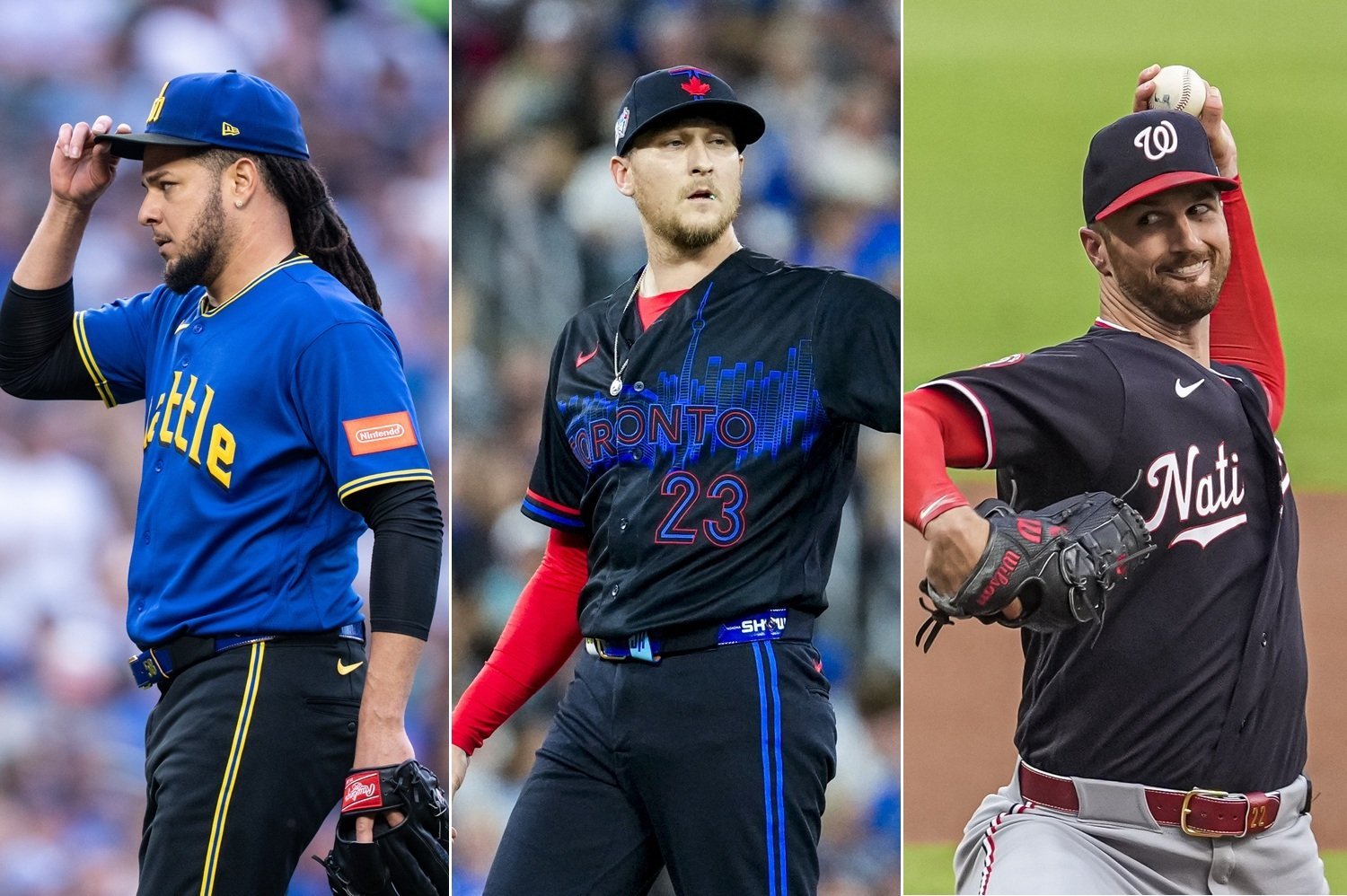 The 2026 MLB trade deadline is officially in the books, and all five teams in the AL Central were active over the past week. Some clubs pushed their chips into the middle of the table in hopes of making a playoff run. Others took a step back and focused on building for the future. That's the beauty of the trade deadline; no matter how much you think you've got it figured out, there are always a few surprises. Starting with the Twins, it was pretty obvious what the front office wanted to accomplish. They needed pitching and pitching they got. Minnesota added three relievers by acquiring Jeff Hoffman and Tommy Nance from the Blue Jays, along with left-hander AJ Minter from the Mets. More importantly, Hoffman and Minter give the Twins legitimate late-inning options that can help lock games down in October if they get there. Giving up high-upside pitching prospect Dasan Hill in the Hoffman deal certainly wasn't cheap, and there's always a chance that move comes back to haunt them years down the road. But when you're in the middle of a playoff race, sometimes you have to be willing to pay that price. I'm generally a fan of being aggressive when you believe your window is open. The Twins also addressed another glaring need by acquiring Dean Kremer from the Orioles. No, Kremer isn't the flashiest name available. He isn't going to headline any trade deadline grades. But the Twins desperately needed another starter who could simply take the ball every fifth day. Between injuries and inconsistent performances throughout the rotation, adding someone capable of eating innings was a necessity. His 6.50 ERA doesn't look pretty, but many of the underlying metrics paint a much more favorable picture than the surface numbers suggest. The Twins needed pitching, and they got pitching. Unfortunately, the two teams sitting ahead of them in the division standings also got noticeably better. The White Sox have been one of baseball's biggest surprises this season, and they entered the deadline with four obvious needs. They addressed every single one. Behind the plate, they landed Joey Bart from Atlanta without giving up much major league value. They bolstered their bullpen by adding Huascar Brazobán and Jose Urquidy, even after moving Seranthony Domínguez. They also landed arguably their biggest addition by acquiring veteran starter Luis Castillo from Seattle. Chicago's rotation has plenty of talented young arms, but adding someone with Castillo's résumé gives them a proven veteran to stabilize the staff down the stretch. Taking on the remainder of his sizable contract also shows just how committed the White Sox are to winning now. They rounded things out by adding outfielder Brenton Doyle, whose elite defense should immediately improve their outfield while giving manager Will Venable another option against left-handed pitching. The White Sox were already in first place entering the deadline, and it certainly feels like they improved. The same can be said for Cleveland. For an organization that's built its identity around developing pitching, adding All-Star left-hander Foster Griffin from Washington is a scary thought for the rest of the division. The Guardians also took a chance on Craig Yoho, whose nasty changeup gives him legitimate late-inning upside if he can stay healthy. Blake Perkins came over in that same deal, giving Cleveland another quality defensive outfielder. While parting with Bo Naylor and Codi Heuer wasn't insignificant, I really like the overall return Cleveland received. But they didn't stop there. The Guardians also addressed two holes in their lineup by acquiring Jo Adell and Nathaniel Lowe, adding a pair of established major league bats to an offense that desperately needed more production. That's bad news for Minnesota. Neither Cleveland nor Chicago made it any easier for the Twins to climb the standings over the final two months. Instead, this division feels like it's setting up for an absolute dogfight. Whichever team gets hot at the right time (and stays the healthiest) may very well win the AL Central. The Tigers took a much different approach. The biggest story of the deadline was Detroit trading away back-to-back AL Cy Young Award winner Tarik Skubal to the Dodgers. It's never easy to move a player of that caliber, but the Tigers walked away with an impressive haul. Detroit added outfielder Zyhir Hope along with pitchers River Ryan and Brady Smith, with all three immediately landing among the organization's top 15 prospects. According to MLB Pipeline, Hope now ranks as Detroit's No. 2 prospect, Ryan checks in at No. 5 and Smith at No. 15. They also acquired left-hander Kash Mayfield (awesome name by the way) from San Diego in the Casey Mize deal, and he now slots in as the Tigers' No. 6 prospect. As painful as it is to trade someone like Skubal, Detroit clearly prioritized its long-term future. And honestly, they did a pretty good job of improving it. Then there's Kansas City. The Royals moved a pair of expiring contracts by trading Kris Bubic and Lane Thomas, while also sending Bailey Falter to Atlanta in the deal that brought back pitching prospects Lucas Braun and Carter Holton. Braun, especially, is a nice addition, but it still felt like Kansas City left opportunities on the table. For a team that's well outside the playoff picture, it was surprising to see both Seth Lugo and Michael Wacha remain on the roster. I don't want to speculate too much about why deals never materialized, but I'd have to guess age and contract commitments played a role. Both pitchers are in their mid-to-late 30s, and both are owed roughly $20 million annually over the next couple of seasons. Even so, it felt like Kansas City could have been more aggressive in maximizing the value of veteran players. Instead, the Royals walked away with what felt like a fairly underwhelming deadline. The AL Central was one of the busiest divisions in baseball over the past week, and it should make for an incredibly entertaining finish. The Twins addressed their biggest weakness. The White Sox and Guardians strengthened already competitive rosters. The Tigers boosted their long-term outlook with an impressive collection of prospects, and the Royals, well, they still leave plenty of unanswered questions. Now comes the fun part. With roughly two months remaining, it feels like this division belongs to three teams. The White Sox, Guardians and Twins all did what they needed to do at the deadline. Now it's simply a matter of who gets hot, and who can stay healthy the longest. View the full article
 -
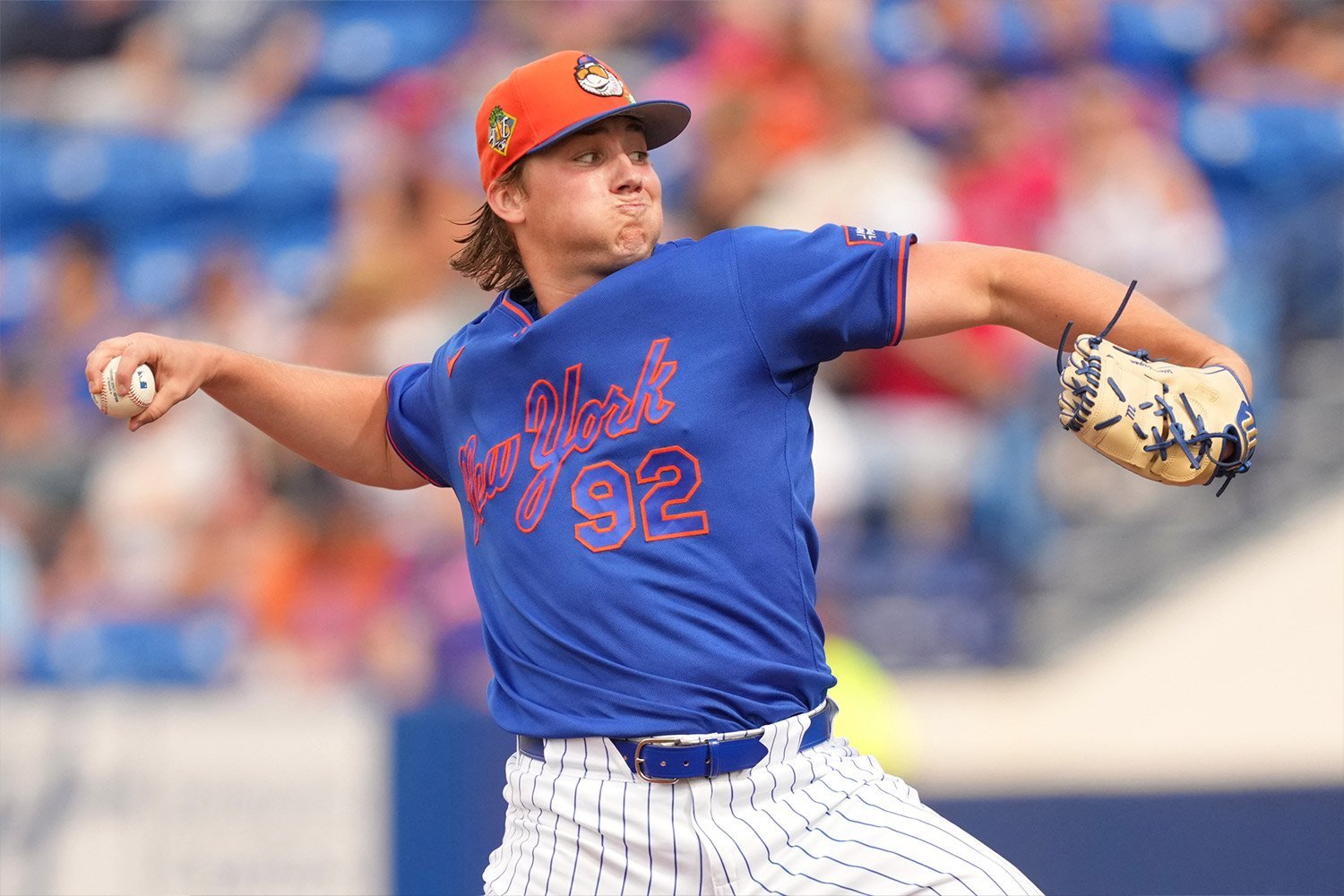 Unlike other publications, Grand Central Mets enables all users to contribute to our top prospect rankings. Anyone with a DiamondCentric account can participate and give their input on who they think should be in the Mets' top prospects list. Before you vote, you can hit our top prospects page for the latest stats and news on Mets prospects, while on the voting page, every name is a clickable link that brings up their current stat card. Voting is simple, just follow the instructions below! Here's the rundown on how to participate: 1. You must have an account and be logged in to vote. If you don't have an account, click here. It requires only 60 seconds to create an account. 2. Review our current top 20 prospect list, catch up on stats, rankings, etc. (you can do so from the voting page link below) 3. Have your prospect list in your filthy little paws? Then flip on over to the new prospect voting page (after reading the rest of this, please). https://grandcentralmets.com/prospect-voting 4. Voting is super simple; you drag and drop players in the order you wish them to be. After you move a prospect, the list automatically renumbers so you don't lose track of the order. This works on mobile devices, but it's a *vastly* better experience on desktop. Sorry, that's just how this kind of thing works. There's no excellent way to make something like this as awesome on a phone screen. 5. Each prospect has a comment section where you can add any commentary you have on that player. At the bottom of the list, there is a general comment section to explain overarching things you'd like to mention. 6. Don't see a prospect you want to put on the list? Just pop back here and give me a mention (in a comment, start typing @Brock Beauchamp and select my name after it appears). Please mention the prospect you would like added, and I will do so as soon as possible. 7. Once you're done with all of it, click Save. You've now voted! 8. When the voting closes, a new thread will automatically generate in the Mets forum with all of your rankings and comments for everyone to read and talk about. 9. You can only vote once. If you have voted in error, pop back here and tag Brock to ask to have your vote deleted. It will be removed, and you can vote again. Voting closes Sunday, August 9. View the full article
 -
 Unlike other publications, Padres Mission enables all users to contribute to our top prospect rankings. Anyone with a DiamondCentric account can participate and give their input on who they think should be in the Padres' top prospects list. Before you vote, you can hit our top prospects page for the latest stats and news on Padres prospects, while on the voting page, every name is a clickable link that brings up their current stat card. Voting is simple, just follow the instructions below! Here's the rundown on how to participate: 1. You must have an account and be logged in to vote. If you don't have an account, click here. It requires only 60 seconds to create an account. 2. Review our current top 20 prospect list, catch up on stats, rankings, etc. (you can do so from the voting page link below) 3. Have your prospect list in your filthy little paws? Then flip on over to the new prospect voting page (after reading the rest of this, please). https://padresmission.com/prospect-voting 4. Voting is super simple; you drag and drop players in the order you wish them to be. After you move a prospect, the list automatically renumbers so you don't lose track of the order. This works on mobile devices, but it's a *vastly* better experience on desktop. Sorry, that's just how this kind of thing works. There's no excellent way to make something like this as awesome on a phone screen. 5. Each prospect has a comment section where you can add any commentary you have on that player. At the bottom of the list, there is a general comment section to explain overarching things you'd like to mention. 6. Don't see a prospect you want to put on the list? Just pop back here and give me a mention (in a comment, start typing @Brock Beauchamp and select my name after it appears). Please mention the prospect you would like added, and I will do so as soon as possible. 7. Once you're done with all of it, click Save. You've now voted! 8. When the voting closes, a new thread will automatically generate in the minor league forum with all of your rankings and comments for everyone to read and talk about. 9. You can only vote once. If you have voted in error, pop back here and tag Brock to ask to have your vote deleted. It will be removed, and you can vote again. Voting closes Sunday, August 9. View the full article
 -
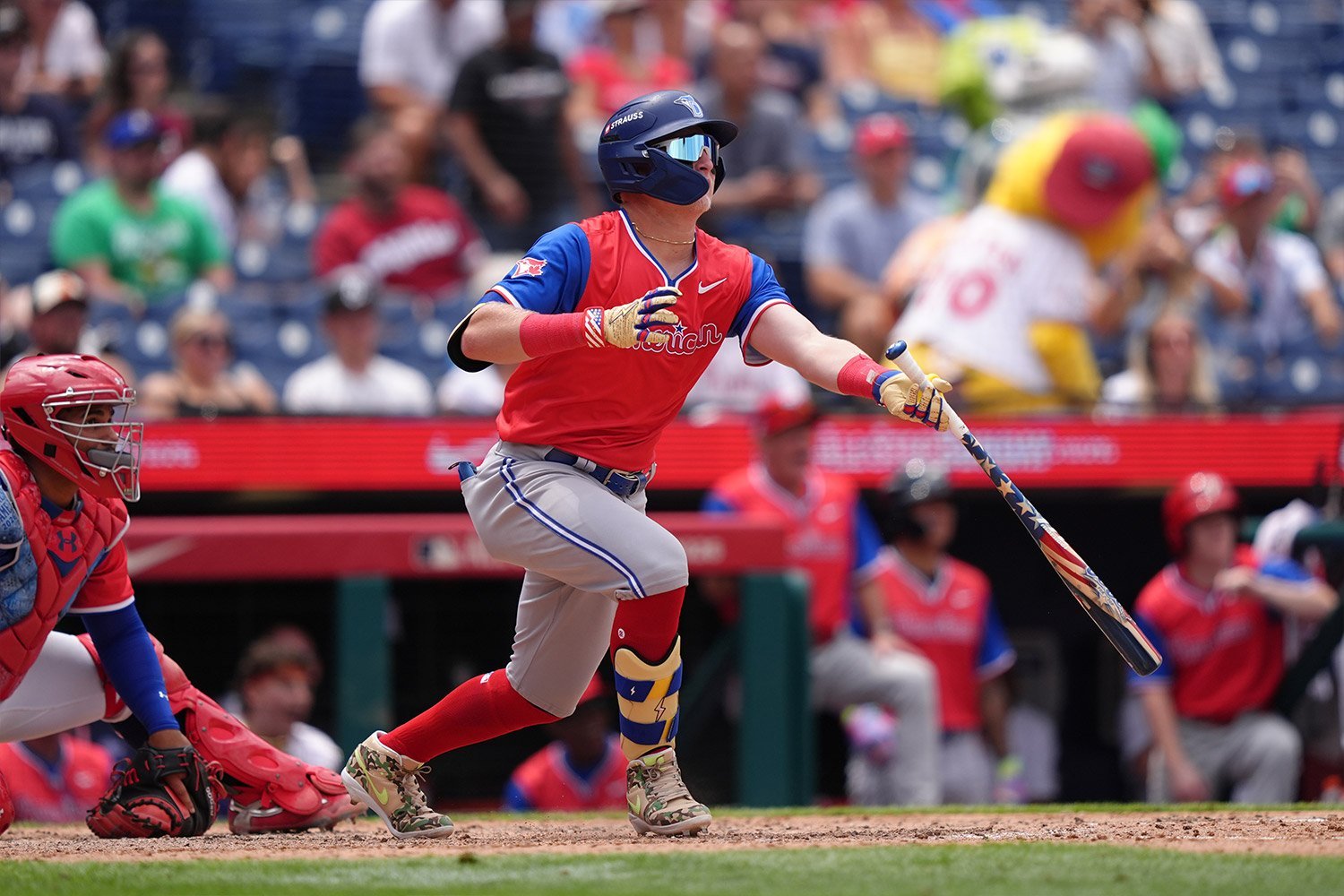 Unlike other publications, Jays Centre enables all users to contribute to our top prospect rankings. Anyone with a Jays Centre account can participate and give their input on who they think should be in the Blue Jays' top prospects list. Before you vote, you can hit our top prospects page for the latest stats and news on Blue Jays prospects, while on the voting page, every name is a clickable link that brings up their current stat card. Voting is simple, just follow the instructions below! Here's the rundown on how to participate: 1. You must have an account and be logged in to vote. If you don't have an account, click here. It requires only 60 seconds to create an account. 2. Review our current top 20 prospect list, catch up on stats, rankings, etc. (you can do so from the voting page link below) 3. Have your prospect list in your filthy little paws? Then flip on over to the new prospect voting page (after reading the rest of this, please). https://jayscentre.com/prospect-voting 4. Voting is super simple; you drag and drop players in the order you wish them to be. After you move a prospect, the list automatically renumbers so you don't lose track of the order. This works on mobile devices, but it's a *vastly* better experience on desktop. Sorry, that's just how this kind of thing works. There's no excellent way to make something like this as awesome on a phone screen. 5. Each prospect has a comment section where you can add any commentary you have on that player. At the bottom of the list, there is a general comment section to explain overarching things you'd like to mention. 6. Don't see a prospect you want to put on the list? Just pop back here and give me a mention (in a comment, start typing @Brock Beauchamp and select my name after it appears). Please mention the prospect you would like added, and I will do so as soon as possible. 7. Once you're done with all of it, click Save. You've now voted! 8. When the voting closes, a new thread will automatically generate in the minor league forum with all of your rankings and comments for everyone to read and talk about. 9. You can only vote once. If you have voted in error, pop back here and tag Brock to ask to have your vote deleted. It will be removed, and you can vote again. Voting closes Sunday, August 9. View the full article
 -
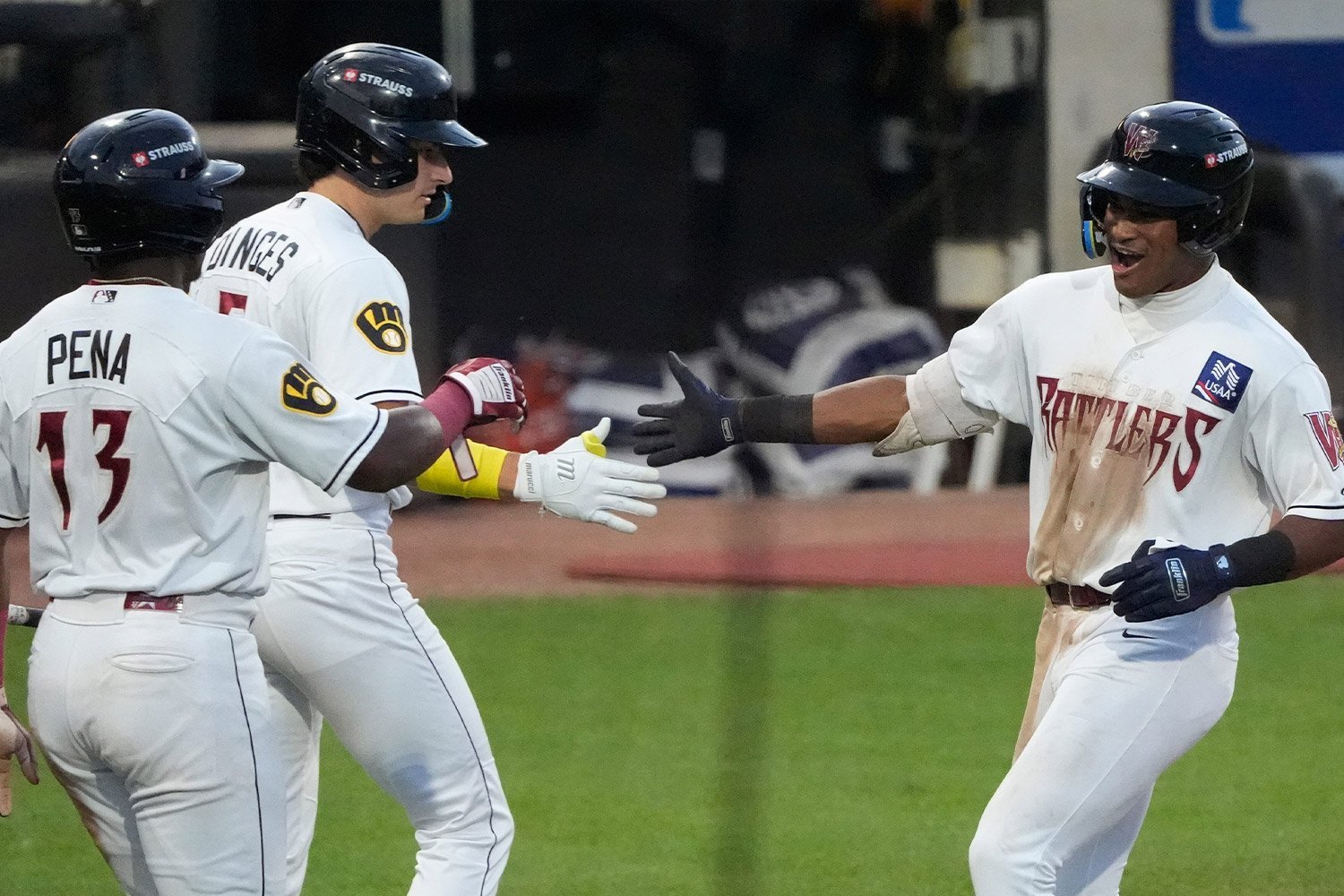 Unlike other publications, Brewer Fanatic enables all users to contribute to our top prospect rankings. Anyone with a DiamondCentric account can participate and give their input on who they think should be in the Brewers' top prospects list. Before you vote, you can hit our top prospects page for the latest stats and news on Brewers prospects, while on the voting page, every name is a clickable link that brings up their current stat card. Voting is simple, just follow the instructions below! Here's the rundown on how to participate: 1. You must have an account and be logged in to vote. If you don't have an account, click here. It requires only 60 seconds to create an account. 2. Review our current top 20 prospect list, catch up on stats, rankings, etc. (you can do so from the voting page link below) 3. Have your prospect list in your filthy little paws? Then flip on over to the new prospect voting page (after reading the rest of this, please). https://brewerfanatic.com/prospect-voting 4. Voting is super simple; you drag and drop players in the order you wish them to be. After you move a prospect, the list automatically renumbers so you don't lose track of the order. This works on mobile devices, but it's a *vastly* better experience on desktop. Sorry, that's just how this kind of thing works. There's no excellent way to make something like this as awesome on a phone screen. 5. Each prospect has a comment section where you can add any commentary you have on that player. At the bottom of the list, there is a general comment section to explain overarching things you'd like to mention. 6. Don't see a prospect you want to put on the list? Just pop back here and give me a mention (in a comment, start typing @Brock Beauchamp and select my name after it appears). Please mention the prospect you would like added, and I will do so as soon as possible. 7. Once you're done with all of it, click Save. You've now voted! 8. When the voting closes, a new thread will automatically generate in the minor league forum with all of your rankings and comments for everyone to read and talk about. 9. You can only vote once. If you have voted in error, pop back here and tag Brock to ask to have your vote deleted. It will be removed, and you can vote again. Voting closes Sunday, August 9. View the full article
 -
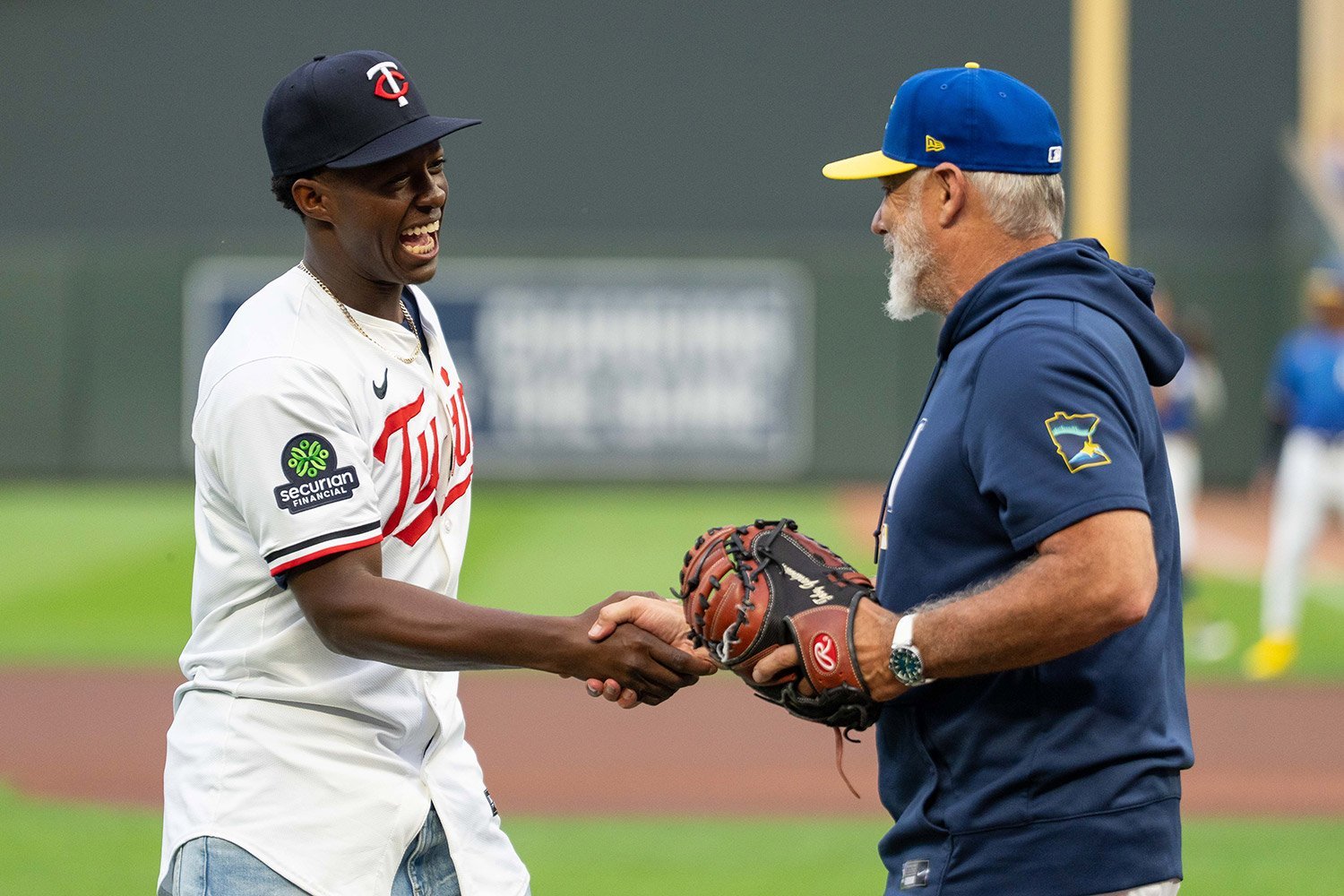 Unlike other publications, Twins Daily enables all users to contribute to our top prospect rankings. Anyone with a Twins Daily account can participate and give their input on who they think should be in the Twins' top prospects list. Before you vote, you can hit our top prospects page for the latest stats and news on Twins prospects, while on the voting page, every name is a clickable link that brings up their current stat card. Voting is simple, just follow the instructions below! Here's the rundown on how to participate: 1. You must have an account and be logged in to vote. If you don't have an account, click here. It requires only 60 seconds to create an account. 2. Review our current top 20 prospect list, catch up on stats, rankings, etc. (you can do so from the voting page link below) 3. Have your prospect list in your filthy little paws? Then flip on over to the new prospect voting page (after reading the rest of this, please). https://twinsdaily.com/prospect-voting 4. Voting is super simple; you drag and drop players in the order you wish them to be. After you move a prospect, the list automatically renumbers so you don't lose track of the order. This works on mobile devices, but it's a *vastly* better experience on desktop. Sorry, that's just how this kind of thing works. There's no excellent way to make something like this as awesome on a phone screen. 5. Each prospect has a comment section where you can add any commentary you have on that player. At the bottom of the list, there is a general comment section to explain overarching things you'd like to mention. 6. Don't see a prospect you want to put on the list? Just pop back here and give me a mention (in a comment, start typing @Brock Beauchamp and select my name after it appears). Please mention the prospect you would like added, and I will do so as soon as possible. 7. Once you're done with all of it, click Save. You've now voted! 8. When the voting closes, a new thread will automatically generate in the minor league forum with all of your rankings and comments for everyone to read and talk about. 9. You can only vote once. If you have voted in error, pop back here and tag Brock to ask to have your vote deleted. It will be removed, and you can vote again. Voting closes Sunday, August 9. View the full article
 -
 It turns out, rumors of a San Diego Padres teardown were greatly exaggerated. Entering deadline day at 58-54, the Padres, owners of a negative run differential, pulled off two massive trades to land Robbie Ray and Casey Mize and, in one day, completely revitalize their rotation. Regardless of what you think of the man, the gall of A.J. Preller stands in stark contrast to the overly calculated character of so many modern general managers, and no matter what fate is in store for the team, they made the right choice to go all-in. The prudent thing for the Padres would have been to trade away their expiring contracts, dangle Mason Miller, and restock the farm for what could be a cold winter. All you have to do is look at the Orioles to see the path not taken. Both organizations were about two games out from the final wild card spot, but one team traded their face of the franchise, along with their starting left fielder and their best reliever, for a massive prospect haul, while the Padres added two pitchers with sub-3.10 ERAs at the cost of their second- and-third-ranked prospects. So, why did the Friars make the right decision? Well, because this team is built for now. First and foremost, the Padres possess the one luxury that is only befitting a playoff team: an absolutely nails bullpen. They lead baseball in reliever fWAR at 6.0, are sixth in ERA (3.66), first in xERA (3.28), and fifth in FIP (3.76), but even that undersells them. Due to the Padres’ underwhelming starting pitching, their bullpen has been pushed hard. The 489.1 innings they’ve gotten from the pen are the third-most in baseball, which means more innings for their lower-tier arms. For as good as the quartet of Mason Miller, Bradgley Rodriguez, Adrian Morejon, and Jeremiah Estrada are, they can’t pitch every night, and you’d still need your starter to hit five innings to line up the four horsemen of the Padocalypse. The top of the Padres’ bullpen is built for October, but the middle and back are far less effective. The best illustration of this is that Miller, Rodriguez, Morejon, and Estrada have combined to produce 6.3 of the Padres’ 6.0 fWAR out of the pen. You do the math. The addition of Mize and Ray will not only bolster a starting rotation in desperate need of quality innings, but it’ll also improve the best bullpen in baseball. If Joe Musgrove and Nick Pivetta can come back and simply fill in at the back of the rotation, the Padres could suddenly have one of the better pitching situations in the National League. Now, pitching is only half the game, and the Padres’ position players have not held up their end of the bargain. If you had told me that Jackson Merrill, Manny Machado, and Xander Bogaerts all had sub-100 wRC+’s 112 games into the season, I would have assumed the season ended sometime in June. Yet, despite three of their four most talented position players having absolutely awful offensive seasons, the Friars are right in the thick of it, which gives them a surprising amount of upward mobility. Projection systems are slow to catch sudden changes in ability, which is a feature, not a bug. It’s entirely possible that Machado, Bogaerts, and Merrill are cooked, but I also don’t buy it. Machado is a future Hall of Famer, Bogaerts is a future Hall of Very Good member, and Merrill was once one of the most promising young players in the league, and he won’t turn 24 until next April. Every single projection system thinks they’ll hit not just a bit better, but a lot better. ZIPs, which is the most pessimistic, still thinks the trio will collectively improve their wRC+ by 14 points, which is huge. Machado’s wRC+ of 97 currently ranks 114th among qualified batters. Simply adding 14 points would get him to 111 and vault him up to 70th. On top of that, the turnaround has already begun. Since June 1, Machado has a wRC+ of 120 and Merrill’s comes in at 106. There’s no reason to believe they can’t go higher, and if Bogaert’s can join the party, the Padres should have a playoff-worthy offense. Throw in Fernando Tatis Jr.’s rediscovery of his power stroke, and the Padres we thought we’d see are coming back into focus. The final piece of the puzzle is how uncertain the Padres’ future is. Machado and Bogaerts will be in their age-34 seasons in 2027, and the potential for a new CBA could absolutely hamstring them. While I doubt the next CBA will actually usher in much change, the Padres would be hit extremely hard if more stringent caps and penalties are added to the luxury tax offenders. Unlike the Dodgers, the Padres don’t have the financial resources to blow by the luxury tax while incurring increasingly draconian penalties. While everyone wants to kneecap the richest teams, those same penalties absolutely obliterate any mid-or-small-market team with the courage to spend. Simply put, a new CBA could necessitate a fire sale. The Padres and A.J. Preller have been trying to win a World Series, and 2026 is probably their last best chance with this core. People love to celebrate a calculated retreat and will prospect clutch until their knuckles are blue, but the game is about glory. This isn’t war. Dying with your sword in hand should be the expectation because everyone still gets to go home. The Padres are going for it not because it’s the smartest thing to do, but because it’s the right thing to do. Your window isn’t open forever, but it is now, and after their deadline, it might be as open as it’ll be for quite some time. View the full article
 -
 The Milwaukee Brewers’ big move at this year’s MLB Trade Deadline was landing Dustin May and JoJo Romero, a pair of big league arms from their division rivals in St. Louis. While the team didn’t make the splash for two-time Cy Young winner Tarik Skubal, who went to the Dodgers, there’s still an argument that these three prospects could’ve been spent on another arm or a power bat. Luis Peña Peña would’ve been in the mock Skubal trade, as he's someone who holds a lot of value and therefore deserves a hefty return. He’s the number two prospect in the Brewers’ pipeline. The problem is, I don’t know where this guy plays. Jesús Made is likely the team’s future shortstop or second baseman, as the team held onto the top prospect in baseball. Cooper Pratt was just extended, and he will likely play third, shortstop, or second base by the time the rest of this prospect class is up. Peña has been remarkable, slashing .305/.396/.429 (.825 OPS) while playing all but three games with the High-A Wisconsin Timber Rattlers. He has 105 career stolen bags in 184 games and holds the most value of anyone who the Brewers simply do not have room for. Maybe he becomes more valuable when he’s in Double-A Biloxi or Triple-A Nashville by this time next year, but the clock is ticking on the time this team has to sell someone else on his potential. Luke Adams Luke Adams is another name who could be stuck. Adams, a 22-year-old power hitter, has the potential to be a diamond in the rough for this team considering he was a 12th-round pick in the 2022 MLB Draft. Adams has two very appealing attributes: power and plate discipline. The power is on its best run in 2026, as the corner infielder has 15 round-trippers in just 60 games, with 12 of those coming in Triple-A Nashville. As for his approach, Adams has managed to draw 245 career walks while punching out 298 times. Who is in front of him? Time will tell what the Brewers decide to do with Andrew Vaughn and now Jake Bauers, who’s having a career year for the Crew. The aforementioned Pratt is in the fold and extended, but I’d be pretty worried about Andrew Fischer. The Brewers’ sixth-ranked prospect is up to 34 home runs and 53 extra-base hits across 91 games. That is someone who could fly by and pass Luke Adams, considering you could argue that he is the best power hitter in Minor League Baseball right now. Coleman Crow Coleman Crow is the final player on this list, and while he has made his MLB debut already, he’s arguably the most blocked of anyone here. The Brewers’ number 22 prospect is a starting pitcher, and there are quite a few names in front of him. Crow went 5-1 with a 4.12 earned run average in 59.0 innings of work for Triple-A Nashville before getting the call to the big leagues. Crow’s curveball, which possesses a 60-grade, is the biggest appeal for the former 28th-round pick. While he’s shown he can earn his way up to the top step, names like Logan Henderson, Tyson Hardin, Bishop Letson and more are either ranked higher than him or have pushed past him on the big league ball club’s depth chart. The Crew has a surplus of infield prospects, and they have plenty of up-and-coming pitchers behind one of the most dominant rotations in baseball. There’s always next year, but the Crew could’ve capitalized on this surplus more ahead of this year’s deadline. View the full article
 -
 The Boston Red Sox made a blockbuster trade for former number one overall pick Adley Rutschman. Their deal with the Baltimore Orioles came with a steep cost. In this video, we'll break down Eyanson's Skenes-like minor-league numbers, his rapid ascent up the minor leagues, and the rotation balance he could've provided if the Sox held onto him. View the full article
 -
 Joe Ryan looked like one of baseball's best pitchers for most of the season, but the Twins' ace has hit an unexpected rough patch since the All-Star break. The underlying data suggests it's likely more than just bad luck. View the full article
