


DiamondCentric
-
Posts
2,631 -
Joined
-
Last visited
Never
Content Type
Profiles
Forums
Events
News
Tutorials & Help
Major League Baseball Videos
Guides & Resources
Store
Downloads
Gallery
Everything posted by DiamondCentric
-

Can Tyrone Taylor Be A Difference-Maker For The Cubs?
DiamondCentric posted an article in North Side Baseball
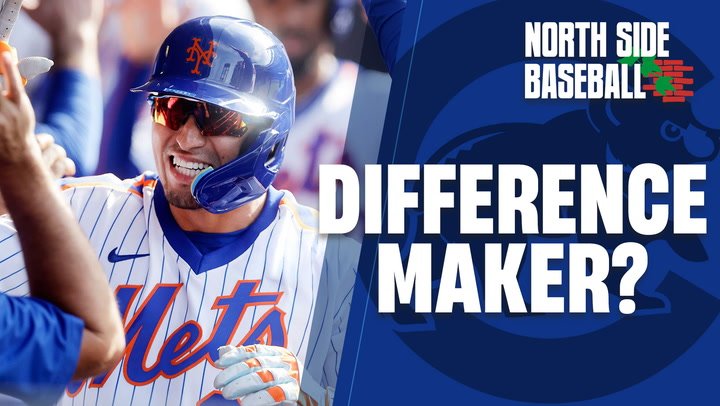 While Clay Holmes was the headliner of a trade between the New York Mets and Chicago Cubs, outfielder Tyrone Taylor could find himself a significant role player. In this video, we'll break down the veteran outfielder's speed, glove, and cover where he fits into the overall scheme of the 2026 Cubs roster. View the full article
 -
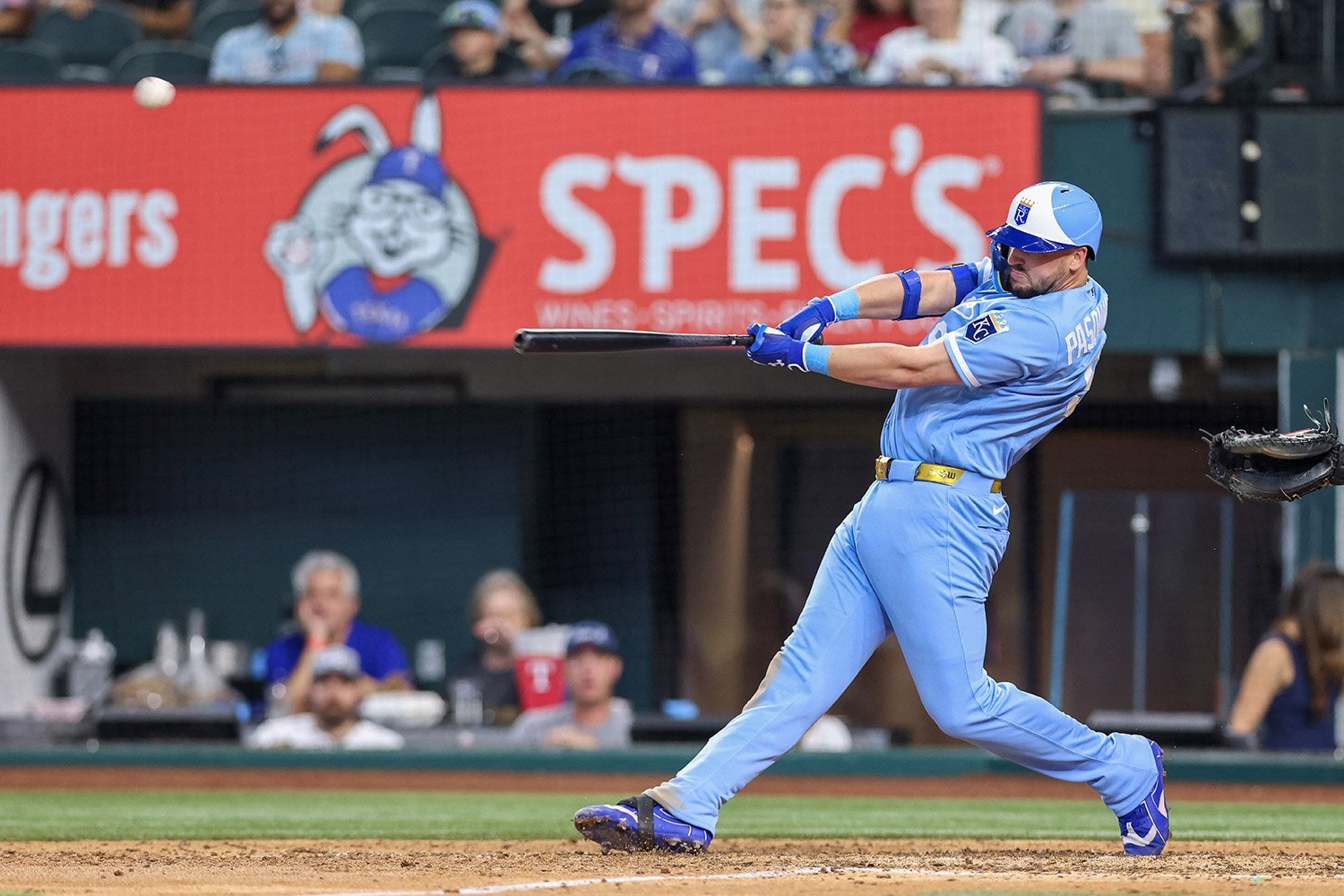 Vinnie Pasquantino's season is a reminder that controlling the strike zone is not enough when a hitter loses the ability to impact the baseball. He continues to make the decisions you'd expect from a middle-of-the-order hitter, but those decisions no longer produce the same kind of contact. The Royals first baseman rarely chases pitches outside the zone, owns a solid 11.0% walk rate, and makes contact on more than 90% of the pitches he sees in the strike zone. The swing that turned that disciplined approach into legitimate power over the past few seasons, however, is no longer producing the same results. Pasquantino's decline in bat speed has changed how left-handed pitchers can attack him. Against lefties, Pasquantino averages just 66.5 mph in bat speed—ranking in the fifth percentile across Major League Baseball. That has given opposing pitchers far more freedom to challenge him up and in or work the lower part of the strike zone without taking the same risks they once did. Pitches that previously demanded precise execution can now be thrown with much greater confidence because Pasquantino takes longer to get the barrel to the ball. The heat map illustrates that vulnerability. Outside of two quadrants in the upper portion of the strike zone, nearly the entire chart is shaded blue against left-handed pitching, including the area tight to his hands and much of the lower zone. Pitchers no longer need to live on the edges of the strike zone. They can attack him directly because that swing no longer punishes those pitches. The change is also evident in the type of contact he produces. Pasquantino still puts the ball in play, but he no longer moves the barrel through the zone with enough acceleration to transfer the same amount of energy at contact. The swing that once produced authoritative pulled fly balls to right field has largely disappeared against left-handed pitching. His PullAir% has fallen to 17.3%, while only 1.8% of his swings now qualify as Blast Swings. The split tells the story: Pitcher Split xwOBA Hard-Hit% Barrel% Bat Speed Whiff% vs. RHP .357 45.8% 7.9% 68.7 mph 13.8% vs. LHP .240 22.0% 1.7% 66.5 mph 22.4% Against right-handed pitching, Pasquantino still looks like the middle-of-the-order hitter the Royals expected, posting a .357 xwOBA alongside a 45.8% Hard-Hit rate. Against lefties, the profile changes completely. The drop in impact explains the rest of his offensive line: his Hard-Hit rate falls to 22.0%, barrels nearly disappear (1.7%), and his isolated power (ISO) has fallen from .211 to .113 compared to last season. Even his maximum exit velocity has declined from 114.4 mph to 108.1 mph. The change is also visible in his batted-ball profile, as 16.7% of his fly balls never even leave the infield. Pasquantino's season serves as a reminder that controlling the strike zone alone is not enough to sustain power. His plate discipline has returned to an elite level. The problem begins only after he decides to swing. As long as that physical gap remains, he'll continue to build quality plate appearances and lay off pitches he can't drive. What he can no longer guarantee—especially against left-handed pitching—is the kind of contact that makes a power-hitting first baseman the centerpiece of an offense and the hitter capable of changing a game with a single swing. View the full article
 -
 The 2026 MLB trade deadline has officially come and gone, and the Chicago Cubs were one of the busiest teams in baseball. It was no secret that pitching was this team's biggest need, and Jed Hoyer made sure to address it. The Cubs opened the deadline by landing one of the top starting pitchers available in Kevin Gausman, but they didn't stop there. They followed that up by acquiring a pair of additional starters in Clay Holmes and Braxton Garrett, added another late-inning bullpen arm in Ryan Zeferjahn, and even picked up some extra outfield depth with Tyrone Taylor. For a brief moment, it even looked like the Cubs were going to pull off an even bigger splash with Reid Detmers before that deal ultimately fell apart. Regardless, it was an incredibly active deadline for Chicago. That being said, I wasn't in love with every move they made. Let's hand out some grades. Kevin Gausman Trade Grade: A- Out of all the Cubs' deadline additions, this was easily my favorite. Kevin Gausman gives Chicago something it simply didn't have, even when the rotation was fully healthy: a proven, quality right-handed starting pitcher that can be trusted in big games. He's exactly the type of veteran arm the Cubs needed heading into the stretch run. Even better, the acquisition cost wasn't overwhelming. Chicago sent shortstop Ty Southisene, North Side Baseball's No. 15 Cubs prospect, along with outfielder Brett Bateman to Toronto. While both players have intriguing upside, neither represented the type of prospect you hesitate to move when a pitcher like Gausman becomes available. Yes, Gausman is on an expiring contract, but the Cubs didn't have to empty the farm system to get him. Considering what he projects to provide over the final two months and into October, I think this was an outstanding trade. Clay Holmes & Tyrone Taylor Trade Grade: C- Unfortunately, I can't say the same about the Cubs' deal with the Mets. Chicago acquired starting pitcher Clay Holmes and outfielder Tyrone Taylor in exchange for the organization's No. 1 prospect, shortstop Jefferson Rojas. For what it's worth, both players they brought in absolutely fill needs. Holmes should settle in nicely as a quality middle-to-back-of-the-rotation starter for the remainder of the season, and his $12 million player option for 2027 means there's at least a chance he sticks around beyond this year. Taylor also gives the Cubs a very strong short-side platoon bat in the outfield, adding another capable option against left-handed pitching. The problem isn't the players they acquired. The problem is the price they paid. You don't trade your No. 1 prospect for those two rentals, one of whom has been injured for months and the other is, at best, a bench bat. This wasn't the only talented young player the Cubs moved at the deadline, but this deal stands out as a significant overpay. I'm all for being aggressive when you believe your championship window is open, but we're grading the value here, too. Braxton Garrett Trade Grade: B- I'm actually a pretty big fan of this move. On the surface, Garrett's 2026 numbers aren't going to impress anybody, but I'm choosing to ignore those. He's only made two appearances since returning from Tommy John surgery, so it's far too early to judge what kind of pitcher he'll be moving forward. Instead, I think it's much more important to look at what he did from 2023 through 2025. During that stretch, Garrett consistently pounded the strike zone and did an excellent job keeping the ball on the ground. That's exactly the kind of profile that can thrive as a reliable back-of-the-rotation starter, and I think it'll translate well in Chicago. I don't love giving up Jonathan Long to make it happen, but controllable starting pitching was one of the Cubs' biggest needs entering the deadline. There is certainly some risk involved with Garrett coming off a major elbow injury, which is why I can't go much higher than a B-. Still, I like the upside here. Ryan Zeferjahn Trade Grade: B+ Last but certainly not least is the addition of reliever Ryan Zeferjahn. A lot of Cubs fans probably aren't thrilled about moving Moisés Ballesteros and Mason McGwire, and that's understandable. But Zeferjahn is another high-upside, controllable arm that has a chance to become a major piece of Chicago's bullpen. His 3.66 ERA might not immediately jump off the page, but the underlying metrics certainly do. A 96th-percentile whiff rate and a 97th-percentile strikeout rate tell the story of a pitcher with electric stuff, while his 2.95 expected ERA suggests there may be even more production ahead. He also brings a deep five-pitch arsenal, giving the Cubs another dependable late-inning option as they gear up for a postseason push. Moving Ballesteros and McGwire isn't ideal, but when you combine that trade with the Jefferson Rojas deal, it's obvious what message the Cubs are sending. They're all-in on winning over the next few years. Overall Trade Deadline Grade: B When everything is added together, I'm giving the Cubs a B for their 2026 trade deadline. Had the Reid Detmers trade actually crossed the finish line, this grade probably jumps closer to an A-. Even without that move, though, Chicago addressed its biggest weaknesses. They added multiple starting pitchers, strengthened the bullpen, improved their outfield depth, and made it abundantly clear that they're serious about competing—not just this season, but over the next few years as well. The biggest issue is that some of those upgrades came at an extremely steep prospect cost, particularly in the Holmes deal. Still, if these additions help the Cubs make a deep postseason run, few people will be complaining about the talent they gave up. What do you think of the Cubs' deadline? Which of these grades do you agree or disagree with? And which acquisition (or departure) surprised you the most? View the full article
 -
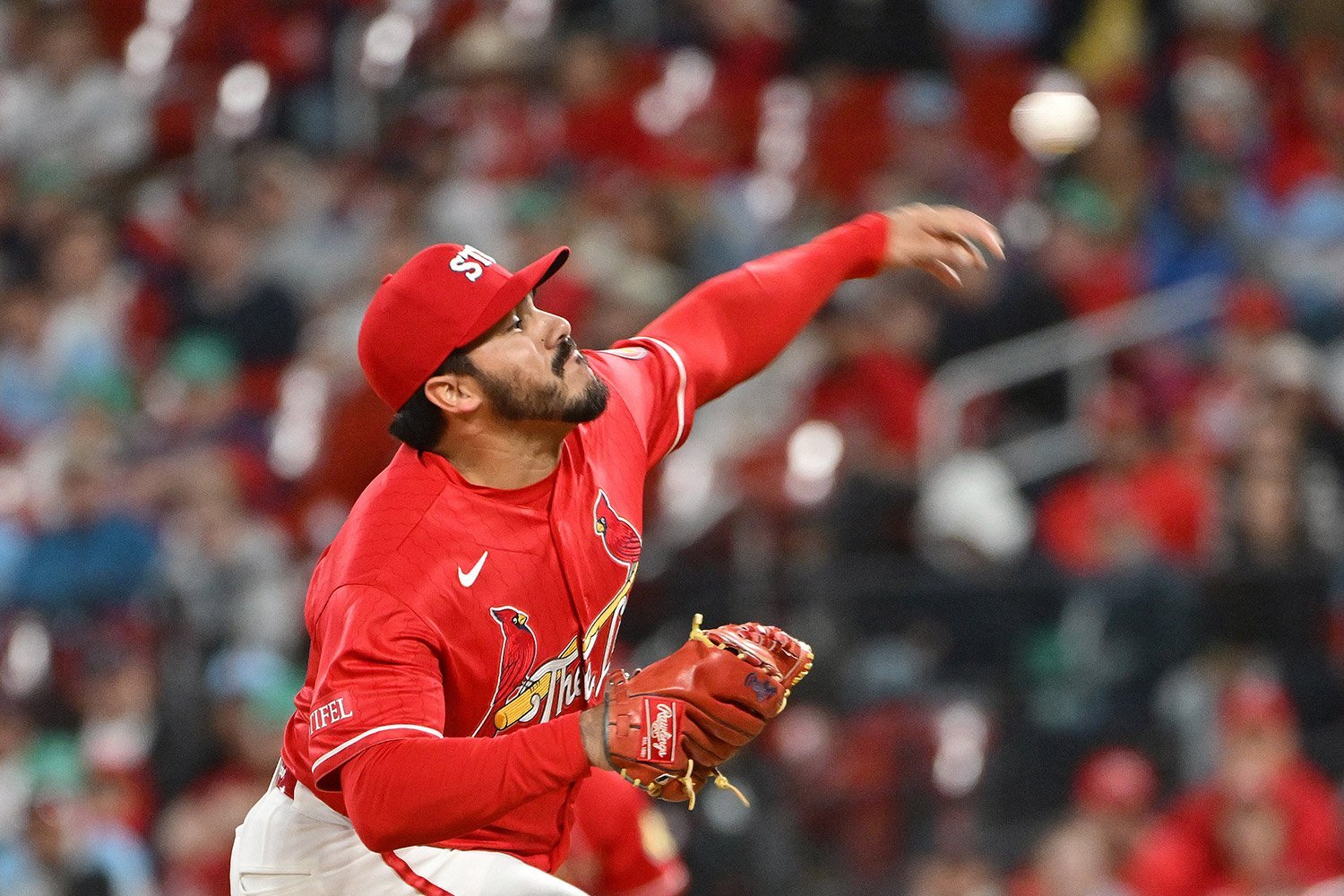 The Brewers’ biggest trade deadline deal was a four-player swap with the division-rival Cardinals on Monday afternoon. Milwaukee acquired veteran starter Dustin May and reliever JoJo Romero in exchange for outfield prospects Josiah Ragsdale and Alexander Frias. That looks at first glance like a steep return. Injuries have kept May from making good on the promise he showed as a young starter for the Dodgers, and his 4.38 ERA for St. Louis this year is nothing special. Romero is a solid middle reliever. Both are rentals who will be free agents after this season. Meanwhile, Ragsdale was Brewer Fanatic’s No. 16 prospect, while Frias appeared in FanGraphs’ Top 50 prospects in their latest midseason update. Several fans and pundits were quick to call that a clear overpay, but there’s more to dive into here. First, Ragsdale and Frias were both breakout prospects who remained beneath other outfielders on the organizational depth chart. The Brewers’ internal evaluations of both players are likely lower than the consensus. Second, May and Romero are great fits for Milwaukee’s pitching infrastructure with more upside than one might assume. May’s results with the Cardinals this year were unremarkable, but his 3.91 xERA, 3.14 FIP, and 93 DRA- all suggest he’s pitched like an above-average starter. Most importantly, his arsenal has improved this year. “The stuff is really electric,” president of baseball operations and general manager Matt Arnold said. “You saw what he did against us a couple weeks ago, and he was really, really good. He’s a guy that we’re happy to have on our side.” May has reintroduced a curveball and changeup this year to expand his secondary stuff, but the Brewers are almost certainly more interested in his fastballs significantly improving. He's always been a fastball-heavy pitcher, but when May returned from his second career elbow surgery last season, he couldn't get the same mileage out of his hard stuff. His four-seamer, sinker, and cutter combined for a poor -12 run value, prompting him to throw more breaking balls that he couldn't spot in the strike zone. This year, May is back to throwing more heaters, and his fastball run value has flipped to an elite +11. "My biggest thing is fastball execution," May said. "If I'm able to execute the fastballs, the offspeed stuff just plays off it, whether it's in the zone or not. So being able to kind of place the ball in and out is my biggest thing." In his prime, May approached 100 mph with his four-seamer and sinker, but his average velocity dipped to around 95 mph last year. This year, he’s back to sitting nearly 97 mph, and his cutter is at its highest velocity since 2020. It’s not just the velocity bump. May is also creating better angles with those three fastballs, allowing them to play off one another more effectively. He has raised his arm angle from 21 degrees to 34 degrees this year, which has added more than 2 inches of backspin carry to both his four-seamer and cutter, which also has more consistent glove-side movement. "I think going into the offseason, the biggest thing for me was kind of getting back to my old throw," May said. "So that was something that I really worked on, and I feel like I've kind of gotten back to a close version of my previous self, whether it be arm angle and slot and everything like that, just to be able to maximize the efficiency of my throw." The biggest piece to the puzzle, particularly for the Brewers, is May’s sinker. A higher arm slot raises the spin direction of a baseball, which is why May’s four-seamer and cutter now have more carry. It hasn’t affected his sinker, though, which has not lost any sink. That’s because May is generating more seam-shifted wake on the pitch. This seems to be because of his unique offset sinker grip, which orients the two seams in a way that creates a greater air pressure imbalance on each side of the ball as it spins toward home plate. Hitters look for spin to identify a pitch as it makes its way toward home plate. When they see the ball spinning in a certain direction, they use that spin to predict how the ball will move. This year, May is creating an even greater difference between how much hitters expect his sinker to sink based on its spin and how it actually sinks. Take a look at the two clock-like graphics below. In 2025, there was a clear difference in the direction May’s sinker would spin (the orange bars on the left) and how it would actually move (the orange bars on the right). The bars on the right were lower on the clock, meaning May’s sinker would move down and to the right more than it was spinning. This year, there’s an even greater difference between the spin and the movement. Because of his higher arm slot, May’s sinker is spinning more vertically, but it has just as much depth and horizontal movement. By getting the same amount of sink from a higher arm slot, it looks to the hitter like May’s ball is sinking even more than it did last year. His sinker’s vertical approach angle, which measures how “steep” a pitch looks to the hitter, has dropped from -5.28 degrees to -5.51 degrees this season. That means May’s sinker now ranks among the steepest in baseball. The bottom line is that all of May’s fastballs are behaving better. His four-seamer has more carry, his cutter has more cut, and his sinker looks like it has more sink. With those improved fastballs, May can throw three pitches with very similar spin out of his hand, but with very different movement. According to MLB Pitch Profiler, his proMax+ (a stat that measures how well a pitcher mixes different pitch shapes while making them look the same out of his hand) has jumped from 92 to 107. That makes May a perfect new toy for pitches coaches Chris Hook and Jim Henderson, who value tunneling three different fastballs off each other in the strike zone. With the Cardinals, May threw his sinker mostly to right-handers and his cutters mostly to left-handers, and he threw plenty of four-seamers to both sides. The Brewers could balance all three fastballs more evenly to both sides and bring May’s overall fastball usage closer to the 75% he averaged with the Dodgers years ago. Romero doesn’t have three fastballs, but his leading pitch is also a power sinker that averages just 0.9 inches of induced vertical break (a lower number means more sink). The southpaw has very little extension toward home plate. With a shorter stride, his body is more upright and further above the ground, which raises his release height and adds to his perceived sink. Aaron Ashby creates a similar effect with low extension, albeit from a much higher arm slot. Romero’s sinker has a -5.89 vertical approach angle, which is an elite -0.73 degrees steeper than expected from his release height and velocity. It’s gotten ground balls on at least 60% of batted balls in every year since 2021. There’s a reason why the Brewers felt comfortable giving up what they did to bring in two division-rival arms. At minimum, a healthy May should remain a reliable innings-eater. At best, he could dominate down the stretch with one of baseball’s best fastball combinations. When Romero returns from an appendectomy, he’ll give Pat Murphy a ground-ball specialist who can ease the strain on the team’s leverage relievers. Don’t be surprised if what looks like an overpay becomes a great value deal for Milwaukee. View the full article
 -
Could A Change of Scenery in Kansas City Help Jacob Berry?
DiamondCentric posted an article in Royals Keep
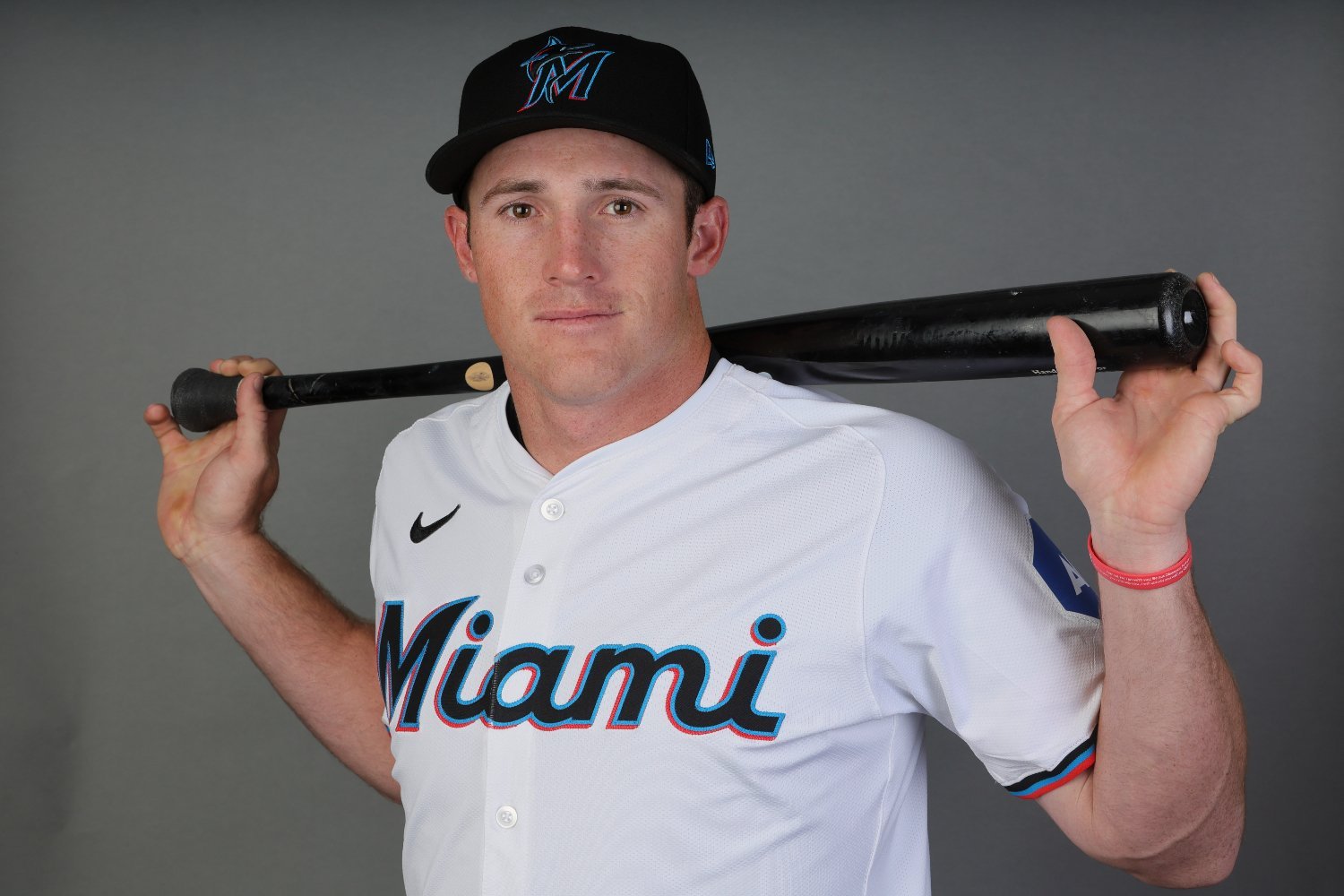 In some surprising transactional news, Isaac Azout of Fish on First (a Diamoncentric partner site) reported that the Miami Marlins were trading INF/OF Jacob Berry to the Kansas City Royals for cash considerations. Berry was a heralded pick in 2022 out of LSU, as he hit .370 with a 1.094 OPS and 15 home runs in his final season with the Tigers. Unfortunately, he's struggled in the Marlins system, as he has yet to make his MLB debut despite being 25 years old and Rule 5 eligible (he wasn't selected in last year's Rule 5 Draft). This season has been an interesting one for Berry, who's in his third tour of duty with the Triple-A Jacksonville Jumbo Shrimp (great nickname, by the way). In 302 plate appearances, he is hitting .25.1 with a .372 OBP and .734 OPS. He also sports a 103 wRC+ and 97 TJ Bat+ with 18 stolen bases on 25 attempts. Unfortunately, the power has not been great this year, as he has only five home runs and an ISO of .111. The latter is 22 points down from his ISO a season ago with Jacksonville. What makes Berry such an interesting prospect is that he has tremendous plate discipline. This year, not only does he have 15.2% BB%, a 4.8% improvement from a year ago, but he also sports a 1.07 BB/K ratio. When looking at his TJ Stats Statcast percentiles, he not only makes frequent contact and minimizes the whiffs, but also doesn't chase very much either. Yes, his LA Sweet-Spot% (16th percentile), Average EV (20th percentile), and barrel% (33rd percentile) are concerning. Conversely, his whiff%, Z-Contact%, K%, and BB% are all at the 84th percentile or higher. Furthermore, his O-Swing% ranks in the 76th percentile, thanks to his 23.3% mark. The Royals have been making a much bigger push to acquire hitters who don't chase. They did that last year by acquiring Lane Thomas and Isaac Collins, both of whom had a history of strong chase rates. This year, Thomas (23.4%) and Collins (23.6%) had the second- and third-lowest O-Swing rates of Royals hitters this year. The only hitter with a lower O-Swing% was Jonathan India. However, the Royals' second baseman had only 58 plate appearances this year before going down for the season with a shoulder injury. Berry fits that same mold of a hitter as Thomas and Collins, though the former LSU product has less of a Major League track record compared to the two. Could Berry Get a Shot This Year? Berry has an intriguing profile, even for an older prospect currently in Triple-A. He got on a heater at the plate earlier in the year with Jacksonville, showing some home run power and a stronger ability to pull the ball in comparison to previous seasons in the Minors. Berry also demonstrated a penchant for coming through in the clutch as well. In the Triple-A National Championship game in 2025, he hit a walk-off home run that clinched the title for Jacksonville. For a hot minute this year, it looked like Berry was finally going to play himself into a promotion to Miami, even with the Marlins surpassing preseason expectations. Unfortunately, things cooled for him in June. That is evident in his drop in TJ Bat+ and wOBA from before June to afterward. The biggest difference for Berry from Opening Day until Memorial Day and June 1st to now is that the exit velocity has dropped and he's pulled the ball a lot less. Those two things have seemed to do the most damage not just to his TJ Bat+ and wOBA, but also to other key Statcast categories. Nonetheless, despite the regression in hard-hit and exit velocity-related metrics, his plate discipline and contact percentiles remained consistent in both periods of data. Berry is a switch-hitter capable of playing multiple positions in both the infield and outfield. In terms of the former aspect, he is pretty much the same kind of hitter from both sides of the plate. He has a little more power and hard-hit ability as a righty, but he launches the ball better and has better exit velocity from the left side of the plate. Regarding the latter, the 25-year-old has played second, third, and right field this year. Nick Loftin, Michael Massey, and Jac Caglianone have held those positions down this year. That said, the Royals could move around Loftin and Massey this offseason, especially if it would involve them acquiring a more proven veteran bat or pitcher. Additionally, if the Royals trade Vinnie Pasquantino, it could open the door for Caglianone to move to first base full-time. Thus, Berry could emerge as a possible corner outfielder option, in addition to one who could play multiple infield positions if Massey and/or Loftin are traded this offseason. Granted, Berry is coming to Kansas City without much fanfare from Miami. He was widely seen as a bust by Marlins fans, including Ely Sussman, who oversees Fish On First. That said, I do think Berry's profile is very similar to Collins', who didn't make his MLB debut with the Brewers until he was 24 years old. Currently, Collins is 29, and yet he is having a solid season with Kansas City (100 TJ Bat+) while sporting a Statcast profile similar to Berry's. Thus, Collins' success makes one wonder whether the Royals believe Berry can mesh with their hitting development team, especially their new hitting coaches, Connor Dawson and Marcus Thames. After sporting the 8th-highest O-Swing% from 2023 to 2025, the Royals only have the 14th-highest mark this year, a nice sign of progress. Berry's profile fits the new Kansas City hitting profile, and players like Collins and Thomas (who was recently traded away) embody that mold. Maybe the former LSU product can be another success story who can give Kansas City value at multiple positions across the field for both 2027 and beyond. View the full article
 -
Examining the Deadline Pivot From Bryan Abreu to Jeff Hoffman
DiamondCentric posted an article in Twins Daily
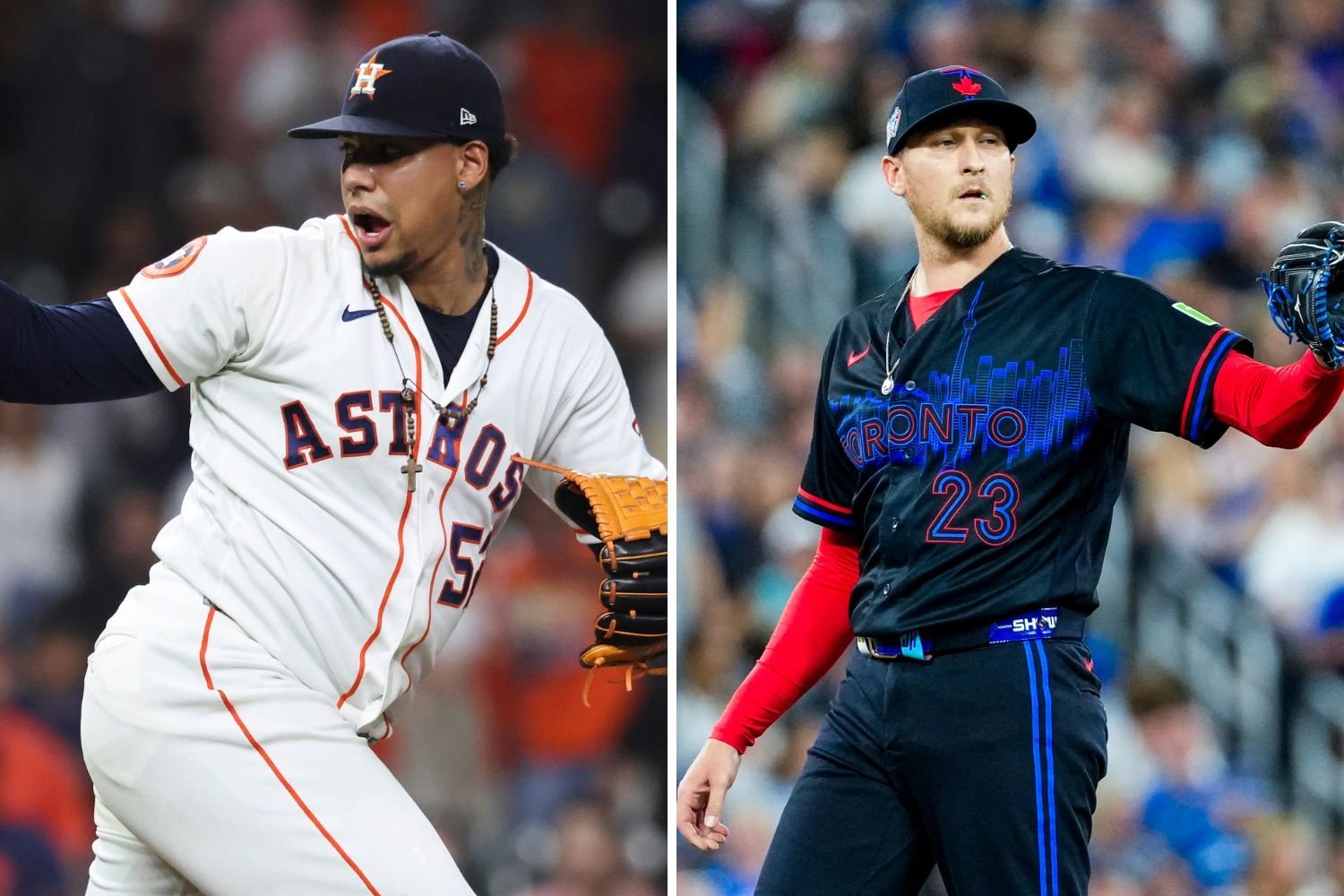 The Twins came into this trade deadline with one clear mandate: add a high-caliber righty reliever to the back end of their bullpen. Yes, they made other additions to bolster the depth of their staff in A.J. Minter and Dean Kremer, but the big prize was always going to be a premier arm that could slot into the late innings alongside — or ahead of — Yoendrys Gómez and Andrew Morris. They thought they had their guy in Bryan Abreu of the Astros. Unsubstantiated rumors later turned into confirmed reports that Minnesota and Houston had a deal in place sending over Trevor Larnach in exchange for Abreu, only to have it nixed by Astros owner Jim Crane in the final stages. So the Twins evidently pivoted, turning their attention toward pushing talks across the finish line for Blue Jays reliever Jeff Hoffman. At the end of the day, the sum result is fairly similar in terms of player acquired. The Twins landed a veteran reliever with dominant stuff, an excellent track record, and plenty of experience pitching in big situations. Either one would have done the trick. Since 2023, Hoffman ranks 15th among MLB relievers in fWAR with a 3.22 ERA and 3.21 FIP; Abreu ranks 17th with a 2.72 ERA and 3.31 FIP. Both have seen their stock drop a little this year — Abreu more so, as he's run into walk and home run troubles — but both have also quelled any performance concerns with strong recent runs. All other things being equal, you'd probably lean toward Hoffman, mainly because he has an additional year of control extending into 2027. But it's close. Either one would have satisfied the biggest need Minnesota's front office sought to address. The difference is in the diverging paths required to get there, and implications for the organization going forward. It's pretty rare that we get the tea on a trade that fell through in the manner we did with this Abreu effort, but since it's out there, we can weigh its merits alongside the deal that actually ended up getting done. Larnach has one remaining year of control and is likely on the verge of exiting the Twins' plans in a crowded outfield mix. He's creating a bit of a logjam as upcoming players like Walker Jenkins vie for opportunities, but Larnach has also been one of the team's most important players to up to this point, ranking second among Twins position players in fWAR. Trading him would embody the idea of threading a needle between buying and selling. You run the risk of somewaht weakening an offensive unit that already shows signs of regression, but at the same time, you address your top priority without sacrificing any real future value. With their pivot to Hoffman, the Twins steered much harder into a traditional "buy" posture. They kept Larnach, along with everyone else on the big-league roster, but at real future expense. The headliner of a three-player package sent to Toronto is Dasan Hill, who was arguably the best pitching prospect in the organization and one of the higher-upside lefties to ever come through this system. Twins Daily named Hill the Twins' minor-league starting pitcher of the year in 2025, and had him ranked as Minnesota's #6 prospect entering this season, behind only the now-graduated Connor Prielipp among pitchers. We described the former second-rounder as "Oozing top-of-rotation potential after fanning 83 over 62 IP in first season out of HS." Though his own stock has ticked down a bit this year amid major control issues, Hill's upside remains undeniable. He was at #9 on our prospect tracker before the trade, still top 10 and one of just four pitchers among the top 15. That's a real loss, but one that might not be fully felt at the moment because he's 20, unrefined, and still years away from MLB readiness. It's the kind of move an all-in contender makes without blinking. For the Twins, who are straddling the line between contending and rebuilding, it's far from a no-brainer. Trading Larnach for Abreu would have carried minimal future implications, good or bad. Abreu, an impending free agent, wasn't going to be here next year and Larnach probably won't either. The pivot to Hill-for-Hoffman is a much more consequential decision. Hoffman is under contract next year, which does add more value but also entails its own level of risk: a 34-year-old relief pitcher making $8 million (even with Toronto paying down part of his salary) is hardly some surefire proposition. In fact it runs counter to the general philosophy of a Twins team that has rarely dedicated that kind of payroll to any single reliever. By changing course in their pursuit of a legit late-inning arm, even if not necessarily by their own volition, the Twins radically altered the risk/reward stakes of their biggest deadline move. Whether they ultimately chose this path or simply adapted to the one left available, the failed Abreu deal may prove every bit as significant as the Hoffman trade itself. If Hoffman helps anchor a playoff push over the next two seasons, surrendering Dasan Hill should be an easy price to justify. But if Hill develops into the frontline starter his talent suggests is possible, this deadline won't be remembered for the reliever Minnesota acquired, but for for the prospect they had to give up after their first plan fell apart. View the full article
 -
The Curious Case of Eli White: Why Exactly Is He In Boston?
DiamondCentric posted an article in Talk Sox
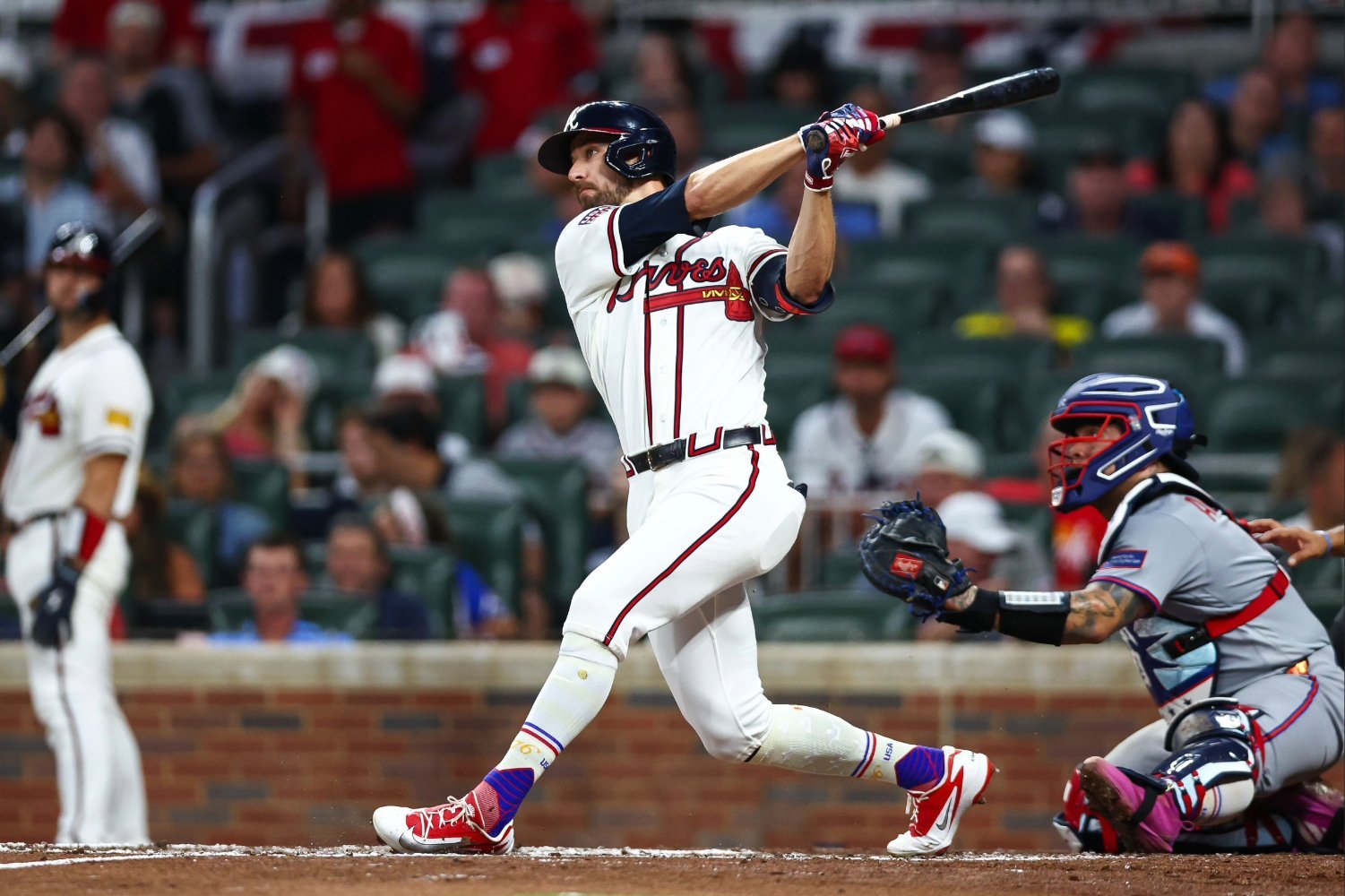 In a trade deadline that featured former first overall pick Adley Rutschman and lockdown southpaw Erik Miller being dealt to the Boston Red Sox, one might argue Craig Breslow’s most surprising deal of the day came when he acquired veteran right-handed hitting outfielder Eli White from the Atlanta Braves. At first glance, the move doesn’t look like it makes a ton of sense, as Boston chipped away at more of its pitching depth, sending 27-year old Tyler Uberstine back to the Braves. In return, they got a player that seems counterintuitive to have on the roster, given the outfield and designated hitter options that are already on the roster in the form of Wilyer Abreu, Jarren Duran, Nate Eaton, Romy Gonzalez, Jahmai Jones, Ceddanne Rafaela, and Masataka Yoshida. A more in-depth look at what White brings to the table, however, shows that he could turn out to be one of the more undervalued moves of the entire deadline. Who Eli White Is Replacing In Boston Before Tuesday night’s series opener against the White Sox, we learned that White would be activated and take the place of Gonzalez, who was subsequently being optioned to Worcester. For anyone who hasn’t been following since his return from the injured list, recovering from left shoulder surgery that caused him to miss all of spring training and 81 games this season, it’s been anything but smooth sailing. During his struggles at the major-league level, there was a growing belief Gonzalez may have needed a longer rehab stint, in which he only tallied 18 at-bats between Double-A Portland and Triple-A Worcester, leading to a .111/.238/.278/.516 line. Gonzalez most likely wanted to get back sooner rather than later to help Boston’s lineup that could’ve greatly benefitted from his right-handed bat that put up career numbers in 2025. While the desire to get back for his teammates and help the club anyway he could was a commendable one, it also may have been what led to his option back to the minors as things never clicked for Gonzalez, who outside of an occasional clutch pinch-hit performance, looked continuously overmatched at the plate. He posted a ghastly .185 average, .572 OPS, 33.8 Whiff%, and a 37.8 Hard-Hit%, a far cry from his 57.3% in 2025 that had him sitting in the 99th percentile. The move from Gonzalez to White may make more sense when you look at it from a versatility standpoint as well. While White has primarily featured as an outfielder throughout his career, accumulating 1945.1 innings in 297 games across all three positions, he does have four games played at both second and first base, with 28 innings played at second and nine at first. The Red Sox will more than likely look to Nick Sogard and Anthony Seigler to man those positions with Gonzalez no longer on the roster, but it’s good to know White has the experience to be slotted into either spot if he is desperately needed. Eli White Might Actually Be A Solution To Red Sox's Outfield Logjam Speaking of the outfield, one would think a big reason why White was brought onboard is to give both Abreu and Rafaela some breathers down the stretch as the Red Sox continue their postseason push. In the case of Rafaela, while he continues to be Boston’s most consistent hitter not named Willson Contreras, you would have to image the coaching staff will be keeping a close eye on him as the second half progresses to avoid another late season nosedive like he had in 2025. Last year, he went from a pre-All-Star-Break line of .271/.314/.483/.797 with 14 HR, 48 RBI, and a wRC+ of 115, to slashing .218/.268/.319/.587 with just two homers, 15 RBI, and a 59 wRC+. As for Abreu, he may already be in the midst of his own 2025 Rafaela-esque drop off. While he has shown no signs of slowing down in the power department, with a .571 SLG, .853 OPS, and .371 ISO in the second half as opposed to his .428, .759, and .167 showings in the first, he has seen a massive decline in his batting average (.261 to .200), on base percentage (.332 to .282), BABIP (.306 to .136) and an increase in his K% (20.5% to 23.1%). Now, while the decrease in production from Abreu isn’t as drastic as Rafaela’s was a season ago, there have been numerous games where he just hasn’t looked right at the plate—borderline tired when looking for a word to use to describe it—even prompting NESN’s Lou Merloni to call for an occasional off day here and there. The addition of White gives the Red Sox a better option to do that with than they had prior to the trade. Nothing against either Jones or Yoshida, but with White bringing eight defensive runs saved (five in RF) and two outs above average as opposed to Yoshida’s negative three in both and Jones’ negative one defensive runs saved and negative two outs above average. There is a clear and obvious choice as to who should be patrolling right when Abreu needs a breather. Eli White's True Value: A Menace on the Basepaths For the third and final reason Eli White is on this roster, let me ask Red Sox fans to remember the names Dave Roberts and Quintin Berry, although one of those is probably easier to remember than the other. That of course being Roberts, who during the 2004 playoffs appeared in three games for the Sox as a pinch runner, scored two runs, and stole maybe the most famous theft of second in MLB history, helping the Sox end their 86-year championship drought. As for Berry, he too appeared in three playoff games and stole three bases en route to the franchise’s eighth World Series title in 2013. All of this is a long-winded way to say Eli White could very well be on this team come playoff time if the Sox can get there, as a professional pinch runner thanks to a 30.3 mph sprint speed that has him in the 99th percentile. This is a role that some wondered if spring training standout Braiden Ward might be able to fill if he ended up as a September call-up that the Red Sox turned to. The idea doesn’t sound so far-fetched when you remember just this season, Ward broke the spring training record for the most steals in a campaign with 19 and also realize that he has stolen 50 bases at least in four of the last five seasons in the minors. Of course, there may be some who are weary to trust Ward in that spot given his lack of major-league experience, leading to the question of if Nate Eaton could just handle that job. However, in the case of Eaton, it may just come down to the fact that White has been a better, more dependable bat this year, with a .231/.283/.403/.686 line and 21.4 K% as opposed to Eaton’s .125/.282/.281/.563 line and 30.8 K%. It will be interesting to see how the Red Sox deploy White, and how often they plan to do so as the reports of returns for Trevor Story, Roman Anthony, Curtis Mead, and Isiah Kiner-Falefa begin to ramp up. For now, though, they will surely benefit from the age-old adage that it never hurts to have too much depth. View the full article
 -
A 10,000-Foot View of the Mets' 2026 Trade Deadline
DiamondCentric posted an article in Grand Central Mets
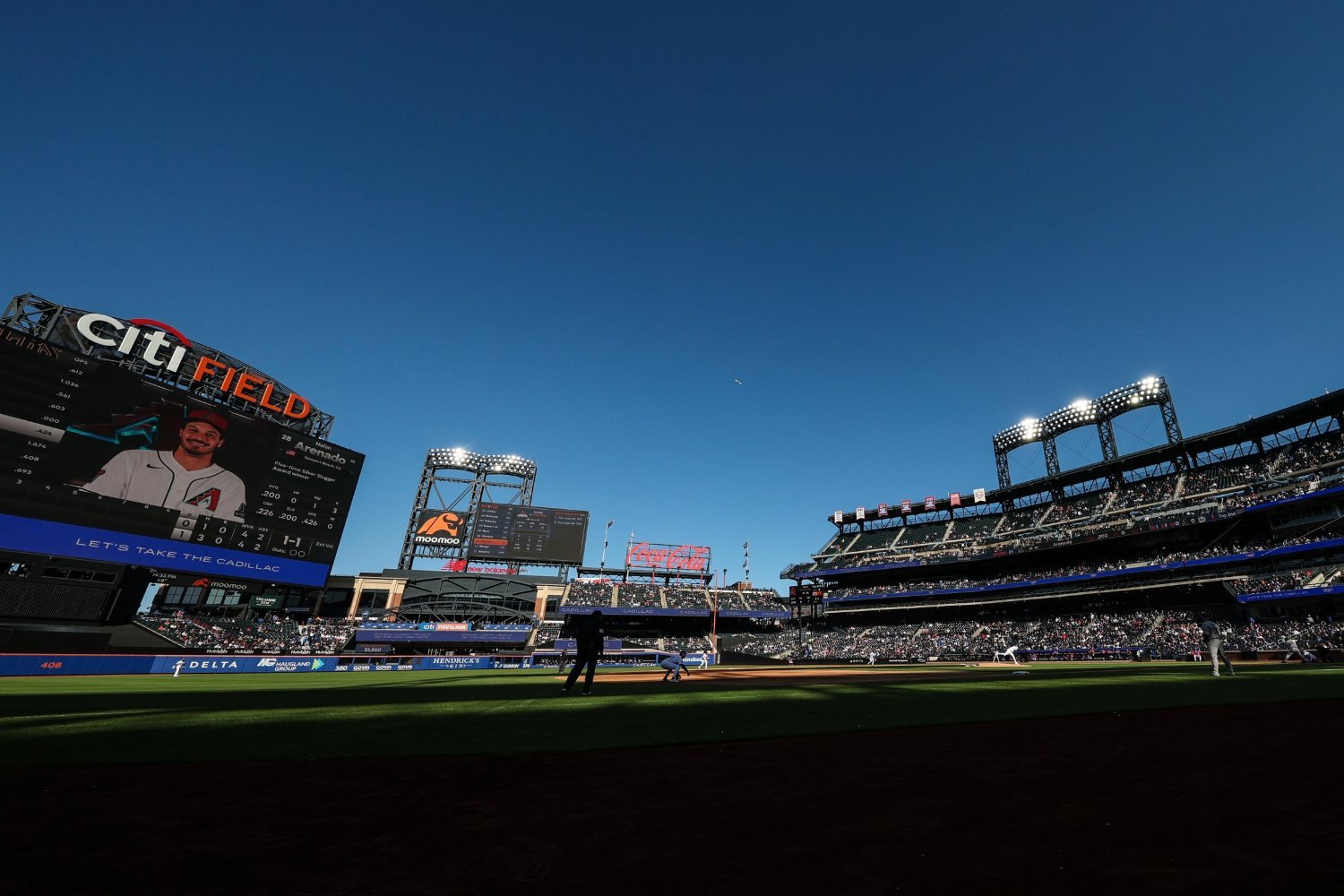 No one wants to be the biggest seller at the trade deadline because it usually means you’re the biggest loser. And while the New York Mets don’t have the worst record in baseball—at least, not yet—they’ve undoubtedly had the most disastrously depressing season in baseball. They entered the season earmarked as a 90-win team and find themself on pace for 67. Taking the old adage, “everyone will win 54 games and lose 54 games; it’s what you do with the other 54 that matters,” literally, the Mets went from a team expected to go 36-18 to one tracking to go 13-41. With that thought in mind, the 2026 Mets were functionally two teams: the awful one that they are, and the great one that they should have been. And this juxtaposition helps explain their overall deadline strategy. Starting with the players the Mets moved, one thing is very clear: they believe they’ll be good again in 2027. Of the eight players the Mets moved, four were relievers, six were on expiring contracts, and that doesn’t include Clay Holmes’ player option for 2027. Functionally, the only guy they moved who for sure had a contract for the 2027 team was Luke Weaver. I’m sure some fans wished they had kept Weaver, but there is never a bad time to trade a reliever. For whatever reason, relievers are as fickle as the wind. Weaver is pitching well now, and the Pirates were willing to give up an interesting prospect for him. You do that deal every day when you’re already out of the playoff mix. While that’s part and parcel for a deadline fire sale, it’s informative because of who the Mets could have moved. Luis Robert Jr., who has a team option for 2027, was in the rumor mill. As were Francisco Lindor and Alvarez. Sure, the Mets have a bunch of guys on seemingly immovable contracts, but I’m sure they could have found a home for Sean Manaea and Devin Williams if they were willing to eat a sizable amount of money. Instead, the team decided to almost exclusively move rentals, which means they’re still cautiously optimistic about the 2027 team. It may sound crazy to run back such a disappointing team, but it’s probably the right idea. Juan Soto is in the middle of his prime. Lindor is still excellent when healthy. McLean looks to be the real deal. And the blood sacrifice New York made trading the Mets’ soul for a Knicks championship run will hopefully have been fulfilled. Giving this core one more chance to live up to its potential is more prudent than strip mining the roster down to the core. On the prospect side of the equation, the Mets are betting big on their pitching development. Five of the 12 prospects they landed are pitchers, and four of them have the note, “Stuff, command issues,” next to them in my spreadsheet. The Mets have recently had success developing pitchers, so I think this is a good strategy. The chances that any of them turn into a solid major league starter are pretty small, but as this deadline showed, contenders need relievers, and Chayce McDermott, Luke Gabrysh, Gabe Davis, and Zach Franklin could all be pretty decent. On the position player side, the Mets were a little more scattershot. Landing Jefferson Rojas was one of the best moves of the deadline, and he could help the big team as early as next season. He’s unlikely to develop into a star—which is the case for just about every prospect—but the organization could have sorely used another competent infielder this season. And if he ends up being blocked, well, he’s a top-100 prospect to dangle for something you need more. After Rojas, the Mets picked up two higher-variance prospects in Sammy Stafura and Aidan Smith. Stafura projects to stick at short and has suddenly started hitting for power, but at the cost of contact. His hit tool was already a bit suspect, but a viable shortstop defender who can take a walk and hit 25 home runs is a valuable, if highly frustrating, major league contributor. His play bears monitoring, but the Mets might have identified an arrow-up prospect a bit quicker than the industry, and a utility guy with some pop is always nice to have hanging around the 40-man. Smith is a pure reclamation project, which is never a good sign for a 22-year-old who has yet to make it to AA. He’s a great athlete and has real power projection, but he hasn’t hit well this season and has yet to get his strikeout rate below 30% in High-A. He has a chance to stick in center, but unless his contact issues get remedied or he becomes an elite defender, he’ll probably get stuck in AA. However, guys who can play center with some level of power are always worth a lottery ticket. After those three, the Mets did well to land guys who should at least be able to navigate their way to AAA. Emilien Pitre is going to hit well enough to at least get a cup of coffee. John Spikerman can play center and is patient. And Bruin Agbayani is far away but has a solid hit-tool foundation. In general, the Mets appear to have indexed more towards higher-upside, higher-variance prospects, which I think is the right decision. They operate in a different financial realm than most of the league, which means they don’t need their farm system to constantly churn out average MLB players. If the Mets need a right fielder, they can sign or trade for an established one. That costs more money, but it also means they don’t necessarily need someone in AAA ready to step in. While it’s great to produce role players like a turn-of-the-century assembly line, the Mets farm system should be aiming to produce two things: stars, and players you package for immediate upgrades. I think the front office did a good job identifying players who could benefit from their developmental strengths, securing a few high-upside position players, and also getting guys who should be useful enough in the high minors that they’ll facilitate their own 2027 trade deadline acquisitions. As this deadline showed, a few 35-grade prospects can go a long way. View the full article
 -
Should the Blue Jays Re-Evaluate Their Offensive Identity?
DiamondCentric posted an article in Jays Centre
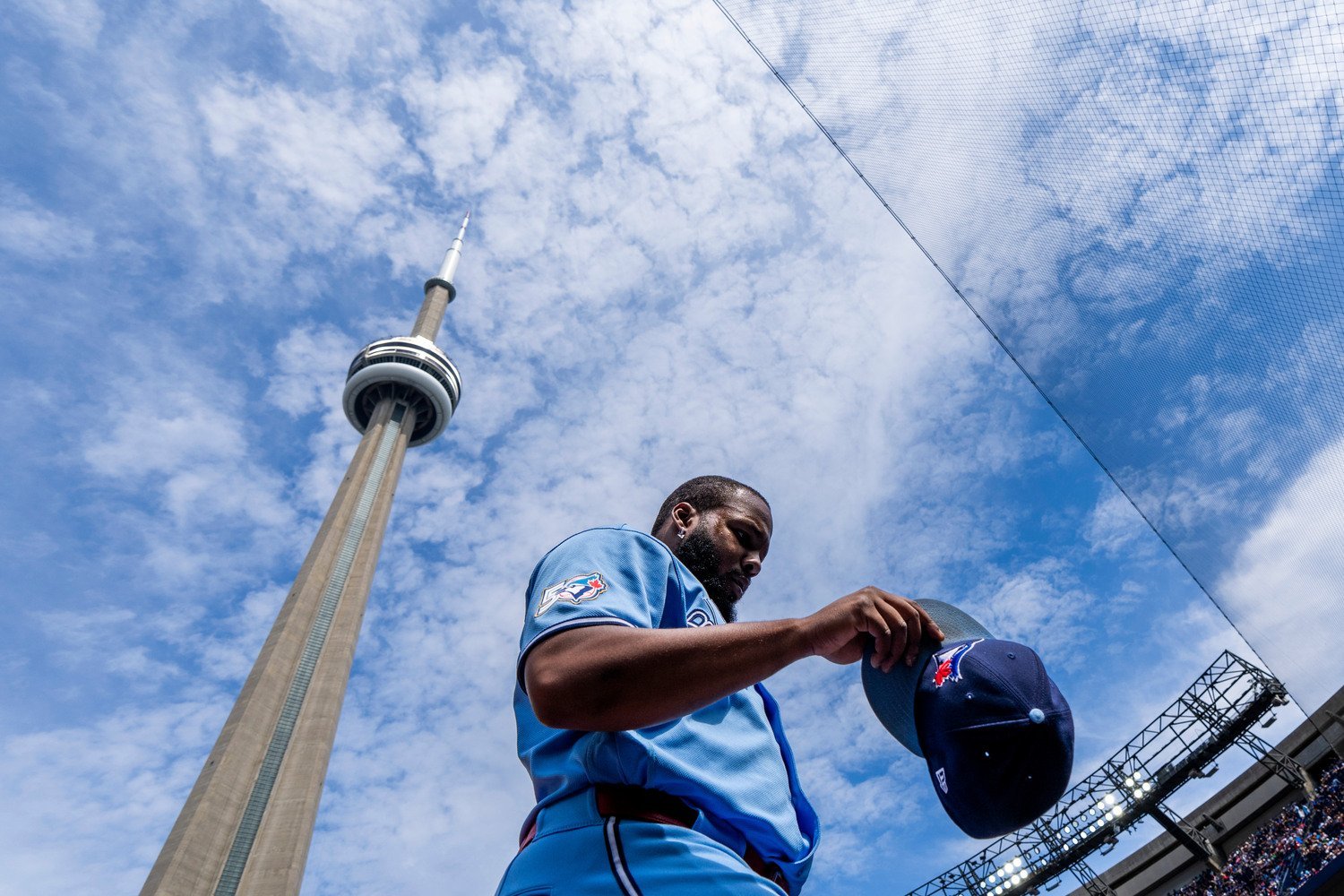 The current reality that the Toronto Blue Jays find themselves in would've been almost impossible to fathom at the start of spring training. It wouldn't have been much easier to foresee just six weeks ago, when they climbed back to .500 and maintained a one-game lead on the final Wild Card spot. It's everything that's happened since then that made the idea of selling key pieces at the trade deadline simply unavoidable. Now, they certainly didn't punt. They acquired value for their expiring contracts and bet big on starting pitcher José Soriano, who will assume a key role in 2027 and 2028. Forgive the fanbase, though, for feeling like one or two of their trades were a tad redundant. This is a team that, entering play Wednesday, has gone from the fourth-highest scoring offense in MLB last year to the very worst this year. By no means am I saying that the hard work of Ross Atkins and the front office to make the best of a difficult situation should be written off (for the record, my overall first impression is that he had a decent deadline), but the position players they acquired in recent days have very similar skill sets to a lot of the guys that have been regulars for their league-worst offense. Given the precipitous fall-off for a lineup that was built to win in 2026, it's worth asking if they're picking up the pieces the right way, so let's talk about it. There's more than one way to interpret the excellence of last year's Blue Jays, but for the sake of getting something straight: This team wasn't good in 2025 because they made a lot of contact. They were good because they made a lot of contact while also hitting for more power than the average team. Remember 2024, when they finished in last place, didn't score any runs, and completely restructured the hitting coach situation? They didn't strike out that year either. The defining trait of what made the offense so tough to beat was their ability to pair contact with damage. Toronto Blue Jays Team Offense MLB Ranks, 2024-26 Stat 2024 Rank 2025 Rank 2026 Rank K% 6 1 3 Contact% 3 1 3 Hard-Hit% 23 11 29 ISO 22 12 30 HR 26 13 29 Their collective ability to get bat on ball has been the lone constant in recent years. It's still there right now. The power outage relative to last year is the real elephant in the room. It's fair to argue that the shortcomings of the 2024 offense in this department were a roster construction issue. The Jays gave a combined 858 plate appearances to Isiah Kiner-Falefa, post-peak Justin Turner, and Danny Jansen that season, all guys who struck out less than 20% of the time but didn't slug enough to make it mean something (As an aside, IKF and Turner posted wRC+ marks of 117 and 111, respectively, in Toronto. IKF hit .292! This year's Jays would kill for that kind of production. Parallel to this was Alejandro Kirk hitting for a 93 wRC+ despite a 13% K rate and the underperformances/absences of Bo Bichette and George Springer, but I digress.) The point is, they did not have enough slug surrounding Vladimir Guerrero Jr. In the offseason, the organization took action. Don Mattingly was moved away from his offense-related duties to more of a leadership role as bench coach, Guillermo Martinez was let go, and David Popkins was named the new hitting coach. Popkins, who made his name as the hitting coach of the Minnesota Twins, made it clear early on that he would take an adaptive approach to hitting and was a lot more open to the idea of hitting for power than his predecessors. Anthony Santander was also added in free agency, but you don't need me to tell you how little he has been around. Under Popkins and his assistants Lou Iannotti and Hunter Mense, the lineup completed a 180-degree turn. Addison Barger, who was an erratic package of bat speed and swing-and-miss in his first stint in the big leagues, channeled his raw power to hit for a .211 ISO with 21 homers and 32 doubles. Springer made some mechanical adjustments, adding 2 mph to his average bat speed and producing a career year at age 35. Kirk added 2.4 mph to his average bat speed compared to 2024, the third-largest increase in baseball, and hit a career-high 15 homers. Daulton Varsho missed plenty of time with injury, but he too added two ticks of bat speed and clubbed 20 homers in 71 games. In terms of bat speed, the Jays did not stand out at the team-and-season level last year, but it was truly remarkable how they improved in this department as the season progressed. As a group, their average bat speed increased nearly a full mile per hour in August and September compared to June and July. The faster your swing, the harder you hit the ball. It's hard to beat a lineup that never strikes out but also threatens to hit for power like this. So, why didn't it carry over into this year? Last week, I read a comment under an article by Jay Jaffe over at FanGraphs that chronicled the Blue Jays' struggles. It read, "sometimes there's nowhere to go but down." To an extent, that's certainly true. Springer was never going to hit for a 166 wRC+ this year. The team's resounding success with runners in scoring position, as well as their relatively clean bill of health, wasn't sustainable either. However, the fact remains that some of their hitters made deliberate changes to their swings in favour of making more contact over hitting for power. One such player is the recently traded Varsho, whose OPS was down around 150 points from last year before he was shipped to Houston. Varsho is currently running the lowest strikeout rate and the highest BABIP of his career, but that has come at a cost. His 92 wRC+ would be his worst since 2023, his first year in Toronto. Remember how he hit 20 homers in 71 games? This year, he's on a 162-game pace of 11. Daulton Varsho's Baseball Savant Hitting Percentiles, 2025-26 Why? What's the rationale for moving away from a plan of attack that, if not for his time on the injured list, would have made him a 30-to-40-homer bat to go along with his elite glove in center field? Varsho is a notorious tinkerer; his swing took on a different form every year he was in Toronto, which was more justifiable after his underwhelming start to his tenure with the club. The reason players like Ernie Clement and Nathan Lukes were so effective in last year's lineup is that their presence as bat-to-ball guys was offset by power-hitting pull-air types like Varsho and Davis Schneider. A transformation like this detracted from the diversity of profiles within their structure and added more of something they already had. Not only did the Blue Jays pay for this change on account of their lack of runs and homers this season, but Varsho himself may have left a ton of money on the table as a pending free agent. If he replicated something close to last year over a full season, he would've been a standout in a shallow free agent pool. Now, that doesn't look like it's going to happen. Of course, there's also Guerrero. I'm not going to beat a dead horse too much because I'm sure the Jays have tried everything with him, and concerns that he's been playing through an injury amidst his career-worst slump resurfaced on Tuesday night. It's possible there's plenty going on that we, the public, are not privy to. Nonetheless, it's early August, and Guerrero is one of just three qualified hitters in the league whose chase rate has increased by 10% or more from last year. If he wouldn't be okay striking out a few more times in exchange for more damage, that's a bigger issue. Vladimir Guerrero Jr.'s Baseball Savant Hitting Percentiles, 2025-26 With all this going on, the Blue Jays continued to pursue contact-heavy profiles at the trade deadline. Brett Bateman, the main piece in the Kevin Gausman deal, is a .280 hitter in 315 career minor league games, but he only has six homers in that span. The other prospect in that package, Ty Southisene, has yet to hit a single home run in 157 career minor league games. Josh Smith has a good track record as a big league utility player, but he's never slugged higher than .394 in a given season. Dameury Pena, one of the prospects acquired in the Jeff Hoffman trade, was regarded as a Luis Arraez type by Baseball America in their 2025 scouting report on him. There are glass-half-full perspectives to be had about these deals. Half of Bateman's six career professional homers have come in 2026. He's hitting for a 125 wRC+ in Triple A at 24 years old and boasts a great combination of power and speed in center field, where the Jays do not have an immediate replacement for Varsho. Smith hit for a 112 wRC+ two years ago, more than good enough for a player whose defense is an asset at multiple positions. If he were to produce at that level for the Blue Jays, the trade would be more than worth it. While I don't have a personal vendetta against contact hitters, lineup diversity matters, and it's arguable that the Jays have once again begun to drift too far toward the position they were in back in 2024. It has now been more than a decade since the slap-hitting Kansas City Royals won the World Series. To win a championship in today's game, a certain level of slug is required. A contact-first, power-second lineup might still hypothetically be able to get it done. A contact-first, no-power lineup is a different story. Ultimately, if the Blue Jays' brass wants this season to be a mere blip on the radar, they're once again going to have to make a more concerted effort to inject some pop into all levels of the organization heading into 2027. All stats entering August 5, 2026. View the full article
 -
Minnesota Twins Minor League Hitters of the Month: July 2026
DiamondCentric posted an article in Twins Daily
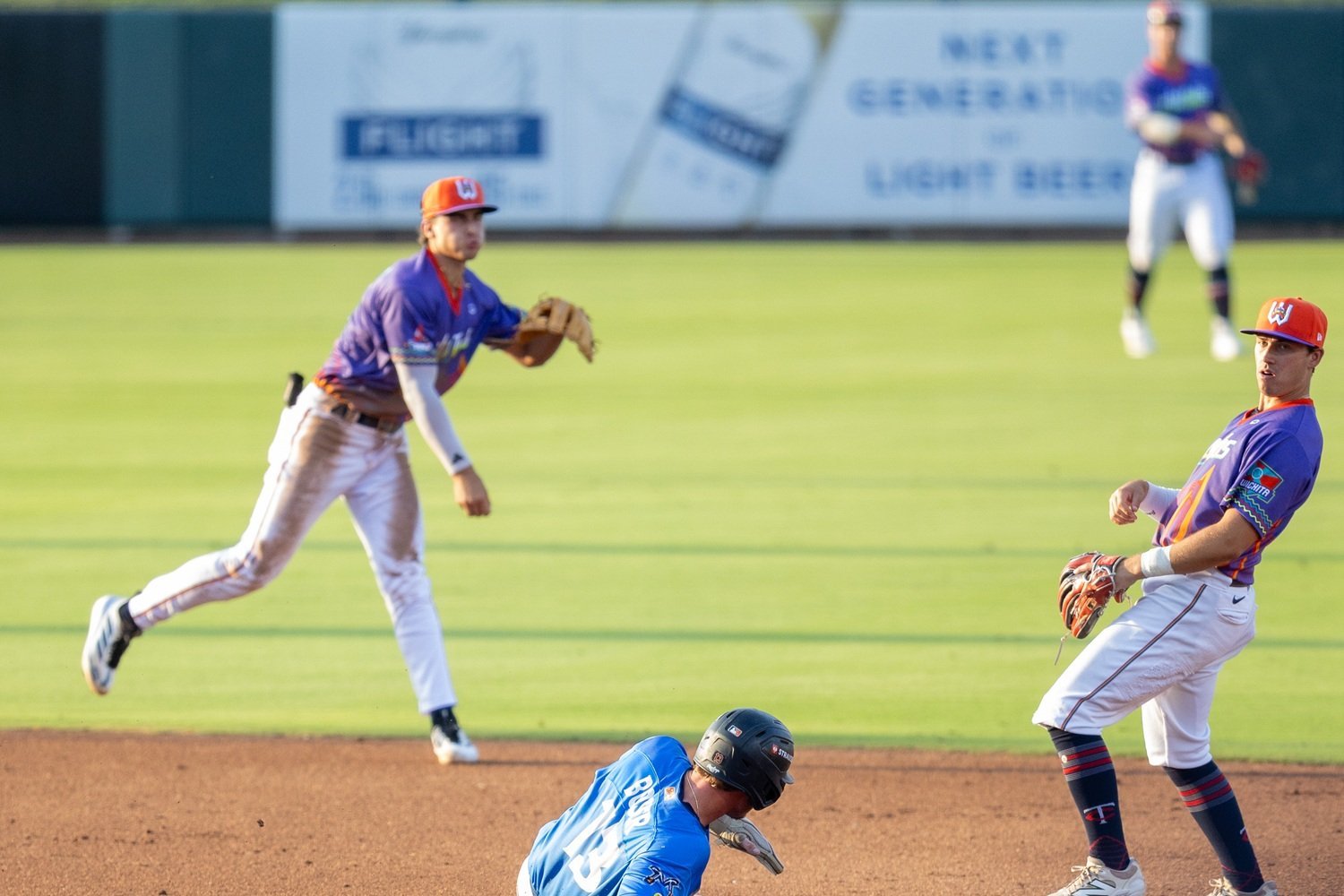 The month of July featured no shortage of impressive performances at the plate across the Twins' farm system. Some of the organization's top prospects continued to prove why there's so much excitement surrounding the future, while a handful of under-the-radar names quietly put together excellent months of their own. There was even a familiar face who reminded everyone he could still factor into the Twins' plans before long. The Twins' system was loaded with offensive production throughout July. Before we get into our top four, though, there are a few honorable mentions that deserve some recognition. Honorable Mentions Matt Wallner (Triple-A St. Paul): 21 G | .288/.391/.603 (.994 OPS) | 7 HR | 2 2B | 18 RBI | 15 R | 3 SB Yovanny Duran (FCL Twins): 15 G | .364/.532/.614 (1.146 OPS) | 1 HR | 4 2B | 2 3B | 6 RBI | 23 R | 17 SB Cody Morissette (Triple-A St. Paul): 21 G | .277/.368/.600 (.968 OPS) | 5 HR | 6 2B | 11 RBI | 12 R | 4 SB #4: Jacob McCombs (High-A Cedar Rapids) 16 G | .327/.471/.582 (1.053 OPS) | 2 HR | 6 2B | 1 3B | 10 RBI | 8 R | 4 SB Jacob McCombs had already been putting together a solid season for High-A Cedar Rapids, but July may have been his most complete month yet. He reached base nearly half the time he stepped to the plate while collecting nine extra-base hits and continuing to show excellent plate discipline. Perhaps the most impressive number of all was the seven strikeouts. McCombs consistently put the ball in play, worked quality at-bats, and rarely gave opposing pitchers easy outs. His strong July pushed his season OPS to .865, and he's beginning to look like a player who's ready for the next challenge. If he keeps producing at this level, a promotion to Double-A shouldn't be far away. #3: Aaron Sabato (Triple-A St. Paul) 18 G | .328/.419/.584 (1.003 OPS) | 4 HR | 5 2B | 10 RBI | 14 R | 5 SB It's no secret that Aaron Sabato's professional career hasn't gone according to plan. After being selected in the first round of the 2020 MLB Draft, the first baseman has struggled to consistently translate his tremendous raw power into game production. But 2026 has easily been the best season of his professional career, and July was another big step in the right direction. He collected nine extra-base hits in just 18 games while continuing to show the power that made him a first-round pick. His bat-to-ball skills still aren't perfect, and strikeouts will likely always be part of his profile. But when he's consistently driving the baseball like he did throughout July, those concerns become much easier to live with. Sabato now owns a .932 OPS for Triple-A St. Paul this season, and if he continues hitting like this over the final two months, he could very well force his way into the Twins' plans sometime in 2027. (Note - Sabato will be a free agent if the Twins do not put him on their 40-man roster before the completion of the 2026 World Series.) #2: Caden Kendle (High-A Cedar Rapids / Double-A Wichita) 20 G | .423/.500/.606 (1.106 OPS) | 2 HR | 7 2B | 16 RBI | 14 R | 6 SB Few hitters across the organization were as consistent as Caden Kendle in July. The outfielder began the month with Cedar Rapids before earning a promotion to Double-A Wichita on July 7. Rather than slowing down against tougher competition, Kendle didn't miss a beat. He drove in 16 runs, scored 14 more, stole six bases, and finished the month with nearly as many walks as strikeouts. That's the kind of all-around offensive profile every organization loves to see. The promotion itself speaks volumes about how highly the Twins think of Kendle, and the fact that he continued producing immediately after arriving in Double-A makes his July even more impressive. If this level of production continues, Kendle's stock within the organization will only keep rising. #1: Marek Houston (Double-A Wichita) 23 G | .358/.429/.611 (1.040 OPS) | 5 HR | 7 2B | 1 3B | 22 RBI | 18 R | 12 SB Taking the top spot this month is Twins No. 5 prospect Marek Houston. Houston has been one of the biggest breakout stories in the organization this season, and he somehow managed to take things up another level in July. He piled up 13 extra-base hits, drove in 22 runs, scored another 18, and swiped 12 bases along the way. He was also named Texas League Player of the Week during the month, consistently finding ways to impact games in every facet. What's made Houston's emergence so exciting is that he's long been viewed as a glove-first shortstop. The defense has never been in question, but the offensive breakout has considerably elevated his ceiling. Now, he's showing legitimate power, getting on base consistently, and creating havoc once he reaches base. Houston has quickly become one of the biggest risers in the Twins' farm system over the course of the 2026 season, and if he continues on this trajectory, there's a very real chance Twins fans will see him make his major league debut at some point in 2027. The Twins' farm system continues to trend in the right direction, and July was another reminder of just how much offensive talent is working its way through the organization. Whether it was established prospects like Houston or players like Kendle, McCombs, and Sabato taking important steps forward, the future remains bright. And if these performances carry over into August, there may be even more promotions on the horizon. View the full article
 -
 After many many transactions before Wednesday's games, including assigning three 2026 draft choices to Low-A Lake Elsinore, the four full-season affiliates went just 1-3. The Triple-A El Paso Chihuahuas fell to Reno 7-5, the Double-A San Antonio Missions were knocked off by Springfield 5-3, the High-A Fort Wayne TinCaps were pounded by West Michigan 11-1 and the Storm came up short vs. Ontario 3-2. Padres Minor-League Transactions C Anthony Vilar assigned to San Antonio Missions from El Paso Chihuahuas. RHP Andrew Thurman assigned to El Paso Chihuahuas from San Antonio Missions. El Paso Chihuahuas released LF Dustin Harris. El Paso Chihuahuas released RHP Michael Flynn. San Antonio Missions released C Chris Sargent. San Antonio Missions released RHP Andrew Dalquist. San Antonio Missions released C Colton Vincent. C Oswaldo Linares assigned to San Antonio Missions from Fort Wayne TinCaps. 3B Jack Costello assigned to San Antonio Missions from Fort Wayne TinCaps. San Antonio Missions transferred OF Kai Murphy to the Development List. LHP Diego Serna assigned to Fort Wayne TinCaps from ACL Padres. Fort Wayne TinCaps released RHP Luis Germán. Fort Wayne TinCaps released SS Zach Evans. Fort Wayne TinCaps released RHP Clark Candiotti. SS Bradley Frye assigned to Fort Wayne TinCaps from Lake Elsinore Storm. RHP Jeferson Villabona assigned to Fort Wayne TinCaps from Lake Elsinore Storm. RHP Sean Barnett assigned to Fort Wayne TinCaps from Lake Elsinore Storm. C Yoiber Ocopio assigned to Fort Wayne TinCaps from Lake Elsinore Storm. OF Conner Westenburg assigned to Fort Wayne TinCaps from Lake Elsinore Storm. RHP Isaiah Lowe assigned to Fort Wayne TinCaps from Lake Elsinore Storm. Lake Elsinore Storm released LHP Cal Riehl. Lake Elsinore Storm released OF George Bilecki. Lake Elsinore Storm released RHP Carson Swilling. Lake Elsinore Storm released RHP Vicarte Domingo. C Augie Lopez assigned to Lake Elsinore Storm from ACL Padres. RHP Michael Salina assigned to Lake Elsinore Storm from ACL Padres. LHP Ryan Reed assigned to Lake Elsinore Storm from ACL Padres. LHP Joseph Herrera assigned to Lake Elsinore Storm from ACL Padres. OF Alex Conover assigned to Lake Elsinore Storm from ACL Padres. C Jake Bold assigned to Lake Elsinore Storm from ACL Padres. OF Jesmaylin Arias assigned to Lake Elsinore Storm from ACL Padres. SS Nu'u Contrades assigned to Lake Elsinore Storm from ACL Padres. Lake Elsinore Storm activated SS Dawson Willis from the 7-day injured list. Carlos Rodriguez's 4-Hit Night Wasted, This Time By Chihuahuas Carlos Rodriguez went 4-for-5 with three runs scored, coming a homer shy of the cycle, and Nick Solak had three RBIs, but left-hander Jagger Haynes gave up a four-run third inning, which proved to difficult to overcome as the Triple-A El Paso Chihuahuas were beaten by the host Reno Aces 7-5. Padres right-handed reliever David Morgan made his third rehab appearance and second with El Paso, working the fifth inning and giving up two runs on two hits and a walk with one strikeout. He threw 18 pitches, 11 for strikes. Right-hander Logan Gillaspie went the final three innings, allowing just a run on three hits, including a homer, with no walks and two strikeouts. Rodriguez is the second Carlos Rodriguez in the Padres system to have a four-hit game in the last two nights. The other is a catcher for Double-A San Antonio and he went 4-for-4 Tuesday in a loss. The Chihuahuas took a 1-0 lead as Solak drove in Rodriguez, who had tripled, in the top of the third, then the Aces scored four in the bottom half against Haynes, who went four innings and allowed five hits and a walk with two strikeouts. Haynes surrendered two homers. The Chihuahuas got another run in the fifth when Solak again singled home Rodriguez, who had doubled. But the Aces again immediately countered with a pair of runs in the bottom half for a 6-2 lead. Bryce Johnson manufactured a run in the seventh as he had a leadoff double, stole third and scored when the throw went into left field. In the ninth, Romeo Sanabria had a leadoff double, Johnson walked and Rodriguez had a single to load the bases. Solak hit a grounder to the third baseman, who stepped on third as a run scored. Marcos Castanon followed with an RBI single to make it 7-5, but Ethan Salas grounded out. Salas, Padres Mission's No. 1 prospect, went 1-for-5. EP_0805.mp4 Player AB R H RBI BB K Mason McCoy 4 0 0 0 1 1 Carlos Rodríguez 5 3 4 0 0 0 Nick Solak 5 0 2 3 0 0 Marcos Castañon 4 0 1 1 0 2 Clay Dungan 0 0 0 0 0 0 Ethan Salas 5 0 1 0 0 1 Will Wagner 4 0 1 0 0 1 Blake Hunt 3 0 0 0 1 2 Romeo Sanabria 4 0 1 0 0 1 Nick Pratto 0 1 0 0 0 0 Bryce Johnson 3 1 1 0 1 0 Totals 37 5 11 4 3 8 Player IP H R ER BB K HR Jagger Haynes 4 5 4 4 1 2 2 David Morgan 1 2 2 2 1 1 0 Logan Gillaspie 3 3 1 1 0 2 1 Totals 8 10 7 7 2 5 3 Ian Koenig Fans 8, Jake Cunningham Snaps Tie In Missions' victory Jake Cunningham had a tiebreaking two-run double in the fifth inning and Braedon Karpathios also had two hits, while right-handed starter Ian Koenig struck out a career-high eight over six innings as the host Double-A San Antonio Missions turned back the Springfield Cardinals 5-3. Koenig allowed two runs on four hits and two walks. Koenig had struck out seven, his previous career high, twice this year. Left-hander Igor Gil went two-thirds of an inning without allowing a run, then right-hander Garrett Hawkins, Padres Mission's No. 17 prospect, allowed a run in one inning and right-hander Josh Mallitz went 1⅓ scoreless for his fifth save of the season. Karpathios, Padres Mission's No. 12 prospect, doubled home Cunningham in the first and scored on Ryan Jackson's single. The Cardinals tied it up with a pair of runs in the second, then the Missions reclaimed the lead when Cunningham doubled home Carson Tucker and Tirso Ornelas in the fifth. Springfield made it 4-3 in the top of the eight, but Albert Fabian had a sacrifice fly to bring in Cunningham, who had reached on a walk, in the bottom half. SA_0805.mp4 Player AB R H RBI BB K Carson Tucker 3 1 2 0 1 0 Tirso Ornelas 4 1 1 0 0 2 Jake Cunningham 3 2 2 2 1 1 Braedon Karpathios 3 1 2 1 1 1 Ryan Jackson 3 0 1 1 1 2 Albert Fabian 3 0 0 1 0 1 Luis Verdugo 4 0 0 0 0 3 Kai Roberts 4 0 1 0 0 2 Brendan Durfee 3 0 0 0 0 1 Totals 30 5 9 5 4 13 Player IP H R ER BB K HR Ian Koenig 6 4 2 2 2 8 1 Igor Gil 2/3 0 0 0 1 1 0 Garrett Hawkins 1 1 1 1 0 2 1 Josh Mallitz 1 1/3 1 0 0 1 0 0 Totals 9 6 3 3 4 11 2 TinCaps Drubbed By Whitecaps Ryan Wideman had three hits, but the rest of the lineup produced only two and right-handed starter Winyer Chourio had another tough start as the High-A Fort Wayne TinCaps were clobbered 11-1 by the West Michigan Whitecaps, who hit seven home runs. Chourio, Padres Mission's No. 19 prospect, yielded a season-worst six runs in 2⅔ innings, matching his season low as a starter and the third time in six outings since being promoted to Fort Wayne. Chourio gave up five hits, including three homers, and four walks with two strikeouts. Right-hander Javier Chacon allowed a homer and two runs in 2⅓ innings, right-hander Jeferson Villabona gave up two solo home runs in two innings in his High-A debut, right-hander Sean Barnett had a scoreless seventh inning and right-hander Isaiah Lowe a solo homer in one inning in his return to the TinCaps. The TinCaps were down 7-0 entering the bottom of the third, where Kerrington Cross walked, was replaced on Kasen Wells' forceout to second, Justin DeCriscio grounded out and Wideman, Padres Mission's No. 4 prospect, singled home Wells. FW_0805.mp4 Player AB R H RBI BB K Justin DeCriscio 4 0 0 0 0 0 Ryan Wideman 4 0 3 1 0 0 Alex McCoy 4 0 0 0 0 2 Luke Cantwell 3 0 0 0 0 2 Conner Westenburg 0 0 0 0 1 0 Rosman Verdugo 2 0 0 0 1 1 Bradley Frye 1 0 0 0 0 1 Lamar King Jr. 3 0 0 0 0 3 Yoiber Ocopio 1 0 0 0 0 0 Carlos Rodriguez 3 0 1 0 0 0 Kerrington Cross 2 0 0 0 1 0 Kasen Wells 3 1 1 0 0 1 Totals 30 1 5 1 3 10 Player IP H R ER BB K HR Winyer Chourio 2 2/3 5 6 6 4 2 3 Javier Chacon 2 1/3 3 2 2 1 1 1 Jeferson Villabona 2 3 2 2 0 1 2 Sean Barnett 1 0 0 0 2 2 0 Isaiah Lowe 1 1 1 1 1 2 1 Totals 9 12 11 11 8 8 7 Storm Rally In Ninth, But Come Up Short; Two Draft Picks Debut Shut out for eight innings, the host Lake Elsinore Storm rallied in the ninth and had the tying run at second base, but could not push it across in a 3-2 loss to the Ontario Tower Buzzers. Three 2026 Padres draft picks were promoted from the Arizona Complex League to Lake Elsinore before the game, with fourth-rounder Alex Conover starting in center and sixth-round Nu'u Contrades at third. Catcher Augie Lopez, picked in the 10th round, did not play. Also, 2025 fourth-rounder Michael Salina, a right-handed starter, was also promoted from the ACL. He did not pitch after being drafted due to Tommy John surgery, then had shoulder fatigue after two May appearances. Storm right-handed starter Cameron Nohos struck out seven, his highest total in three Low-A appearances this year. His career high is nine in the ACL this year. Nohos went a career-high six innings, allowing three hits and two walks. Left-hander Joseph Herrera went 2⅔ innings, coming up one out shy of finishing the game, allowing just a hit and no runs with three walks and three strikeouts. Right-hander Brandon Langley got the last out. The Storm were down 2-0 after the top of the first and then the Tower Buzzers added another in the fifth. The Storm had just three hits entering the ninth, when Dawson Willis had a leadoff double, Jorge Quintana (Padres Mission's No. 6 prospect) had a one-out walk and pinch-hitter Yimy Tovar a two-out, two-run double to make it 3-2. After Truitt Madonna walked, Jesmaylin Arias, also in his first High-A game, grounded out to the first baseman to end the game. LE_0805.mp4 Player AB R H RBI BB K Qrey Lott 3 0 0 0 1 0 Dawson Willis 4 1 1 0 0 1 Ty Harvey 4 0 0 0 0 2 Jorge Quintana 3 1 1 0 1 0 Alex Conover 4 0 0 0 0 2 Jose Verdugo 3 0 0 0 0 0 Yimy Tovar 1 0 1 2 0 0 Truitt Madonna 3 0 0 0 1 0 Jesmaylin Arias 4 0 2 0 0 0 Nu'u Contrades 2 0 0 0 1 0 Totals 31 2 5 2 4 5 Player IP H R ER BB K HR Cameron Nohos 6 4 3 3 2 7 1 Joseph Herrera 2 2/3 1 0 0 3 3 0 Brandon Langley 1/3 0 0 0 0 0 0 Totals 9 5 3 3 5 10 1 Padres Mission's Top 20 Prospect Performance Ethan Salas: 1-for-5, 1 K Kash Mayfield: Traded Miguel Mendez: Traded Ryan Wideman: 3-for-4 Kruz Schoolcraft: DNP Jorge Quintana: 1-for-3, 3B Ty Harvey: 0-for-4, 2 K Kale Fountain: DNP Tucker Musgrove: DNP Coleman Borthwick: In Arizona Lamar King Jr.: 0-for-3, 3 K Braedon Karpathios: 2-for-3, 2B, 1 K Jagger Haynes: 4 IP, 5 H, 4 R, 4 ER, 1 BB, 2 K, 2 HR Alex McCoy: 0-for-4, 2 K Truitt Madonna: 0-for-3 Jesus Castro: DNP Garrett Hawkins: 1 IP, 1 H, 1 R, 1 ER, 0 BB, 2 K, 1 HR Elliot Lascelles: In Arizona Winyer Chourio: 2⅔ IP, 5 H, 6 R, 6 ER, 4 BB, 2 K, 3 HR Rosman Verdugo: 0-for-2, 1 K View the full article
 -
 Transactions: Milwaukee Brewers optioned RHP Grant Anderson to Nashville Sounds. Nashville Sounds activated SS Eric Brown Jr. from the 7-day injured list. Game Action: Nashville pre-game media notes Memphis (Cardinals) 5, Nashville 4 Box Score & Game Log Nashville Walked Off Despite Three-Run Rally in Ninth Nashville lost to Memphis for the second night in a row after scoring three runs in the top of the ninth to tie the game. Blake Holub came in to pitch the bottom of the ninth but could not keep the home team off the board and Memphis walked off with the win. New Brewers organization catcher Bo Naylor had an RBI single in that ninth inning as part of a 1-4 night and has an RBI knock in both of the games he’s played with Nashville. Naylor also caught the Redbirds’ speedy leadoff hitter, Victor Scott II, attempting to steal third base and did not allow a stolen base in the game. Colton Gordon made his fourth start for Nashville since being acquired from the Astros organization. Gordon went six innings, allowing three runs, two earned, and eight hits, while only walking one and striking out four. He’s now given up eight hits in three of his four appearances in the Brewers organization, while walking exactly one batter in all four of his outings. After designating Lance McCullers for assignment, the Brewers are left with only Gordon to show in return for their roughly $2 million investment in McCullers contract and sending Jadyn Fielder to Houston. Nashville had seven hits total from seven different hitters, Luke Adams’ double in the sixth innings was their only extra-base hit. Adams came in to score on a single by the DH Jeferson Quero. Columbus (Braves) 4, Biloxi 3 Box Score & Game Log Shuckers Fall in Walk-Off Fashion to Clingstones Biloxi starter Jaron DeBerry went five innings, striking out five, while allowing only two hits, two walks, and no runs. Both teams were scoreless through five innings with Columbus breaking through for a run in the sixth, followed by three runs for Biloxi in the seventh and the Clingstones walking off the Shuckers with three in the ninth. One day after posting his first Double-A home run, Marco Dinges posted his first multi-hit game at the level. Leading off and playing catcher, Dinges finished 2-4 with a double and a stolen base. Dinges’s double got the scoring started and was immediately followed by a double from Jesus Made and a single from Blake Burke to account for all of Biloxi’s scoring in the game. Ryan Birchard earned a hold, pitching a clean eighth inning with two strikeouts. After missing all but one game in July, Birchard has made two one inning appearances in August without giving up a hit, he did walk two however in his previous outing. Wisconsin pre-game media notes Wisconsin 4, Beloit (Marlins) 2 Box Score & Game Log Rattlers Move Closer to Beloit with 4-2 Win Starter J.D. Thompson completed five innings and struck out seven, setting new career highs in both categories. Thompson surrendered two earned runs on three hits and a walk, leaving the game with the lead and earning his first professional win. Luis Pena, Daniel Dickenson and Luiyin Alastre all had two hits combining for six of the Rattlers eight. Pena had a triple; Dickenson had a double and both stole a base. Jose Meneses pitched two clean innings with a strikeout for his second hold of the season. Jacob Morrison will make his first start for Wisconsin on Thursday. Wilson pre-game media notes Hill City (Guardians) 12, Wilson 5 Box Score & Game Log Howlers Hustle Past Warbirds Brailyn Antunez continues to take to A-ball like a fish to water. Antunez went 3-4 with a double and his 4th home run for Wilson and now has a 500/600/1000 line in his first eight games above rookie ball. Oh, he also stole two bases for five total with the Warbirds. Brady Ebel went 1-5 to extend his on-base streak to 24 games. Warbirds pitchers combined to give up 14 hits, 9 walks and 12 runs. Setting up Thursday's slate of six games - Organizational Scoreboard including starting pitcher info, game times, MiLB TV links, and box scores Current Milwaukee Brewers Organization Batting Stats and Depth Current Milwaukee Brewers Organization Pitching Stats and Depth View the full article
 -
Twins Minor League Report (8/5): Ryan Gallagher Sits 'Em Down
DiamondCentric posted an article in Twins Daily
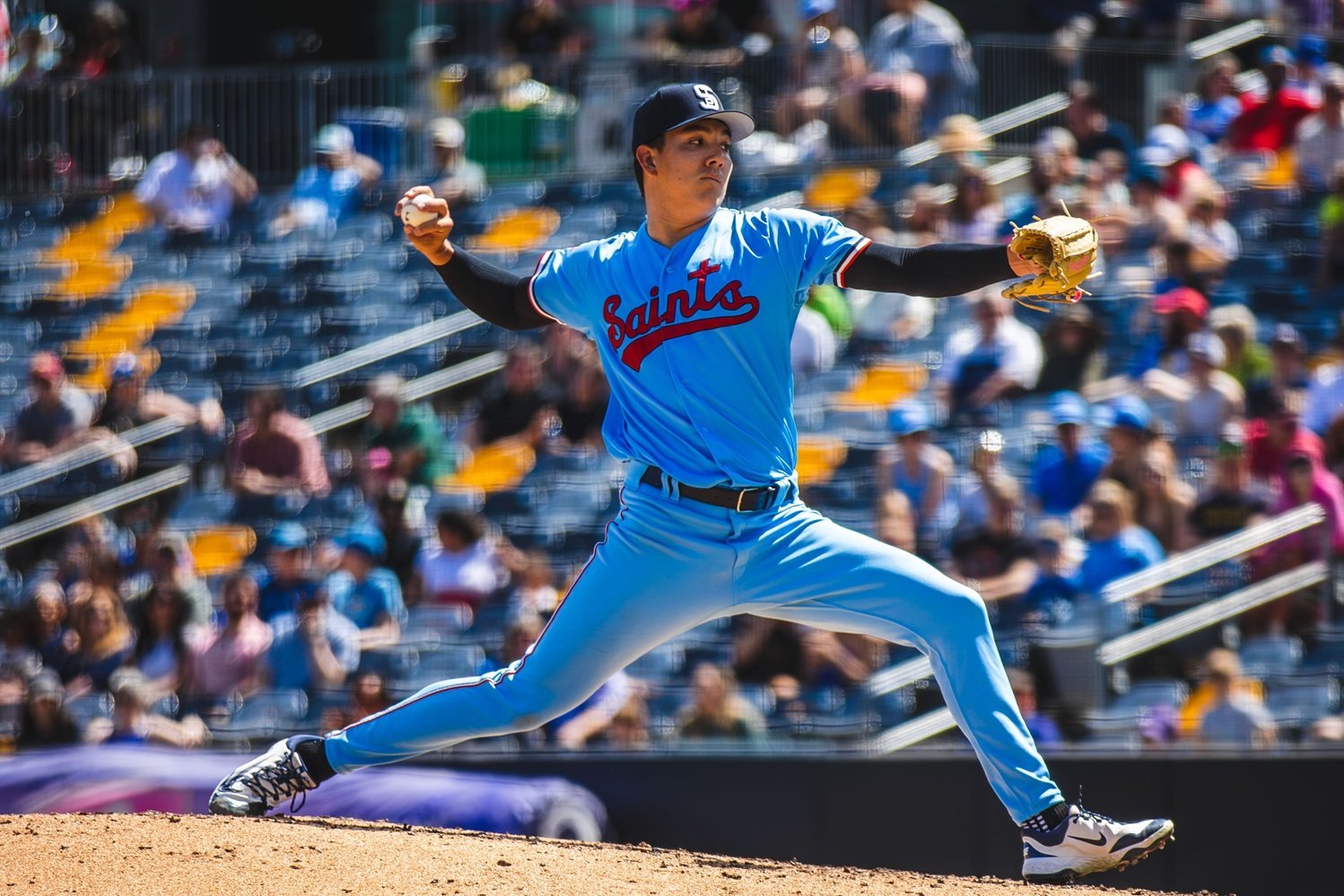 TRANSACTIONS No moves were made on Wednesday. Saints Sentinel St. Paul 4, Louisville 1 Box Score Ryan Gallagher: 6 IP, 3 H, 1 ER, 1 BB, 9 K HR: None Multi-hit games: Kaelen Culpepper (2-for-4, 2 2B, R, 2 RBI), Gabriel Gonzalez (2-for-4) The Saints breezed to a win on Wednesday. Don’t look back in anger? Sure. But many Louisville hitters must have stared backwards in angst or frustration. Ryan Gallagher was a menace: the righty whiffed a season-high nine across an also season-high six innings of work, allowing a lone earned run in the process. He earned 12 swing-and-misses over 80 pitches. It was a superlative performance from a hurler who entered the day with an ERA over 6 with St. Paul, and ends it at… 5.99. a A step in a journey that hopefully has many more like this. The Saints did need many runs on the day, so the mild four-score (no Lincoln) total they received turned out to be plenty. Kaelen Culpepper started out the day with a double whacked off rehabbing big leaguer Nick Lodolo, and a Gabriel Gonzalez single and Walker Jenkins double play ushered in the first run of the game. Three empty frames begat a fruitful middle-innings excursion, in which Culpepper once more dropped his barrel on a low Lodolo changeup for a double—this time to plate two. Cody Morissette then smacked a two-bagger the next inning to score the fourth and final run of the day. Ruddy Gomez, Marco Raya, and Julian Merryweather combined for three scoreless innings out of the bullpen. Merryweather struck out three to earn the save. The Bats are an affiliate of the Cincinnati Reds, who recently called up outfielder Héctor Rodríguez, a long-time antagonist in these writeups. In his stead, infielder Leo Balcazar, ranked 16th on the team, served as the best prospect on Wednesday. He went 0-4. Wind Surge Wisdom Wichita 7, NW Arkansas 6 Box Score Sam Armstrong: 5 IP, 3 H, 2 ER, 0 BB, 2 K HR: Graham Brown (1) Multi-hit games: Khadim Diaw (2-for-3, R, 2 BB) A late surge delivered a win to Wichita on Wednesday. Down two in the fifth, the Wind Surge decided to run wild. Marek Houston stole, and then stole some more, concluding his odyssey with a safe swipe of third. Then Khadim Diaw walked. Of course he stole second. A wild pitch advanced Houston to the dugout, high-fiving his teammates, while Diaw took third. A Brandon Winokur sacrifice fly plated the trailing Diaw. Wichita returned the following inning to plate one more, with Kyle DeBarge doubling and Jay Thomason singling to send the Wind Surge into the lead. Naturally, NW Arkansas responded with immediate vigor. A lead for all of a deep breath. Three scored on a homer and—like Wichita before them—they tagged on one more run in a follow-up inning. That could have been the game. Better teams have folded in such a scenario. But Wichita’s batters felt themselves in a vengeful mood—and they struck with a violent, deadly, deciding blow. Three walks fattened the bases. One pitcher gave way to another. Fortune remained displeased. The incoming Zachary Cawyer surrendered one of the free passes before settling in against Graham Brown. He fired a fastball to the outfielder and Brown crushed the offering to center, sending the ball over the fence for a grand slam, his first AA hit. Drew Beam, the starter for the Naturals on Wednesday, ranks as the 12th-best prospect in the Royals system. He allowed three earned runs in six innings. Kernels Nuggets The Kernels attempted to play but were thwarted by mother nature, who ended matters in the bottom of the 3rd in a 1-1 game. The match will be continued on August 6th. Mussel Matters Fort Myers 4, Bradenton 2 Box Score Callan Fang: 3 1/3 IP, 2 H, 1 ER, 3 BB, 4 K HR: None Multi-hit games: Aidan Teel (2-for-4, 2B, R, RBI), Quentin Young (2-for-4, R) The Mighty Mussels were victorious on Wednesday. This was not the offensive explosion of Sunday’s match; rather, this time, the Mighty Mussels proved they had finesse, too, and turned six hits and six walks into four runs. How? Let’s see together. A Quentin Young single, a Charlie Scholvin hit by pitch, and a wild pitch placed two on with one out. Yovanny Duran grounded out to coax Young home. The third continued the shenanigans. With the walks and passed balls and the like. Two free passes set up Aidan Teel with an opportunity to crack the game in half, and he did exactly that, driving in a run with a double mere inches away from a homer. No problem: Bryce Fowler cleaned up the scraps with a two-run single. The aforementioned Fowler was an undrafted signee out of the University of Alabama. He literally signed over the past weekend. Perhaps he and Connor Prielipp and Riley Quick can wax mirthfully on the days of Nick Saban in years of yonder. Callan Fang tossed a season-high 63 pitches across 3 1/3 innings of work, allowing one earned run. He struck out four and walked three. Michael Hilker netted an old-school save with 2 1/3 frames to end the game, striking out five without allowing a run. Somewhere, Goose Gossage smiles (probably not). Bradenton shortstop Wyatt Sanford ranks as the fourth-best prospect in the Pirates’ system. He homered once in four at-bats. Dominican Daily The DSL Twins did not play as rain poured down and washed away any possibility of a game. TWINS DAILY PLAYERS OF THE DAY Twins Daily Minor League Pitcher of the Day – Ryan Gallagher Twins Daily Minor League Hitter of the Day – Graham Brown PROSPECT SUMMARY Here’s a look at how the Twins Daily Top 20 Twins Prospects performed. Click here to rank your post-trade deadline Top 20 prospects now. #1 – Walker Jenkins (St. Paul) - 0-4 #2 – Vahn Lackey (Fort Myers) - 0-2, BB, K #3 – Kaelen Culpepper (St. Paul) - 2-4, 2 2B, R, 2 RBI, 2 K #5 – Marek Houston (Wichita) - 1-5, R, 2 K #7 – Eduardo Tait (Cedar Rapids) - 2-4, BB #11 – Gabriel Gonzalez (St. Paul) - 2-4, K #13 – Carson Tinney (Fort Myers) - 0-3, R, BB, 2 K #14 – Khadim Diaw (Wichita) - 2-3, R, 2 BB #15 – Brandon Winokur (Wichita) - 1-4, RBI, K #17 – Quentin Young (Fort Myers) - 2-4, R, K #18 – Ryan Gallagher (St. Paul) - 6 IP, 3 H, 1 ER, 1 BB, 9 K THURSDAY’S PROBABLE STARTERS Louisville @ St. Paul (7:07 PM) - RHP Zebby Matthews Wichita @ NW Arkansas (7:05 PM) - RHP Ty Langenberg Cedar Rapids @ South Bend (6:05 PM) - RHP Adrian Bohorquez Fort Myers @ Bradenton (5:30 PM) - RHP Matt Barr DSL Nationals @ DSL Twins (10:00 AM) - TBD View the full article
 -
Fish drop middle game in Atlanta, fall to one over .500
DiamondCentric posted an article in Fish On First
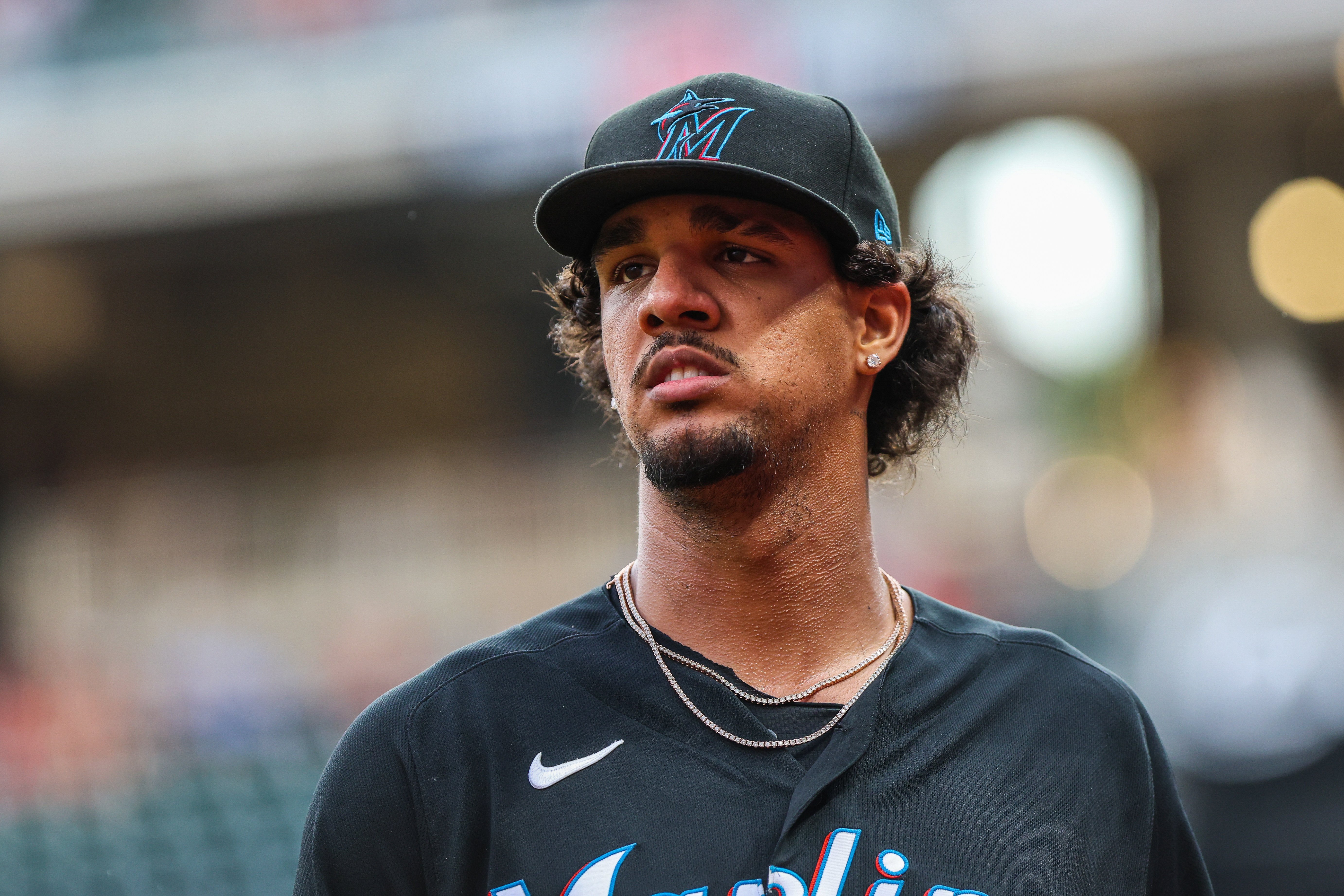 Each loss for the 2026 Miami Marlins is a dagger in their playoff aspirations, with Wednesday being no exception. Following their 4-1 loss to the division rival Atlanta Braves, Miami's season record now sits at 58-57, 2.5 games out of a wild-card spot in the Senior Circuit, a tough cross to bear following a trade deadline that saw the departures of Liam Hicks and Lake Bachar. With this defeat, the Marlins now own a lifetime 23-57 (.288) record since Truist Park's opening in 2017. Only the Pittsburgh Pirates own a worse winning percentage in that span (.258). Making his 20th start of the season—matching a career-high set last season—Eury Pérez ran into trouble in the second, throwing 34 pitches and allowing a trio of runs. Atlanta would tag on a fourth run in the following inning courtesy of a Mauricio Dubón single. Gutting through an otherwise mediocre outing, Pérez struck out nine in his five innings of work, falling to 5-9 on the year. Reflecting on Pérez's outing postgame, manager Clayton McCullough took the glass half-full approach. "If his clunkers look like this, we'll be very encouraged with it," noted McCullough. "There's a lot I can feel proud of. The ground balls I was able to induce and the fact that I was able to make it through five innings. It's a growing process...", said Pérez through interpreter Luis Durante. Looking under the hood, Pérez had more than the five innings of work to be proud of, as he induced 18 swings-and-misses, aided in part by a near-unanimous bump in pitch velocities. While his start ERA of 7.20 would lead one to call his outing less than savory, the underlying metrics tell a completely different story, as evidenced by minuscule 0.70 and 1.92 FIP and xFIP. Miami's lone run came via Joe Mack on a fifth inning ground out that plated Owen Caissie . Now with 34 RBI since arriving in the big leagues, Mack's total ranks third best amongst Marlins rookie catchers who started a minimum of 60 percent of their games behind the plate, trailing only 1995 Charles Johnson (39) and 2015 J.T. Realmuto (47). Through the series' first two games, Miami has gone 2-for-11 with runners in scoring position. Bryce Elder, making his 12th career start against Miami, shut them down to the tune of 7 innings of 1-run, 1-hit ball, lowering his career ERA to 3.31 opposing the Marlins. As they did in Tuesday's loss, the Marlins had late-inning comeback attempts thwarted by the Atlanta bullpen. After collecting a pair of hits against the conservative hit surrenderer Dylan Dodd, Miami would ultimately see this one end on an Otto Lopez first-pitch ground out to Austin Riley. Thanks to an 0-for-4 evening, Lopez's season batting average fell to .320, putting him .005 points behind former Marlin and three-time batting champion Luis Arraez in the NL batting title race. Looking Ahead Miami will conclude their trip to Atlanta on Thursday in a rare game three nightcap. Janson Junk (5-6, 4.58 ERA) will square off against veteran left-hander Martín Pérez (7-6, 3.24 ERA). First pitch from Truist Park is slated for 7:15 pm EST. View the full article
 -
Royals 2, Twins 1: A Duo of Decent Debuts Ends in Defeat
DiamondCentric posted an article in Twins Daily
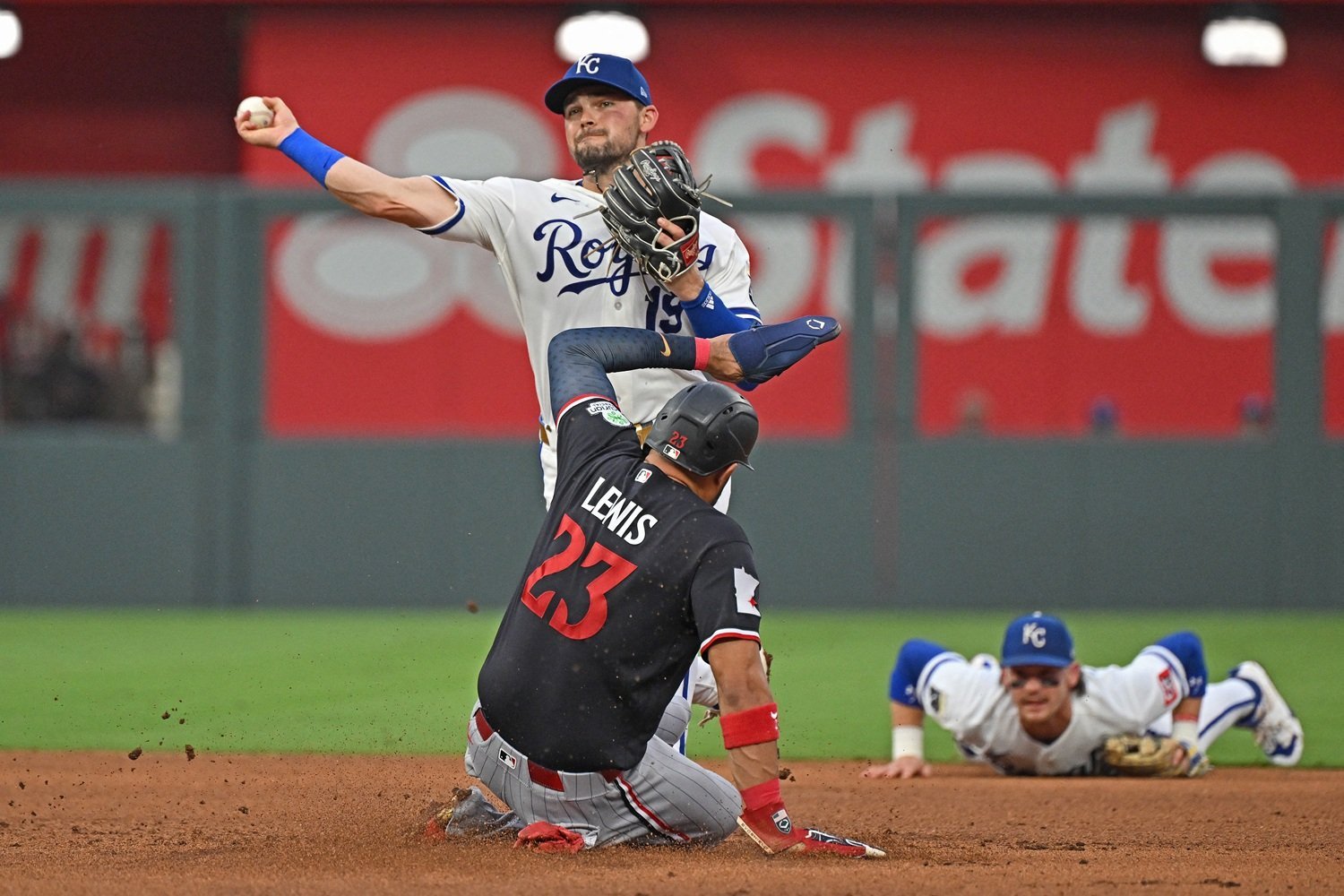 Box Score Starting Pitcher: Dean Kremer - 5 IP, 3 H, 1 R, 1 ER, 2 BB, 2 K (88 pitches, 52 strikes (59.1% strikes)) Bottom 3 WPA (via Fangraphs): A.J. Minter (-0.15), Victor Caratini (-0.13), Trevor Larnach & Ryan Jeffers (-0.11) Win Probability Chart (via FanGraphs) After dropping the first game post-trade deadline, the Twins looked to bounce back and get into the win column. Trade acquisition Dean Kremer toed the rubber for his Twins debut while the Royals sent LHP Noah Cameron to the mound to face off with the Twins after shutting them out for eight innings last week. The Twins got their first hit against Cameron much earlier in this game, with Ryan Jeffers getting a one-out single in the top of the first inning. The Twins weren’t able to string together any other hits, so Cameron was able to get out of the top of the first unscathed. Kremer’s first inning as a twin went about as well as hoped, sending the Royals down 1-2-3 over 12 pitches. Both starters appeared to be settling in, keeping the game scoreless through three innings, each giving up one hit and recording one strikeout. In the top of the fourth, the Twins were able to get their first three runners on base, loading the bases on a walk and two singles, one on a Royce Lewis bunt. The Twins took a 1-0 lead on a groundout double-play off the bat of Victor Caratini, leaving a runner on third with two outs. Cameron was able to limit that to the only damage the Twins were able to do in the inning. In the bottom of the fifth inning, the Royals made some noise against Kremer, loading the bases with one out and Kyle Isbel finally got the Royals on the board with a sacrifice fly to tie the game at one. The game stayed tied at one until the bottom of the seventh when Michael Massey hit a solo home run off of A.J. Minter giving the Royals a 2-1 lead. The Twins offense went completely silent against Noah Cameron after scoring in the fourth inning, not getting a single baserunner against him from innings five through eight. Cameron finished eight innings with nine strikeouts, allowing just five baserunners. In the bottom of the eighth inning, trade deadline acquisition Jeff Hoffman made his Twins debut, striking out two over a scoreless frame. Former Twins prospect Steven Cruz came in for the save opportunity in the top of the ninth, finishing off the Twins, earning his third save of the year. Other Notes: Joe Ryan headed back to Minnesota to be evaluated for a lower back/glute injury. His next start which is scheduled for Sunday is now in question. Post Game Interview: What’s Next? The Twins will play one more game in Kansas City against the Royals, with Bailey Ober (7-3, 4.45 ERA) starting for the Twins and RHP Michael Wacha (5-8, 3.51 ERA) starting for Kansas City. Ober face off against the Royals last week, throwing six innings giving up three runs (two earned). He struck out three and walked two in that start. After the series finale tomorrow, the Royals will head to Milwaukee for a three-game series over the weekend for a border battle with the first place Brewers. BULLPEN CHART SAT SUN MON TUE WED TOT Gomez 0 19 0 0 0 19 Funderburk 3 0 0 14 0 17 Adams 11 0 0 20 0 31 Rogers 14 0 0 14 0 28 Nance 16 0 0 0 7 23 Minter 1 19 0 0 12 32 Morris 12 0 0 0 0 12 Hoffman 0 0 0 0 11 11 View the full article
 -
Joe Ryan leaves Twins to undergo evaluation in Minneapolis
DiamondCentric posted an article in Twins Daily
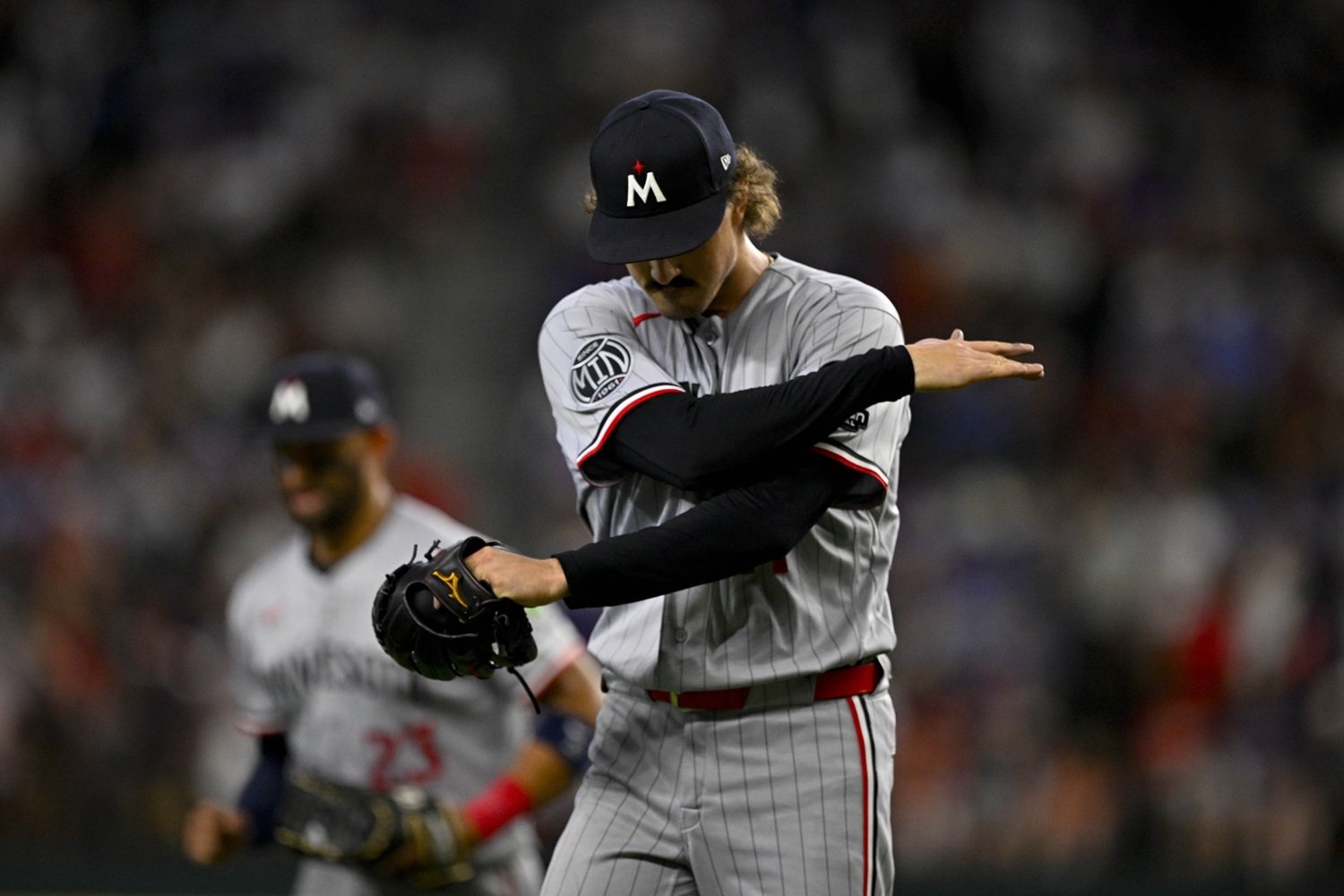 Joe Ryan's recent struggles may not simply be a matter of poor execution. According to The Athletic's Dan Hayes, Twins manager Derek Shelton said Ryan left the club in Kansas City to be evaluated by team physician Christopher Camp in Minneapolis. The development comes after Ryan turned in his third consecutive disappointing start following the All-Star break, allowing four earned runs over 5 1/3 innings against the last-place Royals on Tuesday night. Over his last three starts, Ryan owns a 9.39 ERA across 15 1/3 innings. While he has developed a reputation for fading in the second half of seasons, this latest update suggests there could be more going on than a typical late-season slump. Hayes also reported that Shelton acknowledged the possibility of something physical contributing to Ryan's recent performance. "He's frustrated and not able to replicate his delivery...I'm not going to say it's not physical. But we owe it to him and to us to find out what he's feeling and how he's going about it." Whether Ryan will require a stint on the injured list remains to be seen, but if he is sidelined, the most logical replacement would be Zebby Matthews. Matthews was optioned to Triple-A St. Paul over the weekend to make room on the active roster for newly acquired starter Dean Kremer, but he would be an obvious candidate to return if another rotation spot opens up. Do you think Joe Ryan is dealing with an injury, or is this simply another case of his second-half struggles resurfacing? Leave a comment below and start the conversation! View the full article
 -
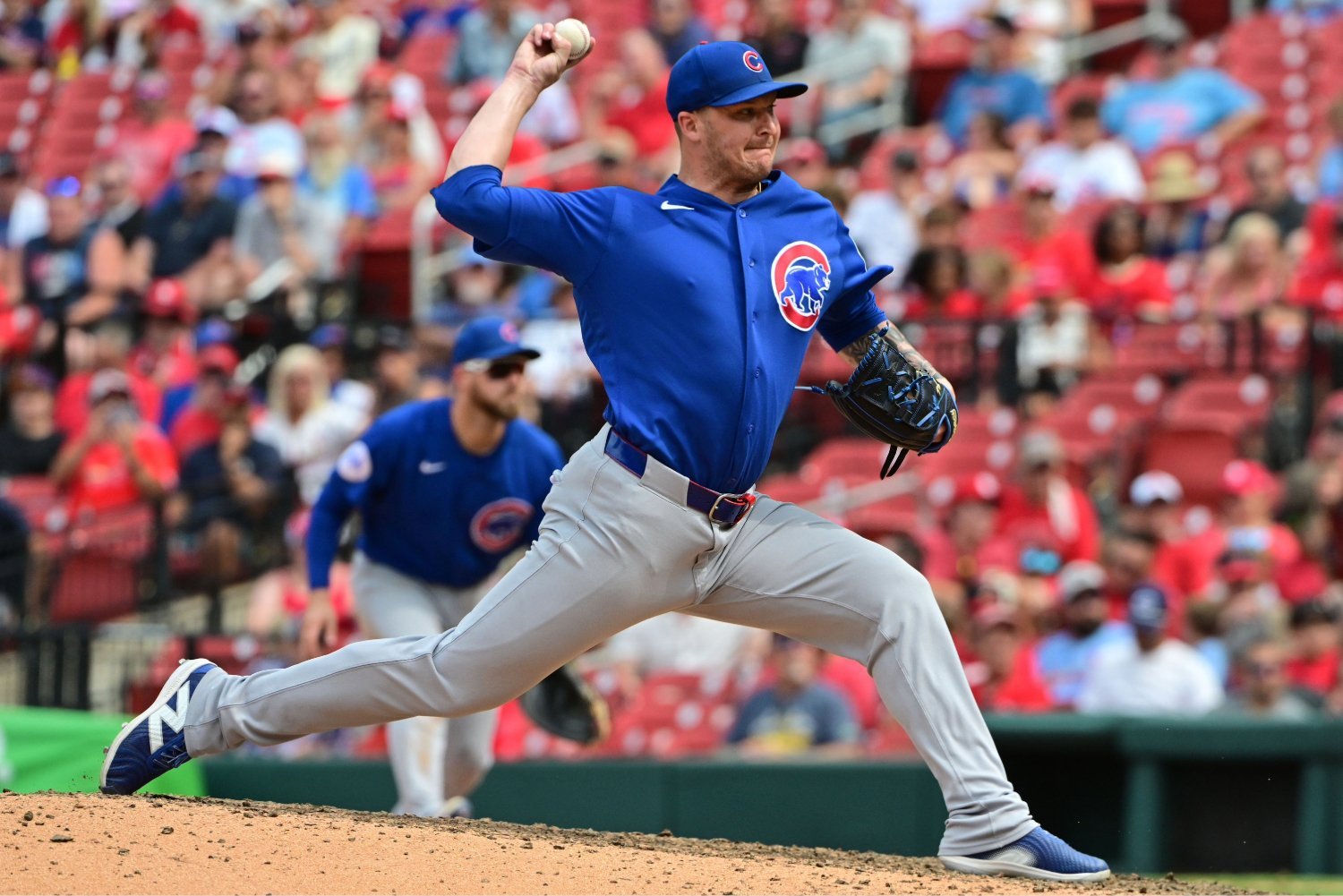 The calendar has flipped to August on the MLB season, and it's time to look back at who helped the Chicago Cubs make it through July. The month started with a 23-3 win over the San Diego Padres and ended with a 2-0 loss to the New York Yankees. In between that was 13 wins and some outstanding pitching performances from unexpected participants. Let's take a look at who performed the best when they toed the rubber in July for Chicago. Ranking Cubs' Best Pitchers In July Honorable Mention: Javier Assad 5G, 3GS, 1SV, 18 IP, 1.50 ERA, 4R, 17K What else needs to be said about Assad and his performances? Each and every season, he is called upon to serve in a multitude of roles and more often than not, he is outstanding in doing so. Not only did Assad make three starts, but he also came on in relief twice and even collected a save. Unfortunately, Assad may be rudely affected by the impending roster crunch the Cubs have following the multitude of pitchers they acquired ahead of the 2026 MLB trade deadline. It would be unfortunate to see Assad sent back to Triple-A Iowa given how successful he's been, but that may happen down the road once others get healthy. #3: Matthew Boyd 5G, 32.1 IP, 1.67 ERA, 6R. 23K Boyd entered July with a season ERA of 5.08 and left the month with a 3.41 season ERA. Even in his lone rough start on July 12 when he gave up four runs, he powered through 6 1/3 innings and earned a win. In his final three starts after that, Boyd allowed just two runs in 20 innings and earned another win in the process. After a rough start to the season, he's turned back into an All-Star-caliber pitcher and positioned himself to be a trustworthy option when postseason play begins. #2: Shota Imanaga 5G, 29.1 IP, 1.53 ERA, 5R, 27K If you looked at Imanaga's win/loss record of 2-3 in July, you might think that he performed bad. What you wouldn't see is that in two of those three losses, he received a grand total of zero run support. A positive sign in the month was that Imanaga allowed just four home runs, his least amount over a full month since he allowed only two in May. Imanaga walked just six batters across his starts, his second fewest across a full month. All the signs of rookie year Imanaga were prevalent and that could be an enormous revelation down the stretch. #1: Jacob Webb 11G, 11.1 IP, 0.00 ERA, 3SV, 10K What an incredible season Webb is turning in. Through April, Webb had an ERA over five, and we were all rolling our eyes at another failed reliever signing. Since then, though, he's become the most trusted option out of the bullpen. July was Webb's best month yet, as he didn't allow a single run across his 11 appearances. He actually hasn't allowed a run since June 20, when he gave up three runs against the Toronto Blue Jays and was rather colorful about his performance after the game. With bullpen help in the forms of Ryan Zeferjahn and Daniel Palencia on the way, it will be intriguing to see how Webb's role progresses in both the rest of the regular season, as well as the postseason. View the full article
 -
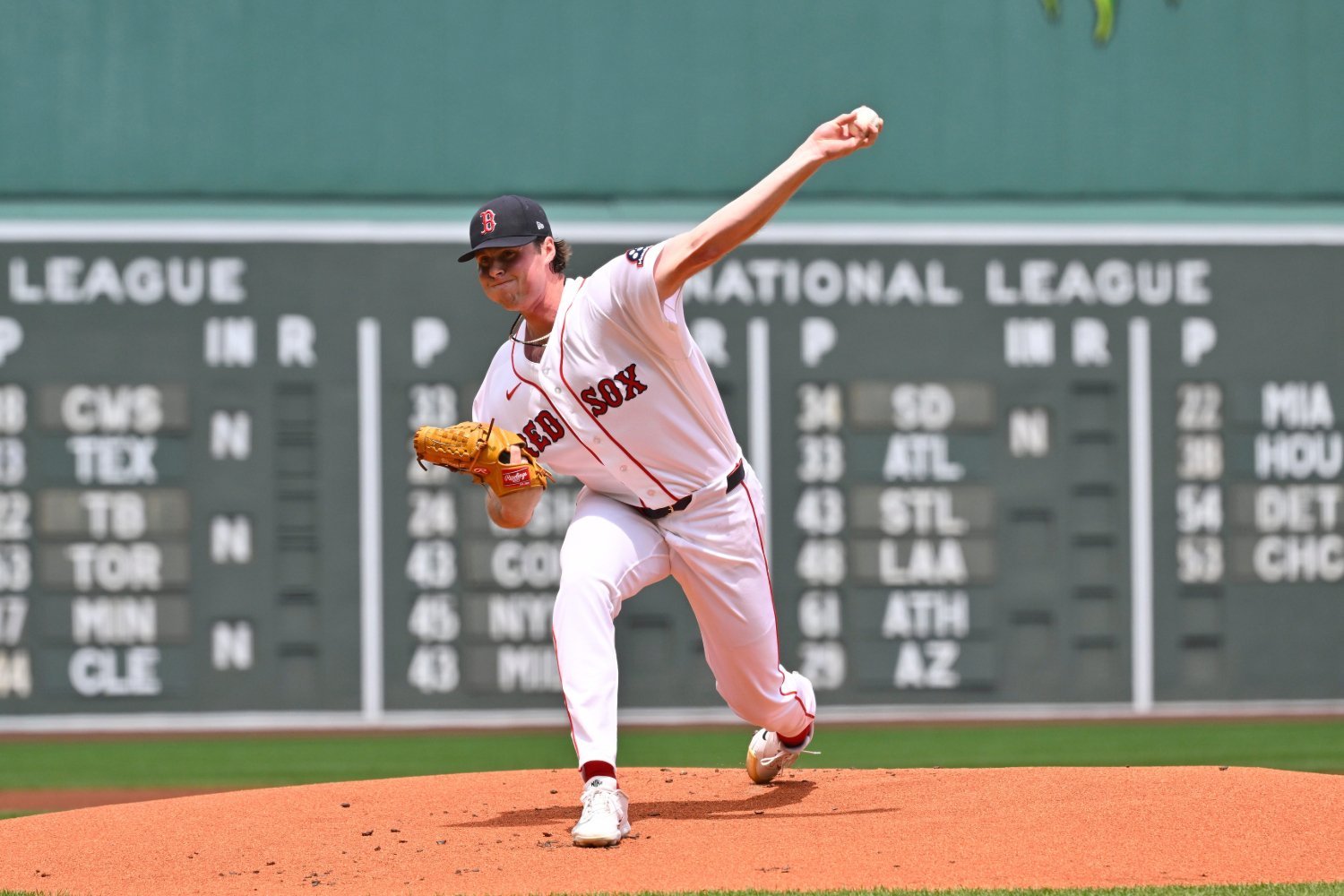 The month of July was historic for the Boston Red Sox, who went 21-4 to post the highest monthly winning percentage in franchise history. While the offense saw some improvement, it was the pitching staff that was the driving force behind their success, leading the MLB with a 4.5 WAR while also having a 2.91 ERA and 3.34 FIP, both lowest in the league. Boston also led the league with 21 wins and 13 saves, displaying their effectiveness through their ranks. While veterans like Sonny Gray and Ranger Suárez have garnered most of the attention throughout the season, July saw several newer faces establish themselves as key contributors. Here are the three pitchers who deserve the most flowers for the team's brilliant month. Ranking Red Sox's Best Pitchers In July #3: Jake Bennett Just three months into his major league career, the 25-year-old rookie has firmly established himself in the rotation. Consistently improving each month, July saw Bennett take the biggest leap, compiling a 4-1 record, 2.21 ERA and 3.46 FIP over 32.2 innings. His 0.7 WAR led all Red Sox pitchers for the month, and he took advantage of each of his opportunities, throwing five quality starts in five appearances. Bennett’s success was driven by the effectiveness of his changeup. His second-most-used pitch behind his four-seam fastball, opponents hit just .071 against it. Consistently locating it low or below the strike zone, Bennett generated a 35% whiff rate. He also made noticeable improvements to his sinker. After allowing batters a .350 batting average against the pitch in June, they hit just .281 in July while the pitch produced a 37.5% put-away rate. These adjustments led to him having 21 strikeouts for the second consecutive month. #2: Garrett Whitlock During Boston’s difficult first half, Whitlock remained one of their only reliable pieces and July may have been his best month yet. His 0.5 WAR ranked tied for fifth among all MLB relievers as he posted a 0.73 ERA and 1.48 FIP over 12.1 innings. Whitlock also led all relievers with eight holds and even recorded a save, while holding opponents to a team-best .143 batting average. His effectiveness came with the reestablishment of his sinker. After opponents hit .400 against it in June, Whitlock regained confidence in it after increasing its average spin rate from 2141 RPM to 2207 in July. The added movement immediately translates to better results, as opponents batted just .080 against the pitch. Whitlock also relied on it 66.7% of the time in 0-0 counts, allowing him to get ahead of hitters and dictate at-bats throughout the month. #1: Aroldis Chapman After a lingering hamstring injury limited his availability and contributed to an inconsistent June, Chapman shut down any doubts surrounding him with a dominant July. In 12 appearances, he led all closers with 10 saves and a 0.75 ERA and 2.60 FIP. His 10 saves were his most for a single month since 2019 as he continued his late-career resurgence. Chapman also led Boston’s bullpen with 17 strikeouts and a 34.7% strikeout rate, while holding hitters to a .209 batting average. But while the strikeout numbers were flashy, his reliability in high-leverage situations may have been even more valuable. After blowing two saves in June, Chapman did not allow a single inherited baserunner to score all month, quickly reestablishing himself as the backbone of the bullpen. With the future Hall of Famer back to closing games at an elite level, Boston's bullpen has become one of the biggest reasons the club enters the back half of the season with legitimate postseason momentum. View the full article
 -
Breaking Down Mets’ Haul From Their Huascar Brazobán Trade
DiamondCentric posted an article in Grand Central Mets
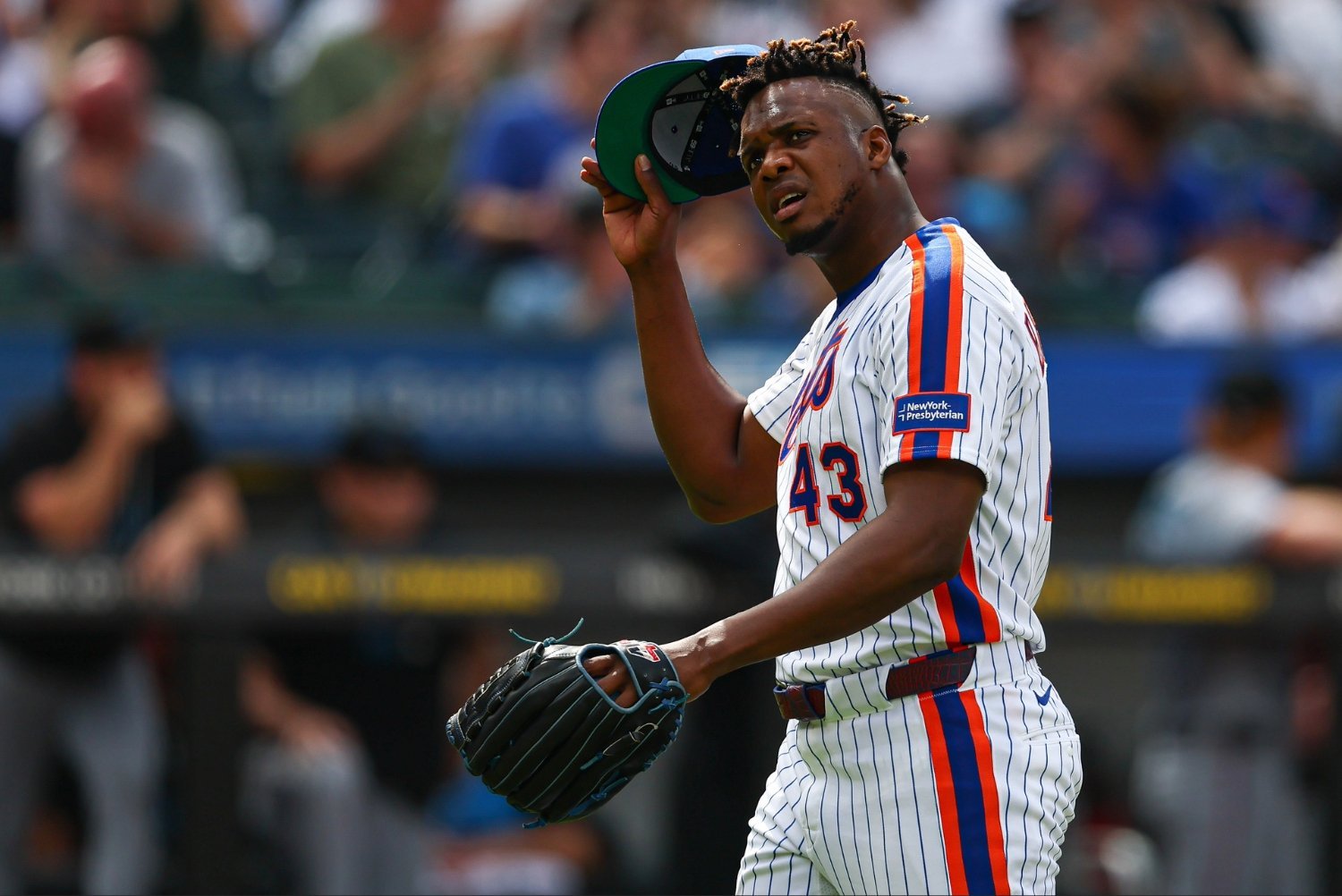 On Monday, the New York Mets completed another deal in which they acted as the sellers, sending 36-year-old reliever Huascar Brazobán to the Chicago White Sox in exchange for two prospects: Double-A right-hander Gabe Davis, who was the White Sox’s 18th-best prospect according to MLB Pipeline, and Triple-A righty Zach Franklin. Brazobán has multiple years of cheap control remaining and had posted a solid 2.56 ERA in 52 2/3 innings with the Mets in 2026, but it makes sense to bet on the two young arms they got in the deal to contribute in the near future. How good are they? Can they be counted to help when the Mets are contenders again? Let’s take a look: Gabe Davis Davis was taken in the fifth round of the 2025 MLB Draft by the White Sox, out of Oklahoma State. His college numbers weren’t all that impressive, but his 6’9’’, 234-lb frame and power stuff were enough for Chicago to give him an over-slot deal last year. According to MLB Pipeline, he sits in the 94-97 mph range and touches 100 with his fastball, “which features more downhill plane than arm-side run, so it can get hit when he doesn't command it. His tight upper-80s slider climbs as high as 92 mph, and he can turn it into a harder cutter. His mid-80s changeup lacks consistency but will flash some intriguing fade and tumble.” The scary thing is that Davis can still add some beef to his frame and, perhaps, throw a bit harder. Since the Mets don’t really need him this year, they won’t rush him and will allow him time to develop. This year, the 22-year-old posted a 2.63 ERA in 27 1/3 innings in High-A, with seven walks and 33 punchouts, before struggling in Double-A with a ghastly 8.31 ERA in 34 2/3 frames. He has struck out 37 hitters in Double-A, but his 17 walks are a tad high. The biggest issue at that level, however, has been the 2.86 homers he has allowed per nine innings. Until he can get that number down, he won’t be able to keep advancing. Still, it’s easy to see that the talent is there for him to be a contributor in a year or two for the Mets. He could be a mid-rotation starter if he gets the walks and homers in check, but if not, he may be an impact reliever. Zach Franklin Franklin is not your hot, young prospect; he is 27 and wasn’t in the White Sox’s top 30 list, nor is he in the Mets’. However, you can say he is a polished pitcher who posted a 4.37 ERA in 45 1/3 innings in Chicago’s Triple-A team this year, with 14 walks and 60 strikeouts. Like Davis, Franklin has a bit of a home run problem, allowing 2.18 per nine innings in Triple-A in 2026. He is mostly a reliever, although he can pitch multiple frames per outing. Selected in the 10th round of the 2023 MLB Draft, Franklin was included among the White Sox’s top 20 prospects by FanGraphs’ James Fegan in late 2025. His thoughts on him are, at the very least, interesting: “Between COVID and a medical redshirt season, Franklin was a sixth-year senior at Missouri in 2023 with ugly surface numbers and an uglier delivery when the Sox took a $10,000 flier on him in the 10th round. But his short-armed, vertical-riding mid-90s heater has always piled up whiffs, and while the right-hander is entering his 40-man platform year at age 27, it also comes on the heels of a season that saw him strike out 35.3% of hitters in 56.1 innings while finishing the year at the end of the Triple-A bullpen,” he wrote. Baseball America says he has “a 94 mph fastball that has touched 99 this year with some carry.” He also throws a slider and a mid-80s splitter-changeup that has made strides in recent seasons. Per Fegan, the Sox added a leg kick to Franklin’s mechanics to help keep his weight back at the time of the delivery, and it has been a somewhat successful adjustment. View the full article
 -
How Padres' A.J. Preller Helped the Dodgers Land Tarik Skubal
DiamondCentric posted an article in Padres Mission
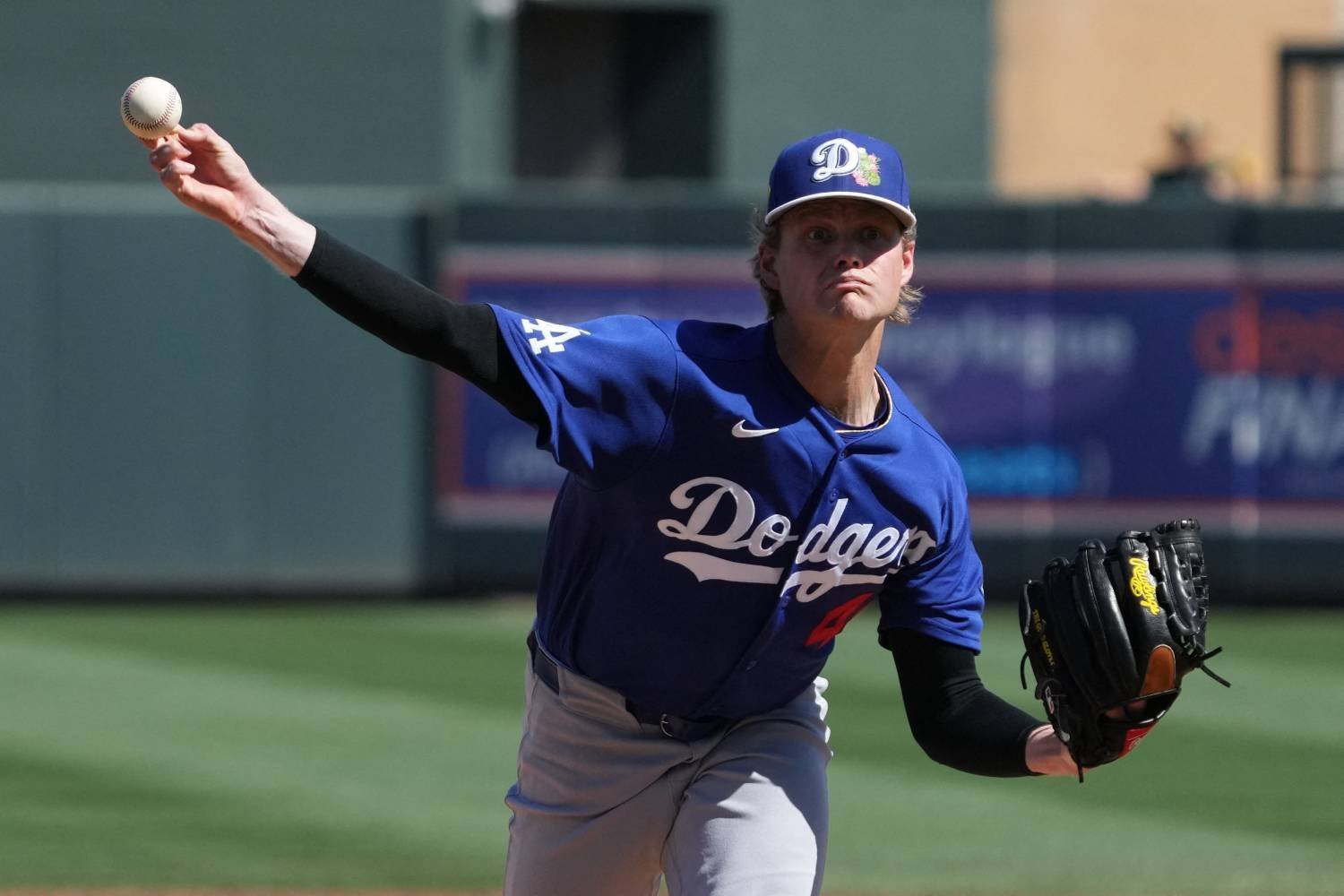 How much responsibility does San Diego Padres president of baseball operations A.J. Preller shoulder for Tarik Skubal now being a Los Angeles Dodger? It depends on your point of view. One on hand, you can say a significant one. On the other, the Dodgers had plenty of other prospects in the Top 100 that could have replaced this particular one in the package L.A. sent to the Detroit Tigers for Skubal, the back-to-back AL Cy Young Award winner. But let's draw the direct line in this. Who are we talking about? None other than right-handed starter River Ryan. Here is the background: Ryan was the Padres' 11th-round selection in the 2021 draft out of North Carolina-Pembroke, a Division II school. Ryan was a two-way player in college who also was an infielder. His fastball was clocked at 97 mph. Ryan was a high-upside swing with that draft pick. But before he suited up for his first minor-league game with the Padres, Preller shipped Ryan to the rival Dodgers for first baseman-outfielder Matt Beaty, who had just been designated for assignment, in spring training 2022. Beaty was expected to be a left-handed bench bat as the Padres had 32-year-old Eric Hosmer as their starting first baseman, with a 31-year-old Wil Myers also on the roster. Beaty had limited outfield experience, but the Padres had depth questions there. So, the expectations weren't that great for Beaty, who did have some success with the Dodgers, putting up a .262/.333/.425 slash line with 18 homers and 91 RBIs in 556 plate appearances over the previous three seasons. So that would be about a full season for a full-time player. Solid to good numbers. But if you are trading for that player to continue to keep him on the bench, those numbers aren't likely to improve and that production could be found elsewhere. Instead, Preller sent the previous year's 11th-rounder to the Dodgers for Beaty. The Dodgers have a track record of developing pitchers and someone already possessing upside now in that system is sure to flourish. But Preller's M.O. has been to sell certain prospects before they get established because their value is higher to others than it is to the Padres. We know what has happened to Ryan. While there have been injuries along the way, including Tommy John surgery in 2024 that caused him to miss all of 2025 and then two stays in the injured list this year with hamstring issues. But he is still a Top 100 prospect as the 27-year-old still retains rookie eligibility after pitching just four MLB games in 2024. He turns 28 on Aug. 17. As for Beaty, as you might know, he didn't work out. You can't predict injuries, but Beaty went on the injured list in early May 2022 with a left shoulder impingement. At the time, Beaty was slashing just .175/.189/.364 with no homers and one RBI while mainly playing the outfield corners. The injury lingered and he didn't come back until mid-August and was optioned to Triple-A El Paso after the Padres. Beaty did come back up on Sept. 1, but only played in three games before being designated for assignment. As we see each year at the trade deadline, Preller loves to spin off recent draft picks to improve the major-league roster. Last year's deal with the Baltimore Orioles for outfielder Ramon Laureano and Ryan O'Hearn included five members of the 2024 draft class. Still, spinning off a high-upside starting pitcher prospect before he pitches in a game for a minor-league affiliate in exchange for a bench bat feels a bit pricey even by Preller standards. While Beaty's career ended in 2024 in the minors, Ryan was a key piece of the biggest trade this season and just helped the Padres' biggest rival in their quest for a third straight World Series championship. View the full article
 -
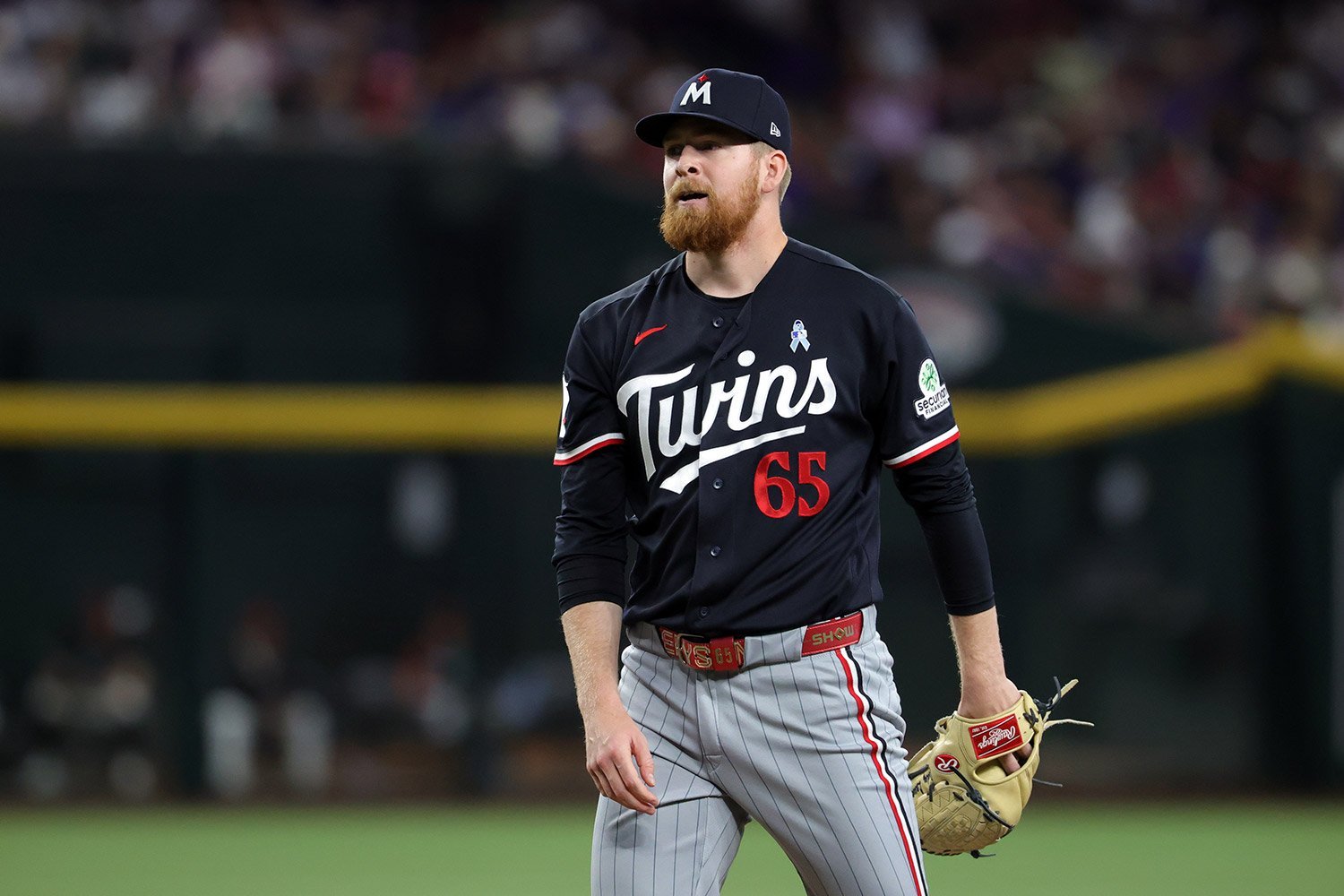 The Twins have released RHP Cody Laweryson. He was designated for assignment on August 1 after the Twins needed room on the 40-man roster after acquiring A.J. Minter to bolster the bullpen. Laweryson made 15 appearances with the Twins this season, throwing 16 2/3 innings, recording 18 strikeouts and eight walks. He's recorded a 4.86 ERA and a slightly worse 5.08 FIP along with a 1.380 WHIP. He made his major league debut in 2025 and was DFAed during the offseason. He was claimed by the Angels, but the Twins brought him back in mid-February. He has also made eight relief appearances with Triple-A St. Paul, throwing nine innings, with eight strikeouts and three walks. Laweryson will now look for his next opportunity, whether that be re-signing with the Twins or taking a new opportunity elsewhere. View the full article
 -
Gleeman & The Geek: Grading the Twins' Trade Deadline
DiamondCentric posted an article in Twins Daily
 You can listen by downloading us from: iTunes, Spotify, YouTube, iHeartRadio, Stitcher, GleemanAndTheGeek.com, or by clicking this link, or by watching/listening below. Here are the topic timestamps: 0:00 Family Feud, Steve Harvey and we got a good one for you today 2:06 Twins add Jeff Hoffman, AJ Minter and Dean Kremer at the trade deadline 3:51 Twins slip below .500 while the AL wild card race stays wide open 5:35 Front office and ownership did their part — now the players have to play 7:52 A rebuilt bullpen is useless if you can't build the bridge to it 10:44 Tom Pohlad in Kansas City: payroll will rise, trust takes longer 14:14 Aaron gets punched in the shoulder by Tom Pohlad 15:51 The looming lockout and a possible $150 million payroll floor 20:08 Toronto sends $3.75 million to cover Jeff Hoffman's 2027 salary 22:14 Jeff Hoffman under control for 2027 at $7 million is the real prize 23:35 AJ Minter was the no-brainer; Dean Kremer cost a premium 24:53 Billy Amick and Bruin Agbayani go to the Mets for AJ Minter 27:45 Johnnardo Reyes, the 19-year-old given up for Dean Kremer 29:15 Dasan Hill headlines the Jeff Hoffman package to Toronto 31:41 Why the Twins traded low-minors upside instead of Double-A depth 36:10 Grading the deadline 39:24 A thin right-handed bat market 45:13 Get to know Jeff Hoffman 49:00 Losing the closer job to Louie Varland — the strangest domino of the fire sale 49:40 Why Hoffman's ERA lies: 97 mph, a 50 percent whiff slider, 12.3 strikeouts per nine 54:00 Why Shelton keeps Gomez as closer and uses Hoffman earlier 58:19 Dean Kremer and the 2024 scars: Joe Ryan, Bailey Ober, rotation question marks 1:06:30 The trade that died: Trevor Larnach to Houston for Bryan Abreu, nixed by Jim Crane 1:11:37 Trevor Larnach's arbitration raise and his offseason trade market 1:13:19 Ryan Jeffers stays as the Rays and Red Sox pay up for catchers 1:16:01 The qualifying offer case: pay Ryan Jeffers $24 million next year 1:19:17 No bats added — Josh Bell, Larnach and the lineup stay intact 1:21:06 Kaelen Culpepper, Walker Jenkins and Byron Buxton's hip 1:27:39 The bullpen remodel: Hoffman, Gomez, Morris, Minter and Tommy Nance 1:29:38 Joe Ryan's discouraging start against the Royals 1:31:37 A 3.17 first-half ERA and a 4.93 second-half ERA — the most extreme split in Twins history 1:32:11 Joe Ryan's cryptic quotes and performance 1:36:25 Dead arm or something worse? 1:39:45 Why selling Joe Ryan stopped being an option once his trade value cratered 1:41:41 Joe Ryan's performance also affects the offseason. 1:44:51 Joe Ryan and Byron Buxton matter more than the entire deadline 1:48:56 Field of Dreams game in Iowa, Patreon Q&A Friday, and a wide-open American League View the full article
 -
German Marquez Designated For Assignment By Padres
DiamondCentric posted an article in Padres Mission
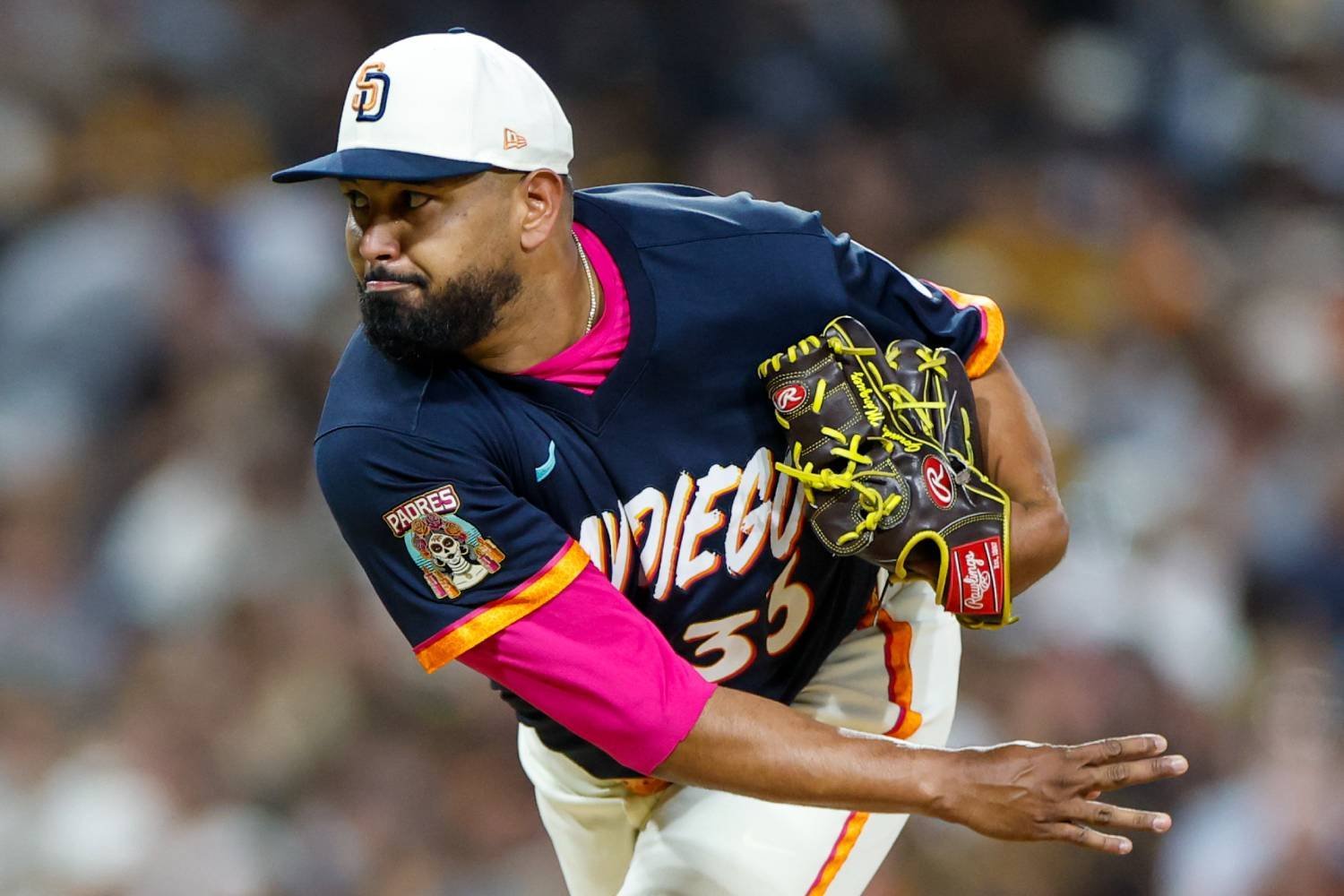 The experiment with German Marquez didn't work out for the San Diego Padres. The right-hander was designated for assignment Wednesday by the Padres as left-hander Robbie Ray was officially added to the 26-man roster. Ray was acquired Monday in a trade with the San Francisco Giants. The other pitcher picked up Monday, right-hander Casey Mize, is set to start Wednesday against the Arizona Diamondbacks. Marquez had a 6.61 FIP (5.26 ERA) in 13 games, including a 10.2% walk rate and 15.7% strikeout rate. He was signed to a $1.75 million contract early in spring training after spending 10 years with the Colorado Rockies. He was expected to fill the back end of the Padres' rotation. His season got off to a roller-coaster start, allowing four runs in three of his first five starts while not allowing a run in the other two. After giving up seven runs and two homers on May 1 in an 8-2 loss to the Chicago White Sox at Petco Park, he went on the injured list with right forearm irritation. While a bit better, he still struggled when he returned July 2. His inconsistency knocked him out of the rotation and put him in the pitching chaos plan as a bulk guy. That worked out really well in his outing Friday, when he pitched five shutout innings to finish a 7-0 home victory over the San Francisco Giants. But the decisive blow may have come Tuesday, when he gave up four runs in the seventh inning, including two homers, in a 9-4 road win over the Diamondbacks. Ray is scheduled to start Friday against the Houston Astros to begin a three-game series at Petco Park. View the full article
 -
Brewers Send Grant Anderson To Triple-A As Kyle Harrison Returns
DiamondCentric posted an article in Brewer Fanatic
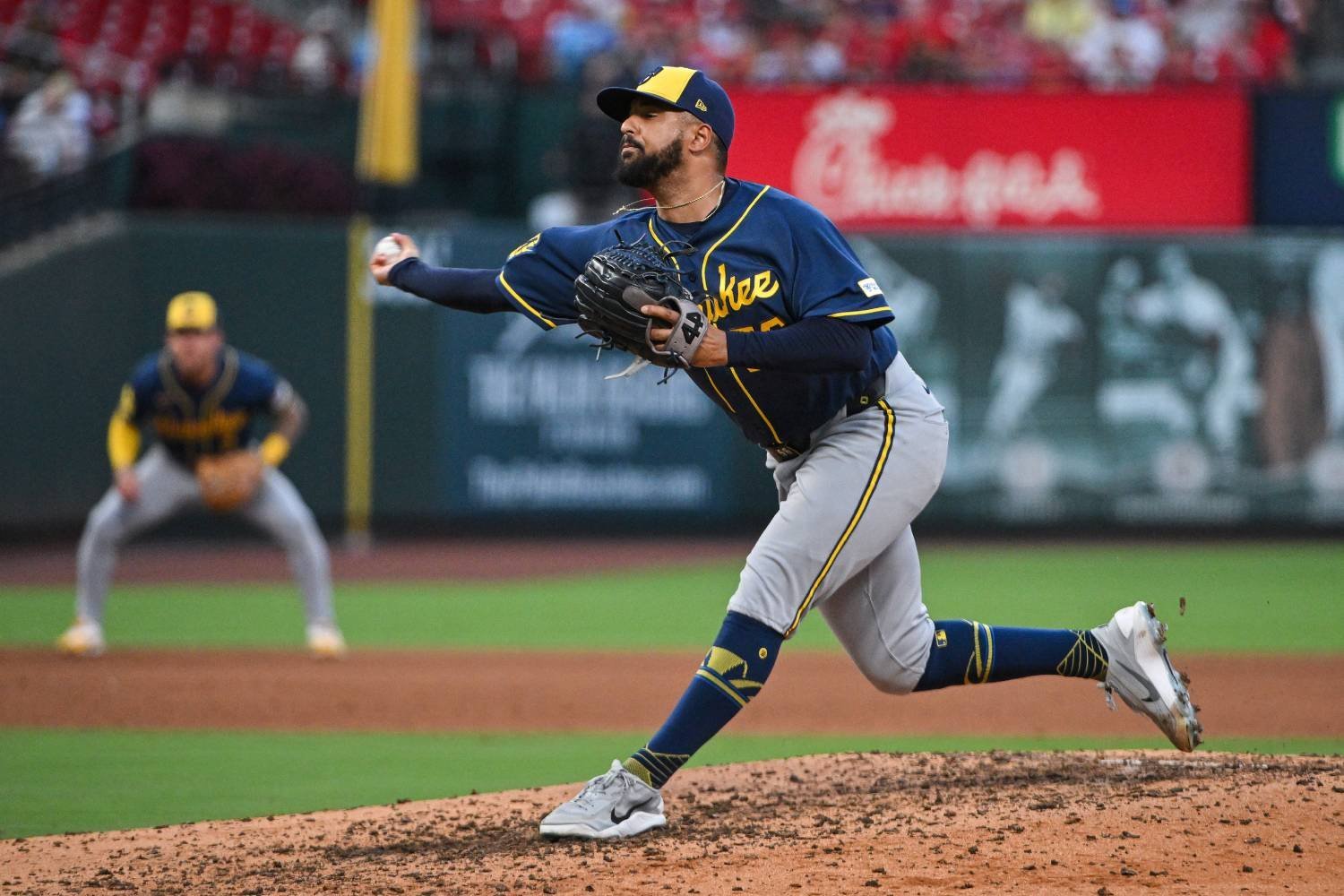 The newfound depth on the Milwaukee Brewers' pitching staff has cost Grant Anderson his spot ... for now. The right-handed reliever was optioned to Triple-A Nashville as left-hander Kyle Harrison, as expected, was activated from the 15-day injured list to start Wednesday's game against the Pittsburgh Pirates. Harrison has been sidelined for the last three weeks with left forearm tightness. Anderson has been a key reliever to the Brewers' B bullpen, the unit that usually comes in when the team trails or is up by a wide enough margin not to need the high-leverage arms. Anderson has made 44 appearances over 48⅔ innings and posted a 4.45 FIP (3.70 ERA) with a 9.4% walk rate and 21.5% strikeout rate. Anderson's spot became vulnerable after the Brewers acquired starter Dustin May and right-handed reliever Antonio Senzatela at Monday's trade deadline. Another reliever, left-hander JoJo Romero, who was also picked up was placed on the 15-day IL due to an appendectomy. View the full article
 -
The Blue Jays Still Need To Solve Their Run Production Problem
DiamondCentric posted an article in Jays Centre
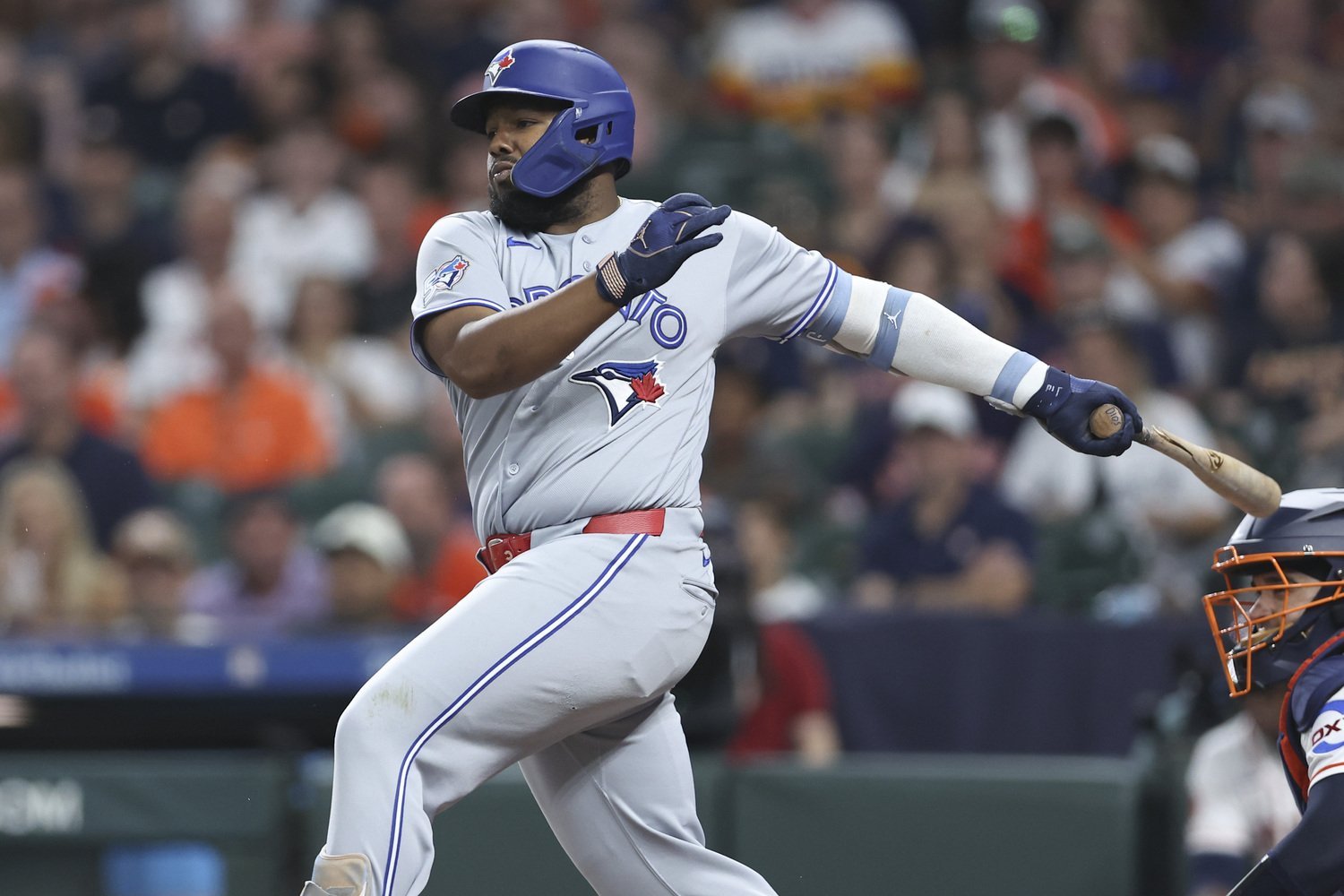 The Blue Jays were among the busier teams as the trade deadline came and went on Monday, but whether they are actually a better baseball team today remains an open question that will be answered over the coming weeks and months. On one hand, the Jays made several moves that will likely improve the organization's long-term outlook. General manager Ross Atkins acquired controllable starting pitching, added depth throughout the system, and avoided a complete roster teardown that often accompanies a disappointing season like this one. On the other hand, the front office never truly addressed the issue that has defined and undermined their season so far... This team simply does not score enough runs. Yet, the moves they made before the deadline suggest the front office does not view the offense as something requiring outside intervention. Rather than getting a middle-of-the-order bat, adding proven power, or making any significant offensive upgrade, Atkins and company invested in pitching, roster flexibility, and future value. It would appear they believe the players already in the clubhouse are capable of producing significantly more offense than they have shown in 2026. Vladimir Guerrero Jr. can’t go an entire season without hitting a home run at home, can he? The trades saw several familiar faces moved out of town, creating the potential for an emotional letdown. Instead, the team responded with one of its better performances in recent weeks. They ended Houston's six-game winning streak on Monday night and looked far more competitive doing so. Miles Straw turned in a highlight-reel defensive play in the outfield while also contributing offensively. The team was just a couple of Guerrero hits from blowing it open. Instead, as has often been the case this season, the pitching staff carried much of the load. The Jays silenced Houston's lineup and received just enough offense to secure the victory. Bet some GMs across the league are kicking themselves for not pulling the trigger on acquiring Shane Bieber. The Jays finished deadline day with a disappointing 53-60 record and one of the least productive offenses among teams still in the American League playoff conversation. The club has scored just 442 runs through 113 games (as of August 3) while allowing 498, resulting in a run differential of -56. The Blue Jays are hitting .243 with a .304 on-base percentage and a .378 slugging percentage while producing only 108 home runs. Guerrero is in the midst of the most disappointing season of his career. Through 107 games, he has managed only six home runs and owns a .690 OPS, numbers that are nearly impossible to reconcile with his talent level and track record. Andrés Giménez has posted a .622 OPS. George Springer sits at .622 OPS as well. Outside of Kazuma Okamoto, who has provided a much-needed source of power with 24 home runs, the lineup has struggled to produce consistent slugging. Too many everyday players are delivering below expectations. The result is a lineup that lacks a heartbeat and consistency. Despite months of evidence pointing toward offensive shortcomings, the Jays did not make a significant move to improve run production. If anything, the decision to hold on to Springer and Jesús Sánchez suggests either a continued belief in their ability to rebound or an inability to identify better alternatives on the market. The centerpiece of the team’s acquisitions was right-hander José Soriano from the Los Angeles Angels. The Blue Jays also acquired Spencer Arrighetti from Houston and infielder Josh Smith from Texas, while making several additional moves involving prospects and cash considerations. None of those players change Toronto's offensive outlook. Sure, Soriano possesses premium velocity and frontline stuff. His control remains a work in progress, but if the Blue Jays can help him improve his command, he has the potential to become a top-of-the-rotation arm. His arrival should help offset some of the loss of Kevin Gausman while strengthening a pitching staff that has frequently kept the team in games despite limited offensive support. Toronto did part with highly-touted prospect Arjun Nimmala in the Soriano deal. Yet with fellow prospect and recent first-round pick JoJo Parker continuing to impress, the front office evidently felt comfortable moving Nimmala as part of a larger plan. Arrighetti has shown flashes of potential and could eventually develop into a solid mid-rotation contributor. More realistically, he may settle into a back-end starting role or become a bullpen arm. Either way, he is another pitching investment. Not an offensive solution. Smith is the most immediate position player addition, but expecting him to turn into Ernie Clement is probably unrealistic. He is not the type of acquisition that changes a team's run-scoring profile. All these moves suggest the front office believes improvement will come from redistributing playing time rather than importing major offensive help from outside the organization. Adding pitching does not magically create home runs or runs, for that matter. As the Blue Jays have learned repeatedly throughout this season, even elite pitching performances often go unrewarded when the offense cannot provide consistent support. Time and again, Toronto's pitchers have held opponents to three runs or fewer but not earned a win. There is no trade out there capable of replacing the version of Guerrero that the team expected to have this season. The front office appears convinced that potential still exists within the current core. That is also the same belief that helped bring the organization to its current position in the standings. Jays fans continue glancing at the playoff odds and Wild Card race, repeating the familiar line from Dumb and Dumber: "So you're telling me there's a chance?" Technically, there is. The trades completed before the deadline show that the team is focused on remaining competitive while building a stronger foundation for future seasons. A team can never have enough pitching, and the Blue Jays have certainly learned that lesson over the past several years. Arguably, though, a team can never have enough offense either. Toronto has been learning that lesson all season. Maybe the offseason will spell a change in focus for the front office? Several intriguing offensive players could potentially become available through expiring contracts or option decisions, including Randy Arozarena, Brandon Lowe, Ian Happ, and Bo Bichette. Any and all of those players would require a significant financial commitment, but the Jays may eventually need to explore that route if their internal options continue to disappoint. A future rotation built around Dylan Cease, Trey Yesavage, and Soriano could give Toronto an impressive foundation. Strong pitching can make up for many weaknesses and reduce the pressure on the offense to score six or seven runs every night. But even the best rotations need support. The Blue Jays do not need to become the highest-scoring team in baseball. They simply need to be substantially better than the version that has taken the field so far this season. If these offensive struggles continue through the remainder of this season and carry into next year, fans will inevitably revisit this trade deadline and ask the question that already hangs over the organization: Isn’t there one bat out there that could have made a difference? For now, the Blue Jays are betting that the answer already exists inside their clubhouse. Whether that confidence is justified, we will wait and see. View the full article
