


DiamondCentric
-
Posts
2,631 -
Joined
-
Last visited
Never
Content Type
Profiles
Forums
Events
News
Tutorials & Help
Major League Baseball Videos
Guides & Resources
Store
Downloads
Gallery
Everything posted by DiamondCentric
-
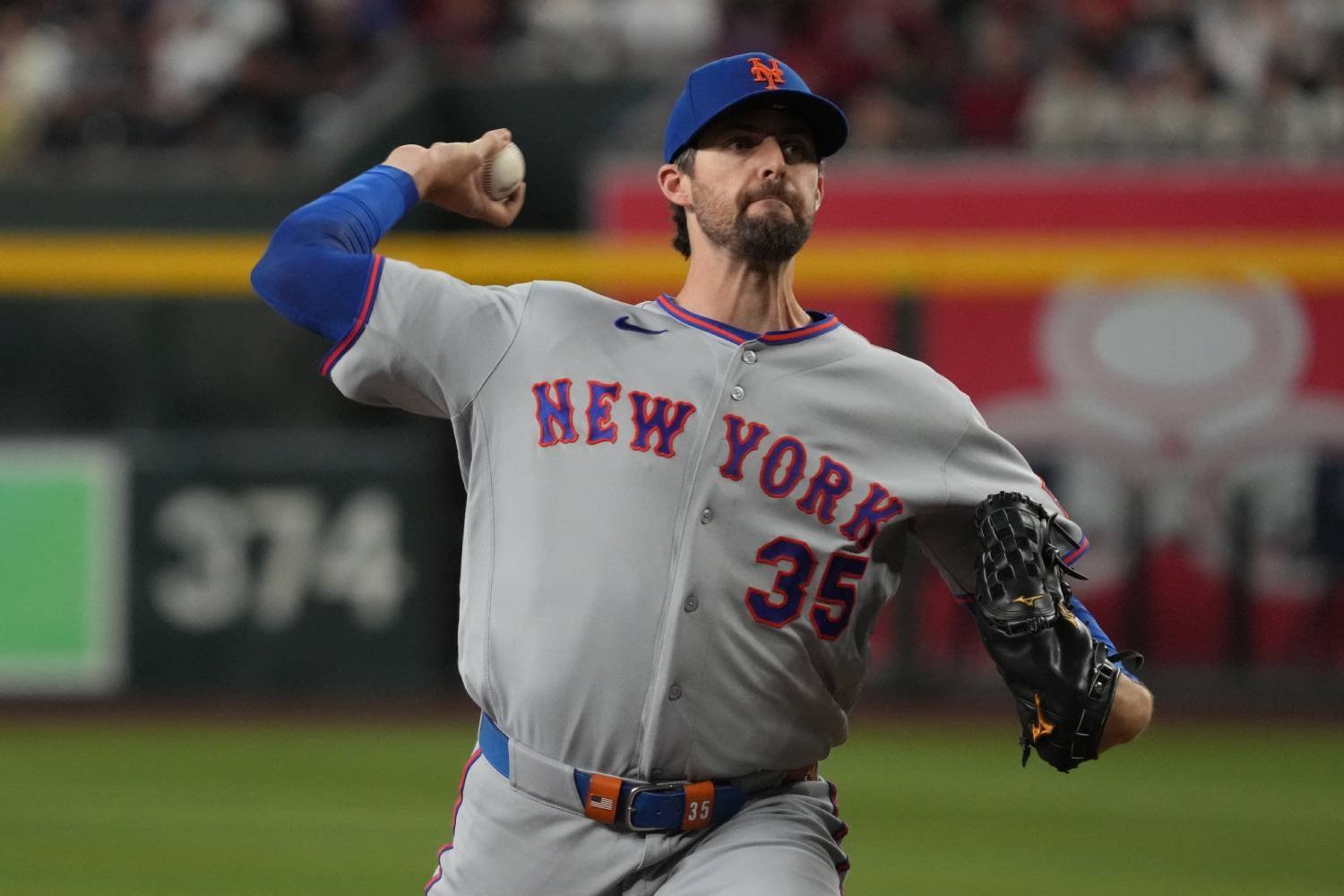 One of the more coveted arms at the trade deadline hasn't pitched in an MLB game since mid-May. That is not stopping contenders from pursuing New York Mets right-hander Clay Holmes. According to multiple reports, including Ari Alexander of Boston TV station WHDH, the Milwaukee Brewers, Chicago Cubs and Boston Red Sox are among the chief competitors for the right-handed starter. Holmes has been out since taking a line drive off his right leg, resulting in a fractured right fibula May 15. But Holmes made what was expected to be a final rehab appearance Sunday at High A, pitching 5⅓ innings (73 pitches) and allowing four runs, three earned. He was a bright spot in a dismal Mets season before going down, posting a 3.21 FIP (2.39 ERA) in nine starts and 52⅔ innings, with an 8.4% walk rate and 20.9% strikeout rate. Holmes is being paid $13 million this year (about $3.8 million remaining) and $12 million next year. That plus the number of suitors means Holmes will come at a decent prospect cost. View the full article
 -

Cubs Among Chief Suitors For Mets' Clay Holmes
DiamondCentric posted an article in North Side Baseball
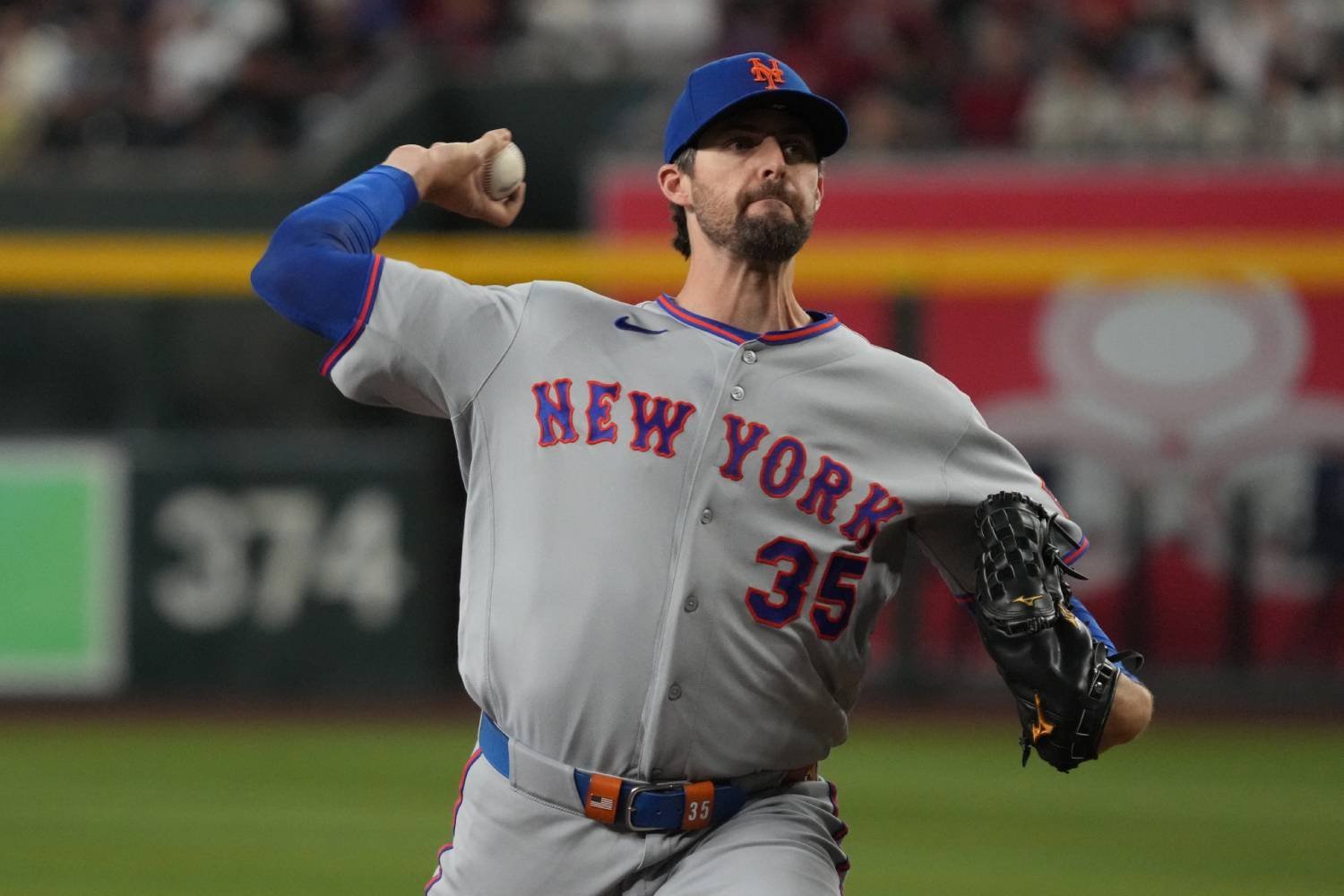 One of the more coveted arms at the trade deadline hasn't pitched in an MLB game since mid-May. That is not stopping contenders from pursuing New York Mets right-hander Clay Holmes. According to multiple reports, including Ari Alexander of Boston TV station WHDH, the Milwaukee Brewers, Chicago Cubs and Boston Red Sox are among the chief competitors for the right-handed starter. Holmes has been out since taking a line drive off his right leg, resulting in a fractured right fibula May 15. But Holmes made what was expected to be a final rehab appearance Sunday at High A, pitching 5⅓ innings (73 pitches) and allowing four runs, three earned. He was a bright spot in a dismal Mets season before going down, posting a 3.21 FIP (2.39 ERA) in nine starts and 52⅔ innings, with an 8.4% walk rate and 20.9% strikeout rate. Holmes is being paid $13 million this year (about $3.8 million remaining) and $12 million next year. That plus the number of suitors means Holmes will come at a decent prospect cost. View the full article
 -
Brewers Among Chief Suitors For Mets' Clay Holmes
DiamondCentric posted an article in Brewer Fanatic
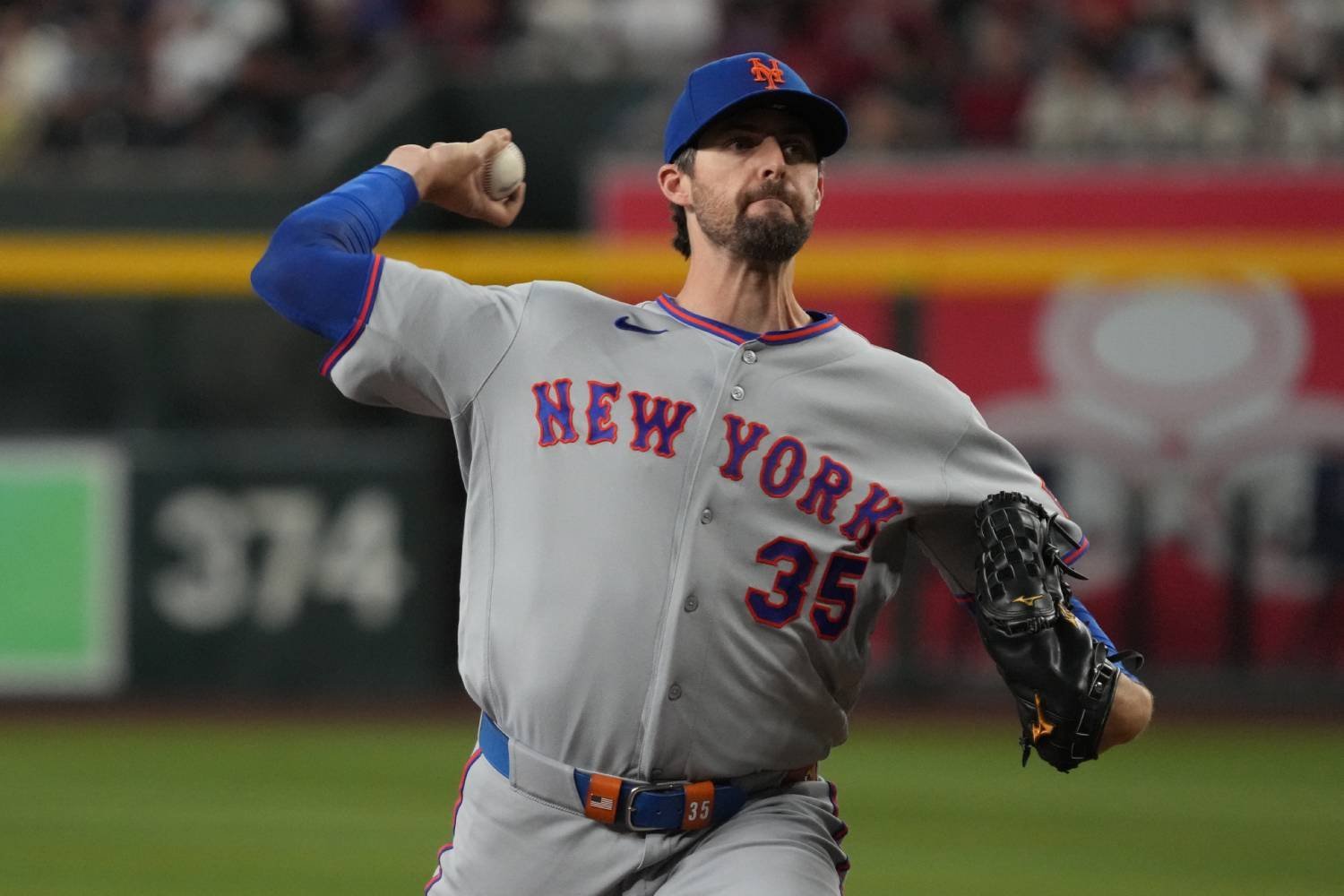 One of the more coveted arms at the trade deadline hasn't pitched in an MLB game since mid-May. That is not stopping contenders from pursuing New York Mets right-hander Clay Holmes. According to multiple reports, including Ari Alexander of Boston TV station WHDH, the Milwaukee Brewers, Chicago Cubs and Boston Red Sox are among the chief competitors for the right-handed starter. Holmes has been out since taking a line drive off his right leg, resulting in a fractured right fibula May 15. But Holmes made what was expected to be a final rehab appearance Sunday at High A, pitching 5⅓ innings (73 pitches) and allowing four runs, three earned. He was a bright spot in a dismal Mets season before going down, posting a 3.21 FIP (2.39 ERA) in nine starts and 52⅔ innings, with an 8.4% walk rate and 20.9% strikeout rate. Holmes is being paid $13 million this year (about $3.8 million remaining) and $12 million next year. That plus the number of suitors means Holmes will come at a decent prospect cost. View the full article
 -
Padres Week in Review: A Week That Was Almost Perfect
DiamondCentric posted an article in Padres Mission
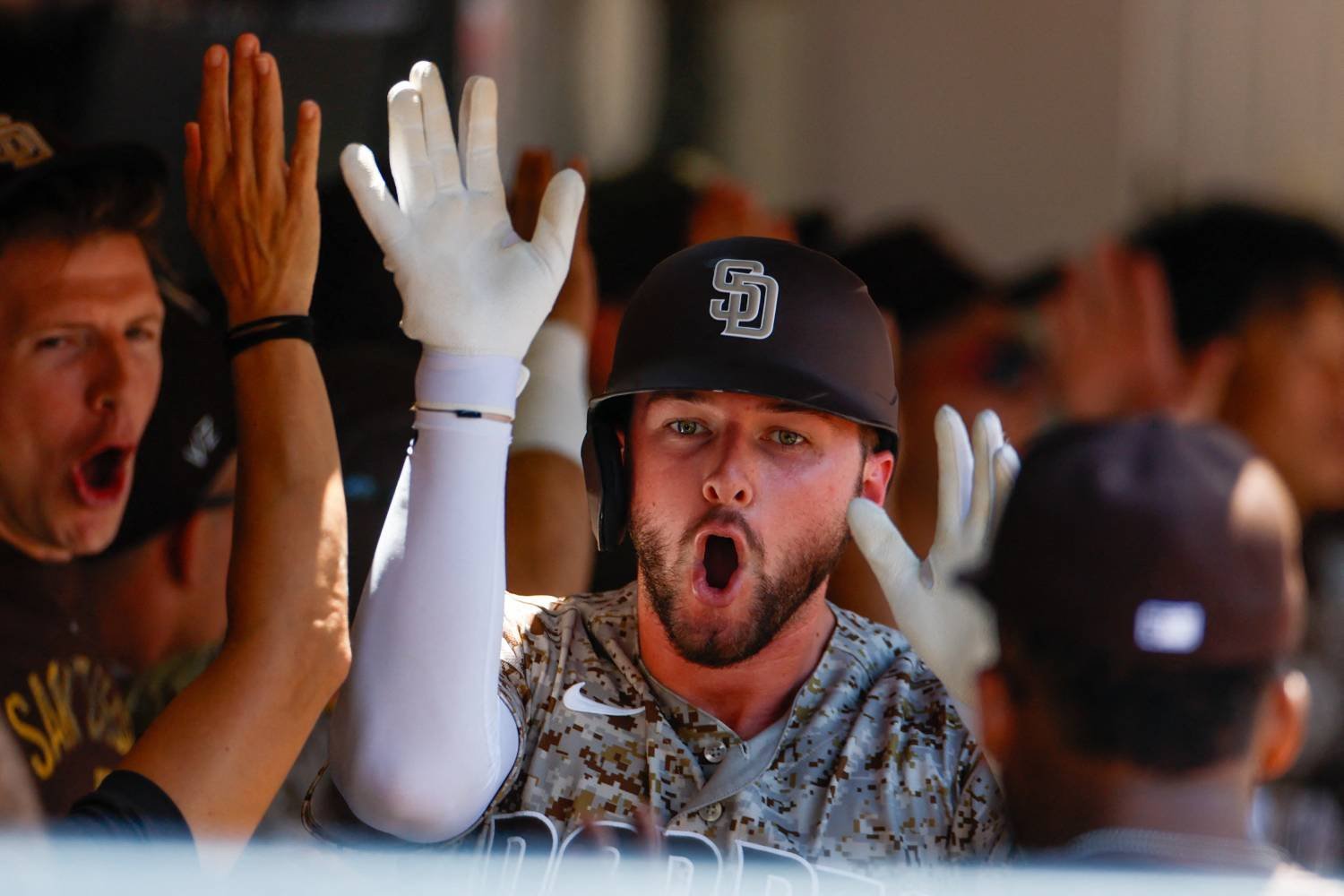 San Diego Padres Weekly Snapshot Record last week: 5-1 (53-53) Runs scored last week: 30 Runs allowed last week: 21 (season run differential: minus-12) Scores Monday: Off Game 107 (Tuesday): Padres 8, Rockies 7 Game 108 (Wednesday): Padres 3, Rockies 1 Game 109 (Thursday): Giants 4, Padres 1 Game 110 (Friday): Padres 7, Giants 0 Game 111 (Saturday): Padres 5, Giants 4 Game 112 (Sunday): Padres 5, Giants 4 Week in Review and Highlights Rockies series Game 1: This brief two-game series against the Colorado Rockies is one that could make or break the good work the Padres did over the weekend in sweeping the Miami Marlins on the road. Back at home and fresh off a day off, And this game played out exactly as you might imagine. The Padres, a team that has been unable to find any real positive momentum since April, and the Rockies, a team playing better but trying to avoid yet another 100-loss season, engaged in a sloppily played yet entertaining tilt. In a game they had to have—at this point, they are all like that, aren't they?—the Padres used two late blows to upend the Rockies 8-7. Xander Bogaerts delivered the winning shot, a bases-loaded, no-outs sacrifice fly to center field that scored Jackson Merrill. That came an inning after Manny Machado tied things at 7-7 with an opposite-field single to right-center that was bobbled by right fielder Jake McCarthy, allowing Jake Cronenworth to score from first base. While there were plenty of talking points produced by this game—Fernando Tatis Jr.'s first career five-hit game, Michael King's six stalwart innings, the Friars producing 16 hits, Craig Stammen's fourth ejection (Ryan Goins getting tossed, too), the Rockies' four errors—the Padres are in one mode and one mode only for probably the rest of the season: must-win. No matter the opponent, that one win can make a difference in playing in the postseason and watching it from Cancun. And the Padres continue to show enough fight to remain in the race. This win put the Padres above .500 at 54-53 for the first time since they were 43-42 on July 1. They are 1½ games out of the last NL wild-card spot, with only three teams to climb over. The Padres could have taken the drama out of this game by scoring more than once in the fifth, sixth and eighth innings or more than twice in the seventh. But they did just enough to not let the Rockies get too far out in front. Machado and Merrill each had three hits and Luis Campusano had a pair. In addition to his five hits, Tatis drove in two. Game 2: Mission accomplished. With a Rockies team that can be a bit of a thorn—the Padres are now 8-1 vs. Colorado, but with two walk-offs and four more wins decided by one or two runs—a 3-1 win is more of an exhale than a major accomplishment. But as mentioned above, a win is a win is a win. That is the only thing that matters. Unlike Tuesday's game, Wednesday's matinee was much more crisp. The Padres rode the chaos pitching plan with left-hander Kyle Hart and right-hander Griffin Canning combining for 5⅔ innings shutout innings with a walk and seven strikeouts. The buy-in for this plan instead of trying to force more innings out of certain guys certainly seems to be working, at least to this point. The Friars scored all three of their runs in one inning, the bottom of the fourth, all without an extra-base hit. Cronenworth and Machado singled and Ty France was hit by a pitch to load the bases. Merrill singled home Cronenworth, Luis Rengifo hit an RBI groundout and Gavin Sheets hit a sacrifice fly. That quick, it was 3-0. The 2⅔ innings by Hart wasn't that surprising, but the three clean innings from Canning certainly was. In his first spin through the chaos plan, Canning allowed just one hit and for the first time this season (16 games) didn't allow a run. This after getting roughed up for nine runs over 6⅓ innings in his last two outings. From there, it was a typical bullpen run of left-hander Wandy Peralta, right-handers Bradgley Rodriguez, Jeremiah Estrada and closer Mason Miller. Estrada was just activated from the 15-day injured list due to right knee inflammation. Miller's perfect ninth included a pair of strikeouts en route to his 28th save in as many attempts. Giants series Game 1: OK, so the Padres weren't going to win their final 58 games. We all know that. Some losses are a little more palatable than others and while a loss to the San Francisco Giants isn't ideal, they were shut down by 2021 AL Cy Young Award winner Robbie Ray, who is auditioning to join a contending team before Monday's trade deadline. So Thursday's 4-1 Padres loss to the Giants is a little easier to swallow in the grand scheme of things, especially when you consider that every other team battling for the last two NL wild-card spots that were in action lost. Ray limited the Friars to four hits and a run over six innings, walking one and striking out six. Unfortunately, the Padres were unable to dent the Giants' bullpen either. The Padres' only run off Ray came in the bottom of the second as France was hit by a pitch, Merrill singled and Campusano hit into a double play, putting France on third. Bogaerts singled to center to trim the Padres' deficit to 3-1. But the Padres would have half of the six hits they would notch in the game at that point. The chaos pitching plan didn't backfire, but perhaps hit its first glitch. Left-hander JP Sears started and went 3⅔ innings, allowing three runs in the first two. It could have been worse as Tatis made a nice homer-saving catch on a drive by Rafael Devers to right-center. But Sears loaded the bases (two singles, hit by pitch) with one out in the fourth, then struck out the next batter before Peralta came in to get the final out, which he did thanks to Campusano challenging a pitch and turning a run-scoring walk into an inning-ending strikeout of Bryce Eldridge. Peralta got another out in the fifth but left two runners on for right-hander Randy Vasquez to clean up. He did, then pitched the final four innings. So the Friars got 8⅓ out of Sears and Vasquez, so that was certainly a positive development while also saving true relievers. Game 2: Adding more chaos to the chaos pitching plan worked wonderfully for the Padres. As a result, the Friars did what they should have done in this particular pitching matchup, dispatching the Giants 7-0. This twist on the chaos involved two relievers setting up a starter. It began with Rodriguez striking out two in a perfect first inning, then left-hander Yuki Matsui came on for a career-high three innings and 49 pitches in facing just one hitter over the minimum. Matsui turned things over to right-hander German Marquez, who went a traditional starter's five innings and only allowed one hit to complete the two-hit shutout. As chaos begets chaos, Matsui, the reliever, was credited with the win, while Marquez, a starter, picked up a five-inning save, the first save of his 11-year career. The offense was a little more straight-forward, although there was a surprising contribution. The Padres got a pair in the first inning off left-hander Carson Whisenhunt, who will not be mistaken for Ray, his rotation mate who stifled the Friars the night before. Tatis opened with a double, Rengifo singled him to third and Machado hit a liner of a sacrifice fly as Tatis sped home for a 1-0 lead. France walked and, one out later, Campusano singled home Rengifo. A Bogaerts double-play ball brought in a third-inning run, then the surprise struck. Jase Bowen, who has shown well defensively as the extra outfielder but hasn't had much of an impact with the bat, went deep for the first time since getting called up June 2 to make his MLB debut, a no-doubt solo shot into the Western Metal Supply Building in the fourth inning. He hit 13 homers in 49 games at Triple-A El Paso and got his first in MLB in his 40th game. He also had just his third multihit game as his season slash line languishes at .167/.206/.250. France then put this one out of reach with three more RBIs, two on a fourth-inning single and another on a sixth-inning sacrifice fly. Game 3: The one trait that hasn't left the Padres since Opening Day is their ability to have some late-inning magic. One of the big differences since then, though, is they are getting a lead early and not having to make big comebacks. On a day in which the impeccable Miller blew his first save of the season, the Padres rescued their closer by walking off the Giants 5-4 on Cronenworth's two-out, two-strike single to center that scored Bogaerts from third. Their seventh win in eight games kept the Padres one game out of an NL wild-card berth. Again, it was a group effort. While Cronenworth got the postgame Gatorade bath, Bogaerts had doubled leading off the ninth and Freddy Fermin bunted him to third. That wasn't Fermin's only contribution. He hit a two-run homer in the fourth to put the Padres up 4-3, his first since June 8, two stays in the injured list ago. Fermin also had an RBI single in the sixth to make it 5-3. Bogaerts had two hits and scored twice, France had three hits and scored once, Merrill had a two-run double in the first and Cronenworth had two hits. That was just the offense. Buehler wasn't as solid as he has been, only going 4⅓, giving up three runs on eight hits and two walks, striking out just one. But Peralta and Morejon each didn't allow a run while getting four outs. Estrada loaded the bases before he got a strikeout. Miller was summoned for a five-out save, but for the first time this season, he blew the assignment. After getting a strikeout, Miller was tagged by Osleivis Basabe for his first double of the season that tied the game 5-5, just the second extra-base hit the right-hander has allowed in the year he has been with the Padres, both coming in the last two weeks. Miller returned to the dugout after the inning and threw a cooler, which resulted in a minor cut on the middle finger of his throwing hand. Still, he returned for the ninth and struck out two of the four batters he faced. Bogaerts doubled down the left-field line leading off the ninth and Cronenworth's line drive kept the good vibes going at a time the Padres need them to remain high. Some change, maybe something big, could be coming before Monday's 3 p.m. PT trade deadline arrives. Game 4: A 5-1 week is nothing to sneeze at, but with where the Padres were, what is at stake and the way they are playing, that is exactly what you should have expected while facing the Rockies and the Giants, two of the three worst teams in the NL. This round of pitching chaos starred Hart and Merrill hit a two-run homer as part of a four-run second inning that carried the Padres to a 5-4 victory. After winning three of the four games in the series and eight of their last nine, the Friars are now one game behind the Arizona Diamondbacks and Philadelphia Phillies for the last two NL wild-card spots. Who do the Padres play next? The D'backs for four games in Phoenix. Hart set the tone with three shutout innings, surrendering just one hit and no walks with three strikeouts. Sears experienced a hiccup by giving up a pair of runs in the fourth, then Canning came on, allowing a solo homer in two innings. After a scoreless inning from Estrada, Rodriguez ran into trouble in the eighth, which required Morejon, filling in as the closer after Miller's extended outing Saturday, to come on in the eighth to get four outs for his second save of the season in what could be his final appearance as Monday's trade deadline looms. The Padres used six pitchers in their chaos plan. The offense produced one big inning, which was enough. France (2-for-4, two runs) had a leadoff single, then Merrill hit an 0-2 pitch for a 422-foot homer and a 2-0 lead. After an out, Bogaerts and Sheets walked, then a strikeout and Rengifo walked to load the bases. Cronenworth then delivered a two-run single to make it 4-0. The Giants got two in the fourth and one in the fifth to pull within 4-3, with Campusano singling home France. The deadline awaits, then the push against the D'backs begins. Marvelous Mason Miller Some of the amazing stats for the Padres' closer: Season stats: 4-1, 0.76 ERA, 45 games, 28 saves (29 chances), 47⅓ IP, 22 H, 6 H, 4 ER, 16 BB, 88 K, .137 opponent average Blew first save of the season trying to get a five-out save vs. the Giants on Saturday. Struck out three batters in an inning for the third time in six outings Tuesday vs. the Rockies. It was the 13th time this season he has done that, more than doubling the next-highest total by a reliever (six). Tuesday marked the seventh time he struck out all three batters he faced in an inning. Random Stats Fernando Tatis Jr.'s five-hit game Monday was the 10th five-hit game in MLB this season. Xander Bogaerts has eight career walk-offs, with three coming against the Rockies, including two this year. The Padres have won their last seven series against the Rockies. Manny Machado played in his 2,000th career game in Thursday's series opener vs. the Giants. He is one of seven active players to be in that many games and one of 255 players all time to reach that mark. Xander Bogaerts' second-inning run-scoring single Thursday was his 1,900th career hit. The Padres had their 45th sellout in 57 games at Petco Park this year. Transactions Note: The Padres officially announced the signings of 20 draft choices and nine minor-league free agents as previously reported by Padres Mission. Check out the transactions log here: Wednesday: Activated RHP Jeremiah Estrada (right knee inflammation) from the 15-day injured list. Wednesday: Designated RHP Matt Waldron for assignment. Website Highlights Campusano has forced Padres' hand behind the plate — Randy Holt Rengifo is proving to be exactly what Padres need — Randy Holt Looking Ahead (Projected starter or bulk reliever) Monday: Padres (Michael King) at Diamondbacks, 6:40 p.m. Tuesday: Padres (Randy Vasquez) at Diamondbacks, 6:40 p.m. Wednesday: Padres (German Marquez) at Diamondbacks, 6:40 p.m. Thursday: Padres (Walker Buehler) at Diamondbacks, 6:40 p.m. Friday: Astros (Kyle Hart) at Padres, 6:40 p.m. Saturday: Astros (Michael King) at Padres, 4:15 p.m. Sunday: Astros (Randy Vasquez) at Padres, 5:20 p.m. View the full article
 -
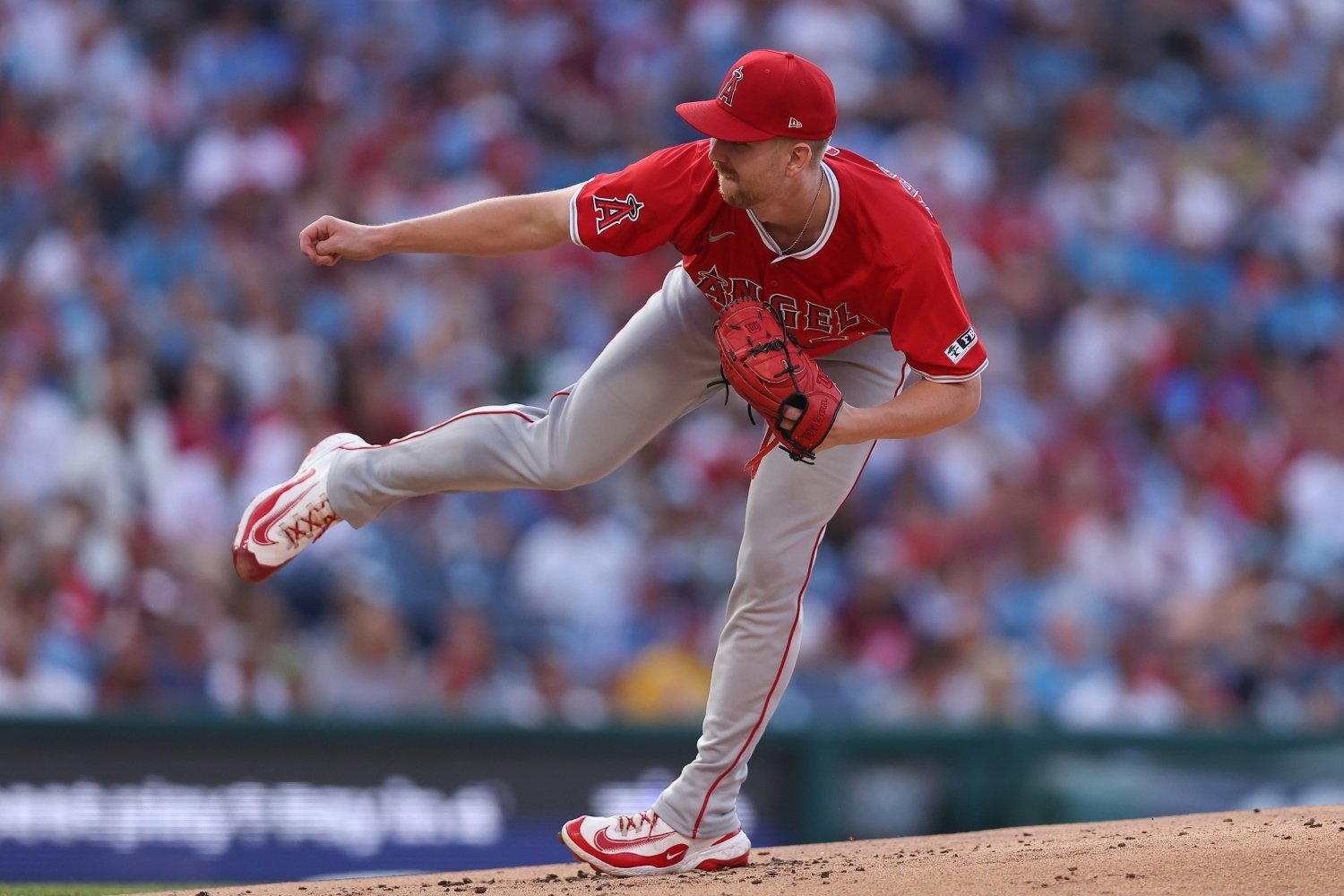 After the Angels sent starter José Soriano to the Blue Jays Monday morning in the first big trade of deadline day, multiple league sources indicated that the team is likely to trade Reid Detmers, too. The Chicago Cubs remain interested in Detmers, but are trying to find a way either to avoid giving up catching prospect Owen Ayers or to replace him by acquiring a different young backstop as part of a two-step maneuver if they must surrender Ayers to get the controllable starter they've craved. One source familiar with the Angels' plans said interim GM John Mozeliak is working hard to capitalize on the value of players with medium-term team control, believing that the nucleus of the next good Halos team is nestled in the team's farm system, rather than being found on the current big-league roster. That could mean that, in addition to Soriano and Detmers, reliever Ryan Zeferjahn is available. Zeferjahn, 28, has a 97-MPH fastball and a sweeper that has helped him rack up a 33.6% strikeout rate this year. He's the kind of power arm the Cubs bullpen currently lacks, though he also walks too many batters to feel like a legitimate relief ace. He's controllable even longer than Detmers, so a package deal would require a prospect haul from Chicago, but adding both of those hurlers would transform Chicago's pitching staff for the stretch run and raise their ceiling for the future, to boot. Jed Hoyer and Carter Hawkins won't wait around on that potential deal, though. They're also in active conversations with multiple other teams looking to move relievers, including the Orioles (a reunion with Andrew Kittredge is very much in play; the Cubs are also keen on Rico García), Reds (Pierce Johnson, Emilio Pagán, Caleb Ferguson and Brock Burke) and Rangers (Jacob Latz, a lefty with high-leverage experience already who's arriving late on the market). García might be the most intriguing and plausible of those options. He's not at all in the vein of Zeferjahn, but the journeyman has tapped into something impressive since joining the Orioles last summer and looks like a solid potential complement to Jacob Webb in support of the soon-returning Daniel Palencia. Finally, the team is checking in on available right-handed bats who could fit on their bench and take on platoon roles, sources say. They talked to the Royals about Lane Thomas before he was dealt to the team from outside Atlanta. They've also spoken with the Mets about outfielder Tyrone Taylor, and though they didn't choose to bundle in George Springer with Kevin Gausman when trading with the Blue Jays yesterday, they might yet revisit that possibility. An acquired batter could spell Ian Happ against left-handed pitchers, but it's more likely that they would find their playing time as a designated hitter. That gives the team a wide variety of ways to improve, but they still have to find the right fit for a team with a strong, set lineup full of veterans. Even after taking on Gausman's significant remaining salary Sunday, the Cubs can spend more money to get better today, a source said. They have identified their preferred avenues for doing so, but so many teams are acting in both buying and selling capacities (or leaning toward staying inactive altogether) that what comes next is even harder to predict than usual. View the full article
 -
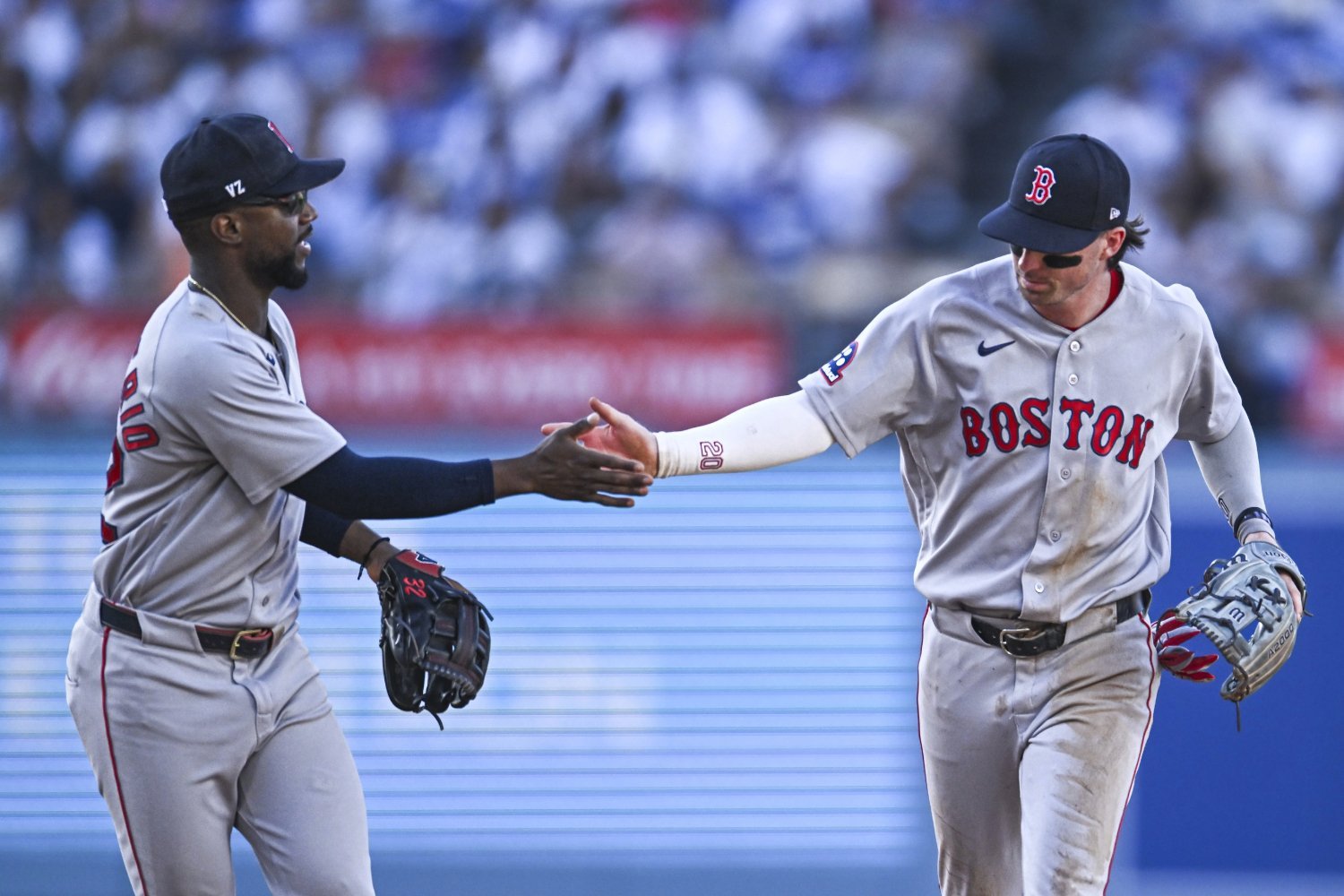 Boston Red Sox Weekly Snapshot Record Last Week: 6-1 Runs Scored Last Week: 36 Runs Surrendered Last Week: 22 Standings 3rd in AL East 5.5 GB First Place 2nd in AL Wild Card 3 GB First Place Transactions 07/27/26: Boston Red Sox optioned SS Tsung-Che Cheng to Worcester Red Sox. 07/27/26: Boston Red Sox activated 3B Curtis Mead. 07/29/26: Boston Red Sox recalled 3B Nick Sogard from Worcester Red Sox. 07/29/26: Boston Red Sox placed 3B Curtis Mead on the 10-day injured list retroactive to July 28, 2026. Left wrist fracture. 08/01/26: Boston Red Sox traded LHP Jojo Ingrassia to Detroit Tigers. Scores Game 105: BOS 4, SAC 2 Game 106: BOS 3, SAC 4 Game 107: BOS 4, SAC 2 Game 108: BOS 5, SAC 4 Game 109: BOS 9, LAD 4 Game 110: BOS 3, LAD 2 Game 111: BOS 8, LAD 4 Series Breakdown/Highlights A’s Series: It’s safe to say this series could also be called the ‘Red Sox Couldn’t See Until the Sixth Inning’ series. I don’t think I’ve ever seen a team go from completely cold through the first half of each game of a four-game series to catching fire to close them out like this. In game one, Payton Tolle continued his post-All Star-Break run of good but not great starts. He tossed 5.1 innings, giving up three earned runs while walking one and striking out seven. His start to the season was so electric that it’s maybe easy to get disappointed in these types of outings for him, but he’s blowing past his career high in innings and navigating that while helping lead the team to, hopefully, a playoff appearance come October. This version of Tolle isn’t what we saw earlier but it’s more than serviceable and gives us hope that he can take the next step to becoming the ace he seems primed to be. Behind Tolle, Justin Slaten, Jovani Moran, Garrett Whitlock, and Aroldis Chapman finished out the game. On the offensive side, Ceddanne Rafaela provided all of the firepower with a ‘Sacramento Grand Slam’ that just barely cleared the wall in left field. He was so sure it was a fly out, slamming his bat in frustration before he was able to celebrate as he rounded first base. In game two, Jake Bennett followed Tolle’s lead by having a good, but not great, start in Sac-Town. He tossed 6.1 innings of three-run baseball while walking two and striking out four. Behind him, Ryan Watson and Moran worked to keep the Sox in it but Watson allowed another earned run so the rally in the ninth inning would come up short. To further echo the Tolle comp, there’s little reason to worry as Bennett figures out the life of a major-league starter. On offense, Connor Wong contributed two RBIs on one home run and Wilyer Abreu drove a run in as well. Game three saw the Sox get back to their winning ways behind Patrick Sandoval on the mound. He tossed five innings of two-run, seven-strikeout baseball. Chad Tracy seemed to pull all the right levers in the bullpen for this one with Tyron Guerrero, Slaten, Whitlock, Chapman, and Greg Weissert all coming in in relief. Newcomer Jahmai Jones contributed one RBI on a home run and Nick Sogard added another as well. In extras, Andruw Monasterio clobbered a two-run home run that put the Sox in front for good. Game four was more of the same. Sonny Gray started off the game very shaky, but settled in through seven innings. He allowed four earned runs on seven hits while striking out five. Weissert and Chapman came in and worked clean to close out the game, even if Chapman did get lucky on a Lawrence Butler double (that looked like a home run and should have been a triple if Butler was legging it out of the box). On the offensive side, this was the game that people kept talking about but mainly because of an interaction between Jarren Duran, Willson Contreras, and third base coach Chad Epperson that the team has mostly swept under the rug. Rafaela and Monasterio both provided RBIs but the big swings of the game belonged to Abreu and Contreras on back-to-back home runs that put the Red Sox in the lead for good. Dodgers Series: The Red Sox were hoping to ride the wave of wins from Sacramento but knew they were in for a tall task as they prepared for the Los Angeles Dodgers, the best team in baseball. In game one, the Dodgers decided to run with a bullpen game while the Red Sox had southpaw Ranger Suarez on the bump. Suarez operated on a pitch count like he has in every start since coming off the injured list last month. He tossed 4.2 innings of three-run, two-strikeout baseball before being replaced by Moran, who didn’t look stellar. Bullpen superstar Brayan Bello entered into the game after that and shined, again. He tossed four scoreless innings en route to the win. What his performance out of the bullpen did, more than anything else, was save a taxed bullpen a night of work. On offense, Rafaela continued his hot streak with a home run and two RBIs. Also driving in runs were Masataka Yoshida, Carlos Narvaez, Duran, and Monasterio. Game two was penciled in to be must-see TV with Tolle on the bump for the Sox and superstar Yoshinobu Yamamoto standing opposite him. Tolle looked like the bright LA spotlight didn’t impact him at all as he threw six innings and allowed just two runs against a lineup that was ready to redeem themselves from the night before. Slaten, Guerrero, and Chapman all shut the door for the Sox win to take the series. On the offensive side of the baseball, Rafaela was the story once again. He took Yamamoto deep twice, and almost three times, off two splitters. Going into the game, Yamamoto had given up only one home run on his splitter all season and Rafaela got him for two in back-to-back at-bats. The other run came after a Monasterio double, a Duran bunt that was perfectly placed, and a Connor Wong double play that plated Monasterio for the final run. Game three saw Bennett get the ball for the Sox on Sunday Night Baseball. While the defense let him down early, he settled in nicely. He went 5.2 innings and gave up three earned runs. Like Tolle, he didn’t seem to be too bothered by the pressure of pitching against the best team in baseball on a national stage. Slaten worked his way out of an inherited jam to close out the sixth inning cleanly. Guerrero allowed a run in his one inning of work but Moran, Weissert, and Whitlock all worked clean to close the game and secure the sweep. Stop me if you’ve heard this one before, but Rafaela homered. Along with that, Abreu, Duran, and Yoshida all sent the ball over the wall as well. On top of that, Duran laid down another excellent sacrifice bunt to move Durbin and Monasterio up a base each, which allowed Durbin to score on a wild pitch while Anthony Seigler was pinch hitting. The Red Sox came into L.A. looking to keep rolling and did so in incredible fashion. If this team can add a legitimate bat at the deadline, the league will be put on notice. Website Highlights Three Veteran Starters Red Sox Should Target to Fill Innings Gap at Trade Deadline by Nick John Sending Out an SOS to Craig Breslow to Fulfill Red Sox’s Newest Trade Deadline Need by Ryan Salvaggio How is it Possible that Red Sox’s Medical Staff Can’t Accurately Diagnose Its Own Players? by Maddie Landis CJ Abrams Gives Red Sox Every Reason to Go Back to Nationals Trade Well by Alex Mayes Looking Ahead 08/03/26: Off Day, Trade Deadline 6 PM EDT 08/04/26: White Sox @ Red Sox: 7:10 PM EDT 08/05/26: White Sox @ Red Sox 7:10 PM EDT 08/06/26: White Sox @ Red Sox: 7:10 PM EDT 08/07/26: A’s @ Red Sox: 7:10 PM EDT 08/08/26: A’s @ Red Sox: 4:10 PM EDT 08/09/26: A’s @ Red Sox: 1:35 PM EDT View the full article
 -
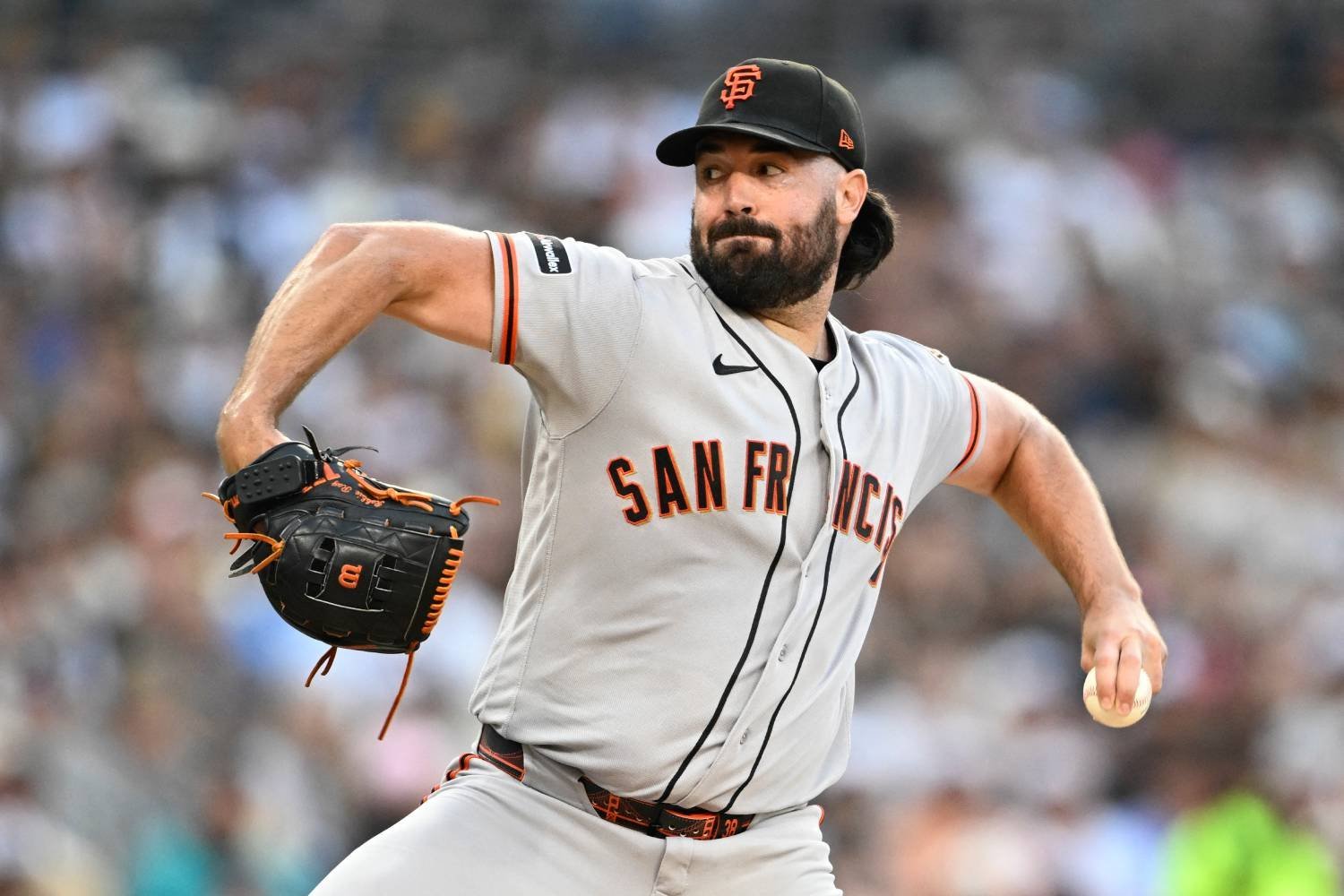 Deadline day has arrived and the San Diego Padres have yet to make a move, but you know that will change by the 3 p.m. PT deadline. The biggest need is a starting pitcher and the Padres are looking at a pitcher who just shut them down: San Francisco Giants left-hander Robbie Ray. Joel Sherman of the New York Post said the 2021 AL Cy Young Award winner is of interest to the Padres. That move would certainly make sense, especially after Ray stifled the Padres for six innings in Thursday's series opener, allowing one run and striking out six. Other contenders will be after Ray as well, so it could become a bidding war. Ray has a 4.36 FIP (3.08 ERA) with an 11.1% walk rate and 20.9% strikeout rate in 22 games this year. View the full article
 -
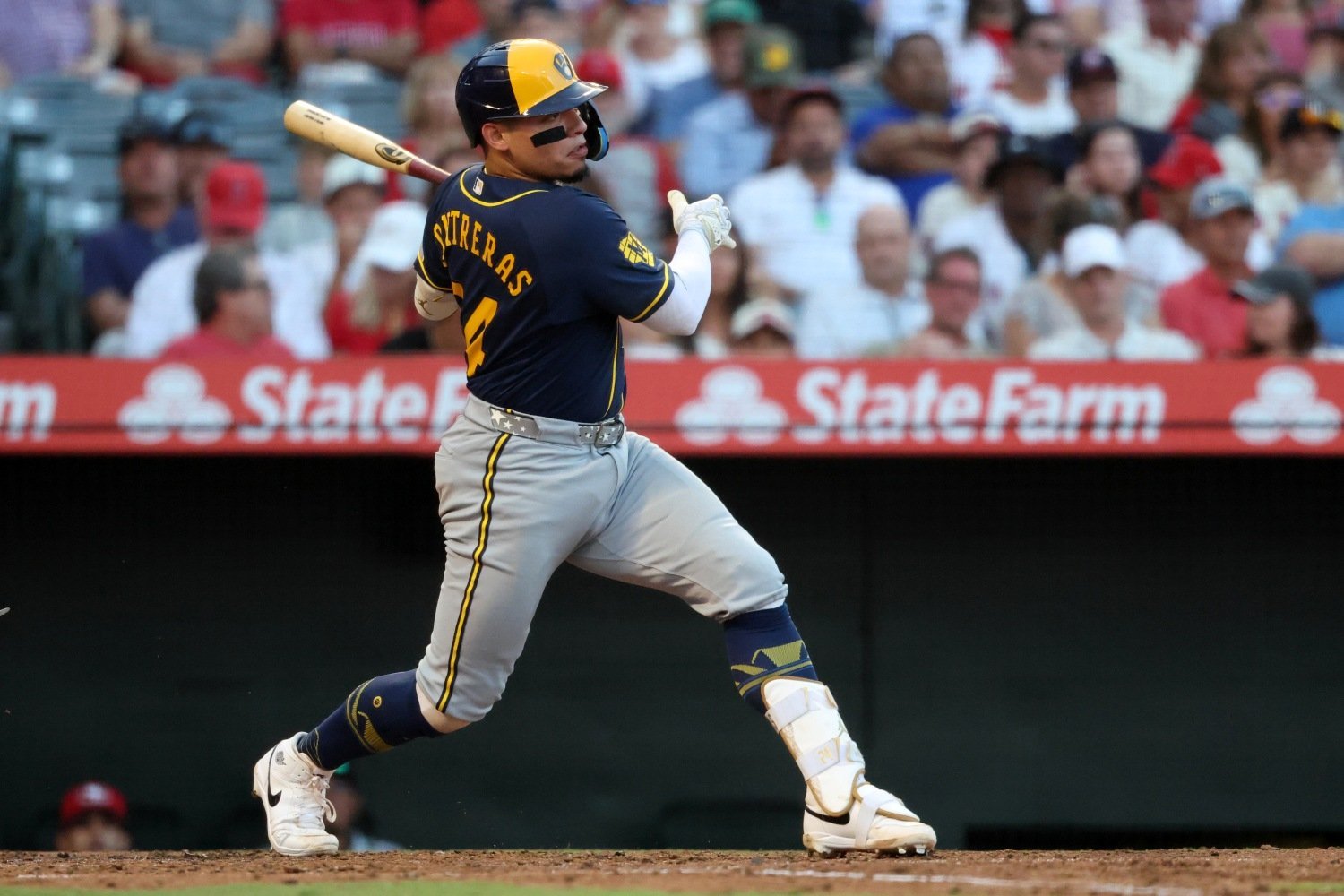 William Contreras has looked like a different hitter this season. After averaging 20 home runs across his first two years in Milwaukee and playing through a broken finger in 2025, the expectation was that offseason surgery would restore his power. Instead, the opposite has happened. The underlying data suggests he hasn't just been less productive; he's become a different kind of hitter. You can see below the Savant percentiles comparison for Contreras across the last three years; it's telling in this regard. Strikeout rates were never a problem for him, even when he was swinging and missing. Pitchers also appear more willing to challenge him in the zone, which has coincided with the lowest walk rate of his Brewers career. So what, exactly, has gone wrong here to change his profile so dramatically? Before diving into the swing changes, it's worth asking whether fatigue could be playing a role. The first thing, which we can't rule out, is injury, Contreras showed just last year that he'll play through almost anything with nary a peep, and catchers take a beating behind the plate. The wear and tear at that position is unique, but we can say that, if there was an injury, there is absolutely no reason not to see Gary Sánchez behind the plate more regularly. Of the 111 games the Brewers have played at the time of this writing, Contreras has started 83 behind the plate, which would project up to around 121 starts by the end of the year. That's seven fewer than 2025, but it would constitute a large workload for a catcher they want to be firing on all cylinders in October, not struggling to the finish line. Is Contreras Still Swinging Fast? Let's take a look at the bat-tracking data. His bat speed distribution shows us how often Contreras is swinging the bat at different speeds, where the higher the arc, the more often he swings in that range. Here is his distribution of swings since 2023: This is the biggest measure of intent we can see, and there are some giveaways that Contreras is being less aggressive this year than he was in 2024. The arc of 2025-26 is peaking earlier, with his most common swing averaging around 74 mph rather than 75 mph in bat speed. What's really telling, however, is on the right-hand side of this graph. Notice how the orange and blue lines for 2023 and 2024 show a number of swings at 82+ mph, but there are almost none in that range between the last two seasons. Injury may account for some of that, but there's more to this; Above is another breakdown, this time of Contreras's stance and point of impact. This is where we're seeing a big change. In 2023 and 2024, Contreras's stance was slightly more open/neutral, impacting the ball a little further back overall (which did engender him to a few more ground balls than is ideal). The MLB average stance set-up is 11° open, so Contreras was still more "closed" than your average player. The last two years, however, he's adopted an even more closed stance. In theory, a more closed stance should encourage a hitter to stay on the ball longer and use the opposite field more often. That was true for stretches of 2025. However, his contact point relative to his center of mass is now almost identical to what it was with the more open stance, creating a mechanical mismatch. Let's compare two home runs from those years to see the stance difference even into his "A" swing: Above is a swing from earlier this year. Notice how Contreras's feet are angled more toward the opposite field, almost shutting off the pull side. He opens up slightly after his toe tap, but while he middled this swing, it's an awkward position to pull the ball from. Now see the swing below (in case you ever needed to see what "letting it rip" looks like), which is from 2024: Contreras uses a leg kick rather than a toe tap here, starting with his feet closer together and exploding into the ball. At contact, his feet are 10-15° open, directed toward left field rather than right field. This is a swing where he was over 82 mph in bat speed, and it showed. One might question why someone whose swing was so successful would have remodeled it quite so extensively, and that perhaps lends itself to the cerebral nature of the man, which we'll come to in a bit. I'm not suggesting Contreras can't hit home runs with 74 mph of bat speed. That's plenty for a hitter, but I do think it shows a lack of intent versus previous seasons. He's trying to be more of a hitter than a slugger, especially in favourable counts wherein he should be able to unload. Most importantly, however, there seems to be a discrepancy in his set-up compared to his swing, and closing off his stance means that when he does pull the ball in the air, something he's doing more of this season, he's not doing it with the authority we're used to. He has managed to get the ground balls under control, reducing it from 55% of balls in play coming on the ground in 2024 to 42% in 2026. That's great, but he's lost the authority with which he traditionally hit balls, especially over the last month or two. Contreras is known for, at times, overthinking his approach behind the plate as a catcher, and he seems to be very cerebral in the box, too. We've seen him set up with different stances in the same at-bat in the past, playing a game of 4D chess with a pitcher. I can't say if that's right or wrong, but it is unique, and can make it difficult to be consistent in your swing. Whether it's lingering physical limitations, accumulated fatigue, or an intentional mechanical adjustment, Contreras doesn't look like the hitter he was in 2023 or 2024. The encouraging part is that the underlying bat speed remains good enough to rediscover that version of himself. The Brewers just need him to do it before October. The catcher is too important to their lineup, and perhaps the freedom to let the bat eat every once in a while could loosen the mental shackles, too. Can he find a way to tap into those elite exit velocities while keeping the ball in the air? Or is this a pick-your-poison situation? That, I can't answer, but if given a choice, I would take the latter. That power is far more consequential to this Brewers lineup, as constructed, than any bat-to-ball improvement that sacrifices said power. What have you thought of William Contreras's output lately? Do you think this is just a blip on the radar? Let us know your thoughts in the comments below! View the full article
 -
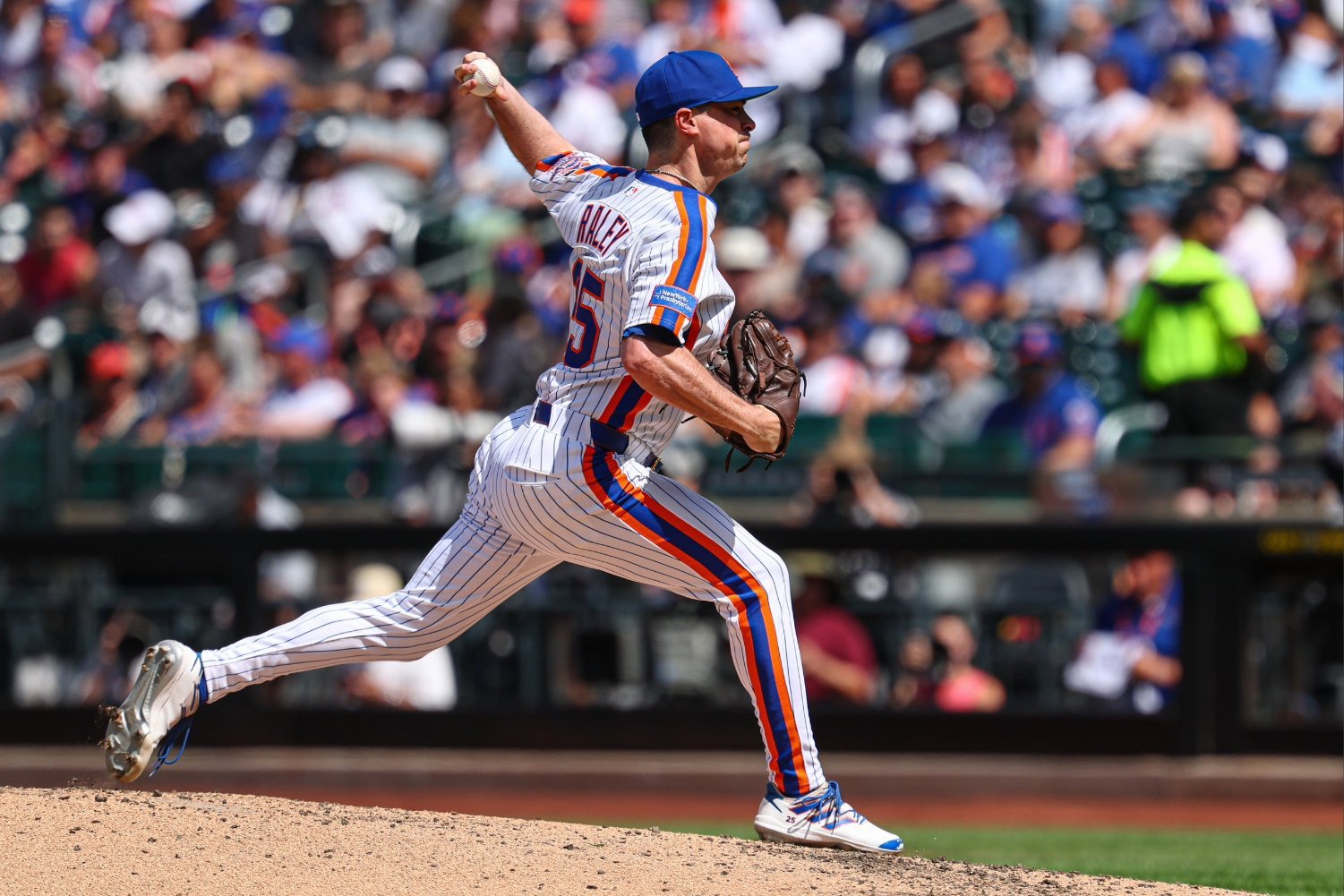 Three relievers down, how many to go? After a late-night trade that sent Huascar Brazoban to the Chicago White Sox, David Stearns clearly woke up with some urgency. Brooks Raley is now on the move, and he'll be staying in the NL East as he joins the Philadelphia Phillies. Though the destination is a little surprising, the move itself is anything but. Raley is a rental reliever, and much like A.J. Minter before him, was better suited to help a contender down the stretch than the Mets. Meanwhile, the Phillies recently lost Brad Keller for an extended period of time and have been in desperate need of a quality left-handed set-up man. In return, prospects Luke Gabrysh and John Spikerman (incredible name) will be coming back to New York. More to come... View the full article
 -
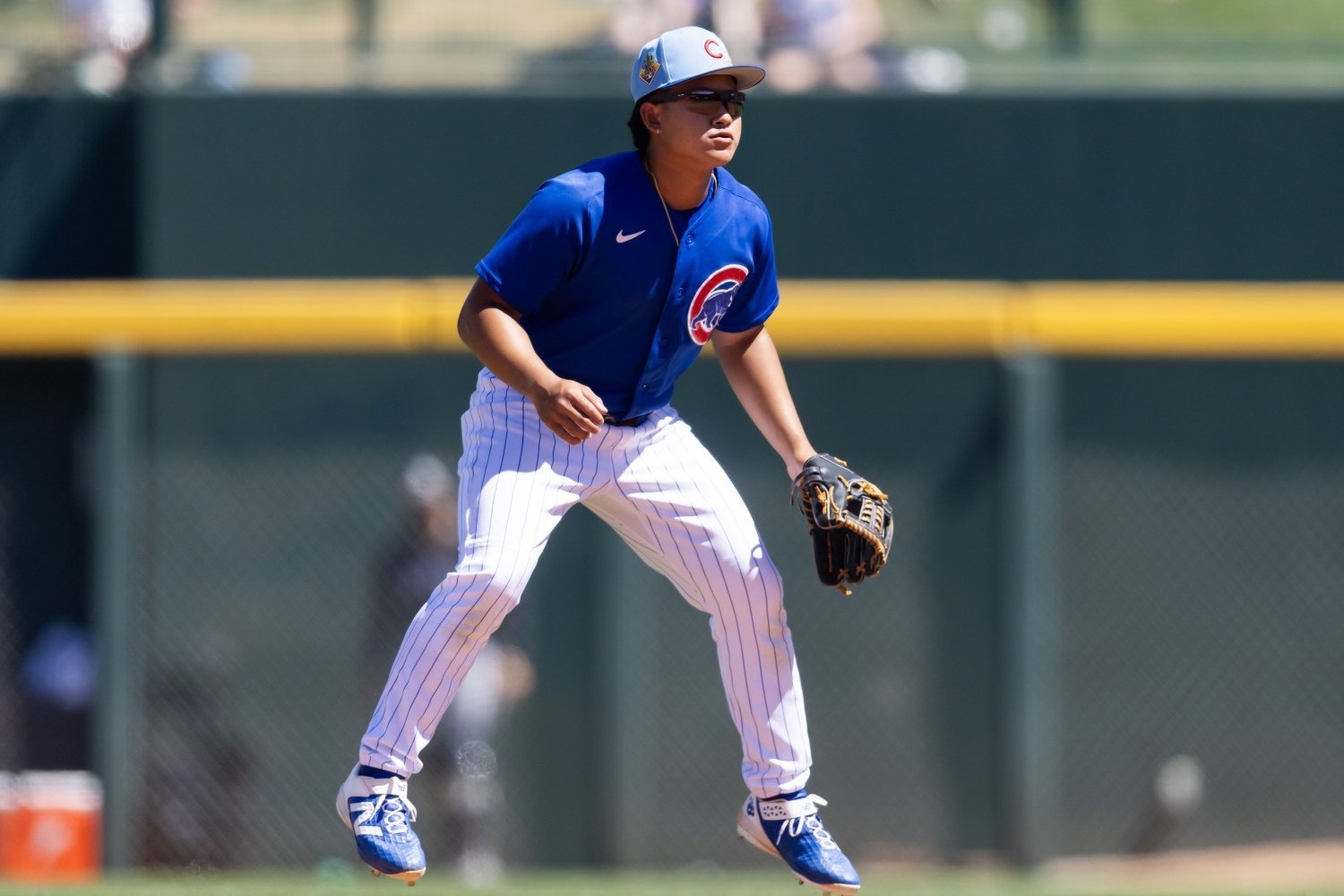 In acquiring Kevin Gausman from the Toronto Blue Jays on Sunday evening, the Chicago Cubs took at least one step toward stabilizing their rotation. Of course, even for a pending free agent, a pitcher of that stature doesn't come without a notable cost in terms of prospects headed the other way. As part of the deal, the Cubs sent middle infield prospect Ty Southisene and outfielder Brett Bateman to the Jays. Of our top prospects in the Cubs' organization, Southisene was the higher-ranked prospect of the two (no. 15), with Bateman's departure somewhat thinning out an unclear outfield picture for the future at the top level. Southisene began the 2026 season in Low-A, before being promoted to High-A. Upon his promotion to the higher of the two, he absolutely thrived. At the time of the deal, Southisene was slashing .333/.459/.381 with a walk rate (14.9%) that exceeded his strikeout rate (12.9%) and a 134 wRC+. The approach is Southisene's hallmark, as indicated by the low strikeout figure and overall ability to make contact. Within his profile, however, lurk two major questions. Whether he can add any semblance of power is the first one. His ISO in A-ball was .105 before slipping to .048 in High-A. In his brief time in the system, there's been very little power to speak of, and whether more is on the way remains to be seen, and to access any pop, he might have to sacrifice some of the hit tool. The second question revolves around his position. Southisene's arm strength is a question, leaving many to wonder if he can stick at shortstop or is destined for work at the keystone for the better part of his career. Ultimately, Southisene rising to the top level with the Cubs was always going to be a tough sell. His profile isn't dissimilar from that of Nico Hoerner, who is plugged into second base for the next six years after his contract extension earlier this year. While you love a profile that sits on a foundation of approach and contact, it was unlikely we were ever going to see him climb all the way up given the Hoerner-sized roadblock standing in his way—especially given that the transition to second seems like a lock. In Bateman, though, the Cubs lost a similar profile but at a more certain position of need. With each of Ian Happ and Seiya Suzuki set to hit free agency this winter, there is very little certainty to speak of on either side of Pete Crow-Armstrong on the grass. Bateman had looked very good in Triple-A after starting there at the outset of the 2026 season. His slash read .312/.431/.422 with closely-aligning strikeout (18.8%) and walk (17.3%) rates and a 126 wRC+. There's a bit more power than his trade-mate Southisene (.110 ISO), with the ability to play all three outfield spots competently. He's not featured in our list of Cubs top prospects. Nor will you find his name across other outlets (even the ones that feature a higher volume). However, that profile could have allowed him to hang around as a fourth outfielder at some point. At the end of the day, this is kind of the plutonic ideal of a deadline deal for the Cubs. They acquired a player at a dire position of need, while sending back a pair of prospects with decent floors but limited ceilings. The Cubs may end up missing Bateman more than Southisene considering the aforementioned absence of clarity on the grass, but this doesn't feel too much like a deal where they're going to regret the prospects they had to send the other way against the stability wrought by the pitcher they were able to acquire. It also shouldn't stop them from being able to do anything else they want to get done today. View the full article
 -
One Year After Duran and Jax, the Twins May Have Their Replacements
DiamondCentric posted an article in Twins Daily
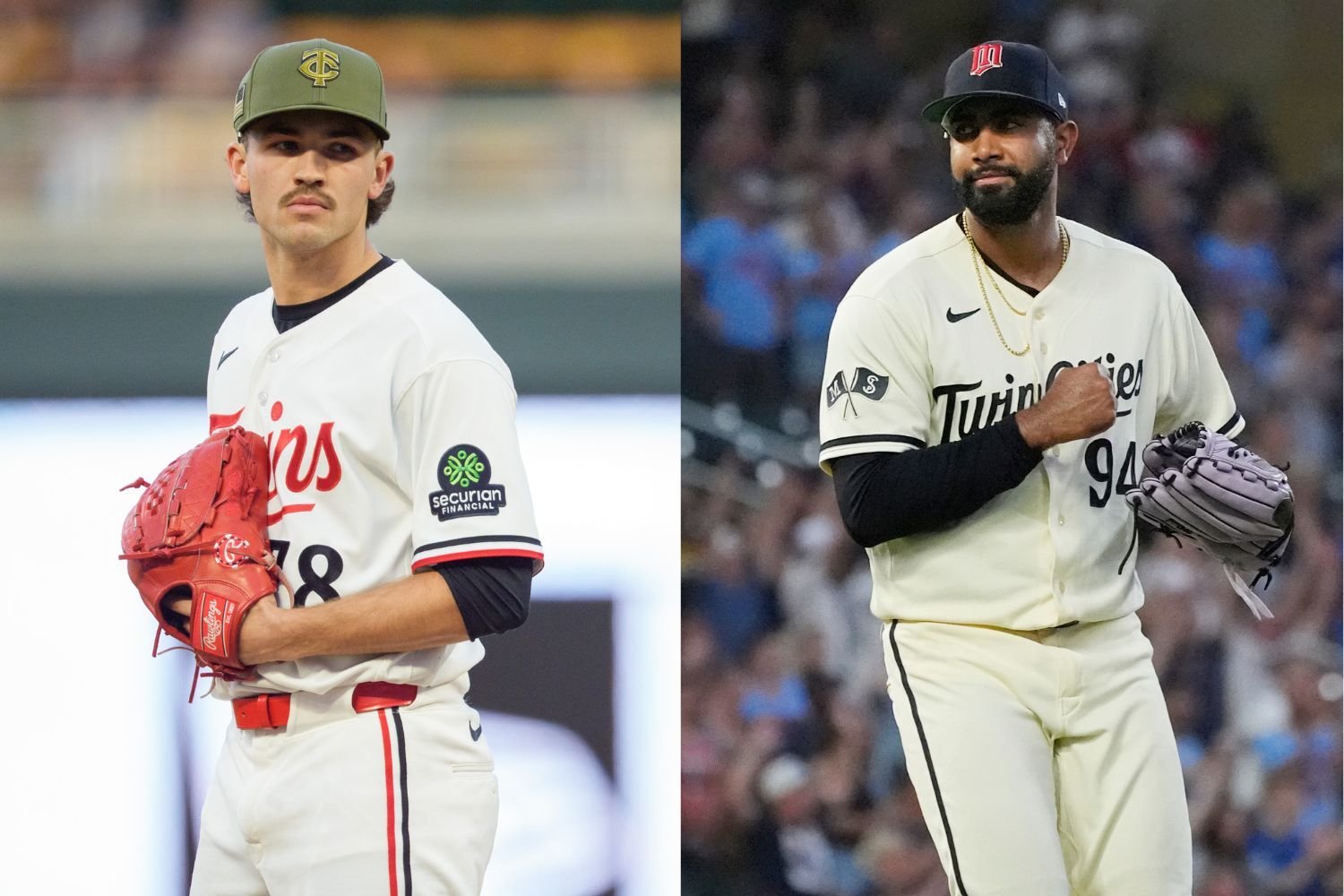 We all knew coming into the season that the Twins’ bullpen was going to be the biggest question mark on the roster. After last year's trade deadline saw Jhoan Duran, Griffin Jax, Louis Varland , Brock Stewart and Danny Coulombe all shipped elsewhere, there simply wasn't much left behind. With the front office doing very little over the winter to replenish that group, it felt inevitable that the bullpen would take a step back. That's exactly what's happened. Minnesota's late-game arms have struggled to consistently protect leads, putting additional pressure on a team that has already dealt with its fair share of inconsistency. The Twins' bullpen currently ranks 26th in baseball with a 4.92 ERA and 29th with a 1.52 WHIP. They've also issued the sixth-most walks of any team, and they haven't generated nearly enough strikeouts to offset all of the extra traffic. It's been a difficult season for a unit that, just one year ago, was viewed as arguably the organization's biggest strength. One of the more surprising parts of last summer's fire sale was that the Twins didn't just trade one elite reliever; they traded both Duran and Jax. Considering both pitchers were among the very best late-inning arms in baseball and would’ve remained under team control through 2028, it seemed far more likely that they’d move one while keeping the other as the anchor of the bullpen moving forward. Instead, both were gone. That decision left the Twins without proven options in the eighth and ninth innings, and replacing pitchers of that caliber was never going to happen overnight. But while the bullpen as a whole has struggled, it's becoming increasingly clear that Minnesota may already have the foundation of its next dominant late-inning tandem. Andrew Morris and Yoendrys Gómez aren't there yet. Comparing them to Duran and Jax today would be unfair. Still, it's hard to ignore what both pitchers have done this season, and even harder to ignore the potential that's still ahead. Gómez, in particular, has transformed into exactly what the Twins desperately needed after arriving in Minnesota. He's posted a sparkling 1.78 ERA across 30 1/3 innings with the club while converting all 12 of his save opportunities. Every time Derek Shelton has handed him the ball with a lead in the ninth inning, Gómez has delivered. For a bullpen that has struggled to consistently close out games, that reliability has been invaluable. The underlying metrics aren't quite as enthusiastic as the traditional numbers, but there's important context there. Much of the damage to his expected statistics came earlier in the season during his brief stint with the Rays, before landing with the Twins. Since arriving in Minnesota, Gómez has looked like a completely different pitcher. His sweeper has emerged as a legitimate weapon, comparable to the devastating breaking ball that made Jax one of the league's premier setup men. It's the type of pitch that can carry a reliever through high-leverage situations, and Gómez has leaned on it with tremendous success. The rest of his arsenal still has room to develop, but that's what makes his performance even more encouraging. He's only 26 years old. There are still adjustments to make and refinement left to come, giving the Twins reason to believe there's another level he can eventually reach. Morris has followed a different path, but his rookie season has been every bit as encouraging. In fact, there's a strong argument that he's been Minnesota's best reliever over the course of the year. Unlike Gómez, Morris has built success through a deep arsenal and an impressive ability to avoid hard contact. Few pitchers in baseball have been better at generating weak contact this season, and that's allowed Morris to consistently work out of difficult situations despite not having a traditional wipeout offering. What's especially exciting is that the swing-and-miss ability is already beginning to show up anyway. All six of Morris' pitches have generated whiffs on at least 20 percent of swings this season. That speaks to the quality and deception throughout his entire repertoire rather than relying on one dominant pitch. If he eventually develops a true put-away weapon to pair with everything else, his ceiling rises considerably. The building blocks are already in place. Just like Gómez, Morris feels like a pitcher whose best baseball is still in front of him. Together, they've already become two of the most dependable relievers in the Twins’ bullpen. Blown leads and bullpen meltdowns have become all too common, yet Morris and Gómez have consistently been the exceptions. They've earned meaningful roles, and both have looked comfortable handling them. Again, suggesting they've already replaced what Duran and Jax were would be getting ahead of ourselves. But saying Morris and Gómez are incapable of becoming that kind of duo feels just as premature. Both pitchers remain under team control through the 2031 season, with two years of pre-arbitration eligibility remaining before entering arbitration for three seasons. That gives the Twins a long runway to continue developing both arms while keeping them together during what should be the prime years of their careers. For an organization that suddenly found itself searching for a new identity in the bullpen after last year's deadline, that's an encouraging place to start. The Twins still have plenty of work to do before their relief corps returns to being one of the league's strengths, but if Morris and Gómez continue progressing the way they have, Minnesota may already have the next great late-inning duo sitting right in front of them. View the full article
 -
BREAKING: Blue Jays Acquire José Soriano From Angels
DiamondCentric posted an article in Jays Centre
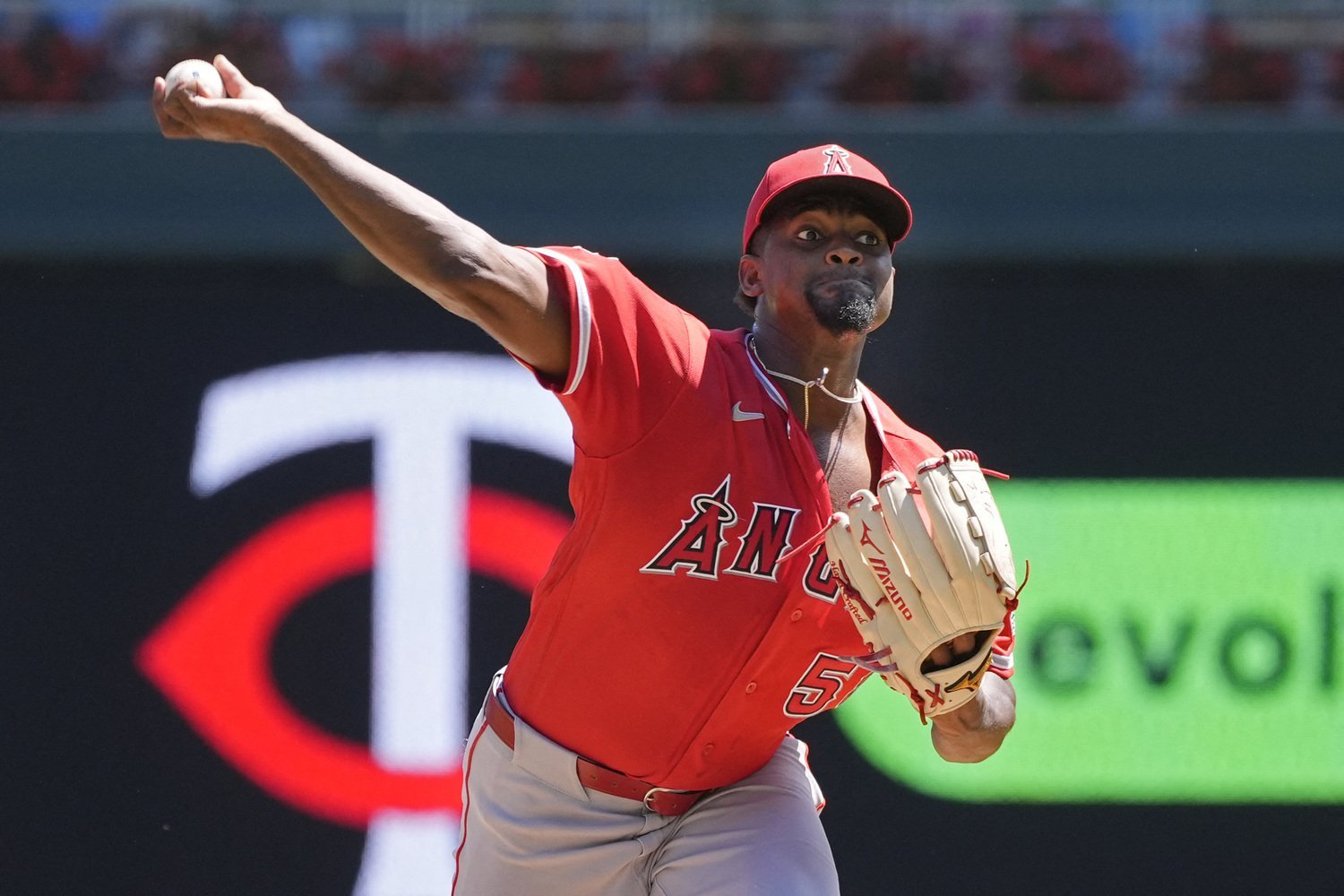 José Soriano is a Blue Jay. Hours after trading long-time ace Kevin Gausman to the Cubs, the Blue Jays dealt for Soriano of the Angels (per Jeff Passan of ESPN). In return, Toronto is sending prospects Arjun Nimmala, Eddie Micheletti, and Angel Rivero back to L.A. More to come... View the full article
 -
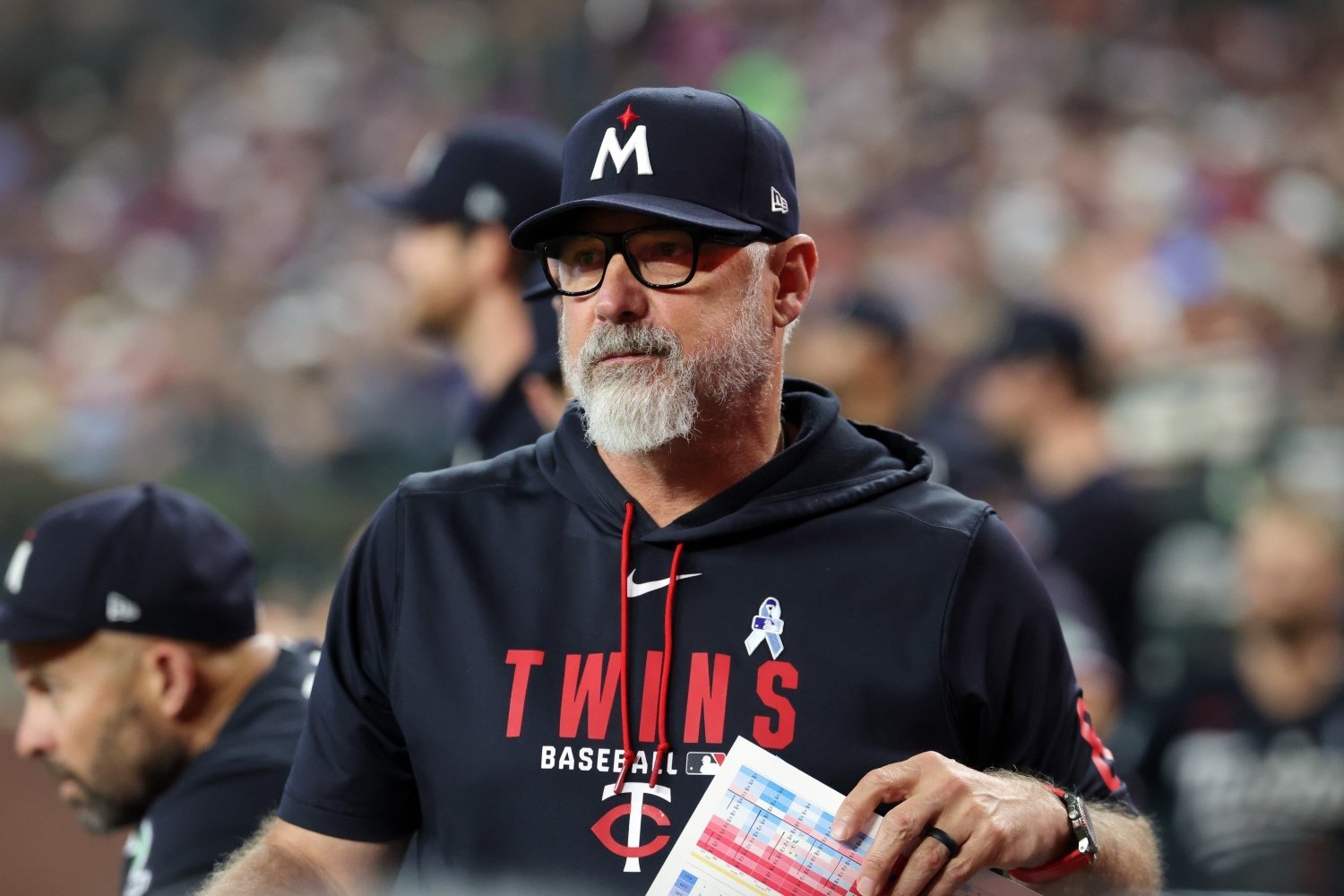 After taking the opener of a three-game series against the Seattle Mariners on Friday night, the Twins looked poised to leave Seattle with another series victory. Instead, they suffered back-to-back walk-off losses on Saturday and Sunday, dropping the series in heartbreaking fashion. Those games featured remarkably similar situations in the bottom of the ninth inning. In each case, Derek Shelton had the opportunity to intentionally load the bases and create force outs at every base, and both times, he chose not to. While the decisions looked similar on the surface, they weren't equal. One was rooted in solid process. The other is much harder to defend. Saturday's game presented the first opportunity. With one out in the bottom of the ninth and the score tied, Seattle had runners on first and third after the Twins intentionally walked Julio Rodríguez. That brought Cal Raleigh to the plate, leaving Shelton with a choice. He could intentionally walk Raleigh to load the bases and create force plays everywhere, or trust his closer (on that day, Andrew Morris) to get Raleigh out. Given the circumstances, pitching to Raleigh wasn't an unreasonable decision. Before that at-bat, Raleigh was 0-for-4 with three strikeouts. Josh Naylor, a left-handed hitter, was waiting on deck, and Raleigh had looked overmatched all afternoon. It wasn't simply a matter of challenging one of baseball's premier (albeit struggling) sluggers. Shelton had reason to believe Raleigh wasn't seeing the ball well, and the matchup wasn't nearly as intimidating as it normally would have been. Ironically, the Twins got exactly the result they were hoping for. Raleigh hit a routine ground ball to first base that should have ended the inning with a double play. Instead, Royce Lewis had a momentary brain freeze. After fielding the ball, he instinctively stepped on first base, eliminating all force plays, and then hesitated before attempting to throw home anyway. Because the runner now had to be tagged instead of forced out, Lewis's throw wasn't good enough, and the winning run crossed the plate. It was a painful ending, but it doesn't necessarily mean the strategy was wrong. Shelton trusted his defense to make a routine play, and more often than not, they probably do. Sunday's situation felt much different. Again, the game was tied in the bottom of the ninth, with one out. This time, the Mariners had runners on second and third with top prospect Colt Emerson due up against closer Yoendrys Gómez. Shelton once again had the option of intentionally loading the bases, creating force outs everywhere while bringing the No. 9 hitter, Leo Rivas, to the plate. Instead, he elected to pitch to Emerson. That's where the decision becomes much harder to understand. Unlike Raleigh the day before, Emerson wasn't coming off an 0-for-4 afternoon with three strikeouts. He is one of Seattle's premier young hitters (though he's admittedly struggled to begin his major-league career), and he also held the platoon advantage against the right-handed Gómez. By putting him on first, the Twins not only would have set up force plays at every base, but also would have been facing Rivas, who entered the game hitting just .127. Yes, there was always the possibility that Seattle would counter by pinch-hitting with Rob Refsnyder or Mitch Garver for Rivas. Even then, the Twins still would have had force plays at every base, and Refsnyder entered the game hitting just .140. Both Refsnyder and Garver are right-handed batters, so that also would have netted the Twins the platoon advantage, Minnesota still would have been in a favorable position to escape with a ground ball. Instead, Shelton challenged Emerson. The result was exactly what the Twins feared. Emerson lined a game-winning single before Rivas ever had an opportunity to step into the batter's box. Baseball strategy is always easier to criticize after the outcome is known, and intentional walks have burned plenty of managers over the years. The results alone shouldn't determine whether the process was sound. That's why these two games deserve to be evaluated differently. Saturday's decision made sense. Raleigh had been shut down all game, and the Twins induced the exact contact they wanted. A defensive mistake, not the managerial decision, ultimately cost them the game. Sunday, however, feels like a missed opportunity. The Twins had a chance to avoid pitching to one of Seattle's most dangerous young hitters, while setting up force plays all over the diamond against a struggling No. 9 hitter. Instead, they chose the more difficult path, and this time, it came back to bite them immediately. The outcomes may have looked the same, but the process certainly didn't. What do you think? Was Shelton right to avoid the bases-loaded situation on Saturday and Sunday? Leave a comment and start the conversation! View the full article
 -
 Long ago, pacing in front of a green, rectangular chalkboard, author Kurt Vonnegut traveled around the country, lecturing audiences on the shape of a story. In his lectures, Vonnegut would profess that stories have “very simple shapes; ones that computers can understand.” He would draw out a “GI axis” (”G” meaning good fortune; I meaning “Ill fortune”). He would then draw out the “BE axis.” Naturally, “B” stood for beginning and “E” for end. The first type of story is titled “Man in a Hole.” It needn’t be about a man nor a hole, but somebody gets into trouble and then gets out of it. Another popular story shape was “Boy Meets Girl.” Mind you, it needn’t be about a boy or a girl. Somebody, on a day like any other day, comes across something wonderful. It is their lucky day! Then **** hits the fan. But somehow, someway, they get their life together again. Finally, the most popular story begins closer to the “I” on the GI axis: Vonnegut talks about a young girl whose mother dies. Her father then immediately remarries to a terrible battleaxe with two mean daughters. There’s a party at the palace one night. She doesn’t get to go. Instead, she is forced to help her sisters get ready for it. But she does not let that bother her. She is a stout-hearted little girl with maximum grief due to the death of her mother. Suddenly, a fairy godmother gets her dressed; she goes to the party; and a prince falls in love with her. The clock strikes 12; she loses everything; the shoe fits, and she becomes off-scale happy for eternity. Rags to riches—a soaring (though undulating) climb from "I" to "G" as we progress from "B" to "E". Vonnegut notes the infinite despair of Franz Kafka’s “The Metamorphosis,” before noting that the rise and fall of these stories is artificial—pretending we know more about life than we do. Delving into “Hamlet.” Vonnegut describes the William Shakespeare classic, continually remarking that the events that occur in the story are neither good nor bad—they happen. We are so seldom told the truth in stories, but in “Hamlet,” Shakespeare tells us: we don’t know enough about life to know what the good news is and what the bad news is, and we respond to that. We pretend to know what the good news is and what the bad news is all the time. All we really do is echo the feelings of those around us. This sentiment is especially true when it comes to MLB’s trade deadline. Remember when the Twins front office traded for Tyler Mahle, Jorge López, and Michael Fulmer before the 2022 deadline? Immediately, those who followed the club deemed them deadline winners, acquiring a frontline starting pitcher and two high-leverage relievers. Less than two months later, they were deadline losers, with Mahle on the IL with a shoulder injury, Lòpez imploding in nearly every appearance, and Fulmer’s addition quickly becoming irrelevant as the club fell out of playoff contention. Spencer Steer and Christian Encarnacion-Strand were set to become stars with the Cincinnati Reds, making that deadline even more excruciating a misstep. Then, they didn’t. Yennier Cano was going to be one of the best late-innings relievers, with Cade Povich looking like a soon-to-be number two starter in Baltimore’s formidable starting rotation. Then, they didn’t. The Twins also should have just kept Sawyer Gipson-Long, who was bound to become a young, cost-controlled fixture in Detroit’s rotation for seasons to come—until he didn’t. We were but echoing the feelings of those around us. In 2023, the Twins' inactivity at the deadline was the nail in the coffin of their playoff aspirations—until it wasn’t. Despite not adding a single player at the deadline, Minnesota won the AL Central, ending its 18-game postseason losing streak and winning its first series in 19 years. We pretend to know what the good and bad news is, and we respond to that. The organization buying during this season’s deadline appears to be a good thing. It is a clear, welcome shift from the bleak passivity Minnesota’s ownership and front office has demonstrated since the end of the 2023 postseason. Still, we don’t know enough about the Twins to know what the good news is and what the bad news is, but we respond to that. The acquisitions of A.J. Minter and Dean Kremer were nice, floor-raising moves. The club could still add what is perceived to be a dramatic, tide-shifting starting pitcher like Reid Detmers or Casey Mize, or a reliever like Luke Weaver or Adrián Morejón. No matter what Minnesota does, it won’t be in the shape of a “Man in the Hole”, a “Boy Meets Girl” story, “Cinderella,” or “The Metamorphosis.” Instead, it will be a flat line like “Hamlet”: a series of transactions in which we don’t know if they will be good or bad. So, this deadline, I beg you not to echo the feelings of those around you, pretending to know what the good news is and what the bad news is. Instead, I ask you to acknowledge that we don’t know enough about trades to know what the good news is and what the bad news is, and respond to that appropriately. Imagine yourself moving along Vonnegut's chalkboard, and remember that while you're going from "B" to "E" inexorably, whether you're moving toward "G" or "I" at any given time is essentially impossible to know. Later, you can step back and see the whole chalkboard, and then we can all see the shape of the story. For now, we're just flecks of chalk. View the full article
 -
 After a disappointing season, the Mets decided it was time to move on from Freddy Peralta. Breaking down the trade, the reasoning behind it, and what comes next for New York. Who are Gary Gill Hill, Aidan Smith, and Emilien Pitre, the Mets' return in the trade? We break it down. View the full article
 -
What's Next For the Cubs After Acquiring Kevin Gausman?
DiamondCentric posted an article in North Side Baseball
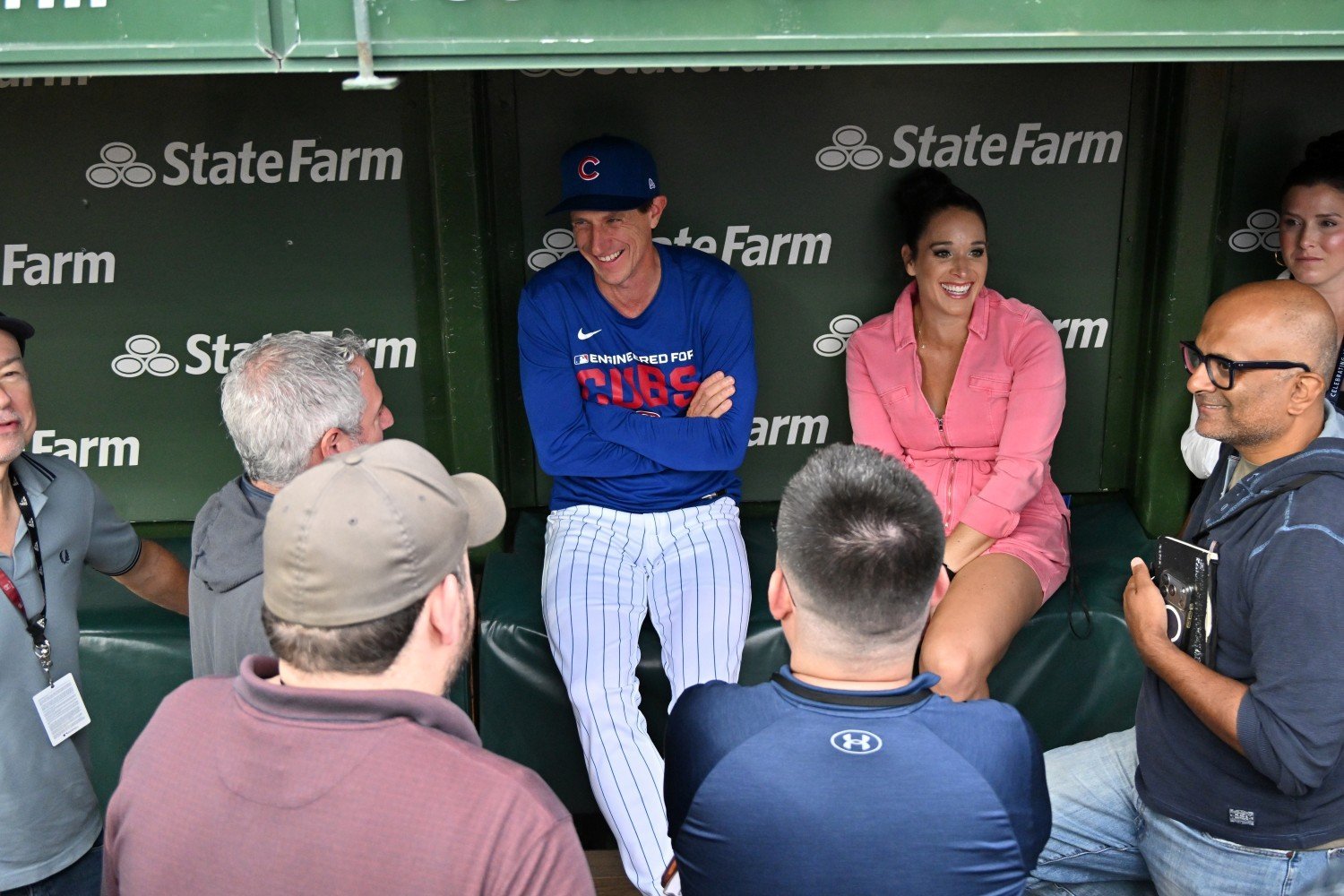 The Cubs knew they needed to improve their pitching staff before the trade deadline, and they made one of the biggest splashes of the weekend by acquiring Kevin Gausman. Landing one of the best starting pitchers available immediately raises the level of Chicago's rotation as the club pushes toward what it hopes will be a deep postseason run. Gausman gives the team another proven veteran near the top of the rotation and forms a formidable trio alongside Matthew Boyd and Shota Imanaga. It's exactly the type of move contenders make. But if the Cubs truly believe they can win the World Series this season—especially after Tarik Skubal landed with the Dodgers—they can't afford to stop here. So what comes next for Chicago? For starters, don't rule out another addition to the rotation. Even after bringing in Gausman, there are still plenty of intriguing starting pitchers available. Rental starters Trevor Rogers and Casey Mize and controllable arms Reid Detmers and José Soriano all remain names to watch as the deadline approaches. Gausman undoubtedly makes the Cubs better, but he doesn't completely solve their biggest problem. October baseball is all about pitching depth. A memorable postseason run involves at least 10 games, and having only three healthy, reliable starters isn't usually enough. Whether it's another frontline arm or simply someone capable of giving quality innings every fifth day, another rotation addition would go a long way toward solidifying Chicago's chances. Just as important, though, is the bullpen. The Cubs' relief corps has been battered by injuries for much of the season, leaving coverage of the late innings as the biggest question mark on the roster. Even if everyone were healthy, bullpen help should still be near the top of the priority list. Pitching wins games in October, and one blown lead can be the difference between advancing to the next round and heading home for the winter. Championship-caliber teams rarely regret adding another dependable late-inning reliever, and the Cubs shouldn't be any different. Standing pat isn't a reasonable option. Fortunately for Chicago, the relief market remains loaded with talent. While it may not be the most likely outcome, Mason Miller (DiamondCentric’s top player available, though just how available he actually is is up for debate) could at least be worth checking in on. Even if Miller isn't ultimately the answer, there are still several impact relievers who could make sense. His teammate, Adrián Morejón, has been floated as a potential Cubs target for weeks and would immediately strengthen the bullpen with another high-leverage left-handed option. Luke Weaver, Drew Anderson, and Kenley Jansen are also among the recognizable names that could be available. Several other late-inning arms could realistically change teams before the deadline, giving Chicago plenty of opportunities to reinforce one of the few remaining weaknesses on its roster. It's also possible Jed Hoyer isn't finished making changes to the lineup. The Cubs have been connected to both buying and selling position players ahead of the deadline, or at least to creative trade ideas that could include swapping out one big-leaguer for another. Matt Shaw, currently sidelined by injury, appears likely to remain in Chicago, but Pedro Ramírez could be a big part of a trade package. Given how important he's become to the team's offense, such a move would force the team to at least consider adding a bat. Obviously, though, offense shouldn't be viewed as nearly the same priority as pitching. Michael Busch and Alex Bregman—who started finding his groove offensively in July—have formed a strong combination on the corners of the infield. Chicago already has proven production and solid defense throughout its outfield and defense-first stars in whom they've invested a ton on the middle infield. The only places where they can upgrade the lineup are at designated hitter and catcher, and even those would be difficult maneuvers. One intriguing possibility is Orioles outfielder Taylor Ward. Ward's power hasn't looked nearly the same after launching 36 home runs in 2025, but he's quietly been one of baseball's smartest hitters this season, consistently putting together quality plate appearances and getting on base. Defensively, he's been slightly below average this year, but Ward could slide into the designated hitter role on most days while also giving Ian Happ or Seiya Suzuki occasional starts off in the outfield. It's not the biggest need, but it would be another way for the Cubs to deepen an already talented lineup as they prepare for the stretch run. Whatever direction Chicago chooses before this afternoon's trade deadline, one thing feels abundantly clear: the Cubs shouldn't be done. Whether that's adding another starting pitcher, reinforcing the bullpen, bringing in another bat, or some combination of all three, Chicago is in a position to be aggressive. They've already made one statement by acquiring Gausman, but championship contenders rarely stop after addressing just one need. The front office has an opportunity to push even more chips to the center of the table, and how they choose to attack the final hours before the trade deadline could play a major role in determining just how far this team can go in October. View the full article
 -
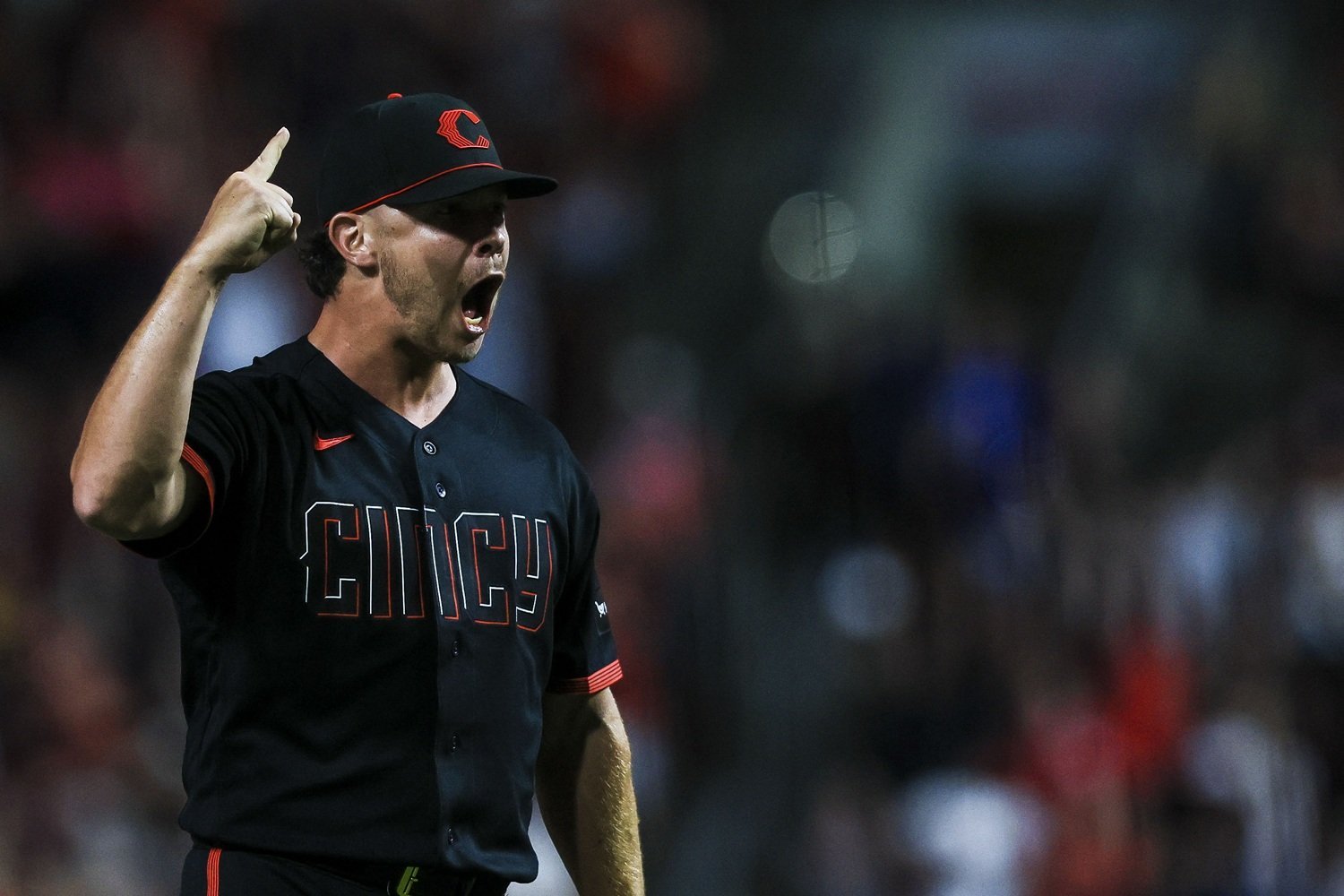 Dozens of players are traded every deadline. Fans love some and hate others. Fans also beg for their favorite players to come back. Admit it, you want them to trade for Luis Arraez, Sonny Gray, Louis Varland, and, if you're a real sicko, Tyler Wells. But for Twins fans, what would be the funniest possible Welcome Home trade candidates? Here's my top five. 5. Randy Dobnak, SP (KC) Randy Dobnak went from beloved folk hero to unwitting villain faster than any player I have ever seen because he had the temerity to commit two unforgivable sins. First, he was the last man standing in 2019 as the club's third-best starter after injury, ineffectiveness, and a lack of reinforcements sapped the Twins of all their starting depth. Second, he had the gall to sign a very modest contract that paid him nine million dollars over five years before getting injured. Twins fans have never forgiven him for that. He's a great story, perhaps bordering on a sideshow, a husky sinkerballer with a horseshoe mustache and a winning smile who was signed out of independent baseball and drove Uber in the offseason. After years marred by injury and ineffectiveness, Dobnak left the Twins organization not as an MLB rotation piece but as perhaps the most beloved St. Paul Saint of the Triple-A era. Why would the Twins trade for Dobnak? They've shown a penchant for using bulk relievers this season, and they might need a little more rotation depth even after acquiring Dean Kremer. And Dobnak has thrown 26 innings to the tune of a 1.04 ERA for the Kansas City Royals, including seven shutout innings against the Twins last week. 4. Isiah Kiner-Falefa, UT (BOS) Isiah Kiner-Falefa had perhaps the shortest tenure as a Minnesota Twin in the modern era, as it didn't even last 24 hours. He was acquired in the 2022 offseason for Mitch Garver, alongside Ronny Henriquez. The following day, he was packaged with Josh Donaldson and Ben Rortvedt and sent to the Yankees for Gary Sánchez and Gio Urshela. The Twins have trotted out several utility infielders to play shortstop for them this season, so what's one more? It's not like Kaelen Culpepper is beating down the doors. It's still early, anyway. They still have time to trade for him and then hours later send him somewhere else. 3. Brent Headrick, RP & Luis Gil, SP (NYY) - Specifically in return for Ryan Jeffers There's a lot going on with this one, but hear me out. Brent Headrick was a DFA casualty in 2025 (when the Twins bullpen was good), snatched away by the Yankees in February of 2025. He's put up a 1.84 ERA across 78 innings out of New York's bullpen and would have been a very good addition for the Twins—if they didn't already have four lefties in their bullpen after trading for A.J. Minter. Luis Gil was traded to the Yankees ahead of the 2018 season for Jake Cave. Gil was 19 at the time (a year older than Jhomnardo Reyes, who was just traded for Kremer, much to the chagrin of many fans), but he was excellent for the Yankees between 2024 and 2025, starting 40 games with a 3.45 ERA and winning Rookie of the Year in 2024. He's a great example of why self-scouting is so important, though he's struggled this season and is currently on the injured list. Were the Twins to trade Jeffers for this package, not too dissimilar to the Anthony Volpe-Camilo Doval (two Yankees who have been spiraling lately) package that circulated the baseball world last week, basically everyone would be mad. The anti-Jeffers-trade crew would be upset he was traded. The pro-Jeffers-trade crew would be upset at the return. The people who have never forgiven the Twins for trading away Gil would say it's too little too late. 2. Tyler Mahle, SP (SF) Tyler Mahle was the headliner for the Twins' most significant trade deadline during the Derek Falvey era. The Twins sent Spencer Steer, Christian Encarnacion-Strand, and Steve Hajjar to Cincinnati for his services at the 2022 deadline for the last year and a half of Mahle's contract. They received nine starts for this investment, as Mahle was lost for the season twice in two years. He was solid when healthy (and to hear him tell it, he always was), but he just wasn't healthy. And Steer had a great start in Cincinnati, further frustrating Twins fans. Mahle continued to struggle with injury since leaving the Twins, but he had a 2.82 ERA in 16 starts with Texas last season, and since returning from a hamstring injury this season, he's got a 3.06 ERA in six starts. The Twins already made a trade for a backend starter in Kremer, but if they decided to shift some more assets around or bolster their rotation a bit more, Mahle could be a solution. As long as they don't Google "Tyler Mahle hamstring injury," anyway. "Oh but Gregg, you buffoon, the Braves just made a trade for Mahle last night!" I hear you say. Well, starting pitchers can be traded twice during a single deadline. Maybe the Braves will get cold feet. Ever heard of Jaime García?? 1. Emilio Pagán , RP (CIN) Emilio Pagán's 2022 is up there with the worst seasons for a reliever in Twins history. Not necessarily because he was the worst reliever, but because he had a penchant for giving up bombs at the most inopportune times: in the bottom of the ninth, against Cleveland, and in a pennant race. His meltdowns did put the Twins in position to draft Walker Jenkins, and he was actually pretty good in middle relief for the division-winning 2023 Twins, but Minnesotans never forget a slight. Pagán signed a two-year deal with Cincinnati ahead of the 2024 season and was a pretty effective closer for them in 2025, netting him another contract worth $10 million in 2026 with a player option for another $10 million in 2027. He's struggled this season and missed some time due to injury, but he had a 1.93 ERA in July and pitched himself back into the closer role just in time for the Reds to shop him. If you removed the Twins history component, he'd probably be on some lists for good fits with the Twins, as a low-end overpaid closer is a nice slot for the Twins who want to improve the pen without giving up much in the way of prospects. And if you haven't heard, Dan Hayes and Ken Rosenthal at The Athletic threw out Pagán's name as an option for the Twins. Honorable Mentions: Spencer Steer. Steven Okert, Michael Tonkin (as a signing, only to be waived August 10th), Dallas Keuchel, Trevor Richards, Daniel Susac View the full article
 -
Deadline Day: Where Things Stand for the Minnesota Twins
DiamondCentric posted an article in Twins Daily
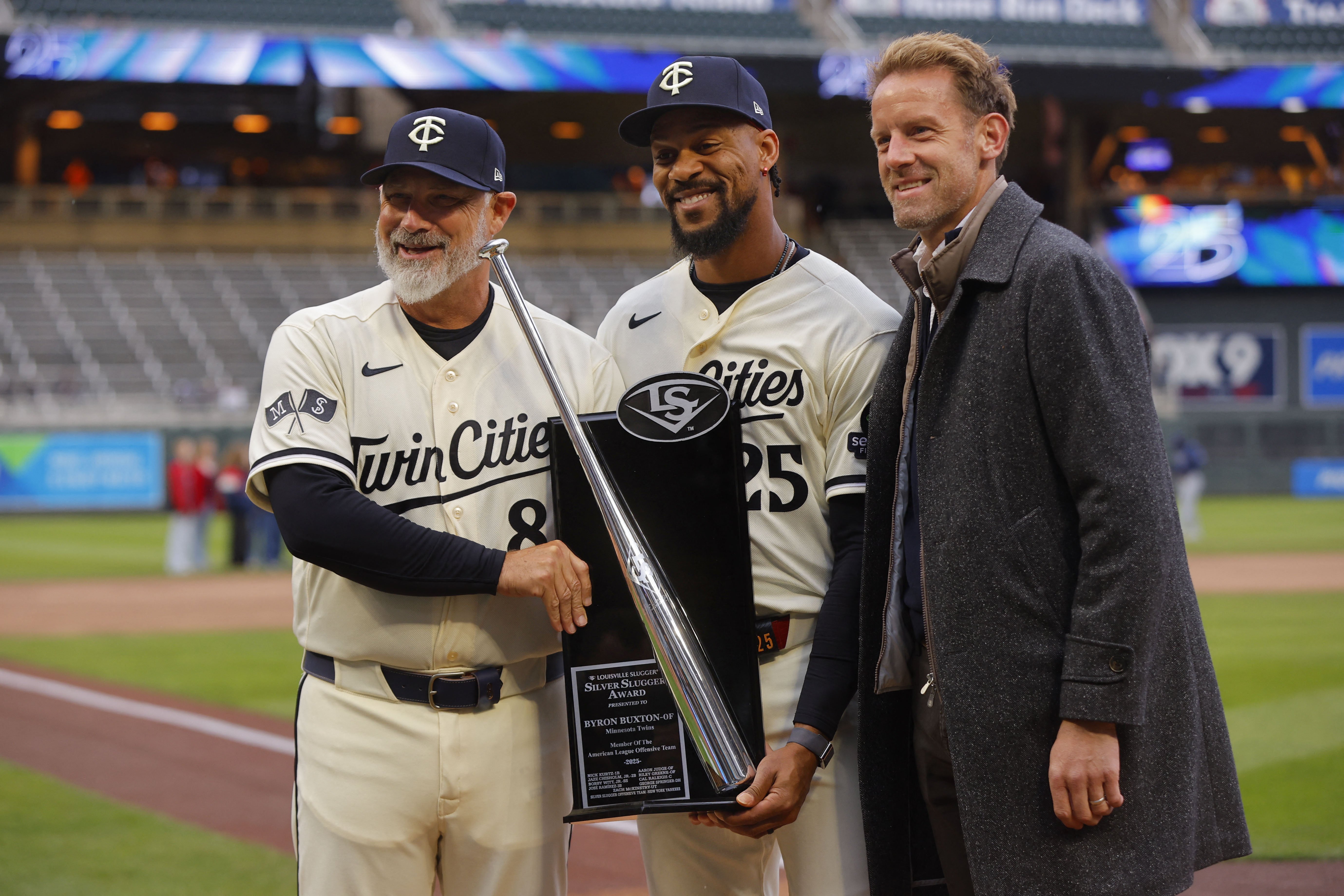 One year ago, the Minnesota Twins front office conducted arguably the biggest deadline firesale in the history of Major League Baseball. It was brutal to witness: 10 players traded, as an organization admitted failure on what it had spent years trying to build. The declaration of a reset. The Twins followed through with more sweeping changes in the offseason — they fired Rocco Baldelli, parted ways with Derek Falvey, and ushered in Tom Pohlad as new ownership chair. With fan morale circling the drain, the franchise hoped to get across a message that things were going to be different. For real this time. I counted myself among the skeptics. Jeremy Zoll was unproven, and Derek Shelton was one of the losingest managers of all time. Why believe Tom would really be any different than Joe, or Jim, or Carl? That skepticism remains, to some extent. But I'm starting to let my guard down. Shelton's got these guys playing inspired, resilient ball. The front office is re-earning confidence with an adaptive nature and solid pickups such as Yoendrys Gómez. I hesitate to give ownership too much credit for adding to one of the league's lowest payrolls, but, they're adding. That's rarely been the case around this time in years past. This deadline feels decidedly different, and there are multiple reasons for that: unusual buy/sell dynamics, Tom looking to stake a claim, a potential impending lockout. Oh yeah, and the fan morale. Twins decision-makers haven't' exactly ben shy in saying that rejuvenating fan interest is a major motivator, perhaps to the point of superceding strategic wisdom. That's one of the reasons I have a feeling things might get weird at this deadline. Now that the day is upon us arrived, here are X key storylines to keep an eye on leading up to the 5:00 PM CT MLB trade deadline: Ryan Jeffers: Can the Twins Really Trade Their Best Hitter? The strangest name on the board. Jeffers is an impending free agent, the hottest catching commodity likely available, and arguably the best offensive catcher in baseball this season. Under normal circumstances, a contender doesn't trade that player. But normal circumstances also don't involve a club carrying three catchers while facing the likelihood of losing Jeffers for nothing this winter. If a bidding war materializes, the Twins have to listen. Trading your best hitter while trying to make the playoffs would be bizarre. That's what makes this deadline so fascinating. Trevor Larnach: A Deal Already Nearly Happened It already sounds like Larnach was almost gone once. Reports indicate a deal sending him to Houston collapsed at the finish line, suggesting the Twins are very much willing to discuss one of their most productive everyday bats. Like Jeffers, it's an odd contradiction: Larnach has settled into the leadoff spot and is having the best offensive season of his career. Yet with organizational outfield depth and bullpen needs, he remains one of Minnesota's clearest avenues to acquiring impact help, and clearing a path for the next wave. Joe Ryan: The Biggest Decision They Probably Won't Make If the Twins truly want to contend in 2026 and 2027, Ryan shouldn't be going anywhere. Still, his name won't disappear until 5:00. Frontline starters with another year of control almost never become available, and if the Twins entertained offers, the return could be franchise-altering. Recent arm fatigue and a couple of uneven outings probably cool the speculation more than anything. Unless someone completely overwhelms Jeremy Zoll, Ryan still feels much more likely to headline a playoff rotation than another organization's deadline haul. Byron Buxton: His Health Looms Over Everything Any lingering fantasy about a Buxton trade should be over. The organization has repeatedly made clear he's part of its future, and his latest hip injury doesn't change that. What it does change is the calculus for the rest of this season. If the hip limits him into September, the Twins' playoff odds take a significant hit. More broadly, every recurrence raises the same question we all hate to ask: how much can the organization realistically count on him over the final years of his contract? Emmanuel Rodriguez: A Prospect Crunch Just Got More Complicated Rodriguez looked like one of Minnesota's most intriguing trade chips: elite upside at a position where the organization suddenly has enviable depth. Then came soreness in his surgically repaired thumb, an unfortunate development that likely makes a deal much harder to execute. With Walker Jenkins, Vahn Lackey and Kaelen Culpepper essentially untouchable, and Rodriguez was easily the team's best piece to dangle at this deadline. Especially because he'lls be out of options next spring, opening up a whole bag of worms from a planning perspective. Whether that gets resolved now or this winter remains one of the organization's biggest long-term questions. Selling Low: Could Familiar Names Benefit from a Change of Scenery? Could the Twins capitalize on another club believing in a rebound? Matt Wallner has become an awkward fit, buried at Triple-A with little path back to consistent at-bats in Minnesota. Royce Lewis presents an even tougher call. His talent remains undeniable, but injuries, defensive uncertainty and a crowded infield have complicated his future. If another organization still sees an All-Star waiting to emerge, the Twins may at least entertain the conversation rather than risk watching his value continue to erode. A Well-Stocked System: How Much Prospect Capital Are They Willing to Spend? Unlike last summer, the Twins don't have to choose between buying and protecting a barren farm. The system is in excellent shape after last year's selloff and a draft class plucked near the top of every round. They've already shown a willingness to dip into that prospect capital with their early additions. The real question is how aggressive they'll become. Do they stop at patching holes, or leverage organizational depth to chase a true difference-maker before the clock strikes five? The rumors are about to become reality. Before the phones stop ringing at 5:00, drop your predictions below: Who gets moved, who stays put, and what grade would make this a successful deadline for the Twins? View the full article
 -
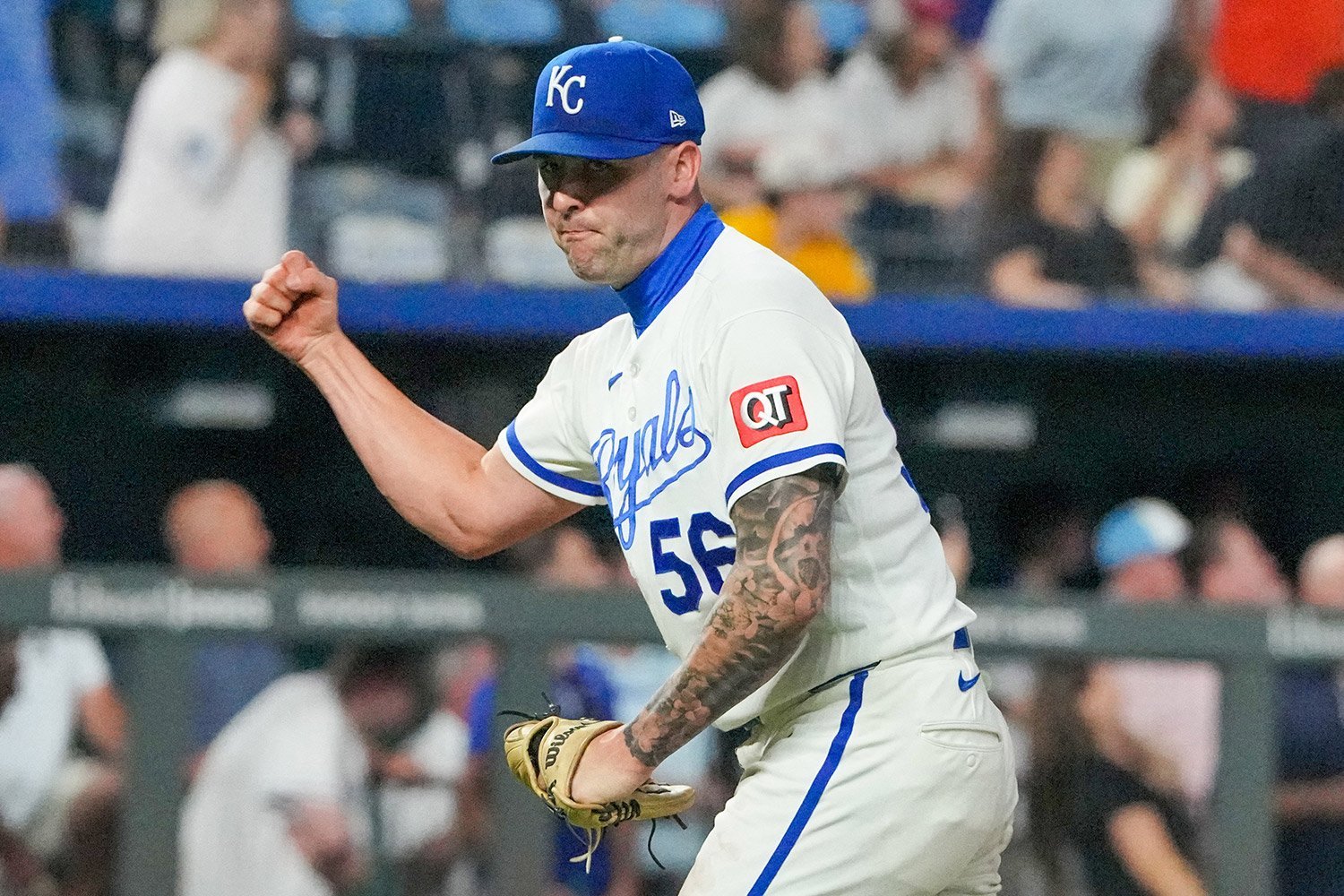 Let’s get this much straight: Alex Lange owns a 1-6 record and a 6.33 ERA across 42 ⅔ innings. It is exactly the kind of stat line that gets filed away as a decline after about two seconds of evaluation. But in Lange’s case, the ERA is telling an incomplete story: in save opportunities, he has posted a solid 3.75 ERA over 12 innings; outside of those situations, that number jumps to an ugly 7.34 across 30 ⅔ innings. Opposing hitters are batting just .198 against him from the eighth through ninth innings, but in every other situation, they are hitting .355. The leverage table explains that gap much better than the save column: Leverage Index BB% K-BB% HR/9 FIP xFIP Low Leverage 13.5% 9.6% 0.00 3.24 4.64 Medium Leverage 12.2% 8.2% 3.60 8.11 4.75 High Leverage 10.0% 15.0% 0.00 2.88 4.83 His walk rate steadily declines from 13.5% to 10.0% as the situation becomes more demanding, while his strikeout-minus-walk rate (K-BB%) reaches its highest point of the season (15.0%) exactly when the game demands his best pitches. This is not a pitcher losing command in the ninth inning. It is a location problem that appears outside those highest-pressure moments. The spike in Lange’s FIP during medium-leverage situations (8.11, compared with 3.24 in low leverage and 2.88 in high leverage) comes from one specific factor: a sudden jump in home runs allowed, with a 3.60 HR/9 mark. When we turn to xFIP — the metric that normalizes home run rate — the illusion fades: 4.64, 4.75 and 4.83. The league is seeing a pitcher profile that looks much more similar across all three situations than the results suggest; the numbers are mostly reflecting where those damaging home runs happened to cluster. That is where the repertoire tells the story that innings alone cannot explain. His fastballs are responsible for most of his damaging contact: he is allowing exit velocities above 93 mph in the upper areas of the strike zone, exactly the type of location where mistakes with his fastball become the easiest to punish. Meanwhile, his slider (32.1% usage) and his new cutter (12.1%) have not allowed a single home run this season (0.0% HR/FB). This is not a mental breakdown halfway through a game; it is that when Lange’s fastballs miss, they miss up and over the middle of the plate, and those mistakes have been concentrated in medium-leverage situations. That is the most important part of the story: this increased vulnerability in the air is the direct cost of a repertoire transition. In 2022, when Lange was built around a devastating knuckle-curve that accounted for nearly half of his pitches, he generated ground balls on 55.6% of balls in play. After eliminating the curveball completely beginning in 2023, his ground-ball rate has fallen to 42.9%. Lange went from being a pitcher who survived by keeping the ball on the ground to one who now relies more on hitters missing. That approach can work, but it comes with a smaller margin for error when mistakes start traveling in the air. With Kansas City controlling him through arbitration until the 2027 season, the question for the front office is not the surface-level appearance of a 6.33 ERA. It is whether Alex Lange has stopped being effective or whether he has simply become a different pitcher, with a different set of strengths and risks than the one who made him valuable in the first place. Everything points toward the latter: his command improves when the pressure rises, his most damaging contact is concentrated in two identifiable pitches, and his xFIP suggests a much more stable underlying profile. The solution for Matt Quatraro and his coaching staff is not to lose faith in Lange in the ninth inning. It is to understand when his fastball is being exposed and avoid putting him in those middle-inning situations where one misplaced pitch can change the game in a single swing. View the full article
 -
What to Expect from the Newest Cub, Starter Kevin Gausman
DiamondCentric posted an article in North Side Baseball
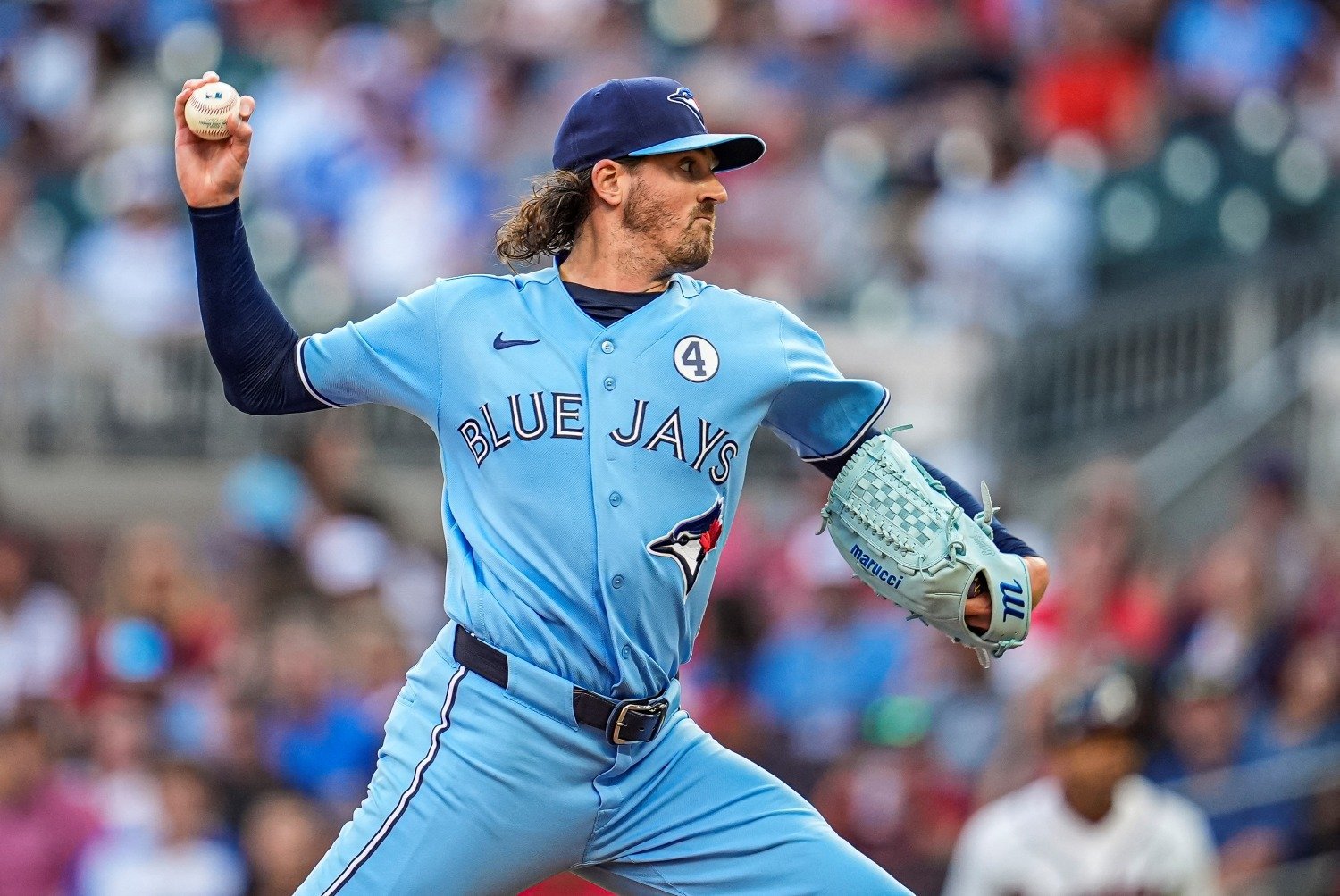 On Sunday night, the Chicago Cubs acquired right-handed pitcher Kevin Gausman from the Toronto Blue Jays for minor leaguers Ty Southisene and Brett Bateman. Gasuman, 35, has reinvented himself in the second half of his career, turning into one of the better and more durable starting pitchers in baseball over the last six years. To be precise, since 2021, only two pitchers (Zack Wheeler and Logan Webb) have accrued more fWAR than Gausman. So, what are the Cubs getting in the right-handed pitcher? On the surface, Gausman will remind you of another Cubs starting pitcher: Shota Imanaga. He's a heavy fastball-splitter pitcher, throwing those two offerings nearly 90% of the time. He's a bit more fastball-heavy against righties and a little more splitter-heavy against lefties, but he's mostly a two-pitch guy. The other 10% of his mix is a slider. As is true of Imanaga, that approach leads to lots of fly balls against Gausman. Much like Imanaga, he does a pretty good job in both the chase and the whiff departments. Even in his mid-30s, Gausman has a chase rate in the 86th percentile, while he keeps his whiff rate in the 63rd percentile. This results in an above-average strikeout rate and a lower-than-average walk rate. While Gausman is not a Stuff+ merchant (he sits just under 100 on the Stuff+ scale according to FanGraphs), he uses his offerings well and continues to force hitters to swing at pitches out of the zone. WnhxTkRfWGw0TUFRPT1fQXdKVVhWRlNYbGNBWGdNSFhnQUhWQTVYQUFCV0JsUUFVd1pRVWxjRFVnZFVCUXRW.mp4 One place he differs from Imanaga is that despite a high fly-ball approach, he's someone who keeps the ball in the park relatively well. His 9.7 HR/FB% is below the league average. He will give up home runs, simply because he lets the ball get into the jet stream so often, but he isn't plagued by the home run. For a player with such good control, though, his numbers this year have been pedestrian—most notably, his 4.38 ERA. That isn't going to scream out "rotation savior" on first glance, but I believe this number is a mirage based on unsustainable left-on-base numbers (his 67.4% LOB% is low), some bad luck, and a merely "decent" defensive work behind him (the Jays are ranked 13th in DRS and 15th in OAA). Putting any pitcher in front of the Cubs' elite defense will make them look better (as David Peterson reminds us); Gausman should benefit from this. That's why I believe in his expected stats more than his actual ones. Those underlying numbers paint a much rosier picture. Despite that 4.38, his expected ERA is 3.95, his FIP is 3.52 and his xFIP is 3.82. The xFIP and FIP both rank first on the Cubs, to put it in perspective. While these fall short of "ace" status, Gausman's 2.6 fWAR on the season puts him on level with Joe Ryan, Nolan McClean and Gavin Williams; he's in good company. It's all painting a picture of a pitcher you can easily see improving on his raw numbers with a better defense and a little better luck. He's a pitcher you can really count on when he's on the mound. Another thing that Gausman comes with is playoff experience. Last year, the Blue Jays were (famously) just one out away from capturing a World Series over the Los Angeles Dodgers. Gausman wasn't in line to be a World Series MVP, he managed to strike out 26 hitters over 30 innings, kept his ERA under 3.00 and had a few strong outings against the Dodgers, too. You can pencil him into a playoff start with ease against any team. All in all, the Cubs are getting an experienced starting pitcher who should play well in front of the their excellent defense. Gausman adds a little extra whiff, a lot of chase and quality for a Cubs' team screaming out for innings in the rotation. He isn't so good that you end up pinning all your hopes and dreams on him, and the return for Toronto doesn't stop the Cubs from doing anything else, so there's a good chance he's the second-best player the team adds before the 5 PM CT trade deadline on Monday. It also allows the Cubs to be a little more patient in the leadup. By having one bird in the hand, the Cubs have completed some of their buying now and can continue to add more Monday without the immense pressure they could be facing. Gausman is a great first step in rebuilding the pitching staff, and it's unlikely he will be the only addition. View the full article
 -
What and Whom Brewers Will Target on MLB Trade Deadline Day
DiamondCentric posted an article in Brewer Fanatic
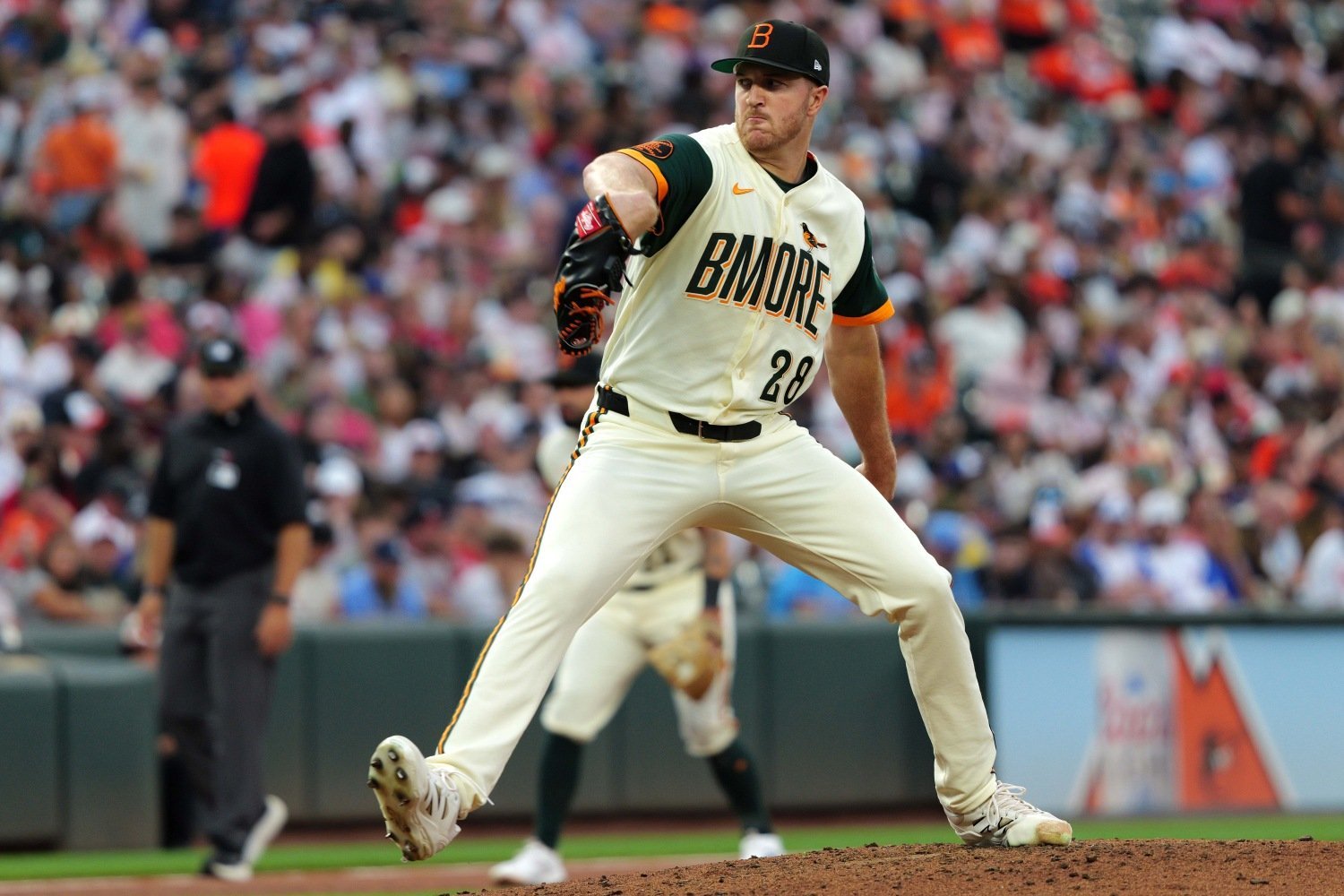 The Brewers don't generally fish where the boats and the birds cluster. They prefer to find the quiet spot no one knows about and haul in a fish that thought itself safe via removal from the hubbub. This year, they made a minor exception by wading into the river at its busiest juncture, discussing mega-ace Tarik Skubal with the Tigers—but they found those waters too deep and retreated to safe ground. Now, with just hours before the MLB trade deadline at 5 PM CT, they're back to trawling their practically private waters. Milwaukee never seriously pursued Freddy Peralta, a club source said. The organization respects and admires Peralta but worried that resetting him after a counterproductive stint in Queens would prove too difficult to get right on the fly, even (or perhaps especially) because of their familiarity with him. Nor were they players for Kevin Gausman, whom the Cubs acquired Sunday night. In terms of budget, team control and profile, the fit wasn't right. The team still has lots of lines in the water, though. They're engaged with teams about some players who have flown under the radar this week, and on at least one hurler whose name has garnered headlines and gossip aplenty. Here's a rundown of a few names they've explored. Trevor Rogers Milwaukee would prefer to add a starter with long-term team control, and we'll talk about a couple of pitchers who fit that criterion shortly. One rental arm who does have their attention is Rogers. His season-level numbers hide significant upside. Last year, Rogers posted a sub-2.00 ERA in half a season of work. This year, after a rocky start related to an illness that sidelined him for about three weeks and left him weak afterward, he's been similarly dominant, with a 2.21 ERA over his last 10 starts. Rogers's stuff profile and delivery suit Milwaukee's predilections, too. Arguably, he's the best rental starter left on the market, and the Brewers have interest. Tyler Phillips At first blush, one might wonder why Phillips would even be available. He's a late bloomer, pitching just his second full season in the majors at age 28. Until late May, he held on with the Marlins as a reliever; he's made just a dozen starts since they moved him to the rotation. They should probably retain him and try to complete his impressive emergence as a useful starter. Phillips is out of options, though, and Miami is willing to talk about him, a source said. That's all the opening the Brewers need, because Phillips checks a lot of boxes for them. He throws from a low slot and shows feel for moving the ball in both directions. He gets great extension toward the plate and throws 96 miles per hour. If the Marlins' price tag on him fairly reflects the fact that his four years of remaining team control will be mitigated a bit by his roster status and profile, he could be a perfect target for the Crew. Ryan Feltner Evaluating pitchers who spend half their time pitching at Coors Field is always challenging; the Brewers like to take advantage of that uncertainty when they can. Two years ago, they swooped in and scooped up Nick Mears in a deal with Colorado. The Rockies' front office has gotten smarter since then, but they're also more realistic about their prospects and the need to look toward the future than they used to be. That could be building the perfect storm for Milwaukee to acquire a starter with two more years of team control, who has flashed frontline upside when he's been healthy over the last few years. Already 29 and with just two more years of team control, Feltner doesn't feel like a high-ceiling target. His stuff rates poorly on models that struggle to account for the effects of working at elevation; there are also things the Brewers would truly want to tweak. But Feltner has one more year of optionability (usable either this season or next), and there are enough markers to tantalize the Brewers, a source familiar with the team's thinking said. Caleb Ferguson Now, let's talk about a couple of left-handed relievers in whom the team has shown interest. Ferguson is the simple kind of target. He's on a one-year, $4.5-million deal with the Reds, so he'd strictly be a rental. He has a three-fastball mix and a fairly forgettable curveball. He gets ground balls and does a lot of things (spotting his sinker to the glove side against fellow lefties; using his fastball variants to induce weak contact) the Brewers like. He'd be a low-friction addition to take some pressure off of Aaron Ashby and the rest of the left-handed relief options down the stretch. Daniel Lynch IV This acquisition wouldn't be quite as simple as Ferguson could be. Lynch is still under team control for two more seasons after 2026, and he has one option year remaining, giving the Royals some flexibility. He does several things the Brewers like with his fastballs, though, and shows good feel for his breaking balls, even though he's constrained by a bias toward pronation and doesn't achieve much sweep or depth on those offerings. His sinker and changeup get grounders, and he shows a converted starter's command and control. Milwaukee is ready to get hurt again, if they must, after dealing for fellow Royals lefty Ángel Zerpa over the winter and watching him go down with a torn UCL. Lynch is a fit for them in both the short and the medium term. Luke Weaver The five names above all represent some level of potential creativity on the Brewers' part. Weaver is the straightforward alternative to all of that. He's under contract for 2027 and will be expensive, both financially and in terms of prospect capital. However, he's regarded as one of the three best relievers likely to move at this deadline, and he suits the Brewers better than either of the other two. The team has discussed Weaver with the Mets, a source briefed on the talks said. They could land him with the idea of mixing him in with Trevor Megill and Abner Uribe this fall, then move one of the three (Megill being the most likely) this winter in a trade to recapture almost all the value they surrender this summer. In the meantime, they'd once again have a bullpen that would be the envy of the National League playoff bracket. Obviously, this is not an exhaustive list of pitchers the Brewers are pursuing. They still have a lot of options, and they're exploring them aggressively. Keep these six names in mind, though, and understand that each represents a tier or a flavor of addition that the team is interested in—even if they ultimately secure a different specific player. One way or another, they should make a significant move on Monday. These are each candidates to be that move. View the full article
 -
 Northwest Arkansas hit six home runs and scored 19 runs at Tulsa, with Colton Becker going 5-for-5 with two homers and five RBI. Felix Arronde allowed six runs for the Naturals. Omaha managed two runs against St. Paul, both tied to Brett Squires, who doubled, homered, and scored twice. Quad Cities scored five runs in the first inning on homers by Chris Brito and Tyriq Kemp, then the bullpen allowed seven runs. Columbia's scheduled doubleheader in Augusta was postponed. Kansas City Royals Transactions Kansas City Royals placed RHP Luinder Avila on the 15-day injured list. Right forearm tightness. Kansas City Royals activated CF Kyle Isbel from the 10-day injured list. Kansas City Royals traded CF Lane Thomas and LHP Bailey Falter to Atlanta Braves for LHP Carter Holton and RHP Lucas Braun. Kansas City Royals selected the contract of LHP Aaron Bummer from Omaha Storm Chasers. Brett Squires Accounts For Both Omaha Runs In Loss To St. Paul The Omaha Storm Chasers lost the series finale to the St. Paul Saints, 4-2, at home at Werner Park. Squires had the best day at the plate for Omaha, going 2-for-4 with a double, a home run, one RBI, and two runs scored. Alejo Lopez went 2-for-2 with a triple and a walk. Matthew Lugo went 1-for-3 with a double and a walk, Abraham Toro went 1-for-5 with a double, and Jack Pineda went 1-for-3 with a walk and an RBI. Omaha finished with seven hits and five walks, and the Storm Chasers struck out nine times. Omaha scored once in the third inning. Squires doubled to right field, and Pineda followed with a single that scored him. The other run came in the eighth, when Squires hit a solo home run, his 16th of the season. Lugo doubled two batters later, but Omaha did not add to the total. Lopez tripled with two outs in the ninth and was stranded there. Ben Sears started and worked 2 2/3 innings, allowing three hits and one run, with no walks and two strikeouts. He took the loss and fell to 6-2. Ethan Bosacker recorded one out and gave up two runs on two hits and a walk. Scott Barlow followed with 1 2/3 scoreless innings, walking three and striking out two. Dan Altavilla added 1 1/3 scoreless innings with a walk and two strikeouts. Anthony Gose threw two scoreless innings without a hit or a walk, striking out two. Eli Morgan allowed one run on two walks without giving up a hit. The Storm Chasers stranded eight runners on base and went 1-for-8 with runners in scoring position. Omaha fell to 51-56. Player AB R H RBI BB K Abraham Toro, DH 5 0 1 0 0 0 Gavin Cross, RF 4 0 0 0 0 2 Brett Squires, 1B 4 2 2 1 0 0 Jack Pineda, SS 3 0 1 1 1 1 Matthew Lugo, CF 3 0 1 0 1 1 Peyton Wilson, 2B 3 0 0 0 1 2 Brandon Drury, 3B 3 0 0 0 1 1 Luca Tresh, C 4 0 0 0 0 2 Alejo Lopez, LF 2 0 2 0 1 0 Totals 31 2 7 2 5 9 Player IP H R ER BB K HR Ben Sears 2 2/3 3 1 1 0 2 0 Ethan Bosacker 1/3 2 2 2 1 0 0 Scott Barlow 1 2/3 2 0 0 3 2 0 Dan Altavilla 1 1/3 2 0 0 1 2 0 Anthony Gose 2 0 0 0 0 2 0 Eli Morgan 1 0 1 1 2 0 0 Totals 9 9 4 4 7 8 0 Becker Goes Five-For-Five With Two Homers In Naturals Rout The Northwest Arkansas Naturals broke out offensively in the series finale on Sunday against Tulsa, winning 19-7. The Naturals collected 20 hits and hit six home runs. Becker went 5-for-5 with two home runs, a double, five RBI, a walk, and three runs scored. Connor Scott went 3-for-6 with a home run, a double, and three RBI. Justin Johnson went 3-for-5 with a home run and one RBI. Jorge Alfaro went 3-for-5 with two RBI, a walk, and a stolen base. Carson Roccaforte went 2-for-6 with a home run and three RBI, and Sam Kulasingam went 1-for-5 with a home run, a walk, and two RBI. Trailing 6-0, Northwest Arkansas scored eight runs in the third inning. Johnson and Alberto Rodriguez scored on a Kulasingam fielder's choice, Roccaforte singled home Luke Pelzer, Alfaro singled home Kulasingam and Roccaforte, Becker hit a two-run home run, and Rodriguez singled home Scott. The Naturals scored eight more in the fourth. Roccaforte, the Royals' No. 9 prospect, hit a two-run home run, Scott hit a three-run home run, Johnson hit a solo home run, and Kulasingam hit a two-run home run. Becker added a three-run home run in the fifth, his second of the game, for the final margin. Arronde, the Royals' No. 16 prospect, started and gave up six runs on seven hits over four innings, walking three and striking out four. Chase Jessee followed with two innings, allowing one run on two hits with no walks and four strikeouts, and he earned the win to move to 2-2. Caden Monke allowed two hits and a walk over two-thirds of a scoreless inning. Anthony Simonelli threw 1 1/3 scoreless innings with a walk and a strikeout, and Zachary Cawyer closed it out with a scoreless inning, allowing two hits and striking out one. The Naturals stranded six runners on base and went 6-for-13 with runners in scoring position. With the win, Northwest Arkansas improved their record to 42-58. Player AB R H RBI BB K Luke Pelzer, CF 5 2 1 0 1 0 Sam Kulasingam, 3B 5 3 1 2 1 1 Carson Roccaforte, DH 6 2 2 3 0 3 Spencer Nivens, LF 6 1 1 0 0 1 Jorge Alfaro, C 5 3 3 2 1 1 Colton Becker, SS 5 3 5 5 1 0 Connor Scott, 1B 6 2 3 3 0 2 Justin Johnson, 2B 5 2 3 1 0 0 Alberto Rodriguez, RF 5 1 1 1 0 0 Totals 48 19 20 17 4 8 Player IP H R ER BB K HR Felix Arronde 4 7 6 6 3 4 1 Chase Jessee 2 2 1 1 0 4 1 Caden Monke 2/3 2 0 0 1 0 0 Anthony Simonelli 1 1/3 0 0 0 1 1 0 Zachary Cawyer 1 2 0 0 0 1 0 Totals 9 13 7 7 5 10 2 Five-Run First Inning Not Enough For The River Bandits The Quad Cities River Bandits lost to Dayton, 9-5, at home, and all five of their runs came in the first inning. Brito hit a three-run home run, his third of the season, that scored Nolan Sailors and Erick Torres. Jose Cerice was later hit by a pitch, and Kemp followed with a two-run home run, his ninth. Unfortunately, Quad Cities did not score again. Brito went 1-for-4 with three RBI. Kemp went 1-for-3 with two RBI, a walk, and a stolen base, his 25th of the season. Blake Mitchell went 1-for-4 with a double. Sailors, Torres, Trevor Werner, and Angel Acosta each had one hit. The River Bandits finished with seven hits and one walk, and they struck out 10 times. Emmanuel Reyes started and worked six innings, allowing two runs on three hits, with one walk and six strikeouts. It was his fifth quality start of the season. Nick Conte gave up four runs on two hits and two walks in one inning, striking out two, and he took the loss to fall to 0-2. Yimi Presinal walked five and allowed three runs on one hit while recording two outs. Aiden Jimenez finished with 1 1/3 scoreless innings, allowing two hits with no walks and two strikeouts. Dayton scored two runs in the seventh inning and five in the eighth. Four of the five runs in the eighth came without a hit, on a wild pitch and three consecutive bases-loaded walks. The River Bandits stranded four runners and went 1-for-6 with runners in scoring position. Quad Cities fell back to .500 with the loss and are now 49-49. Player AB R H RBI BB K Nolan Sailors, DH 4 1 1 0 0 2 Erick Torres, CF 4 1 1 0 0 2 Blake Mitchell, C 4 0 1 0 0 0 Chris Brito, 1B 4 1 1 3 0 1 Derlin Figueroa, LF 3 0 0 0 0 3 Pedro Roque, LF 1 0 0 0 0 0 Jose Cerice, 3B 3 1 0 0 0 0 Tyriq Kemp, SS 3 1 1 2 1 1 Trevor Werner, RF 4 0 1 0 0 1 Angel Acosta, 2B 4 0 1 0 0 0 Totals 34 5 7 5 1 10 Player IP H R ER BB K HR Emmanuel Reyes 6 3 2 2 1 6 1 Nick Conte 1 2 4 4 2 2 1 Yimi Presinal 2/3 1 3 3 5 1 0 Aiden Jimenez 1 1/3 2 0 0 0 2 0 Totals 9 8 9 9 8 11 2 Top-20 Prospect Performance Kendry Chourio, DNP David Shields, DNP Josh Hammond, DNP Blake Mitchell, 1-for-4 with a double for Quad Cities Sean Gamble, DNP Ramon Ramirez, DNP Zion Rose, DNP Asbel Gonzalez, DNP Carson Roccaforte, 2-for-6 with a home run and three RBI for Northwest Arkansas Taylor Rabe, DNP Yandel Ricardo, DNP Justin Lamkin, DNP Drew Beam, DNP Michael Lombardi, DNP Jack Slightom, DNP Felix Arronde, four innings, seven hits, six runs, three walks, and four strikeouts for Northwest Arkansas Angeibel Gomez, DNP Ben Kudrna, DNP Steven Zobac, DNP Blake Wolters, DNP View the full article
 -
 Darrien Miller’s clutch hit gave Nashville a Sunday win. Jesus Made homered and Marco Dinges caught, but Biloxi was blown out. Wisconsin dropped an extra inning contest, while Wilson was rained out. For the week, Wisconsin (4-2) and Wilson (3-2) were series winners, Nashville (3-3) managed a draw and Biloxi (2-4) came up short. Transactions: RHP Joel Kuhnel sent on rehab assignment to AAA Nashville RHP Tanner Perry promoted to AA Biloxi from High-A Wisconsin Game Action: Nashville Pre-Game Media Notes Final: Nashville 5, Charlotte (White Sox) 3 Box Score Via a Sounds’ press release, game details: Rick Sweet Owns Sole Possession of Second Most Minor League Managerial Wins Seeking their 3rd consecutive win to earn a 3-3 draw in this week’s series, the Sounds grabs leads in the 3rd, 5th and 8th innings to get the job done. After Charlotte briefly took the lead with a two-run top of the 8th inning against rehabbing RHP Joel Kuhnel (2/3 IP, HR, 2 doubles), OF Akil Baddoo started the rally with an infield single and C Darrien Miller (1-for-3, walk, 2 RBIs) delivered a two-out, two-run double to restore Nashville’s lead. RHPs Brett Wichrowski (3 IP, 0 R, 3 Ks) and Gerson Garabito (3 2/3 IP, 1 R, 2 Ks) were in solid form, combining to cover 6 2/3 innings and only allow one run. The left side of the infield of 3B Brock Wilken (2-for-4, 2 doubles, RBI) and SS Eduardo Garcia (2-for-4, HR, RBI) were key contributors to Nashville’s victory. Sounds’ Extras: Kudos to RHP Blake Holub for stranding two baserunners inherited from Garabito and RHP Will Childers for working around his three ninth inning walks to close out the victory with a 5-4-3 ground ball double play. 1B Luke Adams (1-for-3, walk) and OF Tyler Black (1-for-2, walk, sac fly) each reached base twice as the Sounds out-hit the Knights 10-5. Next week’s outlook: Nashville hit the road, but remain in Tennessee as they battle Cardinals’ affiliate Memphis for six games this week. Biloxi Pre-Game Media Notes Final: Montgomery (Rays) 20, Biloxi 3 Box Score Via the Shuckers’ website, game details and we encourage readers to review affiliate write-ups as part of their Link Report routine: Made’s League-Leading 31st Multi-Hit Game Headlines Shuckers Loss – Biloxi Falls in Series Finale to Montgomery Southern League debuts for RHPs Chandler Welch (2 IP, 6 R, 0 Ks) and Tanner Perry (2 1/3 IP, 9 R (8 ER), 4 Ks) sadly didn’t go well on Sunday, as they combined to allow 15 runs (14 earned) in the middle innings to see a 3-3 tie ultimately turn into a 20-3 rout. Although RHP Stiven Cruz (2 IP, 3 R, 2 Ks) allowed two first inning homers in a rare spot start (and after throwing 42 pitches three days earlier), SS Jesus Made (2-for-5, HR, 2 RBIs) had re-set the contest with this two-run blast in the 3rd inning. After dealing with a shoulder impingement, C Marco Dinges played behind the plate for the first time since May 5, so we’ll have to forgive the 0-for-5 caught stealing output. Dinges (1-for-2, double, RBI) exited after five innings, causing a bit of online excitement with the MLB trade deadline on Monday, August 3, but the team was simply easing him back in: OF Josh Adamczewski kept up his solid work (2-for-2, double, 2 walks), while DH Blake Burke singled, walked and stole his 26th(!) base. Shuckers’ Extras: RHP Ryan Birchard (1 K) and INF Jheremy Vargas produced the cleanest pitching lines with a scoreless inning each. Despite being out-hit 14-6, credit Shuckers’ batters with only striking out four times. Next week’s outlook: Biloxi head over to Columbus, Georgia to battle the Braves’ affiliate over a 6-game series, commencing on Tuesday evening. Wisconsin Pre-Game Media Notes Final: Lansing (Athletics) 5, Wisconsin 4 (in 10 innings) Box Score Via the Timber Rattlers’ website, game details: Rattlers Fall to Lansing in Extra-Innings - Opportunities missed for Wisconsin in 5-4, ten-inning defeat Despite the close loss, Wisconsin’s media team has compiled video highlights for us: The Mehring-Timm post-game podcast, featuring Manager Nick Stanley, also gives us special insights that we’re fortunate to have access to. As you’ve seen read, seen and heard from the above links, a sterling nine-inning pitching performance unfortunately went for naught as big opportunities in the bottom of the 9th and 10th innings weren’t converted. Huge credit to stating RHP Ethan Dorchies (6 IP, 1 R, 4 H, 4 BB, 1 HBP, 4 Ks) and relievers LHP Bjorn Johnson, RHP Jason Woodward and RHP Quinton Low for limiting the Lugnuts to one run on four hits through nine innings. An OF Tyler Rodriguez one-out single in the 9th inning was followed by two walks to set the stage for a possible walk-off win, but two ground ball outs (the first a force out at home) erased that chance. Low continued into the 10th inning, allowing the Manfred Man across for a 2-1 deficit and loading the bases. He got ahead in the count 0-2 to nearly escape, but a back-breaking three-run triple appeared to put the game out of reach. The resilient Timber Rattlers weren’t done though, putting the first four runners aboard in the bottom of the 10th inning, highlighted by OF Luis Castillo’s two-run double, to make it a 5-4 game with runners on 1st and 2nd and nobody out. Unfortunately a strikeout and line out double play ended the game. Timber Rattlers’ Extras: Out-hitting Lansing 10-7 wasn’t quite enough, as Wisconsin stranded 11 baserunners. 2B Daniel Dickinson (2-for-3, walk, HBP) reached base four times, while 3B Eric Bitonti (2-for-4, double, walk) and Castillo (2-for-5, 2 RBIs) joined him with multi-hit games. Next week’s outlook: Wisconsin head south to take on Marlins’ affiliate Beloit in a six-game series, with LHP Wande Torres scheduled to start the series opener on Tuesday. Wilson Pre-Game Media Notes Rain Out: Fredericksburg at Wilson Via the Warbirds’ website, rainout details: Wilson, Fredericksburg Series Finale Postponed The Warbirds and Nationals intend to make up this game in a doubleheader in Fredericksburg on September 3rd, by which point both teams’ lineups may include some recent draft picks. Next week’s outlook: Wilson head to Lynchburg, Virginia for six games against Guardians’ affiliate Hill City, starting from Tuesday. We hope that you enjoy the Minor League Link Report. On Monday, the Dominican Summer League teams return to action at 10:00am CST. The Milwaukee Brewers also host the Pirates at 6:40pm, seeking revenge after their series loss just before the All-Star break. Organizational Scoreboard including starting pitcher info, game times, MiLB TV links, and box scores Current Milwaukee Brewers Organization Batting Stats and Depth Current Milwaukee Brewers Organization Pitching Stats and Depth View the full article
 -
Four Twins Prospects With Steam Entering the MLB Trade Deadline
DiamondCentric posted an article in Twins Daily
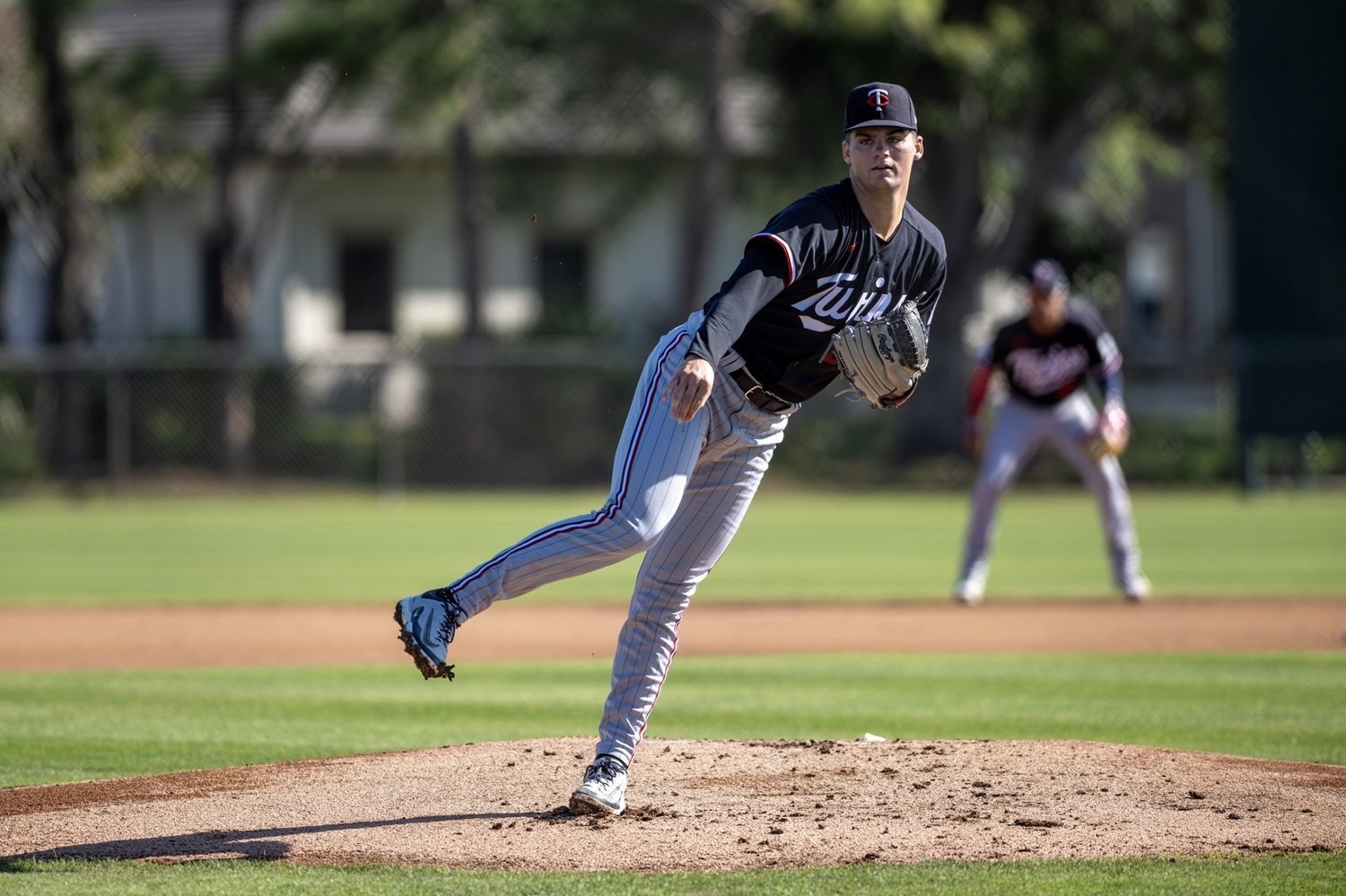 Every trade deadline brings difficult conversations between front offices. Contenders want immediate help. Sellers want premium young talent. Somewhere in the middle, organizations have to decide which prospects are untouchable and which ones they are willing to move. The challenge is that prospect value rarely stays static throughout the season. Players who entered the year as intriguing names can quickly become coveted trade chips after making adjustments, adding velocity, unlocking power, or simply proving they belong against better competition. Rival evaluators notice those changes just as quickly as the organizations developing them. These are the players with "steam." The Twins have one of baseball's deepest farm systems, giving general manager Jeremy Zoll plenty of options if they decide to pursue upgrades before Monday's trade deadline. While names like Walker Jenkins and Vahn Lackey understandably dominate headlines, several other prospects have significantly boosted their stock during the 2026 season. Here are four Twins prospects carrying plenty of momentum into deadline week. SS Marek Houston TD Prospect Rank: No. 5 Few prospects have done more to change their offensive outlook than Houston. When the Twins selected Houston in the first round last summer, scouts universally praised his elite defense and baseball instincts. The biggest question centered around whether he'd ever hit enough to become an everyday shortstop in the majors. He's done plenty to answer those concerns. Houston revamped his swing over the offseason, making mechanical adjustments that have translated into harder contact, more extra-base hits, and a much more dangerous offensive profile. In 83 games, he has a 129 wRC+, .402 wOBA, and 38 stolen bases. Instead of profiling as a defense-first shortstop, he's beginning to look like a complete player capable of impacting the game on both sides of the ball. His defensive reputation was already among the best in the minors. Now that the bat is catching up, Houston has rapidly climbed national prospect rankings and looks increasingly like Minnesota's shortstop of the future. That combination also makes him exactly the type of prospect opposing front offices would love to acquire. RHP Riley Quick TD Prospect Rank: No. 6 Despite his injury history, the Twins believed Riley Quick had first-round talent when they drafted him in the competitive balance round of the 2025 MLB Draft. This season has shown why. Quick has consistently overpowered hitters with an upper-90s fastball and a swing-and-miss slider that projects as a legitimate plus pitch. In 22 starts, he has a 3.68 ERA with 35.9 K% and a 13.8 BB%. More importantly, he's answered durability questions by handling a larger workload (51 1/3 IP), while maintaining his premium stuff throughout the summer. Power arms are among the most coveted assets in baseball, and Quick has looked every bit like a future major league starter with top-of-the-rotation upside. Even if the Twins ultimately envision him remaining in their rotation, it's easy to understand why opposing clubs would ask about him in virtually every trade conversation. OF Hendry Mendez TD Prospect Rank: No. 10 Mendez arrived in Minnesota as one piece at last year's deadline fire sale, and he's only strengthened his value since then. The left-handed hitter has continued developing into one of the organization's most polished offensive prospects. In 71 games this season, he has an .844 OPS, a 117 wRC+, an 11.4 BB%, and a 18.3 K%. His mature approach, ability to control the strike zone, and improving power have allowed him to produce consistently while reaching Triple-A. Perhaps most encouraging has been the continued growth in his overall offensive impact. Rather than simply projecting as a high-contact hitter, Mendez is driving the baseball with greater authority while maintaining the disciplined approach that made him attractive in the first place. He's beginning to look like an everyday corner outfielder who can contribute in multiple ways offensively. That’s a profile every organization covets. C Khadim Diaw TD Prospect Rank: No. 14 Catchers who can both defend and hit are among the rarest commodities in professional baseball. That's why Diaw has become one of the more intriguing names in Minnesota's system. Diaw has taken significant steps forward offensively. In 86 games, he has posted a 123 wRC+ with an .837 OPS. His athleticism has always stood out, but the offensive improvements have elevated his ceiling considerably. Young catchers often require years of development, making patience essential. The 22-year-old Diaw's progress has accelerated that timeline enough for outside evaluators to take notice. Minnesota also added multiple catching prospects in the 2026 MLB Draft, making Diaw more expendable. With quality catching prospects always in short supply, his value has climbed substantially over the past several months. The Twins Have Valuable Trade Currency The Twins don't have to trade any of these prospects before Monday's deadline. However, having multiple young players whose value is trending upward gives the front office flexibility. Organizations looking to add impact talent often have to surrender prospects whose stock is peaking rather than those whose value has stalled. That's exactly where Minnesota finds itself. Houston is proving he can hit. Quick continues looking like a frontline arm. Mendez is becoming one of the system's steadiest bats. Diaw is emerging at one of baseball's thinnest positions. Whether they remain Twins or become part of a blockbuster deal, all four have significantly increased their value during the 2026 season, and rival front offices have undoubtedly noticed. What other names should be added to the list? Leave a comment and start the discussion. View the full article
 -
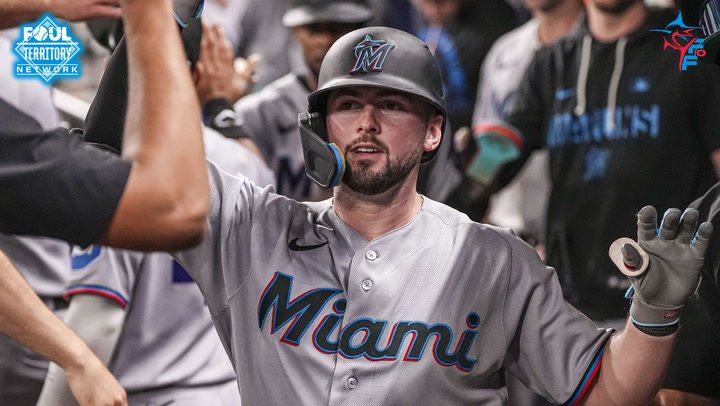 Fish On First LIVE discusses why Liam Hicks is more valuable to other MLB teams than he is to the Marlins moving forward, making him a prime trade candidate despite being so early in his career.View the full article
