


DiamondCentric
-
Posts
2,631 -
Joined
-
Last visited
Never
Content Type
Profiles
Forums
Events
News
Tutorials & Help
Major League Baseball Videos
Guides & Resources
Store
Downloads
Gallery
Everything posted by DiamondCentric
-

Royals select Jack Slightom with No. 56 overall pick
DiamondCentric posted an article in Royals Keep
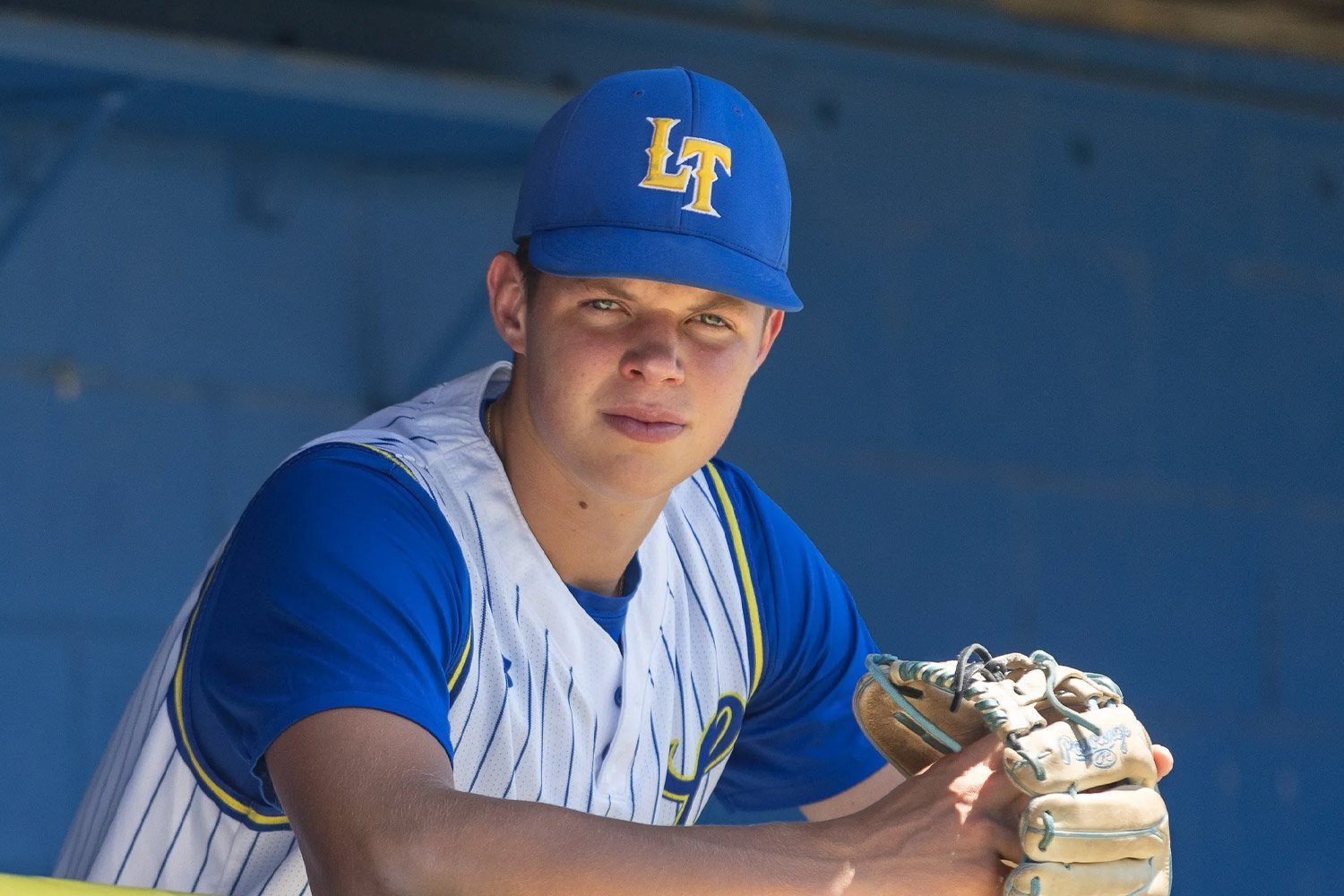 Jack Slightom is a cold-weather arm out of Illinois, currently committed to Cincinnati, who has surged up draft boards towards the end of the cycle. A projectable righty at 6'4, 200 pounds, he's made strides in the last 12 months and should flourish in a pro system after splitting time between baseball and football in high school. Slightom has some interesting release traits with a lower arm slot and above-average extension. It's a run and ride fastball that has been as high as 98 mph, but will likely sit in the 93-95 mph range, a significant step forward from his junior year. Slightom's primary breaking pitch is a sweeping slider that could use more firmness. He's also shown capacity for a changeup with tumble and fade. View the full article
 -
Twins Select Carson Tinney With The 43rd Pick In 2026 MLB Draft
DiamondCentric posted an article in Twins Daily
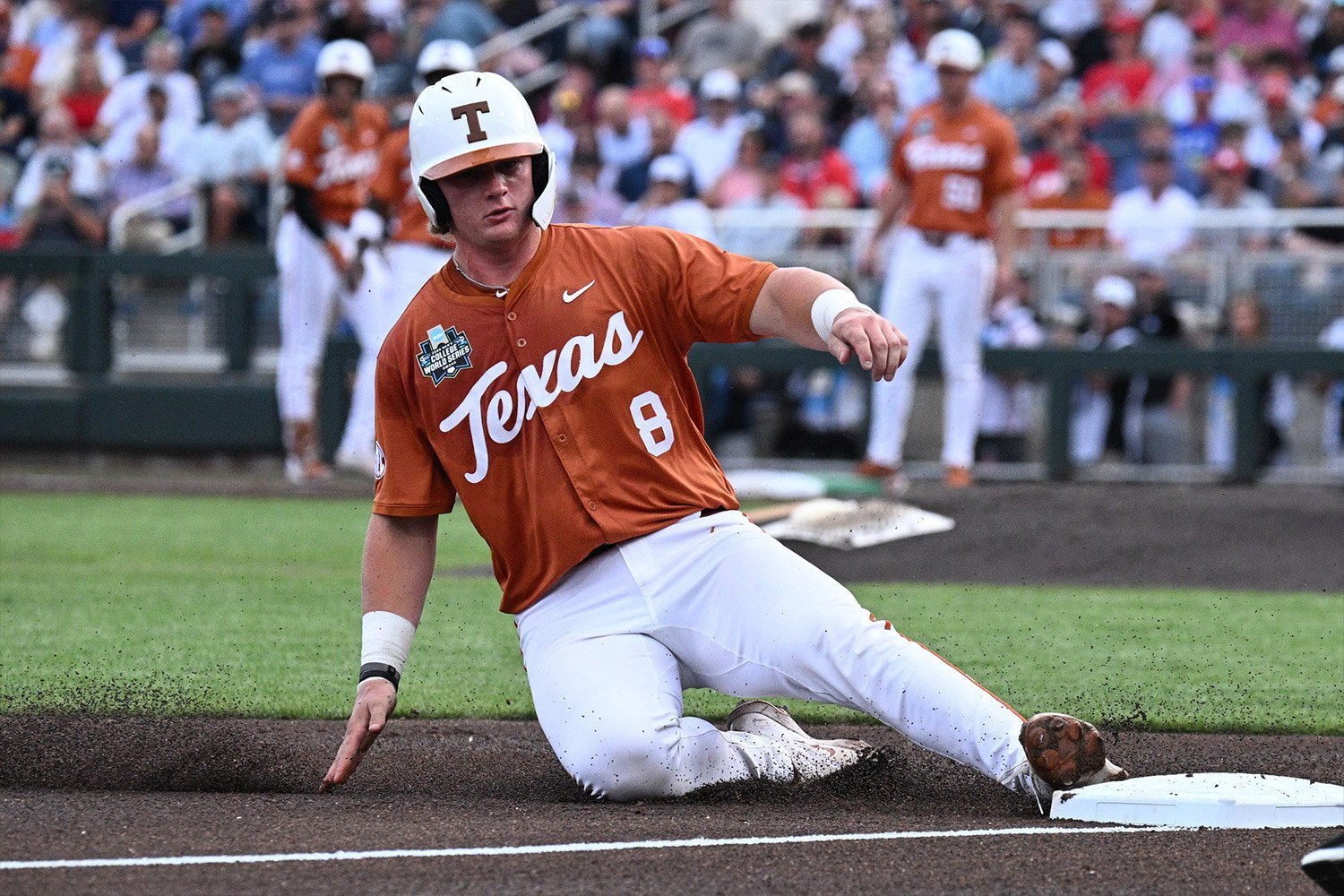 The Minnesota Twins selected Carson Tinney 43rd overall in the 2026 MLB Draft. Tinney played for Notre Dame and the University of Texas at Austin. He was ranked 61st in our mock draft, slashing .326/.483/.688 offensively for the Aggies. Here is a summary of Tinney written by our draft expert, Jamie Cameron. Notre Dame transfer Carson Tinney is a different profile of player, with more whiff in his offensive profile and more defensive uncertainty. Despite this, it's an incredibly impressive production after transferring to Texas and facing SEC competition his junior season. Tinney has significant swing-and-miss issues with his hit tool, but it's legitimate 70-grade raw power. He's posted exit velocities north of 115 mph in 2026, in addition to 22 home runs in 61 games. While he strikes out a lot (23.1%), his hit tool concerns are somewhat mitigated by a walk rate of 19.2%.. Defensively, it's huge arm strength. Like many other large-framed catchers, Tinney struggles with some of the nimbleness and adaptability of movement behind the plate. Outside of controlling the running game, the whole defensive package needs work. Even so, it's 30 home run potential that could find a home at first base if the catching doesn't stick. The Minnesota Twins secured a major organizational upgrade by selecting Georgia Tech catcher Vahn Lackey with the No. 3 overall pick and Texas catcher Carson Tinney at No. 43 overall. This strategic emphasis on premium backstops injects high-impact depth, defensive versatility, and immense power into the franchise's pipeline. Drafting premium catching talent is always a high-risk, high-reward strategy, but the Twins have focused - intentionally or not - on acquiring catcher depth since the 2025 trade deadline. If even one of these prospects hits their ceiling, the Twins have secured a foundational piece for their next championship window. View the full article
 -
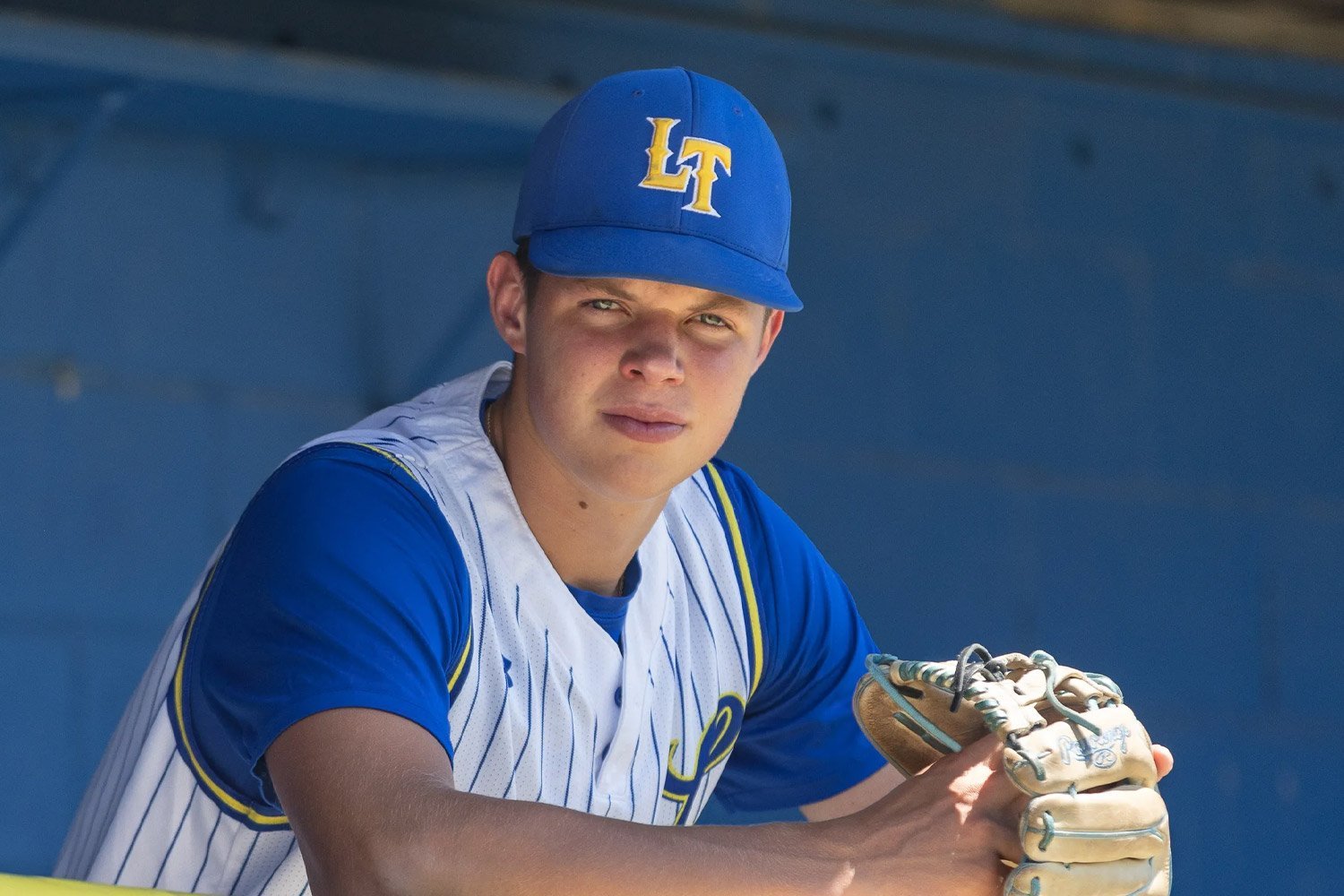 The Kansas City Royals selected Jack Slightom with the No. 56 overall pick in the 2026 MLB Draft. The slot value for that selection is $1,721,700. Slightom is a Cincinnati Bearcat signee but is likely to sign with Kansas City rather than taking the college route. A three-sport athlete, Slightom wasn't serious about full-time baseball until his senior season. He certainly locked in and showed his potential, posting a 7-0 record with a 0.38 ERA, the best in all of Illinois high school baseball. Here is what our draft expert Jamie Cameron had to say about Slightom. "Jack Slightom is a cold-weather arm out of Illinois, currently committed to Cincinnati, who has surged up draft boards towards the end of the cycle. A projectable righty at 6'4, 200 pounds, he's made strides in the last 12 months and should flourish in a pro system after splitting time between baseball and football in high school. Slightom has some interesting release traits with a lower arm slot and above-average extension. It's a run and ride fastball that has been as high as 98 mph, but will likely sit in the 93-95 mph range, a significant step forward from his junior year. Slightom's primary breaking pitch is a sweeping slider that could use more firmness. He's also shown capacity for a changeup with tumble and fade." Slightom is the second pitcher selected by Kansas City in the first round of the draft, joining Ole Miss right-hander Taylor Rabe. Slightom will join a top prospect list that already contains 17 of its top 30 as starting pitchers. If the fastball velocity can be paired with the offseason command, Slightom has a chance to rival the success that the Royals front office expects Rabe to have. View the full article
 -
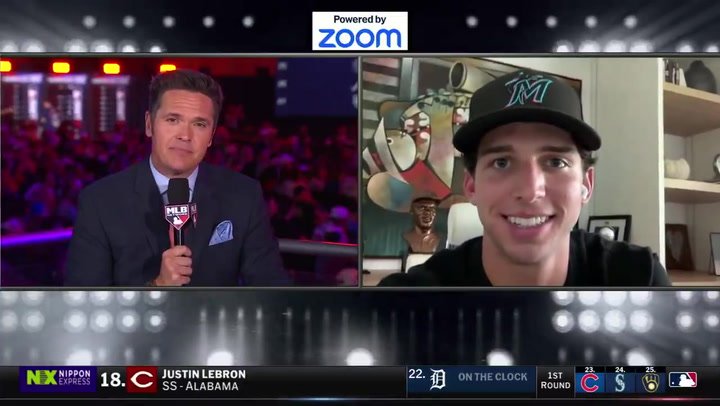 The 14th overall pick in the MLB Draft, shortstop Jacob Lombard discusses joining the Marlins organization and the critical support he has received from his family.View the full article
 -
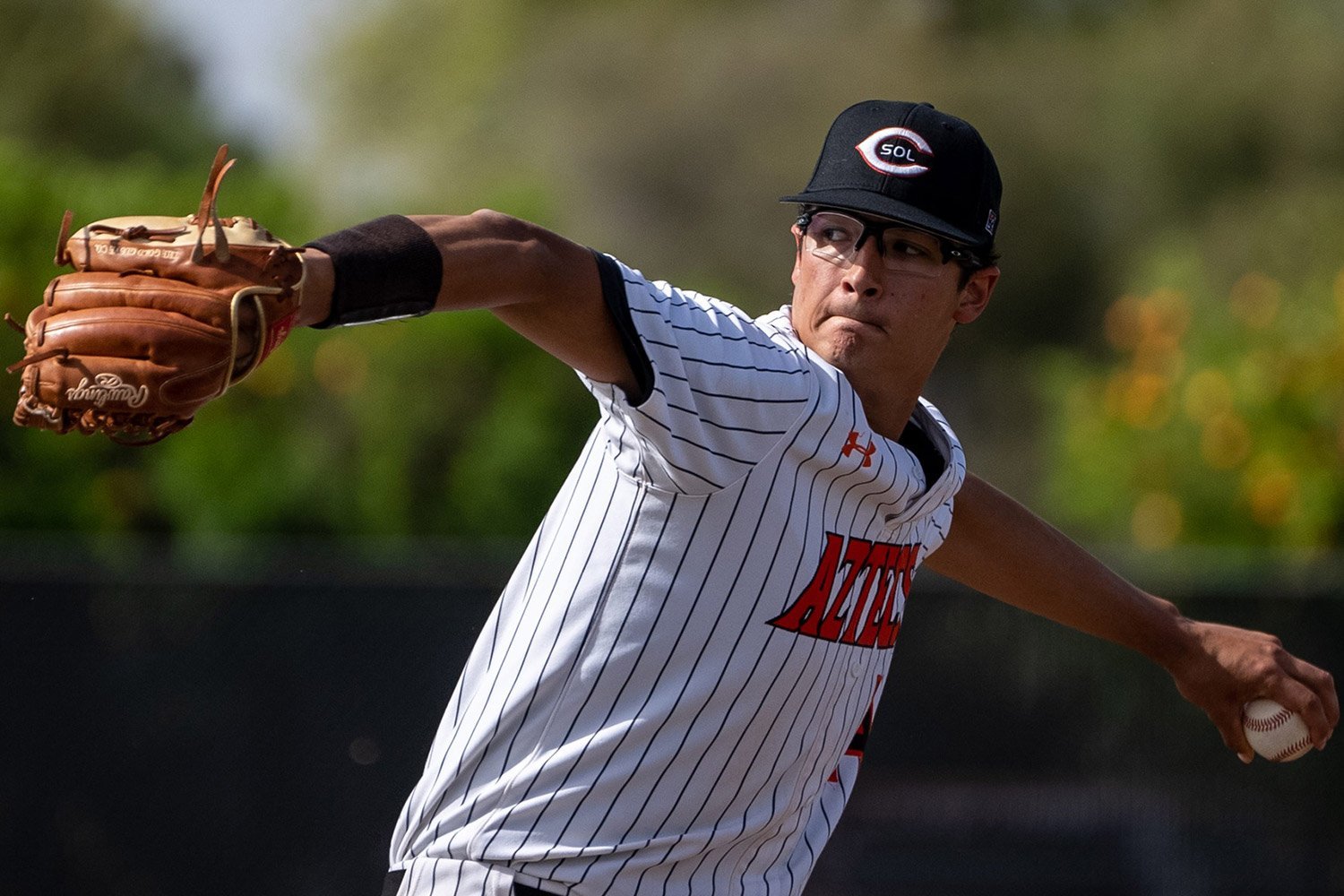 The Toronto Blue Jays selected Cole Carlon at #39in the 2026 MLB Draft. Cole Carlon is a starting pitcher at Arizona State University. The slot value for the pick is $2,571,700. Cole Carlon was ranked #20 on our MLB Draft Consensus Board. Here’s what our write-up of Cole Carlon by Jamie Cameron from our MLB Draft Consensus Board said of Cole Carlon. Carlon is one of the fastest-rising college arms in 2026 in a demographic that has suffered from injuries and inconsistent performance. After contributing to the Sun Devils immediately as a freshman bullpen arm, Carlon improved his sophomore season significantly, cutting his ERA in half and flashing far more dominant stuff. It's a good-looking delivery from Carlon. While there aren't outlier release traits, he hides the ball well during his delivery and has an ideal pitcher's frame at 6'5, 220 pounds. He's moved from the bullpen to a starting role in 2026. The results have been spectacular. Carlon had a 4.30 FIP through 83.2 innings of work this season while striking out 38% of hitters. The stuff is as explosive as ever, his fastball sits 94-96 mph, but he's run it up to 100 mph. His slider is one of the best in the class, a mid-80s gyro offering that generates a ton of swing and miss. Carlon mixes in a curveball and a changeup, too. There's still some refinement needed to the strike throwing, but Carlon's walk rate has improved from 11.3% in 2025 to 8.9% in 2026. Carlon is looking like a first-round prospect with starter traits who should move quickly as a pro. View the full article
 -
 Fish On First staffers react to who the Miami Marlins selected with the 14th overall pick in the 2026 MLB Draft. Saturday's show was hosted by Alex Carver and featured panelists Ely Sussman, Hector Rodriguez, Sean McCormack, Kevin Barral, Nate Karzmer and Jeremiah Geiger. You can find Fish Unfiltered and Fish On First LIVE on the Fish On First YouTube channel, Apple Podcasts, Spotify or wherever else you get your pods. Widely projected to be taken within the draft's first 10 picks, Lombard is an extremely toolsy shortstop who just so happens to be a South Florida native. He's likely to require an overslot deal from the Fish (slot value is $5,444,900). View the full article
 -
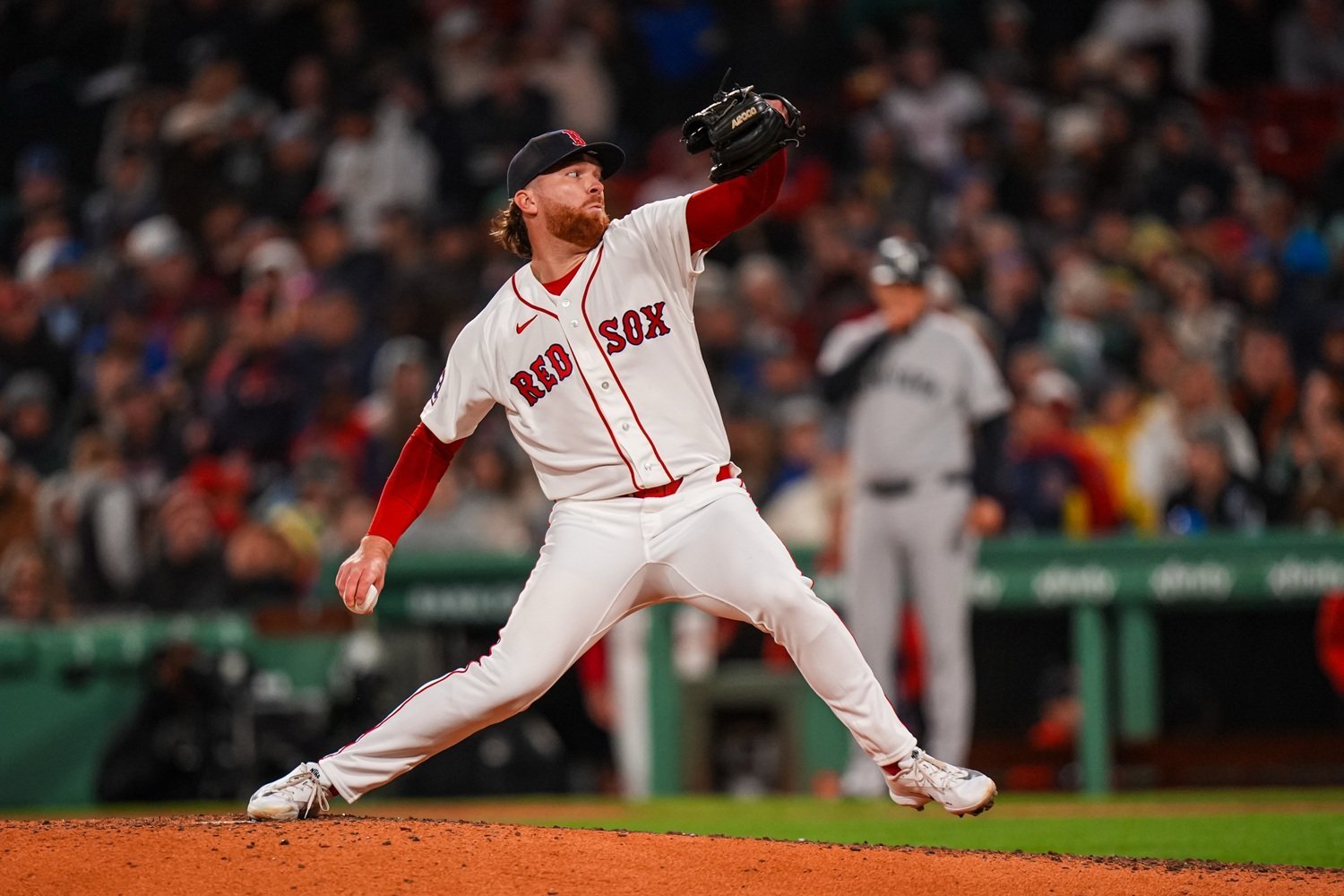 Jack Anderson became available when the Red Sox DFAd him earlier in the week. He debuted for Boston in mid-April and pitched in three big-league games. He had two walks and six strikeouts, along with three earned runs over eight innings. At Triple-A Worcester, he was 2-4 with a 4.81 ERA this year. In 58 innings, he walked 21 and had 51 strikeouts. Anderson grew up in Tampa. He was the 16th round pick of the Detroit Tigers in 2021 after playing at Florida State. He spent four seasons with the Tigers organization and the 2025 and 2026 seasons with the Red Sox. Fun Fact: He pitched three innings in the 2026 World Baseball Classic for the team from Great Britain. He struck out three batters and gave up one run over three innings. He will start by being optioned to the Saints. Lefty Anthony Banda was moved to the 60-Day Injured List to make room for Anderson on the 40-man roster. Banda had surgery recently on his left lat. Very likely to miss the remainder of the season. Anderson throws five pitches. He throws a four-seam fastball 36.3% of the time. It averages just 90.4 mph. He throws a split finger (22.6%, 81.4 mph) and a slider (21%, 82.6mph). He also throws a sweeper (12.1%, 78.1 mph) and a curveball (8.1% 77.2mph). View the full article
 -
Royals Select Taylor Rabe With 30th Pick In 2026 MLB Draft
DiamondCentric posted an article in Royals Keep
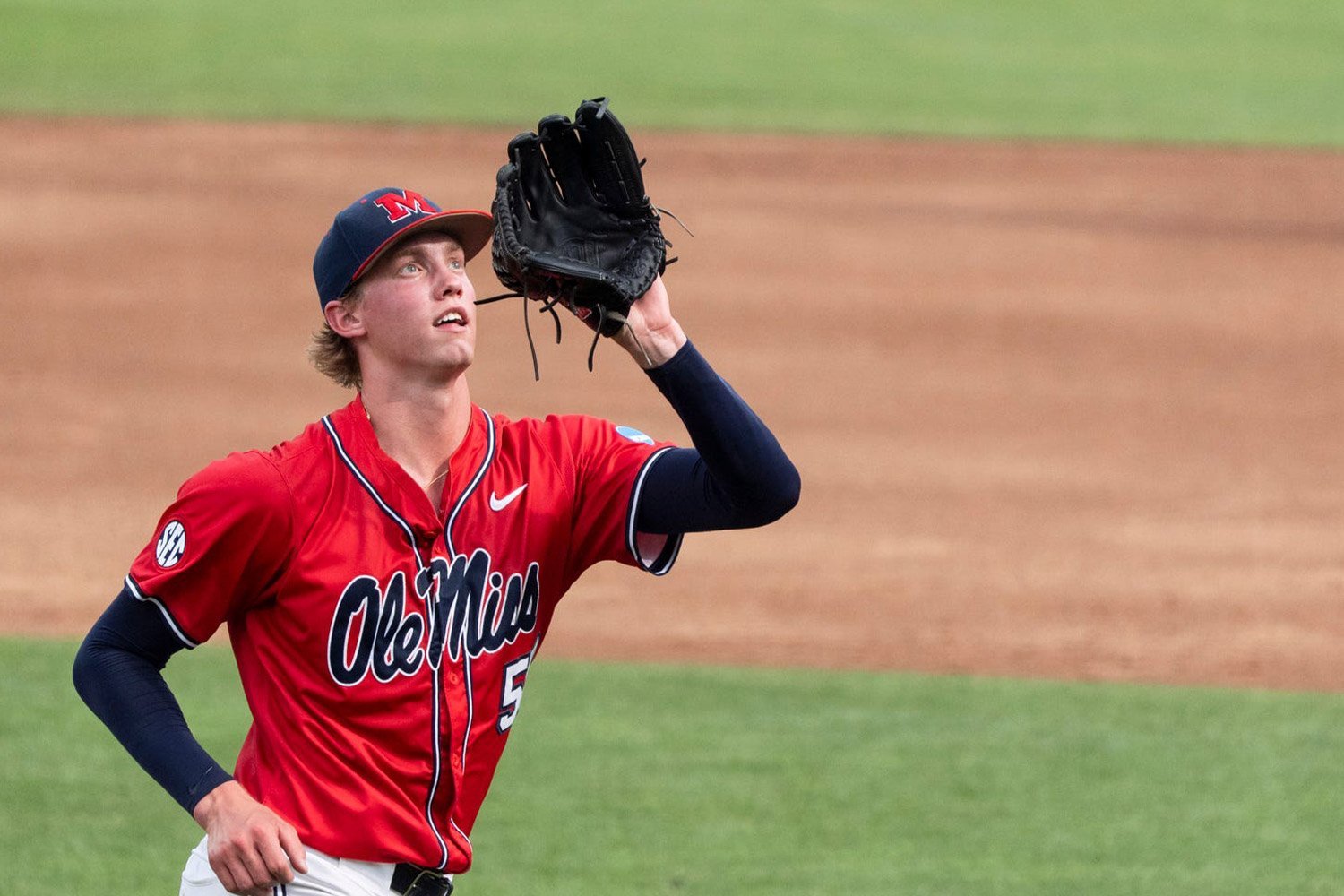 Taylor Rabe is a 6’5, right-handed pitcher for Ole’ Miss, who has been a significant late riser on draft boards down the stretch of the 2026 season. After blowing out his elbow in his senior year of high school, he made it to campus and spent his 2024 season recovering from TJ surgery. Rabe transitioned into a starting role in 2026, after functioning primarily as a reliever his sophomore season. He logged a career high 76 innings in 2026, posting a strikeout rate of 34.2%, while managing a 3.75 FIP, an excellent mark given the quality of the competition he faced regularly. Rabe has an excellent fastball that sits 95-97 mph but has touched triple digits. It’s primarily complemented by a cutter (86 mph), a slider (82 mph), and a changeup (87 mph), giving Rabe a solid four-pitch mix with which to transition into pro ball. There’s excellent strike throwing here. Rabe walked just 4.9% of hitters in 2026. That’s actually up from 2025 (2.5%), and he gets good extension down the mound. There’s a ton of starter traits here, and I like Rabe a ton to polish up his arsenal and optimize his approach with an offseason in a pro system under his belt. The arrow is firmly up here. View the full article
 -
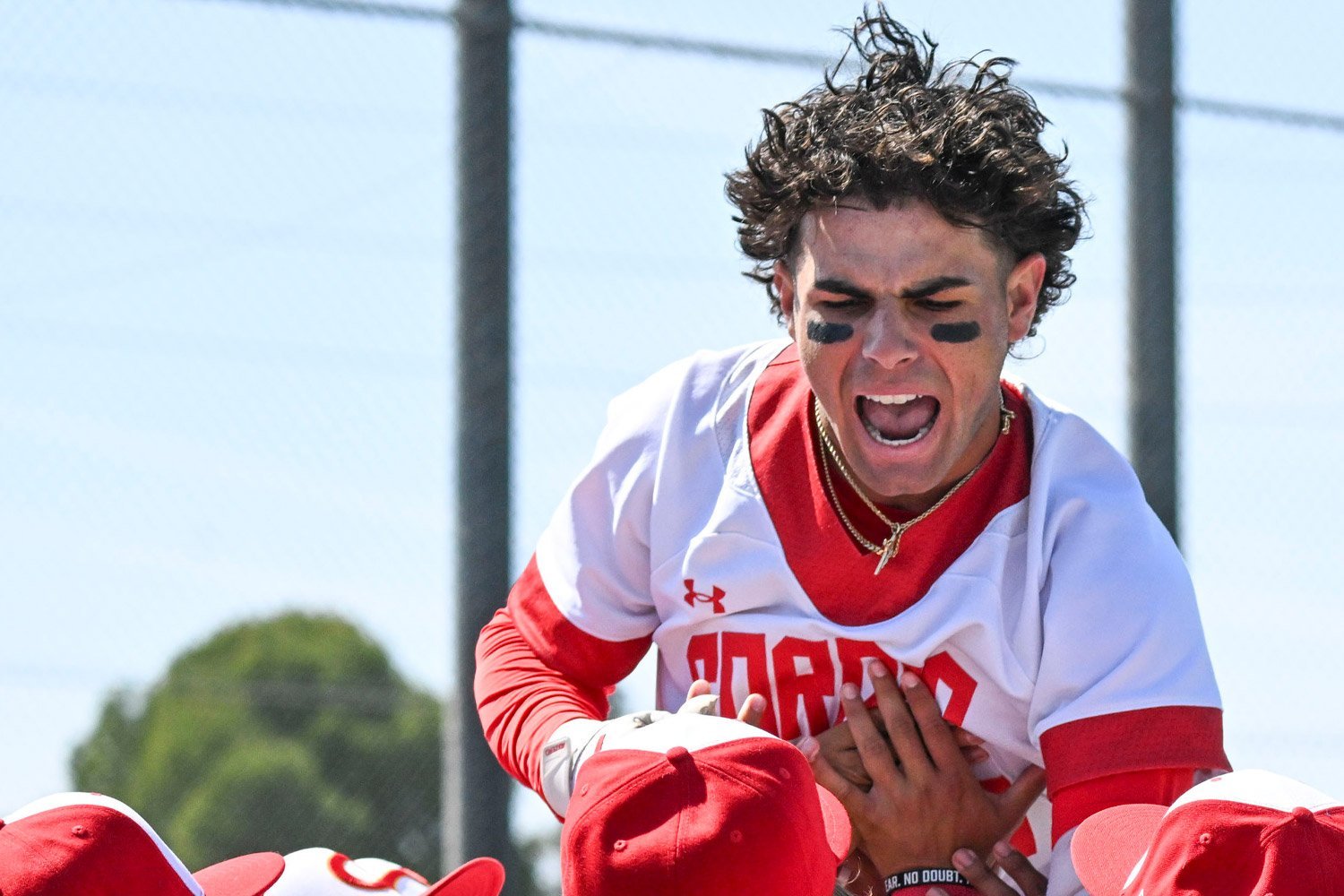 Trey Ebel is the younger brother of Brady Ebel, drafted 32nd overall by the Brewers in 2025, and the son of Dino Ebel, the Dodgers' long-time third base coach. Ebel will be 17 years old on draft day, a face likely to make him pop on organizational models. Ebel is a right-handed hitter with what's currently a hit-over-power profile. He has an excellent approach and rarely chases pitches out of the zone. In the summer of 2025, he put together some of the best contact and approach numbers of any player on the summer circuit. In the last 12 months, Ebel has grown into more bat speed. That has translated to in-game, pull-side power, which can likely further develop to solid average power in time. Defensively, there are good infield actions and a solid arm. He's a high baseball IQ player whose intelligence and feel for the game will likely help him outperform his physical tools. Ebel is committed to Texas A&M and is one of the sharpest risers on the prep side of the draft in the last few months leading up to day one. View the full article
 -
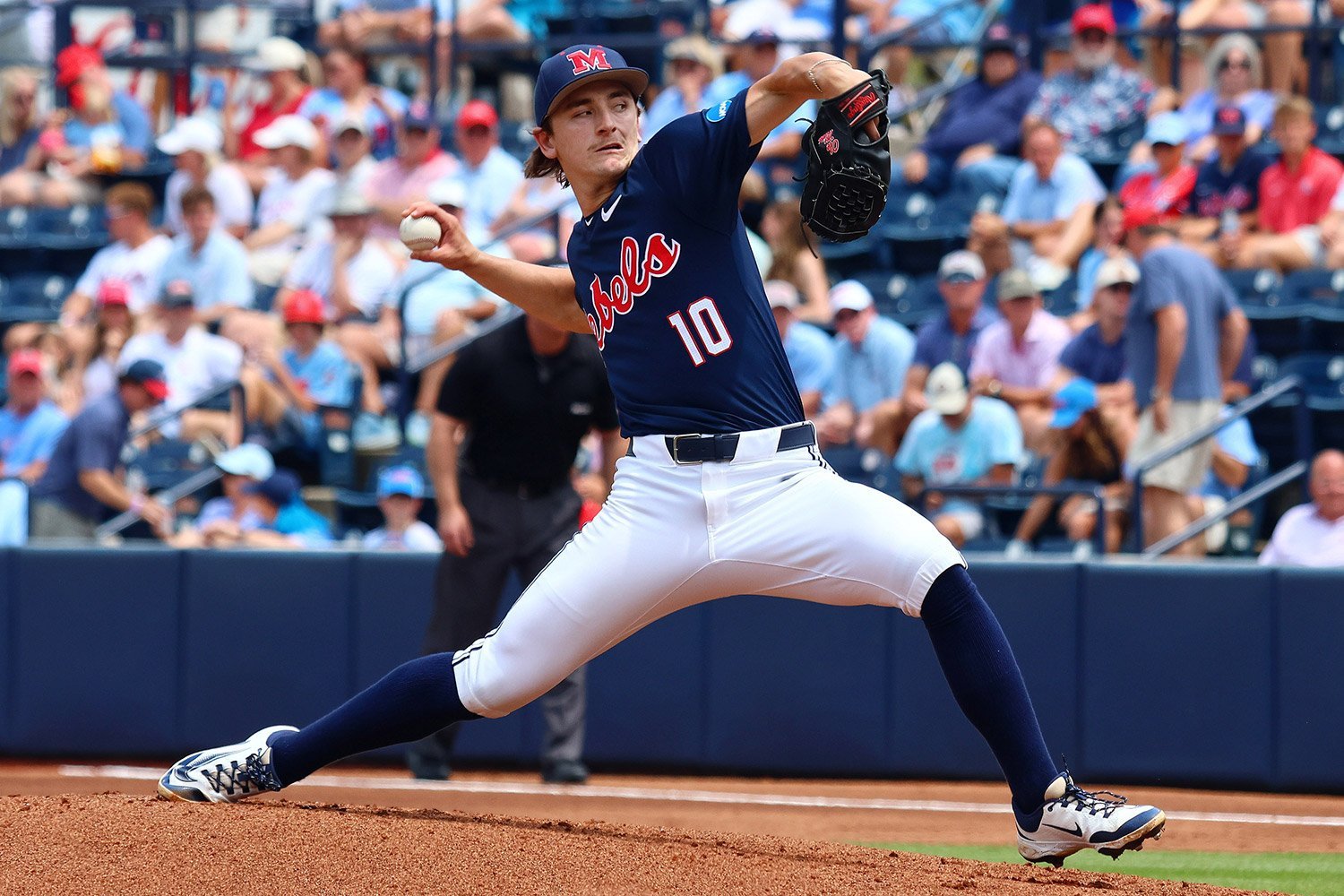 The Chicago Cubs selected Cade Townsend with the 23rd pick in the 2026 MLB Draft Saturday afternoon. Townsend is a starting pitcher, formerly of the University of Ole Miss. The slot value for the 23rd pick in the MLB draft is $3,947,600. Last year, Townsend had a 4.64 ERA. He was ranked #35 on MLB Pipeline, #18 on Eric Logenhagen of FanGraphs' "The Board", and #29 according to Baseball America. Using Jamie Cameron's consensus board, he was our #23-ranked prospect. Jamie had this to say about him: "Townsend was a solid prep prospect ahead of the 2024 draft, cracking T200 and T300 lists, but made it to campus at Ole Miss. After splitting time between starting and relieving in his freshman season, he entered 2026 strictly as a starter. It was an explosive start to his season. In his first 35 innings pitched, he managed a 2.32 FIP, striking out over 32% of hitters and walking just 4.8%. Unfortunately, he left his fifth start with shoulder discomfort, missing some time on the shelf. It's an appealing fastball that sits 93-95 mph but can grab 98 mph. It has good carry and plays best at the top of the strike zone. It's supplemented by a nasty curveball, a hammer with a ton of drop that he imparts upwards of 3,000 rpms of spin onto with consistency. Rounding out Townsend's arsenal is a cutter that sits in the high 80s, a slider, and a changeup with good fade. The missed time and smaller frame might give some teams pause, but Townsend has a diverse, exciting arsenal. He managed a 4.13 FIP with a 31.9 K% and a much improved 8 BB% in 64 IP in 2026. He should go well in July despite not pitching in the Rebs Omaha run." Strengths: Cade Townsend’s strength lies directly in his stuff. Throwing a 94+mph fastball that shows cut-ride tendencies, Thompson is a pitcher after the Cubs’ hearts. He relies on that fastball, sinker, cutter and the Cubs adore these types of pitches. He can run the heater upwards of 98mph despite a smaller frame and can blow hitters away with the offering. Beyond just velocity, however, Townsend can spin the hell out of the baseball. He throws a curveball, a slider, and a splitfinger offering. All have gotten pretty strong reviews and look as though they are at least MLB-quality pitches while his curveball could be a plus (or better offering). According to the MLB.com Pipeline scouting report on Townsend, “He also ratchets up the rpms on a pair of power breaking balls, with both his low-80s downer curveball and upper-80s slider with nice depth grading as plus offerings, as does his cutter that averages 90 mph”. Another aspect I really like: the mentality. He’s got a lot of energy and he pitches with it. He’s not asleep on the mound; he’s active and has a “come get it” frame of mind. He’s got the makings of a fan favorite from this aspect and is one of those intangibles that can sometime separate “just a guy” from being “a dude”. Weaknesses: Townsend’s main issue is rooted in his stature; he’s just not a very big pitcher. Standing 6;1” and 185lbs, he’s not a dominant figure on the mound. I don’t mean to short-shame him (frankly, I wish I was 6’0” myself) but because he doesn’t bring a massive frame to play, he has to add a little extra “oomph” through his delivery and this can cause the control to fall off at times. Eric Logenhagen had this to say about his control: “For all of Townsend’s enviable physical gifts, the effort in his delivery, and particularly the head whack at finish, is going to make it tough for him to hit spots. He throws strikes, but not precise ones, and his command tends to dip relatively early in outings…” So when people mention the frame as an issue, this is generally why. He has a full-motion delivery and cleaning that up will be important for the Cubs. It’s not an impossible one, he saw his control tick up throughout the 2026 season at Ole Miss, but it wasn’t ever great, and he’ll need to keep working on that. One other point of concern; he’s a pitcher and with pitchers come arm injuries. As Cub fans right now, we don’t need to be reminded of pitchers’ who are hurt, but Cade Townsend did spend some time in 2026 on the shelf with a shoulder injury. It doesn’t mean impending elbow surgery, but all things considered, you wish he didn’t have it on the record. Overall: This is a very nice pick with the 23rd selection, all things considered. Teams should never draft for need, and while the Cubs need pitchers, I don’t see Townsend as a need-pick. He’s got a lot of what the Cubs’ pitching developmental team likes: fastball with carry and cut-ride principles and a good curveball. There is upside with Townsend. I’ll hesitate to say it’s “top-of-the-rotation” as many things need to come together for that, but he looks like a pitcher who has stuff for days and that’ll play up. If he can work on the control, he’ll be someone you can dream of being a mainstay in a playoff rotation, but shoulder issues and that command could force him to be a leverage reliever. While I hesitate to give a 1:1 comparison, when I see Townsend on the mound, I'm reminded a bit of another Cade; Cade Horton. They have a similar mentality, and have some comparables in shape and breaking balls. If you went into this draft wanting an upside arm, the Cubs got one, albeit, one with some things to clean up (which should be expected when you're drafting a kid 23rd and not first). View the full article
 -
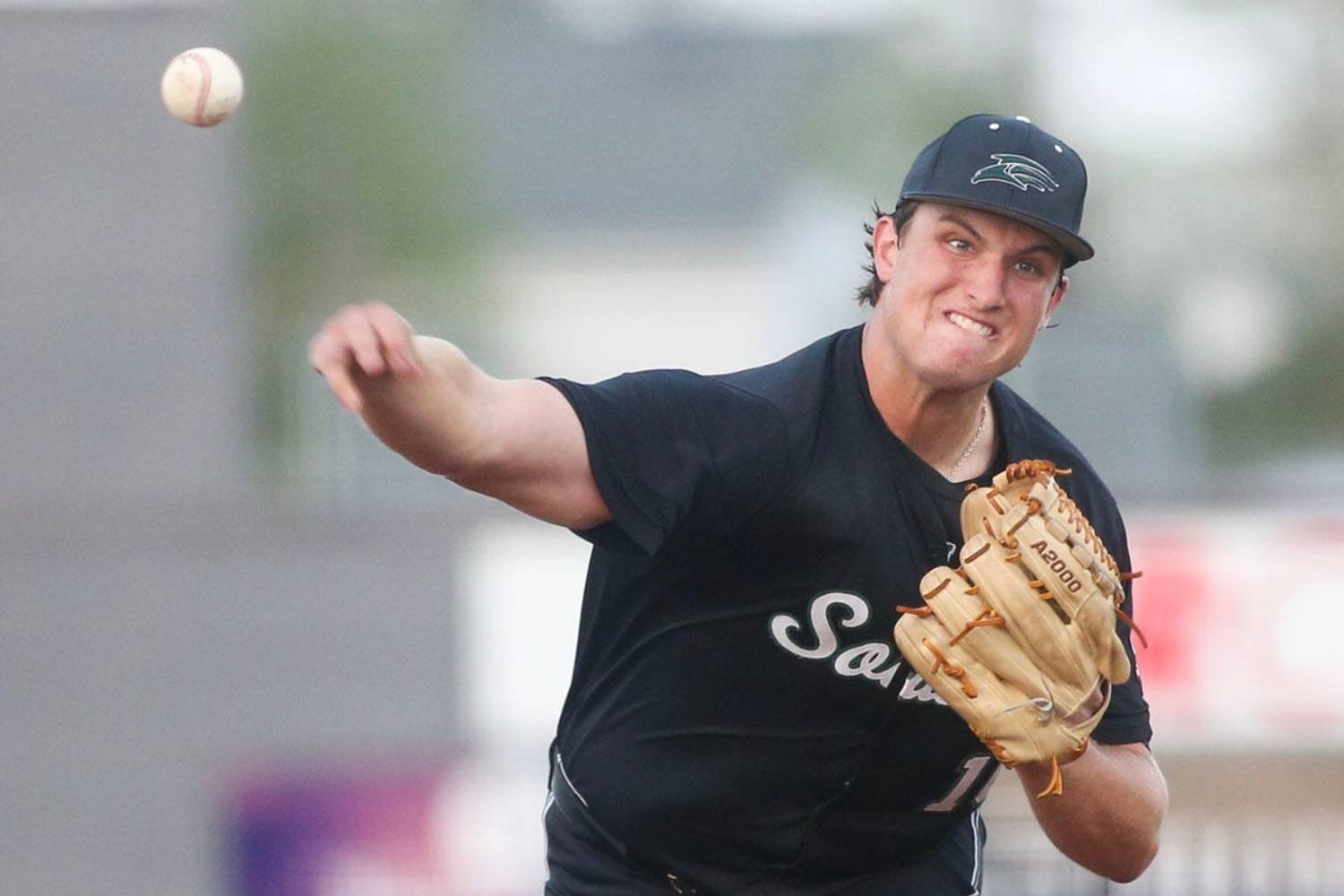 The San Diego Padres stayed fairly true to their draft history, taking high school right-hander Coleman Borthwick with the 21st pick in Saturday's MLB Draft. Borthwick is a 6-foot-6, 245-pounder who played at South Walton High School in Santa Rosa Beach, Fla. The 18-year-old is an Auburn commit that several outlets had ranked as the top prep right-hander in the draft. The No. 21 pick has a bonus slot of $4,224,700. Draft picks have until July 27 to sign. The Padres have selected 10 straight high school players under president of baseball operations and general manager A.J. Preller. DiamondCentric's Jamie Cameron had this to say about Borthwick, who was 27th on his big board: "Borthwick is a physical monster out of Florida, built more like an NFL linebacker than a high school baseball player. Standing at 6'6, 255 pounds, he's an exciting two way prospect, but most believe his future is on the mound. It's a slightly crossfire delivery which helps to create a more unusual angle for hitters as he strides down the mound. However it looks, there's a ton of quality in the stuff. Borthwick recently ran his fastball up to 100 mph for the first time. It's a pitch that will sit 94-96 mph with plenty of run. It's paired with a quality slider, a pitch that might already be plus. It sits in the mid-80s with some sharp, late tilt. Borthwick has a changeup in the bank too, but it's been used sparingly to date. Borthwick has been a more effective strike thrower to date than you might expect from a frame his size and such an explosive arsenal. He's committed to Auburn but has T30 pick upside." More to come... View the full article
 -
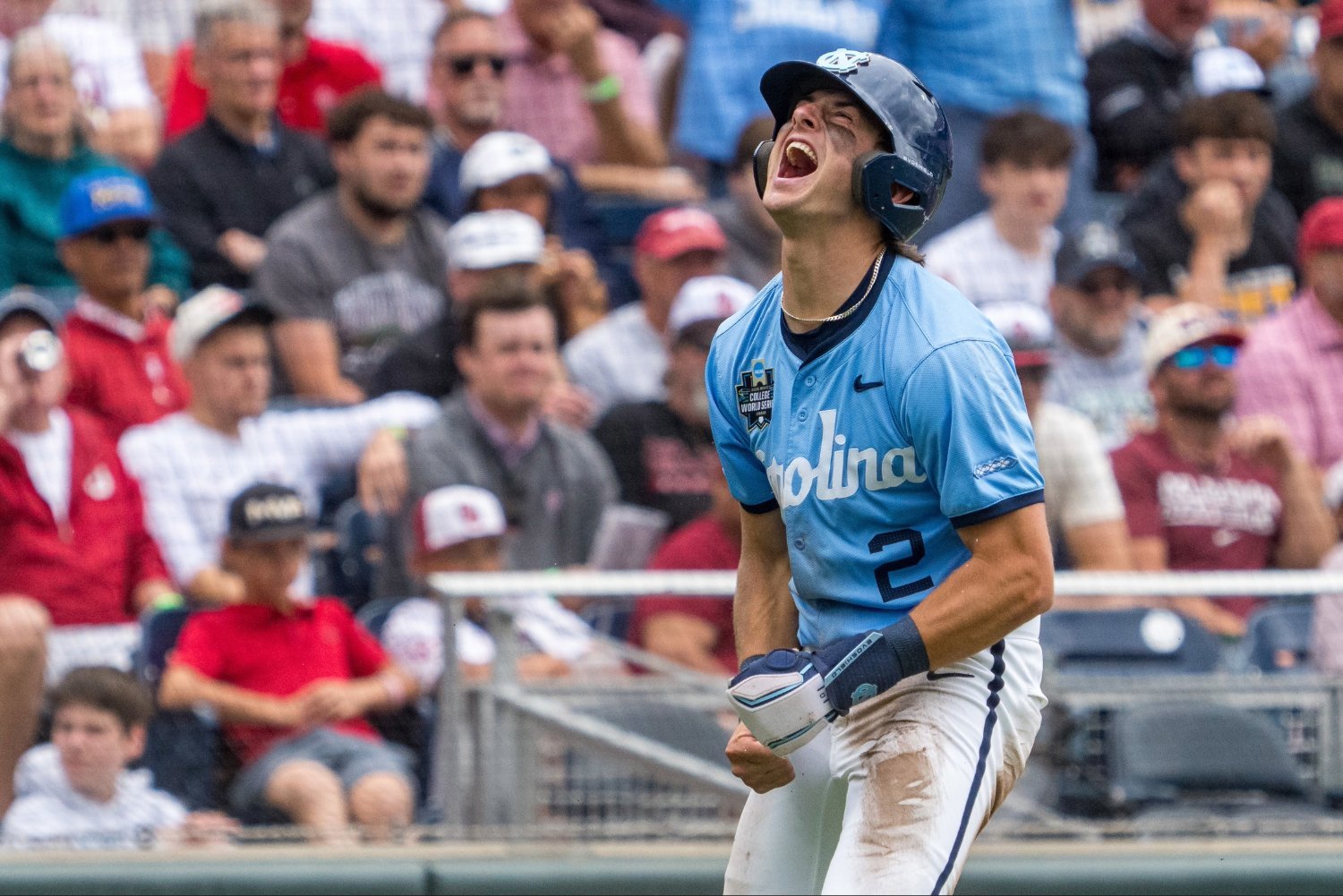 With the 20th overall pick in the 2026 MLB Draft, the Boston Red Sox have selected Jake Schaffner. Jake Schaffner is an infielder who played shortstop for North Carolina in 2026 after spending his first two collegiate seasons at NDSU. He's carried over an impressively similar level of production in 2026 against much stiffer opposition. Schaffner hits from the left side. It's an offensive profile predicated on exceptional bat-to-ball skills. His overall contact rate in 2026 sits at ~88%, with a 94% rate in zone. There's some pop in the profile, with six home runs, and 42 extra-base hits. All of this is backed up by a strong approach, Schaffner doesn't chase much and has walked over 13% of the time in 2026. He is a good up-the-middle defender. There's an average arm in there, and while he may move off shortstop eventually, he should be able to stick on the dirt, most likely at second base. Throw in above-average speed and savvy as a baserunner (25 stolen bases in 2026 at 89%), and there's a promising infield utility profile. More to come... View the full article
 -
 Blue Jays Affiliate Overview (July 9 -10) Triple-A Buffalo Bisons Series vs Scranton/Wilkes-Barre RailRiders (New York Yankees): 0-3 Season Record: 42-48 Double-A New Hampshire Fisher Cats Series vs Portland Sea Dogs (Boston Red Sox): 2-2 Season Record: 43-40 High-A Vancouver Canadians Series vs Everett AquaSox (Seattle Mariners): 1-3 Season Record: 35-50 Single-A Dunedin Blue Jays Series vs Lakeland Flying Tigers (Detroit Tigers): 1-2 Season Record: 39-44 FCL Blue Jays Week Record: 1-1 Season Record: 32-17 DSL Blue Jays Blue Week Record: 2-1 Season Record: 13-16 DSL Blue Jays Red Week Record: 3-0 Season Record: 15-13 Triple-A Buffalo Bisons Season Record: 42-48 Series vs Scranton/Wilkes-Barre RailRiders (New York Yankees) July 9: Postponed July 10: After the game on Thursday was postponed because of rain, Buffalo's bats showed up Friday, but they just couldn't manage to get runs across the plate. Jay Harry led the offense, going 3-for-4 with three singles and a walk. Despite reaching base four times, he didn't score once. It was the same with Yohendrick Piñango, who walked twice but was left stranded once and was forced out the other time. The Bisons' only scoring would come on back-to-back doubles by Willie MacIver and Ismael Munguia to start the second inning. Buffalo used four pitchers in the game, and each one surrendered runs. Grant Rogers gave up four in 5.2 innings, Brendan Cellucci and Chase Lee each gave up two, and Brendon Little was tagged for one. Buffalo dropped this one in a rough showing, 9-1. Double-A New Hampshire Season Record: 43-40 Series vs Portland Sea Dogs (Boston Red Sox) July 9: Thursday wasn't a good day for pitchers in the game between New Hampshire and Portland. The hitters, though, came out on fire and kept hitting until the end. Arjun Nimmala and Aaron Parker both hit two-run home runs in the first inning for the Fisher Cats. By the top of the fourth inning, Portland had tied it up, with the big hit coming from Brooks Brannon, who crushed a two-run home run as well. New Hampshire flipped the script immediately, as Jorge Burgos hit a big fly to right field that went for a grand slam. Hedbert Perez would cap off the inning with an RBI single to put New Hampshire up five. In the eighth inning, the bats went off again, with Perez hitting an RBI double, Dub Gleed smashed a three-run home run, and Parker hit a three-run double. New Hampshire would go on to win 15-8. Victor Arias was 5-for-5 on the day, as the Fisher Cats pumped out 16 hits, had nine walks, and two hit-by-pitches. July 10: The Friday game between New Hampshire and Portland started off just as well for the Fisher Cats. Eddie Micheletti Jr. crushed his 12th home run of the season to give New Hampshire a two-run lead in the second inning. He added a sacrifice fly the next inning to put the Fisher Cats back up two, then Cade Doughty added an RBI double in the fourth sandwiched between two home runs from Portland. Doughty again tied the game with an RBI groundout in the sixth inning, but Portland just kept the hits coming. They took the lead in the eighth on a Ronald Rosario home run. New Hampshire lost this one 7-5. High-A Vancouver Season Record: 35-50 Series vs Everett AquaSox (Seattle Mariners) July 9: Landen Maroudis returned as the starter for Vancouver after pitching well in relief in his last outing, but it didn’t go as well as his last appearance. He pitched two scoreless innings to start, and the Canadians took the lead in the bottom of that inning with an Edward Duran double, then Duran scored on a fielding error for a 2-0 lead. The second time through the order wasn’t as fun for Maroudis, who gave up a three-run homer to Josh Caron, then allowed another run in on a single to lose the lead. That resulted in his eighth loss of the season, and although the Canadians allowed him to start the fourth, a fielding error left a runner on second, and Austin Marozas allowed that runner to score. Marozas then allowed a homer of his own, putting the Canadians down four. Myers replaced Marozas in the seventh and immediately gave up the third homer of the game for the Canadians, but then settled in, striking out four batters, only allowing that one solo shot to score. Alex Stone had his second homer of the season in the ninth to score Tucker Toman, but the Canadians fell seven to four. July 10: The Canadians yet again got out to an early lead, this time with Jake Casey hitting his second homer of the season to put them up two in the first. J.R. Freethy added to the lead with an RBI single in the second inning, and with Silvano Hechavarria on the bump, things were smooth sailing for Vancouver as he struck out five batters in three scoreless innings. Things took a turn in the fourth inning, as the AquaSox got within a run after Hechavarria let on two runners with a single and a walk, before Matthew Ellis drove them both in with a double. He pitched a quick scoreless fifth inning, so the Canadians gave him the sixth, which ended up being a mistake. He walked the first hitter, then Luke Stevenson took the lead for good with a two-run homer that gave Hechavarria the loss. He was able to get three quick outs, but the damage was done. The Canadians' offense sputtered at the end, as they only were able to get a hit and a walk off the AquaSox bullpen in a tight 4-3 loss. Single-A Dunedin Season Record: 39-44 Series vs Lakeland Flying Tigers (Detroit Tigers) July 9: The D-Jays were able to get to Malachi Witherspoon in the second inning, as Giaconino Lasaracina went deep to center field with a 104.7 mph bomb that went 432 feet, scoring two runs. The Jays loaded the bases, leading to a Blaine Bullard RBI-single, then a wild pitch made it a 4-0 lead. Troy Guthrie had another quality start, but the Lakeland Flying Tigers were able to chip down the lead against the young pitcher. They scored a run in the third on an RBI single, another single scored the second run for the Tigers, and then Guthrie gave up a homer in the fifth, reducing the lead to just one. Guthrie was able to pitch a scoreless sixth, and Austin Smith replaced him in the seventh inning. Unfortunately for Smith, Lasaracina gave up a passed ball, allowing a runner to score, forcing the game to extras. Urena replaced Smith and pitched 2.1 innings, striking out four batters, giving up one run with the ghost runner in the 10th inning. Adam Hackenberg kept the Jays alive with a single of his own to tie it up, and in the eleventh inning, Josbel Garcia got the win as Brock Tibbitts walked it off in a nail-biter. July 10: Suspended Game FCL Blue Jays Season Record: 32-17 July 9: The FCL Blue Jays took on the FCL Phillies on Thursday. Andres Arias hit an RBI double in the first inning, and it was just the beginning of a long day for the Phillies. In the fourth, Enmanuel Bonilla drove in two with a single, followed by a Gavin Smith RBI single. Bonilla and Arias added RBI hits later in the game; in between, the Blue Jays scored five runs on a combination of wild pitches, bases-loaded walks, hit-by-pitches, and balks. Miguel Pantoja was a bit wild on the mound (3.2 IP, 2 H, 2 ER, 4 BB, 3 K) for the Blue Jays, but was good enough to get the win, as the Blue Jays won big, 14-2. July 10: Suspended DSL Blue Jays Blue Season Record: 13-16 July 9: No game July 10: After an off-day on Thursday, BJB showed some rust on Friday. They only managed to get five hits in the game, but thanks to their pitching, it was enough for the win. Yoenis Morales was on the mound to start, and he did well, despite walking five. He pitched four innings, gave up four hits, struck out four, and allowed just one run. In the third inning, Michael Mesa doubled home two runs on a shot to right field. Then in the fourth, Sebastian Casanova singled in Deret Gonzalez and was a part of a double steal, with him stealing second and Ruben Sanchez stealing home. BJB won the game 4-1. DSL Blue Jays Red Season Record: 15-13 July 9: BJR had an offensive explosion on Thursday in the DSL. They got some big thunder from Luis Nunez and Aneudi Severino, both taking balls deep for three-run home runs. Nunez crushed his home run to right field in the fourth inning; it was his first of the season. Severino took his ball over the fence in the eighth inning. His long ball went to left field. Darwin Núñez got the scoring started in the first inning with an RBI single to left field. In the second, Alex Linares matched him with an RBI single of his own. BJR added two runs in the third, one from an error and another on an RBI groundout by Elian Reyes. Following Nunez's home run in the fourth, BJR tacked on two more in the seventh from a bases-loaded walk by Gabriel Porras and a sacrifice fly by Severino. In the eighth, Diego Arce singled in Ayberson Ortega, Elaineiker Coronado drew a bases-loaded walk, and Porras added a run on a sacrifice fly. Capping the scoring in the inning and the game was the big three-run blast from Severino. BJR won big 15-4. July 10: After winning a game with the bats and some timely fireworks, BJR opted for a game where speed on the entertainment came on the base paths. BJR ended the game with five stolen bases. Down 2-0 in the top of the second inning, Frelian Flores cut into the deficit with a sacrifice fly that scored Ayberson Ortega. In the third, BJR took the lead with a two-RBI single to left by Samuel Orellana. It was another Flores sacrifice fly in the sixth that gave BJR the lead again, after they relinquished it in the fourth. Elaineiker Coronado followed up the sacrifice fly with an RBI single that scored Orellana. After the Giants Black team tied the game, it was Orellana and the stolen bases that would provide the winning run. Orellana singled in the top of the eighth, stole second and third, then on a ground ball to short, he beat the throw home. The run would ultimately be the game-winner, as BJR won 6-5. View the full article
 -
With The 6th Overall Pick, The Royals Surprise & Select Zion Rose
DiamondCentric posted an article in Royals Keep
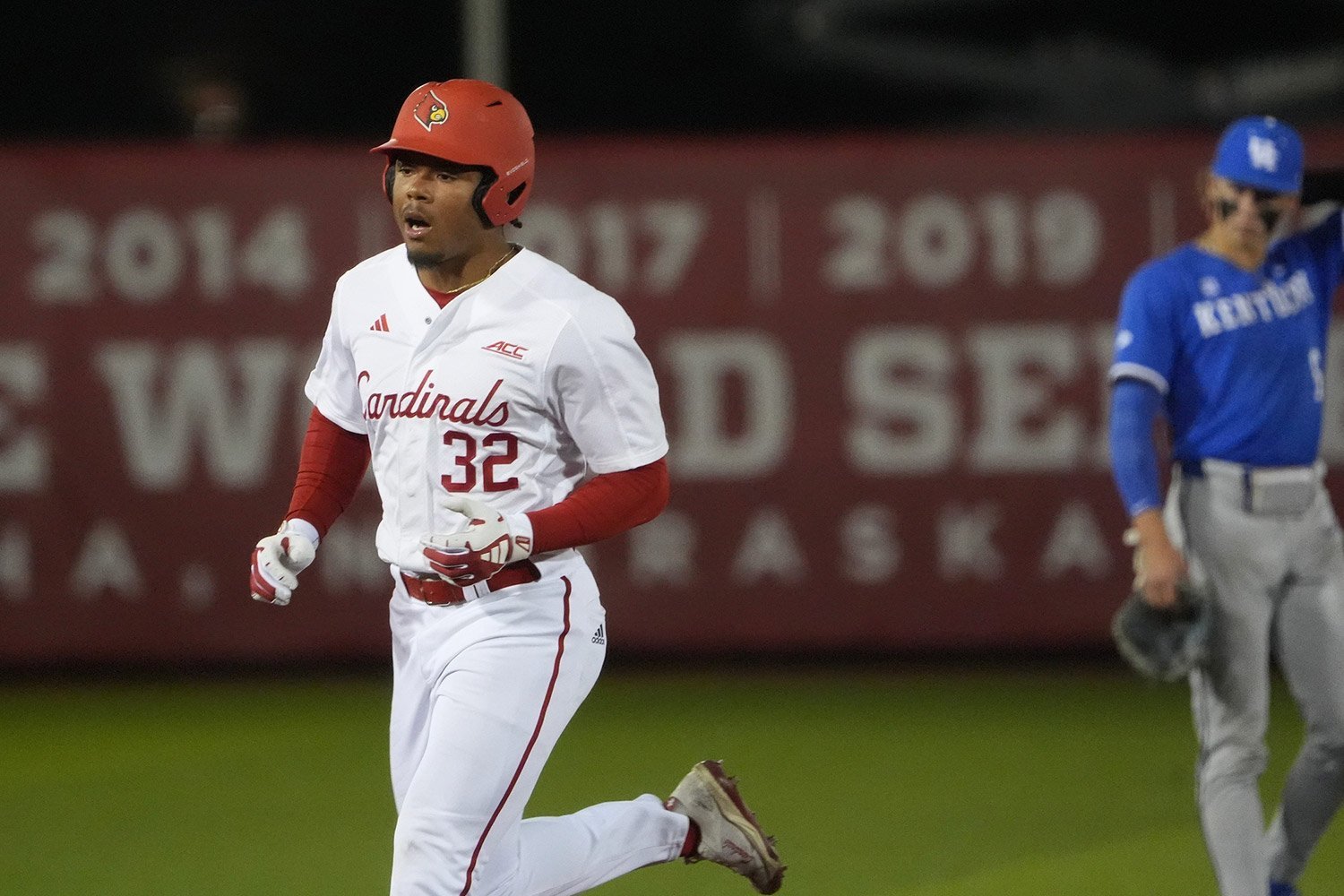 Zion Rose was a highly regarded catching prospect out of IMG Academy as a high school player. Since arriving on campus at Louisville, he's transitioned to a full-time role in the outfield. Rose slid a little early in the season due to missed time with injuries, but has since returned to his typical, productive self. At the plate, Rose has a direct right-handed swing with strong bat-to-ball skills. He is particularly adept at making out-of-zone contact, possibly a dangerous combination for him, as it's paired with a higher chase rate than you'd like to see. Rose has above-average power, too, backed by good bat speed. There's an opportunity to get into this more in-game, as he doesn't yet pull the ball much in the air. Defensively, it's likely a corner outfield spot. Rose has above-average speed and a solid glove. In 36 games in 2026, Rose managed a .417/.491/.646 line with 6 home runs (20 XBH), an 11% walk rate, an 8.7 K%, and a 147 wRC+. View the full article
 -
BREAKING: Twins Select Vahn Lackey at Pick #3 in the 2026 MLB Draft
DiamondCentric posted an article in Twins Daily
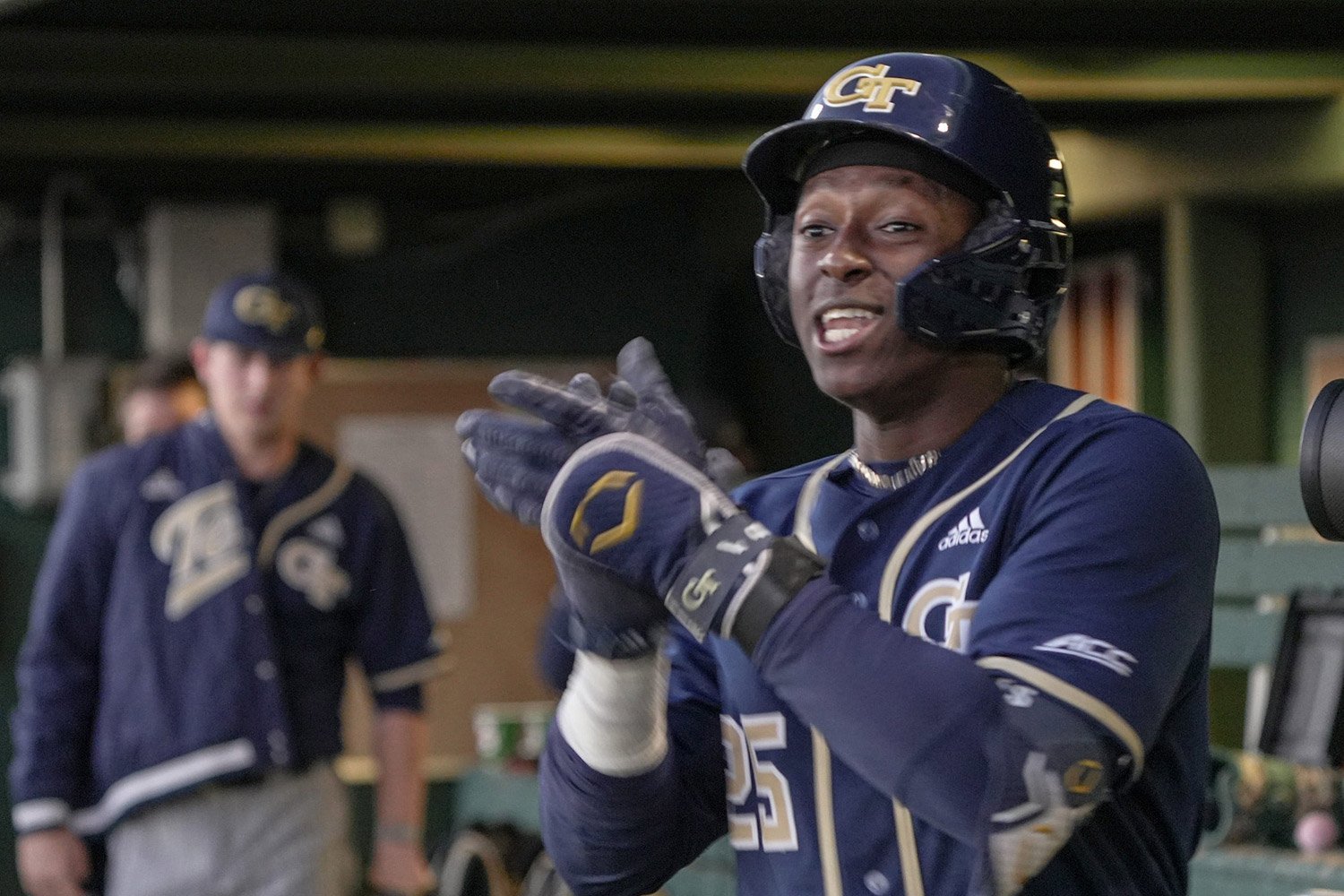 The Twins selected Vahn Lackey with the third overall pick in the 2026 MLB Draft. Lackey is a catcher from Georgia Tech. Slot value for the pick is $9,740,100. Lackey was ranked #2 on our MLB Draft Consensus Board. In 2026, Lackey slashed .397/.519/.772 (1.291) with 20 home runs (39 extra-base hits) while walking 17.7% of the time, and only striking out at a 13.4% clip. He also posted an outrageous 170 wRC+, showcasing just how well-rounded of a hitter he is. Here’s what our write-up of Lackey by Jamie Cameron from our MLB Draft Consensus Board said of Lackey. Every draft cycle seems to produce 2-3 first round catchers, most of whom have warts offensively, defensively, or both. Georgia Tech's Vahn Lackey may be the most complete college catcher in recent seasons and has a case to make as college baseball’s most improved player in 2026. Lackey entered 2026 viewed as an excellent defensive catcher, with athleticism uncommon for the position, in addition to having strong bat-to-ball skills. He’s continued to look excellent behind the plate, with good receiving and blocking skills, an excellent arm and strong pop and transfer times. He has all the ingredients to be a plus defensive catcher. Offensively, his power has taken a step forward. After hitting 6 home runs in 60 games in 2025, he managed 20 in 61 games in 2026, with more walks than strike outs adding a high on-base floor to his profile. Lackey ended 2026 hitting .397/.519/.772 with 39 extra base hits, a 17.7 BB%, a 13.4 K%, and 15 steals (94%). Simply put, he’s one of the most complete profiles in this draft class. What do you think of the pick? Add your thoughts in the comments. View the full article
 -
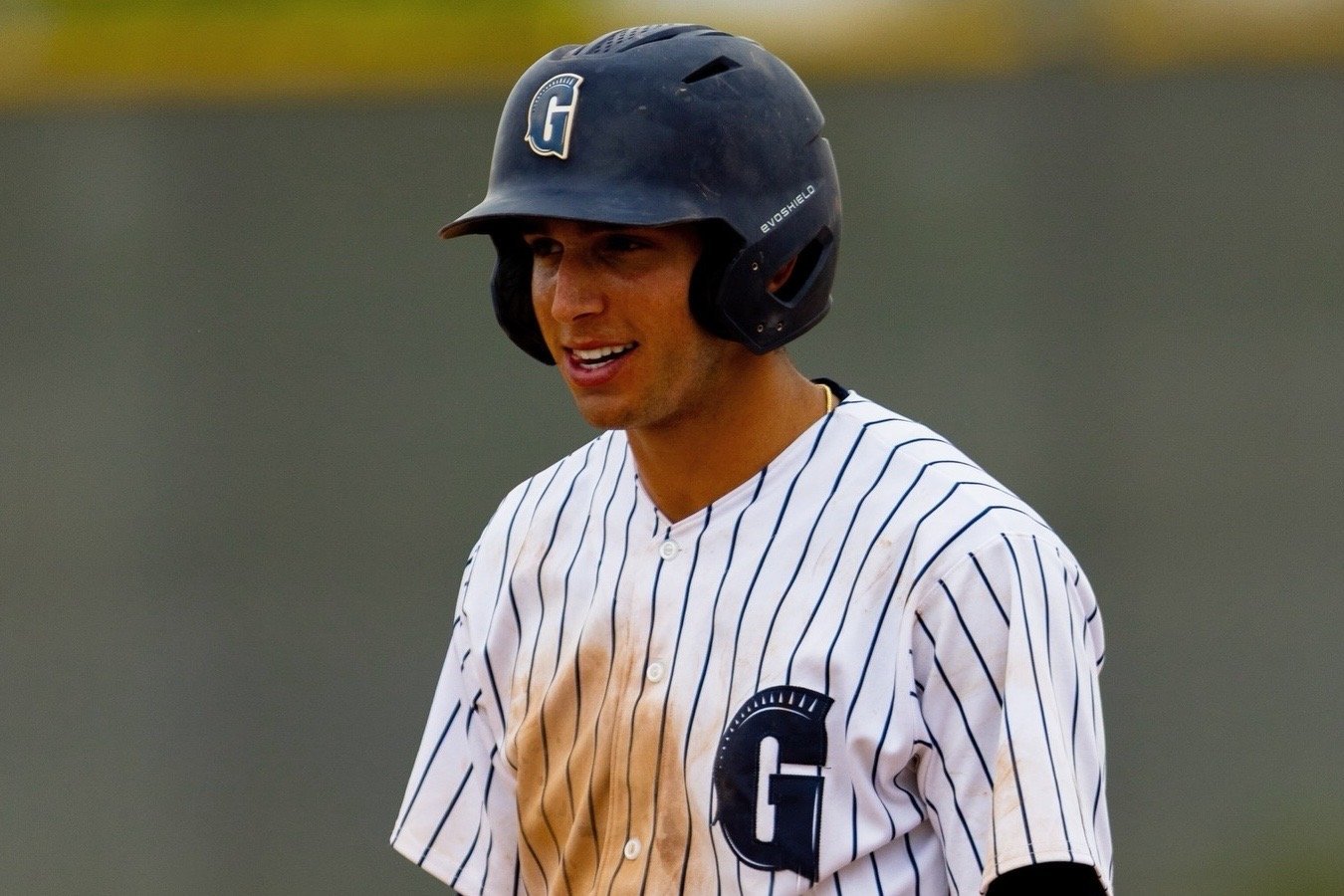 PHILADELPHIA, PA - With the 14th pick in the 2026 MLB Draft, the Miami Marlins have selected shortstop Jacob Lombard . The slot value for the 14th pick is $5,444,900. The Marlins bonus pool is $11,960,100. Lombard is a Miami native who just wrapped up his senior season at Gulliver Prep and is currently committed to the University of Miami. This past season, Lombard slashed .477/.607/.864/1.471 with 10 home runs and 25 RBI. "We're thrilled, we didn't expect we'd get a chance to draft someone in Jacob Lombard," said president of baseball operations Peter Bendix soon after the selection was made. Considered one of the top hitting prospects in this draft class, he is also considered one of the top high school prospects in the 2026 draft class (second-ranked overall prospect and top-ranked prospect in Florida, according to Perfect Game). Among all draft-eligible players, Lombard is ranked fifth by MLB Pipeline and Baseball America. Lombard comes from a strong baseball family. His brother, George Lombard Jr., is the top prospect in the New York Yankees farm system. George Lombard Sr., the father of George and Jacob, was a longtime big leaguer and currently is the bench coach of the Detroit Tigers. Jacob joins his brother, George Lombard Jr., and father, George Lombard Sr., as one of three baseball families with three players selected in the first two rounds of the MLB Draft. What stands out offensively from Lombard is his plate discipline and approach are at a much higher level than most of the prep prospects in this draft class. However, he does have some swing-and-miss to his game and struggled with high velocity over the summer. Lombard has already started to fill in his frame by adding solid weight. Lombard should stick at shortstop as he is given a 60 grade field and arm rating. Baseball America calls Lombard "one of the best defensive shortstops in the class." When it comes to base running, Lombard was clocked running a 6.11 60-yard dash per Perfect Game. Baseball America Scouting Grades: Hit: 45 | Power: 55 | Speed: 65 | Field: 60 | Arm: 60 Stay updated for quotes... View the full article
 -
Three Trade Targets If The Twins Are Willing To Spend
DiamondCentric posted an article in Twins Daily
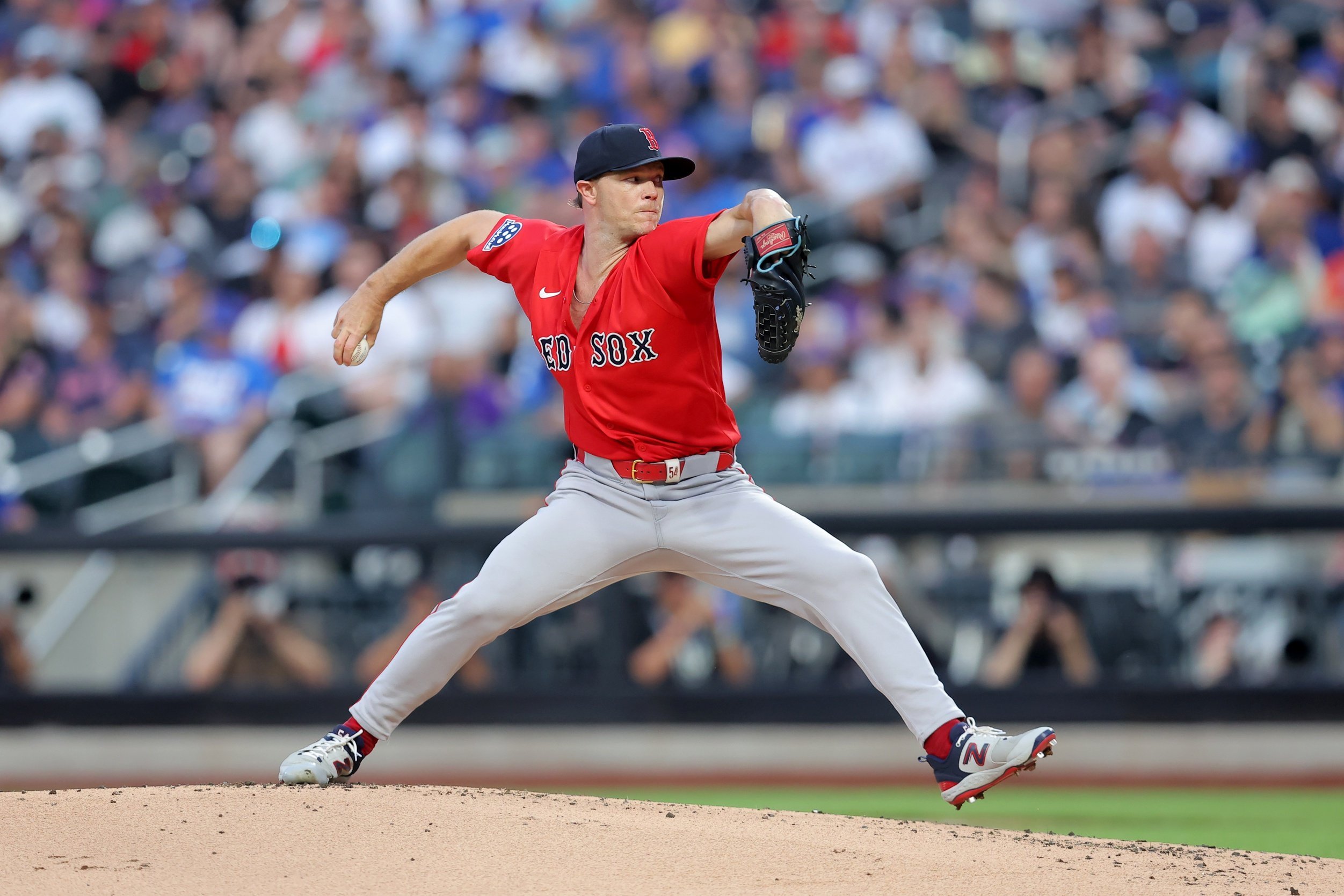 A surprisingly potent offense, paired with a weak American League as a whole, has the Twins positioned to make a run in the second half of the season. Perhaps it’s not the best team to invest significant prospect capital into trade assets, but that shouldn’t stop the team from making big improvements. Tom Pohlad has repeatedly expressed a willingness to invest in this roster if given a reason. The team has done its part, and if ownership is true to its word, there are some high-impact trade candidates the Twins can get for a reasonable price if they’re willing to spend some money. Sonny Gray A reunion with Sonny Gray could be in the cards if the Twins are serious about a playoff push. The teams’ lack of depth in the rotation is an underdiscussed red flag for the stretch run. Pablo Lopez isn’t coming back this season, and Mick Abel looks unlikely as well. Meanwhile, Connor Prielipp is about to surpass his career high in innings pitched, and Mike Paredes remains in the rotation. It’s hard to imagine this group holding up throughout the rest of the season. Gray has remained a playoff-caliber starting pitcher since leaving Minnesota and has posted a sub-3.00 ERA so far this season. He’ll have just under $15m left on his contract this year, with a $10m buyout on a $30m mutual option for 2027. It’s a high price to pay, and it's difficult to envision given the level of investment we’ve seen since 2023. The Red Sox have also reentered the playoff hunt in recent weeks. Things would have to come together perfectly, making Sonny Gray more of a dream target, but if it lines up perfectly for a Twins team that’s willing to spend, the prospect capital shouldn’t take a bite out of the team’s future. Kevin Gausman Should the Blue Jays sell, Kevin Gausman presents another option for the Twins to solidify their rotation depth. A free agent in 2027, Gausman has a bit over $10m left on his contract. Given the price of starting pitchers and the fact that his cost doesn’t reach into 2027, Gausman will still command a decent prospect package in return. Not every team can afford to take on his salary for just a few months, however. A few factors, such as stranded runner rate, HR/FB rate, and BABIP, have led to a rockier year than usual for Gausman. Overall, he still looks like the same playoff-caliber starter he’s been for years now. He would be a rock for the rotation for the remainder of the season, and would slot nicely into the number two spot of a playoff rotation if the Twins can find their way into the October mix. If the Twins ownership is willing to pay for the rest of Gausman’s deal, they’d be able to acquire him without including any top-tier prospects. Pete Fairbanks The bullpen is the obvious weak spot on the Twins roster, and relievers always carry an inflated price tag at the trade deadline as every contender could use an extra arm or two. There will likely be bidding wars on affordable names such as Luke Weaver, who’s posting a career year. The Twins should certainly be involved in any and all relief arms at the deadline, but if they’re willing to spend money gambling on the most volatile position in baseball, they could strike gold. Peter Fairbanks is still averaging 97.4 on his fastball at age 32, and while his peripherals are a bit inflated from years past, he’s looked like a much better pitcher than his ERA just under 7.00 indicates. An inflated BABIP and HR/FB rate have hurt him, but he’s striking out over 30% of opposing hitters. He’ll be due roughly $6m on the rest of his contract, an amount that even a competitive Marlins team may be happy to dump with little prospect capital in return. Fairbanks has plenty of setup and closing experience, and gambling on him at this cost could pay off in a big way. The Twins being big spenders at the deadline still seems like a pipe dream, but what if Tom Pohlad’s comments about investing in this team turn out to be sincere? The Twins have done a great job of hanging around in the playoff picture, but they need help to finish the job. Impact additions at the trade deadline can cost a ton, but if they’re willing to invest financially, they can hold onto their top prospects and maintain their future. Are there any expensive trade candidates you’d like to see them acquire? Let us know below! View the full article
 -
 Happy draft day, all! Before we add a bunch of new members to the farm system, let's recap Friday night's action. Triple-A Worcester Red Sox Series vs. Rochester Red Wings (Washington Nationals): 3-1 Season Record: 44-43 Worcester fell 10-4 on a rough day for the pitching staff. Raymond Burgos had amassed a 1-4 record entering his start on Friday night against Rochester. After he exited in the fifth inning, his record fell to a weak 1-5. Across his start, Burgos allowed four runs on seven hits as he struggled to stop the Red Wings’ offense. He K’d just one and walked another before being pulled. Caleb Bolden, who was called back up to Worcester after a one-game stint last week, made a two-frame appearance in relief. Bolden struggled mightily as his Triple-A ERA rose to 13.50. He allowed four more runs on four hits as the game began to slip away from the WooSox. Bolden struck out four before Wyatt Olds took over in the eighth. Olds struggled, allowing two more runs on four hits. He struck out five of the nine batters he faced before first baseman Nathan Hickey finished off Friday’s contest with a one-out appearance. The WooSox struggled on both sides of the ball, going a measly 0-for-8 with runners in scoring position and failing to capitalize at key junctures. Tyler McDonough and Andrew Knizner had two hits apiece as Mickey Gasper drew three walks in five at bats. Although the lopsided final score didn’t show it, the WooSox grabbed the lead first. Braiden Ward crossed home on a wild pitch by former Red Sox prospect Luis Perales in the first inning. The lead was short-lived, however, and the next WooSox run came as they were down two runs. In the third, Allan Castro stole second, advancing to third on a throwing error as Gasper stole home, cutting the deficit to one. The WooSox wouldn’t strike again until the ninth inning, when Tyler McDonough launched a two-run homer to right field, scoring Hickey. Double-A Portland Sea Dogs Series @ New Hampshire Fisher Cats (Toronto Blue Jays): 2-2 Season Record: 45-39 Portland rebounded after a seven-run loss on Thursday, winning 7-5 behind four RBIs from Ronald Rosario. John Holobetz set the tone on the pitching side for Portland, turning in another quality start. Across five frames on Friday, Holobetz allowed four runs on five hits. While it was the most runs he’s allowed in his past three starts, it was still a successful night as Holobetz struck out six. Jeremy Wu-Yelland took the mound for the next 2⅔ innings and earned the win for his performance. He struck out two and allowed one run on two hits. Patrick Halligan took the final 1⅓ frames of Friday’s contest, shutting out New Hampshire with a perfect outing. He earned the save as he struck out two. Rosario was on fire on Friday as he contributed the bulk of Portland’s offense. Will Turner got the scoring started for Portland in the third inning, launching his tenth homer of the season. In the fourth, Rosario struck for the first time. With Brooks Brannon aboard and down by two runs, Rosario tied the game with one swing. His fifth homer of the year sailed past the wall in left center as the Sea Dogs evened the score. In the fifth, Brooks Brannon struck as well. His fourteenth homer of the season scored Jack Winnay and nabbed the lead for Portland. With the ballgame tied in the eighth, Rosario put the Sea Dogs ahead once and for all. He hit his second homer of the night to right center, scoring Winnay and leading Portland to victory. High-A Greenville Drive Series @ Greensboro Grasshoppers: 2-2 Season Record: 34-48 Greenville won behind late offense even after a near collapse from the bullpen. Marcus Philips was electric in one of his best starts of the season. Across 4⅔ frames, Philips allowed one run on two hits, his second start in a row allowing one run. He struck out six before turning the ball over to P.J. Sprague. Sprague earned the win for his 2⅓ innings of relief. He allowed two runs on two hits, striking out one but displaying excellent command as he didn’t allow a walk. Matt McShane took the next 1⅔, innings turning in a poor performance. He allowed four runs on three hits before Tyler Davis took the final out. He allowed one more run on a solo homer, but escaped with the save as Greenville won by a slim margin. Justin Gonzales extended his hit streak to six games as he hit his twelfth homer of the season. Mason White was a major contributor on Friday, recording three RBIs on two hits. Ronny Hernandez drove in White in the second inning to put the Drive on the board. Four innings later, Gonzales put the Drive ahead with his solo homer before White drove in Isaiah Jackson to add to the lead. With the game tied in the eighth inning, Gerardo Rodriguez drove in Gonzales with an RBI double to center field. Luke Heyman tacked on another run, scoring Rodriguez on an RBI single. Ahead by two, White wasn’t done. He drove in two more runs on a homer to right center field, driving in Heyman. One inning later, Rodriguez added another run on a solo homer before Heyman matched him with a solo shot of his own. Owners of a six-run lead, the Drive clung to a win despite a five-run showing in the bottom of the ninth from Greensboro. Low-A Salem RidgeYaks Series @ Columbia Fireflies (Kansas City Royals): 3-1 Season Record: 35-49 Andrews Opata’s three-RBI night and a solid showing from the bullpen helped lead Salem to a slim 9-8 win. Christian Foutch started the game for Salem, but didn’t last long before being pulled. In just 2⅓ innings, Foutch allowed five runs on four hits as he walked four. He struck out three before being replaced by Yermain Ruiz in the third inning. Ruiz earned the win for his bulk relief appearance. Ruiz lasted four frames, allowing two runs on four hits as he struck out eight batters. Devin Gartrell took the final 2⅔ innings, silencing Columbia’s offense and sealing the win for Salem. Gartrell allowed one unearned run on two hits as he struck out four. Starlyn Nunez and Opata got Salem off to a hot start back-to-back home runs in the first inning. After falling behind by three runs in the fourth, Givian Sirvania put the Yaks back in the game with a two-run shot, scoring Andruw Musett and cutting the deficit to one. One inning later, Avinson Pinto drove in Louis Andujar on an RBI single to tie the game. Musett then scored Pinto as Salem drew ahead. To tack on one more, Justin Barry hit an RBI single of his own as the lead grew to two runs. Salem wasn’t quite done, however. Opata put an exclamation mark on the five-run inning with a line drive single to center, scoring both Barry and Sirvania. Salem held onto a close win as they won their third game in the last four. View the full article
 -
 Robert Stock has been just about everywhere during his 15-year professional baseball career, from Korea to Mexico to the Dominican Republic to all points in the lower 48. This summer, he's in Brooklyn, working to get back to the Show. The 36-year-old right-hander is rehabbing from March surgery for thoracic outlet syndrome (TOS). He felt discomfort in his shoulder during spring training as he was preparing to pitch for Israel in the World Baseball Classic. Stock was in Mets camp as a non-roster player. He said he was diagnosed with the "bad" kind of TOS, which would seem to indicate a lengthy recovery. But he returned to game action on June 19 with Brooklyn, On Friday, he made his sixth rehab appearance for the Cyclones, a start against Wilmington. It was his best outing thus far. Stock struck out eight over 3 1/3 hitless innings in a 3-1 Cyclones win. He threw 47 pitches, 29 for strikes. His only baserunner reached on a wild pitch after a strikeout. Overall, he has struck out 22, walked one, and allowed 10 hits In 14 rehab innings. Stock has made 57 big-league appearances, including two in 2025 for the Boston Red Sox. Now healthy and getting results, he looks like someone who could help a staff in the second half this year. As for the rest of the system on Friday: Syracuse rallied to beat Norfolk, 3-2, in a game shortened to seven innings because of rain. MJ Melendez's go-ahead homer in the sixth was the difference. Binghamton fell, 7-2, to Hartford. Luis Robert Jr. homered and played eight innings in center field in another rehab game for the Rumble Ponies. St. Lucie lost, 4-3, to Jupiter. Jackson Hauge hit his first professional home run and Conner Ware struck out seven over four innings of relief. DSL Mets Blue lost, 18-4, to DSL Colorado. Henry Manrique homered and starter Anderson Ozuna threw 1 2/3 scoreless innings. DSL Mets Orange lost, 4-3, to the DSL Tigers. Yadier Fuentes went deep in the loss. Maxgregori Harvey allowed one hit and struck out five over three innings. Mets Transactions New York Mets placed 1B Mark Vientos on the 10-day injured list. Right hand fracture. New York Mets designated RHP Dan Hammer for assignment. New York Mets recalled RHP Tobias Myers from Syracuse Mets. New York Mets selected the contract of SS Zack Short from Syracuse Mets. Melendez, Morel Power Syracuse Comeback Melendez's solo homer proved to be decisive after the game was called early. The outfielder/DH now has five home runs in nine games since being optioned to Triple-A in late June. Christopher Morel got Syracuse's comeback from a 2-0 deficit started with a solo blast to lead off the fifth. The Mets tied the game later in the inning as Jihwan Bae grounded into a double play. Jack Wenninger started and went 4 2/3 innings, allowing two runs on five hits, walking four and striking out two. Felipe De La Cruz worked a scoreless inning, and Ben Simon got a four-out save after the rains hit. Player AB R H RBI BB K Jihwan Bae, 2B 3 0 0 0 1 1 Nick Morabito, CF 4 0 0 0 0 1 MJ Melendez, DH 3 1 1 1 0 2 Christian Arroyo, 3B 3 0 0 0 0 1 Ryan Clifford, RF 3 0 0 0 0 2 Christopher Morel, 1B 2 1 1 1 1 0 Ben Rortvedt, C 2 1 0 0 1 0 Cristian Pache, LF 3 0 2 0 0 1 Vidal Bruján, SS 1 0 0 0 2 0 Player IP H R ER BB K HR Jack Wenninger 4 2/3 5 2 2 2 4 0 Felipe De La Cruz 1 2 0 0 0 0 0 Ben Simon 1 1/3 1 0 0 0 1 0 Robert Gets His Work In For Binghamton Luis Robert Jr. got through his second rehab appearance for the Rumble Ponies without incident. His homer in the eighth completed the scoring. He also had a single in a 2-for-3 night. He still has not played on back-to-back days as the organization brings him back slowly from a disc herniation in his back. Binghamton fell behind, 7-0, after five innings. Starter Bryce Conley allowed six runs and six hits over 3 1/3 innings. He walked four and struck out four. The Rumble Ponies got on the board with an unearned run in the sixth. Jose Ramos scored as Matt Rudick reached on a fielding error with two outs. Gabriel Rodriguez was a bright spot with two scoreless innings of relief. Player AB R H RBI BB K Luis Robert Jr., CF 3 1 2 1 0 0 Jose Ramos, RF 3 1 0 0 1 3 JT Schwartz, 1B 4 0 2 0 0 0 Matt Rudick, DH 4 0 0 0 0 0 Vincent Perozo, C 4 0 0 0 0 1 Wyatt Young, SS 3 0 0 0 1 3 Nick Lucky, LF 4 0 0 0 0 0 Kevin Villavicencio, 3B 3 0 0 0 0 1 Nick Roselli, 2B 3 0 0 0 0 1 Player IP H R ER BB K HR Bryce Conley 3 1/3 6 6 6 4 4 0 Douglas Orellana 1 2/3 2 1 1 1 1 0 Gabriel Rodriguez 2 0 0 0 2 1 0 Carlos Guzman 1 1 0 0 0 1 0 Stock Sets The Tone, Cyclones Strike Early For a second night in a row, the pitching staff threatened to throw a no-hitter. Stock, Bryce Jenkins, Kevin Herget, and Hunter Hodges combined for 6 1/3 hitless innings. A one-out single off Hodges in the seventh broke up the bid. Brooklyn was one out away from a no-no on Thursday. The Cyclones took the lead for good in the second on an RBI double by Colin Houck and an RBI single by Jamari Baylor, both with two out. John Bay scored on a wild pitch in the fourth to make it 3-0. Wilmington got its only run in the eighth against Gregori Louis, who allowed two hits and two walks in the inning. Tanner Witt struck out two in a scoreless ninth to close it out. Brooklyn pitchers combined for 15 strikeouts. Player AB R H RBI BB K Yonatan Henriquez, 3B 4 0 0 0 0 1 Ronald Hernandez, C 4 0 0 0 0 2 Corey Collins, DH 4 0 1 0 0 2 John Bay, CF 4 2 2 0 0 1 JT Benson, LF 3 0 1 0 0 1 Yohairo Cuevas, RF 2 0 0 0 1 2 Colin Houck, SS 3 1 1 1 0 1 Jamari Baylor, 2B 2 0 1 1 1 0 Trace Willhoite, 1B 3 0 0 0 0 2 Player IP H R ER BB K HR Robert Stock 3 1/3 0 0 0 0 8 0 Bryce Jenkins 2/3 0 0 0 0 0 0 Kevin Herget 2 0 0 0 1 2 0 Hunter Hodges 1 1 0 0 0 2 0 Gregori Louis 1 2 1 1 2 1 0 Tanner Witt 1 0 0 0 0 2 0 Late St. Lucie Rally Comes Up Short St. Lucie fell behind, 4-0, after six innings. It got two runs back in the eighth, on an errant pickoff throw and an RBI single by Chase Meggers, to cut the deficit to 4-2. Hague's solo homer with two outs provided the final margin. Ware piggybacked off starter Ethan Lanthier, who allowed two runs on four hits over three innings. Ware surrendered a solo home run in the fourth and a run-scoring wild pitch in the sixth. The latter run was unearned thanks to a throwing error by catcher Francisco Toledo on a stolen base. Miguel Mejias struck out two in a scoreless inning of relief. Meggers finished 2-for-4 as St. Lucie managed just five hits in the game. Player AB R H RBI BB K Antonio Jimenez, 2B 2 0 0 0 0 1 Branny De Oleo, 2B 1 1 0 0 1 1 Elian Peña, SS 3 1 1 0 1 1 Chase Meggers, 1B 4 0 2 1 0 1 Simon Juan, CF 3 0 0 0 1 2 AJ Salgado, DH 4 0 0 0 0 2 Francisco Toledo, C 4 0 1 0 0 2 Jeremy Rodriguez, 3B 4 0 0 0 0 0 Jackson Hauge, LF 3 1 1 1 1 1 Taylor Darden, RF 4 0 0 0 0 0 Player IP H R ER BB K HR Ethan Lanthier 3 4 2 2 0 3 0 Conner Ware 4 1 2 1 3 7 1 Miguel Mejias 1 0 0 0 0 2 0 Top-20 Prospect Performance Jonah Tong: DNP Jack Wenninger: 4 2/3 IP, 5 H, 2 R, 2 BB, 4 K Ryan Clifford: 0-for-3, 2 K Elian Pena: 1-for-3, BB, K Nick Morabito: 0-for-4, K Jacob Reimer: DNP Mitch Voit: DNP Jonathan Santucci: DNP Zach Thornton: DNP Chris Suero: DNP Will Watson: DNP Wandy Asigen: 1-for-4, 3 K Eli Serrano III: DNP Randy Guzman: DNP Dylan Ross: DNP Ryan Lambert: DNP Antonio Jimenez: 0-for-2, K R.J. Gordon: DNP Jonathan Pintaro: DNP Marco Vargas: DNP View the full article
 -
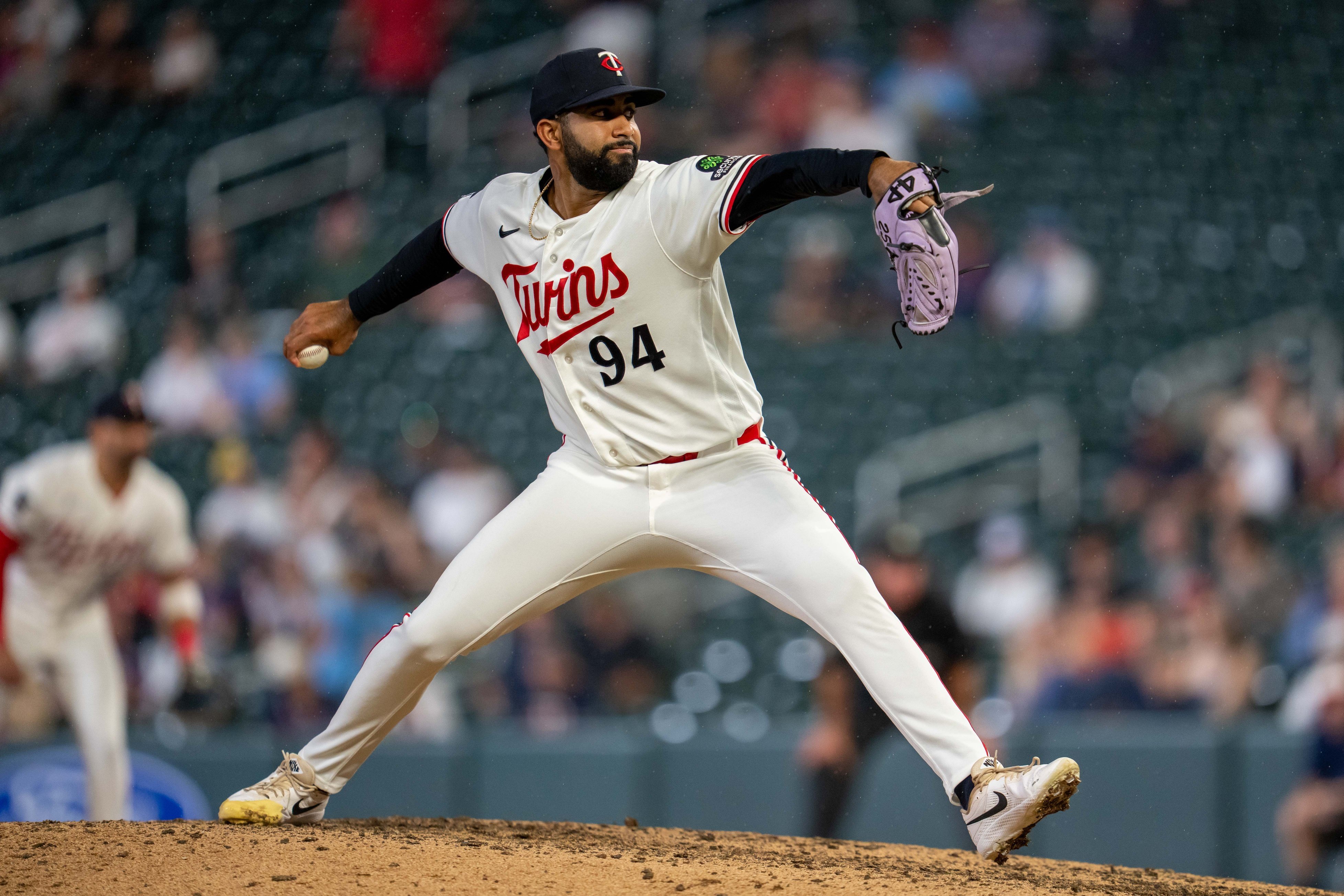 The Twins’ bullpen has caught a lot of grief this season, and rightfully so. As a unit, Minnesota’s relievers have simply not been good enough. They’re tied with the Royals for the highest bullpen ERA in baseball at 5.24, while their 1.54 WHIP ranks second-to-last in the league. It’s been an incredibly frustrating group to watch, especially in close games. It seems like every time the Twins have built a late lead, there’s been a feeling of uncertainty about whether it would actually hold. None of this should come as a huge surprise, either. At last season’s trade deadline, the Twins dealt away several of their top late-inning relievers, and it was pretty obvious that the bullpen was going to be one of the biggest question marks entering 2026. Sure enough, it has been. But even with the overall state of the Twins’ late-game pitching, there have been a couple of bright spots that have really stood out. In a bullpen that has struggled to find consistency, two pitchers have quietly given Minnesota reasons to feel optimistic about the future. The first would be the Twins’ new closer, Yoendrys Gómez. Since being acquired by Minnesota back in early May, Gómez has been awesome. Across 25.1 innings, he's posted a sparkling 1.78 ERA with a WHIP below 1.00, while striking out 24 hitters against just nine walks. Those are exactly the kinds of numbers the Twins desperately needed from the back end of their bullpen. Has he gotten a little help along the way? Maybe–his 3.04 FIP suggests he's probably benefited from some favorable luck on balls in play, and it's fair to wonder if his ERA will climb a bit over time. But even then, a 3.04 FIP is still a respectable number for a late-inning reliever. He's missing enough bats, limiting baserunners, and consistently putting the Twins in position to close out games. Whether his ERA stays below 2.00 or not almost feels beside the point. He's looked every bit like someone capable of handling the ninth inning. The other bright spot has been someone most fans probably didn't see coming at the start of the season–it’s rookie Andrew Morris. Morris became the first Twins prospect to make his major league debut this season, and he's been very impressive since arriving. Through his first 42 innings in the big leagues, Morris owns a 3.64 ERA with 44 strikeouts compared to just 13 walks. On the surface, a 3.64 ERA is certainly solid, but it doesn't exactly jump off the page. The underlying numbers, however, tell a much different story. Unlike Gómez, whose ERA has outperformed some of his expected metrics, Morris' advanced numbers suggest he may actually deserve even better results than he's gotten. Both his expected ERA and FIP sit below 3.00, indicating he's pitched more like one of the better relievers in baseball than his ERA alone would suggest. And perhaps even more impressive is how he's generating weak contact. Morris has, quite literally, been one of the best pitchers in Major League Baseball at preventing hitters from squaring the baseball up. His barrel rate and average exit velocity allowed both rank in the 90th percentile or better among qualified major league pitchers. His hard-hit rate is also comfortably above league average. That's an impressive combination for any pitcher, let alone a rookie making his first trip through the major leagues. He's keeping the ball on the ground, he's attacking hitters in the strike zone, and when opponents do make contact, they're rarely doing much damage with it. That's a recipe that tends to translate well over the long haul. It's hard not to be impressed by what we've seen from both Gómez and Morris this season. They've each stepped into meaningful bullpen roles and produced in a year where reliable relief pitching has been hard to find for Minnesota. But perhaps the best part isn't even what they've done this year; it's how long the Twins could have them. Both Gómez and Morris will still have five years of team control remaining after this season. They'll each have two more years before becoming arbitration-eligible, followed by three seasons of arbitration before they can eventually reach free agency. If everything continues to trend in the right direction, the Twins may have two key bullpen pieces under club control through the 2031 season. Considering how volatile relief pitching can be, having two younger arms emerge at the same time is a pretty significant development. The bullpen as a whole still has plenty of work to do. The ERA and WHIP are too high, and blown leads have happened far too often. Those issues aren't going away because of two good individual performances. But despite all of the frustration surrounding the Twins' bullpen this season, Andrew Morris and Yoendrys Gómez have been two genuinely good stories. Both have looked like legitimate late-inning options, and both appear to have the talent to stick around for a long time. For a bullpen that's spent most of the season searching for answers, that's a pretty encouraging place to start. Hopefully, Morris and Gómez remain staples of this unit for several years to come. View the full article
 -
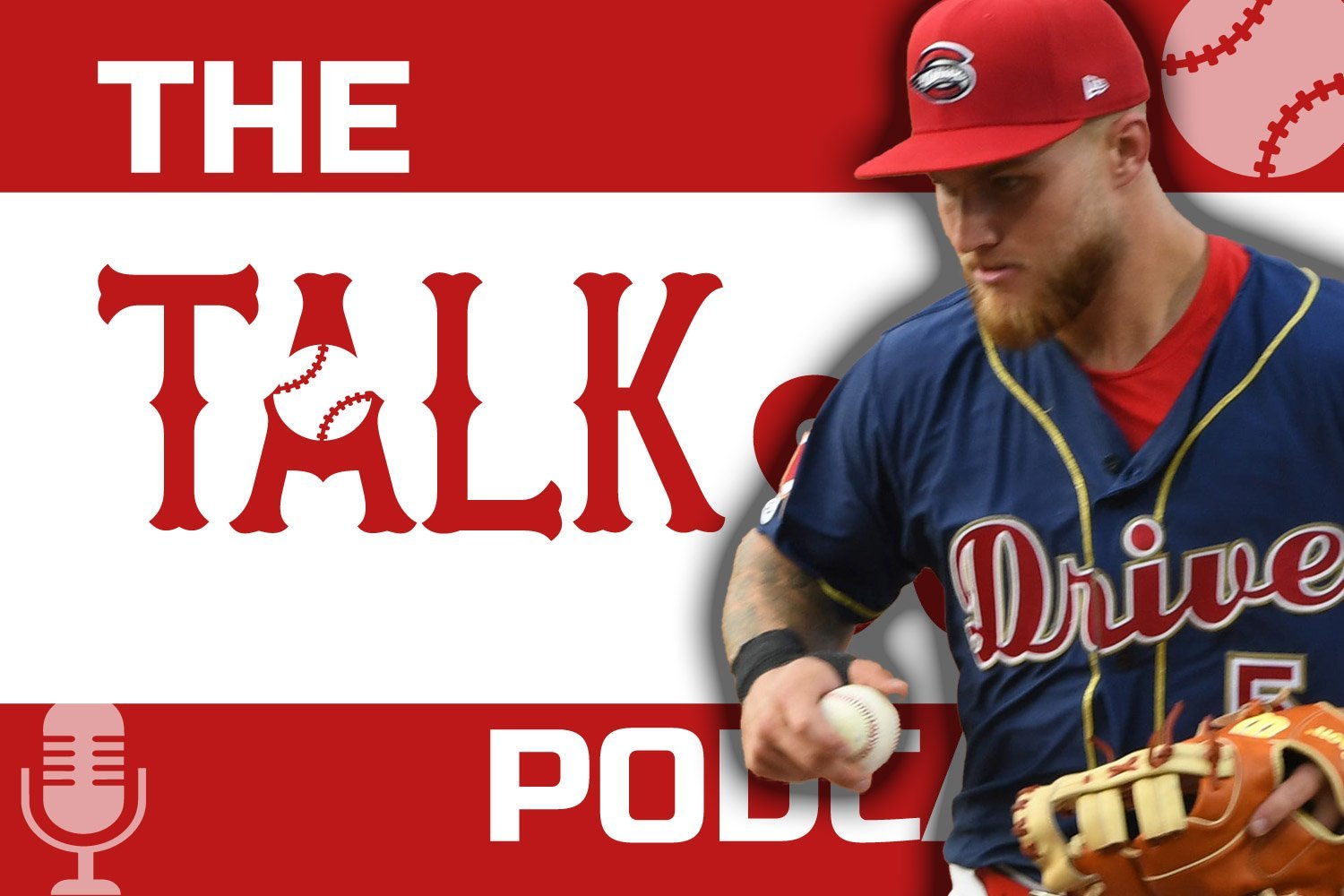 In this week's episode, Nick is joined by Sam Posner, a writer for Three Quarter Slot and the beat writer for the summer league team, the North Adams Steeplecats, to talk about the Red Sox farm system, along with the draft being very close. The duo discusses the development of Payton Tolle and Anthony Eyanson, along with how the system could be ranked higher than the 15th it was given before the season, thanks to strong play from Henry Godbout, Johanfran Garcia, and Brooks Brannon. Listen on Apple Podcasts: https://podcasts.apple.com/us/podcast/the-talk-sox-podcast/id1783204104 Listen on Spotify: https://open.spotify.com/show/3qPrPXEngu0CxgTmlf0ynm Listen on iHeartRadio: https://www.iheart.com/podcast/263-the-talk-sox-podcast-244591331/ Listen on Pocket Casts: https://pca.st/4tmd121v Watch on YouTube: https://www.youtube.com/@talksox View the full article
 -
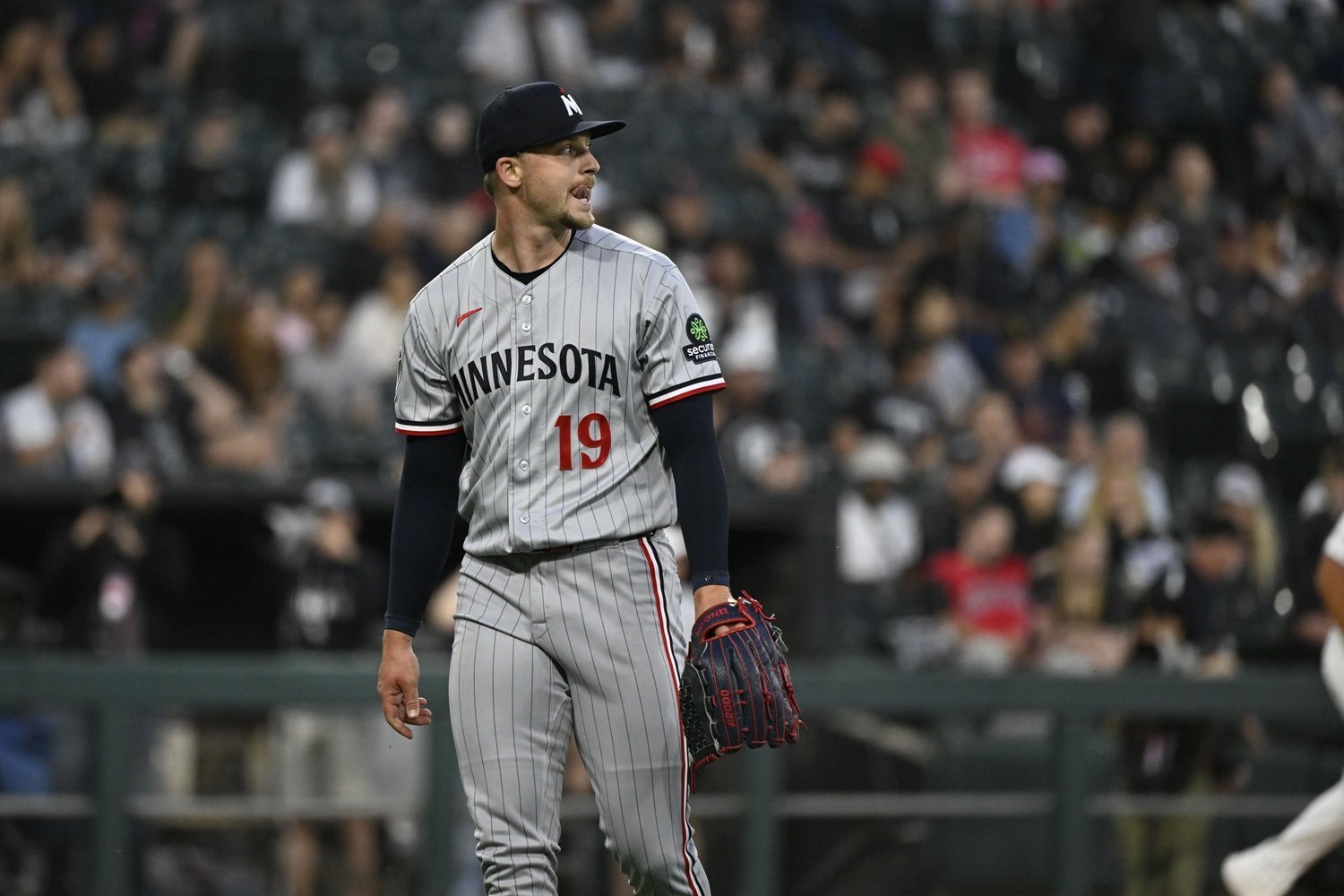 The Minnesota Twins have optioned right-hander Eric Orze to Triple-A St. Paul on Saturday, clearing space on the active roster for Tommy Nance, acquired Friday from the Blue Jays. The Athletic's Dan Hayes first reported the move. Only a handful of Twins relievers have been leaned on more heavily than Orze, who has appeared in 35 games and thrown 41 ⅓ innings. But the results have lagged behind the workload. Orze carries a 5.27 ERA and 1.49 WHIP, with 36 strikeouts against 21 walks. What’s more, he’s been trending in the wrong direction, posting a 9.00 ERA and 1.78 WHIP since June 1st. The 28-year-old came to Minnesota from Tampa Bay in a November trade for minor-league pitcher Jacob Kisting, following a promising 2025 in which he posted a 3.02 ERA over 41.2 innings for the Rays. Because he still has minor-league options, he was the path of least resistance when the front office needed a spot for Nance. Nance, 35, cost the Twins minor-league catcher/third baseman Ryan Sprock, last year's eighth-round pick. The veteran right-hander owns a 3.82 ERA over 33 innings for Toronto this season with a 24.5% strikeout rate, and he comes with three additional years of club control beyond 2026. Orze figures to be a candidate to return quickly whenever the bullpen needs reinforcements. For now, he'll try to rediscover his 2025 form with the Saints. View the full article
 -
 All kinds of off-the-beaten-path facts within, including a fun Luke Adams / Corey Hart eye-opener. The MLB Draft is today? Well, don't forget to keep up with the prospects already here. Transactions: Milwaukee Brewers sent LHP Rob Zastryzny on a rehab assignment to Nashville Sounds. Milwaukee Brewers optioned LHP Drew Rom to Nashville Sounds. Milwaukee Brewers designated RHP Easton McGee for assignment. Wilson Warbirds released RHP Melvin Hernandez. DSL Brewers Blue activated RHP Brailin Aguirrez from the 7-day injured list. ACL Brewers activated C Isais Chavez from the restricted list. Zastryzny did not pitch for Nashville Friday, Rom had not reported back from Milwaukee, and McGee was in DFA limbo, so beleaguered Nashville Manager Rick Sweet and his coaching staff trusted a position player (Ethan Murray) to close out a game with an 11-5 lead. It worked out, but barely, with the potential game-losing run at the plate as the game concluded. The Melvin Hernandez saga has ended (or has it, we imagine some sort of news could reveal itself down the road), but if you're not familiar with his situation, follow the thread trail here. Nashville Pre-Game Media Notes Final: Nashville 11, Charlotte (White Sox) 9 Box Score and Game Log Via the Sounds, game details, and we encourage readers to always review affiliate write-ups as part of their Link Report routine: Sounds Pepper Truist Field Outfield Seats with Barrage of Home Runs - Nashville Sets Season-High with Five Home Runs My comments here will be minimal as you'll glean so much including three video clips from that Sounds write-up. Three missed games and counting on Jett Williams watch. Are we sure he's not getting a bit of taxi squad time with the big-league club? Many of you were treated to this game during the Brewers' rain delay in Pittsburgh, which became the Brewers' postponement. Tyler Black yanked a home run to begin the scoring Eddys Leonard's home run tied things at 2-2 By the way, what is Leonard thinking as Greg Jones is the emergency INF/OF callup over him (Leonard has yet to make his MLB debut). I understand that the Brewers' see the Jones 40-man roster spot as disposable, since Jones will be DFA'd again once David Hamilton is healthy. Leonard is also out of options, so the front office would rather not risk losing Leonard after a very brief MLB stint. Still, Eddys must be shaking his head. Charlotte's Jacob Gonzalez laced this double off rehabbing Coleman Crow and then was pulled from the game (hug watch!) because he was traded to the Pirates and will be in the lineup vs. the Brewers on Saturday. Everything in baseball has a connection. Crow wasn't particularly sharp, this pitch was as hanger-ish as it gets This was Tyler Black's 3rd career game in right field, and this pitch from "reliever Ethan Murray" was directed Black's way, would have been a tough play, but perhaps others end the game a bit earlier on this one. Will wrap up by saying no one trots around the bases in a more upright position than Luke Adams, as the 22-year-old is building impressive trade value (and internal value to the Brewers also, of course). Fun comparison fact - I've seen Adams' local newspaper reports refer to him as "Jon Adams" as Jon is his given first name - Jon Luke Adams. There was another tall Brewers slugger who also has Jon as his given name but didn't go by that - Jon Corey Hart. The things you learn within a Link Report! Catch up with the latest Biloxi pre-game audio interview archives - Hitting Coach Kevin Martir the latest Final: Knoxville (Cubs) 7, Biloxi 3 Box Score and Game Log Via the Shuckers, game details: Shuckers Fall Short to Smokies on Friday - Knoxville Secures Series Split with Biloxi The Shuckers went with their "A" lineup on Friday, and it produced four extra-base hits, but only six hits overall. Five Shuckers drew walks, among them Andrew Fischer, who was also hit by a pitch. Normally that would mean enough basepath activity to produce more than three runs but: Team RISP: 1-for-12. Team LOB: 7. Down one run in the 7th, this play encapsulates Biloxi's night: More oddness from this game, watch as the Shuckers took a brief 3-2 lead in the 5th - and to explain, the ball did hit the ground after first striking the pitcher. RHP Bishop Letson's outing was kind of a shrug, OK instance. One of the four runs allowed was unearned as Fischer committed his 4th error in 15 games with Biloxi (he had eight errors in a more sizable 49 games with Wisconsin). Nick Merkel stranded one of two runners he inherited from Letson. When given the opportunity, Shuckers baserunners were moving. With two thefts, Fischer is now 9-for-16 on the season, moving off the 50% mark in that regard. Dylan O'Rae's success gives him a 39-for-47 mark, while Jesús Made's failure places him at 26-for-34 in 2026. Do you need a bit of anguish with your Corn Flakes this morning? As part of your game log perusal, check out the Biloxi 7th inning. Wisconsin Pre-Game Media Notes (download link) Final: Beloit (Marlins) 10, Wisconsin 7 Box Score and Game Log Via the Timber Rattlers, game details: Wisconsin Comeback Falls Short - Rattlers score four in ninth and get tying run to plate but drop decision to Sky Carp Postgame Podcast with Hitting Coach Evan Berliner, filling in for vacationing Manager Nick Stanley Here's another look as Beloit's third base coach headed to detention after school: Why only one outfield assist for Braylon? Outfield assists: Payne (Jenkins-Cowart at home). Every Rattler reached base, four with multi-hit games, led by Braylon Payne and Daniel Dickinson's three-hit efforts. Payne added a sacrifice bunt. Jayden Dubanewicz' final line was not pretty, no doubt, but he worked through six innings on 88 pitches. Wilson Pre-Game Media Notes Final: Wilson 11, Fayetteville (Astros) 10 Box Score and Game Log Warbirds Mount Remarkable Comeback to Beat Fayetteville - Anderson Crushes Two Homers, Including Walk-Off Have I had all eleven Wilson walkoff's during my Link Report schedule? Seems like it, so I'm taking credit. Jose's first of the night: The more impactful blast: In between the blasts: Juan Martinez lined an RBI single The second baseman couldn't handle this hard-hit Alexander Frias grounder Brady Ebel is walking in 20.3% of his plate appearances - coach's son, to be sure. Add in eight HBP's and the "free pass rate" is 22.5%. Hey, I just invented a stat! Catcher Rylan Mills is enjoying the month of July. In six games - .474/.565/.684 (1.249 OPS). This was the 5th consecutive strong effort by RHP Jarrette Bonet, four innings of middle relief in this one, no earned runs, keeping it close for the comeback. Final: ACL Athletics 6, ACL Brewers 1, seven innings as scheduled Box Score and Game Log Just two lonely hits for the Maryvale Crew here, one a Brailyn Antunez RBI double, his 11th on the season (23 of 54 hits for extra bases, slugging .510). That double avoided the shutout in the final frame. Third baseman Moises Polanco's 4th inning single was the only other A-Crew knock, though the club drew seven walks and one HBP, which invariably leads us to this again: Team RISP: 1-for-8. Team LOB: 8. Your box score review will tell you that it wasn't an exhilarating night on the mound for the boys, either. Final: DSL CLE Mendoza (Guardians) 8, DSL Brewers Blue 6 Box Score and Game Log Blue rode a five-run 6th to a 6-2 lead heading to the bottom of the 8th. 17-year-old RHP Steven Duran had entered in the 6th and tossed two scoreless innings. His next frame would not be scoreless. Six runs came across for the Guardians in the fateful inning, but Duran was oh-so-close to escaping with only two runs scoring and two outs. Your game log review will show what followed - walk, SB, walk, a killer triple and an insurance run single. Another 17-year-old, RHP Daniel Munoz, allowed only one run in his four innings of relief. Munoz followed opener Brailin Aguirrez, making his season debut, as our Transaction note here to kick things off alluded to. $1.5 million bonus baby José Rodríguez was touted for "elite" defense upon signing in January. That ay end up being true, but his error in this one was his 13th in 28 games (ten errors in 18 games at shortstop). Final: DSL Brewers Gold 4, DSL CLE Goryl (Guardians) 2 Box Score and Game Log Could it be that the red-hot Gold squad (now 14-13) could wind up ahead of the lately struggling Blue Crew (15-13) when all is said and done? Three Brewers pitchers combined to walk nine and plunk one while fanning only two, so this wasn't a masterpiece for the pitching coaches to bask in, but only one earned run crossed the plate. 17-year-old infielder Osiris Ramirez (second base here), a favorite of many of you diehards, tripled, singled, and walked (.980 OPS thru 24 games). The triple drove in two for a 2-1 lead in the 6th that would not be relinquished. Maryvale takes Saturday off, everyone else is in action, trying not to look over their shoulders at the players the Brewers will select on Day One of the MLB Draft today. Organizational Scoreboard including starting pitcher info, game times, MiLB TV links, and box scores Current Milwaukee Brewers Organization Batting Stats and Depth Current Milwaukee Brewers Organization Pitching Stats and Depth View the full article
 -
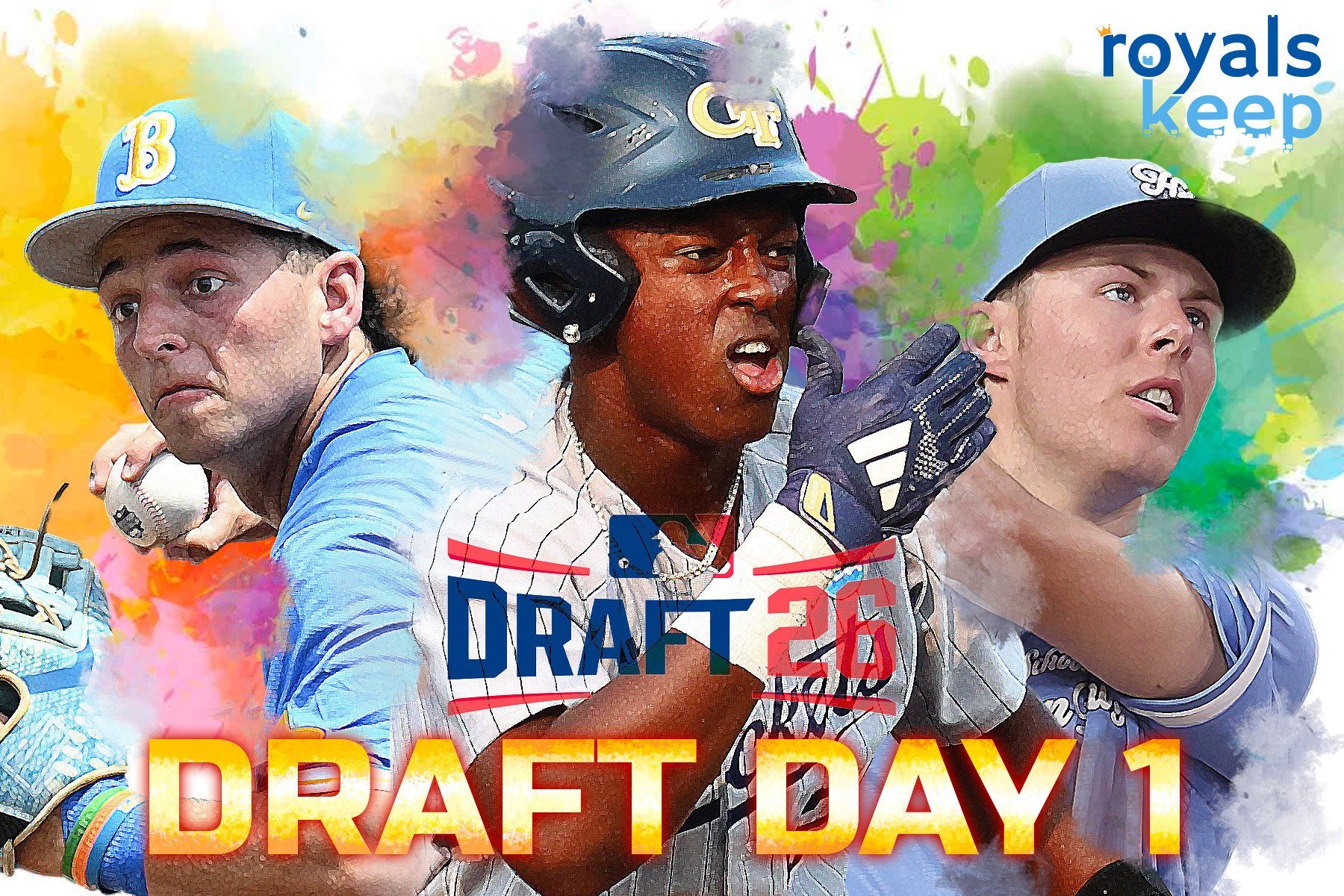 Welcome to Royals Keep's coverage of the 2026 MLB Draft! Here you can follow all of the day’s events and join in on the conversation surrounding the newest Kansas City Royals. This year’s draft will once again consist of 20 rounds. The first four rounds will take place on Saturday, July 11th. The 5th-20th rounds will take place on Sunday, July 12th. Here's what TV coverage will be like for the MLB Draft, as it is different from years past. • 12:00-1:30 p.m. CST - Preview show + Picks 1-10 (NBC/Peacock) • 1:30-3:30 p.m. CST - Picks 11-40 (MLB Network, MLB.com, MLB.TV, MLB+) • 3:30-6:45 p.m. CST - Picks 41-135 (MLB.com, MLB.TV, MLB+) The Royals have five picks on day one of the draft: No. 6 (1st round), No. 30 (Competitive Balance A), No. 56 (2nd round), No. 91 (3rd round), and No. 119 (4th round). Kansas City has a bonus pool of $15,954,000 to divide amongst their picks. That is the seventh-highest bonus pool in this year's draft. We're excited to show off the Royals Draft Tracker, which will be kept up to date not only during the draft but throughout the entire signing period. So keep coming back for updates! The draft is a busy, fast-paced event, and we’ll be updating articles and providing scouting reports on the Royals' picks as things happen, so stay tuned and feel free to share your thoughts in the comments! View the full article
 -
 John Rave hit a ninth-inning grand slam to lift Omaha past Louisville, 6-4, while Felix Arronde earned his fourth win as Northwest Arkansas rolled past Wichita, 8-1. Kamden Edge struck out four in relief, but Quad Cities fell to Peoria, 6-3, despite Nolan Sailors' three-hit night. Columbia scored five runs in the first inning, and Henson Leal threw 3 1/3 hitless innings, but the Fireflies dropped a 9-8 decision to Salem. Royals Transactions No Roster Moves Rave's Ninth-Inning Grand Slam Lifts Omaha Past Louisville The Omaha Storm Chasers trailed by two runs entering the ninth inning in Louisville, and Rave erased the deficit with one swing. The Omaha outfielder, just recently optioned back to Triple-A from Kansas City, hit a grand slam, his 11th home run of the season, to cap a four-run ninth and lift Omaha to a 6-4 win over the Bats. The rally began with a Luca Tresh single and a Drew Waters double. After a strikeout, Rudy Martin Jr. walked to load the bases, and Rave drove a pitch to center field to put Omaha ahead. Rave finished 3-for-5 with four RBI. He was Omaha's top offensive performer on Friday night. Bailey Falter started for Omaha and pitched five innings, allowing two runs on six hits while walking one and striking out one. Louisville scored on an RBI single in the second and a sacrifice fly in the third. The Bats took the lead in the seventh. Against Scott Barlow, a bunt single and a line-drive single put two runners on, and a wild pitch scored a run during a walk. A force-out by Genesis Cabrera brought home another run, making it 4-2. Cabrera and Dan Altavilla held Louisville there, and Altavilla struck out two over the final 1 2/3 innings. Peyton Wilson tied the game at 2-2 in the fourth with a two-run double that scored Abraham Toro and Gavin Cross. Cross went 2-for-5 with a double, and Tresh added two hits. The Storm Chasers left eight runners on base and went 3-for-13 with runners in scoring position. They improved their record to 39-51 after the win. Player AB R H RBI BB K Rudy Martin Jr. 3 1 1 0 1 0 John Rave 5 1 3 4 0 1 Brett Squires 5 0 1 0 0 0 Abraham Toro 3 1 0 0 2 1 Gavin Cross 5 1 2 0 0 1 Peyton Wilson 4 0 1 2 0 1 Luca Tresh 4 1 2 0 0 0 Drew Waters 4 1 1 0 0 2 Andrew Velazquez 4 0 1 0 0 1 Player IP H R ER BB K HR Bailey Falter 5 6 2 2 1 1 0 Scott Barlow 1 3 2 2 1 1 0 Genesis Cabrera 1 1/3 0 0 0 1 1 0 Dan Altavilla 1 2/3 0 0 0 0 2 0 Arronde Earns Fourth Win As Naturals Roll Past Wichita Arronde worked around traffic, and the Northwest Arkansas offense broke the game open late in an 8-1 win over the Wichita Wind Surge. The Royals' No. 14 prospect pitched 5 1/3 innings, allowing one run on five hits while walking four and striking out four to earn his fourth win of the season. Northwest Arkansas built an early lead. Spencer Nivens singled home Jack Pineda in the first, Alberto Rodriguez added an RBI groundout in the second, and Pineda doubled in the fifth before coming around to score on a wild pitch. The Naturals put the game away with five runs in the seventh. Pineda tripled and scored on a single by Nivens, Jorge Alfaro followed with a two-run single, and after a pair of walks, Canyon Brown capped the inning with a two-run single of his own to make it 8-1. Pineda finished 3-for-5 with a double, a triple, and three runs scored. Nivens went 3-for-5 with two RBI and a stolen base, and Colton Becker reached base five times, going 2-for-2 with three walks, a double, and a stolen base. Wichita's only run came in the sixth on an RBI single against Arronde. Brandon Johnson followed with 2 2/3 hitless innings, striking out two, and Tommy Molsky needed just six pitches for a scoreless ninth. The Naturals stranded 10 runners and went 4-for-17 with runners in scoring position. It was Northwest Arkansas' third-straight win, improving their record to 35-48. Player AB R H RBI BB K Carson Roccaforte 5 0 0 0 0 0 Jack Pineda 5 3 3 0 0 0 Sam Kulasingam 3 1 0 0 2 1 Spencer Nivens 5 1 3 2 0 0 Jorge Alfaro 4 1 1 2 0 1 Colton Becker 2 2 2 0 3 0 Omar Hernandez 5 0 0 0 0 2 Alberto Rodriguez 4 0 0 1 1 2 Canyon Brown 5 0 1 2 0 1 Player IP H R ER BB K HR Felix Arronde 5 1/3 5 1 1 4 4 0 Brandon Johnson 2 2/3 0 0 0 0 2 0 Tommy Molsky 1 0 0 0 0 0 0 Sailors Homers But River Bandits Fall To Peoria Derlin Figueroa and Sailors homered, but the Quad Cities River Bandits dropped a 6-3 decision to the Peoria Chiefs at home. Figueroa gave the River Bandits a 1-0 lead in the second with his 17th home run of the season, a solo shot to center field. He finished 2-for-4. Tanner Jones started and pitched five innings, allowing four runs on nine hits with no walks and three strikeouts. Peoria broke through with three runs in the fifth on back-to-back doubles, a triple, and an RBI single, then added a run in the sixth on a sacrifice fly after Jones left with a runner at second base. Peoria added two more in the eighth, a solo home run charged to Mason Miller and an RBI single that scored an inherited runner. Edge, the Royals' No. 19 prospect at Royals Keep, was a bright spot out of the bullpen, striking out four of the five batters he faced across 1 1/3 innings, including striking out the side in the ninth. Sailors kept Quad Cities in the game with a two-run home run, his third, in the eighth, scoring No. 9 prospect Asbel Gonzalez and cutting the deficit to 6-3. Sailors finished 3-for-4 with a double, and No. 4 prospect Blake Mitchell went 2-for-4 with a stolen base. Gonzalez tripled, walked, and scored. Unfortunately, the River Bandits struck out 12 times, went 0-for-7 with runners in scoring position, and stranded seven runners. The River Bandits' win streak was snapped, and they are now back under .500 at 40-41. Player AB R H RBI BB K Asbel Gonzalez 3 1 1 0 1 1 Nolan Sailors 4 1 3 2 0 1 Blake Mitchell 4 0 2 0 0 1 Luke Pelzer 4 0 0 0 0 3 Derlin Figueroa 4 1 2 1 0 2 Tyriq Kemp 4 0 0 0 0 0 Erick Torres 4 0 0 0 0 1 Trevor Werner 4 0 0 0 0 3 Angel Acosta 4 0 2 0 0 0 Player IP H R ER BB K HR Tanner Jones 5 9 4 4 0 3 0 Mason Miller 2 2/3 1 2 2 3 1 1 Kamden Edge 1 1/3 1 0 0 0 4 0 Fireflies' Five-Run First Wasted In 9-8 Loss To Salem The Columbia Fireflies scored five runs in the first inning, but the Salem RidgeYaks answered with seven unanswered runs across the fourth and fifth innings, and Columbia's late comeback fell one run short in a 9-8 loss. Salem opened the game with two solo home runs against Michael Lombardi, and Columbia responded immediately. Henry Ramos and No. 5 prospect Sean Gamble singled, No. 3 prospect Josh Hammond walked, and JC Vanek was hit by a pitch, forcing in a run. Roni Cabrera drew a bases-loaded walk, Connor Rasmussen added an RBI single, Angel Ramirez lifted a sacrifice fly, and Cabrera stole home to make it 5-2. Lombardi, the Royals' No. 11 prospect, pitched 4 1/3 innings, allowing four runs on four hits, including three home runs, while walking four and striking out four. A two-run homer in the fourth cut the lead to 5-4, and Salem scored five in the fifth, all charged to Hunter Alberini, on a double, four singles, a hit by pitch, and a walk to take a 9-5 lead. Leal kept Columbia in the game with 3 1/3 hitless innings on the mound, striking out two. The Fireflies got two runs back in the sixth on a Vanek RBI single and a Stone Russell sacrifice fly, and Ramirez scored from second base on a wild pitch in the seventh to make it 9-8. Unfortunately, they could not complete the comeback. Ramos went 3-for-4 with two walks, two runs, and a stolen base, and Rasmussen finished 3-for-5 with an RBI. Columbia went 2-for-18 with runners in scoring position, stranded 12 runners, and struck out 15 times. The Fireflies fell to under .500 with the loss and are now 42-43 this season. Player AB R H RBI BB K Henry Ramos 4 2 3 0 2 1 Sean Gamble 5 2 1 0 0 3 Josh Hammond 3 1 1 0 2 0 JC Vanek 4 1 1 2 0 2 Stone Russell 3 0 0 1 1 2 Roni Cabrera 3 1 1 1 2 2 Connor Rasmussen 5 0 3 1 0 1 Yandel Ricardo 0 0 0 0 0 0 Angel Ramirez 3 1 0 1 0 2 Gabriel Silva 5 0 0 0 0 2 Player IP H R ER BB K HR Michael Lombardi 4 1/3 4 4 4 4 4 3 Hunter Alberini 1/3 5 5 5 1 0 0 Henson Leal 3 1/3 0 0 0 1 2 0 Dash Albus 1 1 0 0 0 1 0 Top-20 Prospect Performance Kendry Chourio: DNP David Shields: DNP Josh Hammond: 1-for-3, 2 BB, R Blake Mitchell: 2-for-4, K, SB Sean Gamble: 1-for-5, 2 R, 3 K Ramon Ramirez: DNP Drew Beam: DNP Carson Roccaforte: 0-for-5 Asbel Gonzalez: 1-for-3, 3B, BB, R, K Yandel Ricardo: 0-for-0 Michael Lombardi: 4 1/3 IP, 4 H, 4 R, 4 BB, 4 K, 3 HR Ben Kudrna: DNP Justin Lamkin: DNP Felix Arronde: 5 1/3 IP, 5 H, 1 R, 4 BB, 4 K Blake Wolters: DNP Steven Zobac: DNP Austin Charles: DNP Daniel Vazquez: DNP Kamden Edge: 1 1/3 IP, 1 H, 0 R, 0 BB, 4 K Warren Calcano: DNP View the full article
